A foundational science unit for early elementary students exploring the concepts of energy, force, and gravity through hands-on investigation and real-world observation.
A series of lessons exploring genetics and protein synthesis through the lens of spider silk production for medical use. Adapted for 3rd-grade reading levels while maintaining 6th-grade science concepts.
A comprehensive unit exploring inherited traits, talents, and character analysis through the lens of Kamal's story. Students will distinguish between genetic traits and learned talents, analyze character motivations, and document their own unique 'code'.
A comprehensive project-based unit where students explore the vital role of pollinators, research local species, and design solutions to protect their habitats.
A comprehensive unit exploring the fundamentals of electricity, magnetism, and how they combine in circuits, focusing on energy transformations and hands-on visuals.
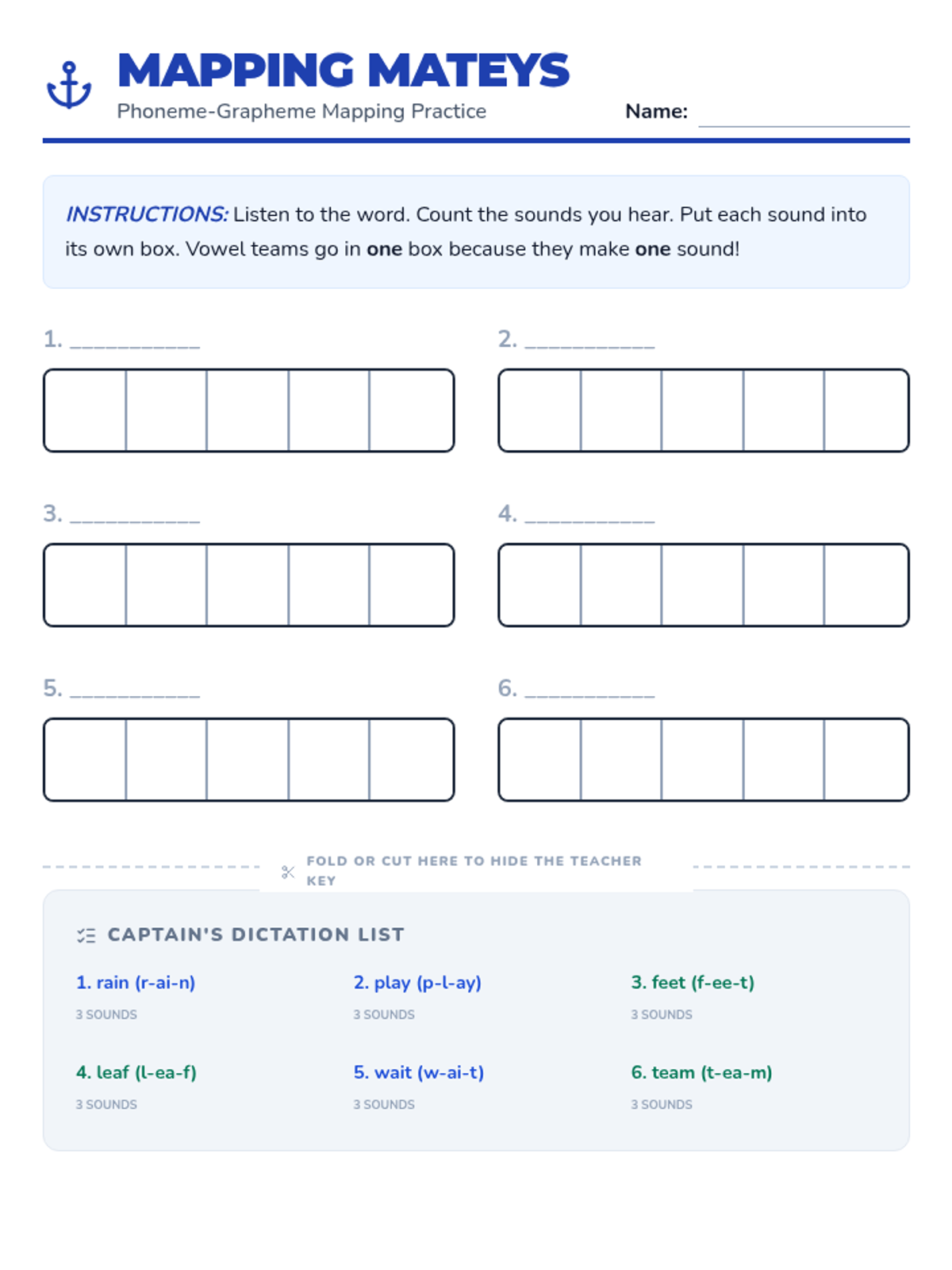
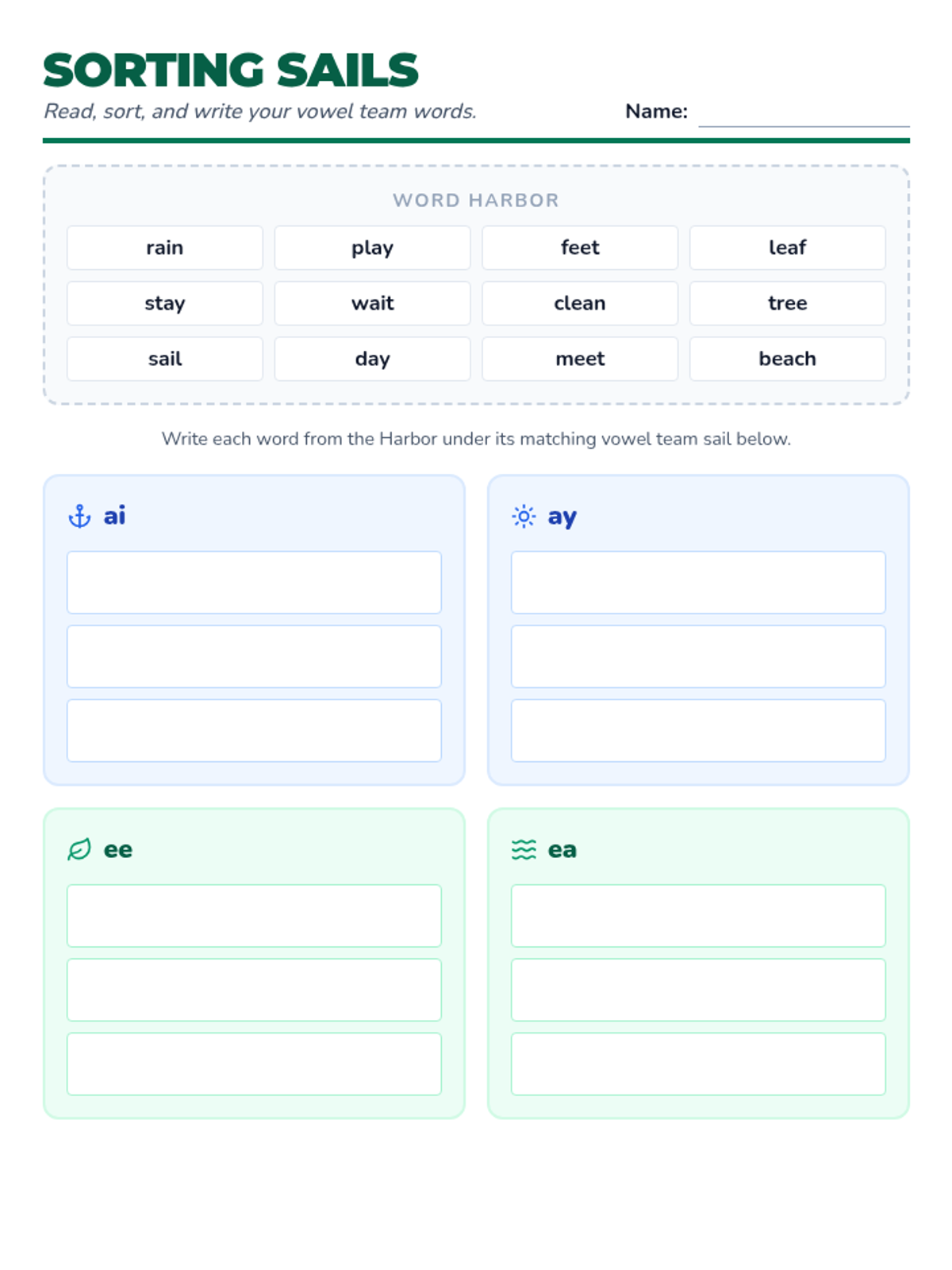
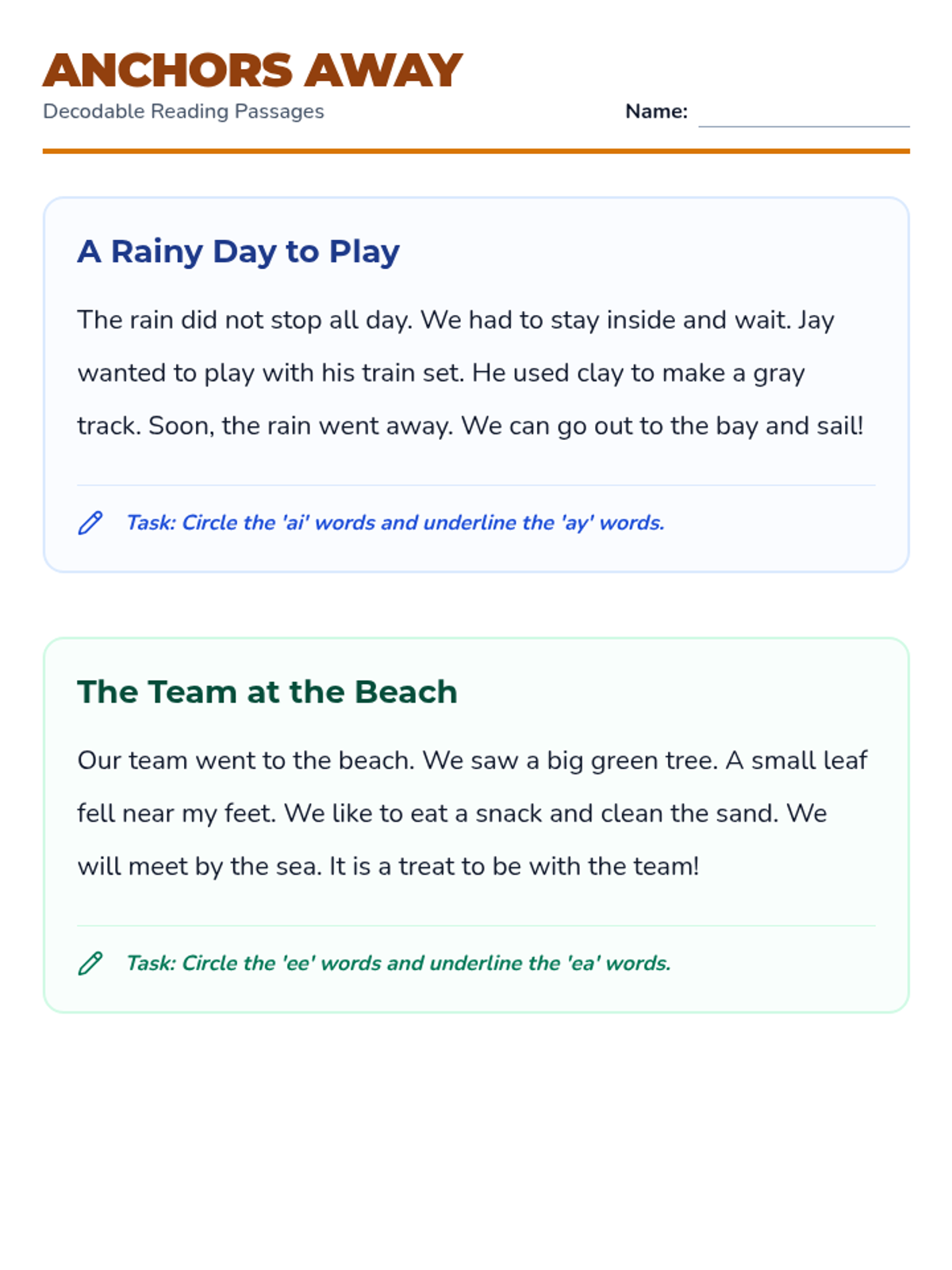
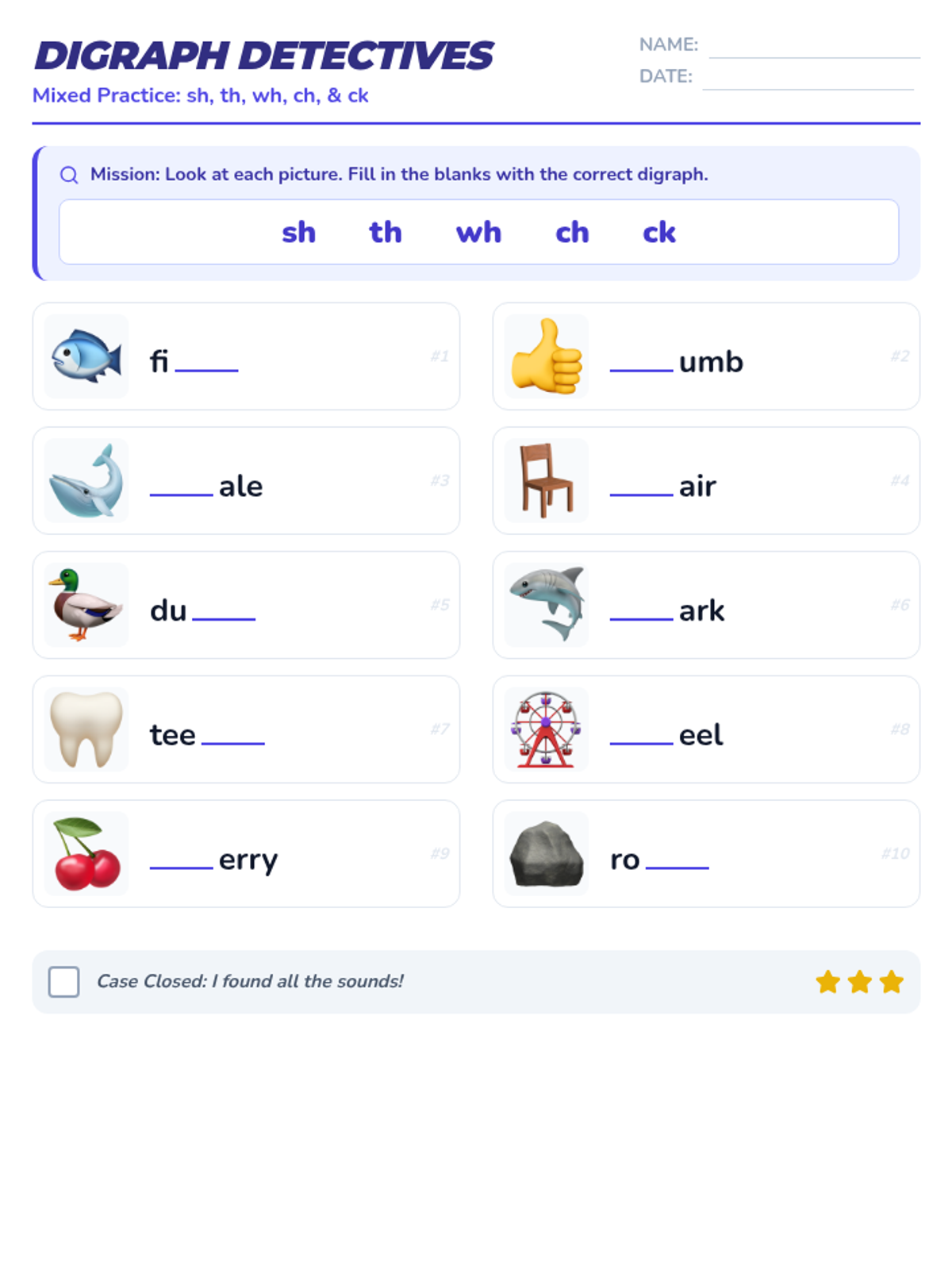
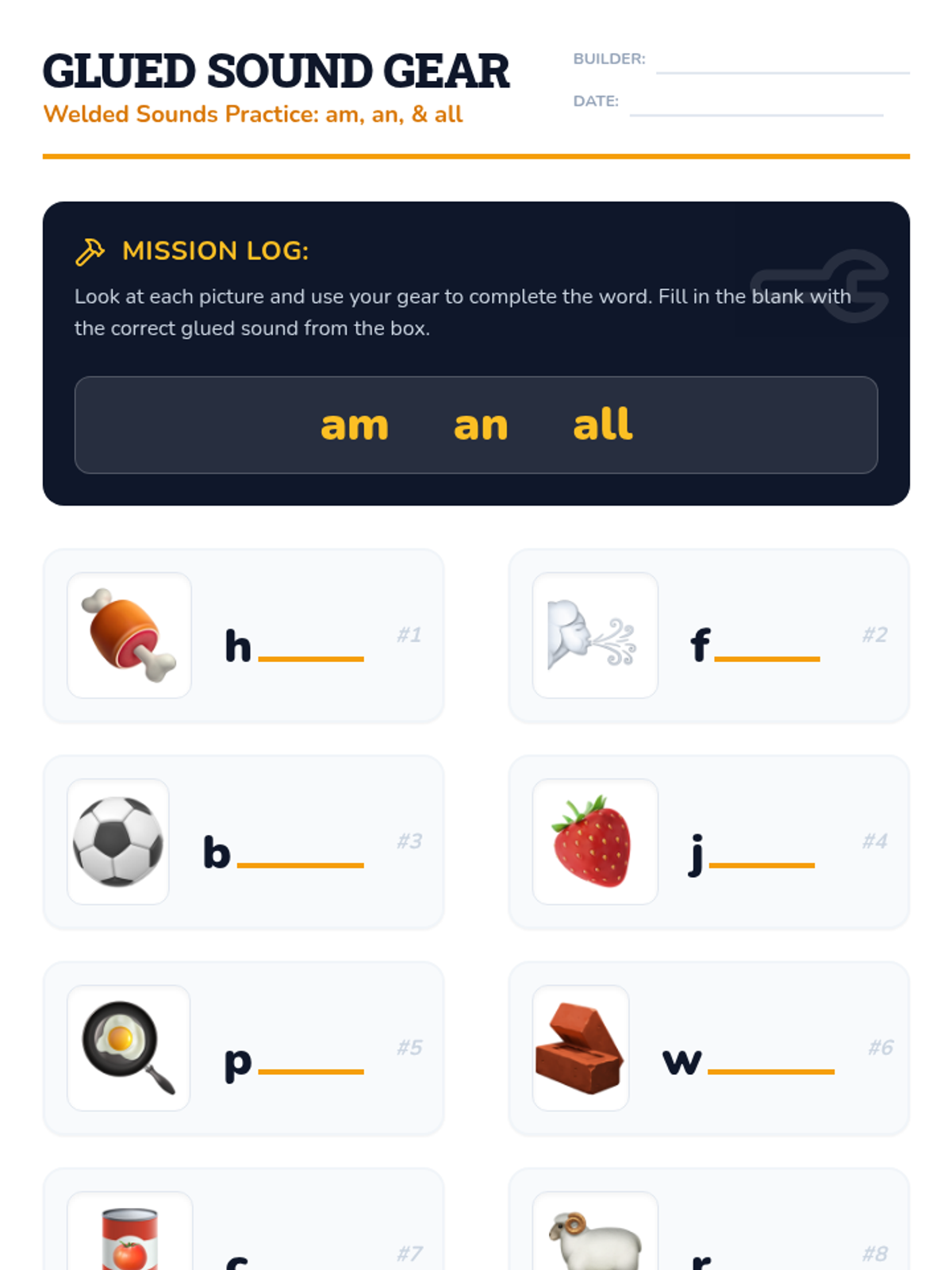
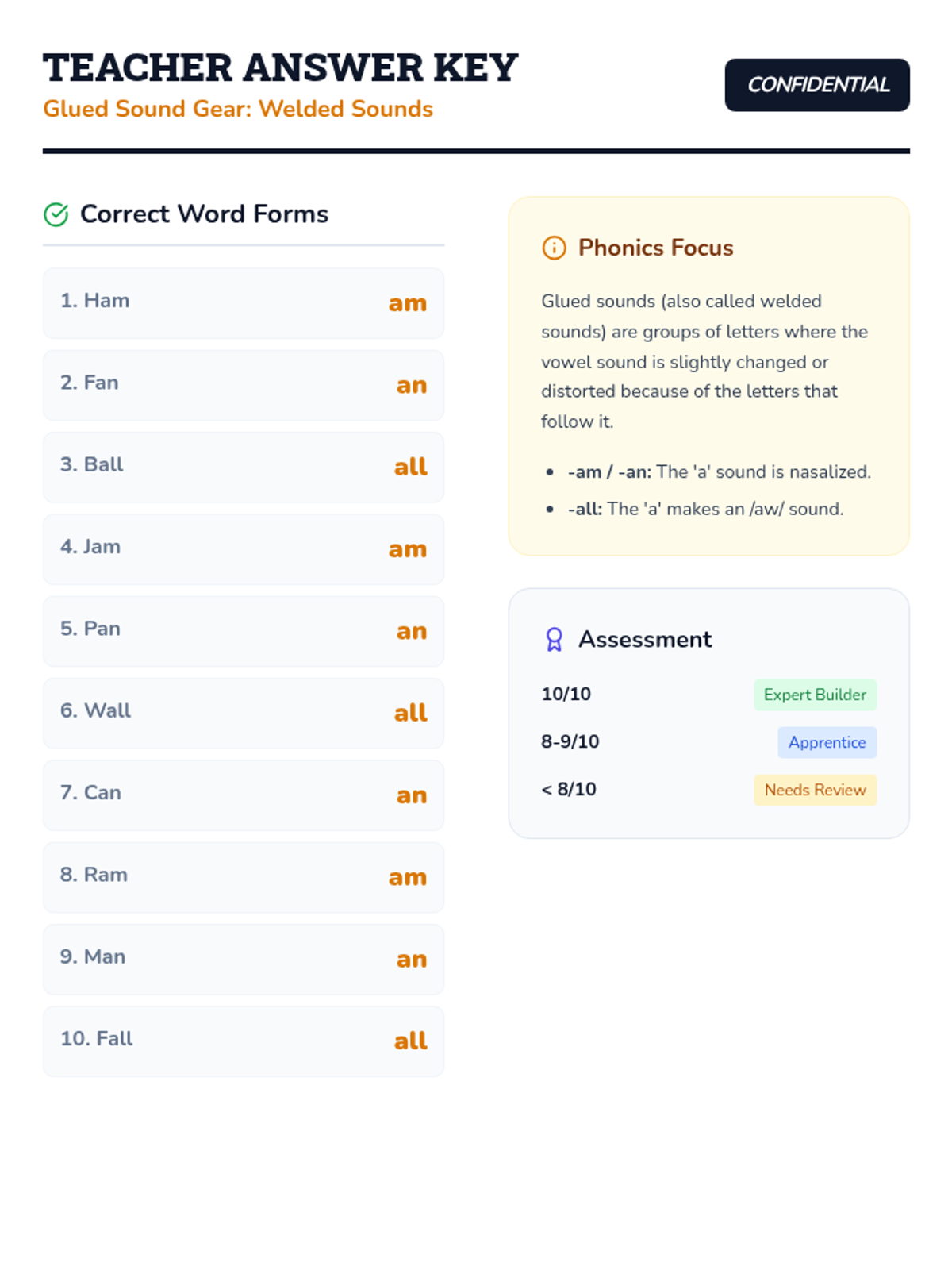
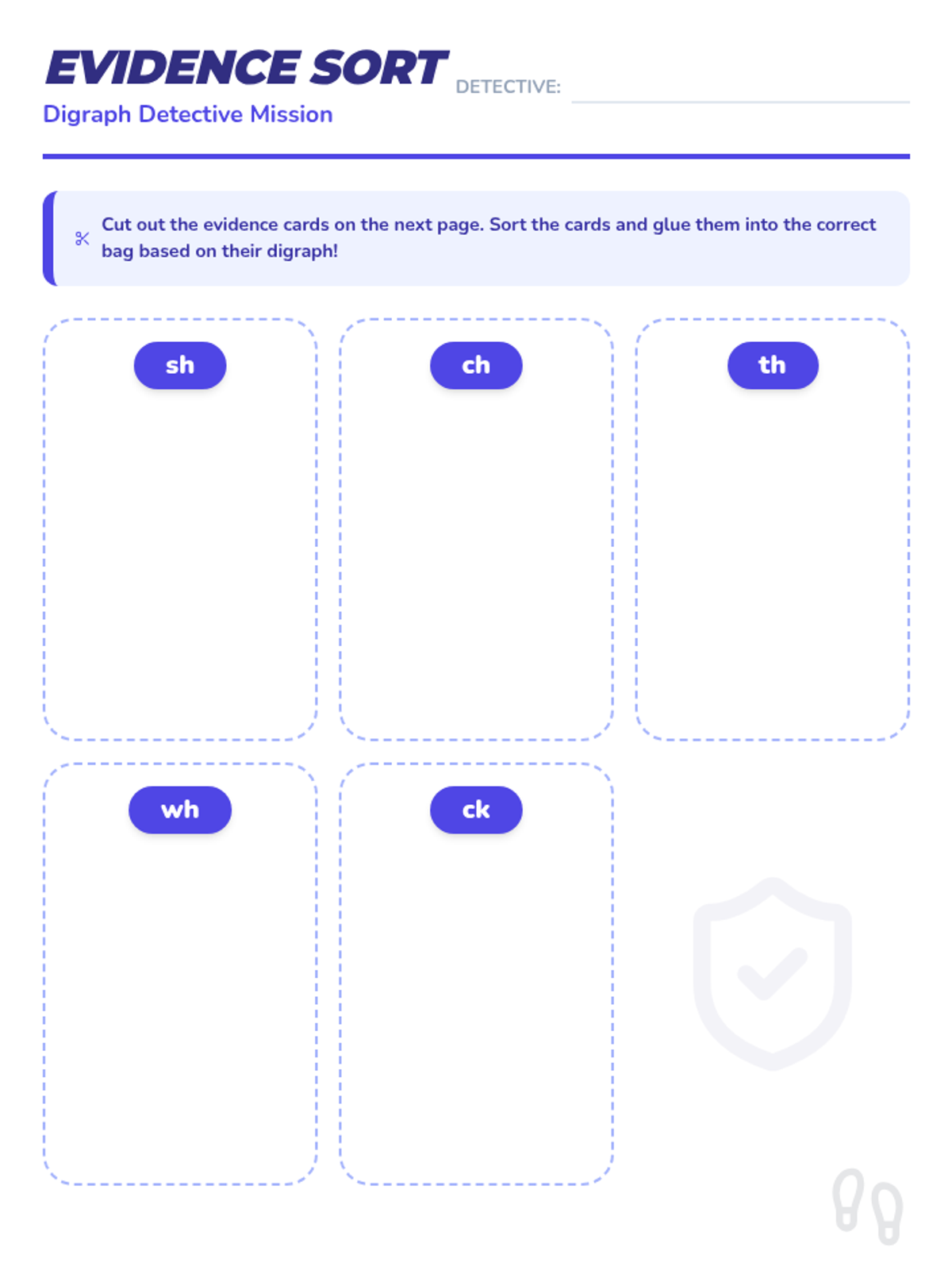
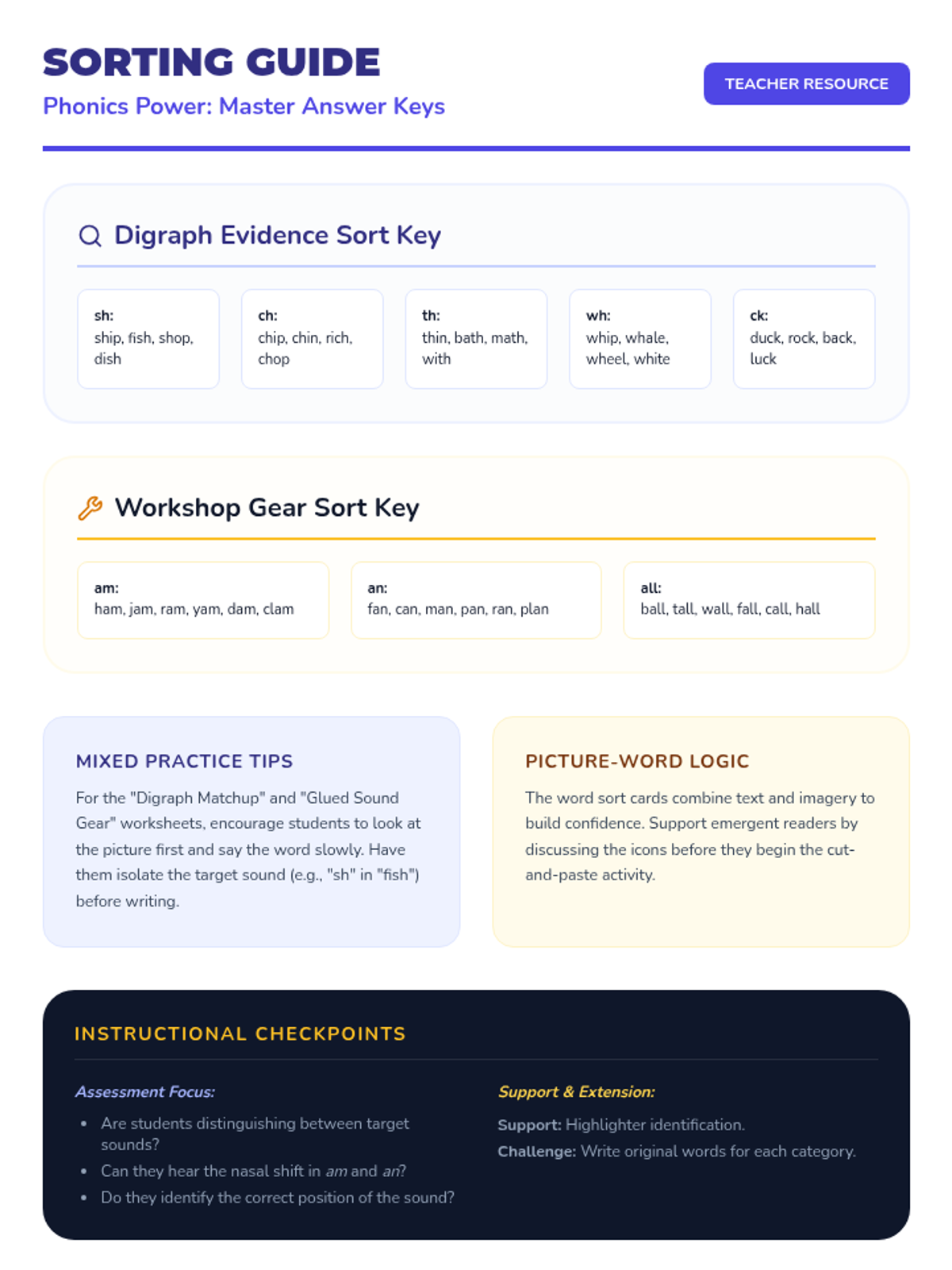
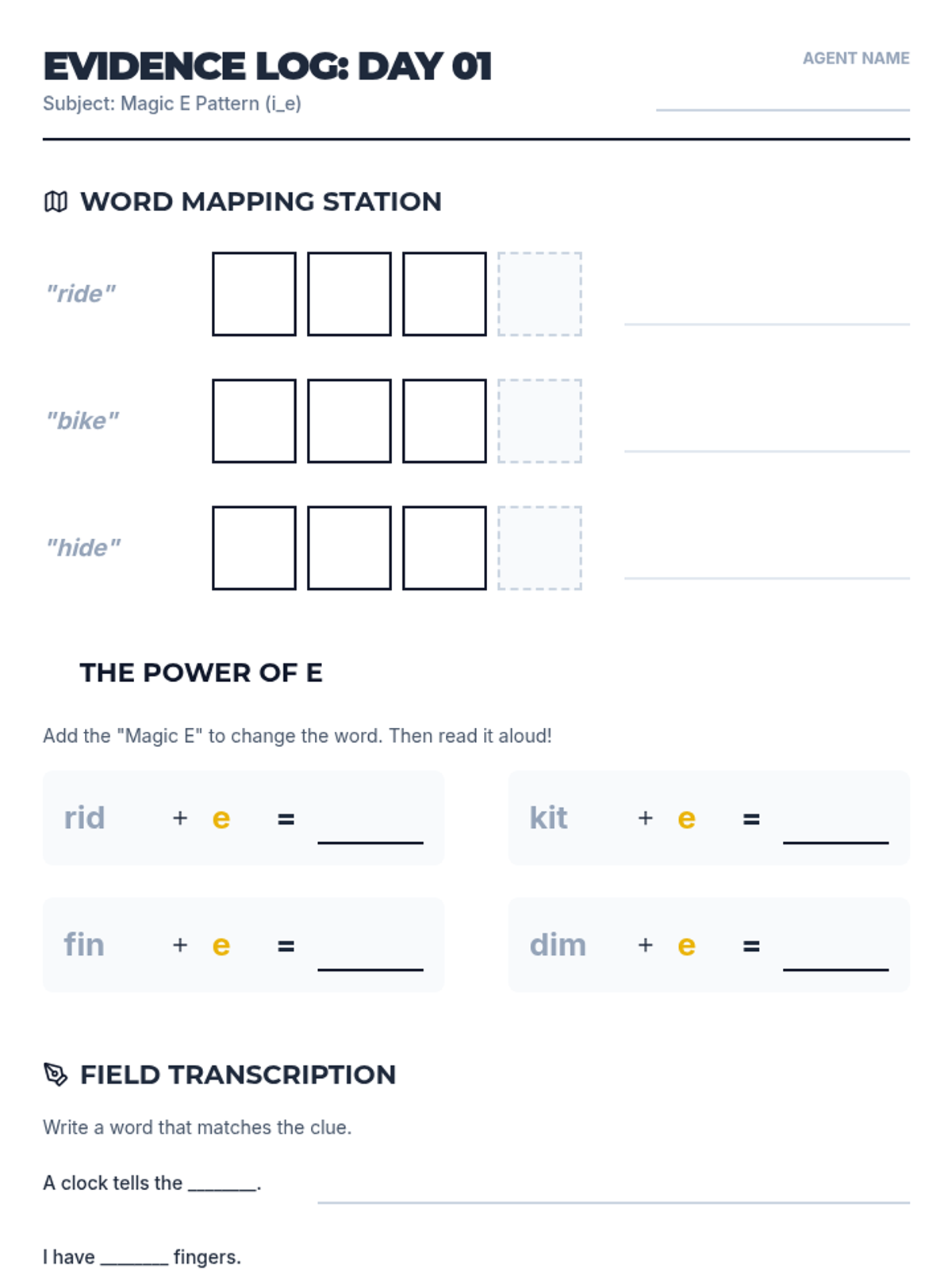
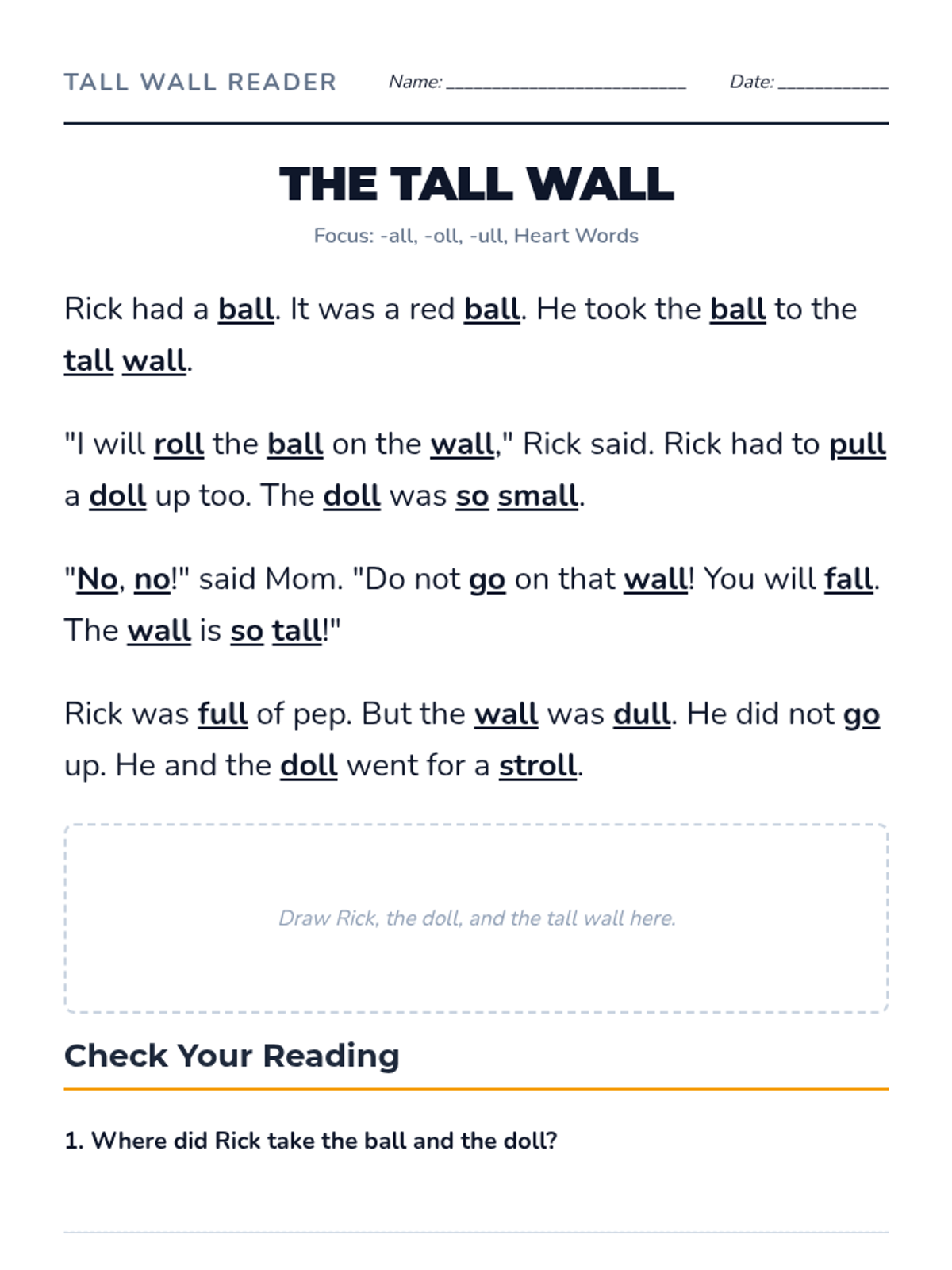
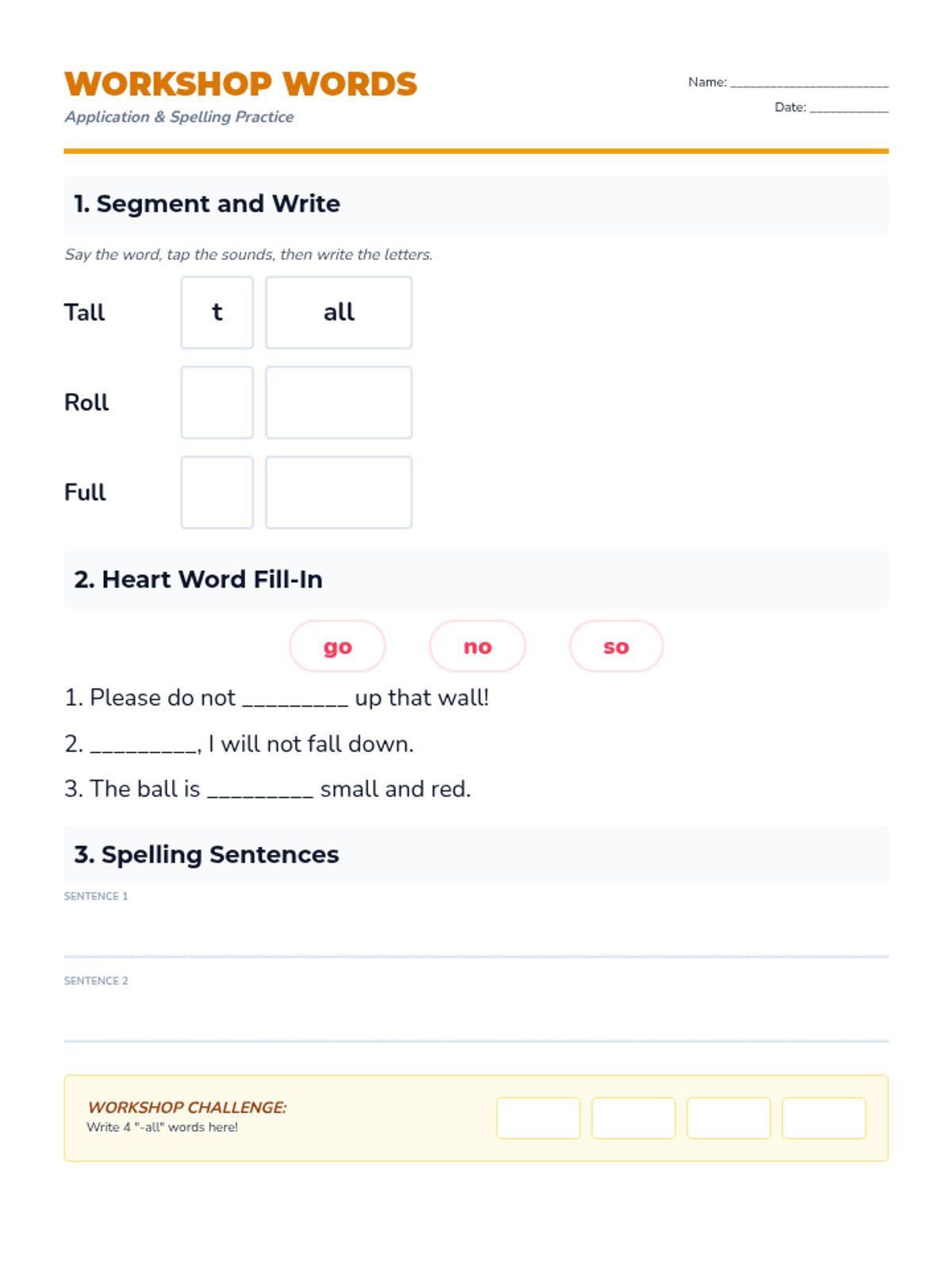
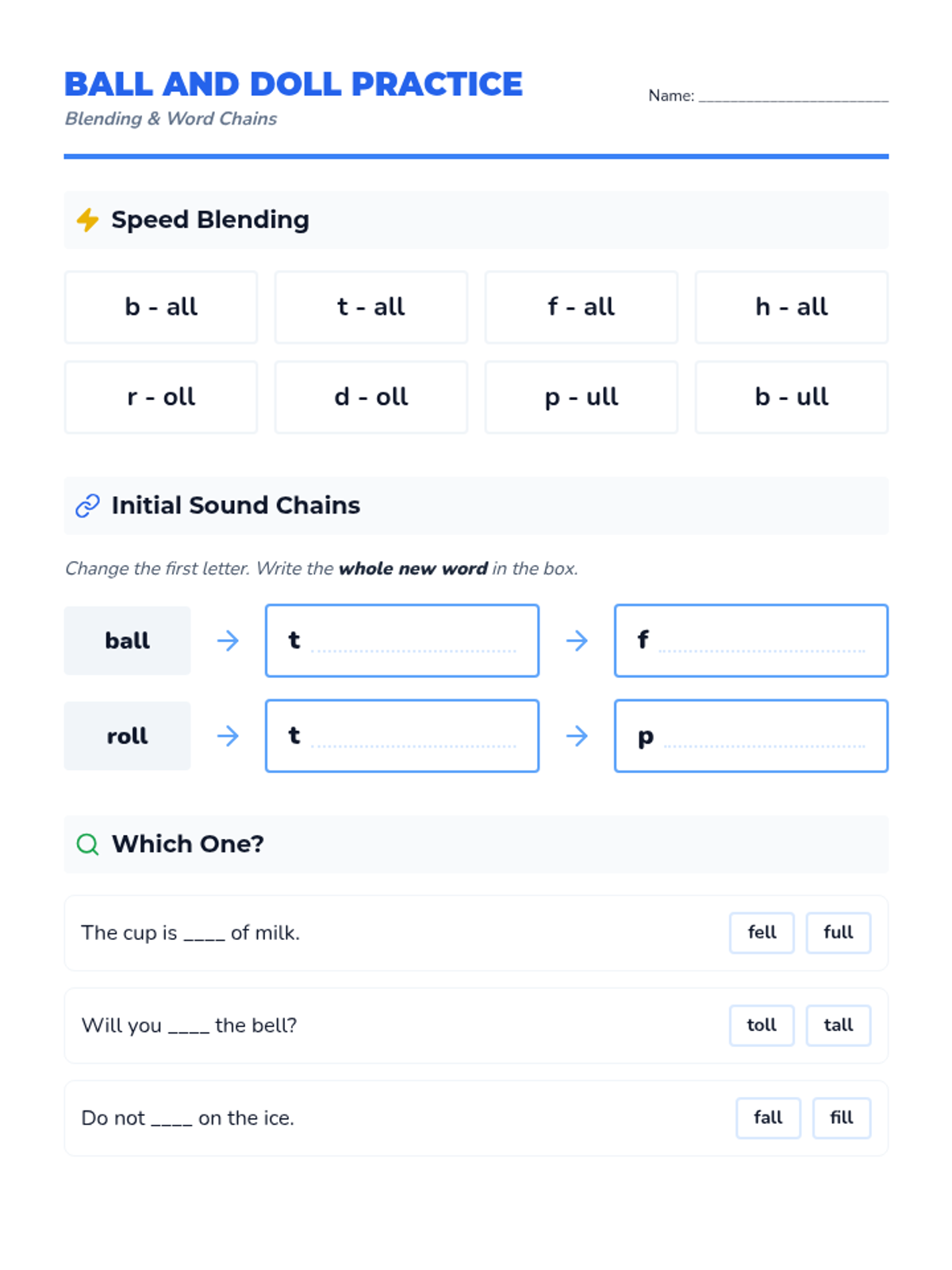
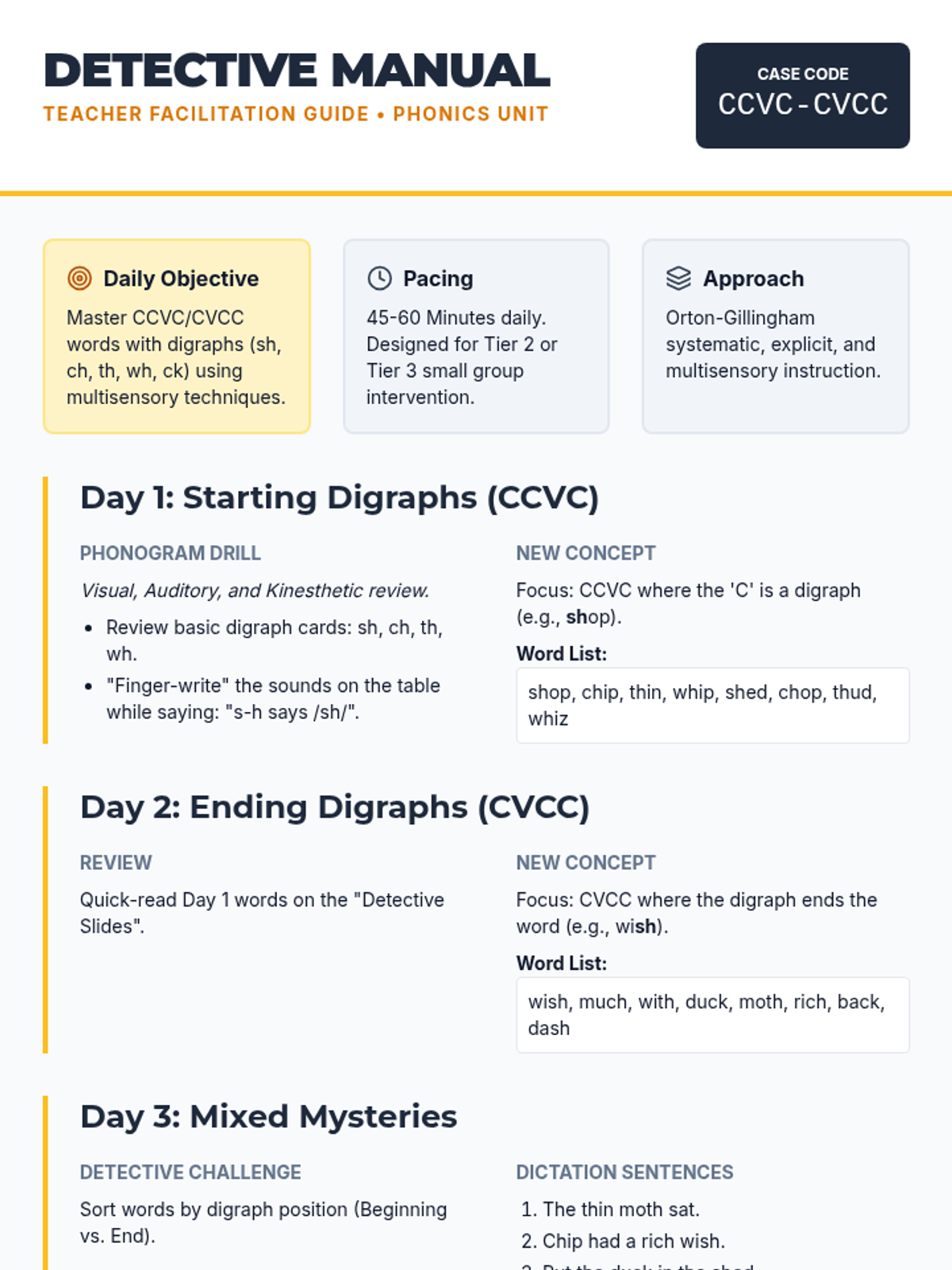
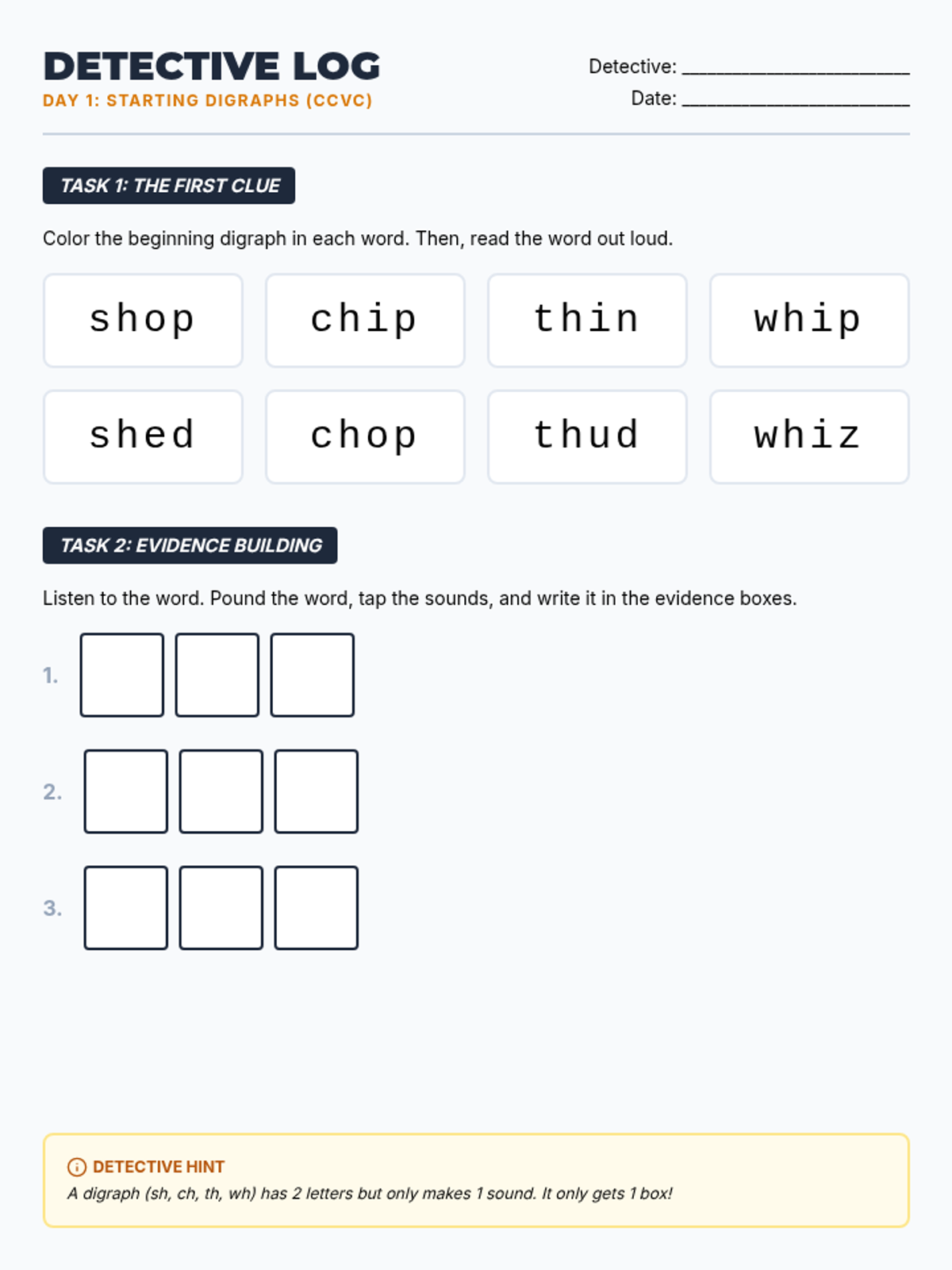
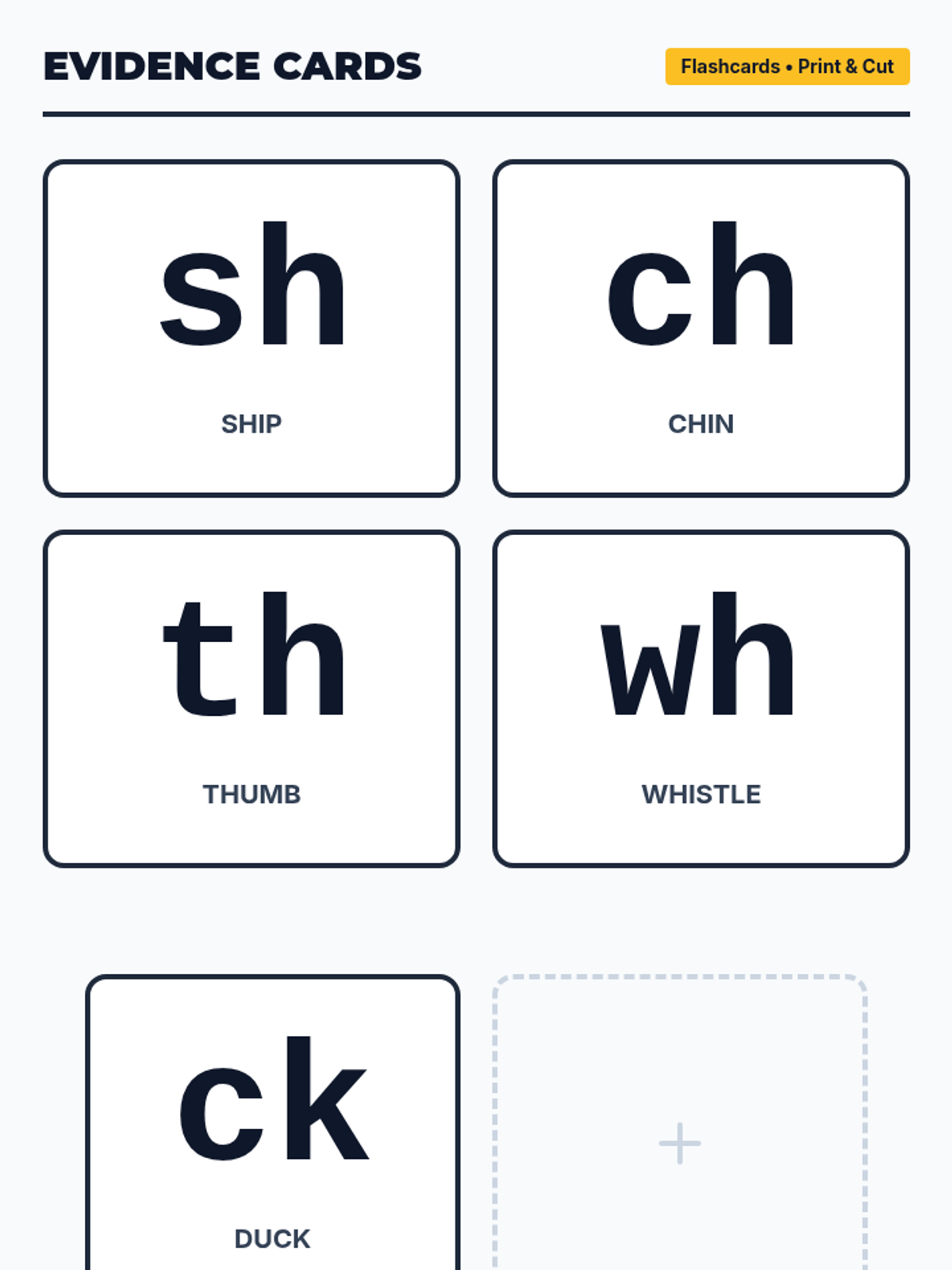
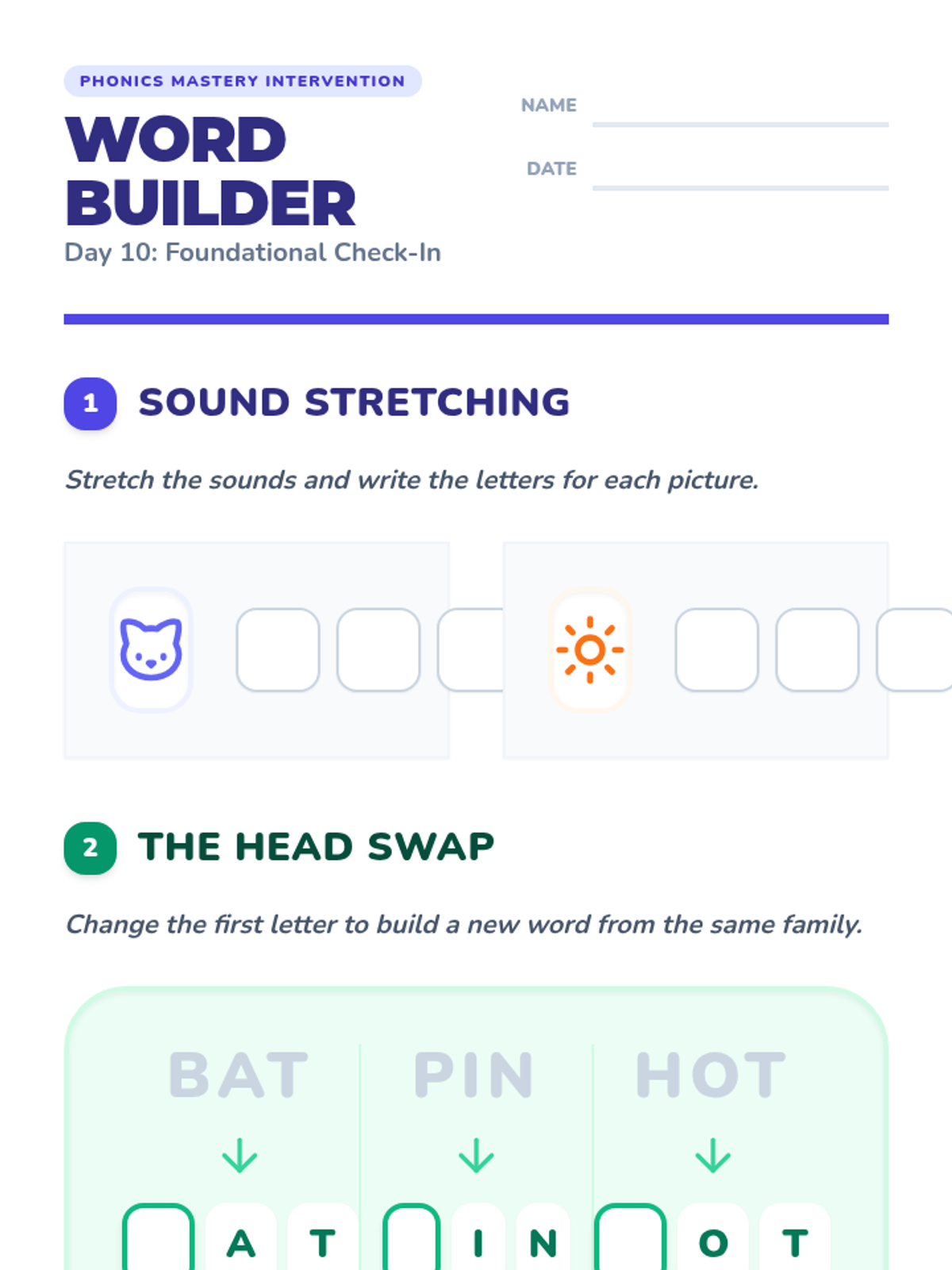
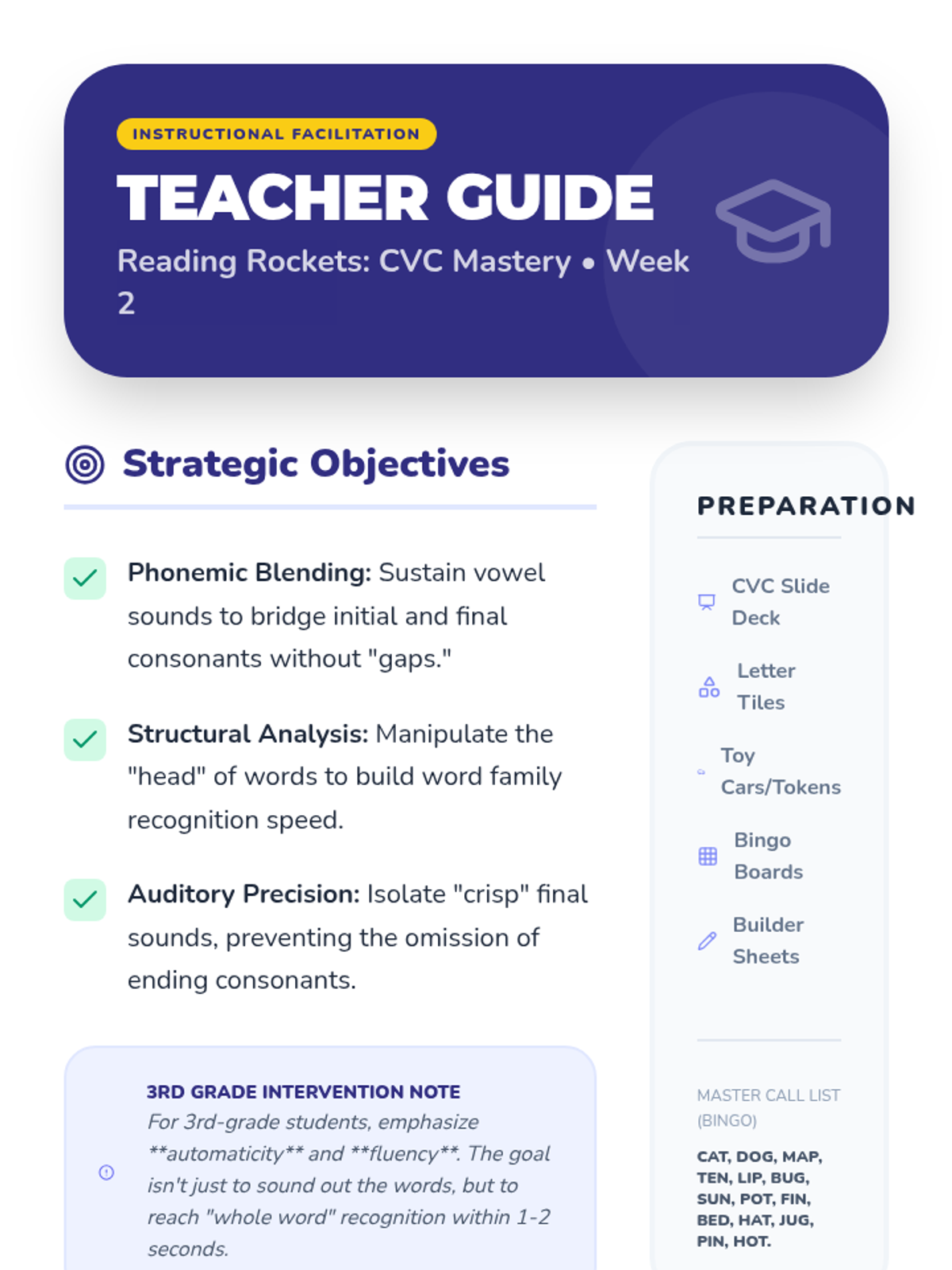
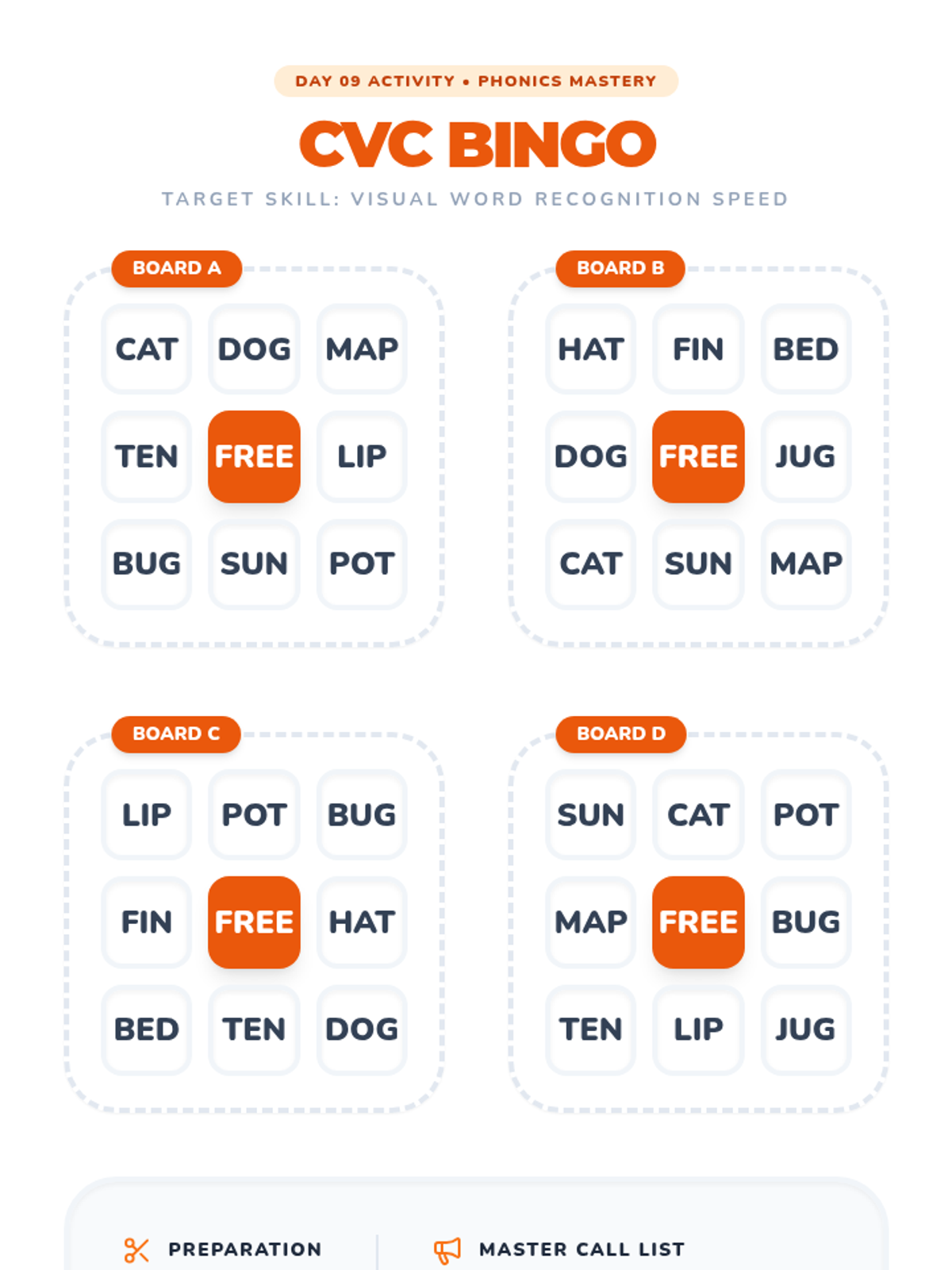
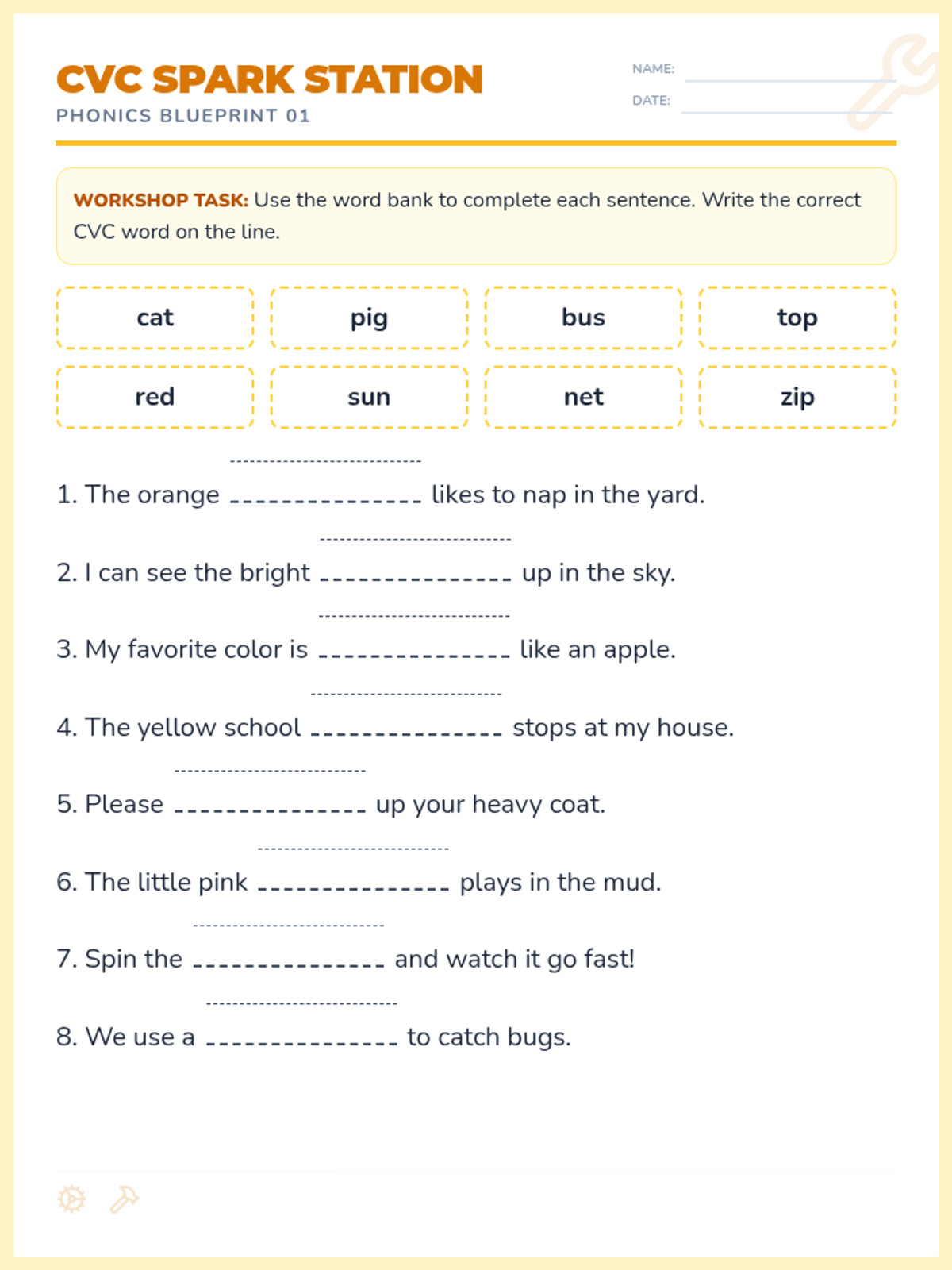
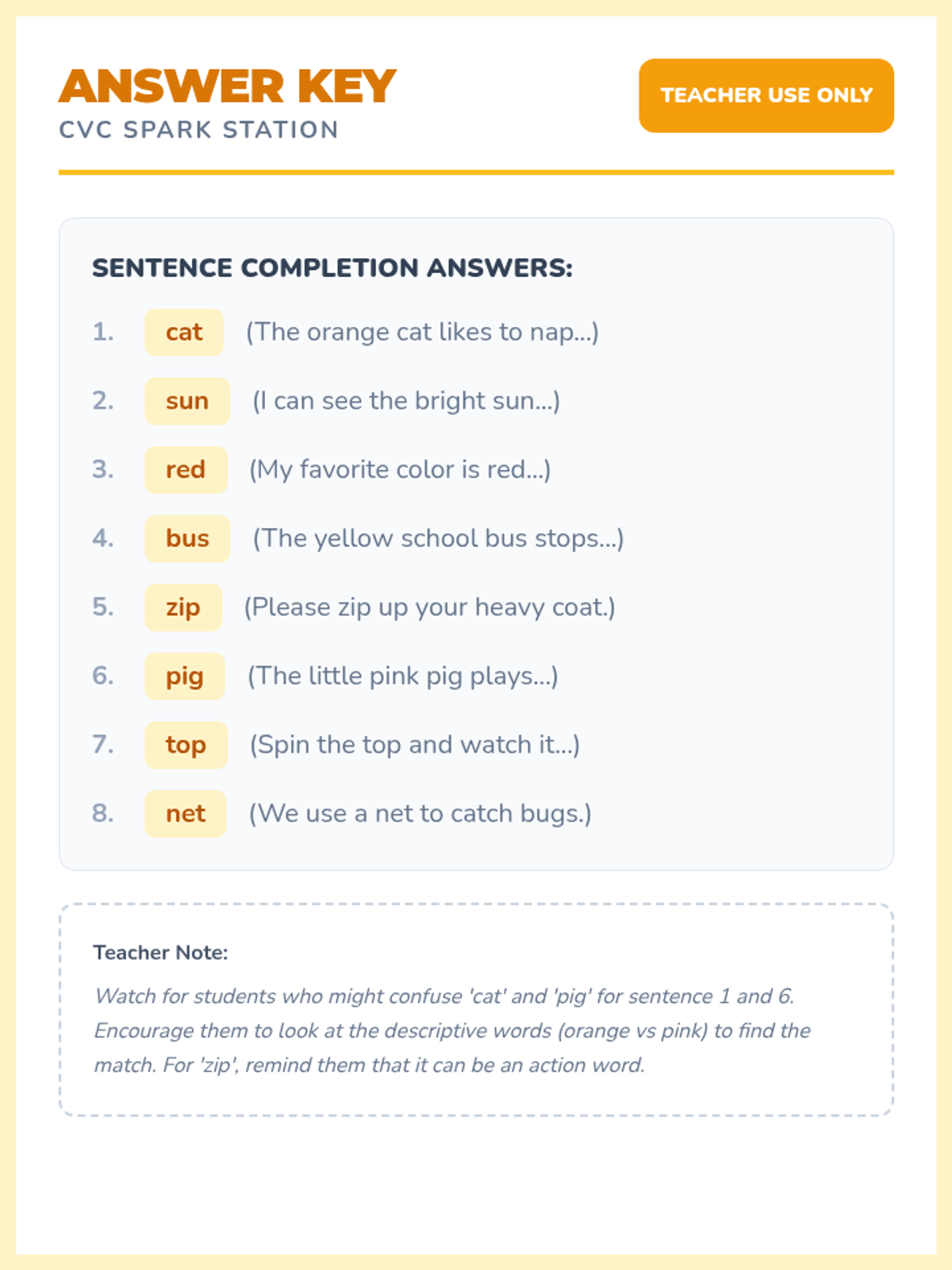
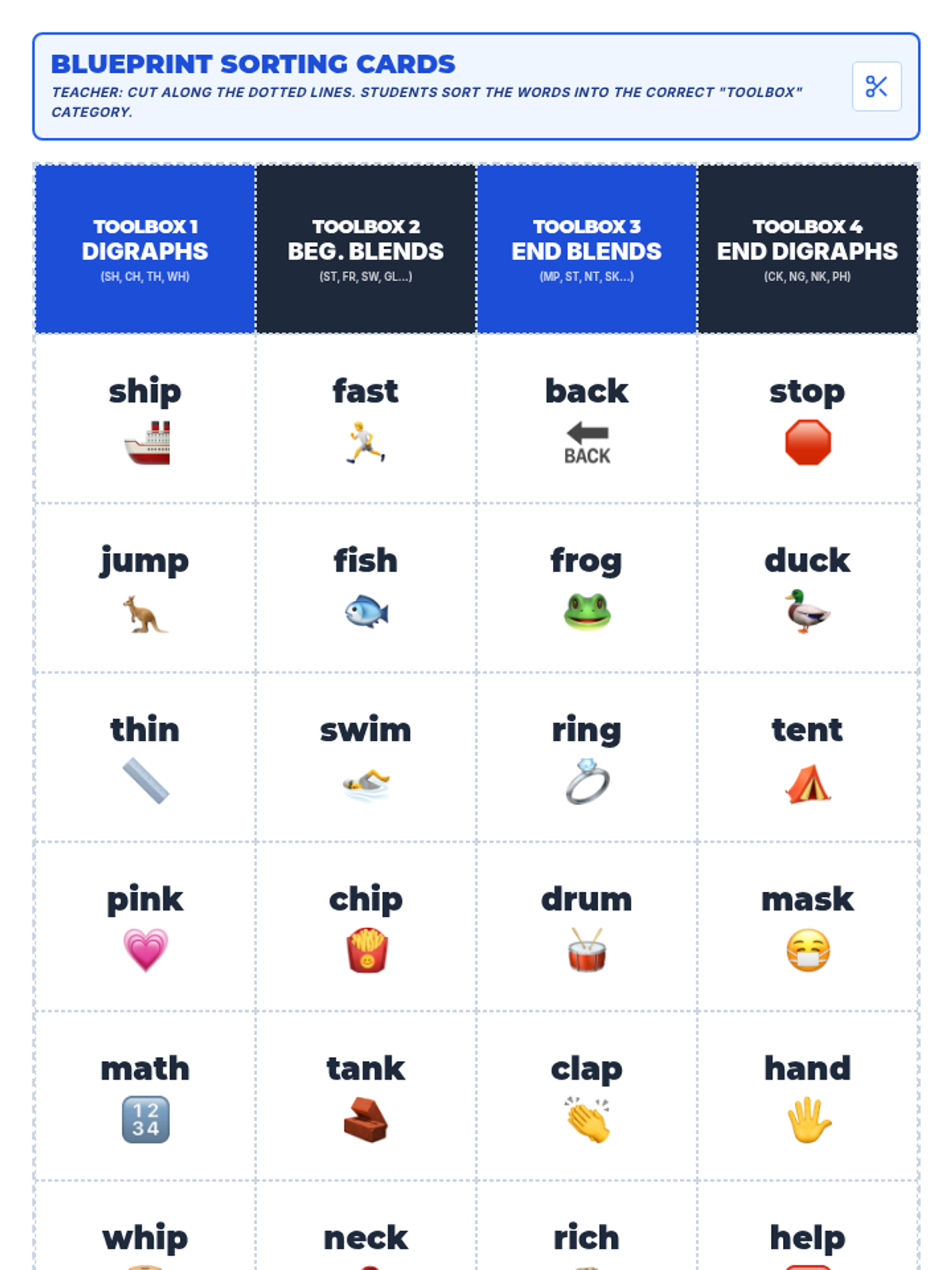
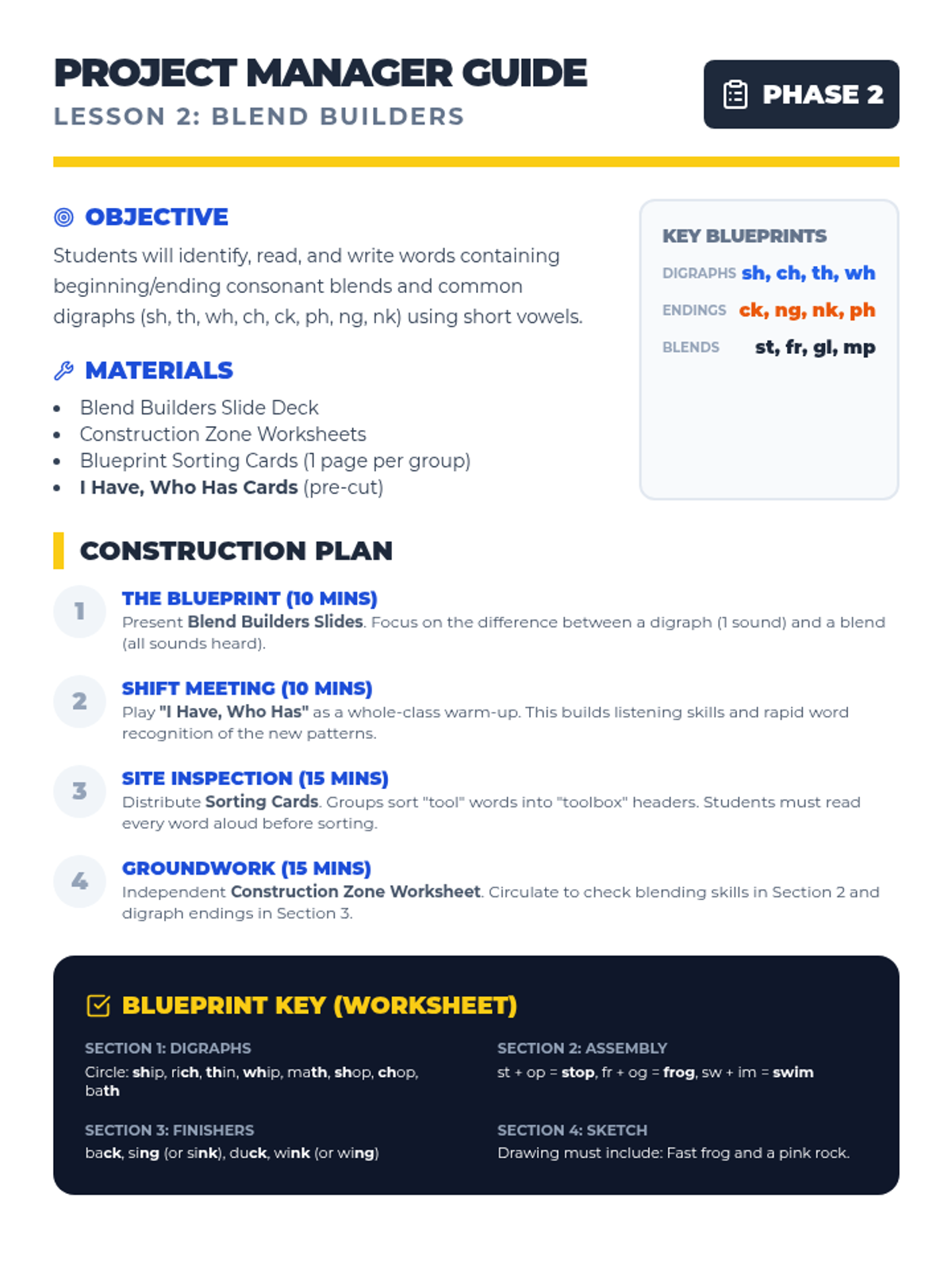
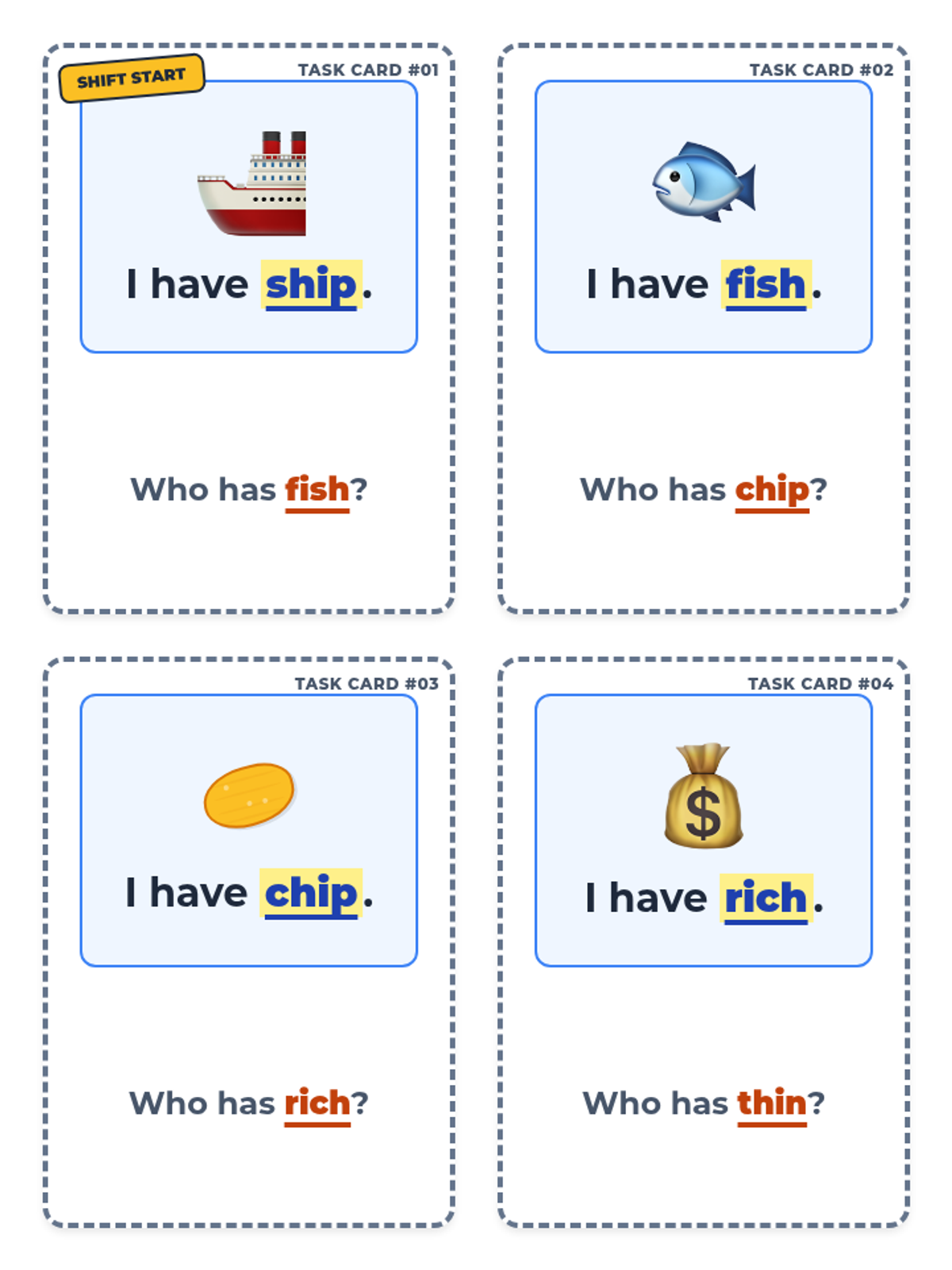
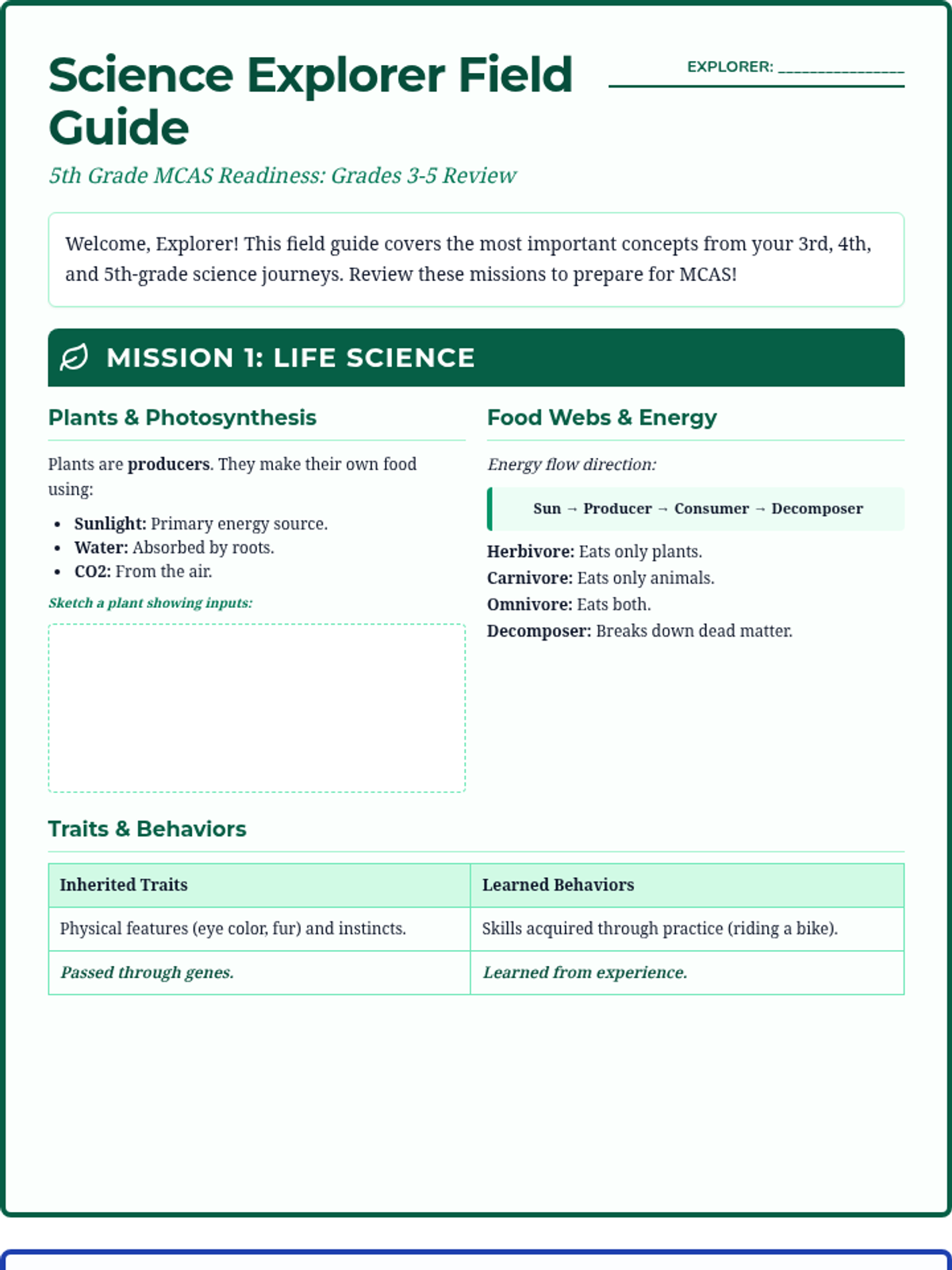
A collection of science and phonics resources designed for hands-on classroom activities.
A lesson sequence exploring the science of involuntary reflexes and reaction time through hands-on lab experiments and interactive discussions. Students learn to distinguish between voluntary and involuntary actions using the body's natural response systems.
A primary science unit exploring animal body coverings, focusing on the differences between shedding and growing scales in reptiles and fish.
A lesson sequence for K-2 students focusing on scientific inquiry, making predictions, and using tools to measure and compare mass. Students learn to distinguish between mass (how heavy) and volume (how big) through hands-on experiments.
A Kindergarten and 1st Grade science unit exploring our neighbor planet, Mars. Students compare Earth and Mars using visual aids, a hands-on sorting activity, and creative drawing to understand planetary similarities and differences.
A 1st-grade science sequence focused on identifying physical properties of materials and understanding the relationship between a material's structure and its function. Students explore real-world examples and use creative problem-solving to explain why specific materials are chosen for objects.
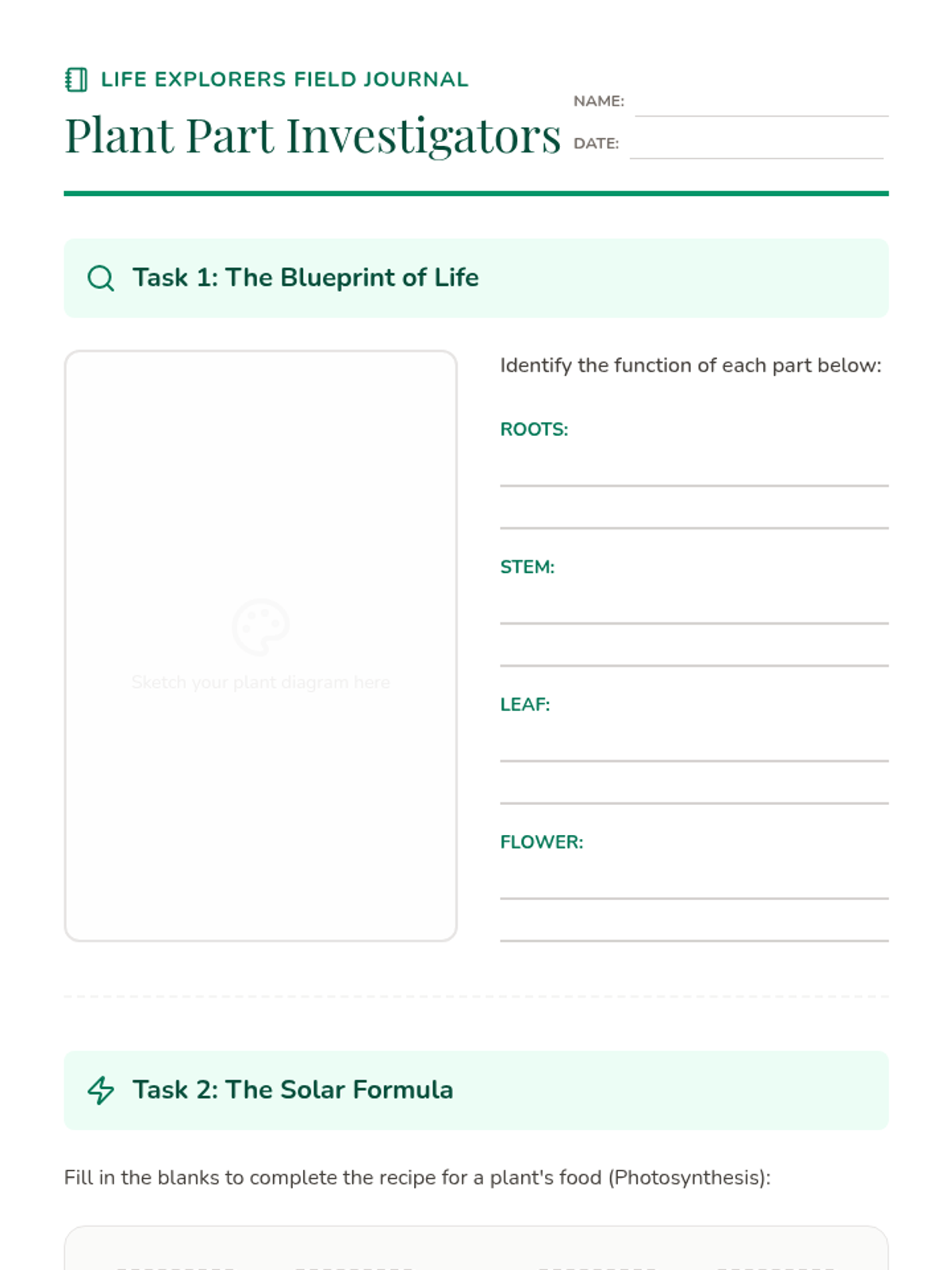
A primary science sequence focused on the fundamental requirements for living things to survive and thrive in their environments.
A short, engaging unit focused on the unique biological adaptations of bats, specifically their status as the only flying mammals and their specialized wing anatomy. Students explore classification, anatomy, and behavior through hands-on modeling.
A hands-on introductory sequence where 3rd-grade students explore the relationship between electricity and magnetism by building their own electromagnets.
A short sequence for lower elementary students exploring how humans adapt farming techniques to grow food in challenging environments like crowded cities and outer space without using soil.
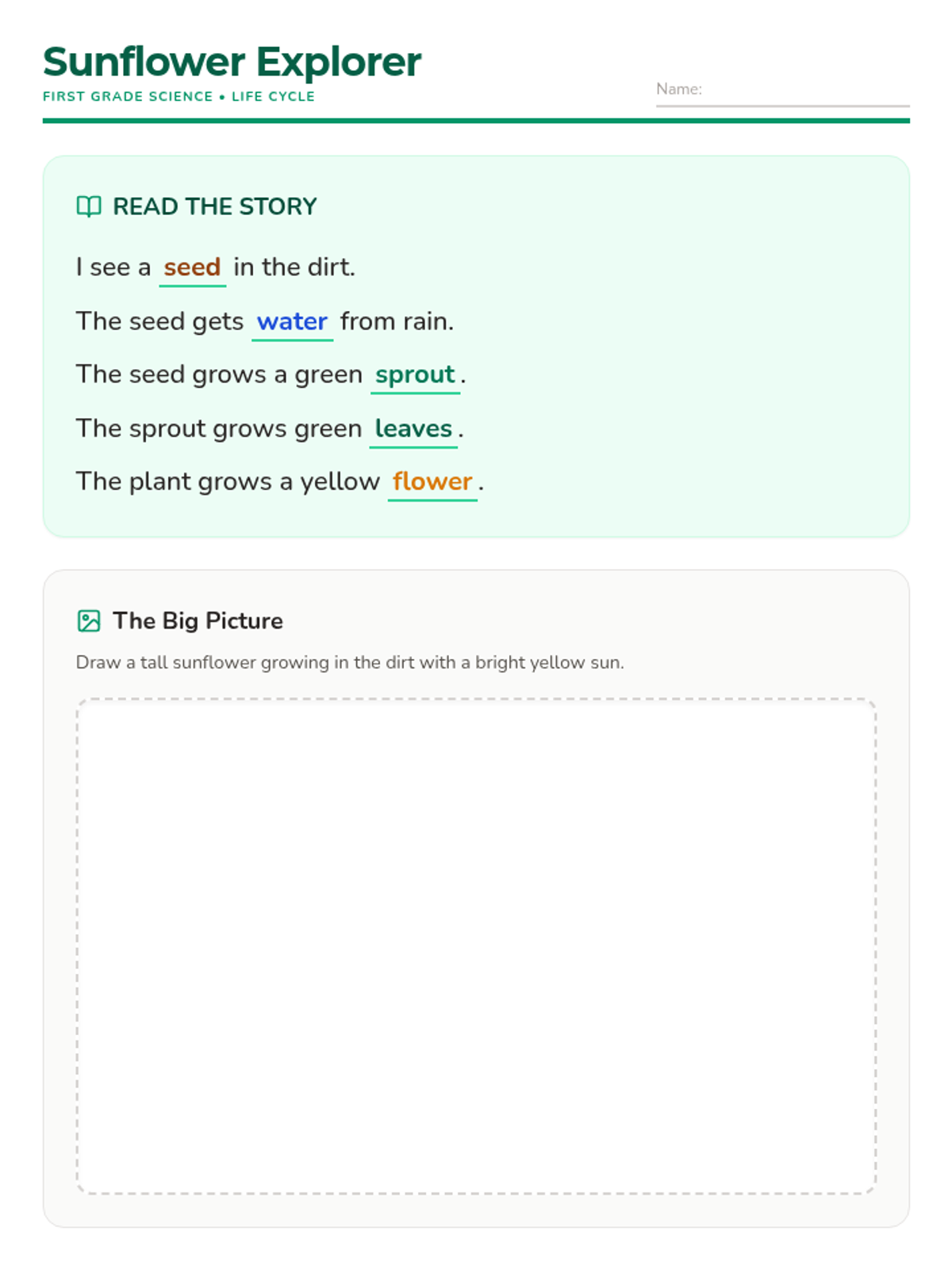
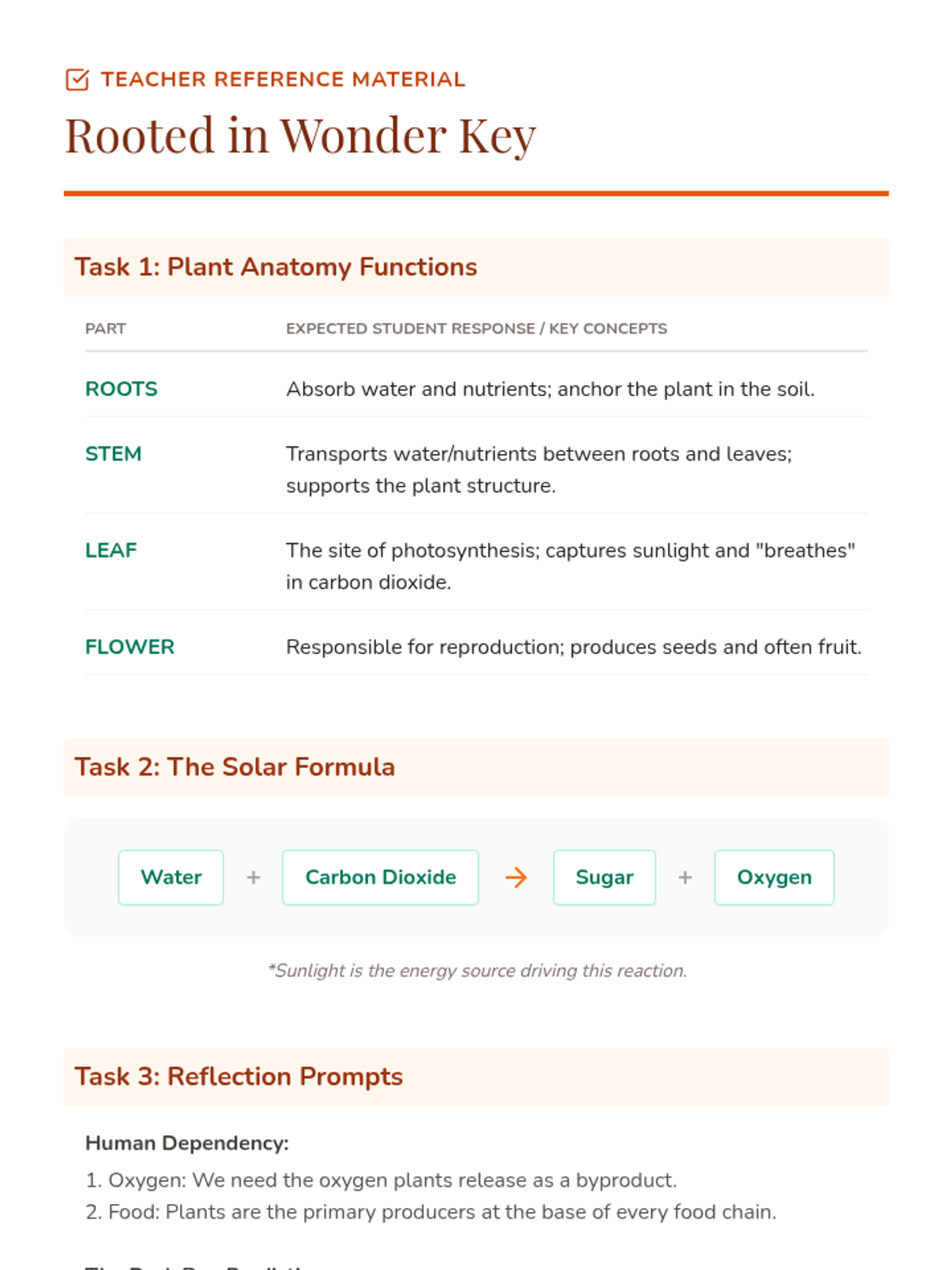
A primary science unit exploring the life cycles of plants, from dormant seeds to flowering adults. Students engage in inquiry-based experiments to understand what plants need to survive and thrive.
A short sequence exploring the natural world, starting with the water cycle for young learners.
A fun, science-based lesson for K-3 students and their parents to explore pet hygiene, the mystery of 'wet dog smell,' and responsible animal care through a SciShow Kids video and a creative brochure activity.
A technology and computer science unit exploring the history of computing, how hardware and software work together, and the future of digital innovation. Students move from understanding basic components to imagining the next generation of technology.

A technology and computer science unit for 3rd graders focused on understanding how computers follow instructions, the role of software/apps, and the basics of input and output.
A comprehensive lesson sequence for 3rd-5th graders to identify and define the characteristics of living things (organisms) using video observation, field research, and critical thinking.
A lesson sequence exploring how weather patterns, specifically monsoons, impact animal behavior and ecosystems. Students learn about the contrast between wet and dry seasons and express their understanding through creative writing and role-play.
A hands-on introductory sequence for early elementary students to explore the mechanics of levers and fulcrums using everyday classroom objects.
A Kindergarten through 2nd-grade art-integrated science unit exploring the properties of magnets through creative character design and hands-on testing.
A beginner-level science sequence exploring celestial events and the relationship between the Sun, Moon, and Earth through visual analogies and hands-on art.
A series of lessons exploring the world of farming, from the science of growing crops to the importance of sustainable agriculture and animal care.
A lesson sequence exploring how volcanoes grow through the accumulation and cooling of lava layers, featuring hands-on modeling and visual analysis.
A short, engaging science sequence for 3rd graders focused on identifying and distinguishing between butterflies and moths through physical and behavioral characteristics.
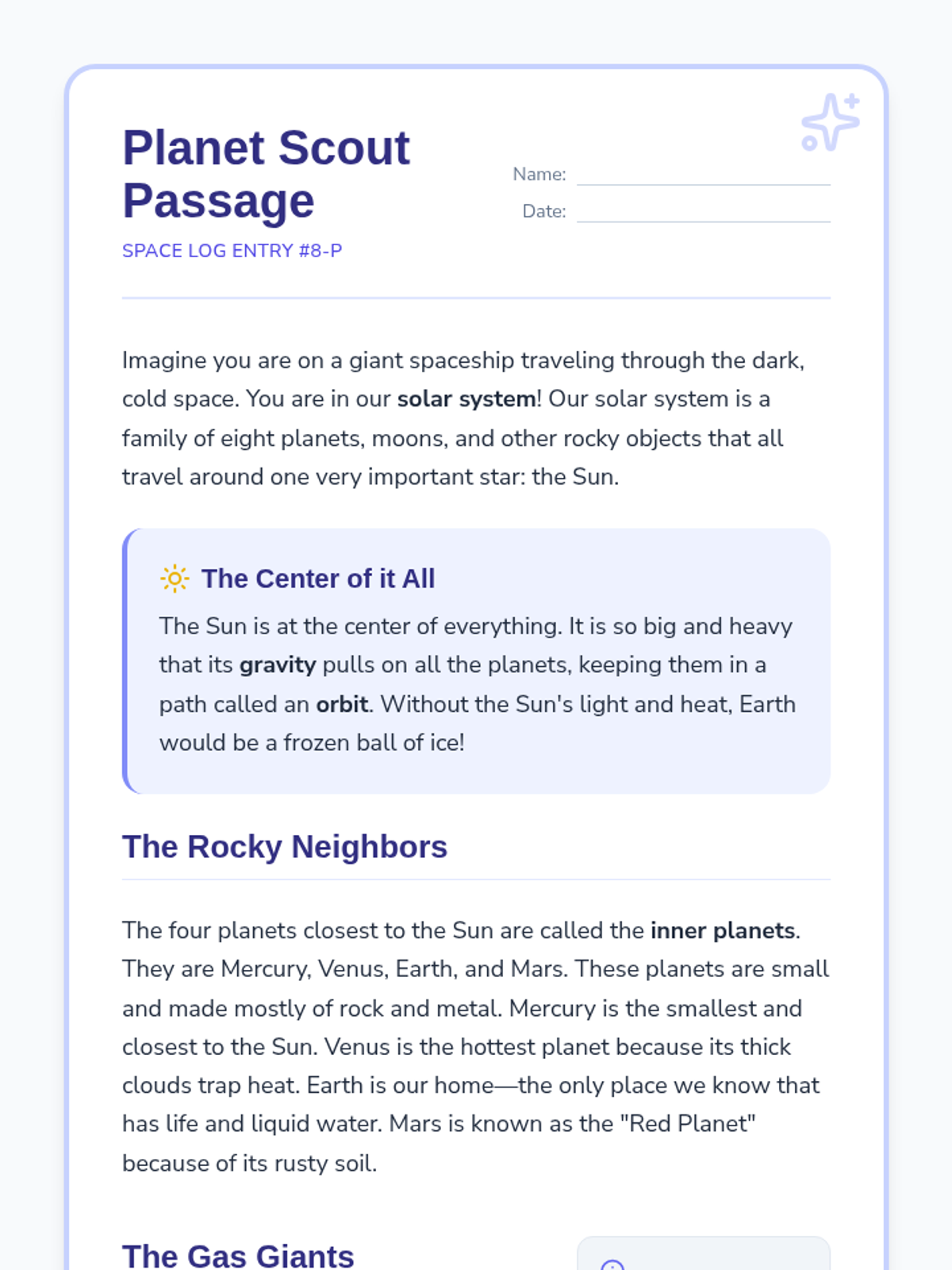
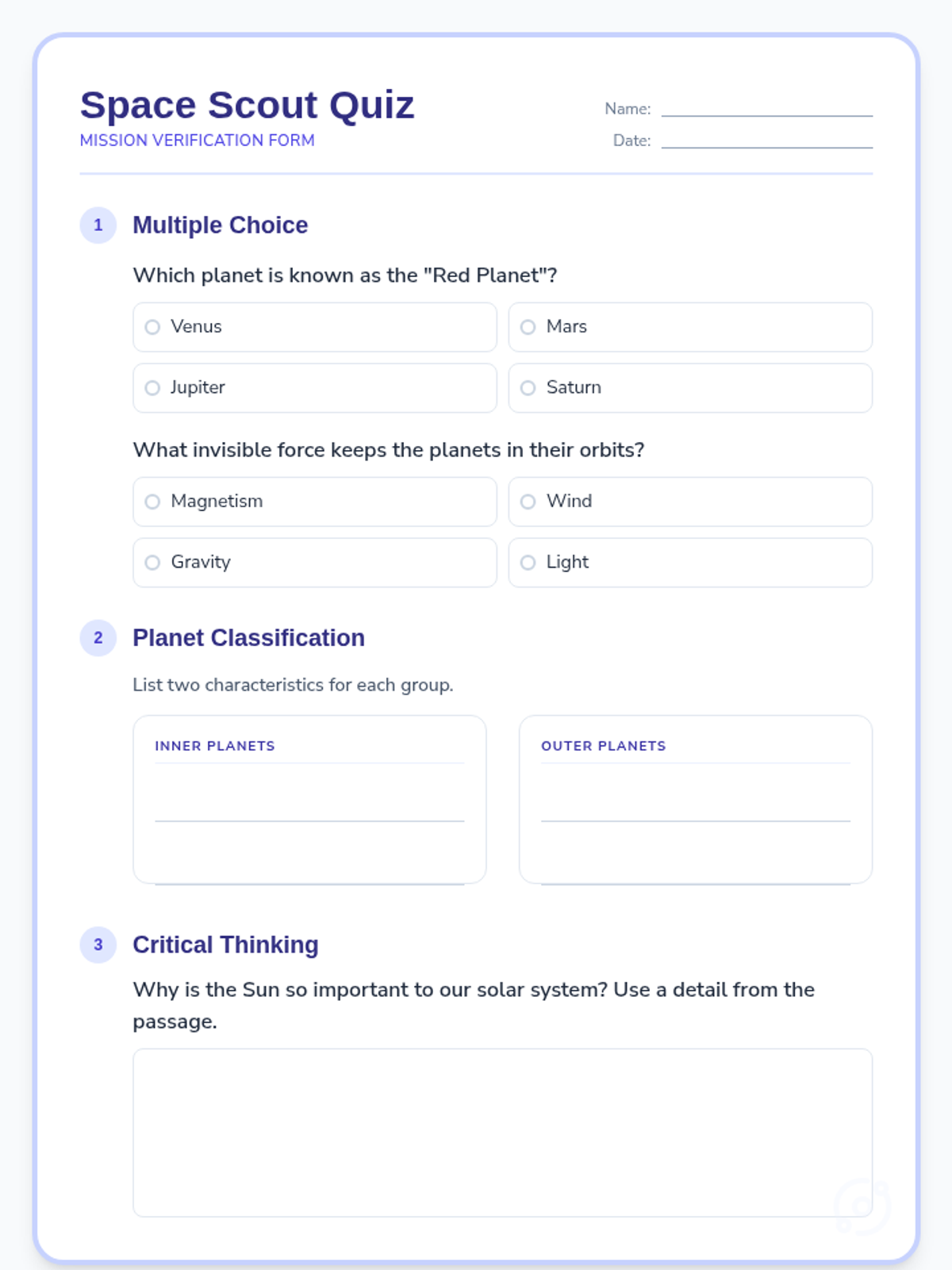
A sequence focused on understanding the origins and structure of our solar system, starting with the formation of the sun and planets from a cloud of dust and gas.
A beginner's introduction to electricity and circuits for 2nd graders, focusing on the three essential components: power source, path, and load. Students explore how electricity travels in a loop through video, discussion, and hands-on labeling activities.
A beginner science sequence where students explore the world of chemistry through everyday household items, focusing on observations, reactions, and the scientific method.
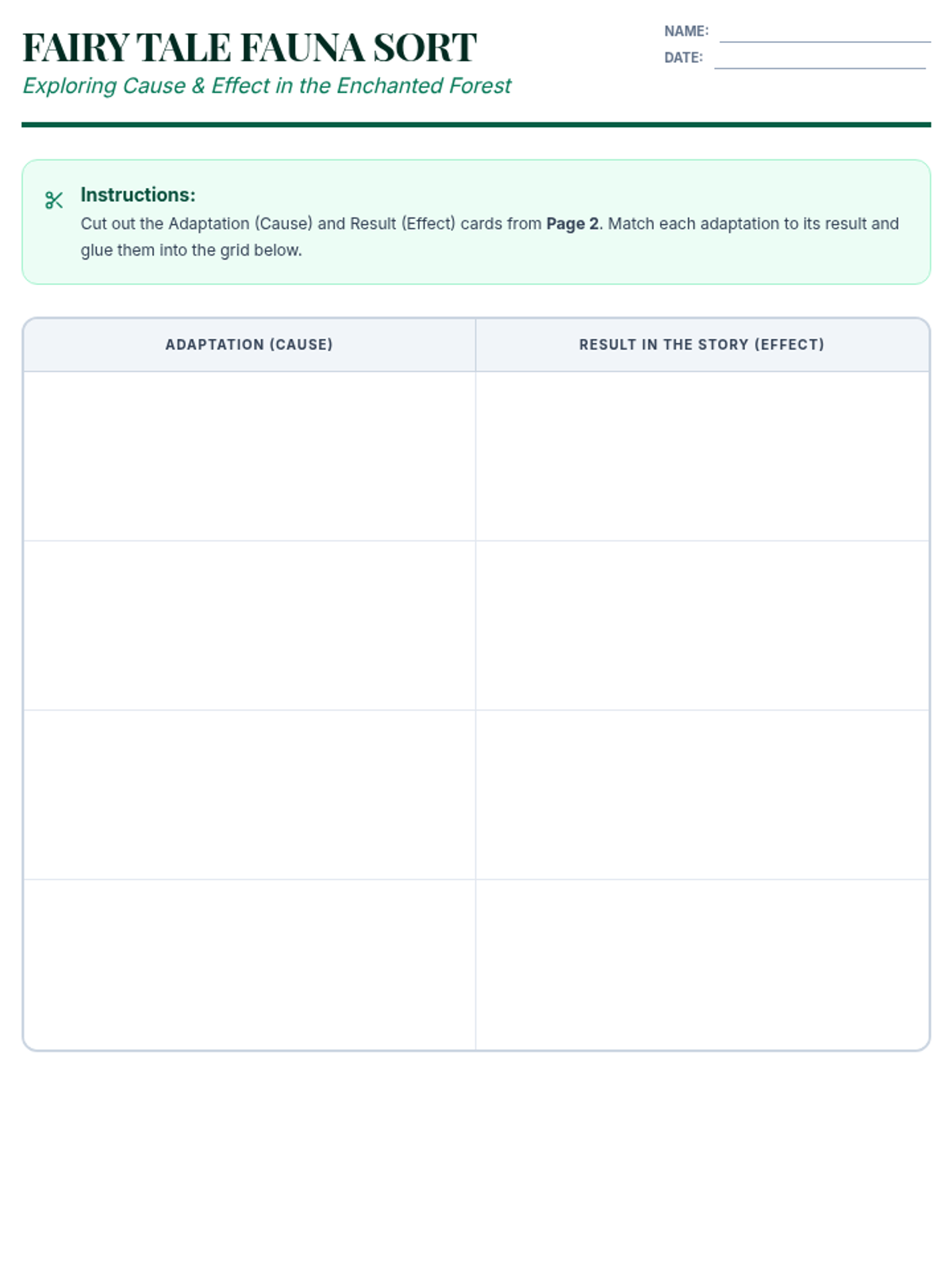
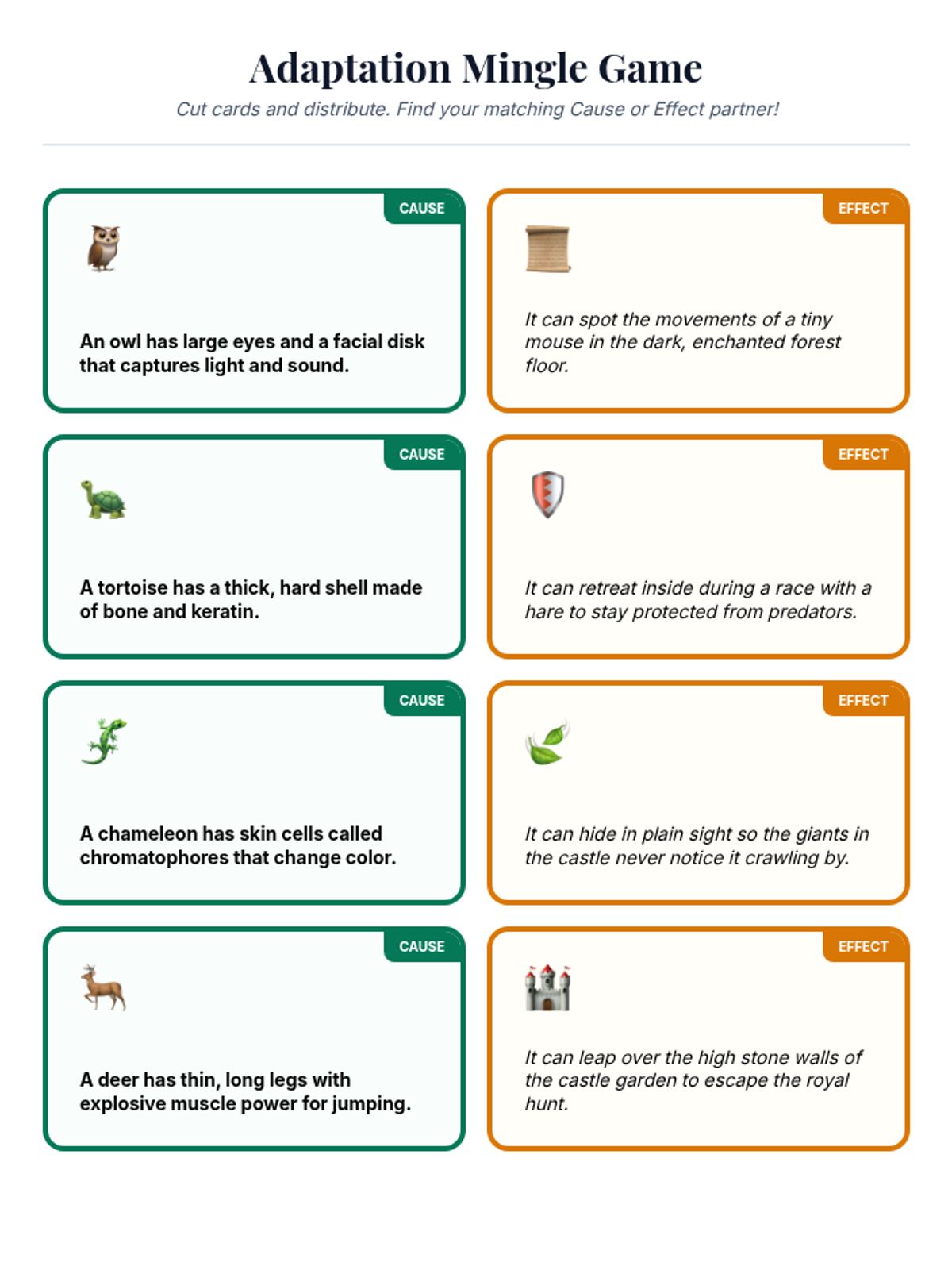
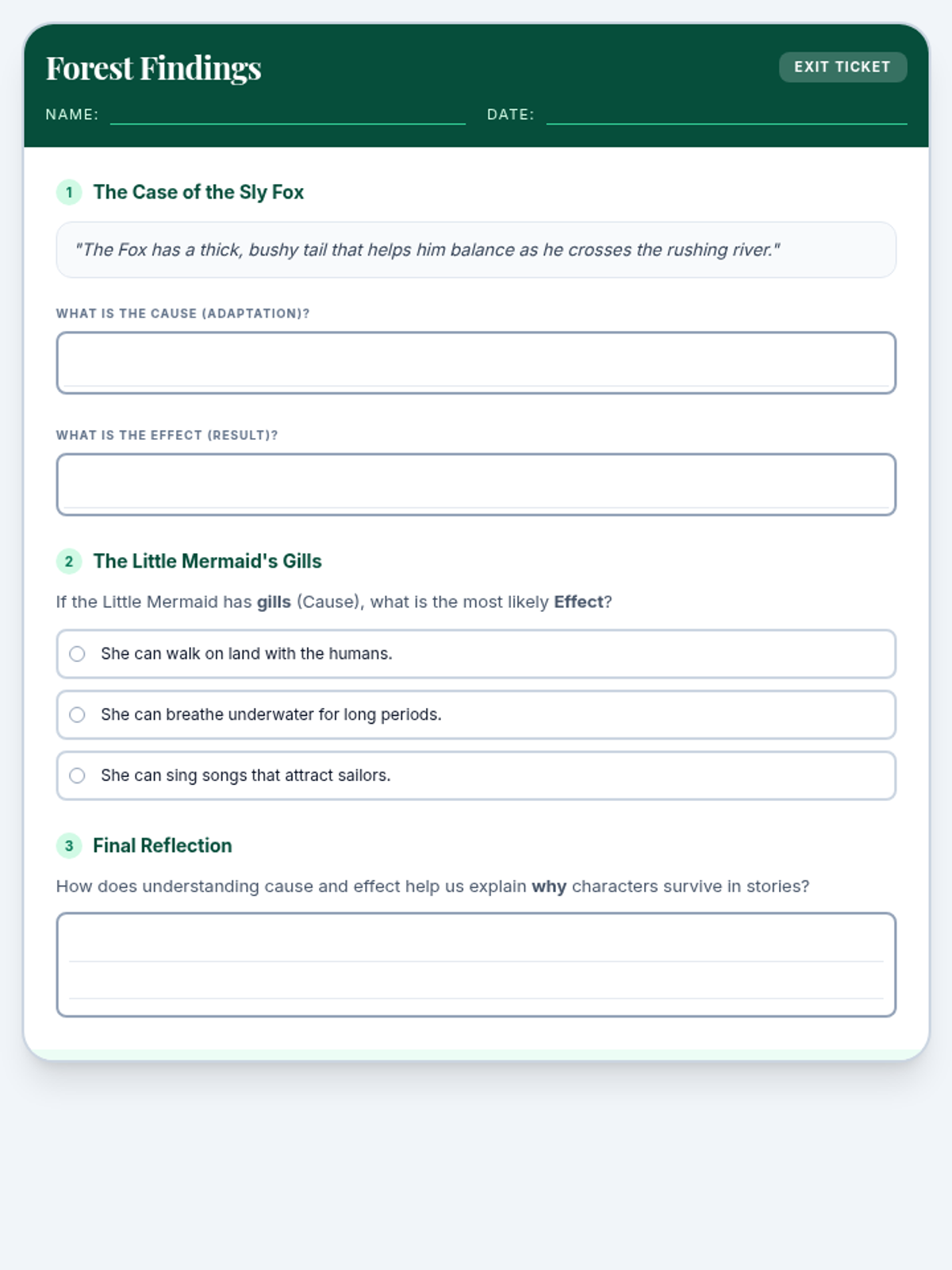
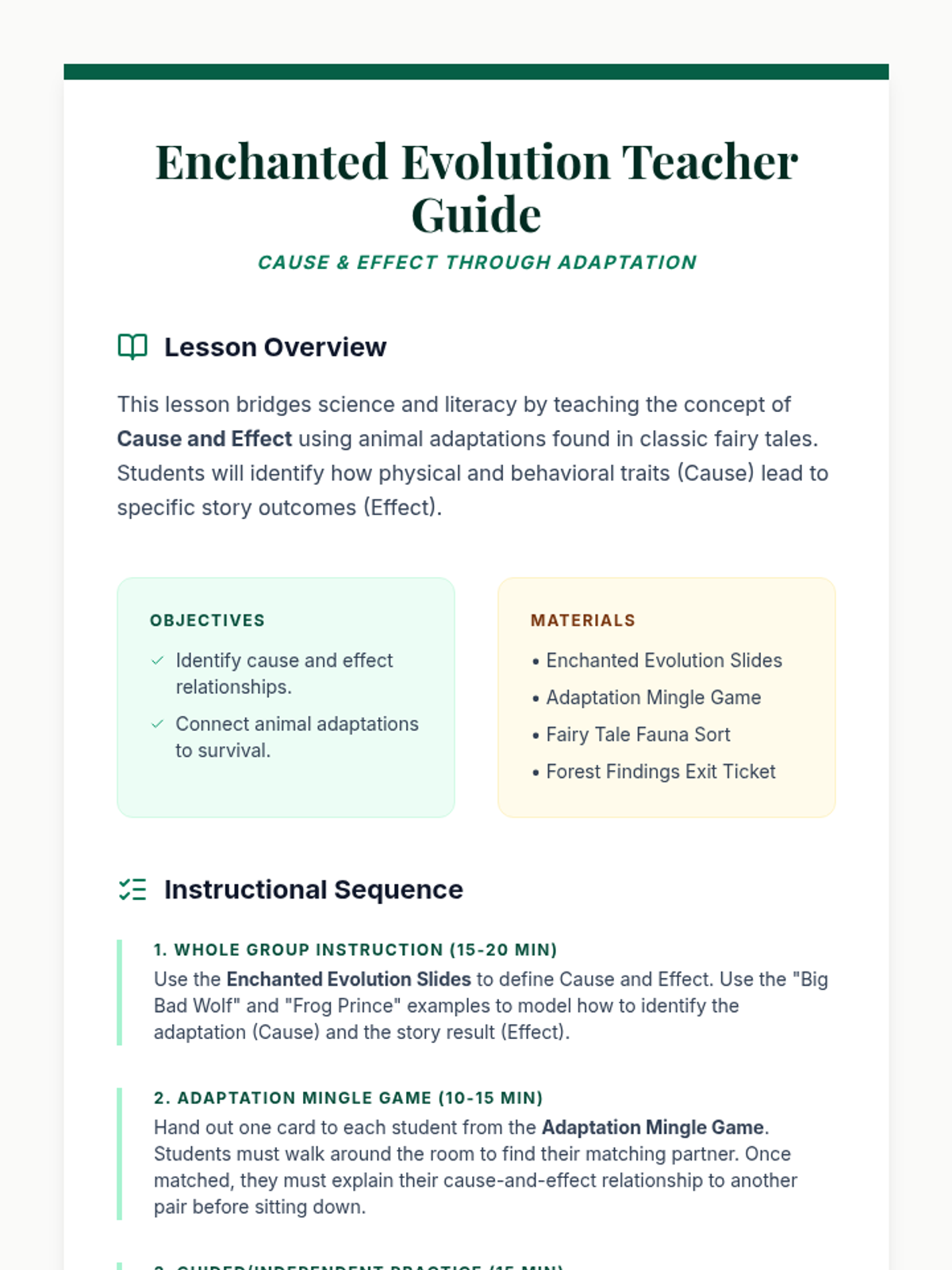
A lesson sequence exploring the different types of adaptations animals use to survive in their habitats, focusing on physical vs. behavioral traits.
A series of lessons exploring animal adaptations, survival strategies, and the clever ways nature tricks our eyes.
A 3rd-grade science lesson focusing on animal adaptations for survival, featuring the Wooly Mammoth as a primary example and a hands-on 'Blubber Glove' experiment.
This lesson sequence explores the evolutionary biology of taste, focusing on how our five basic tastes (sweet, sour, salty, bitter, and umami) helped our ancestors survive by identifying calorie-rich foods and avoiding toxins. Students will watch an instructional video, categorize natural items based on survival logic, and reflect on the protective nature of 'gross' tastes.
A series of introductory life science and observation lessons designed for early elementary students to explore the natural world through hands-on discovery and video-assisted learning.
A comprehensive lesson sequence exploring gravity as an invisible pull force, featuring hands-on experiments, video analysis, and historical context.