A lesson sequence for K-2 students focusing on scientific inquiry, making predictions, and using tools to measure and compare mass. Students learn to distinguish between mass (how heavy) and volume (how big) through hands-on experiments.
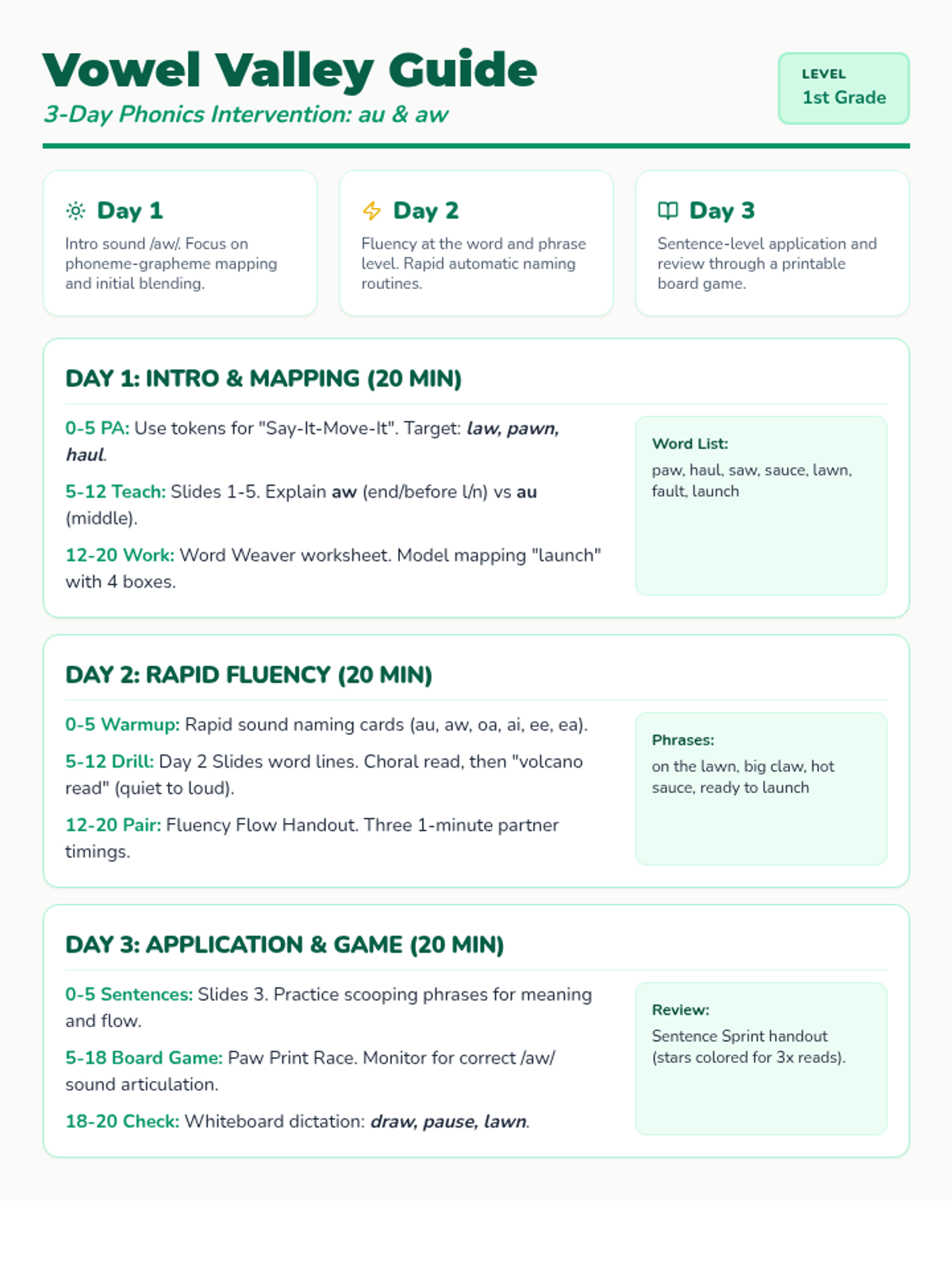
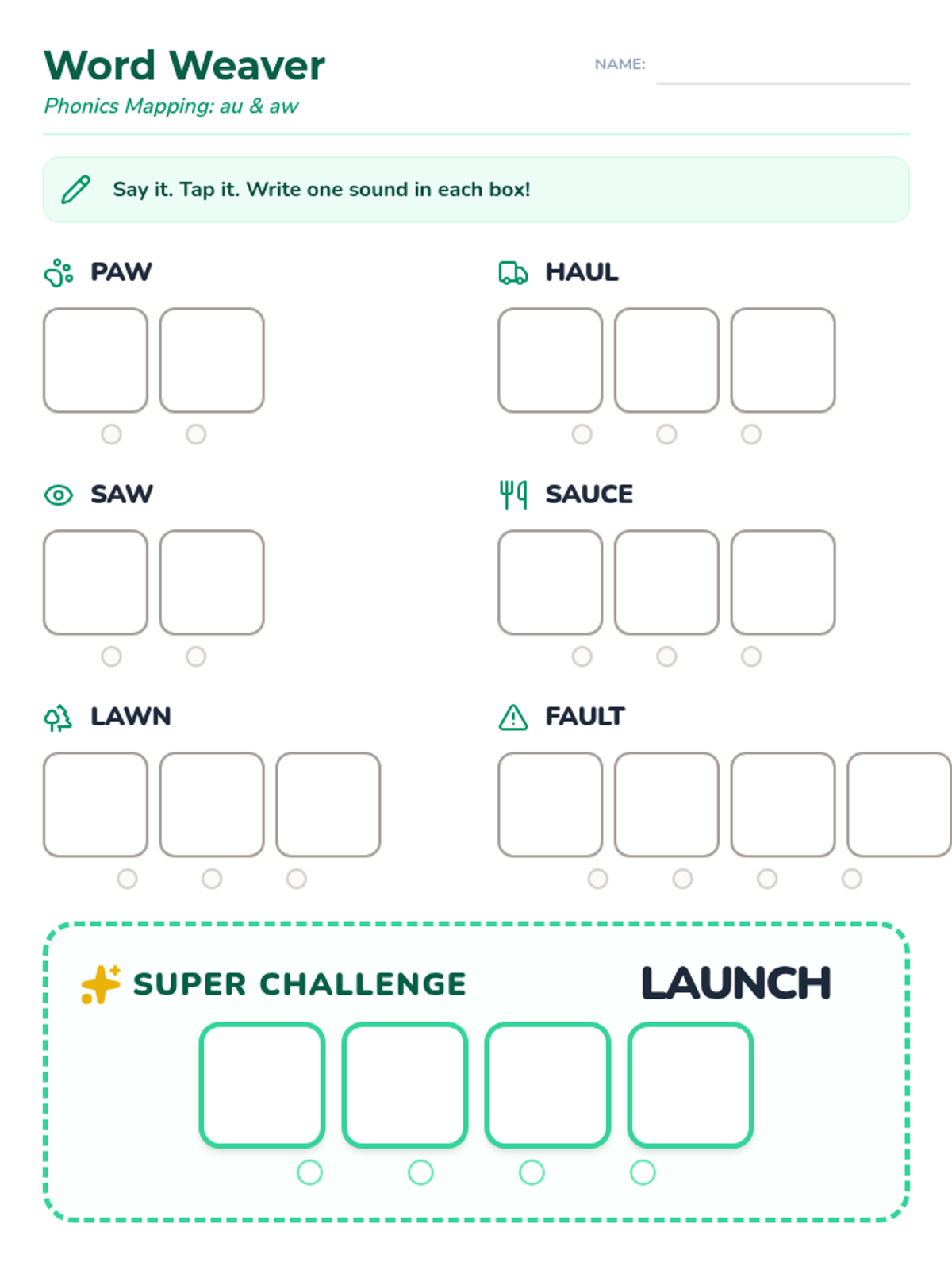
A 3-day phonics intervention sequence for first graders focusing on the 'au' and 'aw' diphthongs through direct instruction, fluency building, and game-based learning.
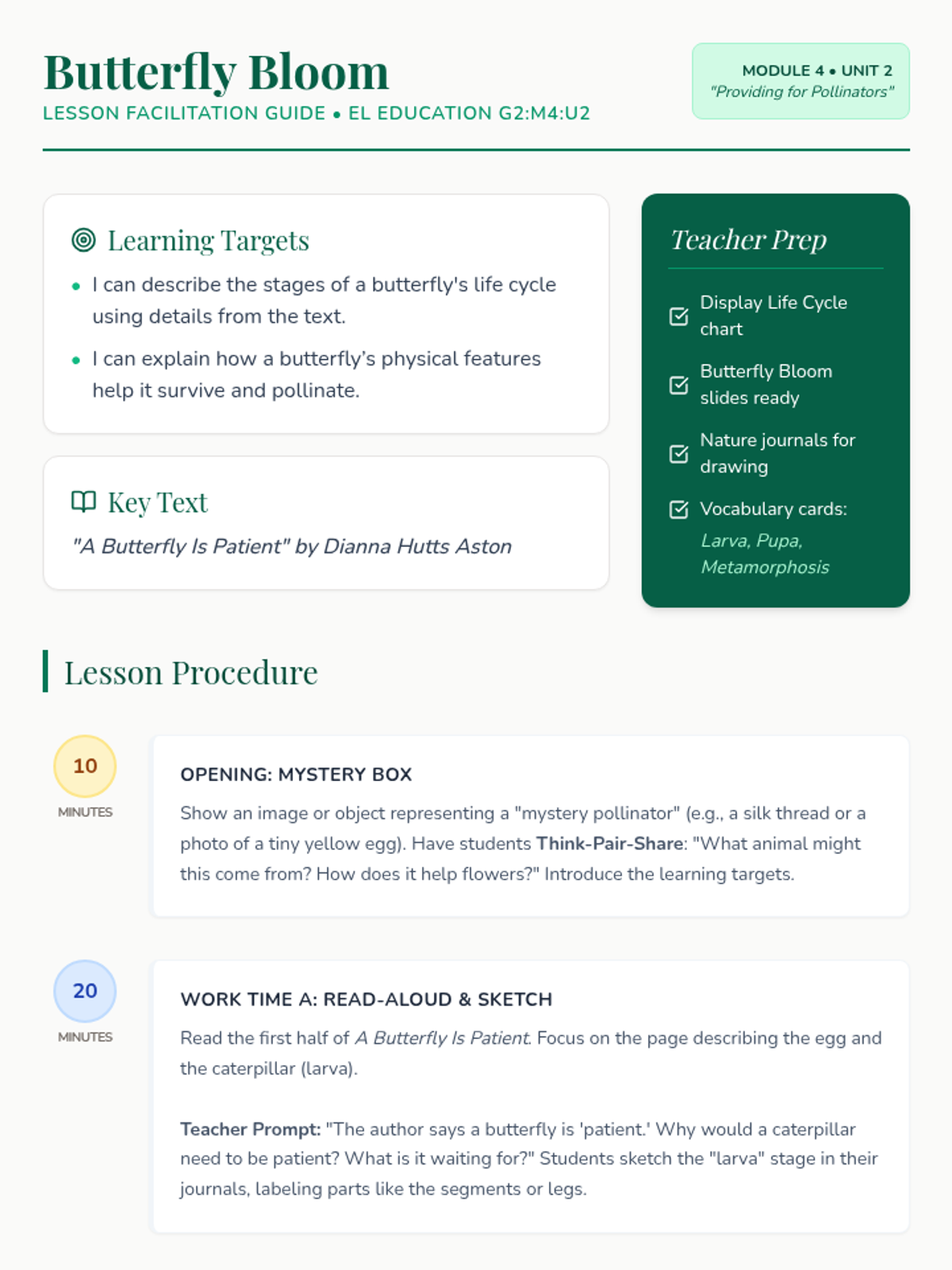
Grade 2, Module 4: 'Providing for Pollinators' focuses on the life cycles of pollinators, specifically butterflies, and how they interact with their habitats to support our environment. This sequence covers the core of Unit 2, moving from the physical characteristics and life cycles to the specific ways these insects provide for our ecosystem.
A comprehensive series of take-home practice worksheets for Kindergarten students following the UFLI Foundations scope for Alphabet Knowledge. Each worksheet focuses on a single letter-sound correspondence with activities for letter formation, decoding, encoding, and simple sentence reading.
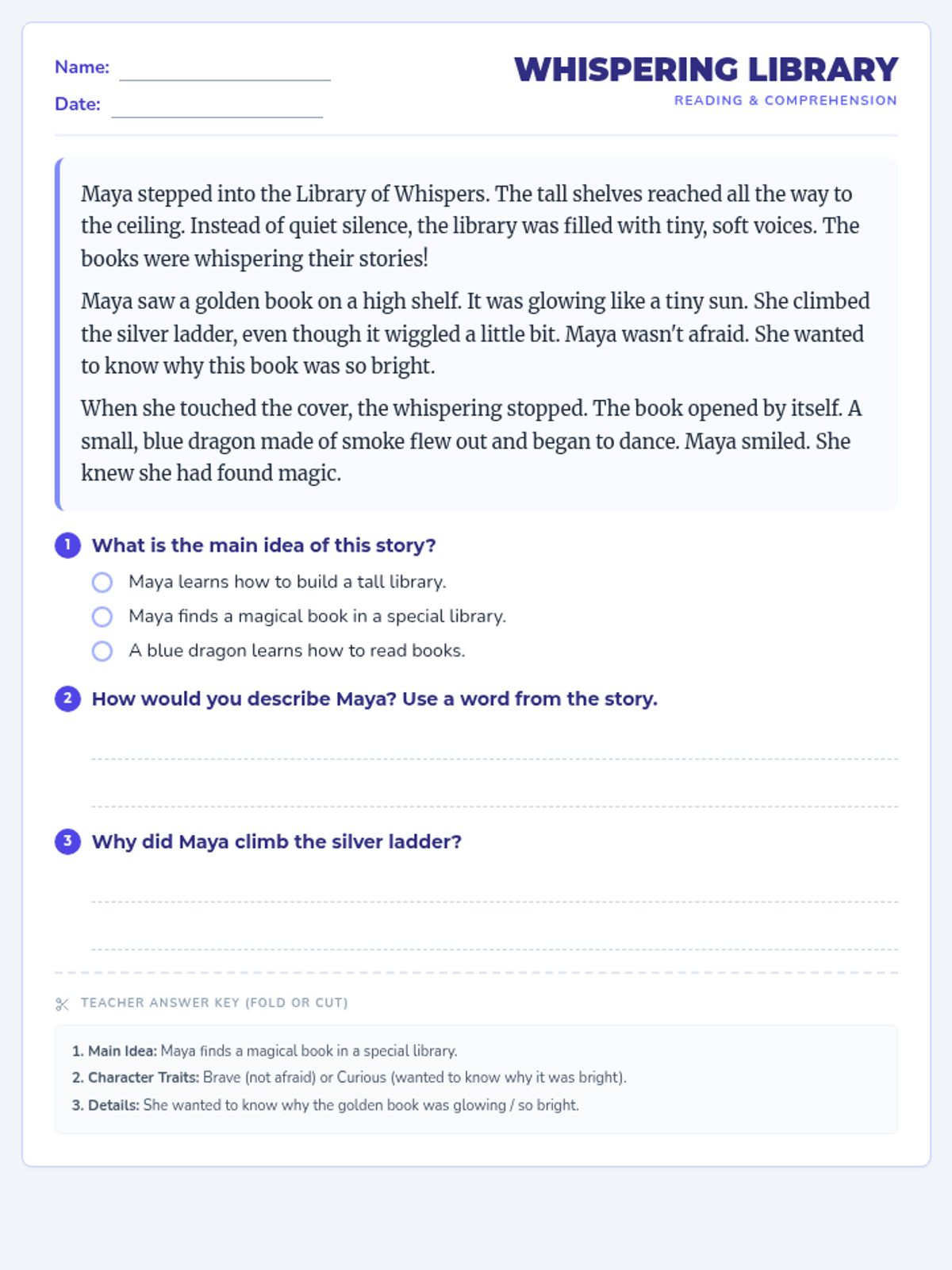
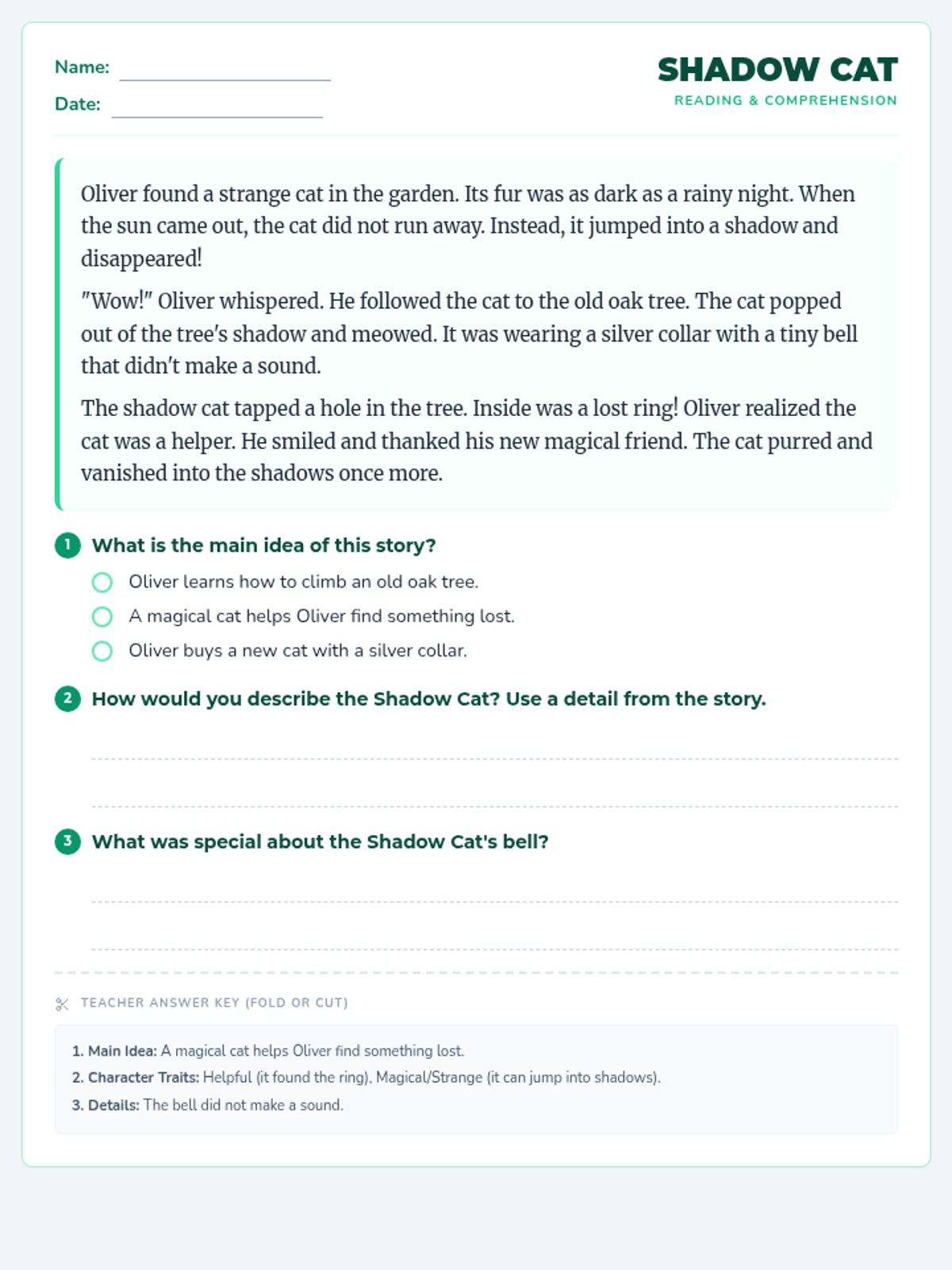
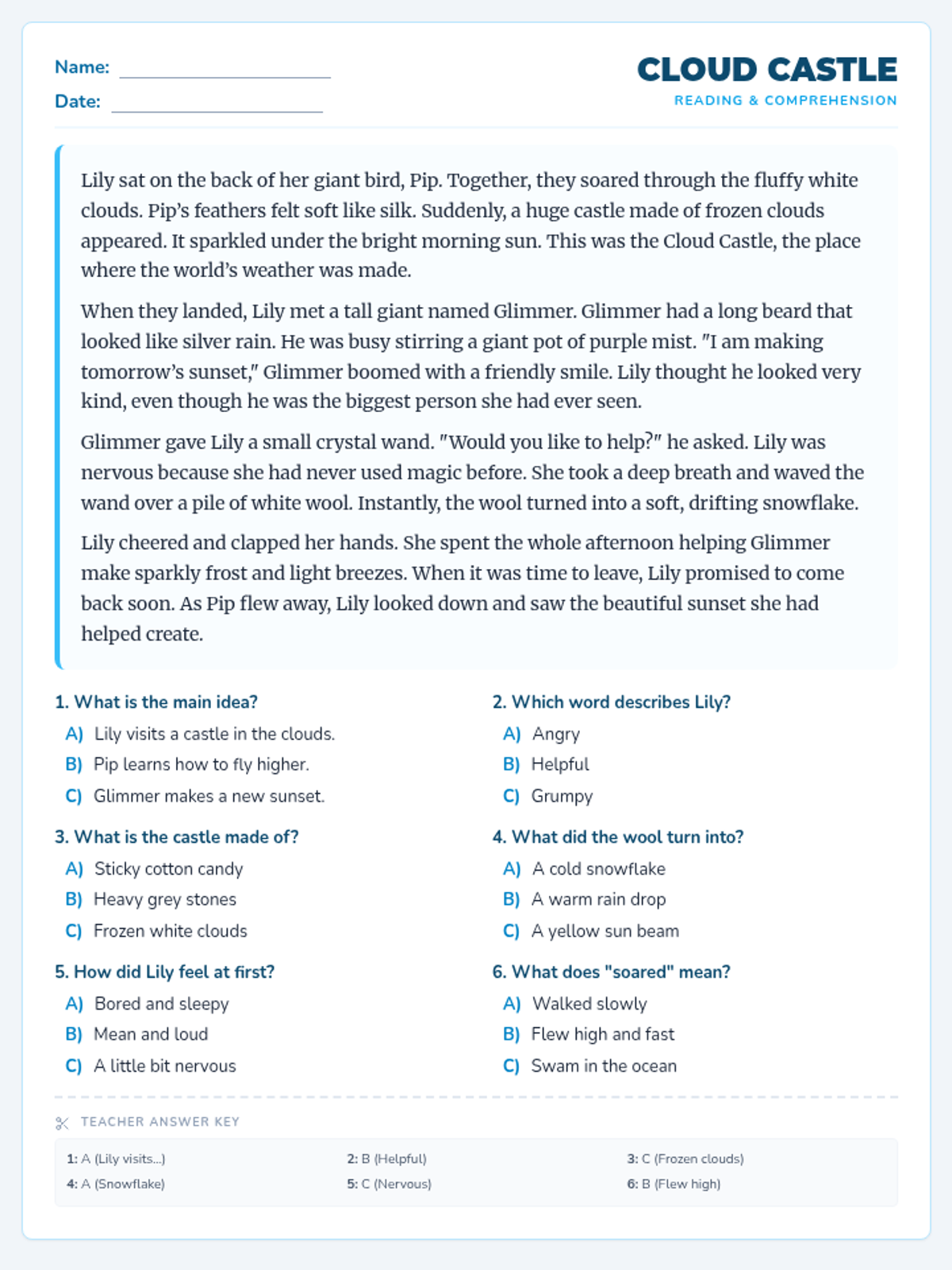
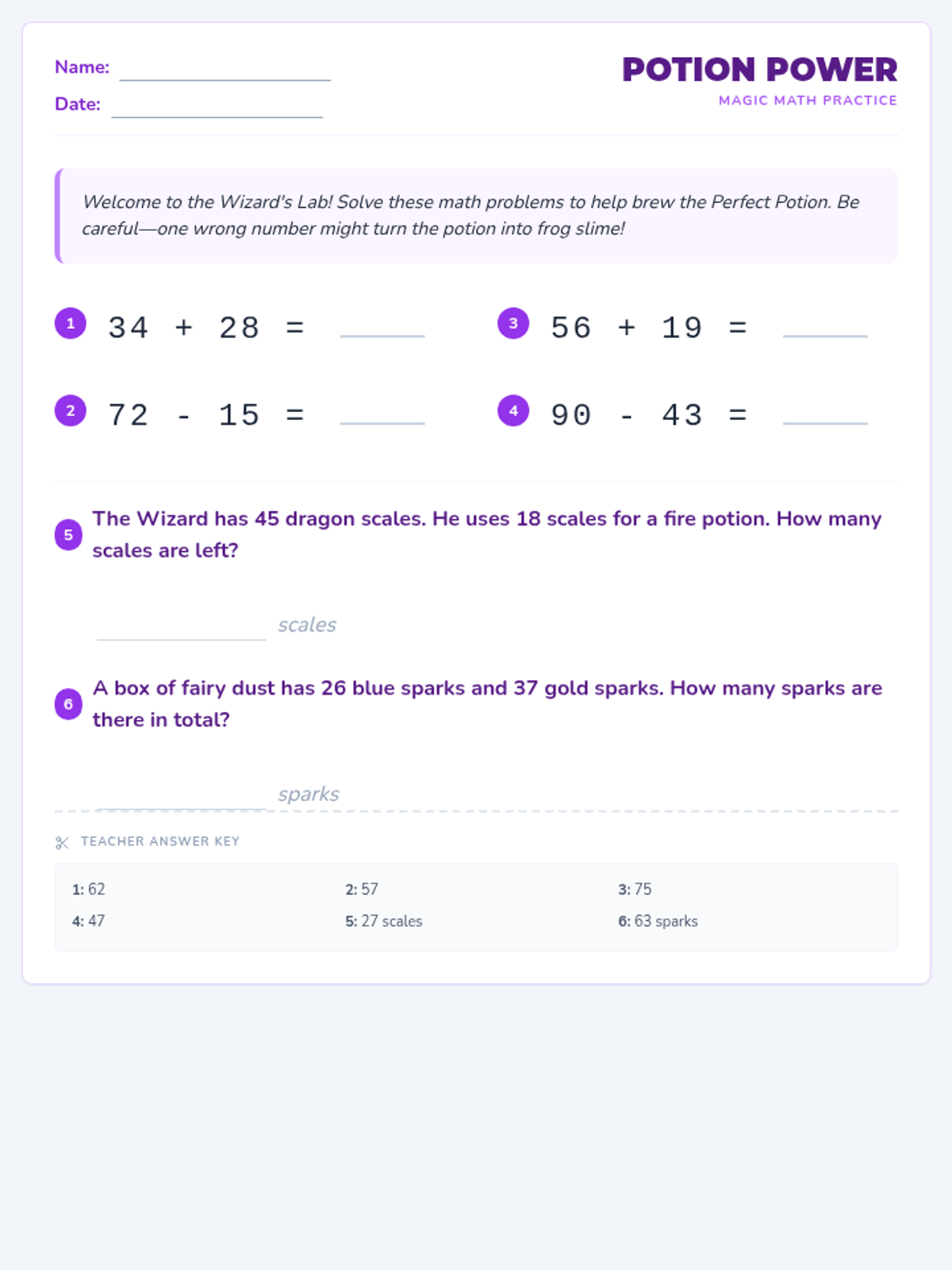
A collection of magical-themed lessons covering reading comprehension and early mathematics for primary students.
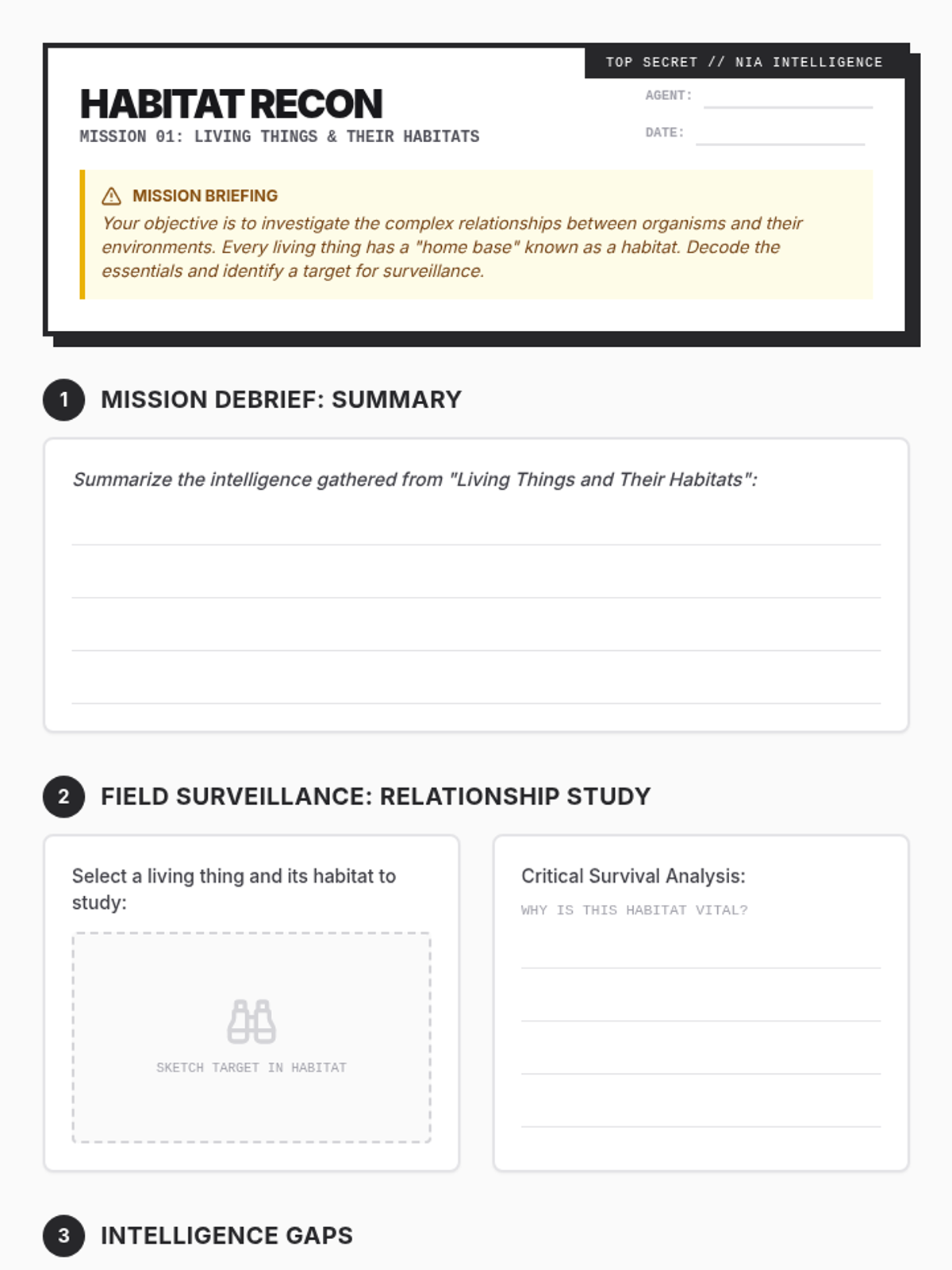
A series of secret agent-themed ecology missions where students act as Eco-Detectives for the Nature Intelligence Agency (NIA) to study habitats, food chains, and environmental impacts.
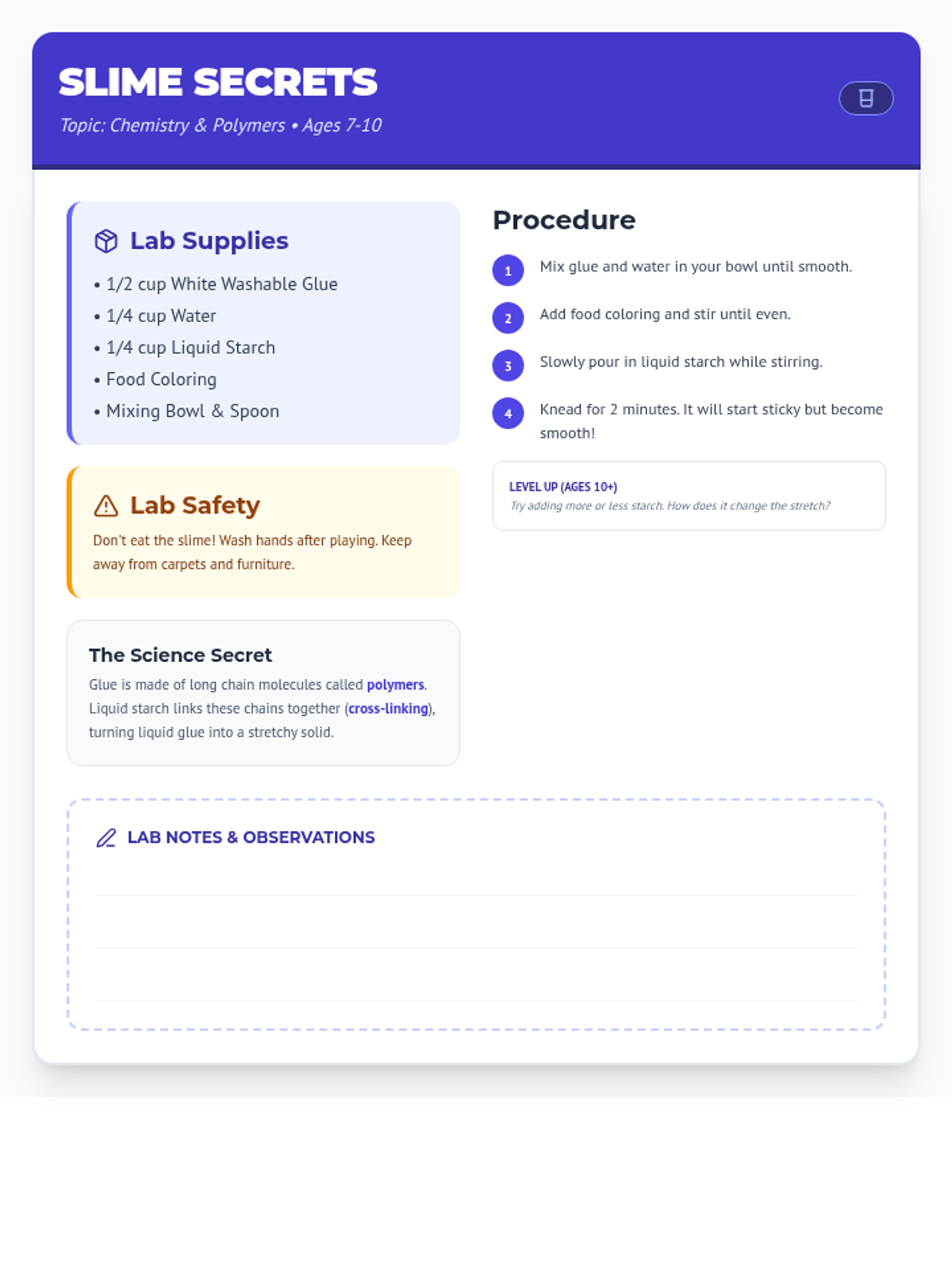
A collection of 8 hands-on science activities designed for elementary-aged children, covering chemistry, space, botany, and physics with a mix of instruction cards, journals, and lesson plans.
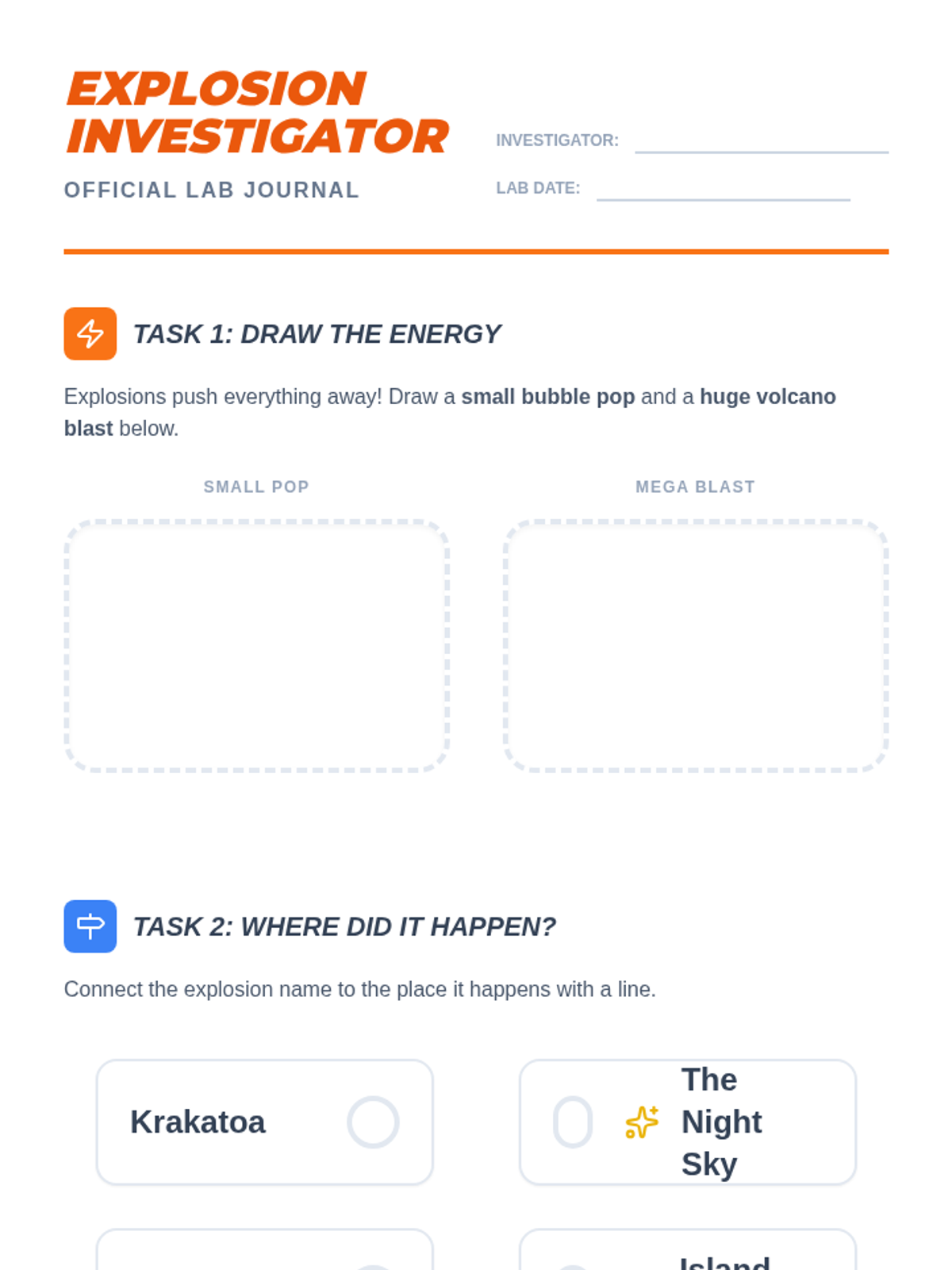
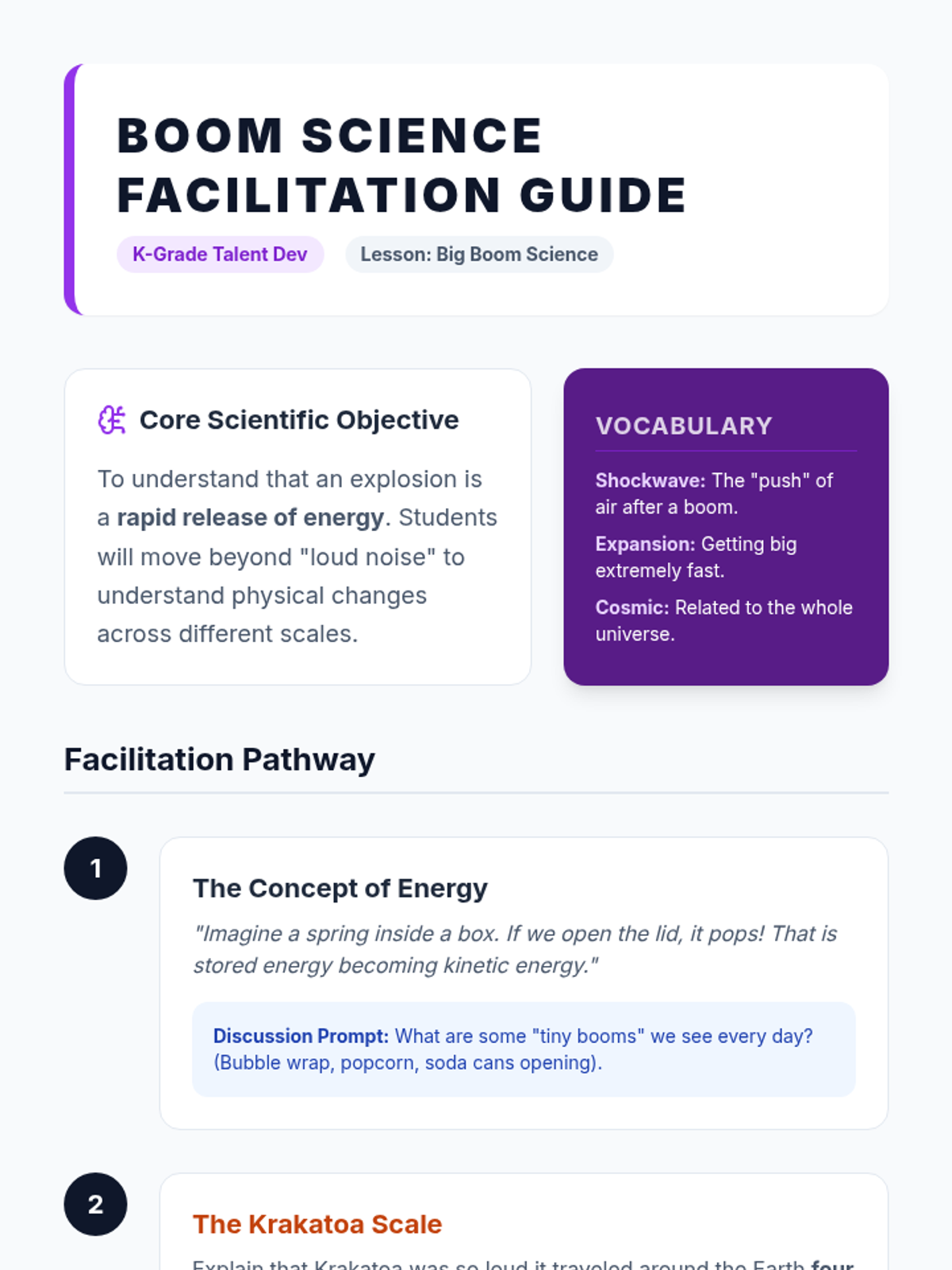
A high-energy exploration of the most powerful explosions in history and the cosmos, designed for advanced kindergarten learners. This sequence investigates the physics of energy release through volcanoes, asteroids, and stars.
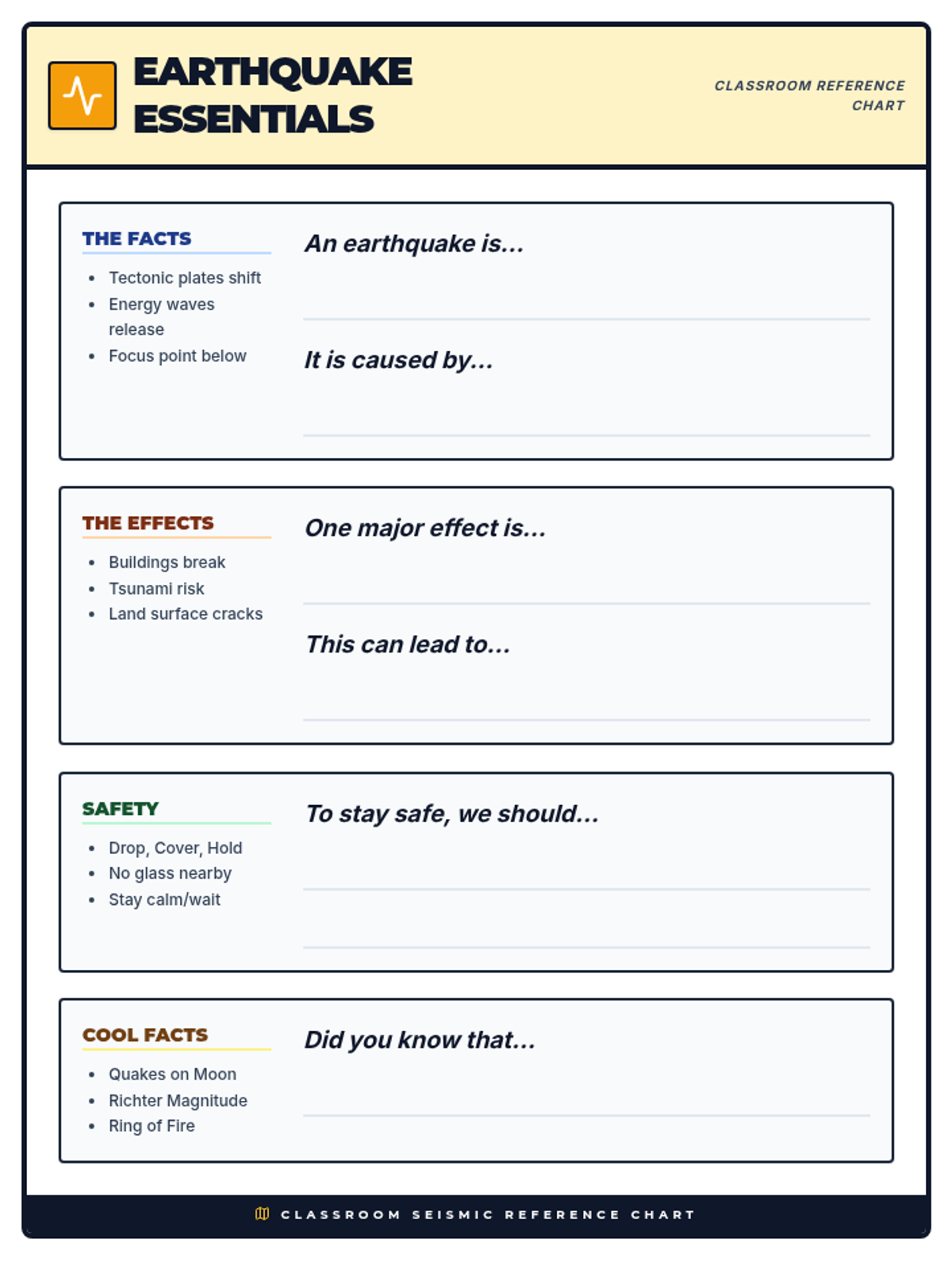
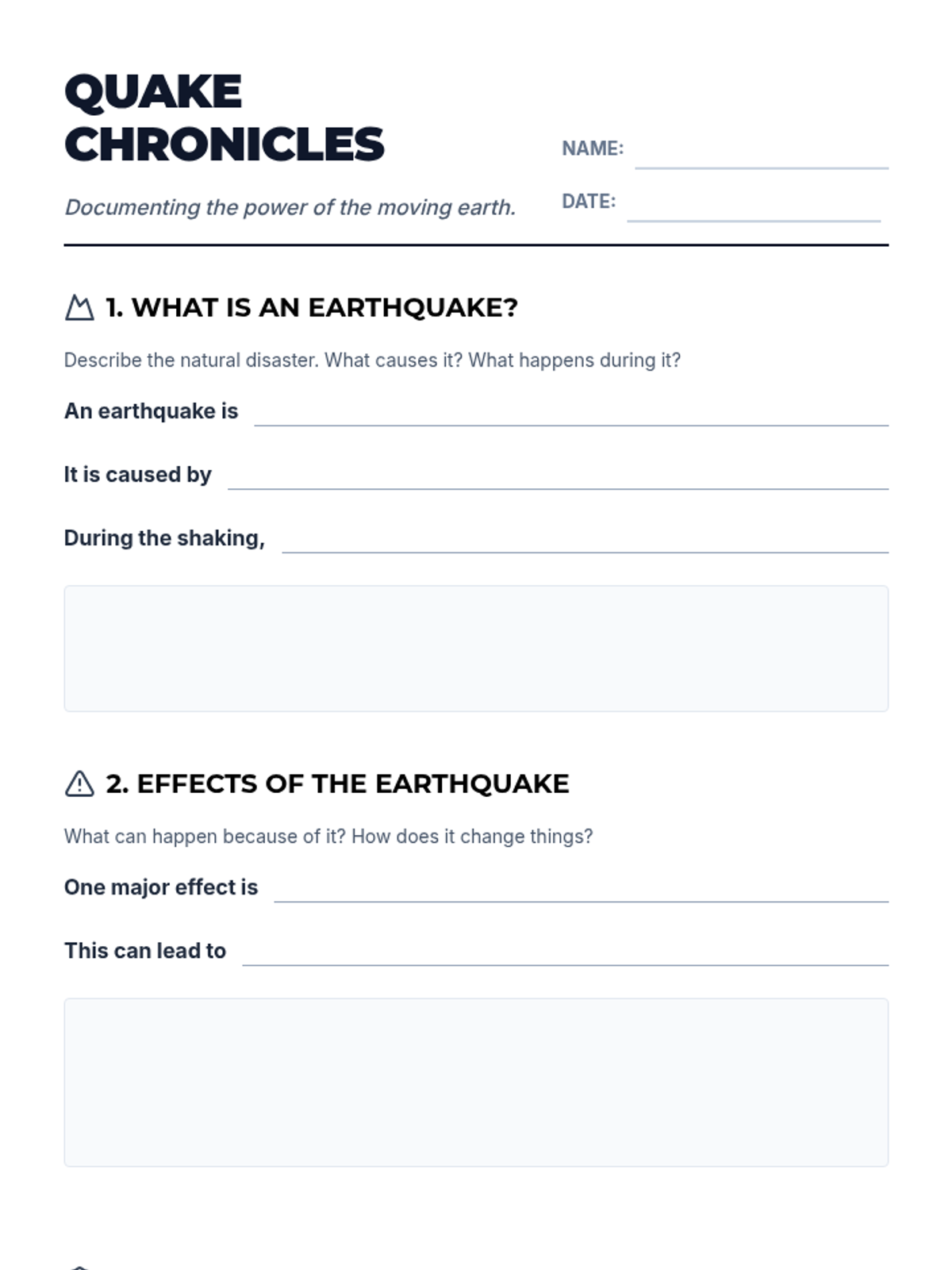
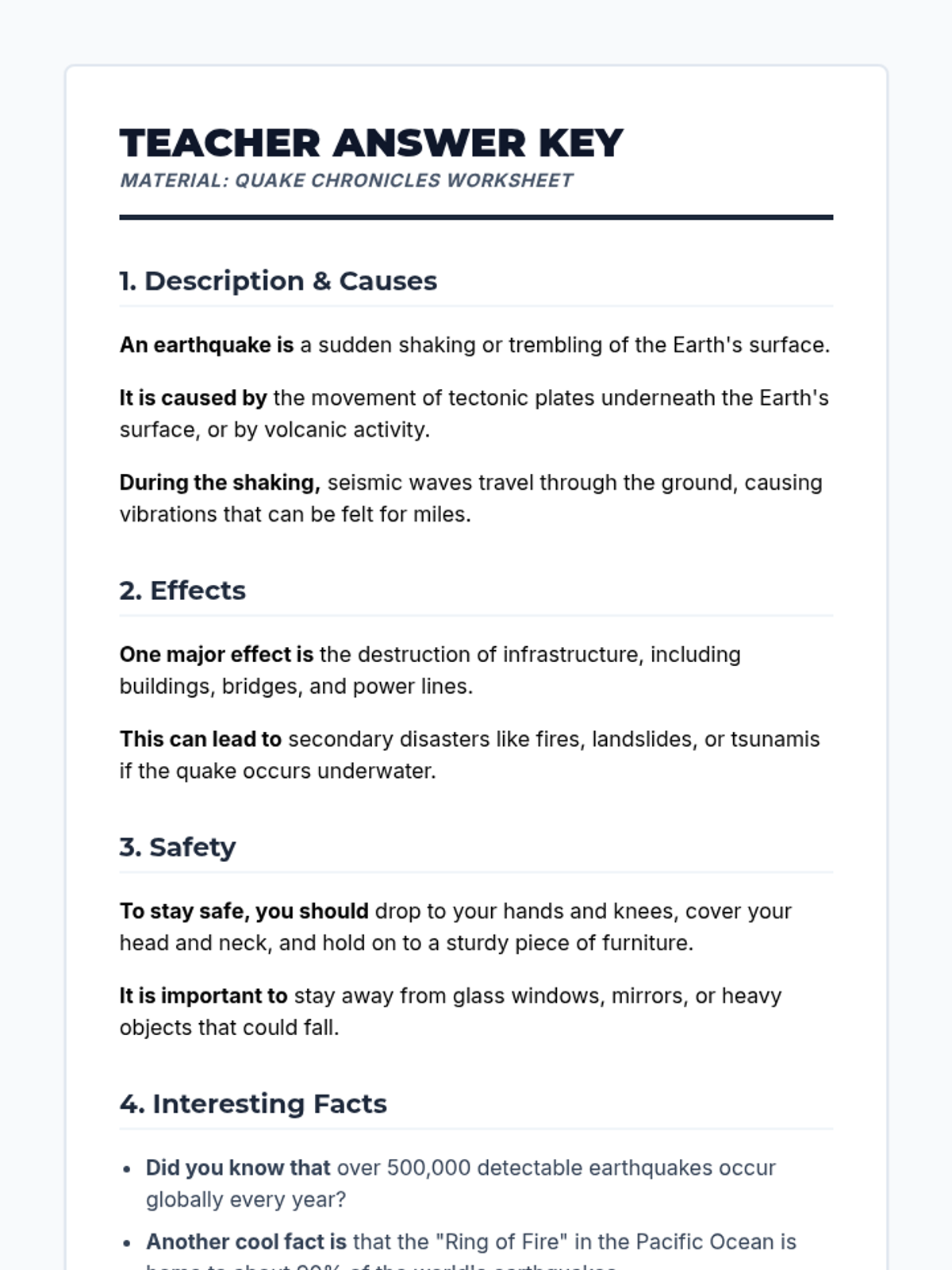
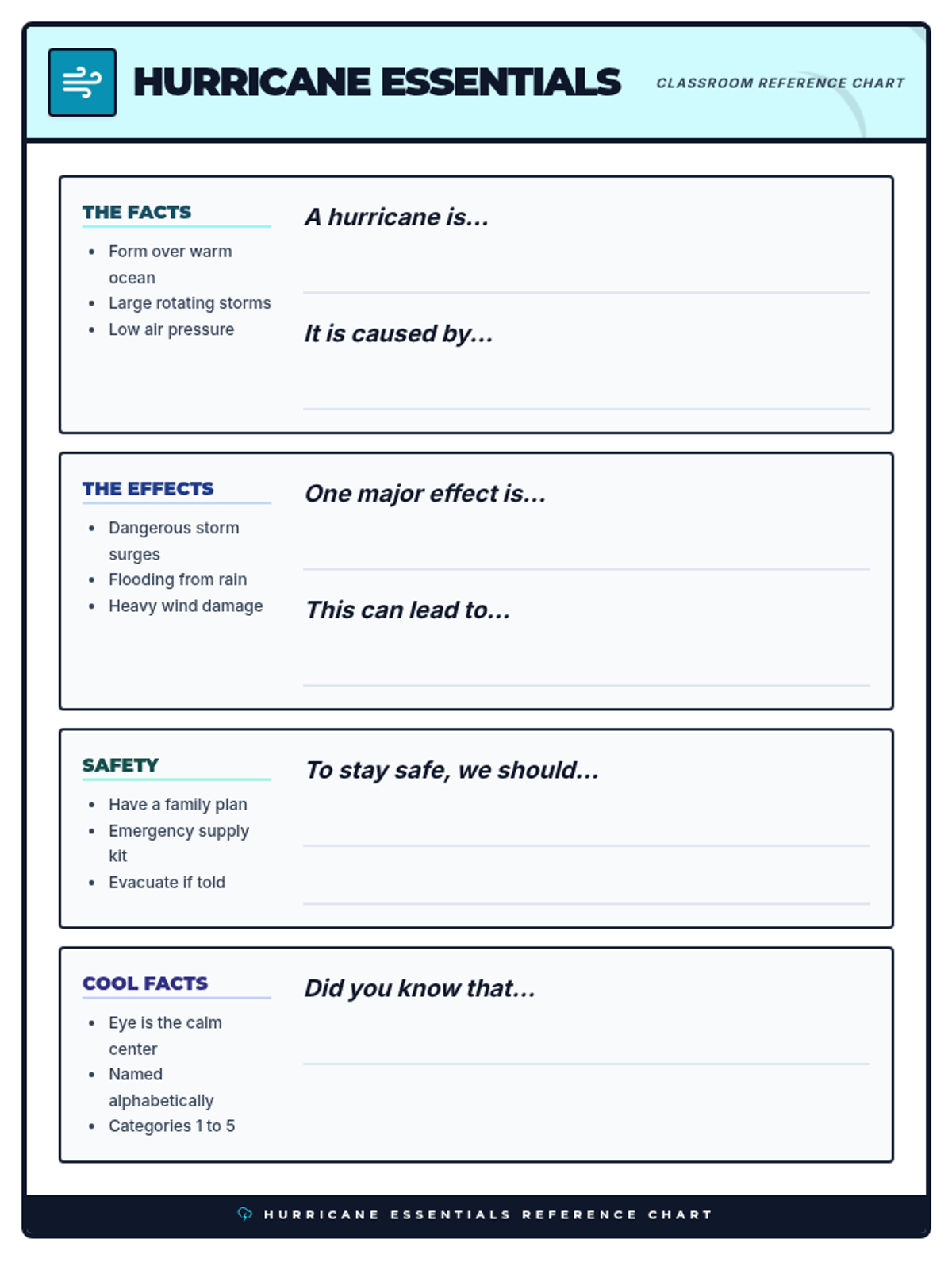
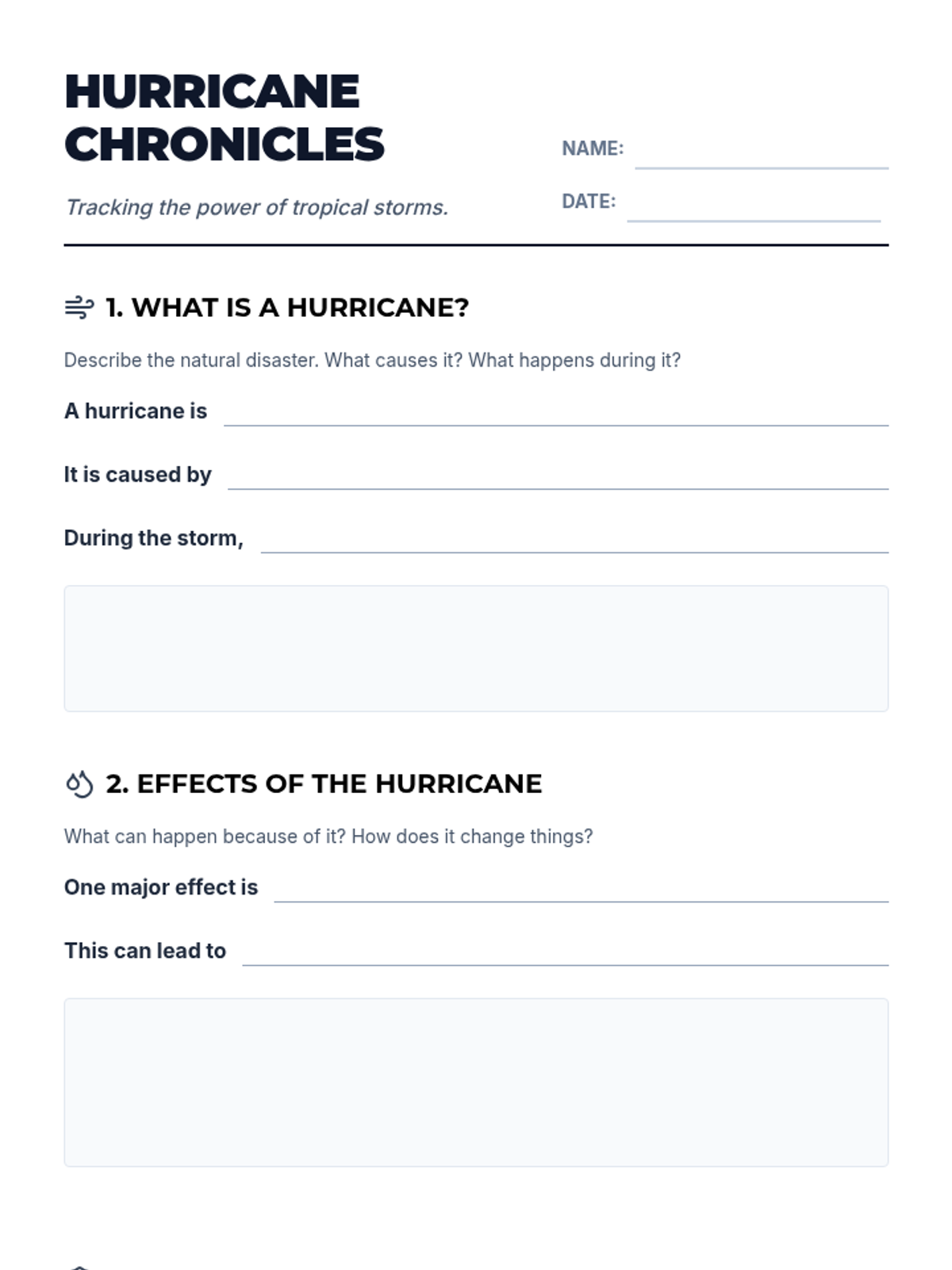
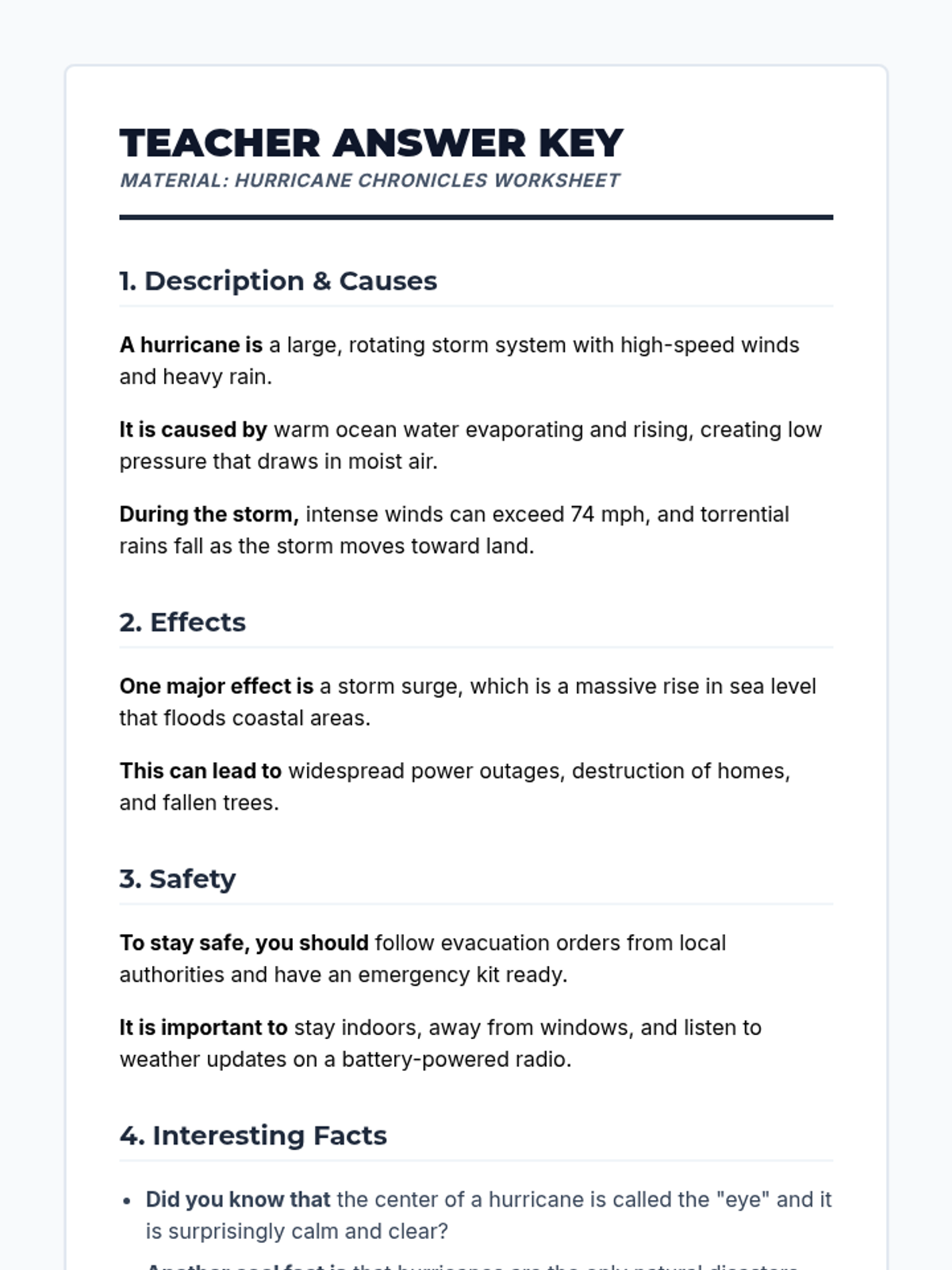
A series of lessons focused on understanding different natural disasters, their causes, impacts, and safety protocols through structured writing and investigation.
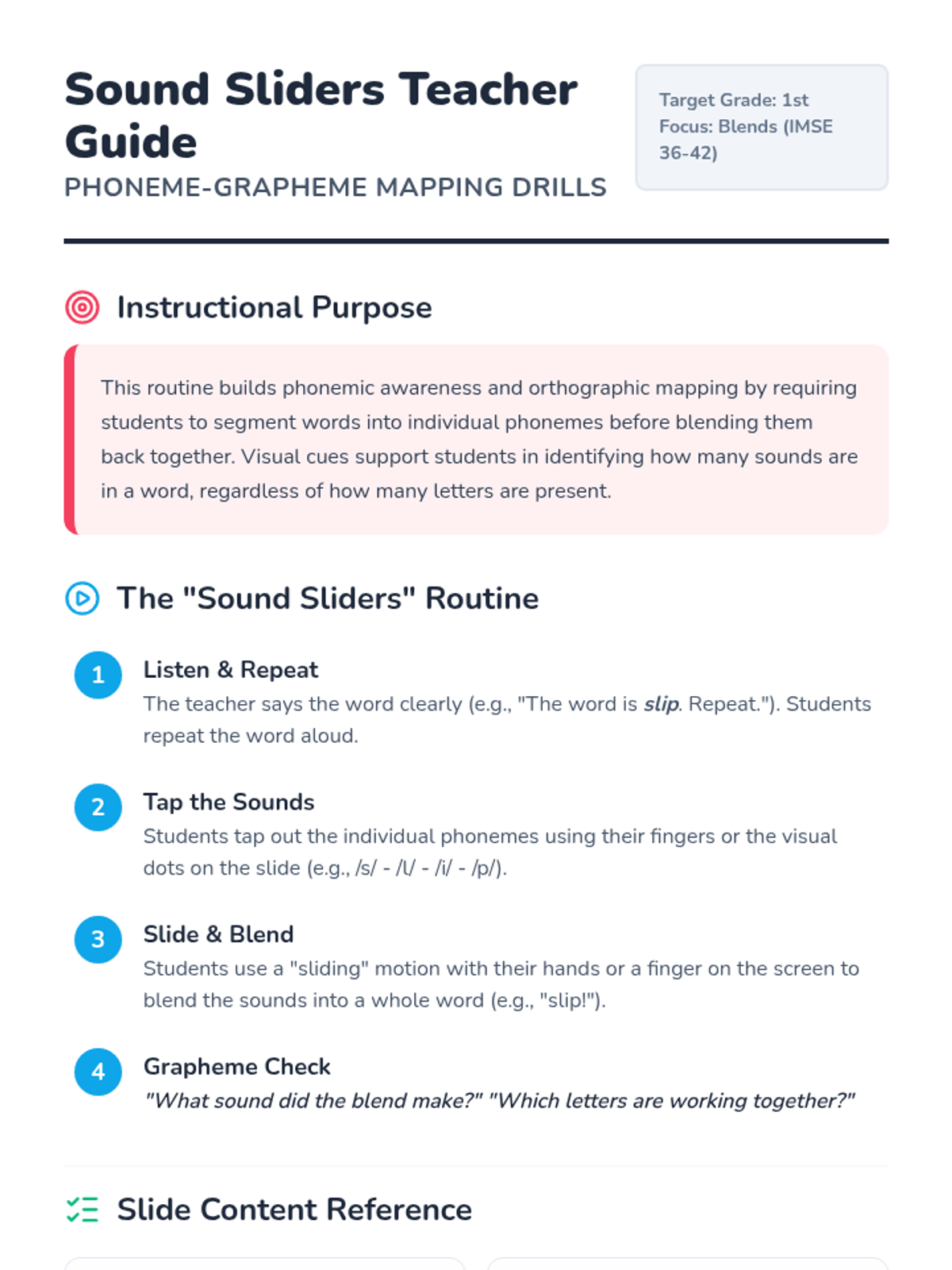
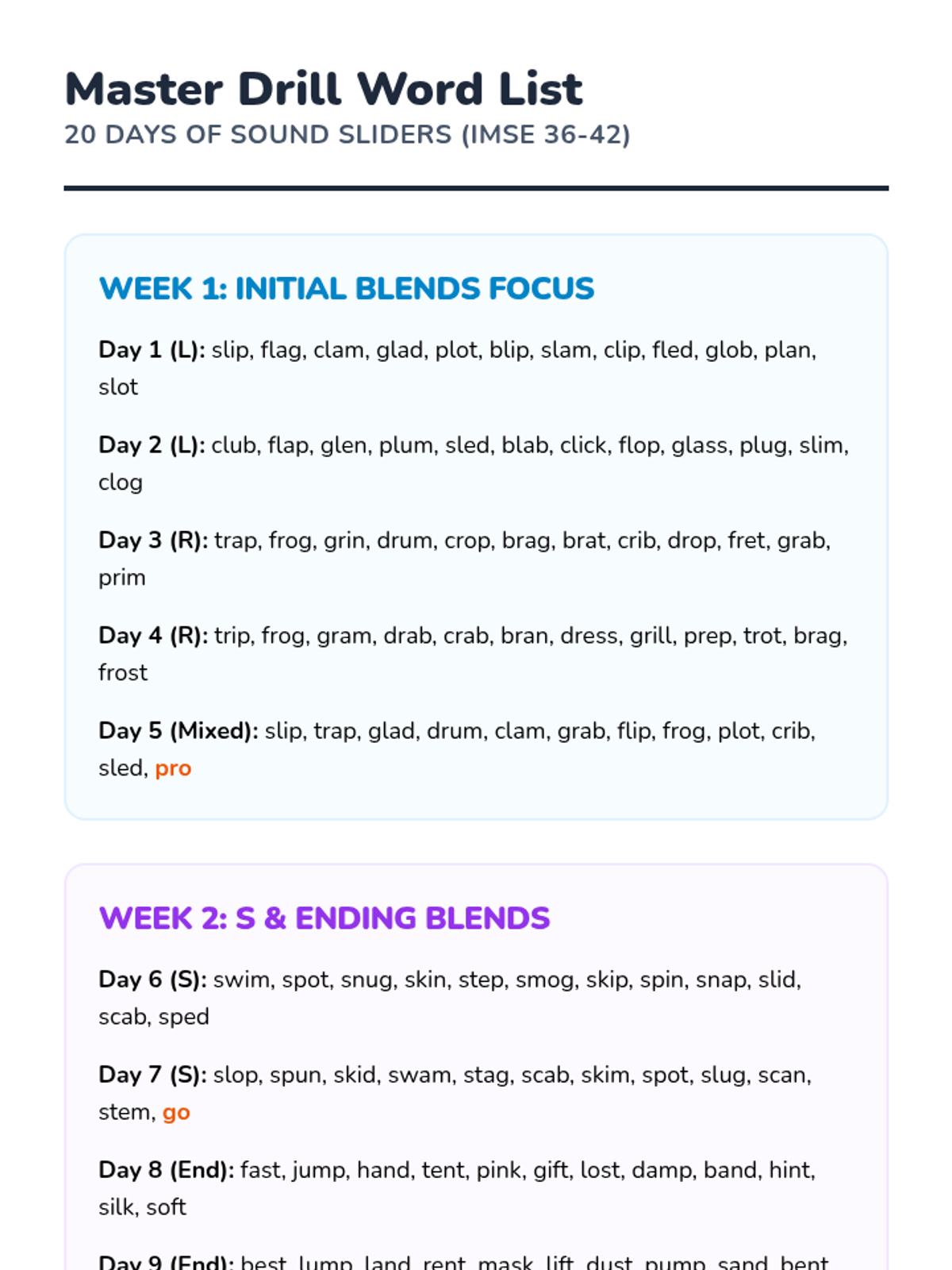
A 20-day phonics drill program for first graders using the Sound Sliders routine to master consonant blends (initial/final) and open syllables (IMSE 36-42).
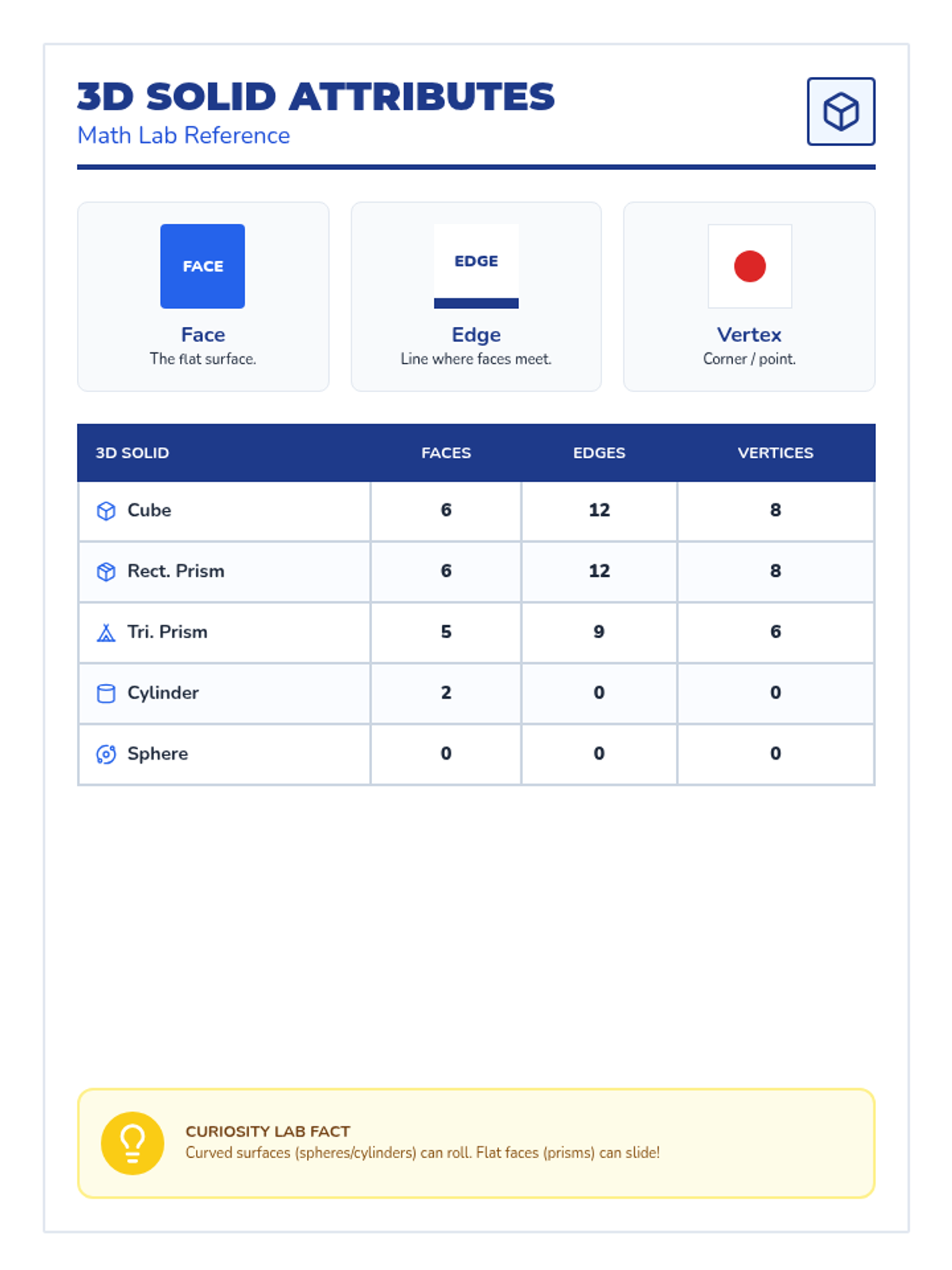
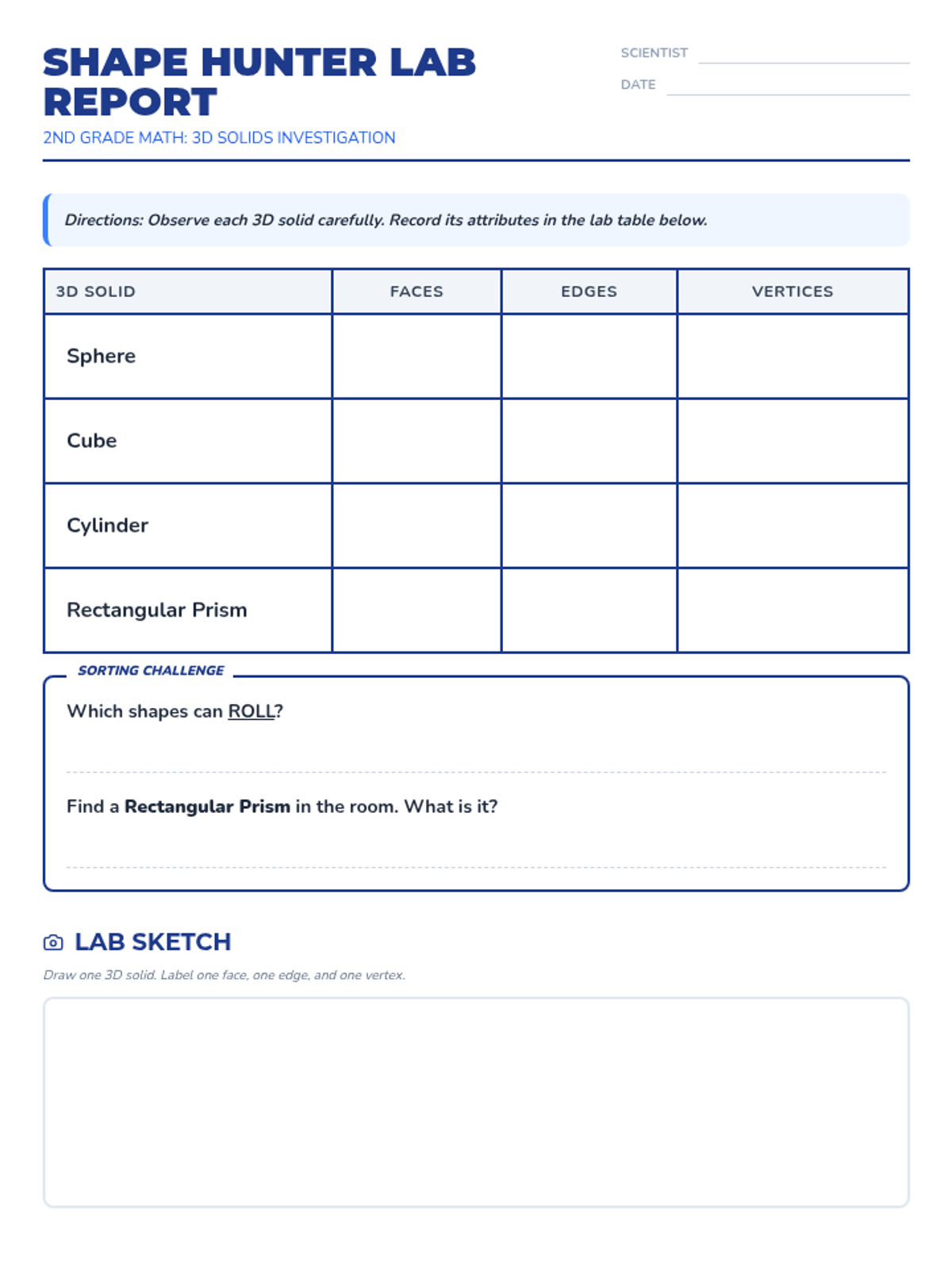
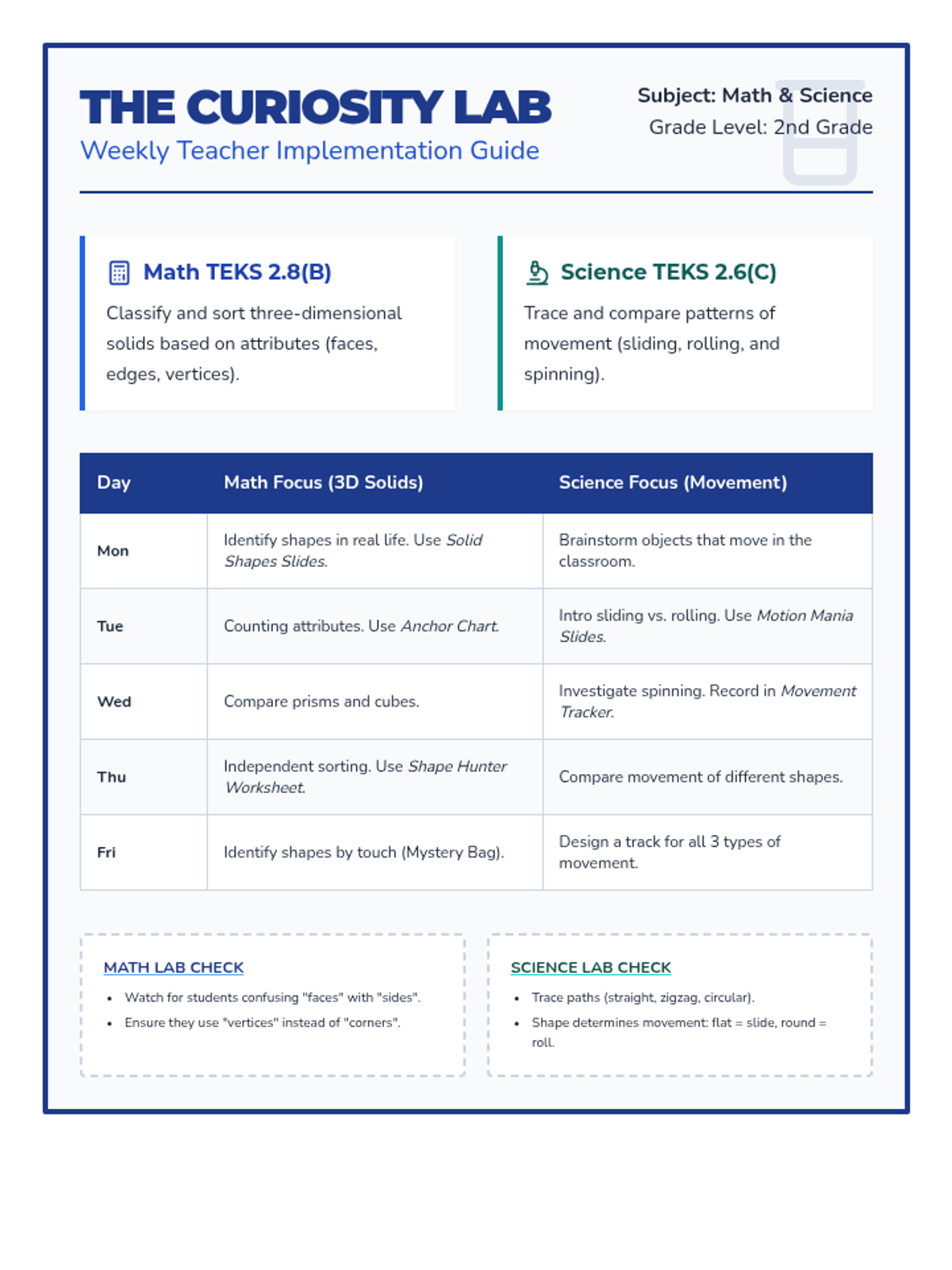
A comprehensive weekly unit for 2nd Grade covering 3D geometric solids (Math TEKS 2.8B) and patterns of movement (Science TEKS 2.6C) through a "Curiosity Lab" theme.
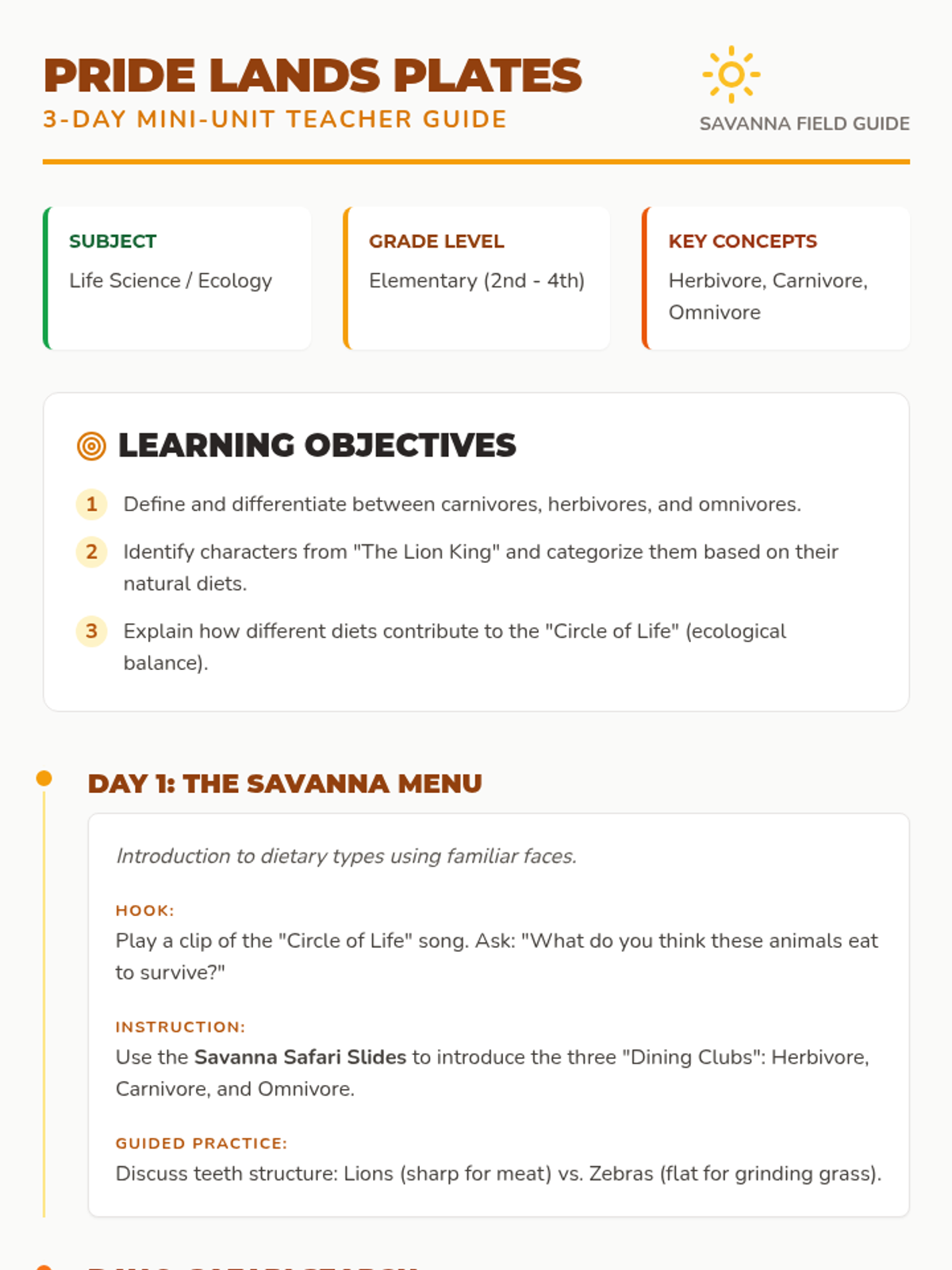
A 3-day mini-unit exploring carnivores, herbivores, and omnivores through the lens of The Lion King. Students will identify animal diets, categorize characters, and understand the ecological balance of the Pride Lands.
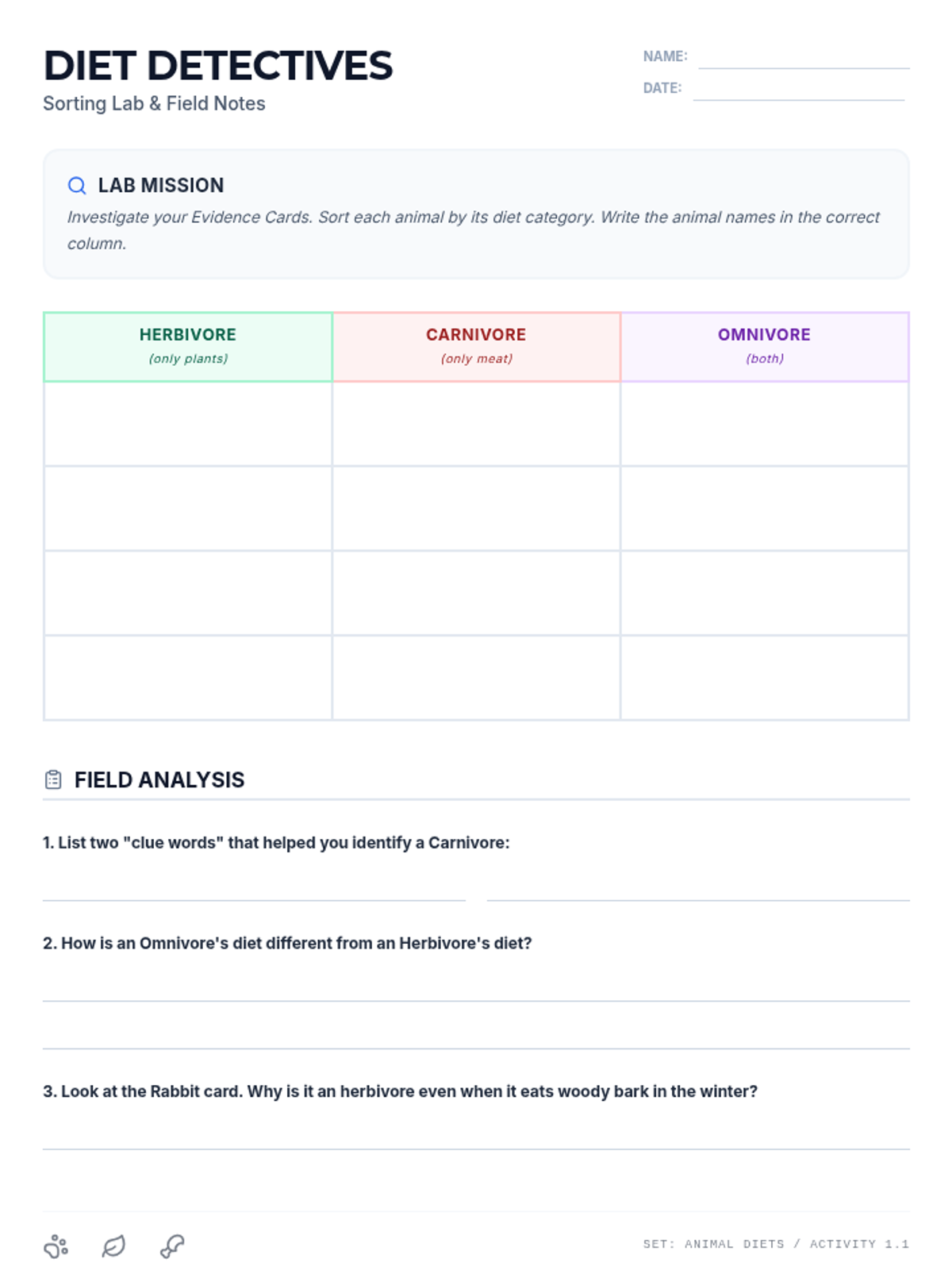
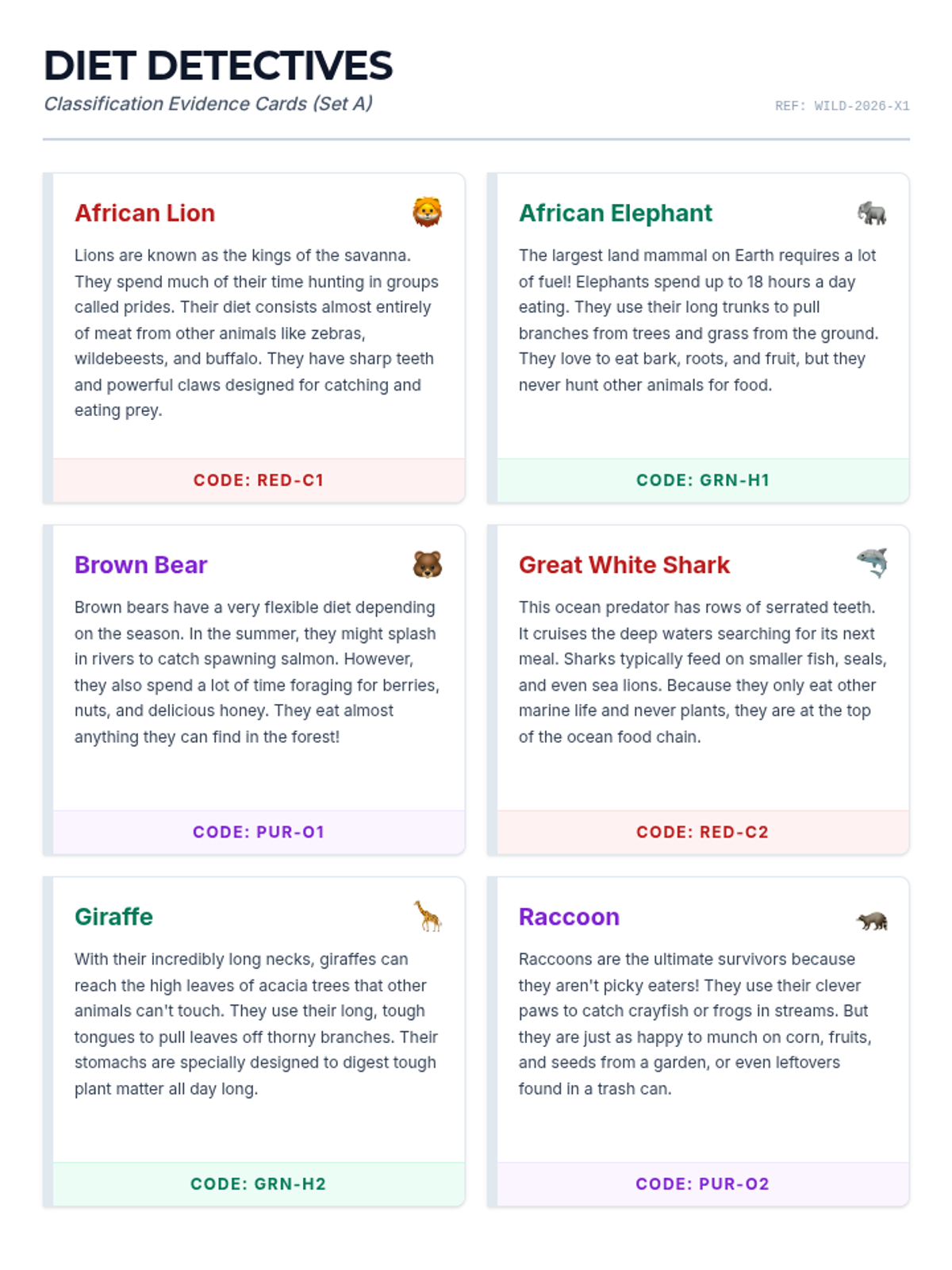
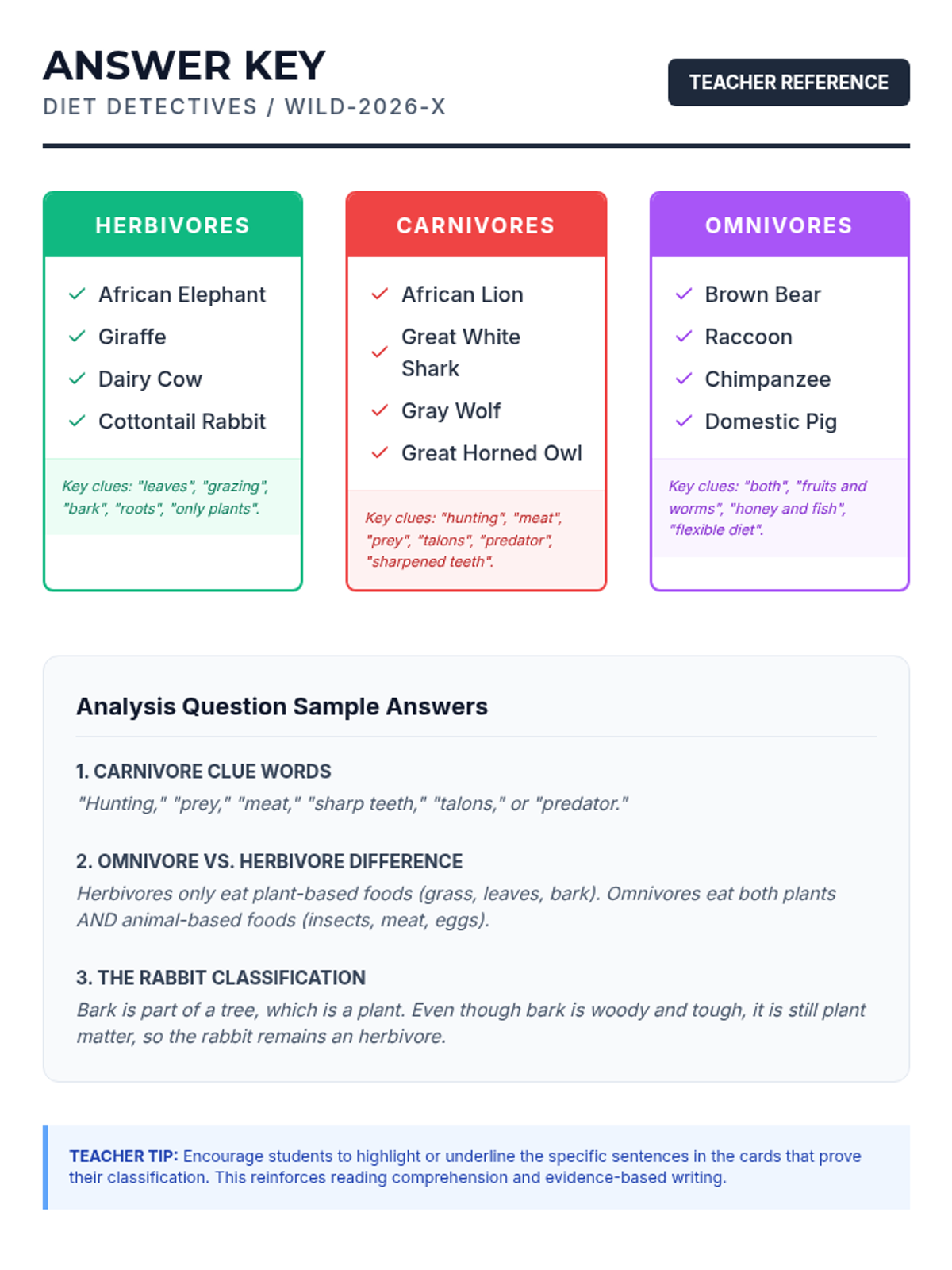
A hands-on exploration of animal diets, focusing on identifying and classifying herbivores, carnivores, and omnivores through text evidence and visual clues.
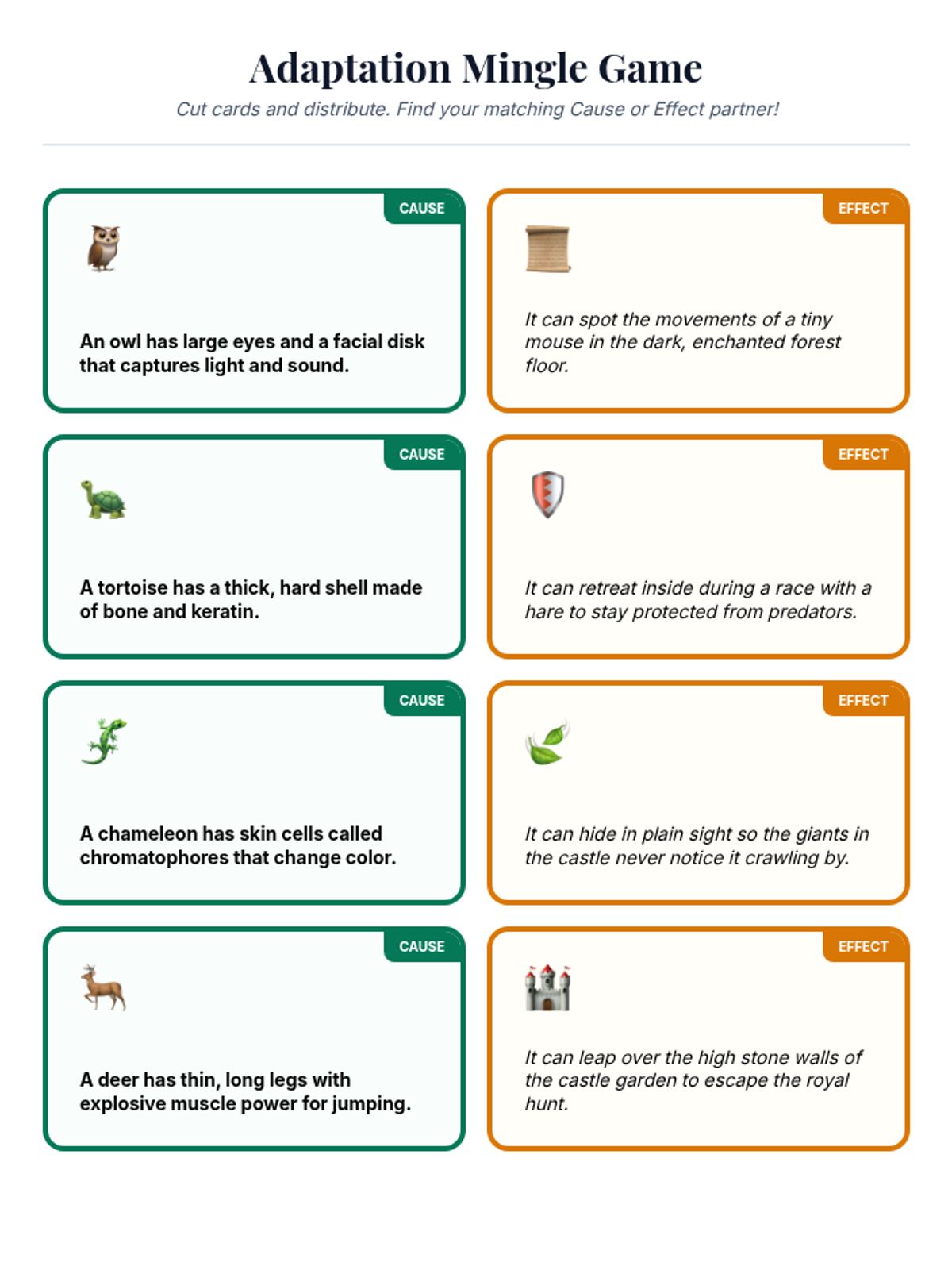
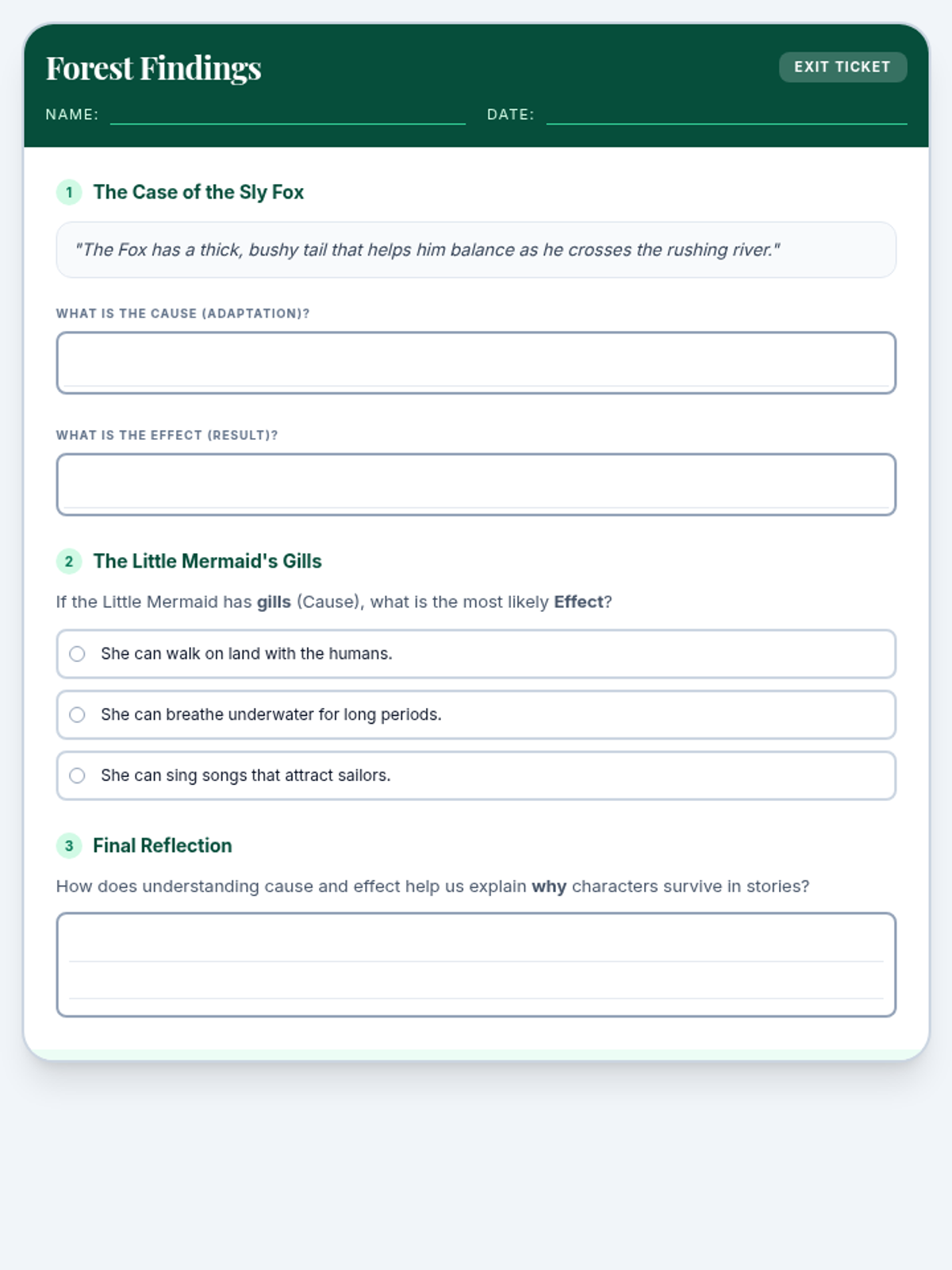
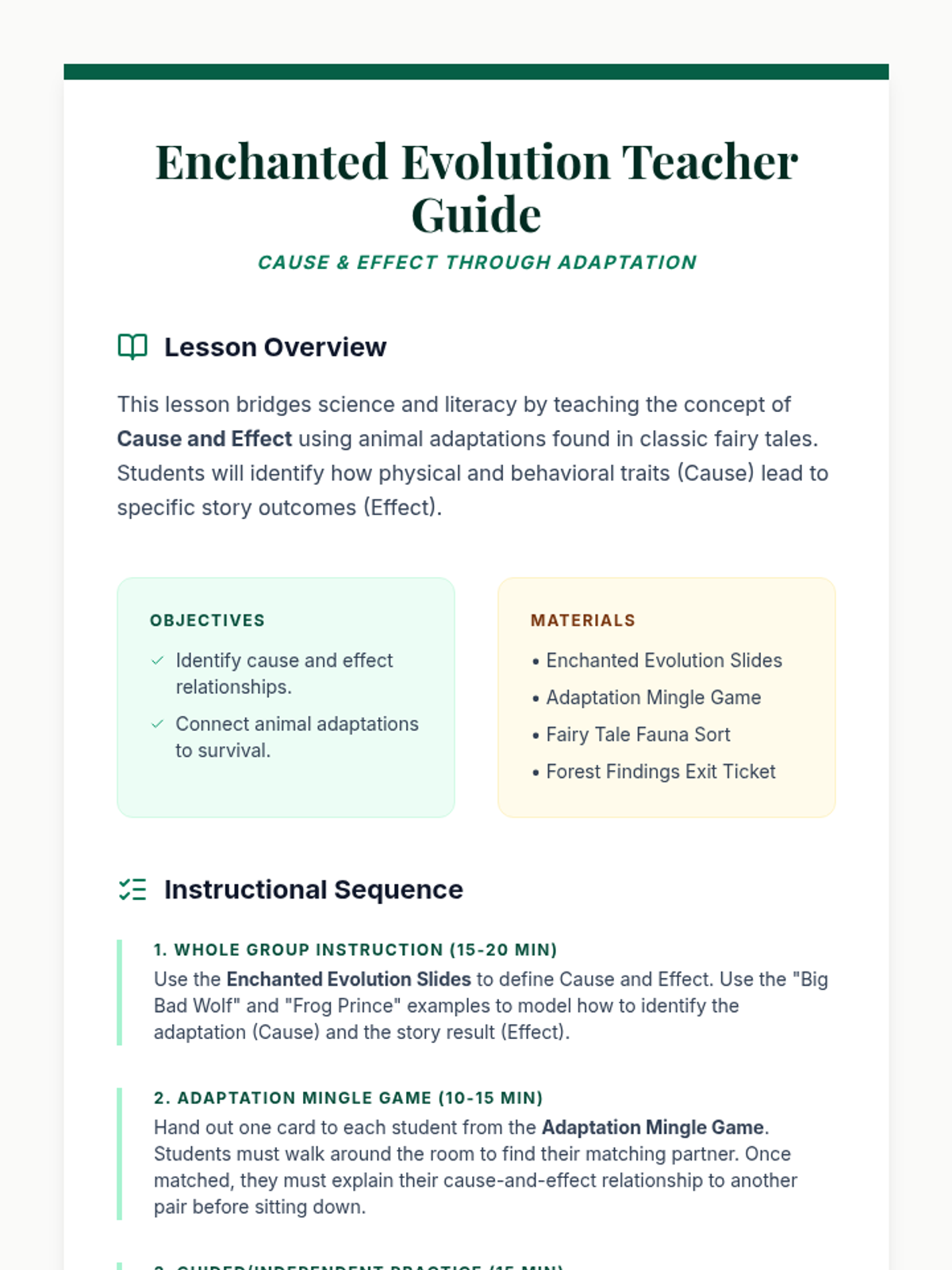
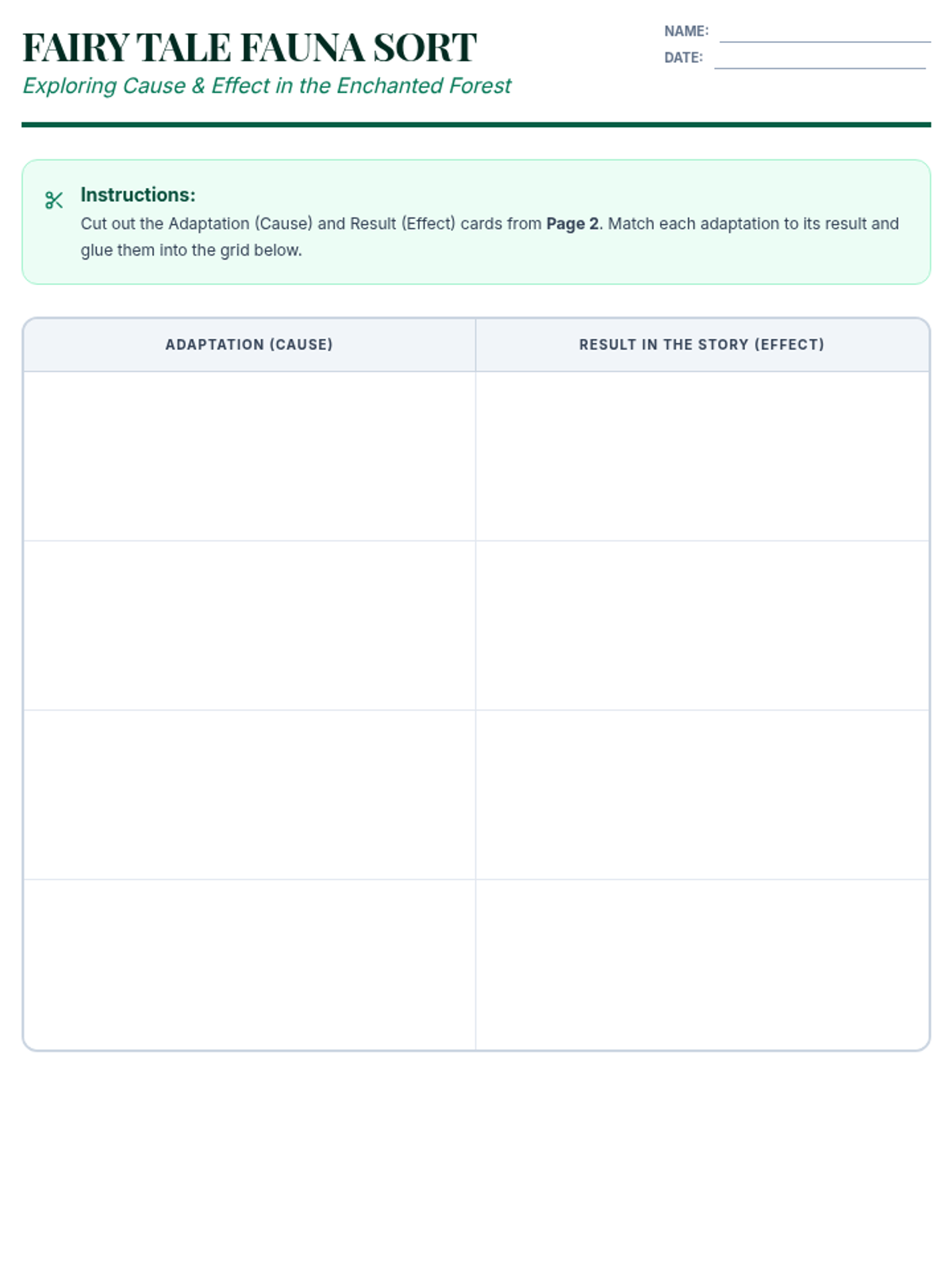
A unit blending biological science with literacy, exploring cause and effect through the lens of animal adaptations in classic fairy tale settings.
A comprehensive collection of introductory science modules for first-grade emergent readers, covering biology, meteorology, physics, and earth science through simple, repetitive text and engaging activities.
A comprehensive 36-week phonics and comprehension curriculum for small groups. Each week focuses on a specific phonetic target integrated with a reading comprehension strategy, following a systematic, multisensory approach.
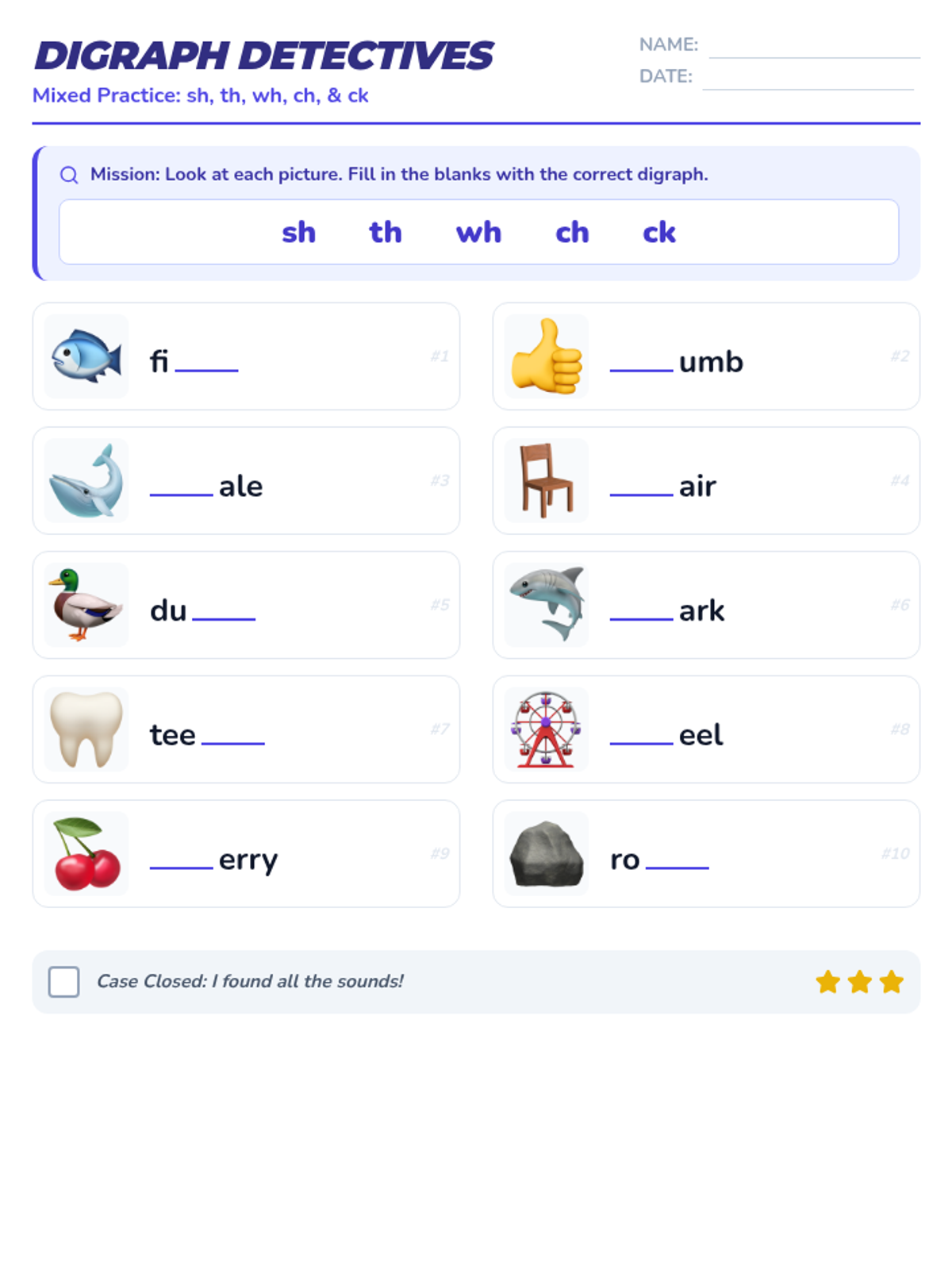
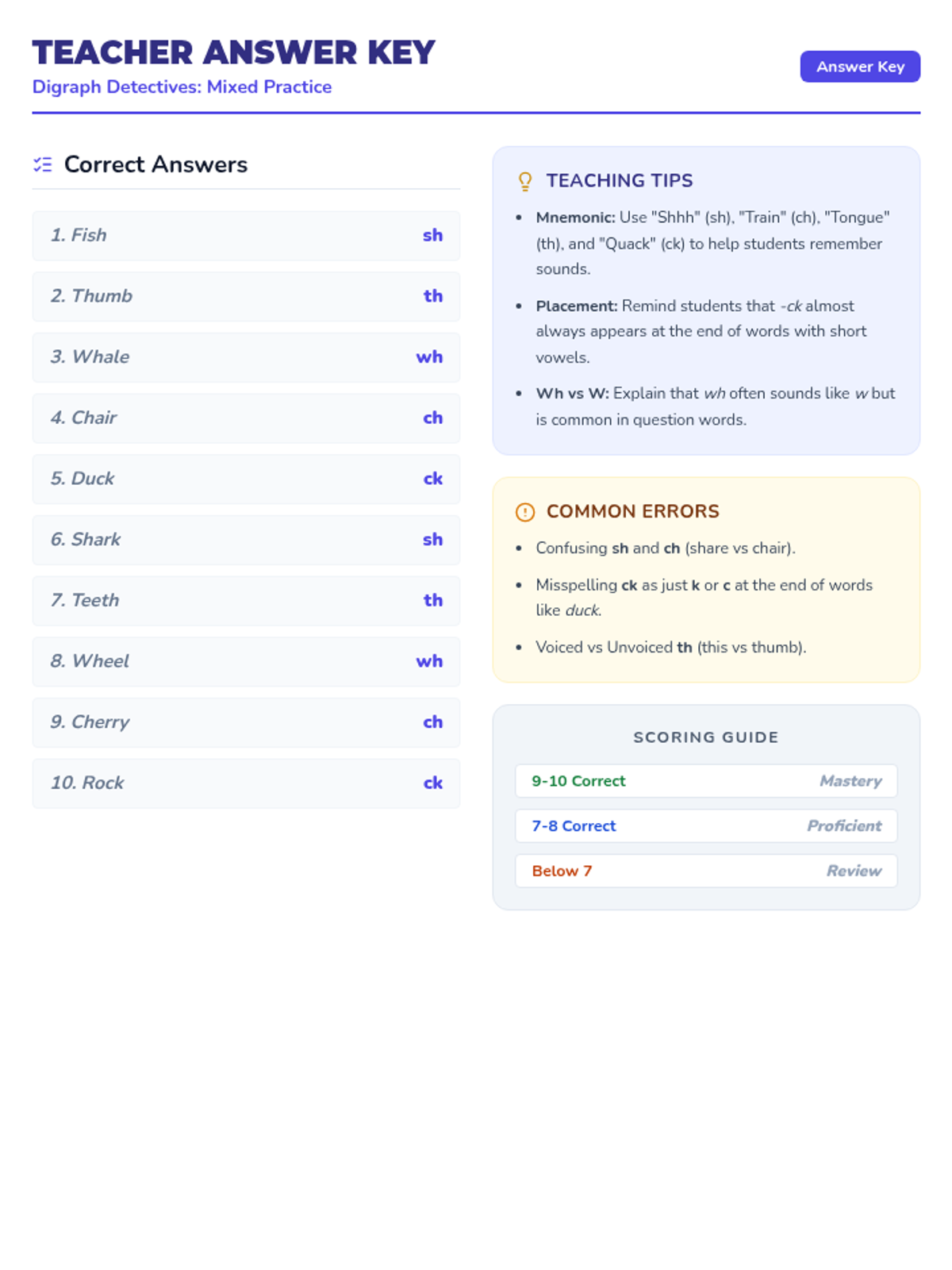
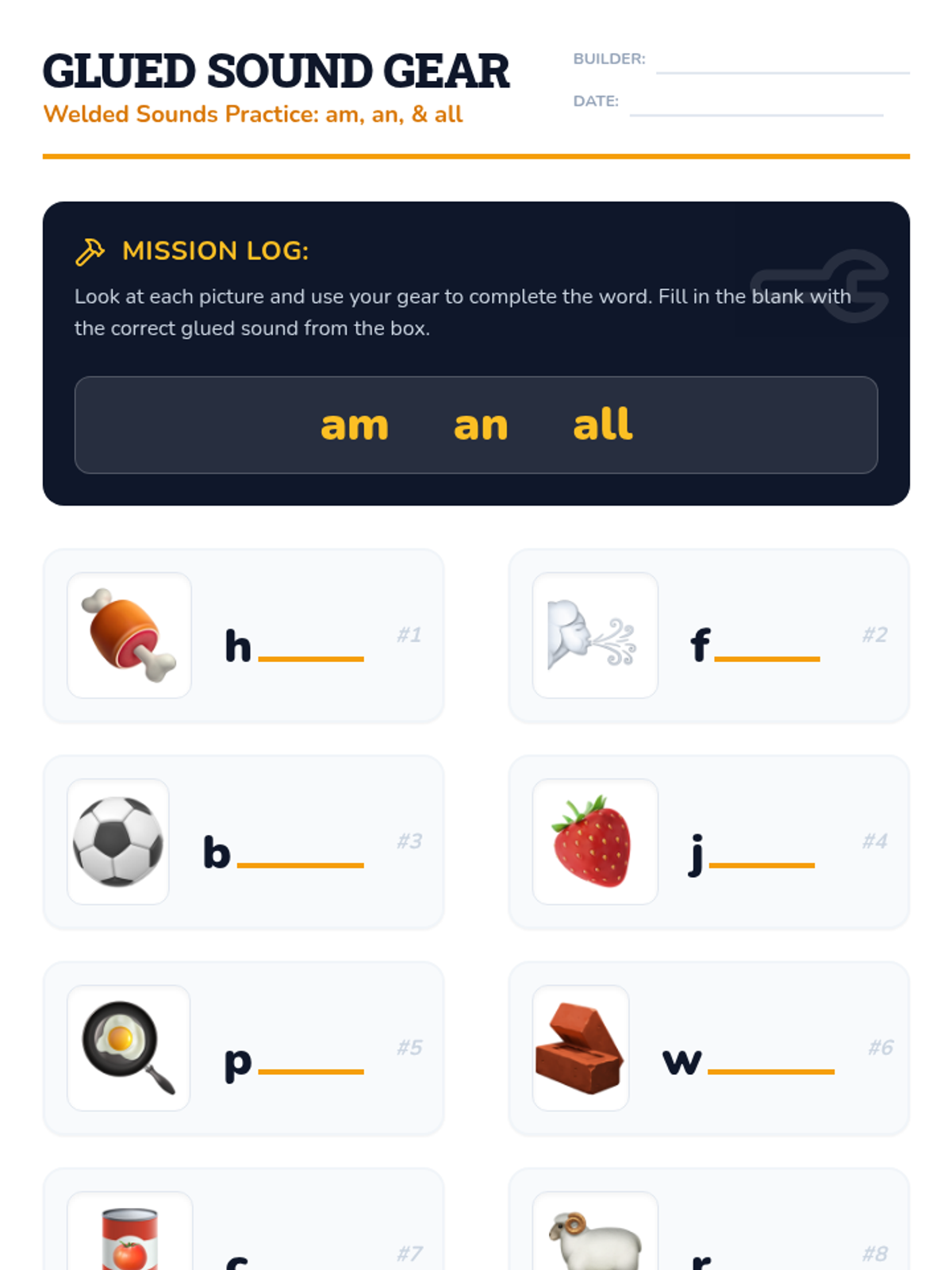
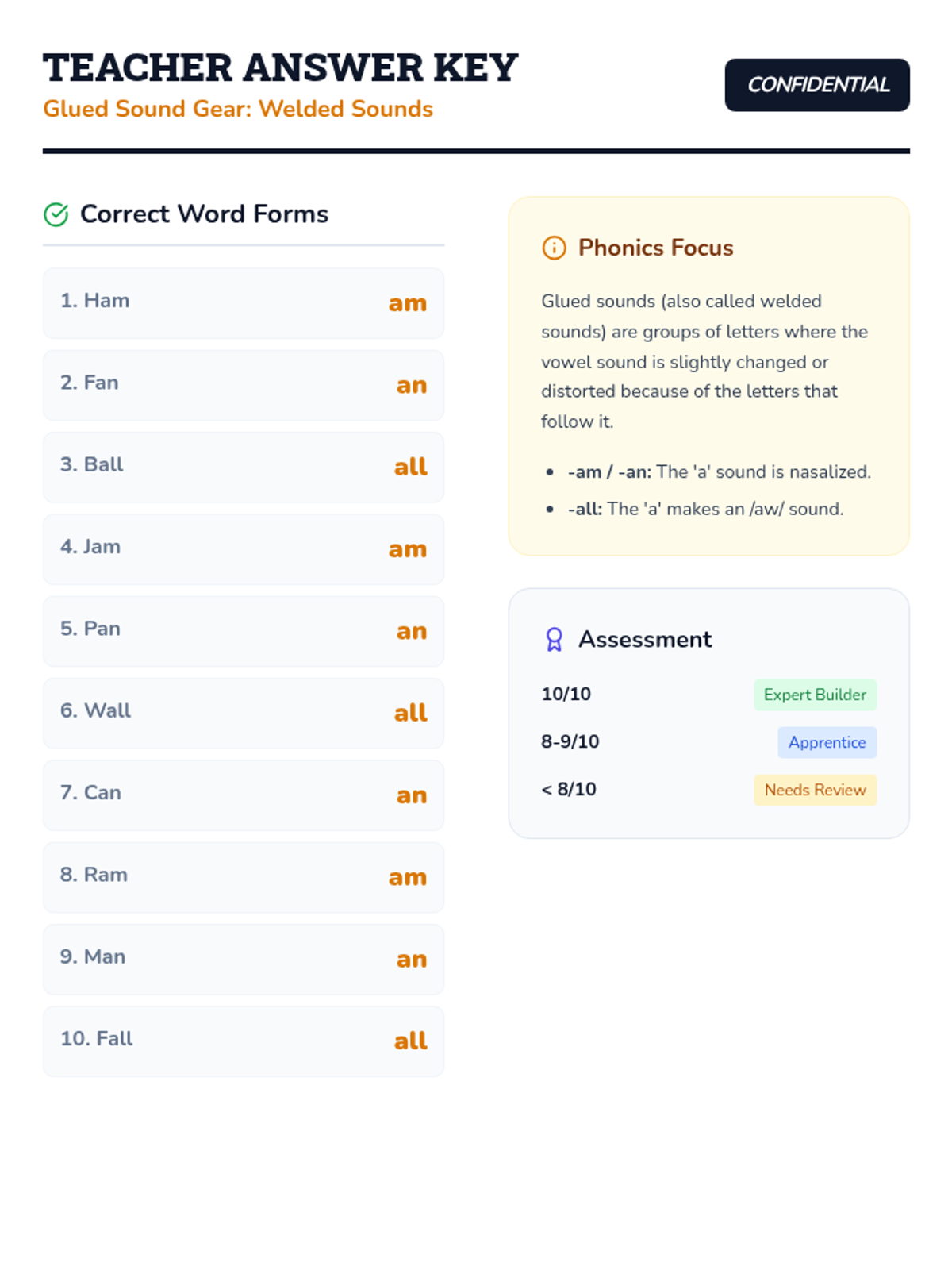
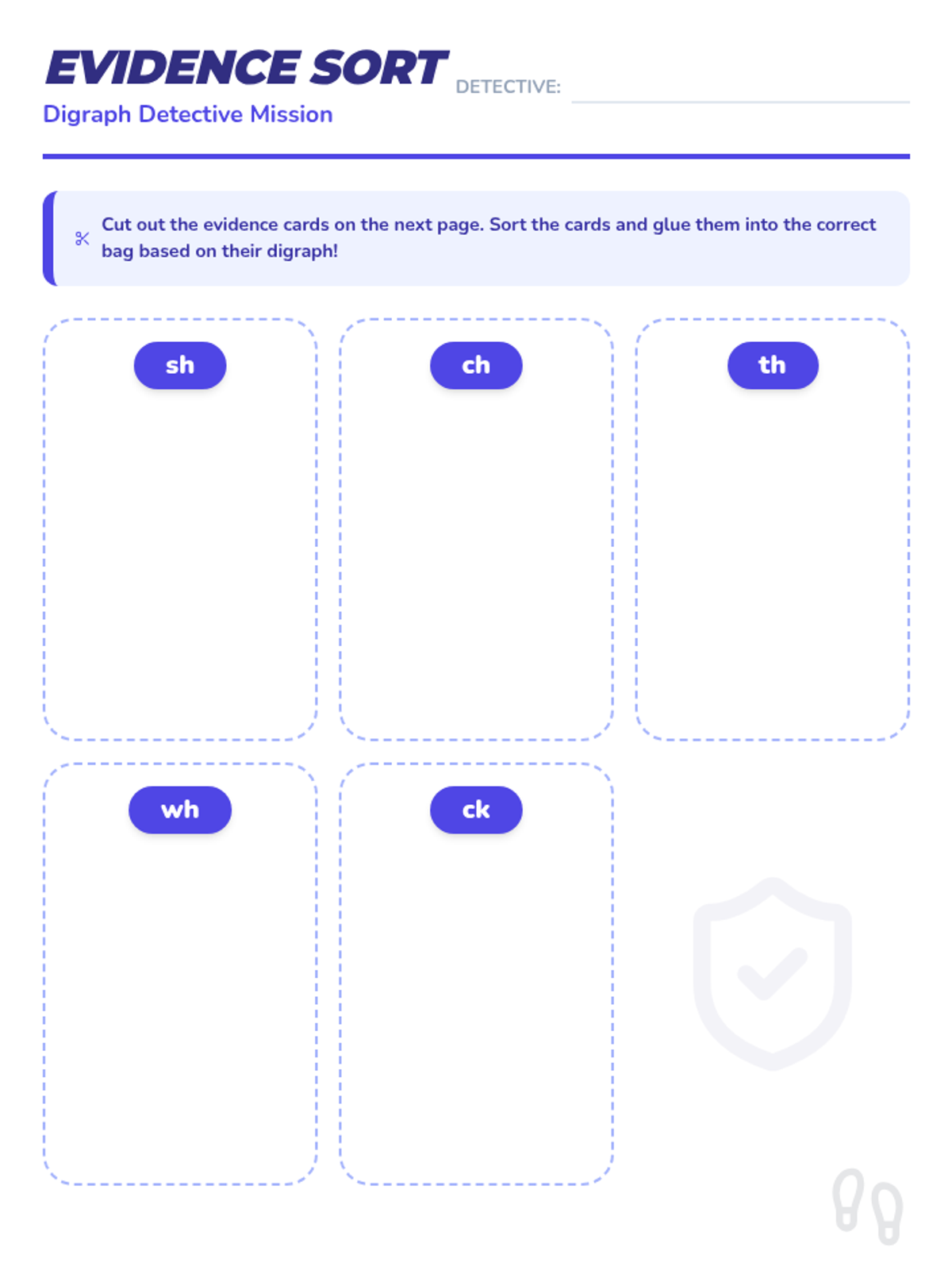
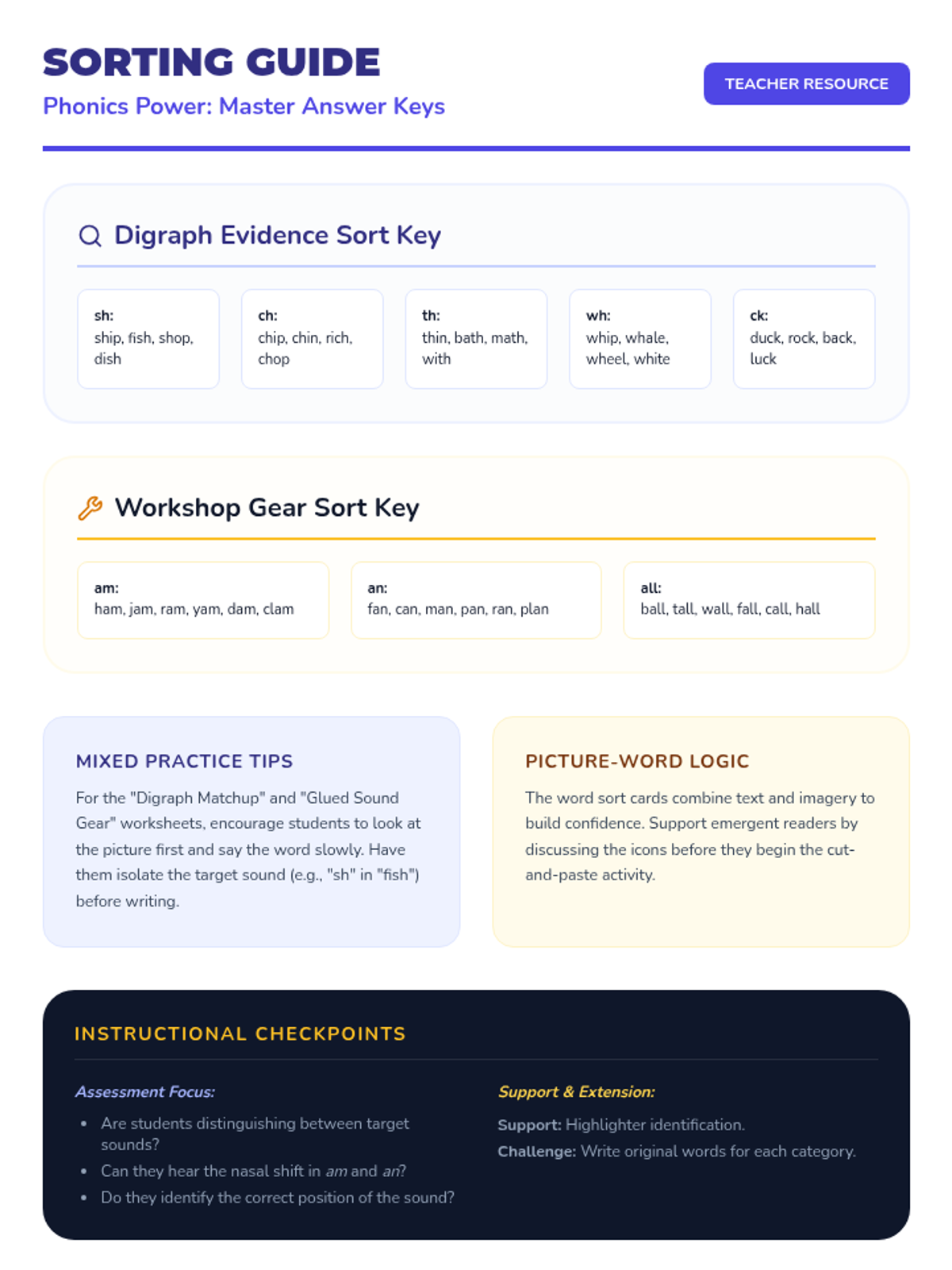
A comprehensive phonics sequence covering complex letter sounds including digraphs and glued/welded sounds through visual play and detective-themed activities.
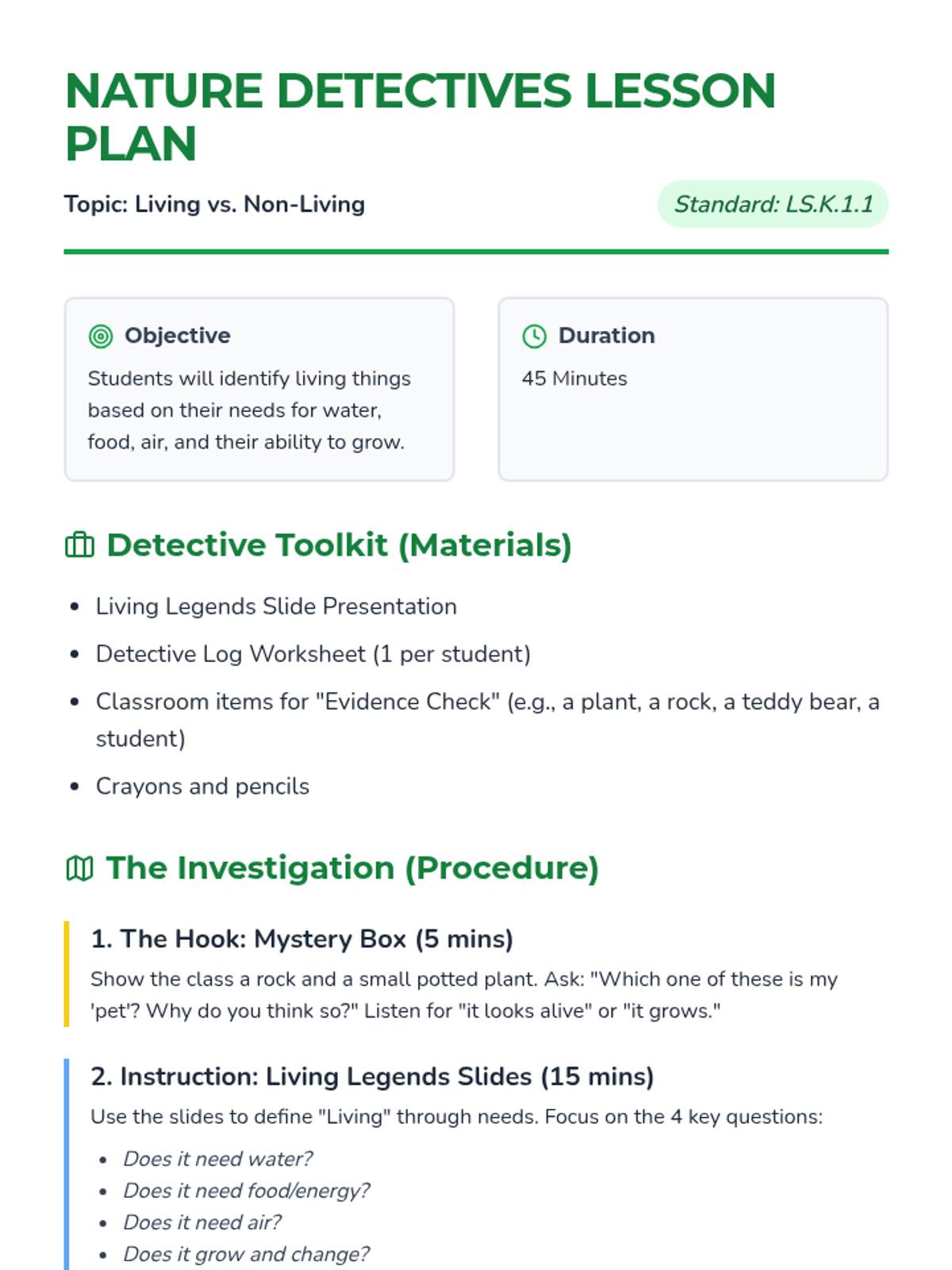
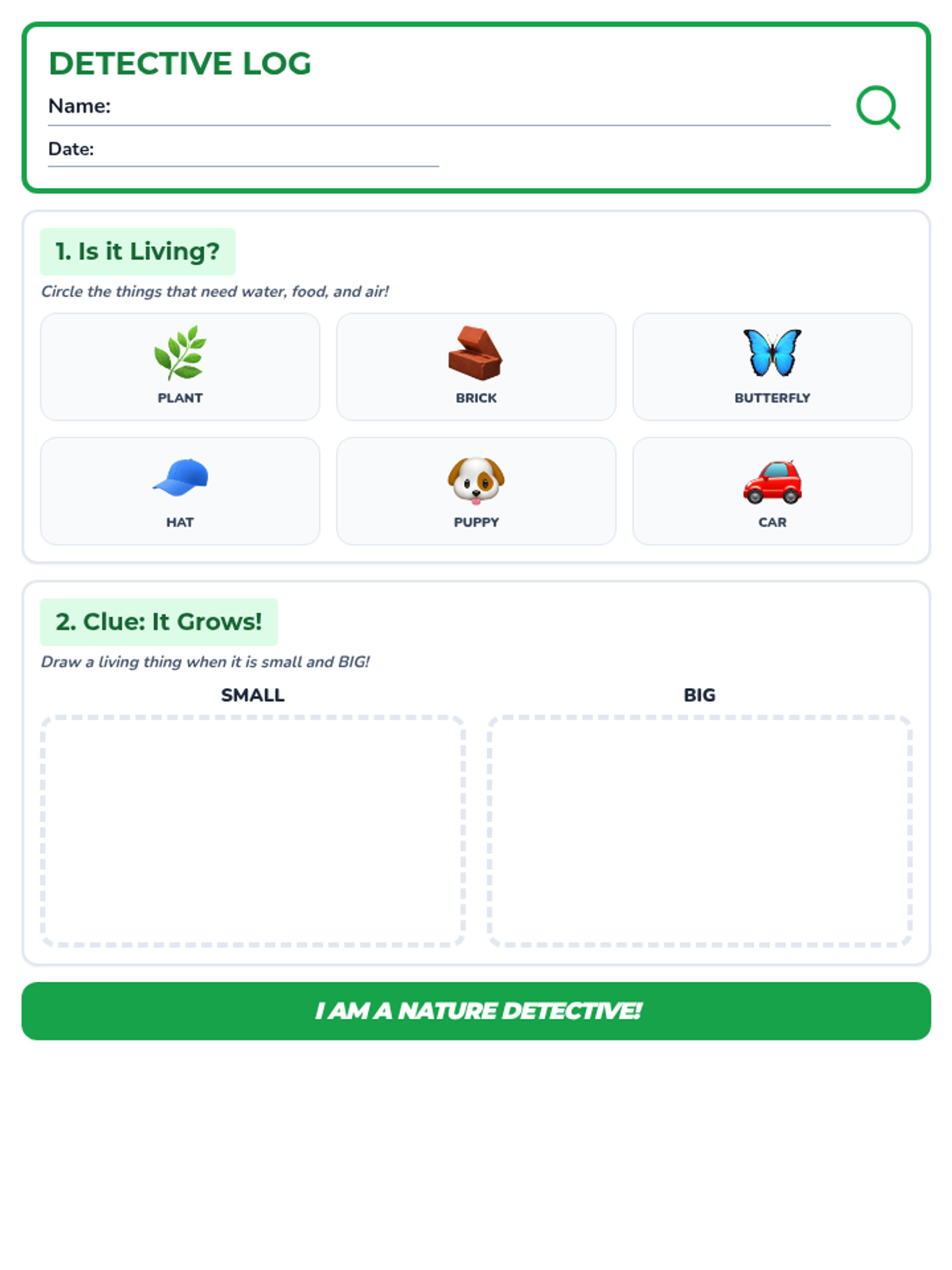
A comprehensive kindergarten science unit designed to help students identify and summarize the characteristics of living and non-living things, focusing on structure, growth, changes, movement, and basic needs.
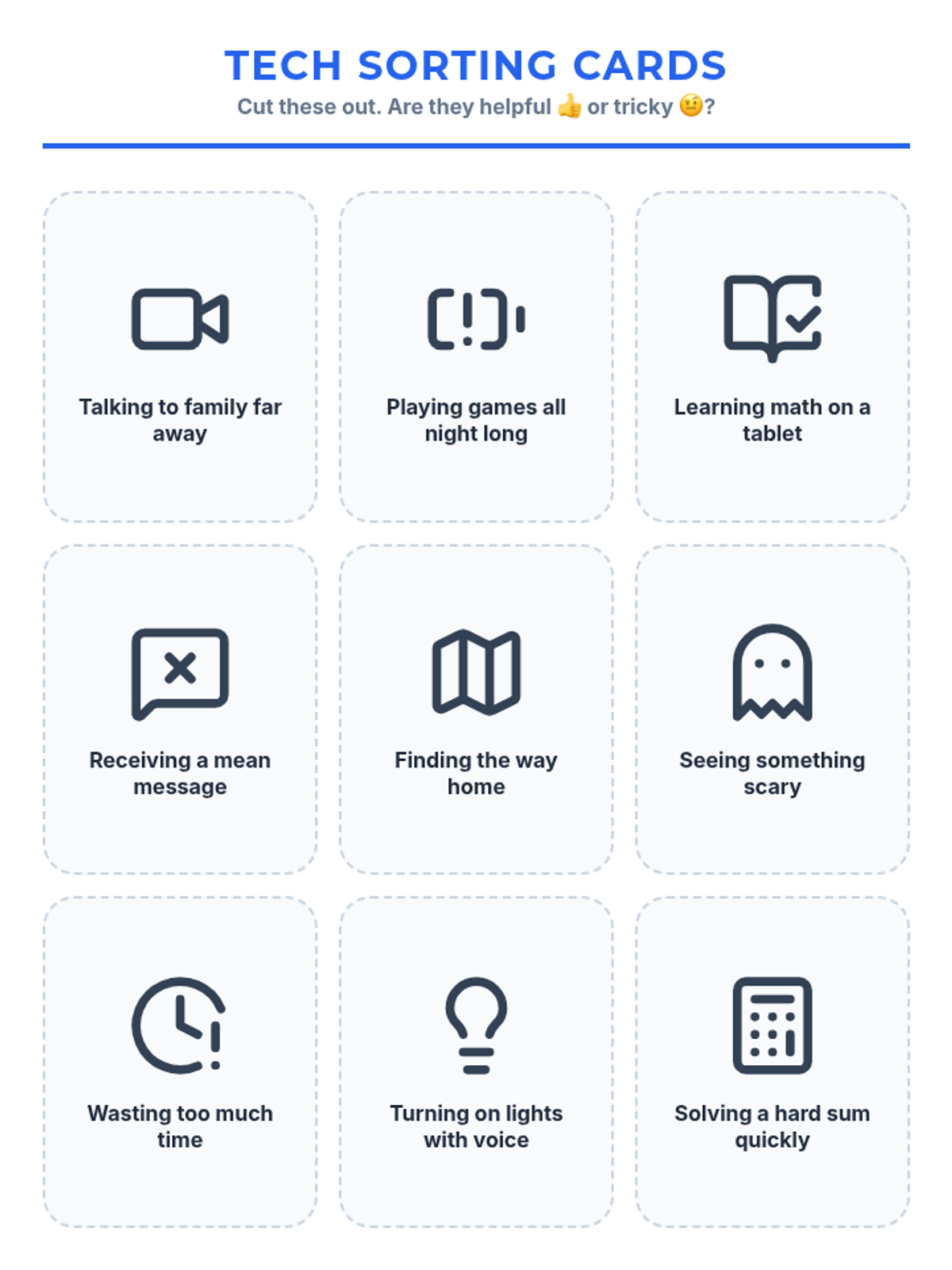
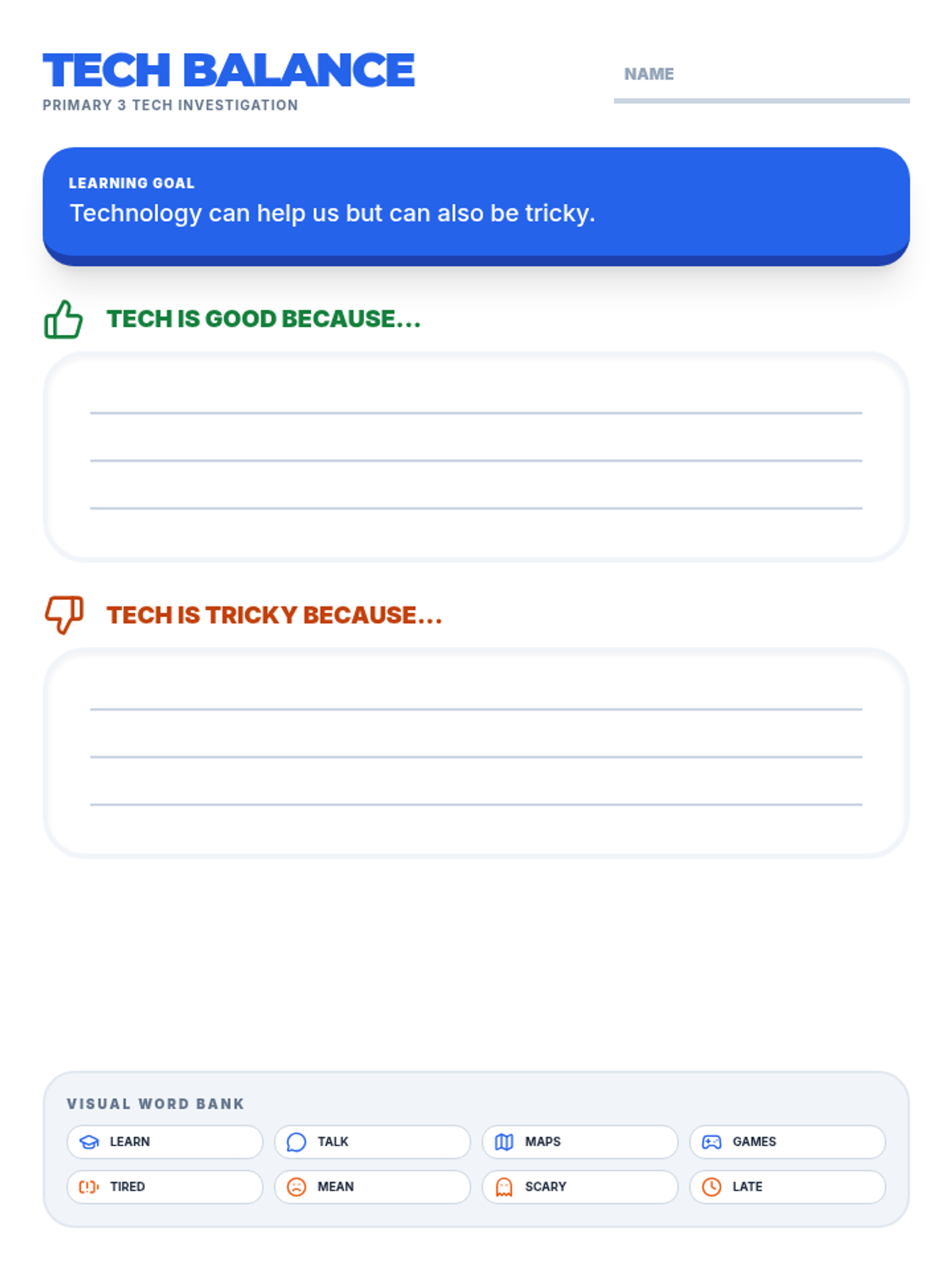
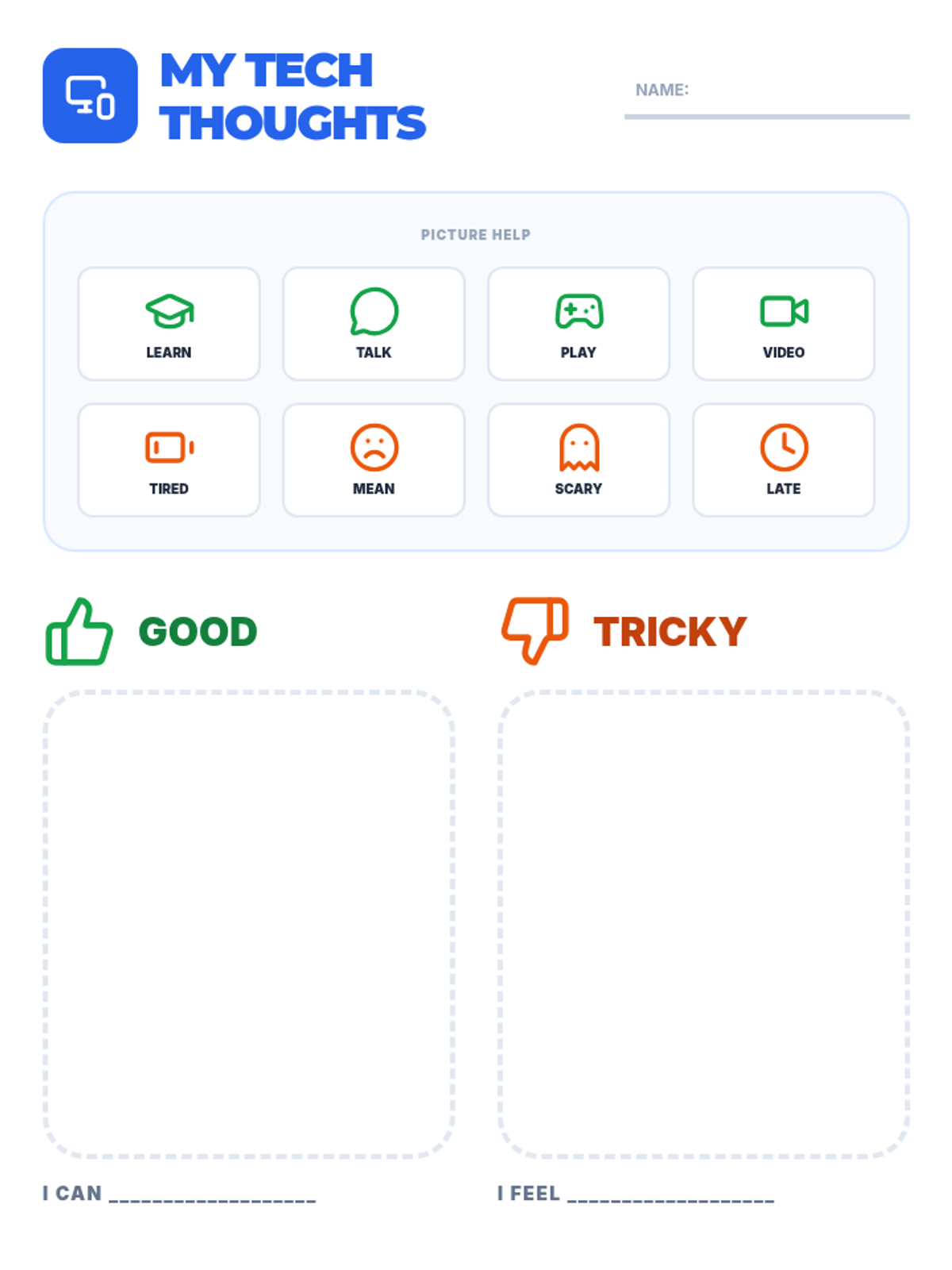
A two-part technology sequence for Primary 3 students exploring the dual nature of technology and the engineering design process for creating helpful inventions.
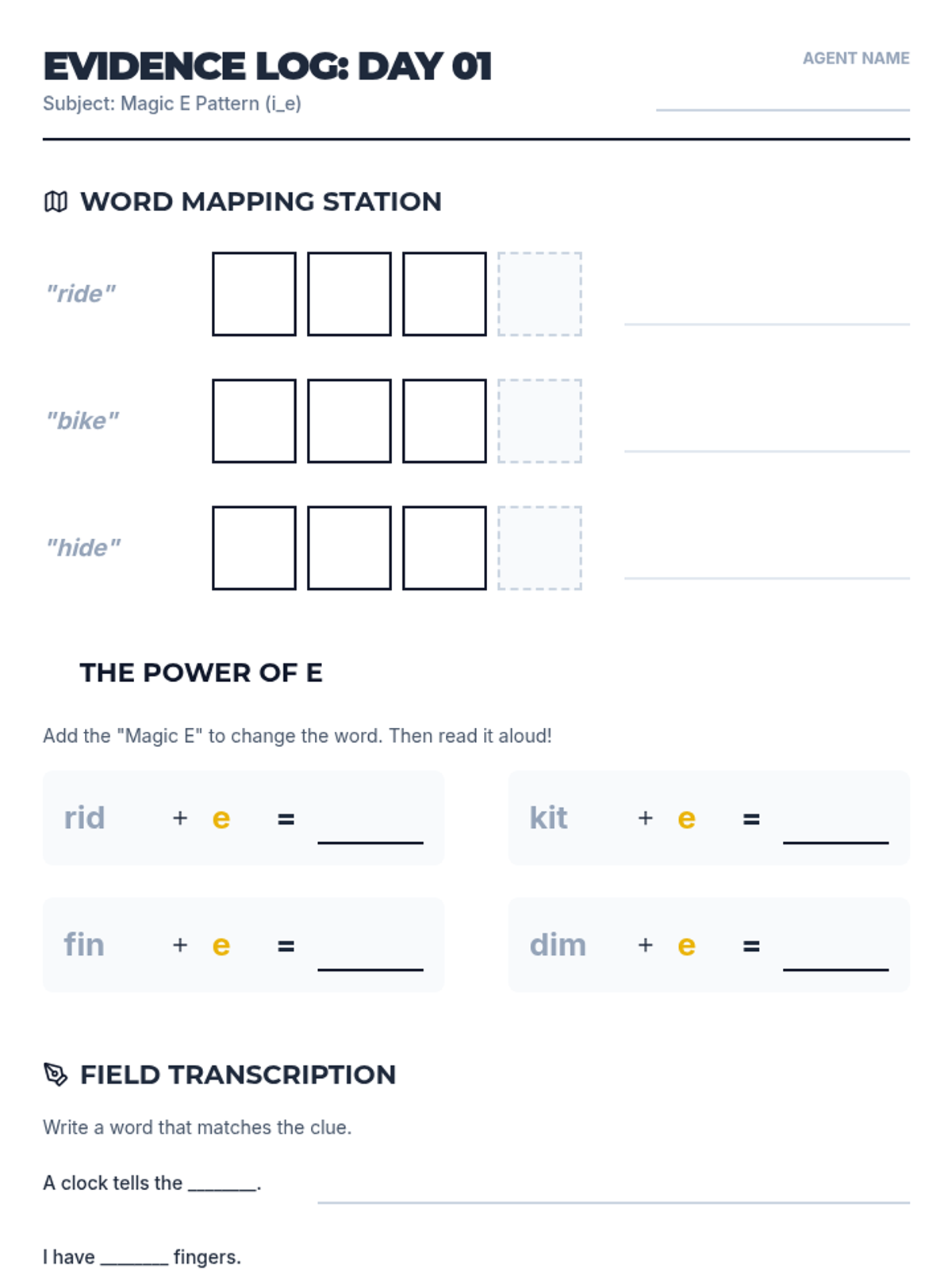
A 5-day phonics unit focused on the i_e (CVCe) pattern with blends and heart words 'by' and 'my'. The unit uses a 'Secret Agent' detective theme to engage students in word mapping, chaining, and passage reading.
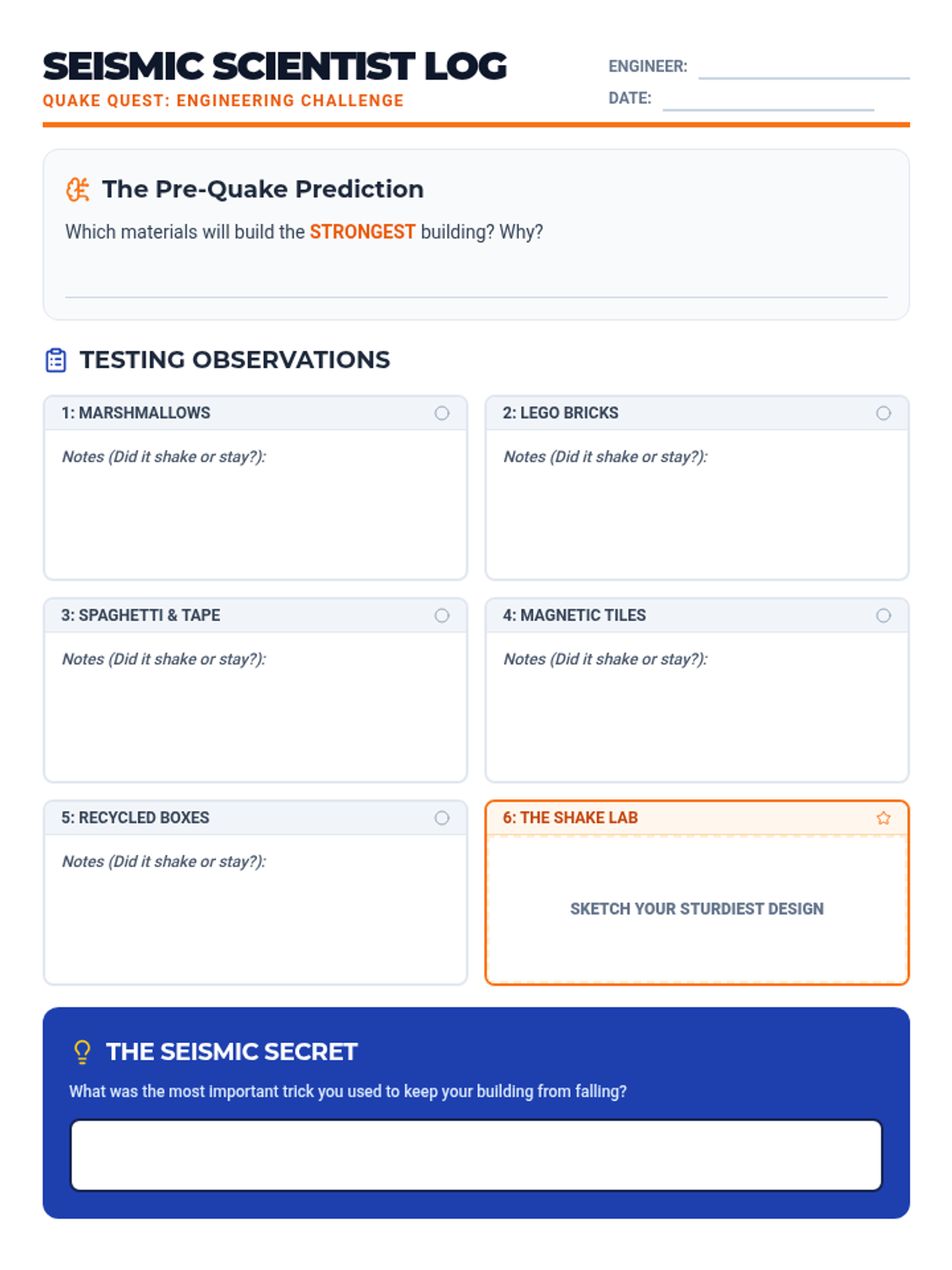
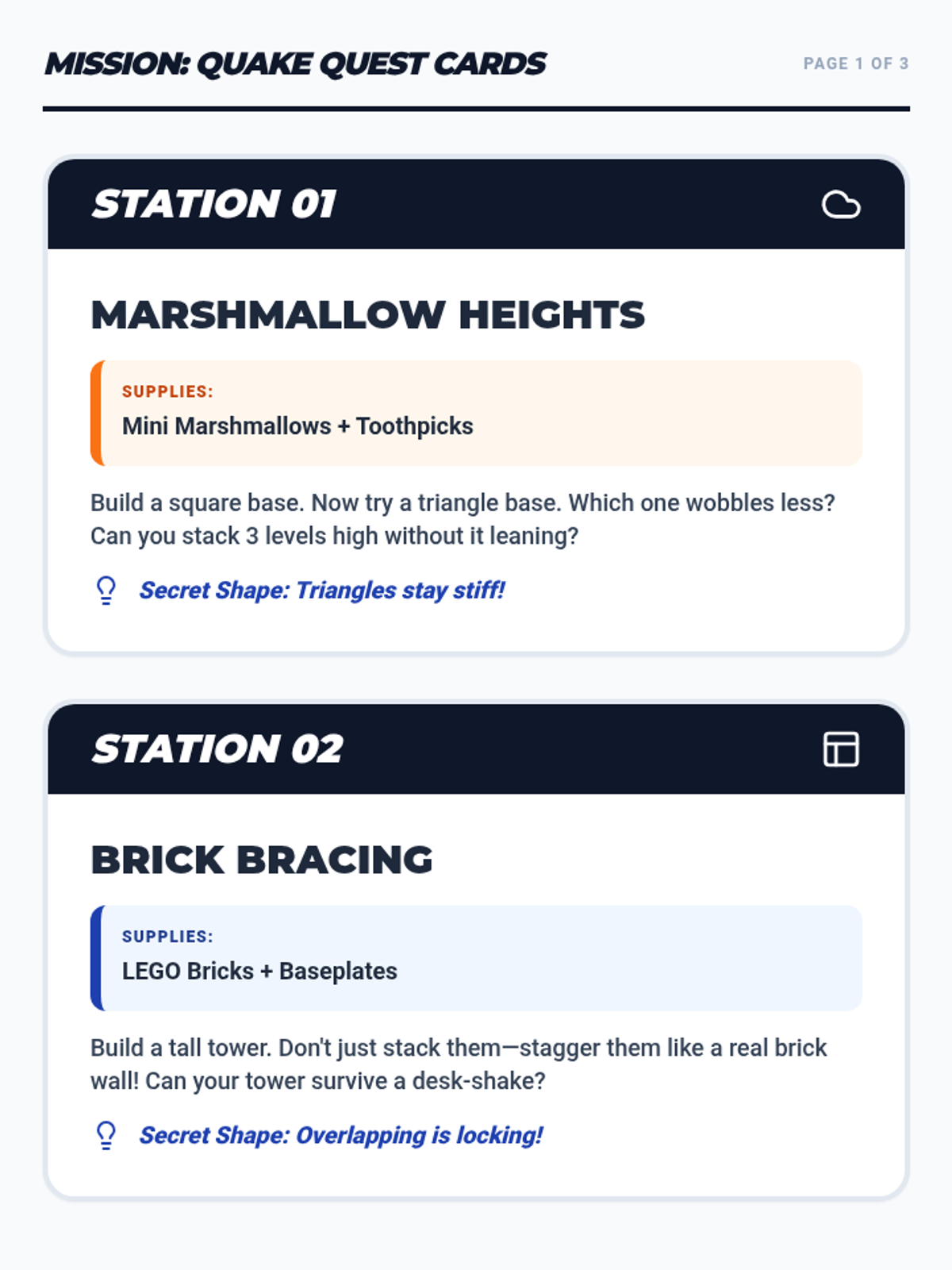
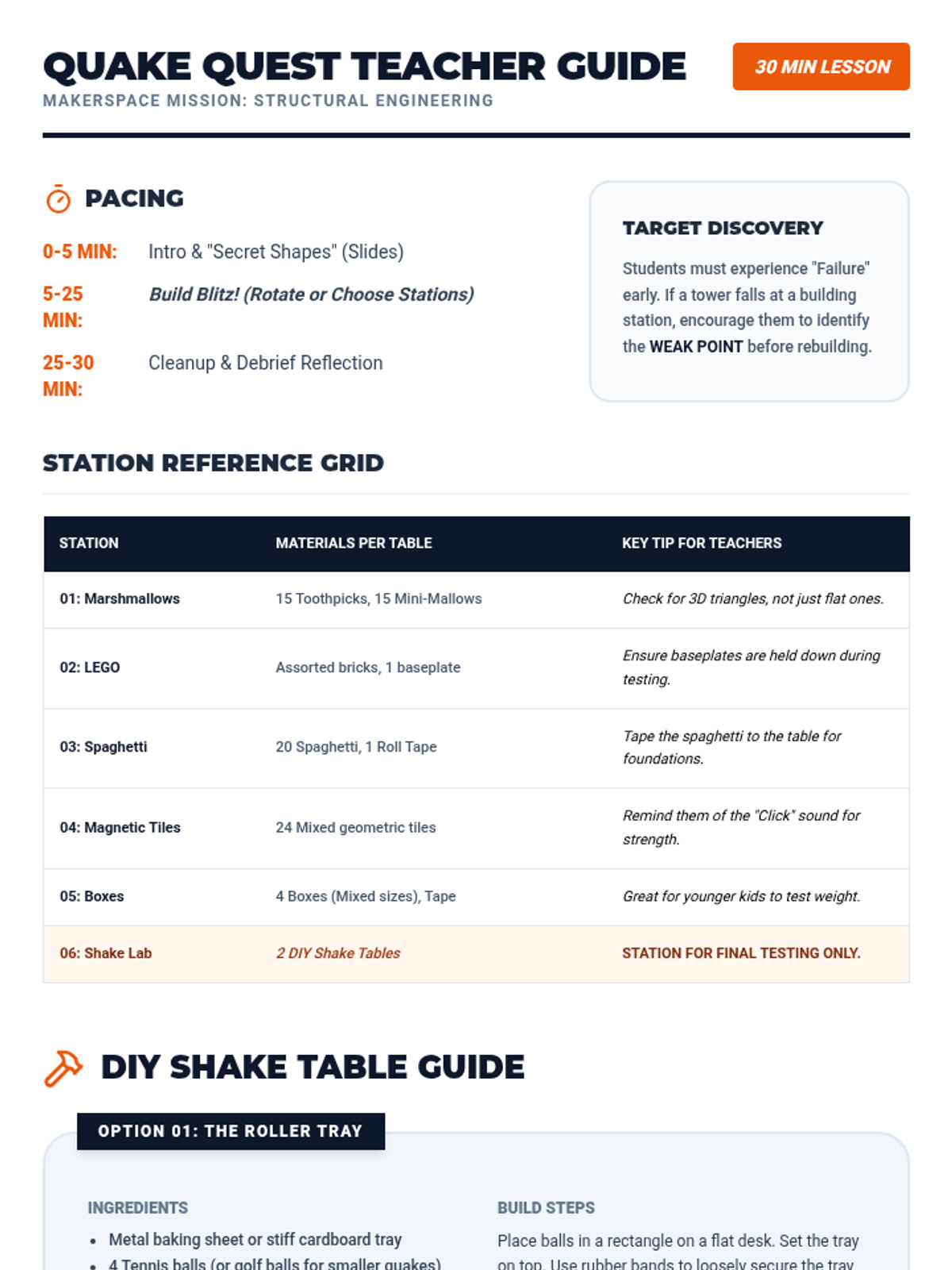
A fast-paced makerspace series where students tackle engineering challenges. This unit focuses on structural integrity and seismic resistance using everyday materials.
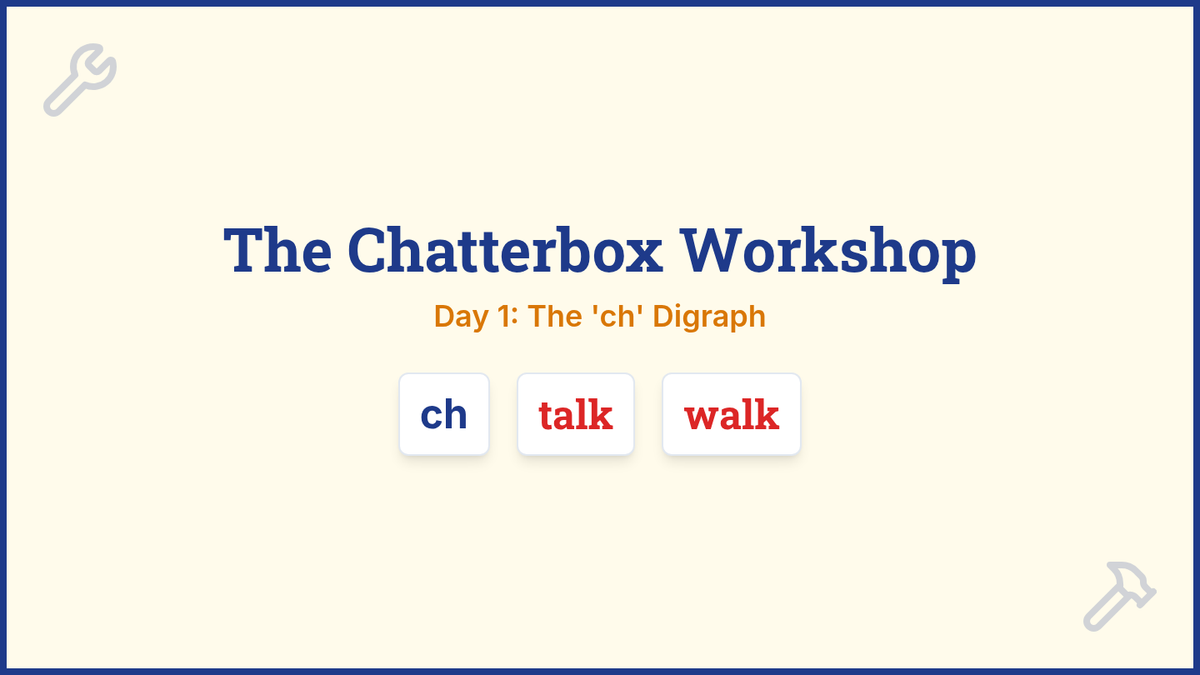
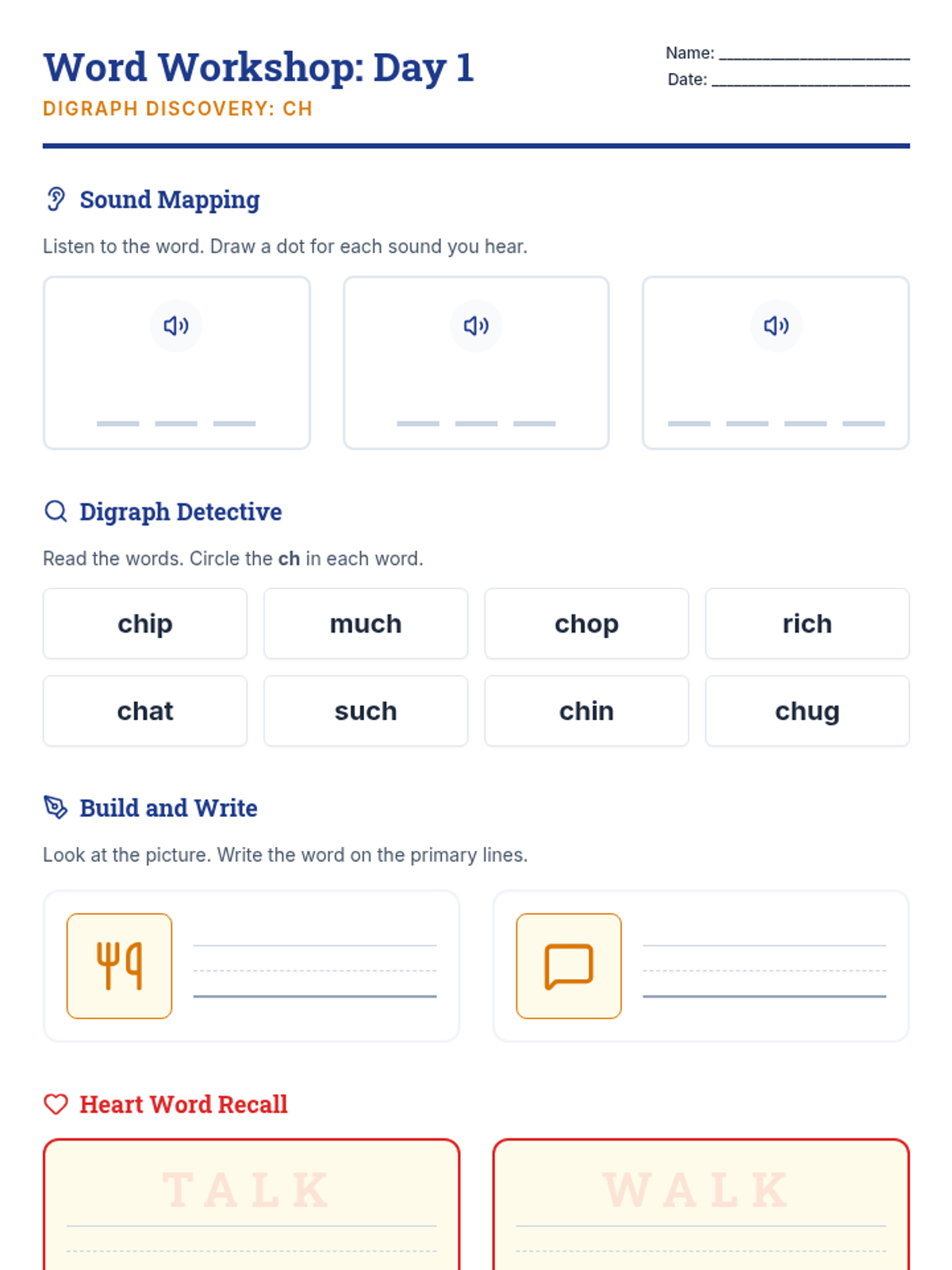
A comprehensive 5-day literacy unit focusing on the digraph 'ch' and irregular Heart Words 'talk' and 'walk'. This sequence follows a structured literacy approach incorporating phonemic awareness, cumulative review, explicit phonics instruction, and tactile irregular word practice.
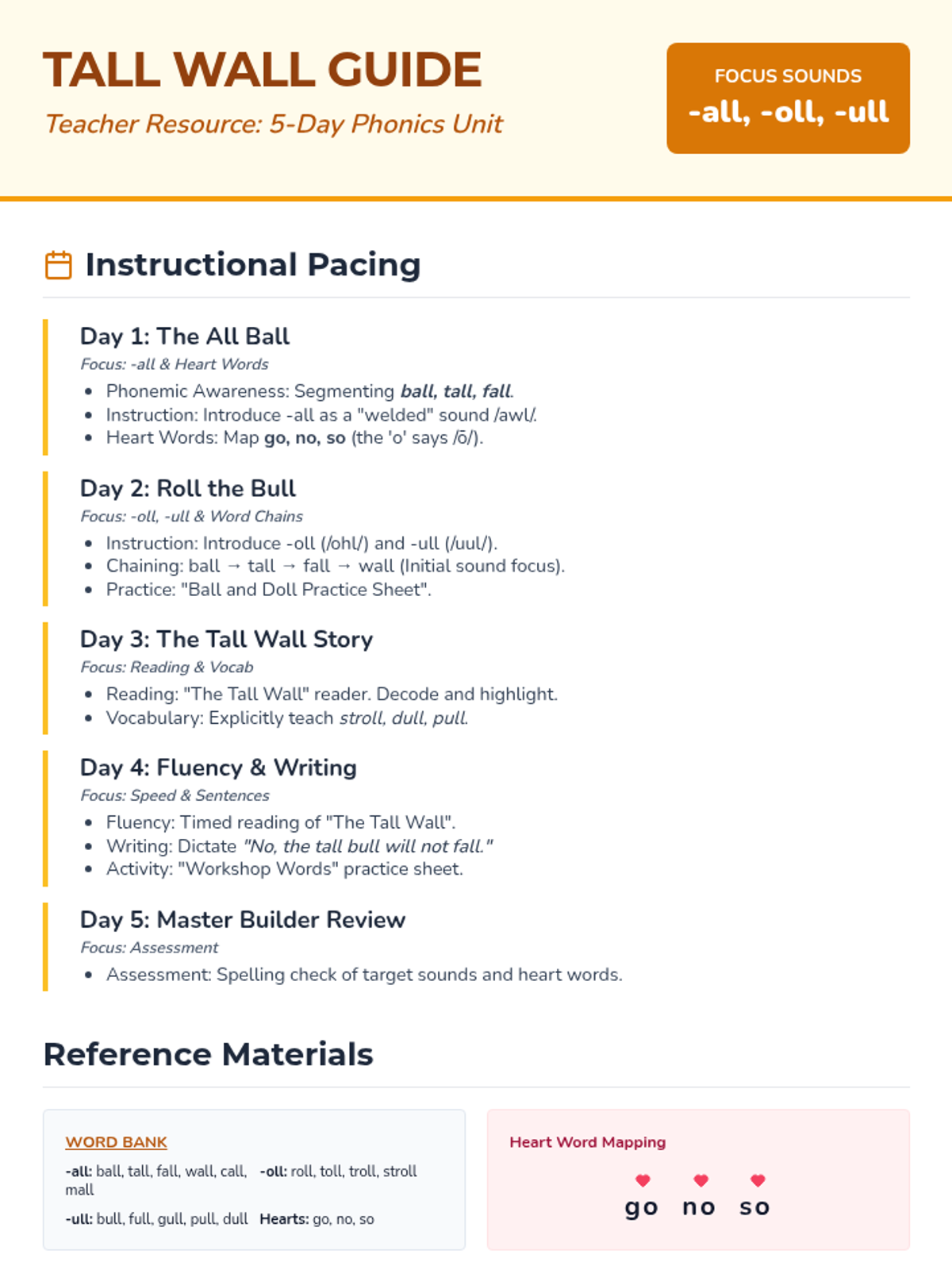
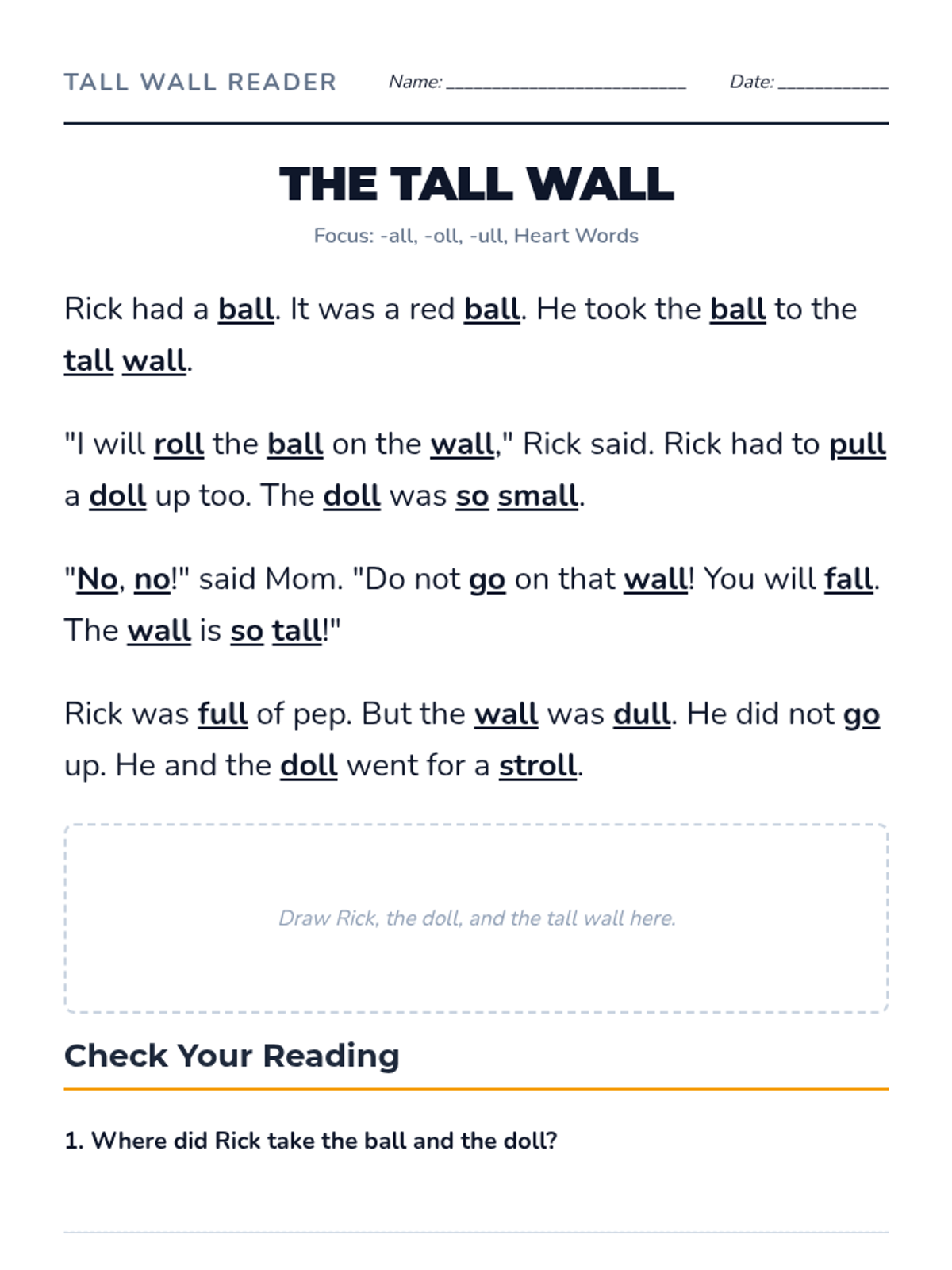
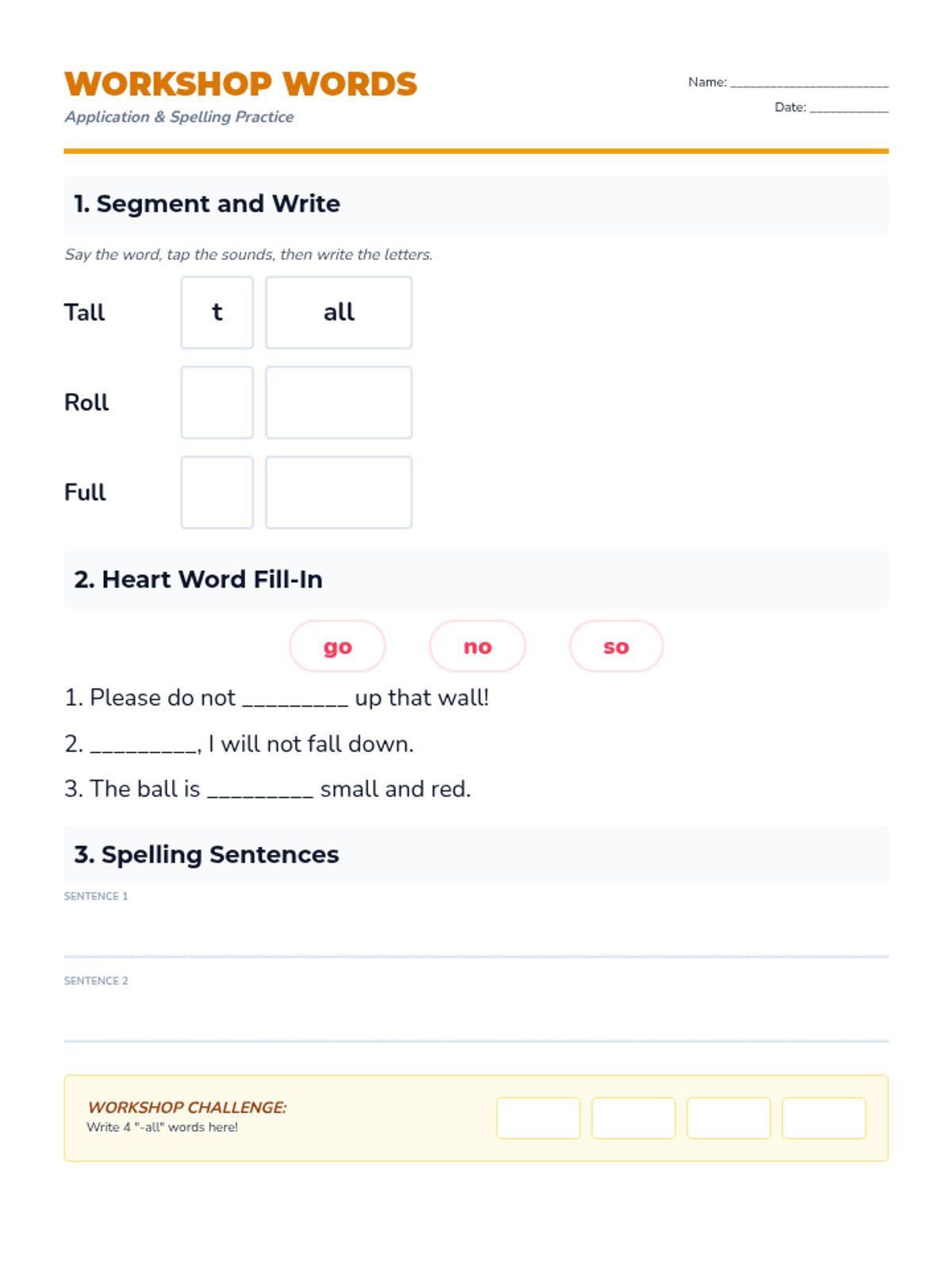
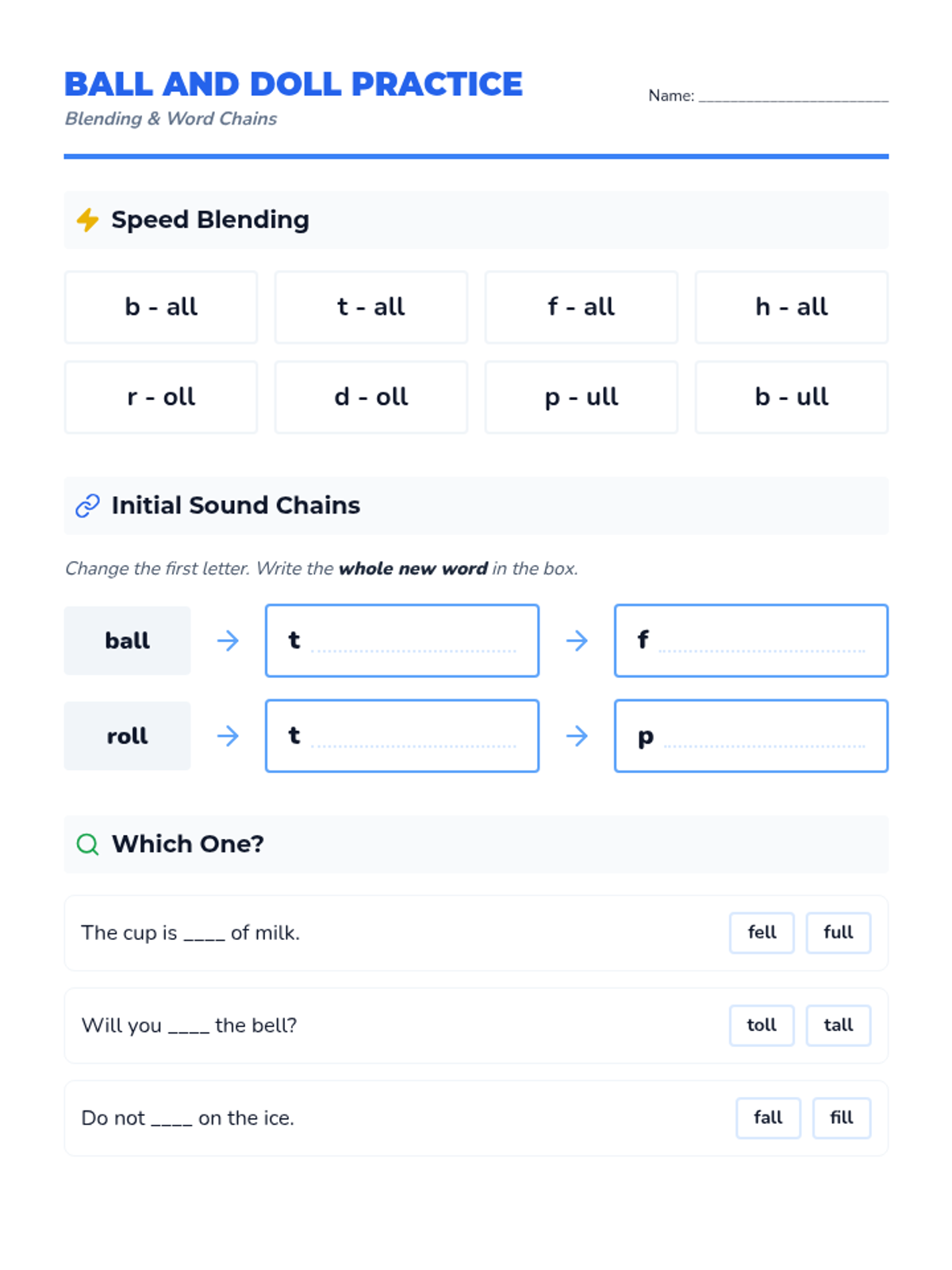
A comprehensive 5-day phonics unit focusing on the welded sounds -all, -oll, and -ull. Includes word chaining with initial sound changes, heart word instruction for go, no, and so, and a complete decodable reader with comprehension support.
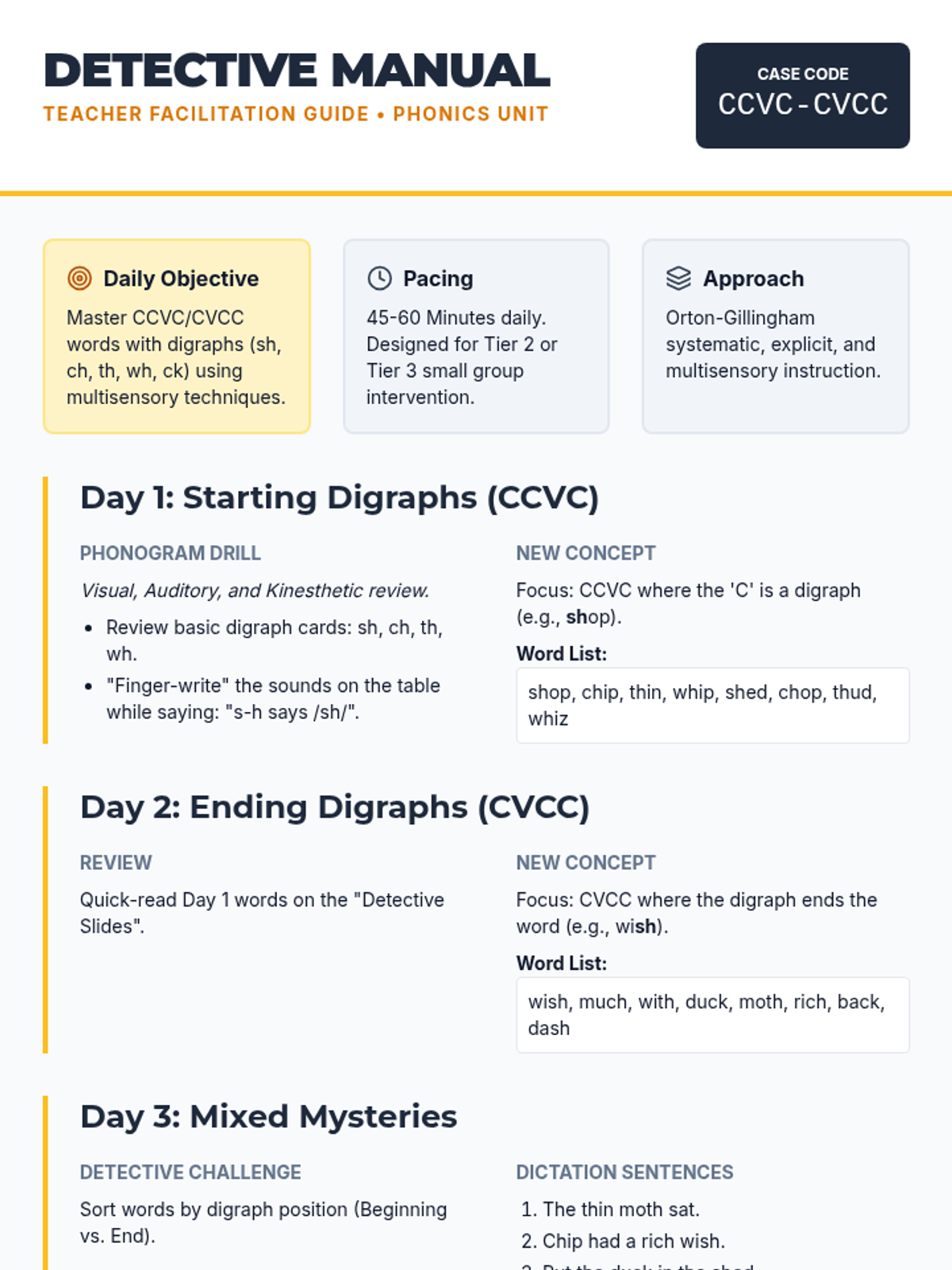
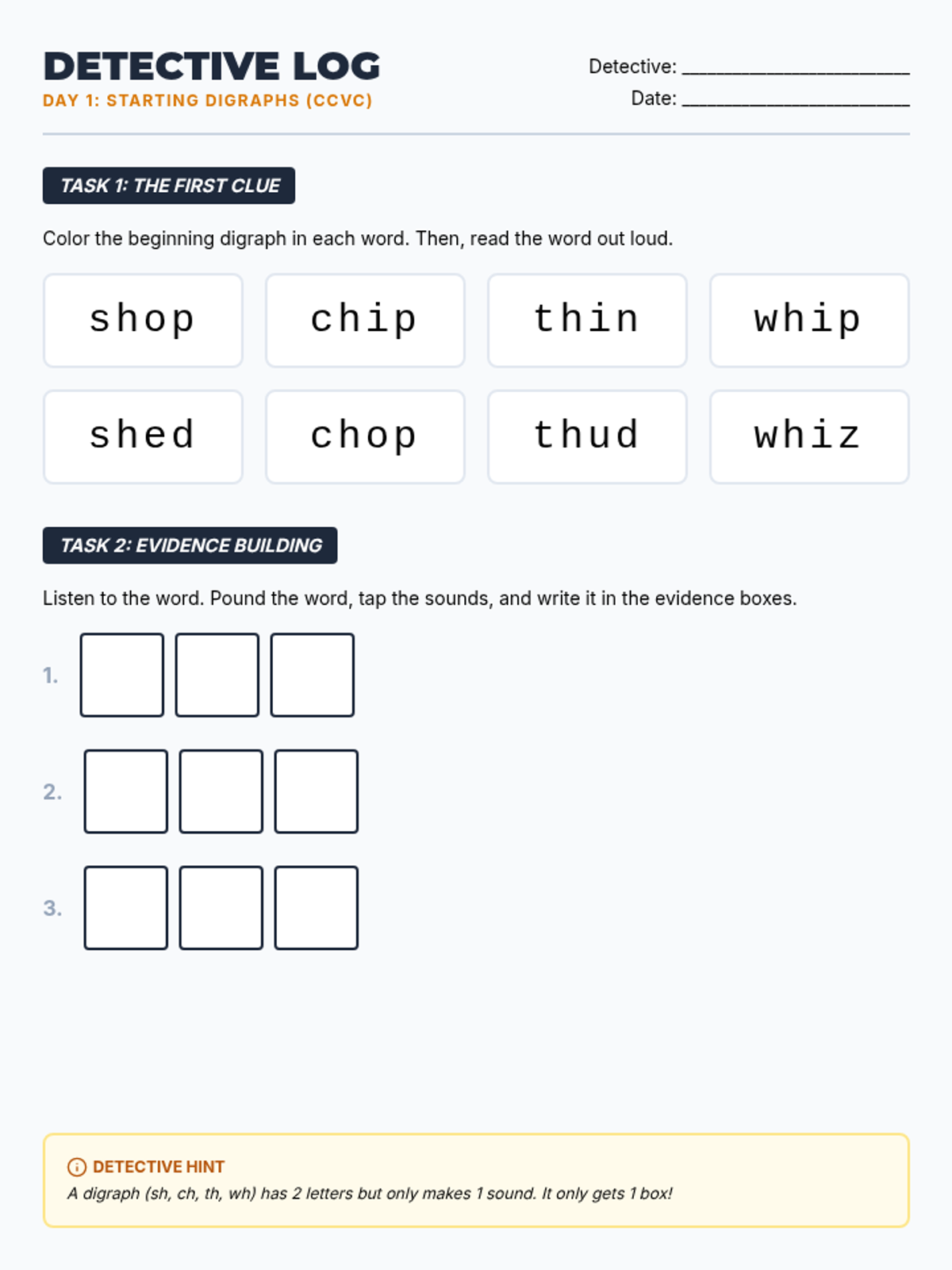
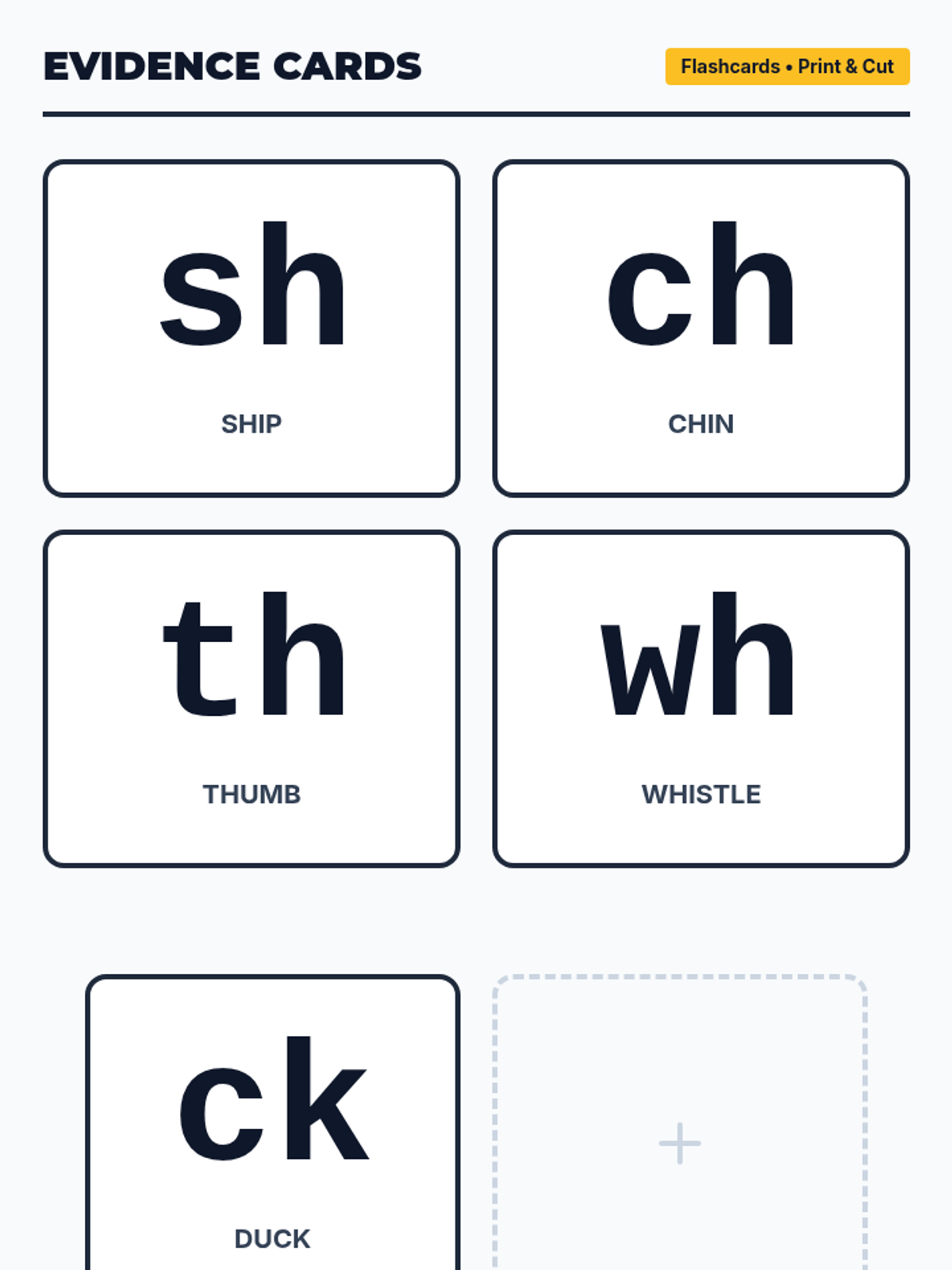
A comprehensive 5-day Orton-Gillingham phonics unit for 2nd graders focusing on CCVC and CVCC words with digraphs. Students act as 'Sound Detectives' to identify, build, and read words with complex structures.
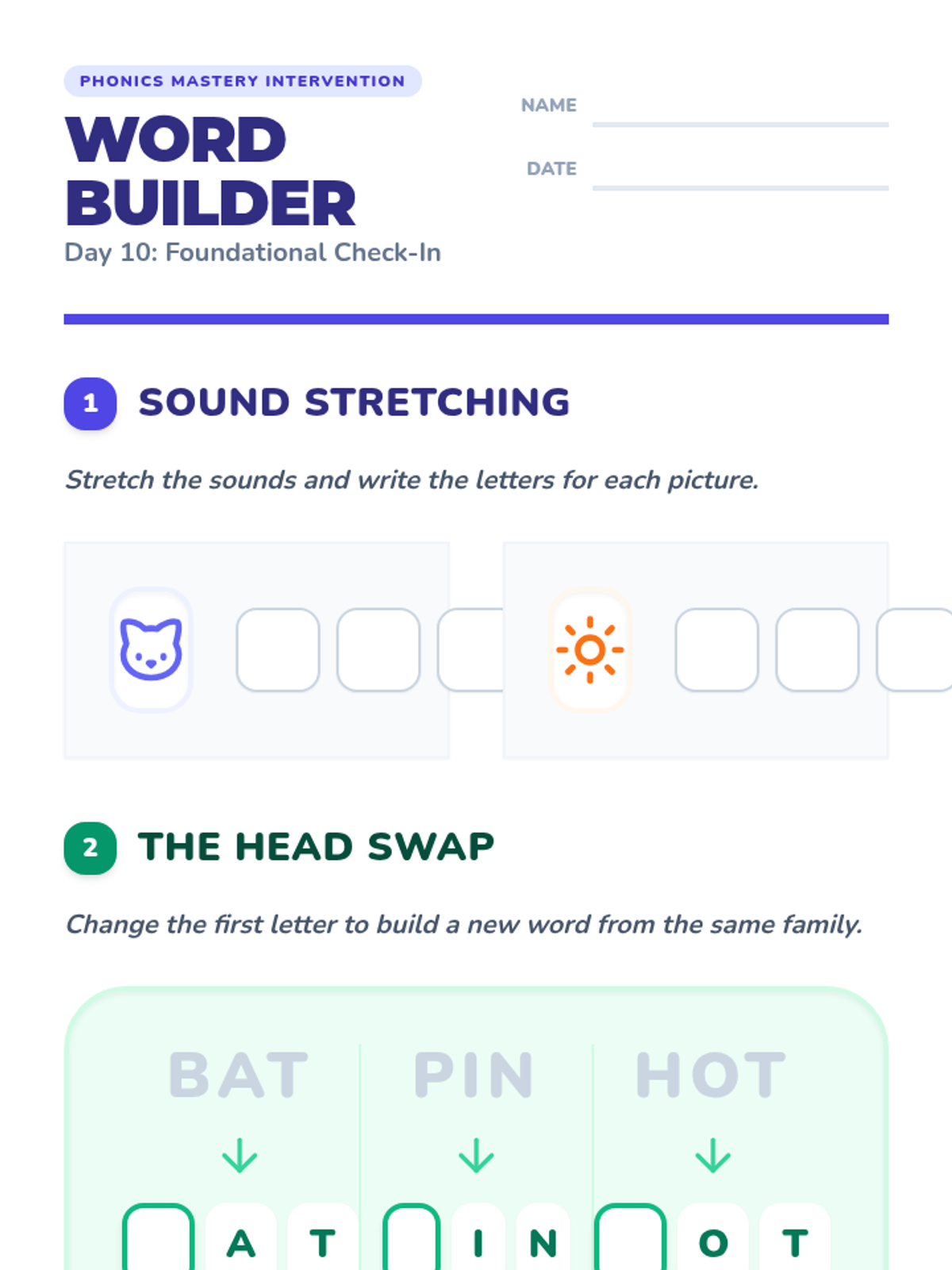
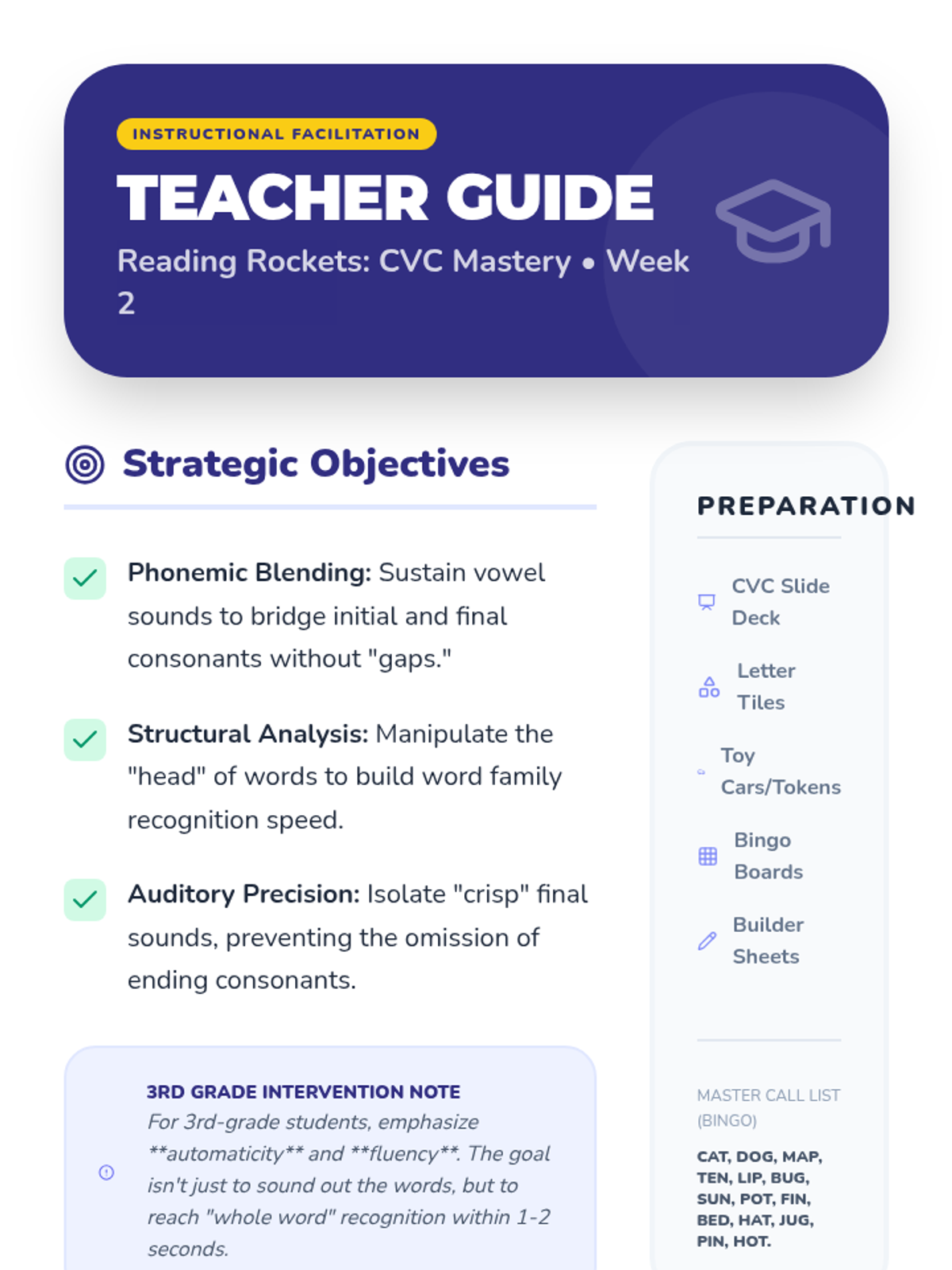
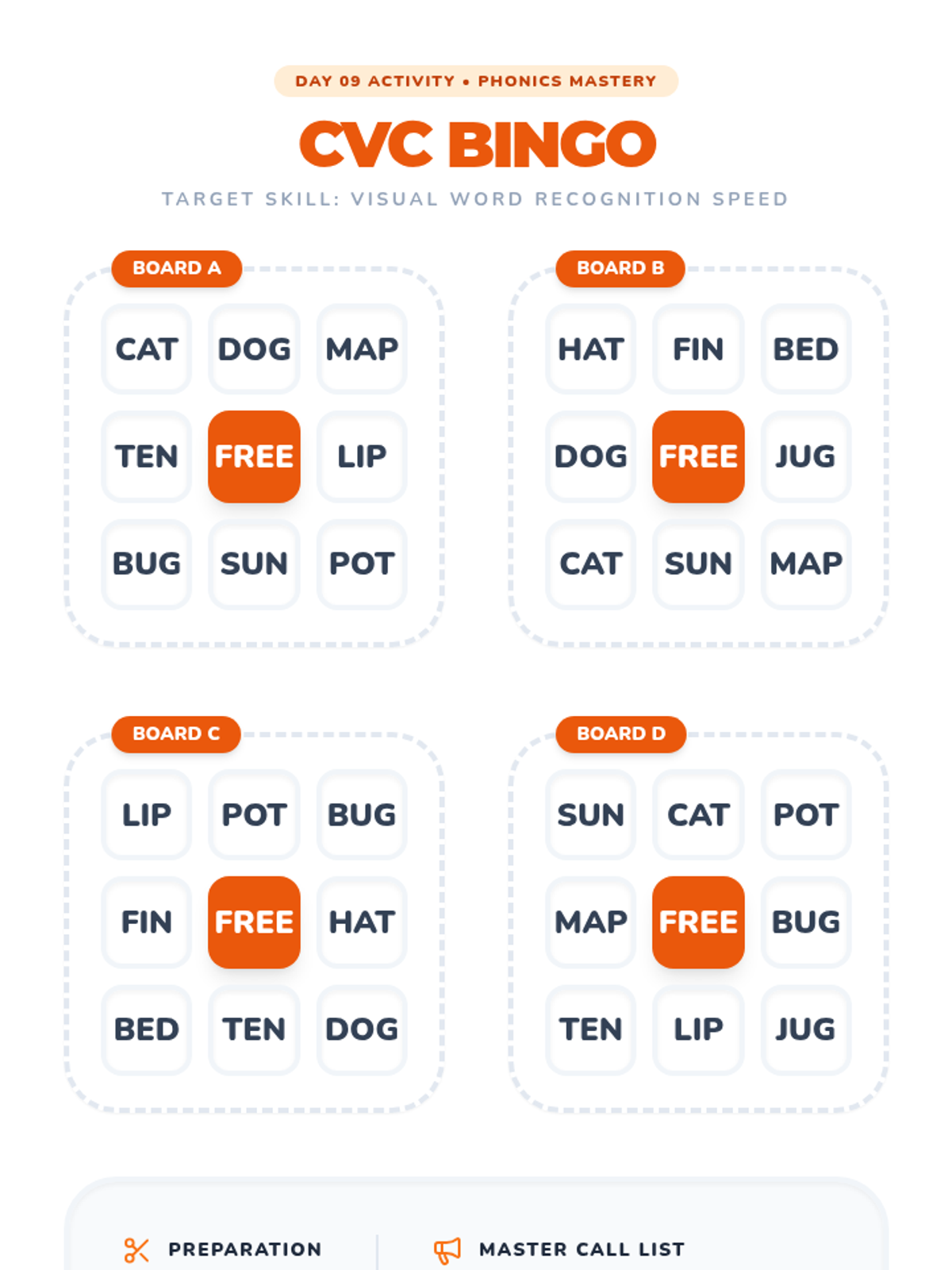
A comprehensive phonics and word study unit that progresses from foundational CVC mastery to multisyllabic word decoding and fluency.
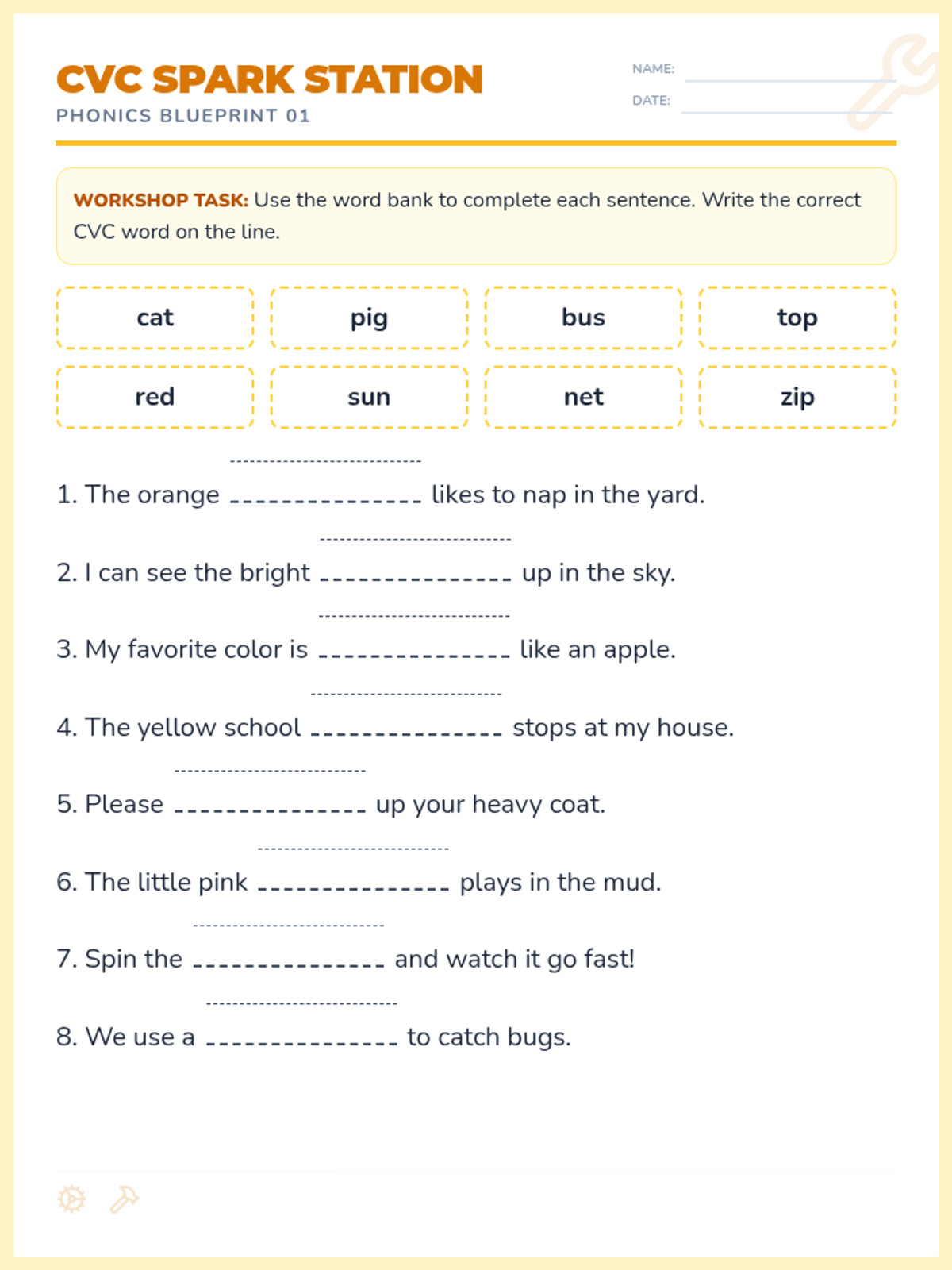
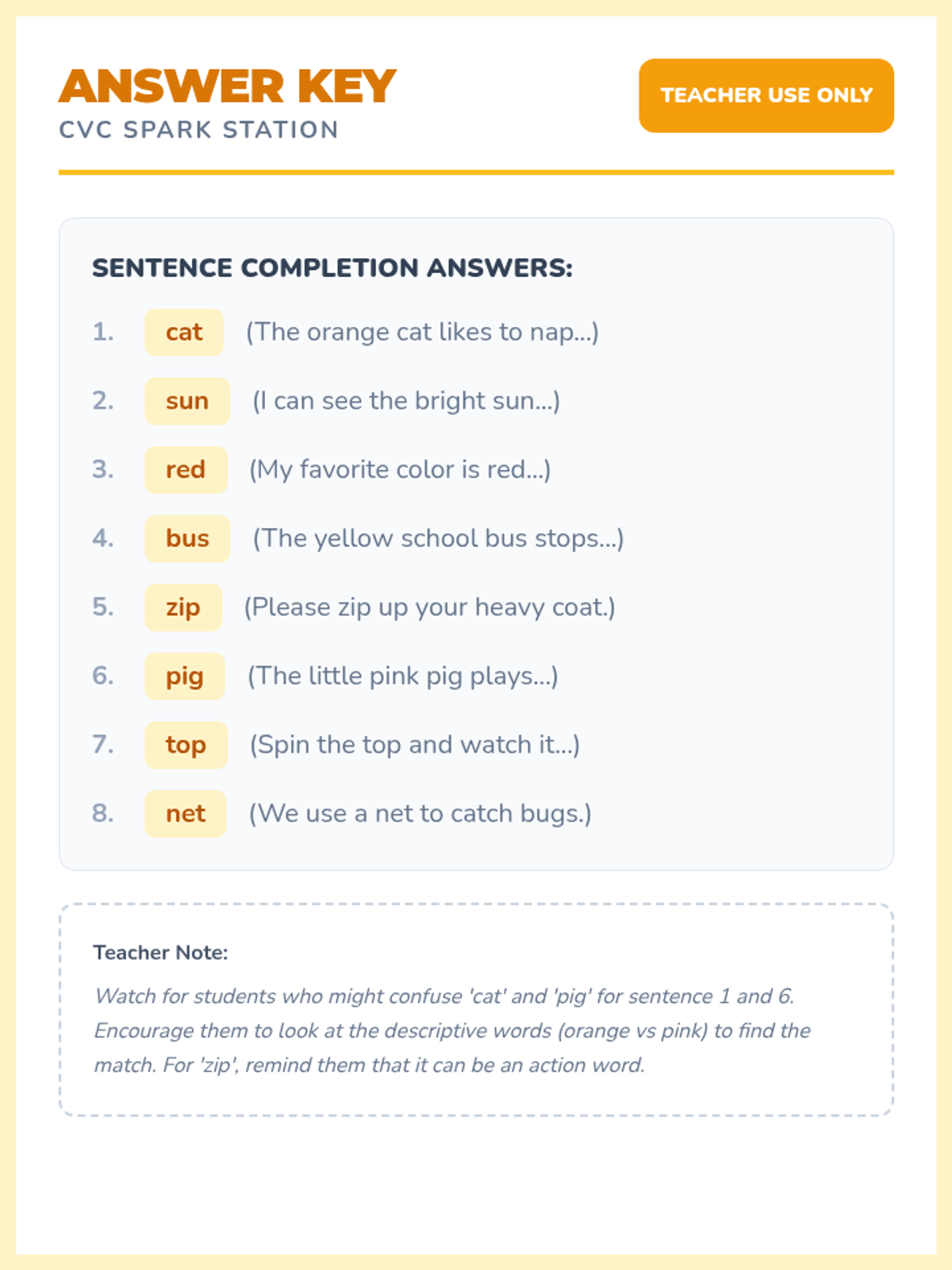
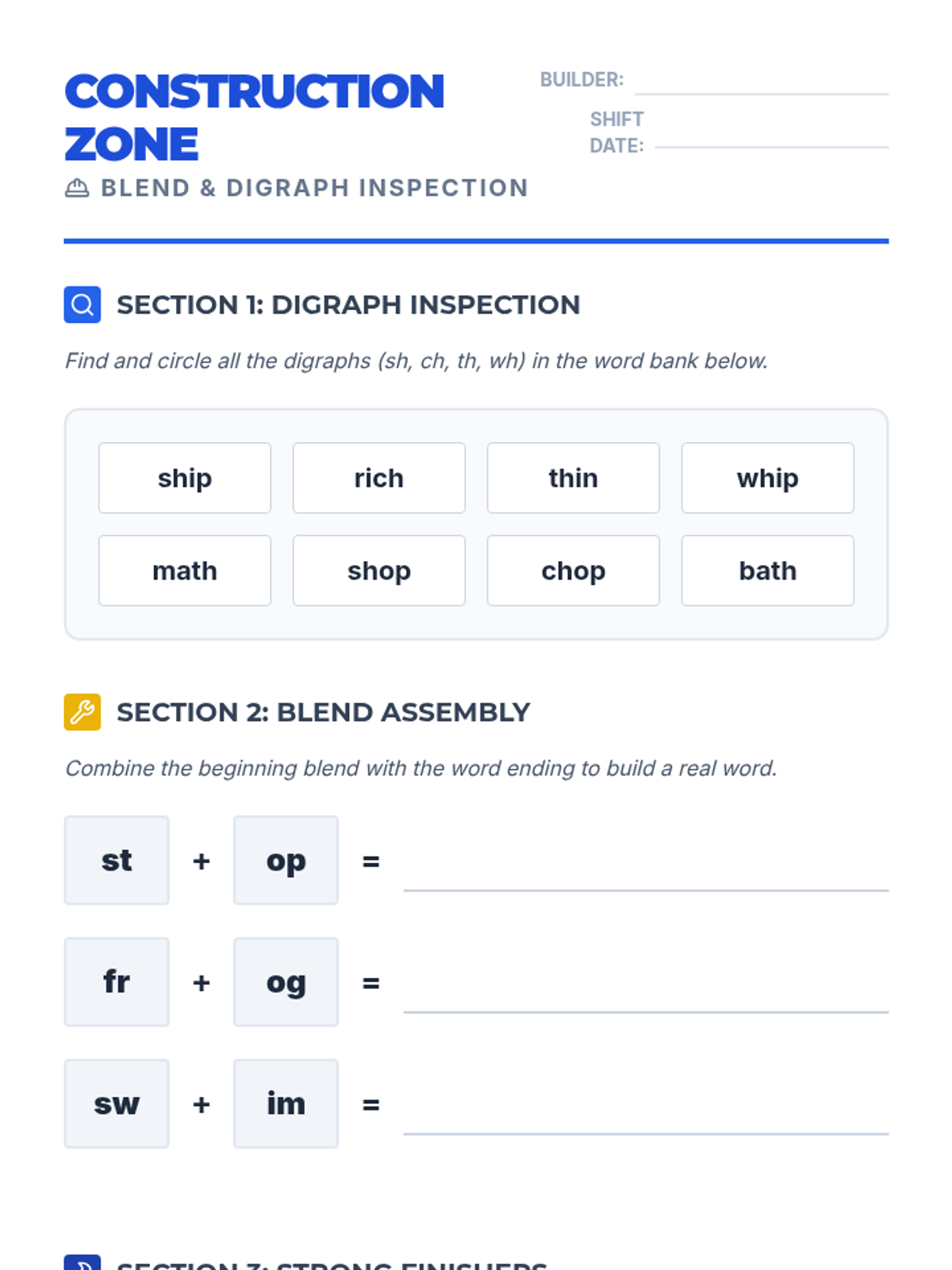
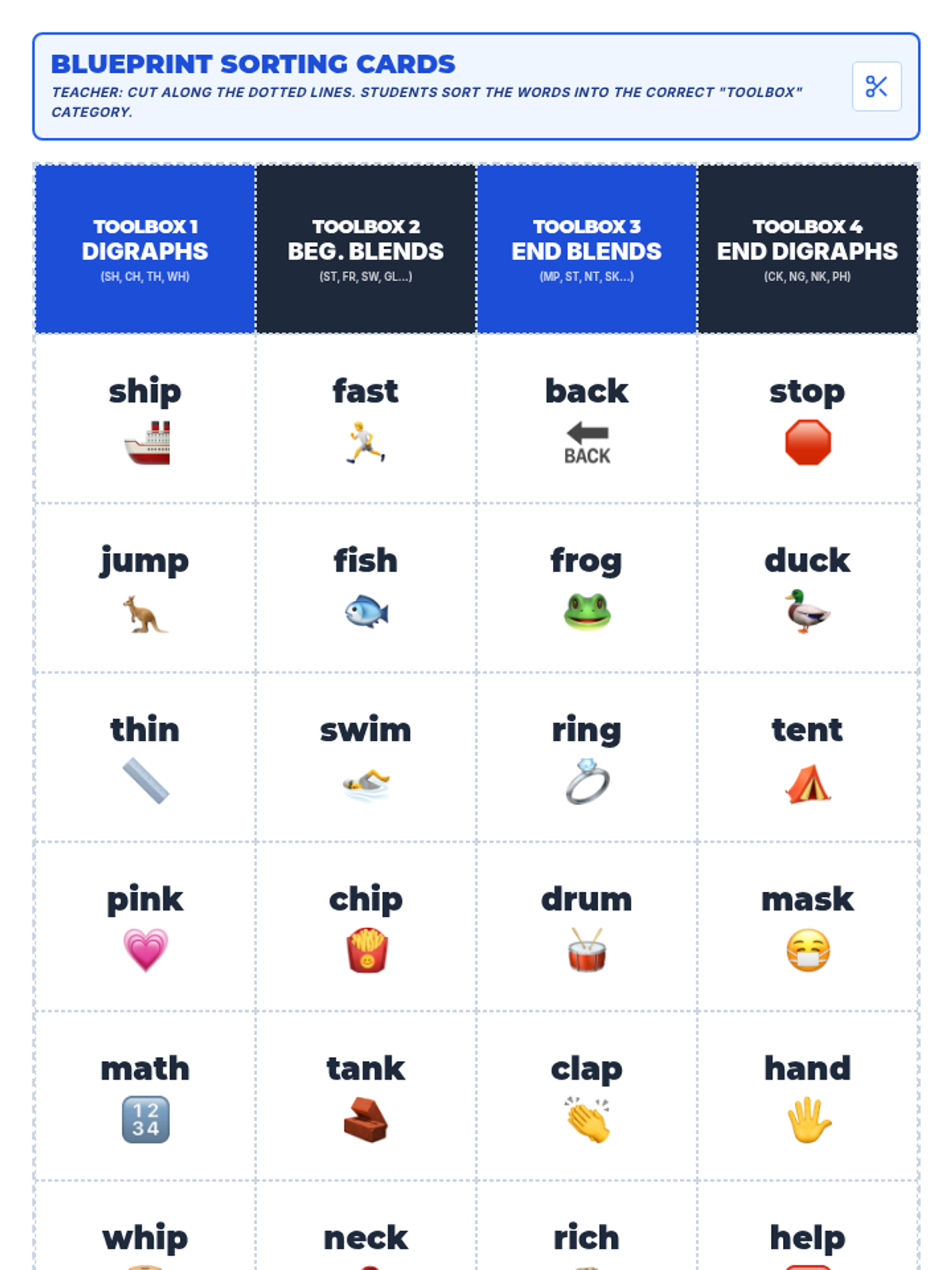
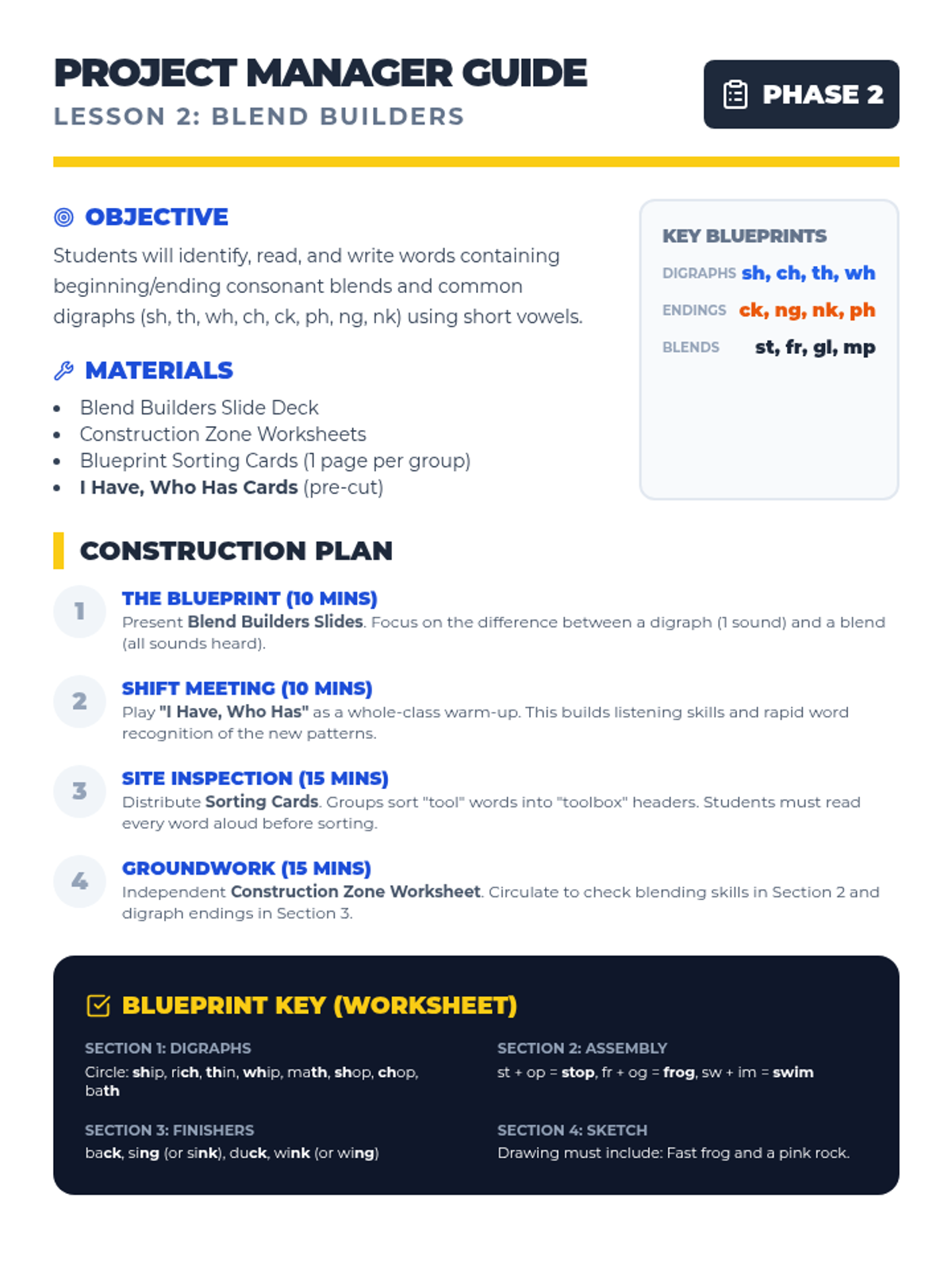
A 5-day phonics sequence for 1st grade focusing on word building and sentence completion. Students progress from simple CVC words to blends (CCVC/CVCC) and conclude with the magic 'e' (CVCe) pattern through a blueprint-themed 'Word Workshop' aesthetic.
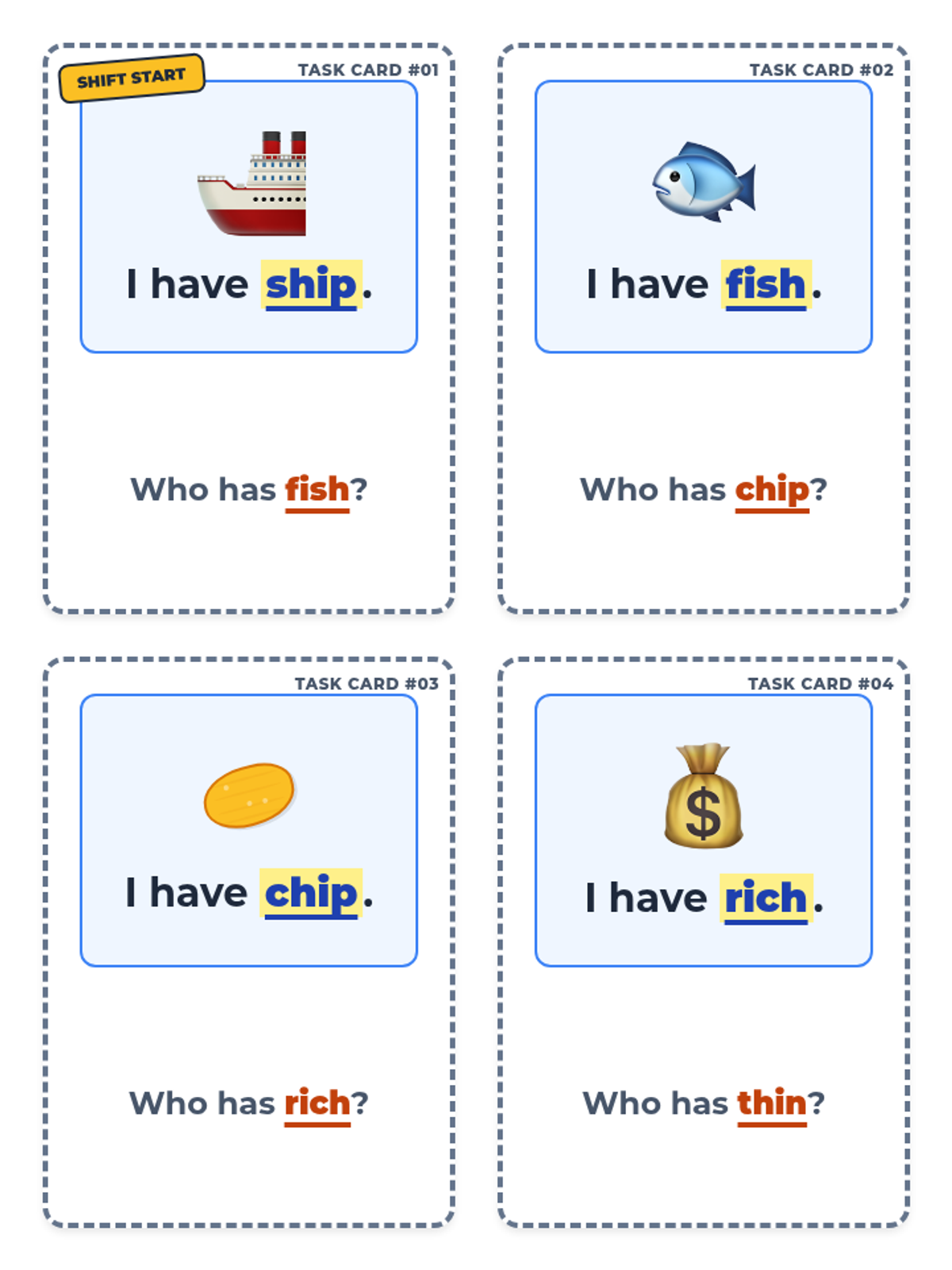
A comprehensive phonics sequence that takes students from basic CVC words to complex consonant blends and digraphs through interactive workshop-themed activities and games.
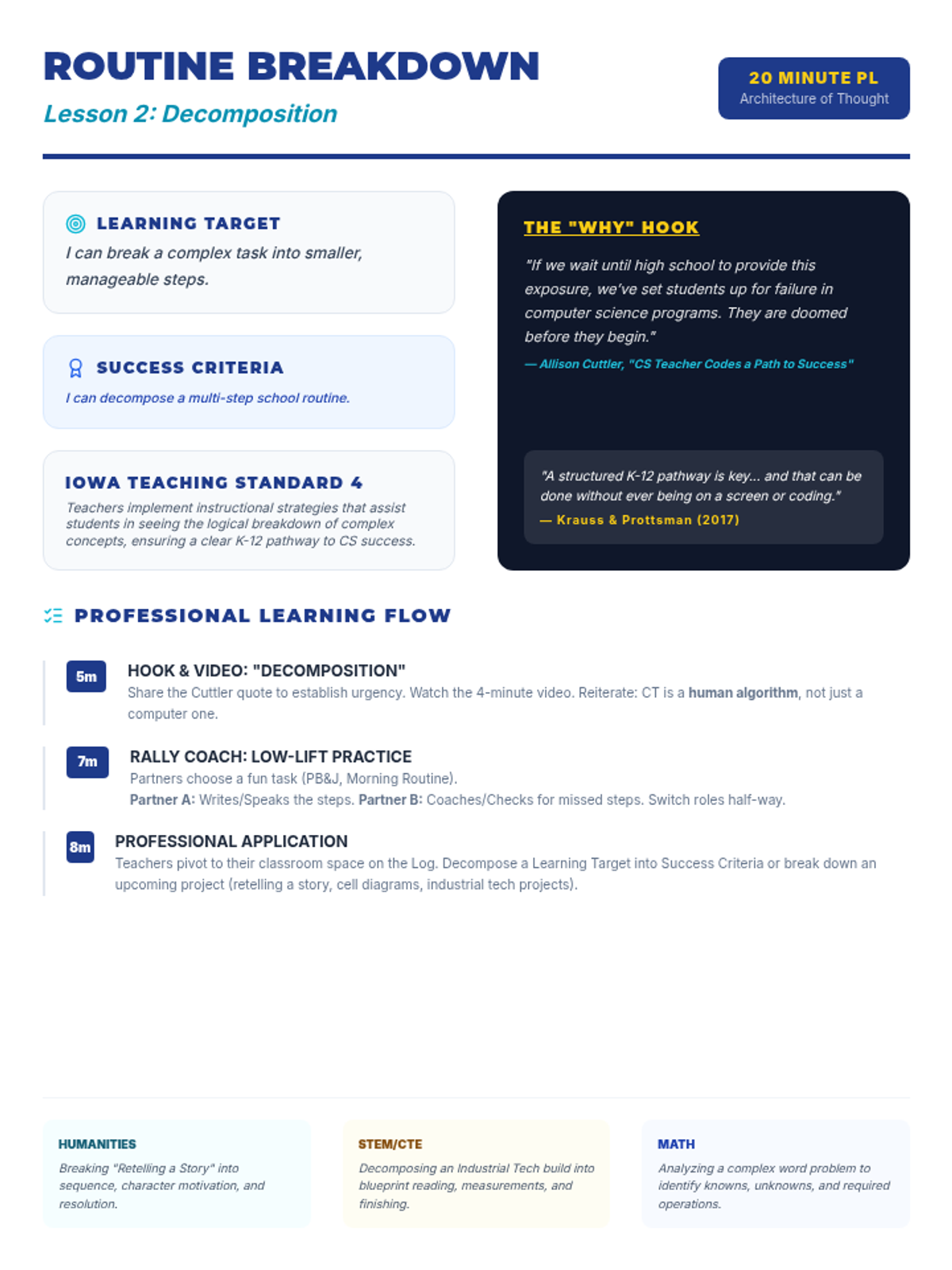
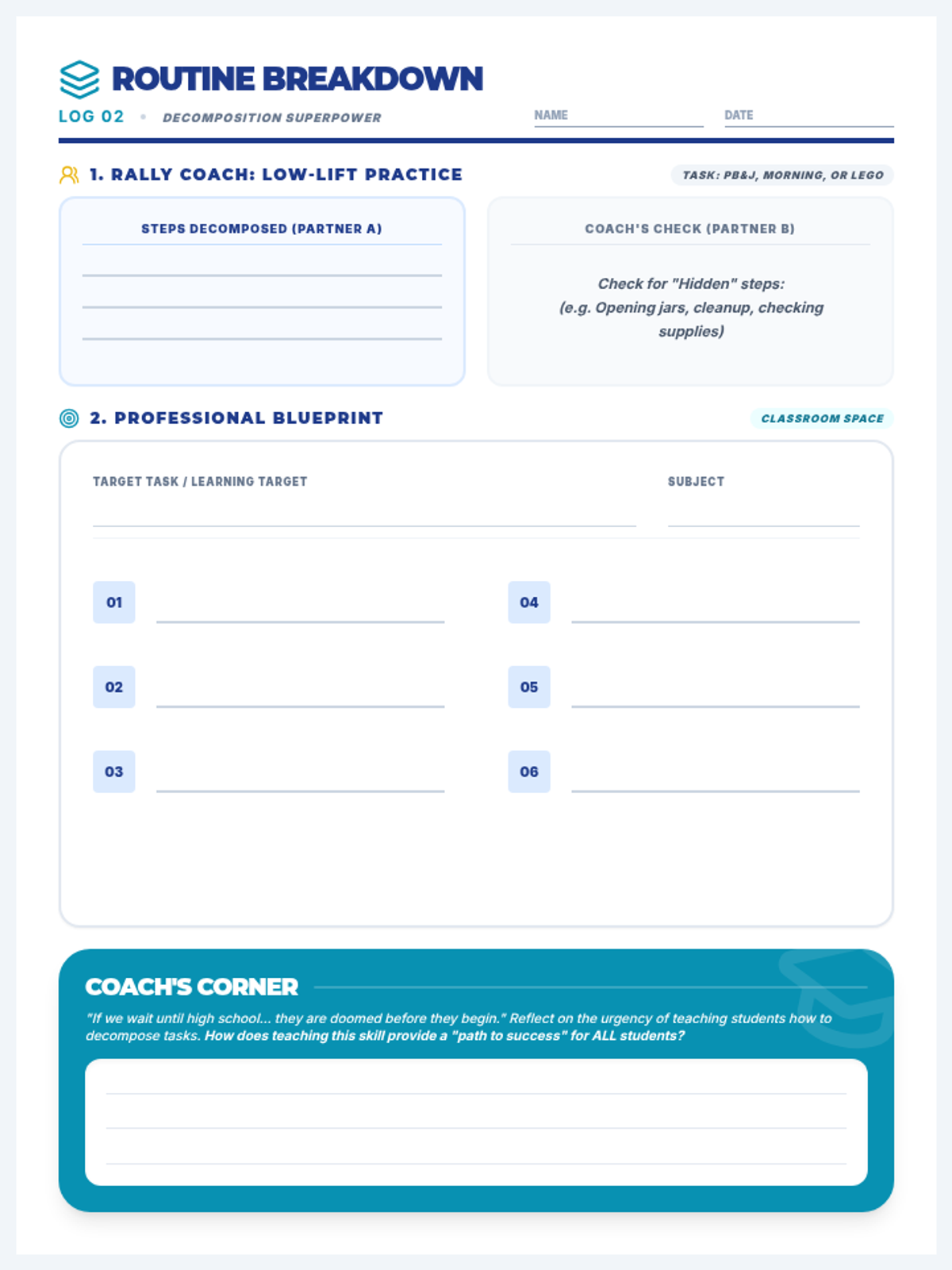
A professional development series for PreK-12 educators that reframes Computer Science as a "Superpower" through Computational Thinking. Teachers explore how CS concepts like decomposition, abstraction, and automation are already present in their daily instructional practices and Iowa Core content.
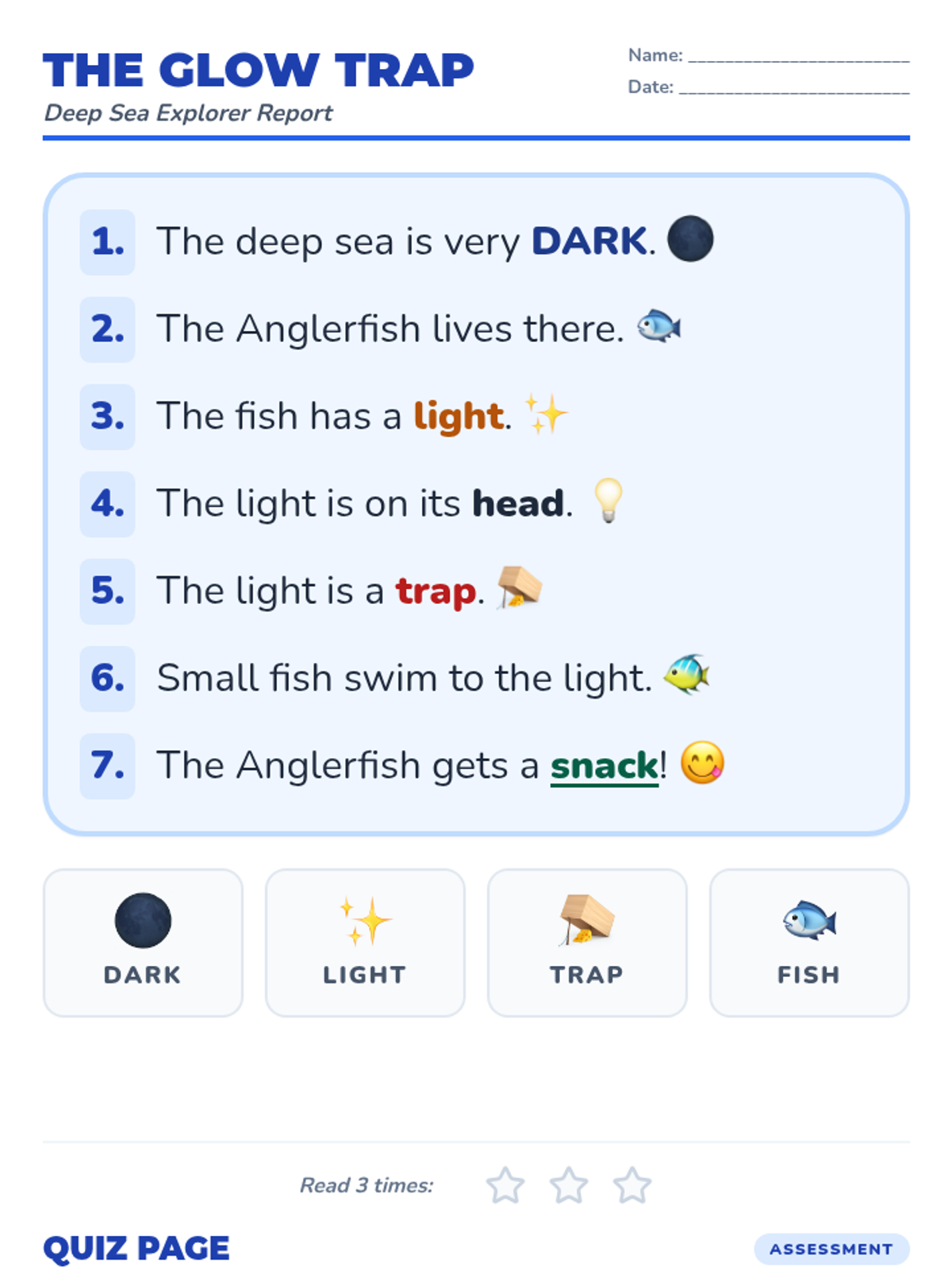
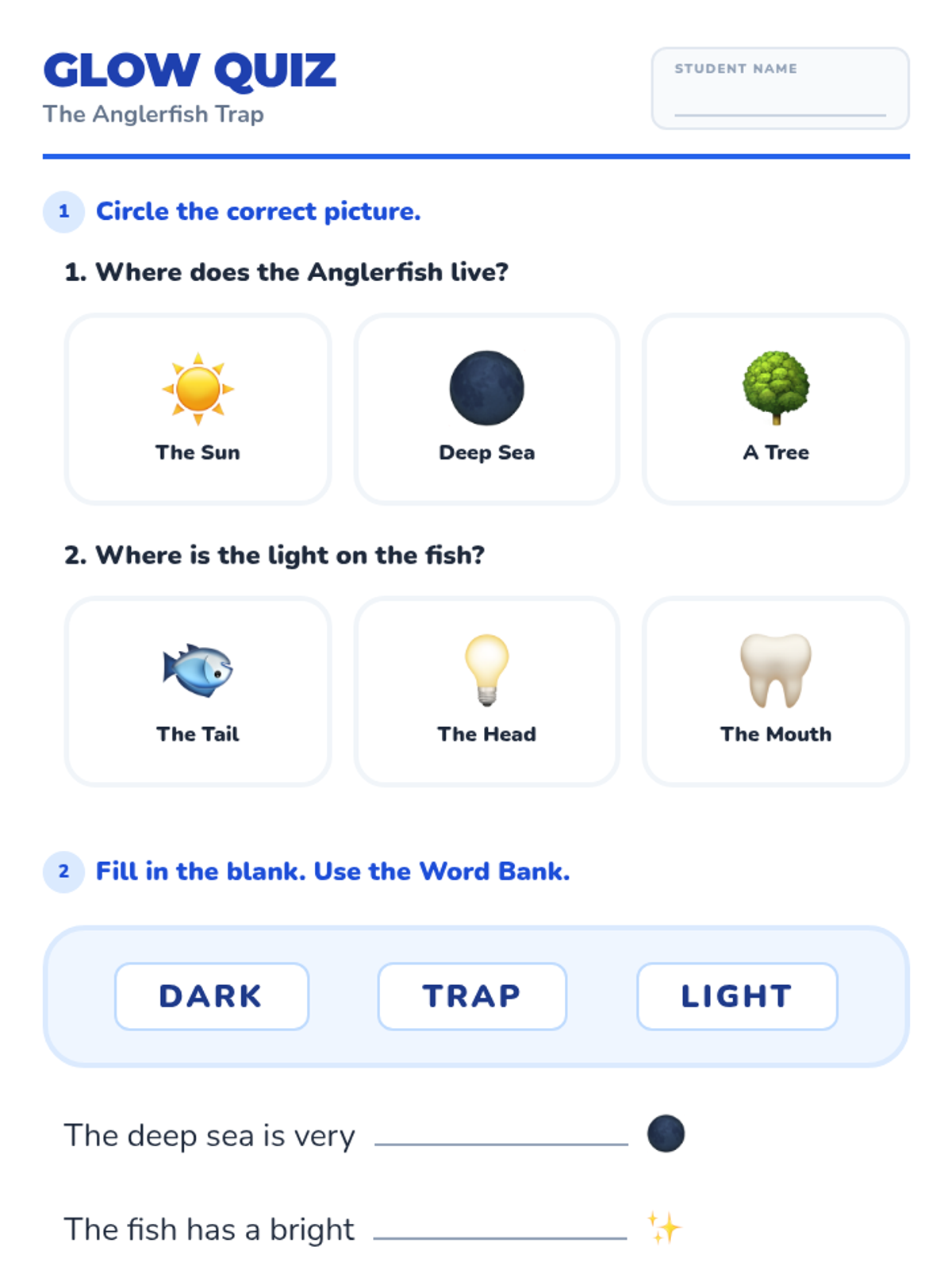
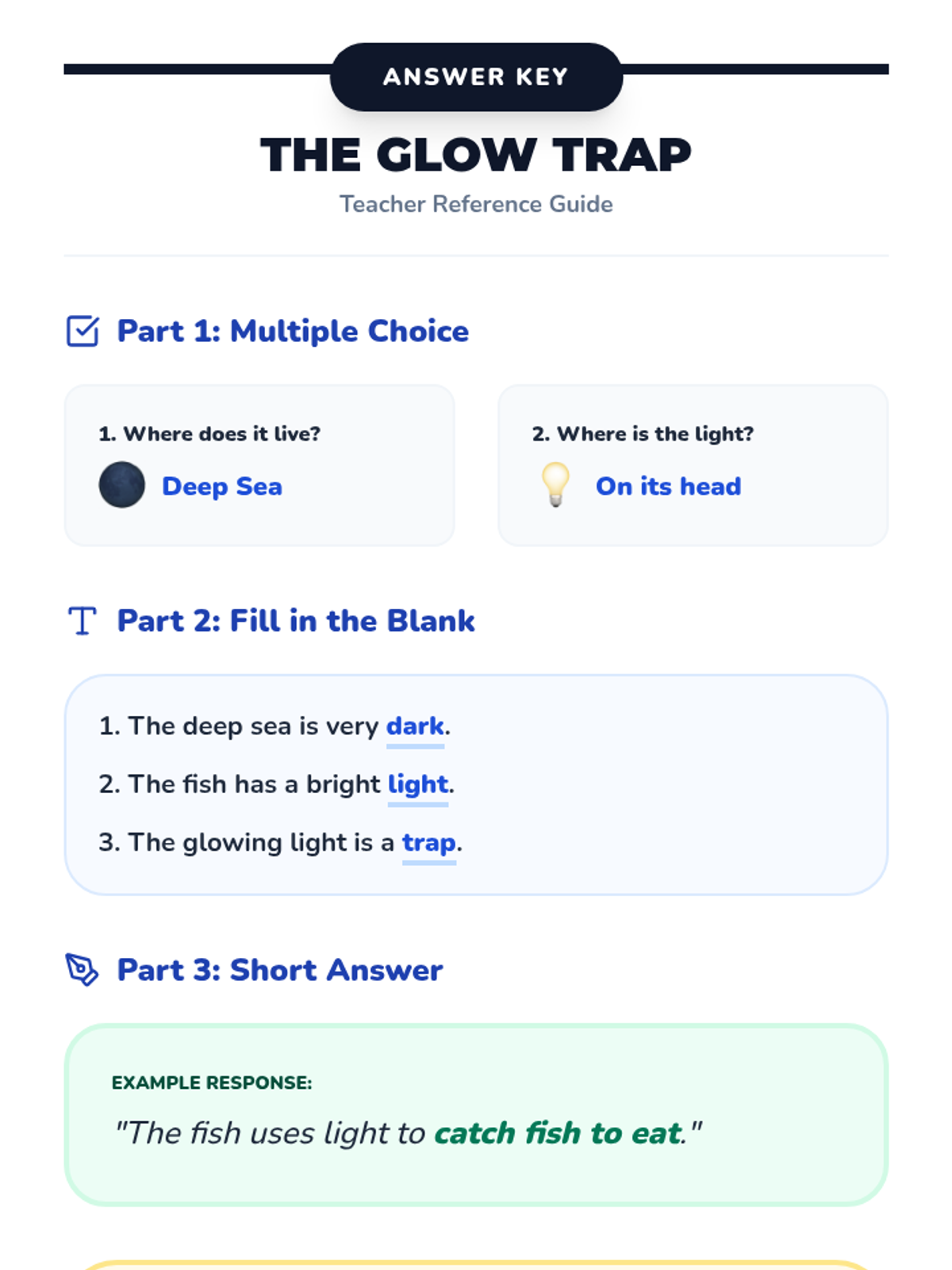
A series of lessons exploring the mysterious and dangerous creatures of the deep ocean, focusing on unique adaptations and survival strategies.
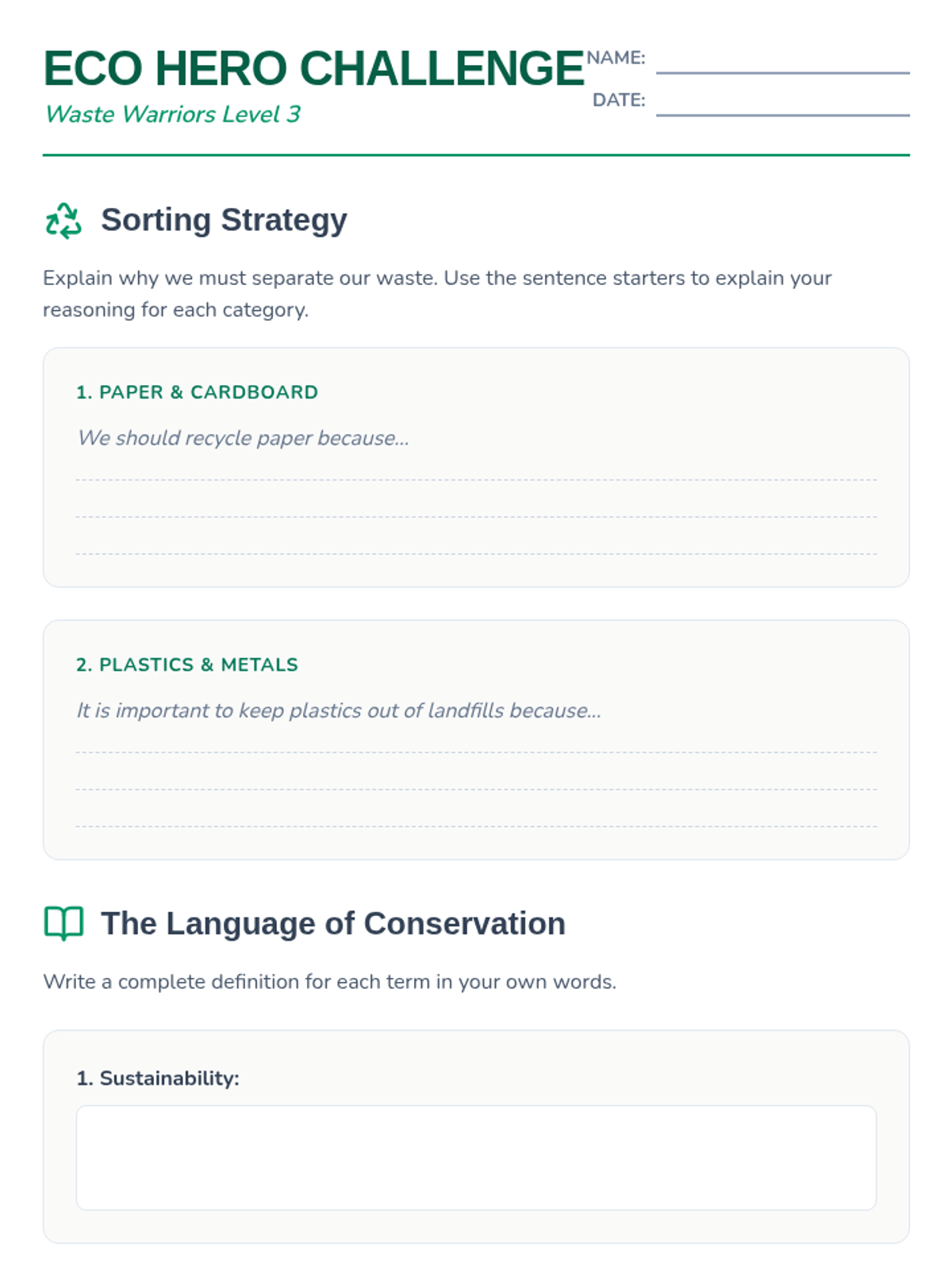
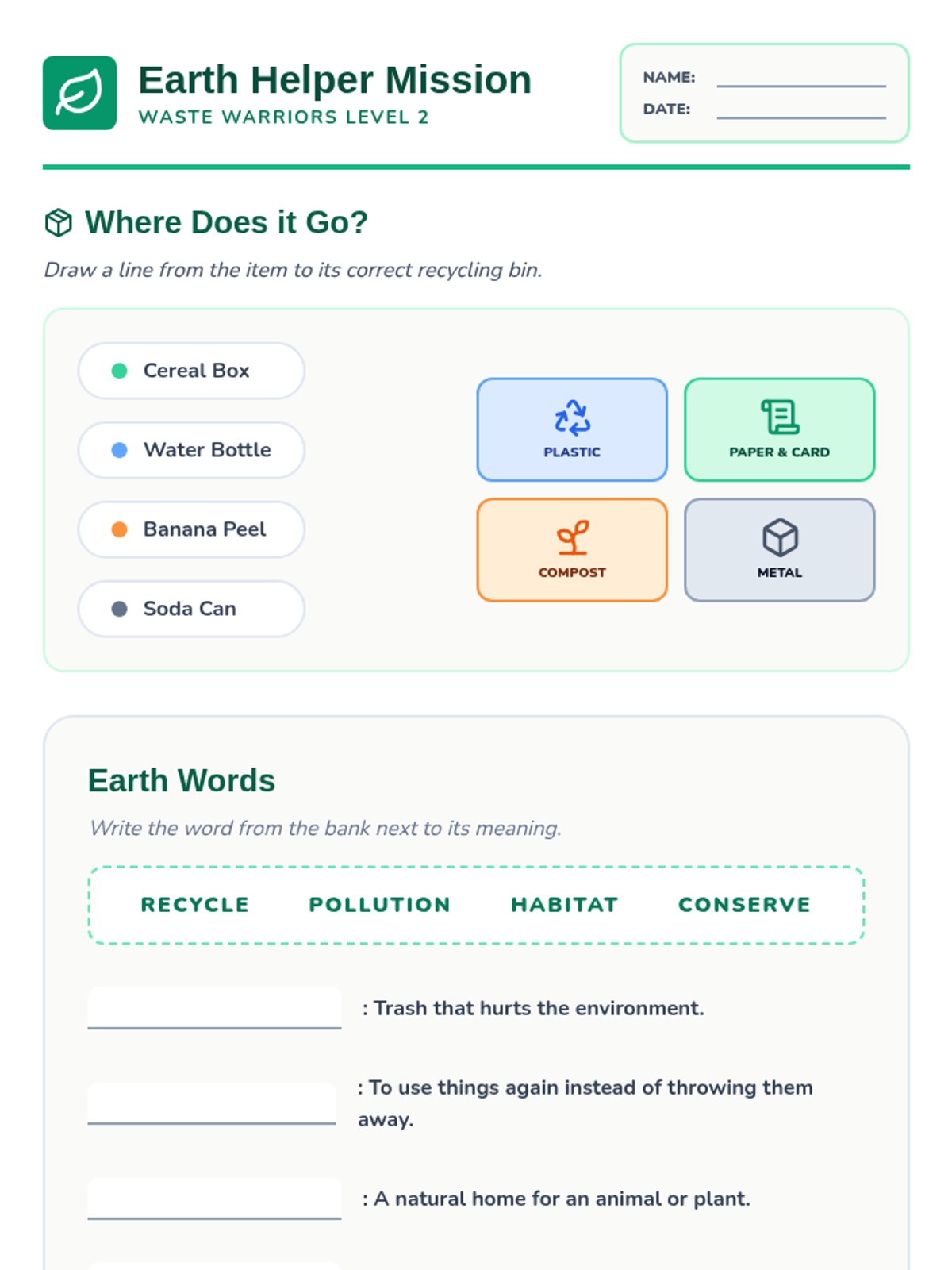
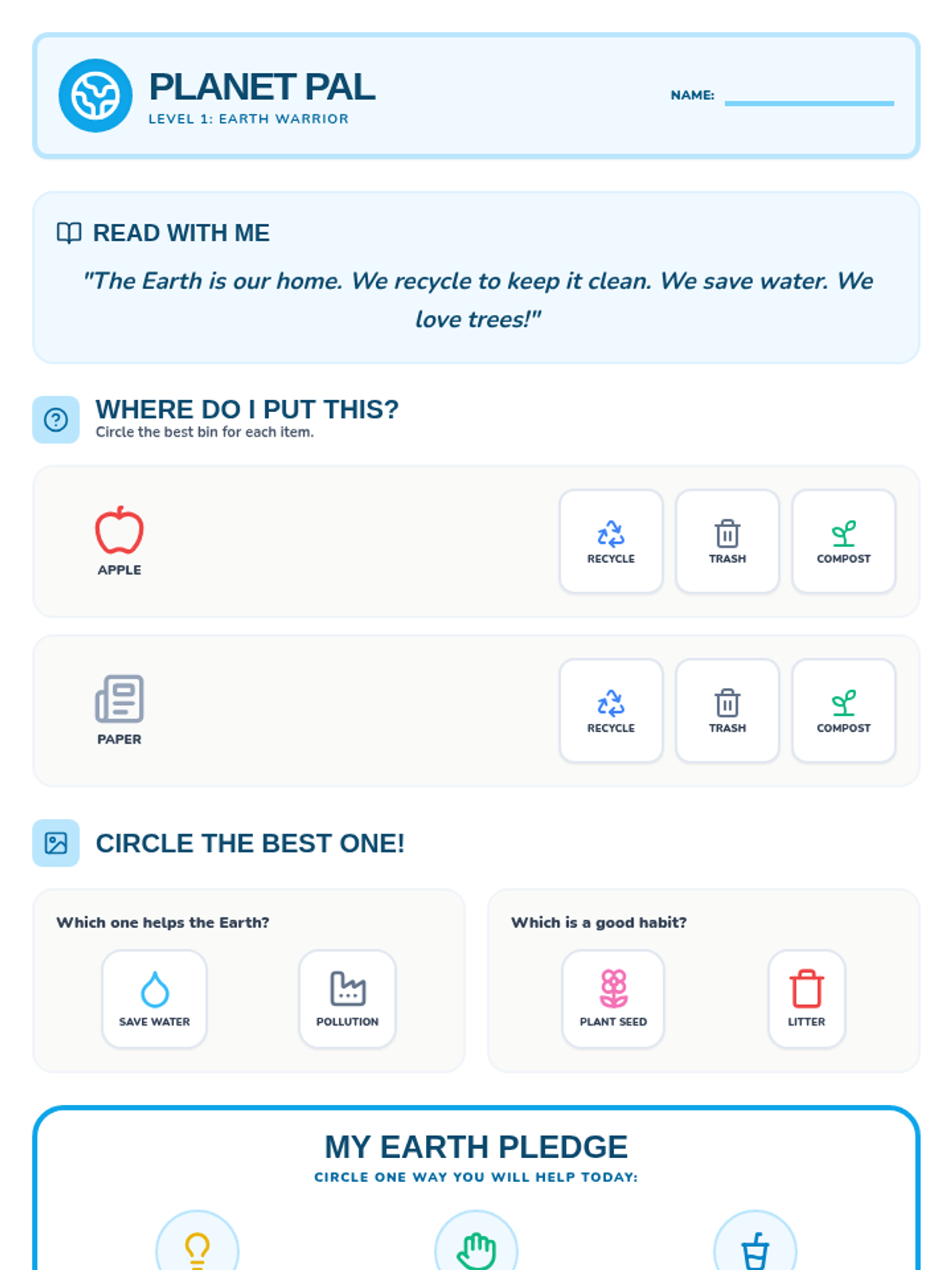
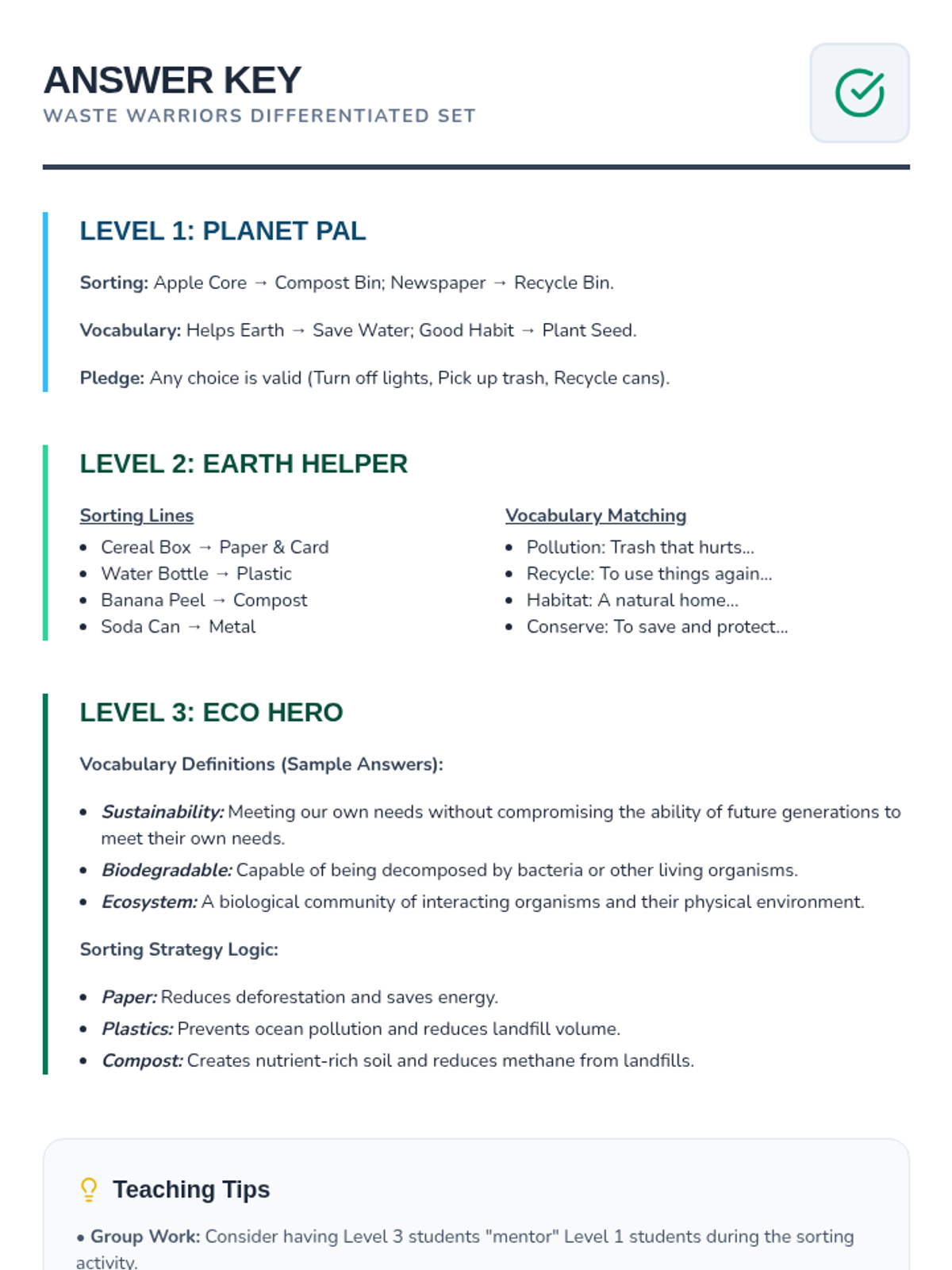
A comprehensive unit focused on environmental stewardship, exploring waste management, conservation, and sustainable living through hands-on activities.
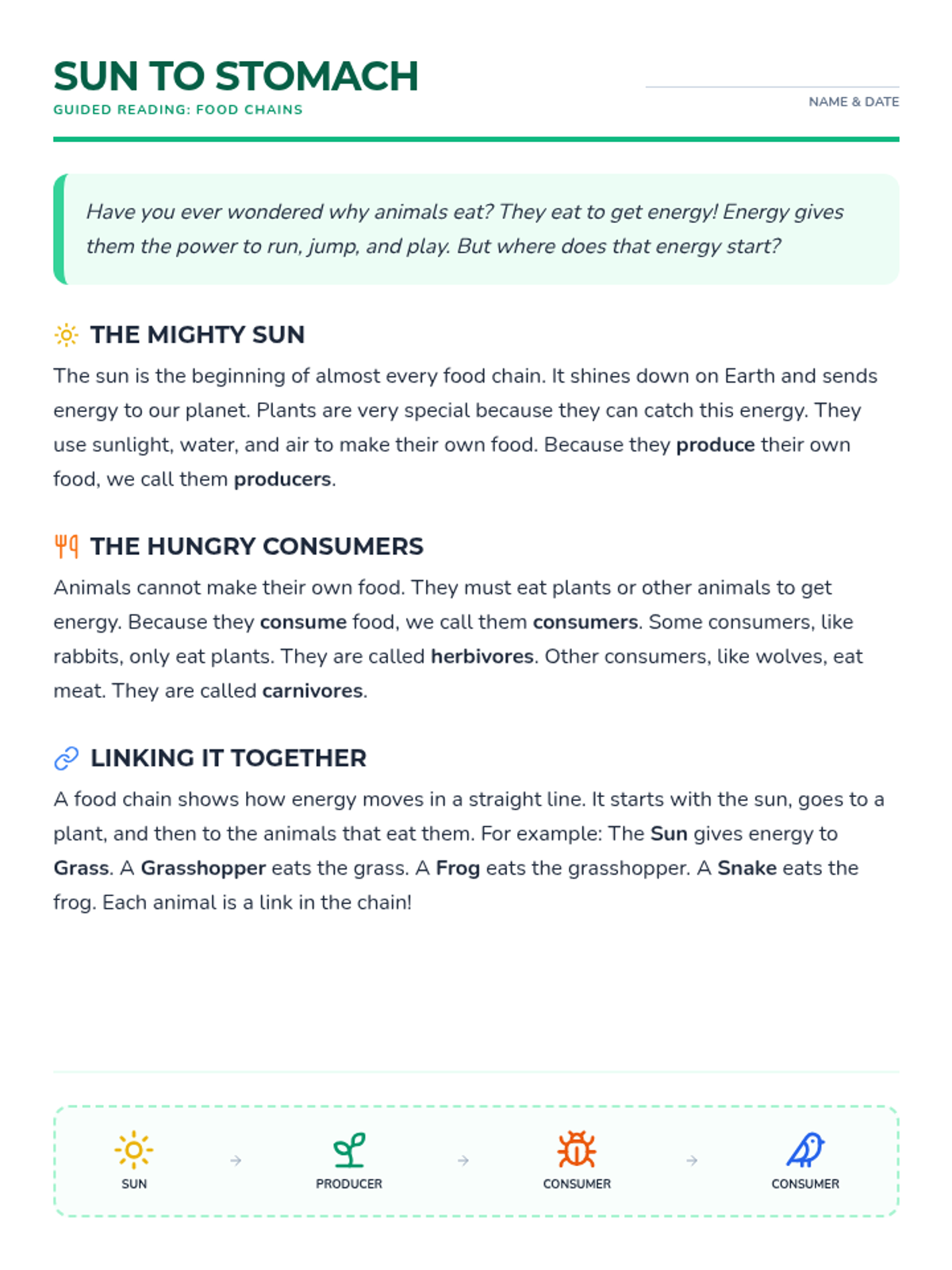
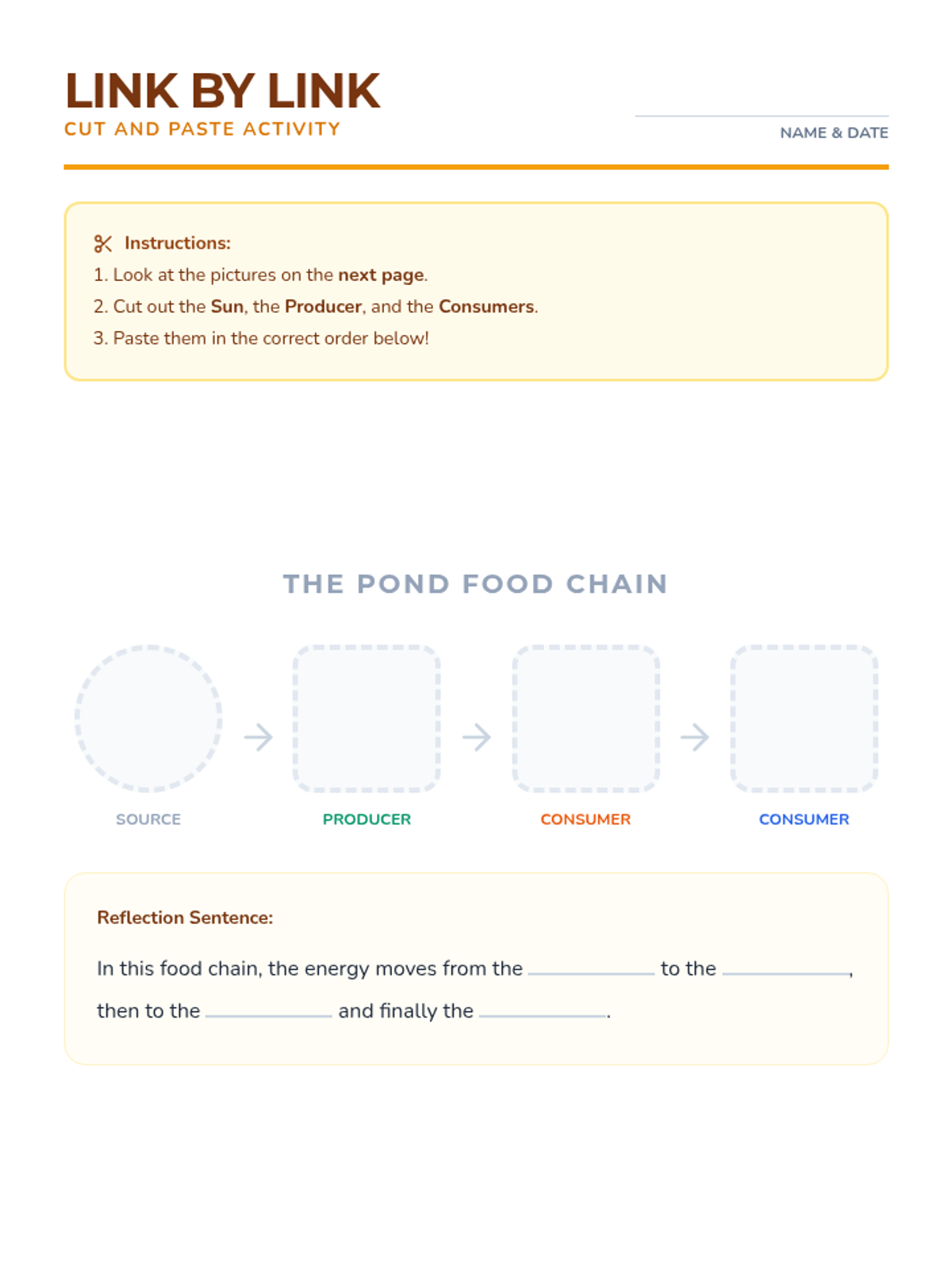
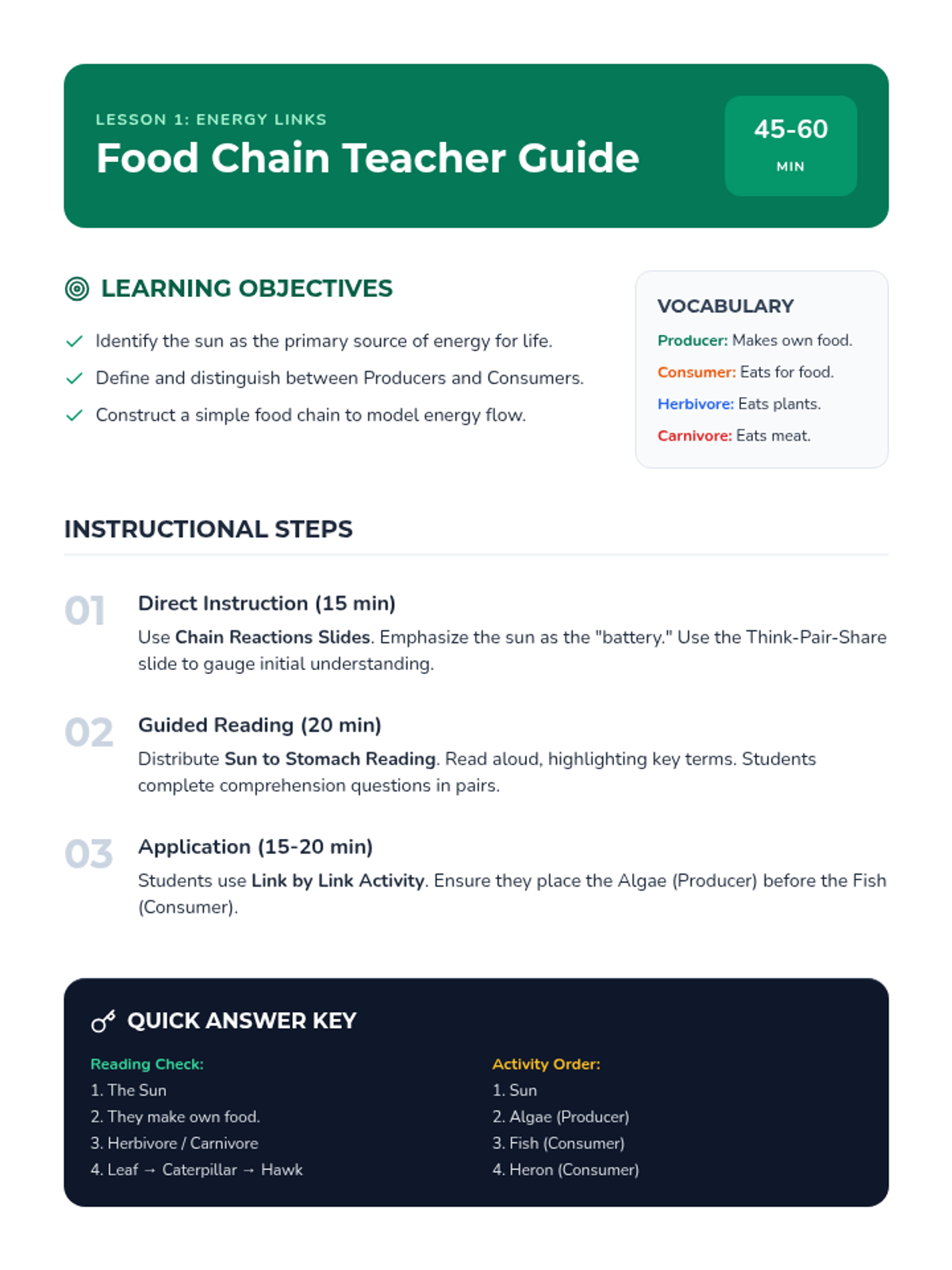
A two-day science unit for 2nd-3rd graders exploring how energy moves through nature. Students learn the basics of food chains on day one and expand their understanding to complex food webs on day two.
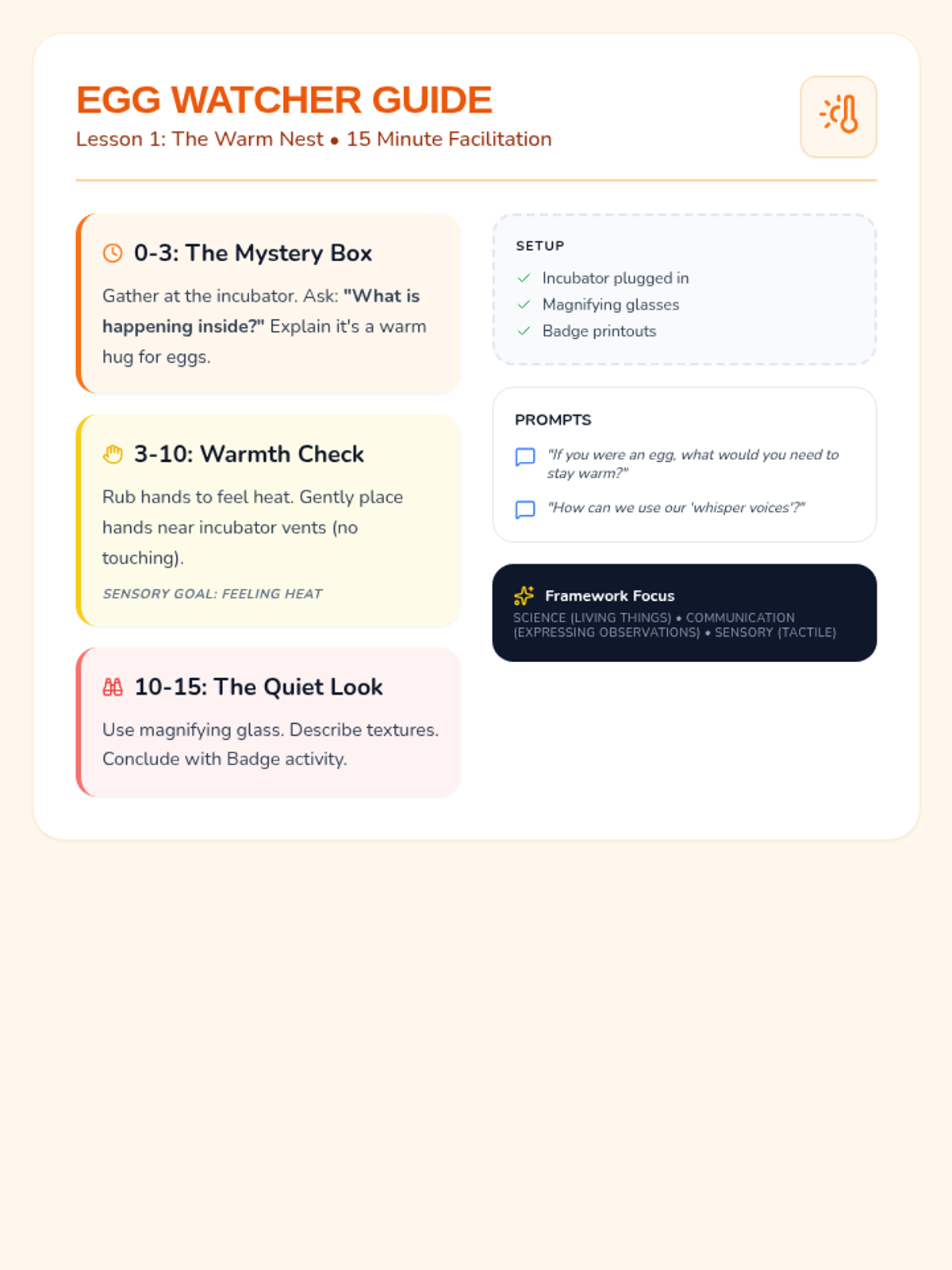
A five-part multi-sensory journey for preschoolers exploring the life cycle of a chick, from incubation to hatching. This sequence emphasizes fine motor skills, communication, and sensory exploration through hands-on activities.
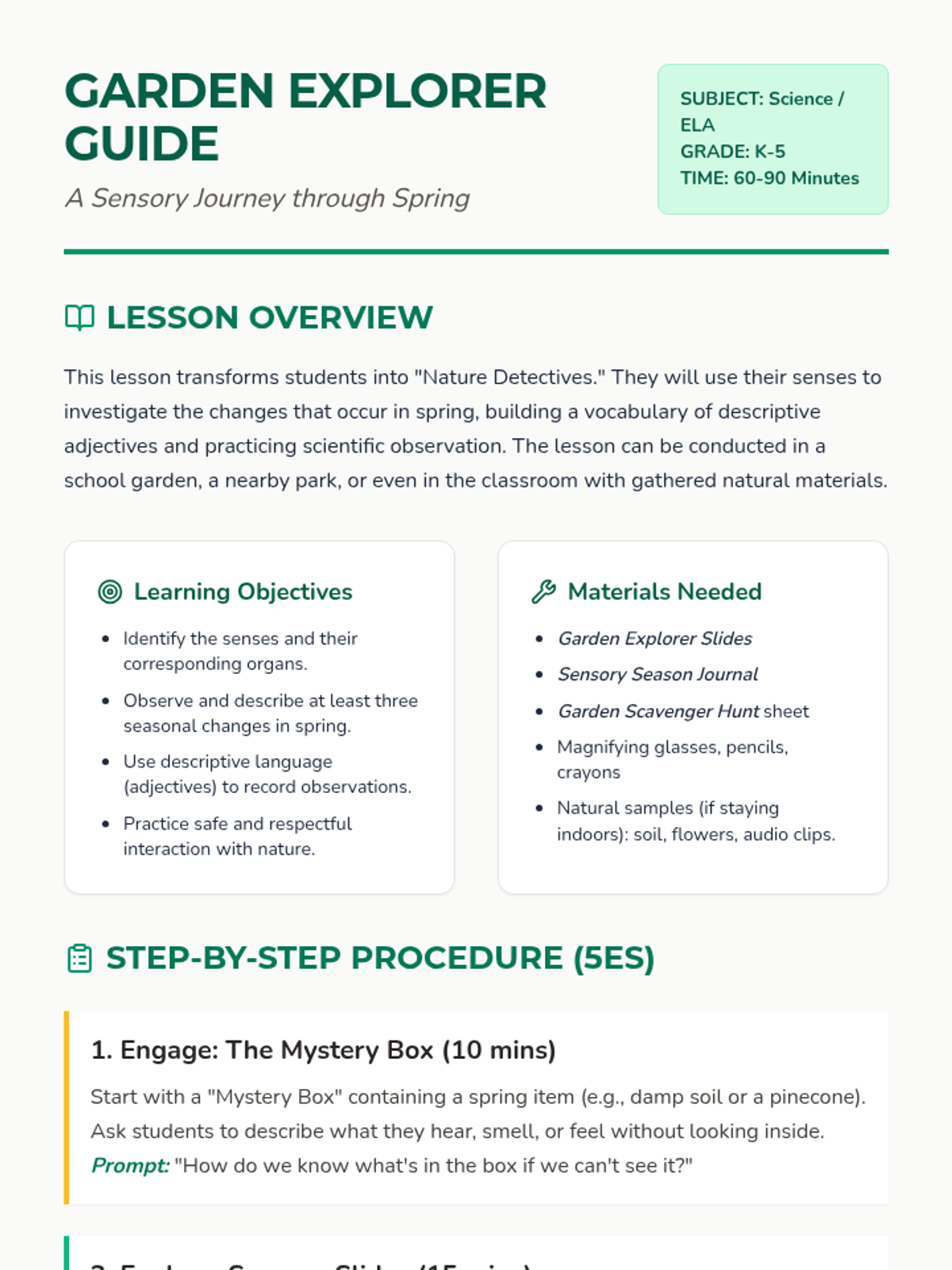
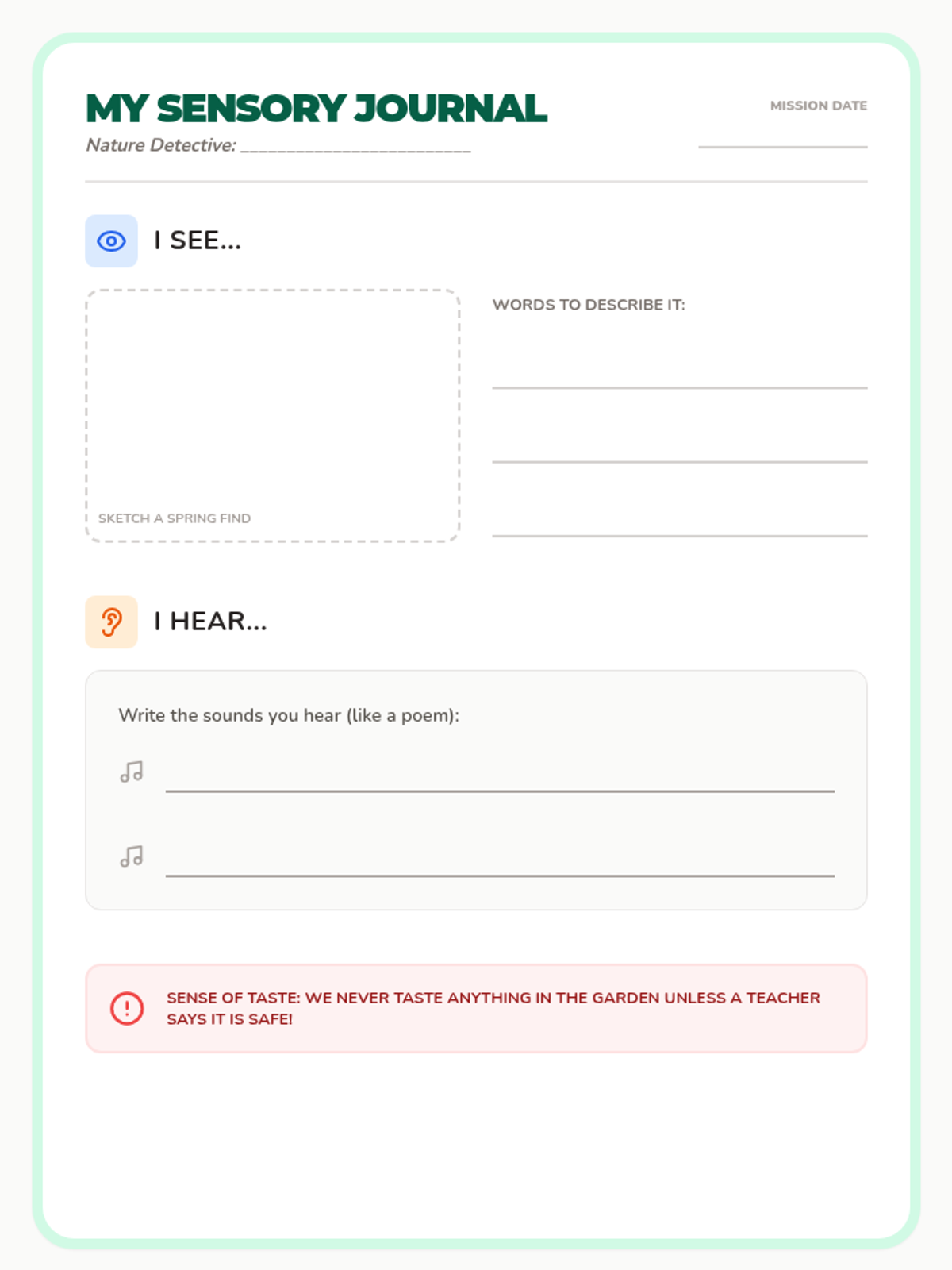
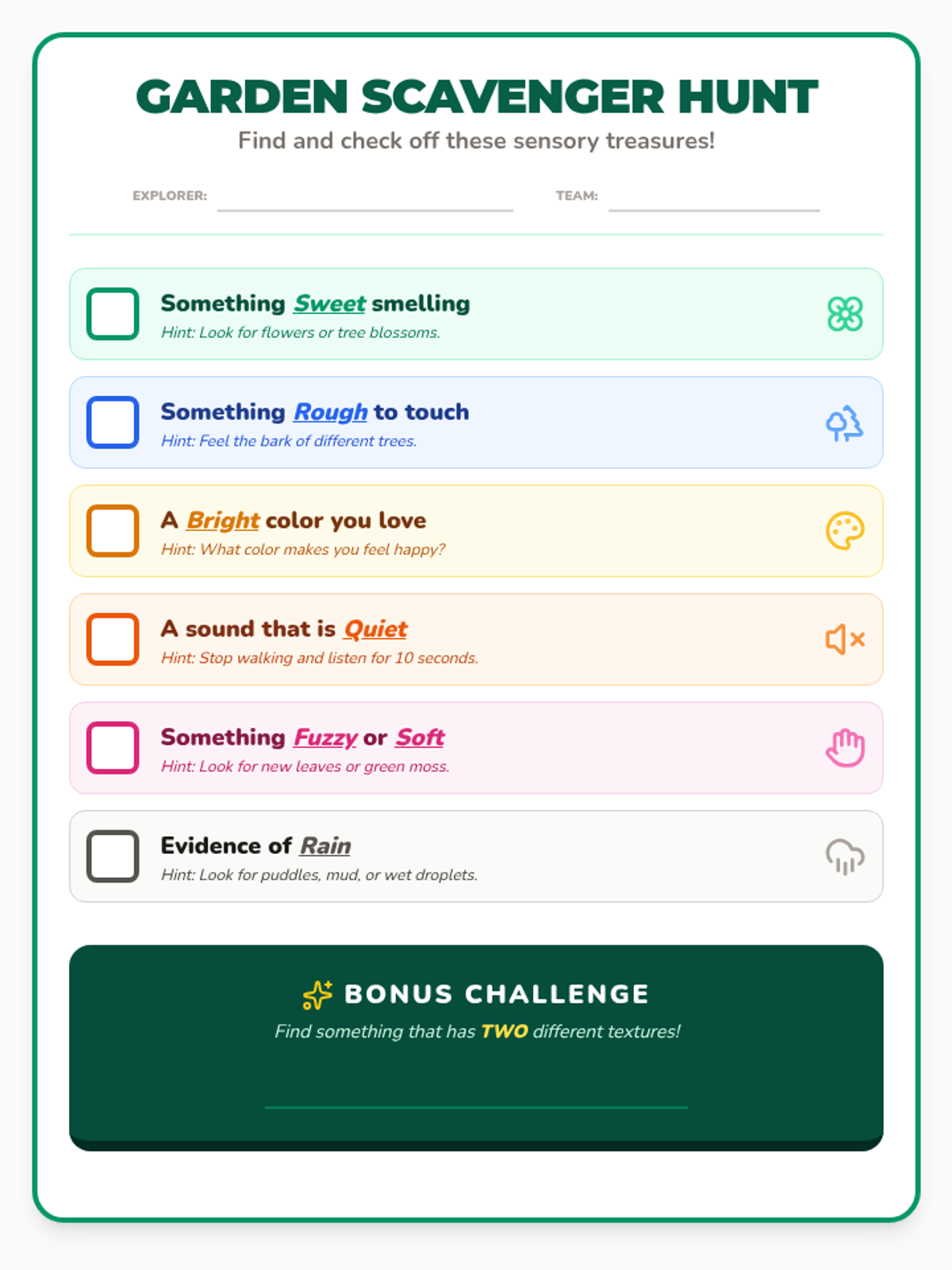
A series of nature-based investigations helping young learners connect with seasonal changes using their senses and scientific observation.
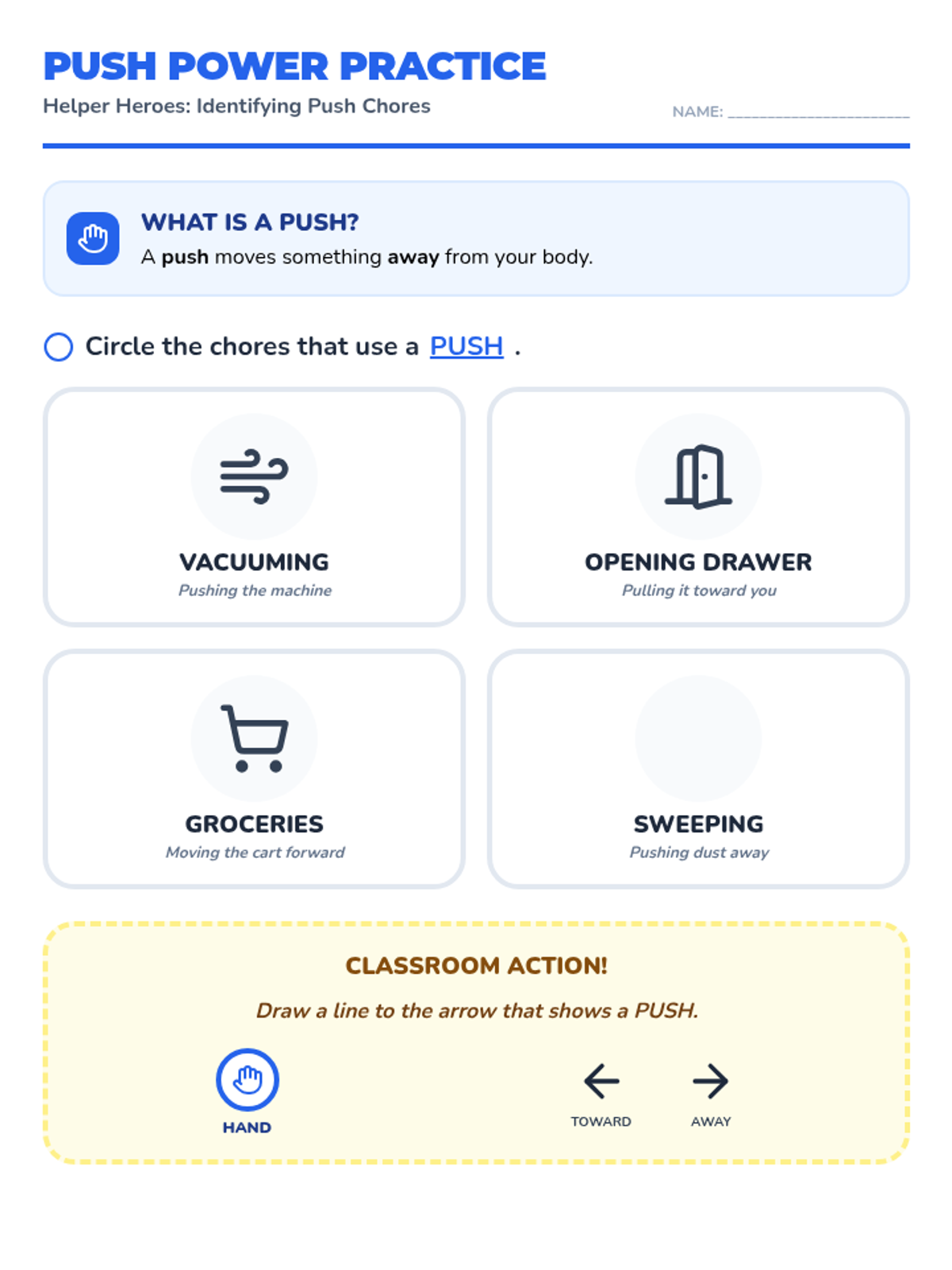
A functional science unit for Essential Skills classrooms focusing on identifying push and pull forces within daily household chores and routines. Students explore forces through visual identification, movement-based games, and guided group activities.
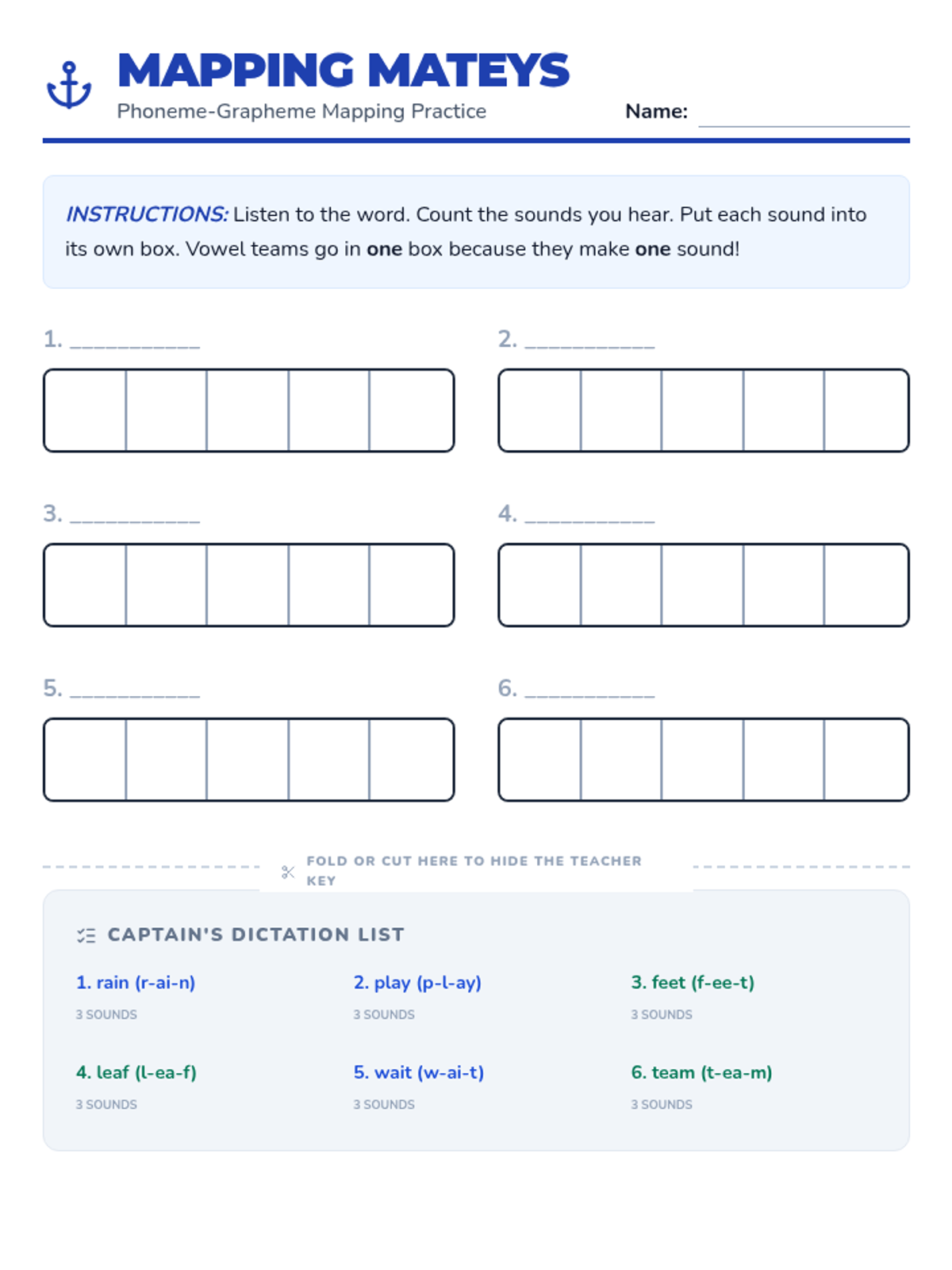
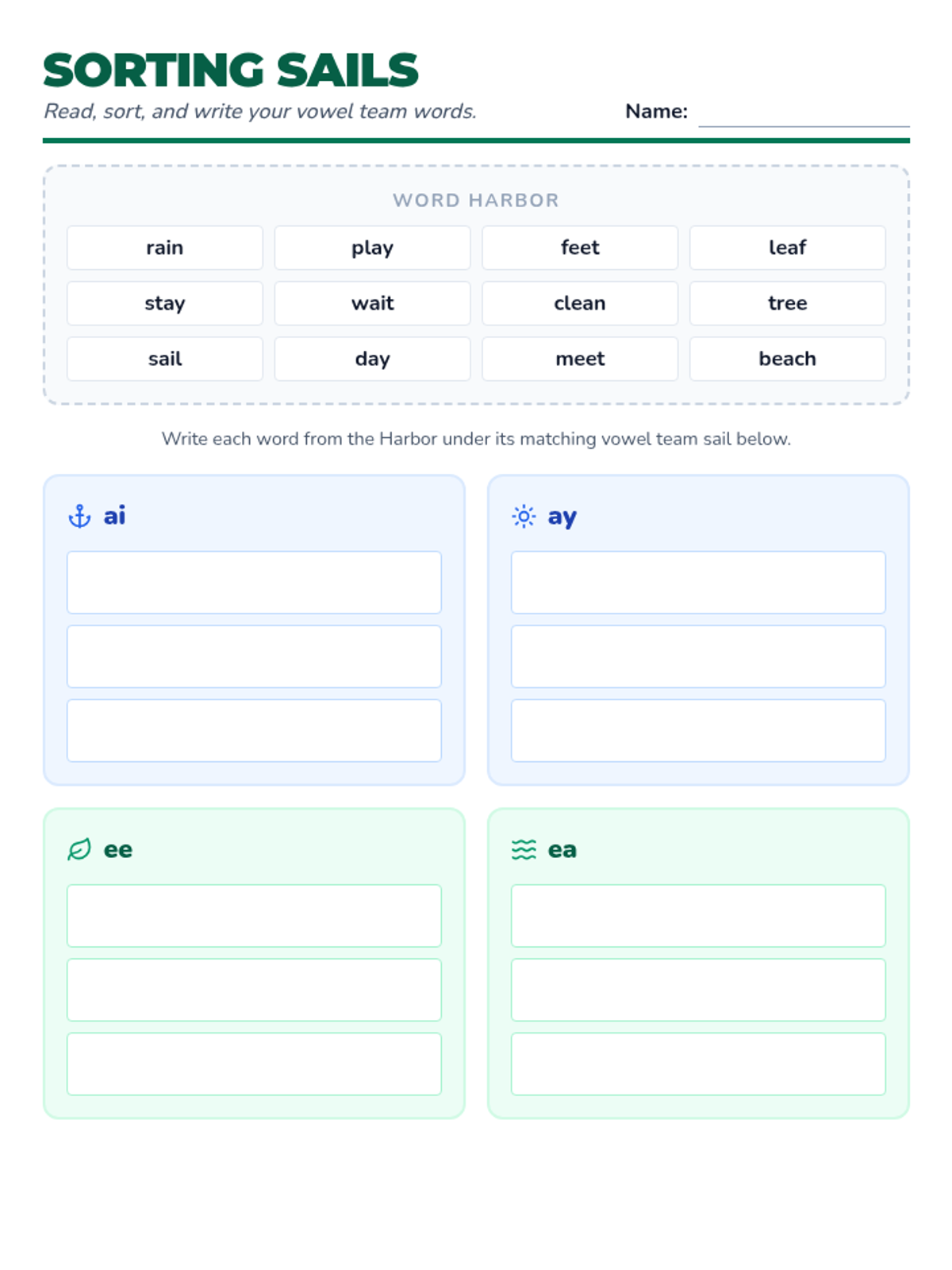
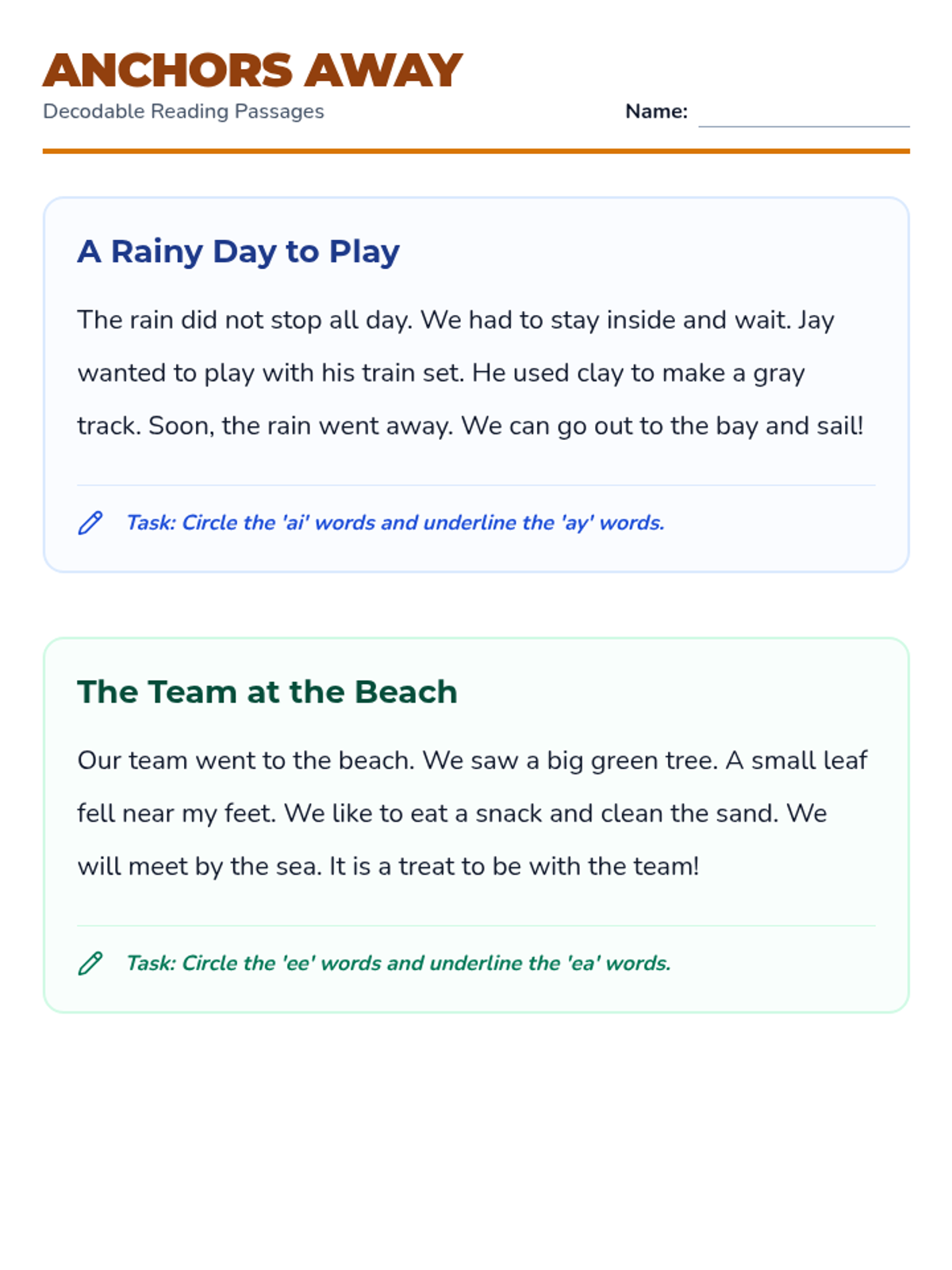
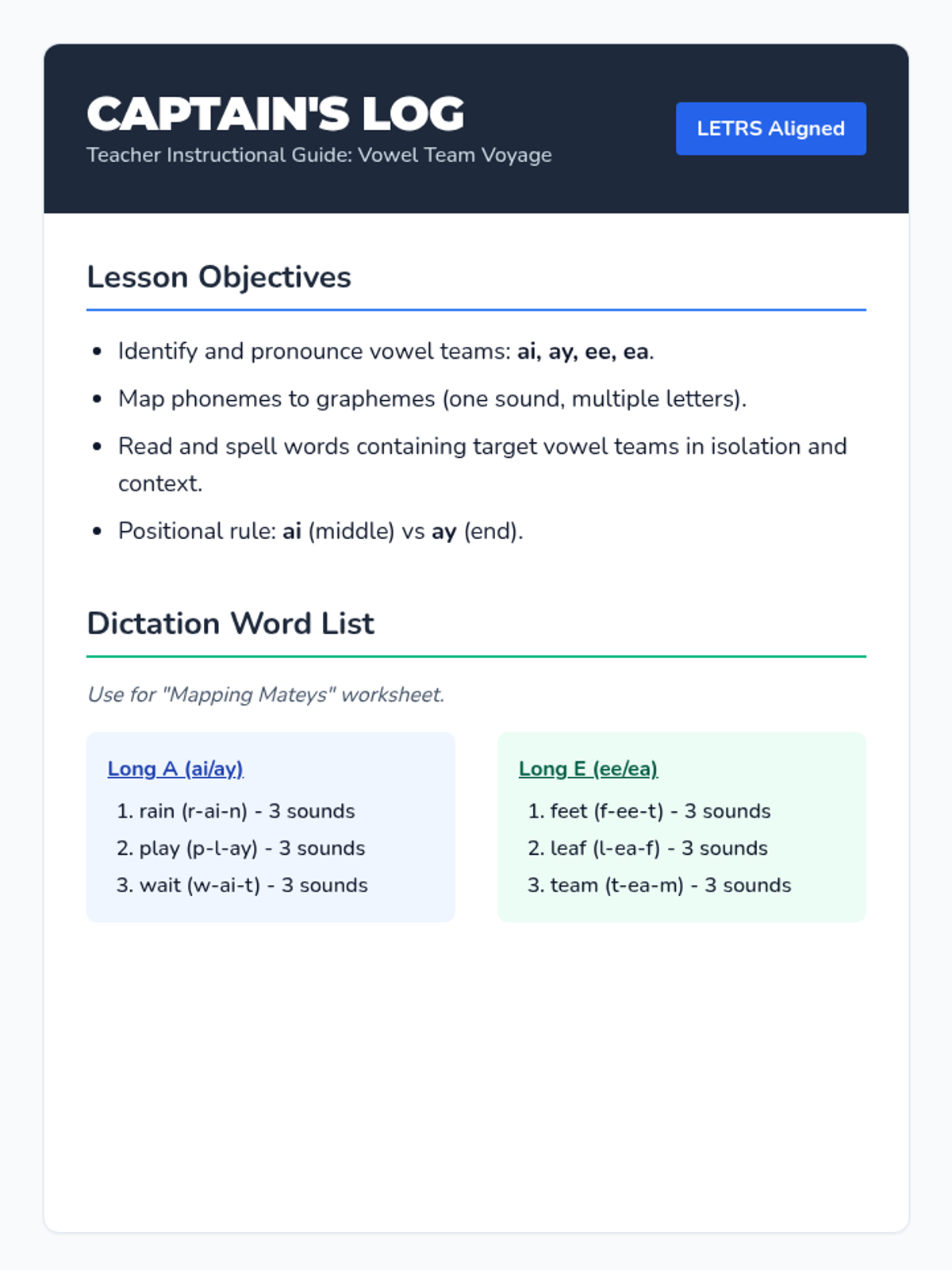
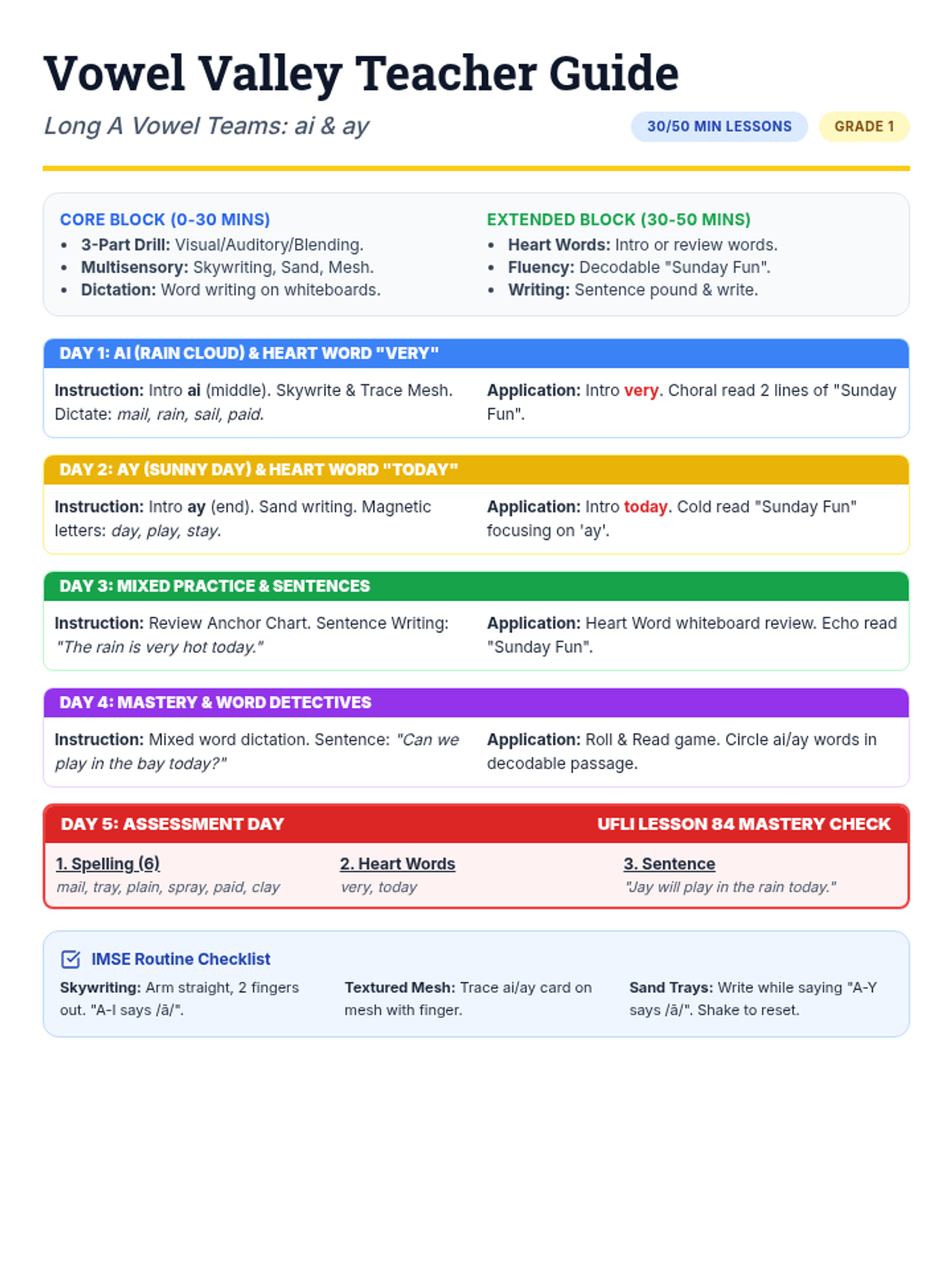
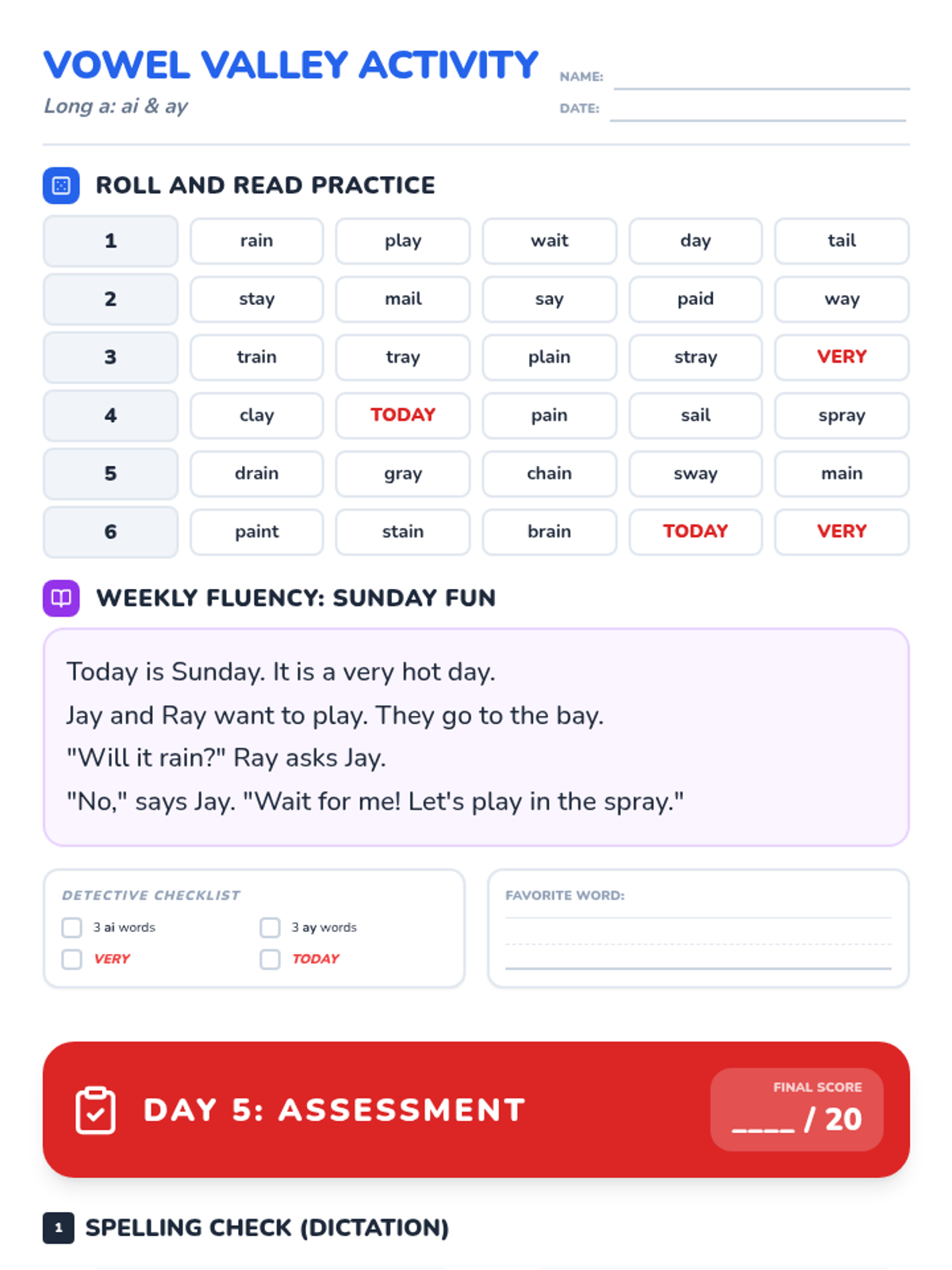
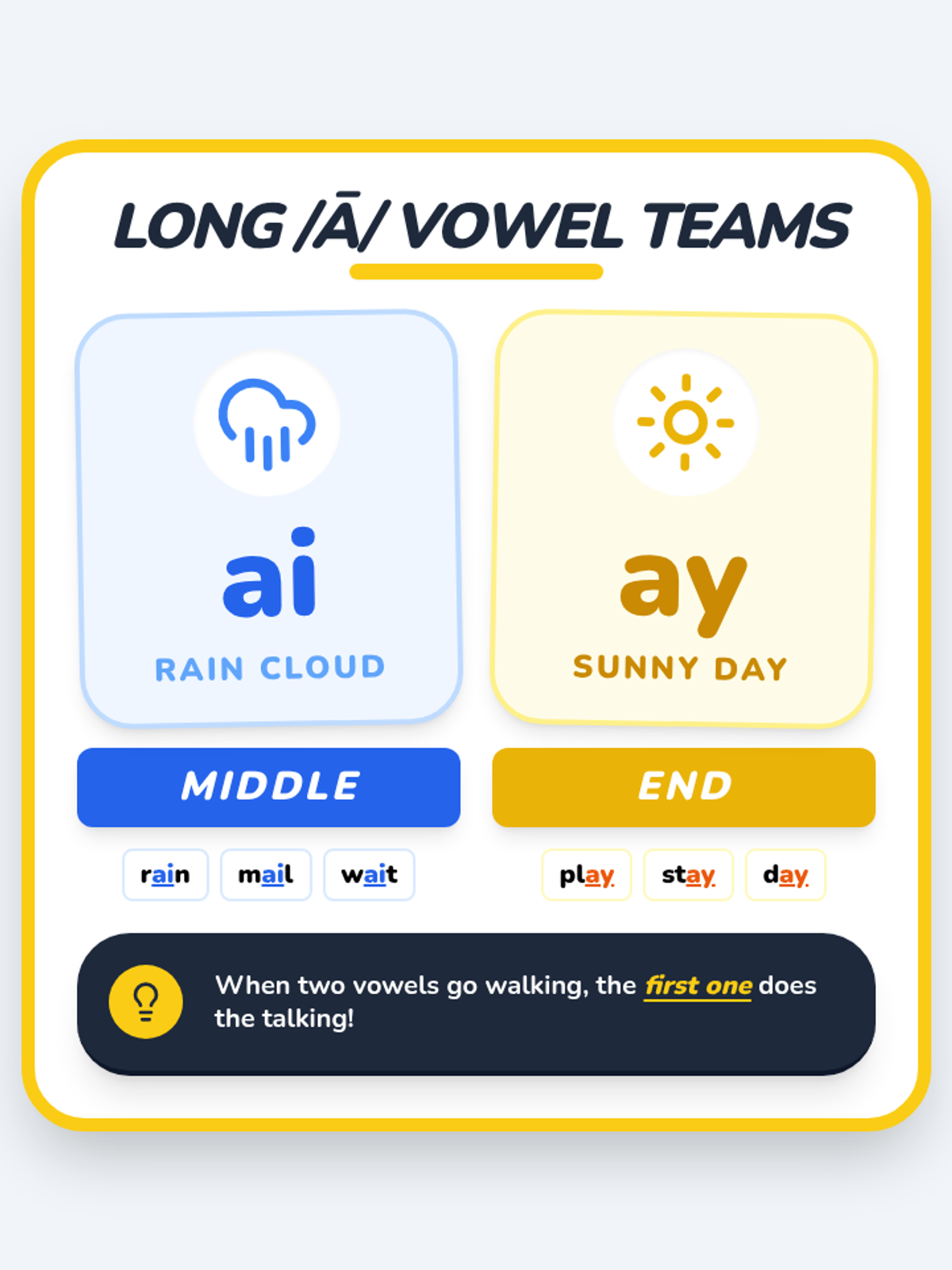
A 5-day instructional sequence for first grade focusing on the long 'a' vowel team (ai/ay) and heart words 'very' and 'today' using IMSE OG and UFLI methodologies.
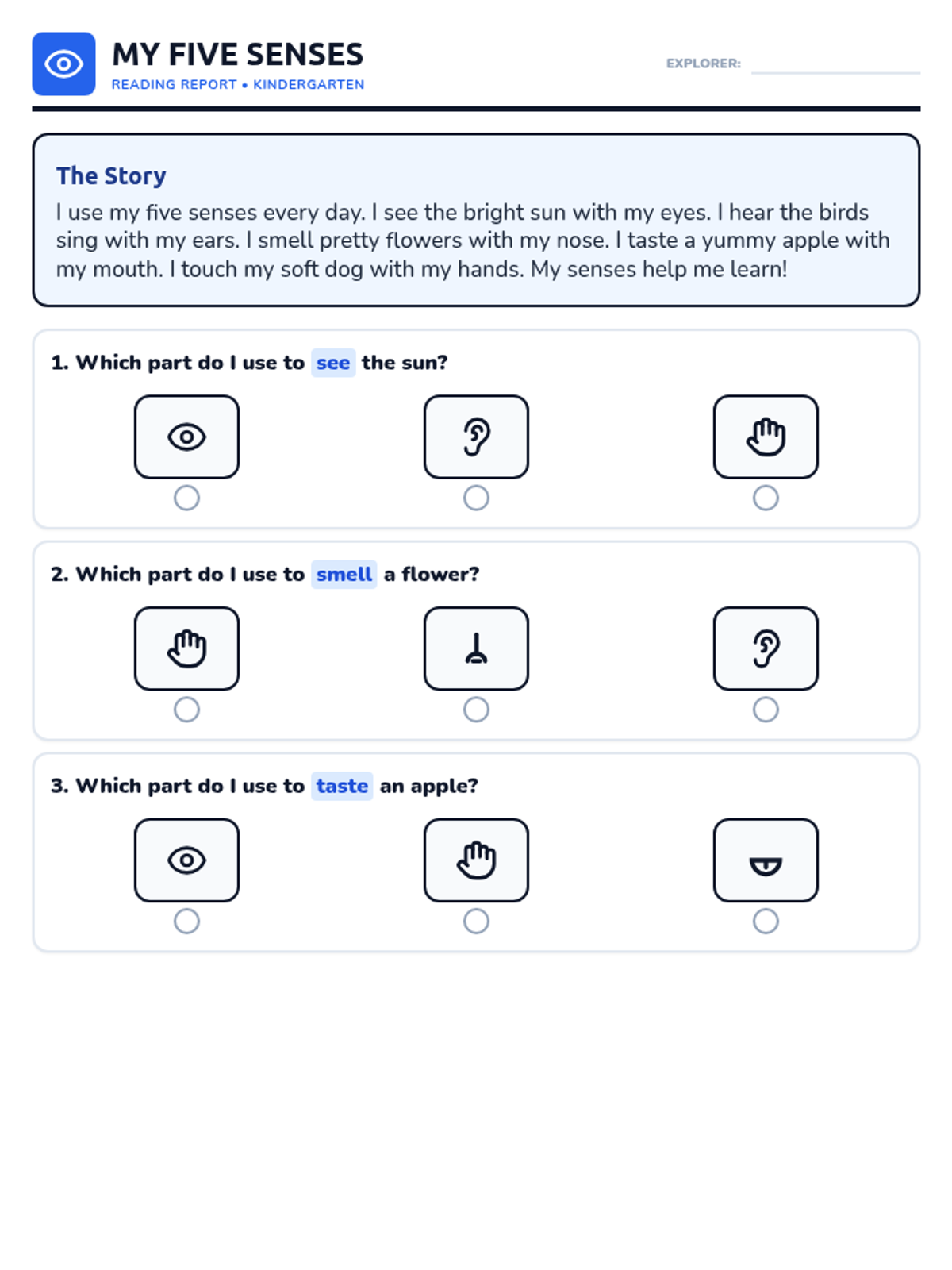
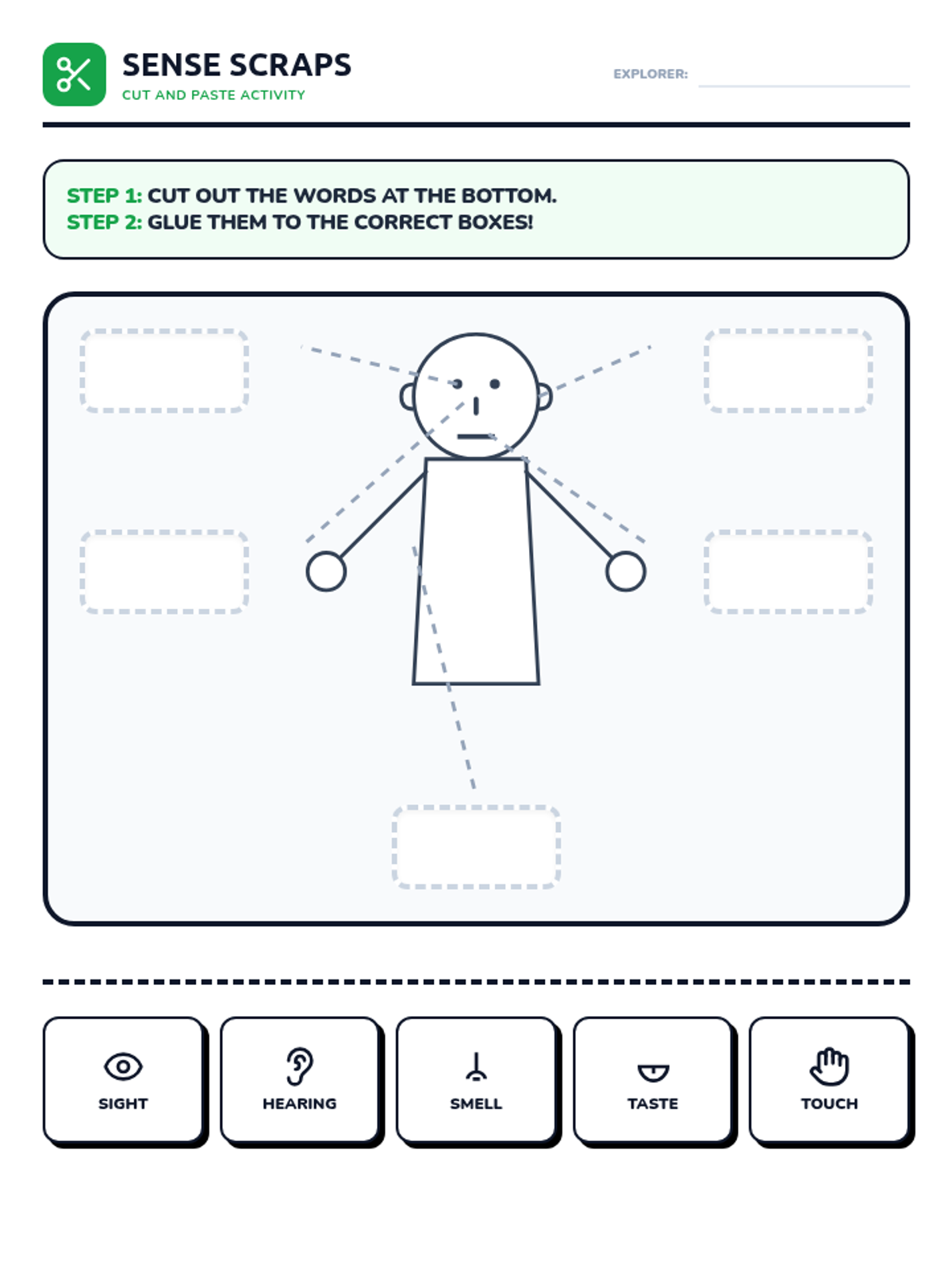
A multi-part exploration of the human body for early learners, covering the five senses, the circulatory system, and other vital functions.
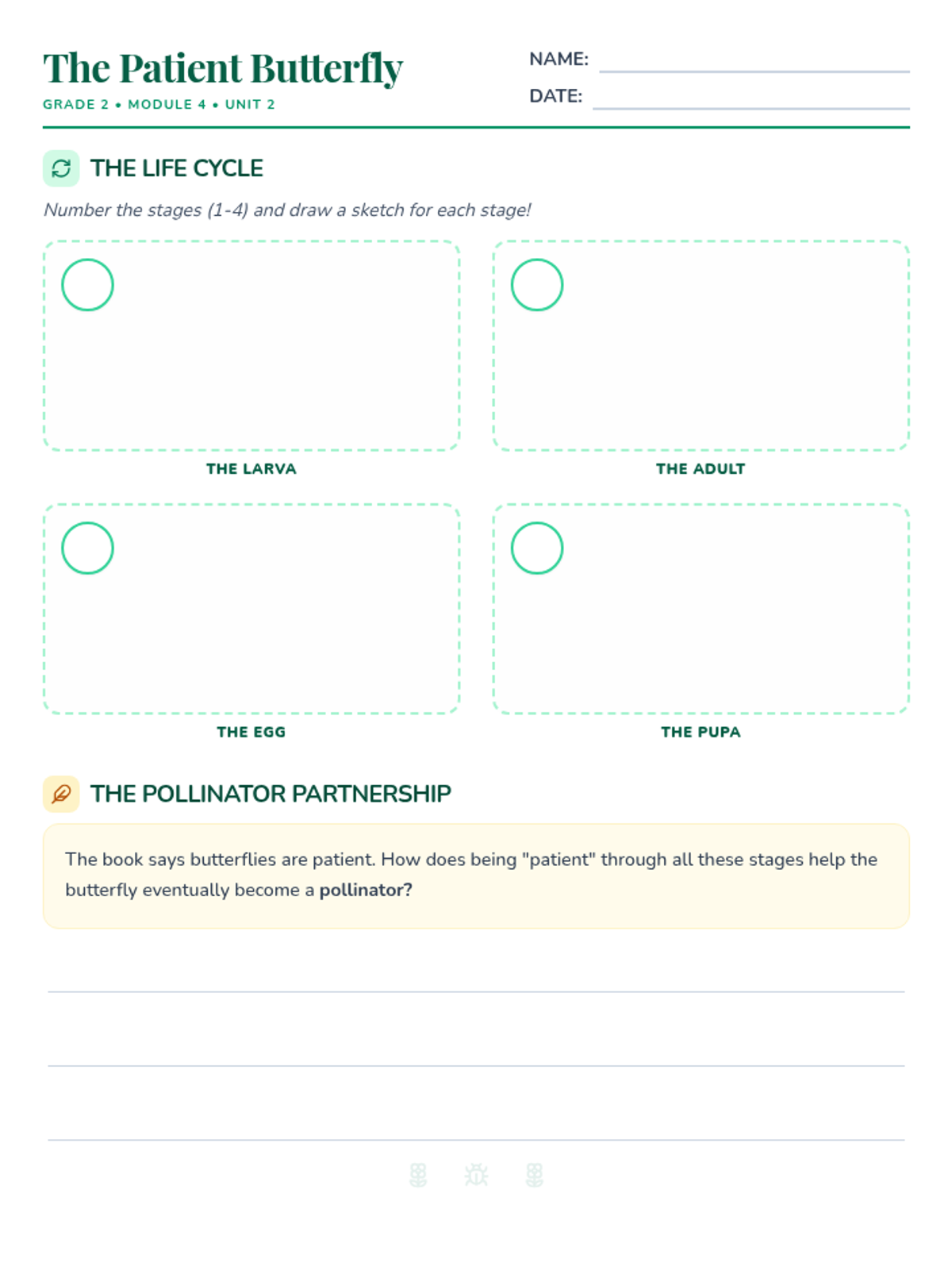
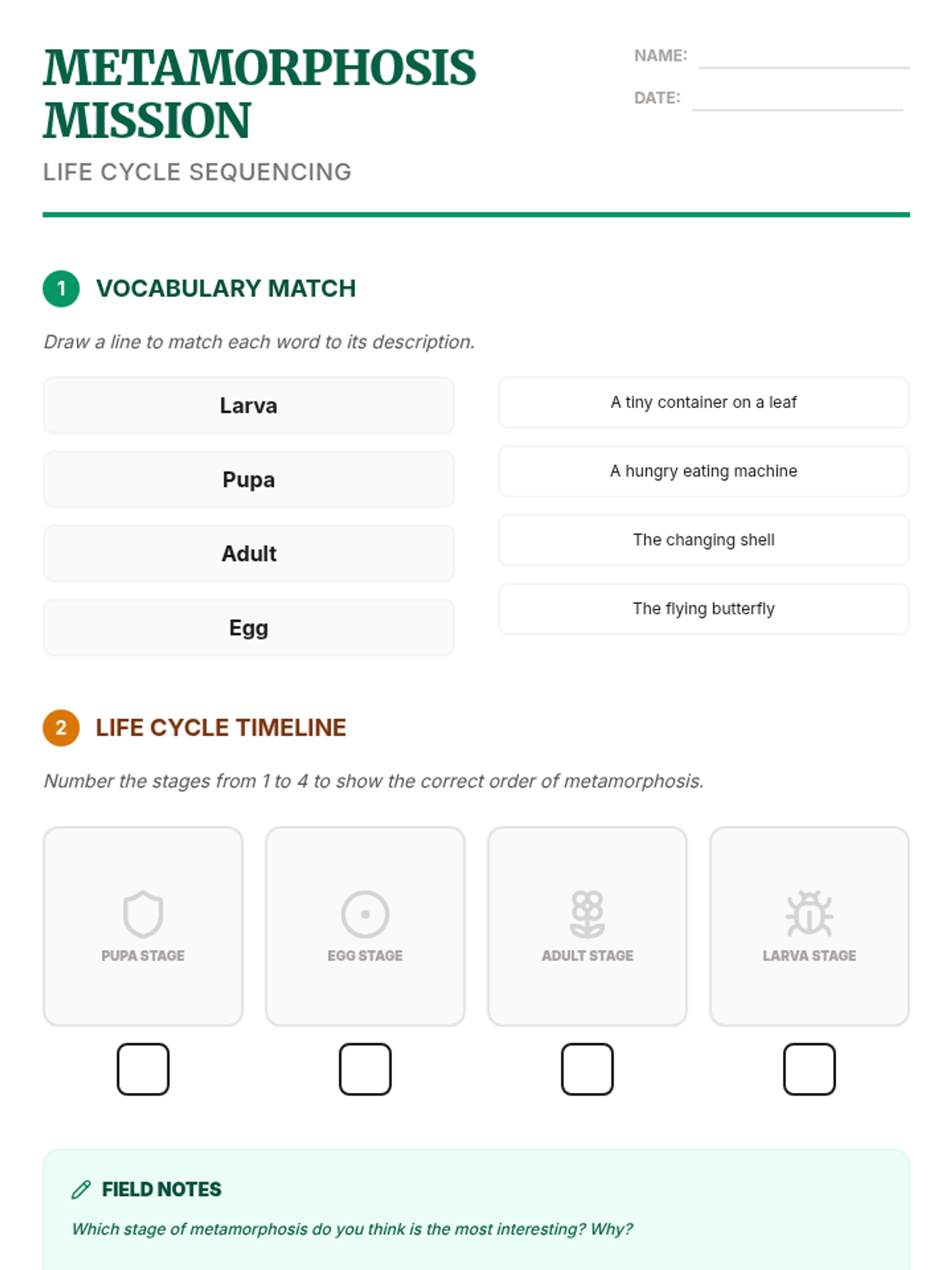
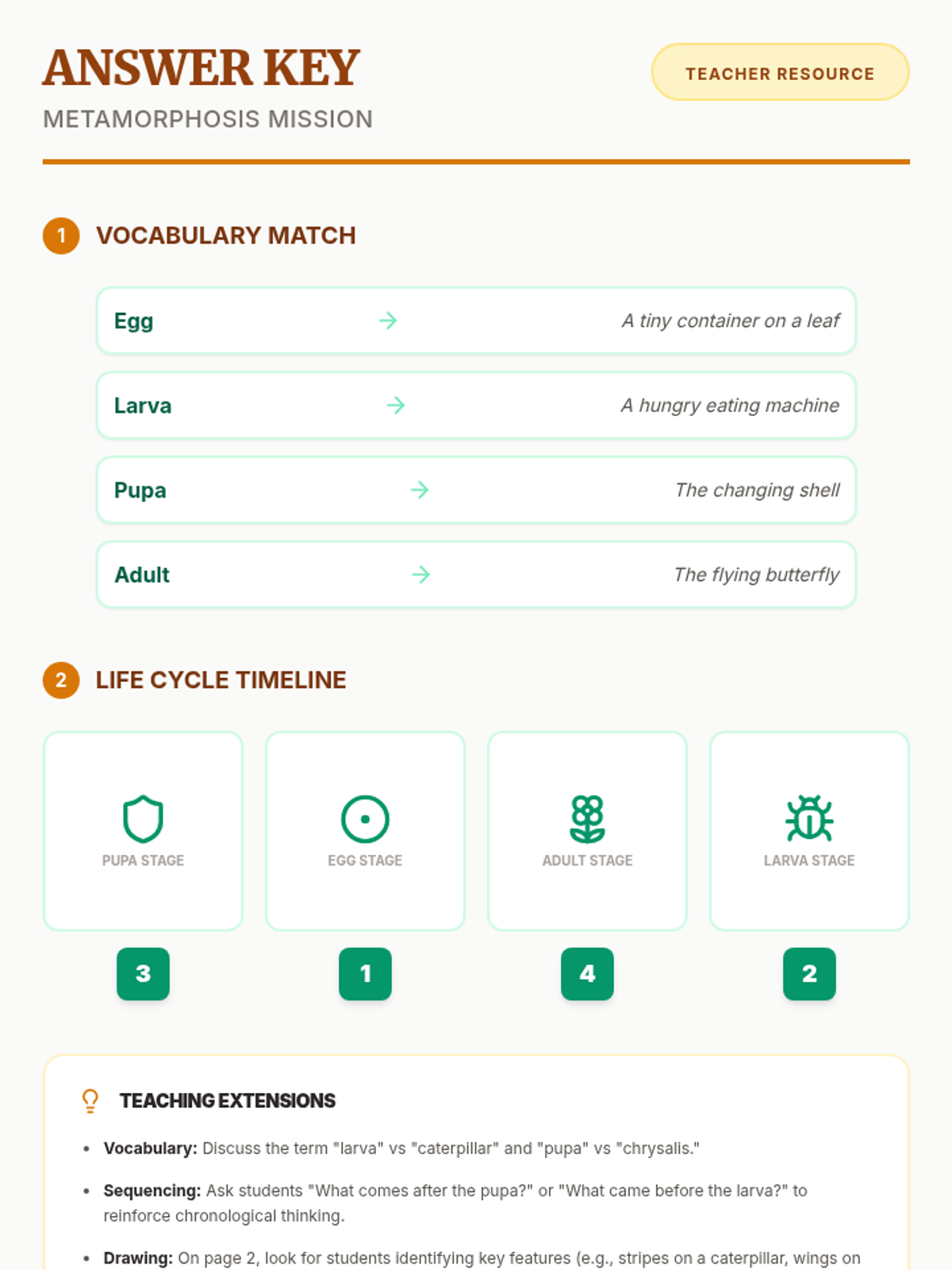
A science-focused sequence exploring the fascinating process of metamorphosis through the life cycle of a butterfly, focusing on sequencing skills and biological stages.
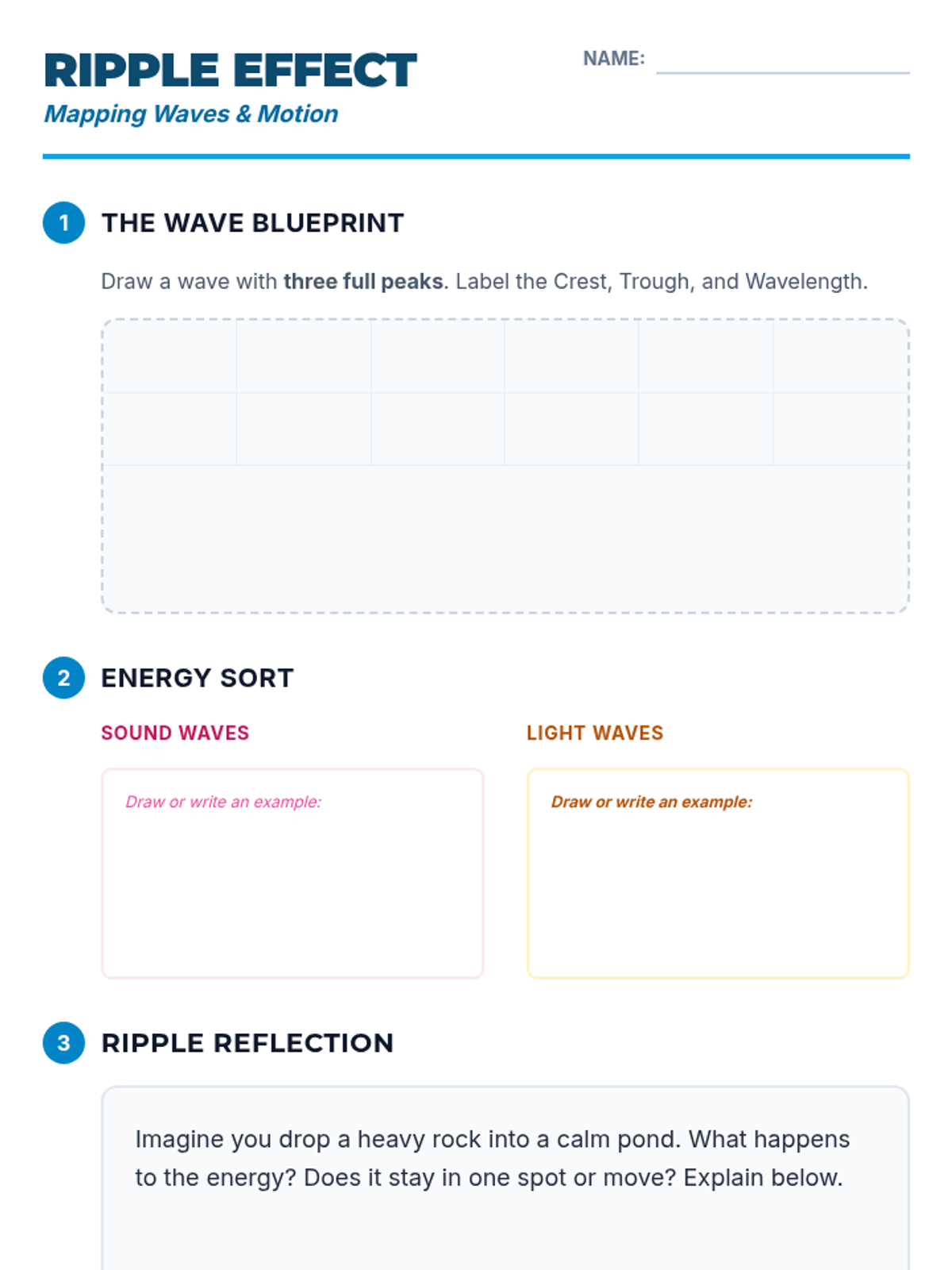
A comprehensive exploration of physical science and civic foundations, designed for elementary students to engage with waves, energy, government structures, and the roles of citizens.
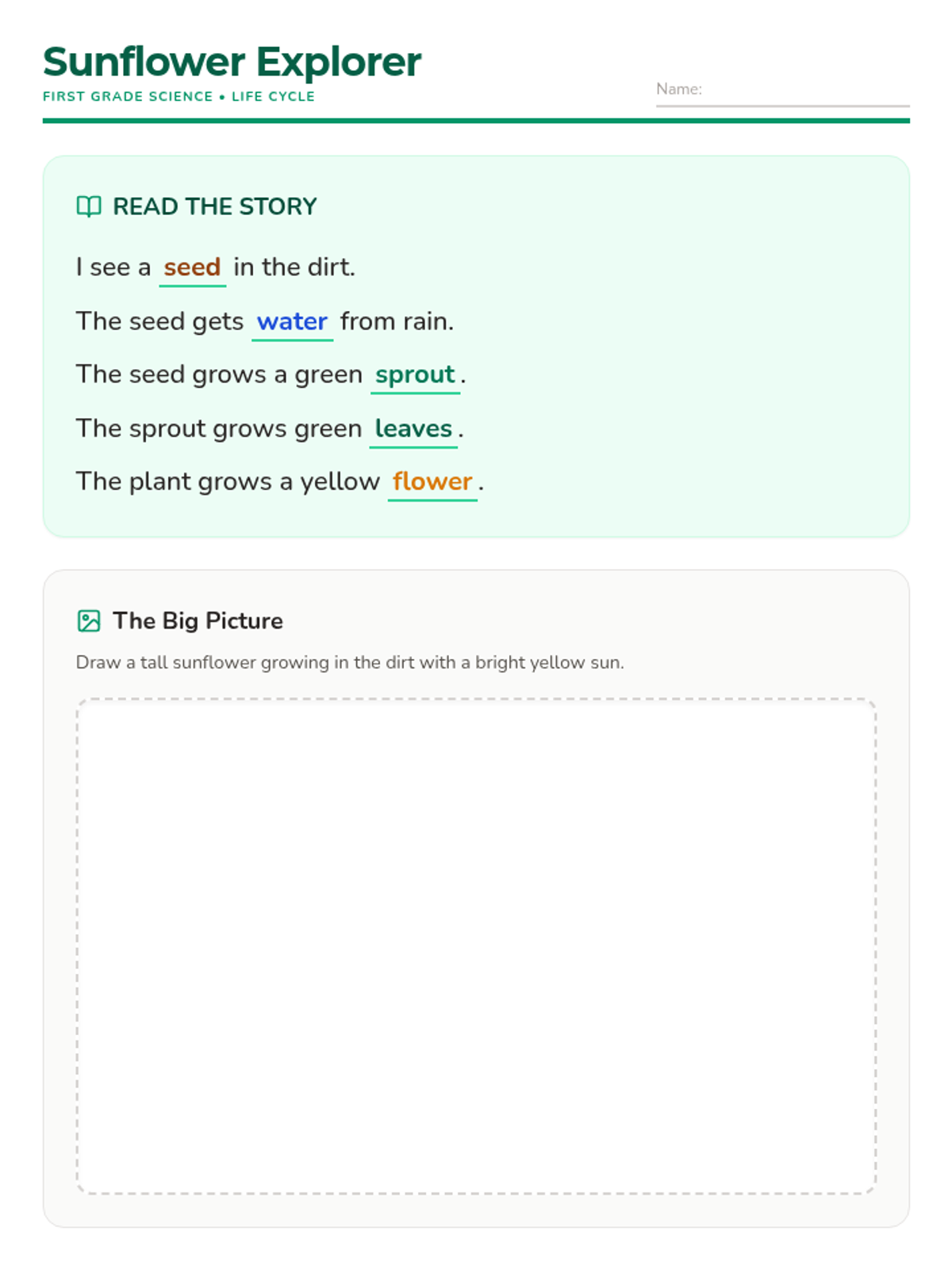
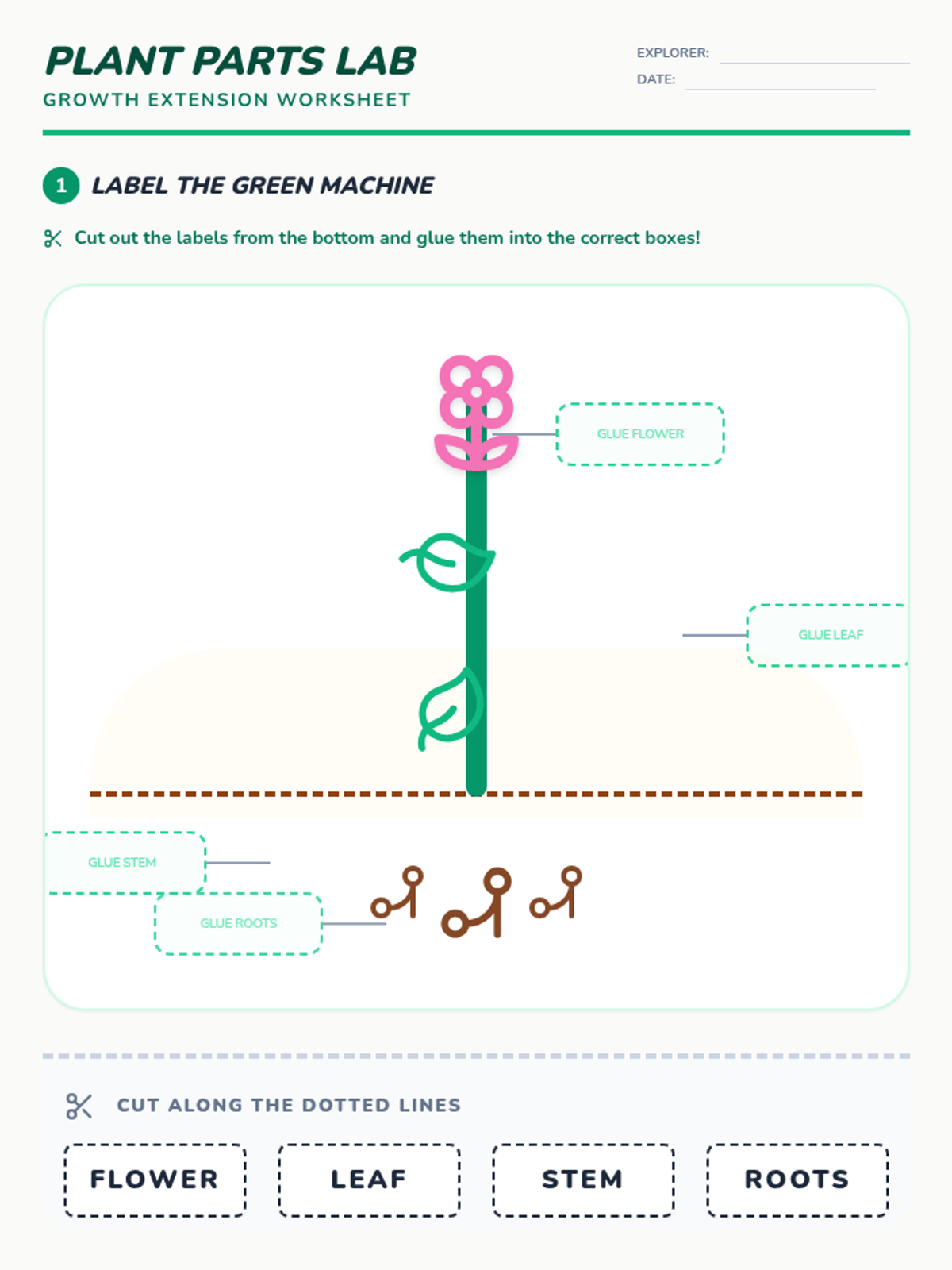
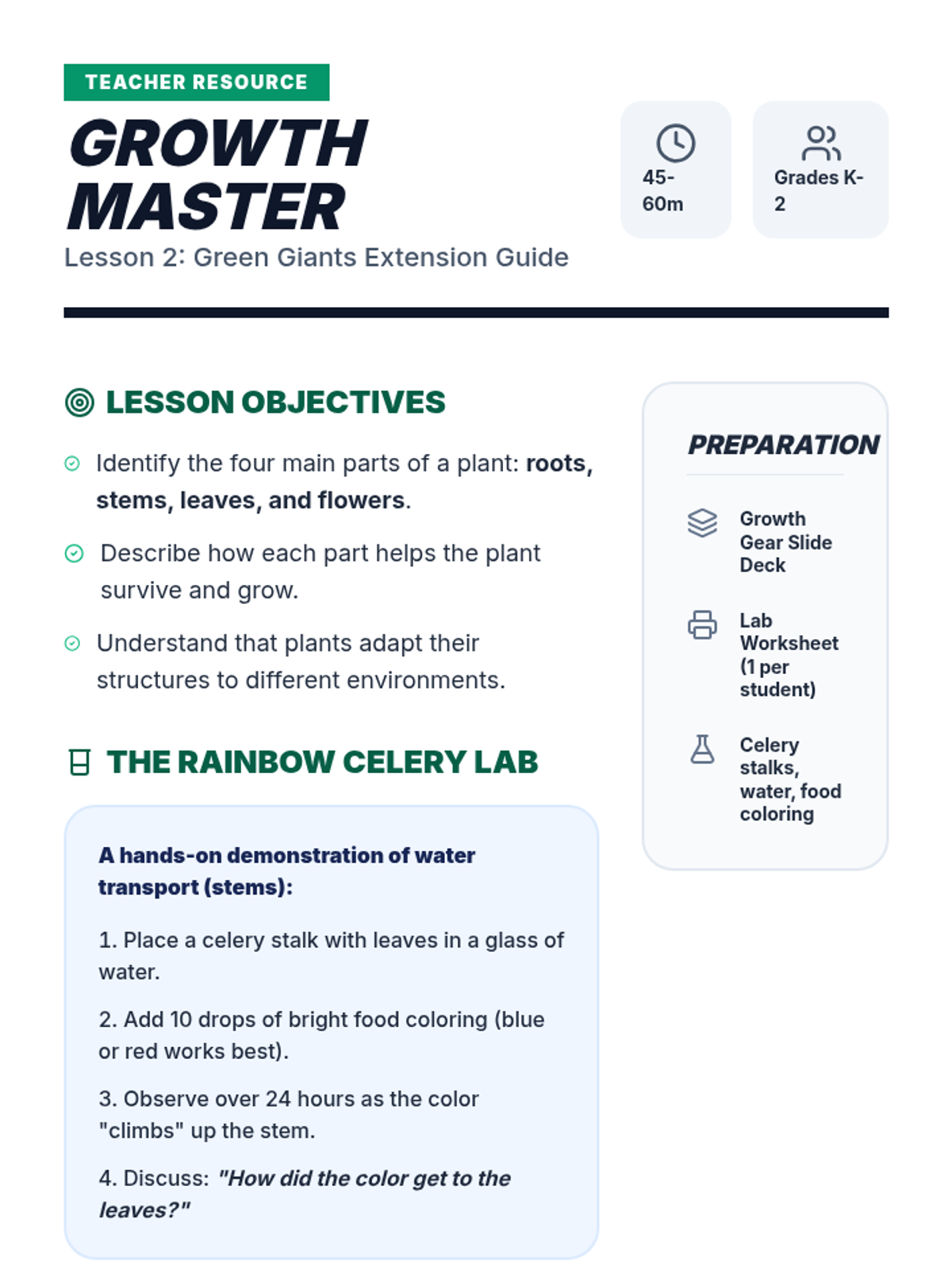
A comprehensive exploration of plant life, beginning with the first signs of spring and basic life cycles, and extending into the detailed mechanisms of how plants grow, transport nutrients, and adapt.