Students explore French culture through politeness and classroom navigation. They learn 'magic words', object names, and teacher commands through TPR and role-play to function effectively in a French-speaking environment.
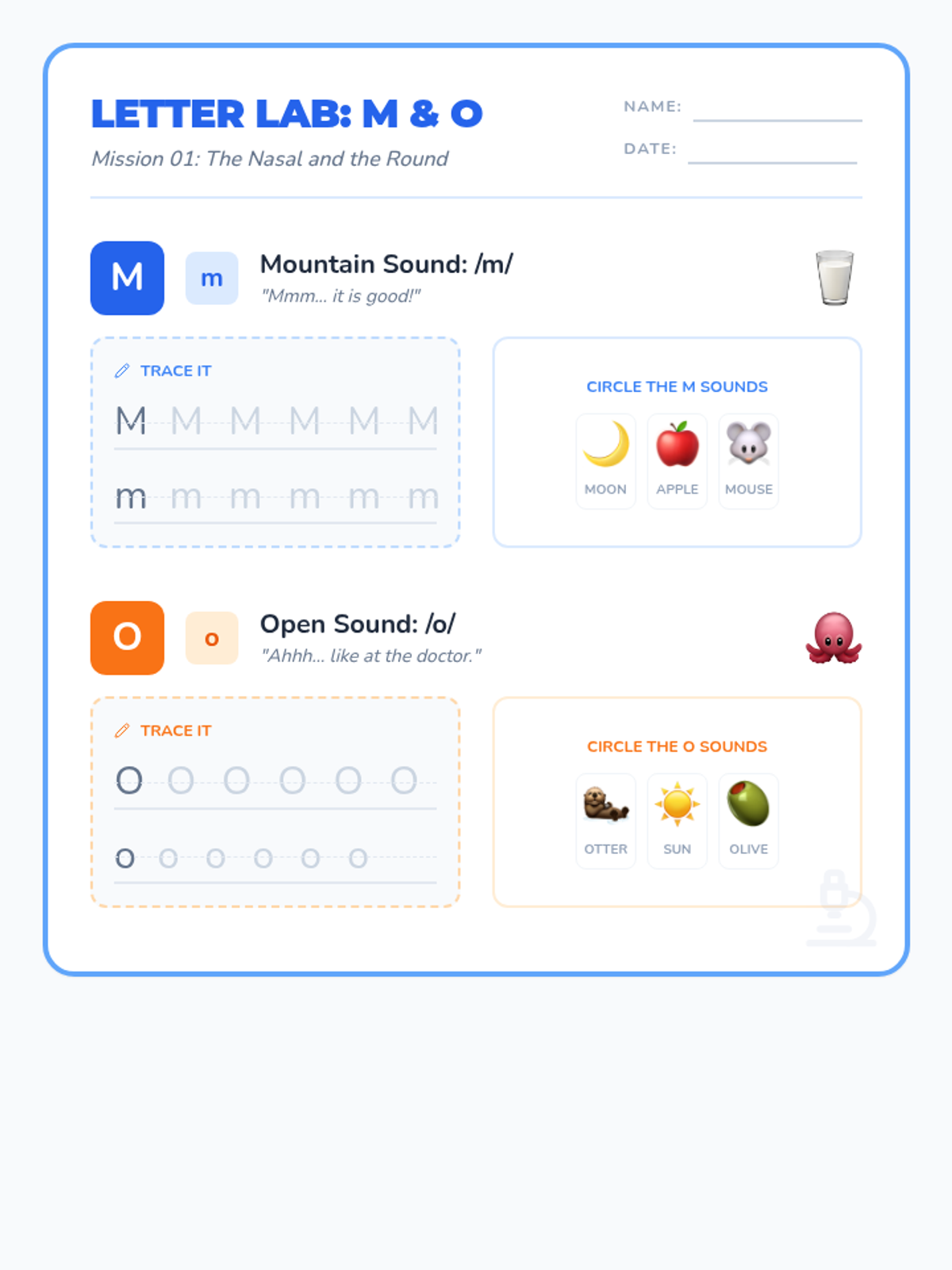
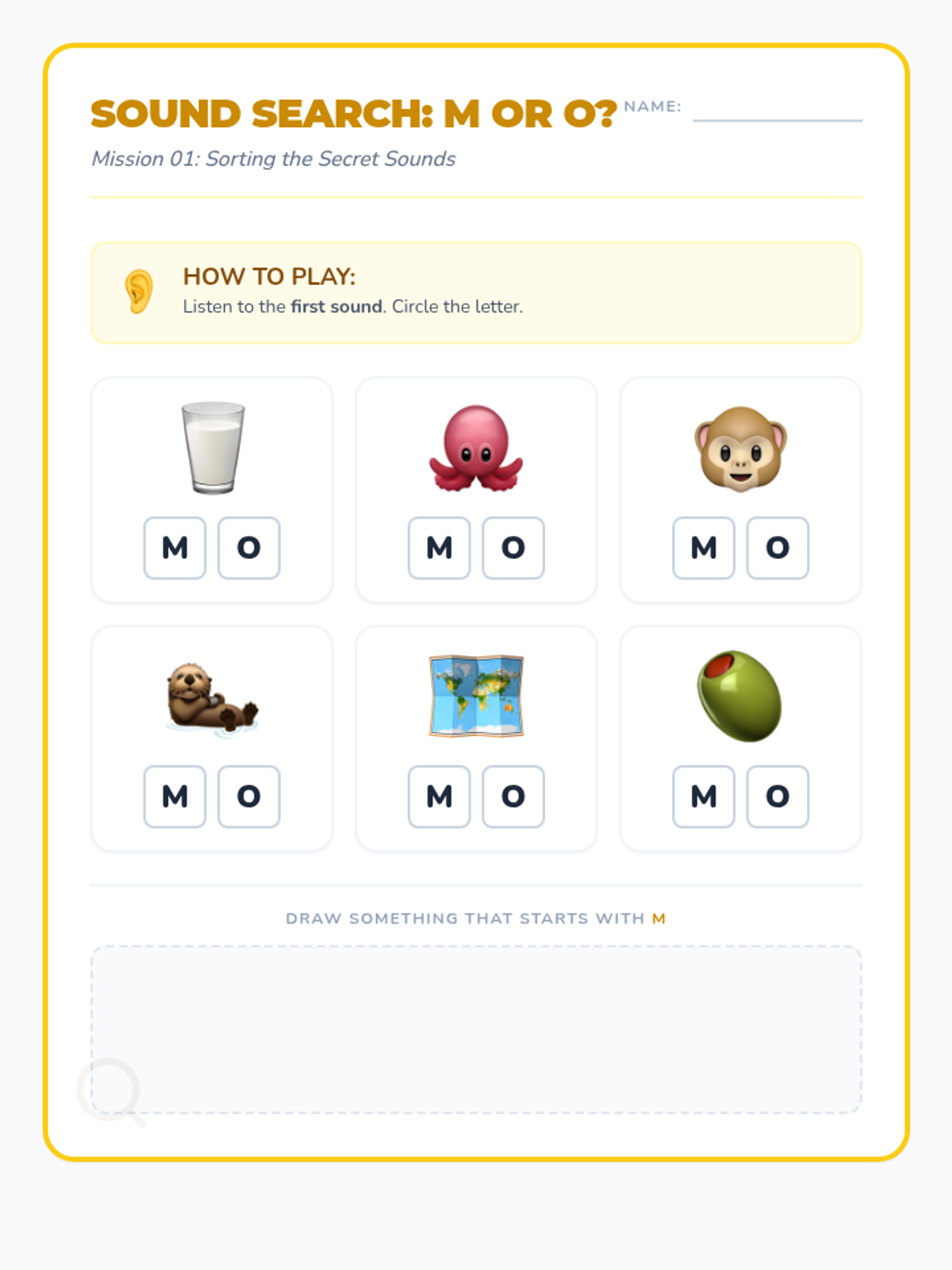
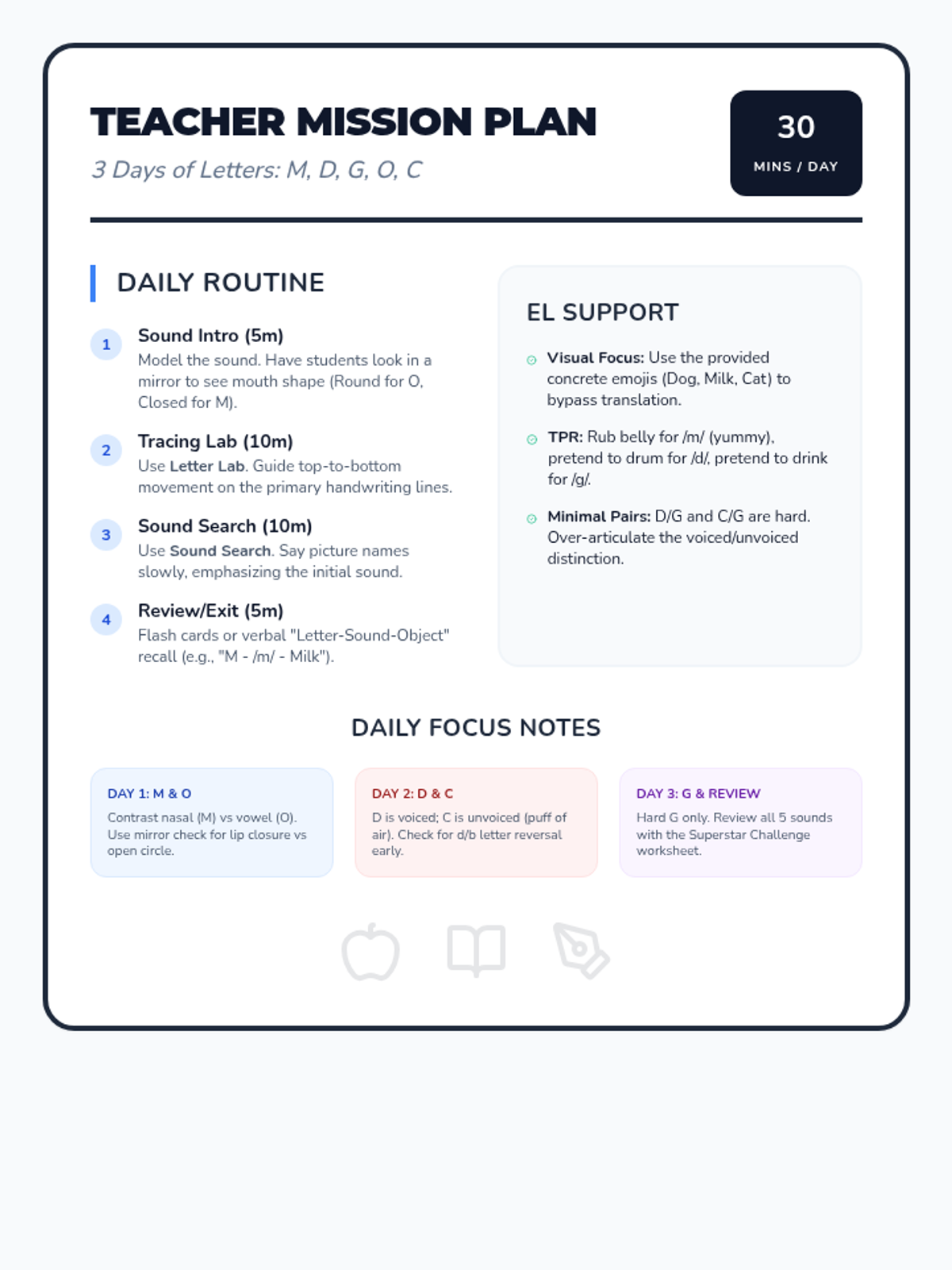
A 3-day high-impact intervention sequence for 3rd grade English Learners, focusing on letters M, D, G, O, and C through visual identification, sound mastery, and early word blending.
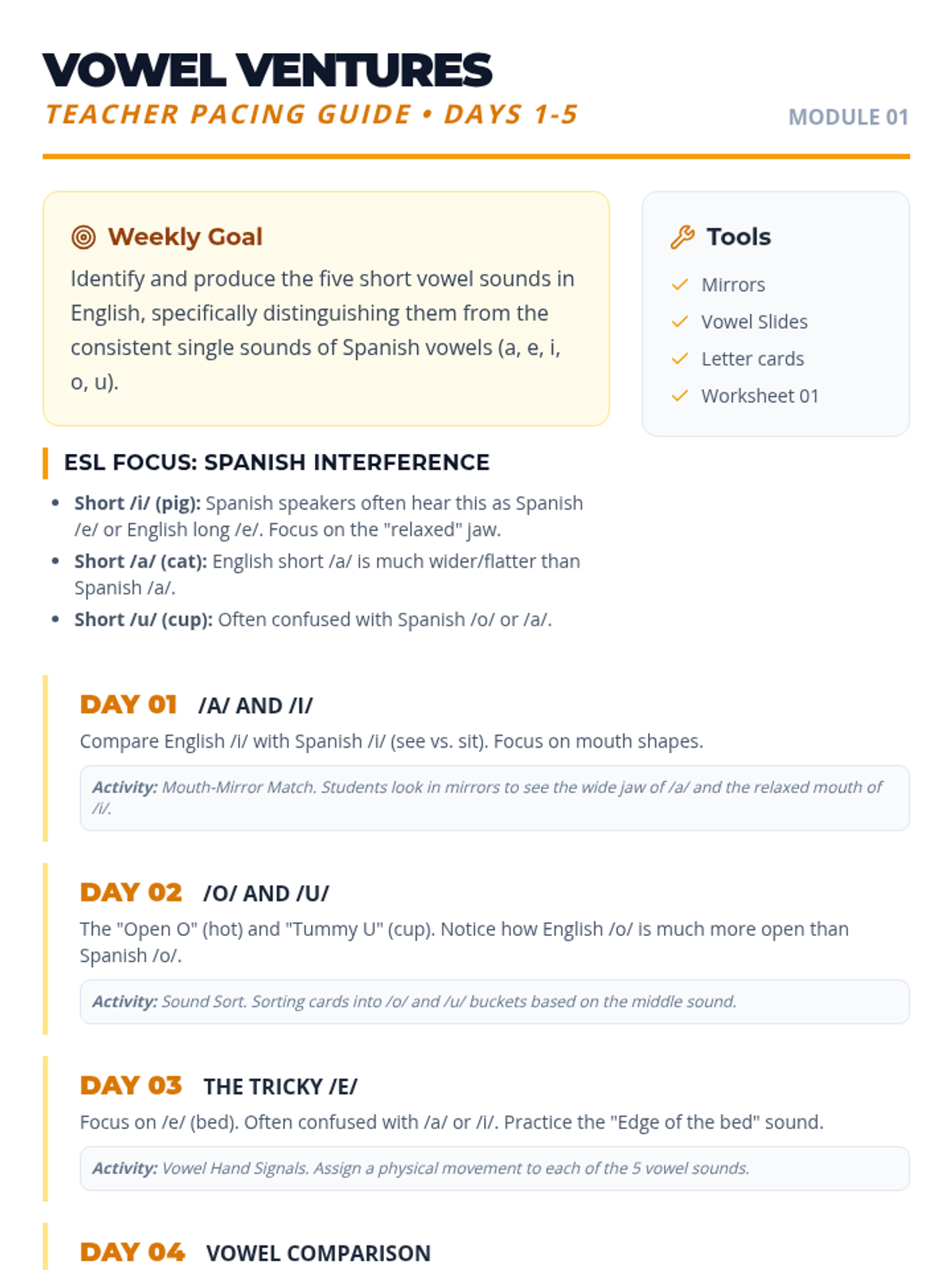
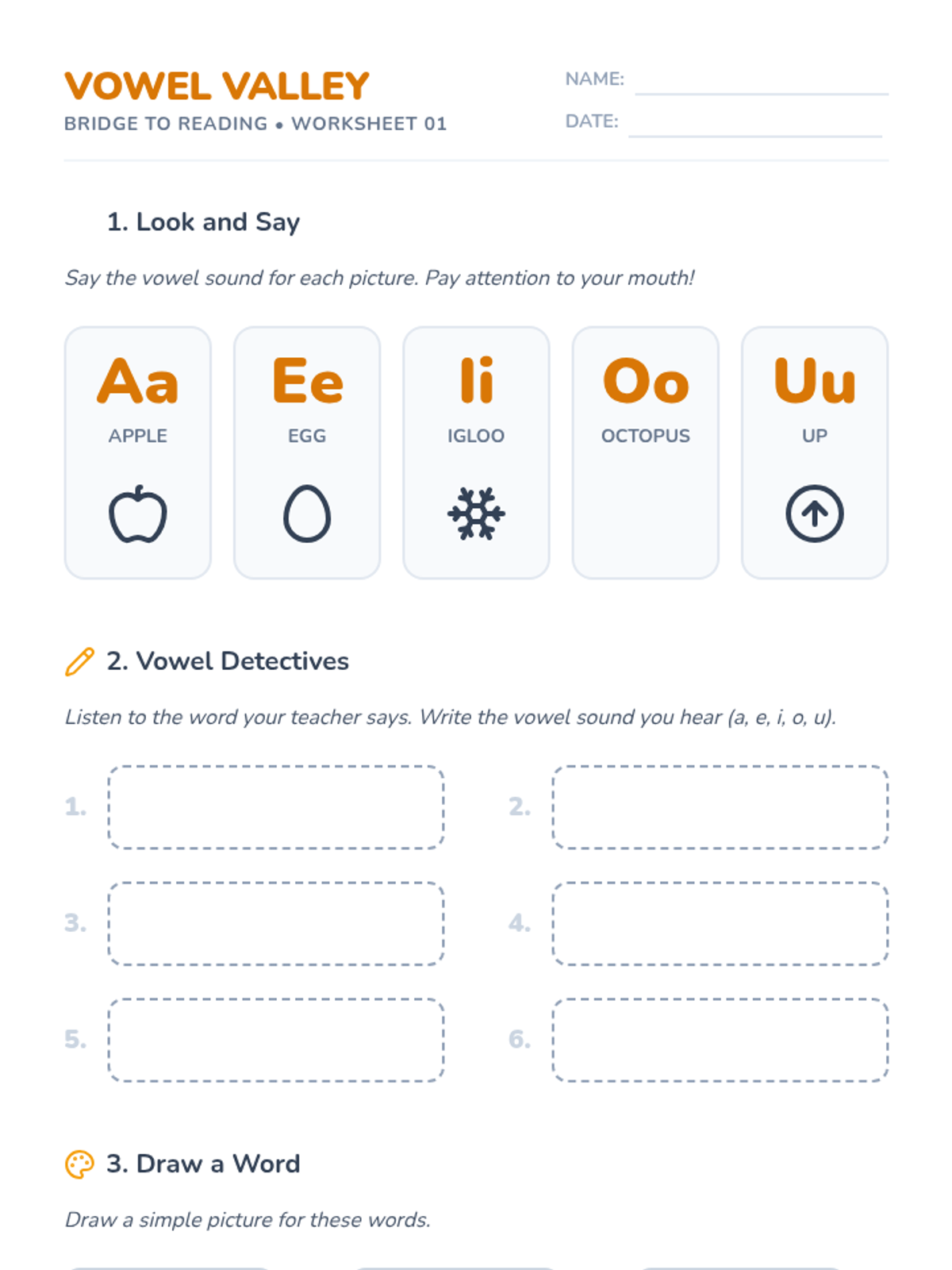
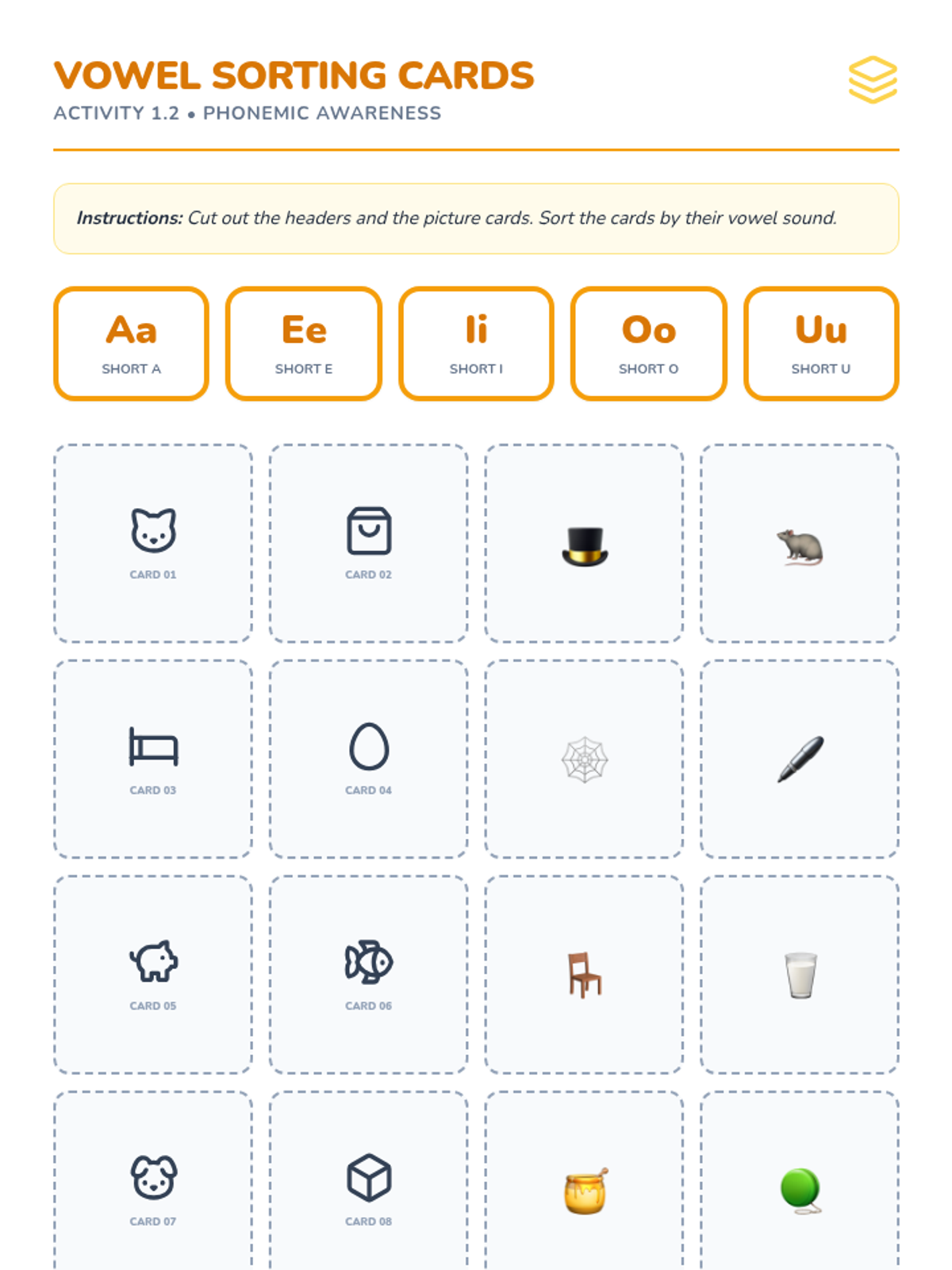
A comprehensive 30-day literacy program designed for Spanish-speaking English Learners, focusing on vowels, CVC blending, rhyming, and multisyllabic word decoding. The curriculum uses a 'construction' theme to build reading skills from the ground up, with specific support for ESL phonetic challenges.
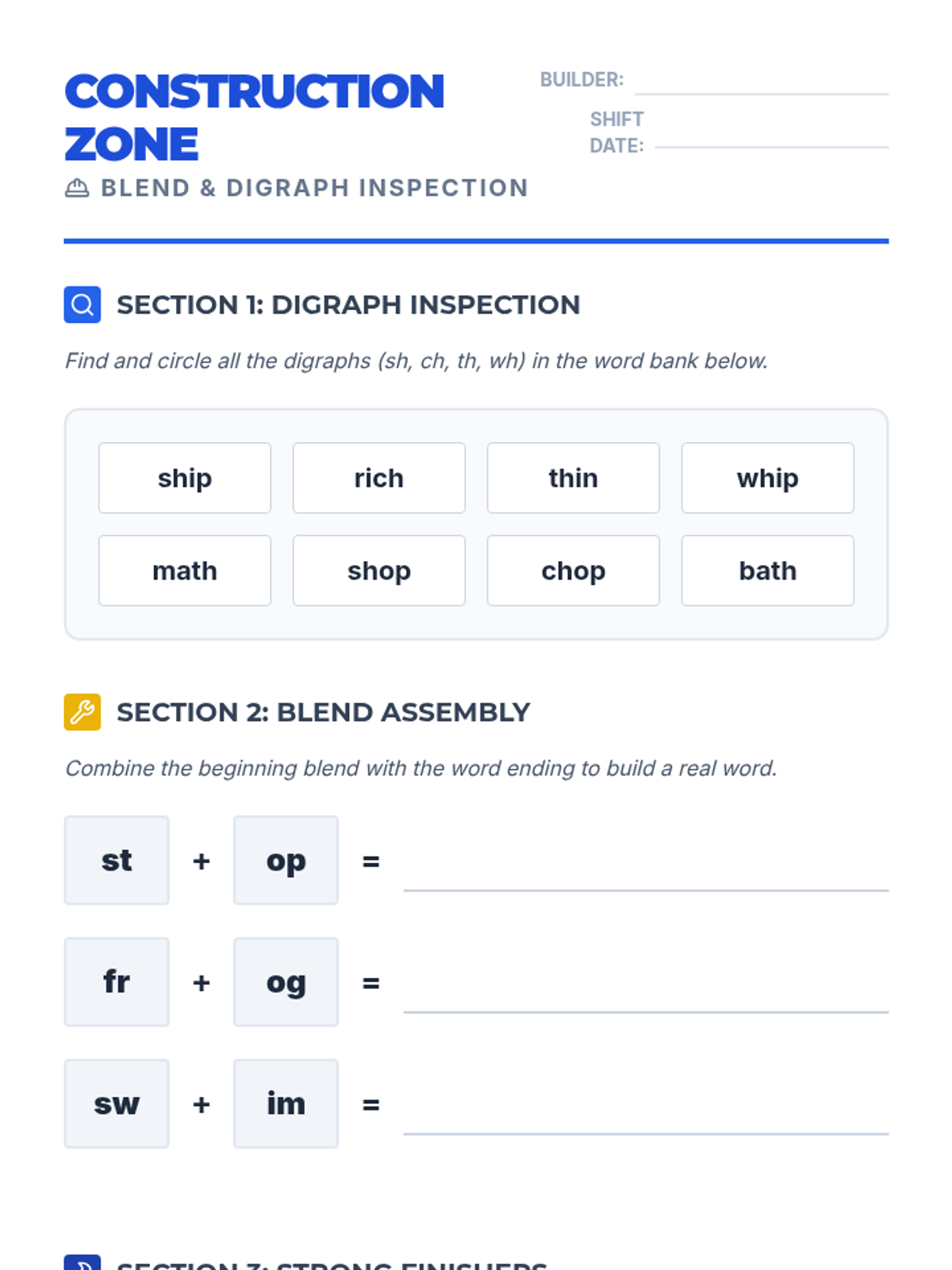
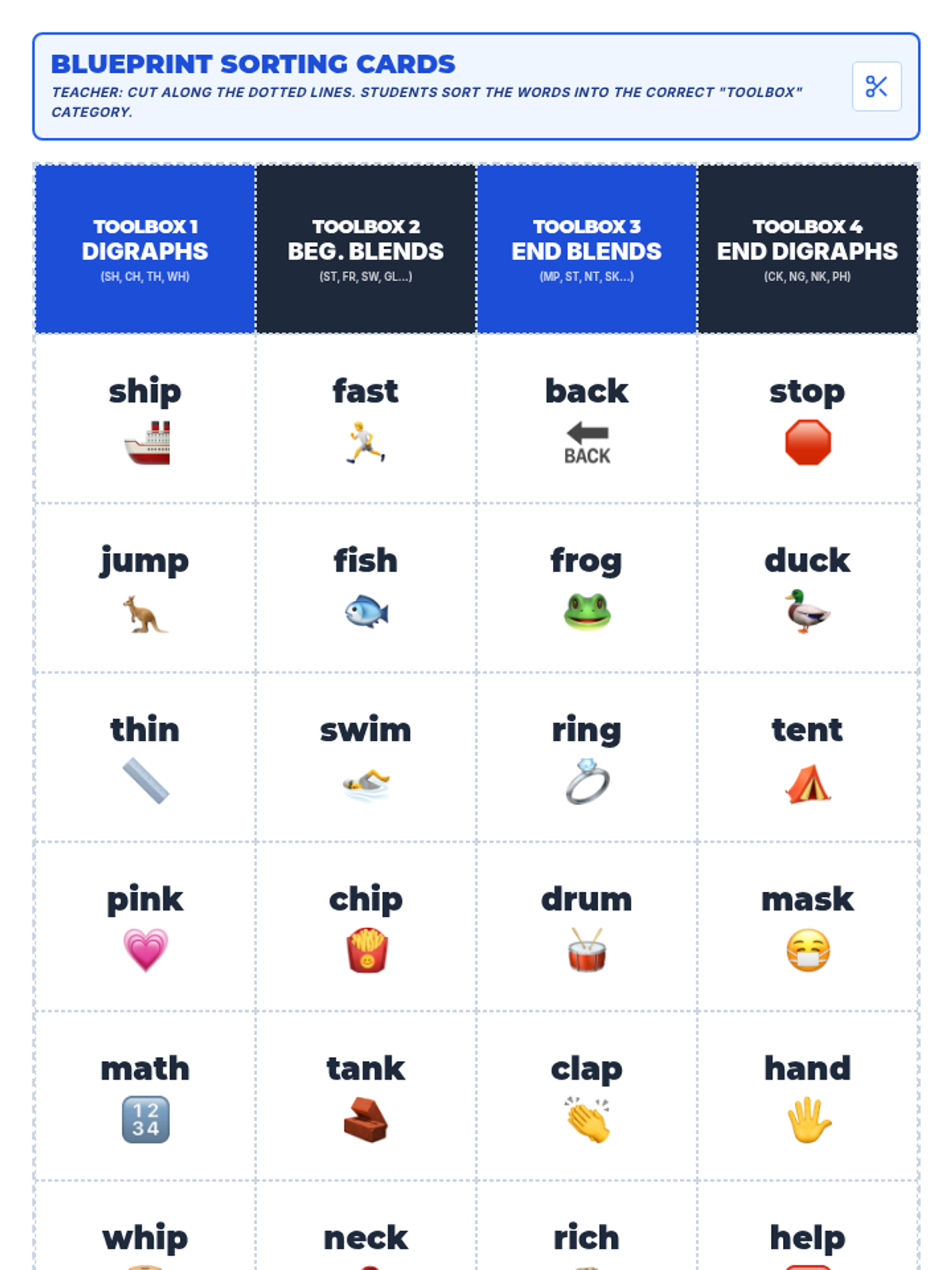
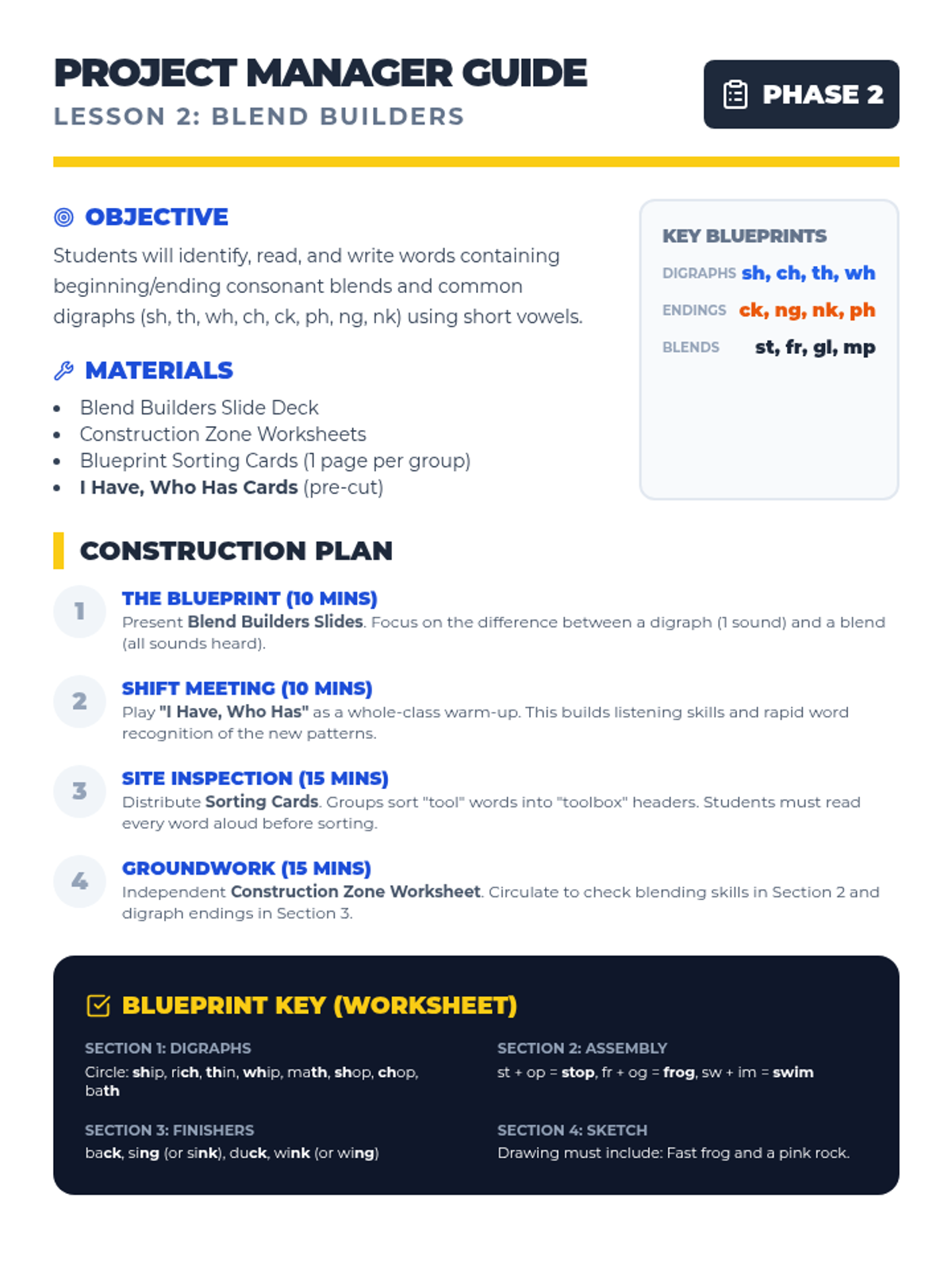
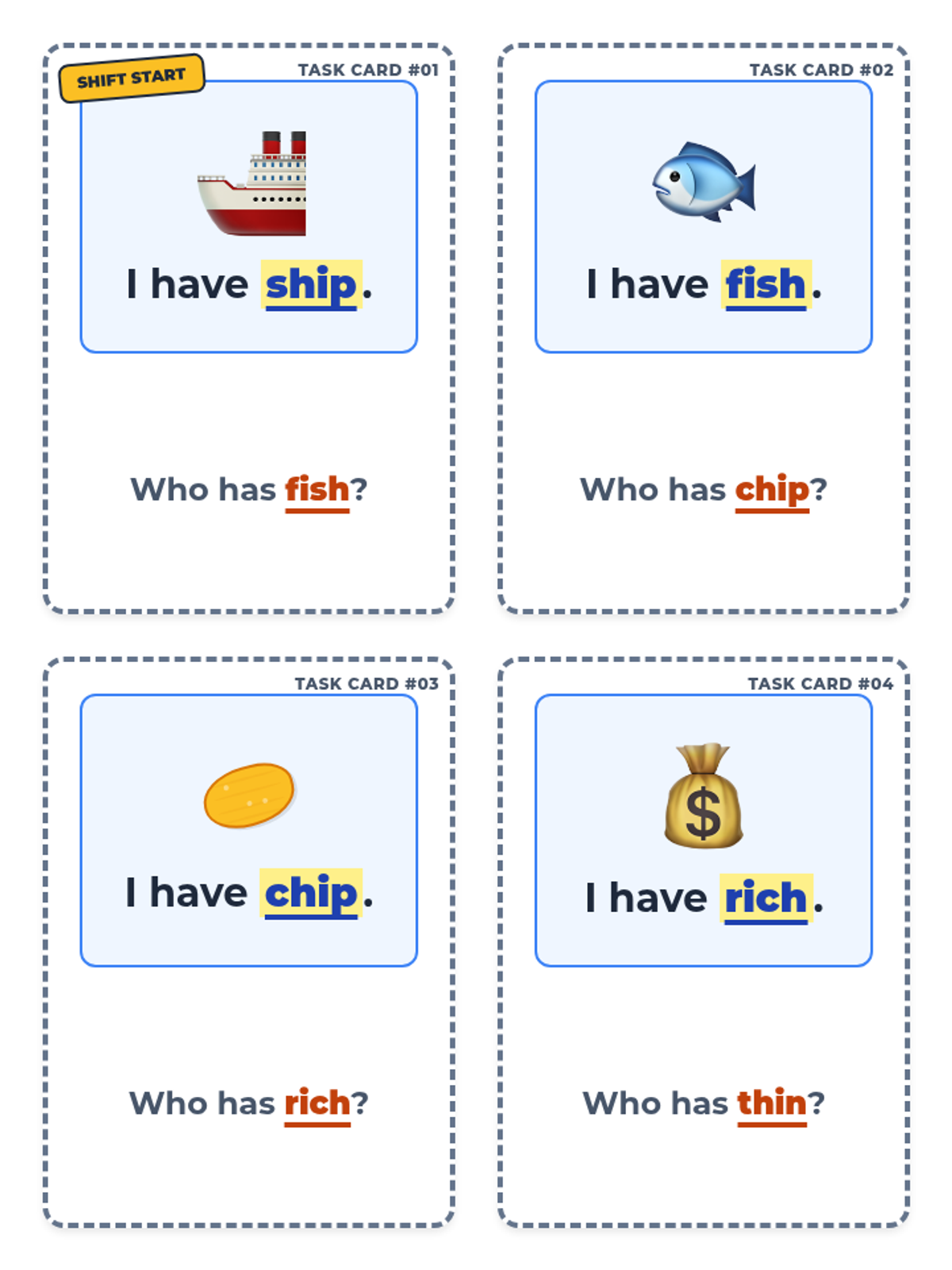
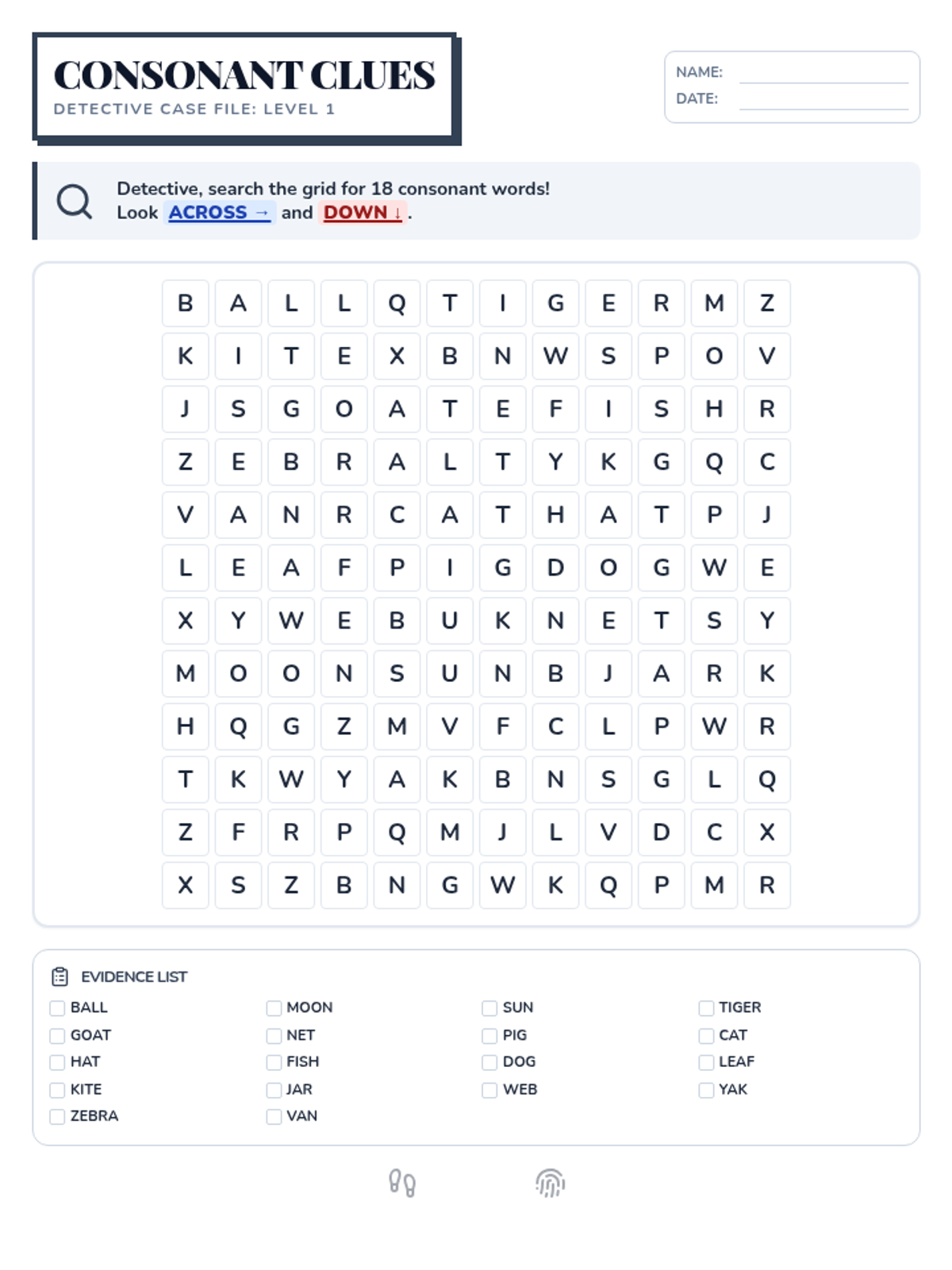
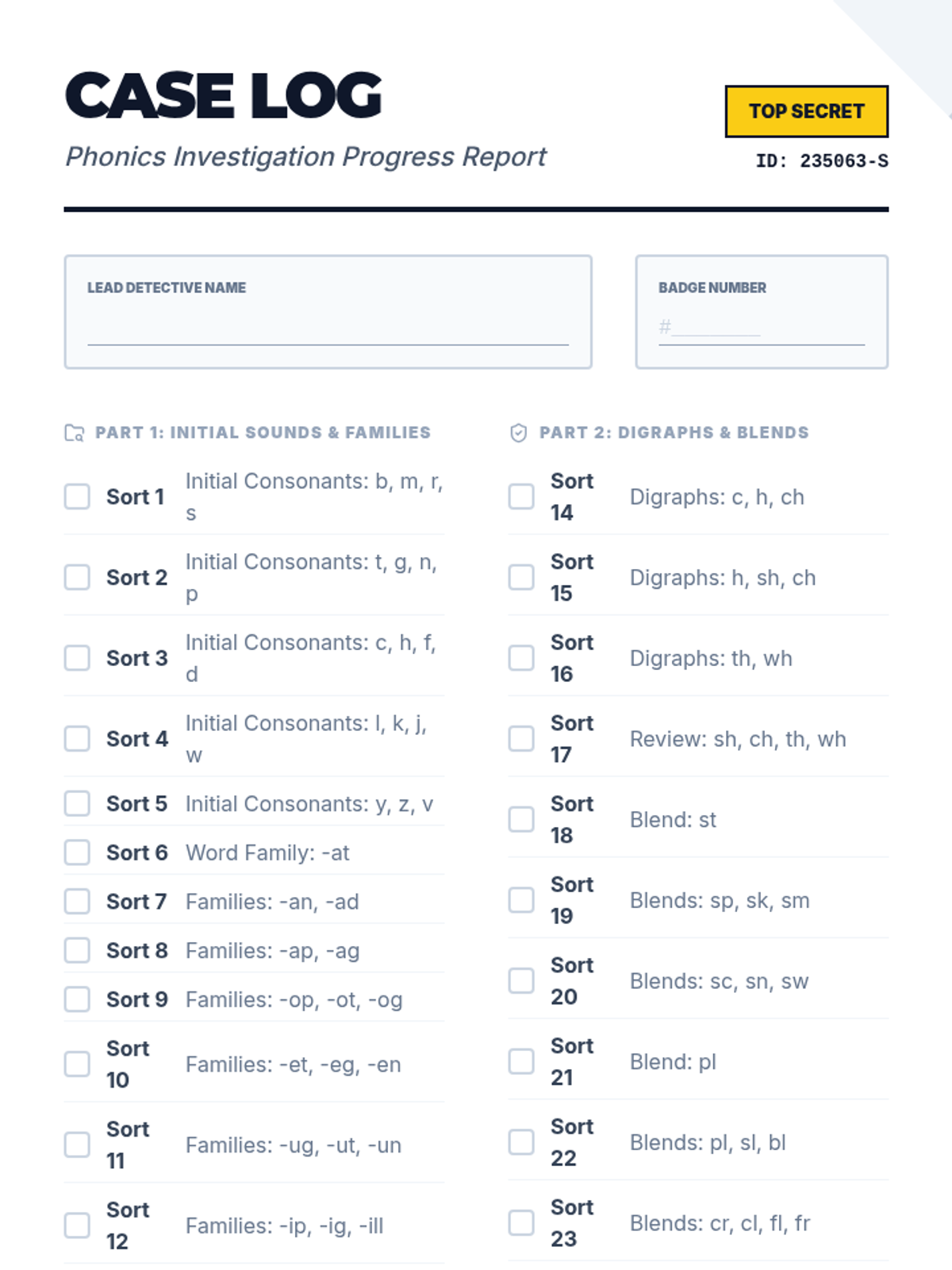
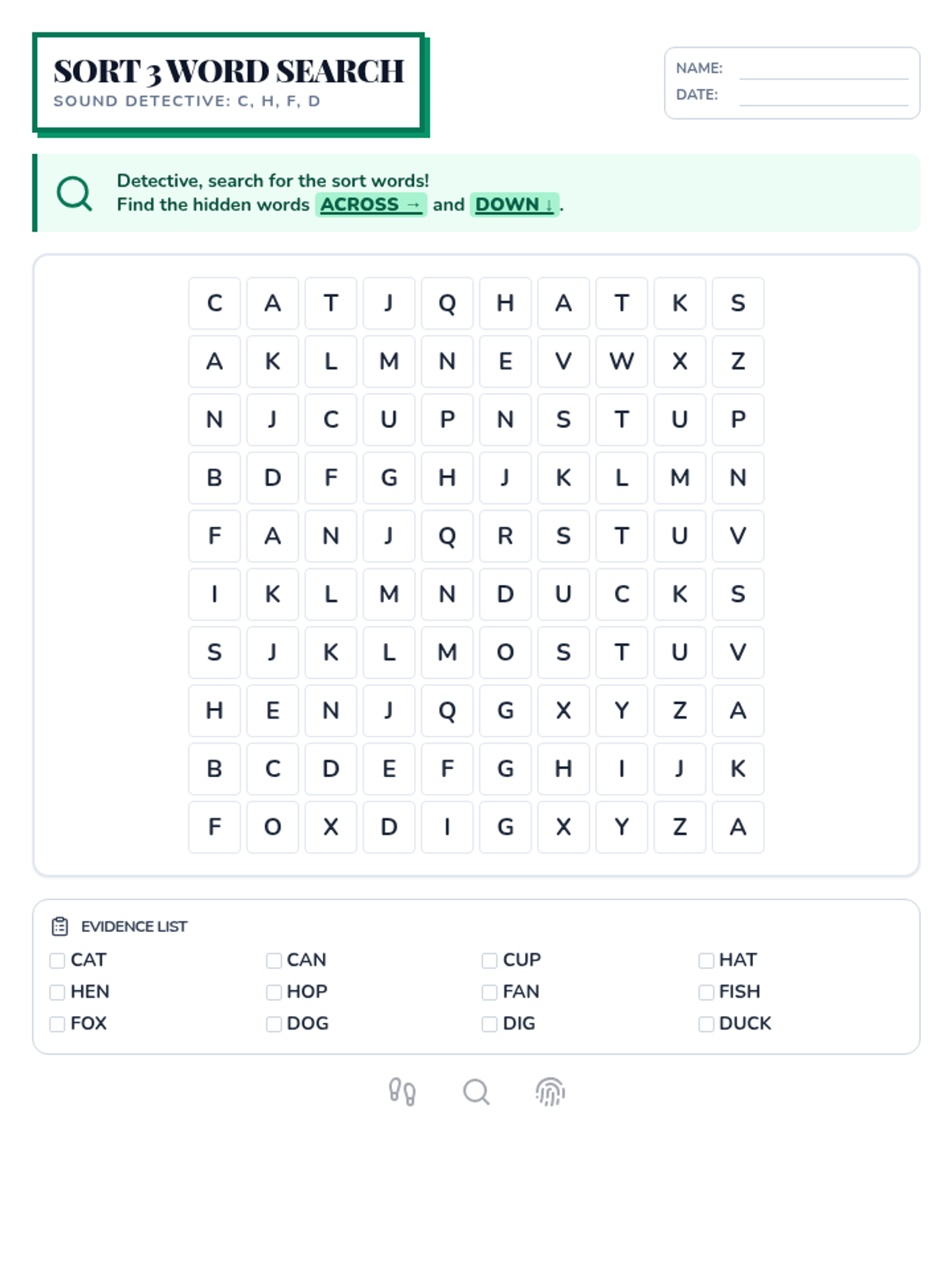
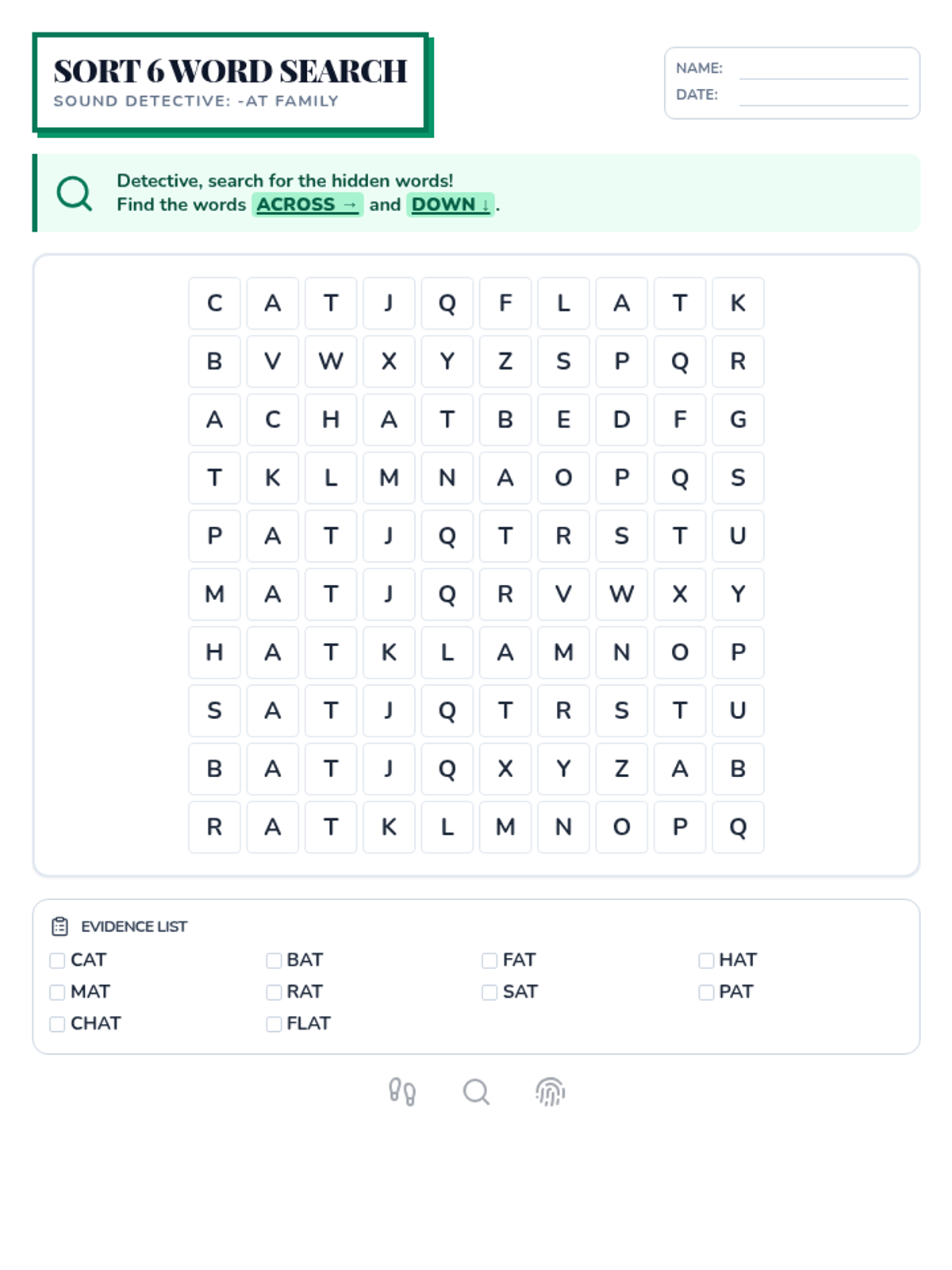
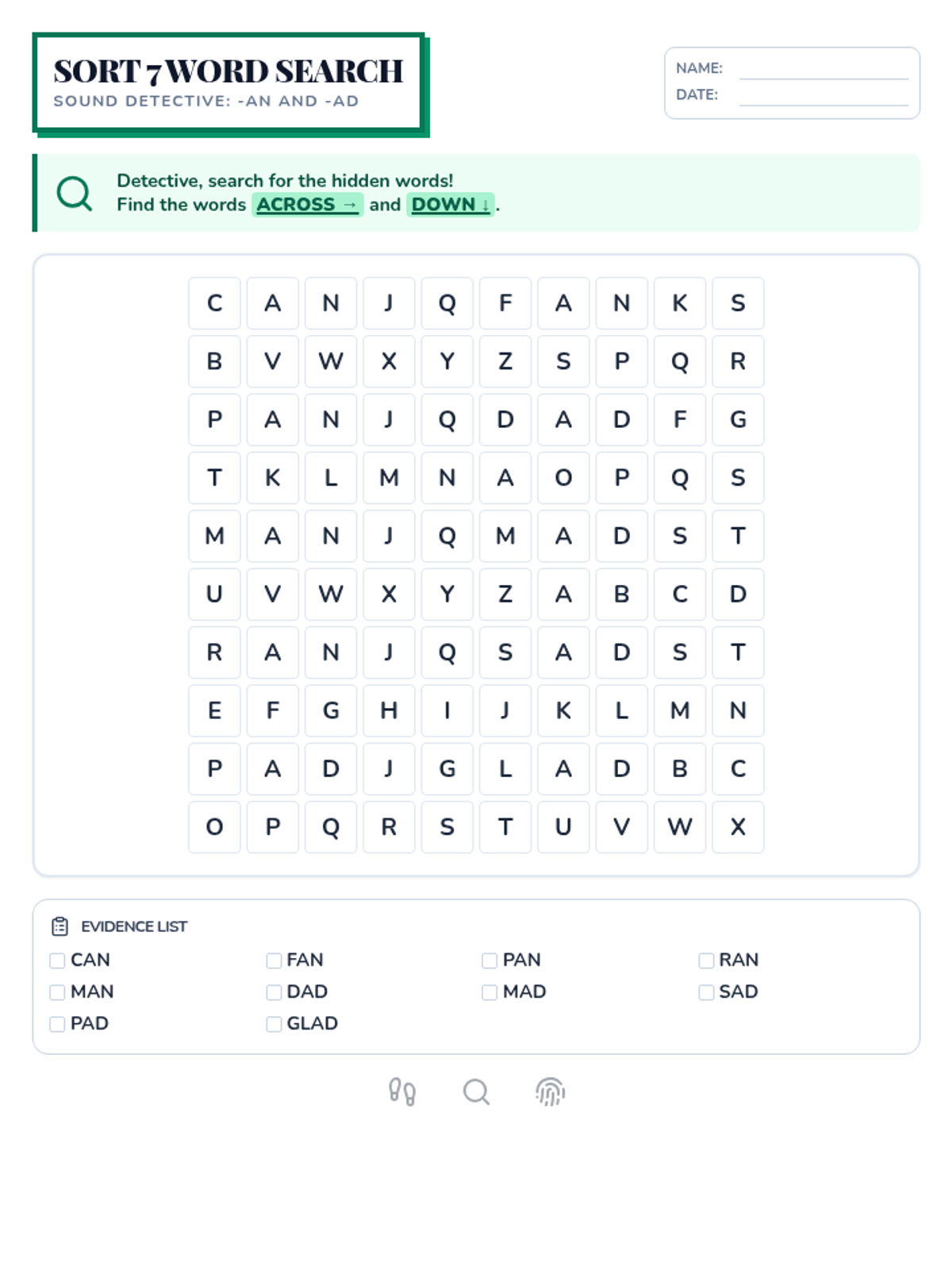
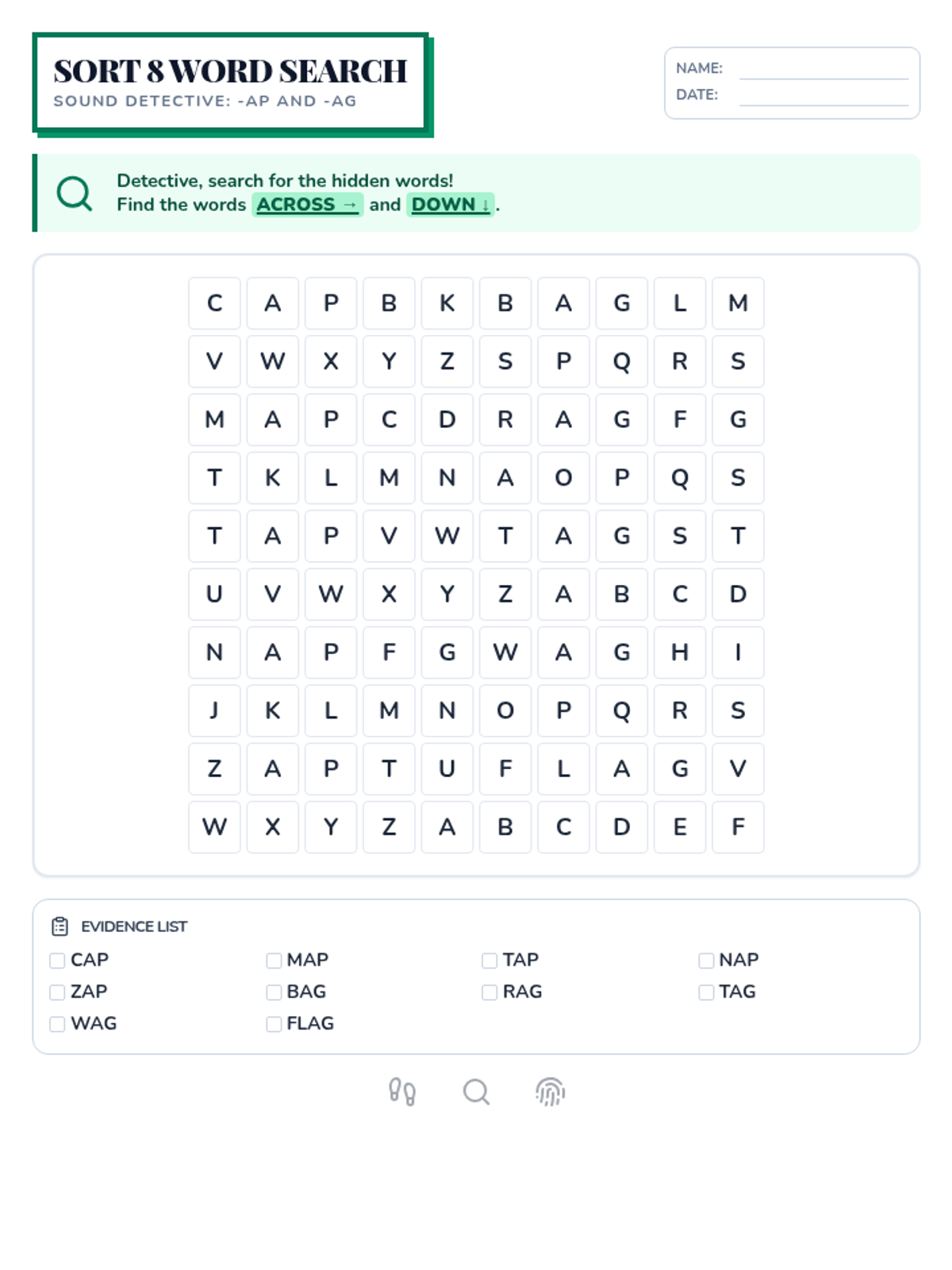
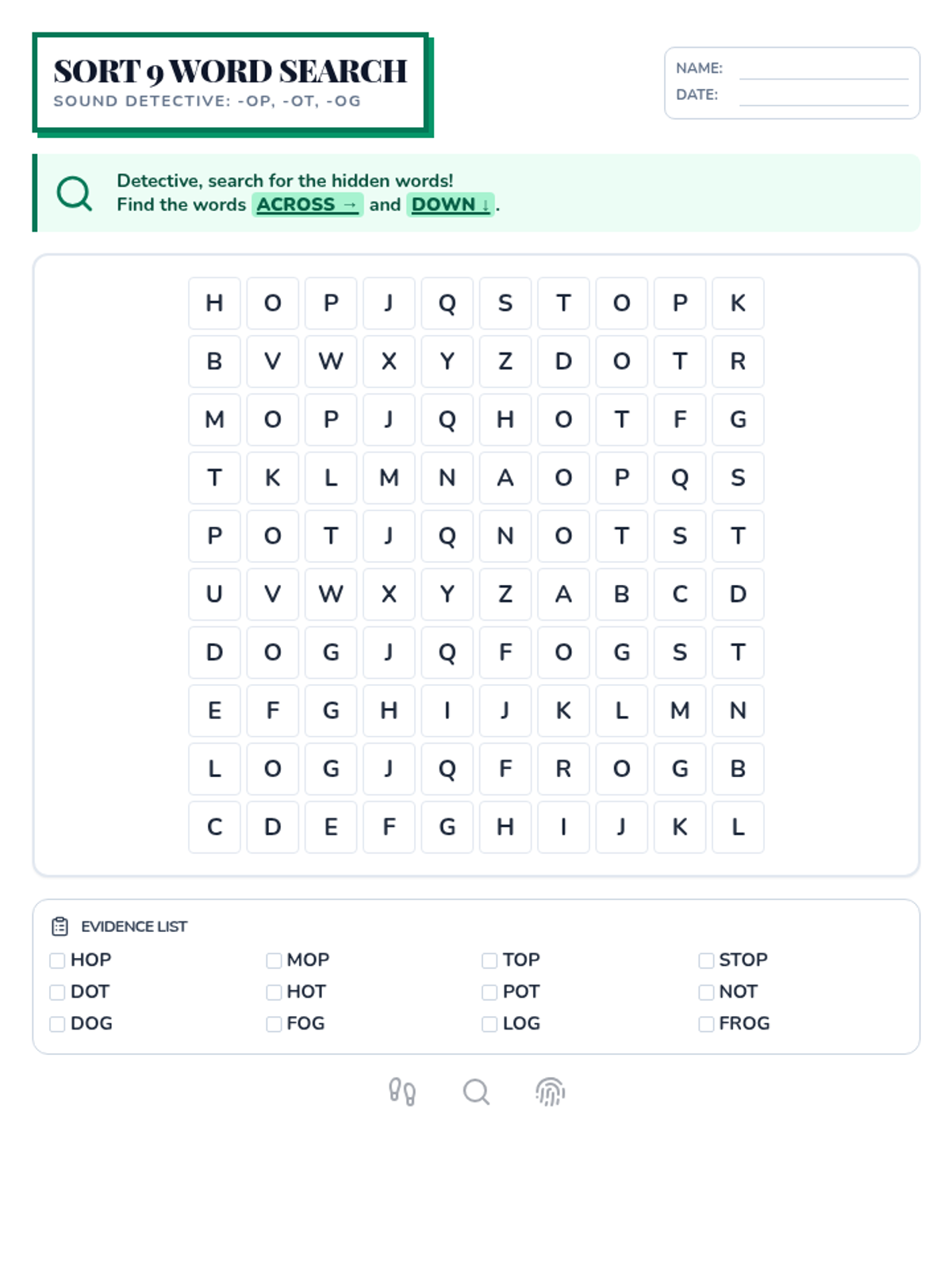
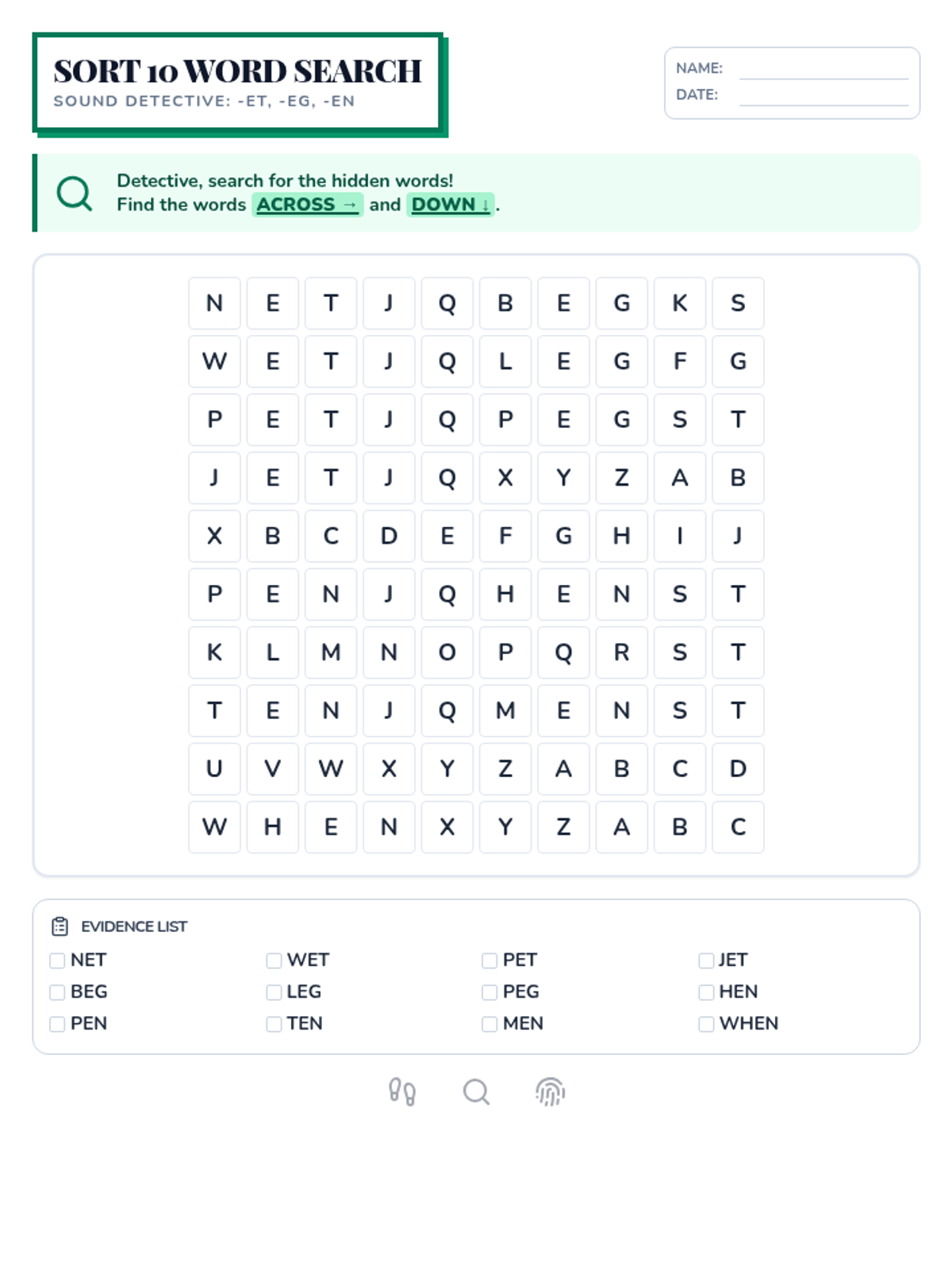
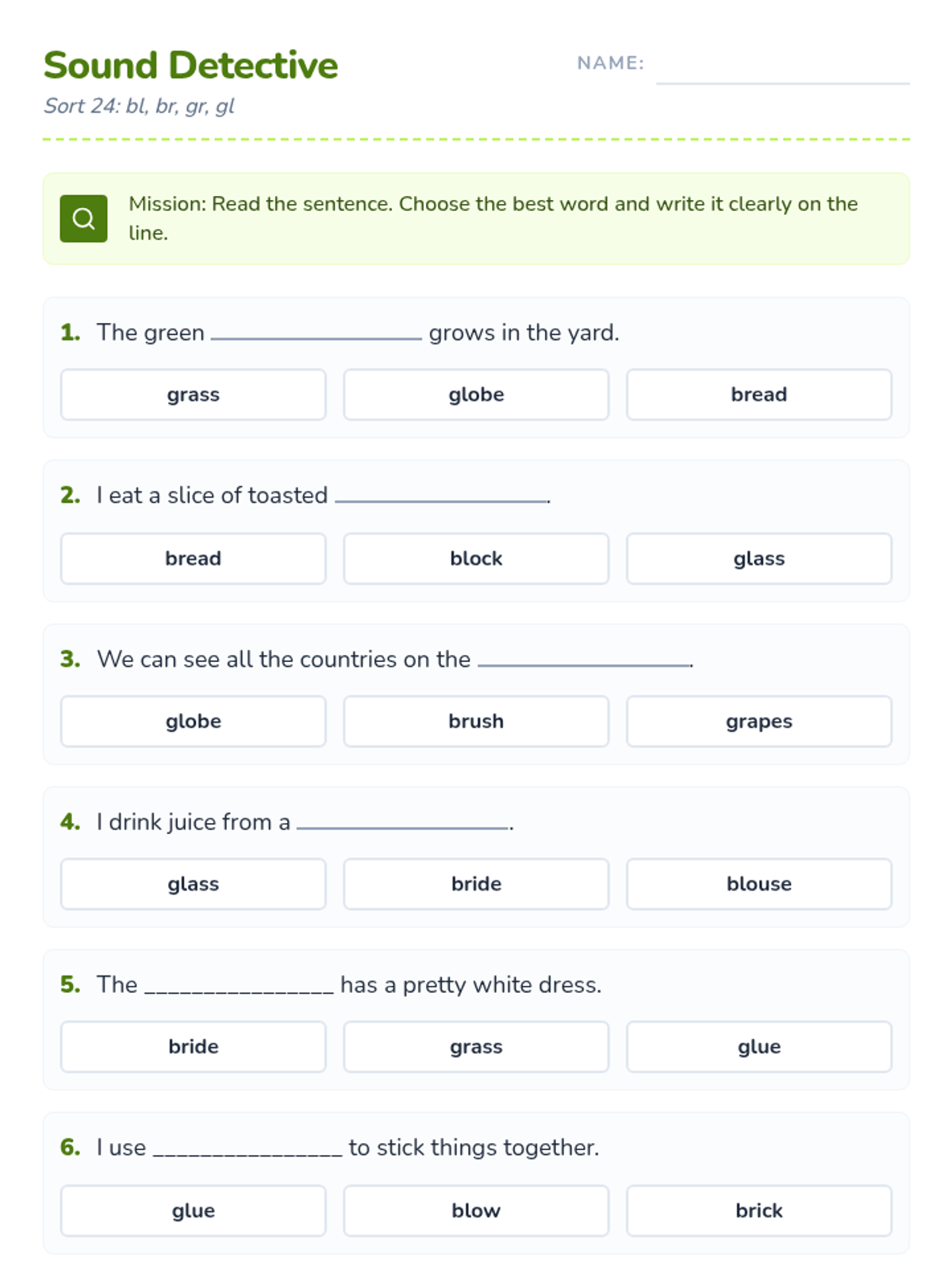
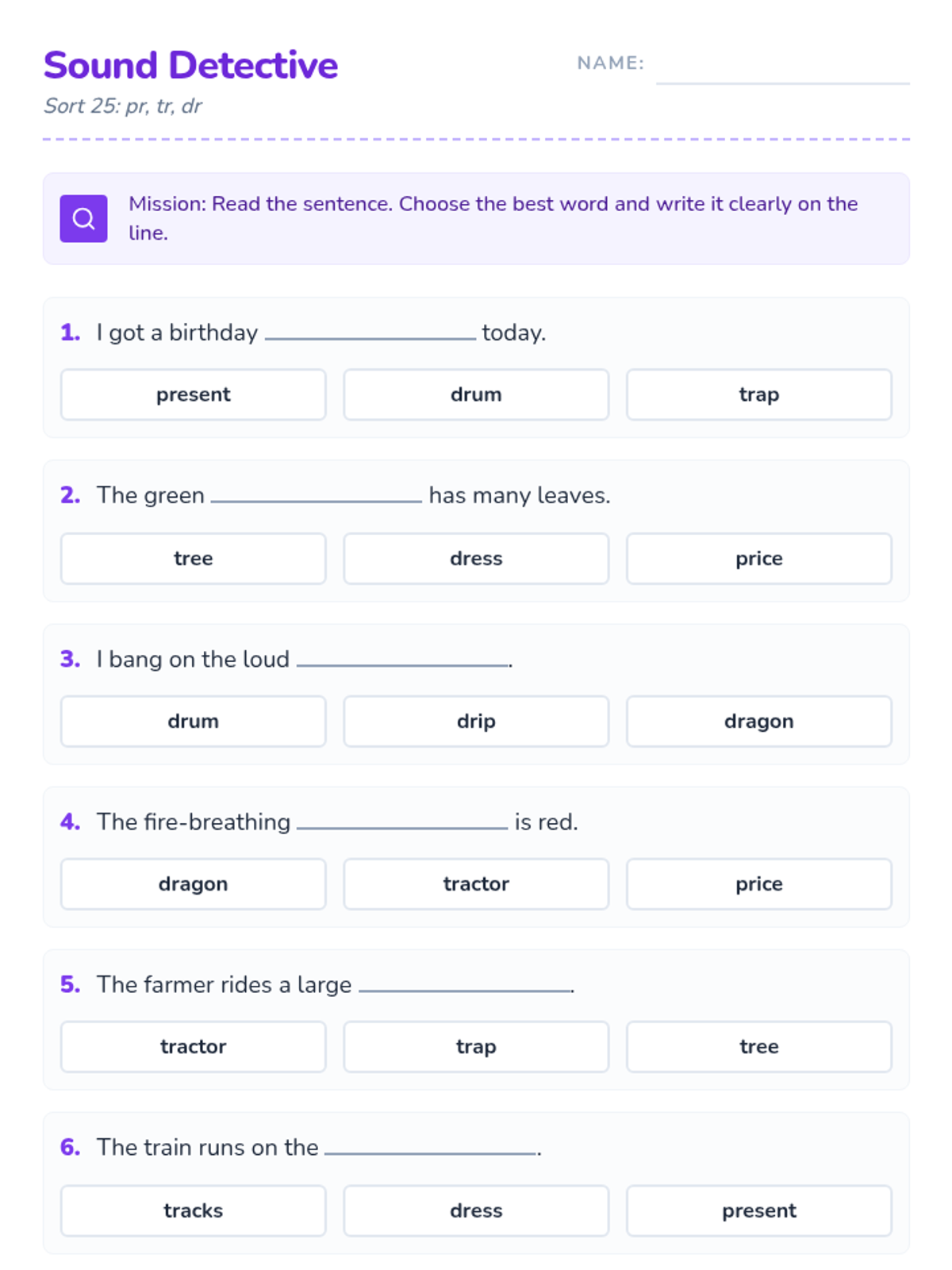
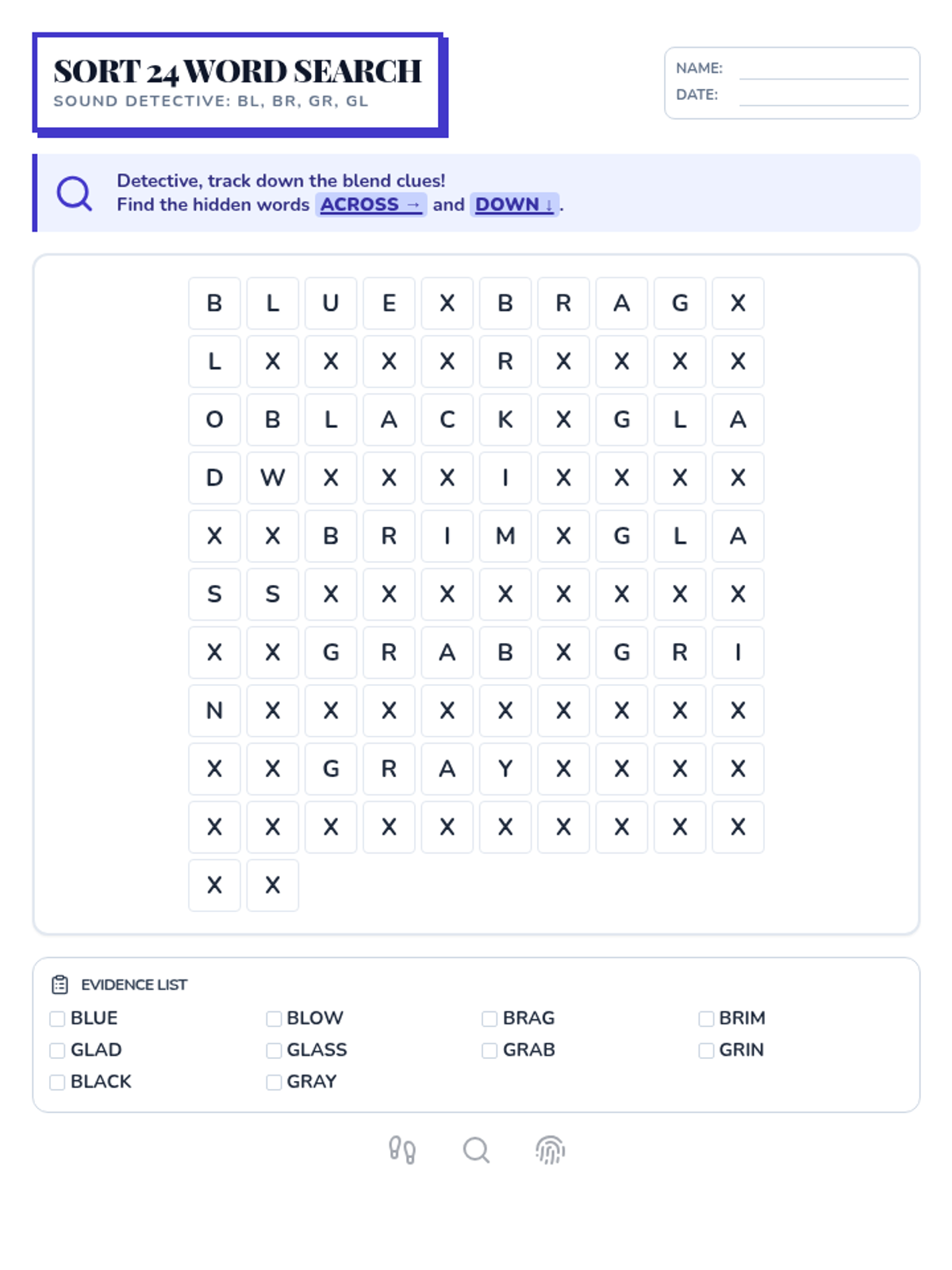
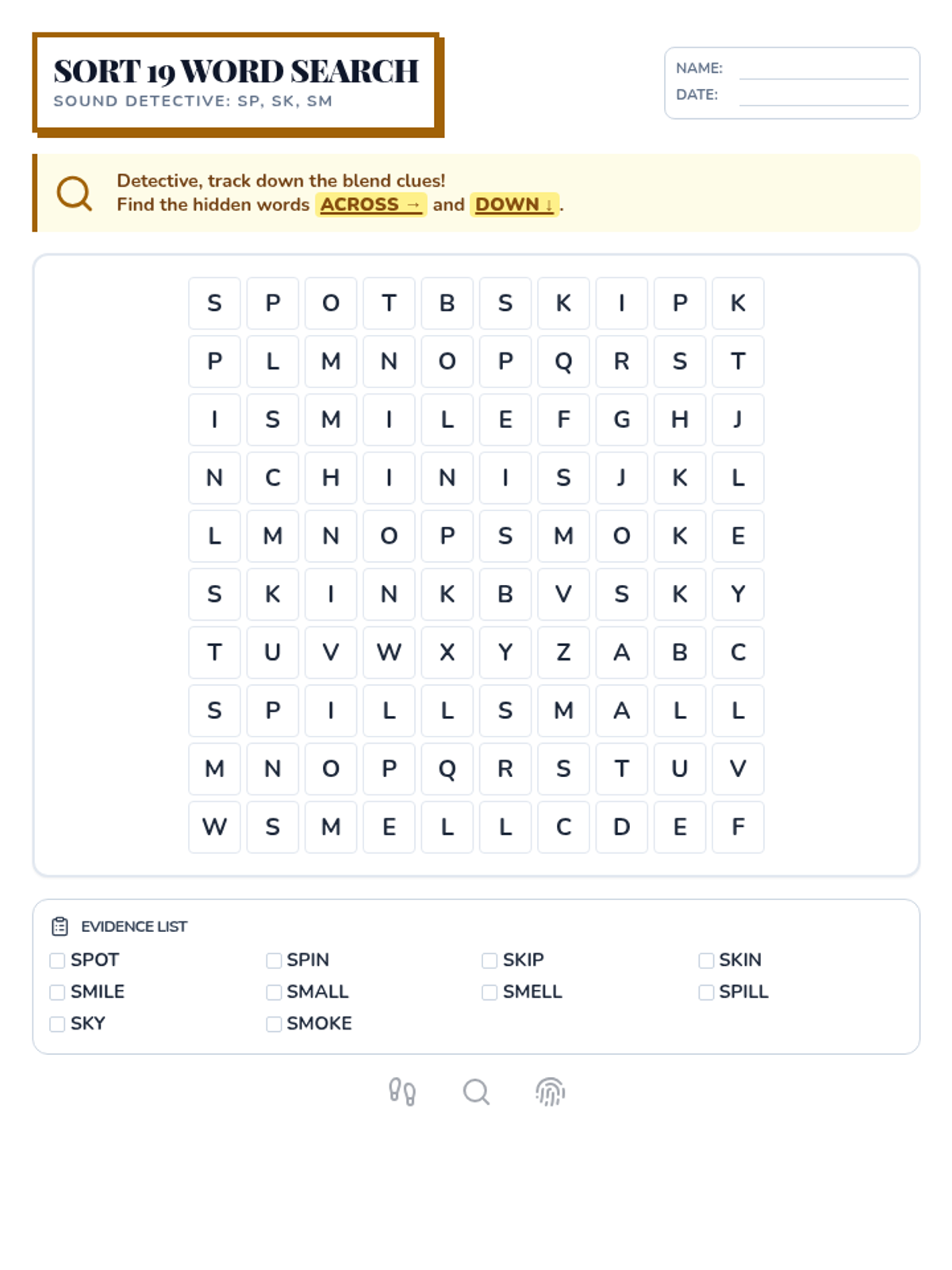
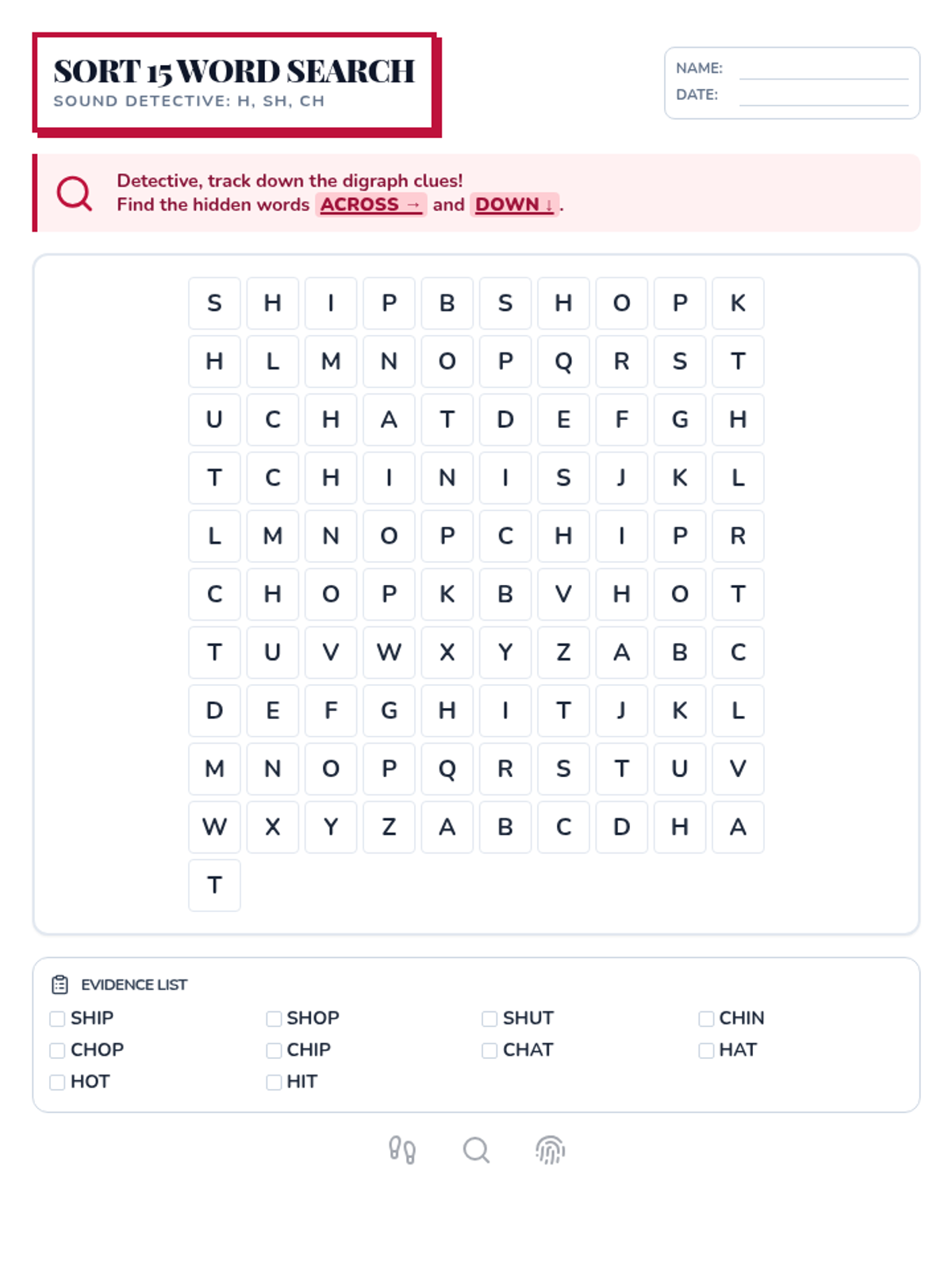
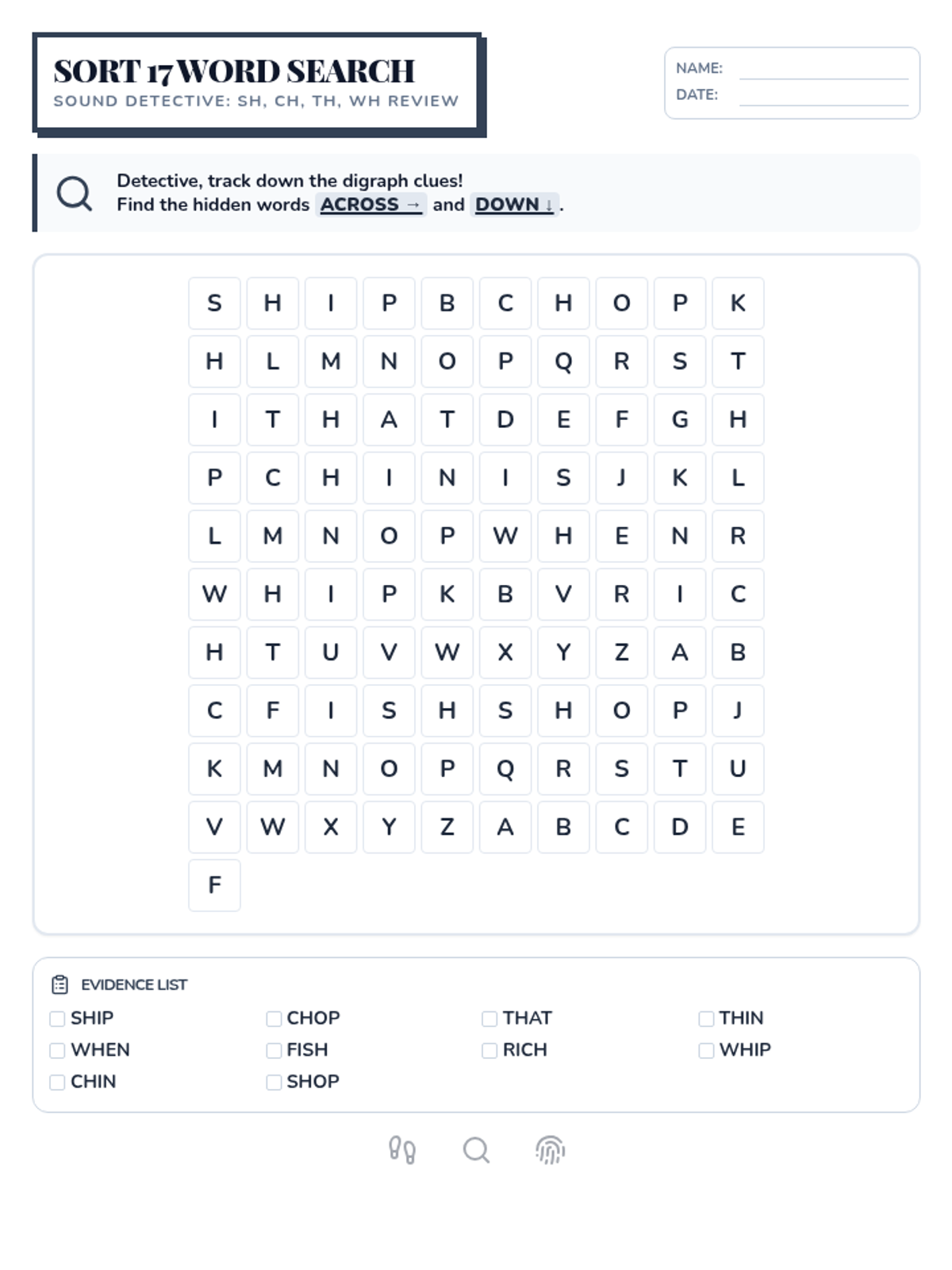
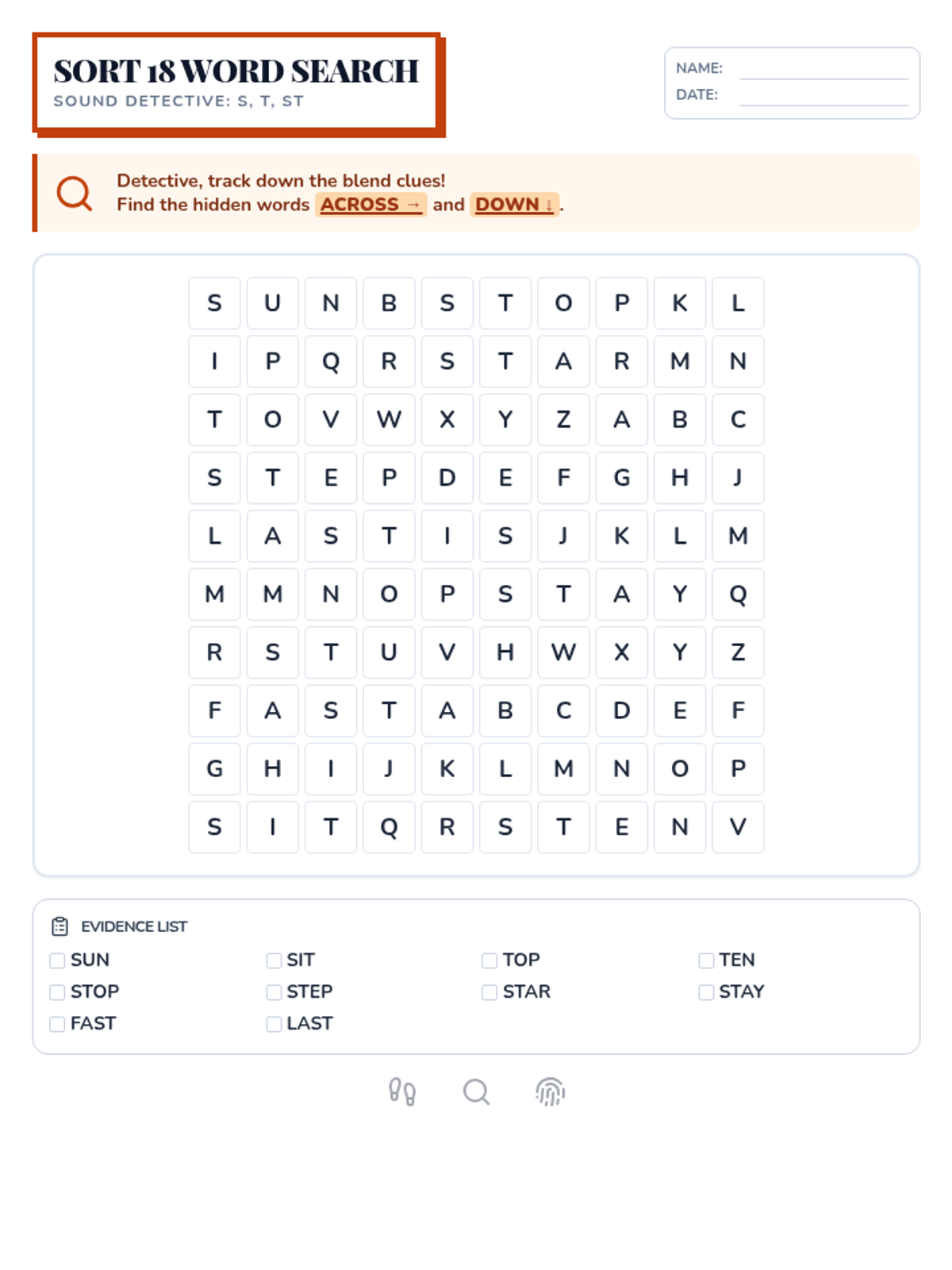
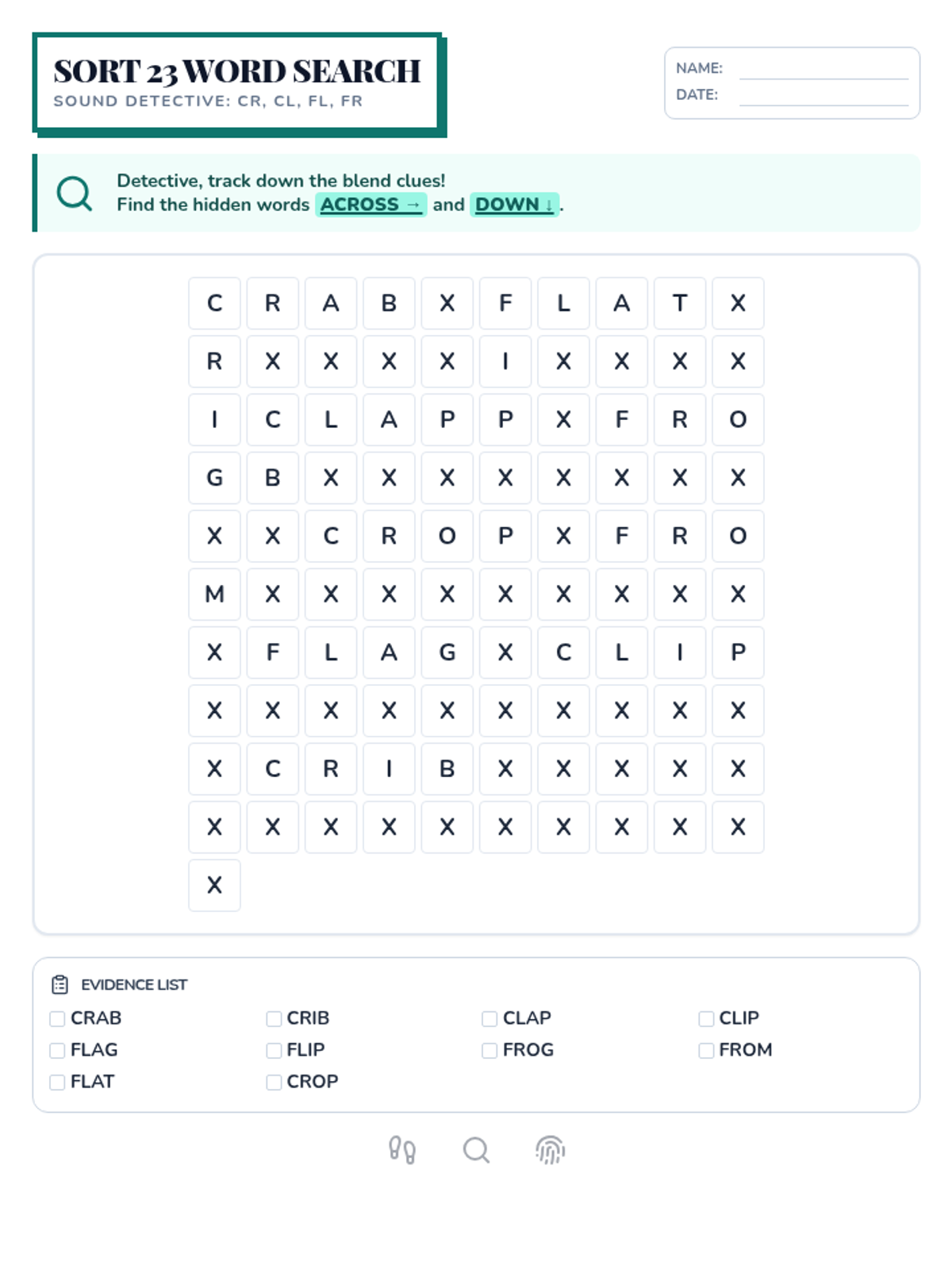
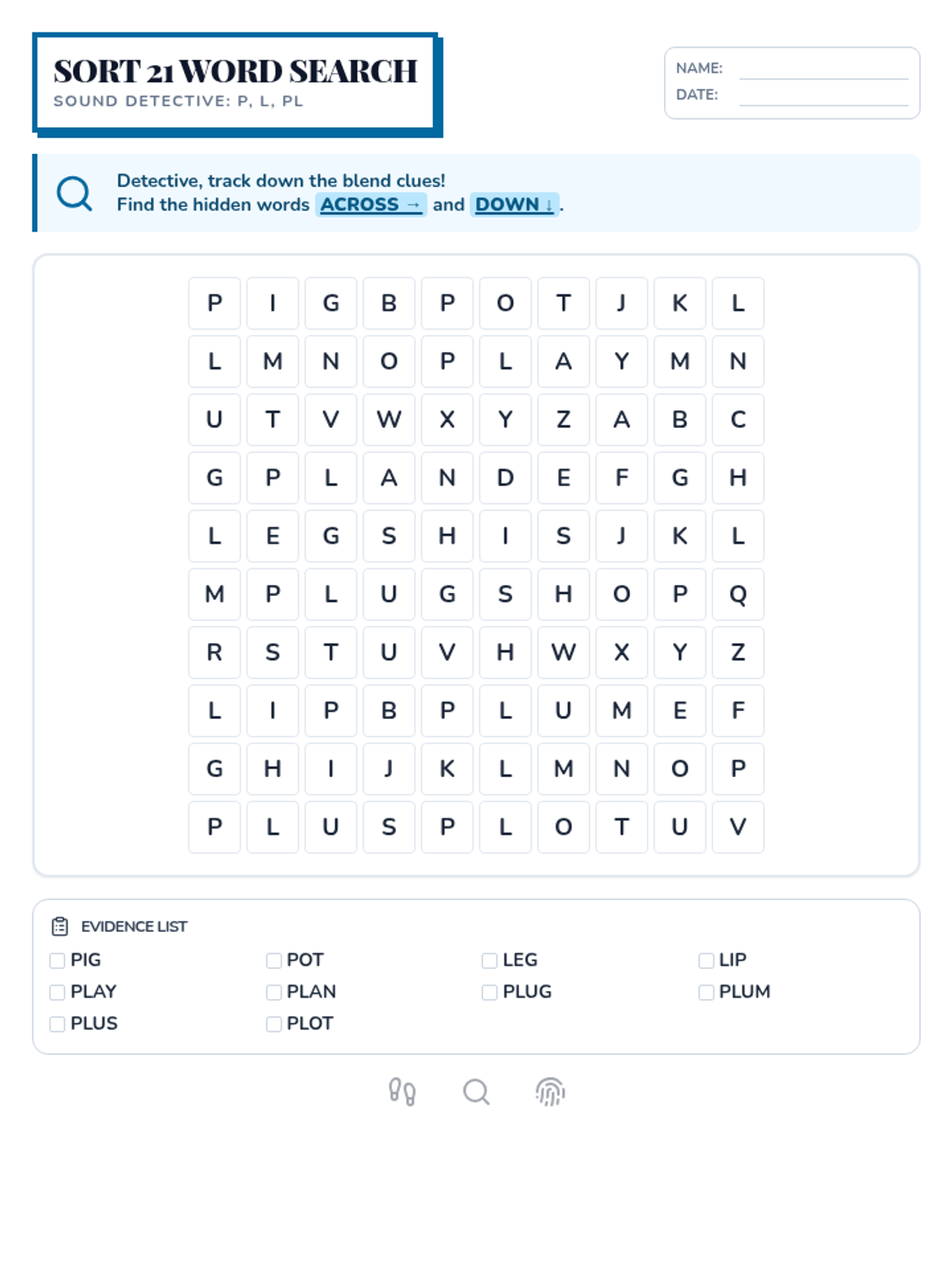
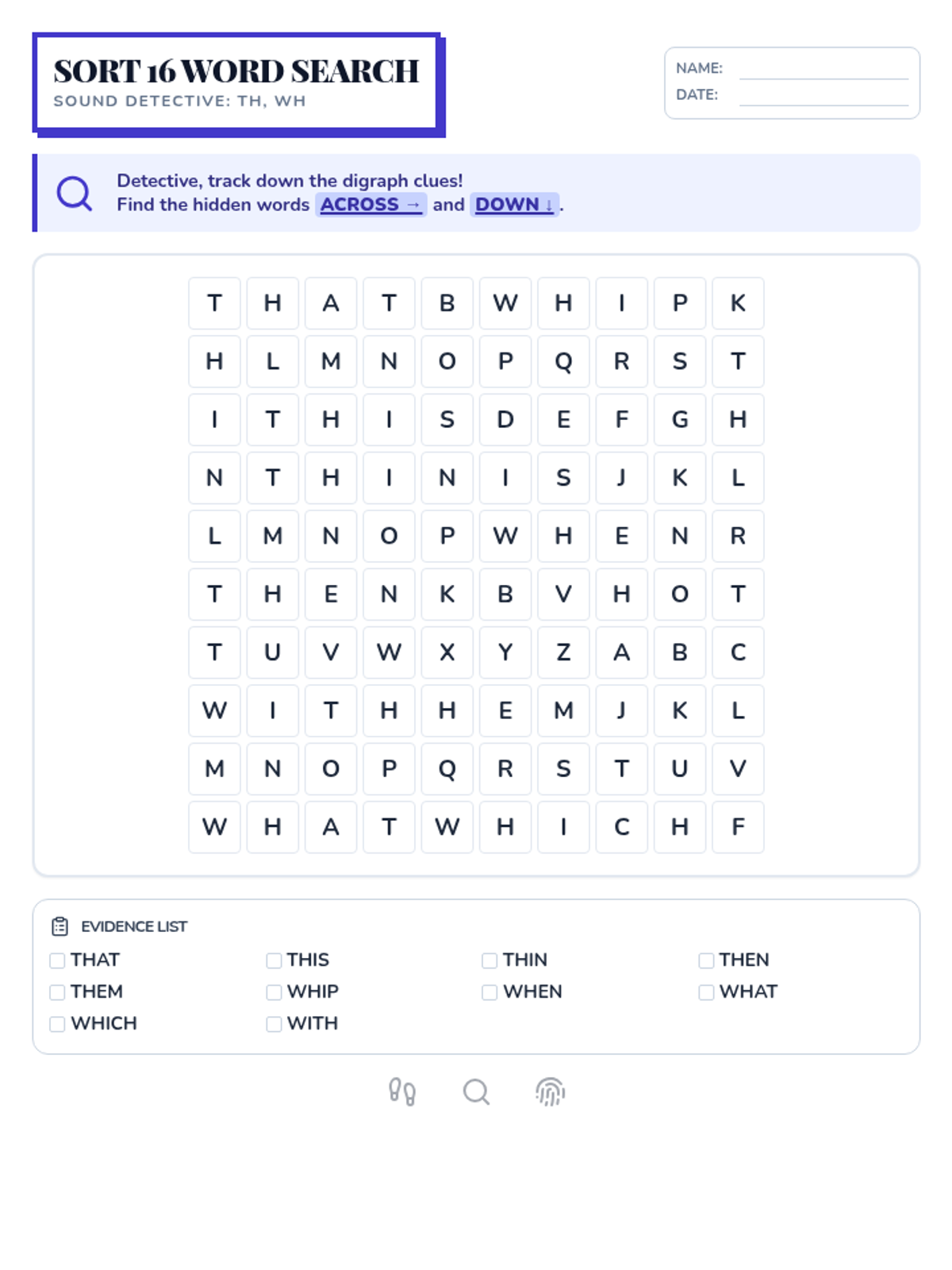
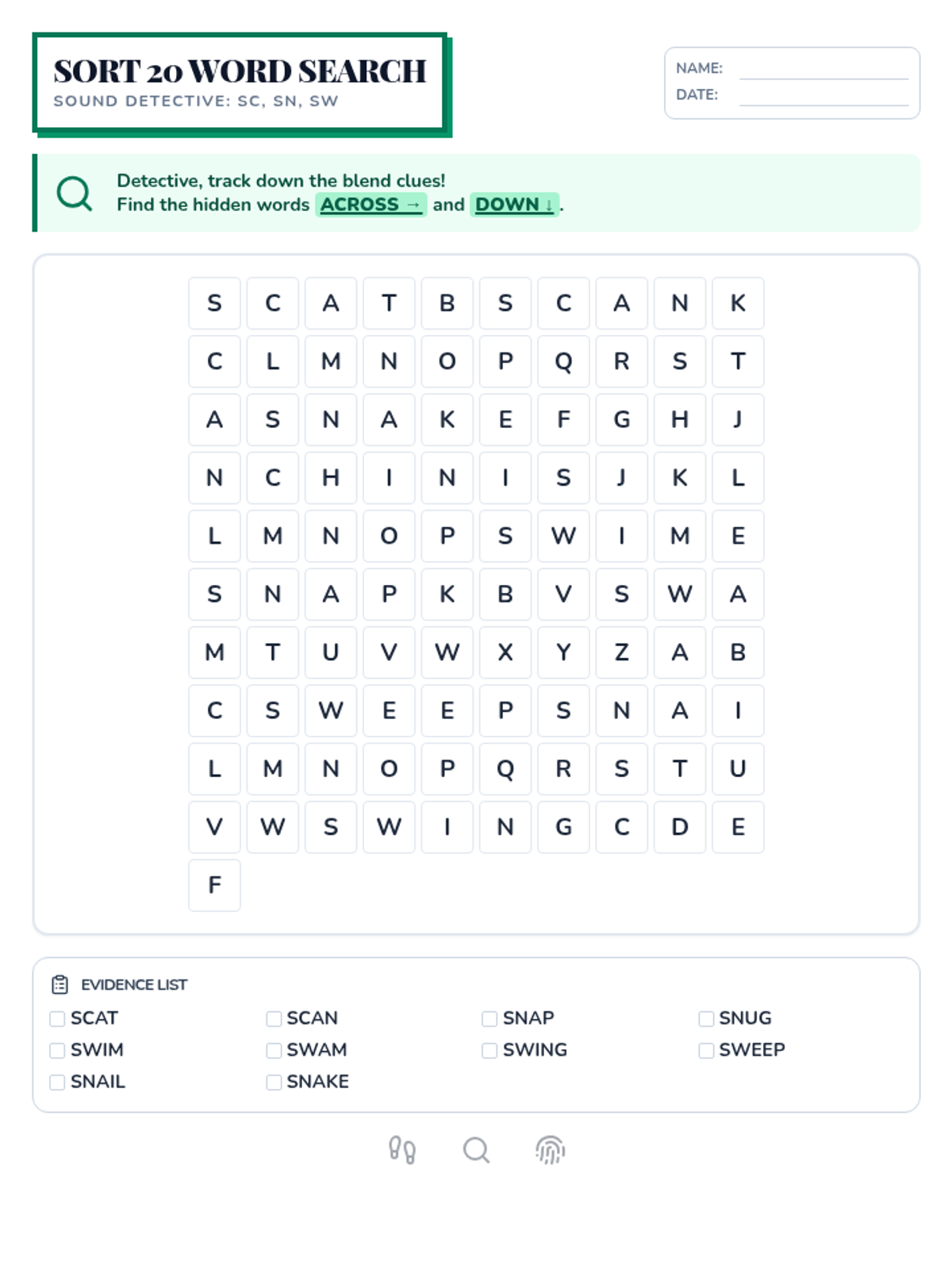
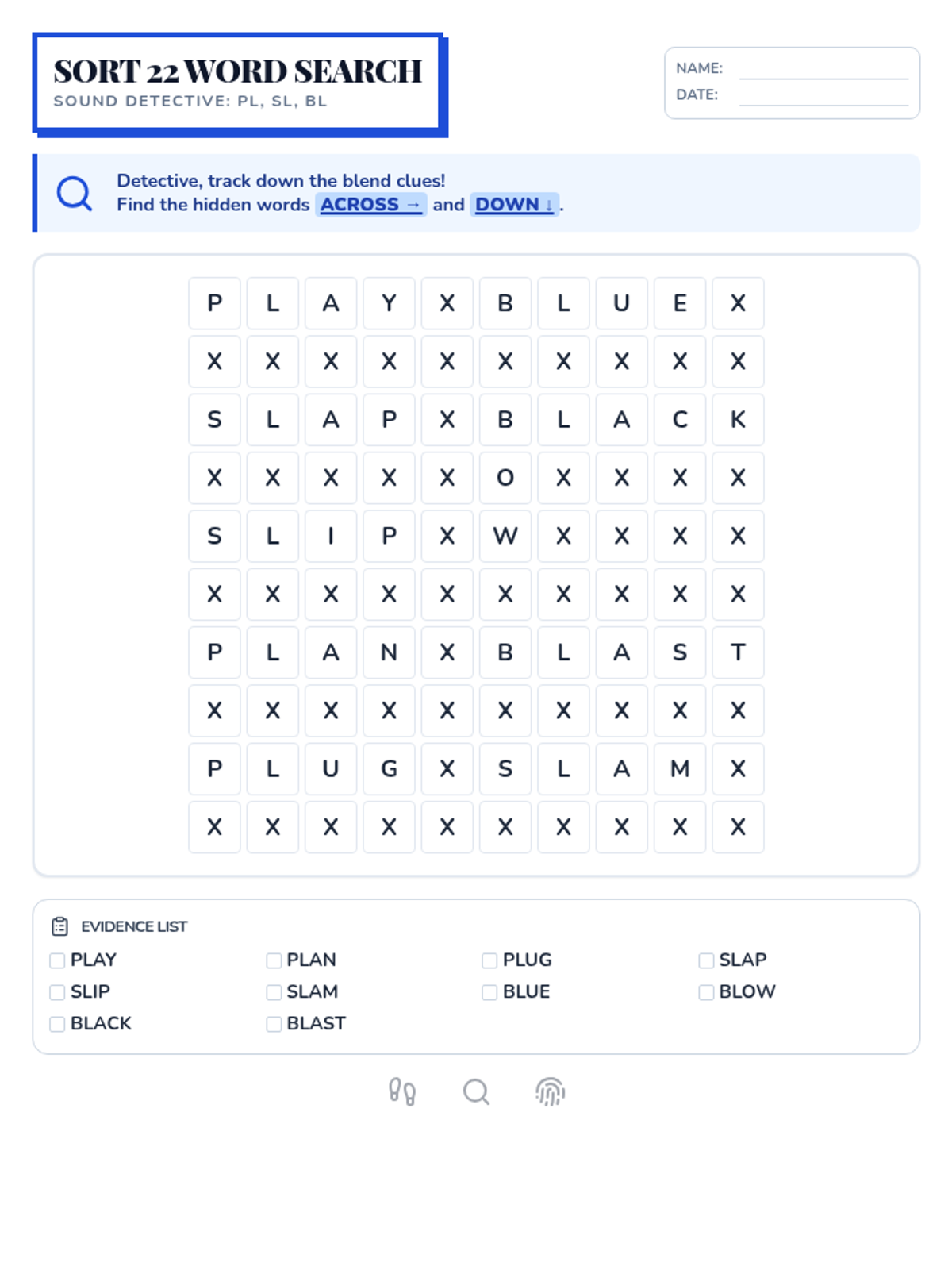
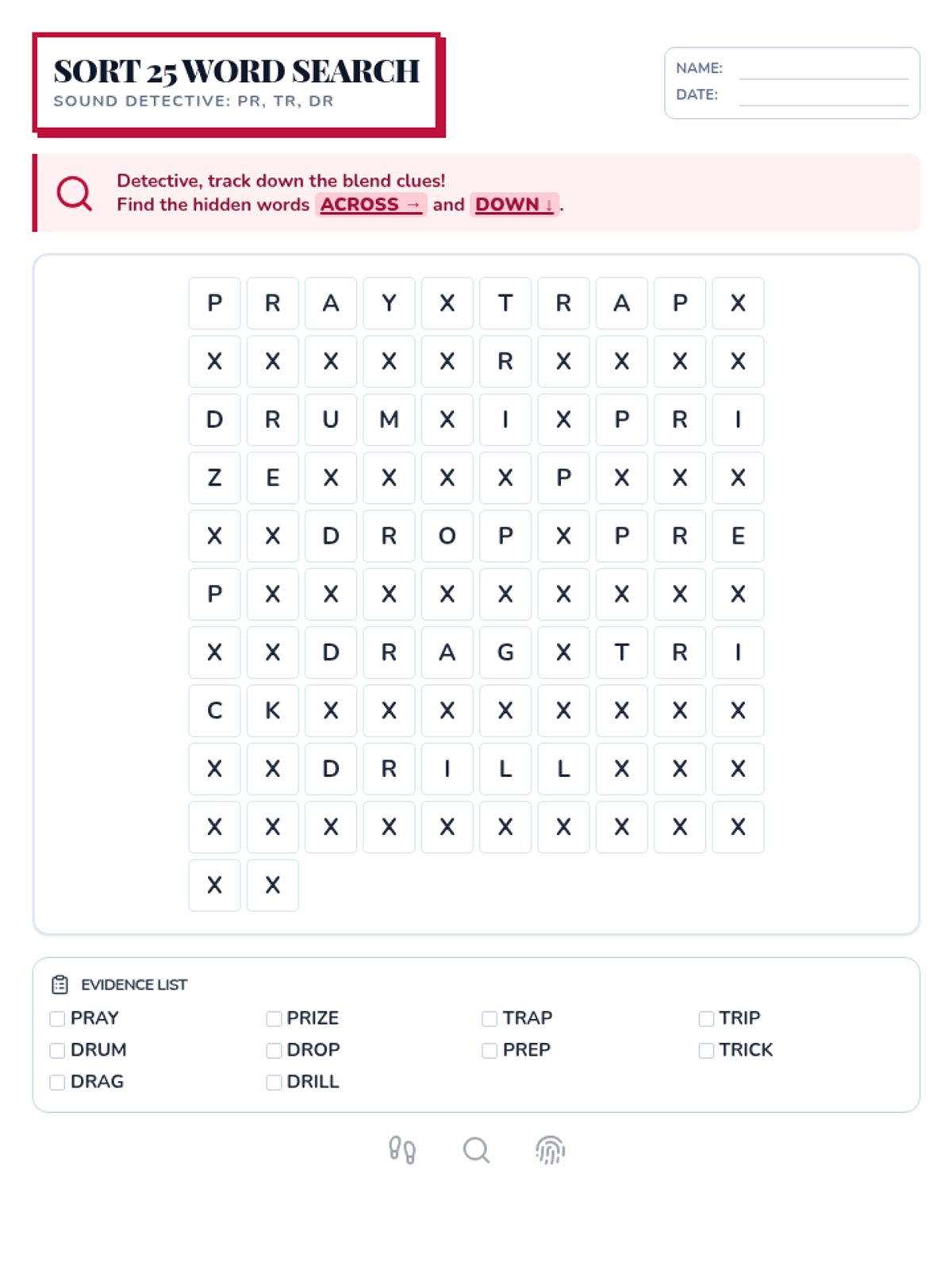
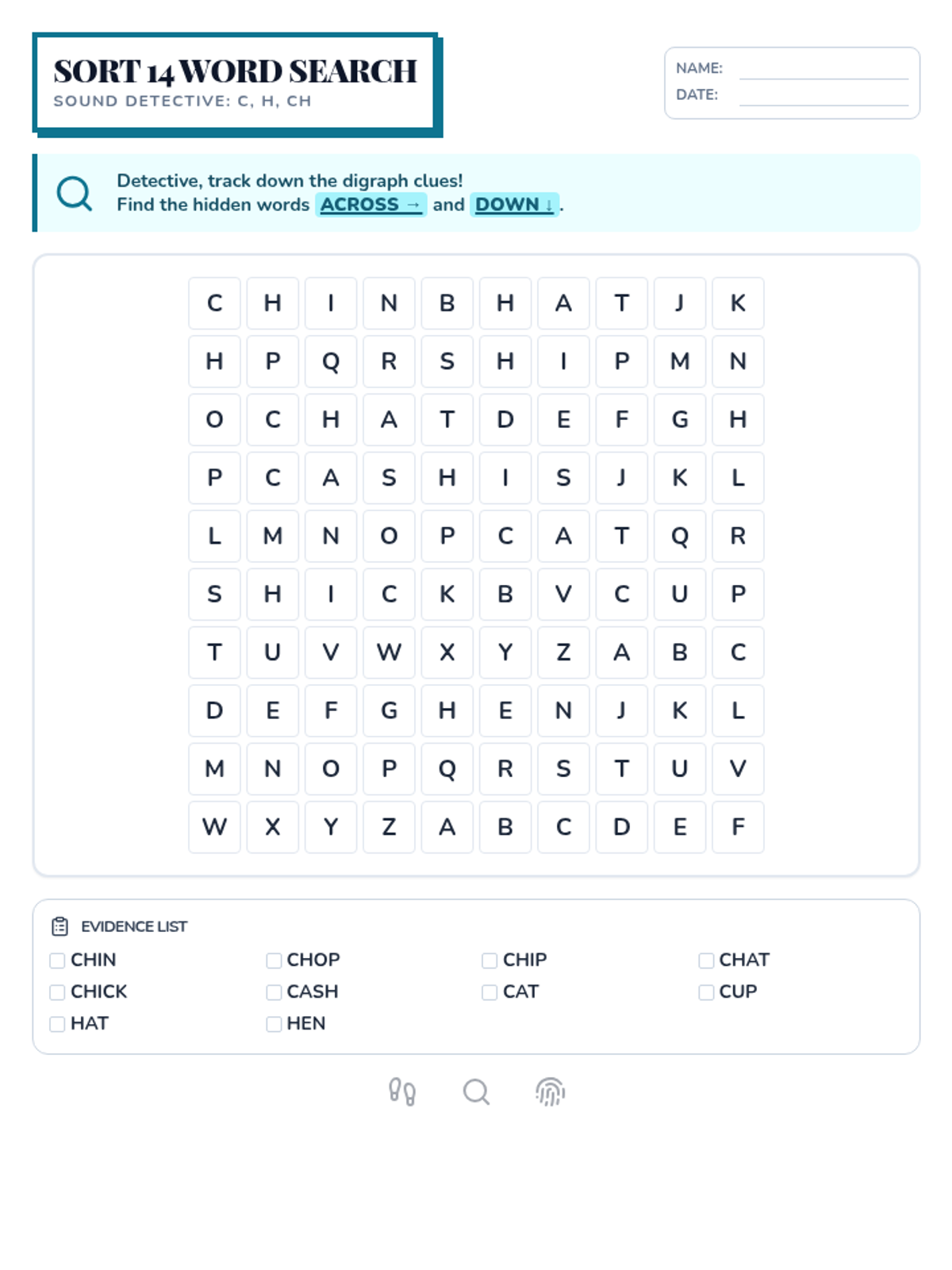
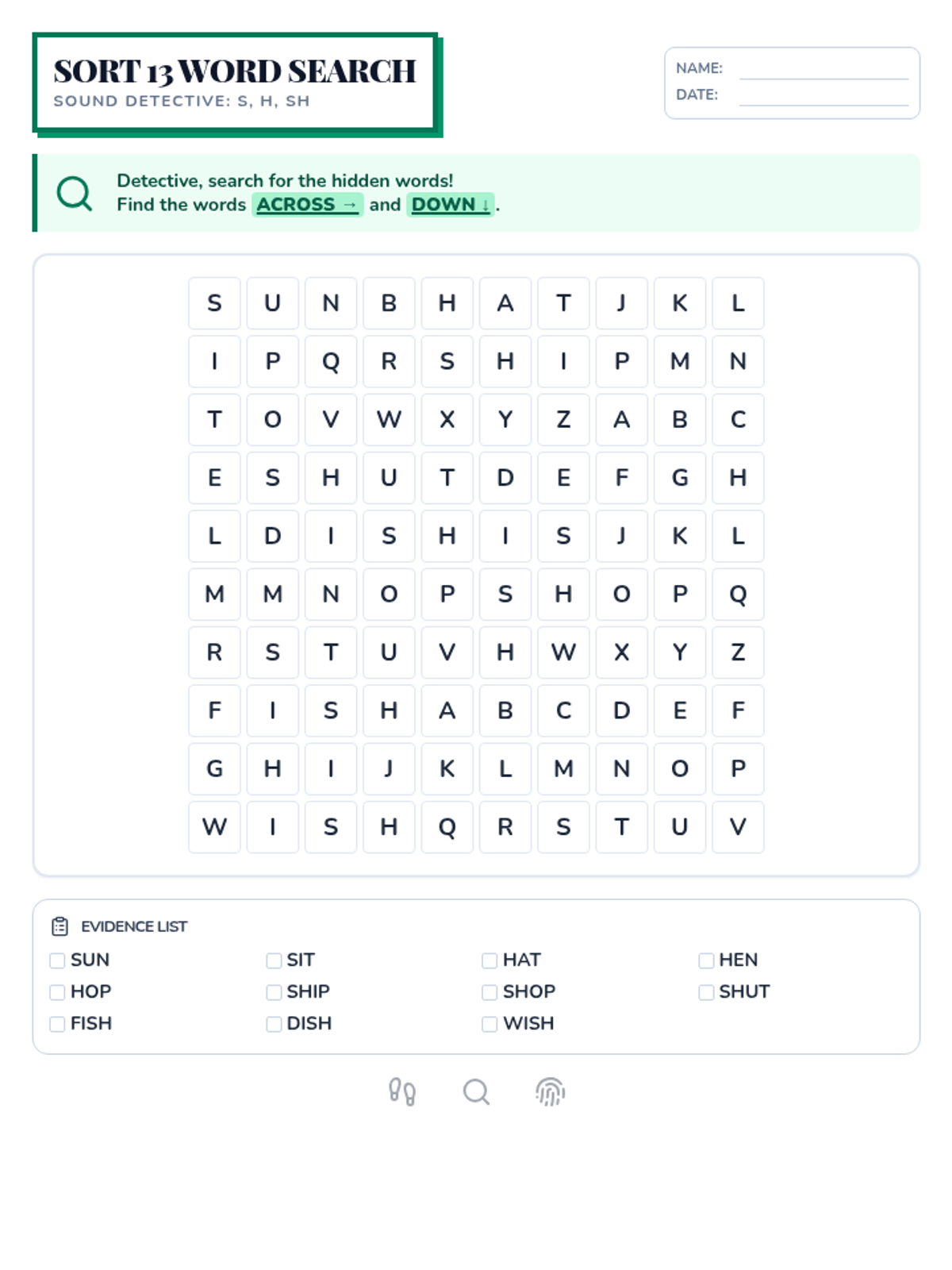
A comprehensive phonics sequence that takes students from basic CVC words to complex consonant blends and digraphs through interactive workshop-themed activities and games.
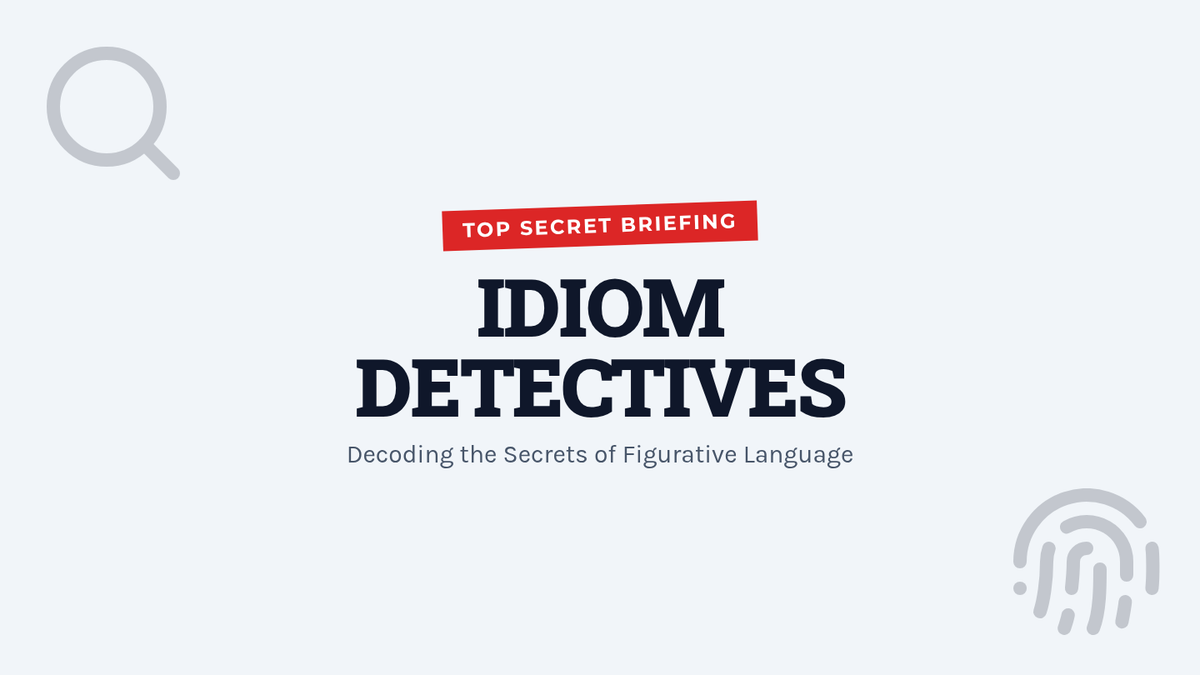
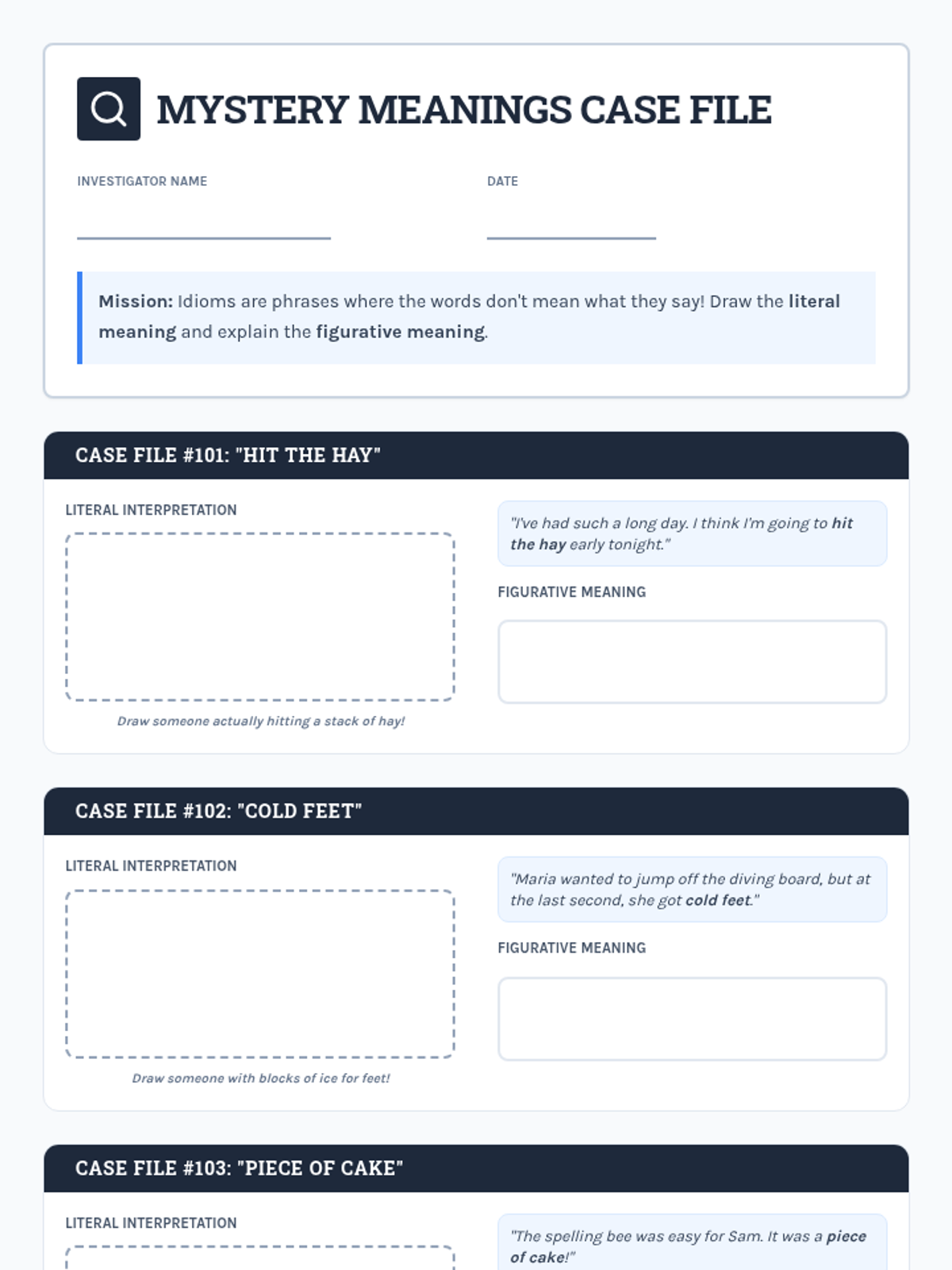
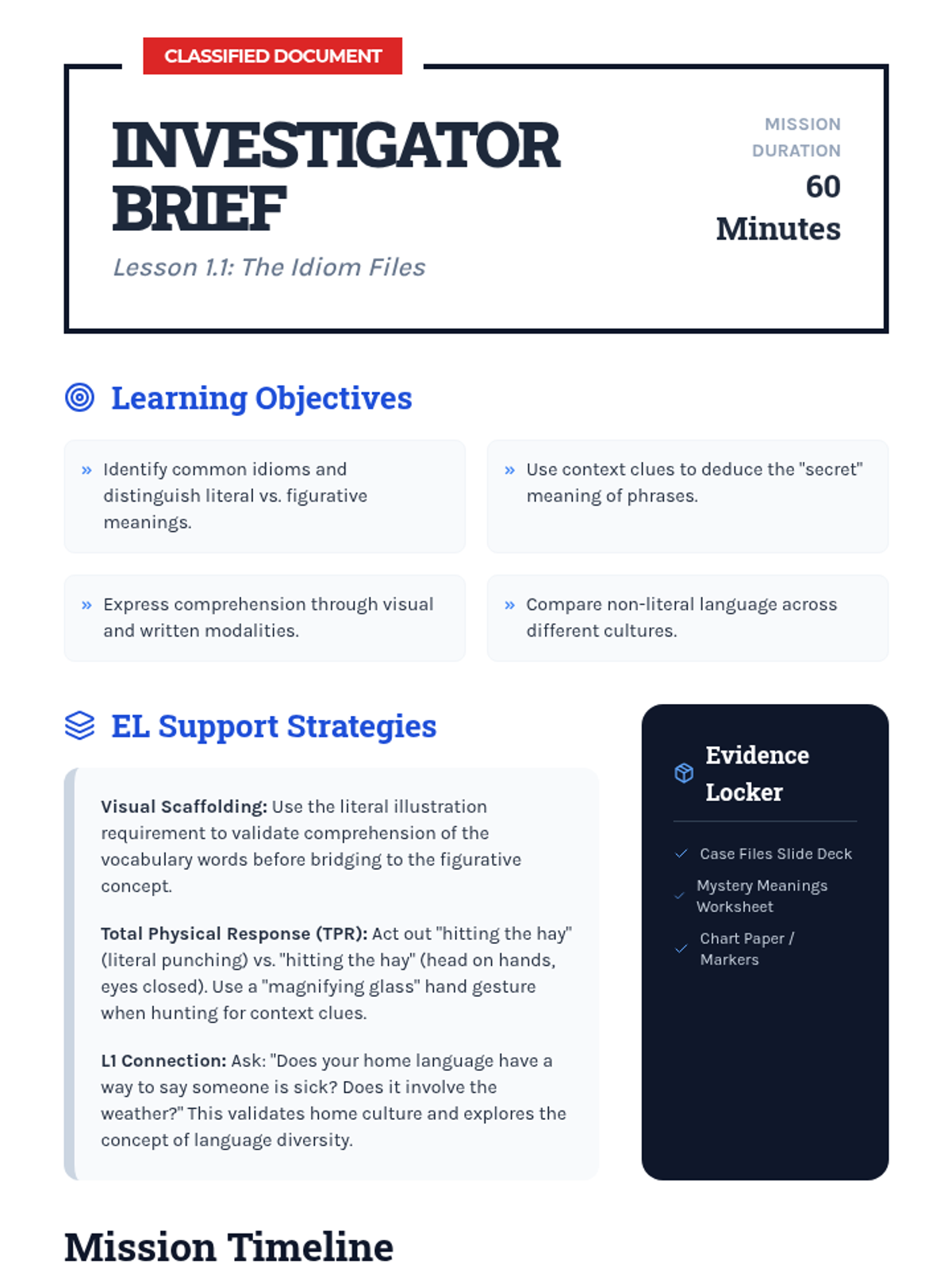
A dynamic series of lessons designed to help upper elementary English Learners master complex language concepts like idioms, metaphors, and nuanced vocabulary through immersive, detective-themed activities.
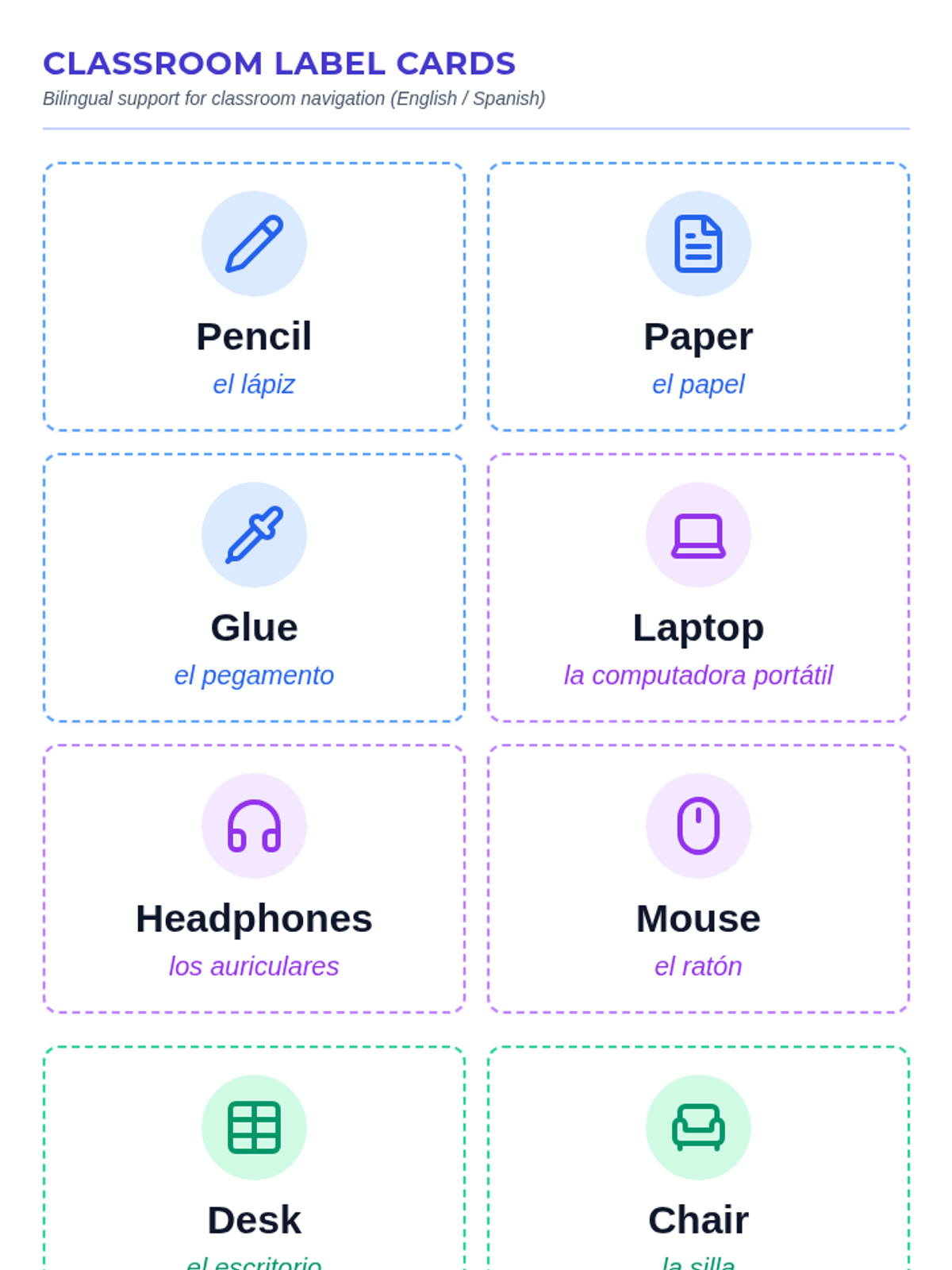
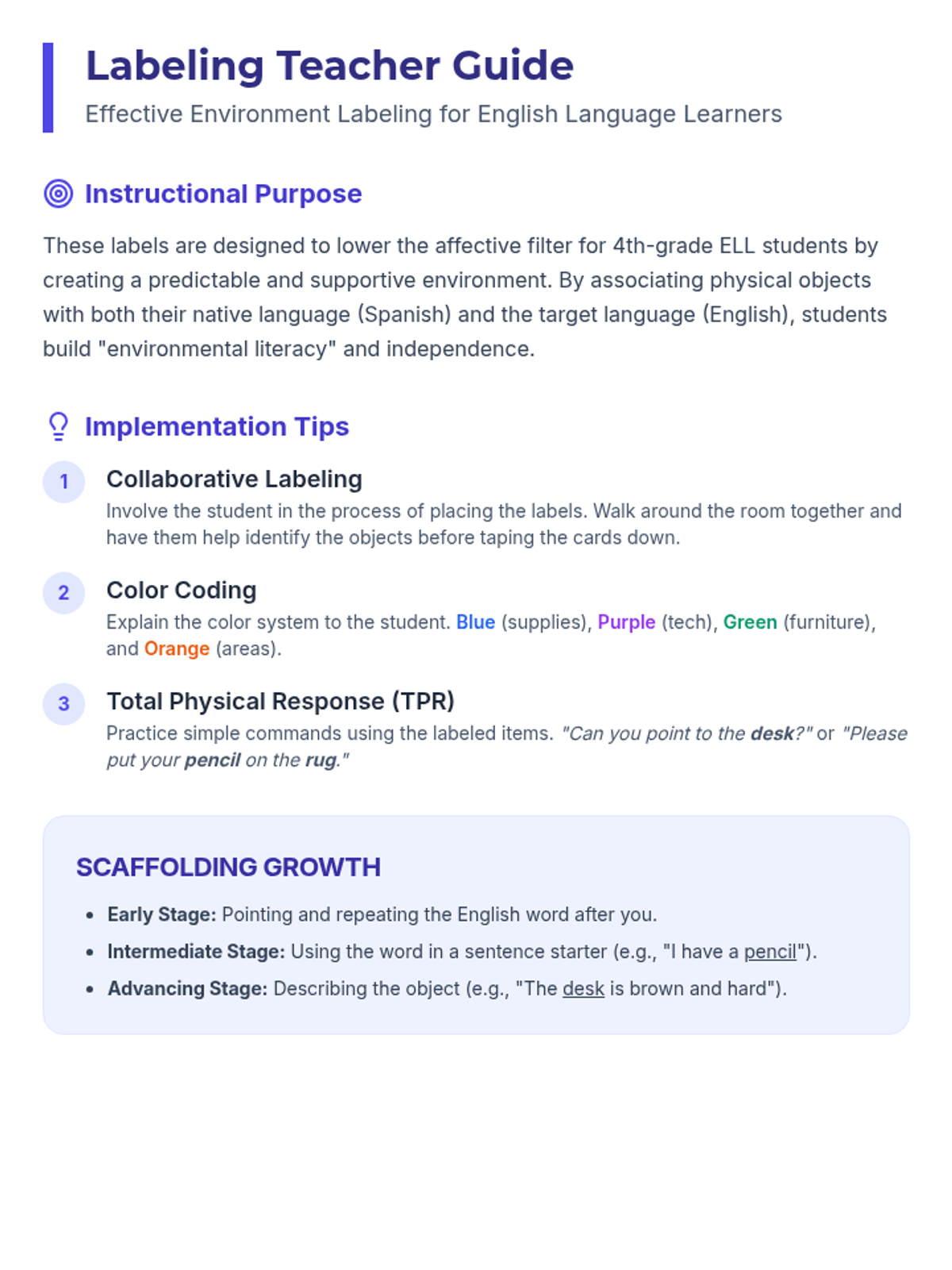
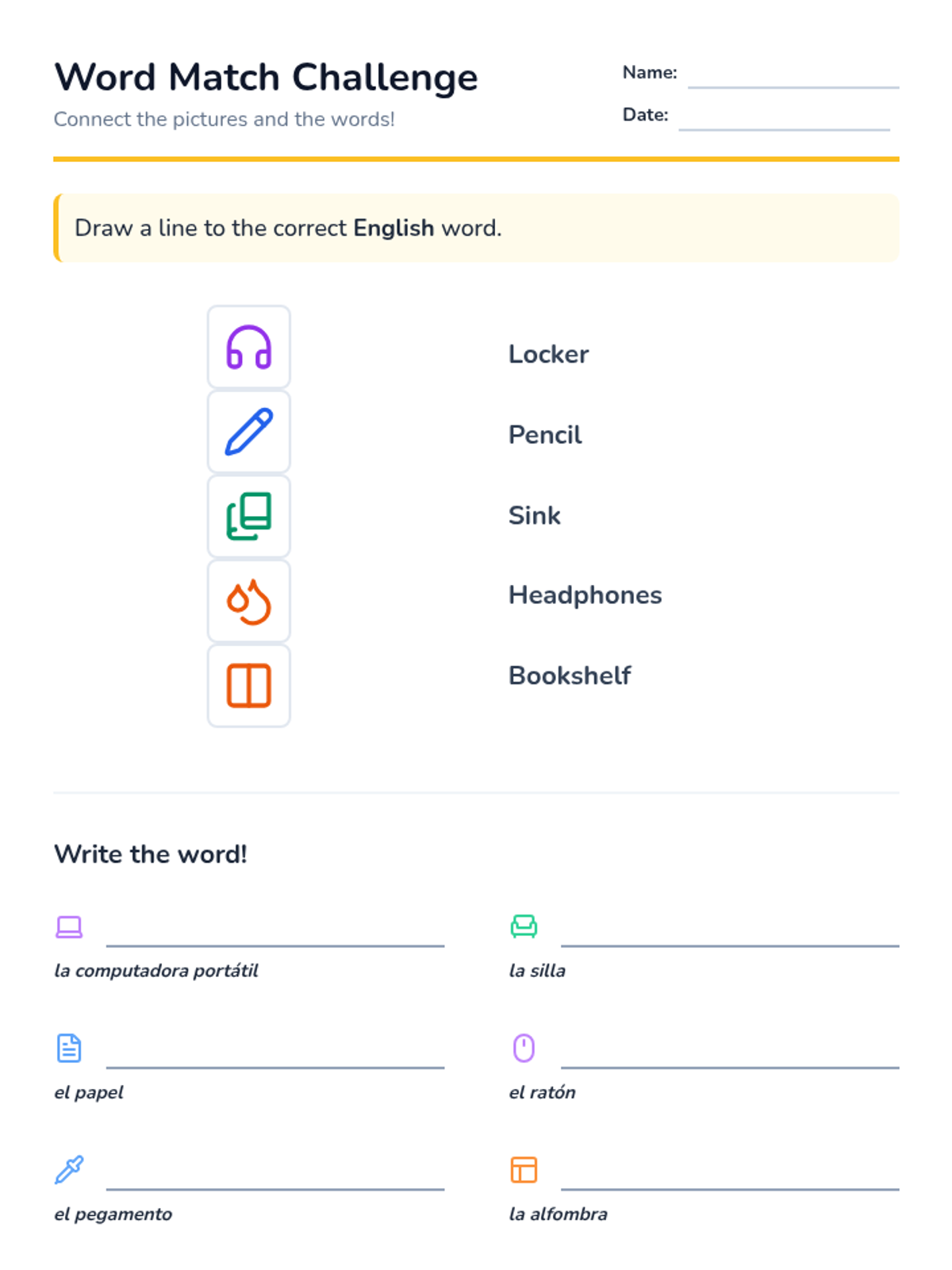
A series of resources designed to help English Language Learners navigate and identify common classroom objects and areas through visual labeling and bilingual support.
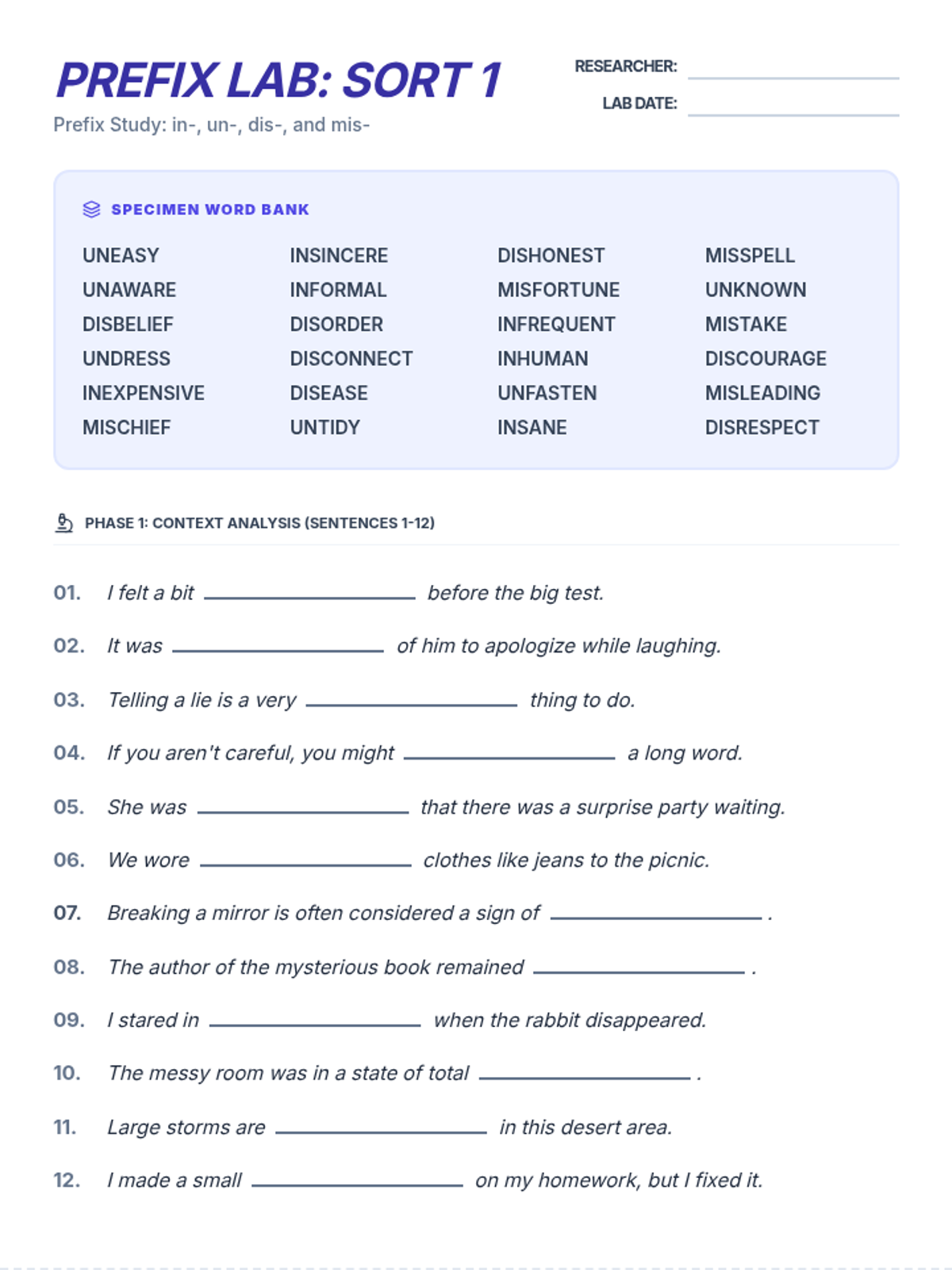
A series of prefix-focused labs designed to help students master common prefixes and suffixes through contextual application and logic puzzles.
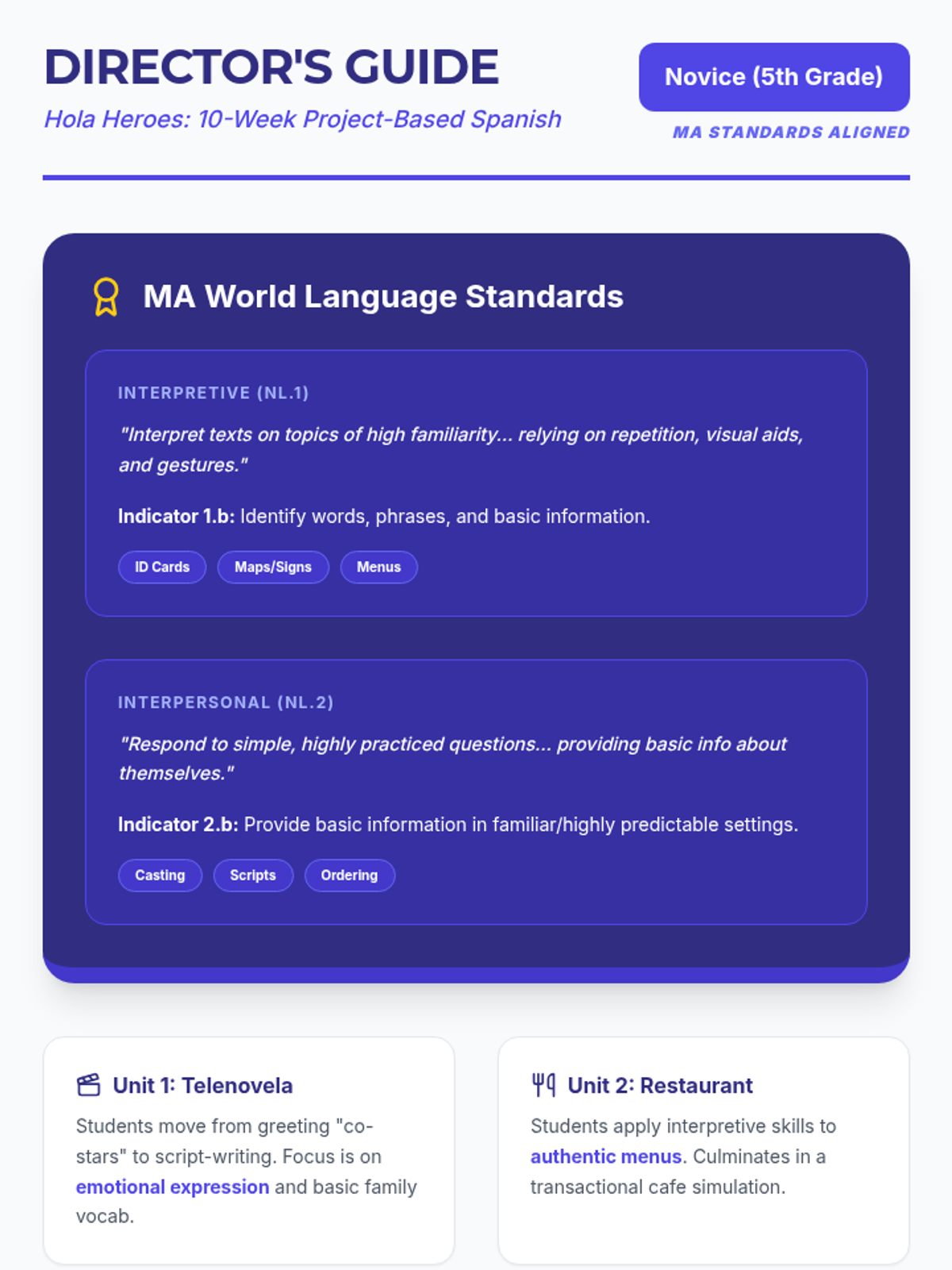
A 10-week project-based Spanish course for 5th graders focused on performance and practical communication. Students build toward two major milestones: a dramatic telenovela performance and a realistic restaurant simulation.
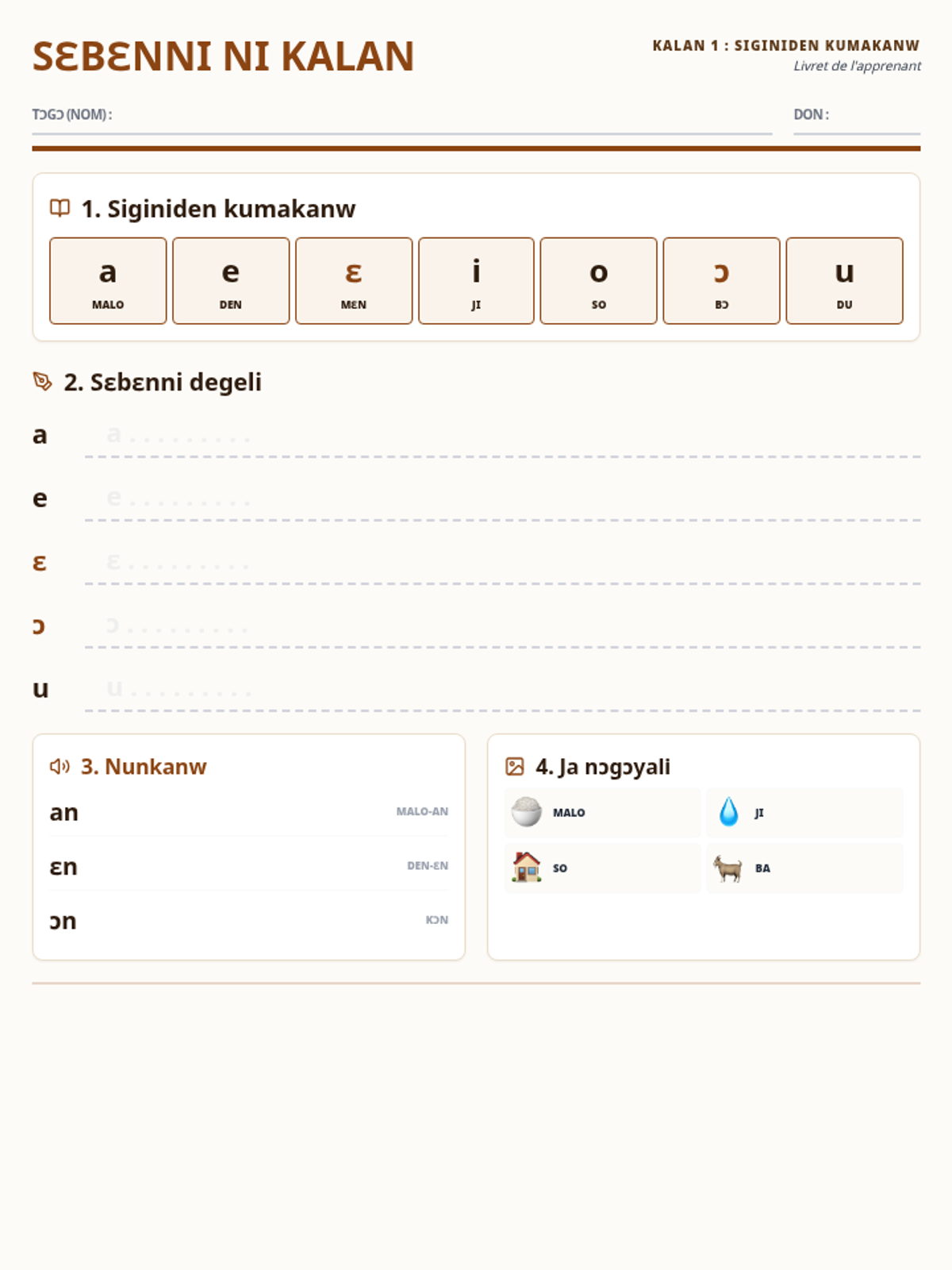
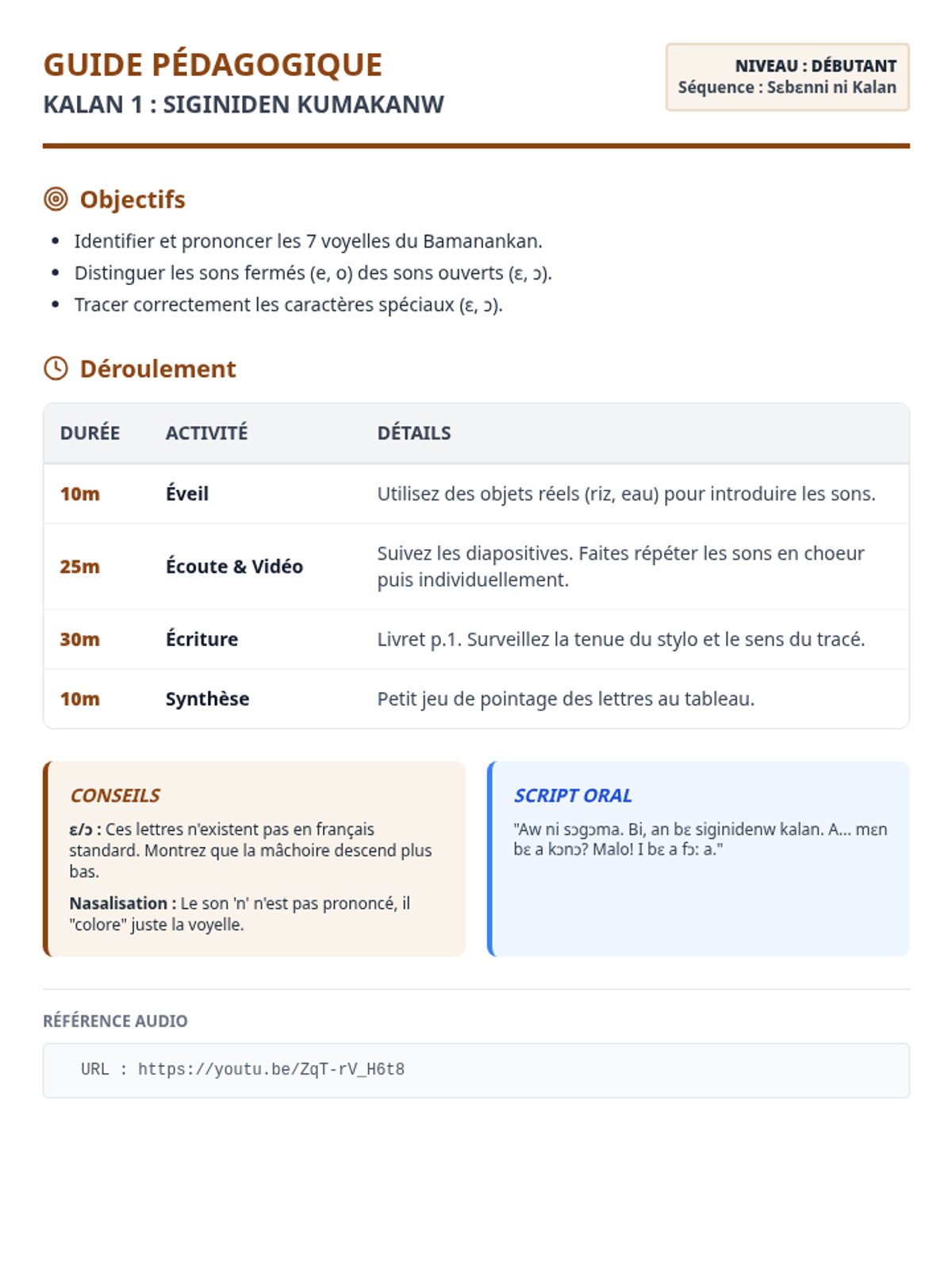
Une séquence d'alphabétisation complète en Bamanankan pour débutants, intégrant l'apprentissage des voyelles, des consonnes et des salutations de base à travers un livret imprimable et des supports visuels.
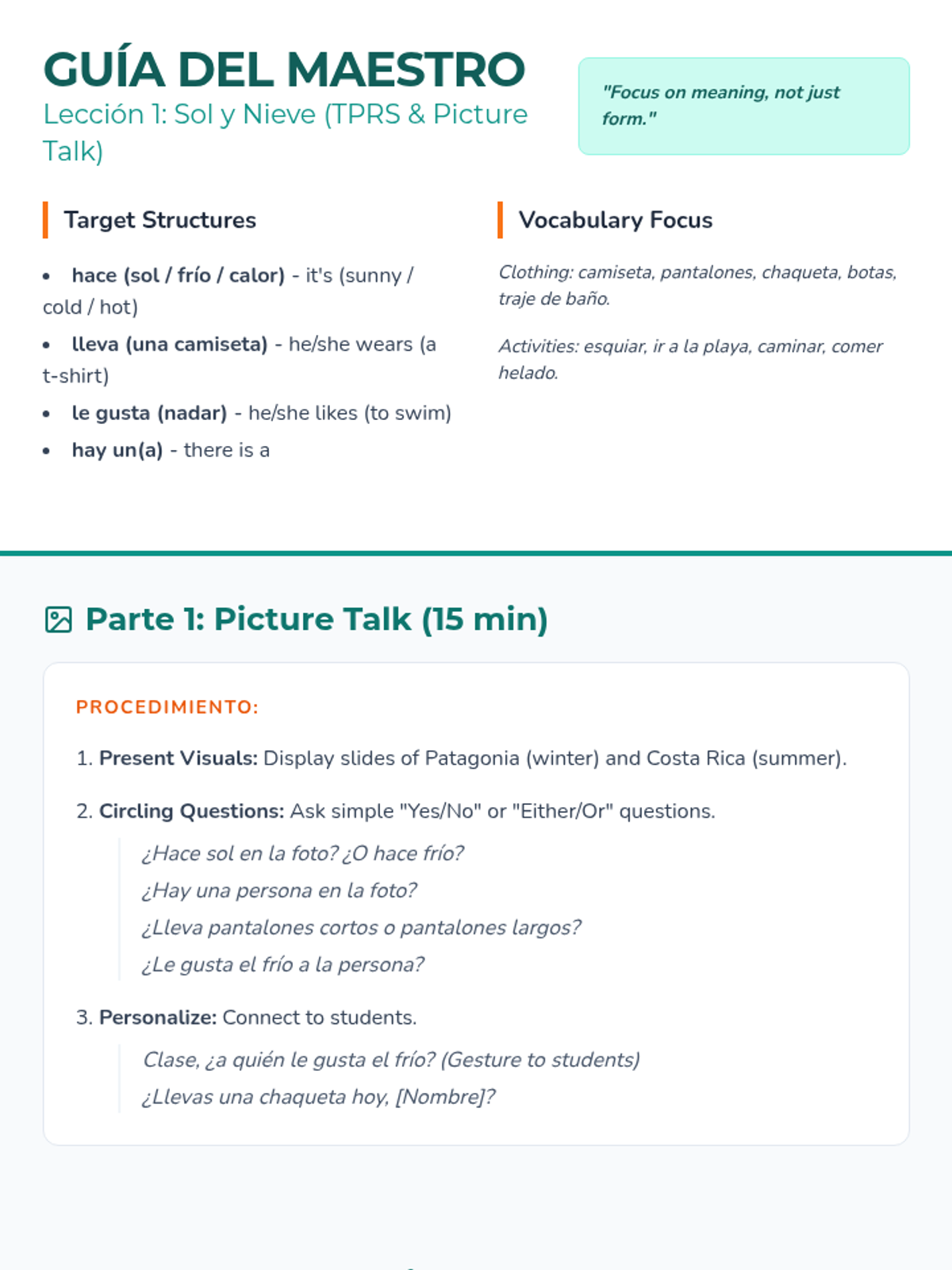
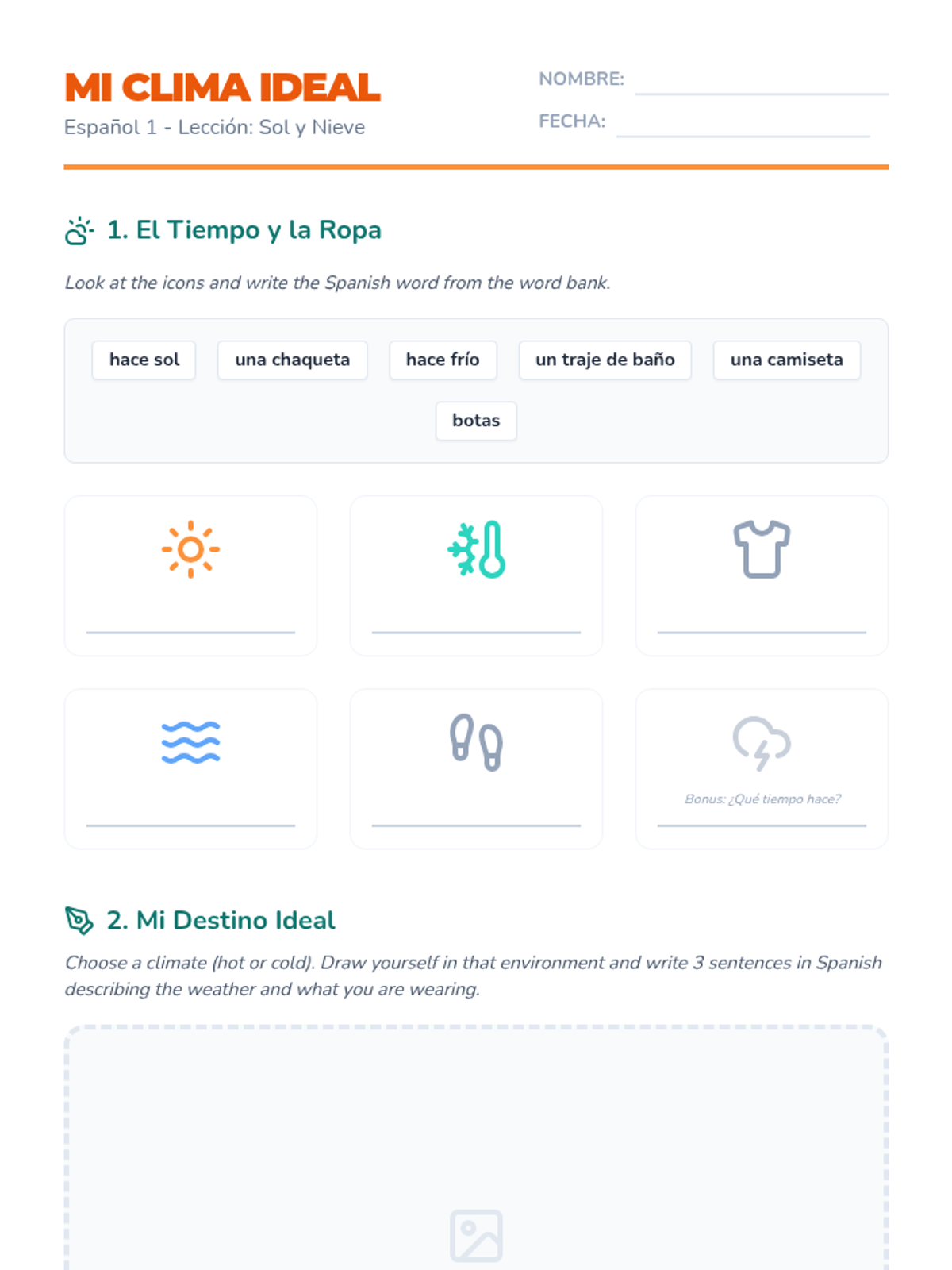
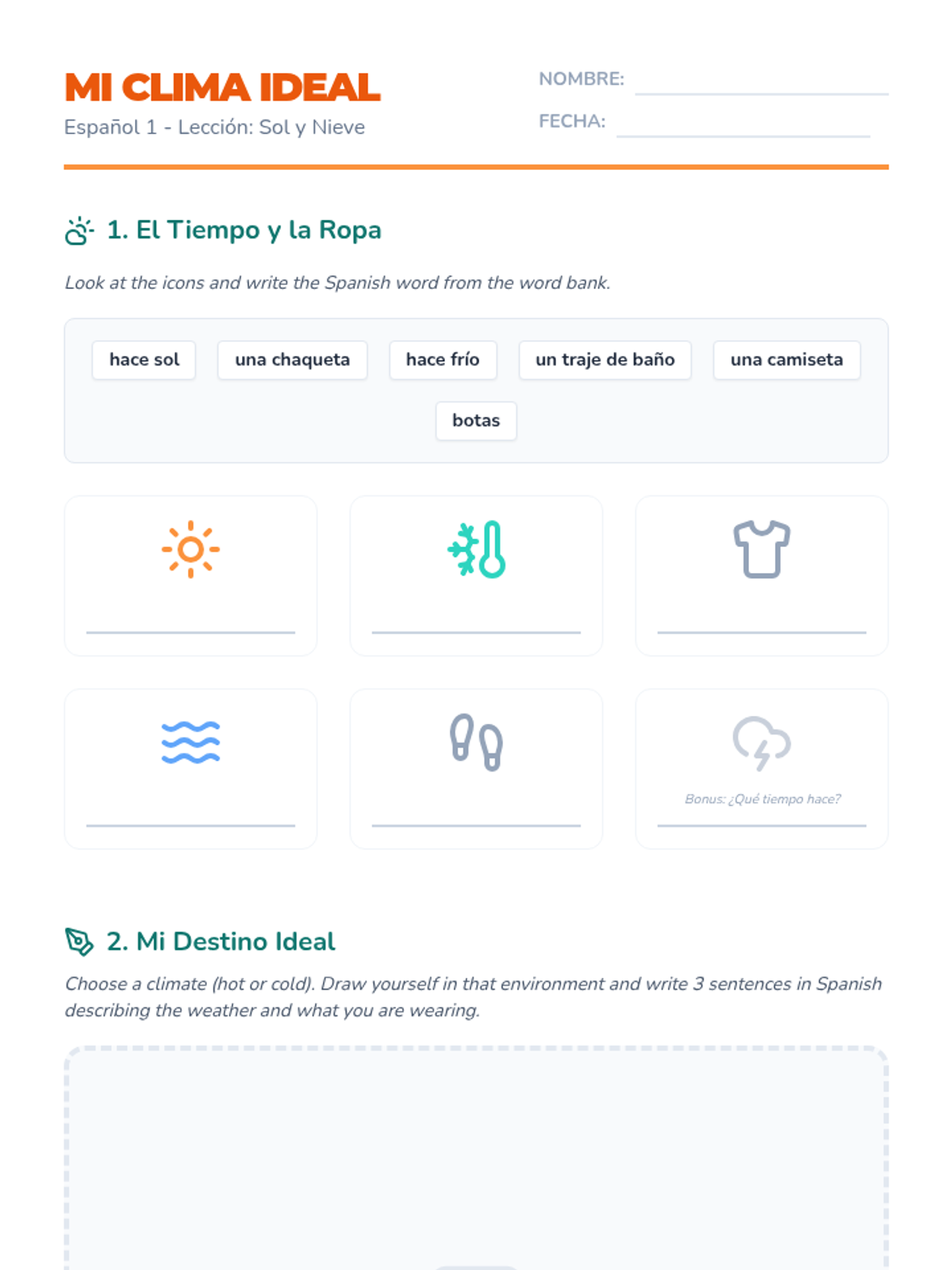
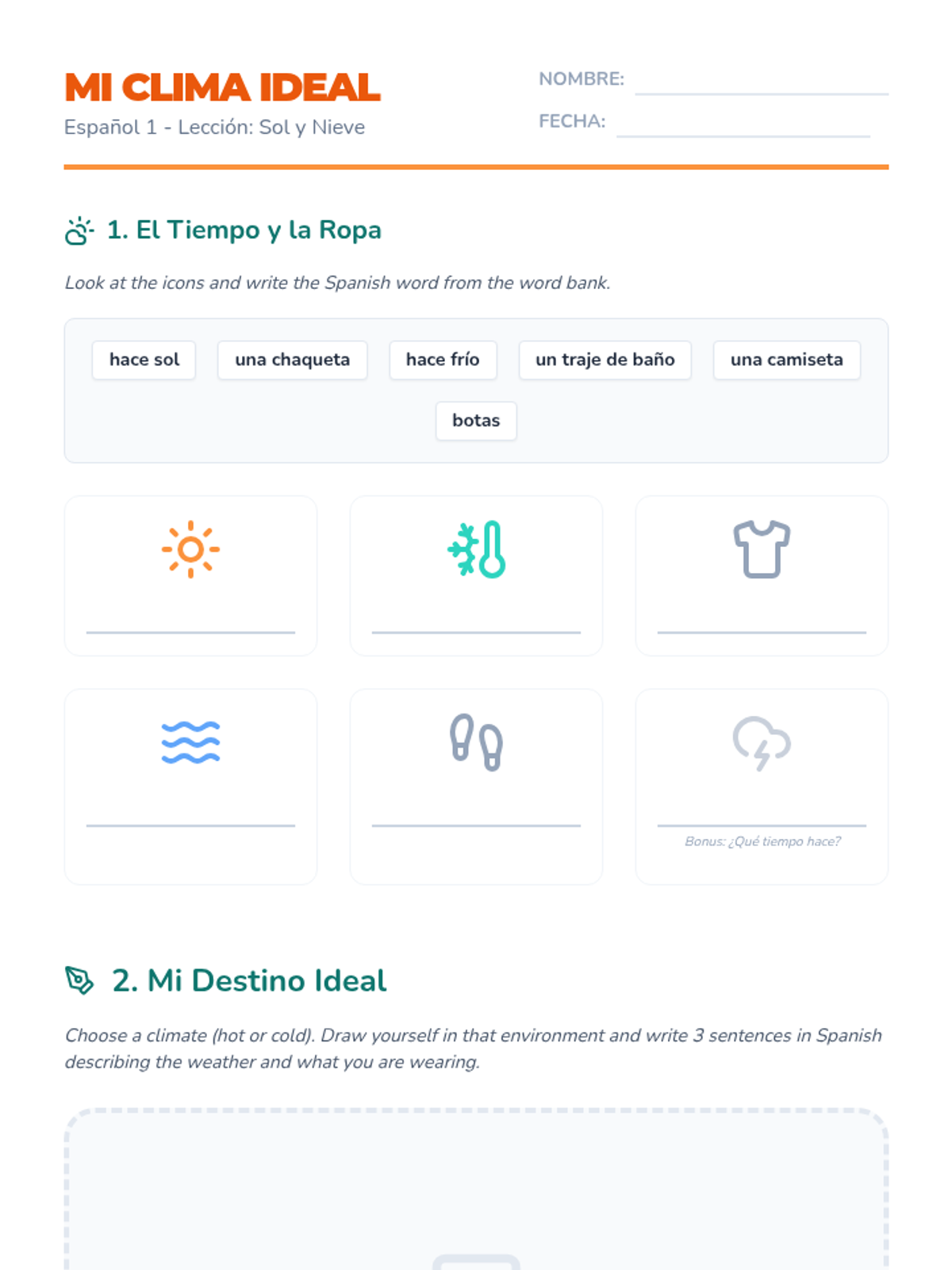
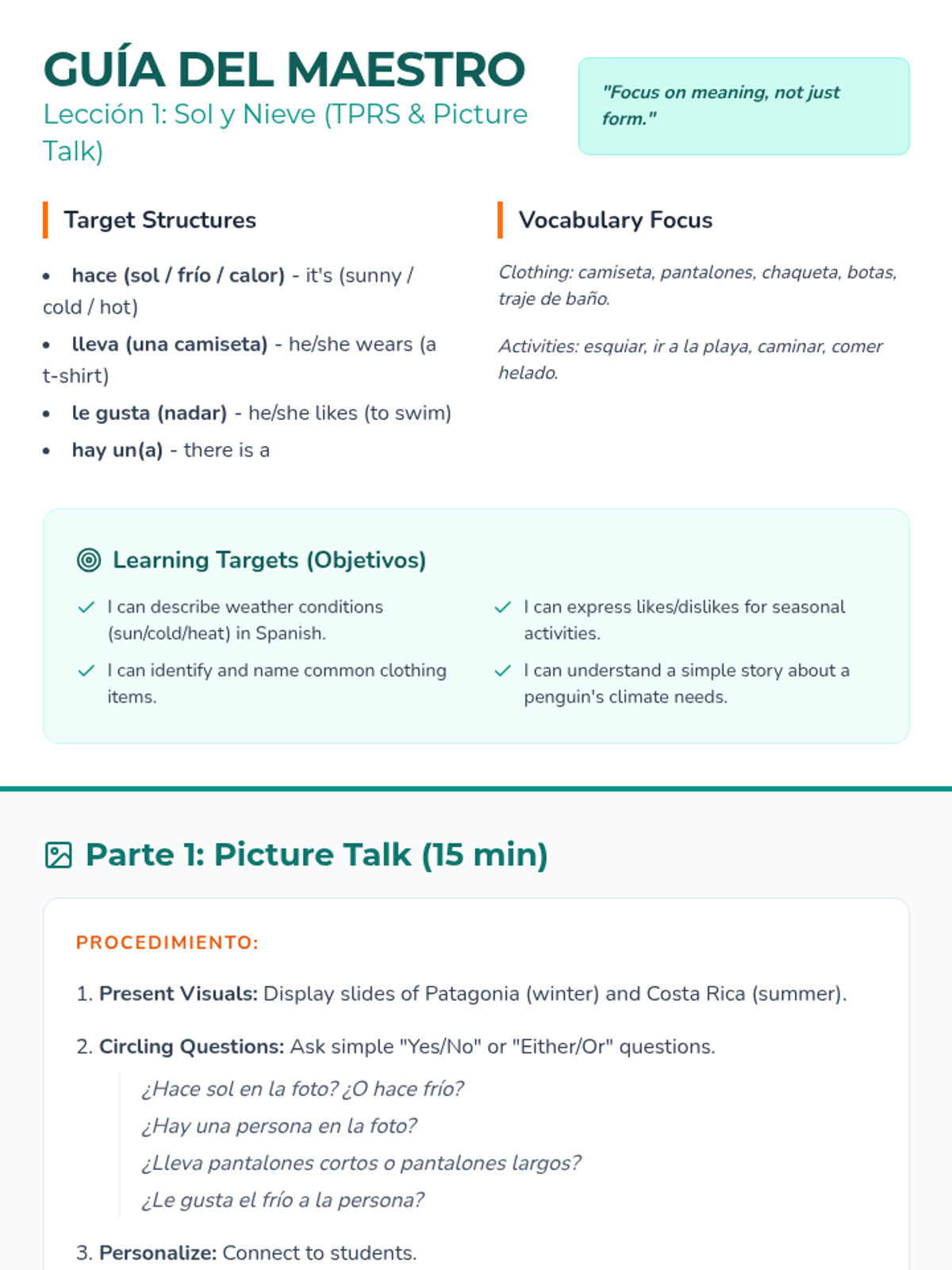
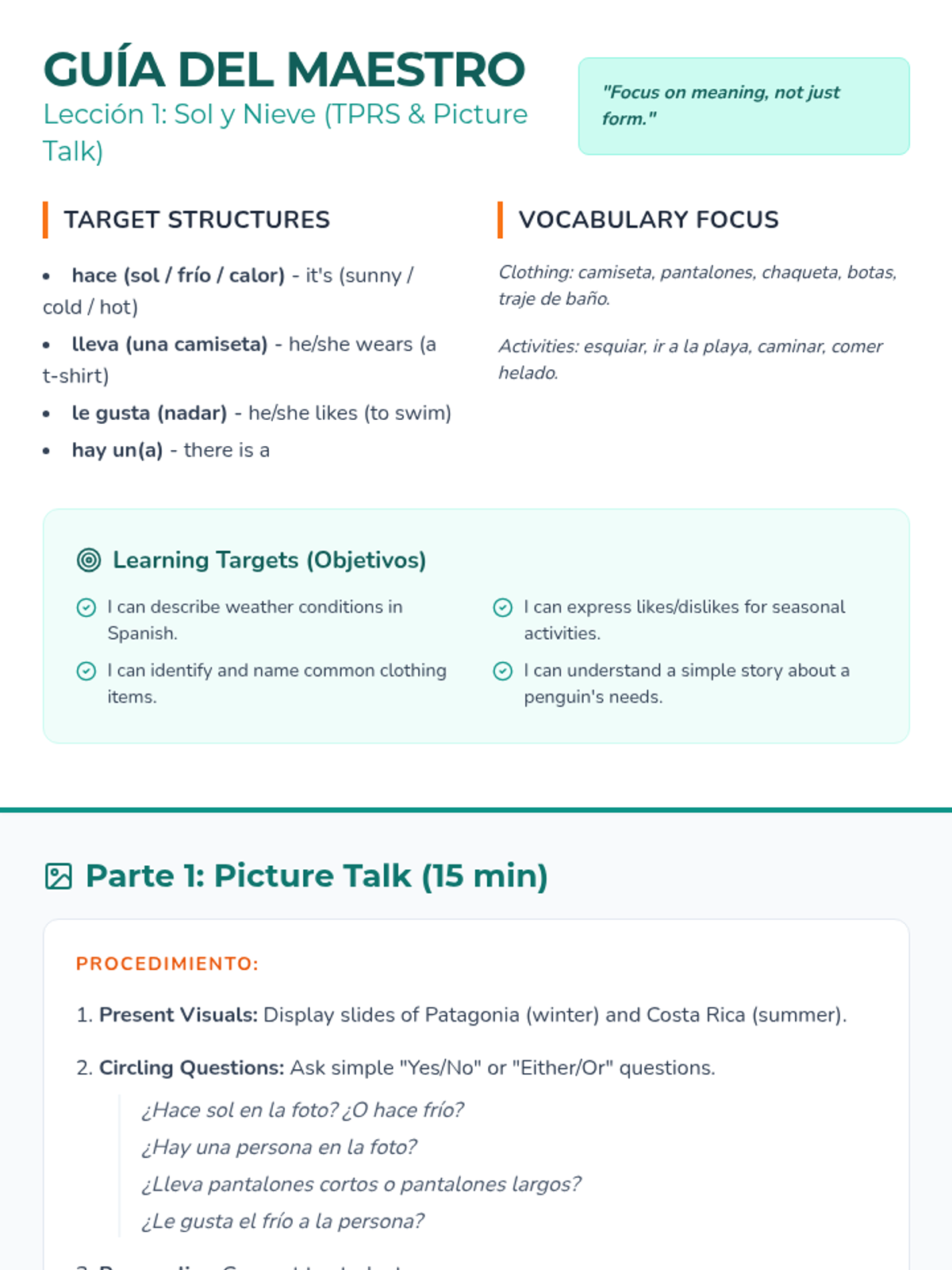
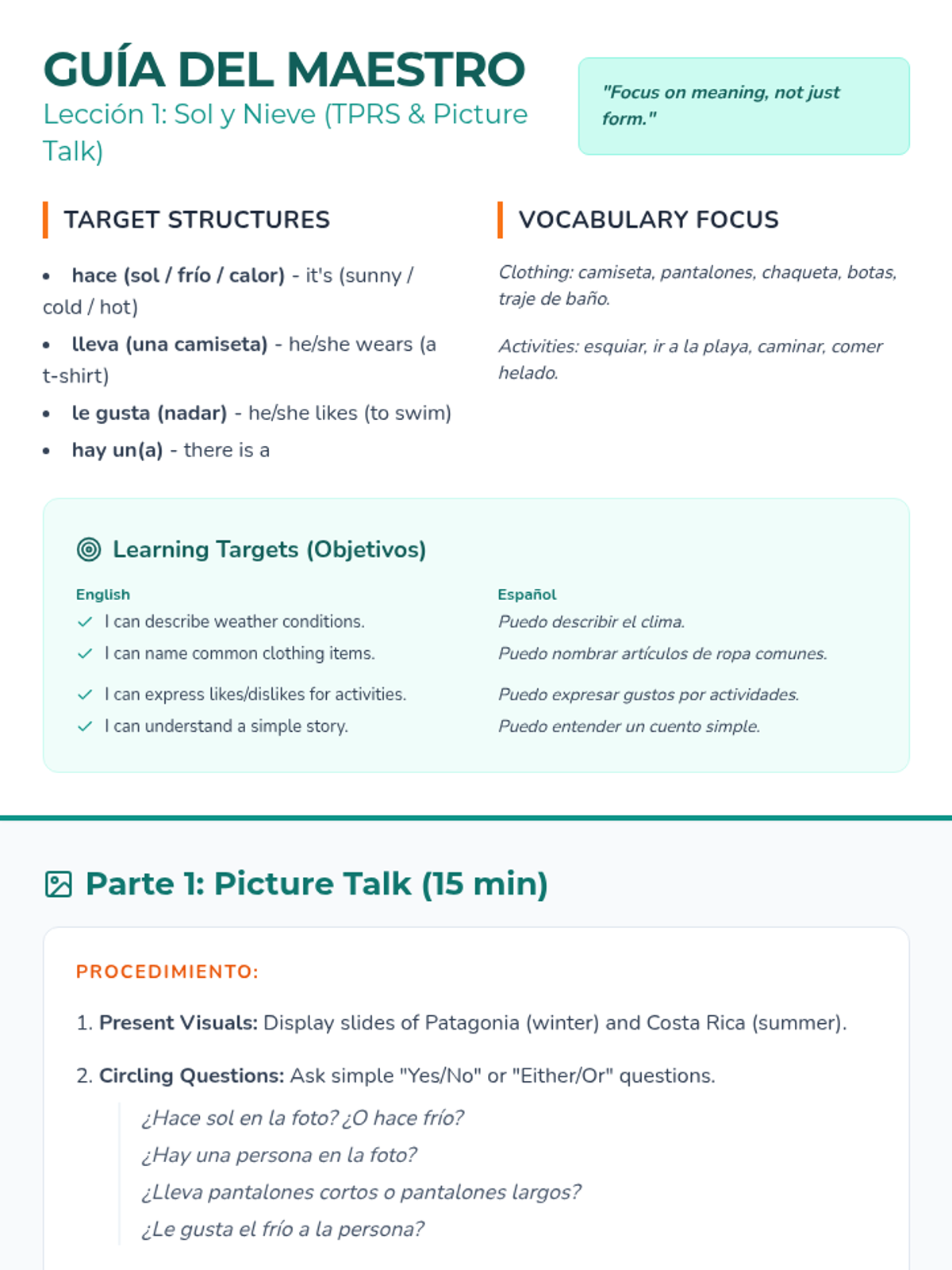
A two-part introductory Spanish sequence focusing on clothing, weather, and activities through Comprehensible Input (CI) strategies like TPRS and Picture Talk. Students explore cultural contexts and seasonal variations in the Spanish-speaking world while building basic communicative proficiency.
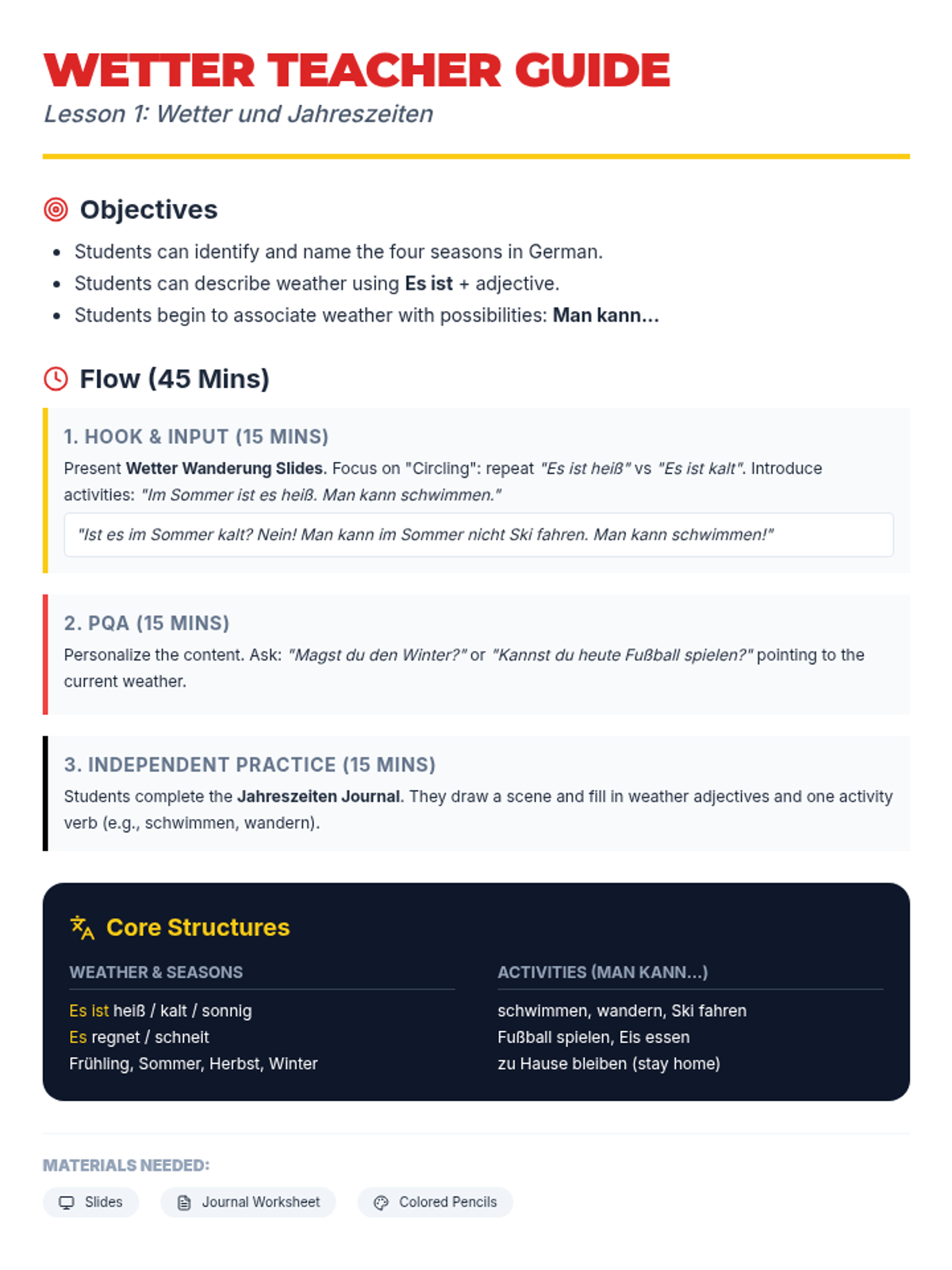
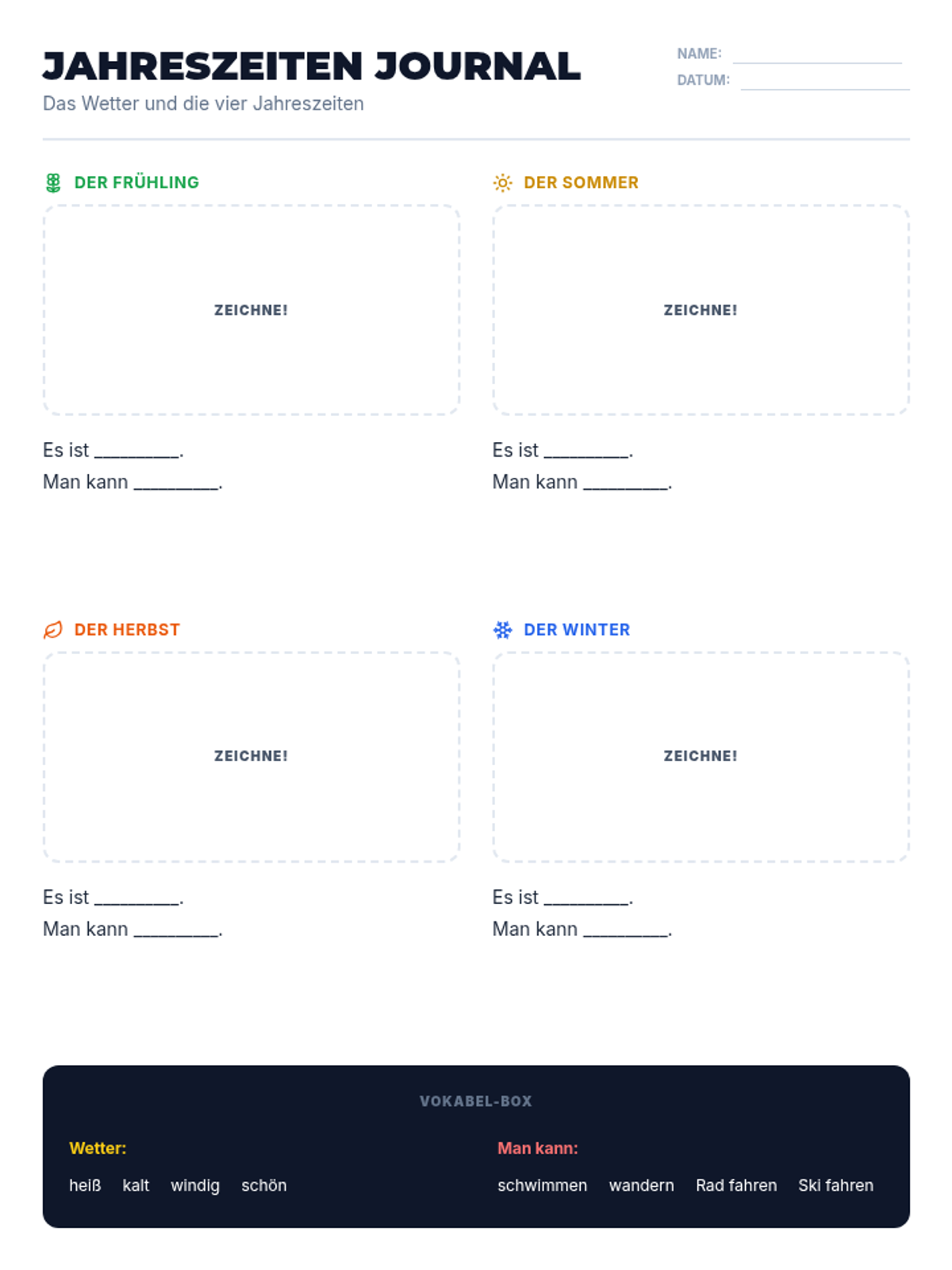
A two-lesson German introductory unit focusing on weather, seasons, and outdoor activities in Germany using Comprehensible Input (CI) methods. Students will learn to describe weather using 'Es ist' and activities using 'Man kann' through visual-heavy instruction and repetition.
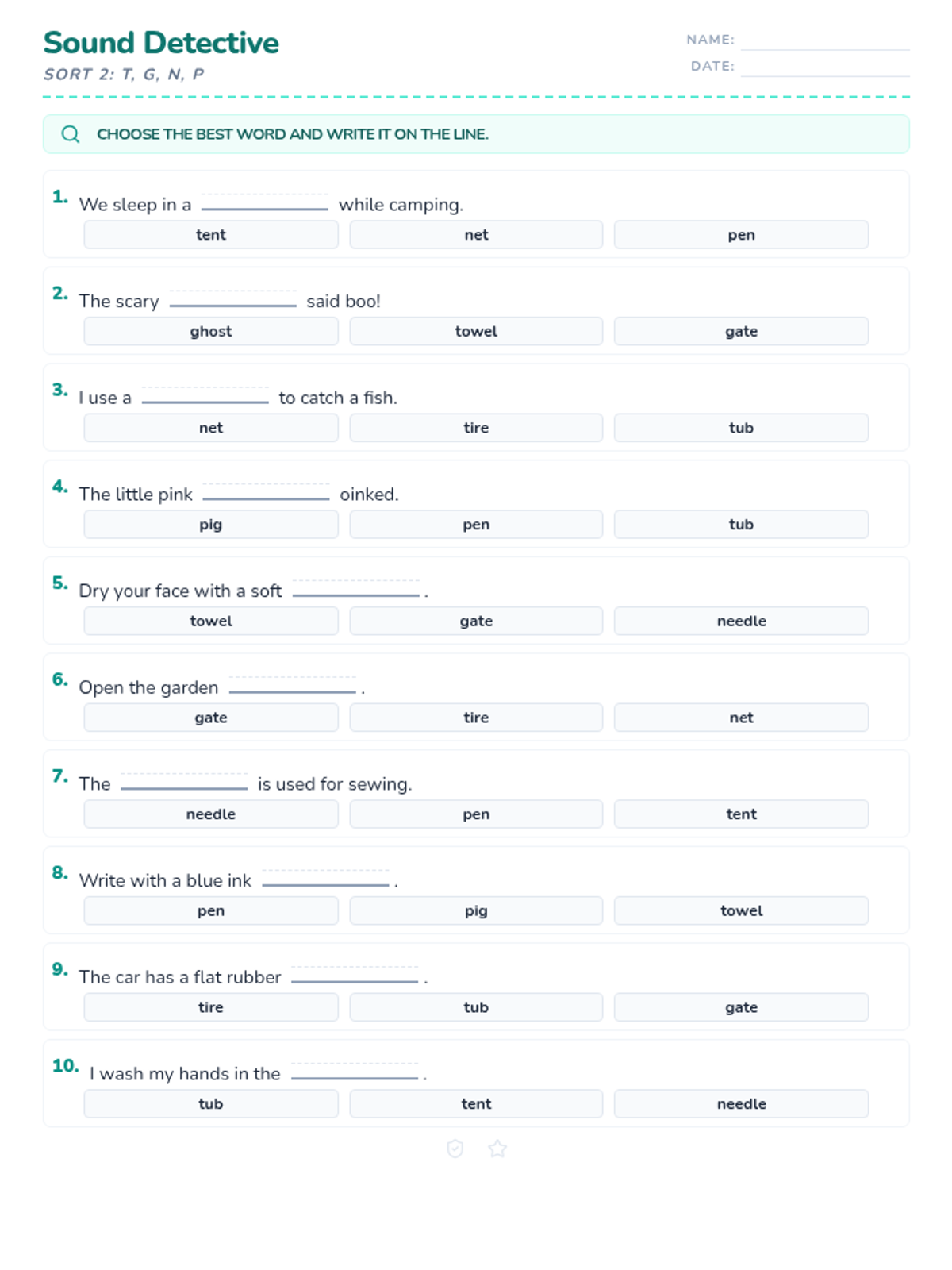
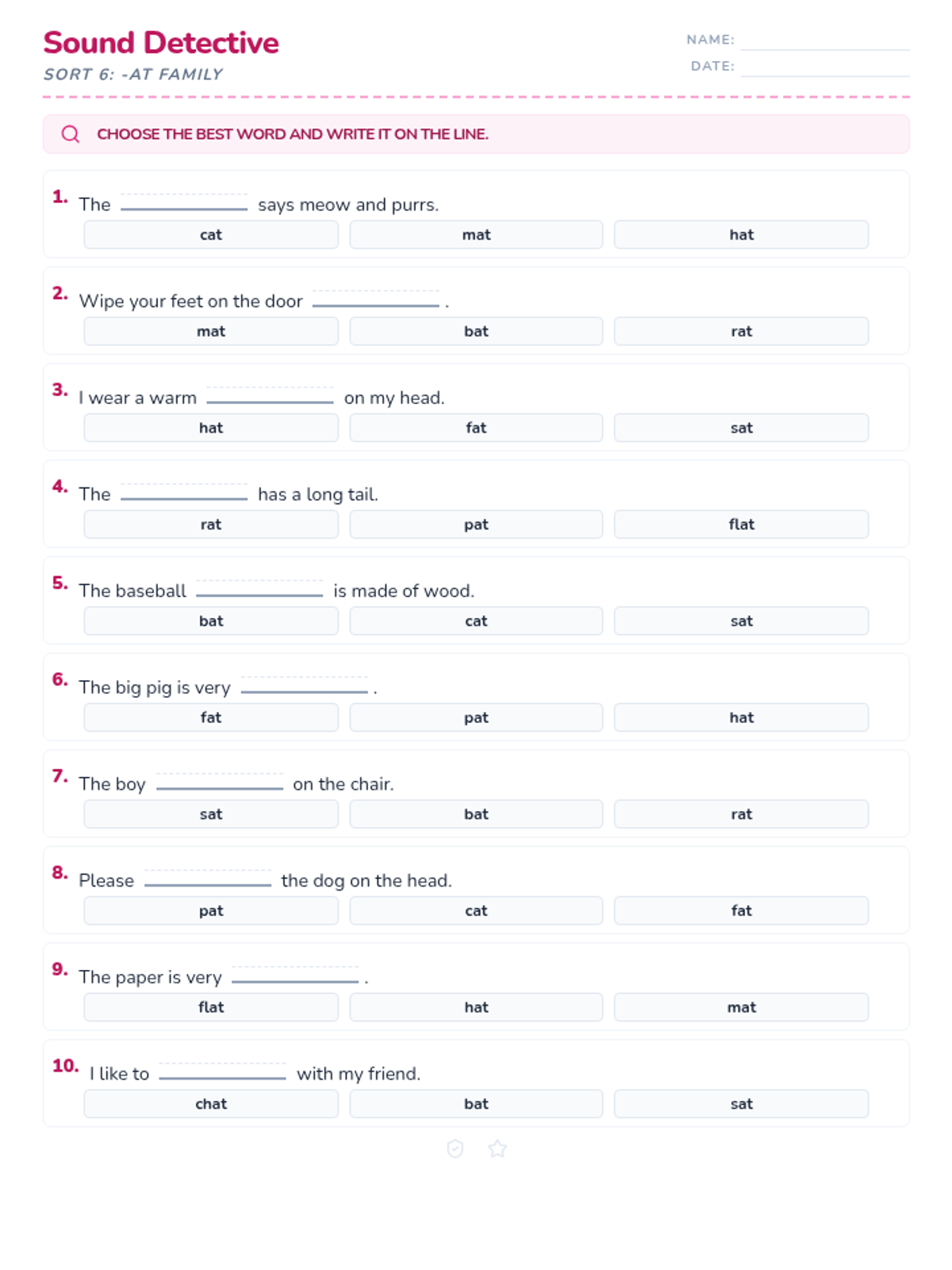
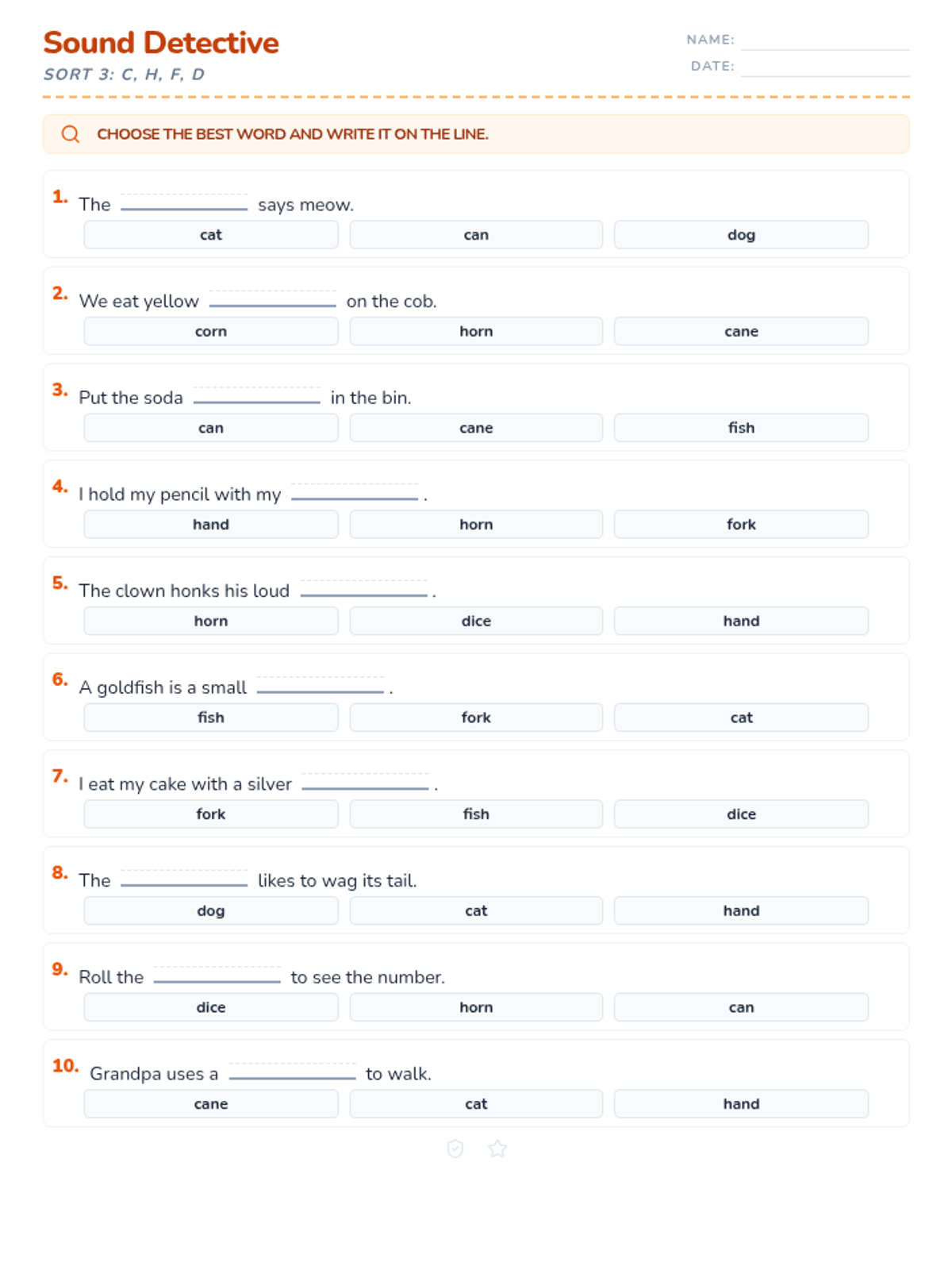
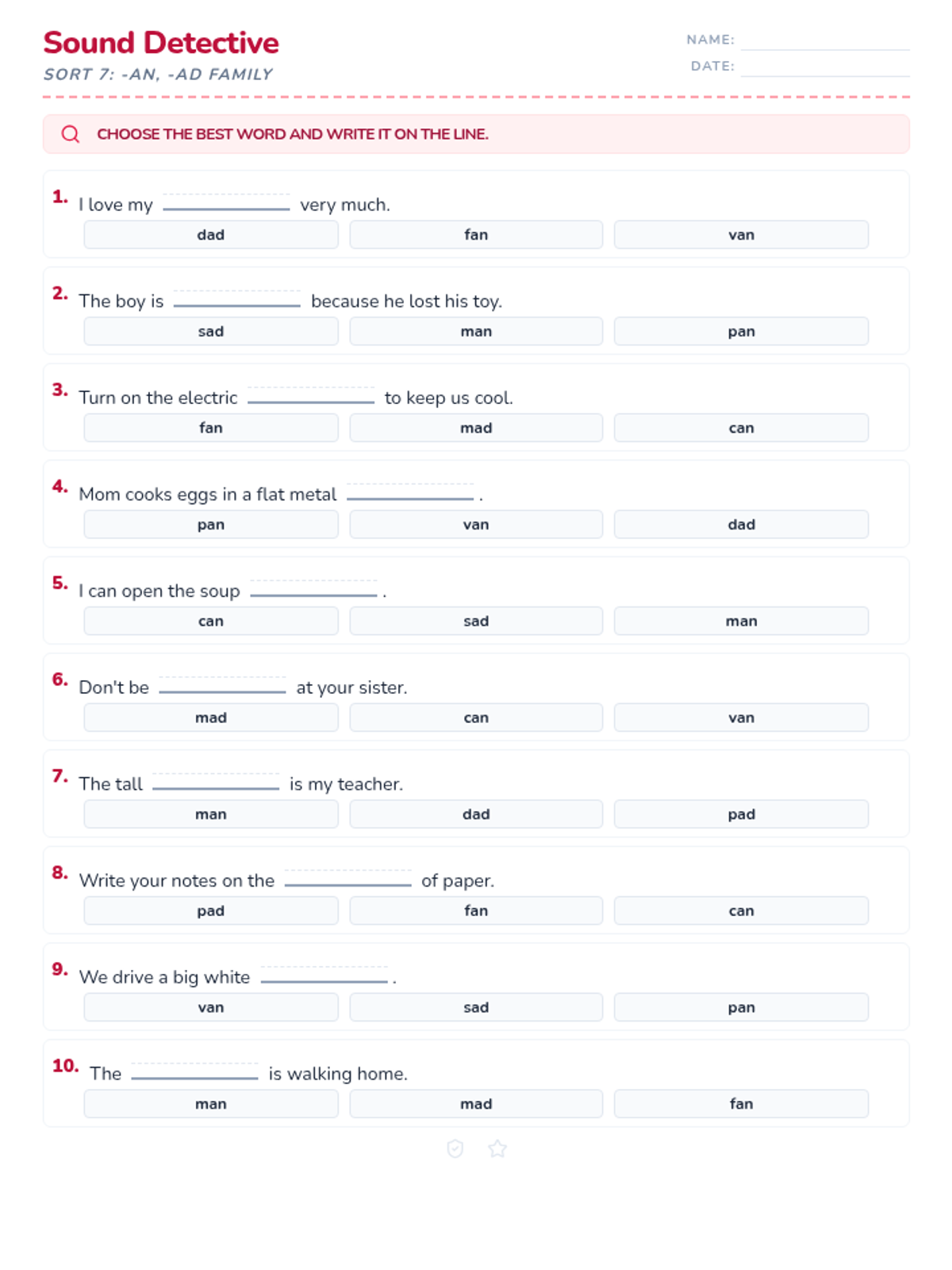
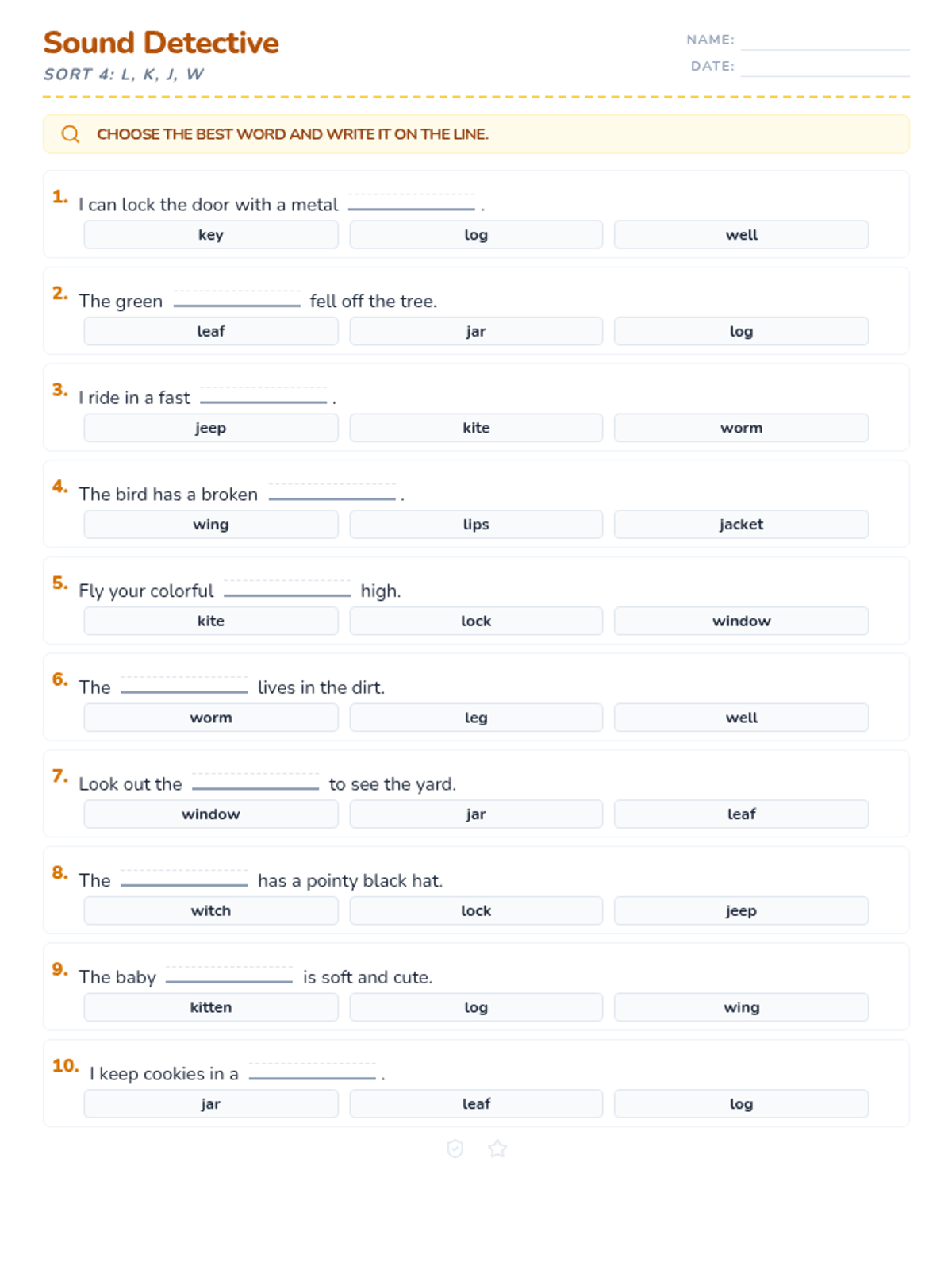
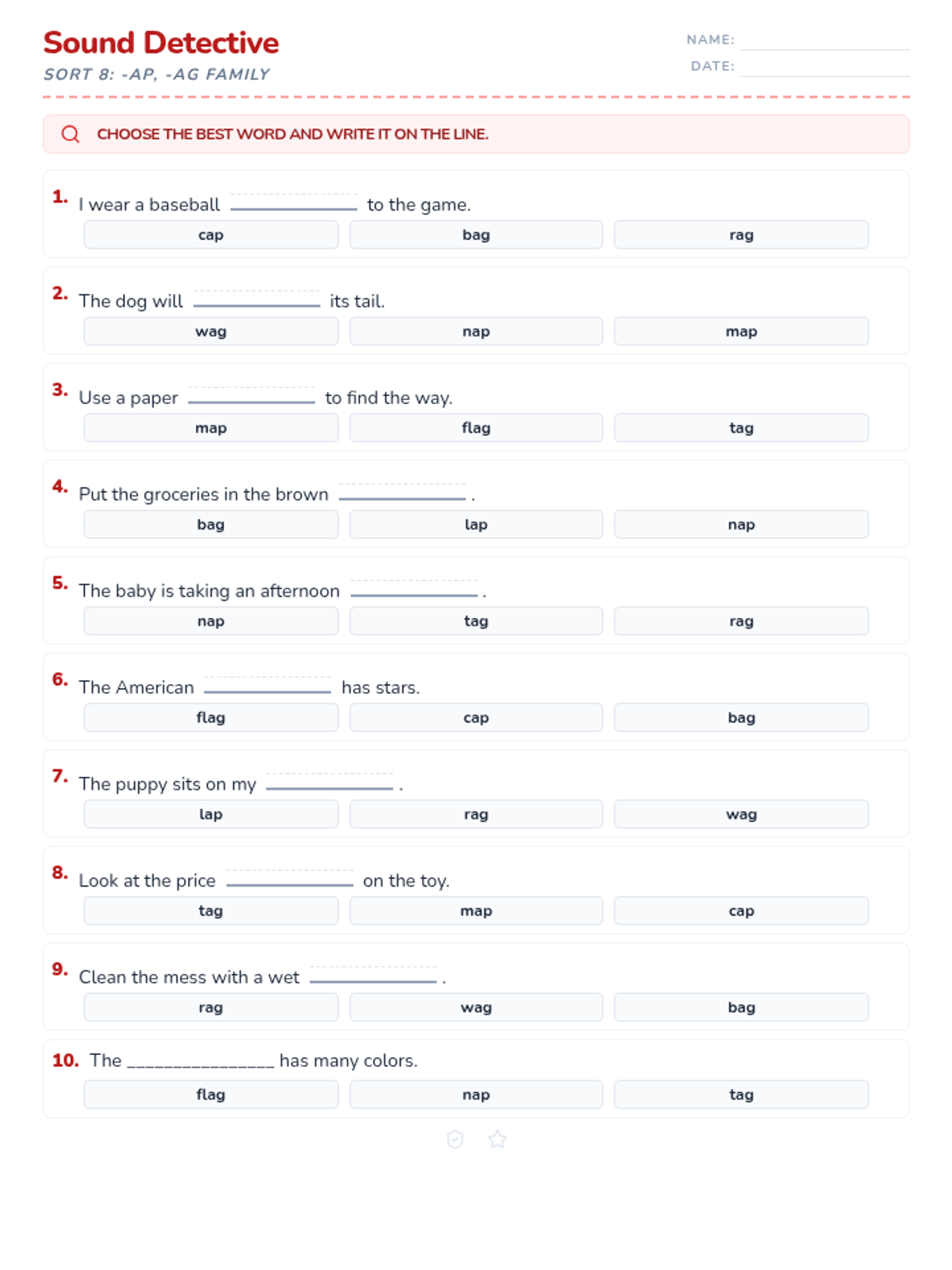
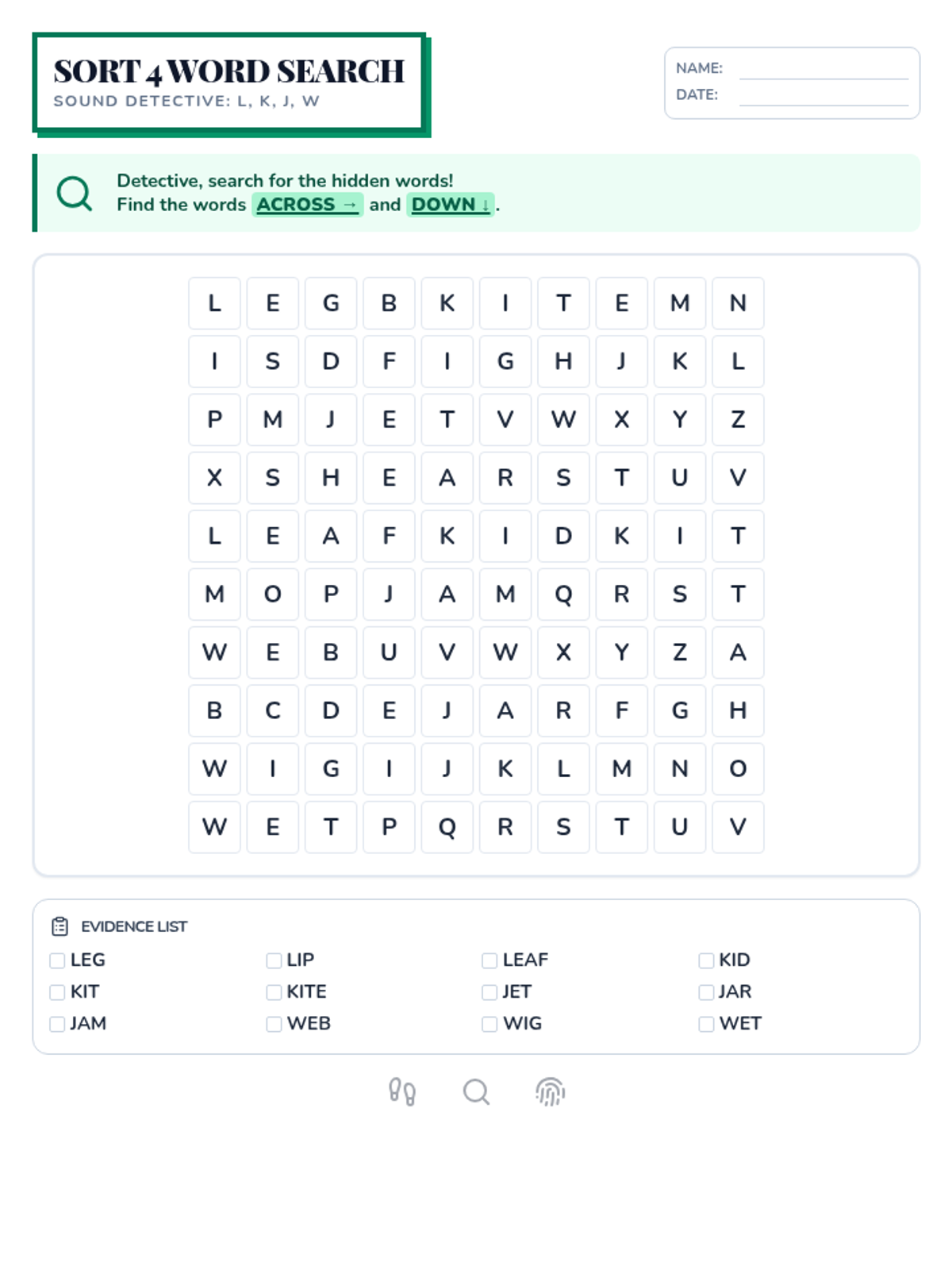
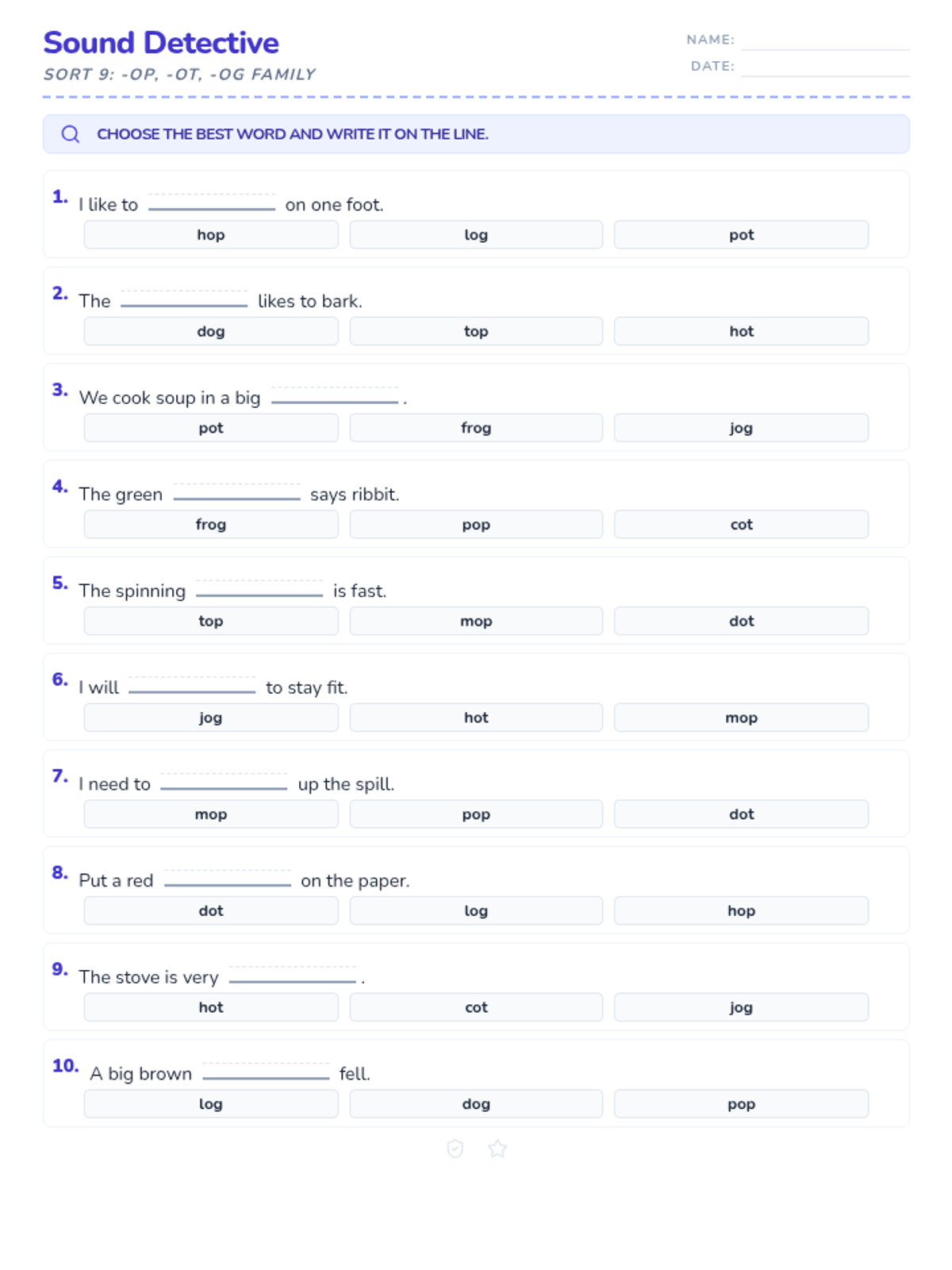
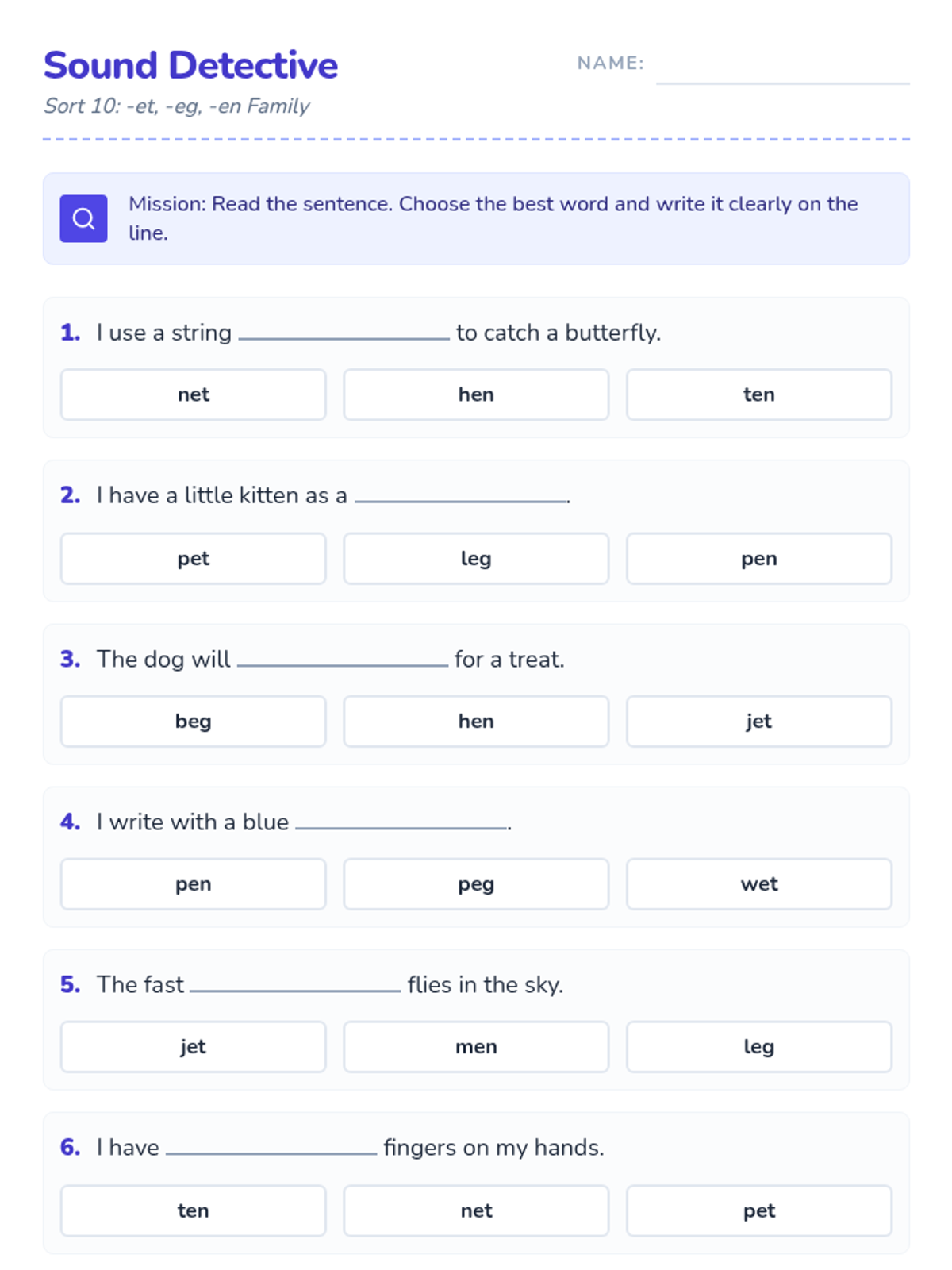
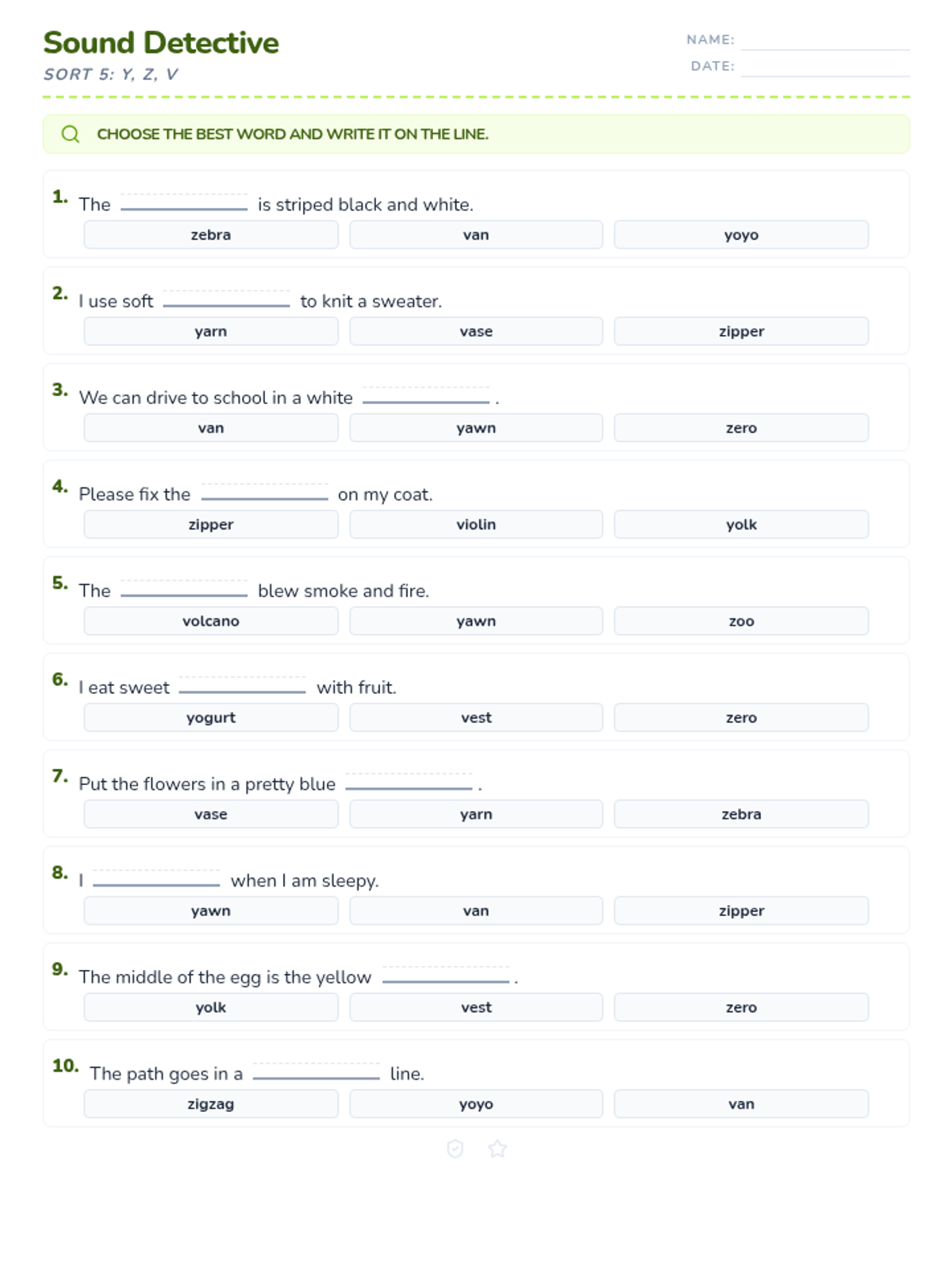
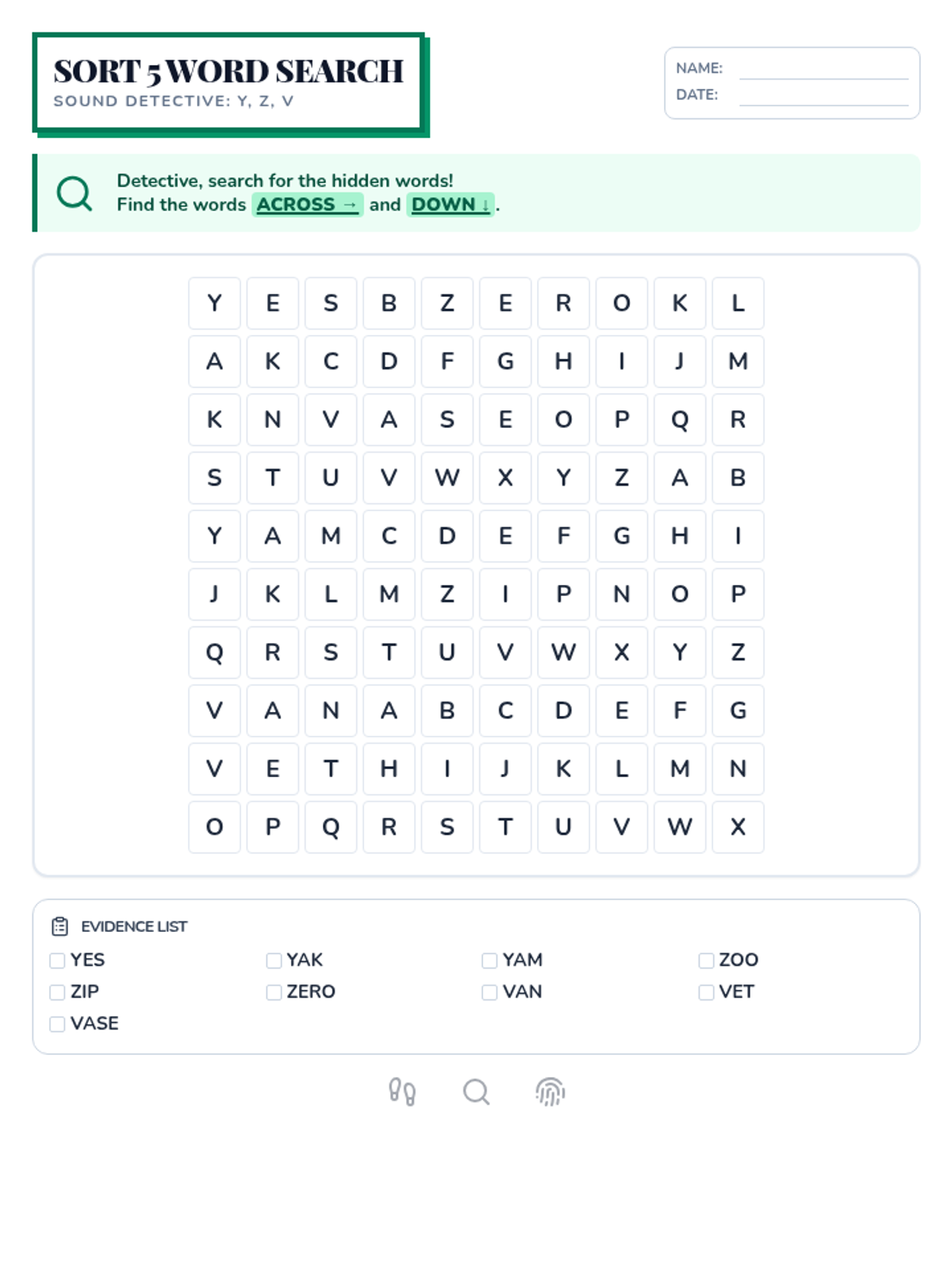
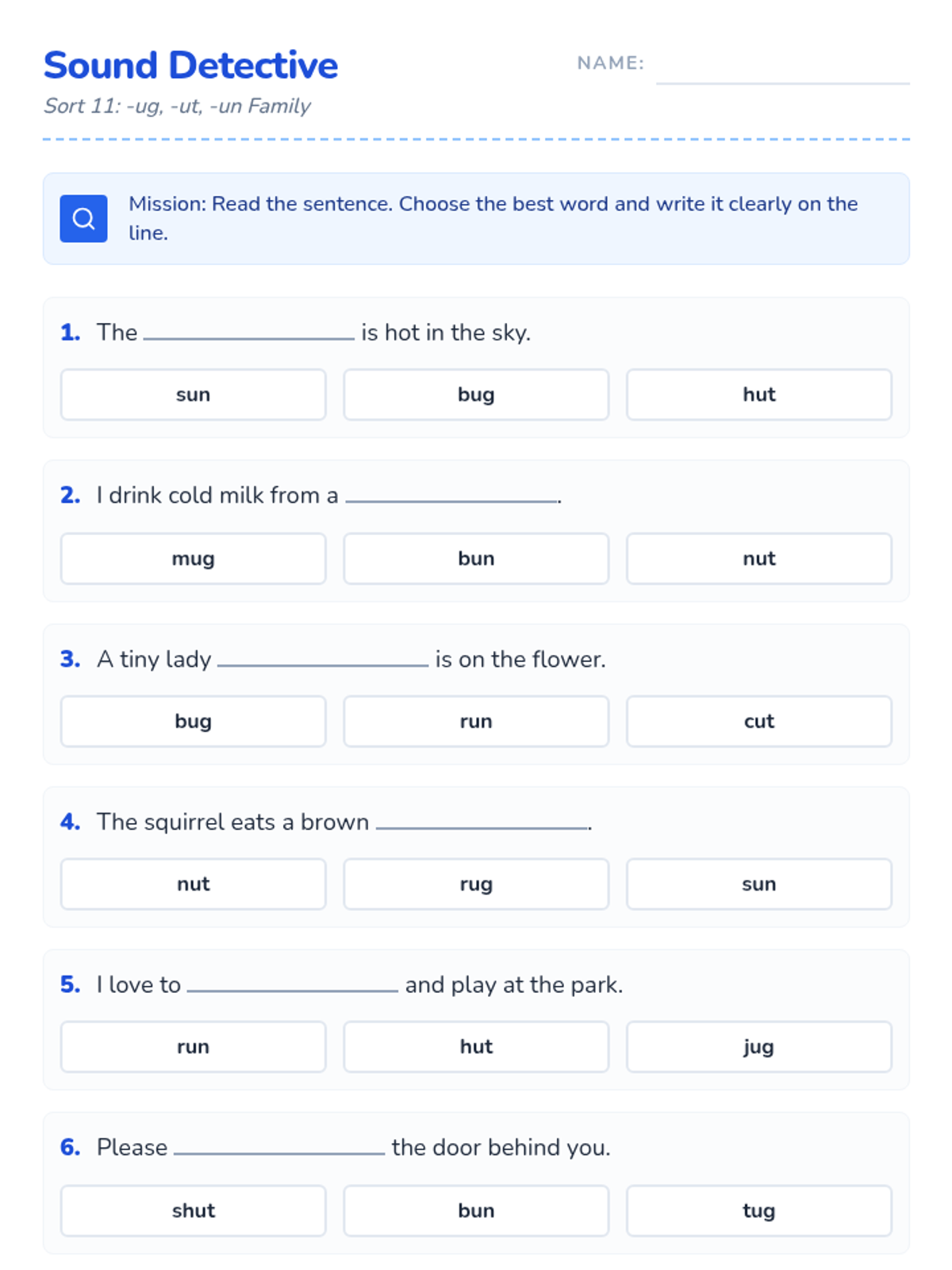
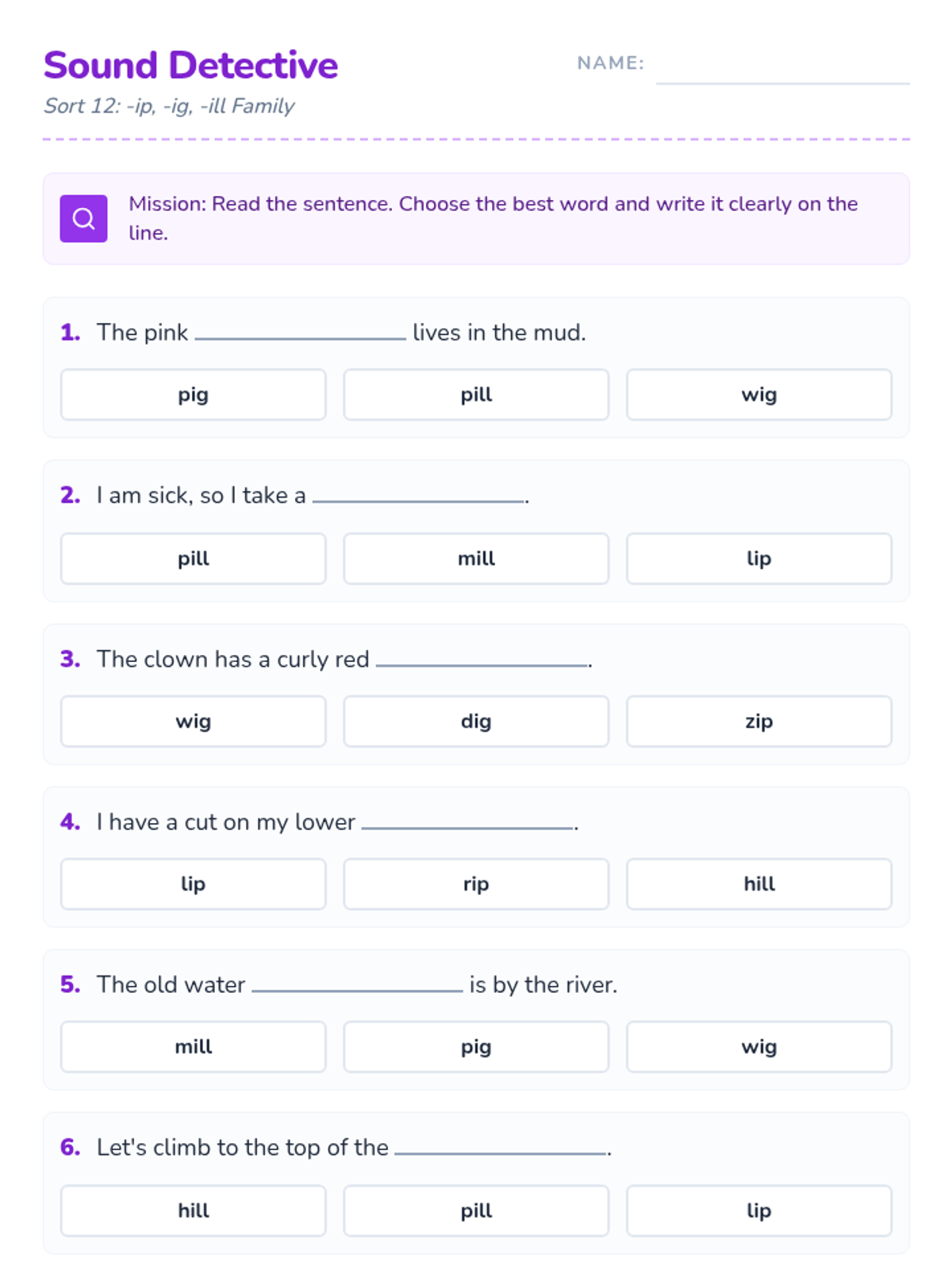
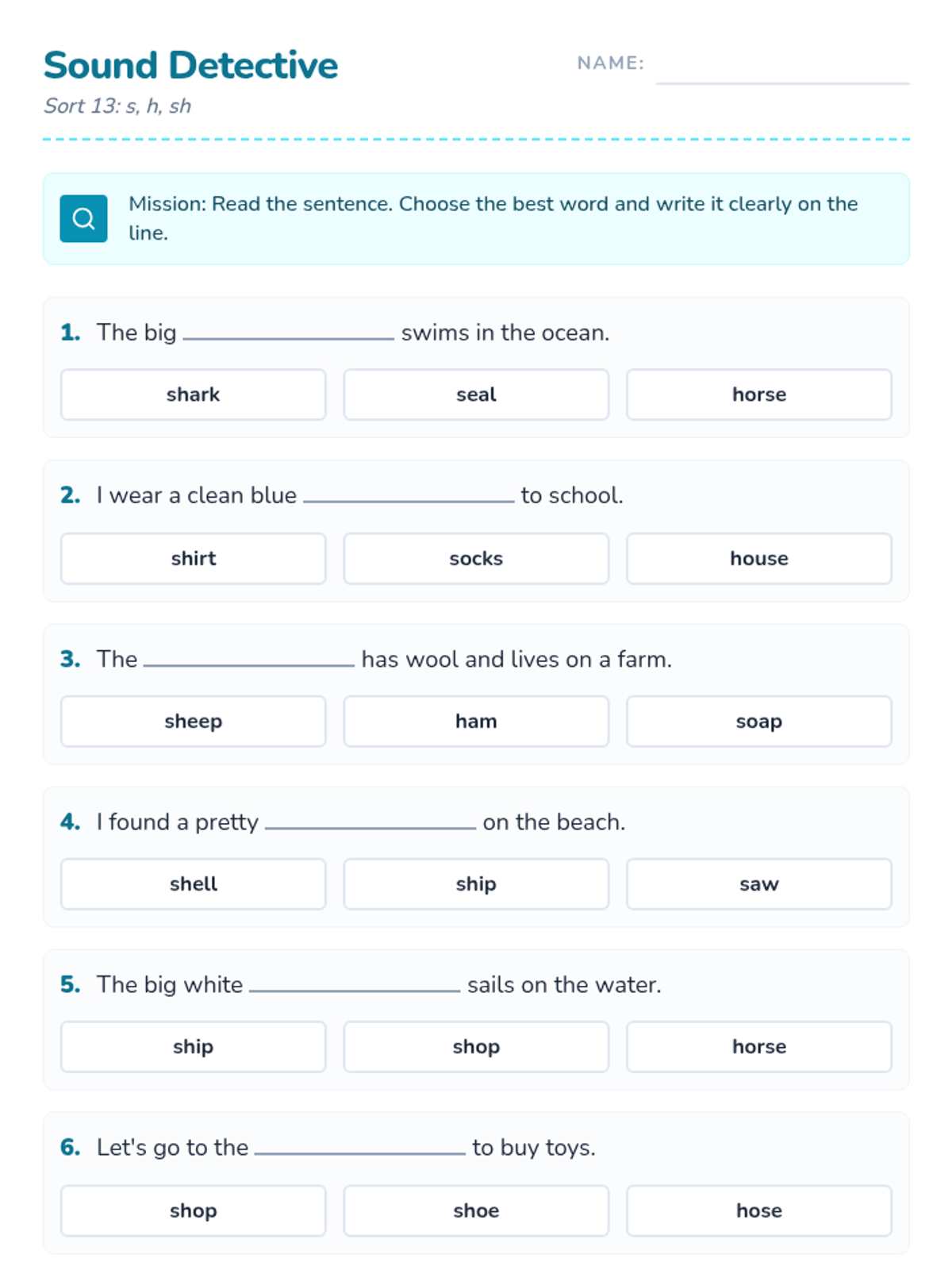
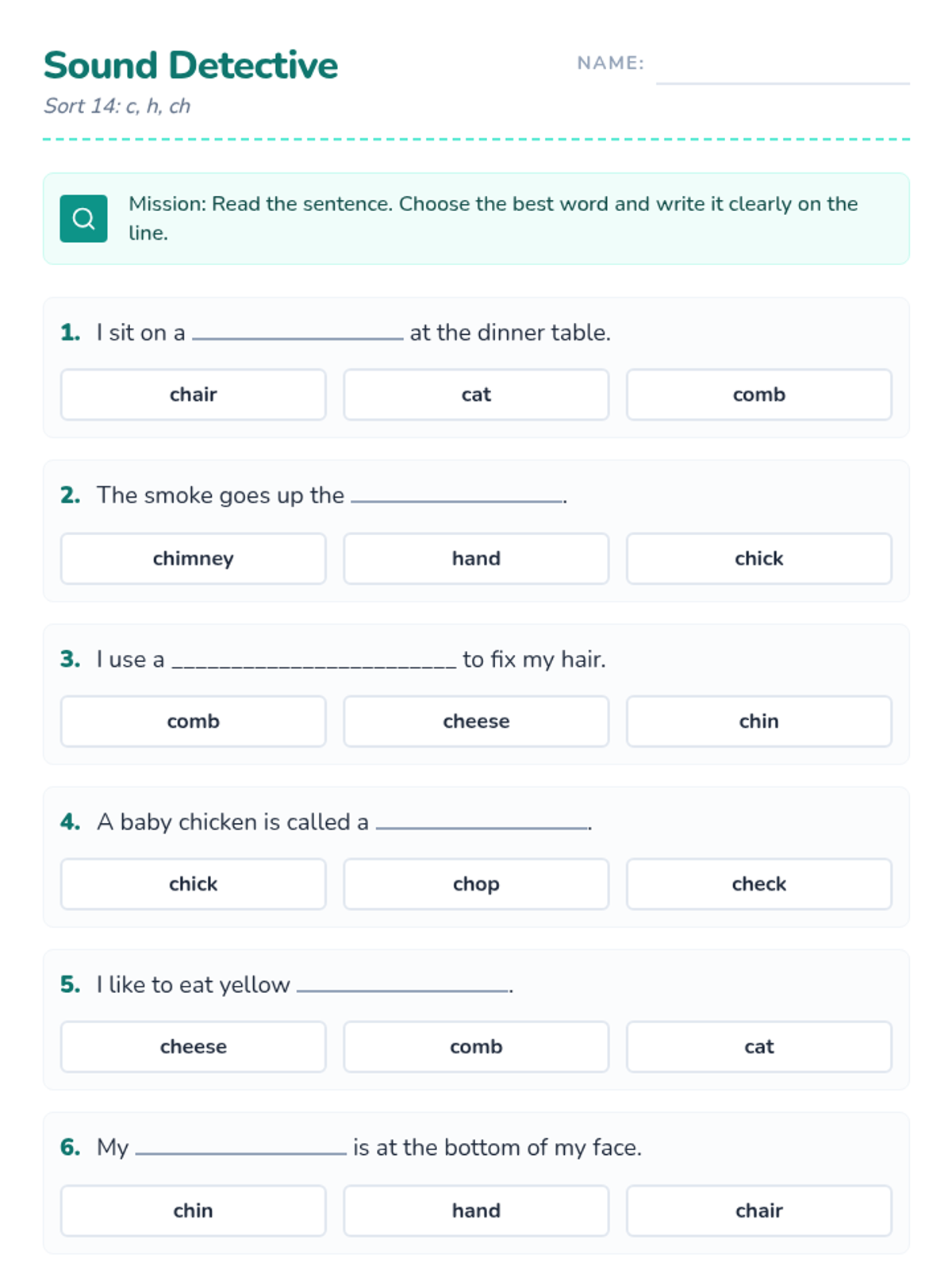
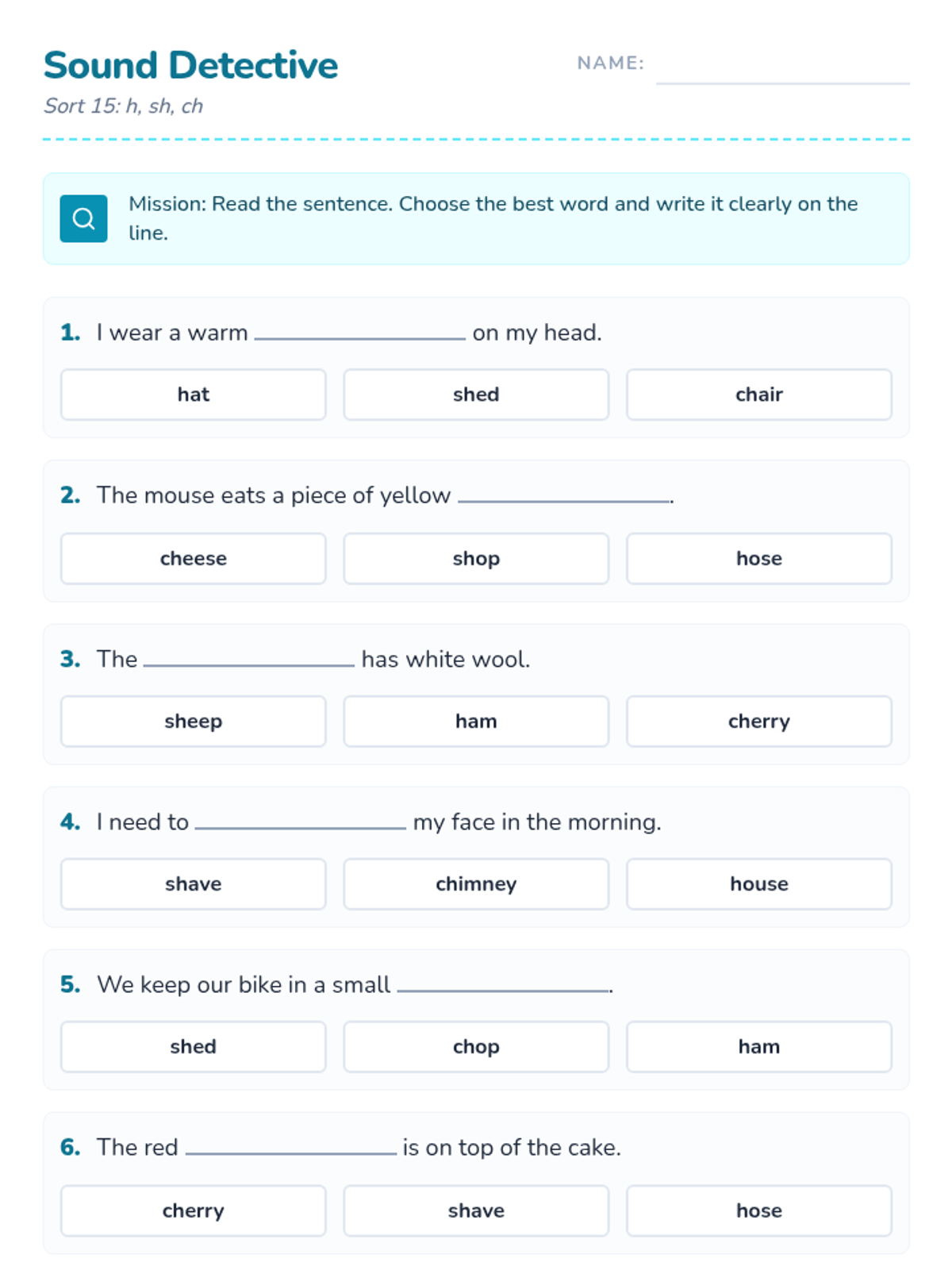
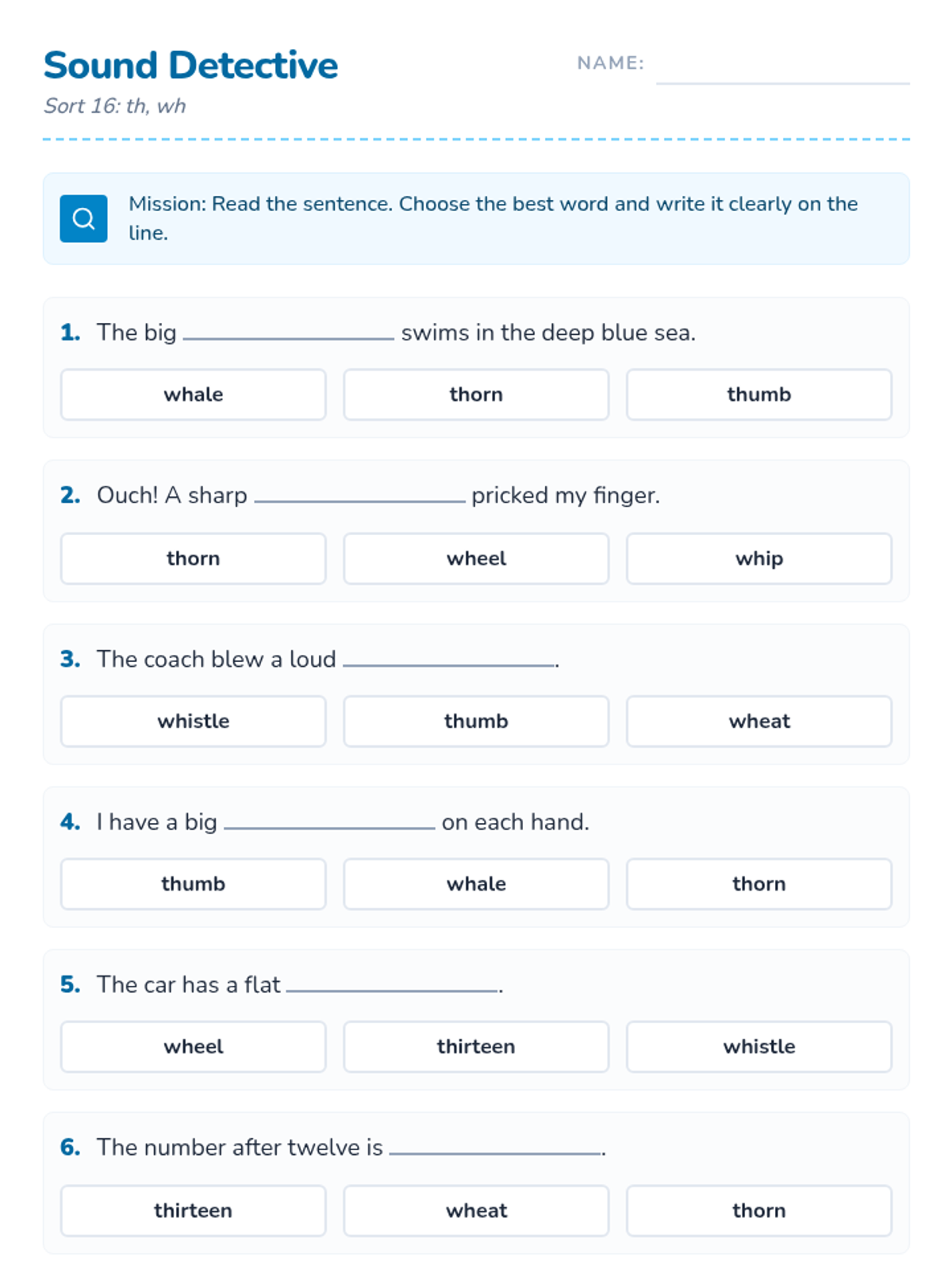
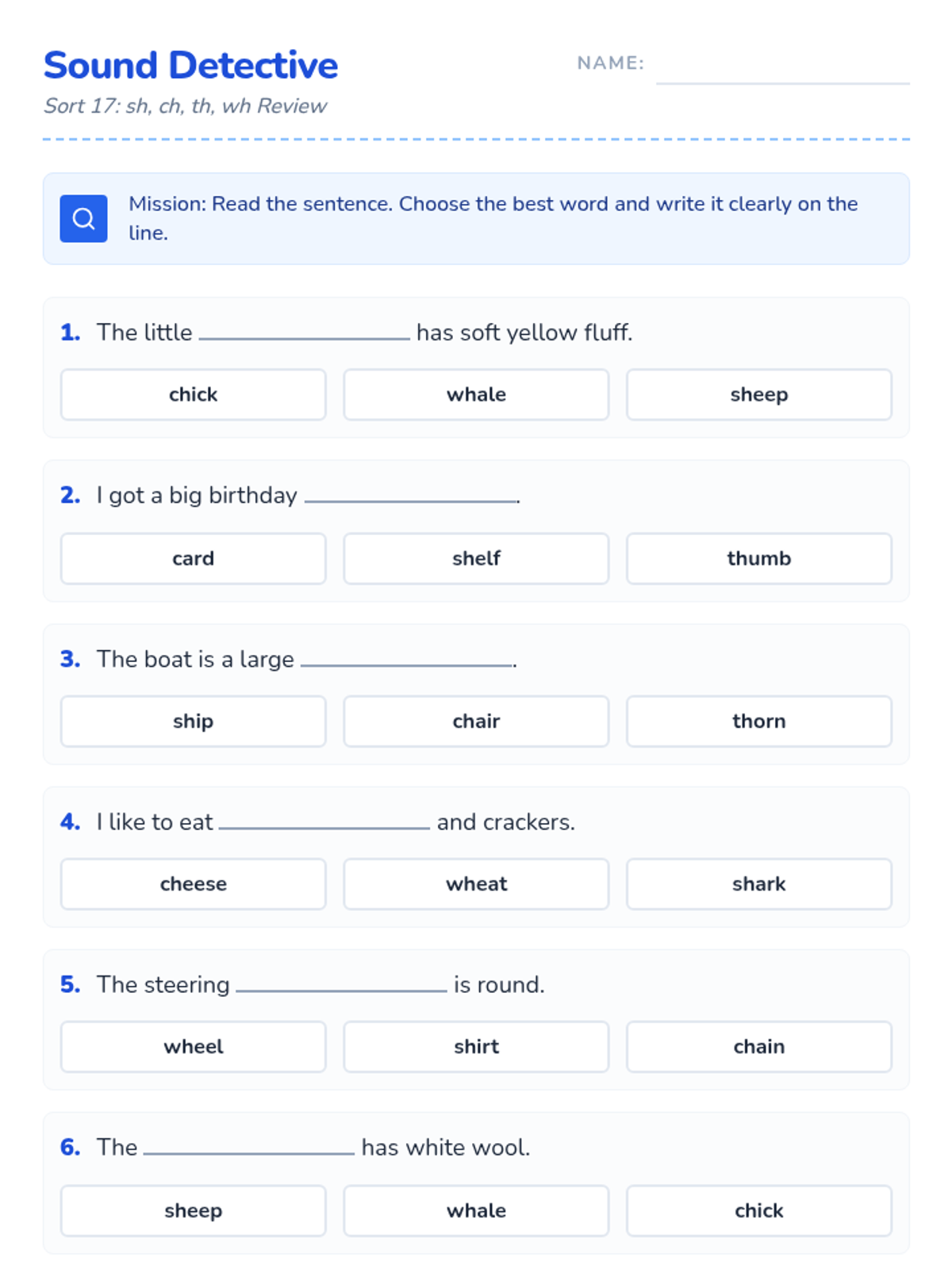
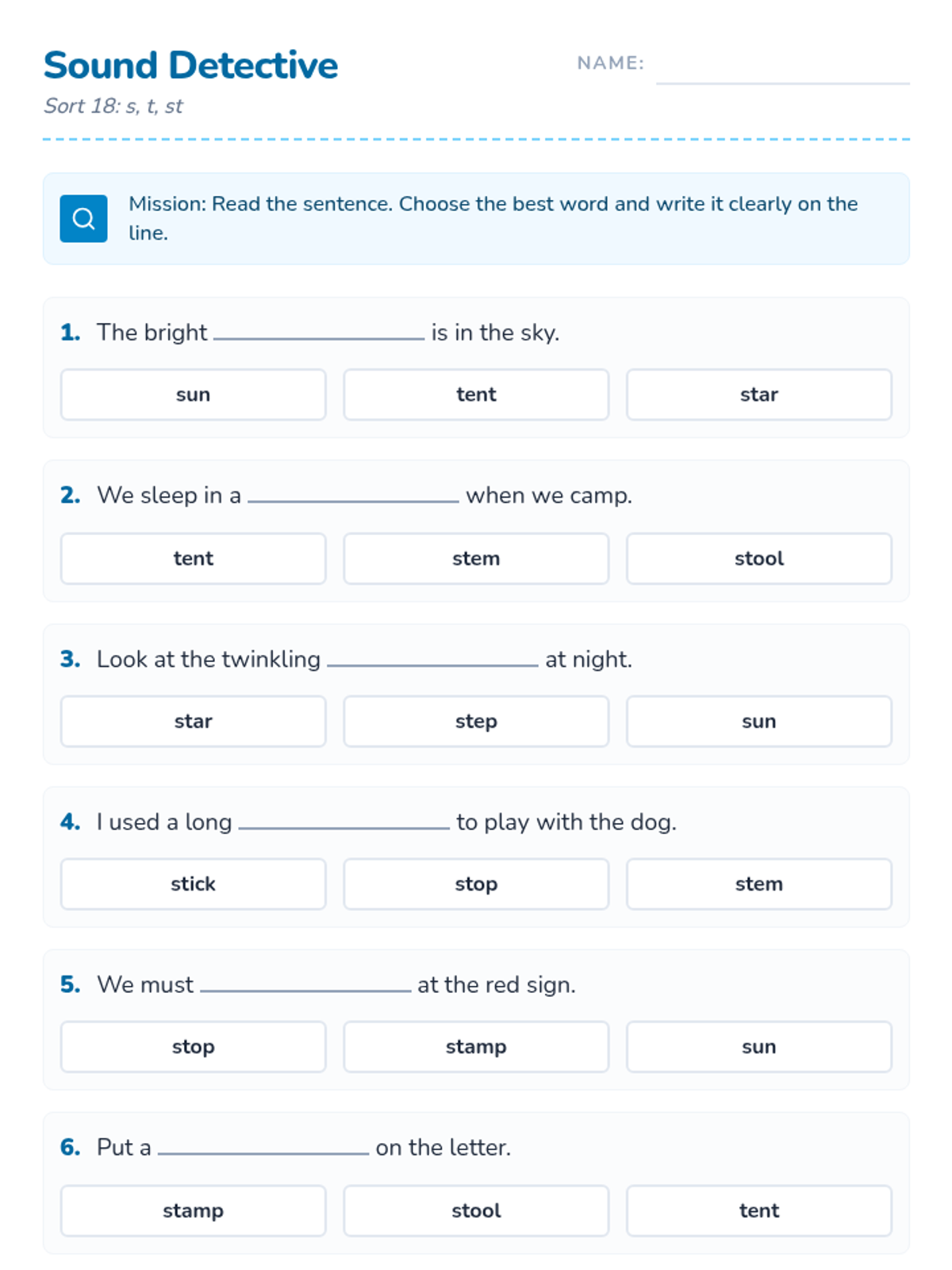
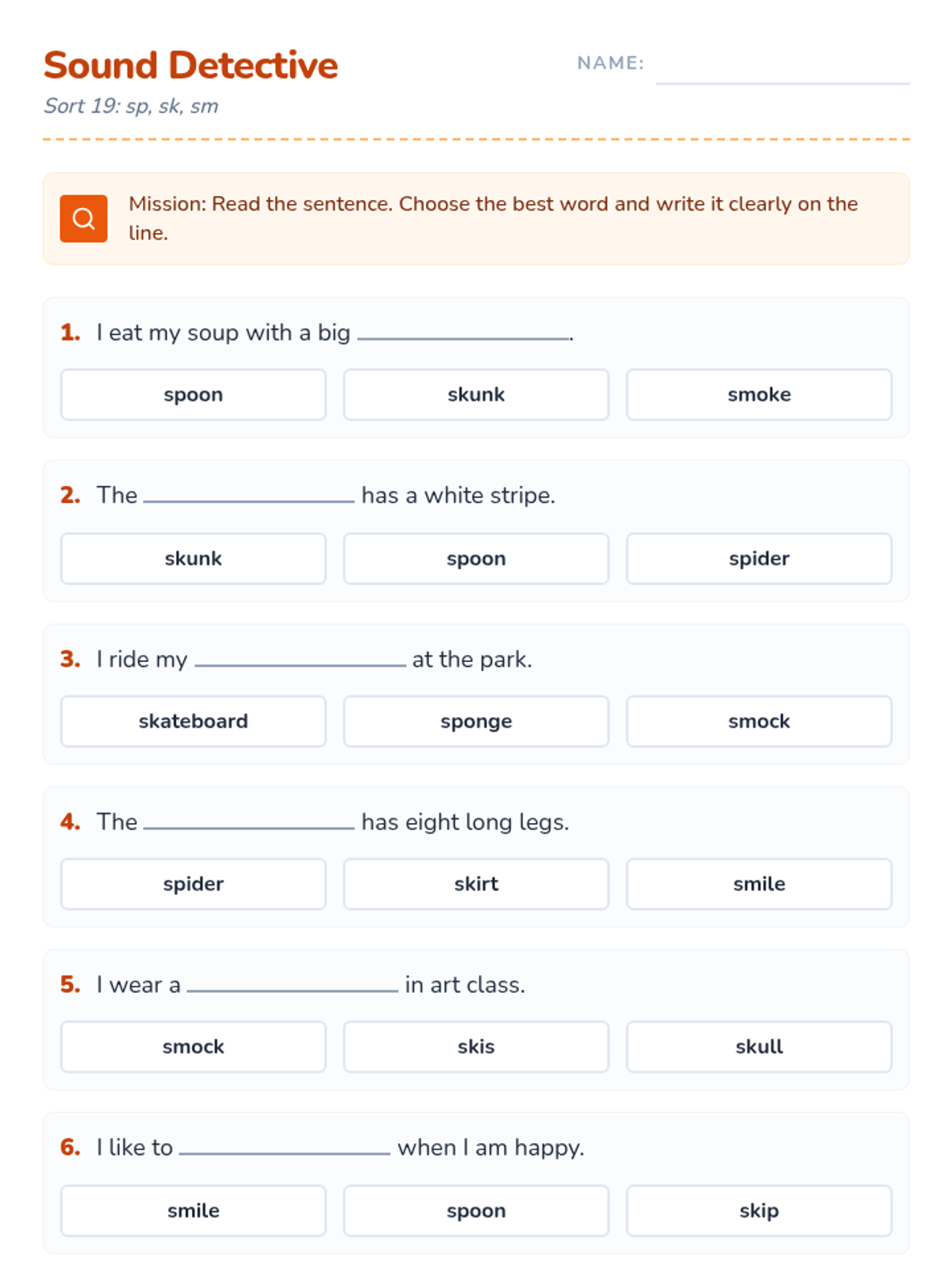
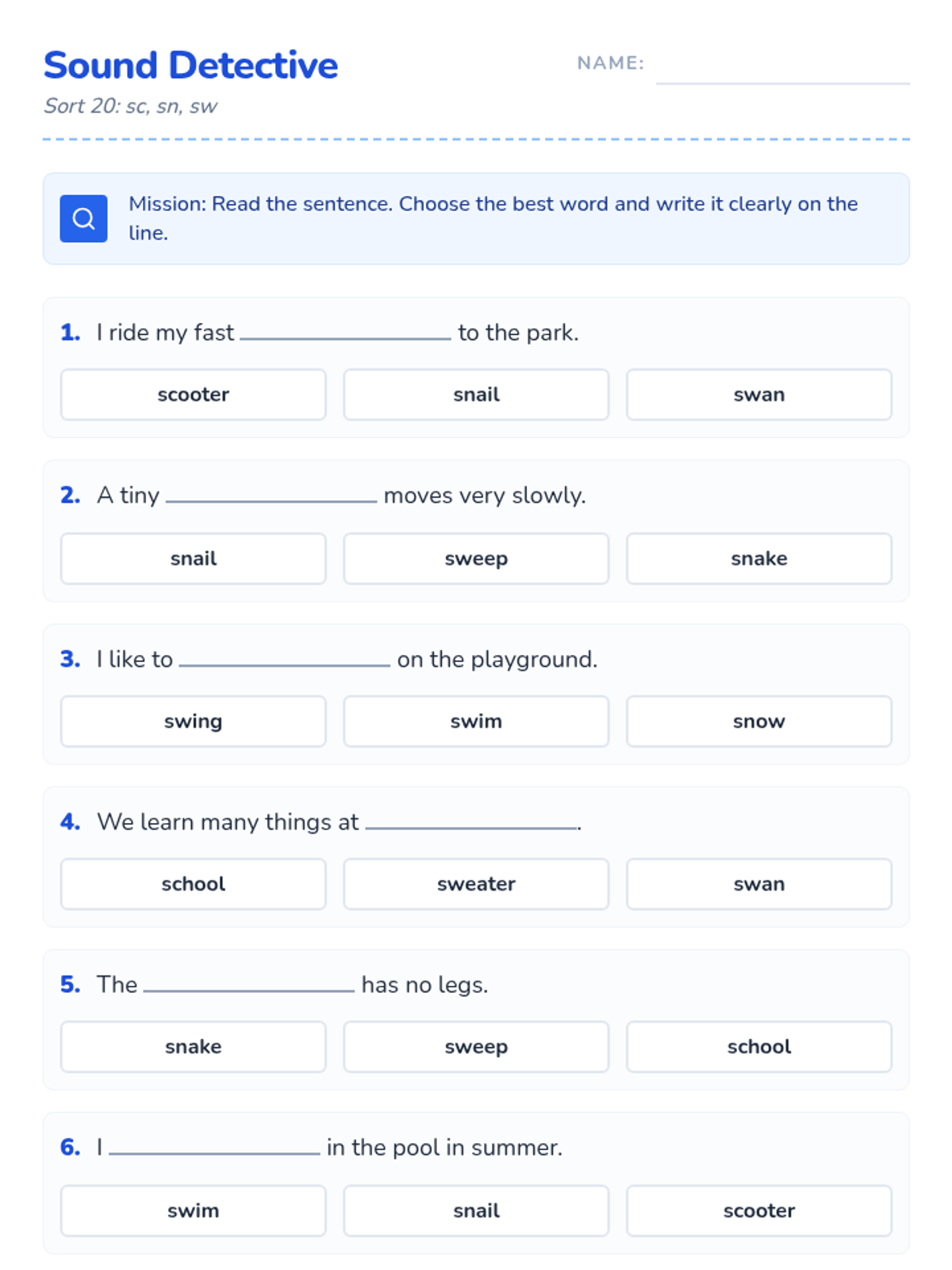
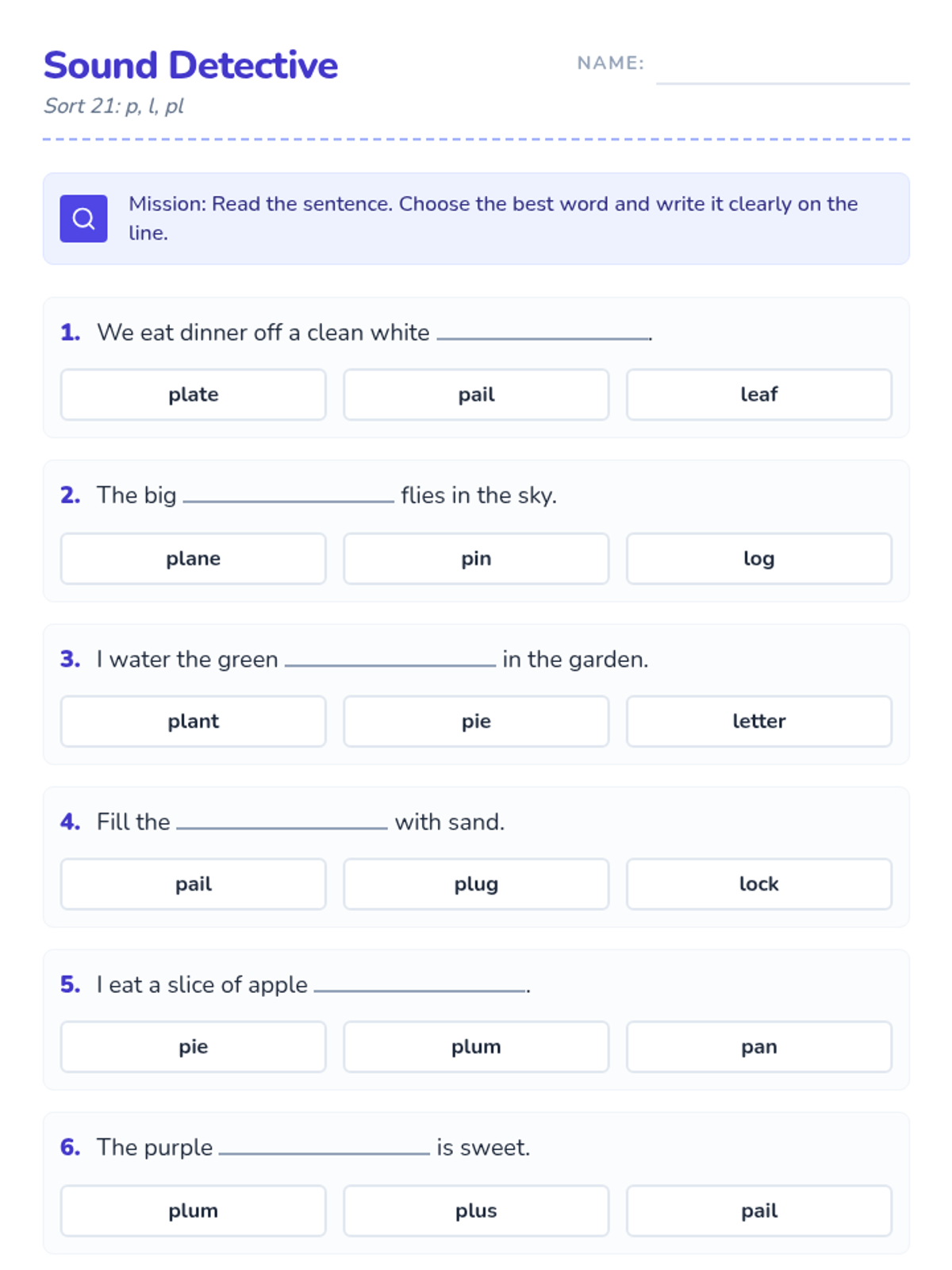
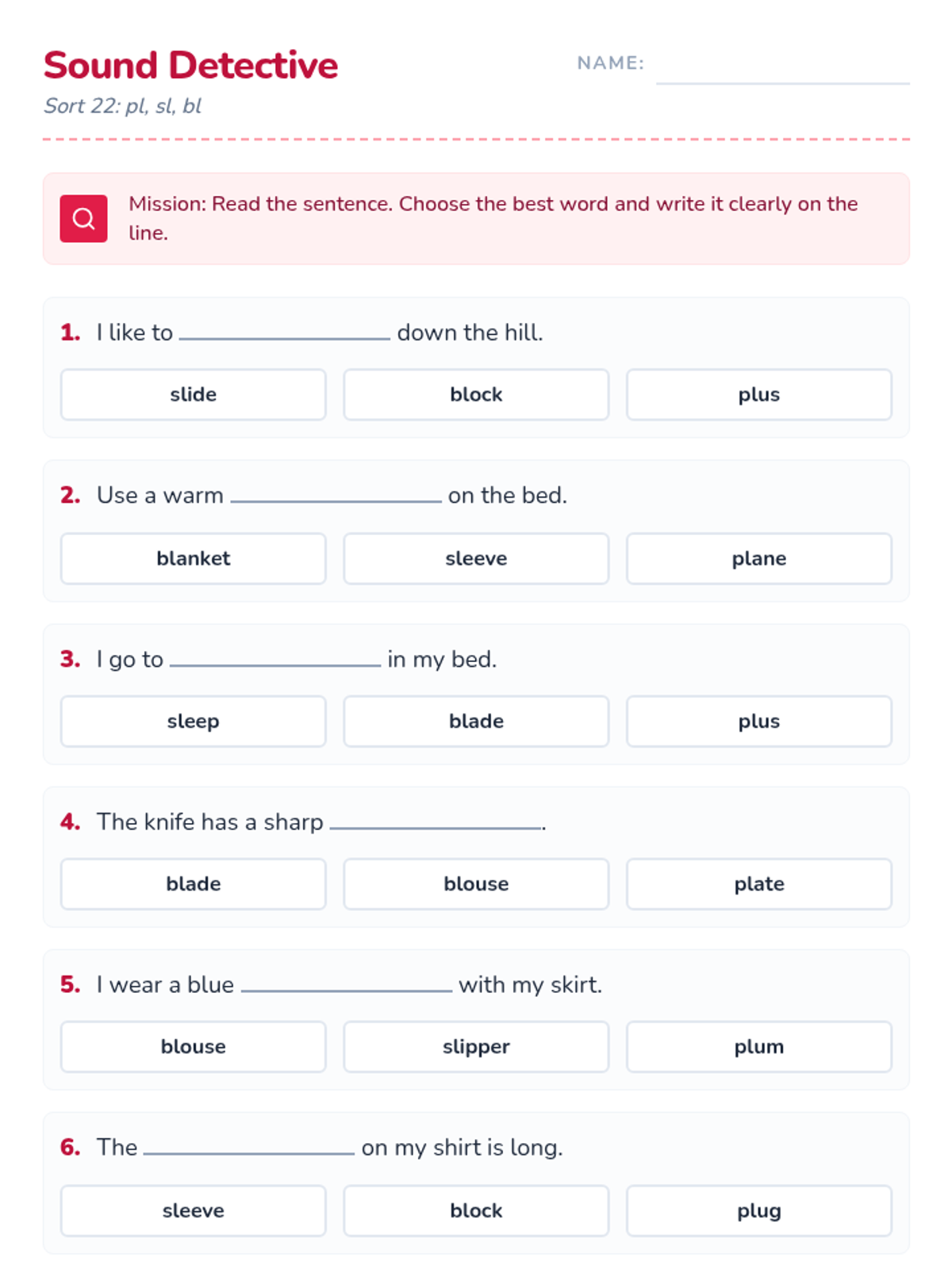
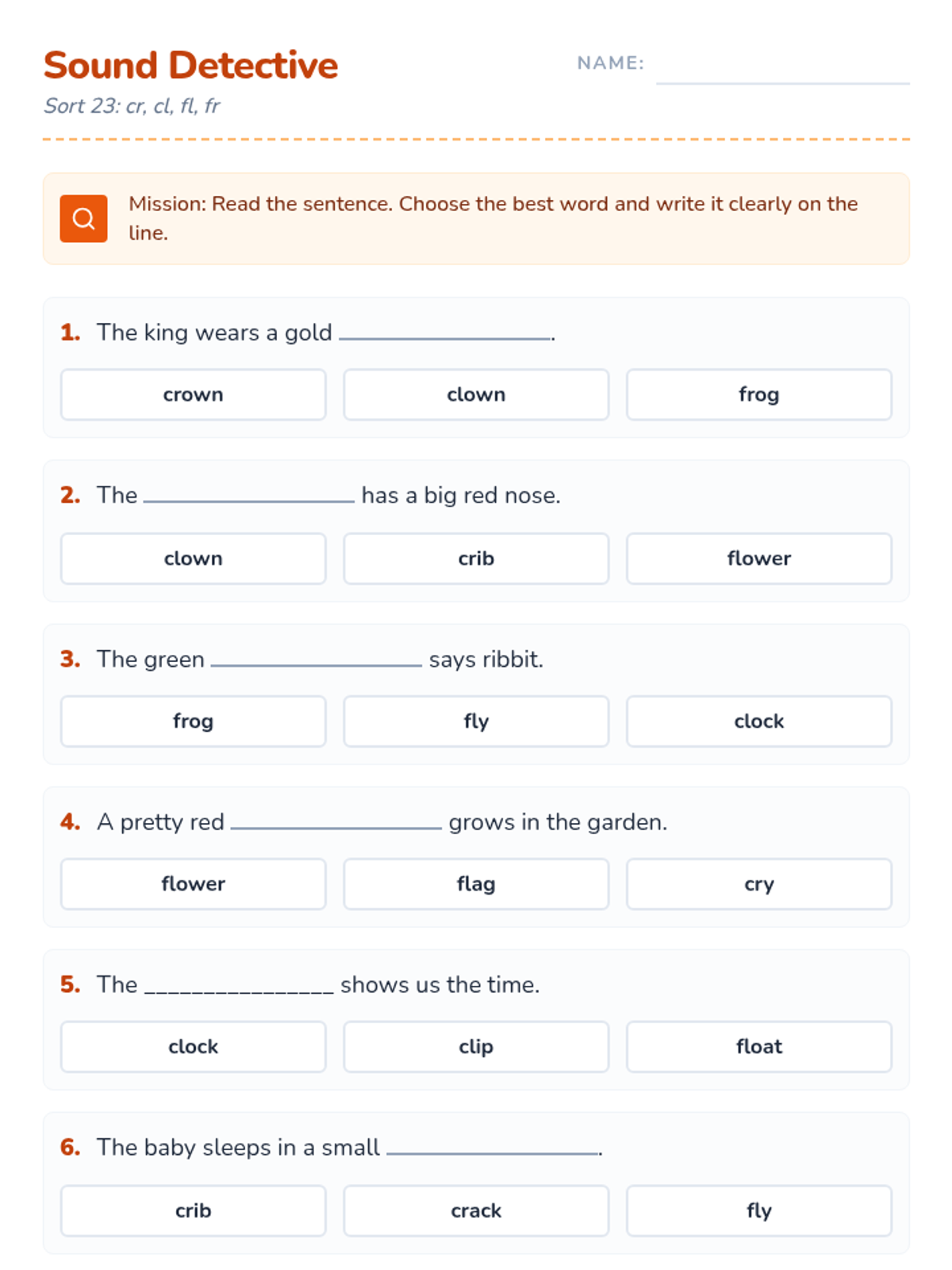
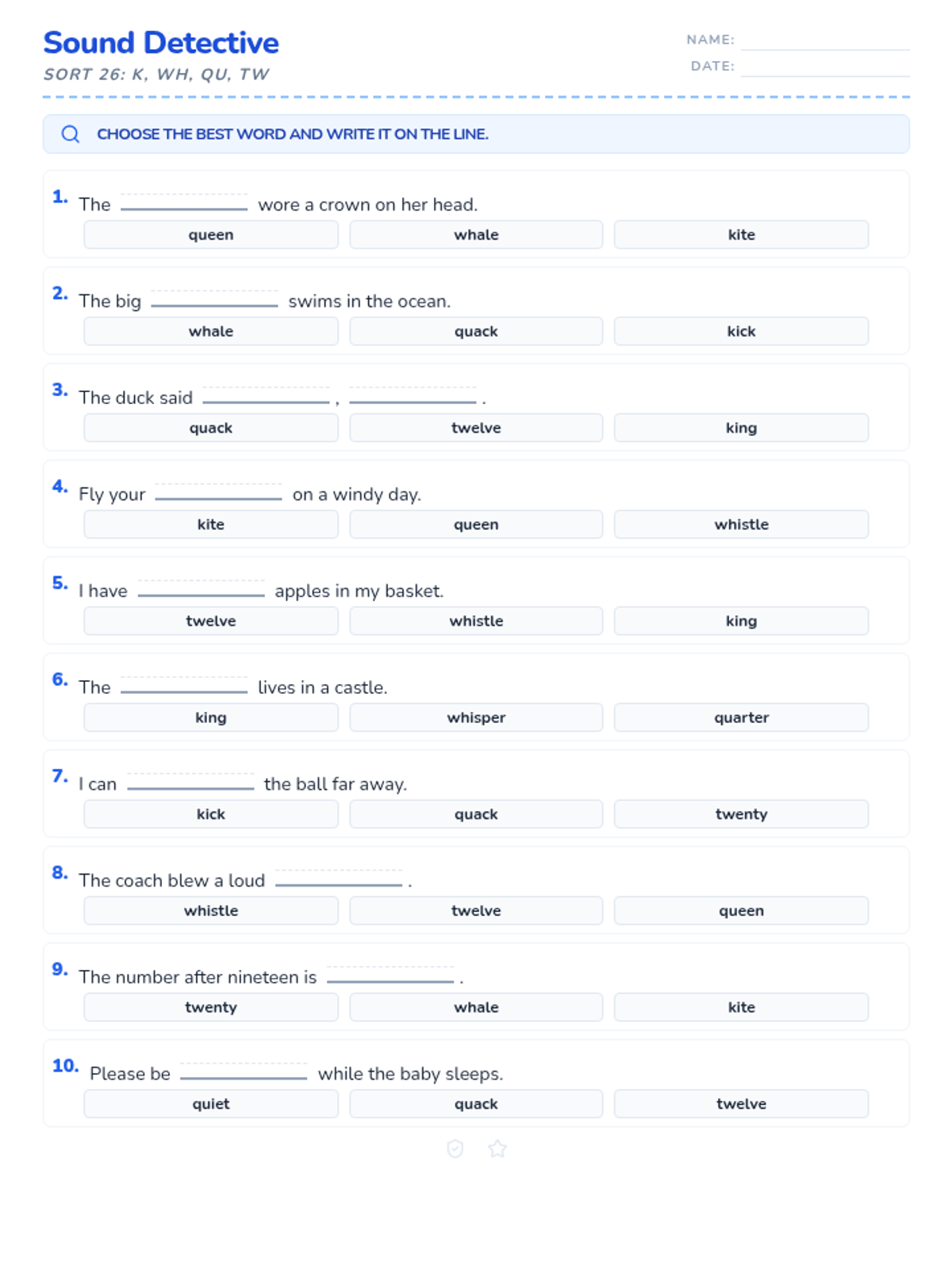
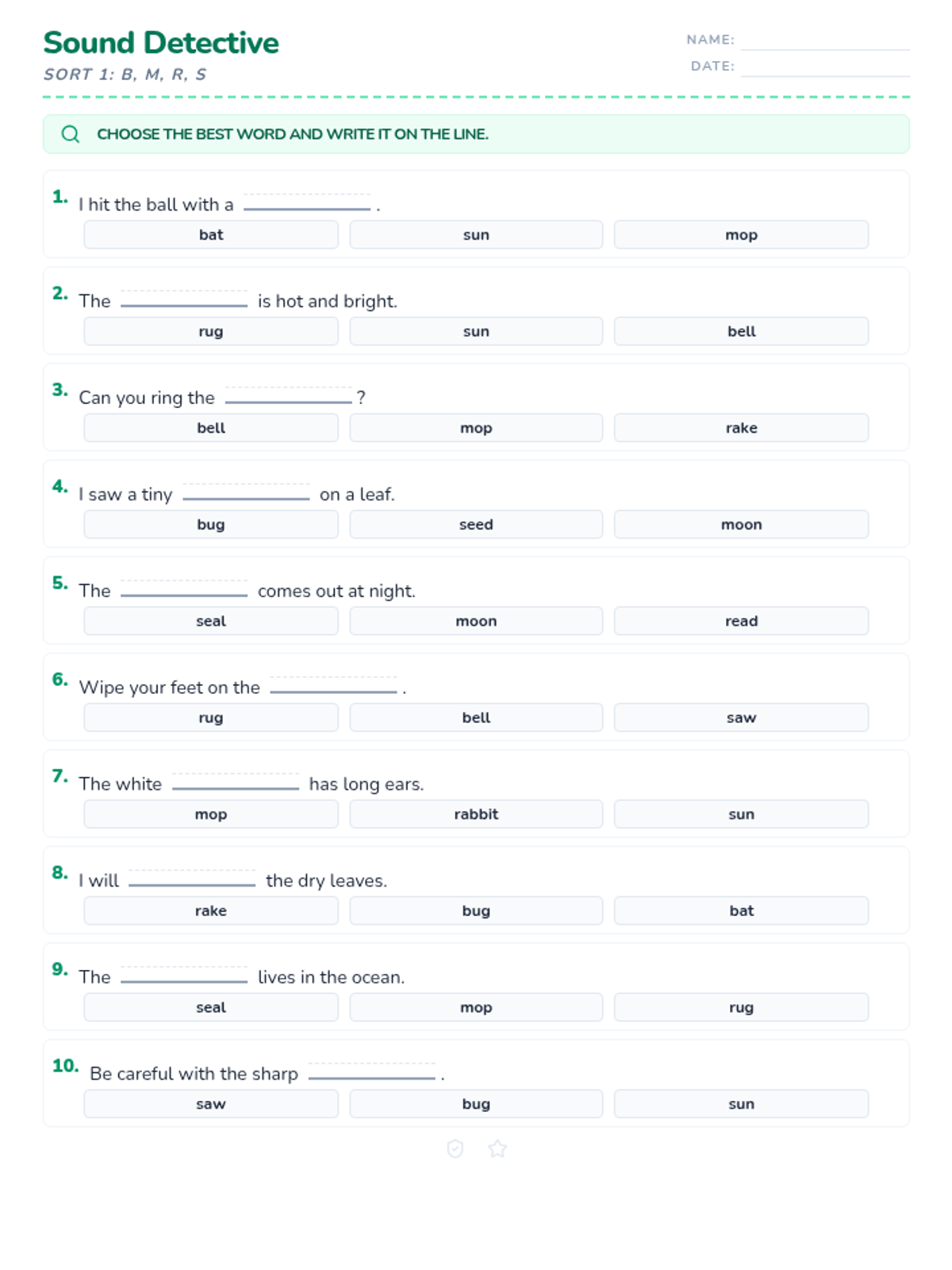
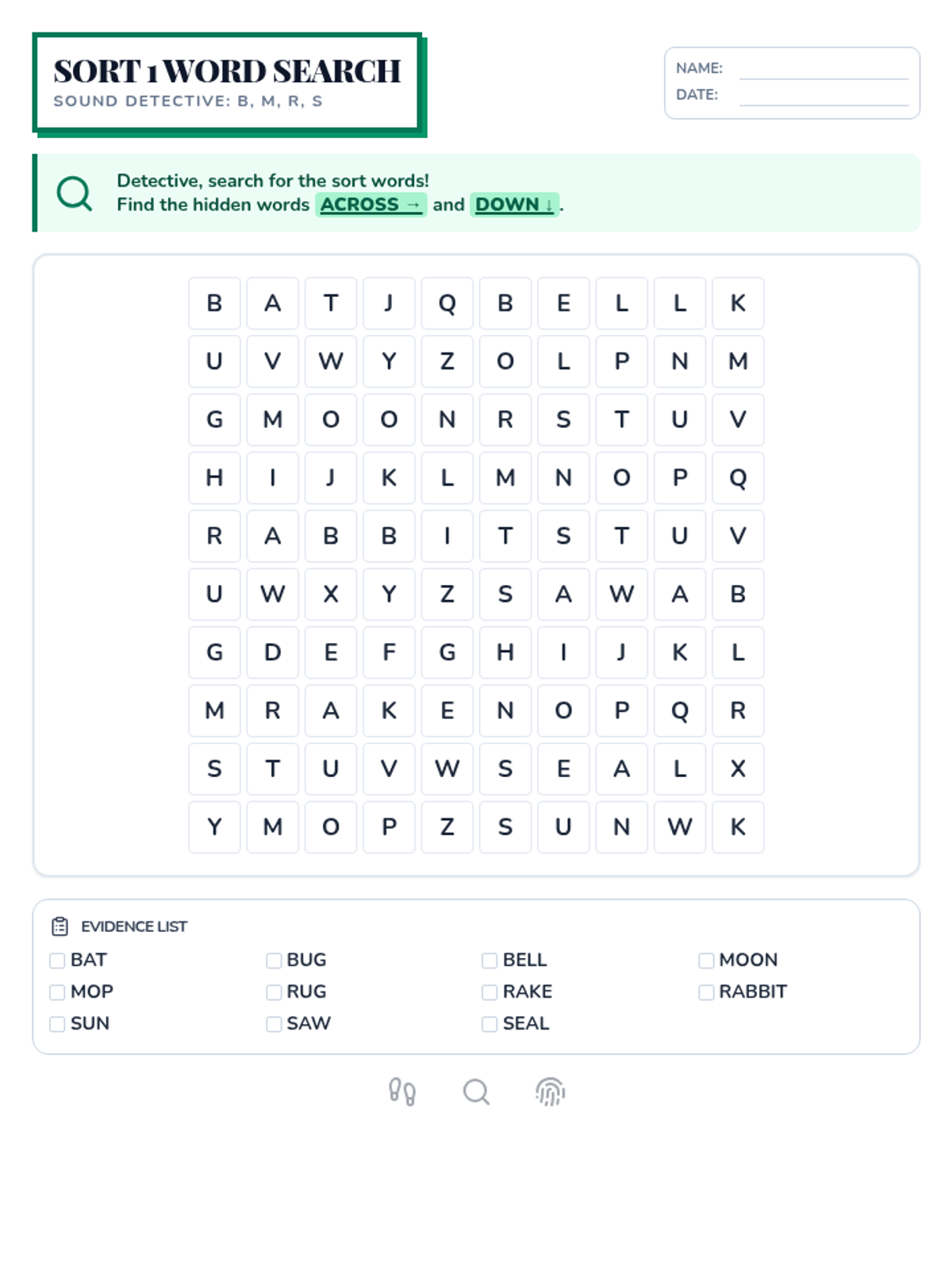
A complete phonics journey covering letter-name alphabetic spelling stages, featuring randomized word sort practice through interactive sentence completion.
An introductory Japanese language and culture unit for 8th grade that follows the 'TABI' (Journey) framework. Students explore geography, etiquette, writing systems, daily life, and traditional arts through immersive daily 45-minute lessons.
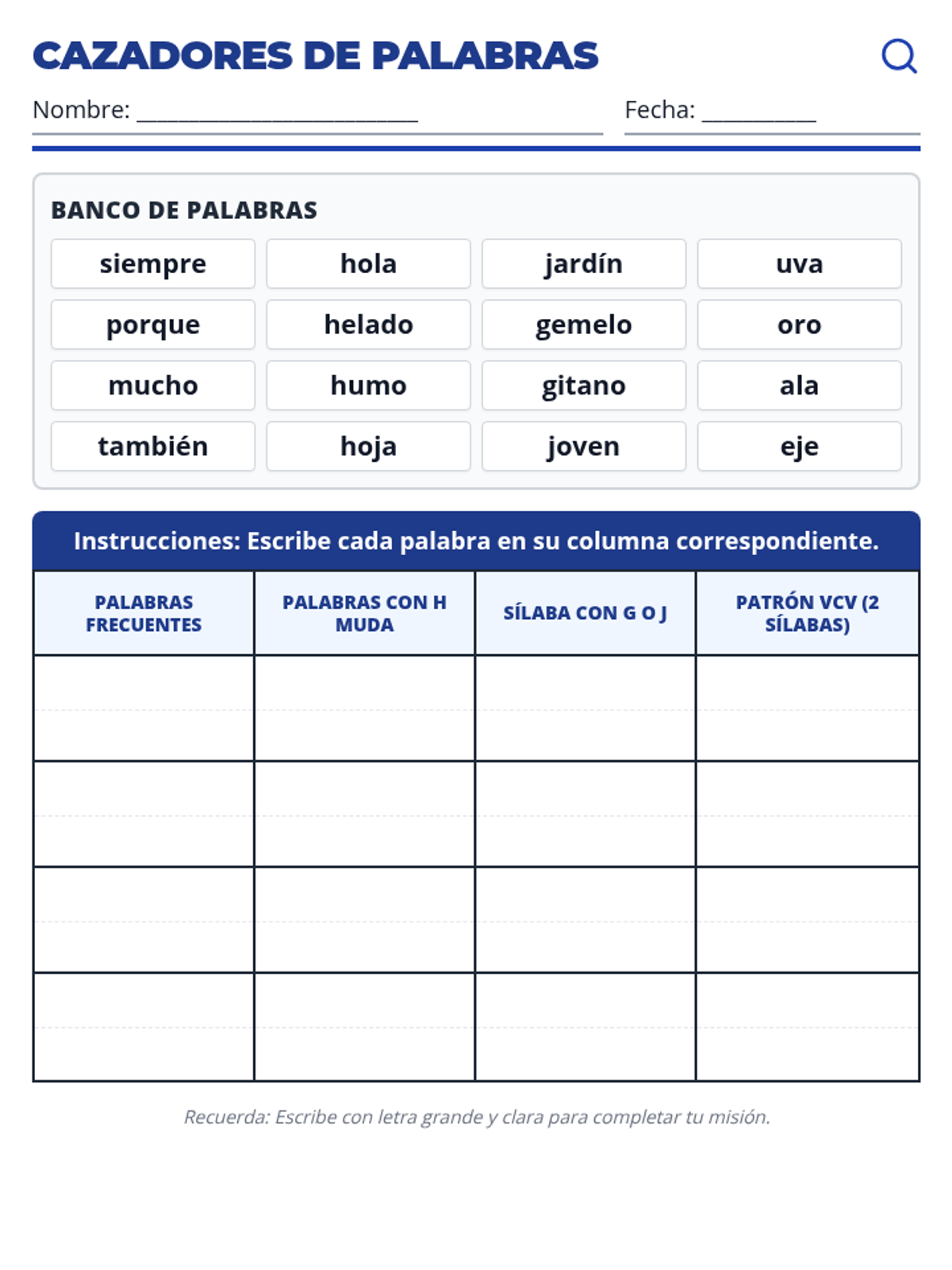
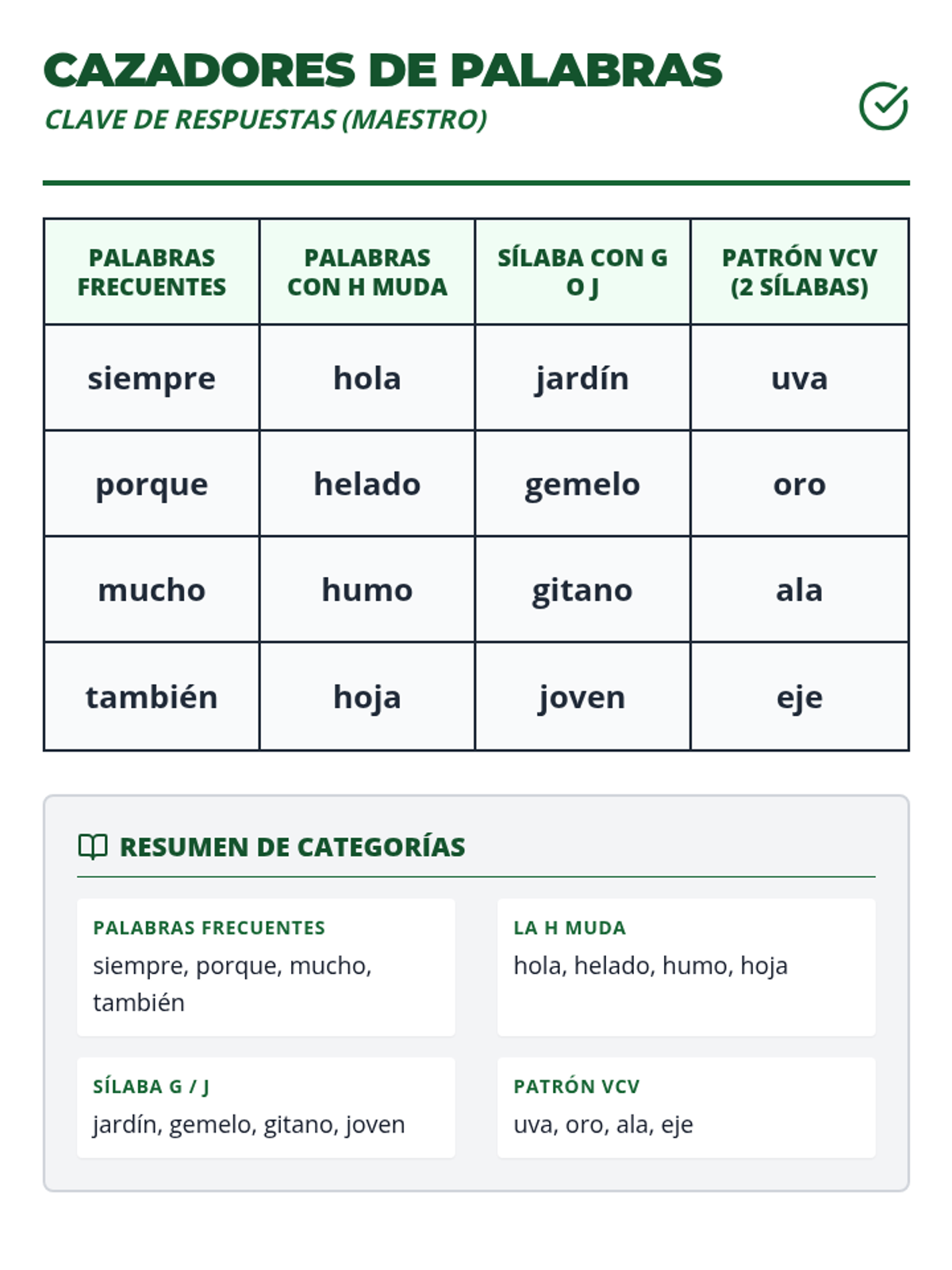
A series of Spanish word sorting lessons designed to reinforce high-frequency words and common orthographic patterns like the silent H and G/J syllables.
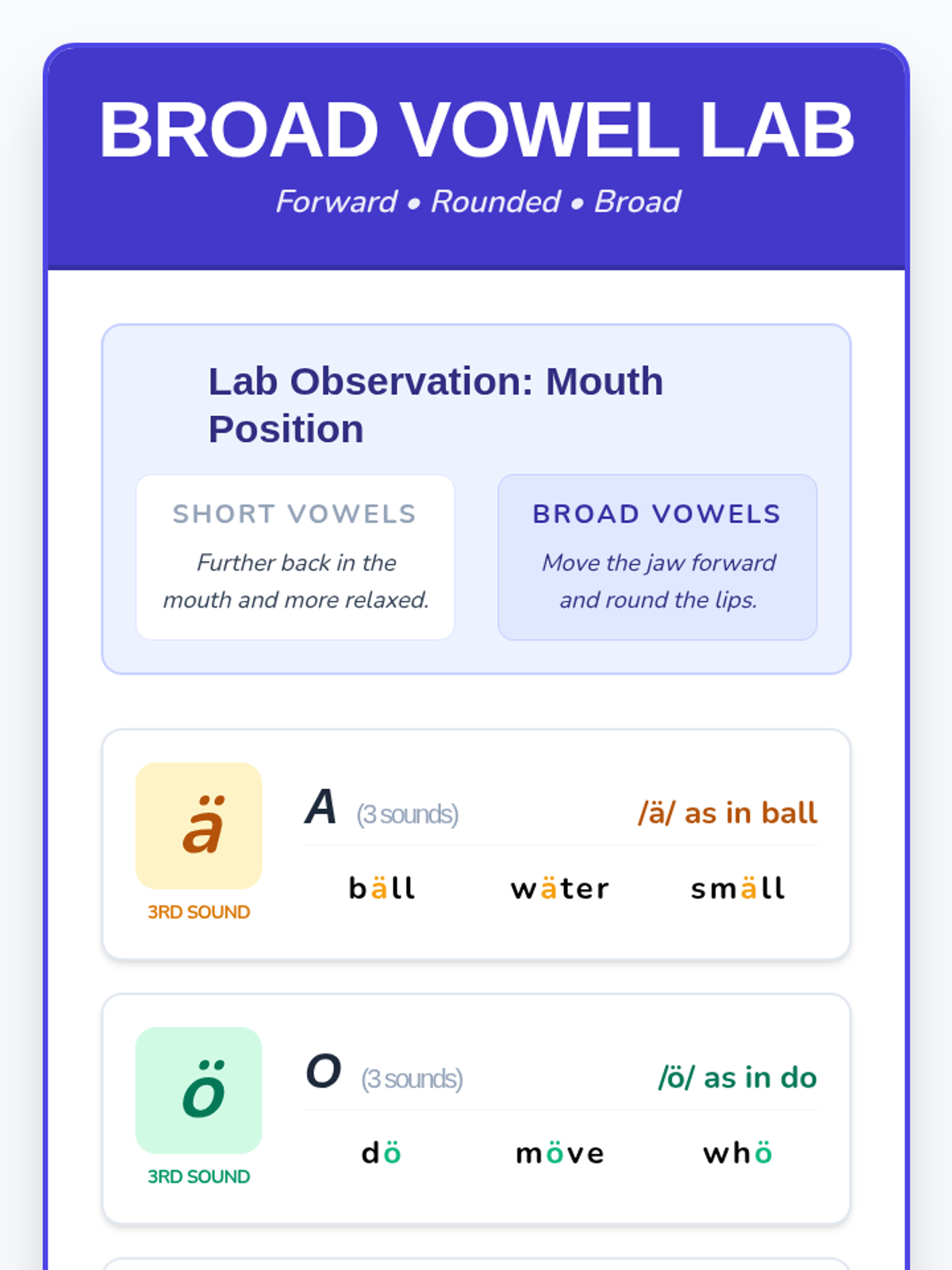
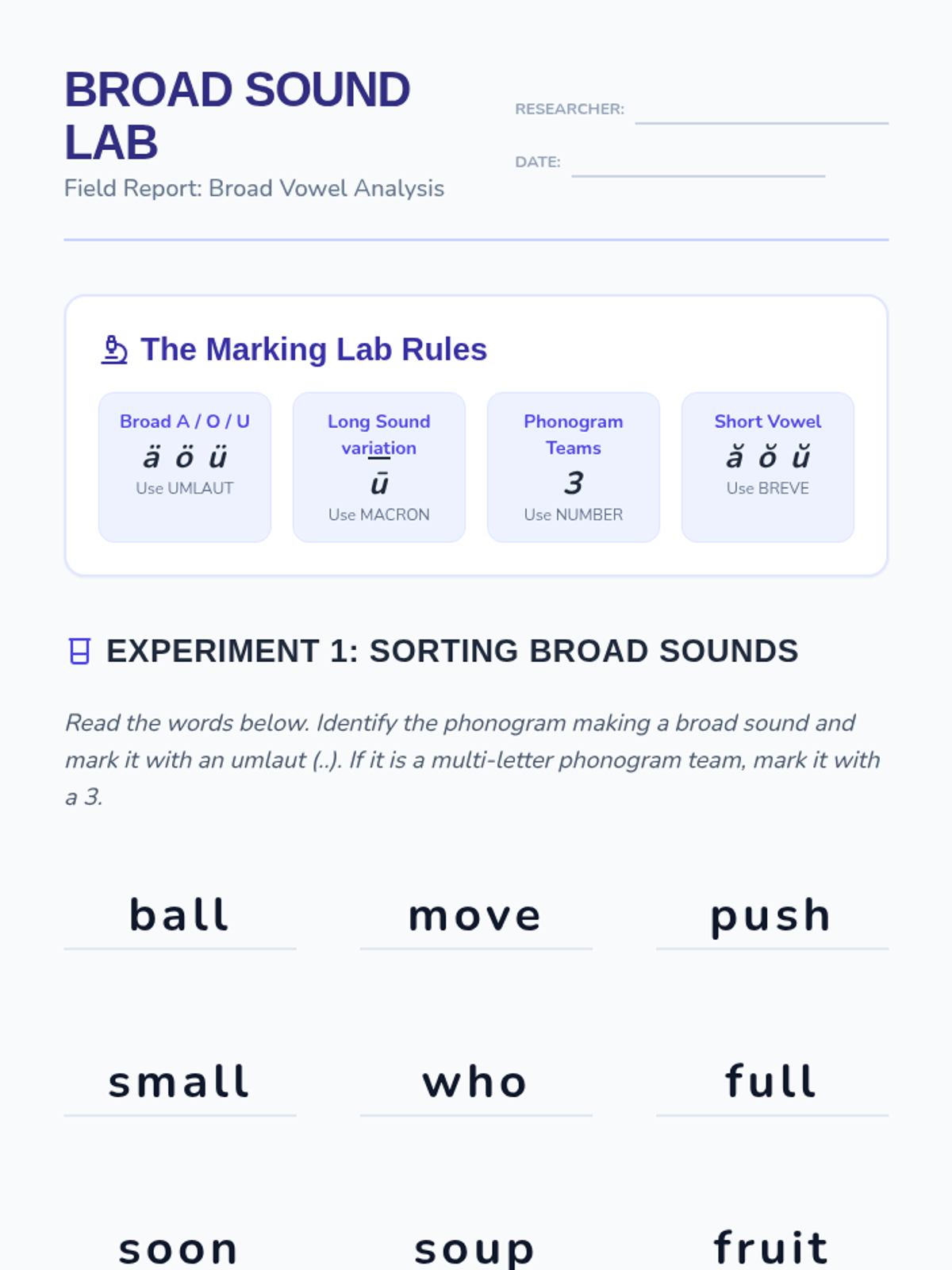
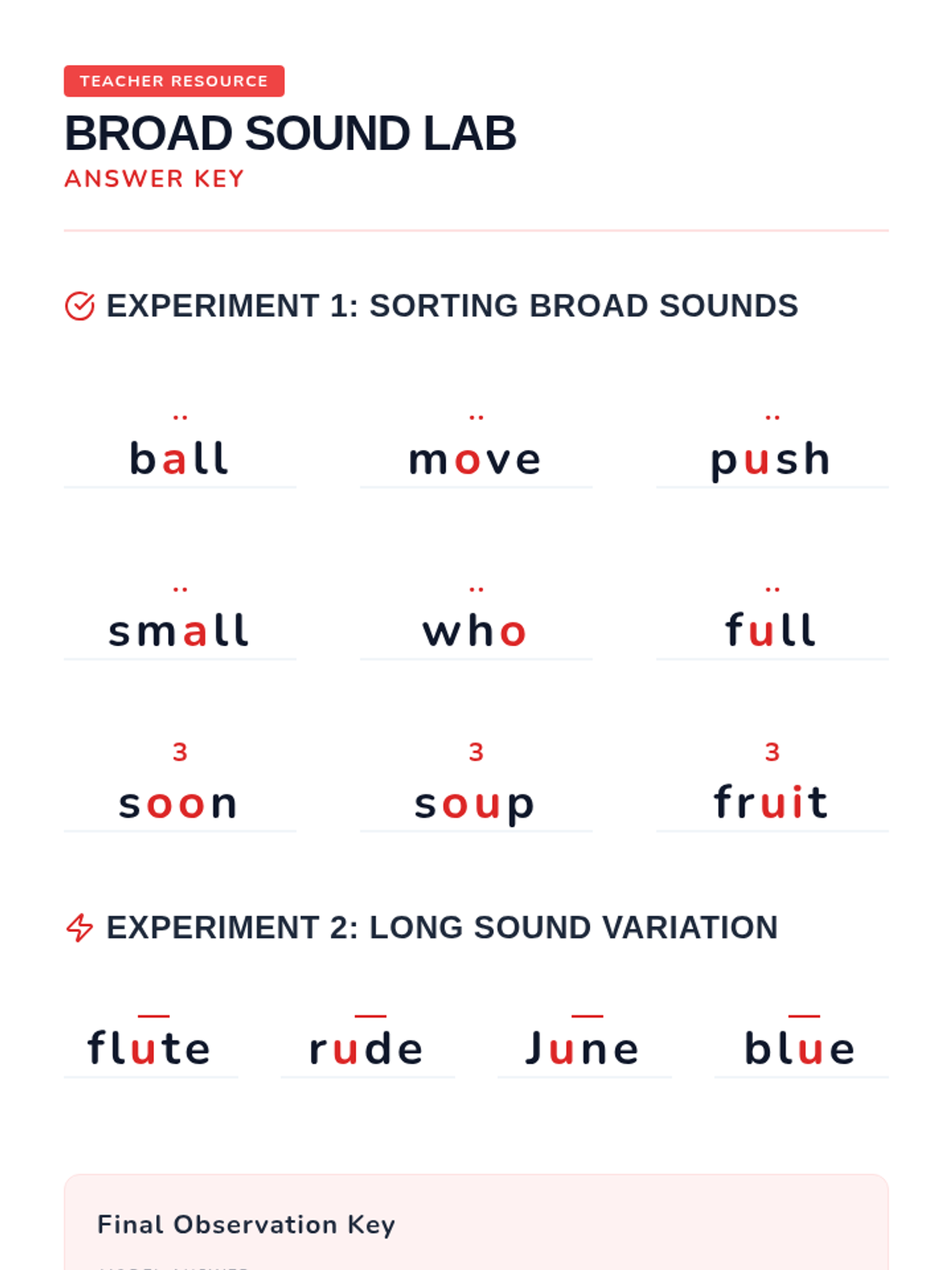
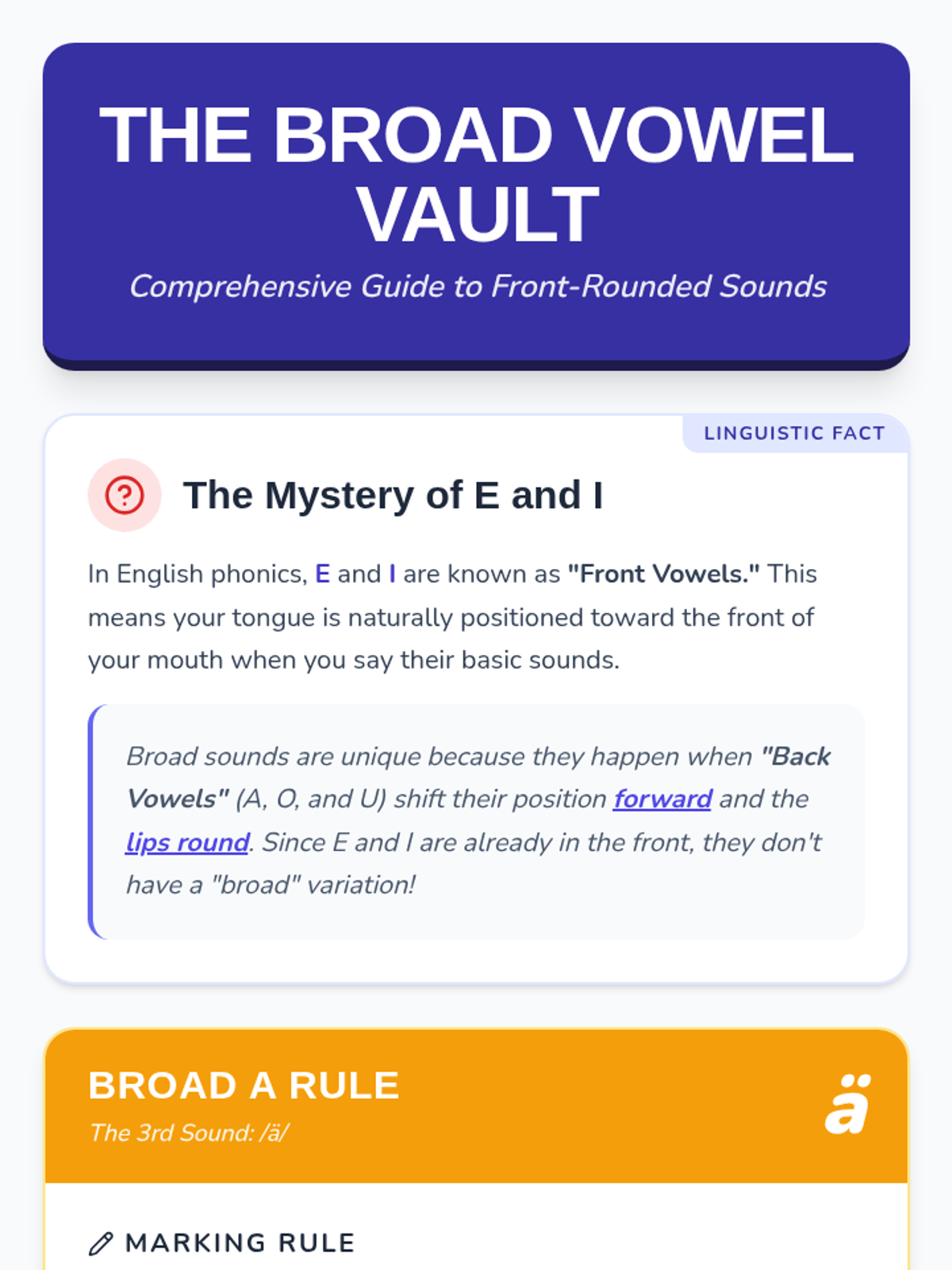
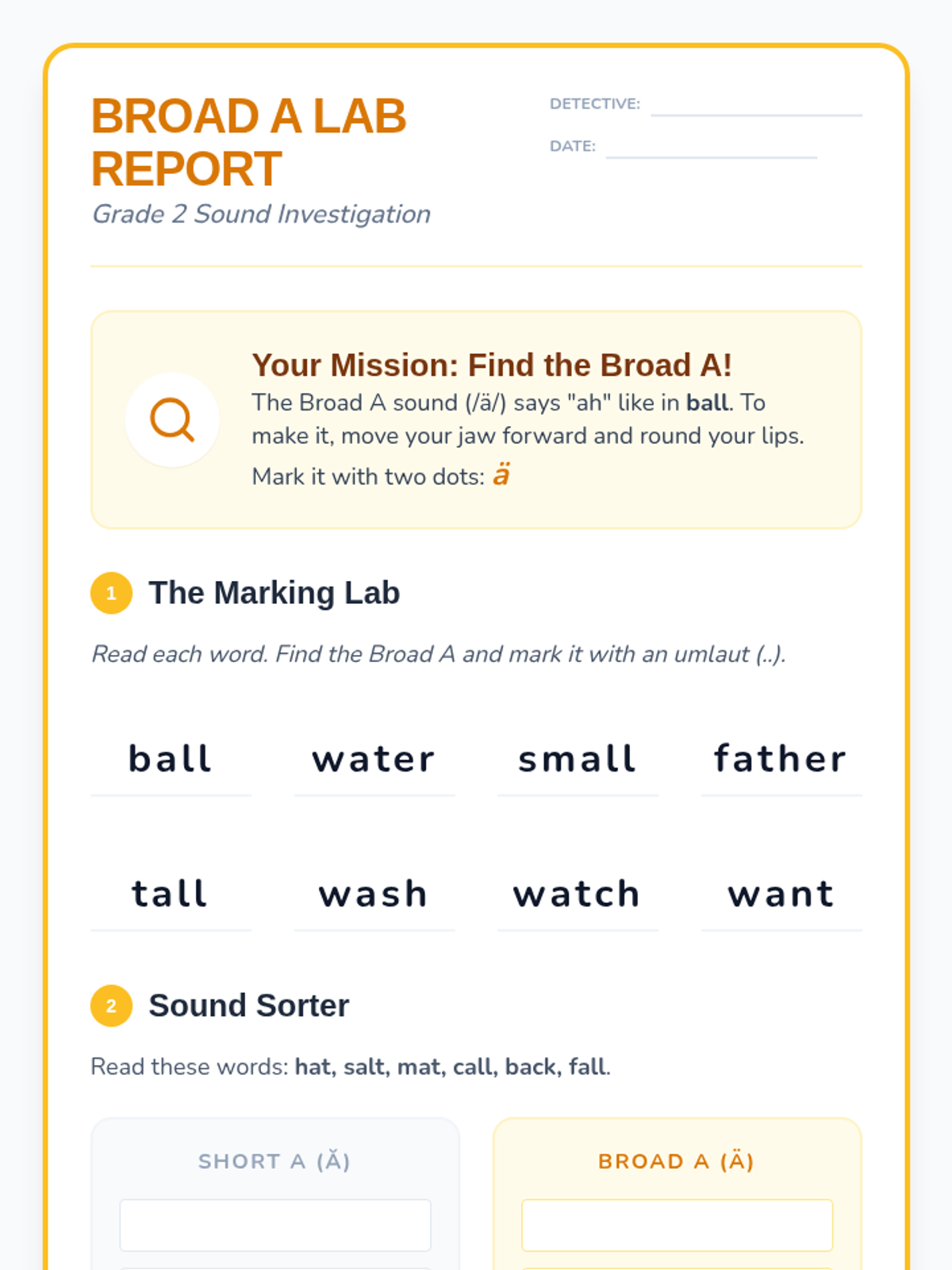
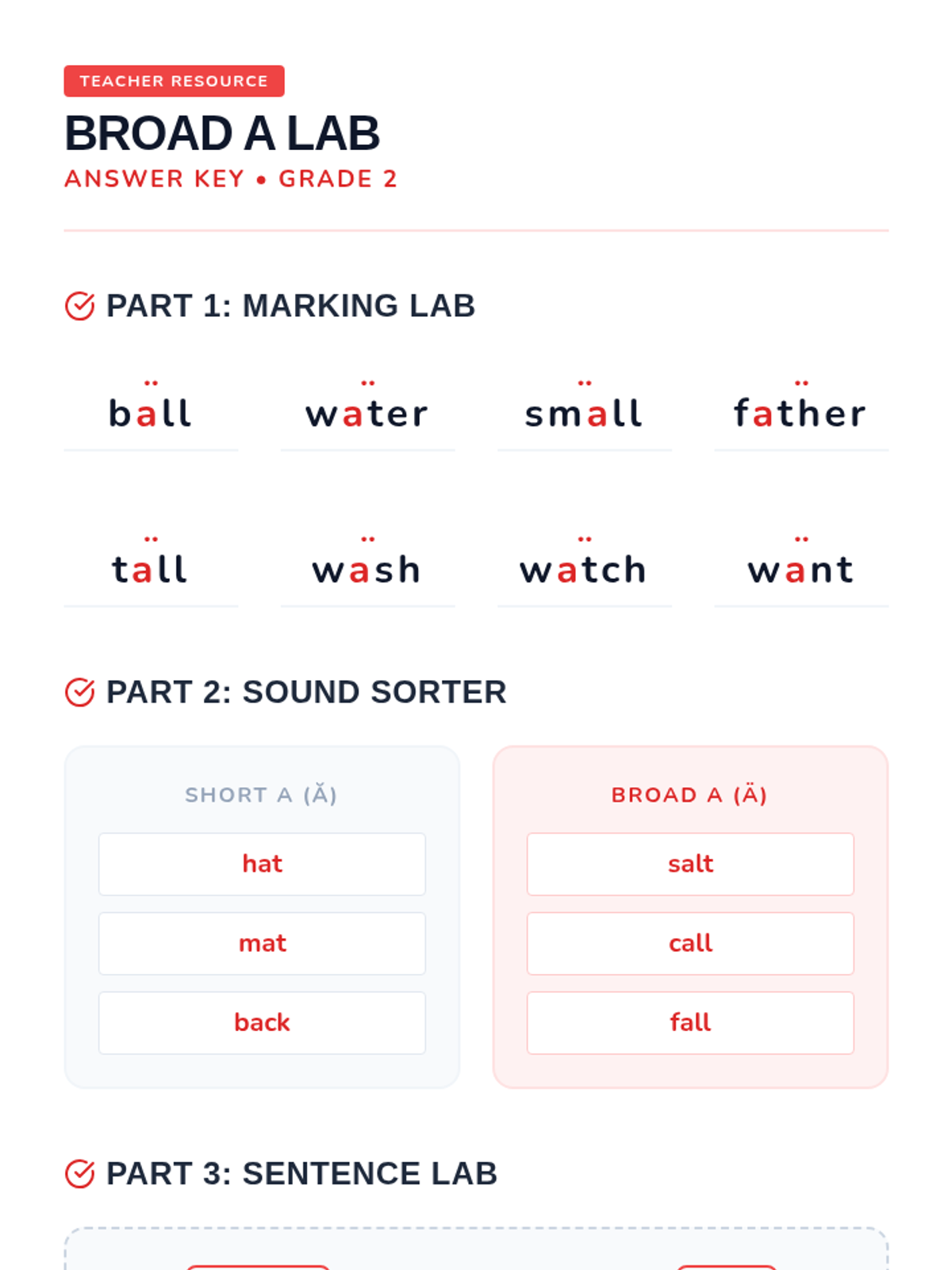
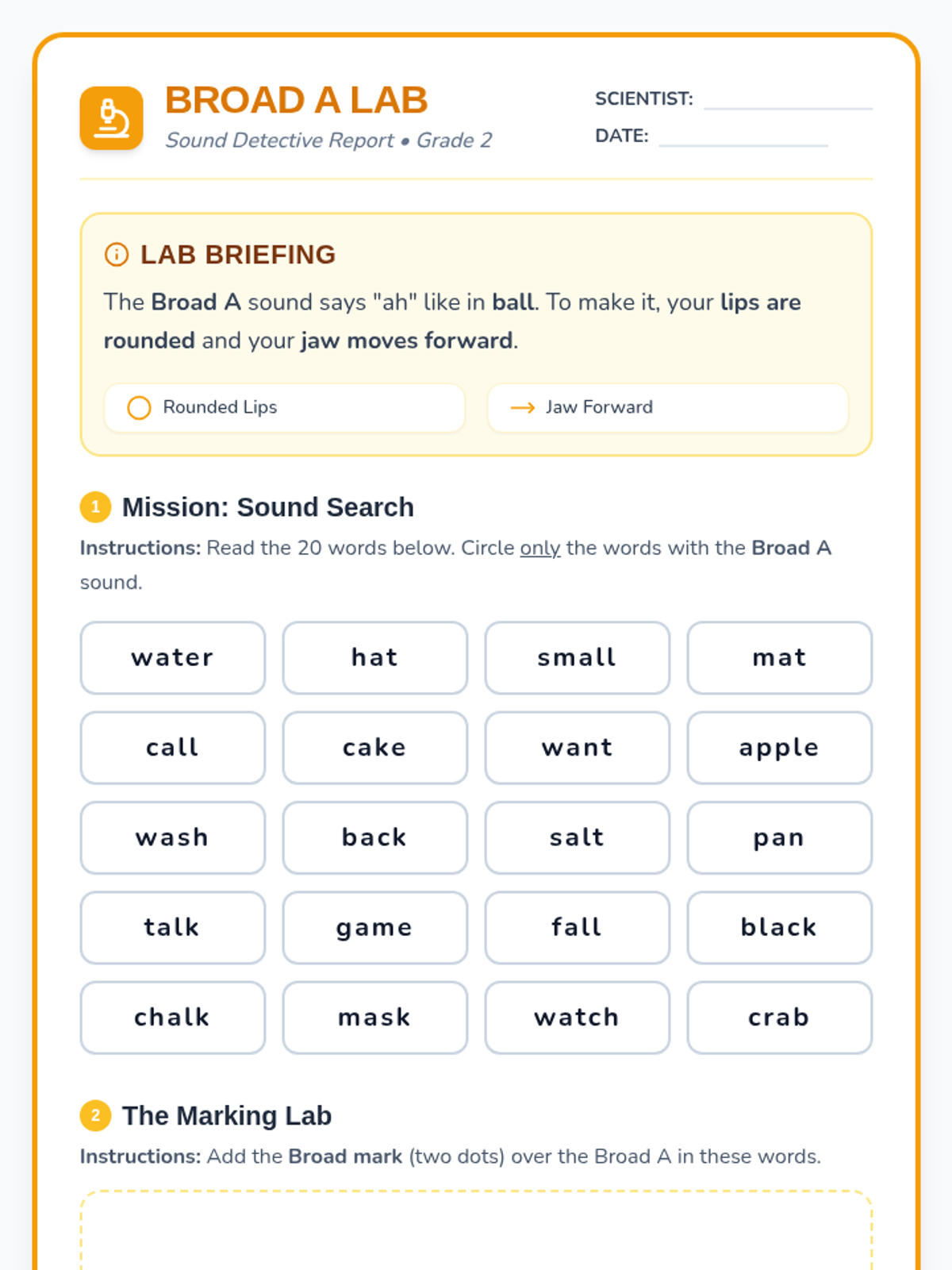
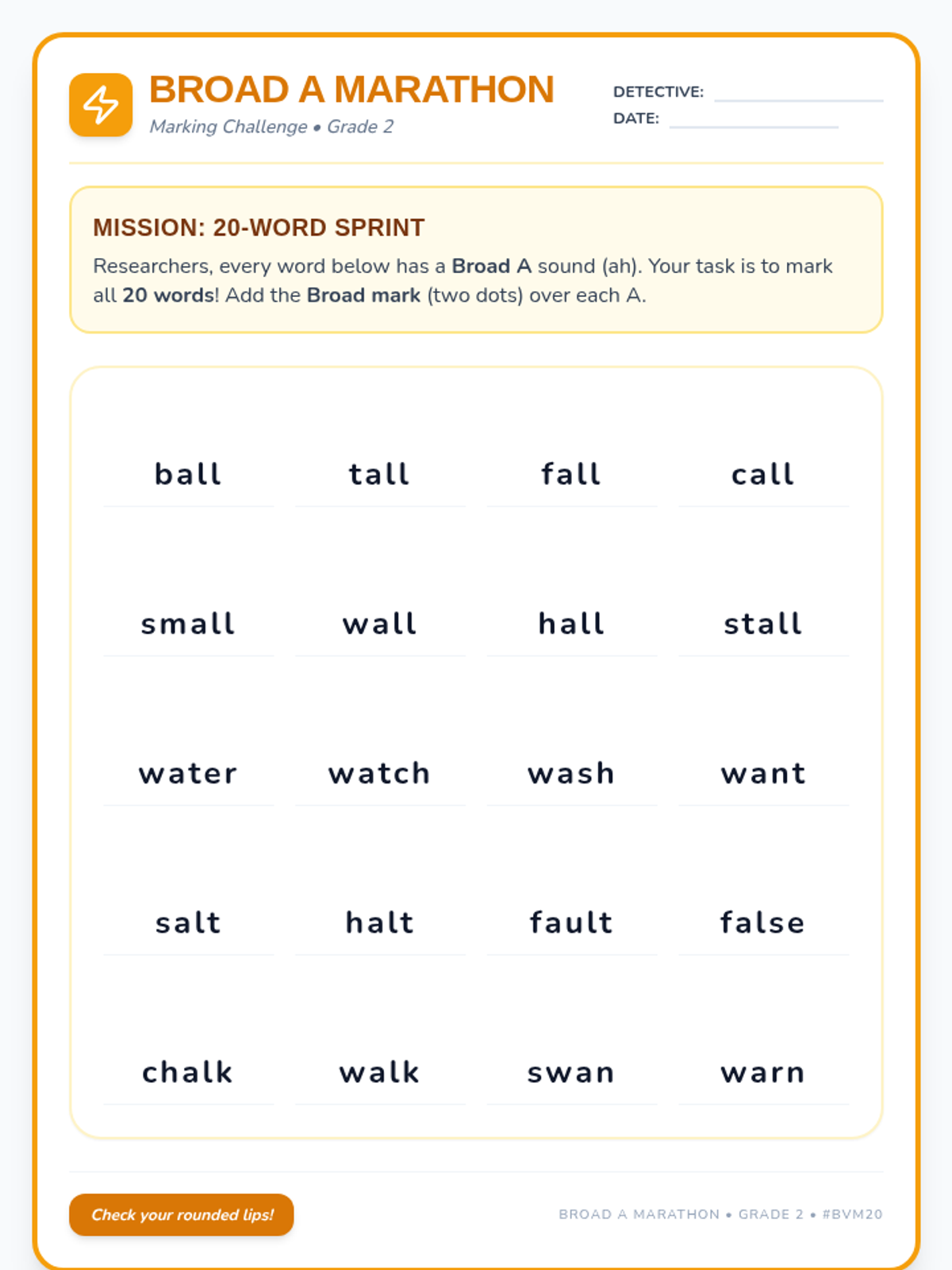
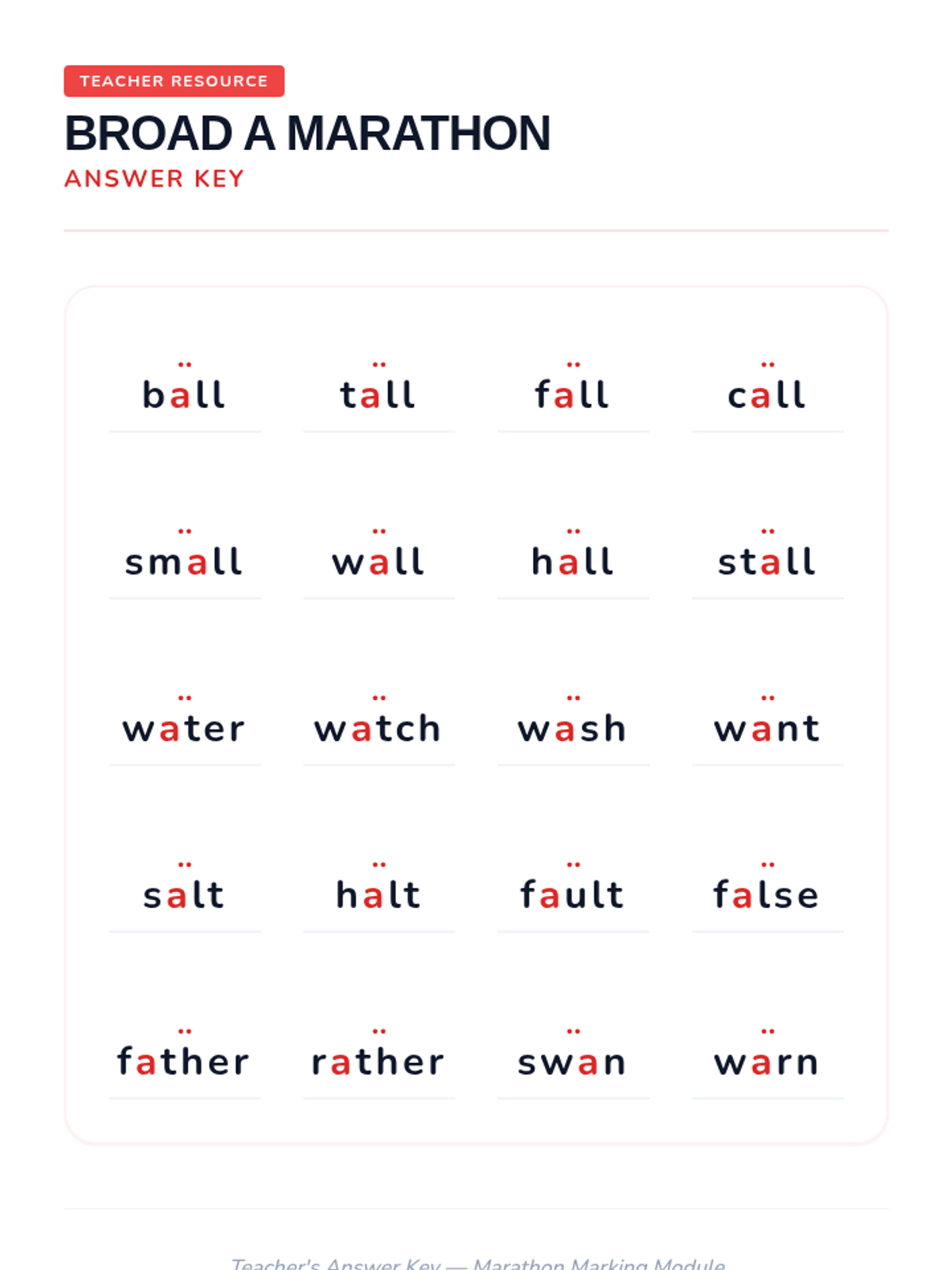
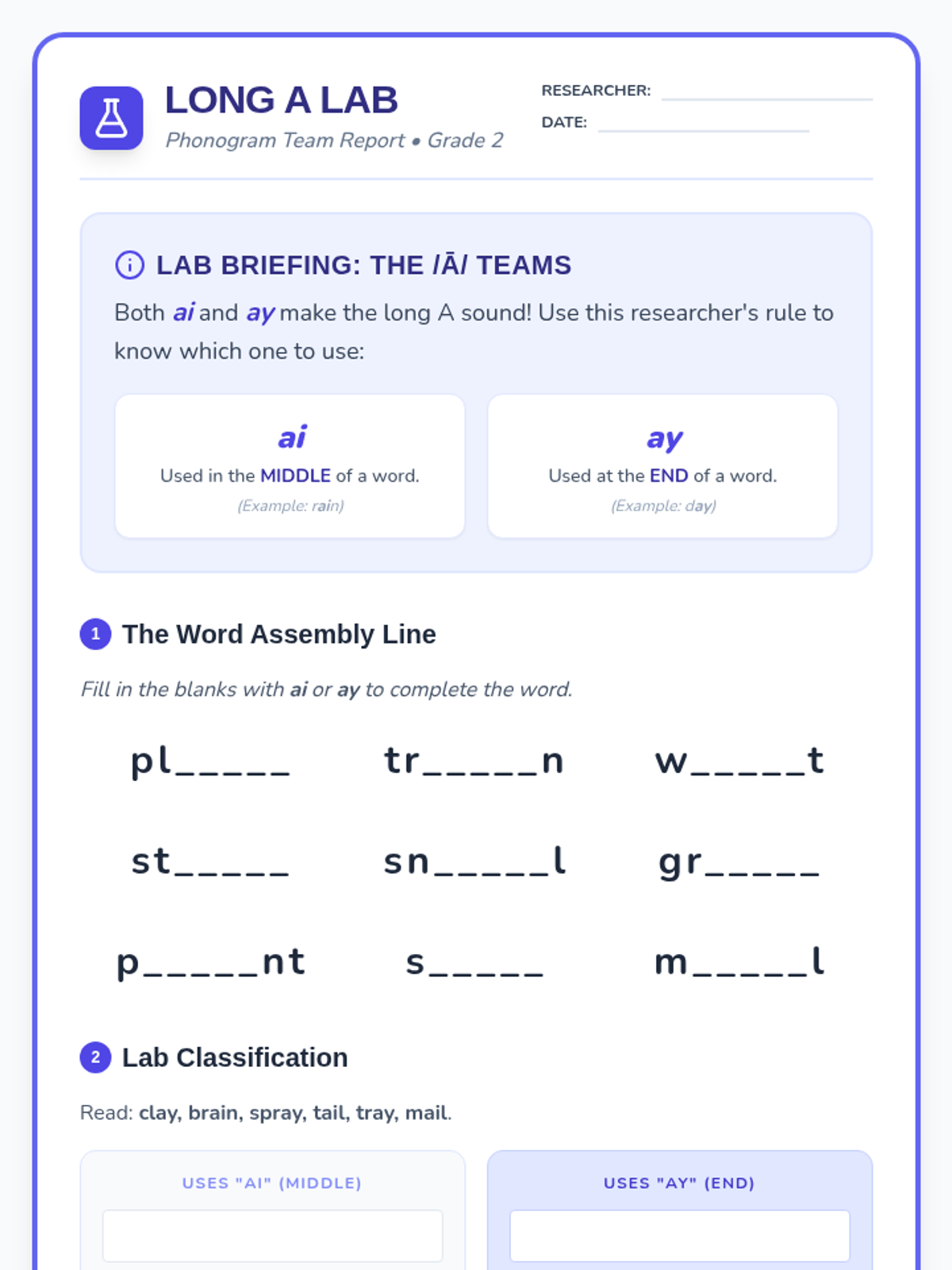
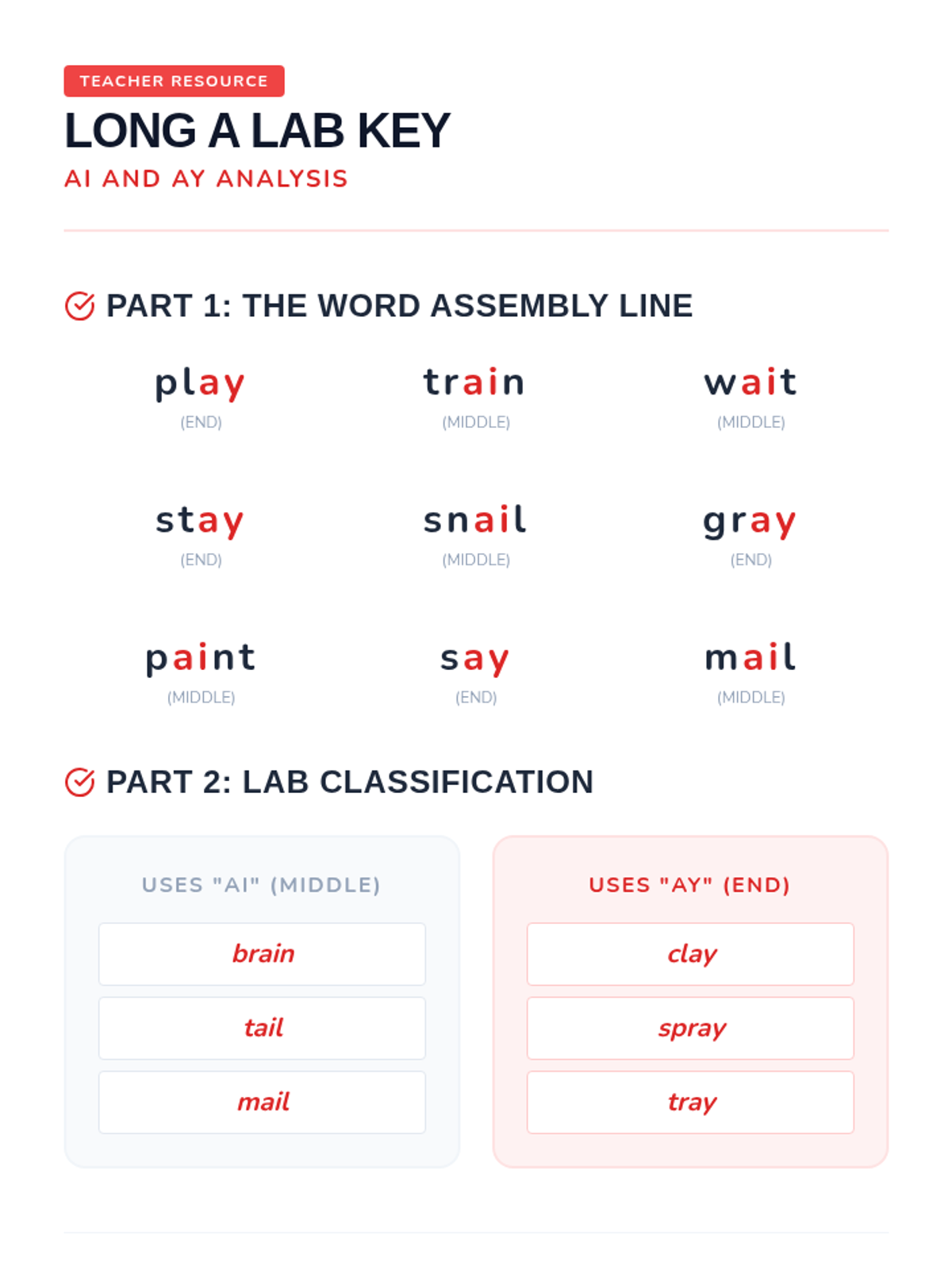
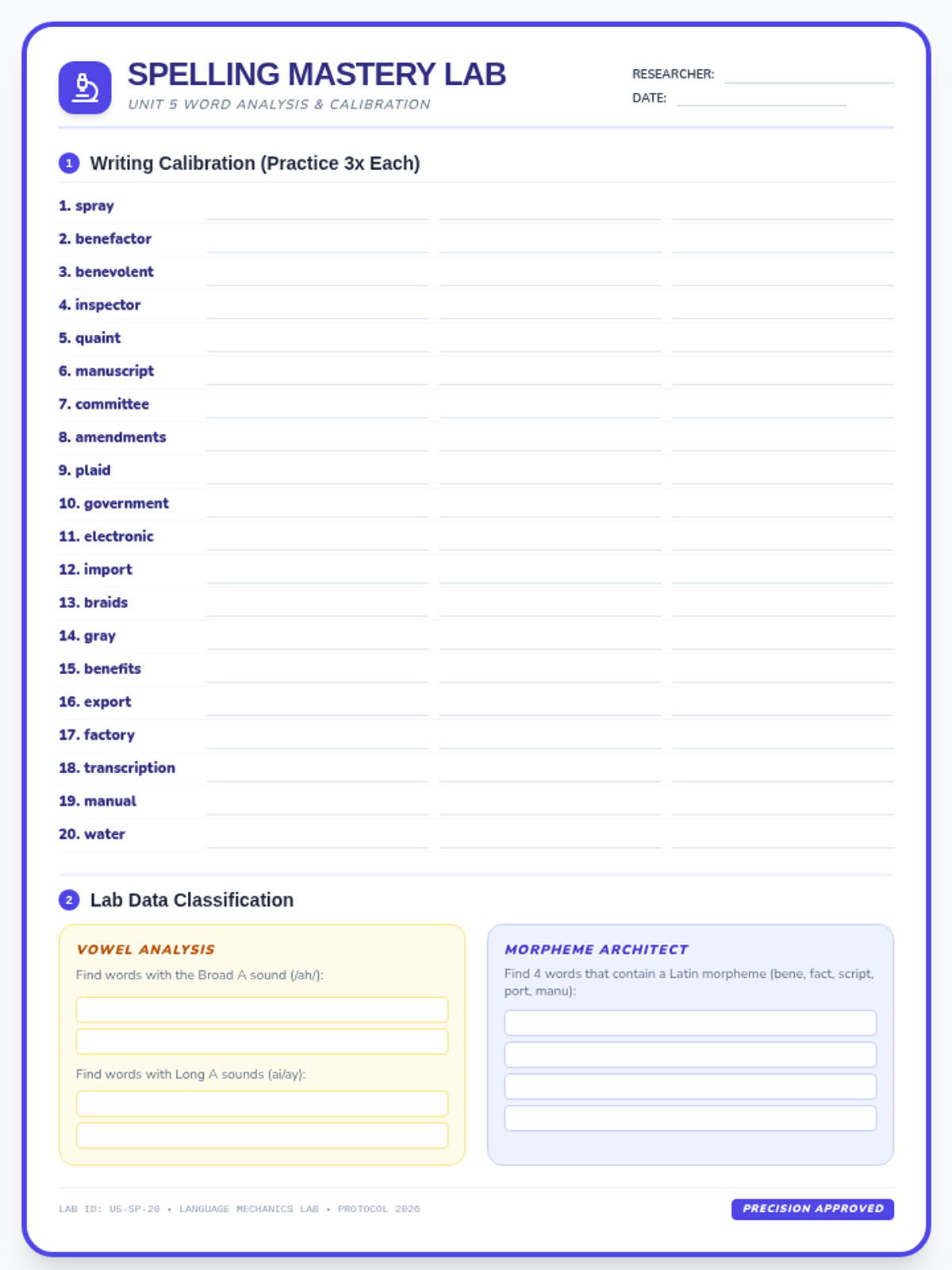
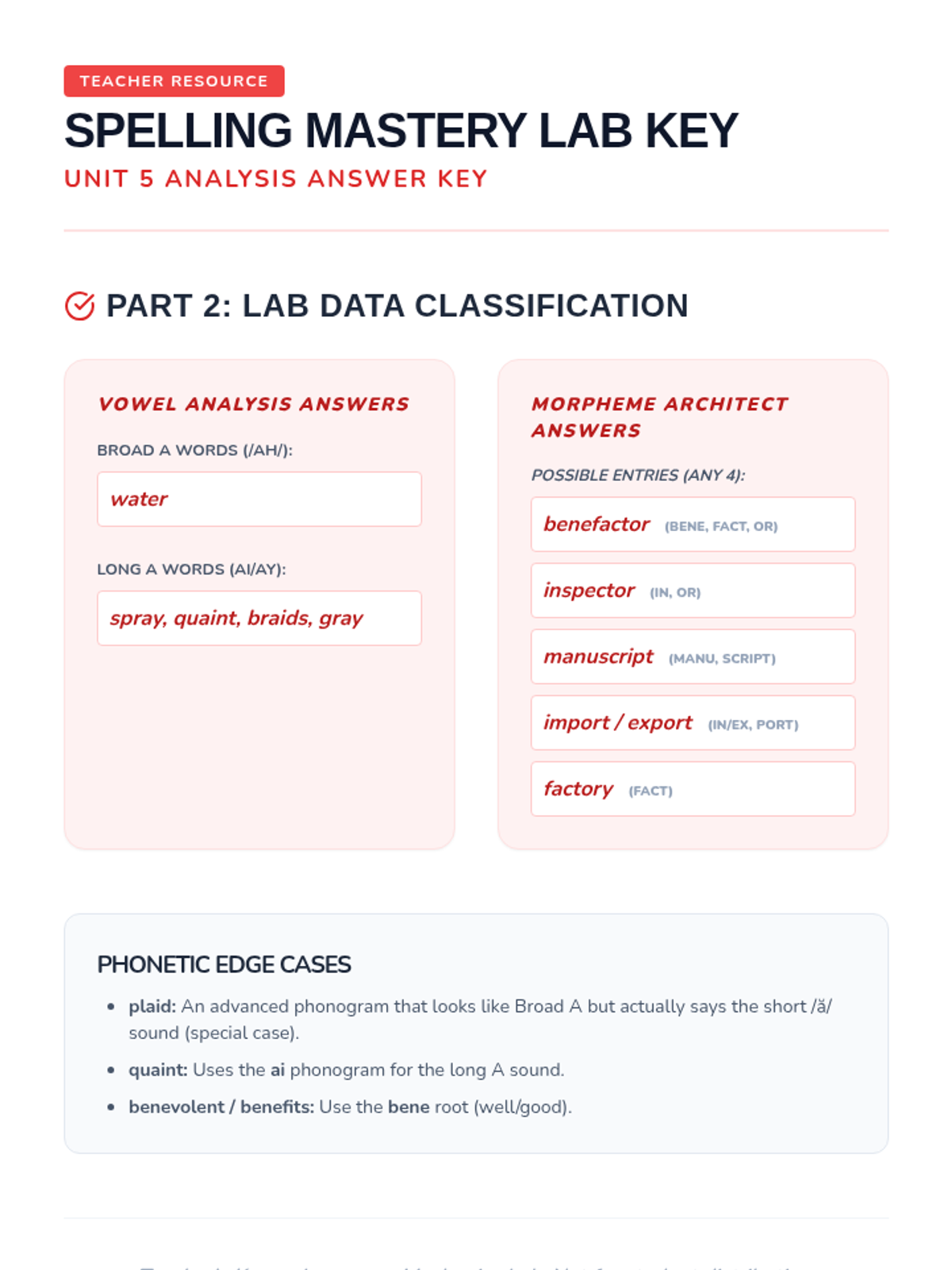
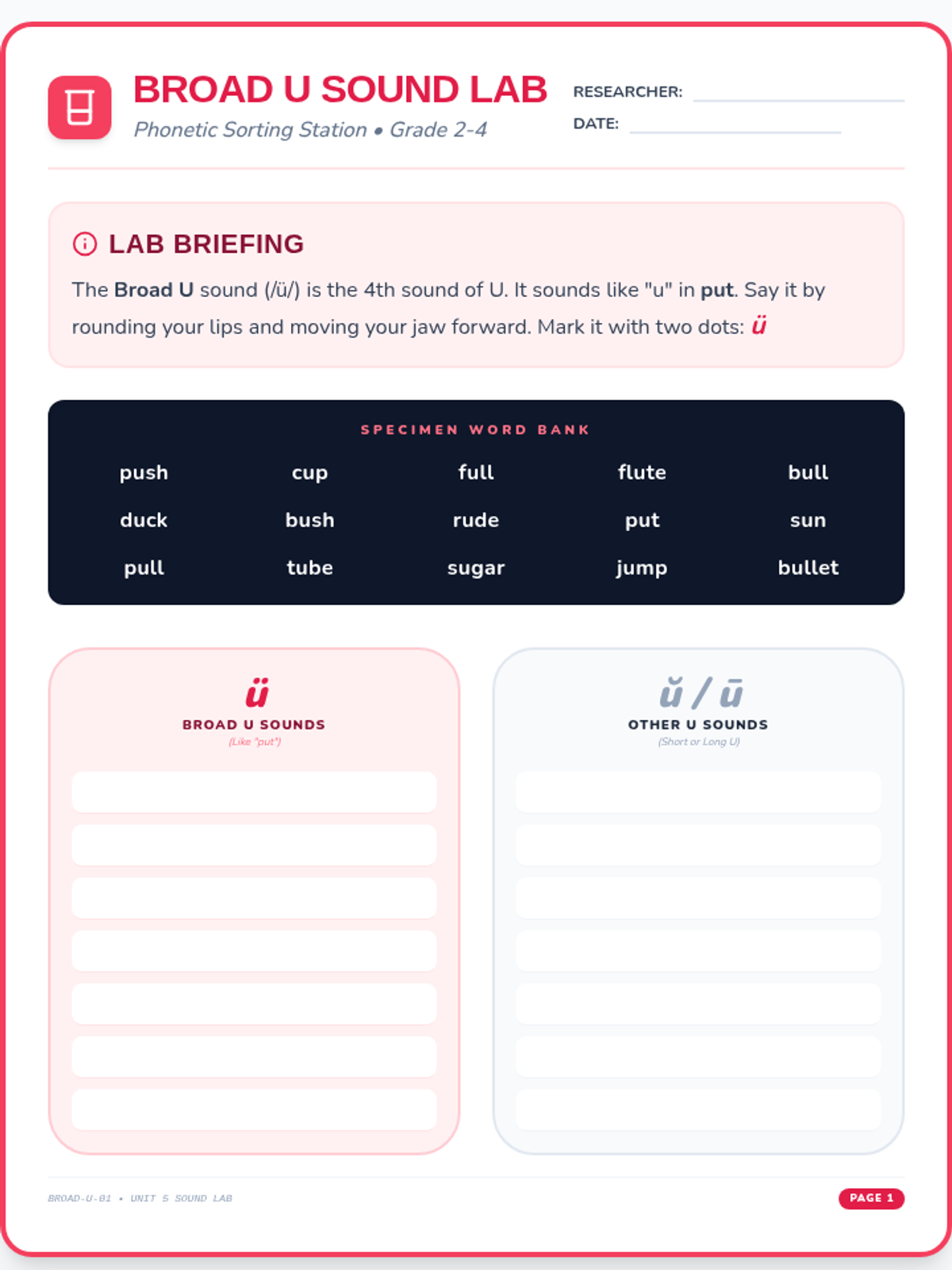
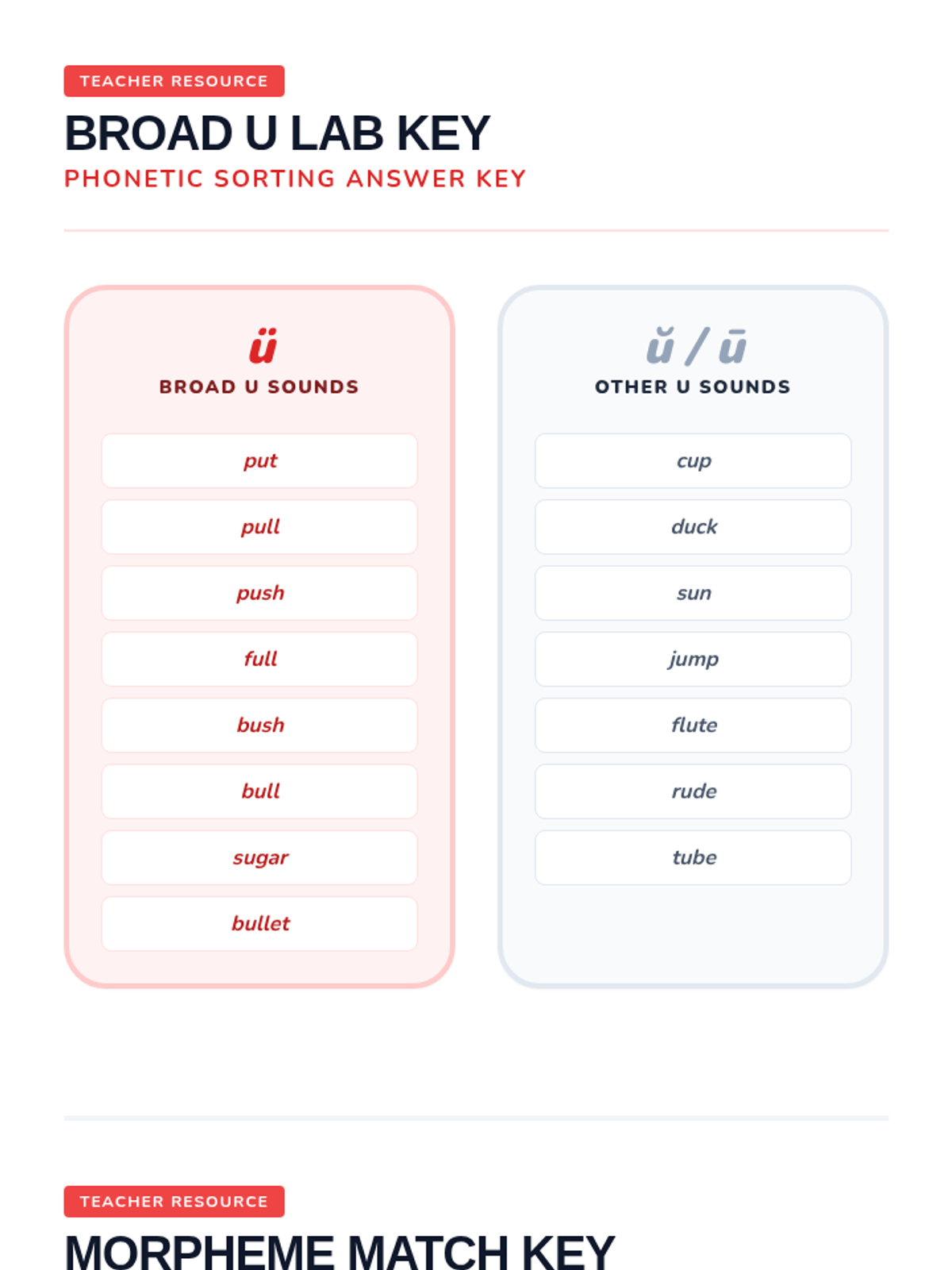
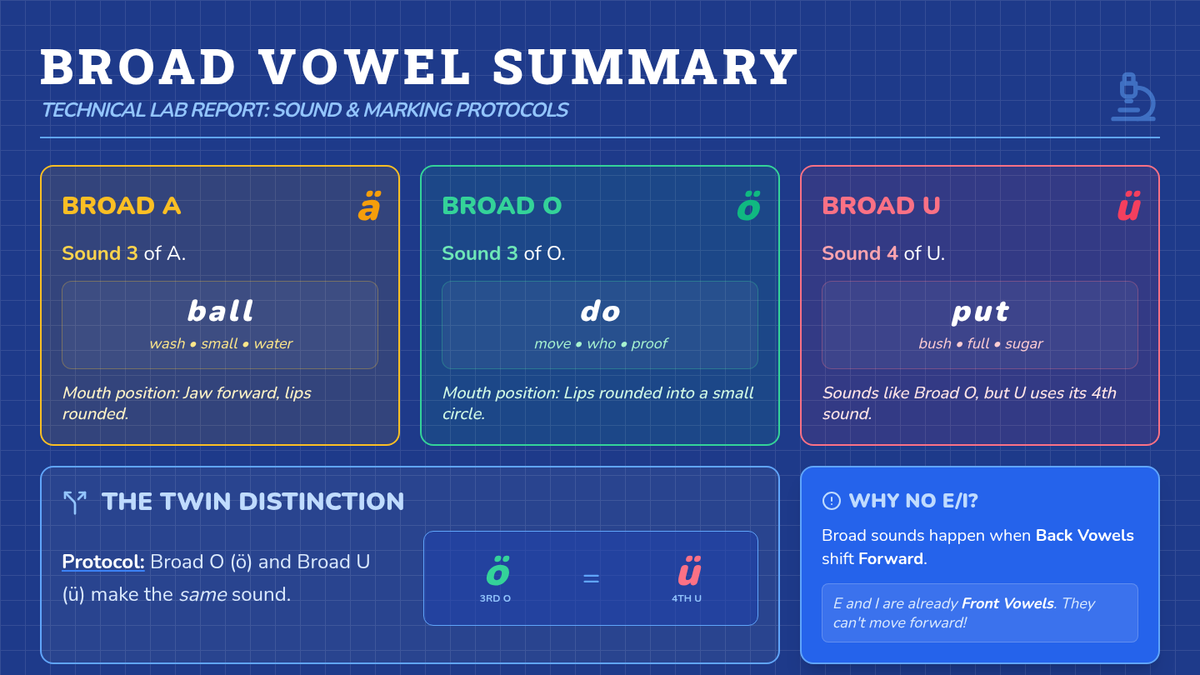
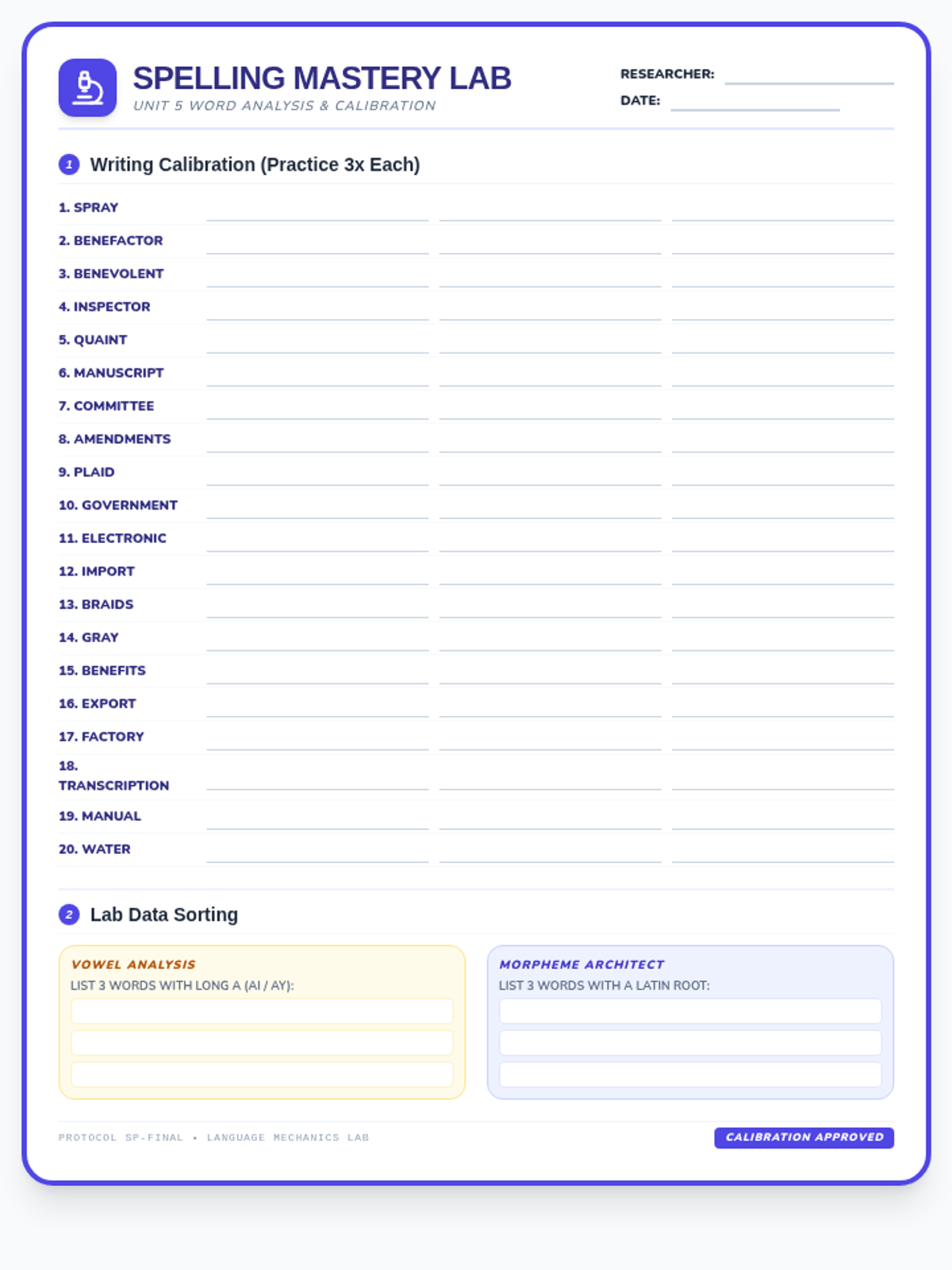
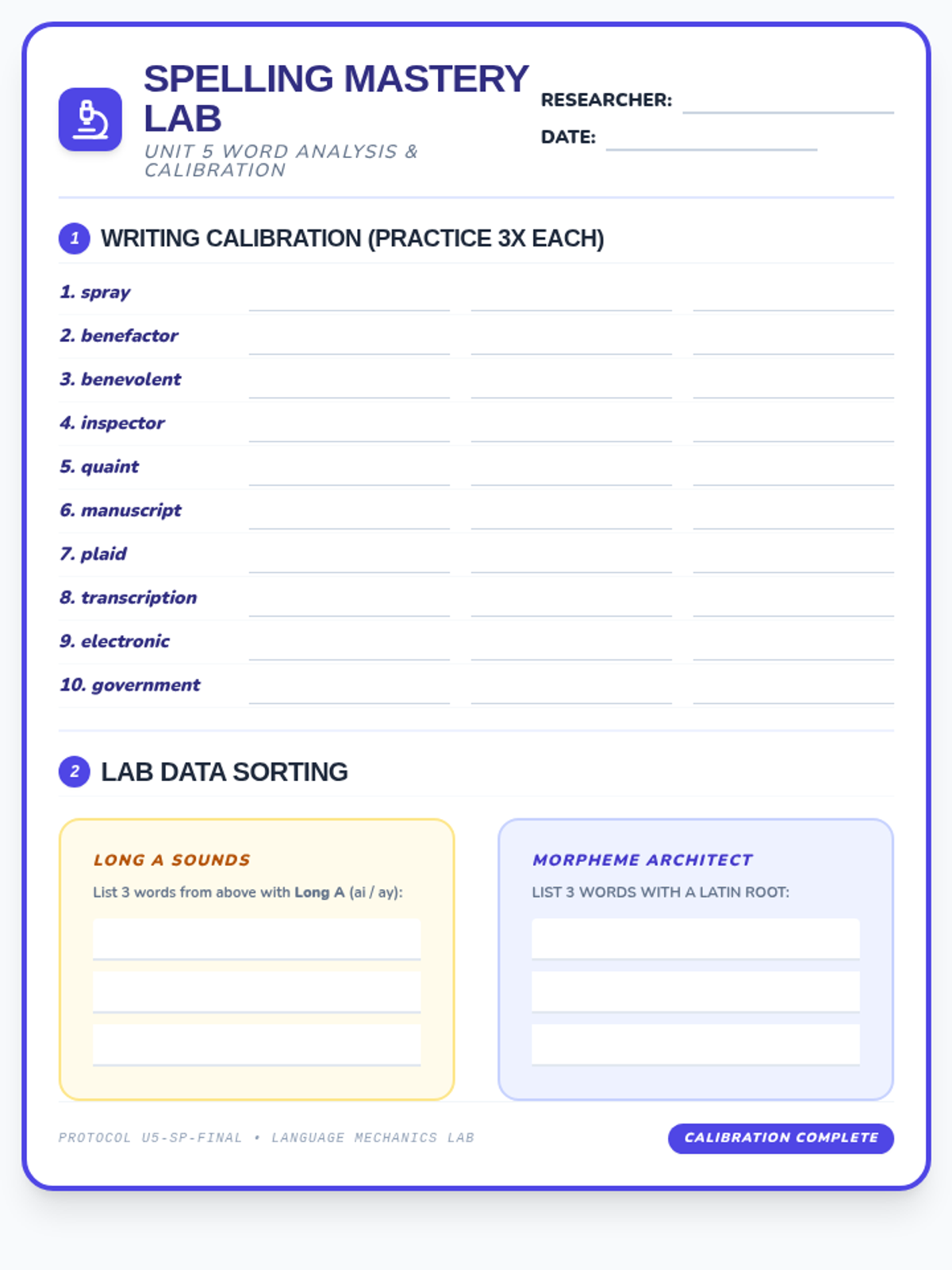
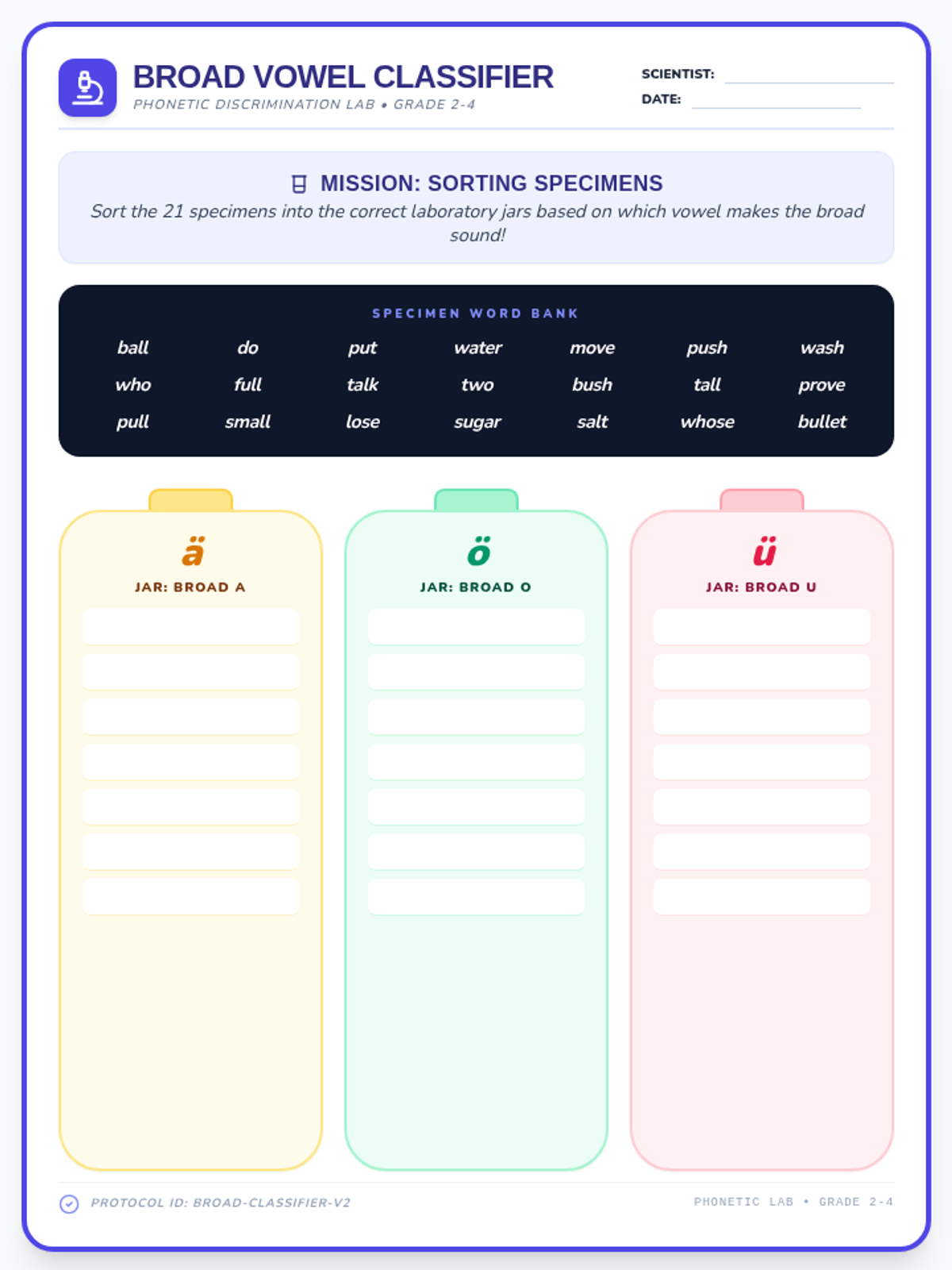
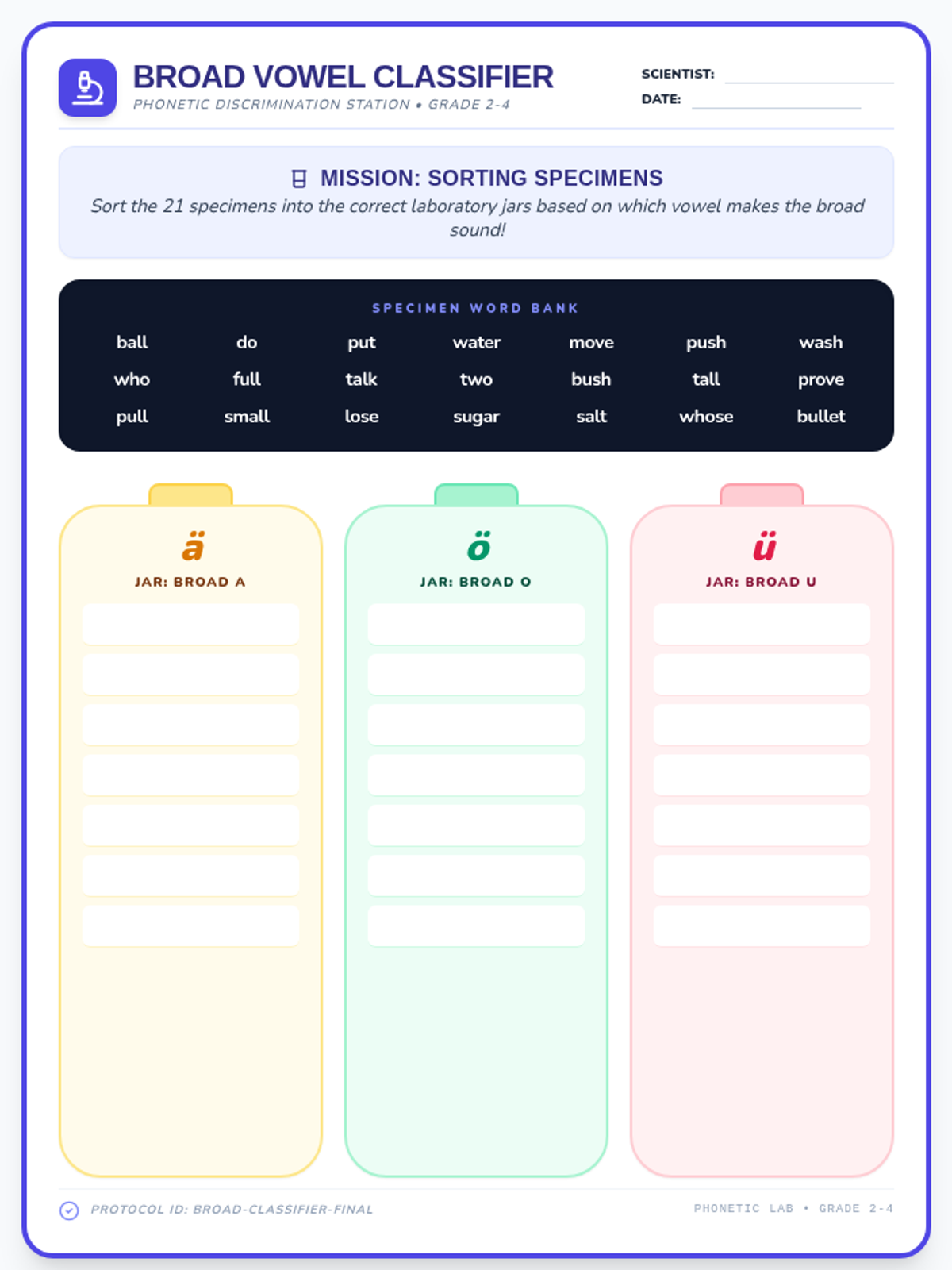
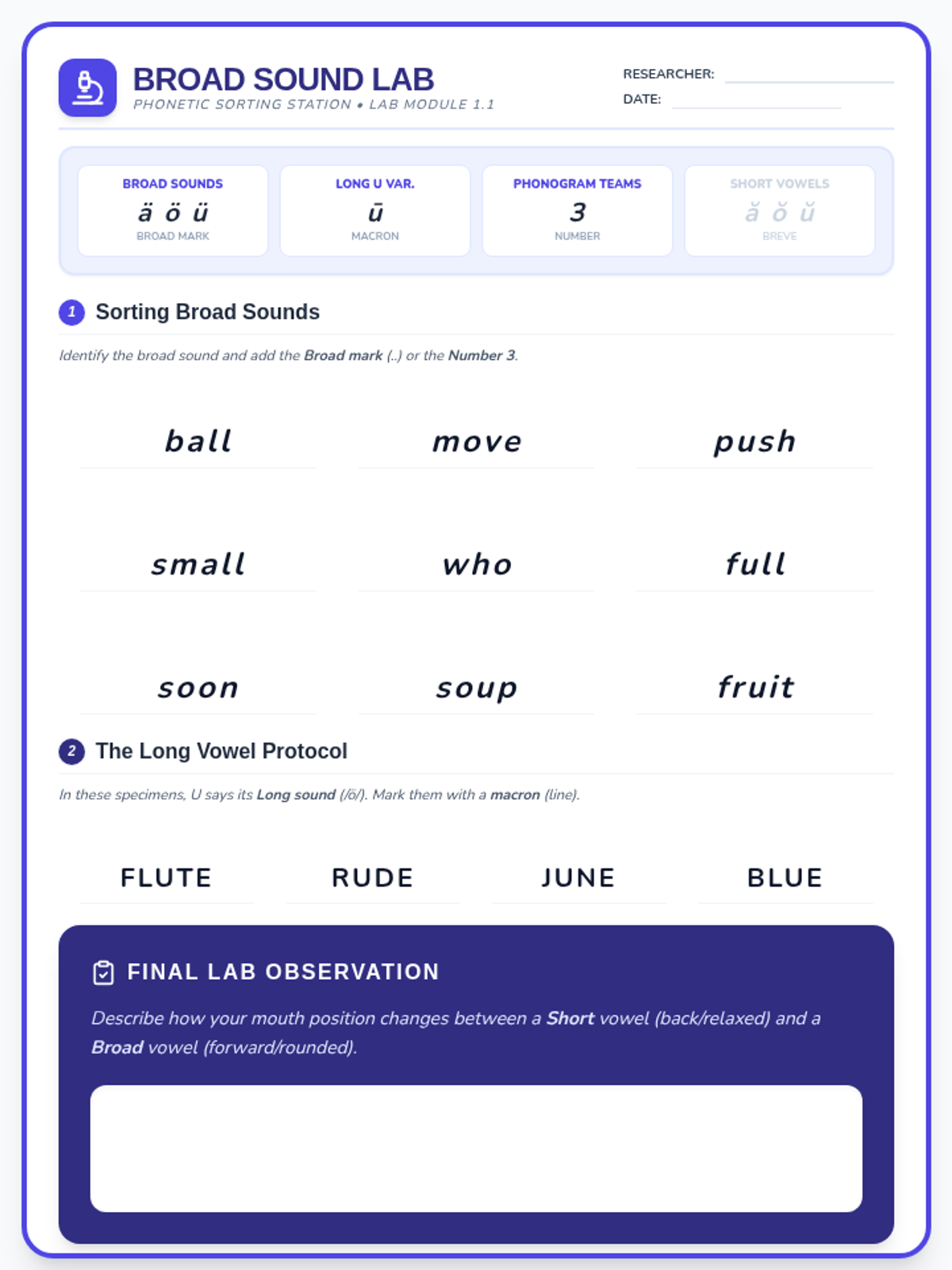
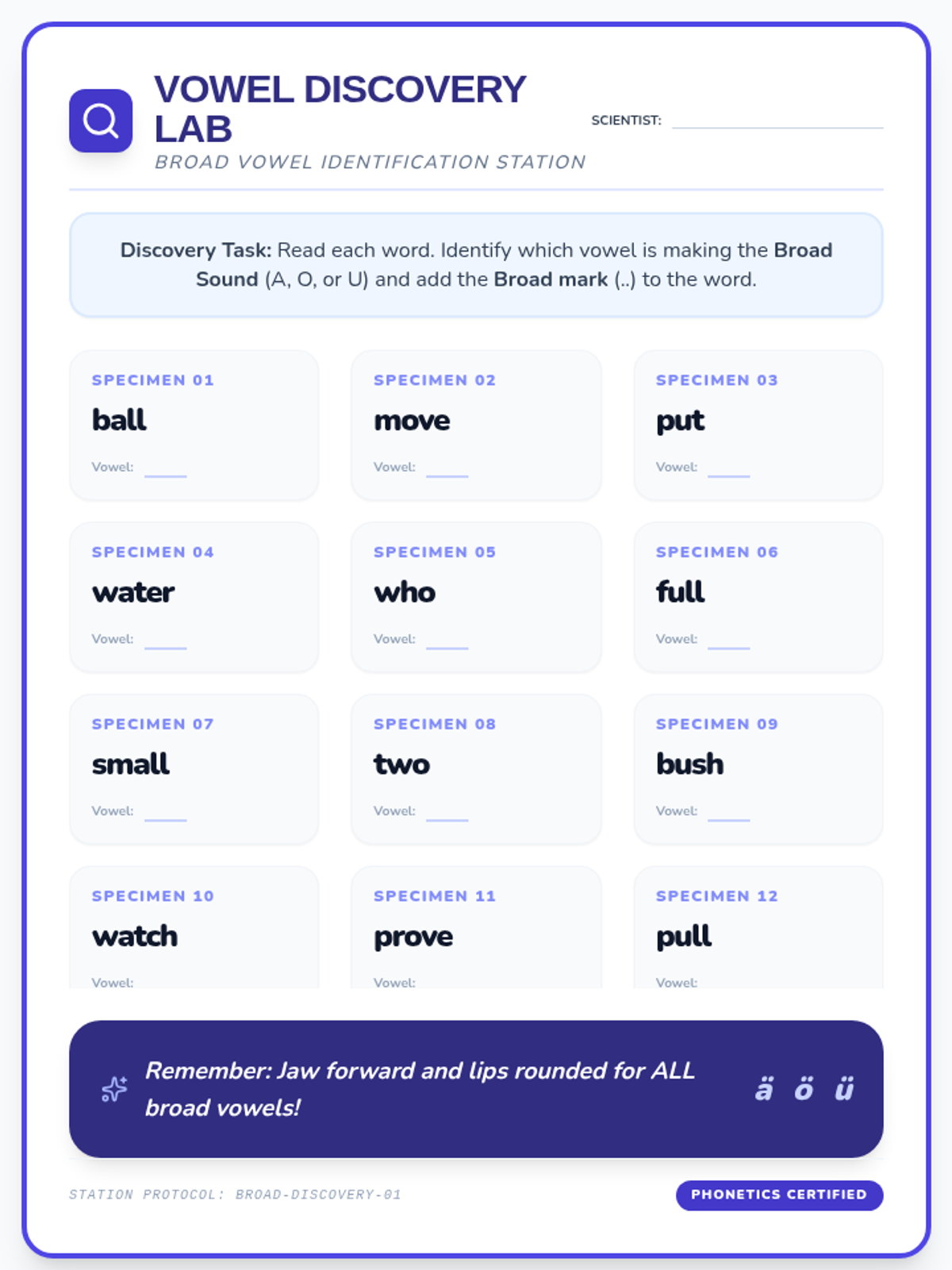
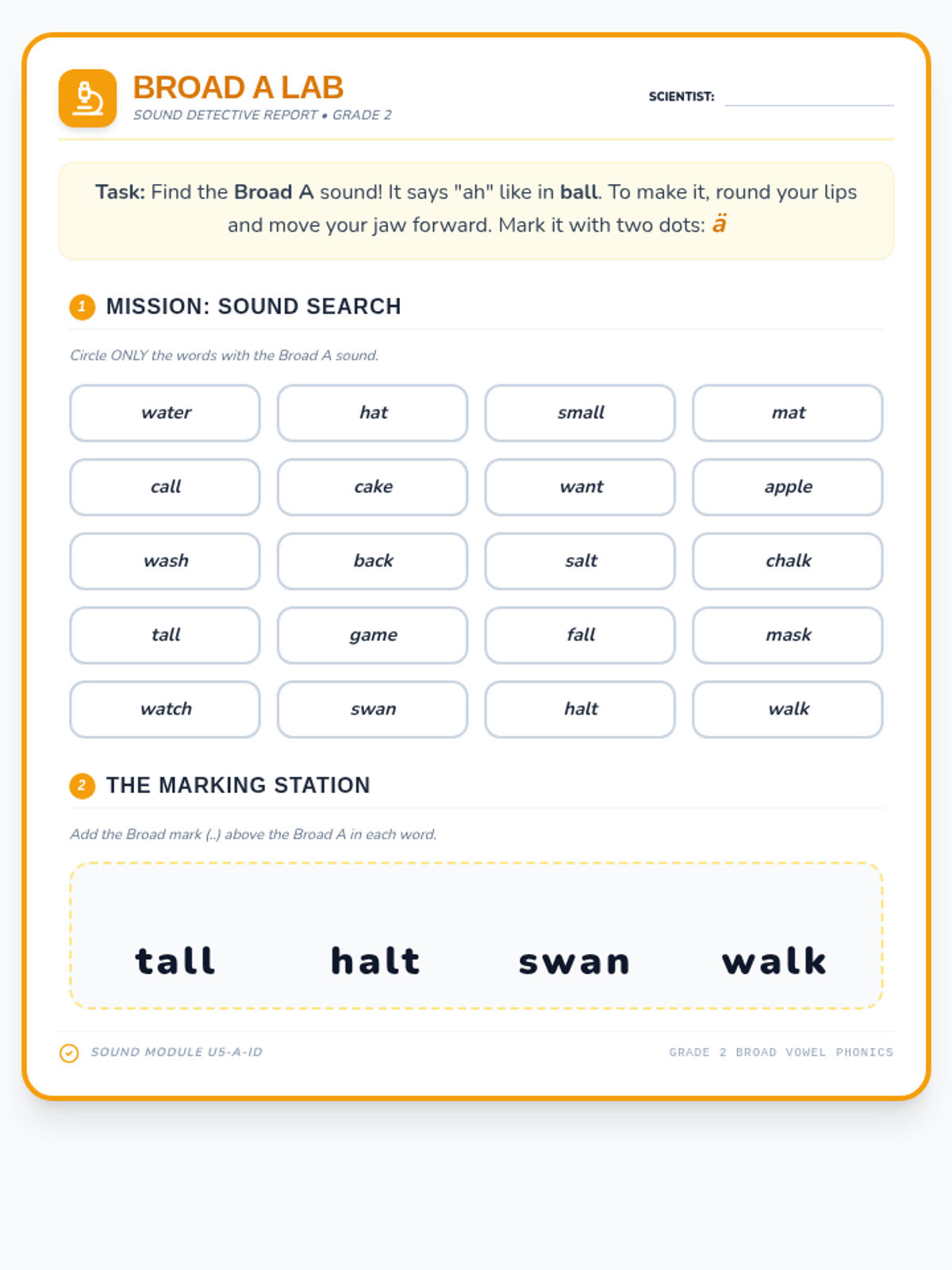
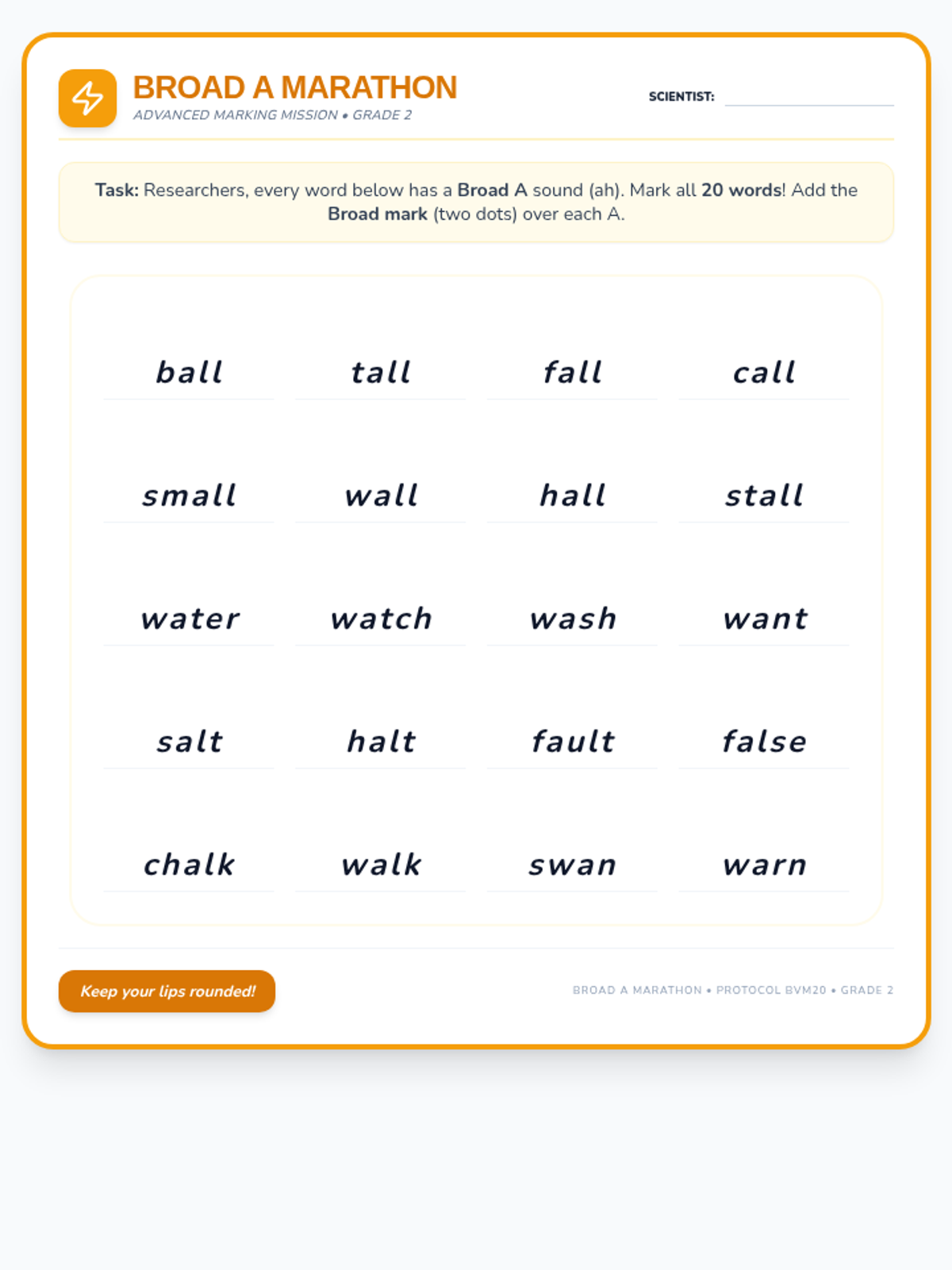
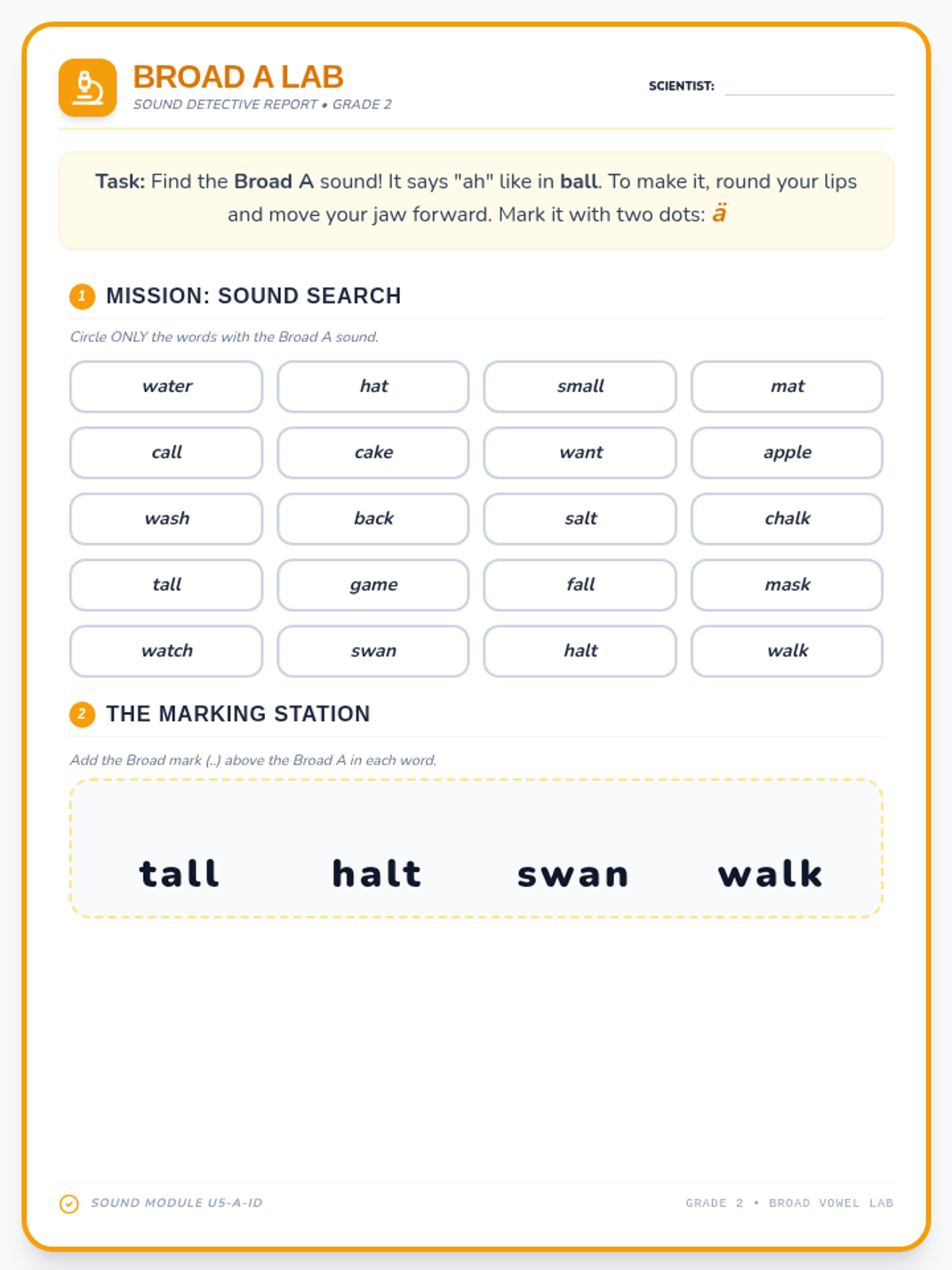
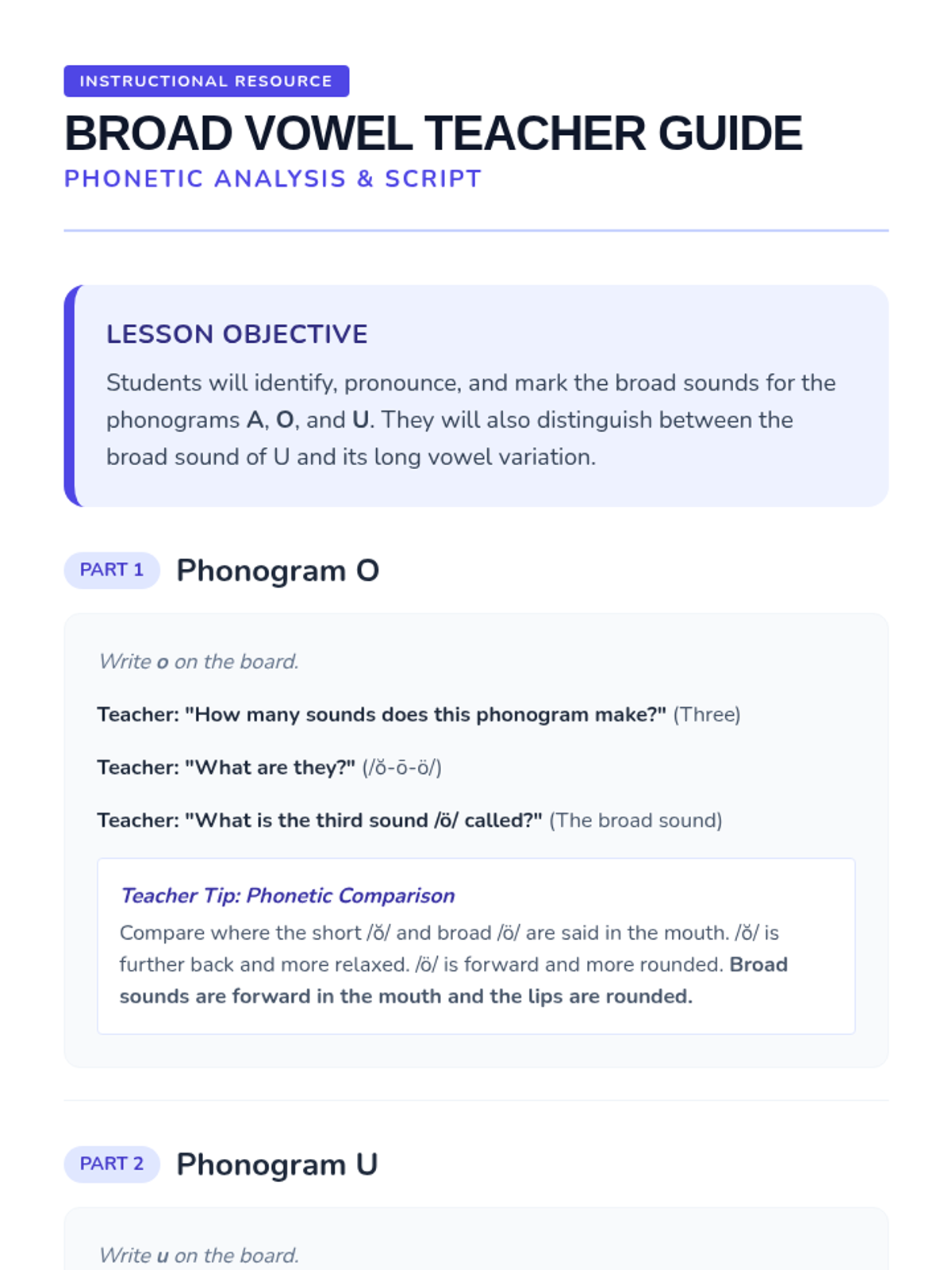
A comprehensive sequence on language mechanics, from phonetic marking of complex vowel sounds to the morphological analysis of Latin roots and affixes. Students develop deep decoding and encoding skills by investigating the building blocks of words.
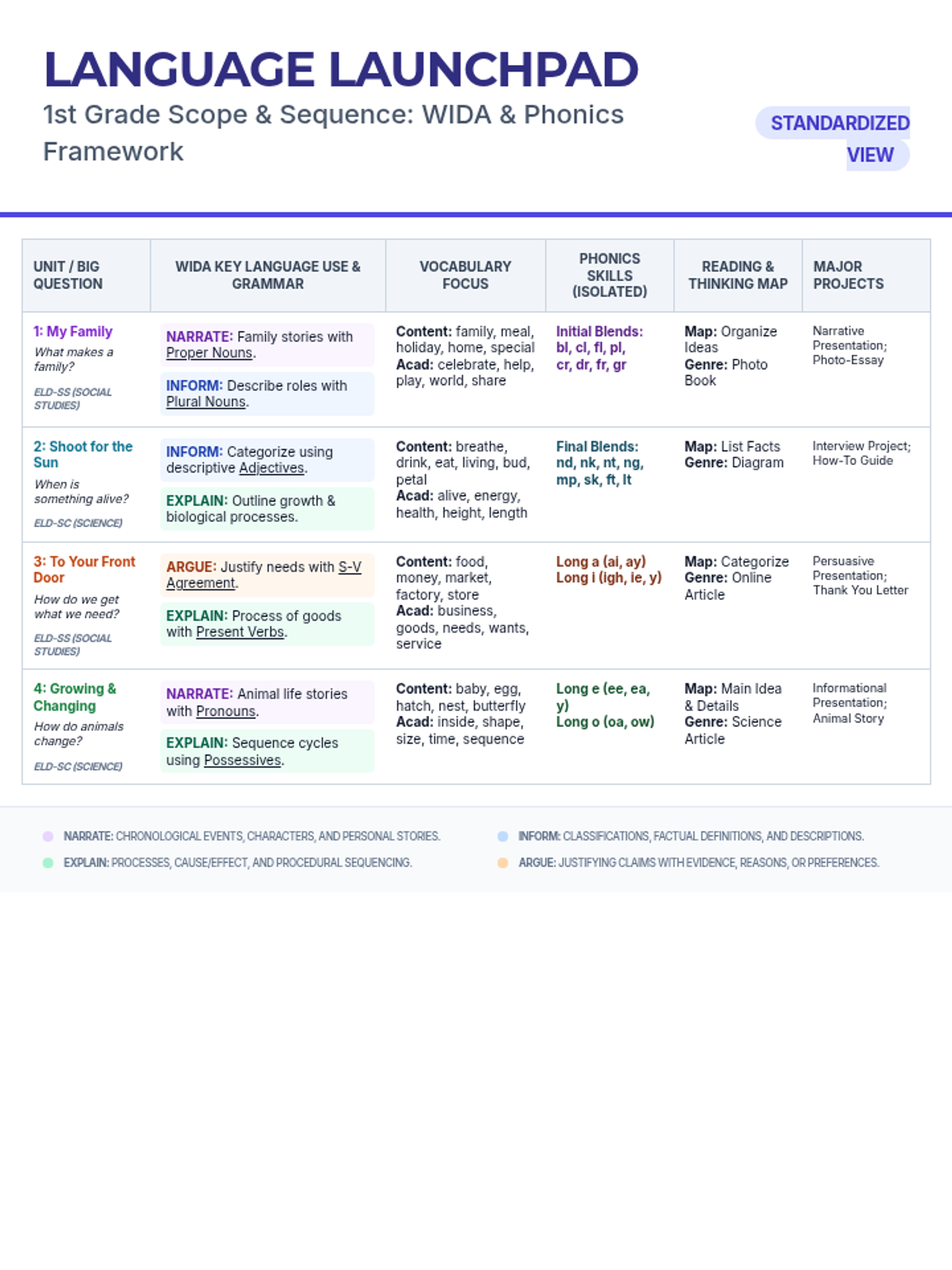
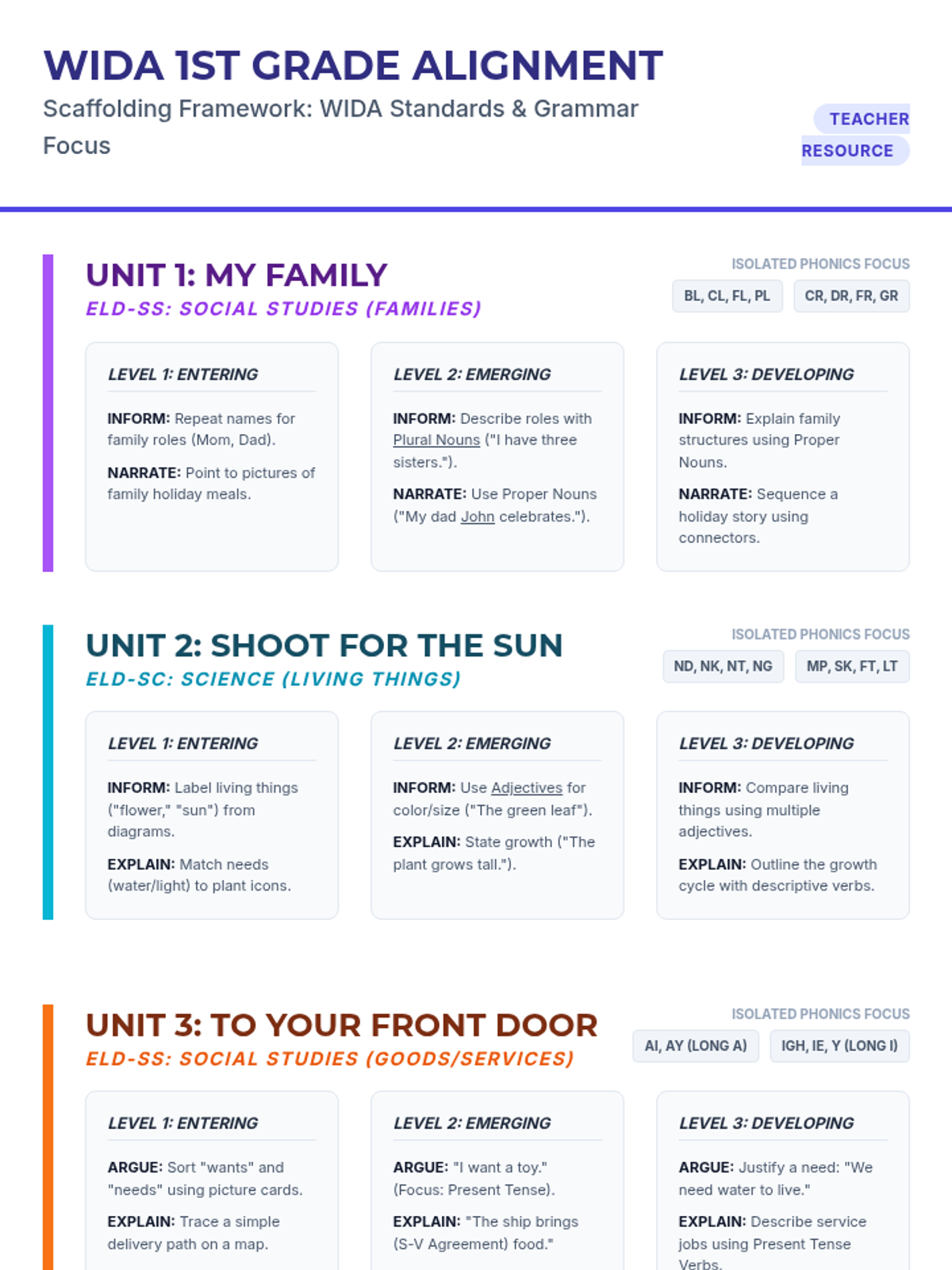
A comprehensive curriculum framework for primary English Language Learners, aligning theme-based social studies and science units with WIDA's four Key Language Uses: Narrate, Inform, Explain, and Argue. This sequence provides instructional scaffolding for students at proficiency levels 1-3.
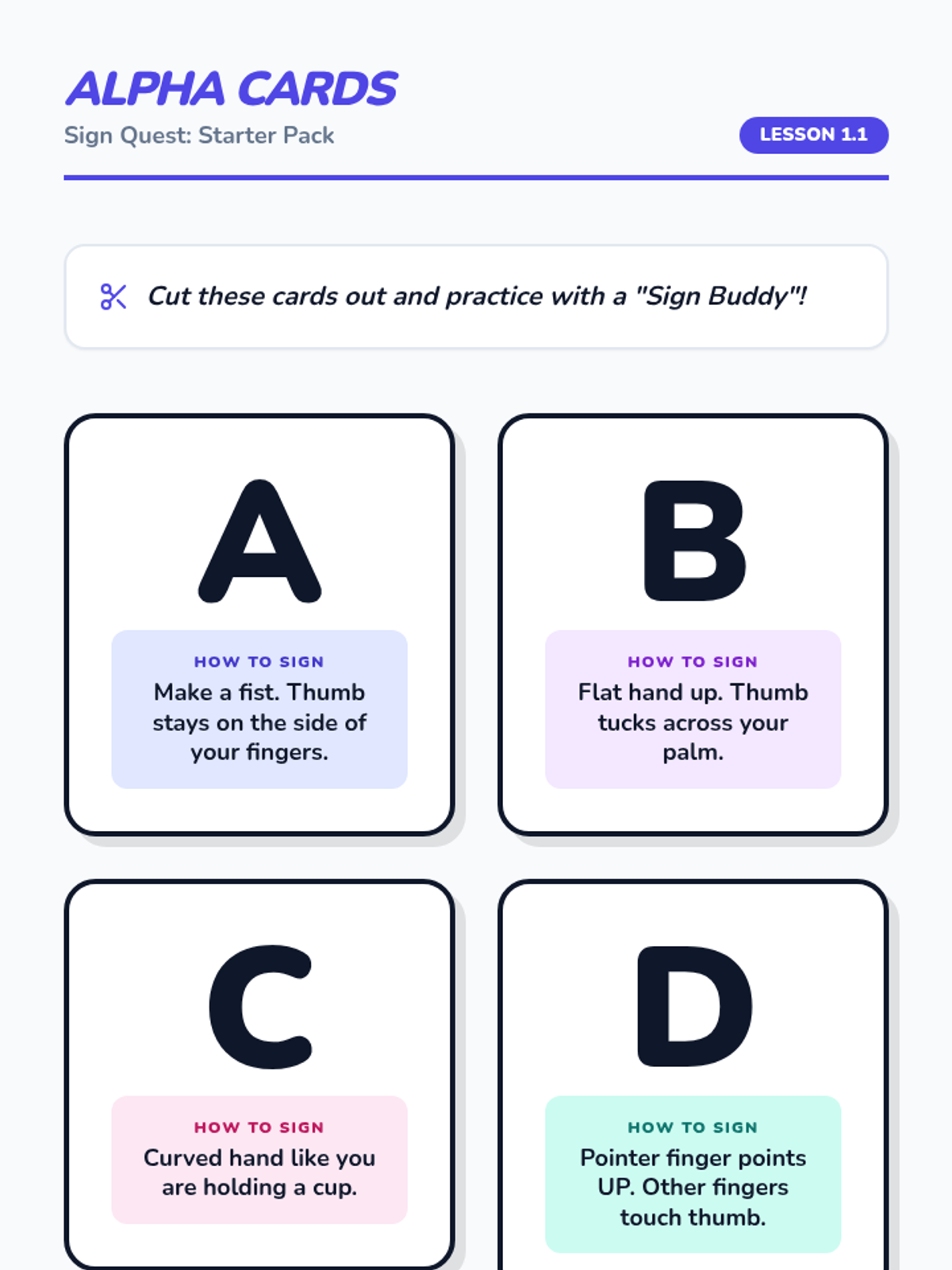
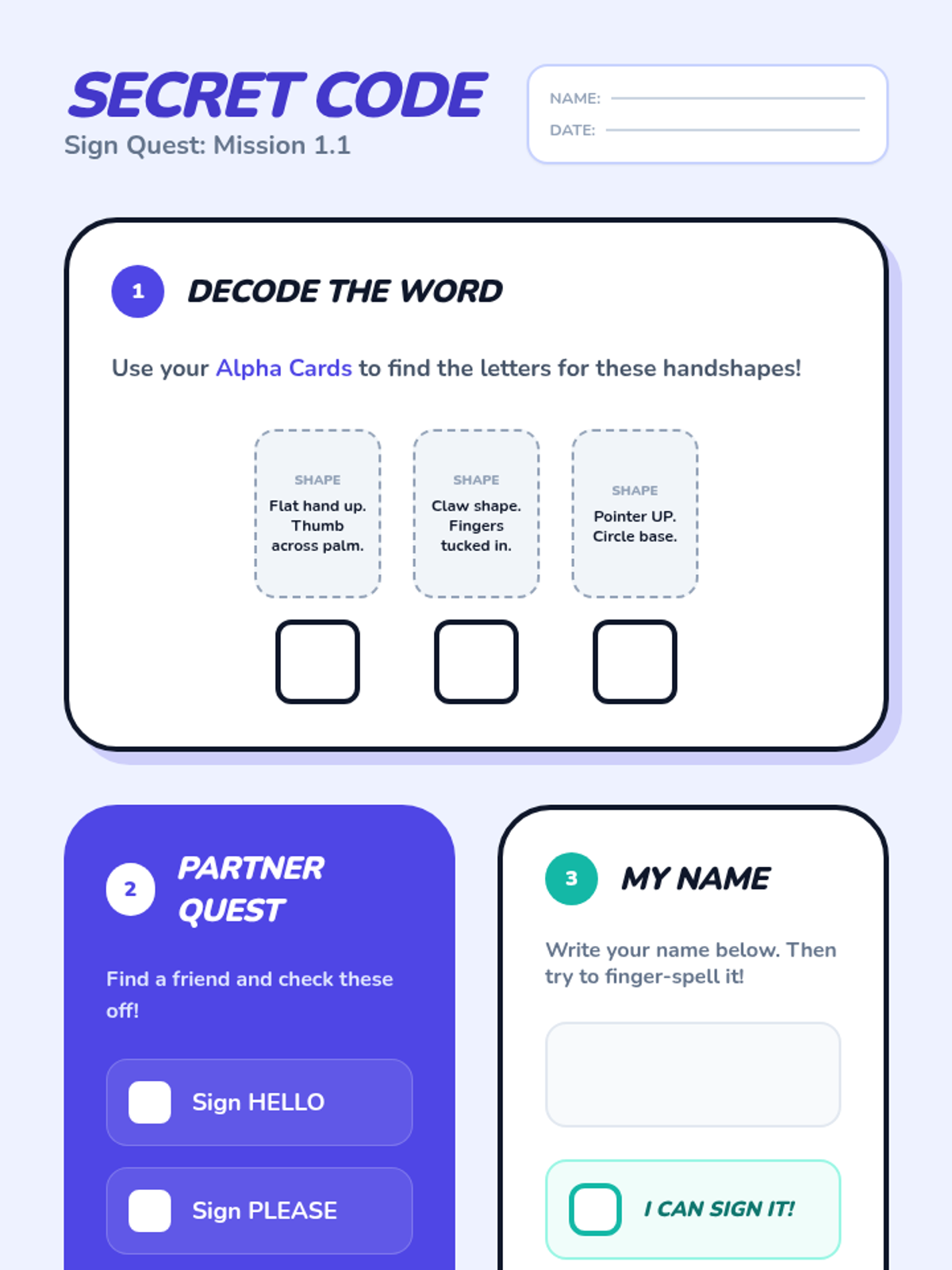
A high-energy, bite-sized introduction to American Sign Language designed for beginners with short attention spans. This unit uses gamified activities and visual aids to teach the alphabet, common people, classroom items, and expressions.
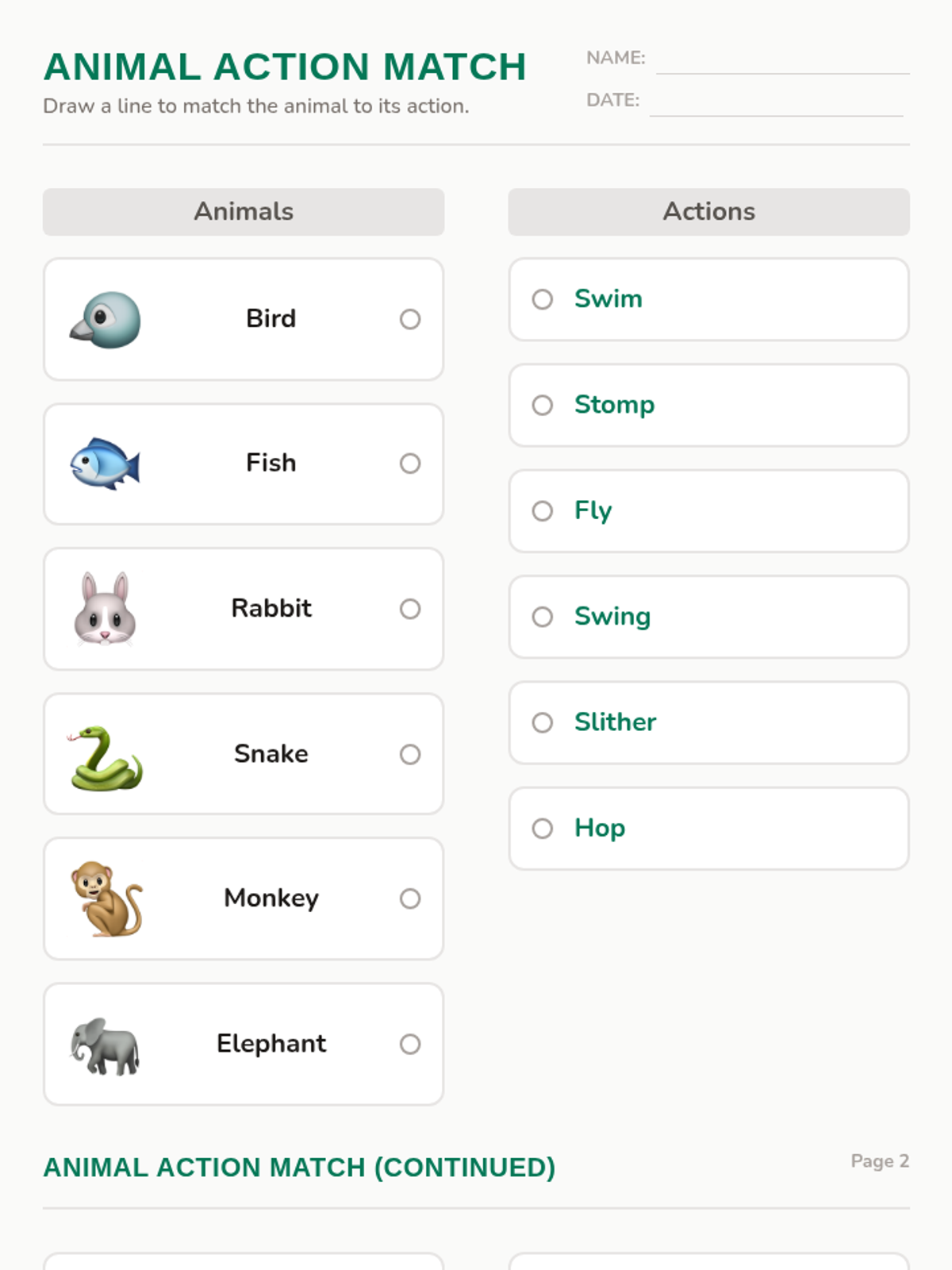
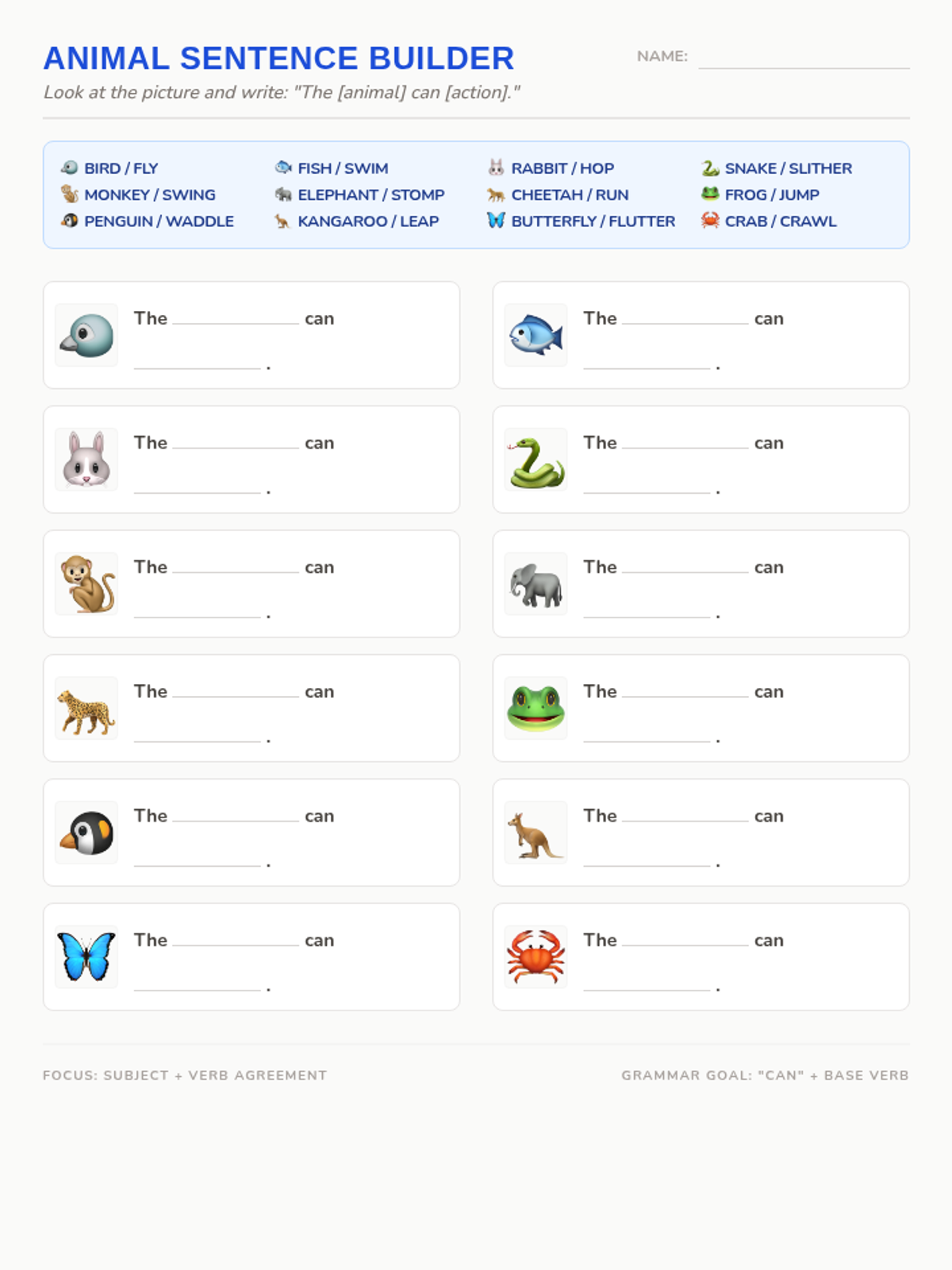
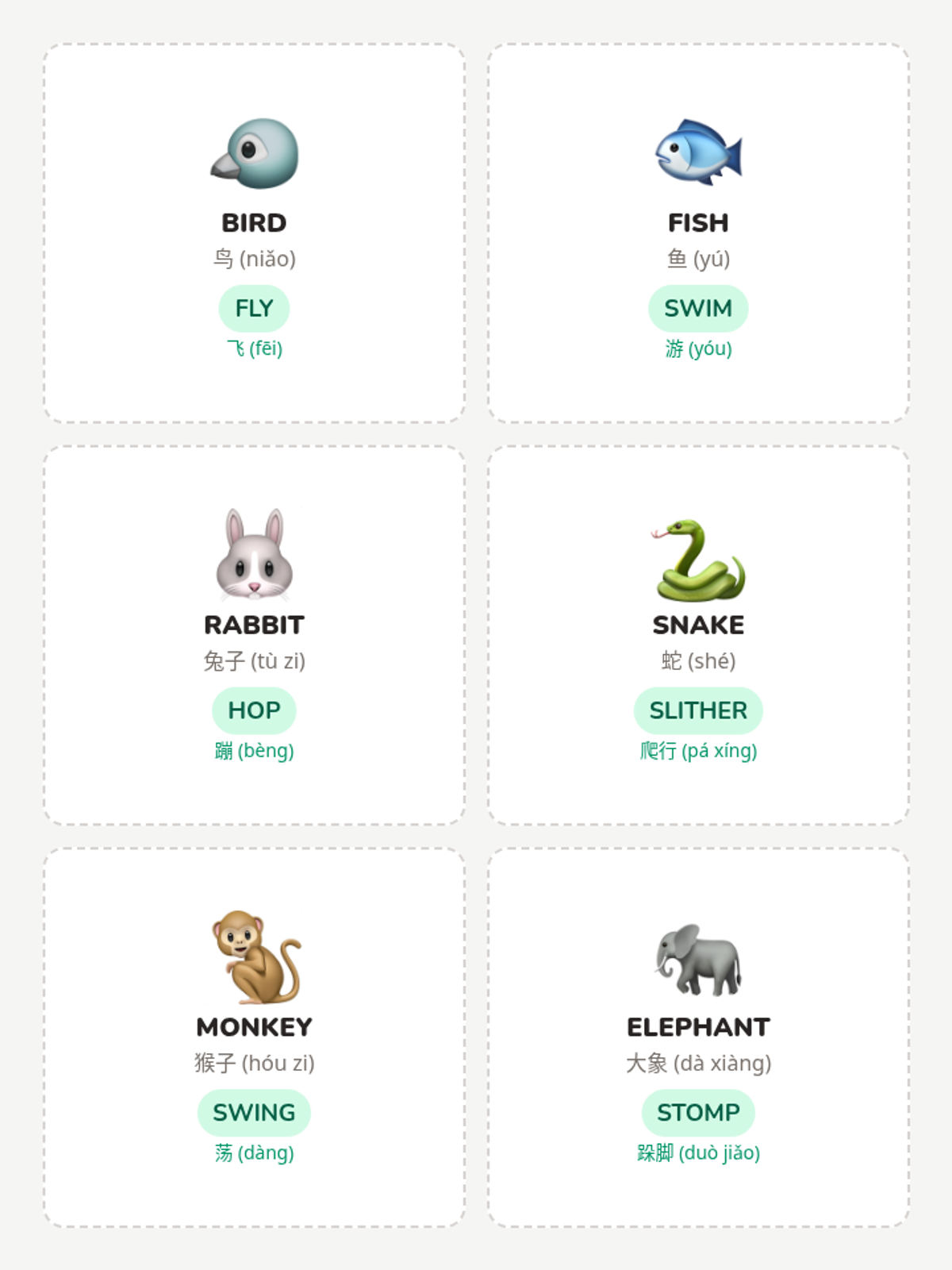
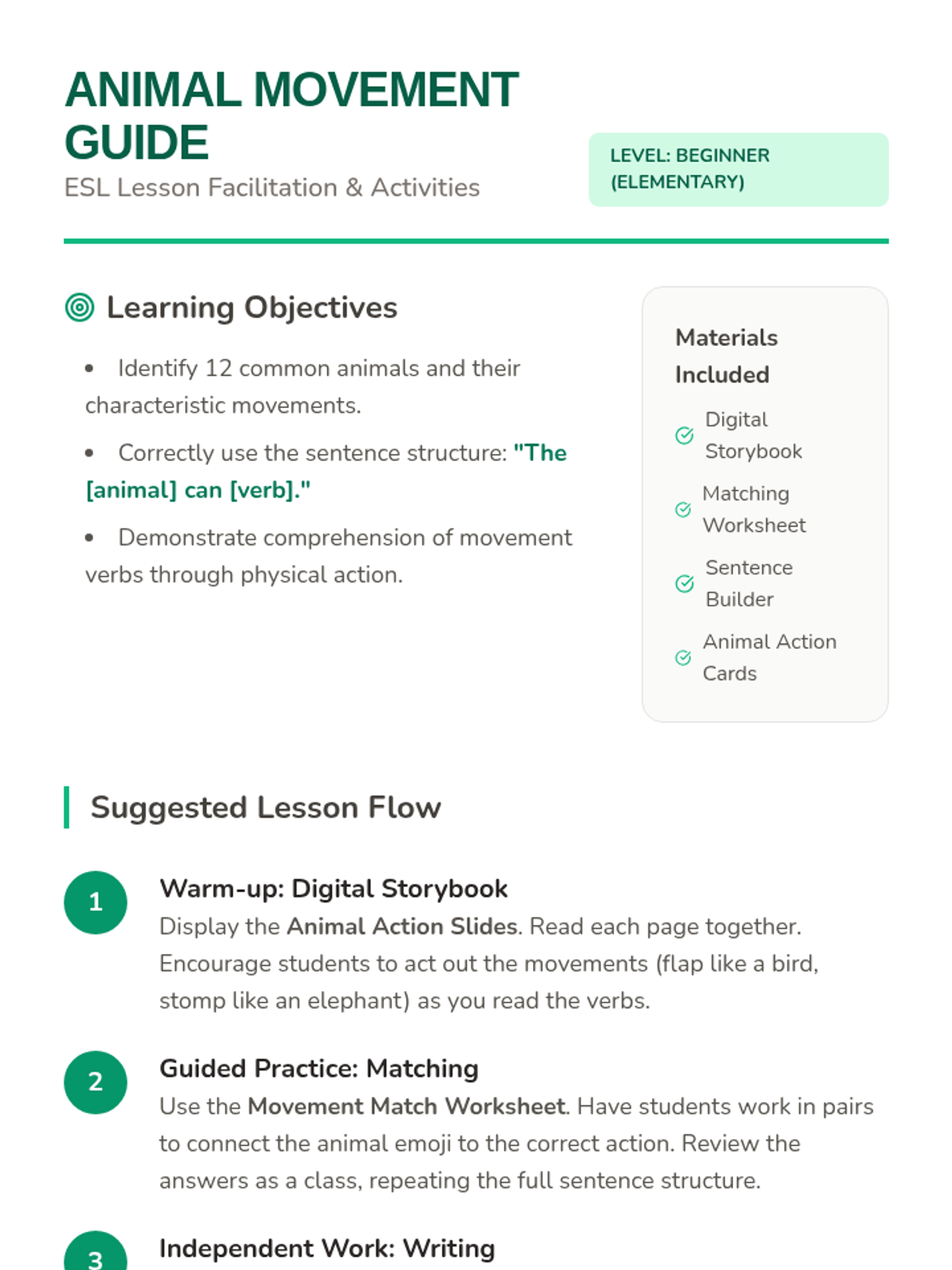
A foundational ESL sequence focused on animal names, movement verbs, and the sentence structure 'The animal can verb'. Designed for young learners with visual support and interactive activities.
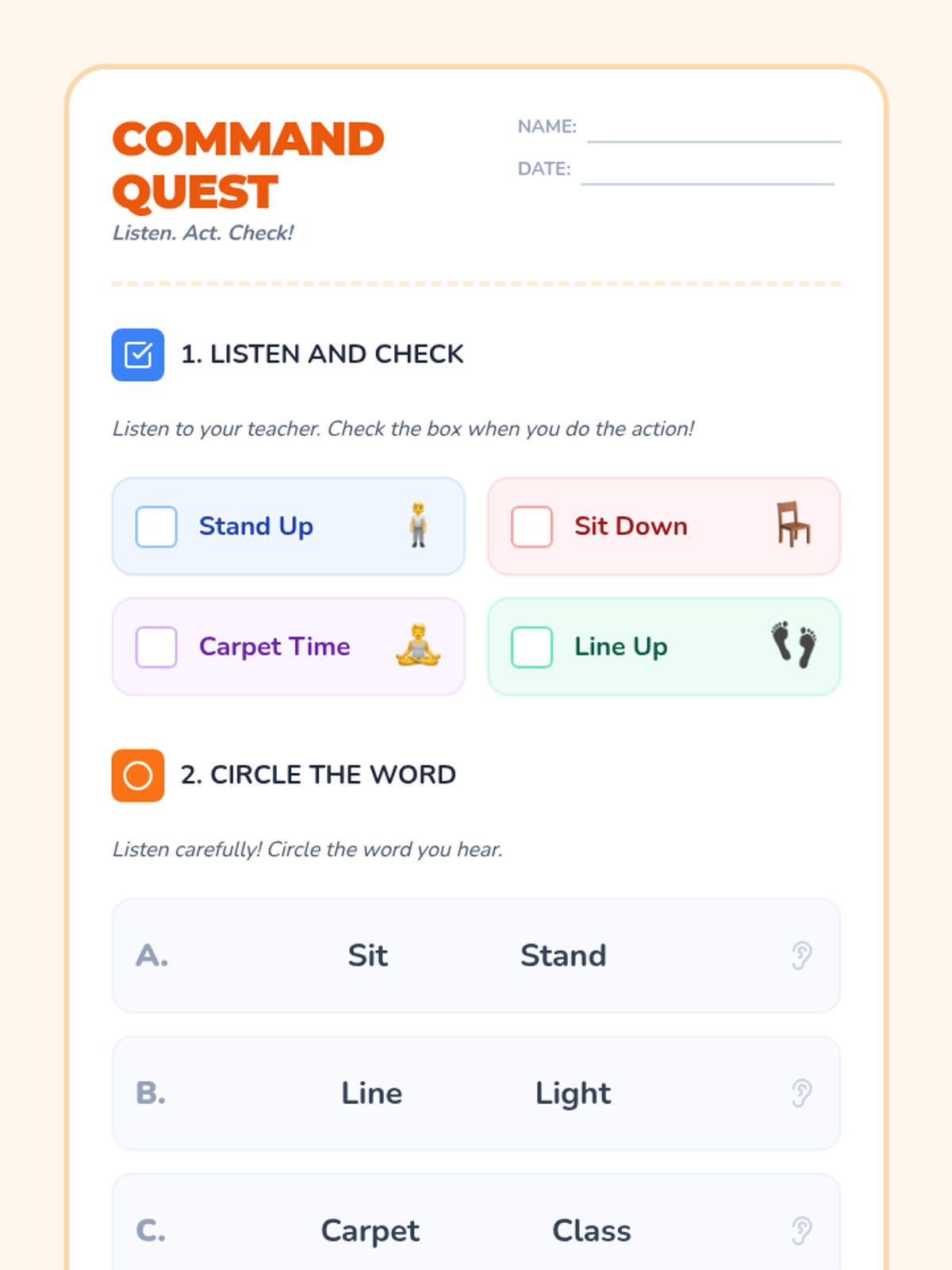
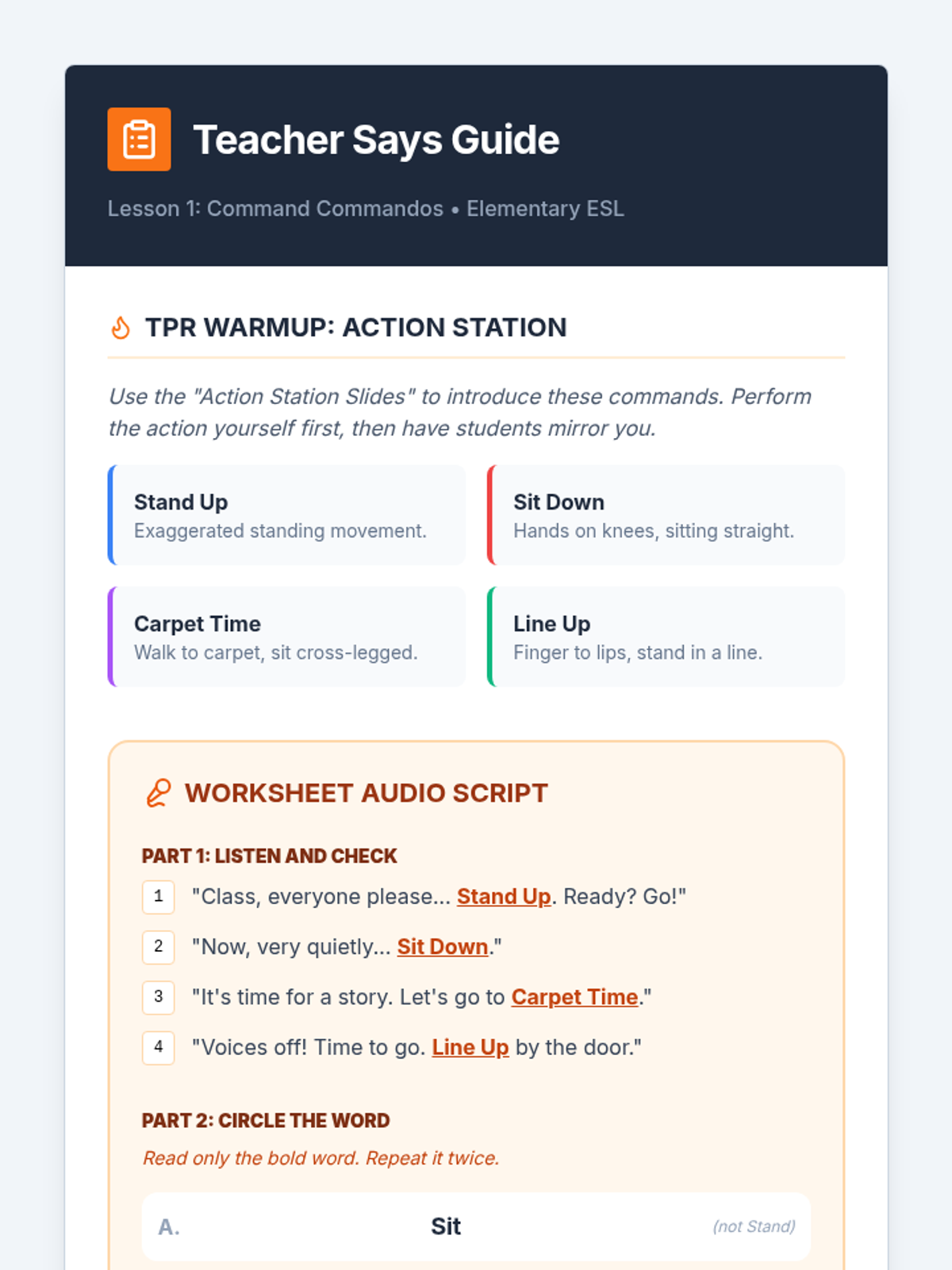
An immersive listening sequence designed for elementary-age beginner ESL students. This unit helps young learners navigate the routines, spaces, and social expectations of a primary school classroom, moving from basic imperative commands to understanding daily schedules and peer introductions.
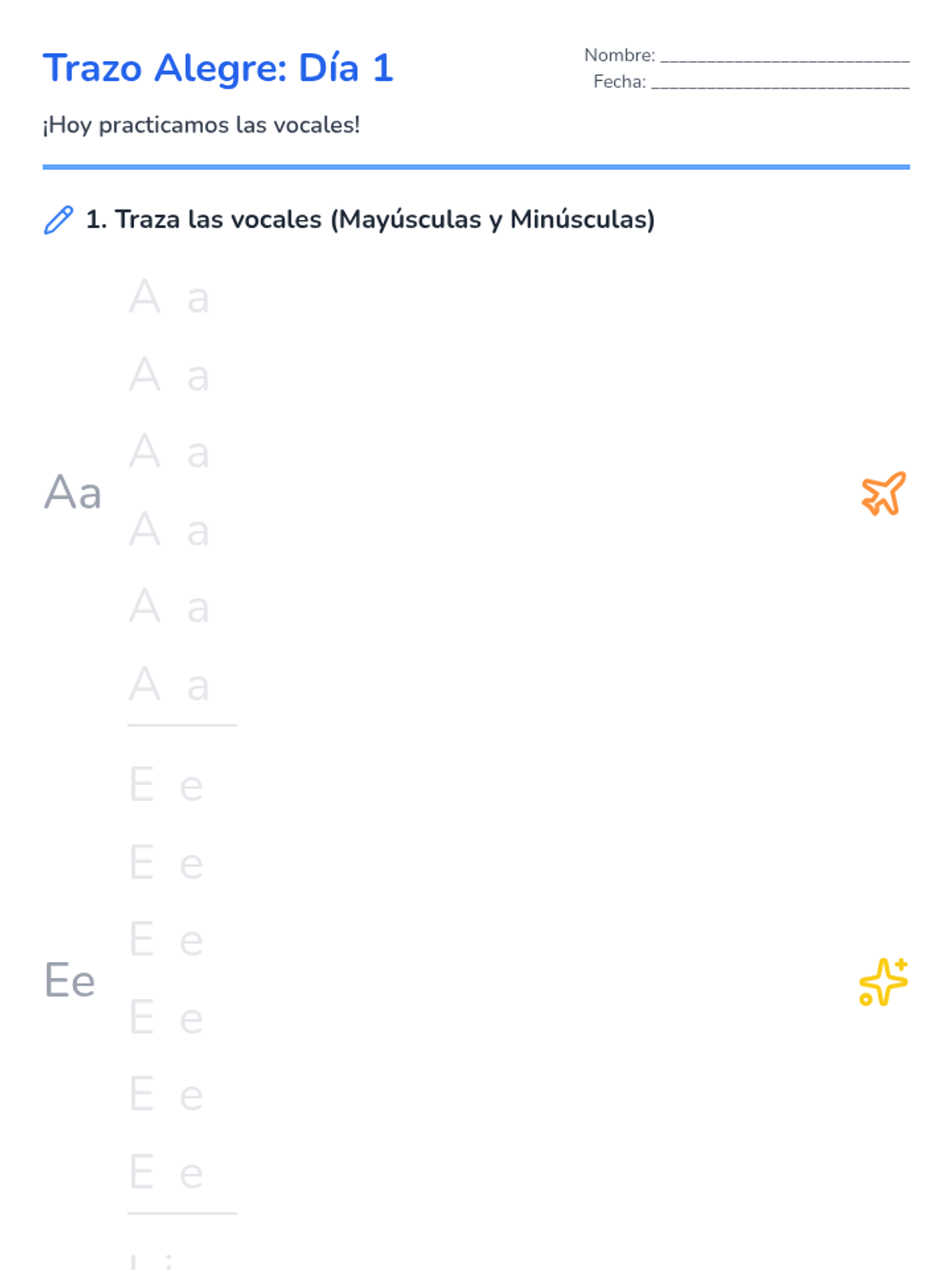
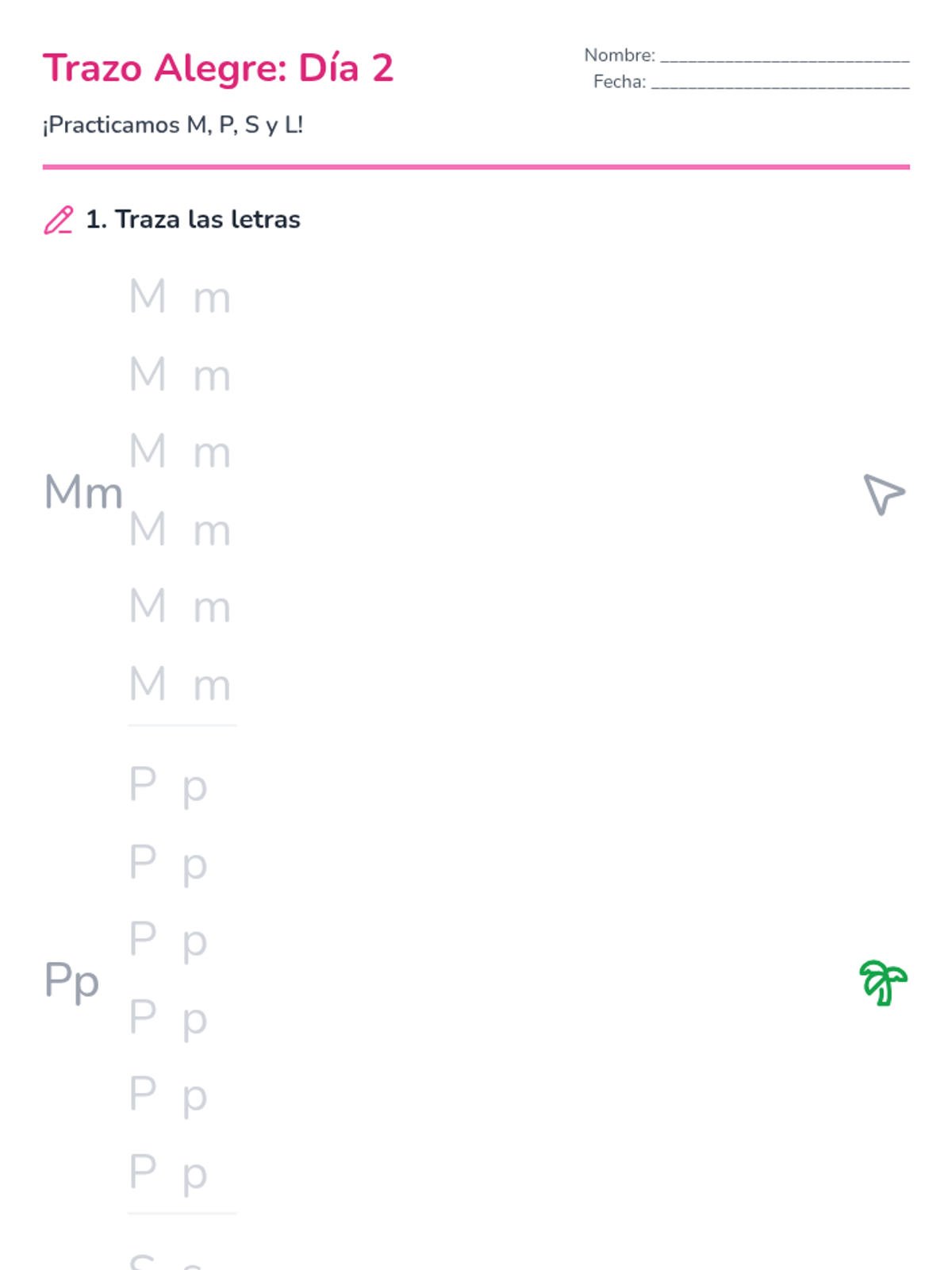
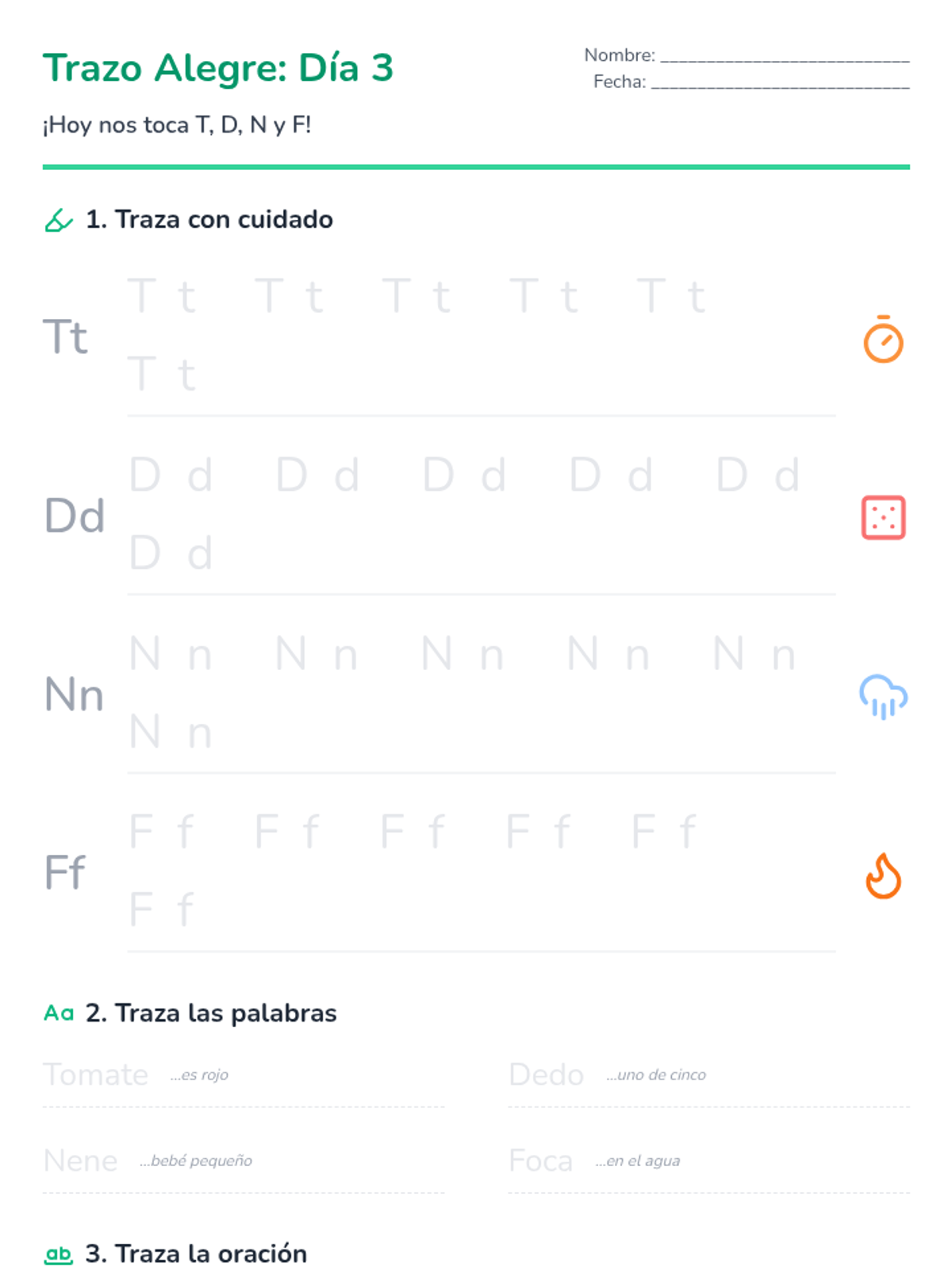
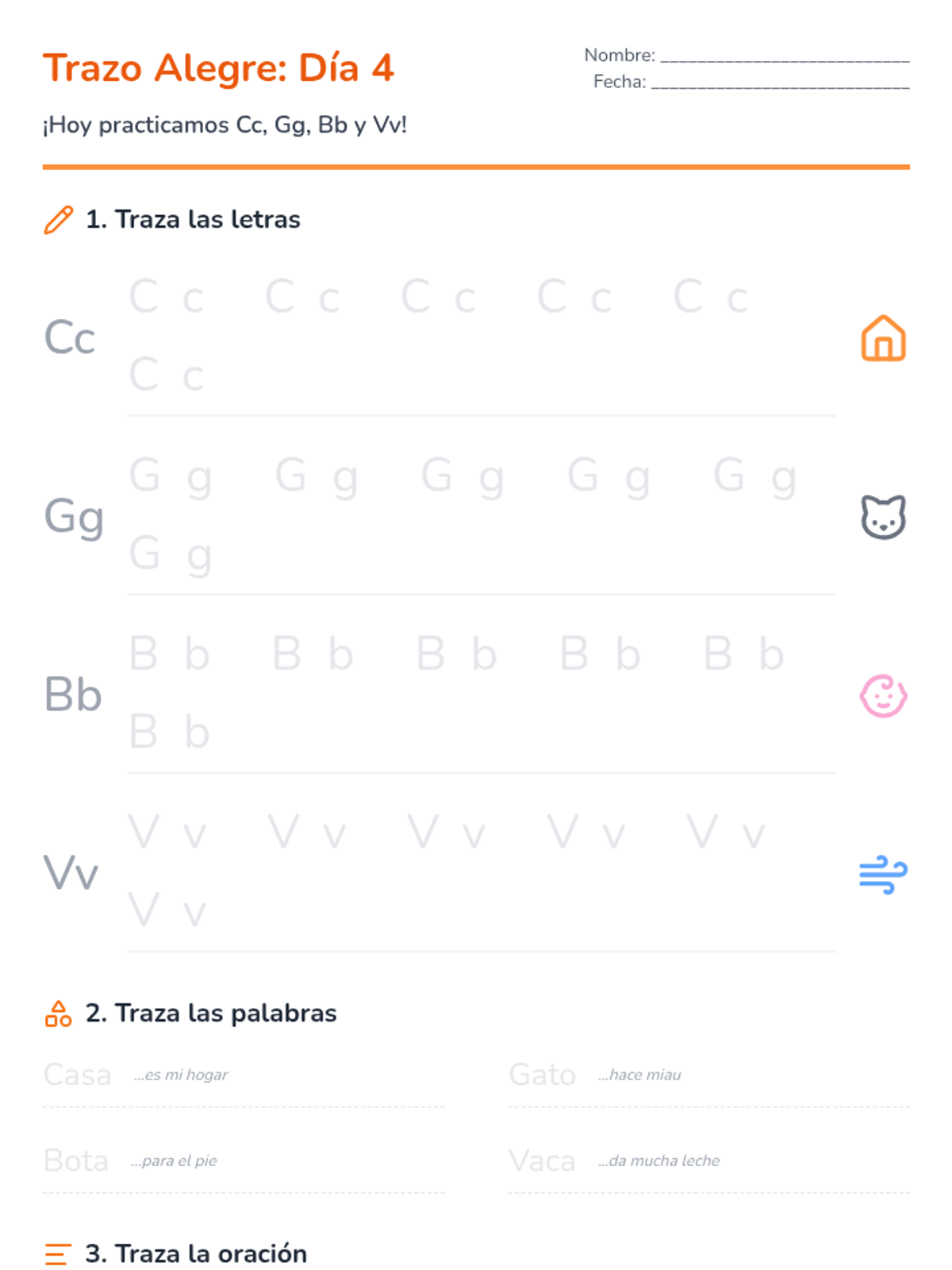
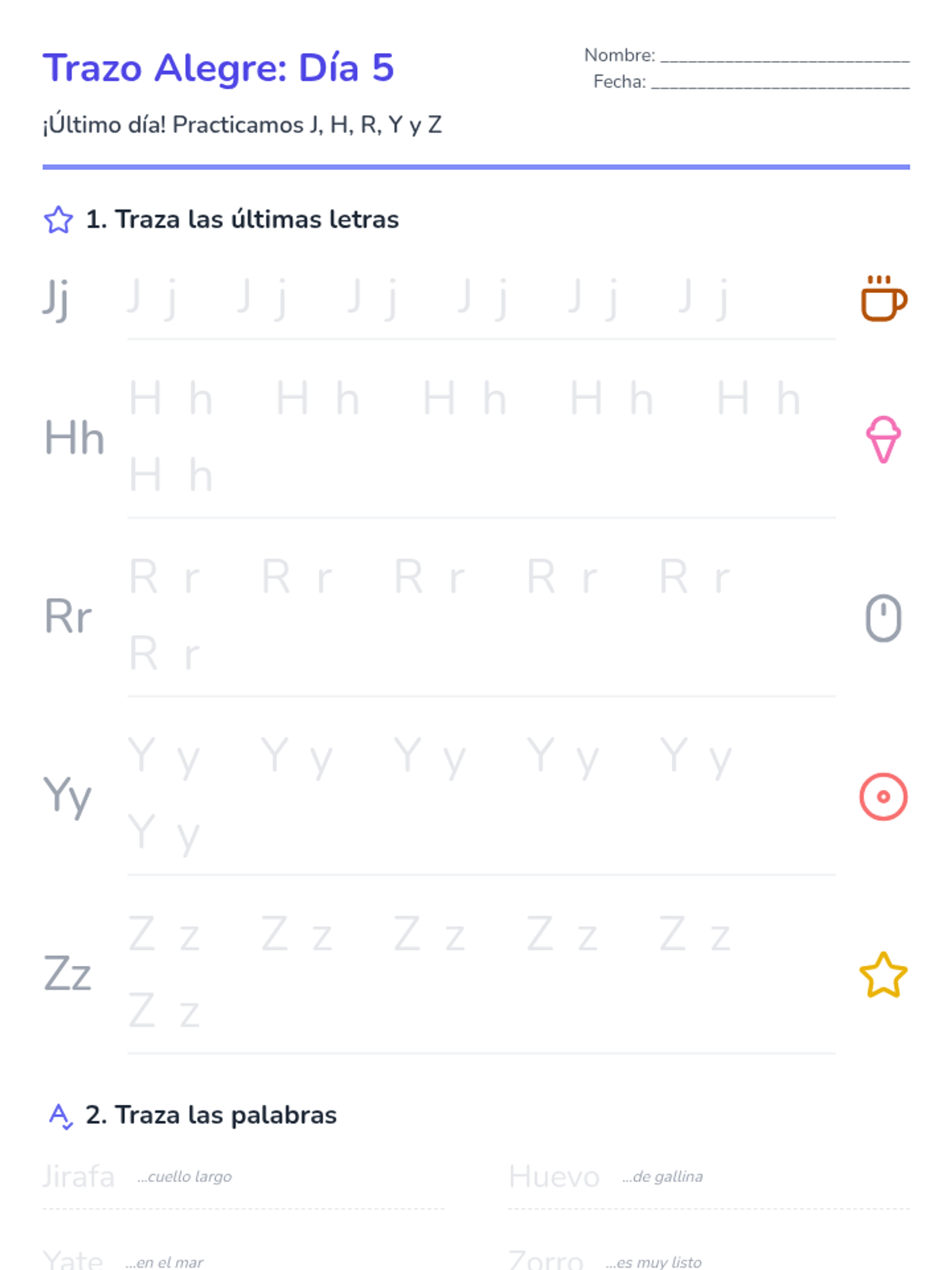
A comprehensive one-week Spanish homework packet designed to improve student letter formation through tracing exercises. The sequence focuses on individual letters, words, and full sentences with common sight words, featuring engaging illustrations of animals and school supplies.
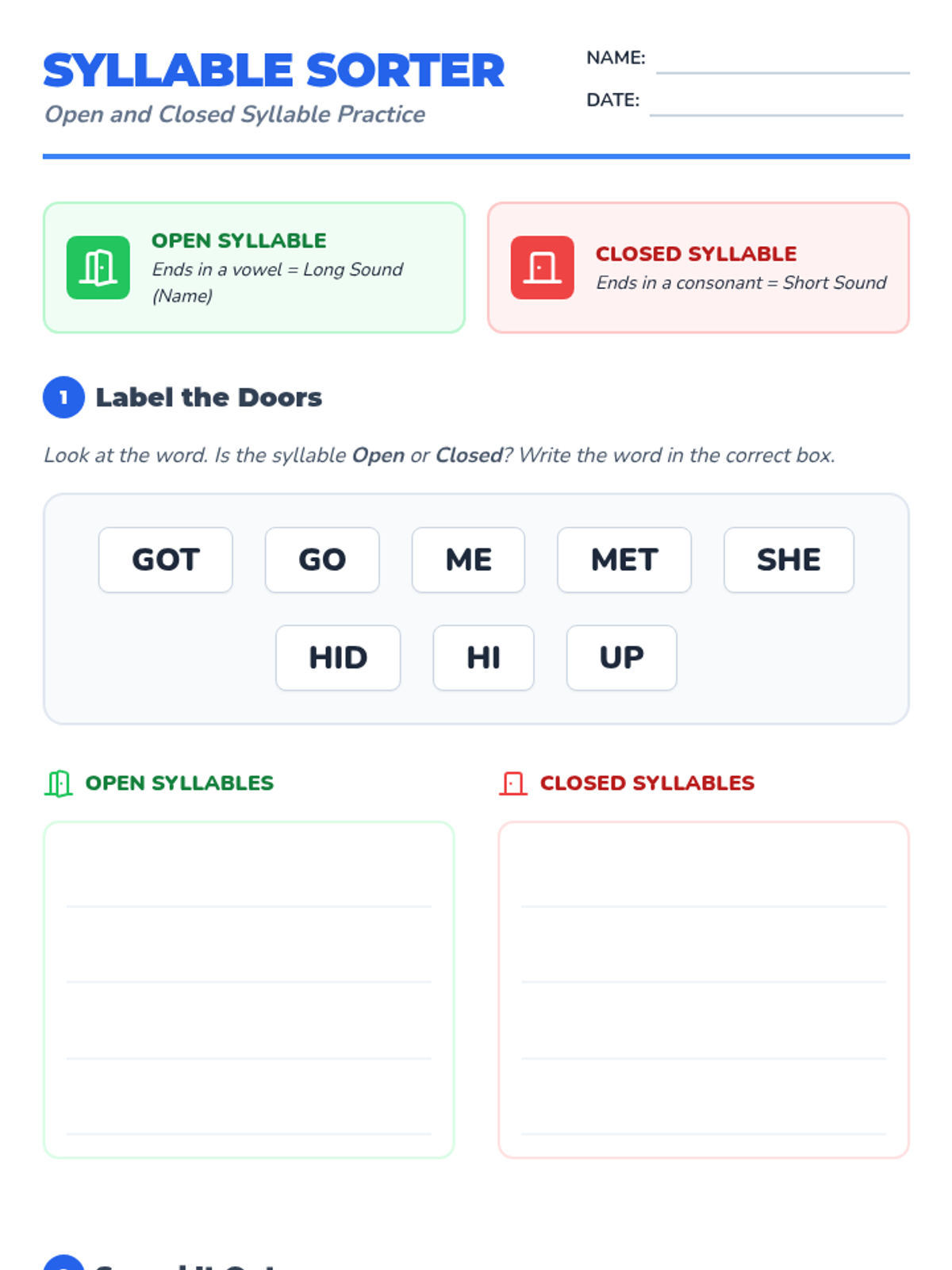
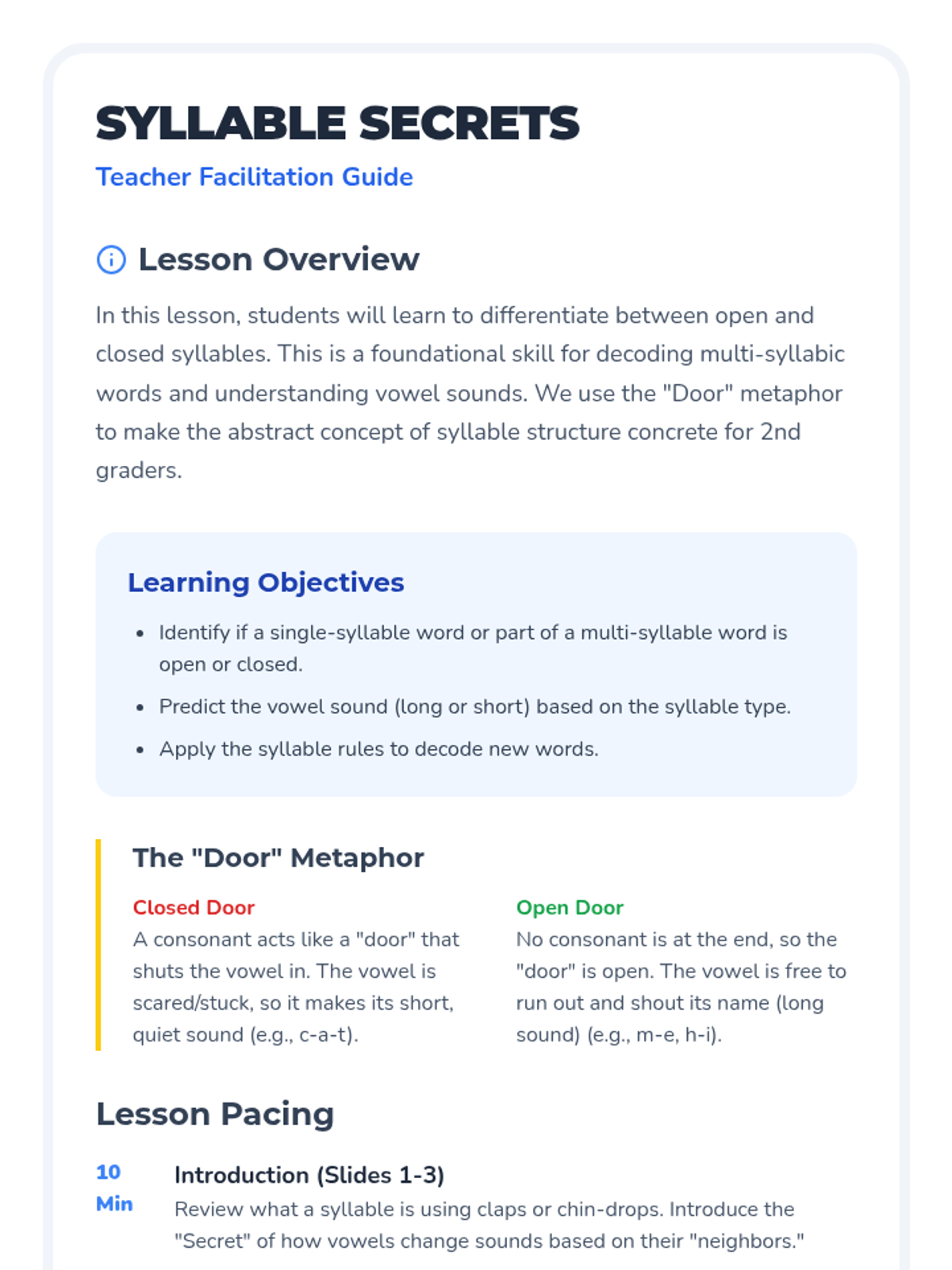
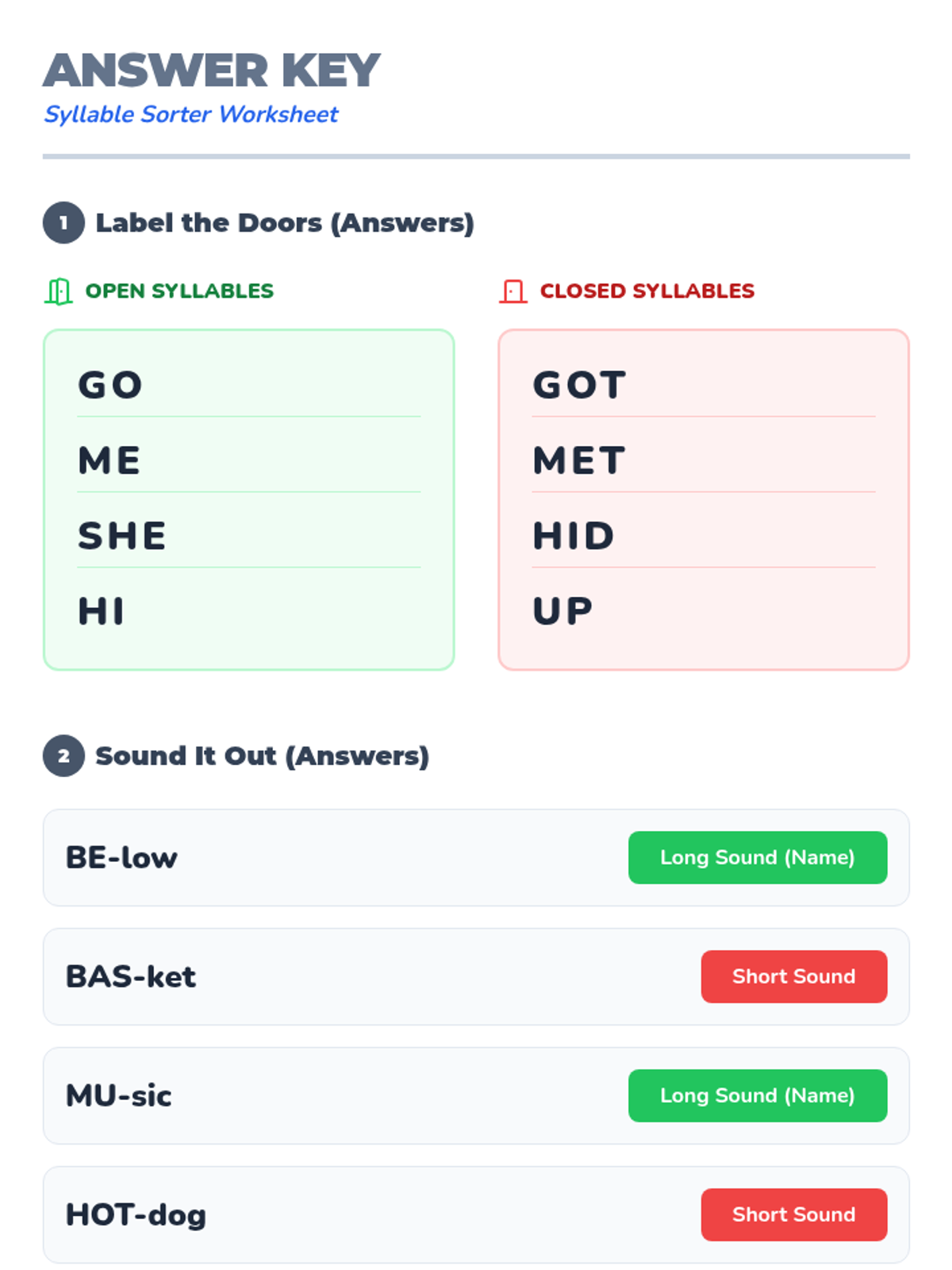
A phonics sequence for 2nd graders to master open and closed syllables, moving from single-syllable recognition to decoding multi-syllabic words and improving reading fluency.
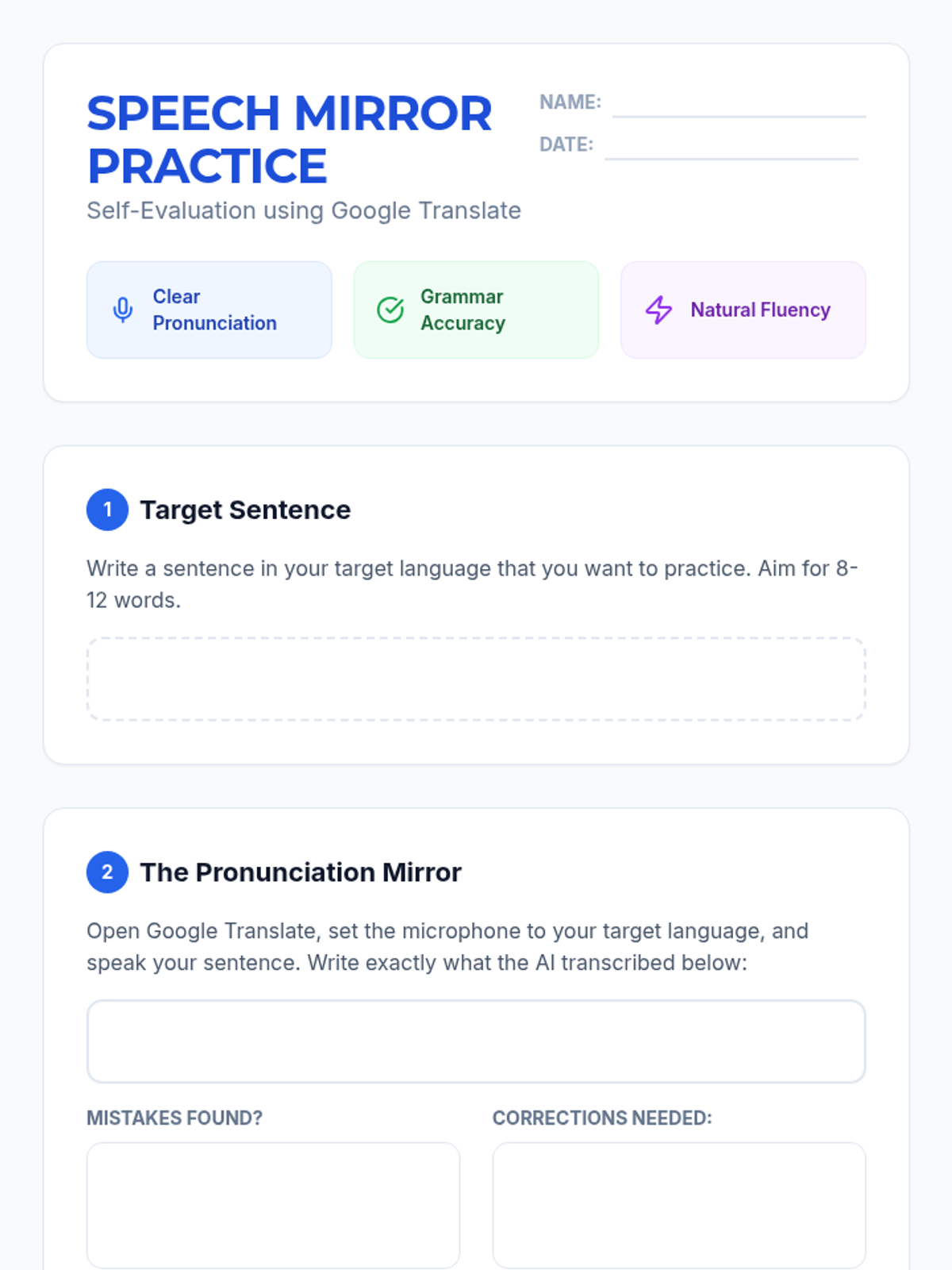
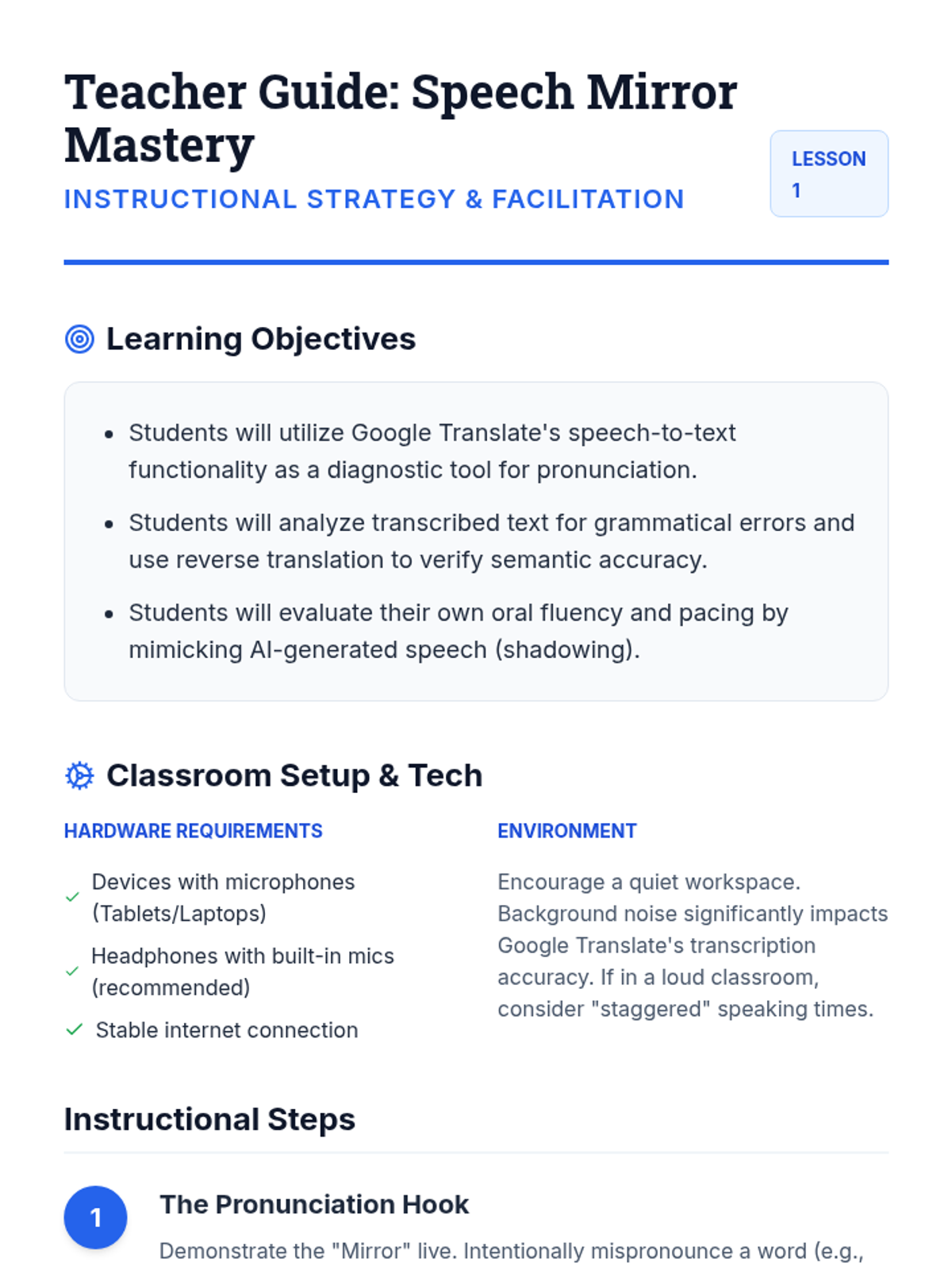
A sequence focused on leveraging digital translation tools for language self-assessment and speech improvement. Students learn to use Google Translate not just for translation, but as a 'mirror' for their own pronunciation, grammar, and fluency.
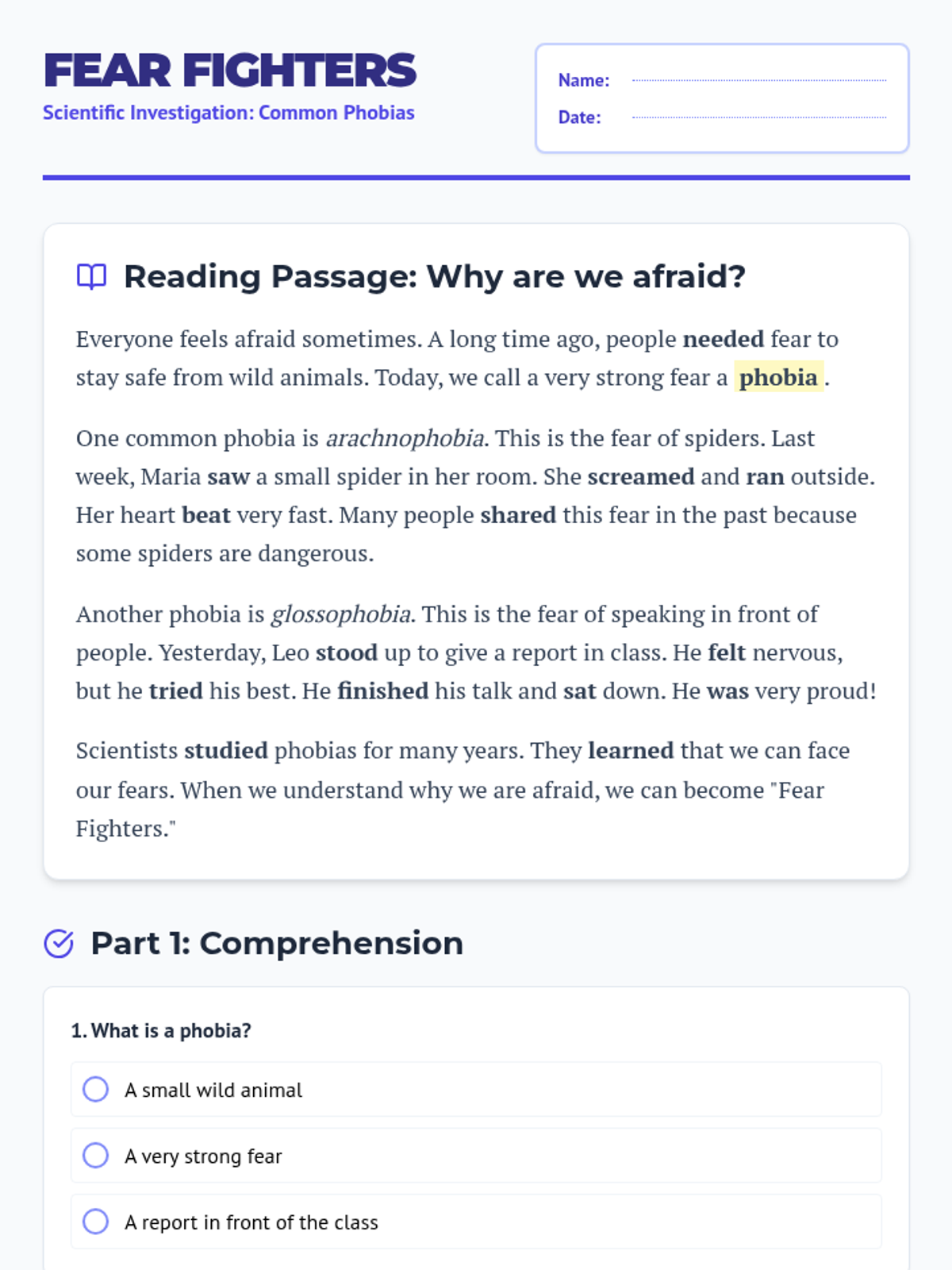
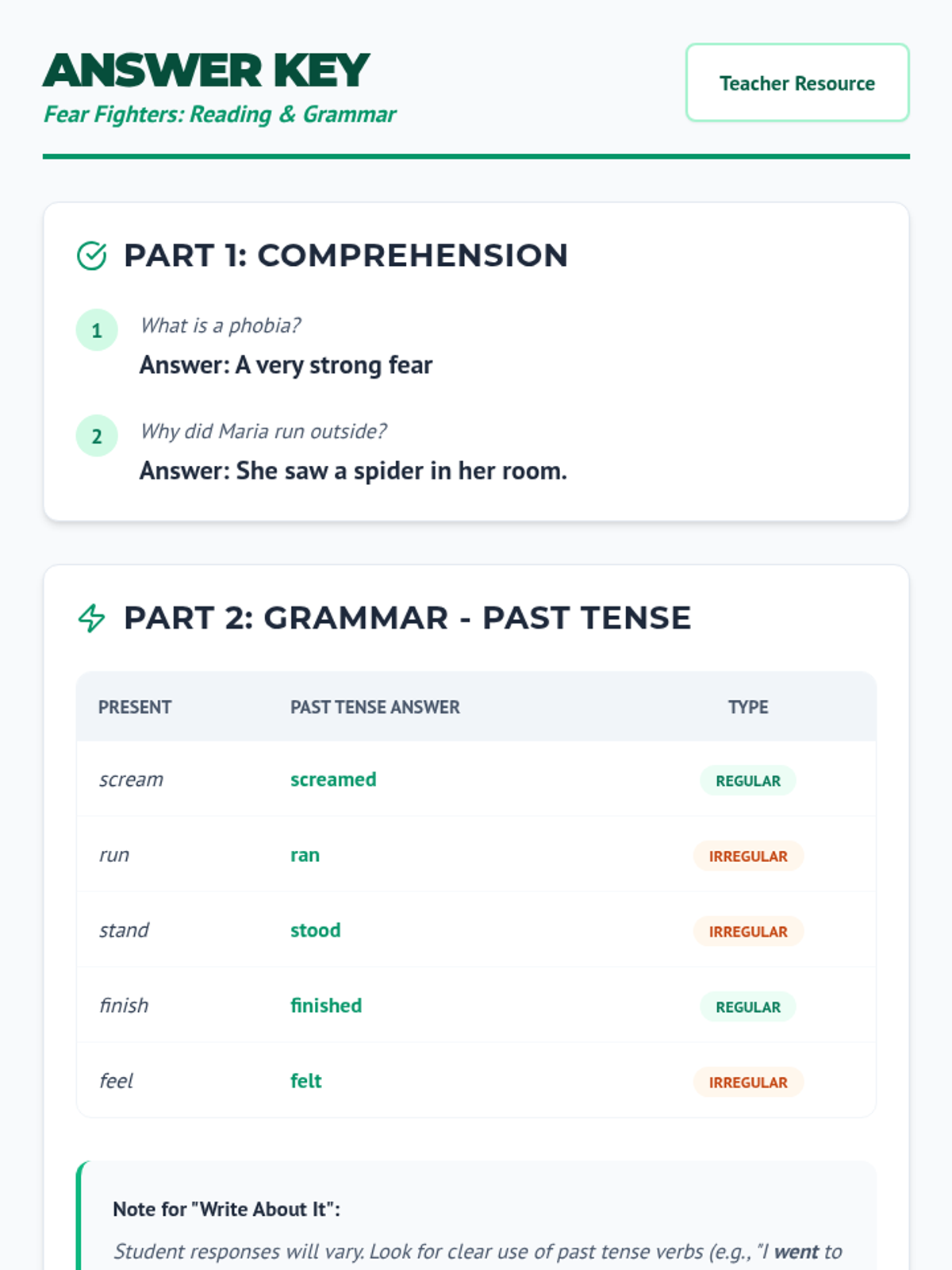
A collection of resources for Multilingual Learners, featuring a reading comprehension unit on phobias for 5th grade and a beginner-level guessing game for 2nd grade.
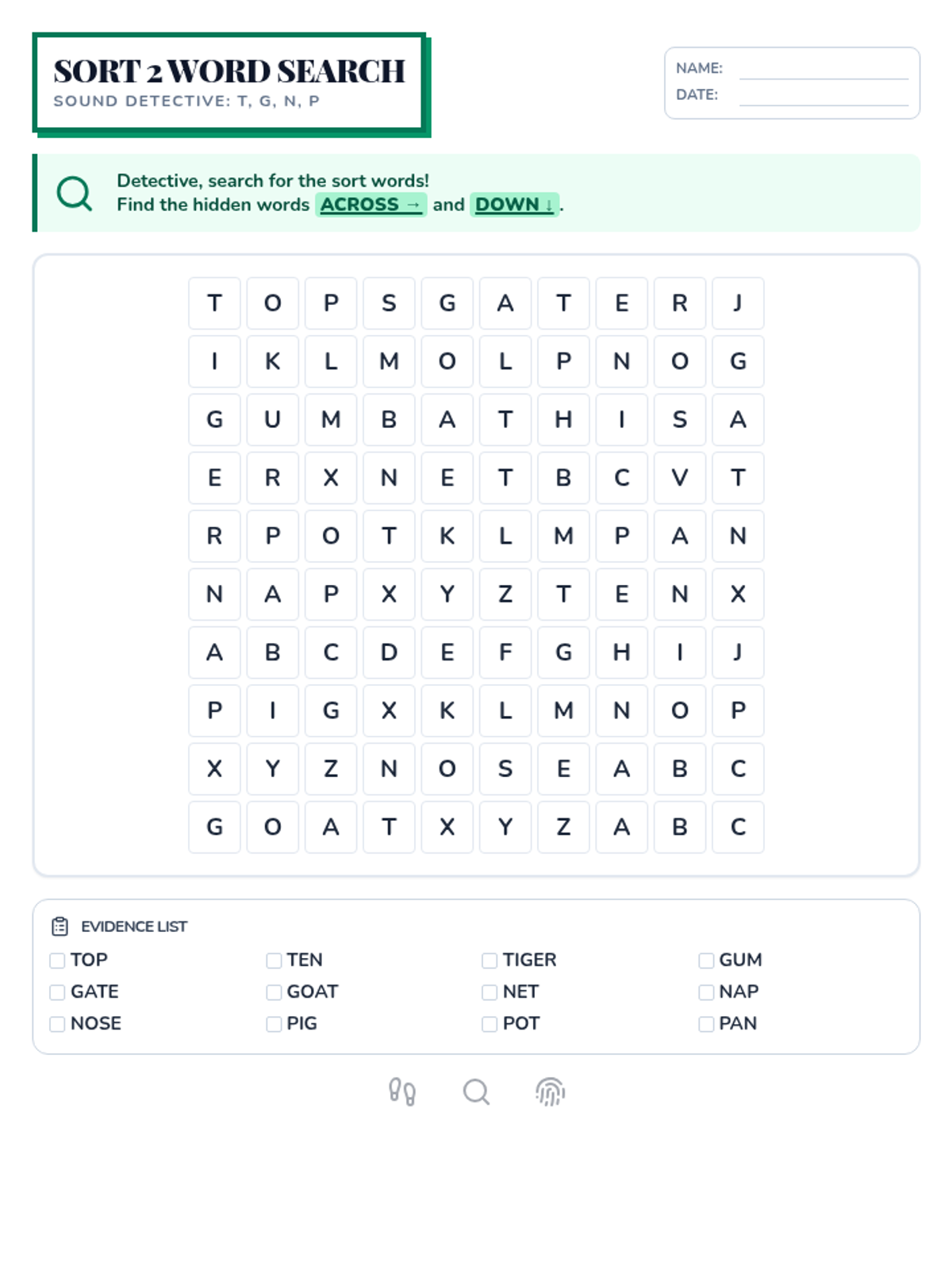
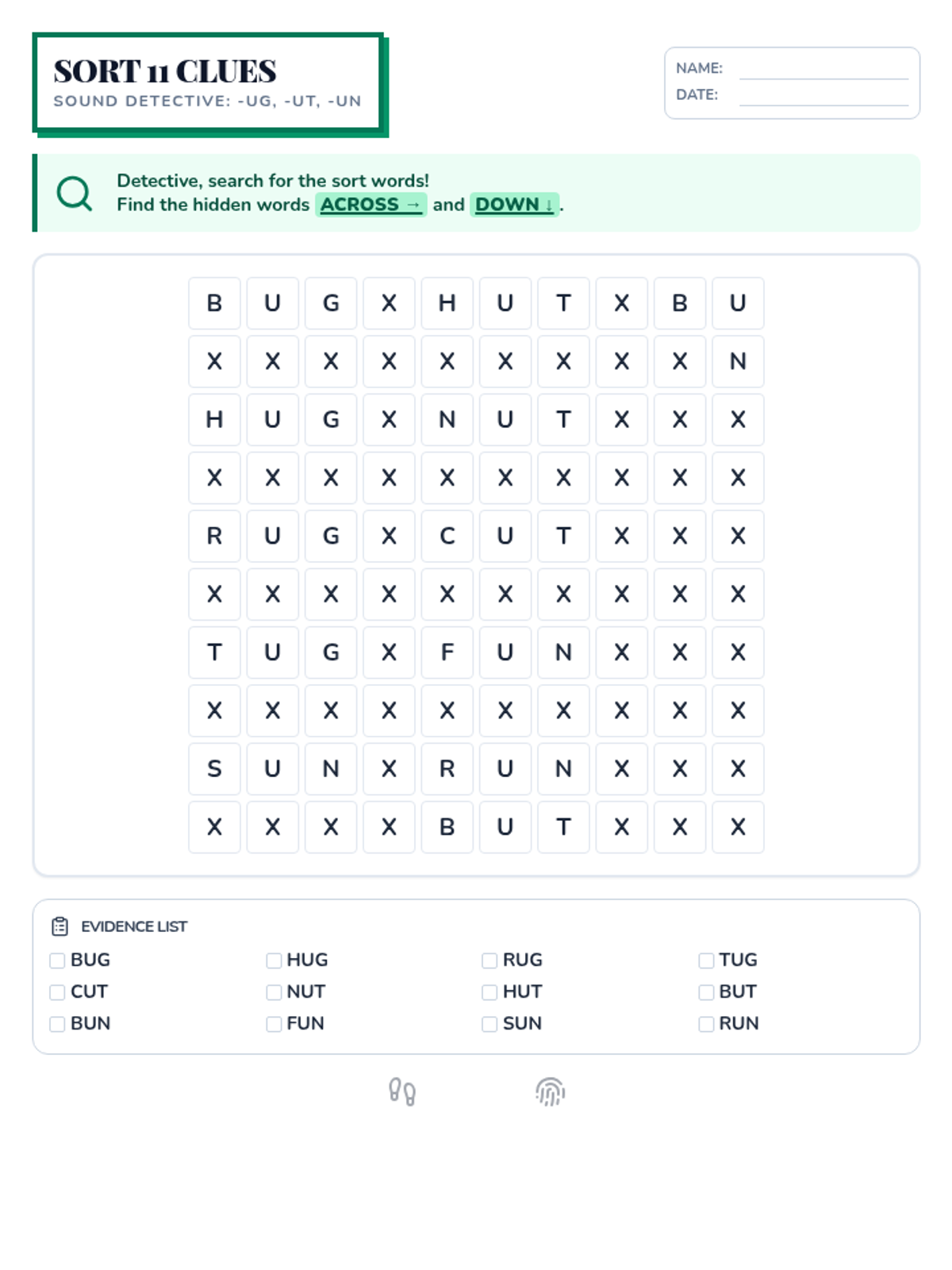
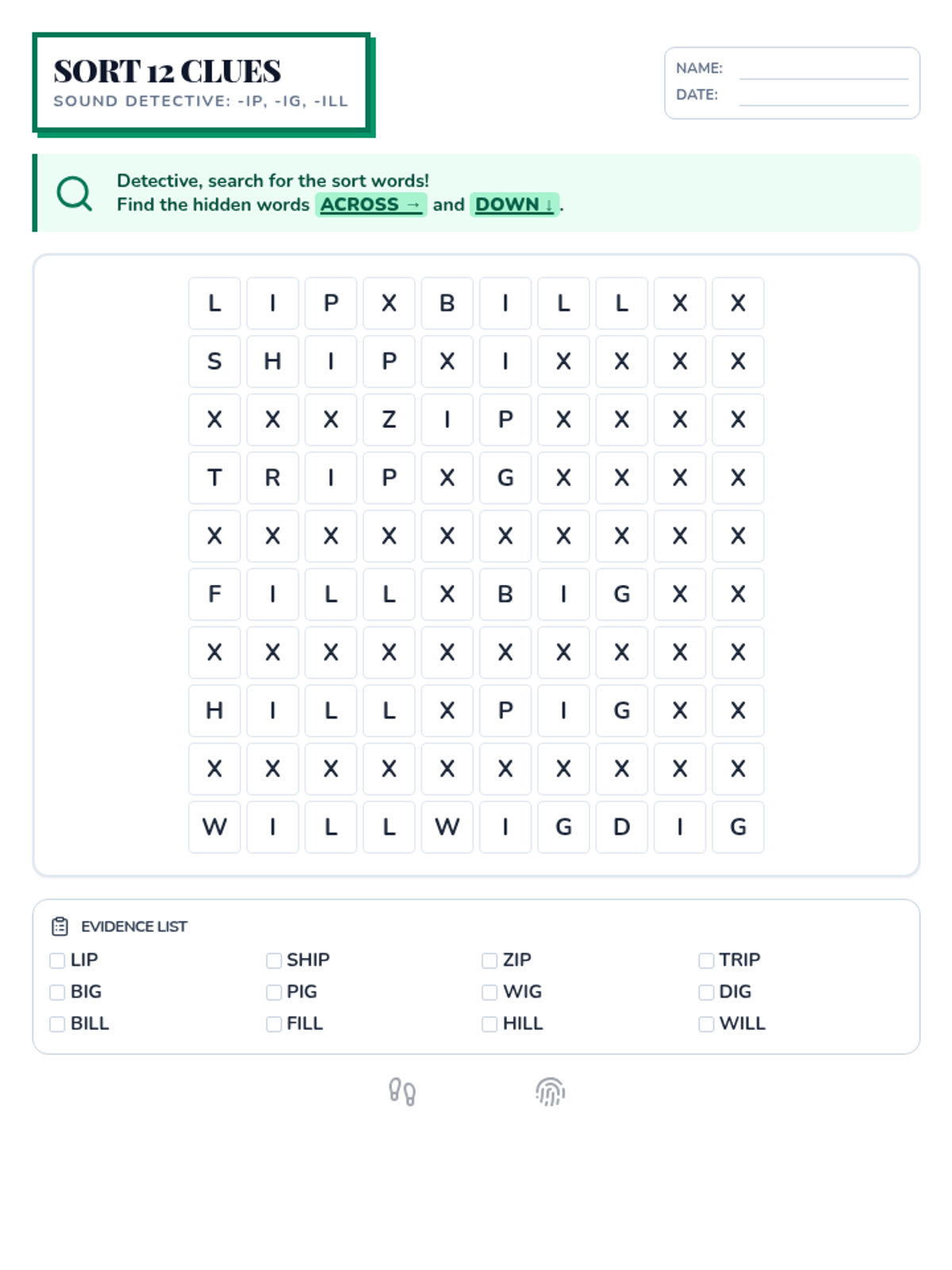
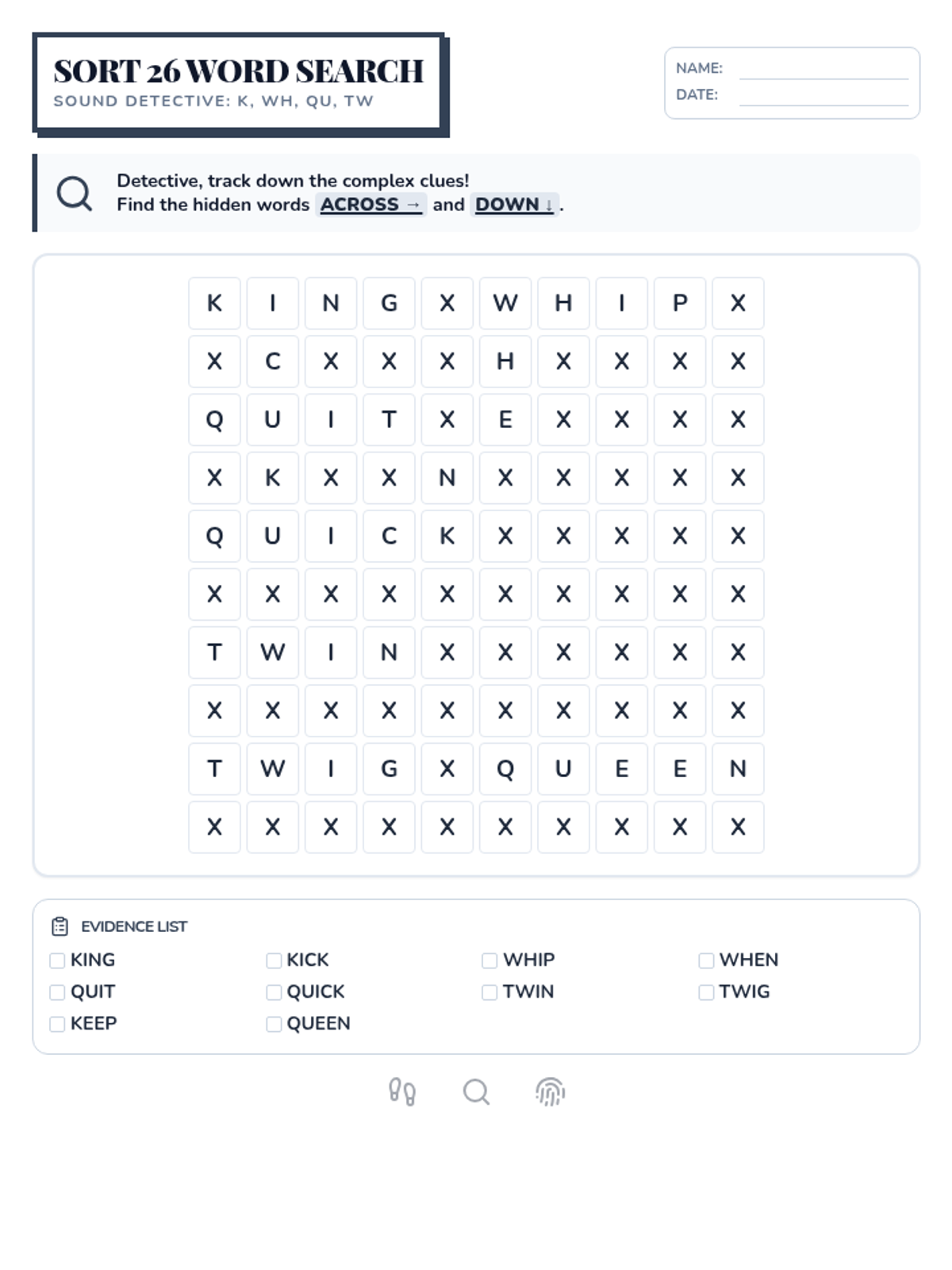
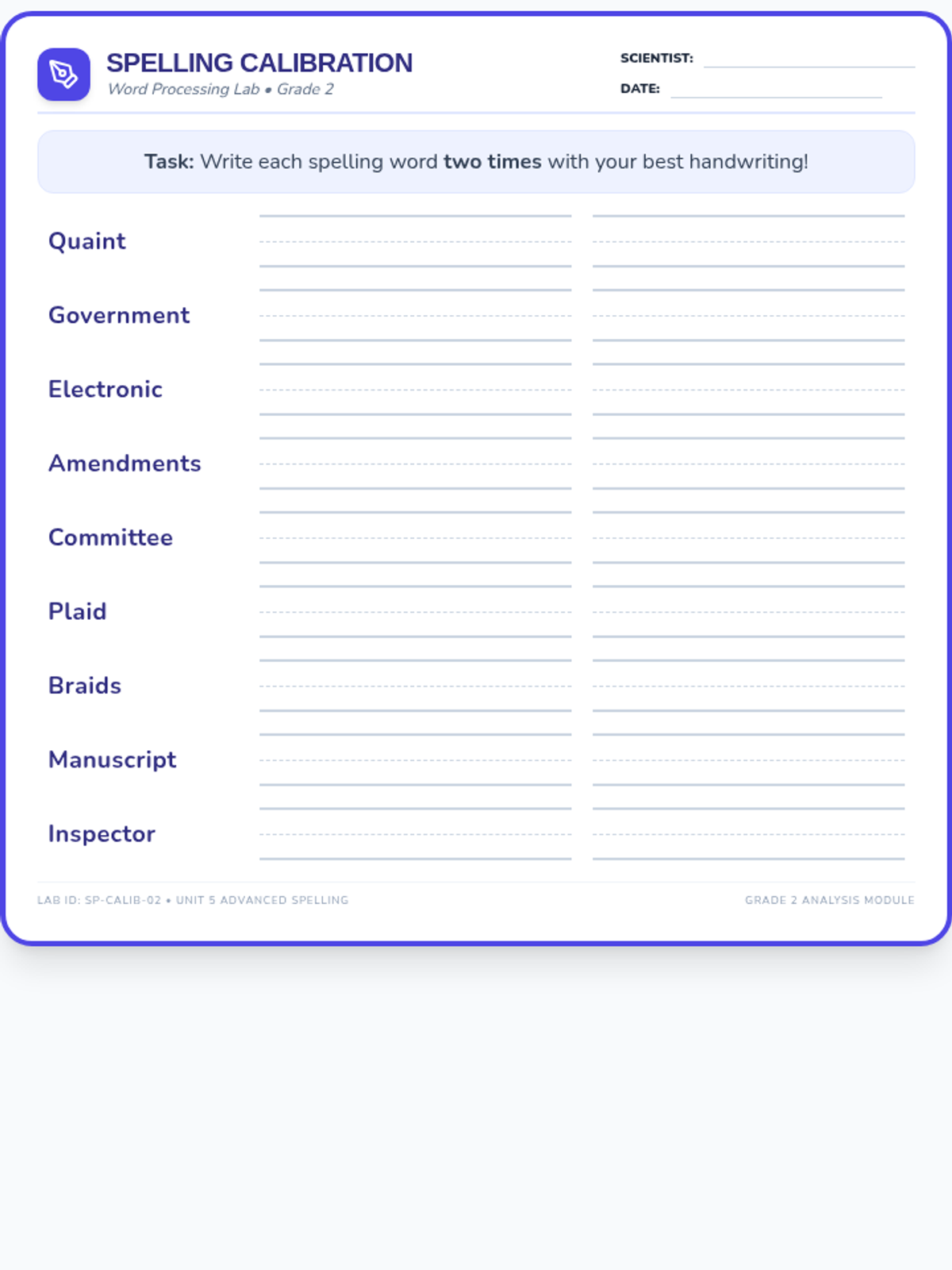
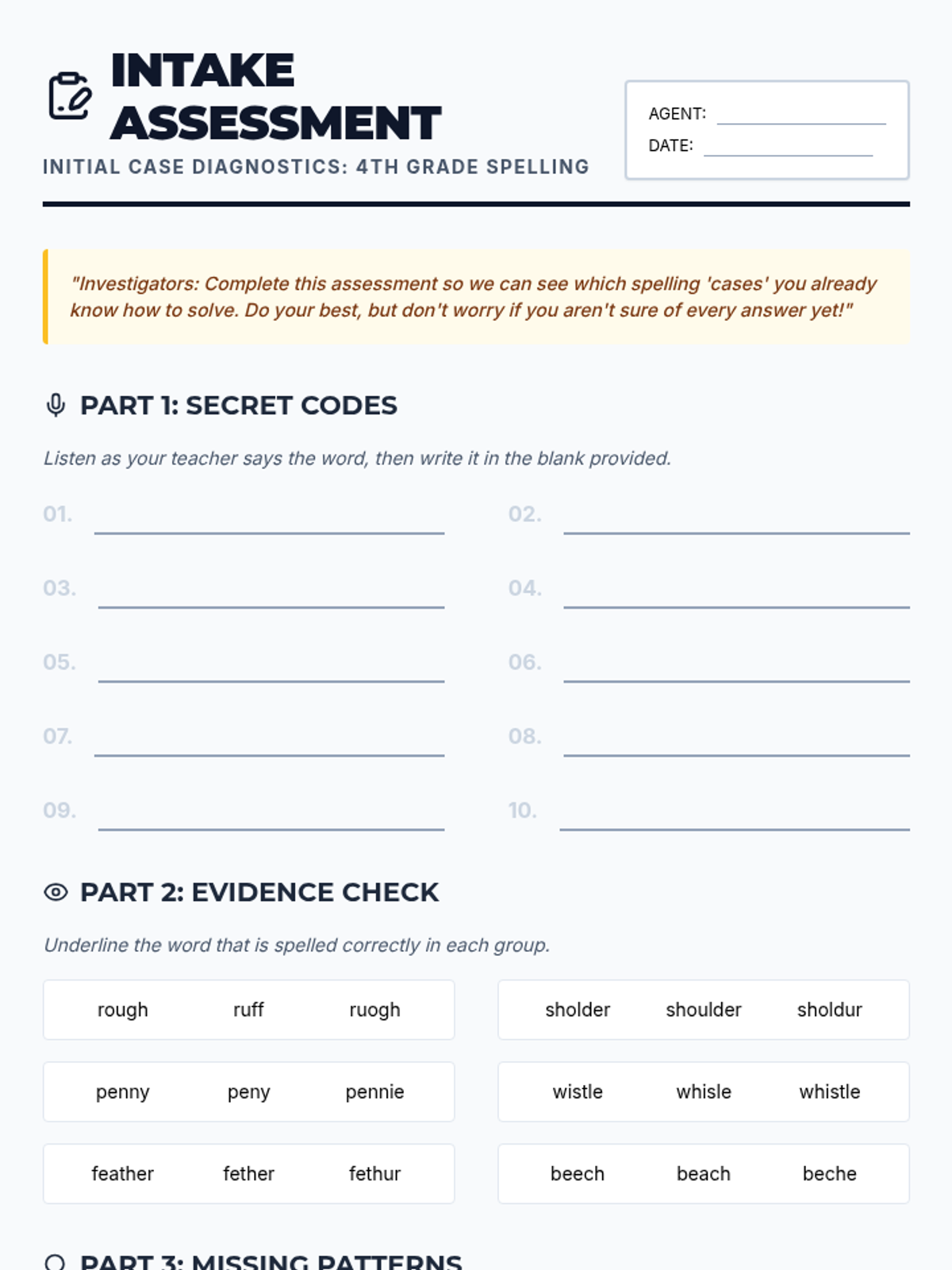
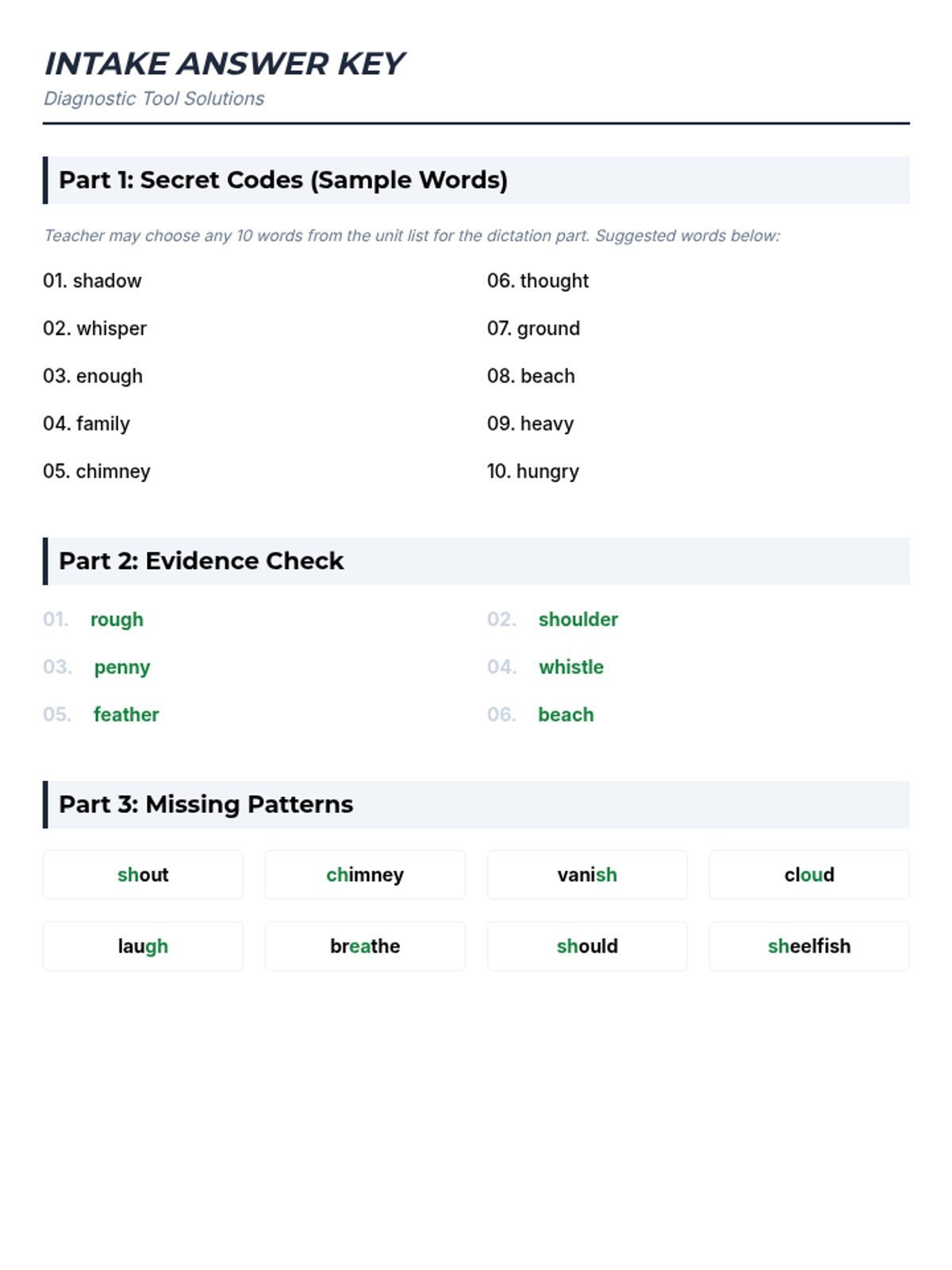
A series of detective-themed spelling units for 4th grade, focusing on complex digraphs, blends, and vowel patterns through investigative activities.
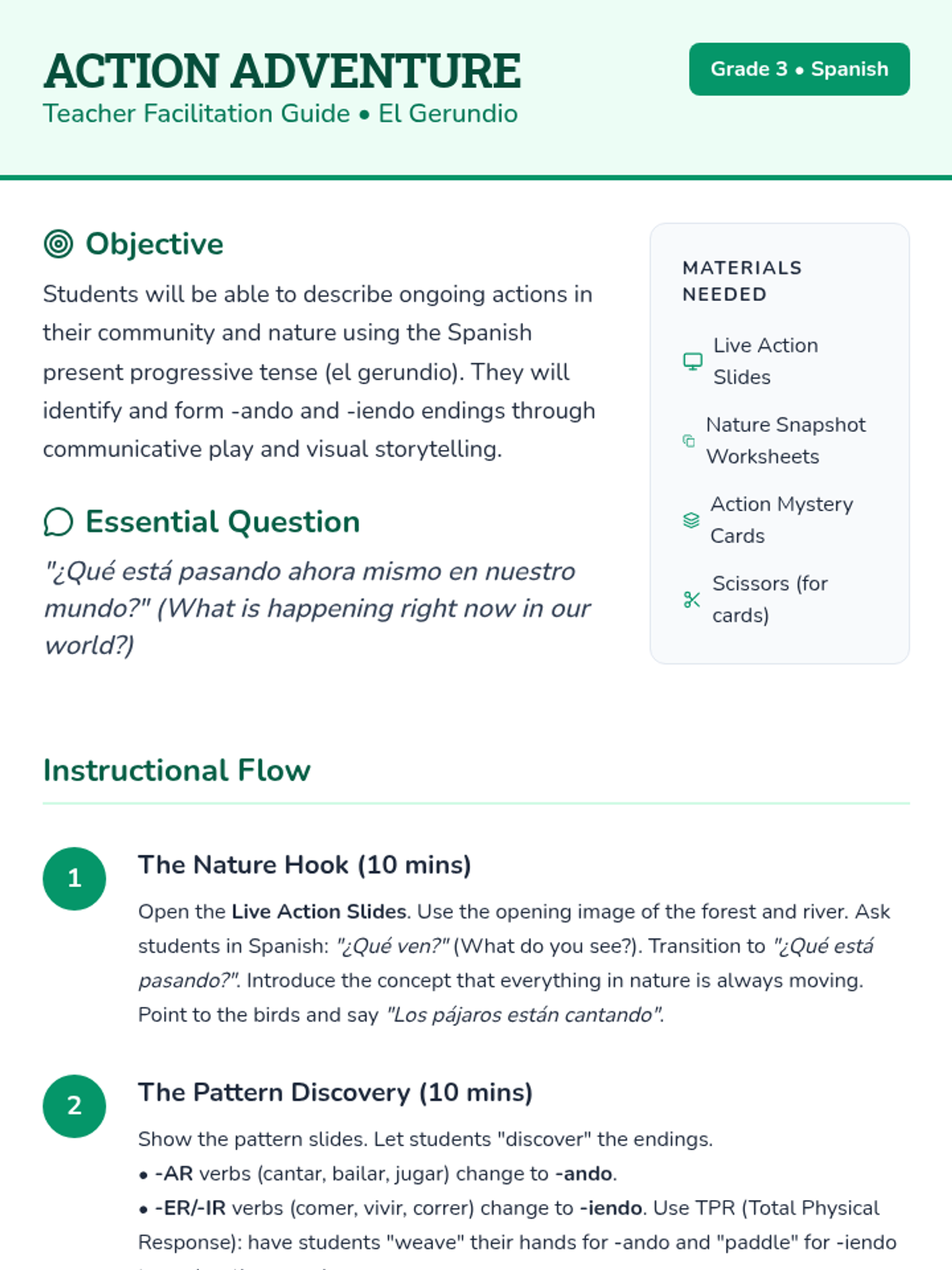
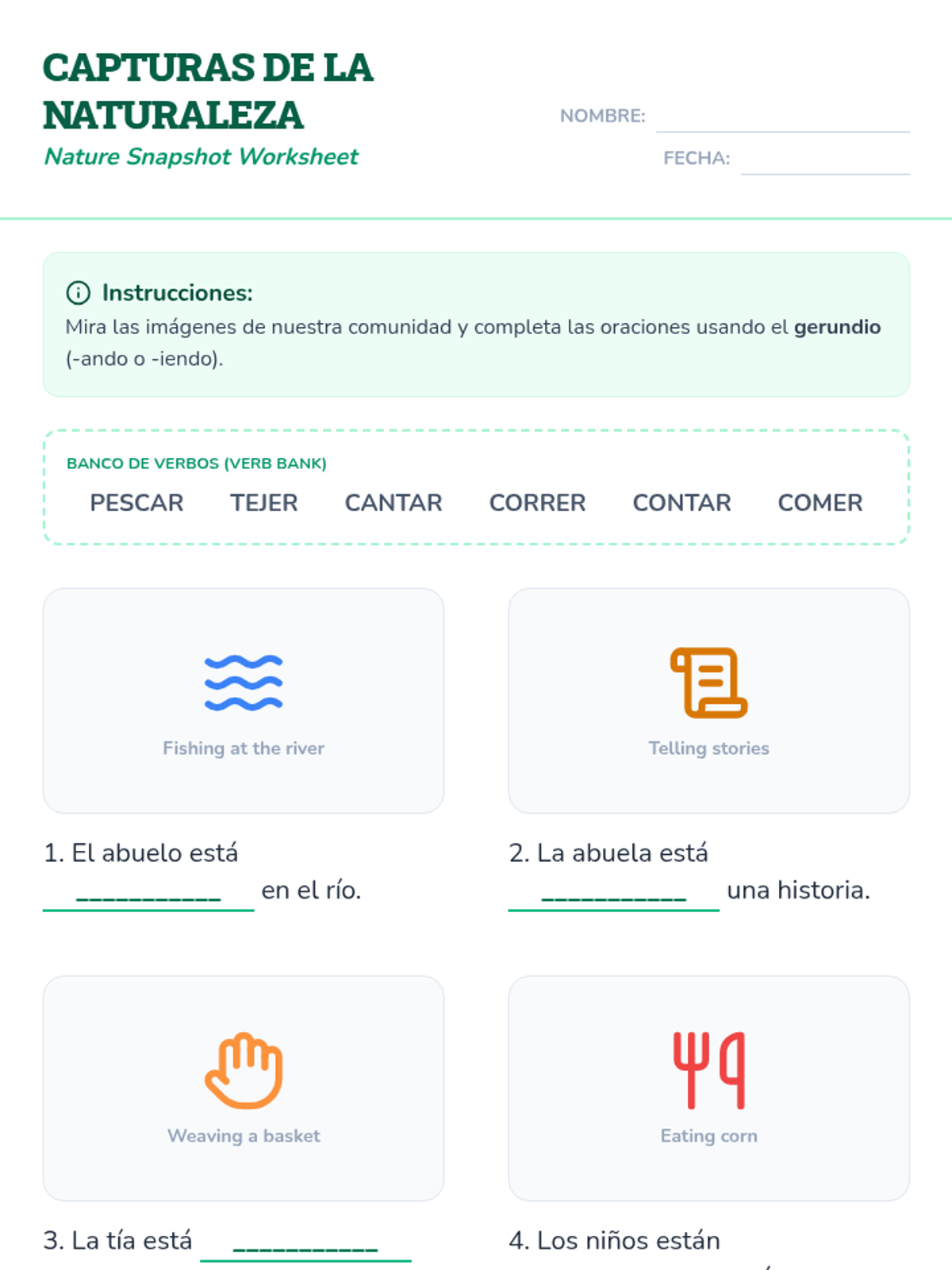
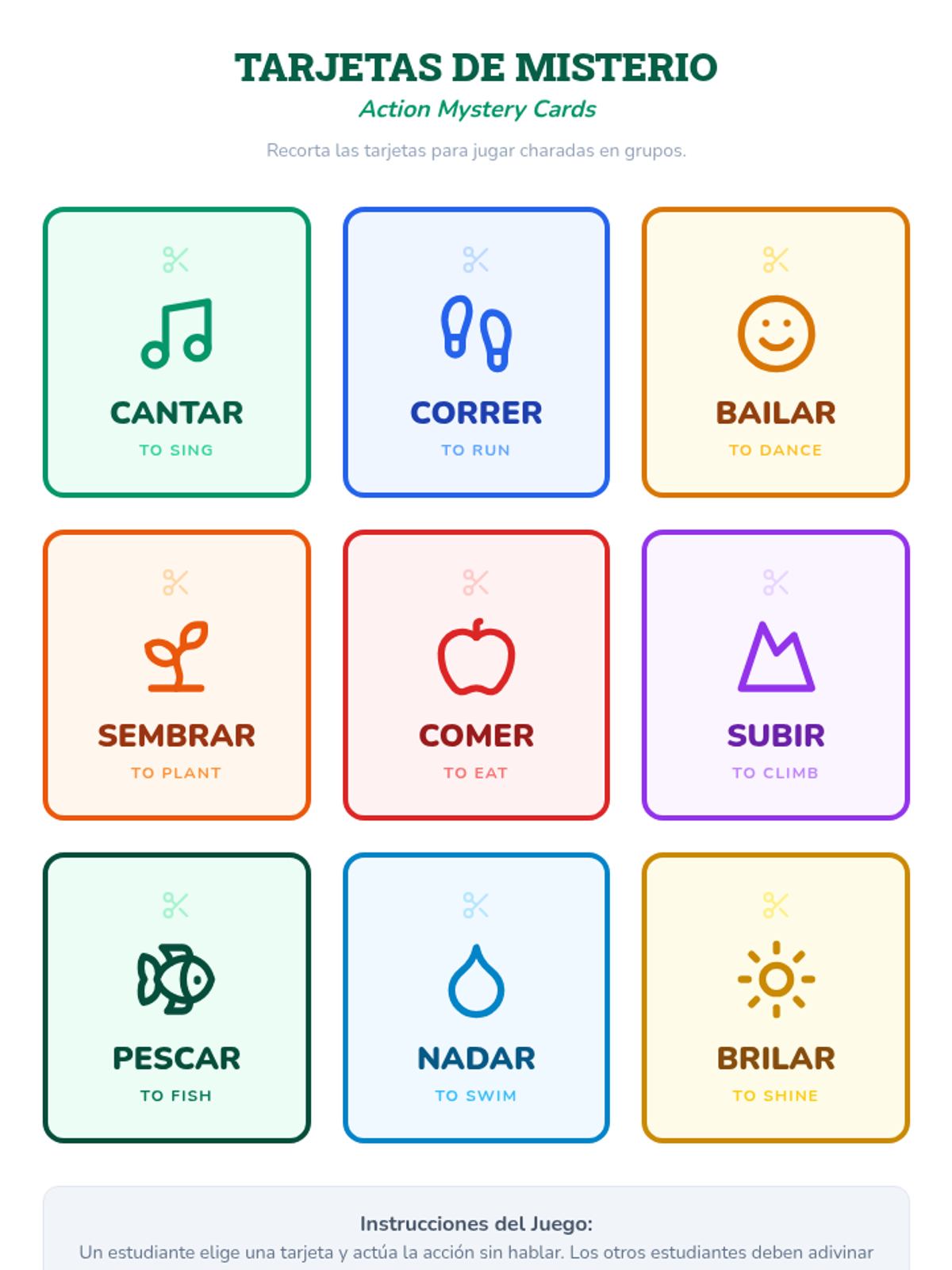
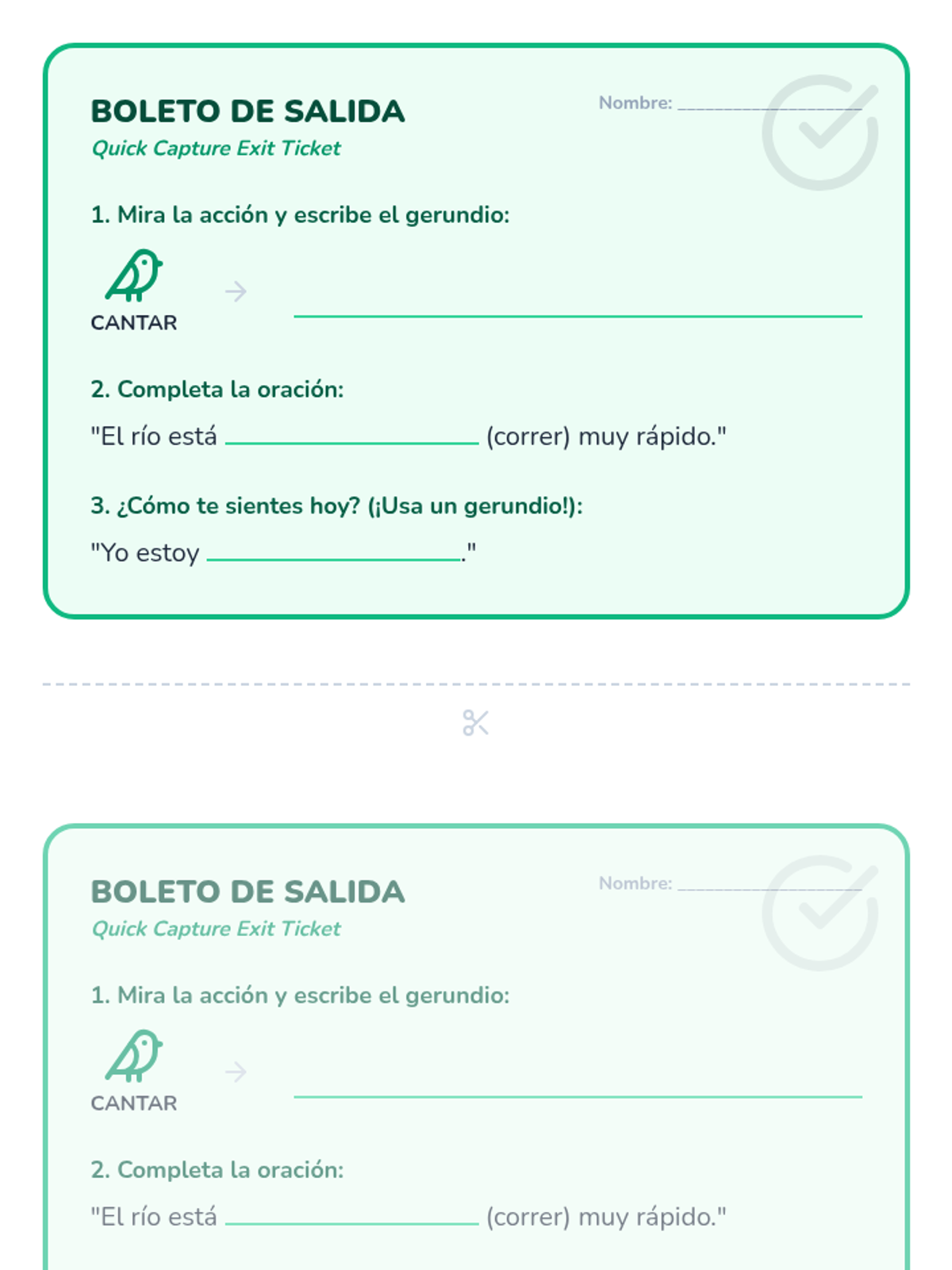
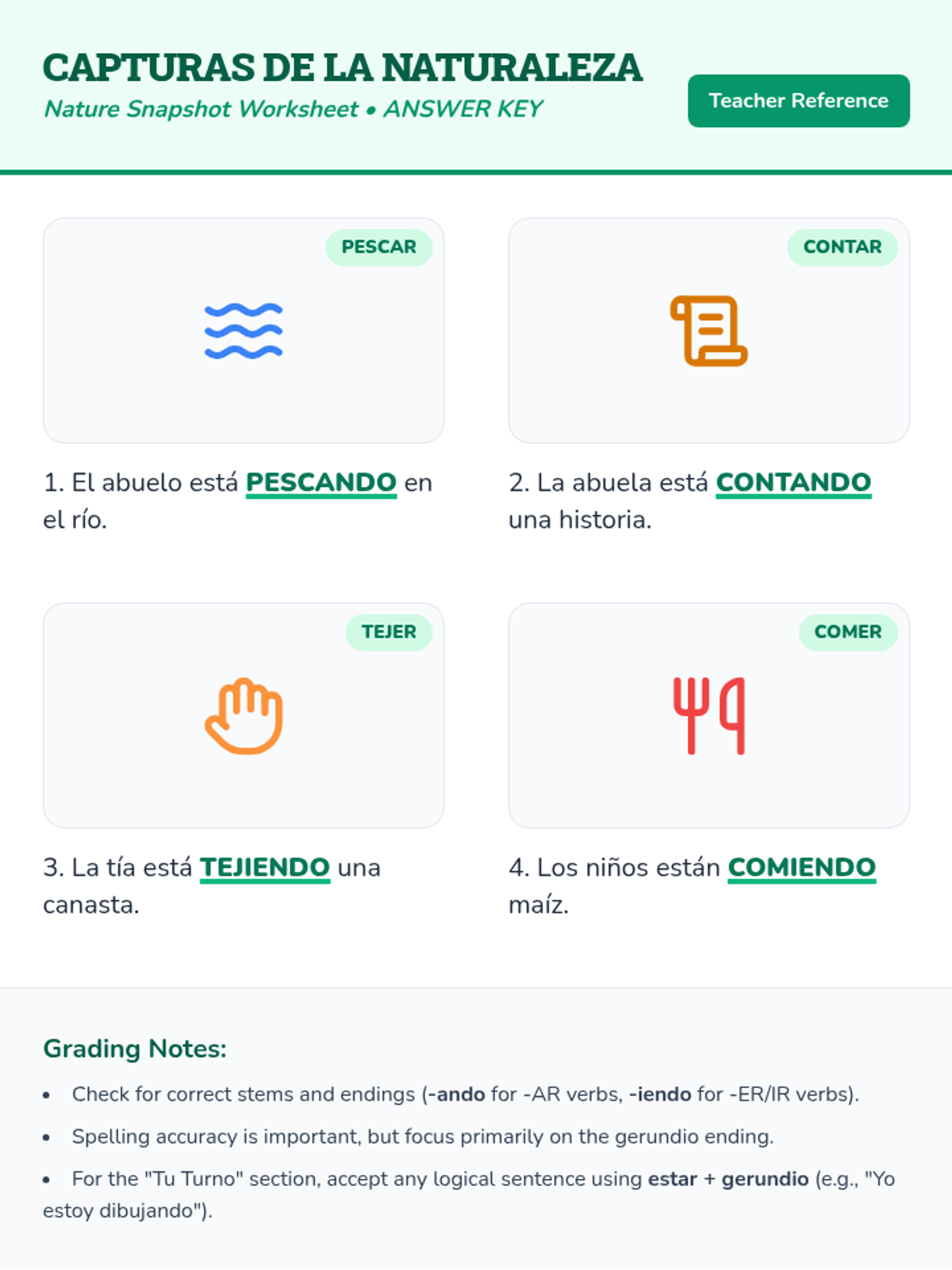
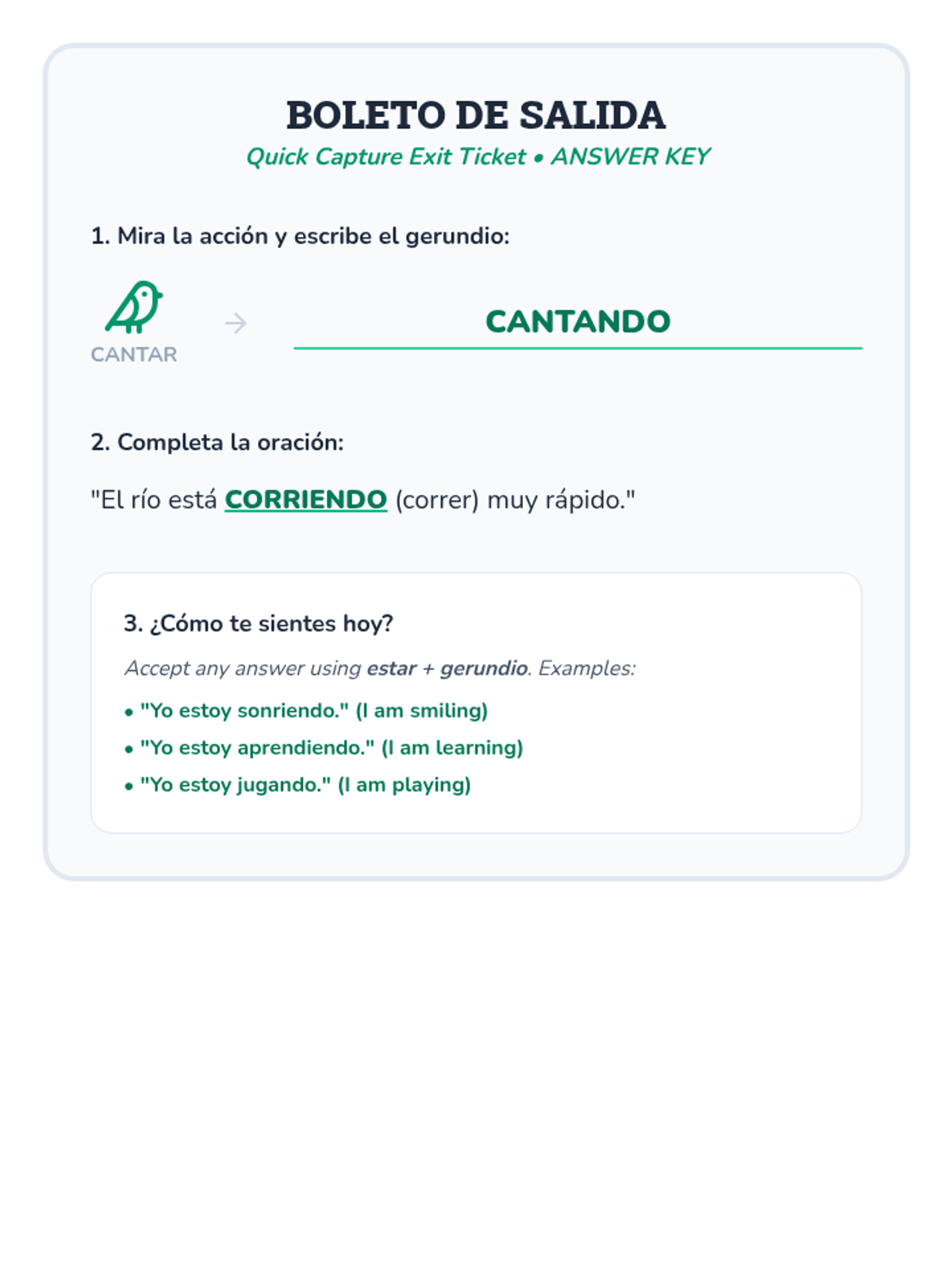
A four-part Spanish sequence for 3rd graders exploring 'el gerundio' through the lens of community, nature, and indigenous traditions. Students learn to describe the world around them in real-time.
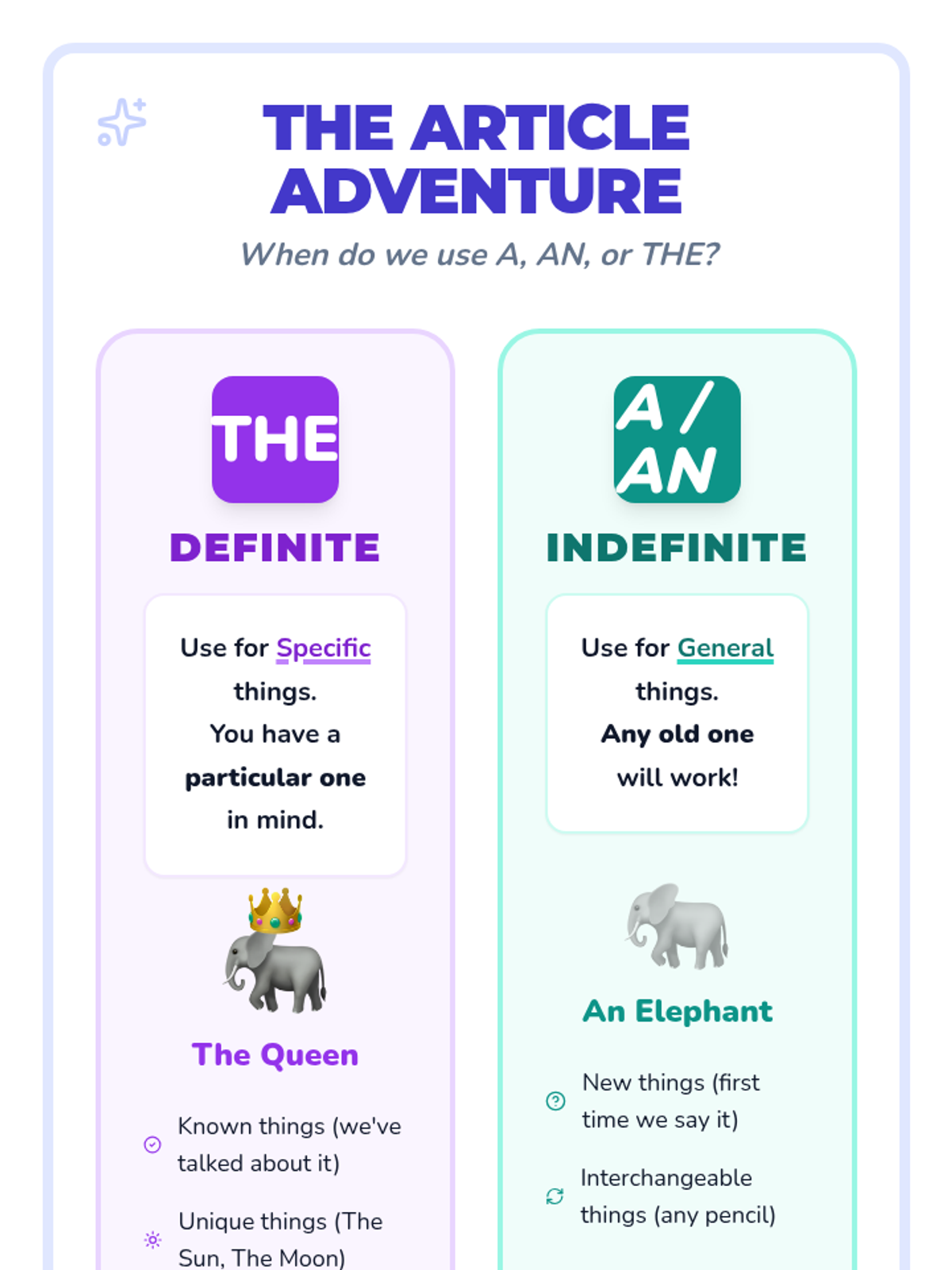
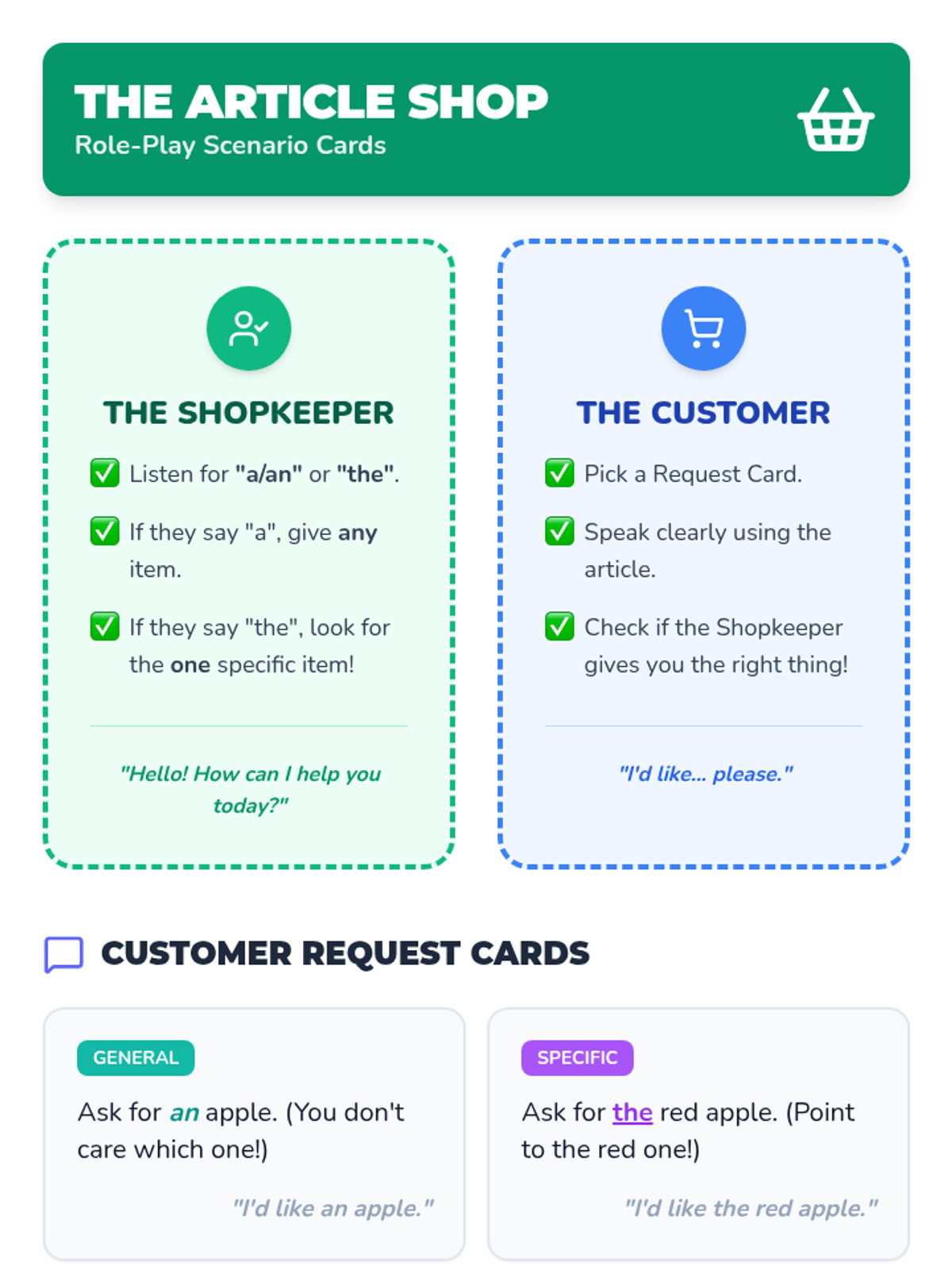
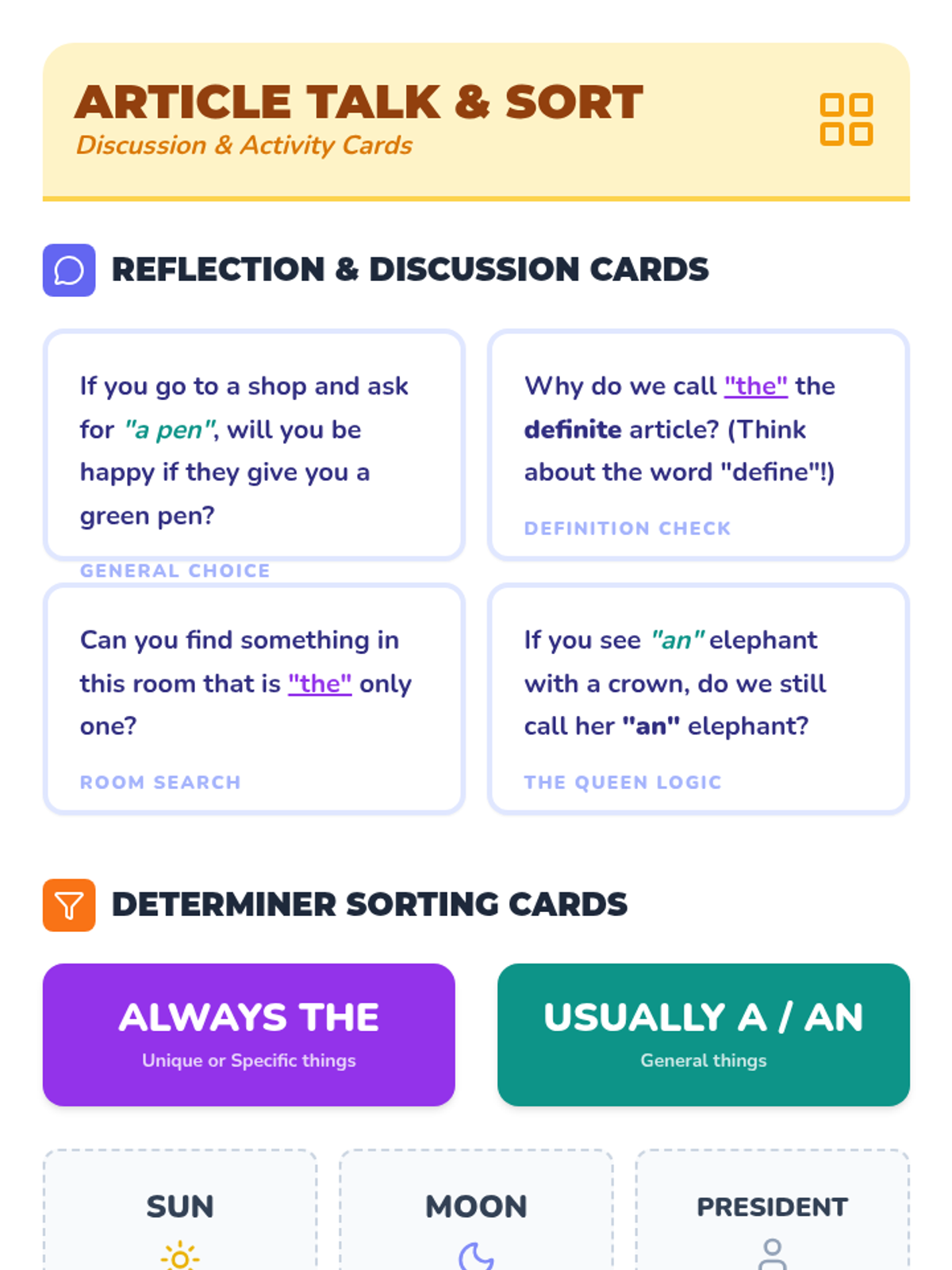
A foundational grammar sequence for English Language Learners focusing on the use of definite and indefinite articles through visual storytelling and interactive games.
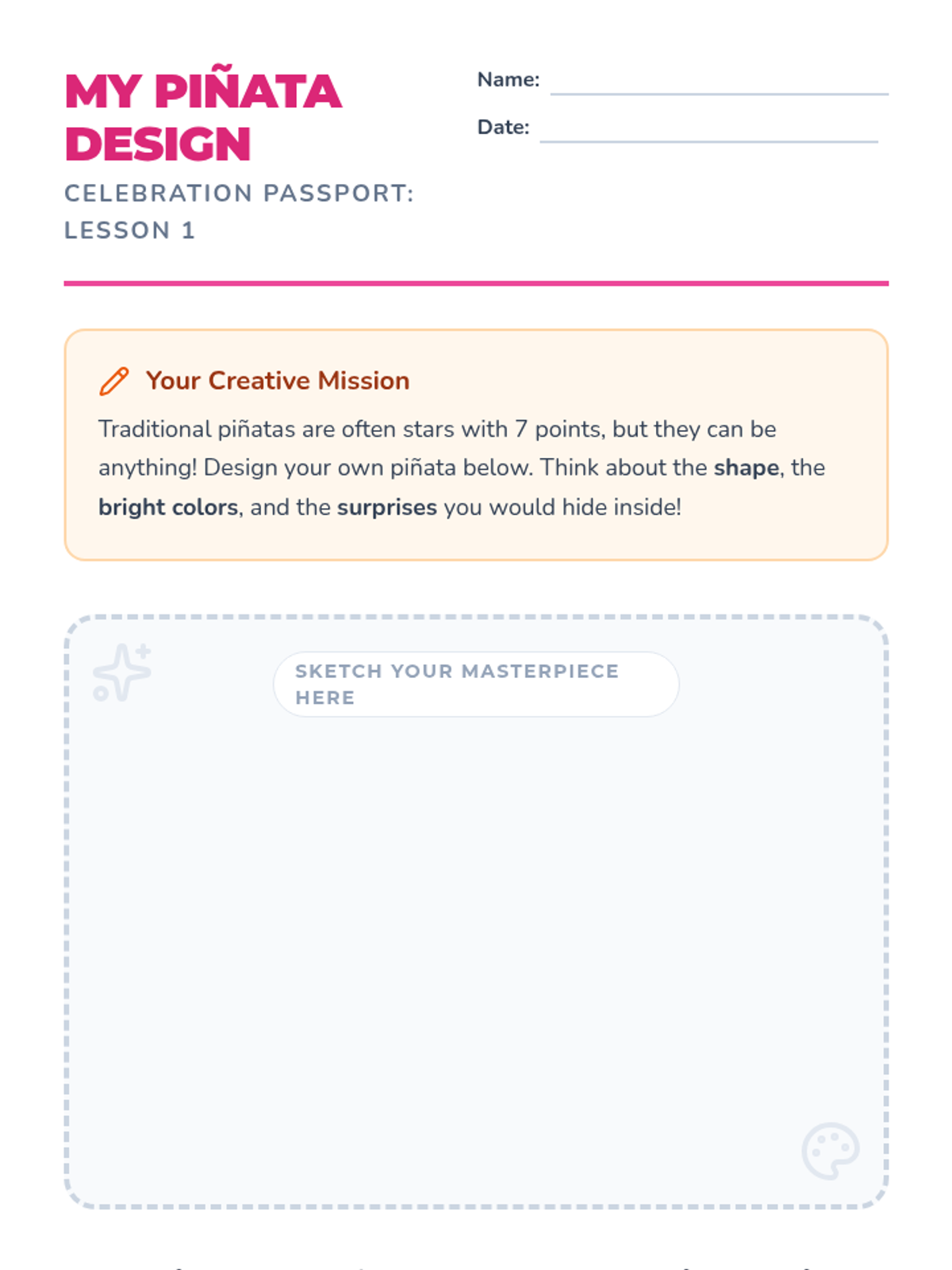
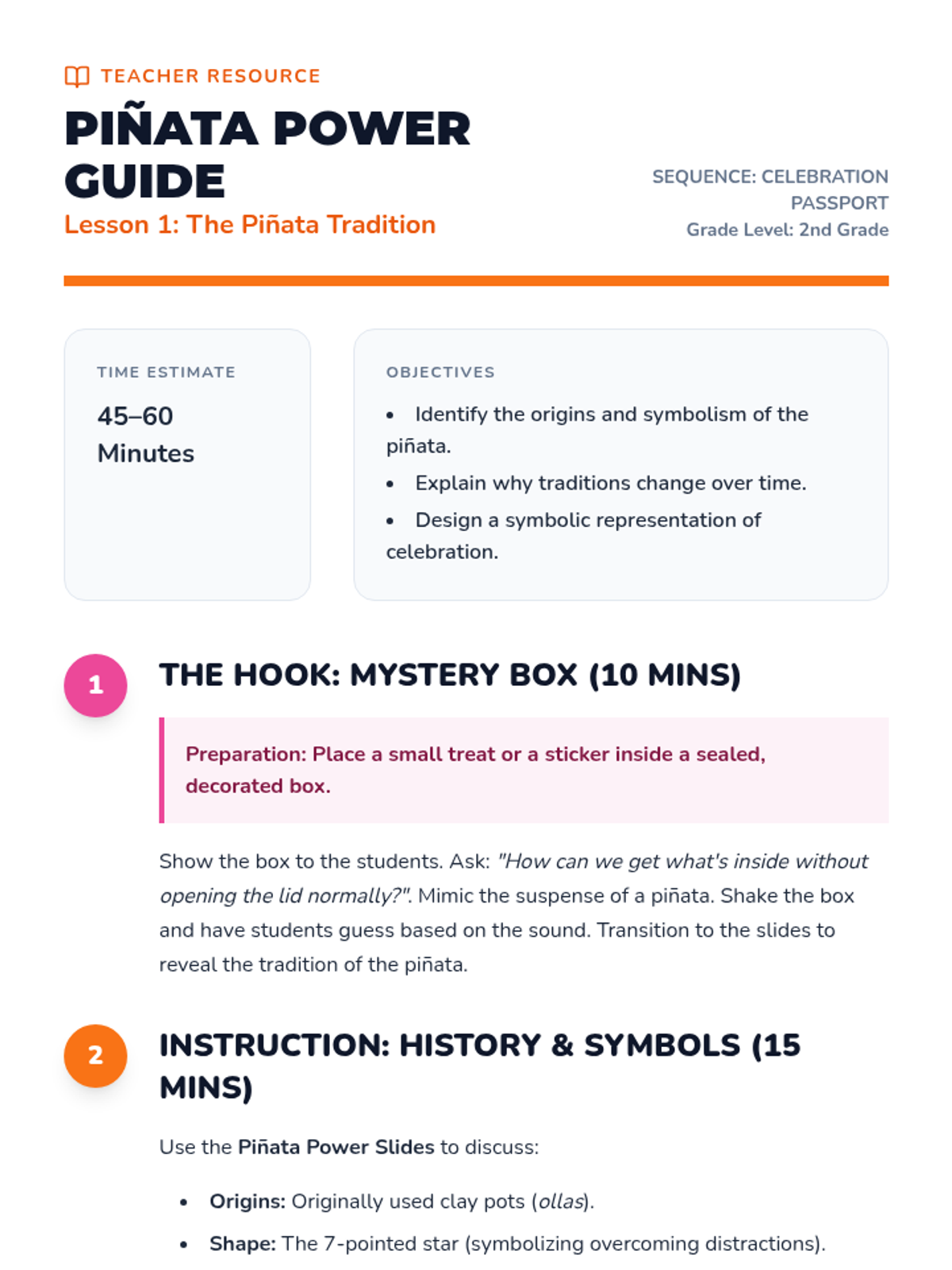
Students explore the vibrant world of celebrations in Spanish-speaking cultures, from piñatas to the Day of the Dead. Through comparative analysis, they discover how traditions foster community and honor history across Spain and Latin America.
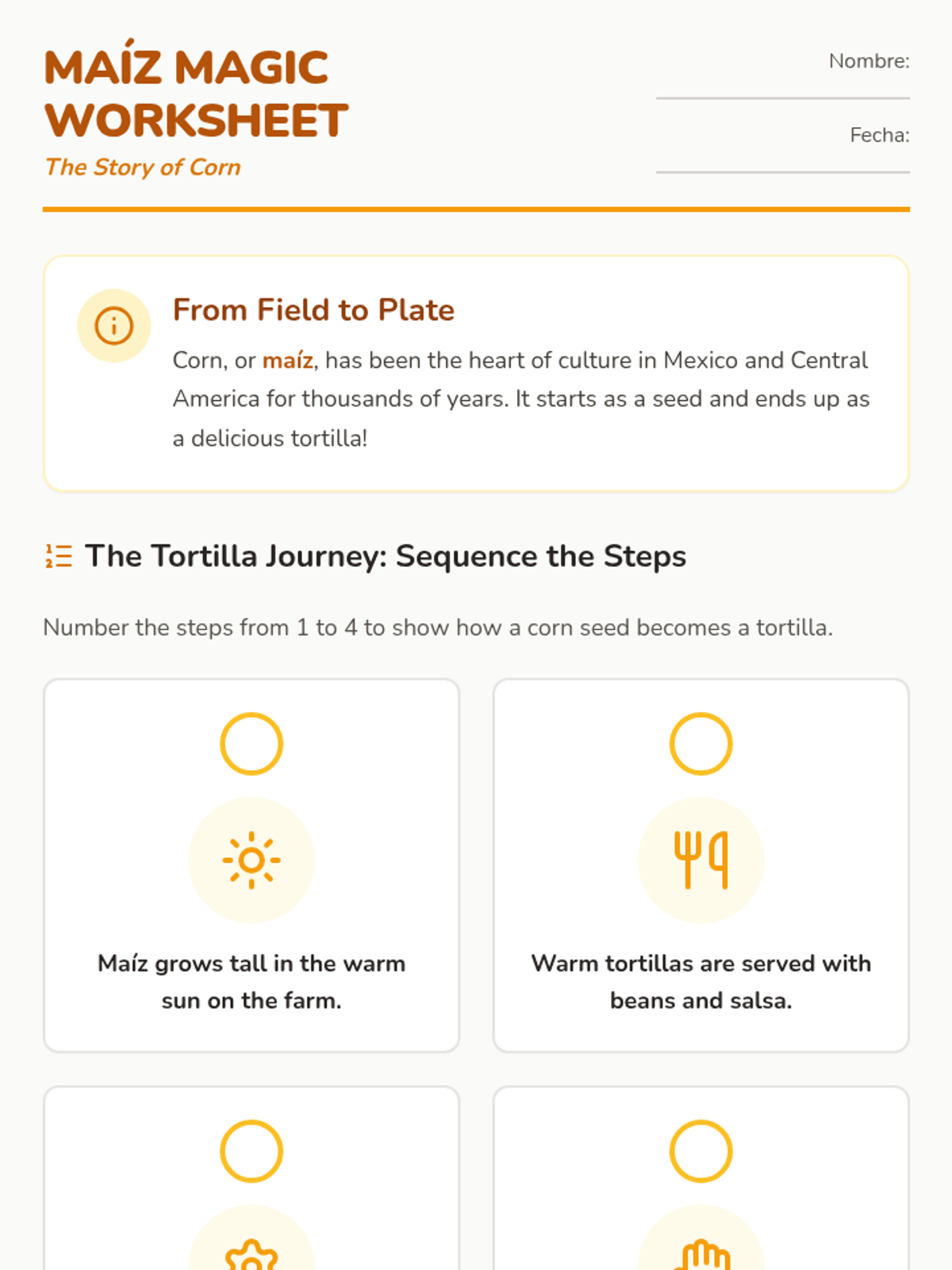
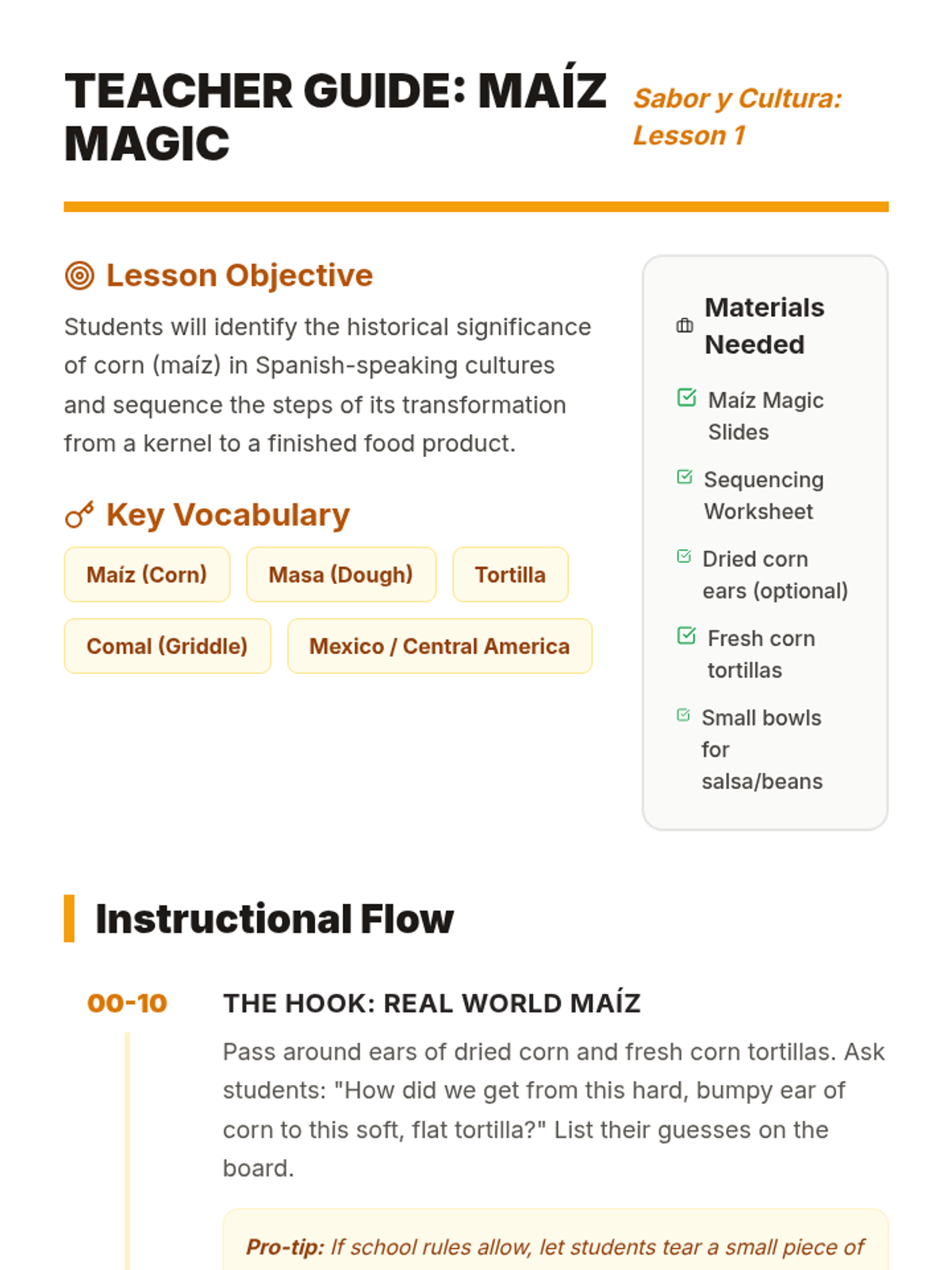
A 5-lesson sequence exploring the culinary heritage of the Spanish-speaking world, focusing on key ingredients like corn and cacao, mealtime customs, and tropical fruits. Students conclude by creating a class cookbook.
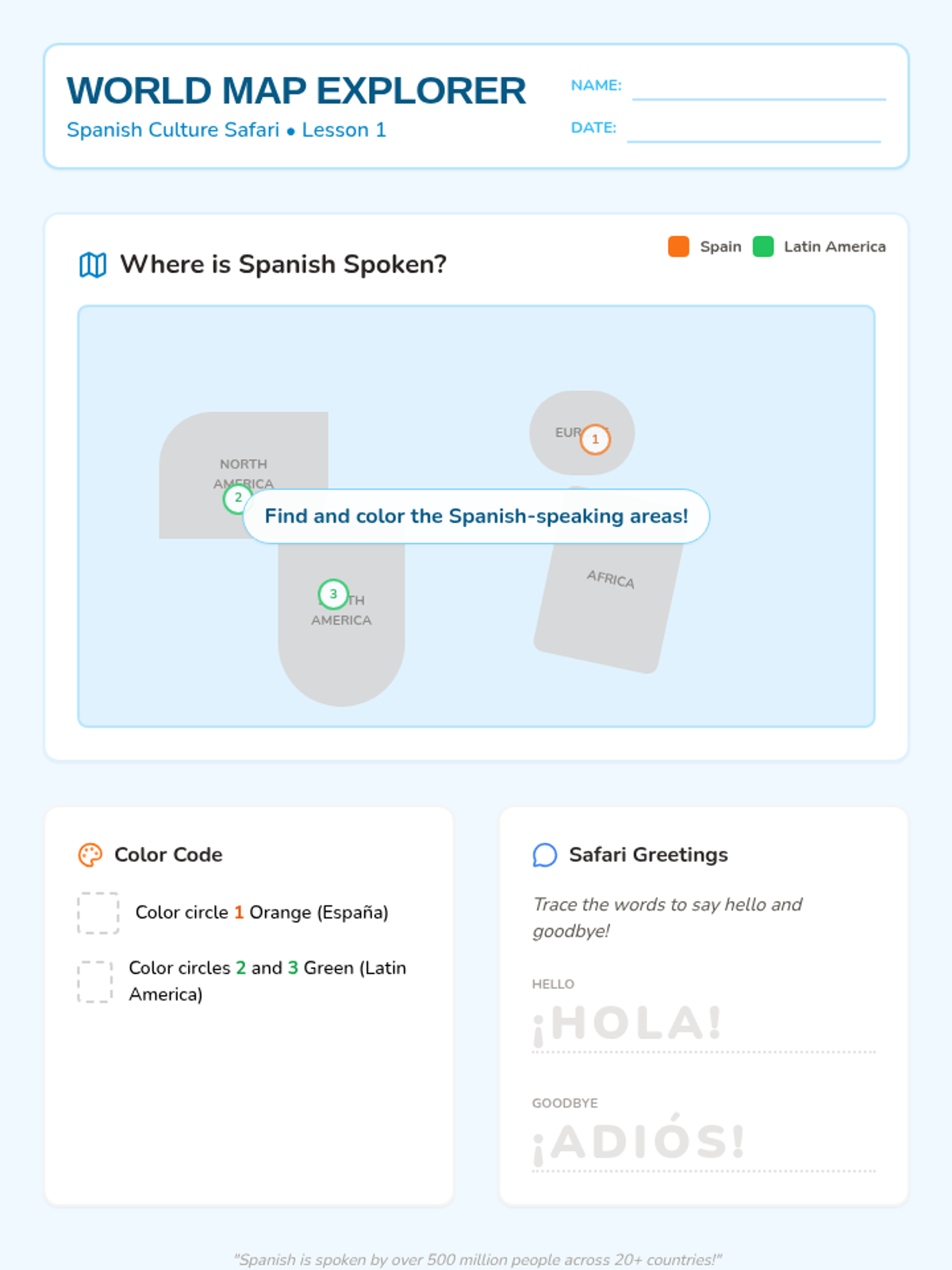
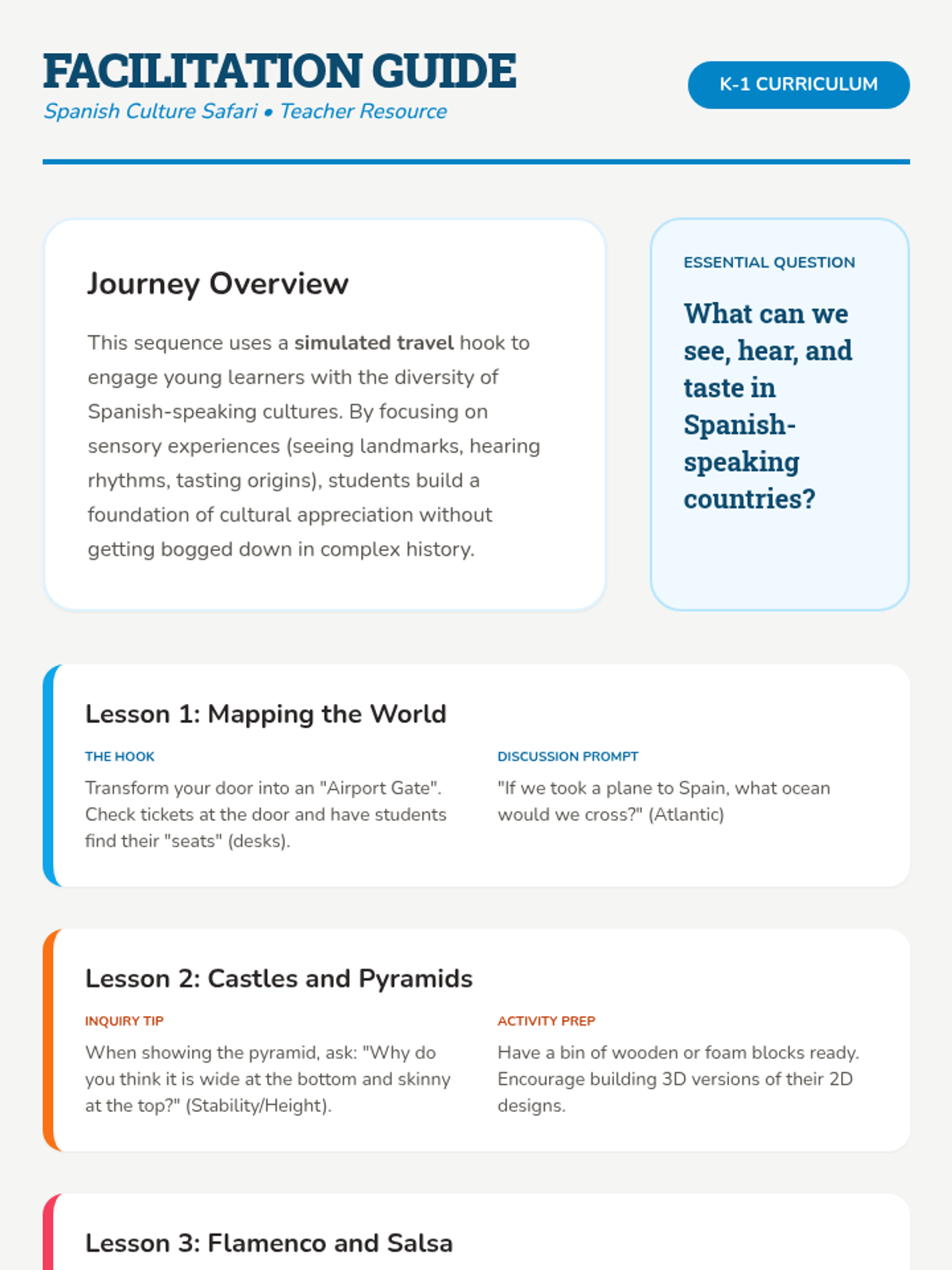
A sensory exploration of Spanish culture across geography, architecture, music, food, and art. Students embark on a simulated travel journey to discover the diversity of Spanish-speaking countries through hands-on activities.
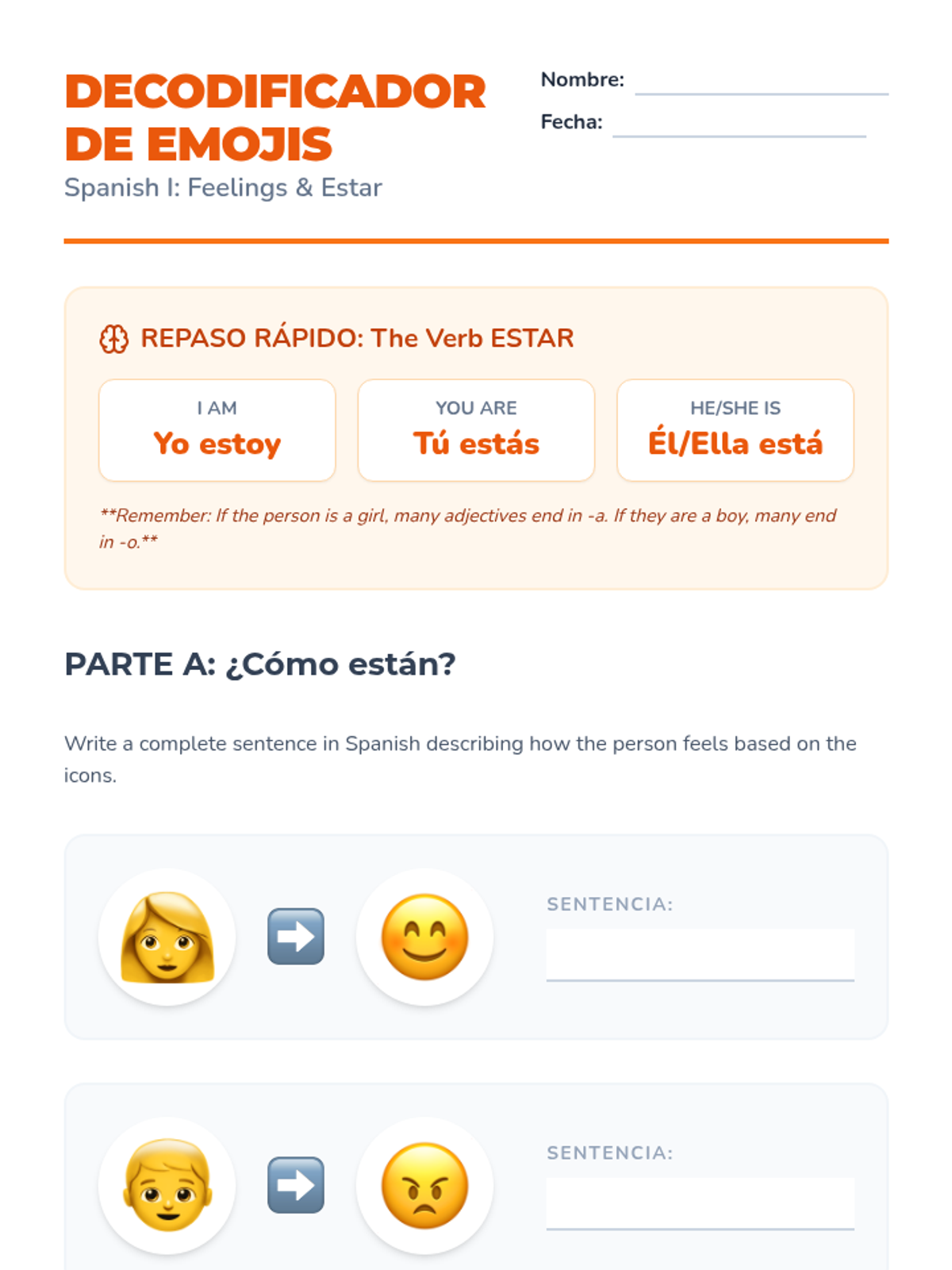
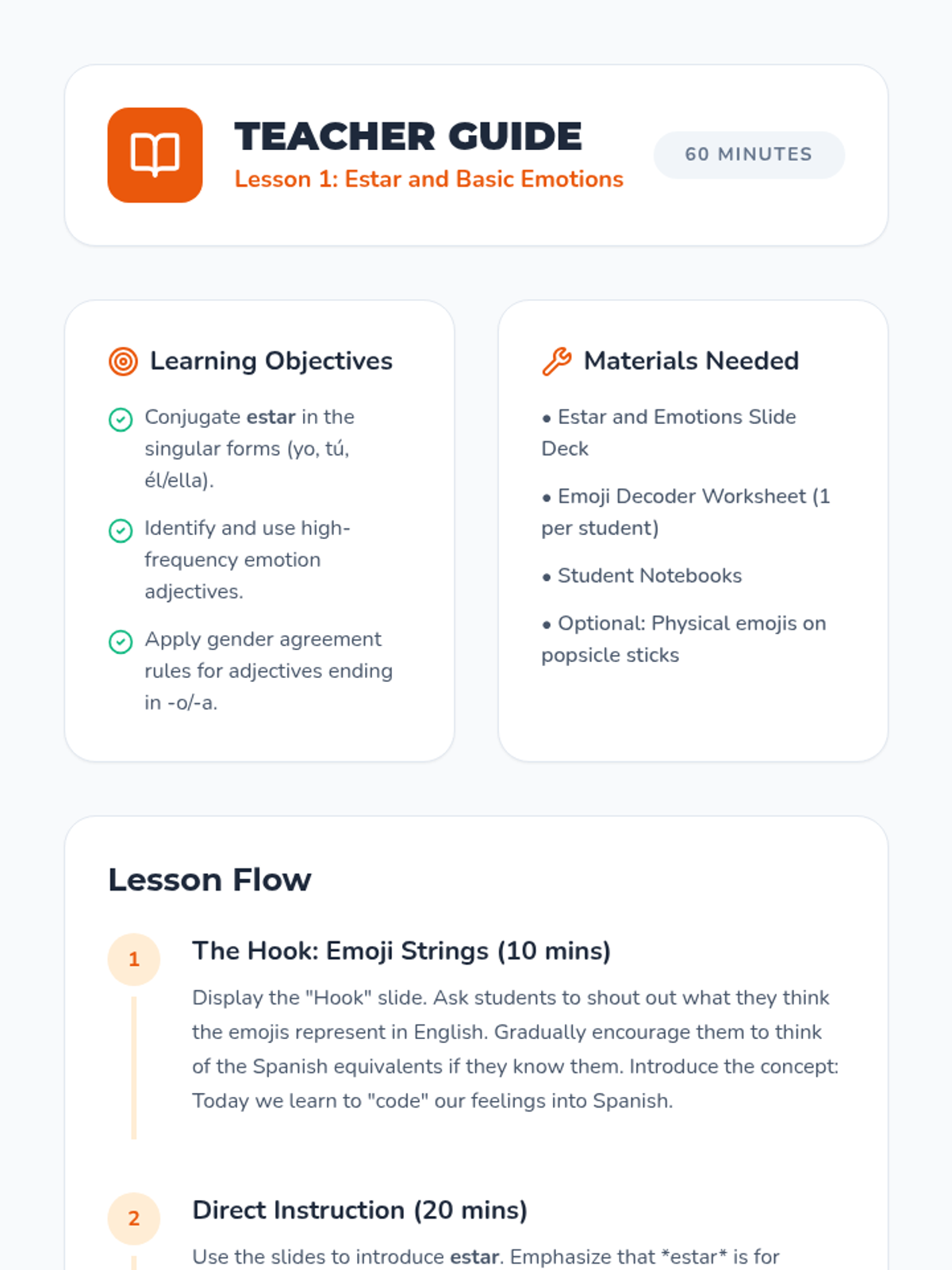
A comprehensive unit for beginner Spanish students to master the verb 'estar' and 'tener' idioms for expressing emotions, physical states, and needs. Through interactive games, role-plays, and data collection, students learn to articulate their internal feelings and conduct wellness checks on others.
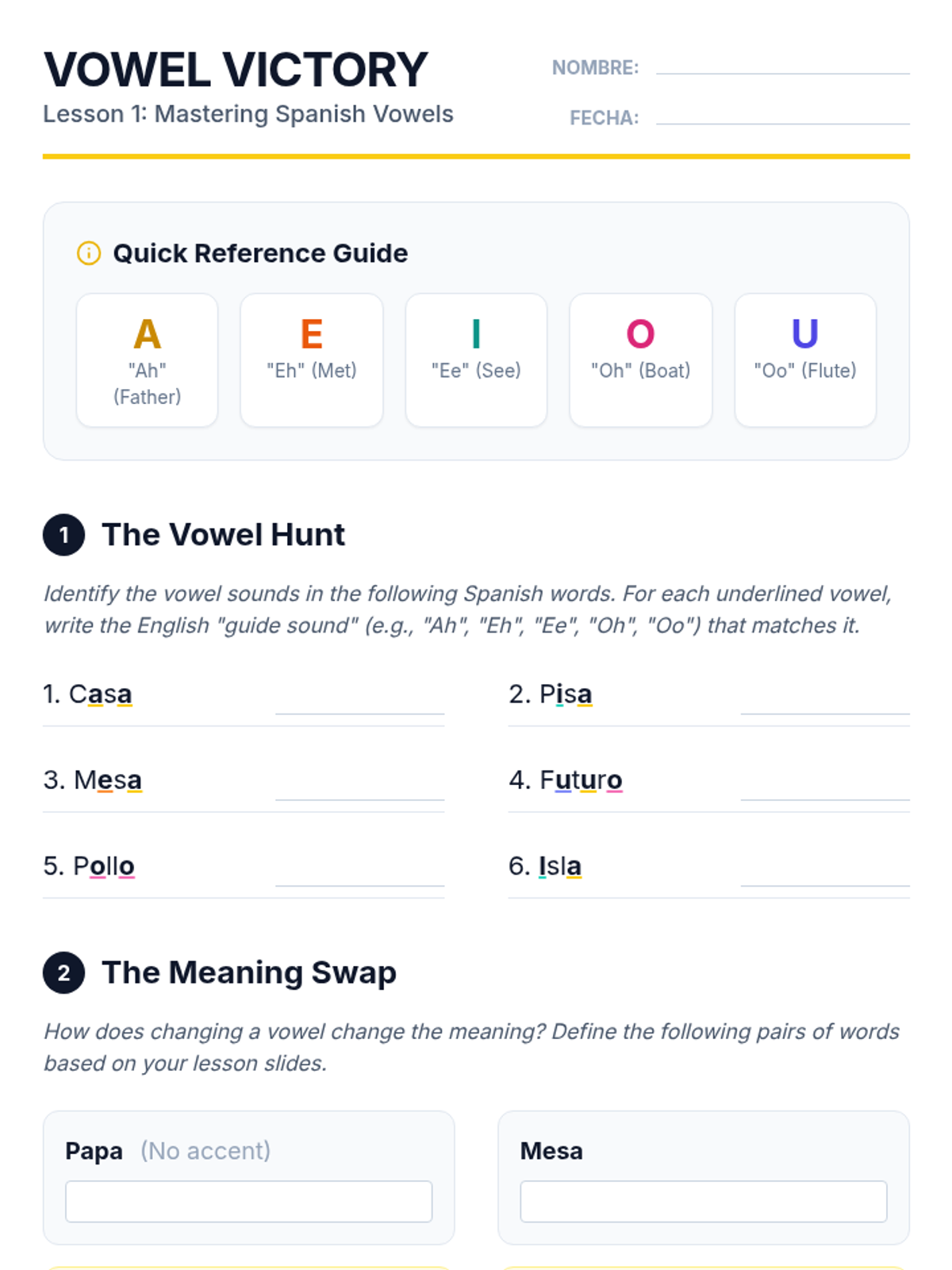
This sequence establishes foundational auditory and oral skills for Spanish fluency, focusing on vowel sounds, difficult consonants like 'rr' and 'ñ', and rules of stress and accentuation. Students transition from sound production to reading syllables and full words with accuracy.
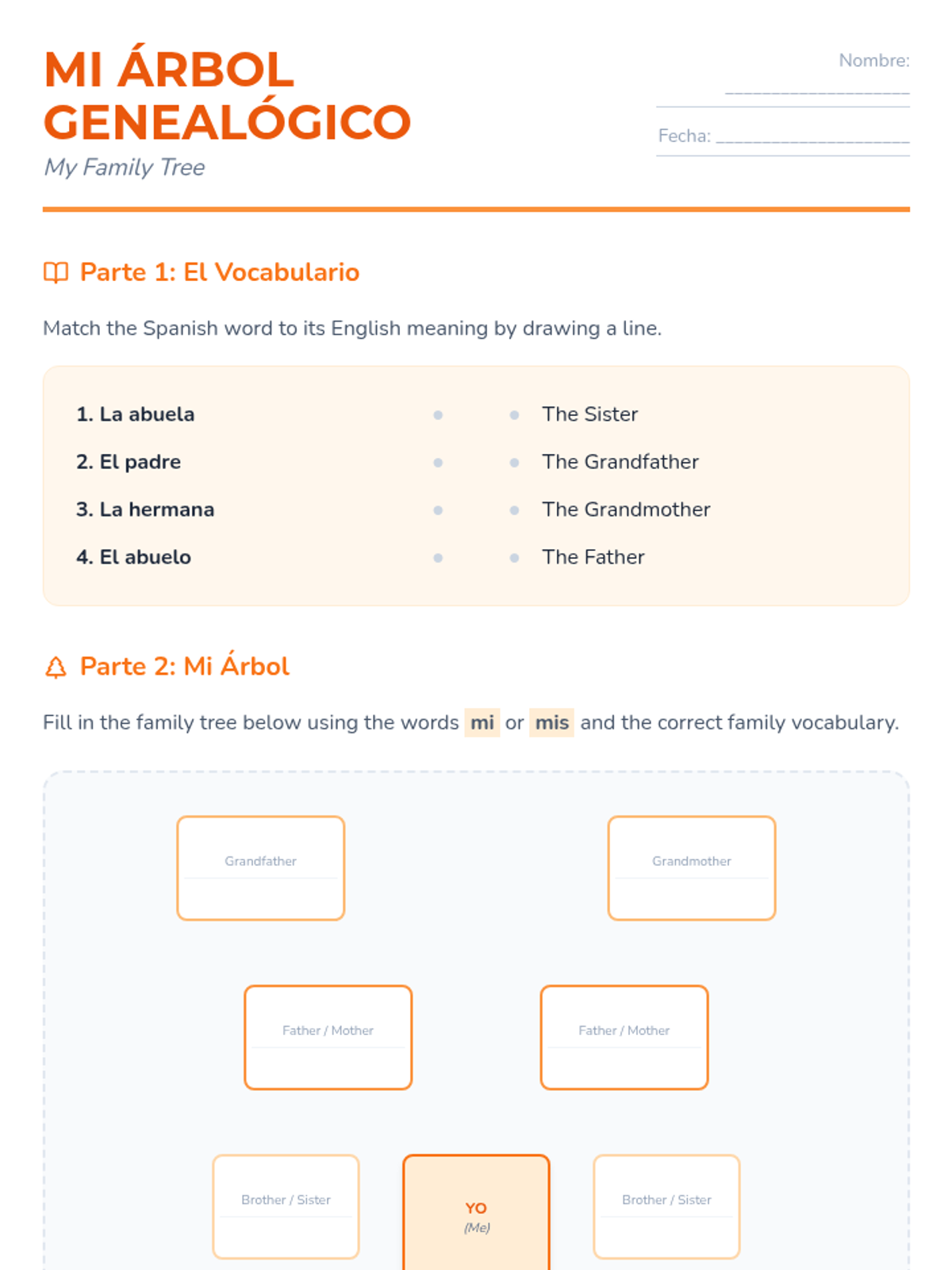
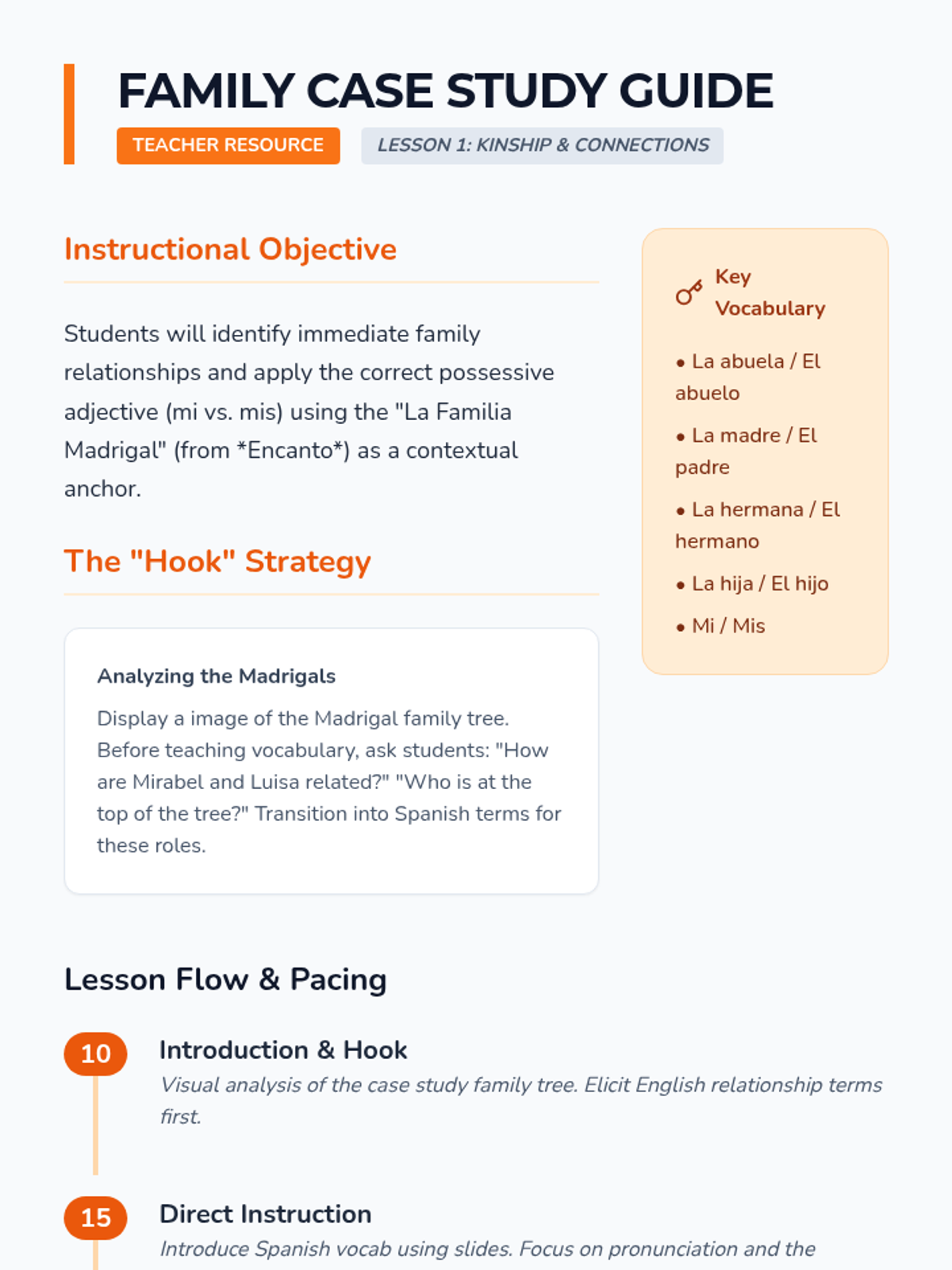
This unit introduces 5th-grade students to Spanish family vocabulary and descriptive adjectives. Students learn to use the verb 'ser' and possessive adjectives to describe kinship and physical traits through case studies and creative projects.
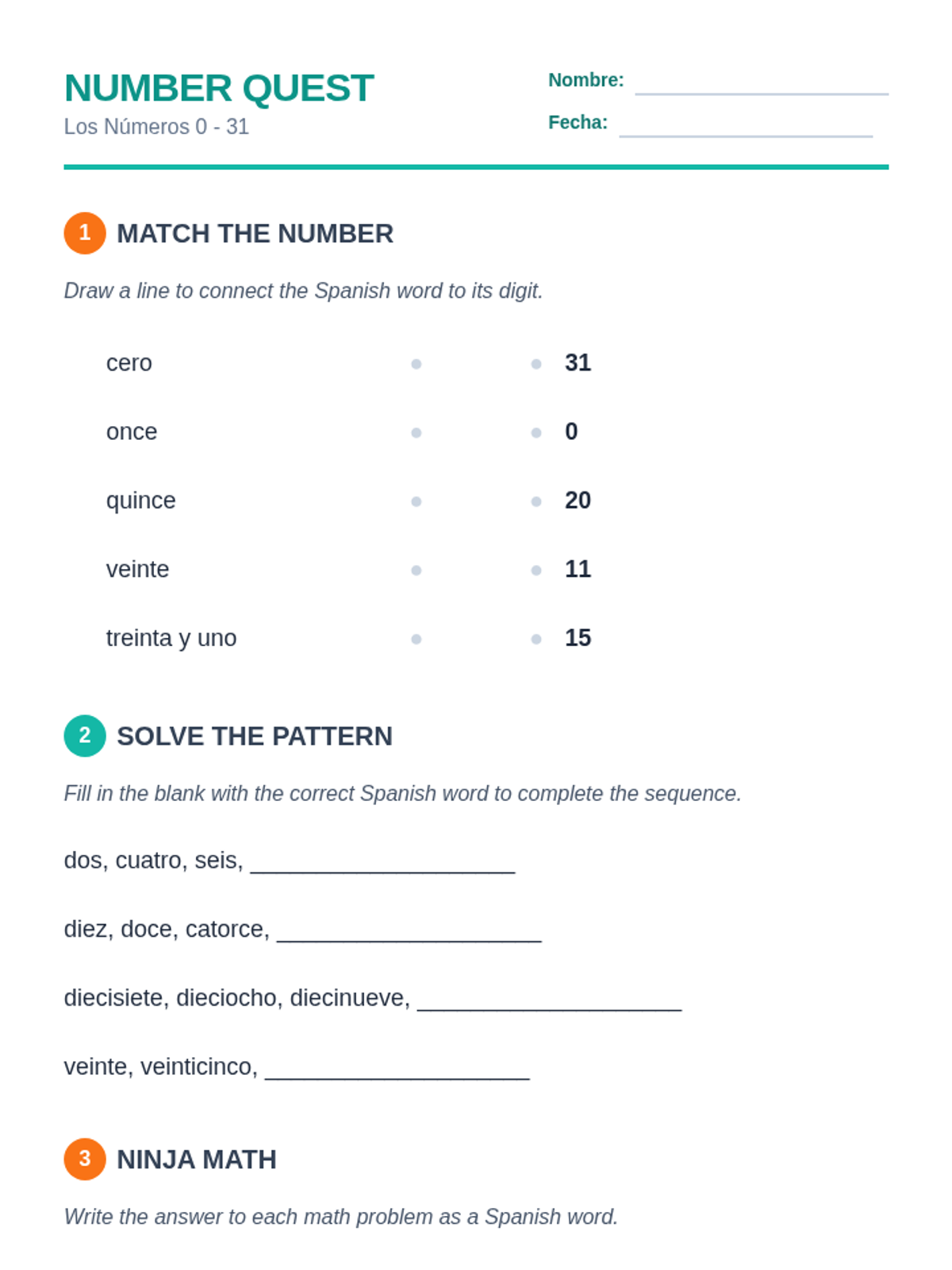
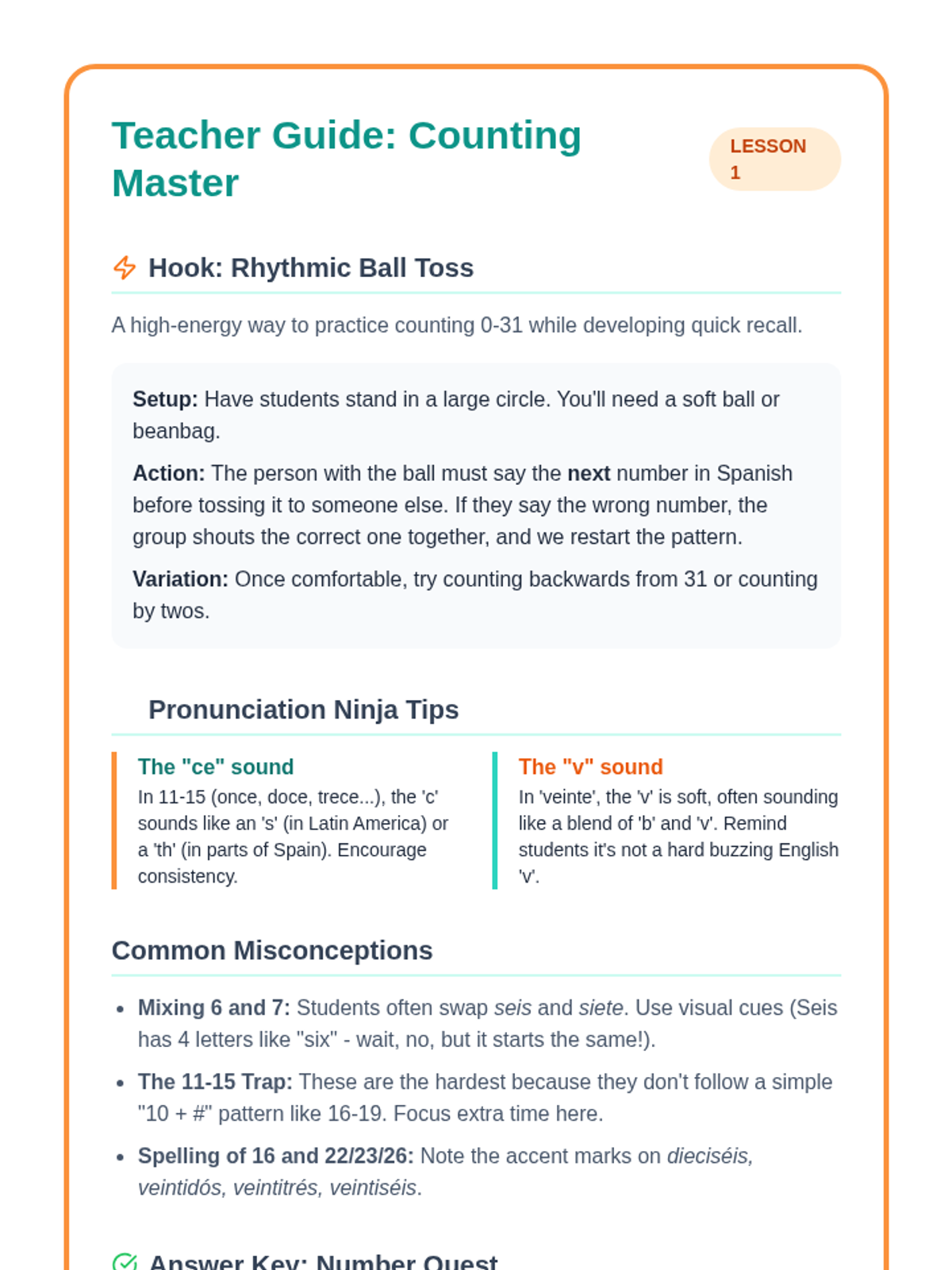
A 5th-grade Spanish sequence focused on numbers 0-31, days of the week, months, seasons, and date formatting. Students build functional fluency to organize their daily lives and understand cultural differences in timekeeping.
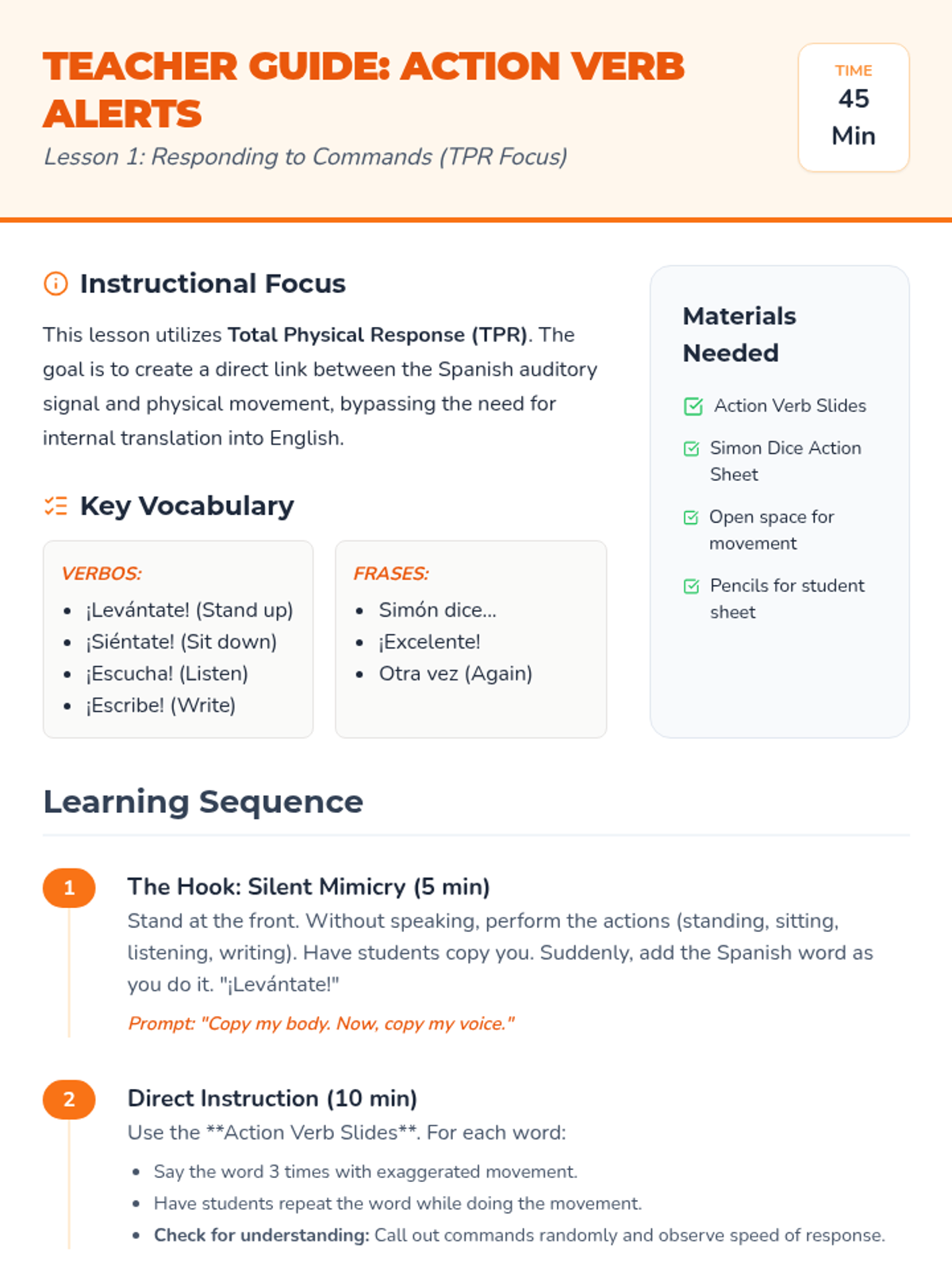
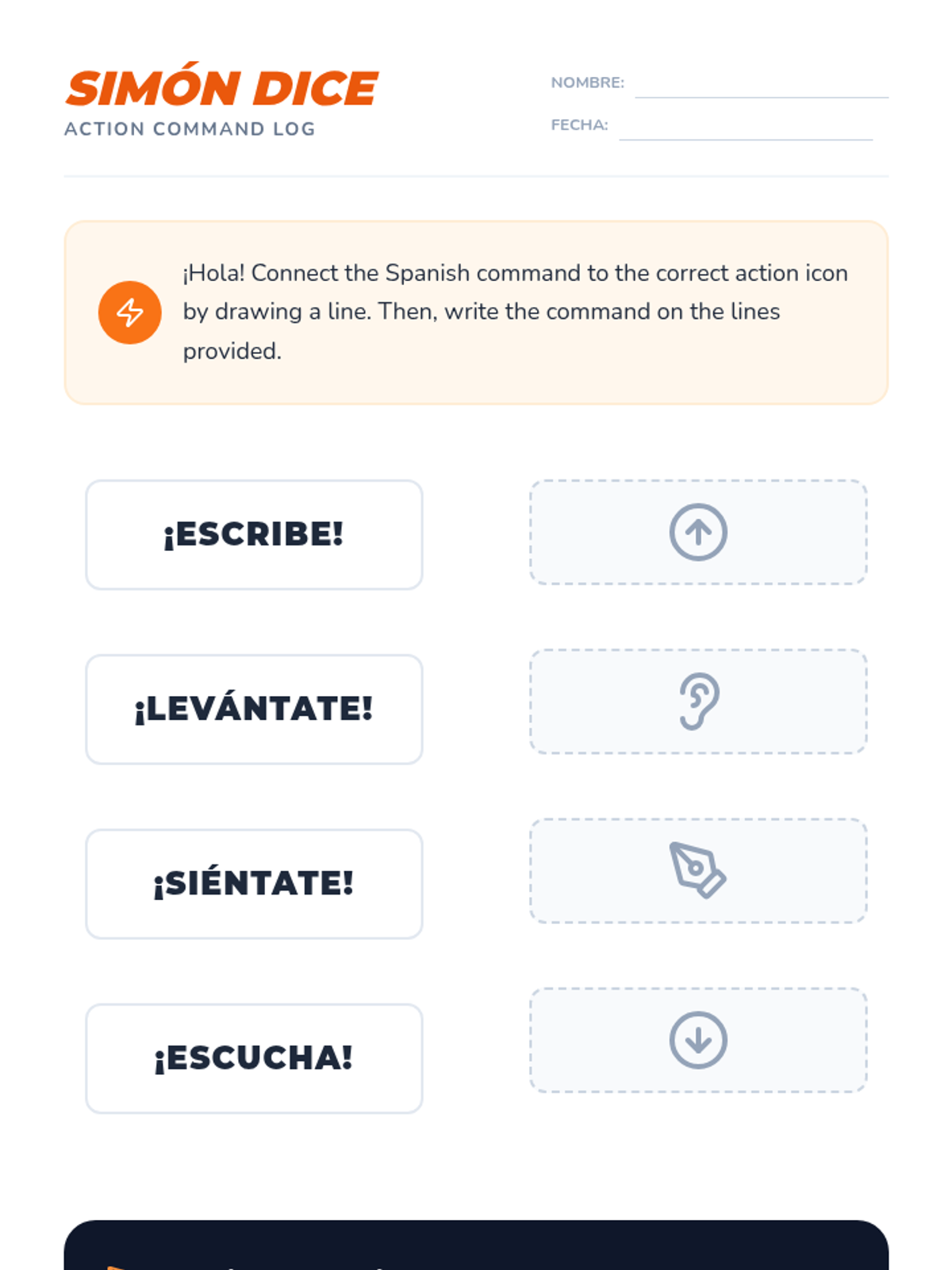
A 5th-grade Spanish immersion unit focusing on Total Physical Response (TPR) to master classroom commands, object identification, and spatial prepositions. Students move from listening to lead roles through interactive simulations and games.
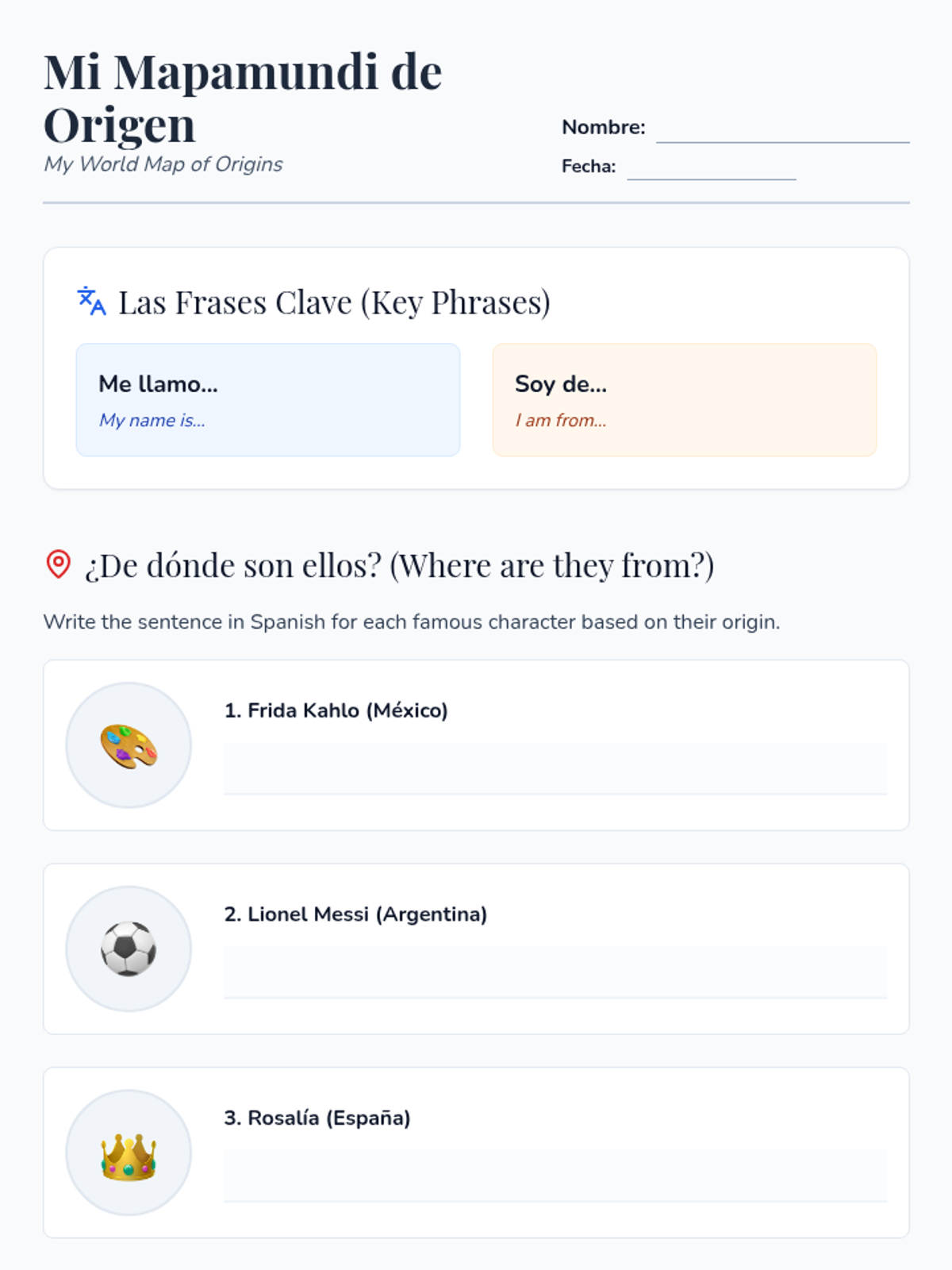
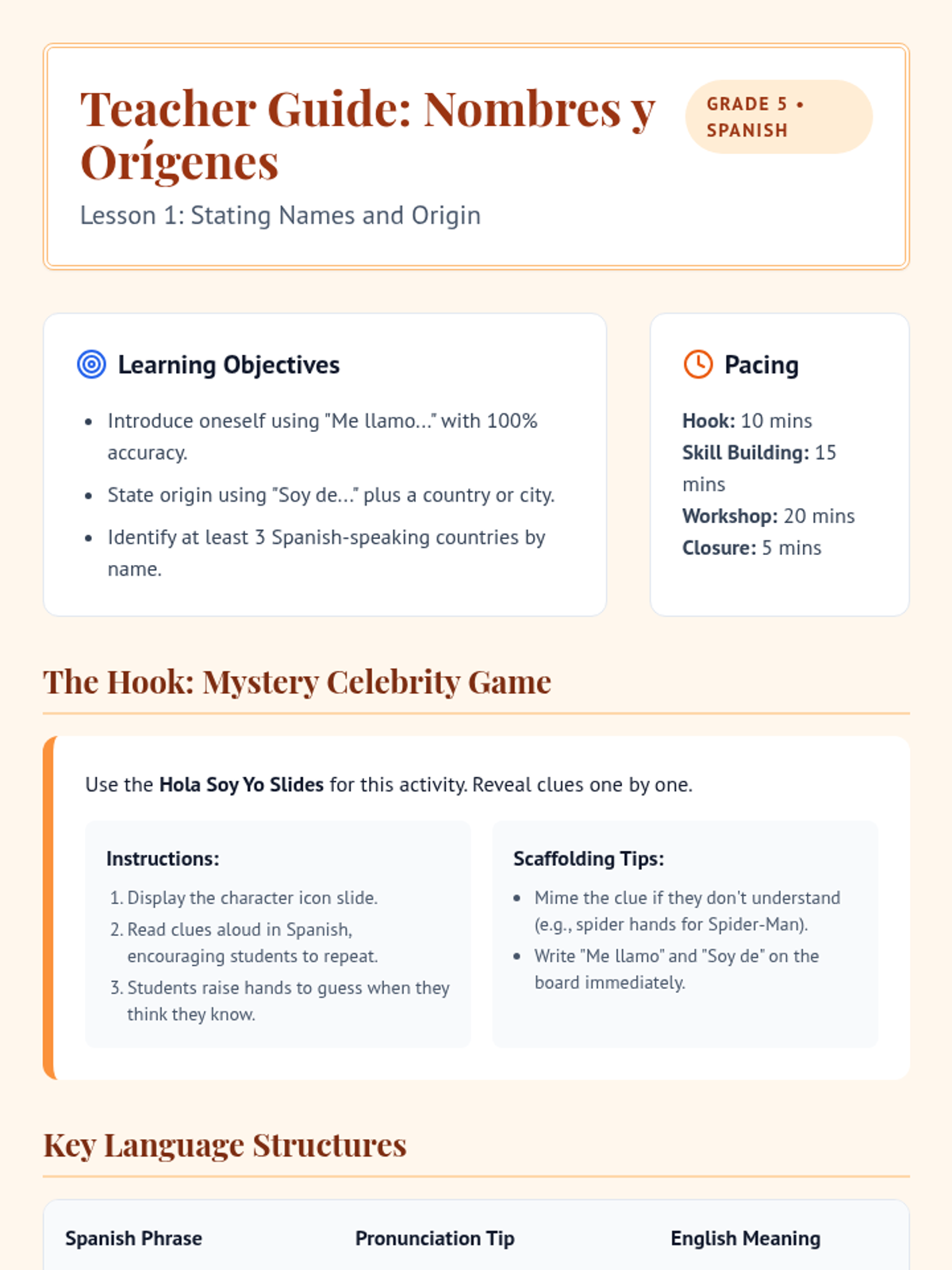
A 5th-grade introductory Spanish sequence focused on self-identity, name, origin, preferences, and personality traits through workshops and speaking-heavy activities.
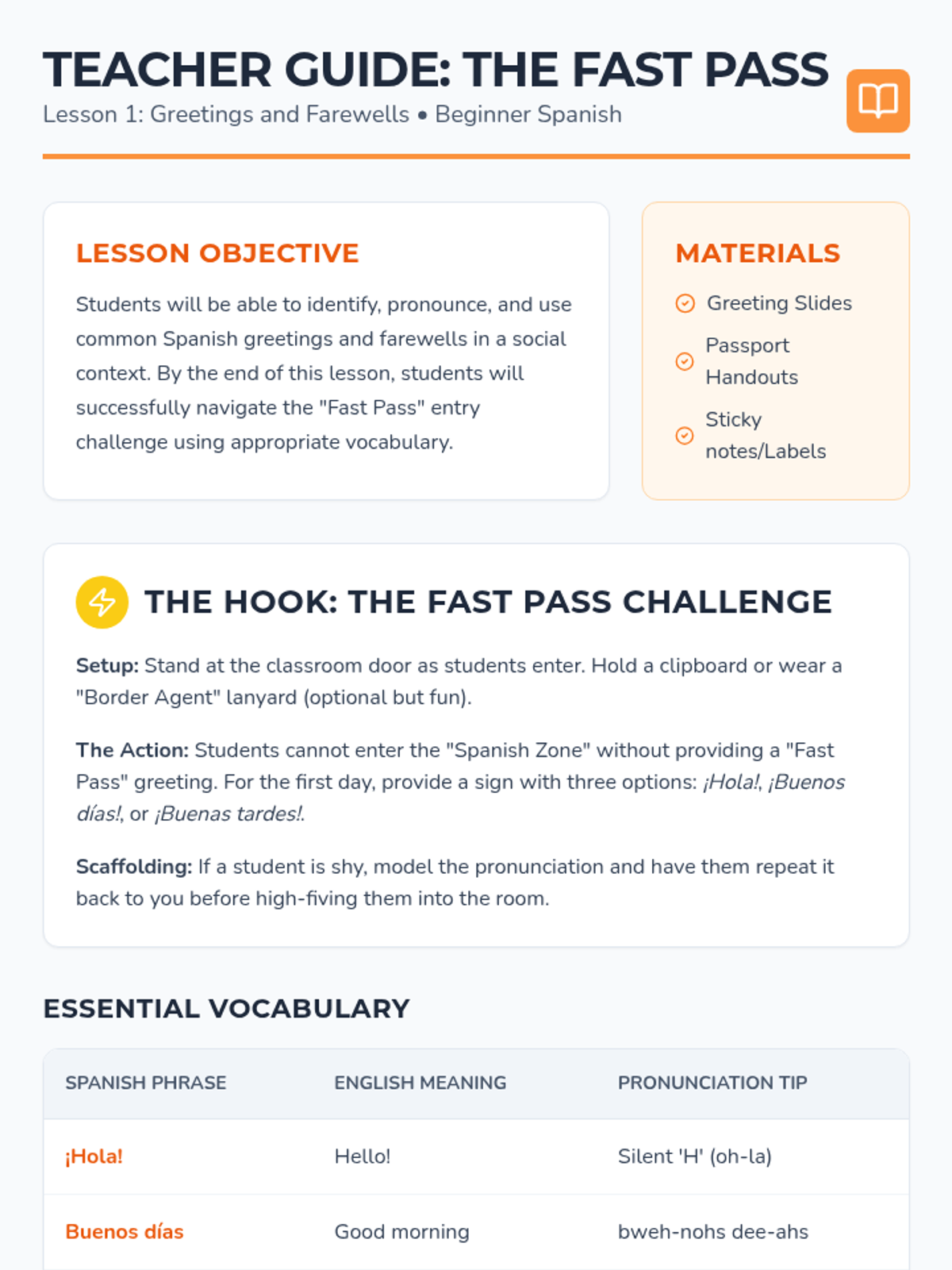
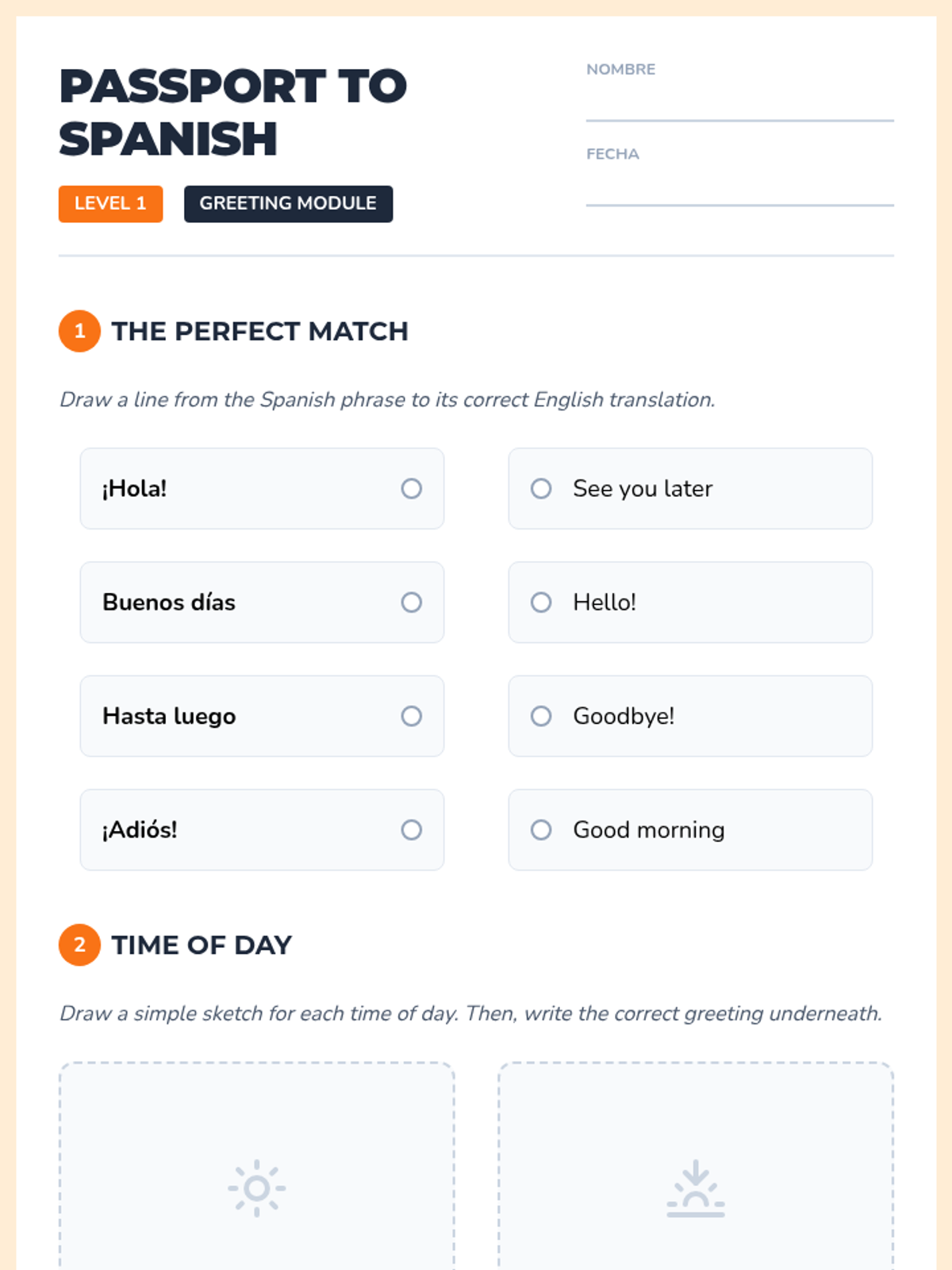
A 5-lesson sequence for 5th graders to master foundational Spanish greetings, emotional expression, and the cultural nuances of formal versus informal address through interactive role-play and performance.