An engineering-focused biology sequence where students explore biomolecules as raw materials. They synthesize bioplastics from milk and starch, test their properties against synthetic plastics, and research future sustainable materials.
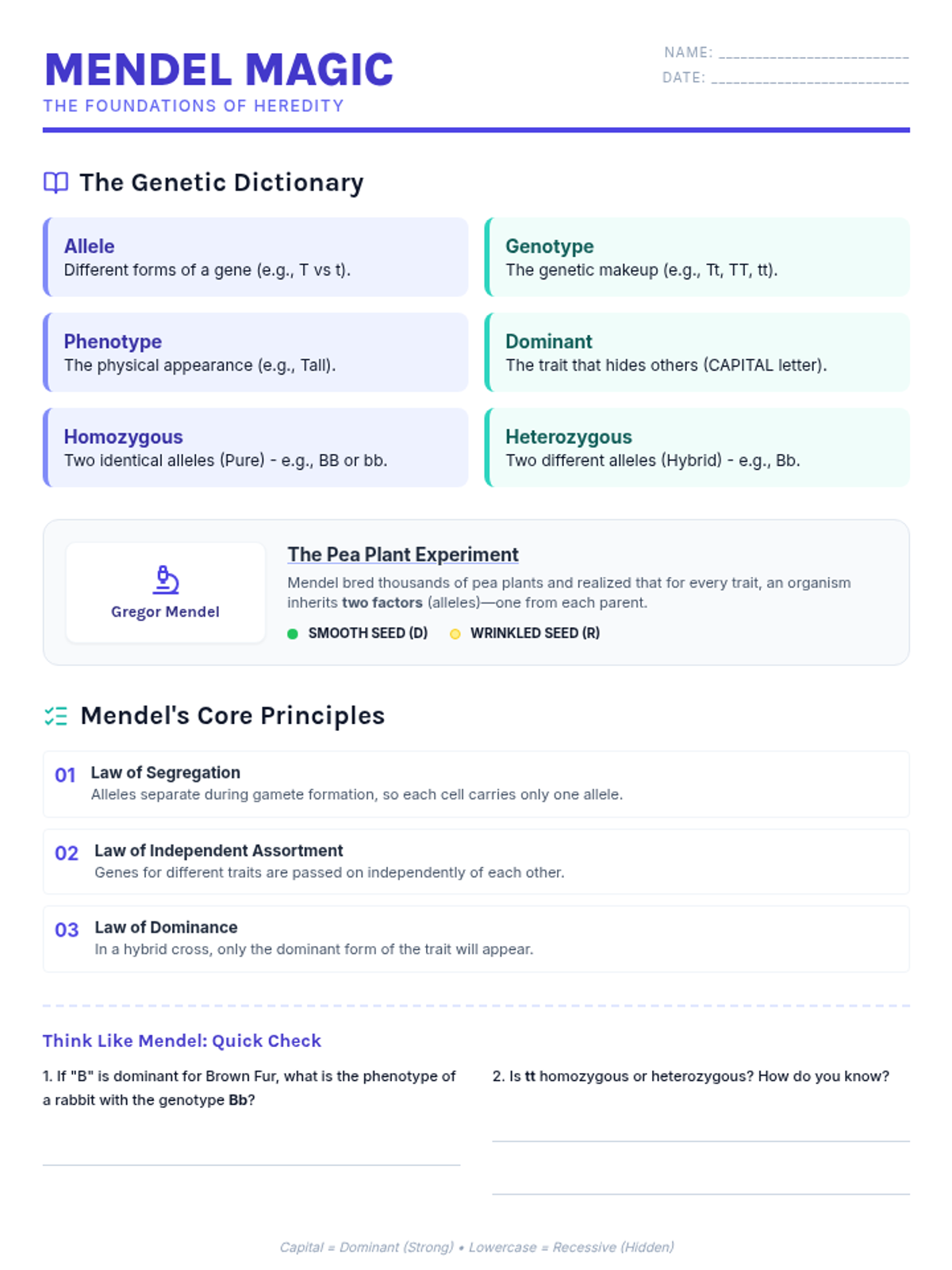
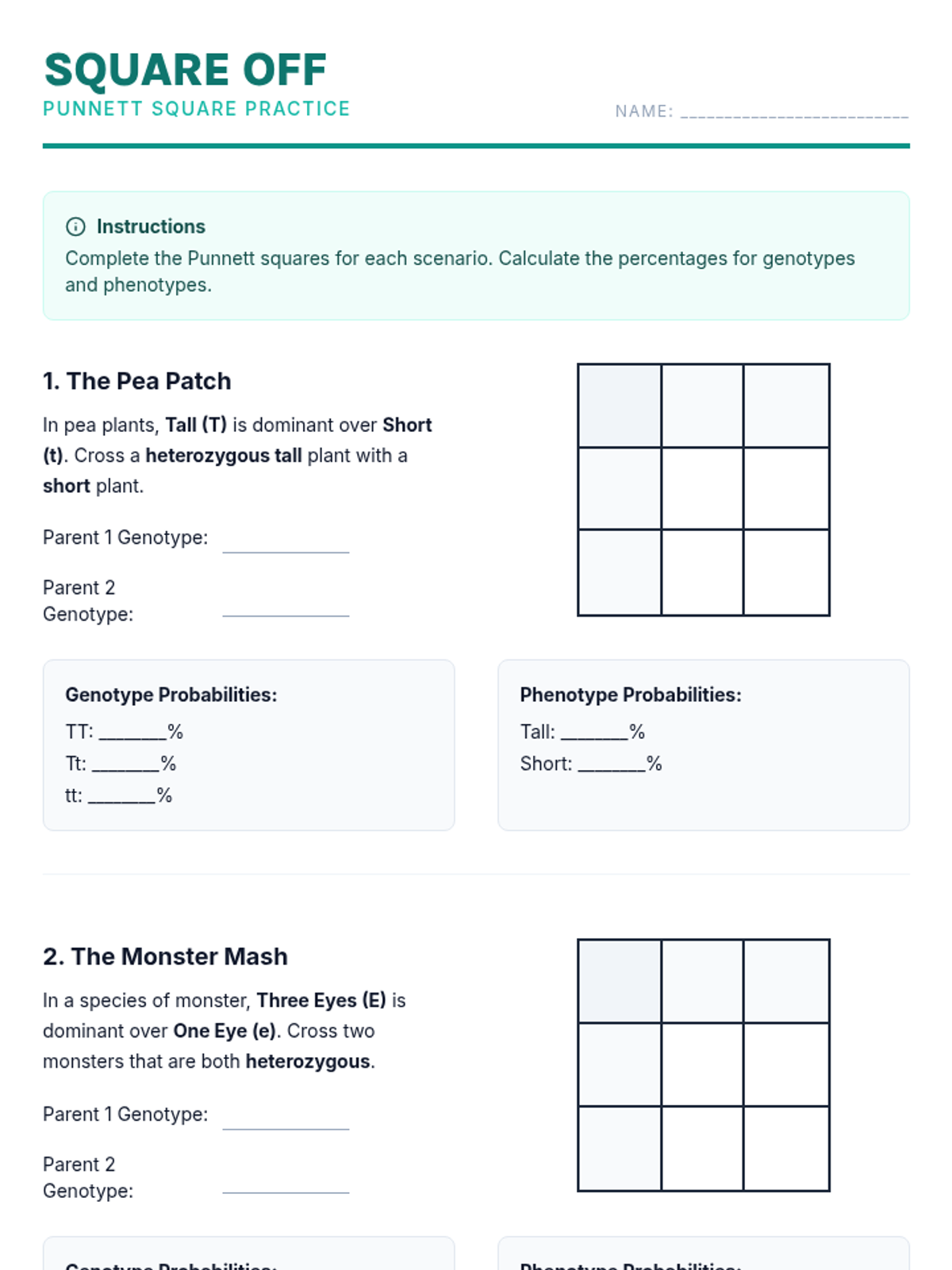
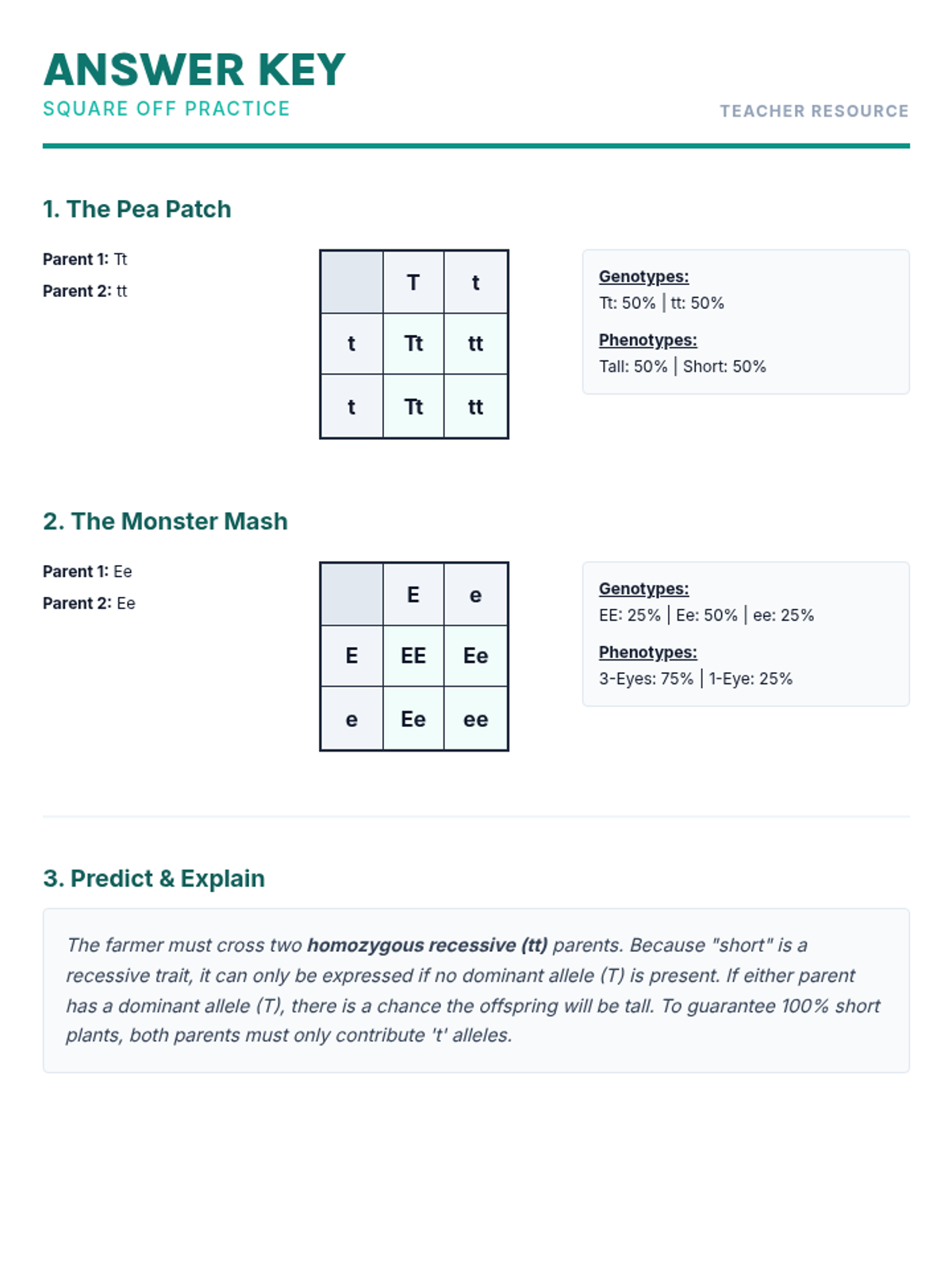
A collection of resources covering 8th-grade genetics concepts and professional leadership strategies for educational stakeholders.
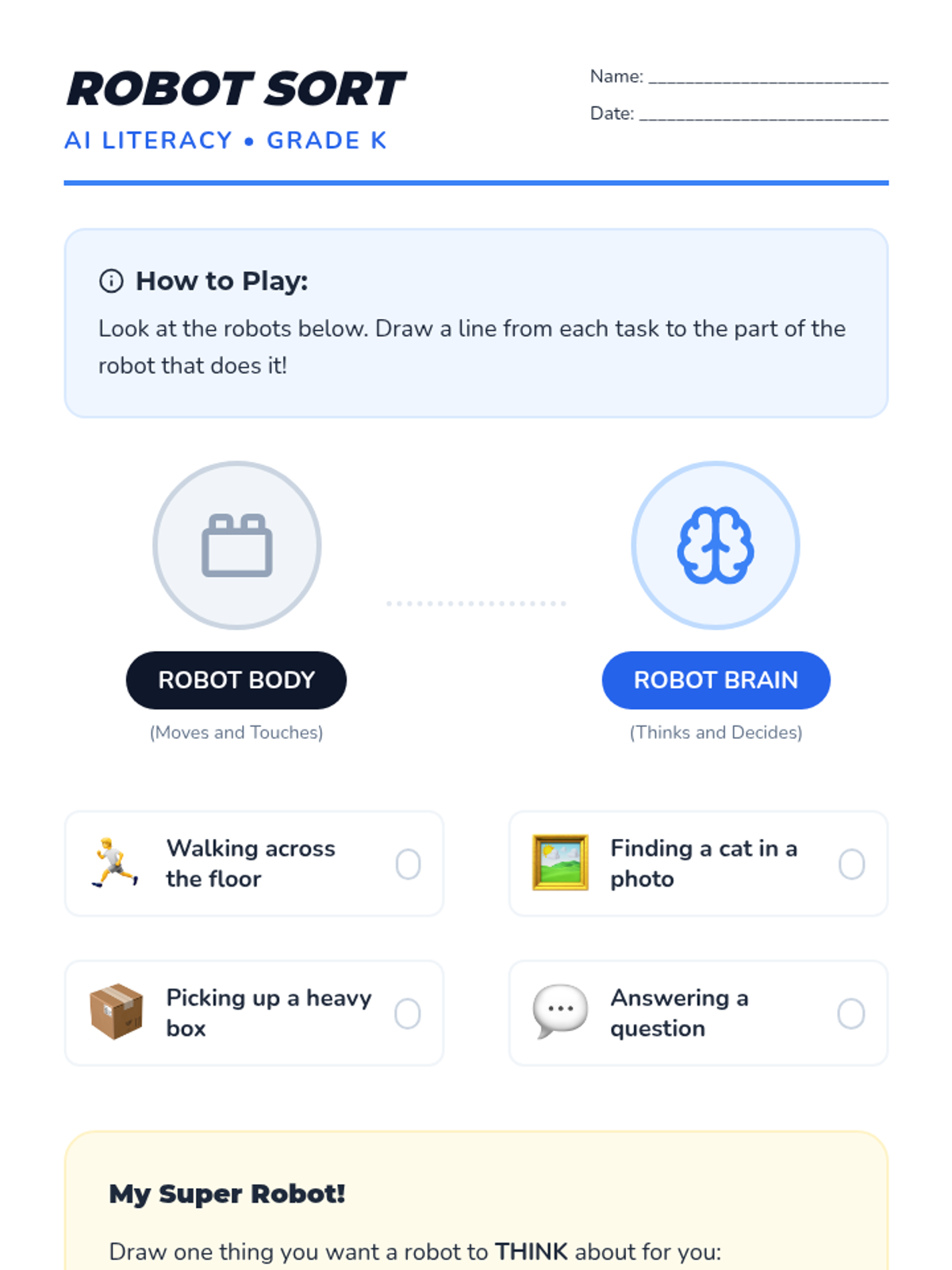
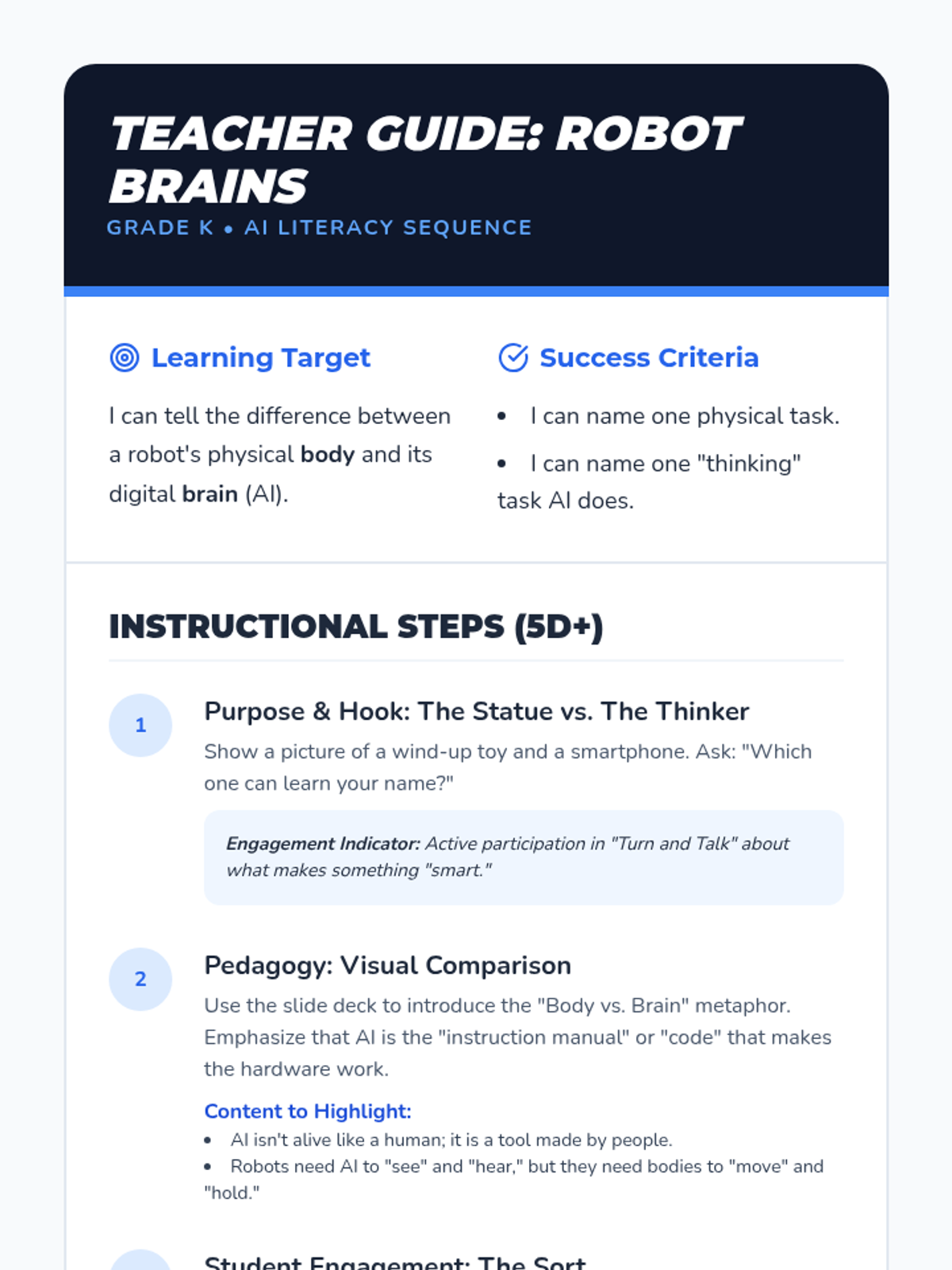
A comprehensive K-8 curriculum designed to build foundational AI literacy through understanding, evaluation, application, and ethics. Each grade level tackles a specific theme, progressing from basic robot concepts to complex algorithmic bias and societal impact.
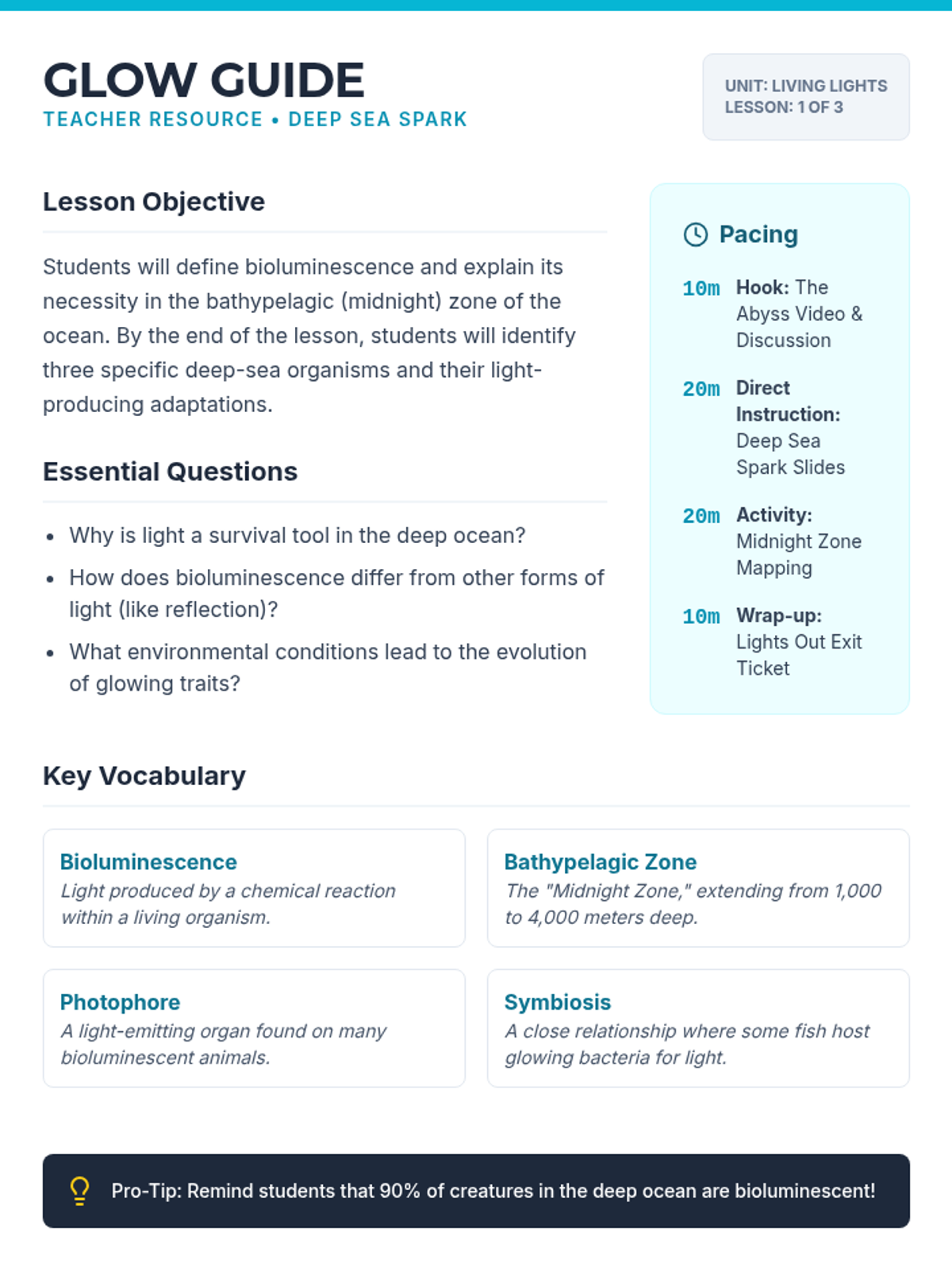
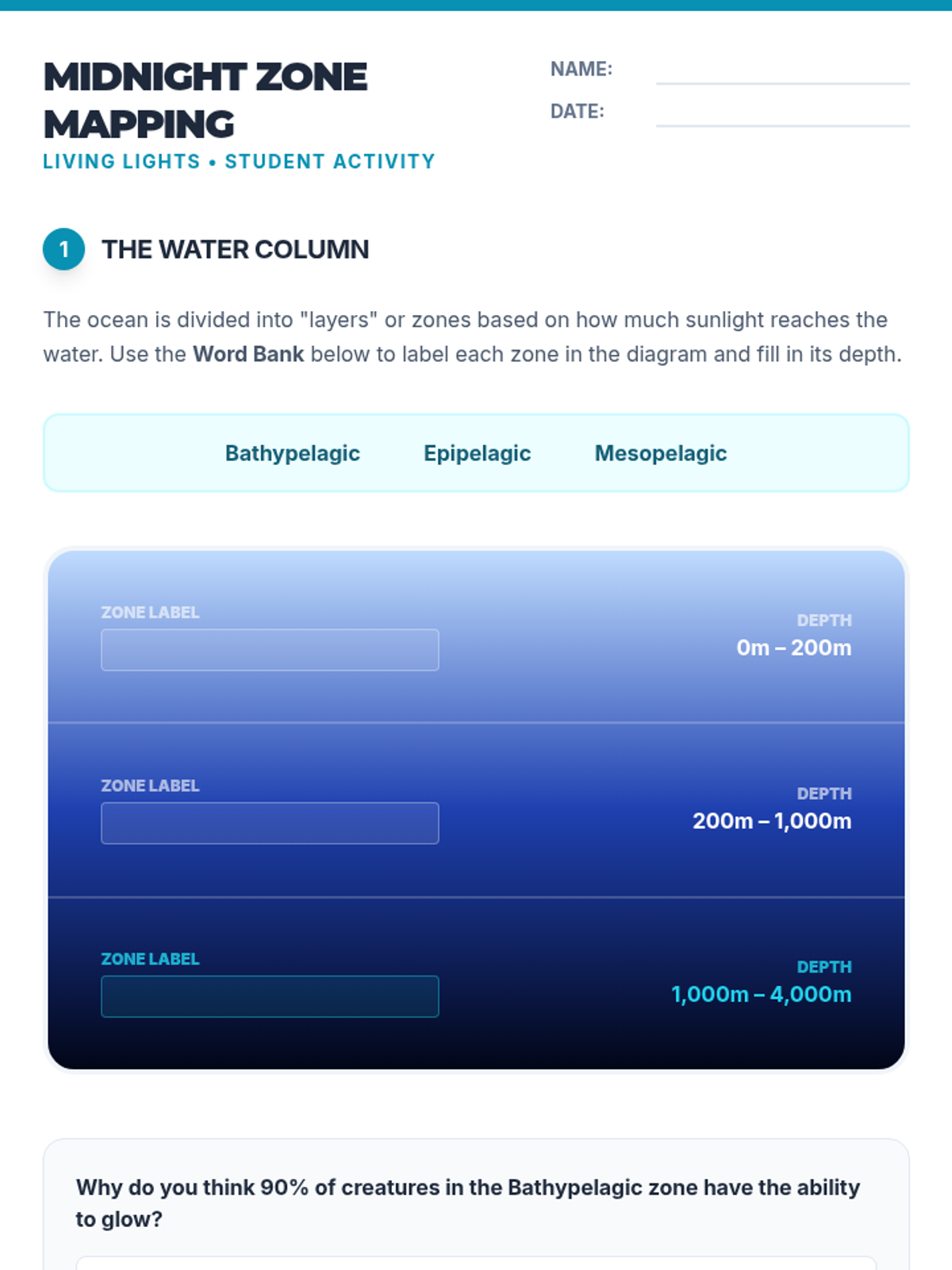
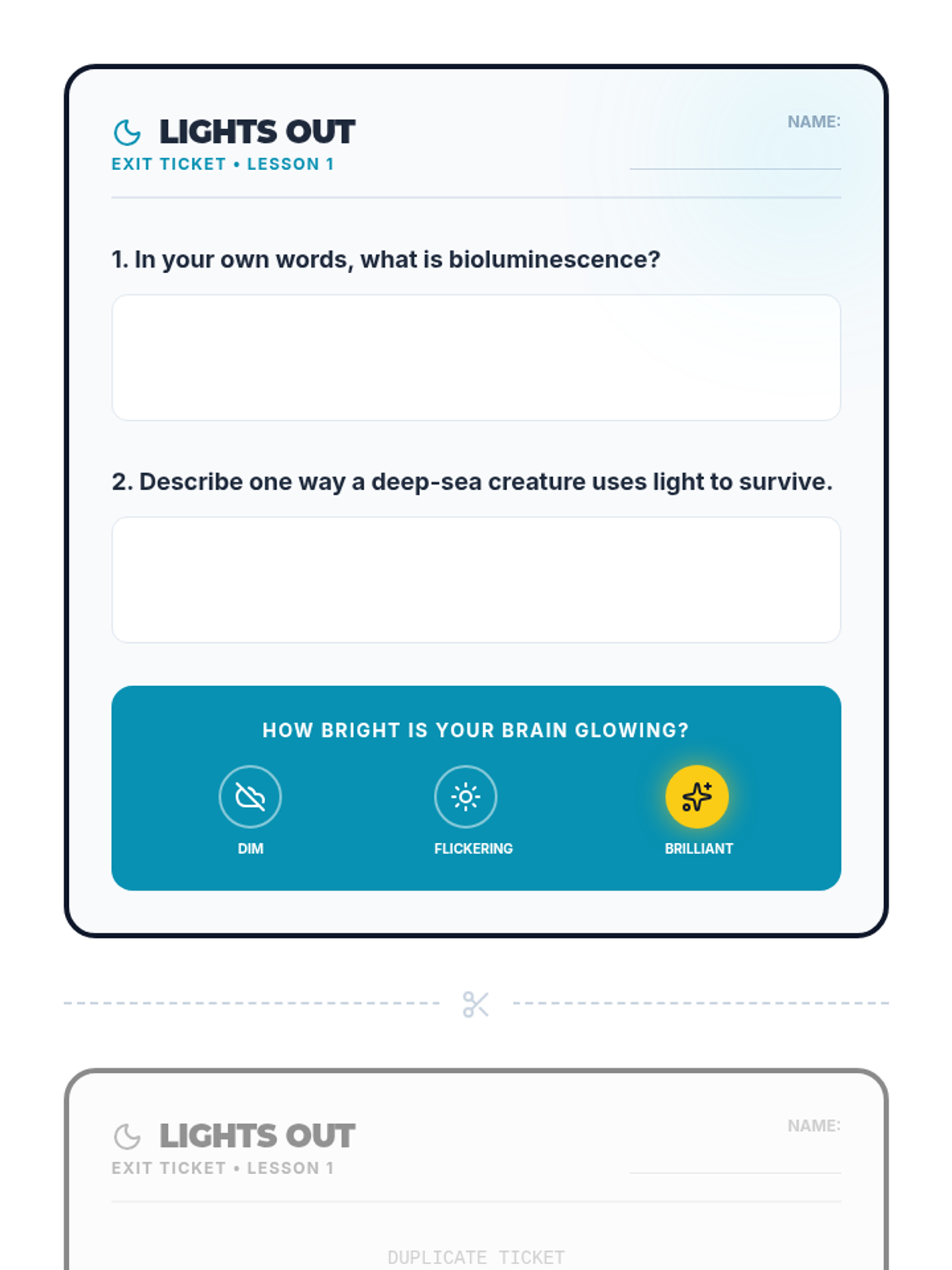
A comprehensive 3-lesson unit exploring the science, chemistry, and purpose of bioluminescence in nature. Students dive into the deep sea, experiment with chemical reactions, and analyze how light is used for survival.
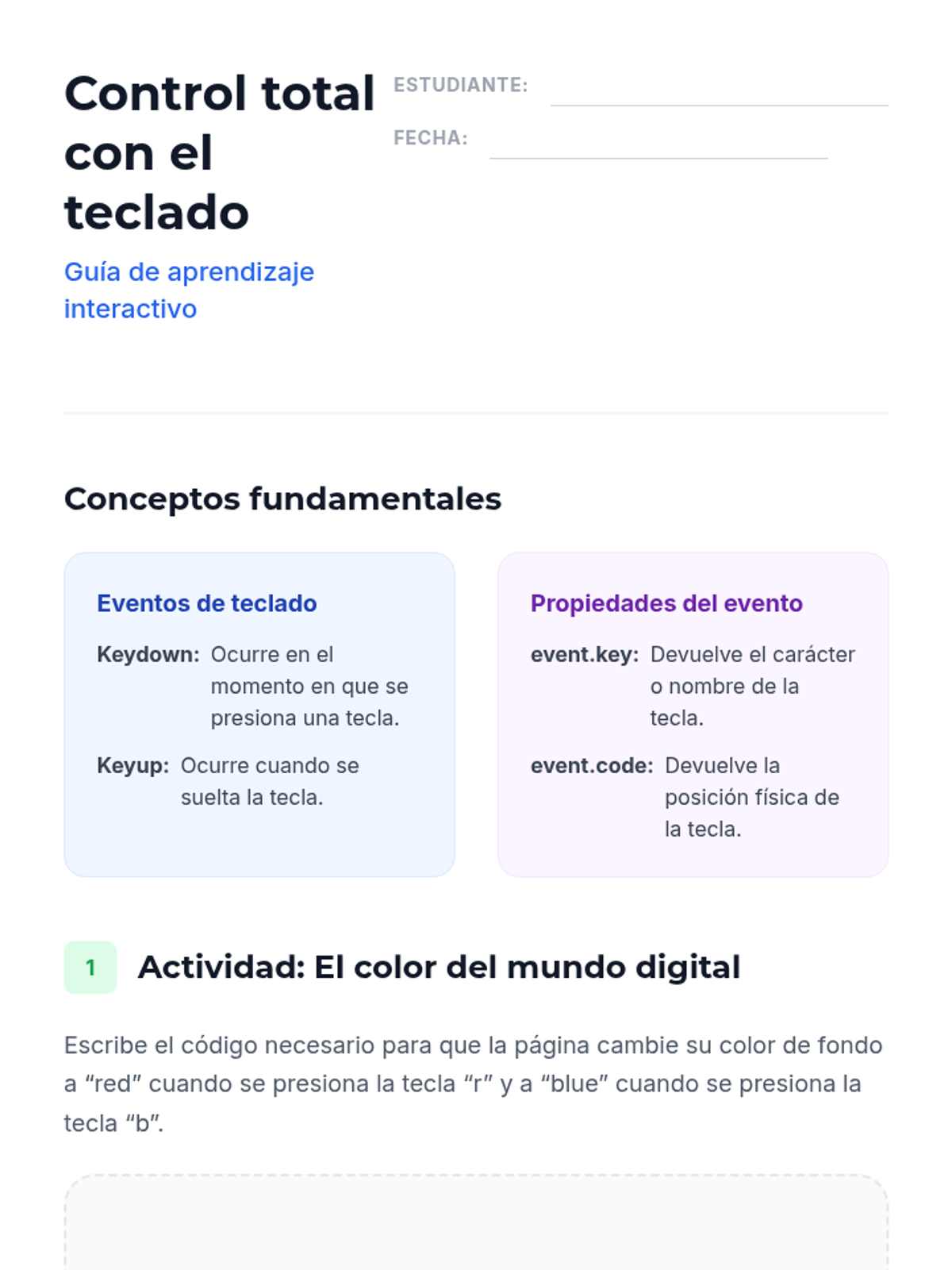
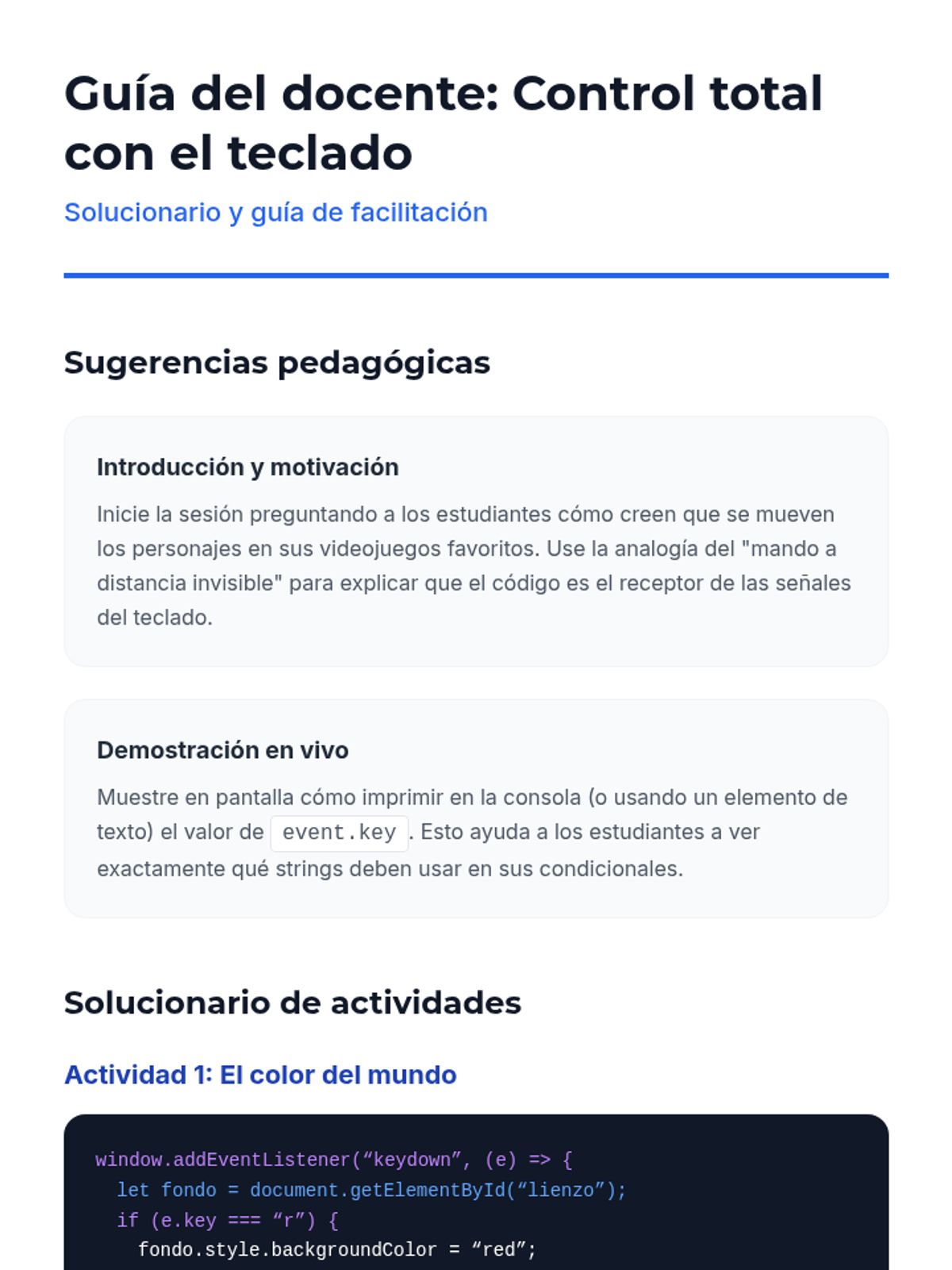
Una secuencia didáctica sobre el desarrollo web interactivo, enfocada en la captura de eventos del teclado mediante JavaScript para crear experiencias de usuario dinámicas y juegos sencillos.
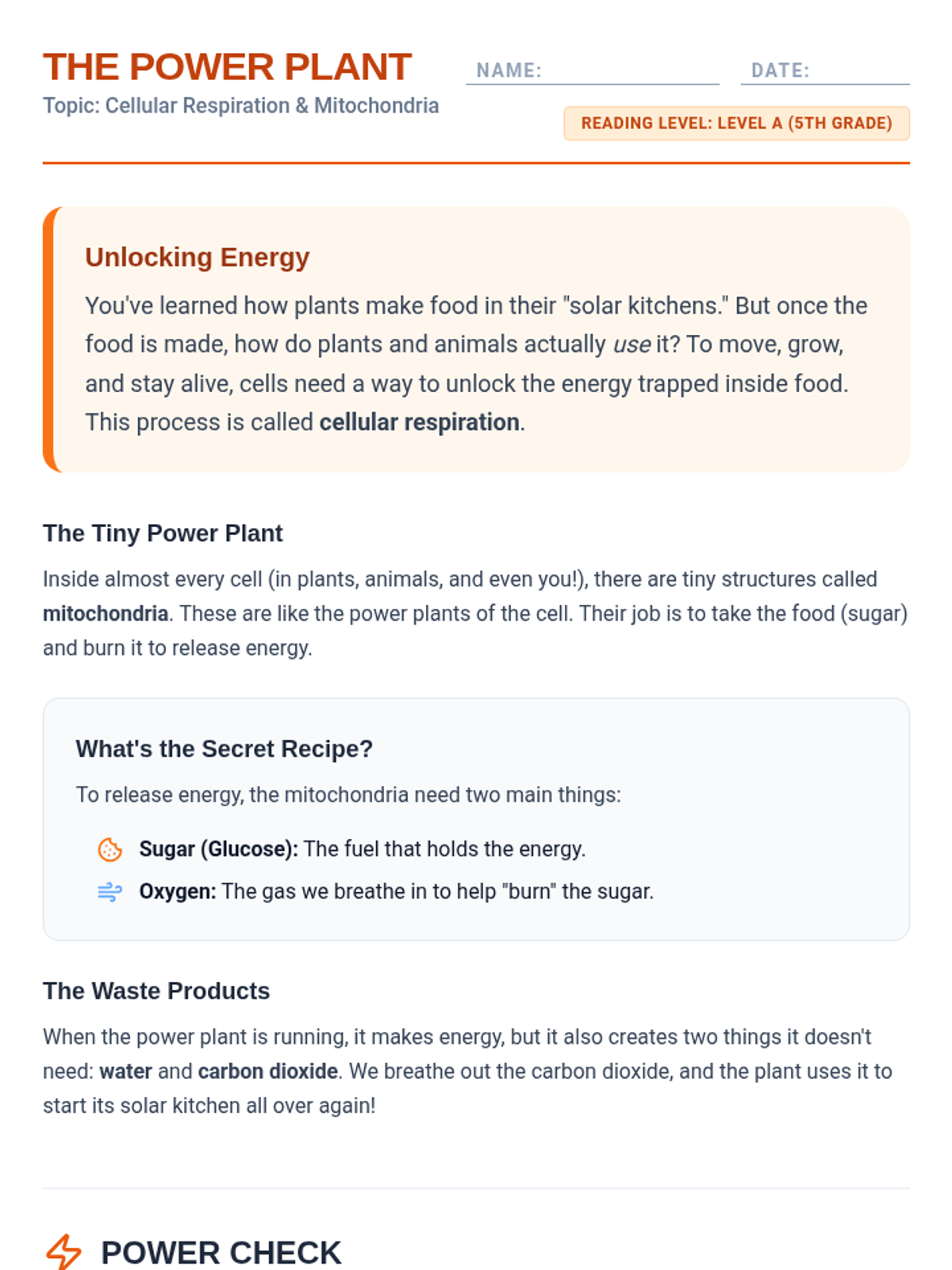
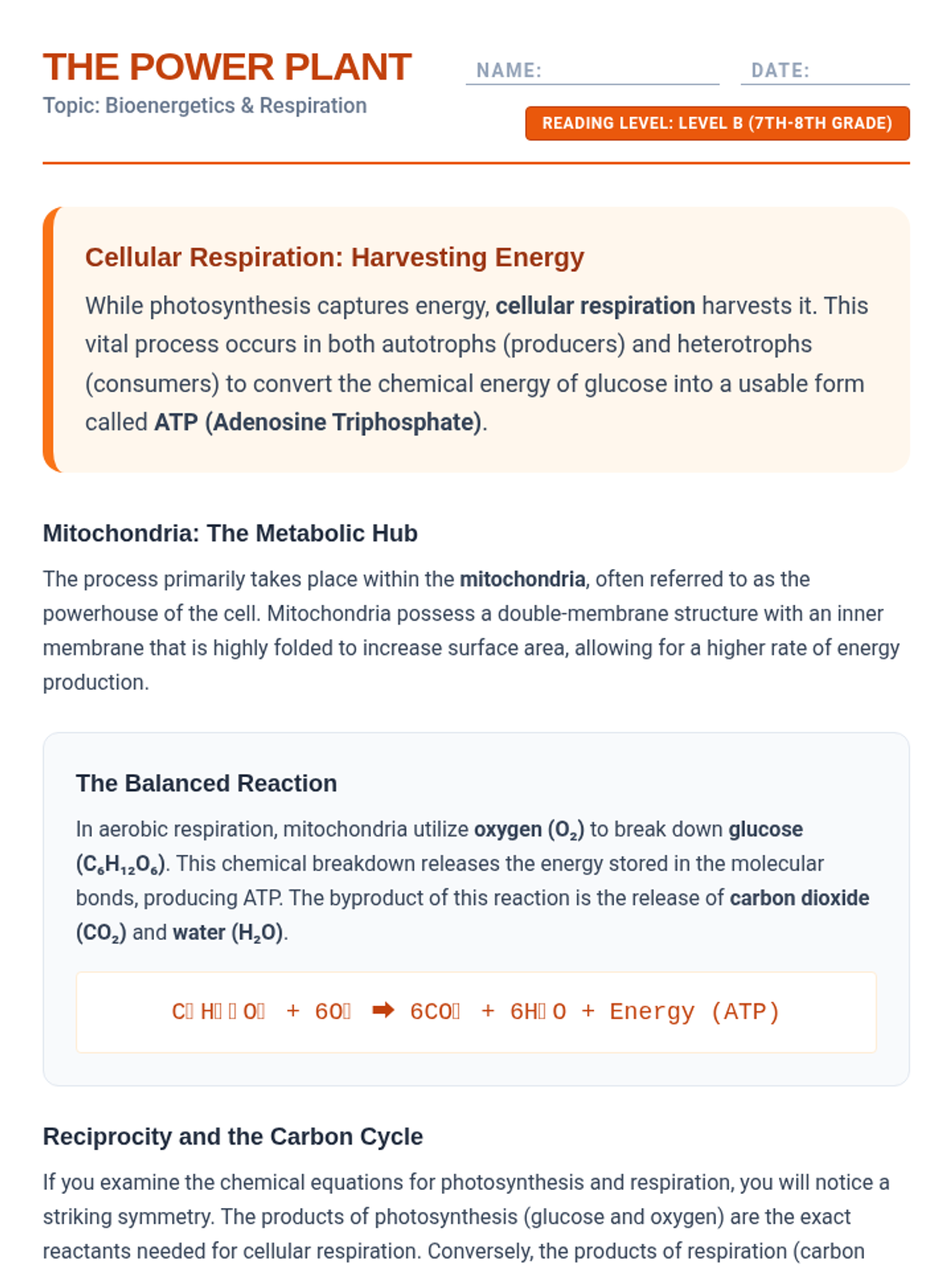
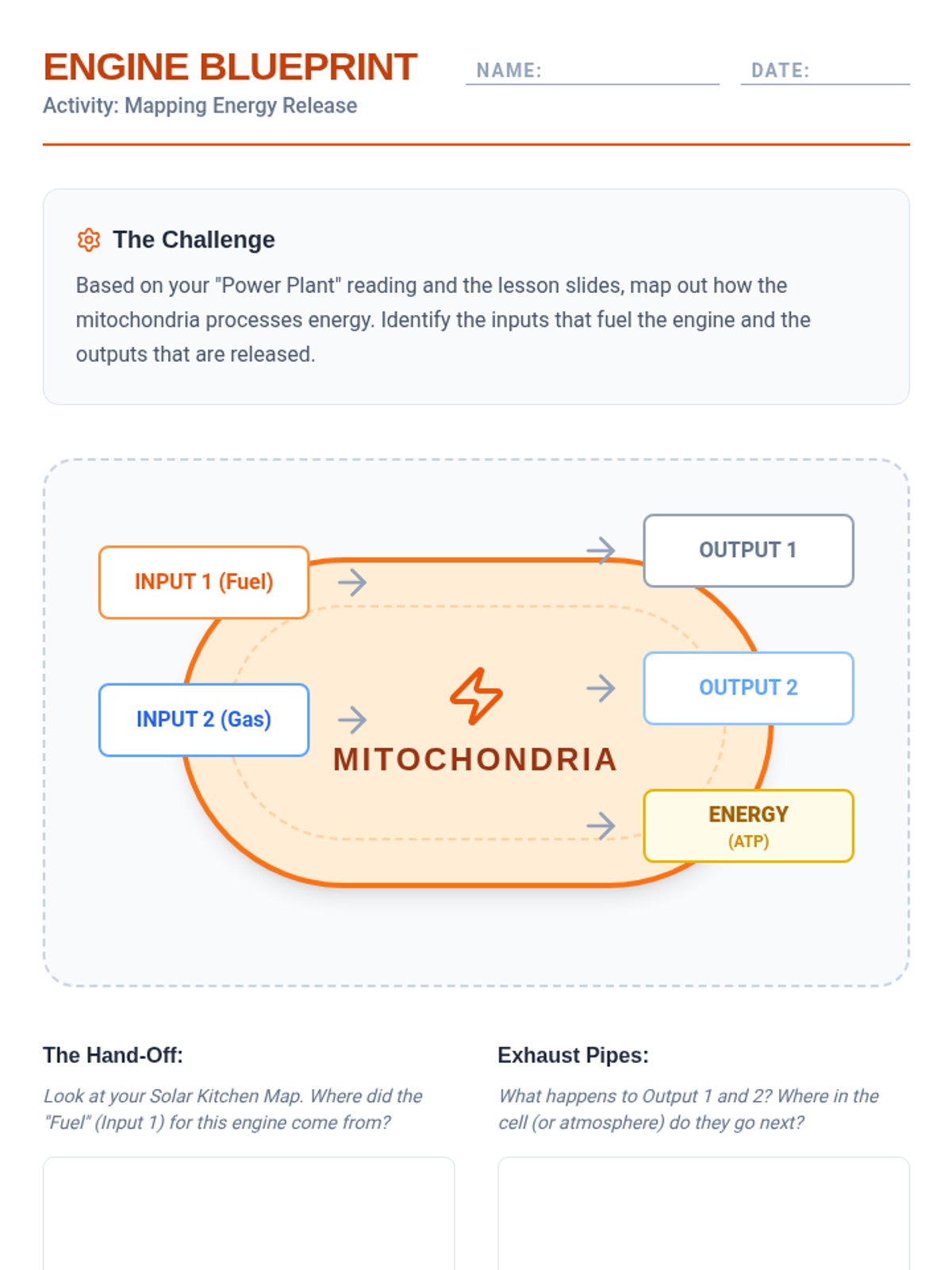
A three-day exploration of the interconnected roles of chloroplasts and mitochondria in cycling matter through ecosystems. Students use a lunar colony hypothetical lab to apply the scientific method to real-world gas exchange scenarios.
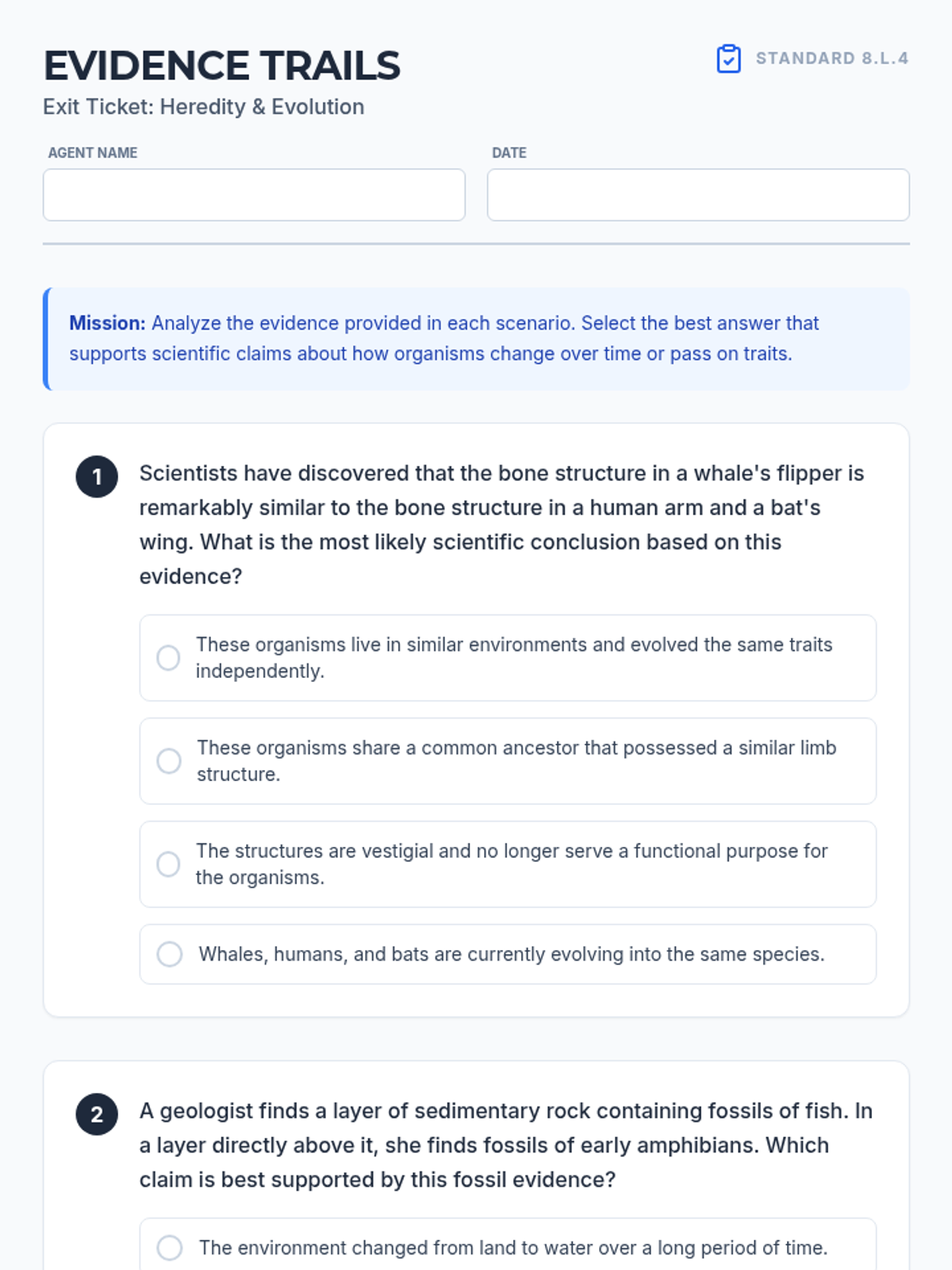
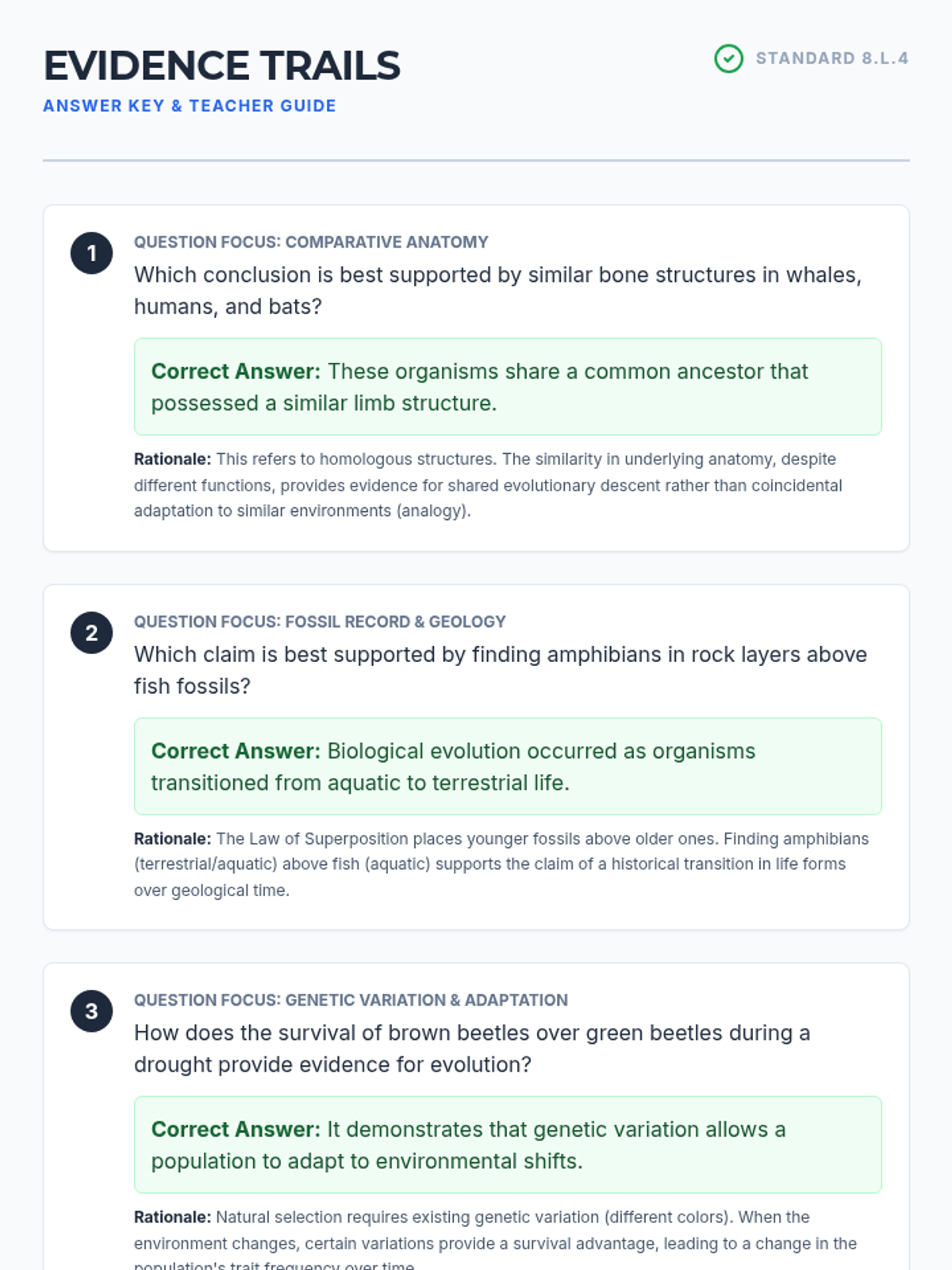
This sequence explores the evidence for biological evolution and the mechanisms of heredity, aligning with Grade 8 science standards for understanding Earth's history and life forms.
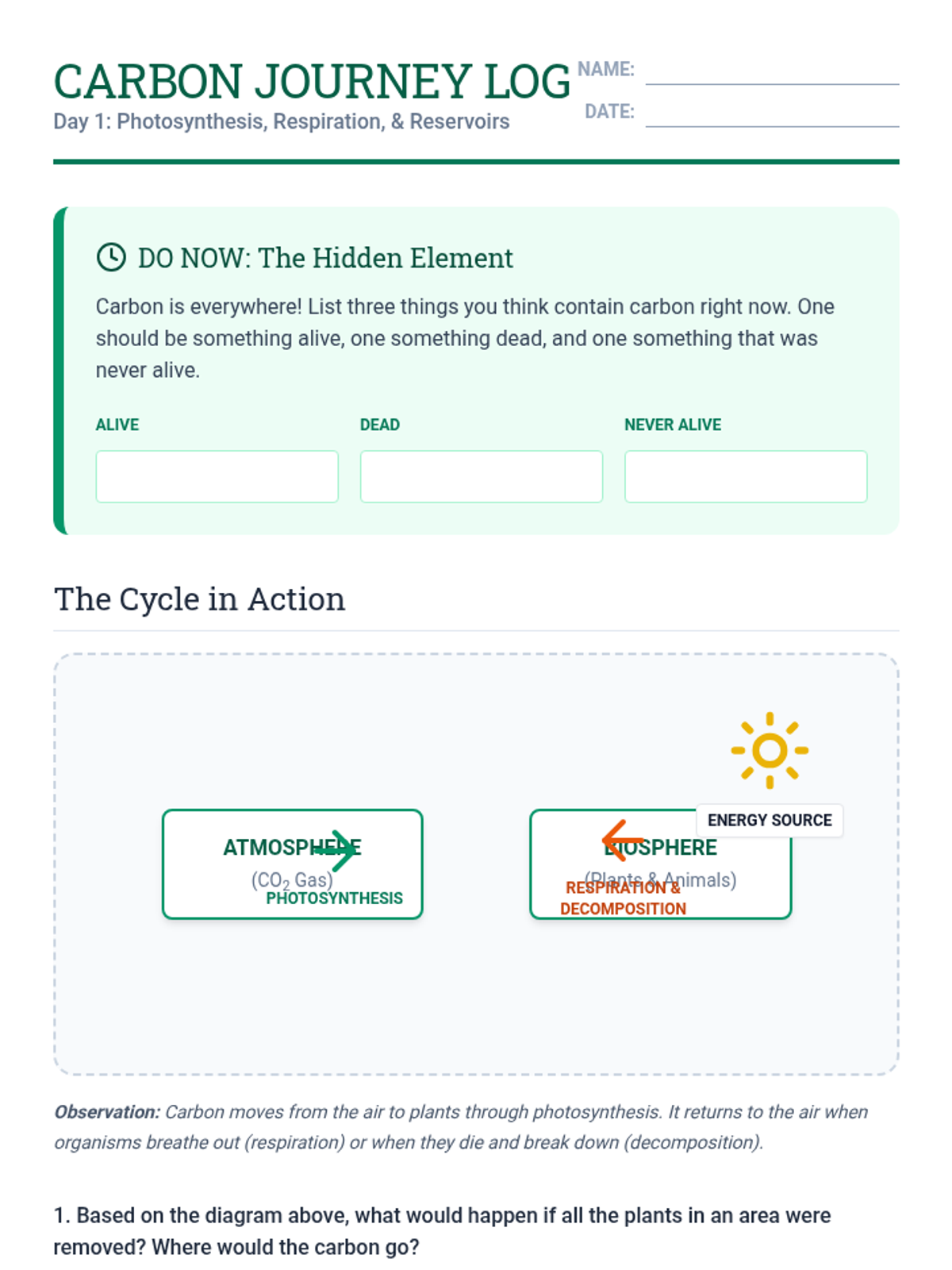
A two-day unit exploring the carbon cycle's movement through diverse ecosystems, focusing on how carbon storage and release impact global stability. Students examine oceans, rainforests, tundra, and local environments to understand ecological balance.
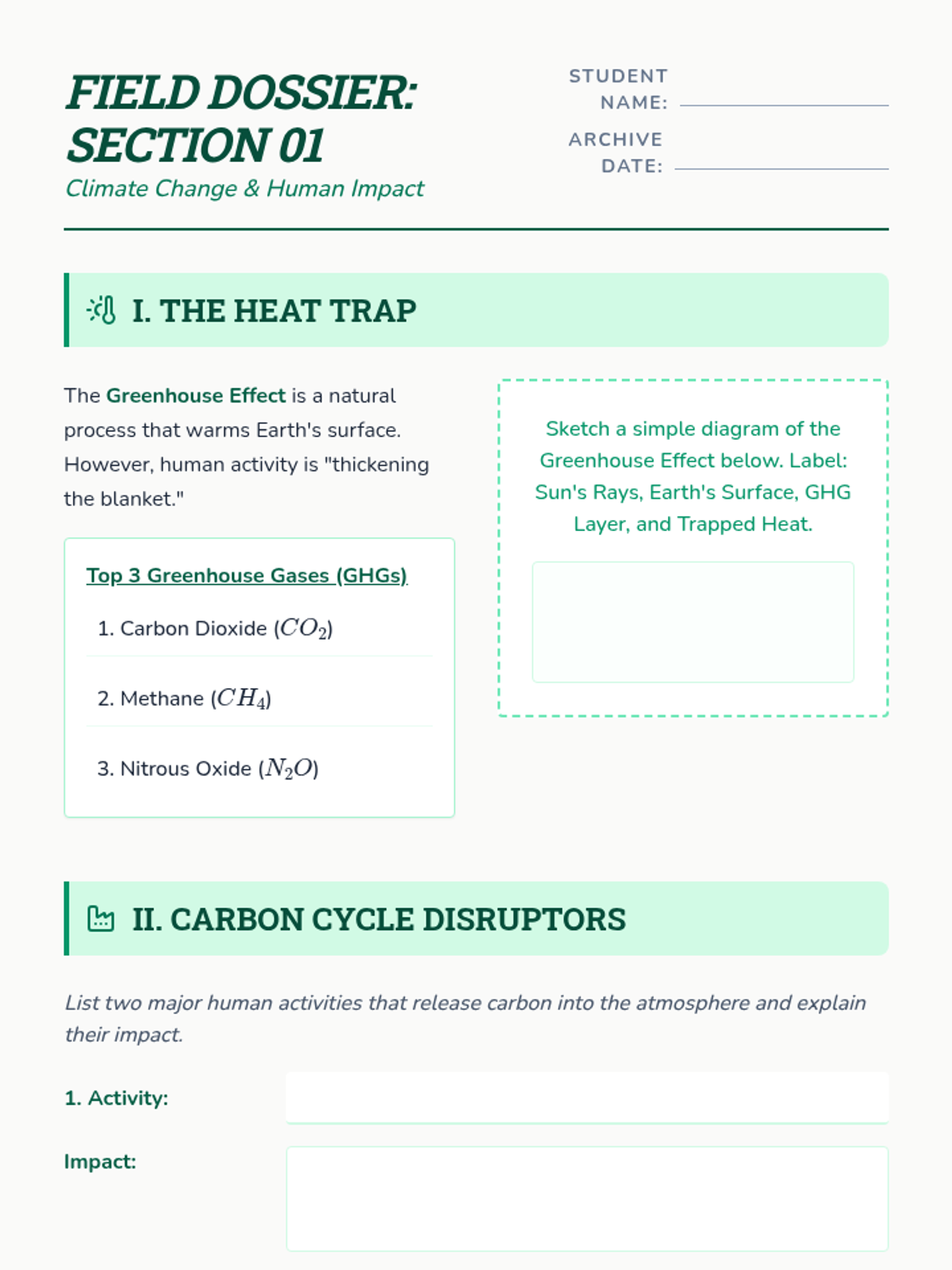
A two-week environmental science review sequence focusing on key takeaways: climate change, pollution, renewable energy, and biodiversity. Students compile a 'Field Dossier' review packet as a final course artifact.
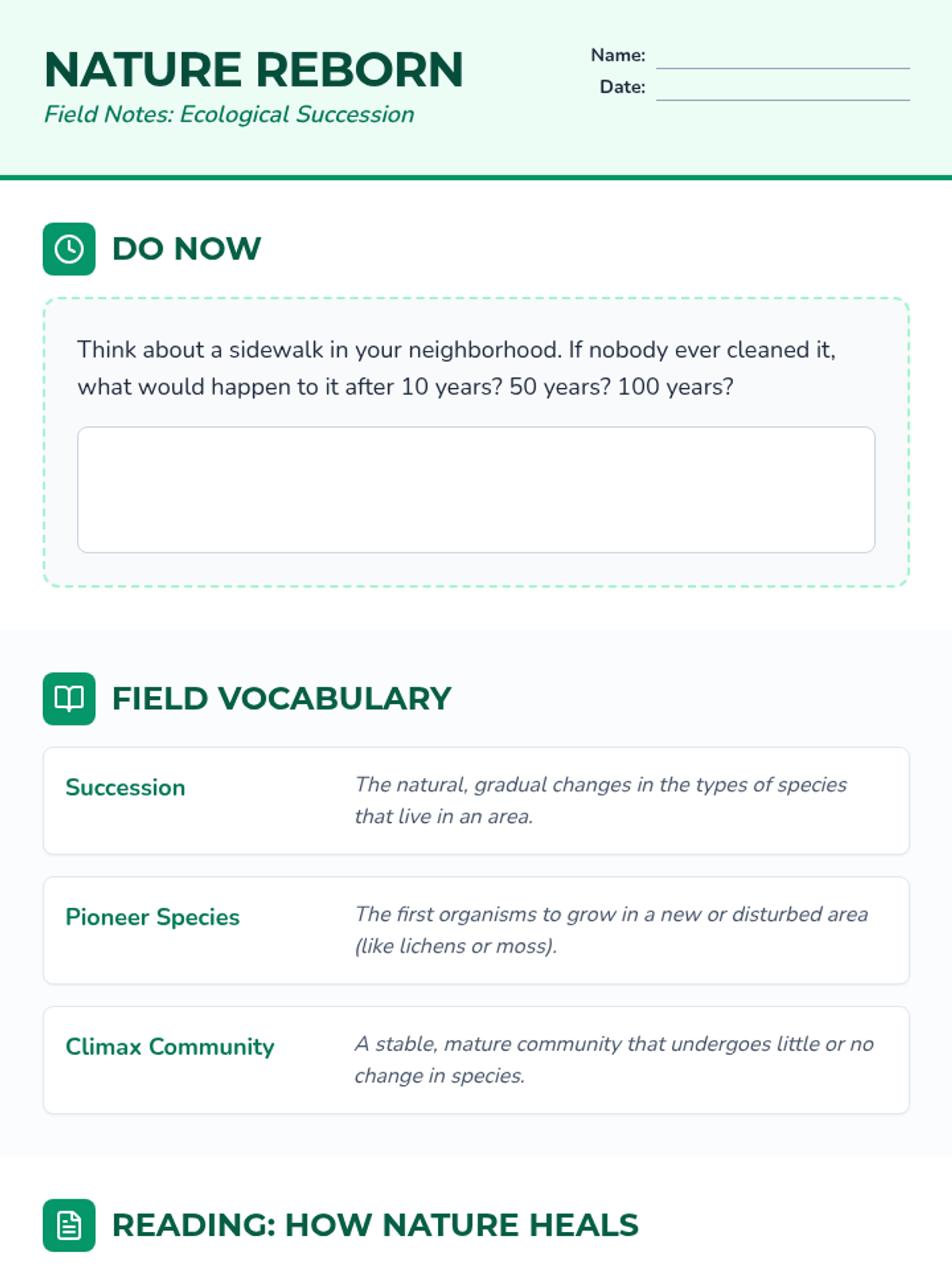
A 5-day exploration of environmental science concepts including ecological succession, tolerance levels, the Canadian grasslands biome, and human demographic impacts. Designed for a small-contained 9th/10th grade setting with high levels of scaffolding and modified reading materials.
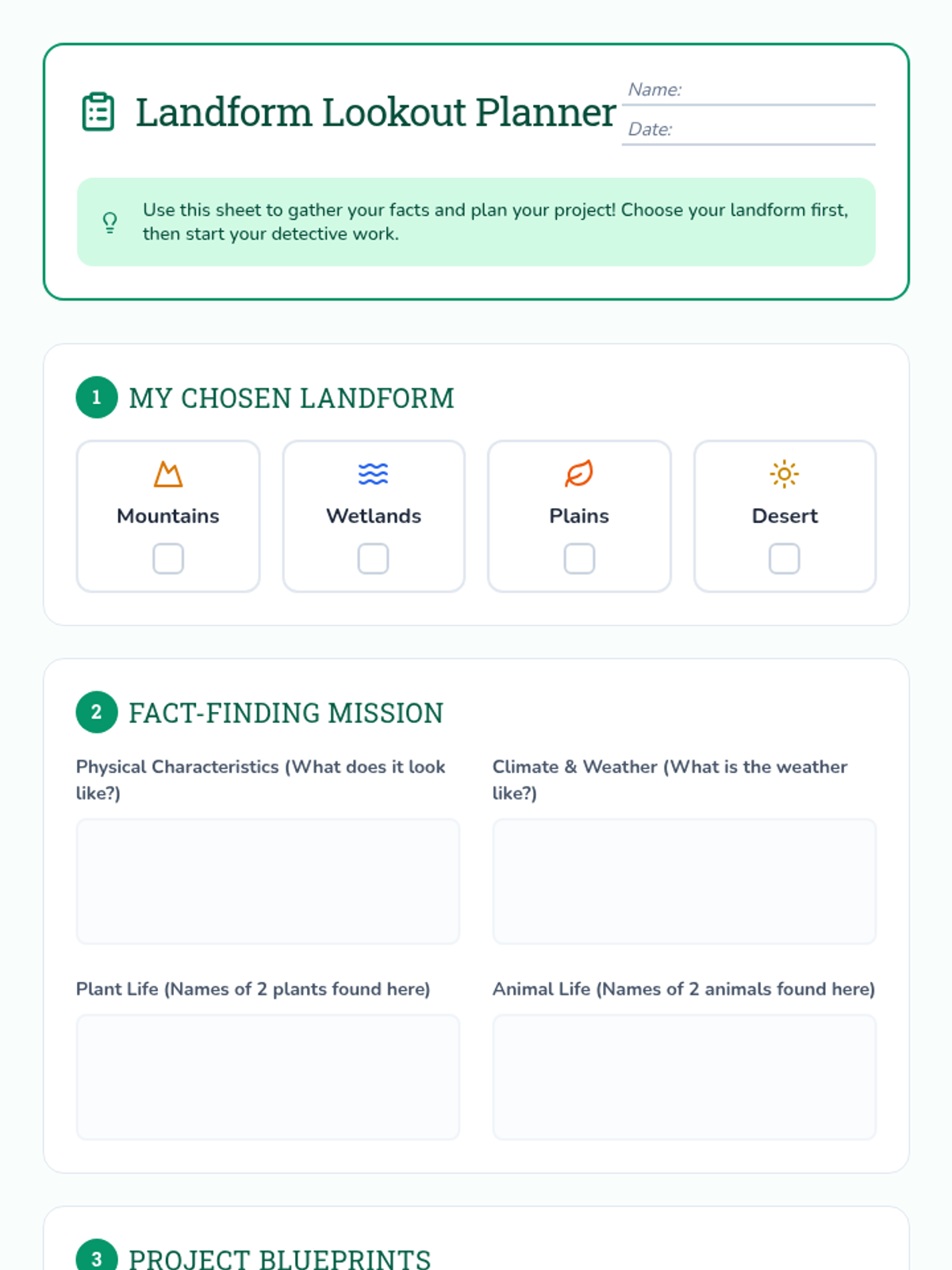
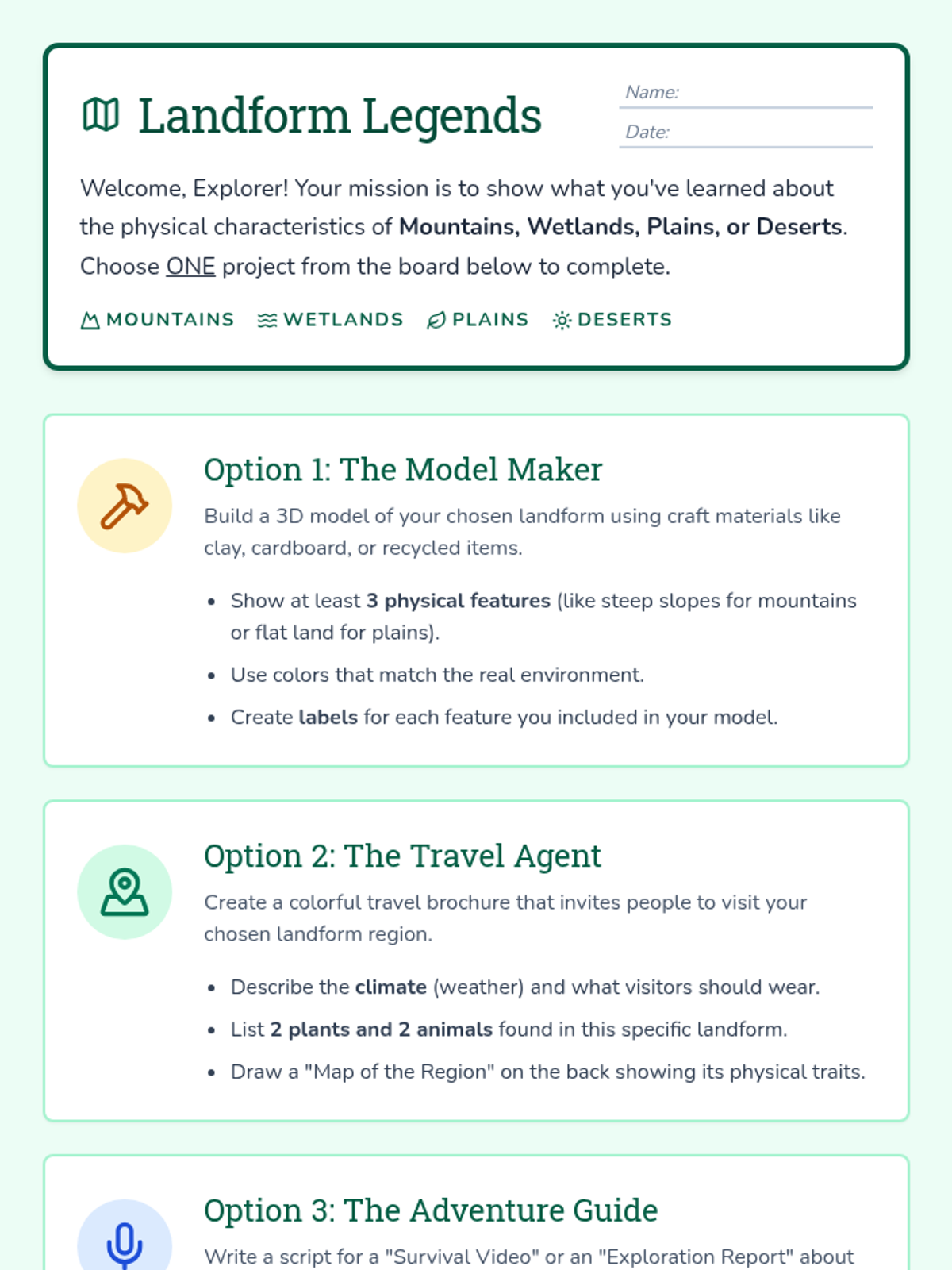
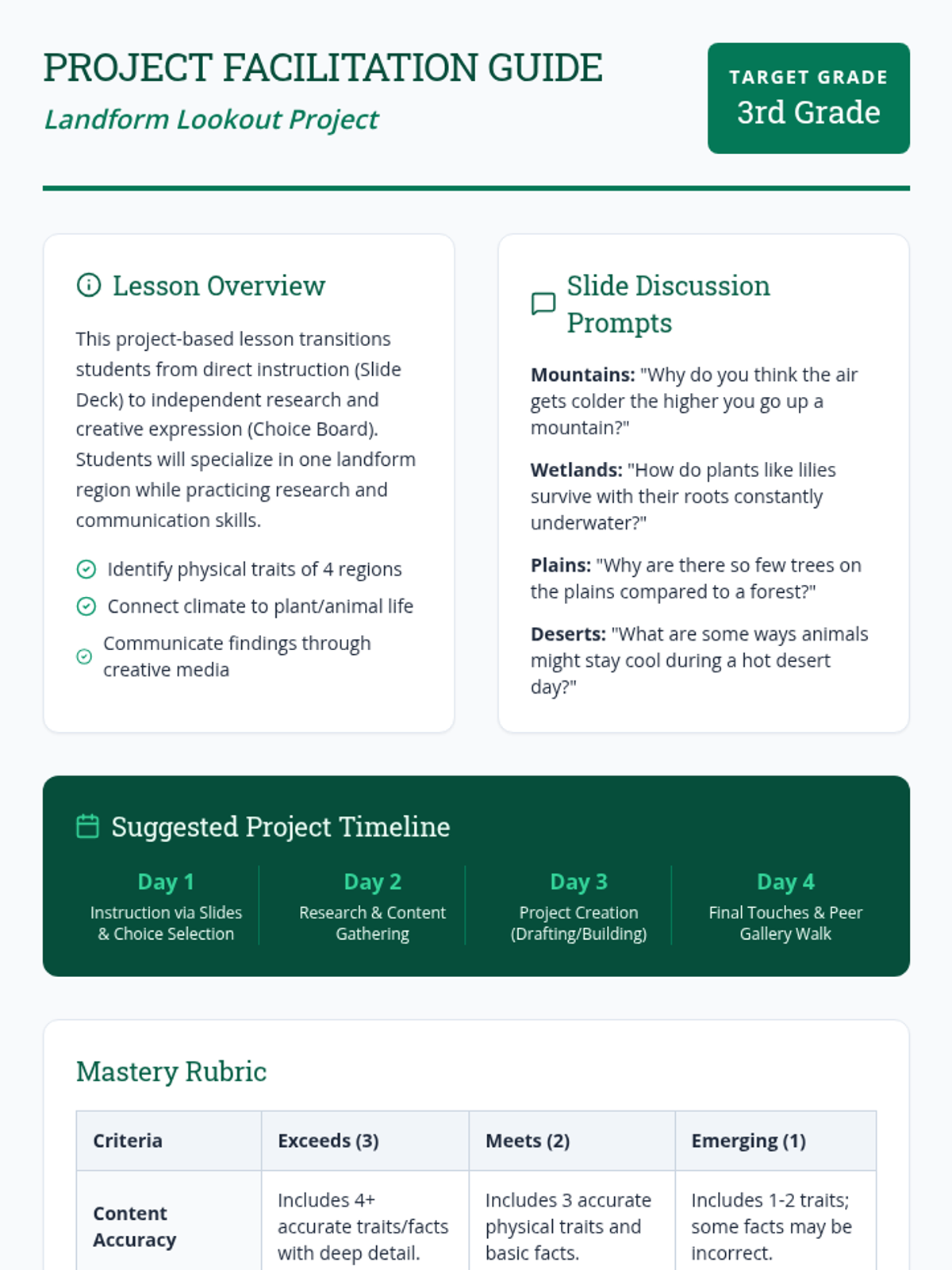
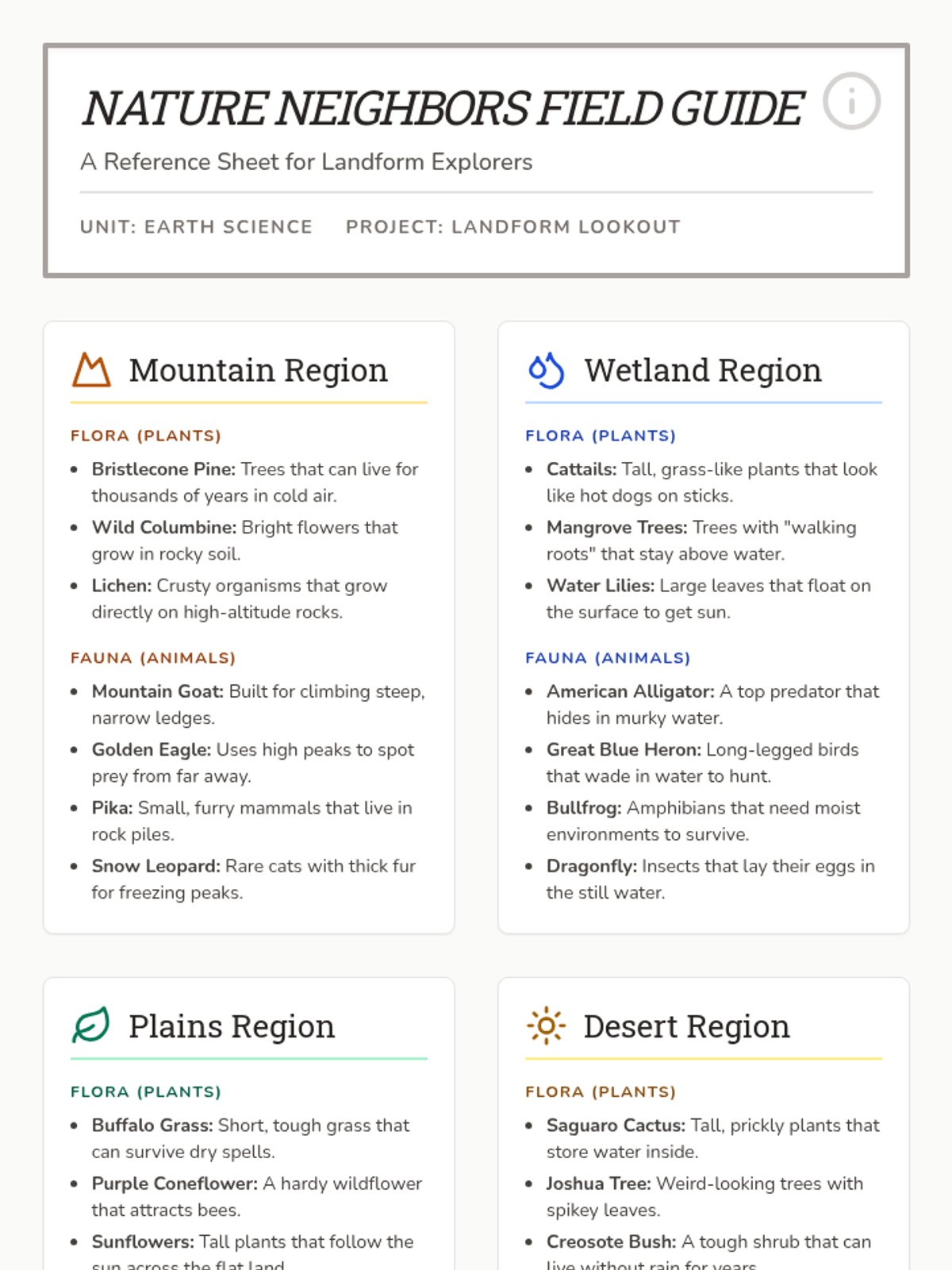
A collection of project-based STEM and social studies lessons designed to engage 3rd and 6th grade students in creative exploration and technical skill-building.
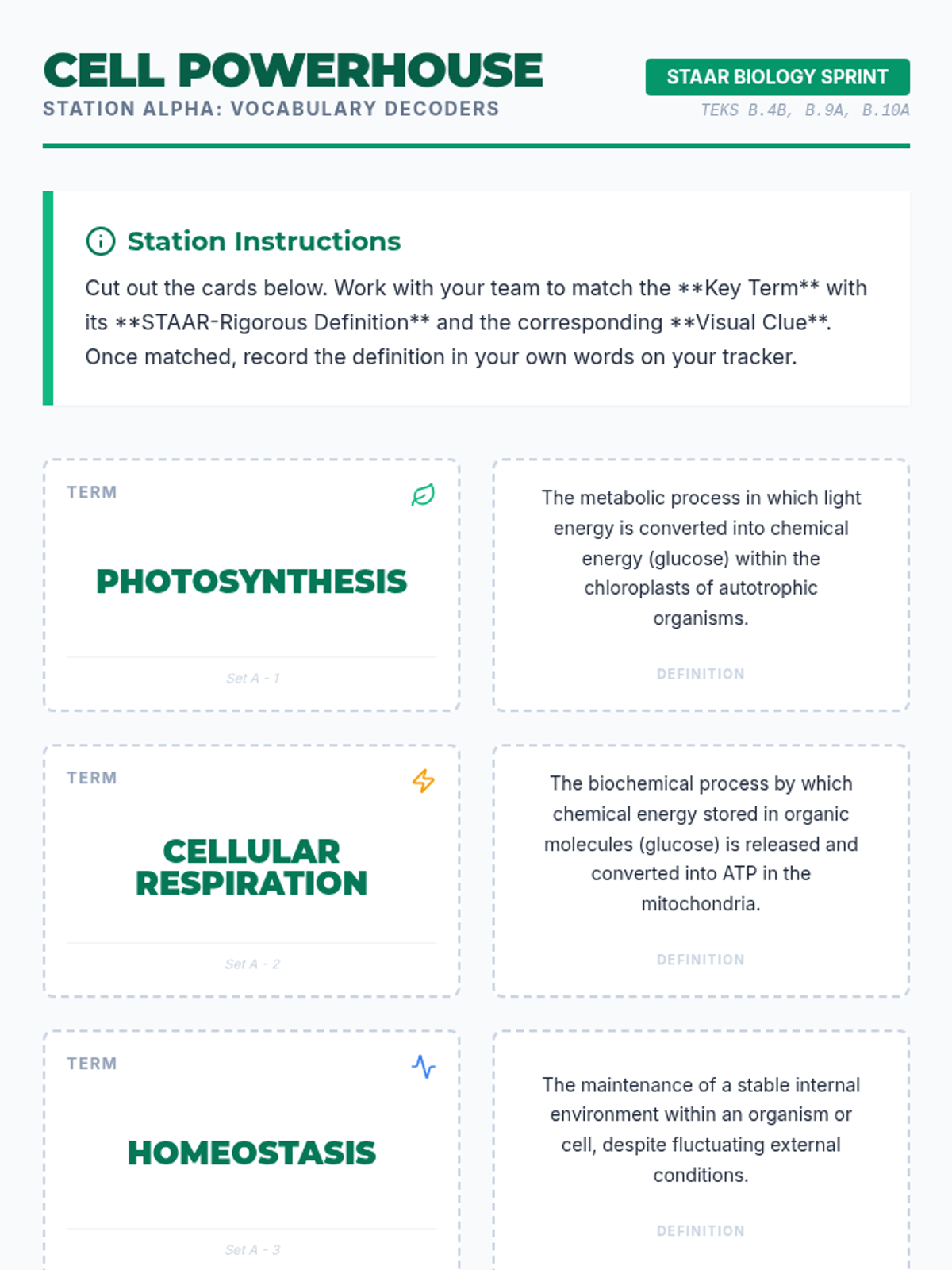
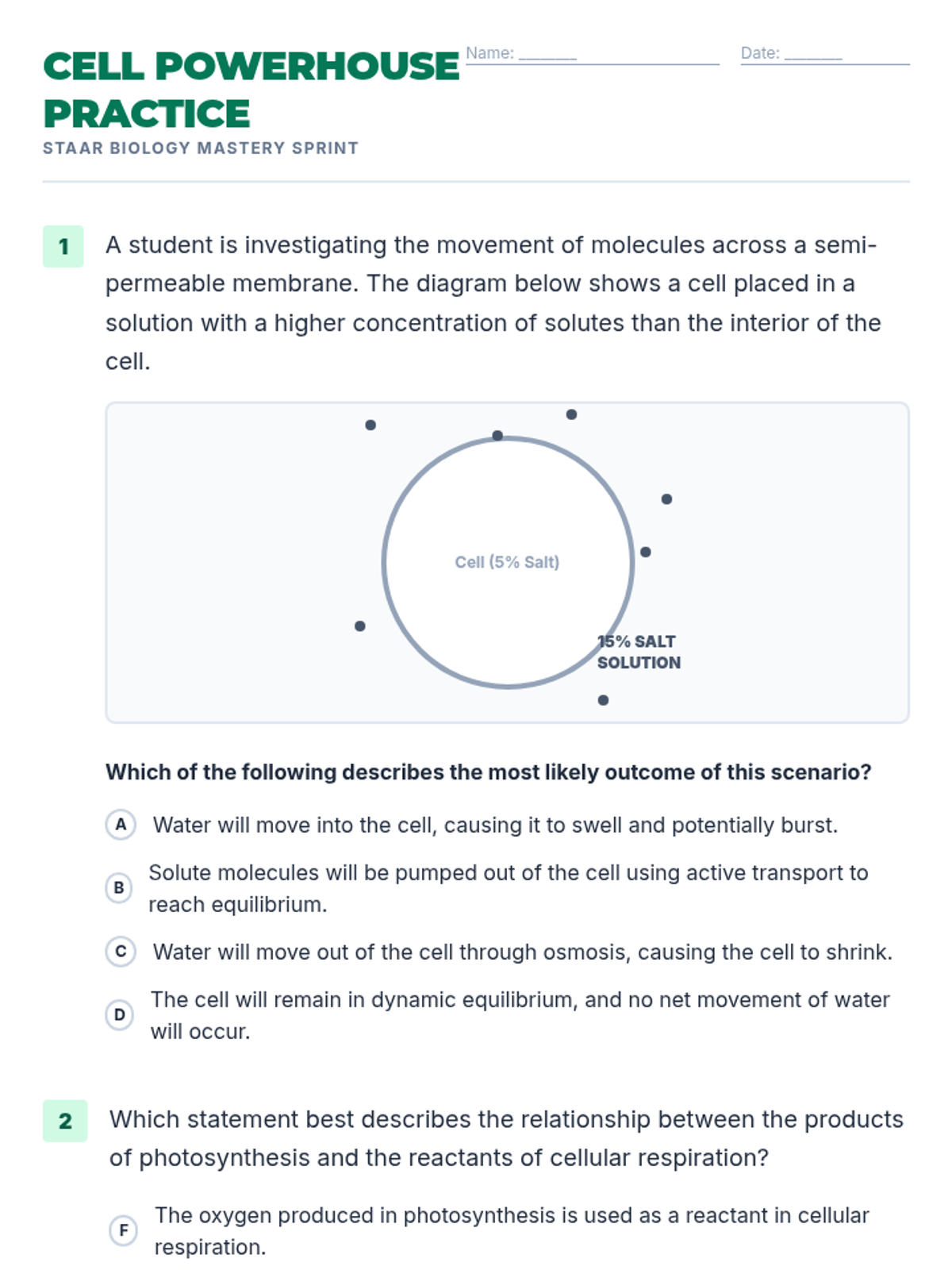
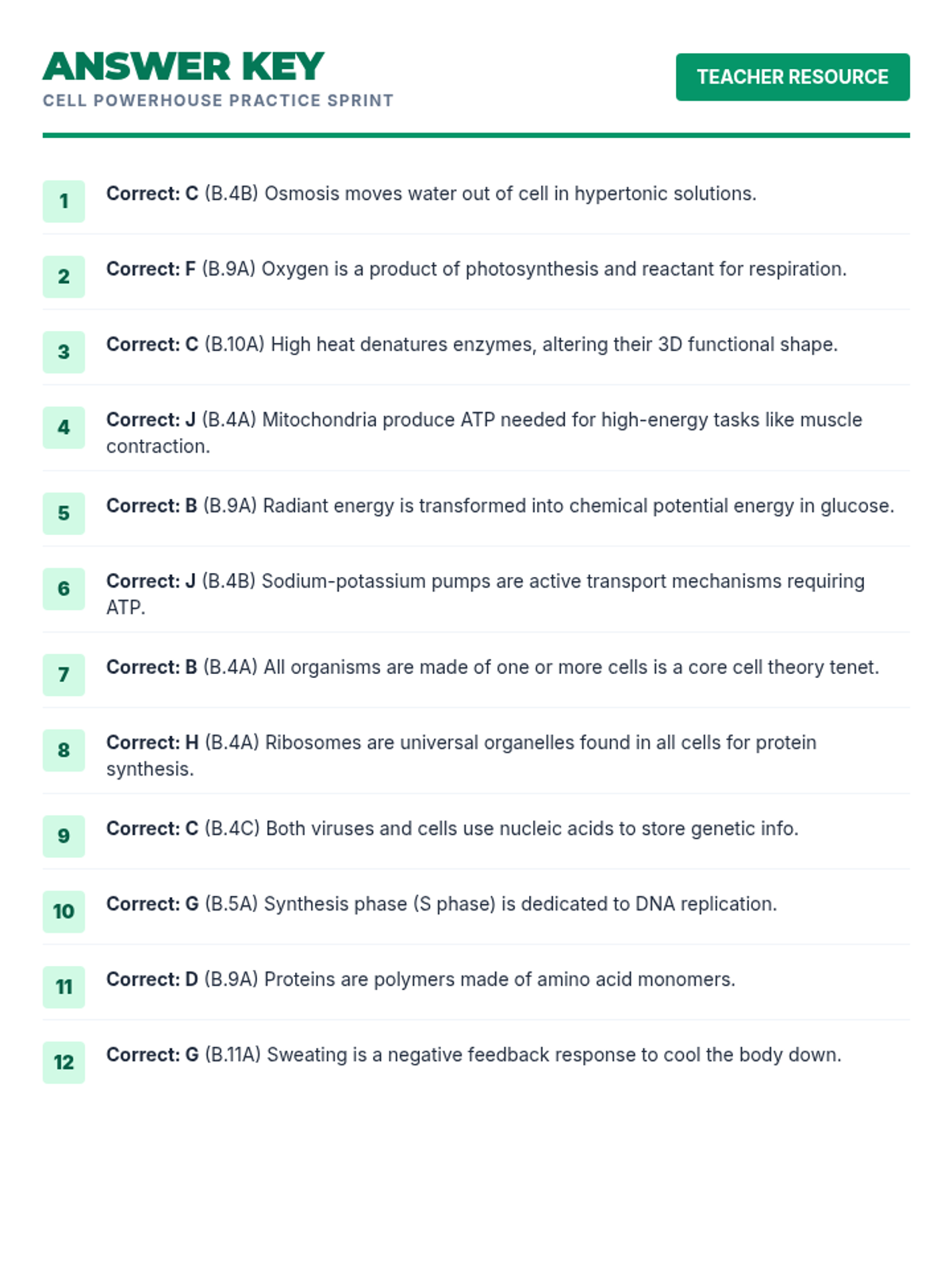
A high-intensity review sequence designed to move students from 'not met' to 'mastery' in Biology through vocabulary immersion and STAAR-style practice.
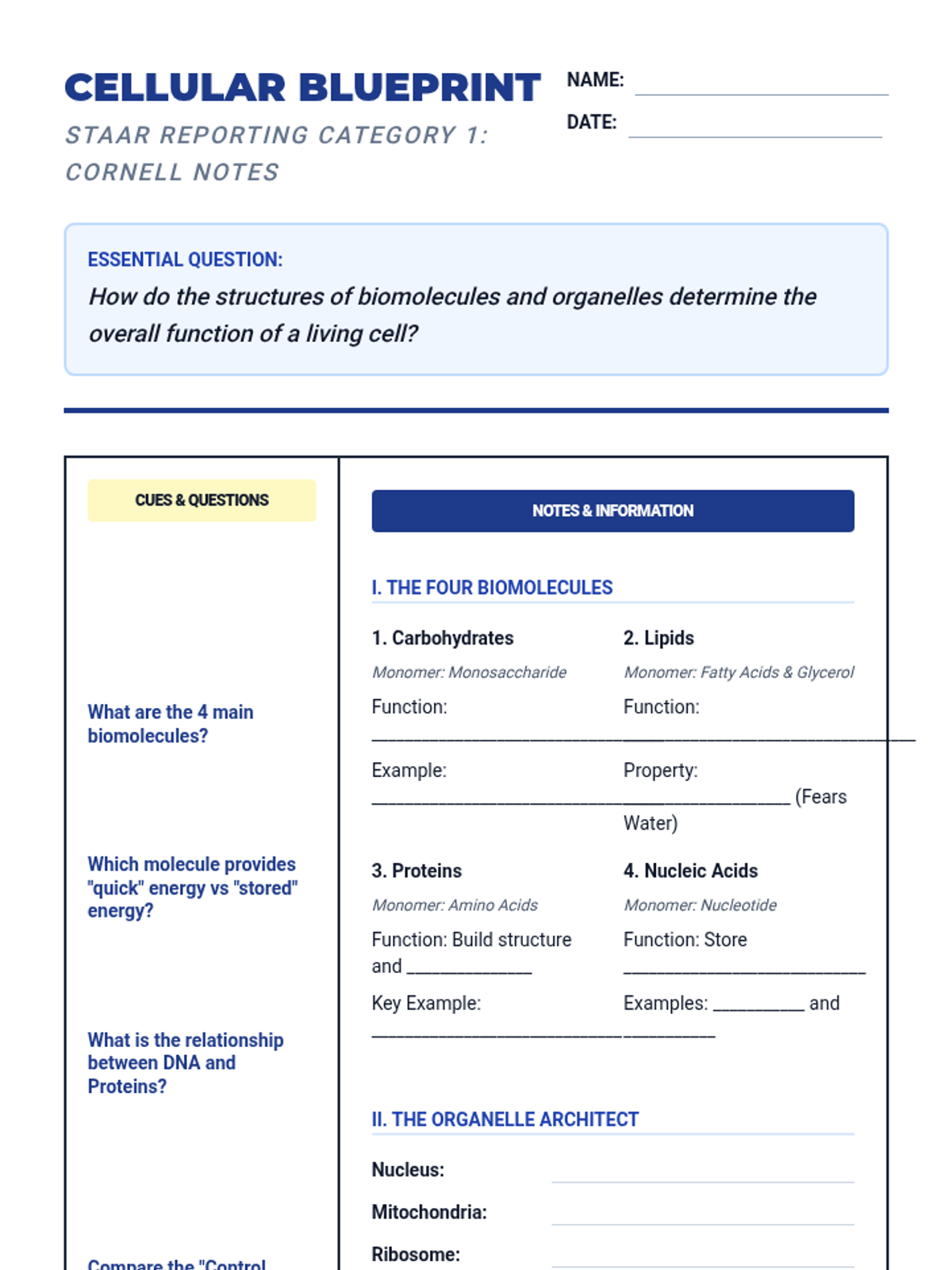
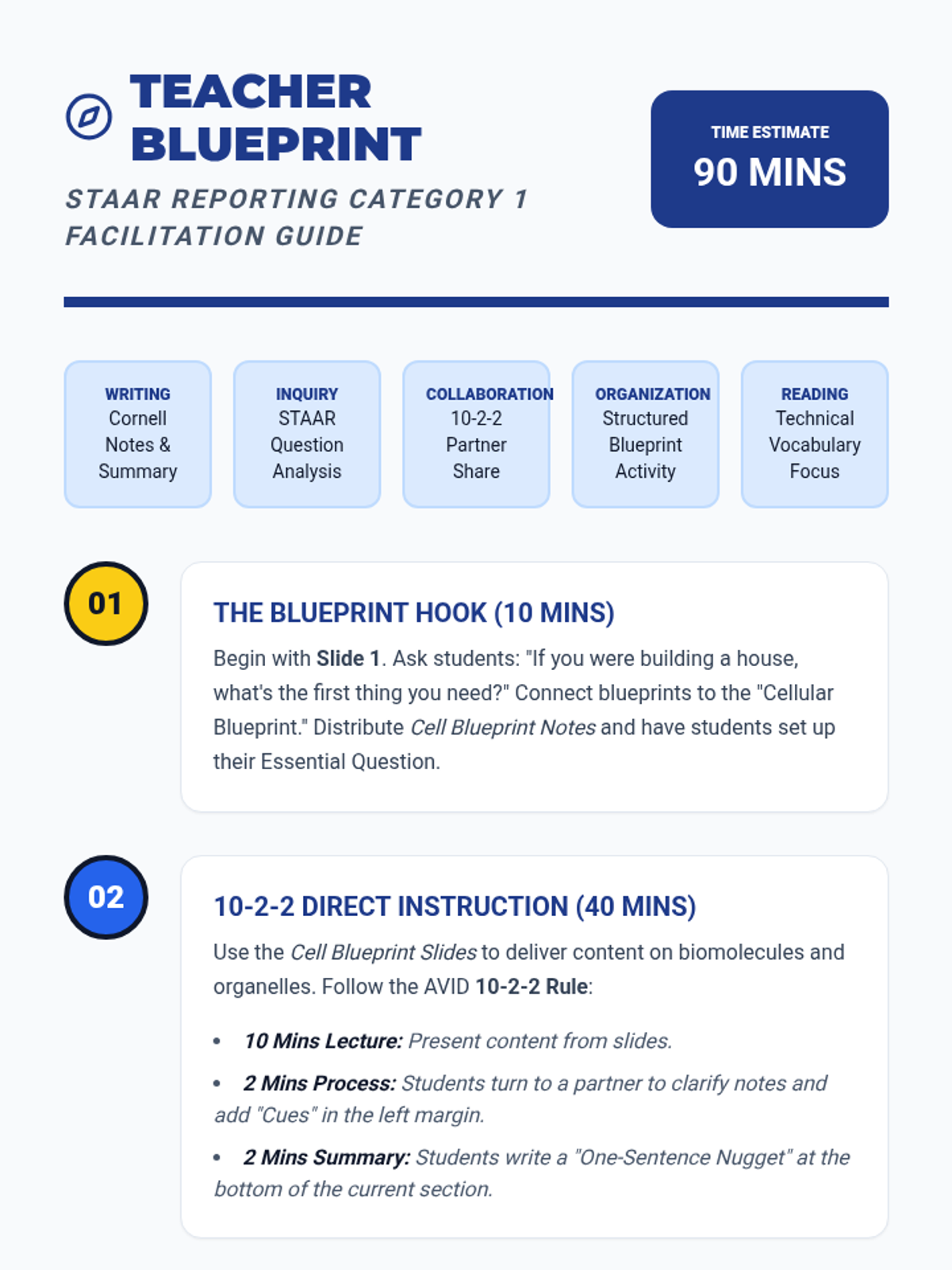
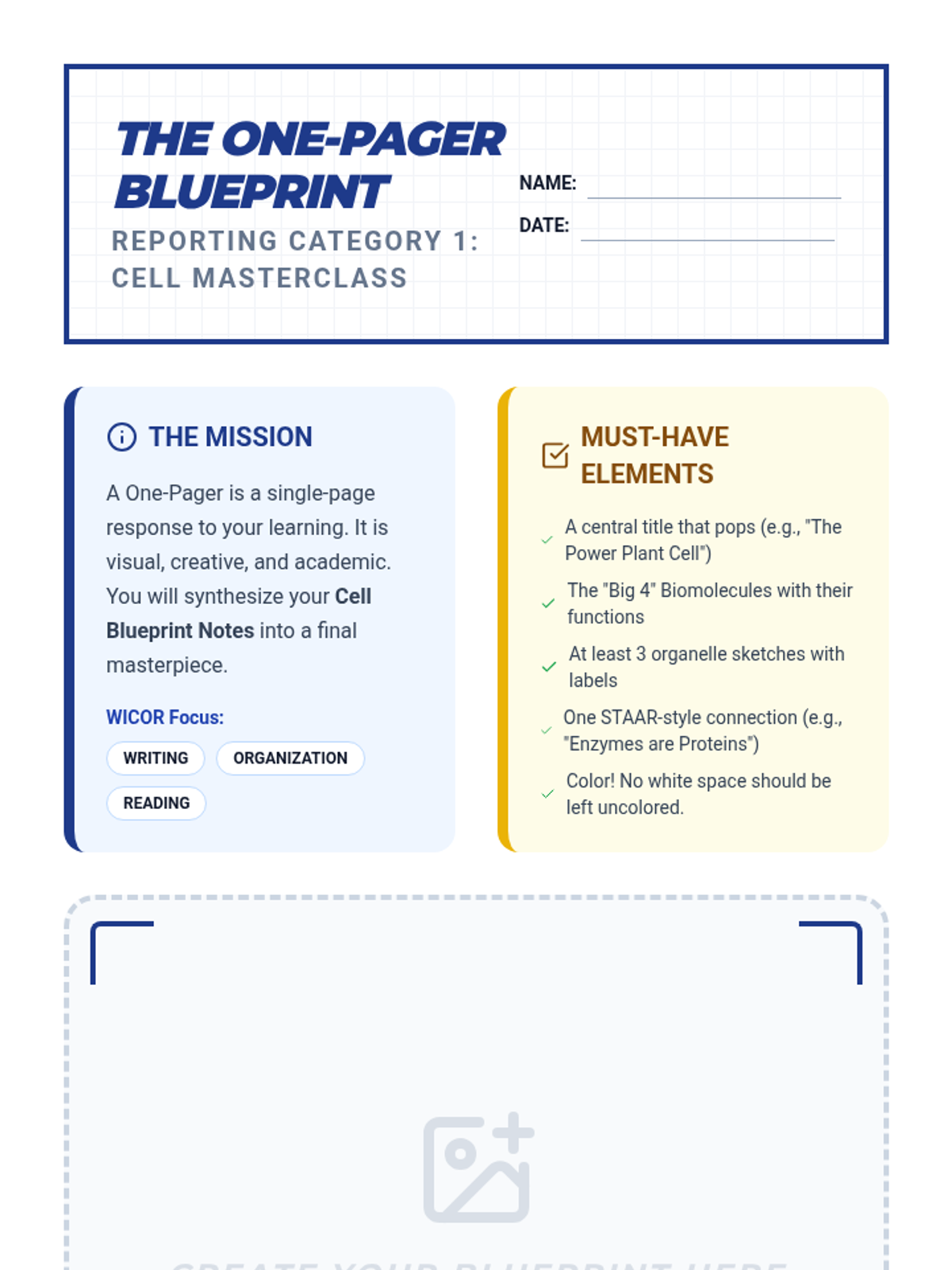
A high-impact Biology STAAR preparation series utilizing AVID WICOR strategies. This sequence focuses on core reporting categories to ensure students are prepared for the Texas state assessment through collaborative and inquiry-based learning.