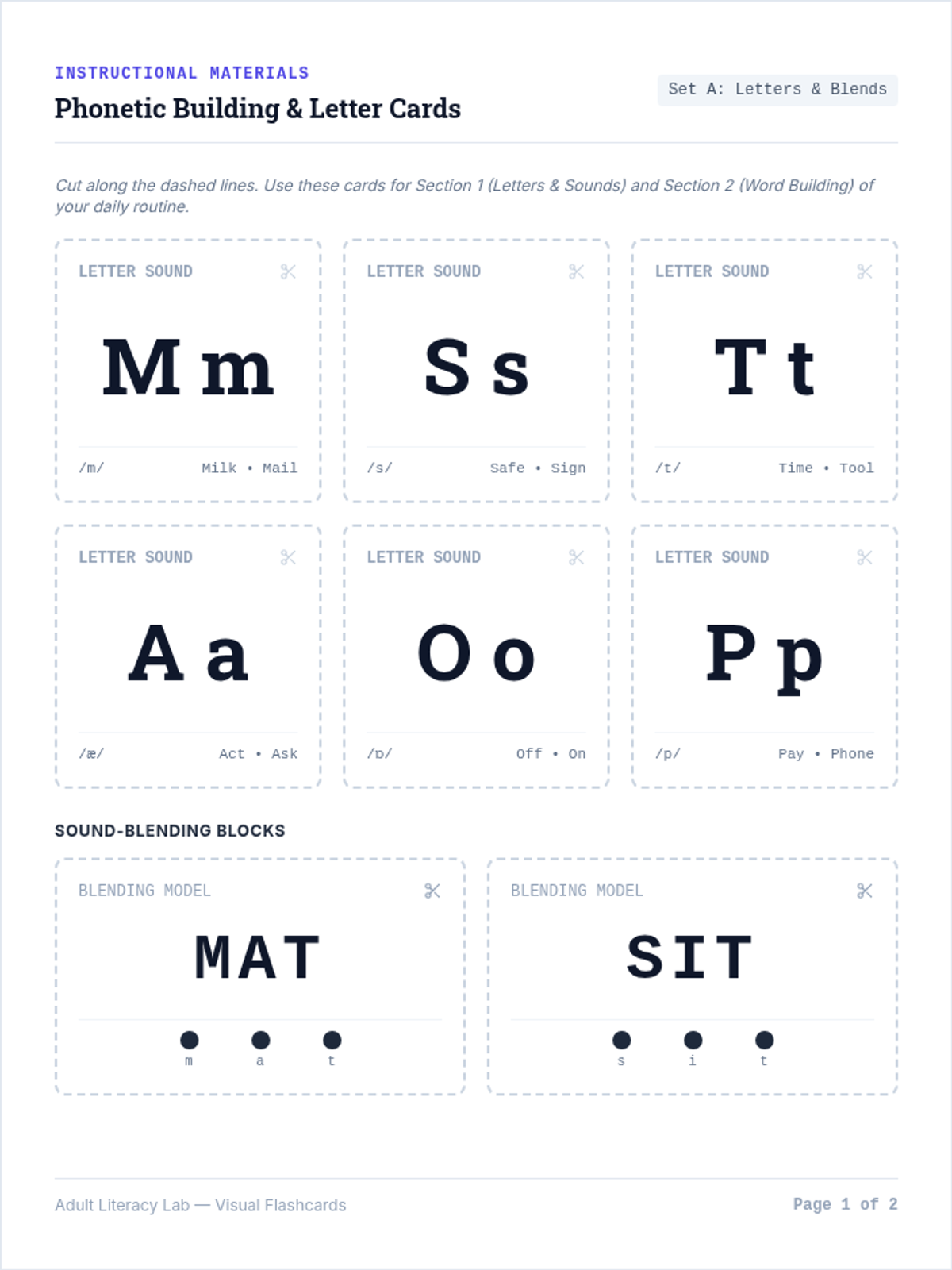
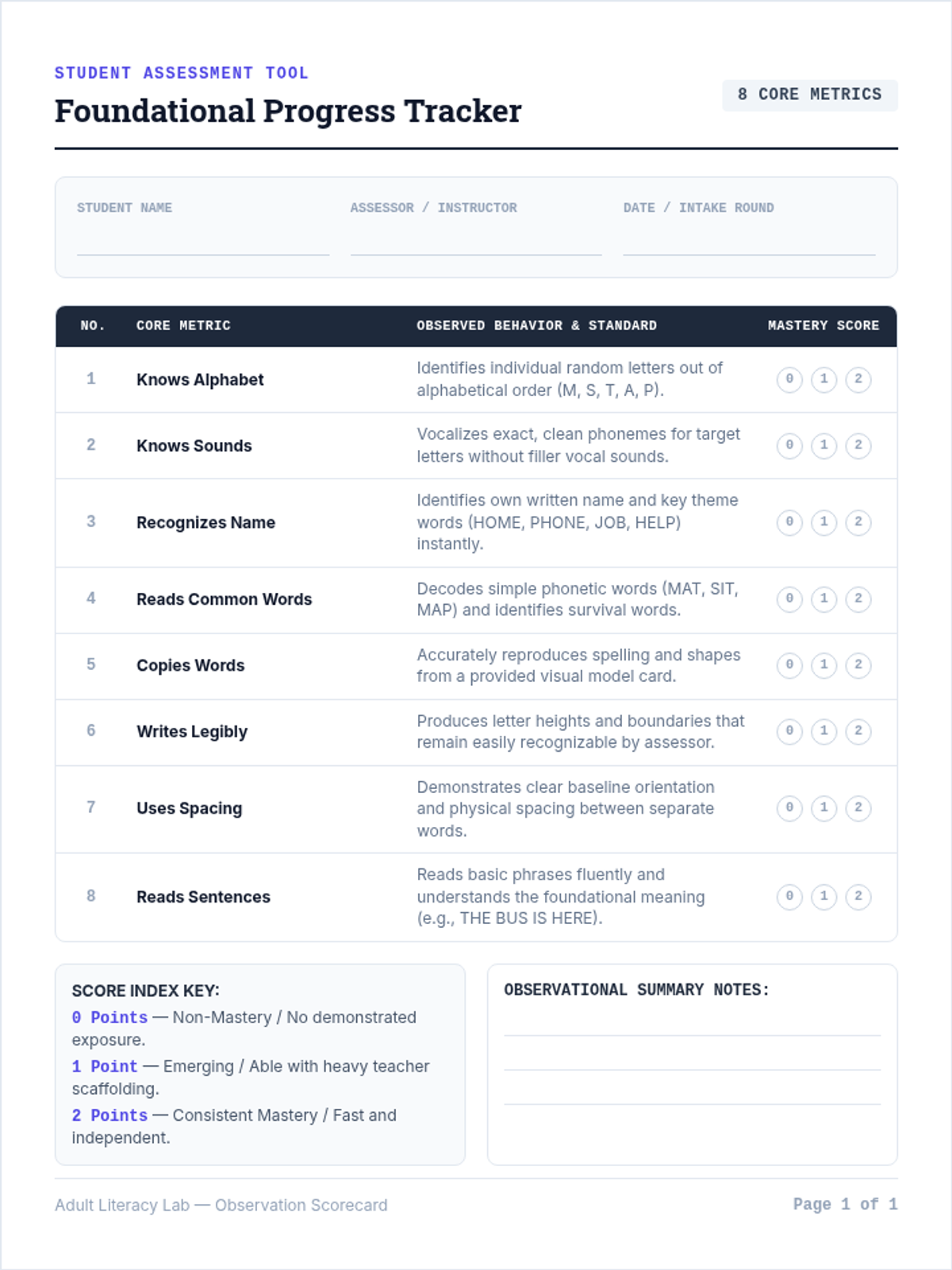
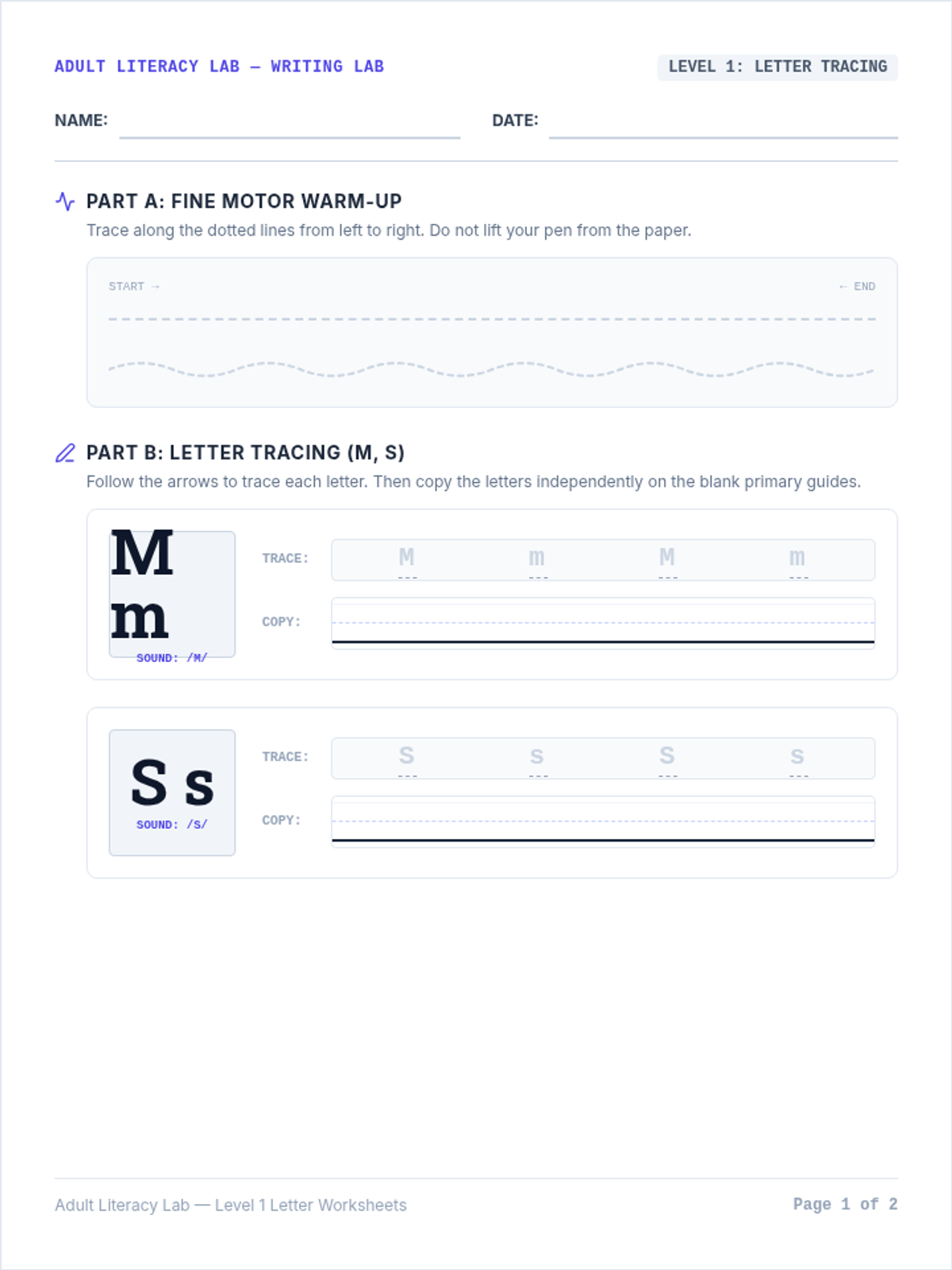
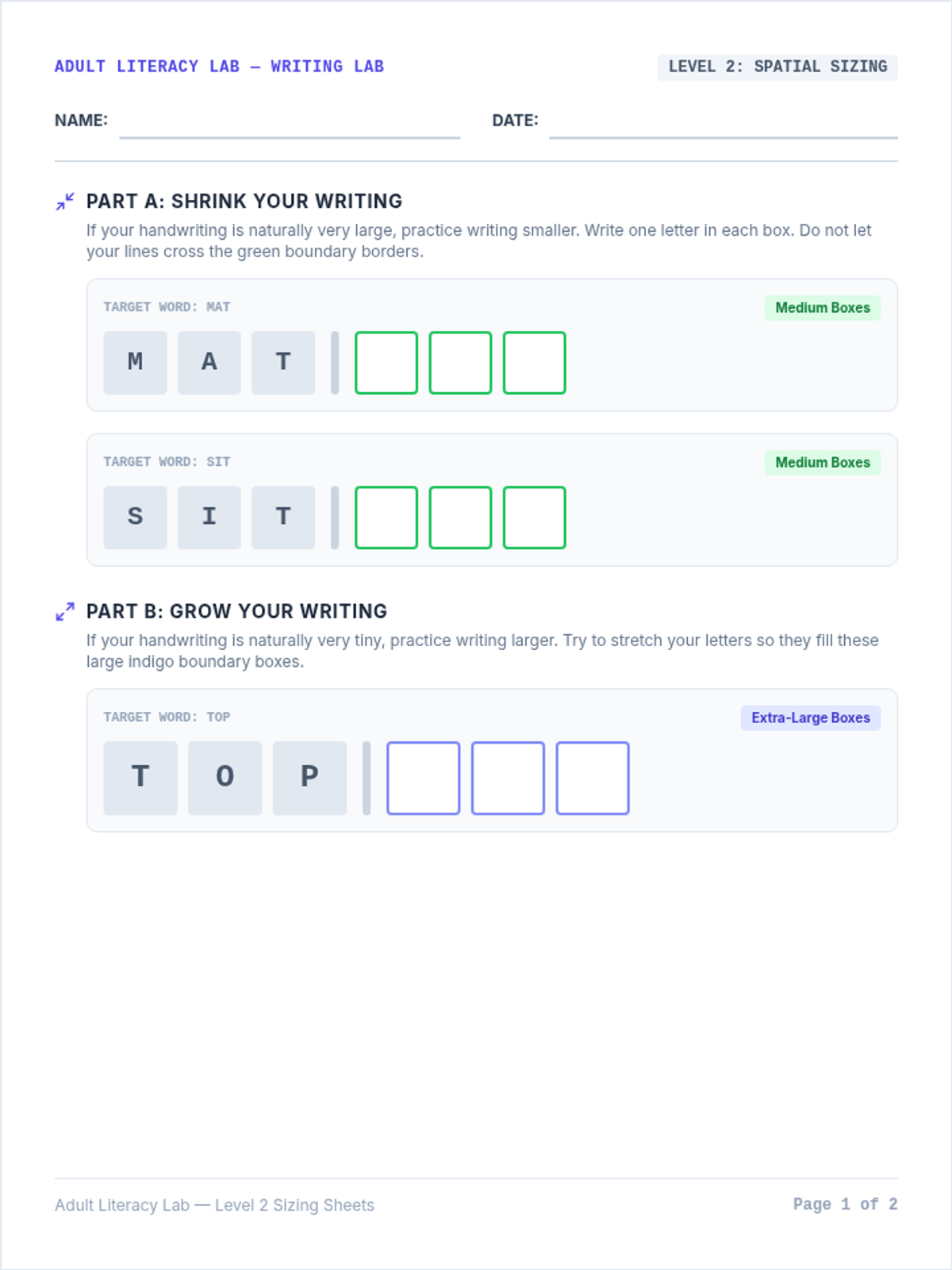
A foundational sequence for pre-service teachers exploring the physiological and articulatory mechanics of speech sounds. Students master pure phoneme production to ensure effective blending and segmenting instruction.
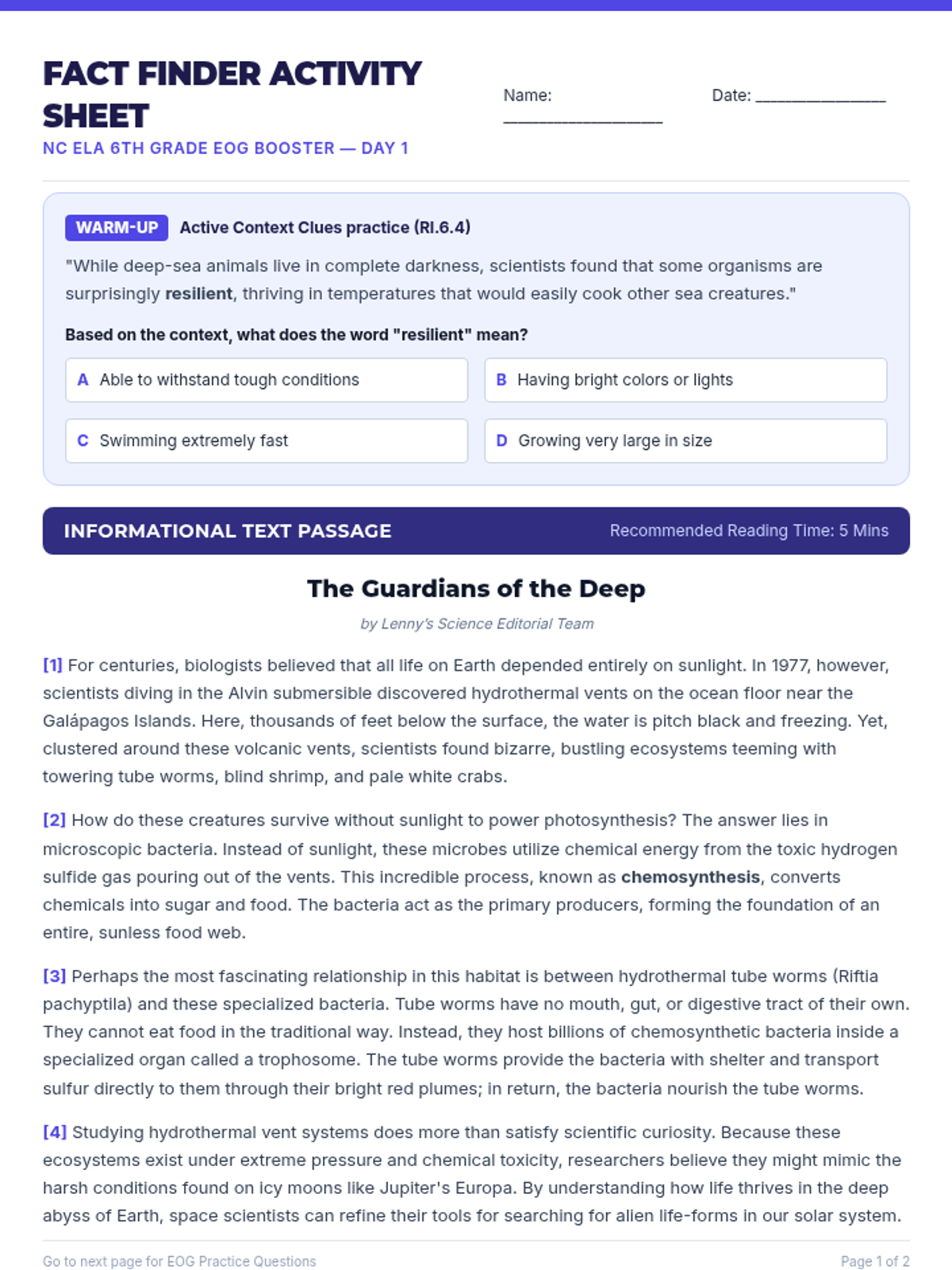
A small-group literacy unit focused on mastering informational texts through text-based questioning, vocabulary development, and structured paragraph writing (Topic Sentence, Details, Concluding Sentence) centered on the theme of extreme weather.
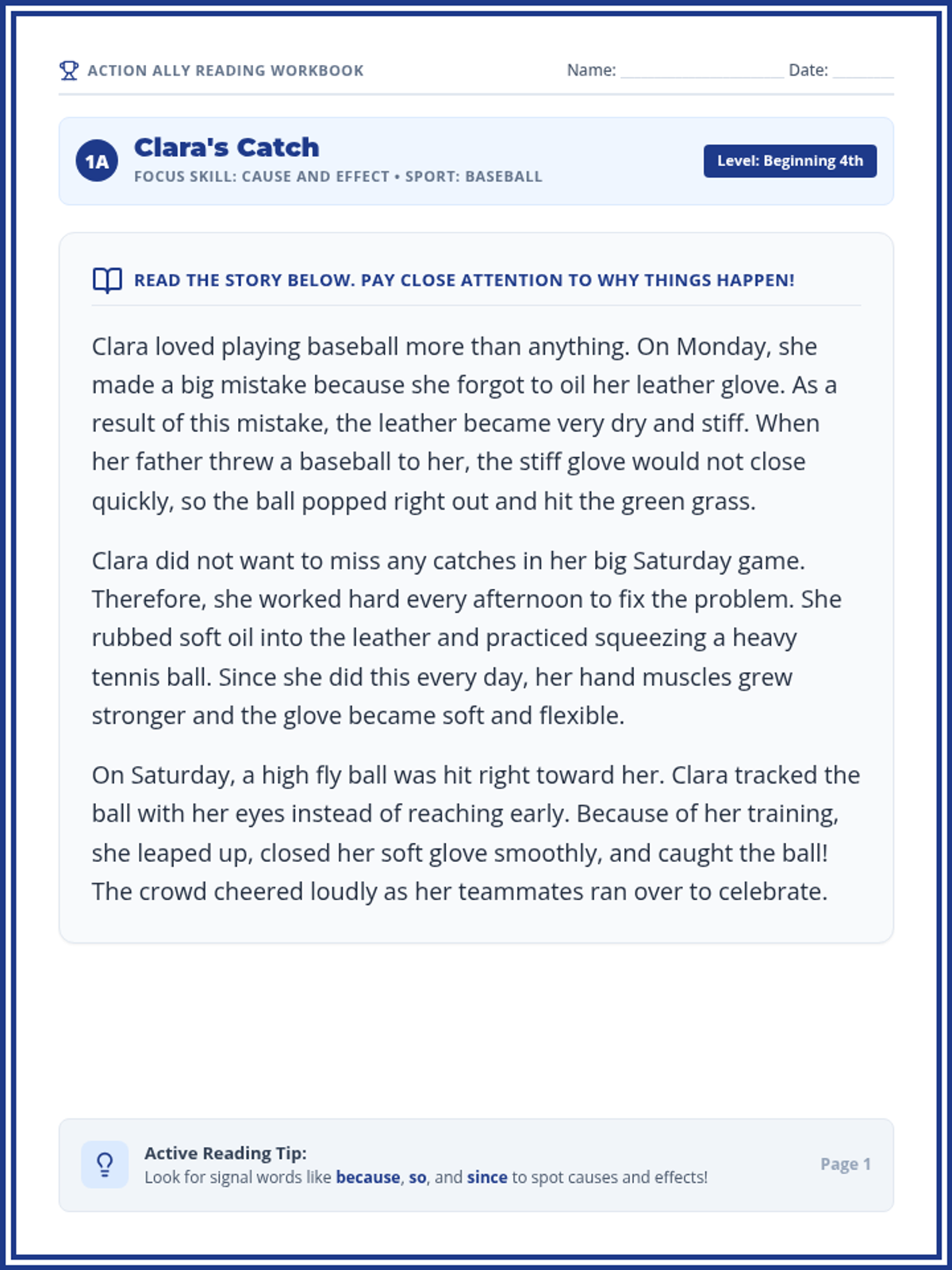
A week-long ELA homework series centered around a narrative about a squirrel's search for a rare acorn. The materials are differentiated for Kindergarten, 2nd Grade, and 4th Grade learners.
A three-lesson exploration of Kate Chopin's 'The Story of an Hour', focusing on the nuances of 3rd person omniscient point of view, sensory imagery, figurative language, and the ironic twist of the plot. Students analyze how narrative perspective shapes their understanding of Mrs. Mallard's internal transformation.
An 8-lesson unit for 11th-grade students exploring F. Scott Fitzgerald's 'The Great Gatsby' through close reading, literary analysis, and historical context. Students investigate themes of wealth, the American Dream, and social class while mastering concepts like tone, point of view, and symbolism.
A lesson sequence focused on the narrative craft of writing high-stakes introductions for interactive survival stories, specifically leading to biological defense mechanism choices.
A literary and historical exploration of F. Scott Fitzgerald's classic novel, focusing on the cultural, social, and economic forces of the 1920s and how they shape the American Dream.
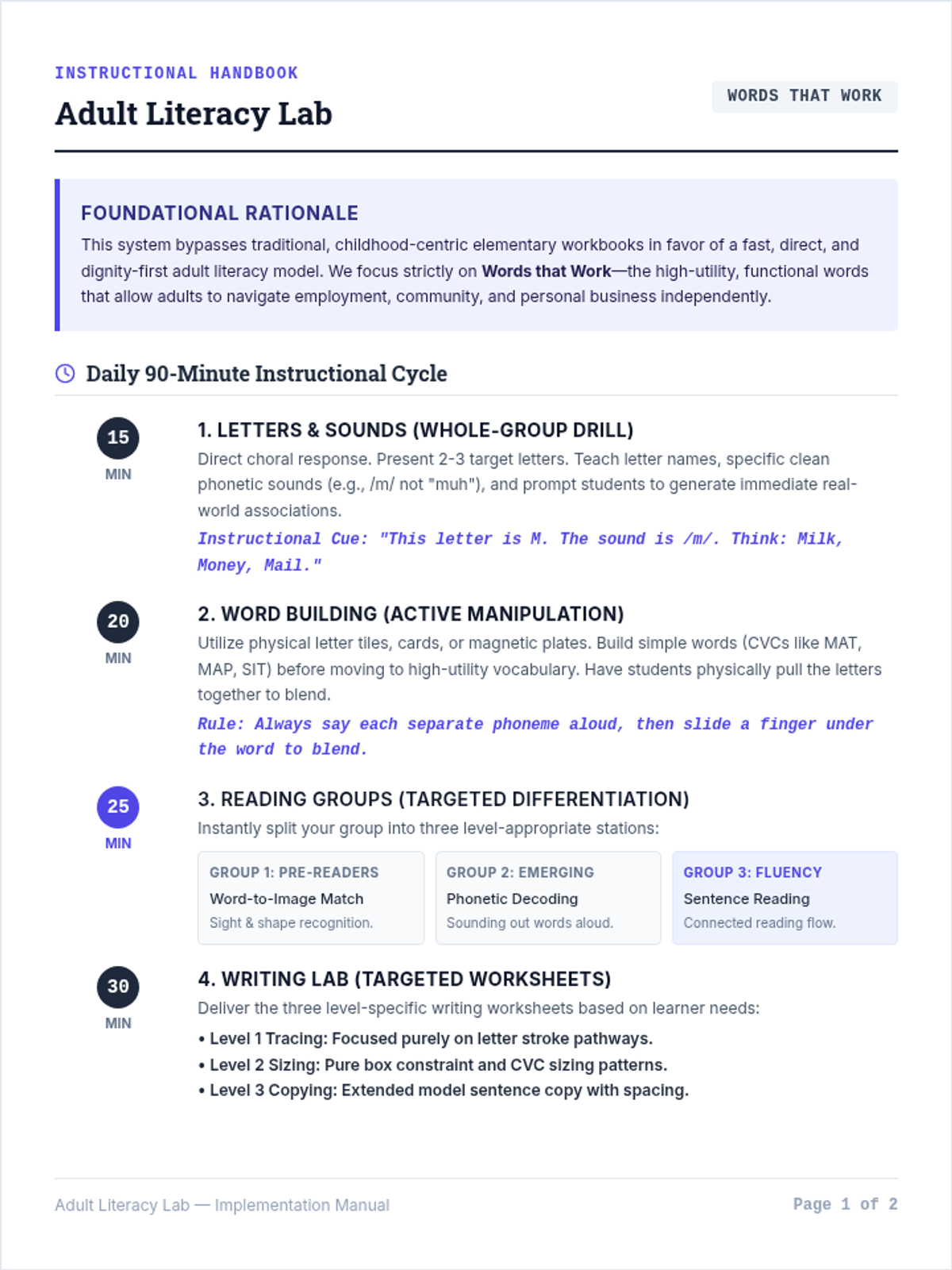
A comprehensive baseline reading assessment sequence designed for virtual tutoring environments. It includes tools for phonics screening, fluency checks, and comprehension evaluation to establish a student's starting point.
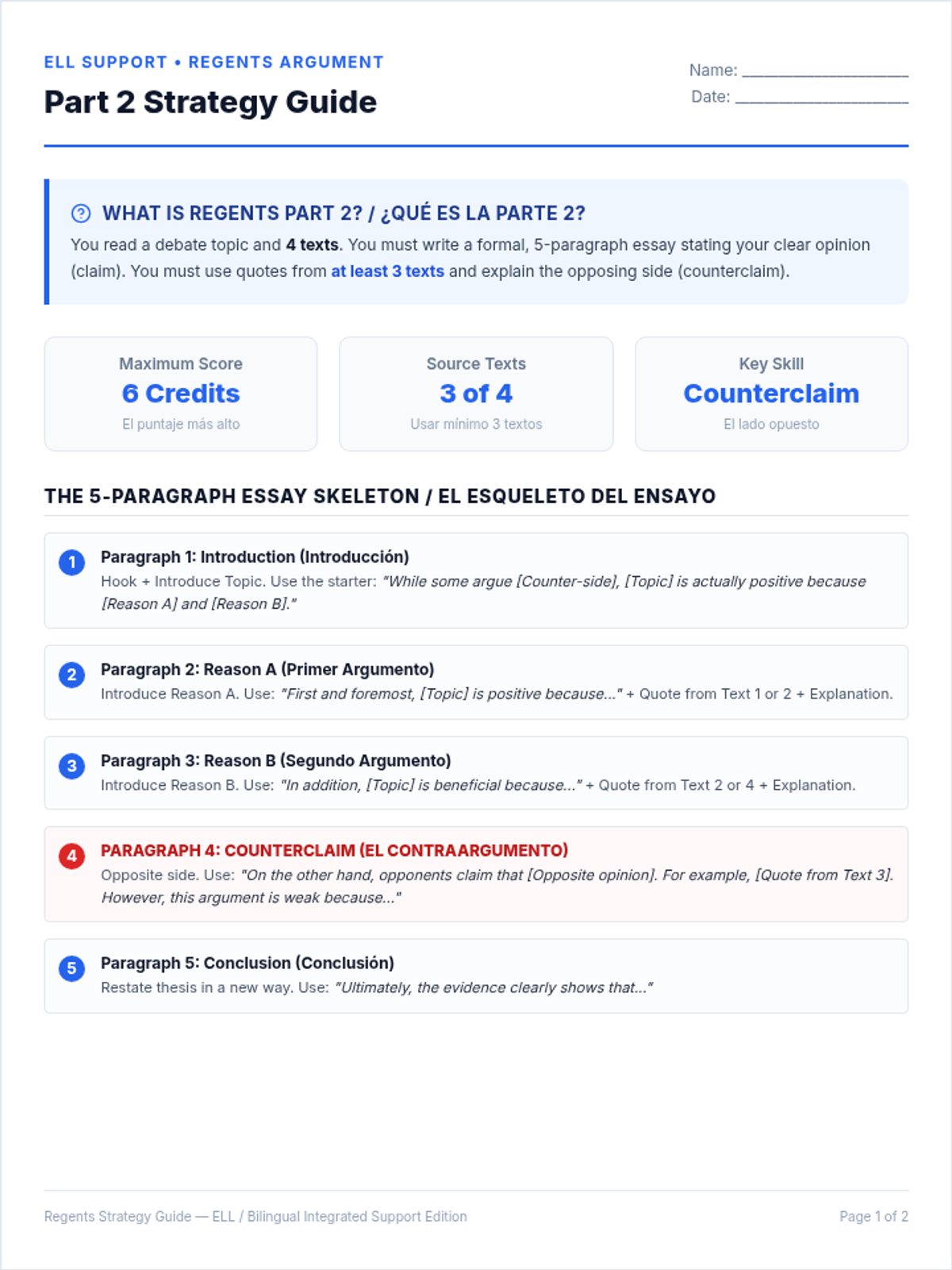
A four-day intensive study of Shakespeare's Macbeth, focusing on characterization and the development of ambition to prepare students for an argumentative essay on Macbeth's worthiness for the throne.
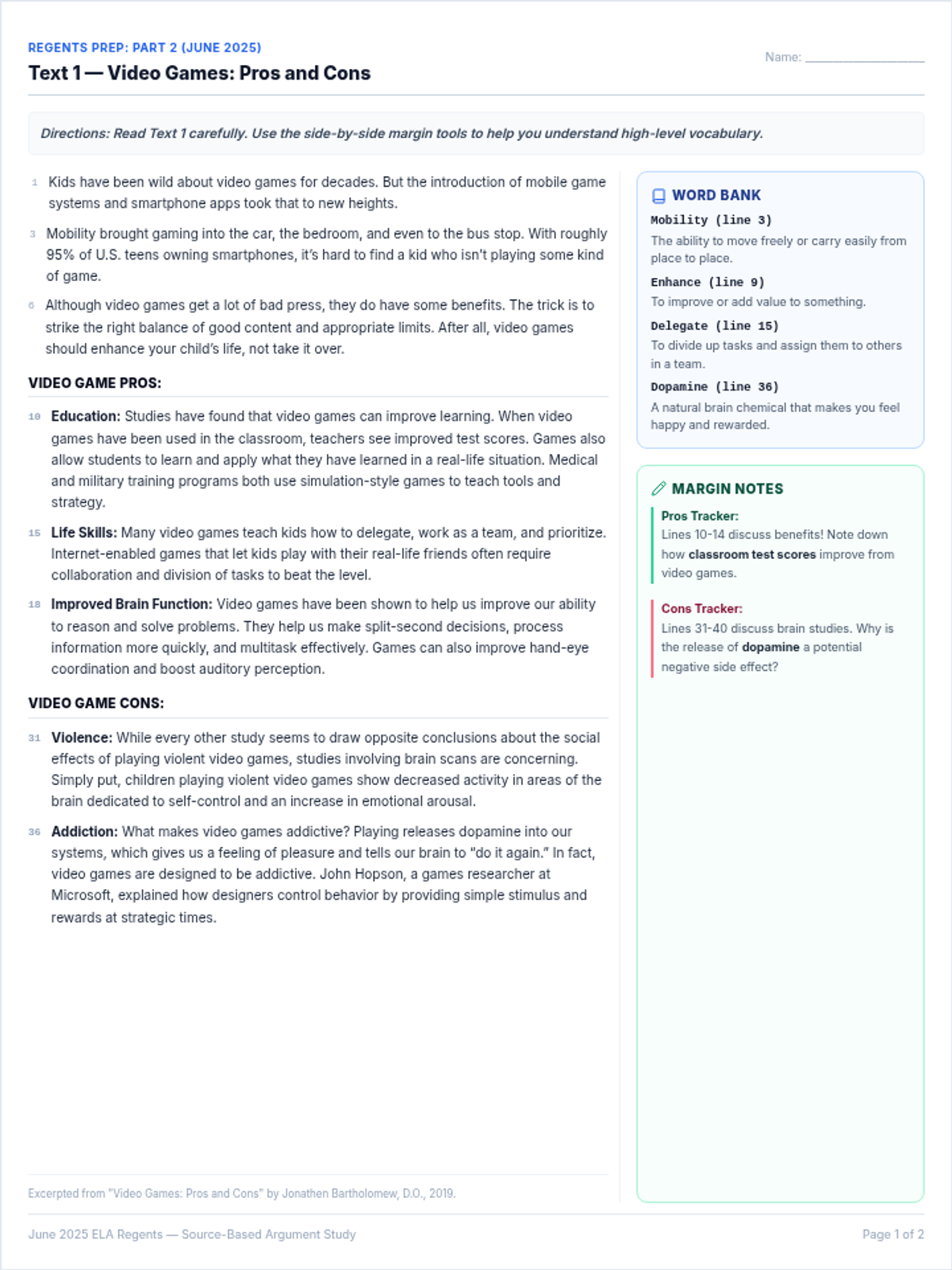
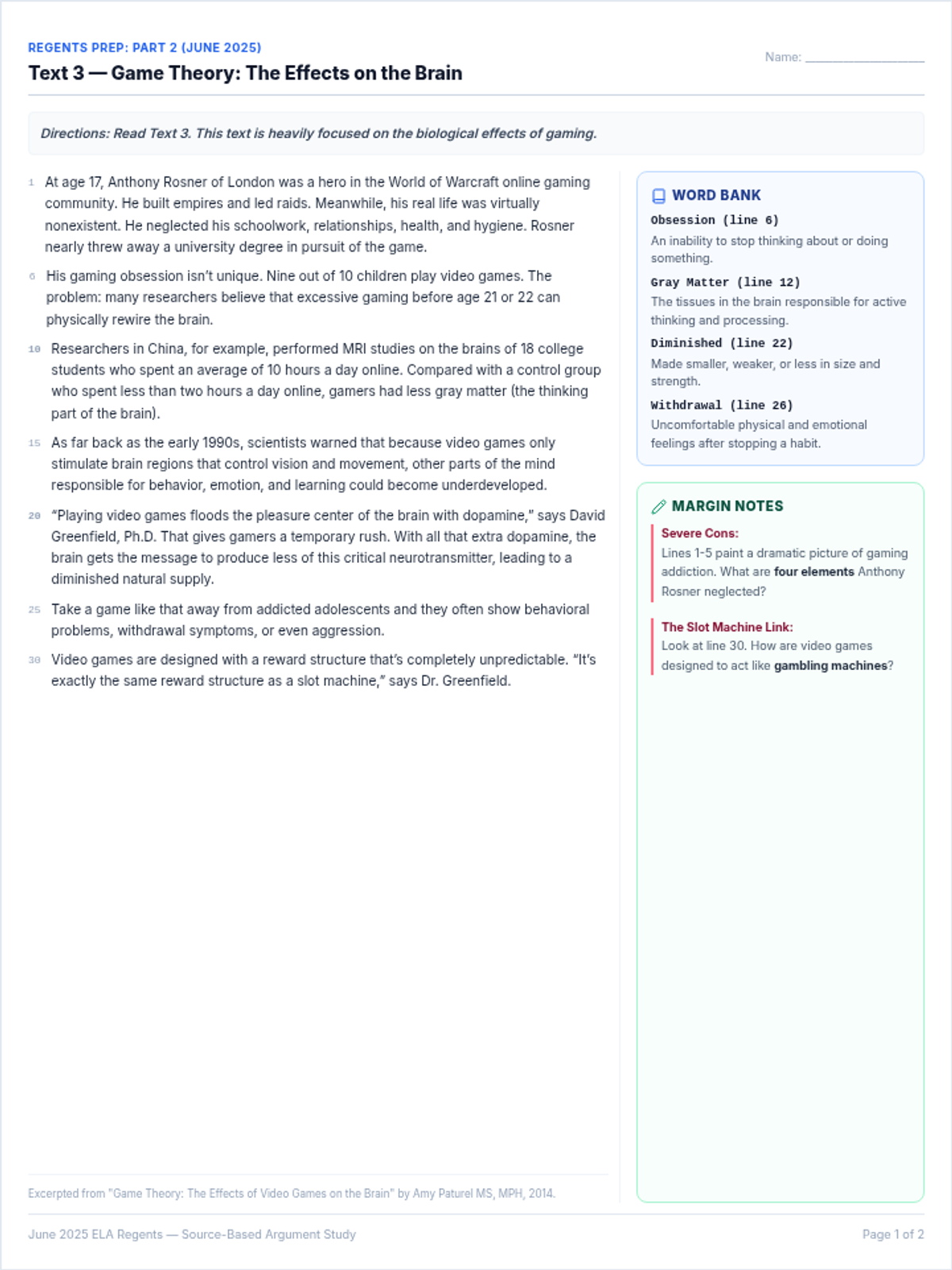
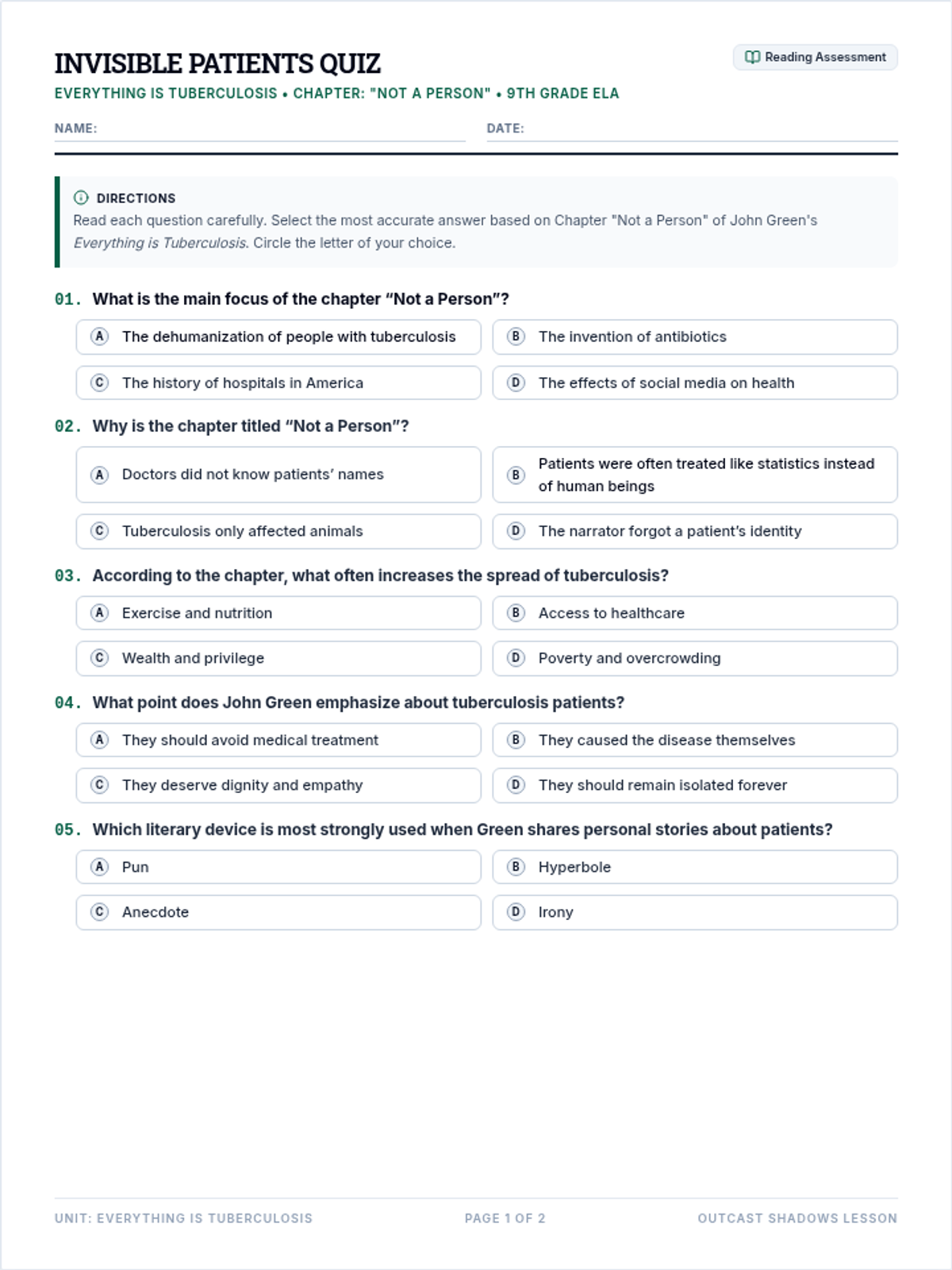
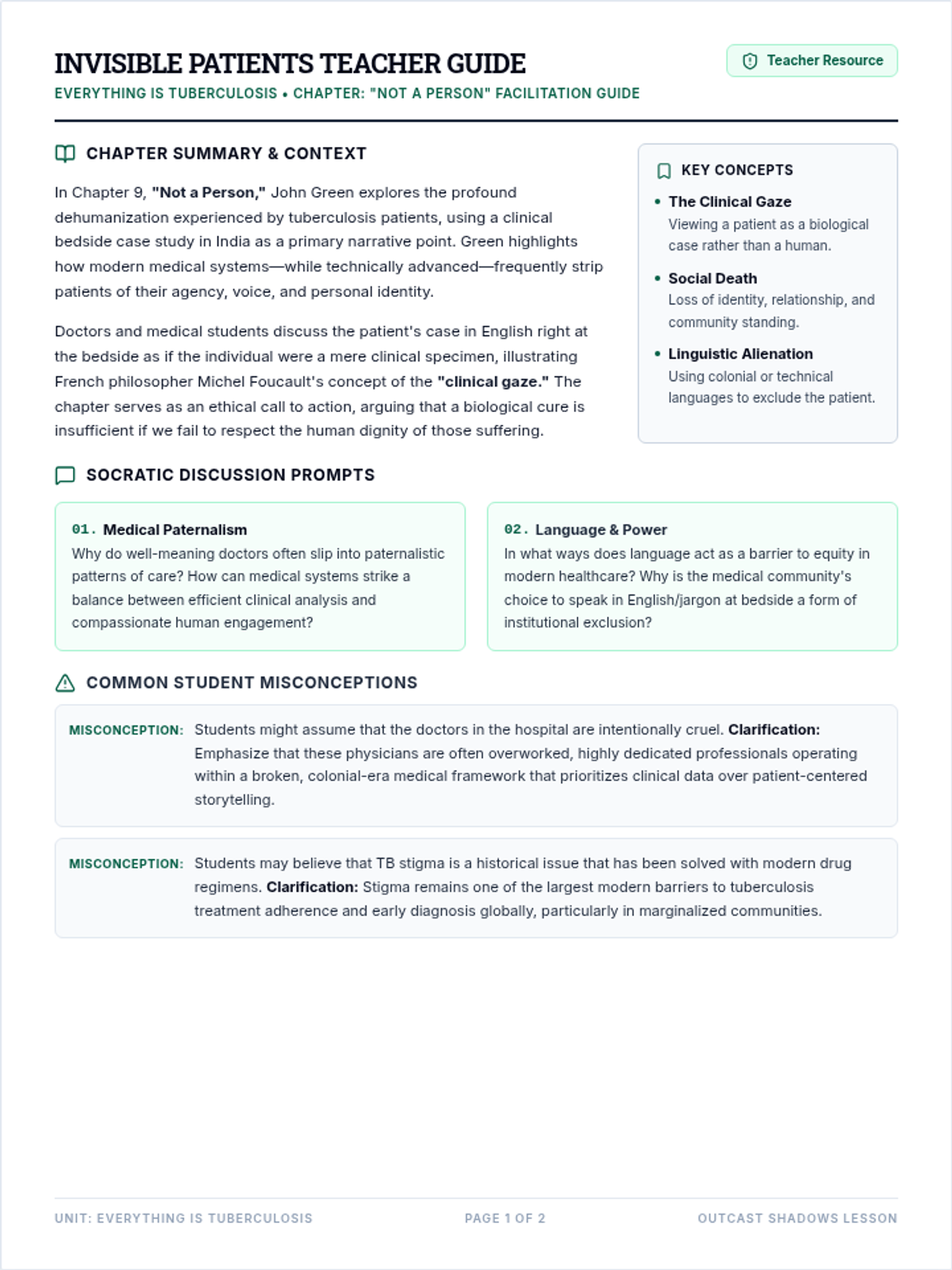
A 9th-grade English RLA unit exploring the physical and emotional intersection of love and pain through scientific analysis and poetic metaphor. Students synthesize Eric Jaffe's 'Why Love Literally Hurts' with Carol Ann Duffy's poem 'Valentine' to craft argumentative synthesis correspondence.
Une formation pour les professeurs-documentalistes centrée sur la médiation culturelle et l'accompagnement des pratiques de lecture des adolescents. L'objectif est de concilier la réalité de l'édition actuelle avec les missions pédagogiques du CDI.
A week-long series of daily phonics and phonemic awareness warm-ups designed for Kindergarteners, featuring the Sound Squad detective theme.
A 3-lesson sequence designed to introduce Kindergarten students to opinion writing, moving from identifying favorites to providing reasons and reviewing books. Aligning with CA State Standard W.K.1, students use drawing and writing to express their voices.
A two-lesson unit focused on analyzing argumentative structures and multimodal features in the text 'Why Everyone Must Get Ready for the Fourth Industrial Revolution.' Students will explore thesis development, evidence, counterarguments, and the impact of graphic features.
A collection of curriculum overview and alignment resources for 11th Grade English, focusing on societal change and civic rights.
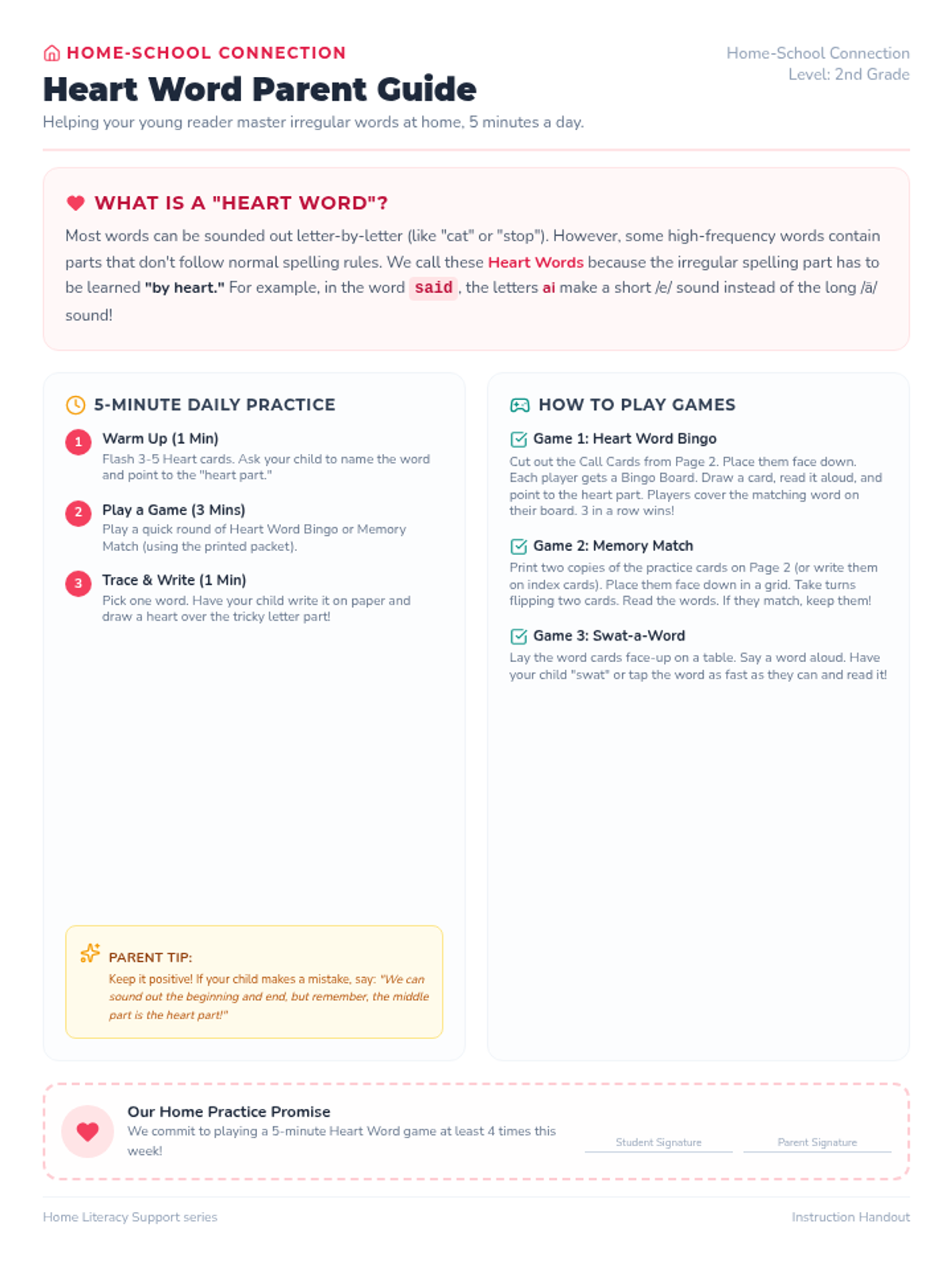
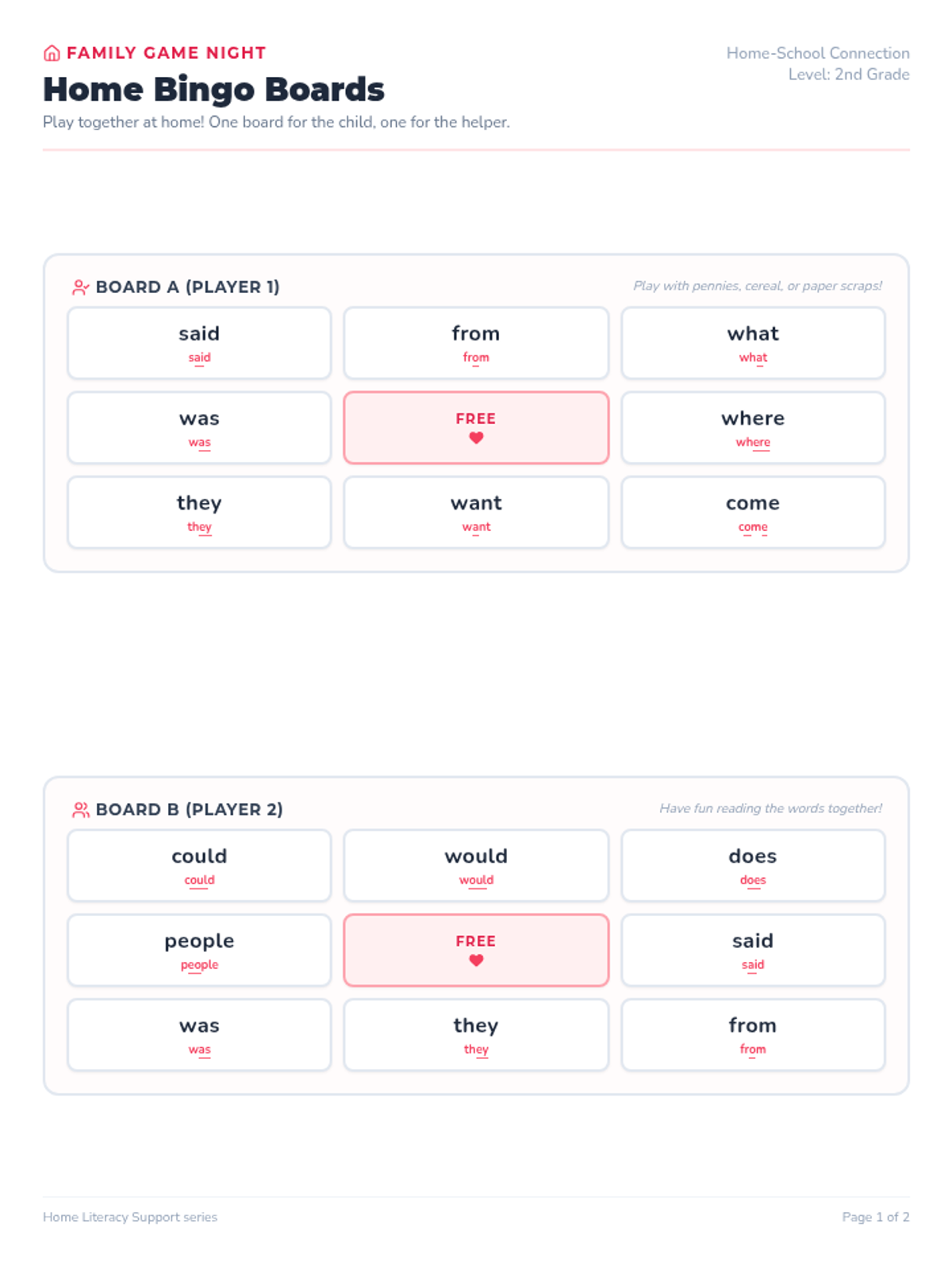
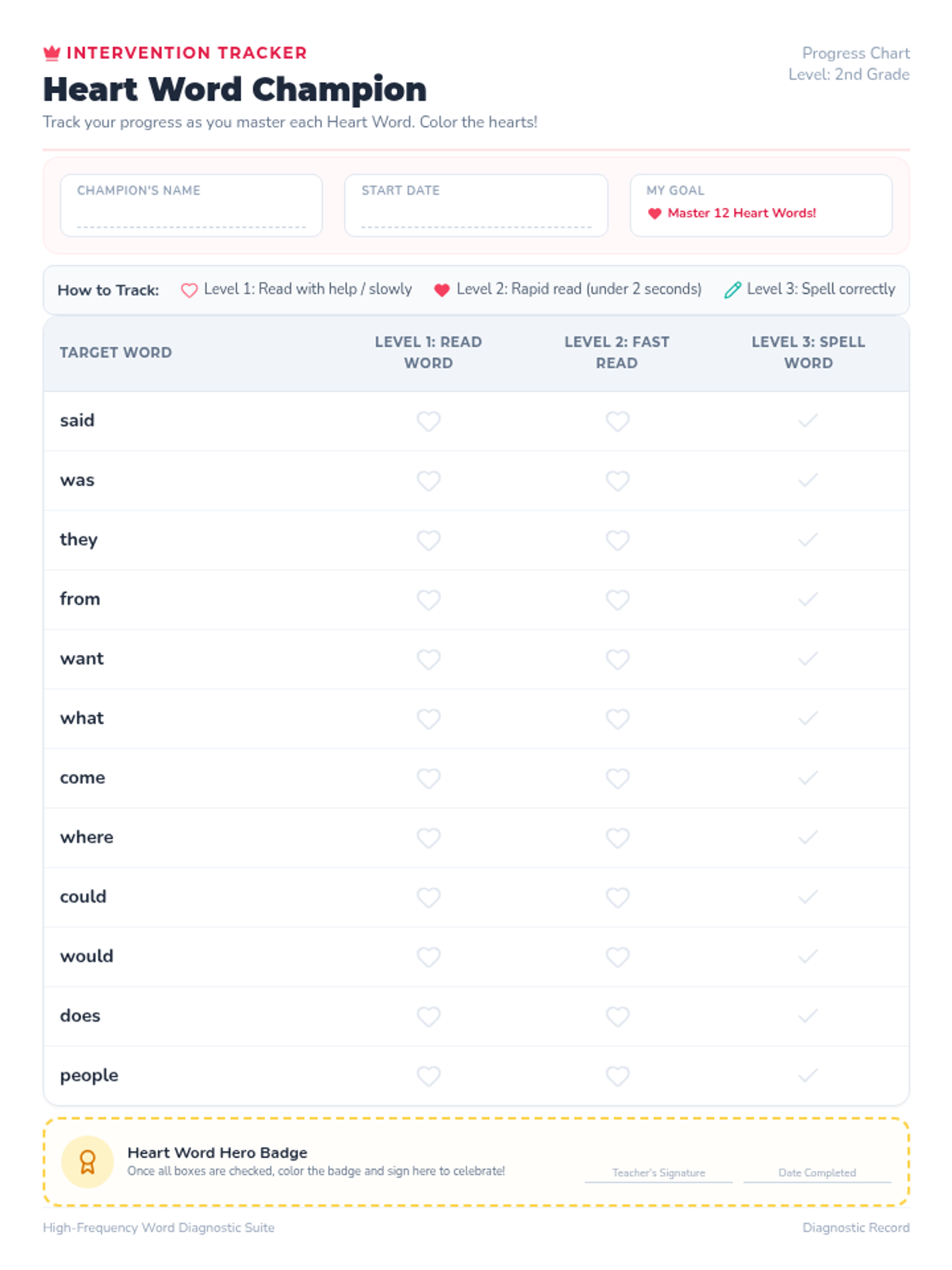
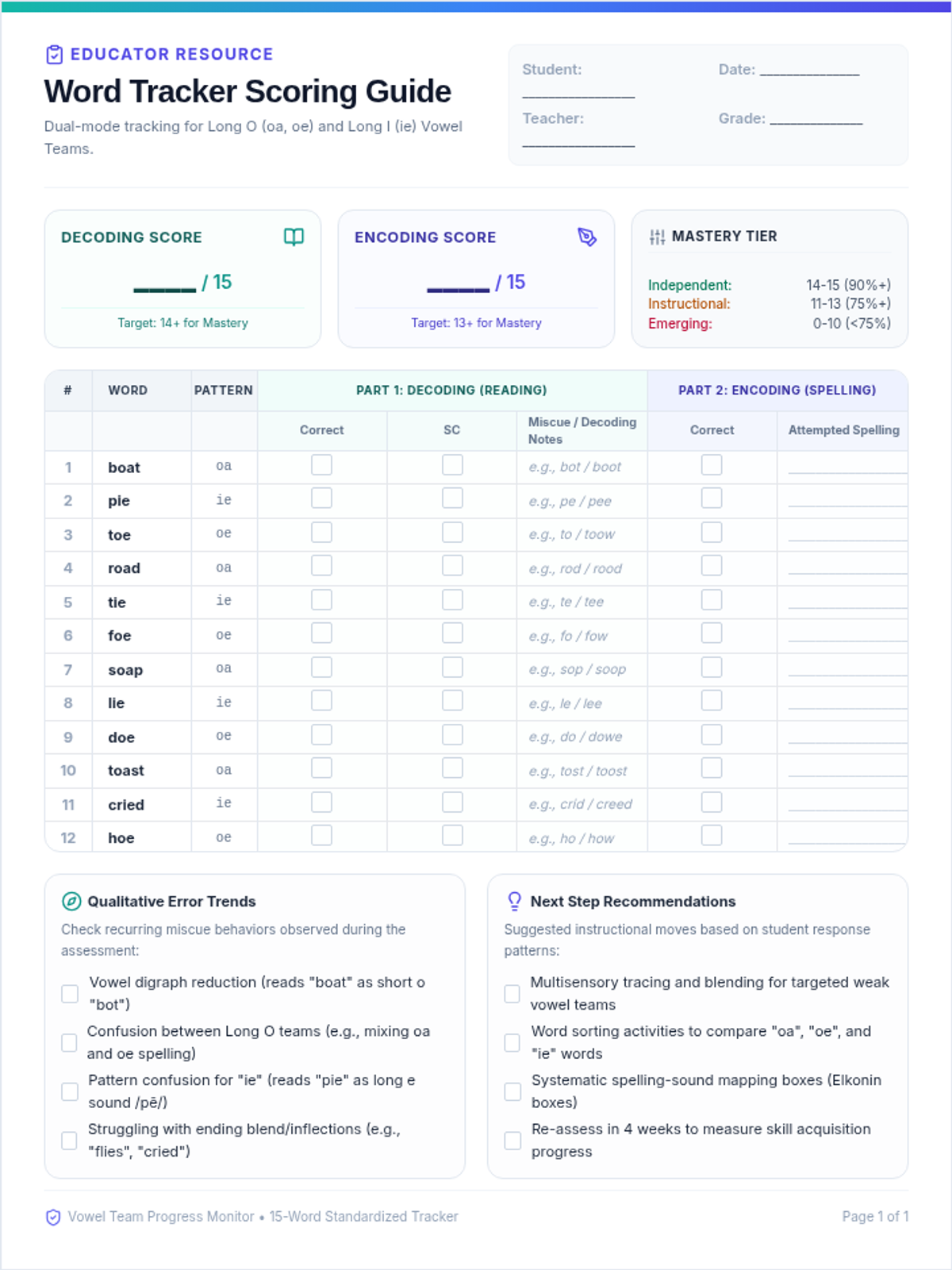
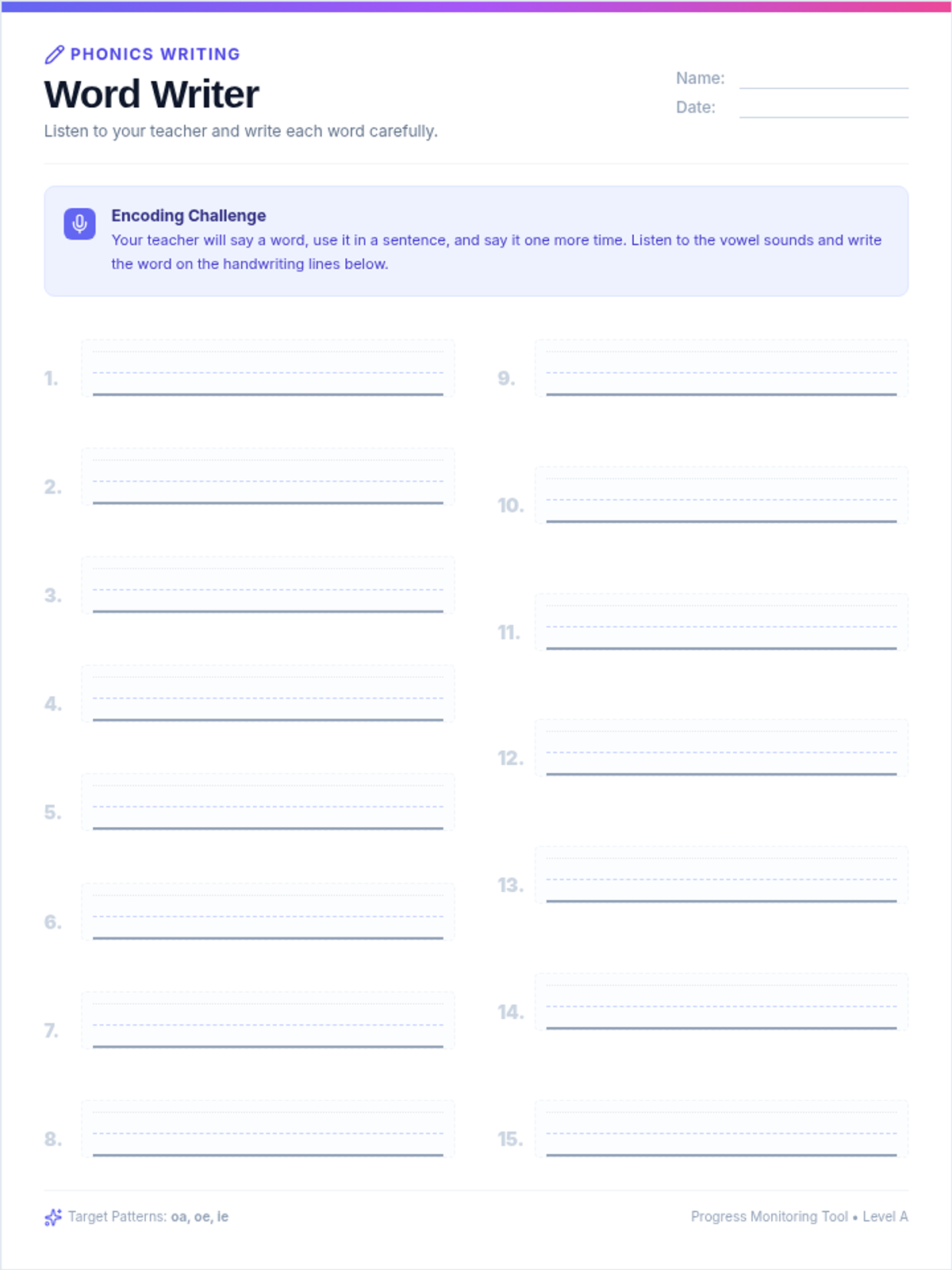
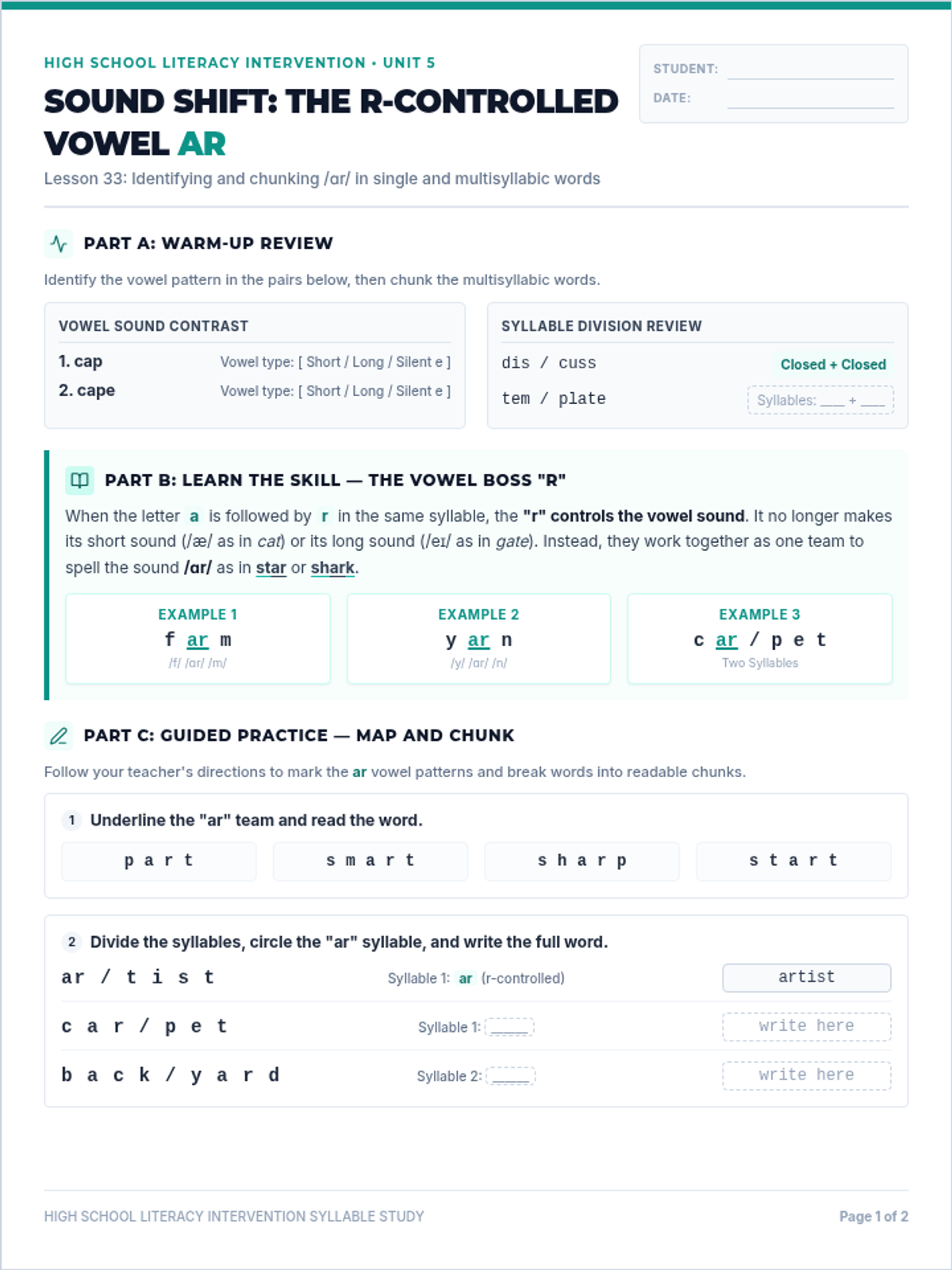
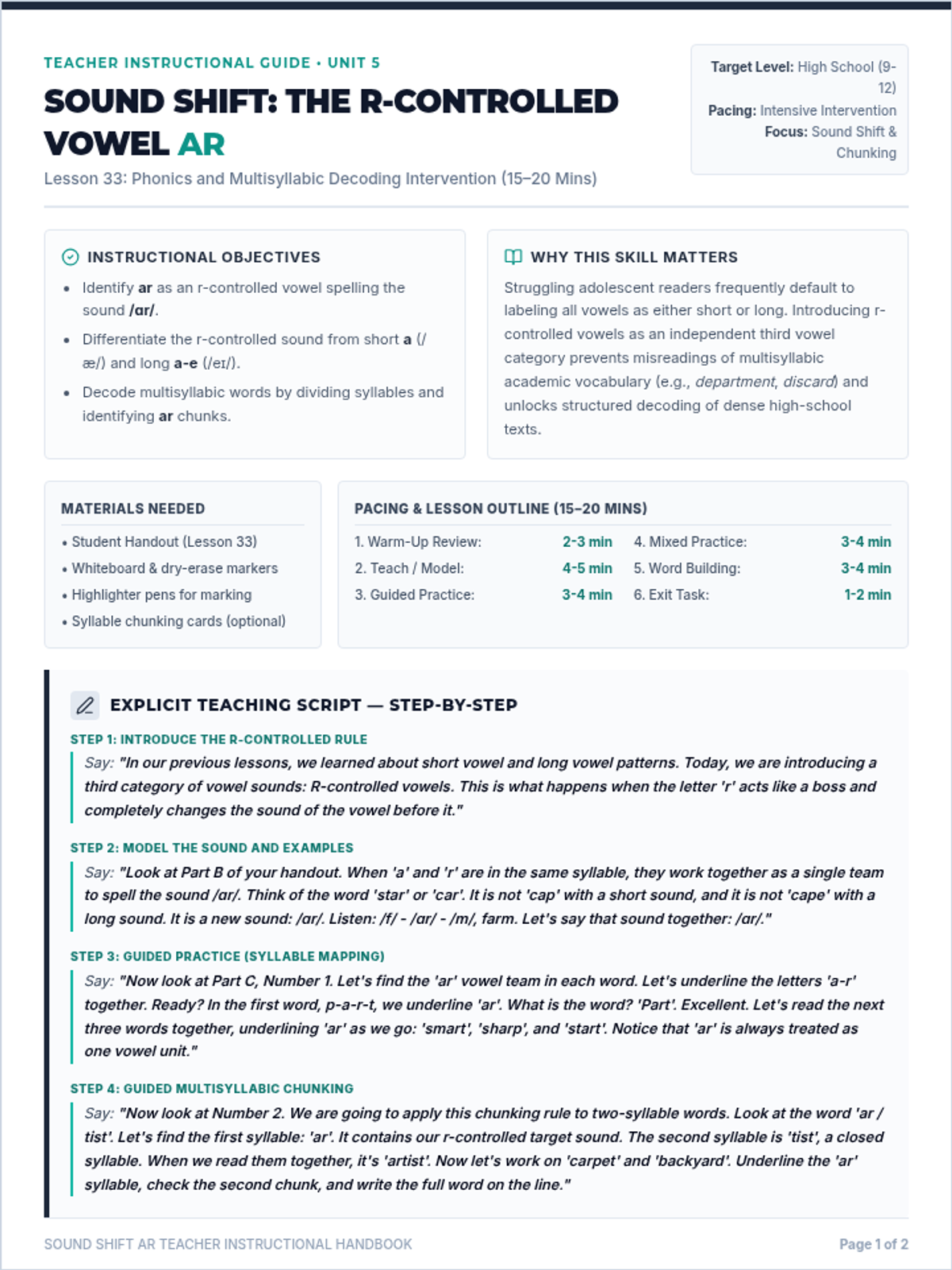
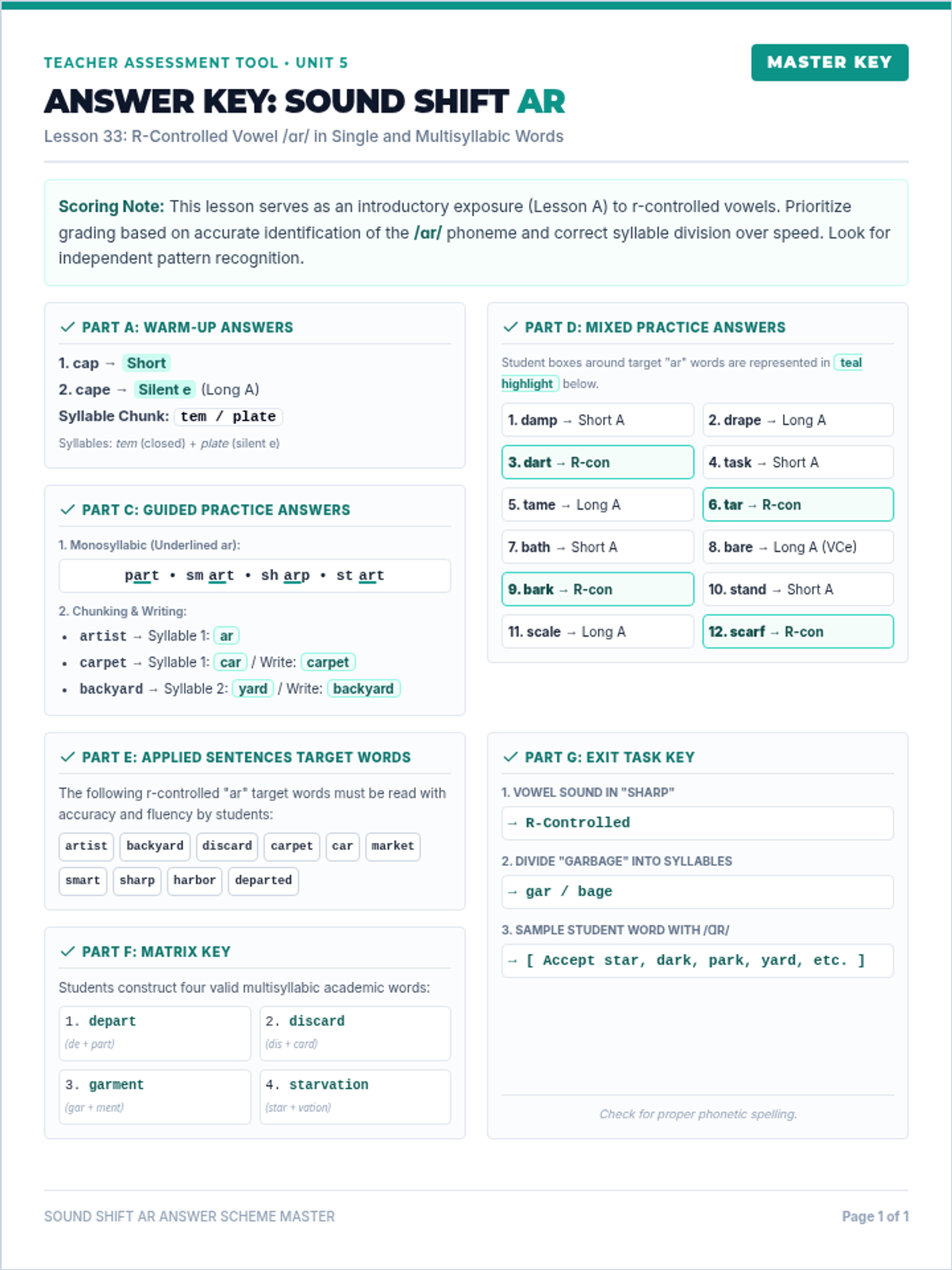
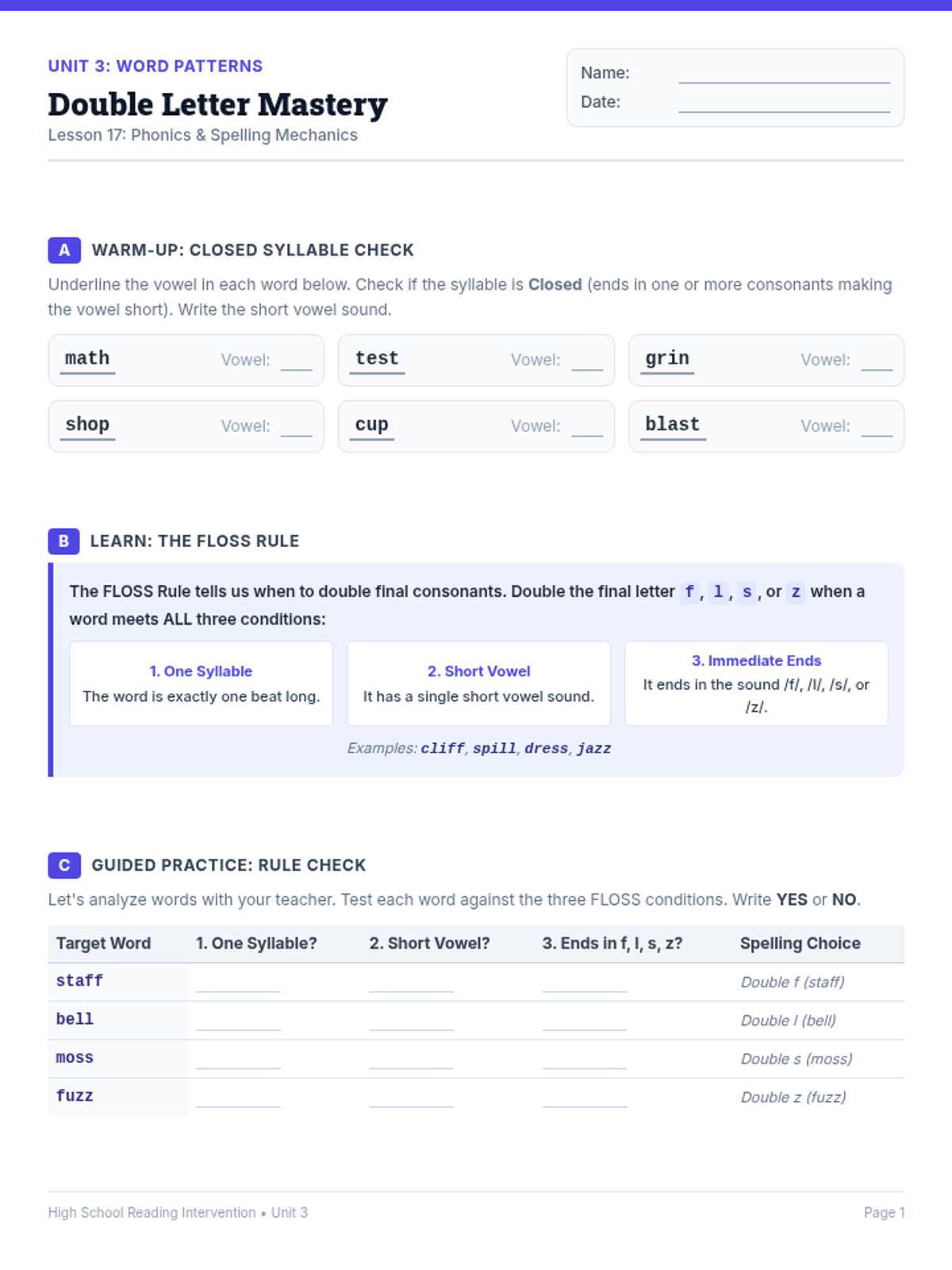
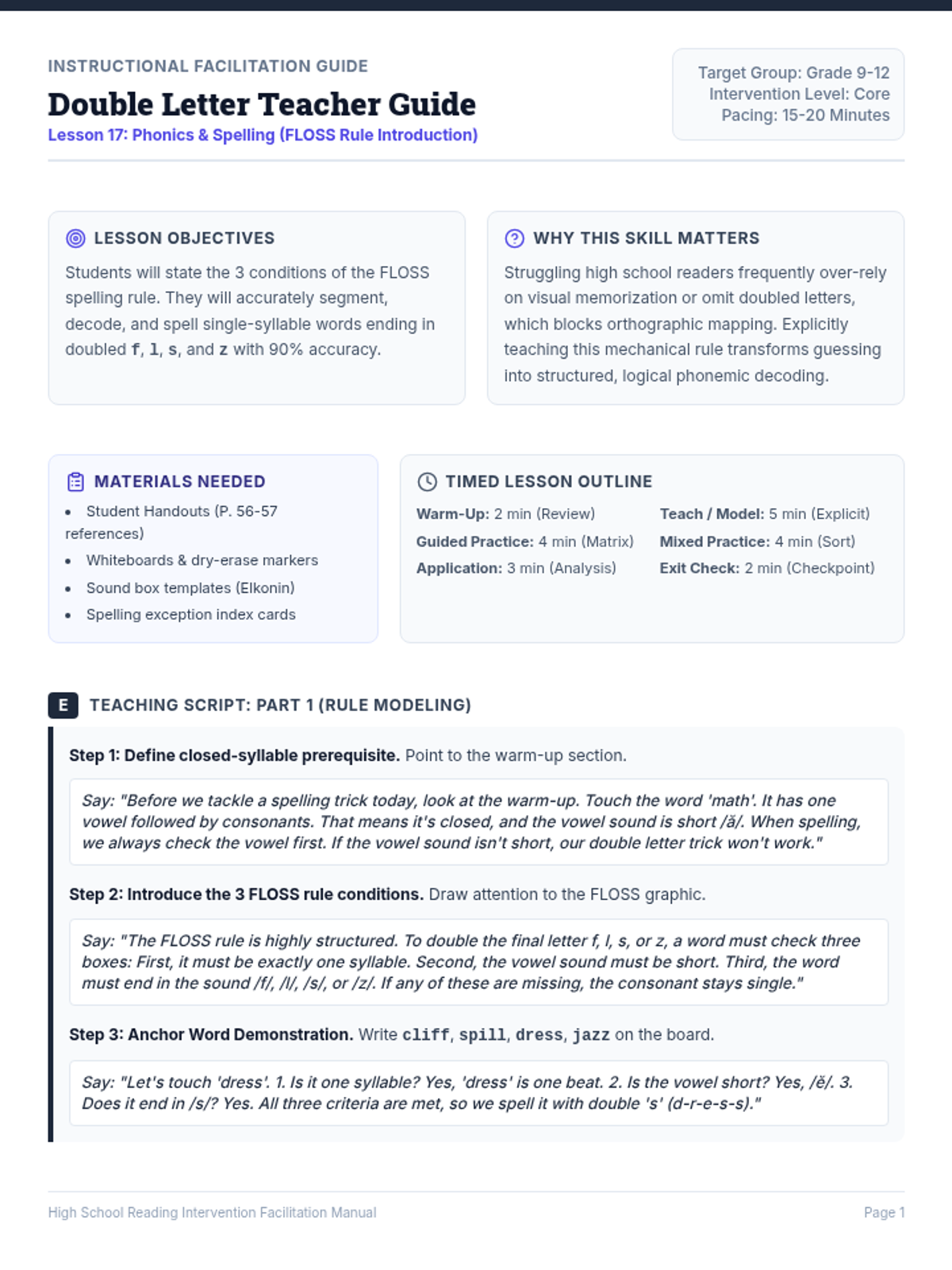
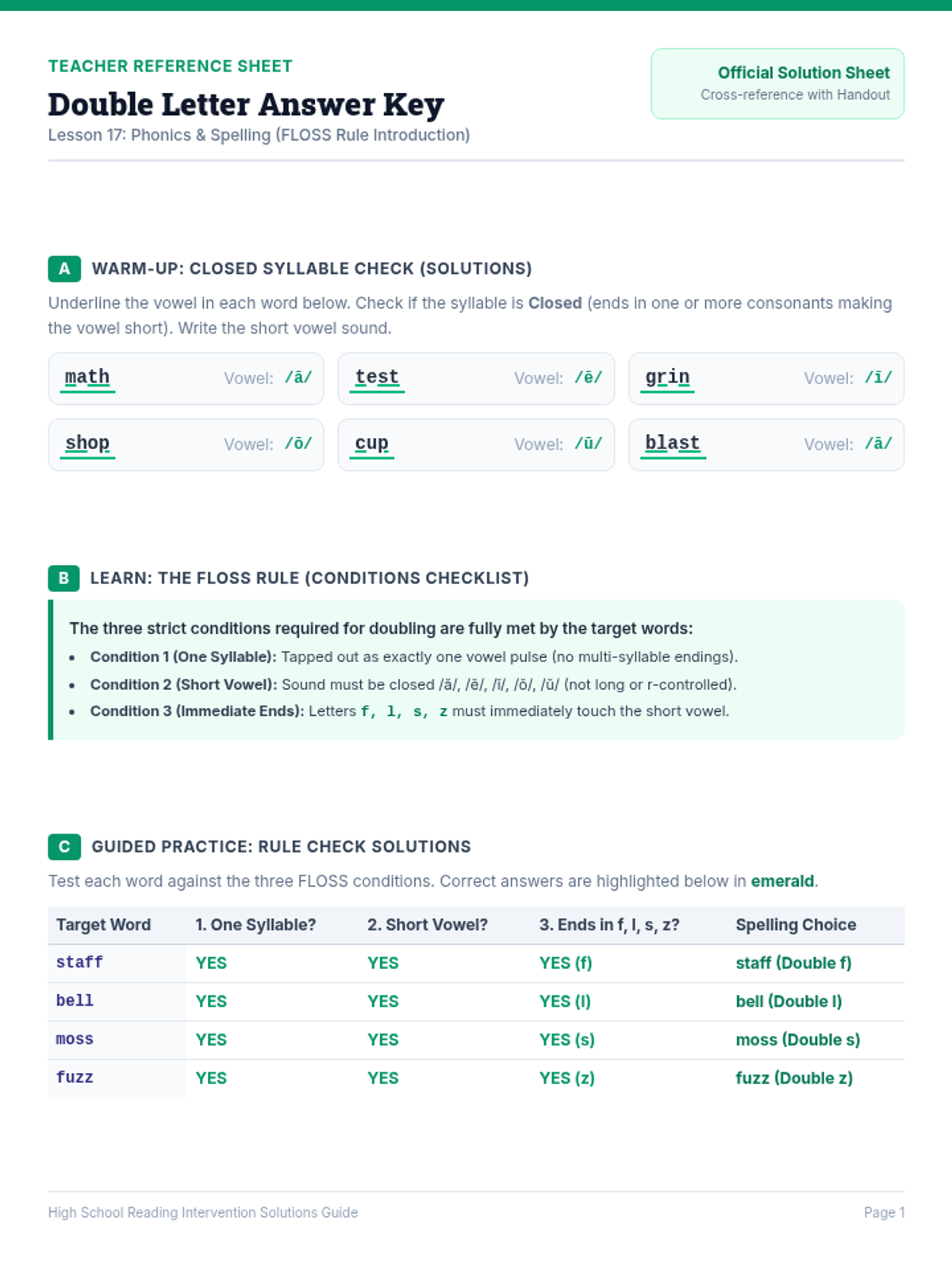
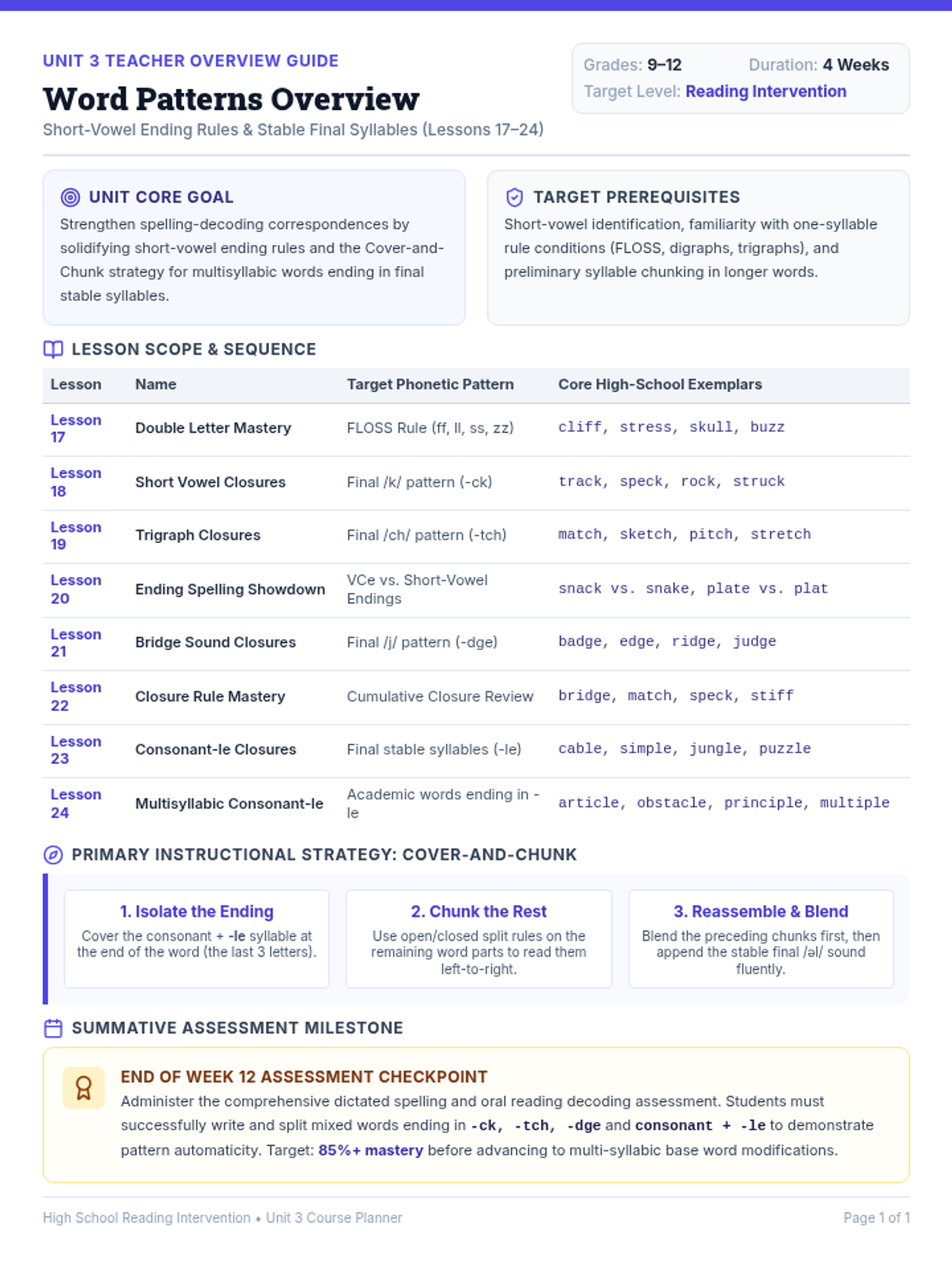
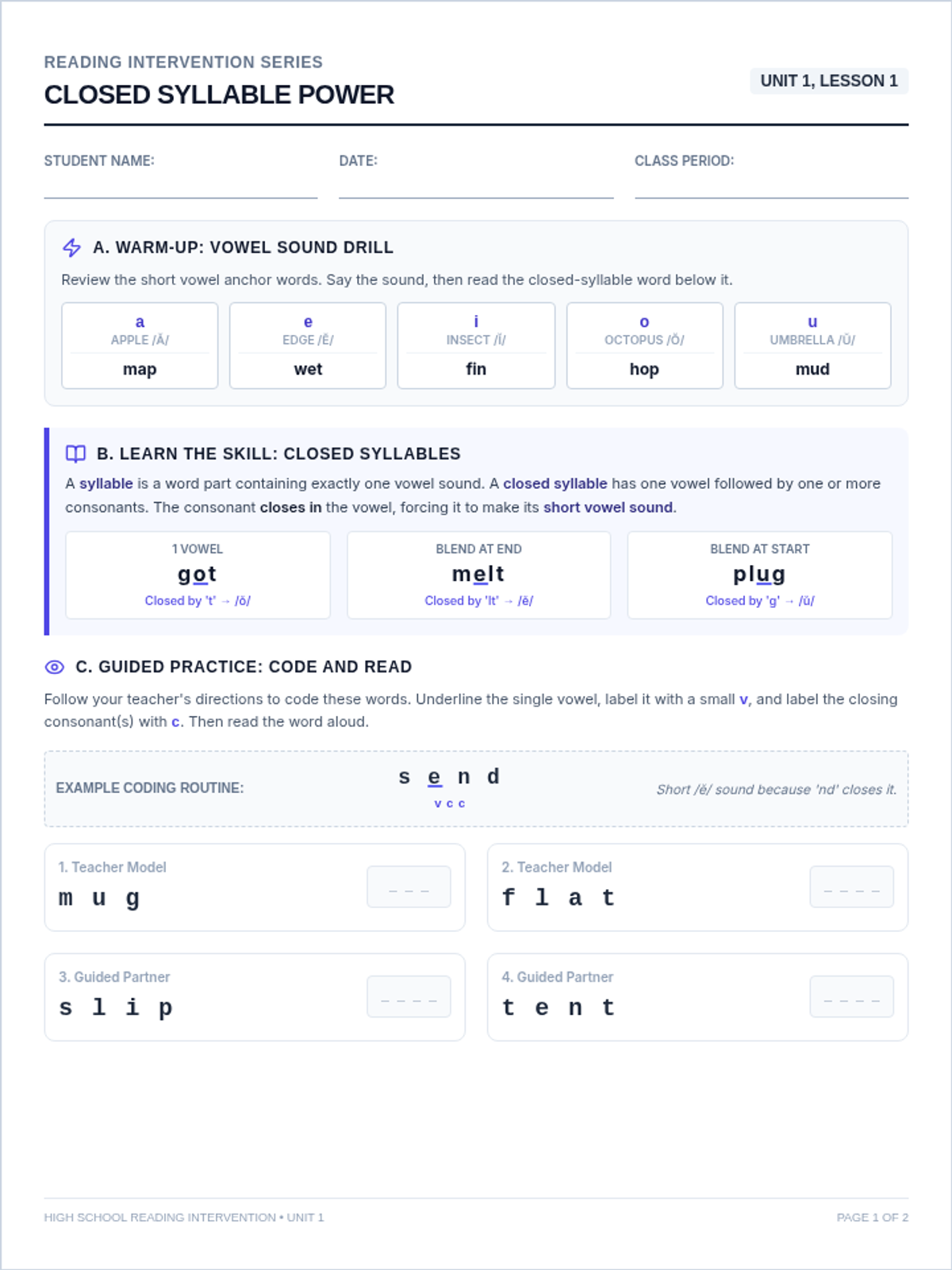
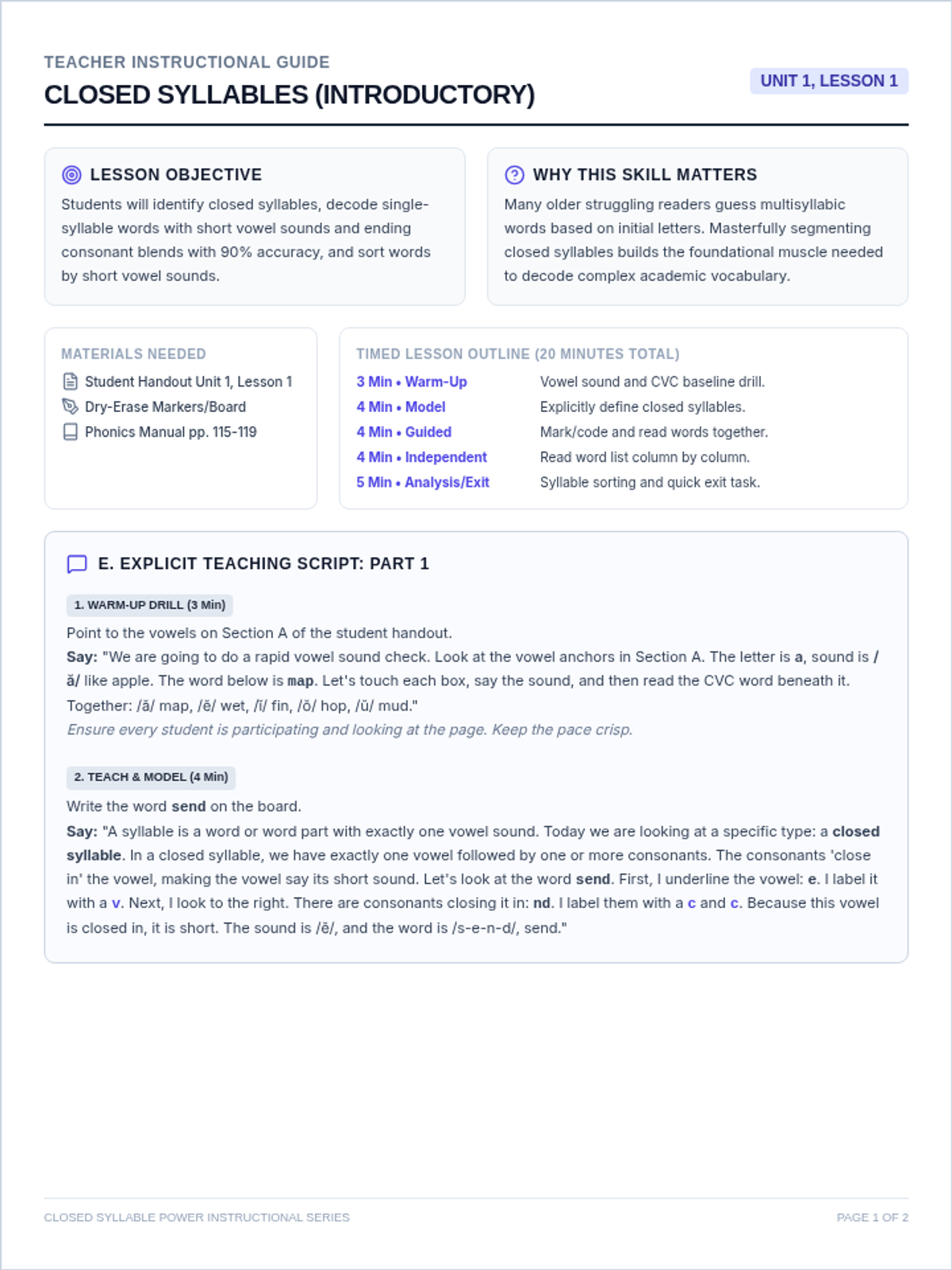
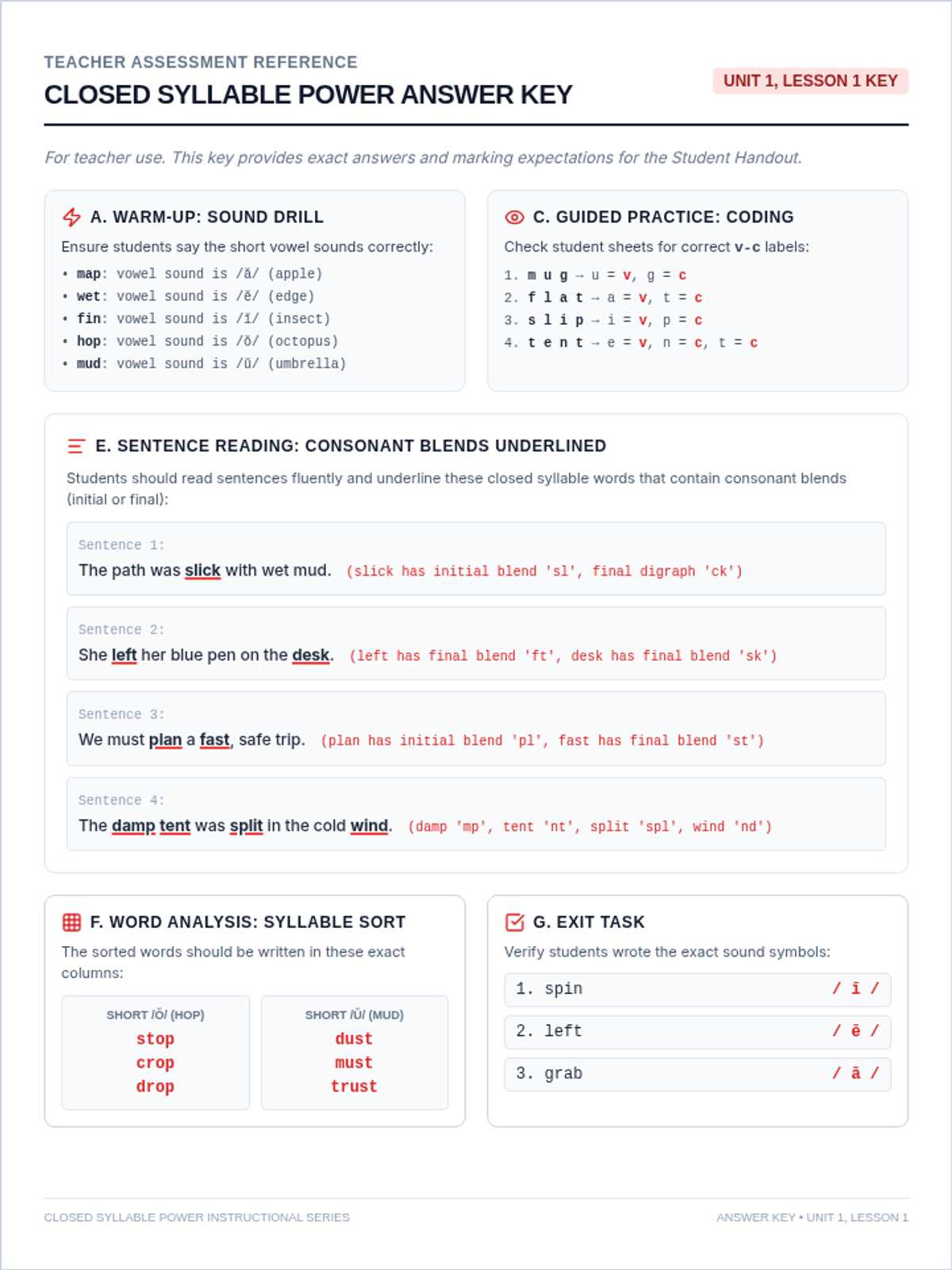
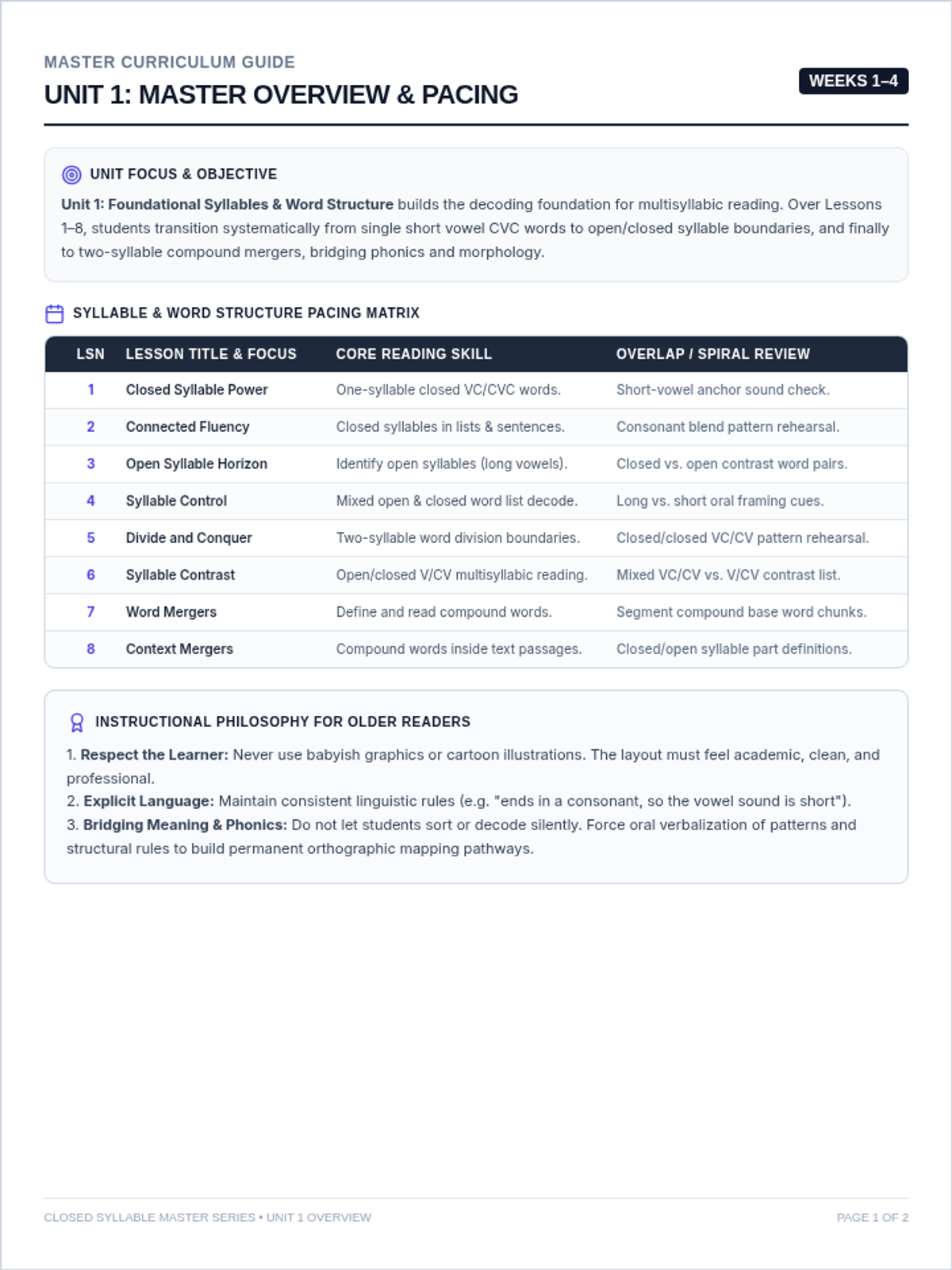
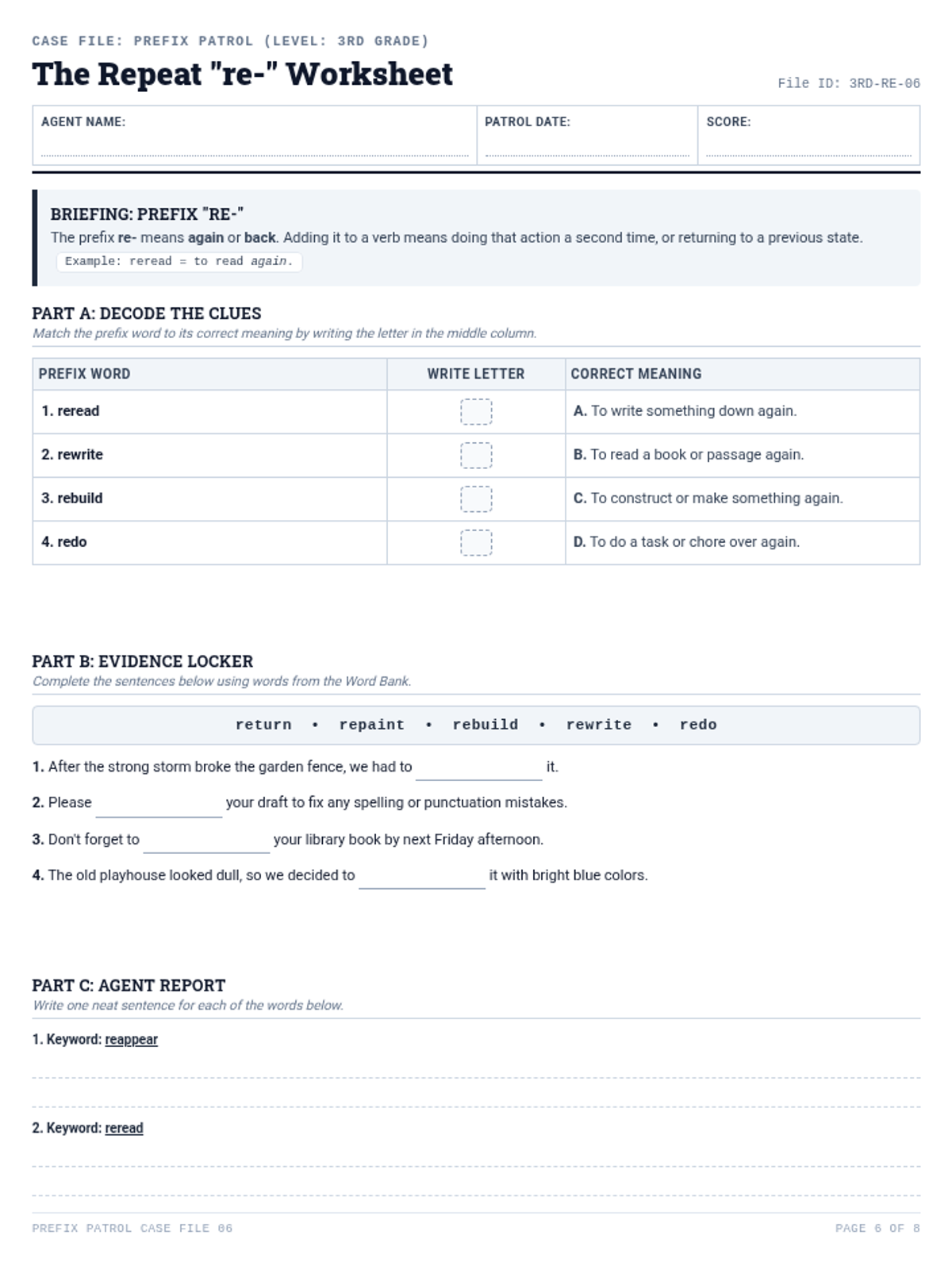
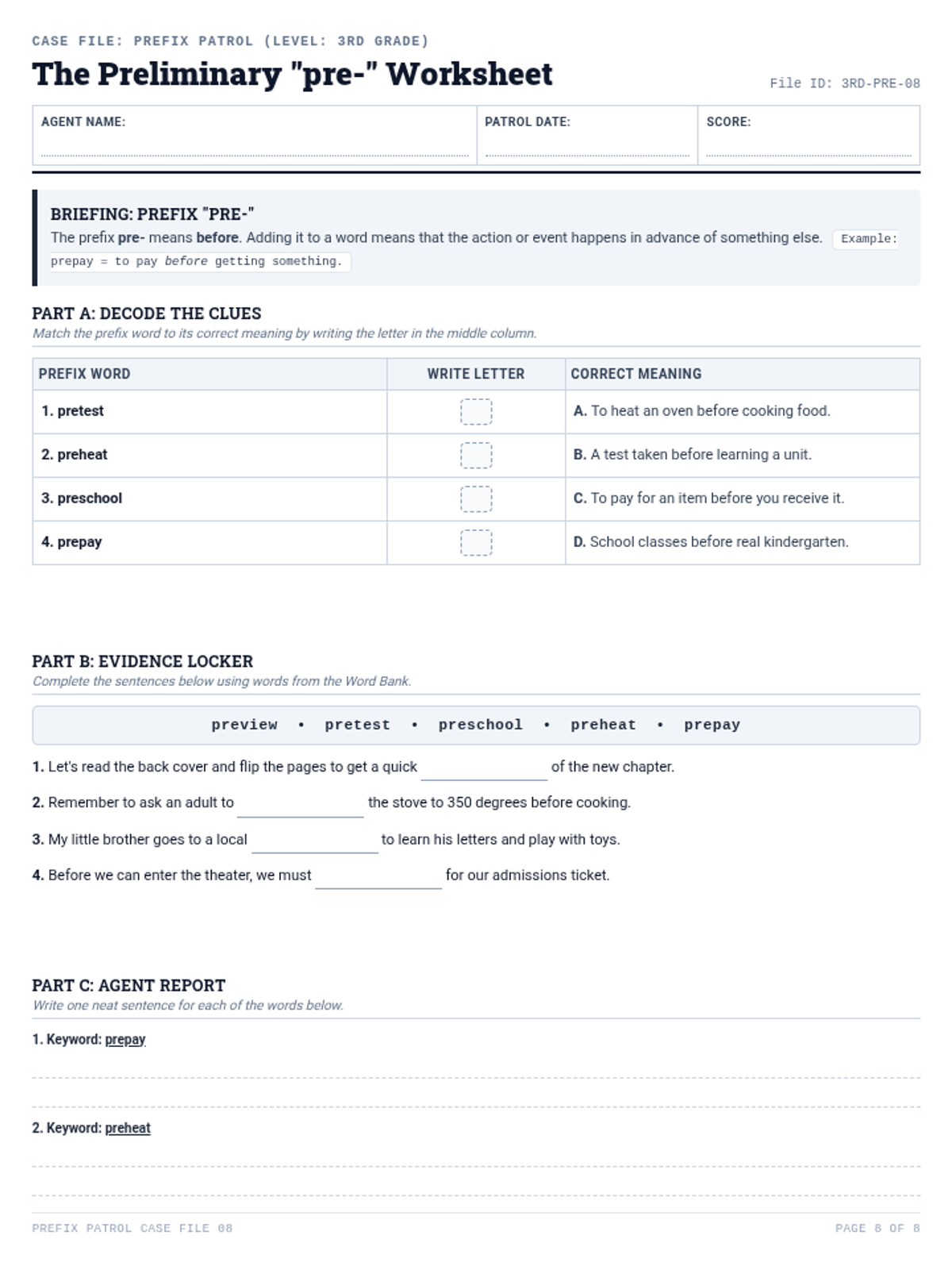
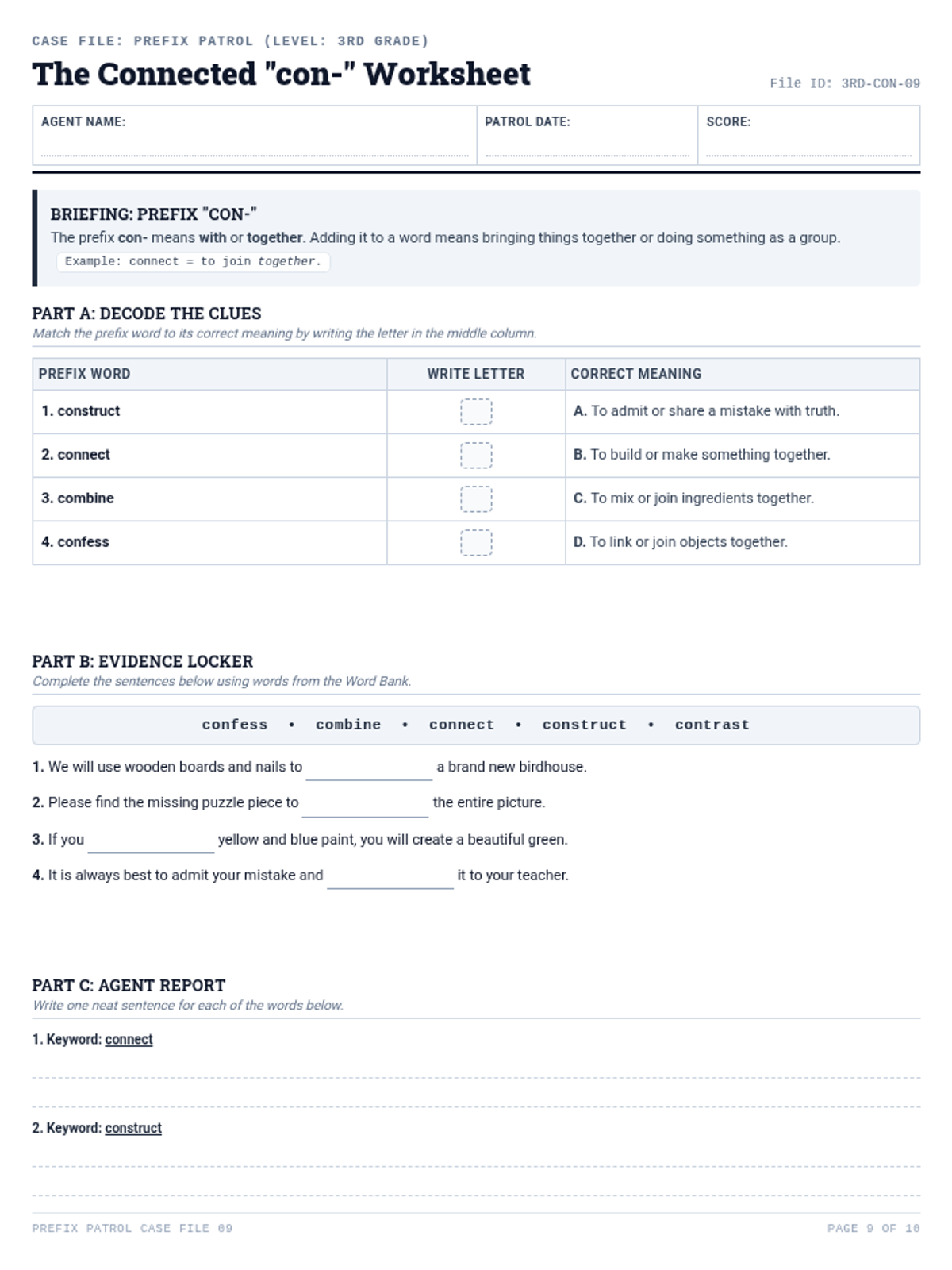
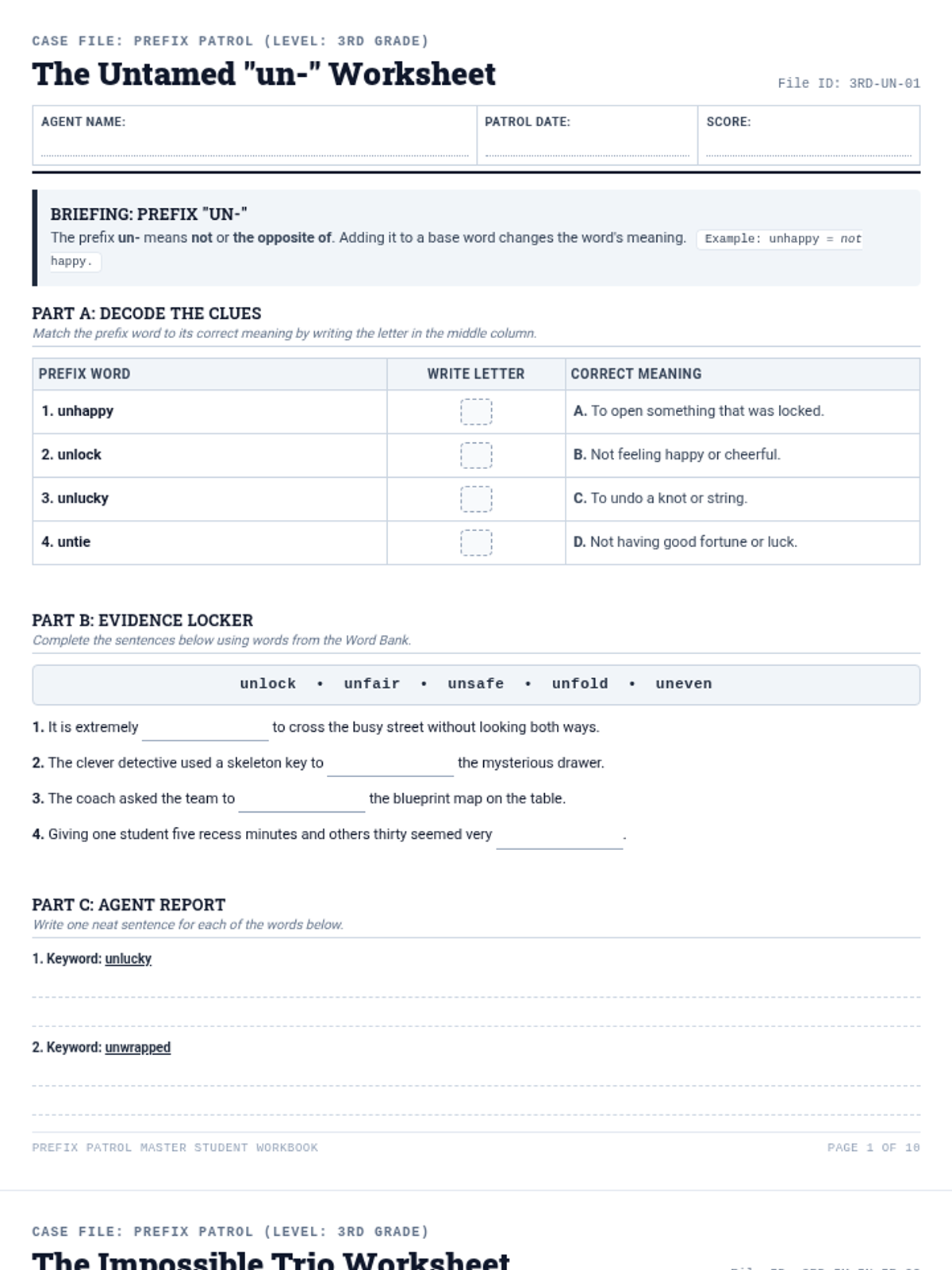
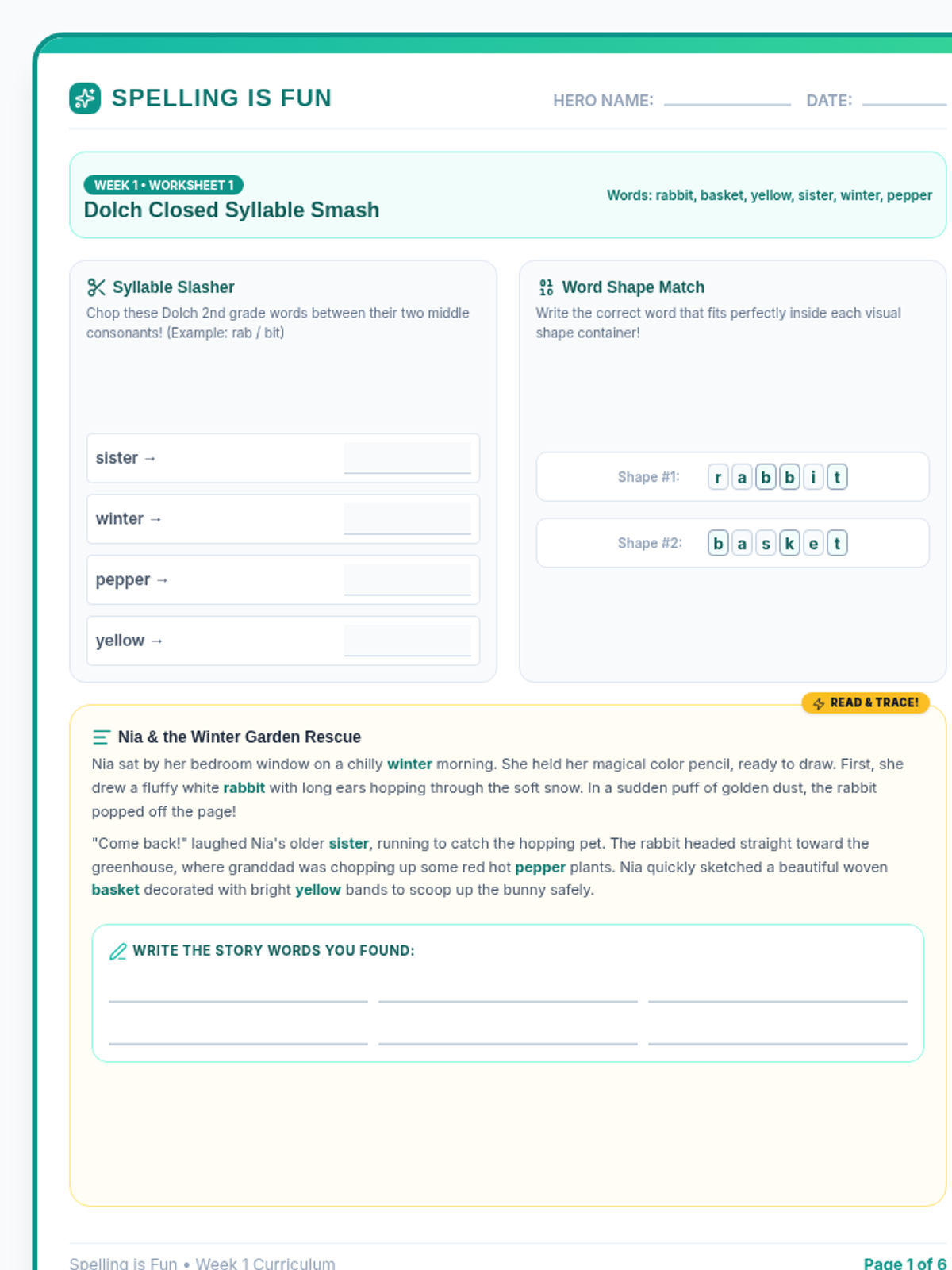
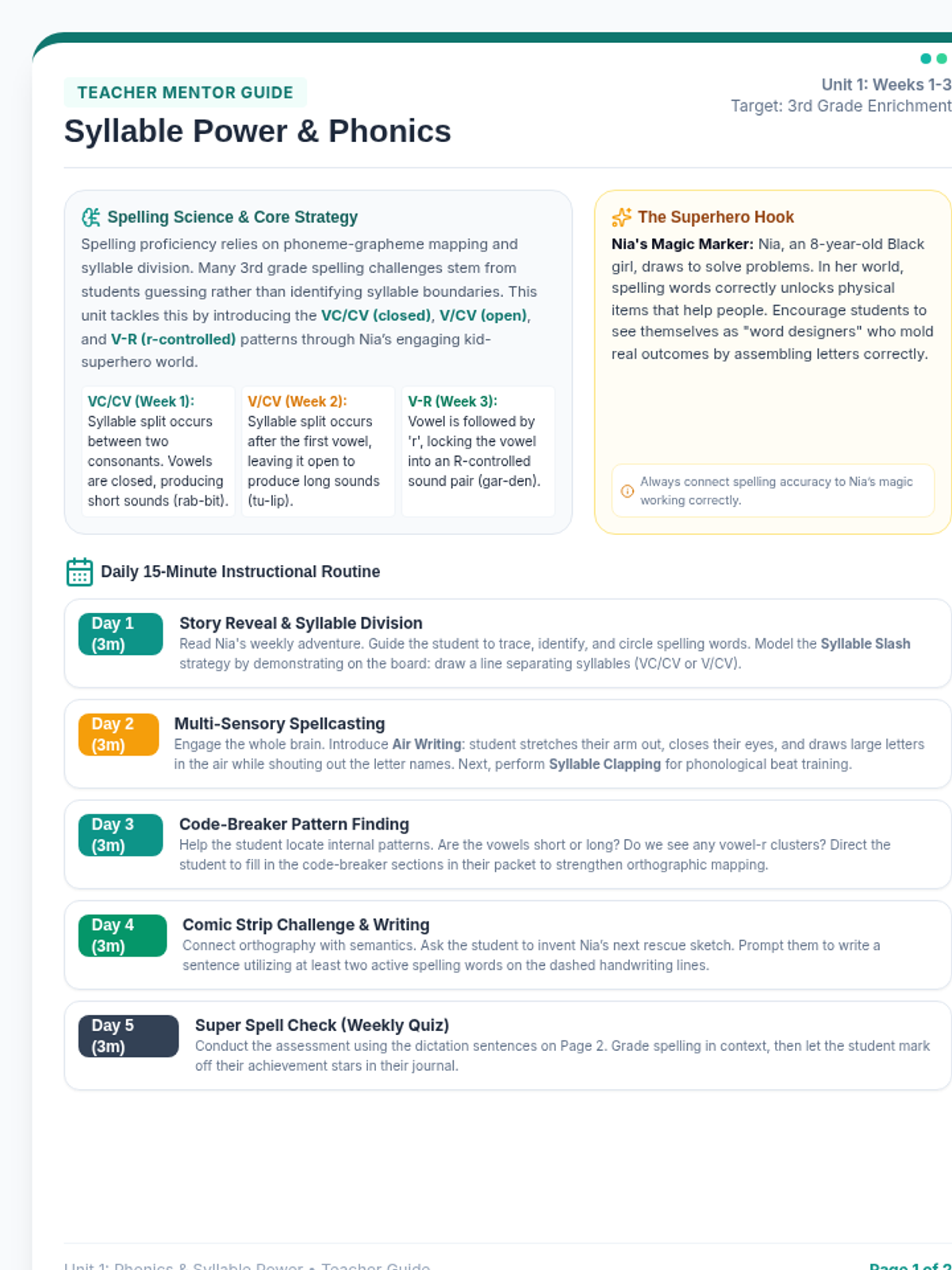
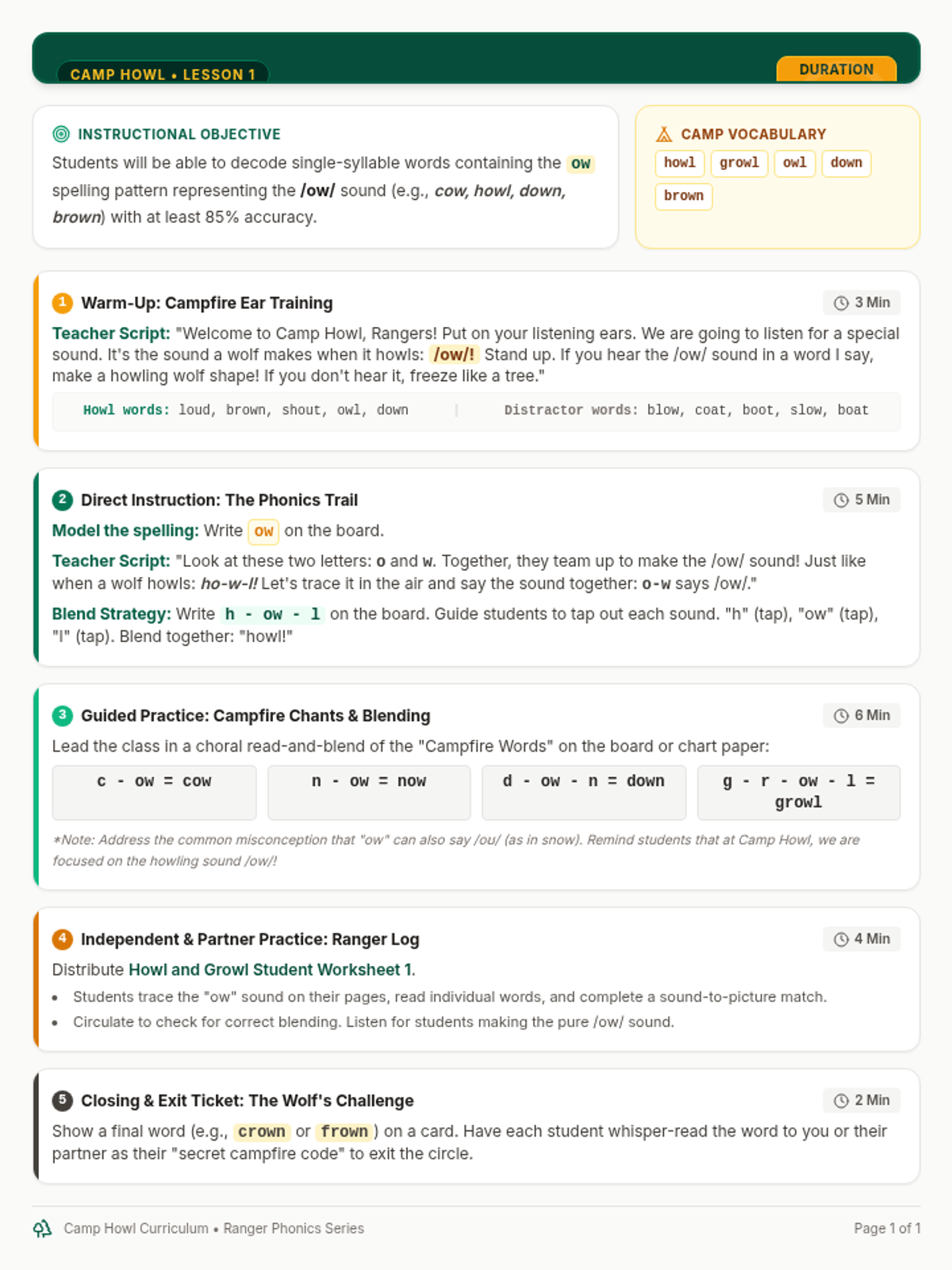
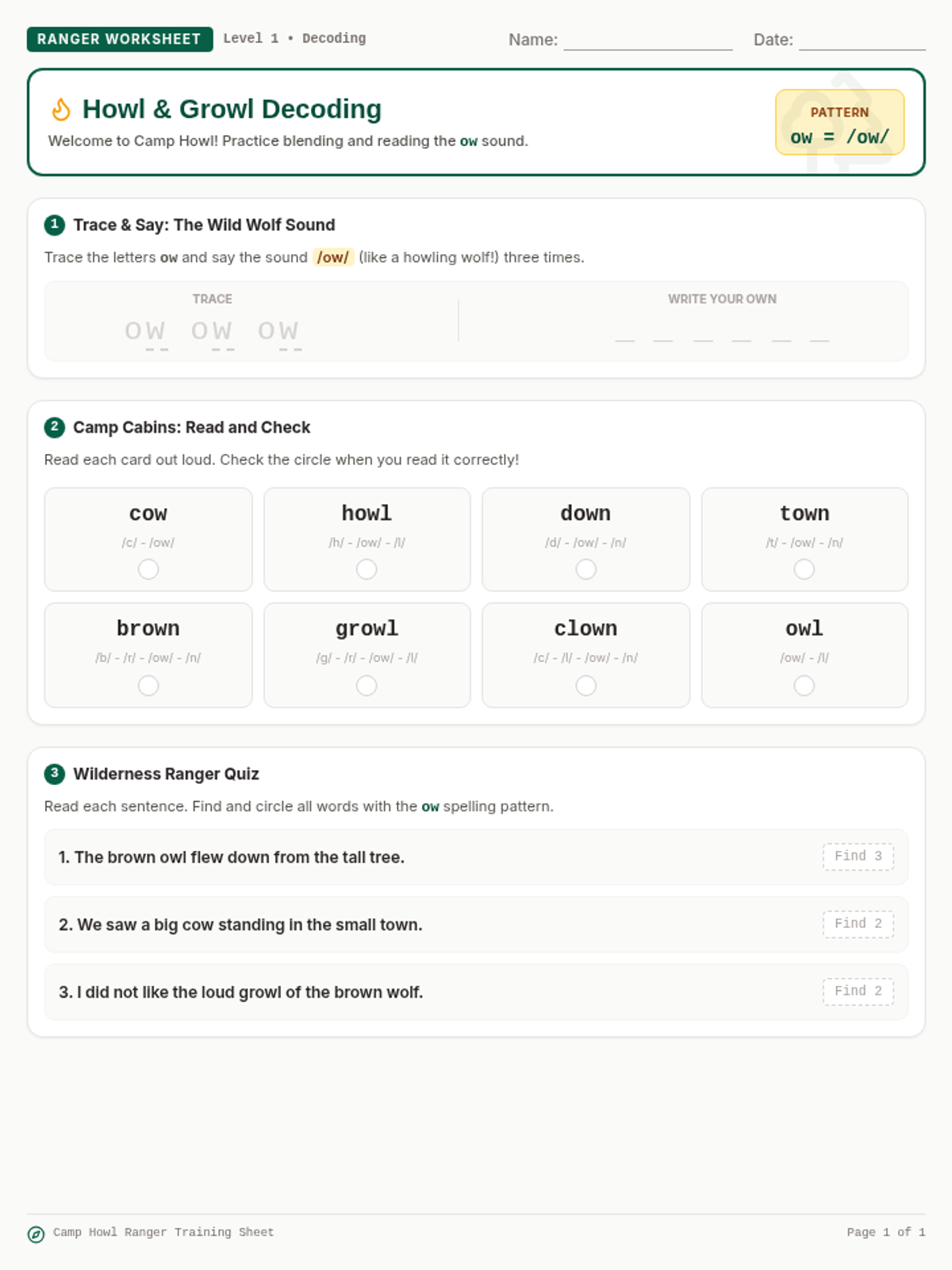
A series of lessons focused on foundational phonics skills for first-grade learners.
A comprehensive novel study for Keena Ford and the Field Trip Mix-Up, featuring a student journal, sequence organizers, and teacher keys designed for independent second-grade work.
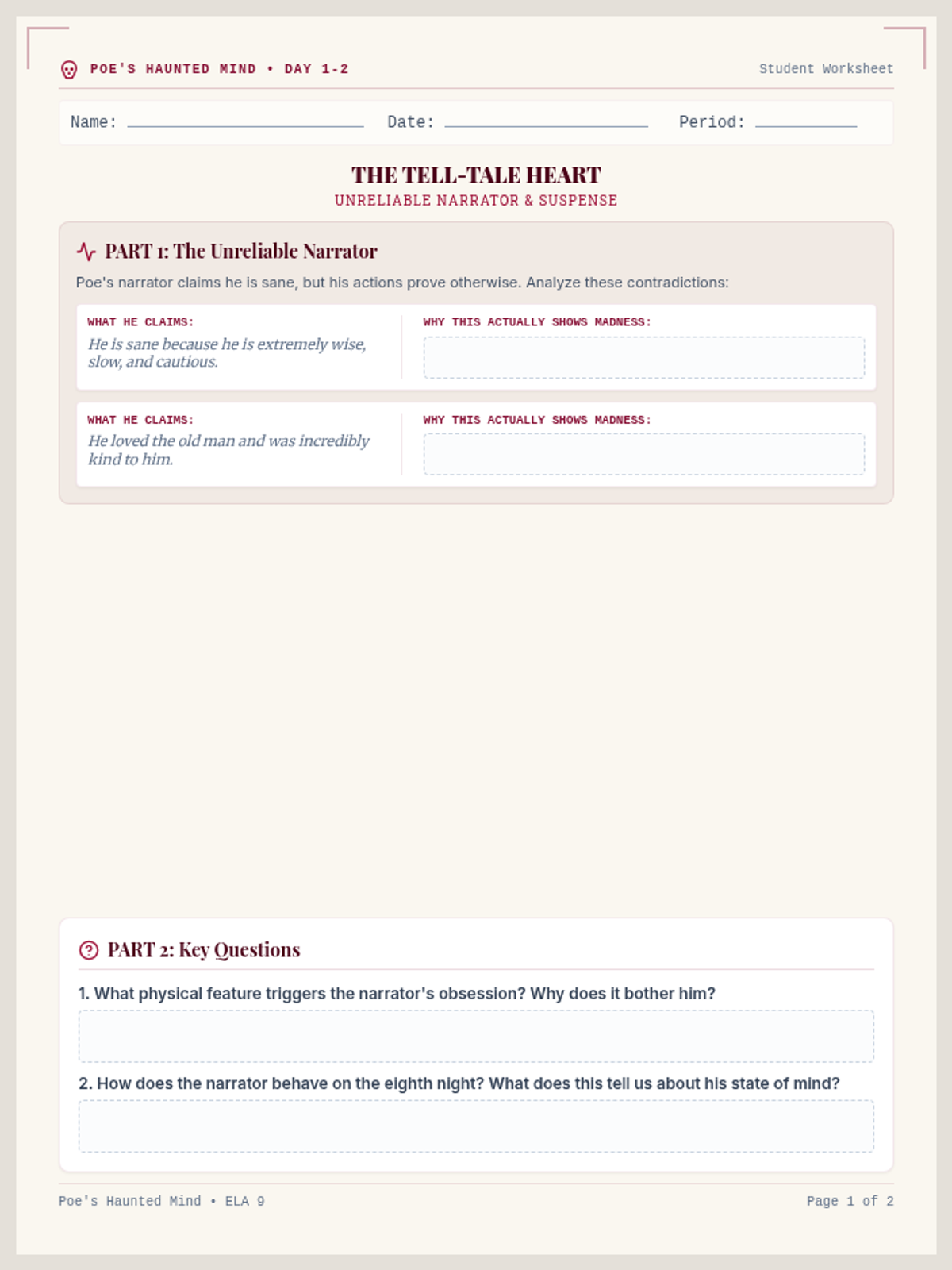
A comprehensive lesson sequence for Edgar Allan Poe's 'The Raven', focusing on Gothic elements, sound devices, and the psychological descent into madness. This sequence adapts a 180-minute curriculum into three 75-minute sessions with embedded instructional strategies.
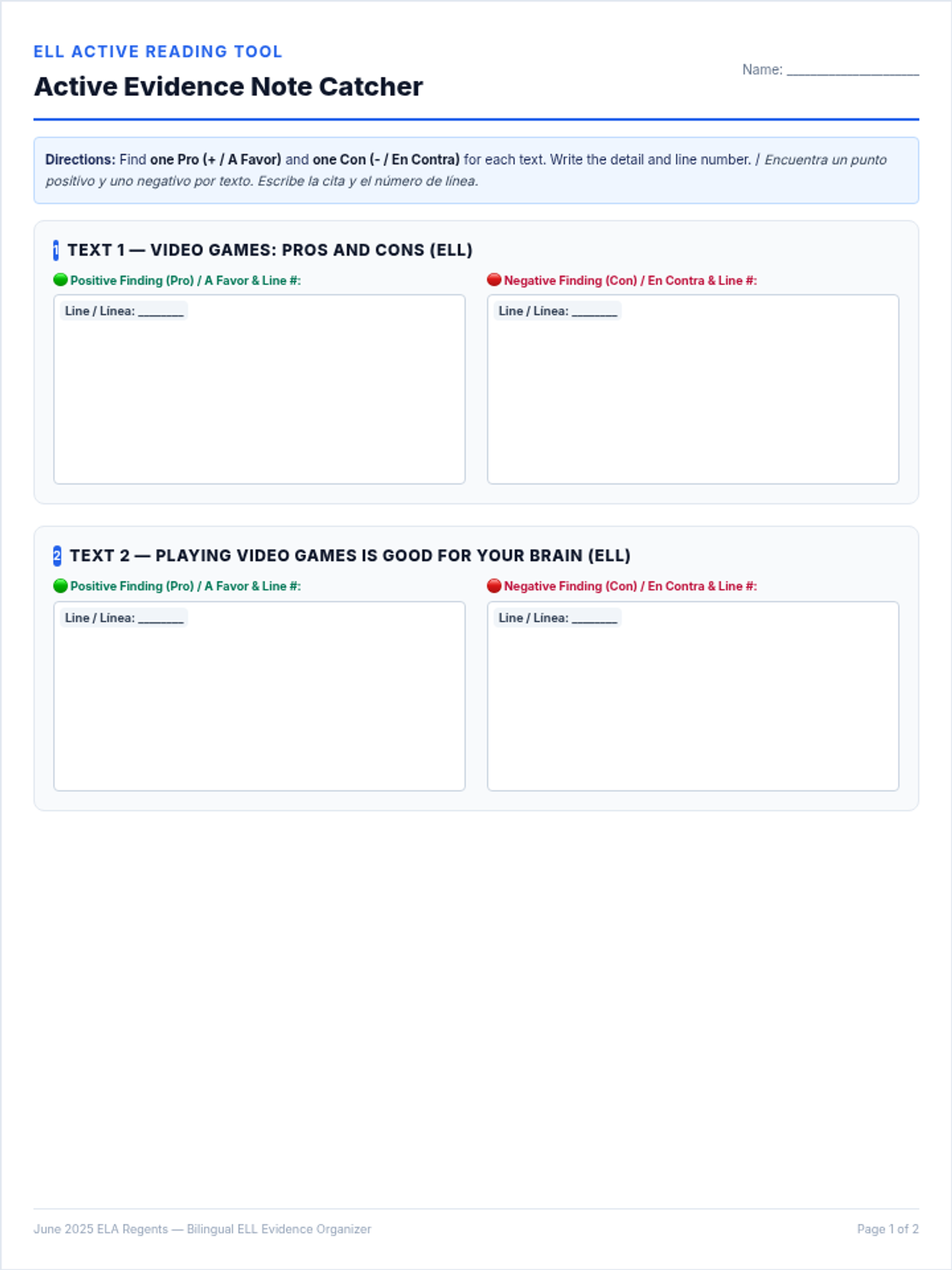
A comprehensive two-day exploration of Macbeth Act 1, focusing on the supernatural, ambition, and the psychological shift towards murder. Includes a teacher guide, student workbooks, slide decks, and answer keys.
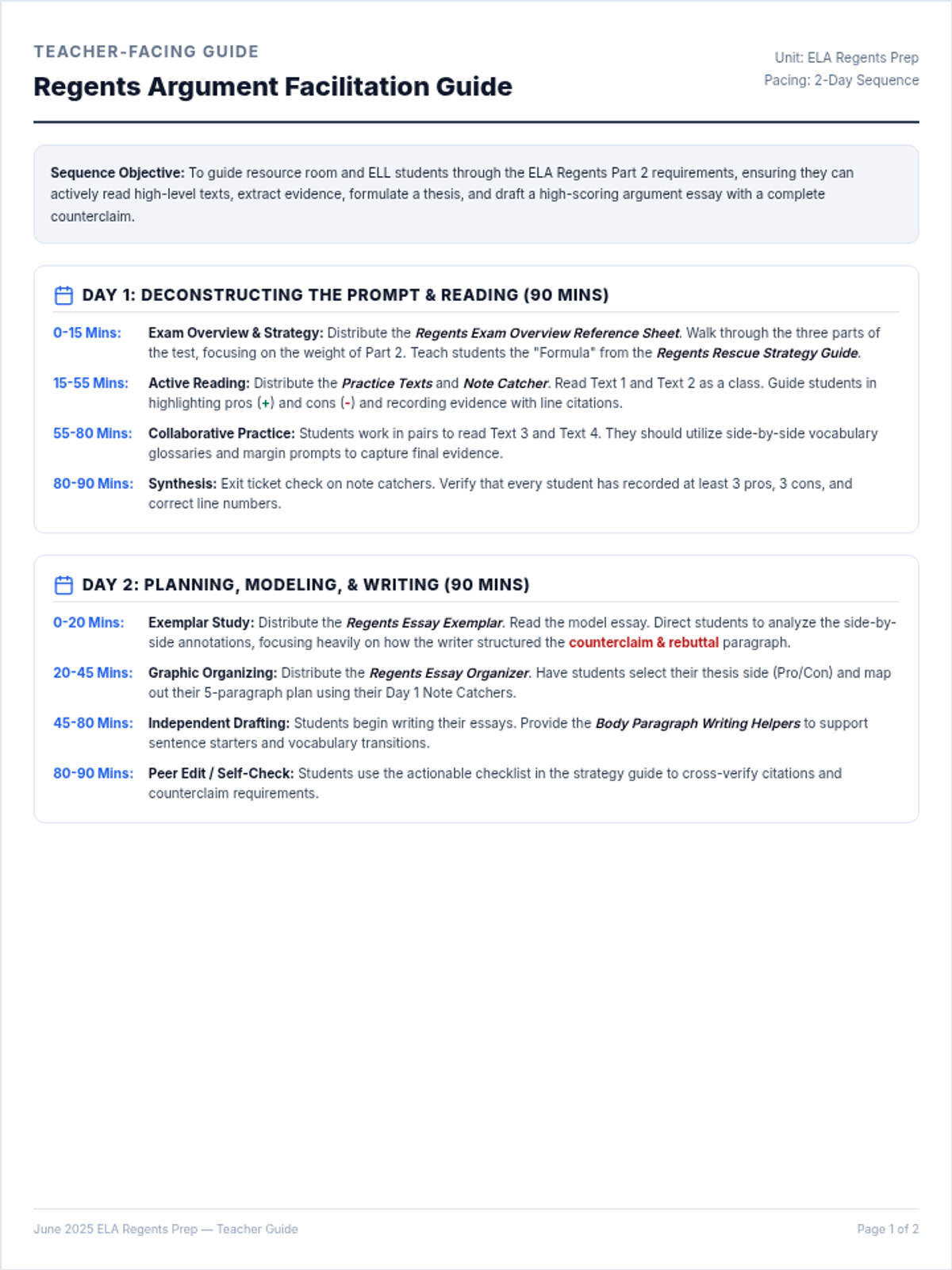
A series of lessons focused on advanced literary analysis, synthesis of multiple texts, and the construction of complex argumentative essays.
A thematic unit centered on winter and snow, exploring grammar, functional language, and descriptive comparison skills.
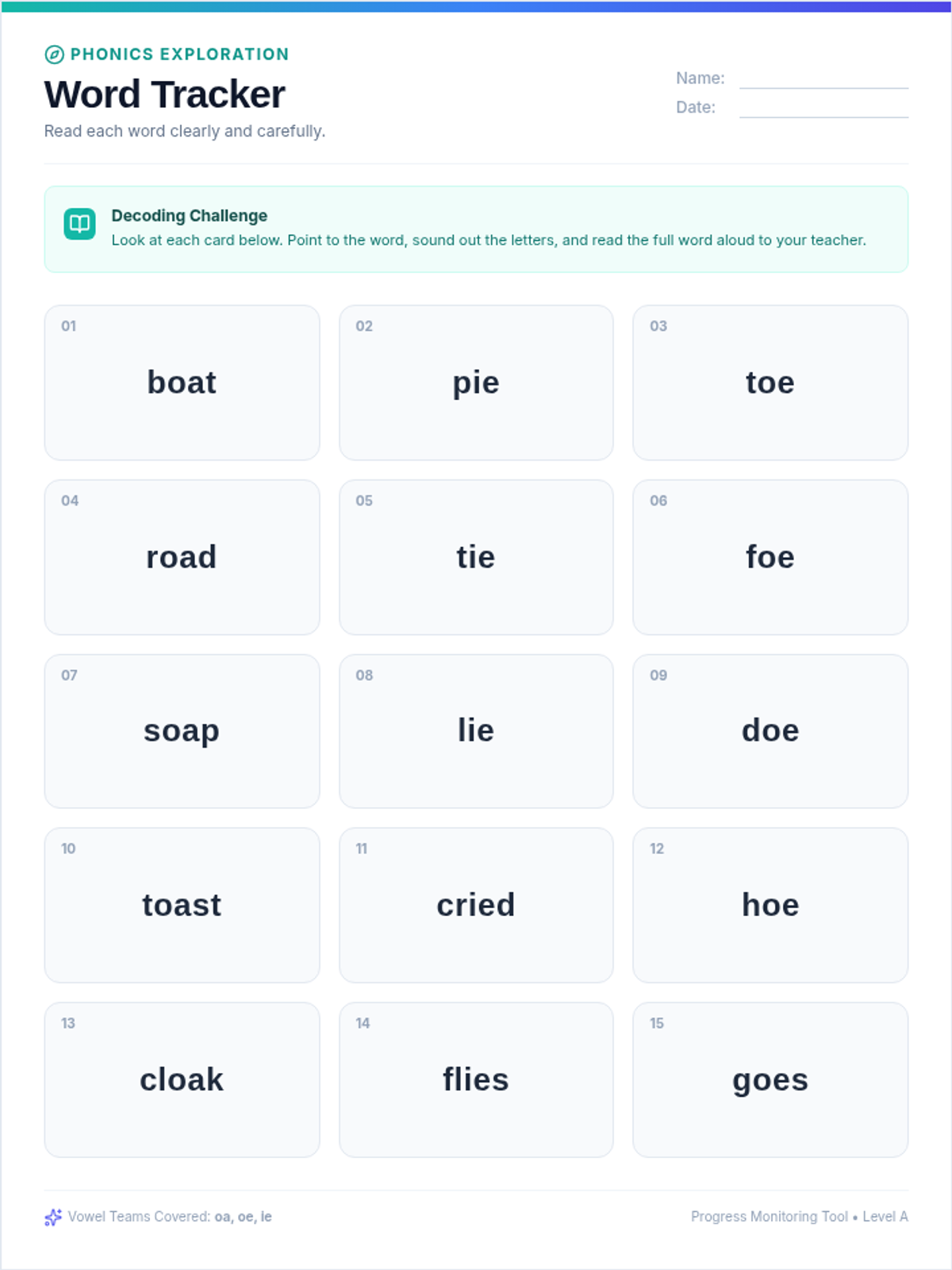
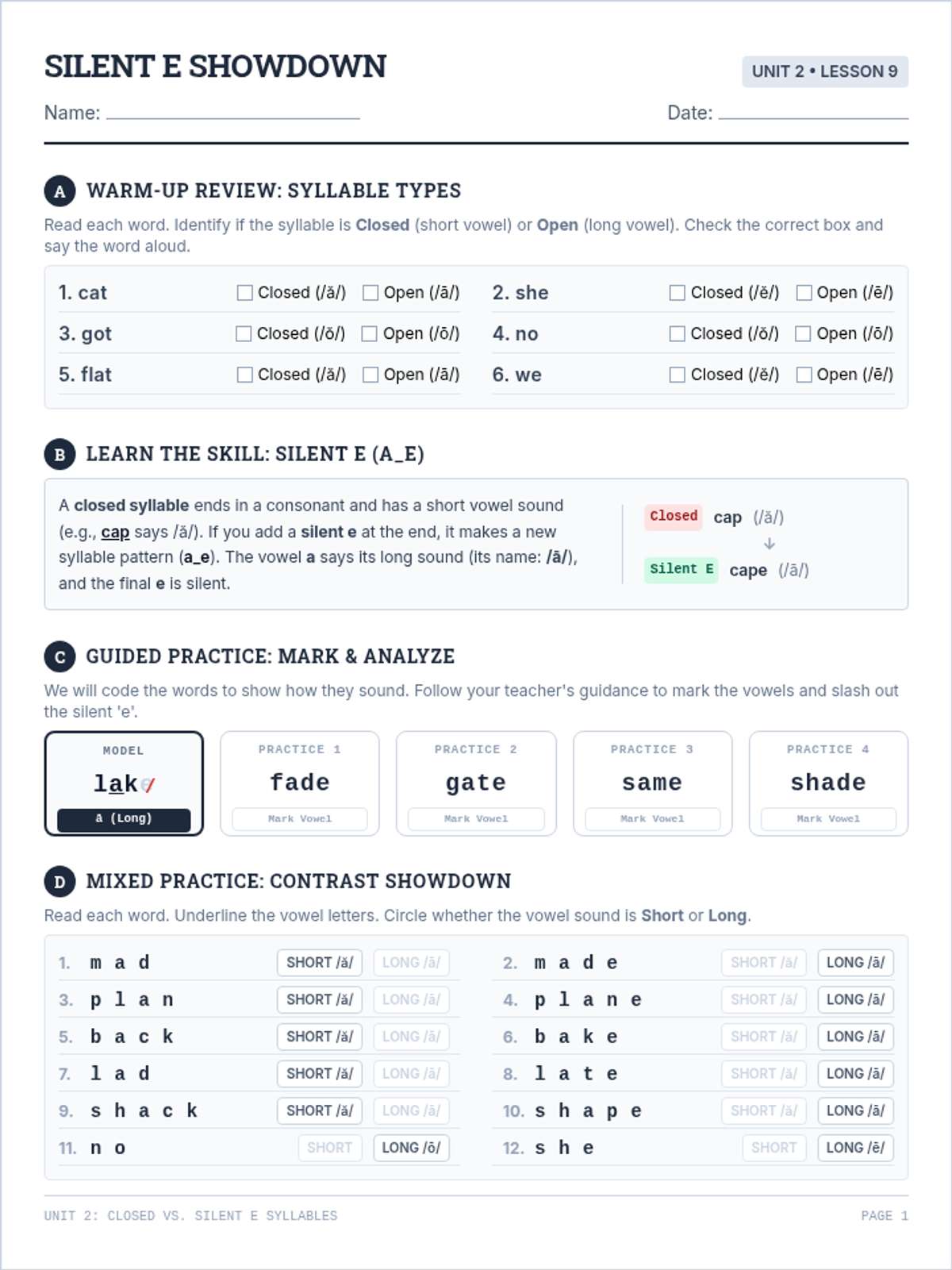
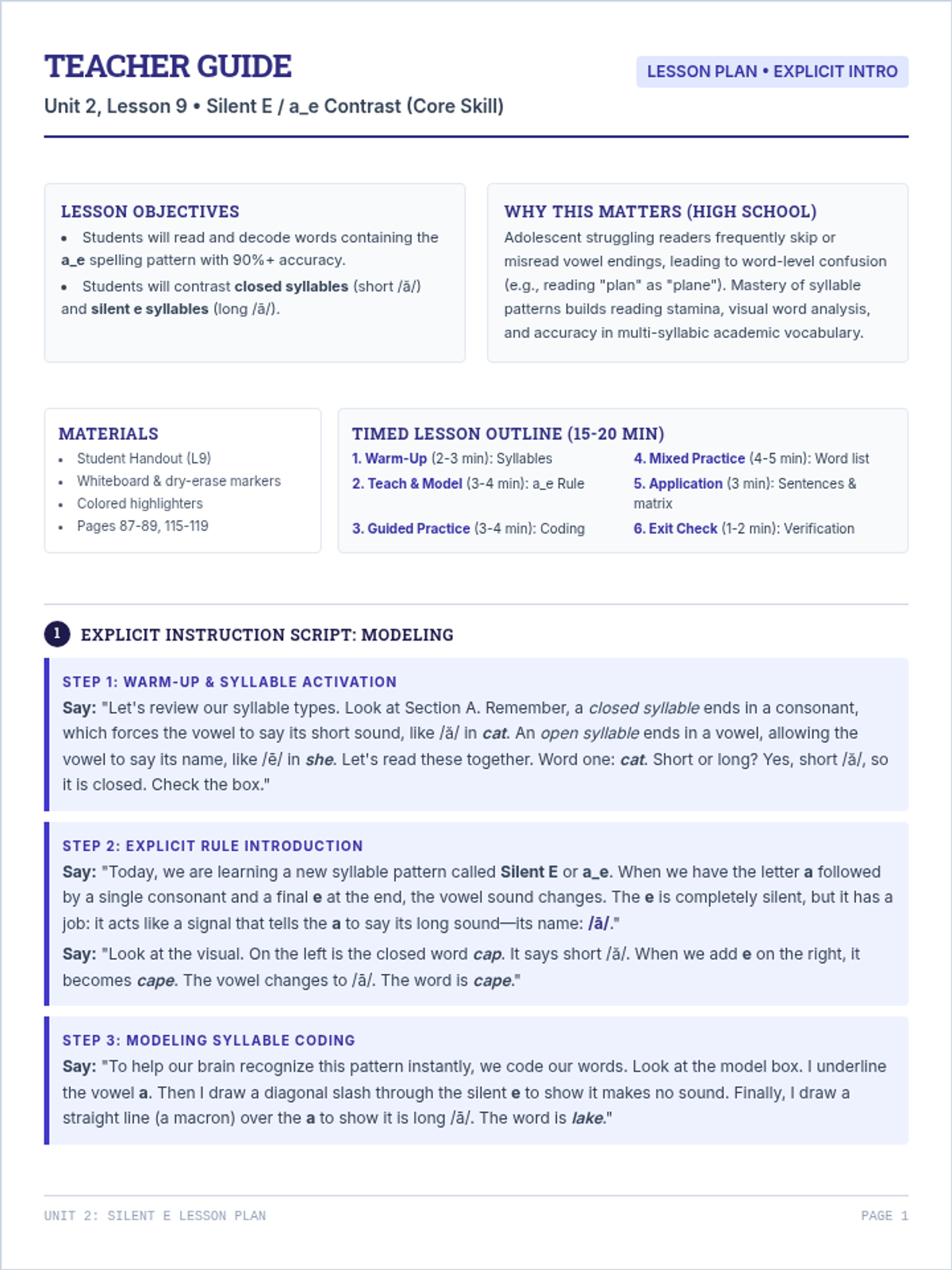
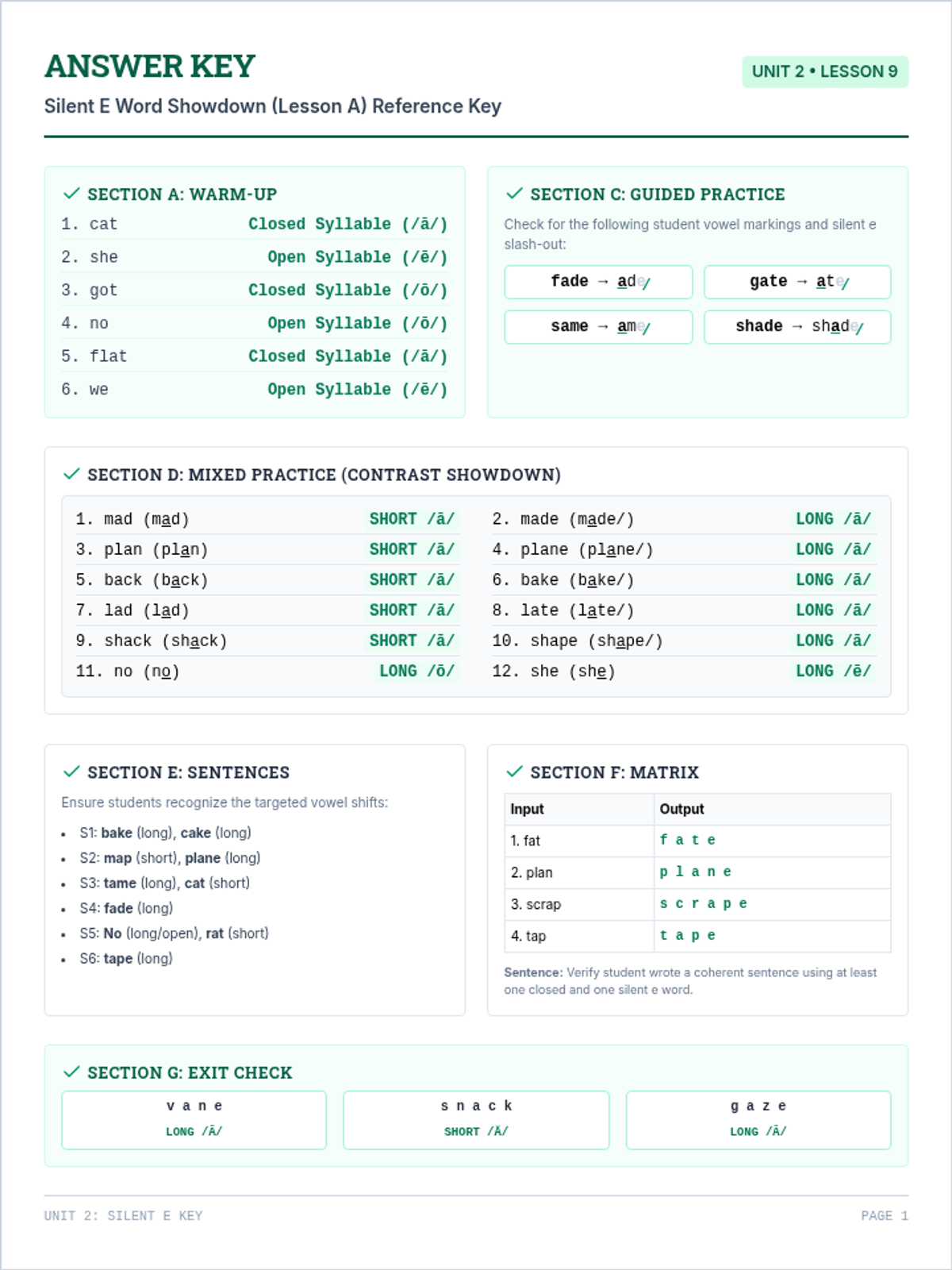
A foundational phonics series focusing on complex vowel patterns that create the Long A sound, helping students navigate the irregular spellings of the English language.
A instructional unit focused on the core literacy skills of summarizing, paraphrasing, and synthesizing information for clarity and impact.
A curriculum development sequence focused on helping teachers bridge ELA and History through linguistics and etymology.
A lesson sequence focused on mastering coordinating conjunctions to improve writing flow and sentence variety. Students transition from short, choppy sentences to fluent compound sentences using the FANBOYS mnemonic.
A professional development series focused on empowering educators with concrete frameworks for teaching complex writing and literacy skills.
This sequence teaches 4th-grade students how to use Text-to-Speech (TTS) technology as a revision tool. Students learn to identify skipped words, awkward phrasing, and punctuation errors by listening to their writing read aloud, moving from guided error detection to independent revision of their own work.
A detective-themed unit for 3rd grade students to master text highlighting and annotation strategies. Students learn to isolate specific text evidence to answer questions, verify facts, and solve mysteries through scanning and precision highlighting techniques.
A systematic, color-coded approach for 6th-grade students to master text highlighting and annotation. Students learn to distinguish between main ideas, supporting details, and unknown vocabulary using a 'traffic light' system to reduce cognitive load and improve reading comprehension.
A 5-lesson sequence for 5th-grade students focused on utilizing text highlighting and annotations to create study tools, organize thoughts, and write summaries. Students move from marking text to synthesizing information into functional products like study guides and paragraphs.
This sequence guides graduate students through the technical and persuasive aspects of grant writing and research proposal formulation, focusing on problem definition, methodology, budgeting, and communication.
An intensive writing workshop for undergraduate students to master the art of scholarship essays through narrative structure, rhetorical analysis, and persuasive storytelling. Students develop a versatile 'master essay' and learn to tailor it for various high-stakes funding opportunities.
This sequence focuses on the cognitive planning required before activating the microphone, bridging the gap between thought and oral expression. Students explore how to organize their ideas using graphic organizers and bullet points to prevent rambling during dictation.
A comprehensive project-based sequence for 11th-grade students to master academic composition using speech recognition technology. Students learn to outline for oral delivery, manage the drafting process, and refine dictated text into professional academic essays.
A sequence focused on the critical revision workflow for students using speech-to-text technology. Students learn to identify and fix common errors like homophone confusion, run-on sentences, and informal tone to turn raw dictation into polished academic writing.
This sequence teaches undergraduate students how to leverage dictation technology to draft academic papers. It moves from oral brainstorming and outlining to drafting body paragraphs with transitions, managing complex citations via voice, maintaining formal academic tone, and utilizing text-to-speech for final auditory polishing.
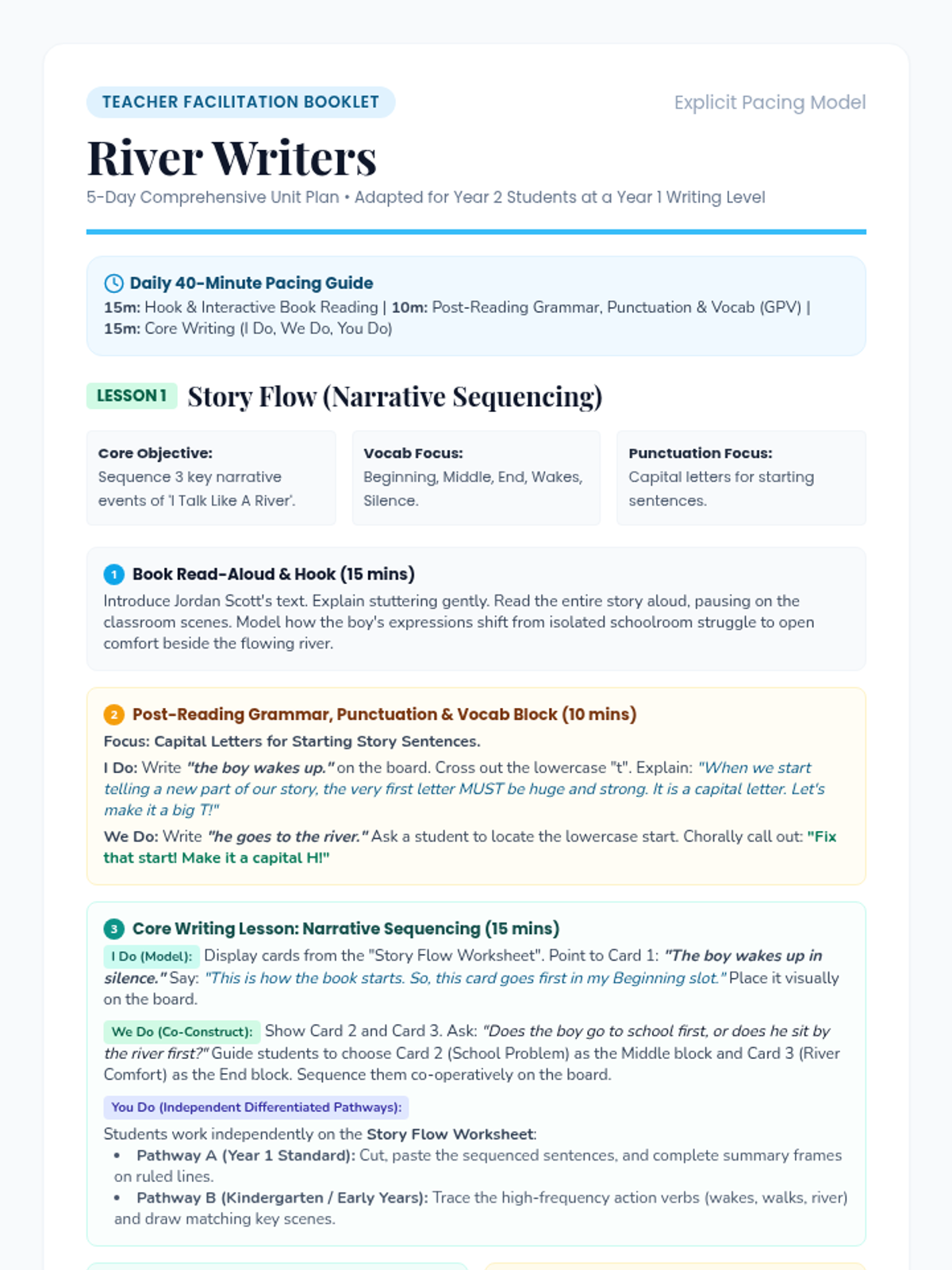
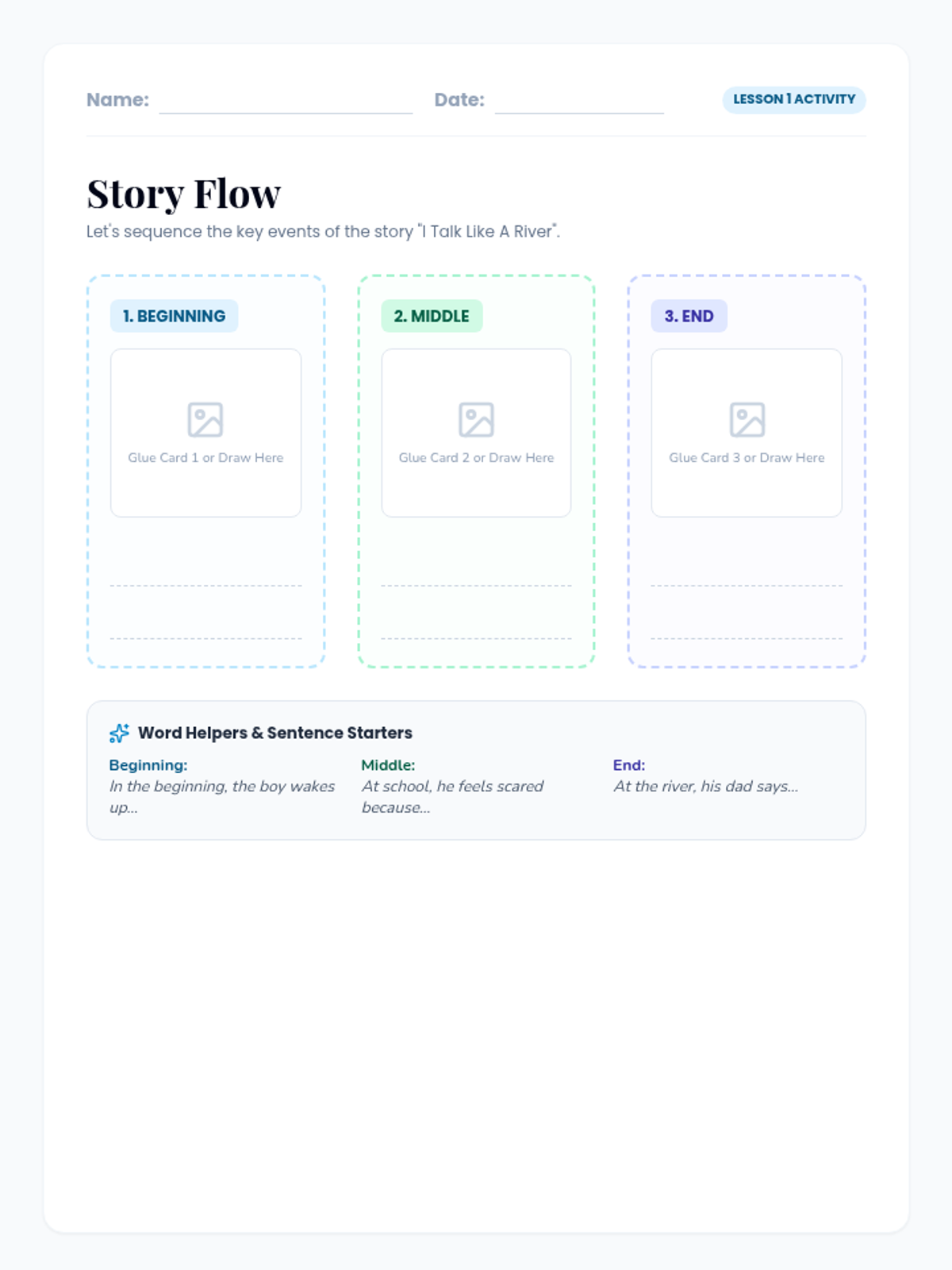
This sequence teaches Kindergarten students to use visualization and sketching as mnemonic devices for narrative comprehension. Students move from capturing single 'snapshots' of key events to building a full three-part storyboard, supporting working memory and story recall.
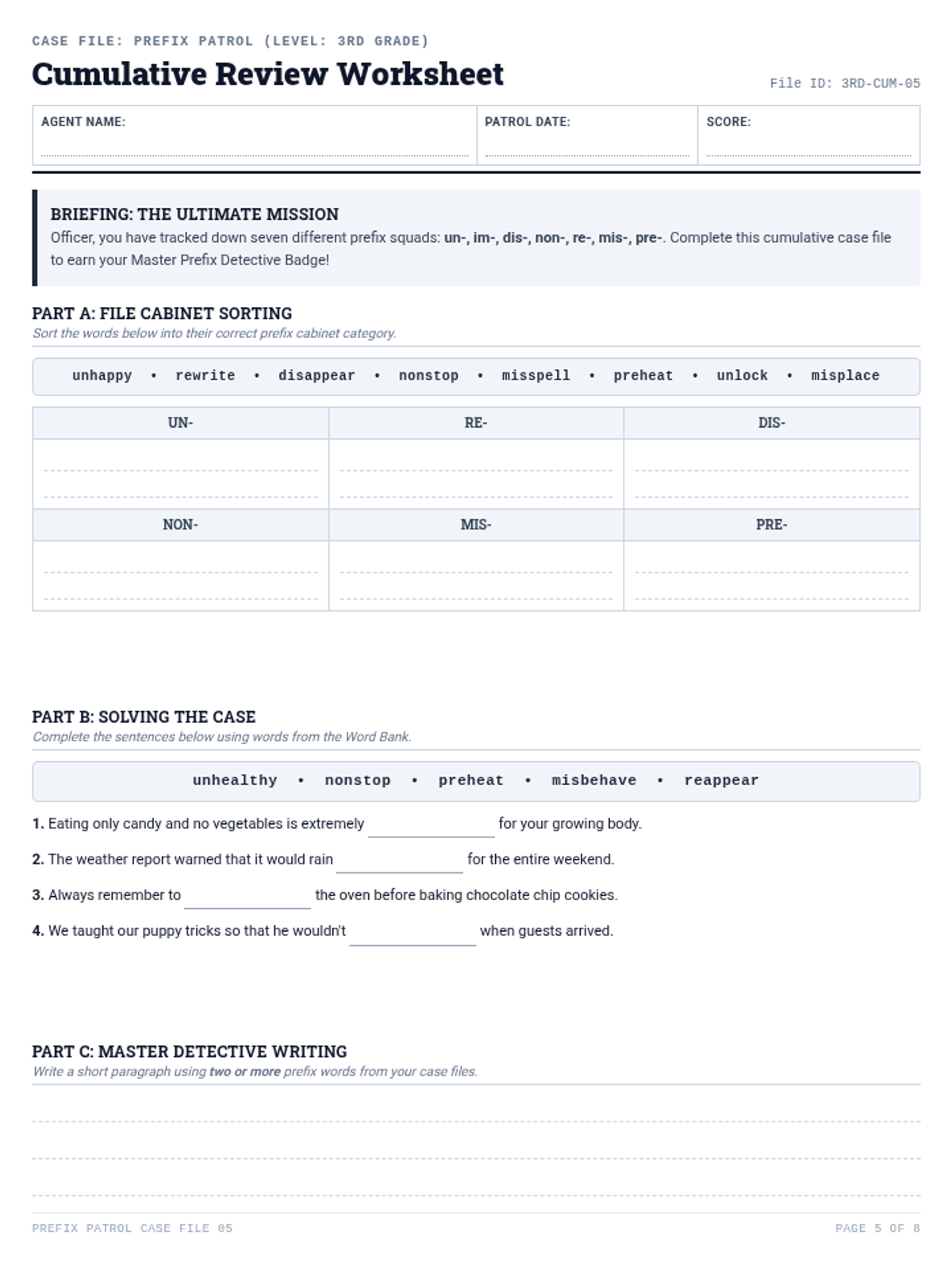
A 5-lesson sequence designed for 6th-grade students in academic support, focusing on building inference skills through visual media, silent films, comics, and photography before transitioning to text. This approach removes decoding barriers to strengthen cognitive critical thinking.
An immersive, gamified mystery sequence where 6th-grade students act as detectives to master predictions and inferences. By analyzing physical clues, witness statements, and found documents, students apply deductive reasoning to solve the 'Case of the Missing Golden Whistle.'
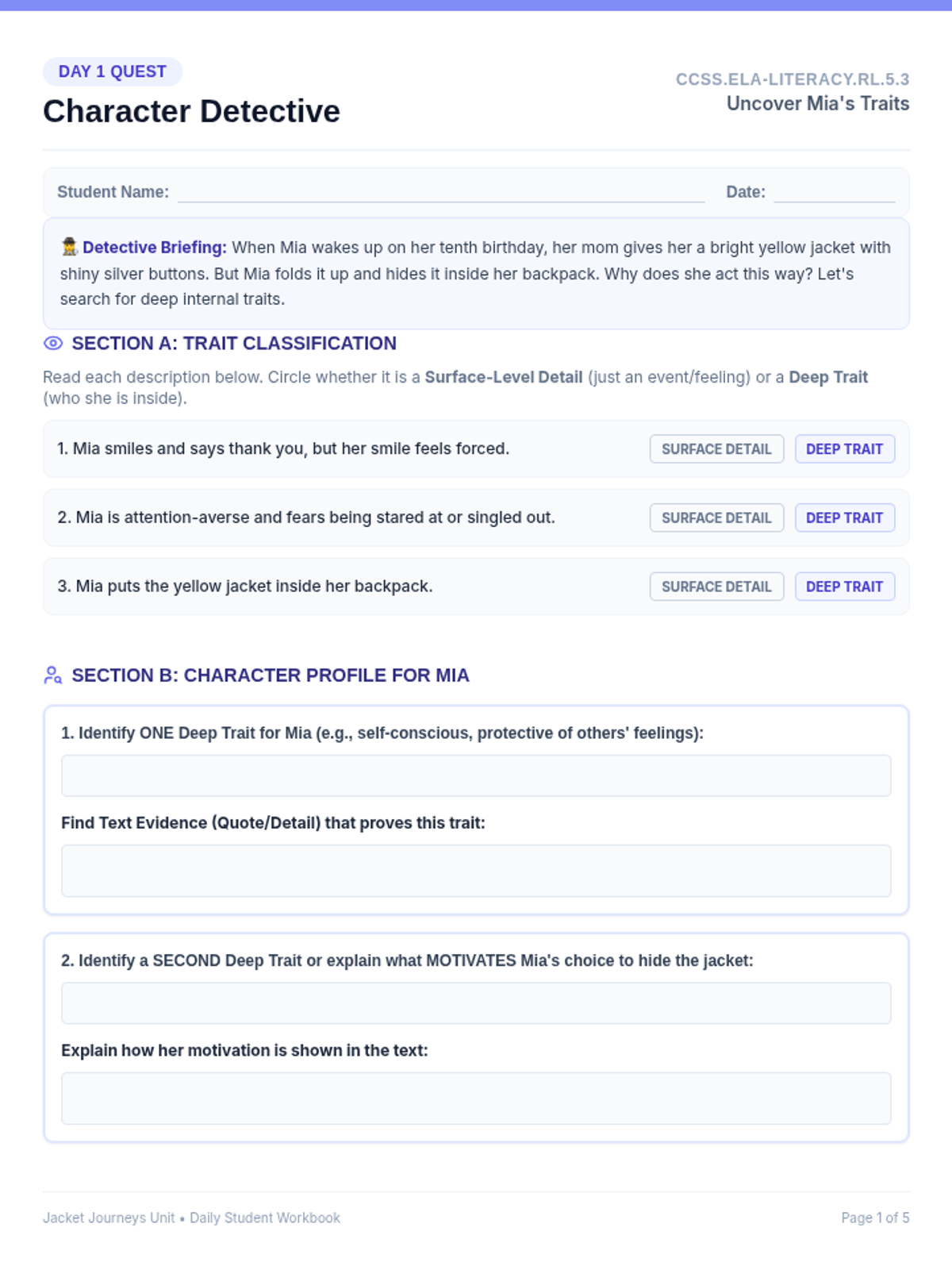
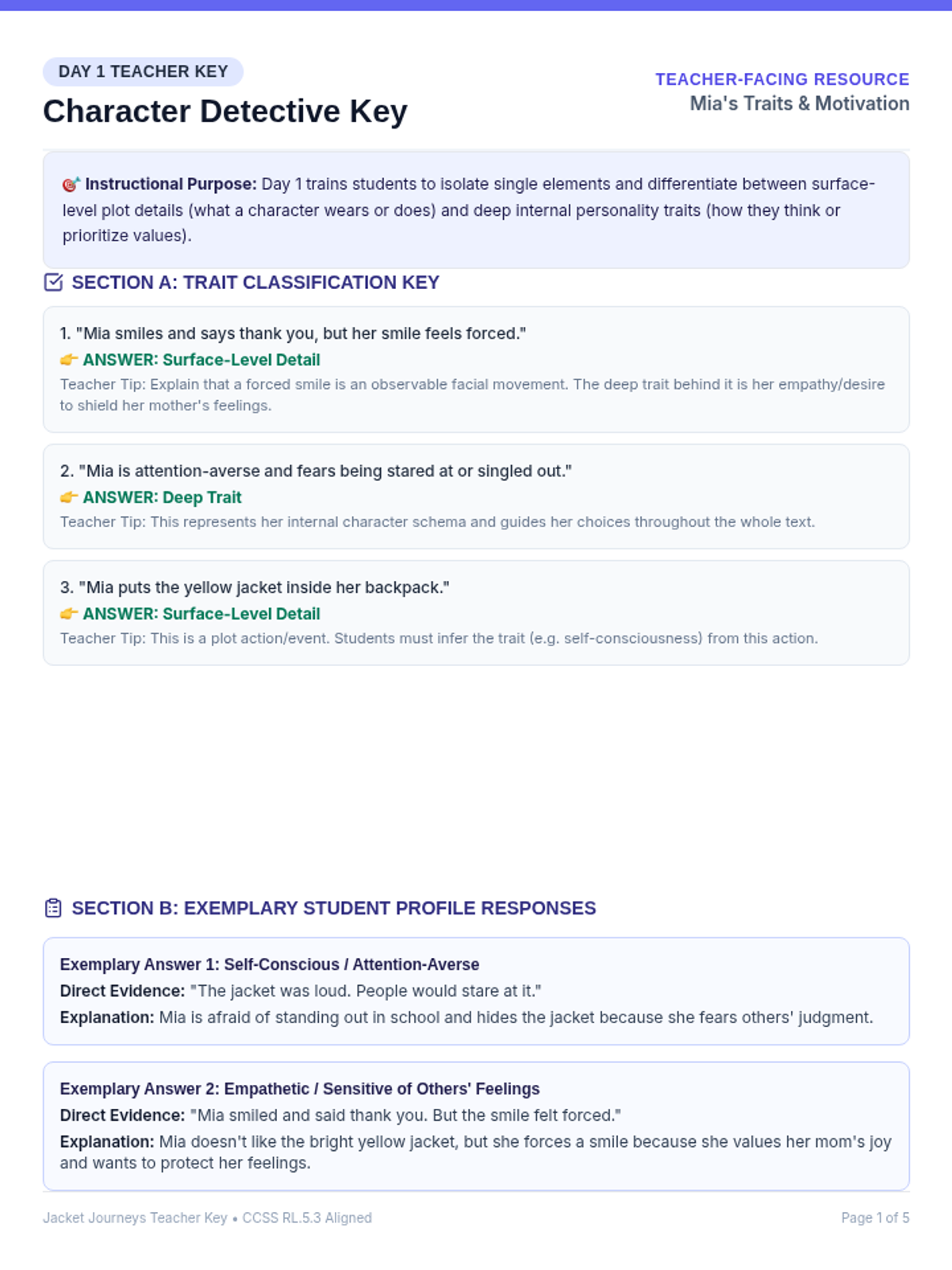
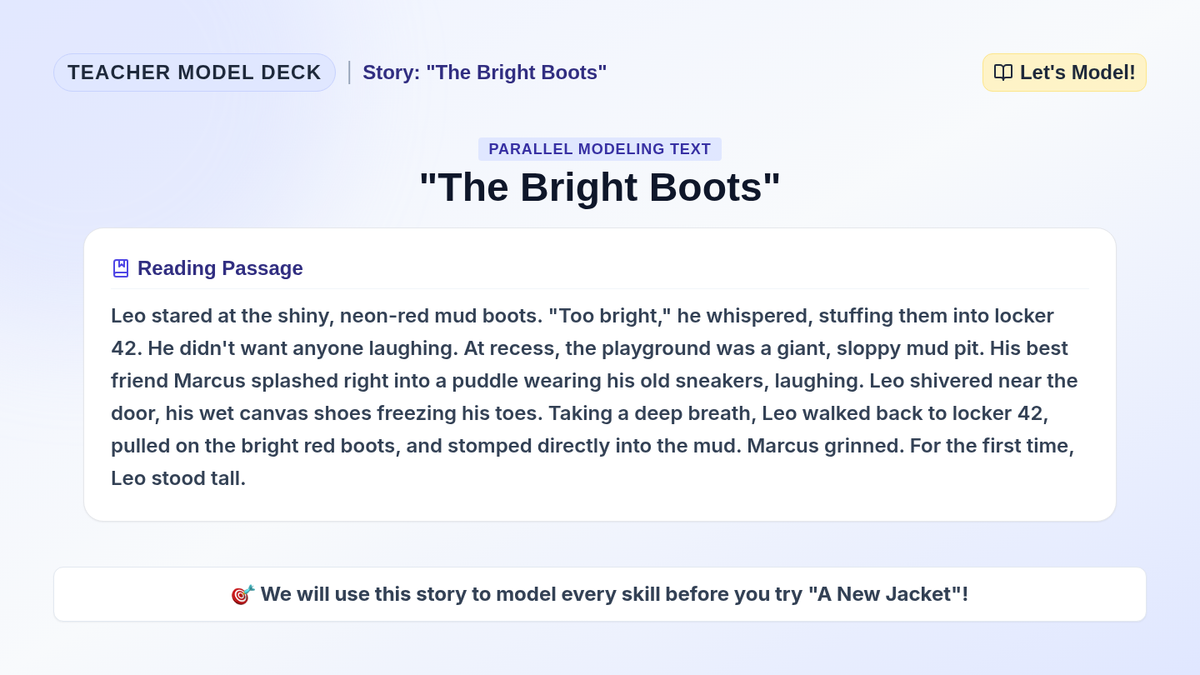
This sequence focuses on helping 3rd-grade students, particularly those in academic support, understand abstract characterization by making it concrete through actions, dialogue, and motivation. Students will move from identifying simple physical feelings to complex character relationships and internal traits using a 'Detective' lens.
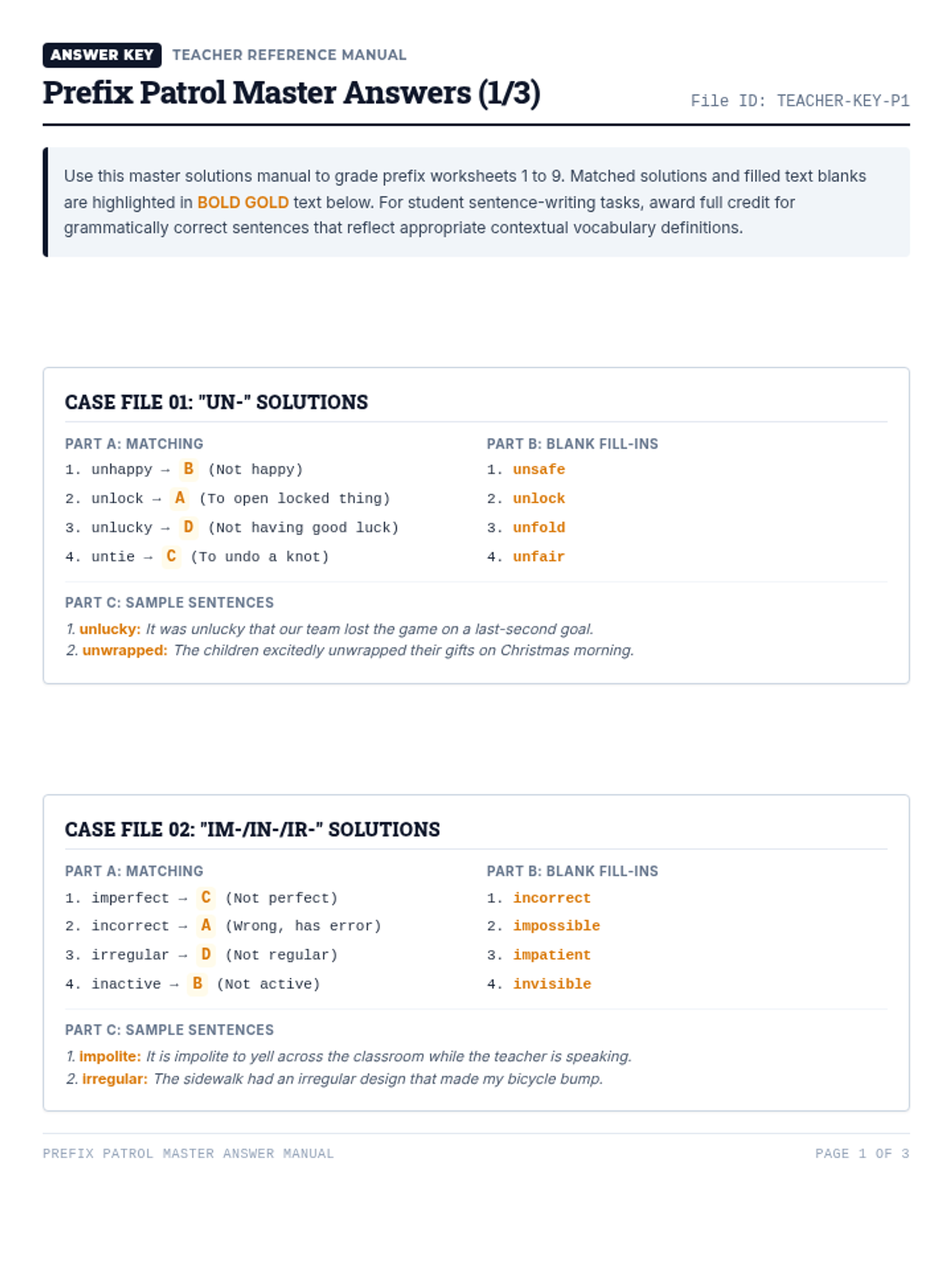
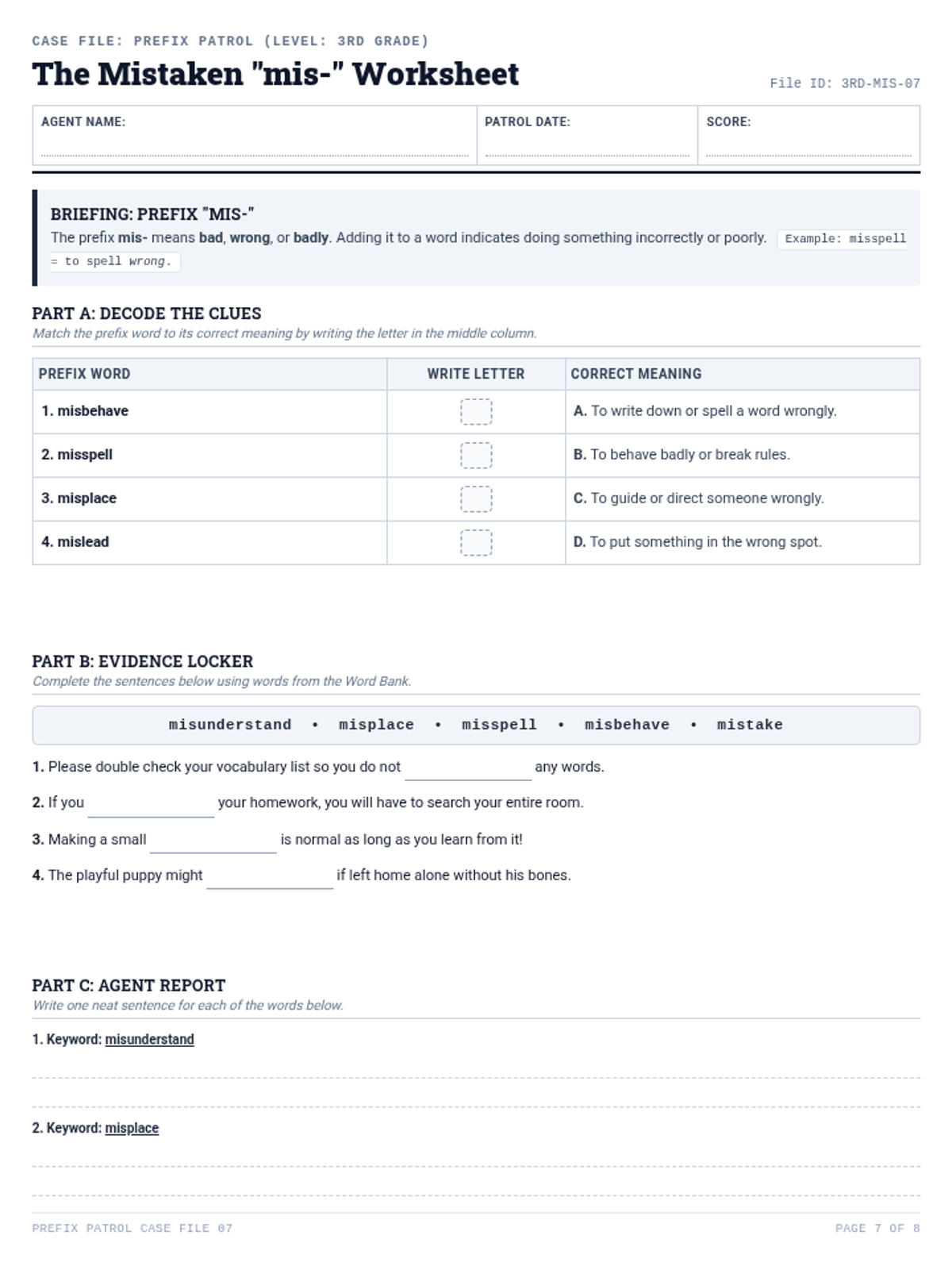
A comprehensive sequence for 9th-grade students to improve reading comprehension through visualization and storyboarding, focusing on filtering key information and interpreting abstract concepts.