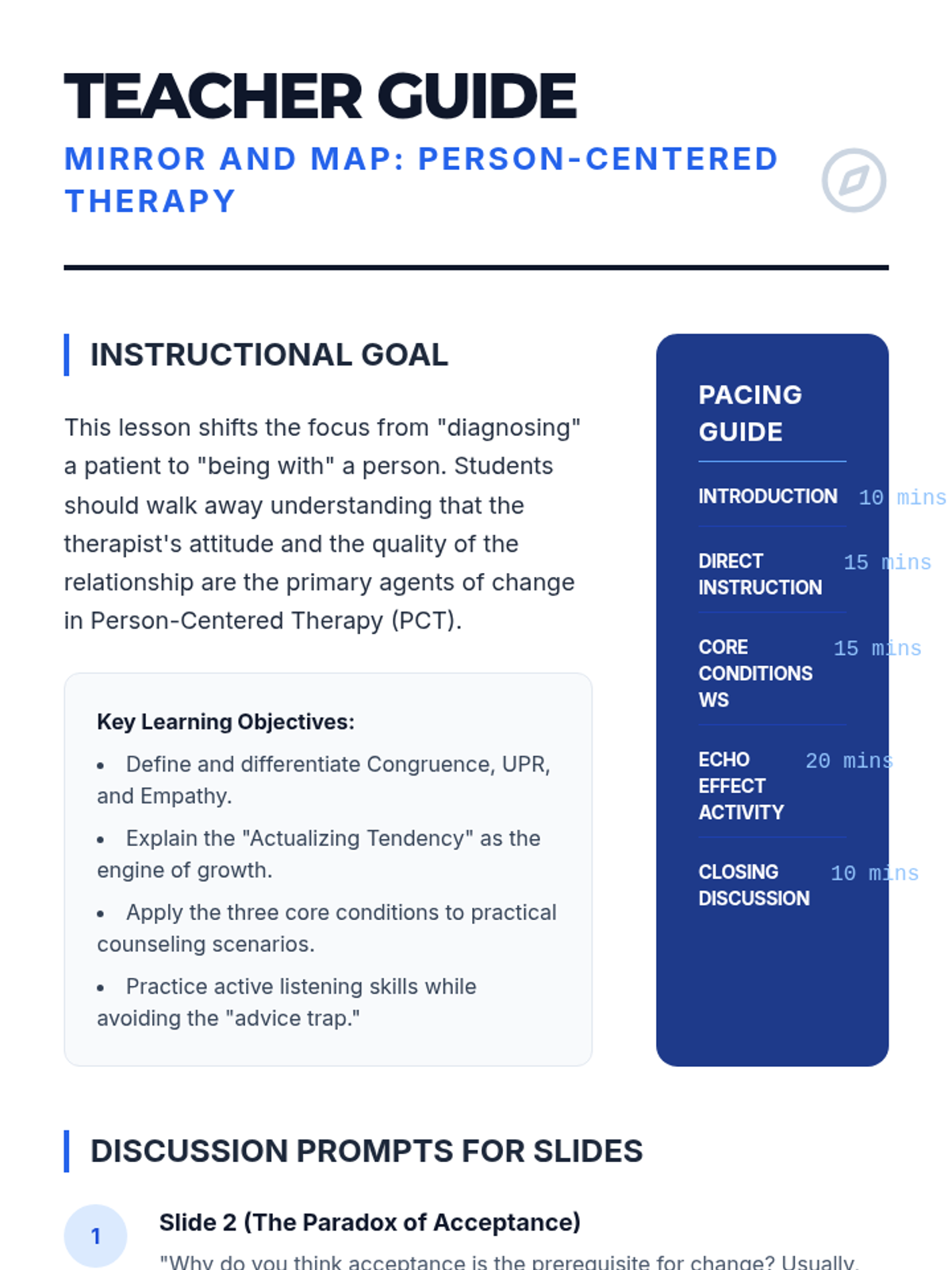
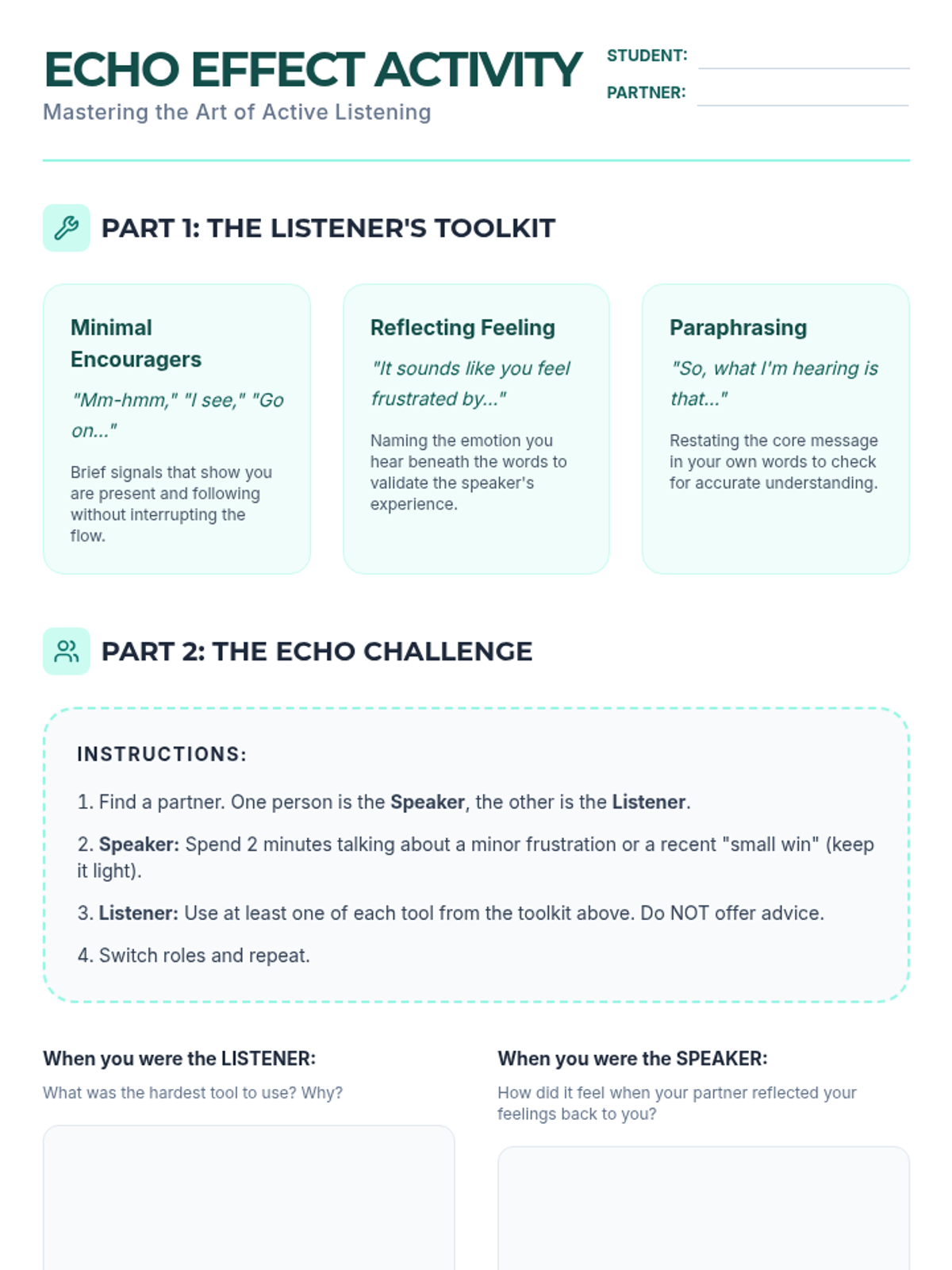
An in-depth investigation into the biological and psychological mechanisms of human consciousness, covering circadian rhythms, sleep stages, dreaming, altered states like hypnosis, and the neurobiology of drugs.

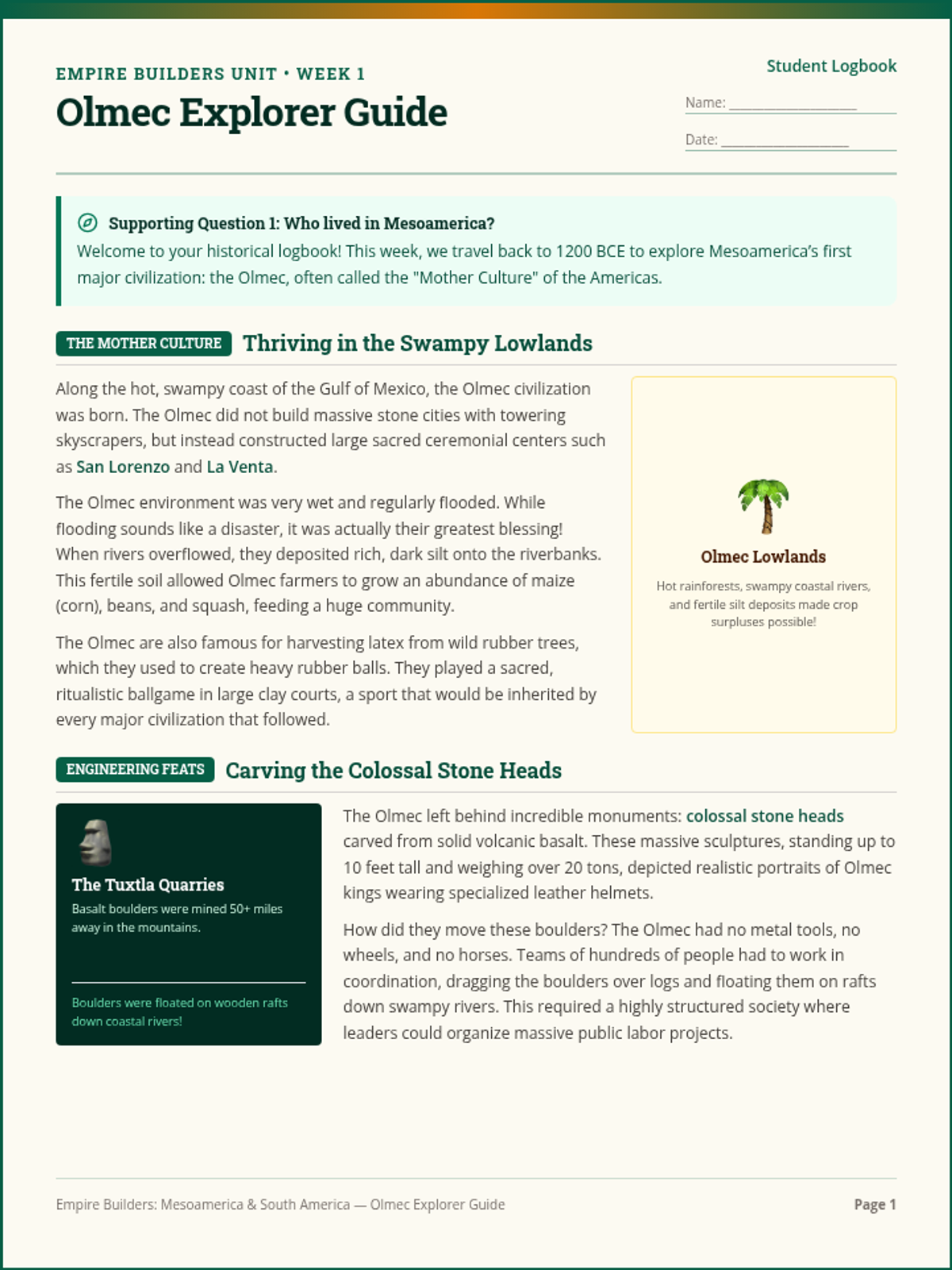
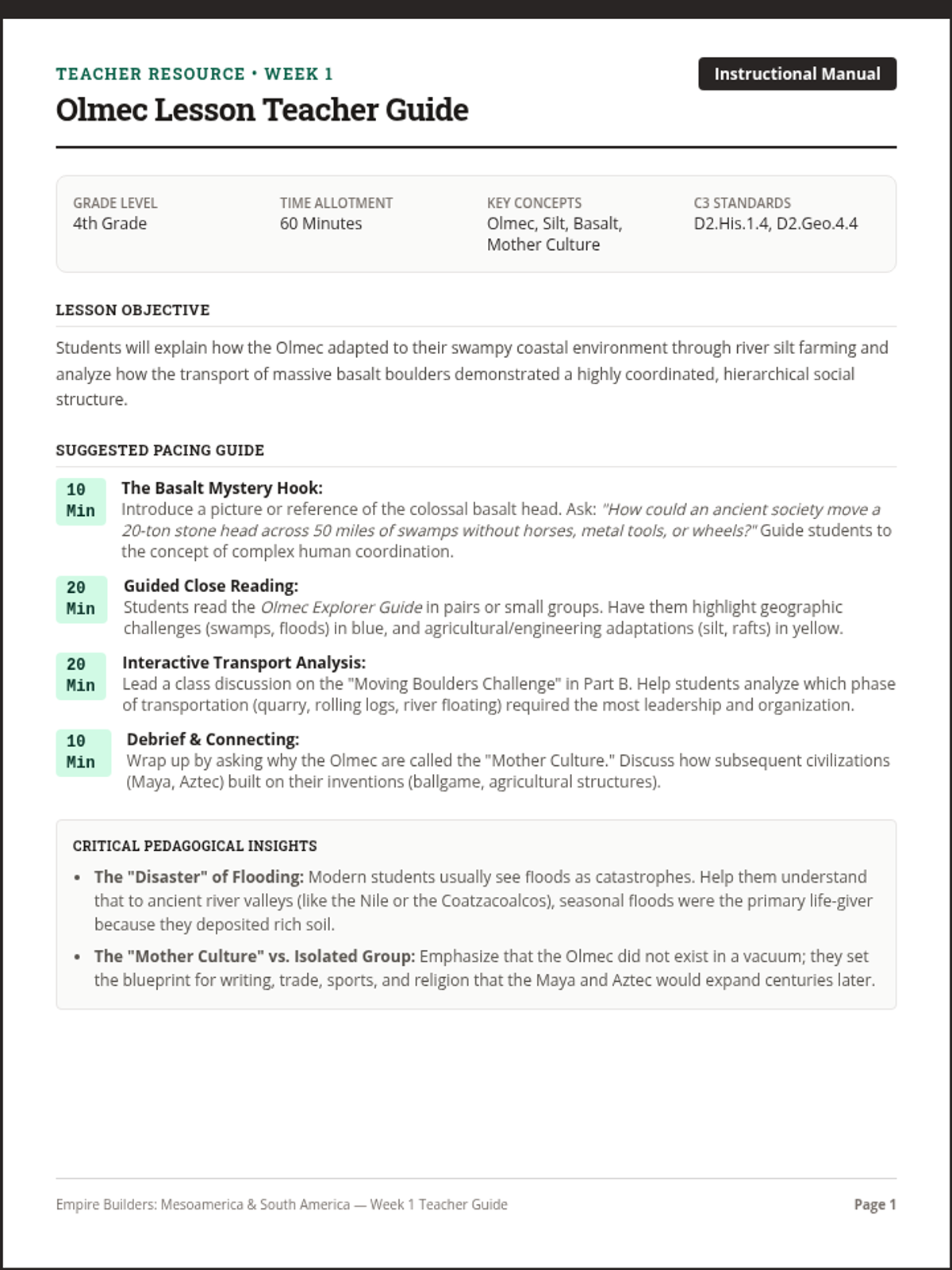
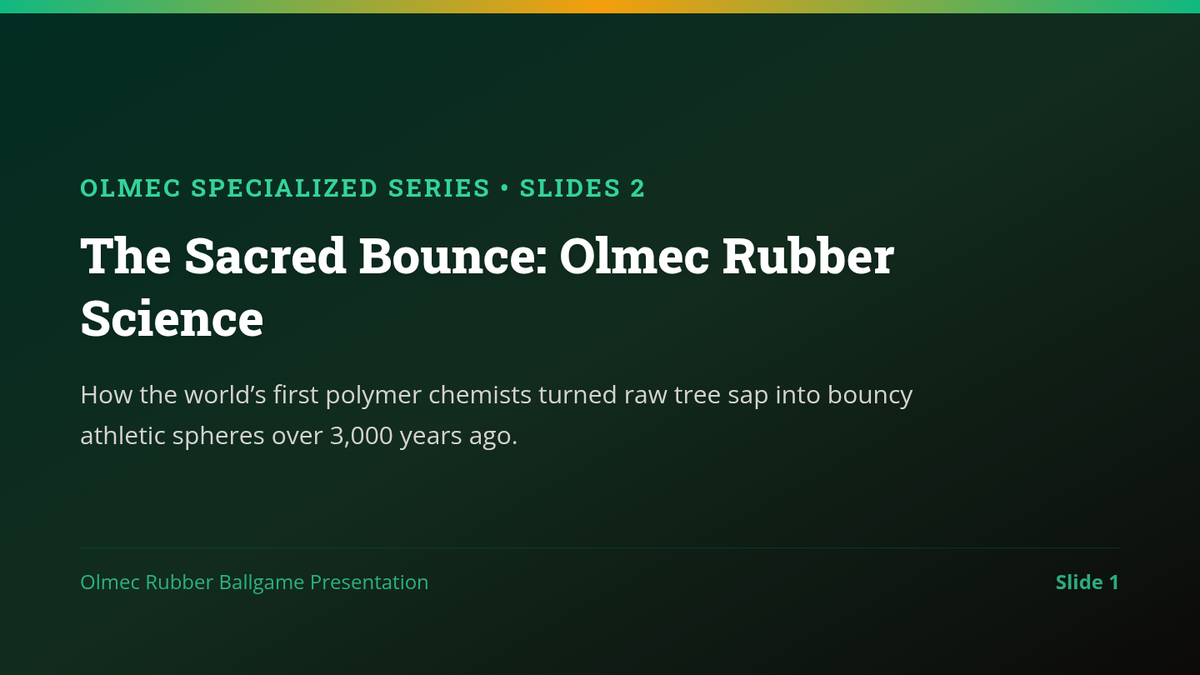
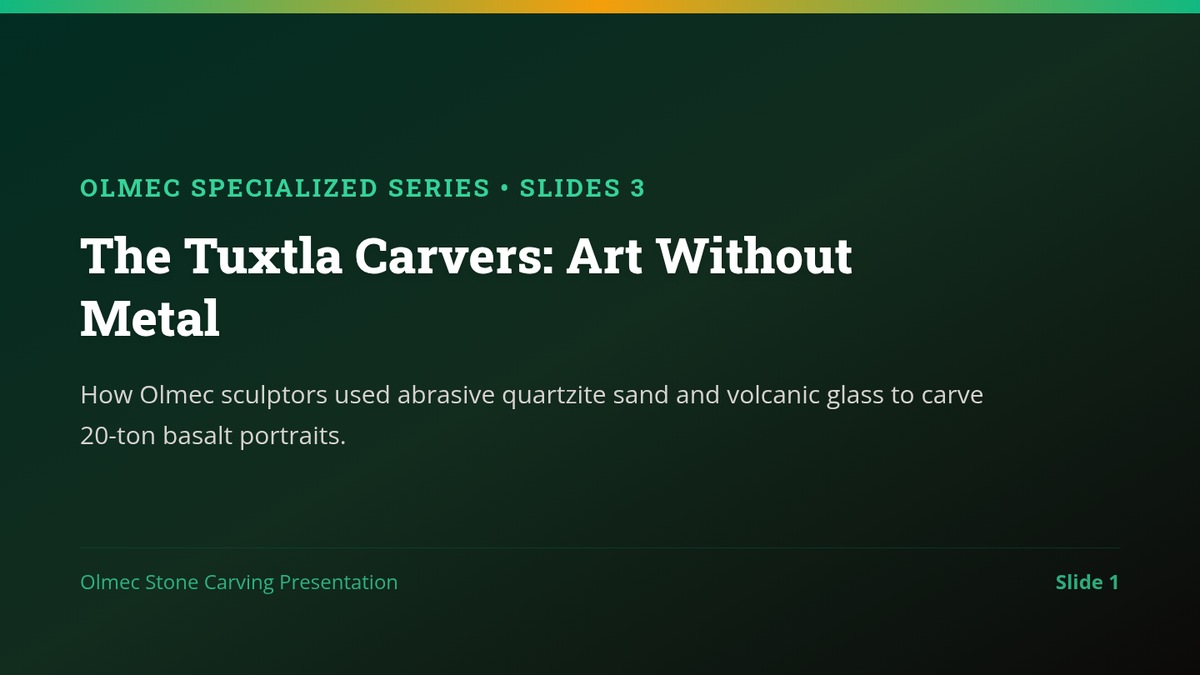
A collection of social studies and science lessons focused on foundational concepts and civilizations.
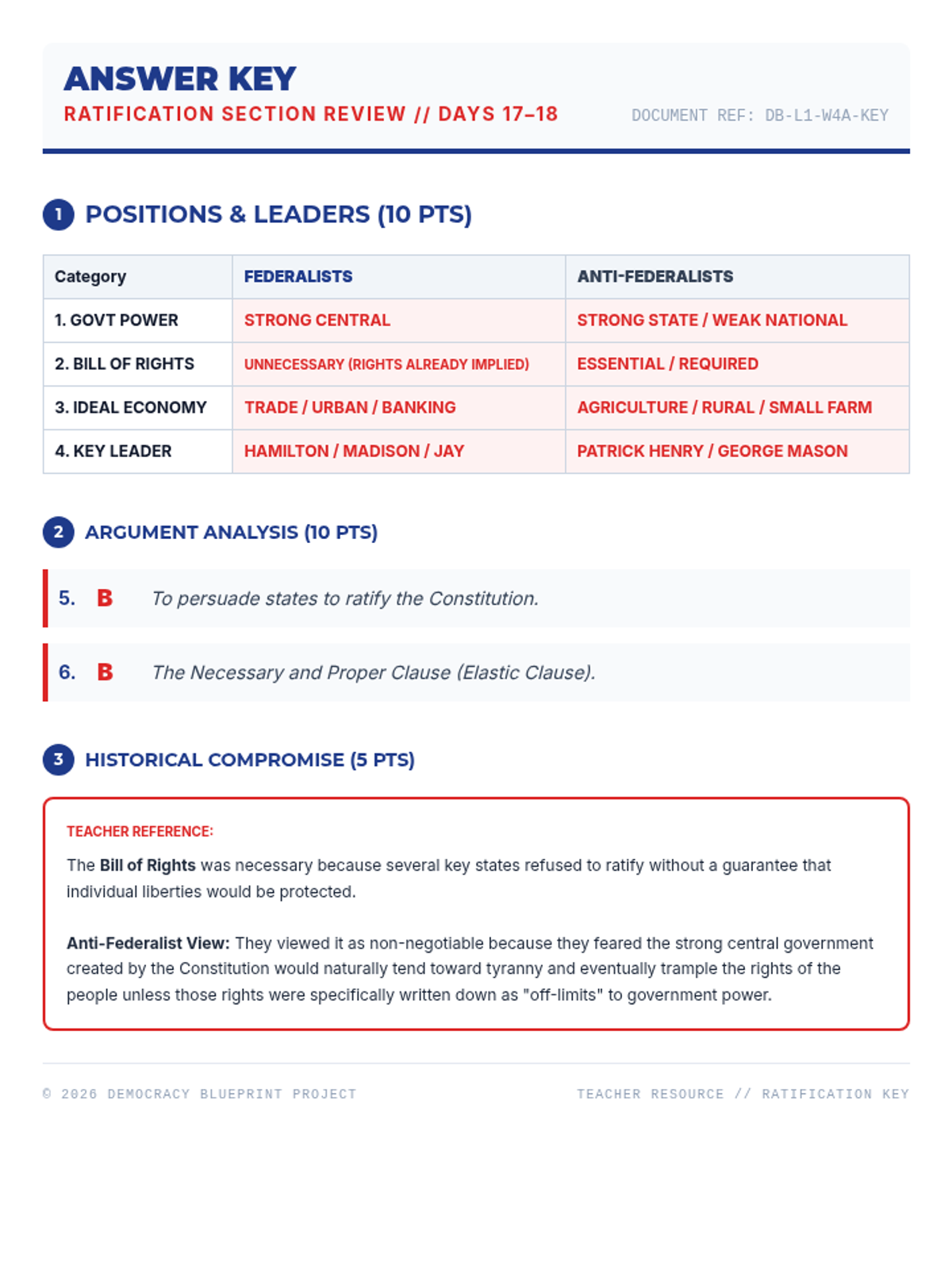
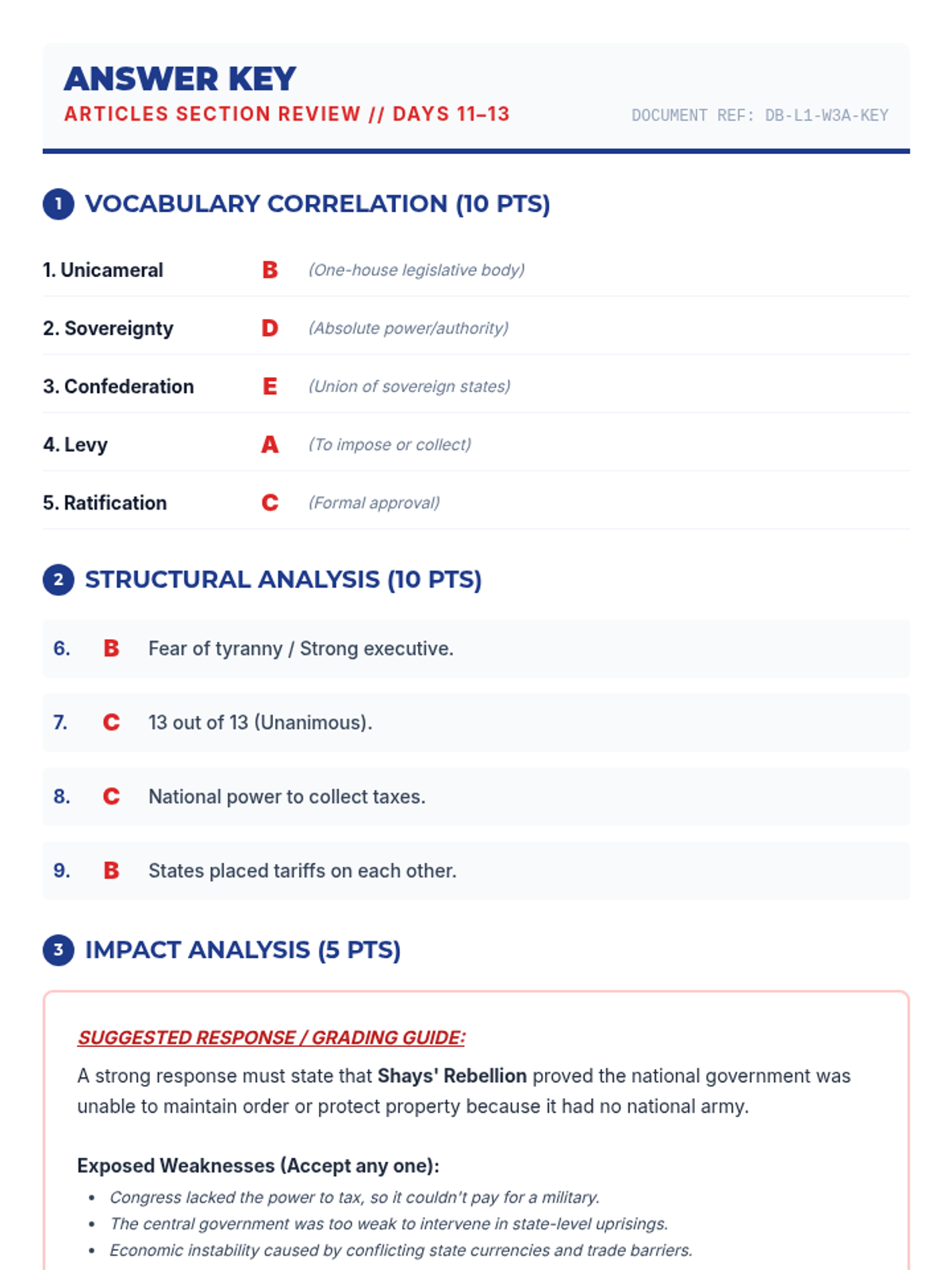
An 18-day remediation program for high school Government students focusing on the U.S. Constitution, the three branches of government, and the Bill of Rights. Each day features a structured reading passage with embedded vocabulary, annotation tasks, and a comprehensive review worksheet.
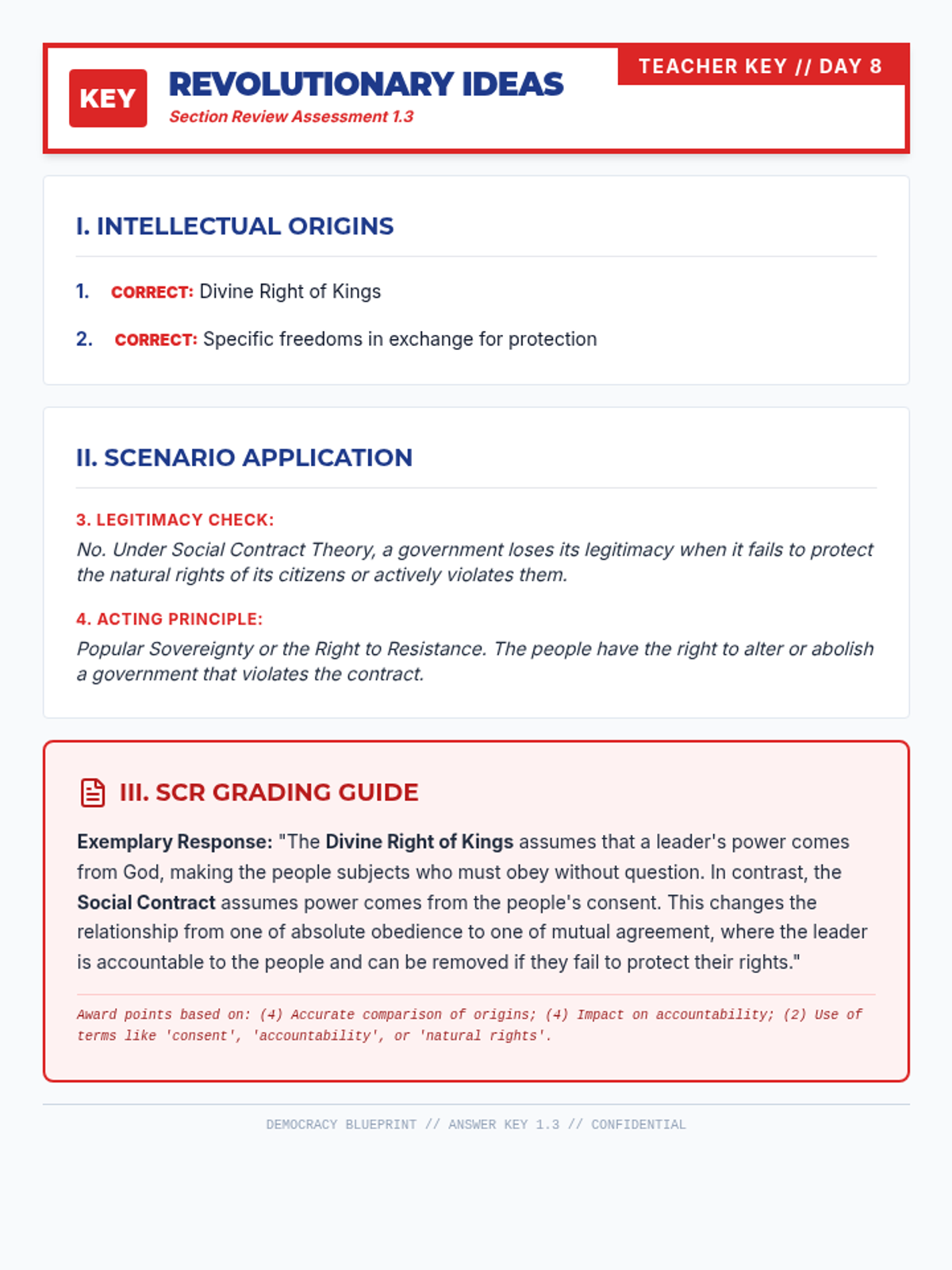

A complete series of lessons for the NSW Studies of Religion 1 Judaism Depth Study, covering Origins, Principal Beliefs, Sacred Texts, Ethics, and Observance.
A comprehensive historical background unit designed to contextualize the events of 'A Thousand Splendid Suns', focusing on the political shifts in Afghanistan and their impact on women's lives and character motivations.
A unit exploring how overlapping cultural identities shape history, art, and activism through the lens of intersectionality.
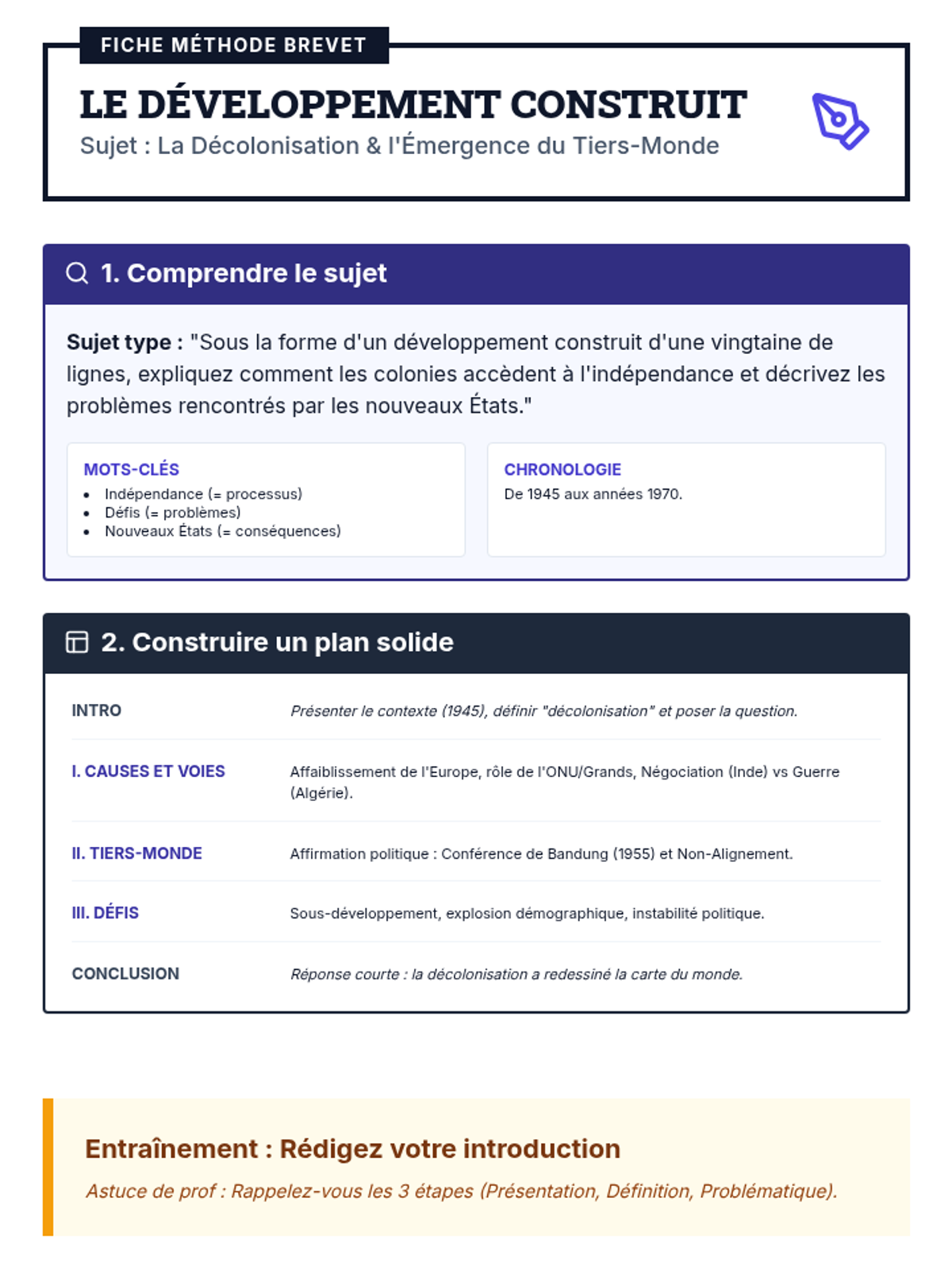
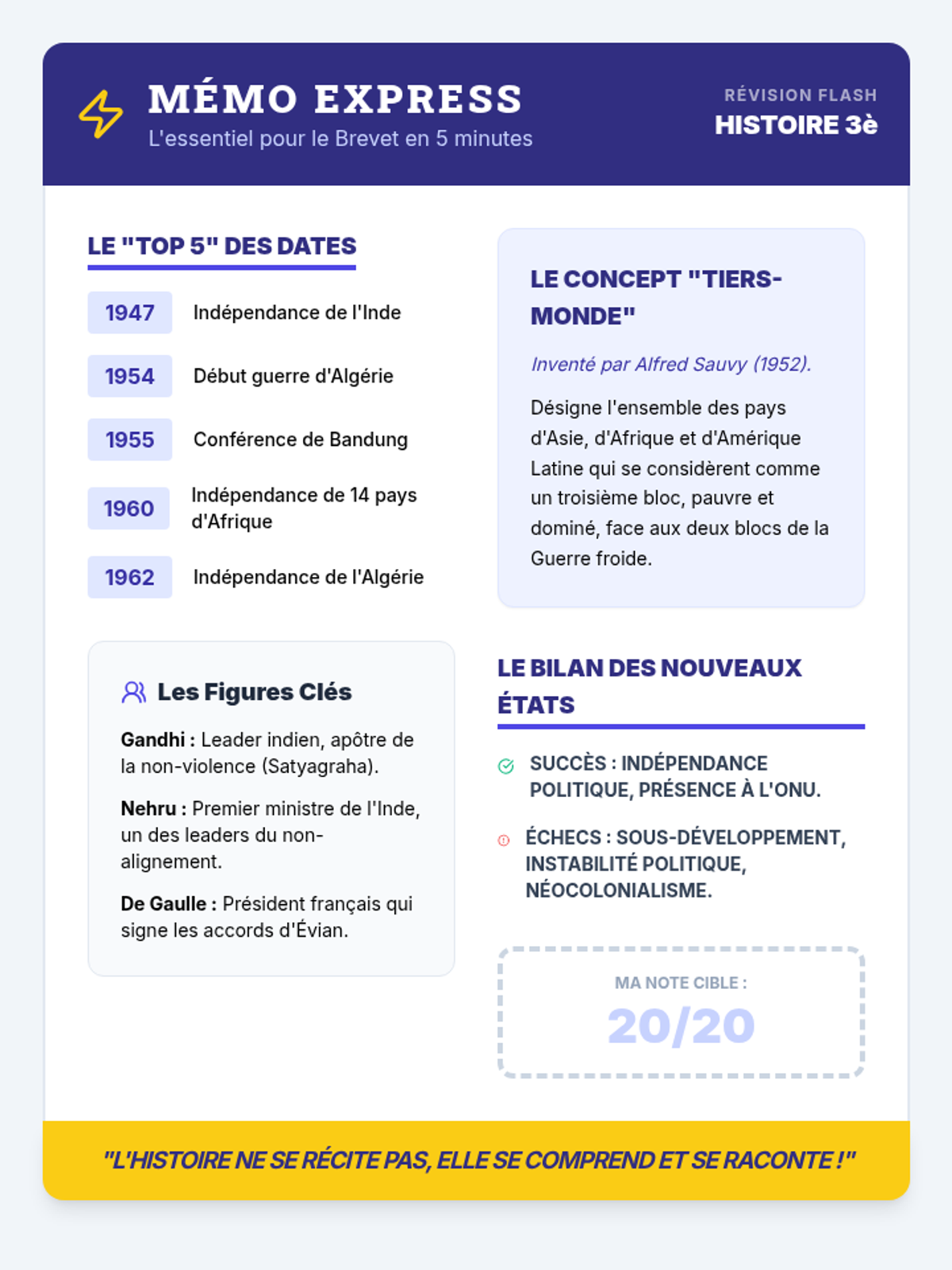
Un programme de révision complet couvrant les 17 notions du baccalauréat de philosophie, structuré par grands domaines thématiques pour une compréhension transversale.
Un parcours complet pour l'année de Terminale Générale couvrant les 17 notions du programme de philosophie à travers des problématiques transversales, des auteurs clés et des repères conceptuels.
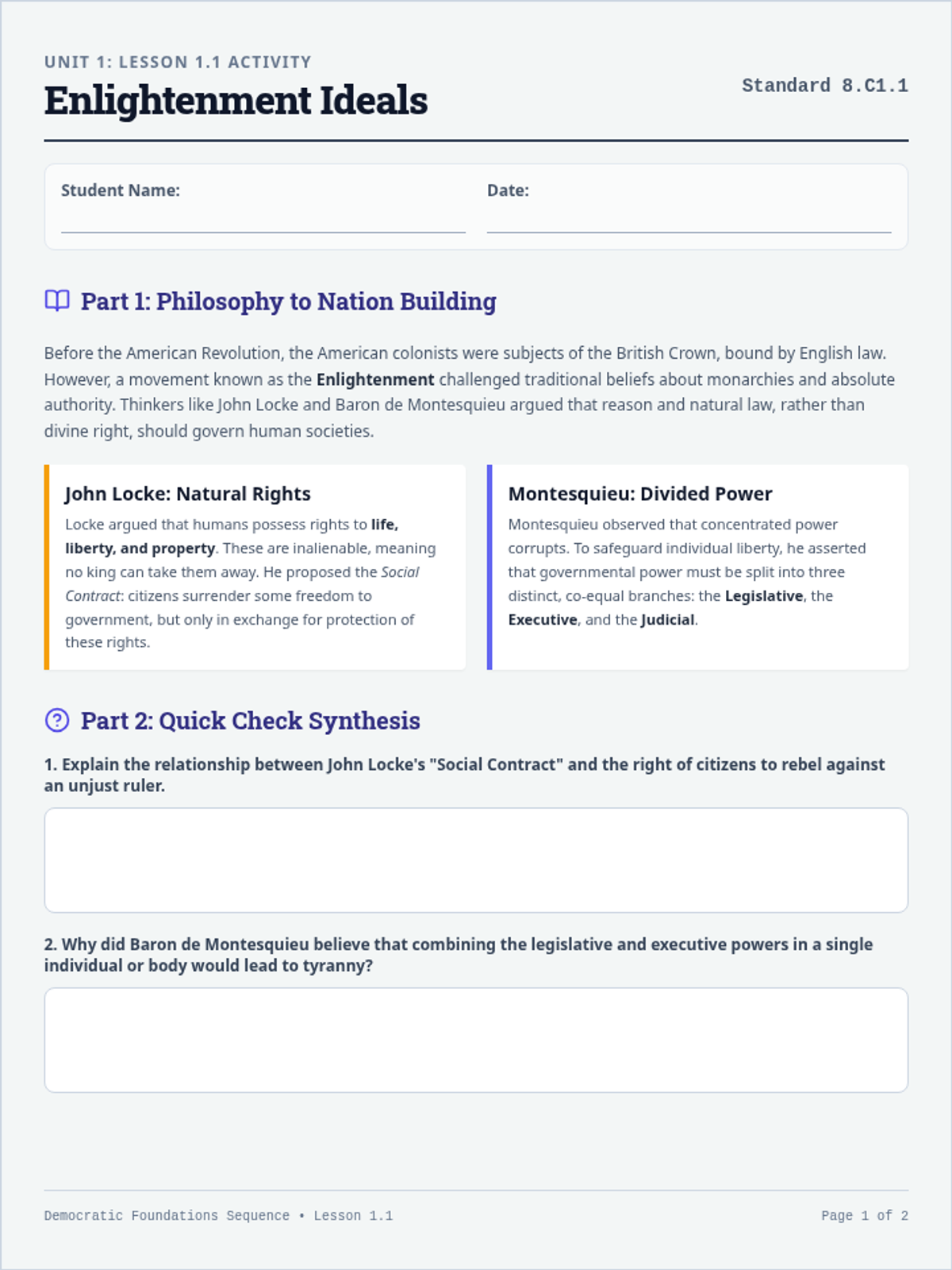
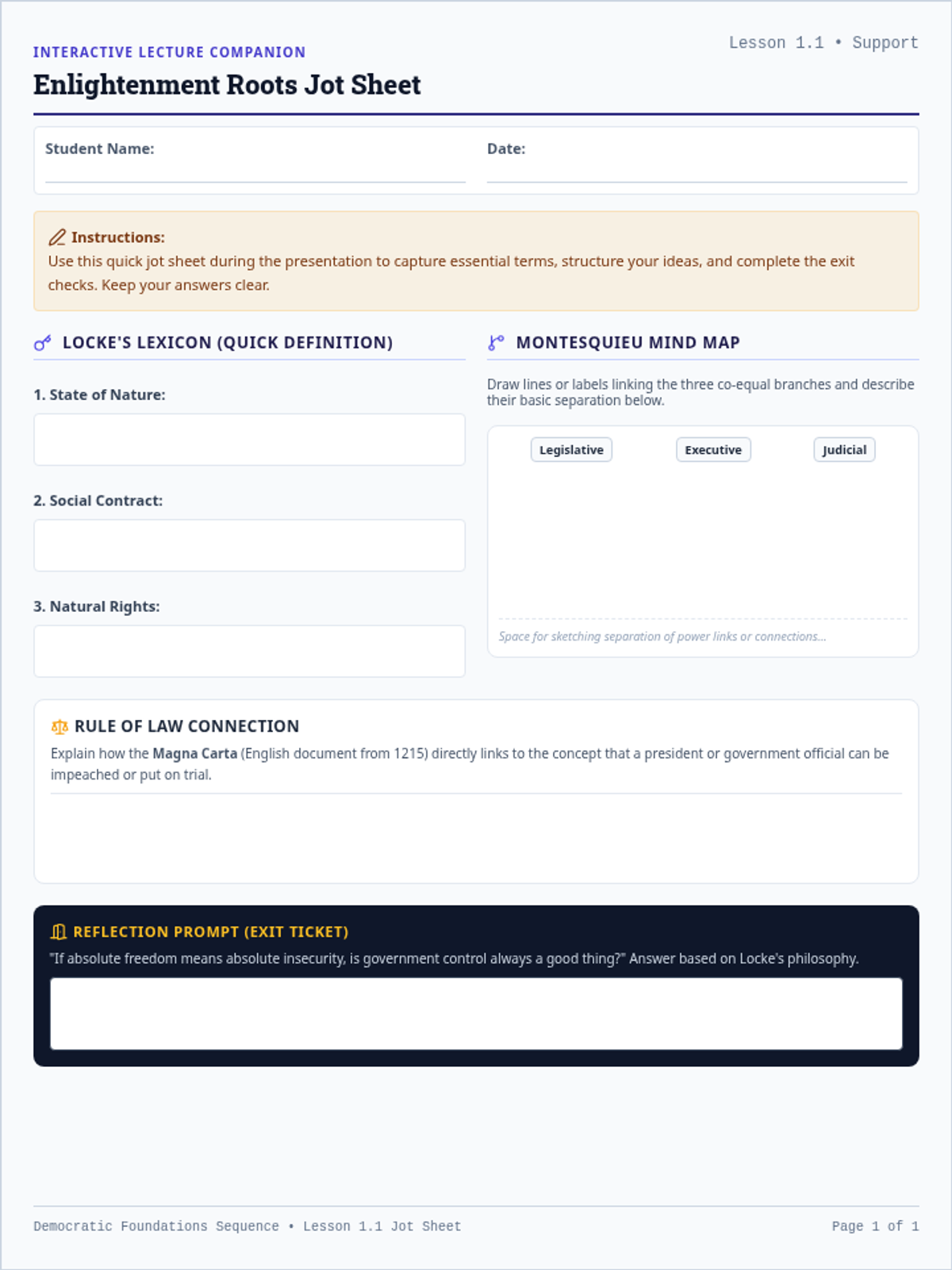
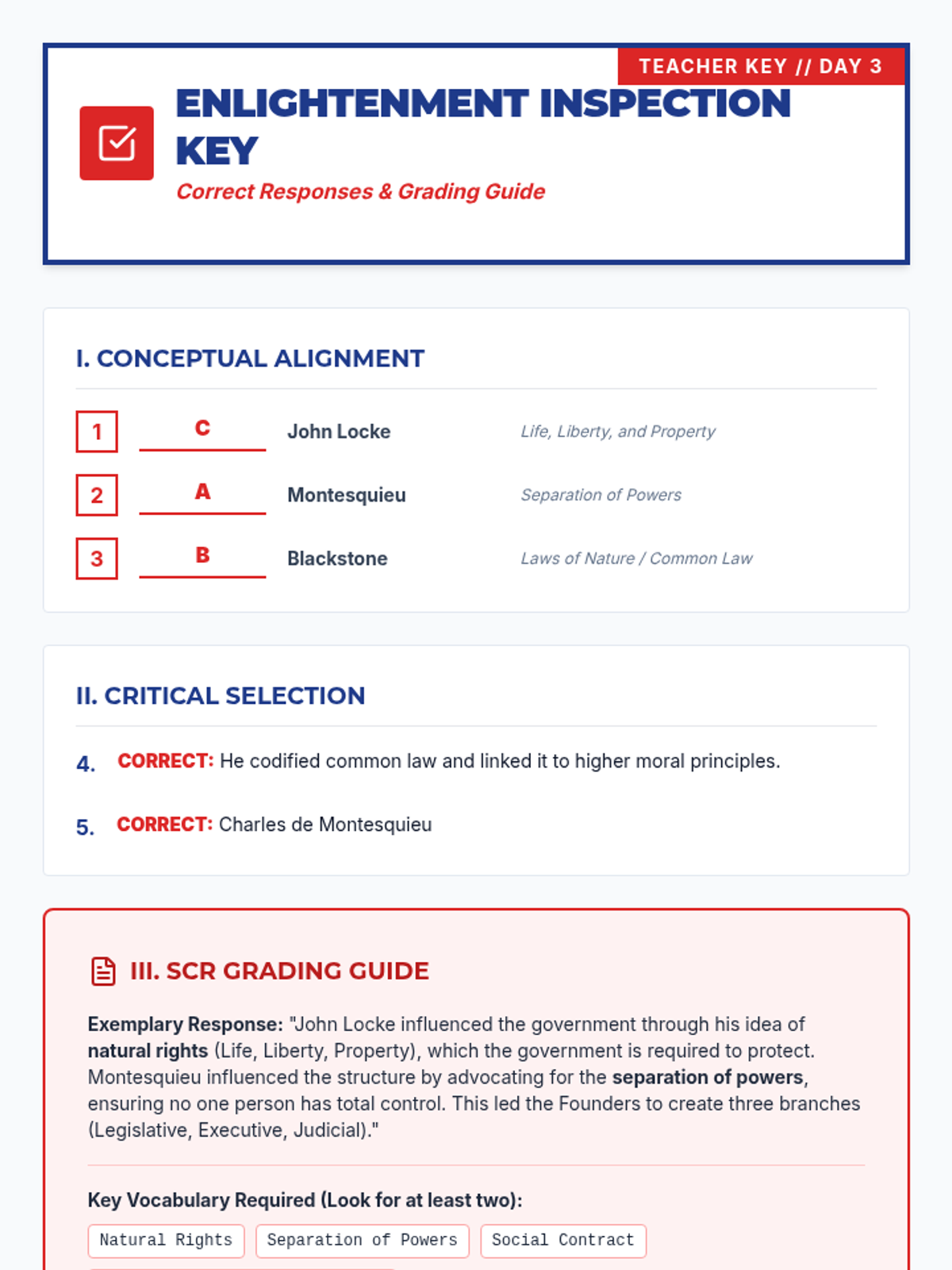
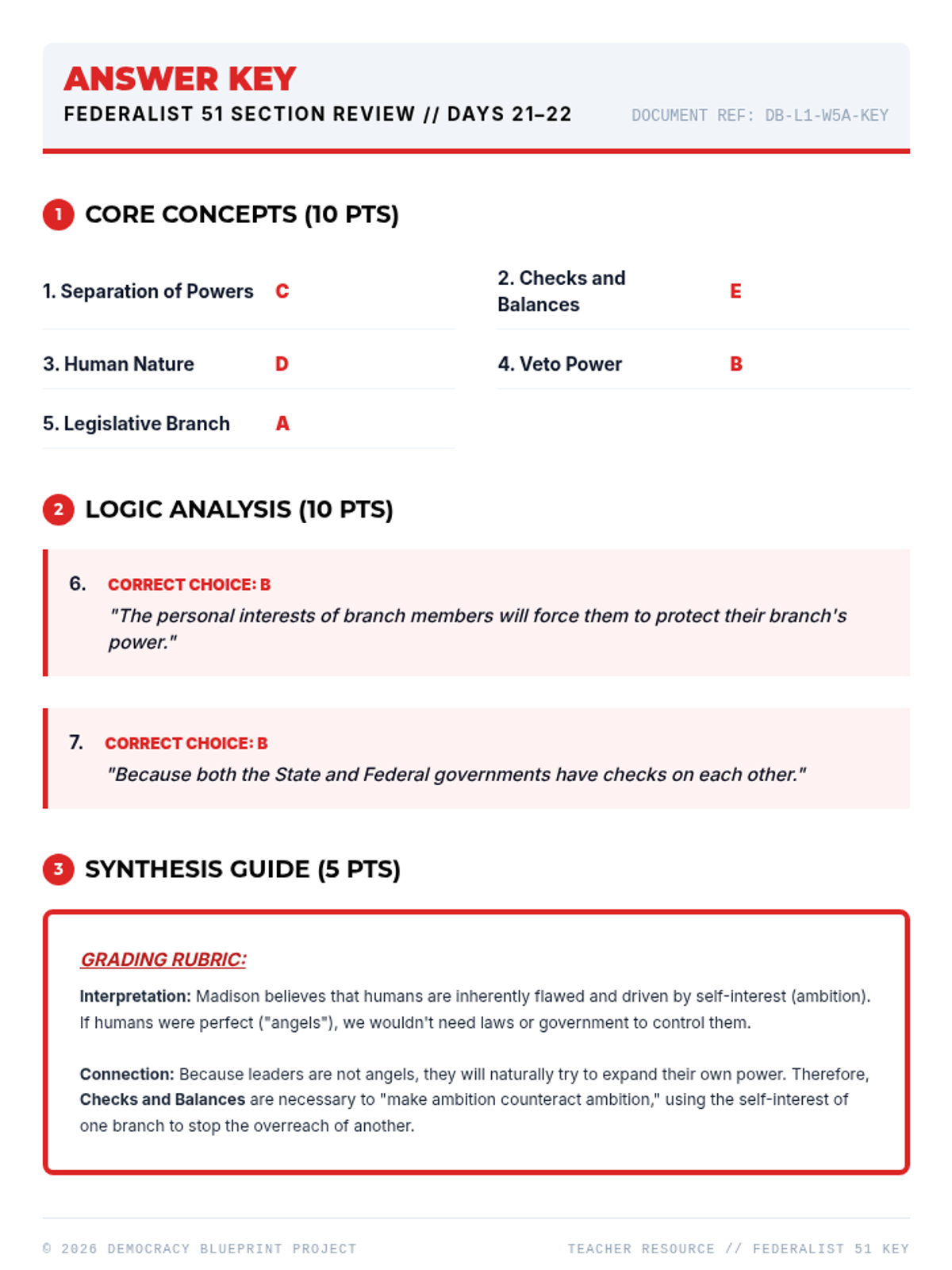
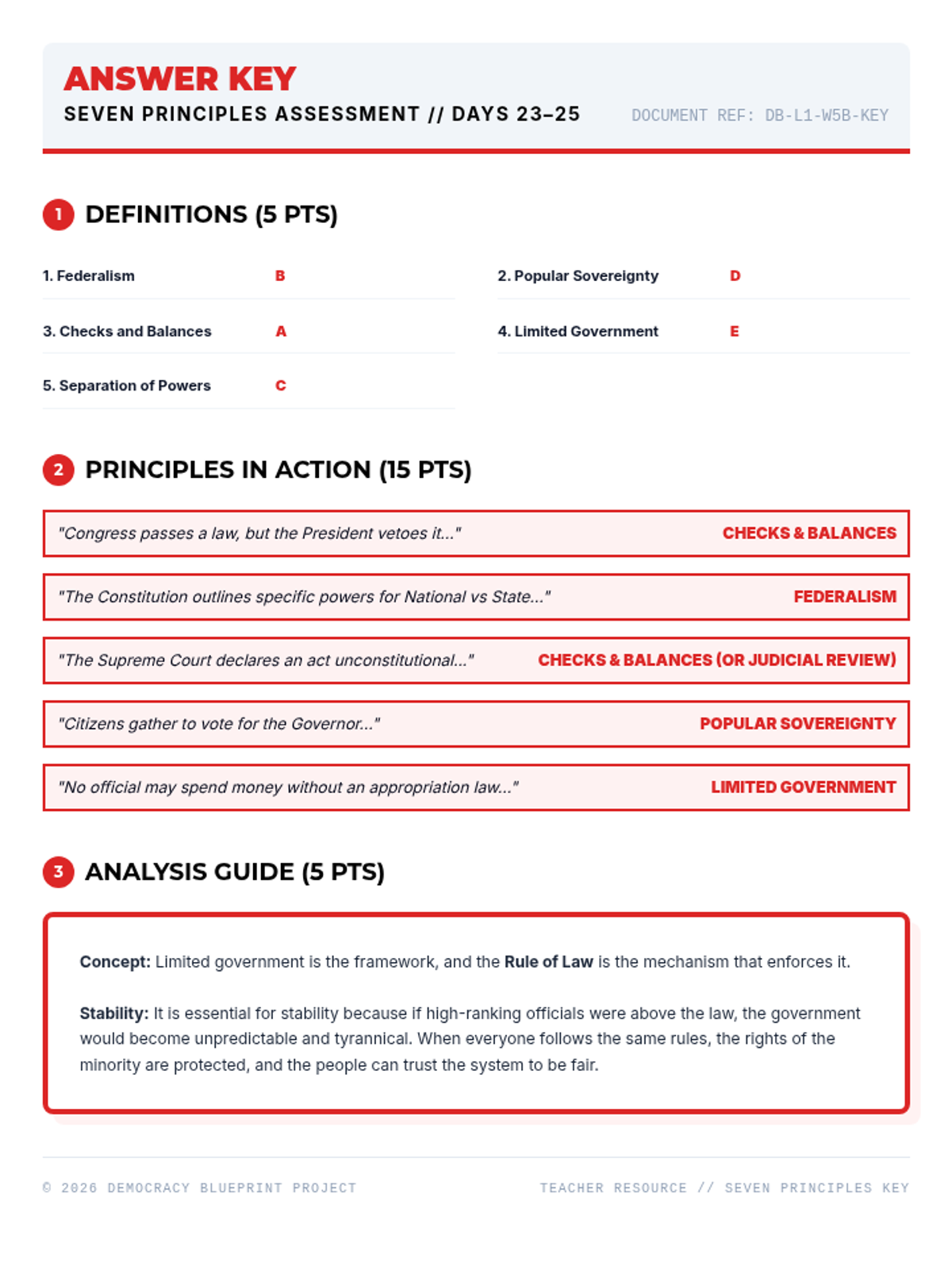
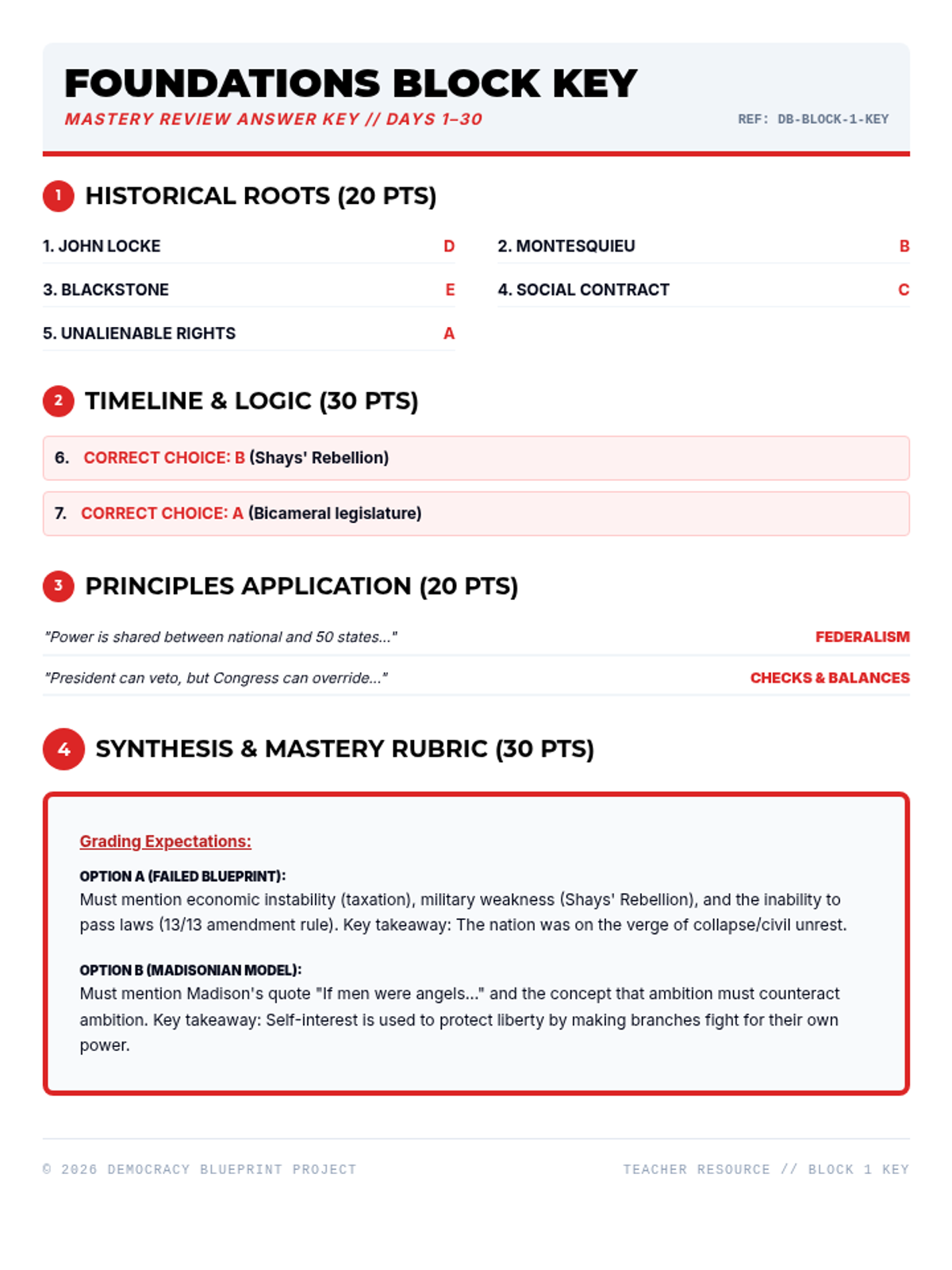
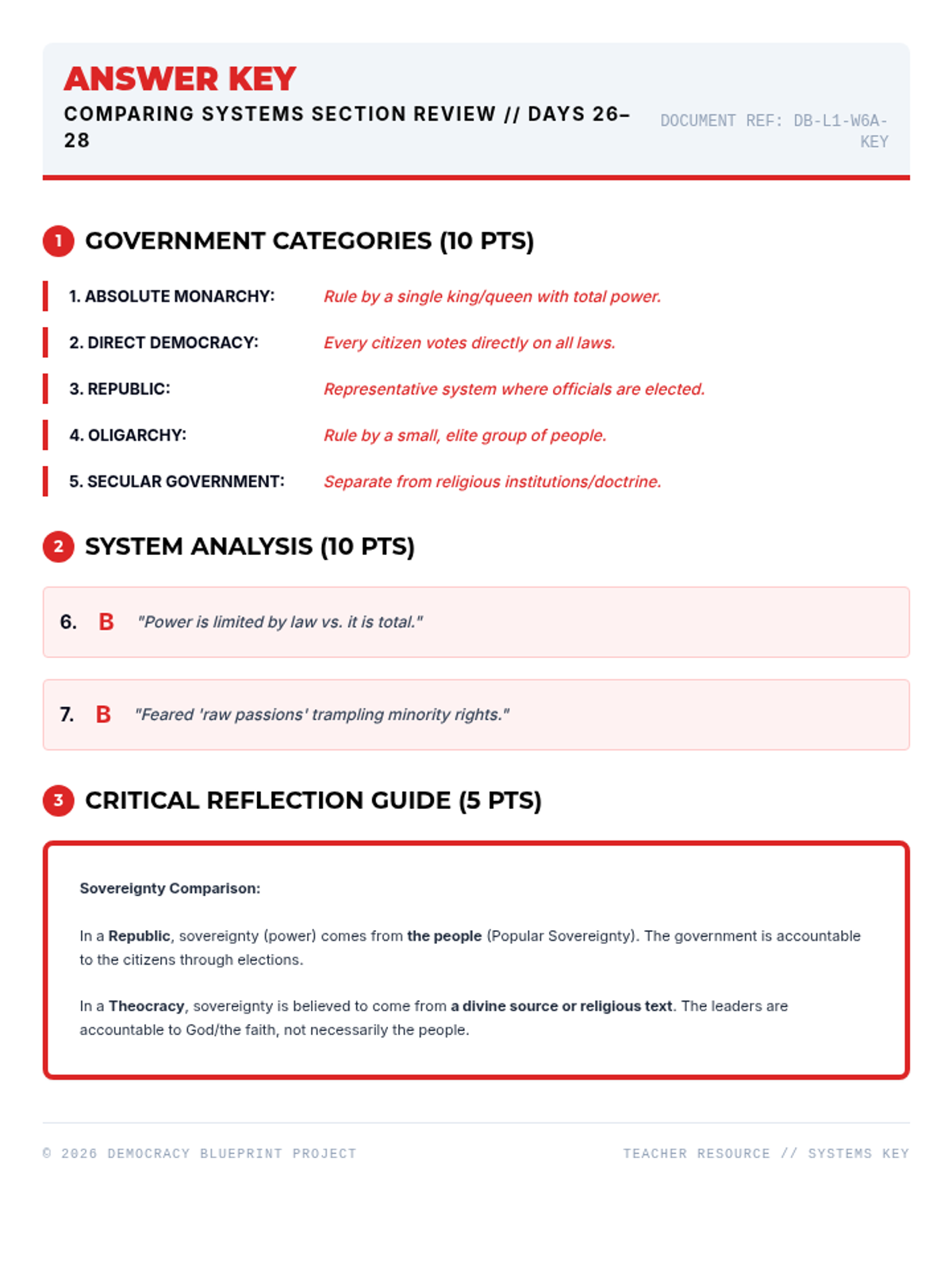
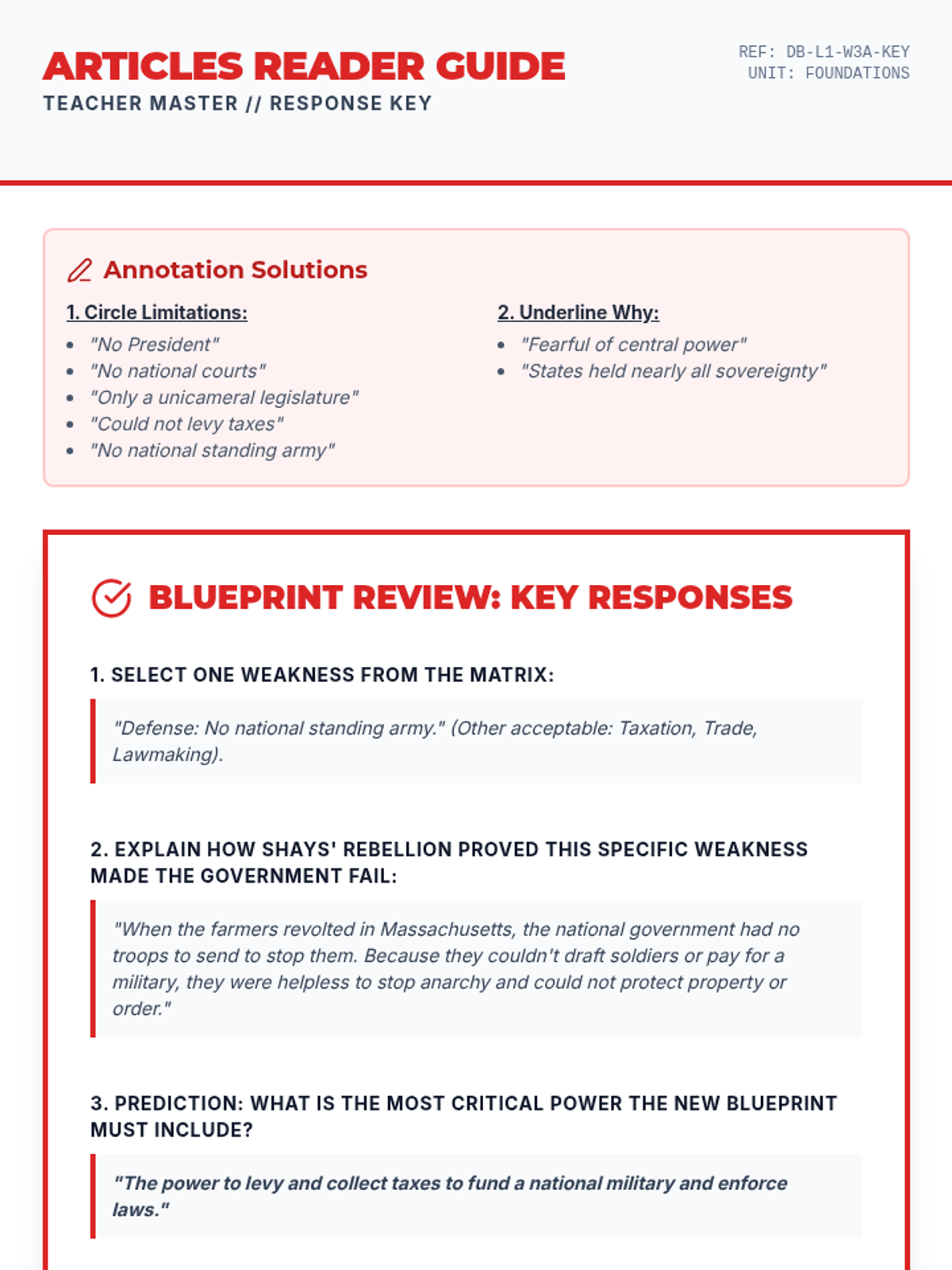
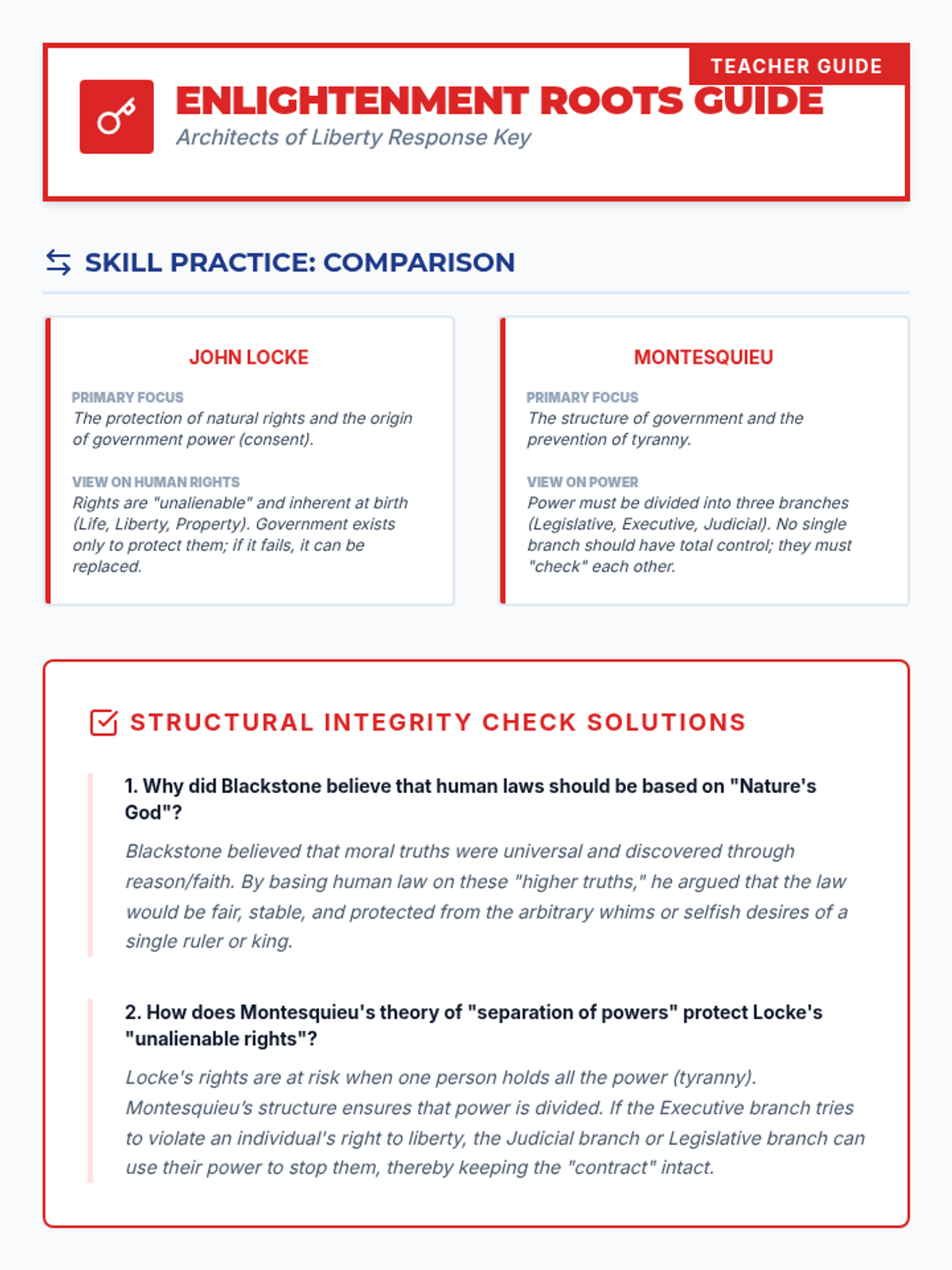
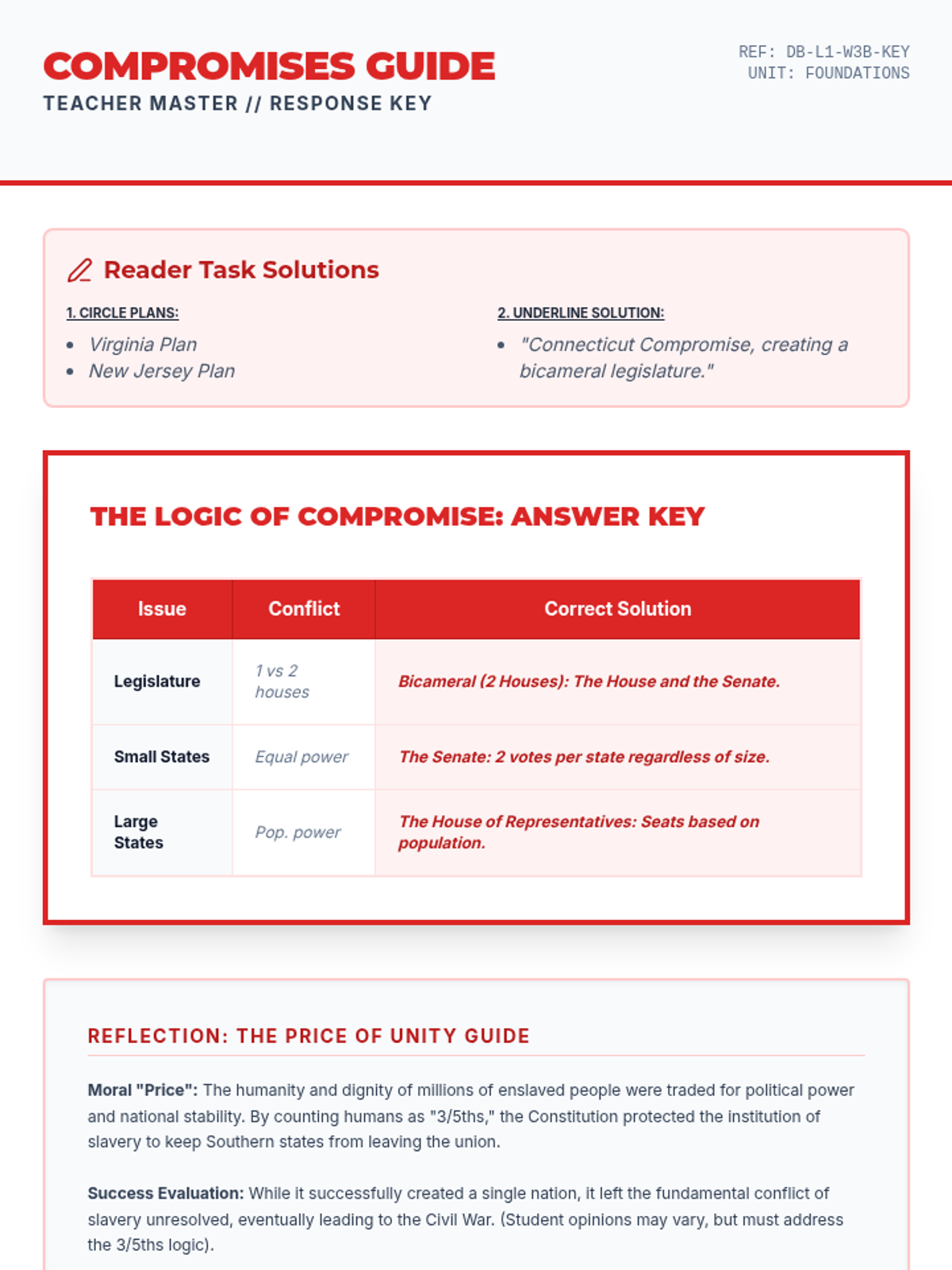
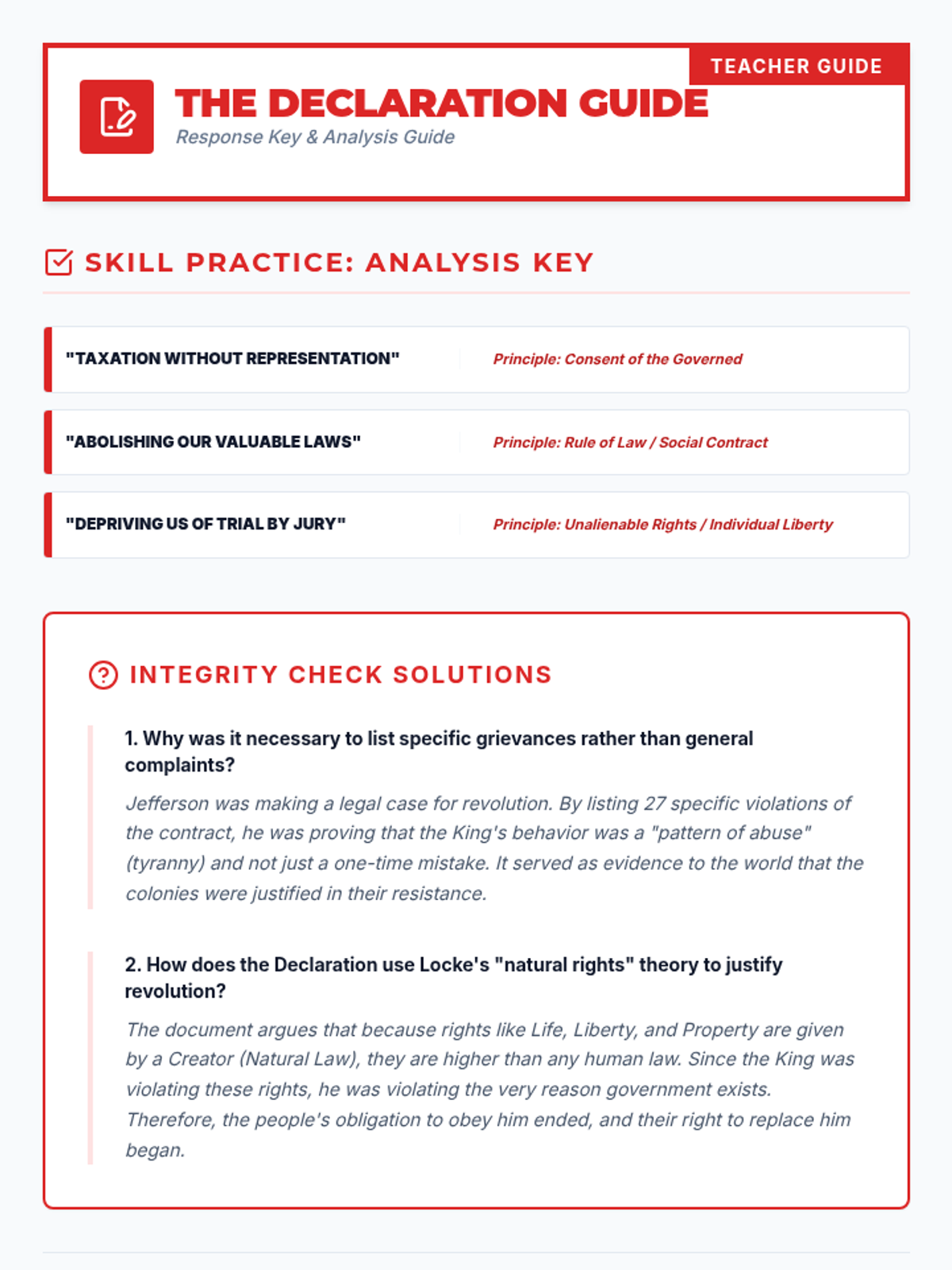
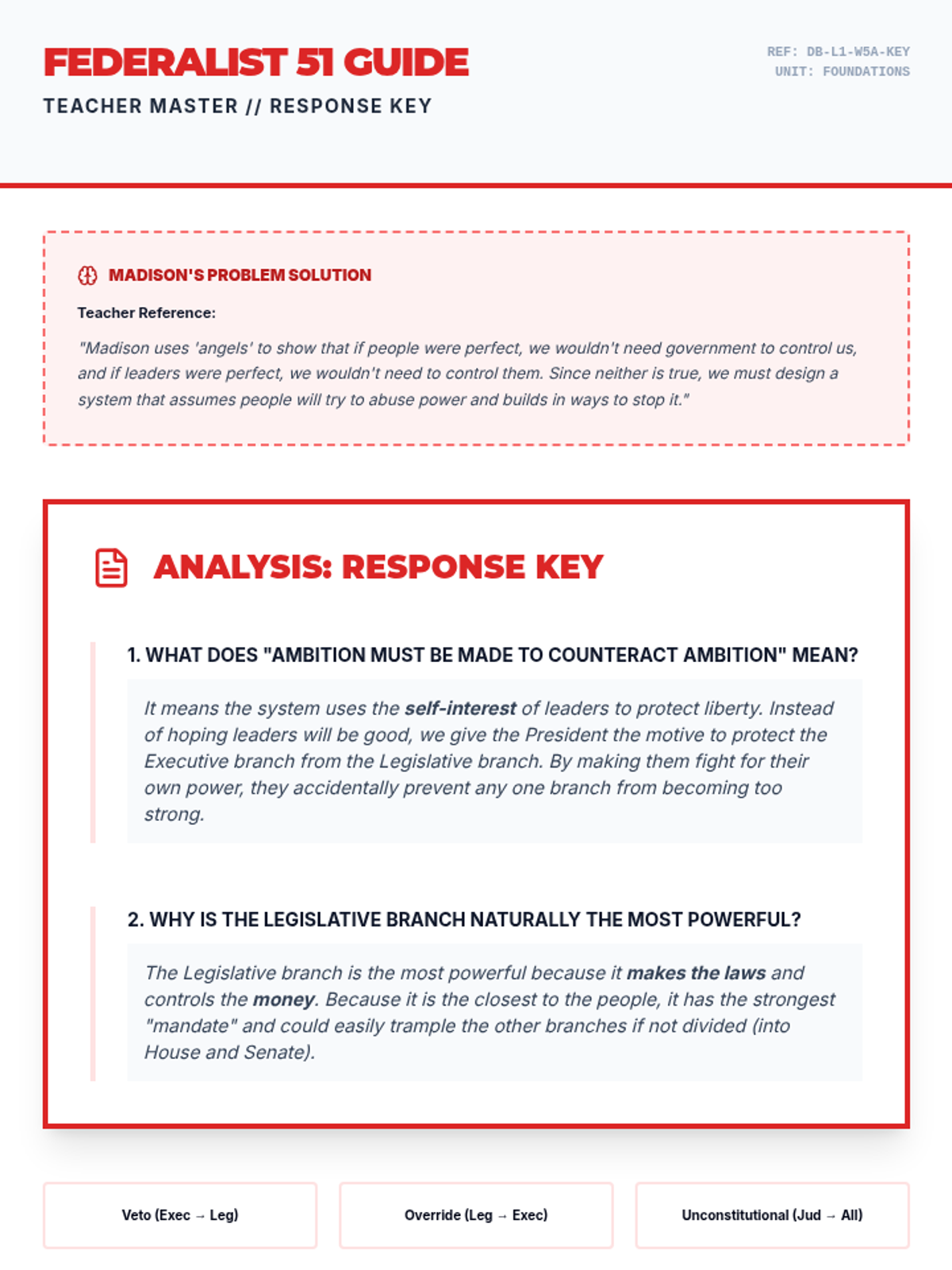
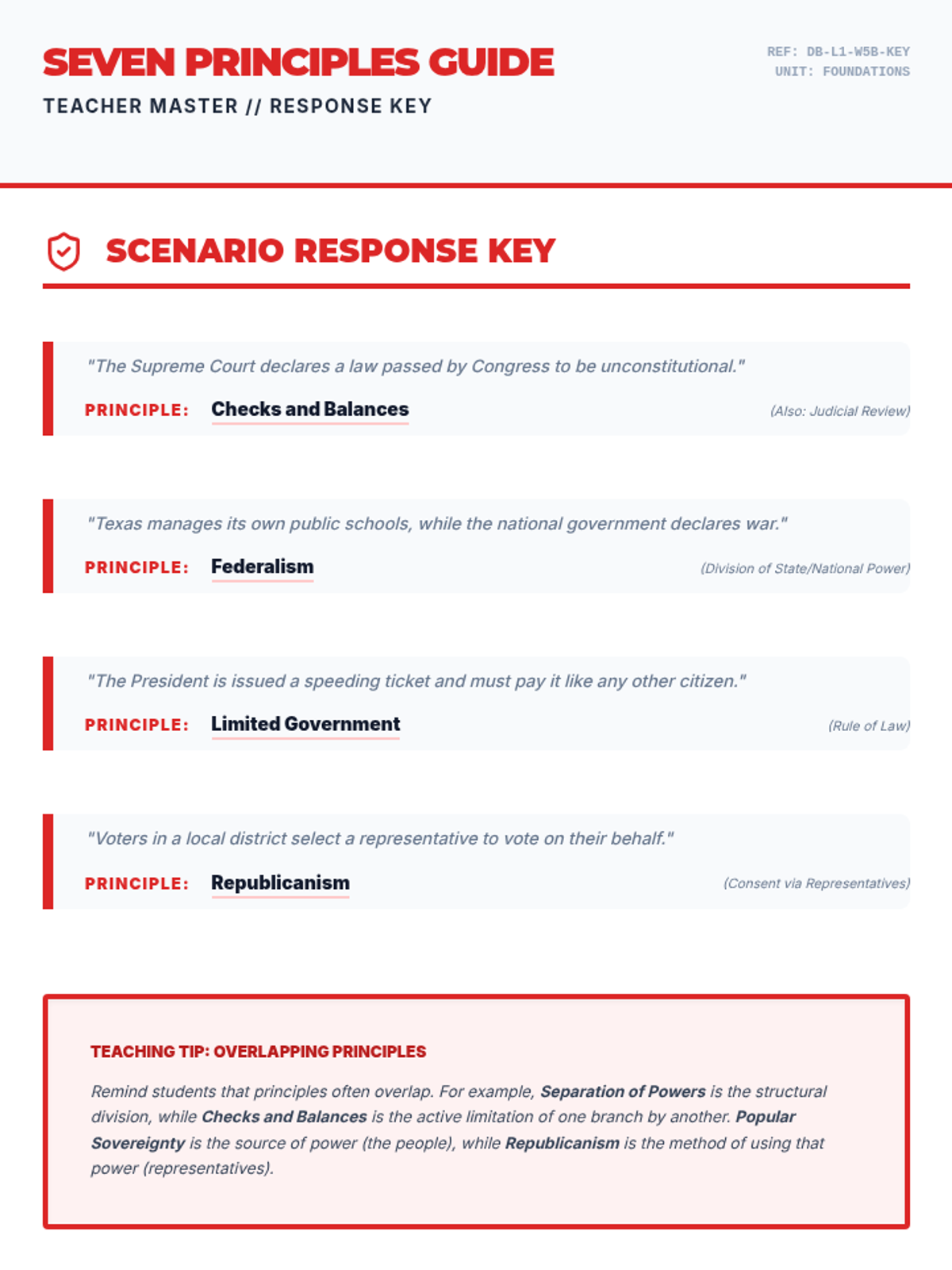
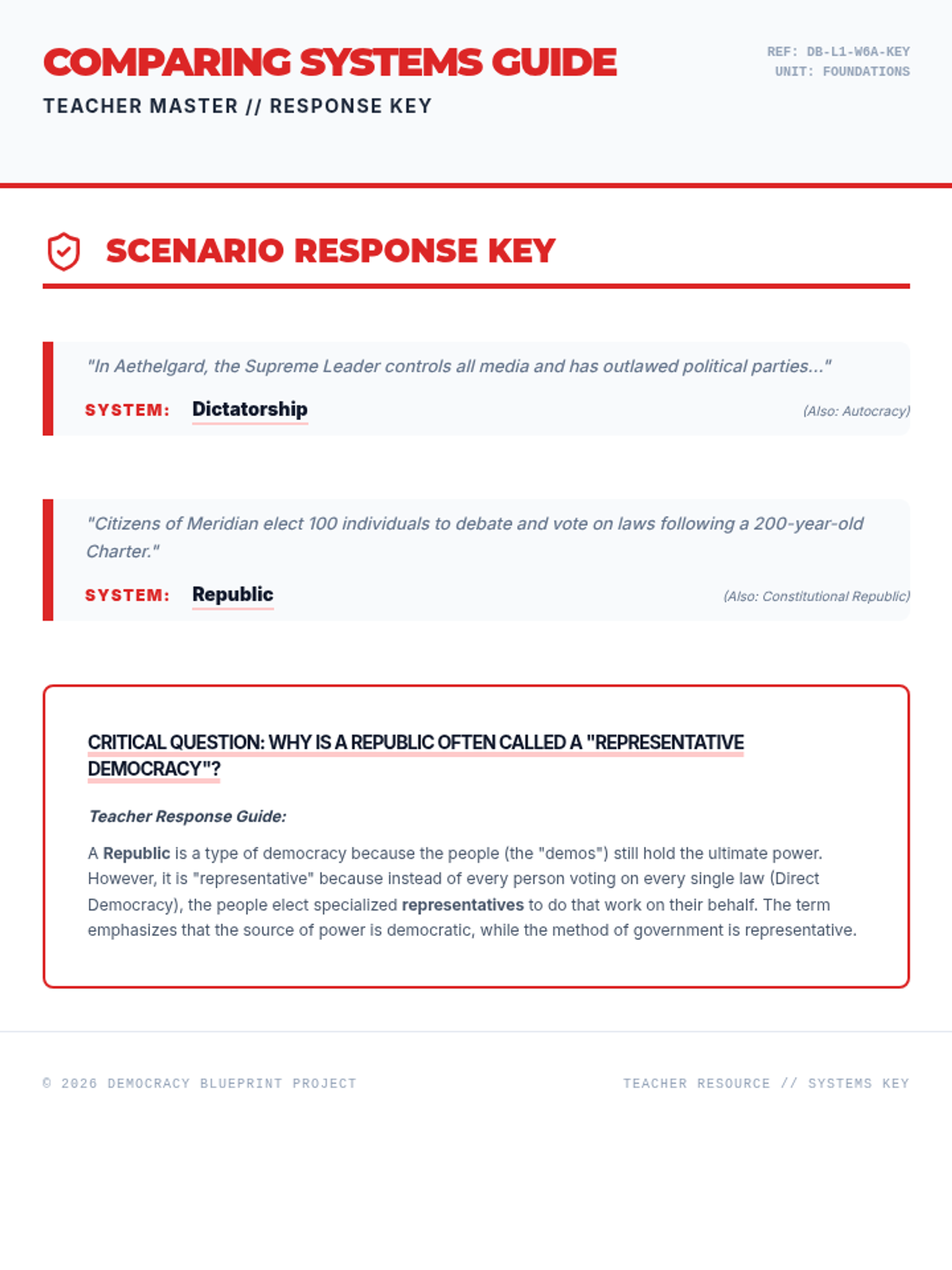
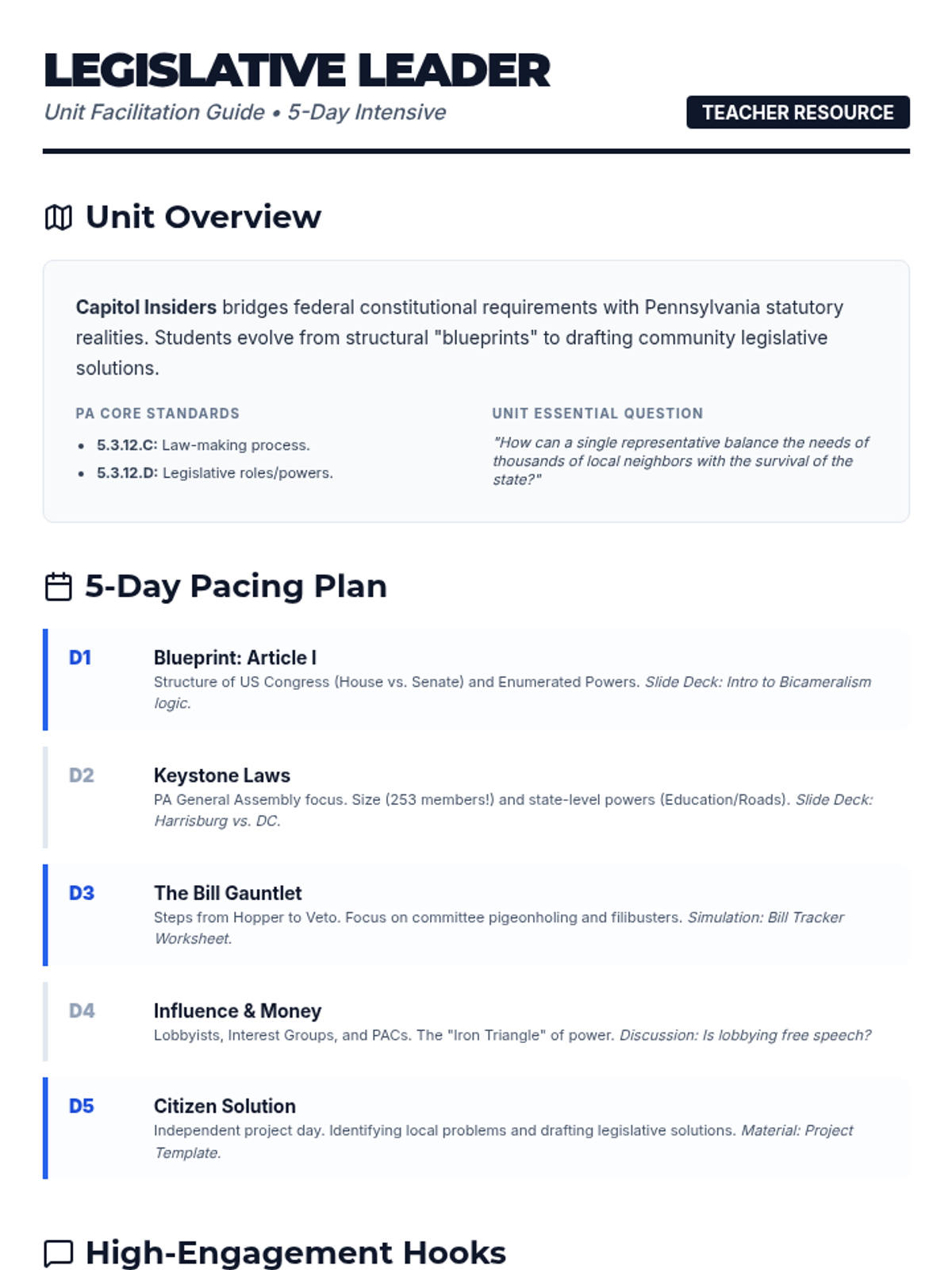
A comprehensive unit exploring the foundational structures of American government through the lens of the US Constitution.
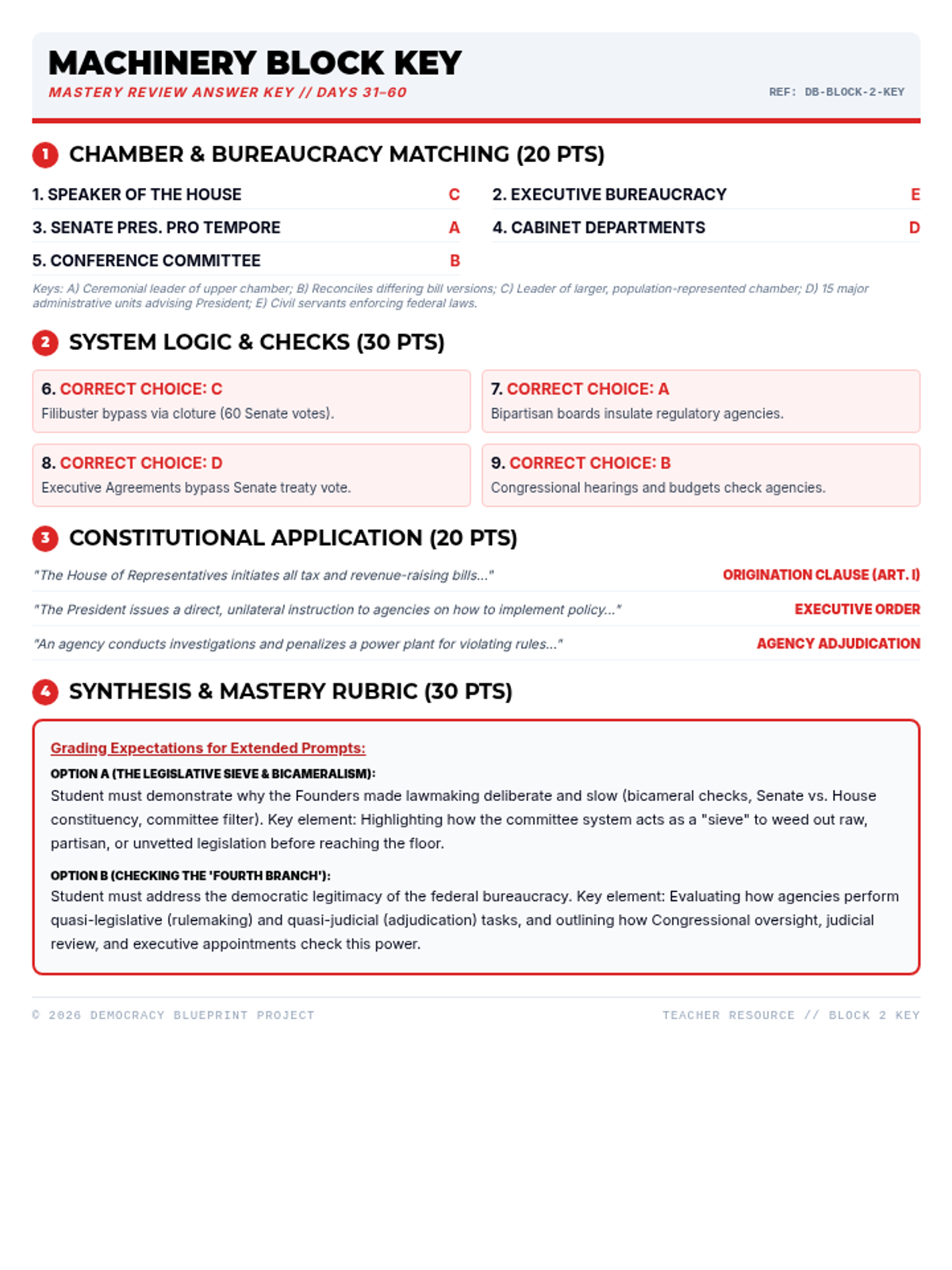
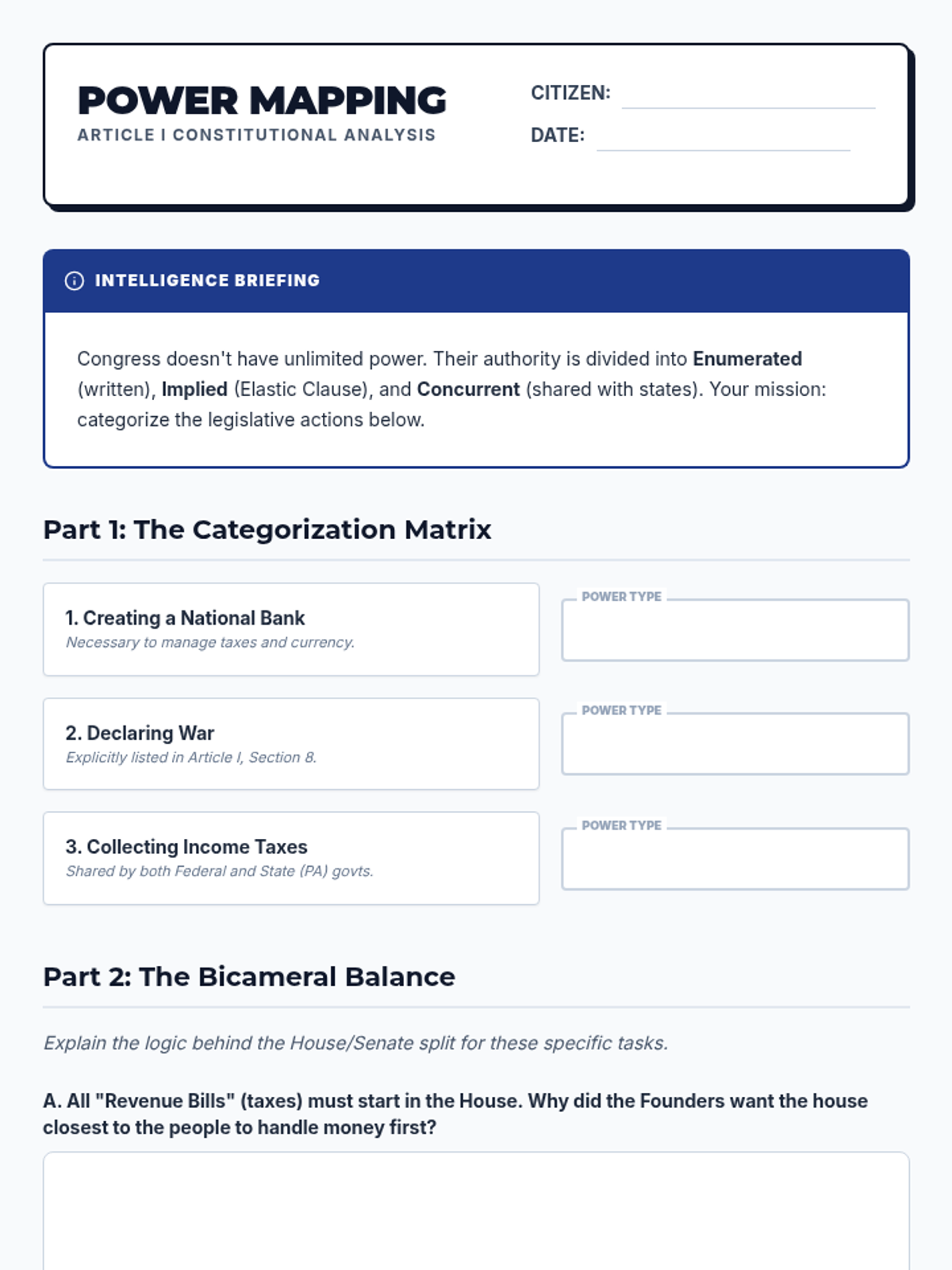
A comprehensive exploration of Article I of the U.S. Constitution, covering the structure, powers, and limitations of the Legislative Branch through deep text analysis and structured discussion.
A comprehensive review of 11th-grade US History EOC terms covering foundational documents, the Gilded Age, and Westward Expansion. This sequence prepares students for standardized testing through active recall and visual learning.
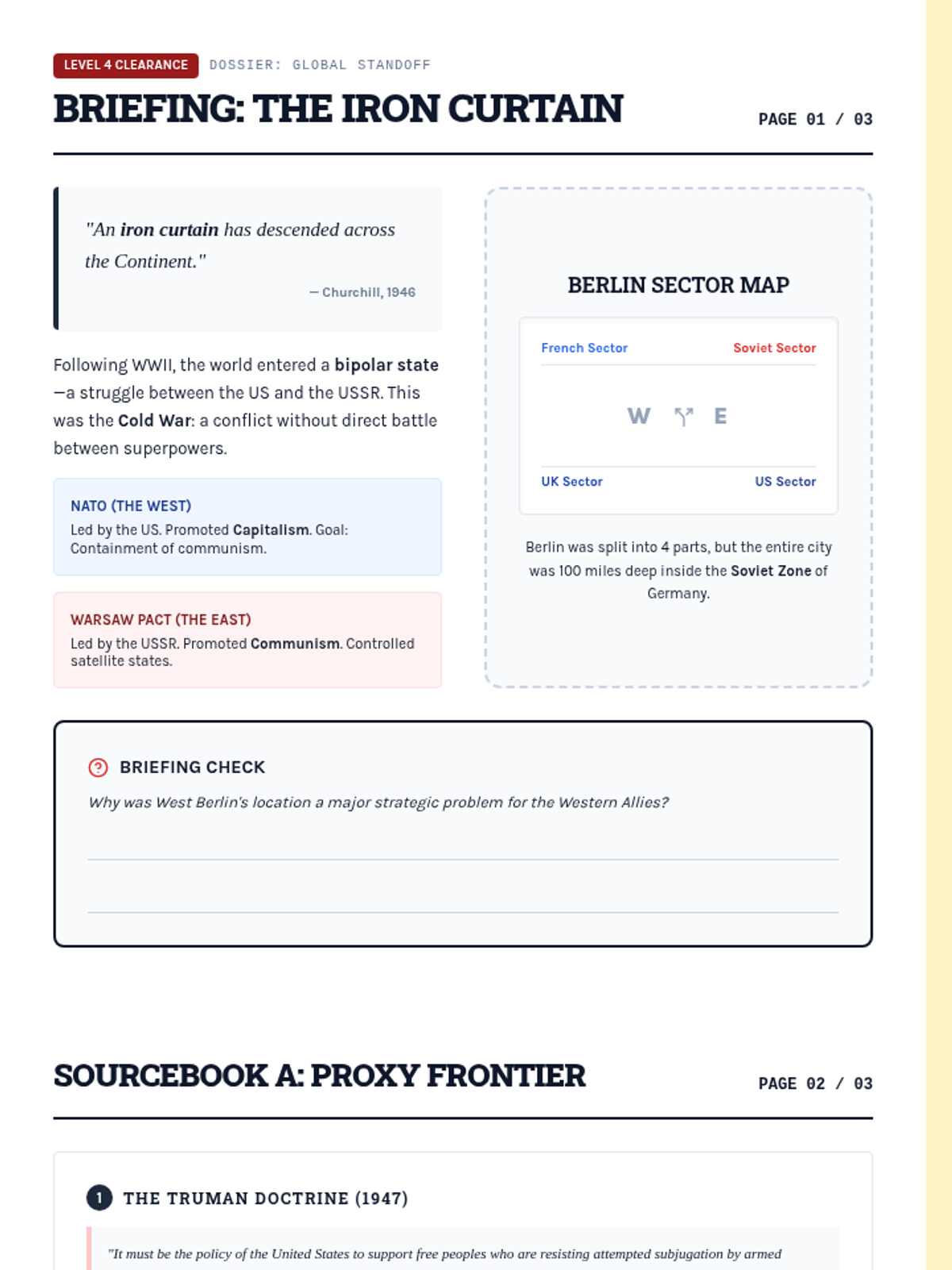
A comprehensive project-based unit exploring the construction of the Berlin Wall in 1961, its devastating impact on German civilians, and its role as a powerful symbol of Cold War ideological conflict.
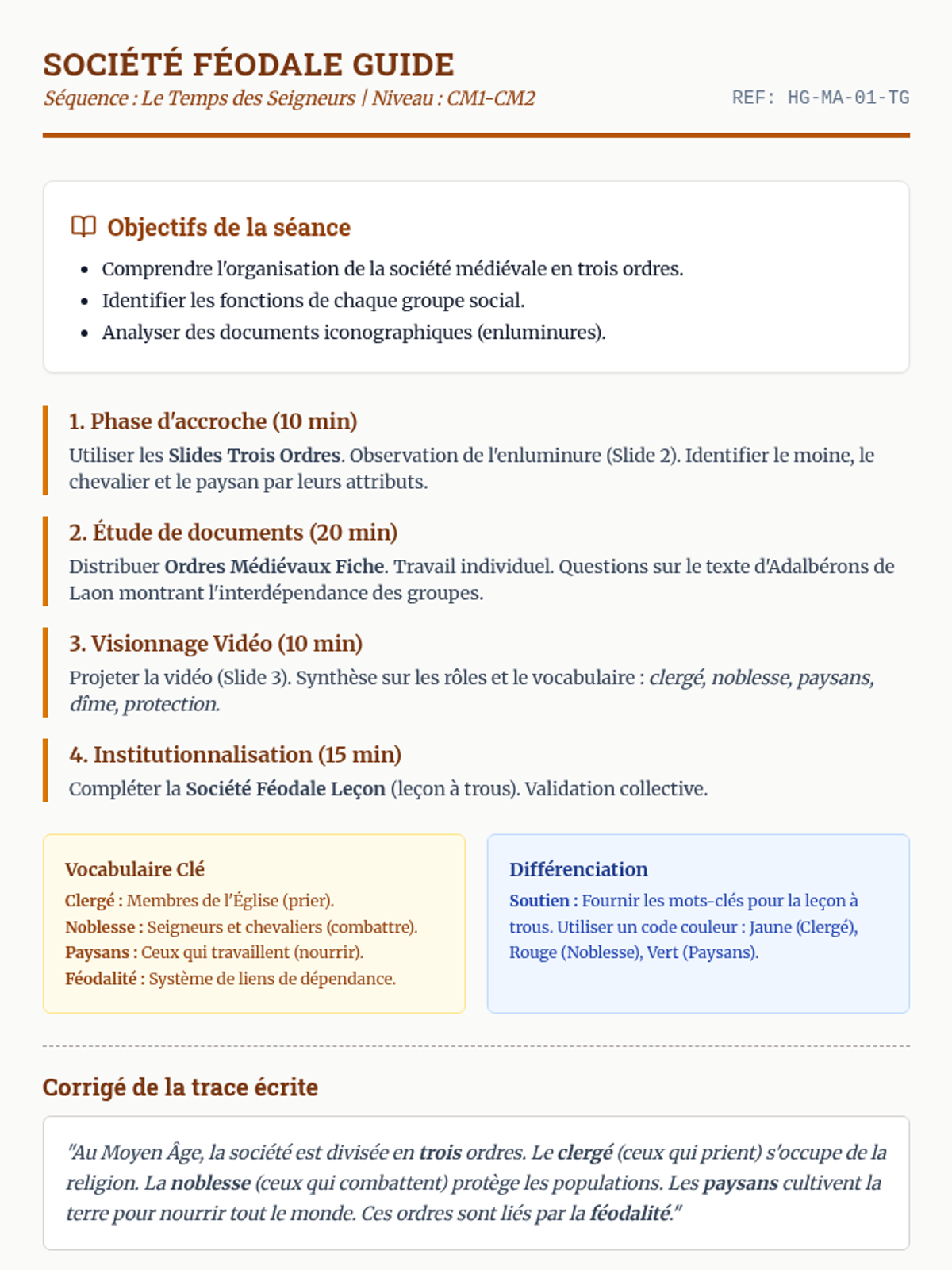
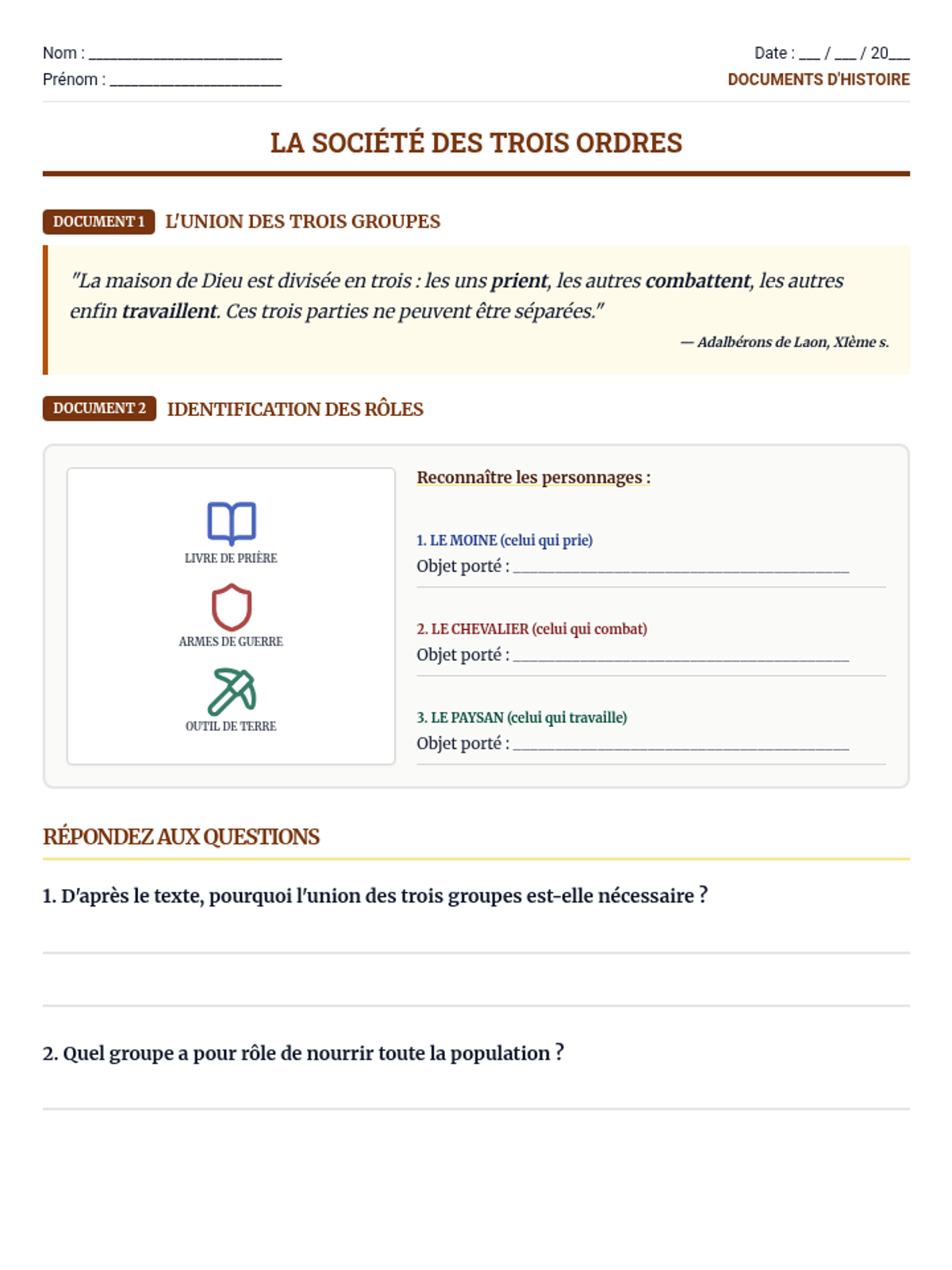
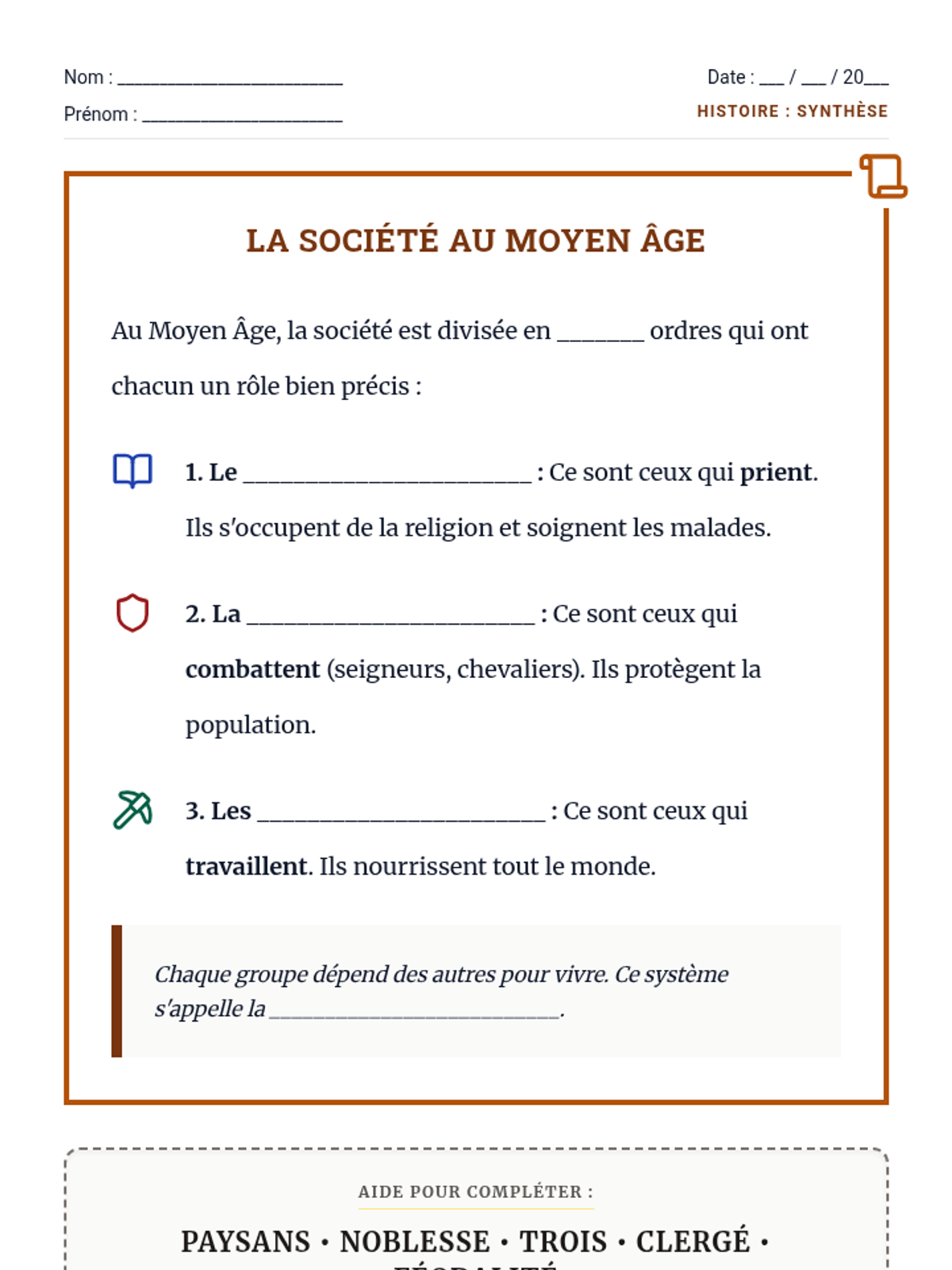
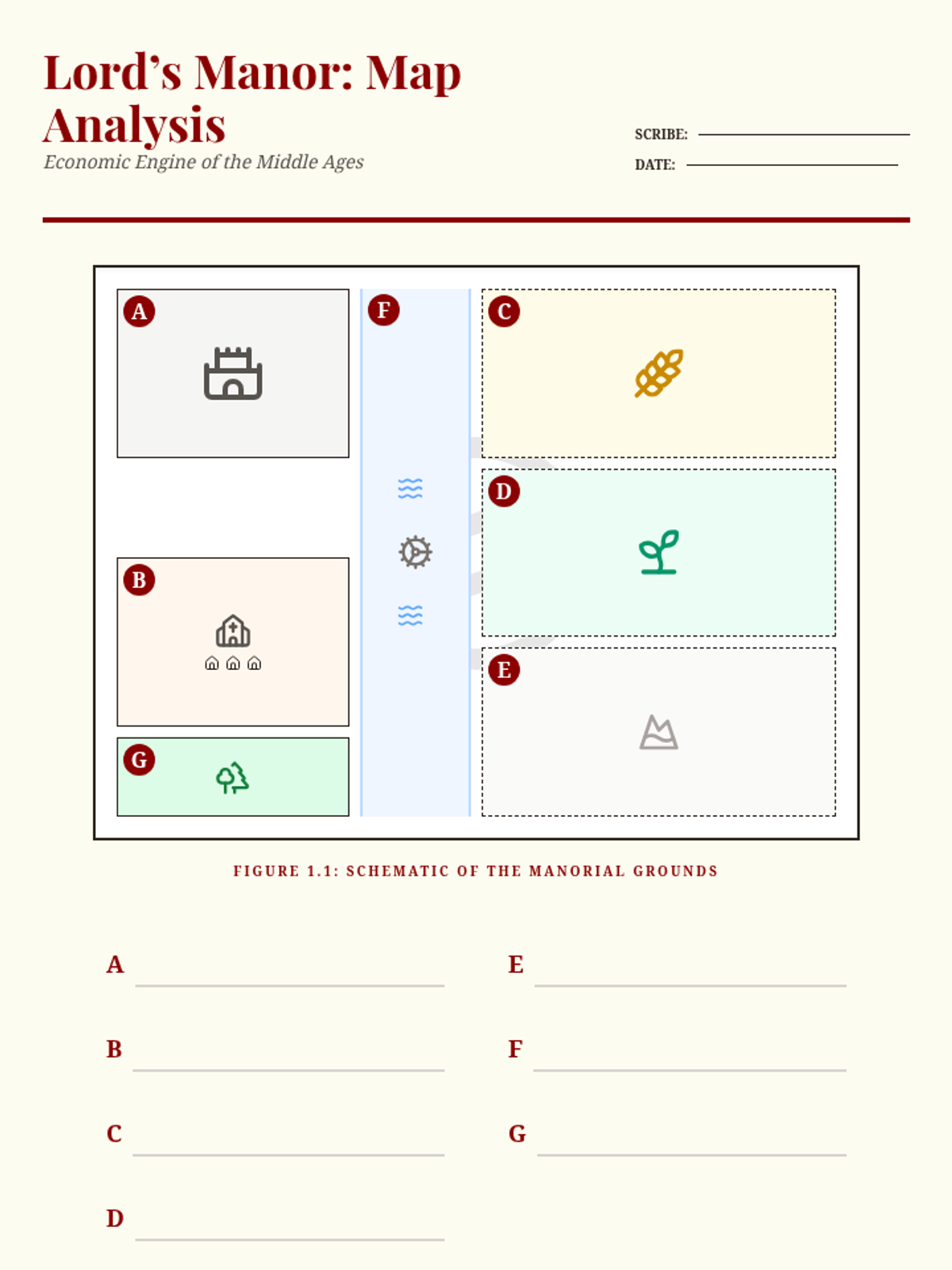
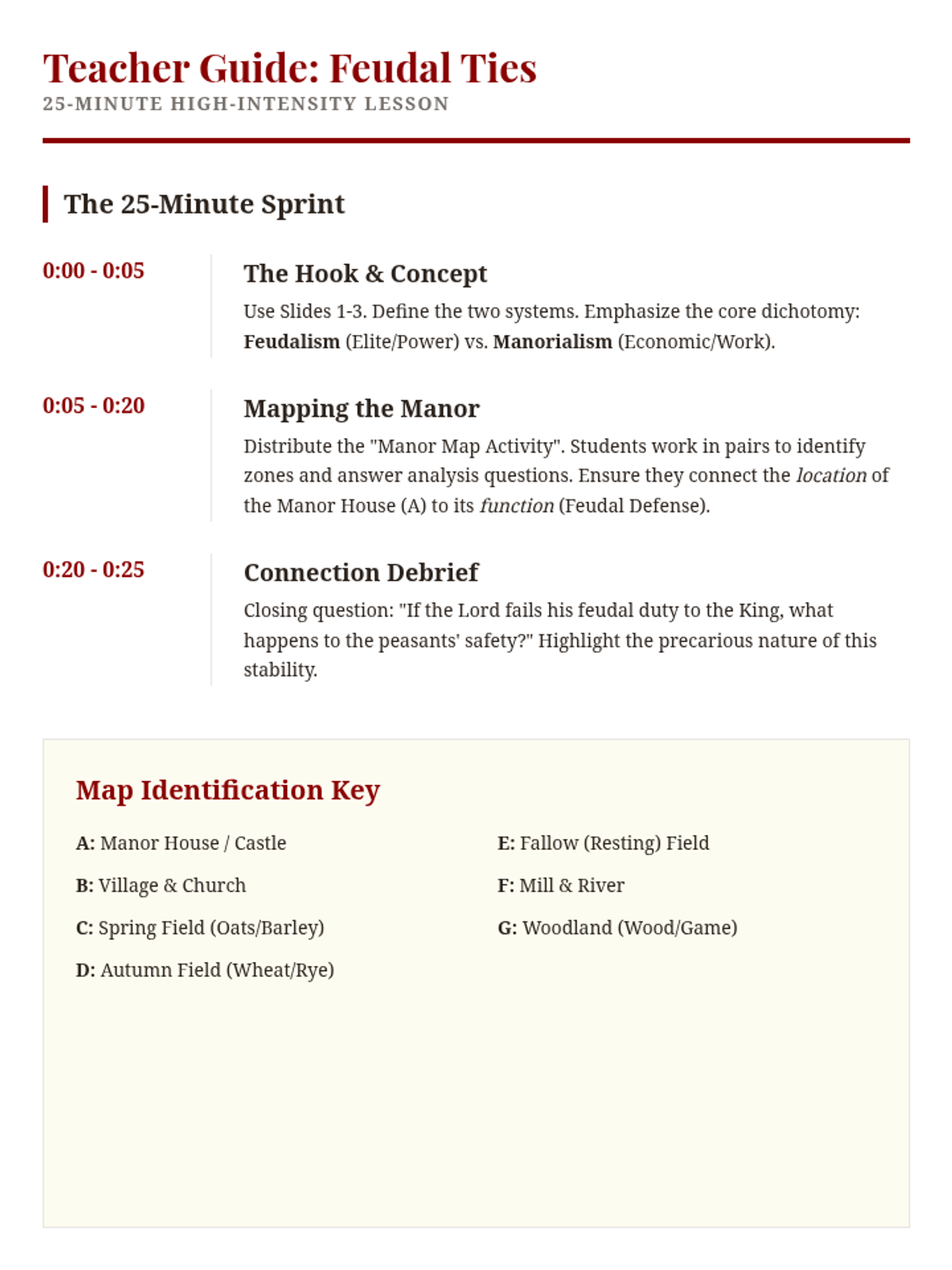
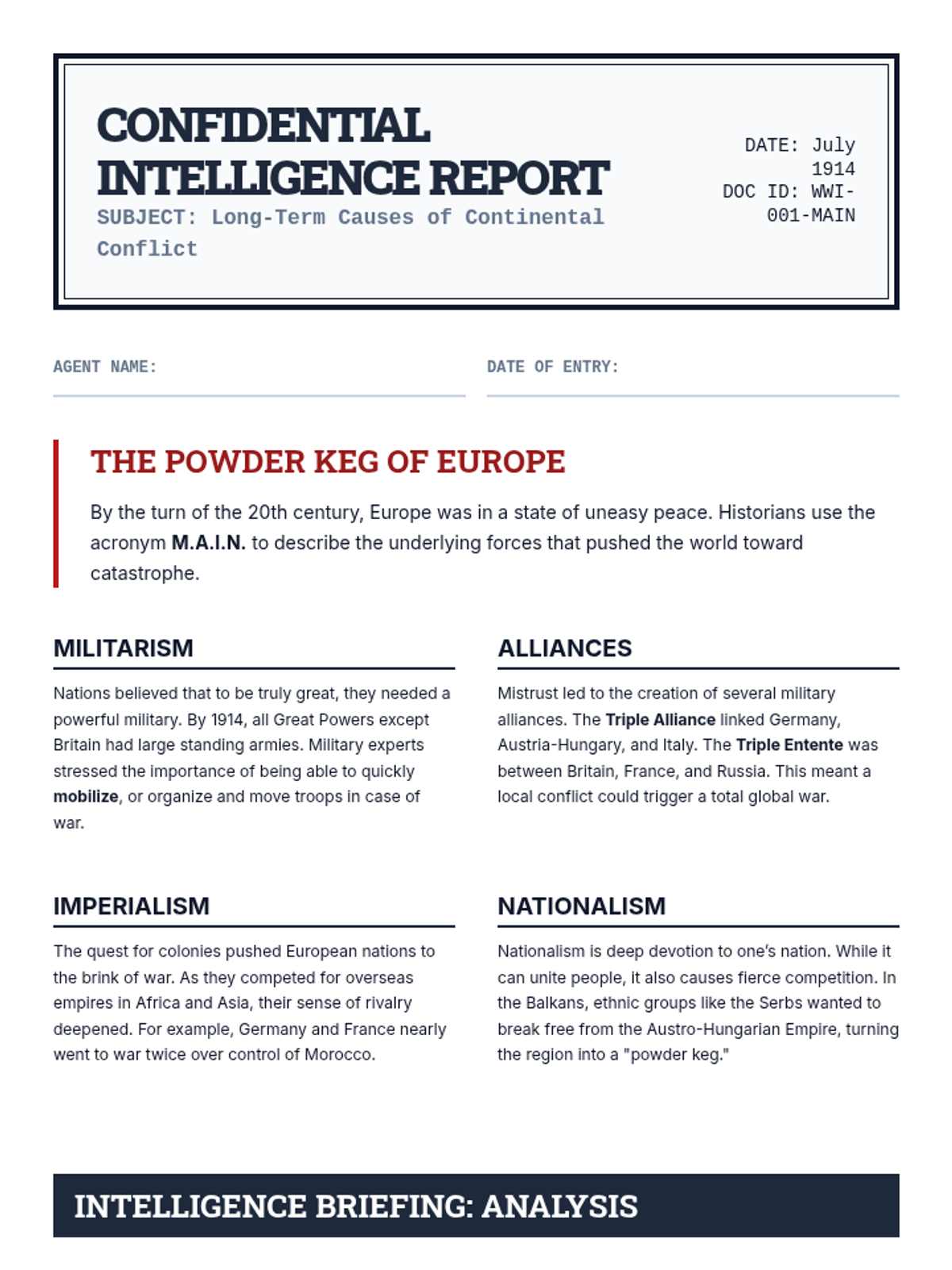
A 5-day unit exploring the social, religious, and political structures of Medieval Europe, from the feudal system to the devastating impact of the Black Death.
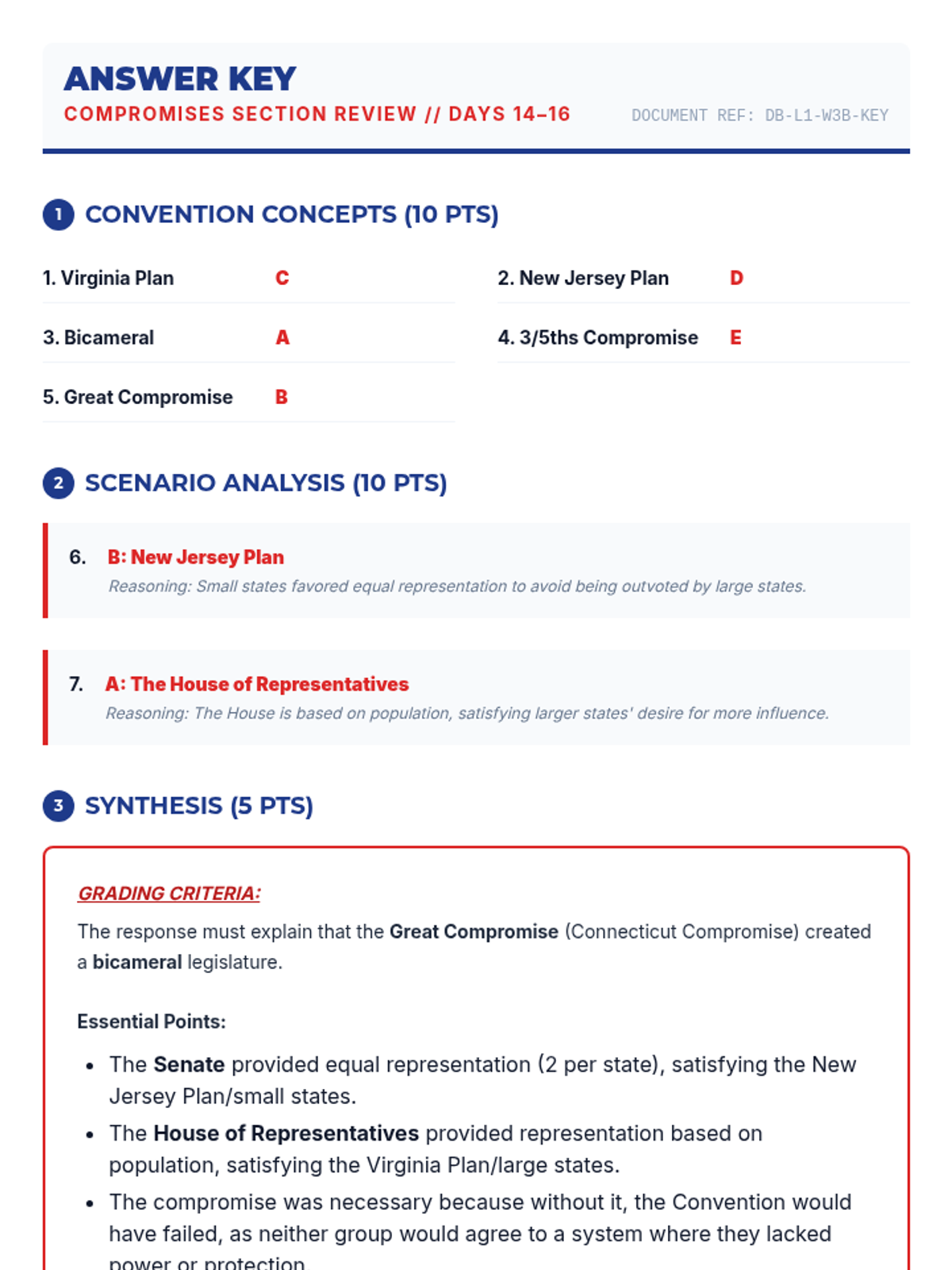
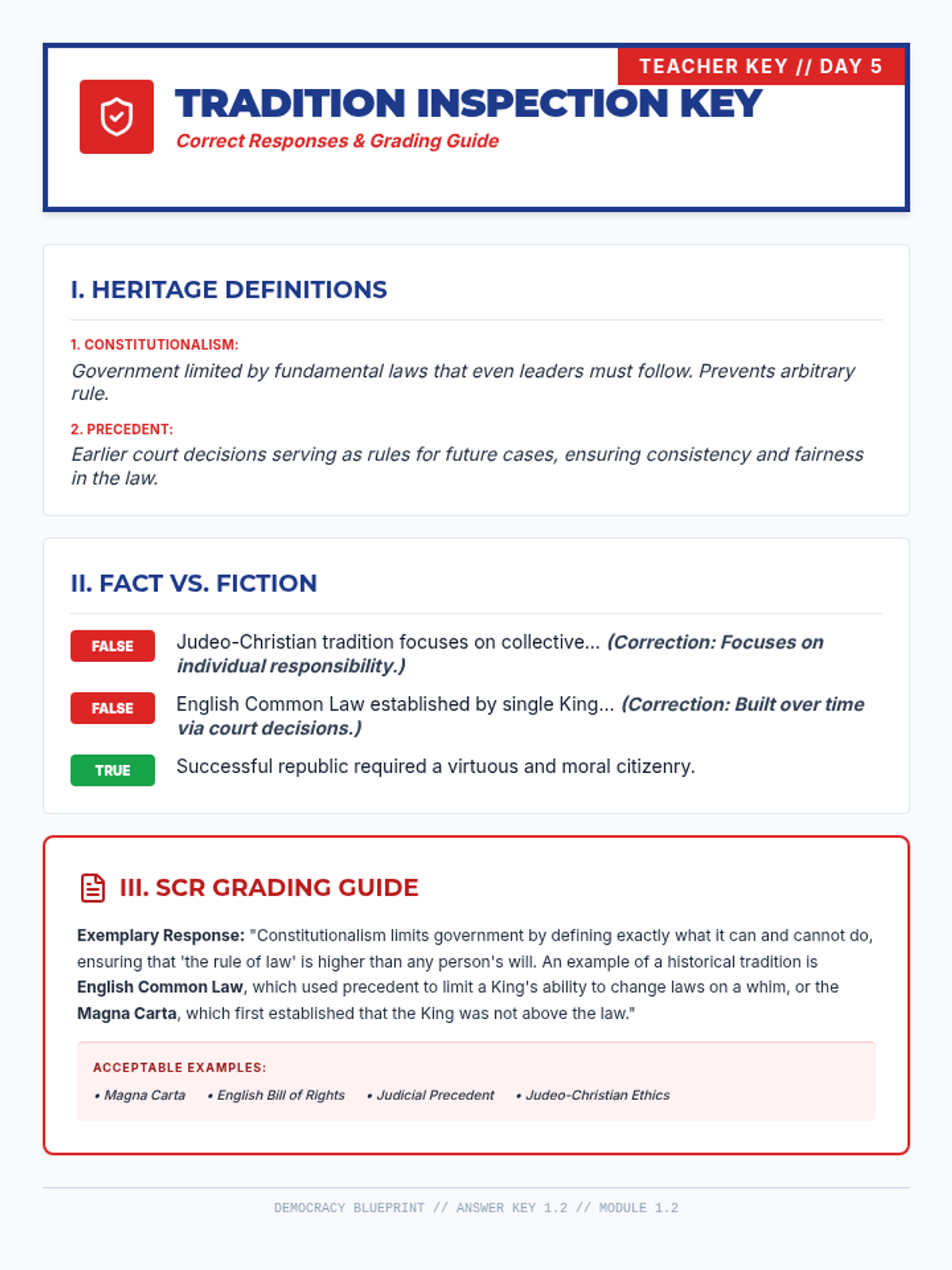
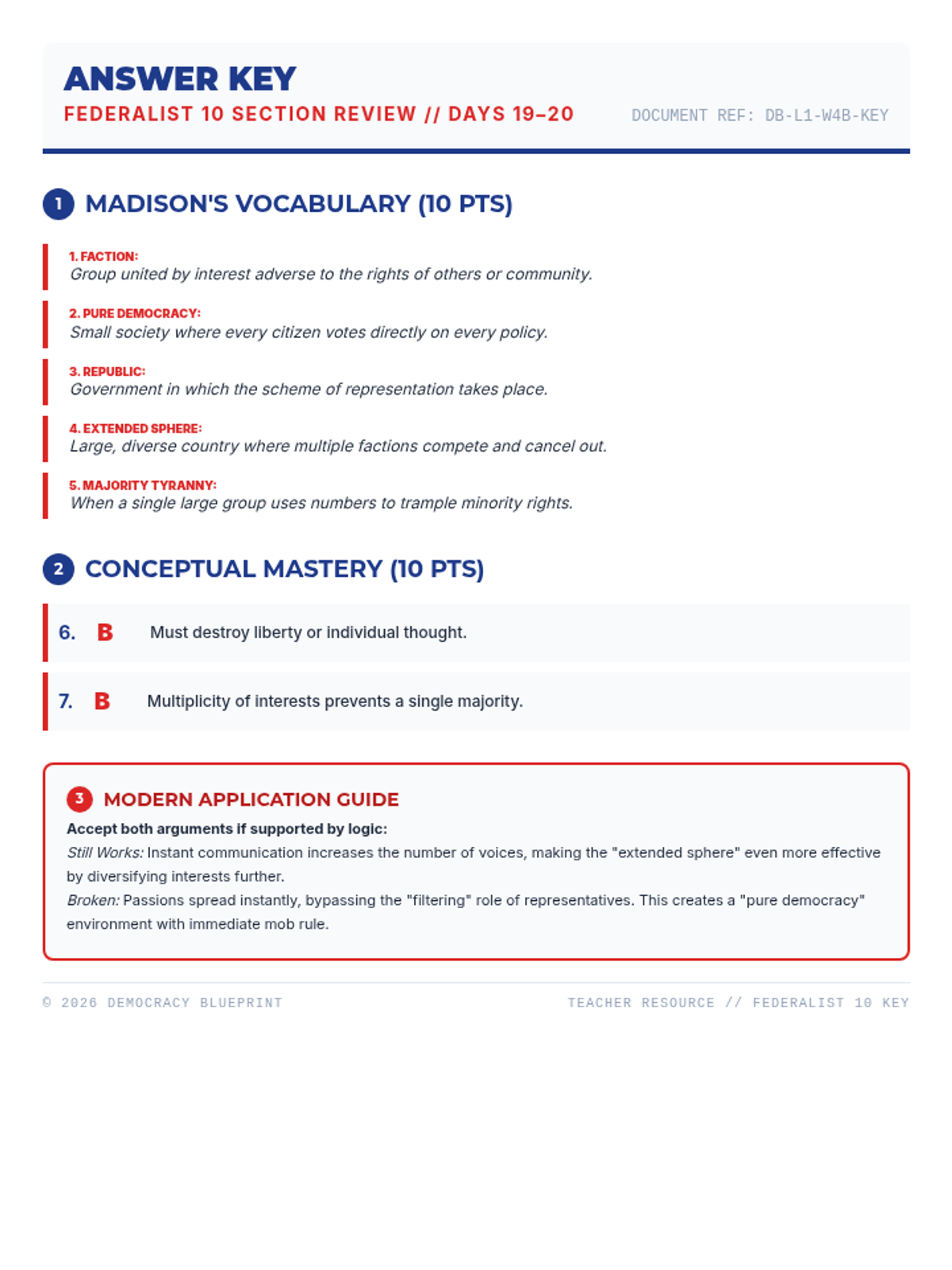
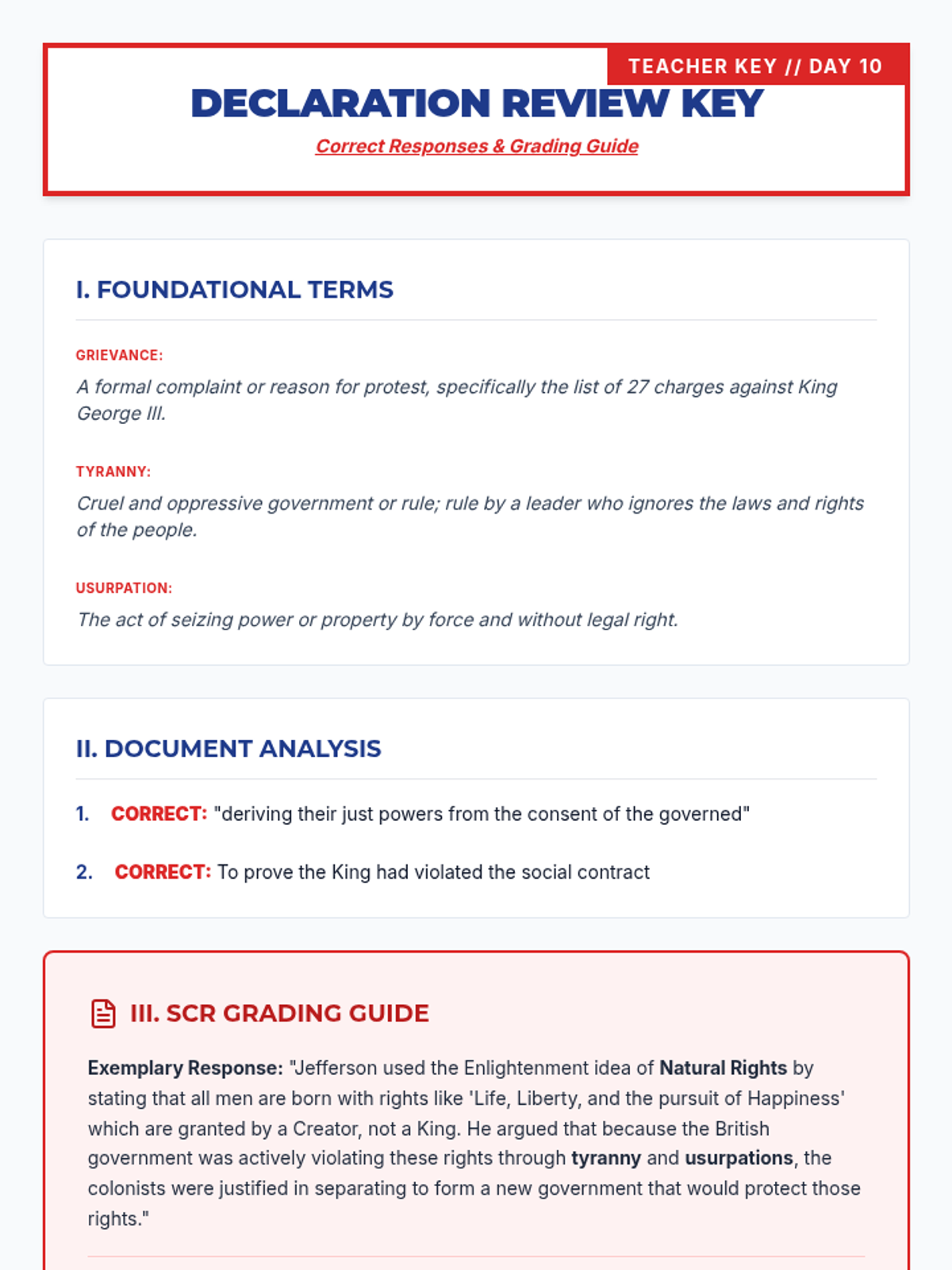
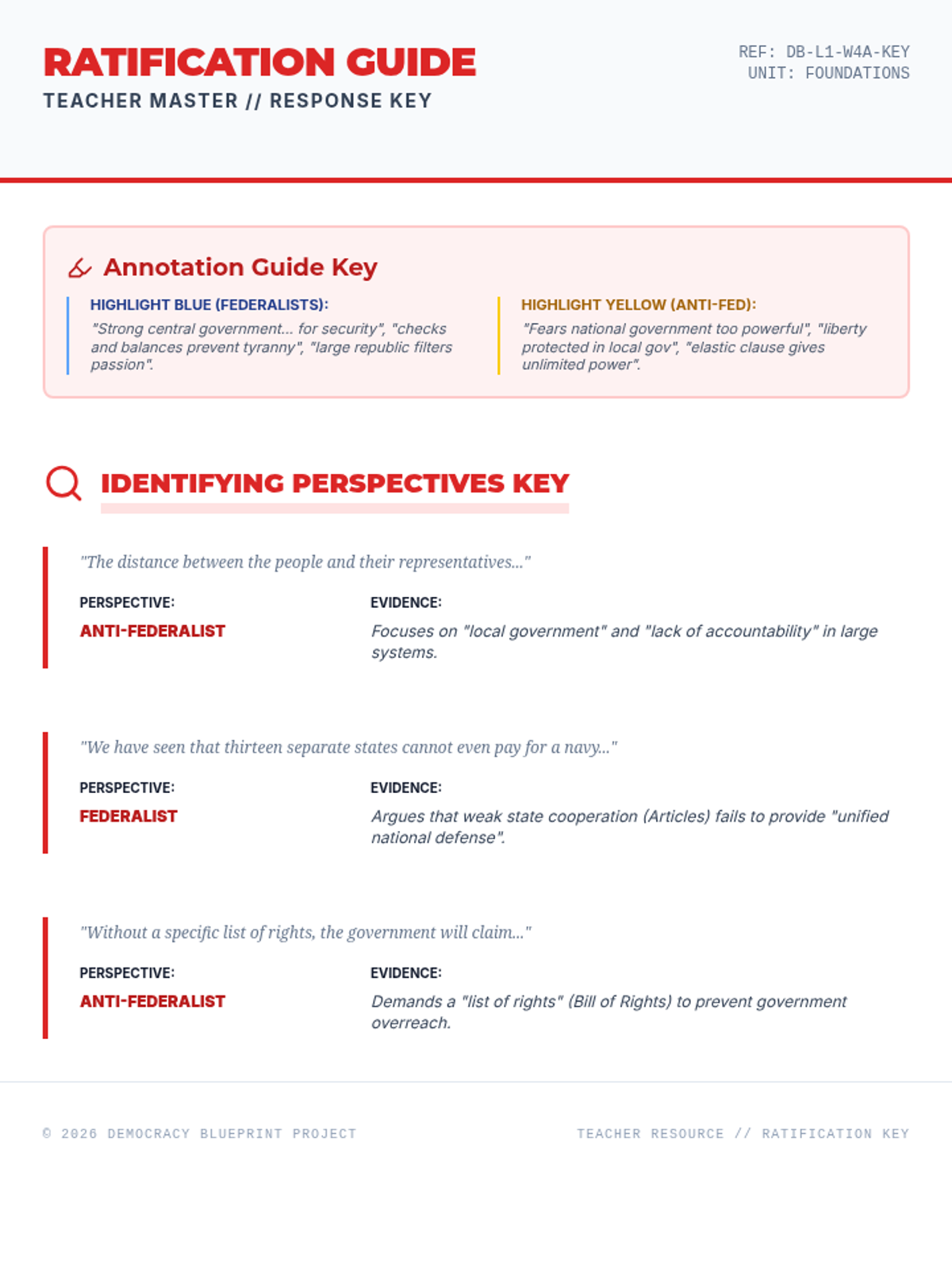
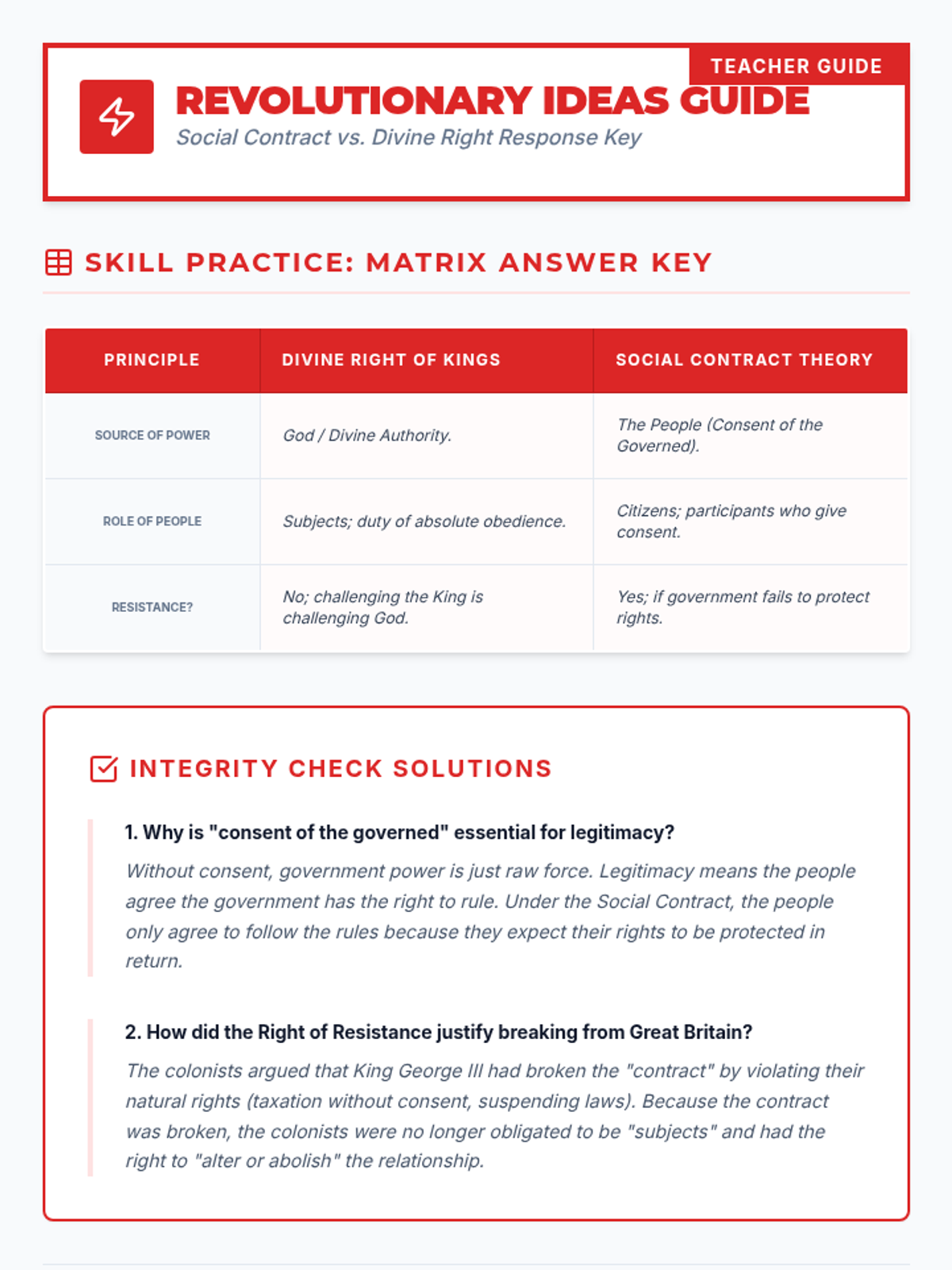
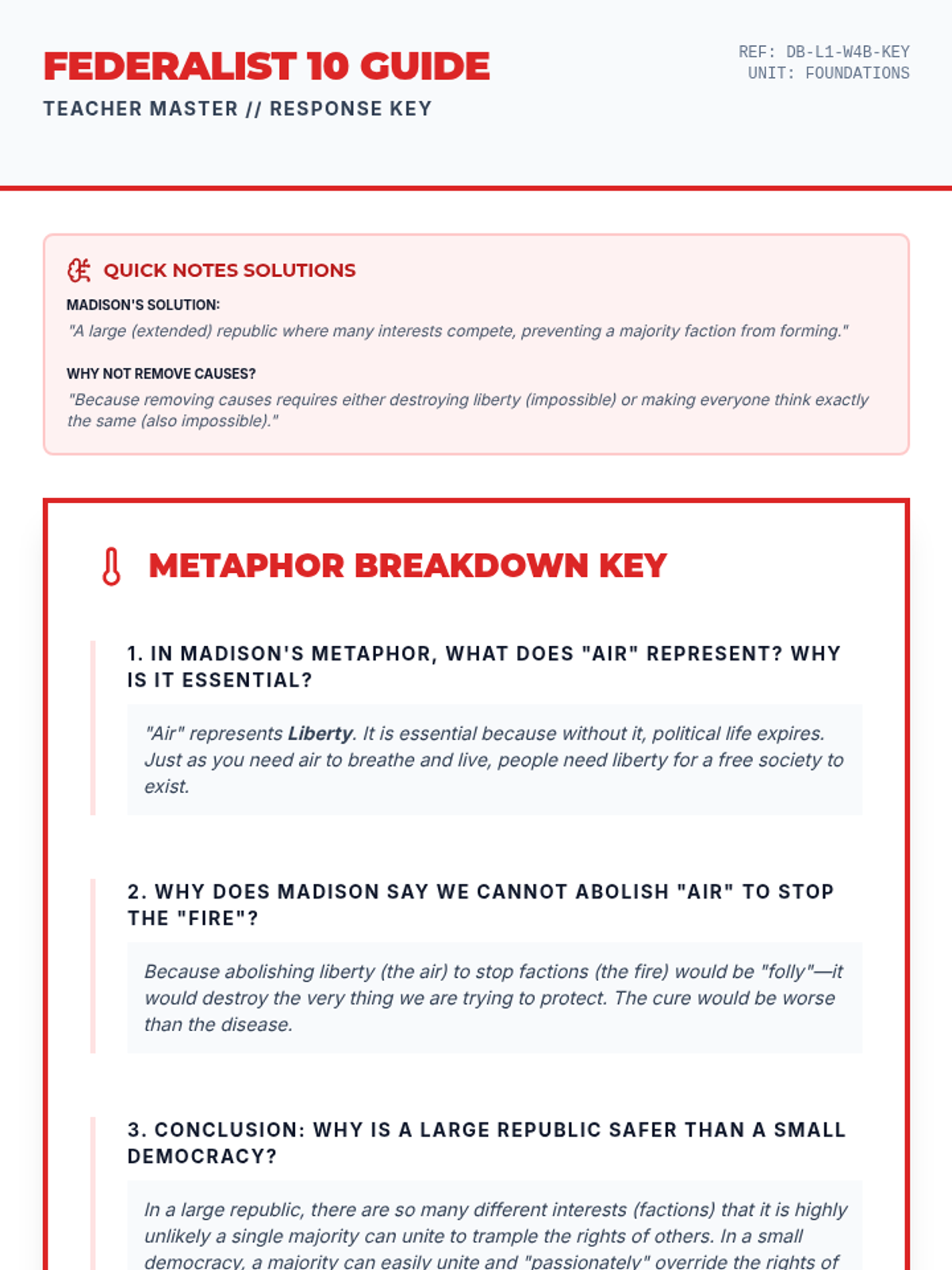
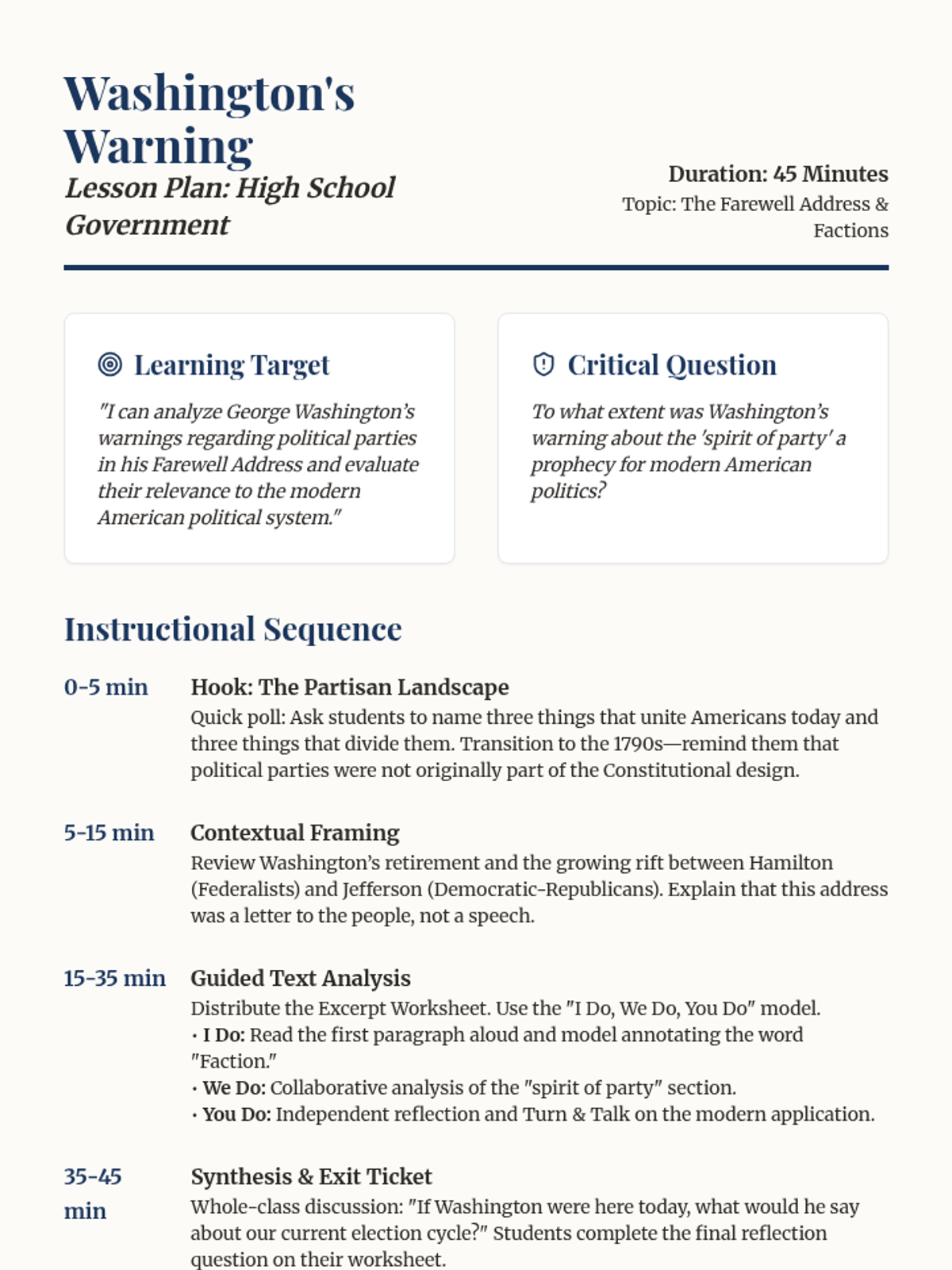
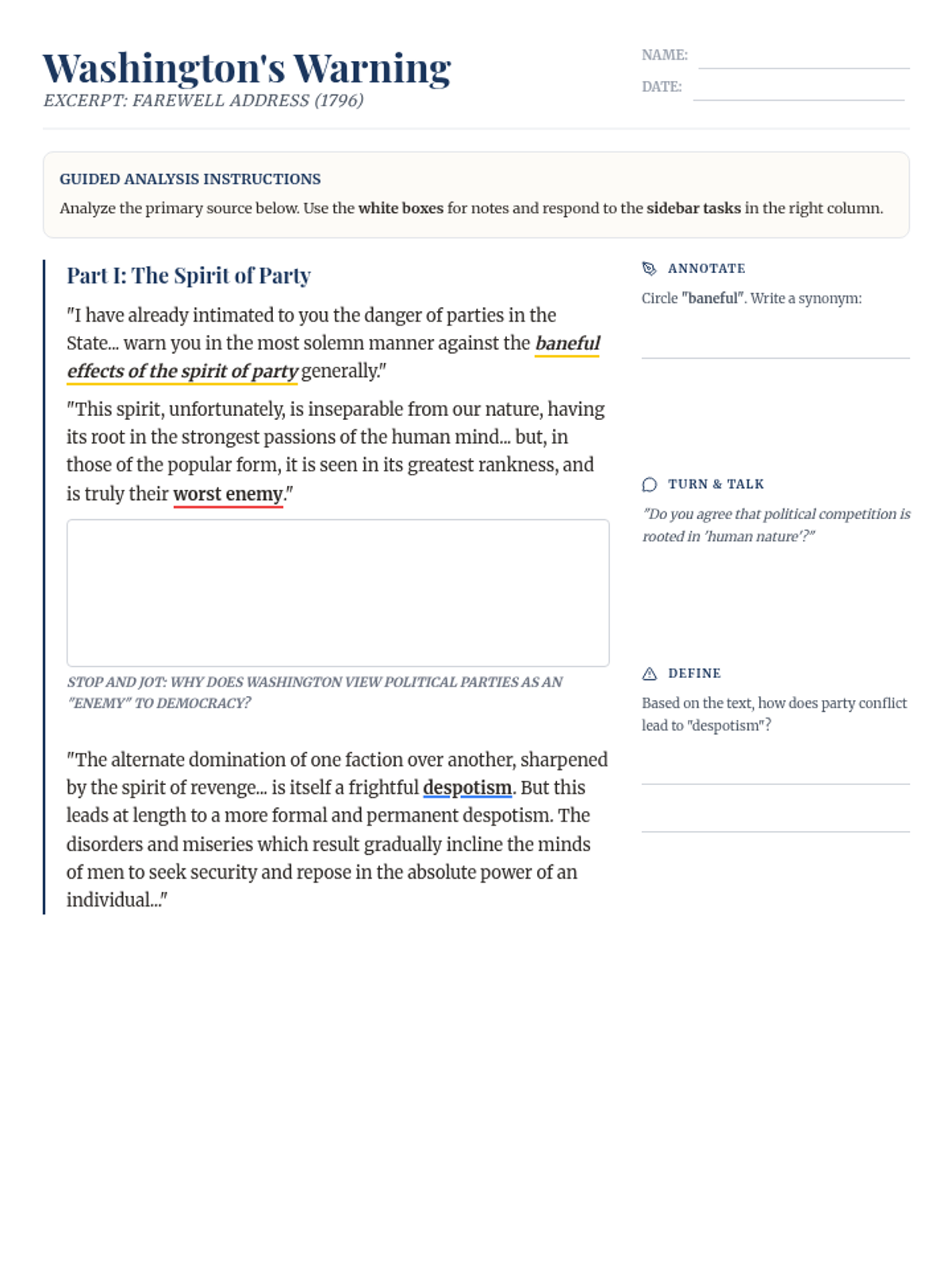
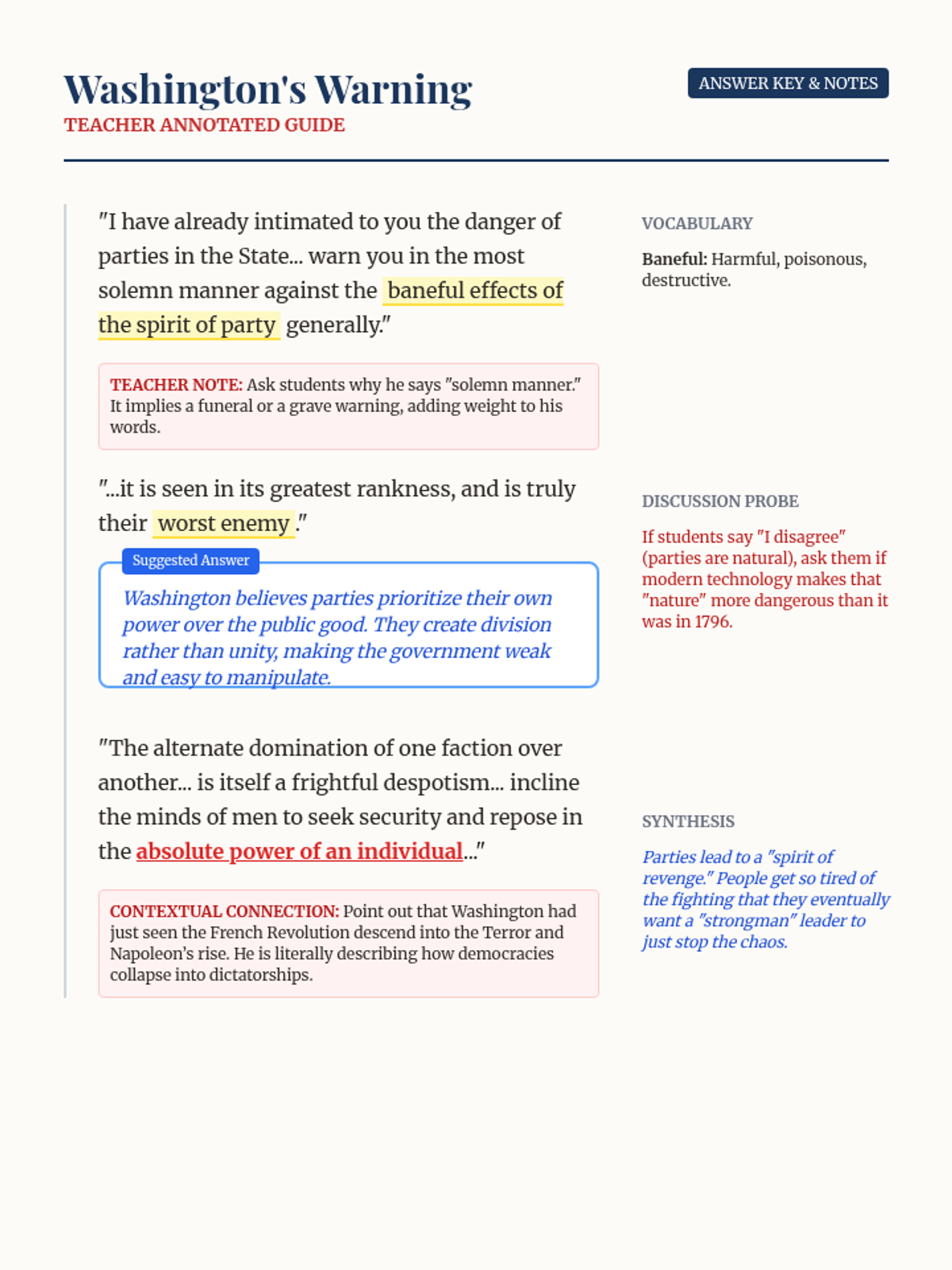
A series of lessons exploring the foundational documents and processes of the United States government, from the birth of the nation to the creation of modern laws.
A weeklong exploration of Frederick Jackson Turner's Frontier Thesis, focusing on close reading, historical analysis, and the construction of American national identity. Students will engage with primary sources to understand how the concept of the frontier shaped democratic ideals, individualistic traits, and the exclusion of diverse perspectives.
A 3-day exploration of iconic US symbols designed for 1st and 2nd grade students, featuring the American Flag, Bald Eagle, Liberty Bell, White House, and the US Map.
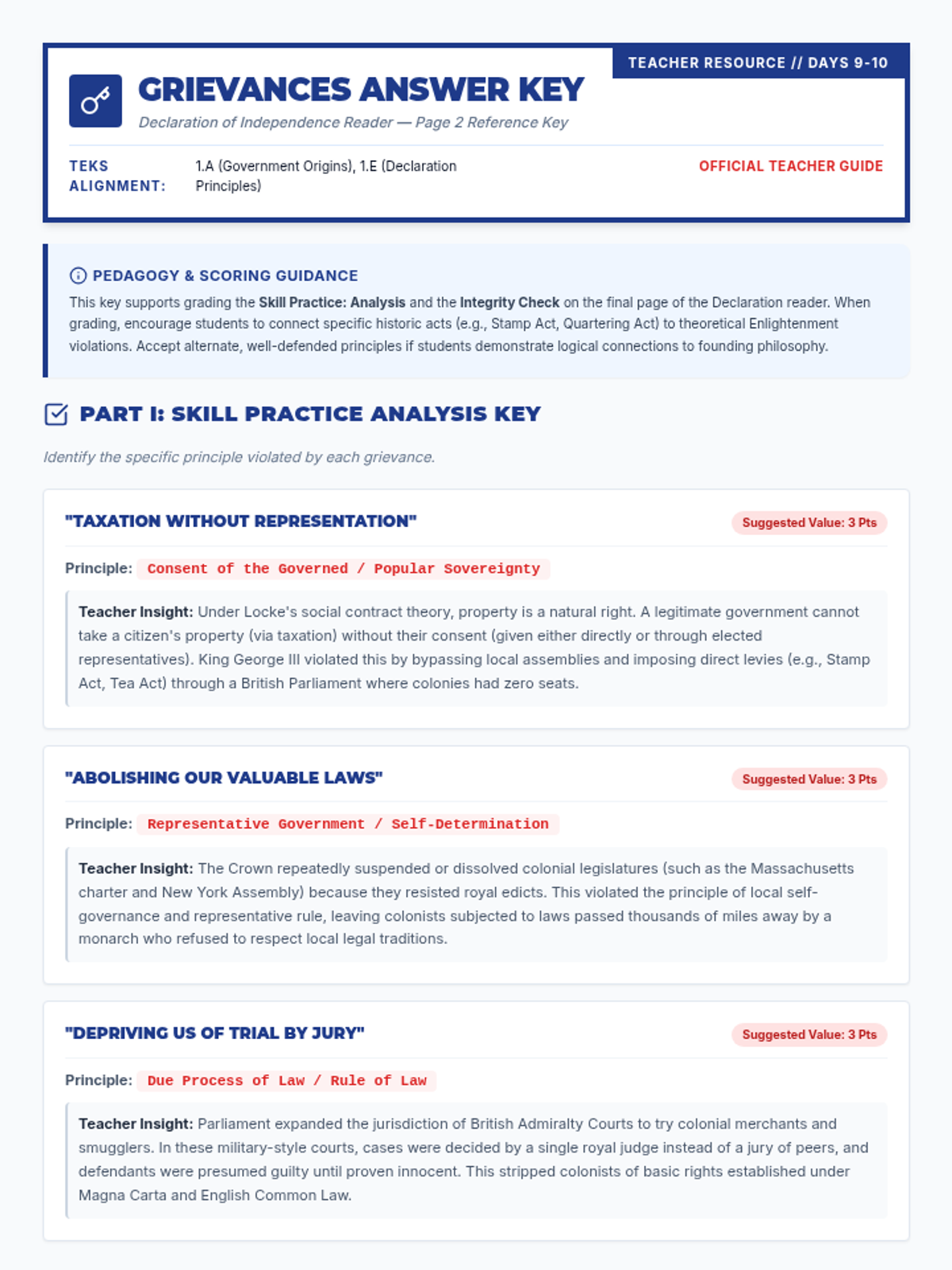
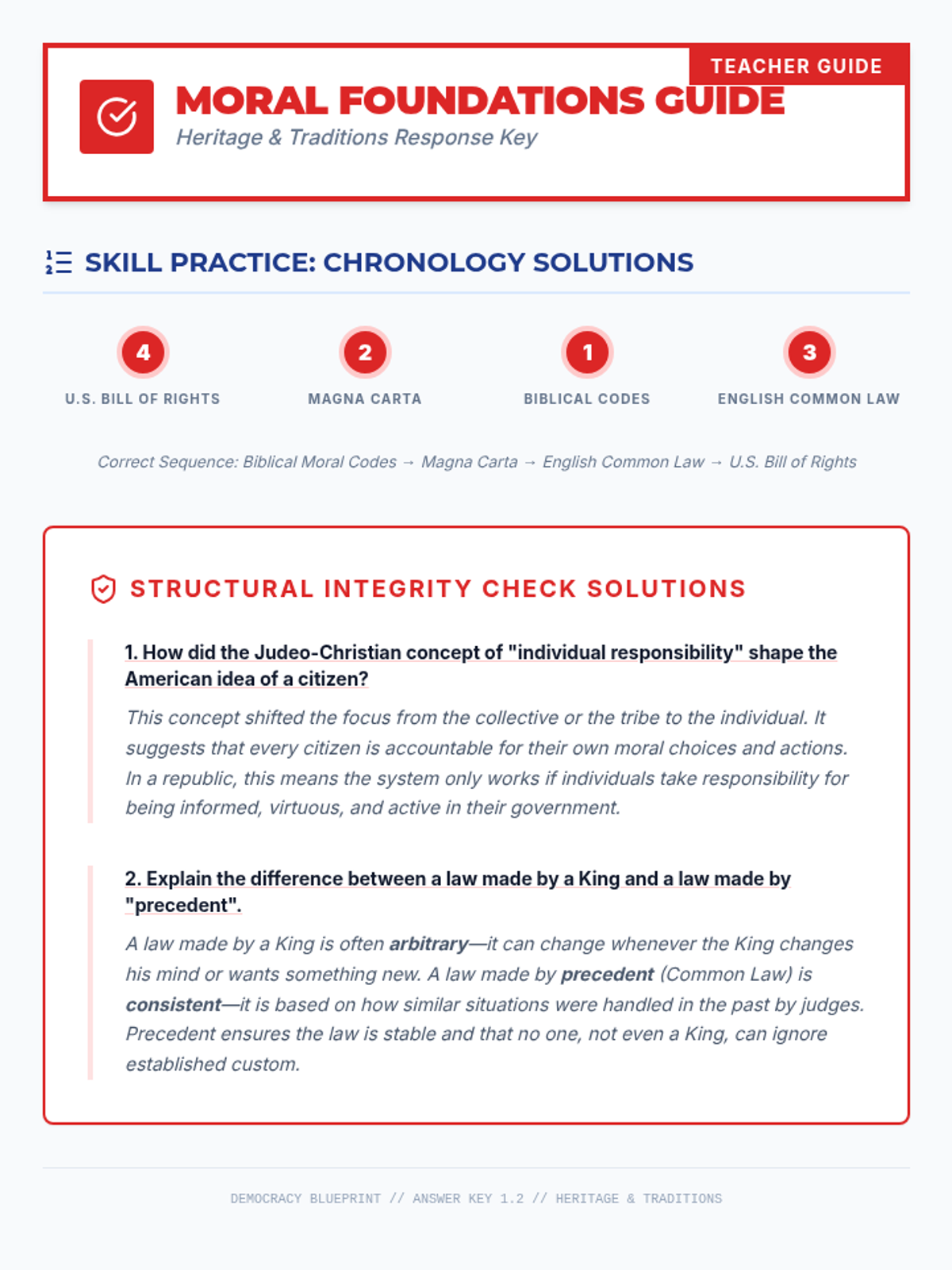
A World History sequence for 10th grade focused on the evolution of law and ethics from ancient civilizations to the modern era. This course integrates Biblical perspectives on absolute morality, the nature of man, and the foundations of justice within the framework of the Texas Essential Knowledge and Skills (TEKS).
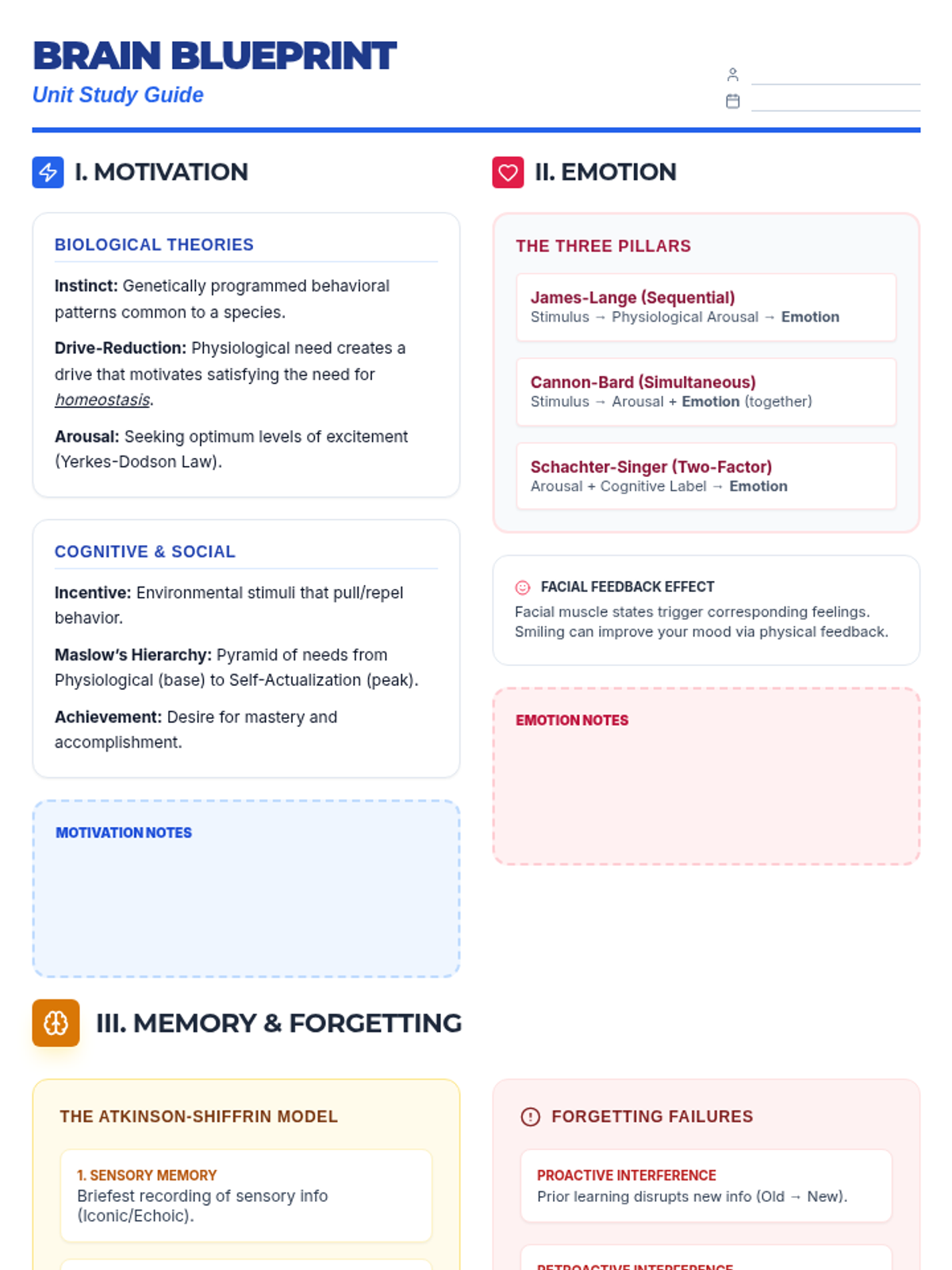
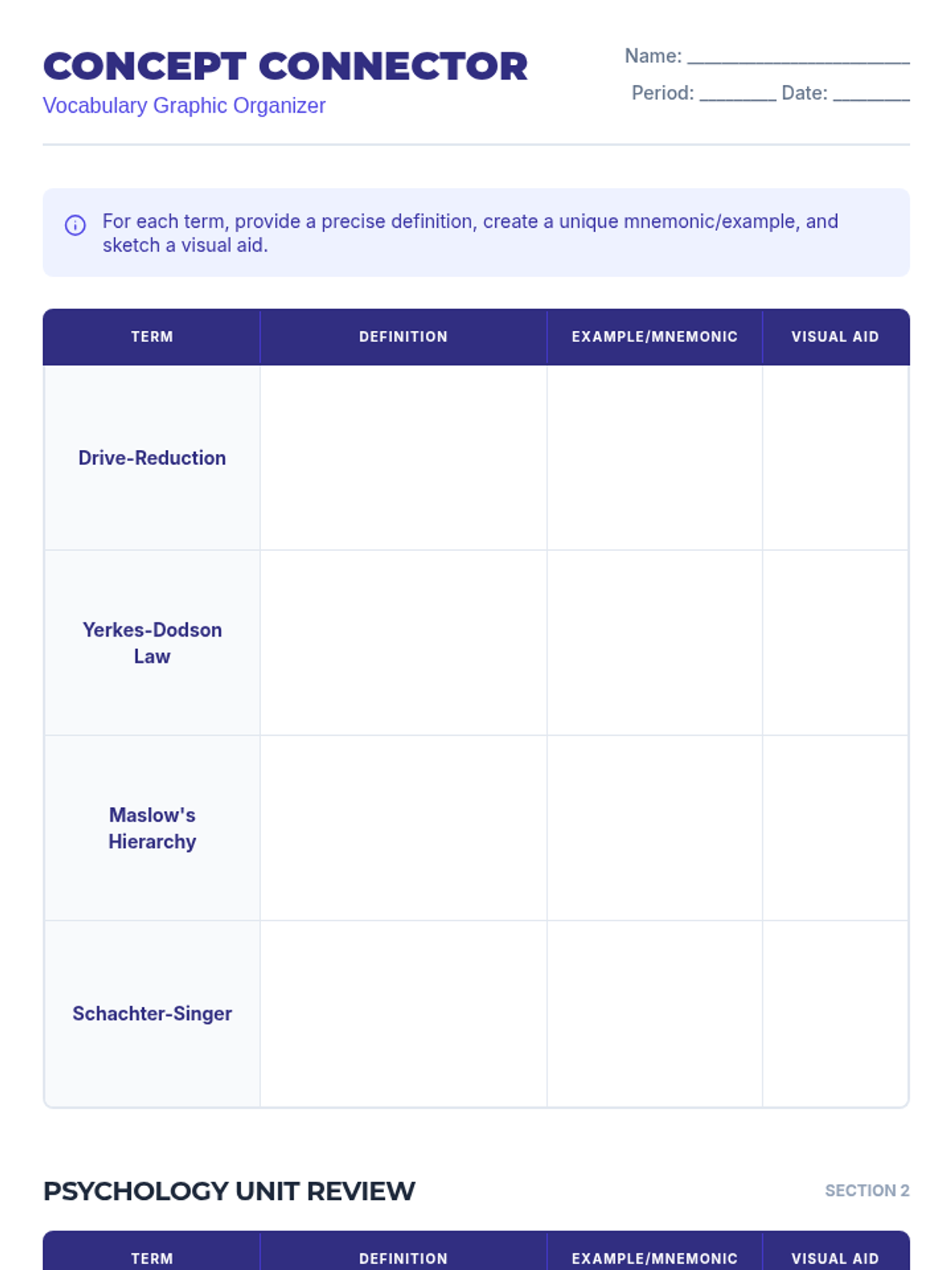
A comprehensive introductory psychology sequence for university students, exploring the biological, cognitive, and social foundations of human behavior through a lens of scientific inquiry and critical analysis.
A foundational university-level psychology curriculum covering biological bases, cognitive processes, behavioral theories, and social dynamics. This sequence provides a rigorous introduction to the scientific study of the human mind and behavior.
A comprehensive review sequence focusing on the Gilded Age and Progressive Era through the analysis of historical imagery and political cartoons, specifically designed for Texas STAAR preparation.
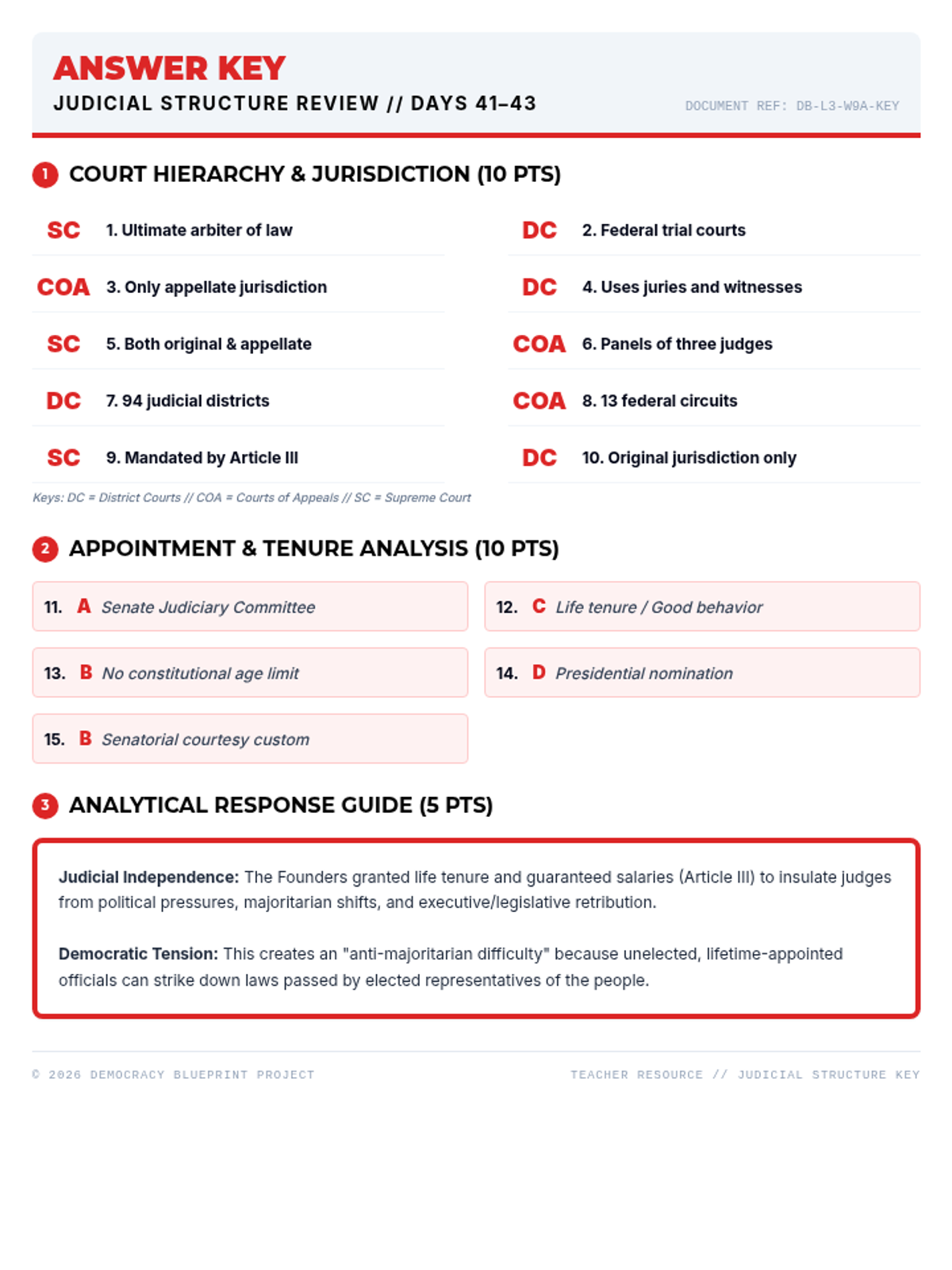
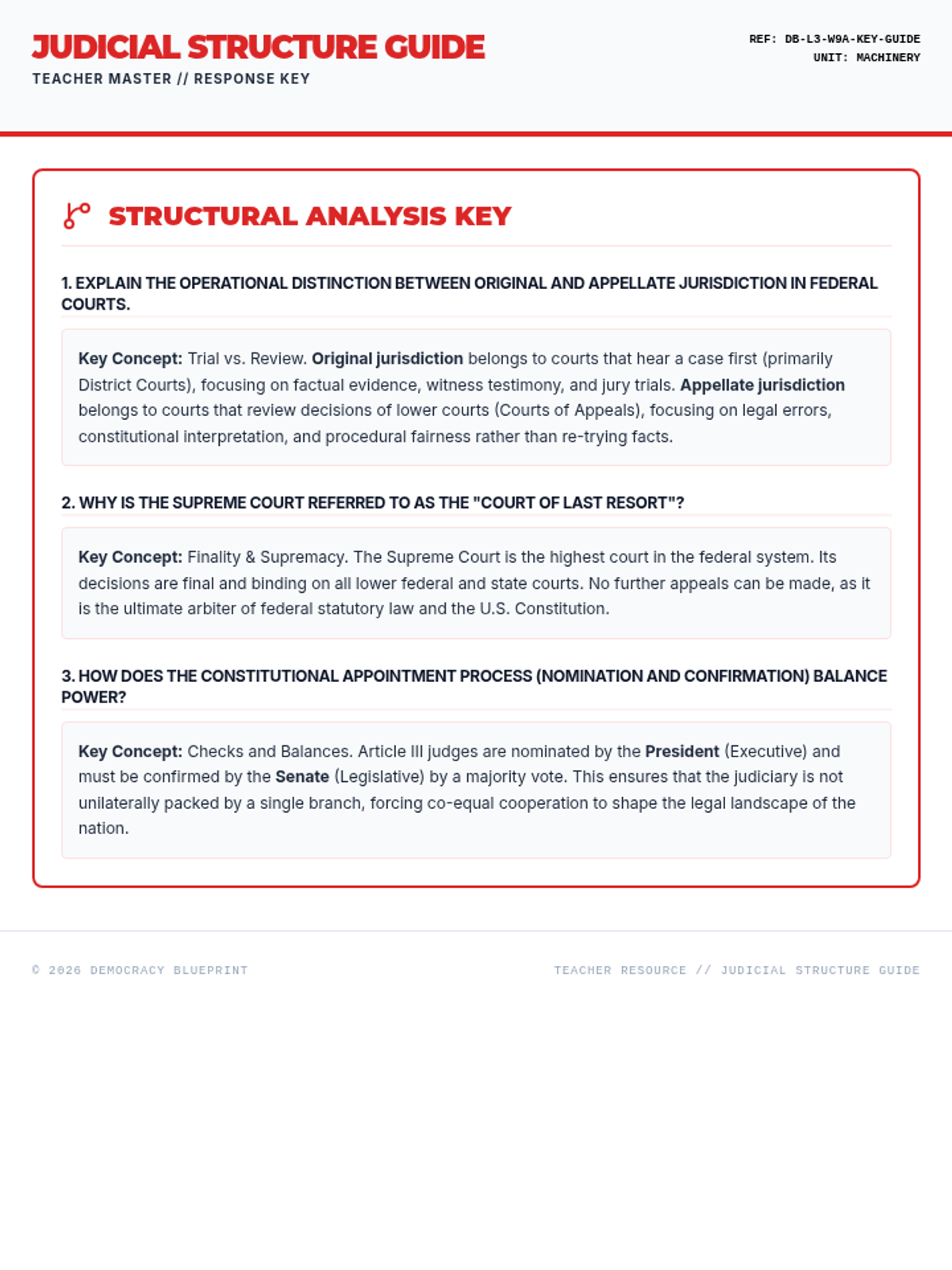
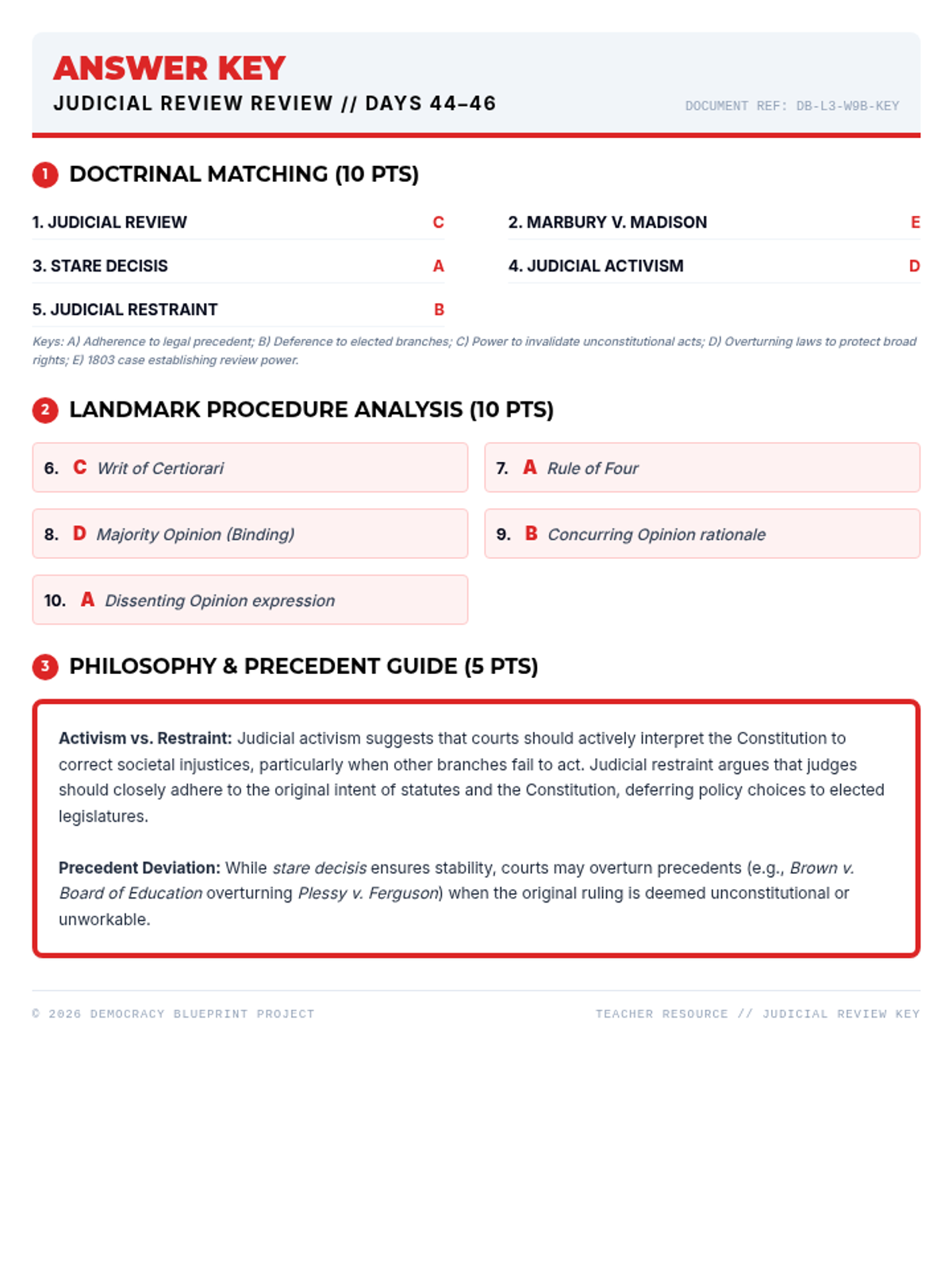
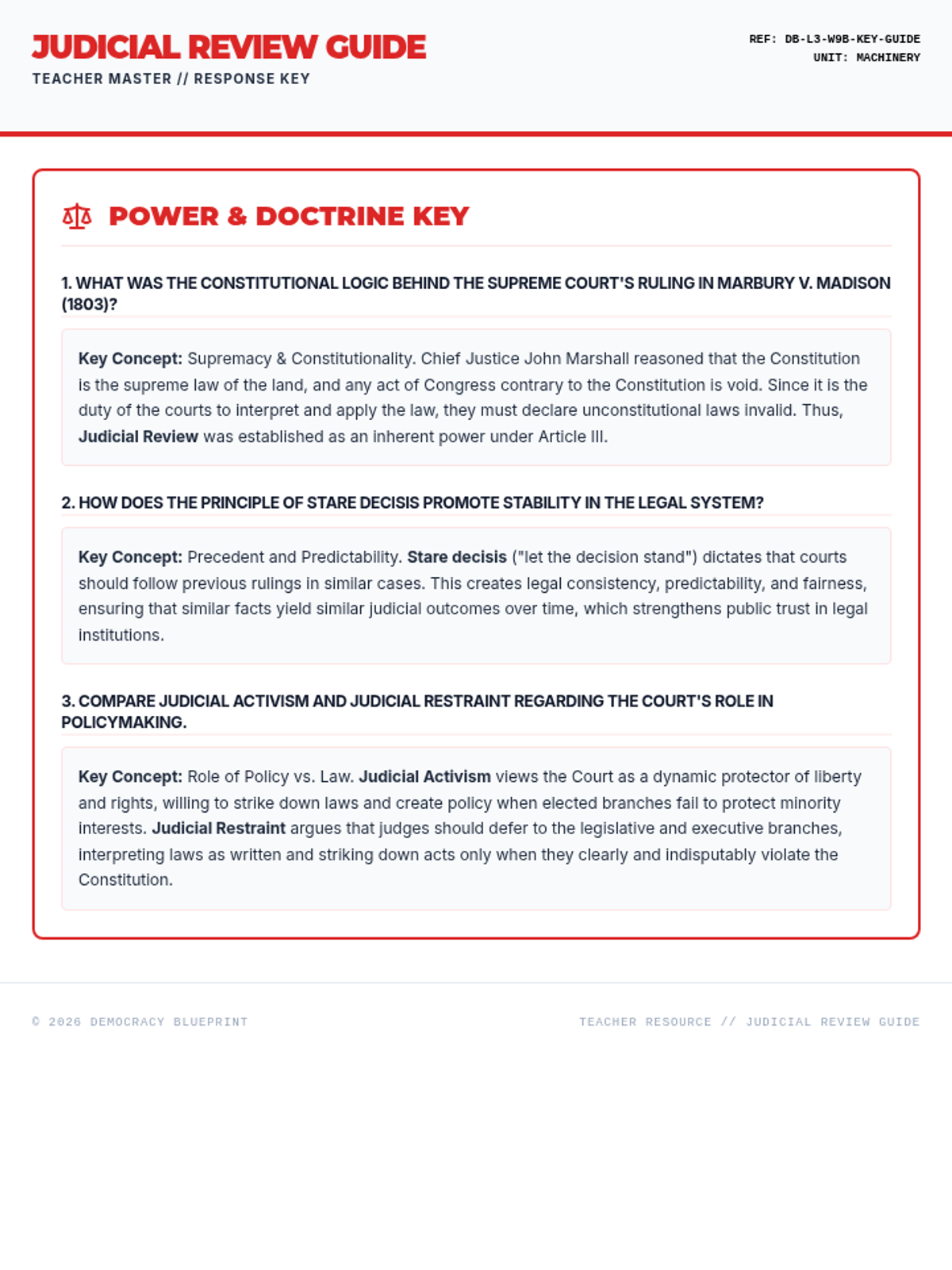
A deep dive into the foundations of American government, covering the evolution of constitutional amendments and the structure and power of the judicial system.
A comprehensive US History EOC review sequence designed for AVID classrooms, utilizing WICOR strategies to master key eras from the Gilded Age through modern turning points.
A full-year curriculum of daily warm-ups and exit tickets for 11th Grade US History, spanning from 1877 to the present day, designed for visual impact and student engagement.
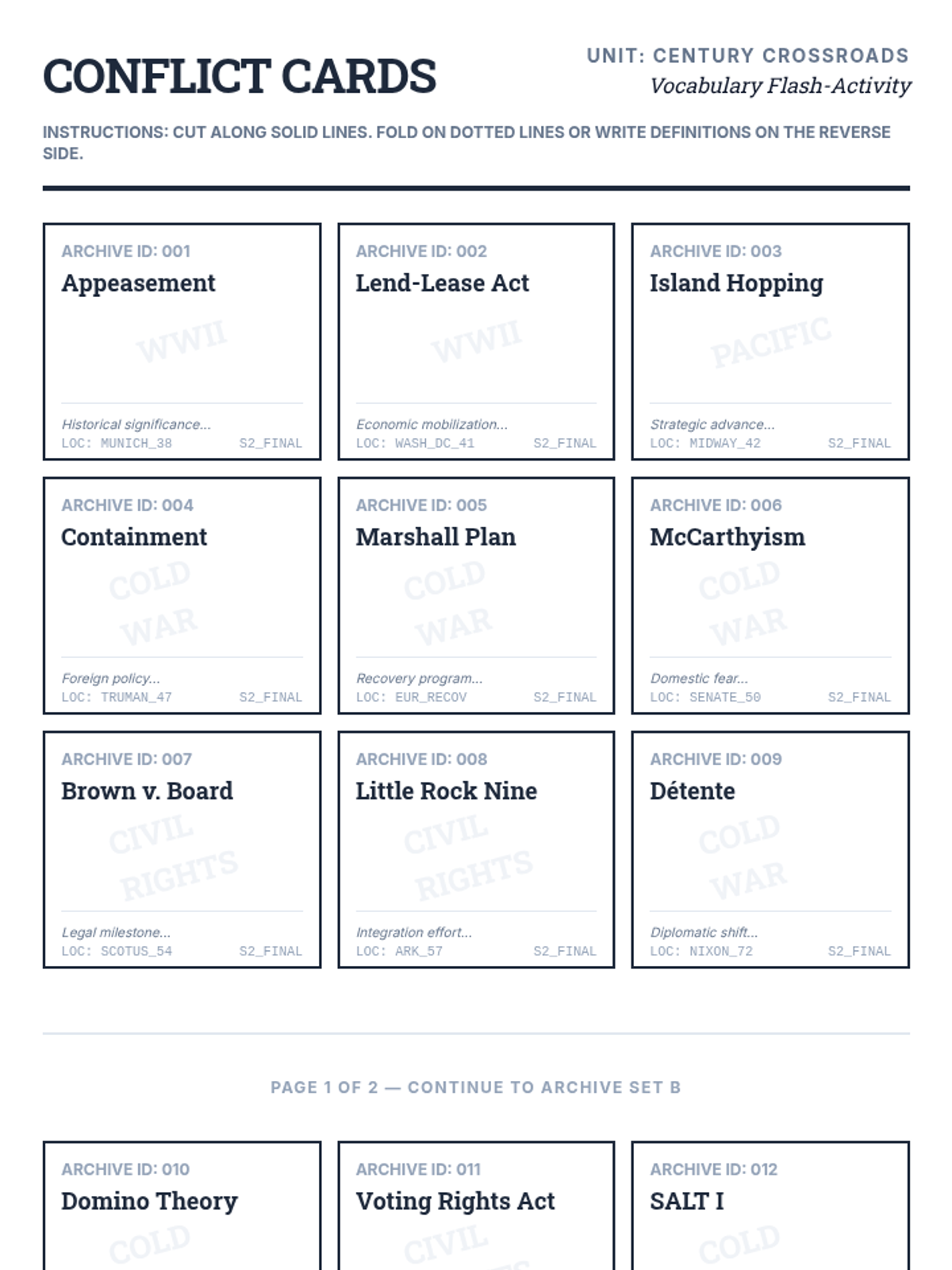
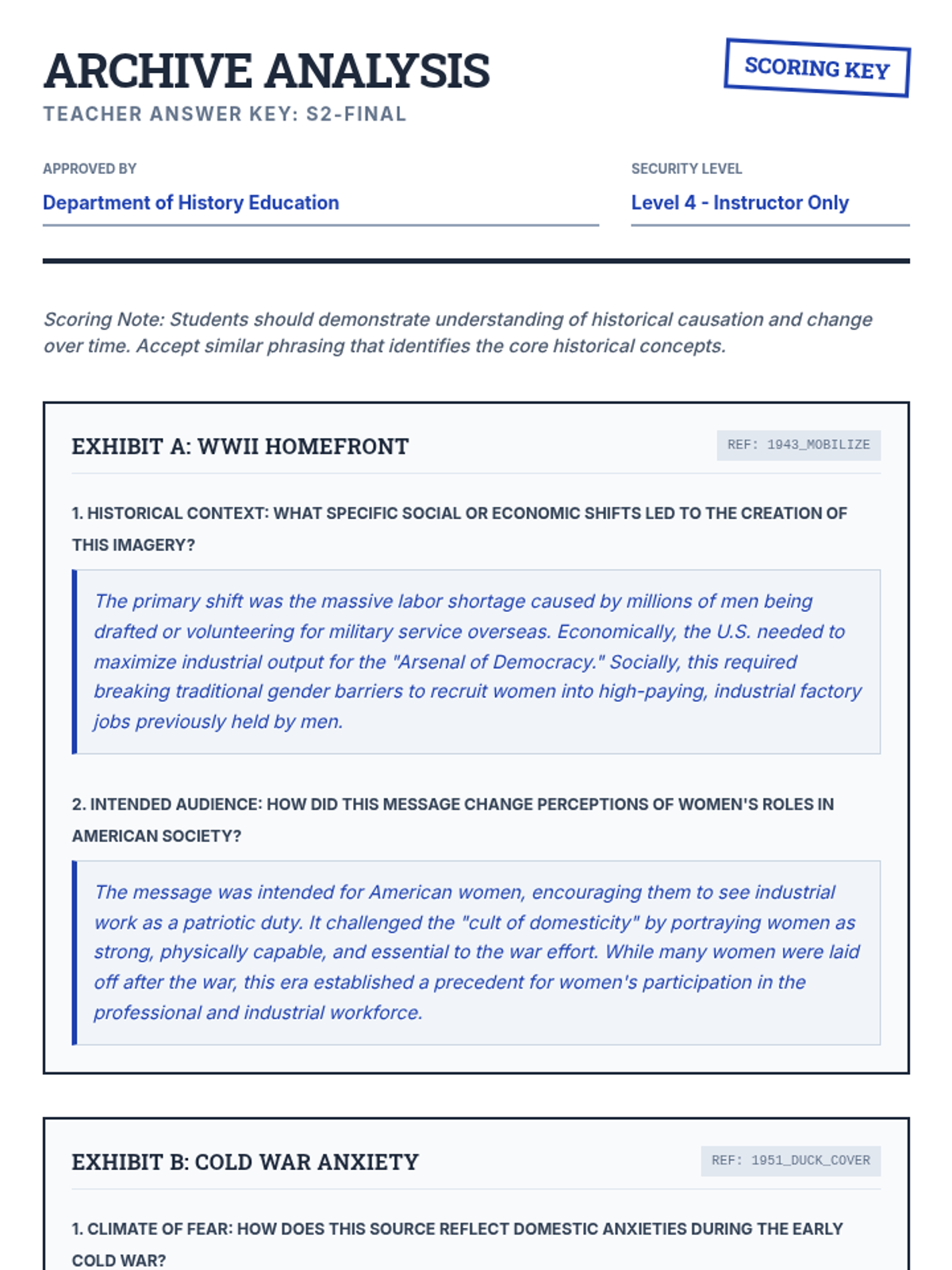
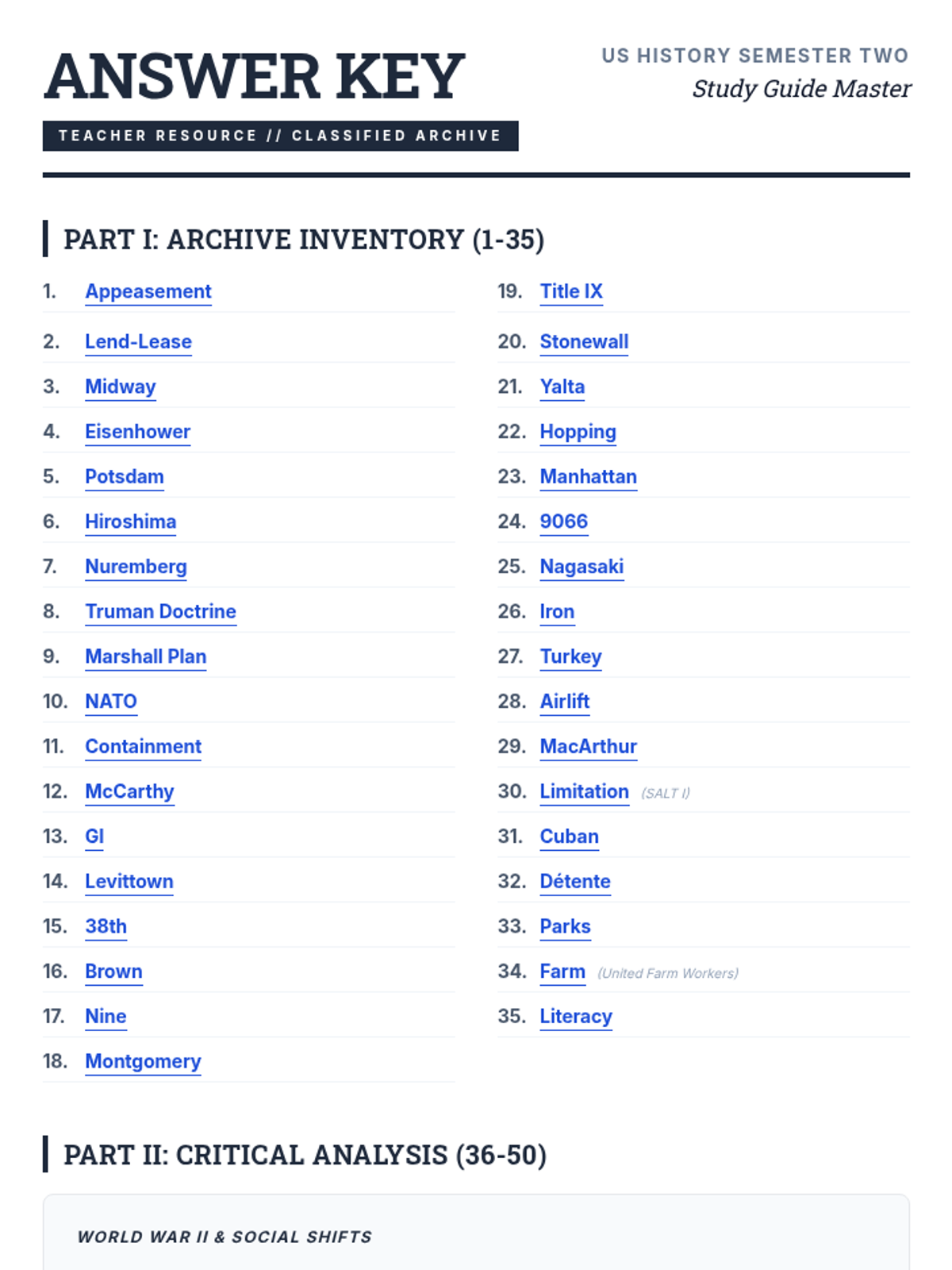
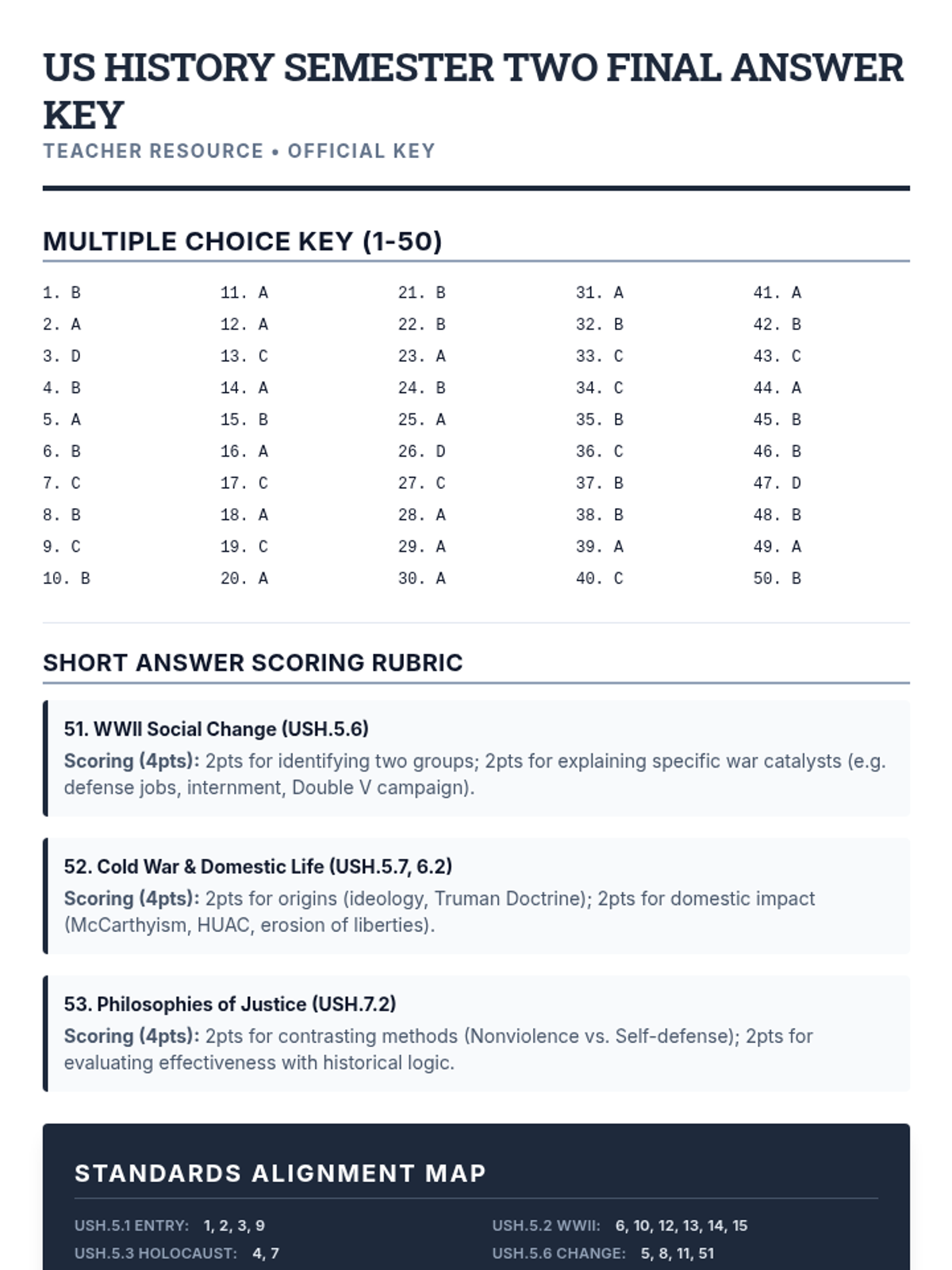
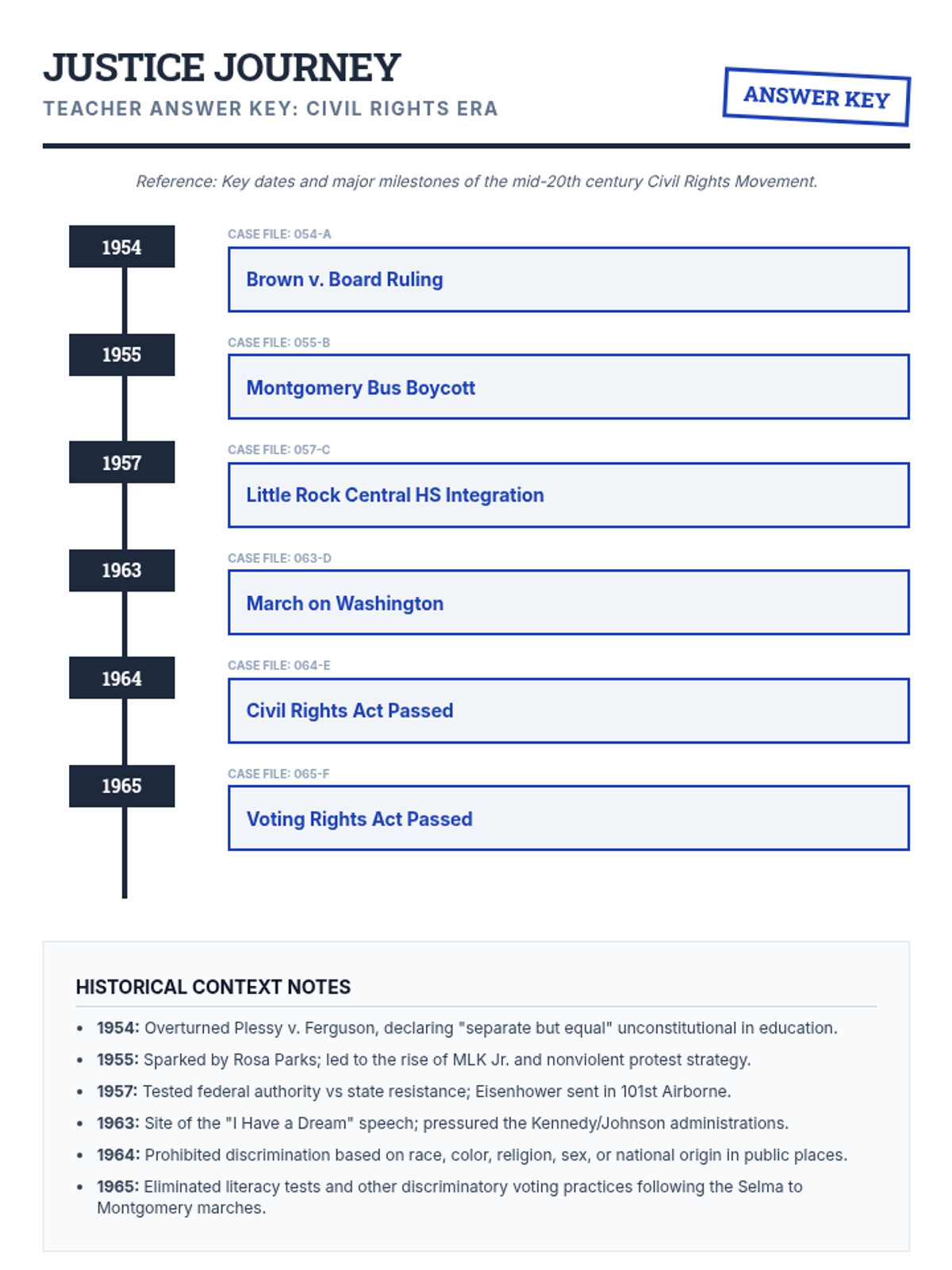
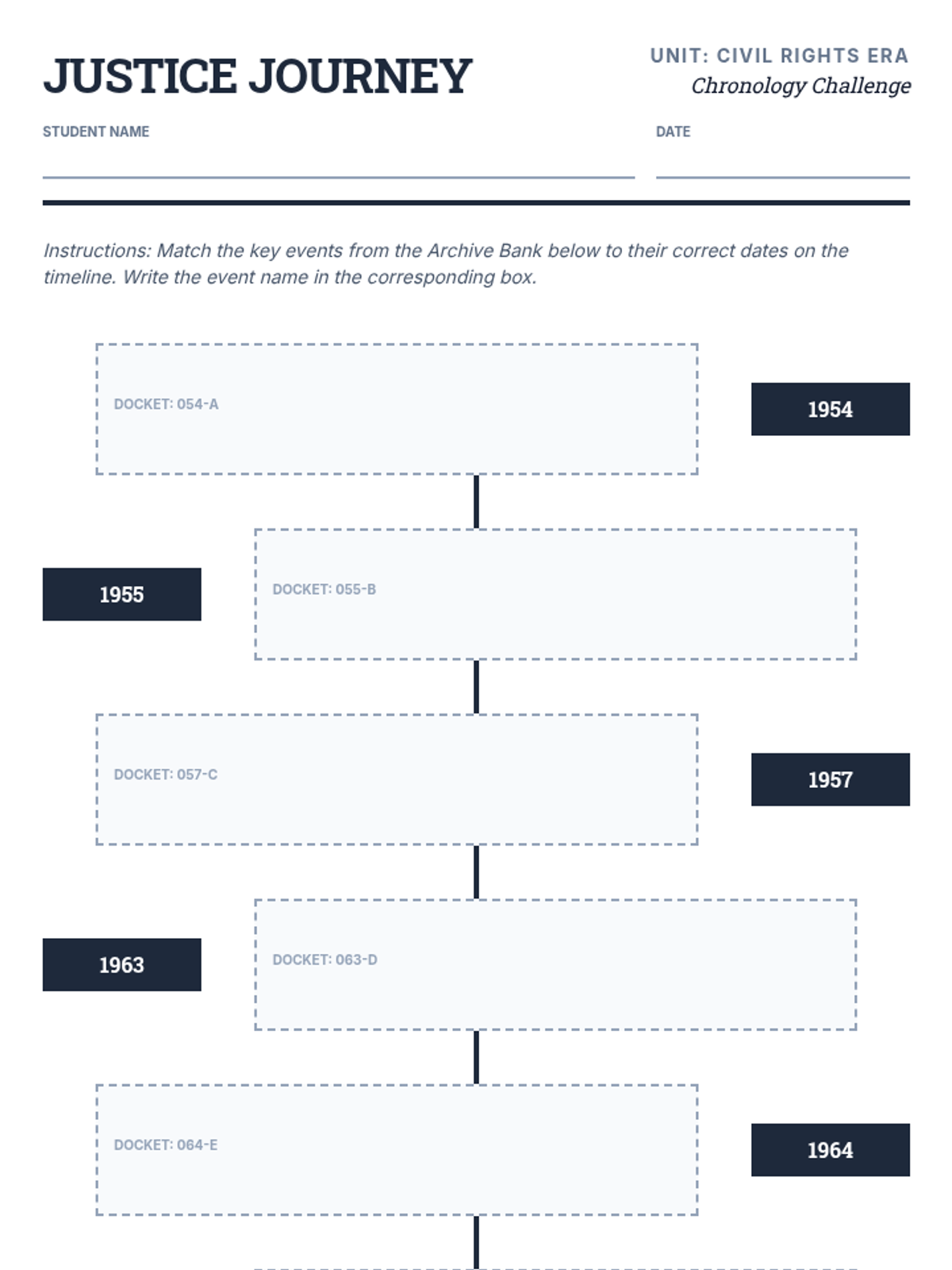
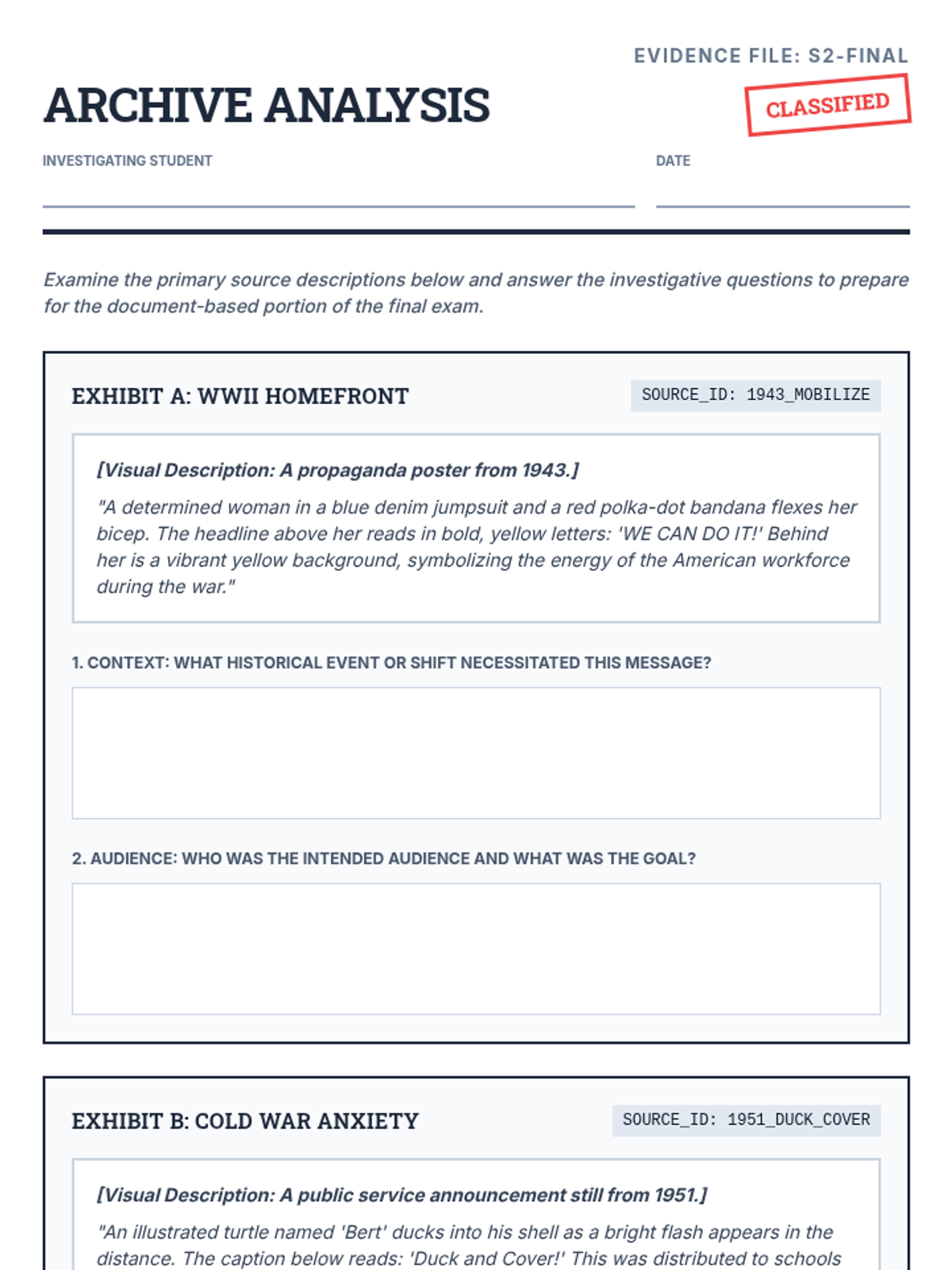
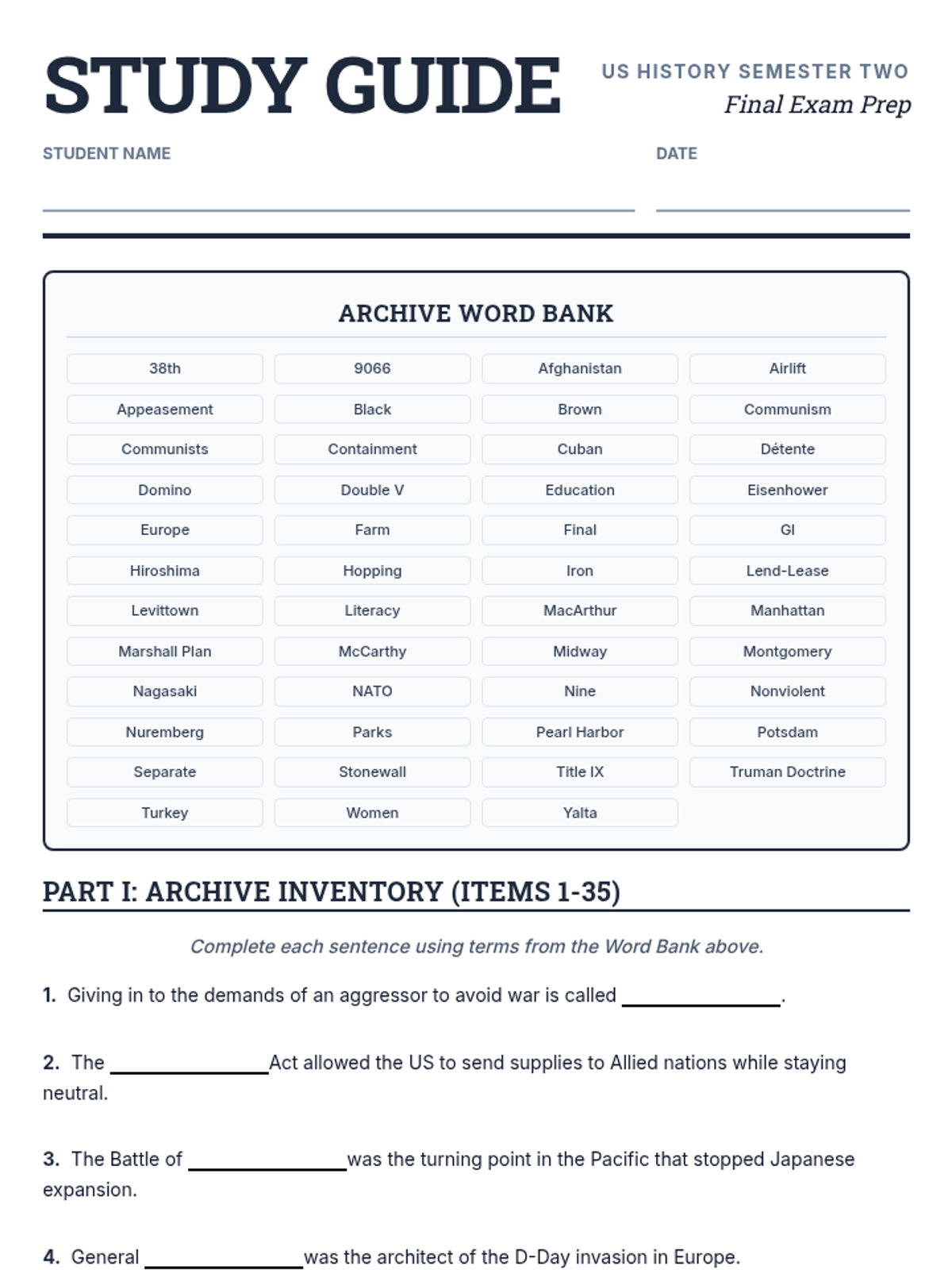
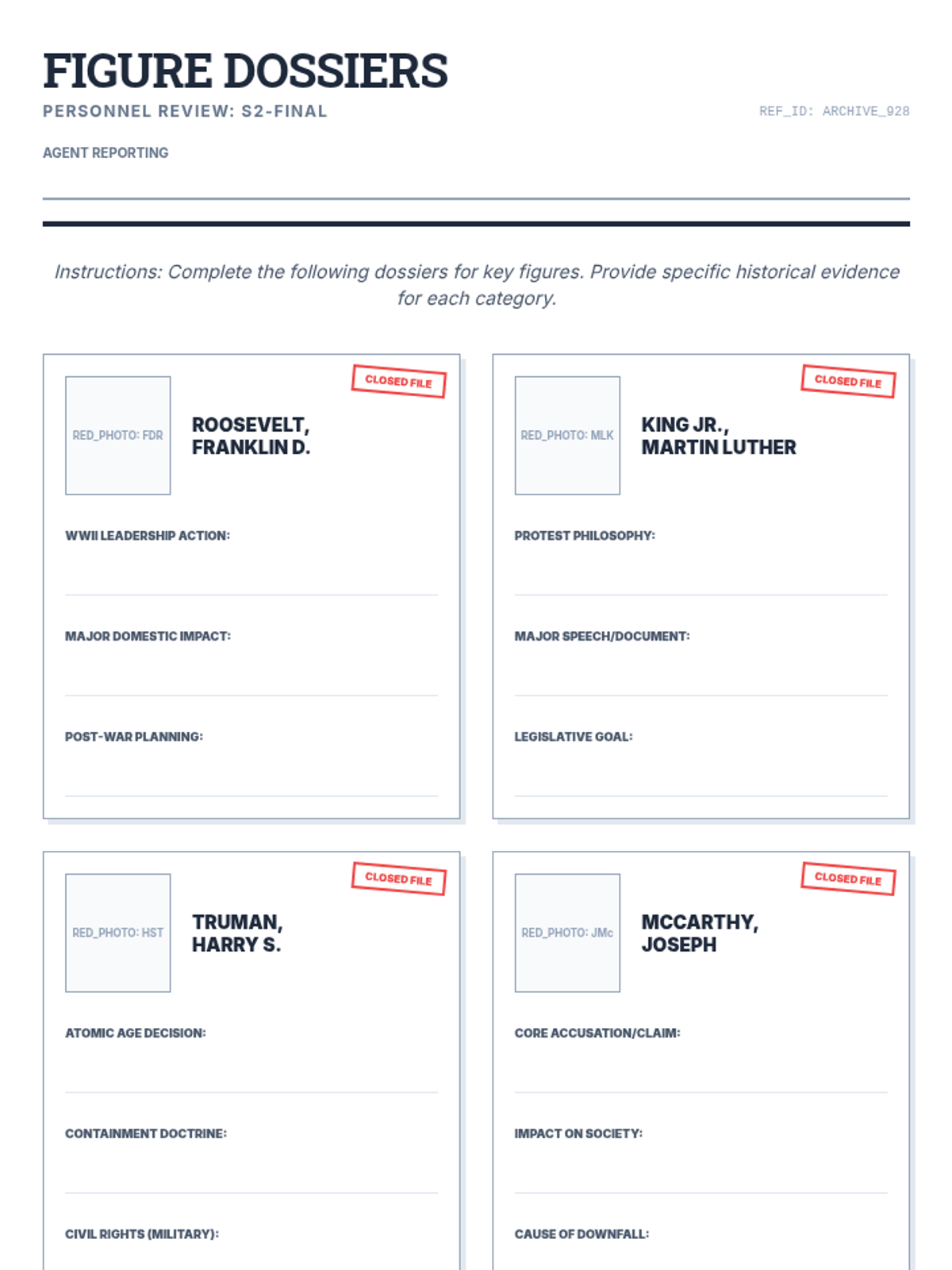
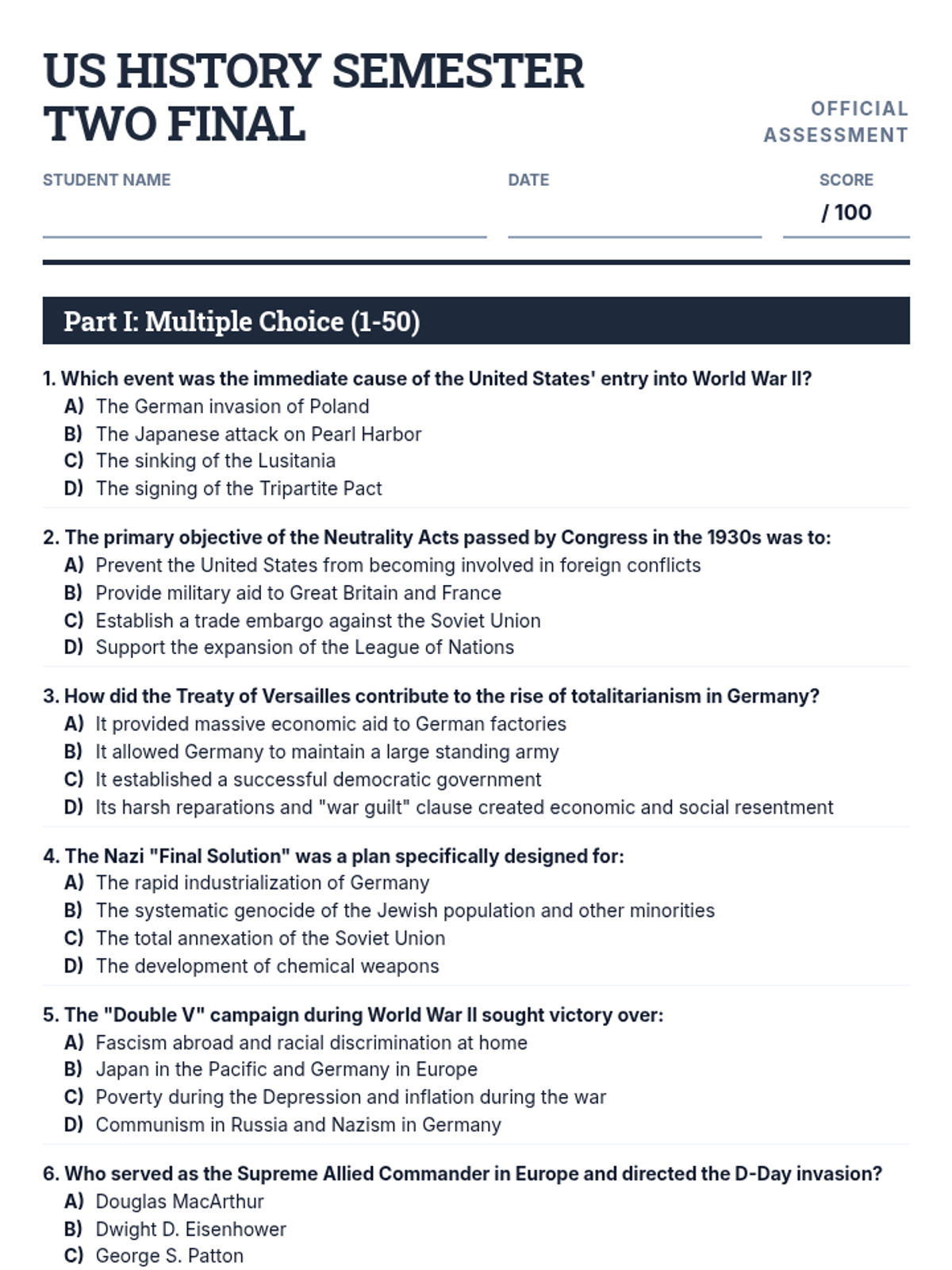
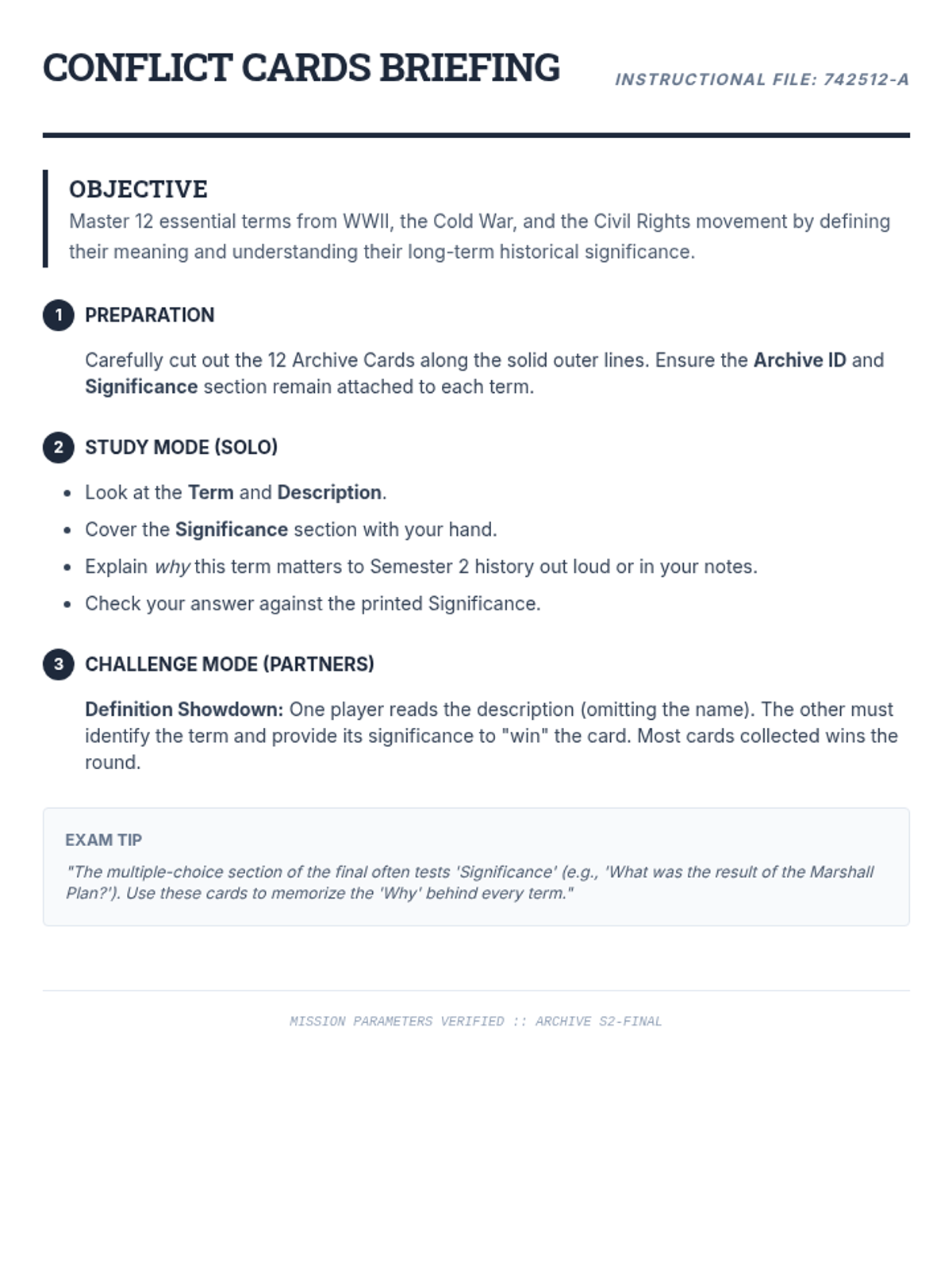
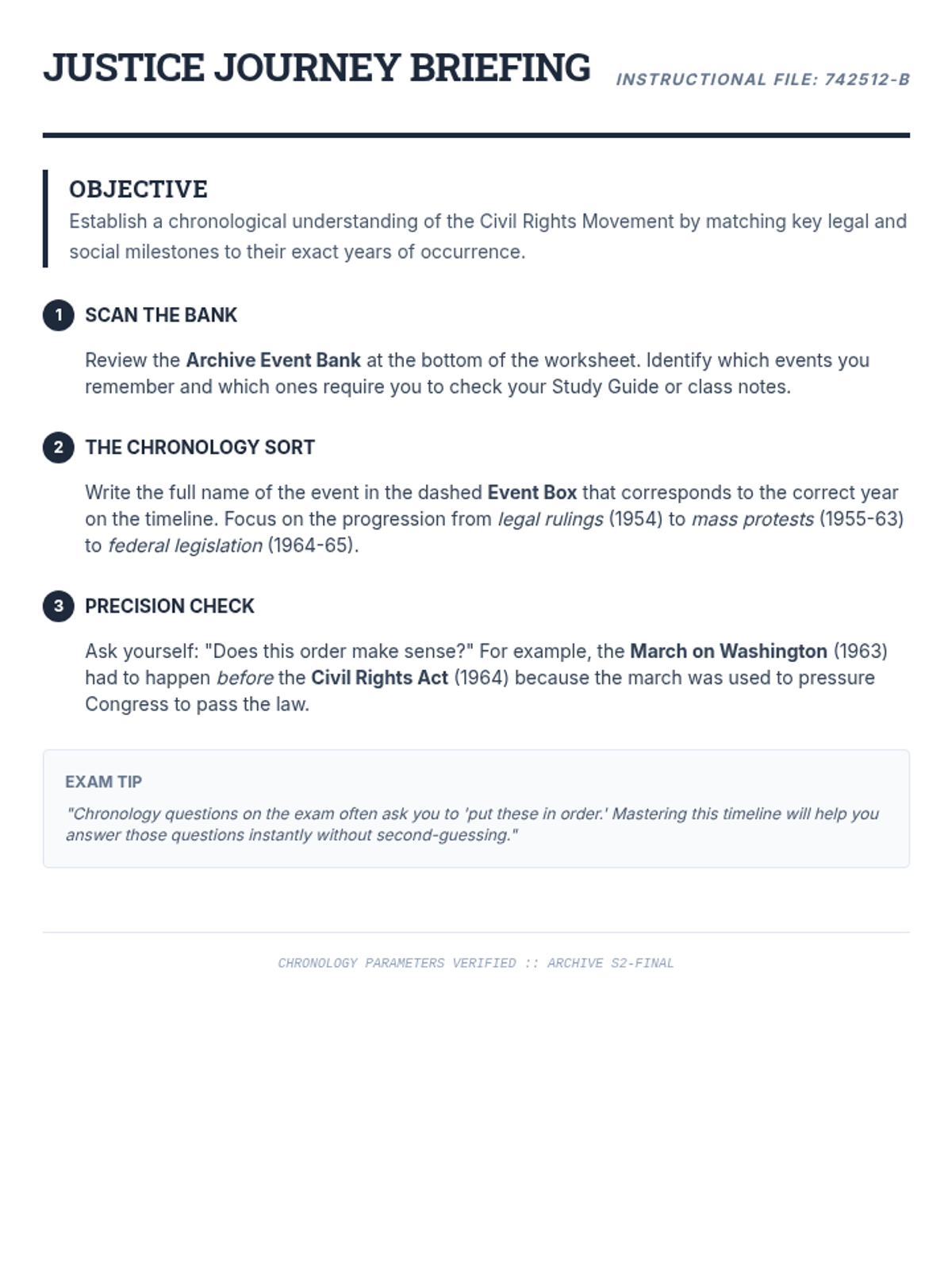
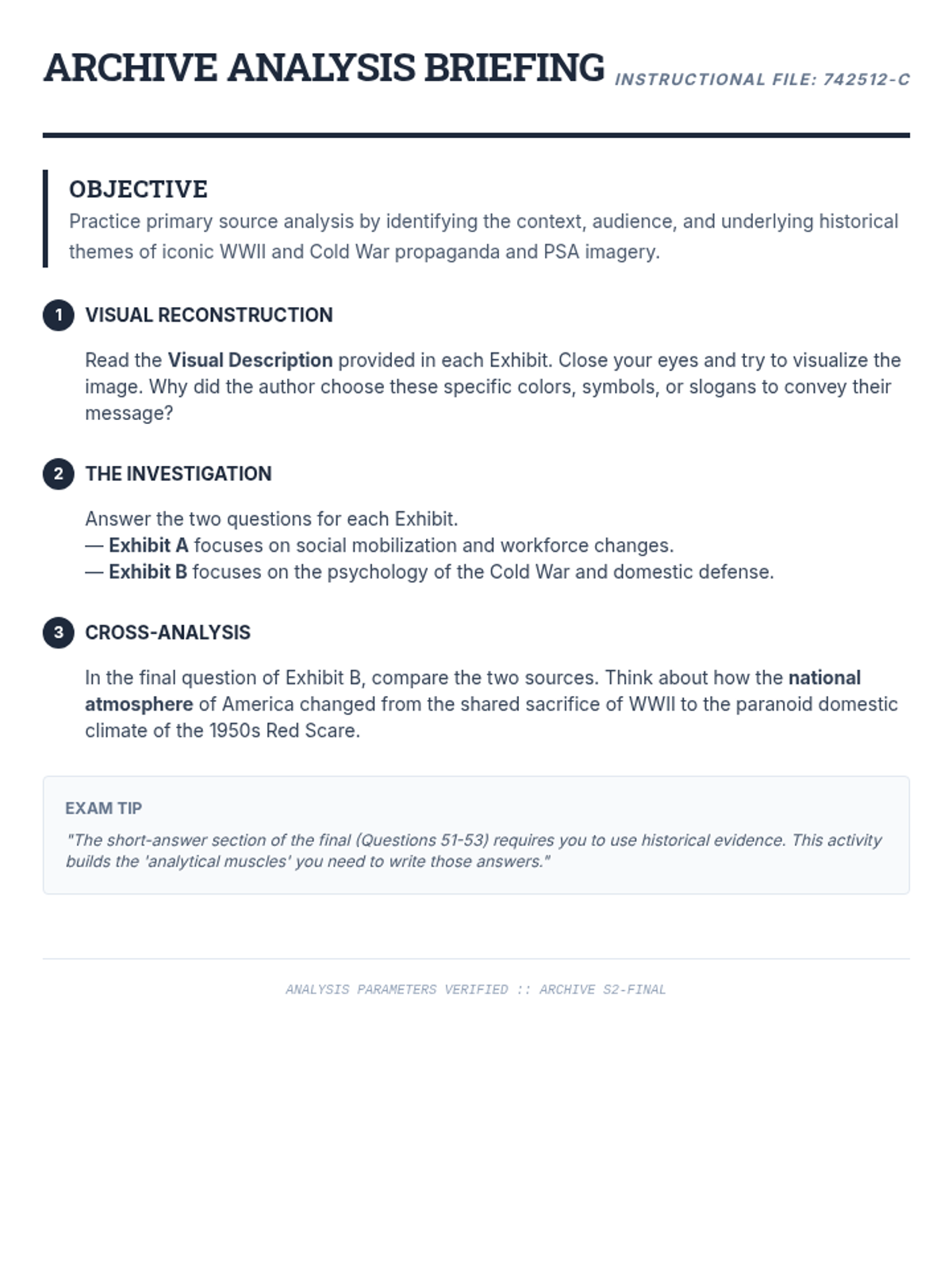
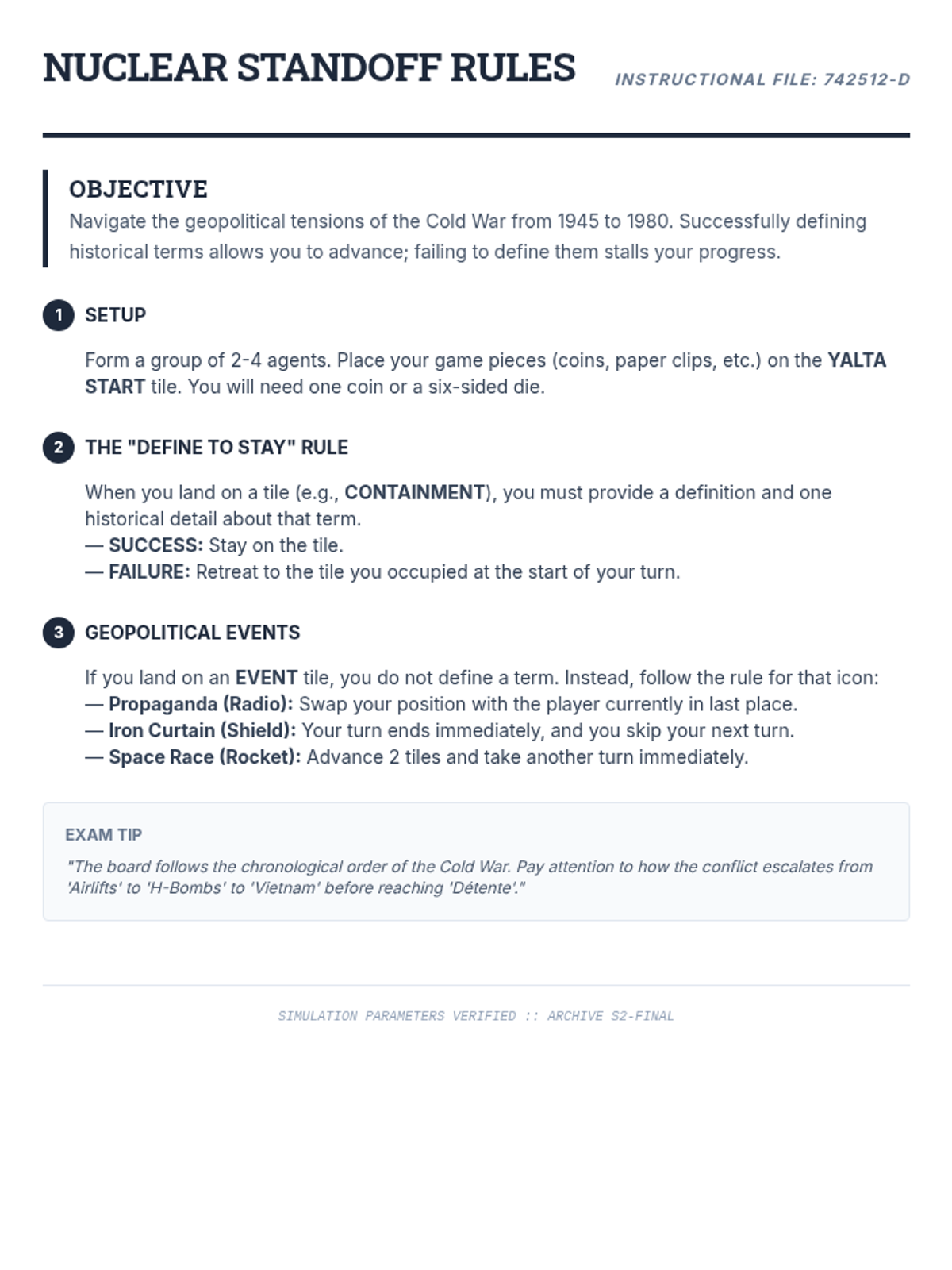
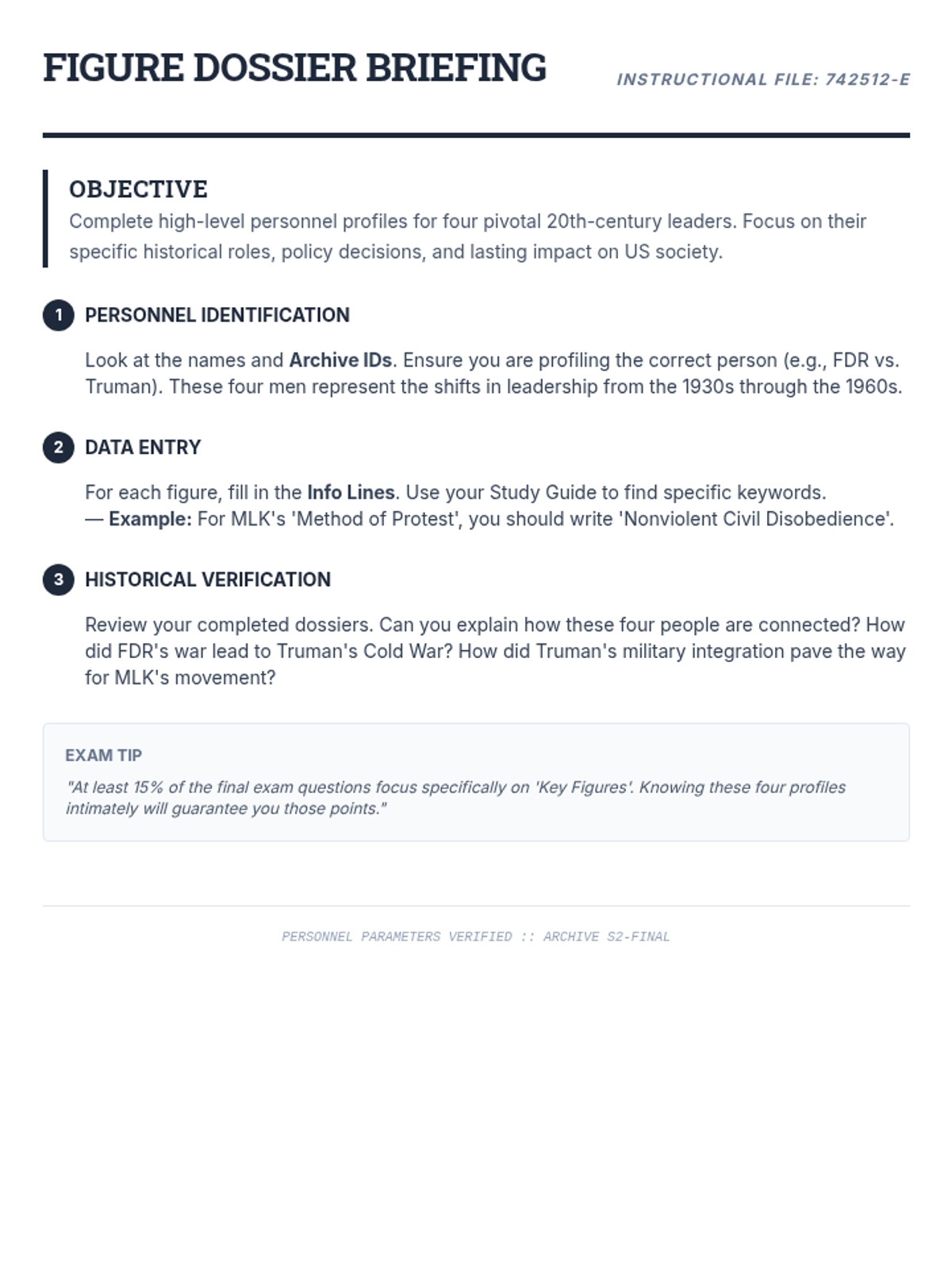
An 8-day US History remediation packet covering WWII, the Cold War, Civil Rights, and Vietnam, designed for 11th-grade students preparing for STAAR testing. Each day includes intensive reading with embedded vocabulary, active annotation guides, and a skill-based review worksheet.
A comprehensive unit exploring the intersection of industrial innovation and architectural design through the iconic lens of the Empire State Building. Students analyze the socio-economic impacts of the Great Depression on construction and the geometric principles of Art Deco style.
A series of four interactive stations designed for high school emerging bilingual students to explore the history and significance of Cinco de Mayo through reading, writing, listening, and speaking. The materials focus on 9th-grade TEKS (Inference and Text Structure) while maintaining a 4th-5th grade reading level for accessibility.
A comprehensive sequence focused on developing data literacy through the analysis of United States crime statistics. Students progress from national trend analysis to specific state and local investigations using primary data sources.
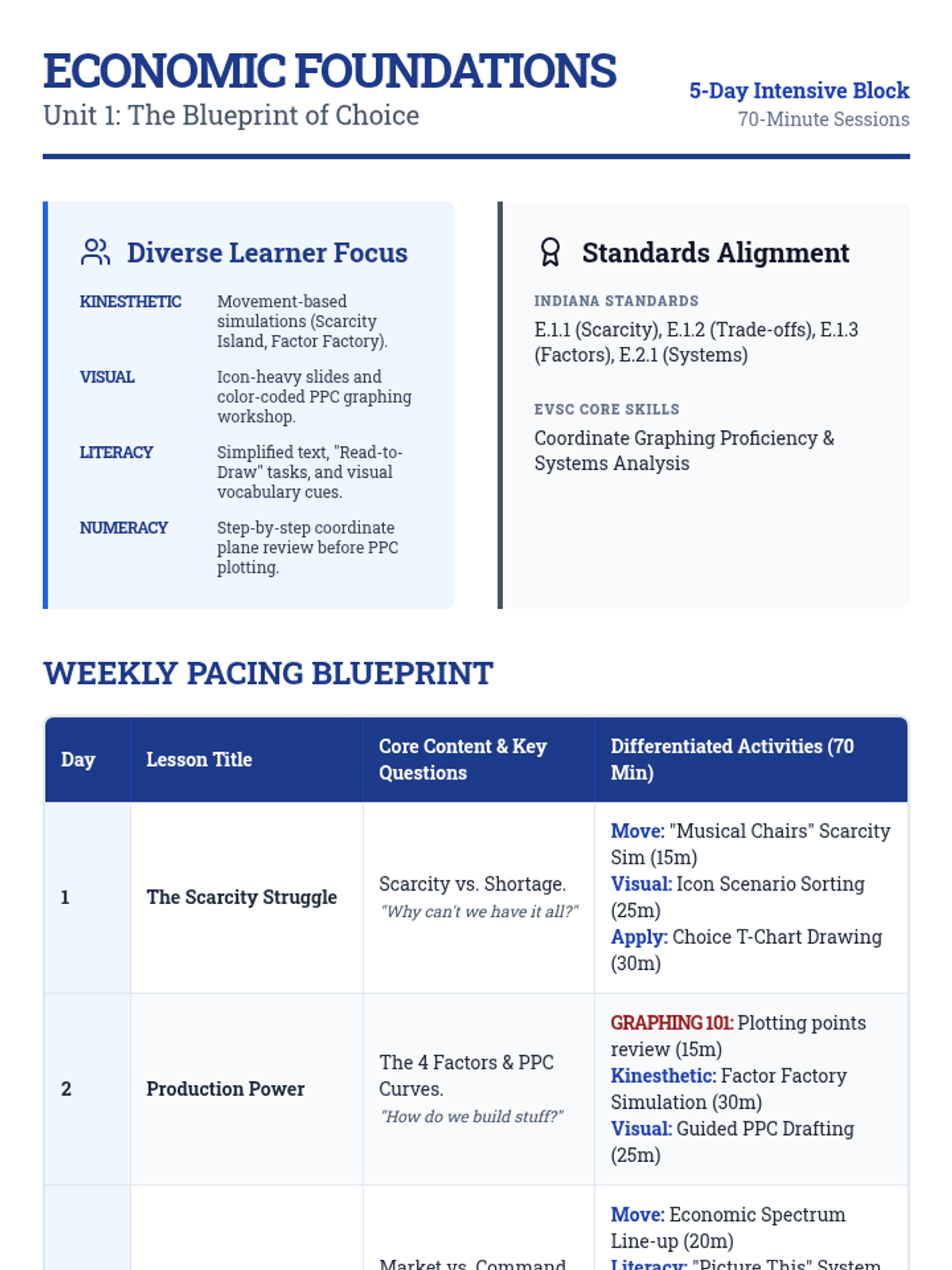
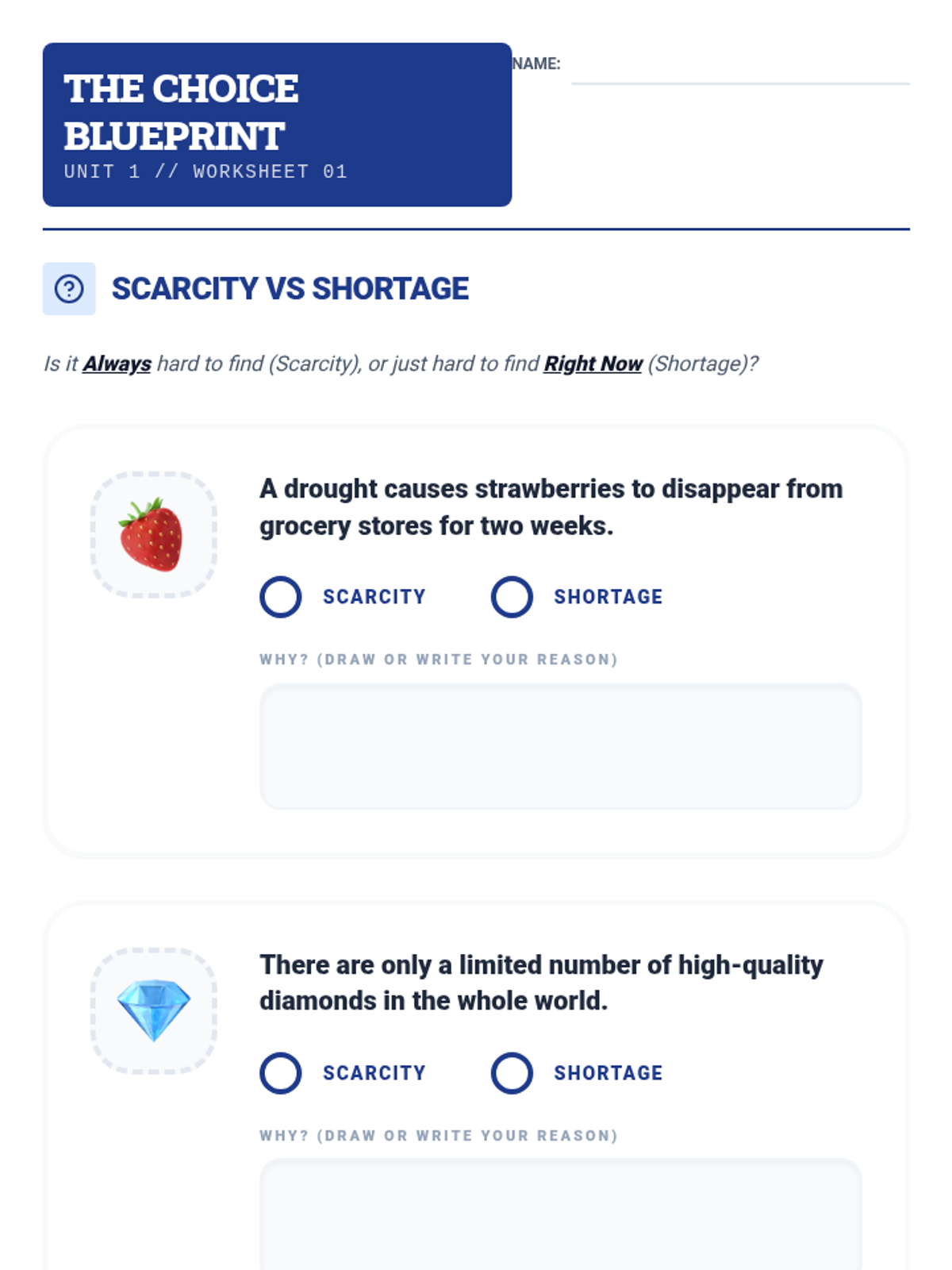
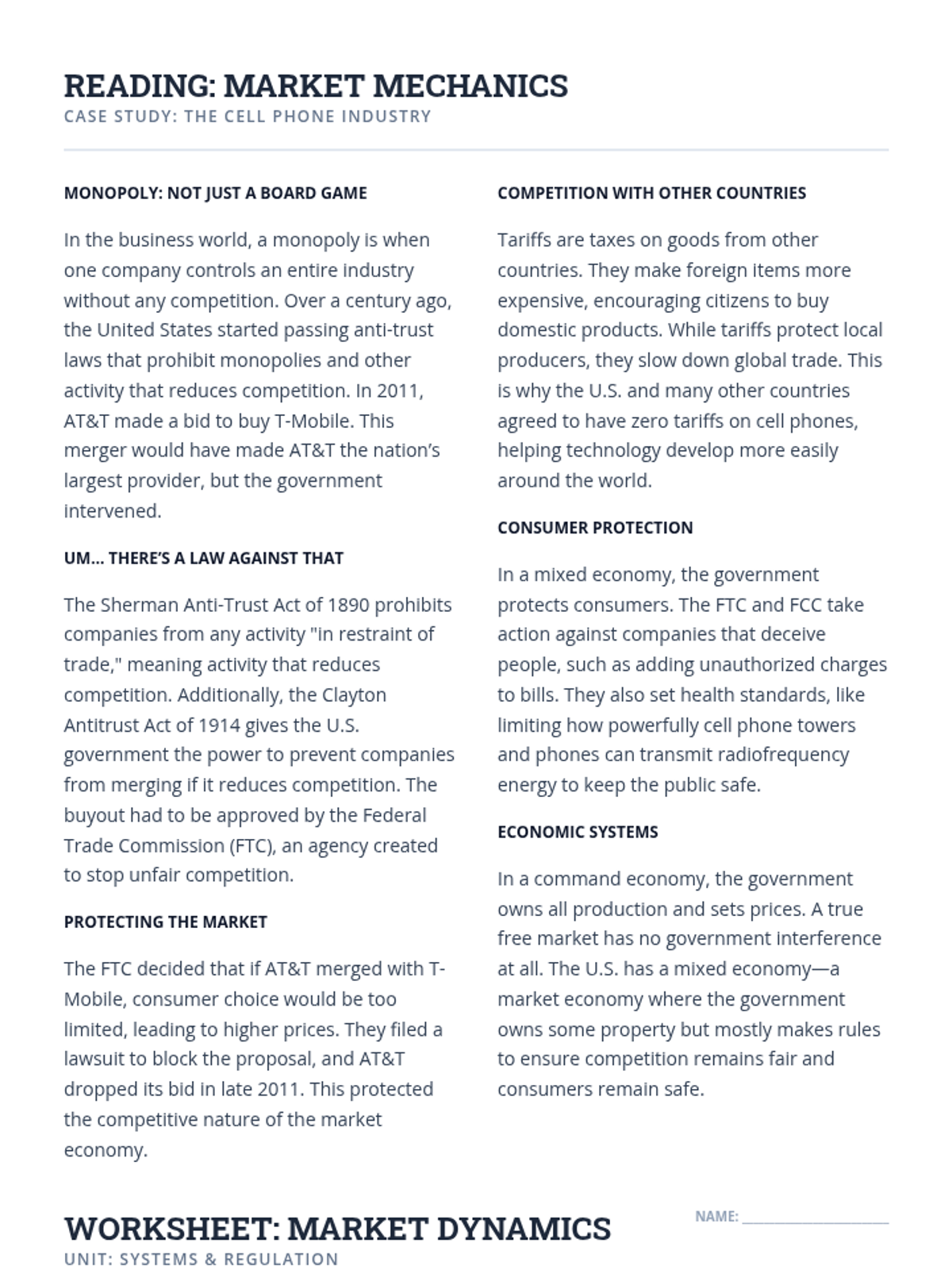
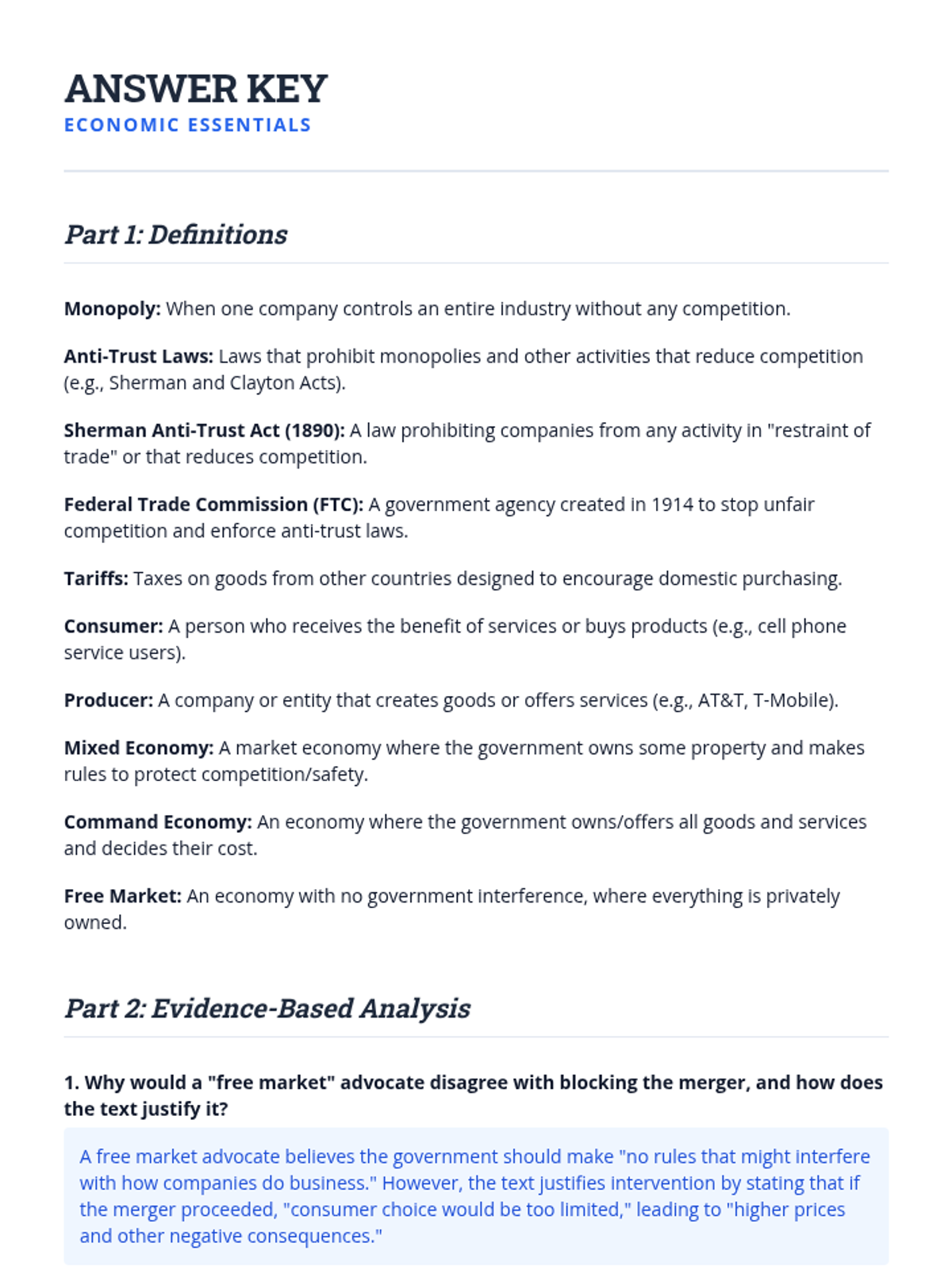
A comprehensive curriculum covering financial literacy, economic principles, and civic systems through historical case studies, ethical dilemmas, and real-world simulations.
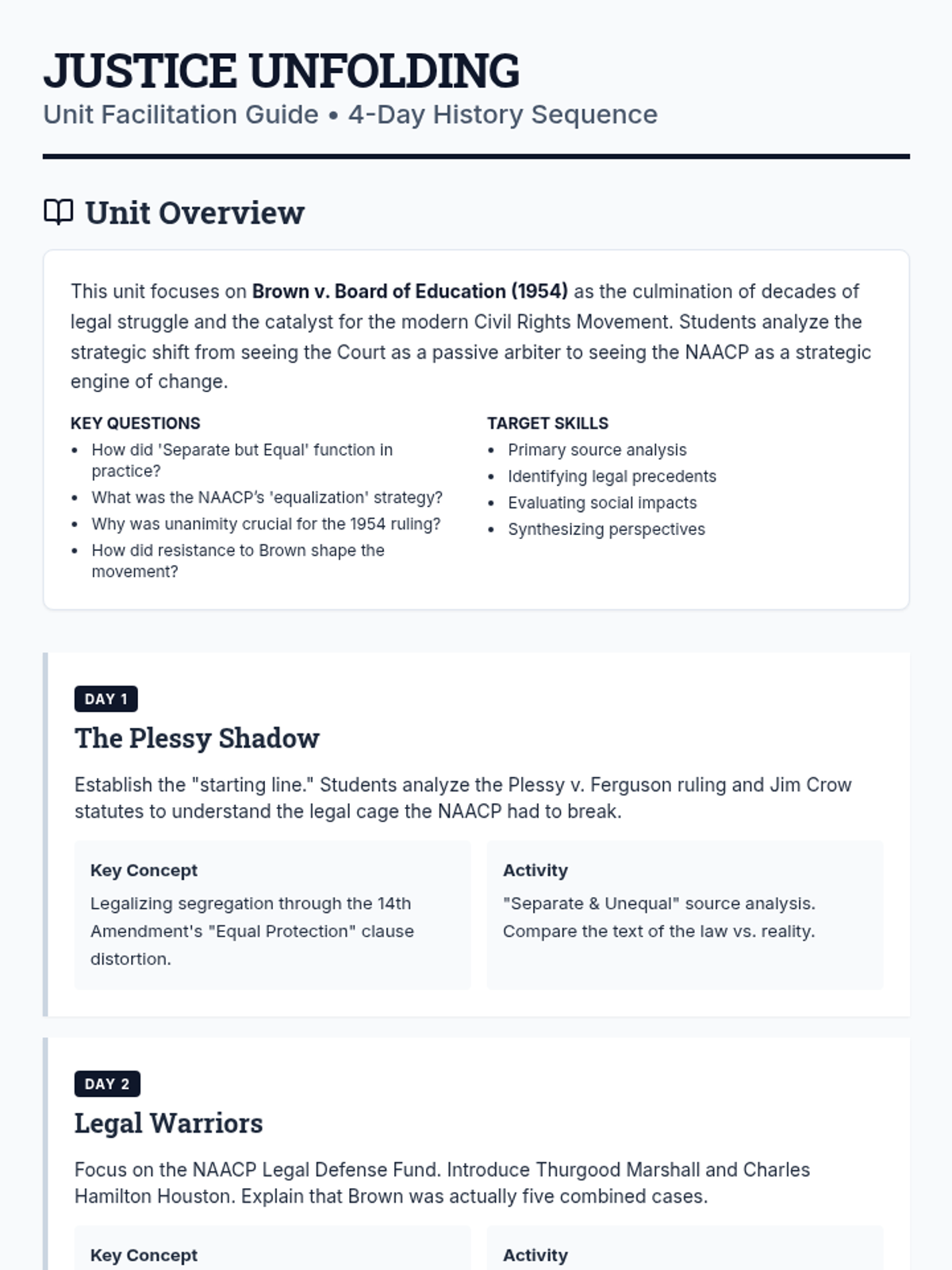
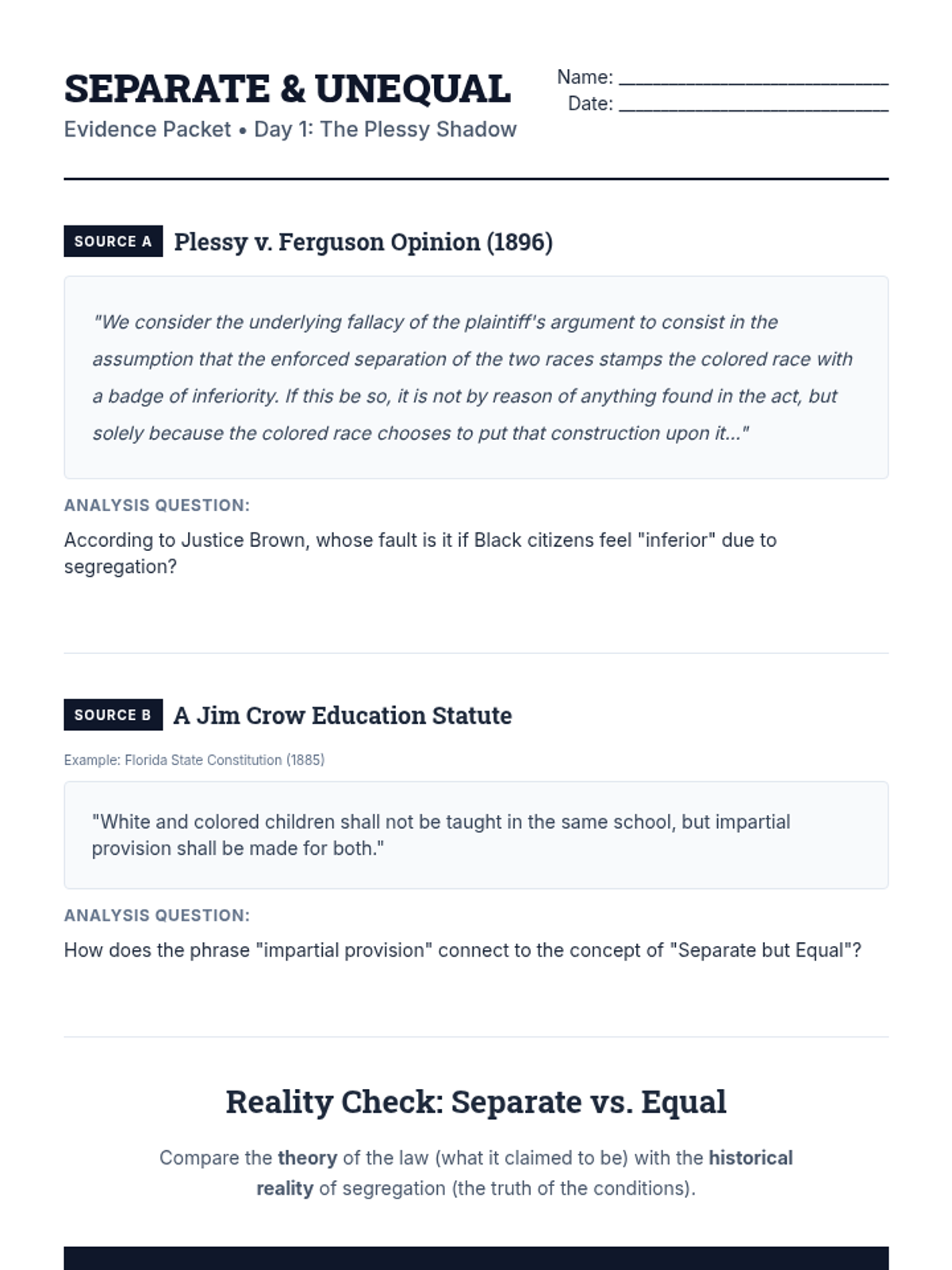
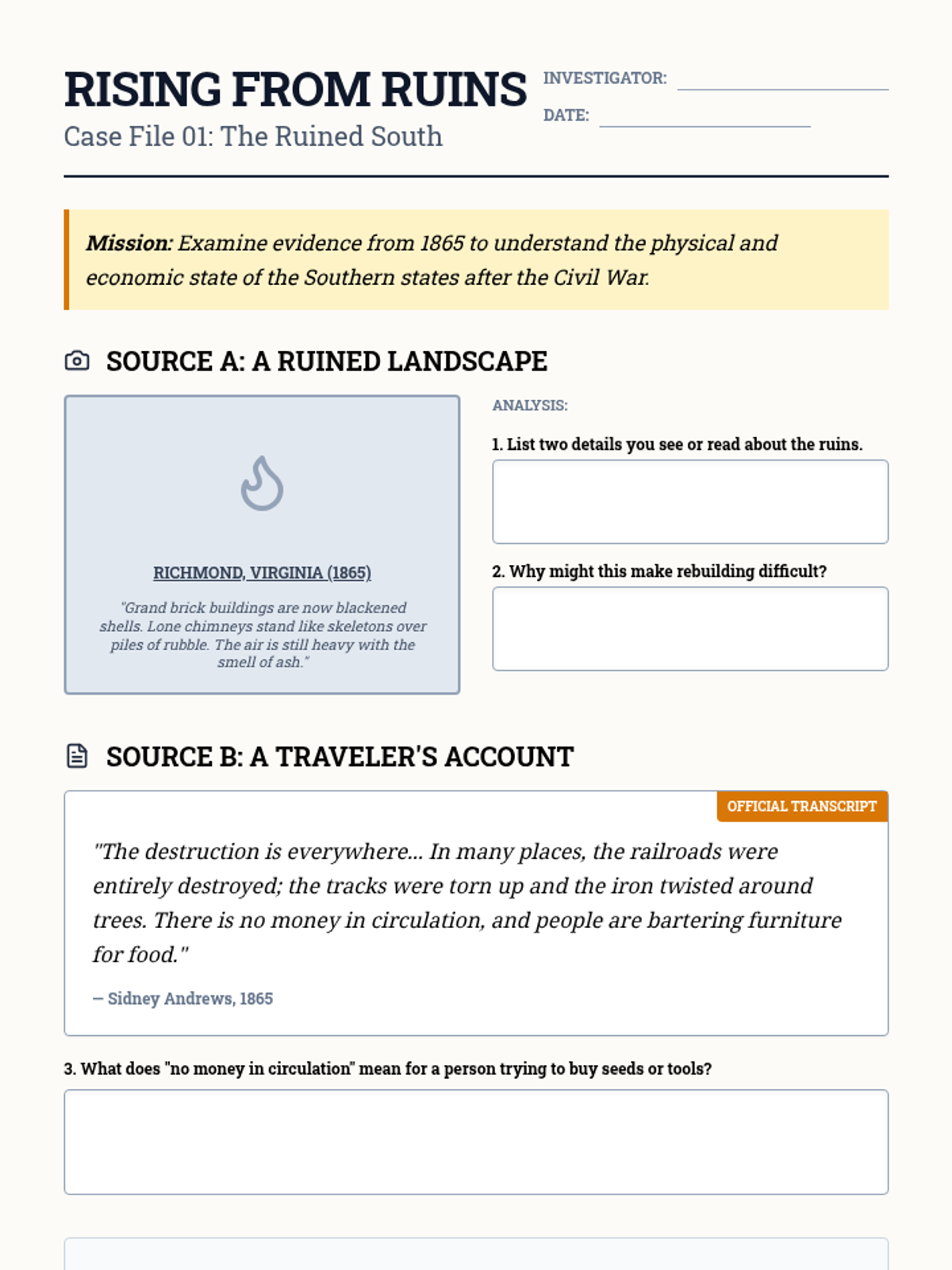
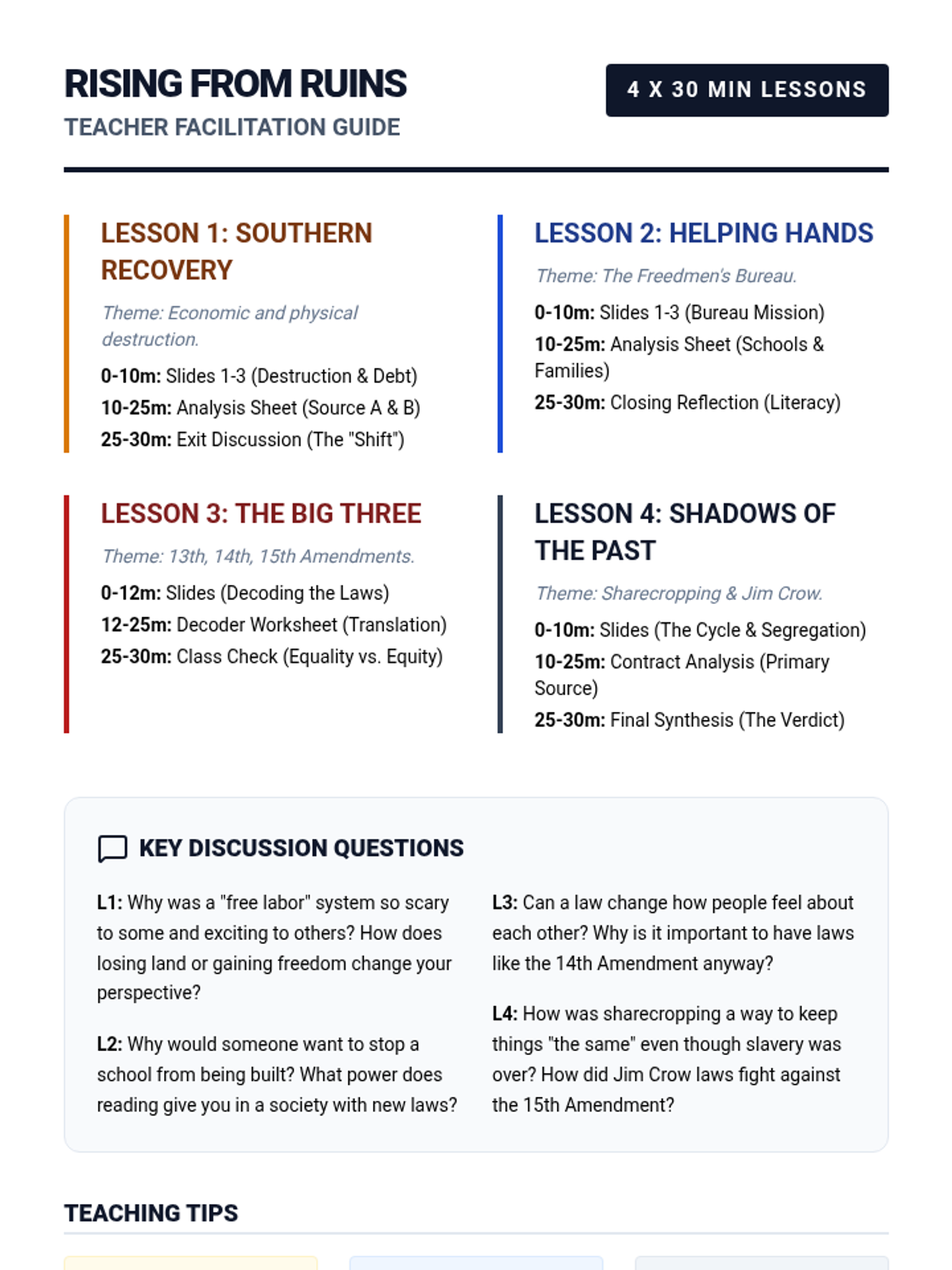
This sequence explores the aftermath of the Compromise of 1877, detailing the systematic dismantling of Reconstruction-era progress and the establishment of the Jim Crow South. Students analyze the political, social, and legal mechanisms used to disenfranchise African Americans.
An exploration of 19th-century Imperialism through the lens of a high-stakes geopolitical simulation. Students take on the roles of industrial nations to understand the economic, social, and political motivations behind the Scramble for Africa.
A collection of mixed-grade resources.
A comprehensive unit exploring the diverse urban and rural land use patterns across the Balkan Peninsula, culminating in a comparative research project.
A tribute to influential women of color from 2015 to the present, focusing on their achievements in politics, science, arts, and activism. Students explore biographies through a trivia-style game and creative research activities.
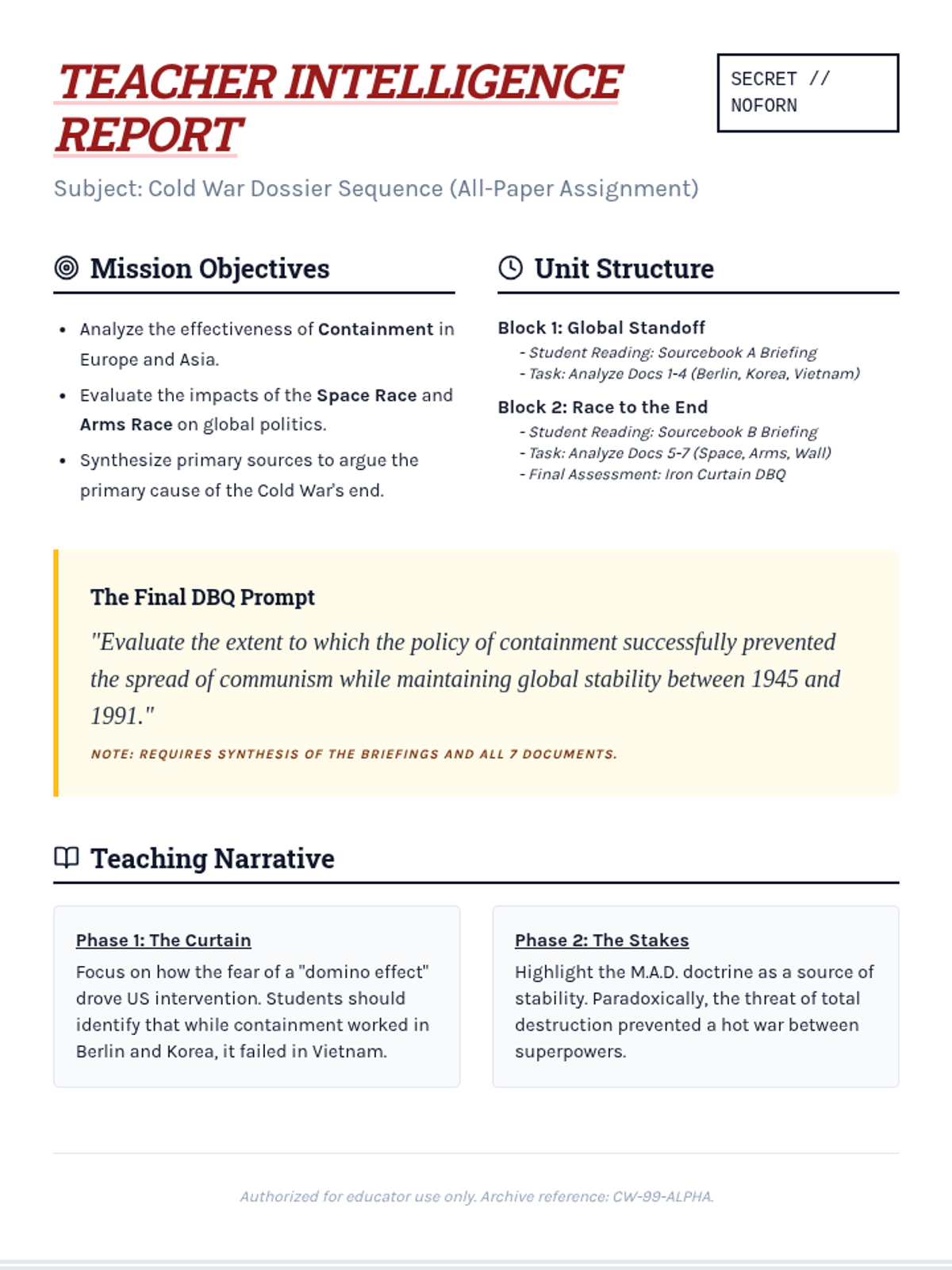
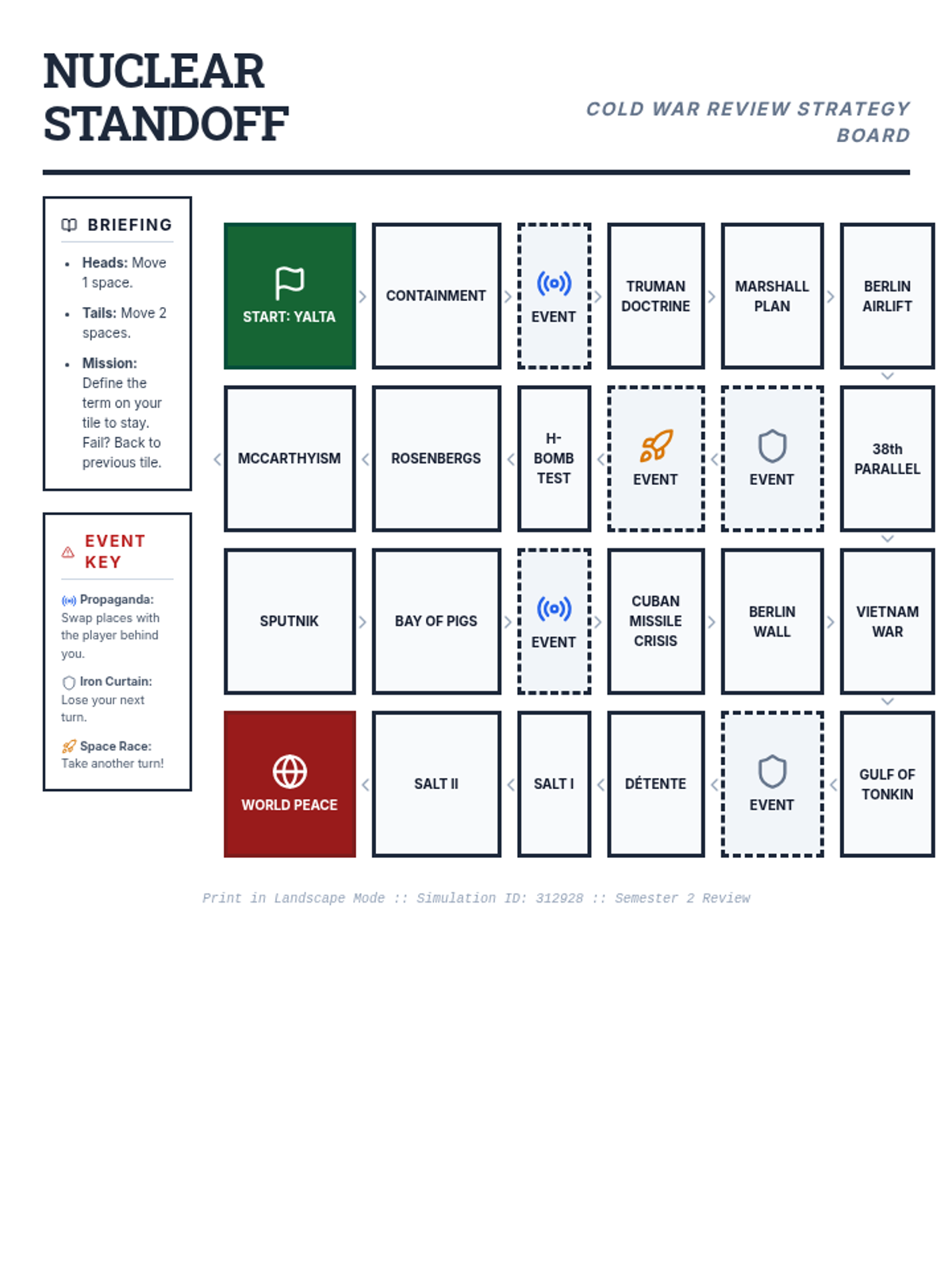
A two-day historical simulation and project focused on the Bay of Pigs invasion, Cold War containment strategies, and multi-perspective journalism. Students analyze primary sources and government documents to create a 1961 newspaper report.
A comprehensive guide to the Bill of Rights designed for different learning needs. Students explore the first ten amendments through visual planning, vocabulary building, and a creative poster project.
A foundational unit exploring the multifaceted nature of families, their structures, roles, and the daily rhythms that shape our lives.
A comprehensive middle school history unit where students act as 'history detectives' to investigate the rise of nation-states in England, France, Spain, and Russia through primary source analysis.
A comprehensive deep-dive into Shakespeare's Romeo and Juliet, focusing on Act 1. Students will analyze character dynamics, the tension between destiny and choice, and the rich poetic language of the play across individual scenes.
A comprehensive 4-week microeconomics unit covering elasticity, consumer behavior, production theory, market failures, and labor economics. This sequence blends theoretical models with real-world applications and quantitative analysis.
A comprehensive exploration of American history and culture from the 1950s to the 2000s, using primary sources to trace social, political, and technological shifts.
A short dramatic unit exploring the impact of the women's suffrage movement in the early 1920s, focusing on the transition from protest to political participation.