Daily hygiene, hydration, and sleep routines paired with strategies for disease and injury prevention. Builds skills in health decision-making, body awareness, and self-advocacy to support lifelong well-being.
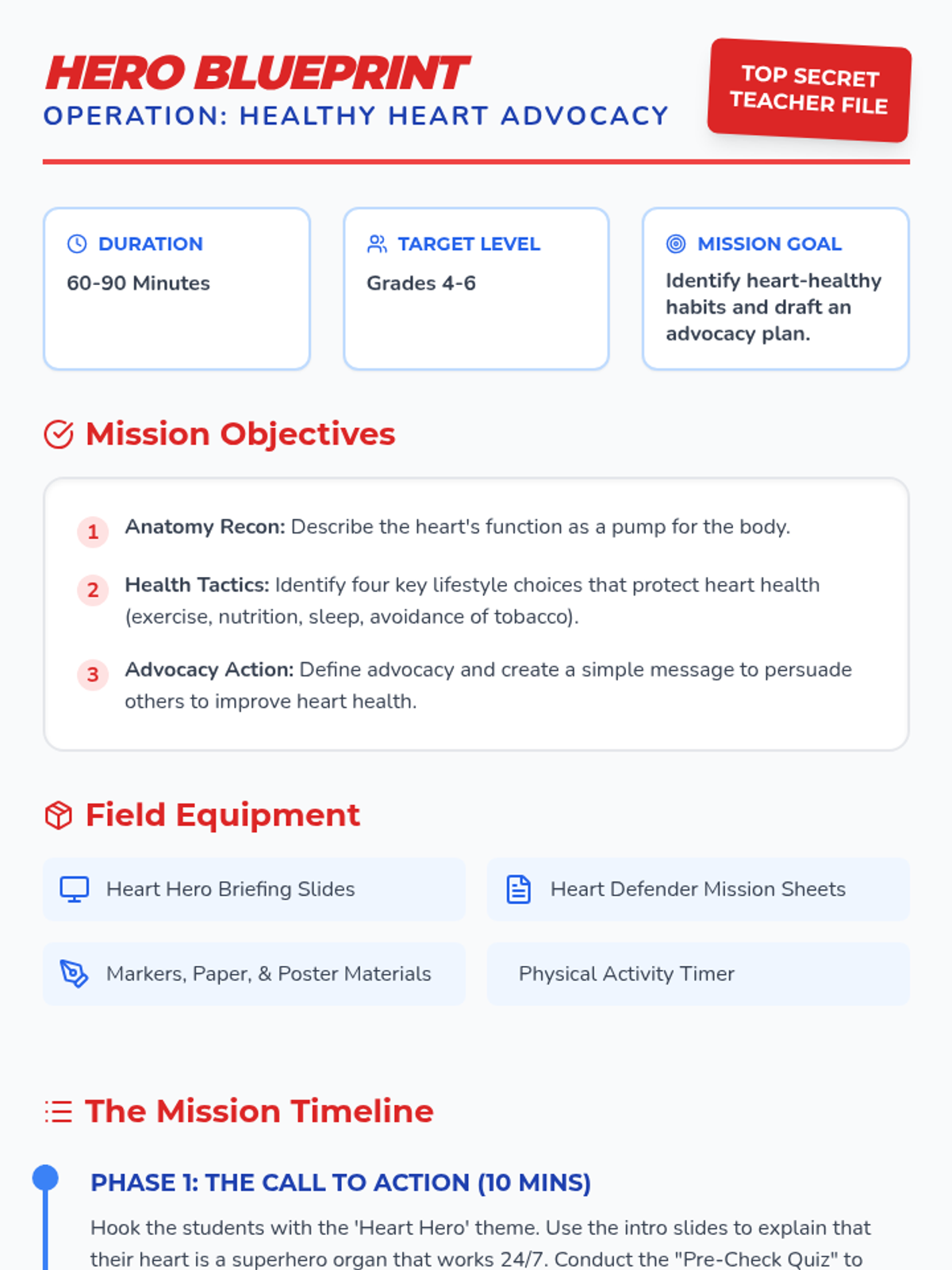
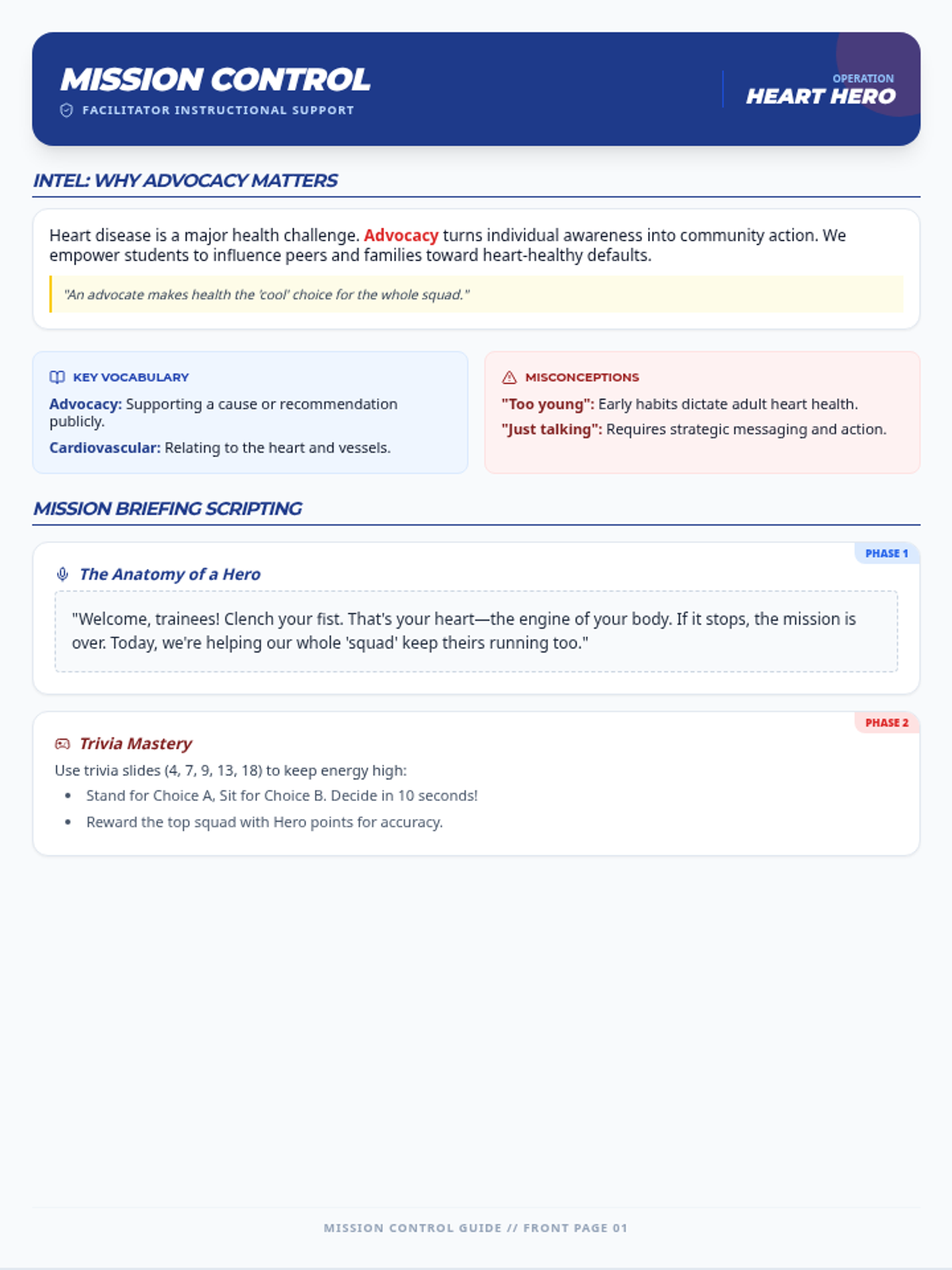
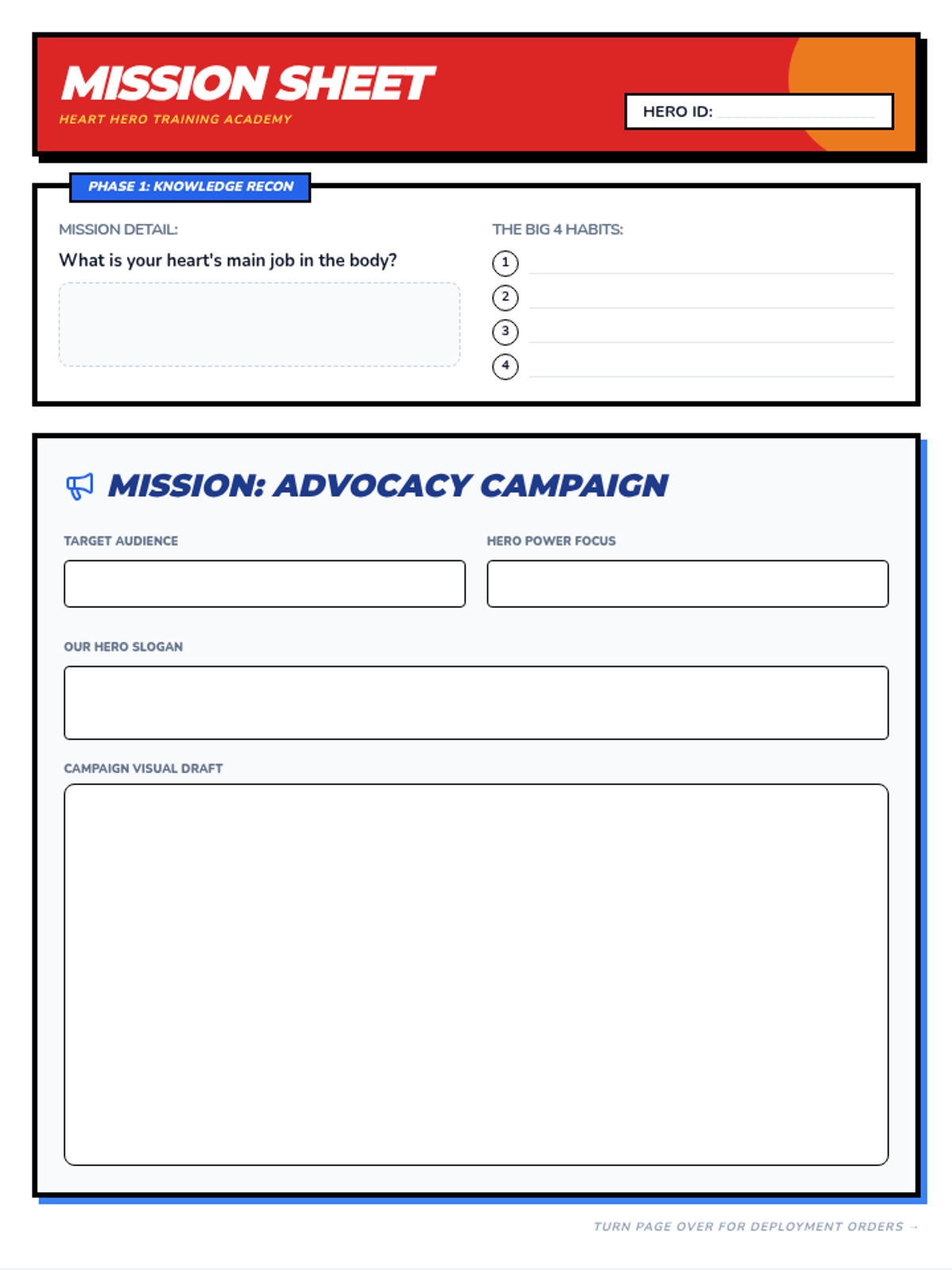
A comprehensive lesson sequence designed to empower students to become 'Heart Heroes' through education and advocacy for cardiovascular health.
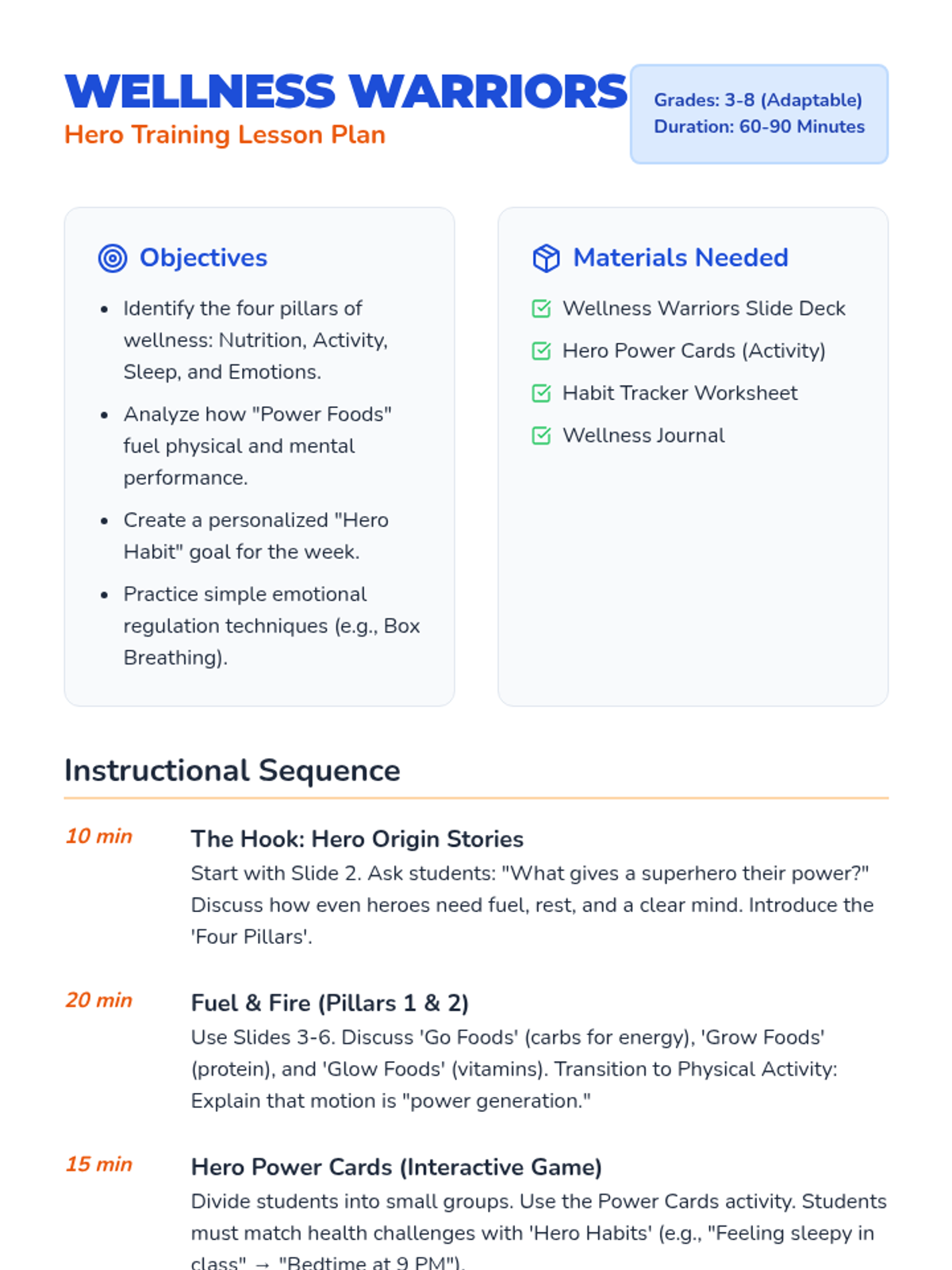
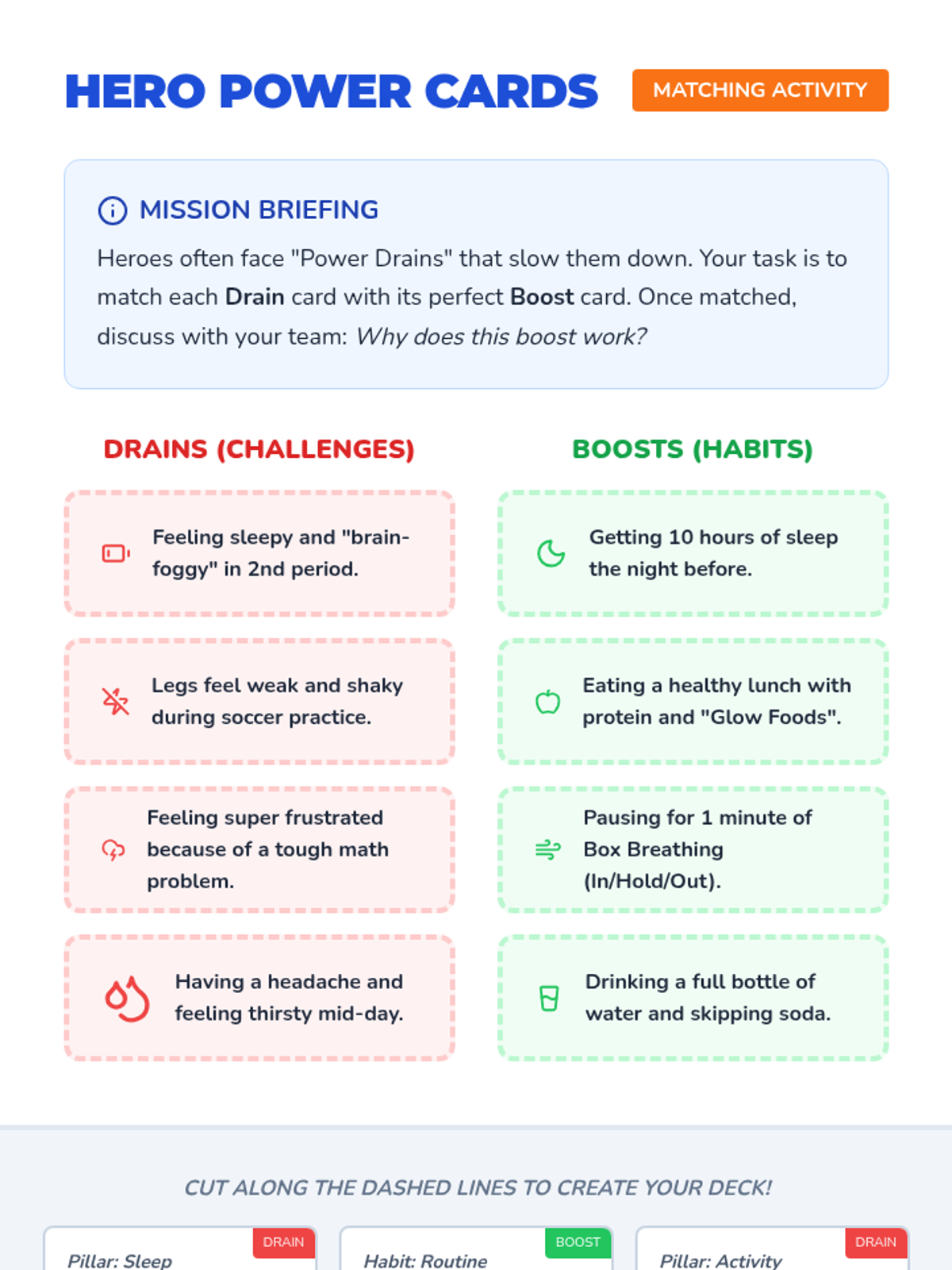
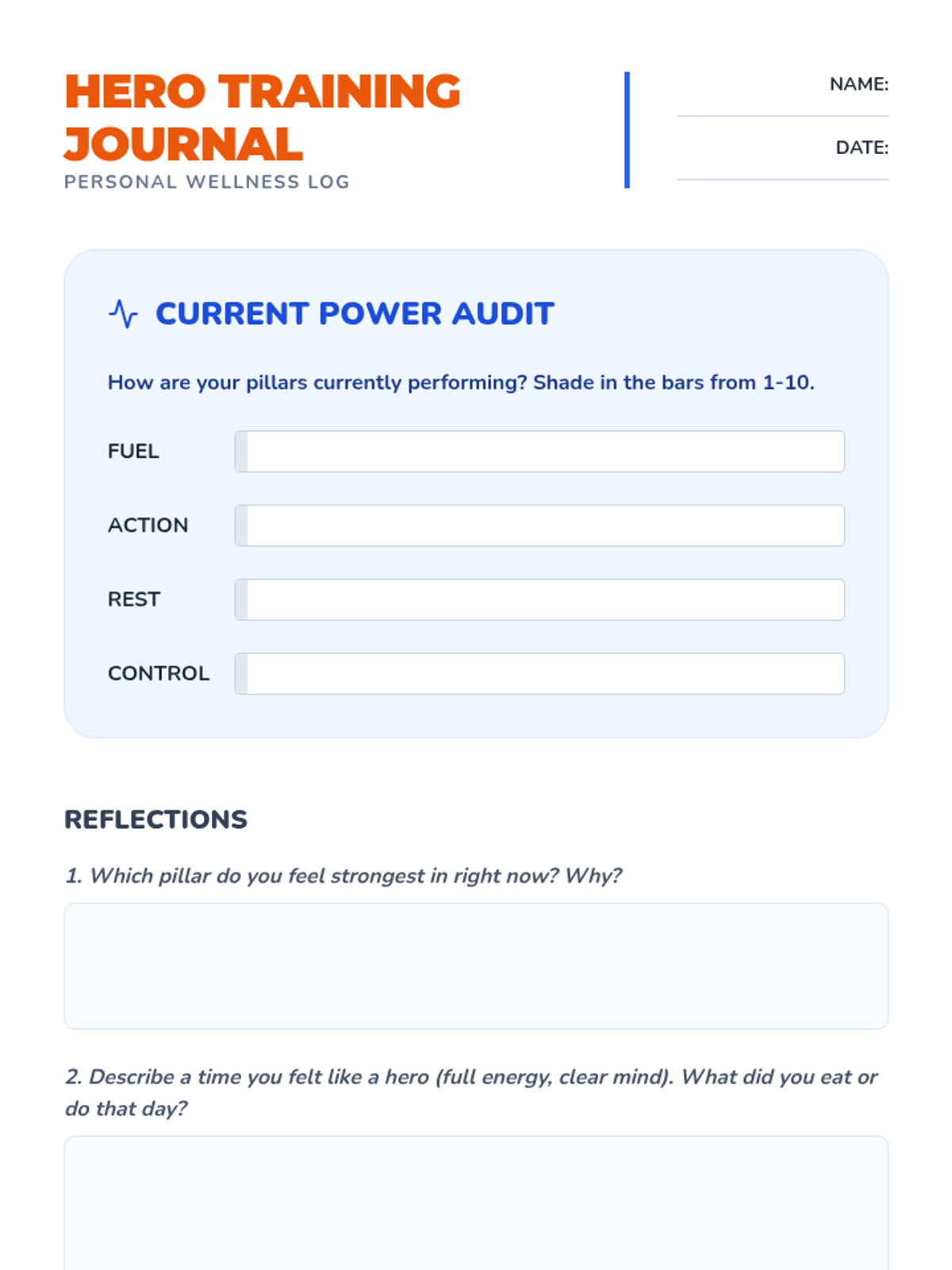
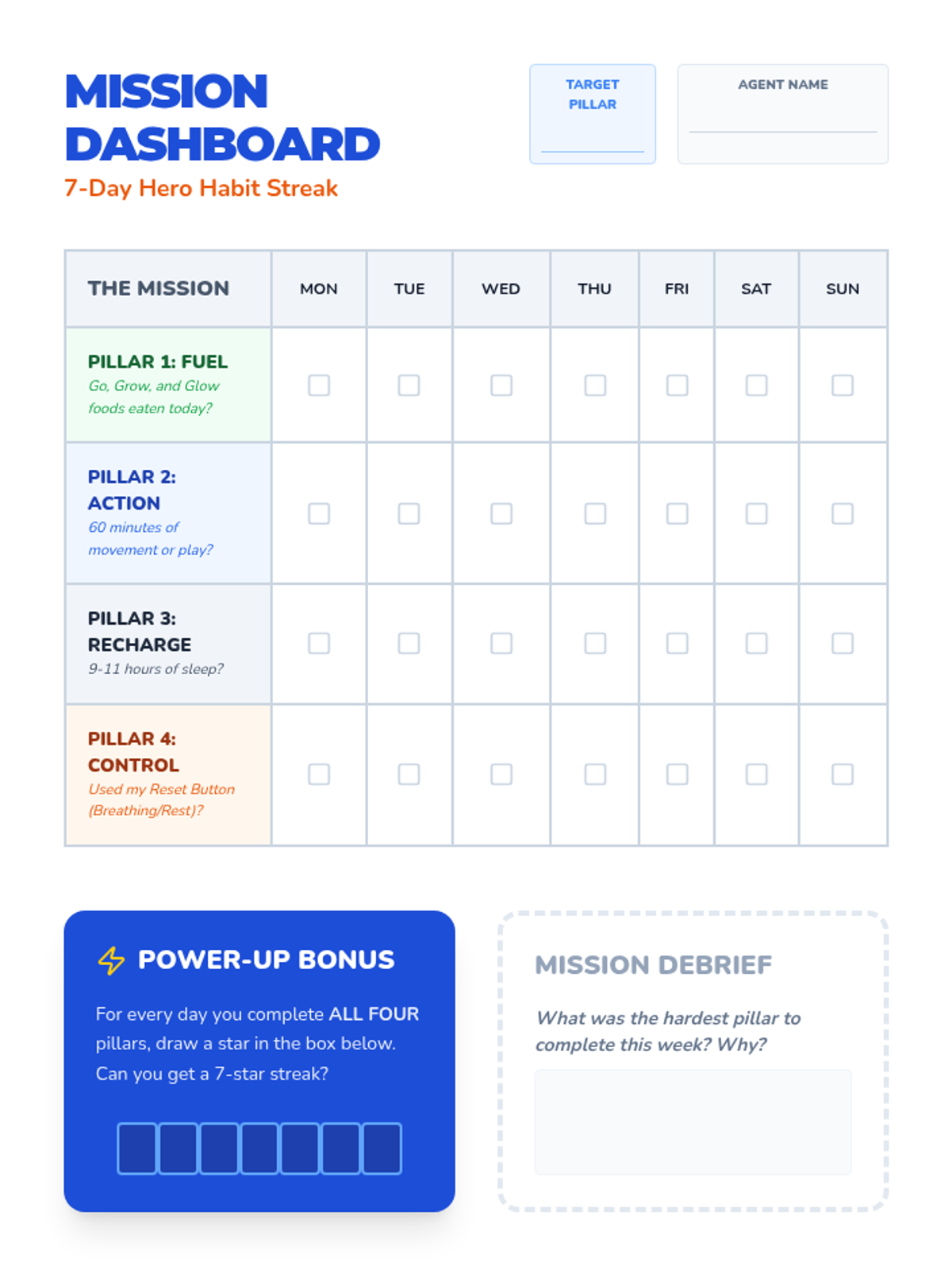
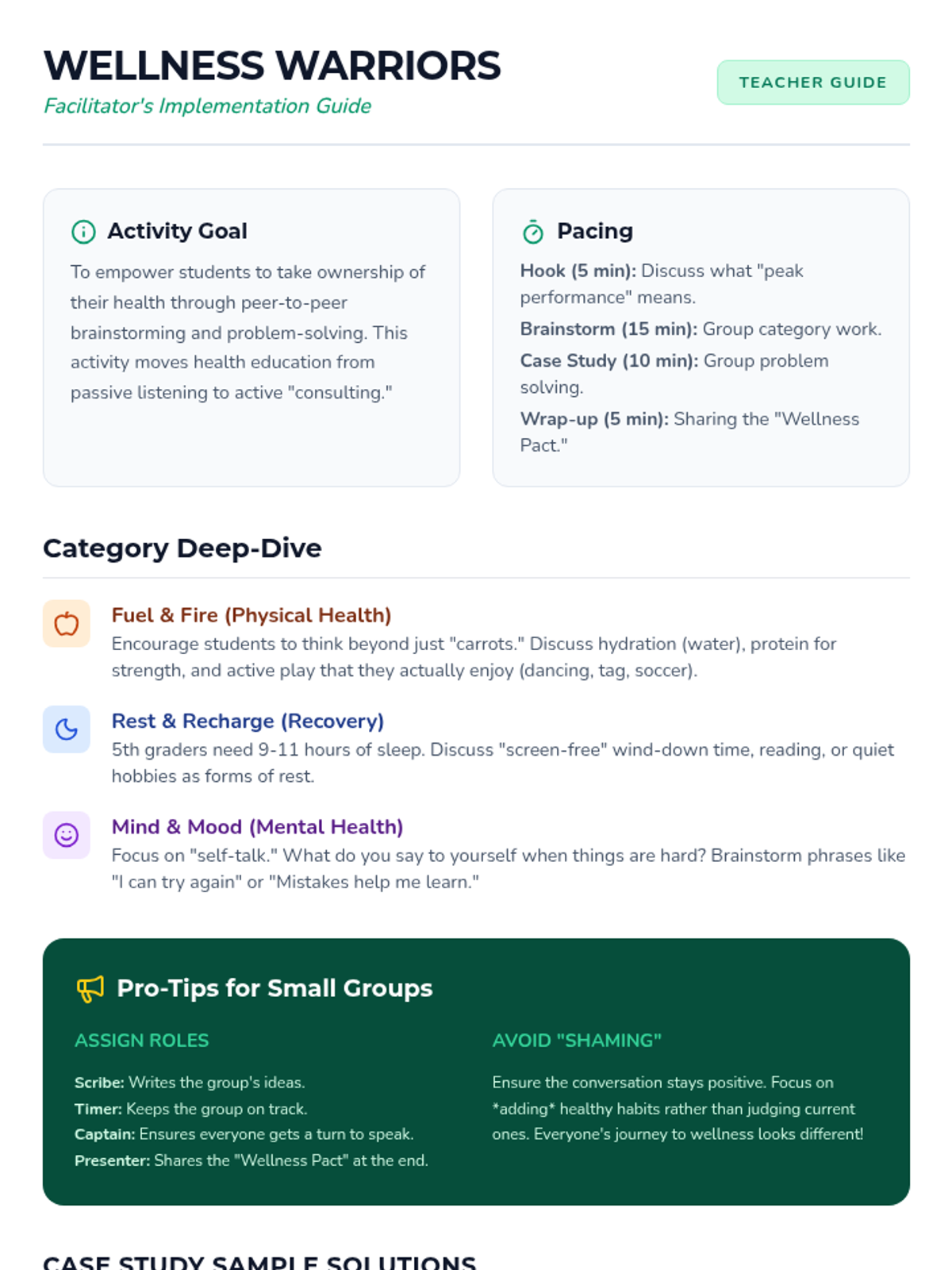
A comprehensive wellness unit designed to empower students with lifelong healthy habits. Students explore nutrition, exercise, sleep, and emotional regulation through the lens of 'hero training'.
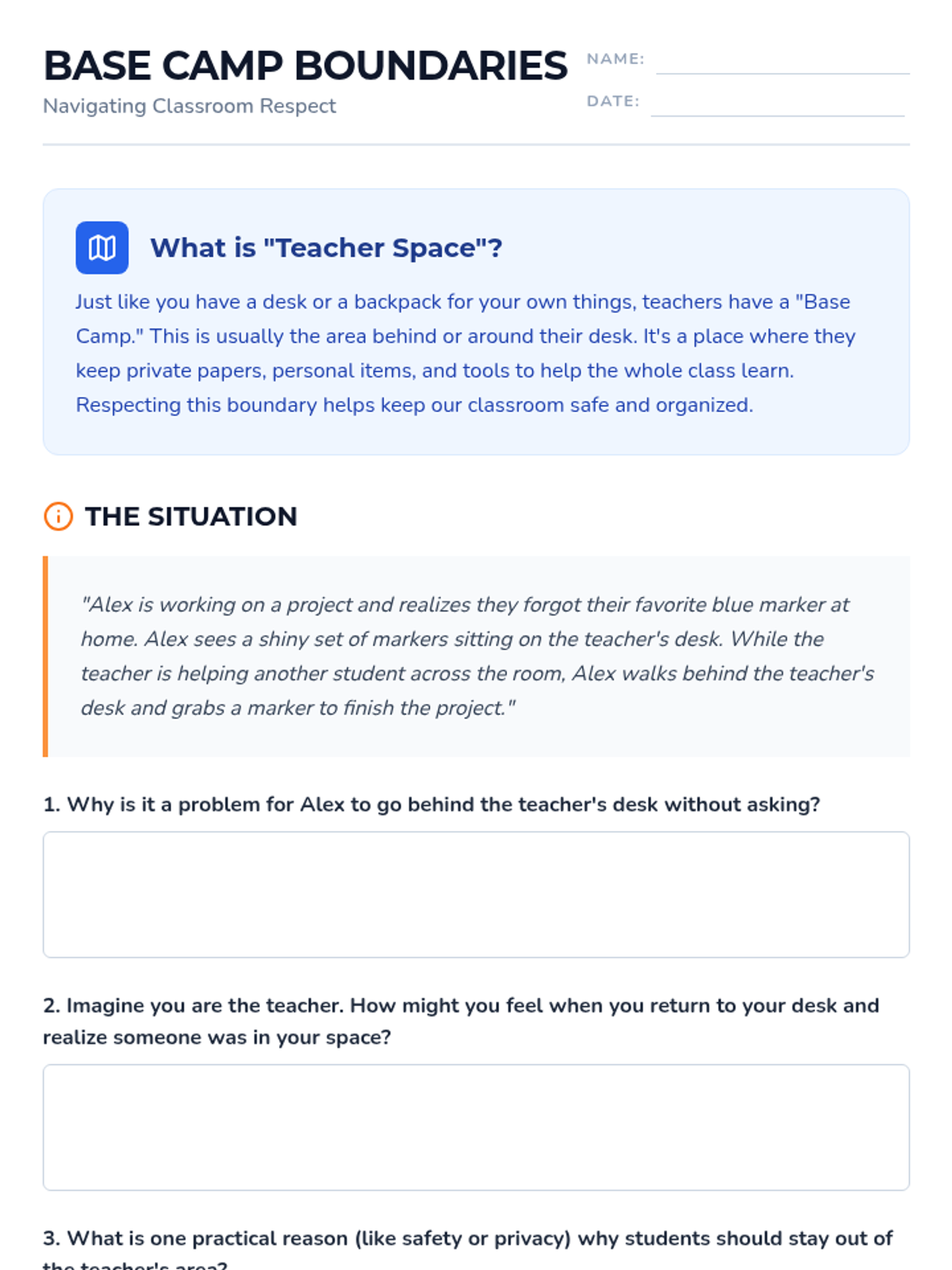
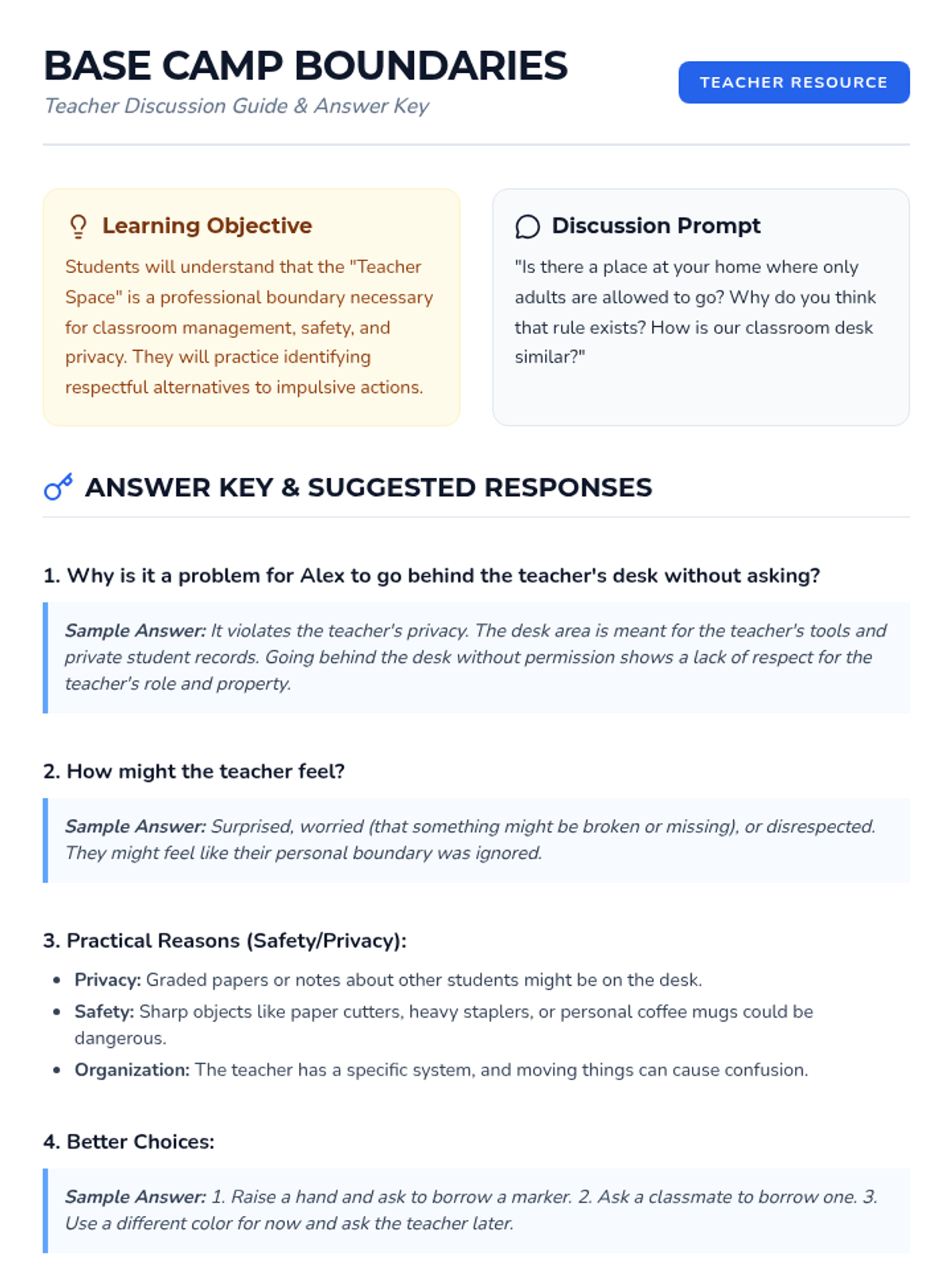
A unit focused on building a positive classroom environment through respectful boundaries and individual well-being. Students learn how to navigate physical spaces and personal health for a successful school year.
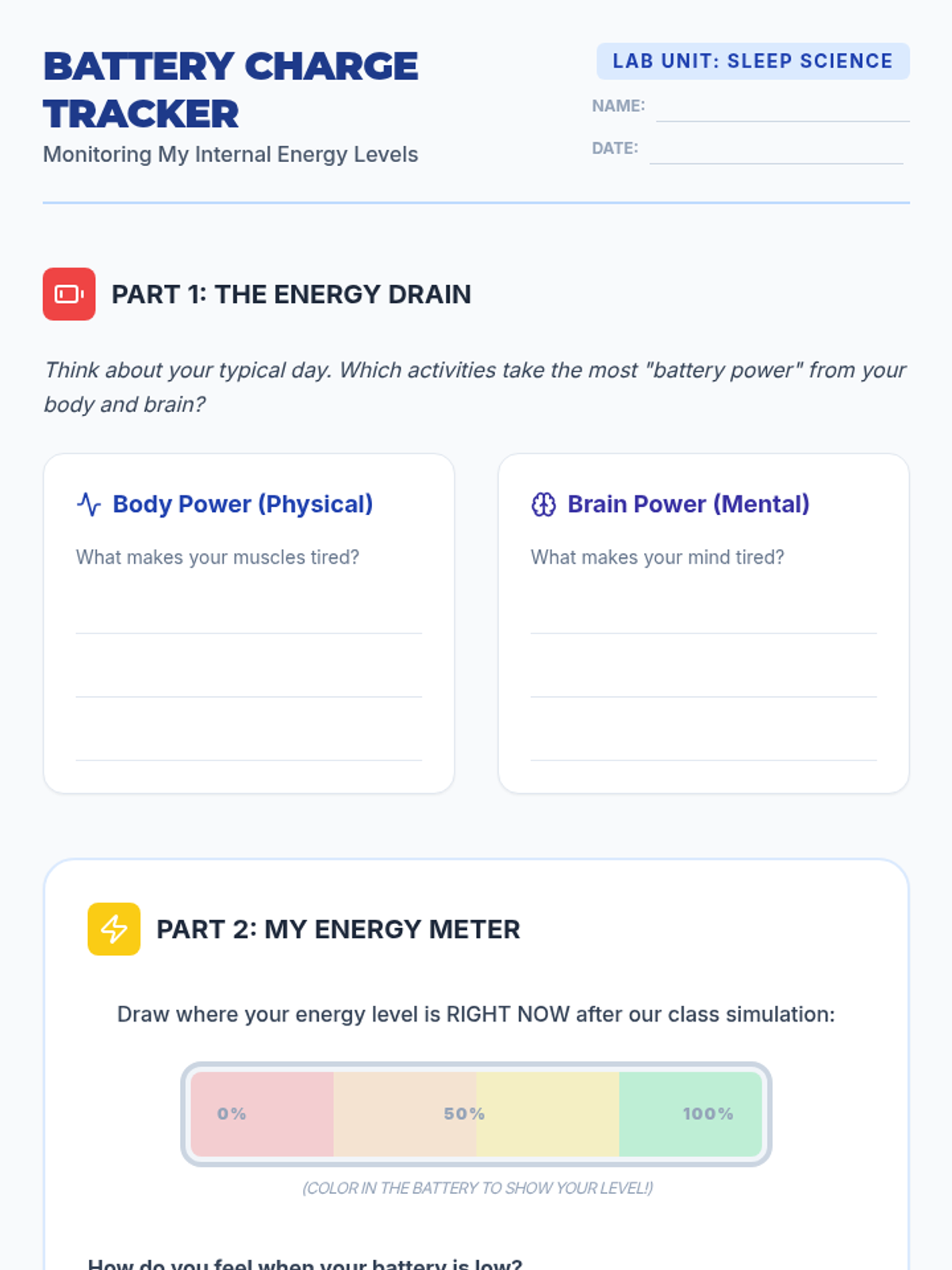
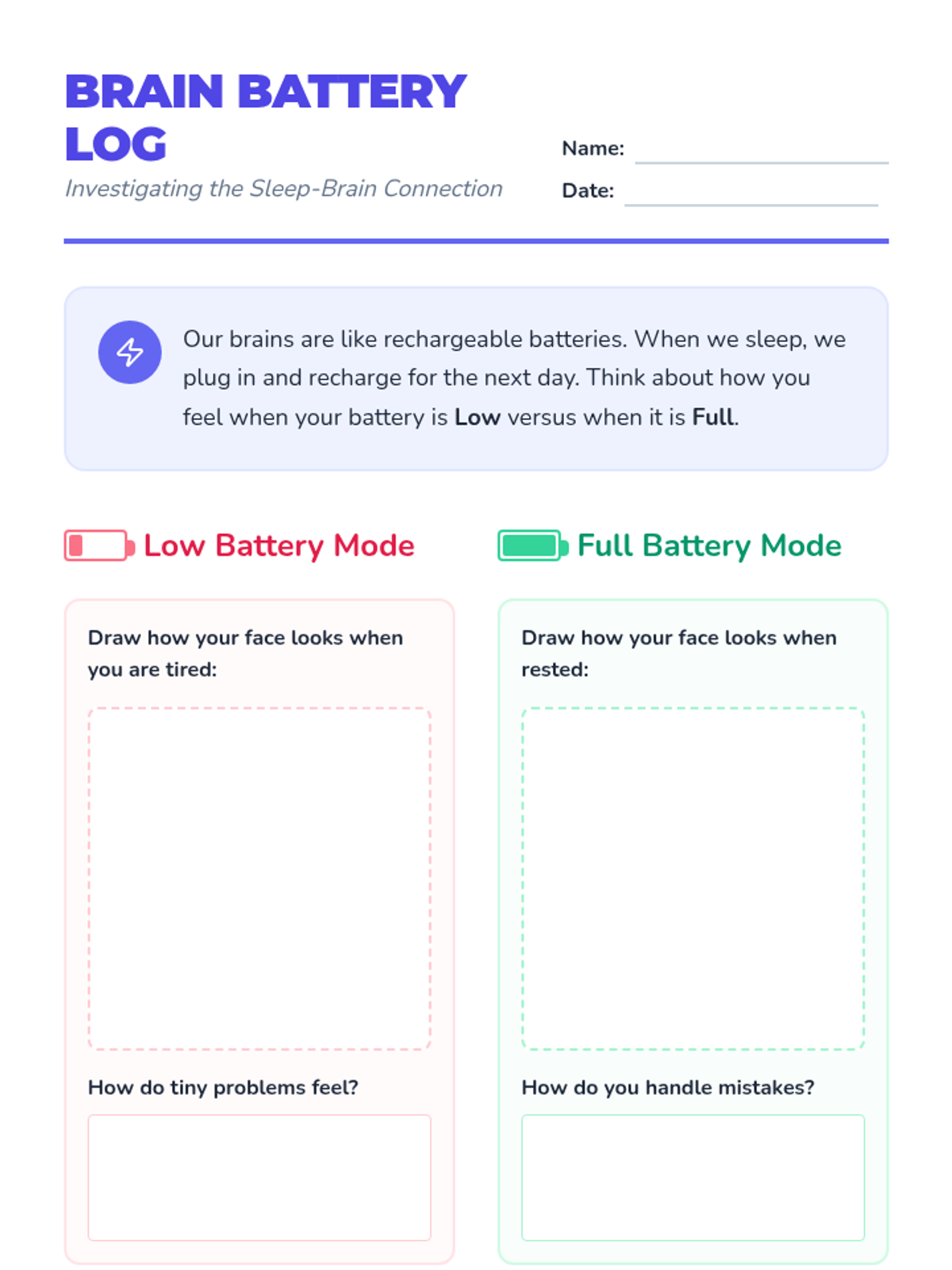
This inquiry-based sequence teaches 3rd graders about the biological necessity of sleep, focusing on energy restoration, circadian rhythms, memory consolidation, and physical growth. Students treat the body as a complex machine that requires a nightly 'power down' for maintenance and recovery.
A project-based unit where 3rd graders explore sleep hygiene, the impact of screens, and relaxation techniques to design their own personalized bedtime routines for better mood and school success.
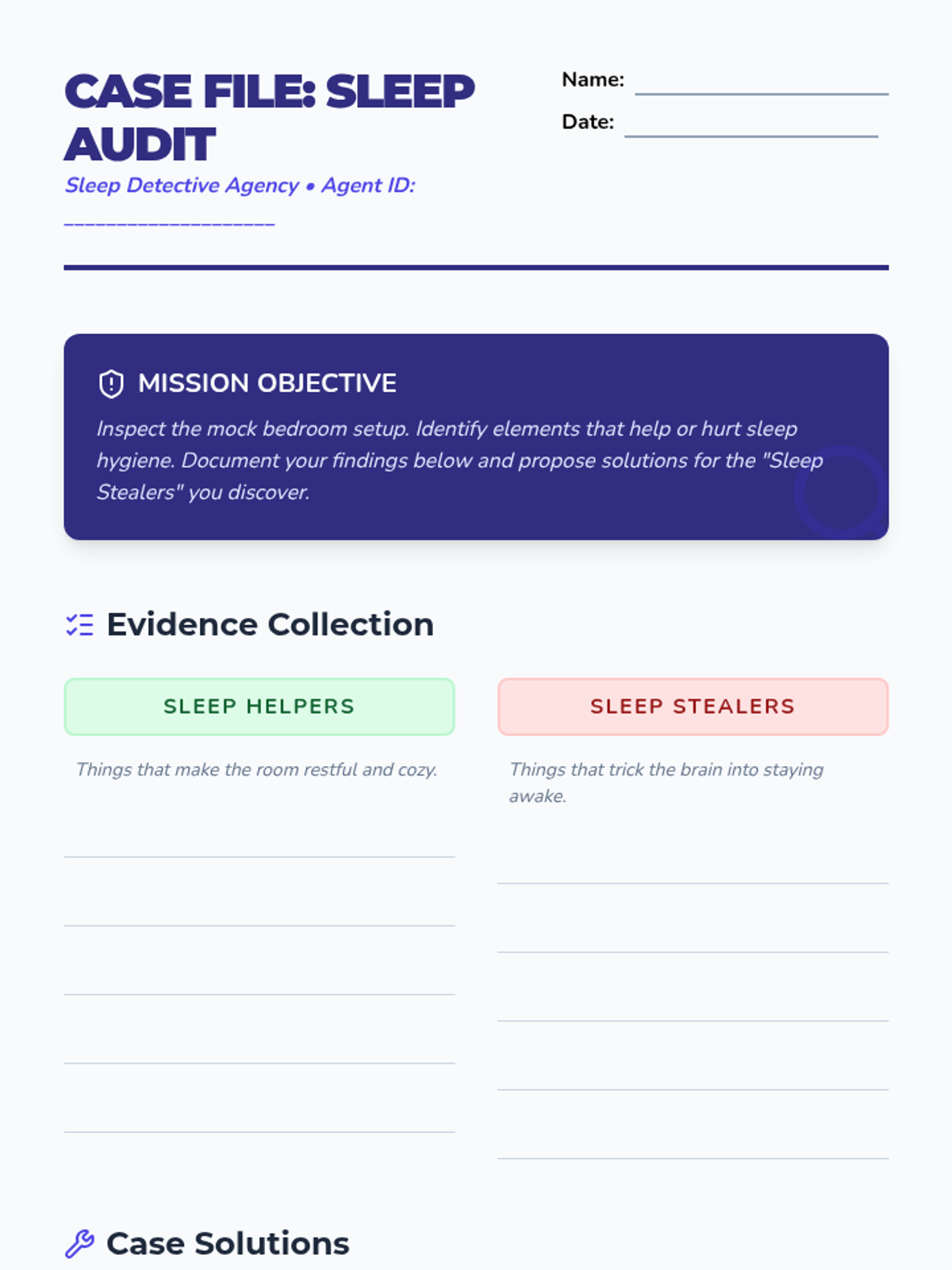
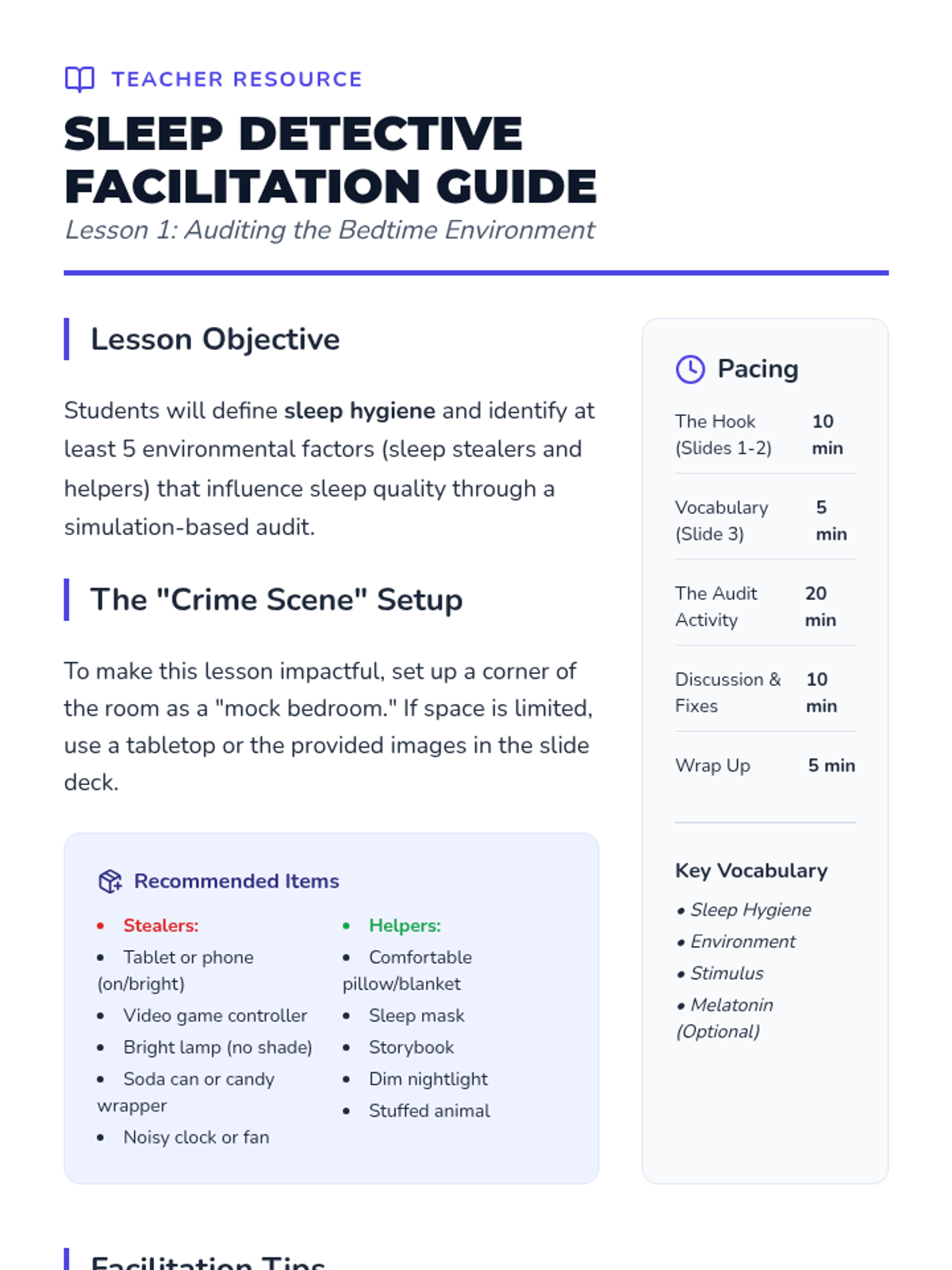
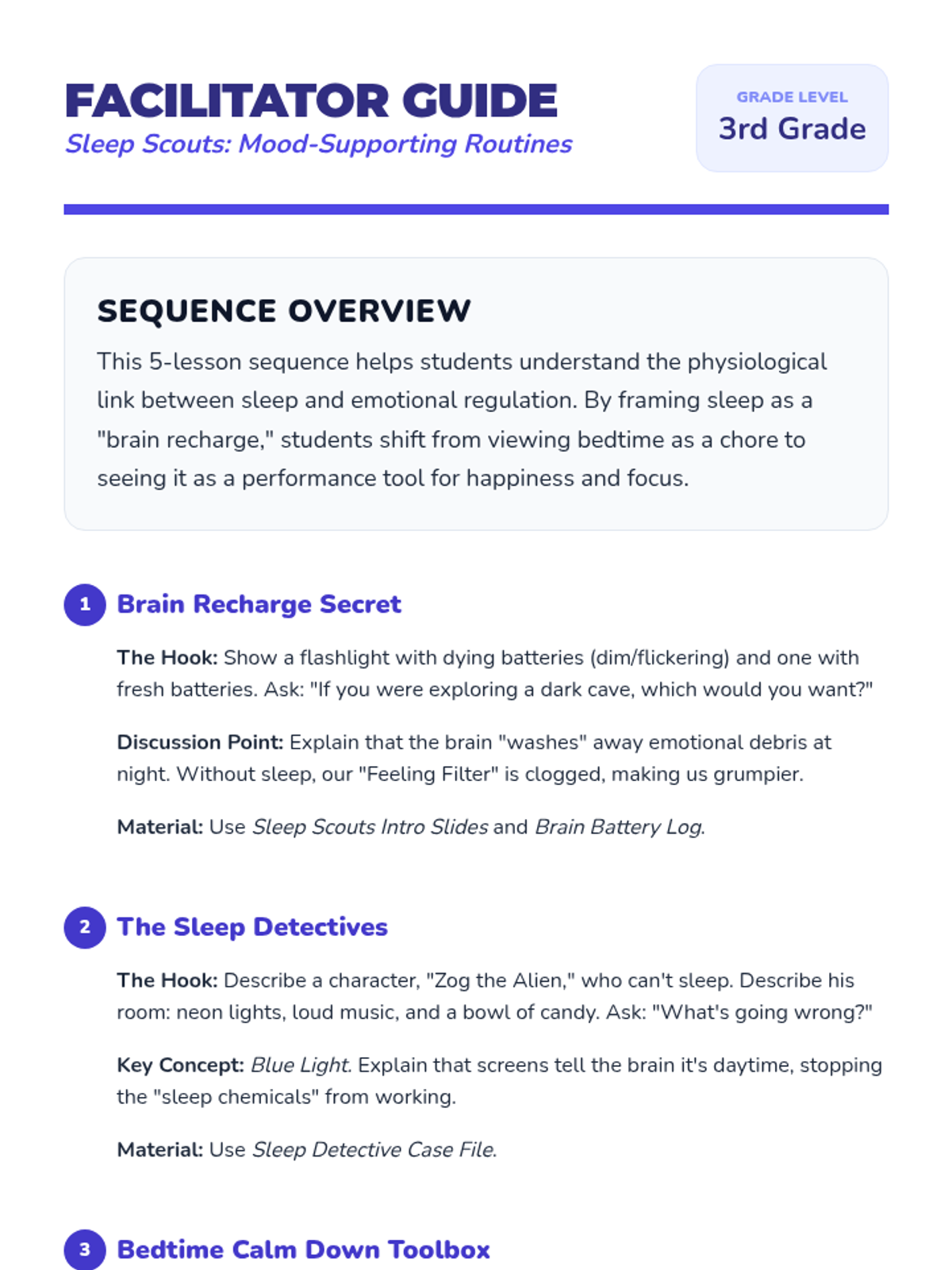
A comprehensive sequence for 3rd graders to understand the science of sleep, its impact on emotional regulation, and how to build restorative evening routines. Students will investigate the sleep-brain connection, identify 'sleep stealers', practice relaxation techniques, and design their own personalized bedtime checklists.
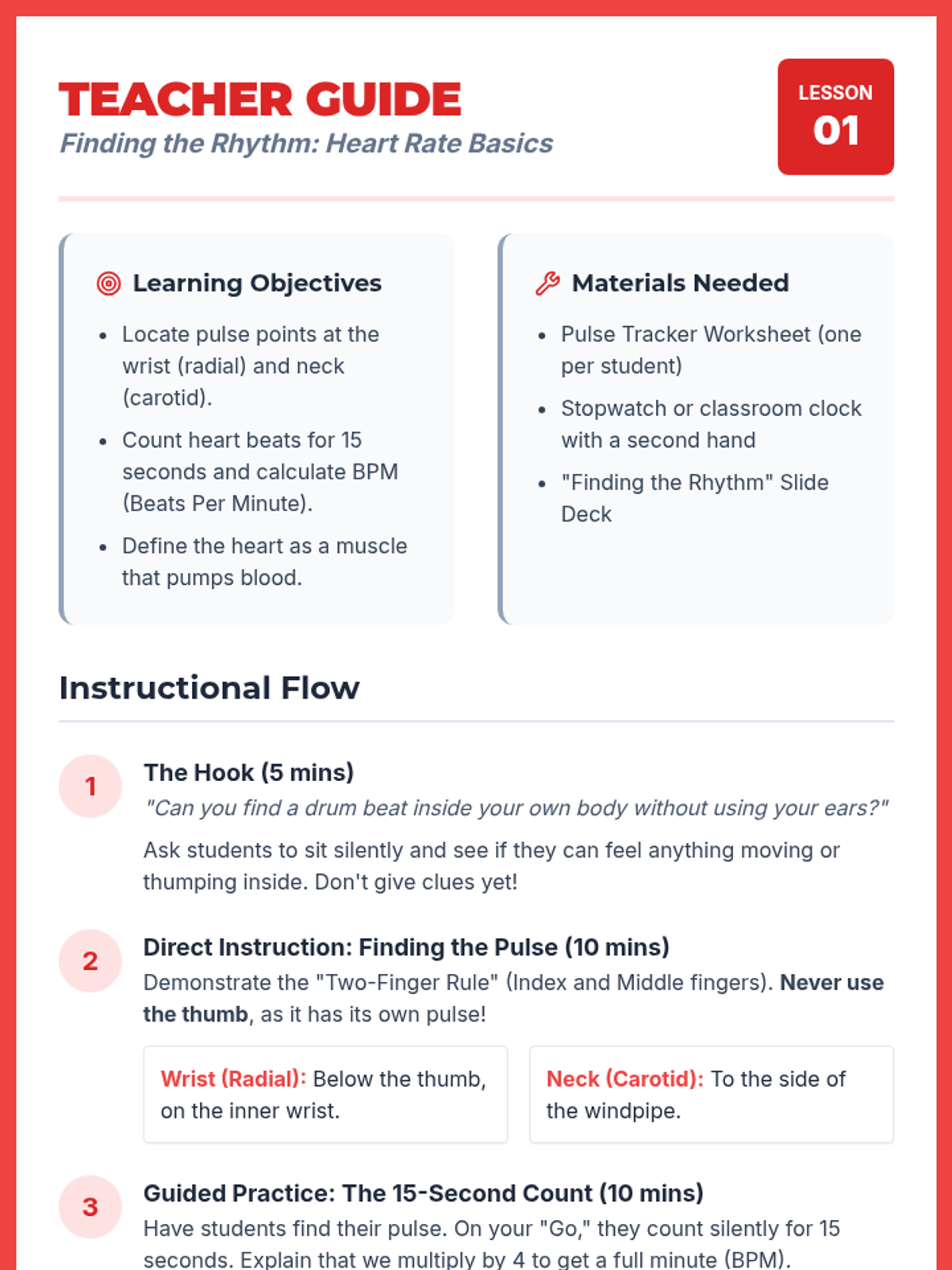
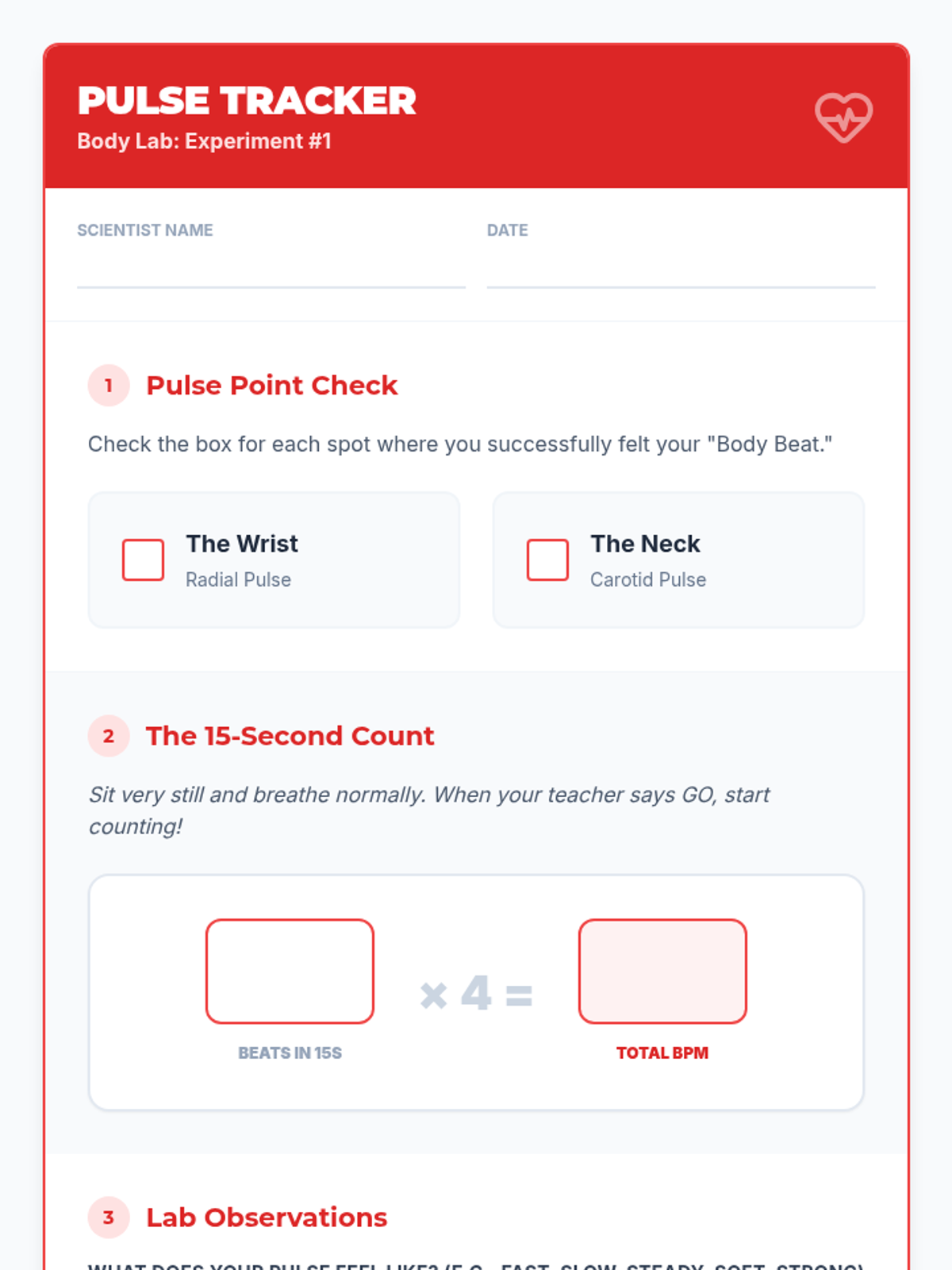
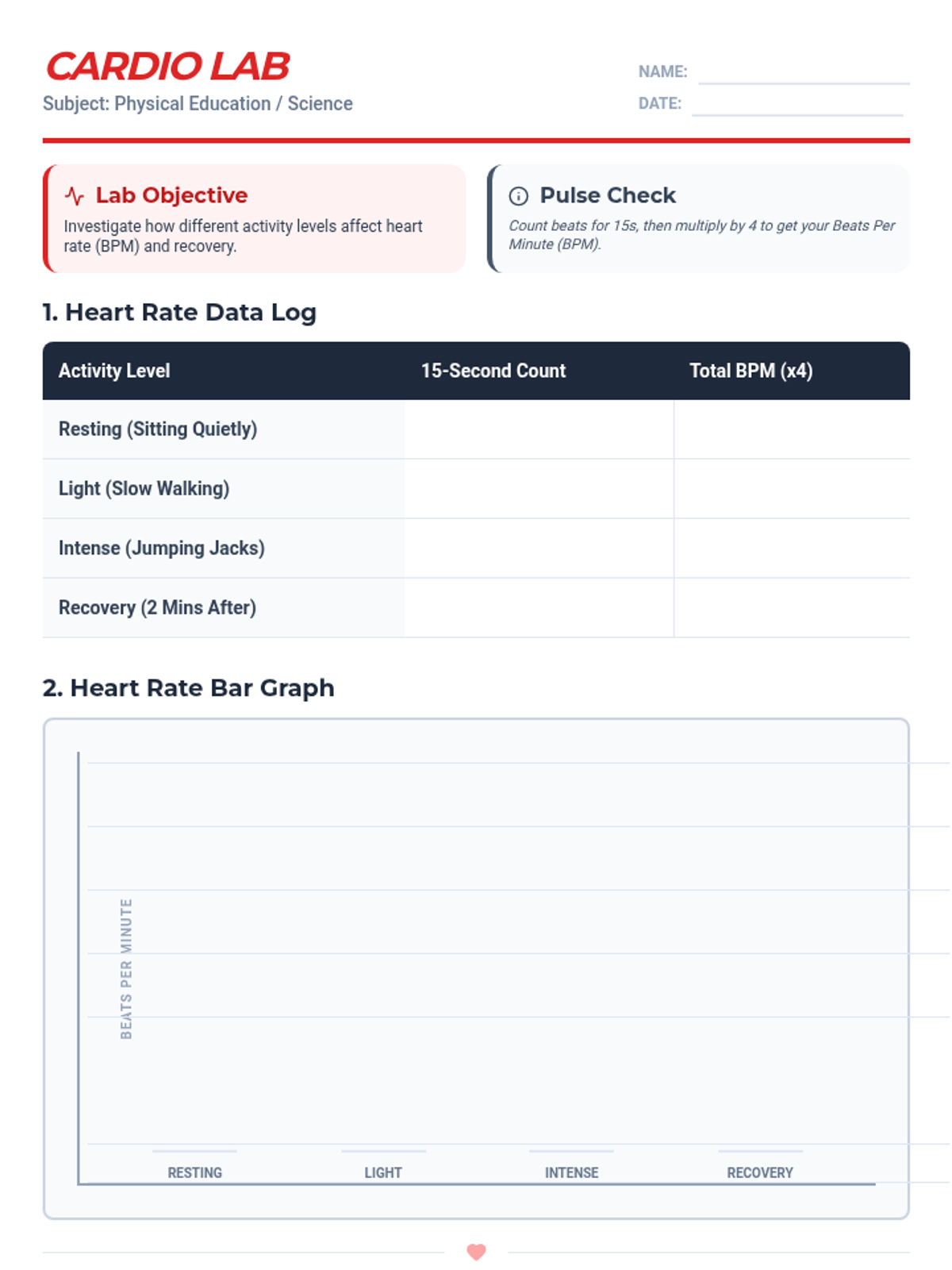
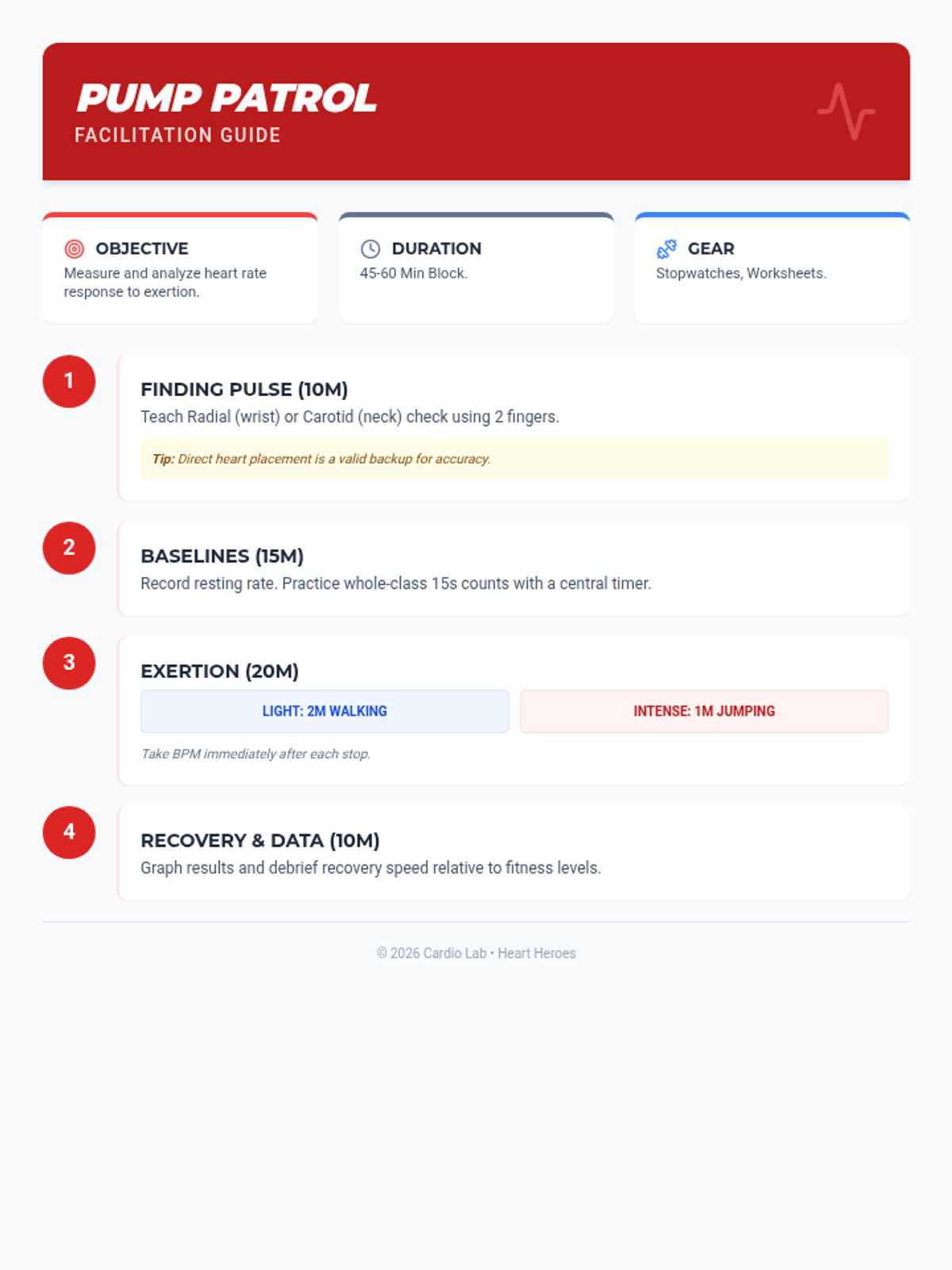
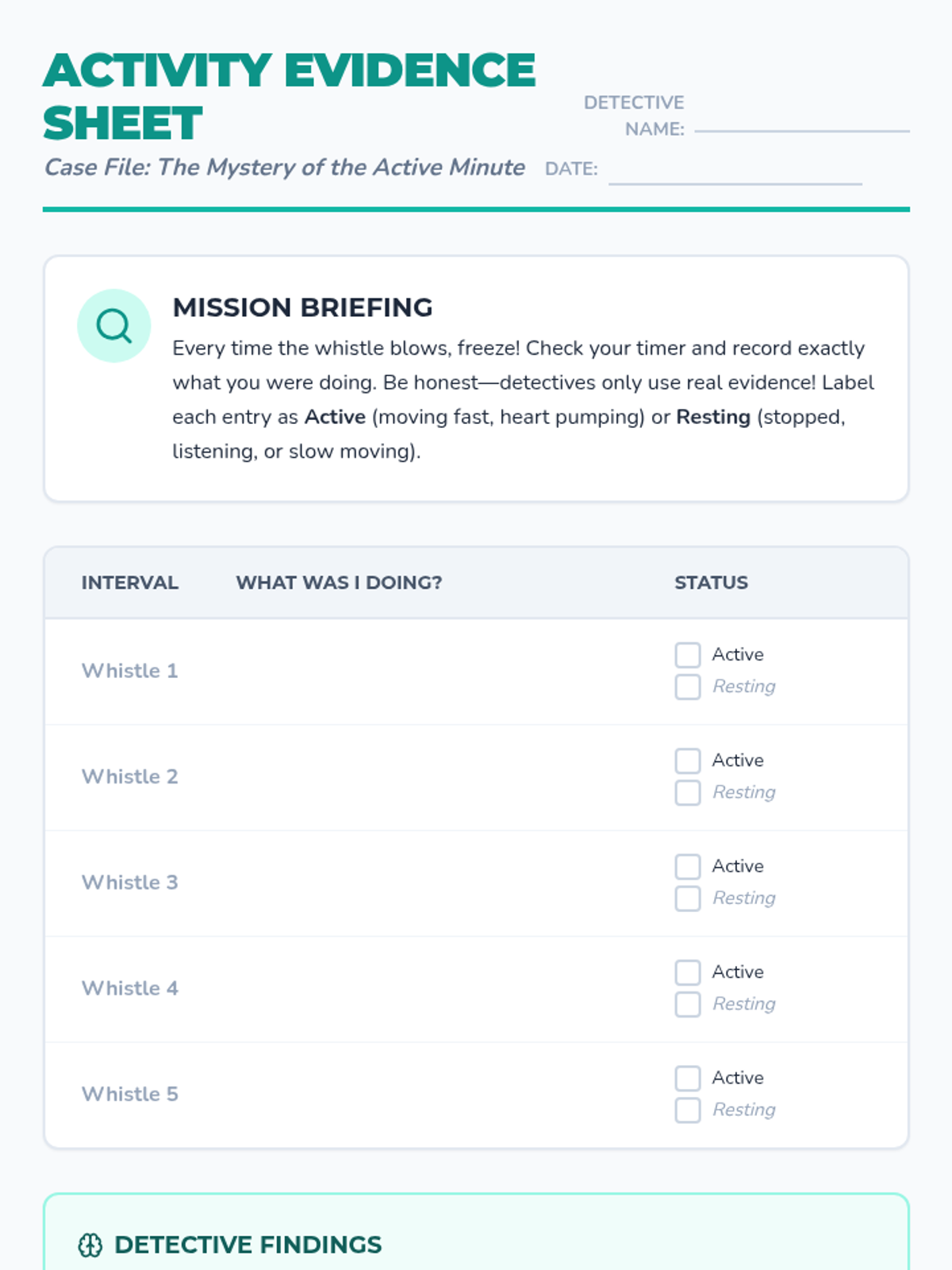
A comprehensive 5-lesson unit for 3rd-grade students exploring how the human body responds to physical exertion, including heart rate measurement, intensity categorization, and the importance of recovery.
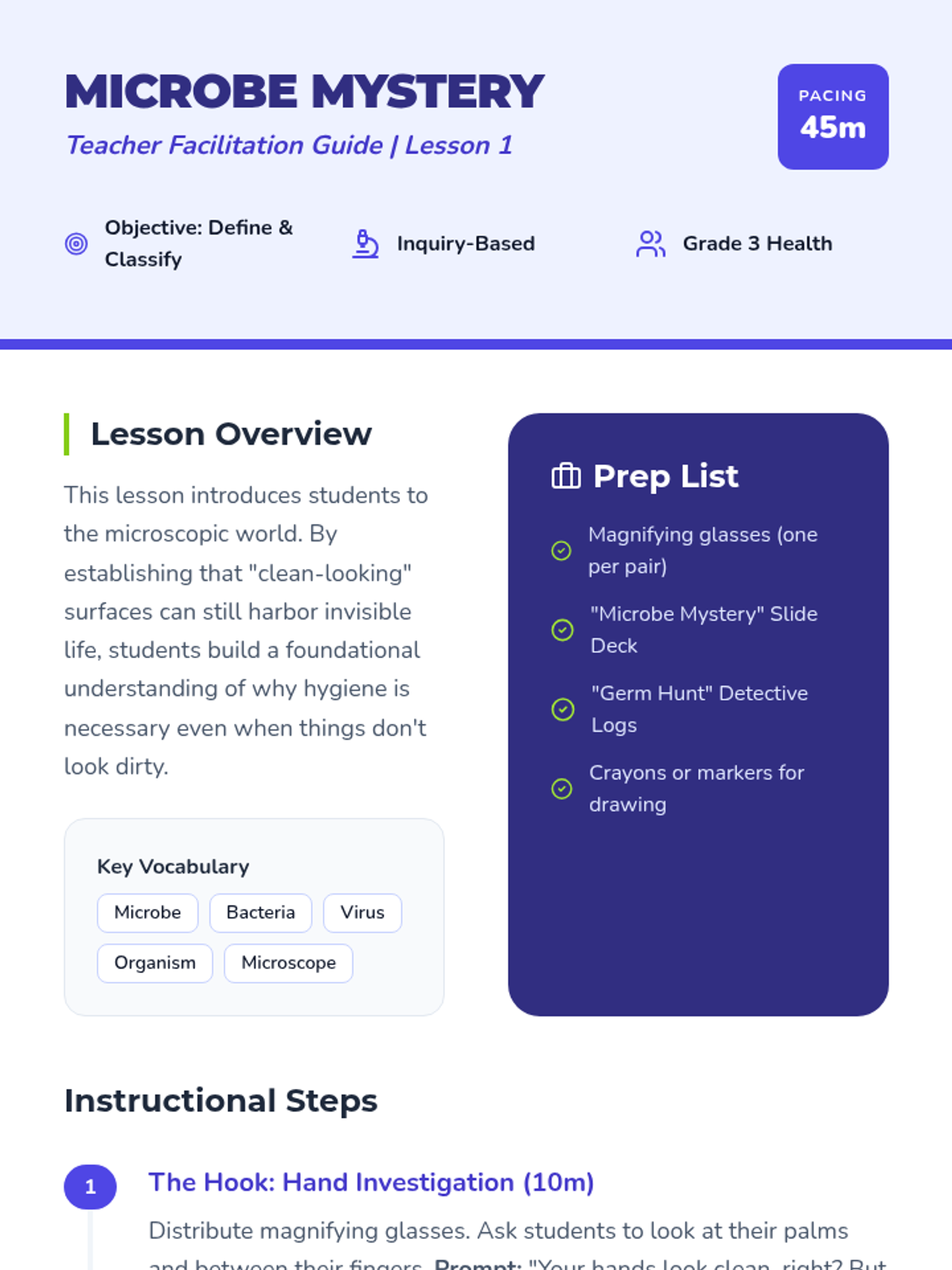
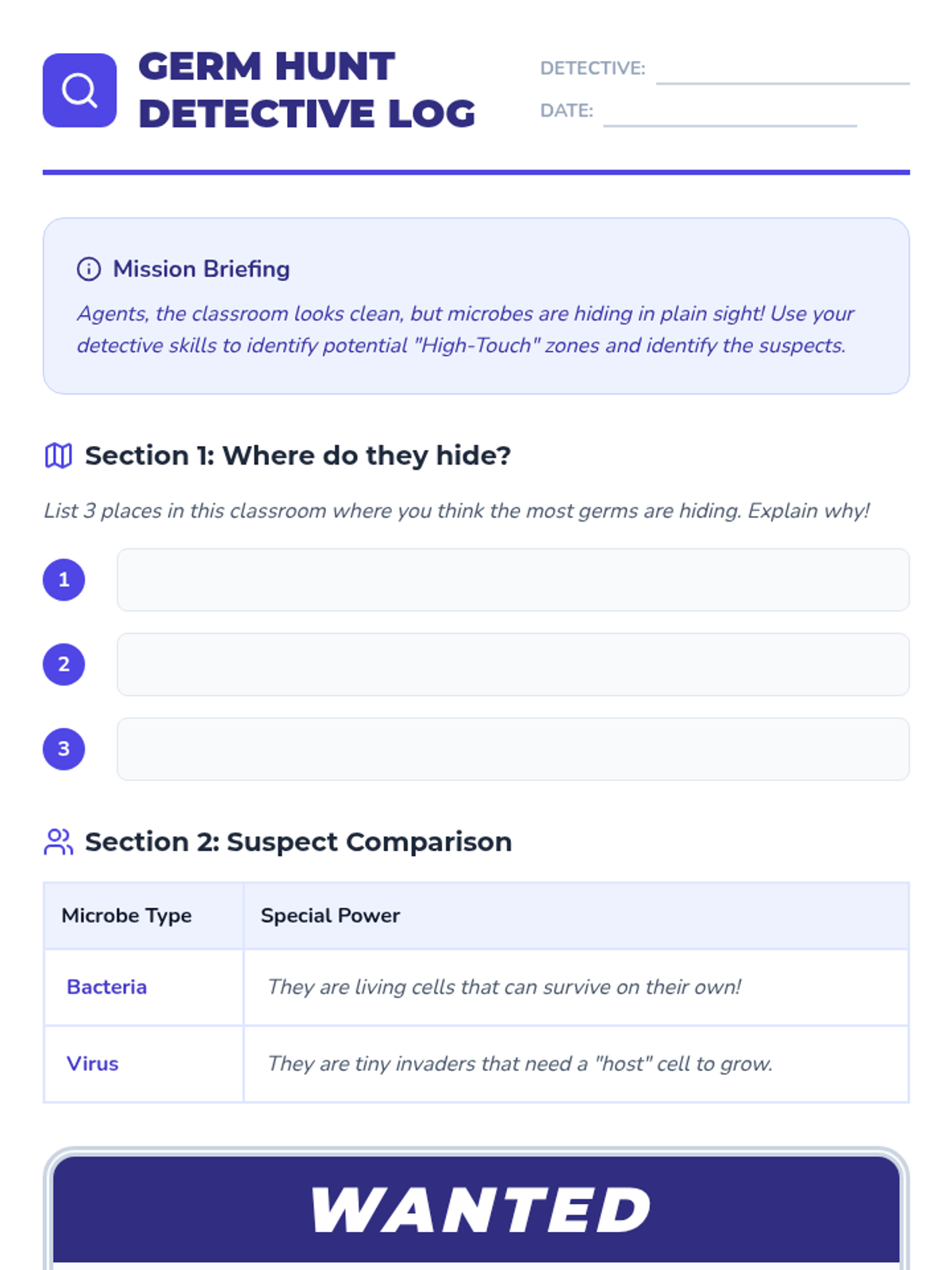
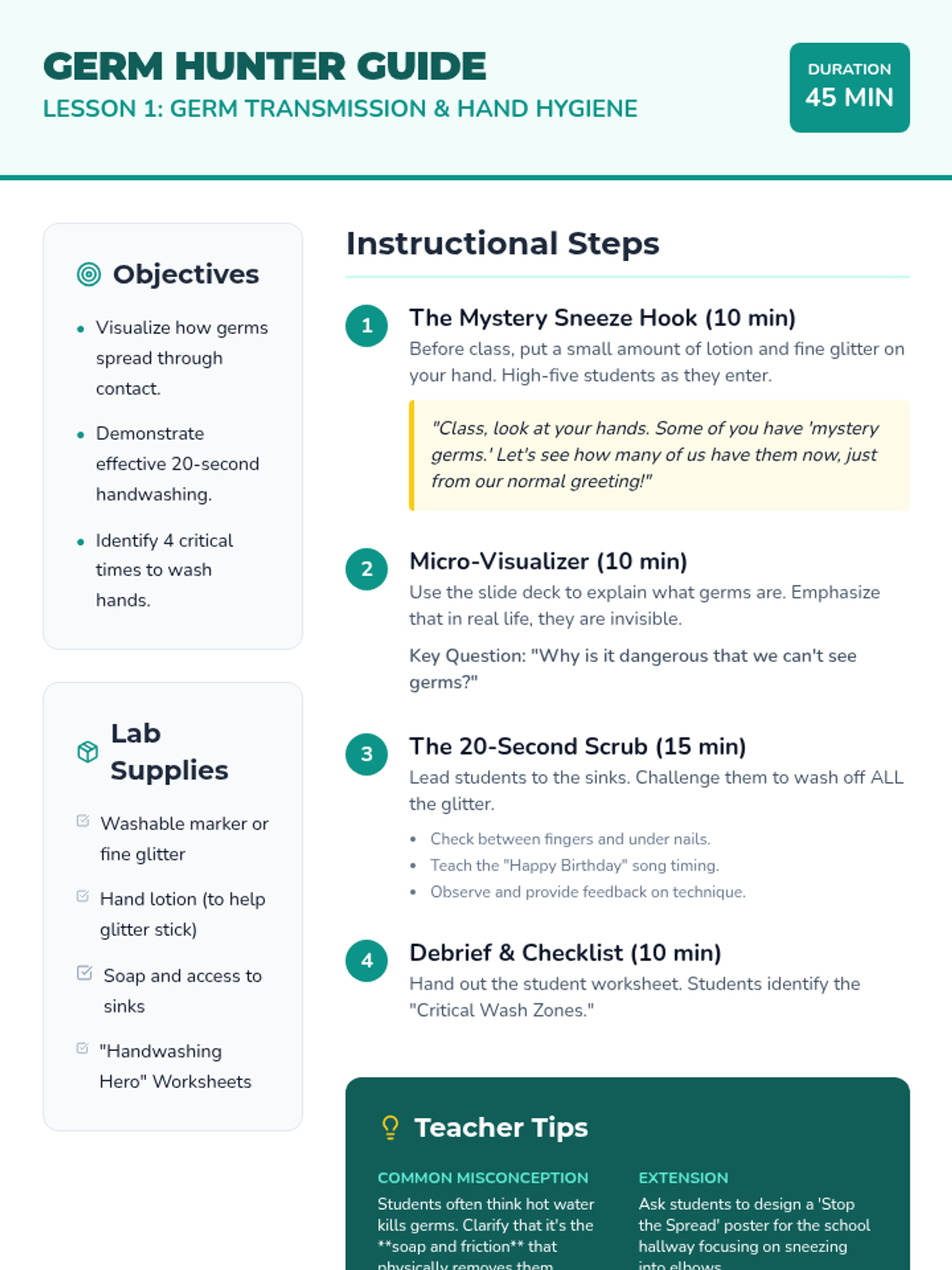
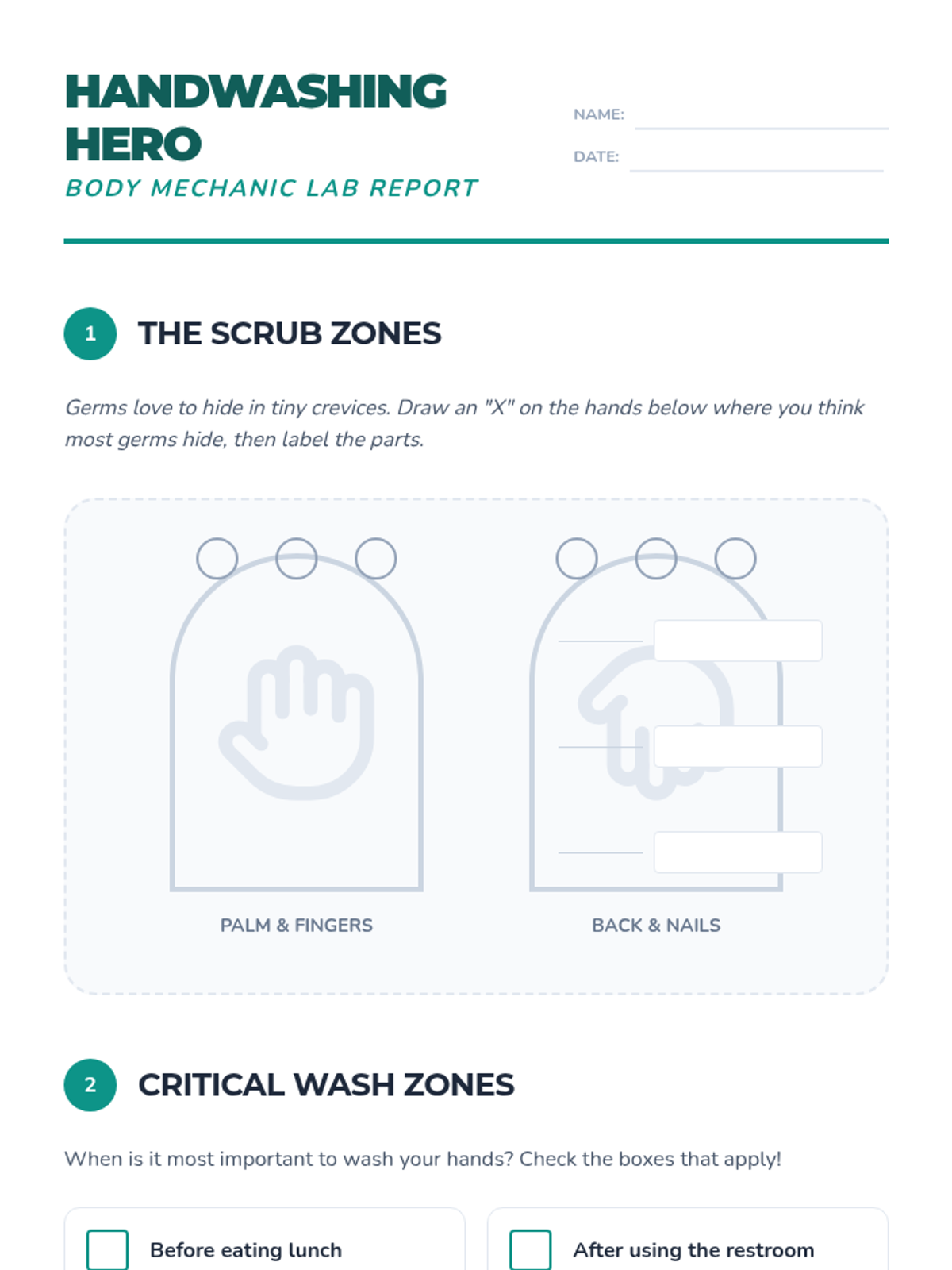
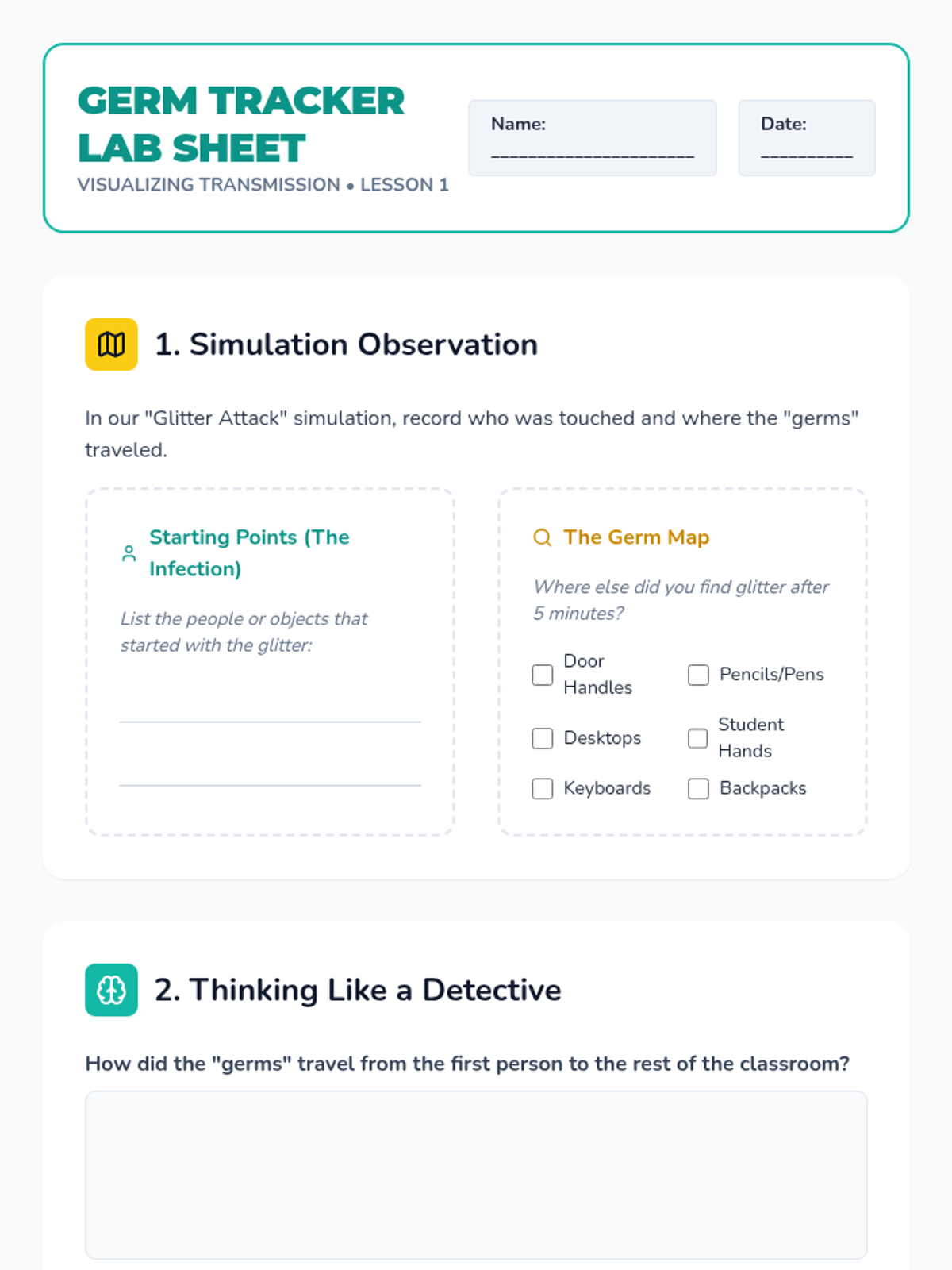
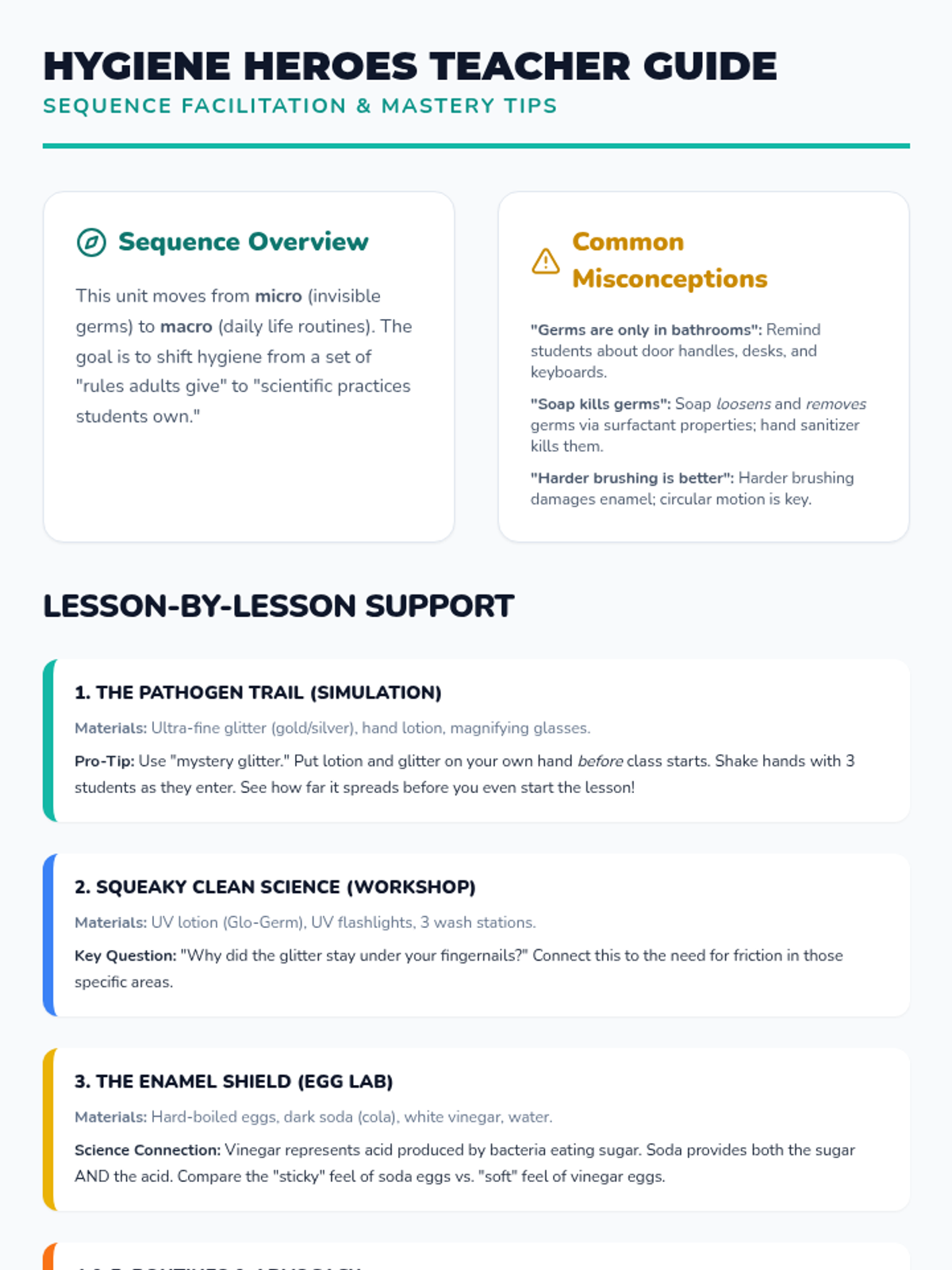
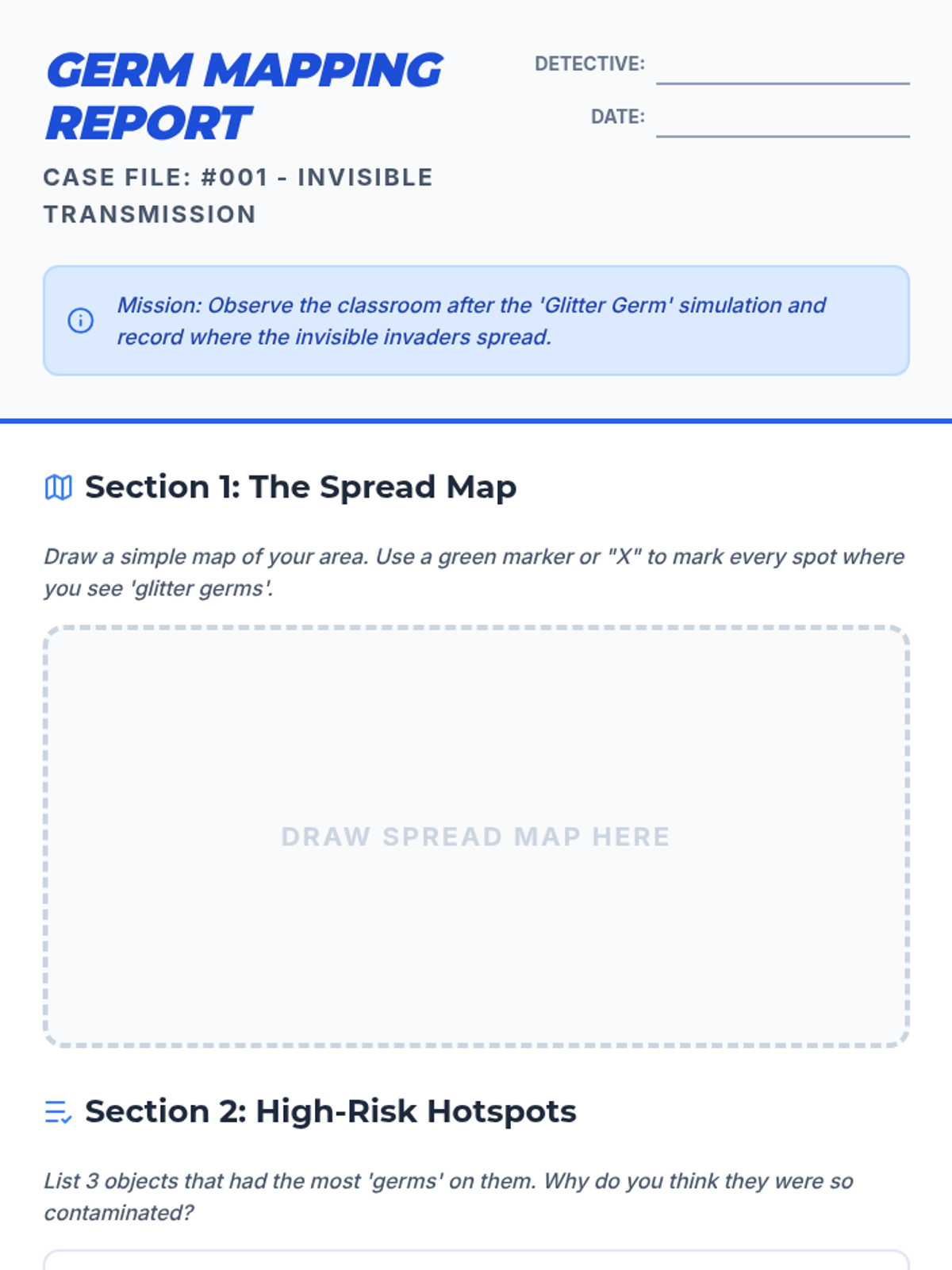
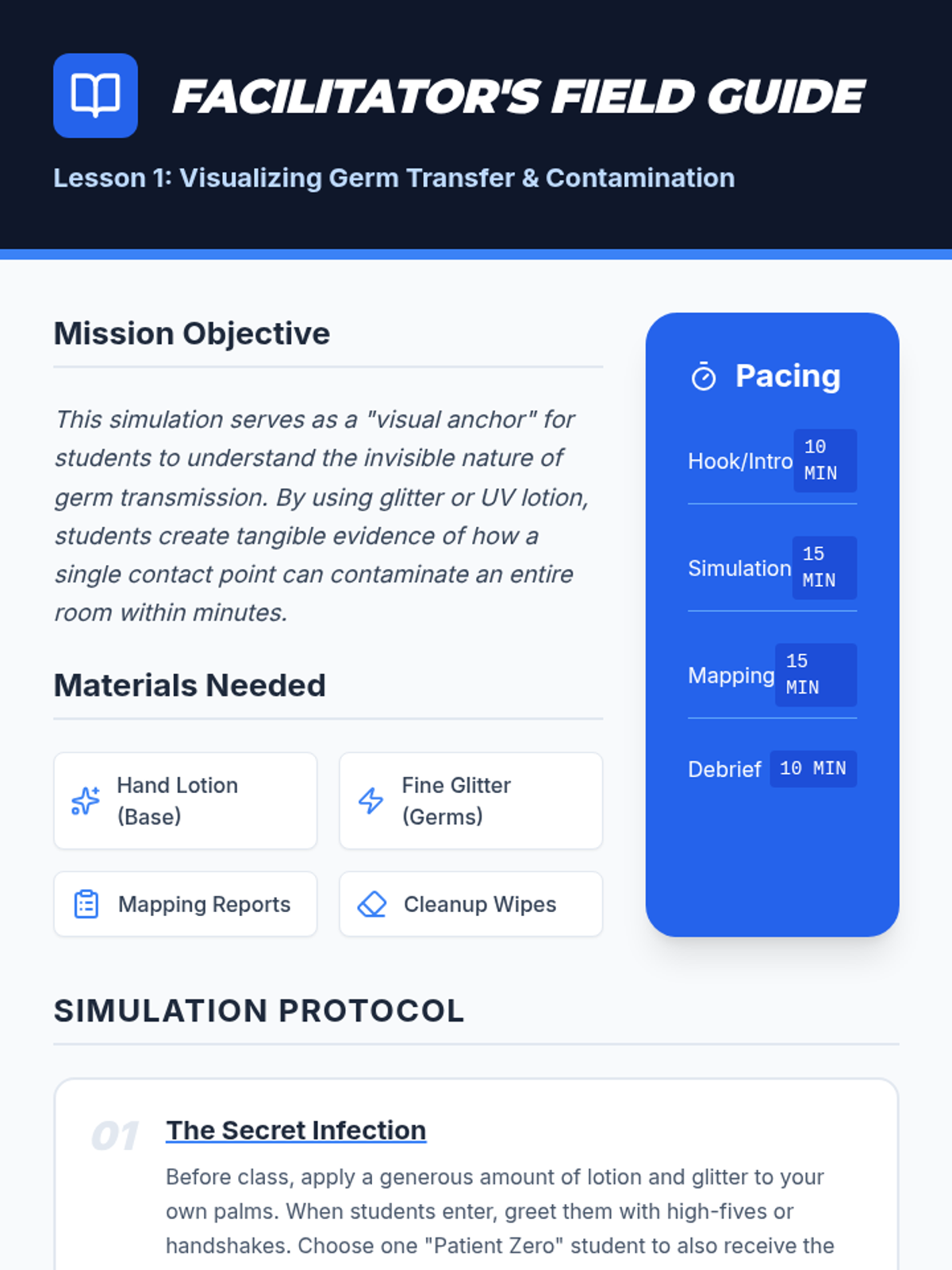
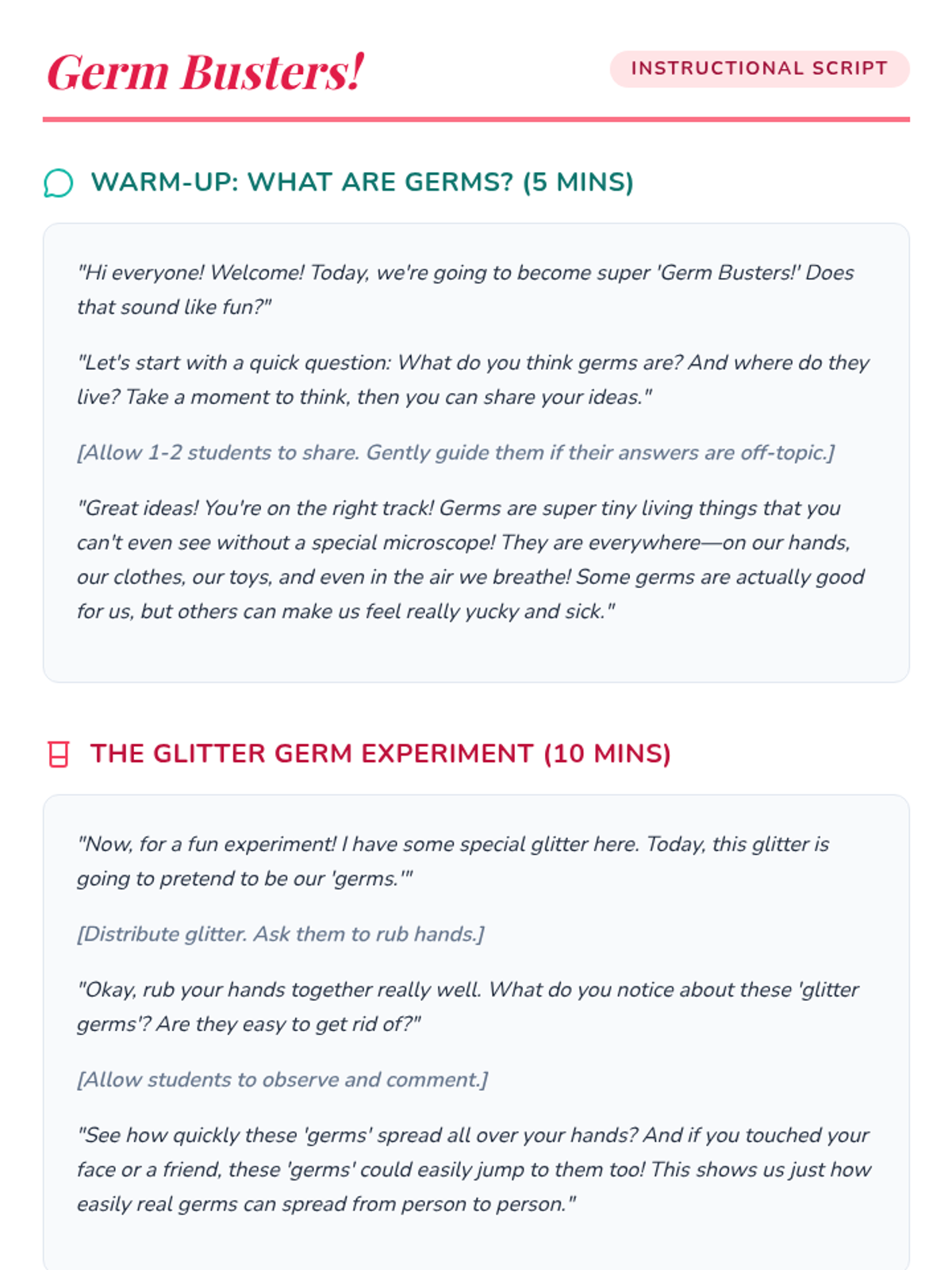
A comprehensive 3rd-grade health sequence exploring germs, transmission pathways, immune defenses, and personal hygiene routines through inquiry and hands-on simulations.
A comprehensive health sequence for 3rd graders focused on hygiene, nutrition, and self-care. Students learn the science behind daily habits and design a personalized wellness tracking system.
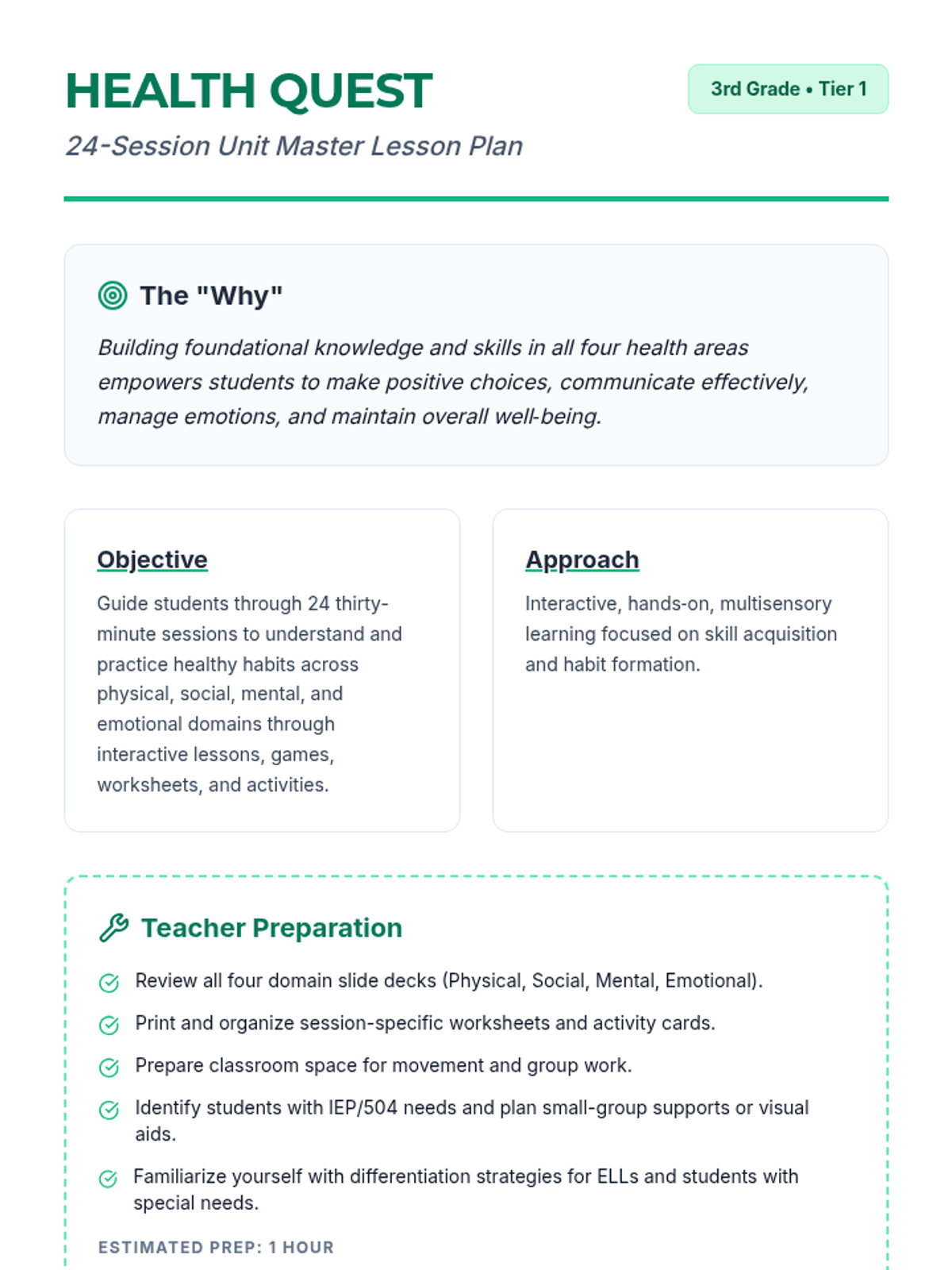
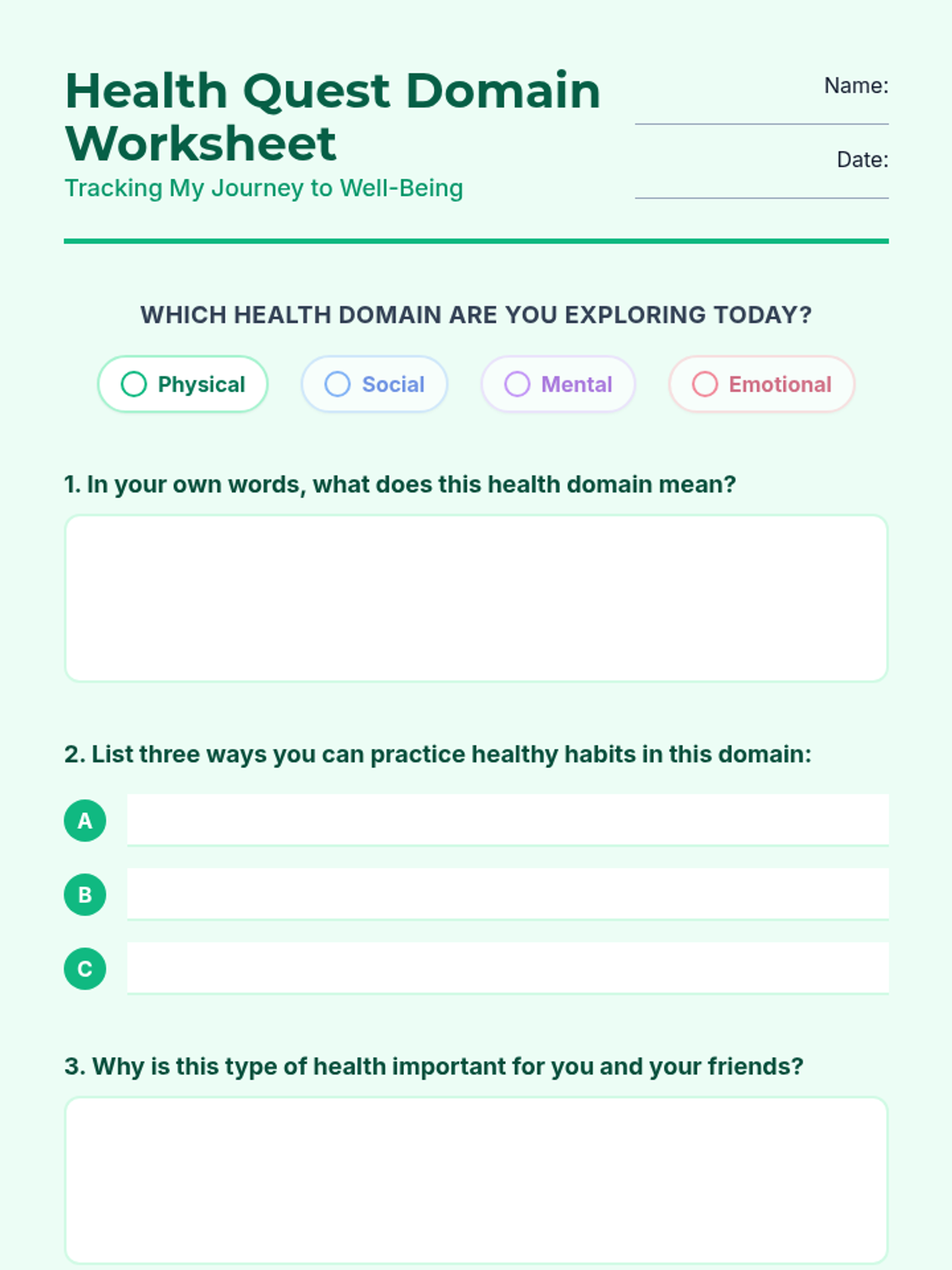
A 24-session unit for 3rd graders exploring the four domains of health—physical, social, mental, and emotional—through interactive lessons, activities, and reflections.
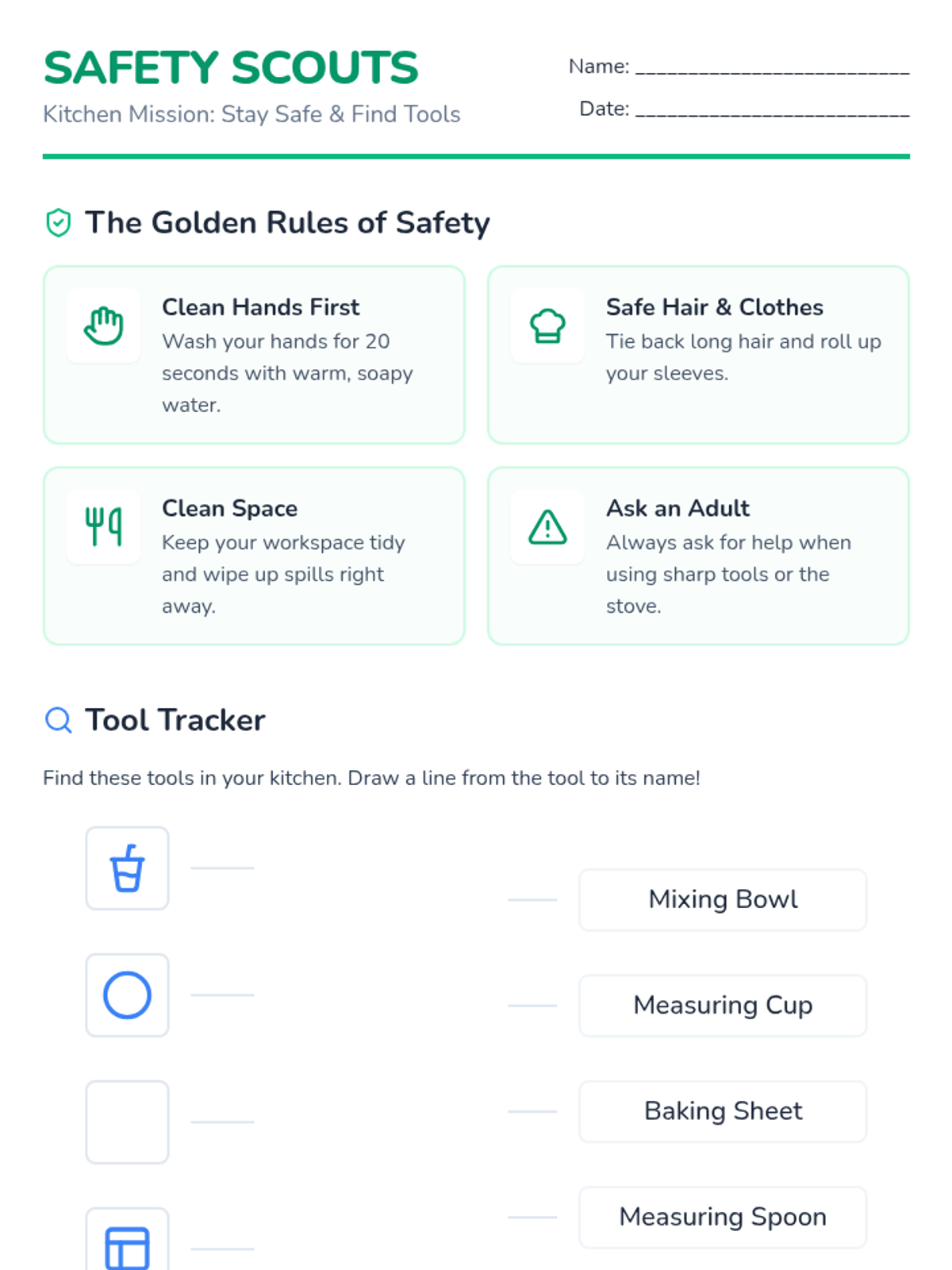
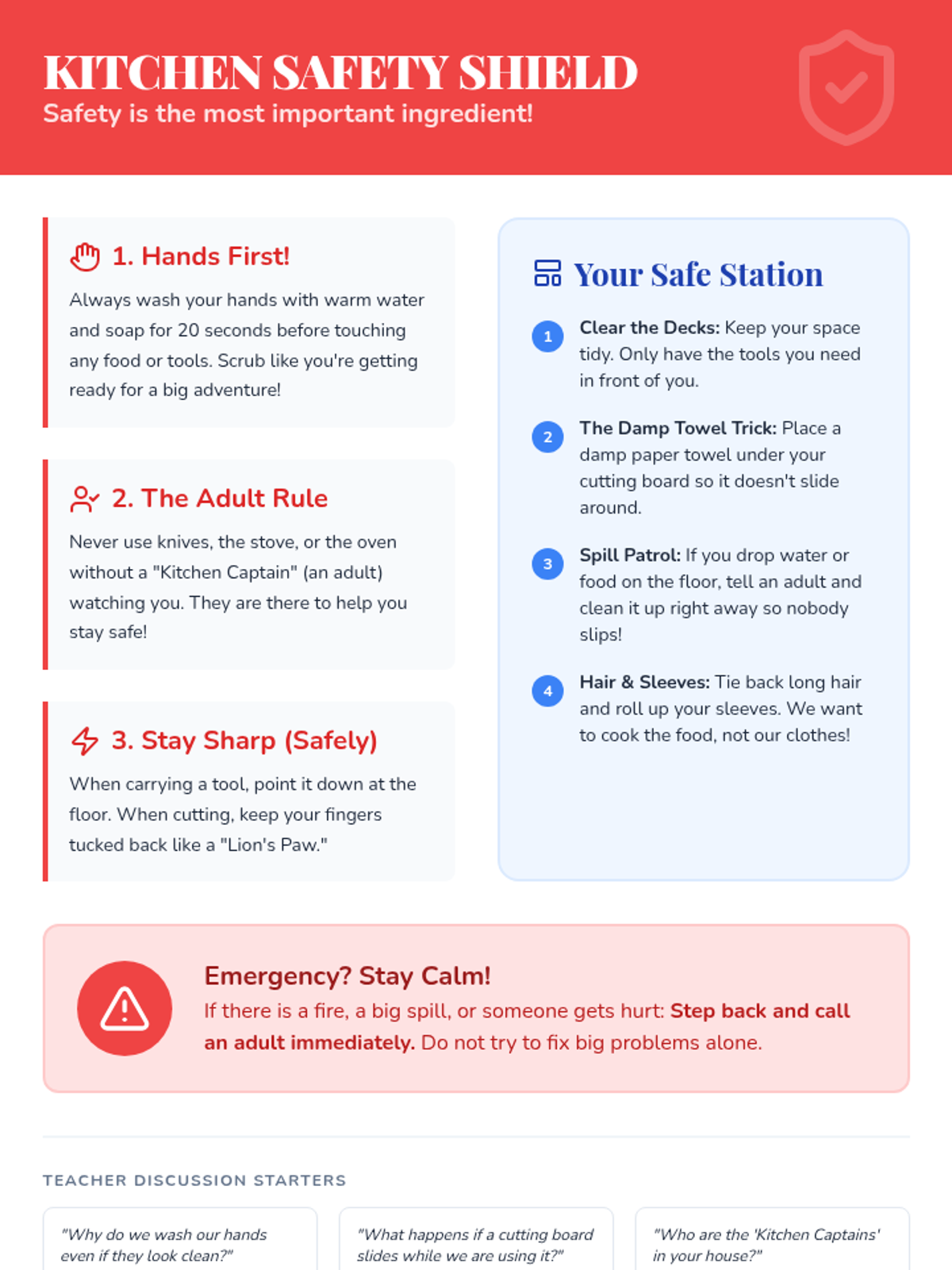
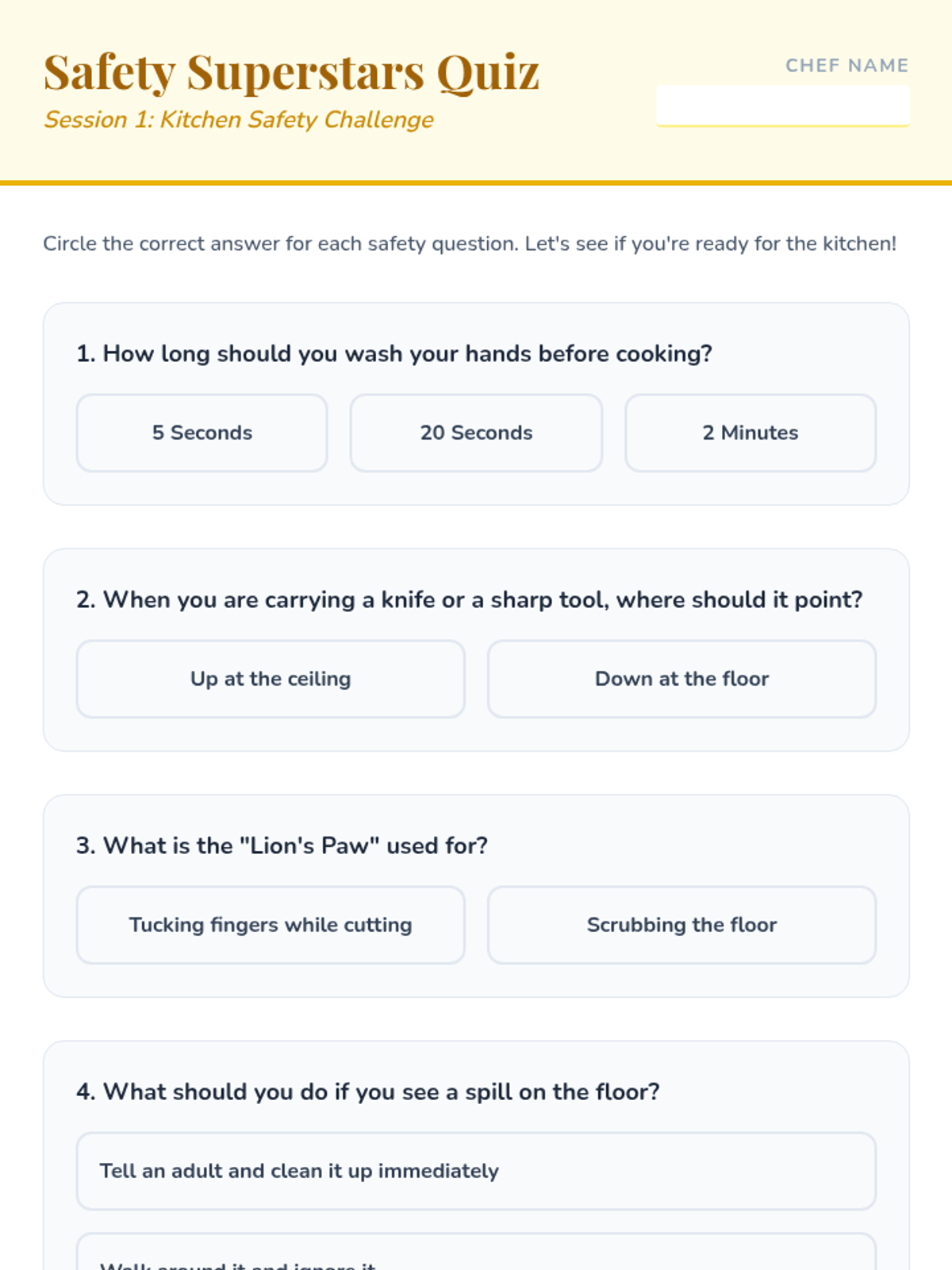
A 2-lesson unit designed to introduce elementary students to kitchen safety, tool identification, and visual recipe following through the creation of no-bake energy bites.
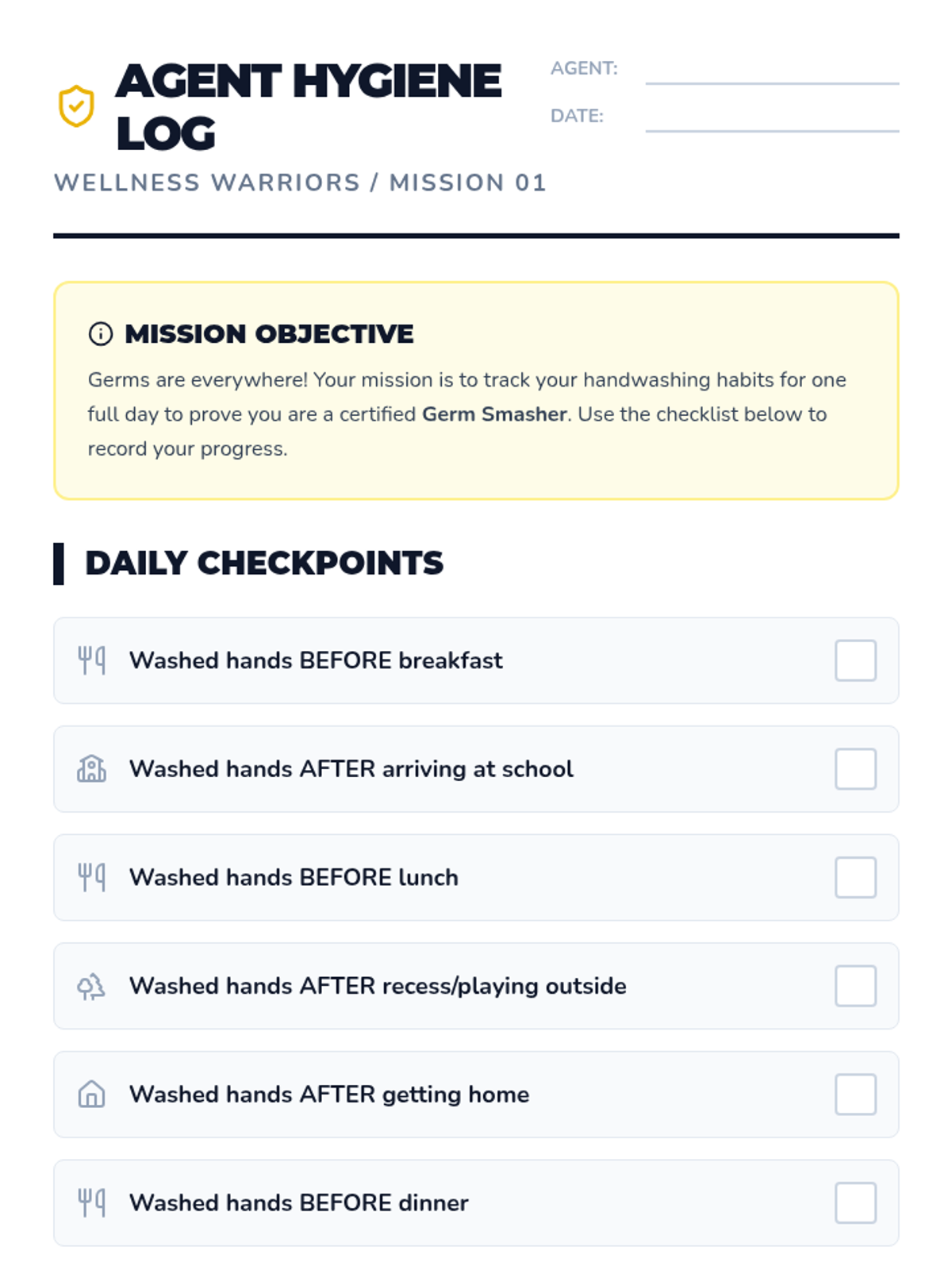
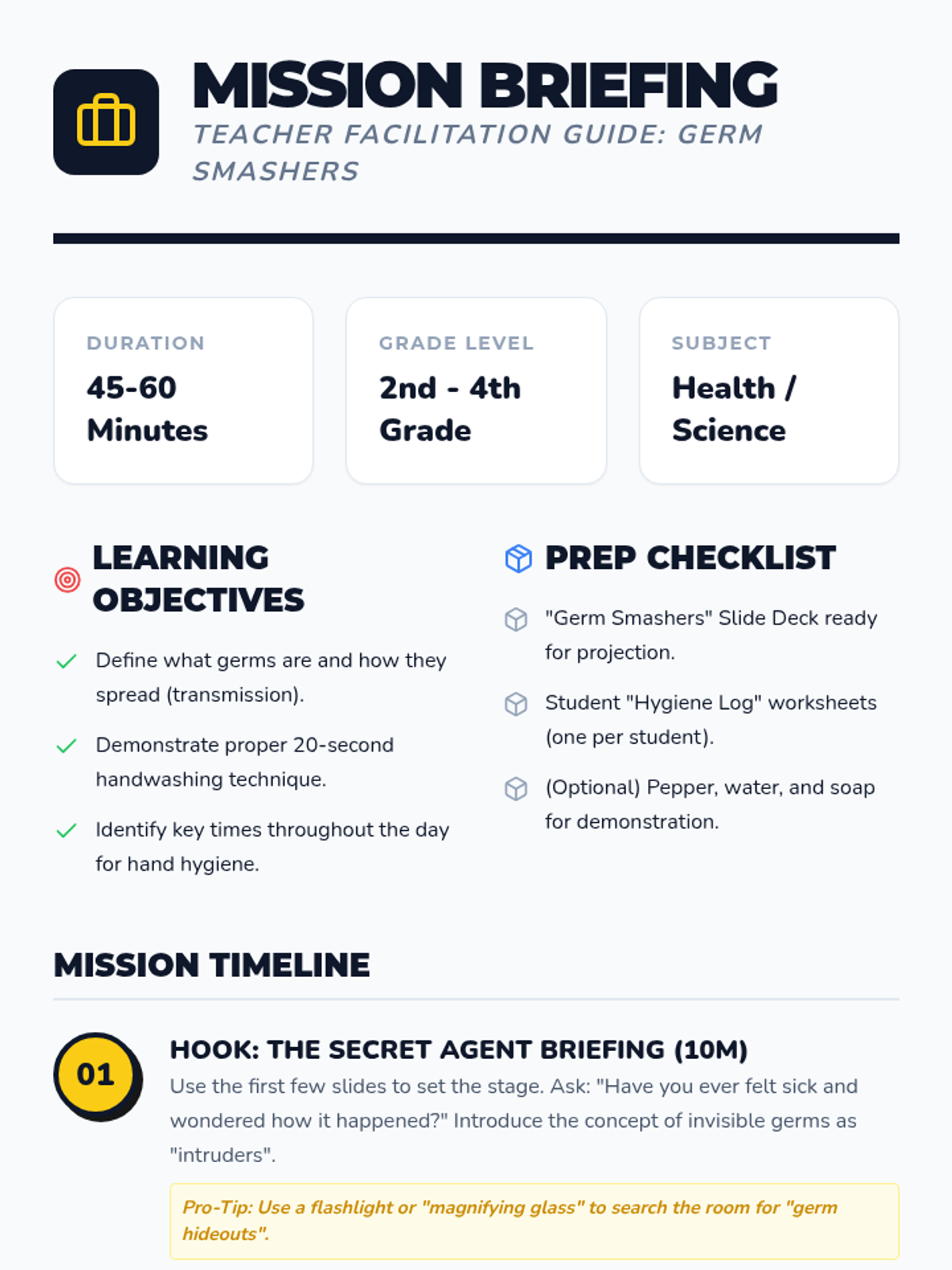
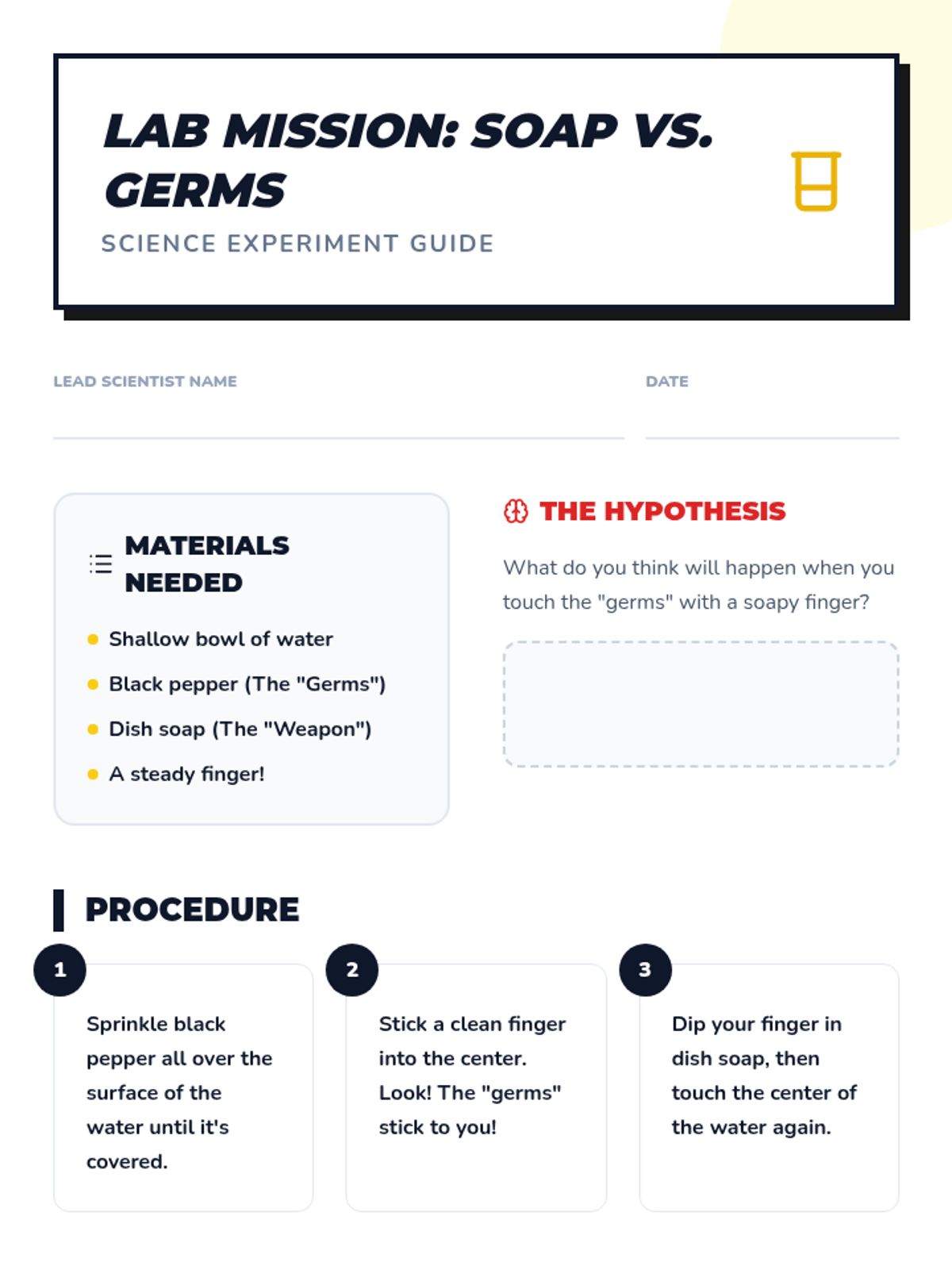
A comprehensive unit designed for elementary students to explore the pillars of personal health, focusing on hygiene, nutrition, and mental well-being through an engaging 'Secret Agent' theme. Students become Health Agents on a mission to protect their bodies and minds.
A functional biology curriculum designed for life skills students, focusing on practical knowledge of nutrition, personal hygiene, and environmental stewardship through hands-on activities and visual aids.
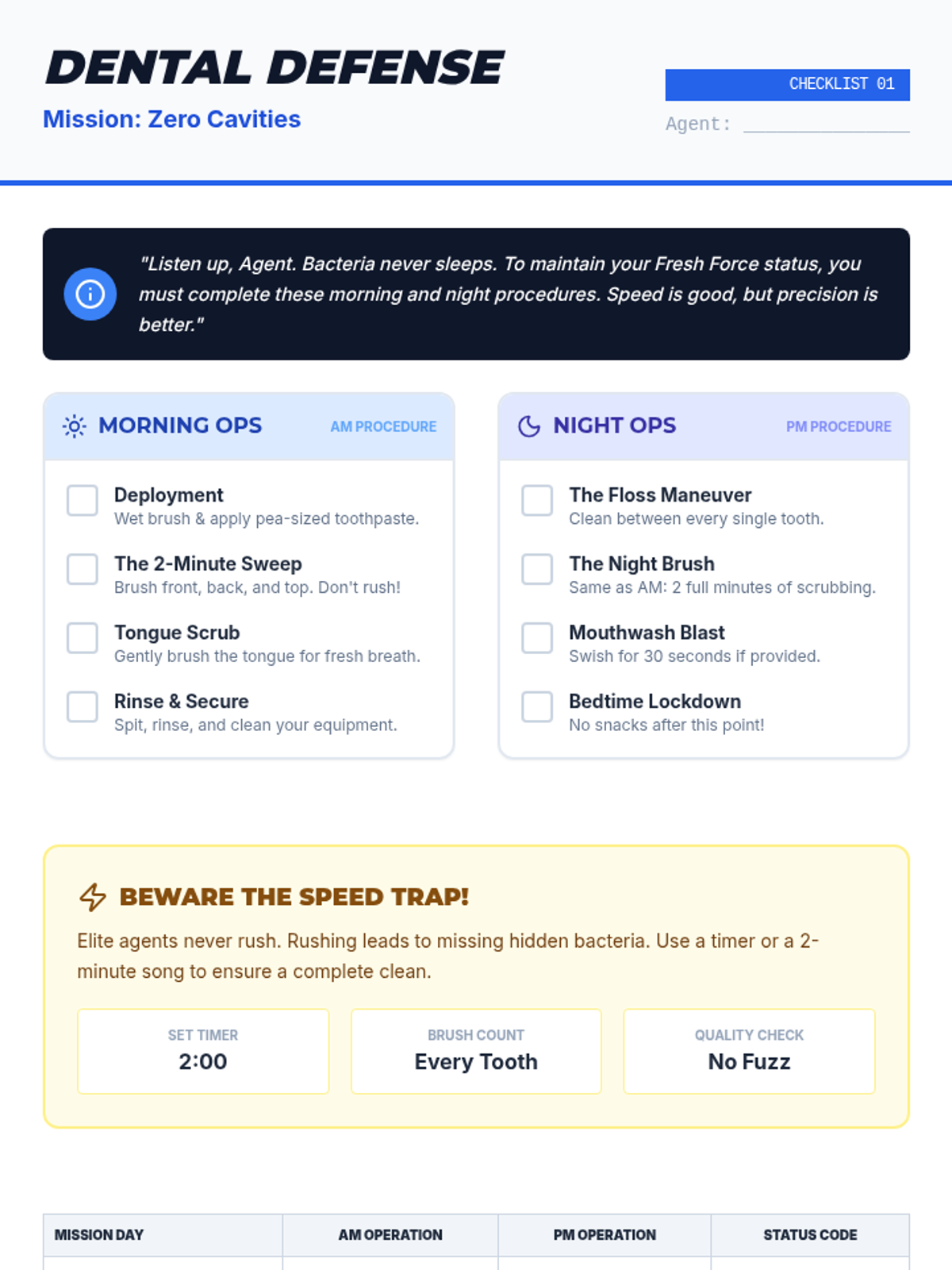
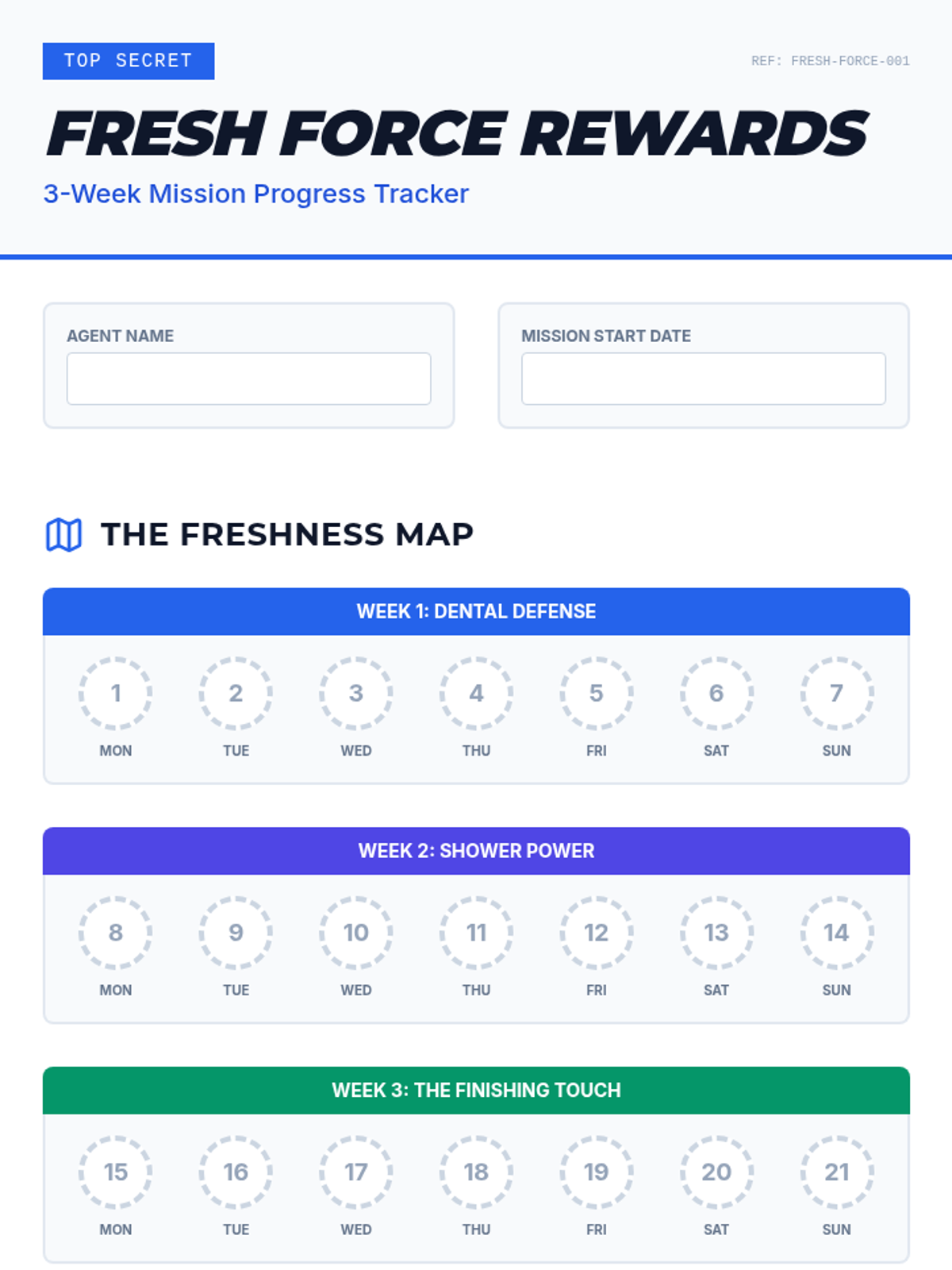
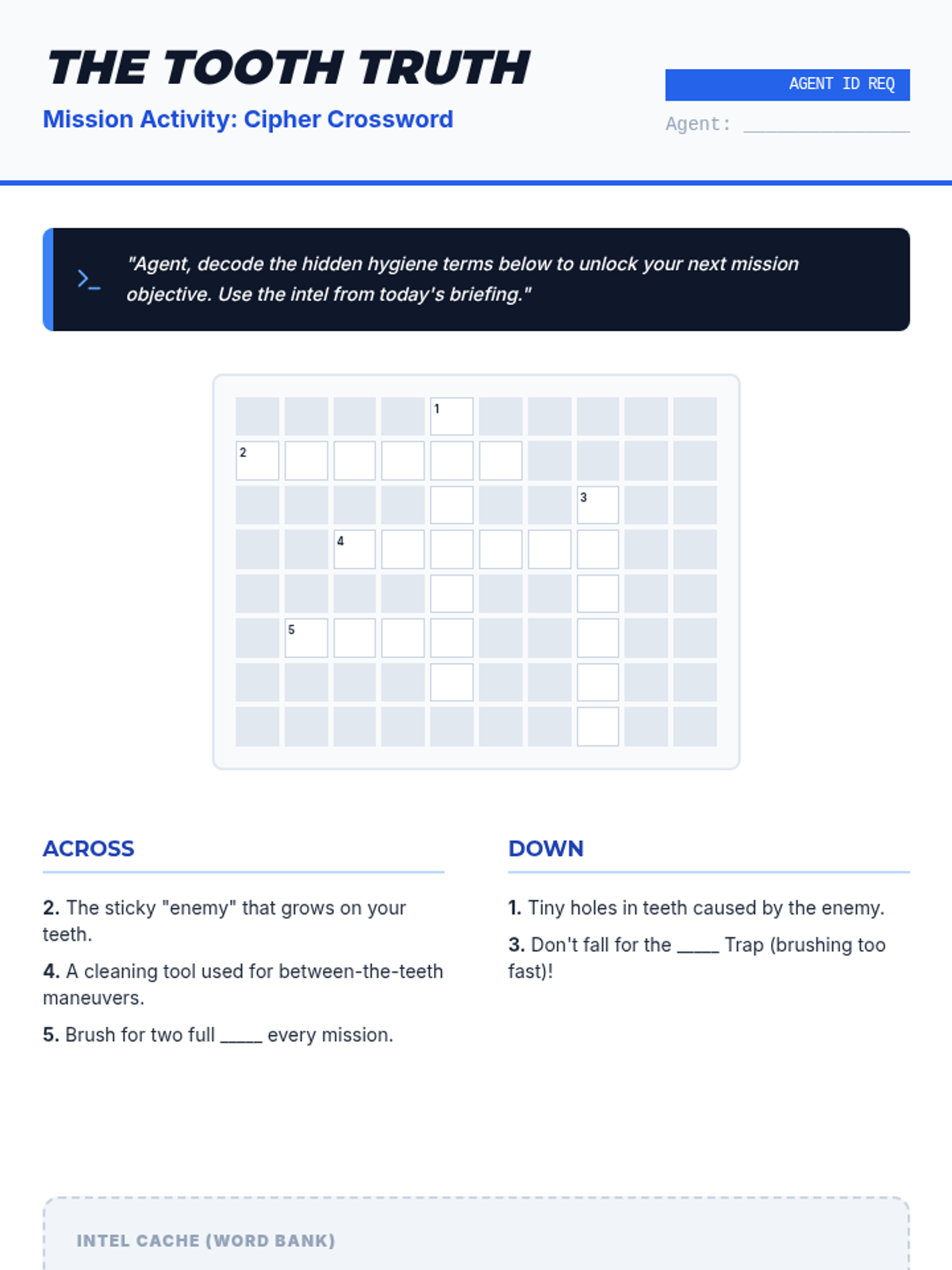
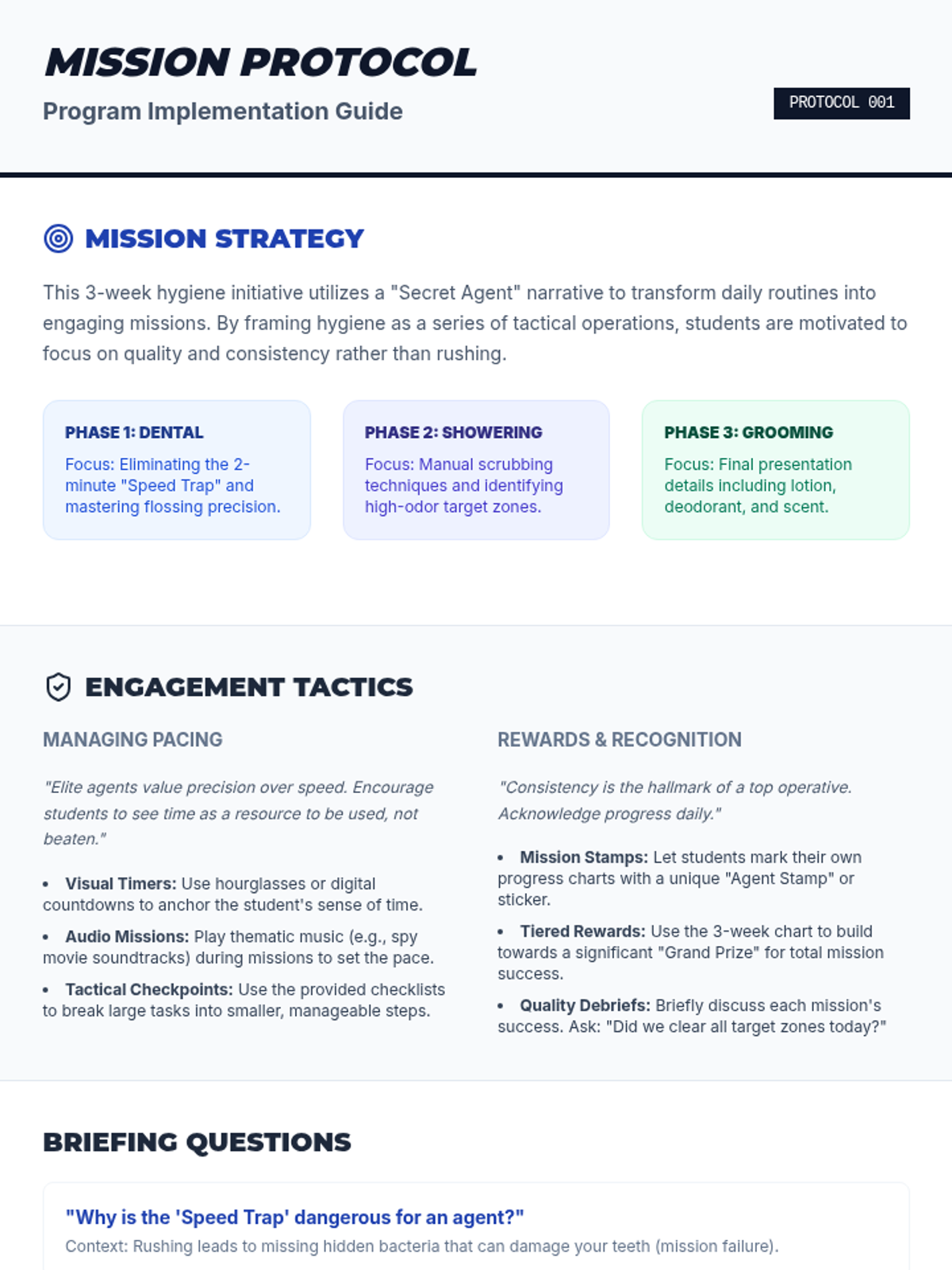
A three-week hygiene program designed for 3rd-grade boys with ADHD, using a 'Secret Agent' theme to encourage daily habits in dental care, showering, and grooming.
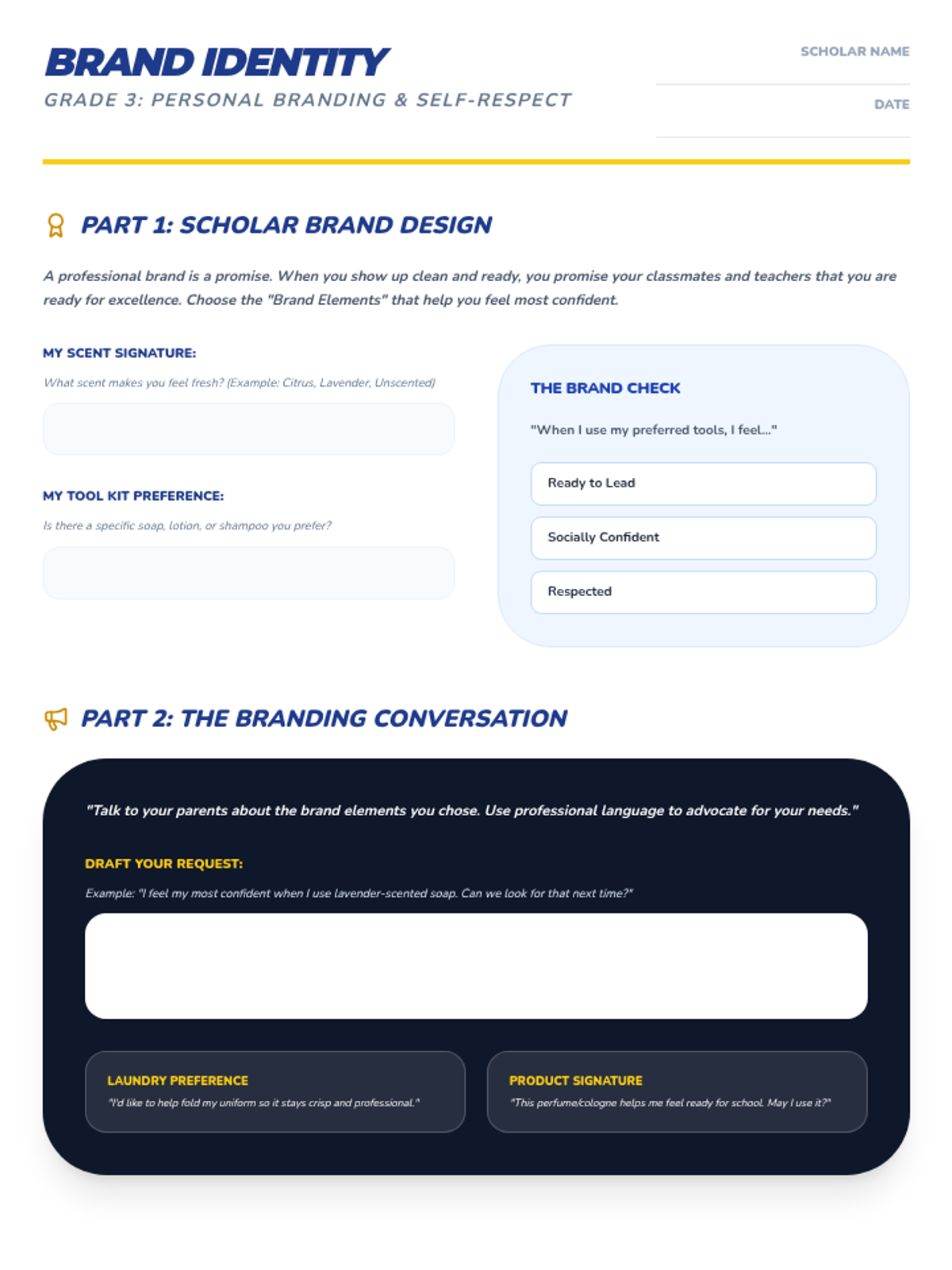
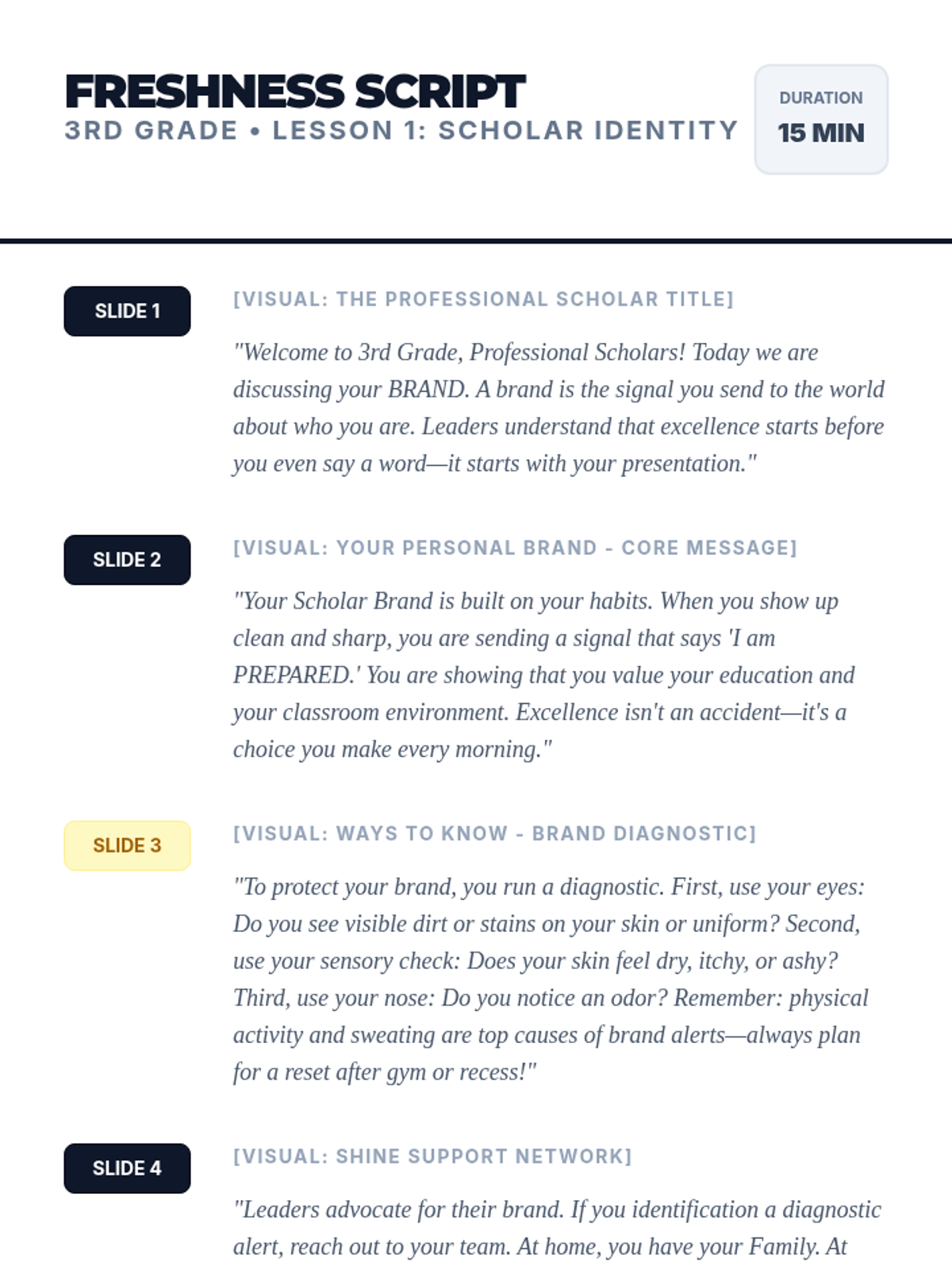
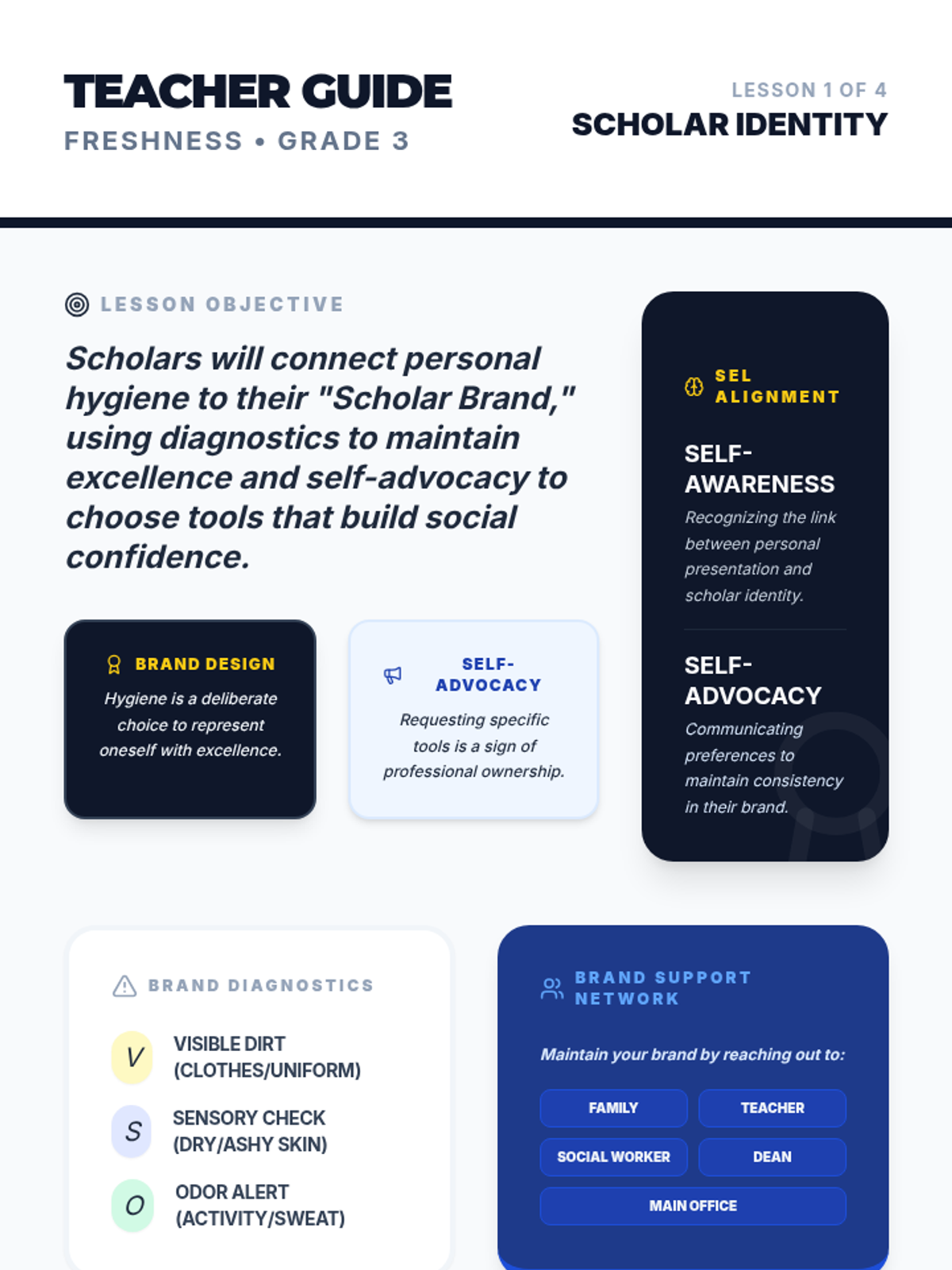
A comprehensive SEL-integrated hygiene curriculum for elementary scholars (K-4), focusing on self-awareness, social impact, and personal responsibility through the lens of a 'Glow Up'.
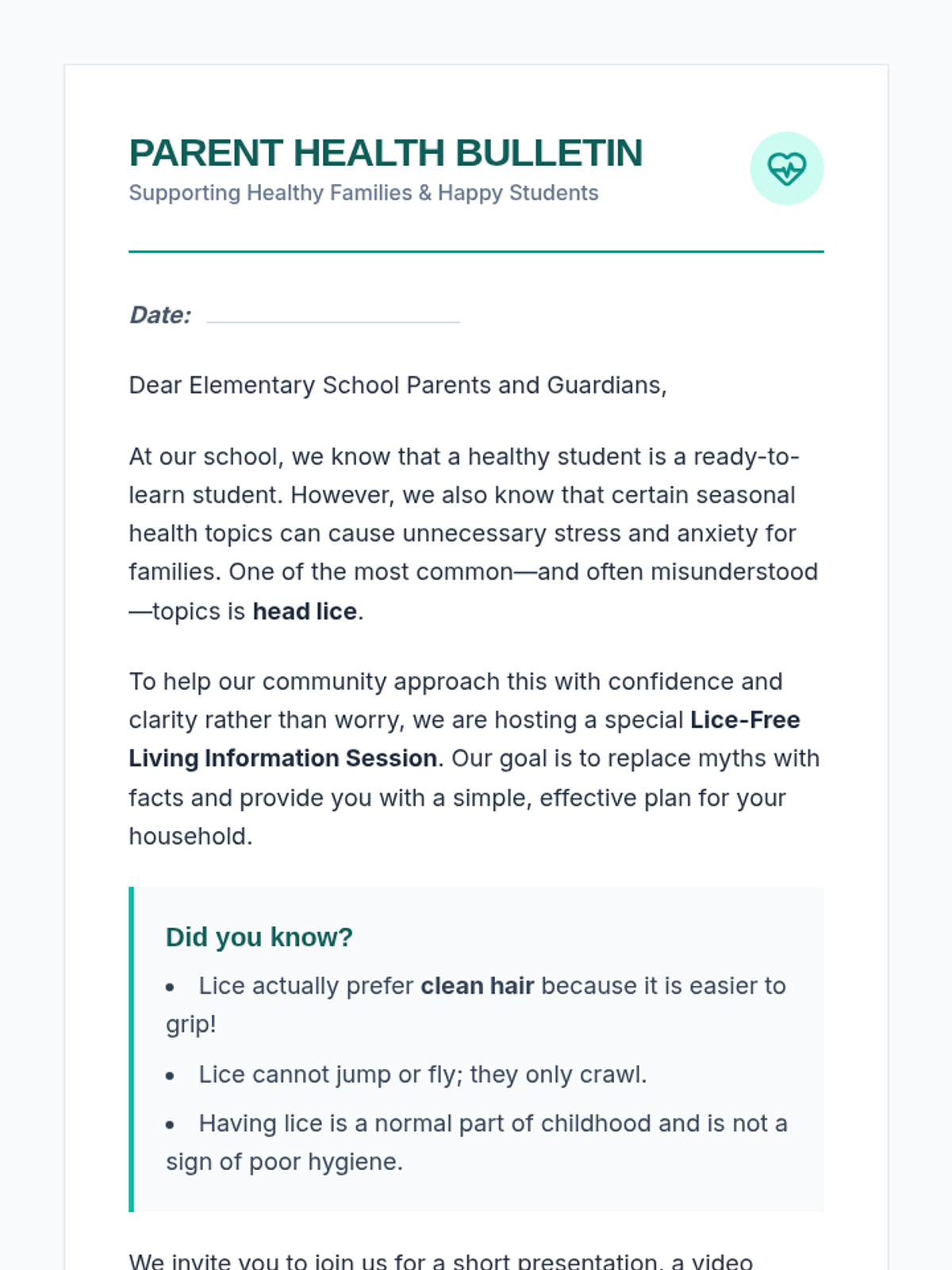
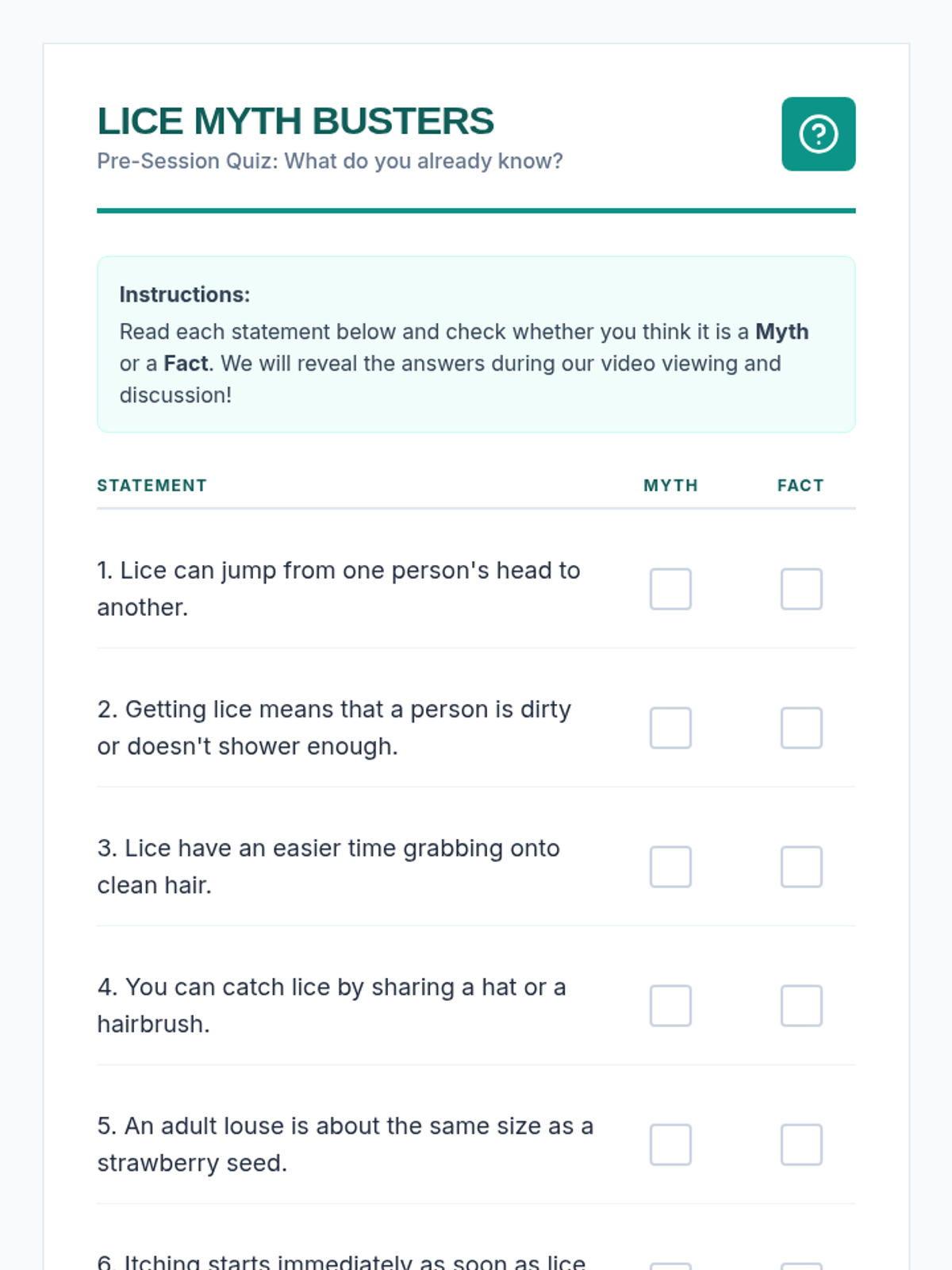
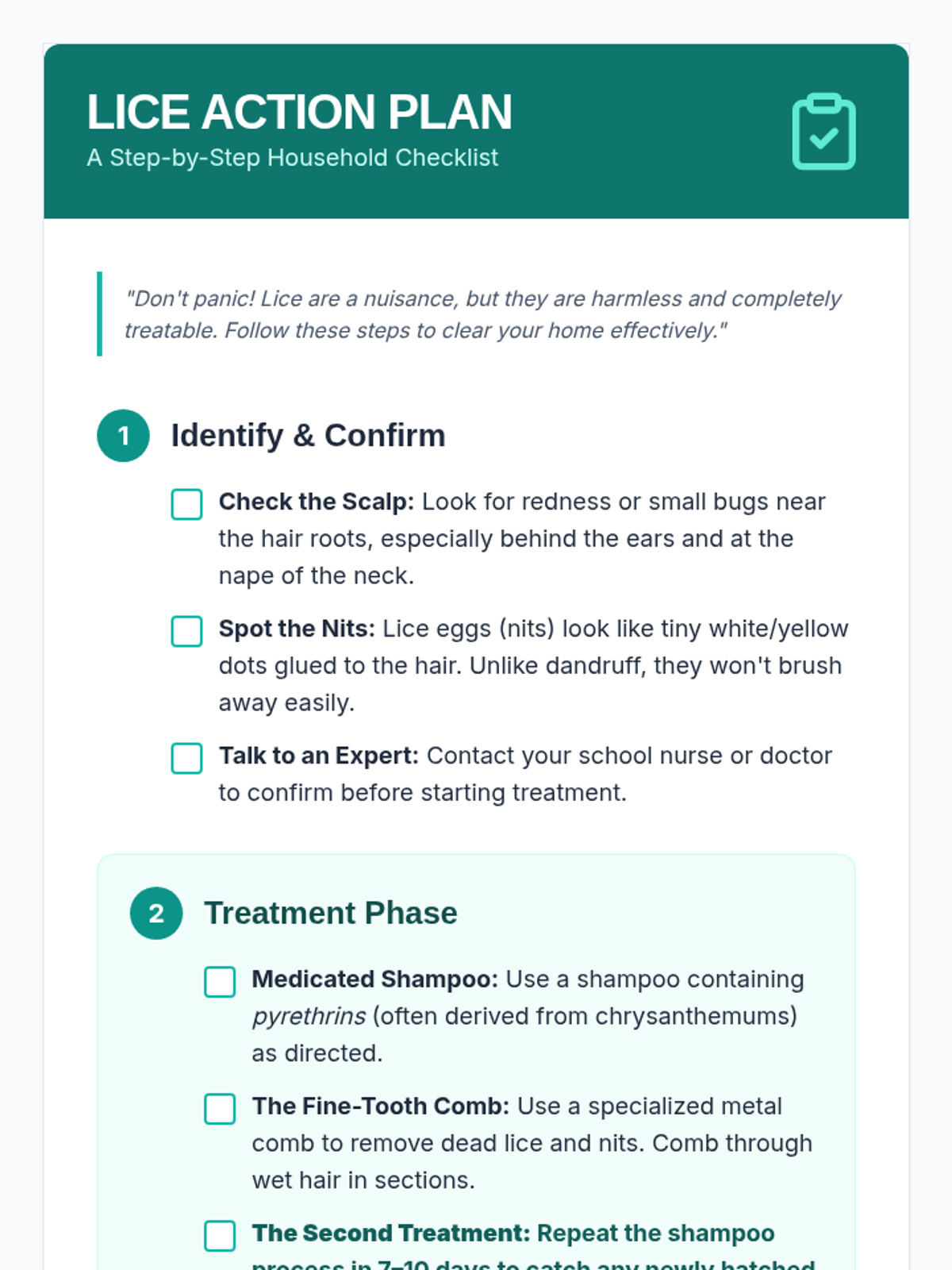
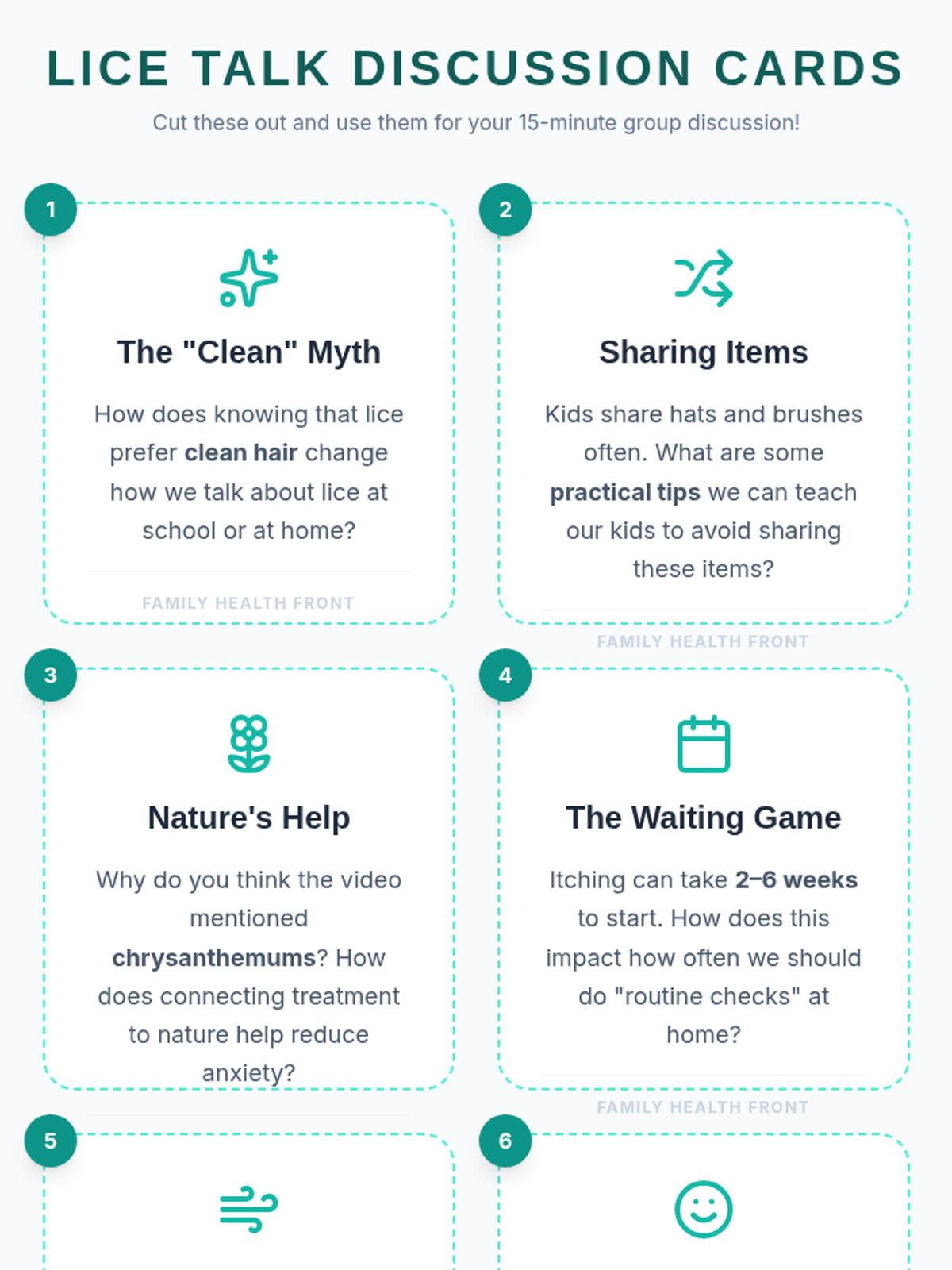
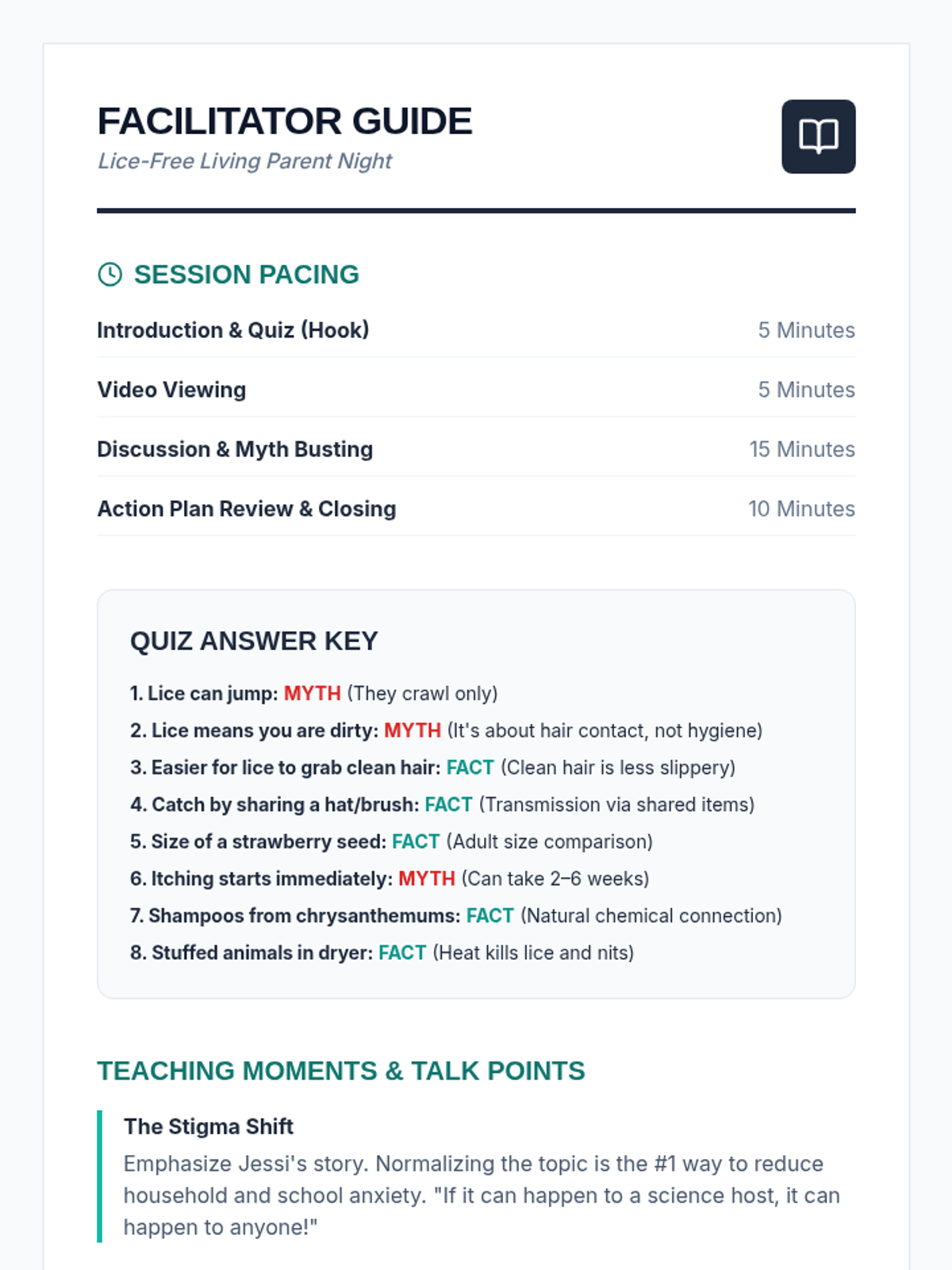
A series of workshops and resources for elementary school parents focusing on common school-related health concerns, starting with head lice management.
A comprehensive 3rd Grade health sequence exploring germ theory, practical hygiene skills, and daily routine building through scientific simulations and creative advocacy projects.
Students explore the invisible world of microbes through simulations and experiments to understand illness transmission and personal hygiene. They analyze handwashing effectiveness, practice dental care, investigate respiratory hygiene, and synthesize their learning into a personal wellness routine.
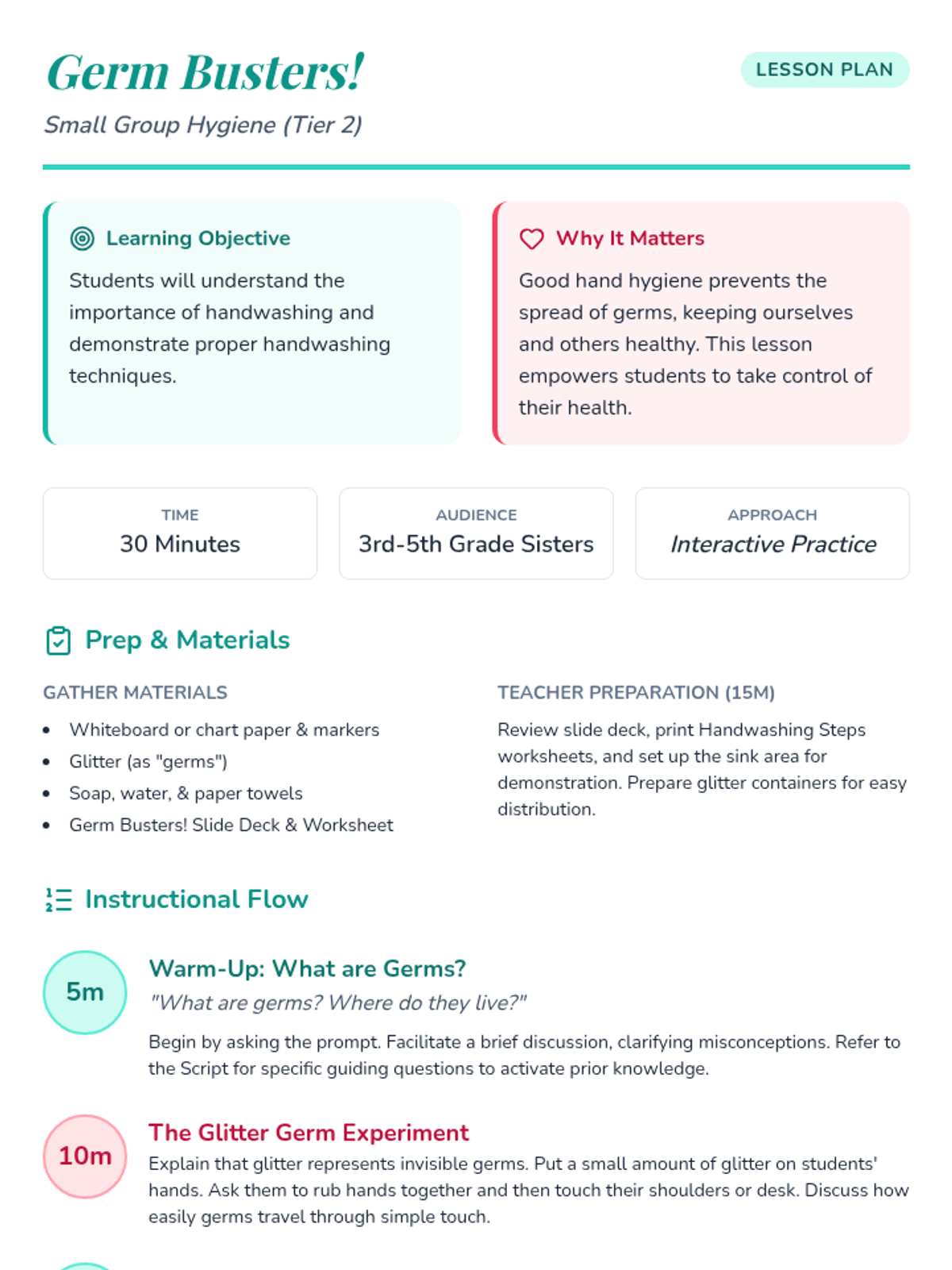
A comprehensive hygiene education program for 3rd-5th grade girls, focusing on handwashing, dental care, body/hair maintenance, and managing body odor through empowering small-group lessons.
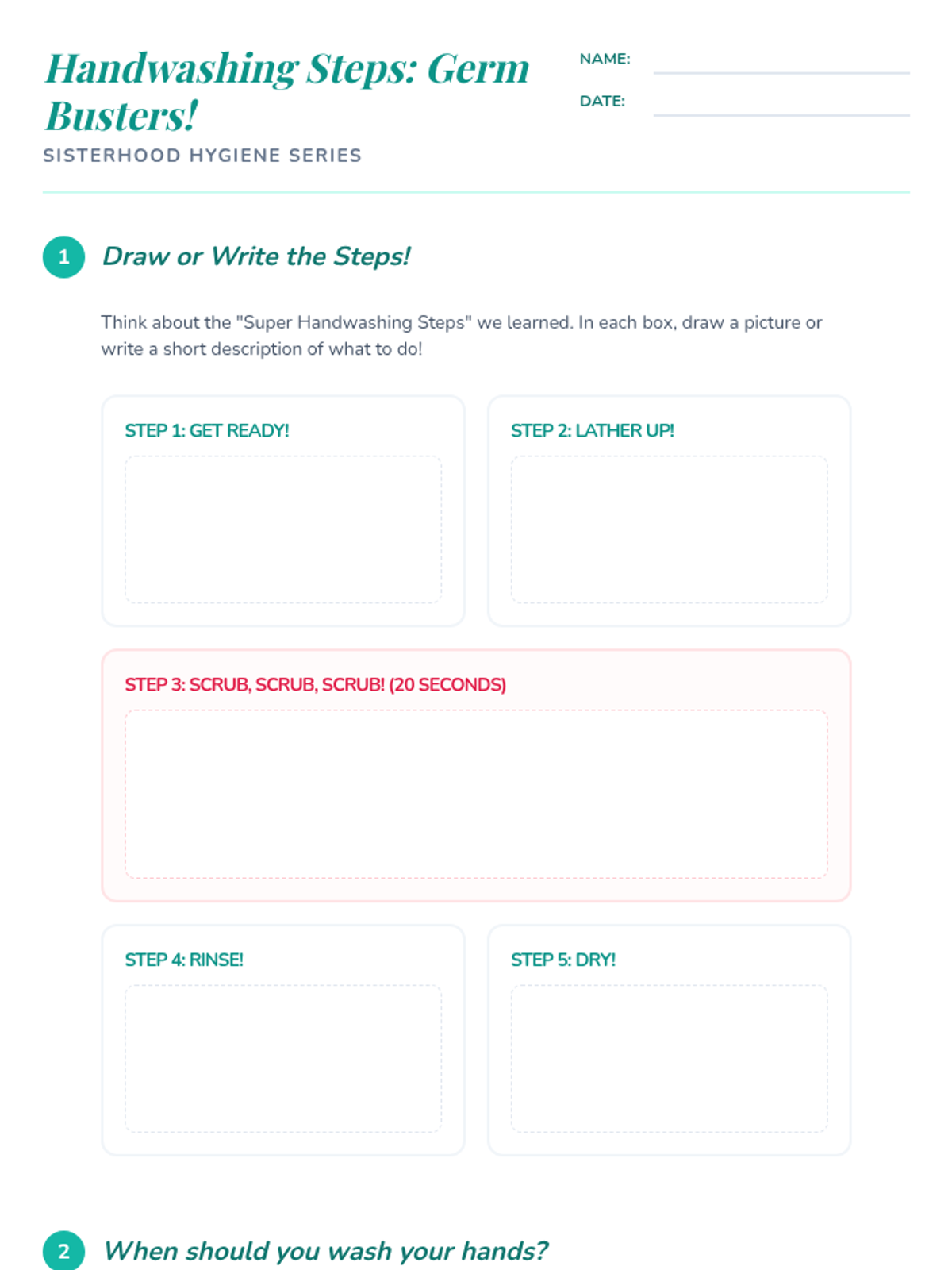
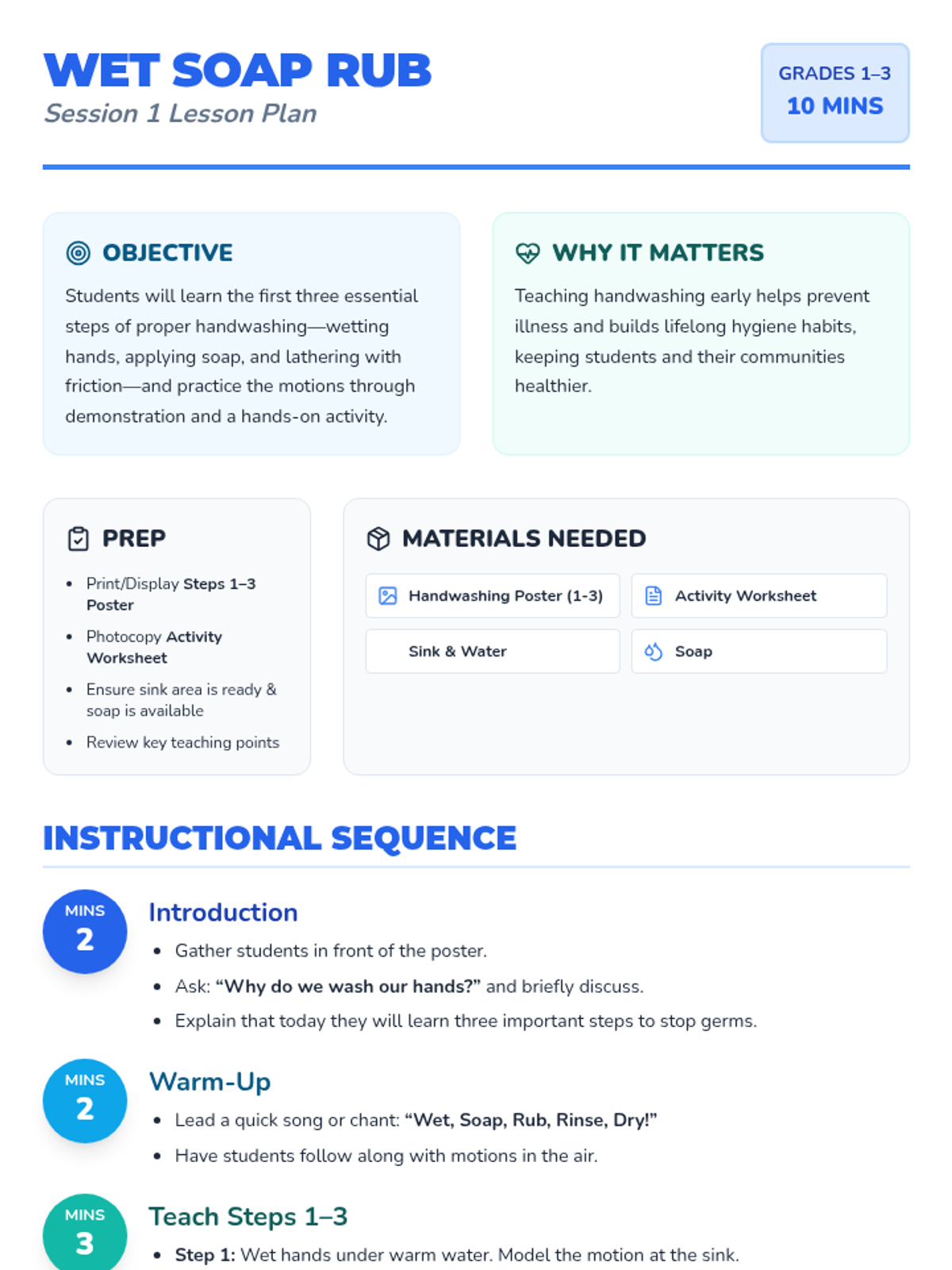
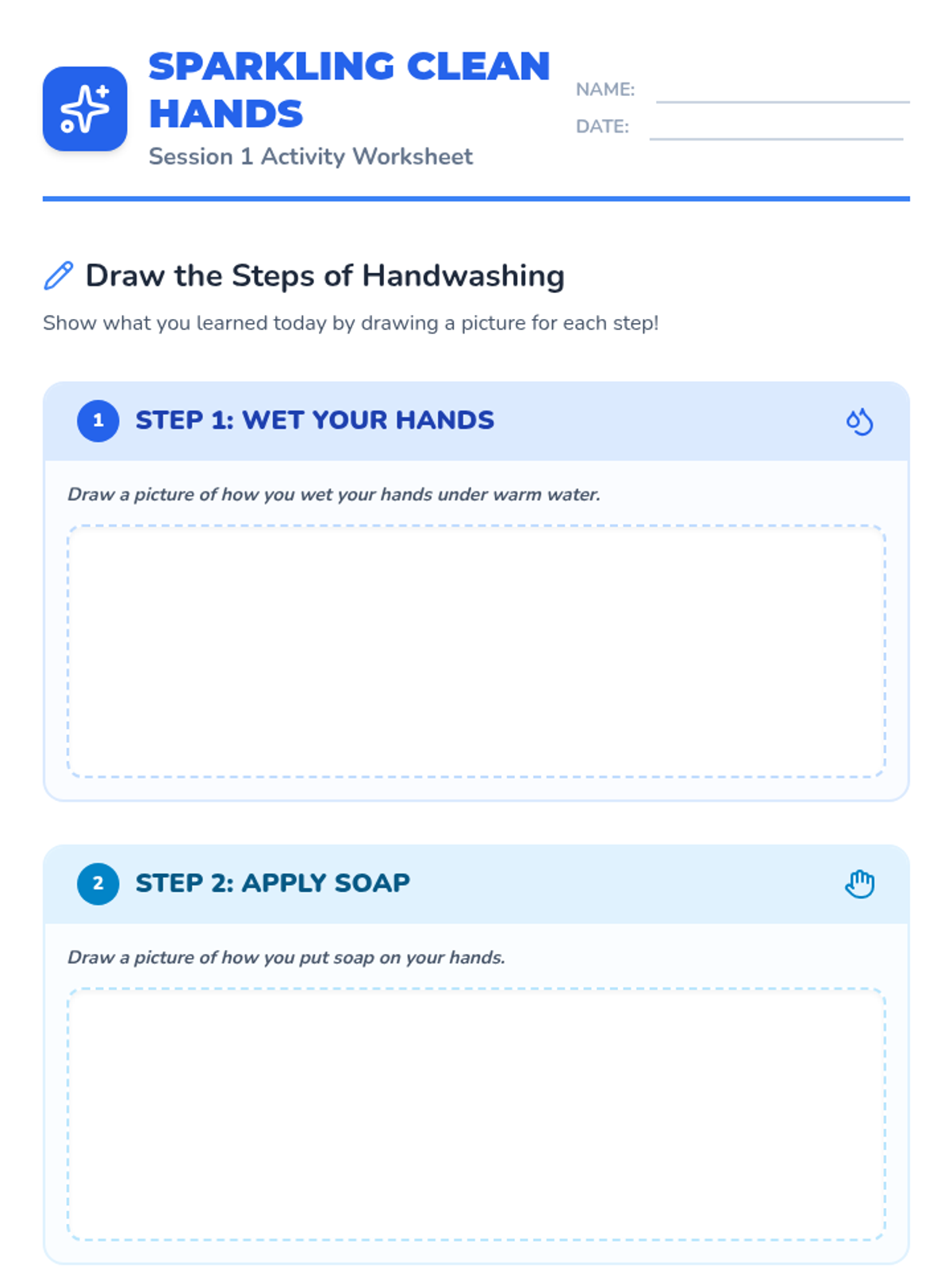
A two-session hygiene unit for grades 1-3 focused on the five essential steps of handwashing. Students learn through demonstration, practice, and interactive activities to build lifelong healthy habits.
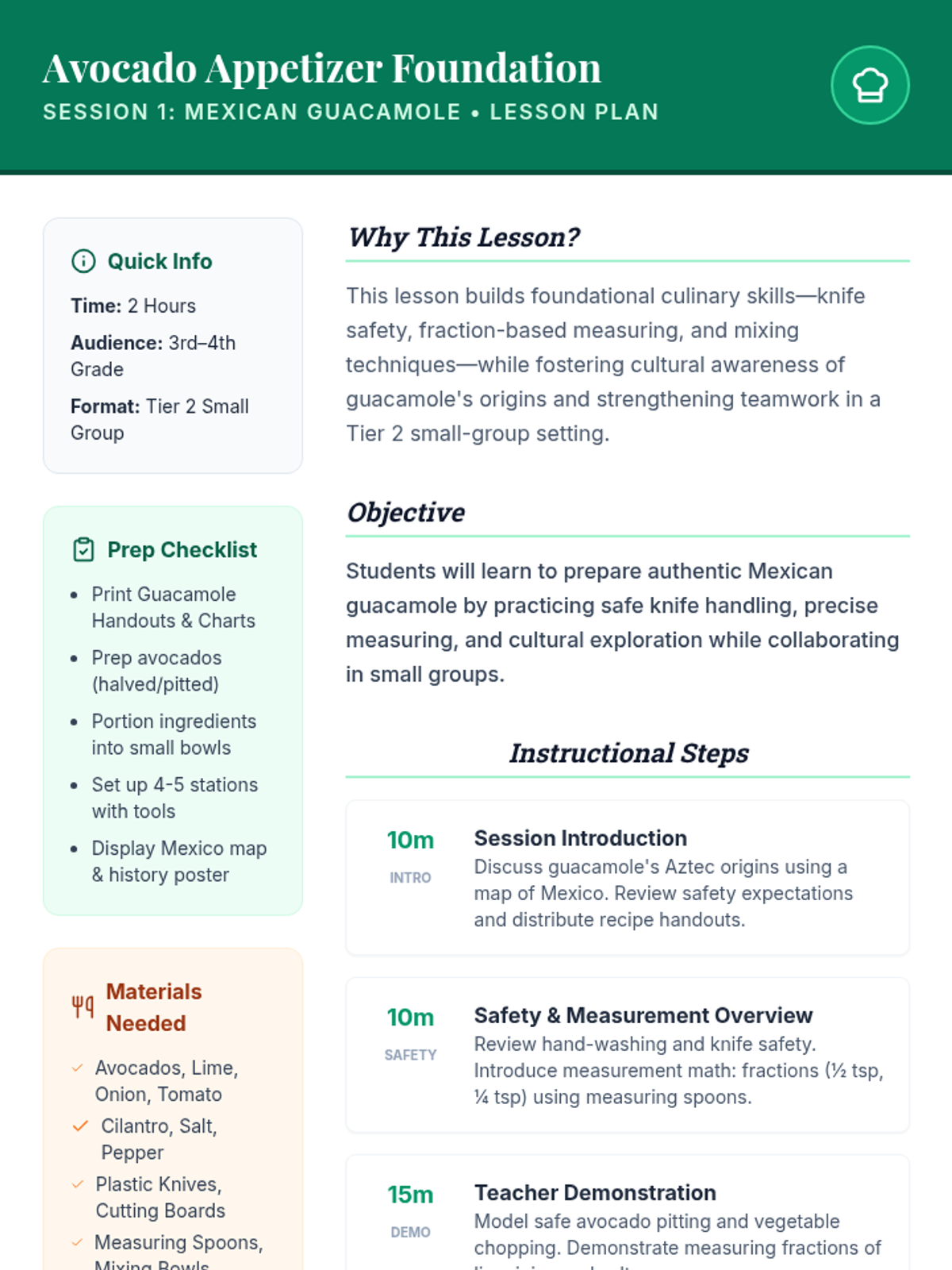
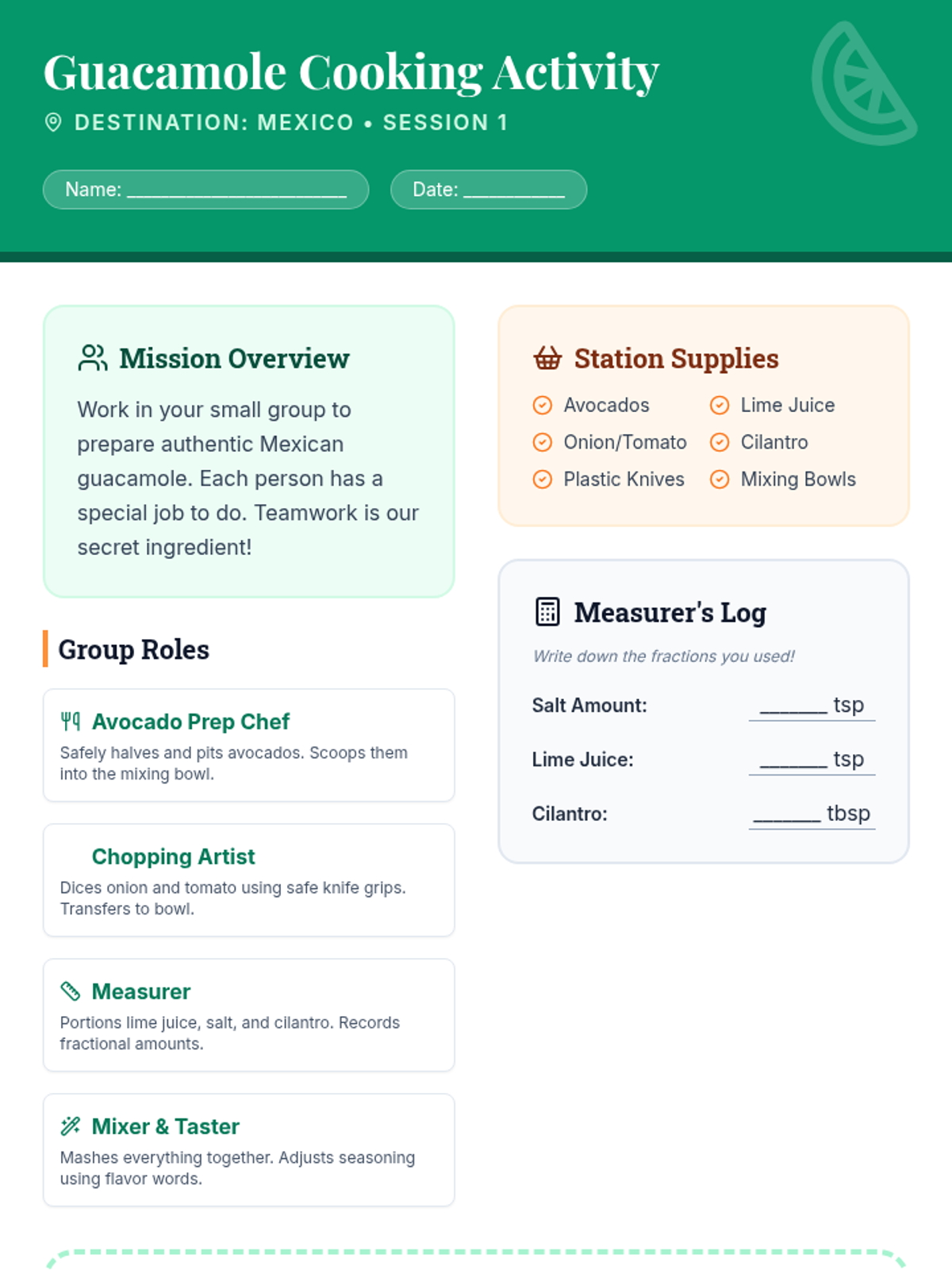
A 6-session culinary journey where 3rd and 4th graders explore flavors from Mexico, Italy, Japan, India, and Morocco while building kitchen skills, cultural awareness, and teamwork. Each session features a detailed lesson plan, a guided activity guide, and recipe handouts designed for Tier 2 small-group instruction.
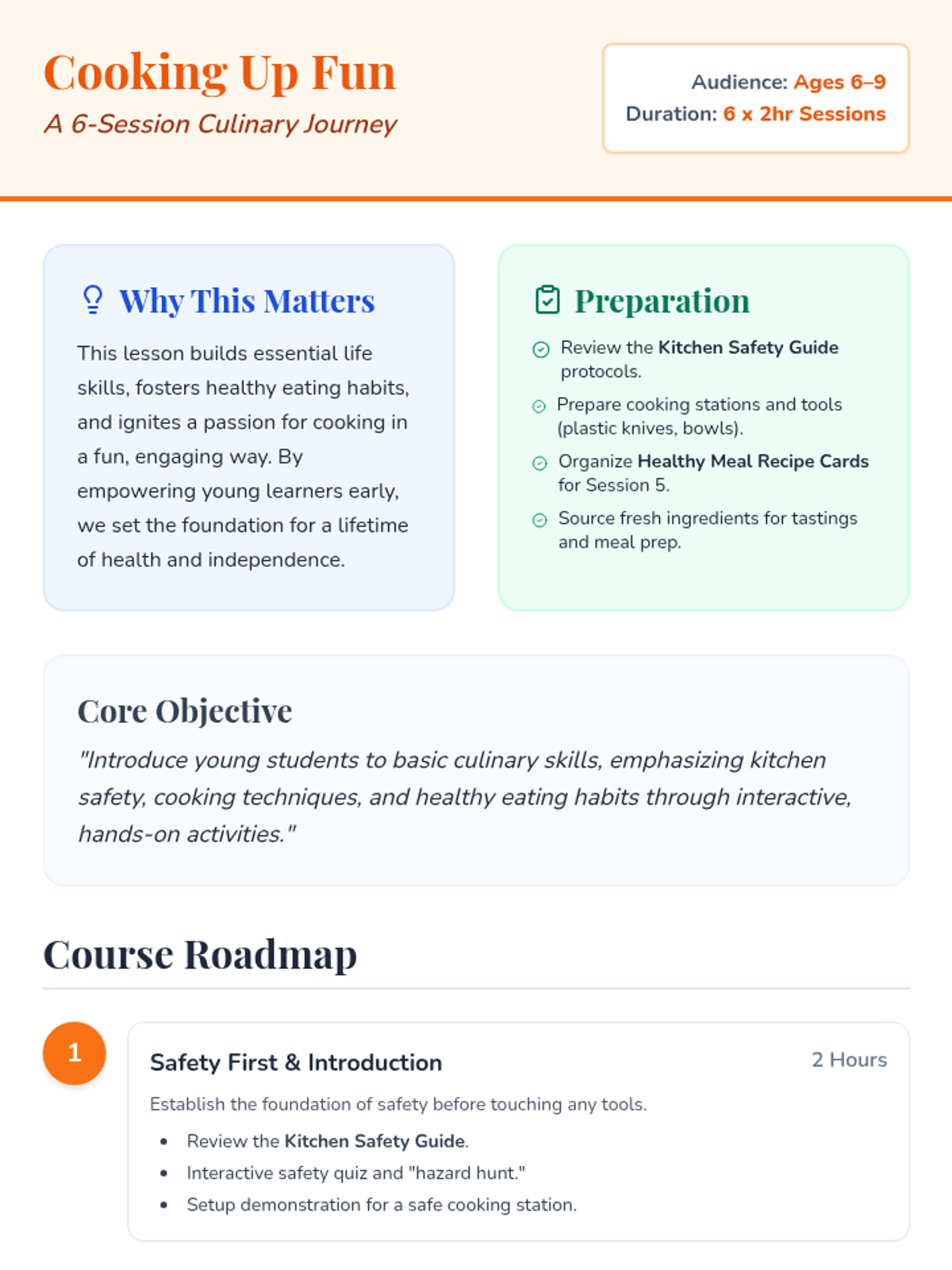
This 6-session culinary education sequence is designed for 6-9 year olds, focusing on basic cooking skills, kitchen safety, and healthy eating habits. Students will progress from safety fundamentals to preparing their own healthy meals and snacks.
A high-energy exploration of cardiovascular health, focusing on heart rate, the effects of exercise, and how to maintain a healthy pump.
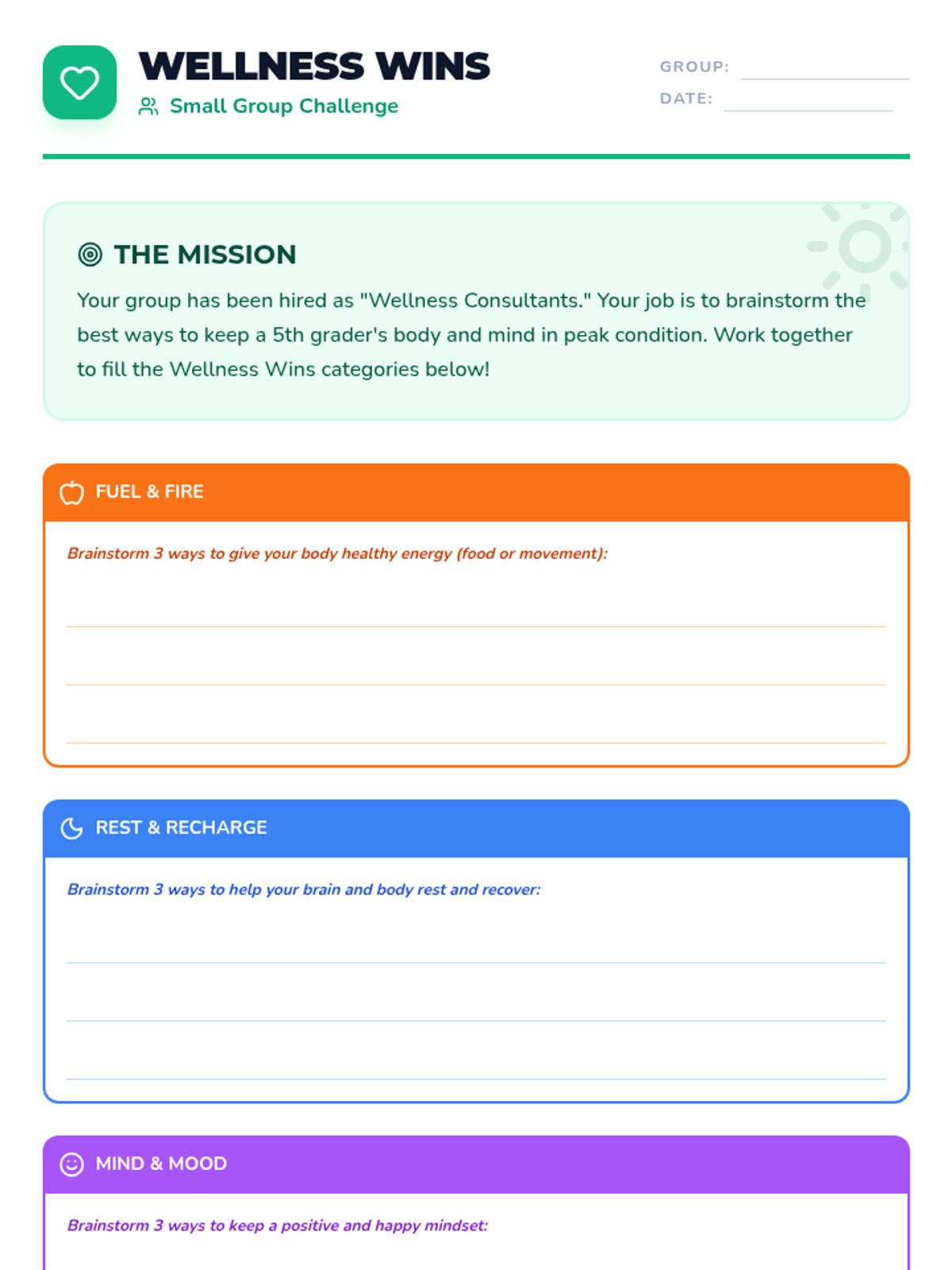
A comprehensive health and wellness unit focusing on nutrition, physical activity, and mental well-being to empower students to make informed lifestyle choices.
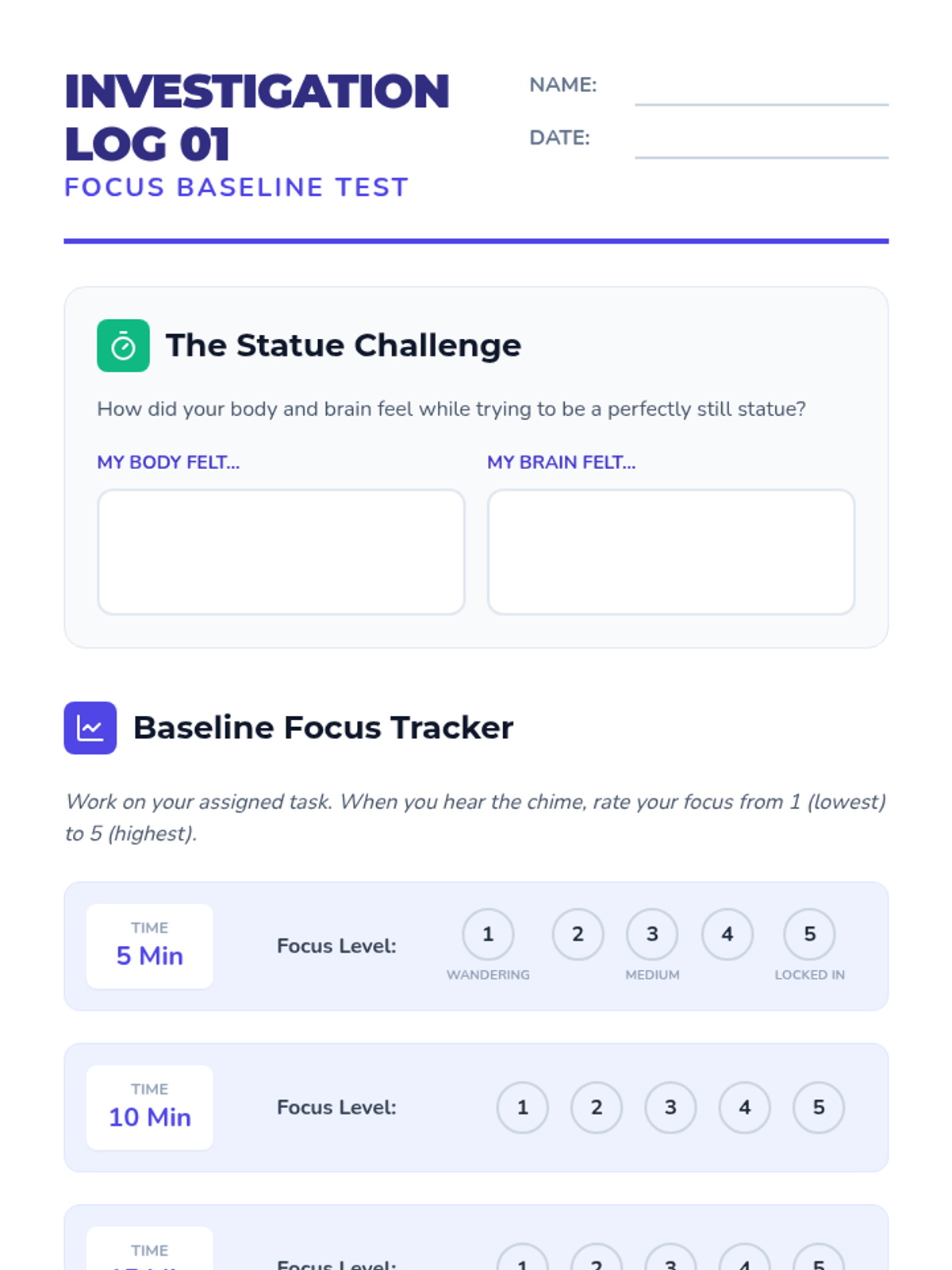
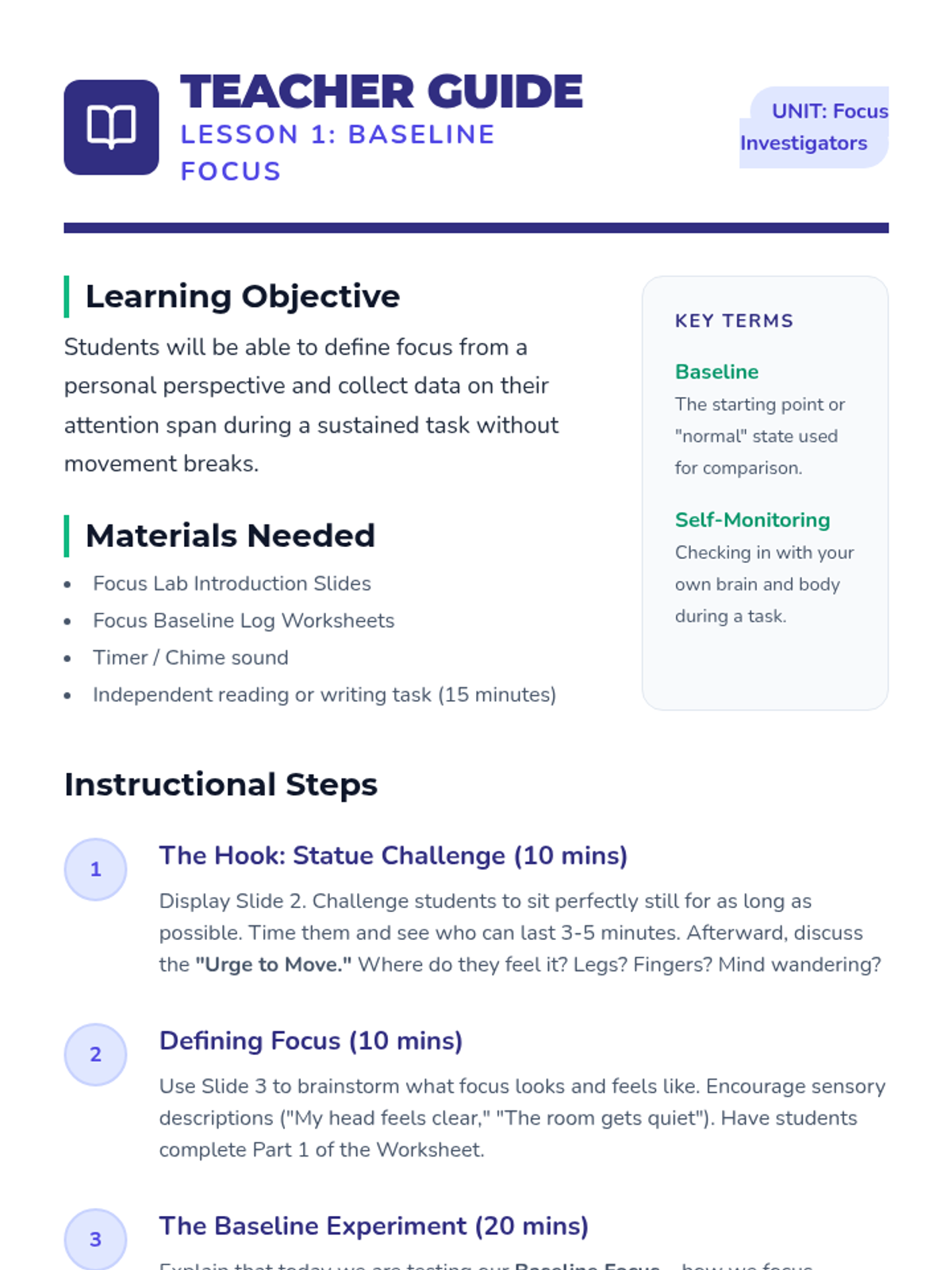
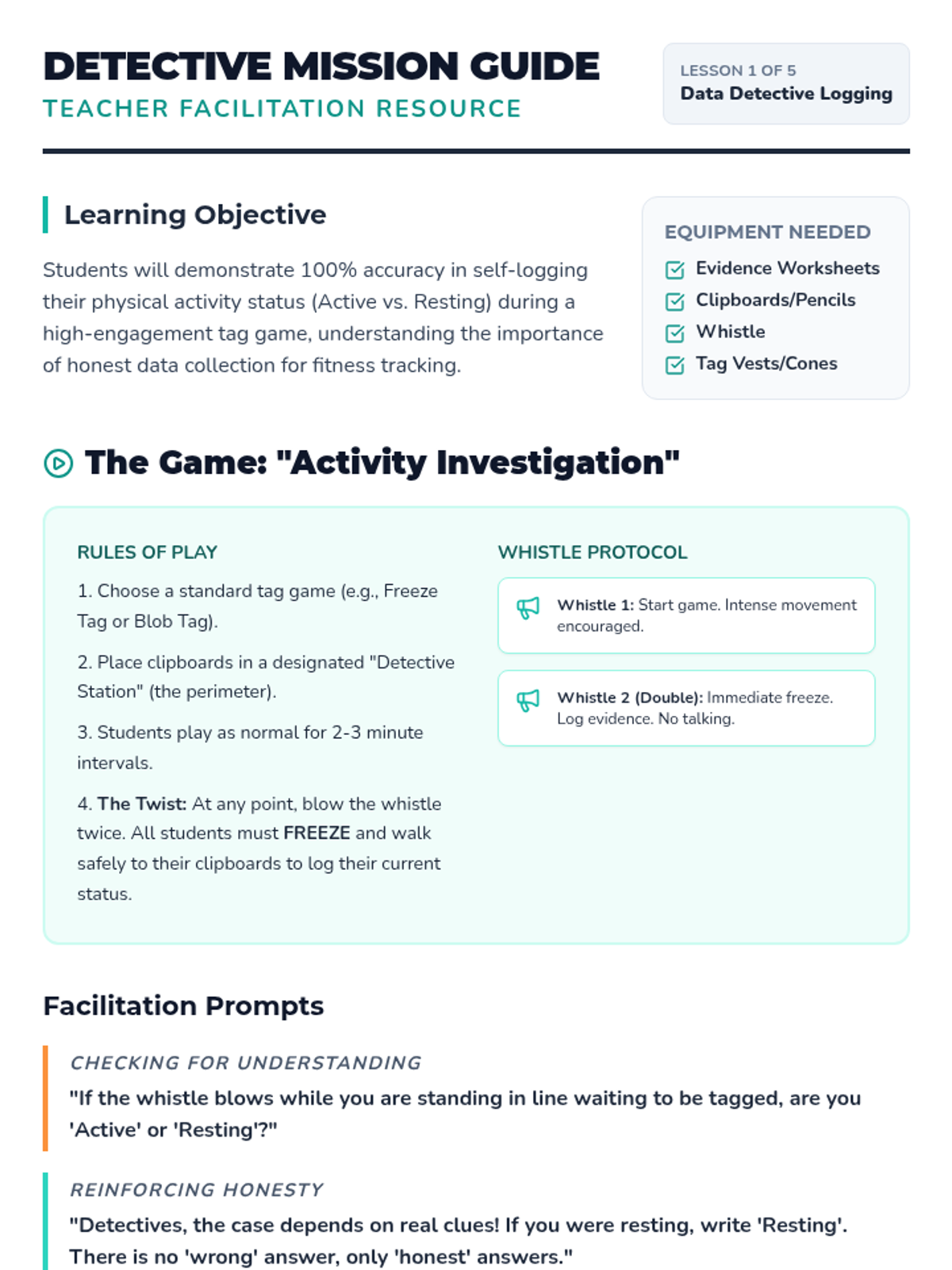
A 5-lesson unit where 3rd-grade students act as 'focus investigators,' experimenting with different movement strategies to discover how physical activity impacts their concentration and learning. Students collect personal data on cross-lateral, isometric, and rhythmic movements to create a customized 'Brain User Manual' for self-regulation.
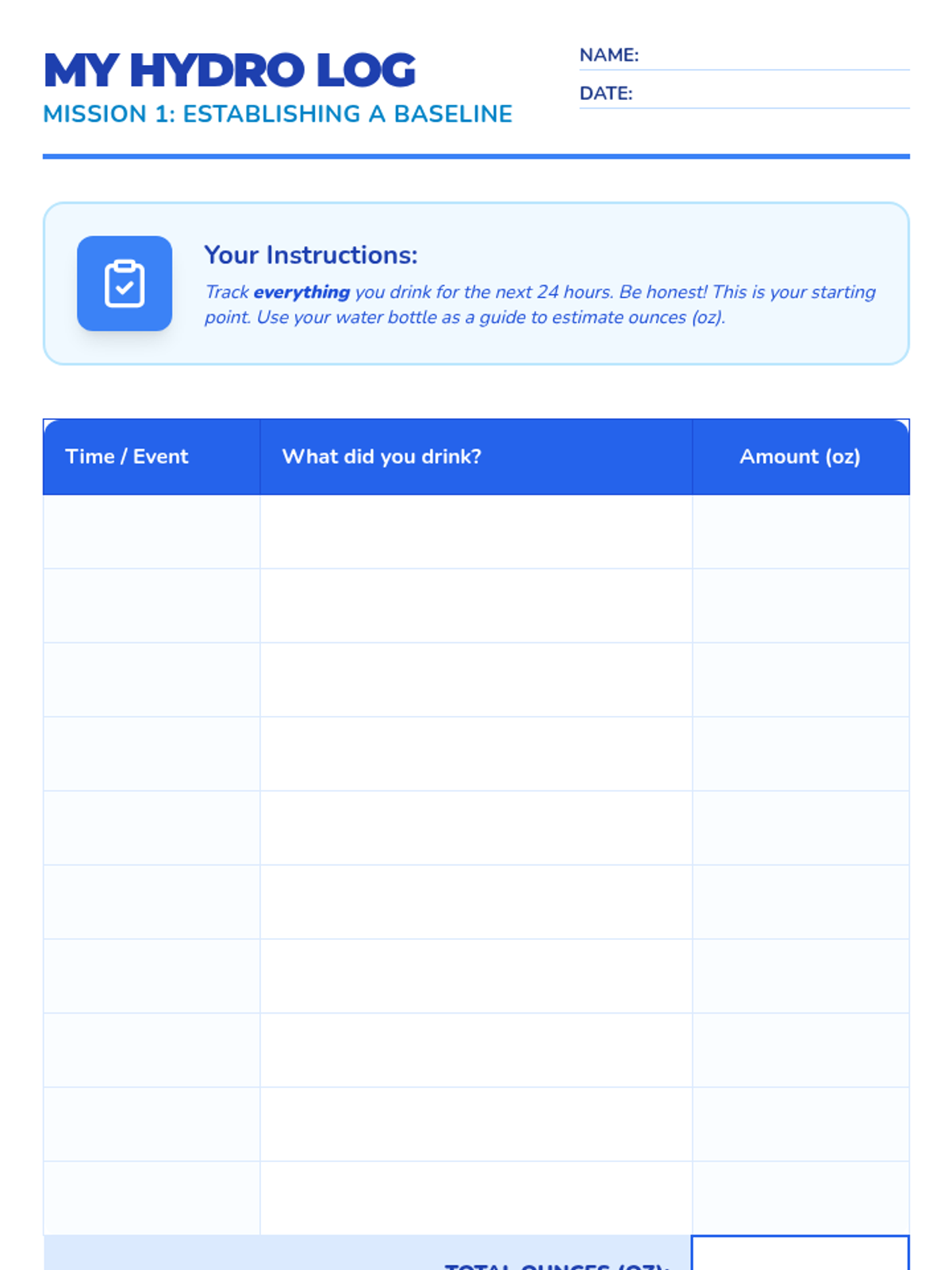
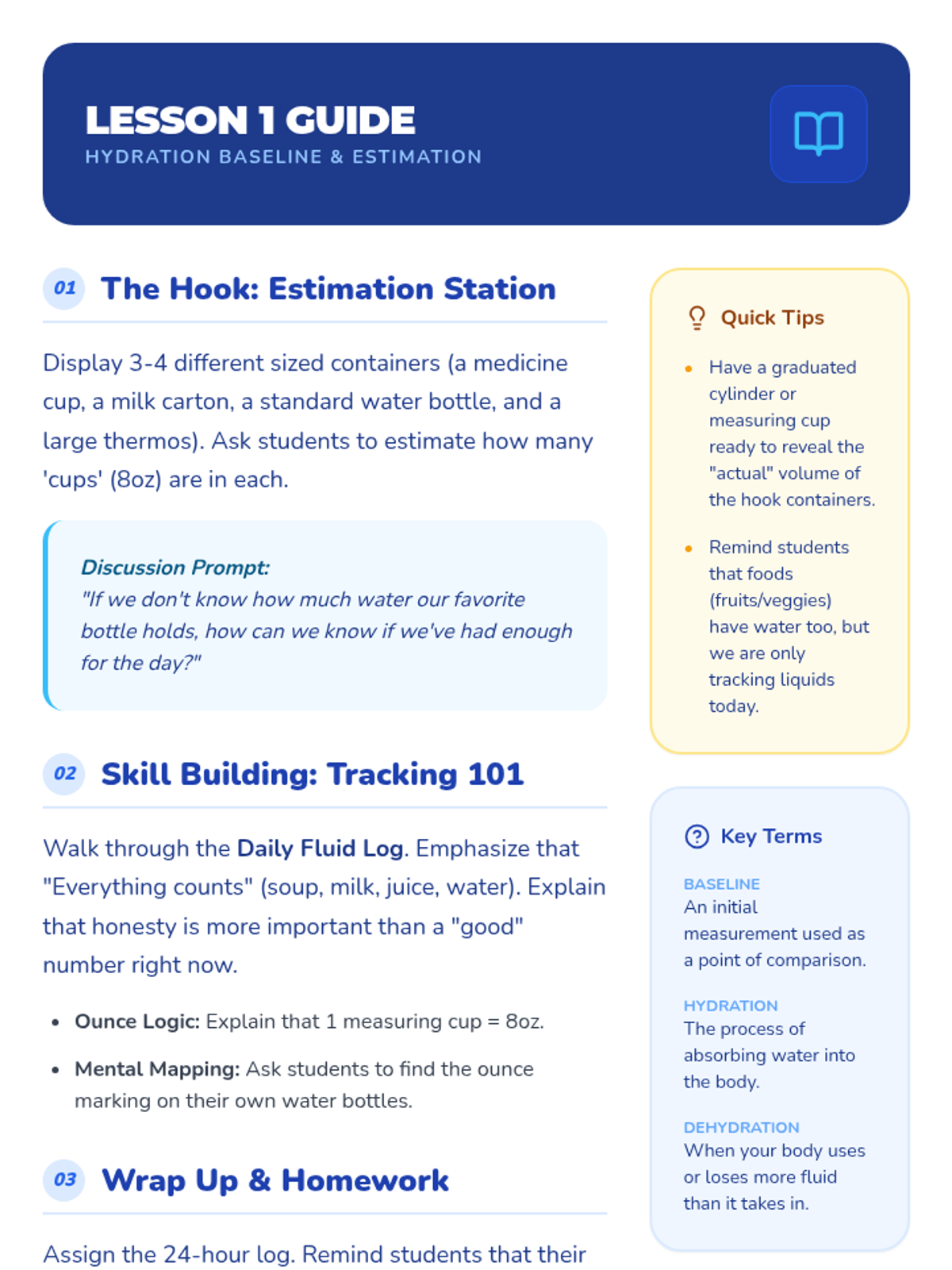
A 3rd-grade sequence focused on building sustainable hydration habits through data tracking, physical activity strategies, and creative flavor infusion. Students move from baseline assessment to personal goal setting and advocacy.
A 5-lesson unit for 3rd graders focused on tracking physical activity, graphing fitness data, and understanding the non-linear nature of progress through self-reflection and SMART goal adjustment.
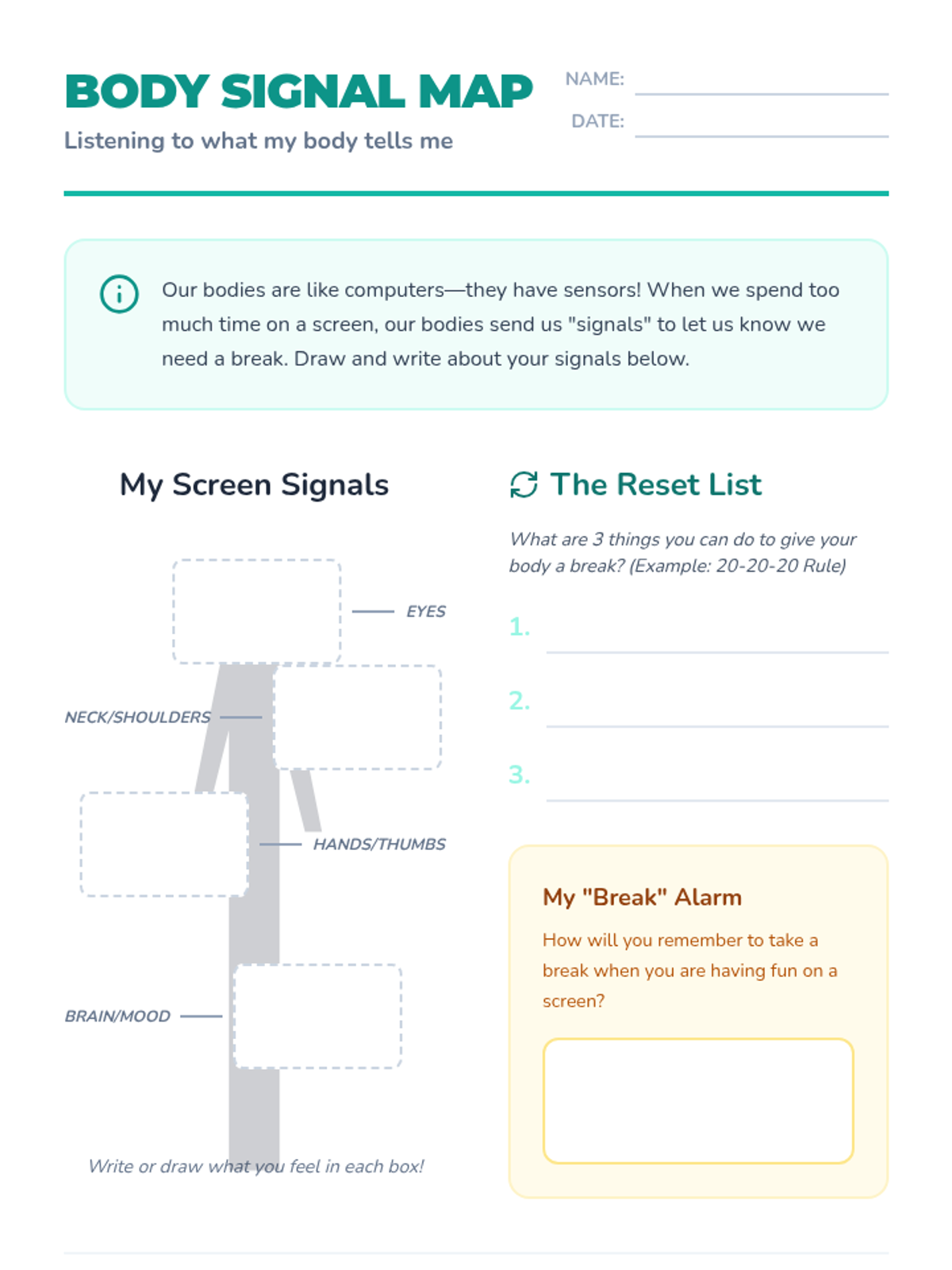
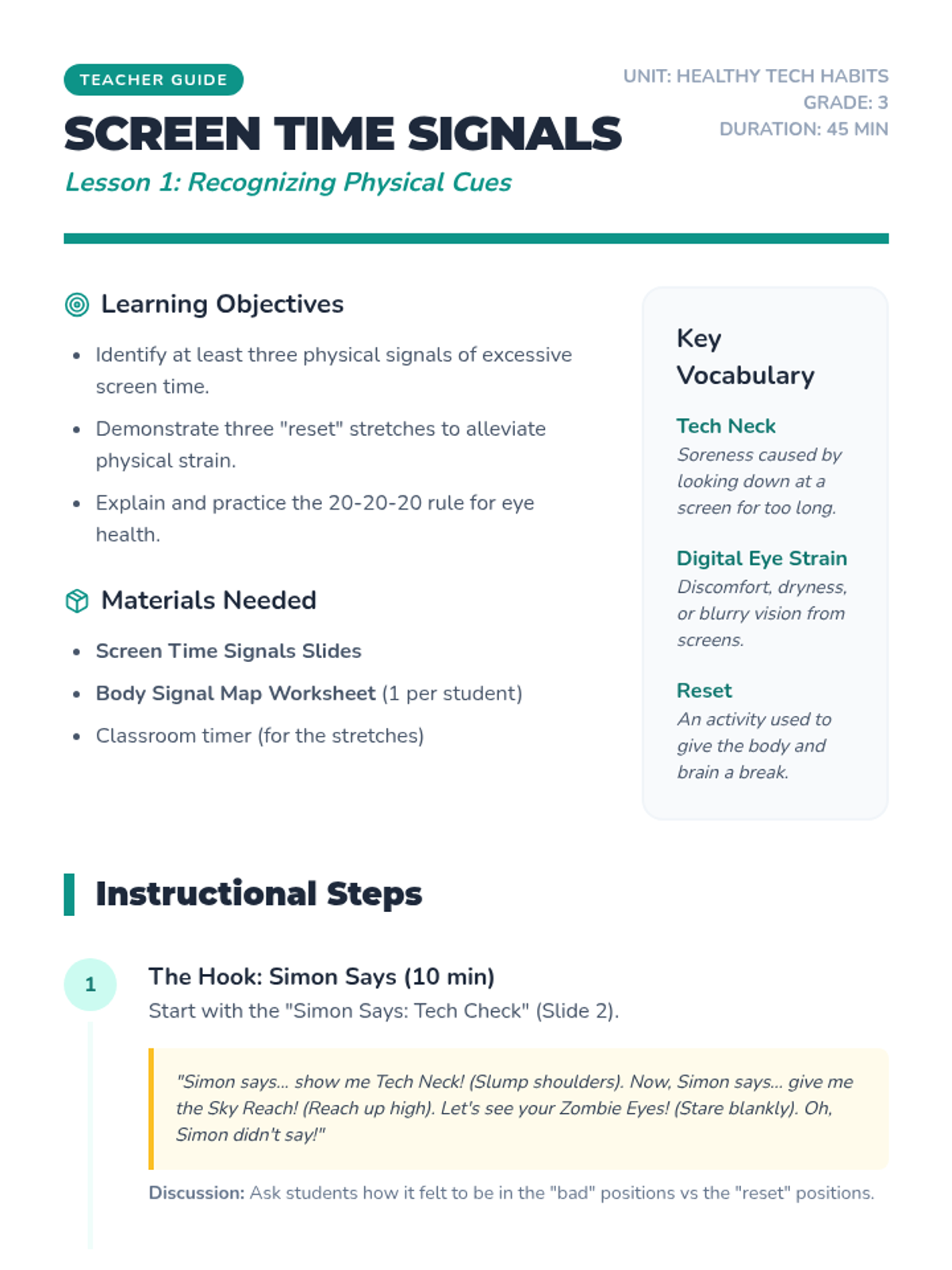
A 5-lesson unit for 3rd-grade students exploring the psychological impact of social media and screen time, focusing on physical awareness, curated content, emotional regulation, and building balanced offline habits.
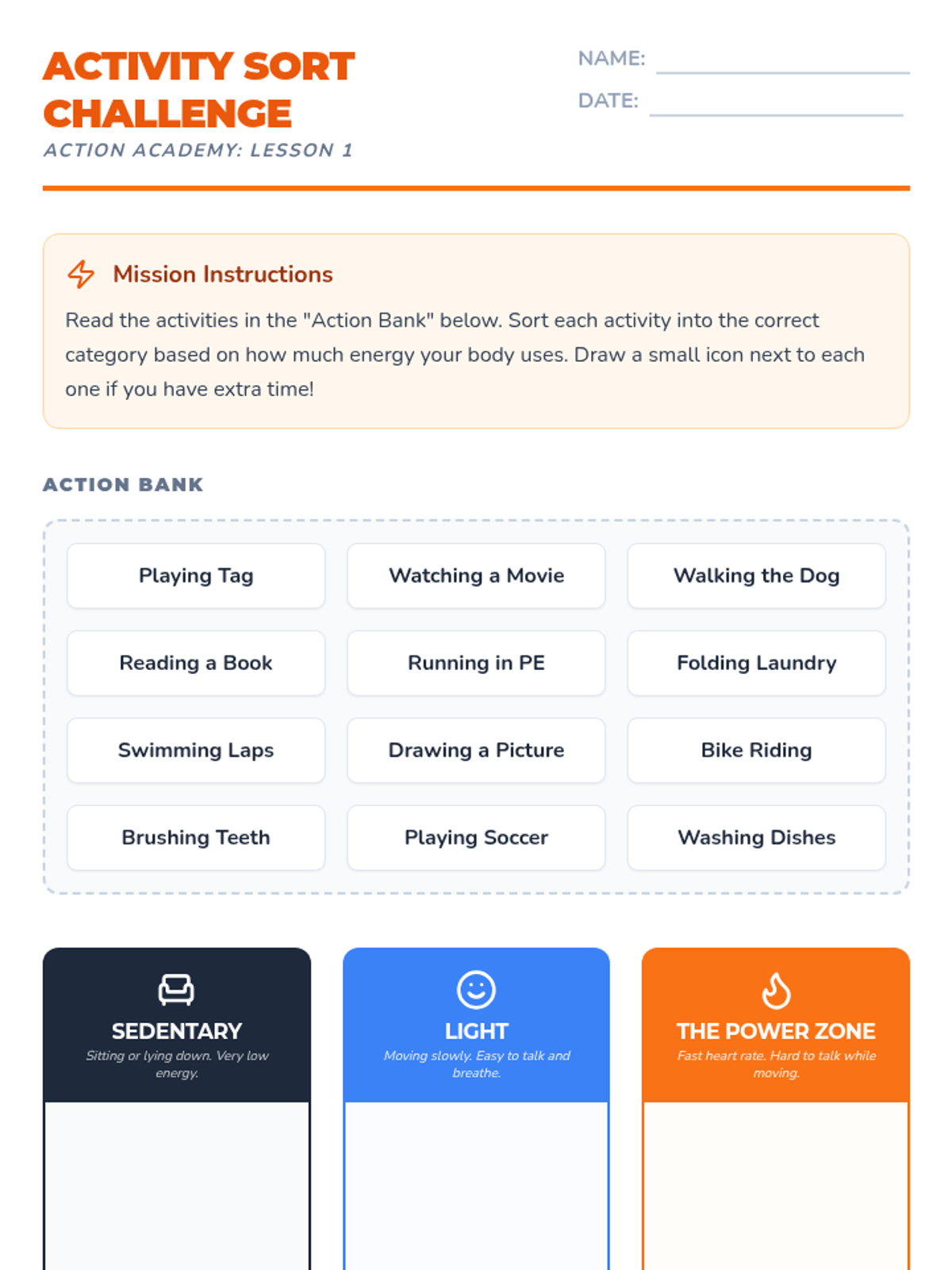
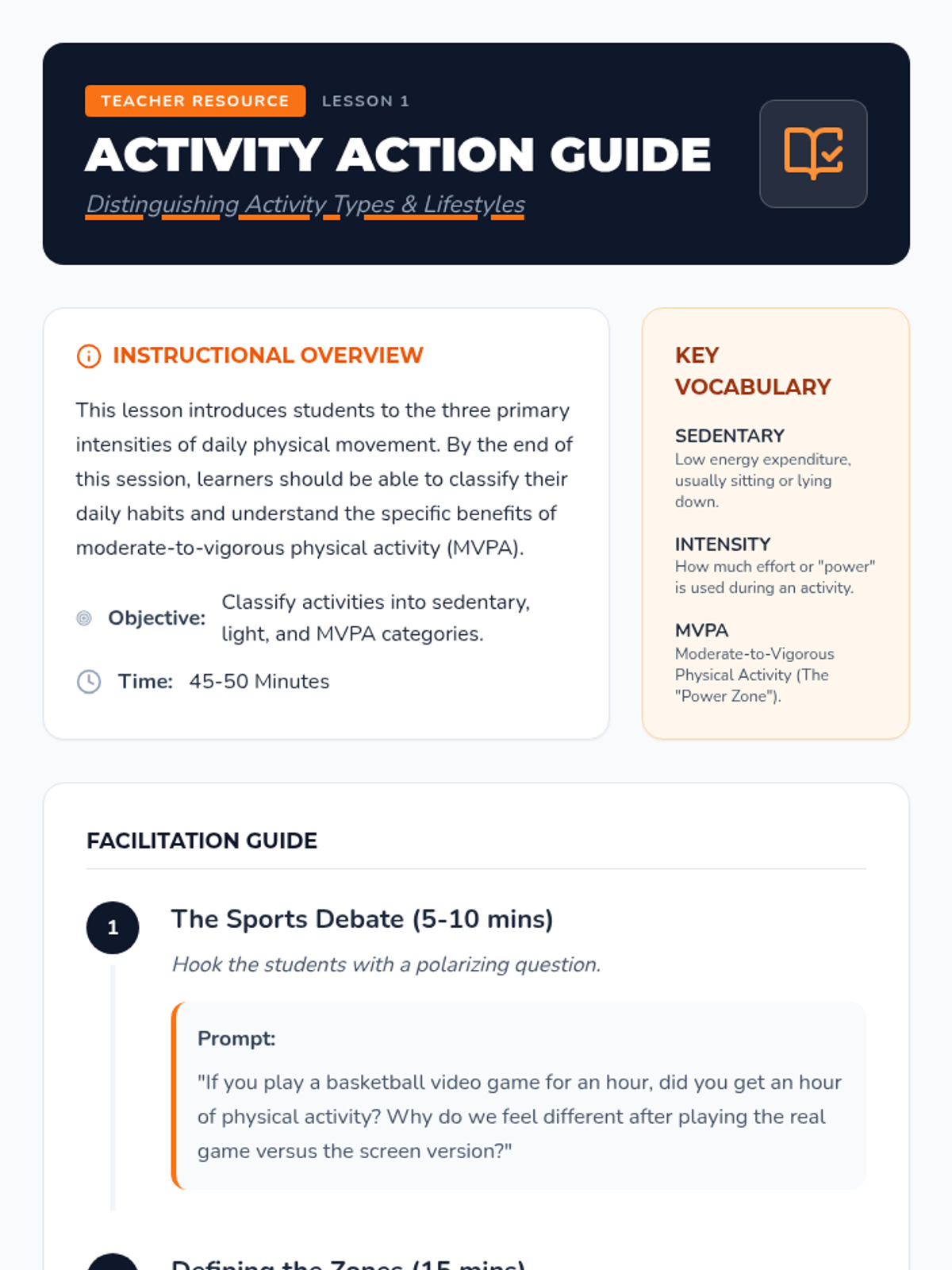
A 5-lesson sequence for 3rd graders focused on understanding physical activity types, analyzing daily routines, and setting personal movement goals to build healthy habits.
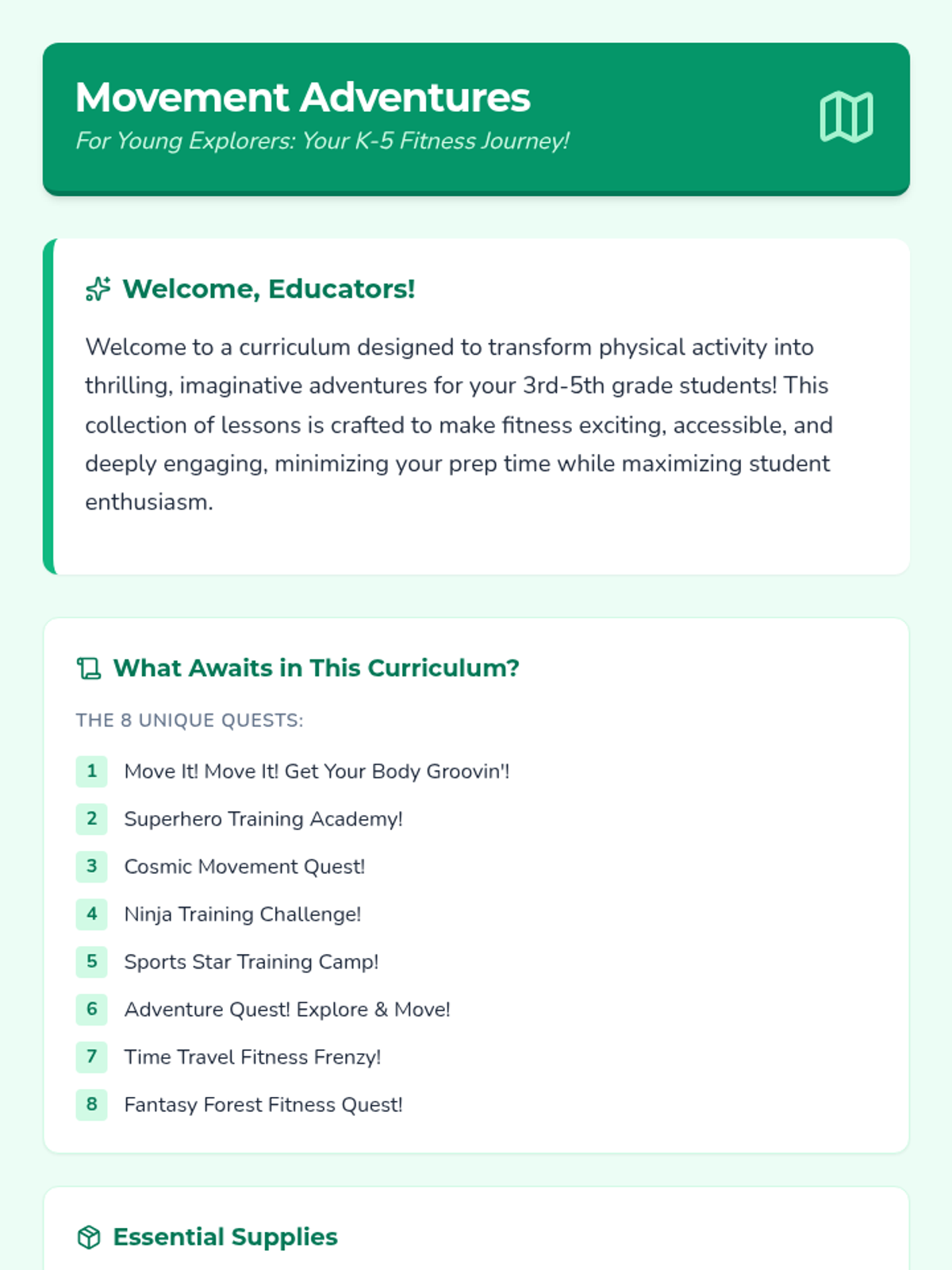
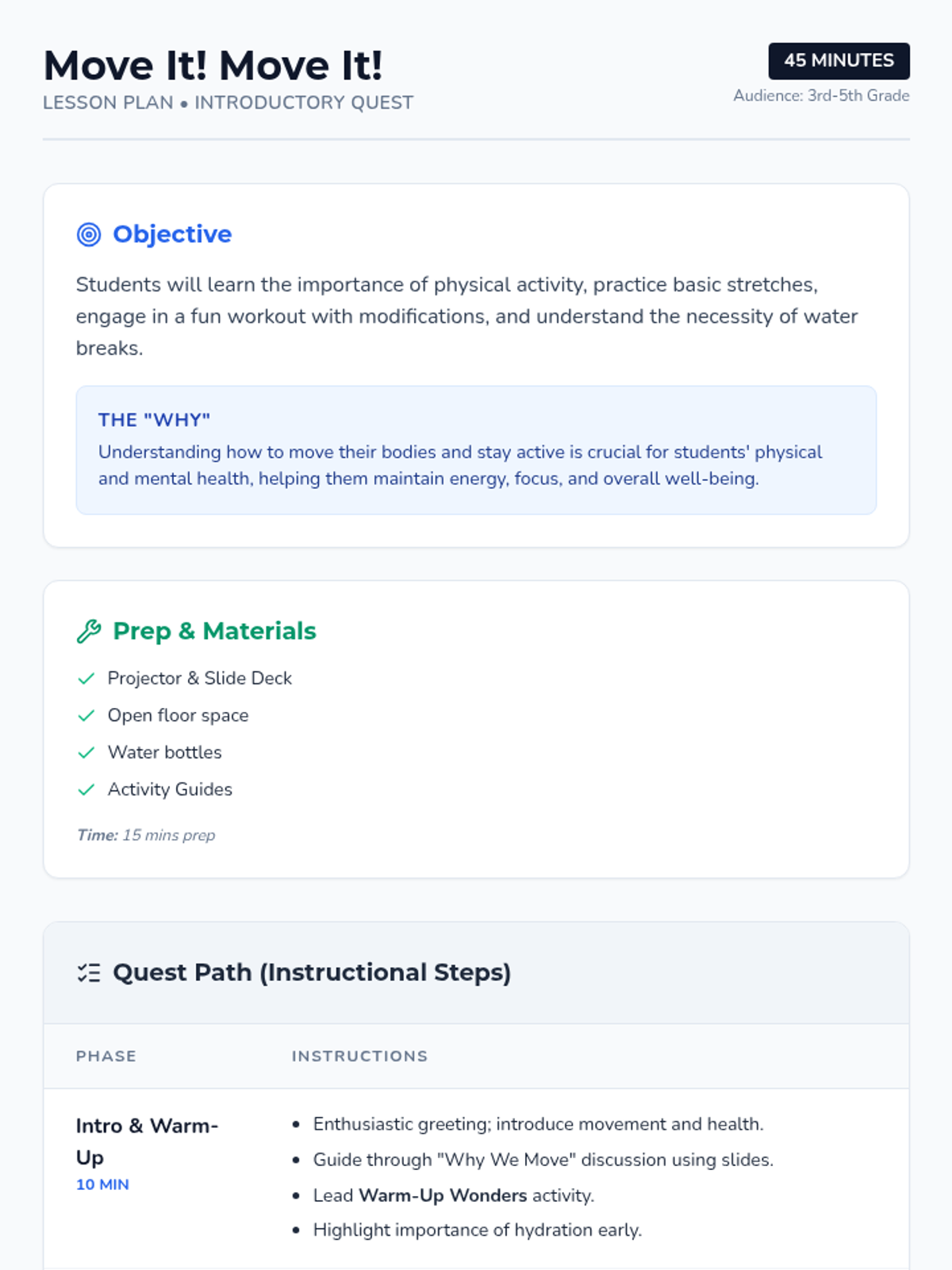
A comprehensive physical education curriculum for grades 3-5 that transforms fitness into imaginative adventures. Students develop strength, agility, and coordination through themed quests ranging from ninjas and superheroes to space exploration and magical forests.
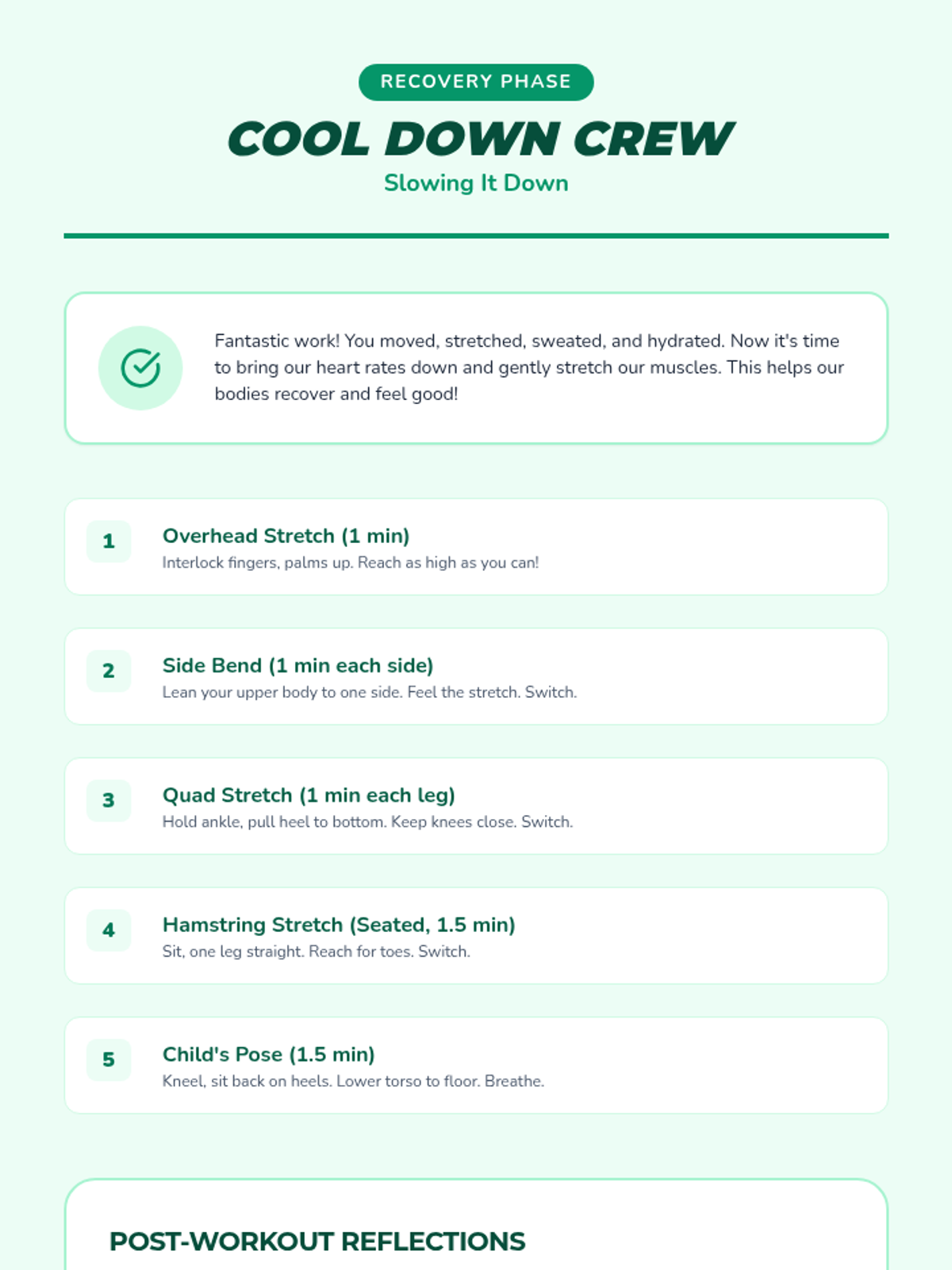
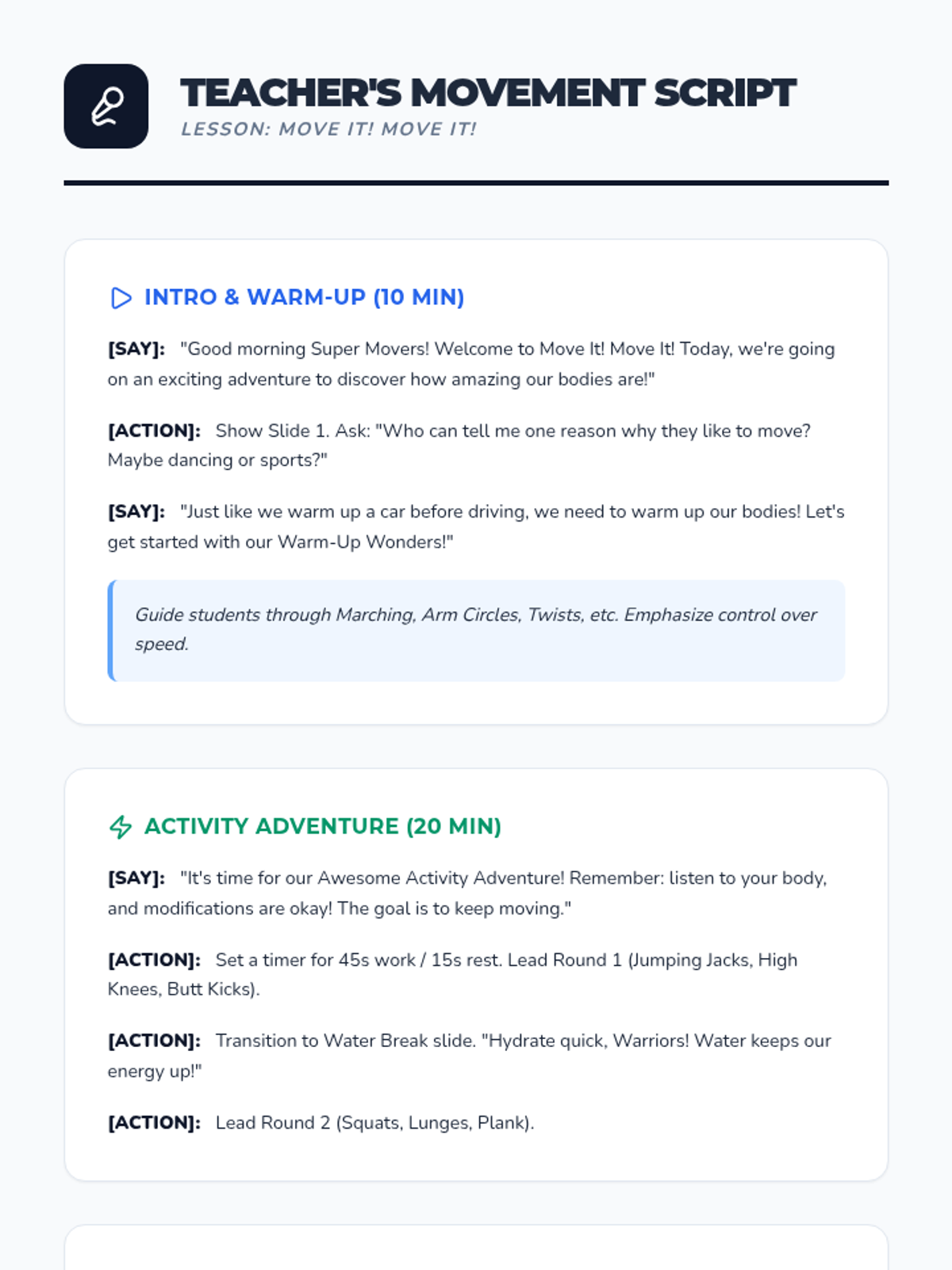
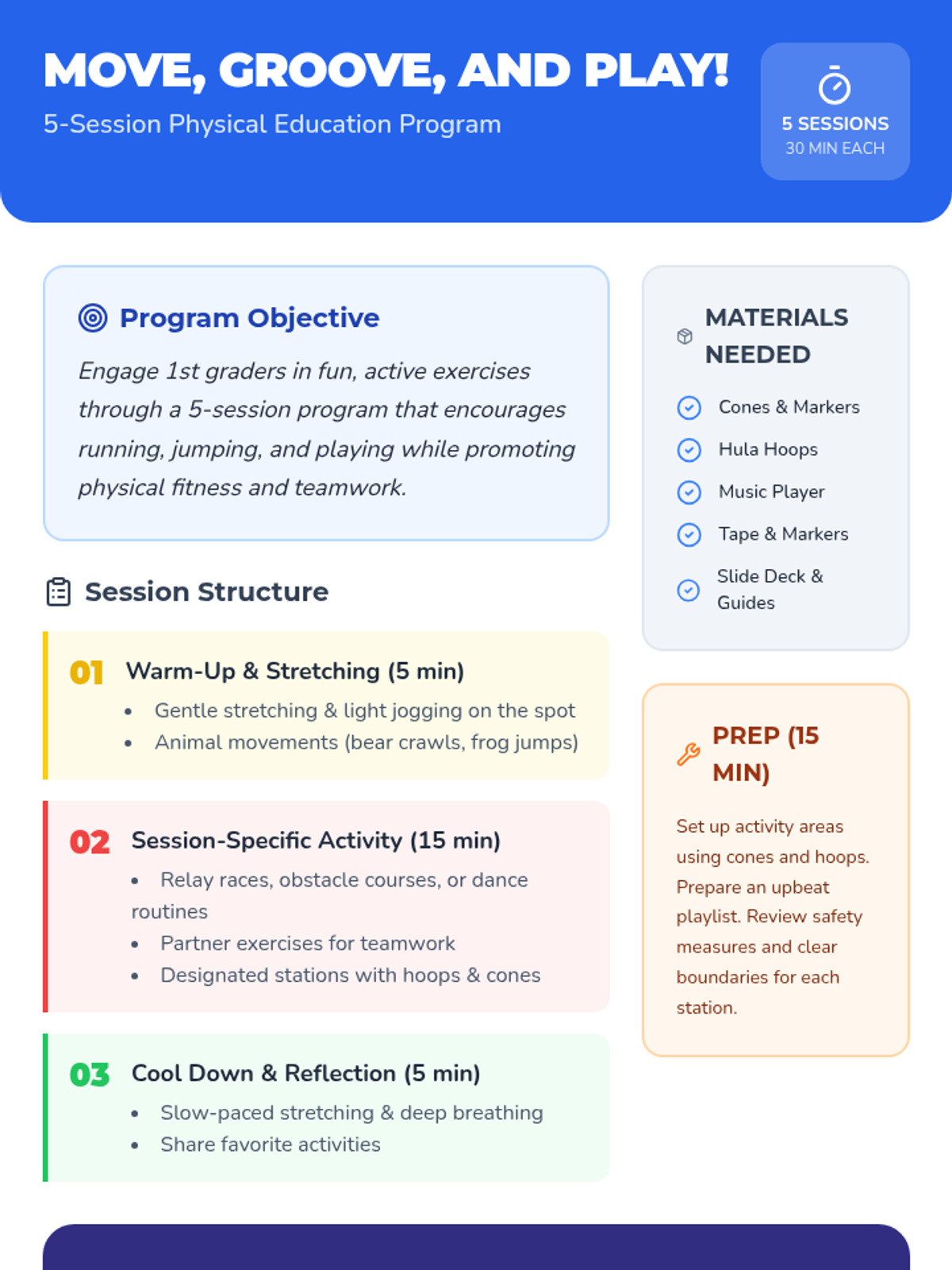
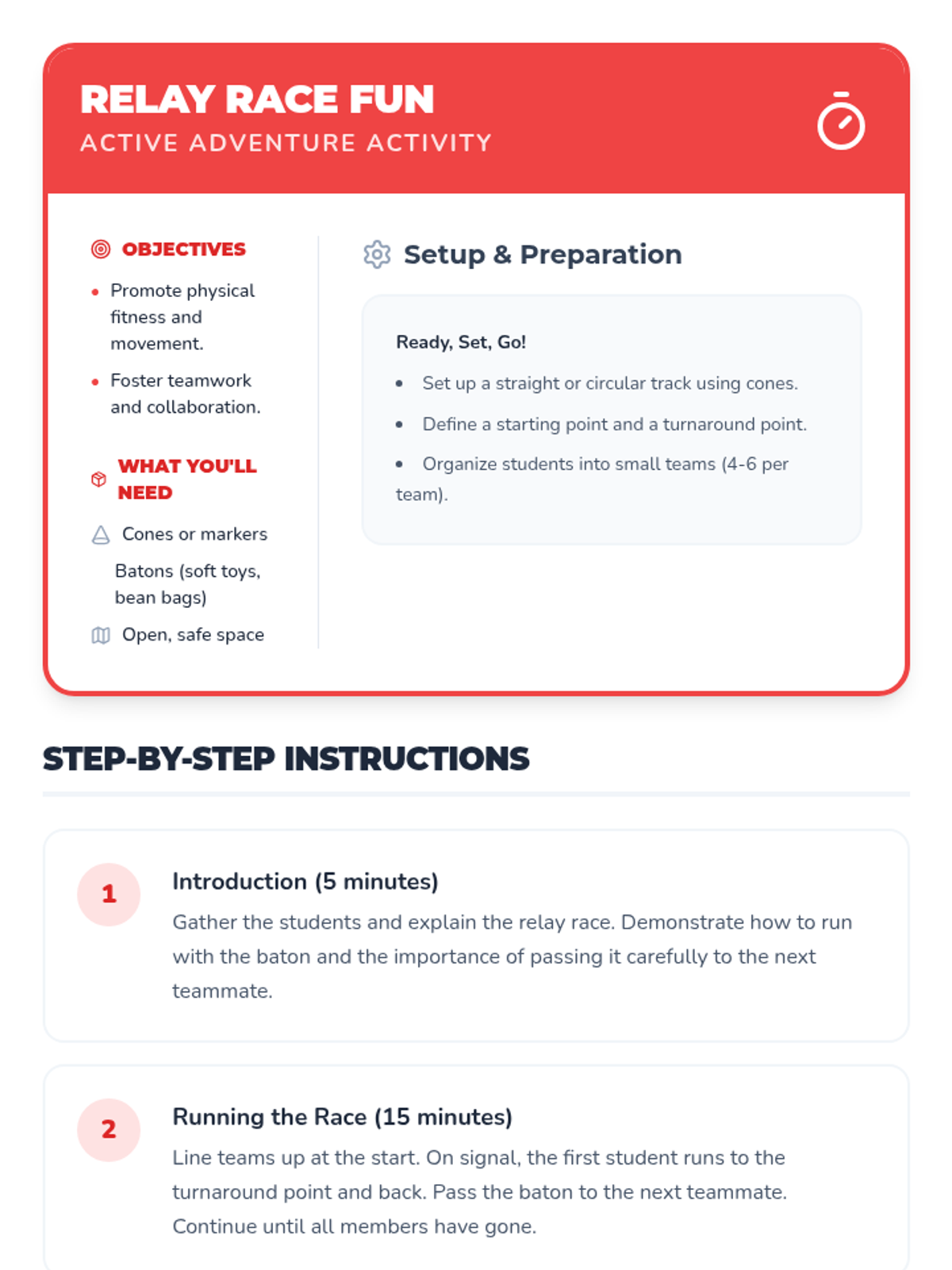
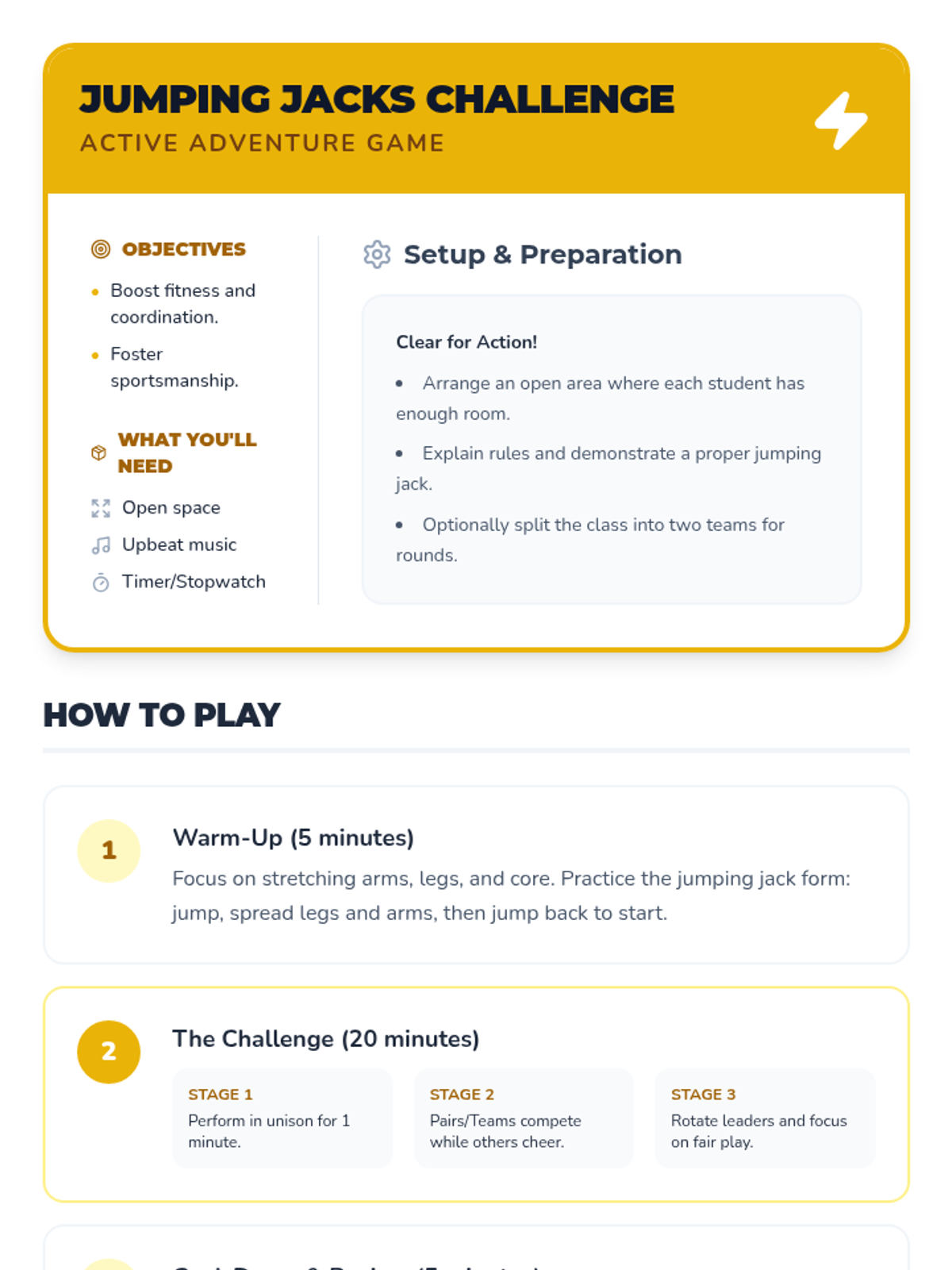
A 5-session physical education program for young learners focused on building healthy habits, motor skills, and teamwork through fun circuit-style exercises and games.
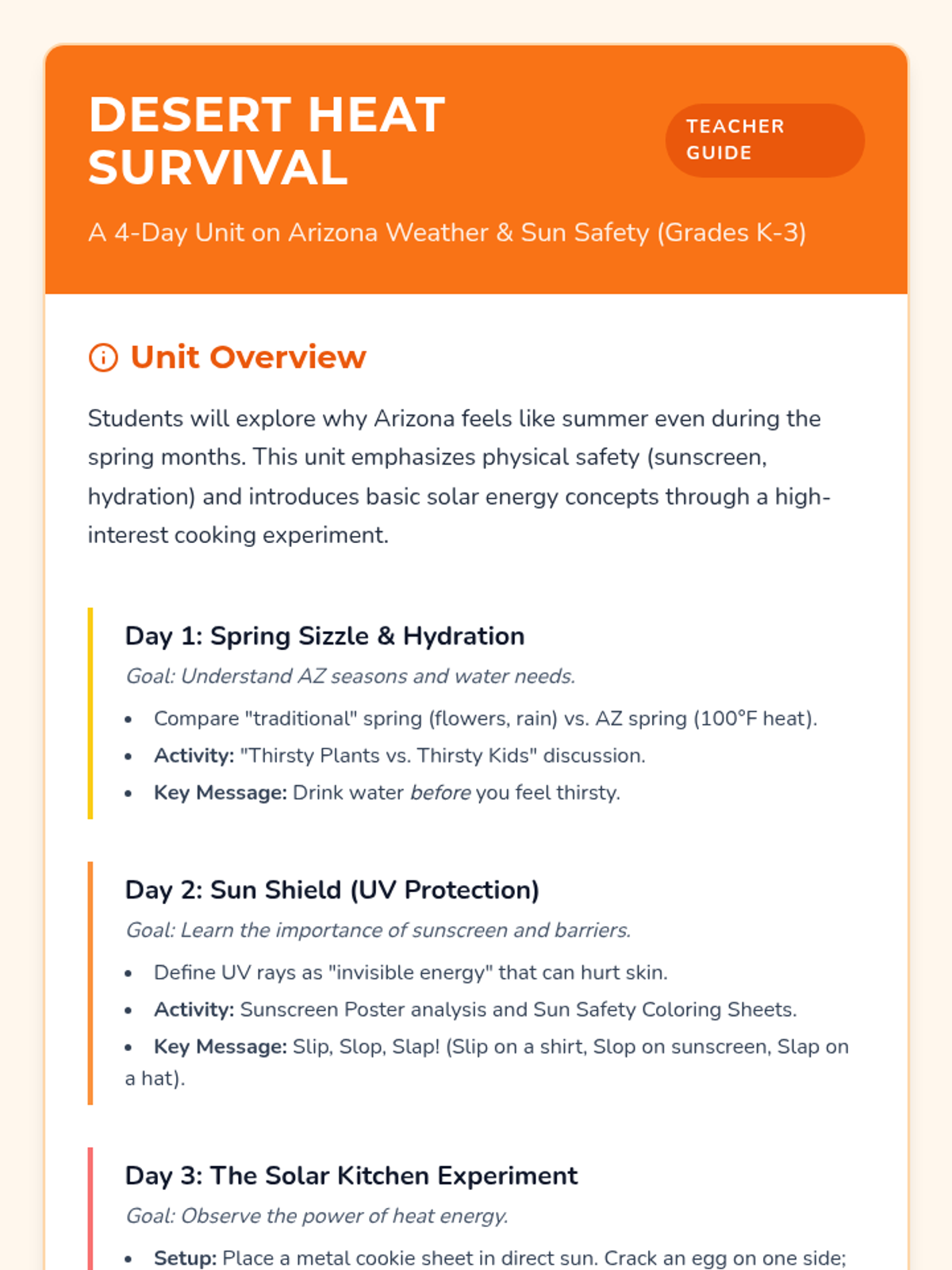
A four-day unit for grades K-3 exploring Arizona's extreme spring heat, sun safety, and the power of solar energy through a cooking experiment.
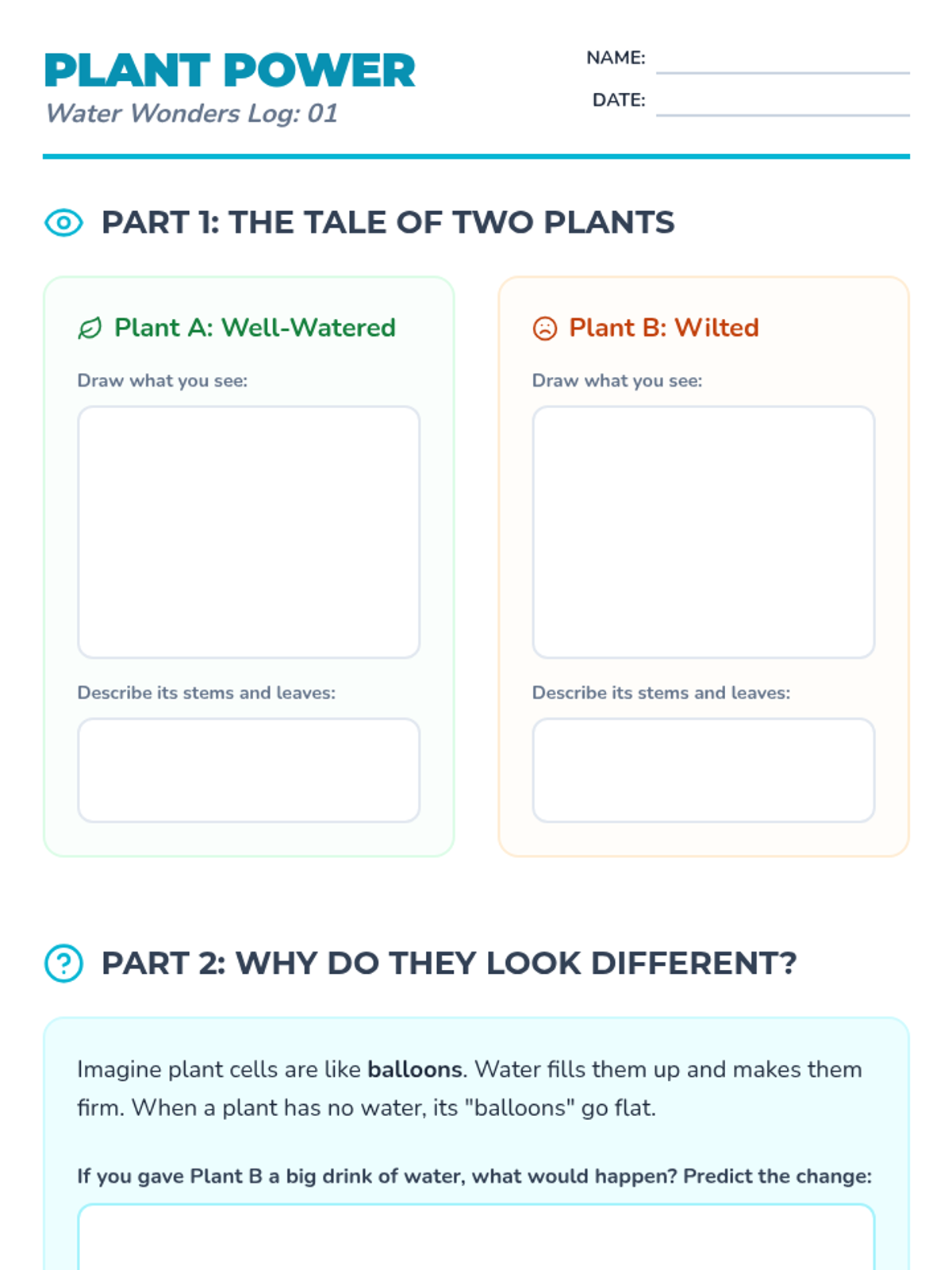
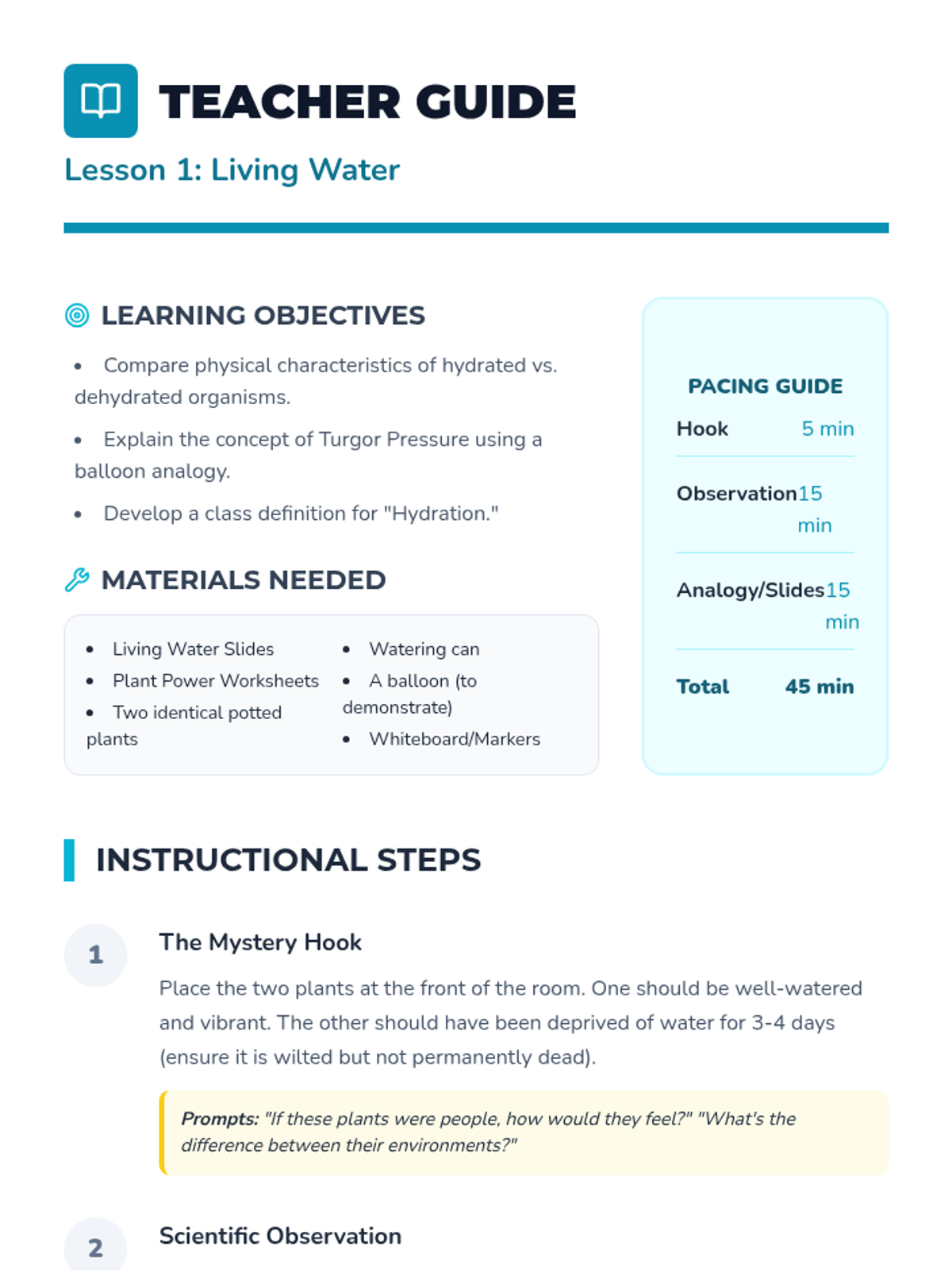
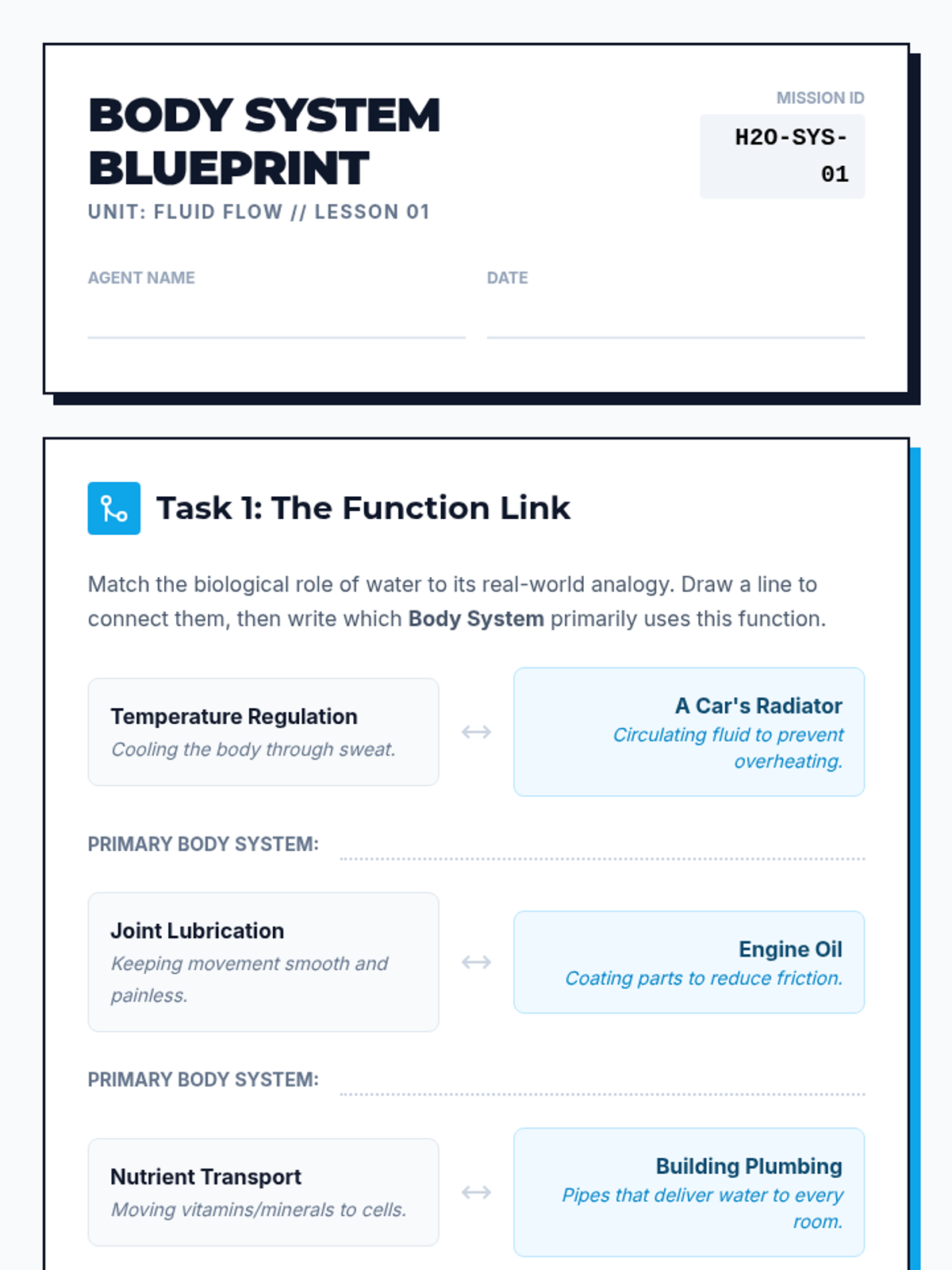
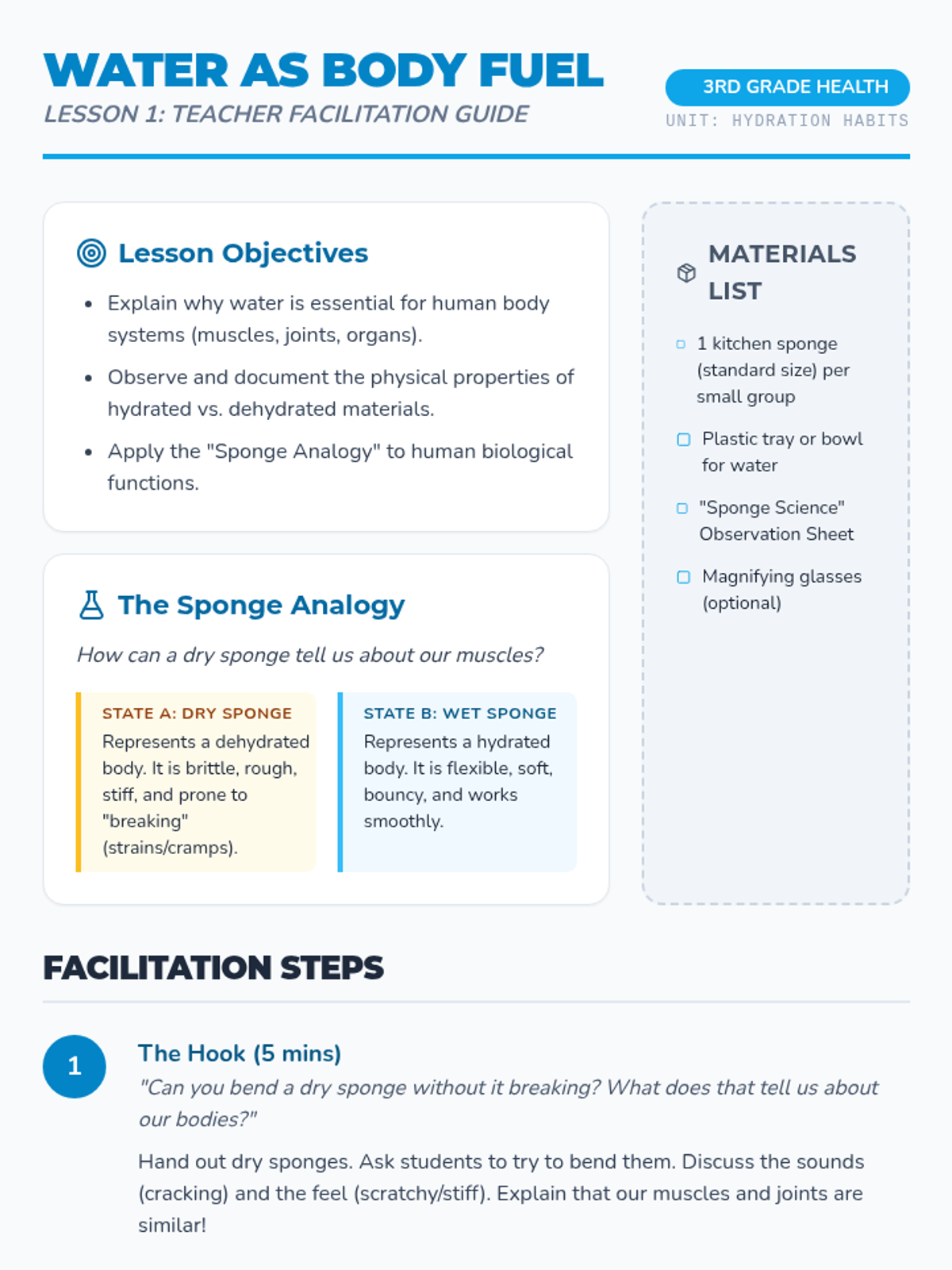
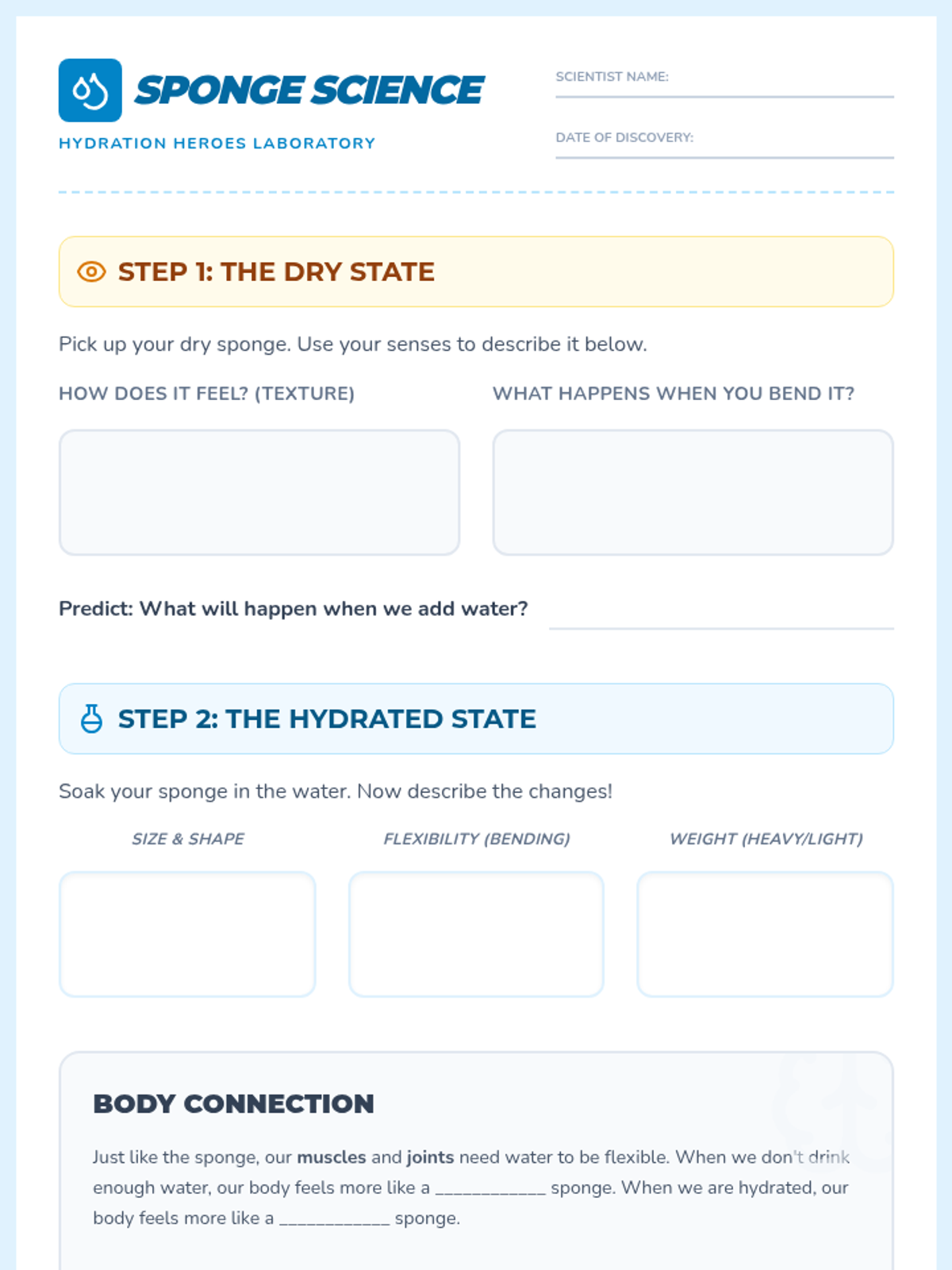
A 5-lesson sequence for 3rd graders exploring the physiological necessity of water through inquiry-based experiments, simulations, and case studies. Students learn about water's role in cooling, transportation, and health, culminating in the ability to identify dehydration and choose healthy beverages.
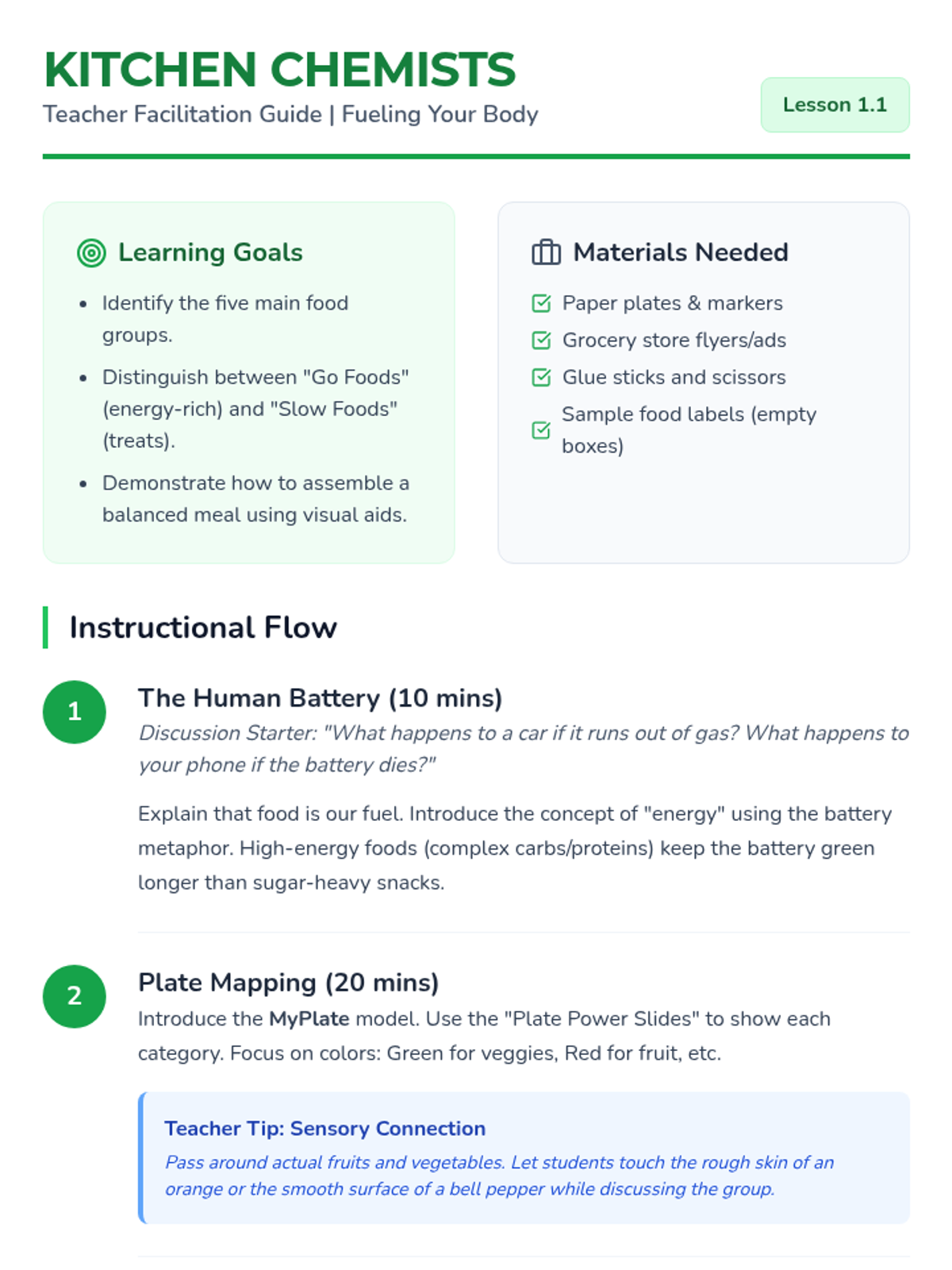
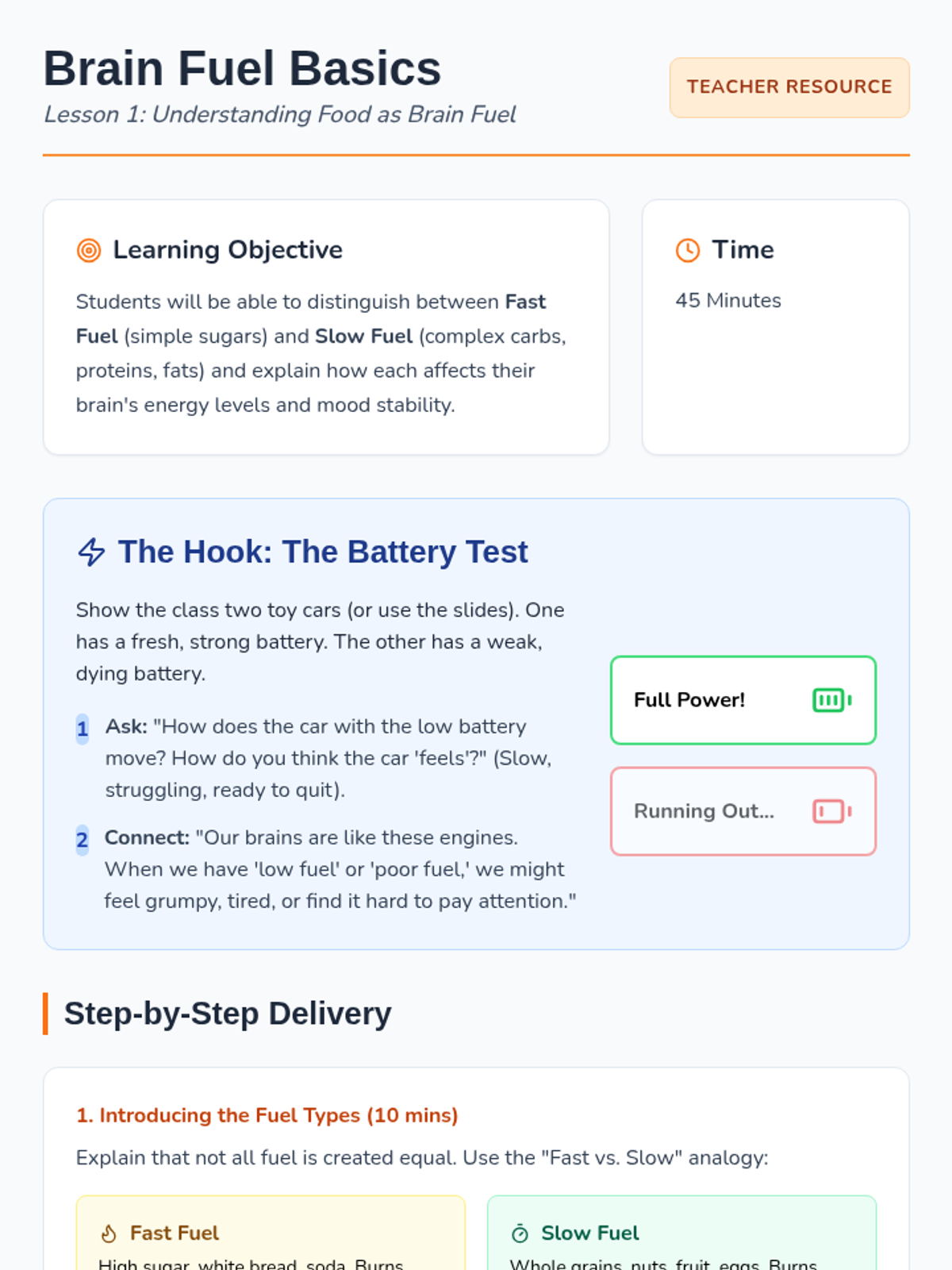
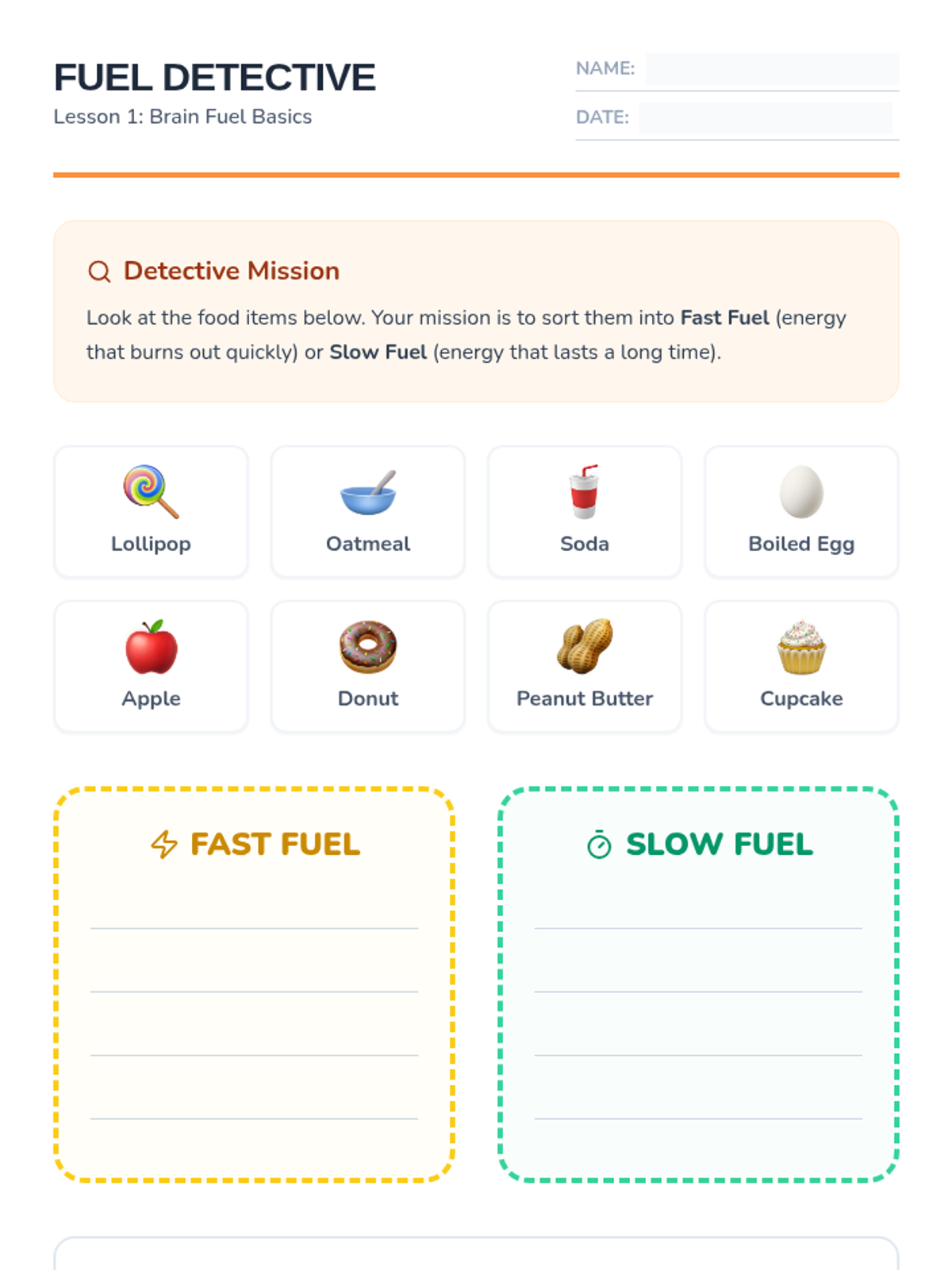
This 3rd-grade sequence explores the connection between nutrition and emotional stability. Students learn to view food as 'brain fuel,' identifying how different choices affect their energy levels, focus, and mood throughout the school day.
Students investigate the biological necessity of water and develop practical skills for monitoring their own hydration status. They explore water's role in body systems, identify dehydration signs, analyze hydration sources, and create personalized fluid intake plans for peak performance.
A 5-lesson sequence for 3rd-grade students exploring the importance of hydration. Students learn about water's role in the body, signs of dehydration, thermoregulation, beverage choices, and how to create a personal hydration plan.
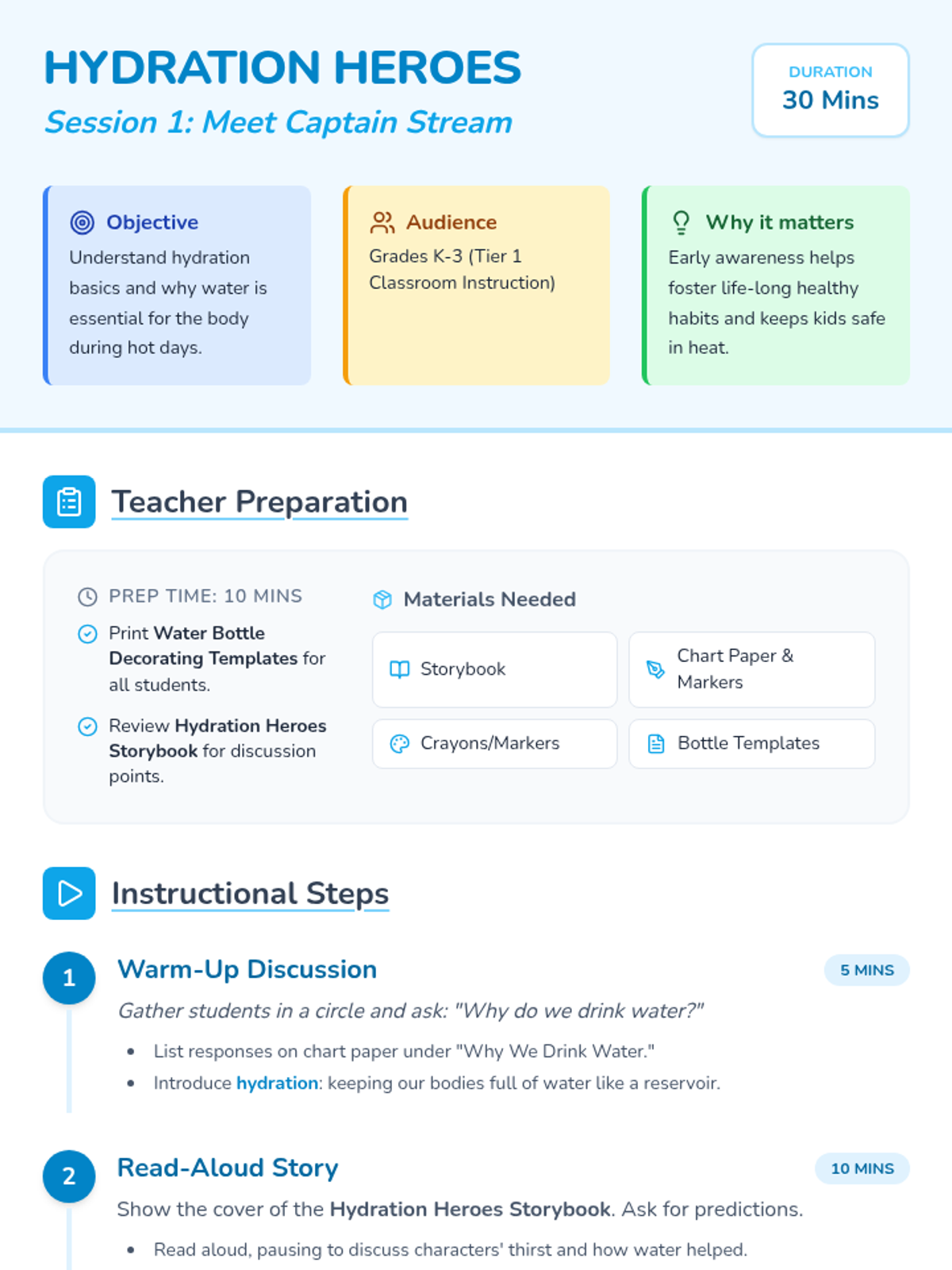
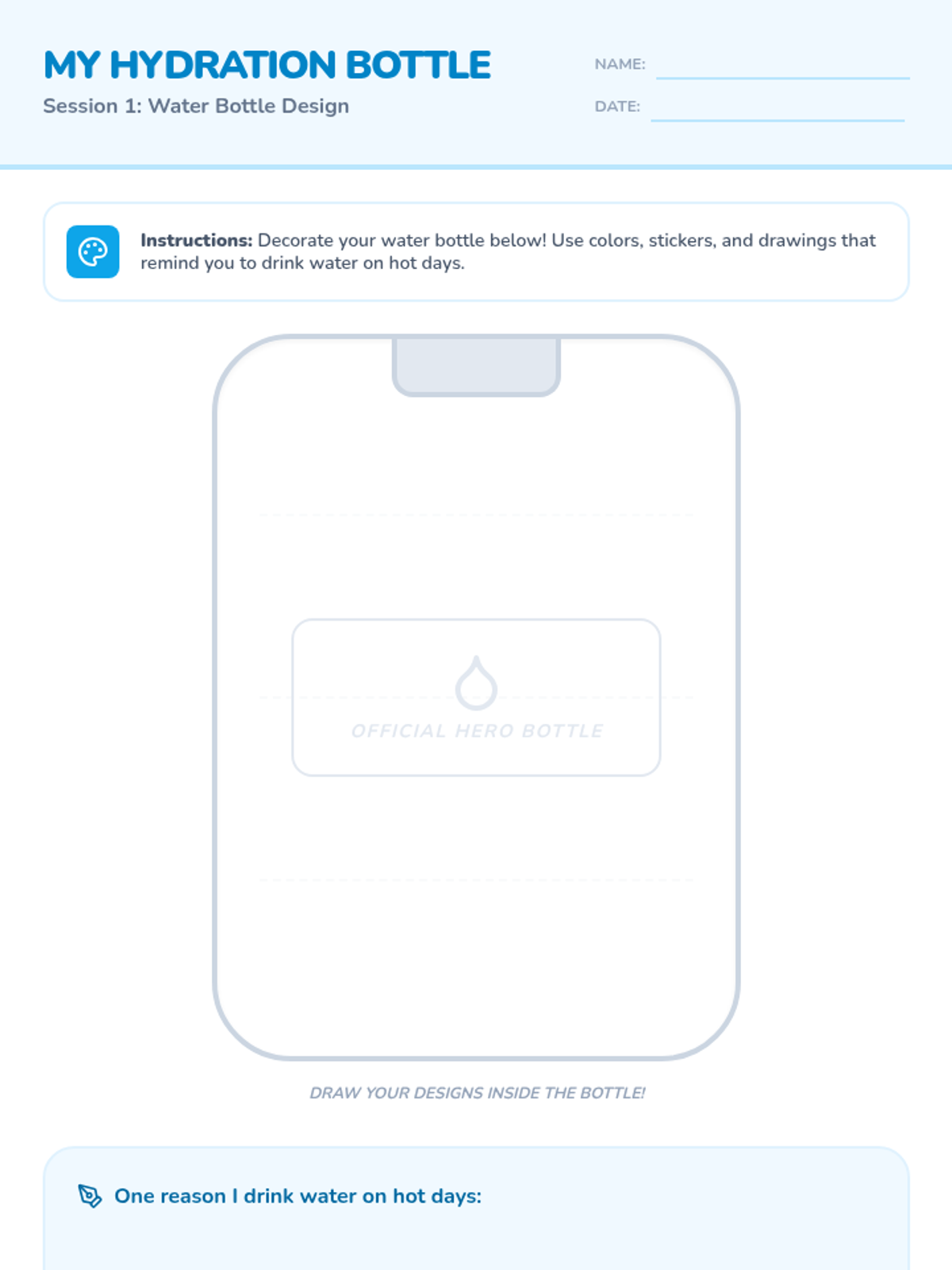
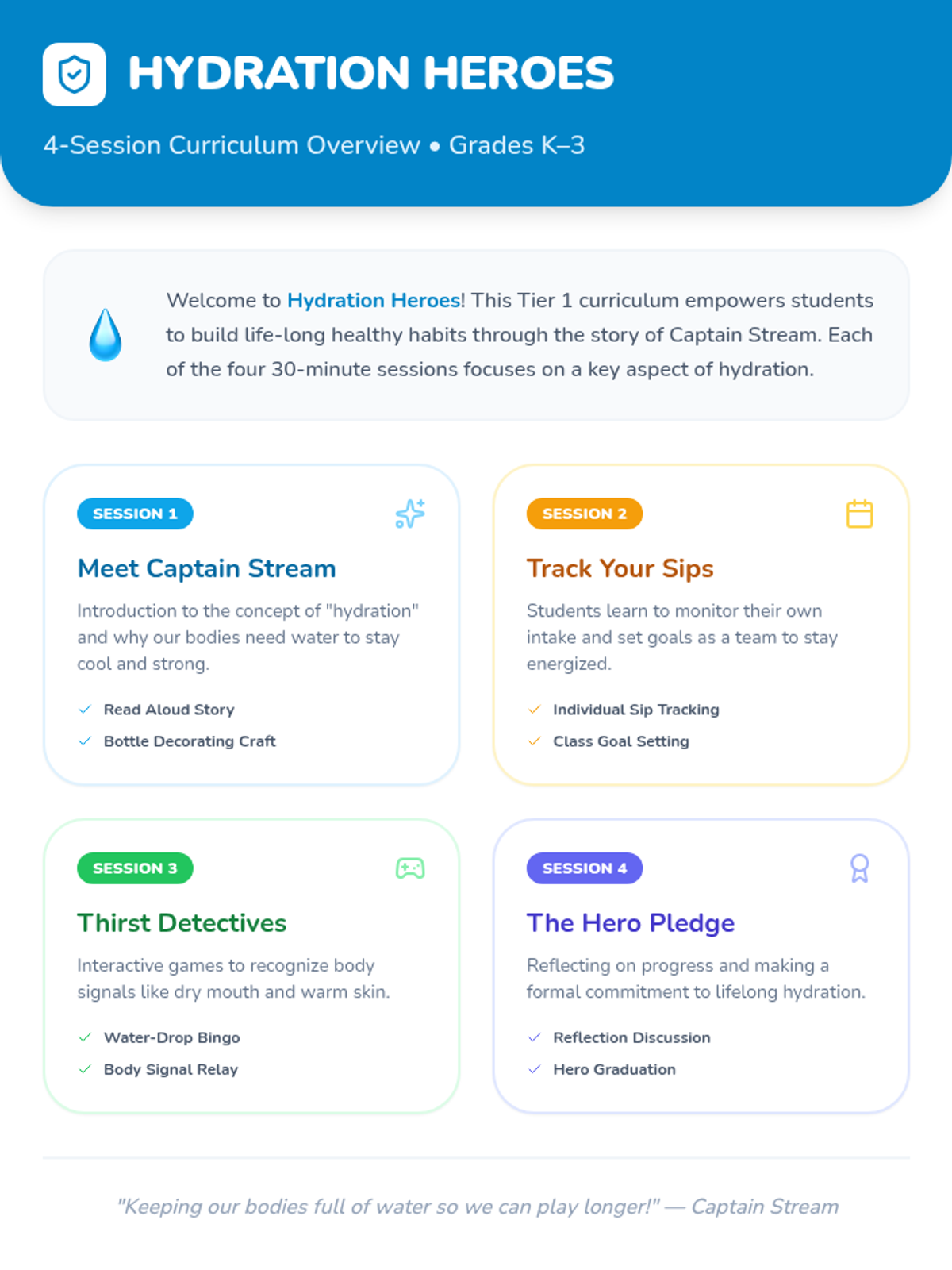
A 4-session K-3 curriculum that teaches students the importance of hydration through the character Captain Stream, interactive tracking, and games. Students develop healthy habits to stay cool and energized during hot weather.
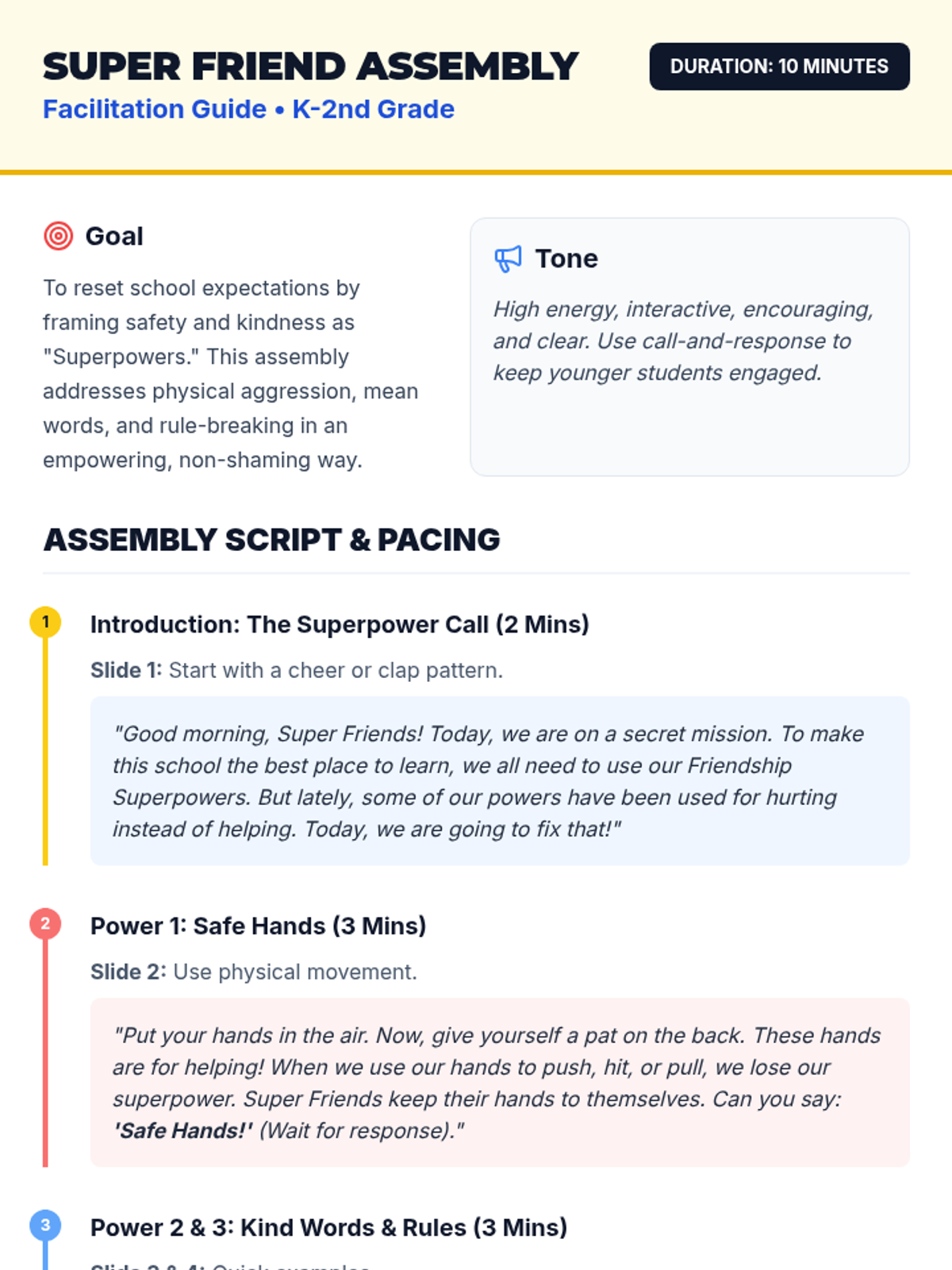
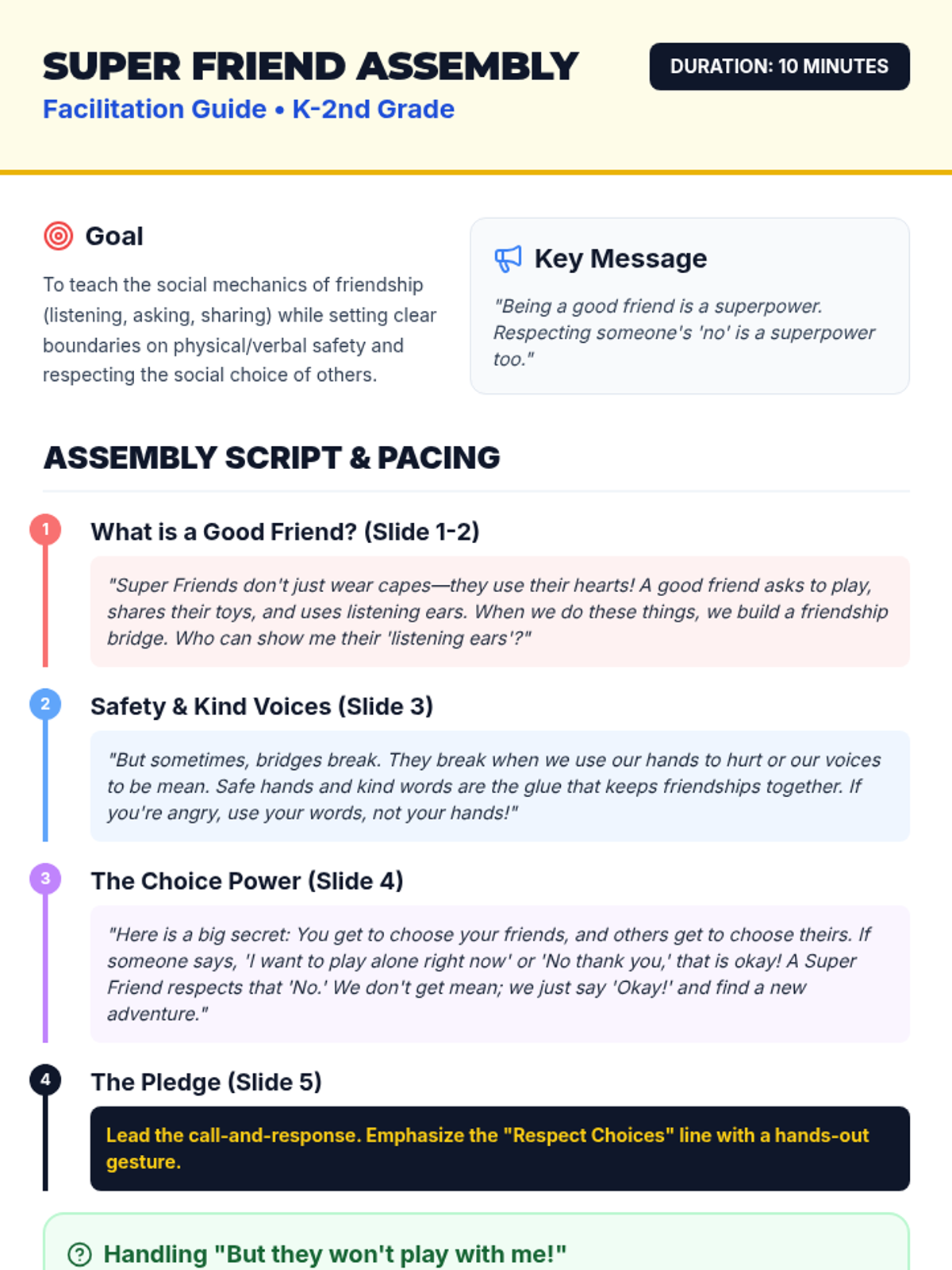
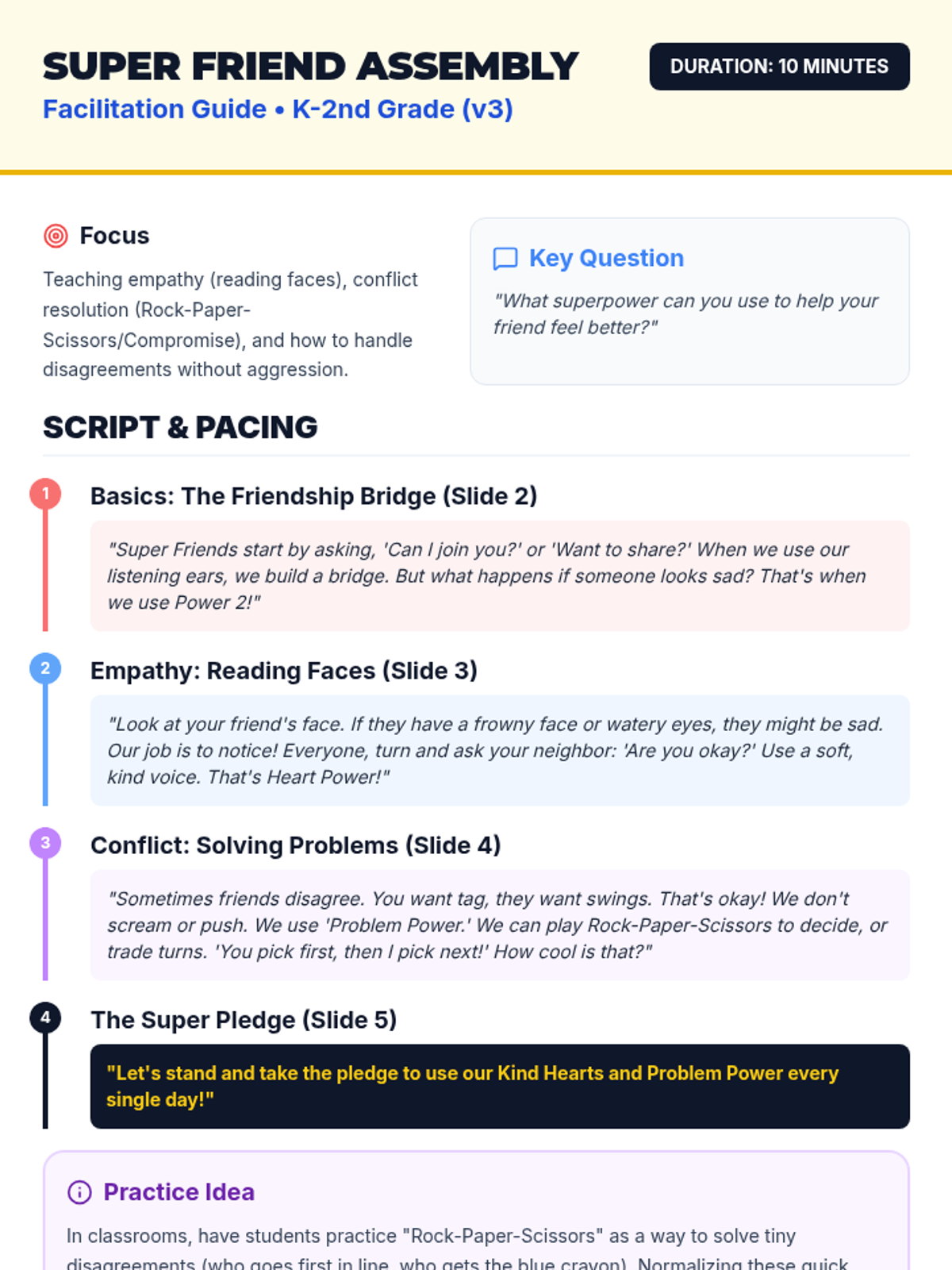
A pair of 10-minute assembly lessons focused on friendship, safety, and community respect for K-2 and 3-5 students, addressing physical and verbal behavior.
A comprehensive sequence for 3rd grade students focusing on identifying emergencies, communicating with emergency services, and understanding community mental health resources. Students will develop situational awareness and learn the practical steps for seeking help in various crises.
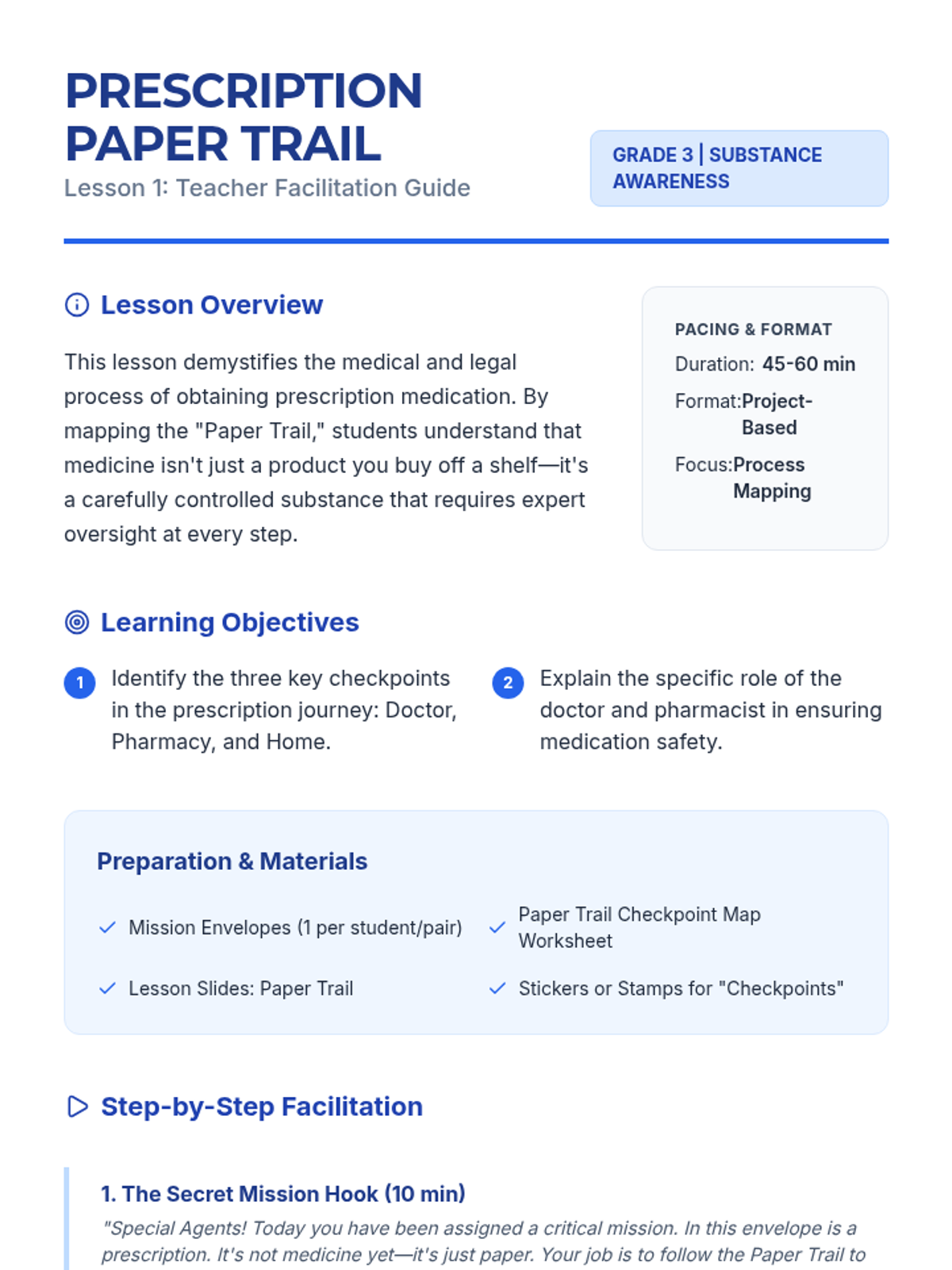
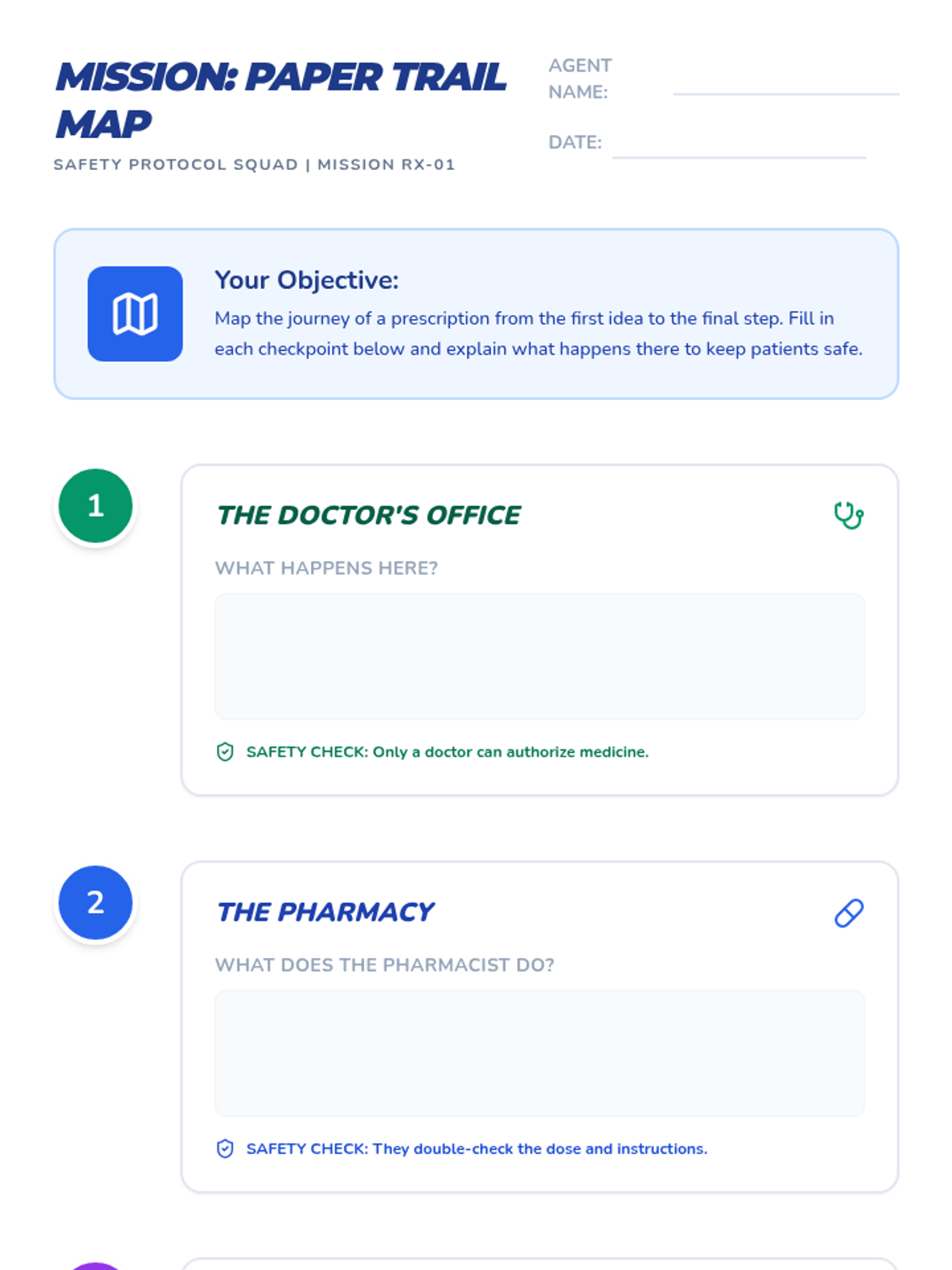
A comprehensive sequence for 3rd-grade students focusing on the strict protocols of prescription medication safety. Students learn about the legal journey of a prescription, the importance of precise dosage, the 'never-share' rule, and proper disposal of expired medication.
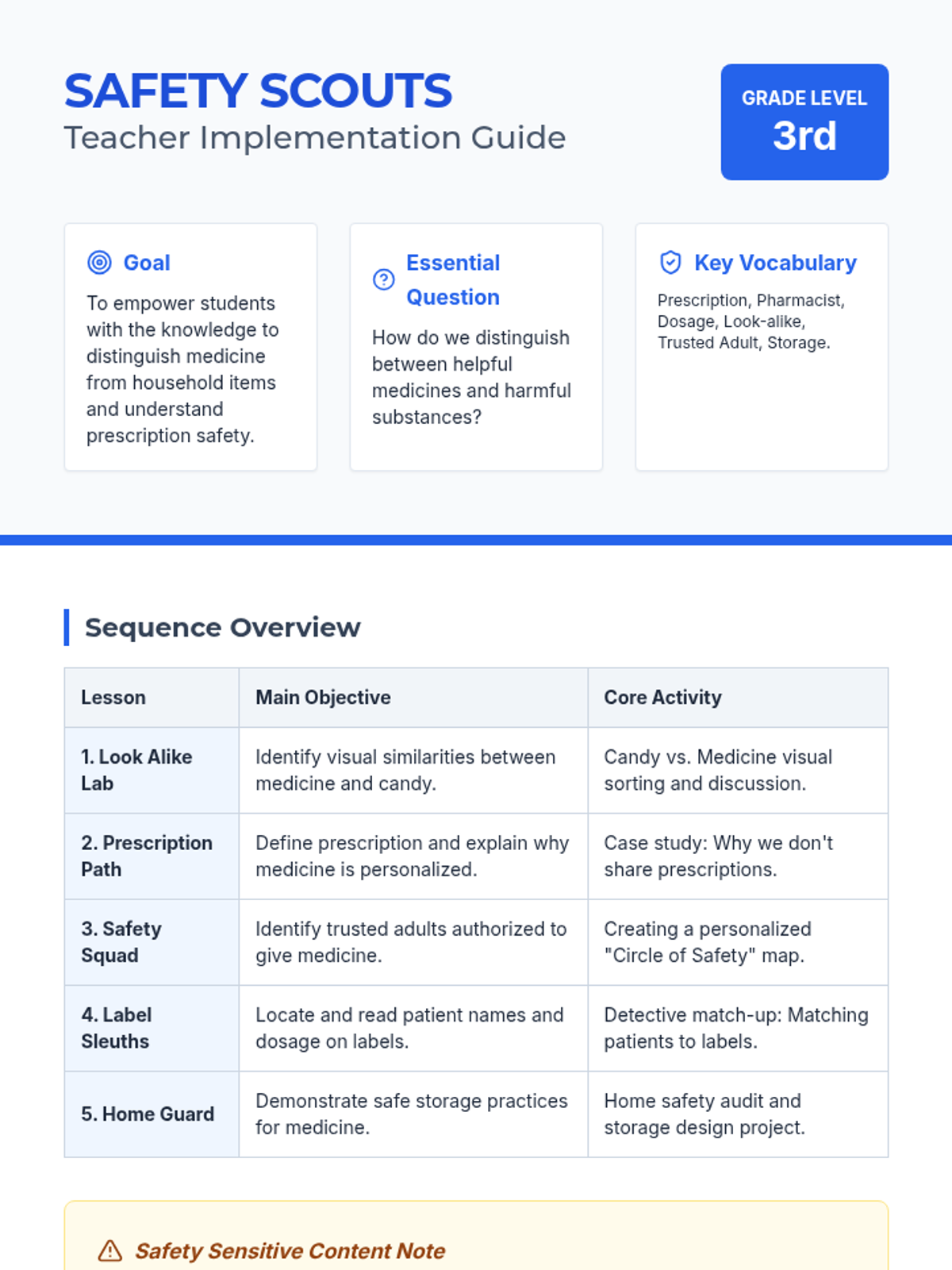
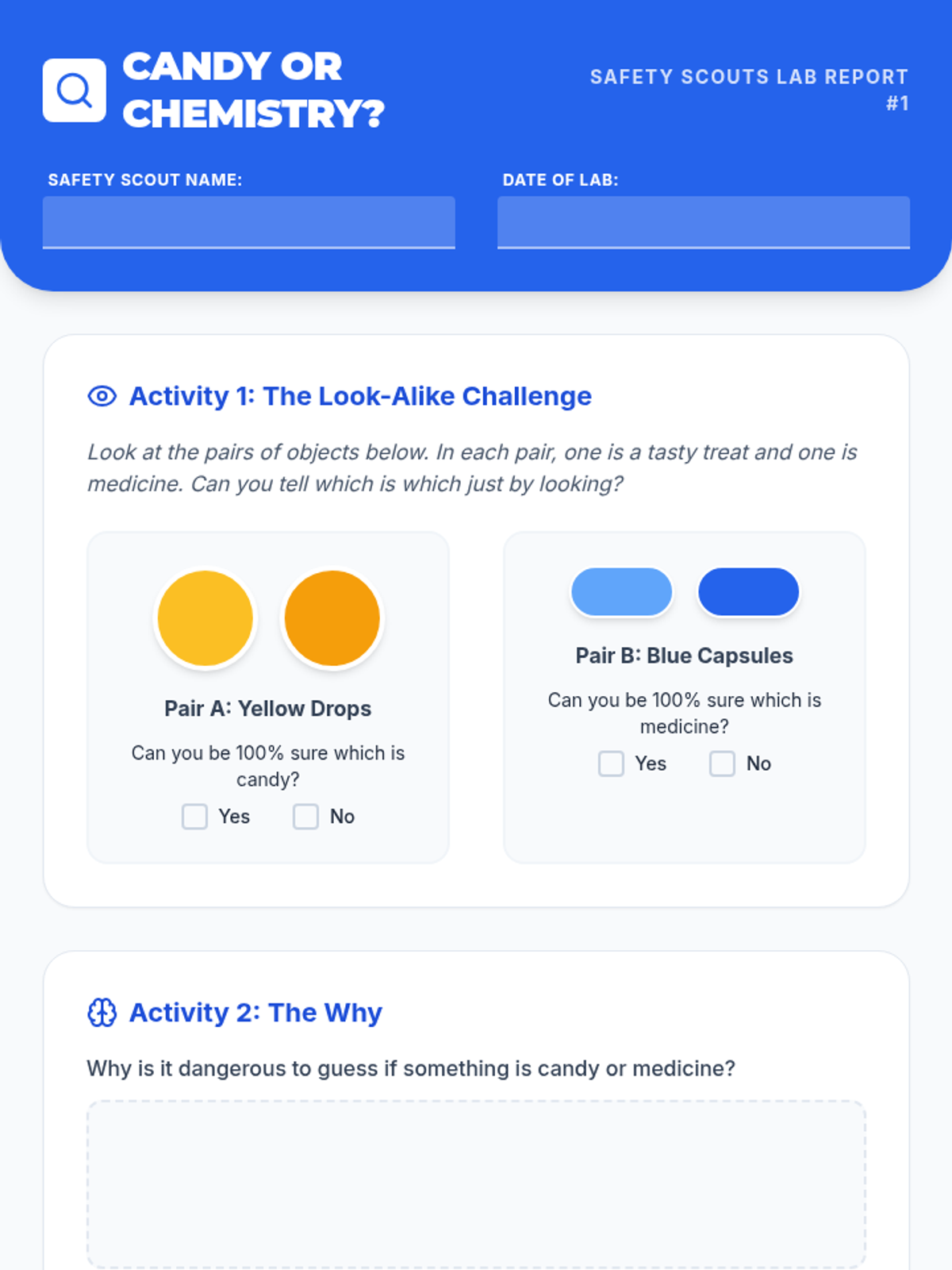
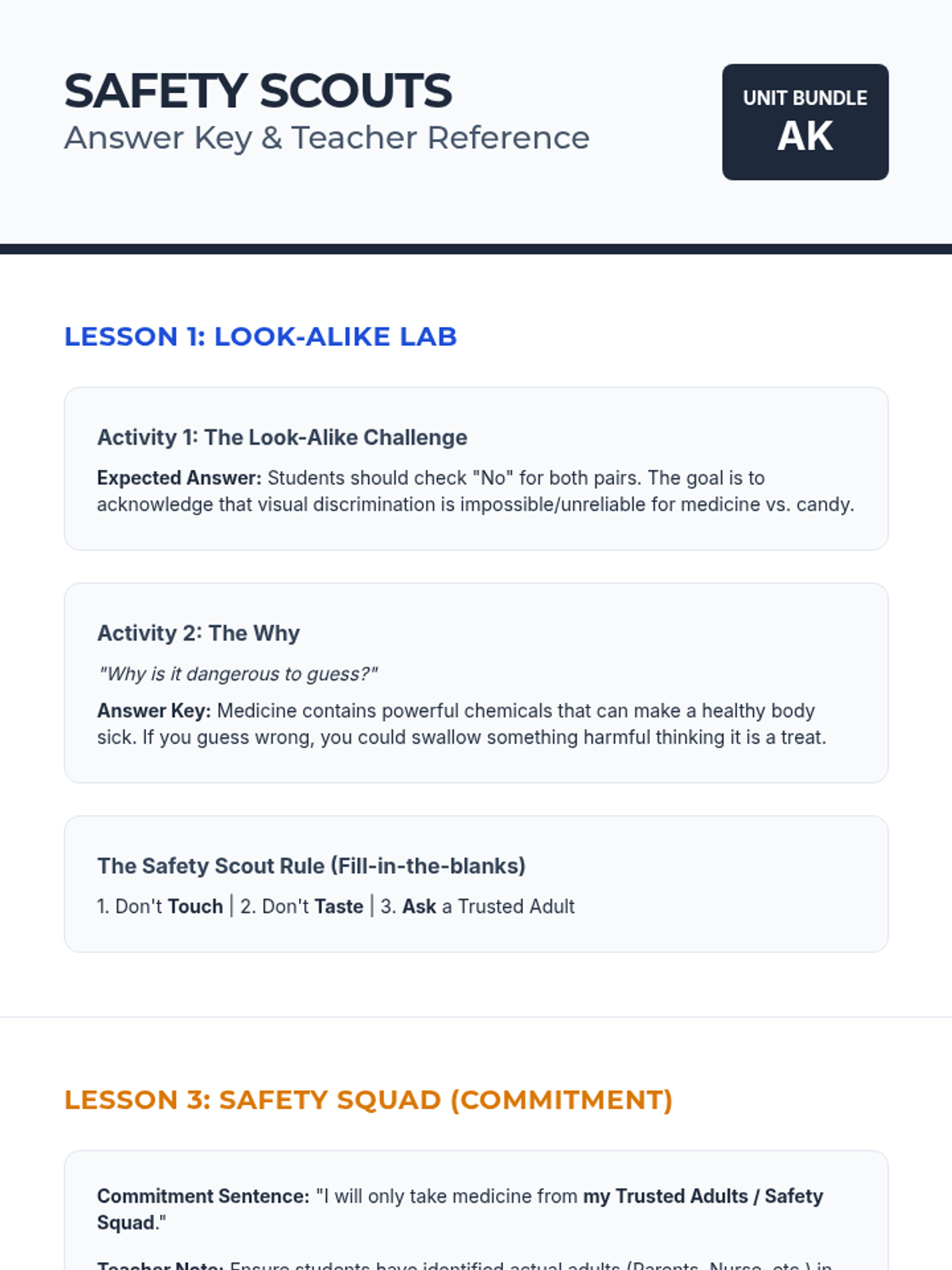
This sequence introduces 3rd-grade students to prescription drug awareness by teaching them to distinguish between medicine and candy, understand the role of prescriptions, identify trusted adults, and practice safe storage. Through inquiry-based activities and detective-themed challenges, students build critical safety skills.
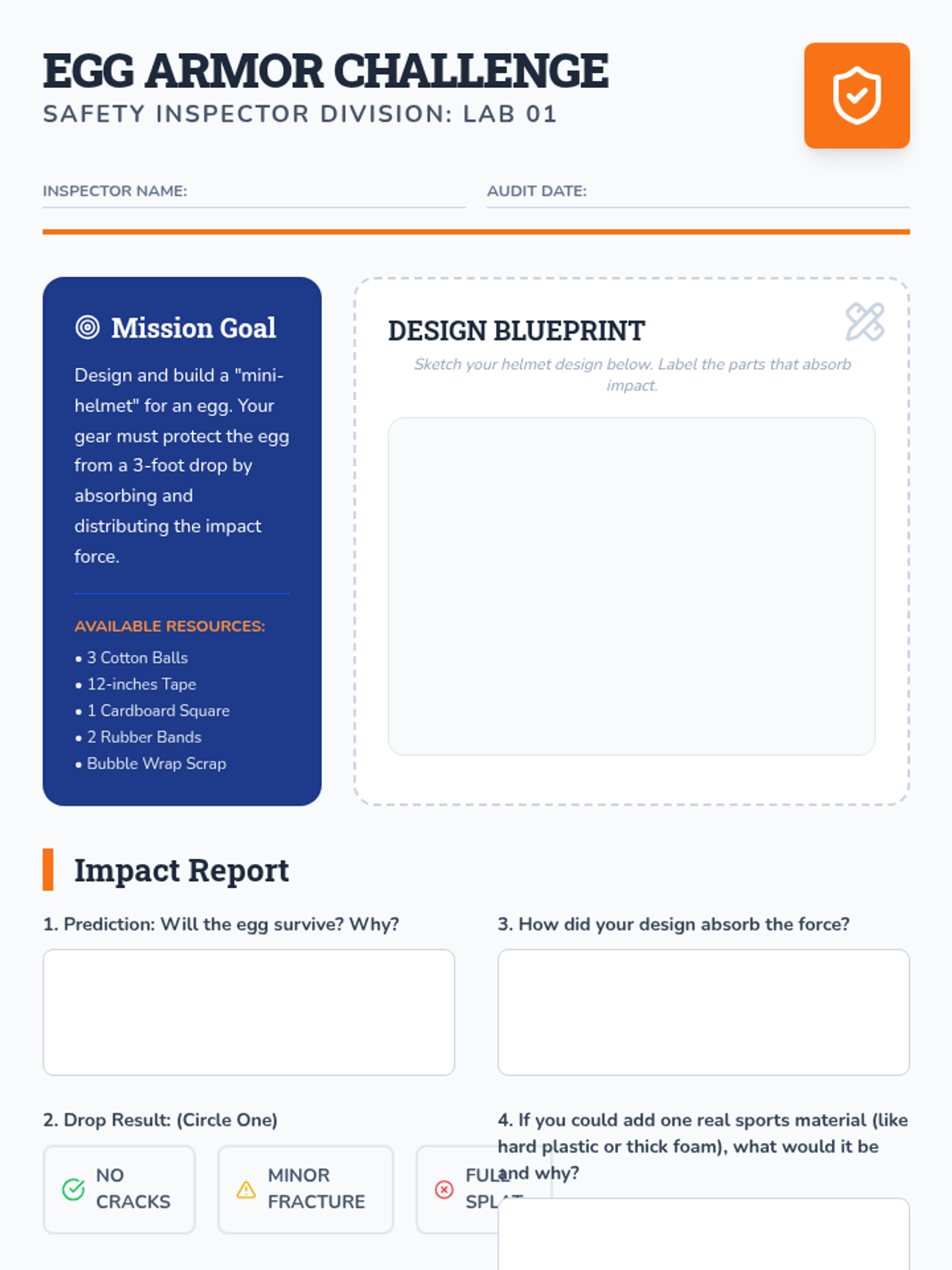
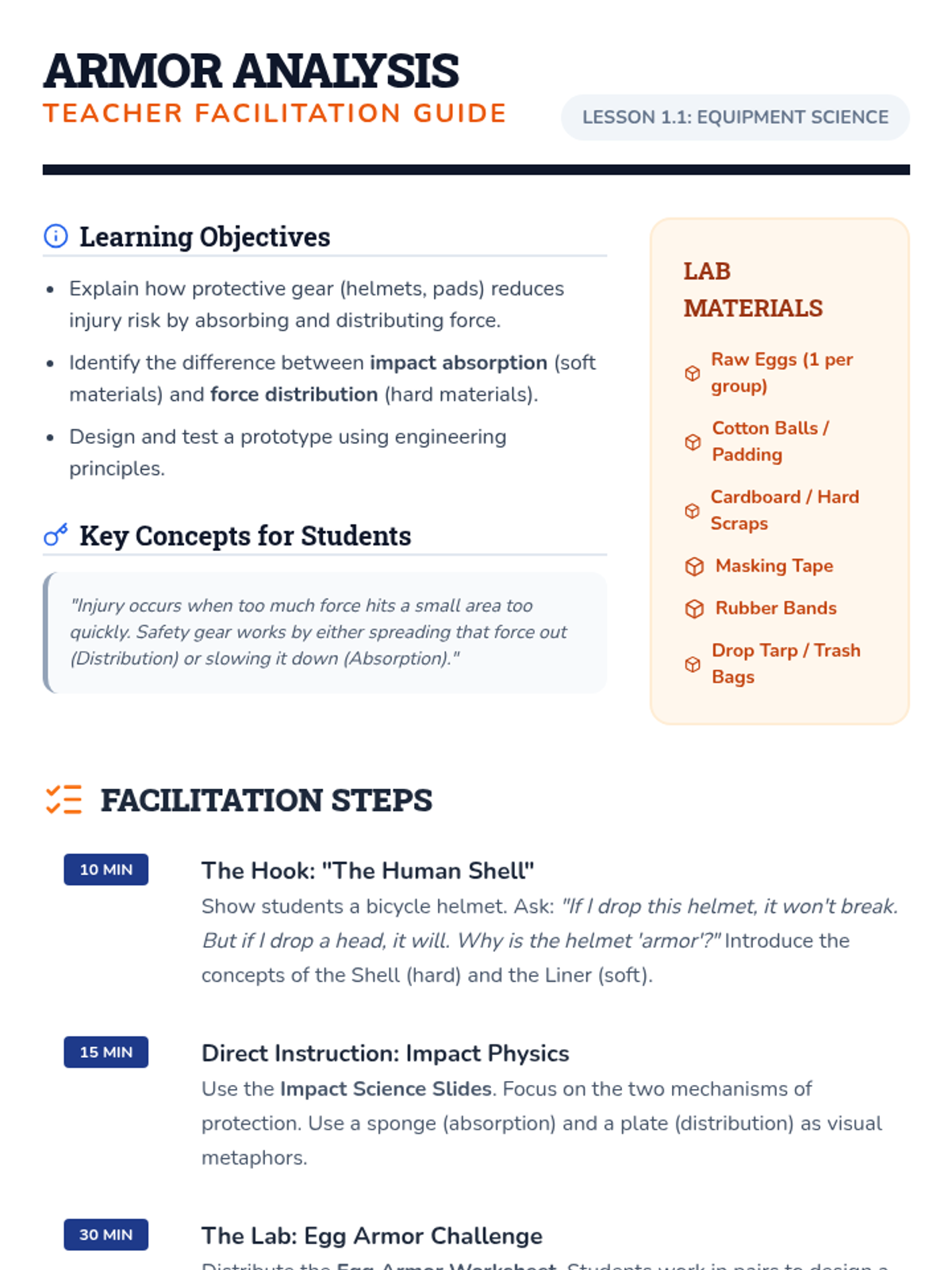
Students become safety inspectors to evaluate sports equipment, environmental hazards, and the protective nature of rules to prevent injuries. Through hands-on experiments and site audits, they learn to create safer spaces for physical activity.
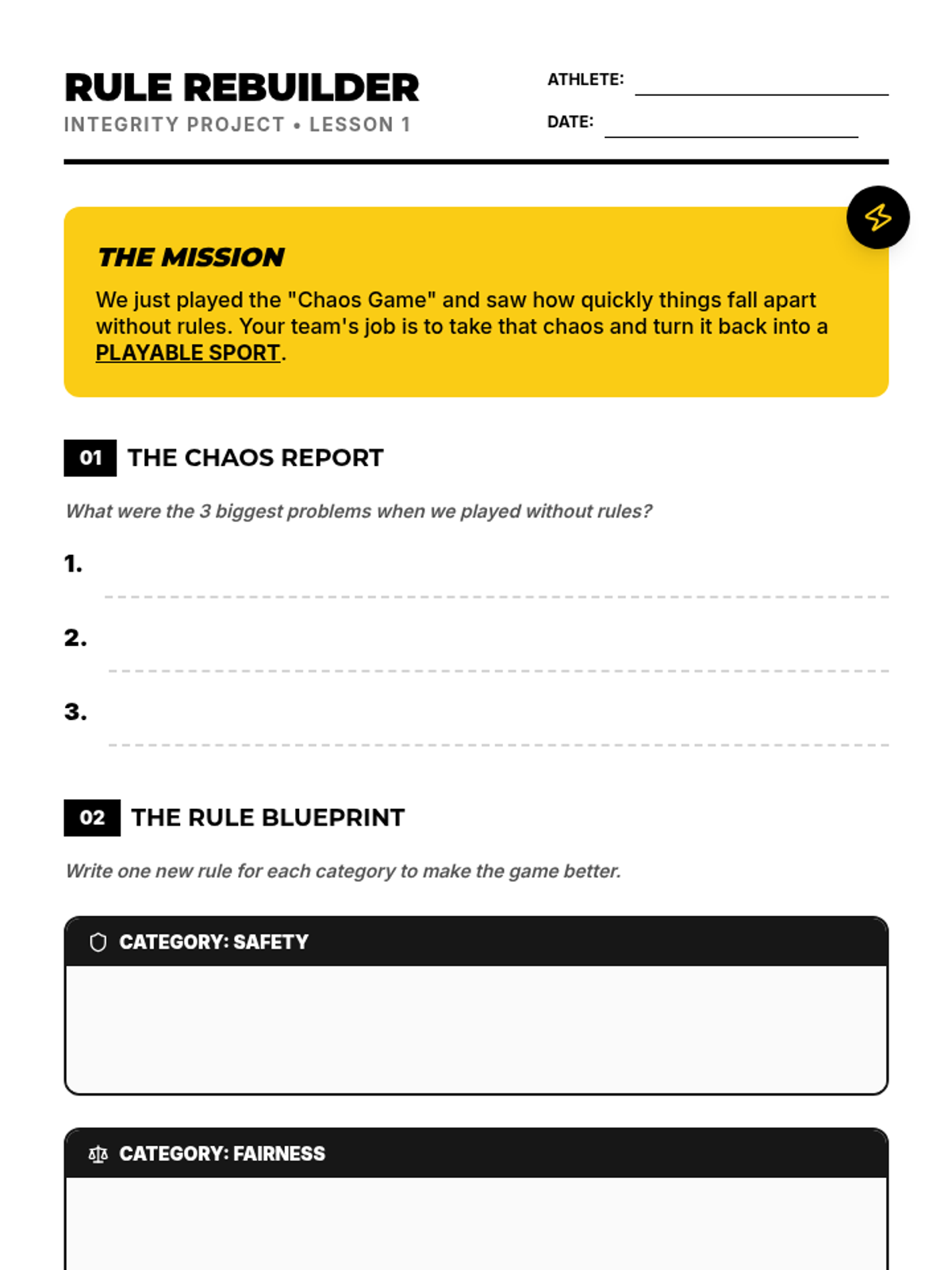
This sequence explores the structural necessity of rules, integrity, and respect for officials in organized sports. Students learn through experiential games, role-playing, and self-officiating to understand why fair play is essential for safety and enjoyment.
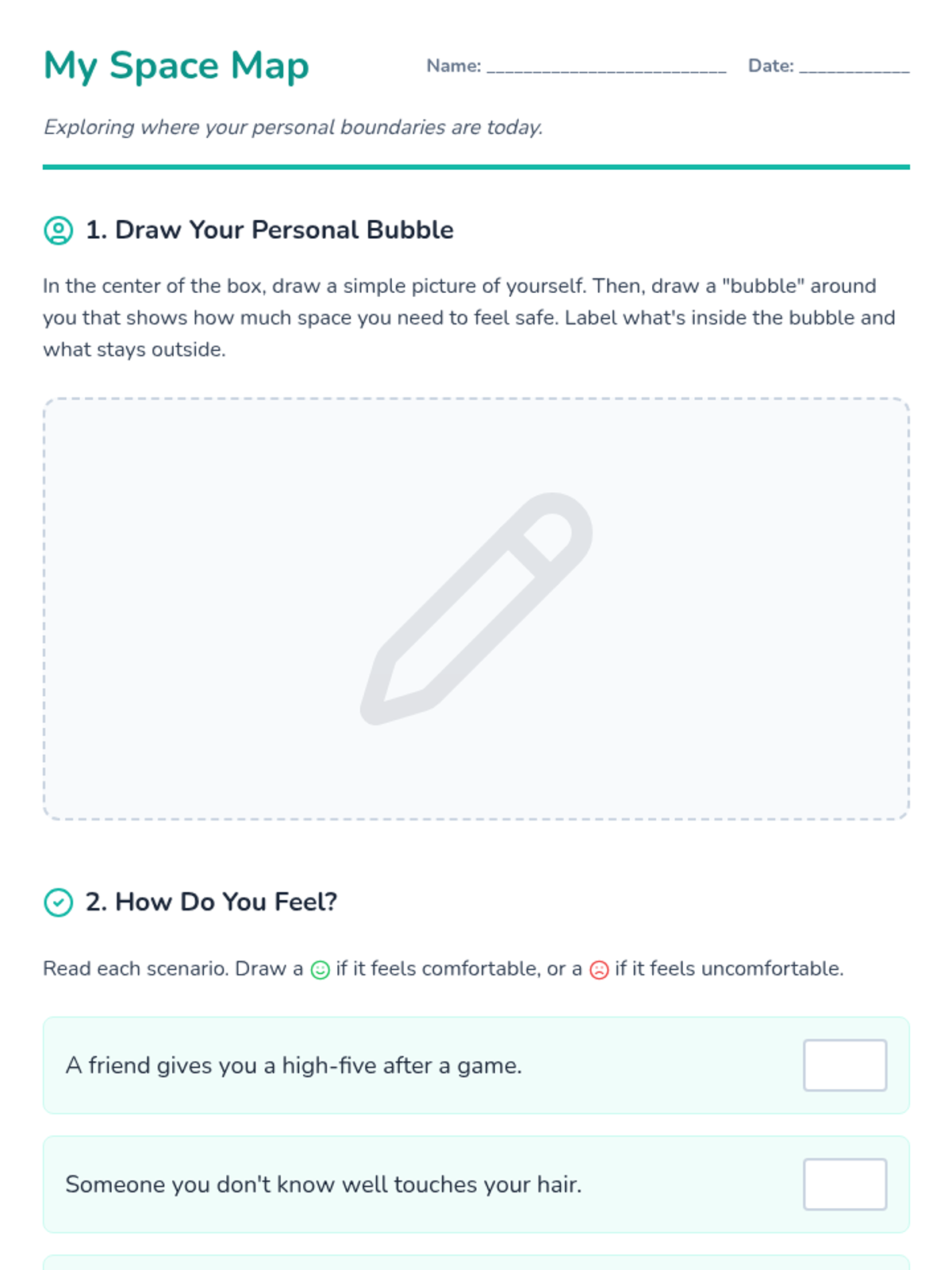
This sequence guides third-grade students through the foundational concepts of personal safety, boundary setting, and effective communication within relationships. It covers personal space, identifying trusted adults, distinguishing healthy interactions, practicing refusal, and executing safety protocols.
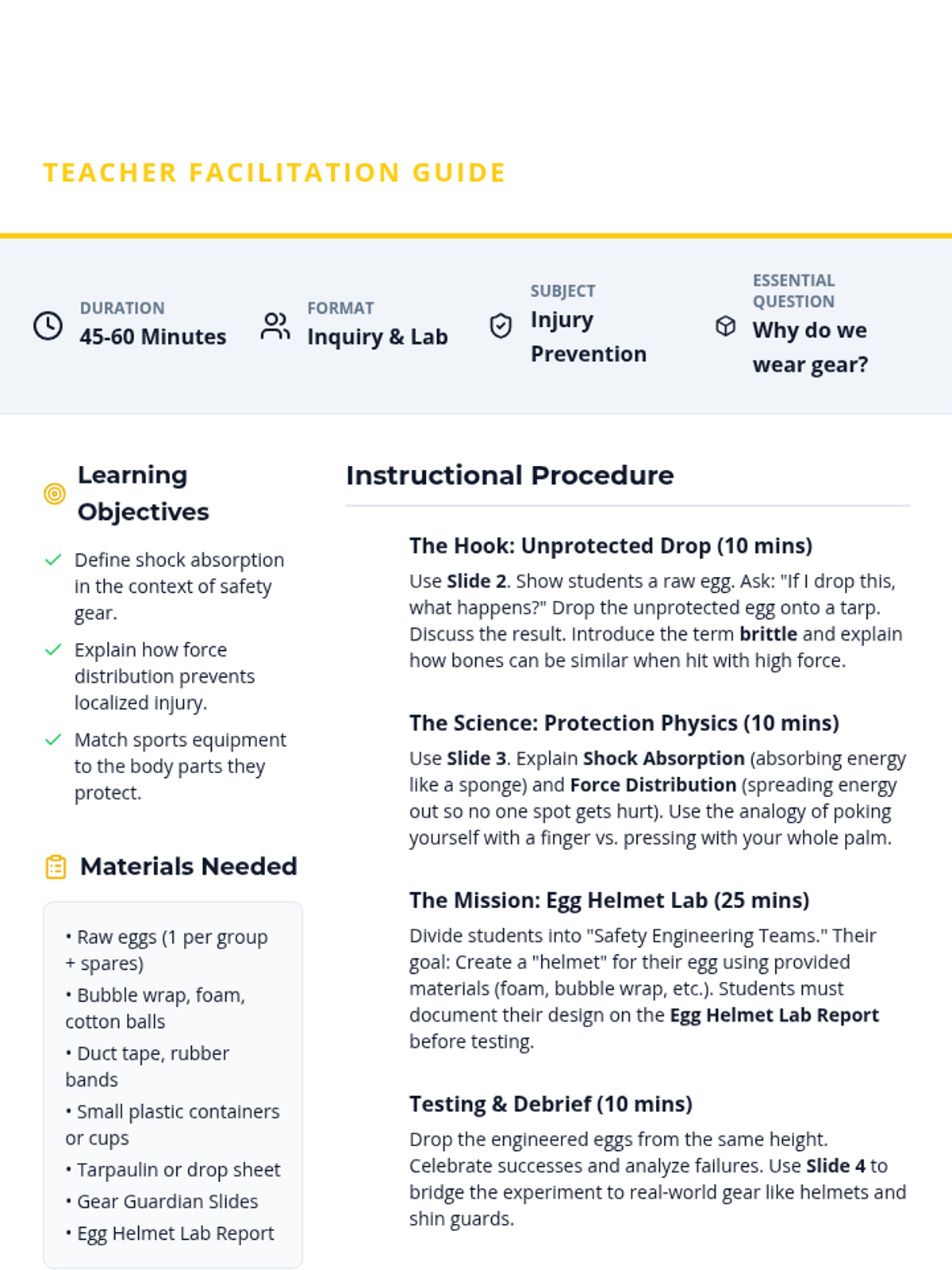
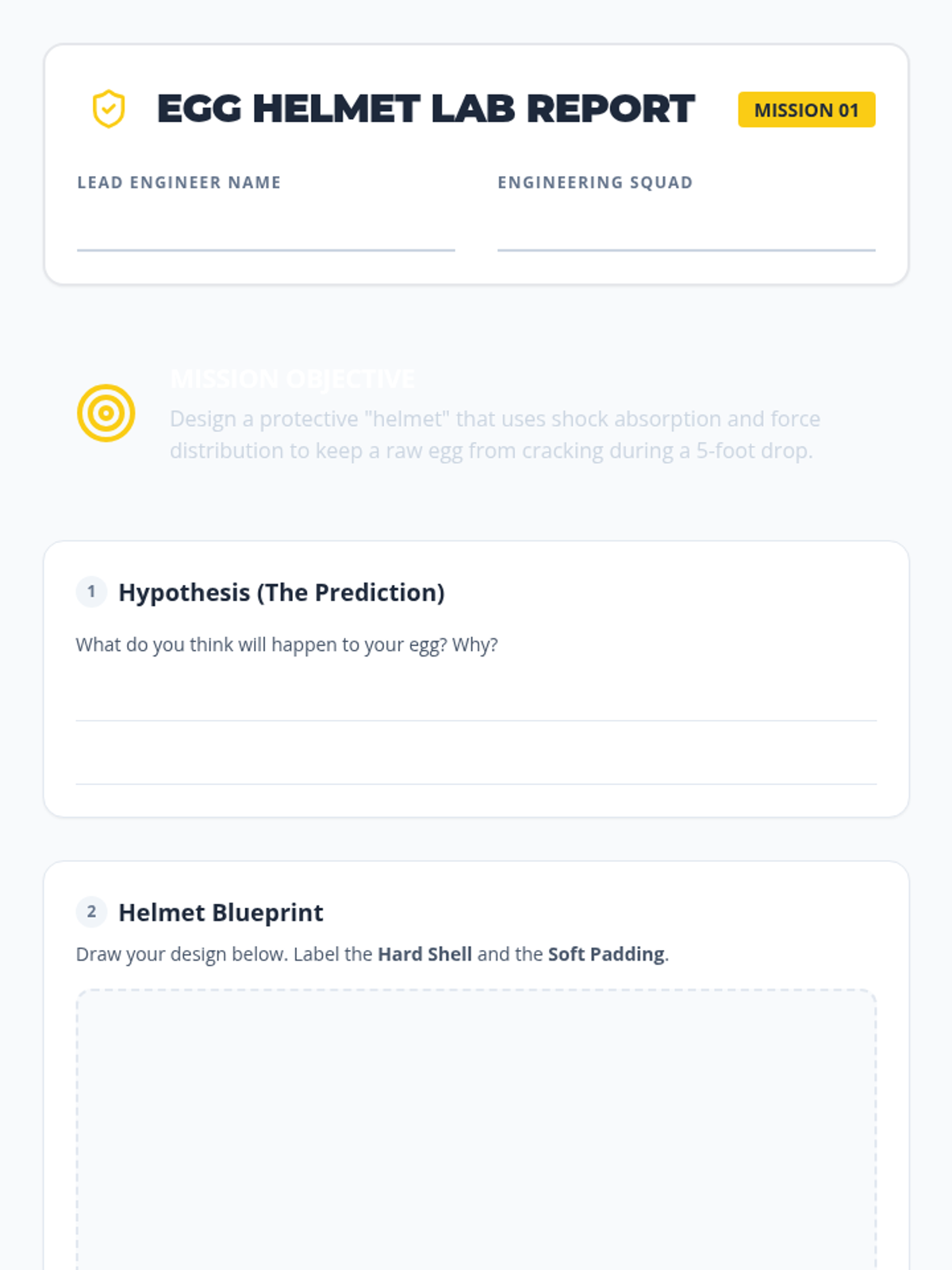
A 5-lesson unit for 3rd graders on injury prevention, focusing on protective equipment, hazard identification, warm-up routines, body mechanics, and integrated safety protocols. Students act as 'Safety Detectives' and 'Safety Inspectors' to master proactive injury prevention.
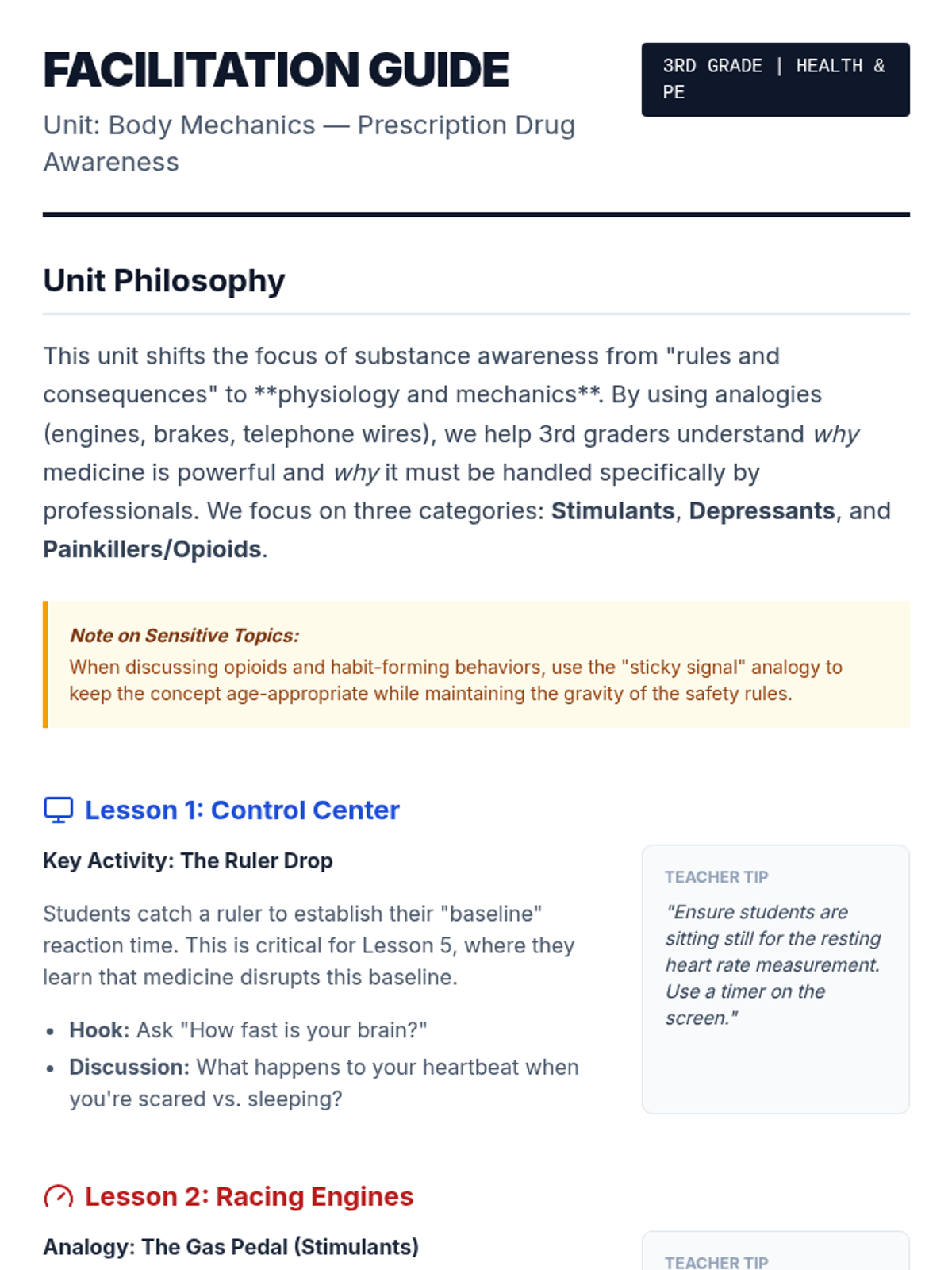
A 3rd-grade unit exploring how different categories of prescription medication affect the brain and body using mechanical analogies and simplified physiological concepts. Students learn the dangers of misuse by understanding how stimulants, depressants, and painkillers disrupt normal bodily functions.
A comprehensive 5-lesson sequence for 3rd graders on personal safety, focusing on body awareness, trusted adults, the difference between secrets and surprises, and the importance of persistent reporting. Students build a 'Safety Squad' of trusted adults and develop a personalized safety plan through simulations and hands-on activities.
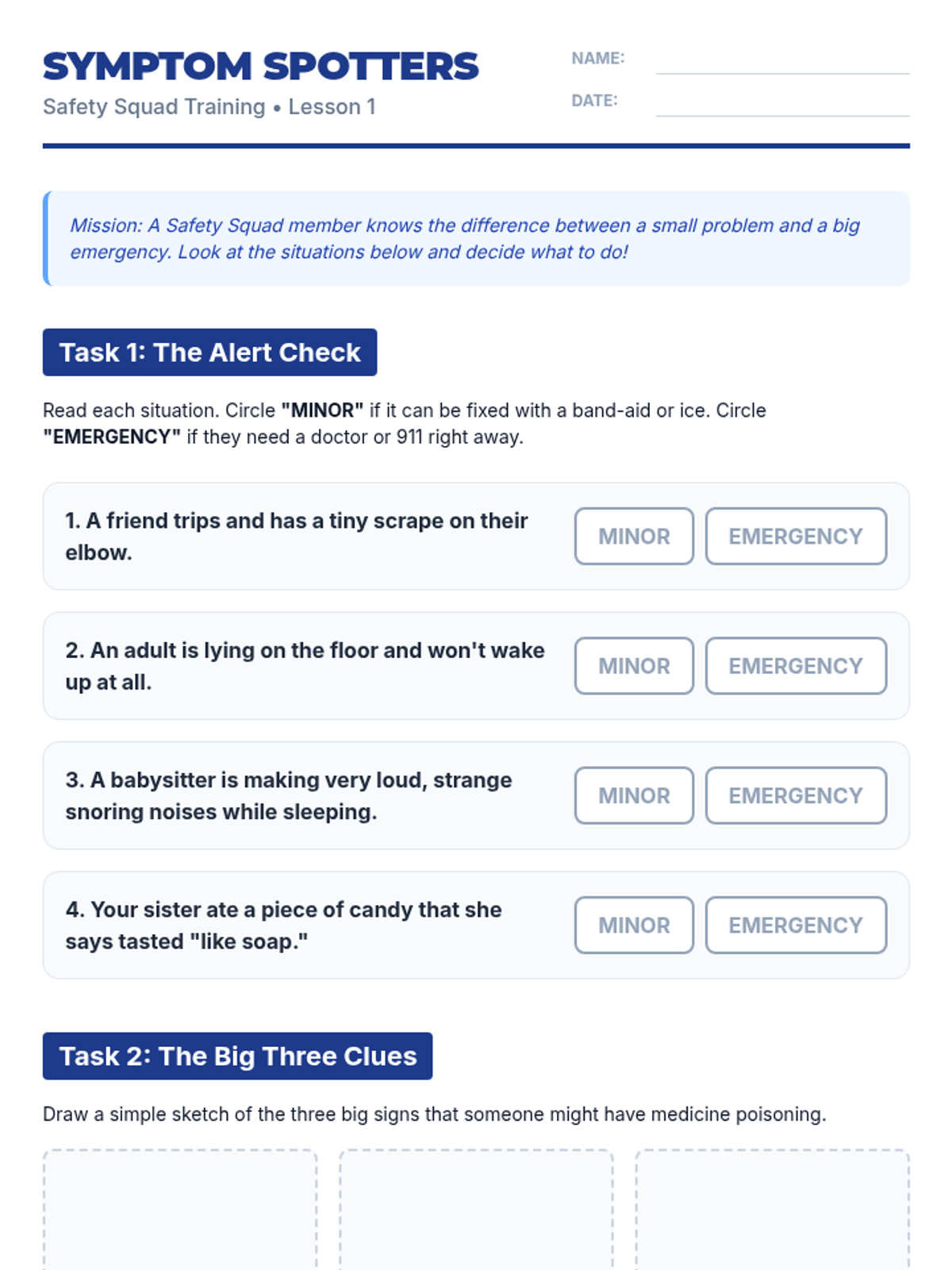
A project-based sequence for 3rd graders focused on recognizing and responding to medication-related emergencies. Students learn to spot symptoms, maintain personal safety at the scene, communicate with 911, and find trusted adults, culminating in a family emergency plan.
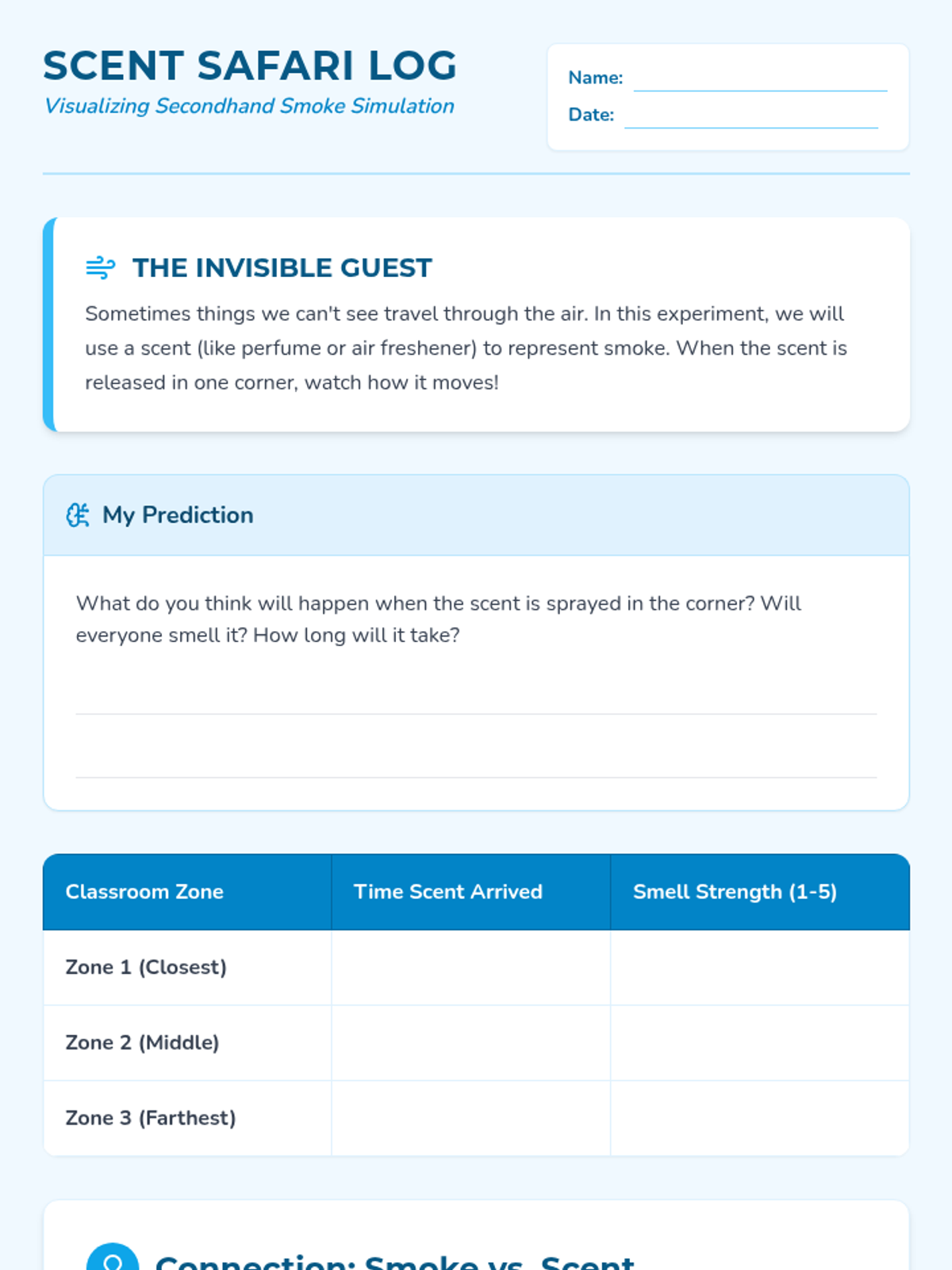
A 3rd-grade health sequence focusing on the importance of smoke-free environments. Students learn about secondhand smoke through simulations, explore personal boundaries, recognize community signs, practice polite advocacy, and design positive 'Fresh Air' signage.
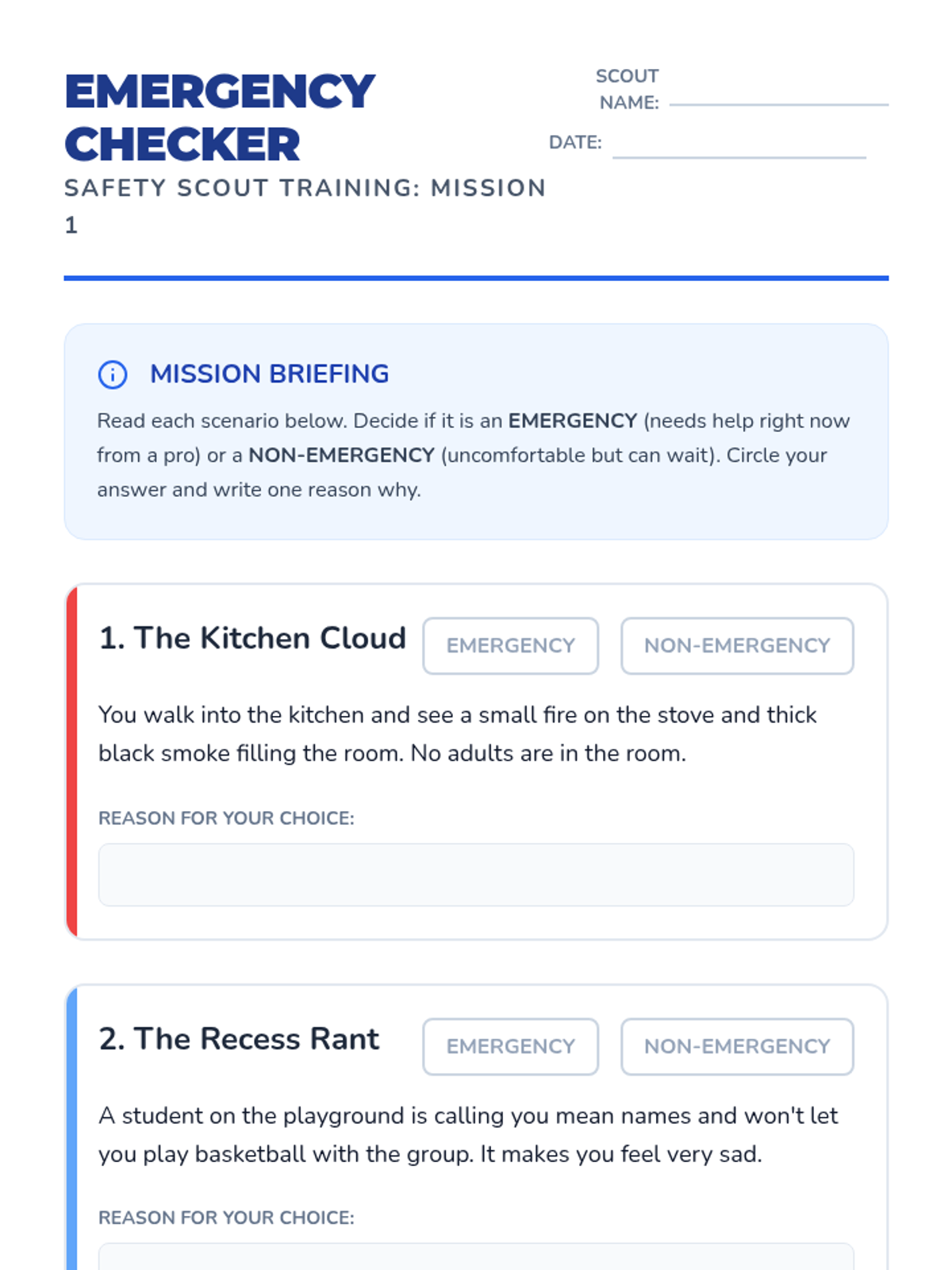
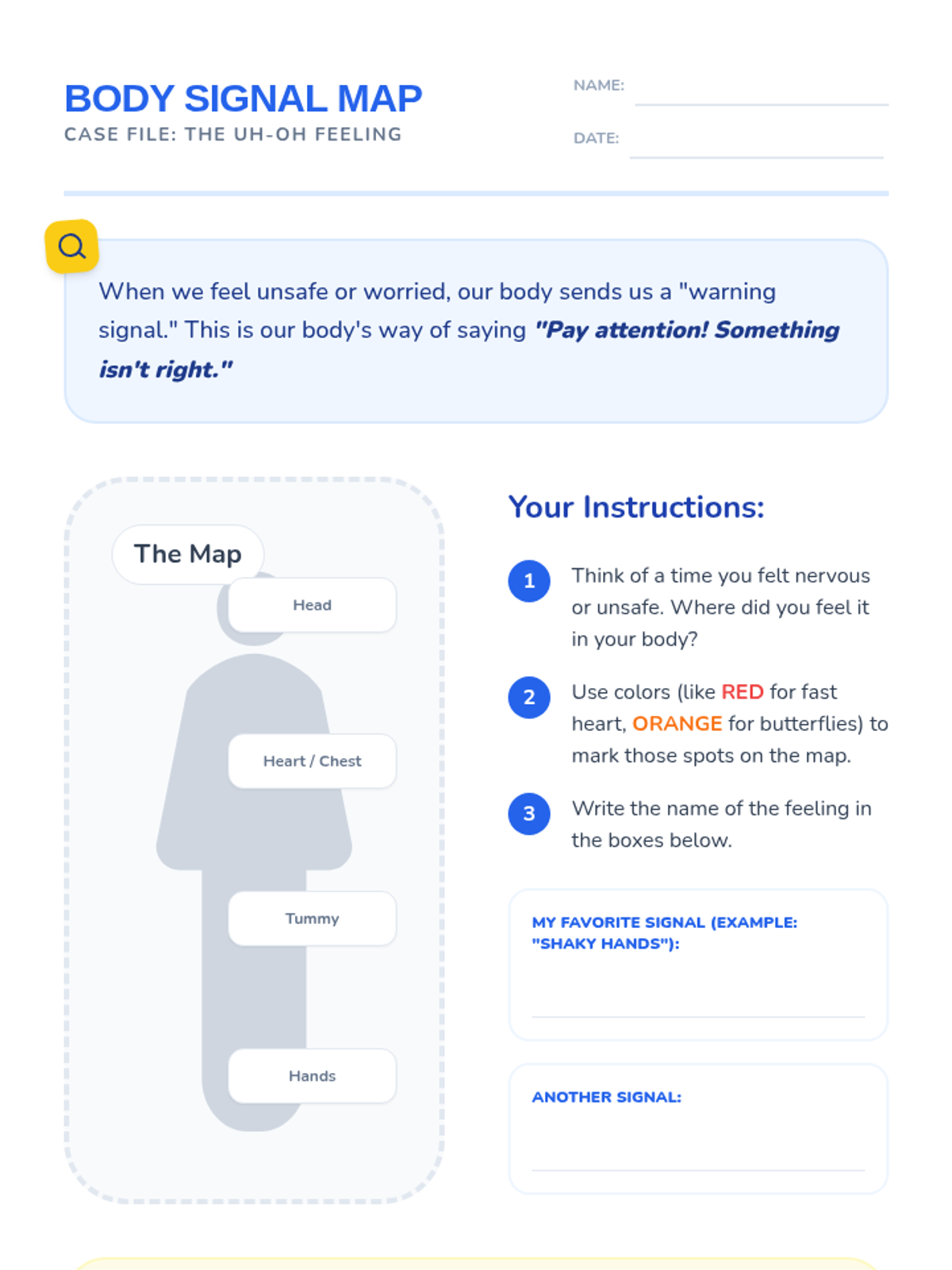
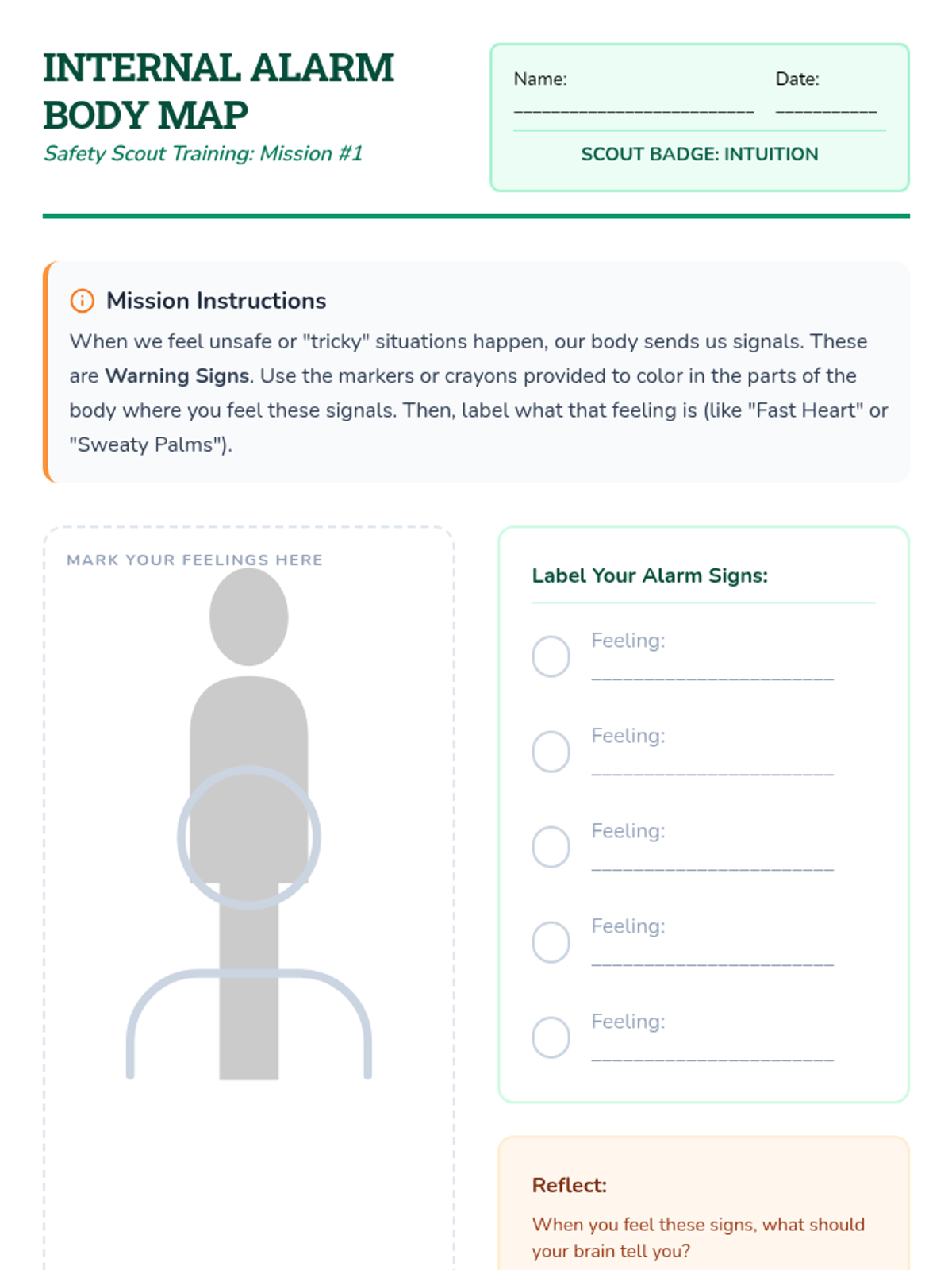
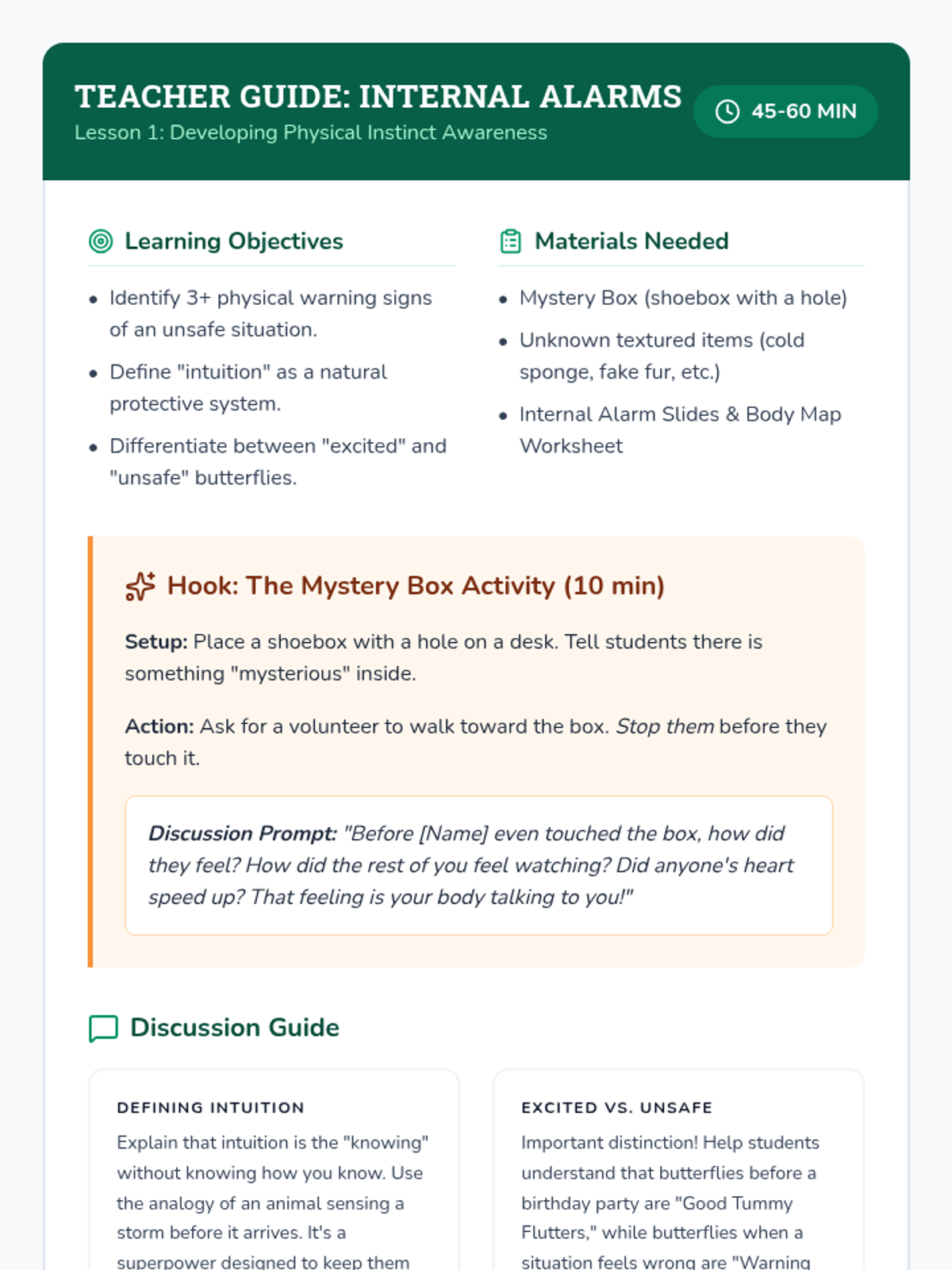
This comprehensive 3rd-grade sequence empowers students to recognize and respond to unsafe situations through intuition, environmental scanning, behavior analysis, and boundary setting. Using a 'Safety Scout' theme, students move from understanding internal physical alarms to executing practical exit strategies and identifying trusted adults.
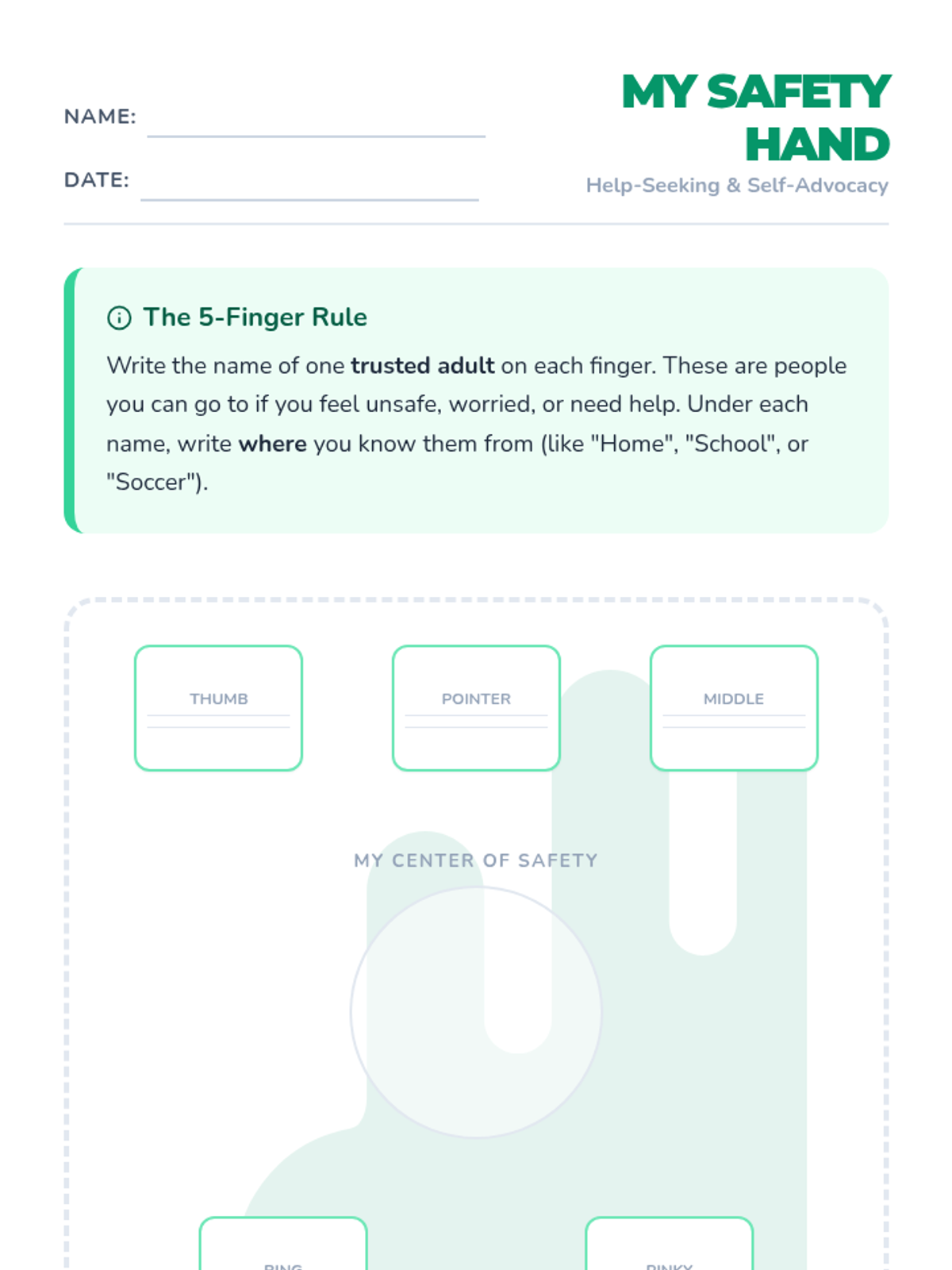
This five-lesson sequence empowers third-grade students to build personal safety networks and develop the communication skills needed for self-advocacy. Students move from identifying trusted adults to distinguishing between tattling and reporting, practicing assertive communication, setting physical and emotional boundaries, and finally applying these skills through scenario-based role-plays.
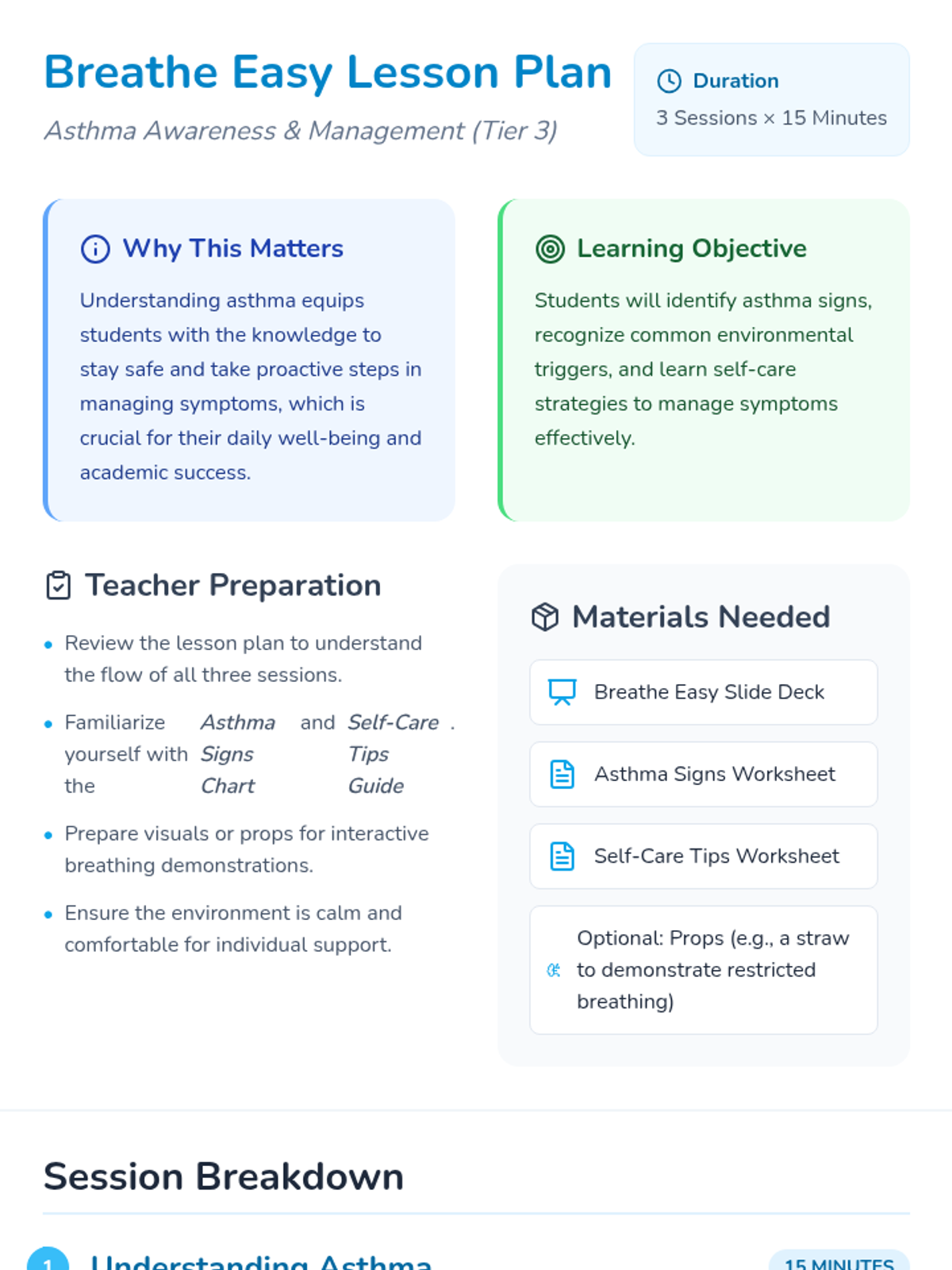
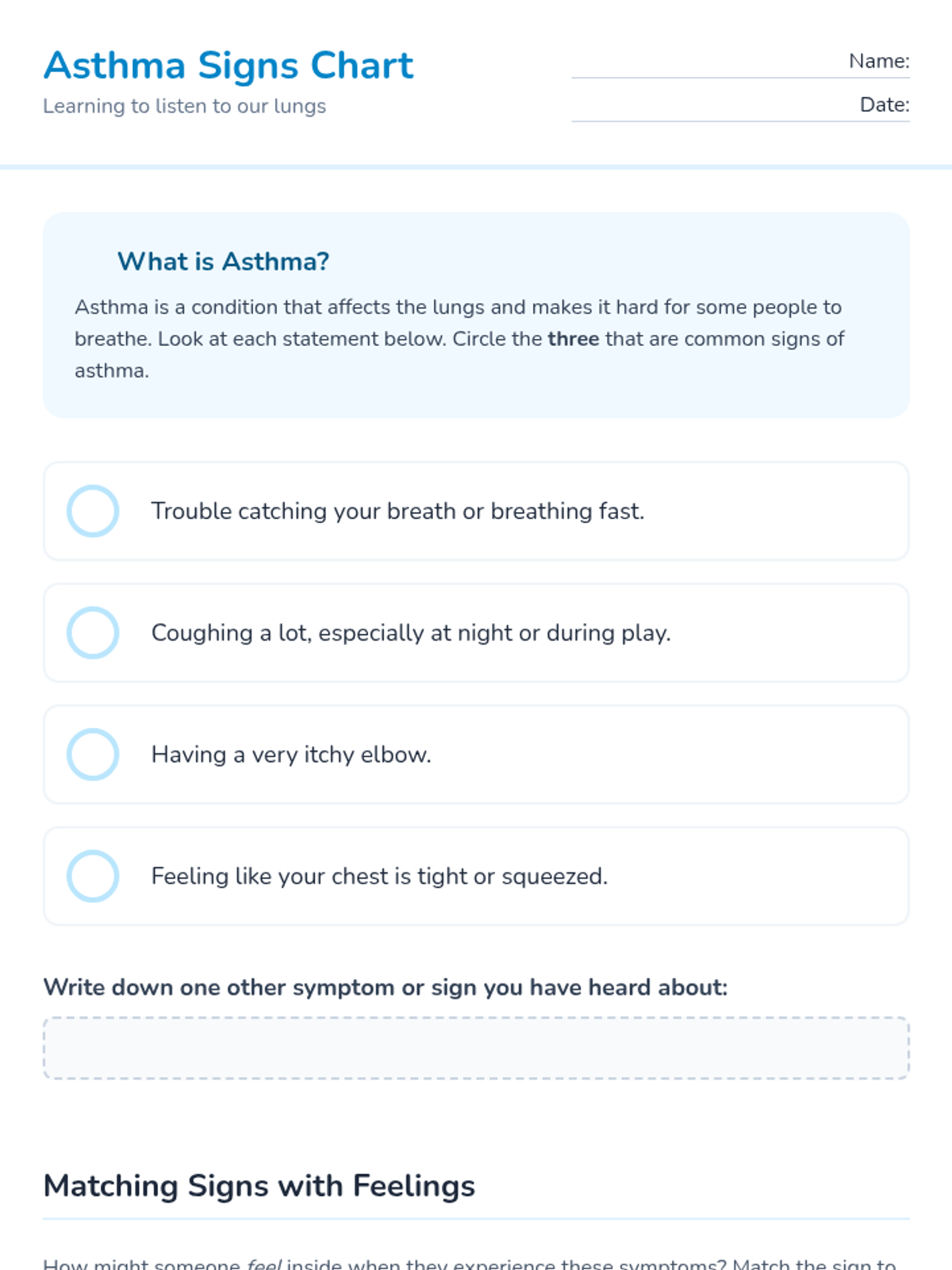
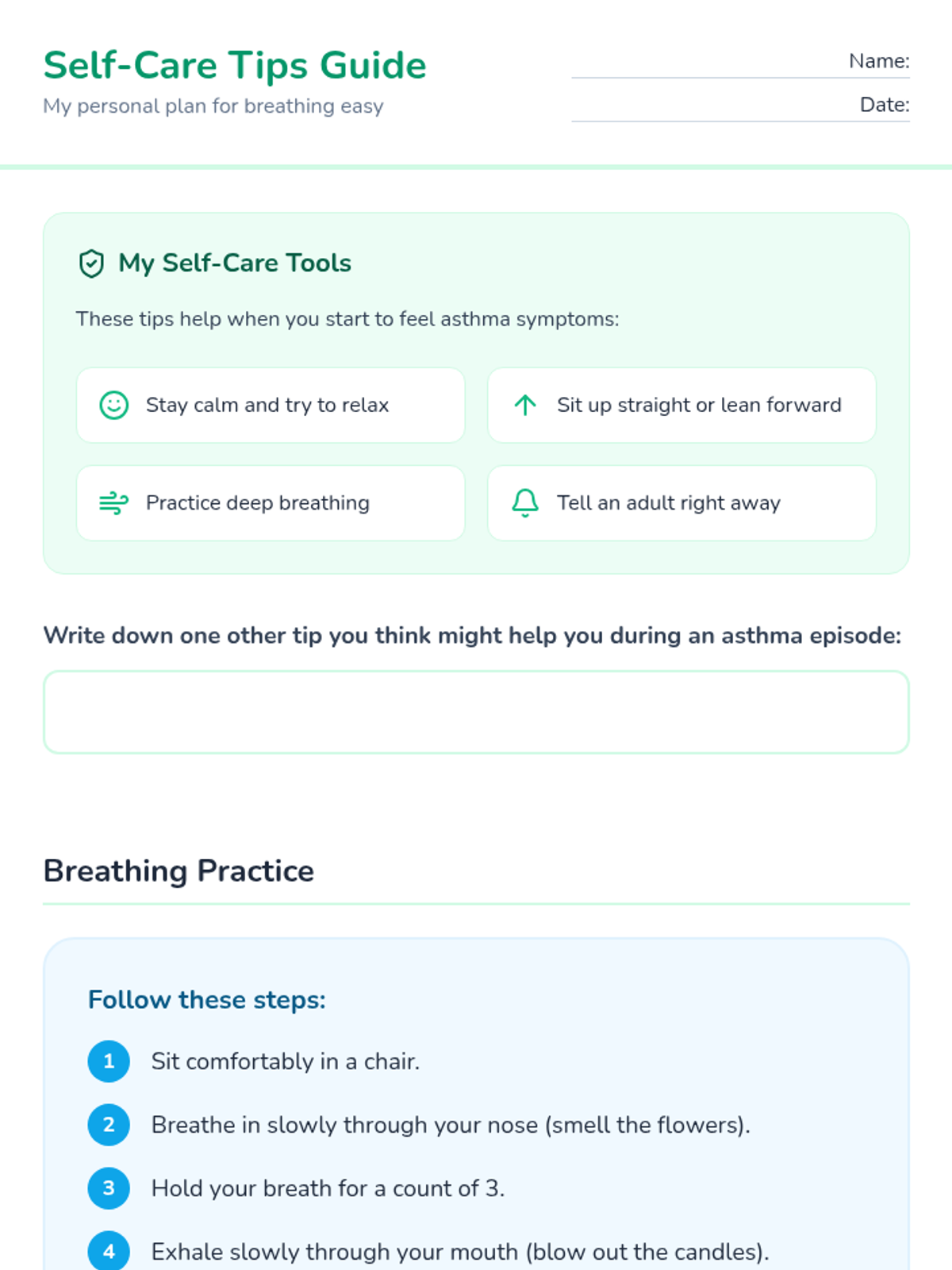
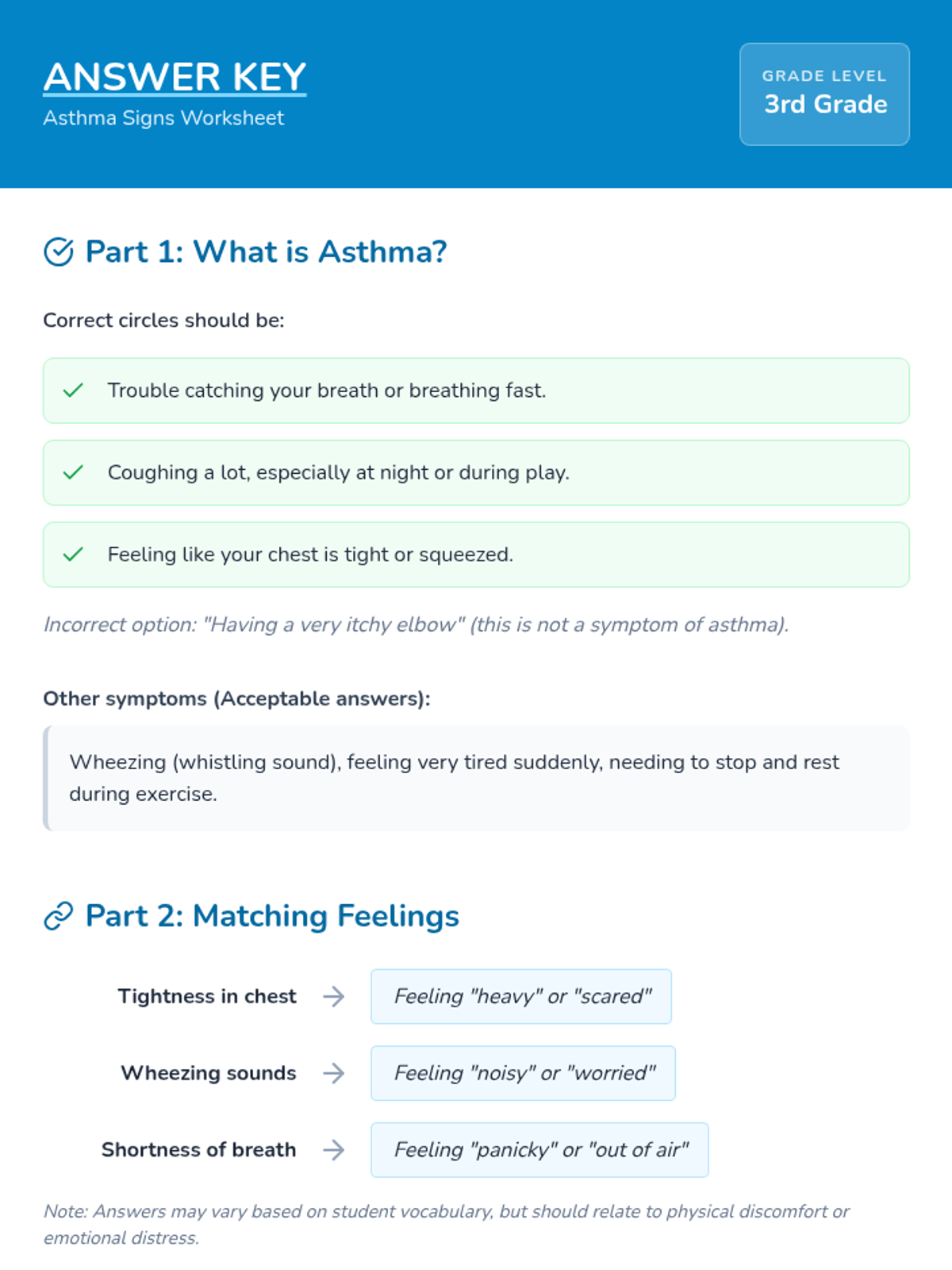
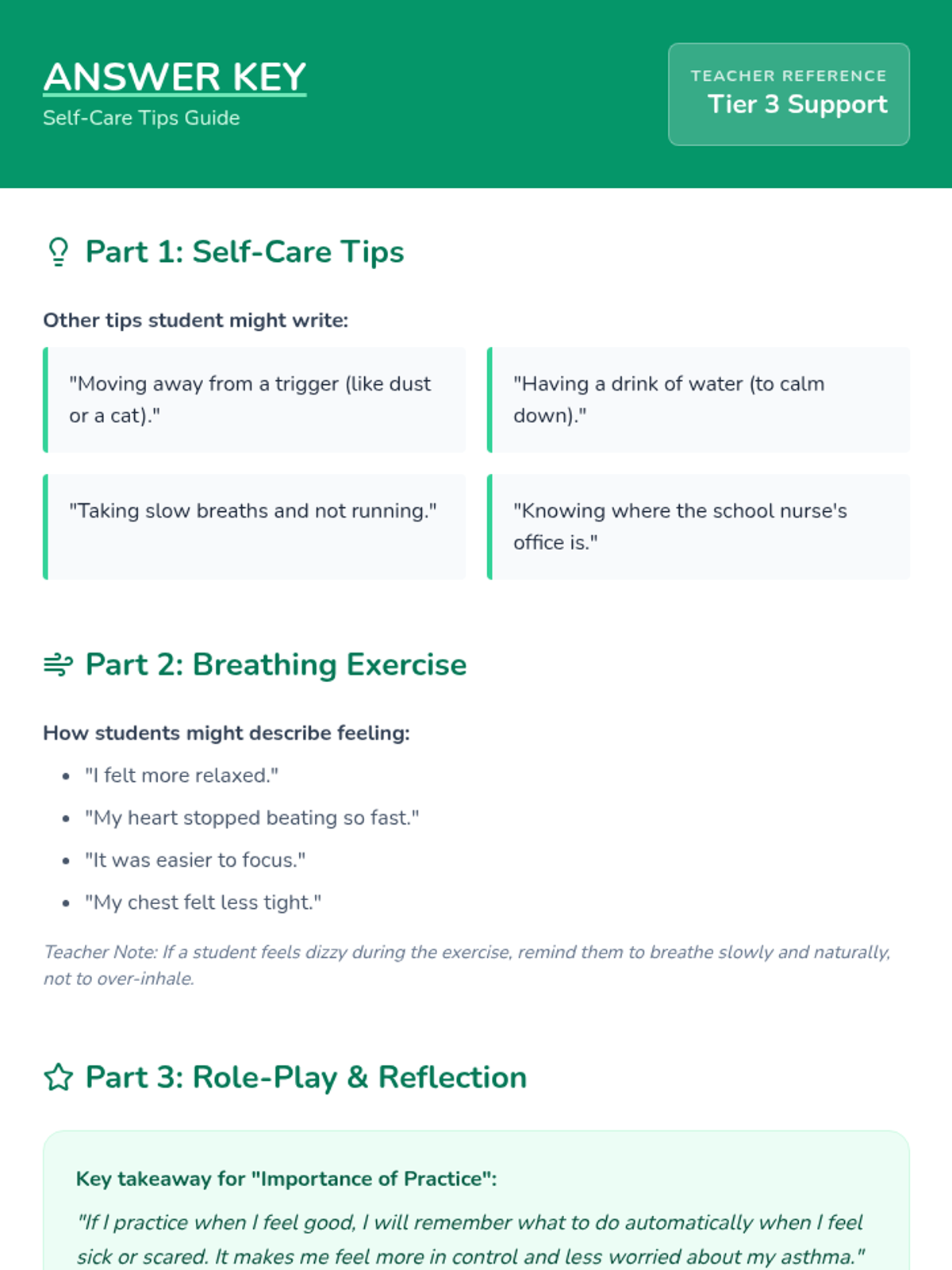
A 3-session intervention sequence for 3rd graders focused on understanding asthma, identifying triggers, and practicing self-care management strategies.
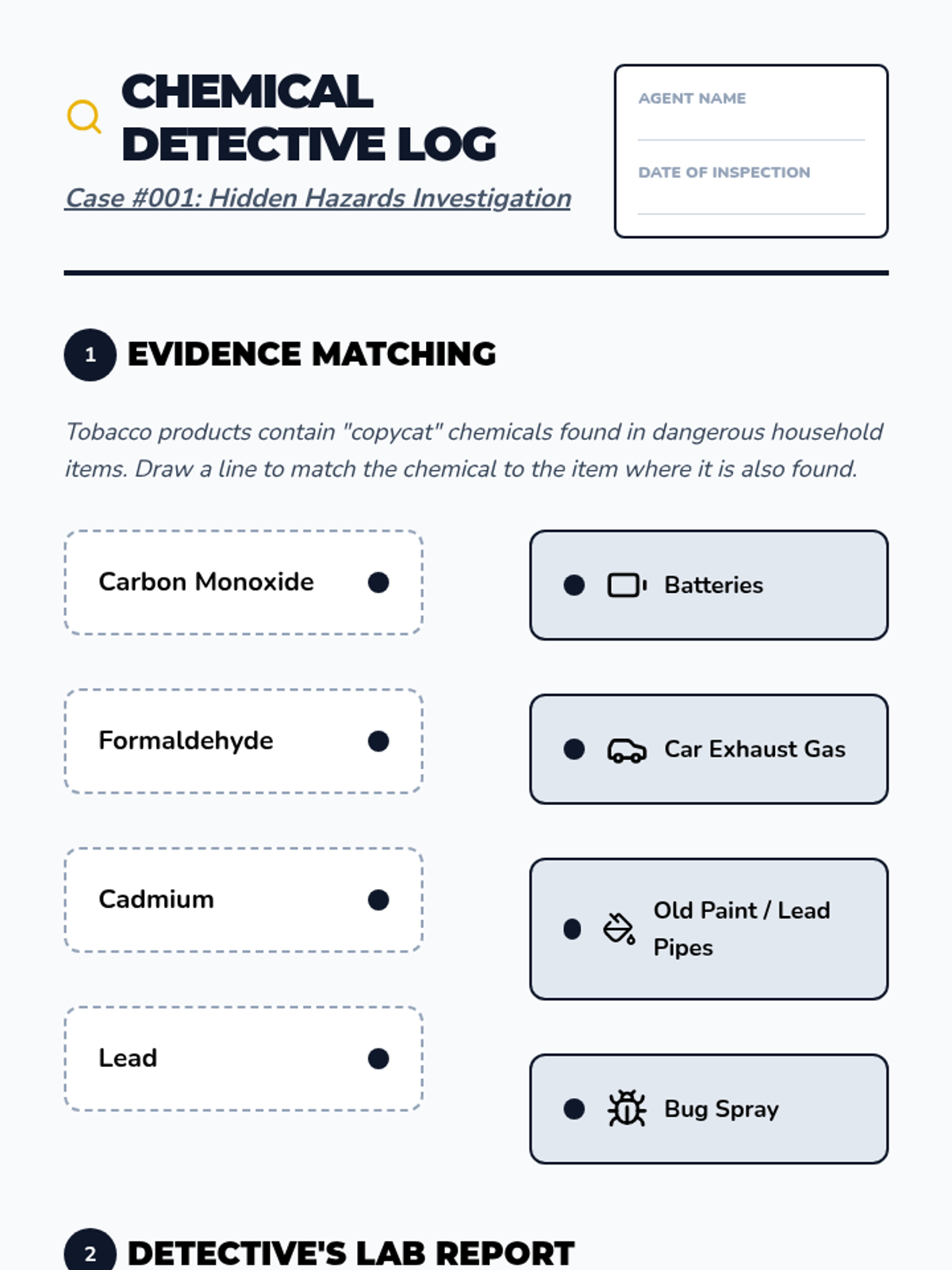
A 3rd-grade health sequence that uses a 'Chemical Detective' theme to demystify tobacco and vaping products. Students investigate toxic ingredients, understand the concept of addiction through games, and learn to categorize substances as food or poison to reinforce healthy choices.
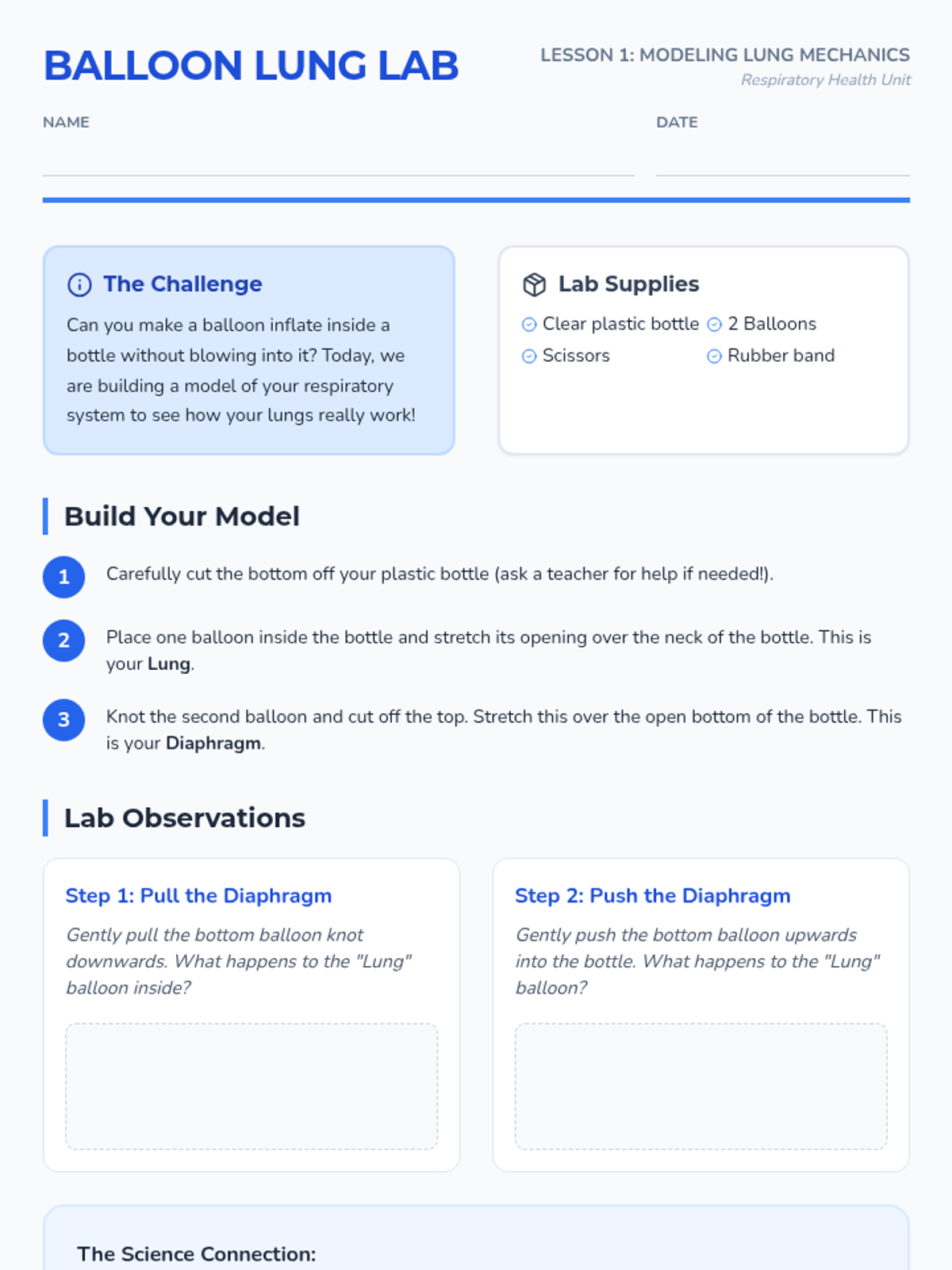
This inquiry-based sequence guides 3rd-grade students through the biological mechanics of breathing and the physical impact of tobacco smoke on the respiratory system. Students use hands-on models, simulations, and experiments to understand the difference between healthy and damaged lungs.