Principles of muscular strength, endurance, and cardiovascular conditioning. Develops skills for setting personal fitness goals while incorporating flexibility and stretching techniques for injury prevention.
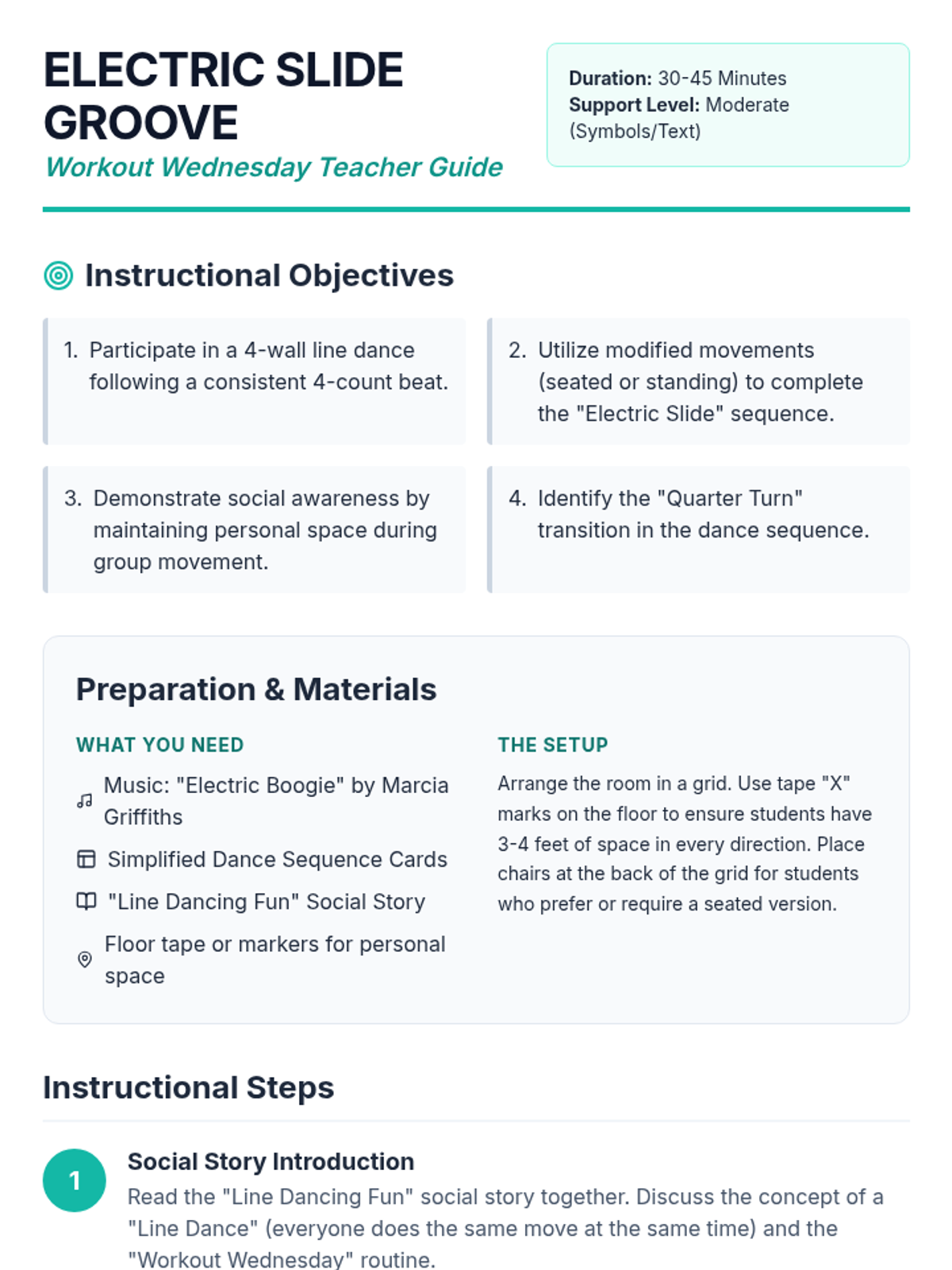
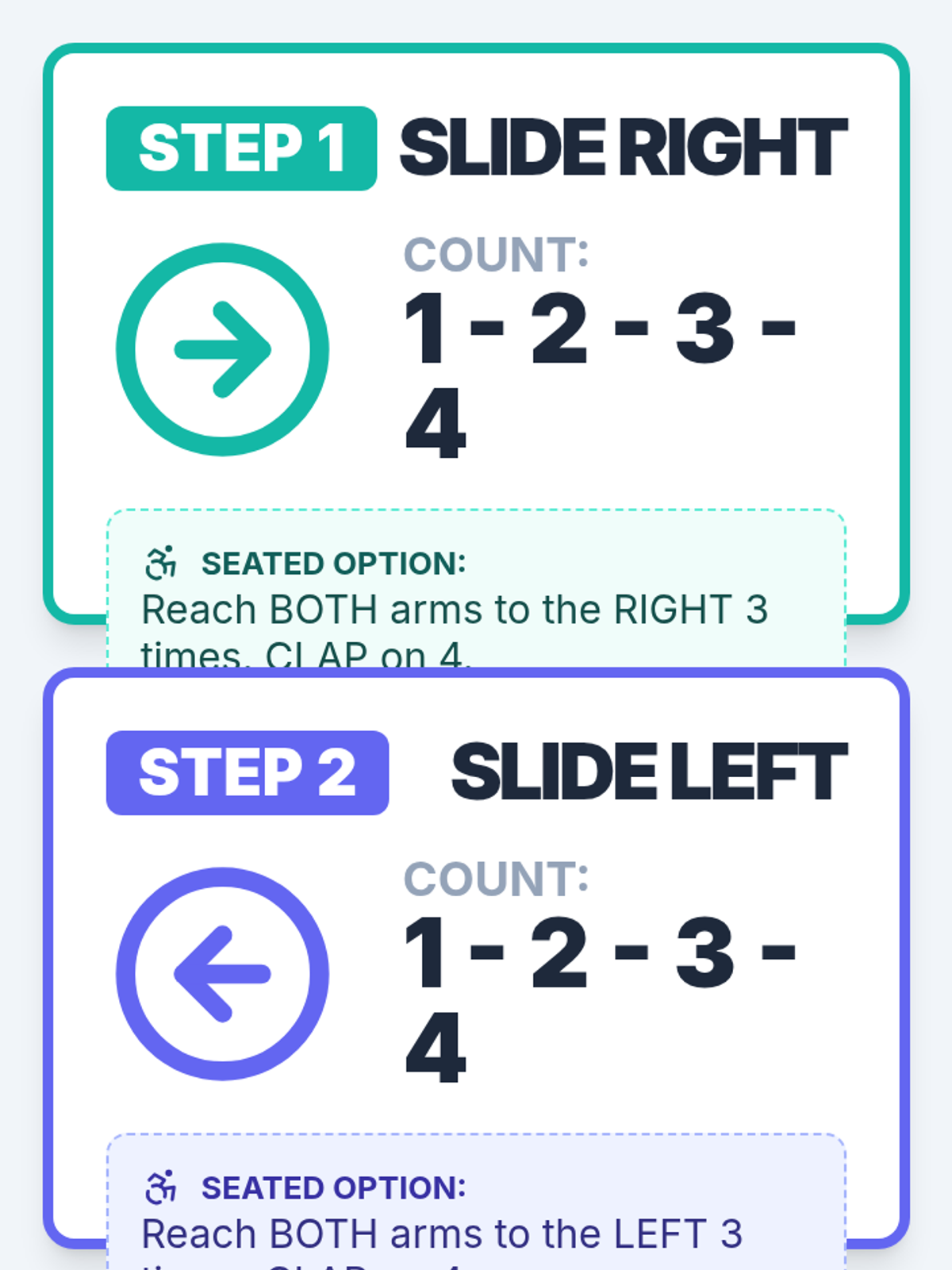
A weekly fitness and movement series designed for students of all abilities, focusing on social-emotional learning through physical activity and group coordination.
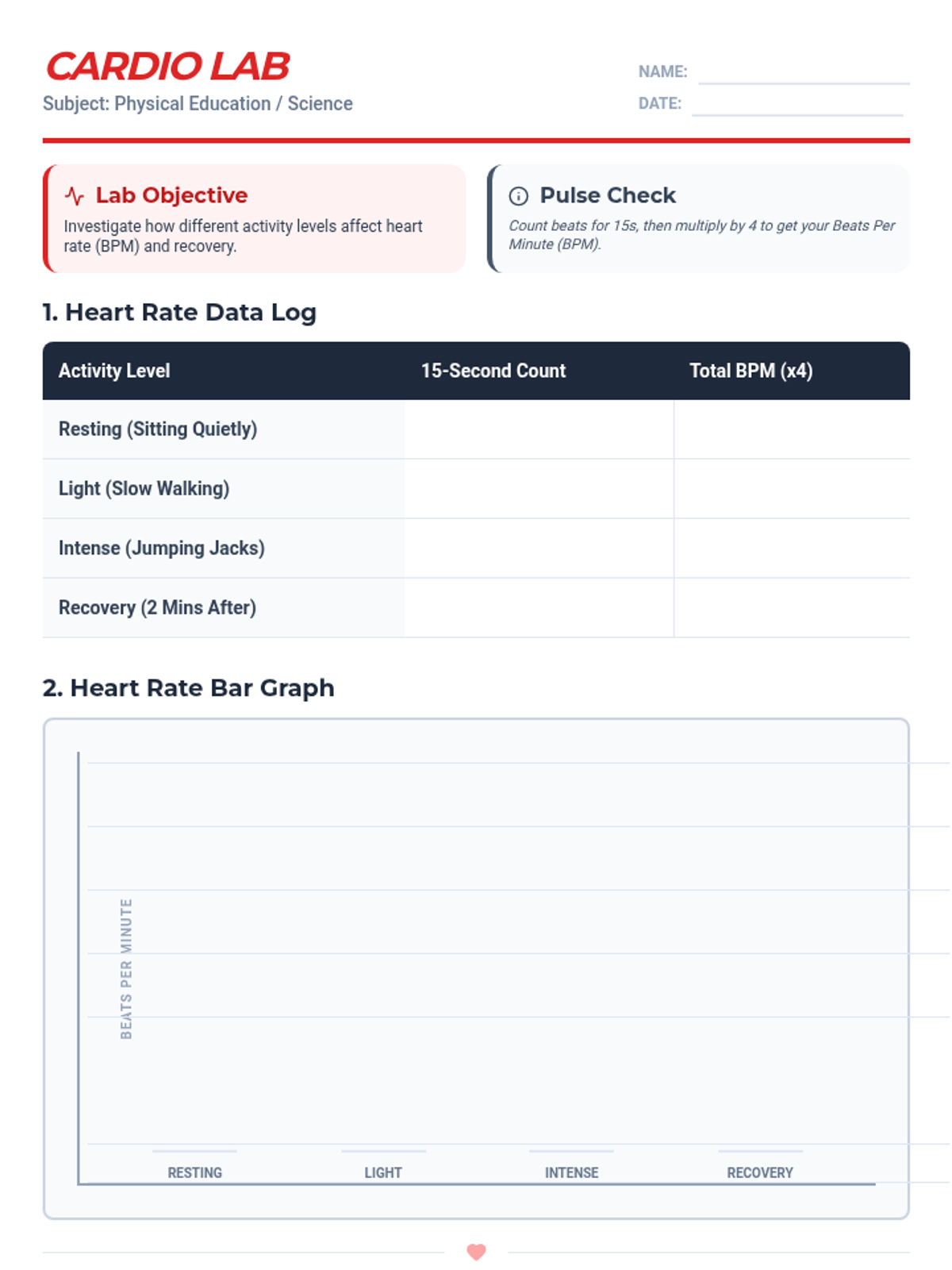
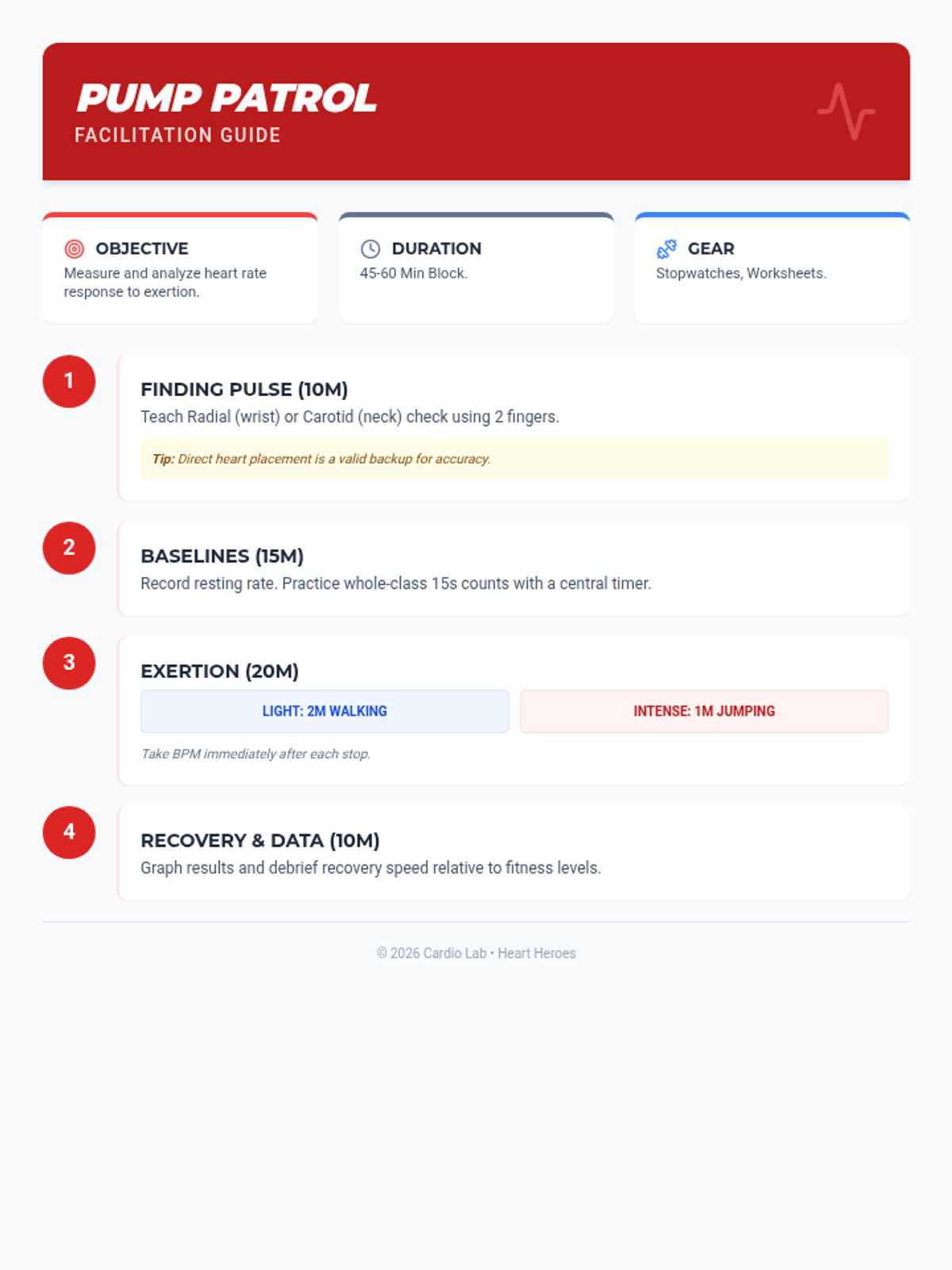
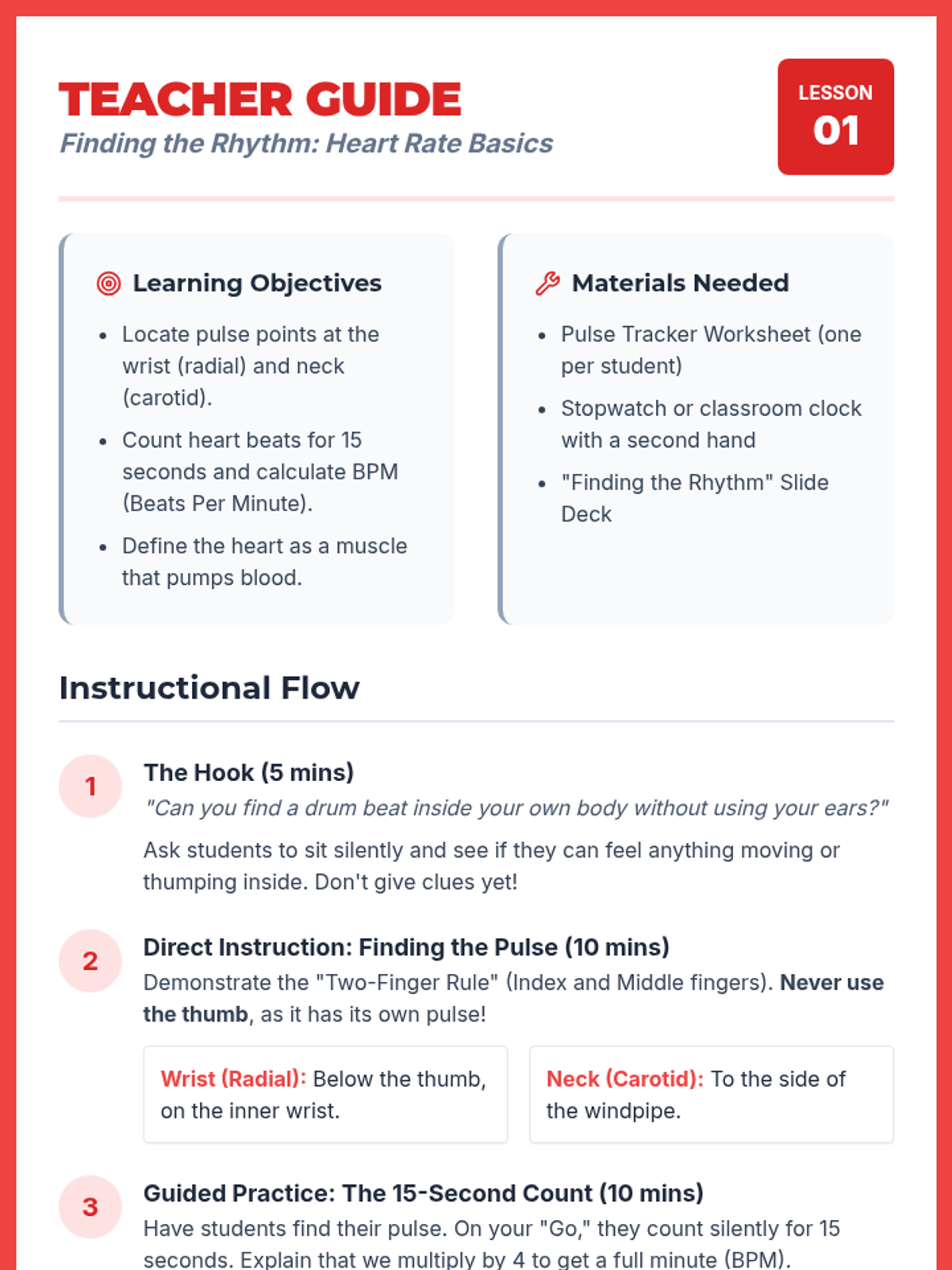
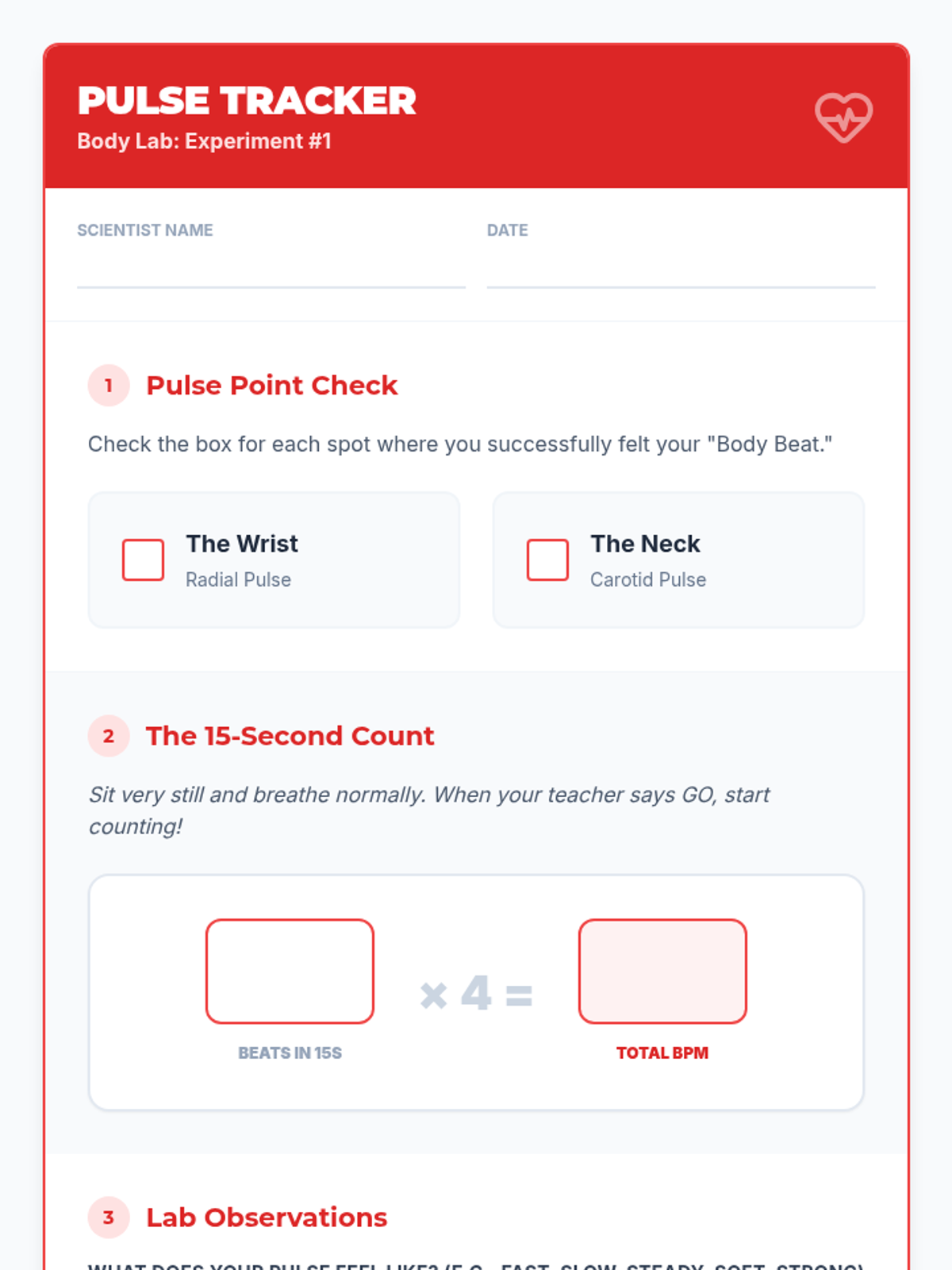
A high-energy exploration of cardiovascular health, focusing on heart rate, the effects of exercise, and how to maintain a healthy pump.
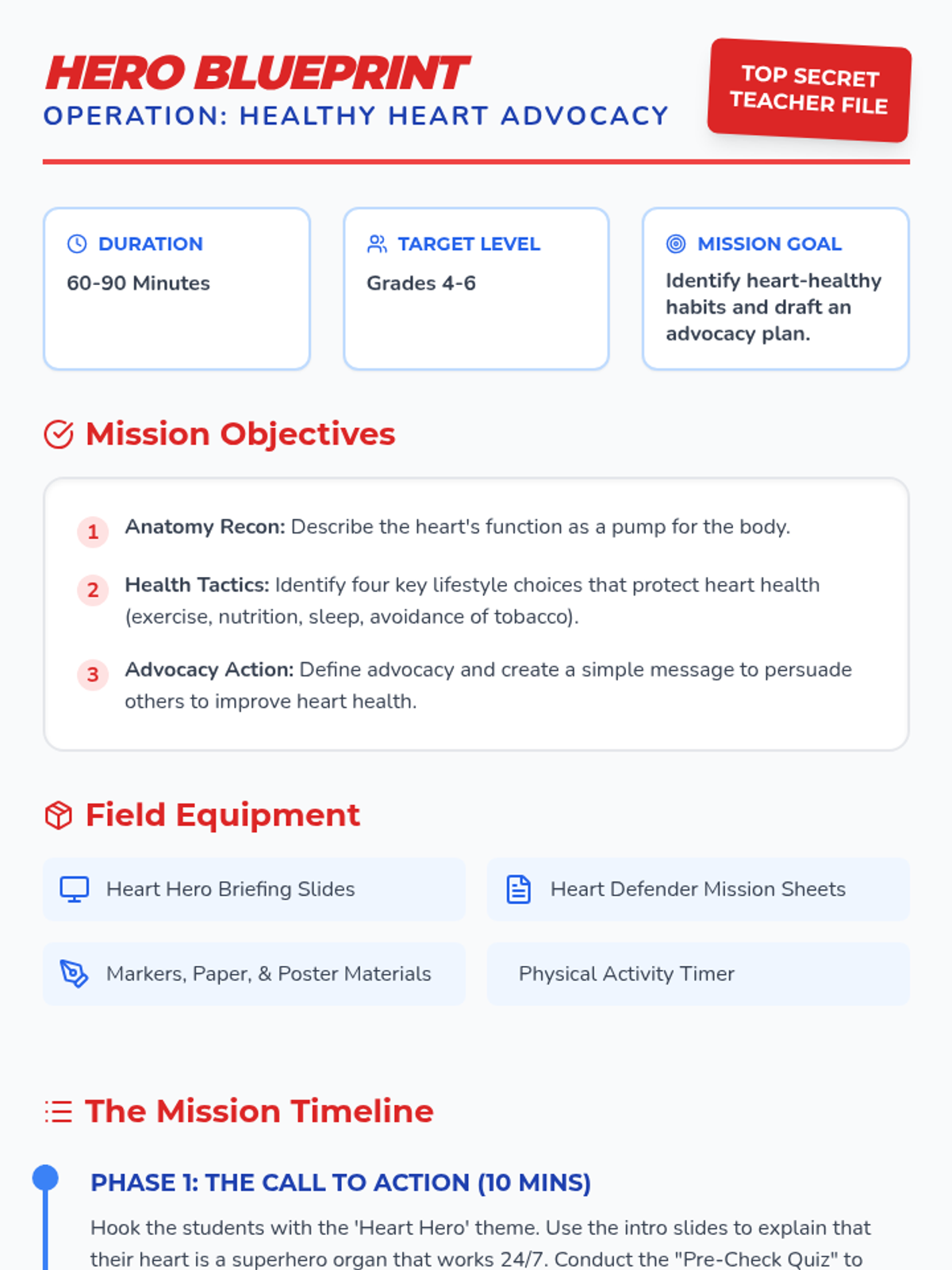
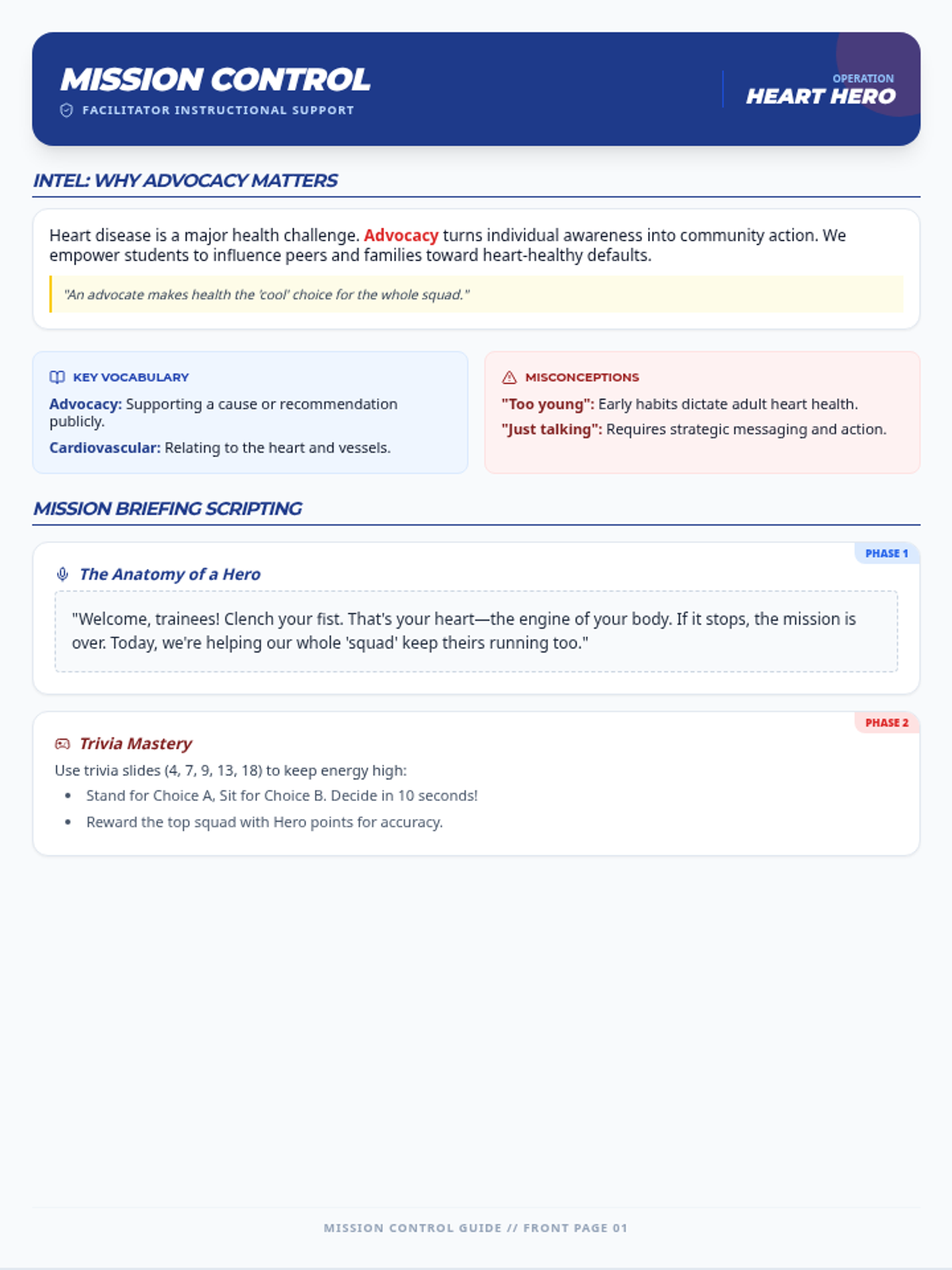
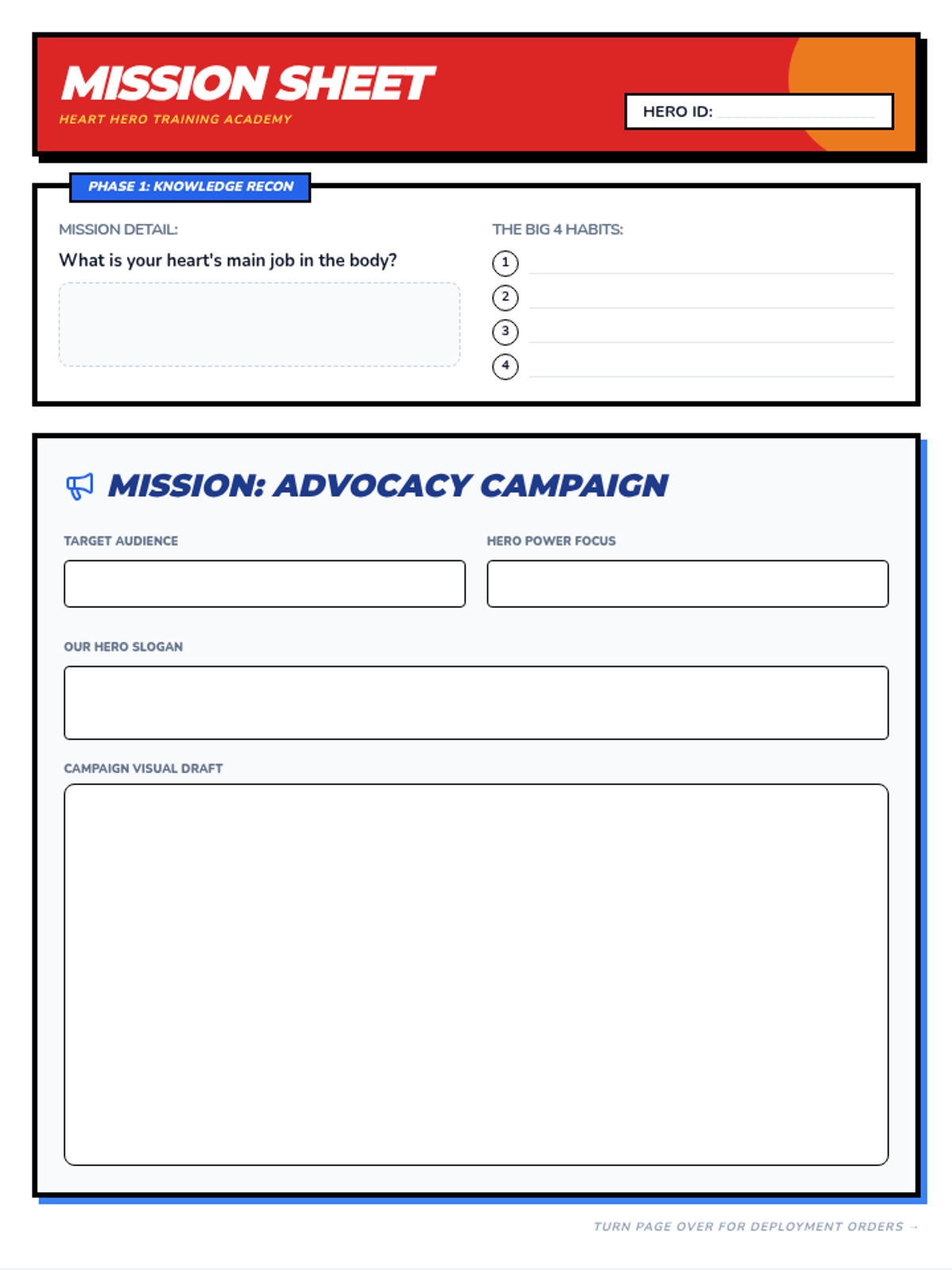
A comprehensive lesson sequence designed to empower students to become 'Heart Heroes' through education and advocacy for cardiovascular health.
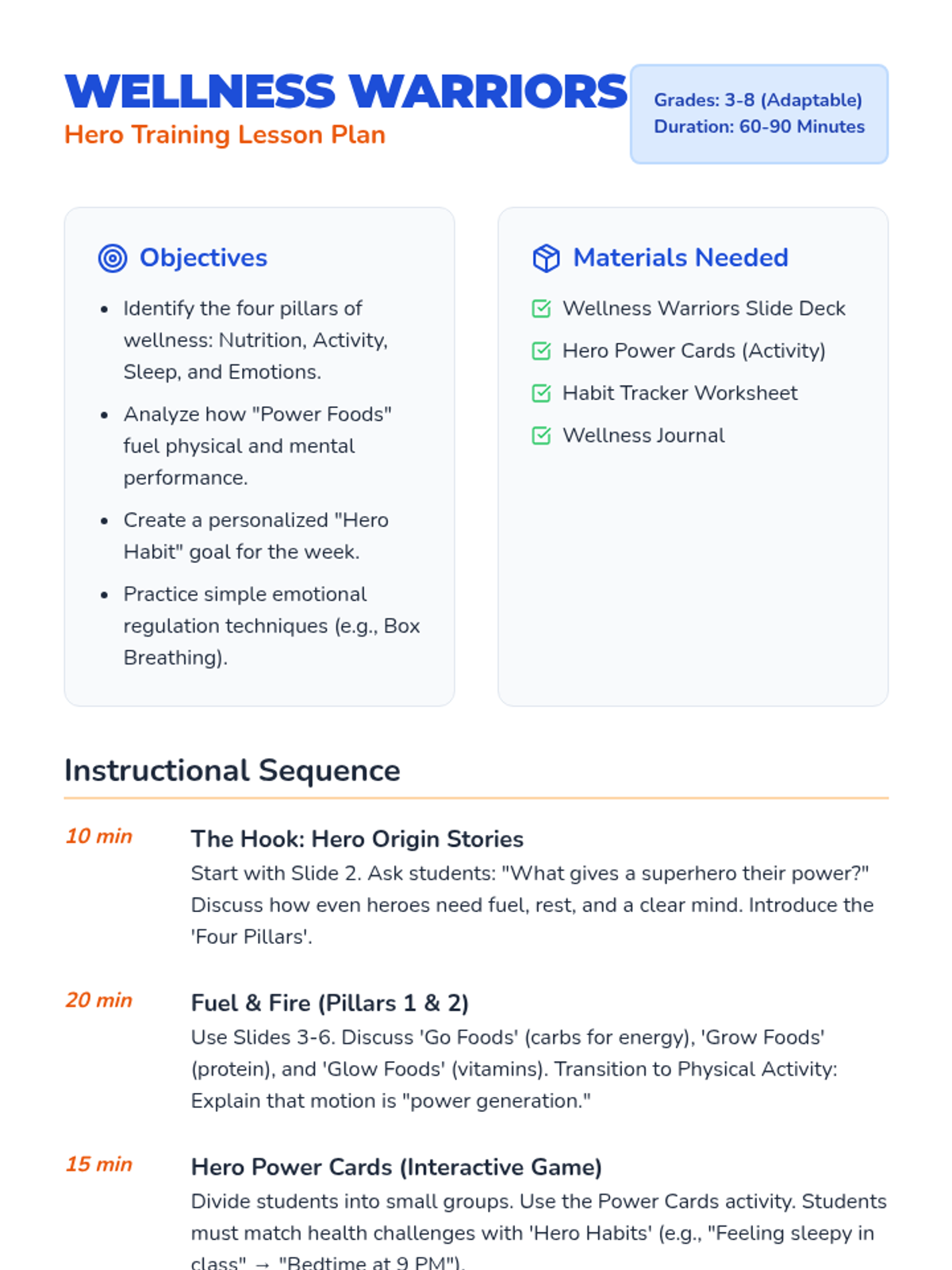
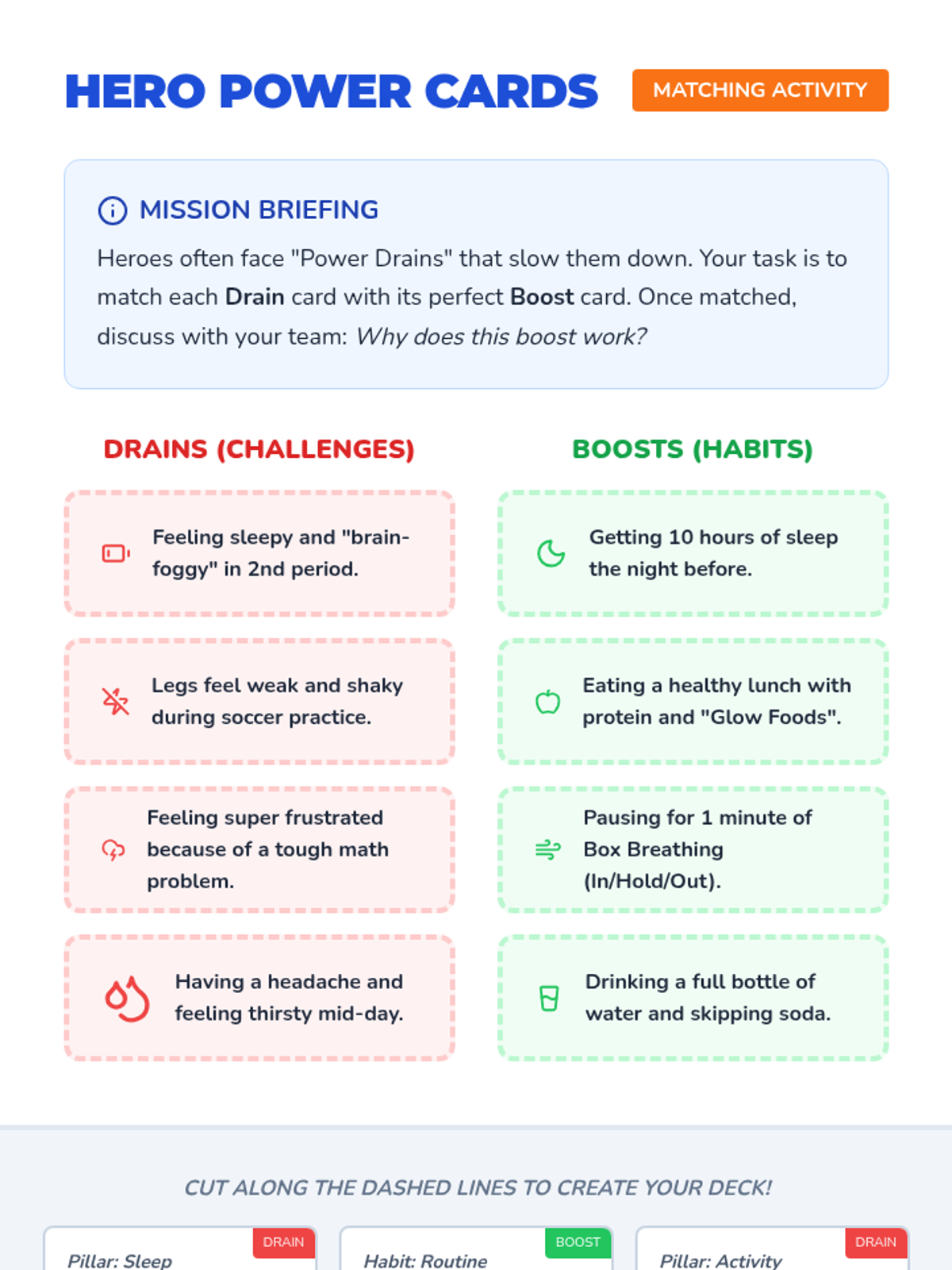
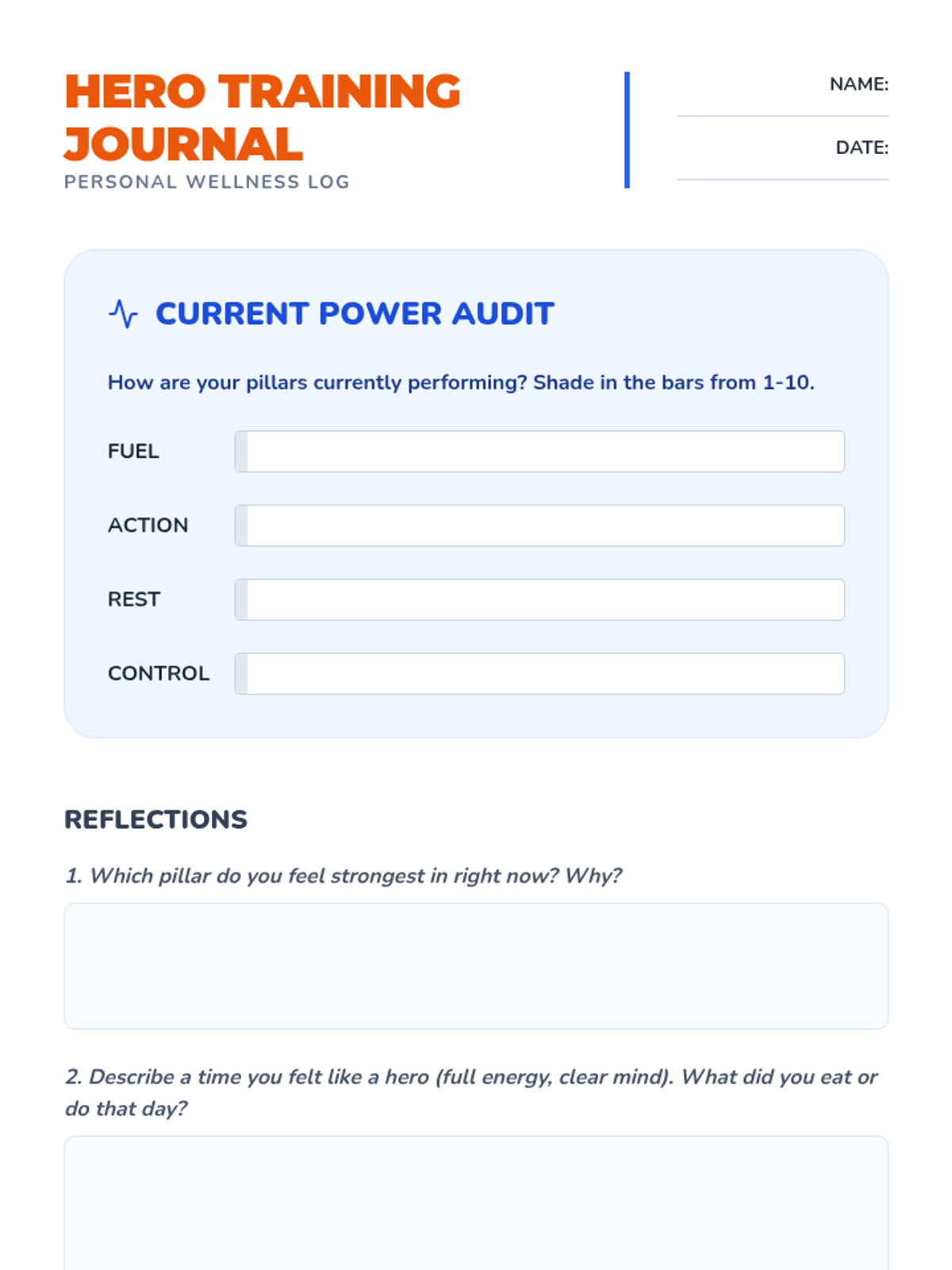
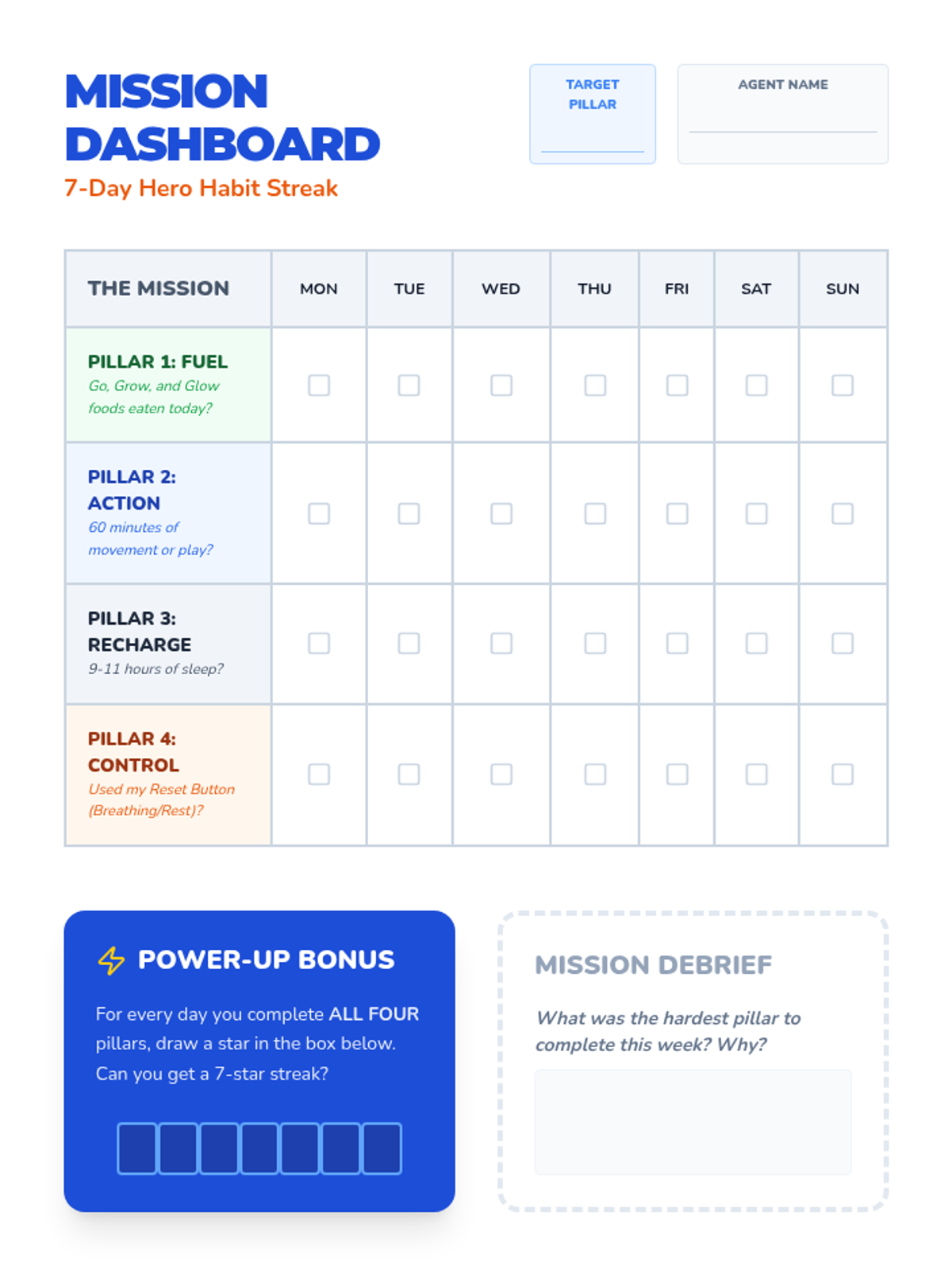
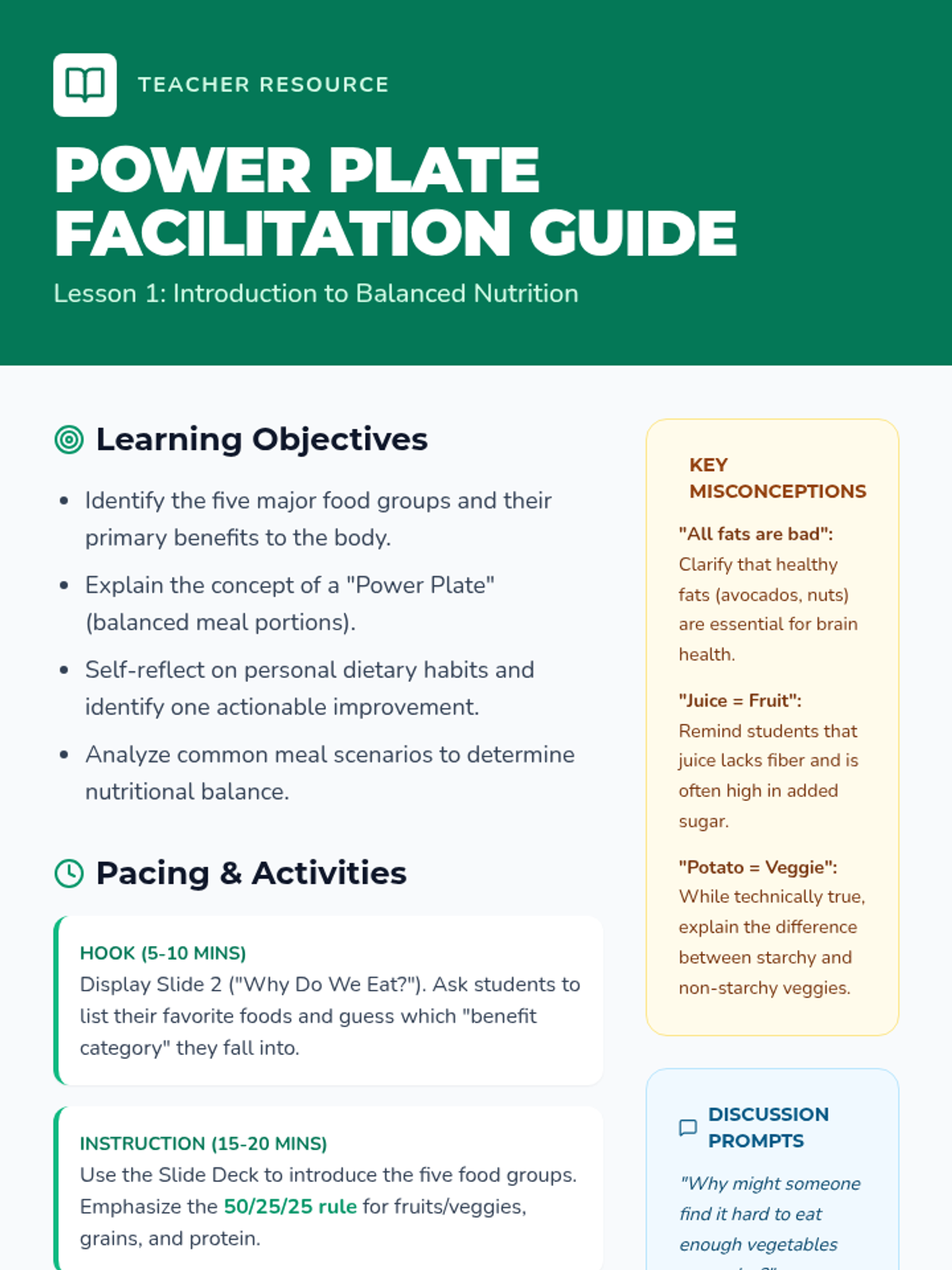
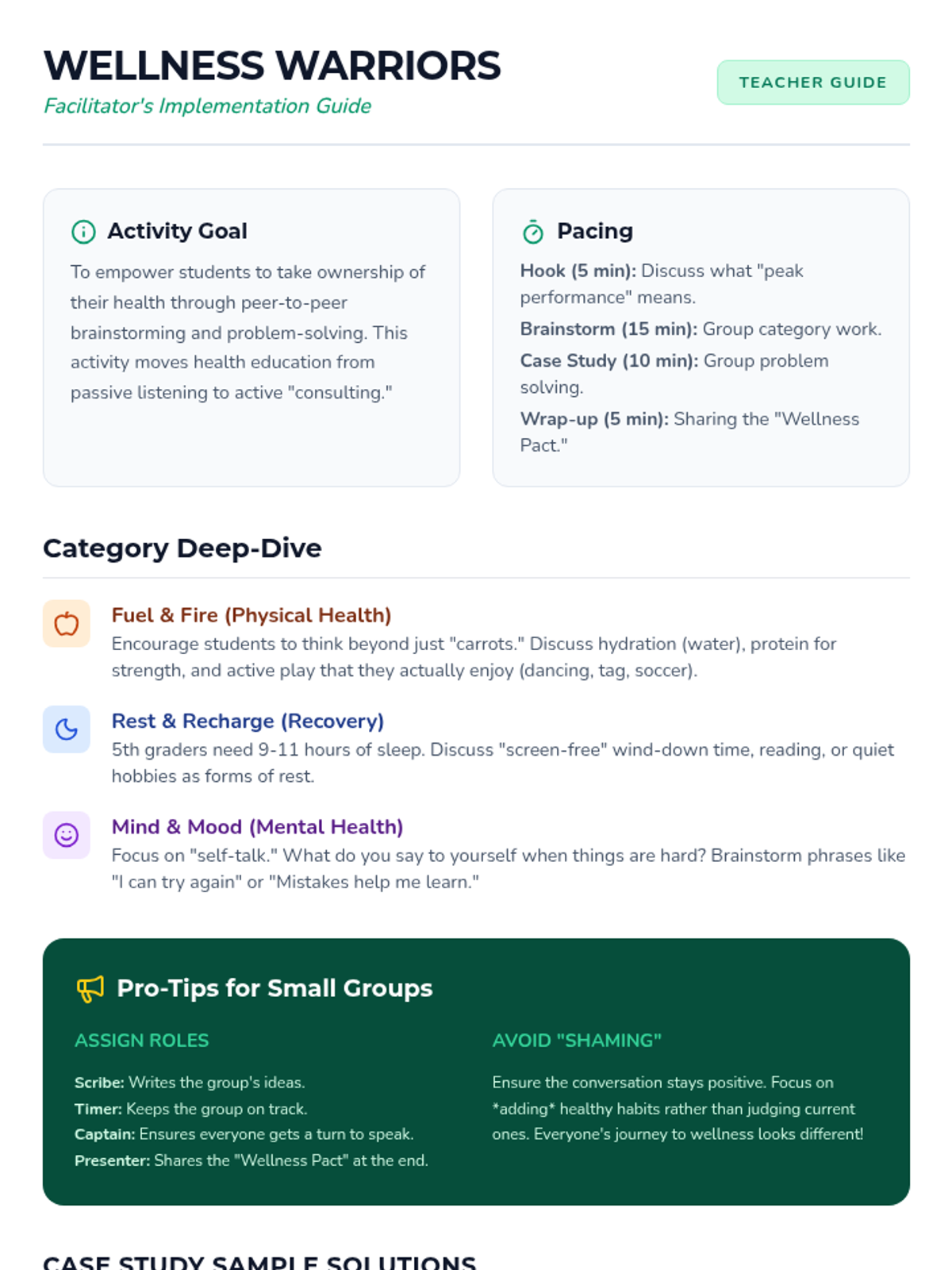
A comprehensive wellness unit designed to empower students with lifelong healthy habits. Students explore nutrition, exercise, sleep, and emotional regulation through the lens of 'hero training'.
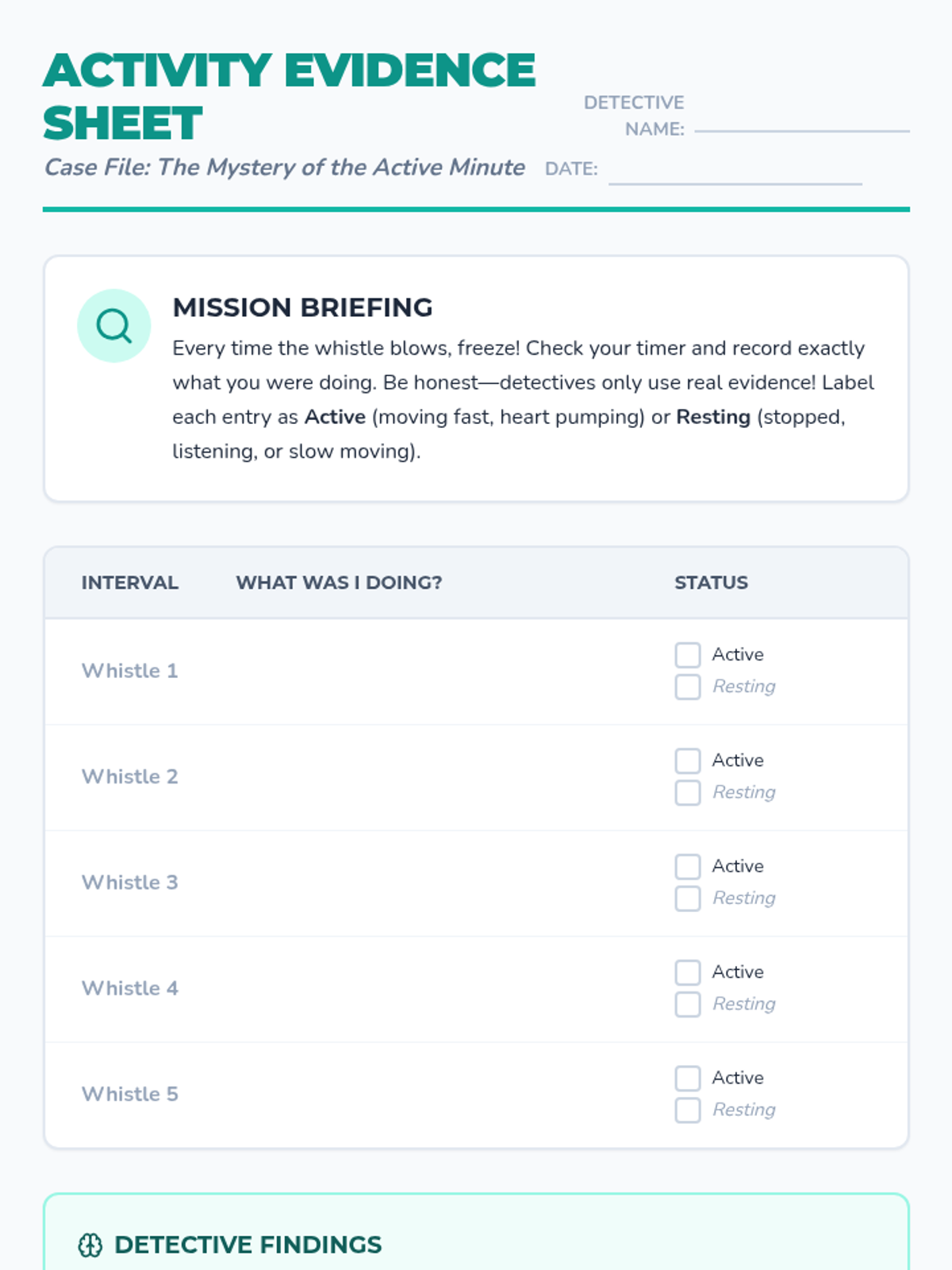
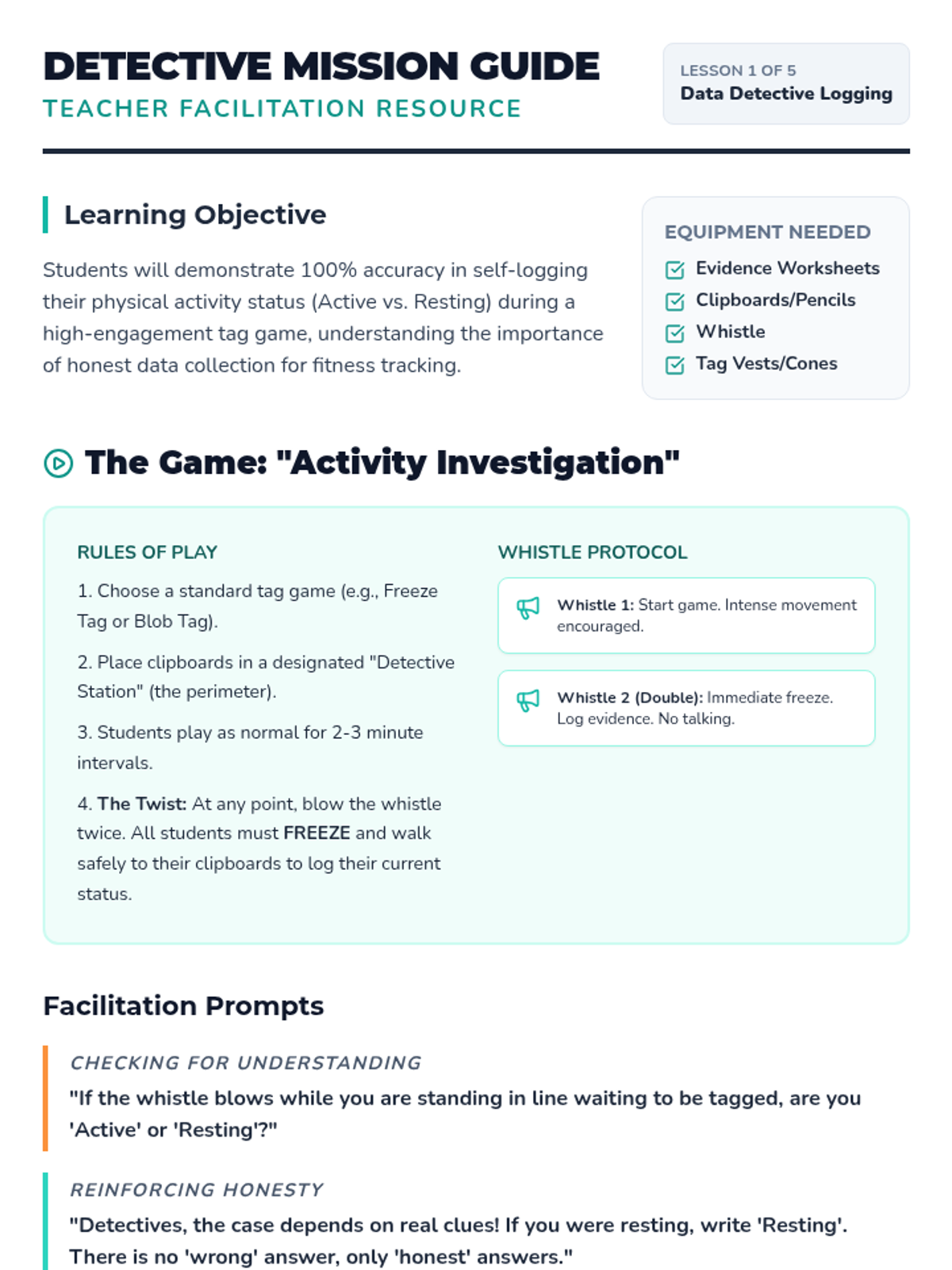
A 5-lesson unit for 3rd graders focused on tracking physical activity, graphing fitness data, and understanding the non-linear nature of progress through self-reflection and SMART goal adjustment.
A project-based unit where 3rd-grade students design personal fitness action plans by matching activities to goals, creating custom fitness 'menus', and scheduling their routines.
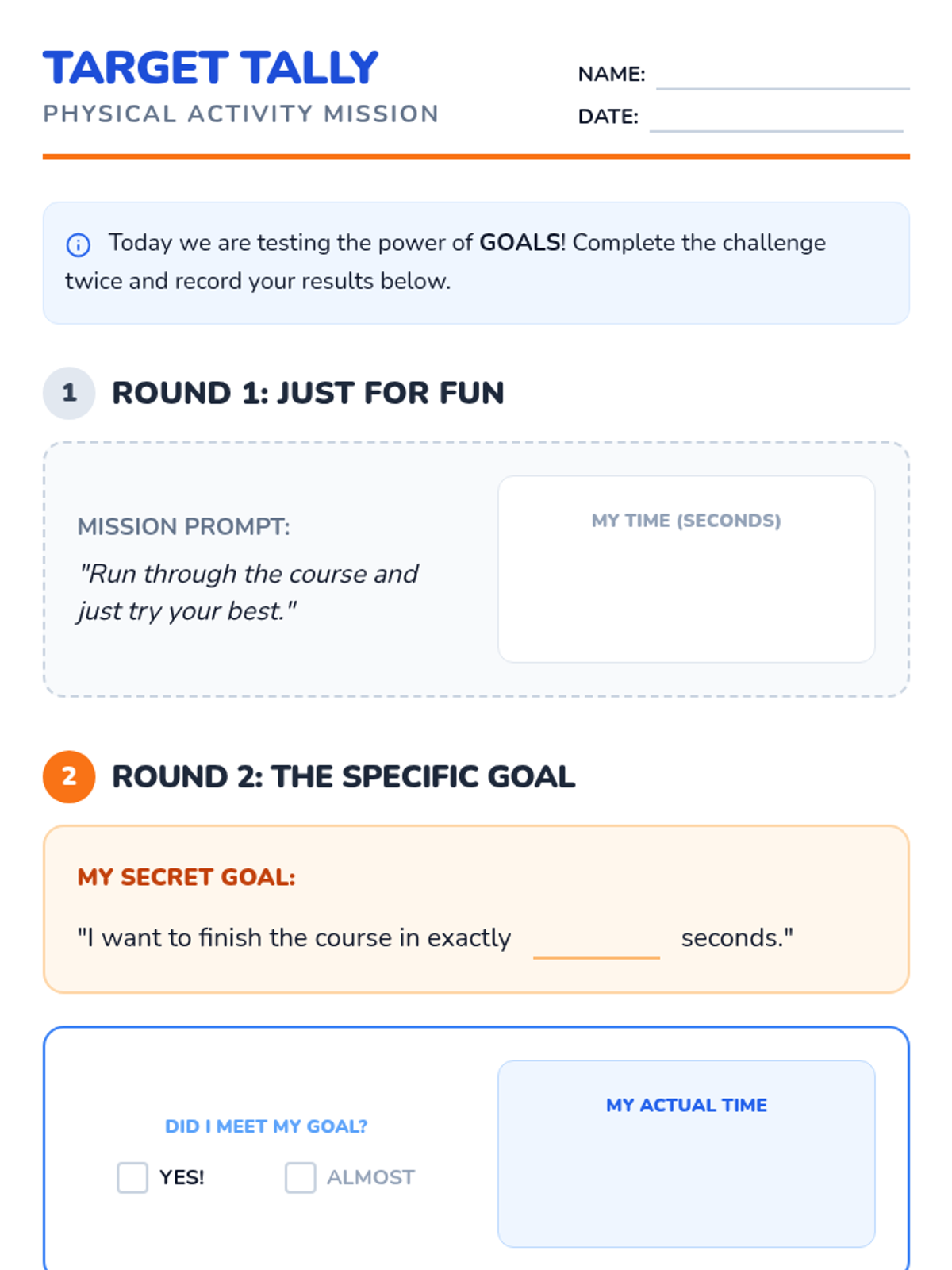
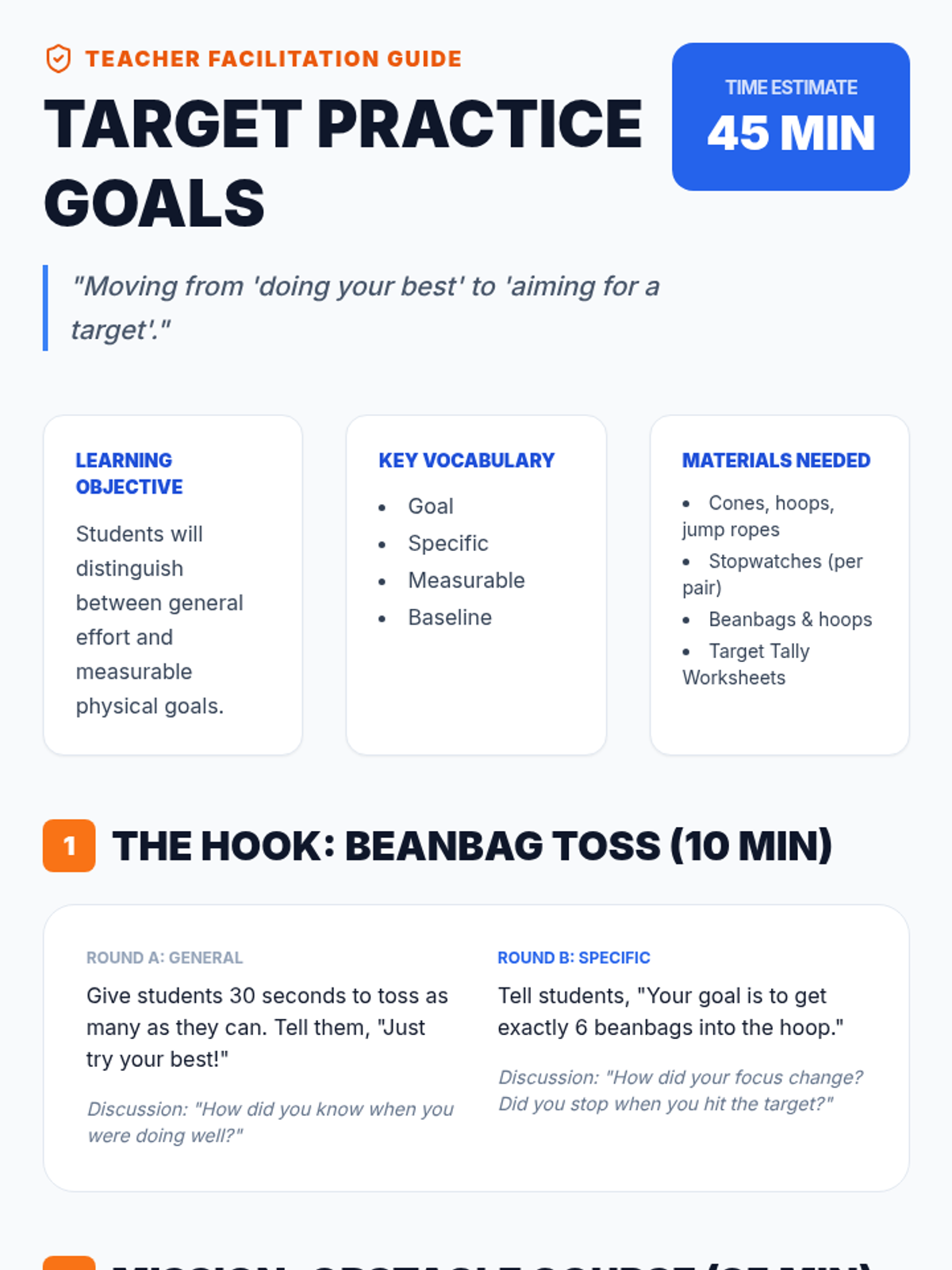
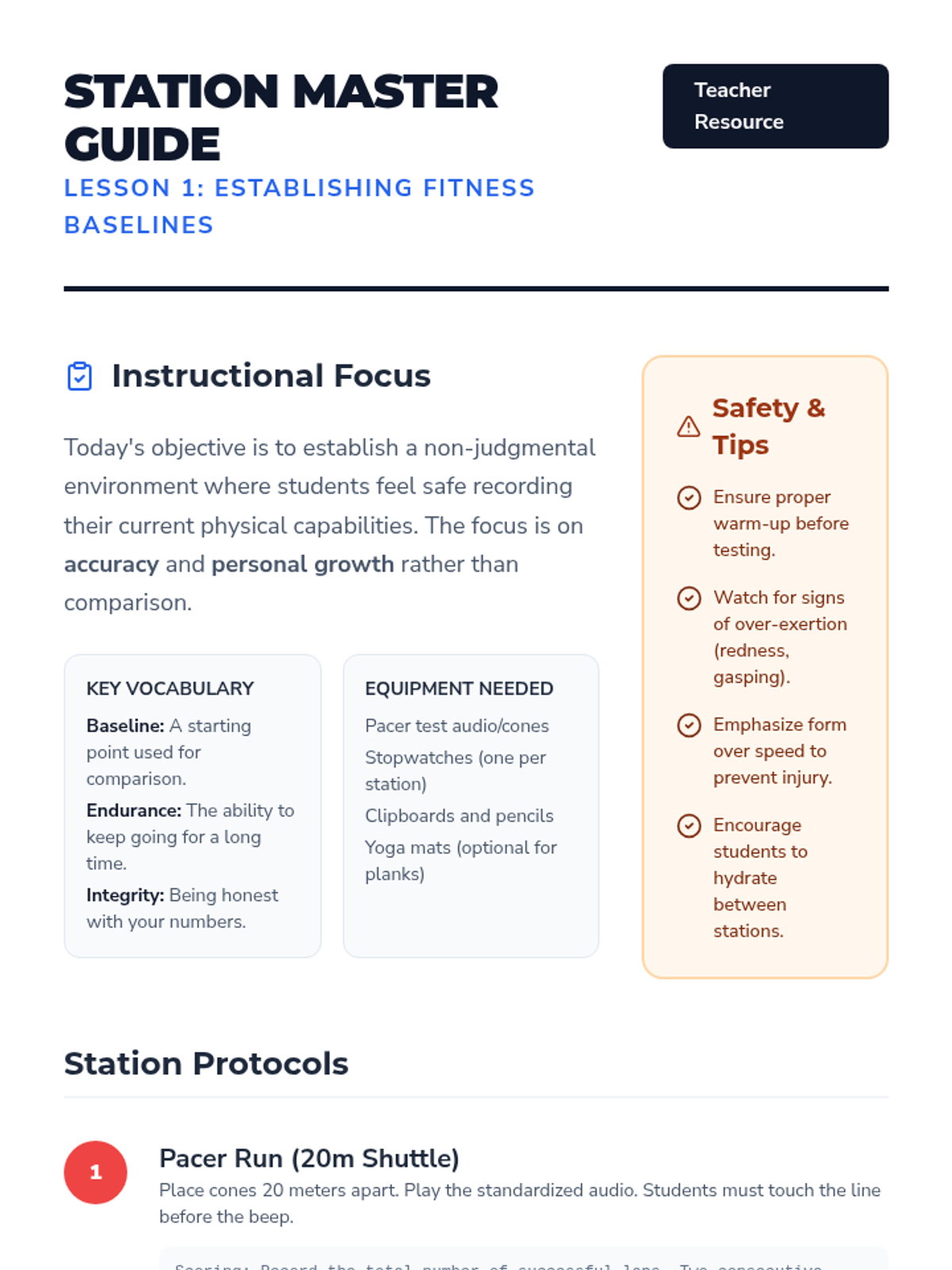
This sequence introduces third-grade students to fitness assessment and goal setting using a simplified SMART framework. Students move from subjective effort to objective data collection, culminating in a personal fitness goal based on established baselines.
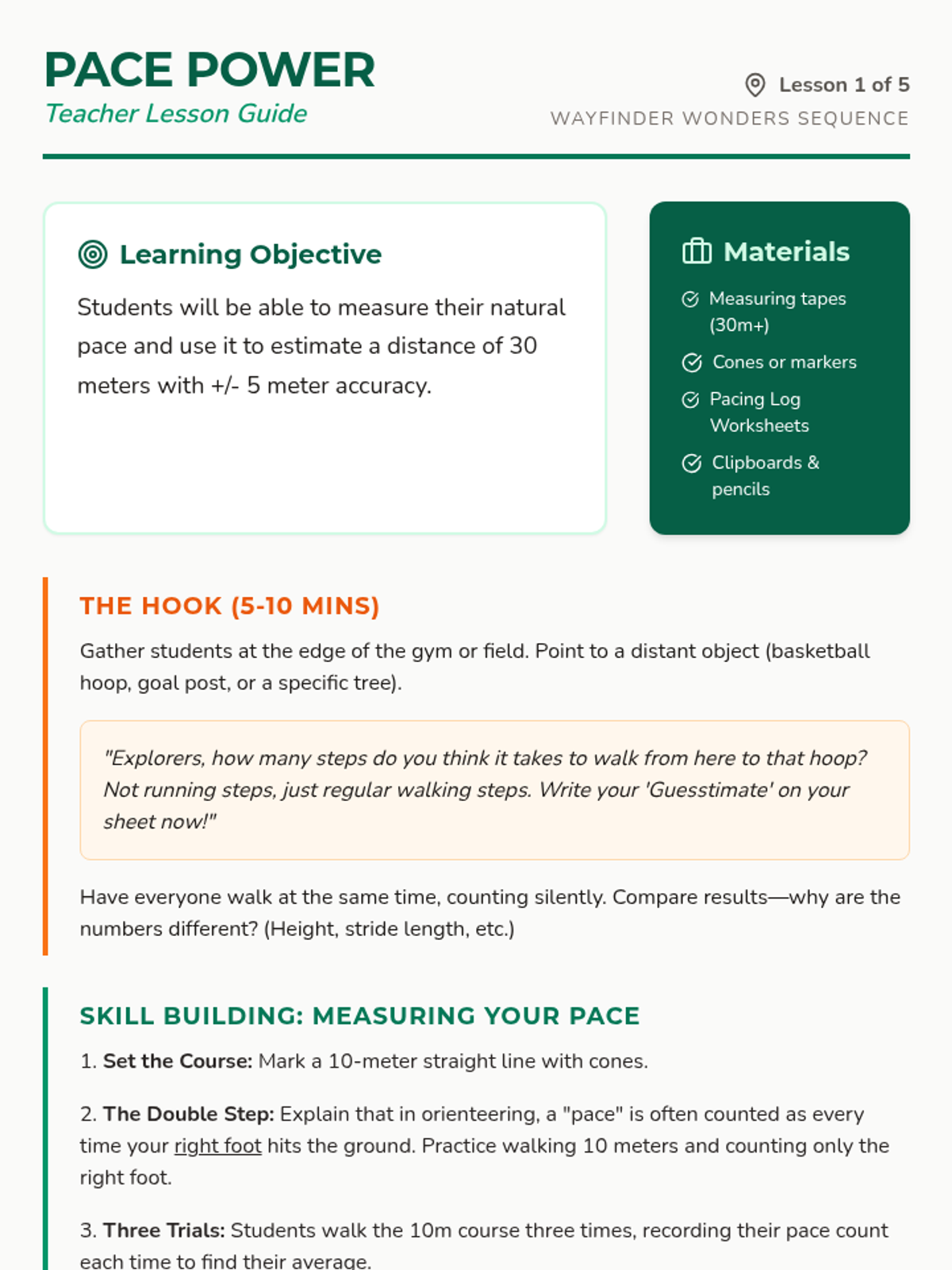
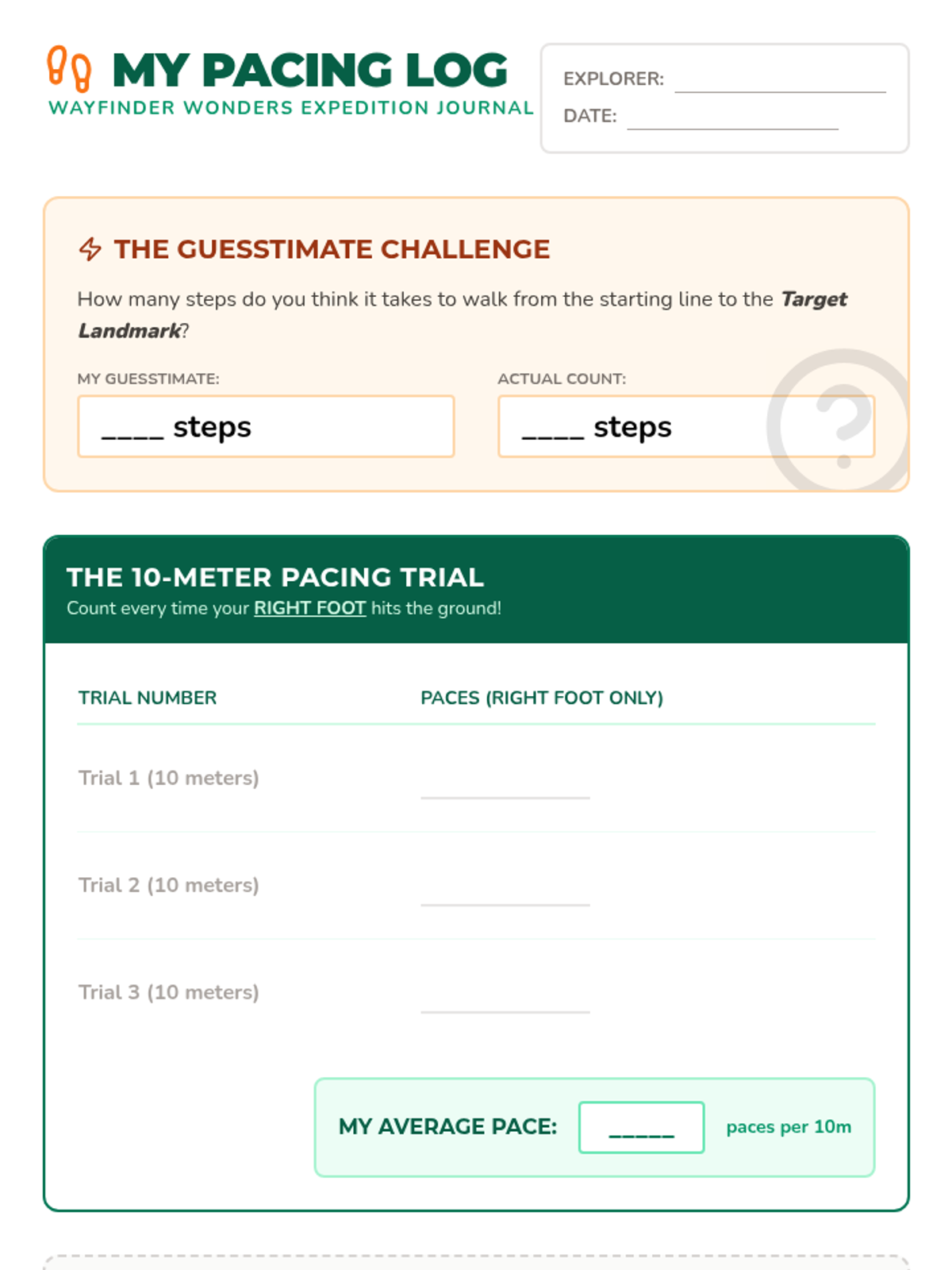
A physical and cognitive journey for 3rd graders to master the basics of navigation, pacing, and orienteering through active, outdoor-focused challenges. Students move from measuring their own stride to completing a full-scale schoolyard expedition.
A comprehensive unit for 3rd-grade students focused on the physical mechanics of injury prevention. Students explore physiological preparation, spatial awareness, force absorption, and proper lifting techniques through hands-on simulations and skill-building activities.
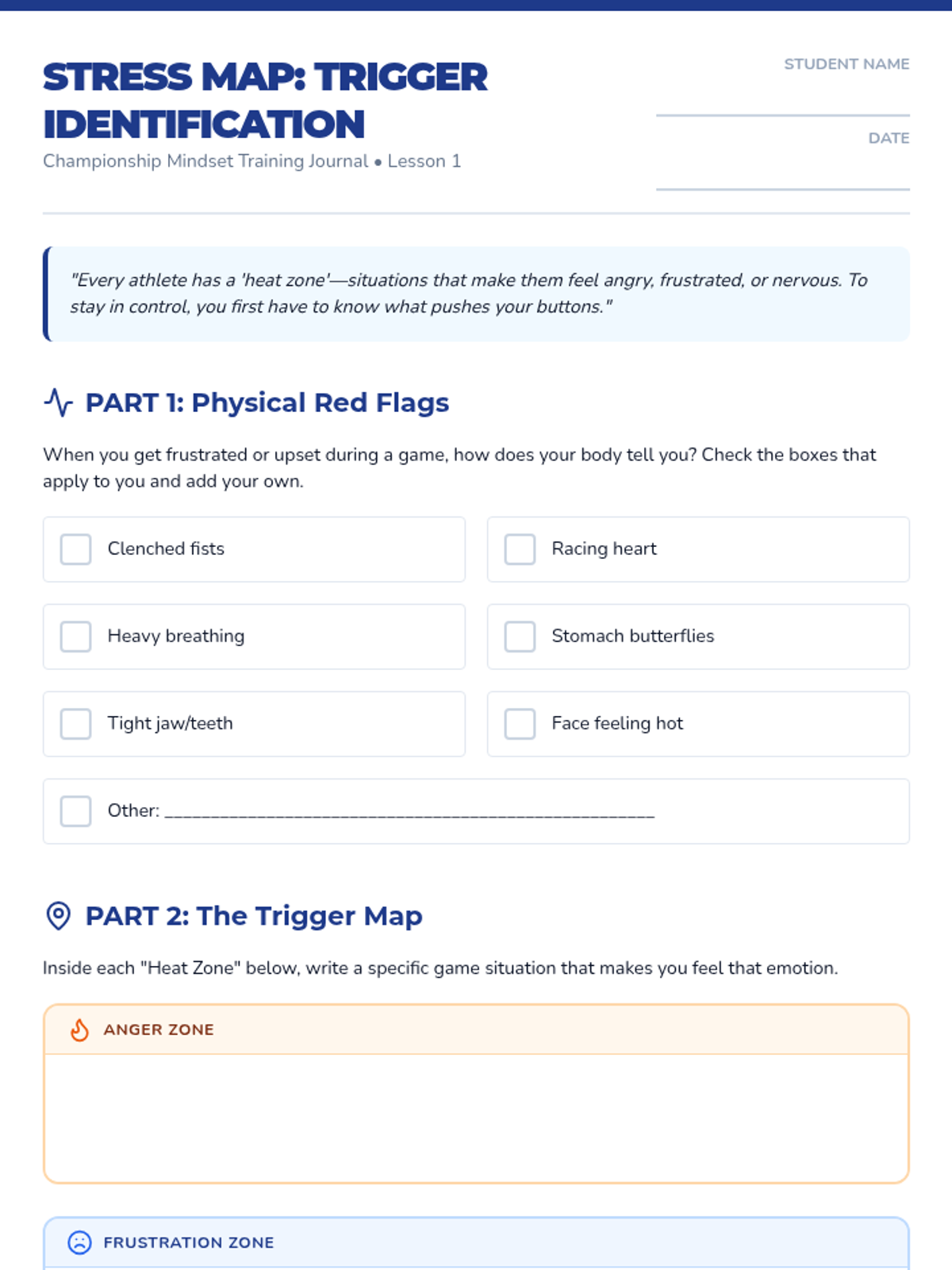
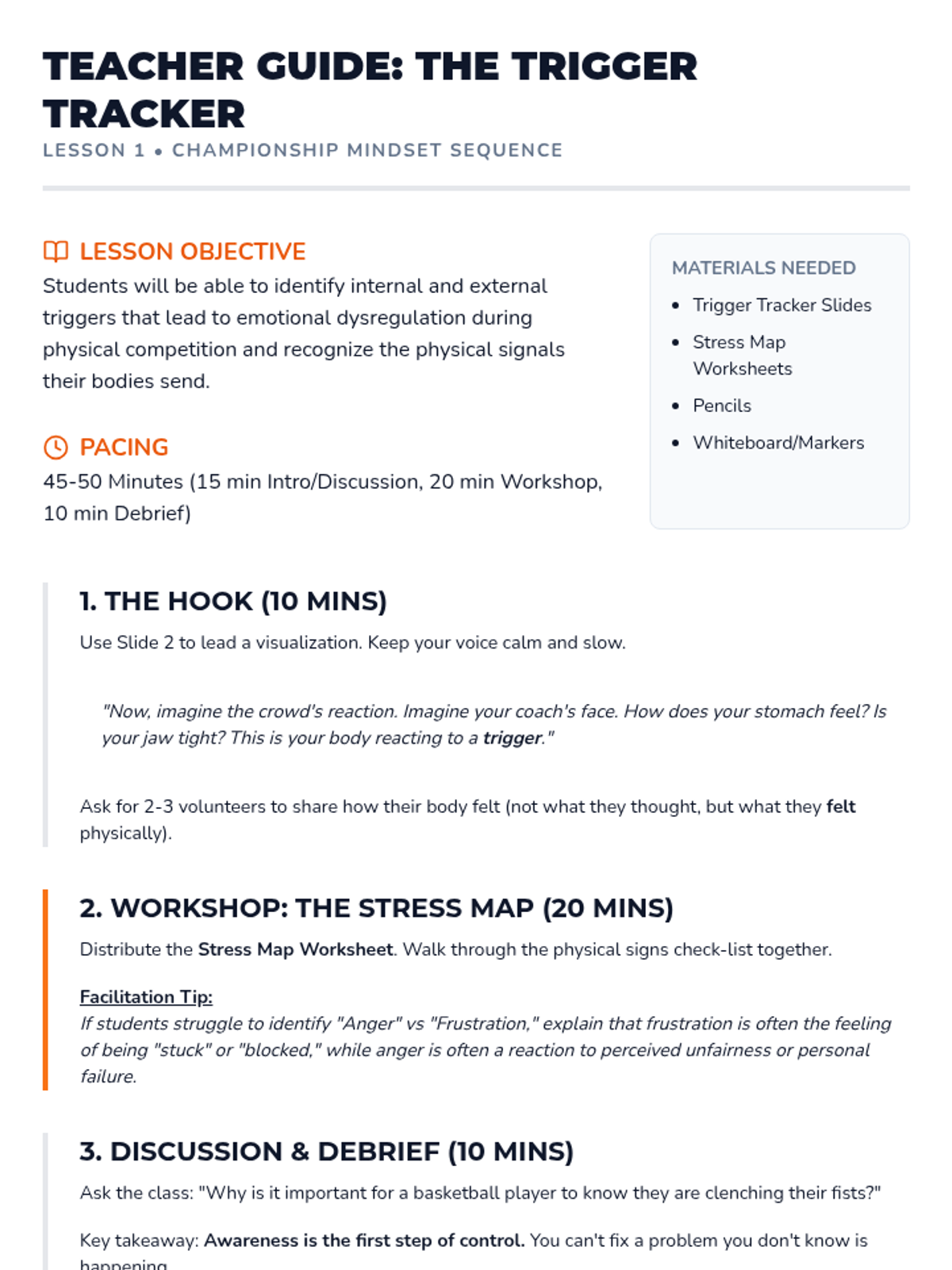
This sequence focuses on the internal aspect of sportsmanship: emotional regulation. Students learn concrete strategies for managing frustration, anger, and excitement during competitive play, progressing from identifying triggers to applying coping mechanisms in real-time games.
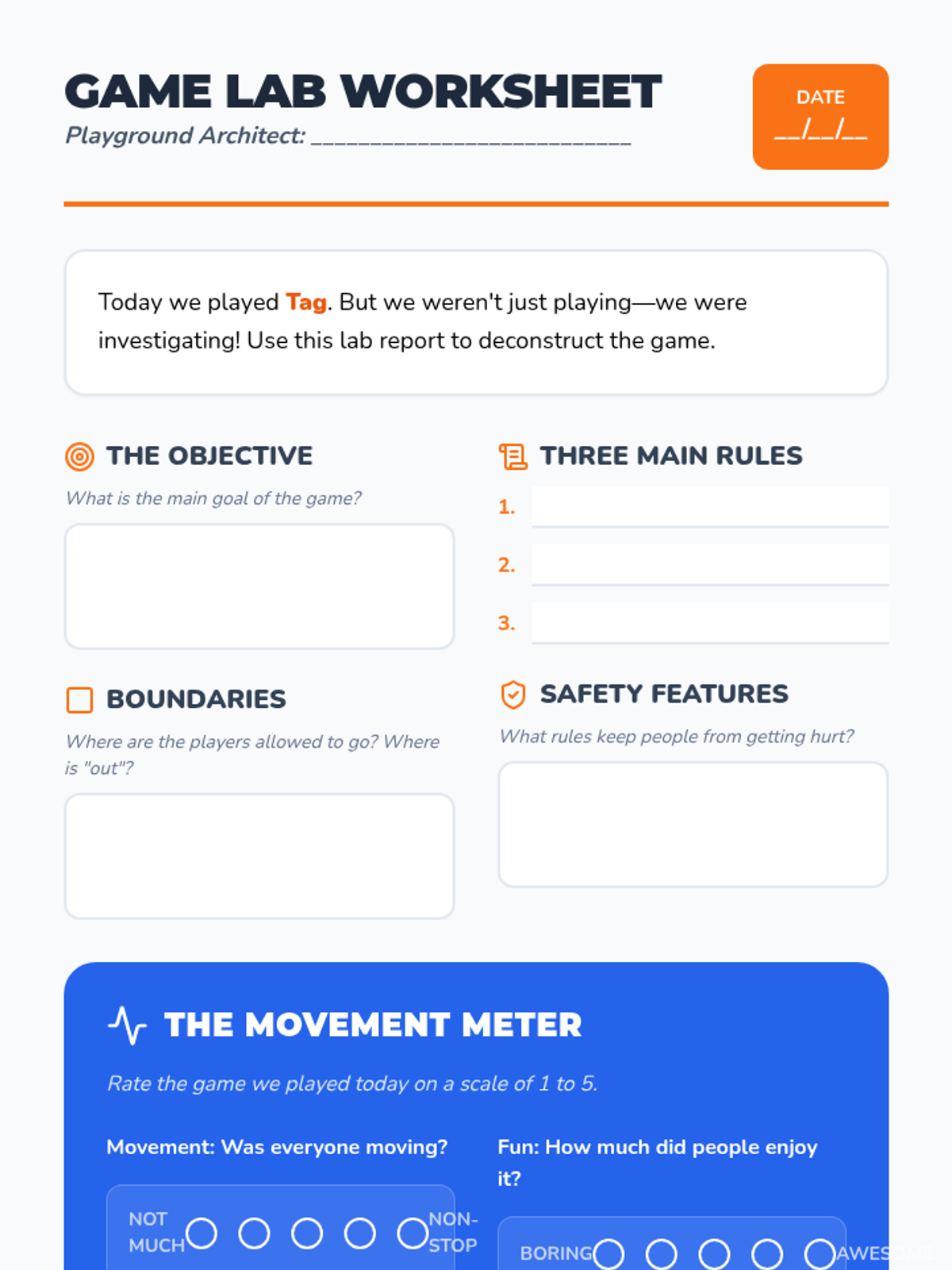
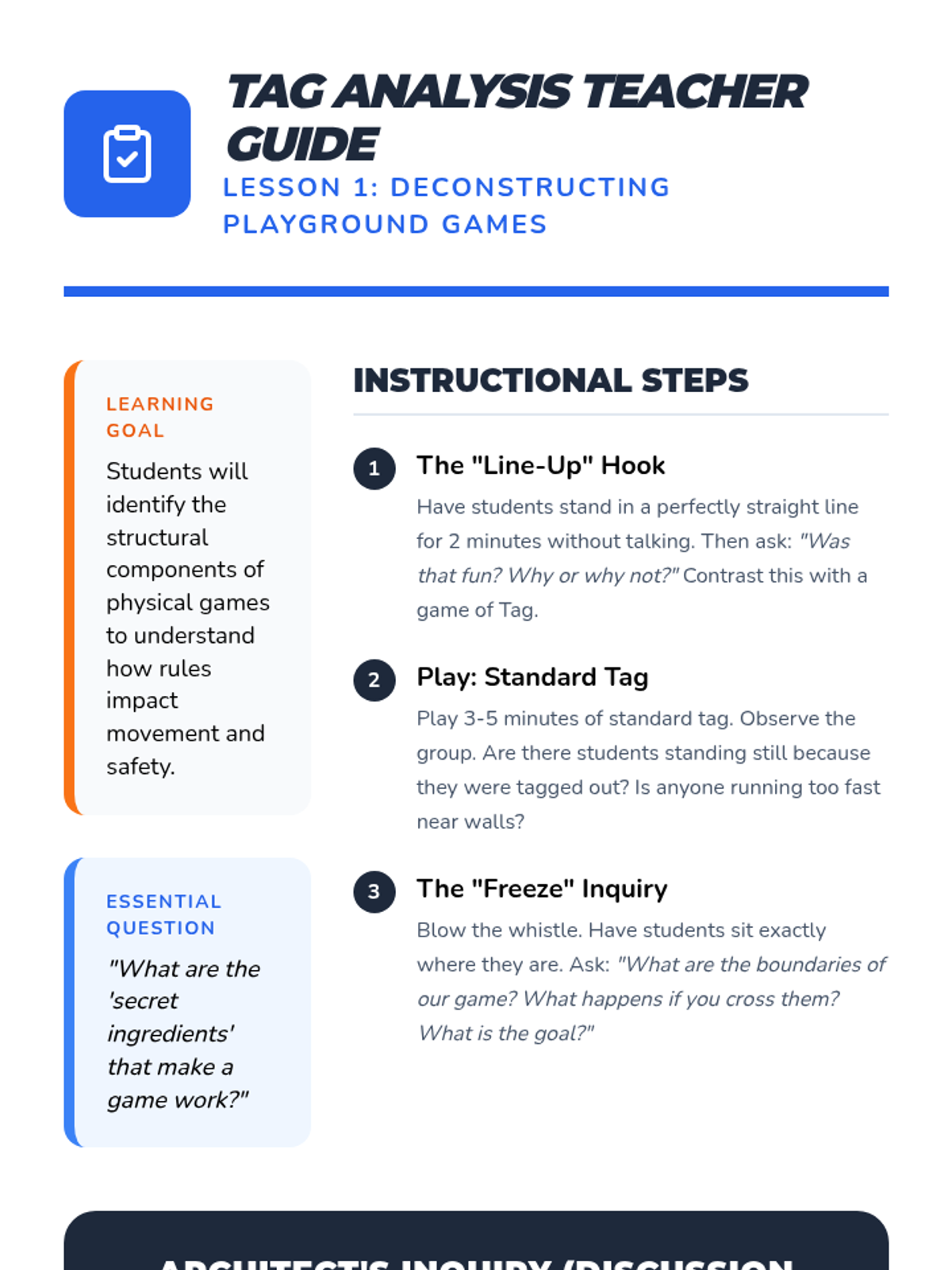
A project-based sequence for 3rd graders to analyze, design, and lead their own cooperative physical activities. Students move from deconstructing classic games to inventing new ones that maximize movement, safety, and inclusivity.
A comprehensive 5-lesson unit for 3rd-grade students exploring how the human body responds to physical exertion, including heart rate measurement, intensity categorization, and the importance of recovery.
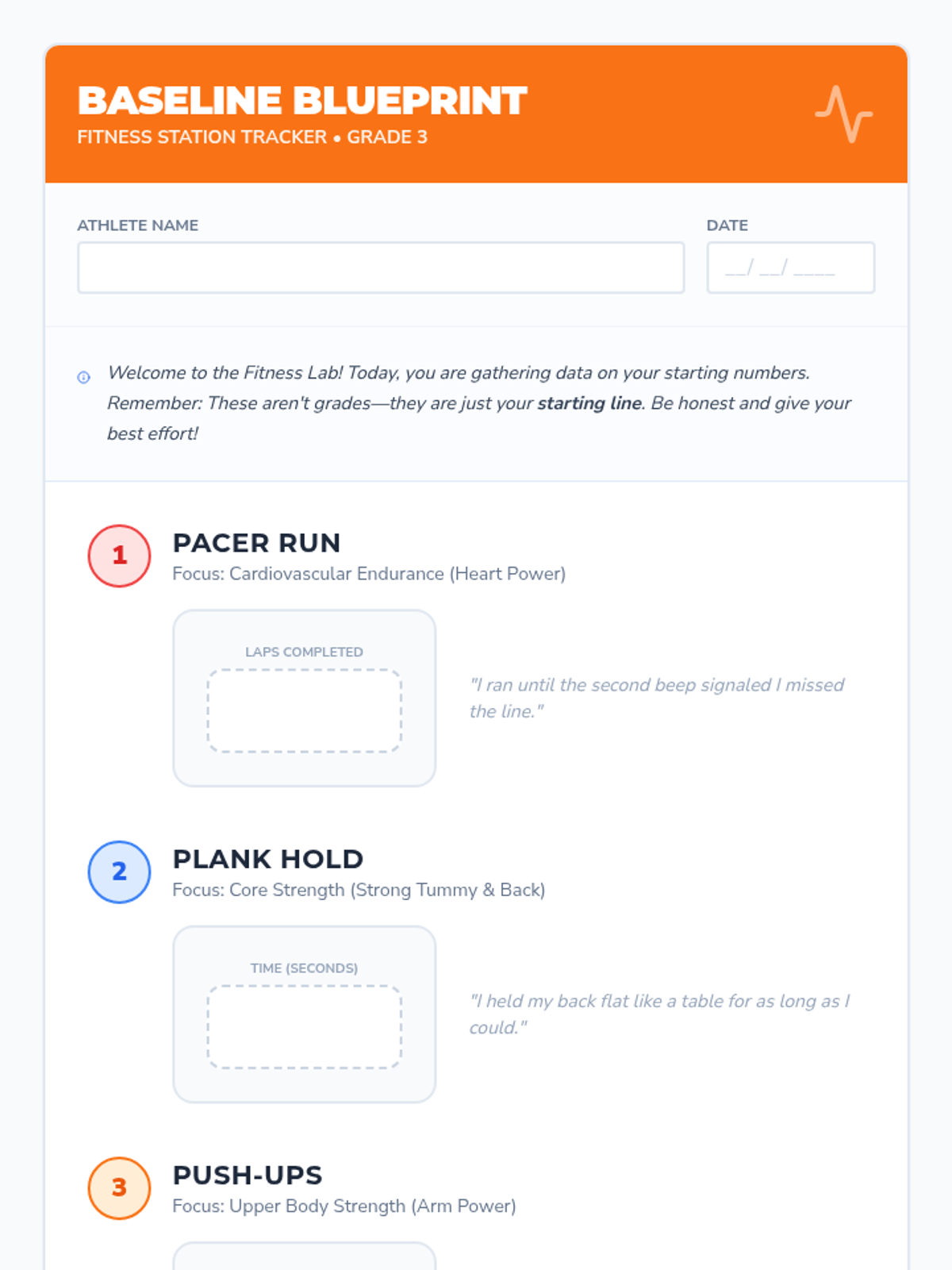
This sequence guides third-grade students through the process of establishing personal fitness baselines, setting SMART goals, and creating action plans. Students will track their progress through cardio and strength tests, culminating in a final reflection on personal growth and effort.
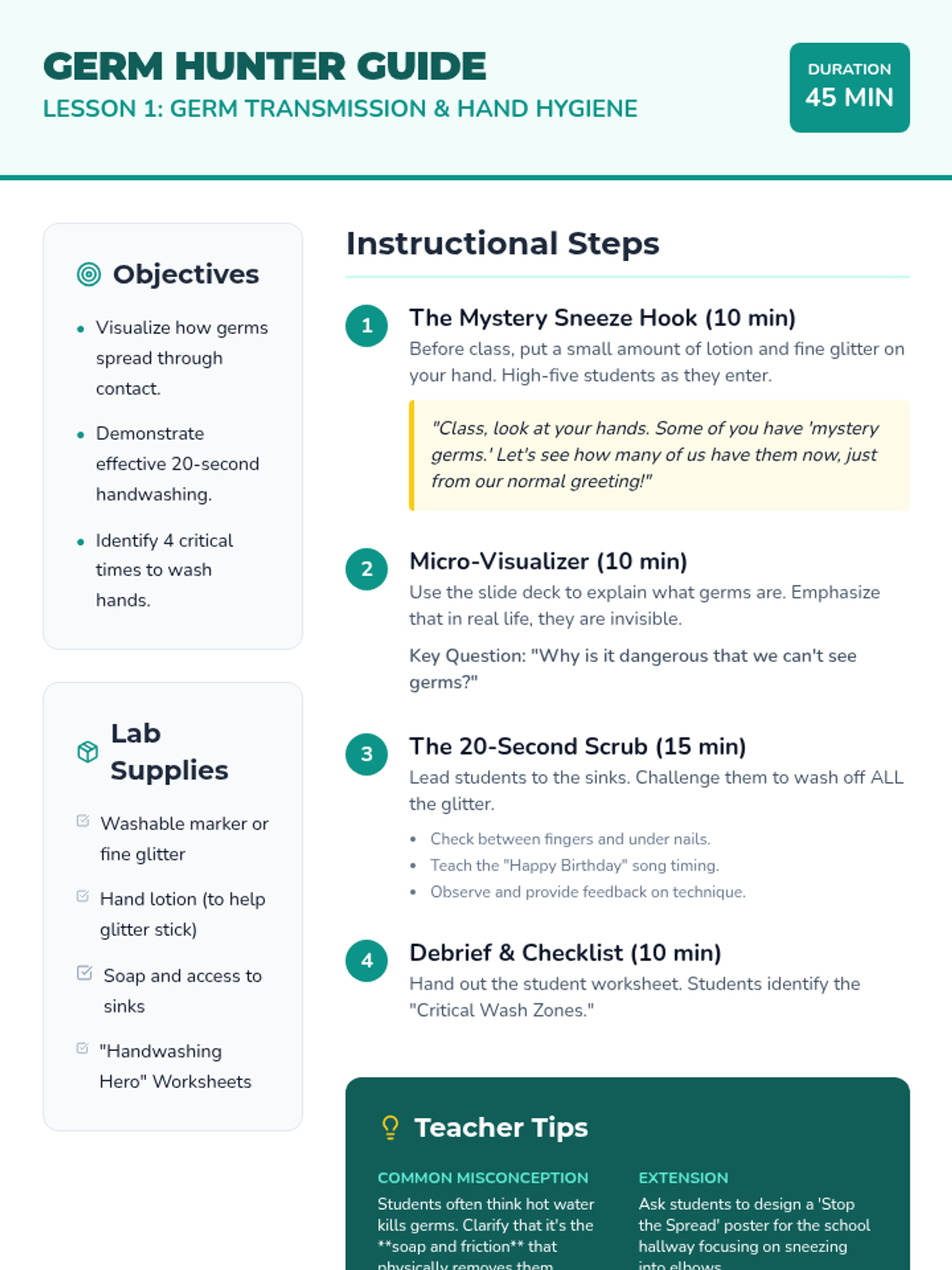
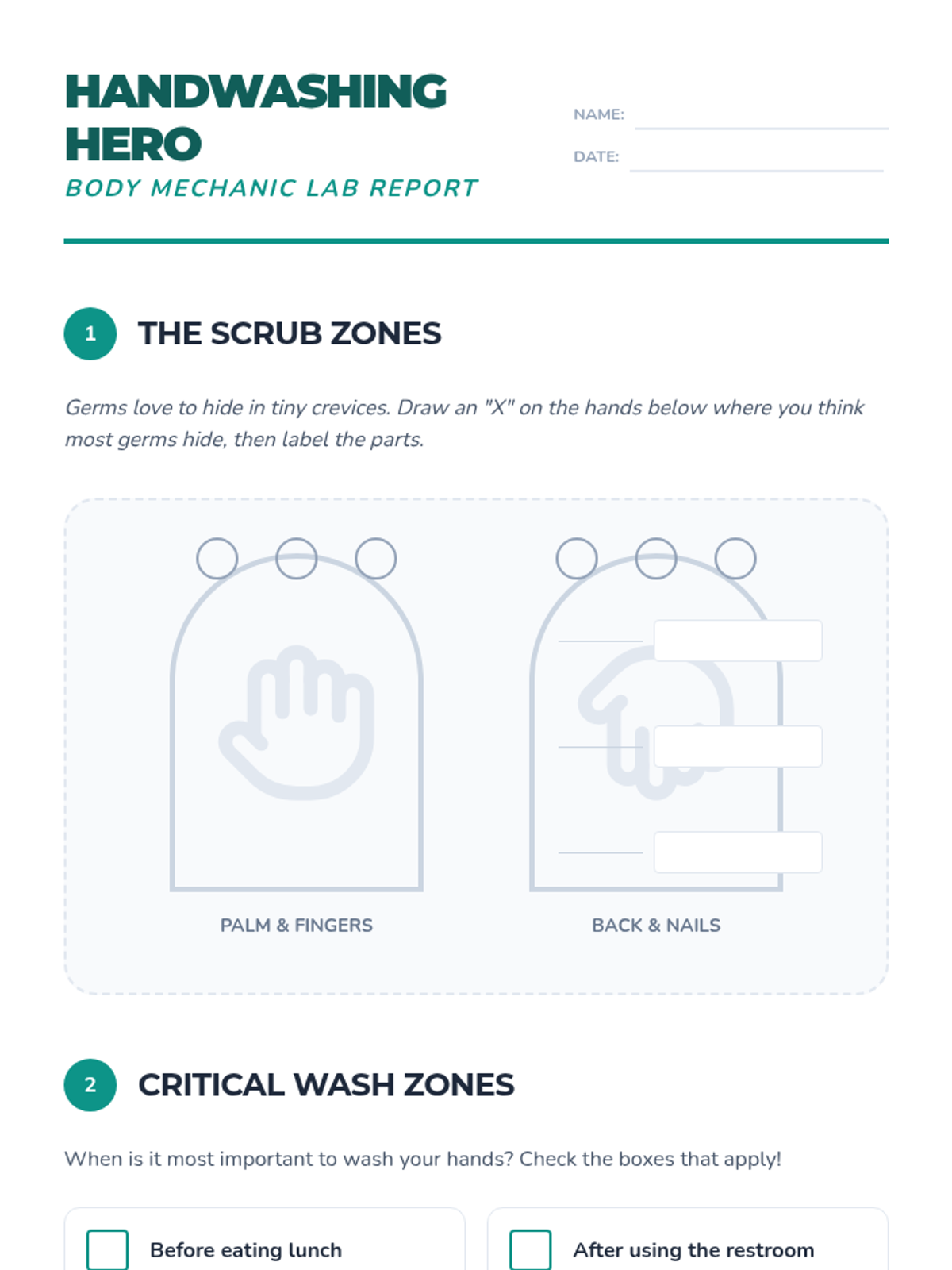
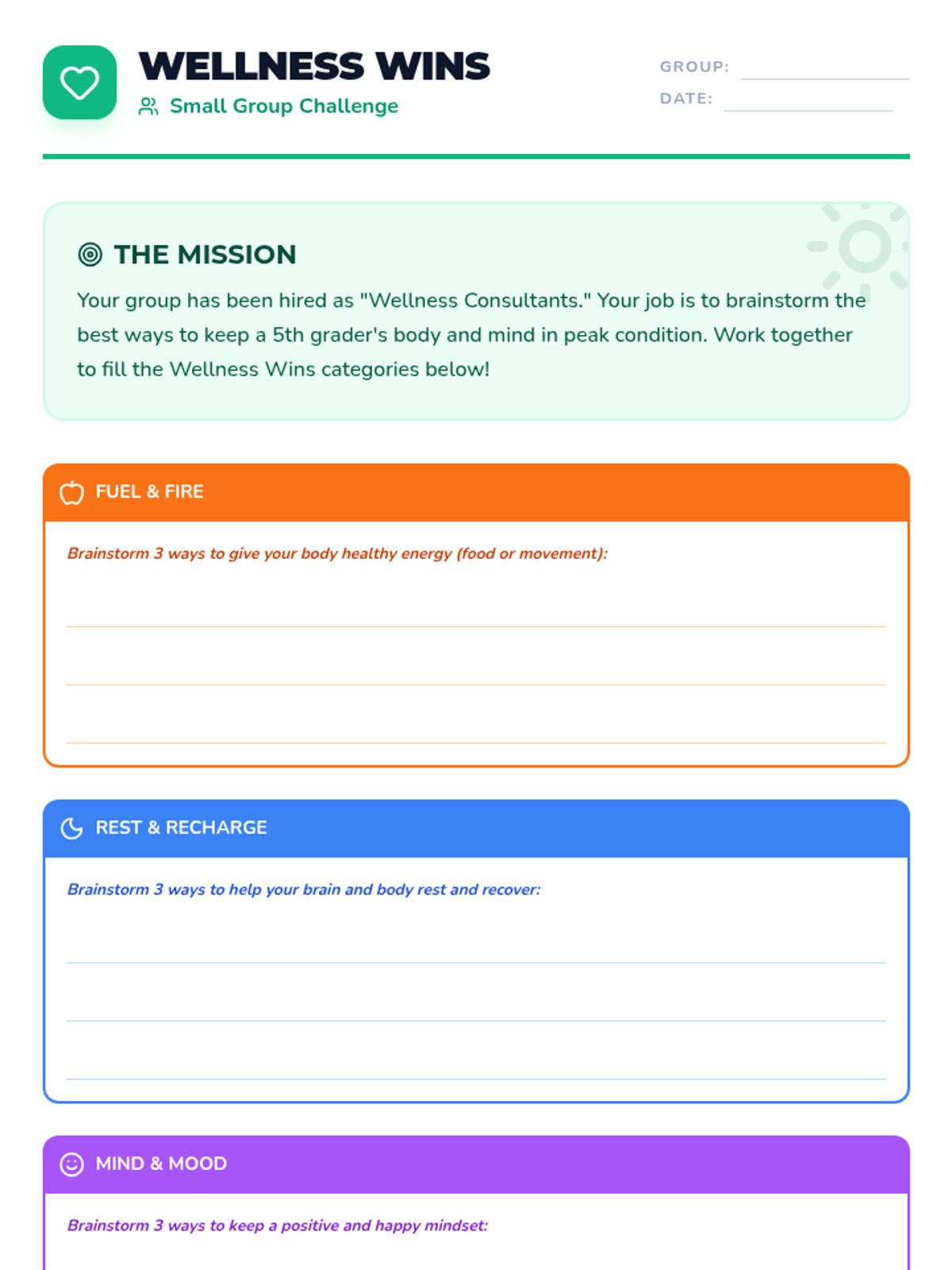
A comprehensive health sequence for 3rd graders focused on hygiene, nutrition, and self-care. Students learn the science behind daily habits and design a personalized wellness tracking system.
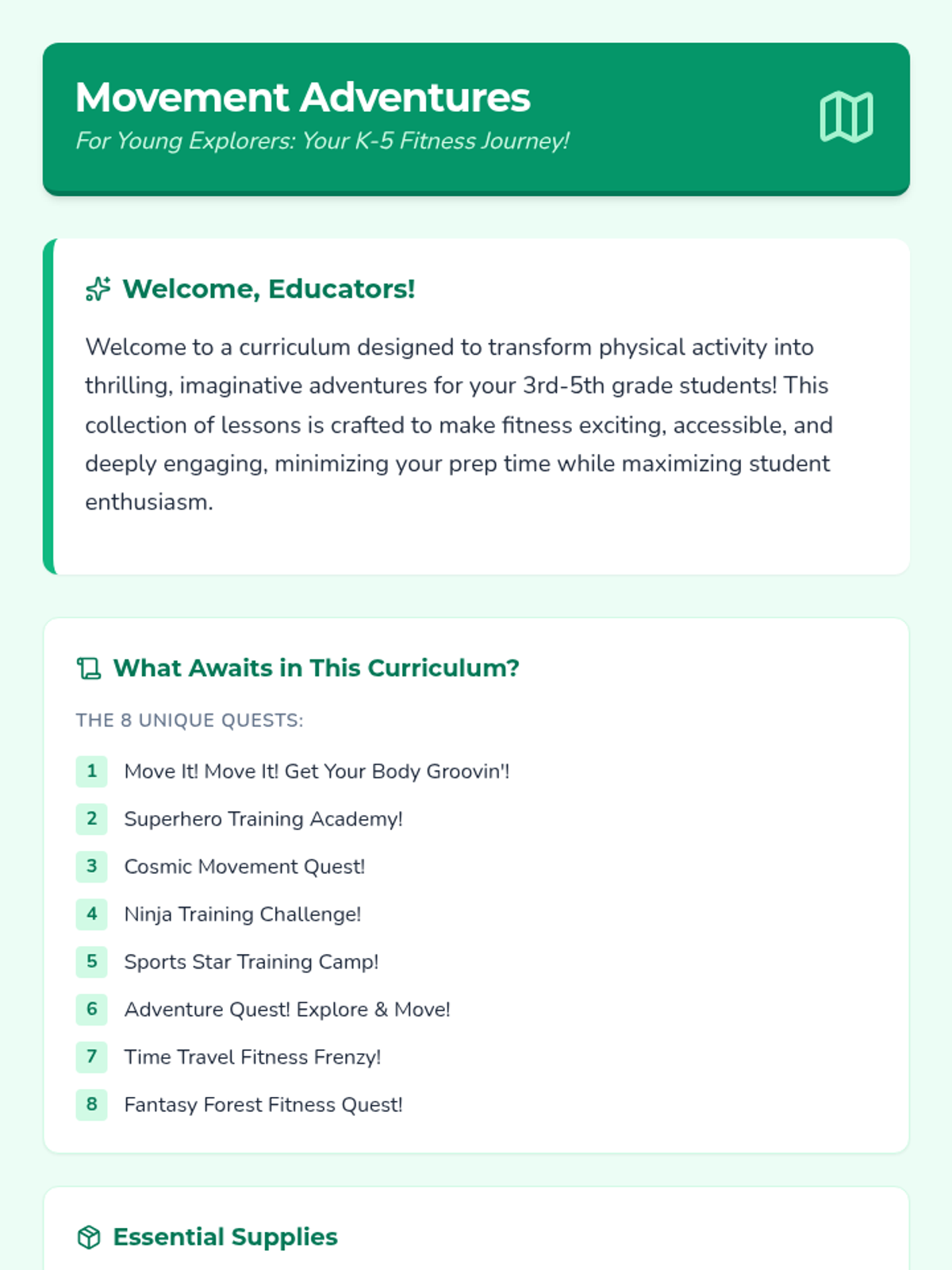
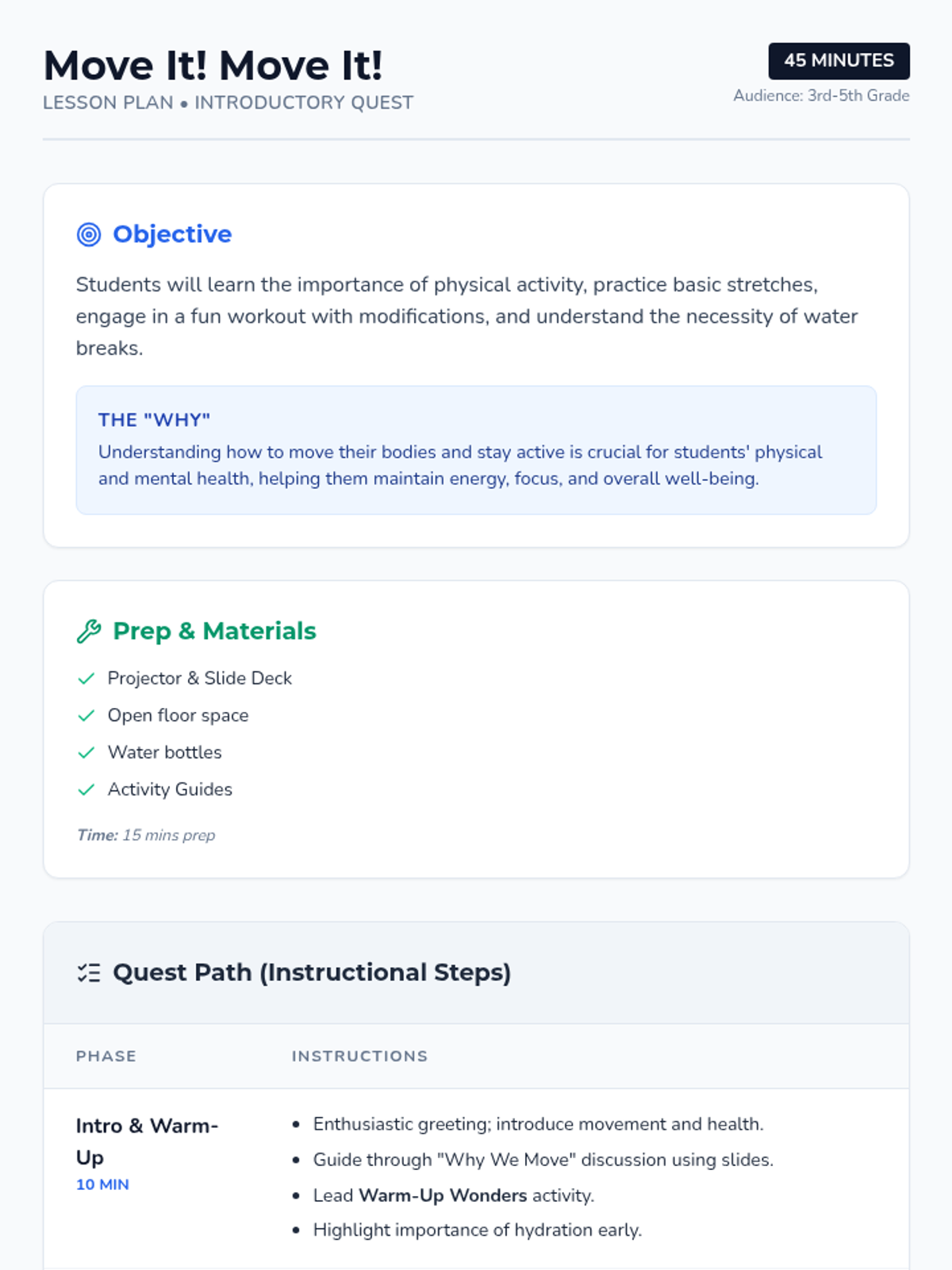
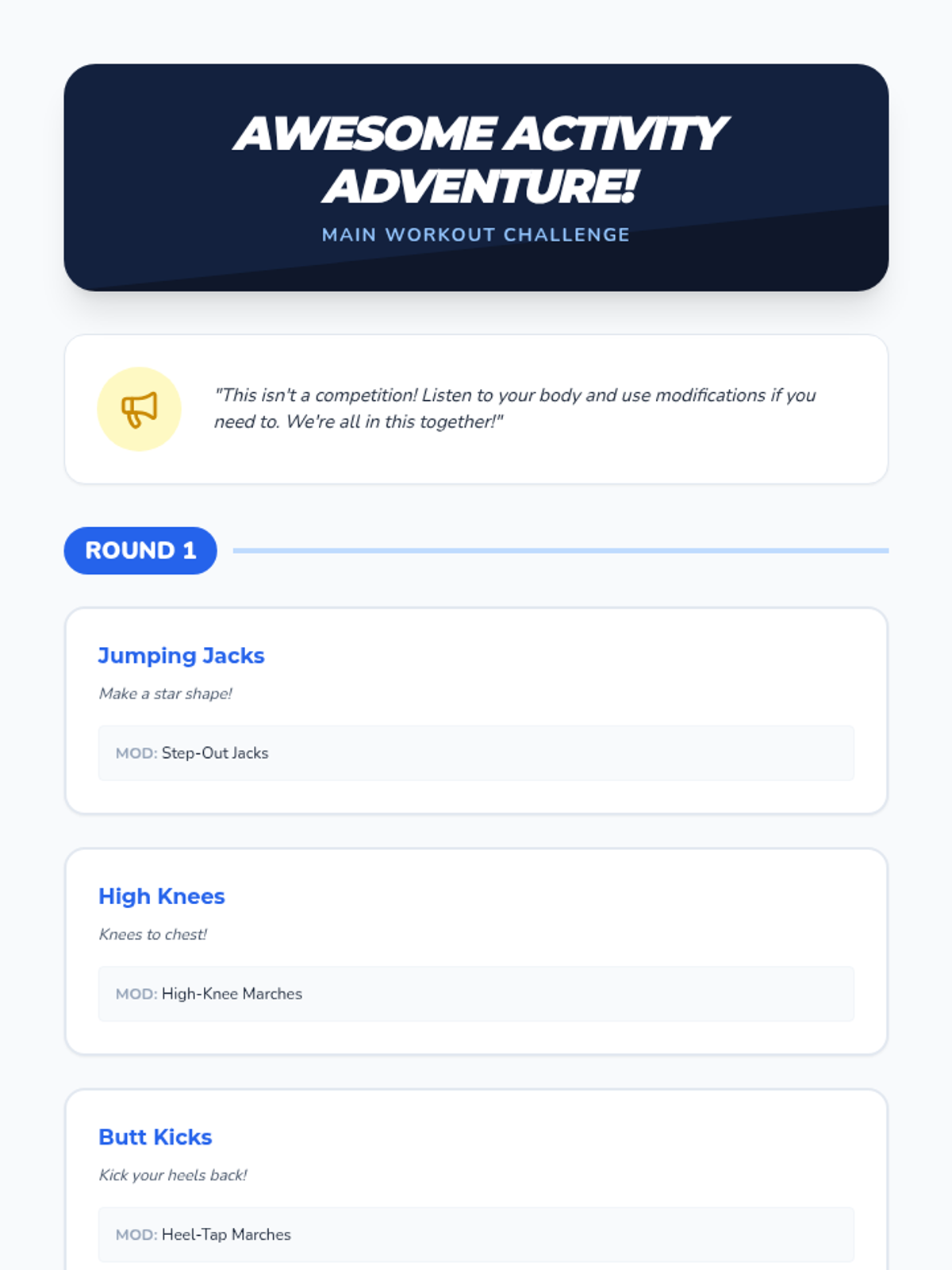
A comprehensive physical education curriculum for grades 3-5 that transforms fitness into imaginative adventures. Students develop strength, agility, and coordination through themed quests ranging from ninjas and superheroes to space exploration and magical forests.
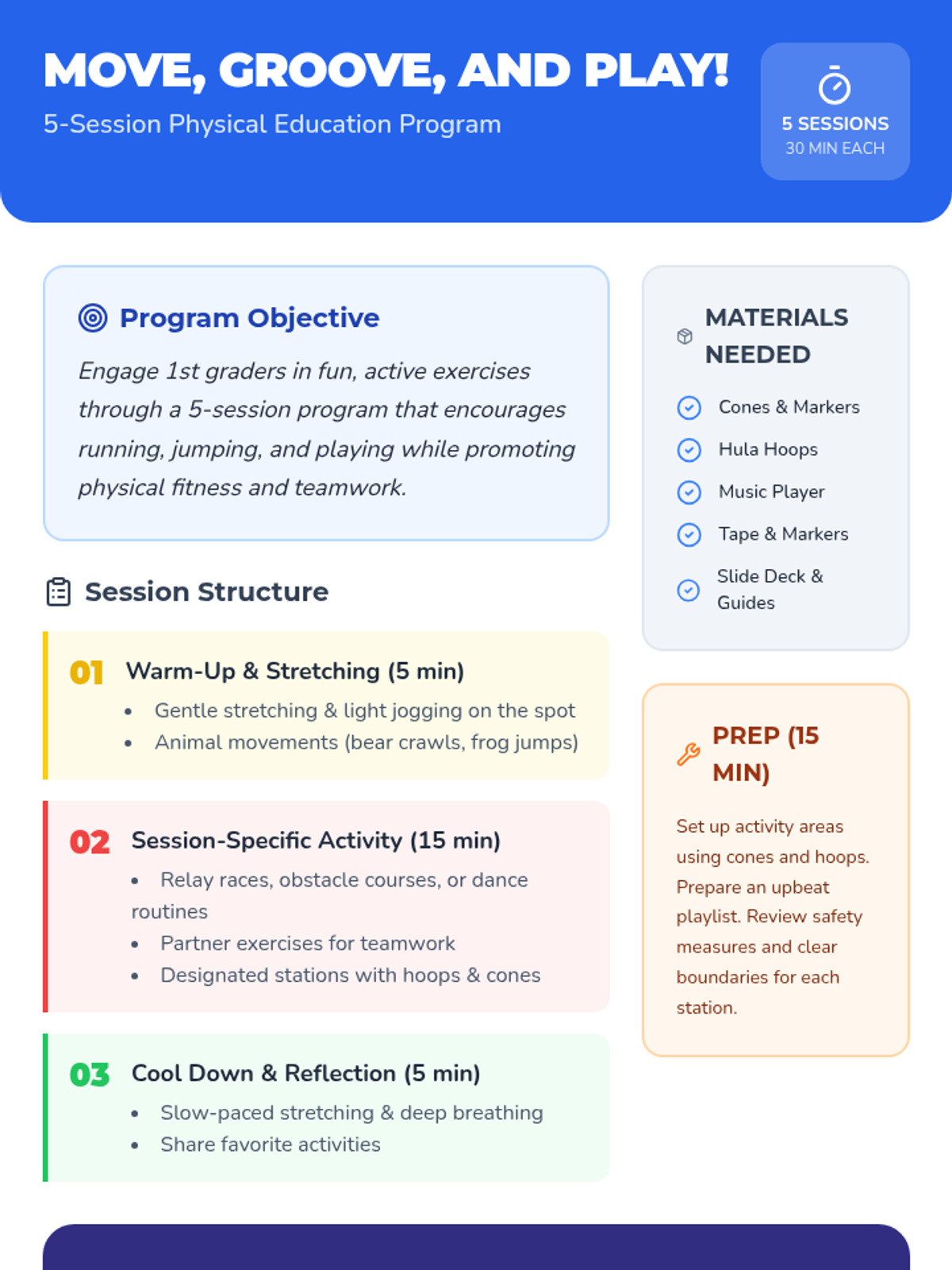
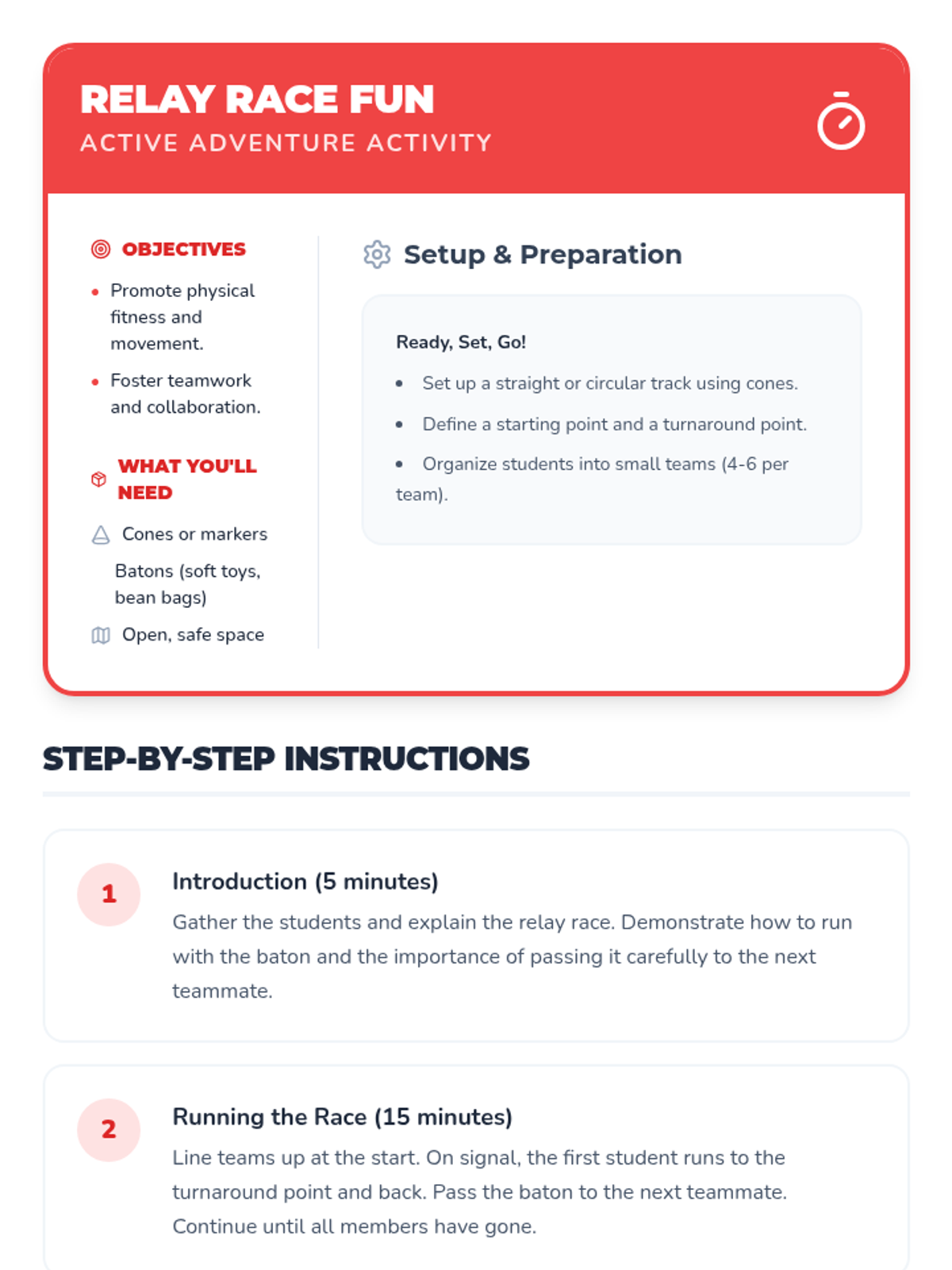
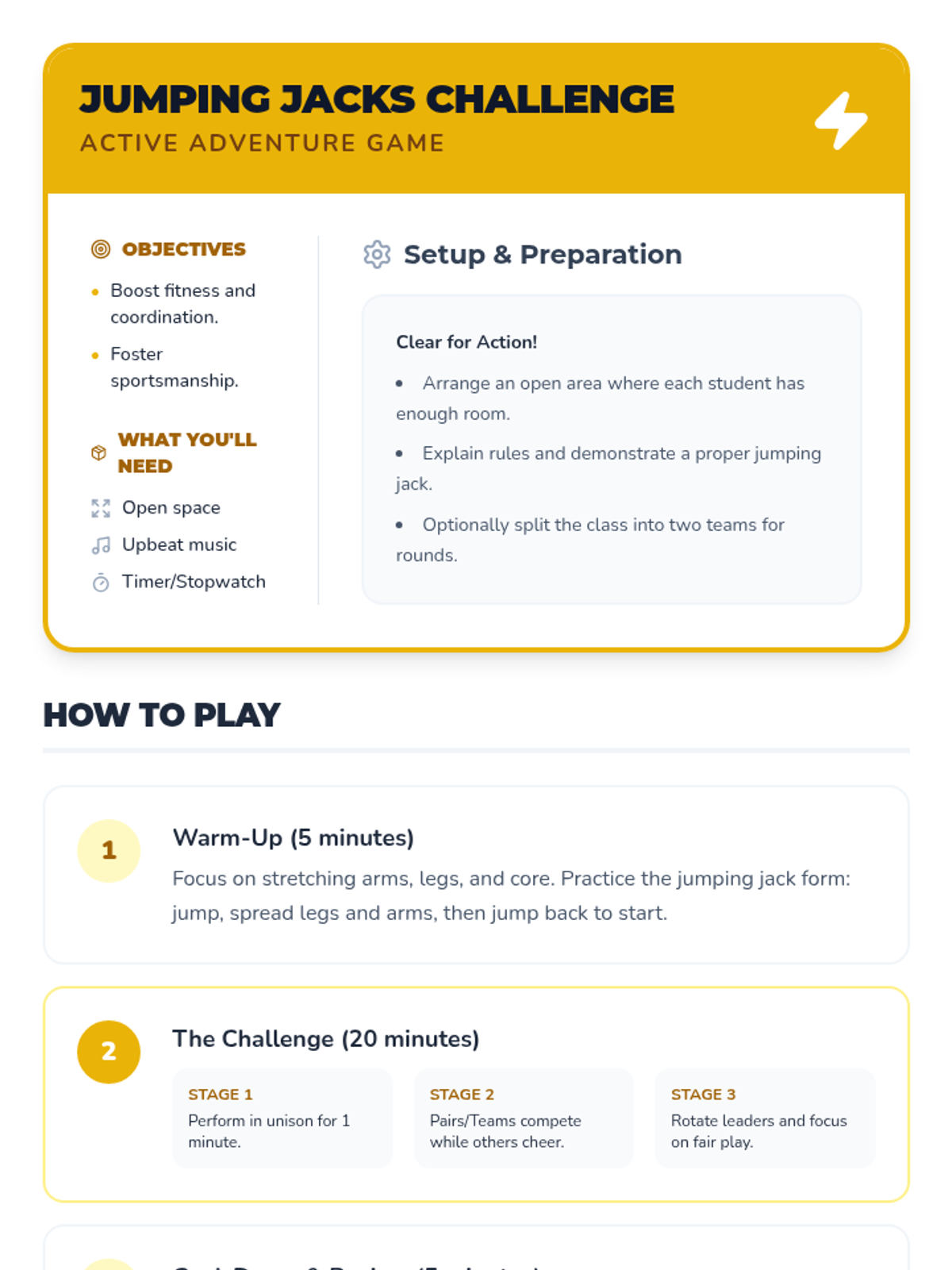
A 5-session physical education program for young learners focused on building healthy habits, motor skills, and teamwork through fun circuit-style exercises and games.
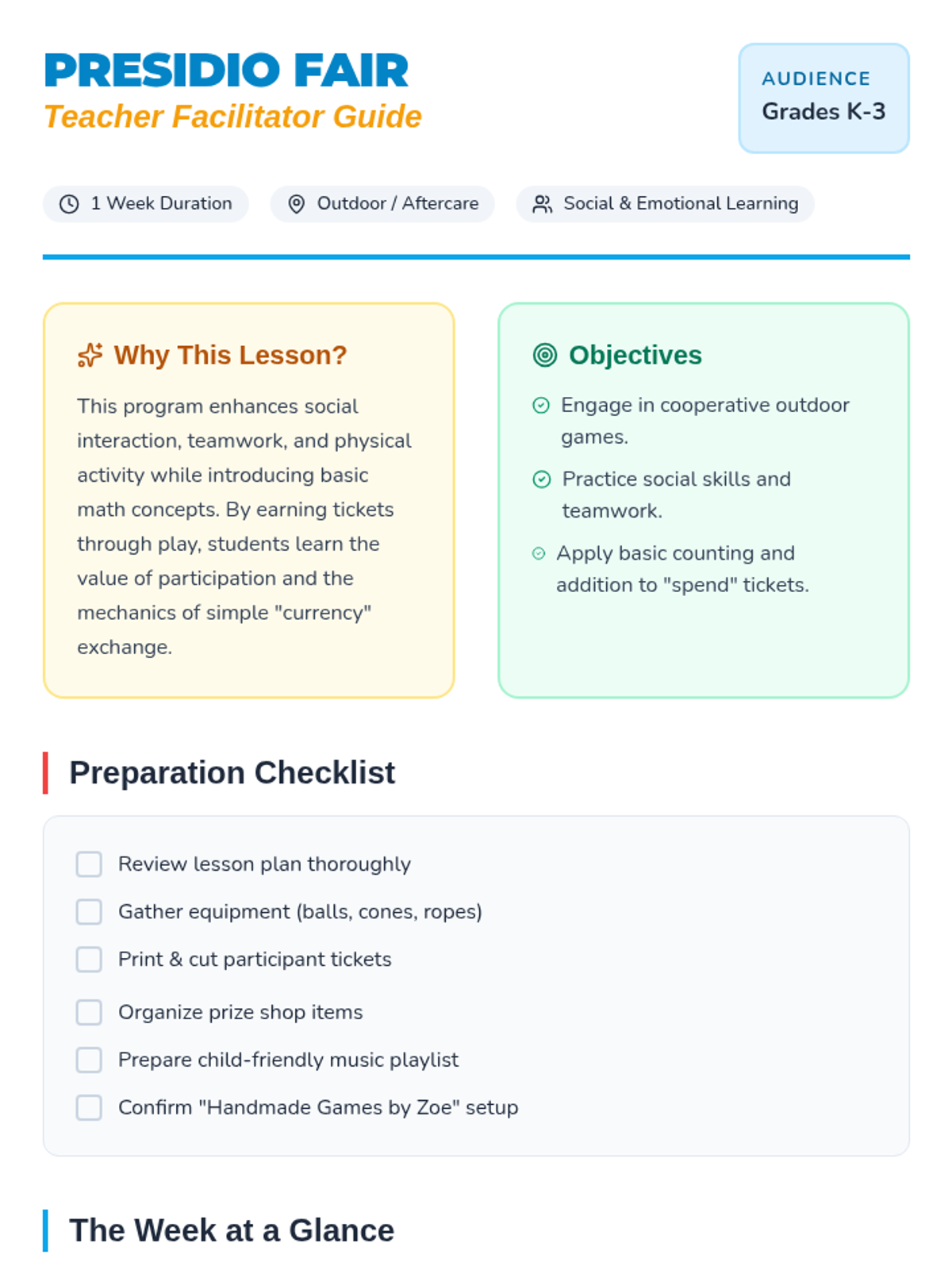
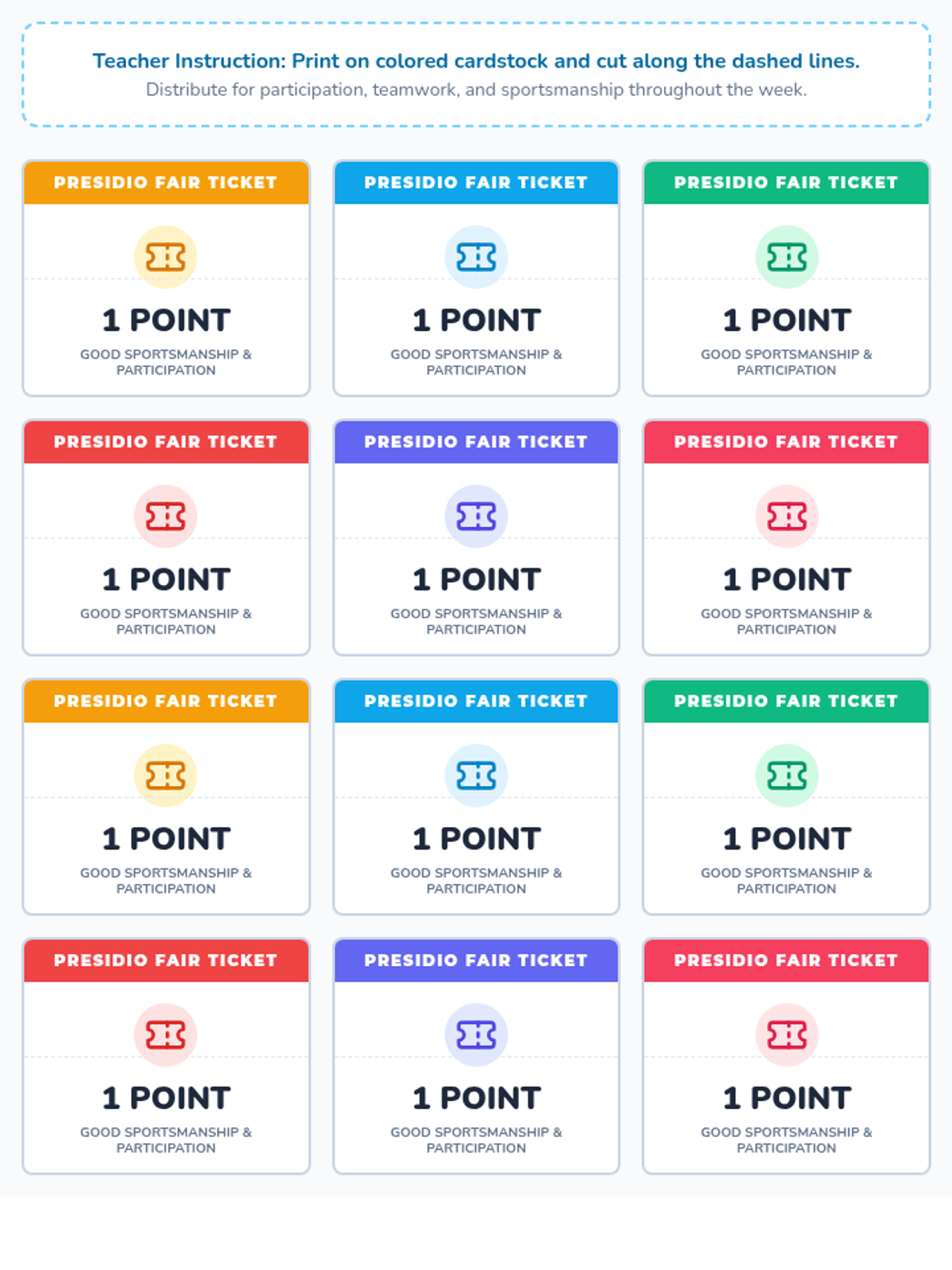
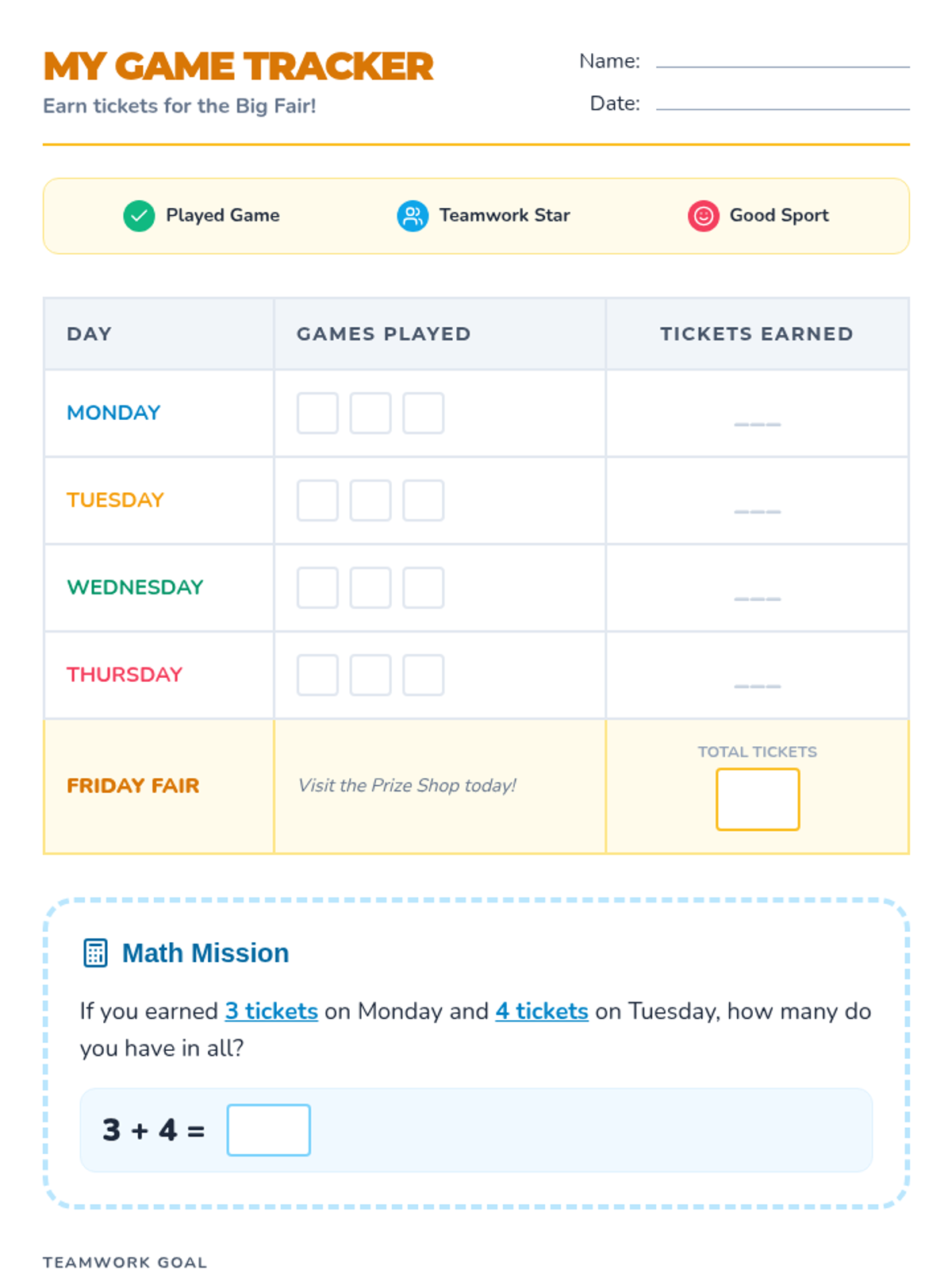
A comprehensive week-long program for K-3 students to engage in outdoor play, develop social skills, and apply basic math through a culminating fair event.
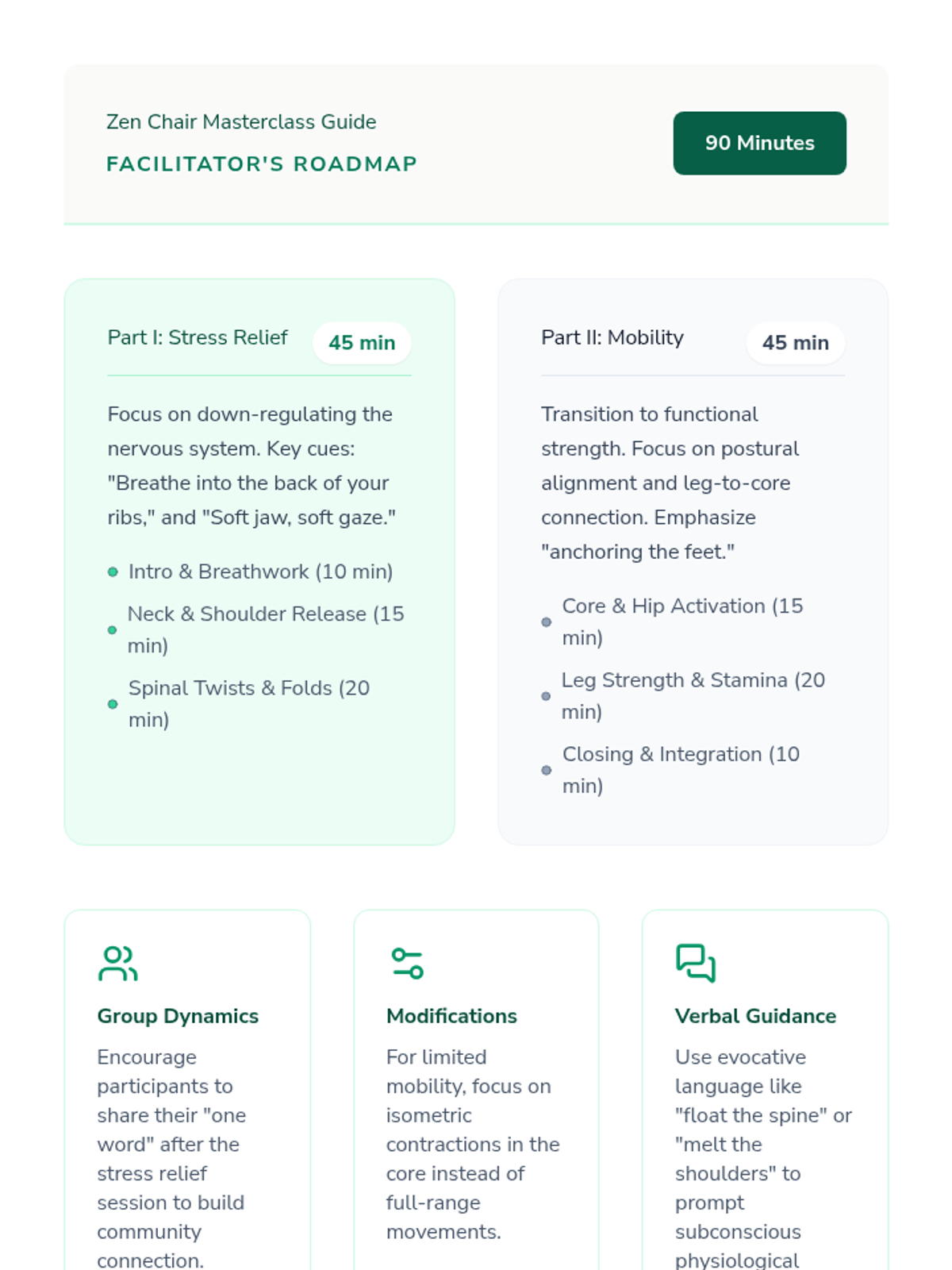
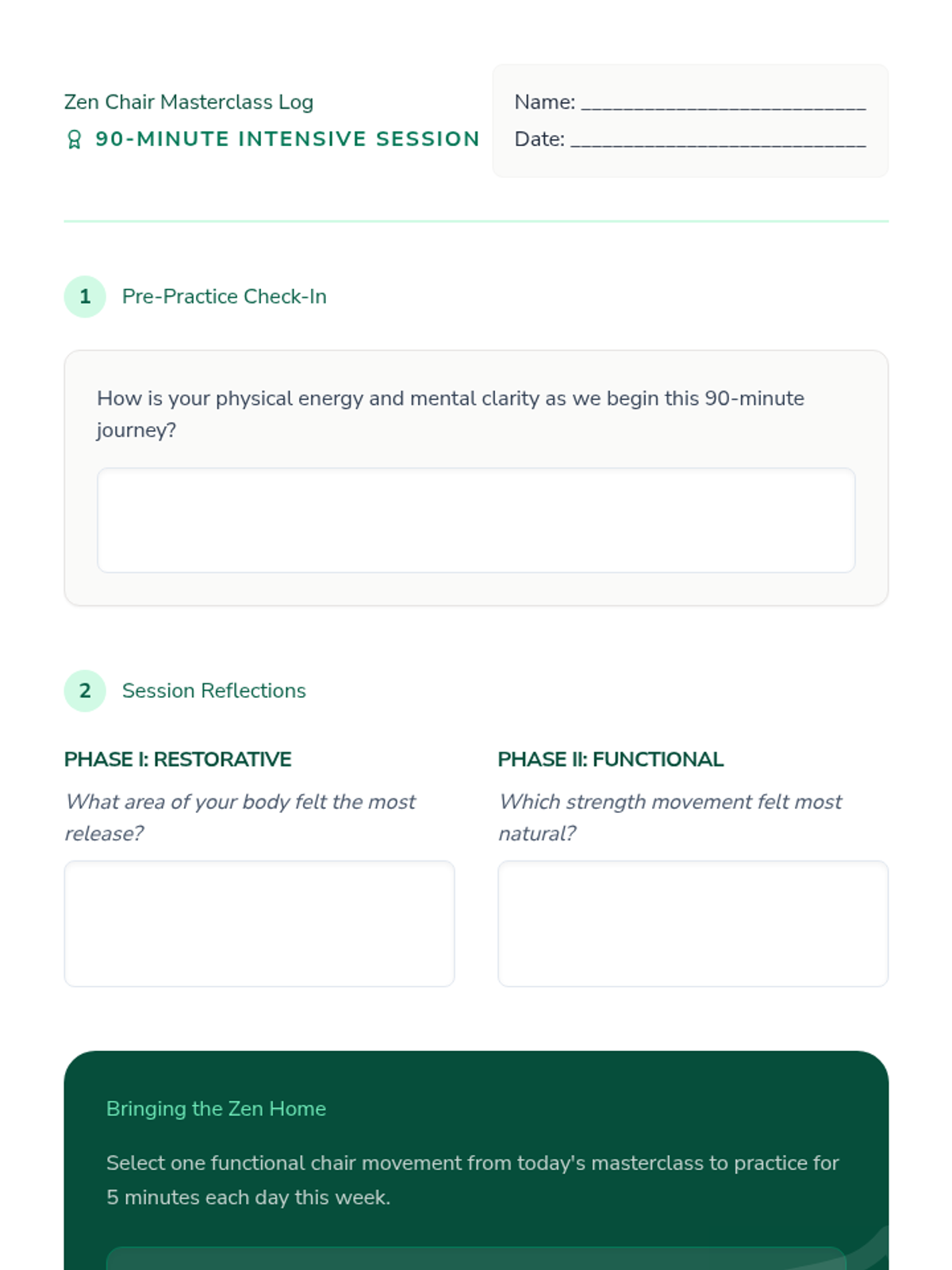
A comprehensive yoga series featuring a deep-dive chair yoga masterclass with guided videos and a follow-up standing flow session for beginners. Designed to build both mental calm and physical strength.
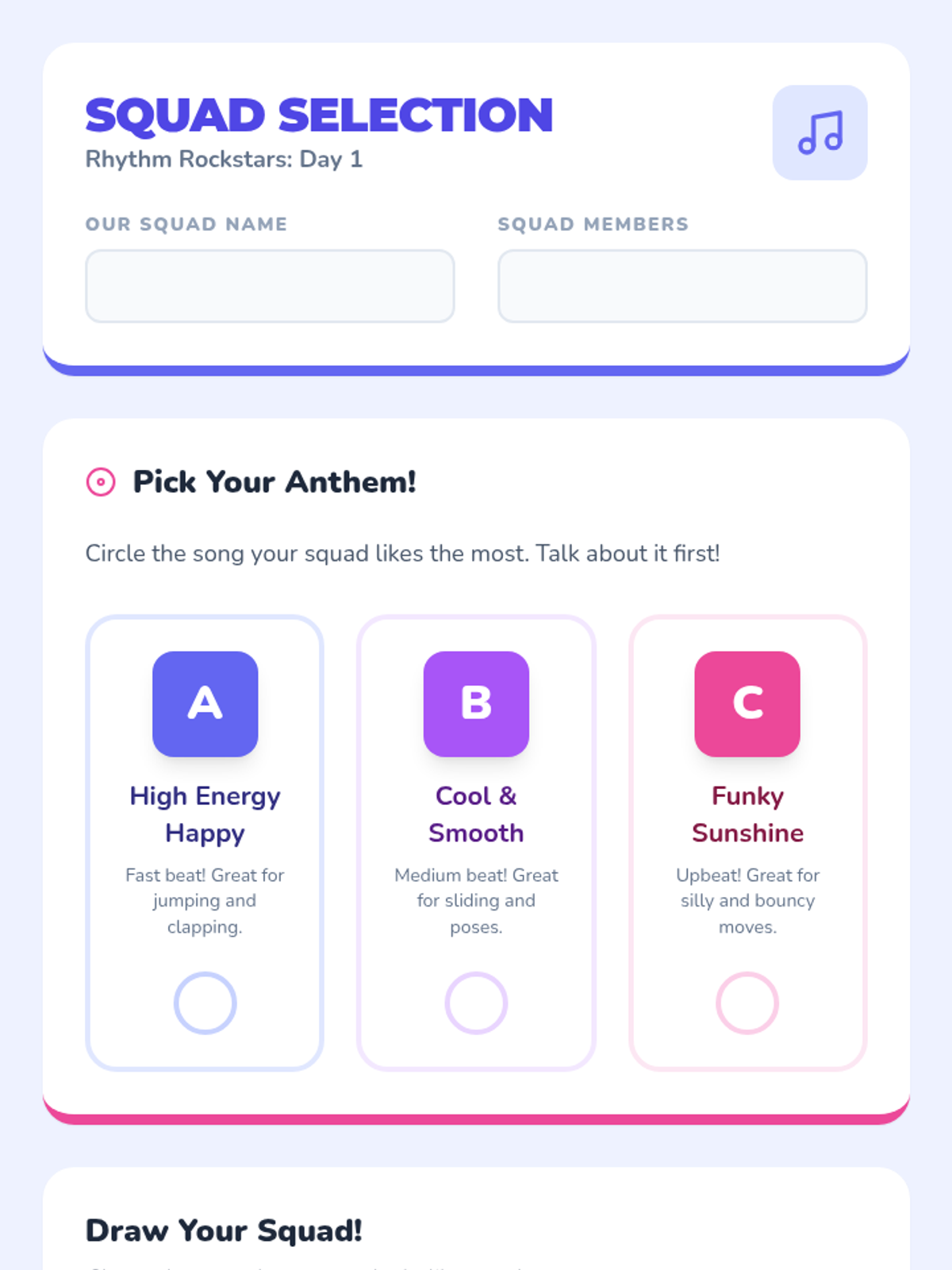
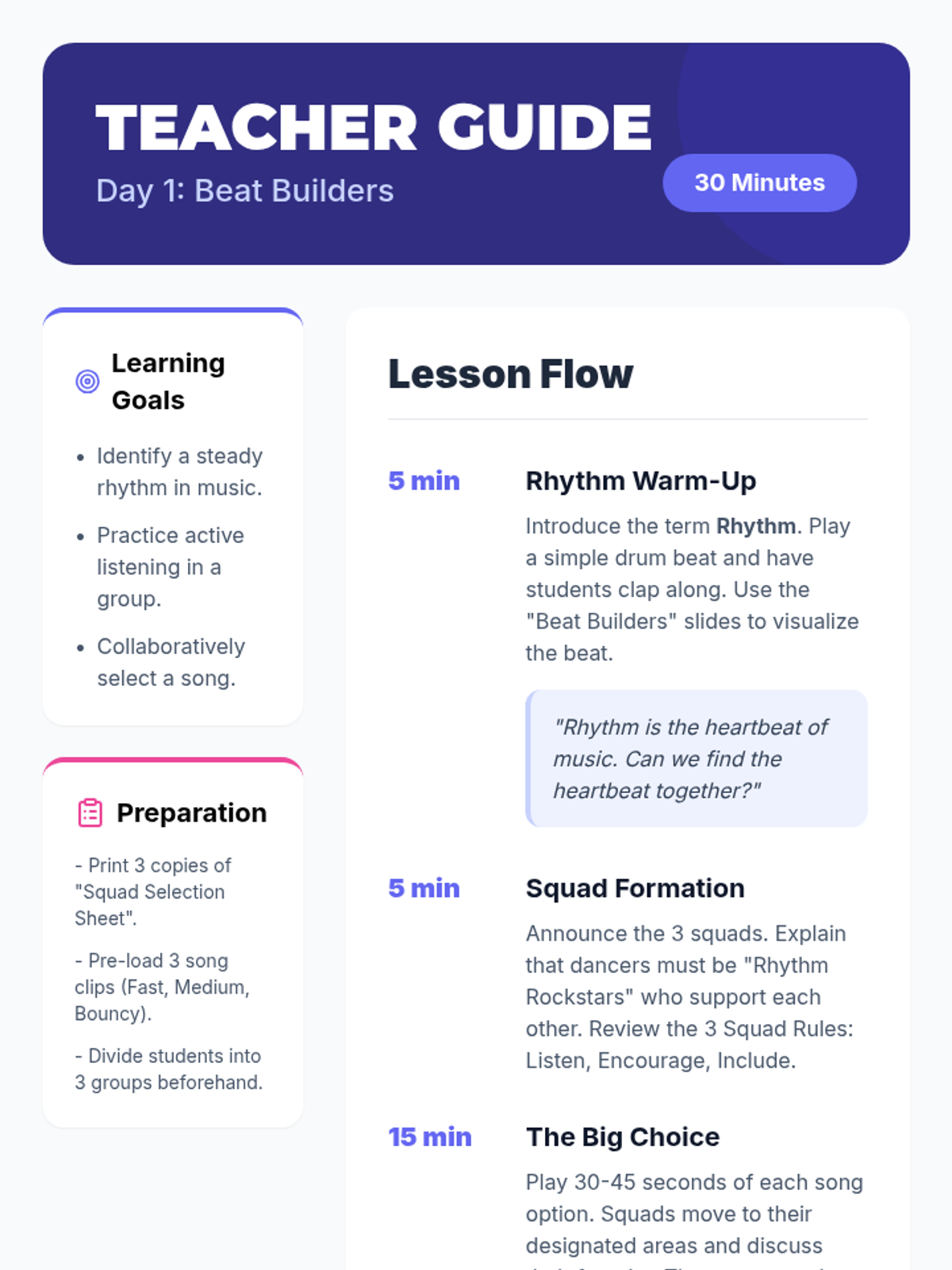
A four-day music and movement unit for K-3 students focused on collaboration, rhythm, and creative choreography. Groups work together to select songs and build original dance routines.
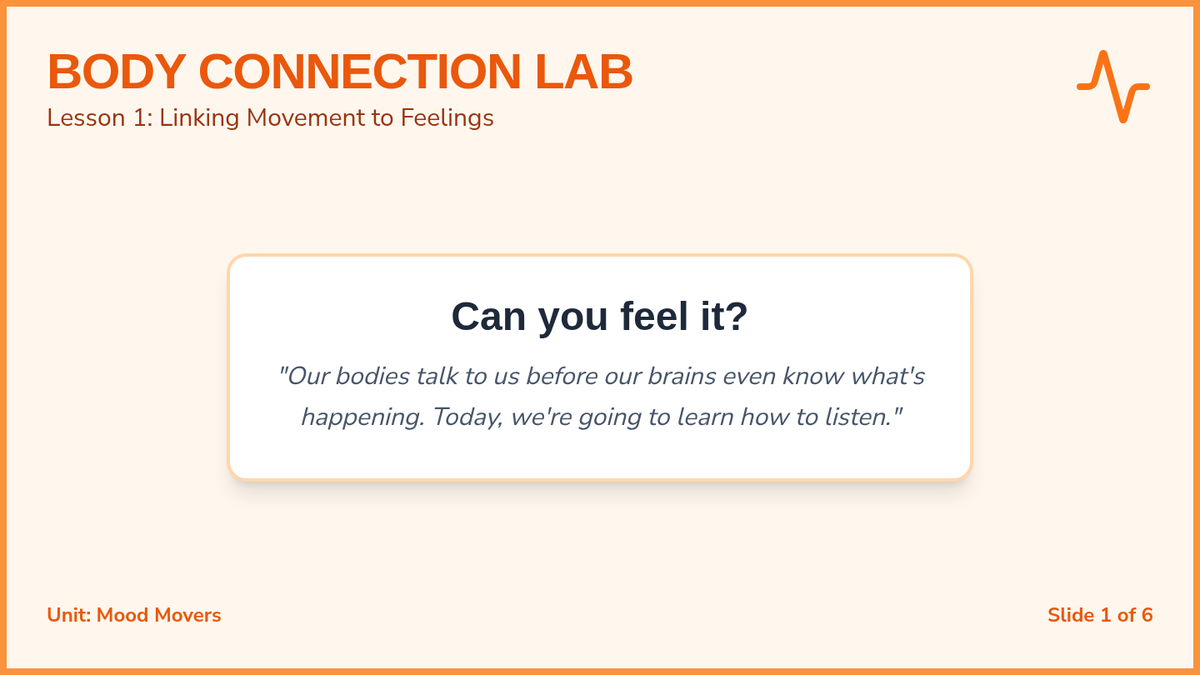
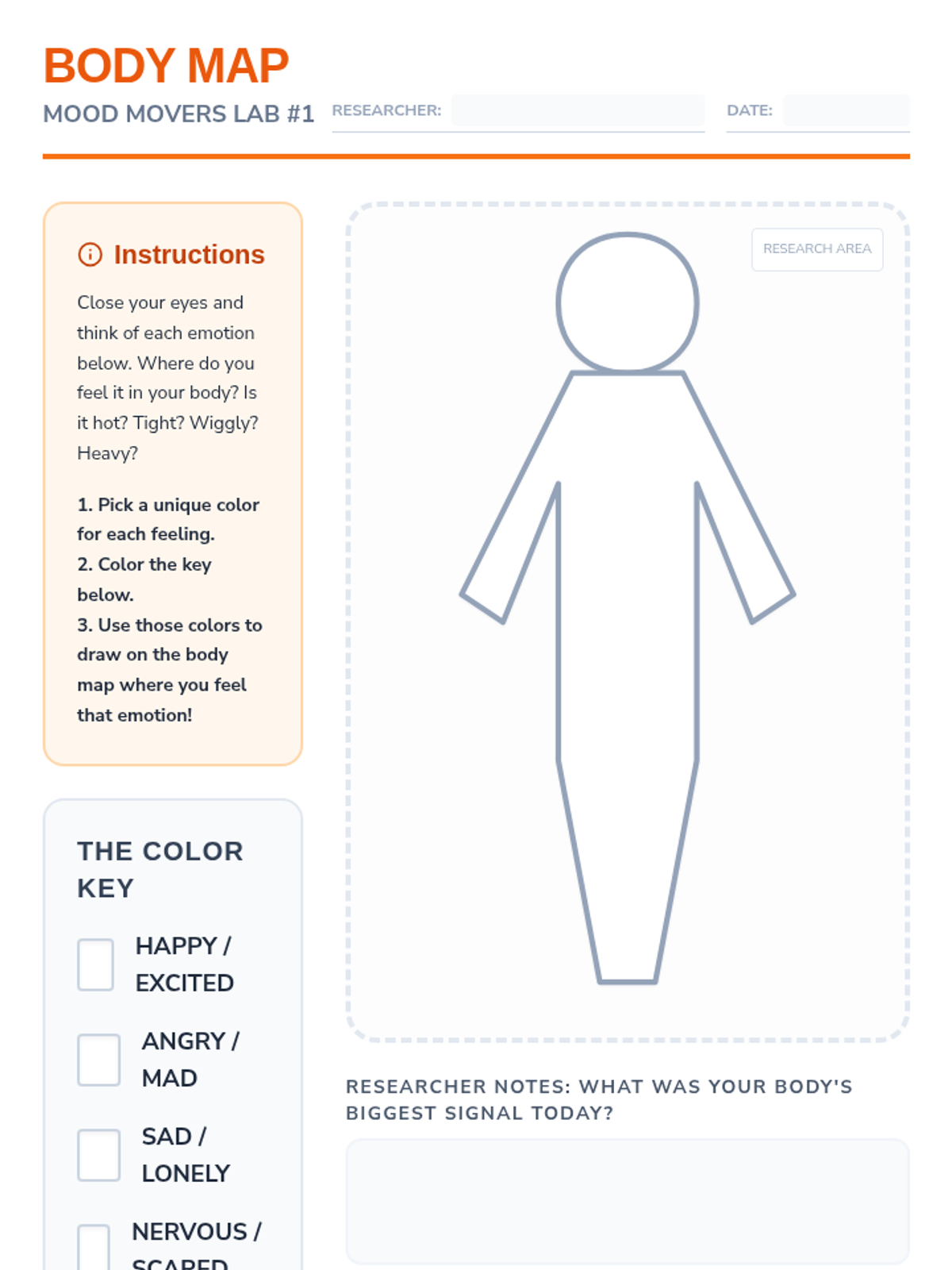
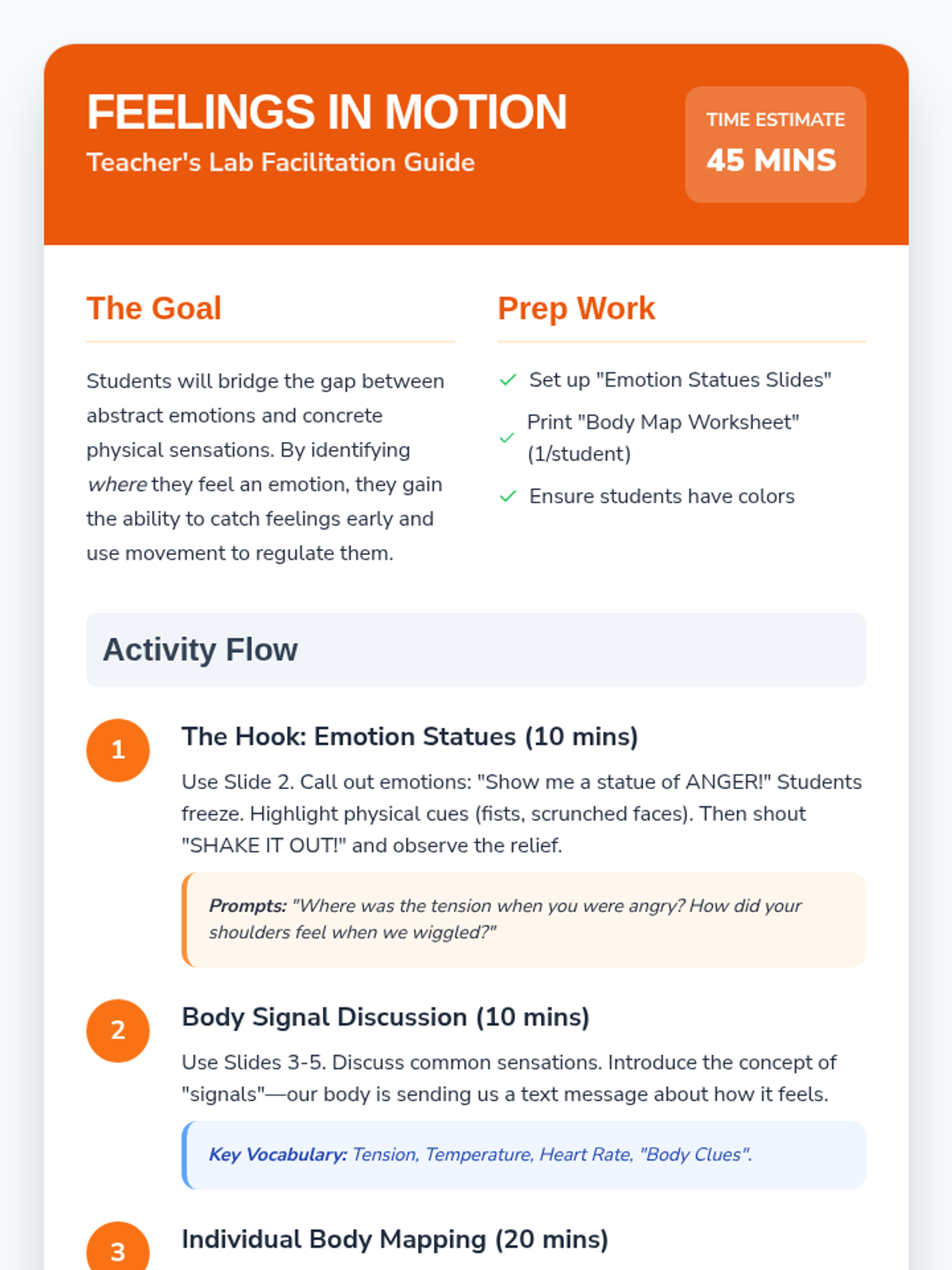
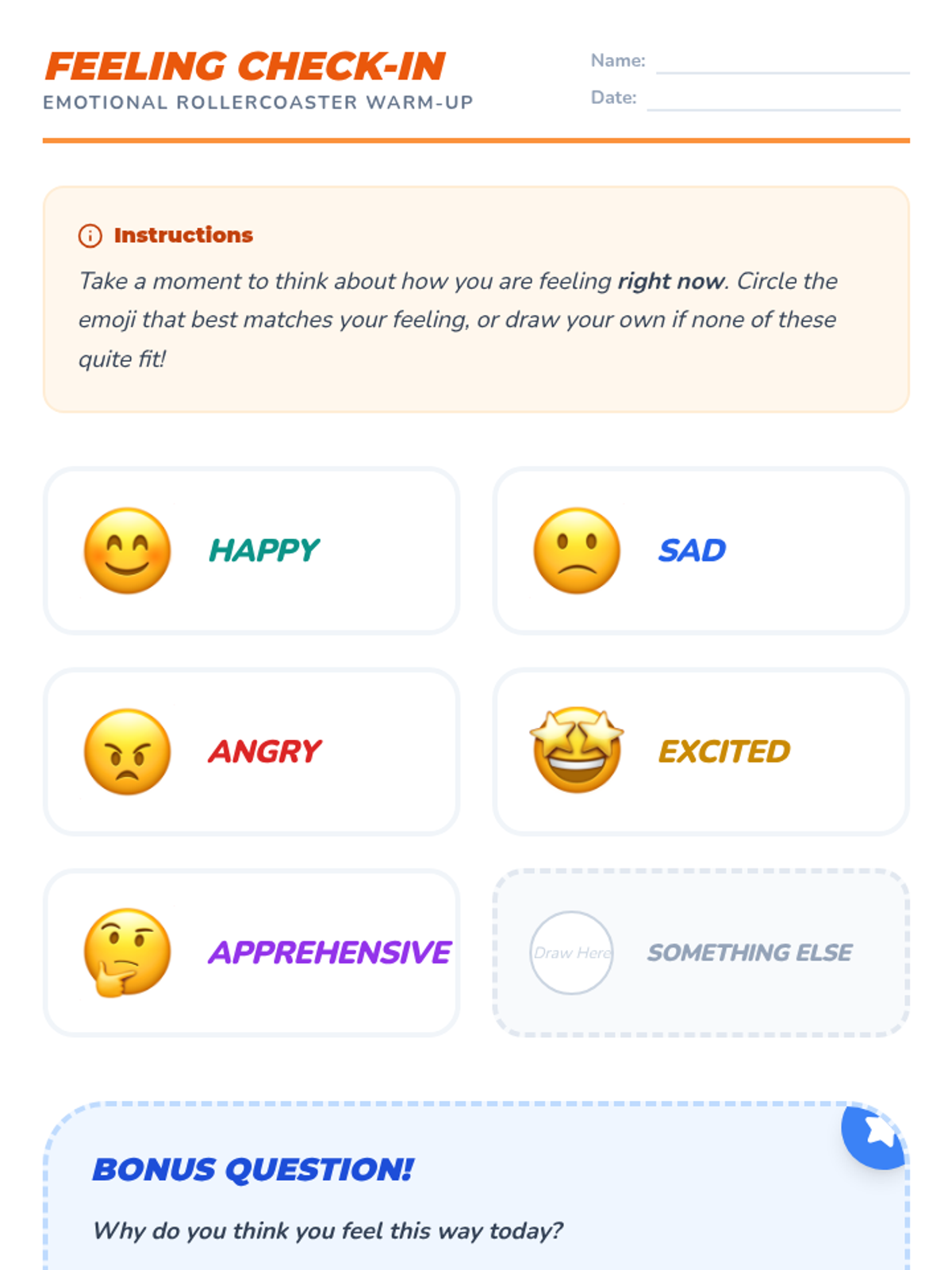
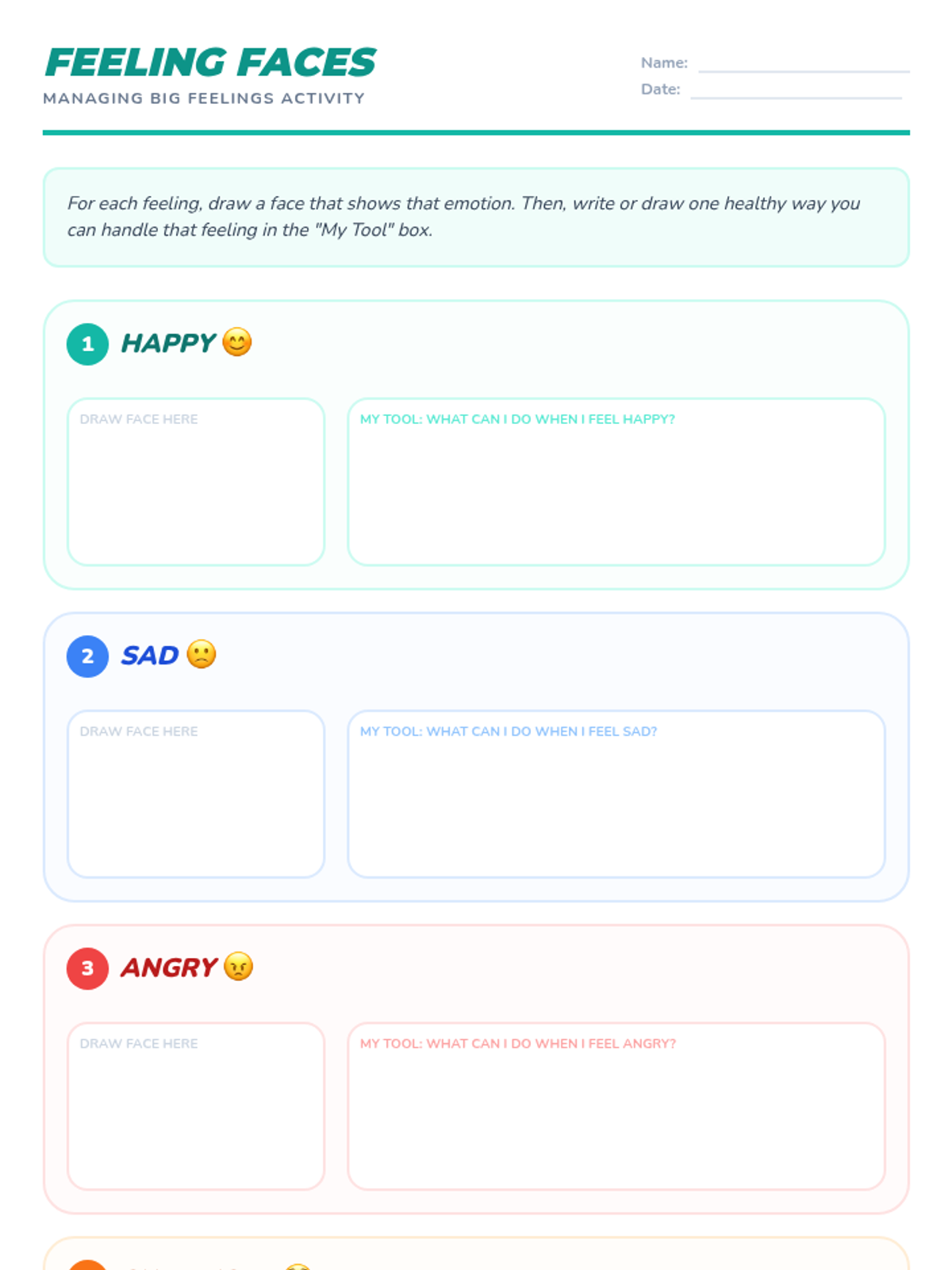
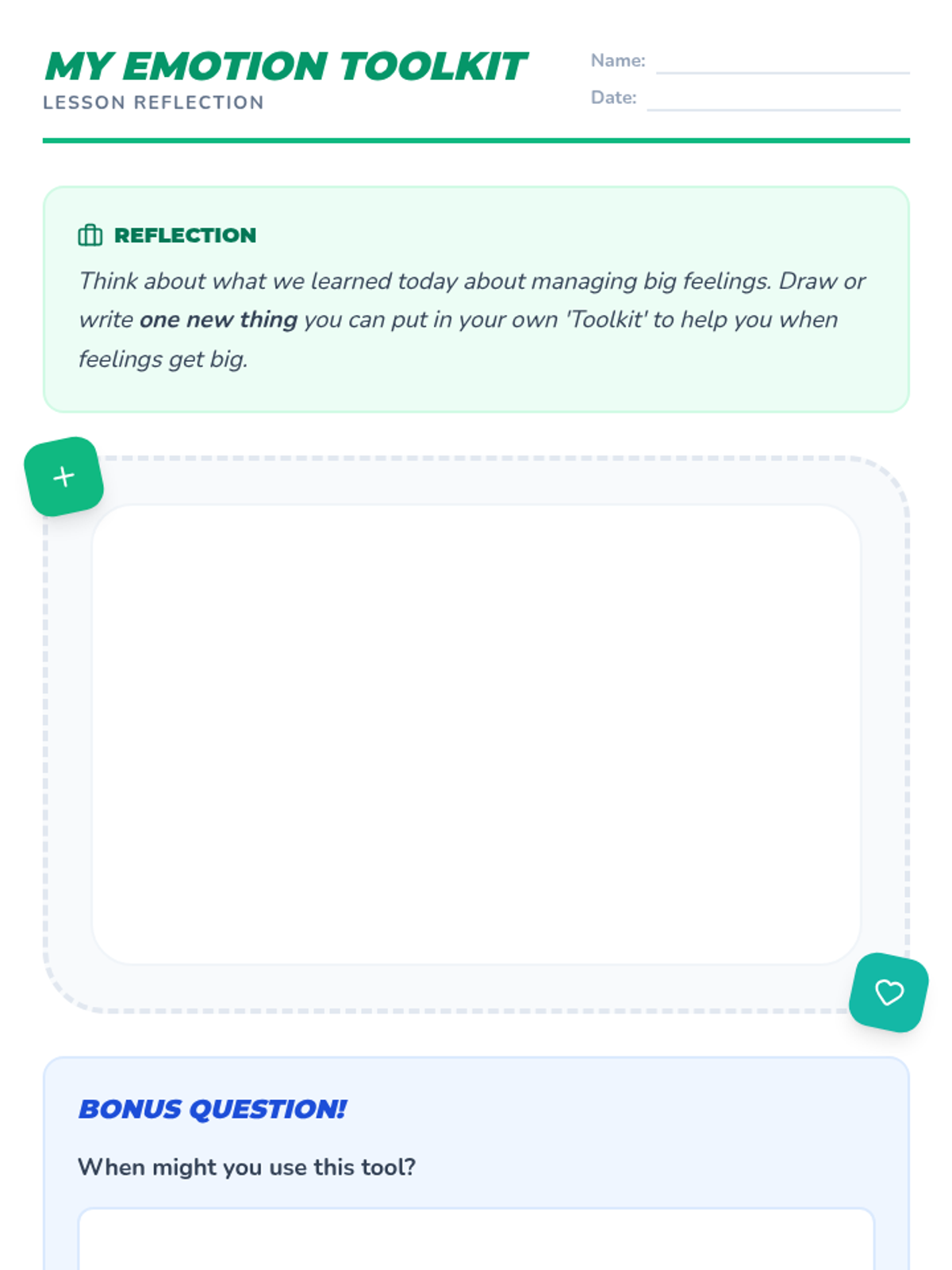
This sequence teaches 3rd-grade students how to use physical activity as a tool for emotional regulation. Students learn to recognize physical sensations of emotions, experiment with different movement 'energy shifters', and create a personalized 'Movement Menu' to support their mental health.
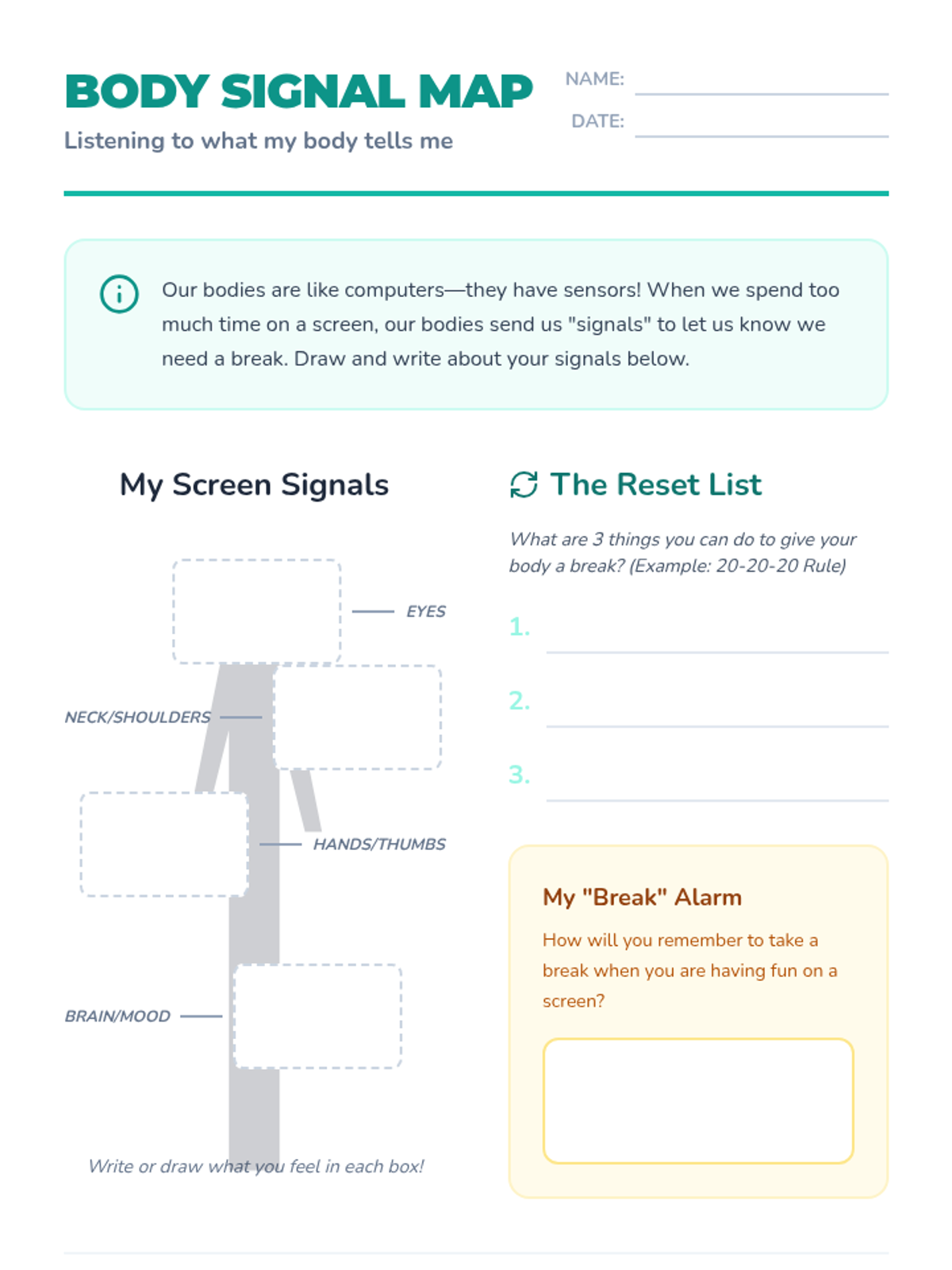
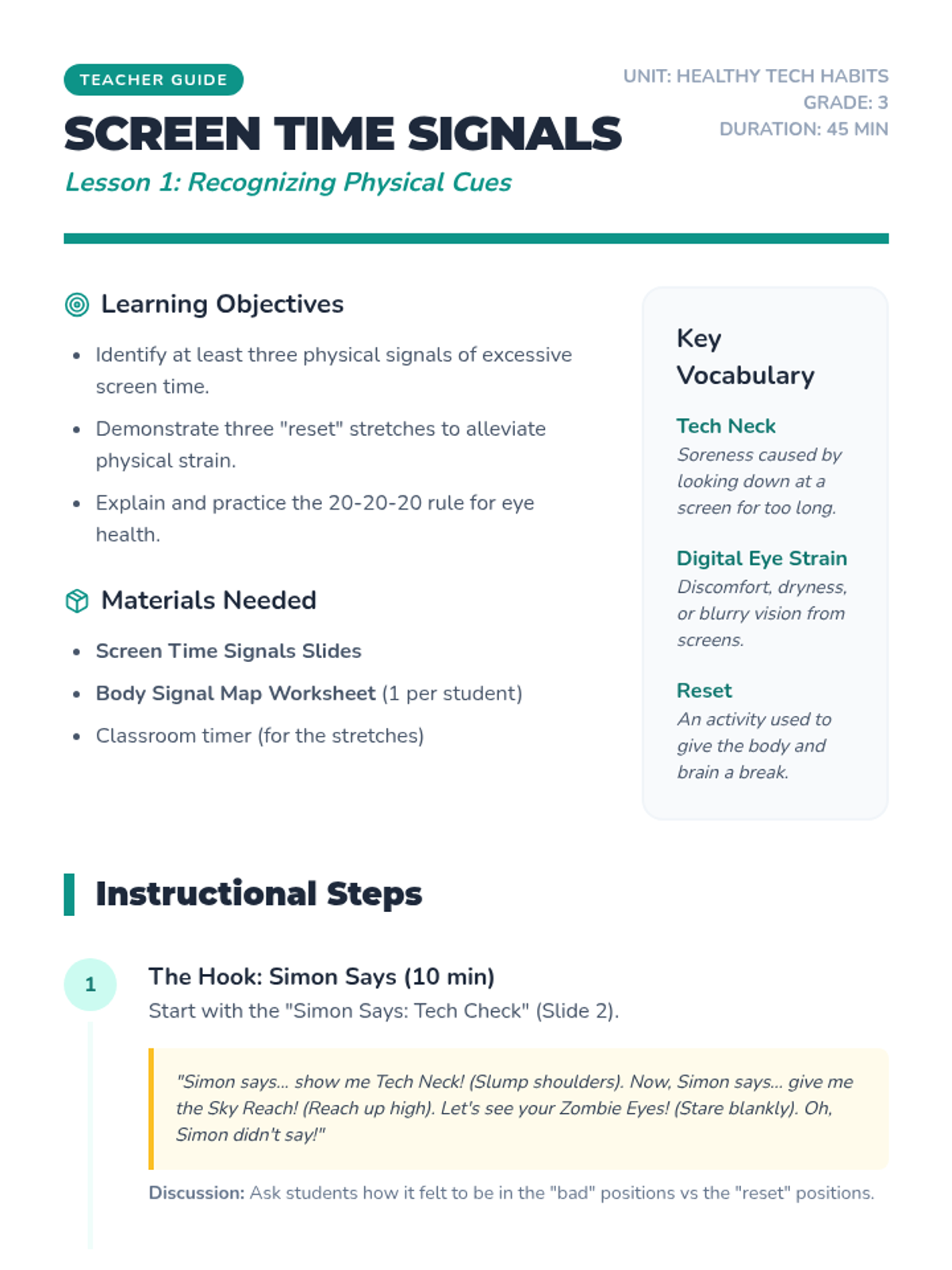
A 5-lesson unit for 3rd-grade students exploring the psychological impact of social media and screen time, focusing on physical awareness, curated content, emotional regulation, and building balanced offline habits.
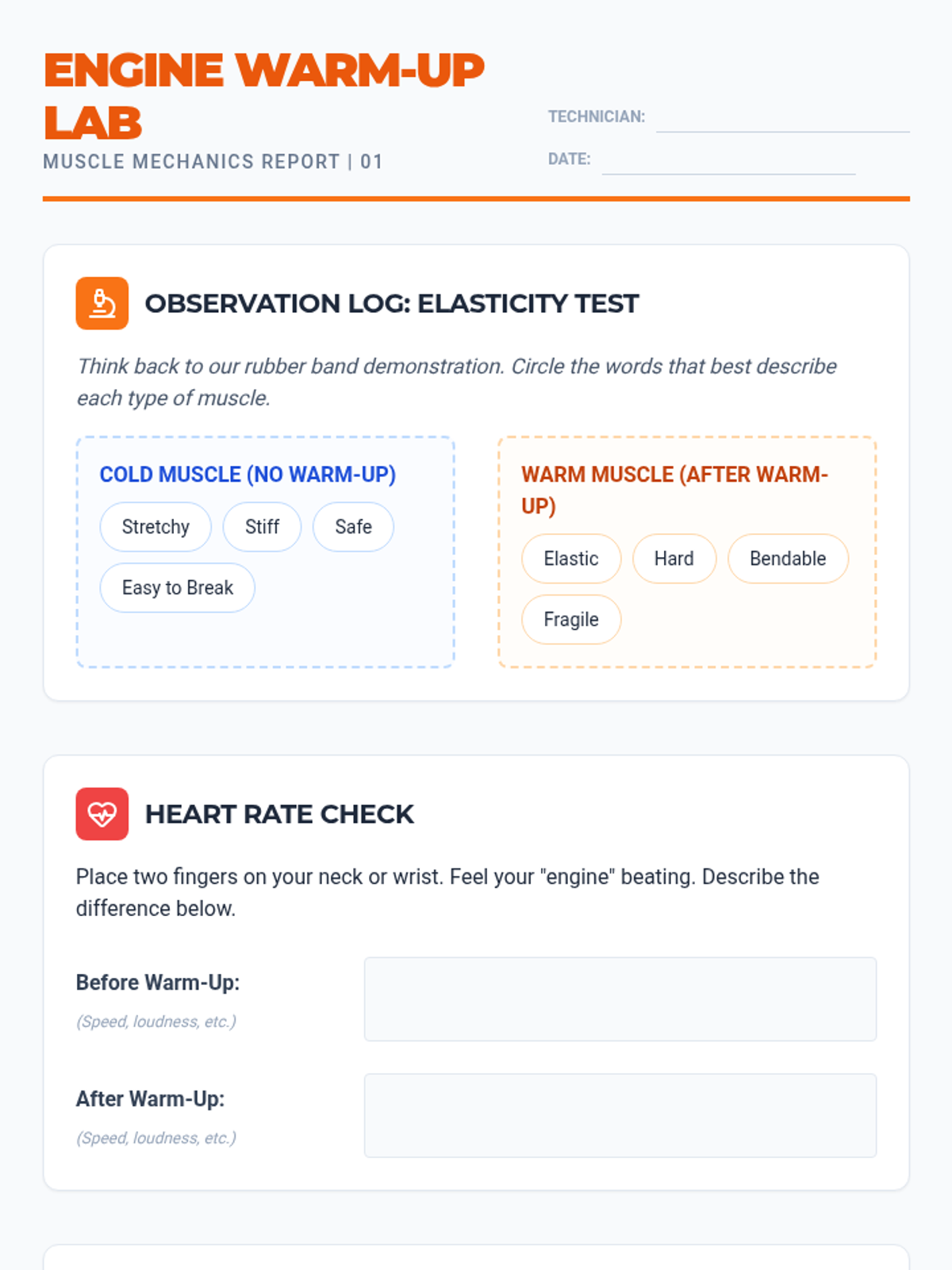
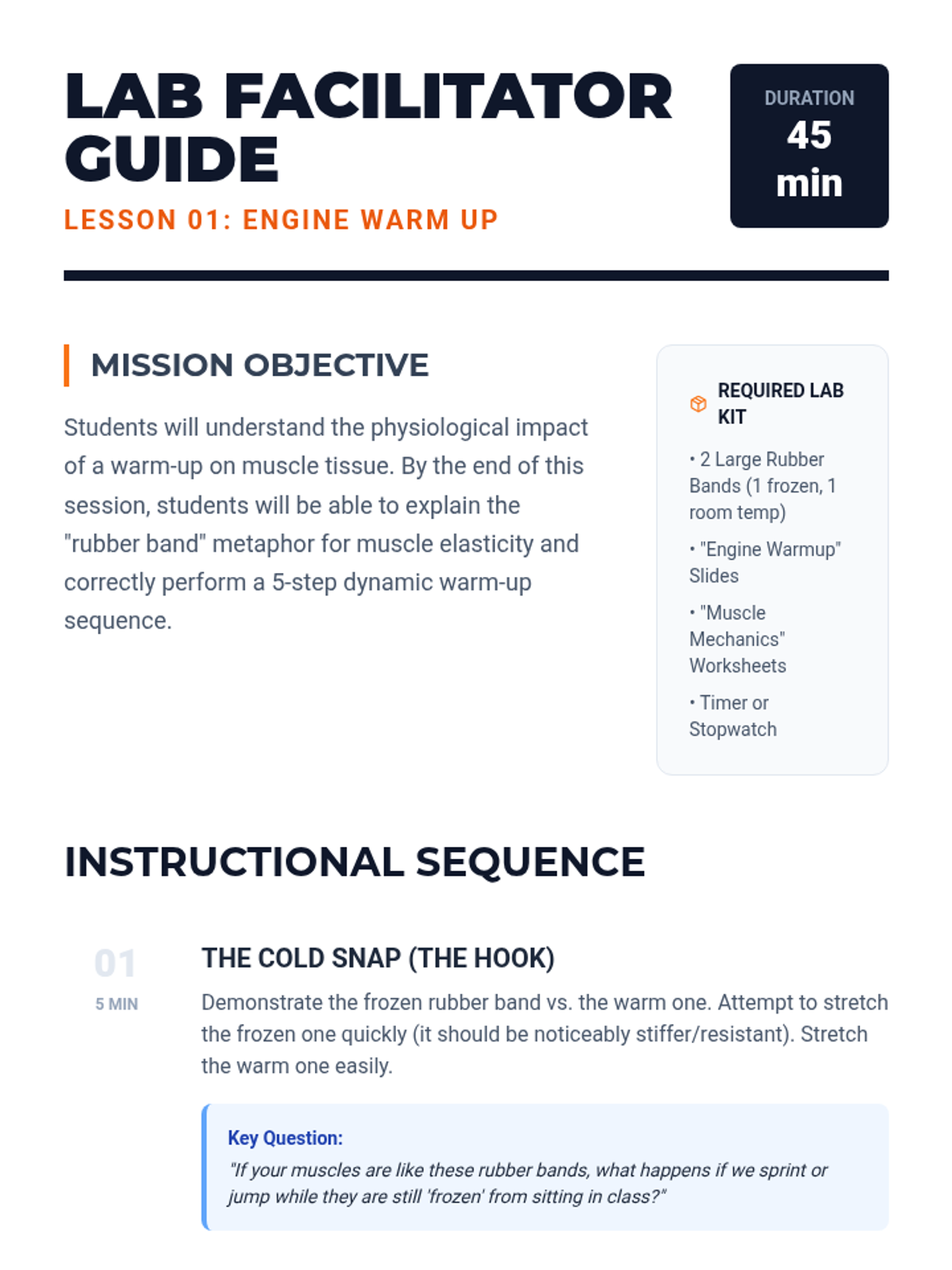
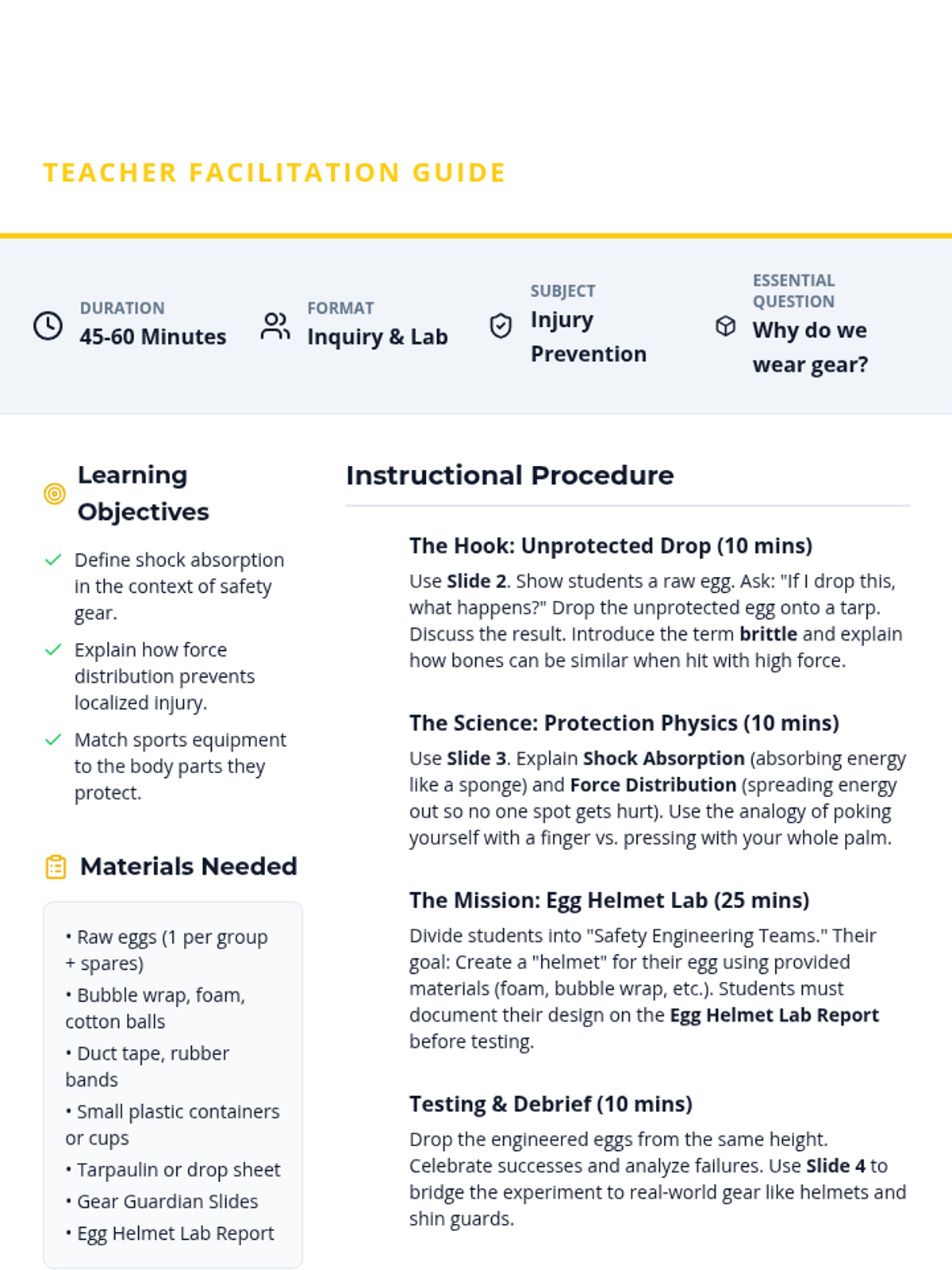
A 5-lesson unit for 3rd graders on injury prevention, focusing on protective equipment, hazard identification, warm-up routines, body mechanics, and integrated safety protocols. Students act as 'Safety Detectives' and 'Safety Inspectors' to master proactive injury prevention.
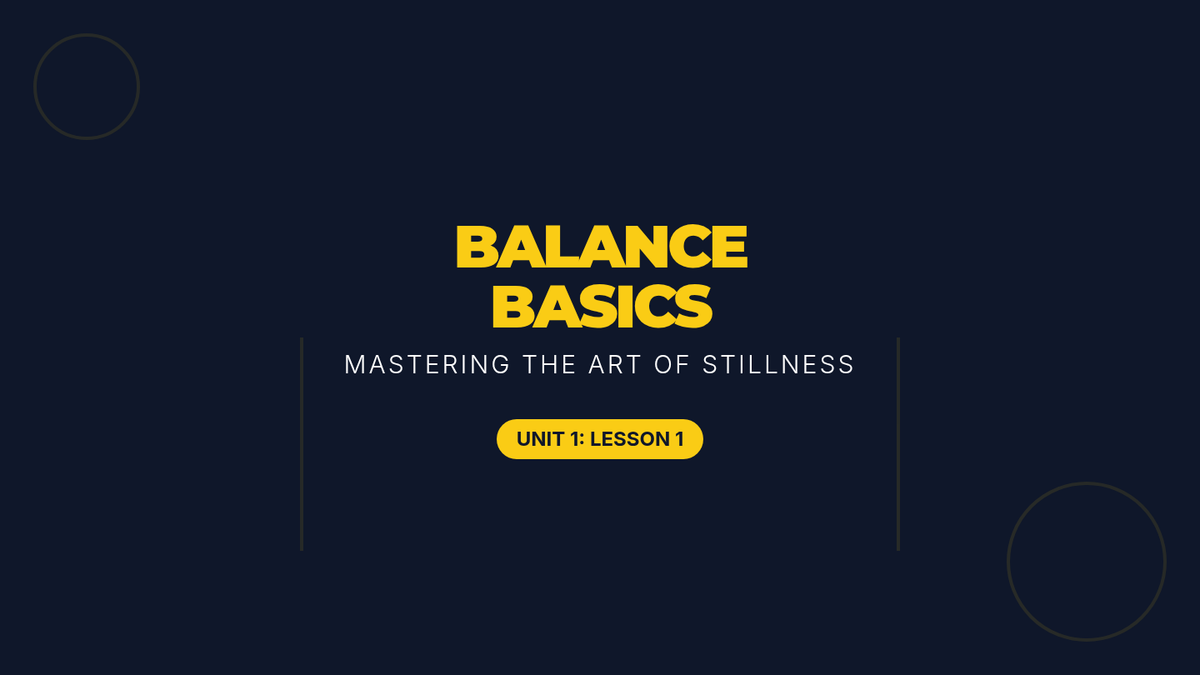
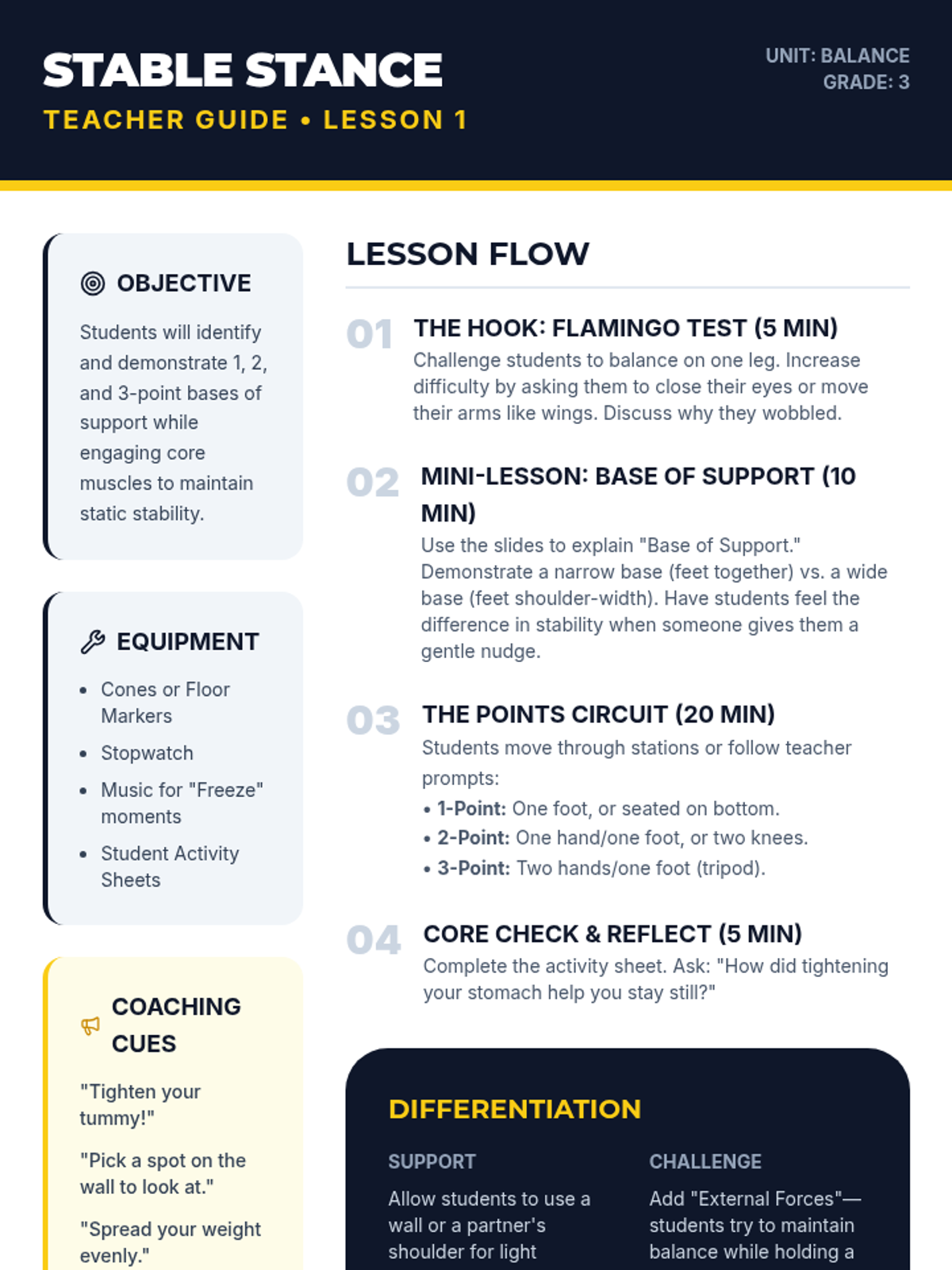
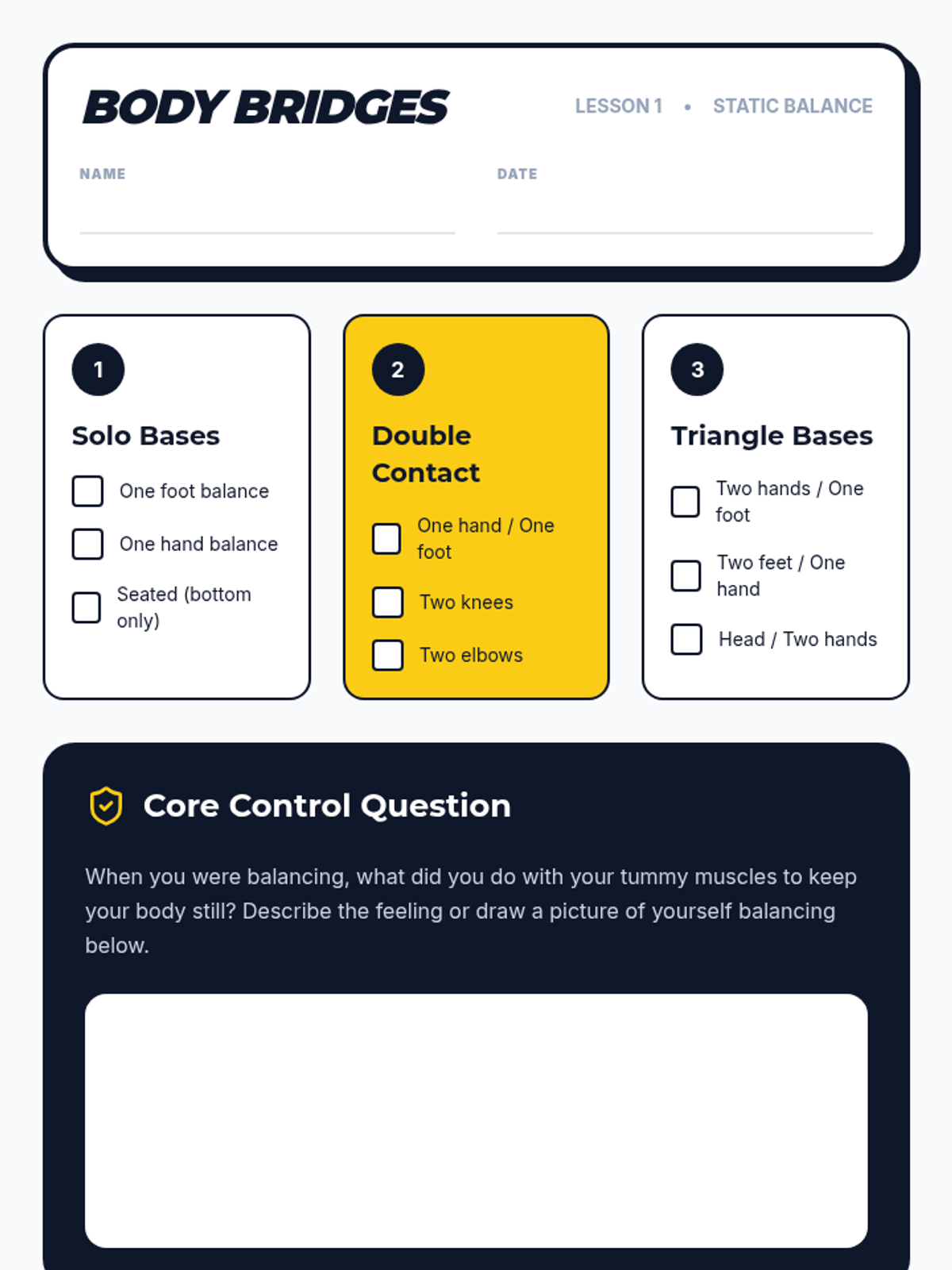
A physical progression for 3rd-grade students to master body control, moving from static stability to dynamic movement across various pathways and levels, culminating in a complex obstacle course challenge.
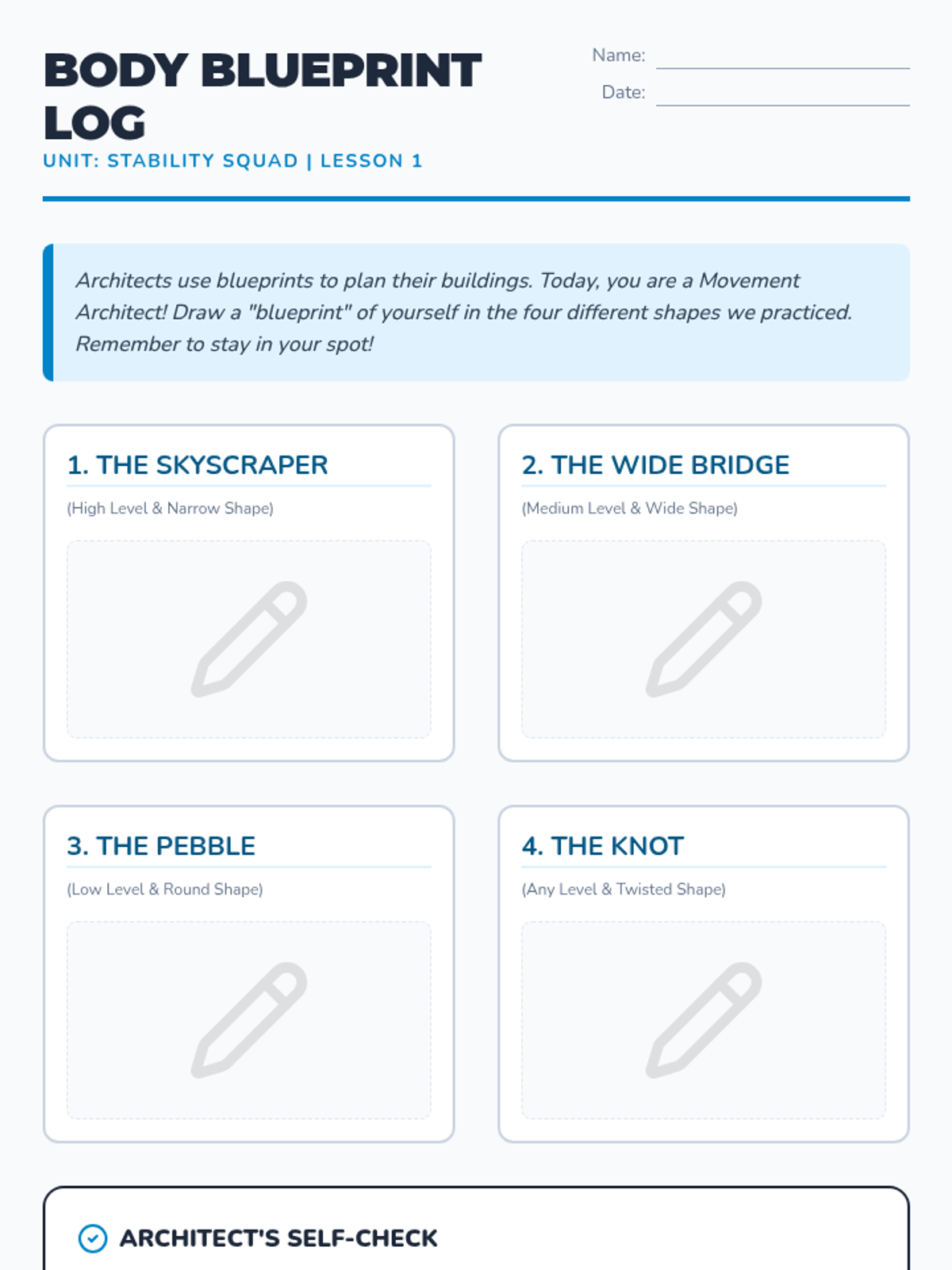
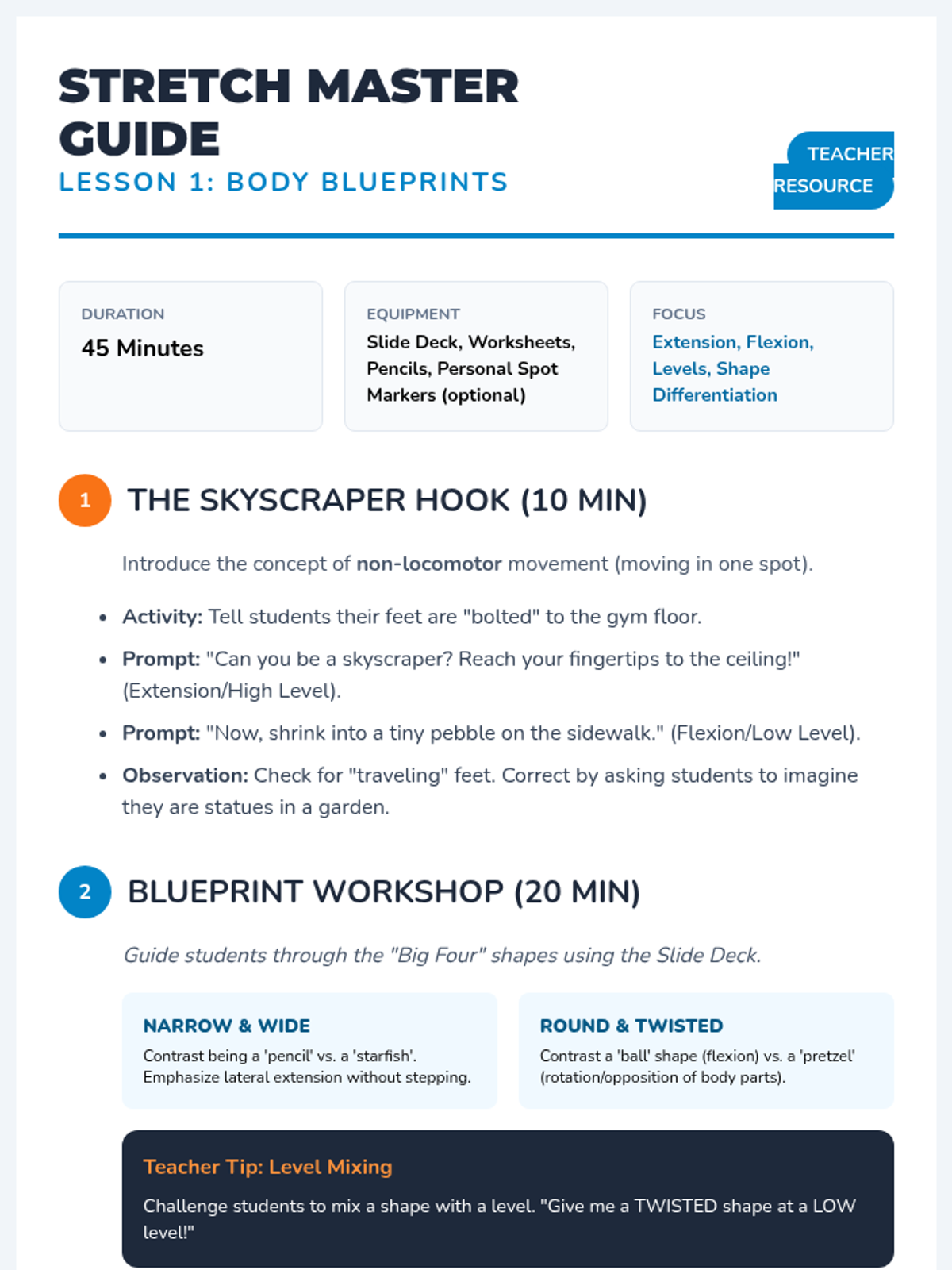
A comprehensive physical education unit for 3rd graders focusing on stability and non-locomotor control through balance, rotation, and shape-making. Students explore body range of motion, center of gravity, and fluid transitions without traveling.
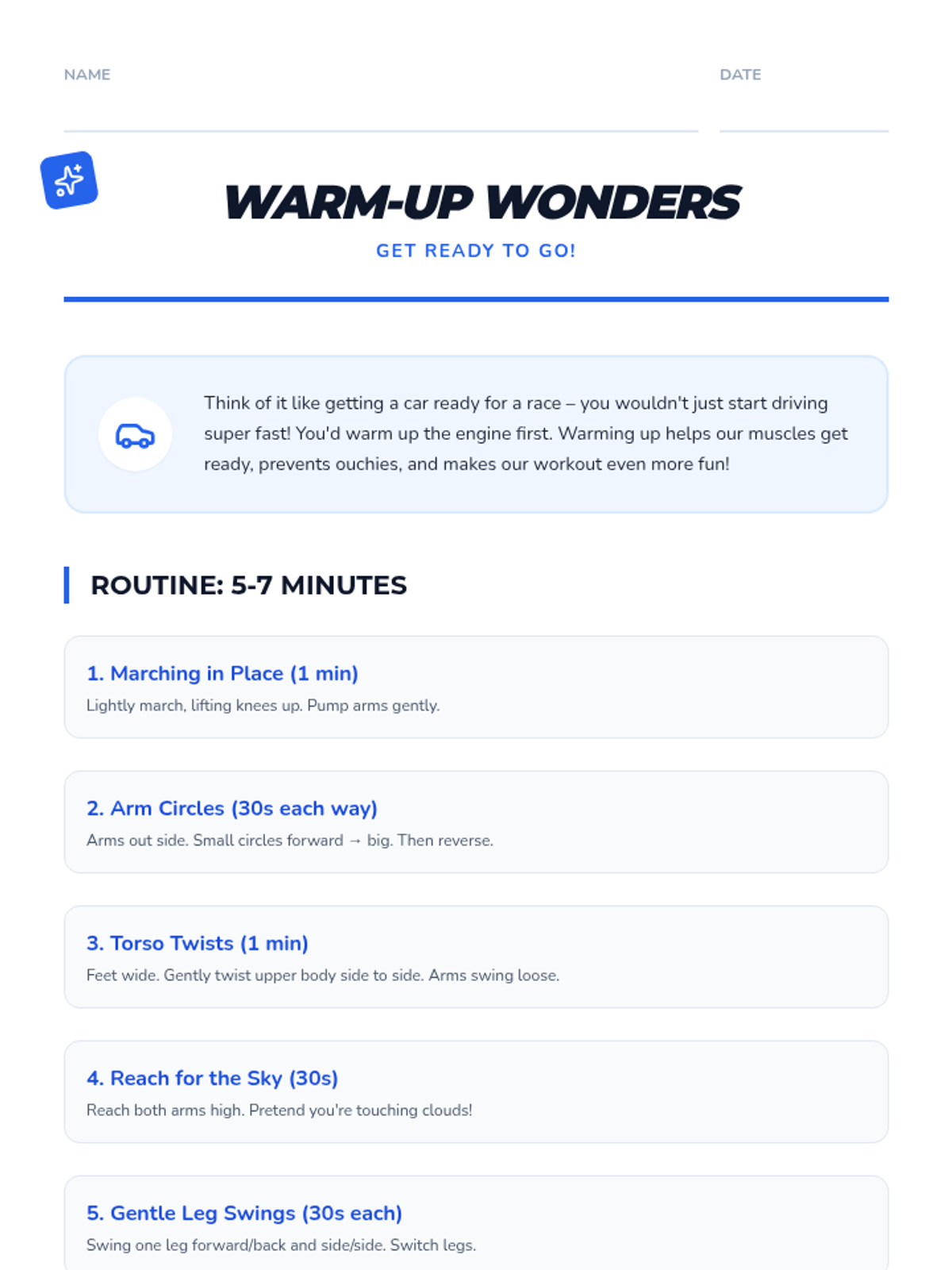
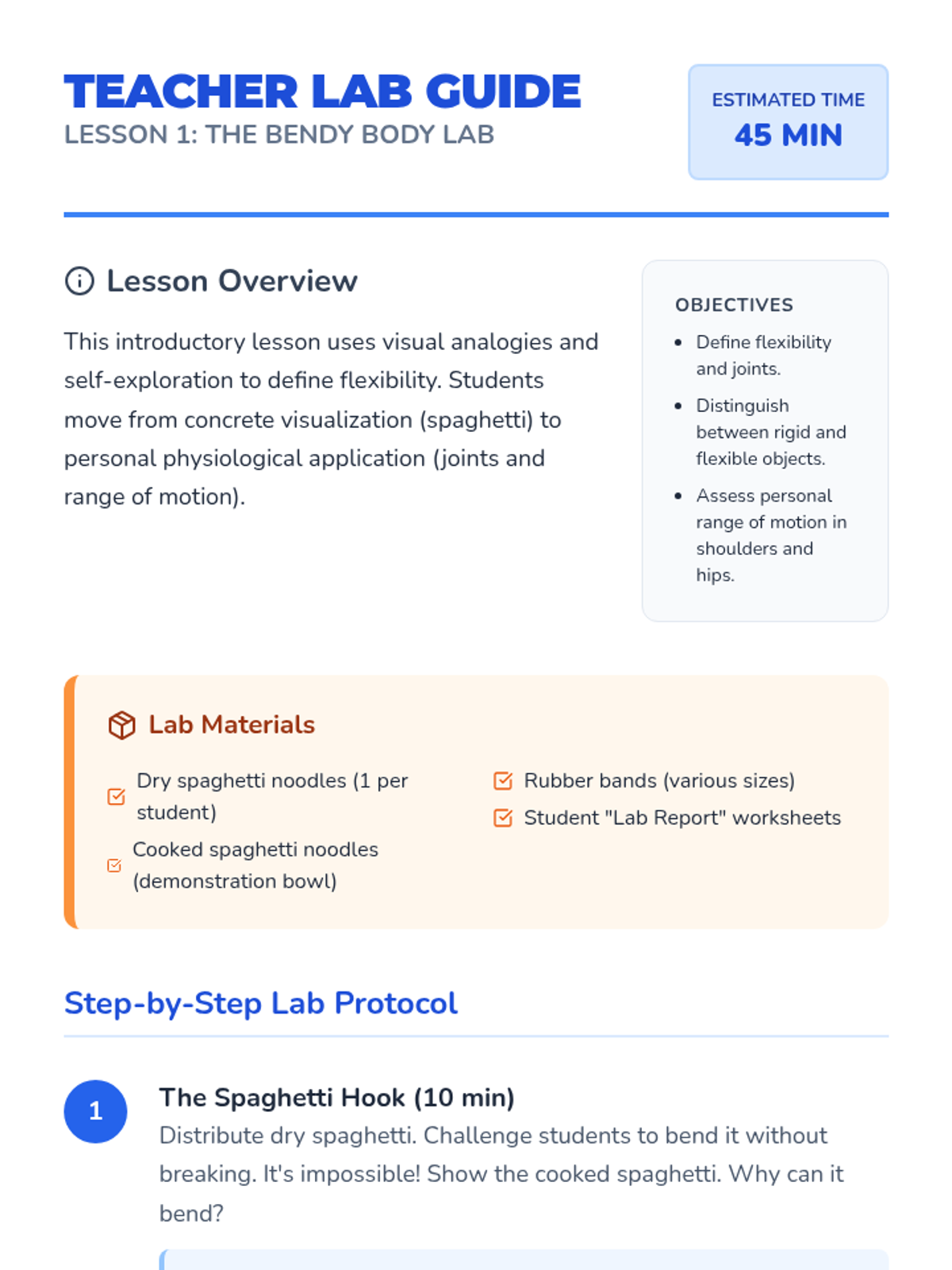
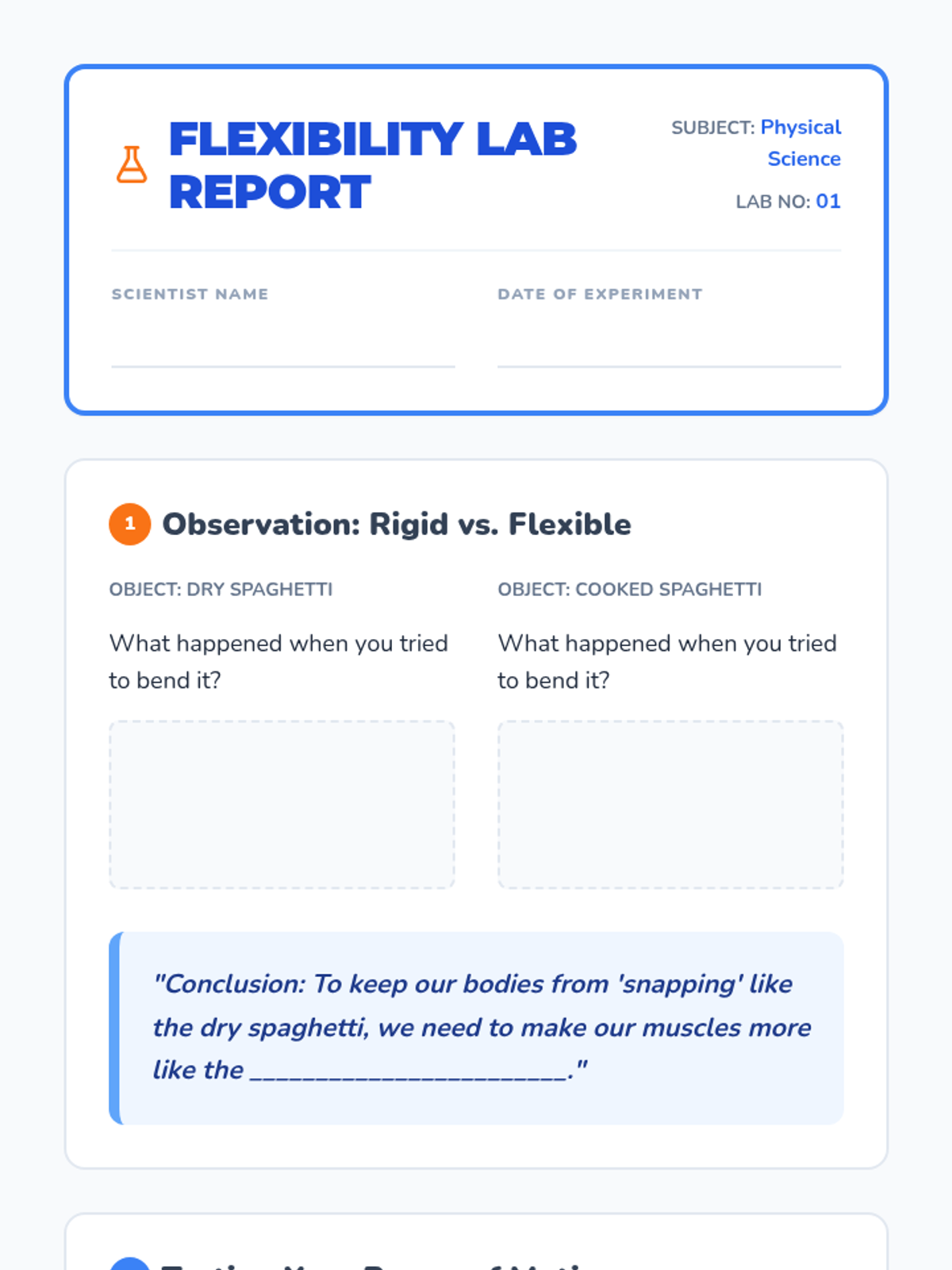
A comprehensive 3rd-grade sequence exploring flexibility, stretching types, anatomy, and safety. Students progress from basic definitions to designing their own functional warm-up routines.
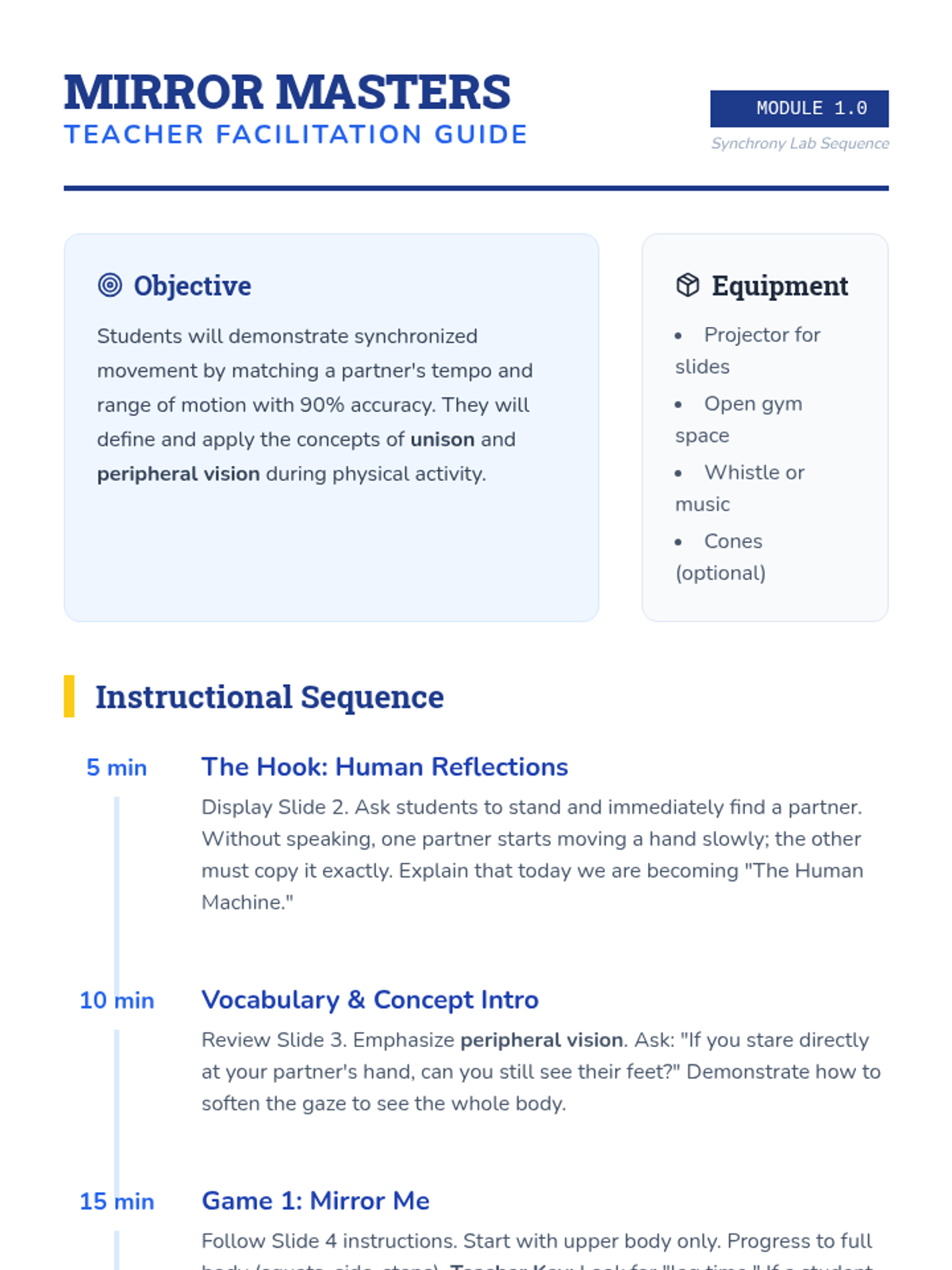
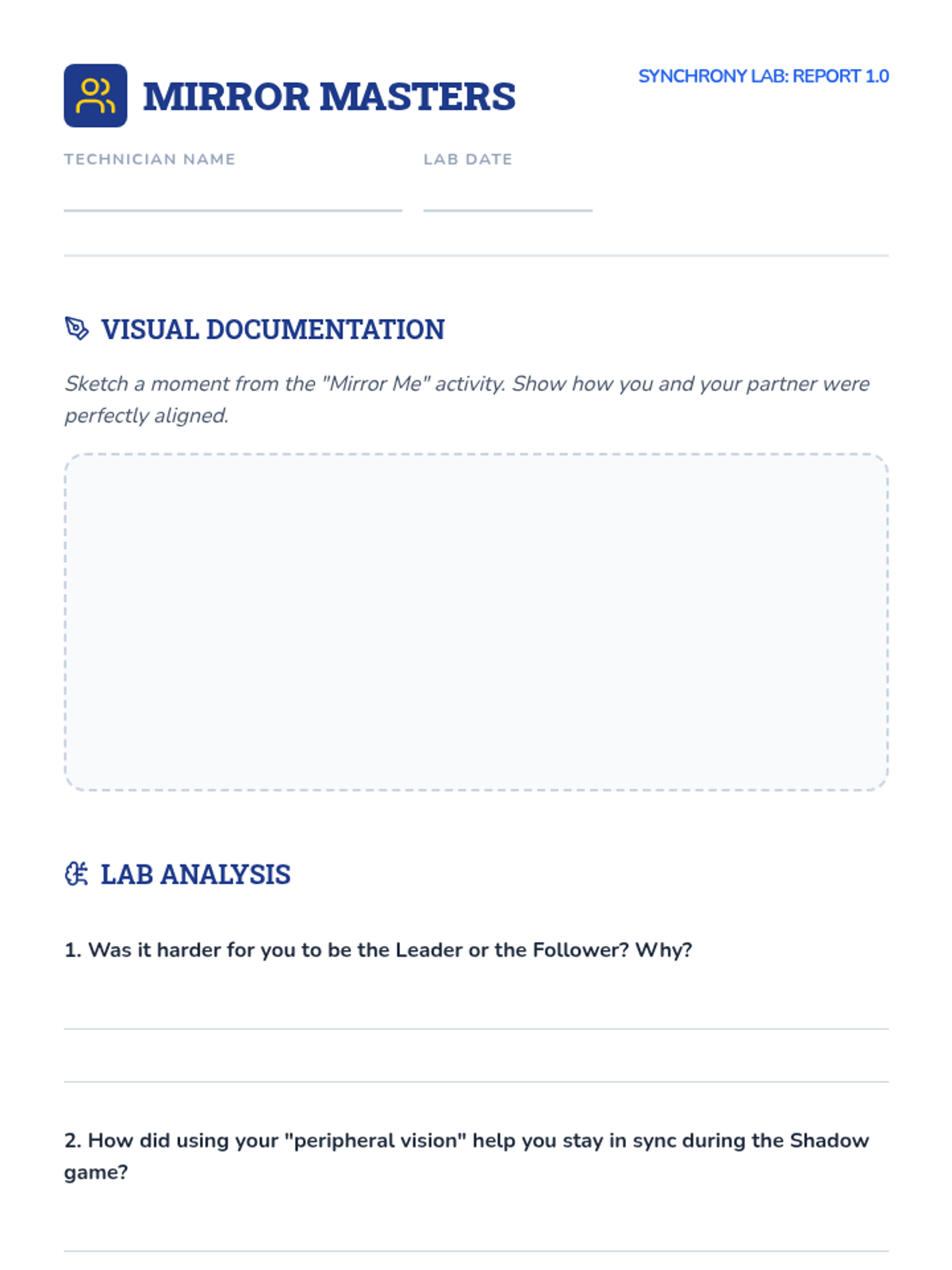
A comprehensive physical education sequence focusing on group coordination, physical trust, and synchronized movement for 3rd-grade students. This unit moves from partner-based mirroring to complex group formations and parachute mechanics, emphasizing the importance of individual adjustment for collective success.
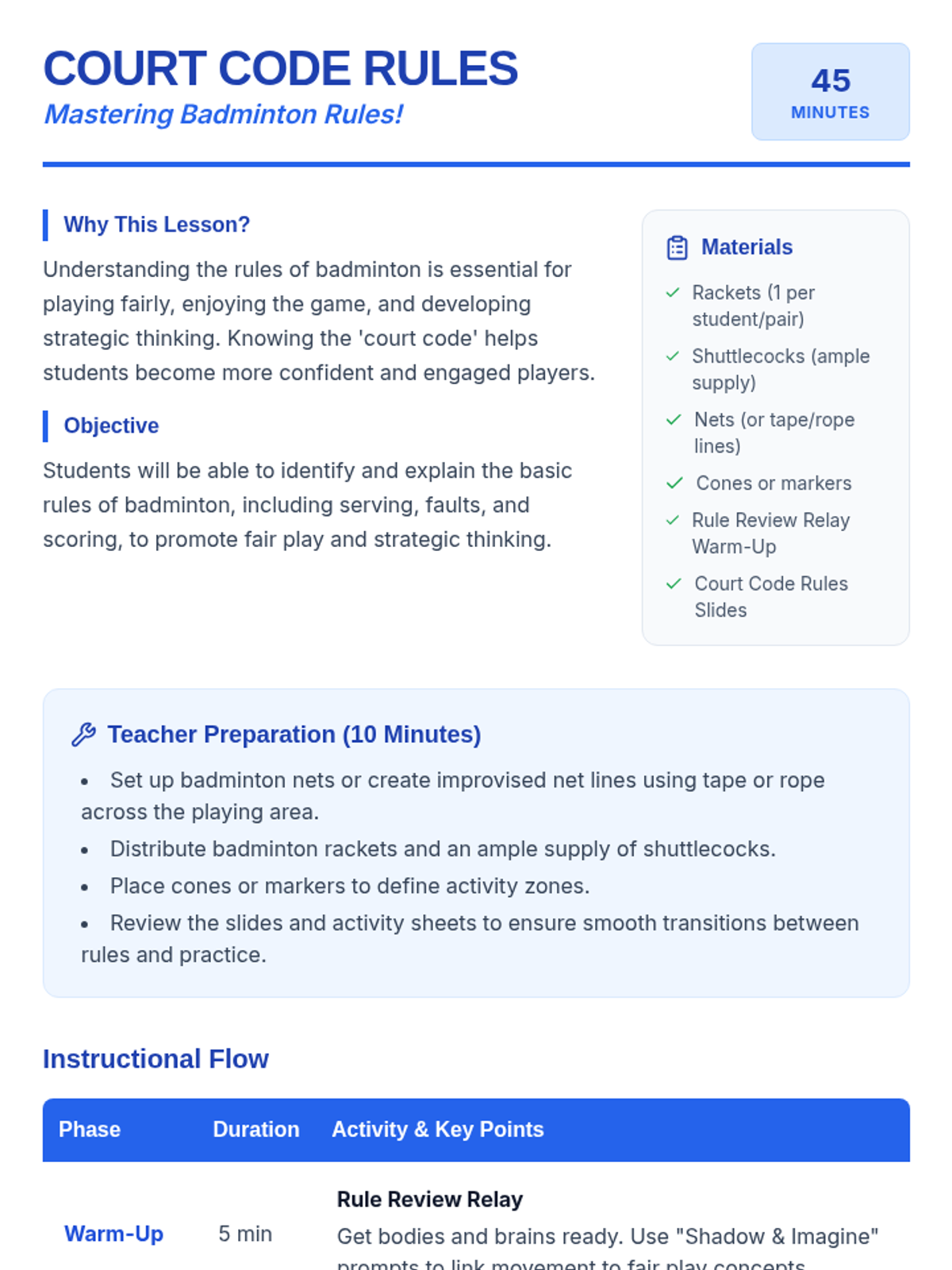
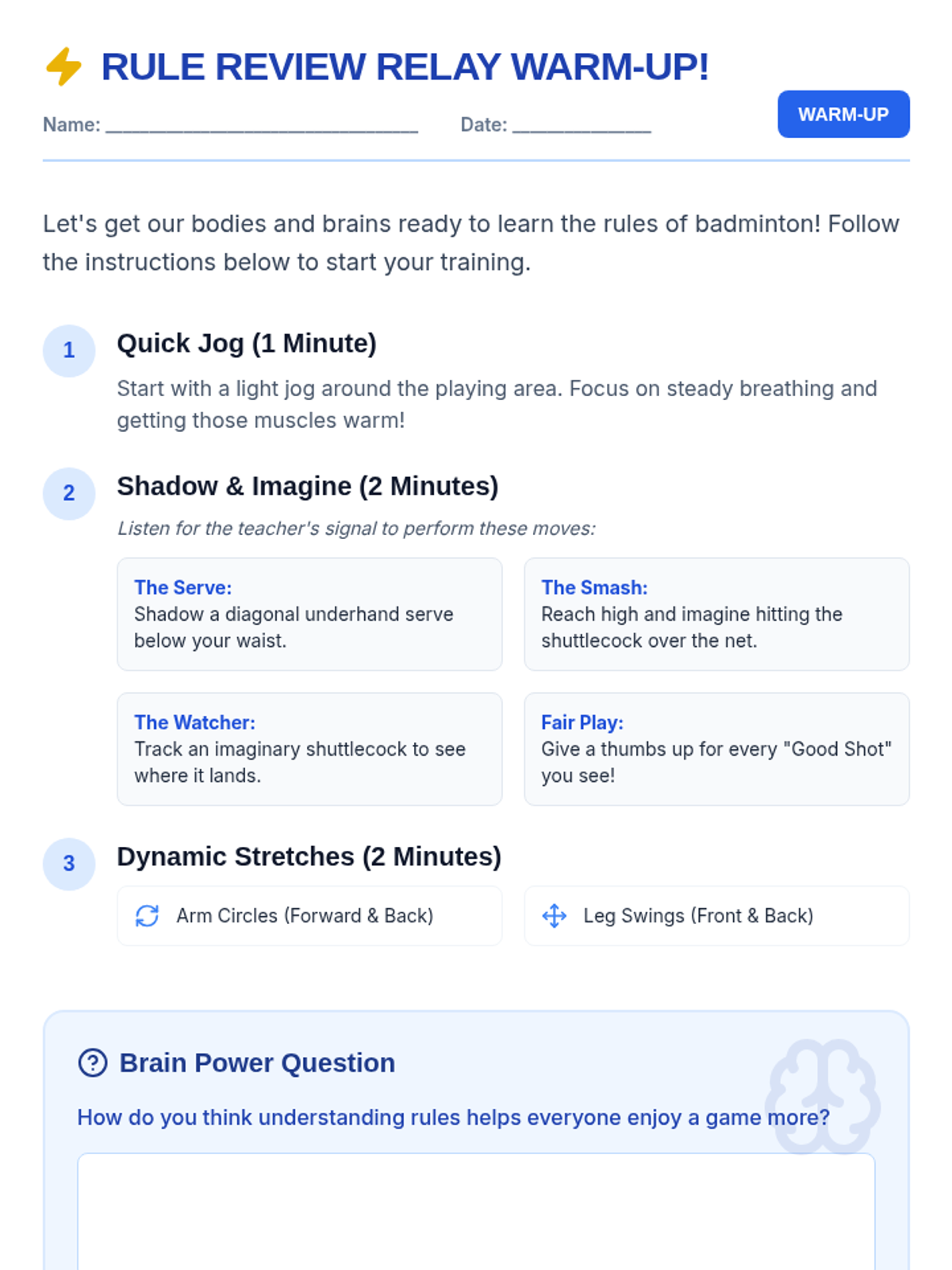
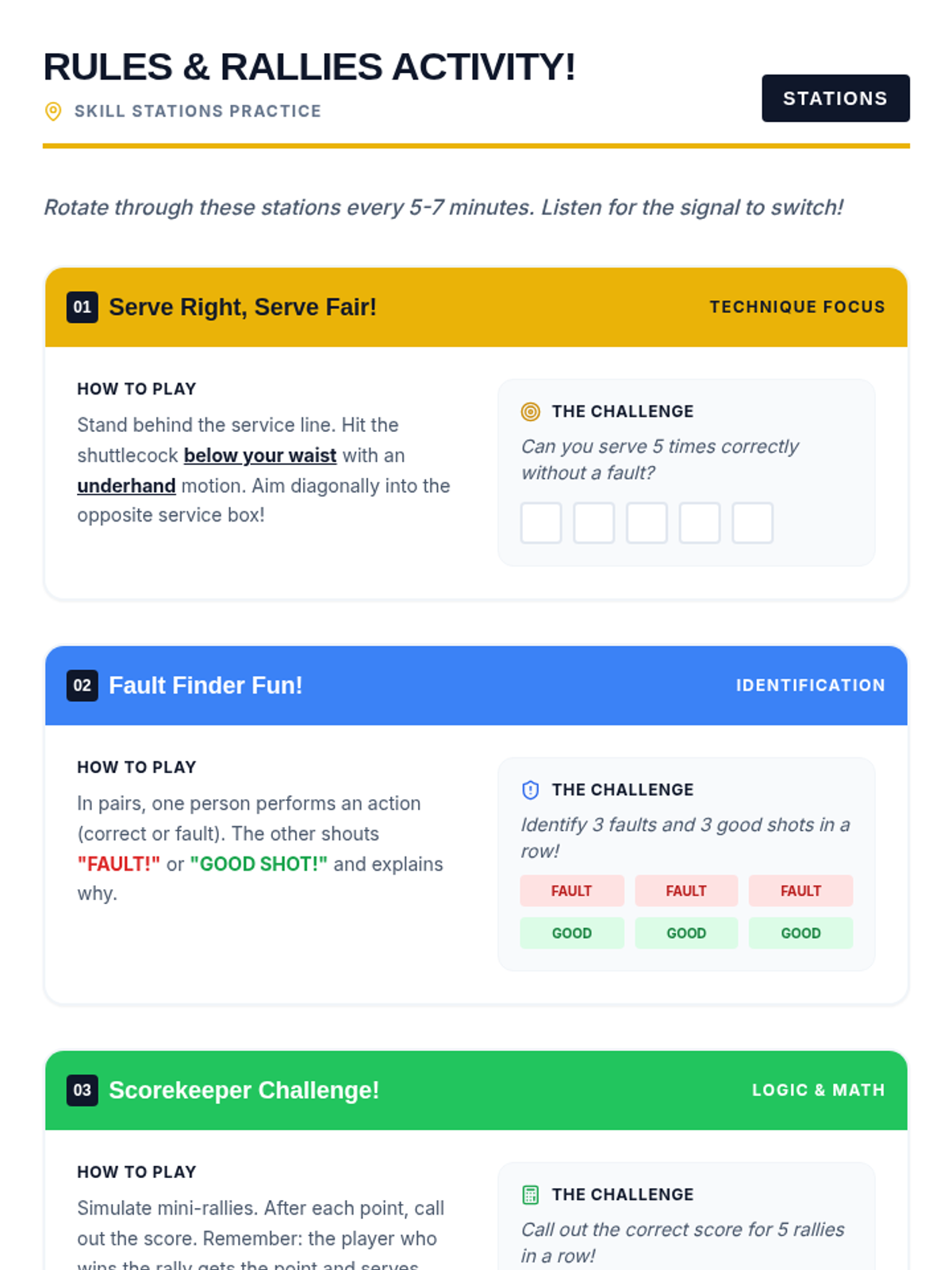
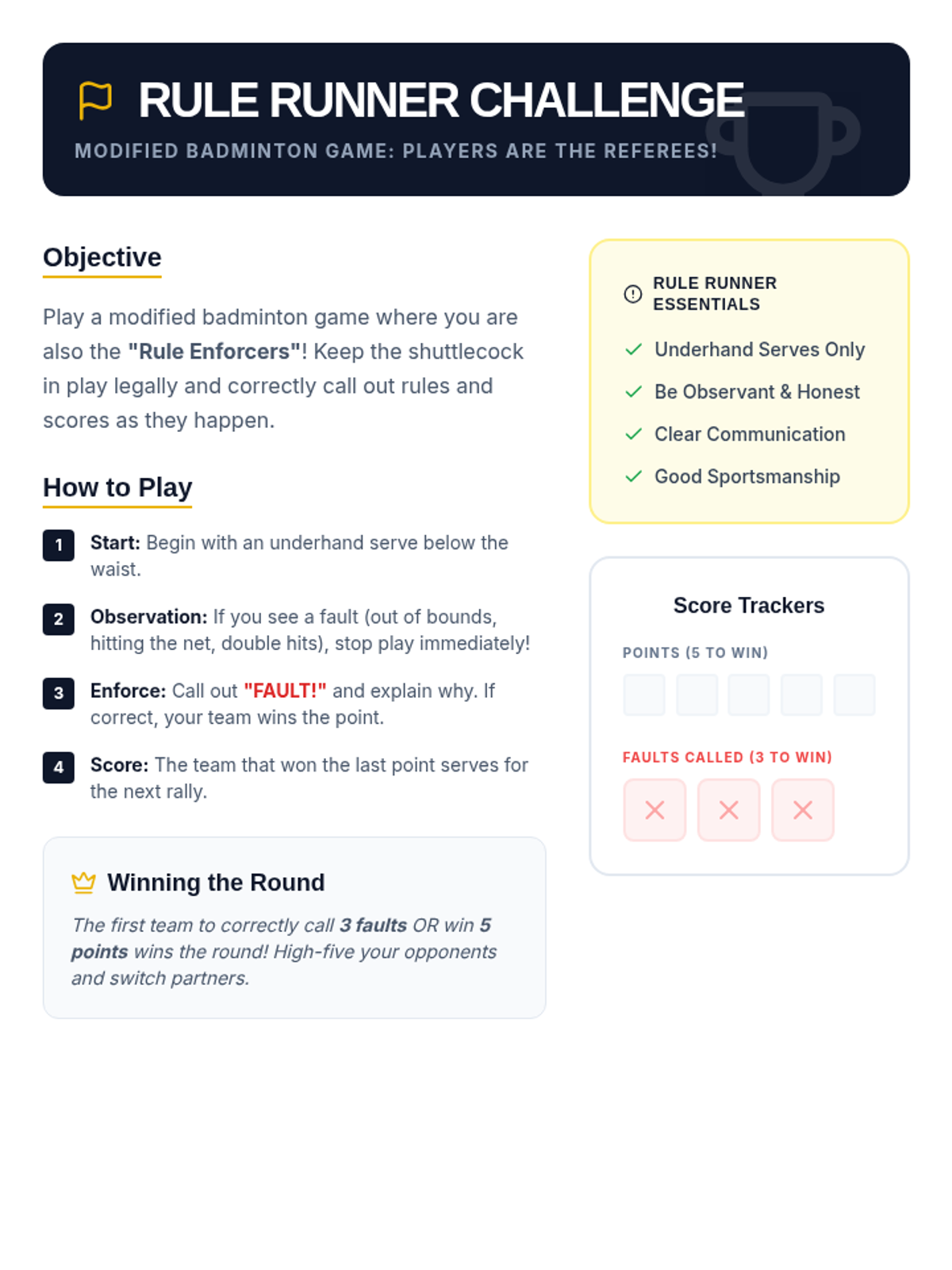
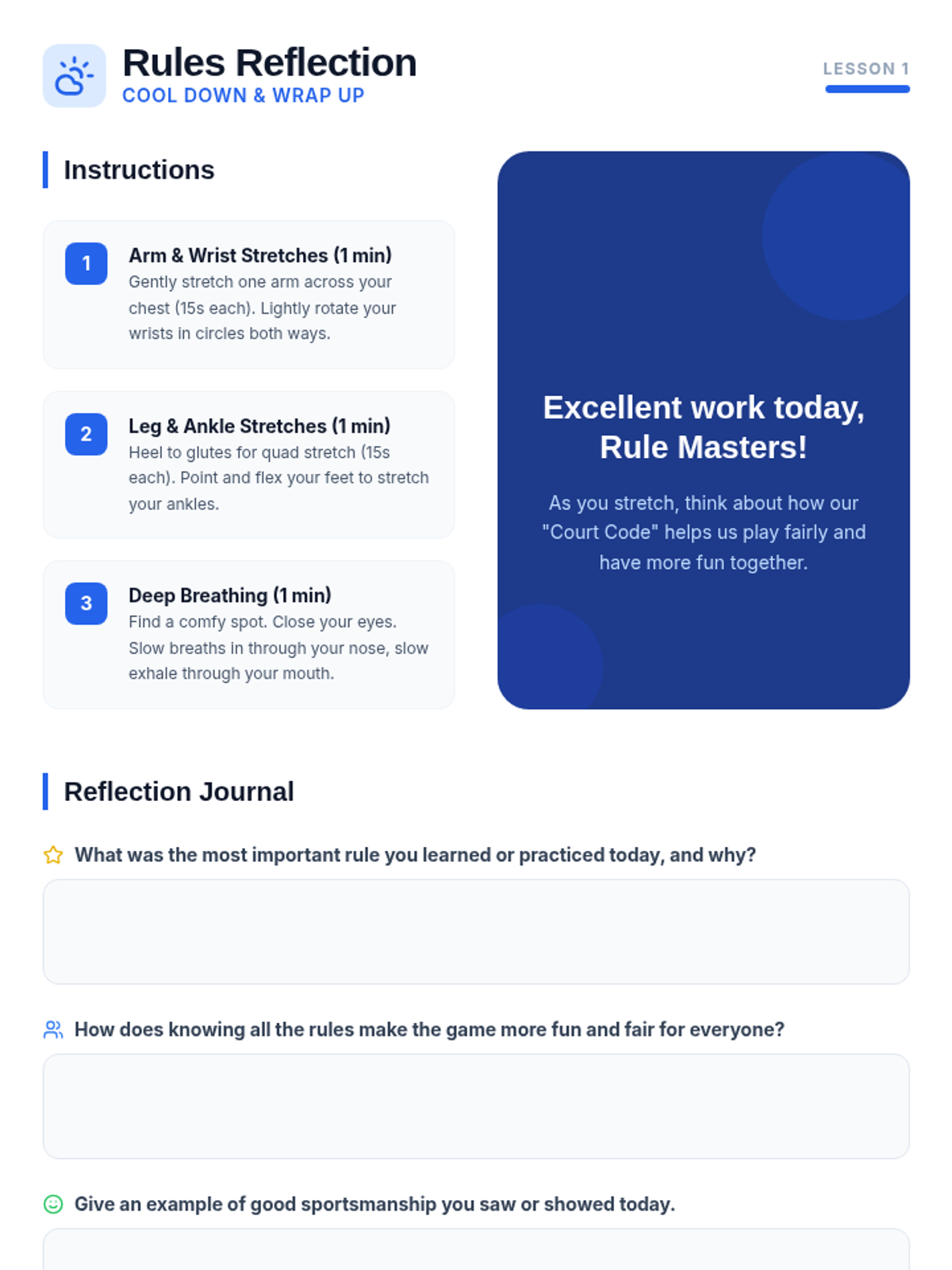
A 5-lesson sequence for 3rd-5th graders to master the fundamentals of badminton, from basic rules and serving to advanced strokes like the forehand drive, overhead clear, and backhand. Students build physical skills, hand-eye coordination, and strategic court awareness through interactive drills and cooperative games.
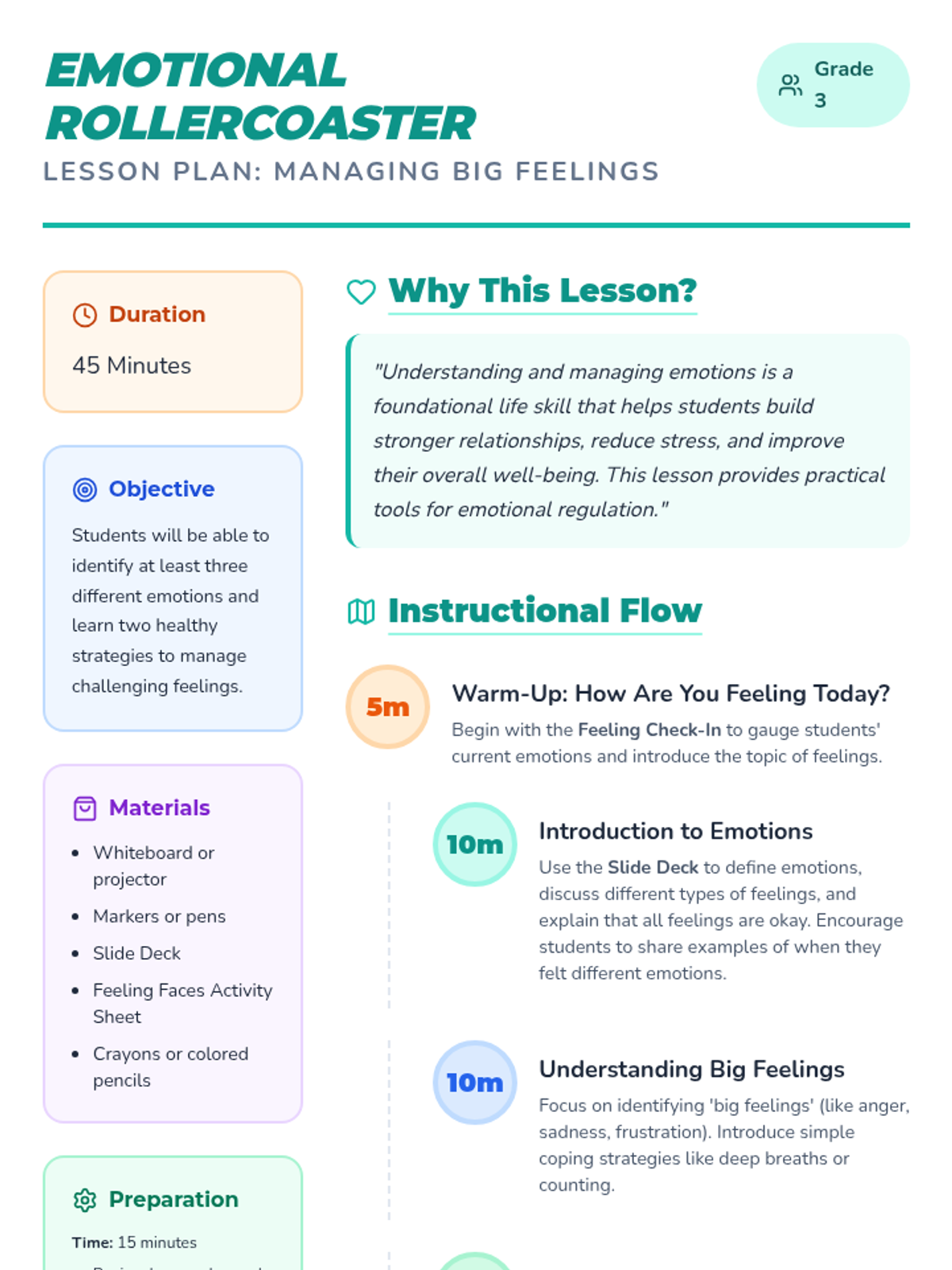
A comprehensive wellness unit that addresses emotional intelligence and regulation for 3rd-grade students, as well as community-based physical fitness awareness for 6th-grade students.
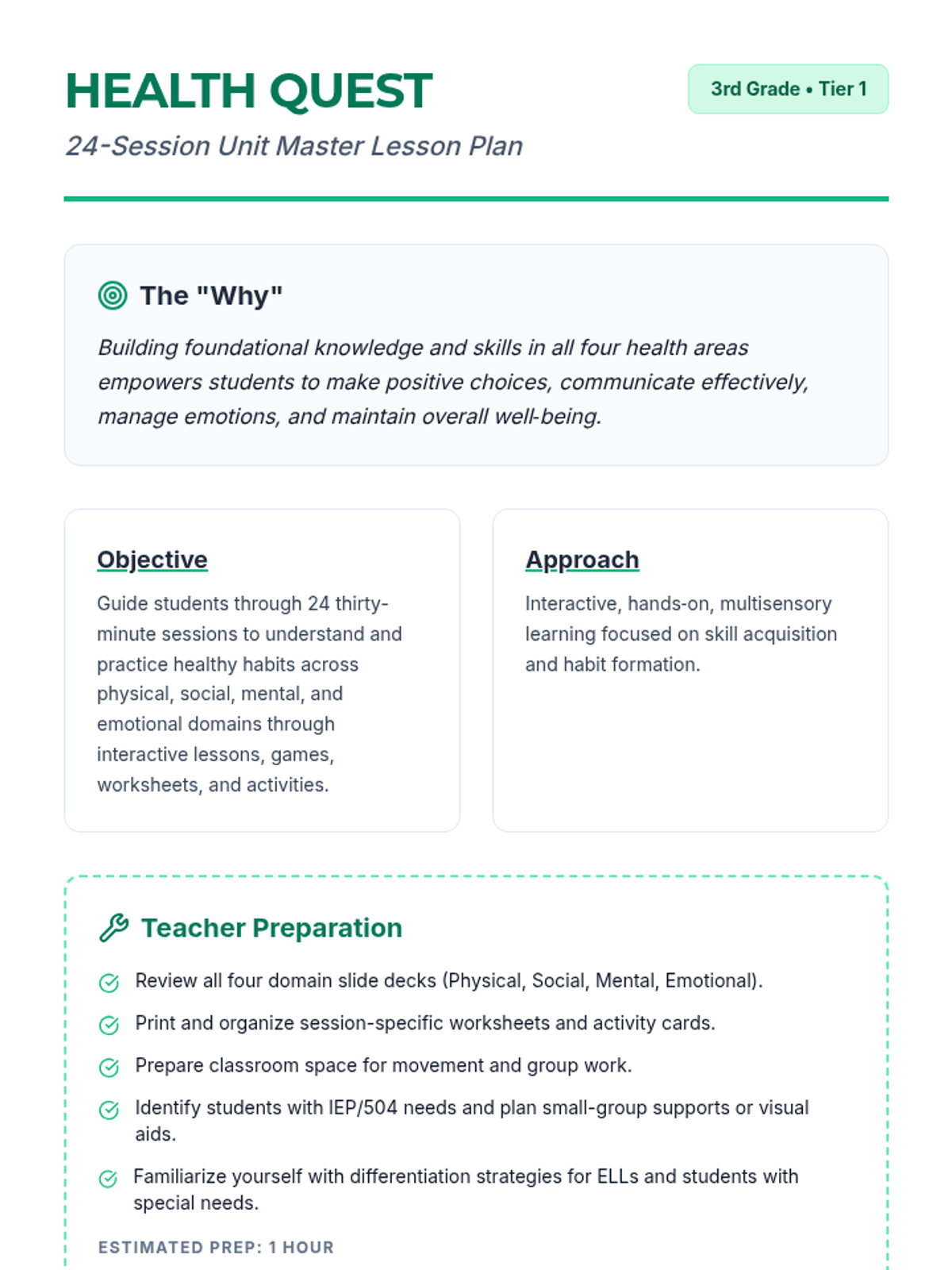
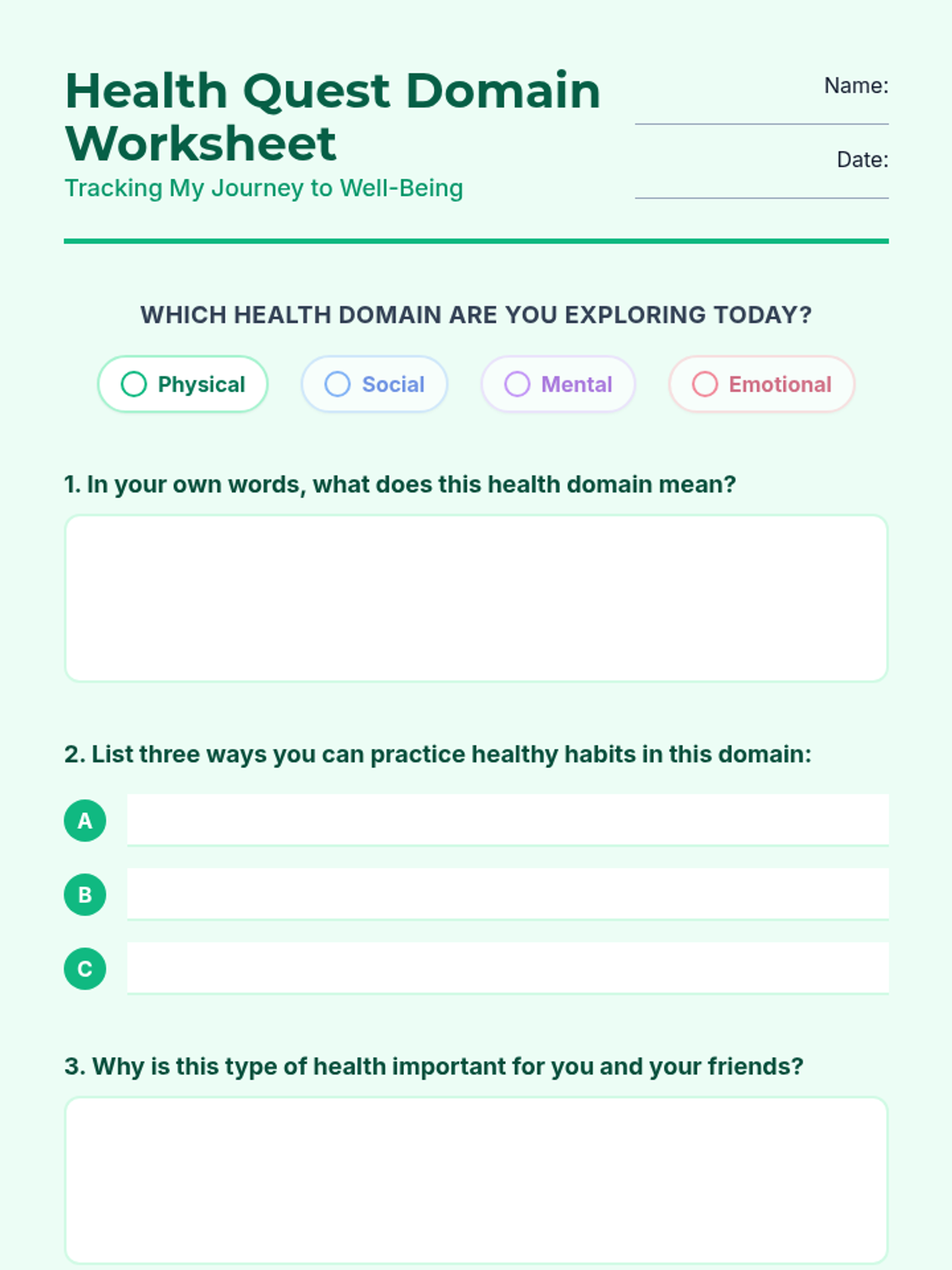
A 24-session unit for 3rd graders exploring the four domains of health—physical, social, mental, and emotional—through interactive lessons, activities, and reflections.
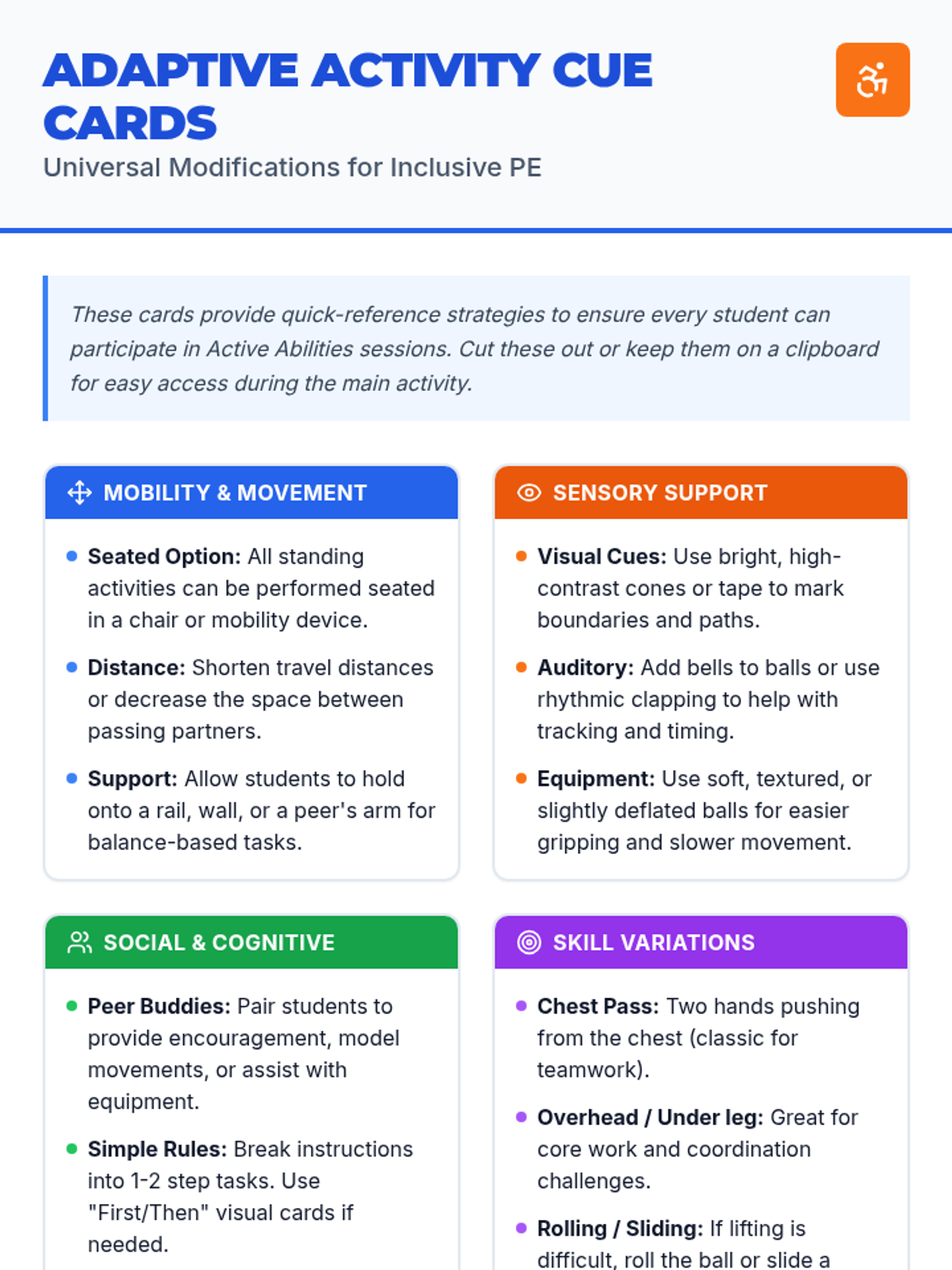
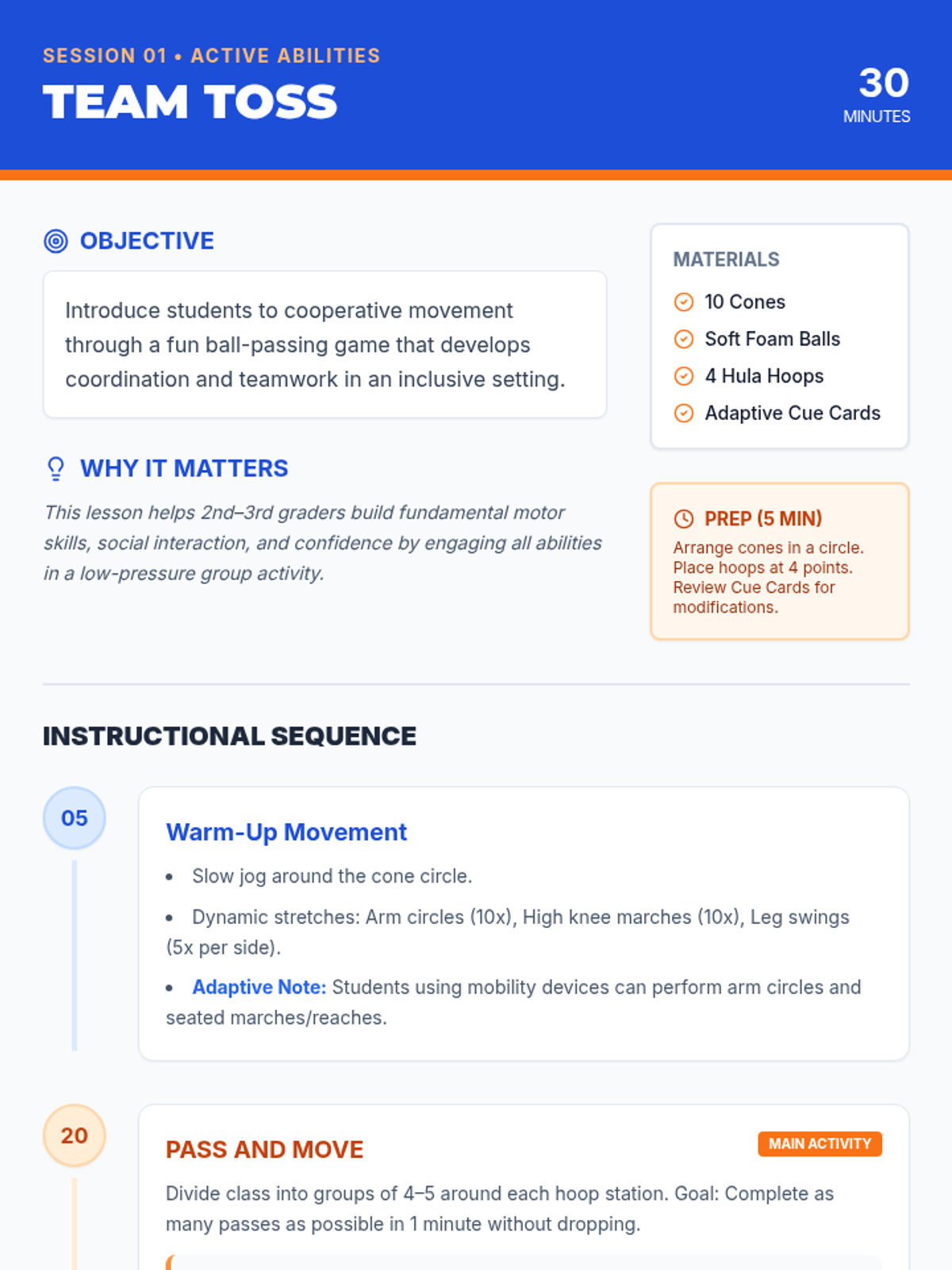
A 10-session adaptive PE program for 2nd and 3rd graders focusing on inclusive movement, fundamental motor skills, and teamwork. Each session provides structured instruction and modifications to ensure every student can participate and thrive.
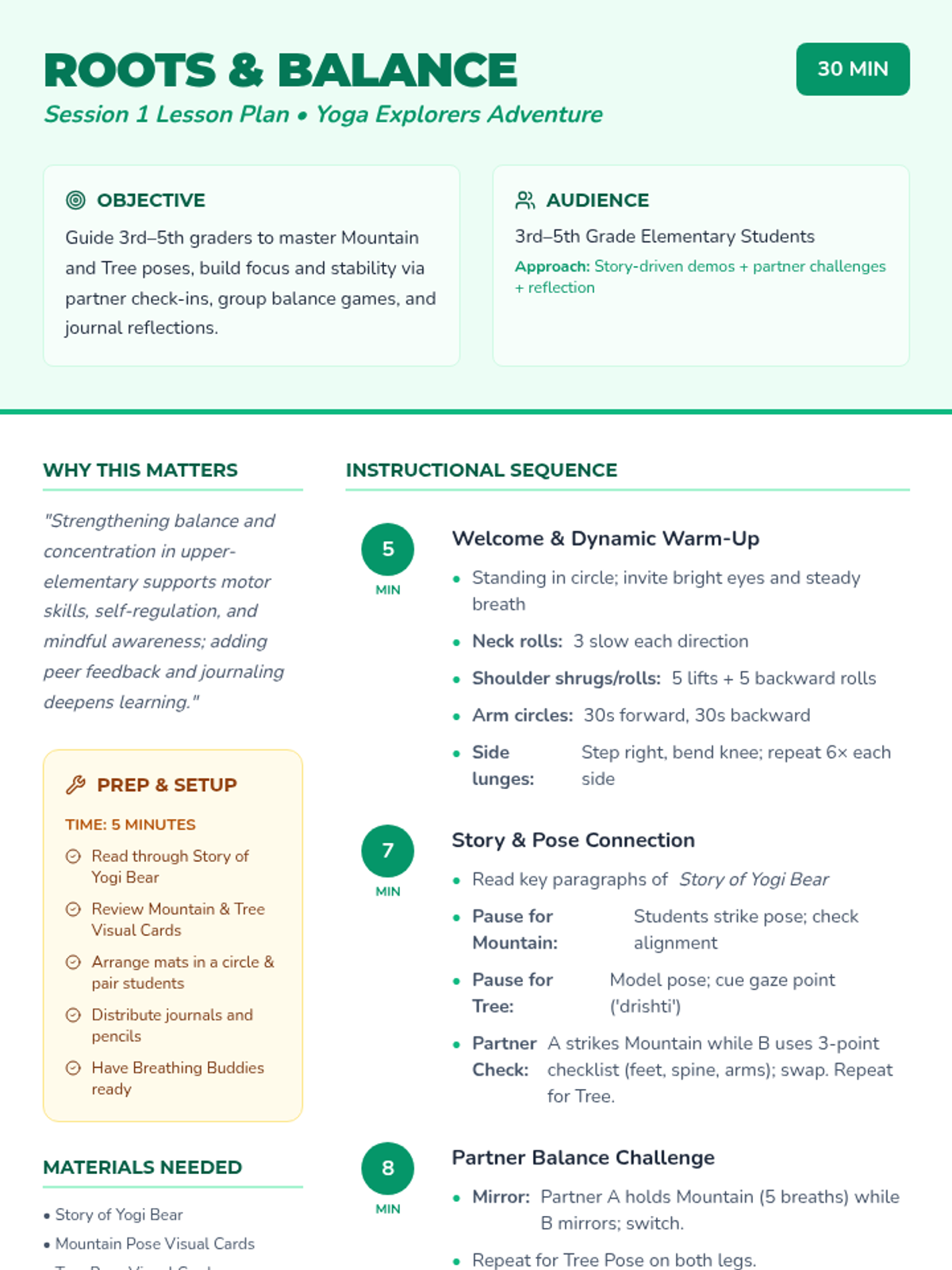
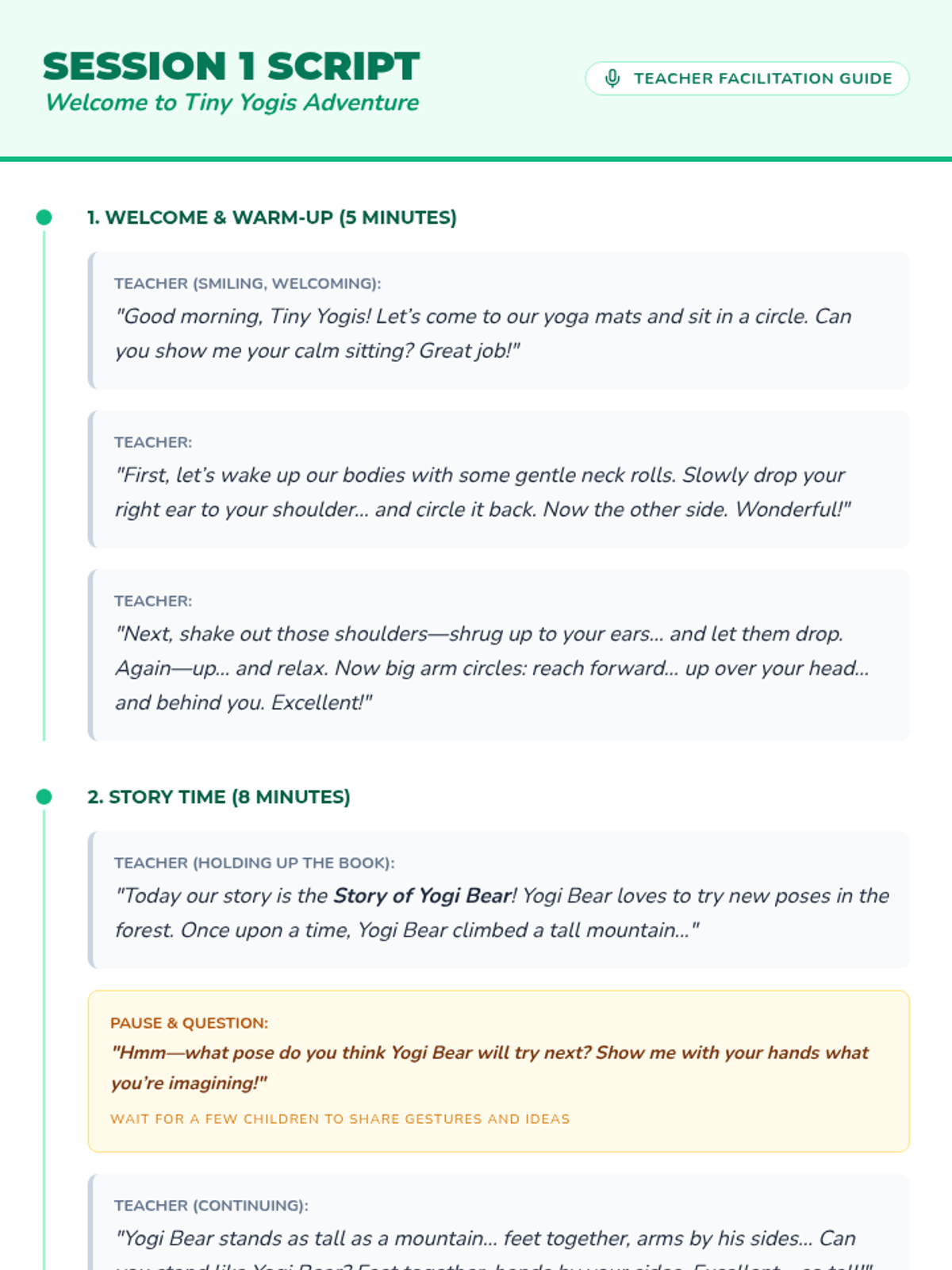
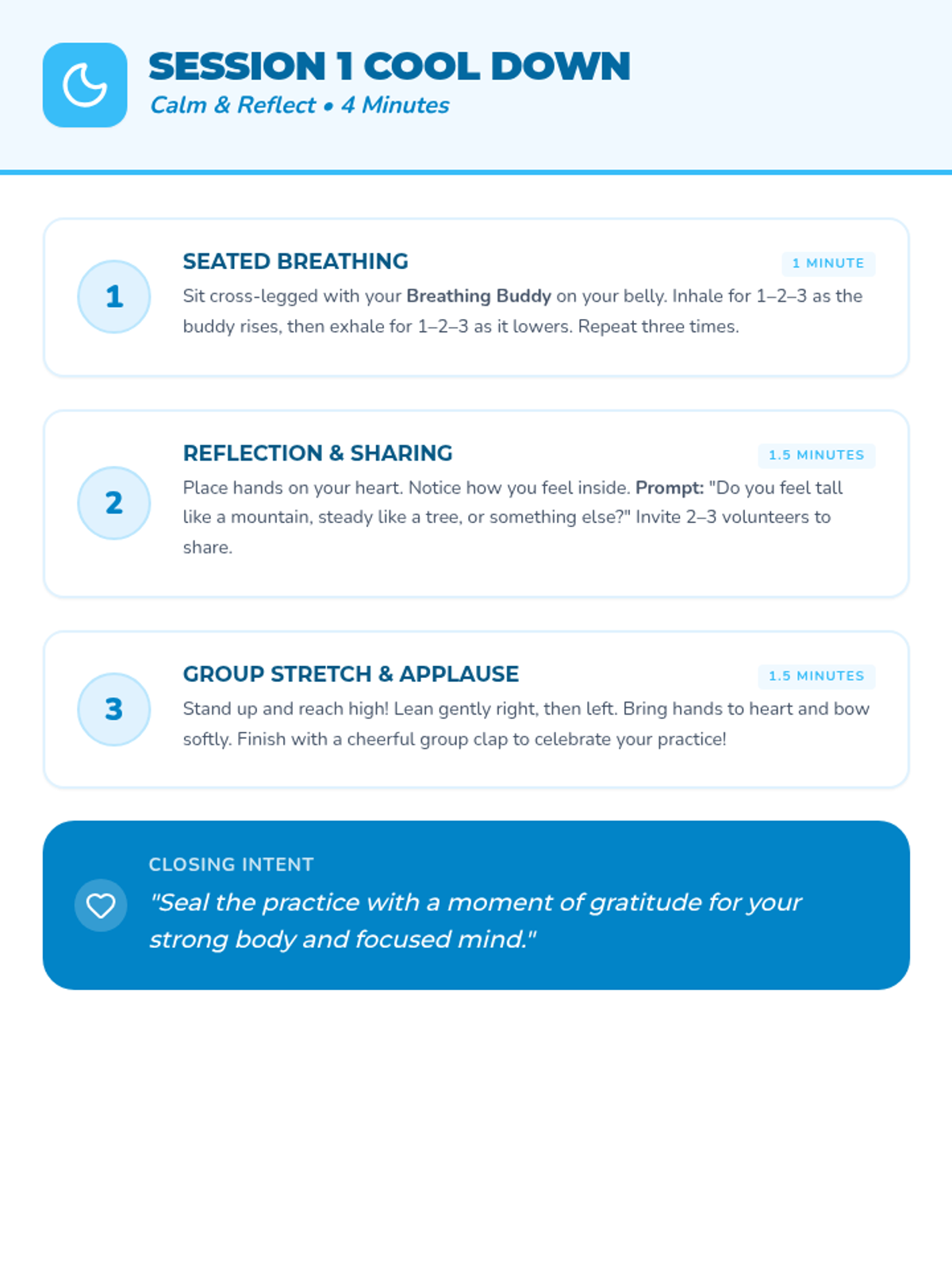
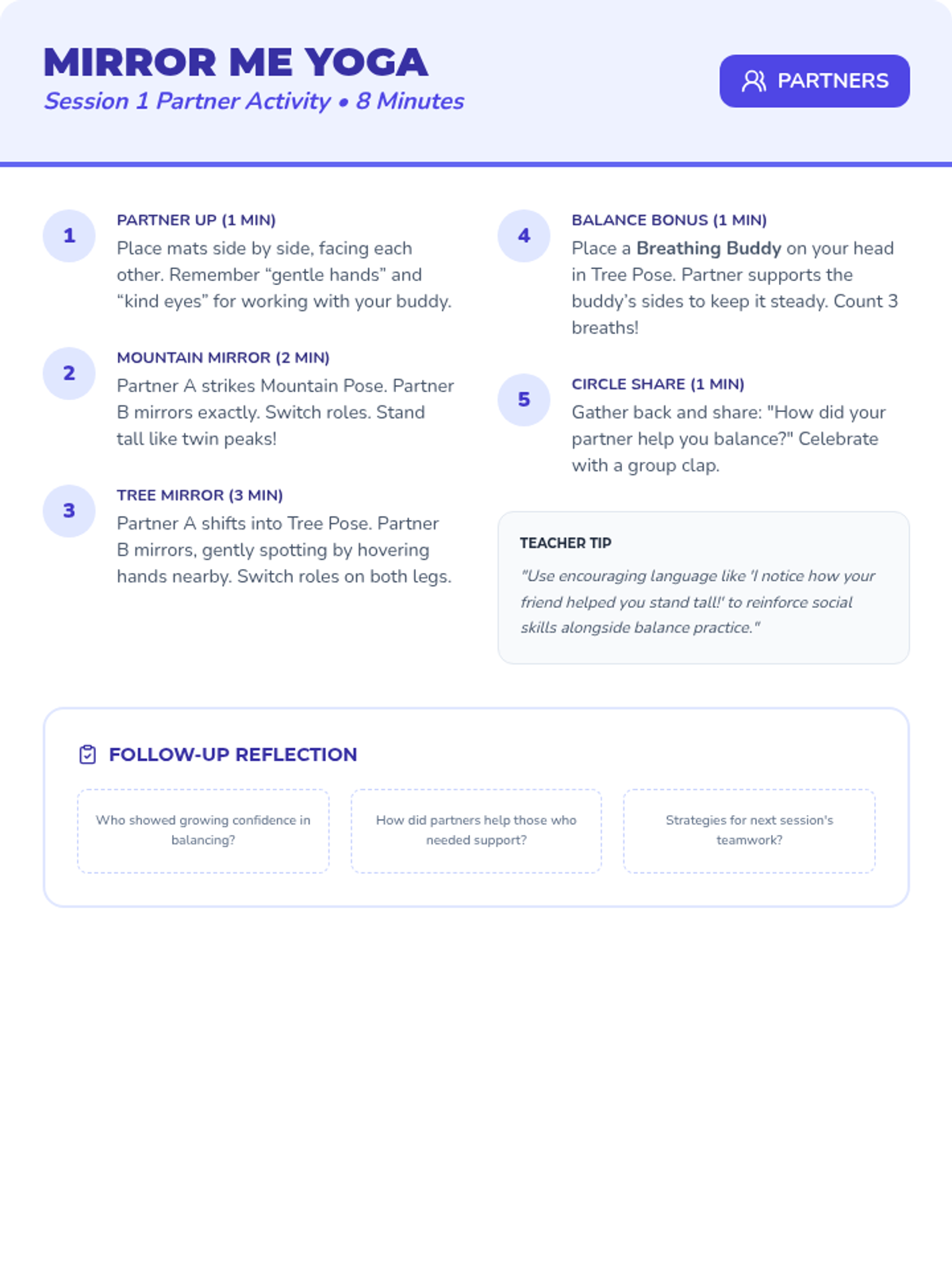
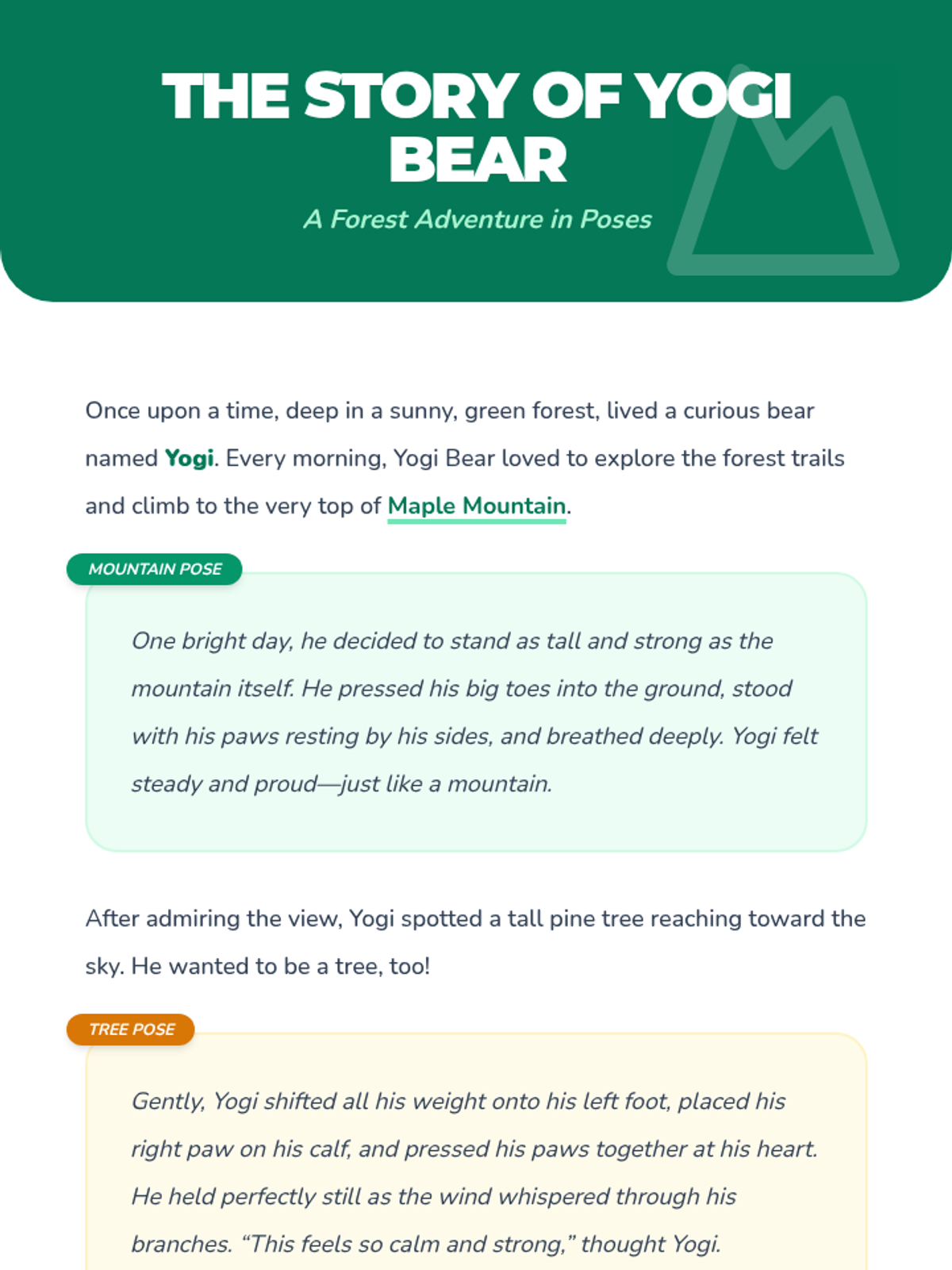
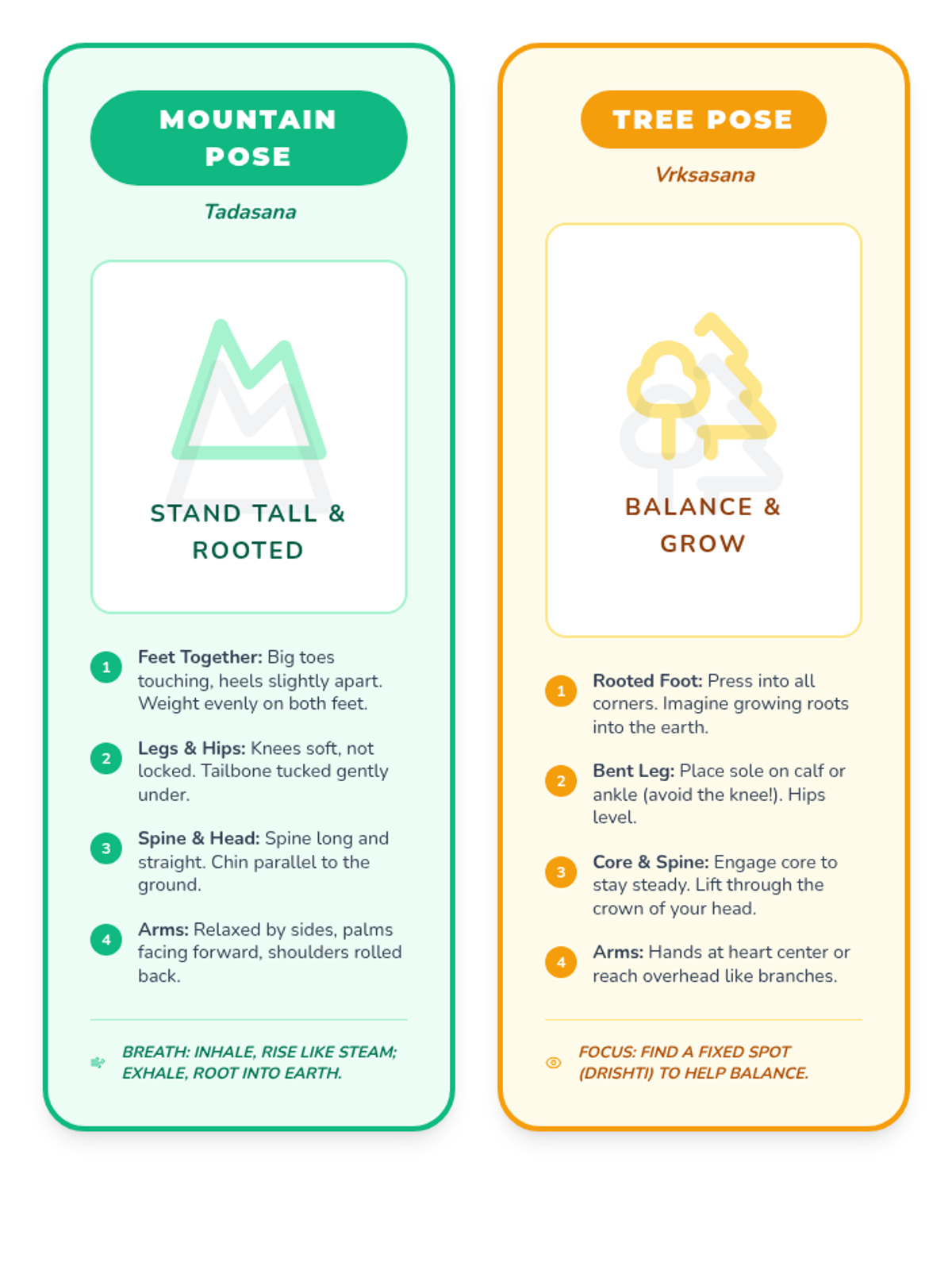
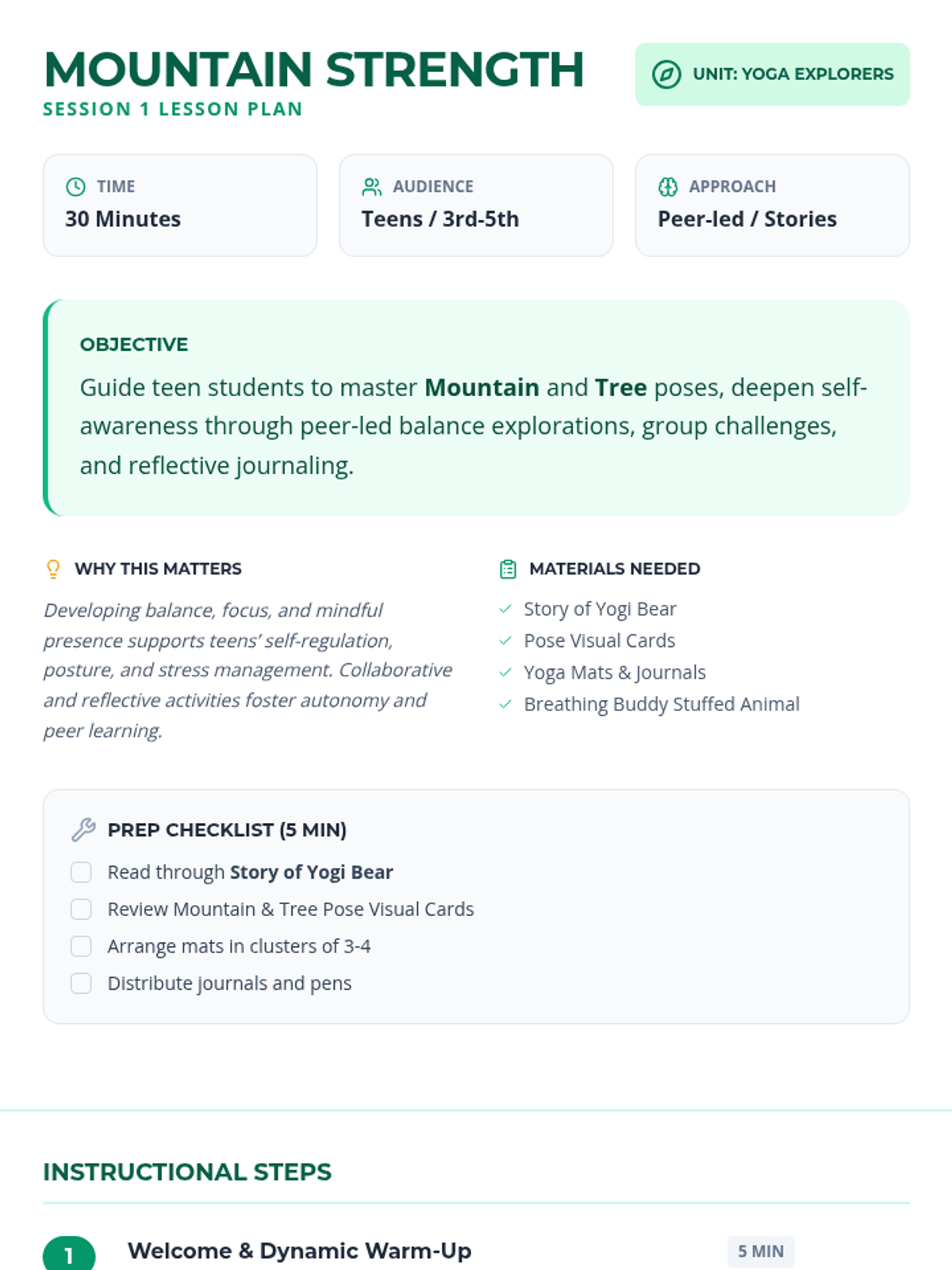
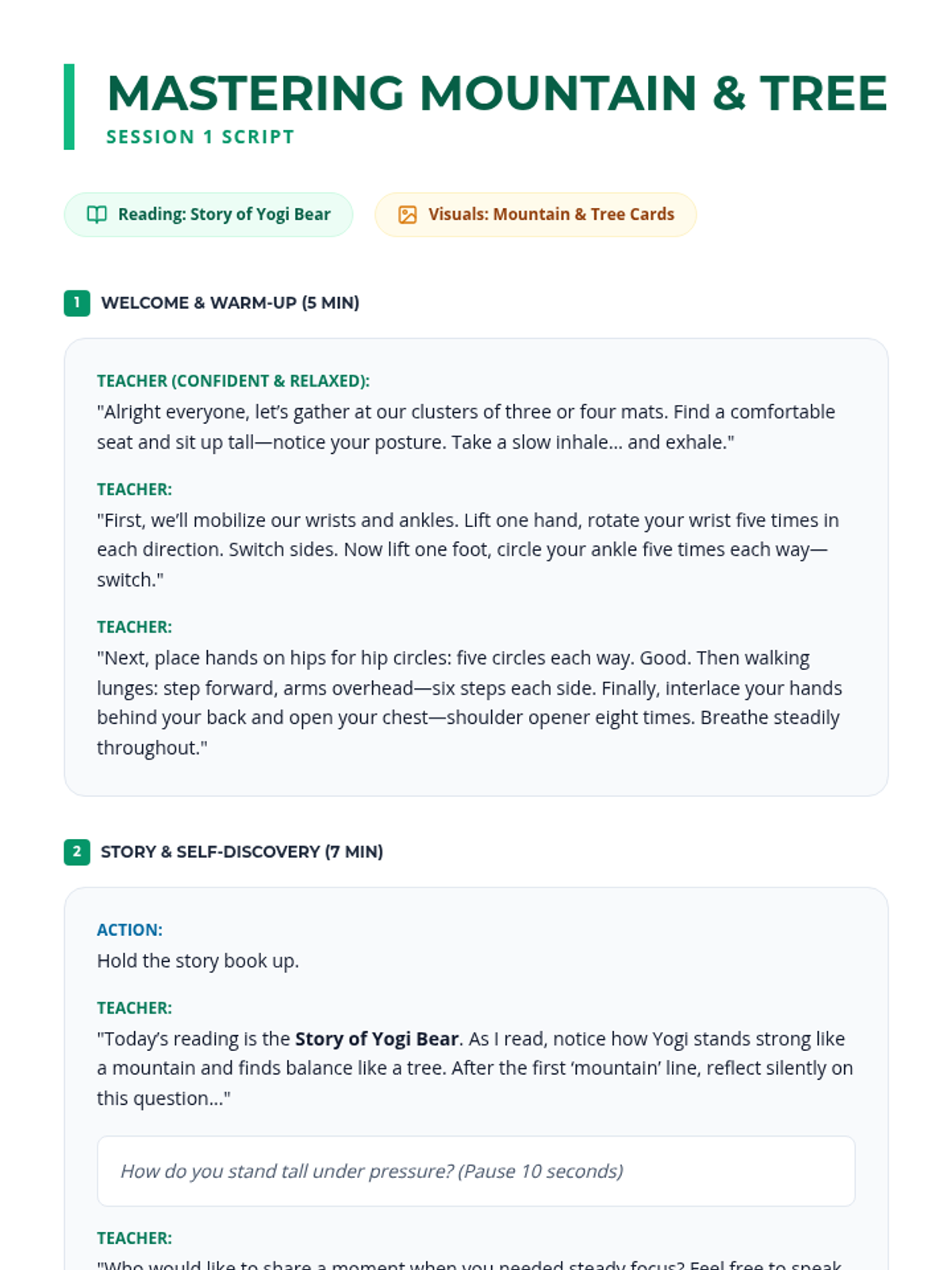
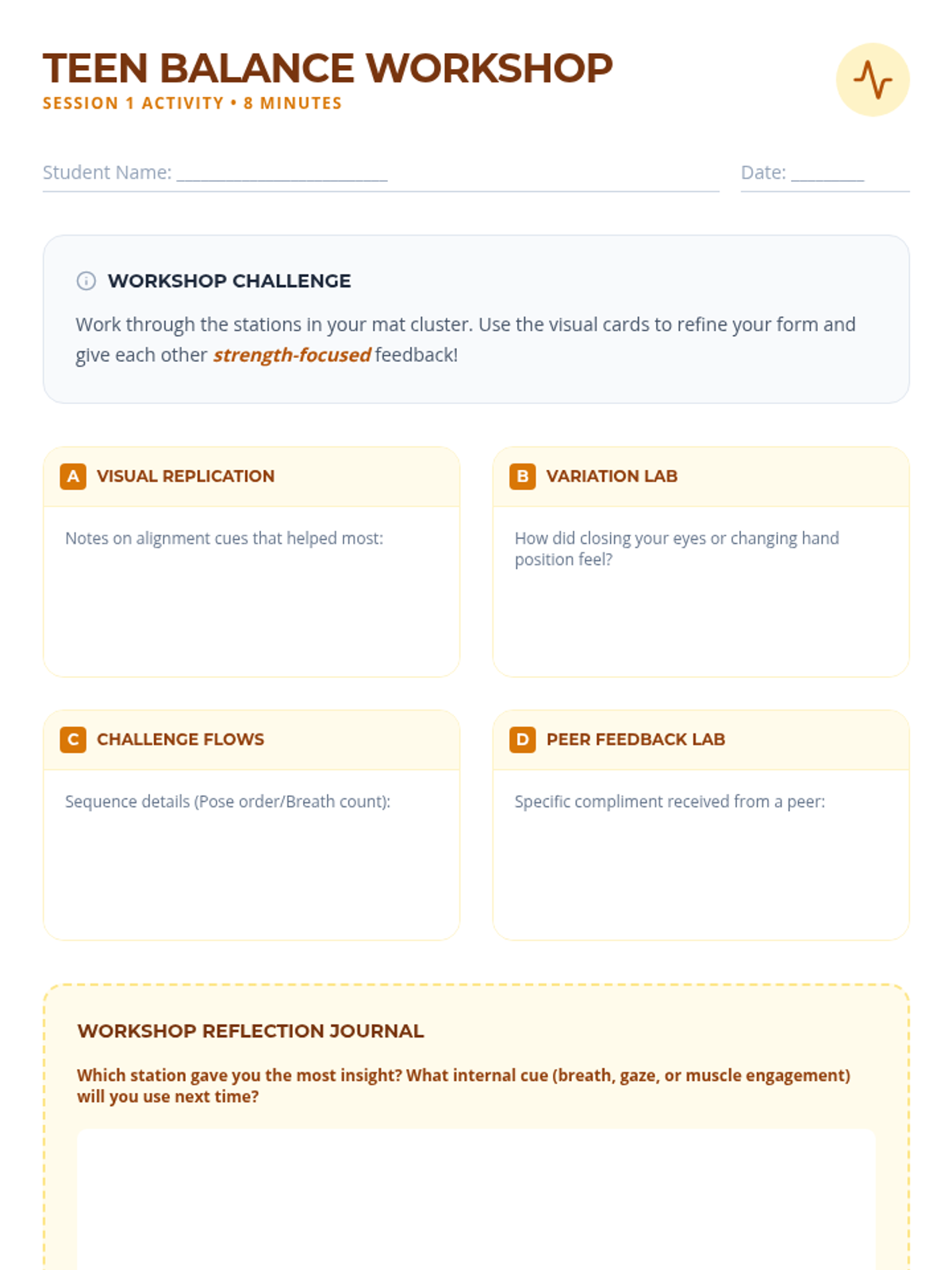
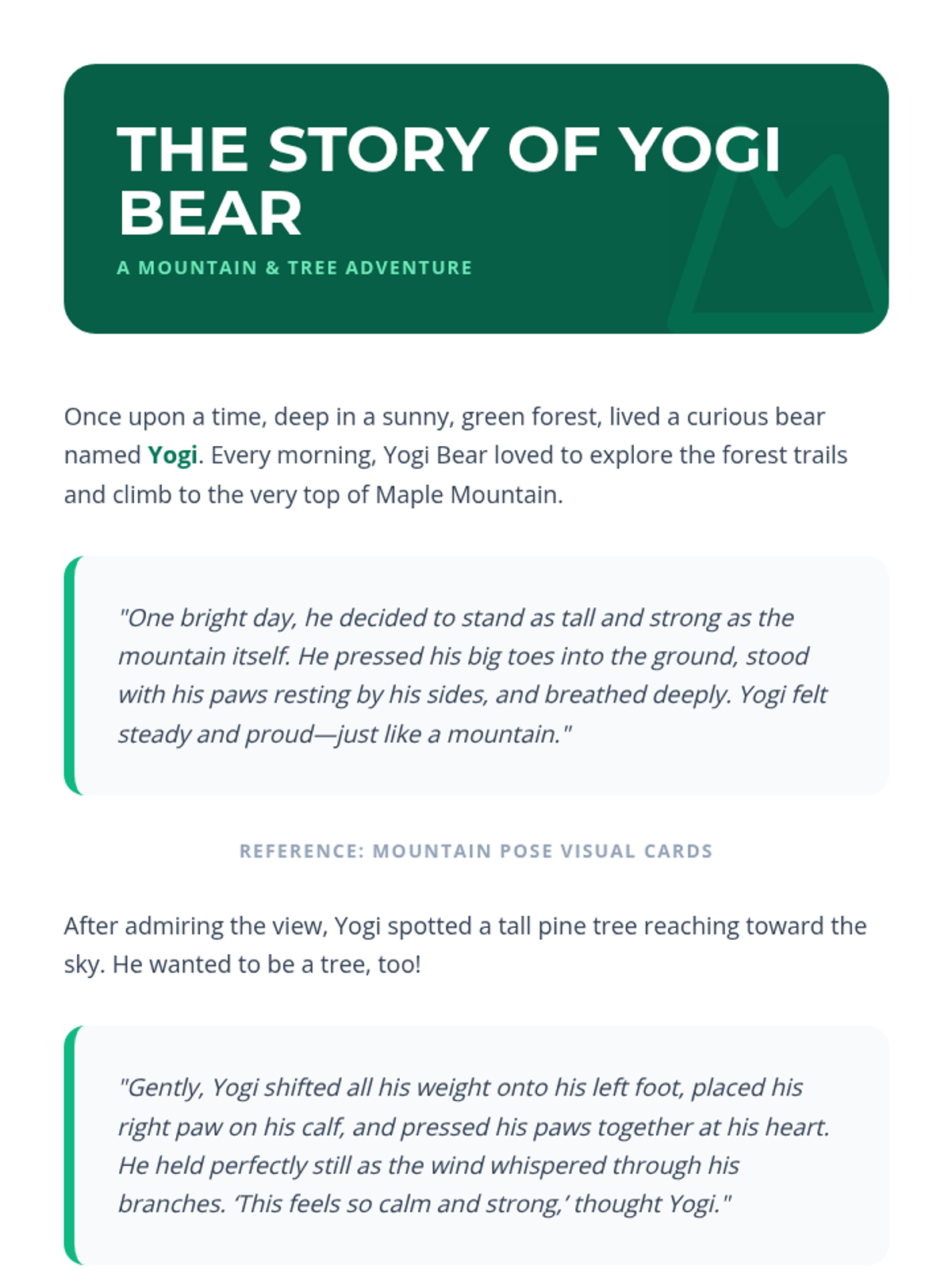
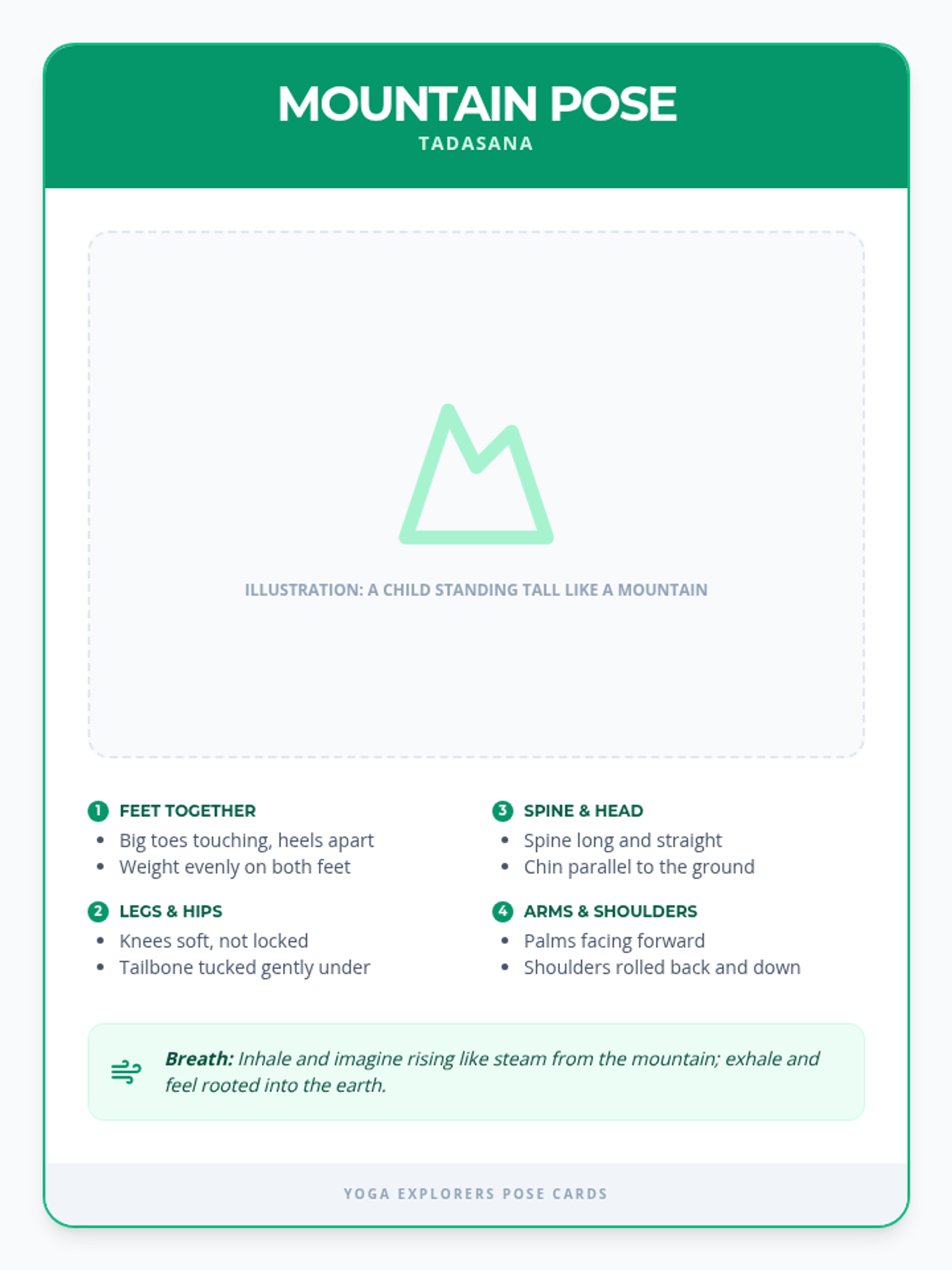
An 8-session yoga and mindfulness program for 3rd–5th graders using storytelling and partner activities to build strength, balance, and self-regulation.
An 8-session yoga sequence for 3rd-5th graders that uses stories and peer-led activities to develop mindfulness, balance, and self-regulation.
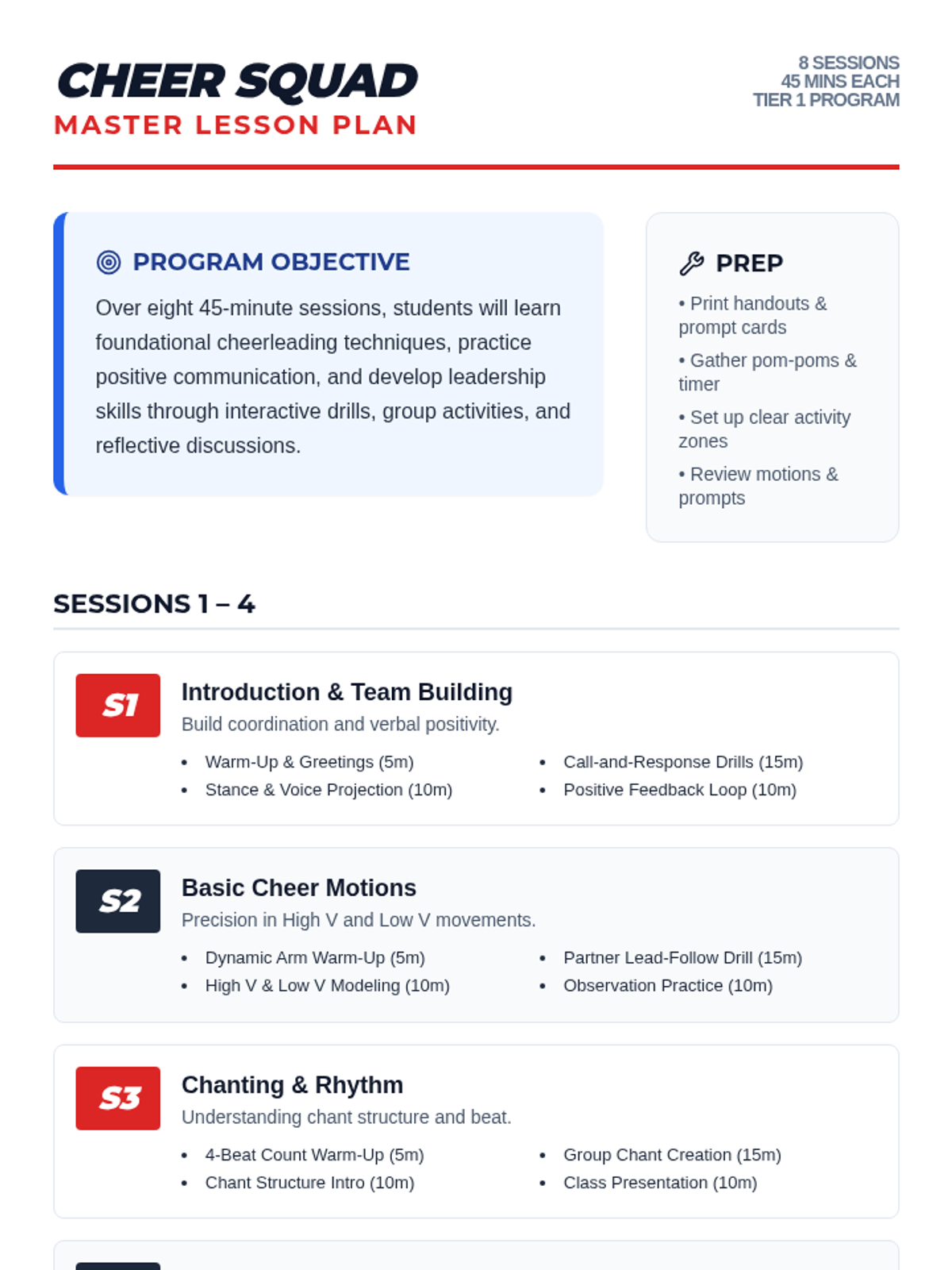
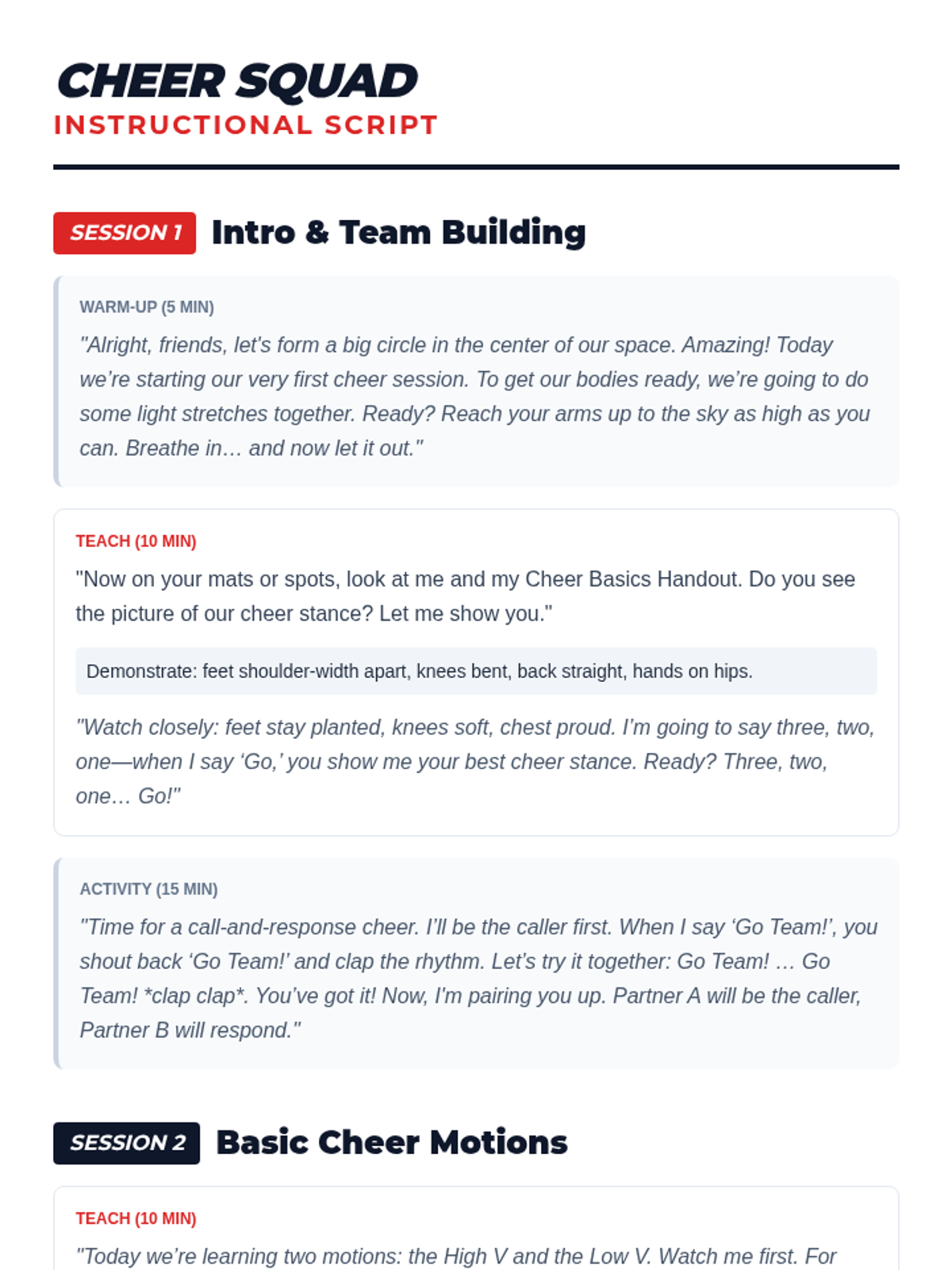
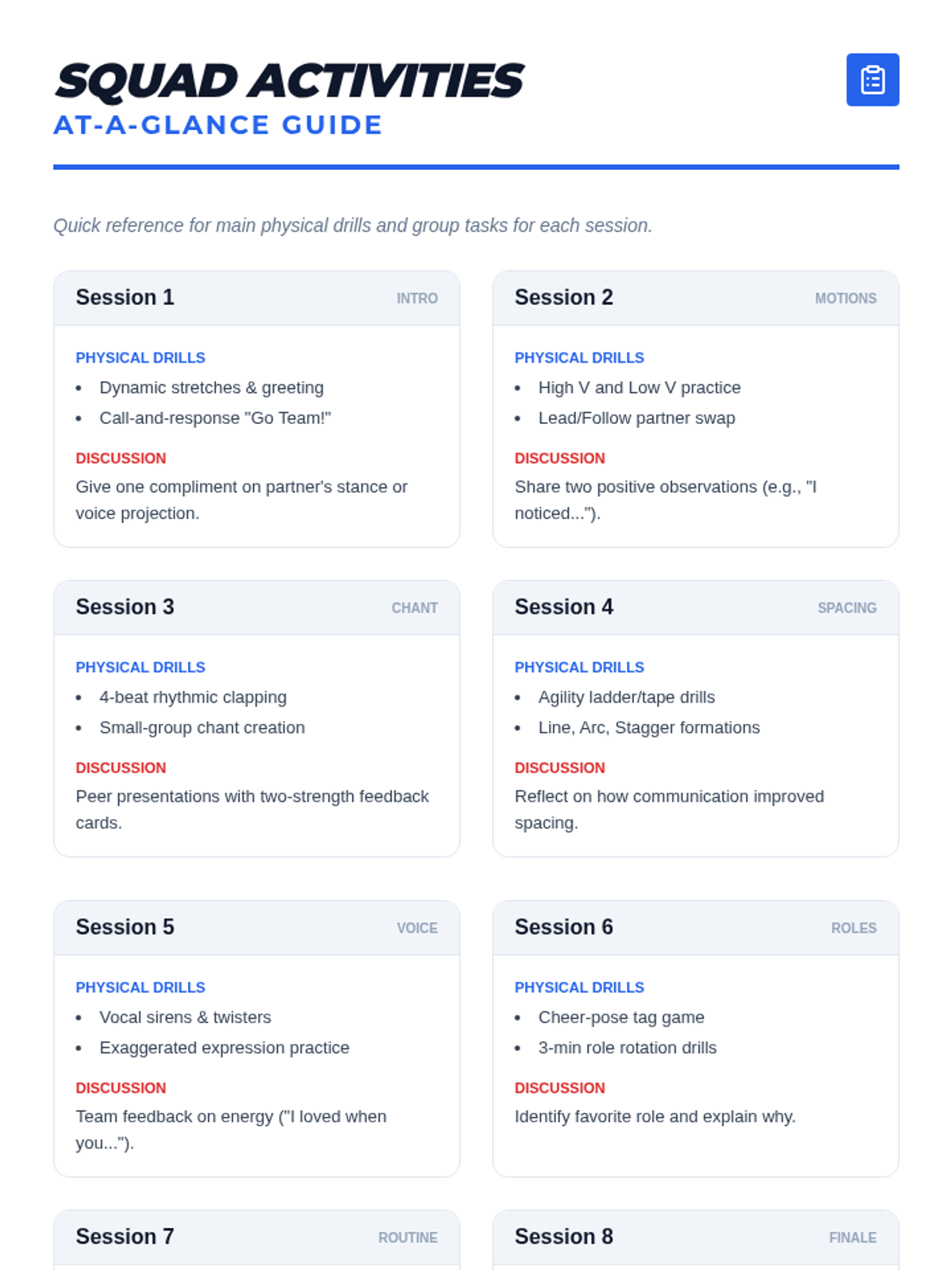
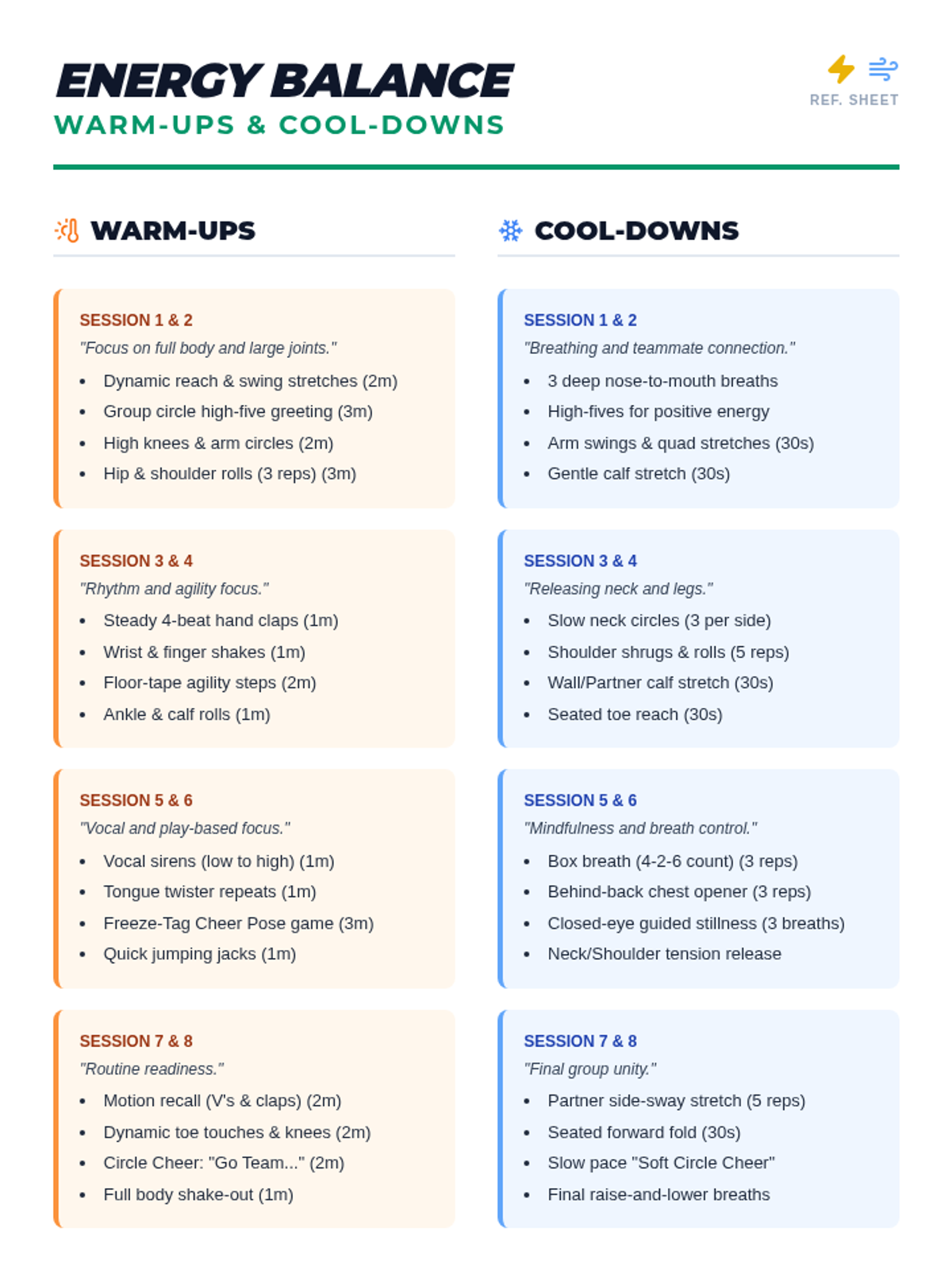
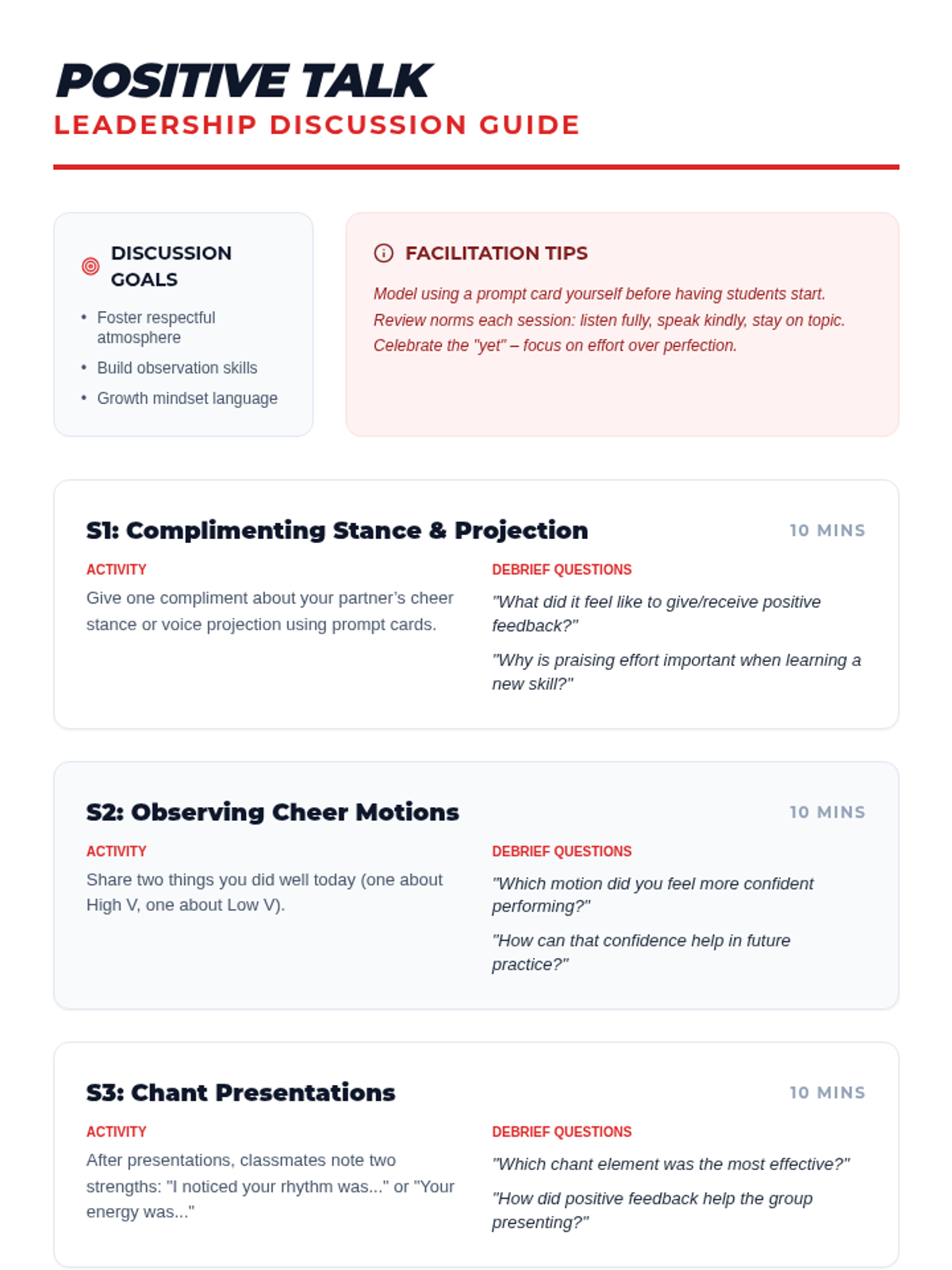
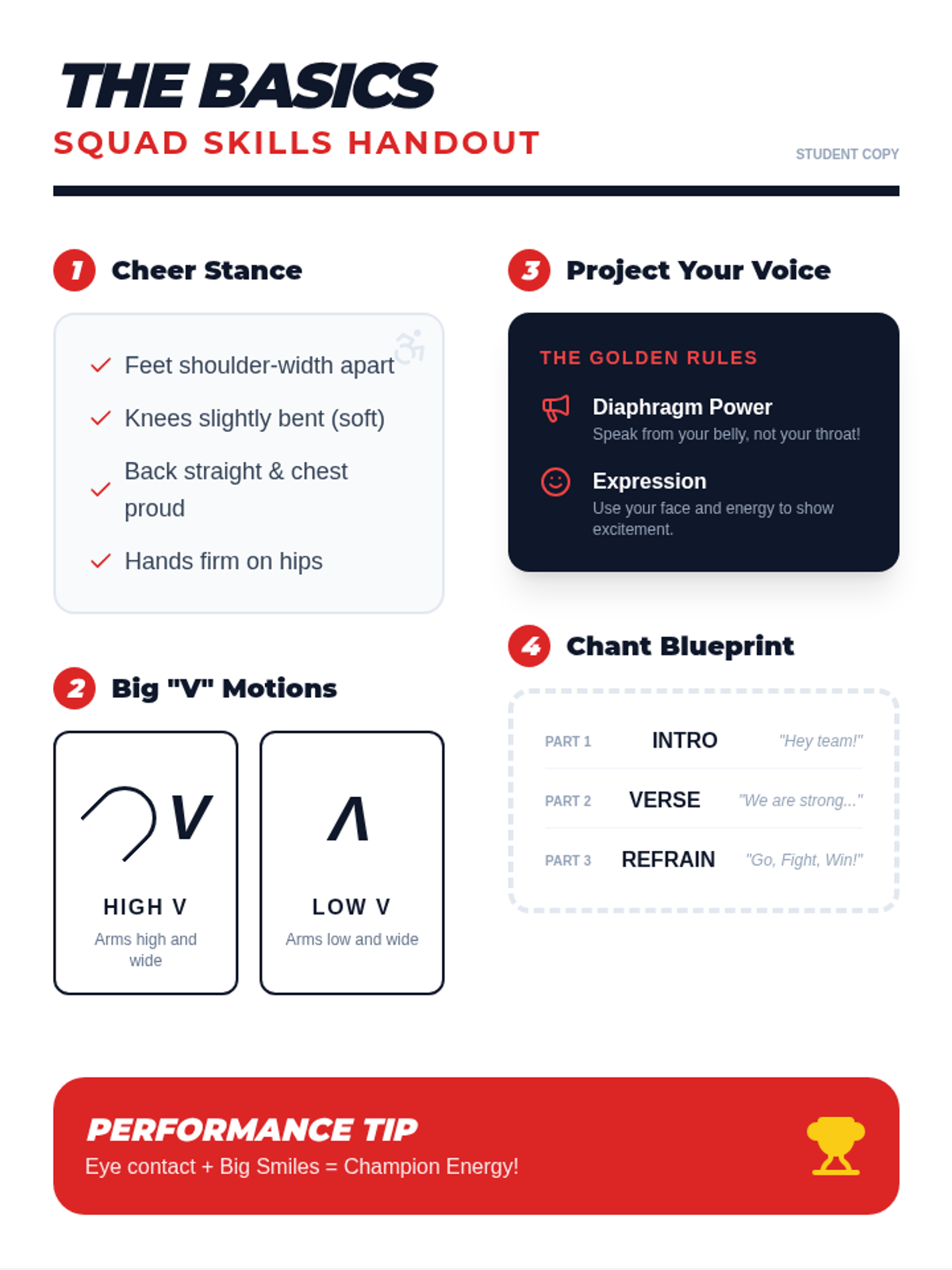
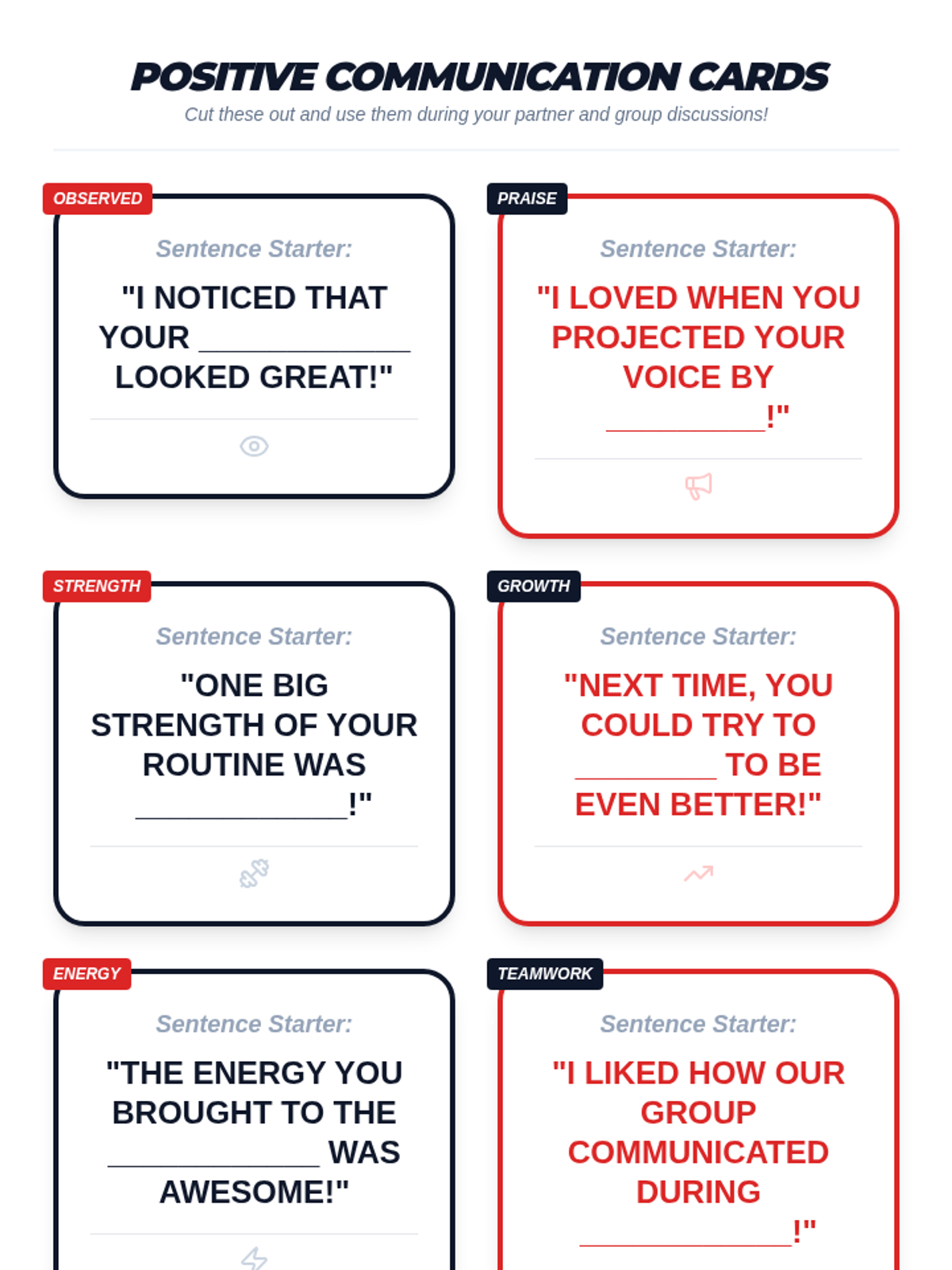
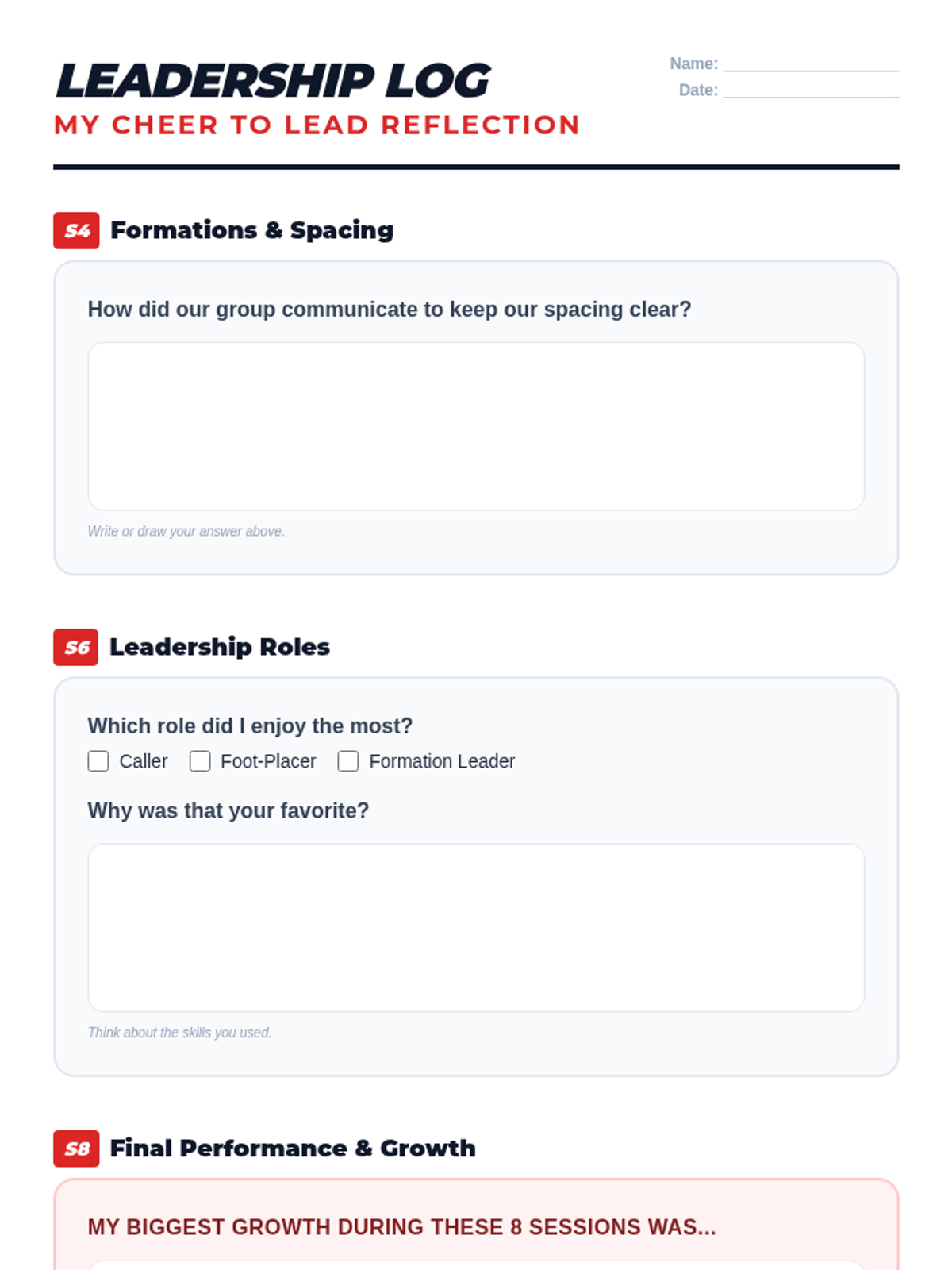
An 8-session Tier 1 social-emotional and physical activity program that builds leadership through foundational cheerleading.
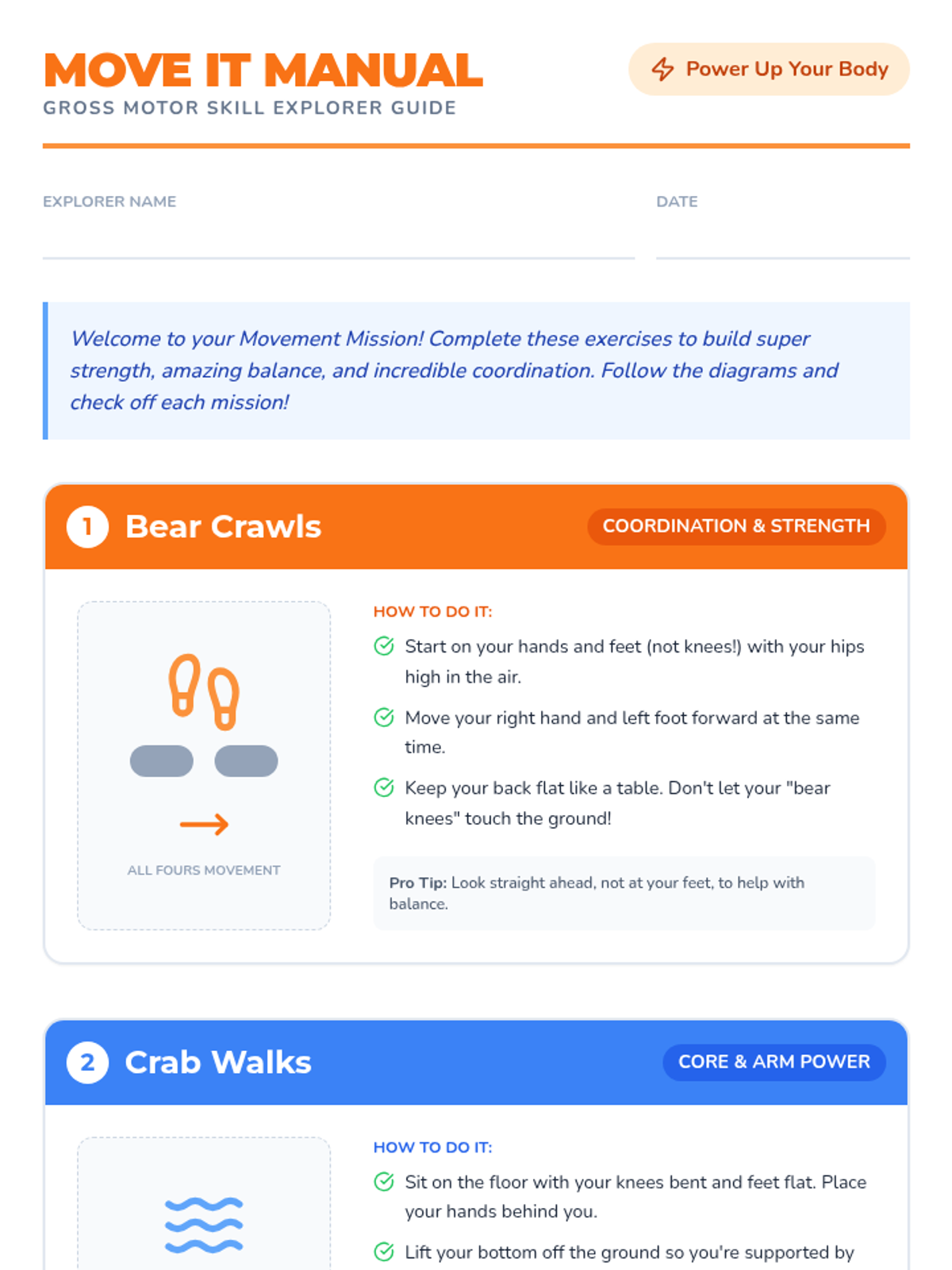
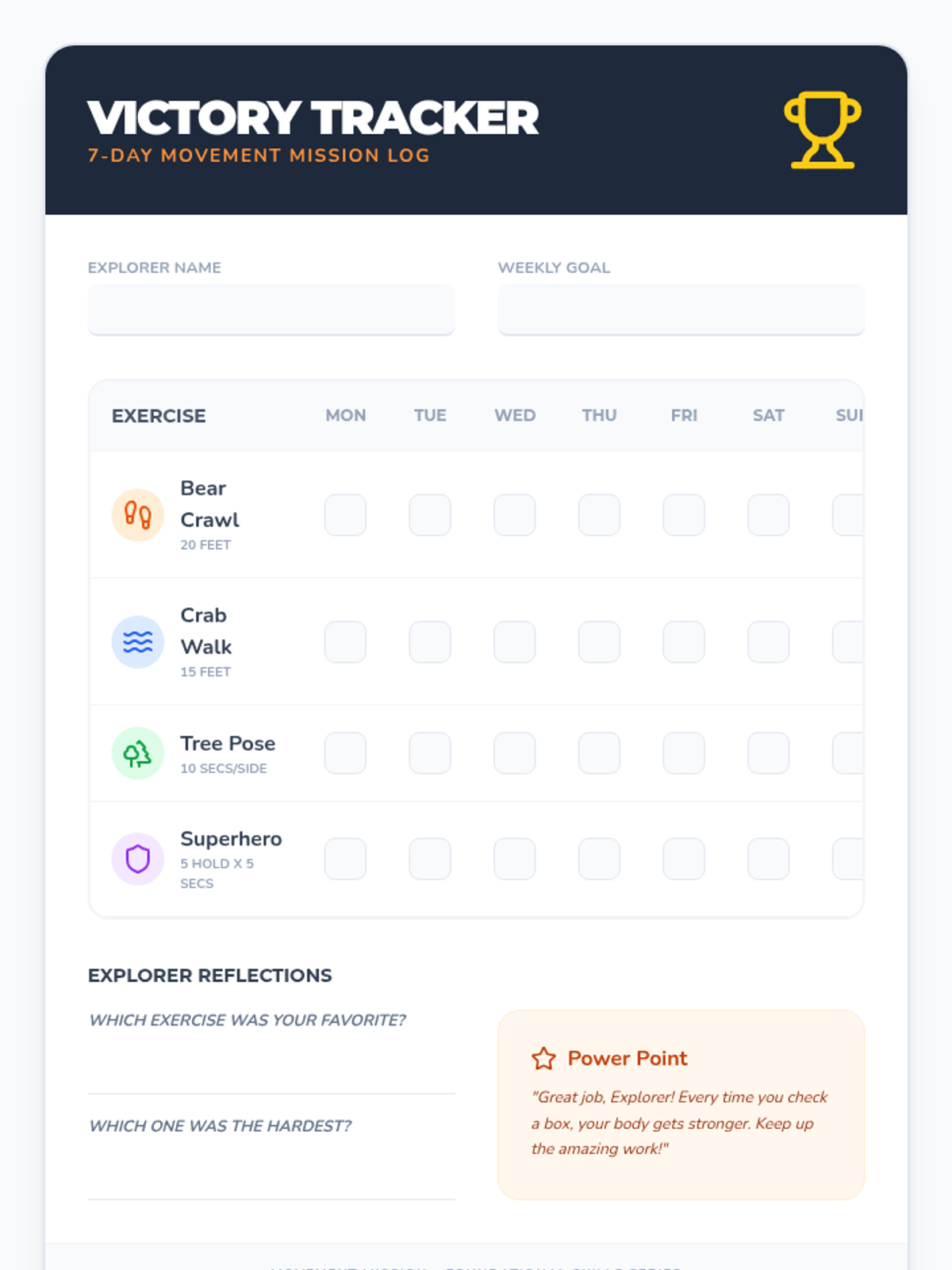
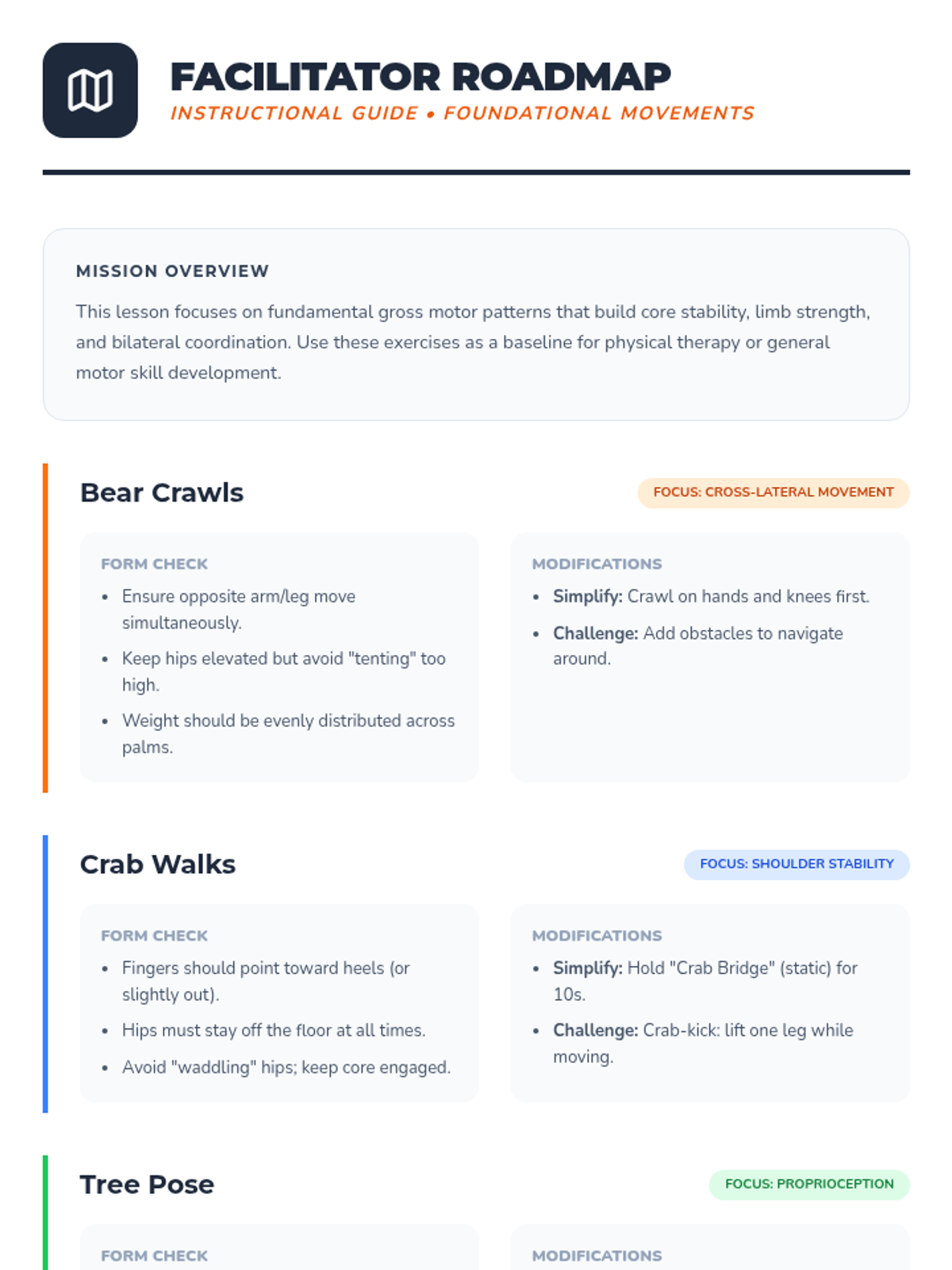
A comprehensive unit focused on developing fundamental gross motor skills through engaging, theme-based physical therapy exercises. Students will explore balance, coordination, and strength through a series of 'movement missions'.
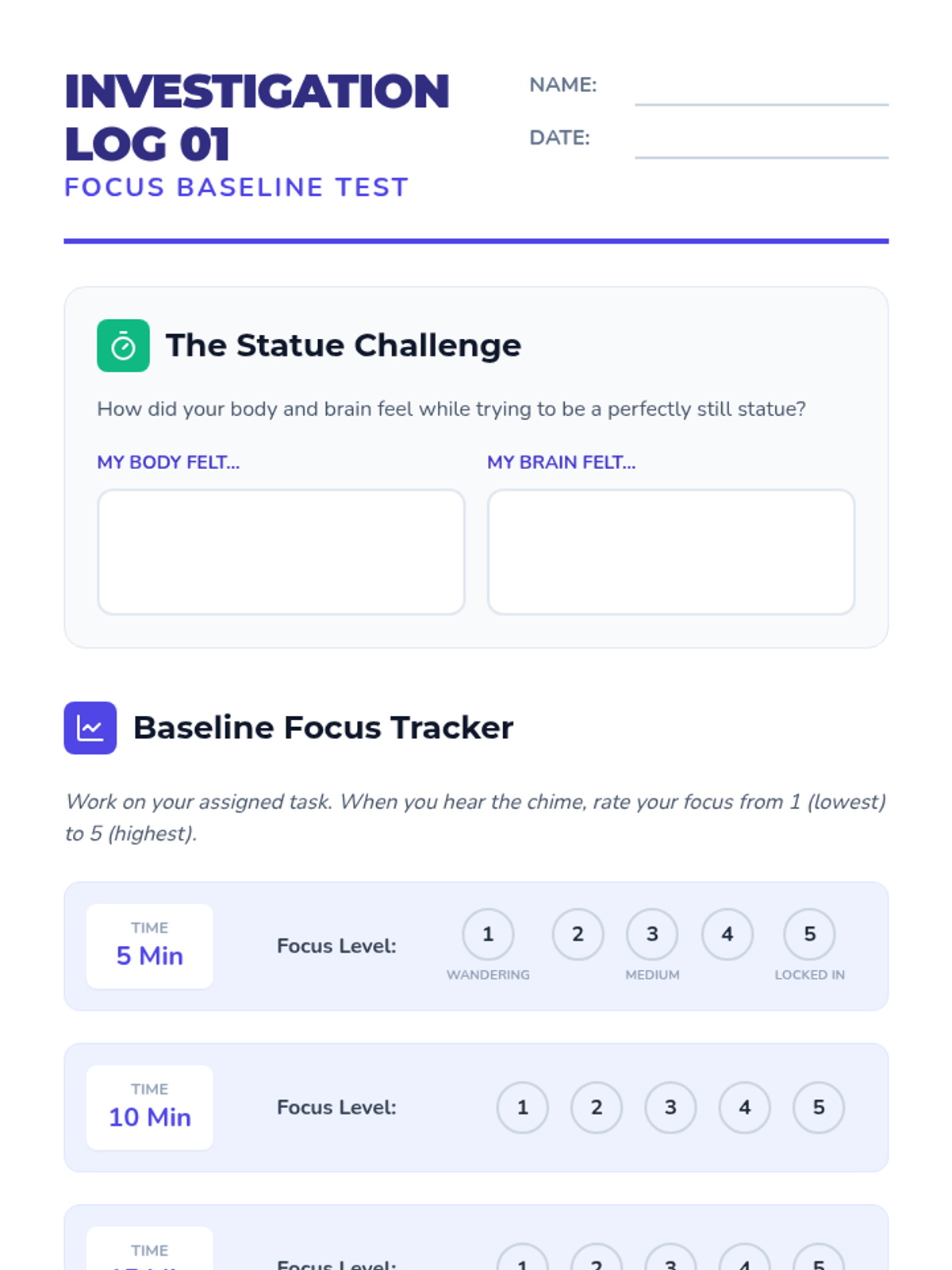
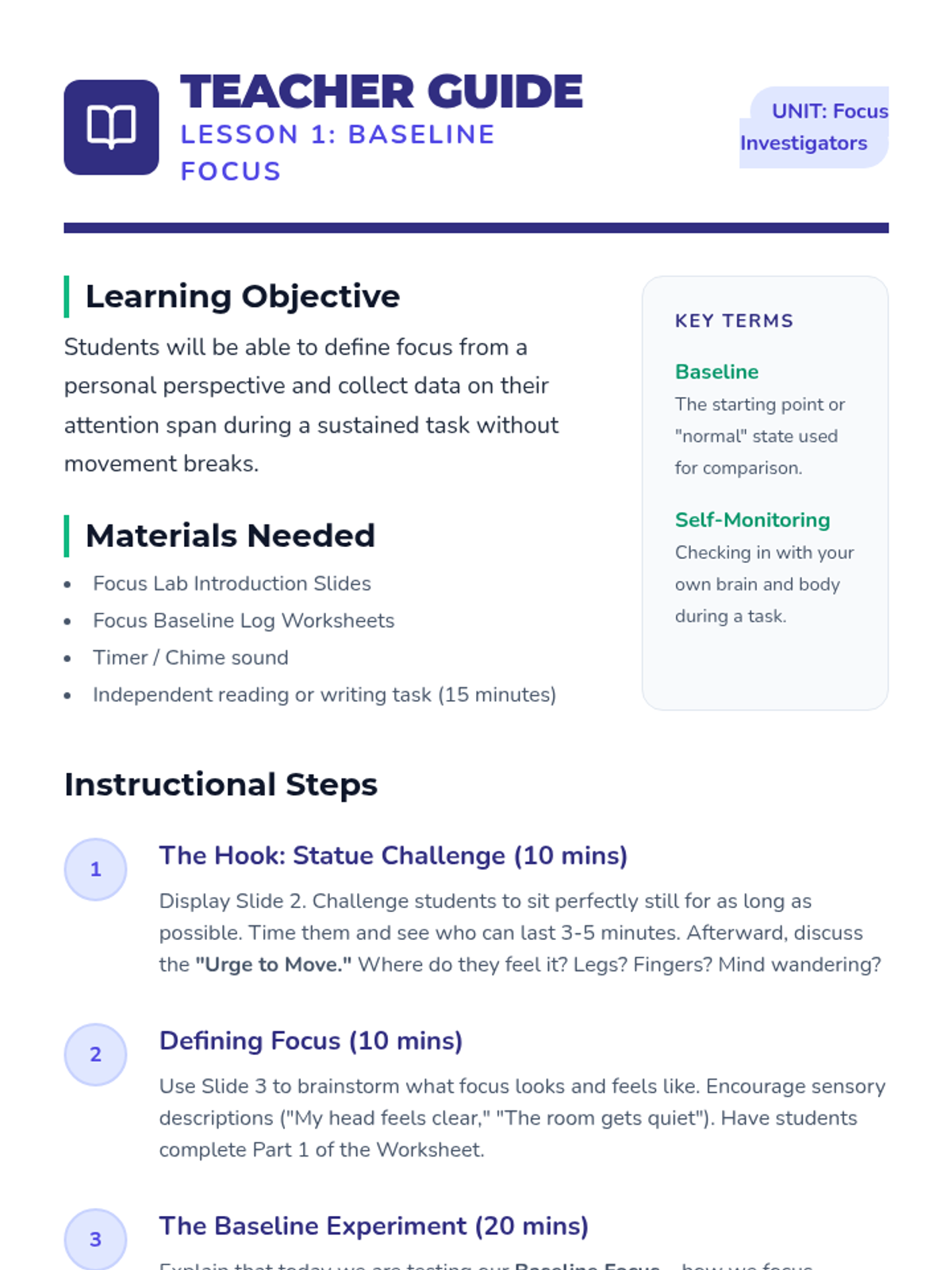
A 5-lesson unit where 3rd-grade students act as 'focus investigators,' experimenting with different movement strategies to discover how physical activity impacts their concentration and learning. Students collect personal data on cross-lateral, isometric, and rhythmic movements to create a customized 'Brain User Manual' for self-regulation.
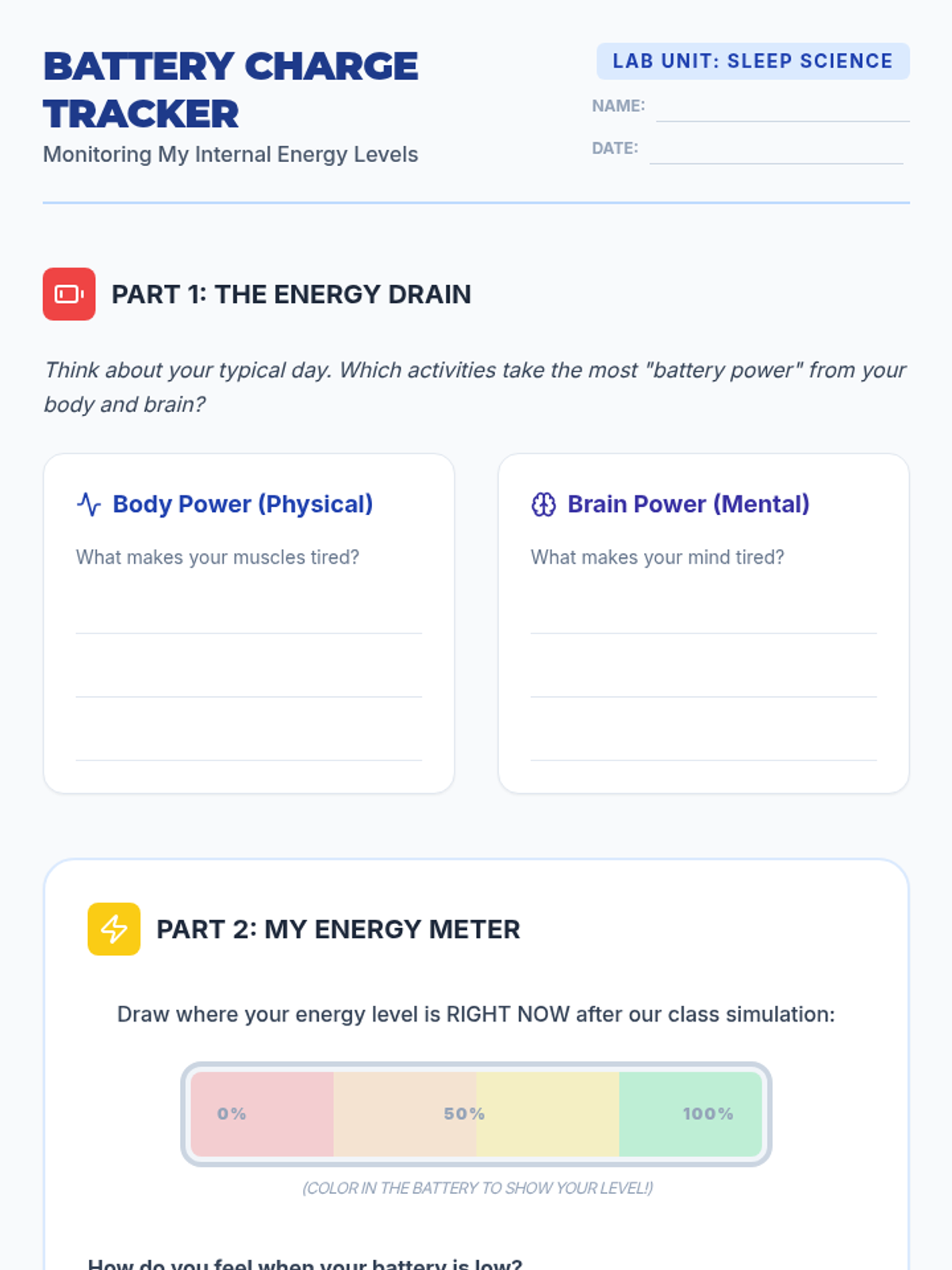
This inquiry-based sequence teaches 3rd graders about the biological necessity of sleep, focusing on energy restoration, circadian rhythms, memory consolidation, and physical growth. Students treat the body as a complex machine that requires a nightly 'power down' for maintenance and recovery.
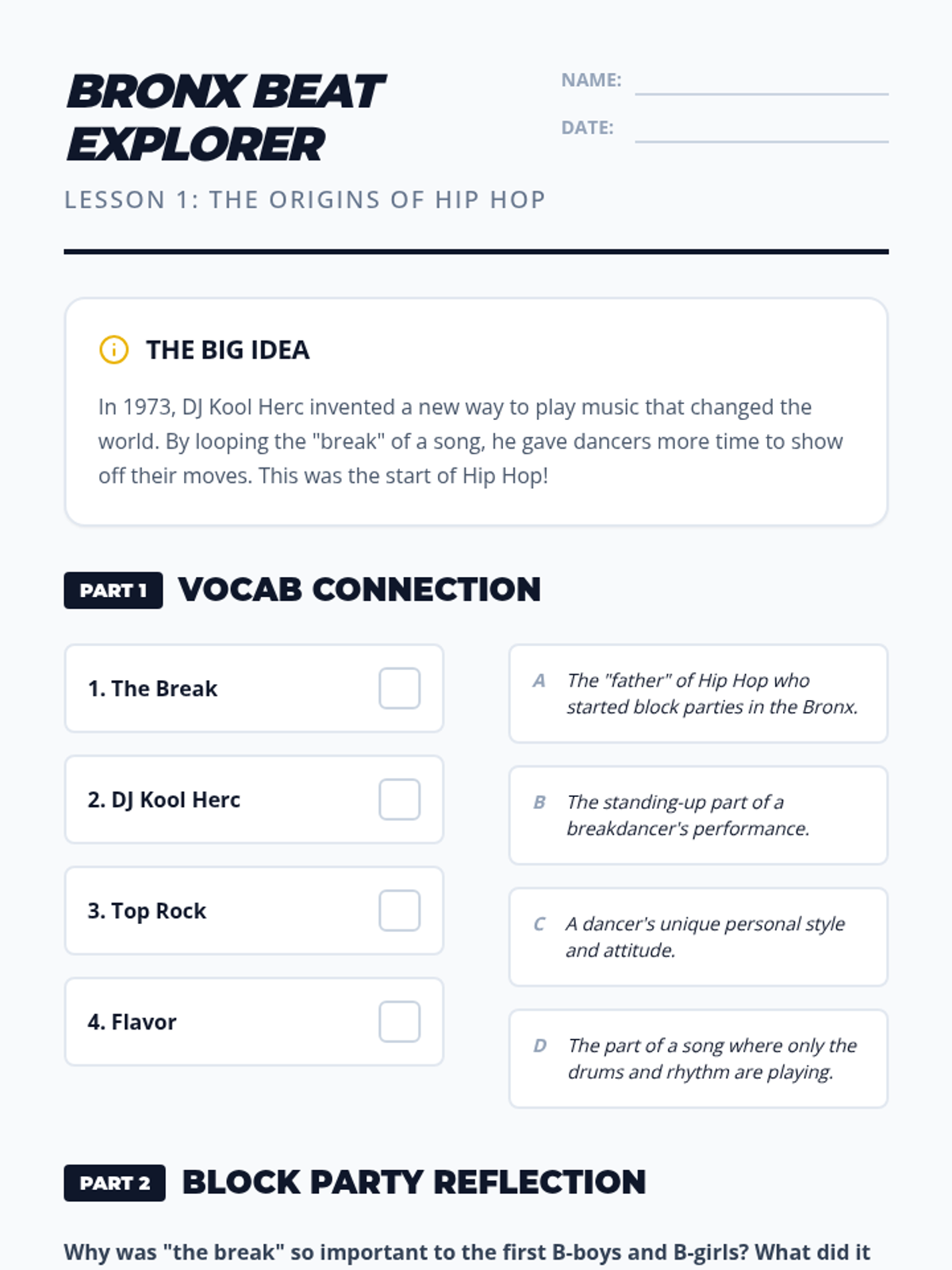
This sequence connects students to the history of Hip Hop and urban dance, tracing its origins from the Bronx in the 1970s to global pop culture today. Students explore the 'Four Elements of Hip Hop' with a specific focus on dance (breakin') while emphasizing creativity, personal style (flavor), and the concept of the 'cypher' (circle) as a supportive community space.
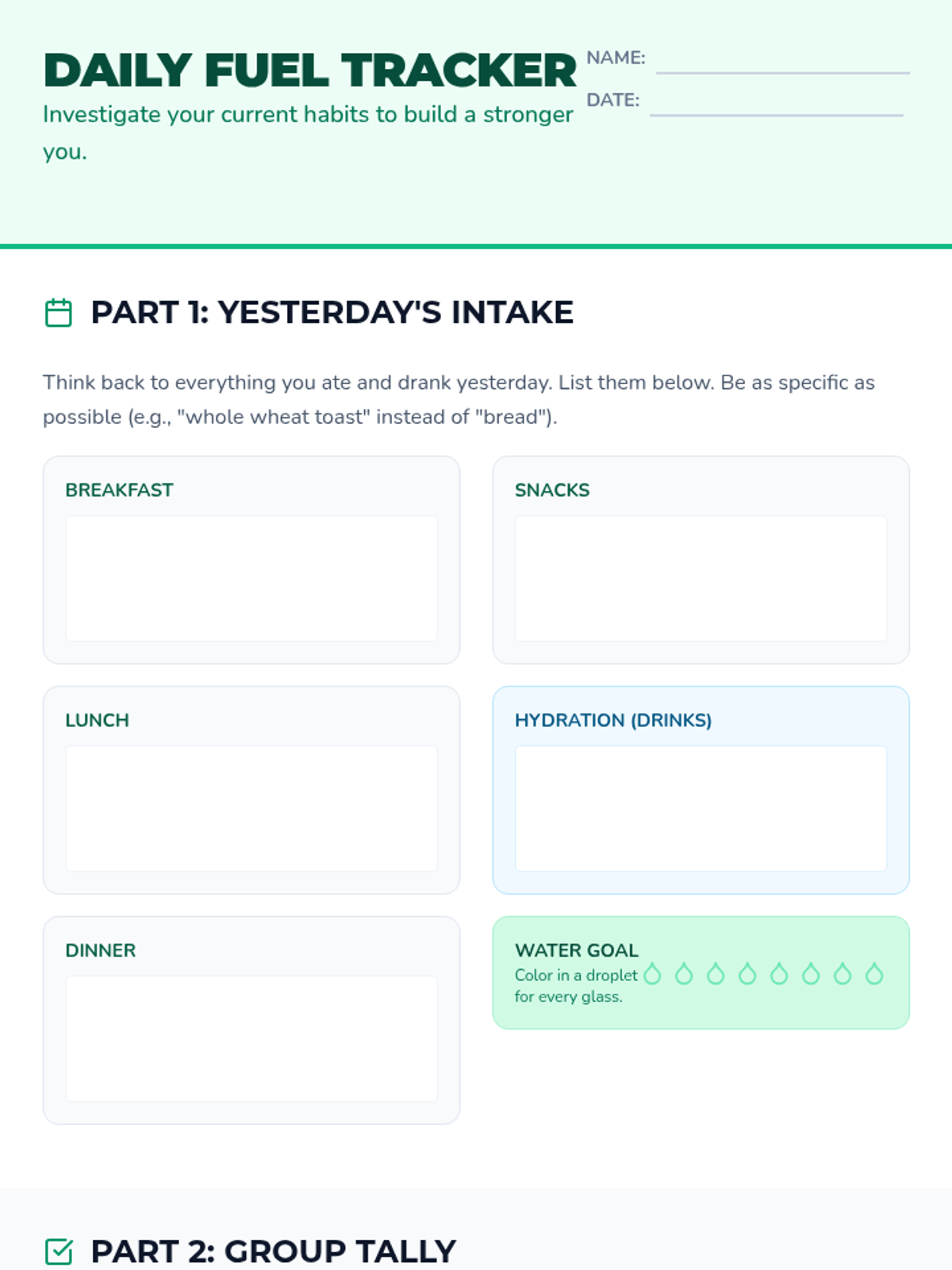
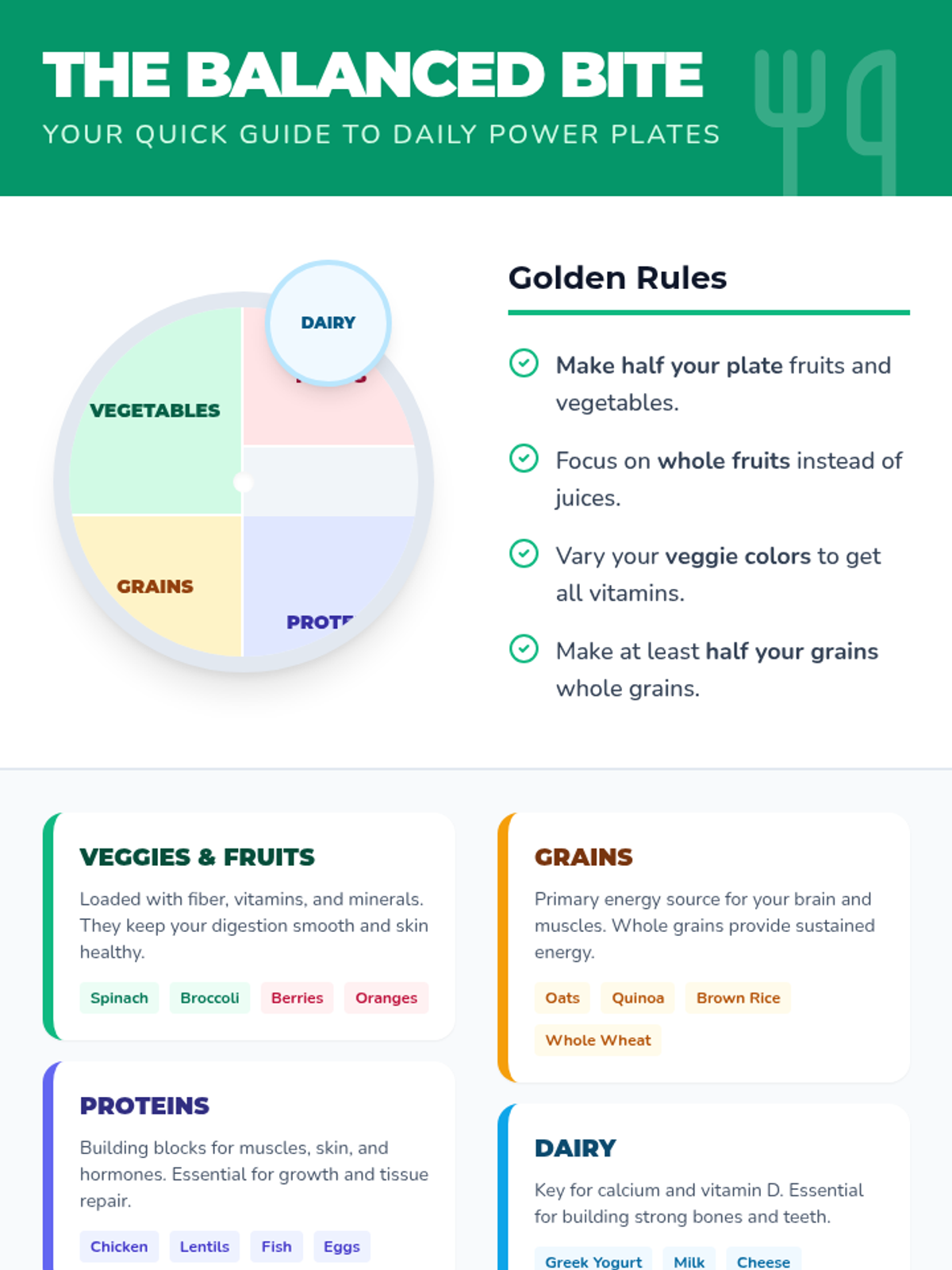
A comprehensive health and wellness unit focusing on nutrition, physical activity, and mental well-being to empower students to make informed lifestyle choices.
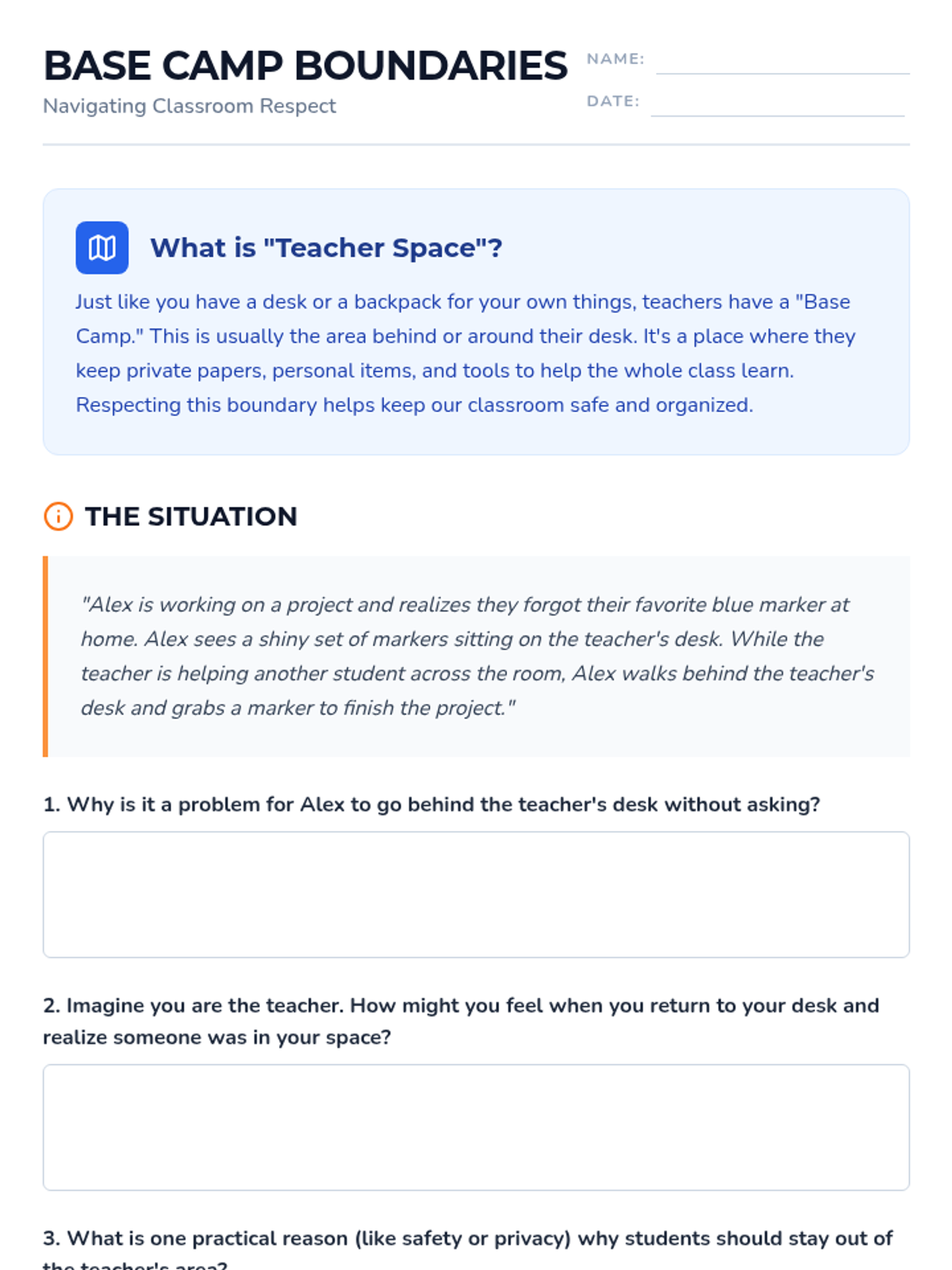
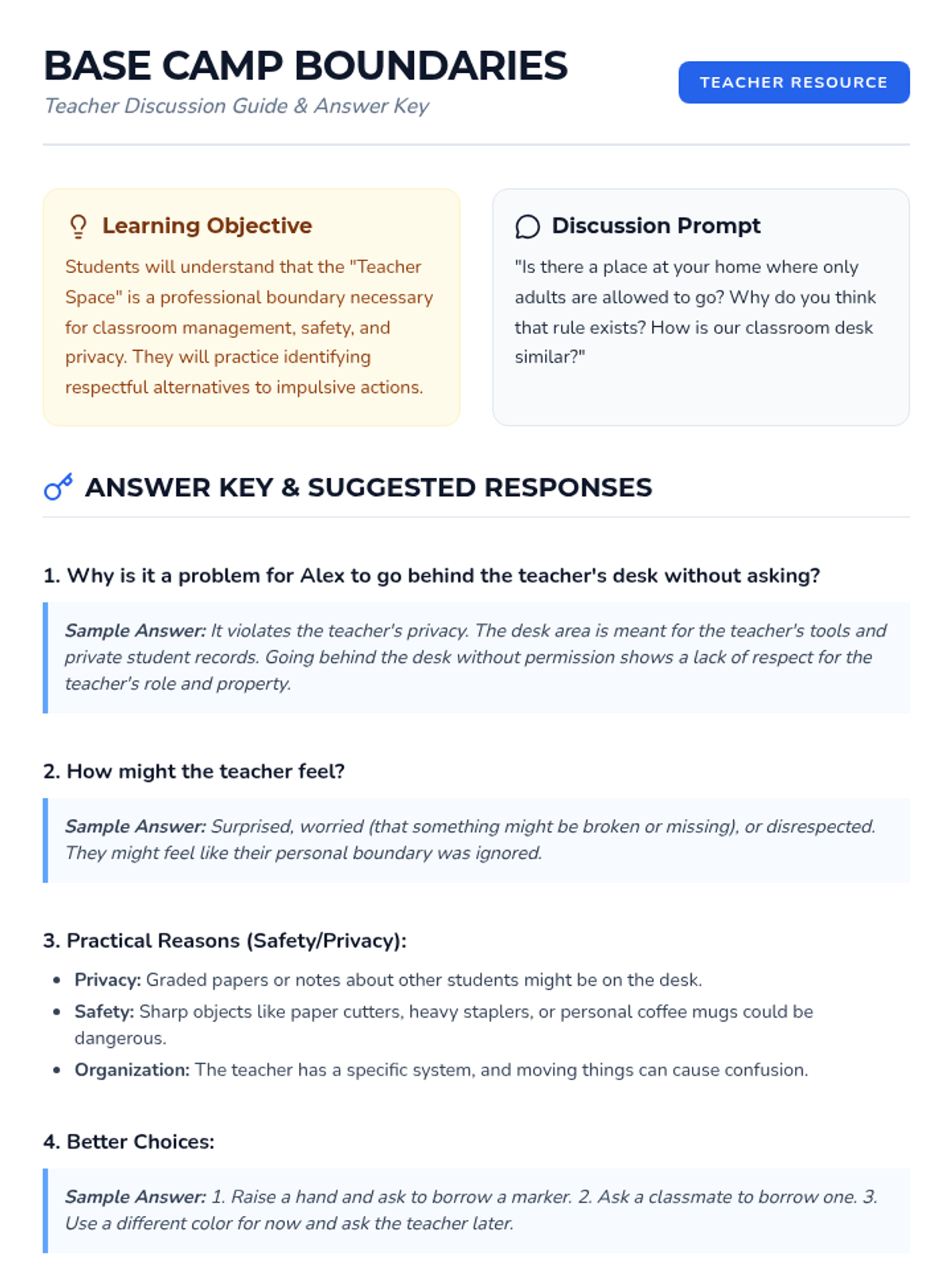
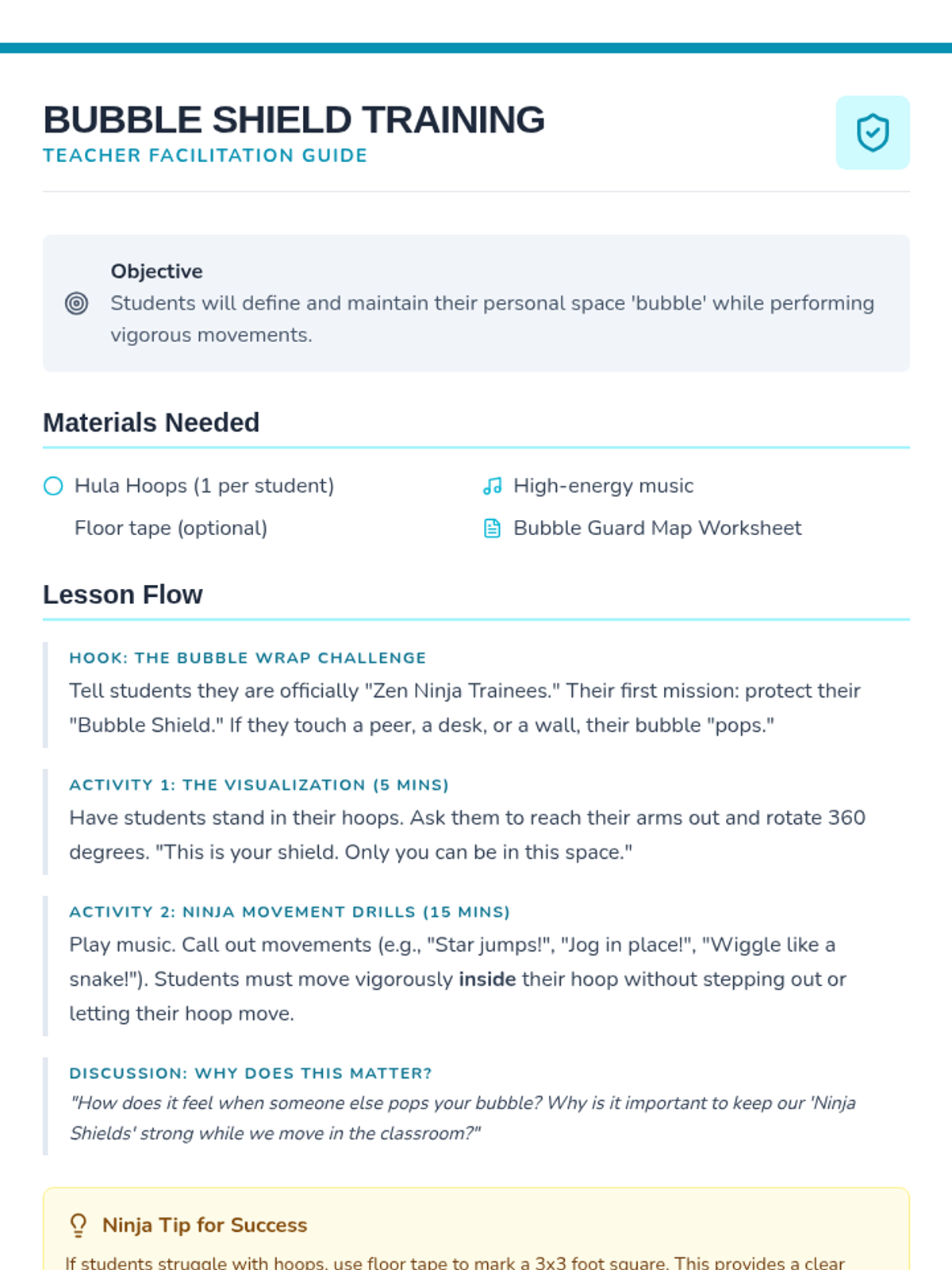
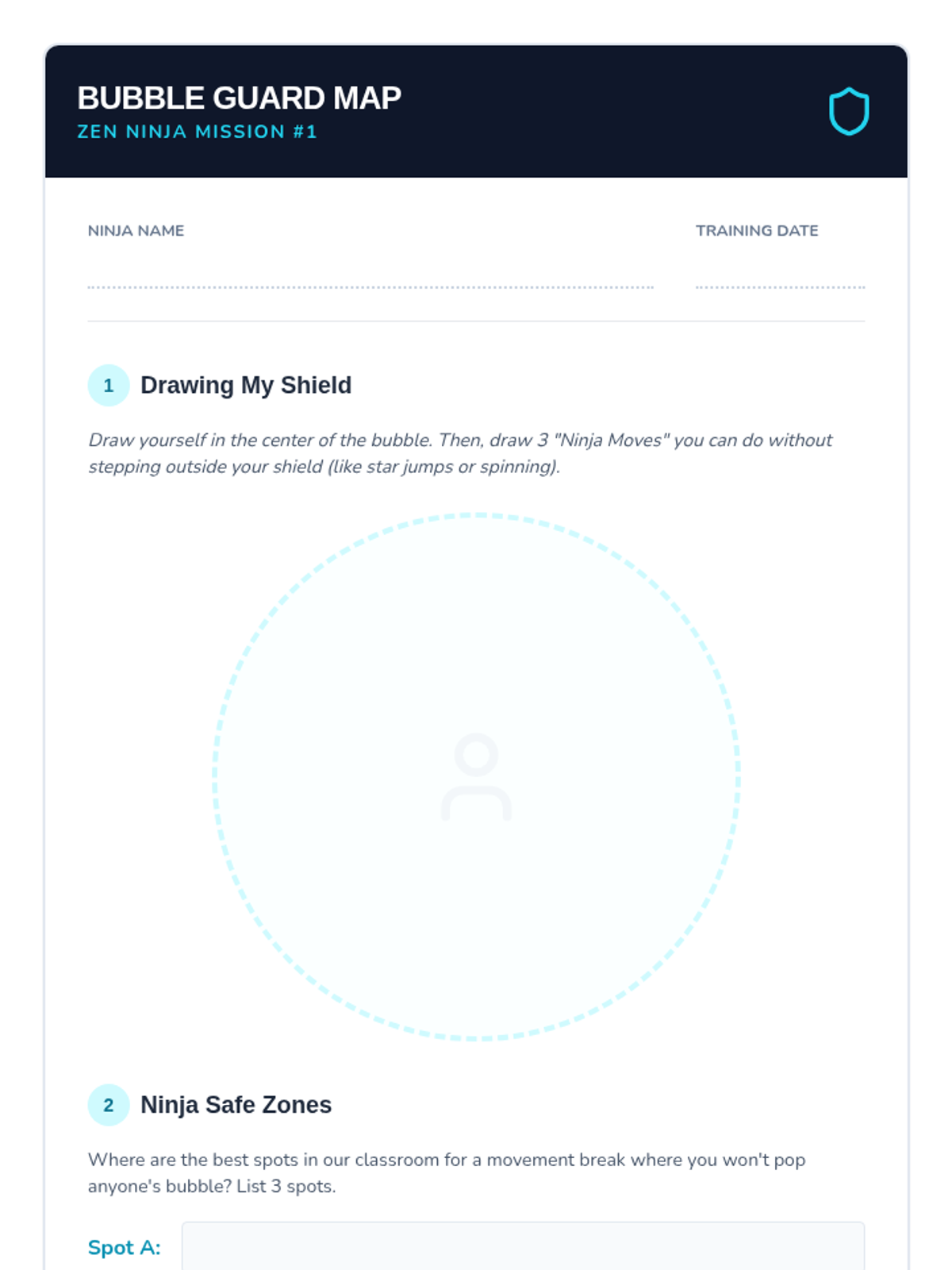
A unit focused on building a positive classroom environment through respectful boundaries and individual well-being. Students learn how to navigate physical spaces and personal health for a successful school year.
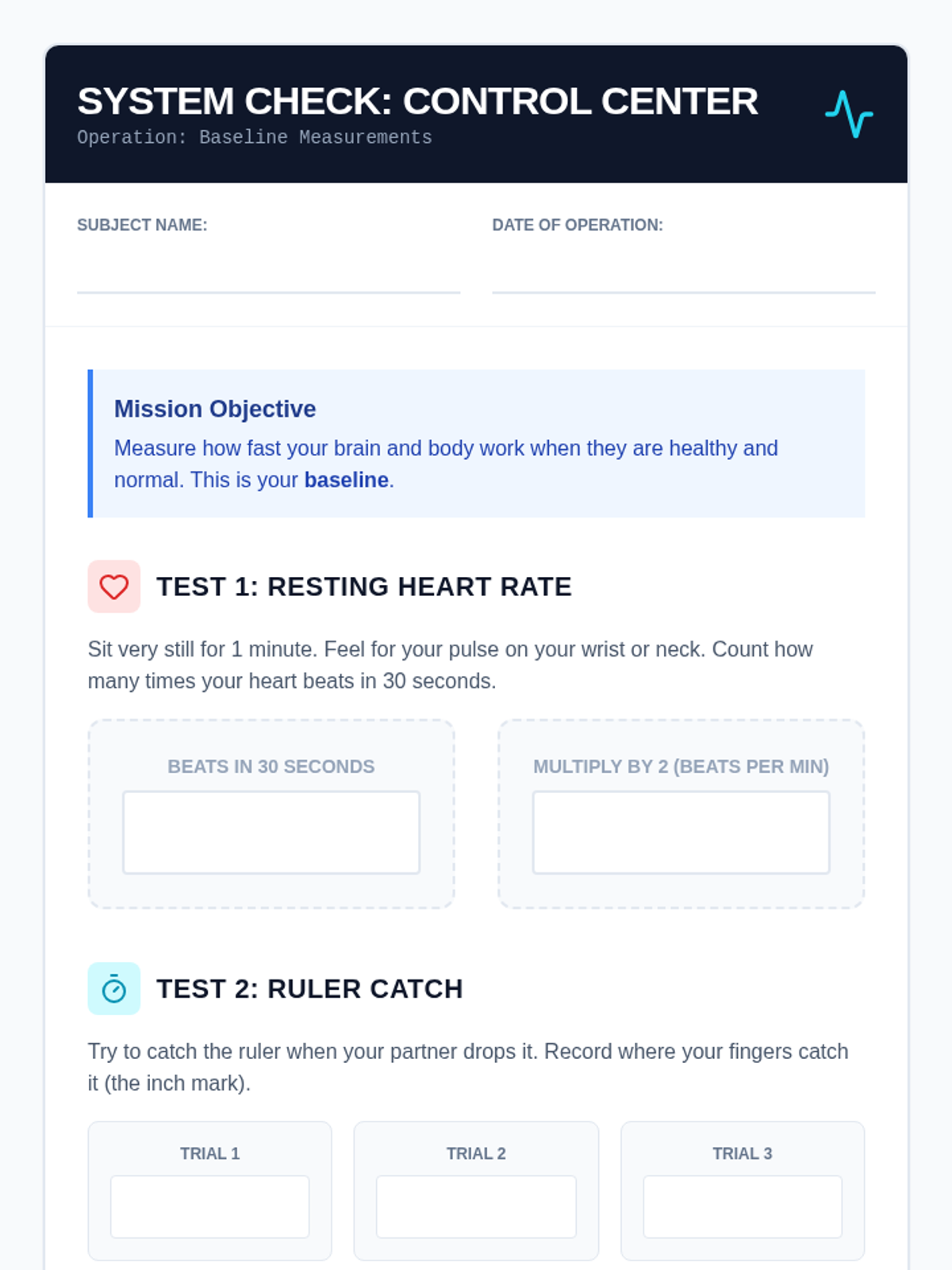
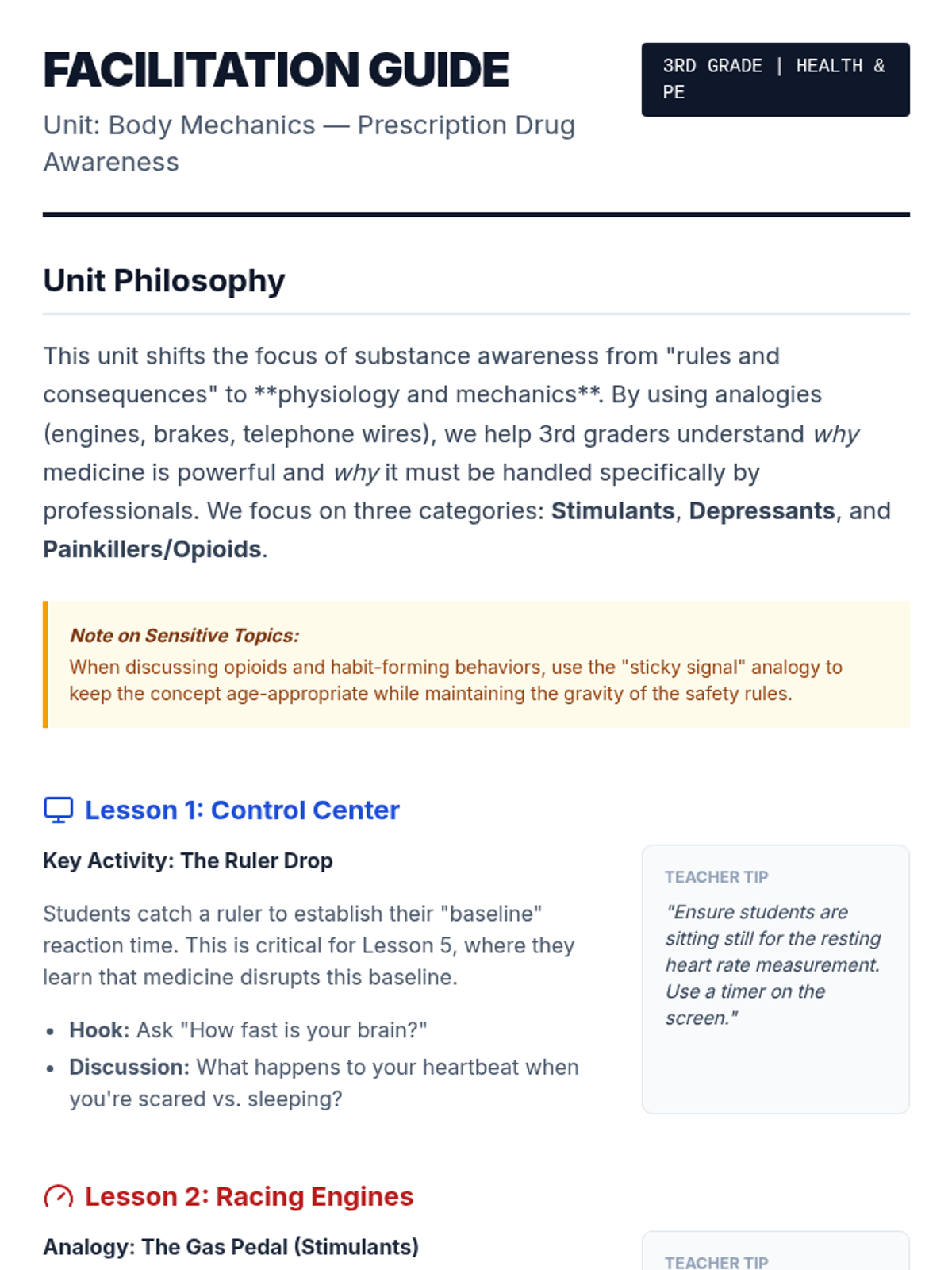
A 3rd-grade unit exploring how different categories of prescription medication affect the brain and body using mechanical analogies and simplified physiological concepts. Students learn the dangers of misuse by understanding how stimulants, depressants, and painkillers disrupt normal bodily functions.
This sequence teaches 3rd-grade students how to utilize movement breaks socially and responsibly. Students learn spatial awareness, auditory control, and focus-shifting to regulate their sensory needs without disrupting the classroom community.
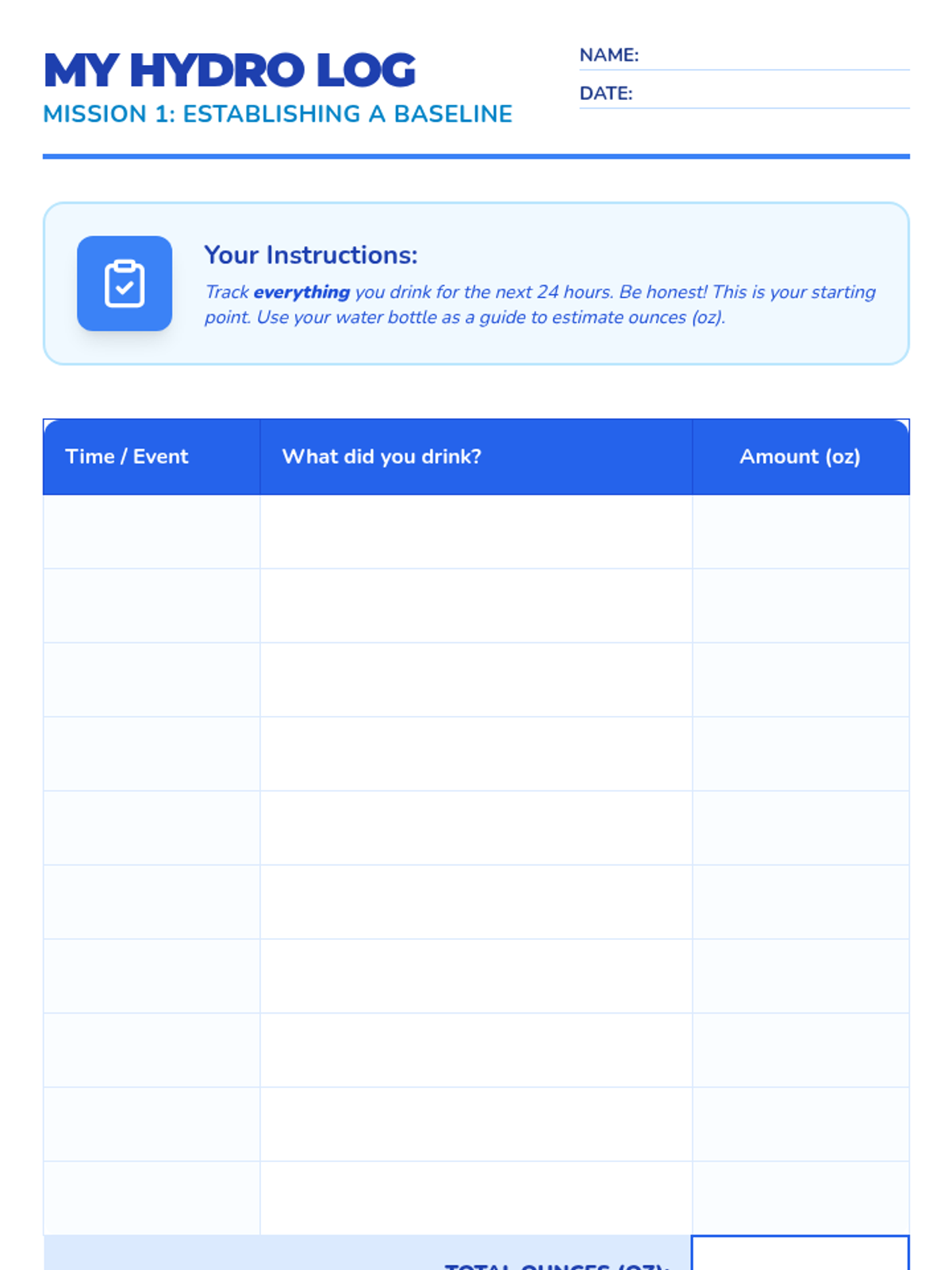
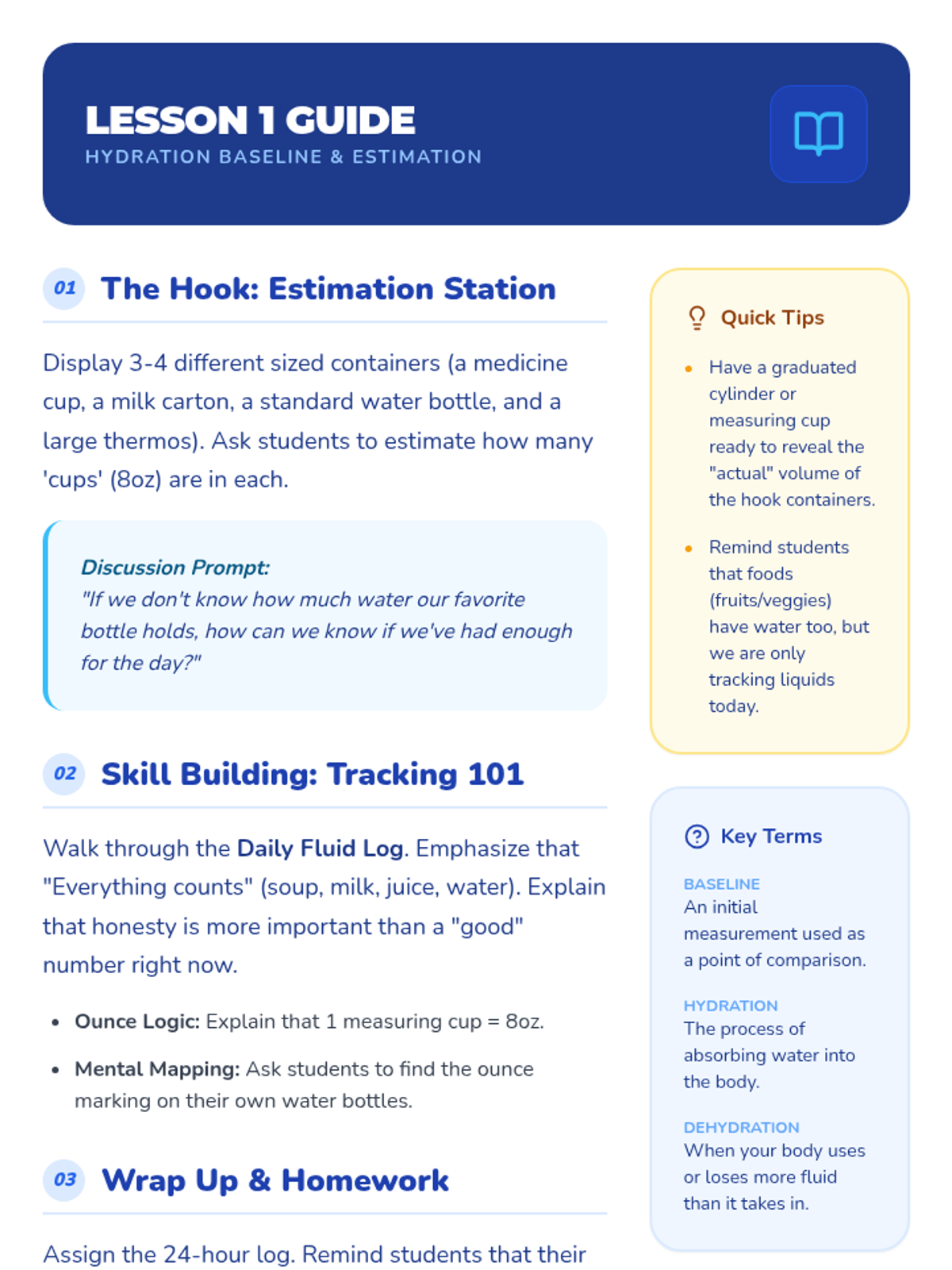
A 3rd-grade sequence focused on building sustainable hydration habits through data tracking, physical activity strategies, and creative flavor infusion. Students move from baseline assessment to personal goal setting and advocacy.
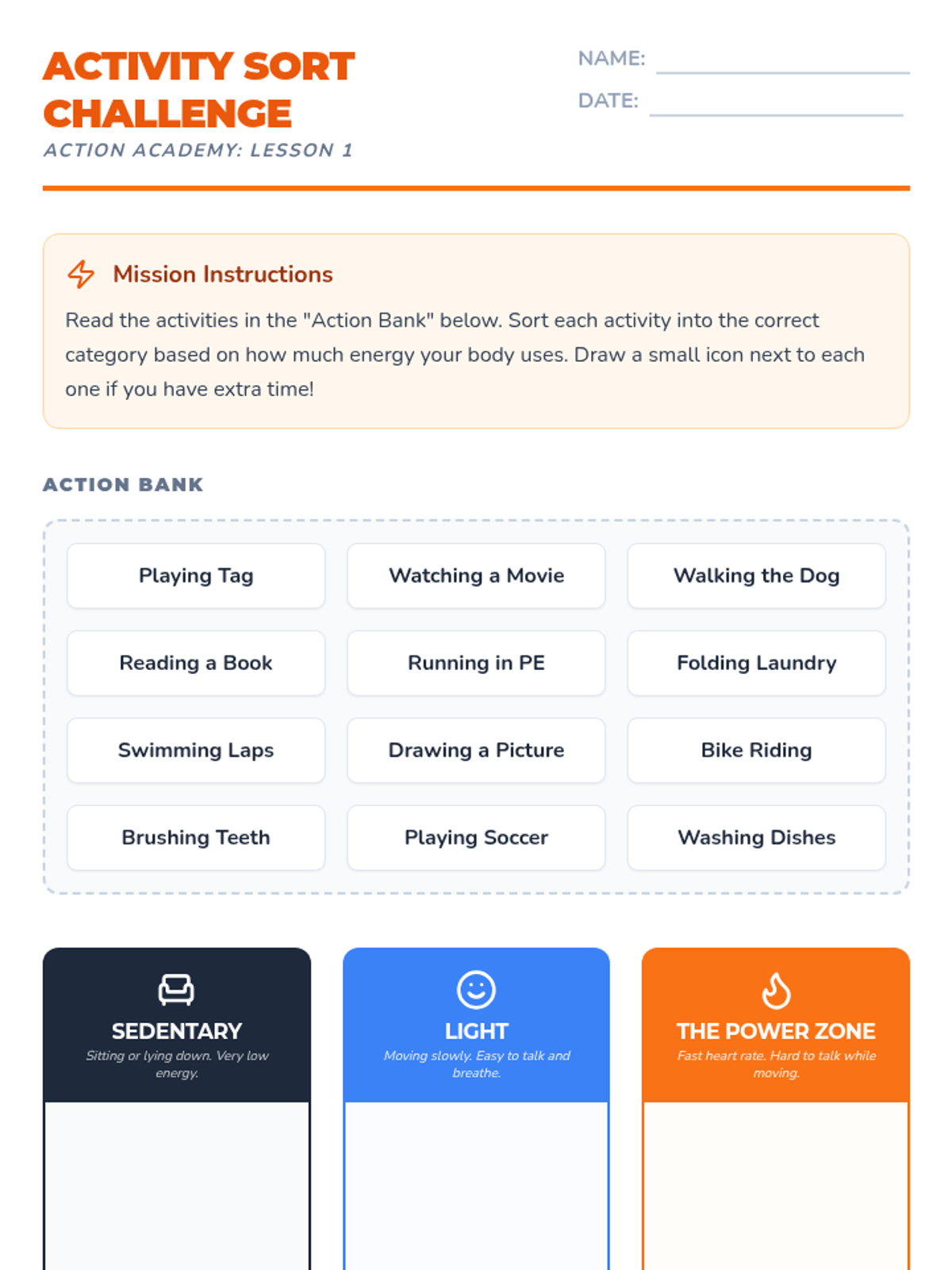
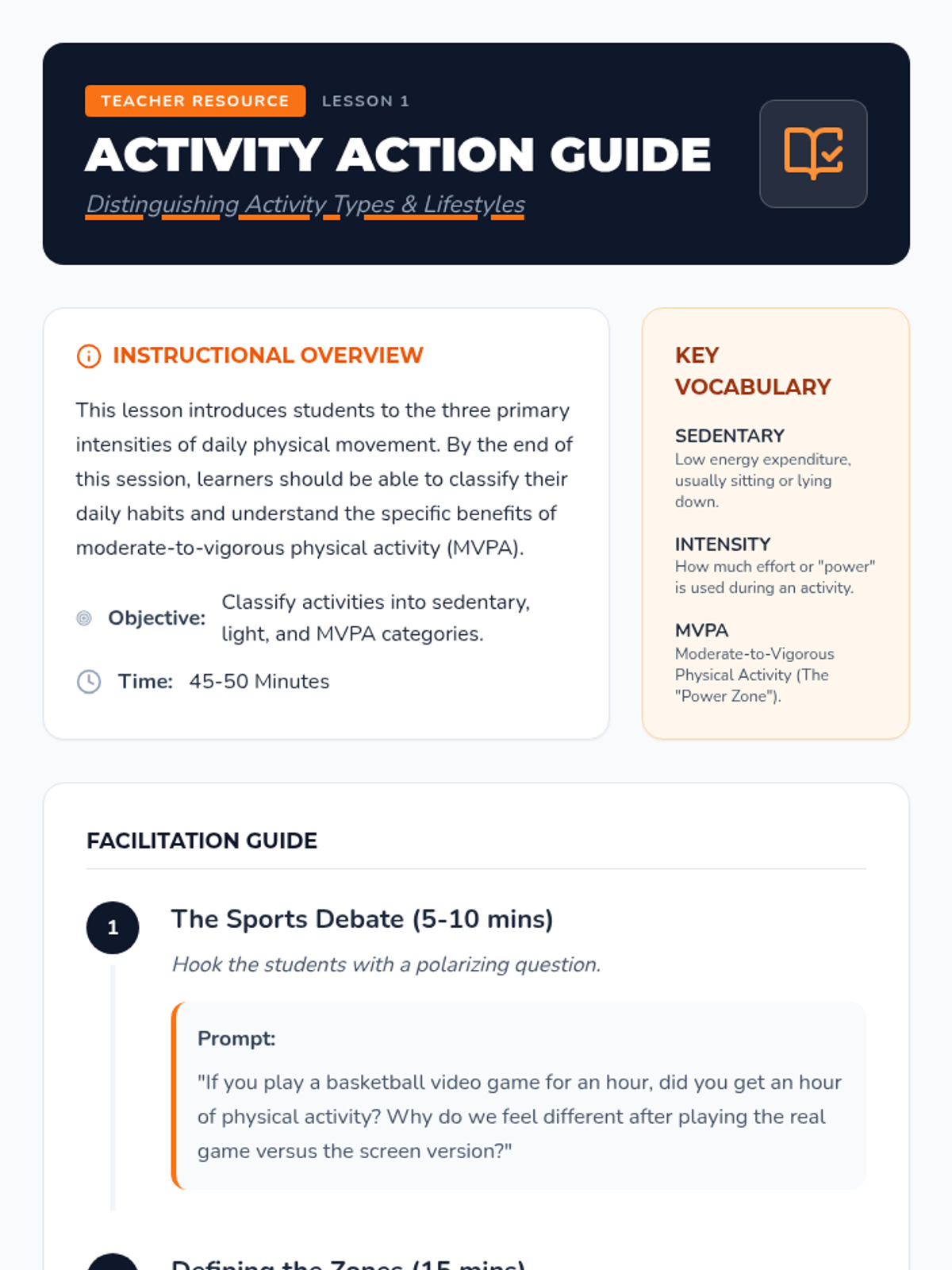
A 5-lesson sequence for 3rd graders focused on understanding physical activity types, analyzing daily routines, and setting personal movement goals to build healthy habits.
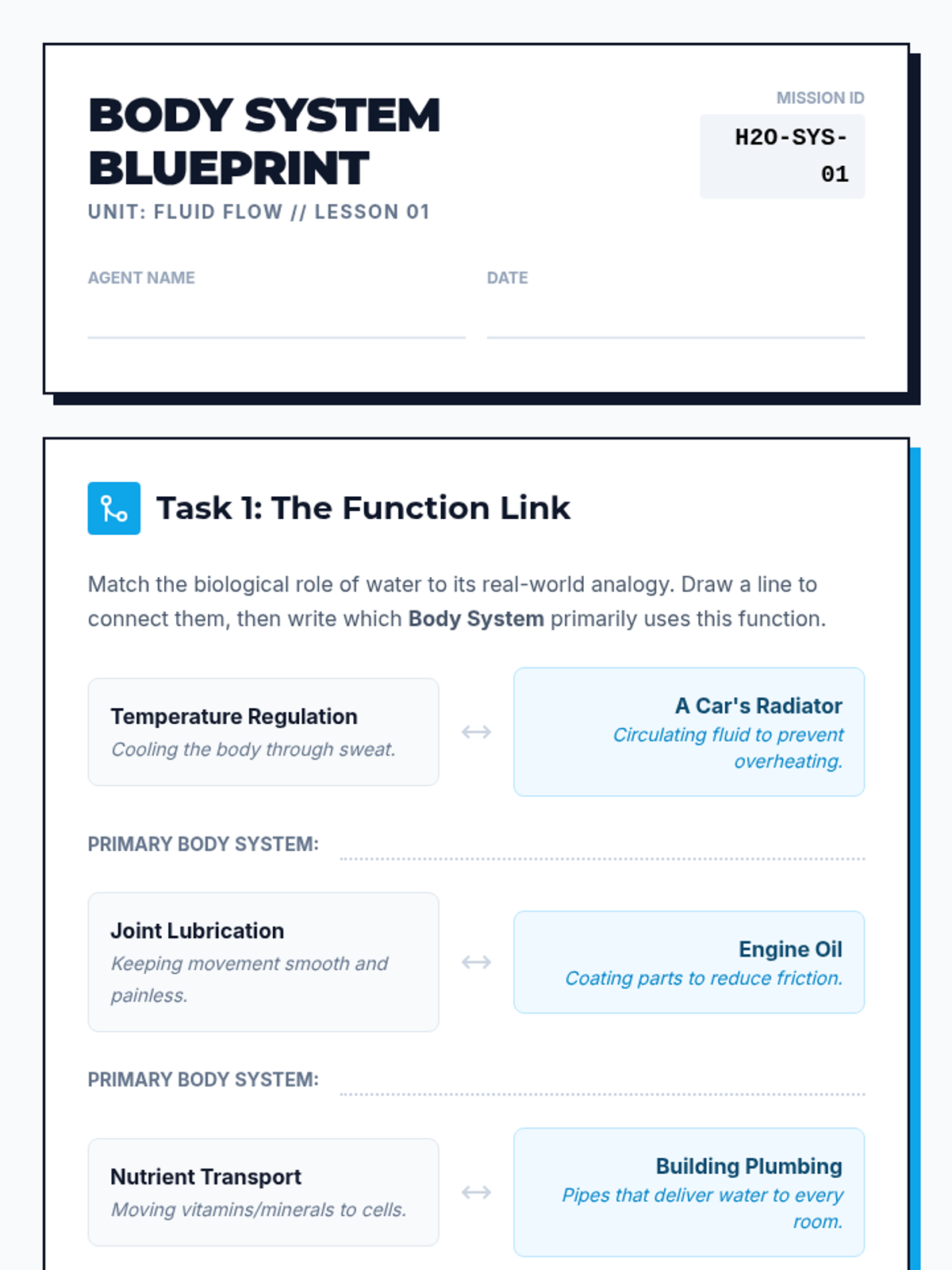
Students investigate the biological necessity of water and develop practical skills for monitoring their own hydration status. They explore water's role in body systems, identify dehydration signs, analyze hydration sources, and create personalized fluid intake plans for peak performance.
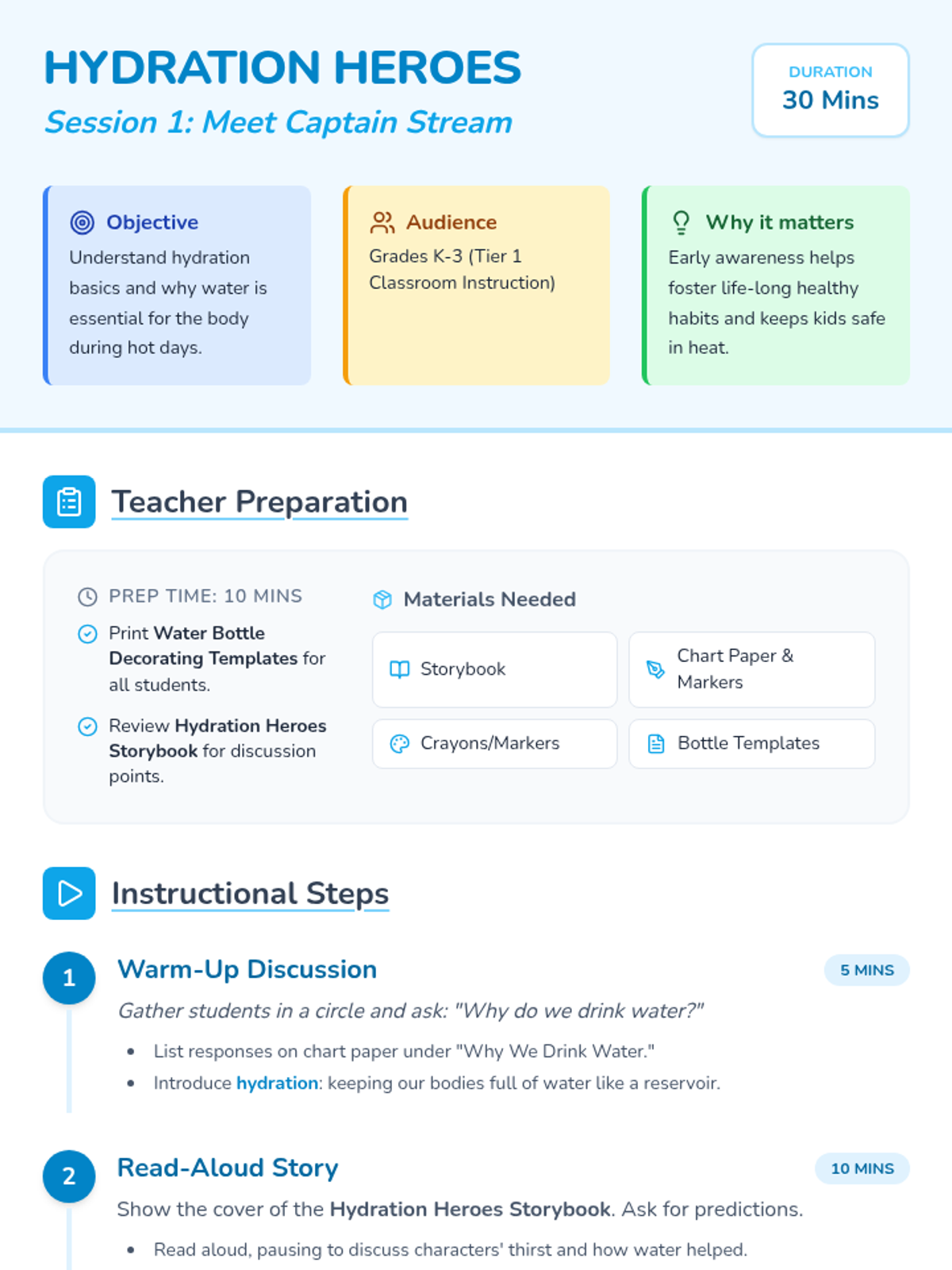
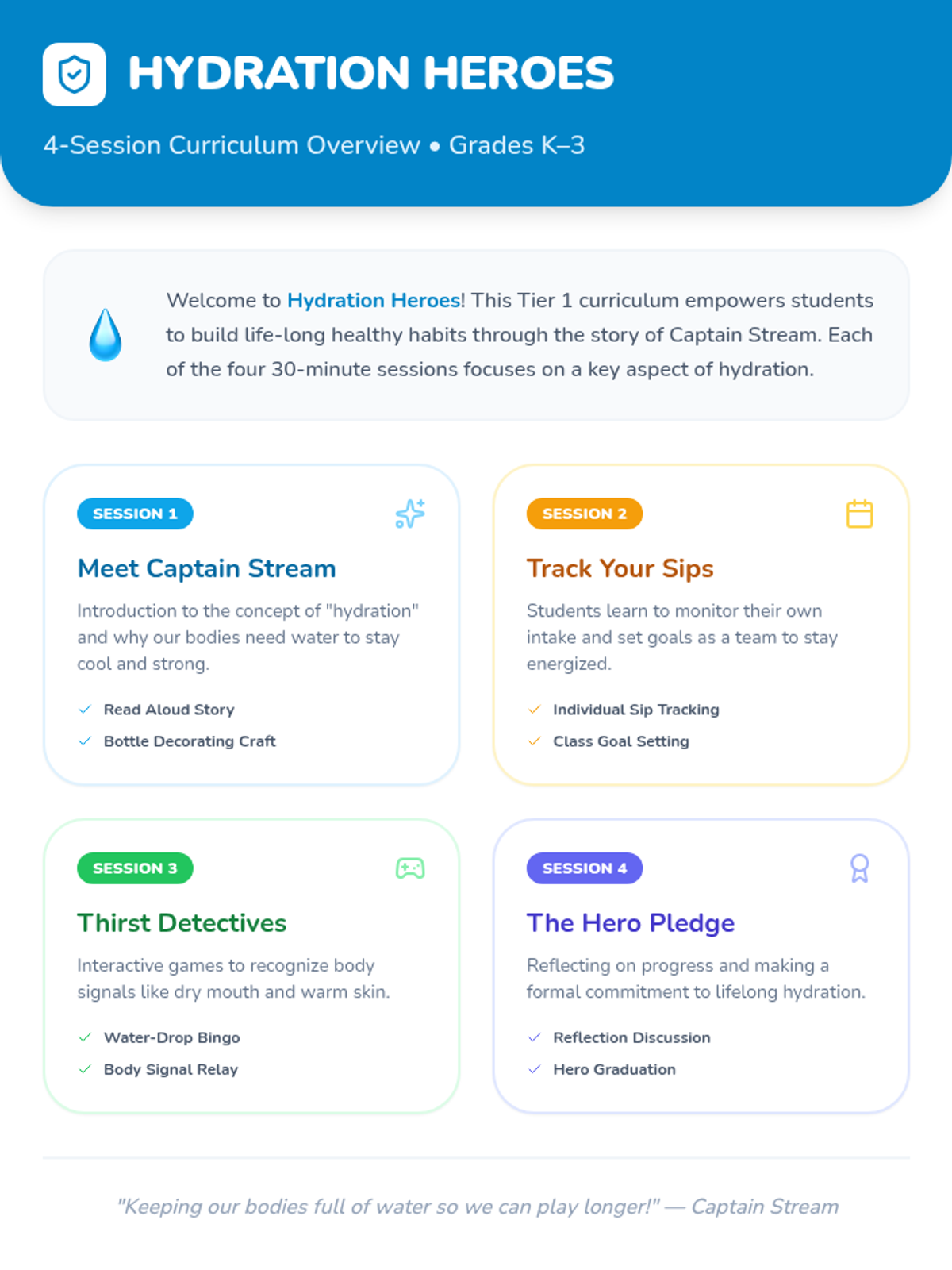
A 4-session K-3 curriculum that teaches students the importance of hydration through the character Captain Stream, interactive tracking, and games. Students develop healthy habits to stay cool and energized during hot weather.