Fundamental movement patterns including locomotor actions, non-locomotor stability, and spatial awareness. Develops body control through fine motor precision and manipulative skills such as throwing and catching.
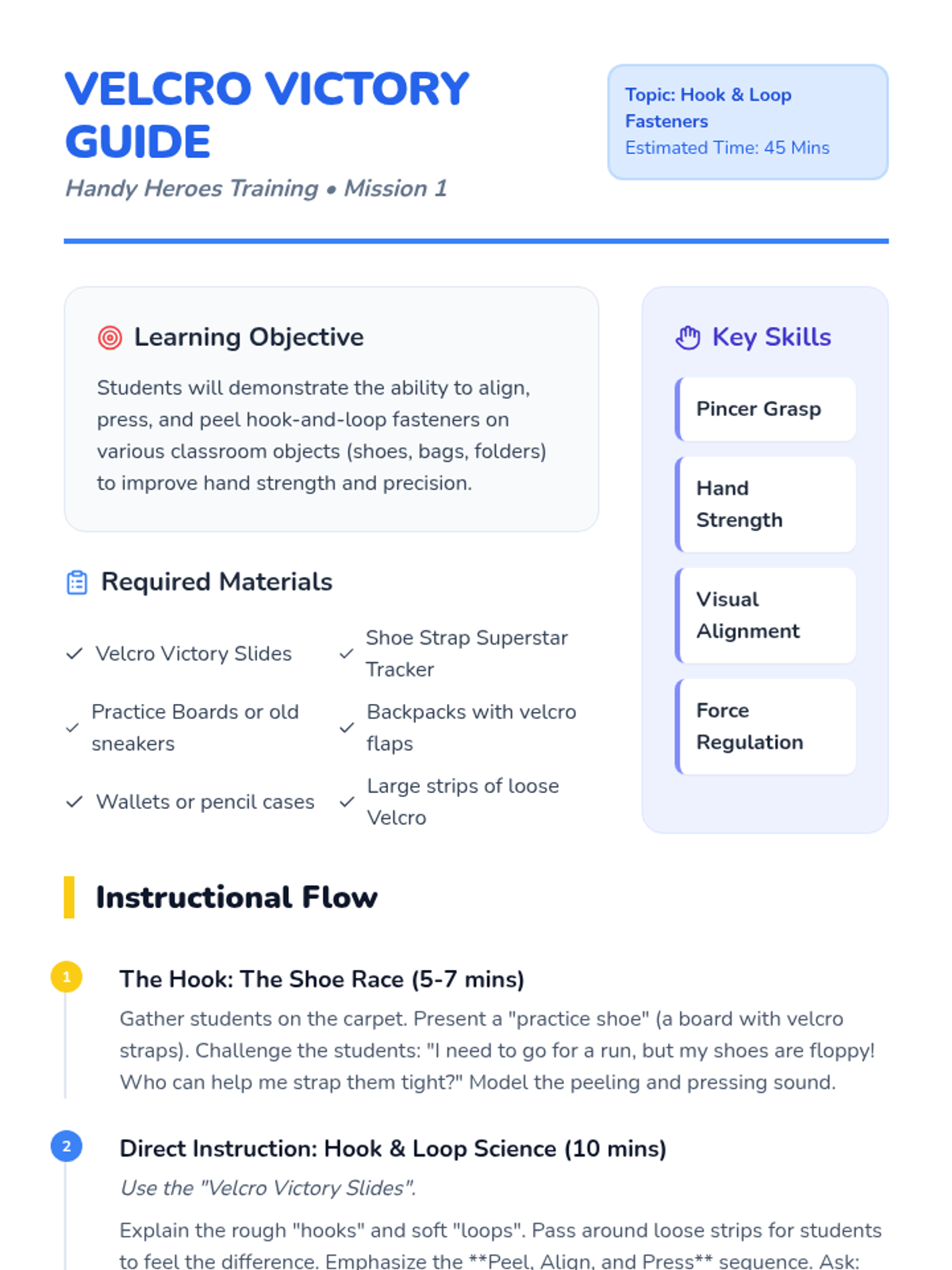
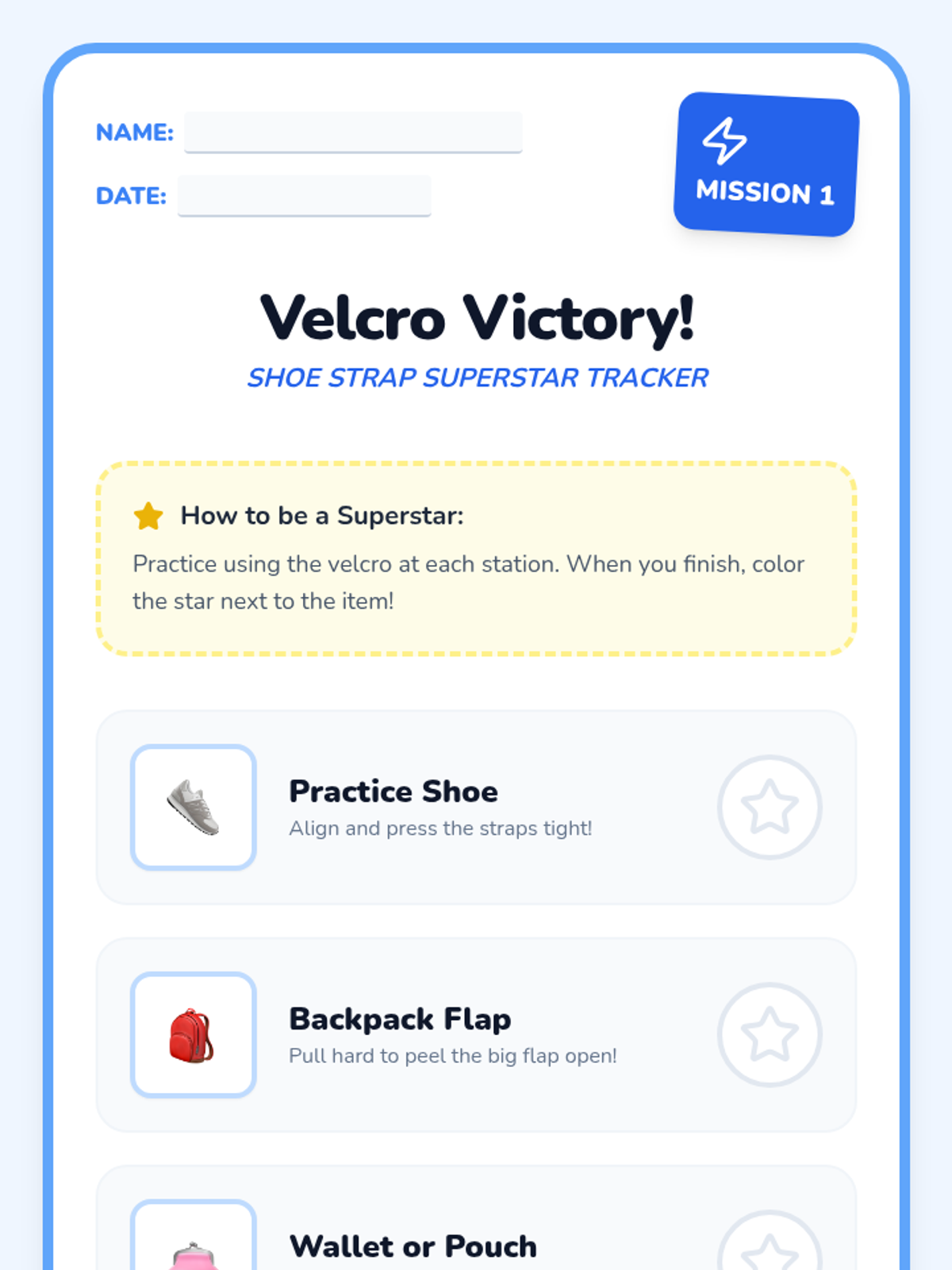
This sequence applies fine motor skills to real-world self-care tasks, fostering independence in the classroom through simulation stations focused on fasteners and containers.
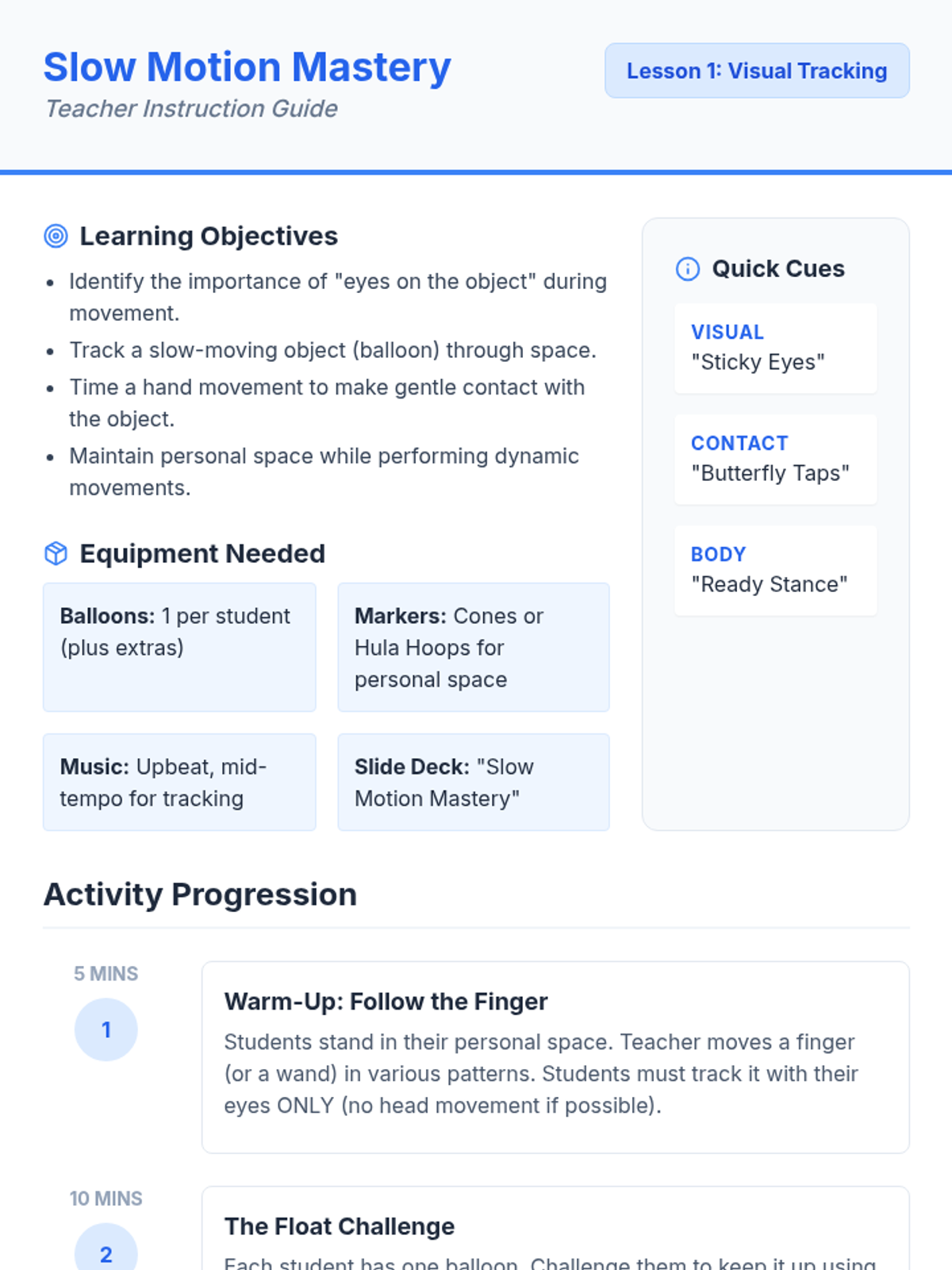
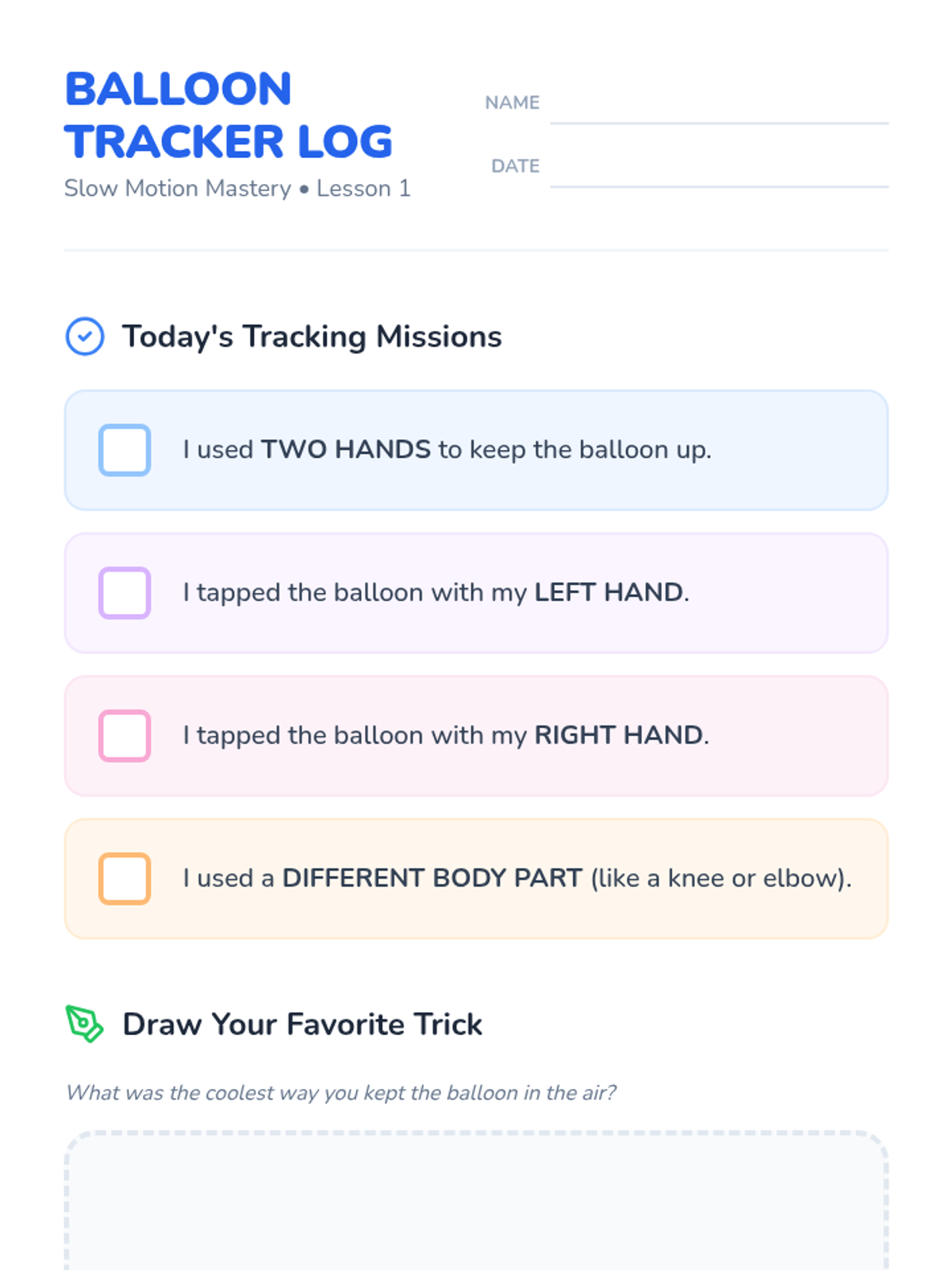
A 1st-grade Physical Education unit focused on developing hand-eye coordination and fine motor control through object manipulation, moving from slow-moving balloons to precise cup stacking.
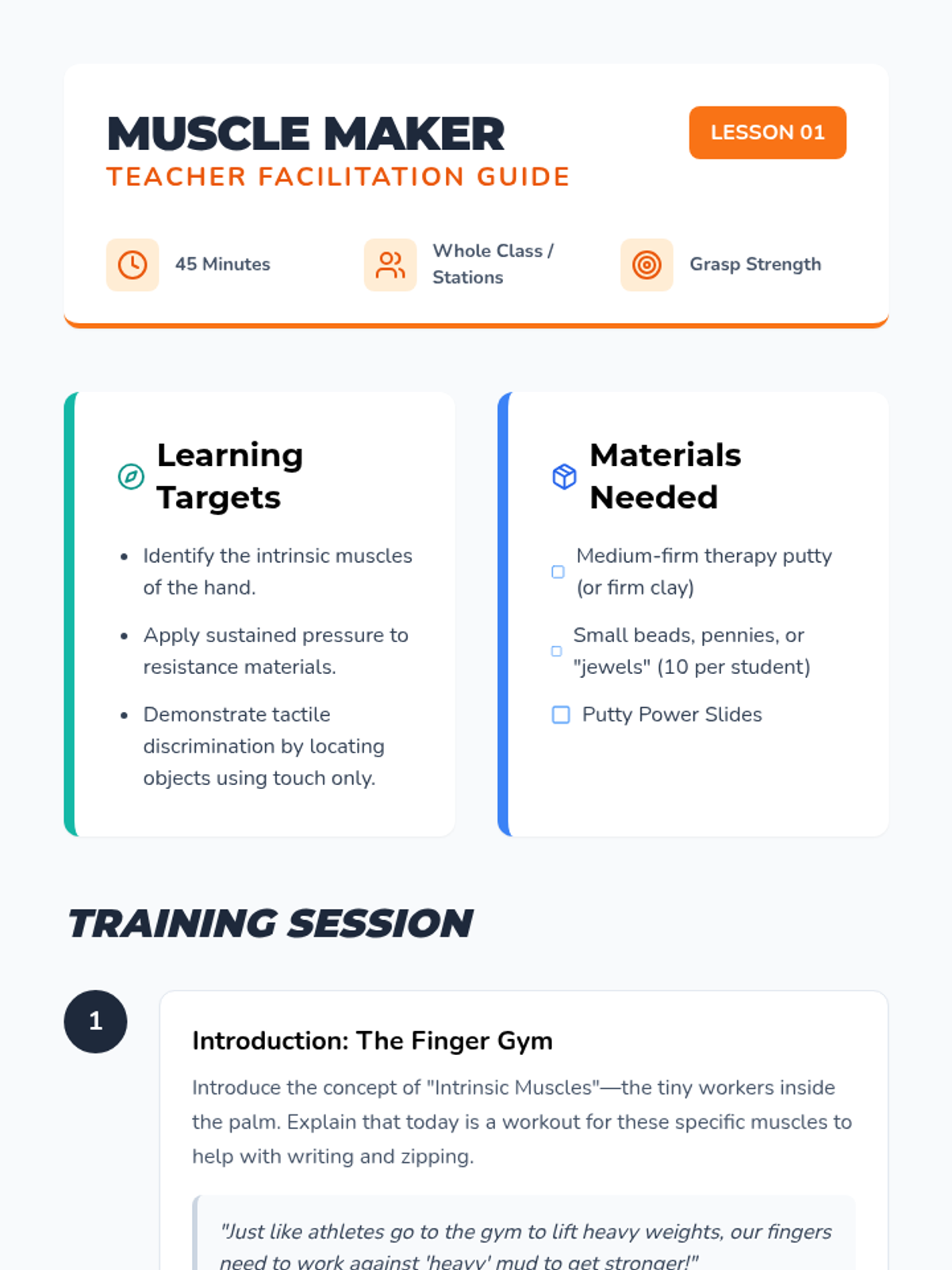
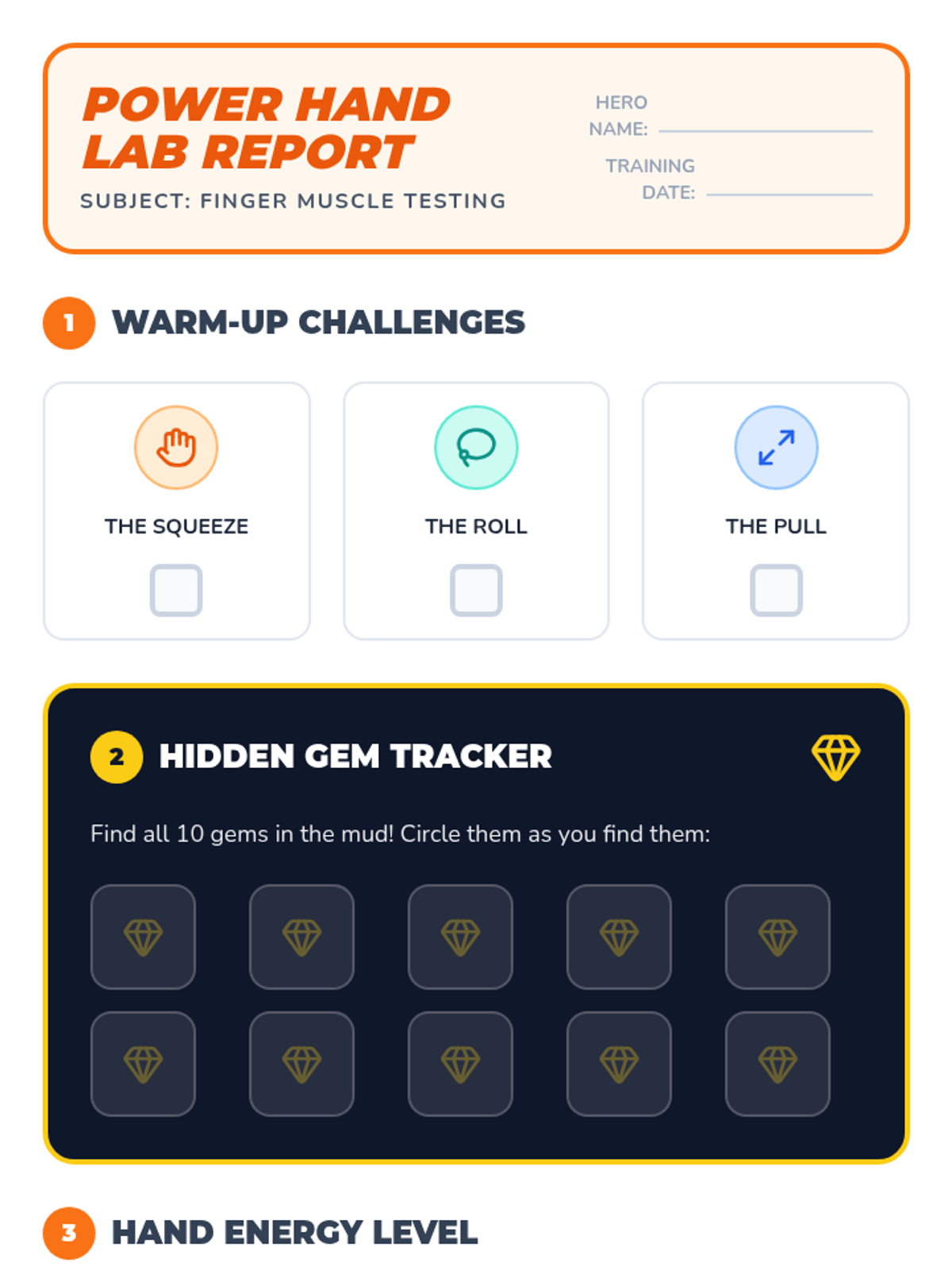
A 1st Grade Physical Education sequence focused on developing hand strength and finger dexterity through game-based stations and challenges. Students progress from gross hand strengthening to precise tool manipulation, culminating in a 'Fine Motor Olympics'.
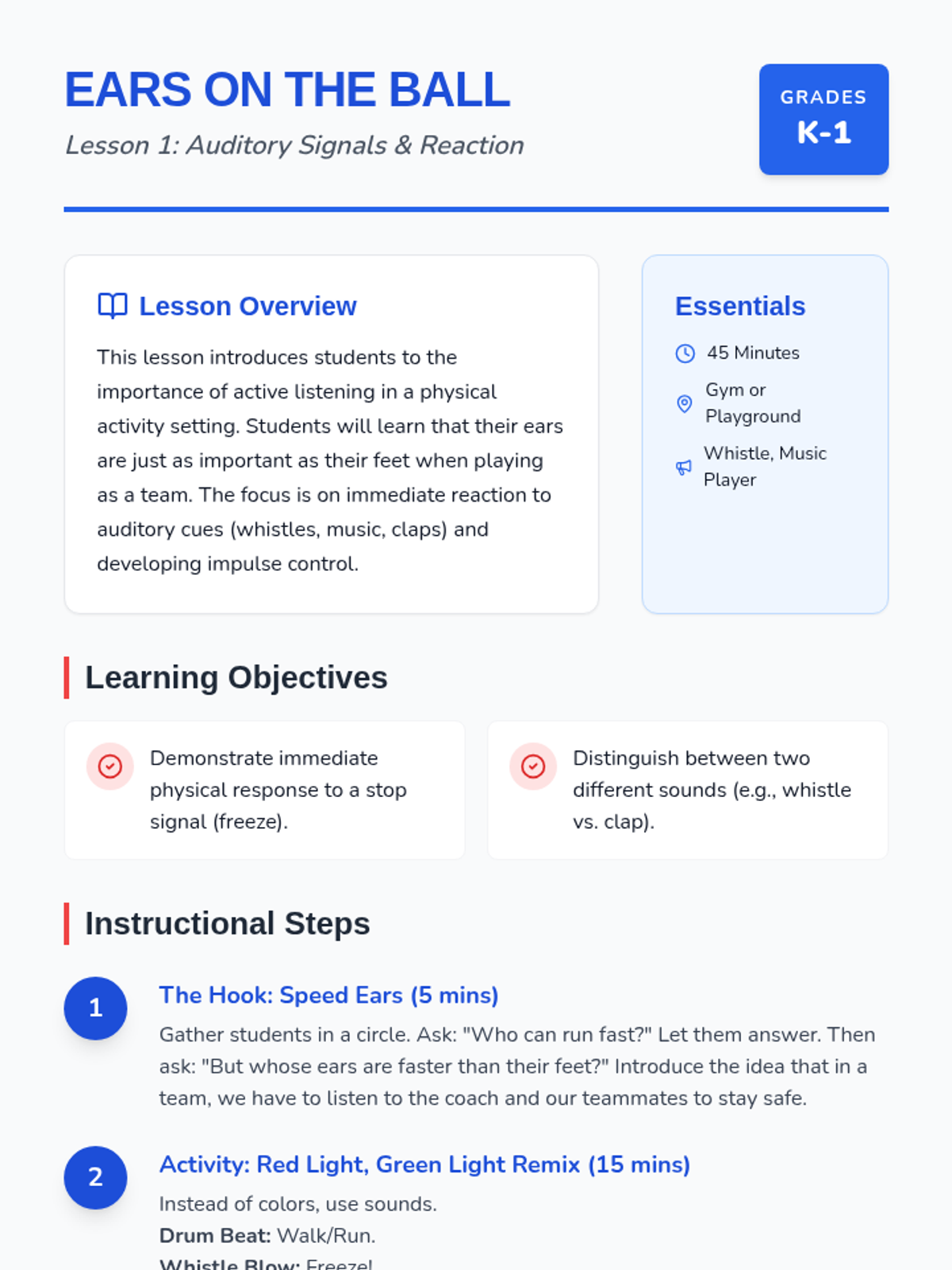
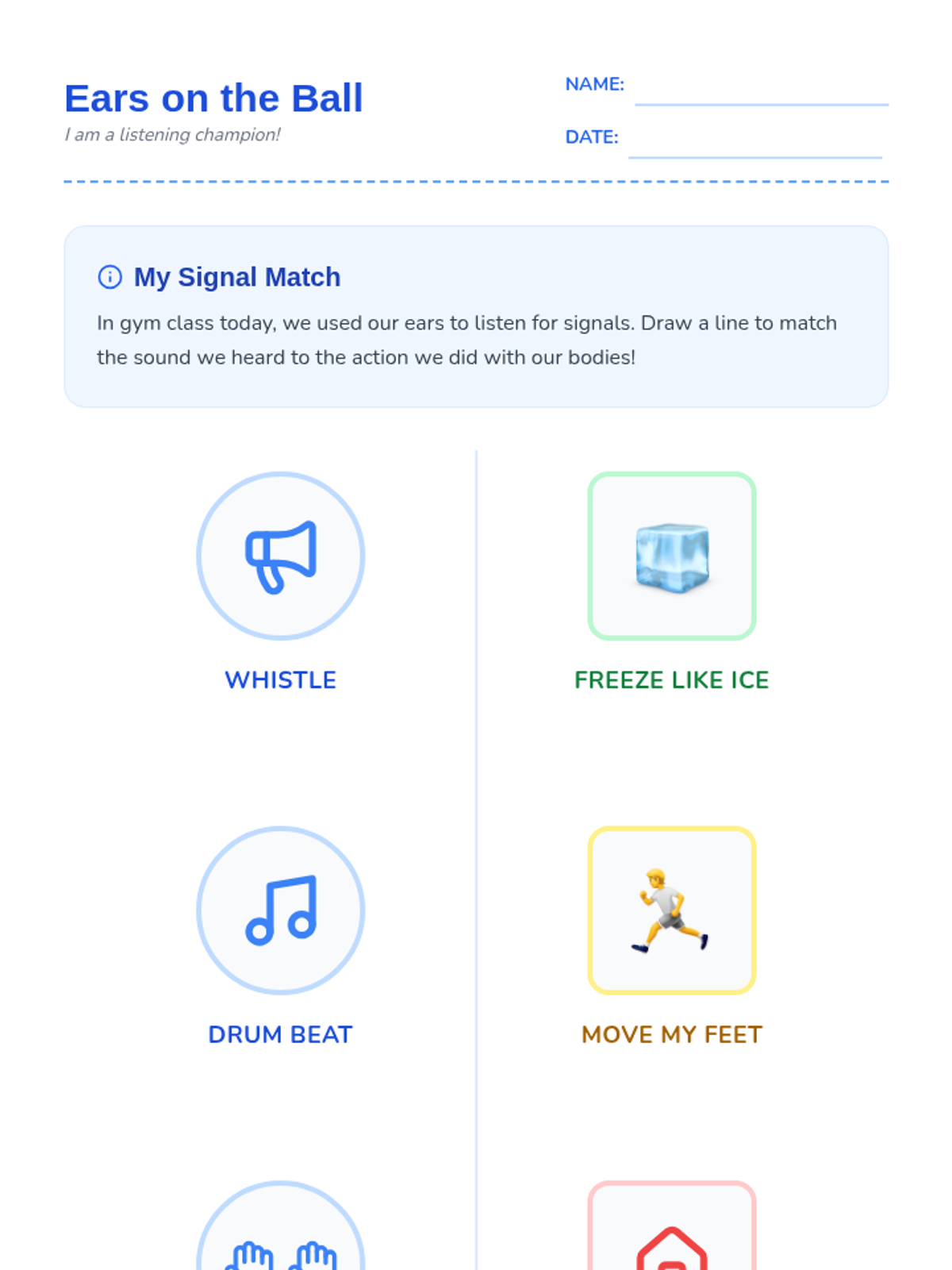
A Kindergarten sequence focused on the basics of team communication through auditory signals, visual cues, and non-verbal cooperation. Students learn to use their eyes and ears to play safely and effectively as a team.
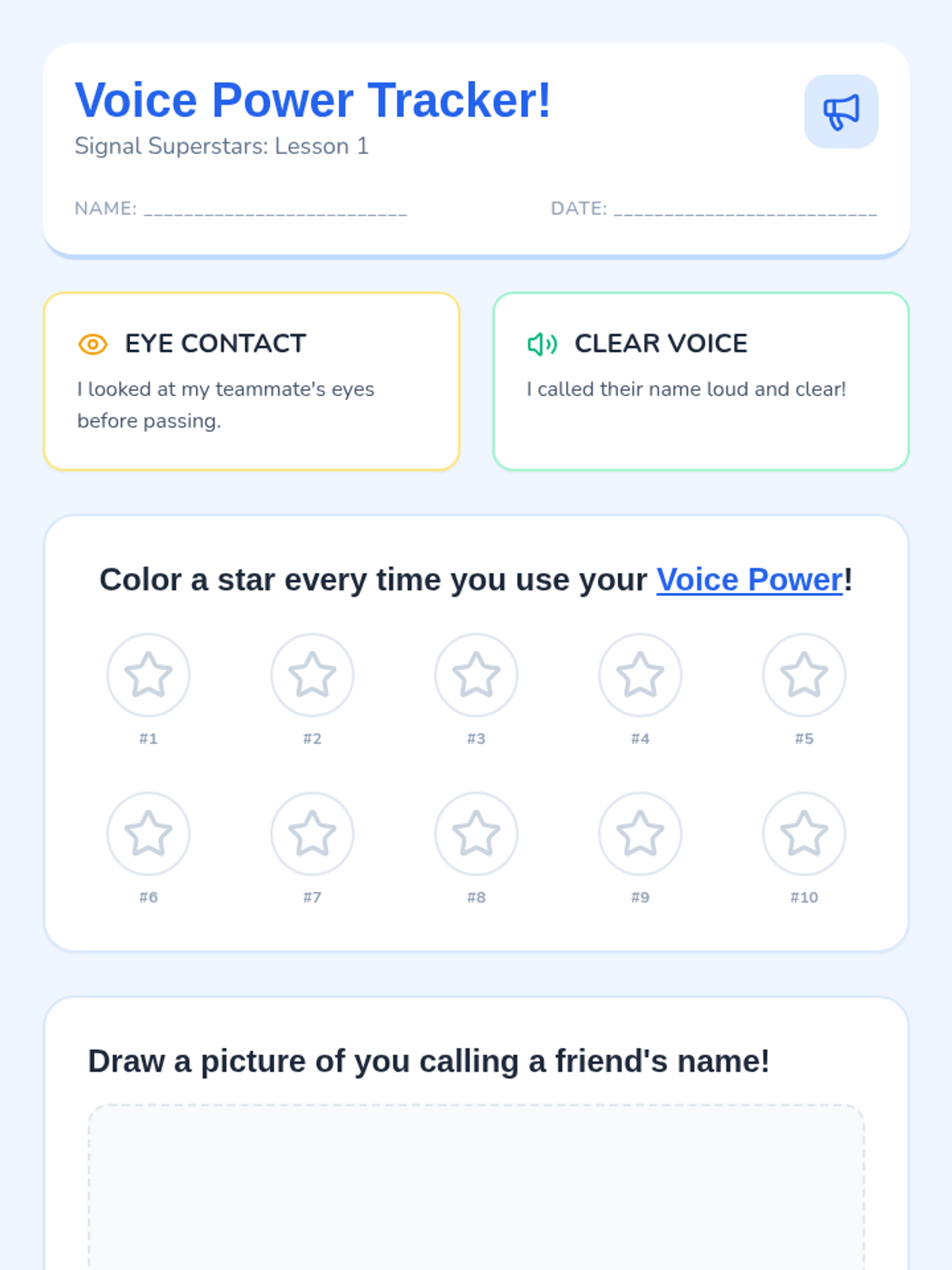
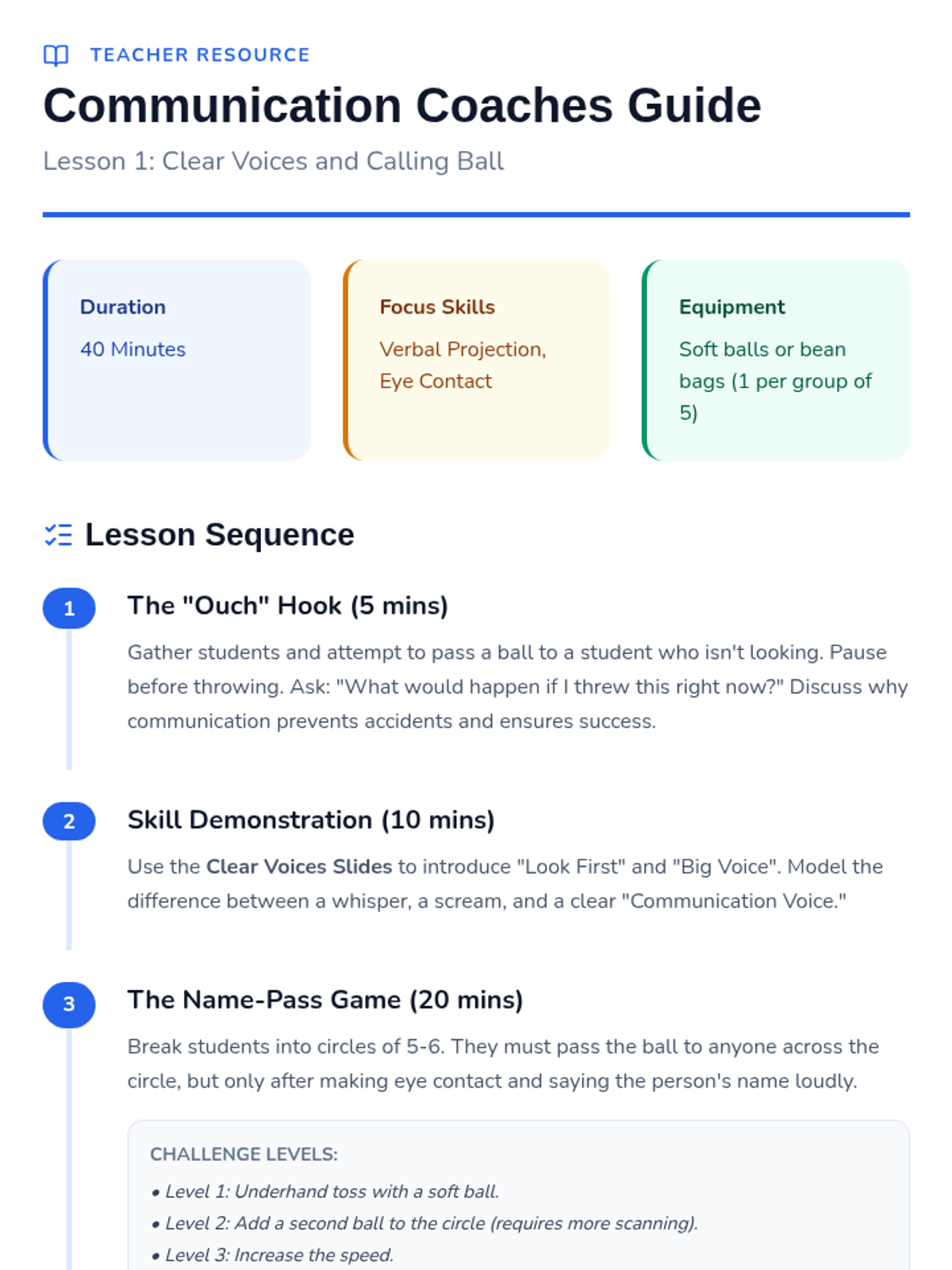
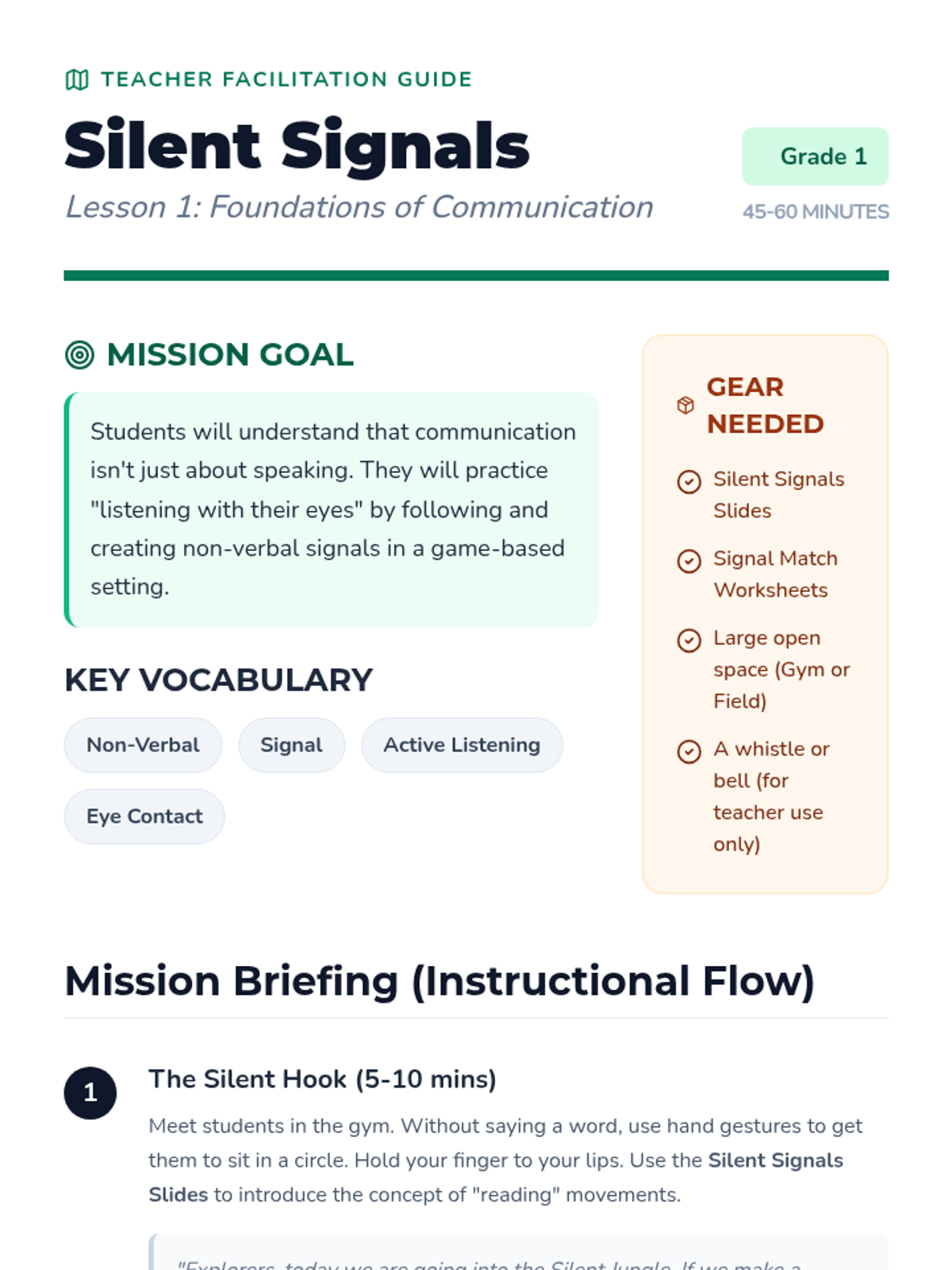
This sequence introduces first-grade students to verbal and non-verbal communication in physical activities. Students learn to use clear voices, interpret body language, practice active listening, and guide partners to build trust and teamwork.
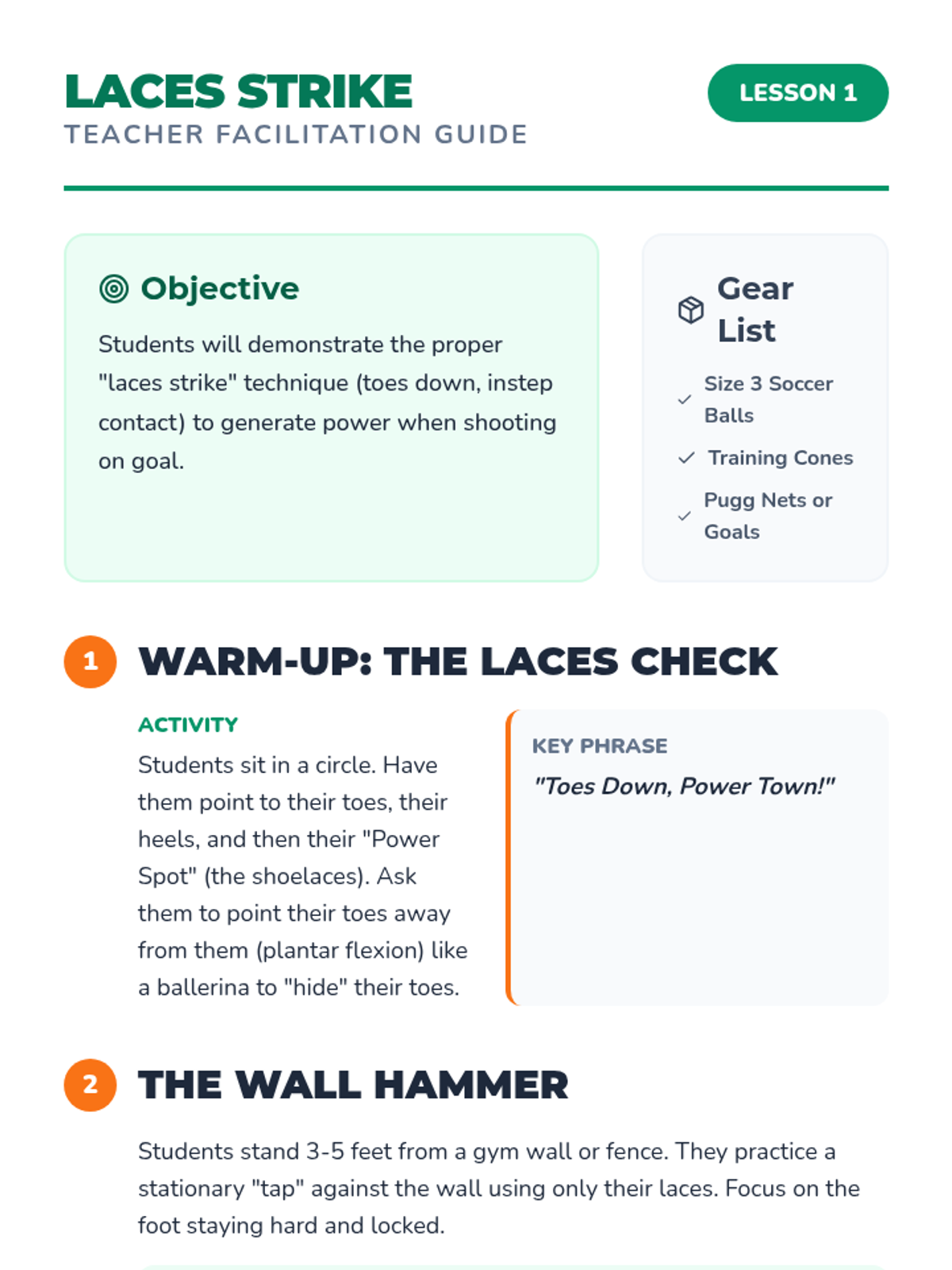
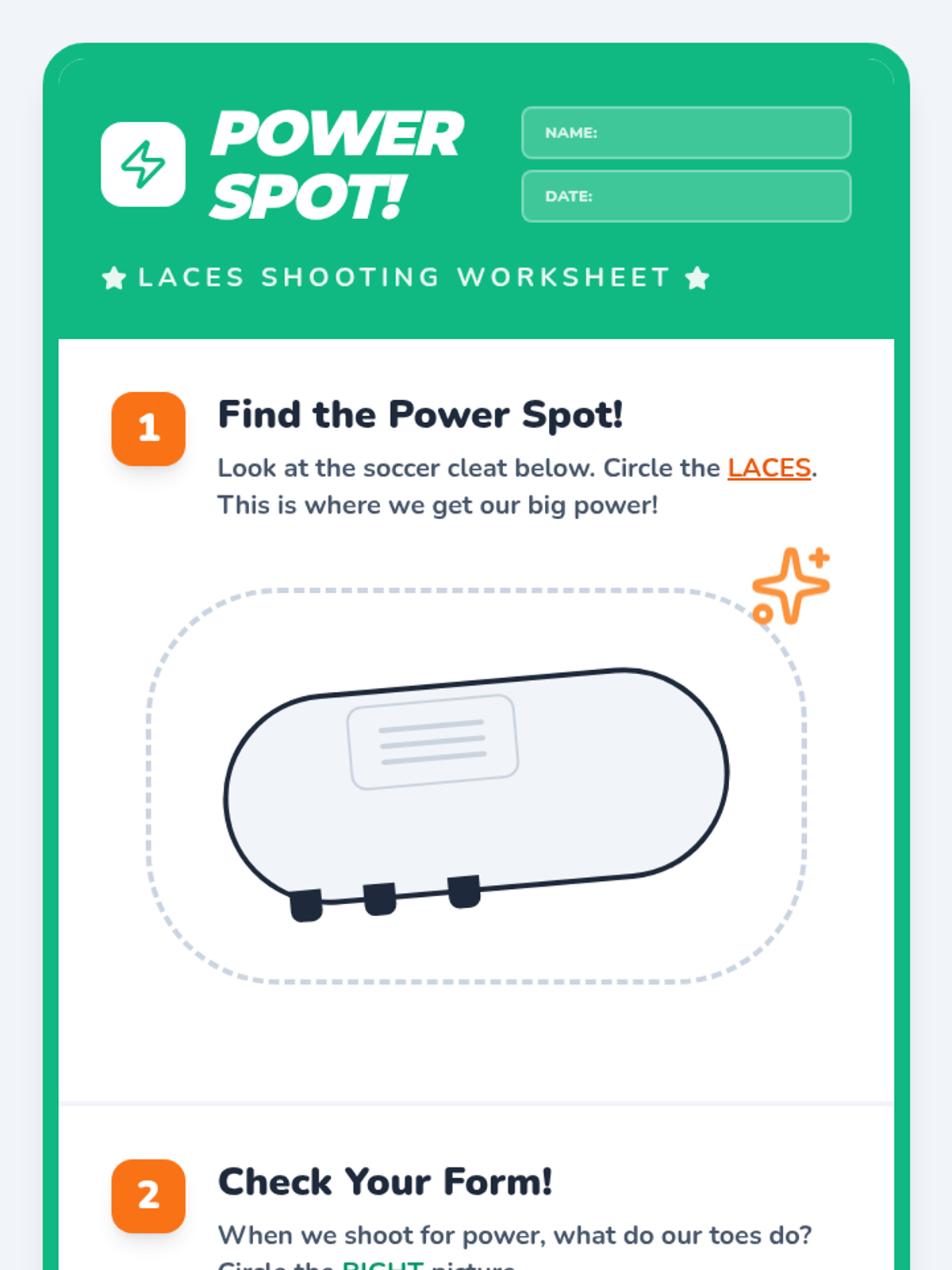
This sequence introduces 1st Grade students to the fundamental skills of soccer shooting and field spacing. Students progress from learning the 'laces' strike for power to understanding spatial awareness and basic attacking tactics in small-sided games.
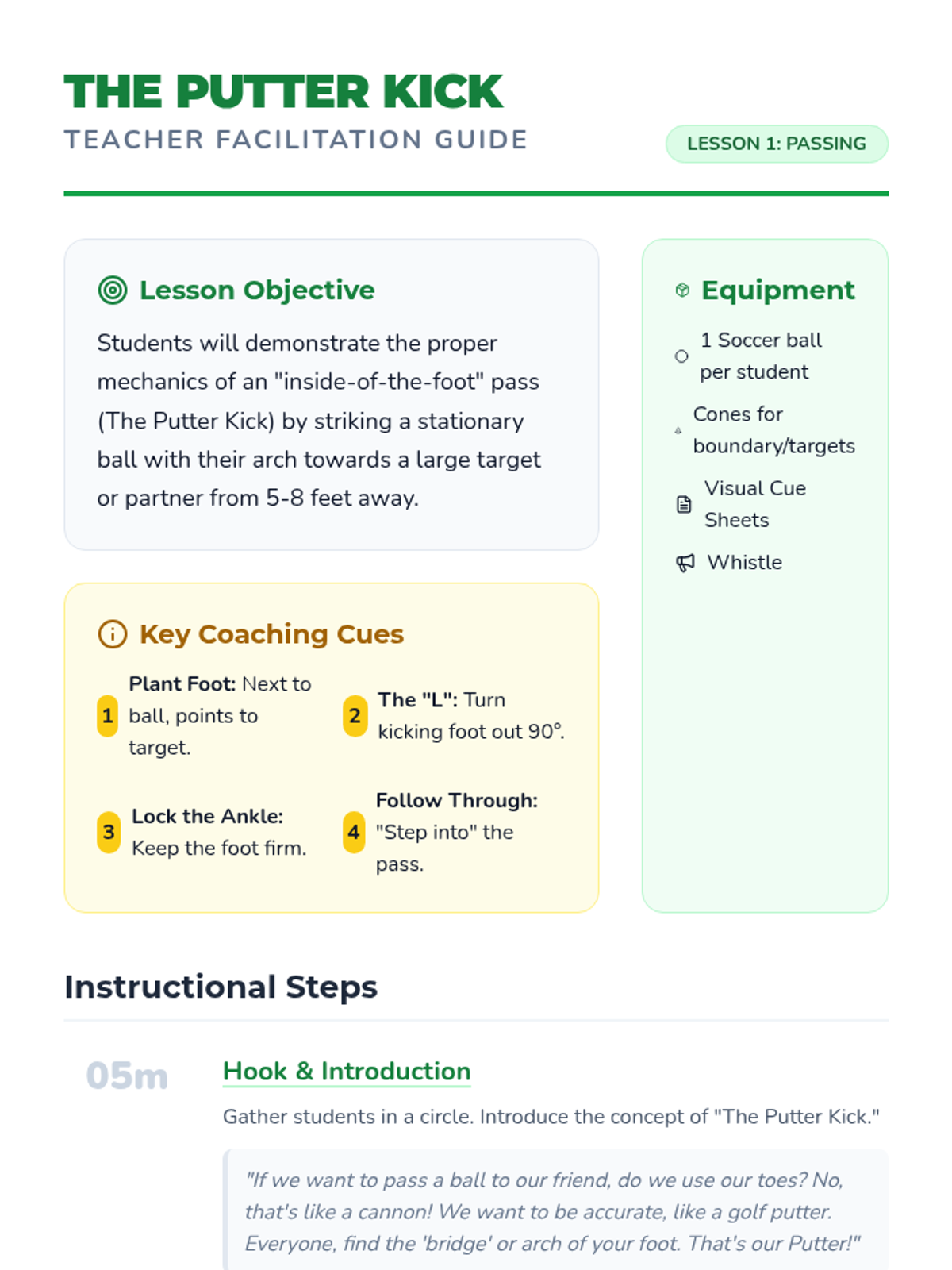
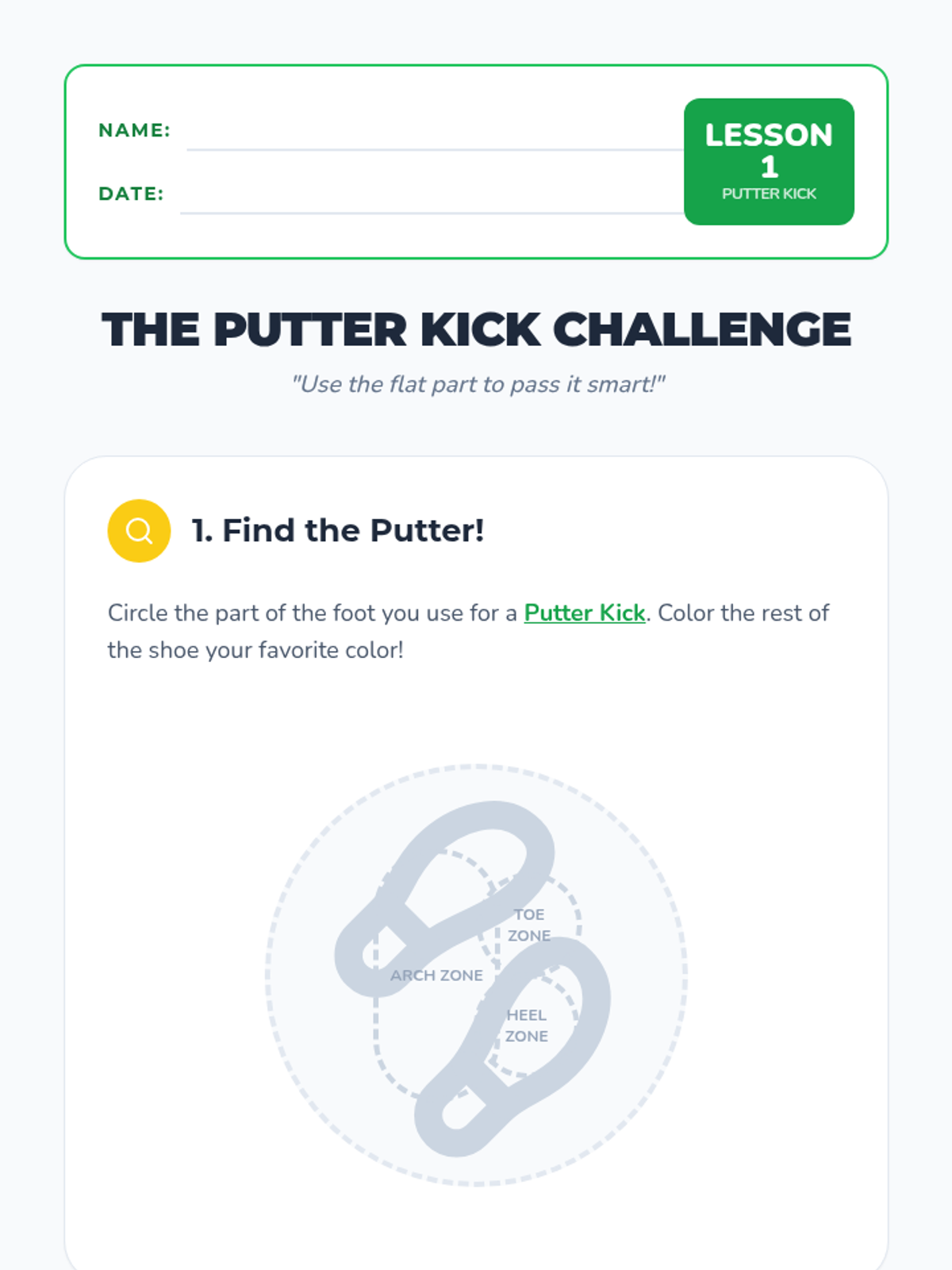
A 1st-grade physical education sequence focused on cooperative soccer skills, specifically the mechanics of passing with the inside of the foot and receiving (trapping) the ball. Students progress from static drills to moving targets and group play.
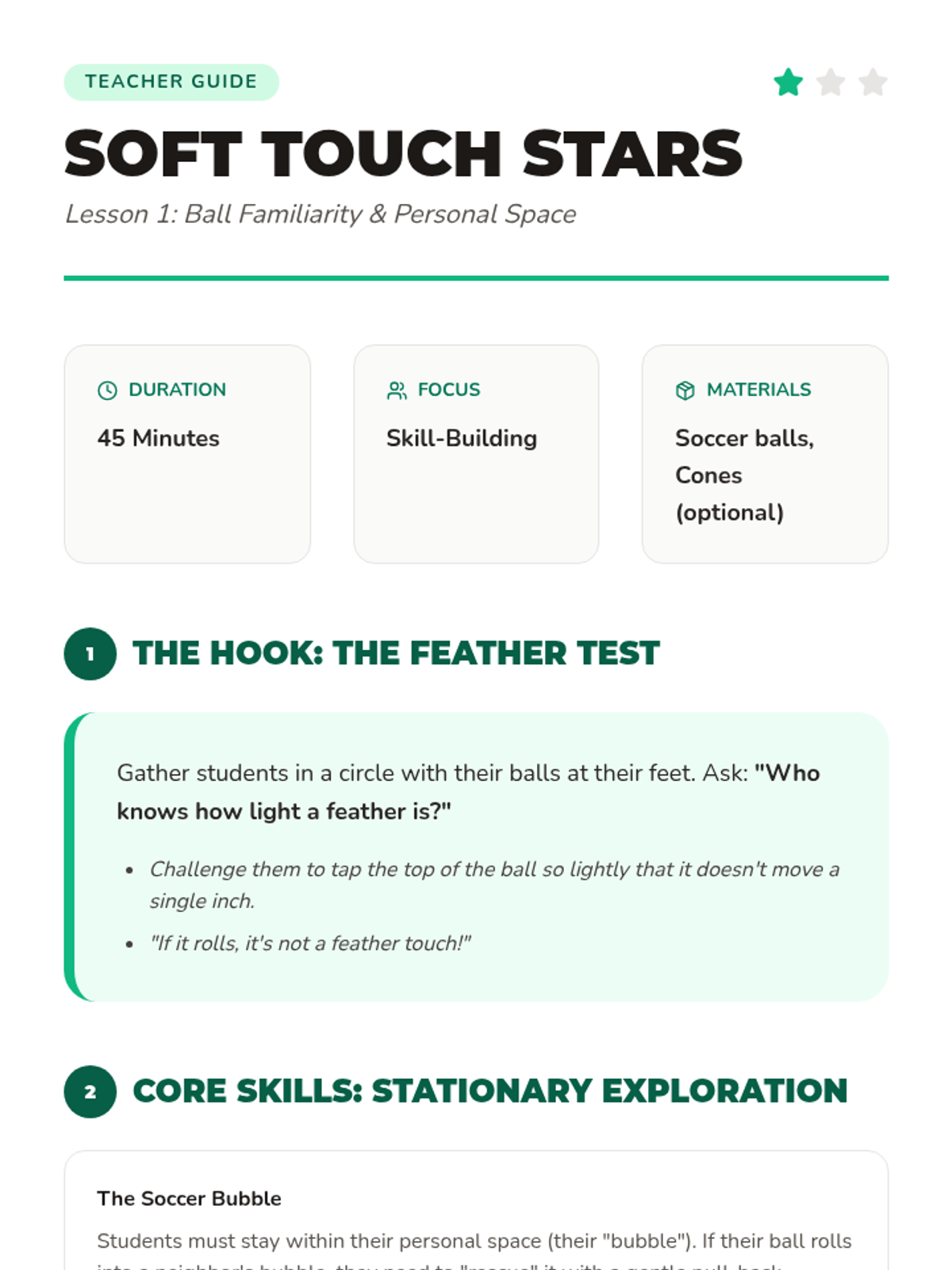
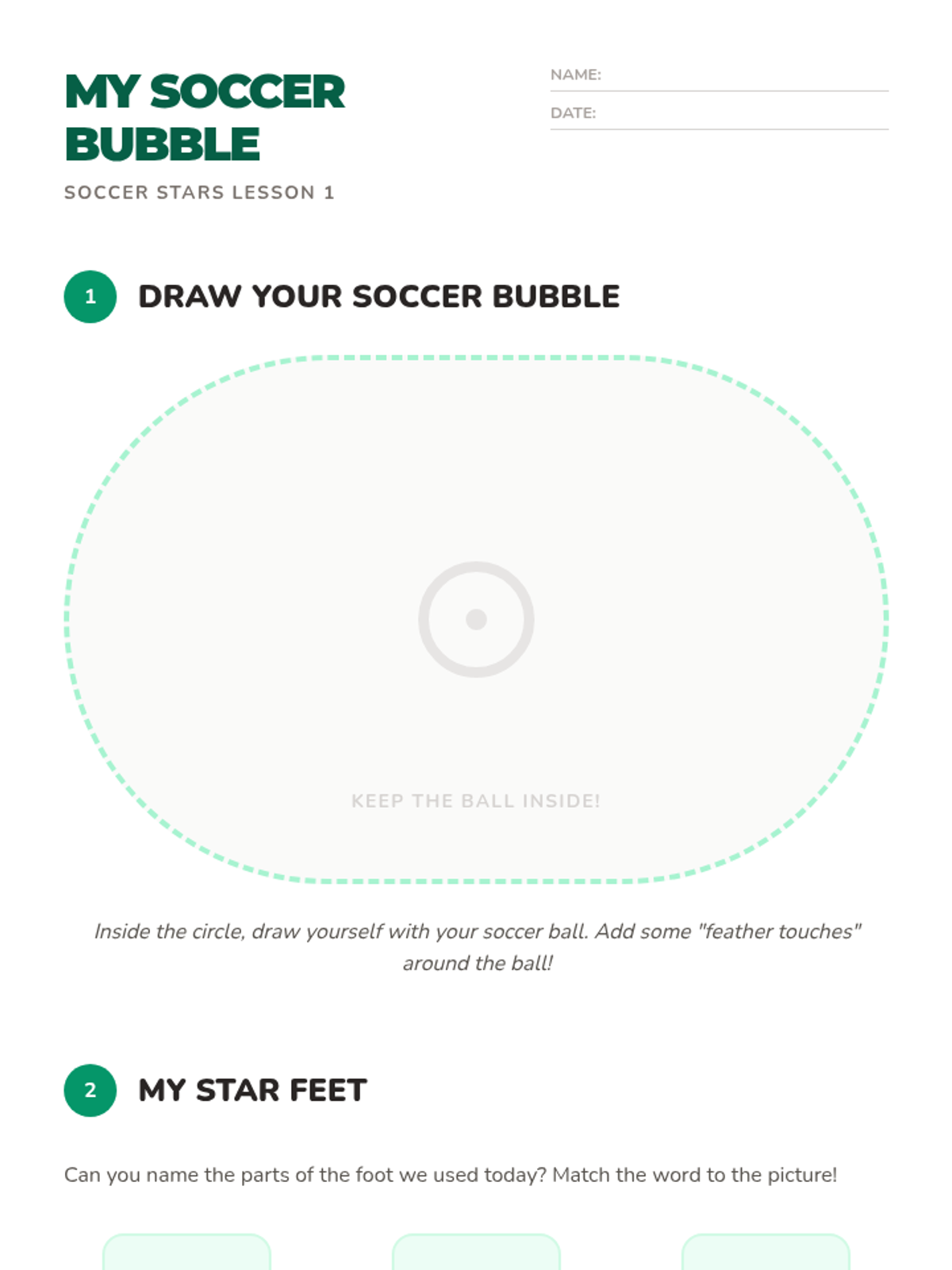
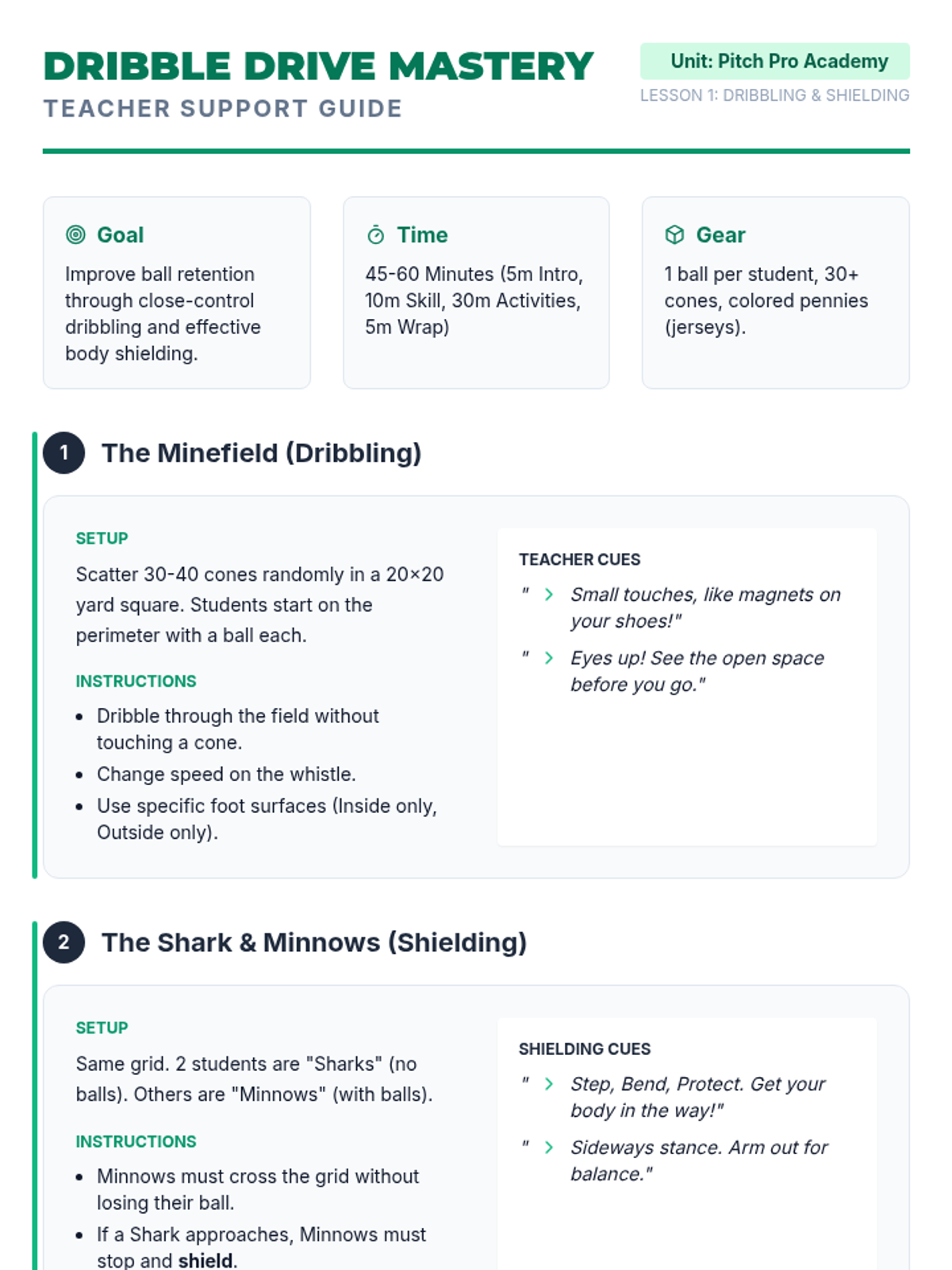
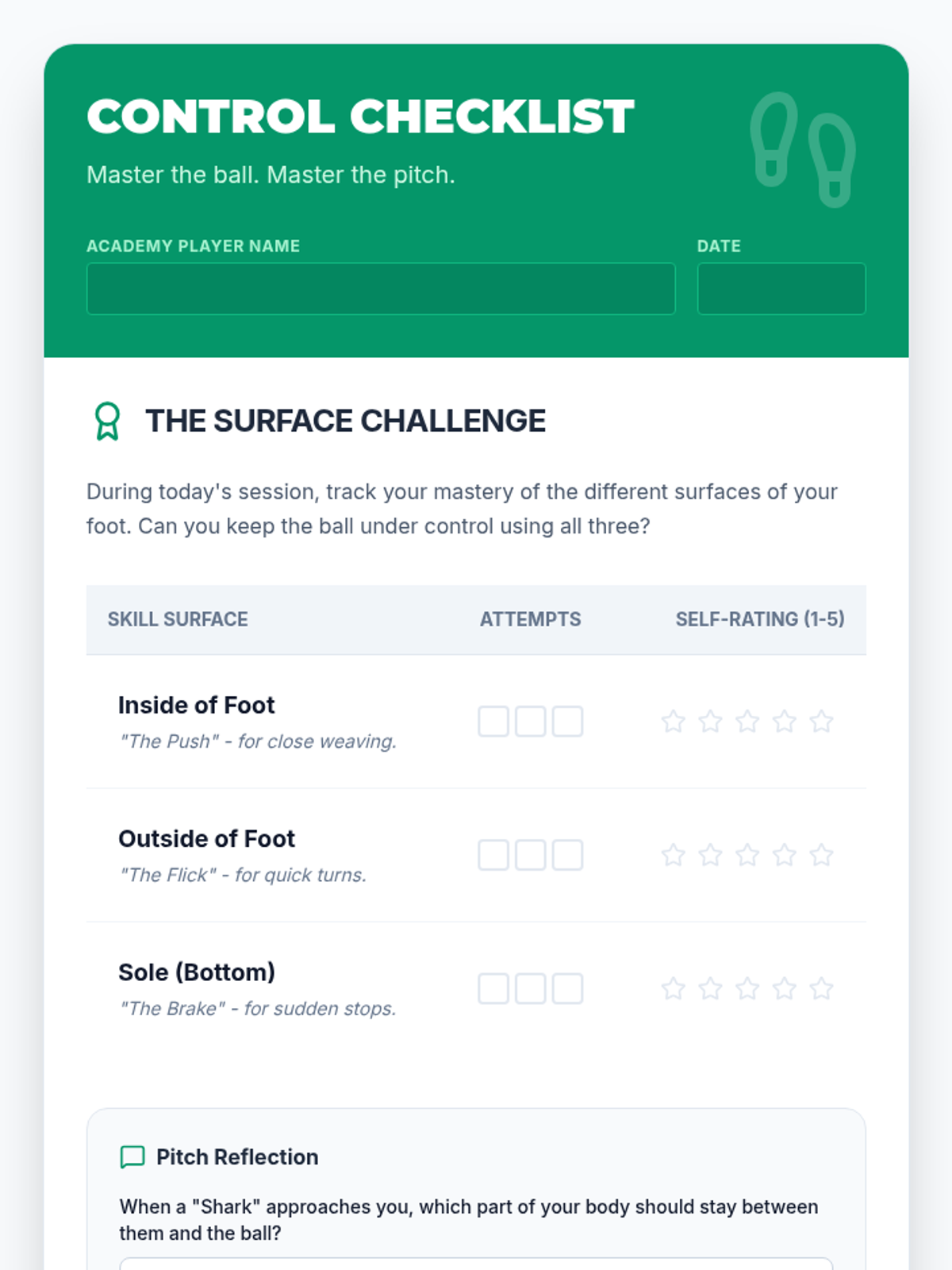
A 1st Grade physical education sequence focusing on the foundations of soccer dribbling. Through imaginative play like 'soccer dogs' and 'asteroid navigation,' students learn ball control, speed regulation, and spatial awareness.
This sequence focuses on the technical foundations of football (soccer), including dribbling, passing, receiving, and tactical movement. Students progress from individual ball mastery to dynamic team-based possession drills.
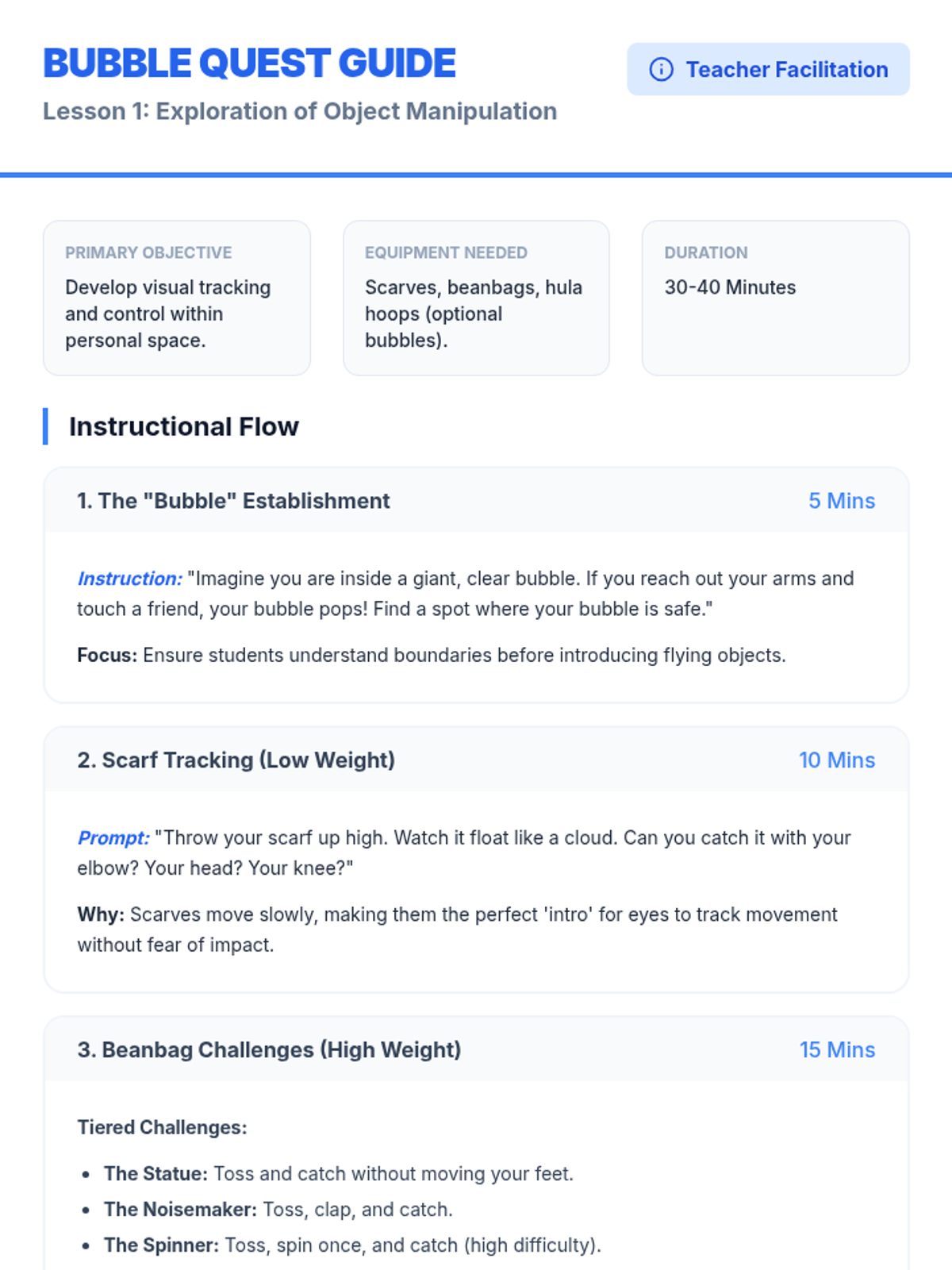
This foundational sequence introduces 1st-grade students to manipulative skills, focusing on the mechanics of throwing and catching. Students progress from individual object manipulation and self-toss tracking to the specific techniques of underhand tossing, overhand throwing, and coordinated partner catching.
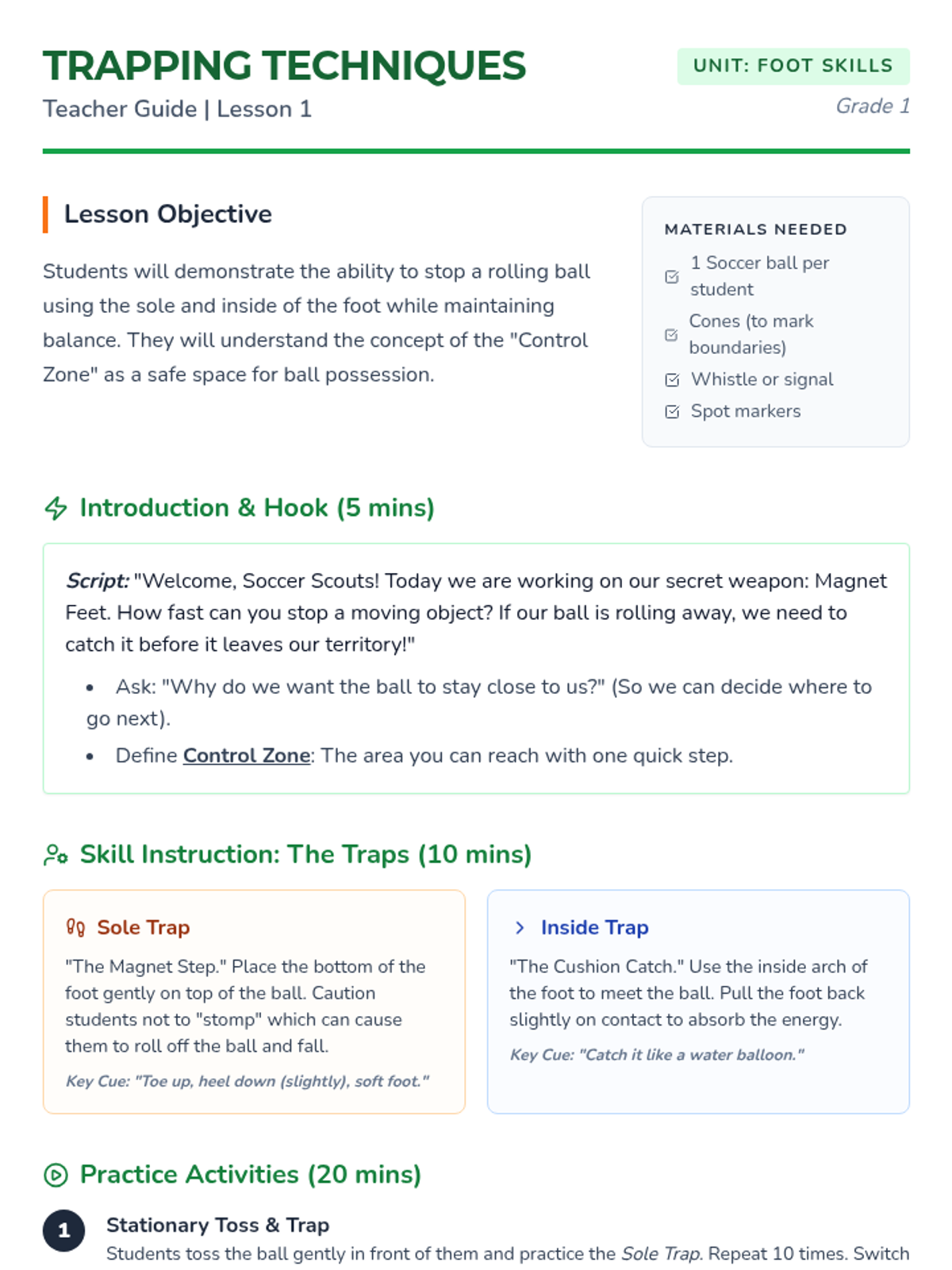
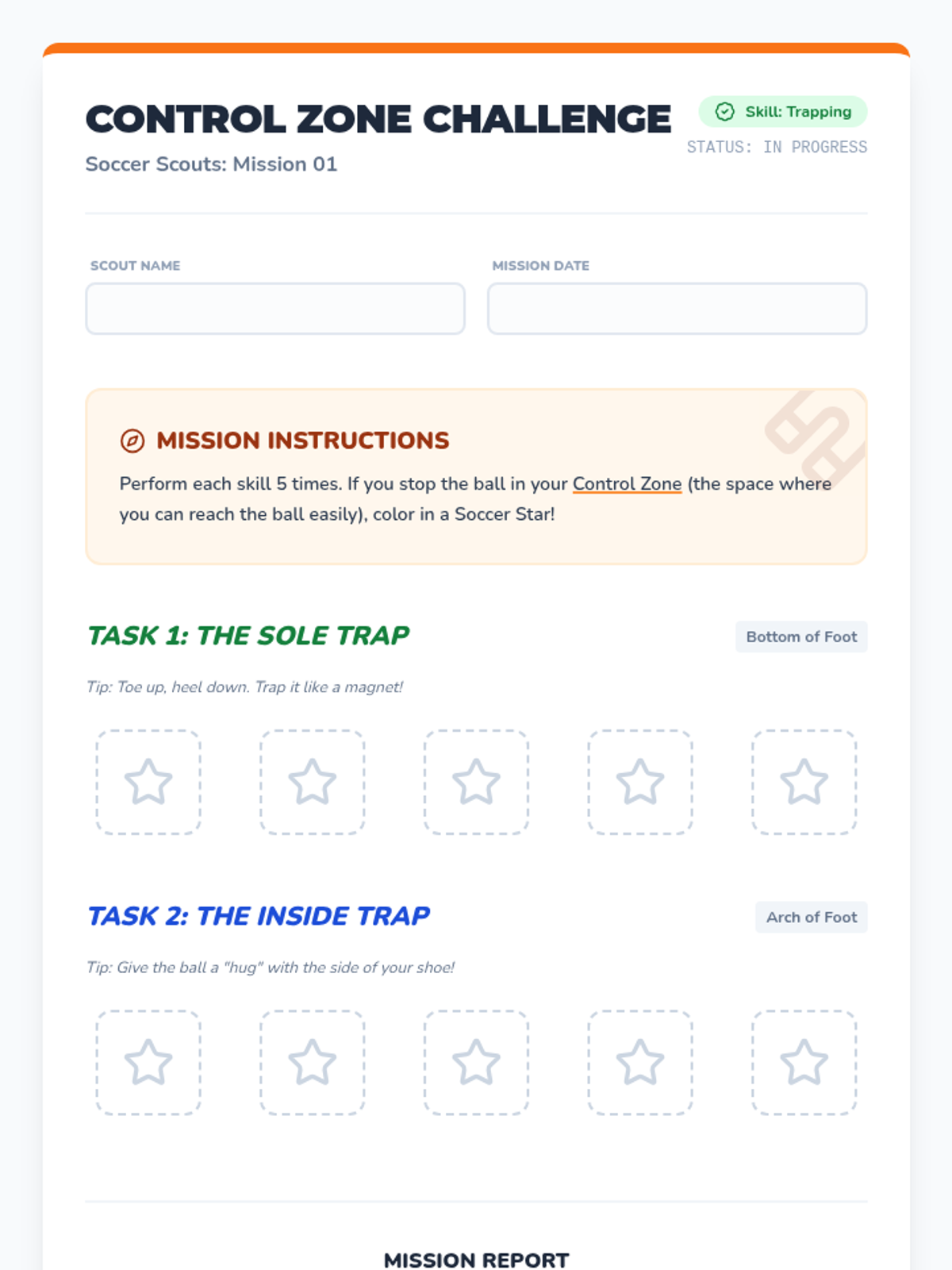
A 5-lesson sequence for 1st graders focusing on manipulative foot skills, including dribbling, trapping, and kicking, using a 'Soccer Scouts' theme.
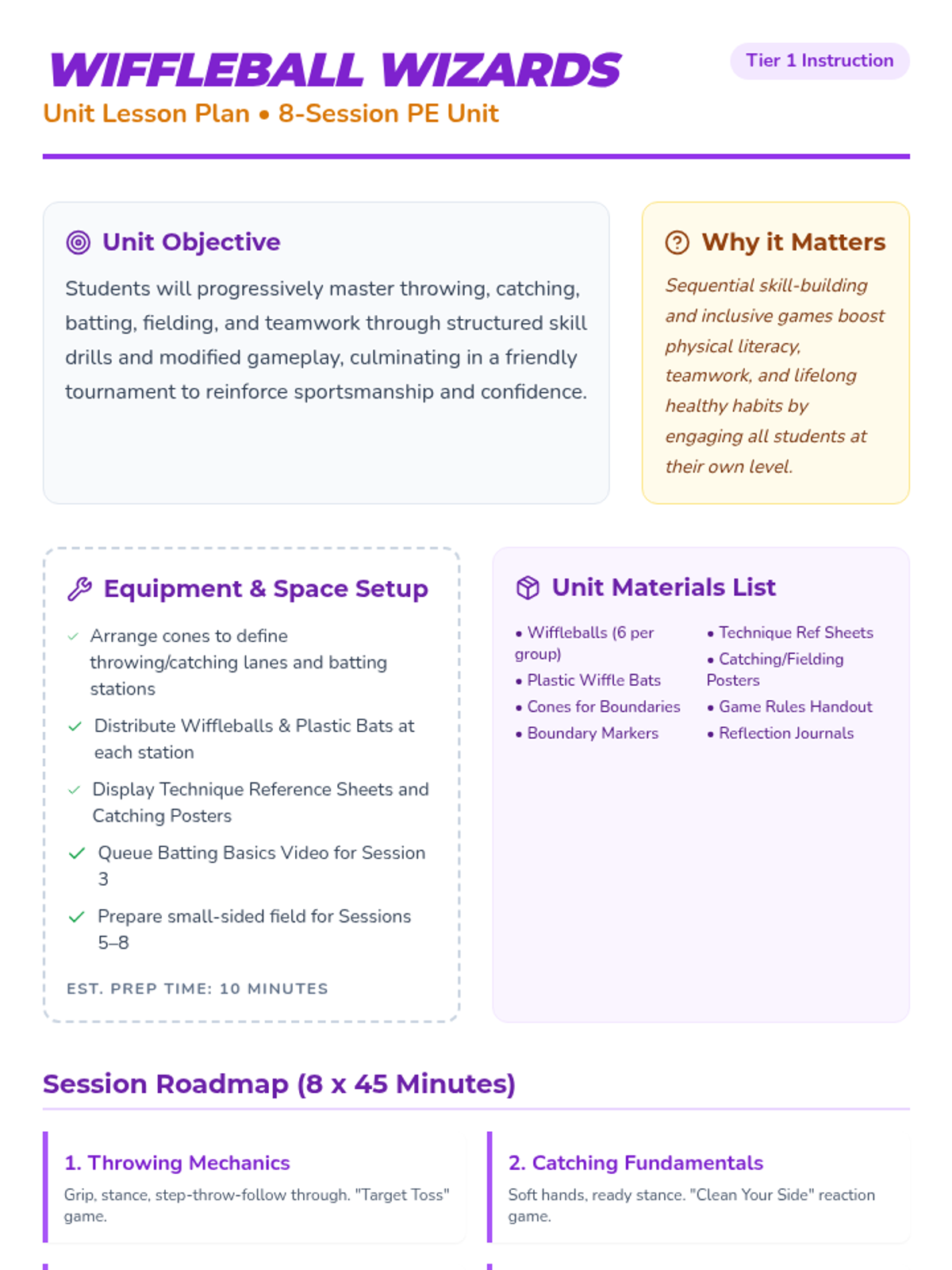
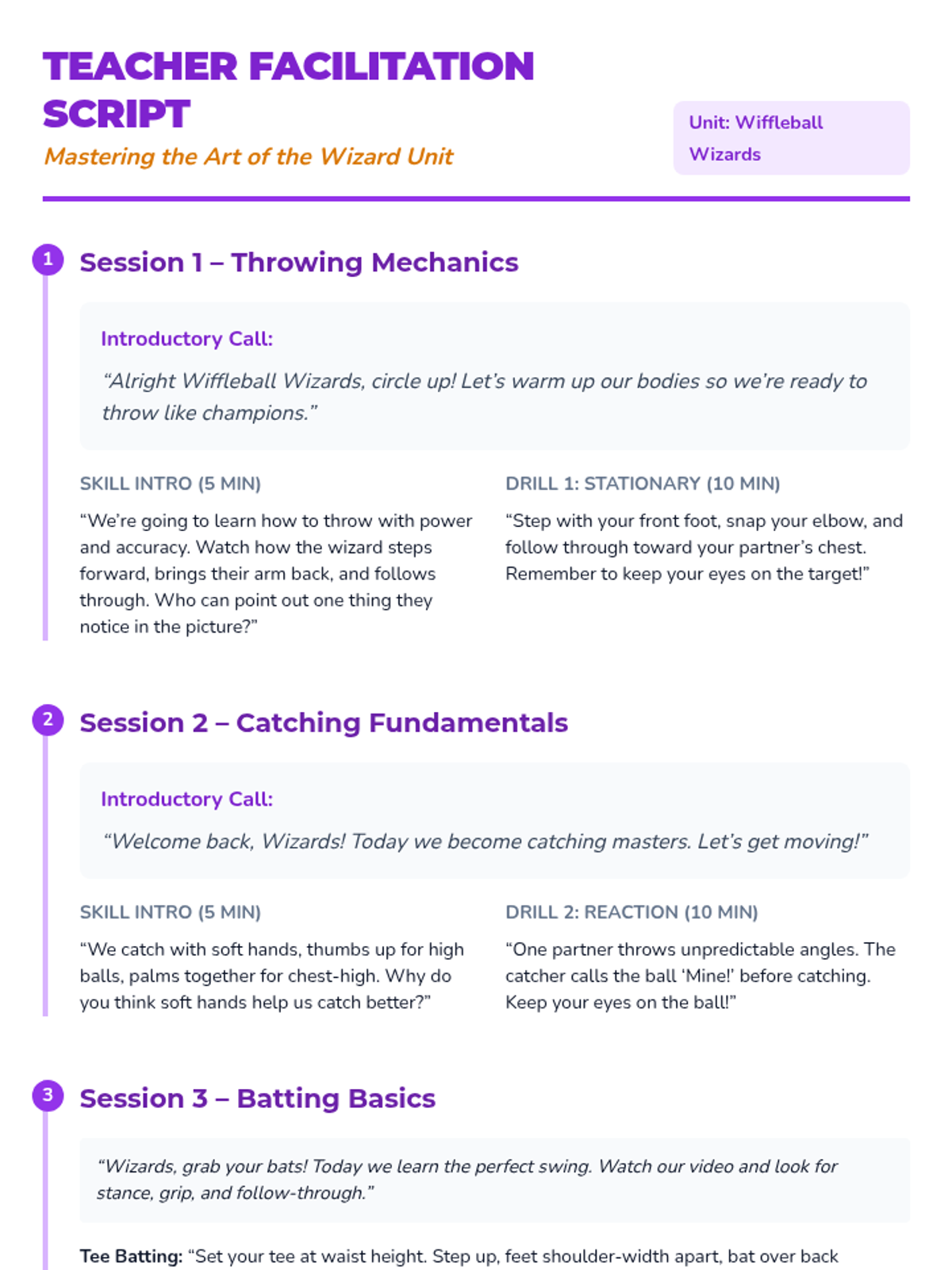
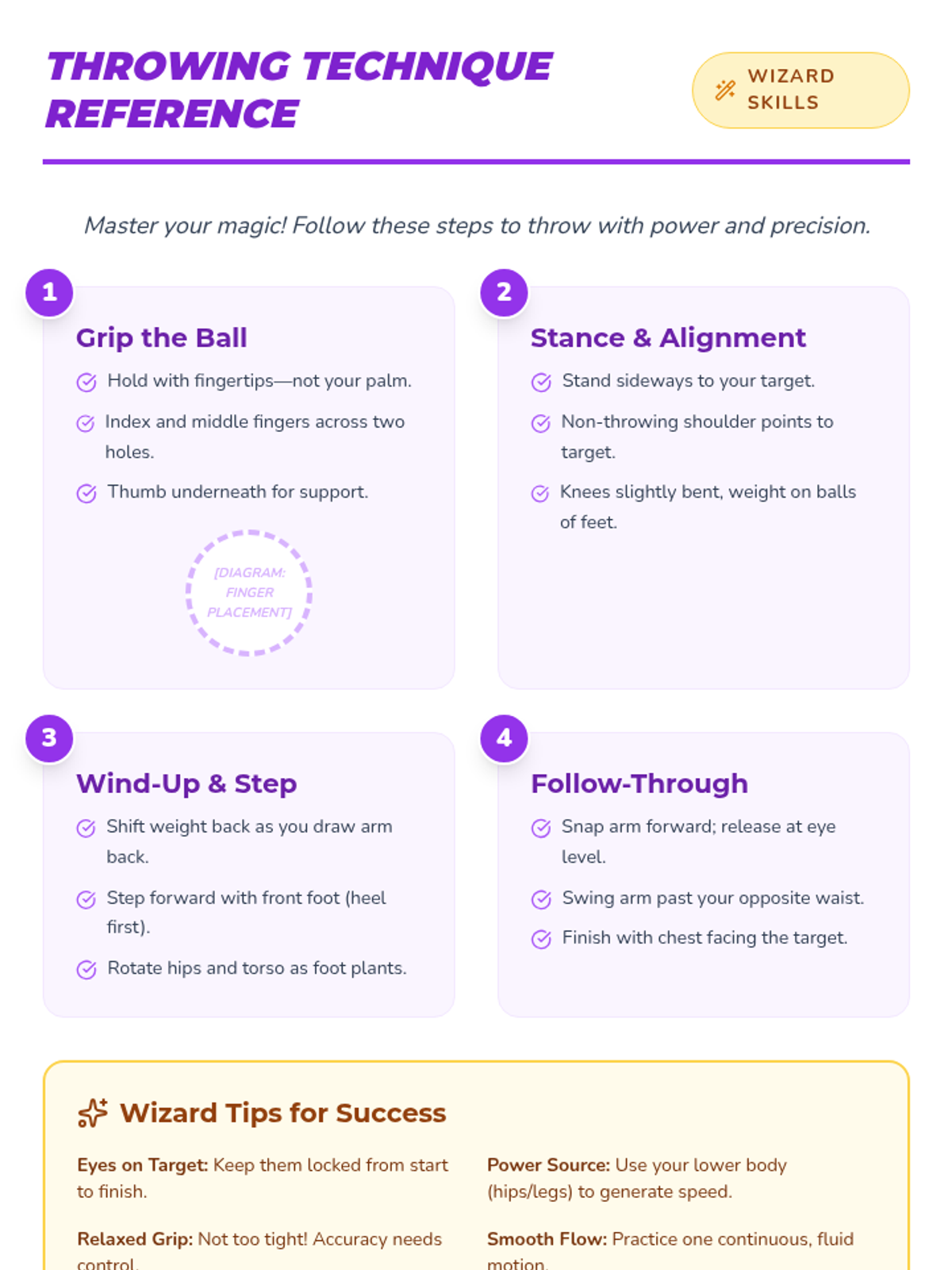
An 8-session Tier 1 physical education unit where students master throwing, catching, batting, and fielding through the theme of being 'Wiffleball Wizards'. The unit focuses on progressive skill-building, teamwork, and sportsmanship.
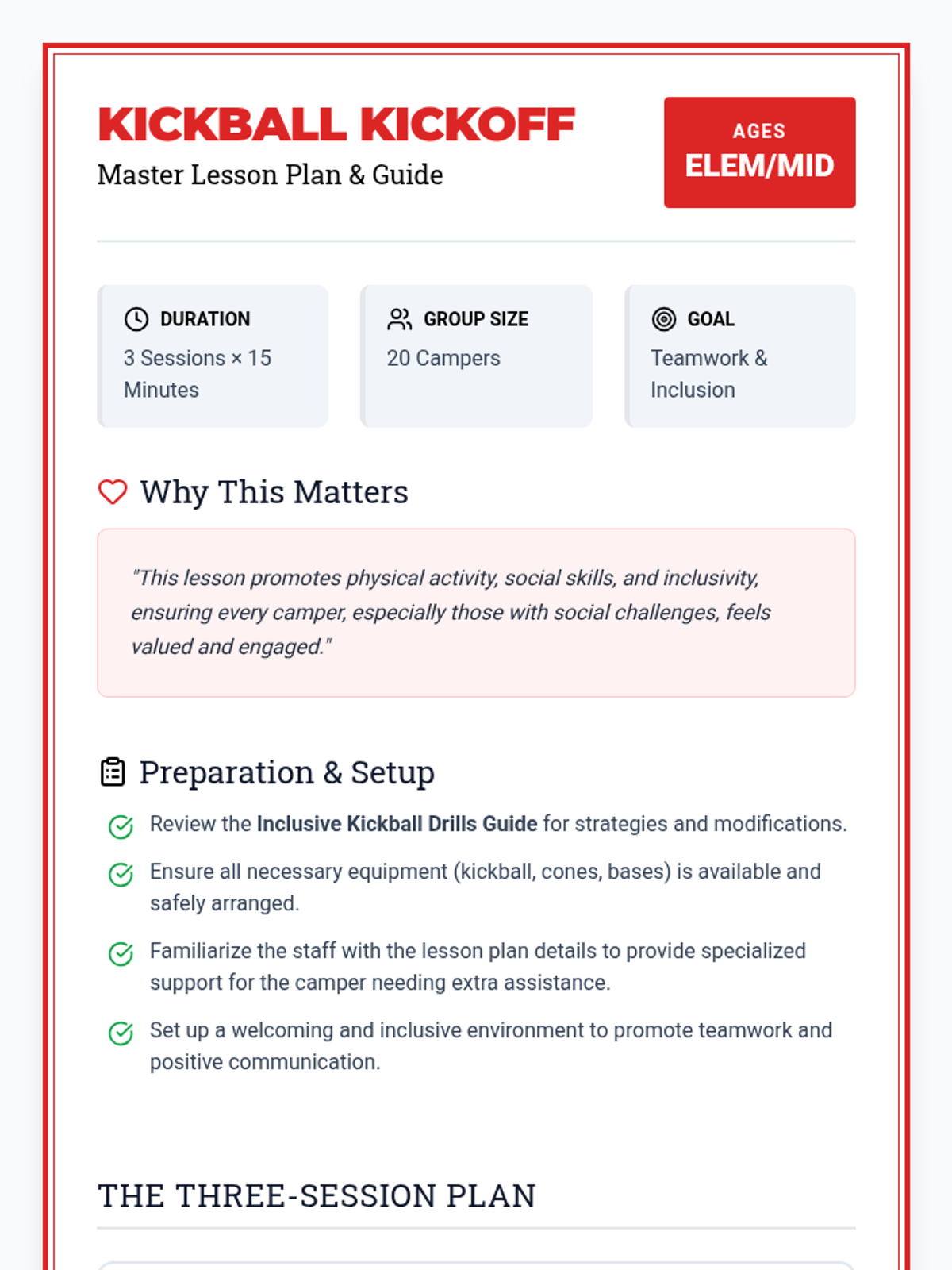
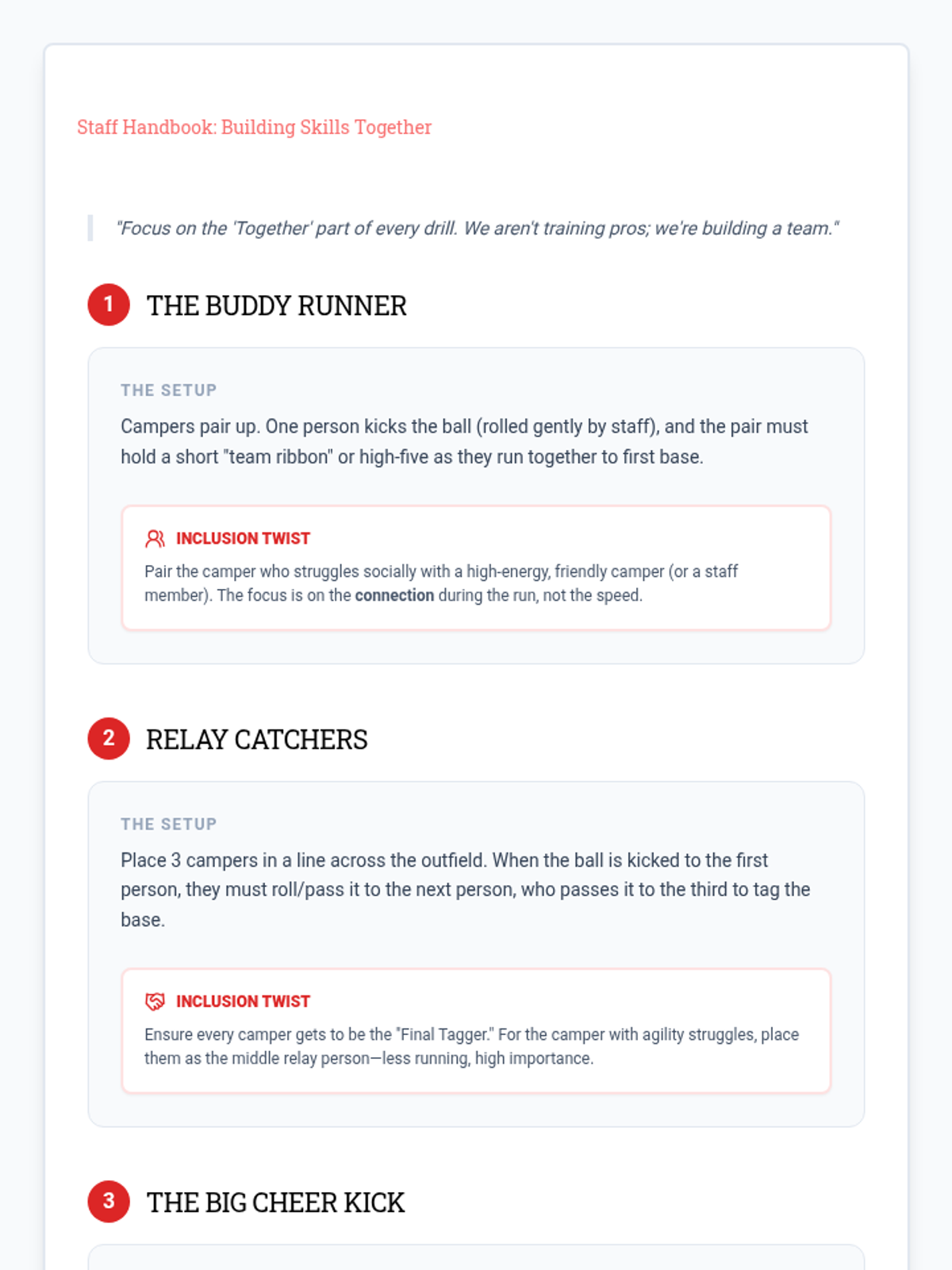
A three-session camp activity sequence designed to teach kickball basics while prioritizing teamwork, social inclusion, and physical activity for all campers. It specifically addresses how to support campers who struggle with social skills or agility.
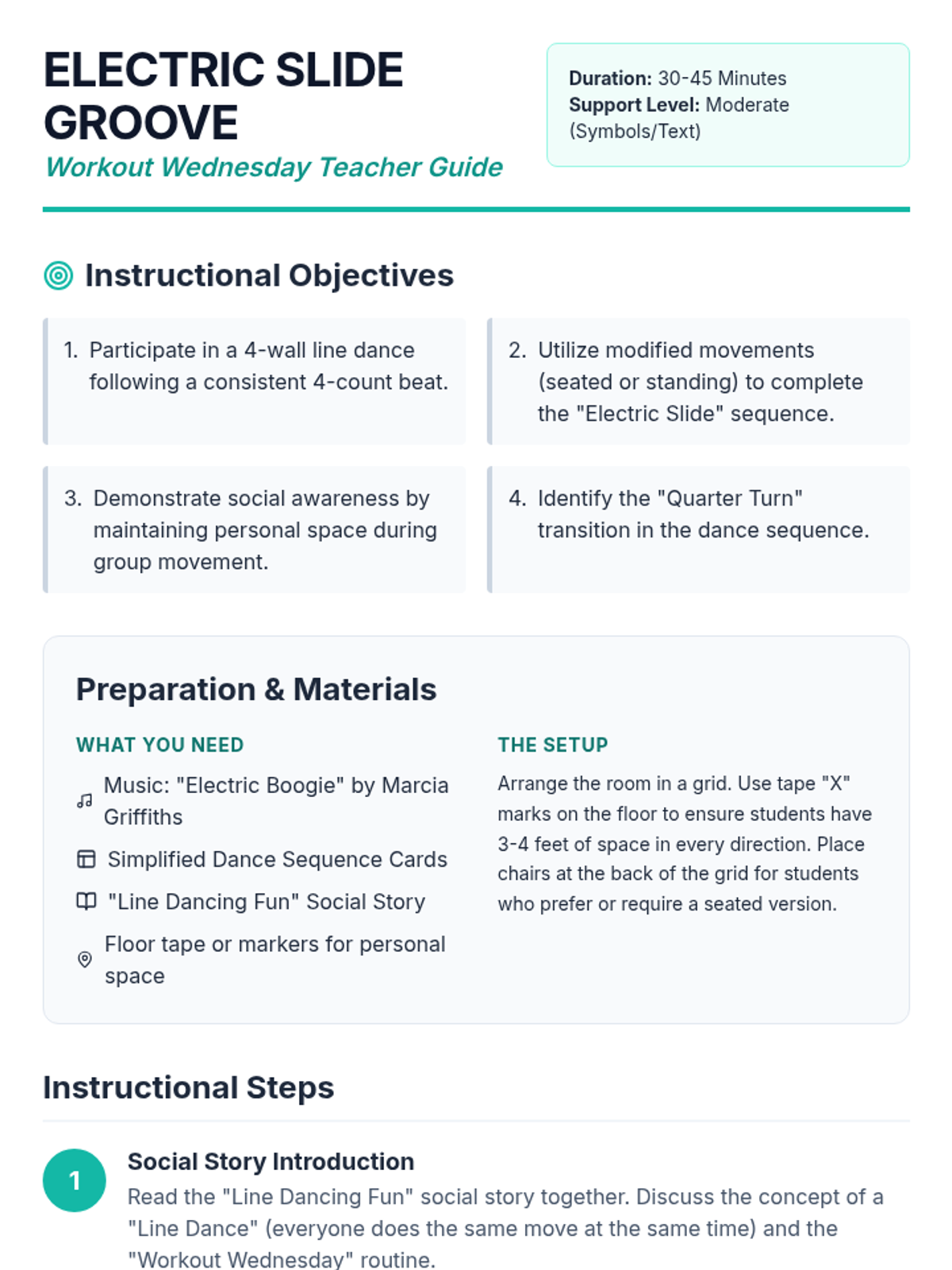
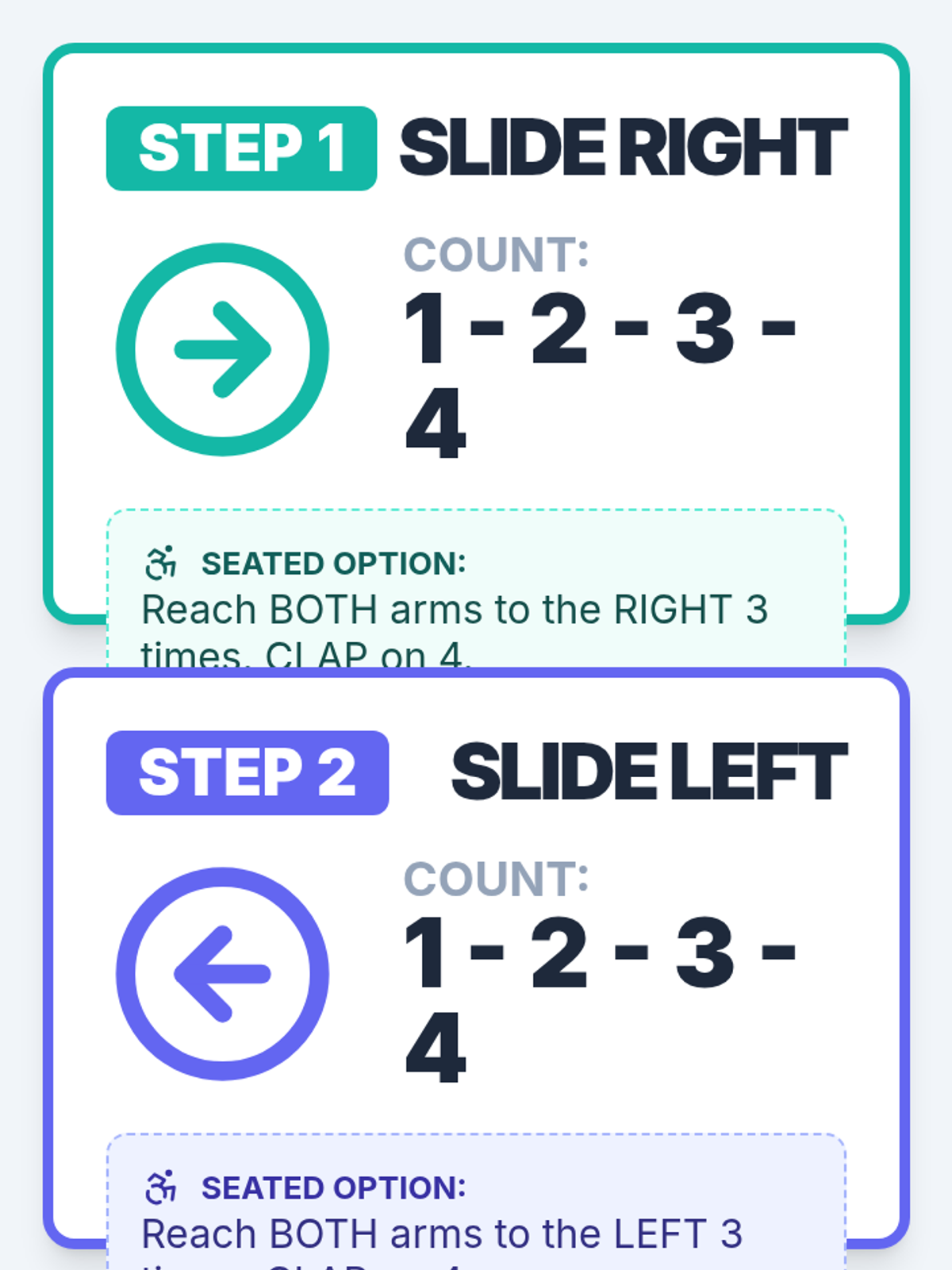
A weekly fitness and movement series designed for students of all abilities, focusing on social-emotional learning through physical activity and group coordination.
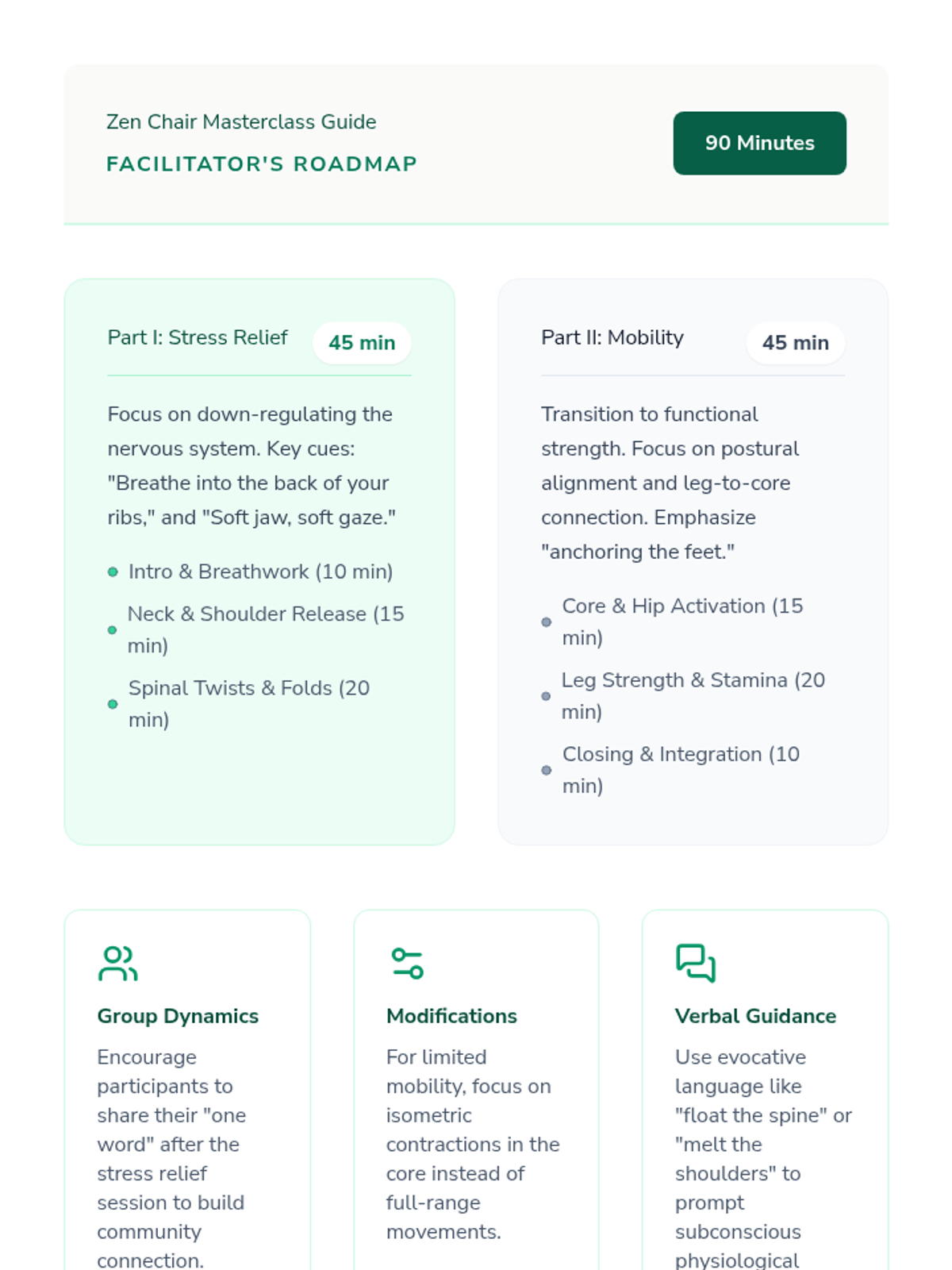
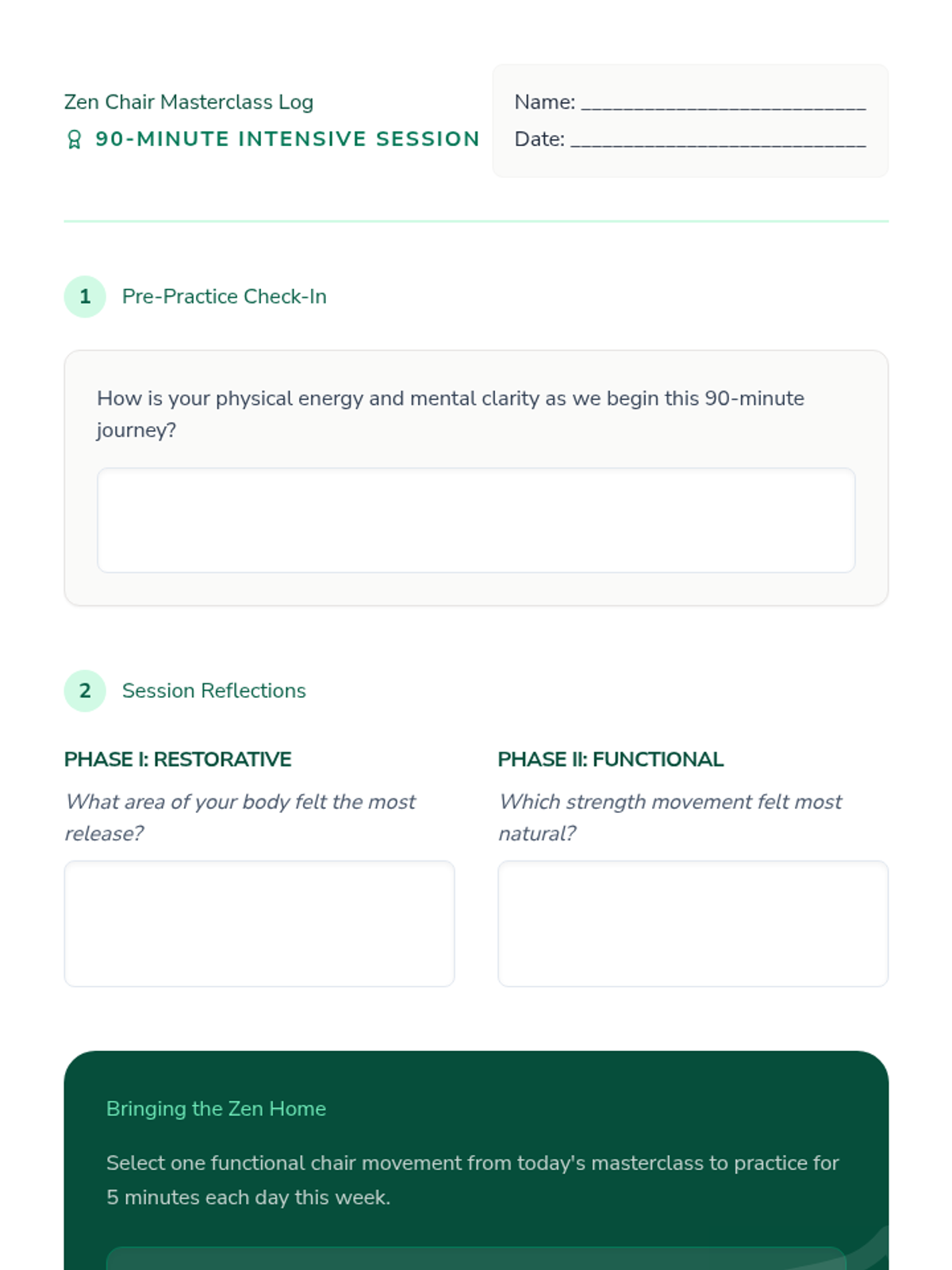
A comprehensive yoga series featuring a deep-dive chair yoga masterclass with guided videos and a follow-up standing flow session for beginners. Designed to build both mental calm and physical strength.
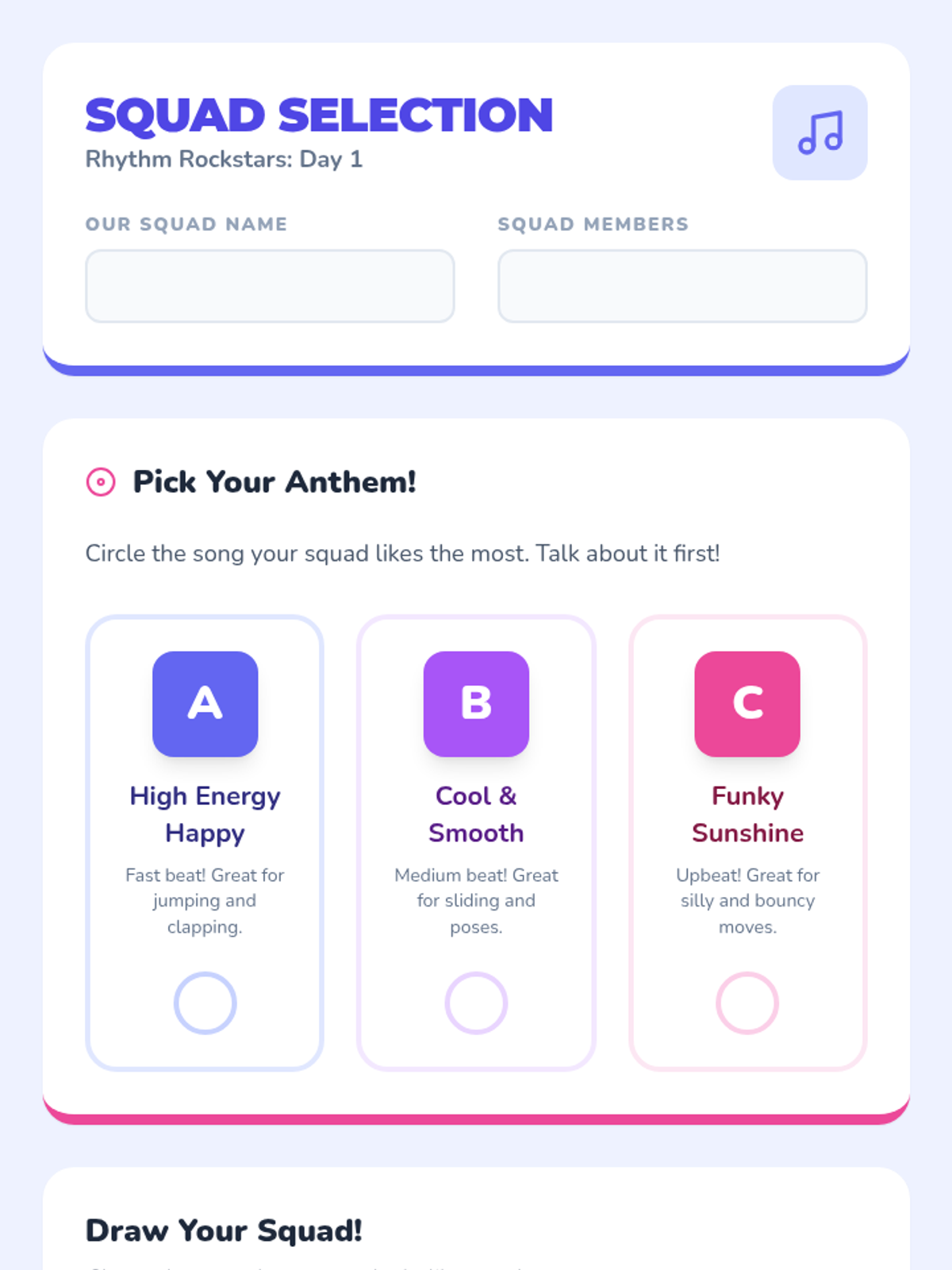
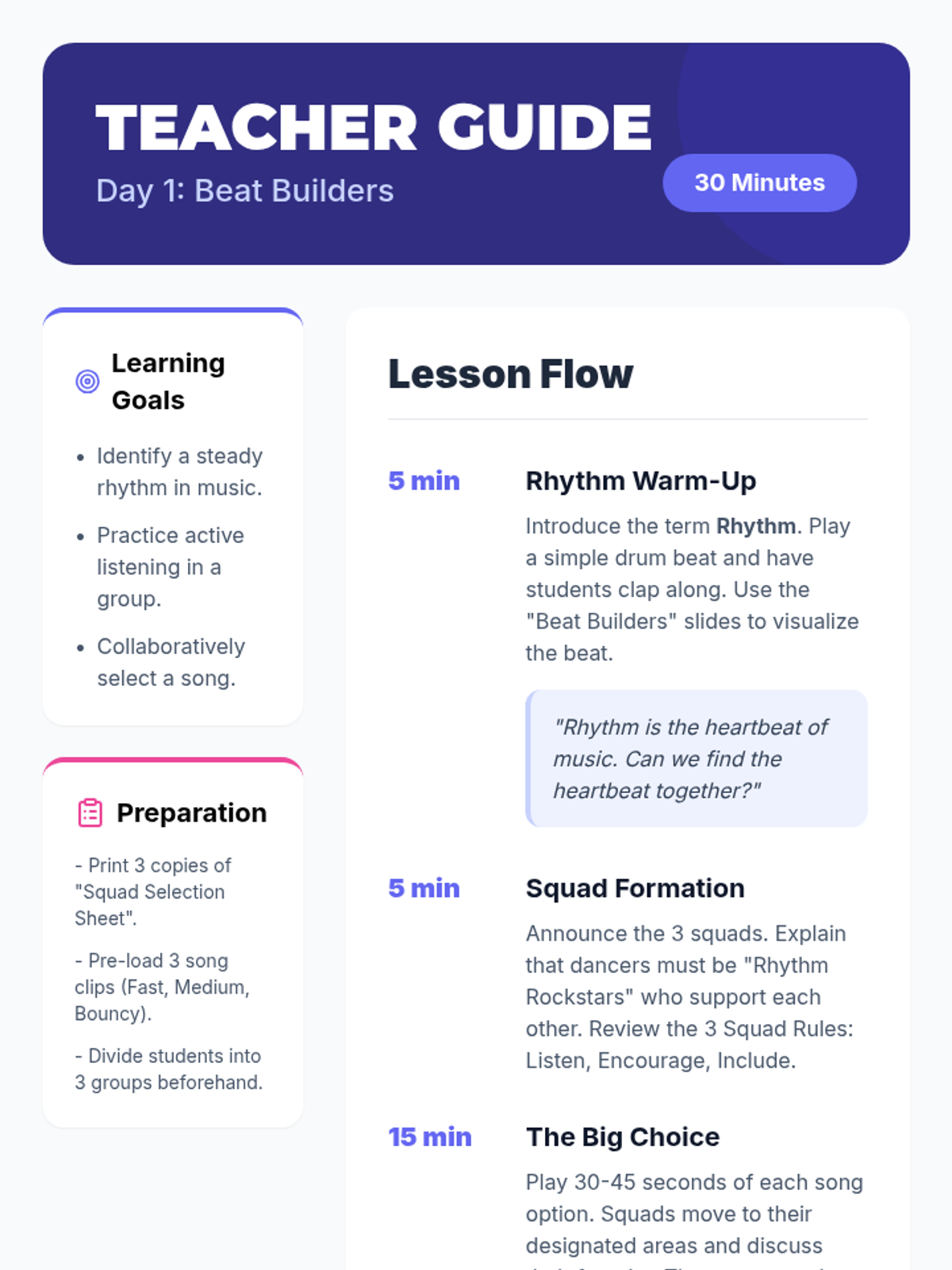
A four-day music and movement unit for K-3 students focused on collaboration, rhythm, and creative choreography. Groups work together to select songs and build original dance routines.
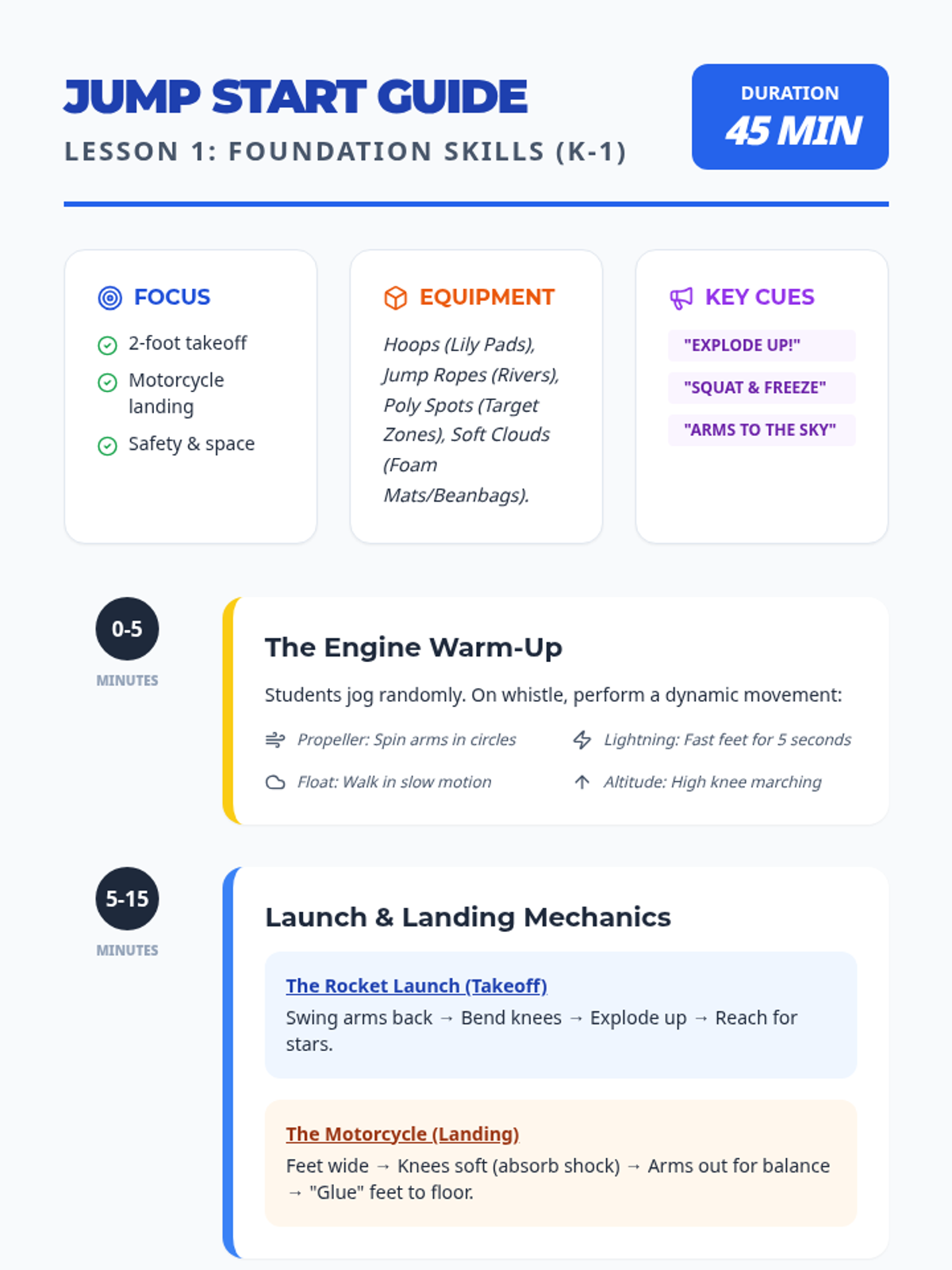
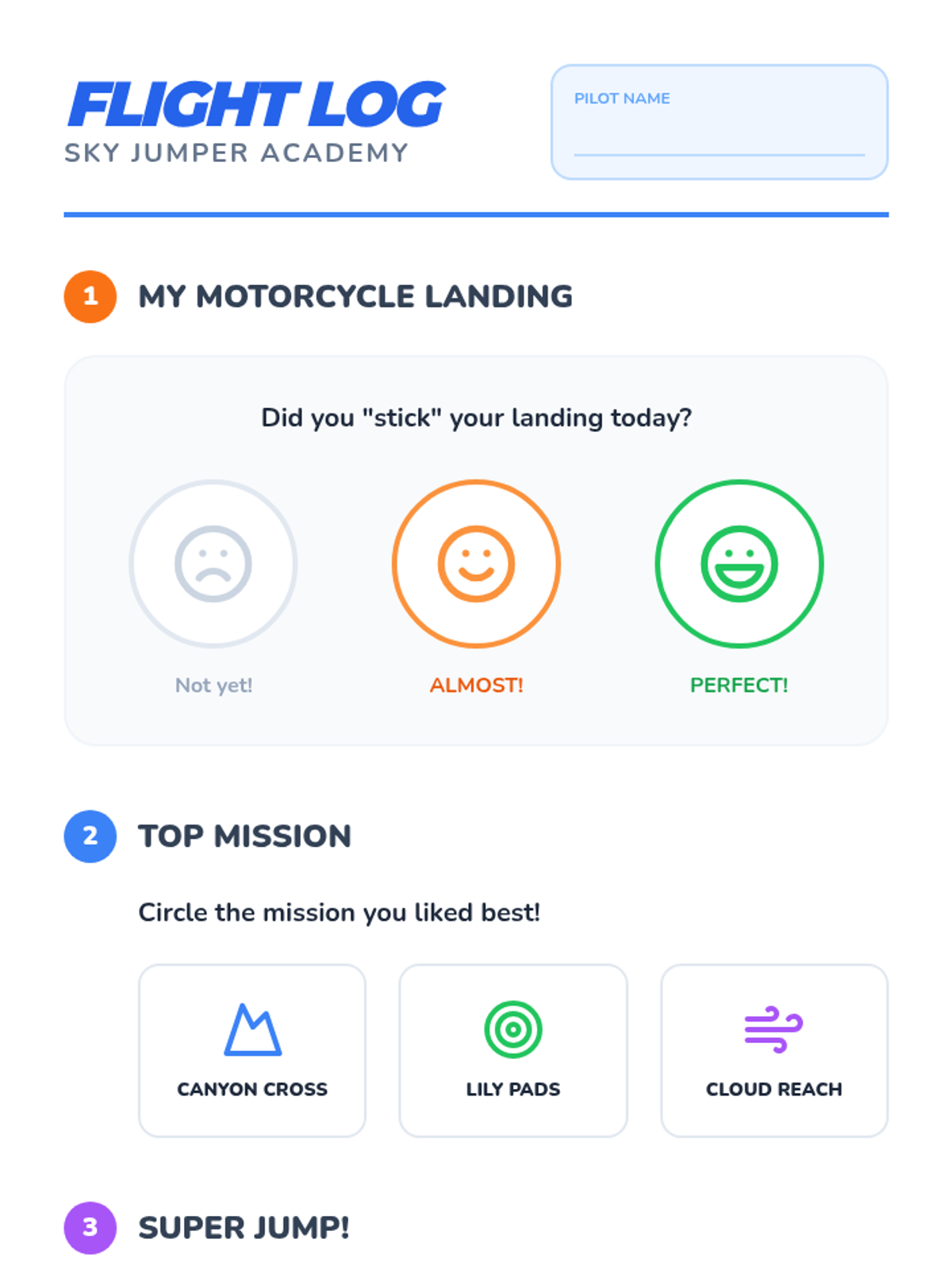
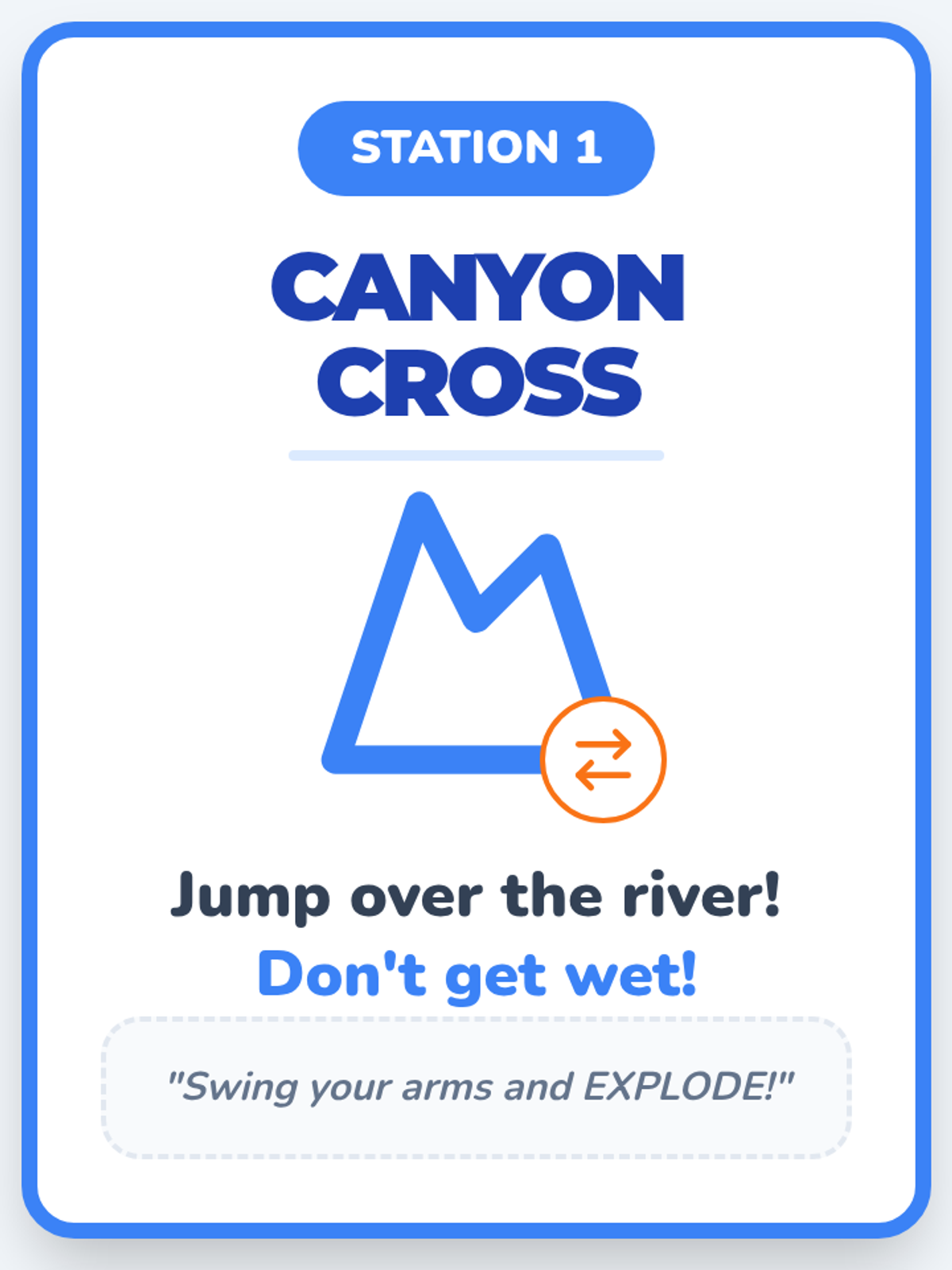
A foundational physical education series focusing on locomotor skills, starting with the mechanics of jumping and landing safely for early elementary students.
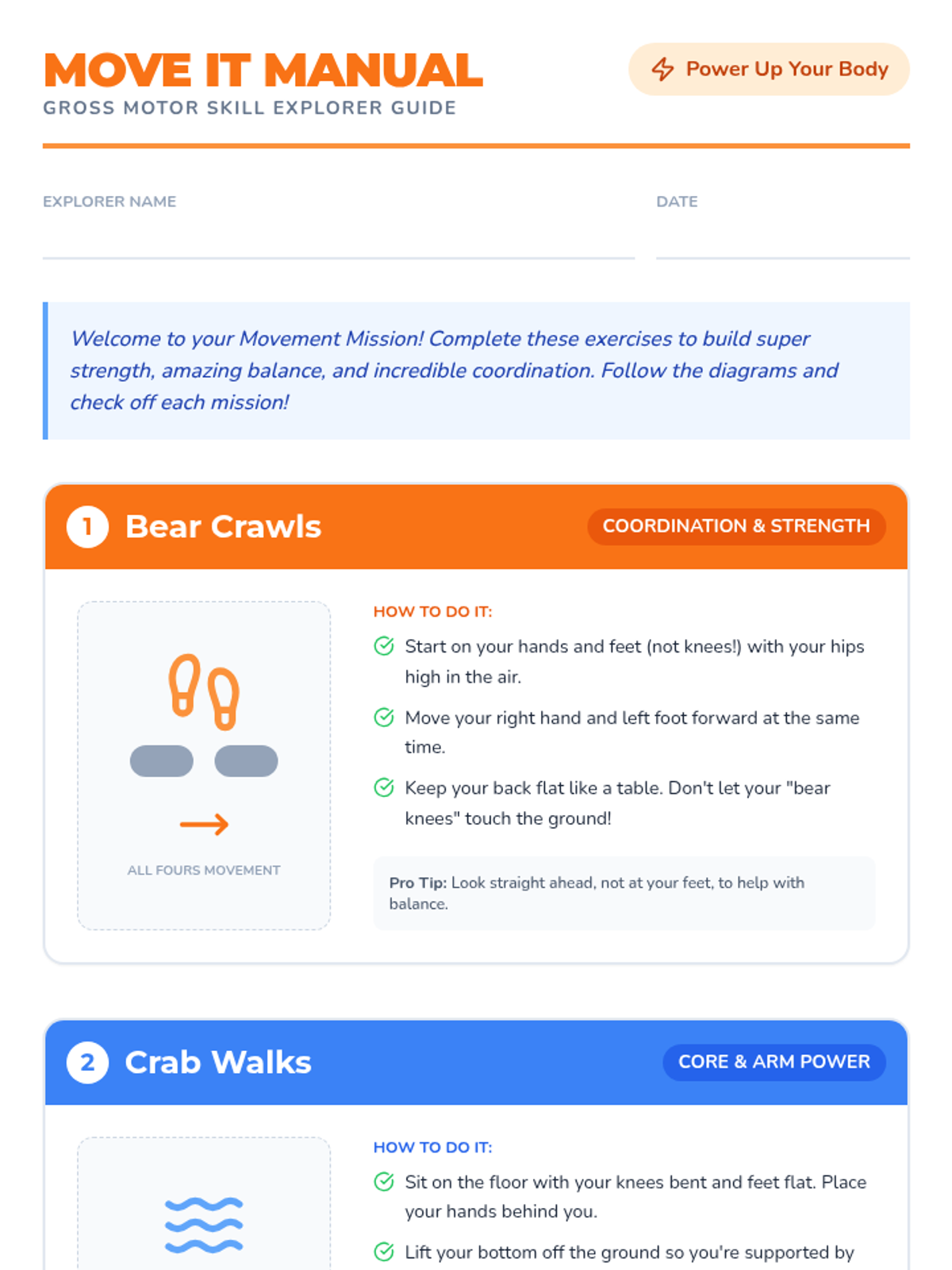
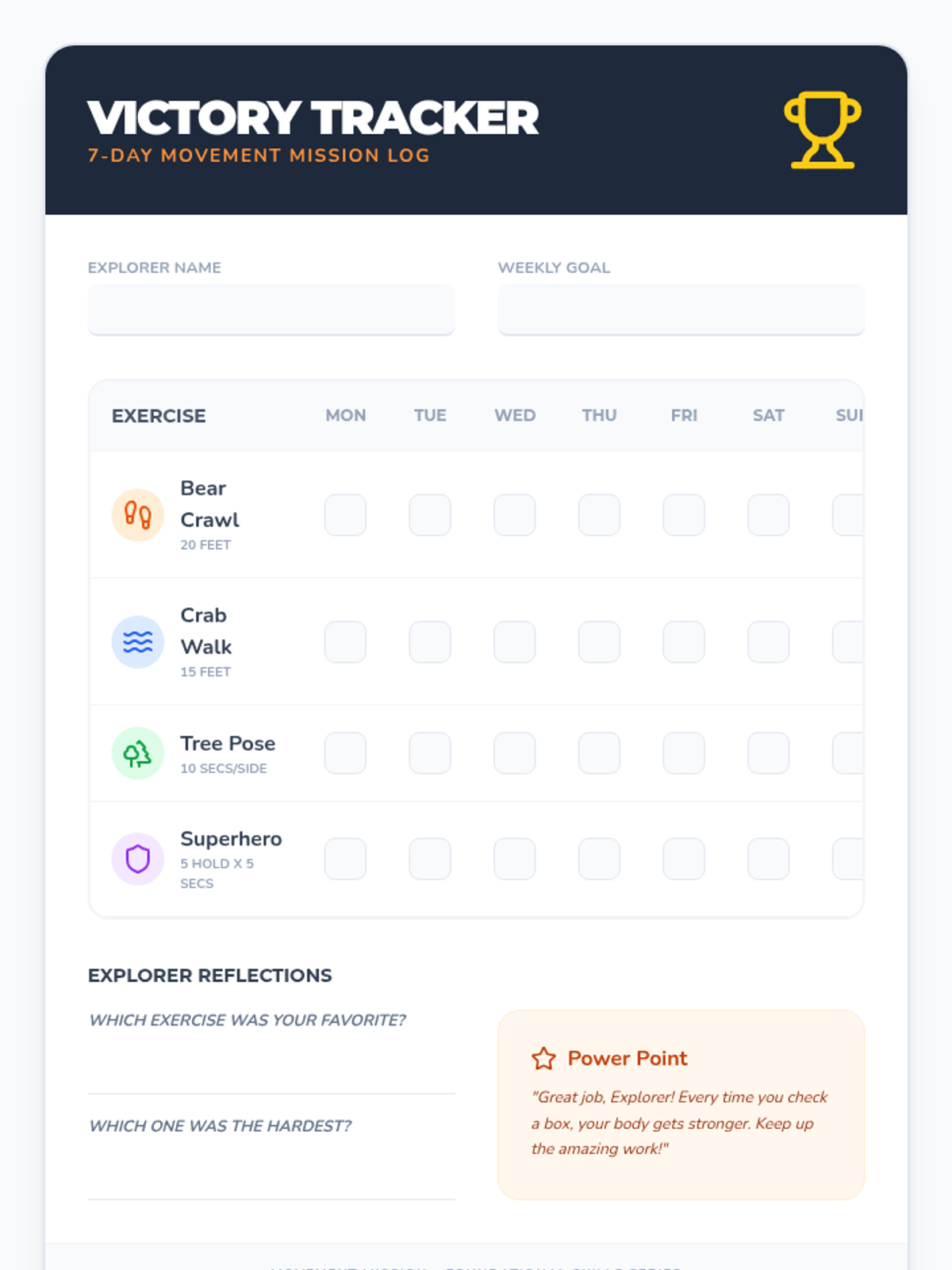
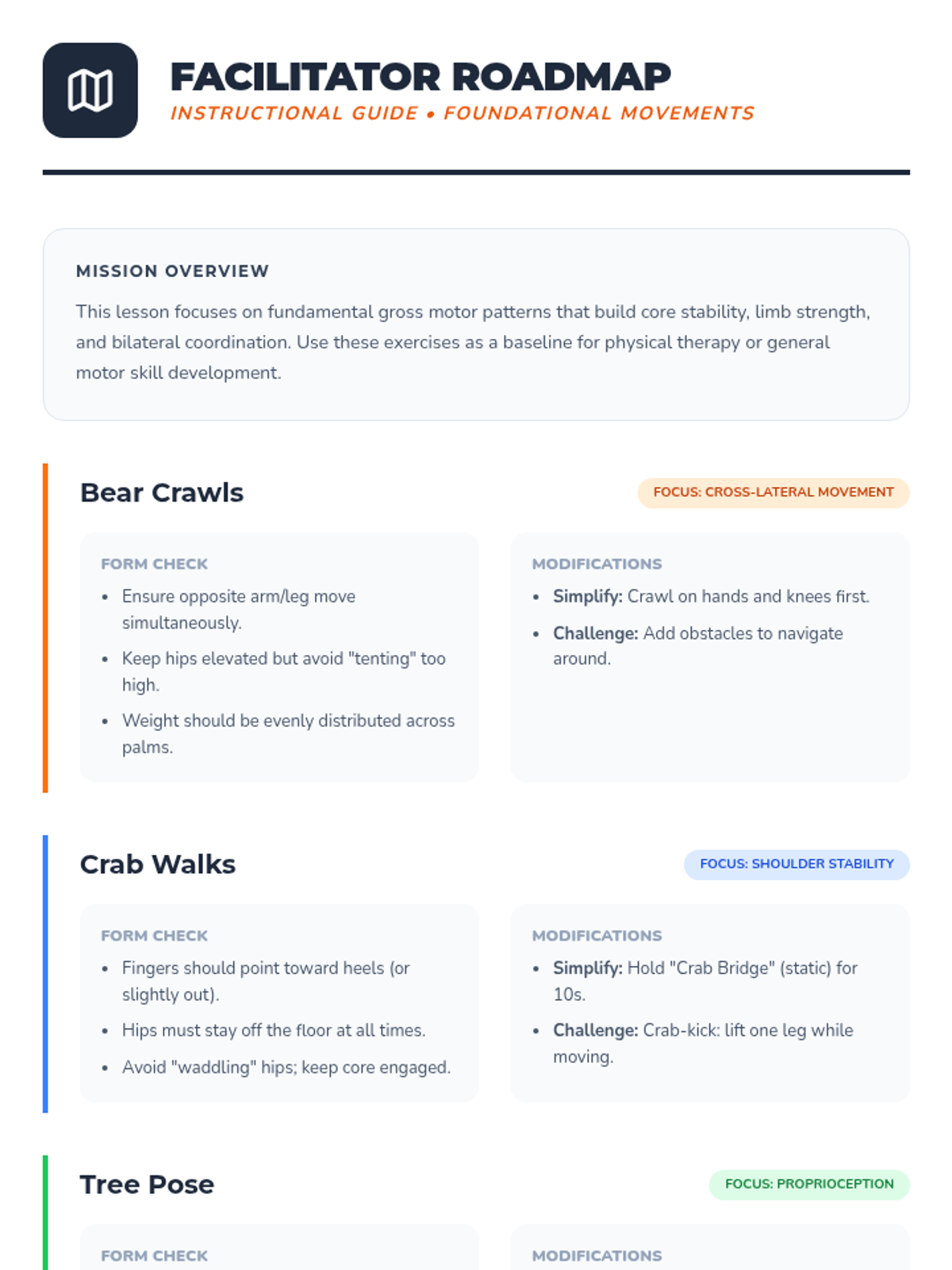
A comprehensive unit focused on developing fundamental gross motor skills through engaging, theme-based physical therapy exercises. Students will explore balance, coordination, and strength through a series of 'movement missions'.
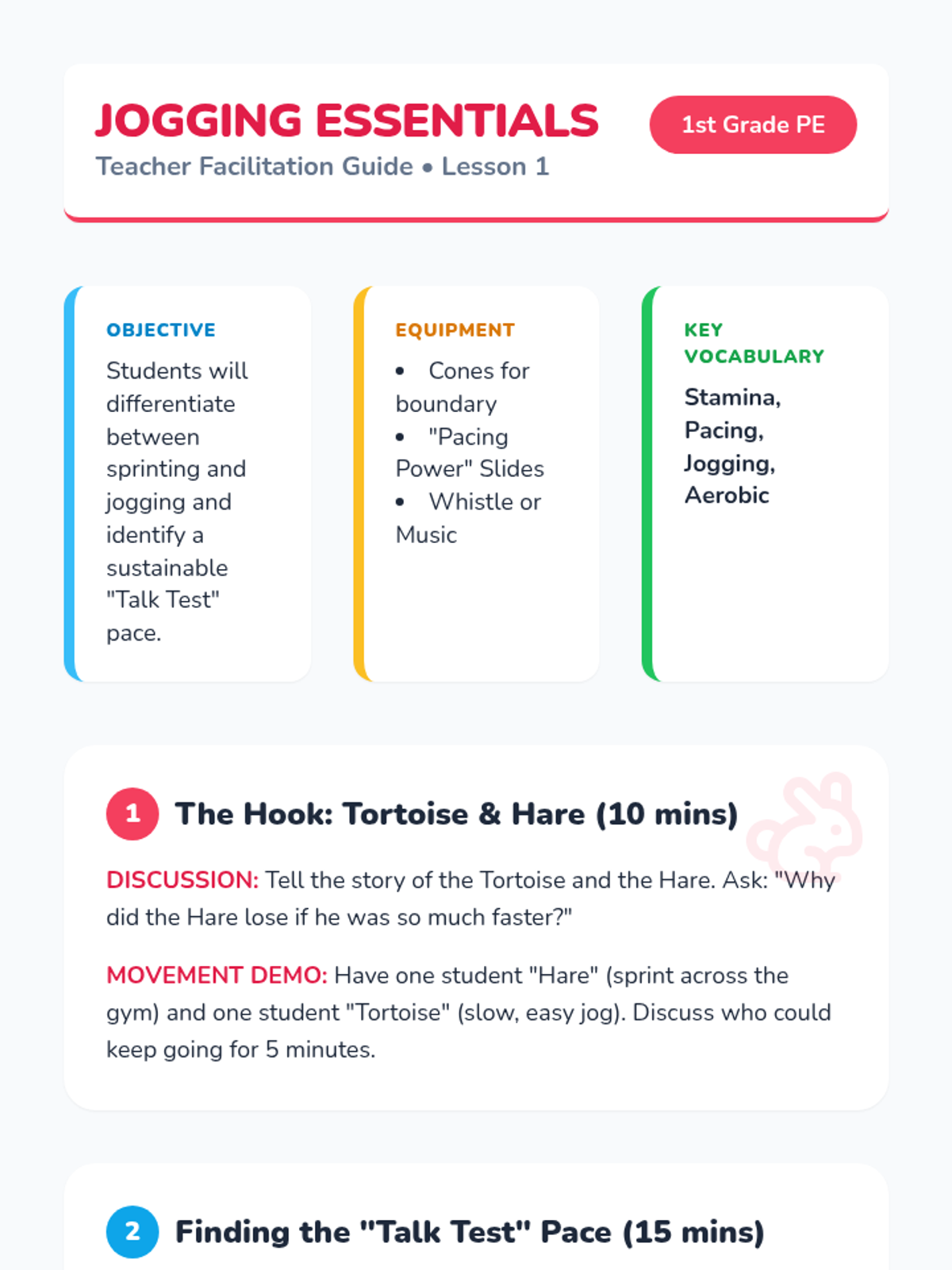
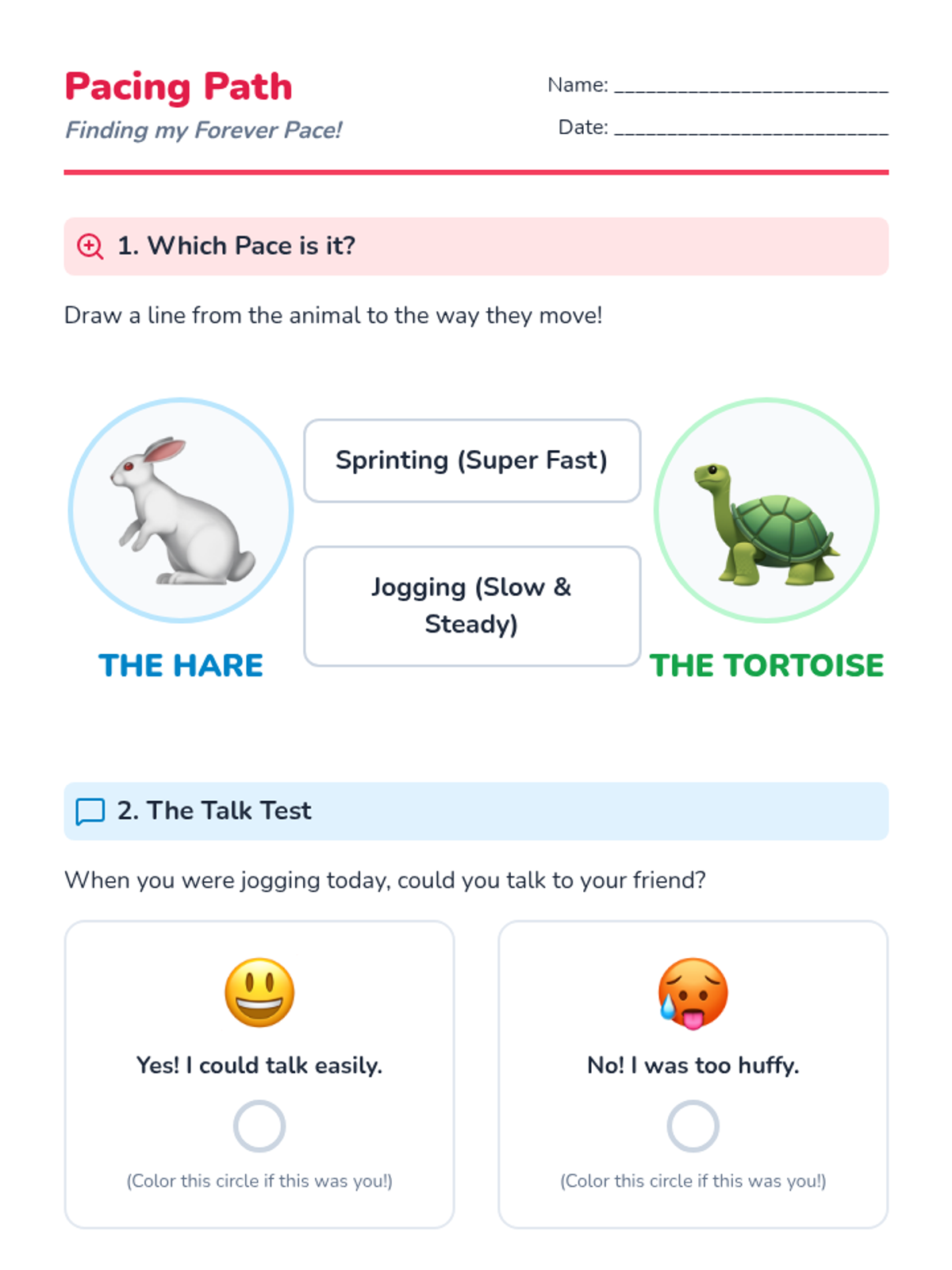
This sequence introduces 1st Grade students to cardiovascular fitness and the concept of pacing. Students learn to sustain movement through jogging, jumping rope, obstacle courses, and aerobic dance, culminating in a five-minute endurance challenge.
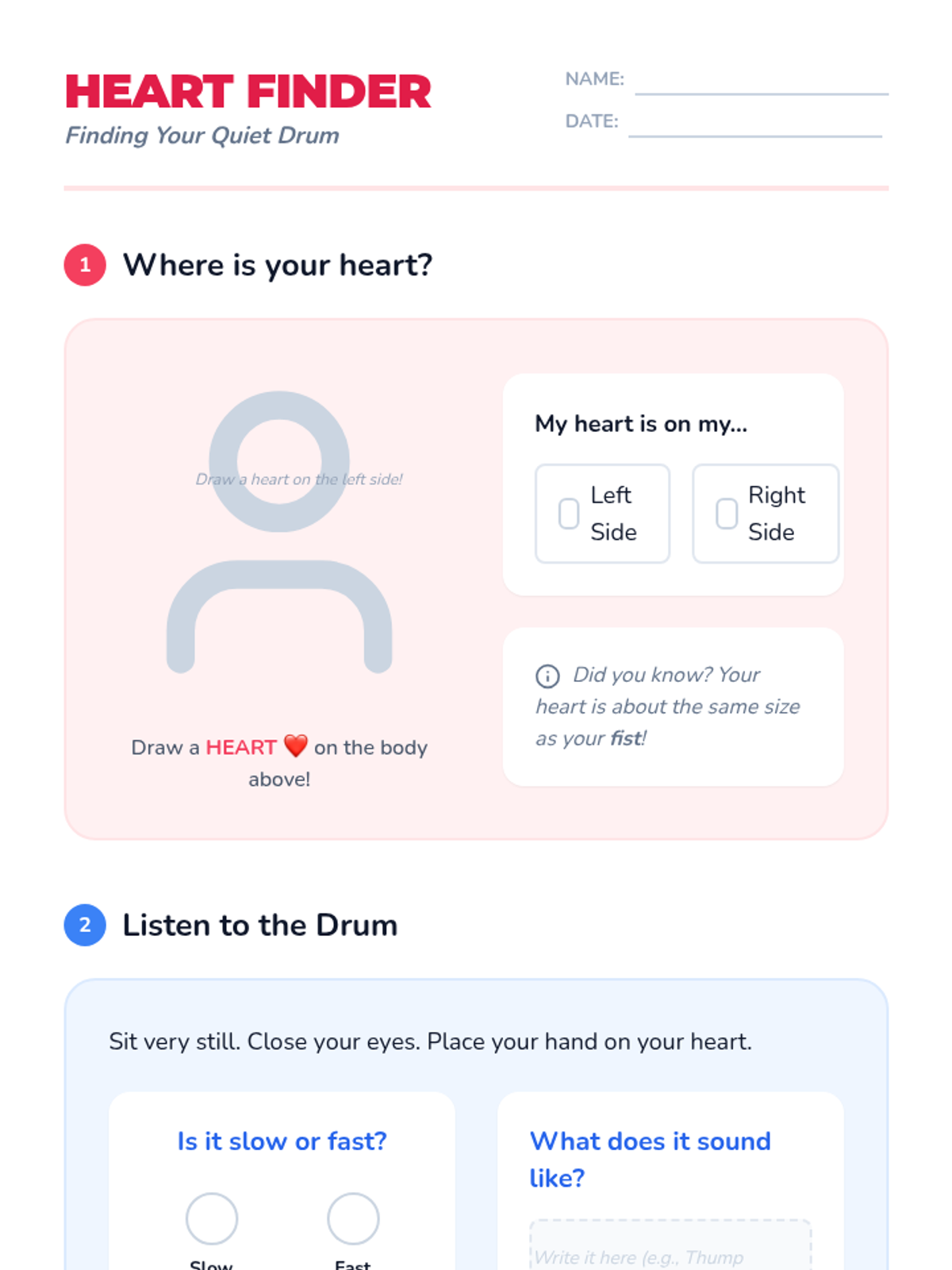
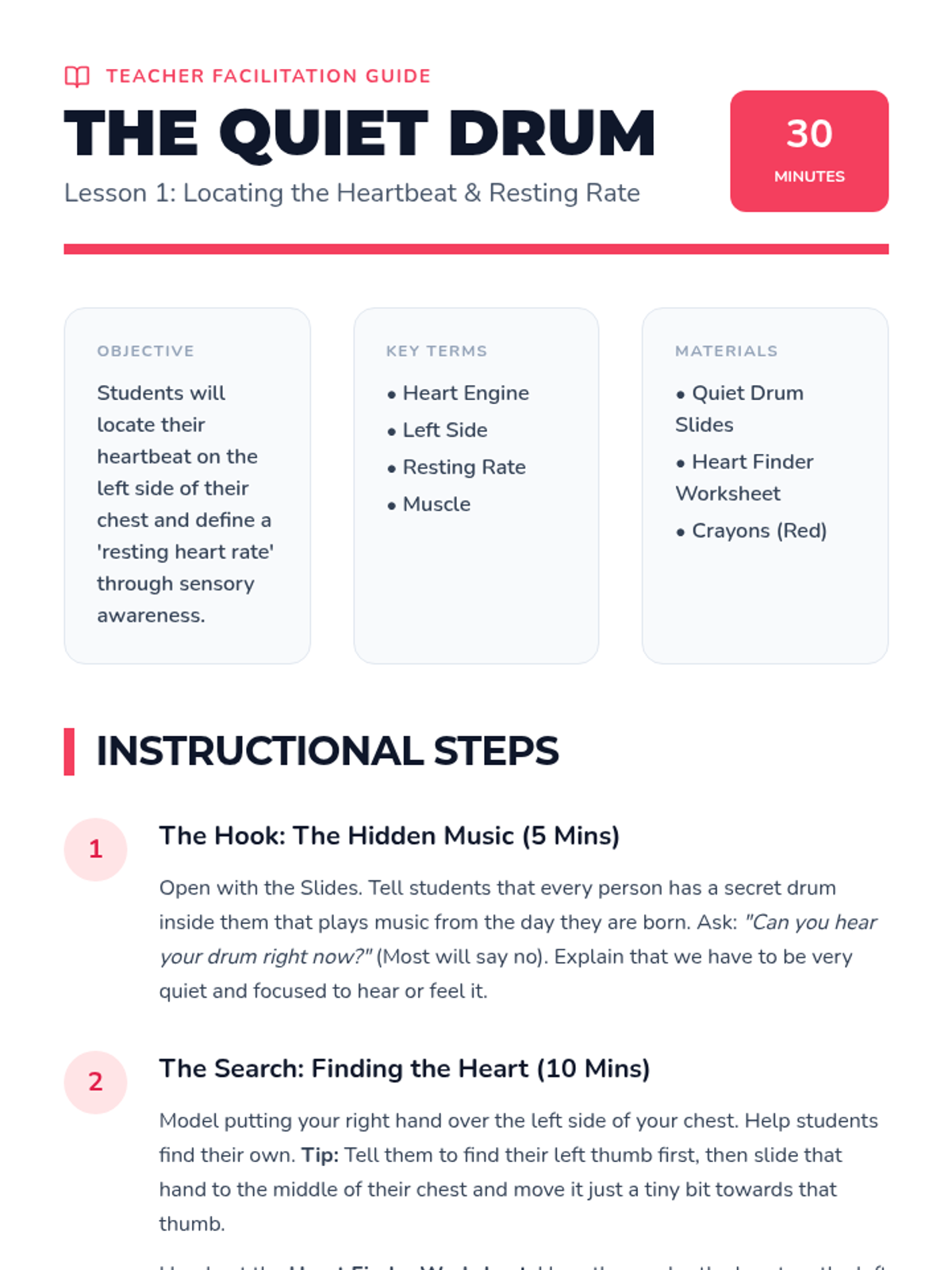
A 5-lesson sequence for 1st graders to understand heart rate changes through movement, sensory exploration, and play. Students learn to locate their heartbeat, compare resting vs. active rates, and identify exercise as a way to make their 'heart engine' stronger.
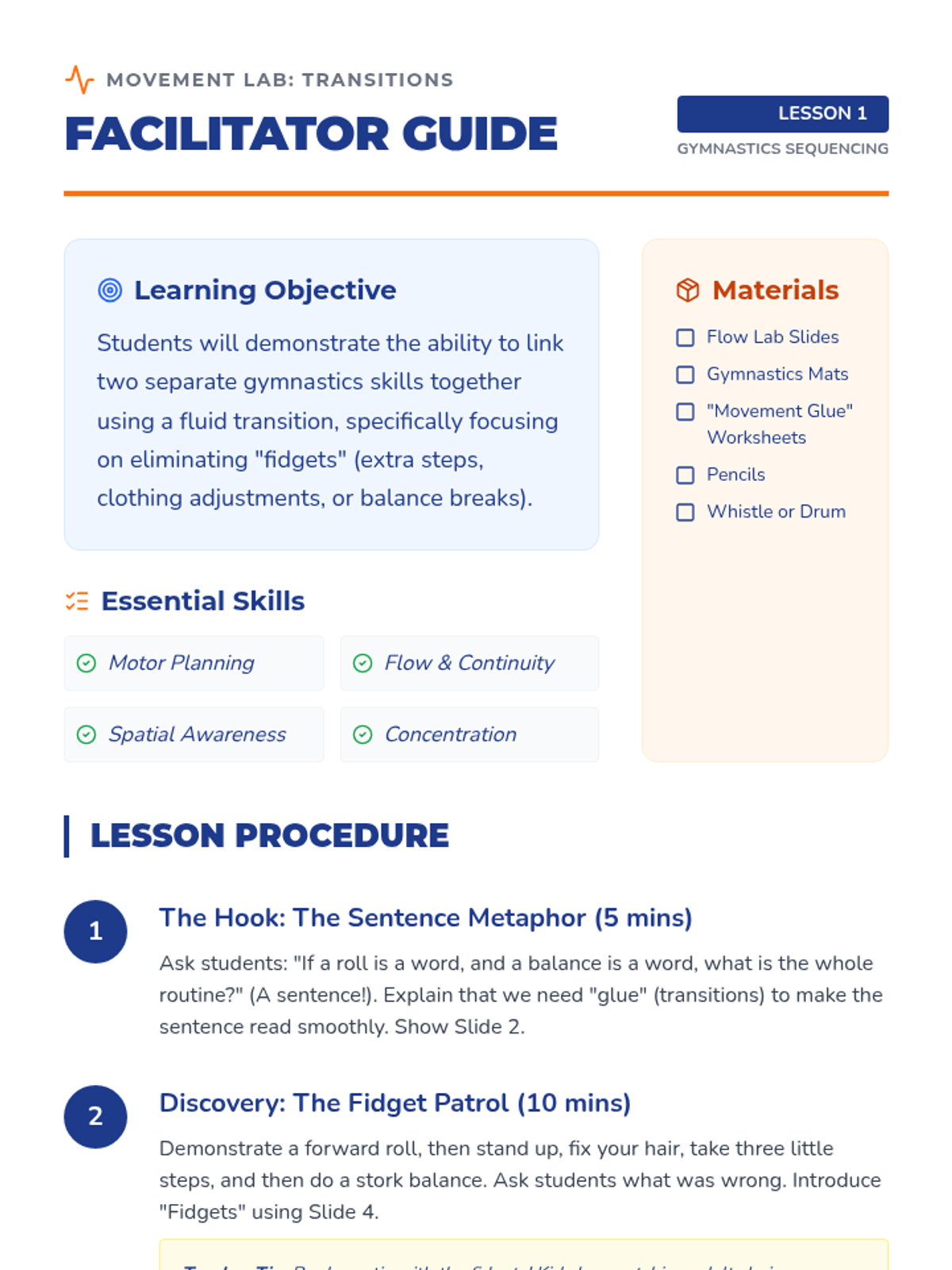
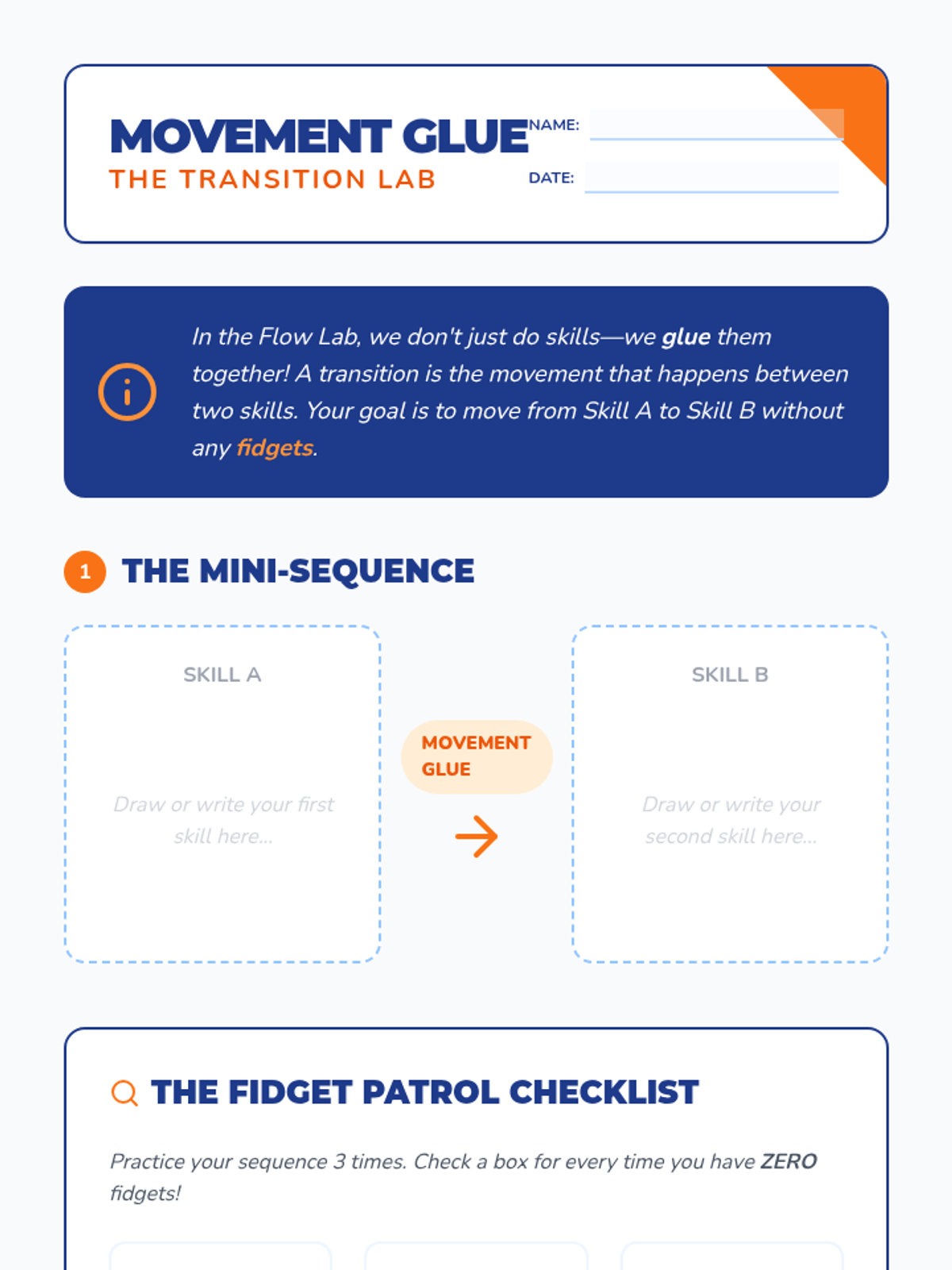
This culminating sequence focuses on linking individual skills into coherent routines. Students explore transitions, rhythm, and the aesthetic components of gymnastics. They will collaborate to sequence movements logically and perform a short routine, emphasizing the connection between physical skill and artistic expression.
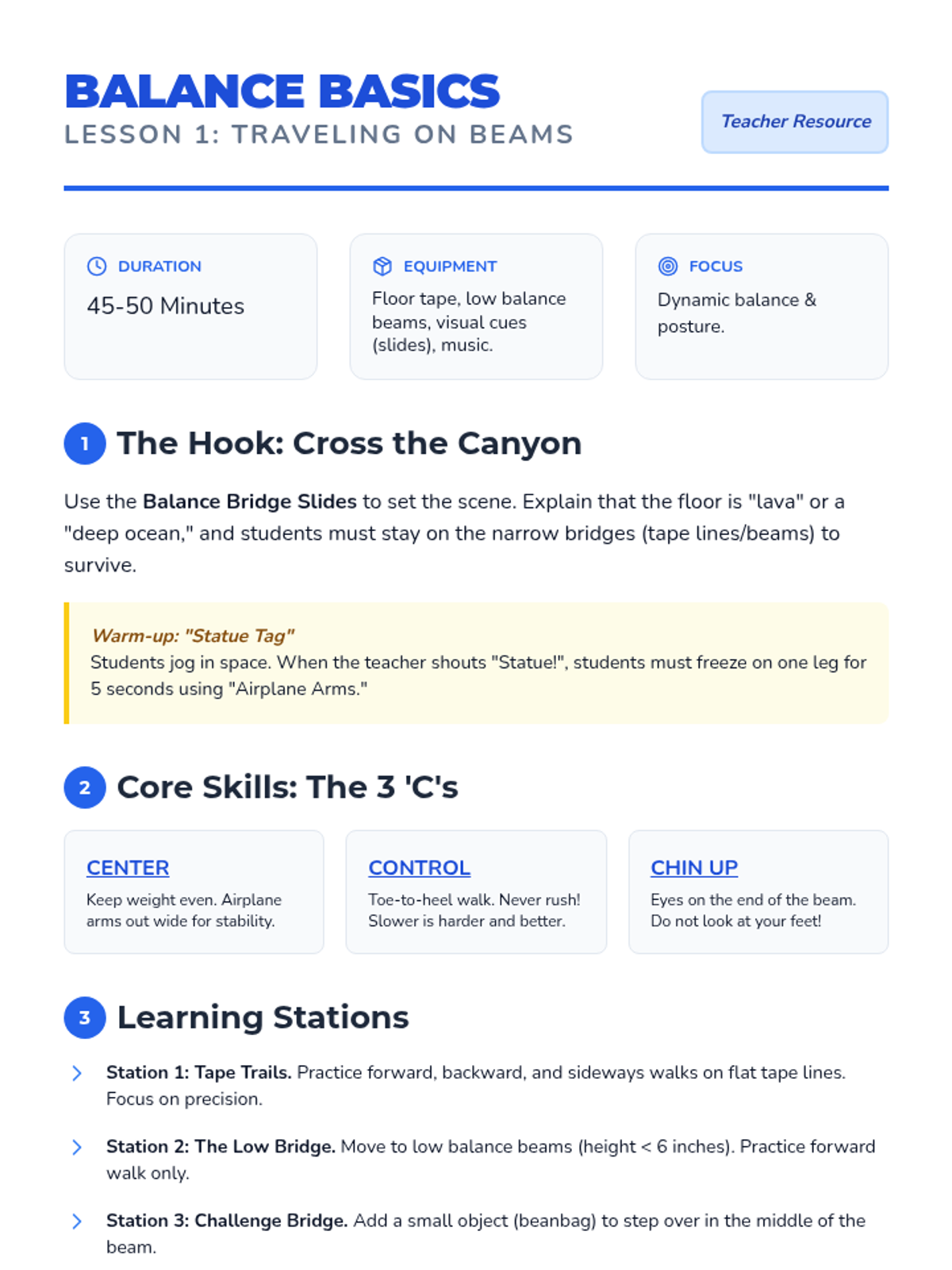
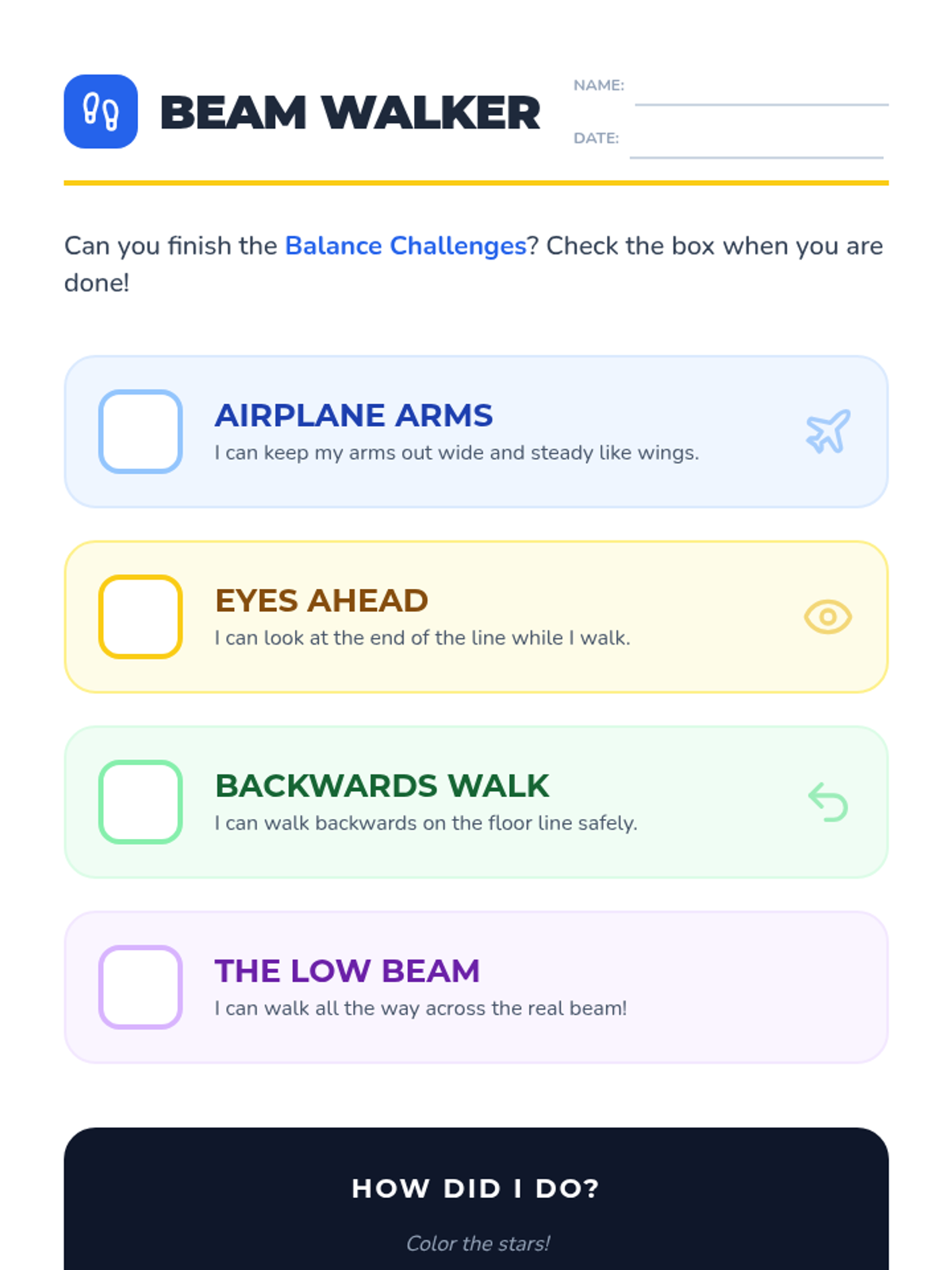
This 1st Grade Gymnastics sequence guides students from basic balance skills on lines and beams to creating and performing their first linked movement routine. Students explore dynamic balance, level changes, and rhythmic mirroring before synthesizing their learning into a creative performance.
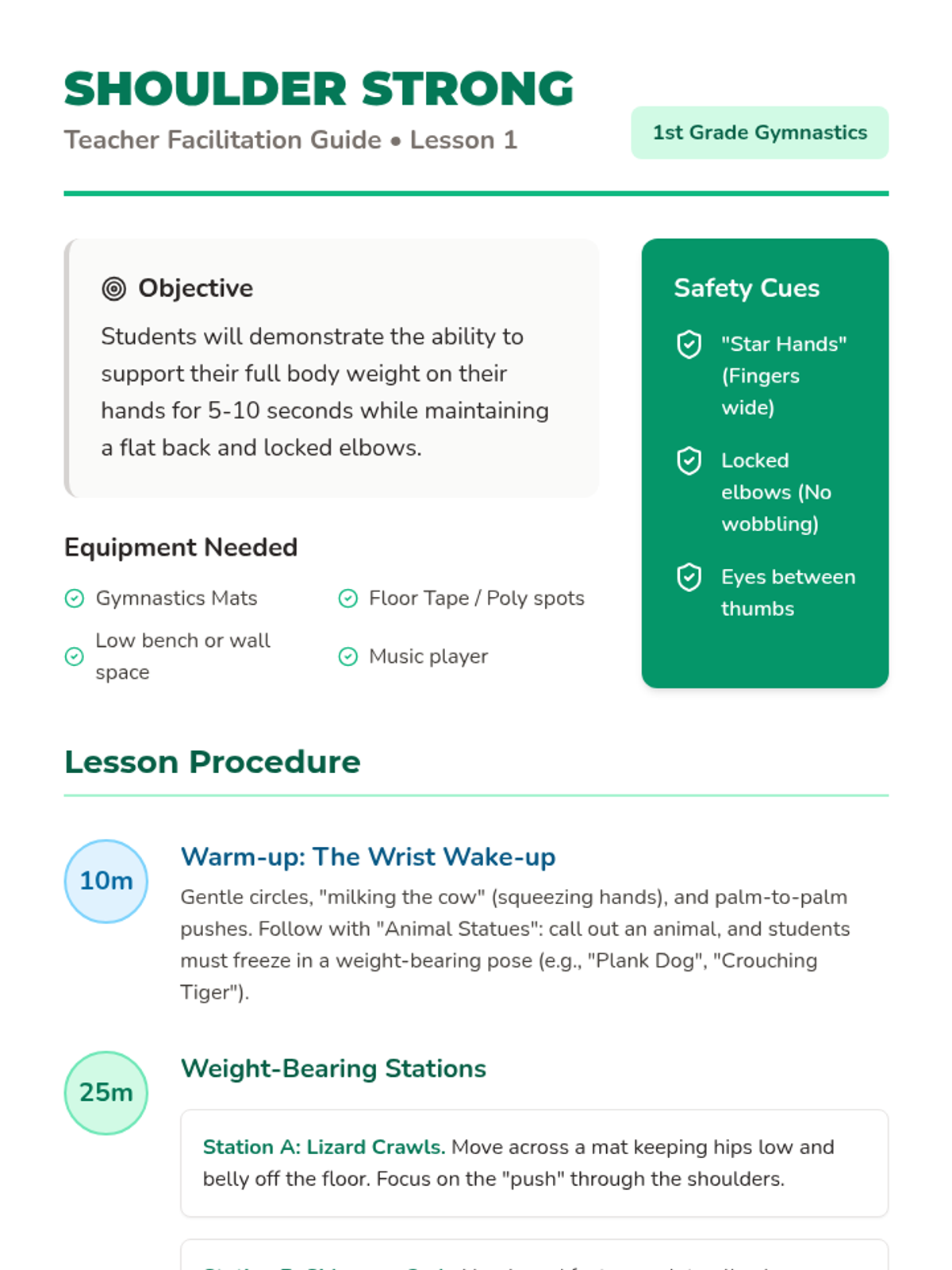
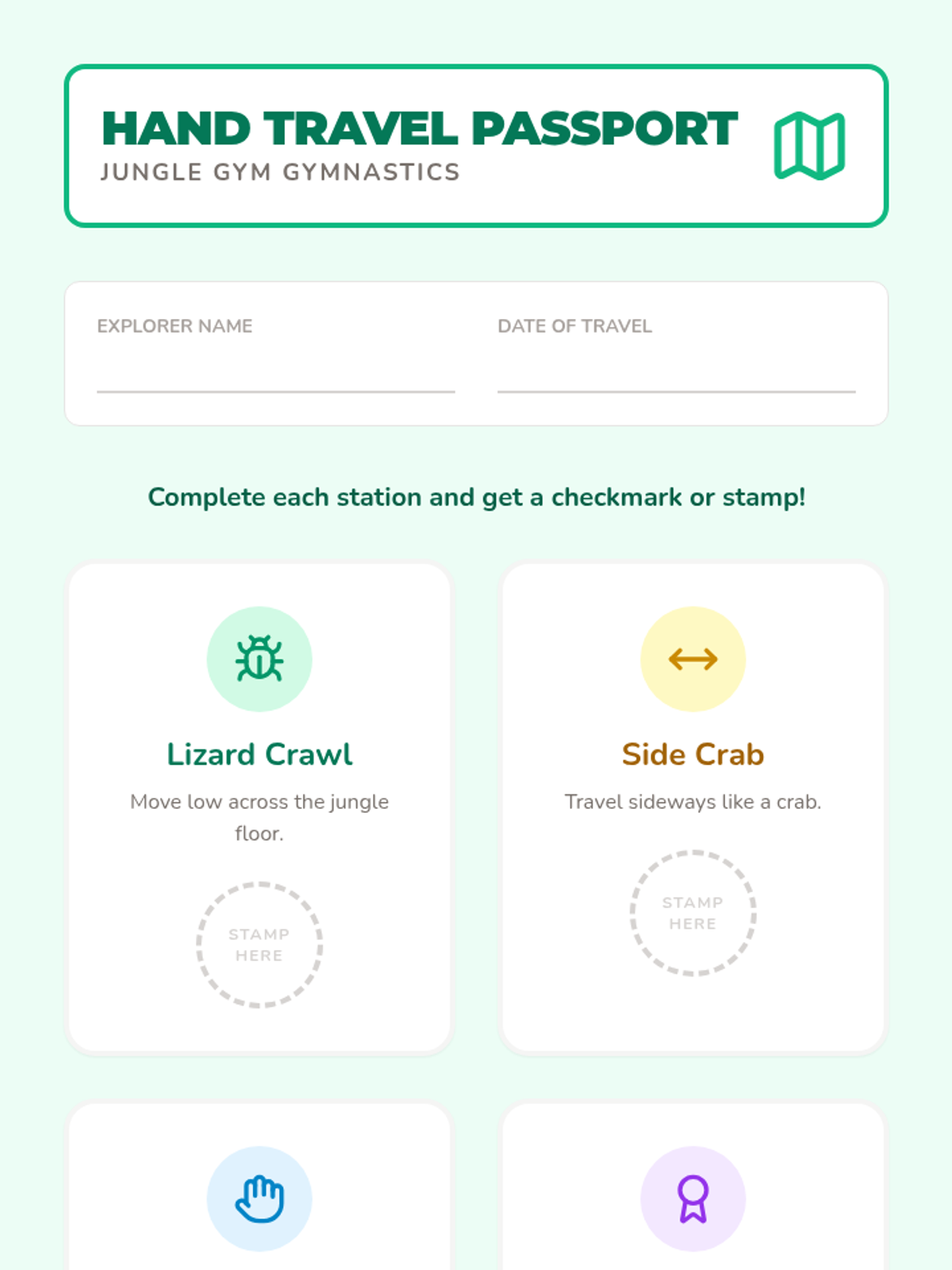
A 1st Grade gymnastics sequence focused on weight transfer, inversions, and introductory vaulting. Students build strength and confidence through animal-themed movements and stations.
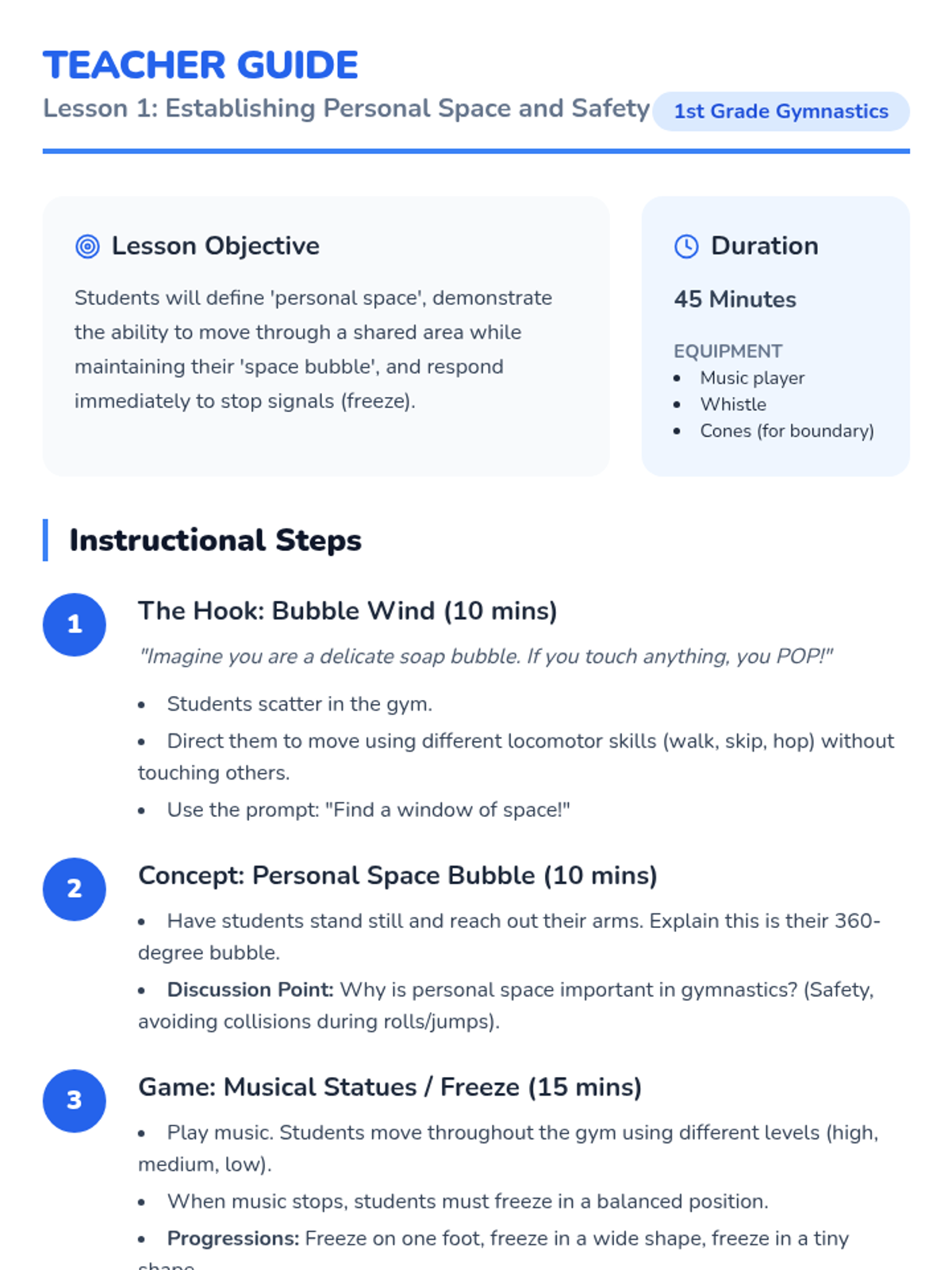
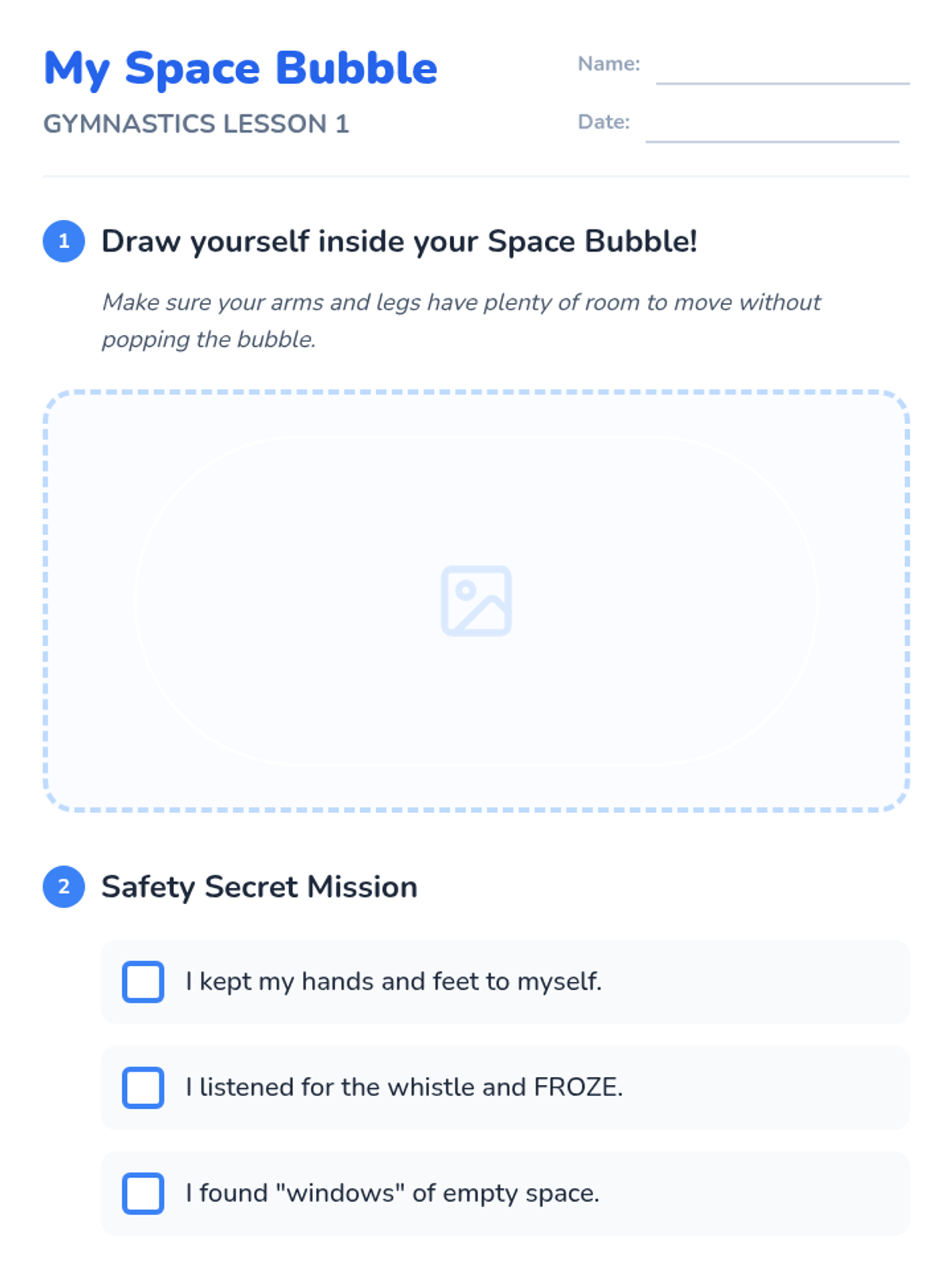
An introductory gymnastics sequence for 1st Grade focusing on body management, spatial awareness, and safe landing techniques. Students progress from establishing personal space to performing fundamental shapes and navigating obstacle courses.
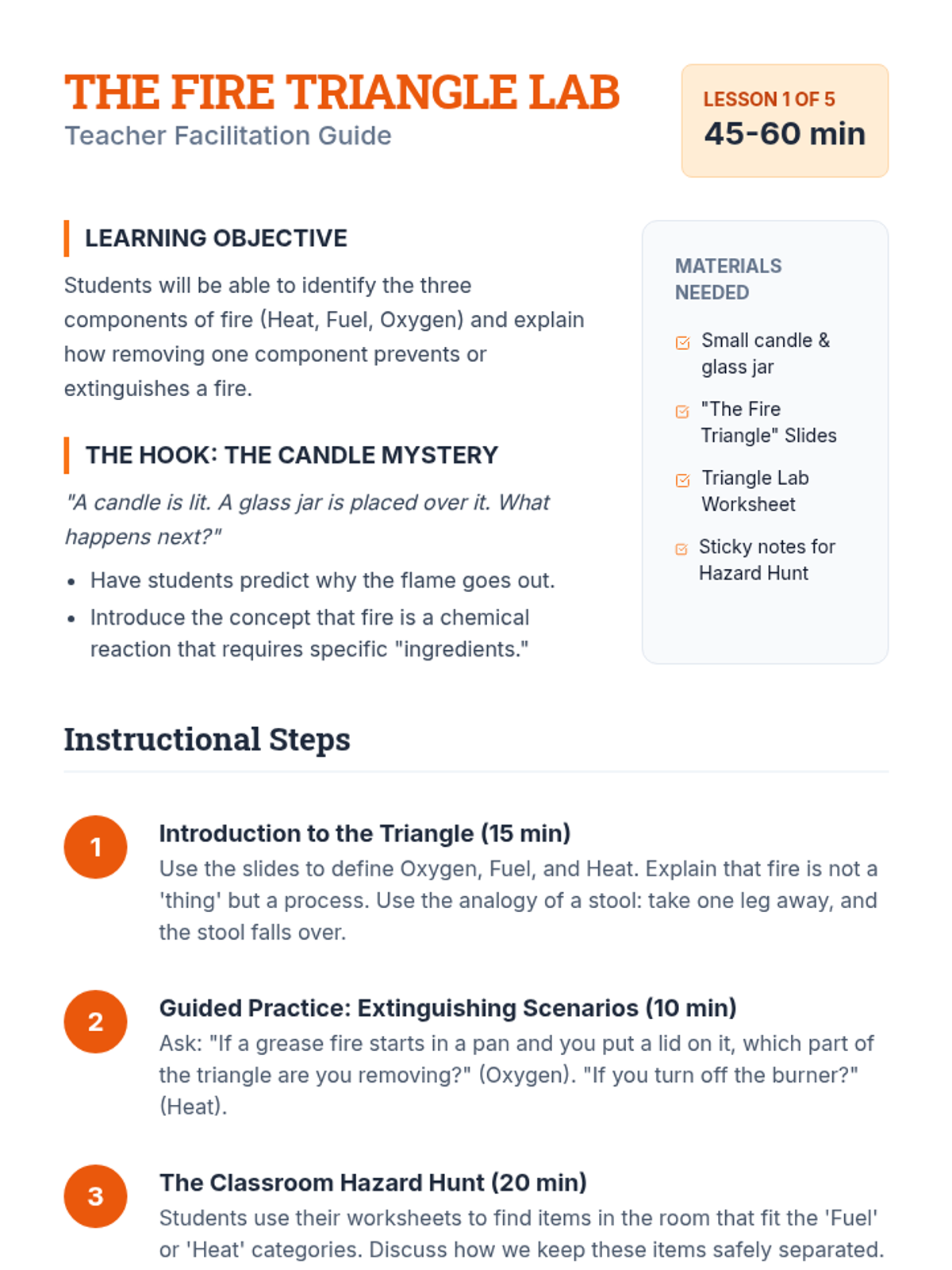
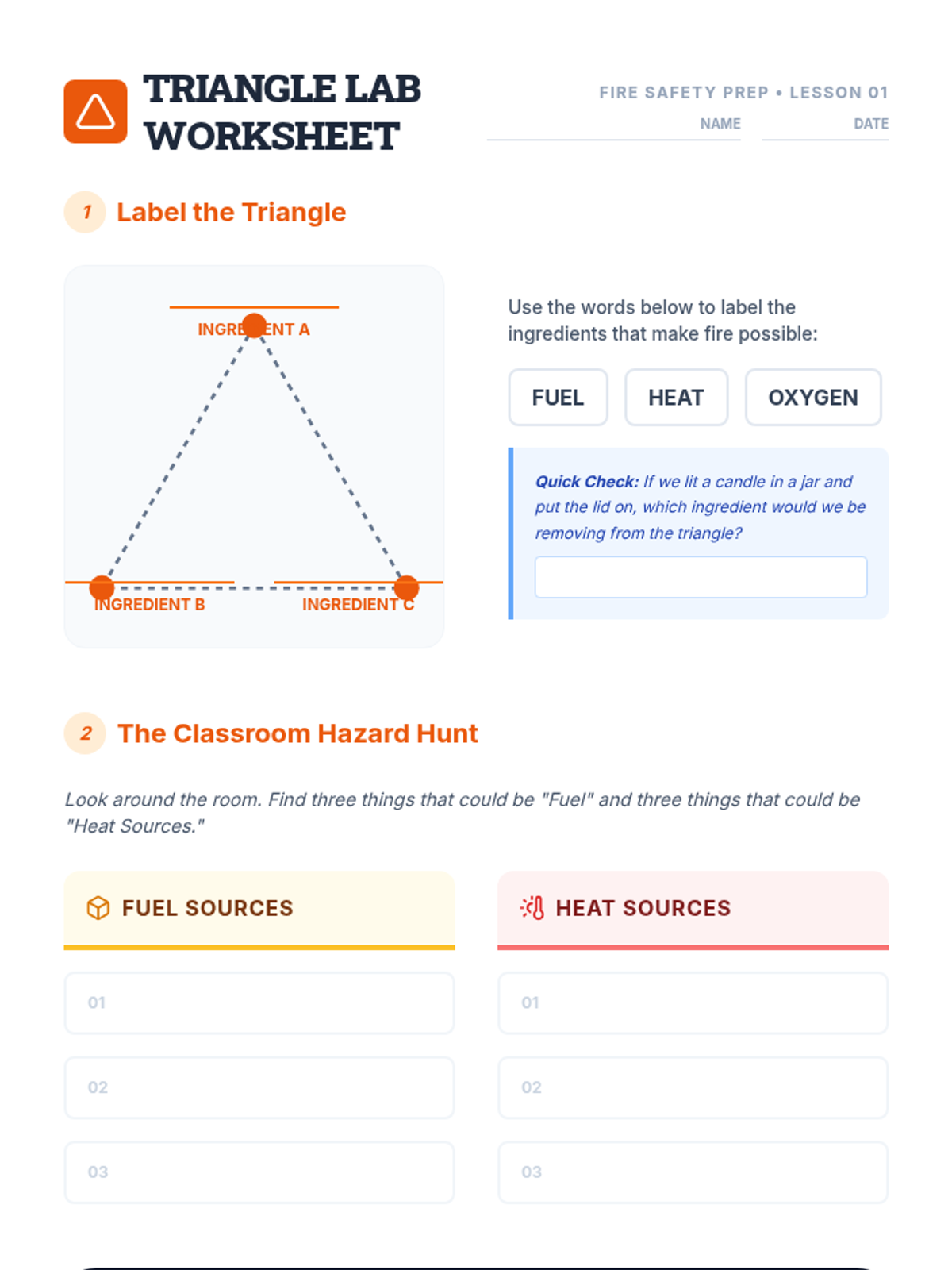
This sequence focuses on the critical cognitive and physical skills required for fire safety. Students move from understanding the science of fire to designing strategic escape plans and practicing survival maneuvers, empowering them to act as safety leaders in their homes and communities.
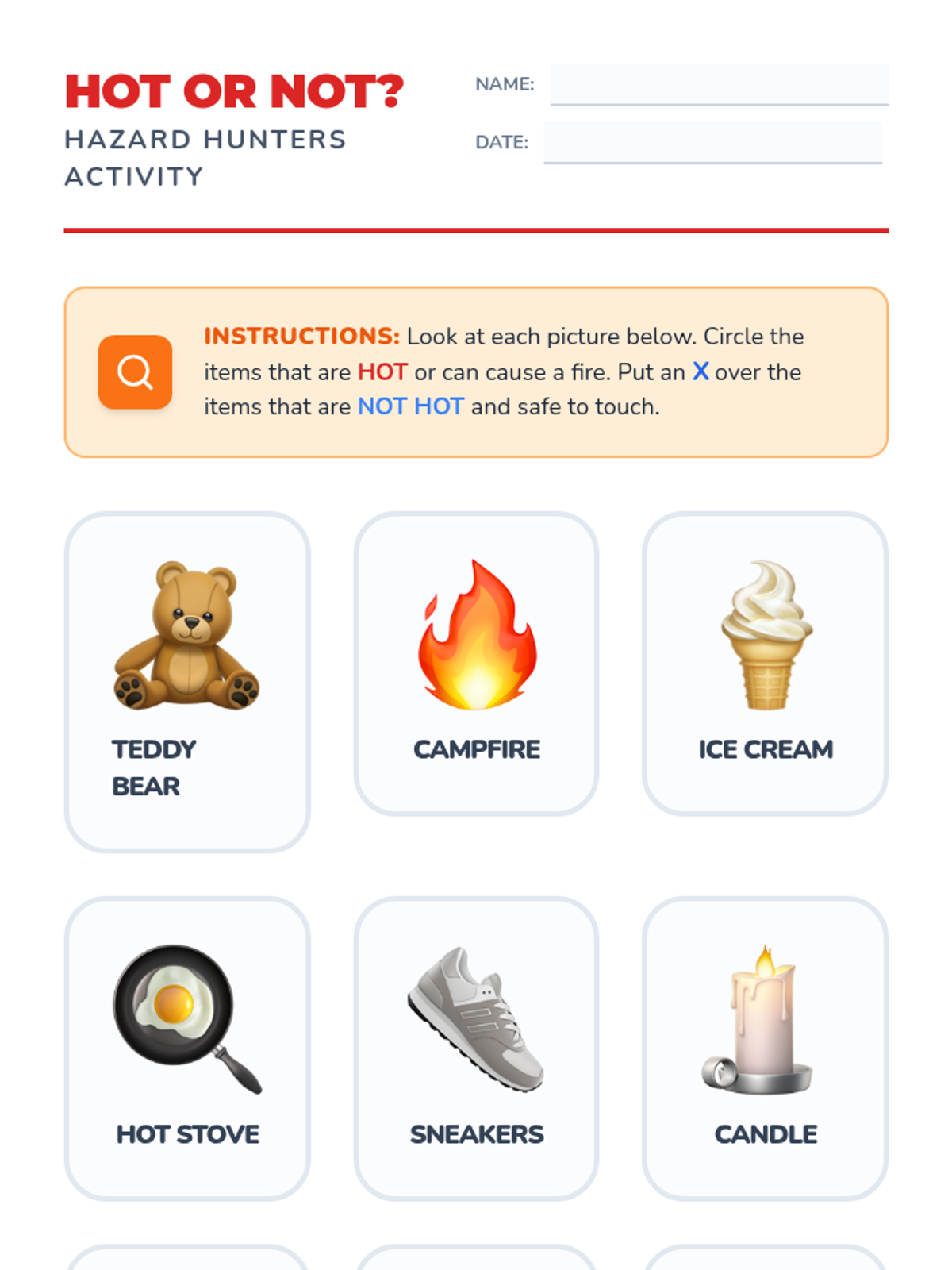
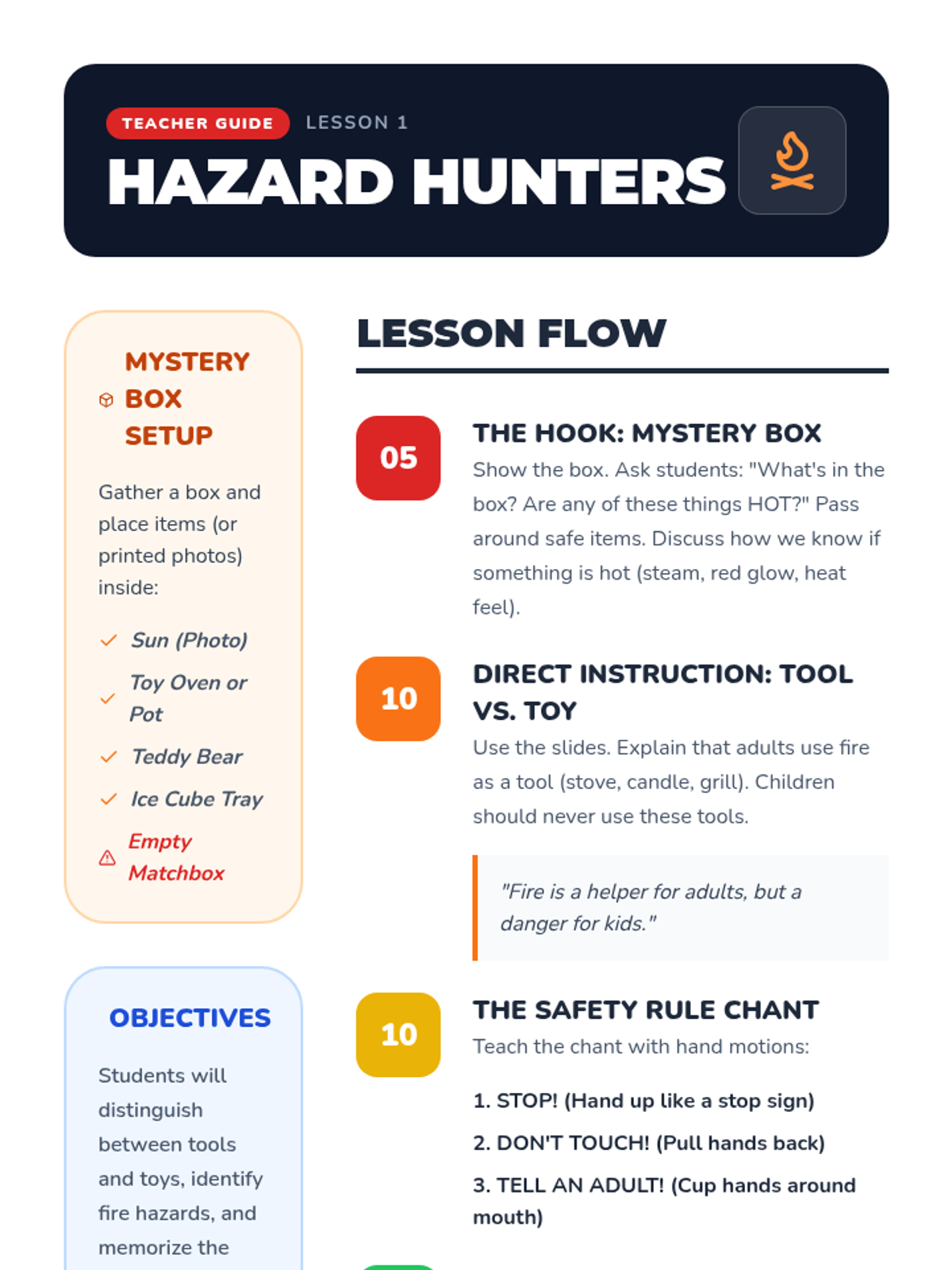
This sequence teaches 1st-grade students essential fire safety skills, from hazard identification to emergency evacuation techniques and home escape planning, through interactive simulations and physical practice.
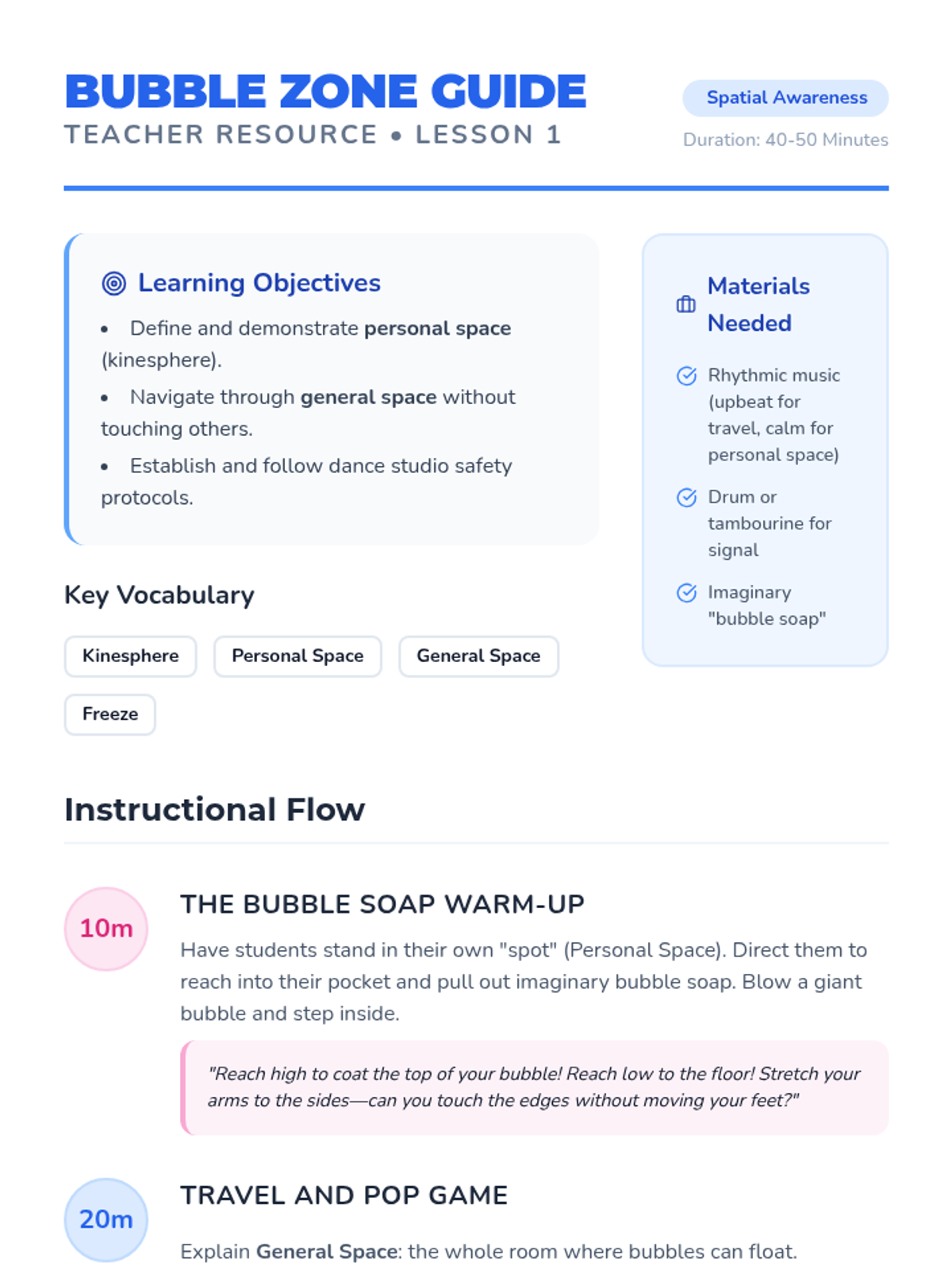
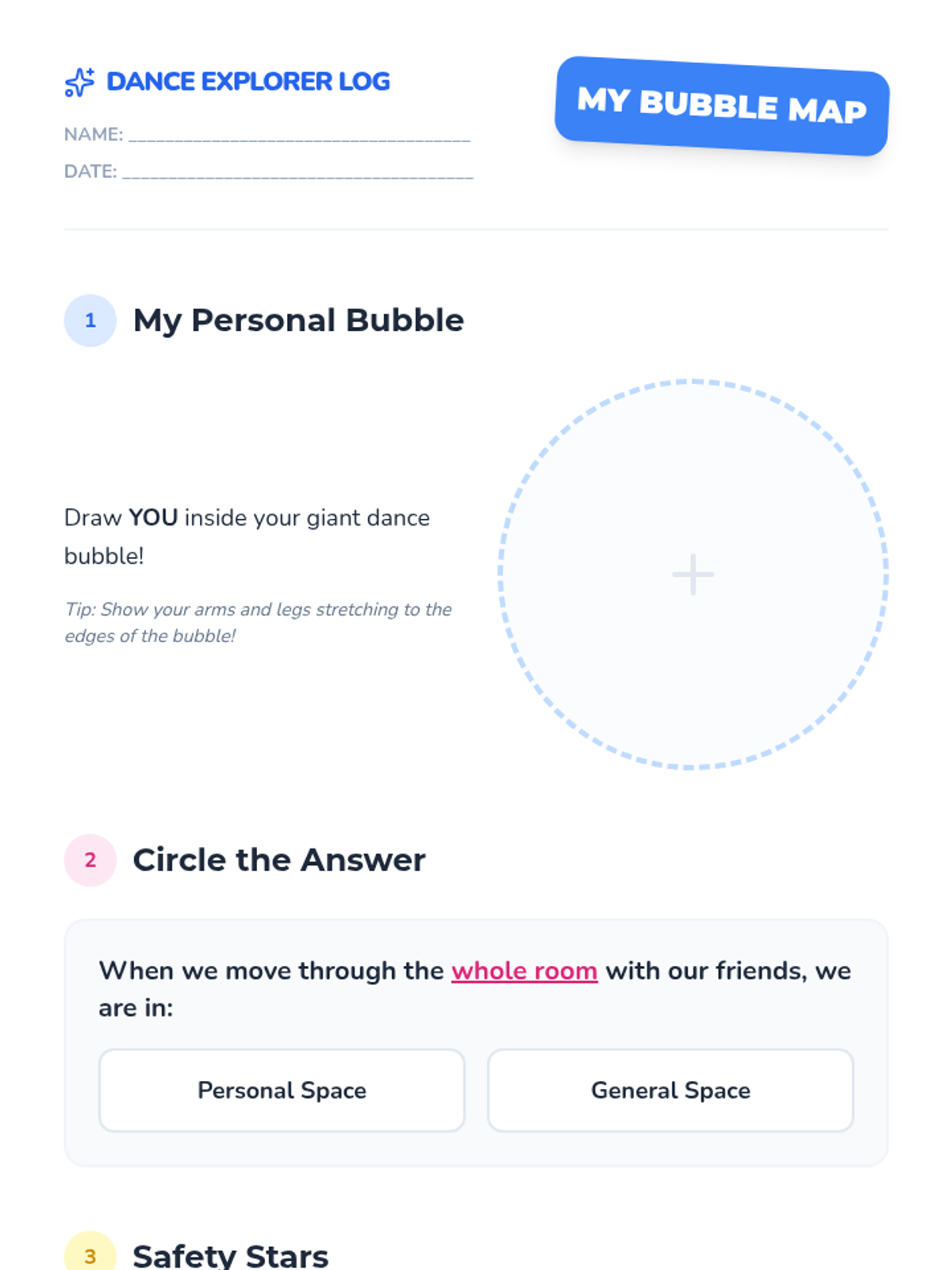
A foundational dance sequence for 1st graders focusing on spatial awareness (personal vs. general space), levels (high, middle, low), pathways, and basic locomotor movements like galloping and chassé.
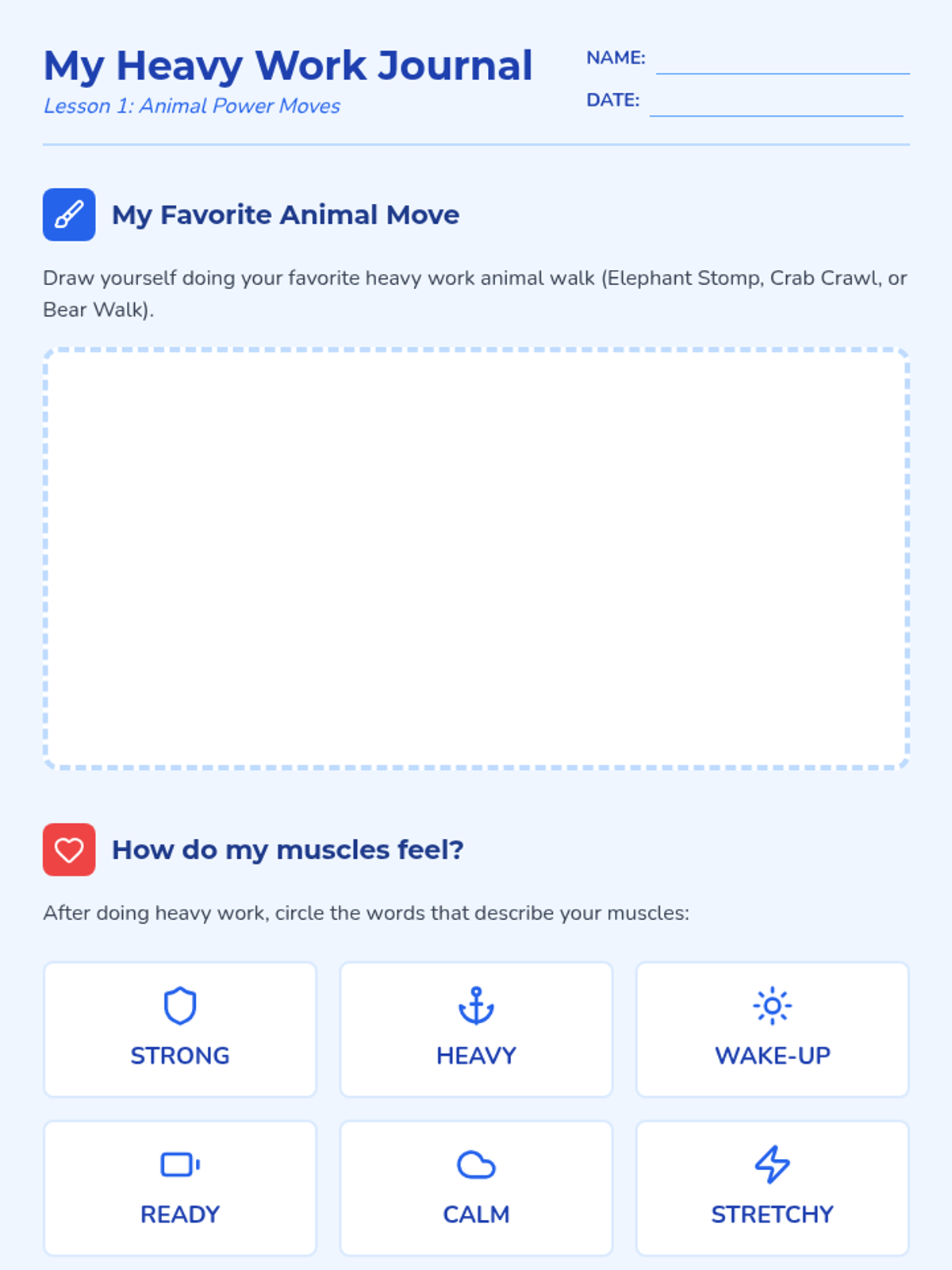
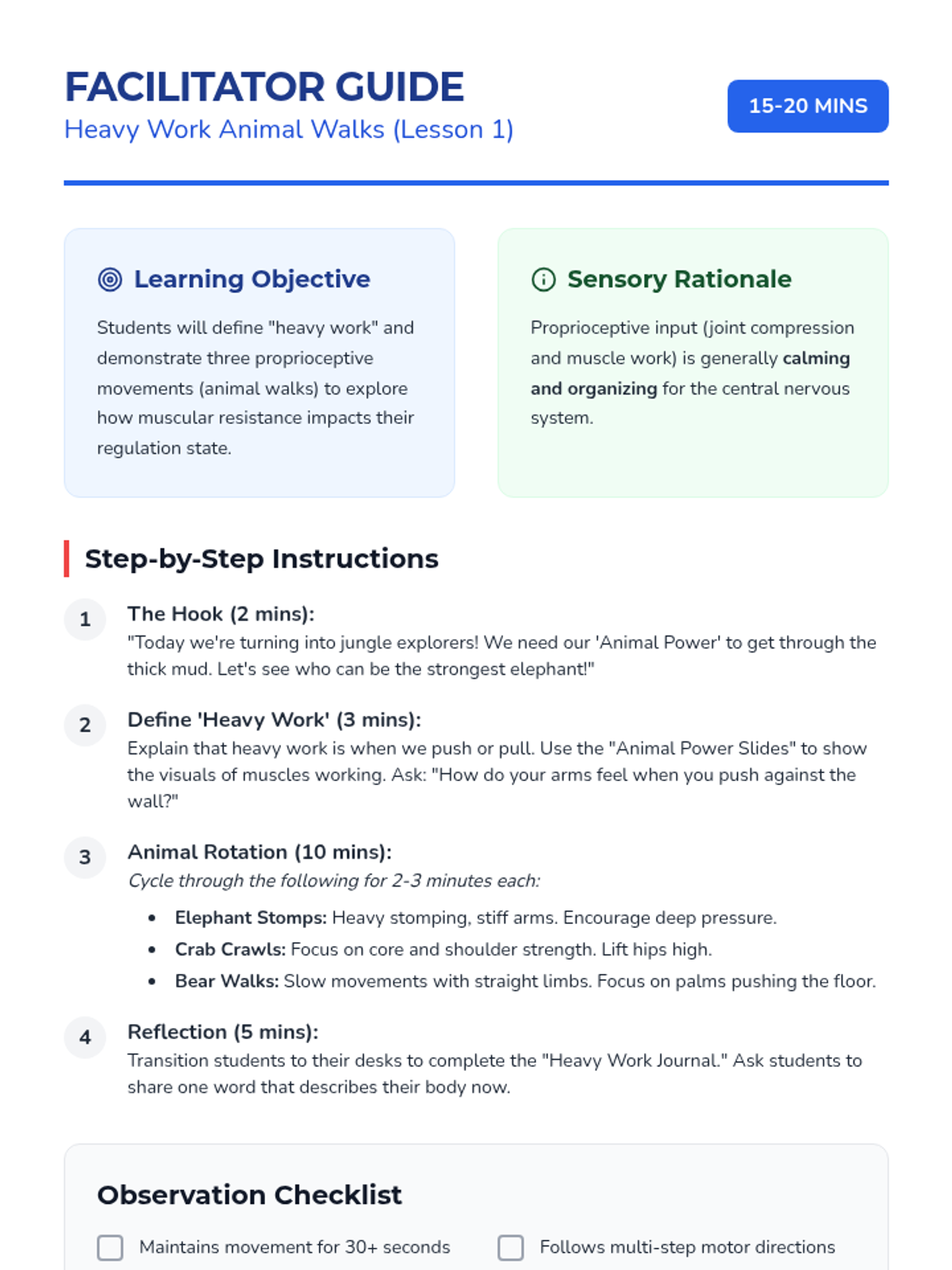
A game-based sequence for 1st graders to explore proprioceptive, vestibular, and bilateral movements. Students learn to use 'Animal Walks' and 'Superhero Moves' as tools for sensory regulation and cognitive readiness.
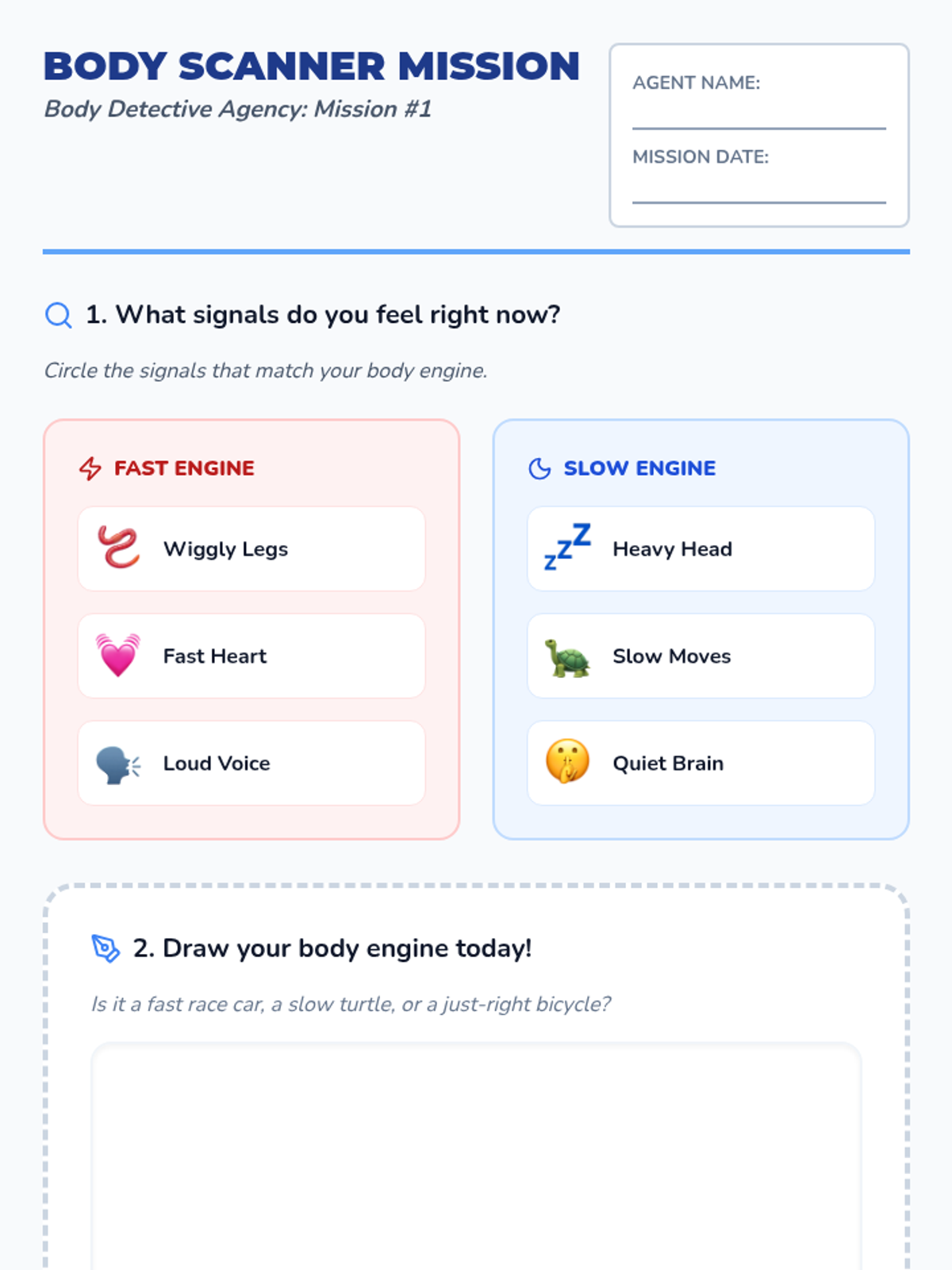
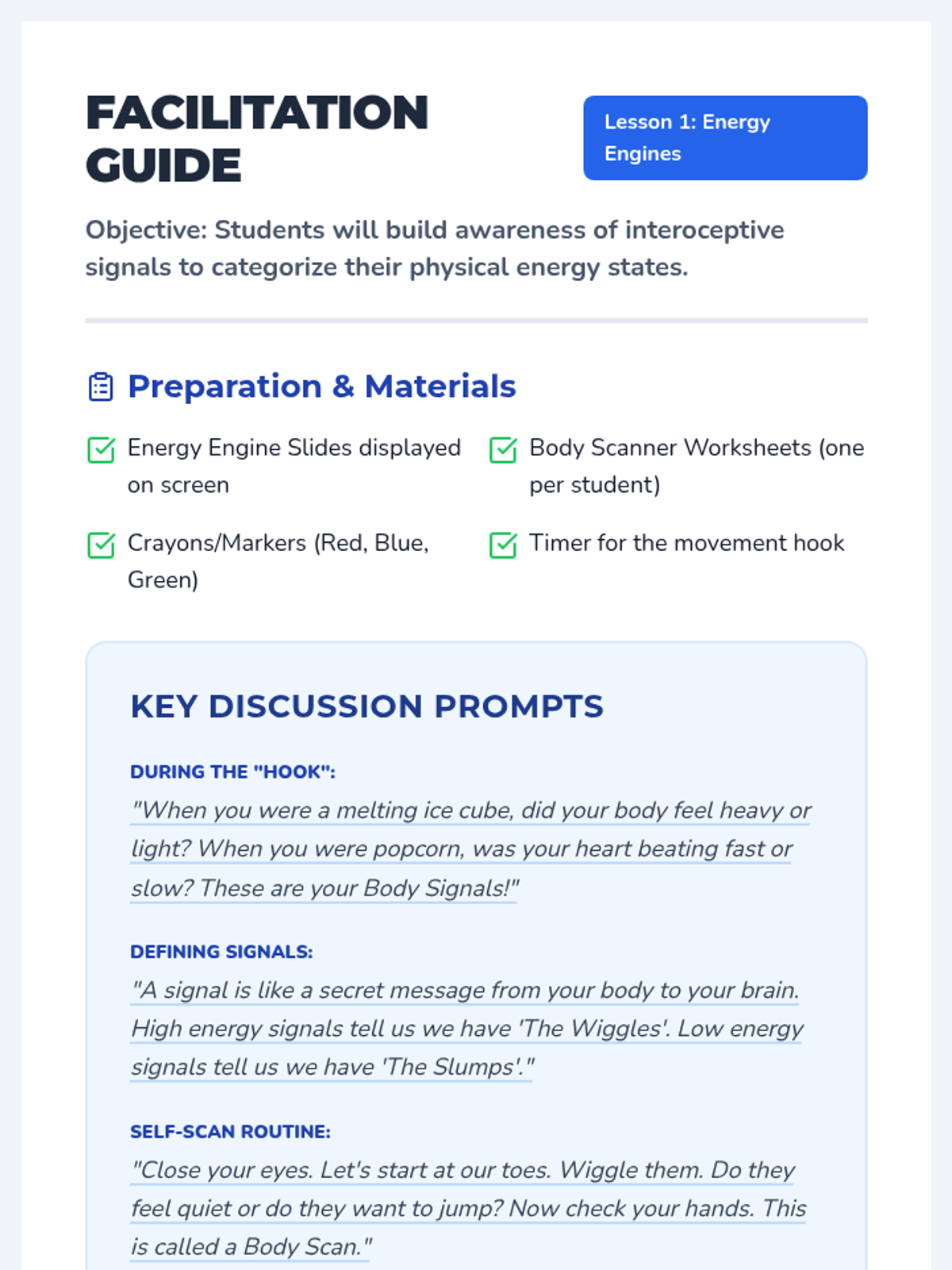
This sequence teaches 1st-grade students to recognize internal body signals (interoception) and match them with appropriate movement breaks. Students learn to differentiate between high energy (the wiggles) and low energy (the slumps) and explore specific calming and alerting movements to regulate their state.
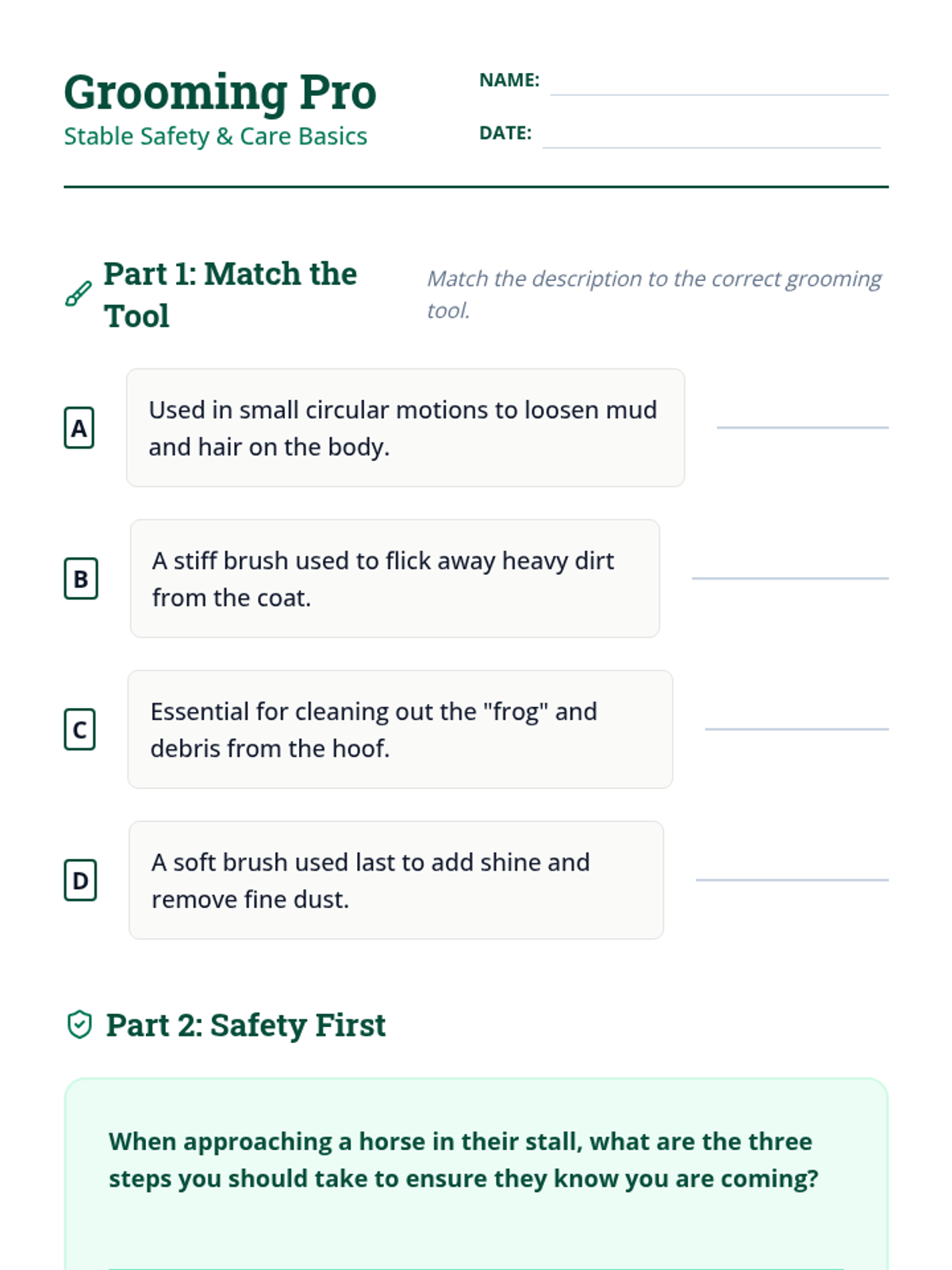
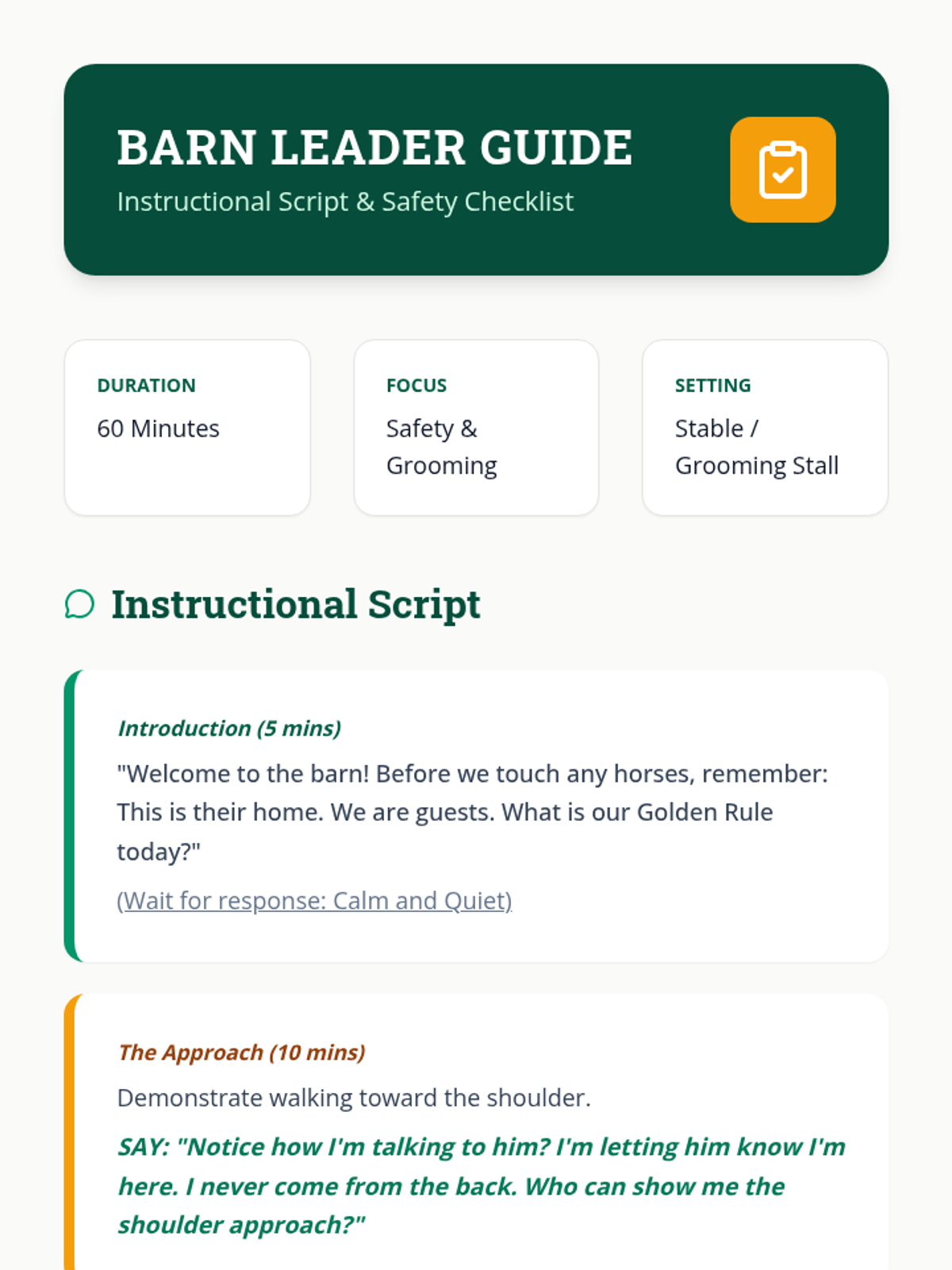
A comprehensive equestrian curriculum designed for students from elementary to high school, covering horse care, riding fundamentals, and advanced arena maneuvers. The program balances ground safety with progressive riding skills.
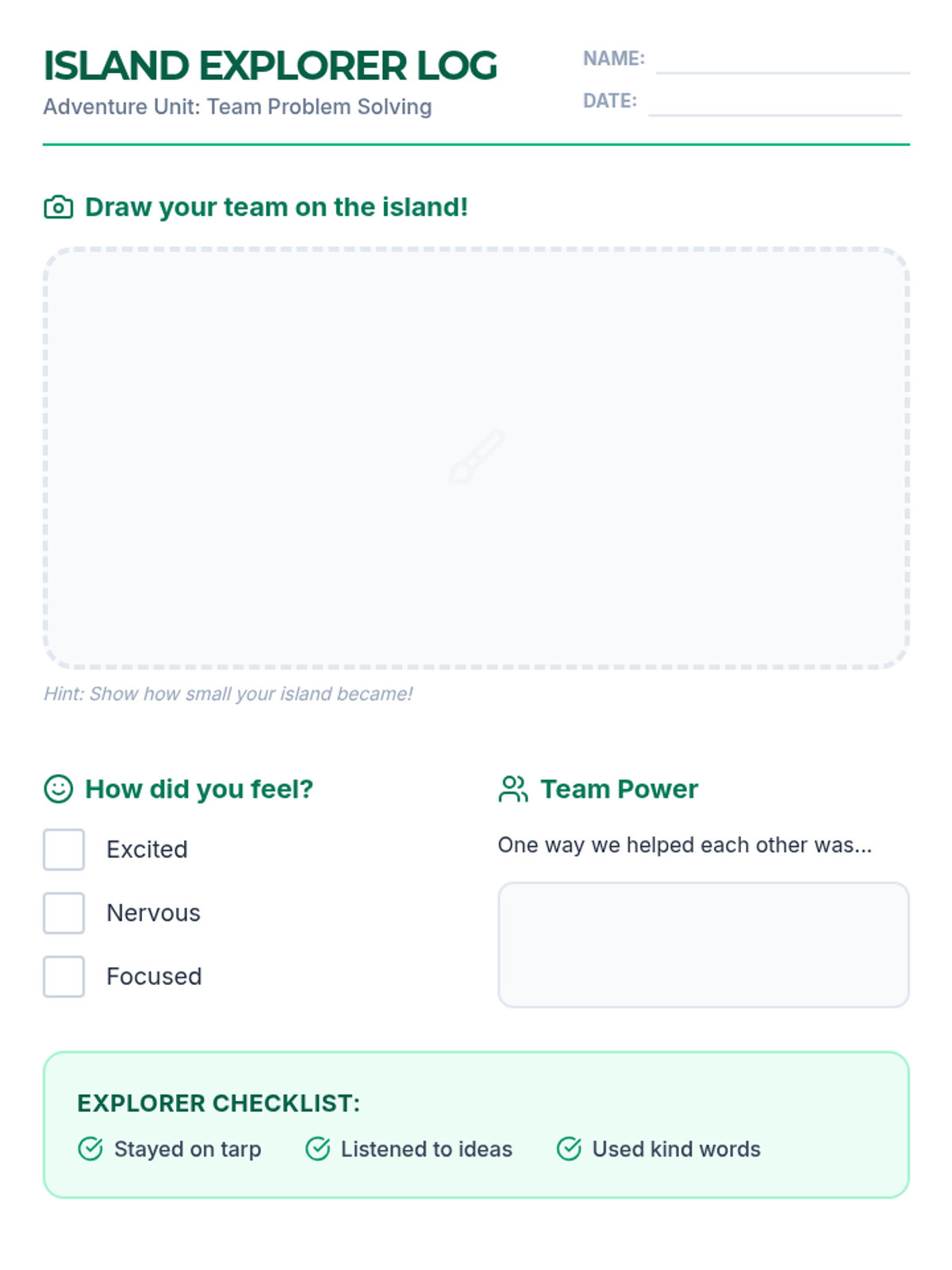
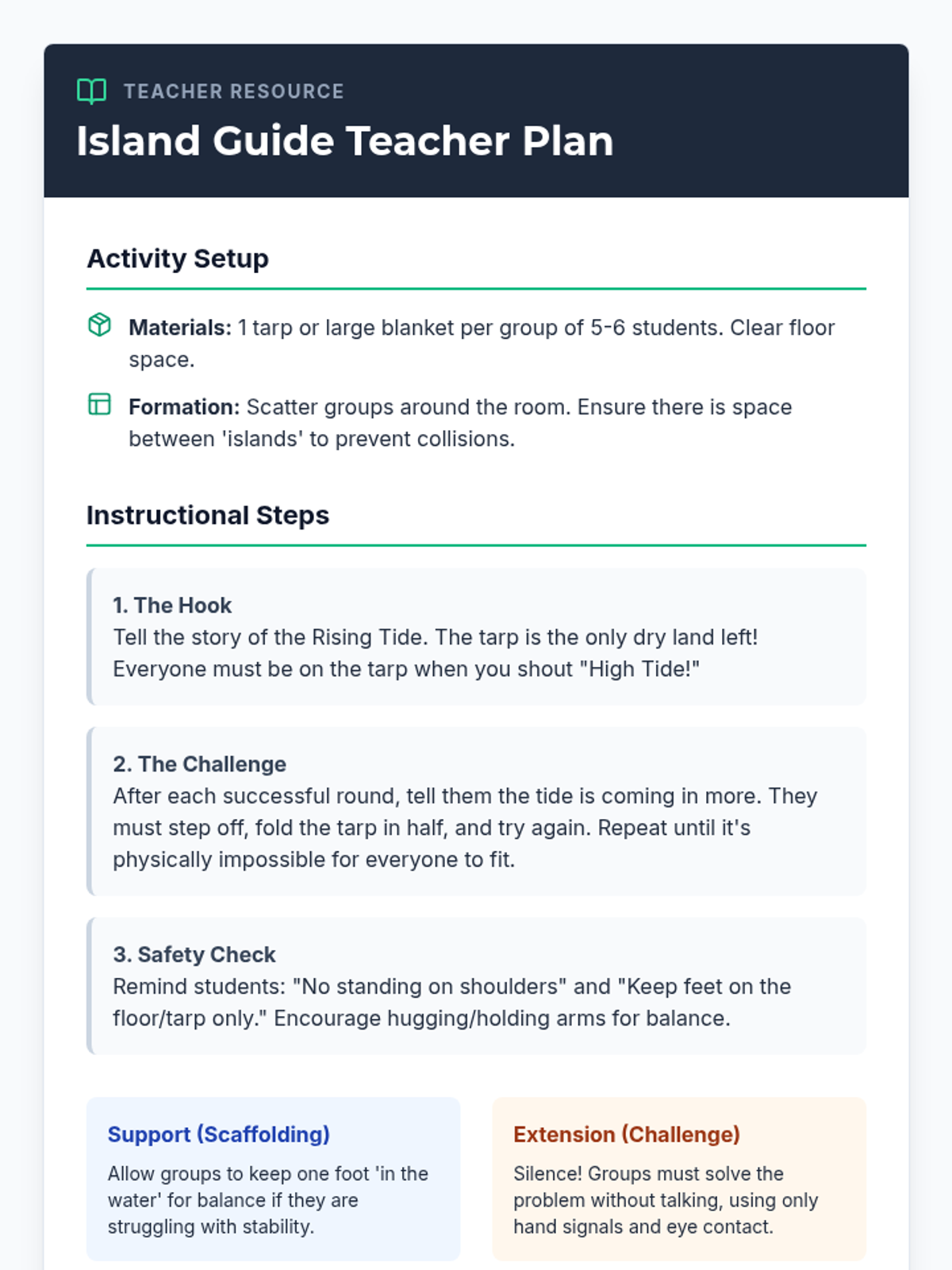
An adventure-themed physical education sequence for 1st graders focused on group problem-solving. Students roleplay as explorers navigating environmental hazards like shrinking islands and lava rivers to build collaboration and strategic thinking skills.
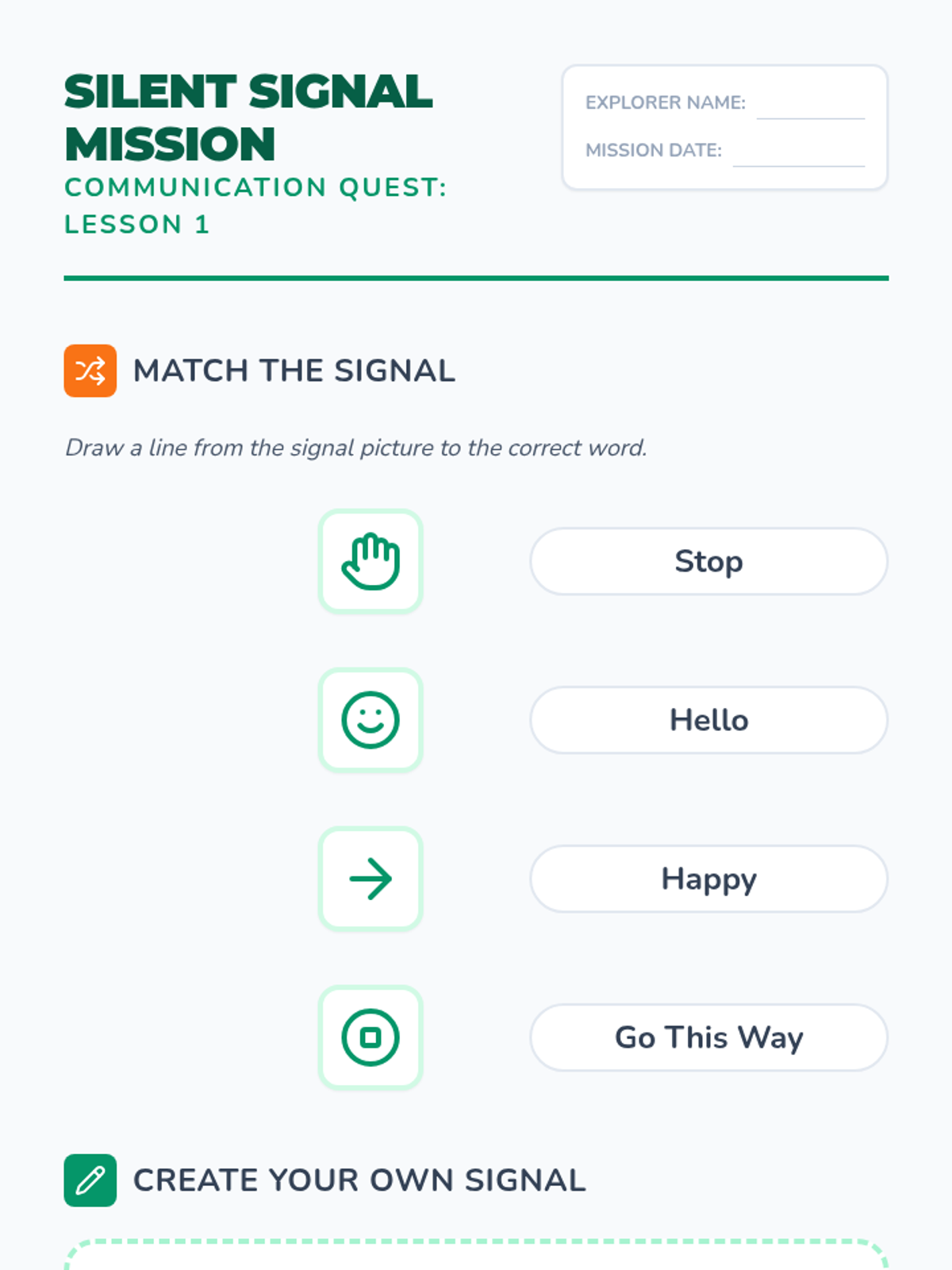
This sequence introduces first-grade students to active listening and clear communication in physical activities. Students progress from non-verbal cues to partner-based verbal guiding, culminating in collaborative group problem-solving challenges that rely on effective communication.
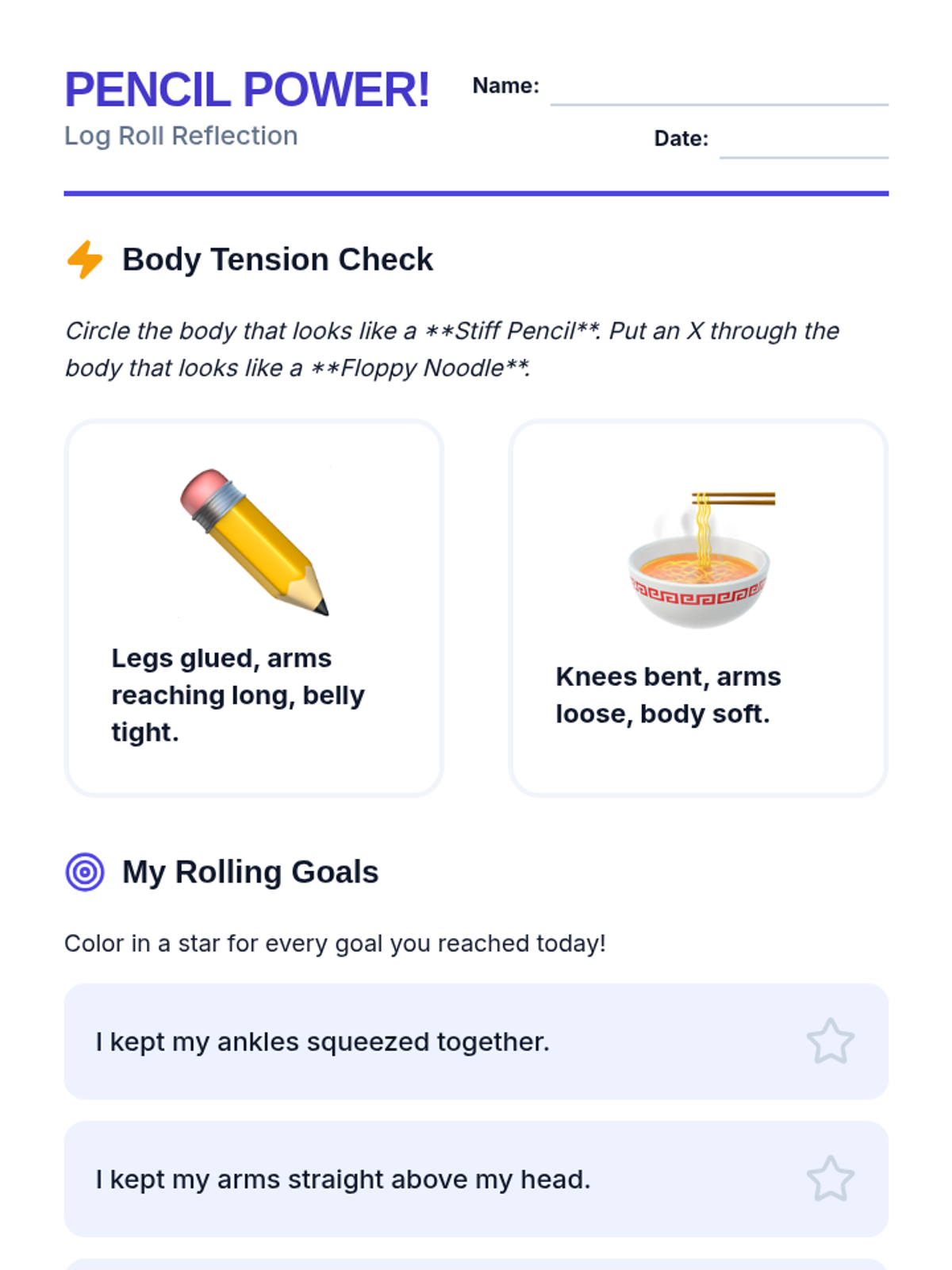
A foundational gymnastics sequence for 1st graders focusing on body tension, rolling mechanics, and static balances. Students progress from simple log rolls to forward rolls and learn to transition into stable balance poses.
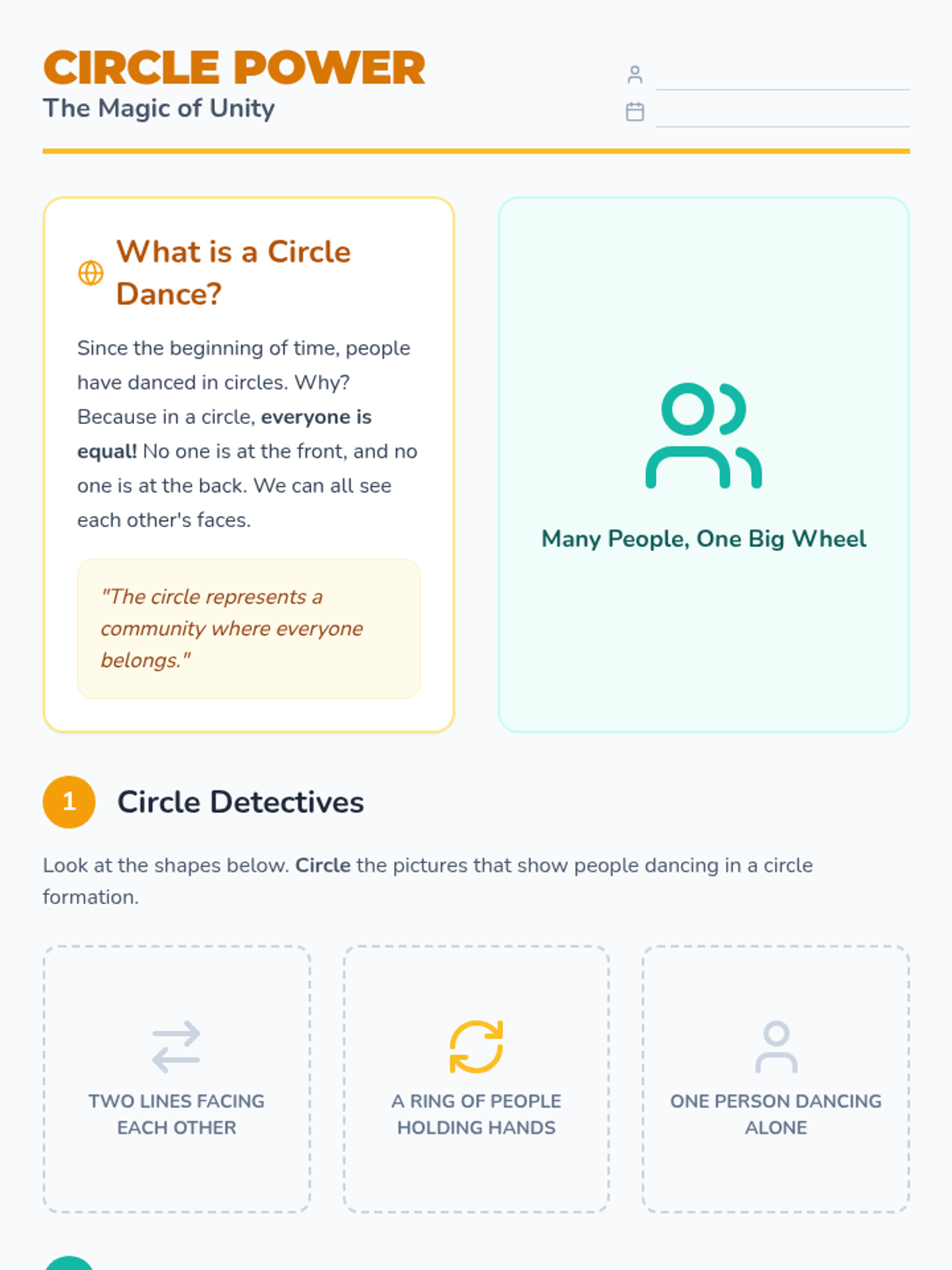
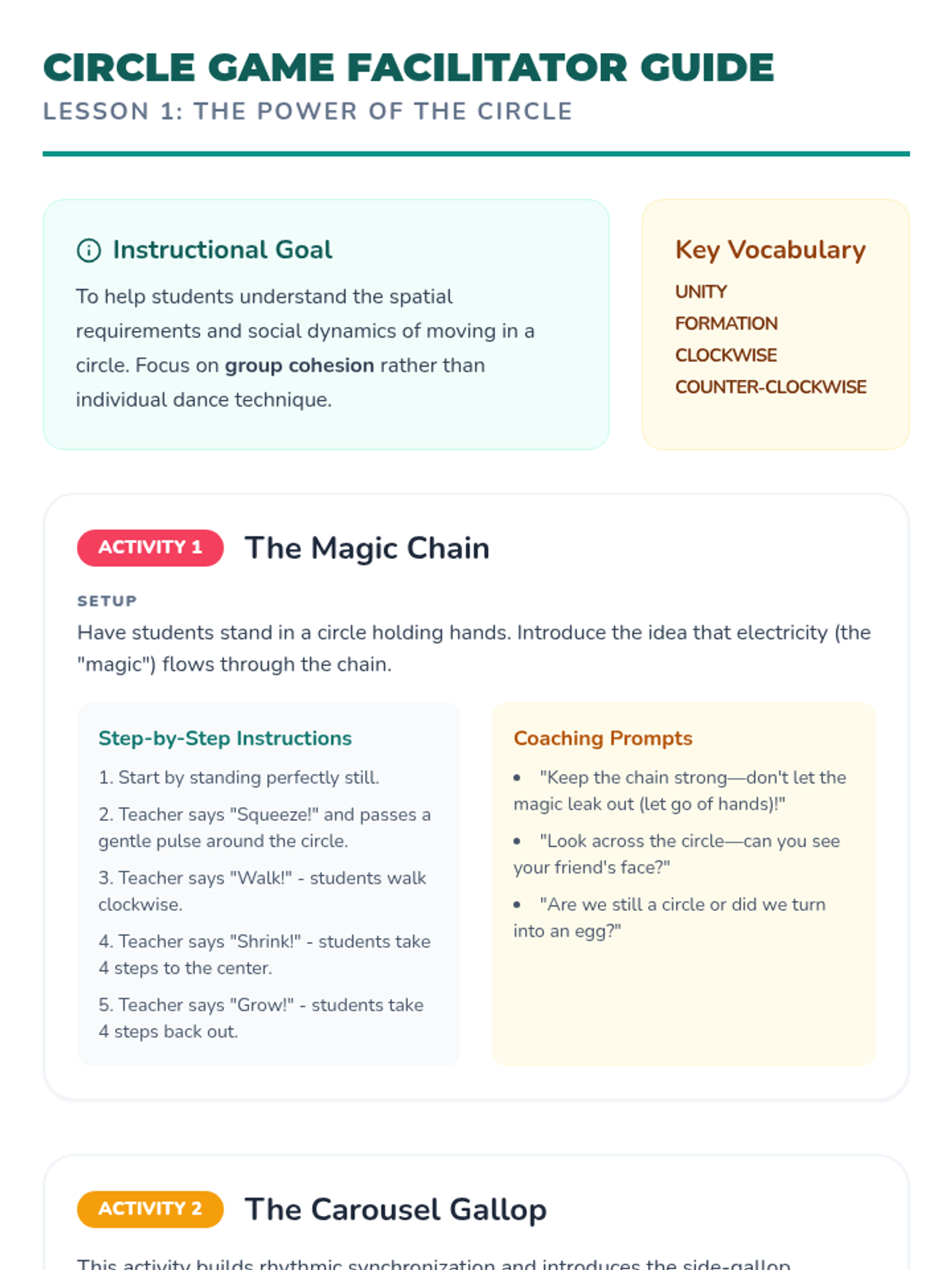
A 1st-grade dance sequence exploring the history and culture of communal dances. Students learn about circle and line formations, partner etiquette, and agricultural harvest dances to understand how movement brings communities together.
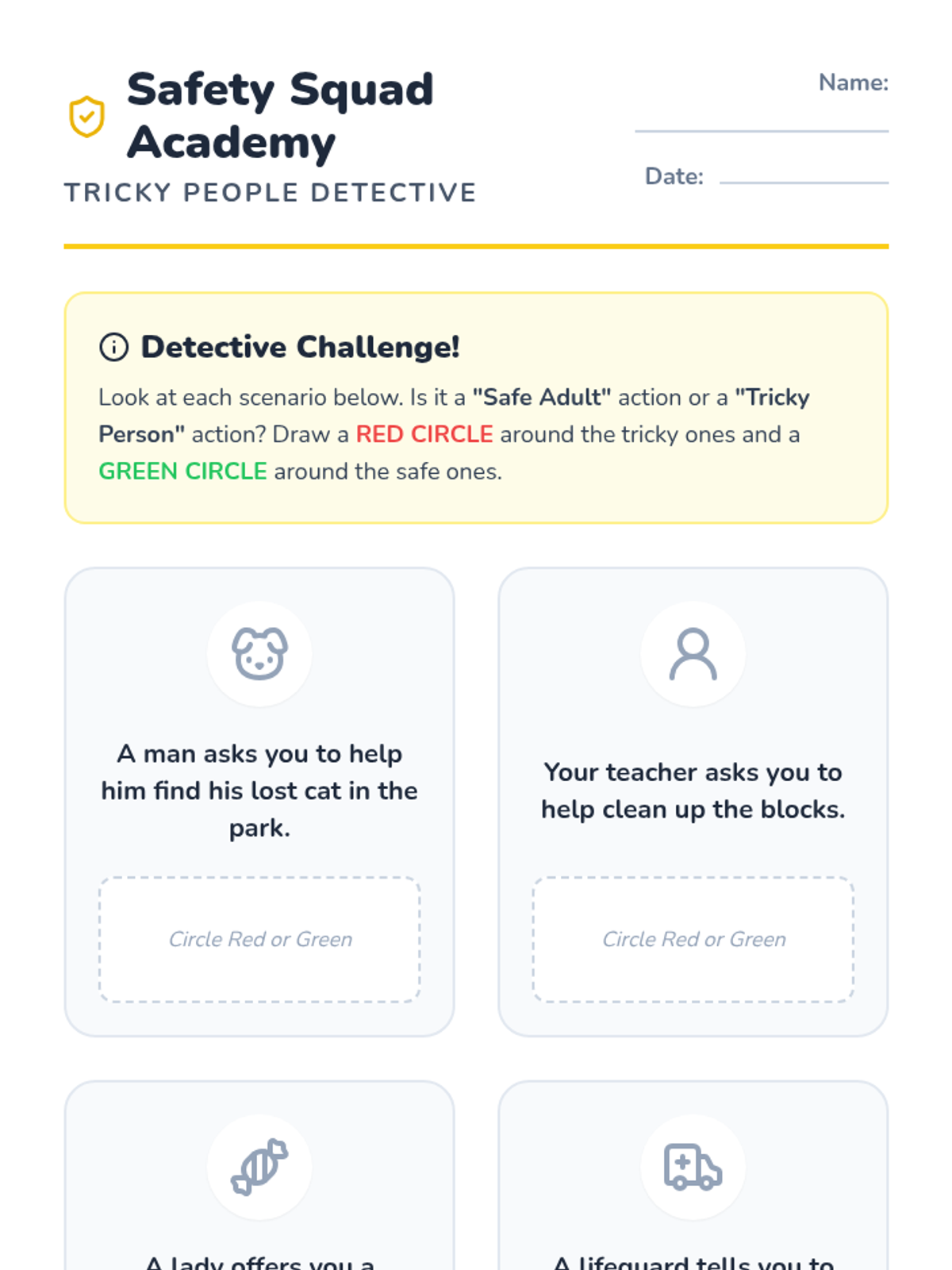
An action-oriented sequence for 1st graders to learn and practice 'No, Go, Yell, Tell' protocols when facing unsafe lures or approaches from tricky people. Students build muscle memory through simulations, vocal practice, and role-playing.
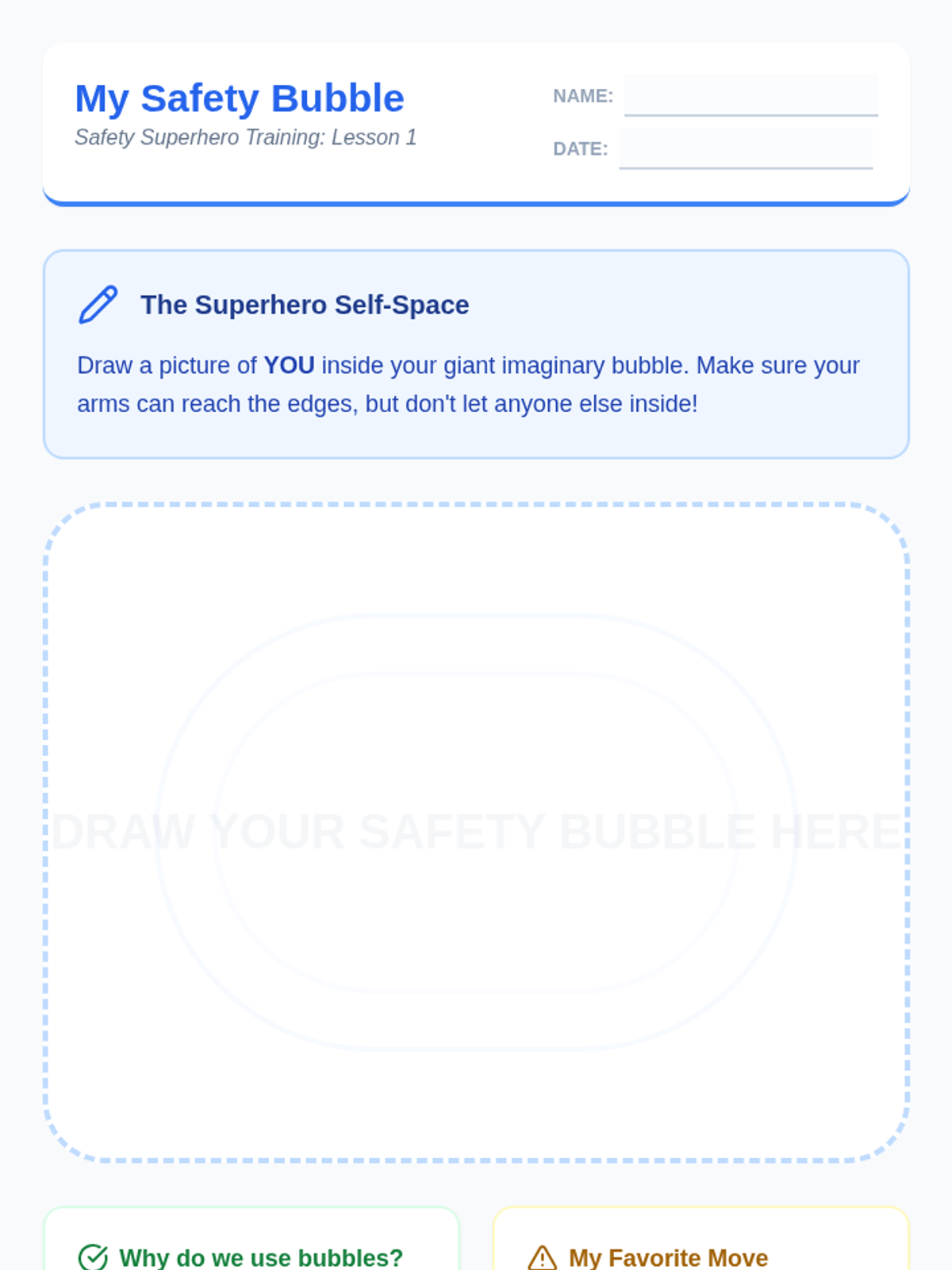
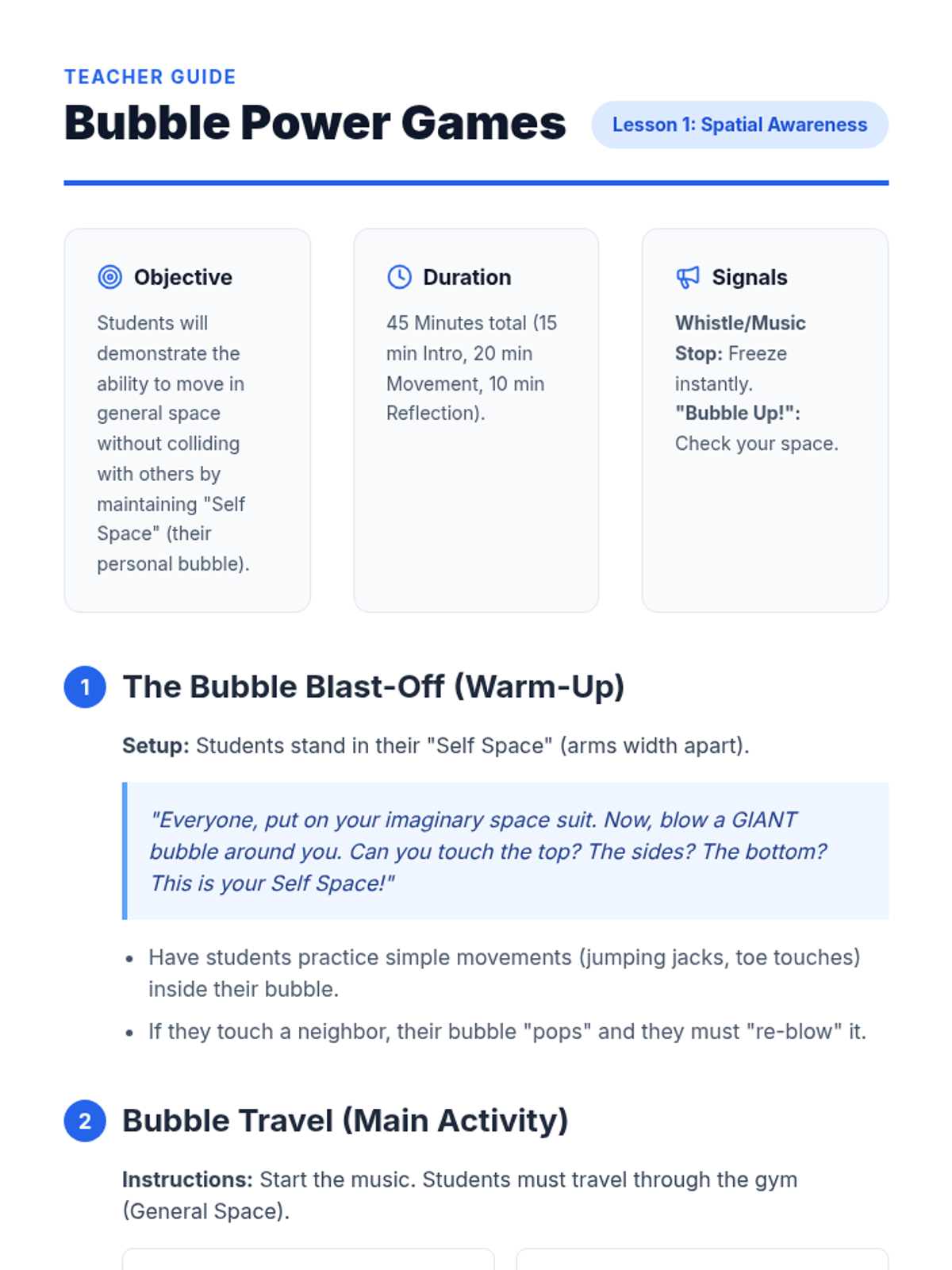
A 1st-grade physical education sequence focused on spatial awareness, hazard identification, and safe movement practices to prevent injuries during physical activity. Students learn to navigate space safely, prepare their bodies for exercise, and handle equipment responsibly.
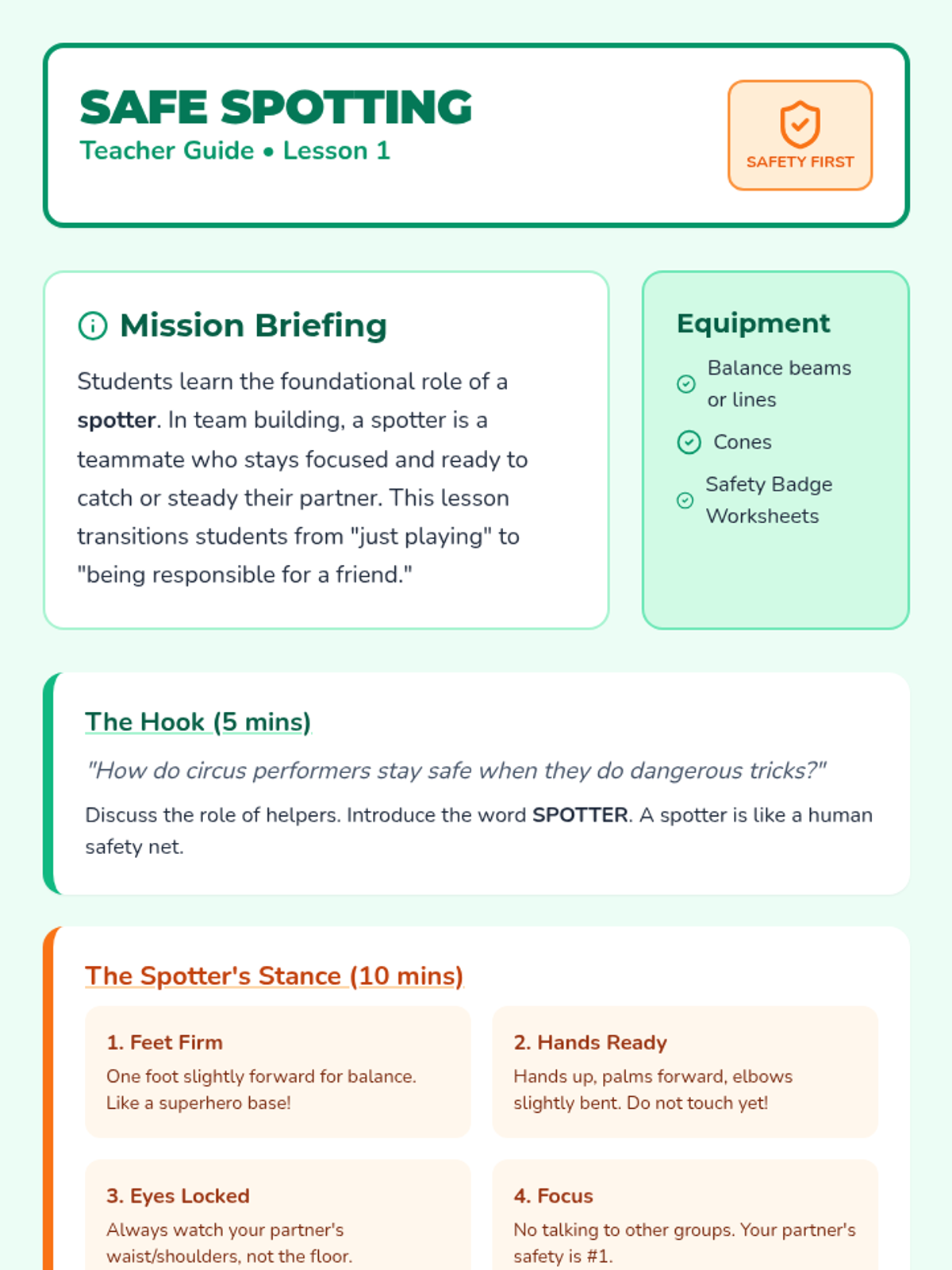
A 1st-grade physical education sequence focusing on trust, safety, and peer support through low-risk outdoor adventure activities. Students progress from learning individual safety responsibilities to group-wide trust exercises and reflective appreciation.