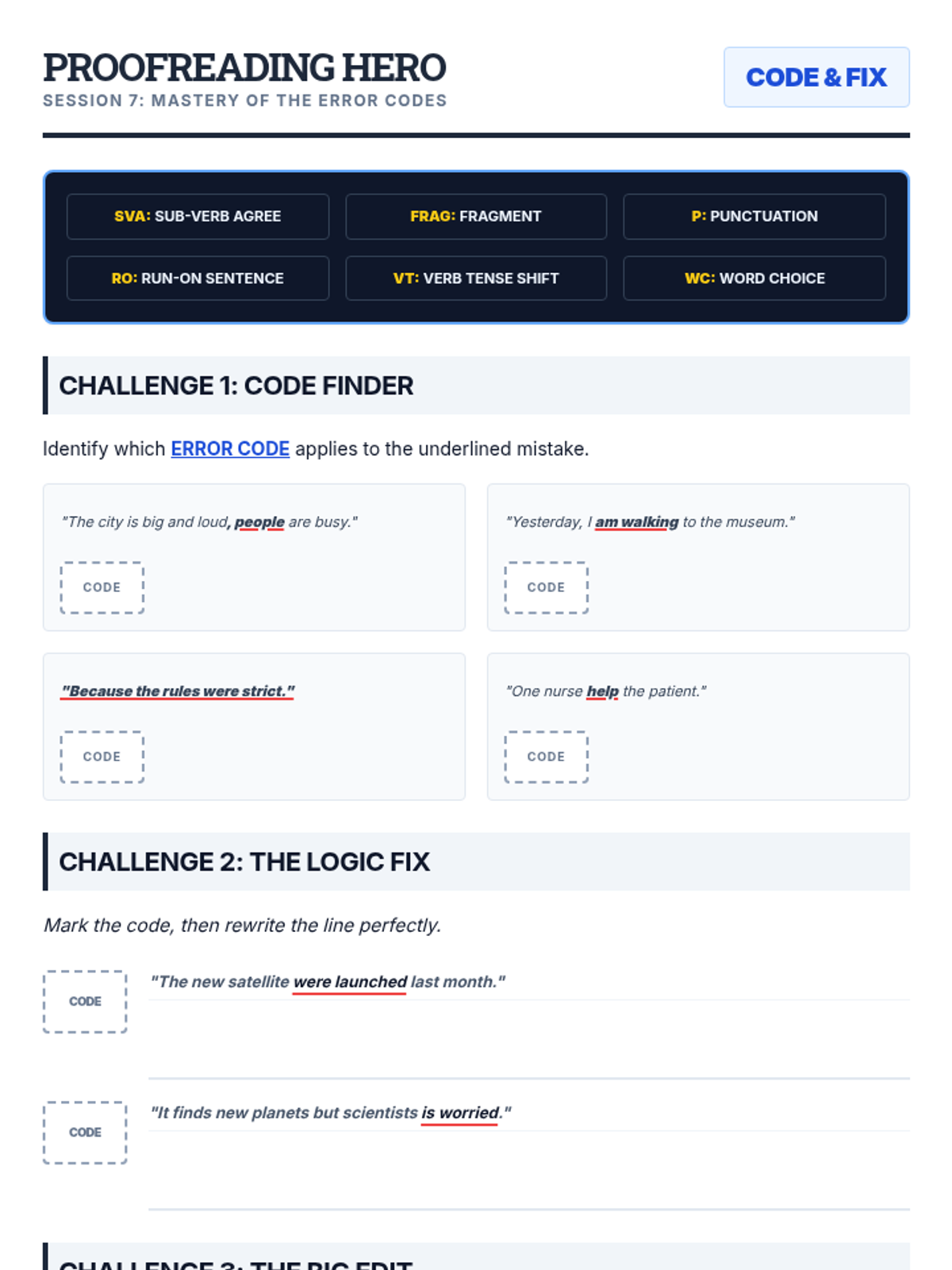
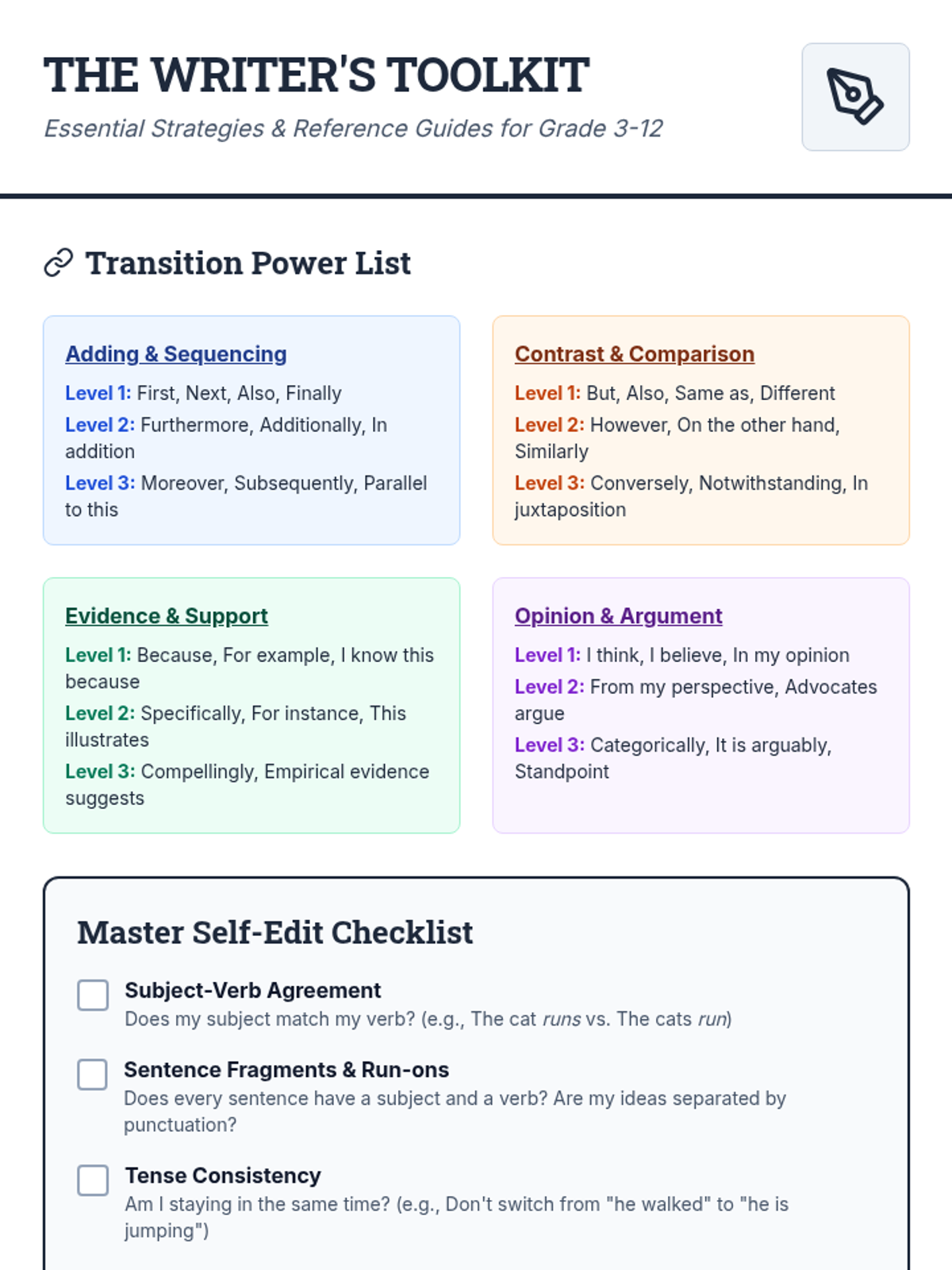
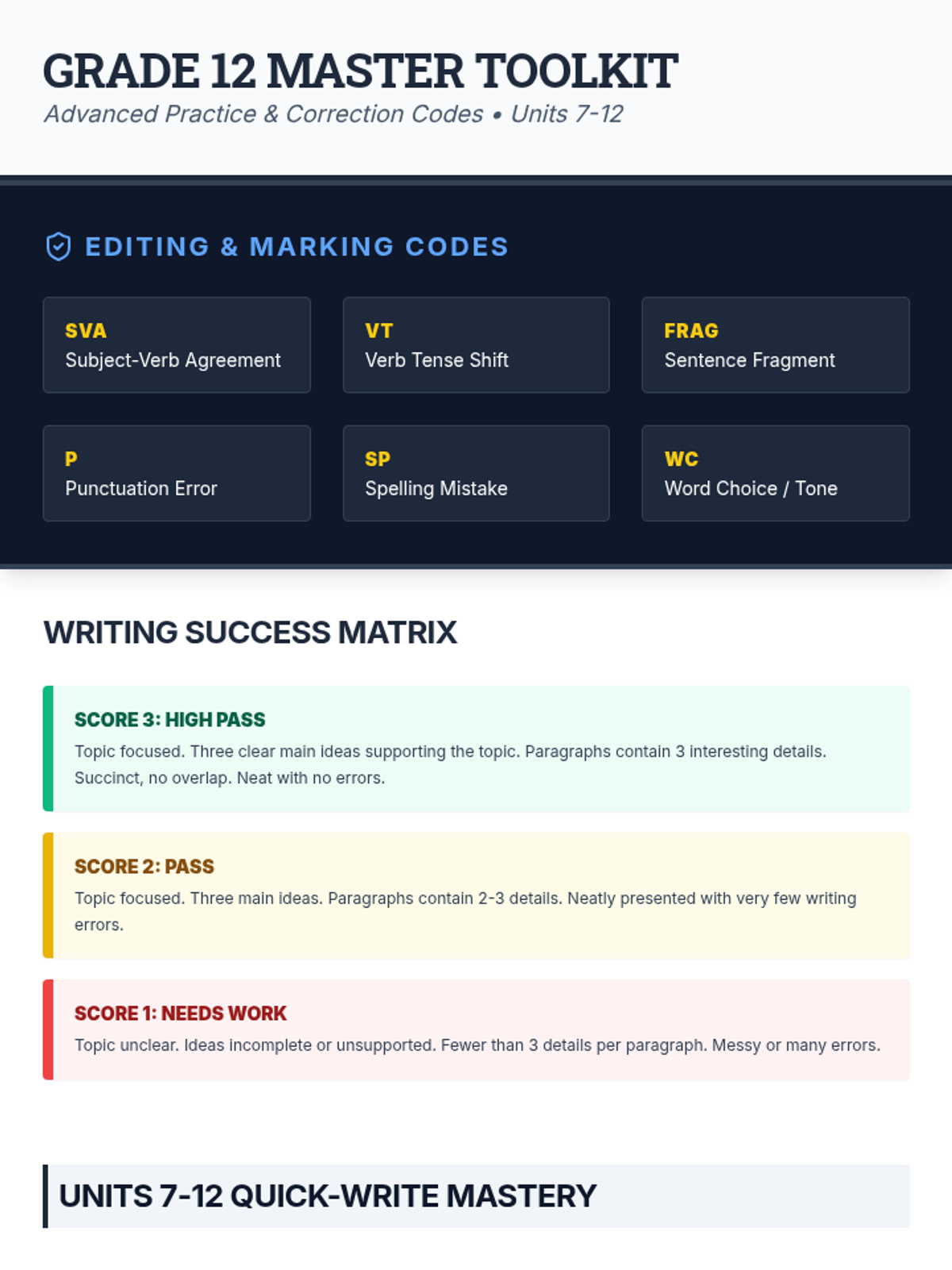
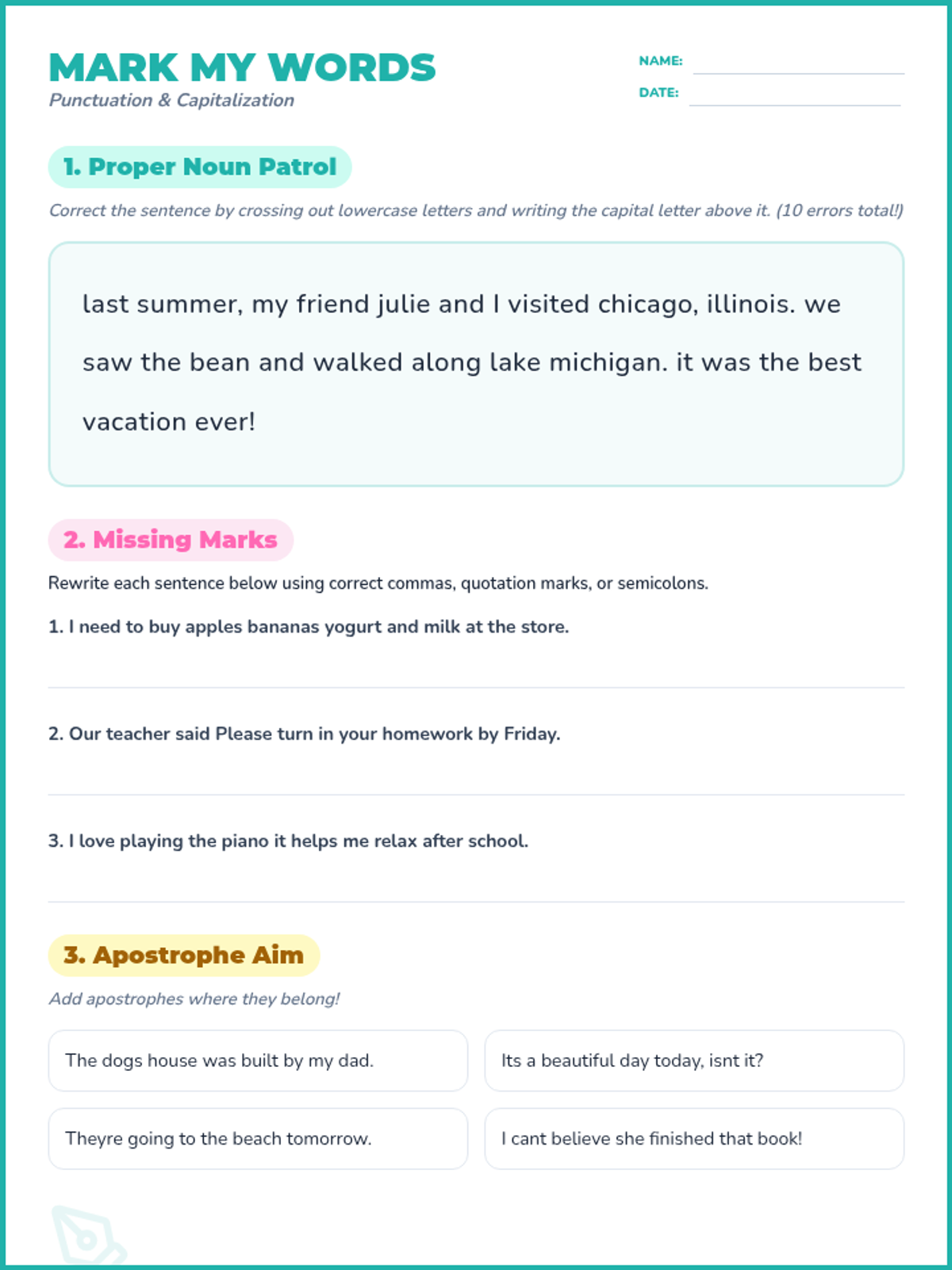
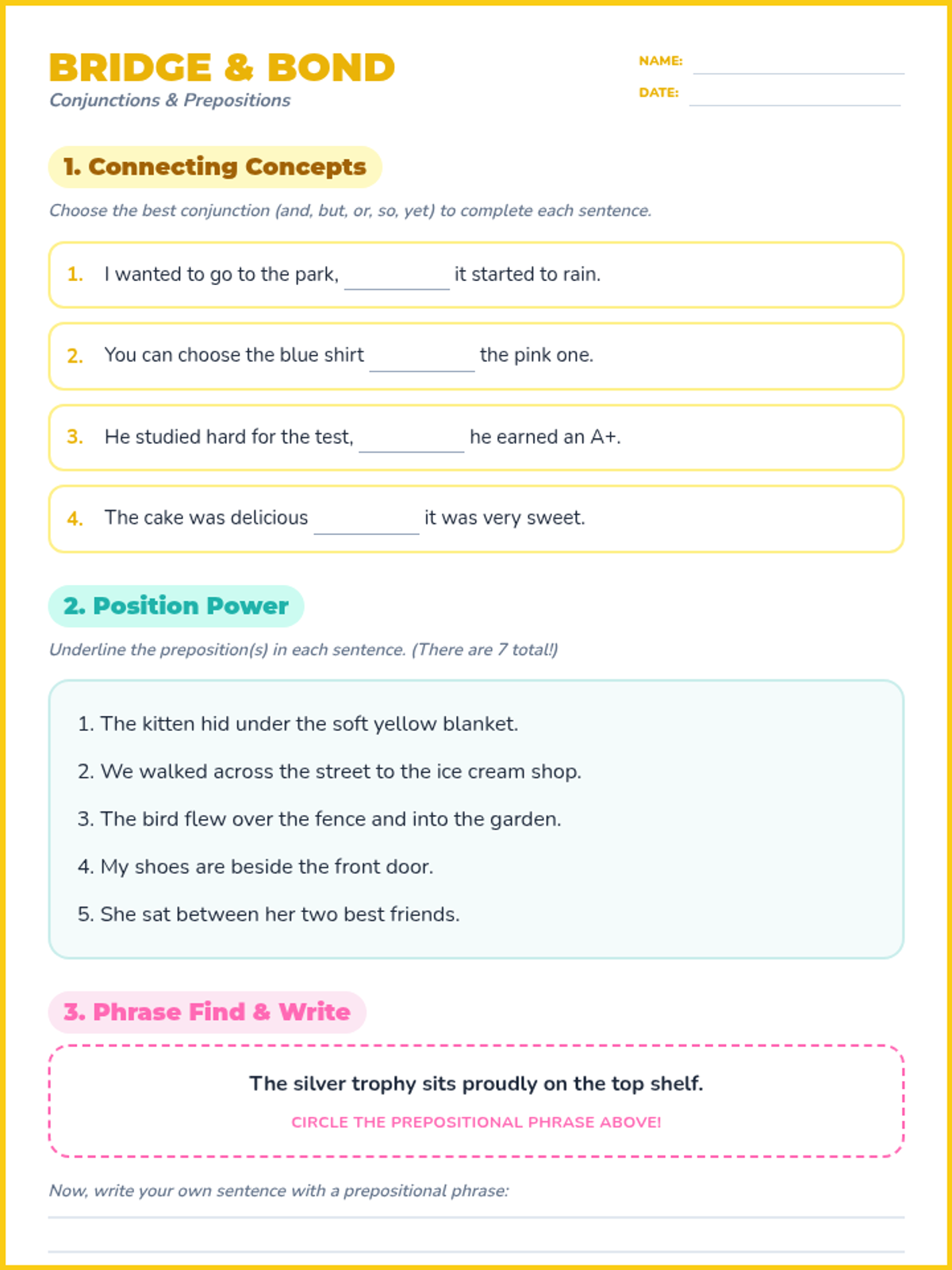
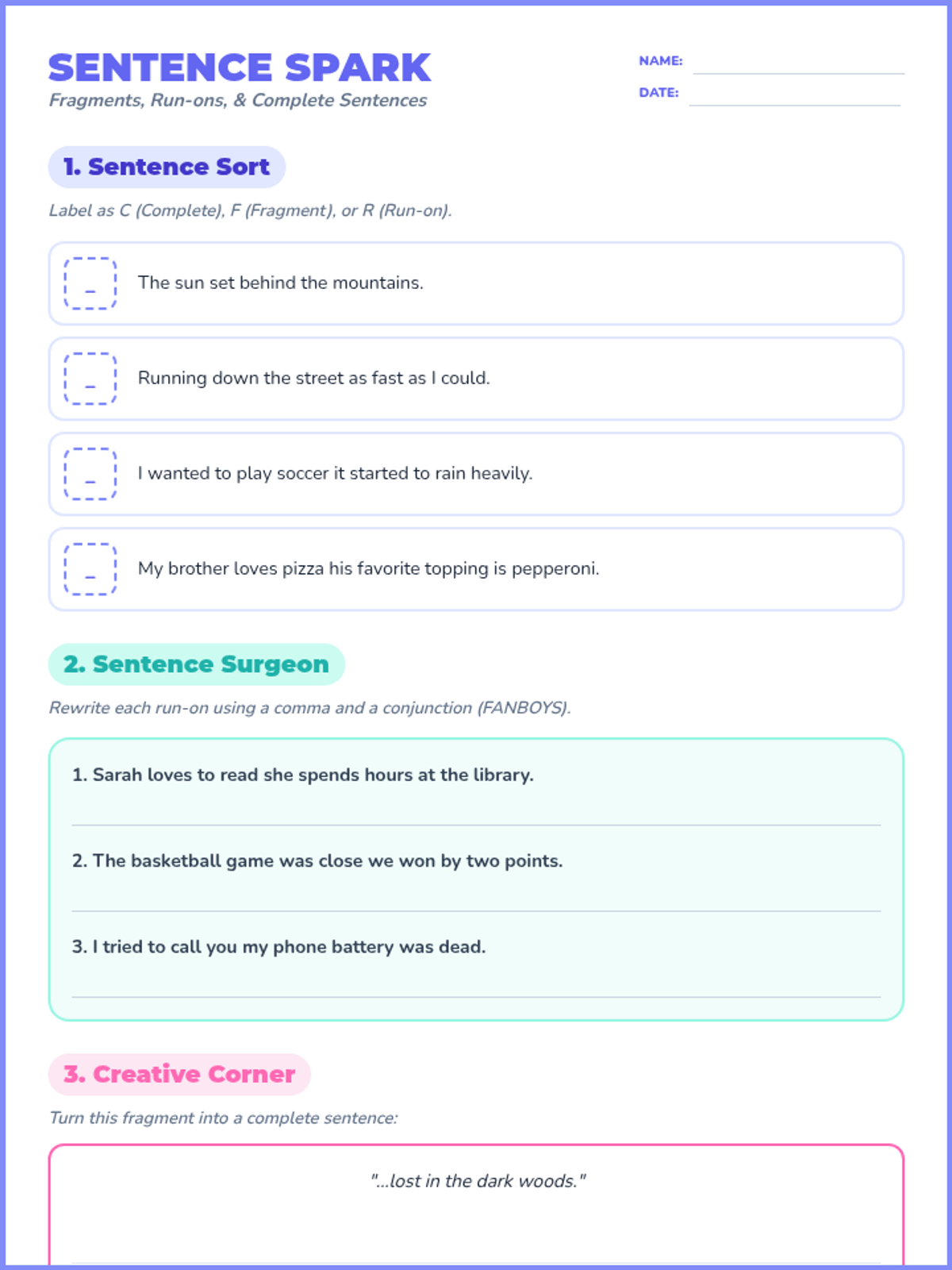
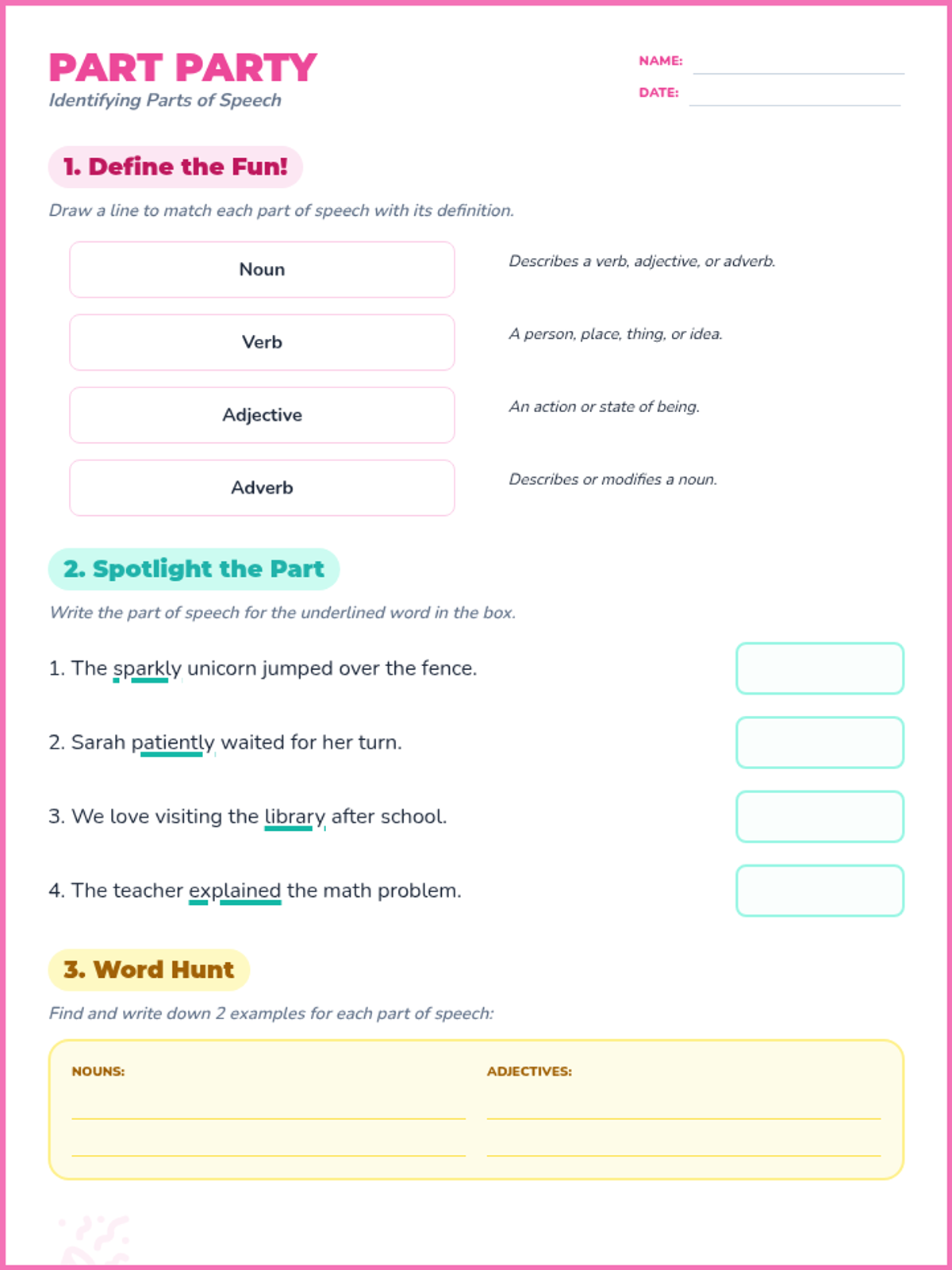
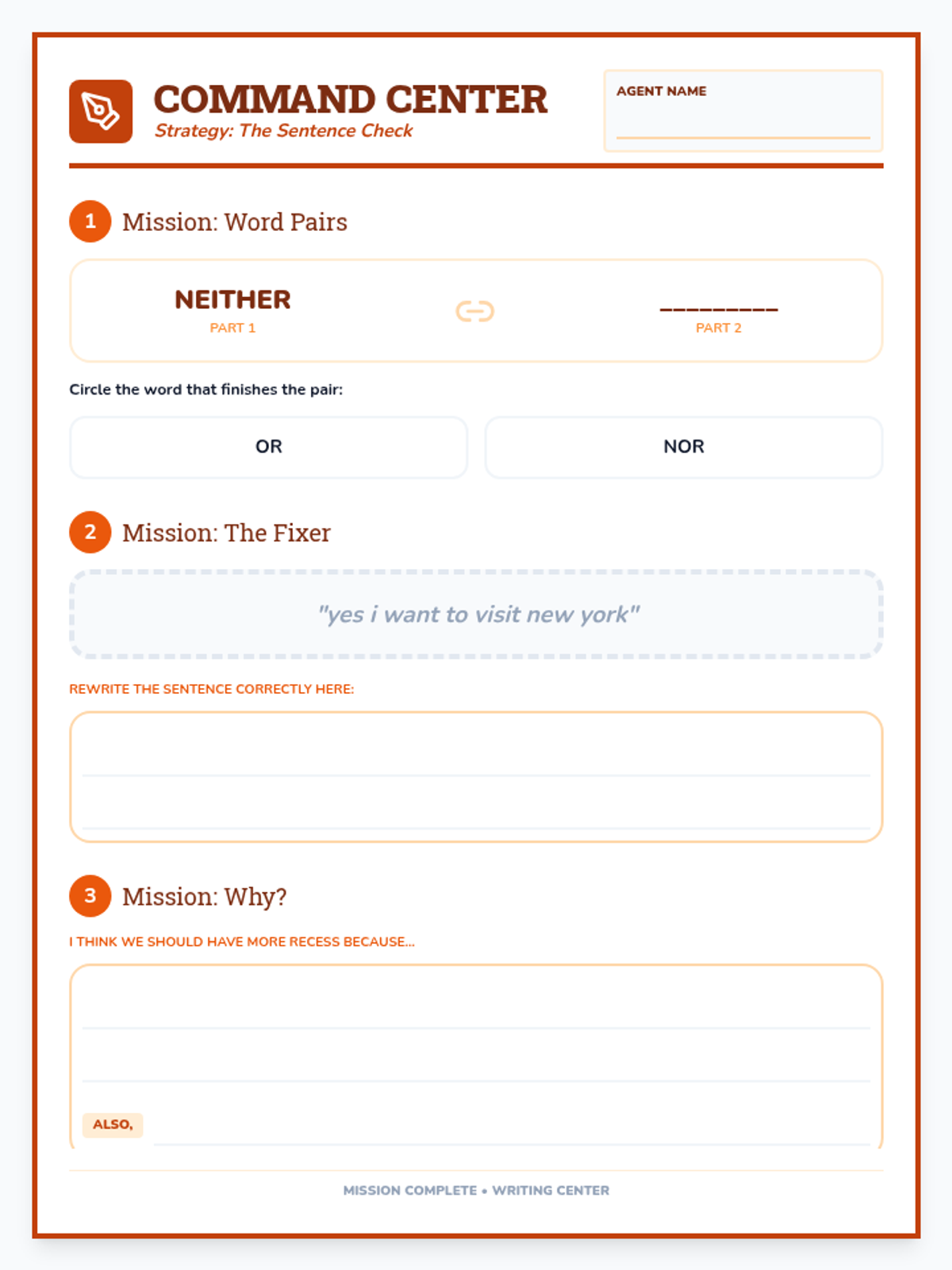
Sentence structure fundamentals, subject-verb agreement, and precise usage of parts of speech including pronouns, conjunctions, and adjectives. Targets technical accuracy through mastery of capitalization, punctuation, spelling, and verb mood.
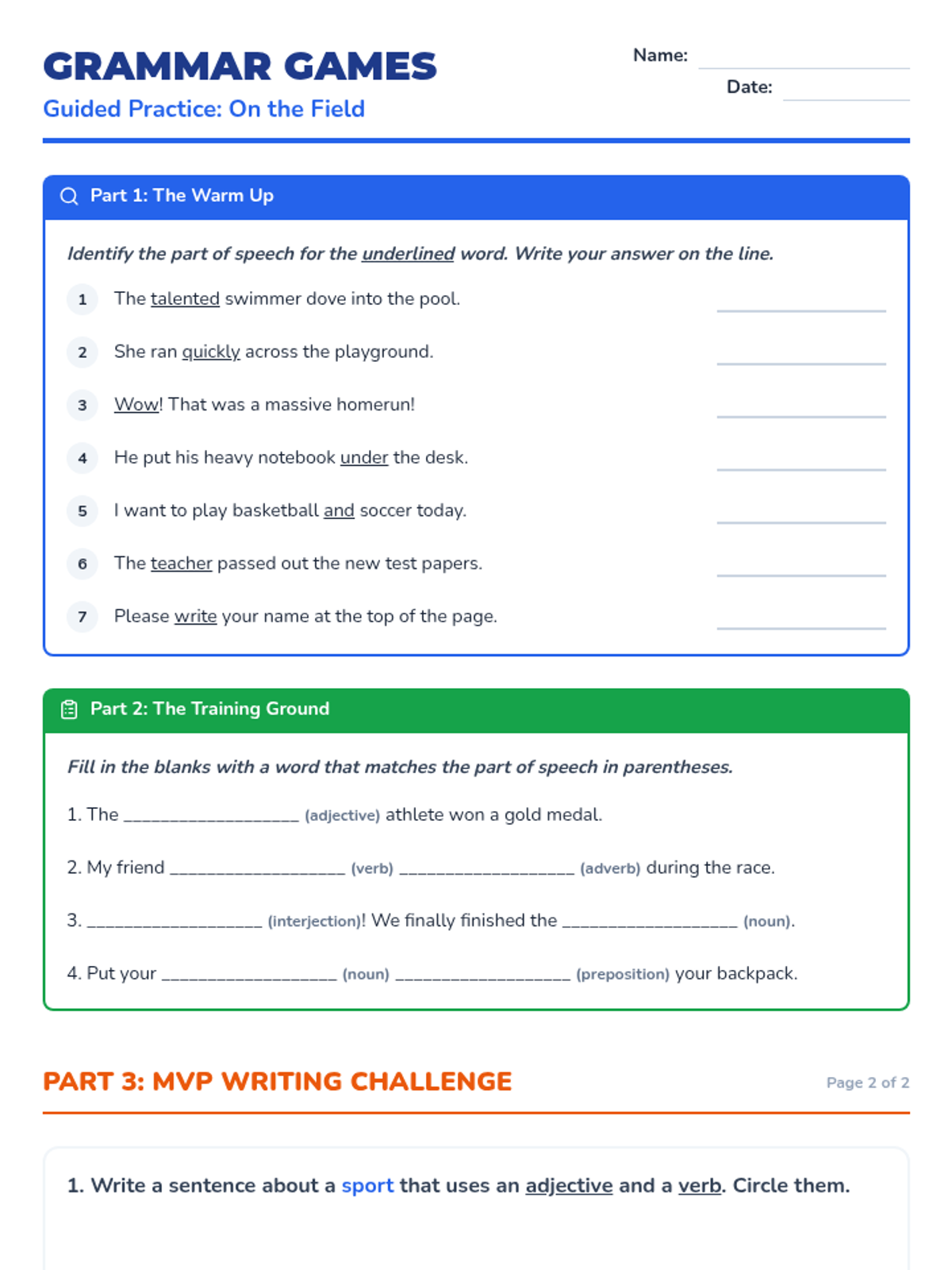
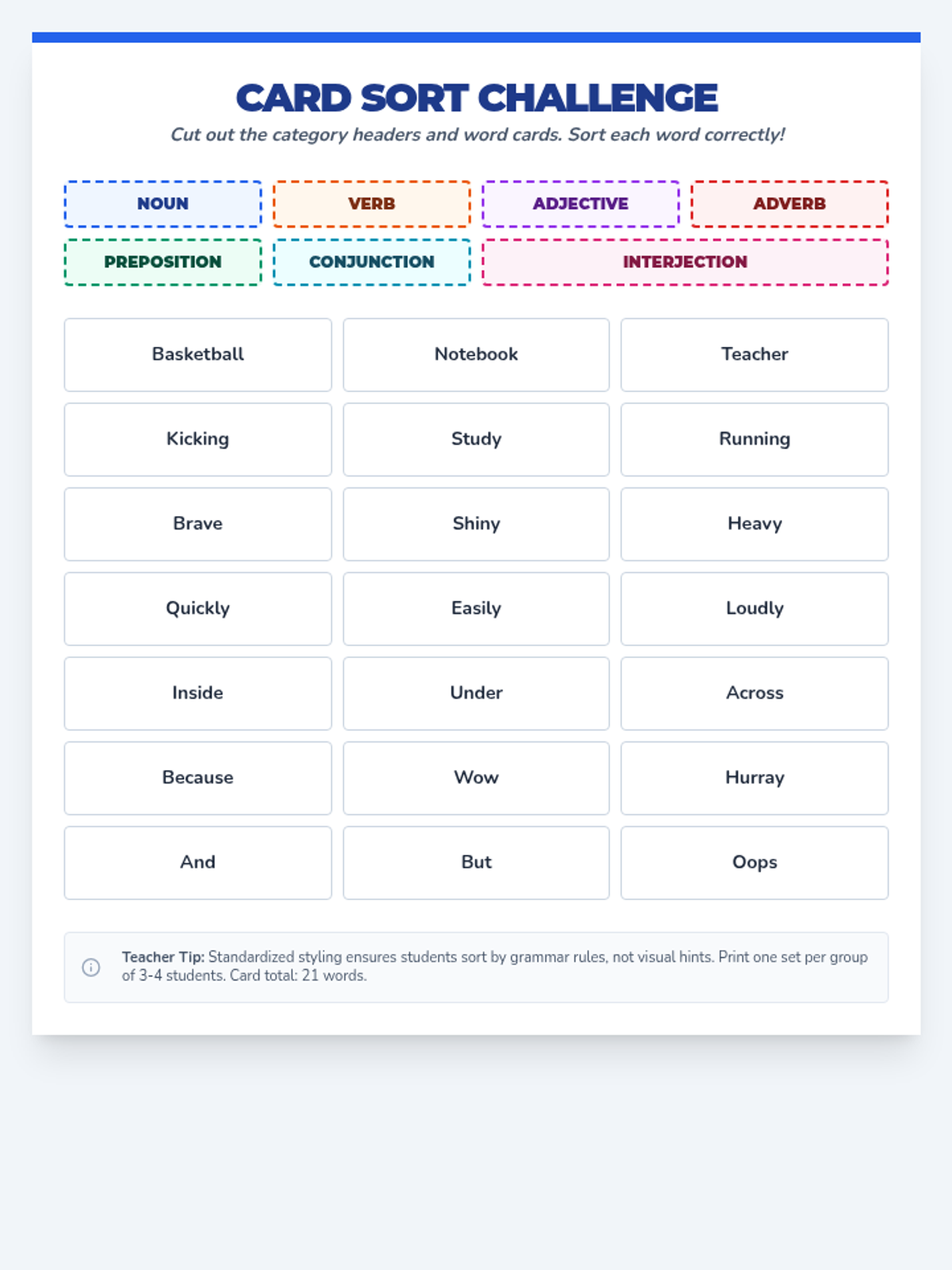
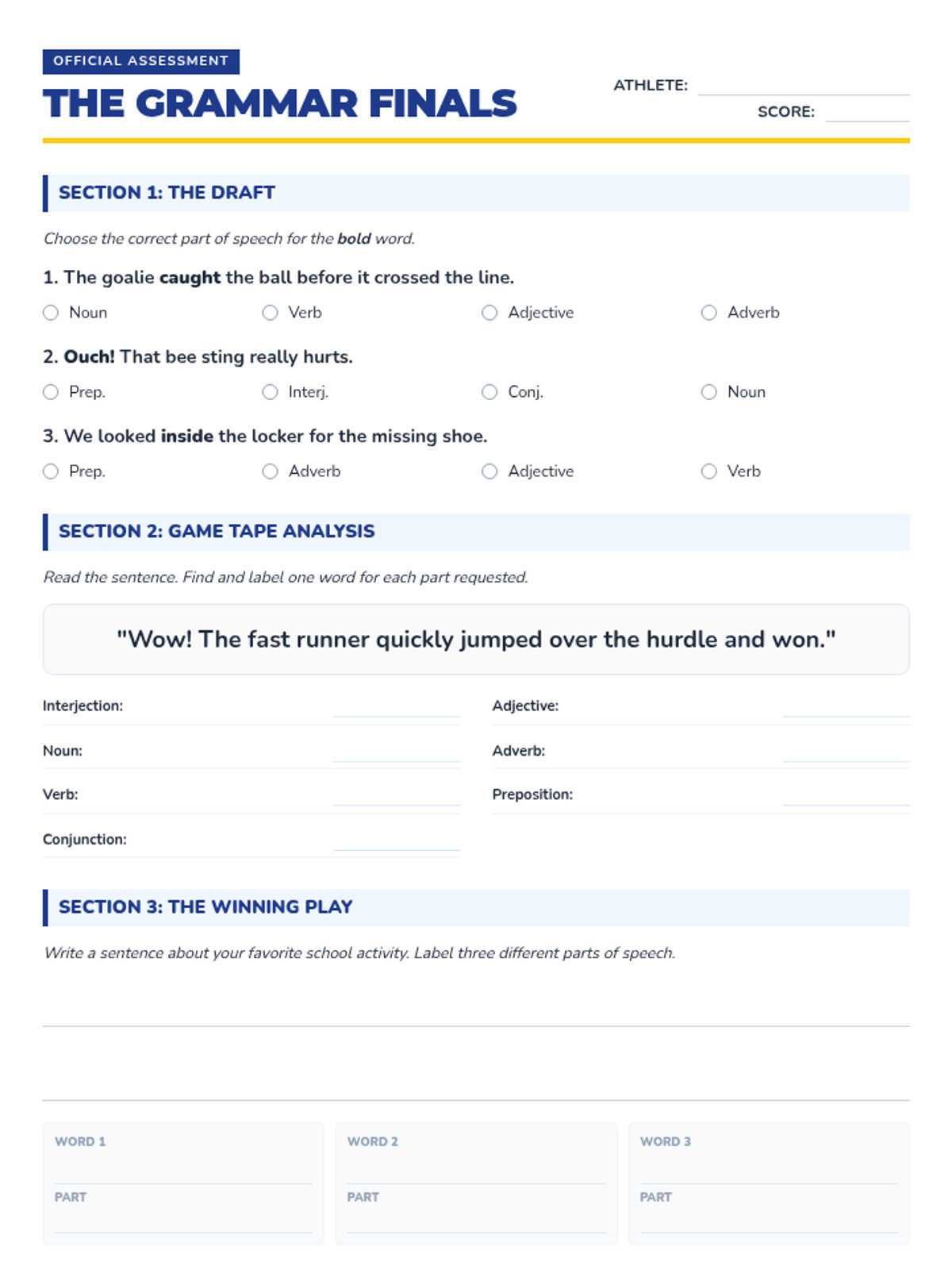
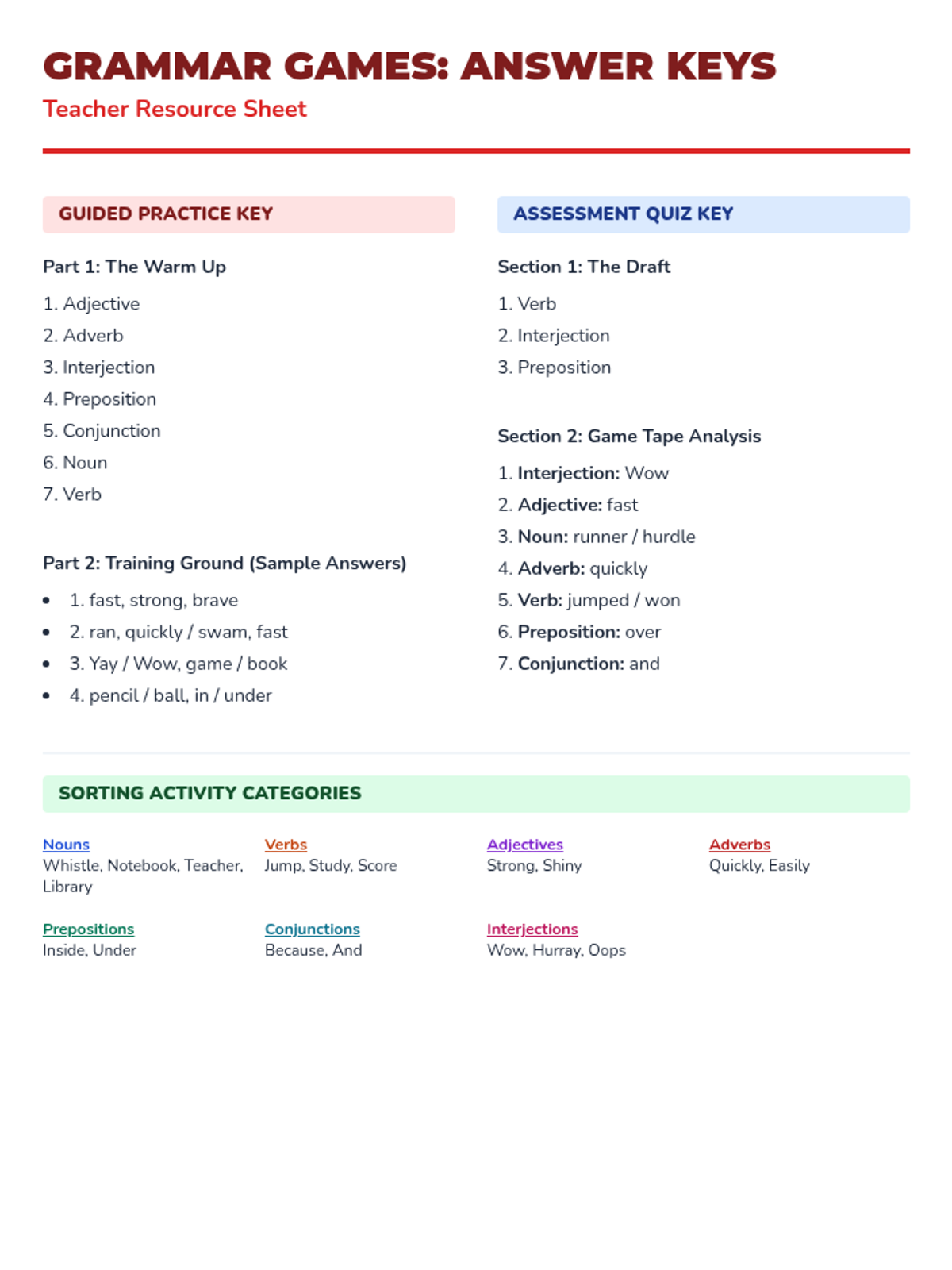
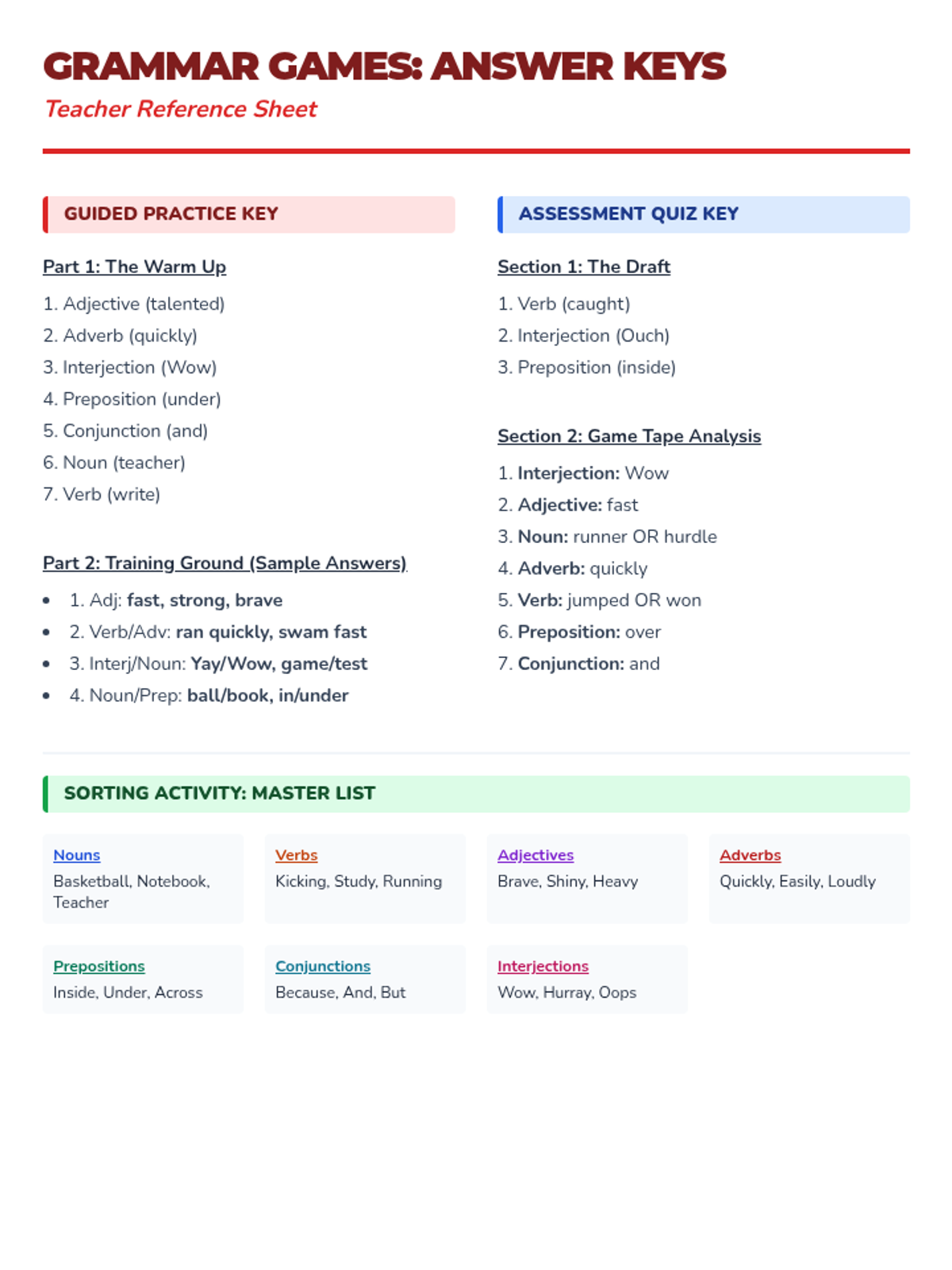
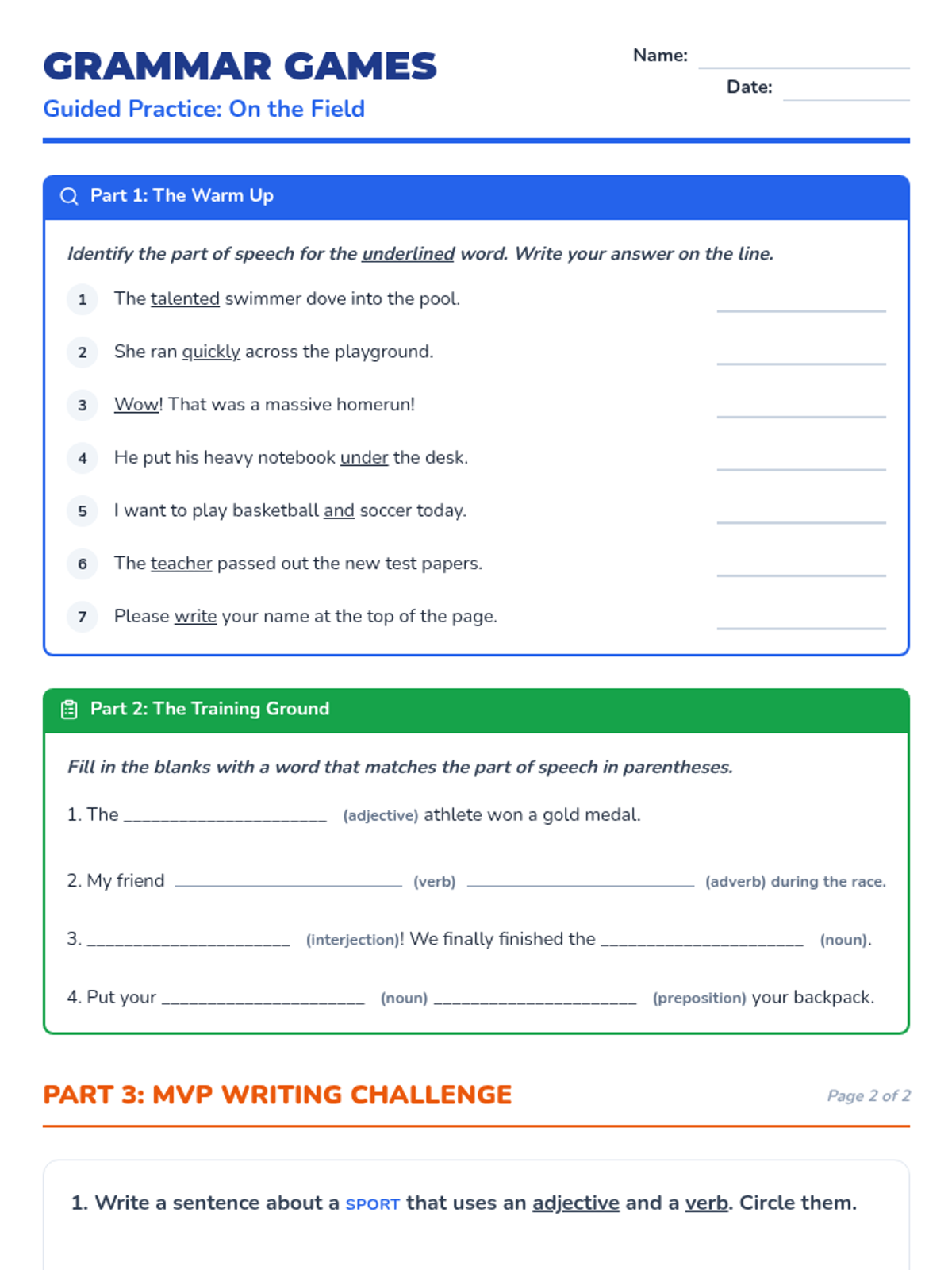
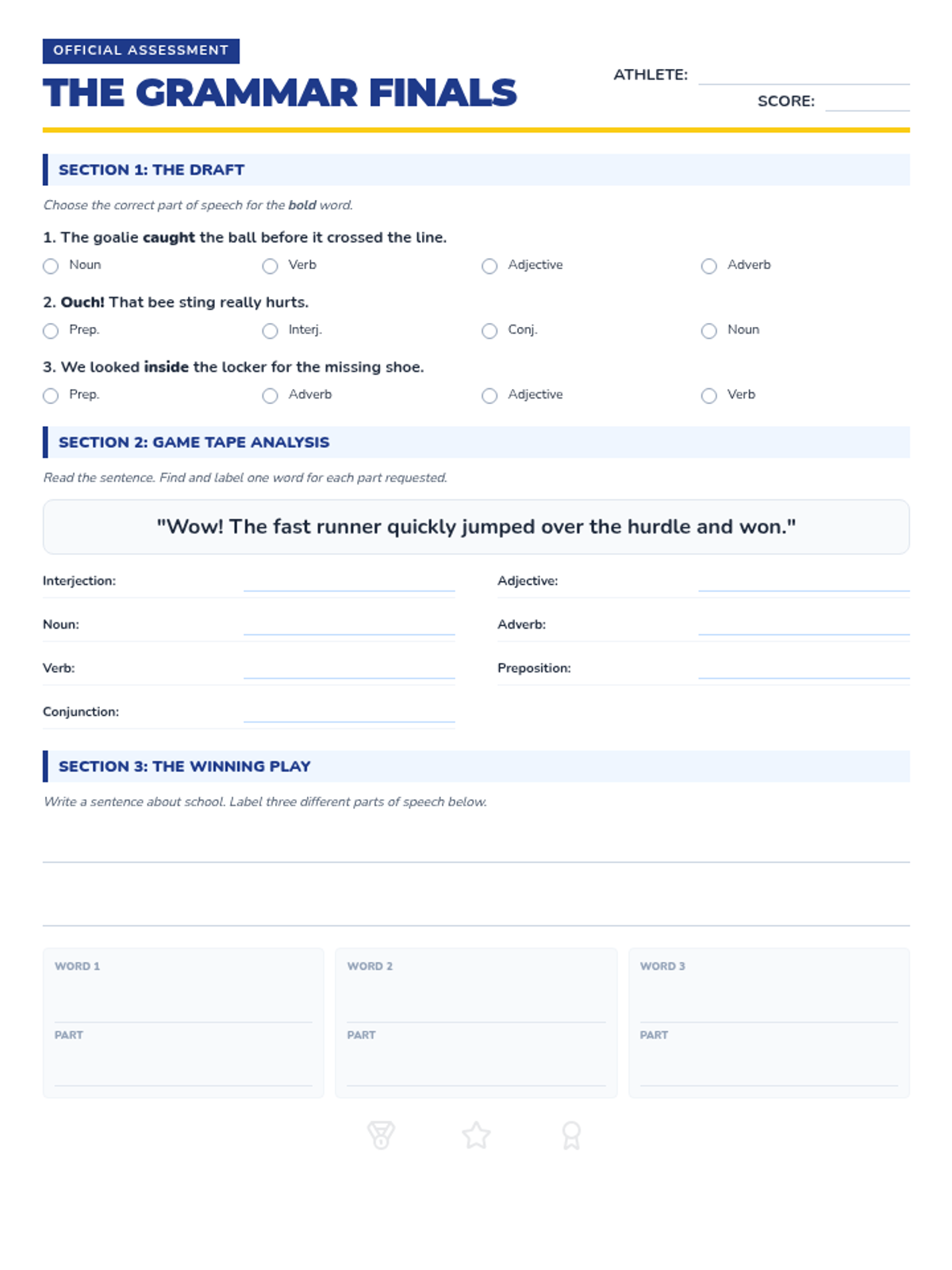
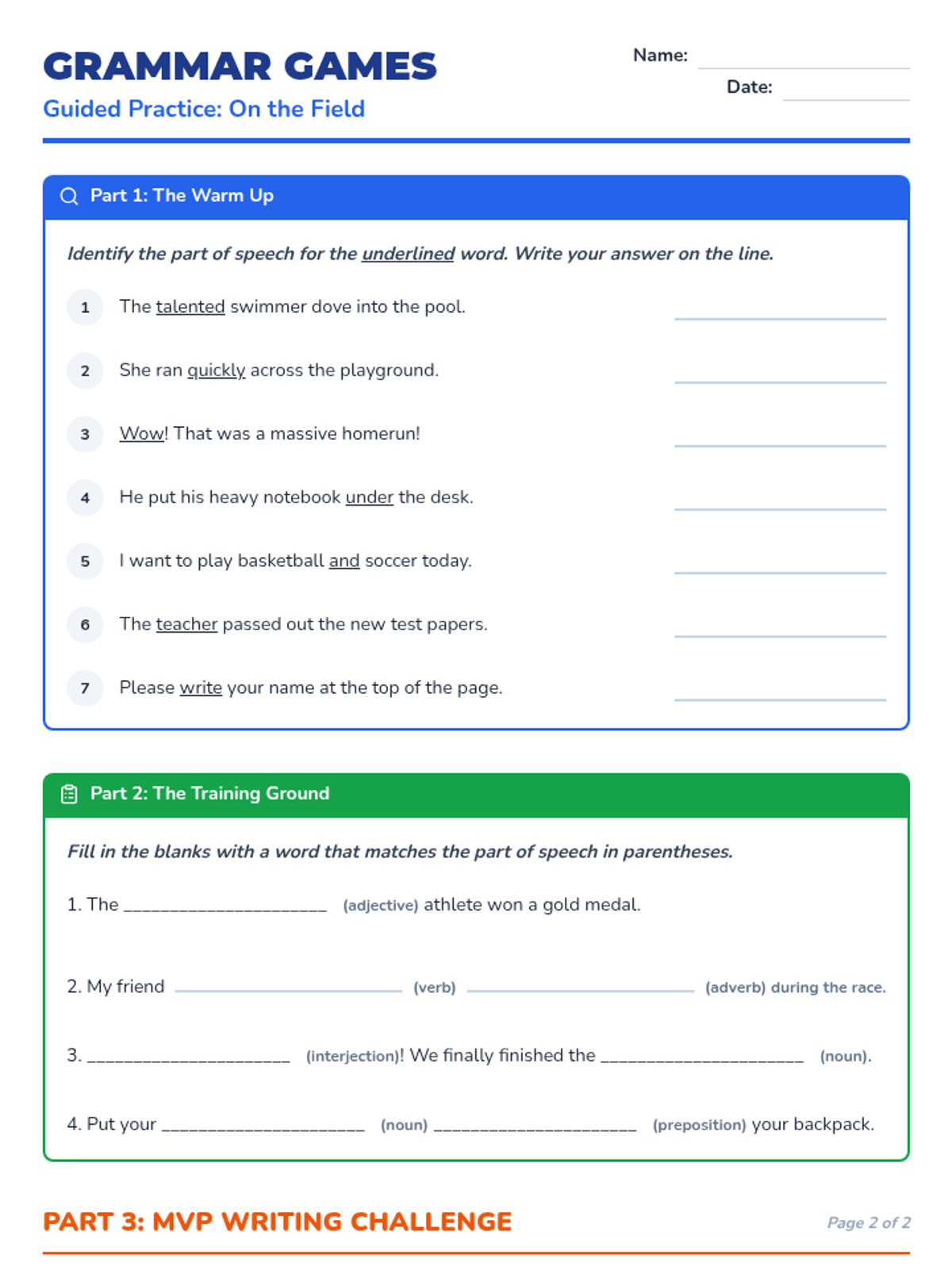
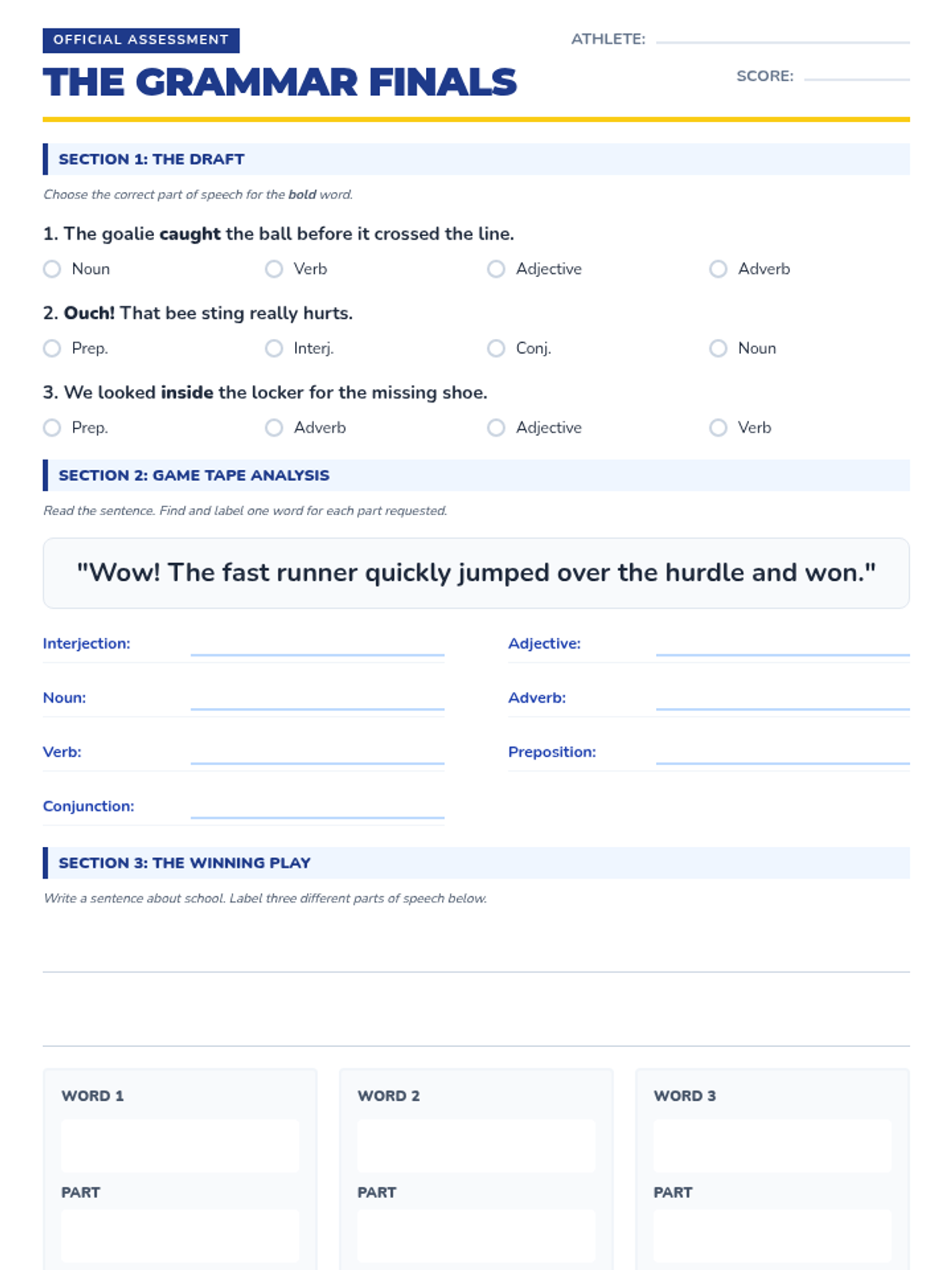
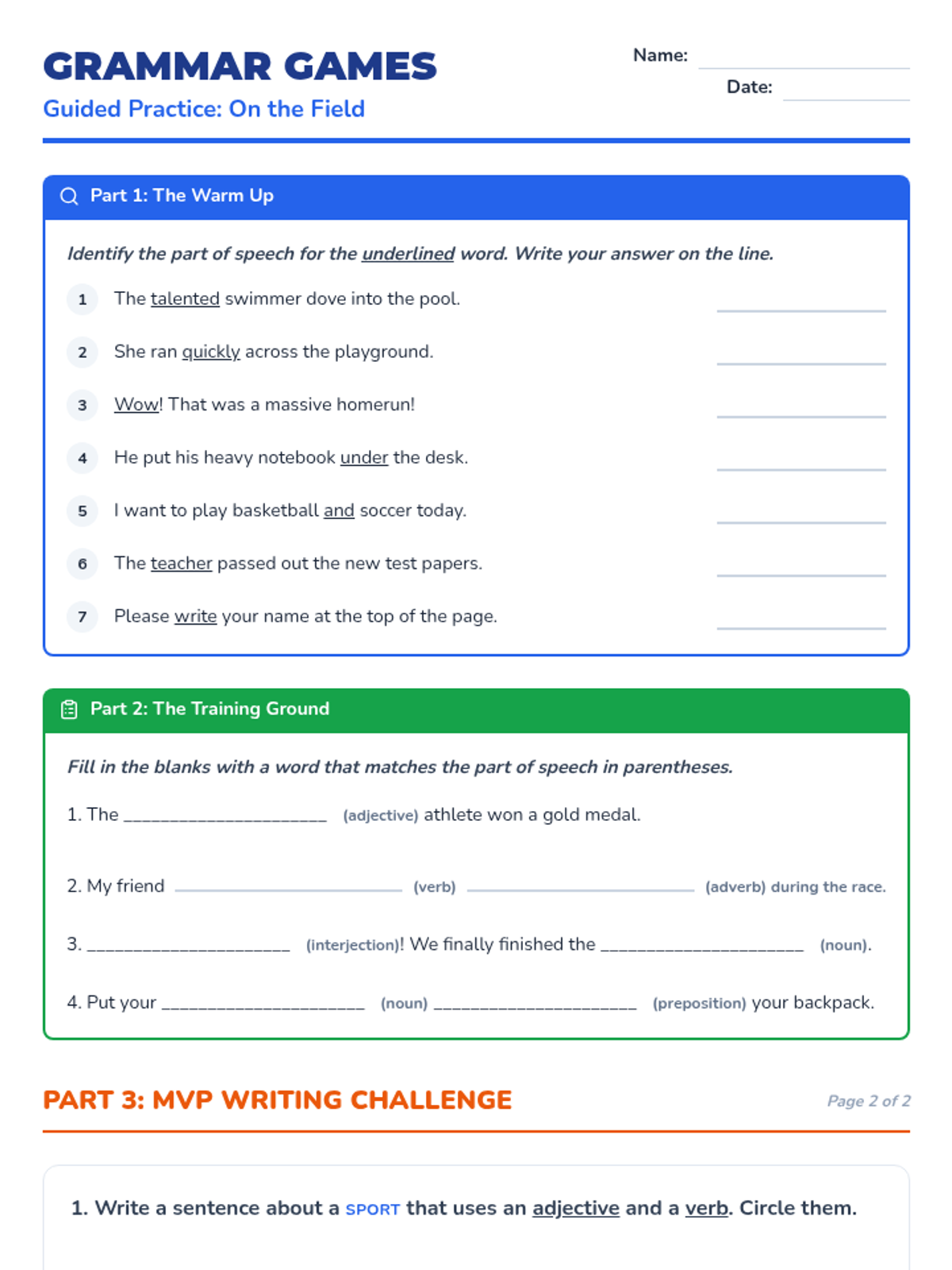
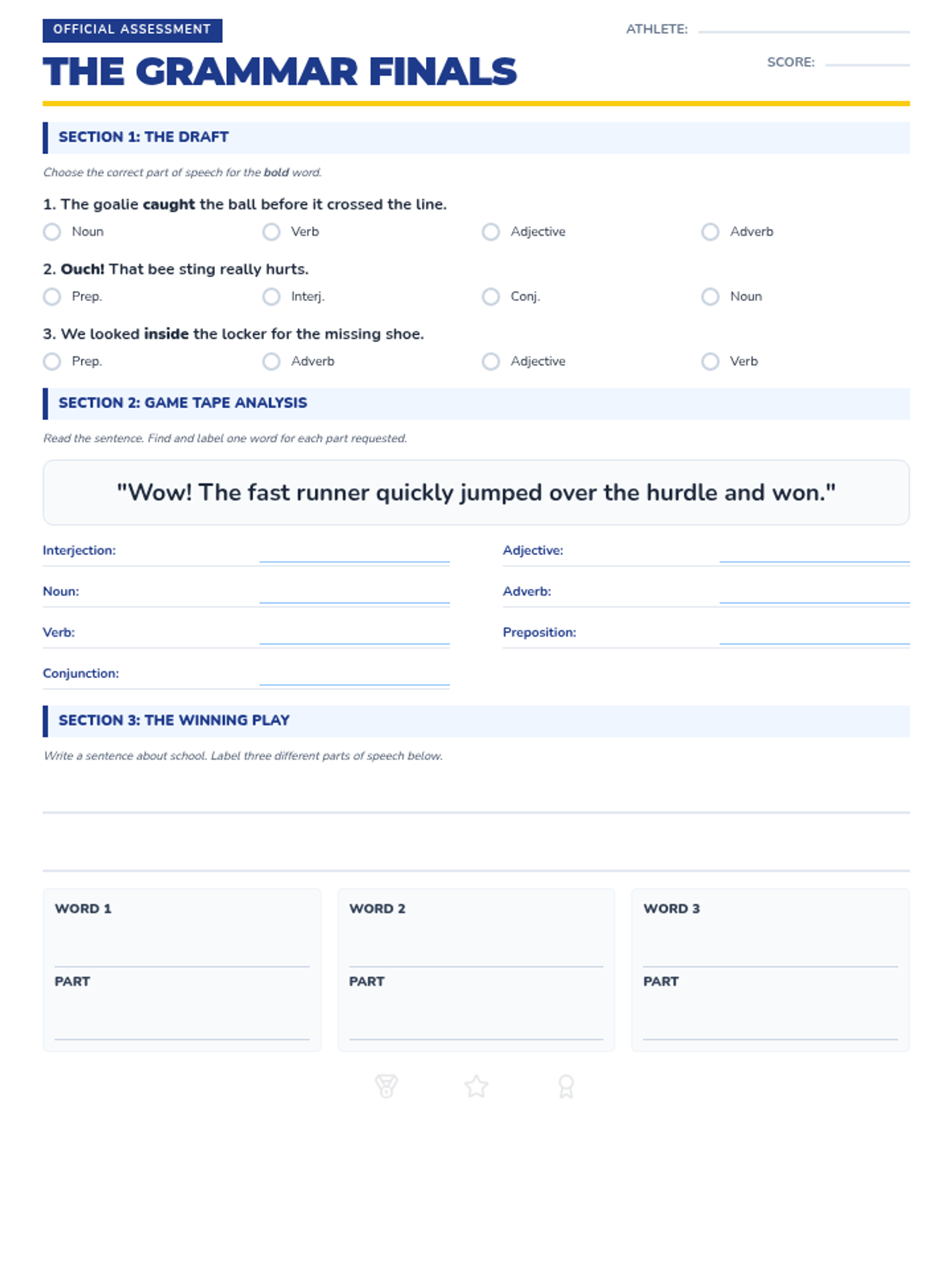
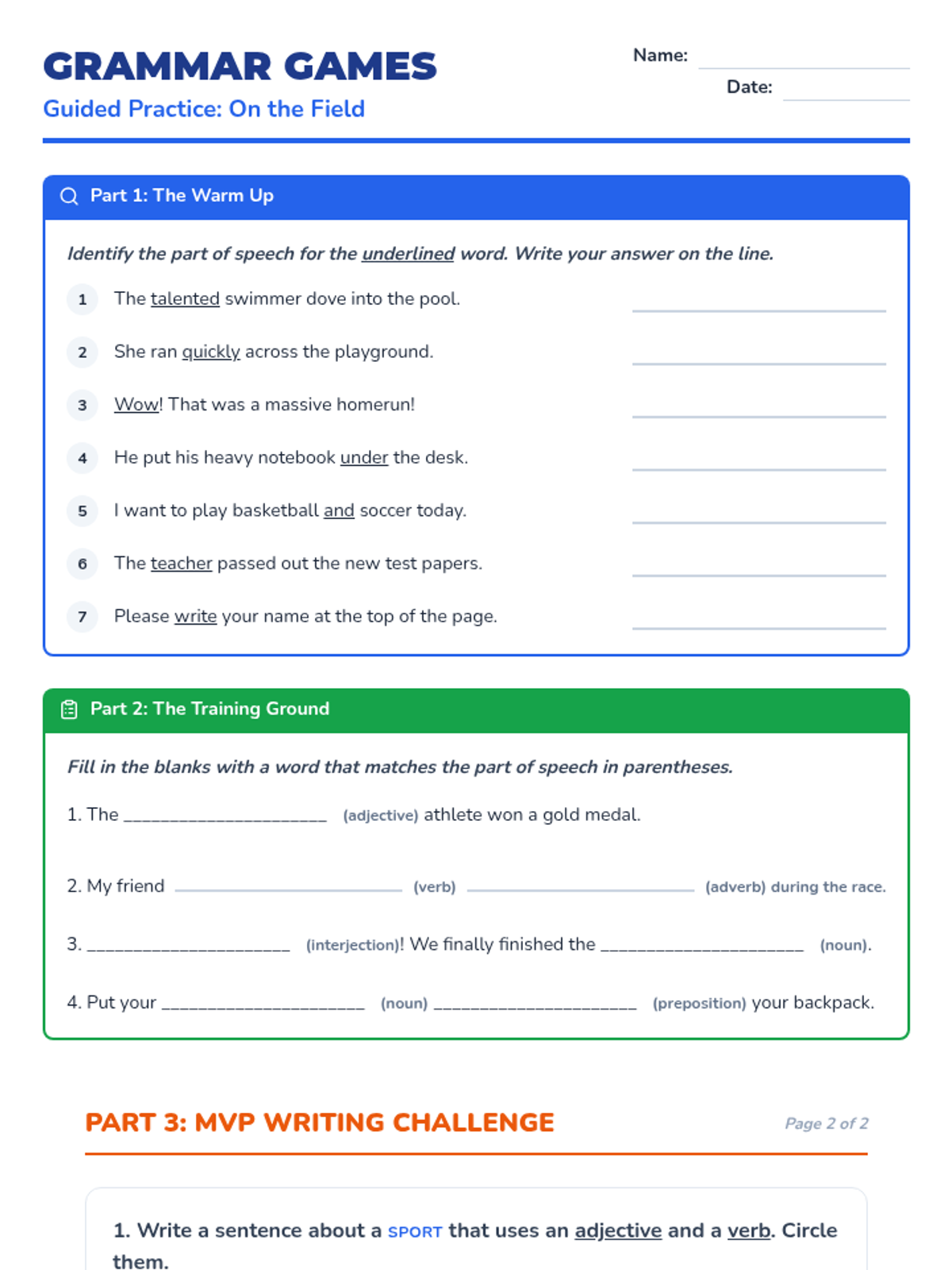
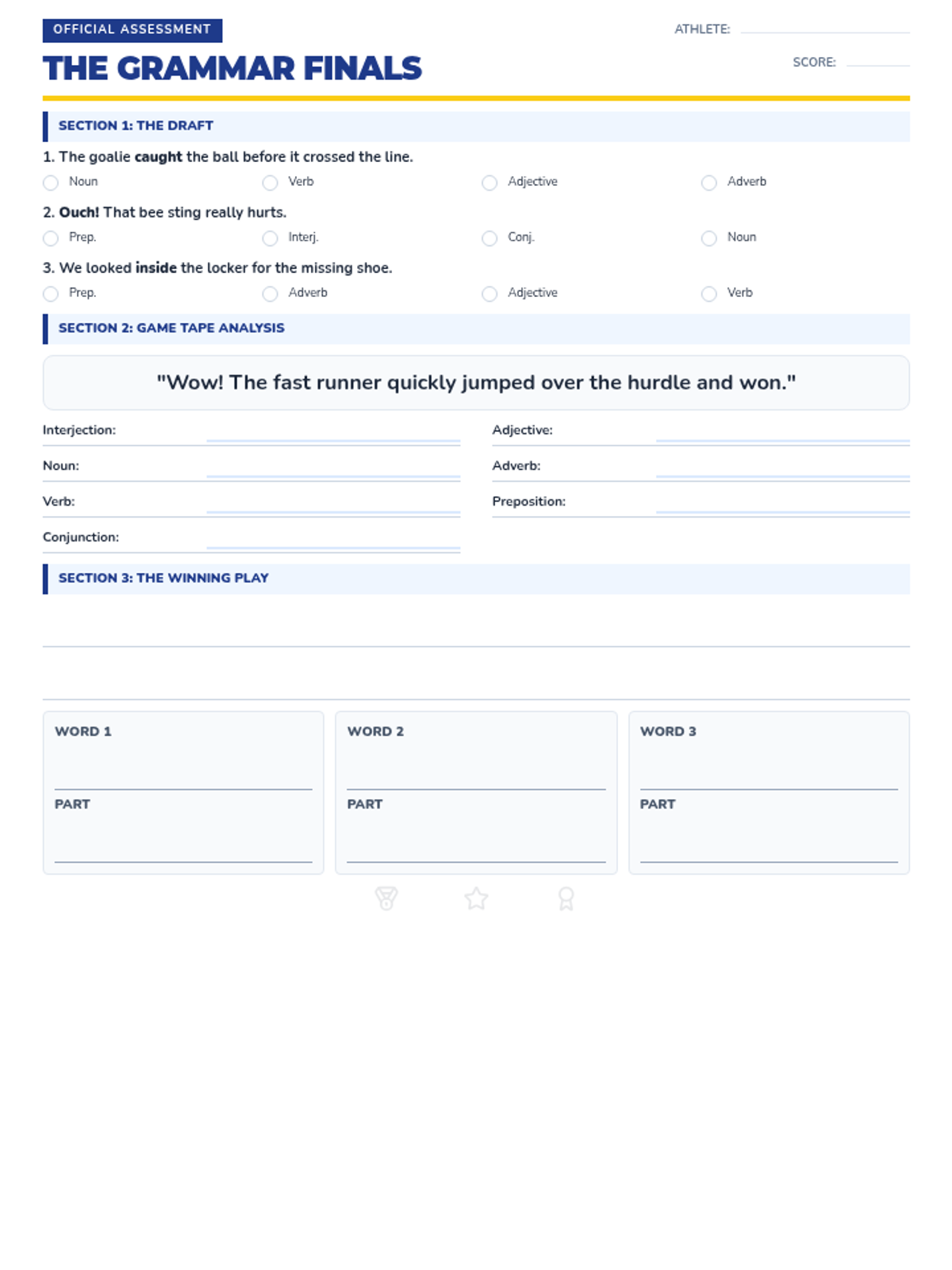
A lesson focusing on identifying nouns, verbs, adjectives, adverbs, prepositions, conjunctions, and interjections using athletic and academic contexts.
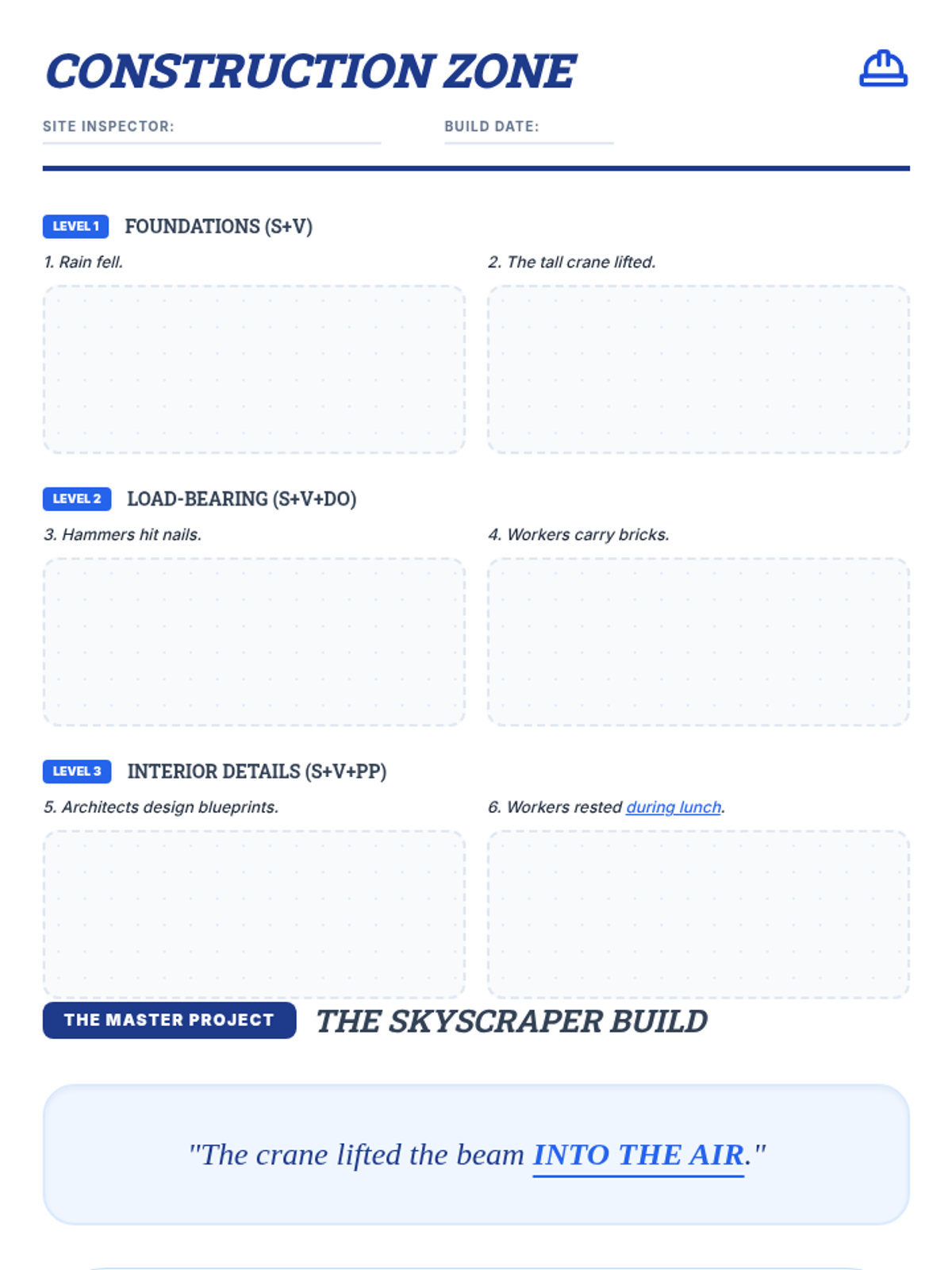
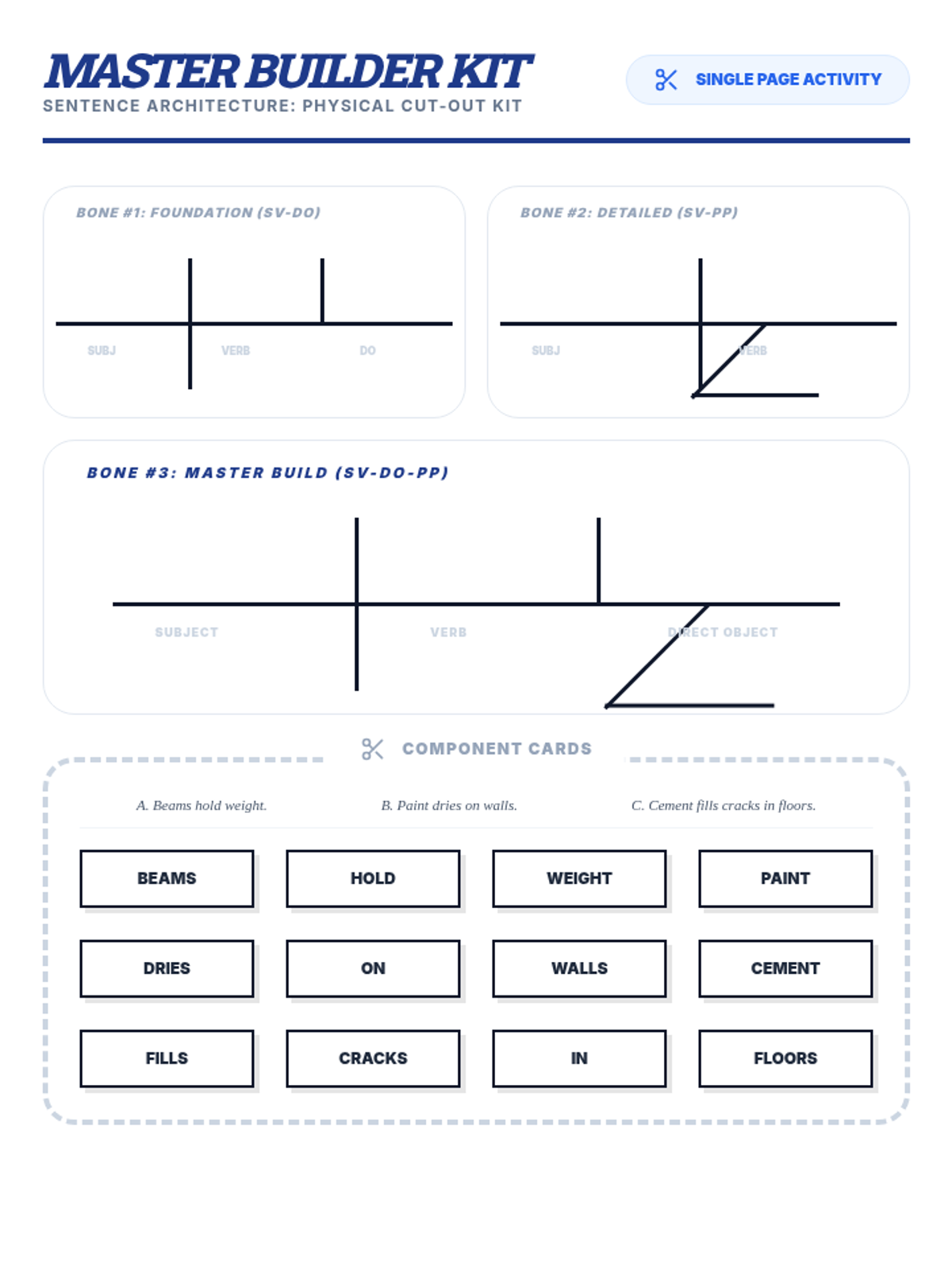
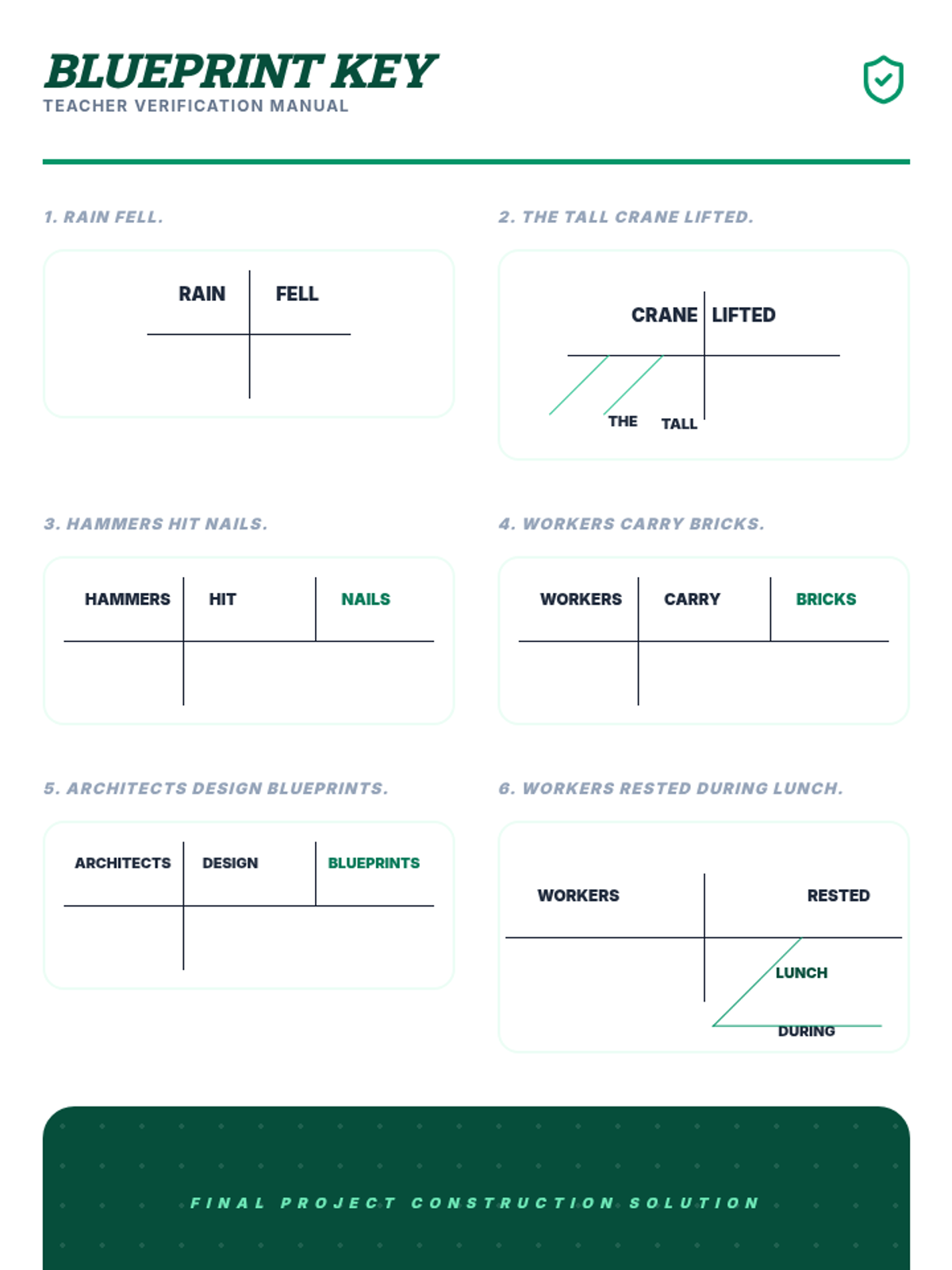
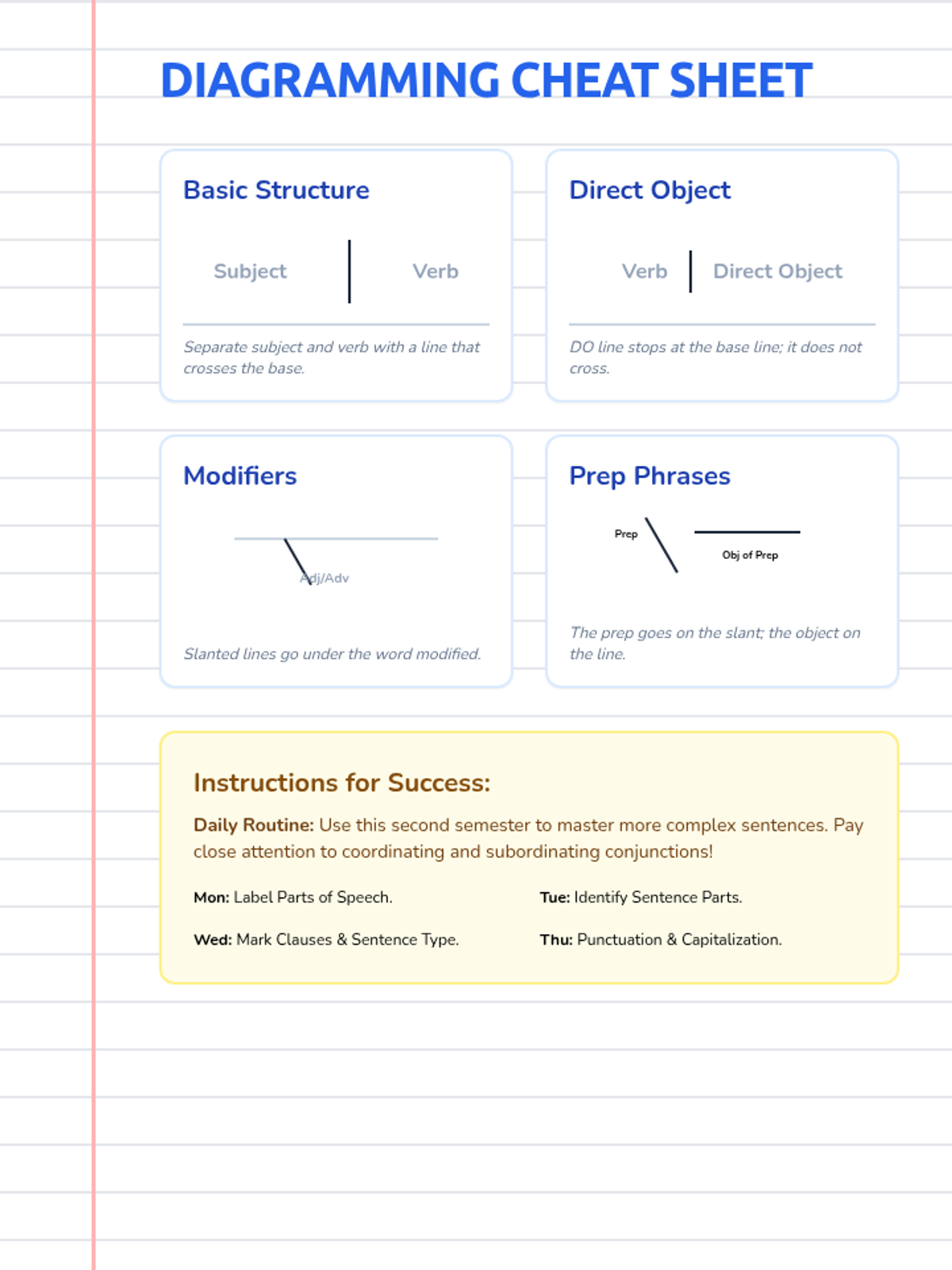
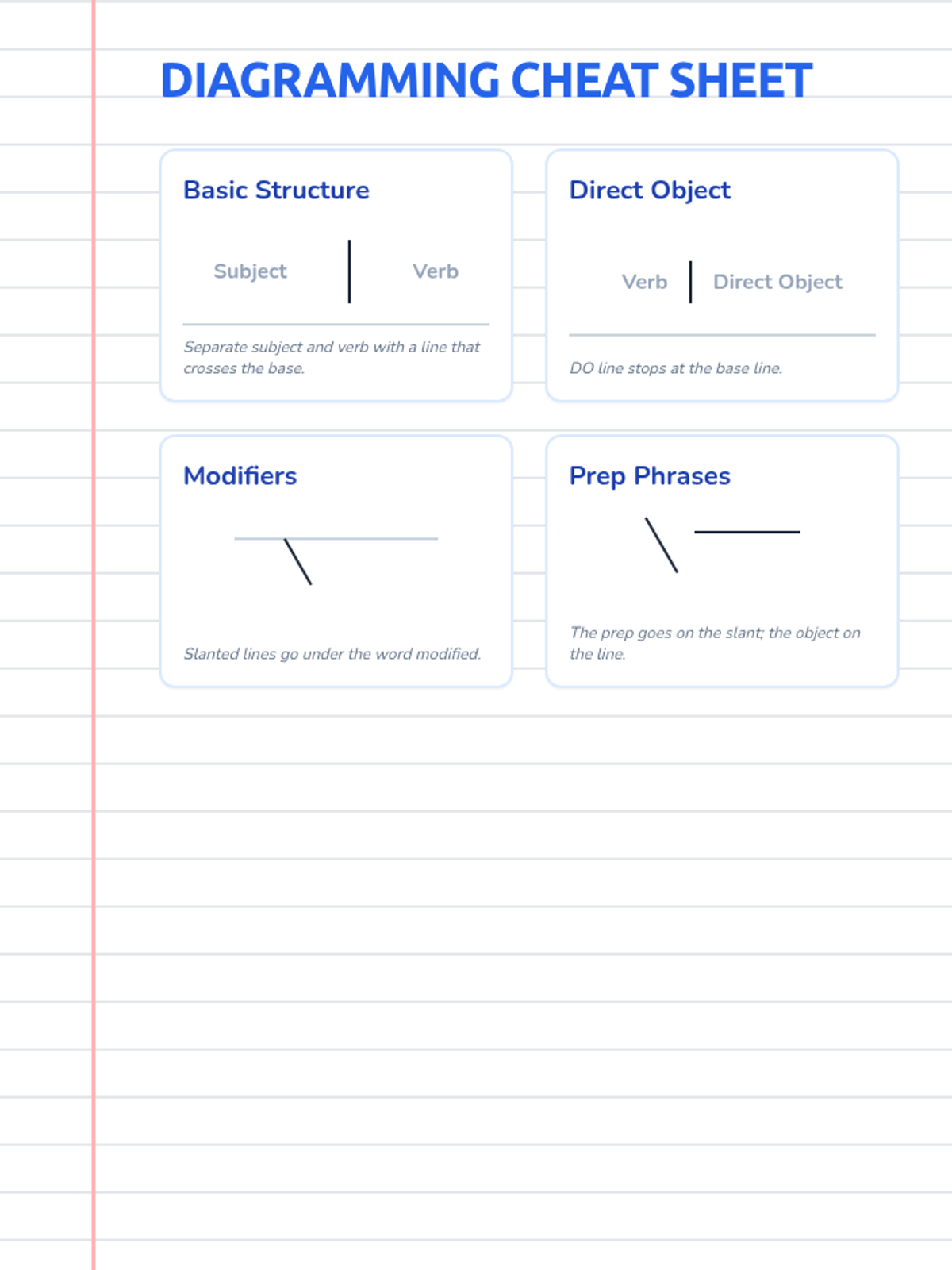
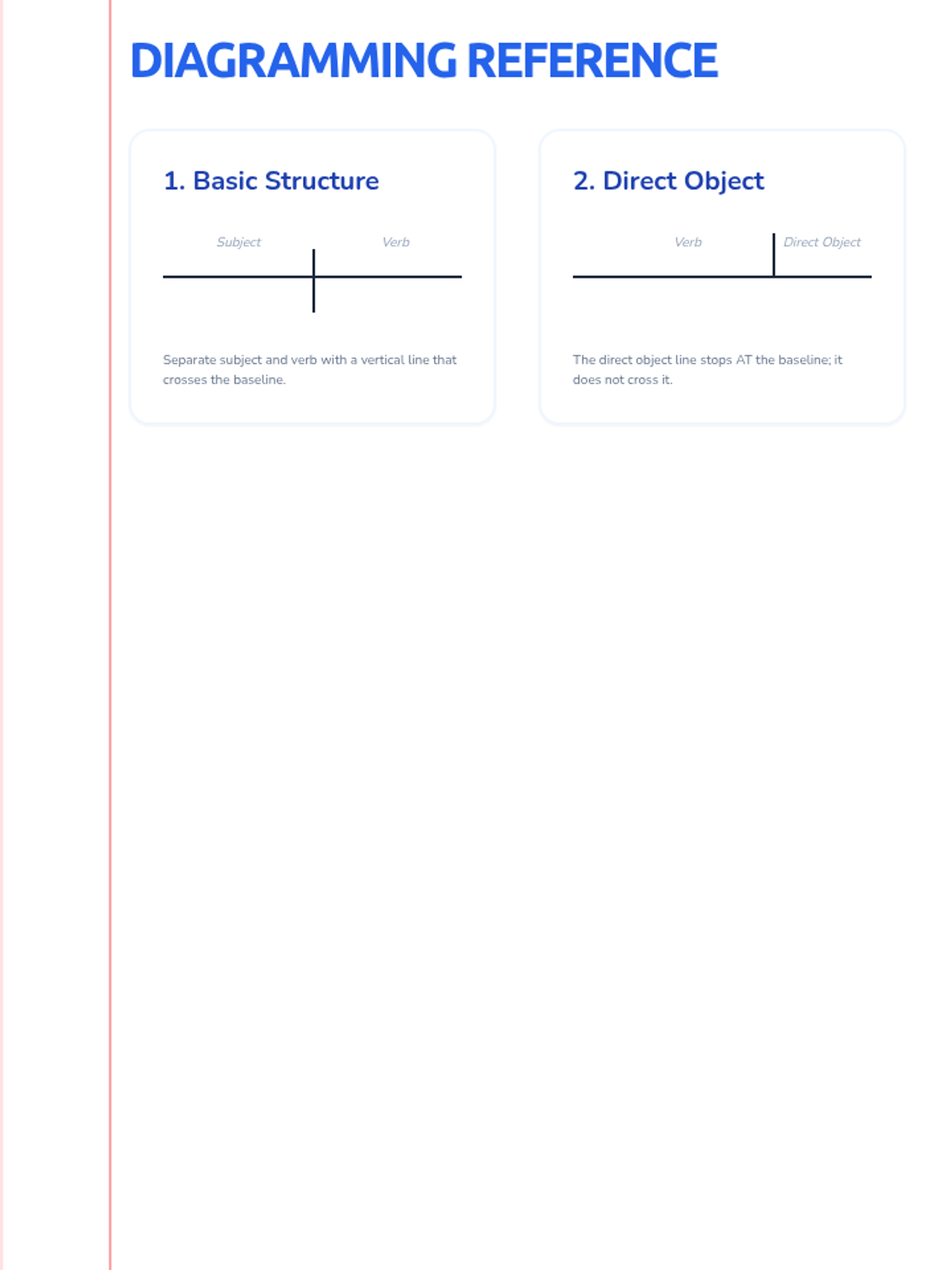
A comprehensive introduction to Reed-Kellogg sentence diagramming, covering subjects, verbs, direct objects, and prepositional phrases through a structural engineering lens.
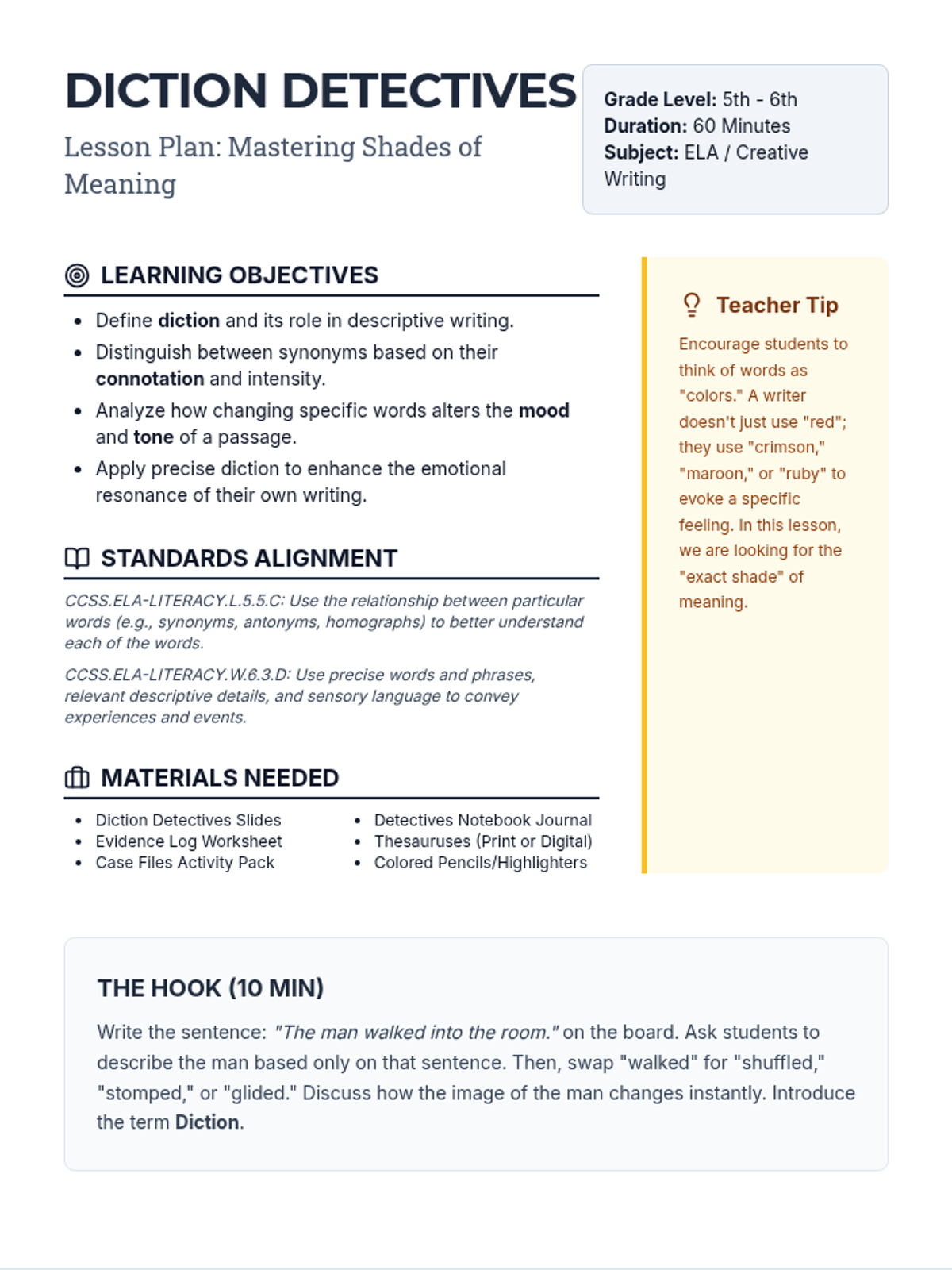
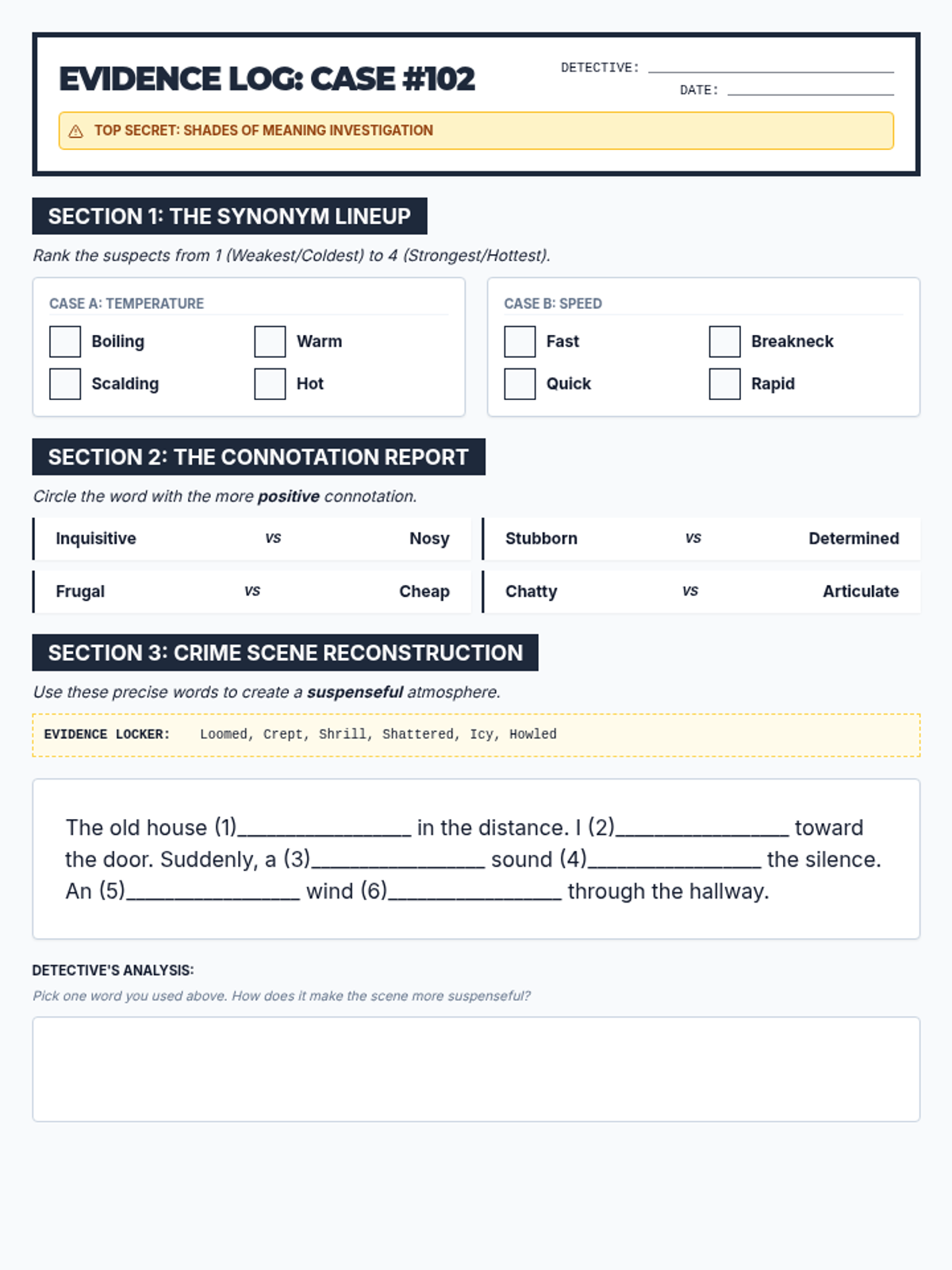
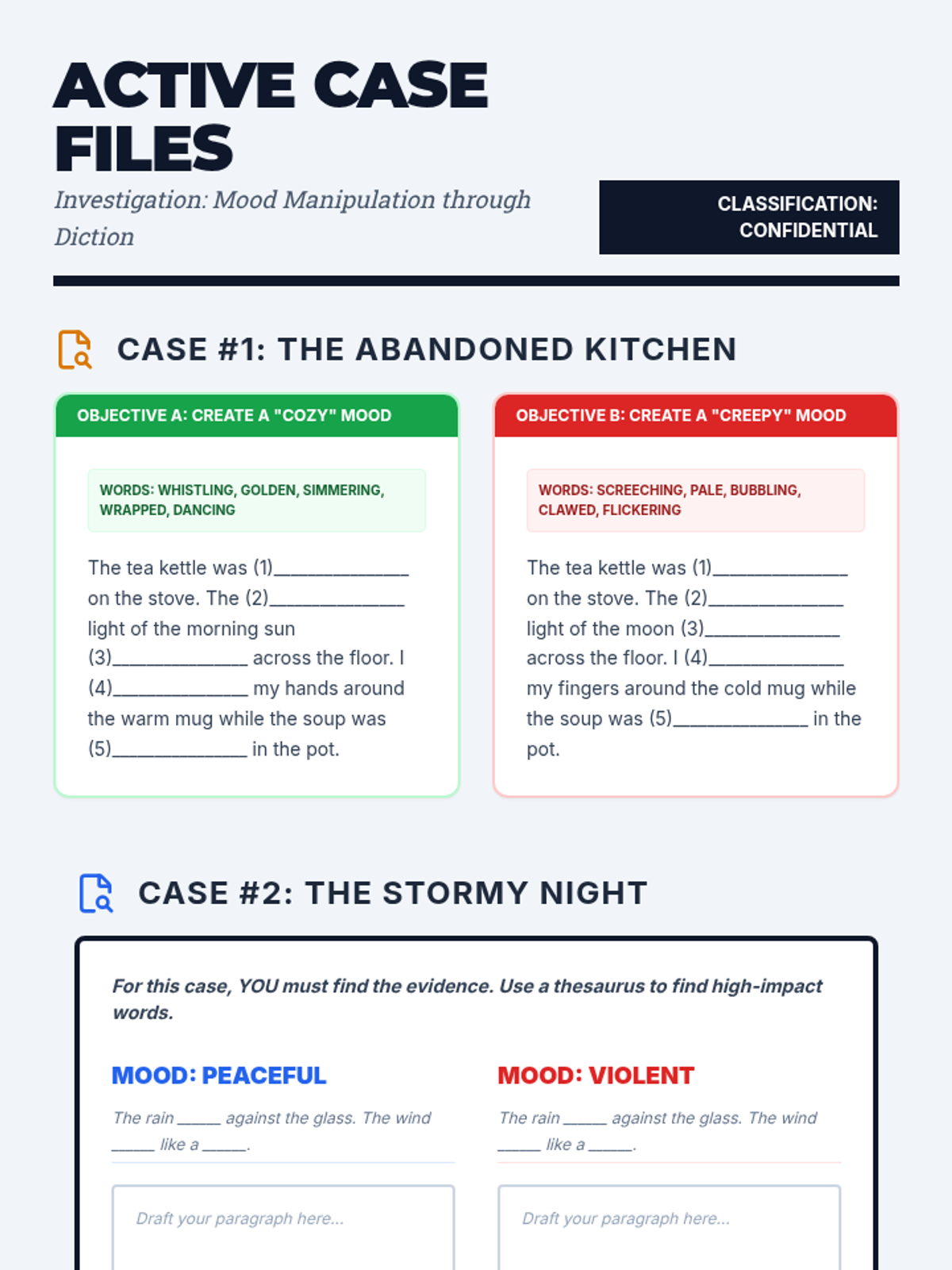
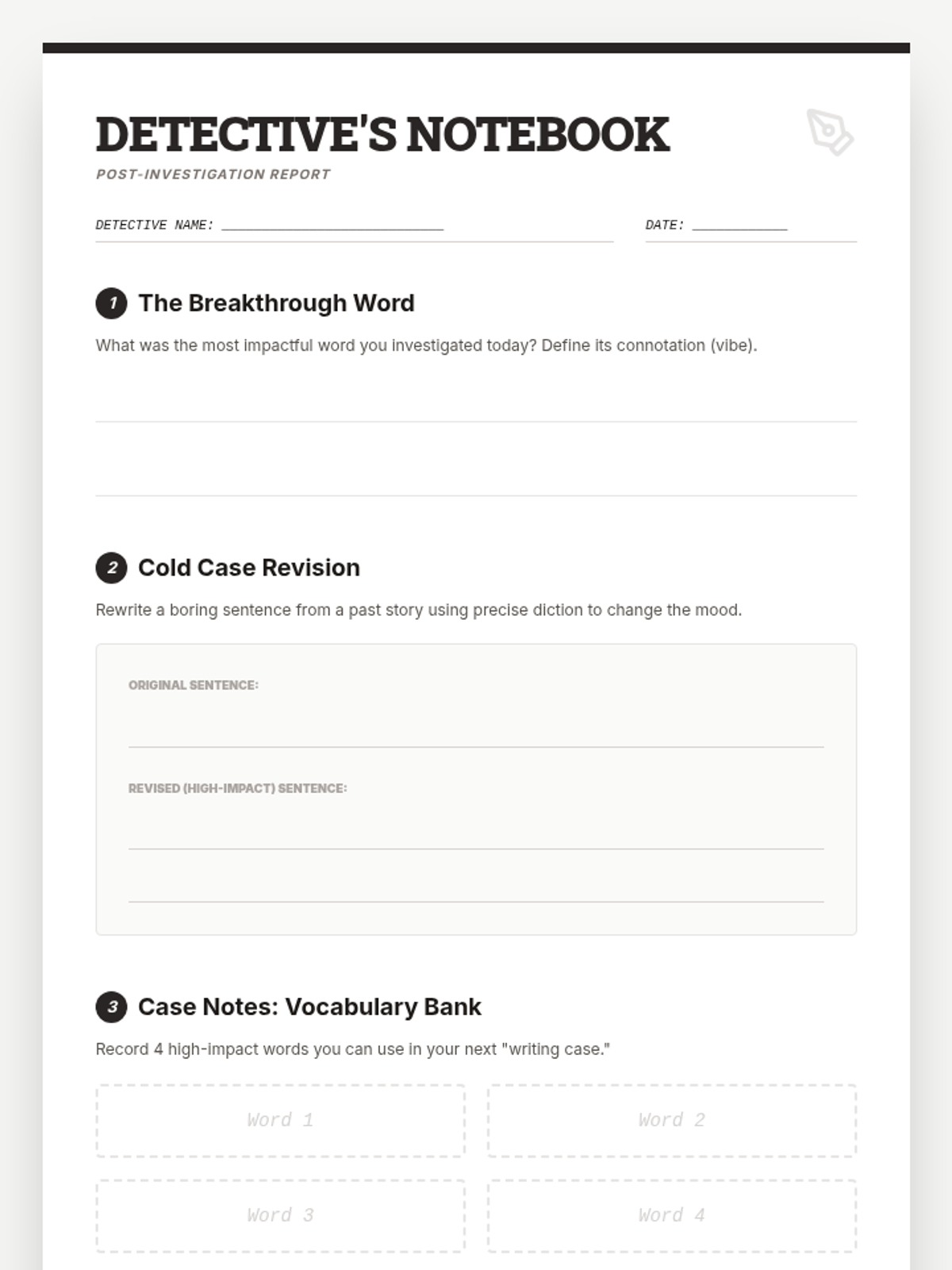
Students investigate how precise word choices (diction) influence the mood and tone of a story through a detective-themed exploration of synonyms and shades of meaning.
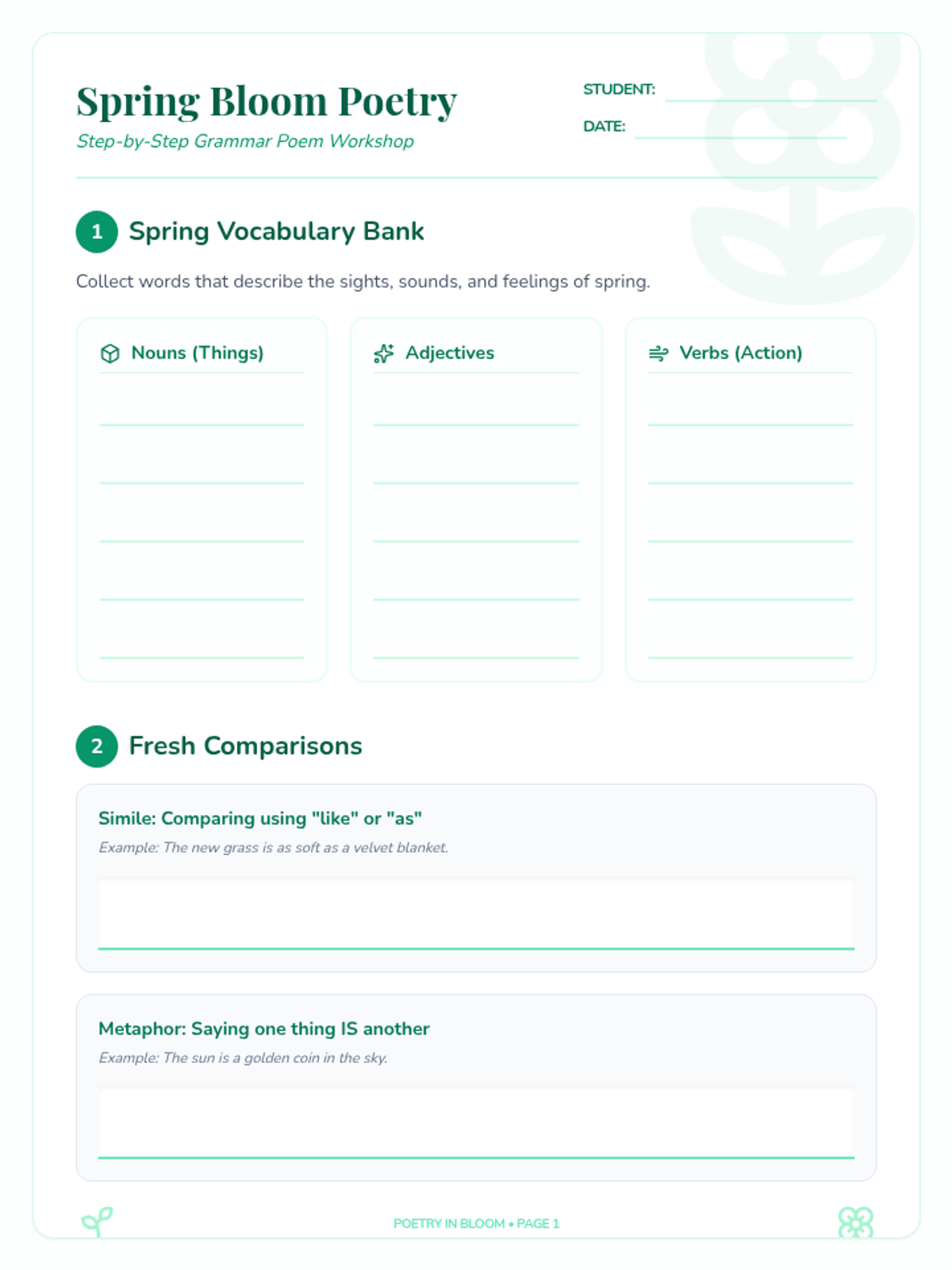
A guided poetry workshop where students use grammar concepts and figurative language to celebrate the arrival of spring.
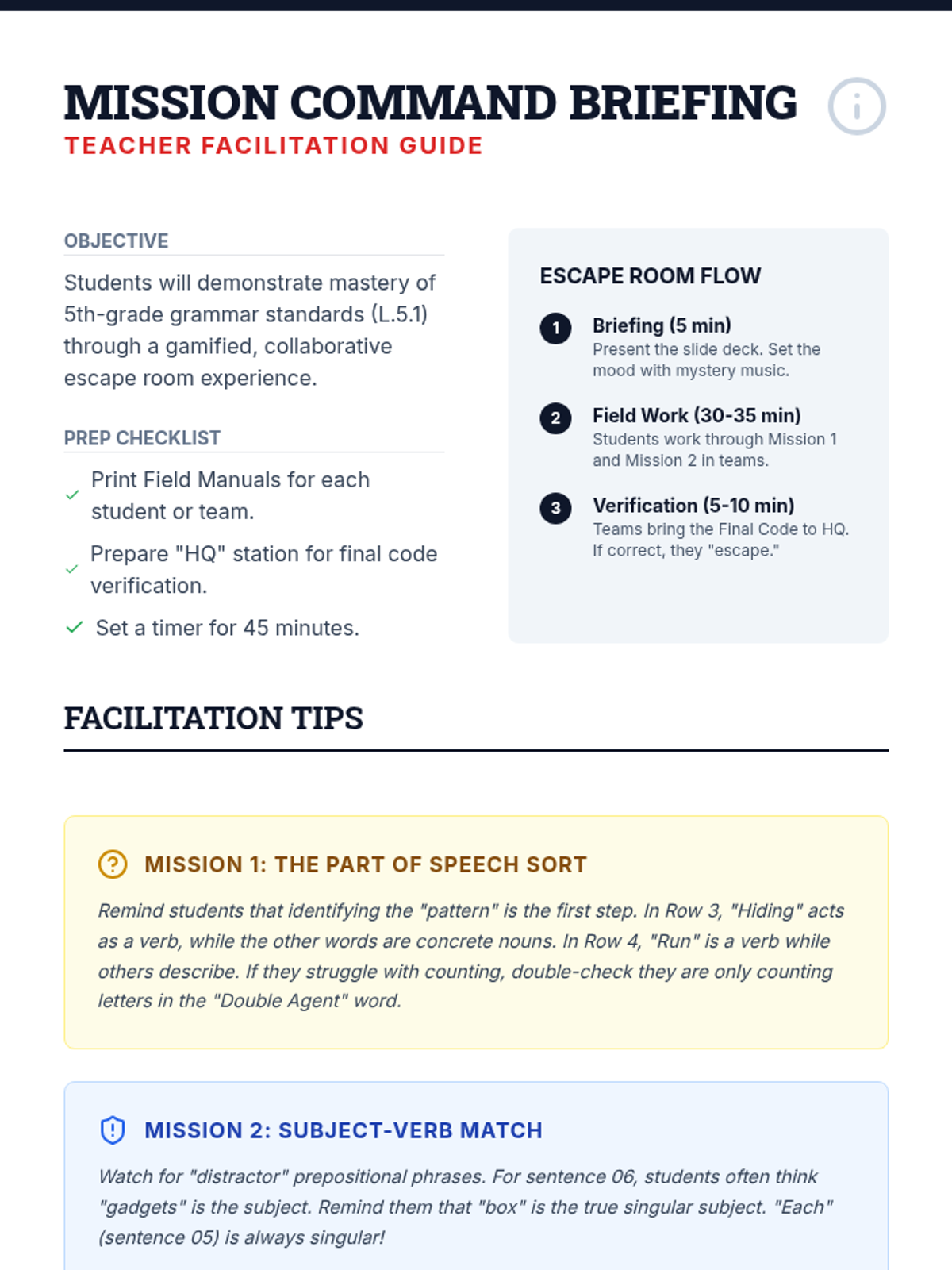
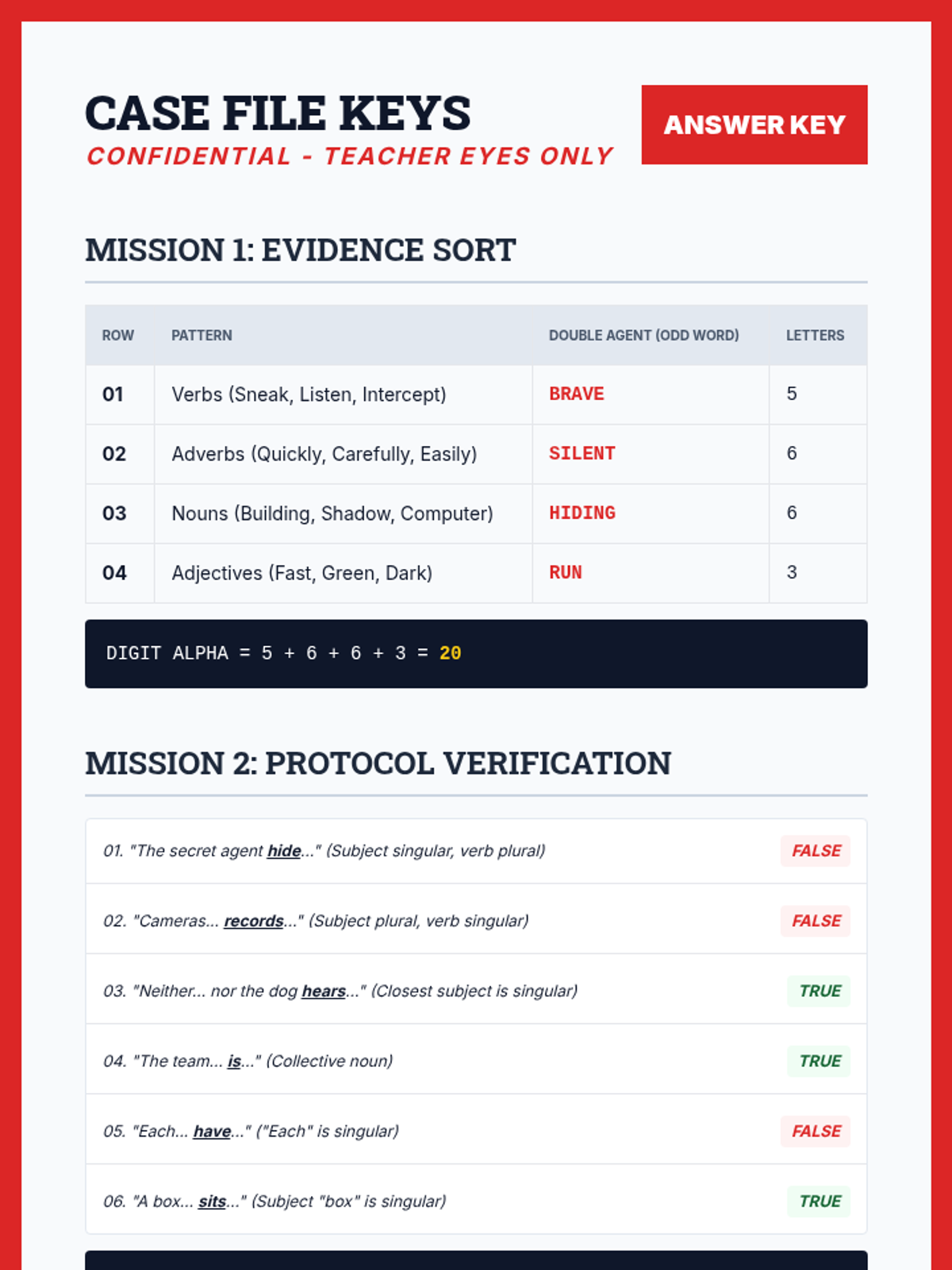
A high-stakes grammar escape room where students act as secret agents to solve mysteries using their knowledge of parts of speech and subject-verb agreement.
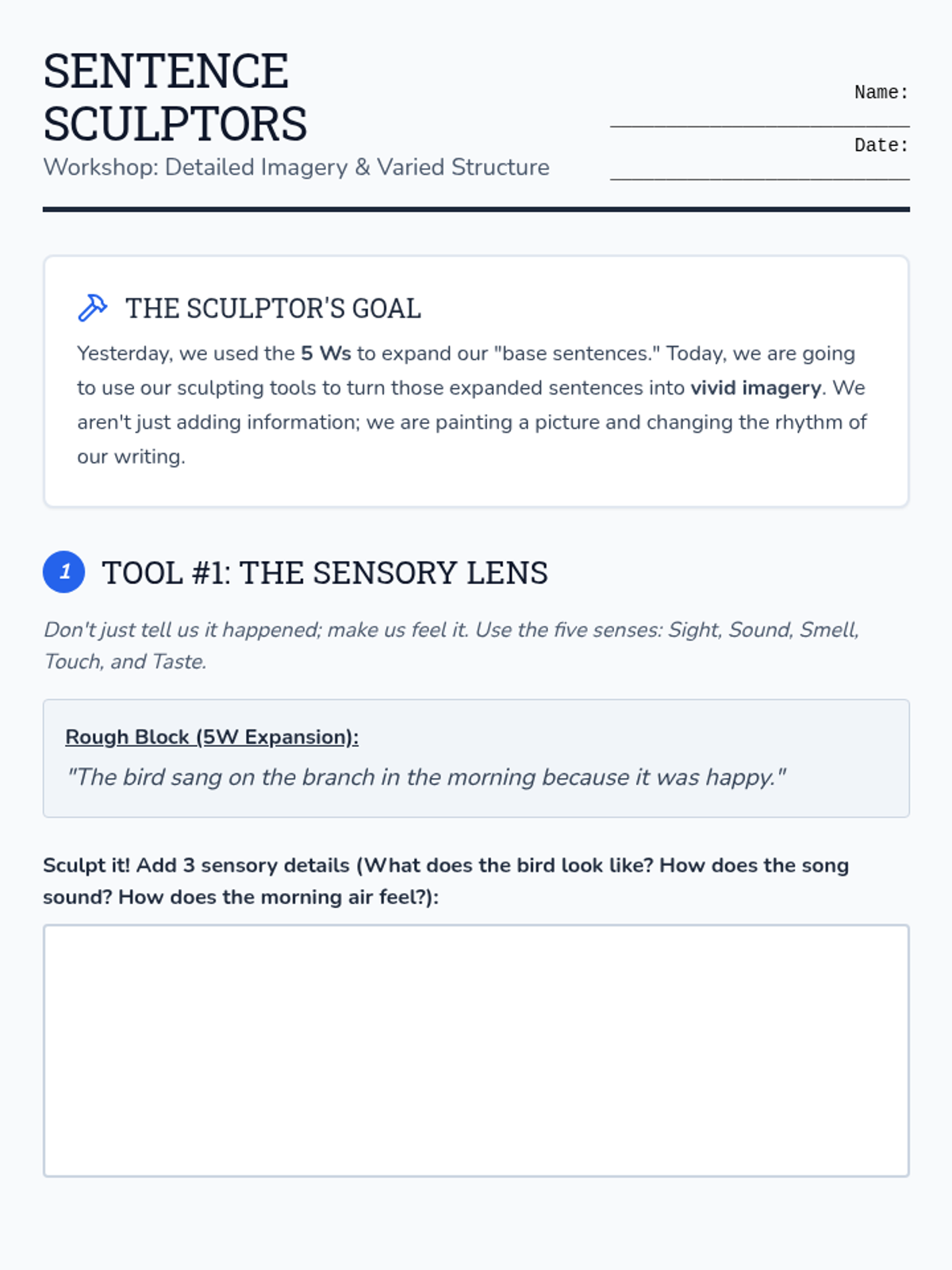
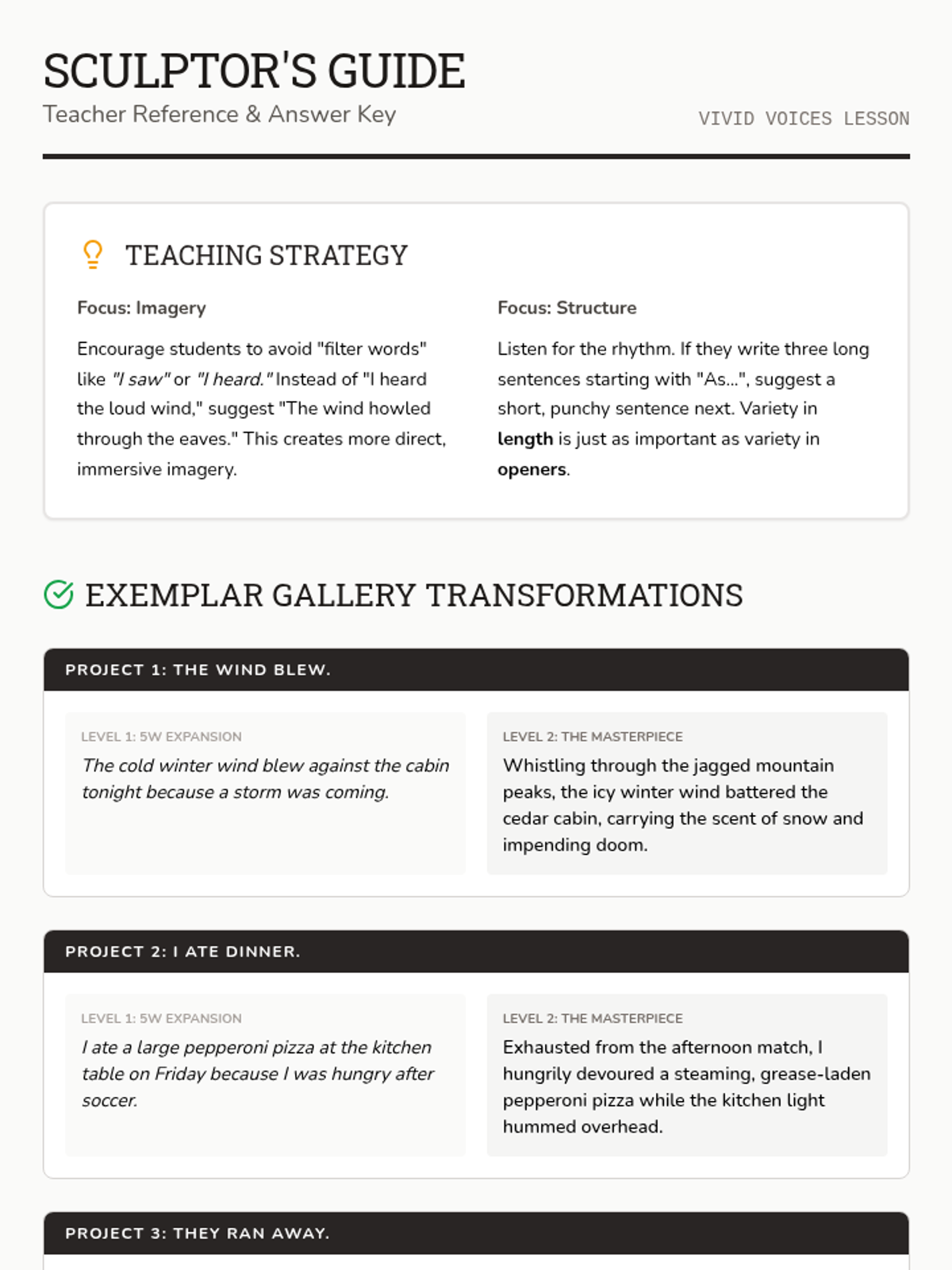
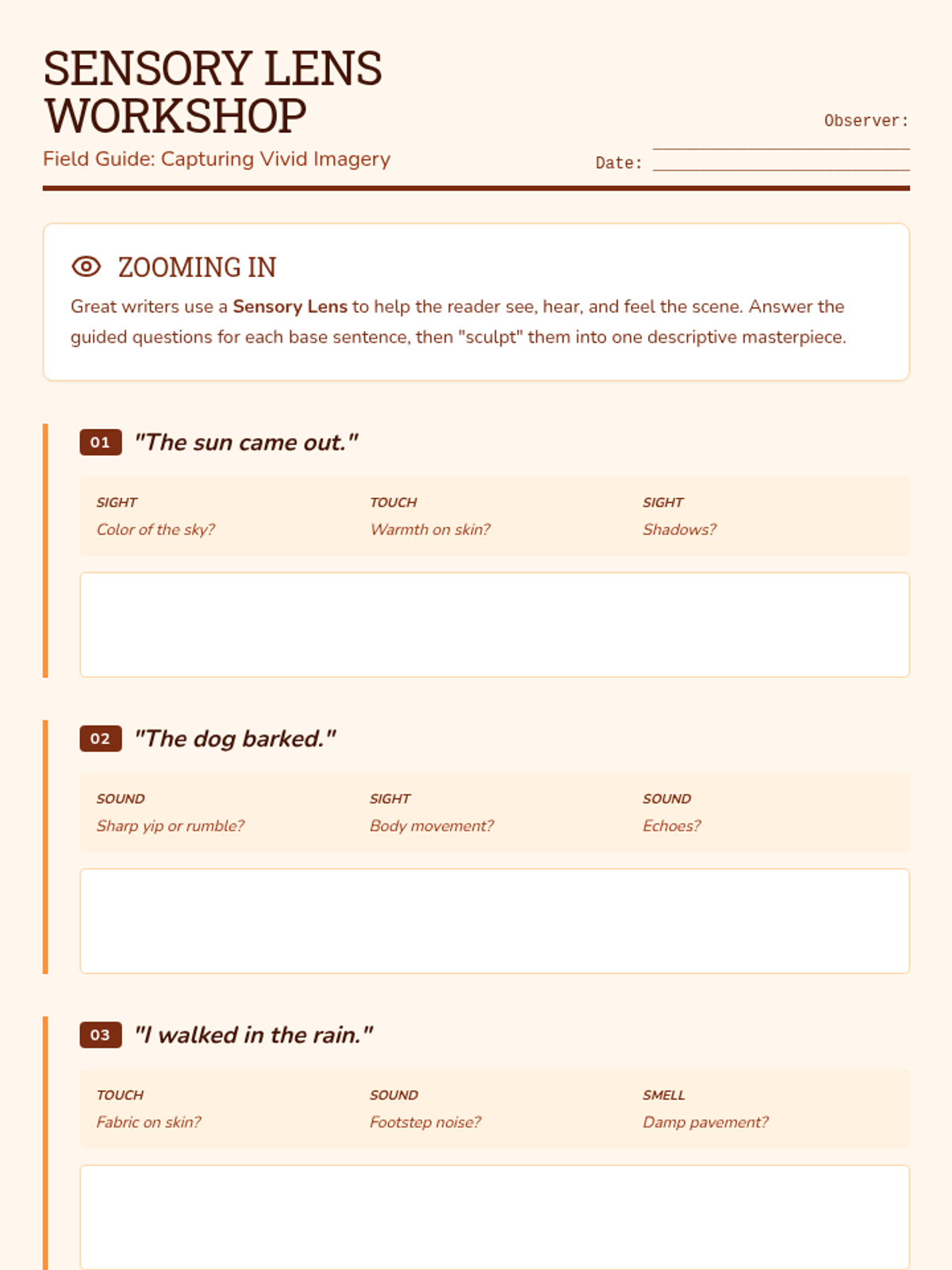
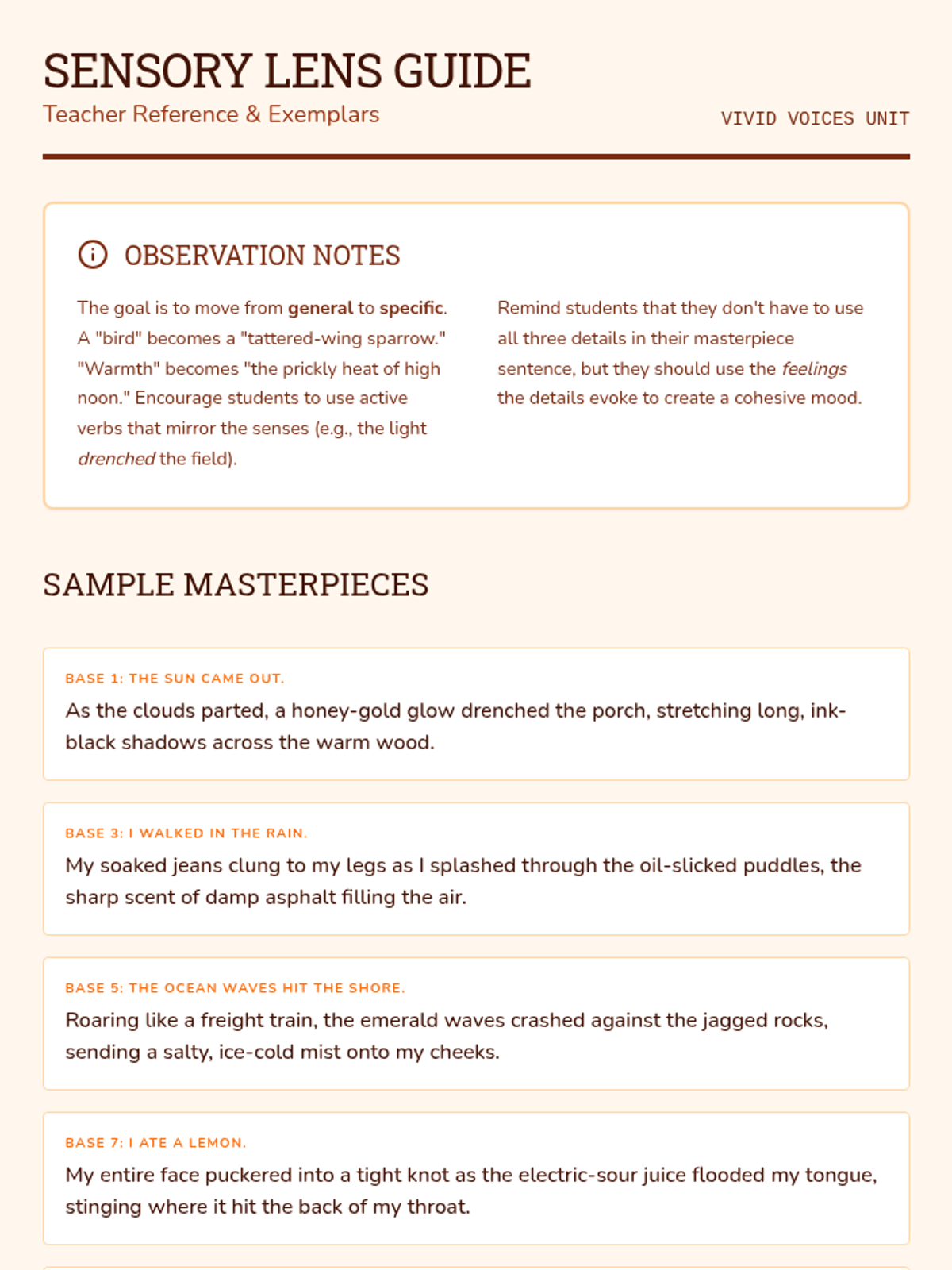
A lesson focused on transforming basic sentences into vivid, descriptive narratives using sensory imagery and varied sentence structures. Students build on their 5W foundation to 'sculpt' their writing into professional-quality prose.
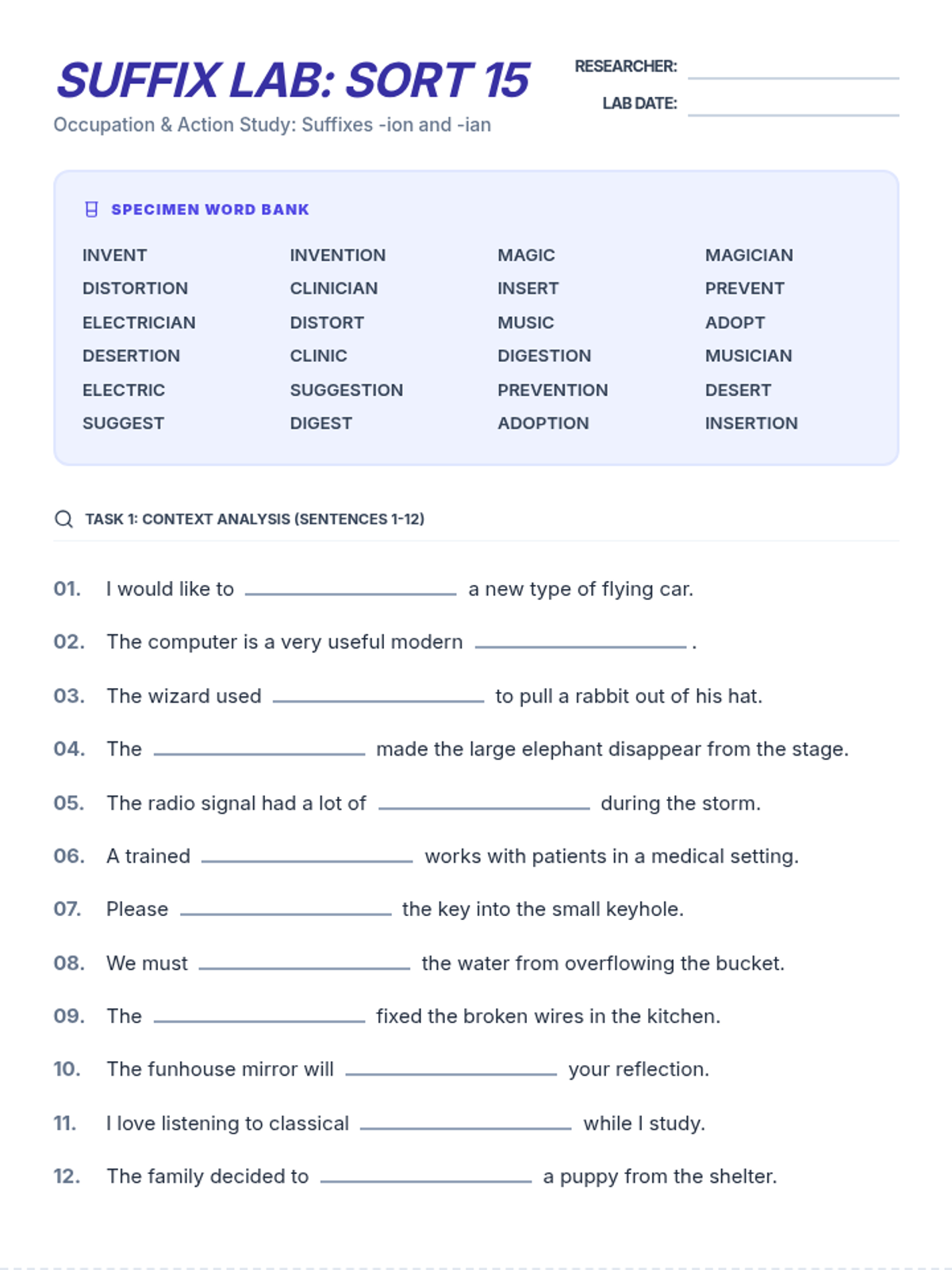
A lesson focused on the suffixes -ion and -ian with no spelling change to the base word. Students analyze nouns like 'invention', 'magician', and 'musician'.
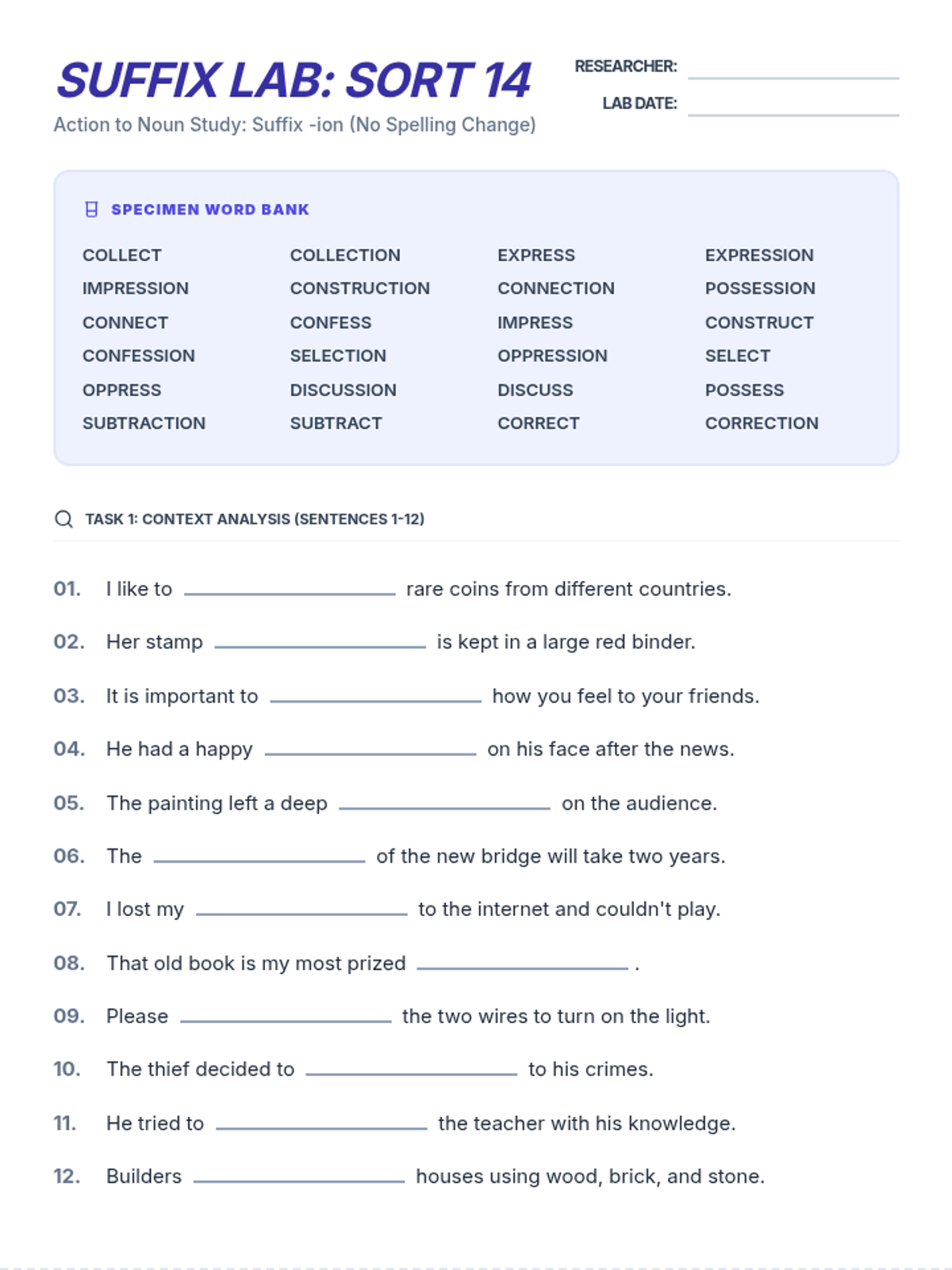
A lesson focused on the suffix -ion and how it changes verbs into nouns with no spelling change to the base word. Students analyze word pairs like 'collect' and 'collection'.
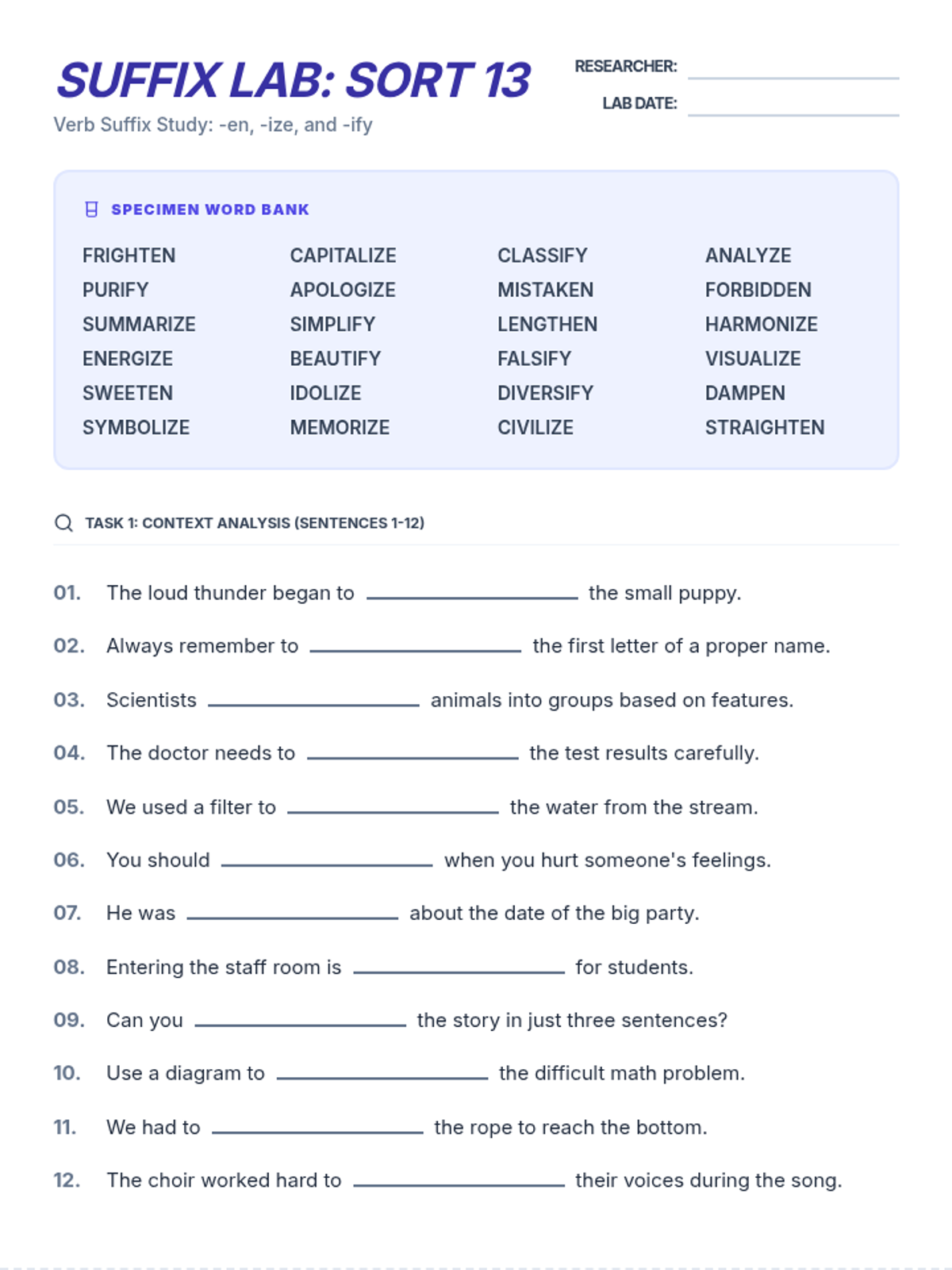
A lesson focused on the suffixes -en, -ize, and -ify. Students investigate how these suffixes transform base words into verbs representing actions or states.
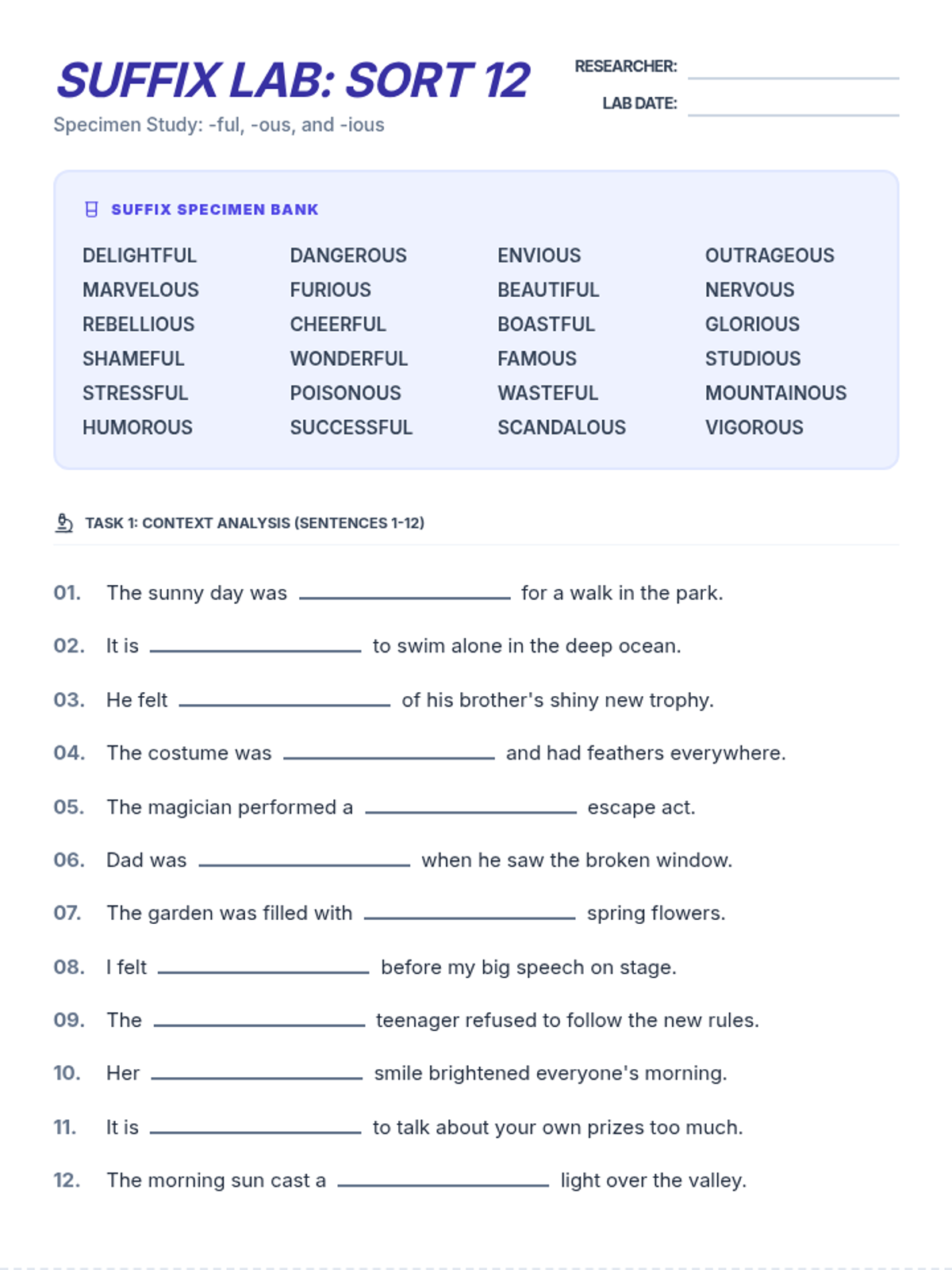
A lesson focused on the suffixes -ful, -ous, and -ious. Students analyze how these suffixes form adjectives from nouns, representing full of or having qualities of.
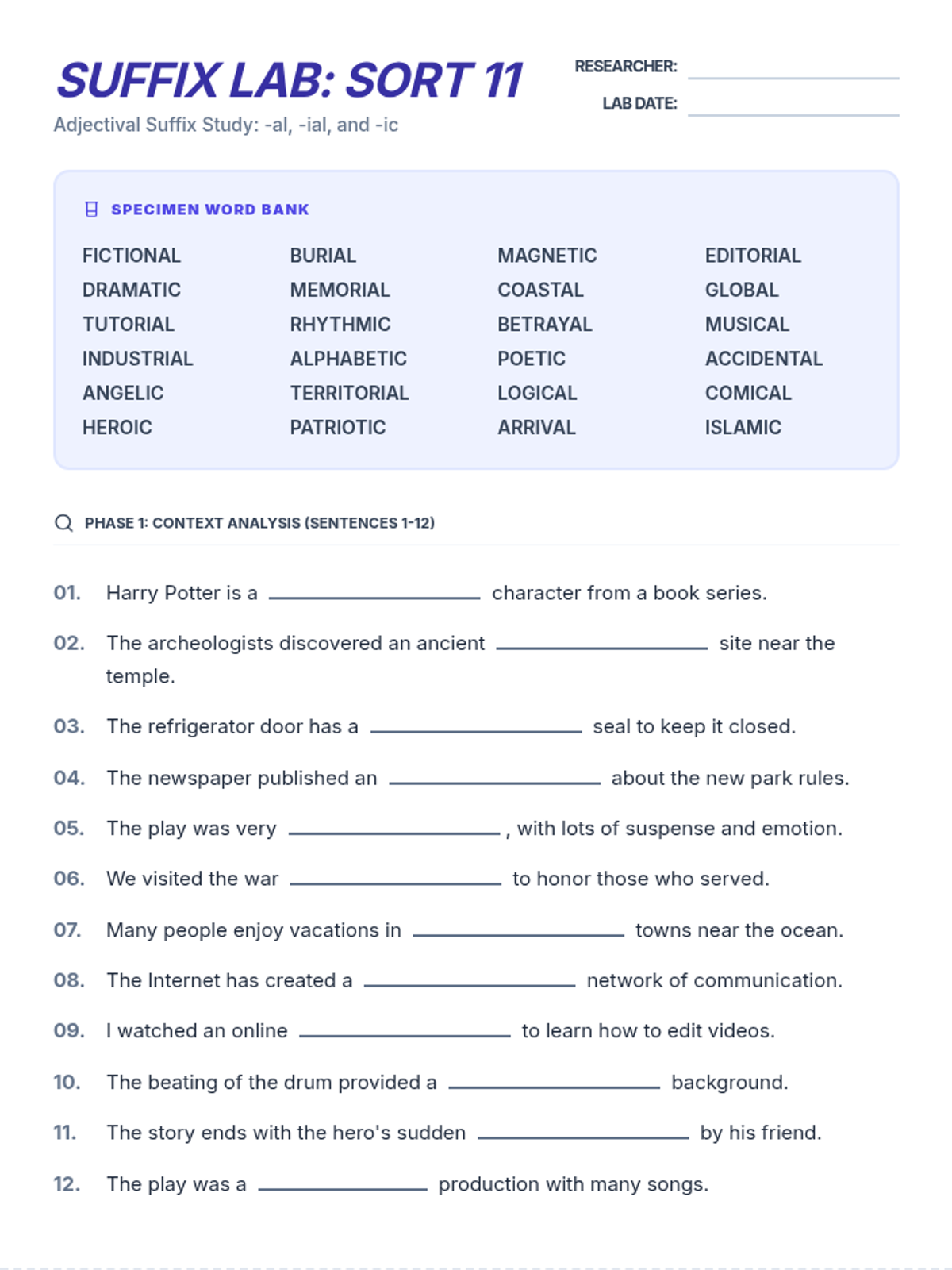
A lesson focused on the suffixes -al, -ial, and -ic. Students analyze how these suffixes form adjectives from nouns, representing relating to or having qualities of.
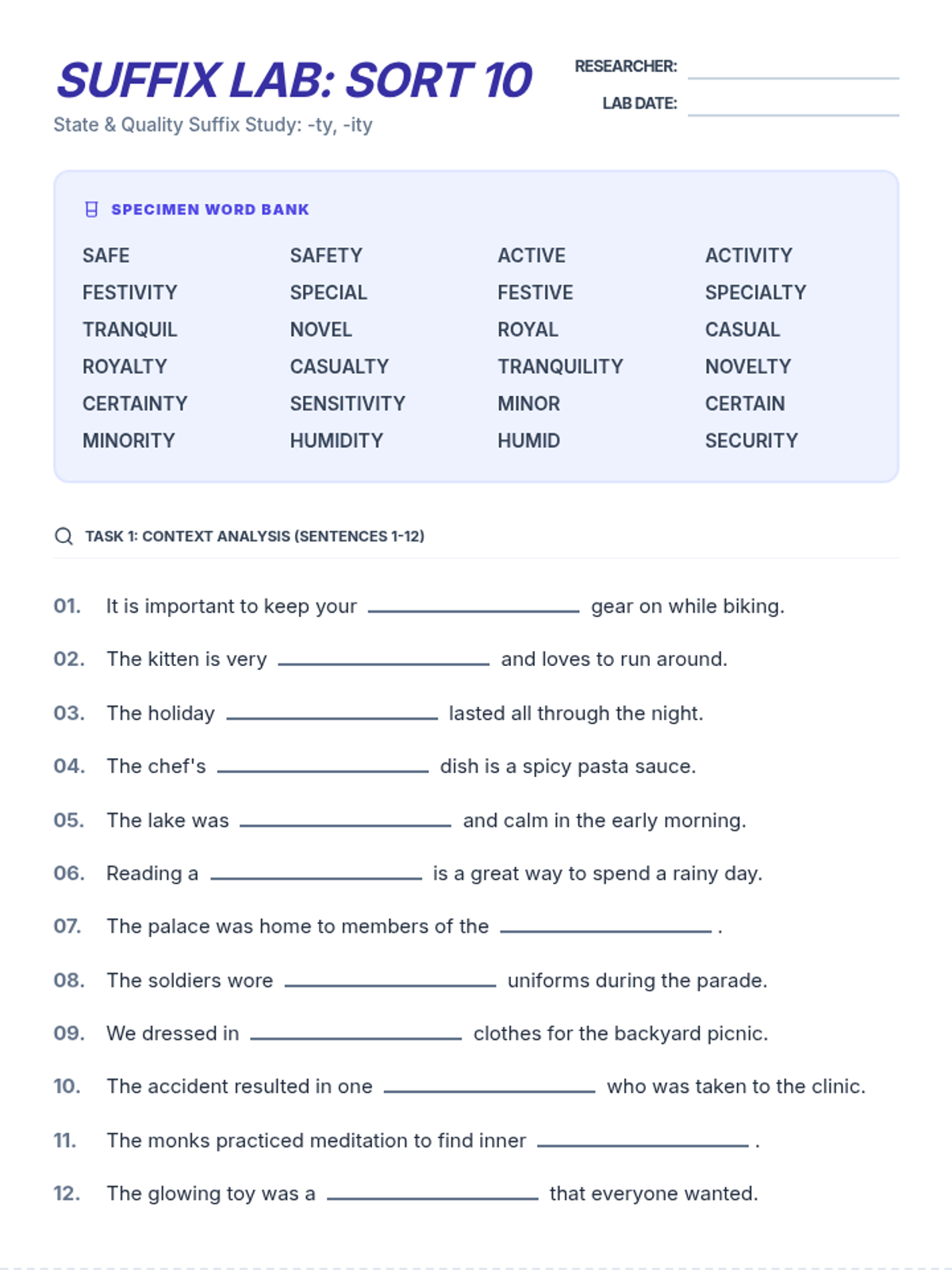
A lesson focused on the suffixes -ty and -ity. Students analyze how these suffixes form nouns from adjectives, representing states or qualities.
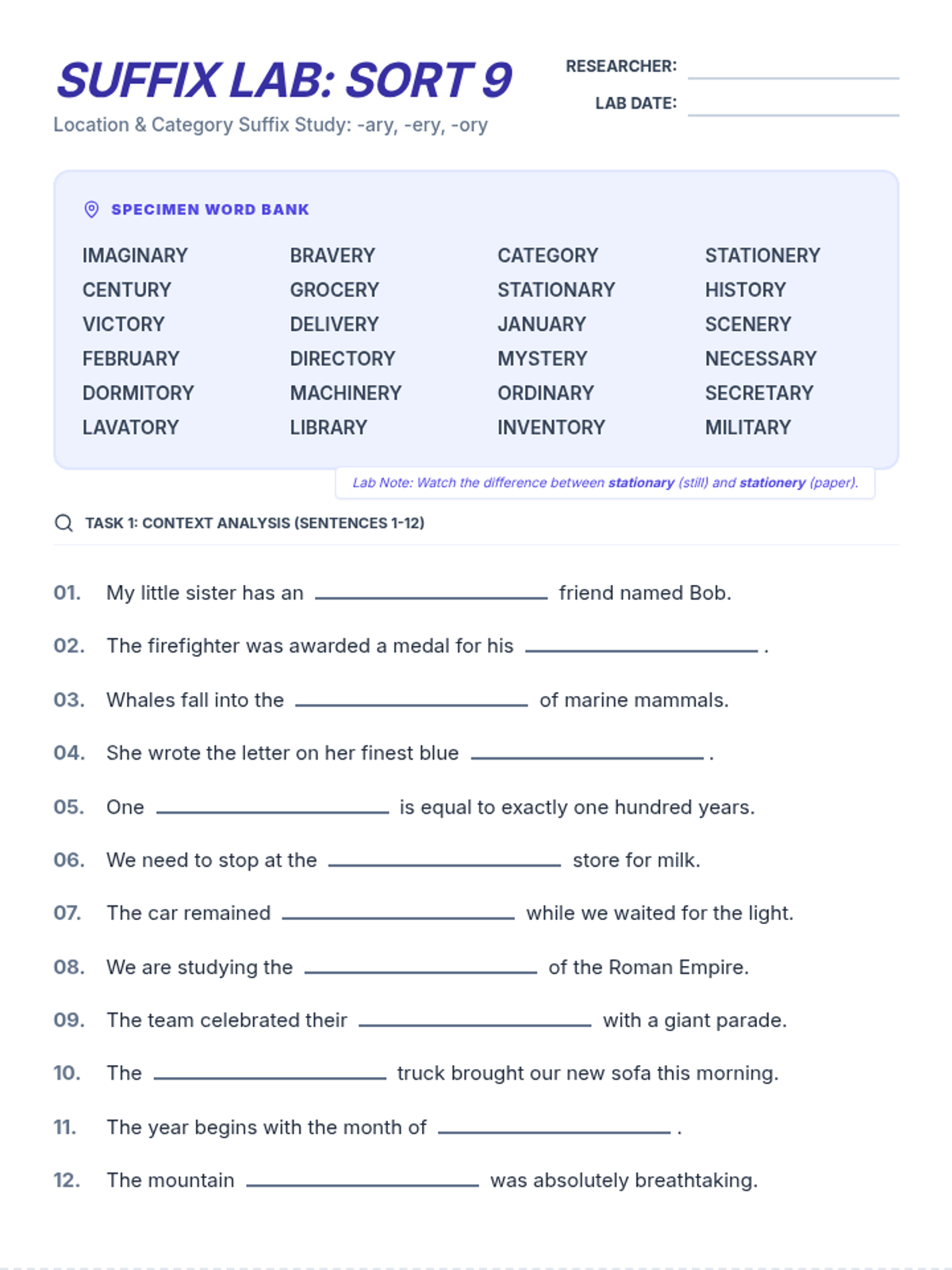
A lesson focused on location and category suffixes (-ary, -ery, -ory). Students analyze how these suffixes form nouns and adjectives related to places, groups, and qualities.
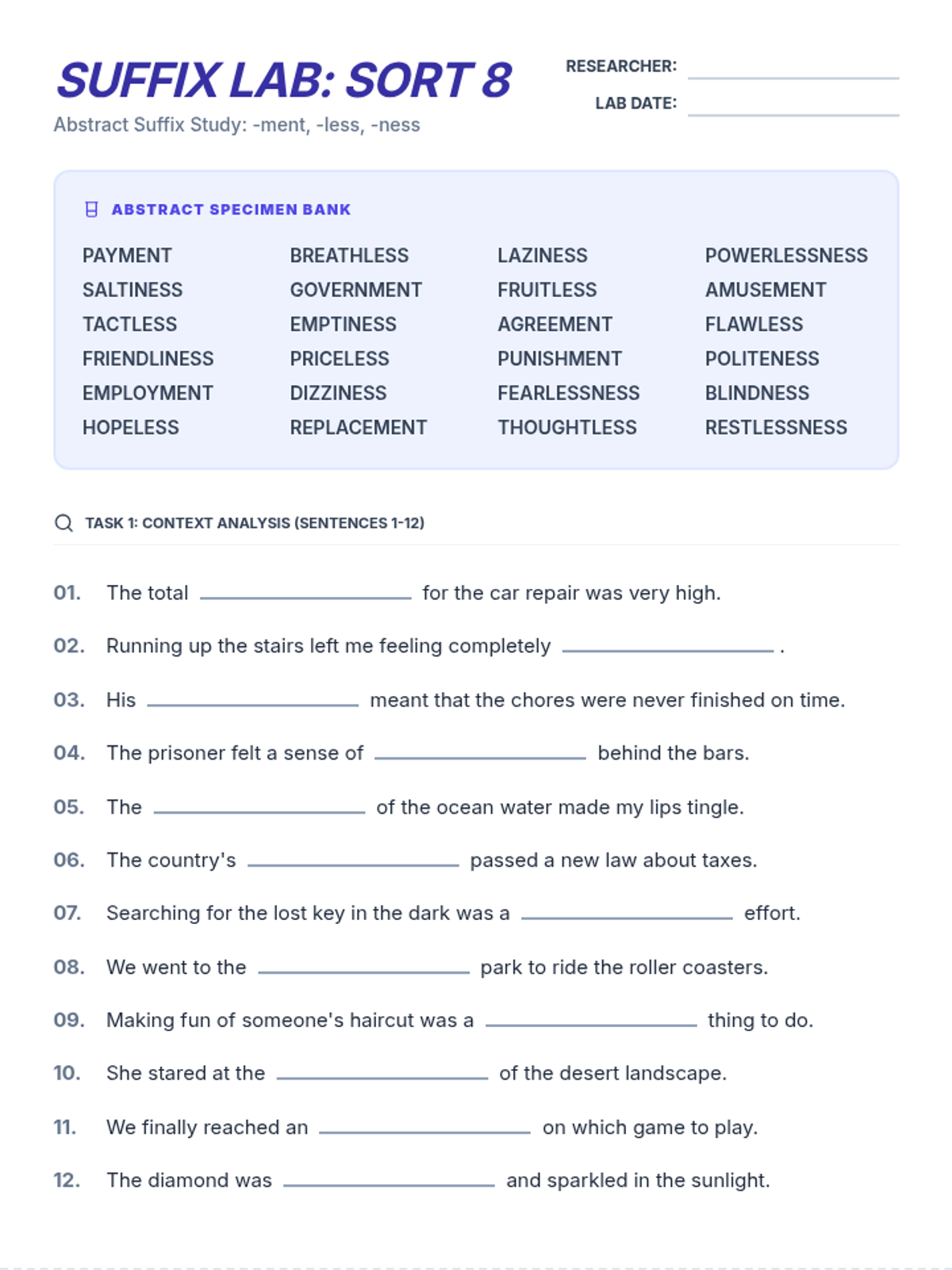
A lesson focused on abstract suffixes (-ment, -less, -ness). Students explore how these suffixes form nouns and adjectives related to states, qualities, and actions.
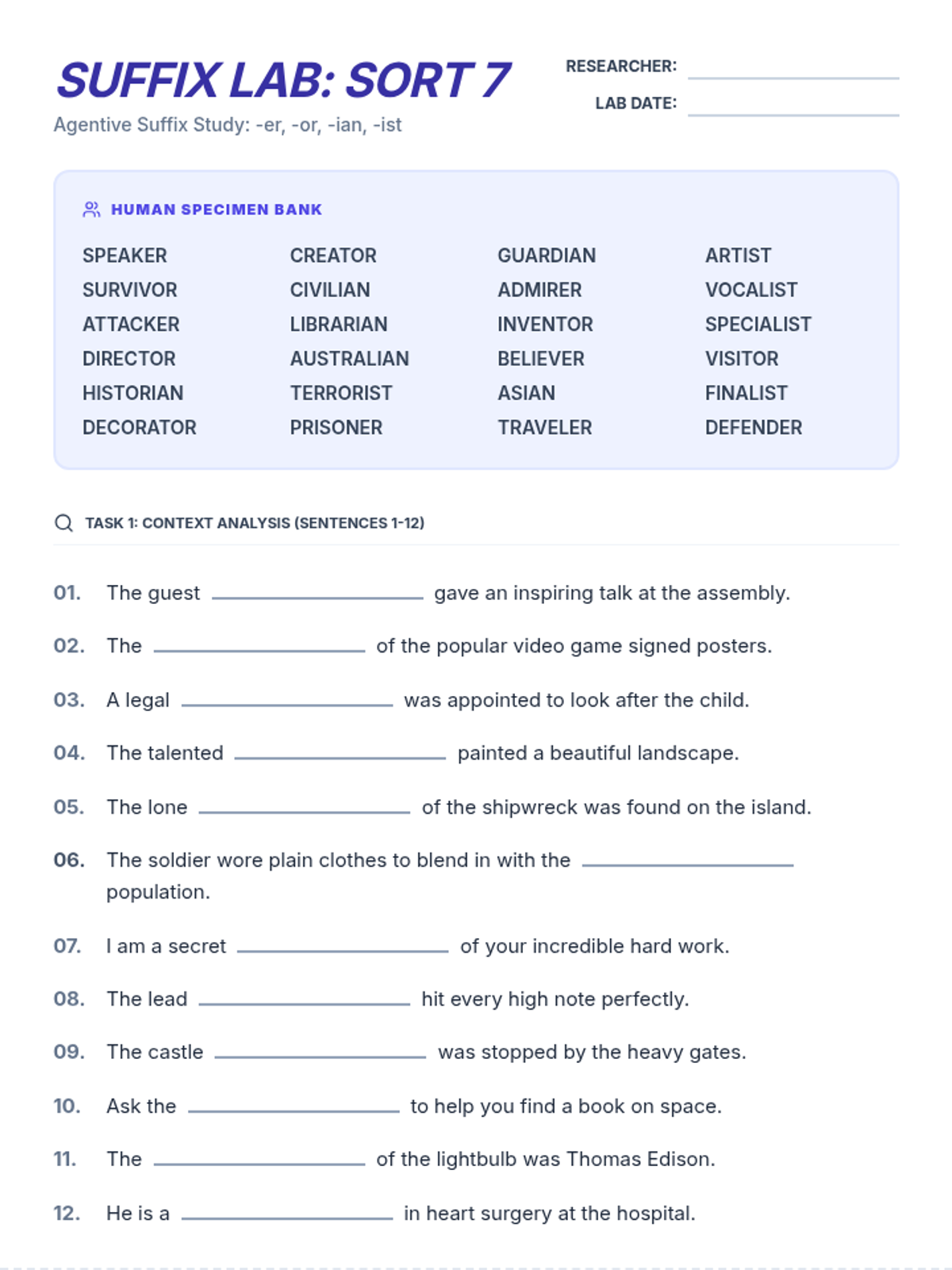
A lesson focused on agentive suffixes (-er, -or, -ian, -ist). Students analyze how these suffixes identify people who perform specific actions or hold certain roles.
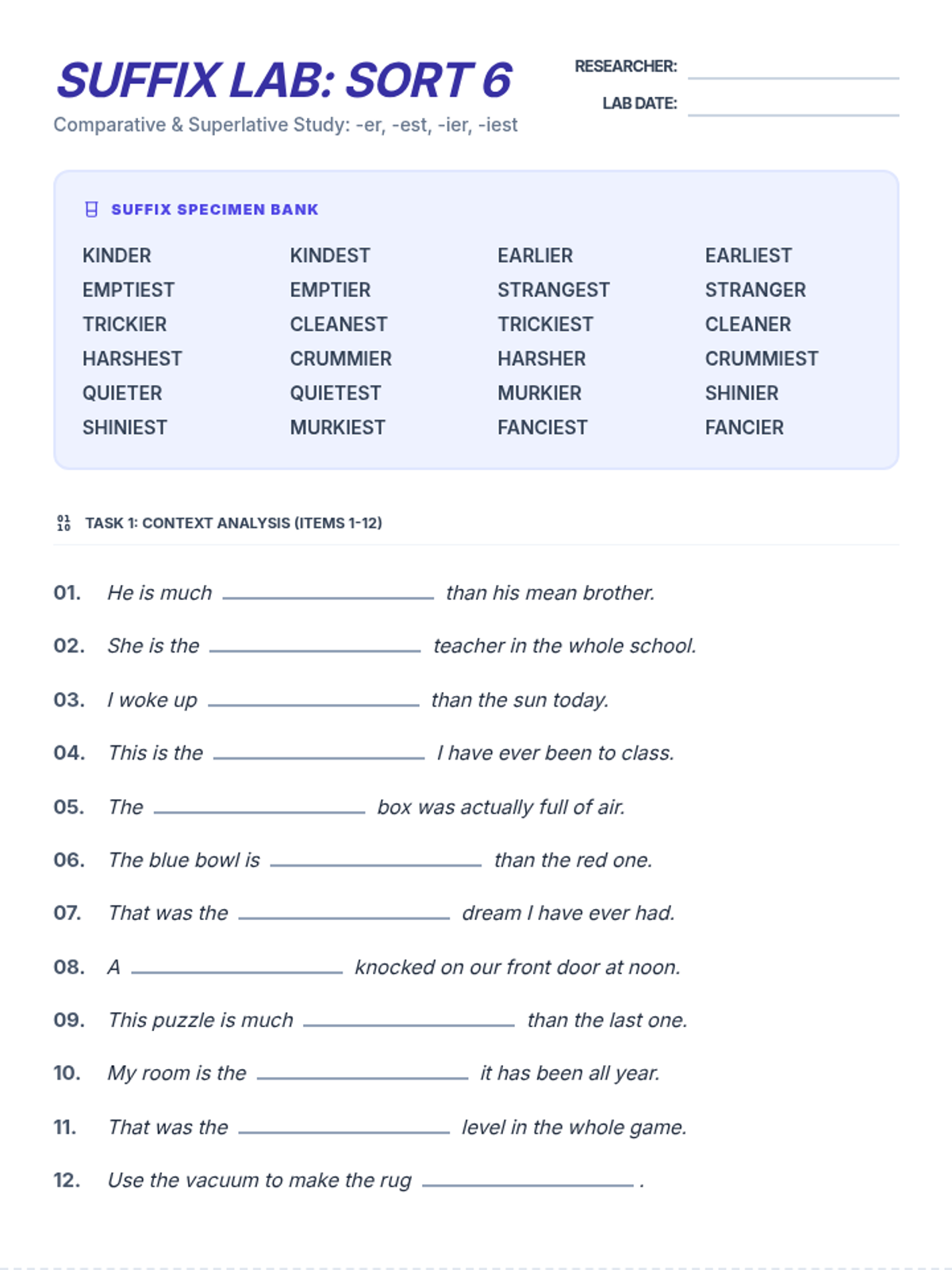
A lesson focused on comparative and superlative suffixes (-er, -est, -ier, -iest). Students explore how these suffixes change adjectives to compare two or more things.
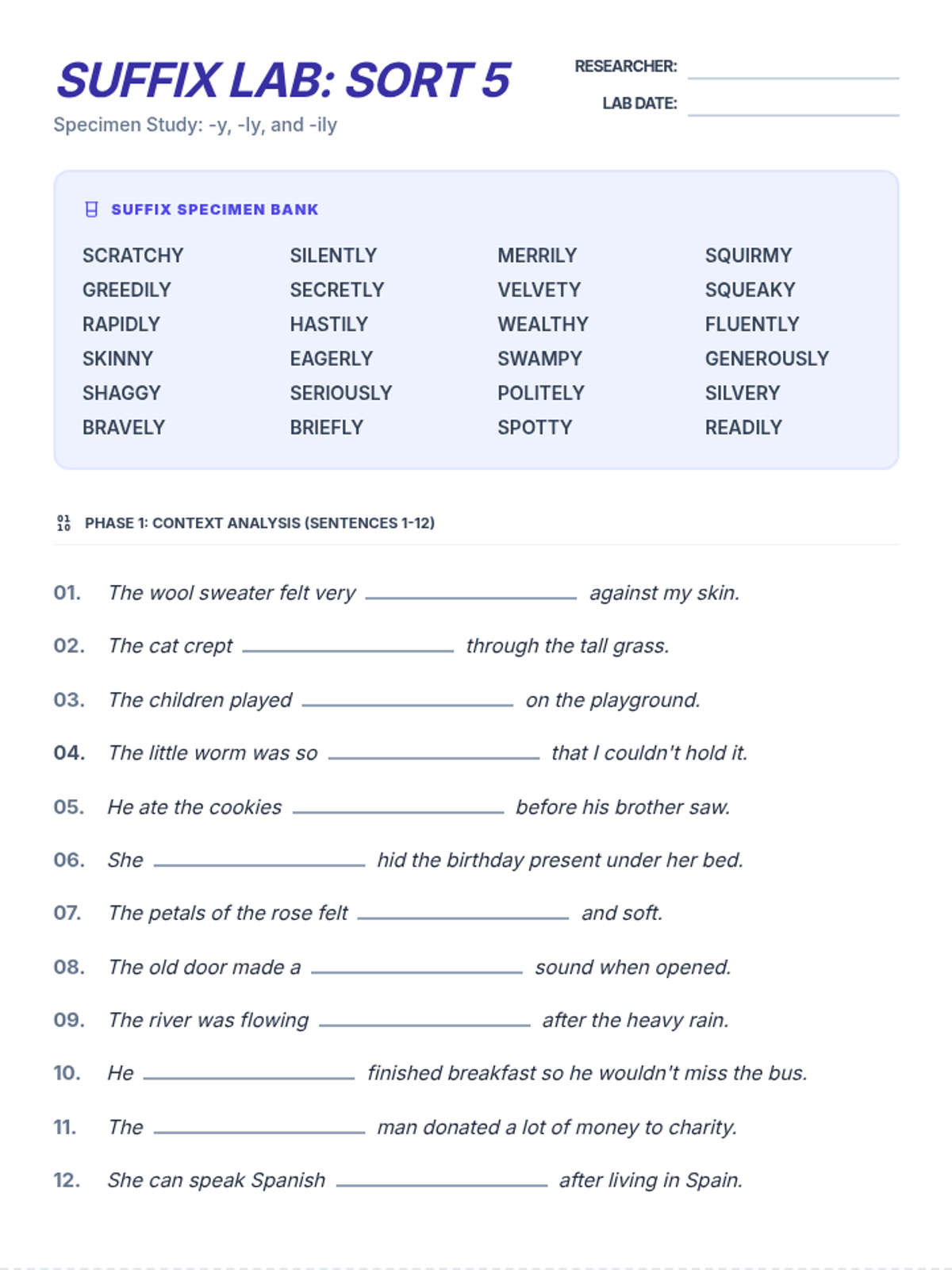
A lesson focused on the suffixes -y, -ly, and -ily. Students analyze how these suffixes change word meanings and usage through contextual application.
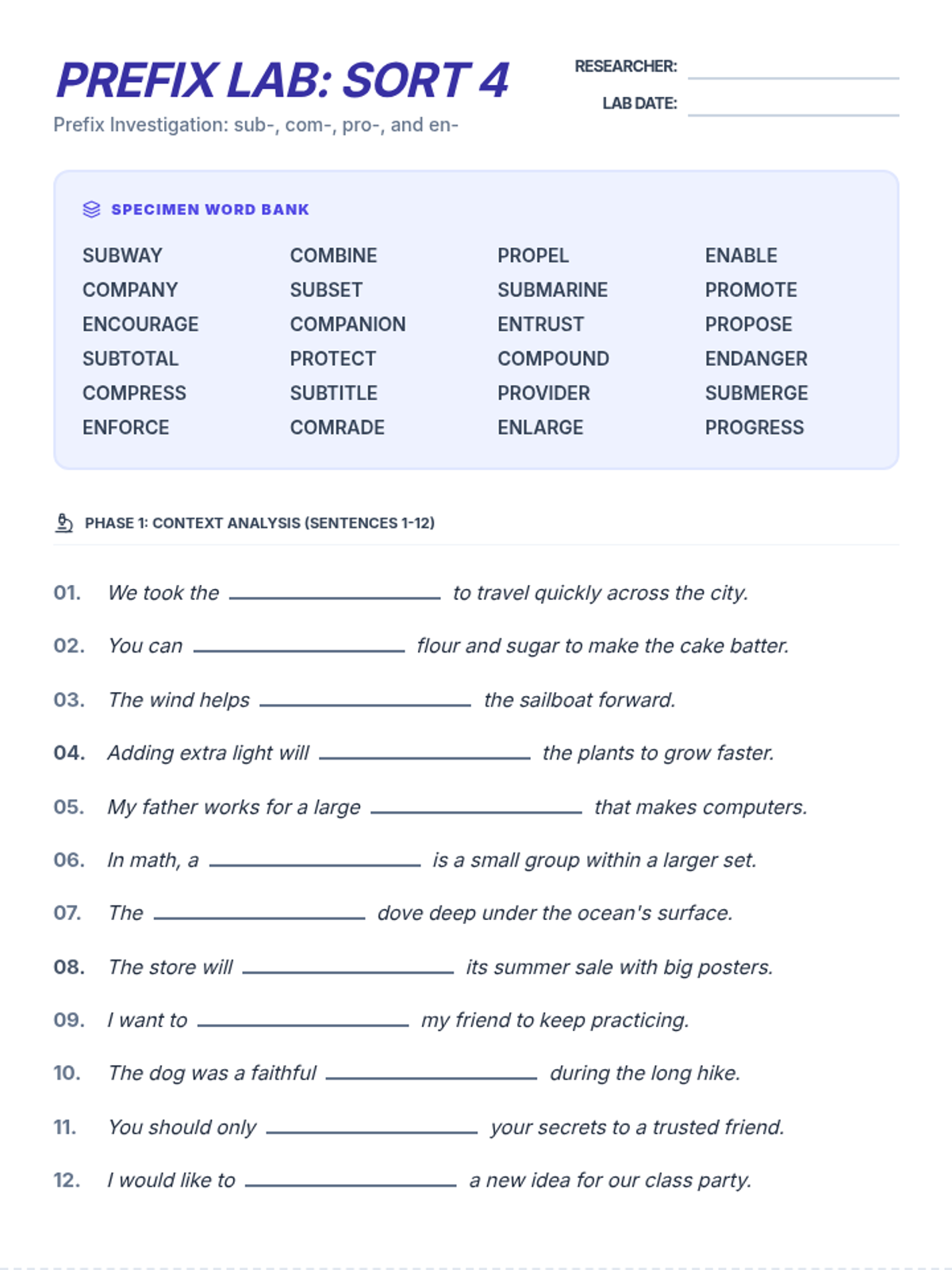
A lesson focused on the prefixes sub-, com-, pro-, and en-. Students apply their knowledge of these prefixes to identify and use words in various contexts.
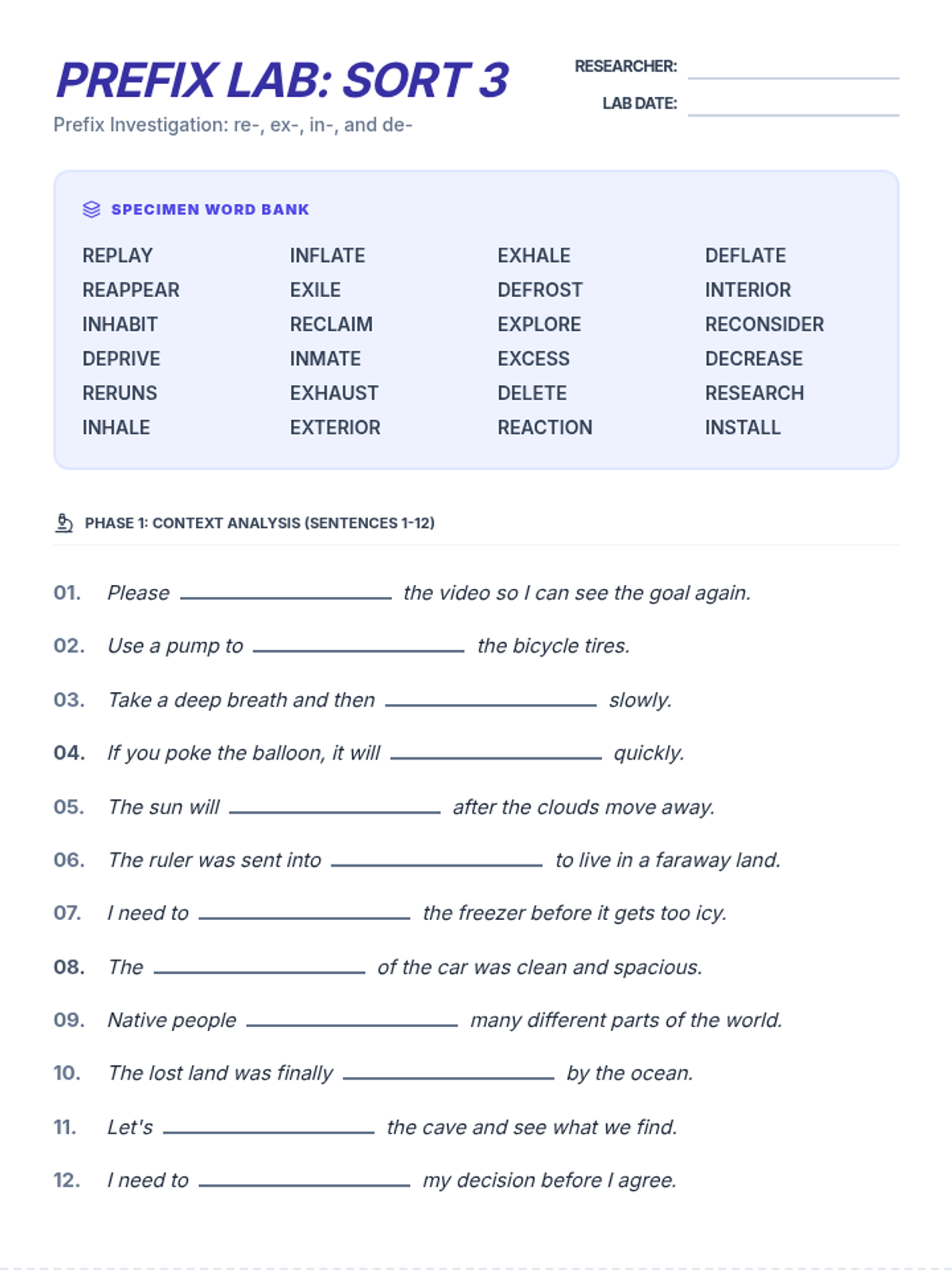
A lesson focused on the prefixes re-, ex-, in-, and de-. Students explore meanings like "again," "out," "in," and "down" through application.
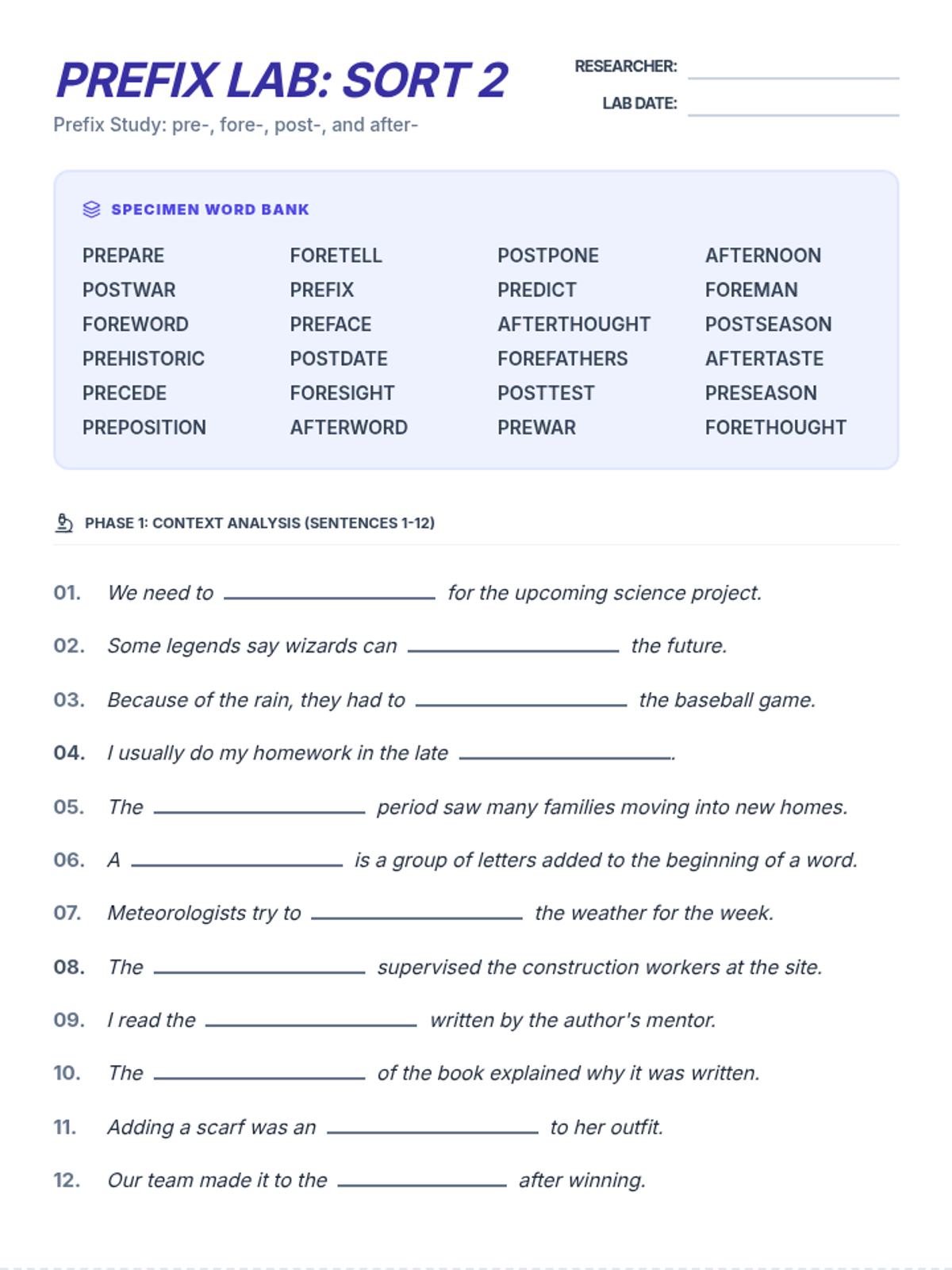
A lesson focused on the prefixes pre-, fore-, post-, and after-. Students practice using these temporal and directional prefixes in context.
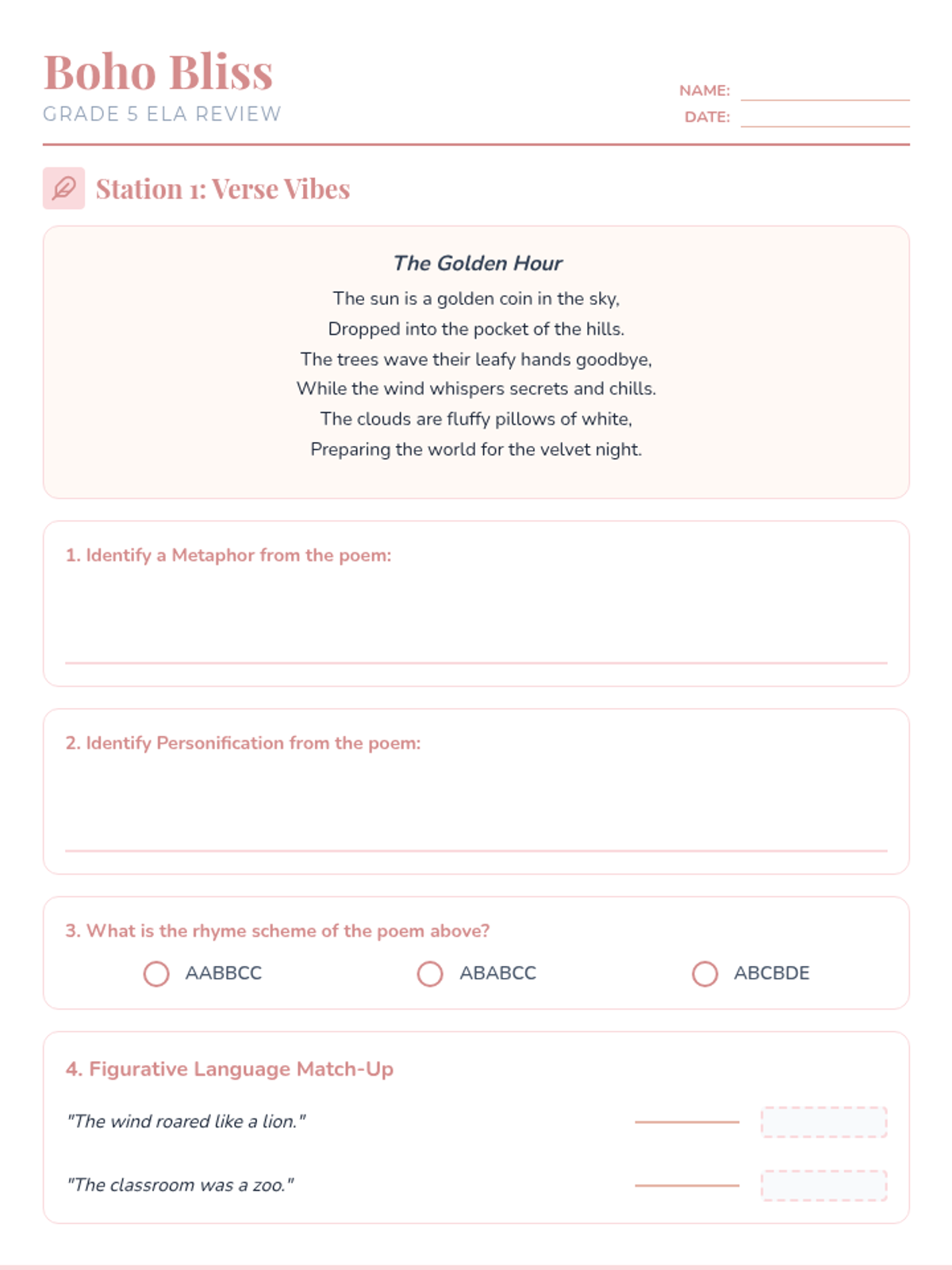
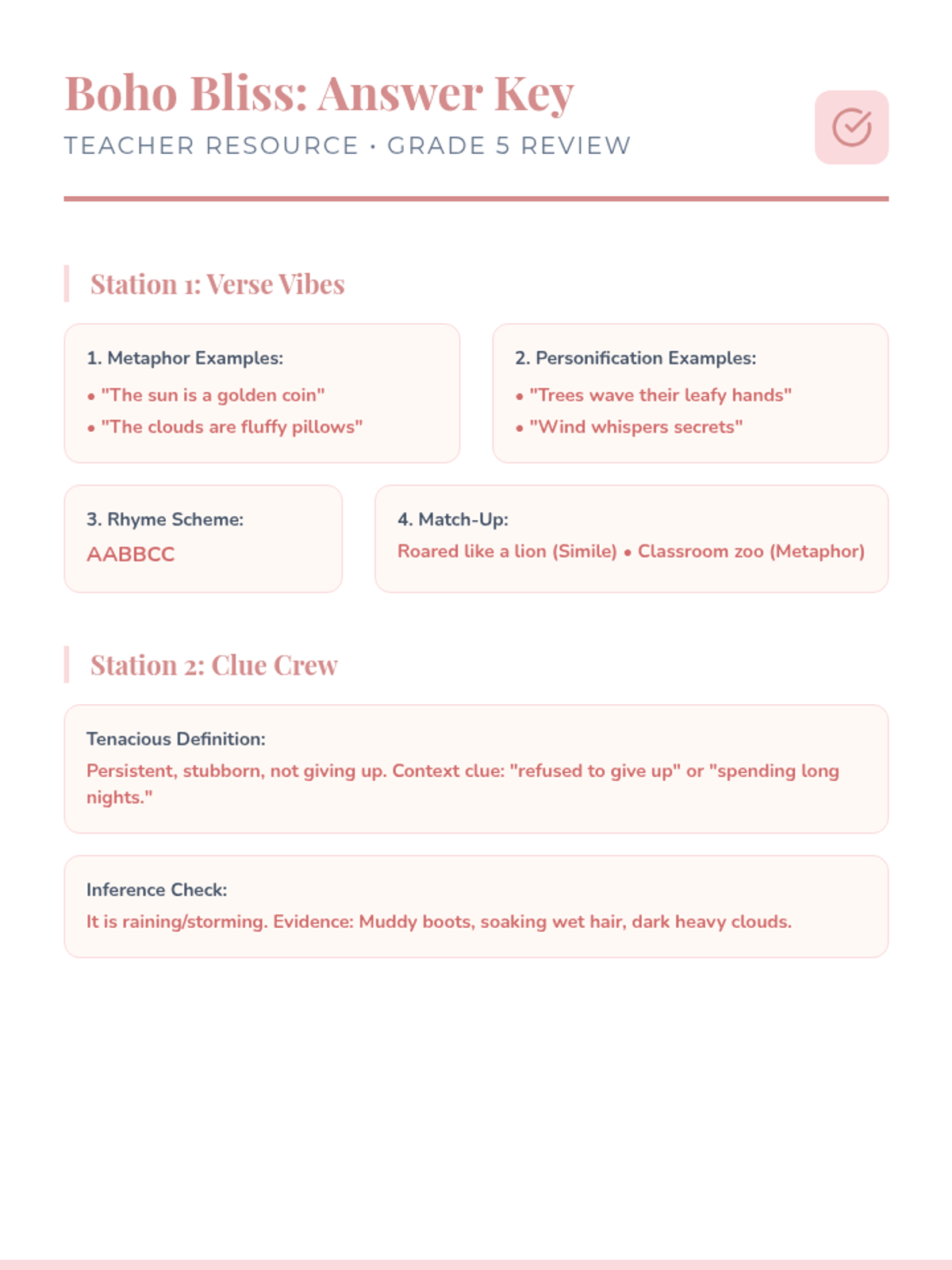
A comprehensive ELA review packet designed for 5th graders following IAR testing, featuring a fun boho-pink aesthetic. The lesson covers key domains including poetry, figurative language, context clues, main idea, inferencing, summarizing, and grammar.
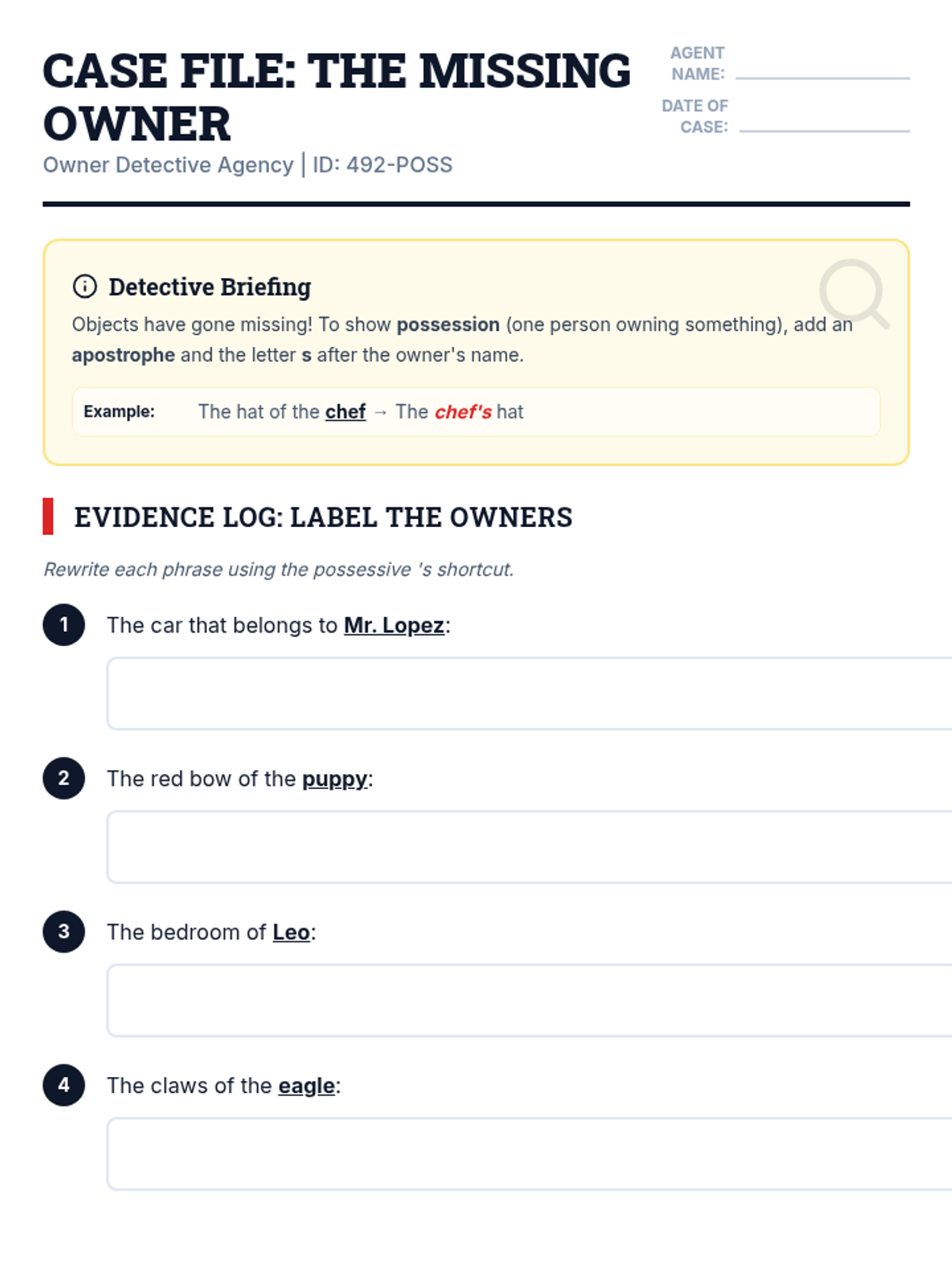
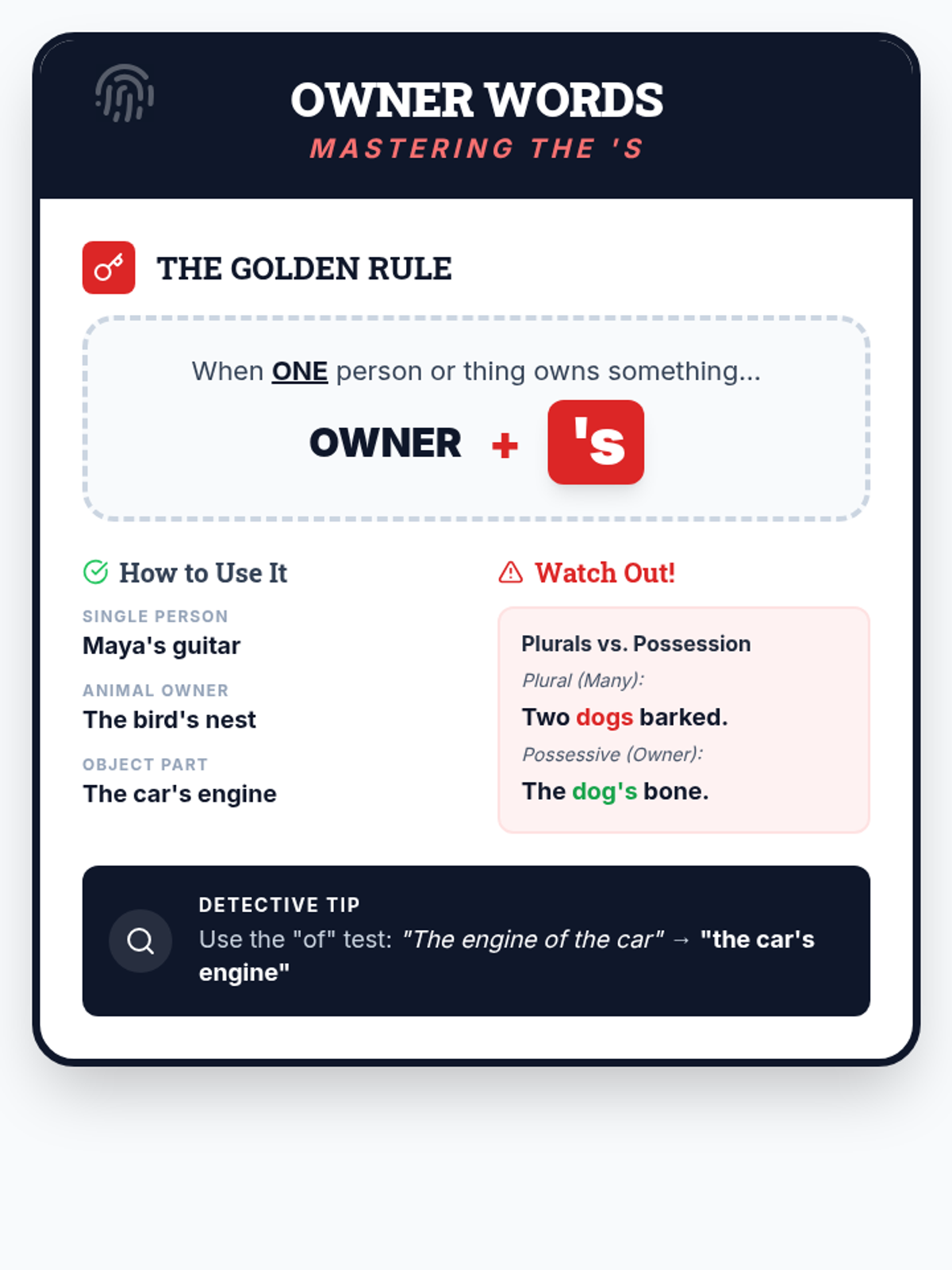
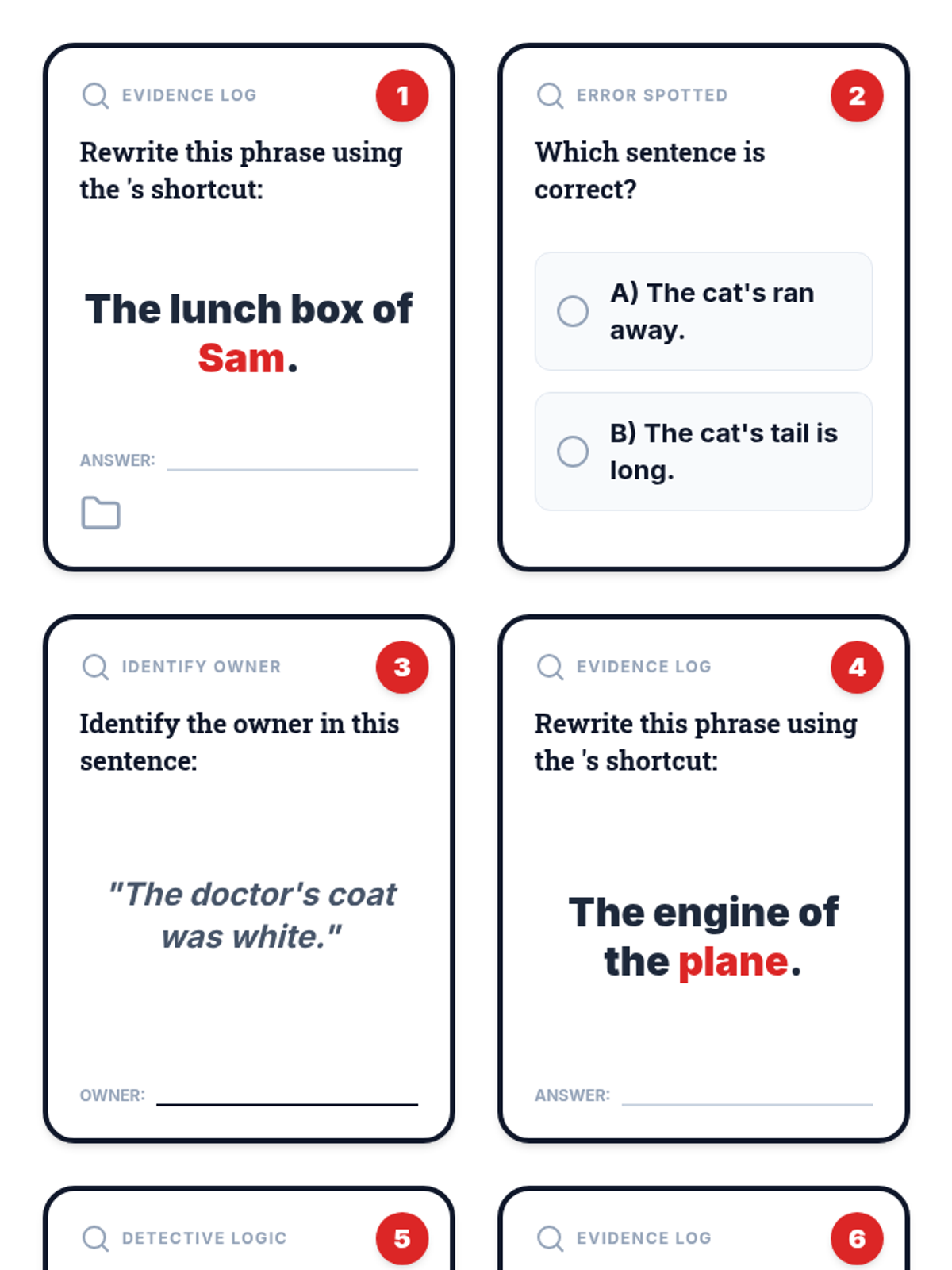
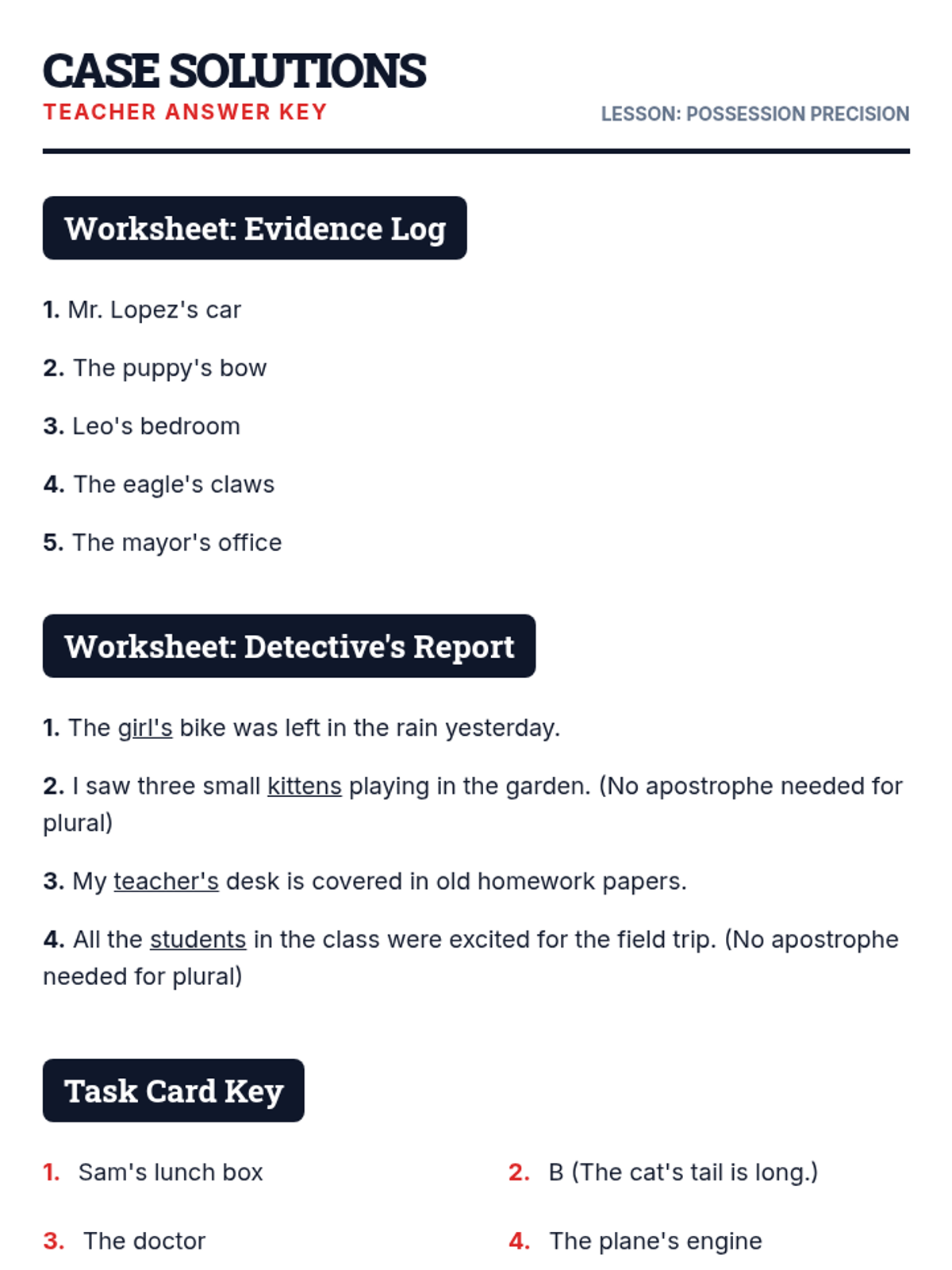
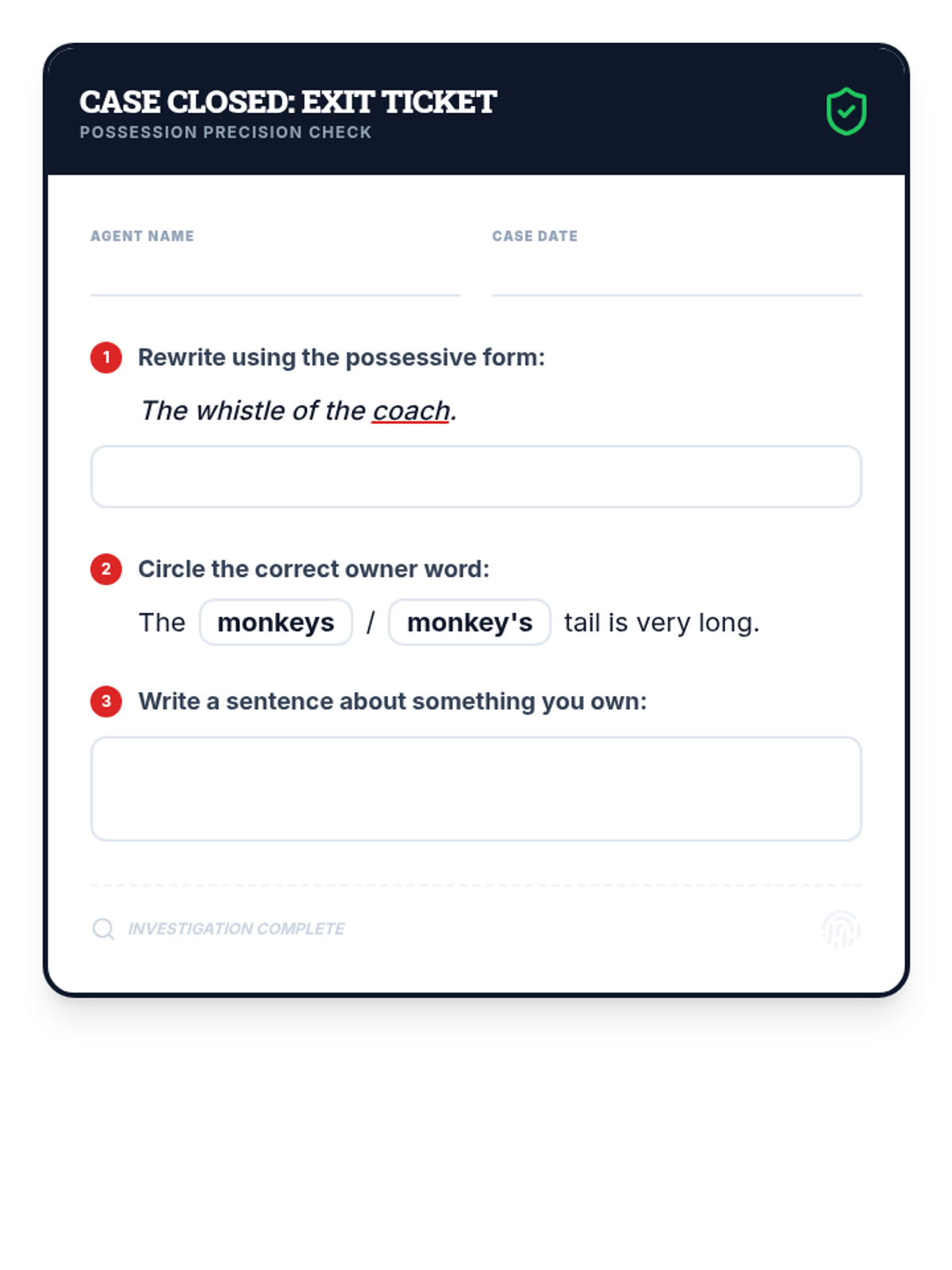
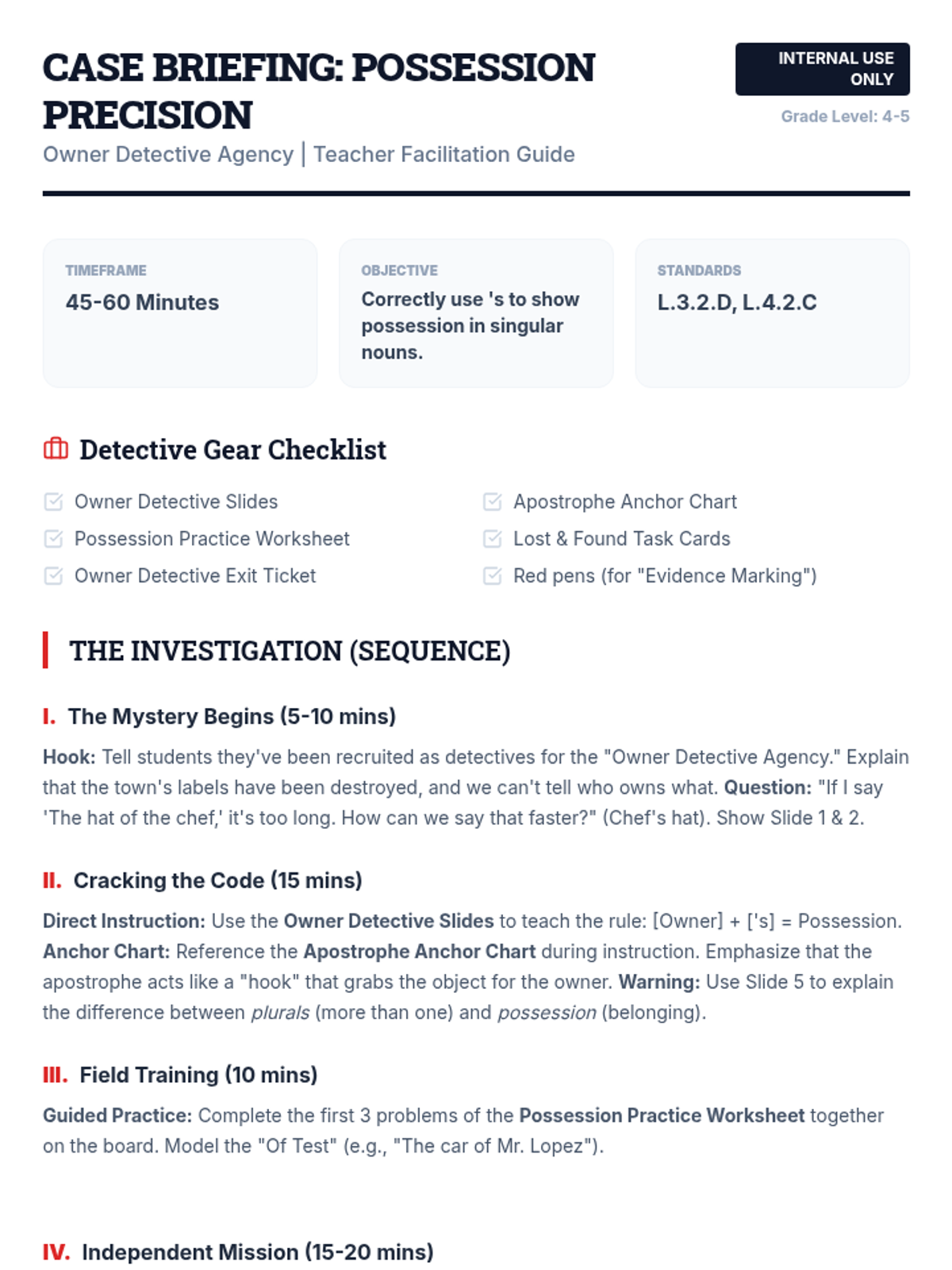
Students learn to identify owners and use 's correctly to show possession through guided practice and independent detective-themed activities.
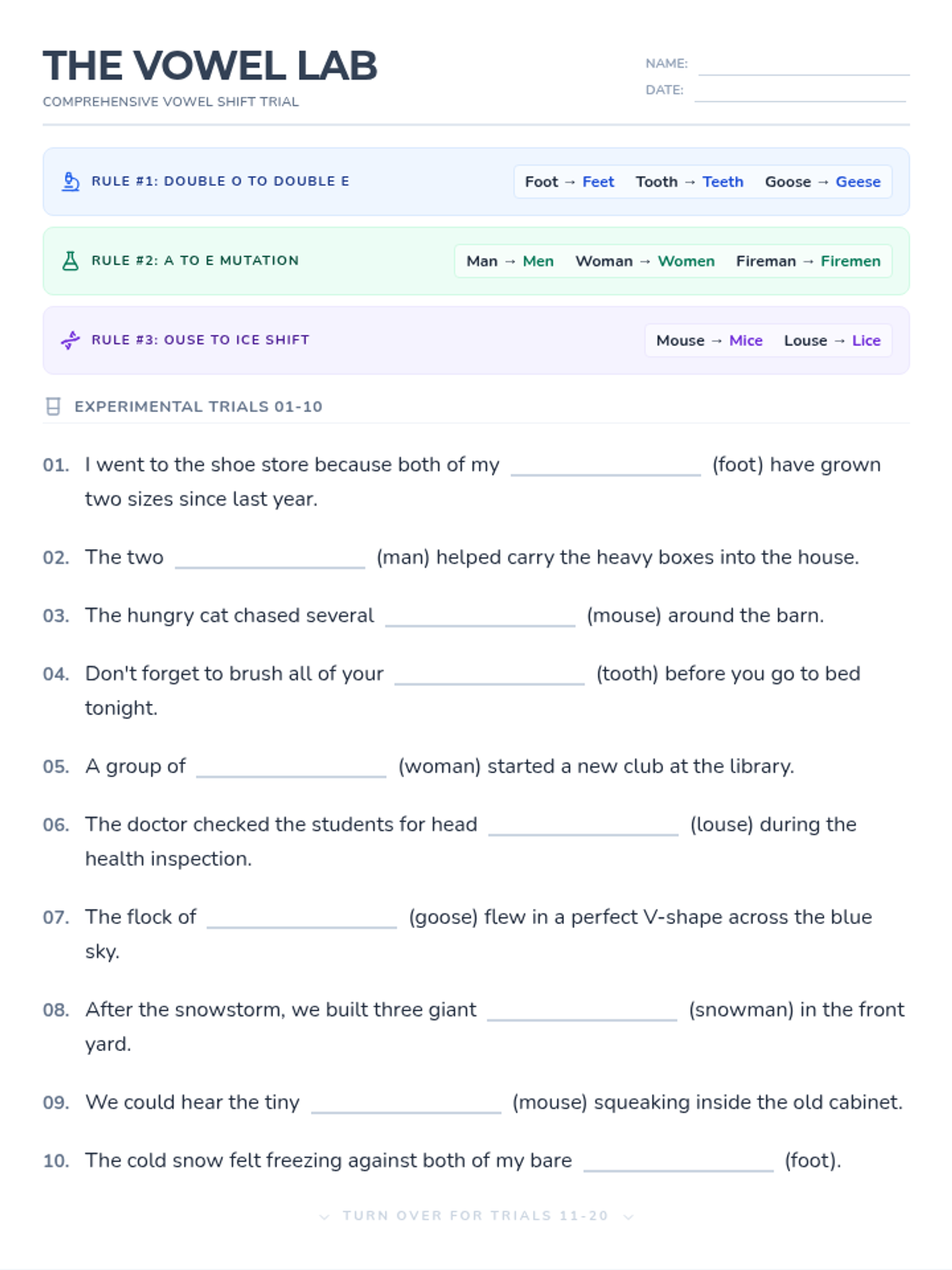
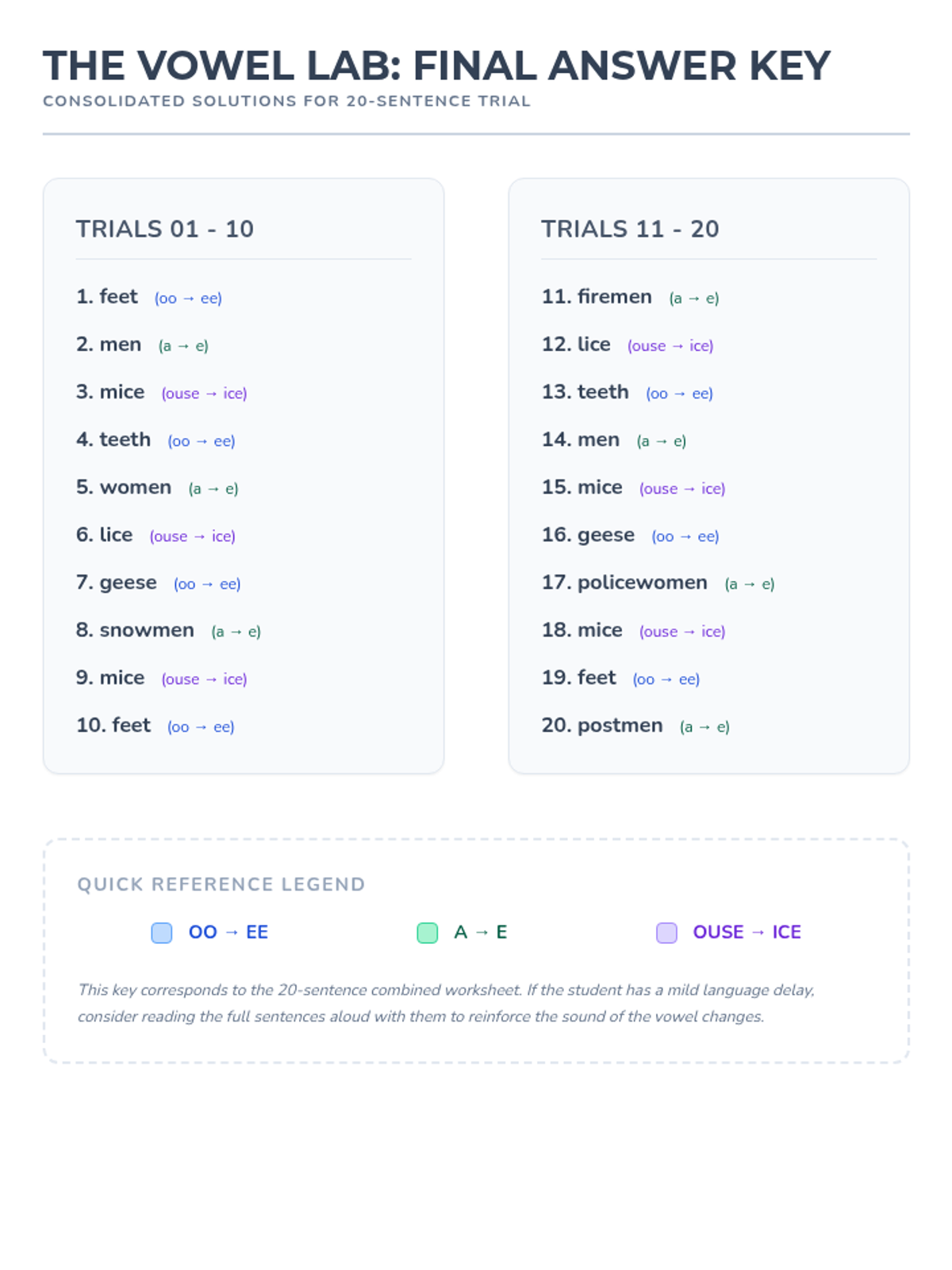
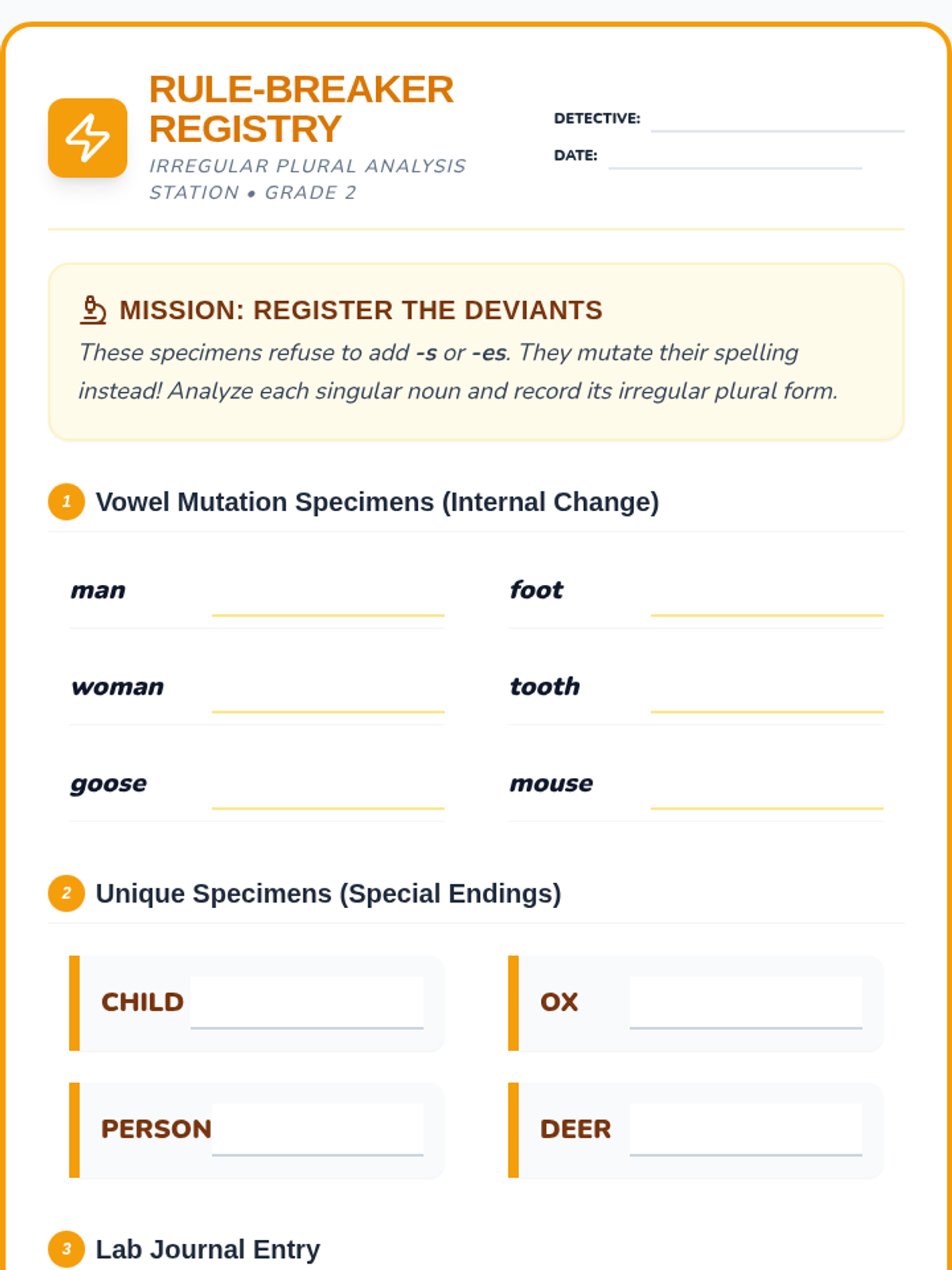
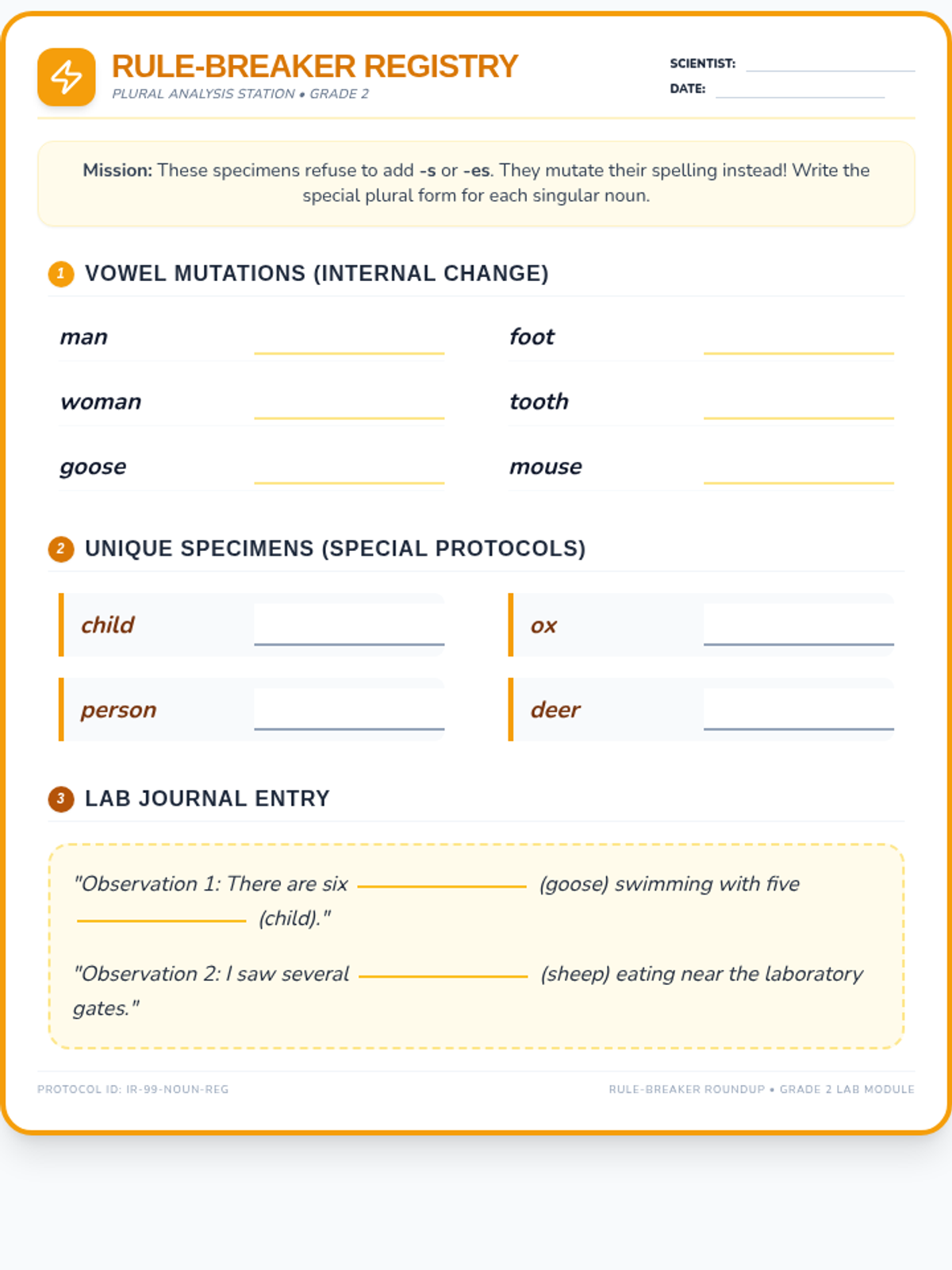
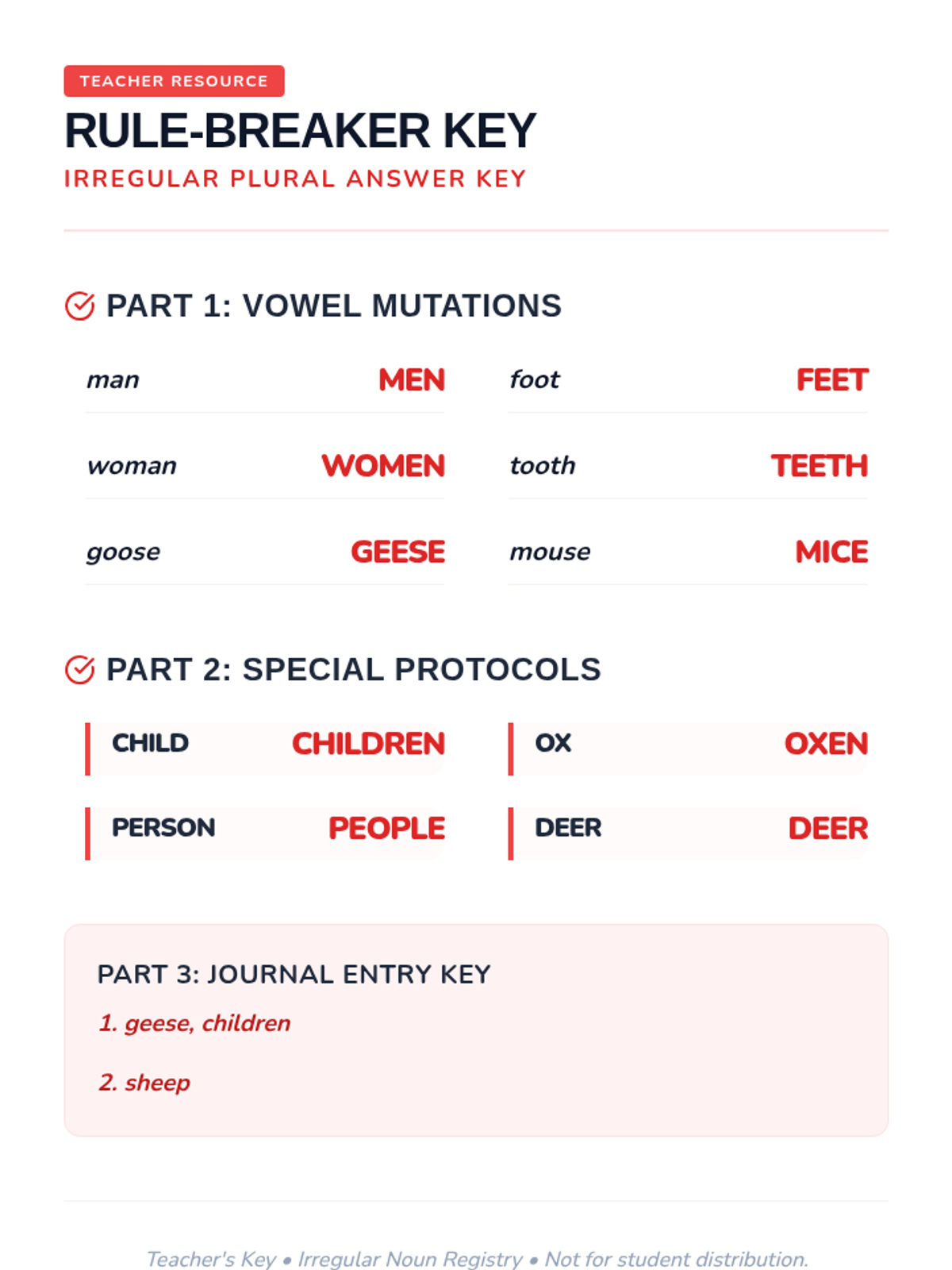
A series of targeted worksheets focusing on irregular plural nouns that undergo internal vowel shifts, designed for 5th grade students.
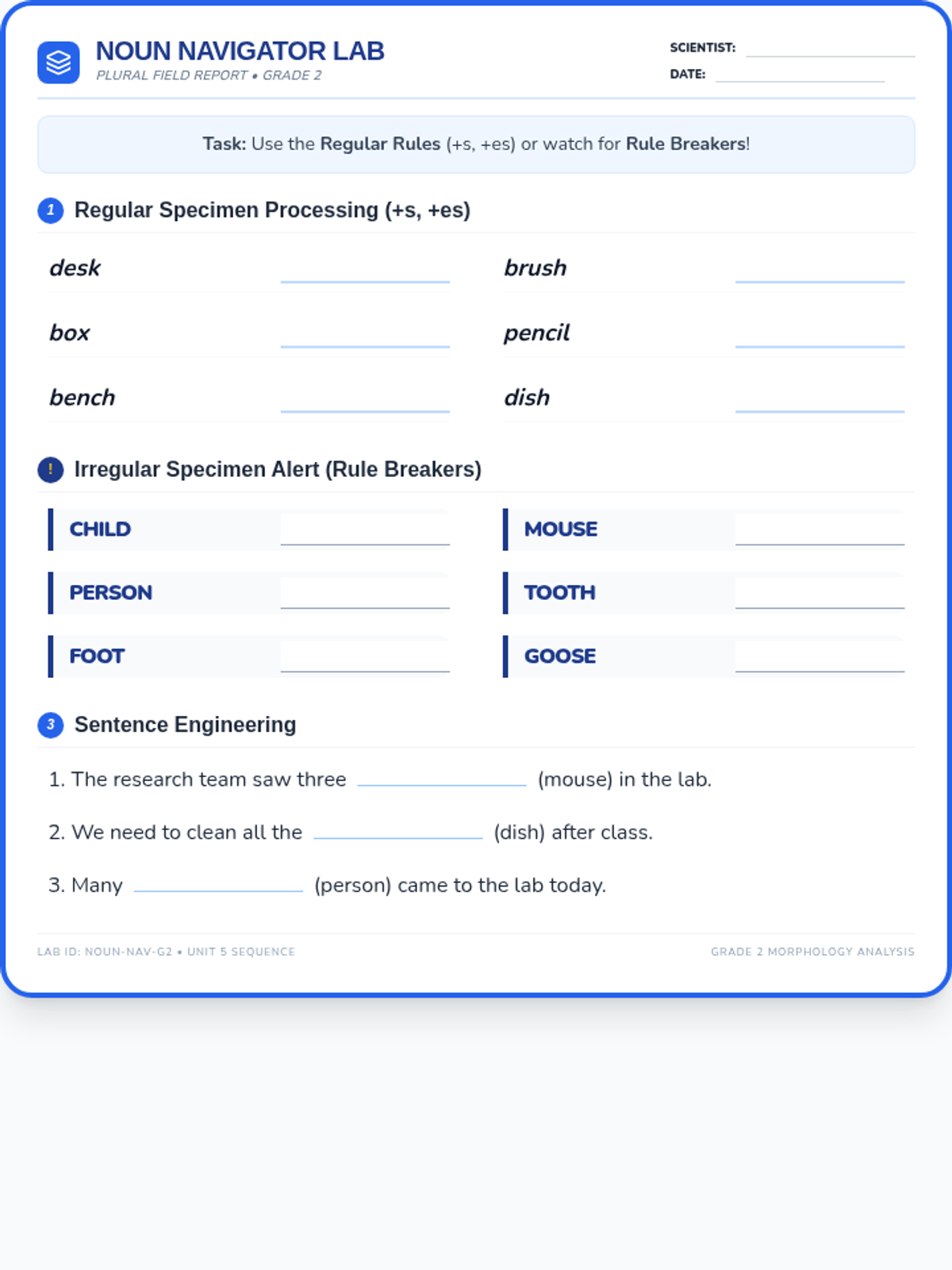
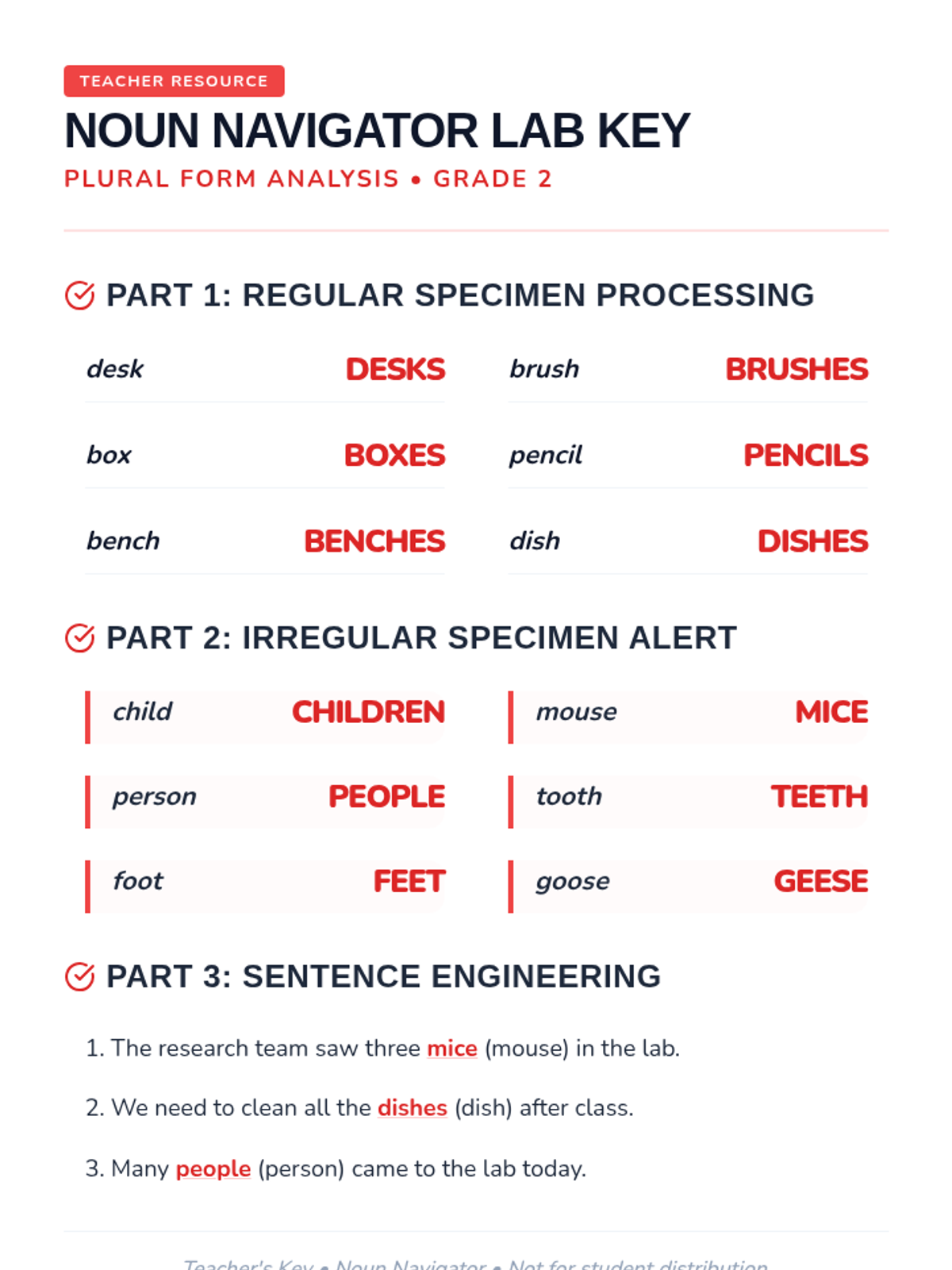
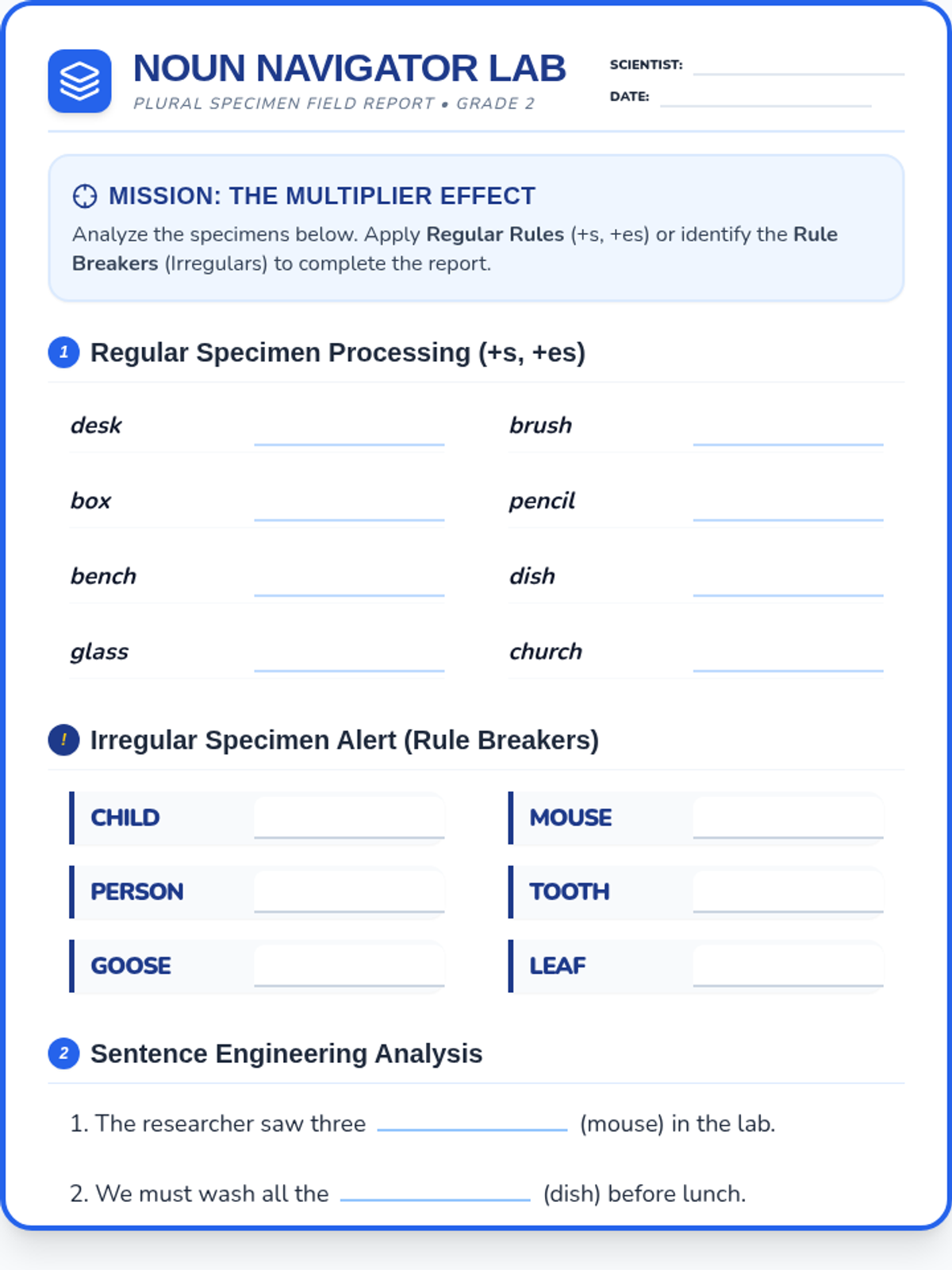
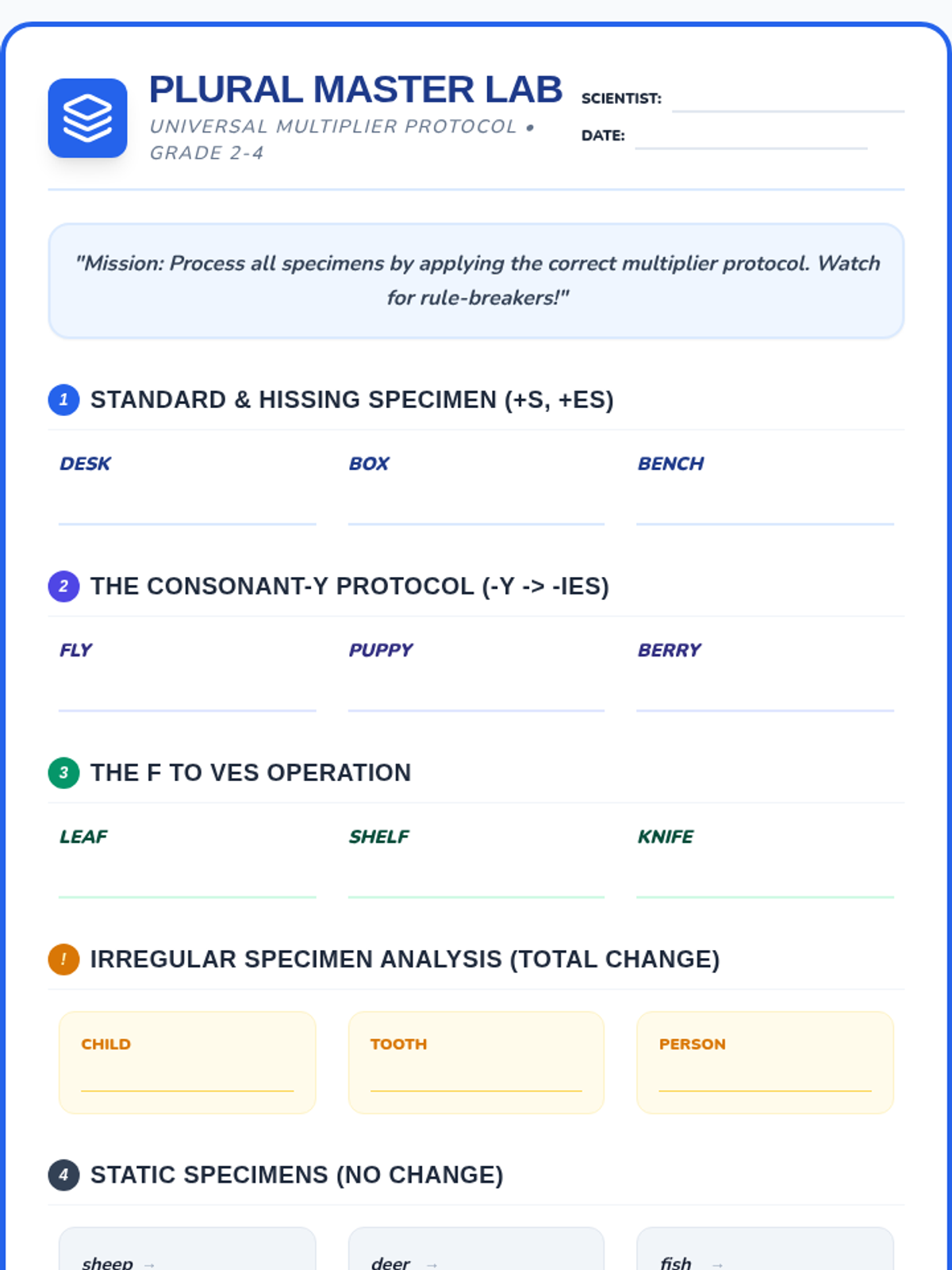
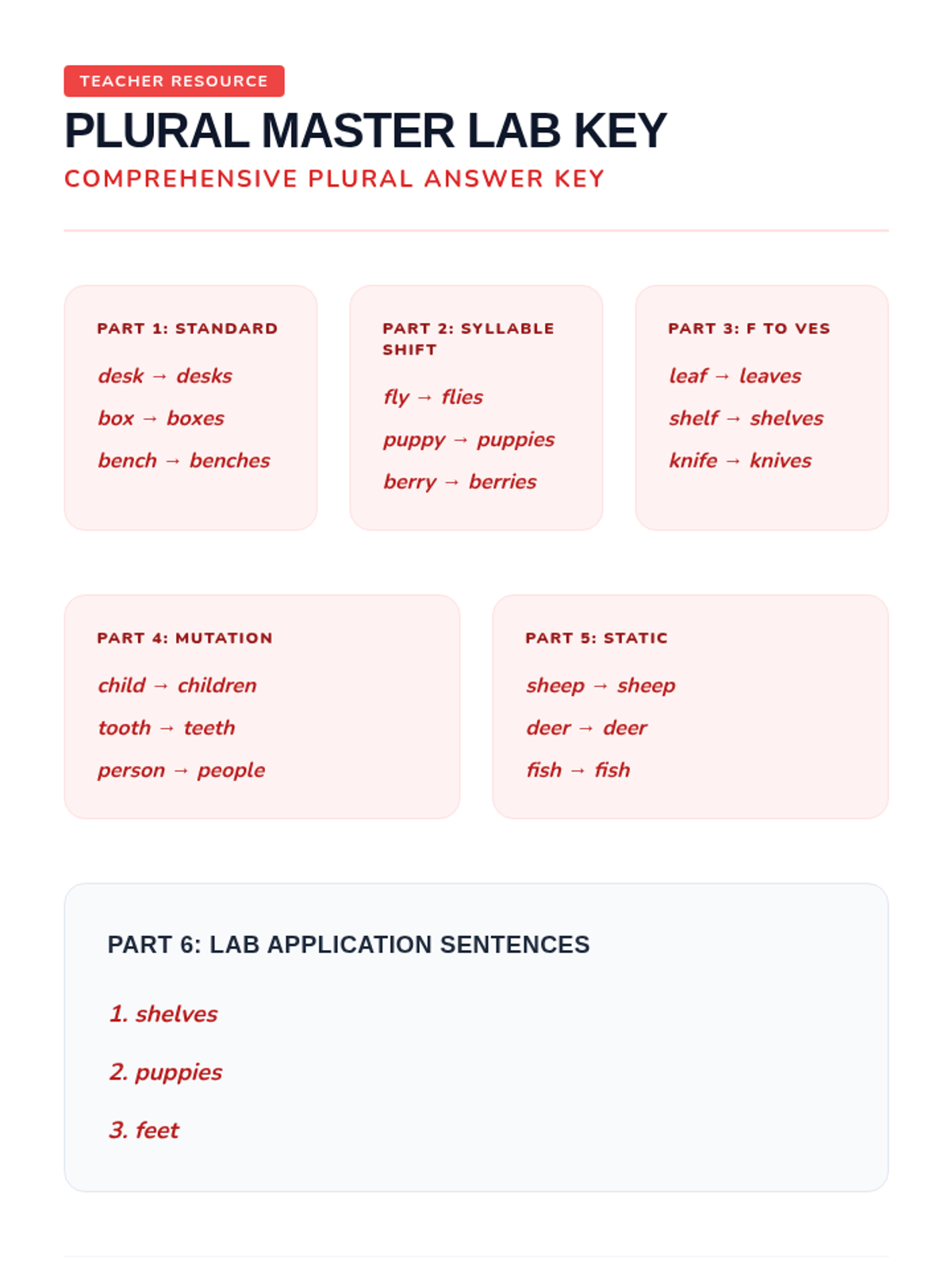
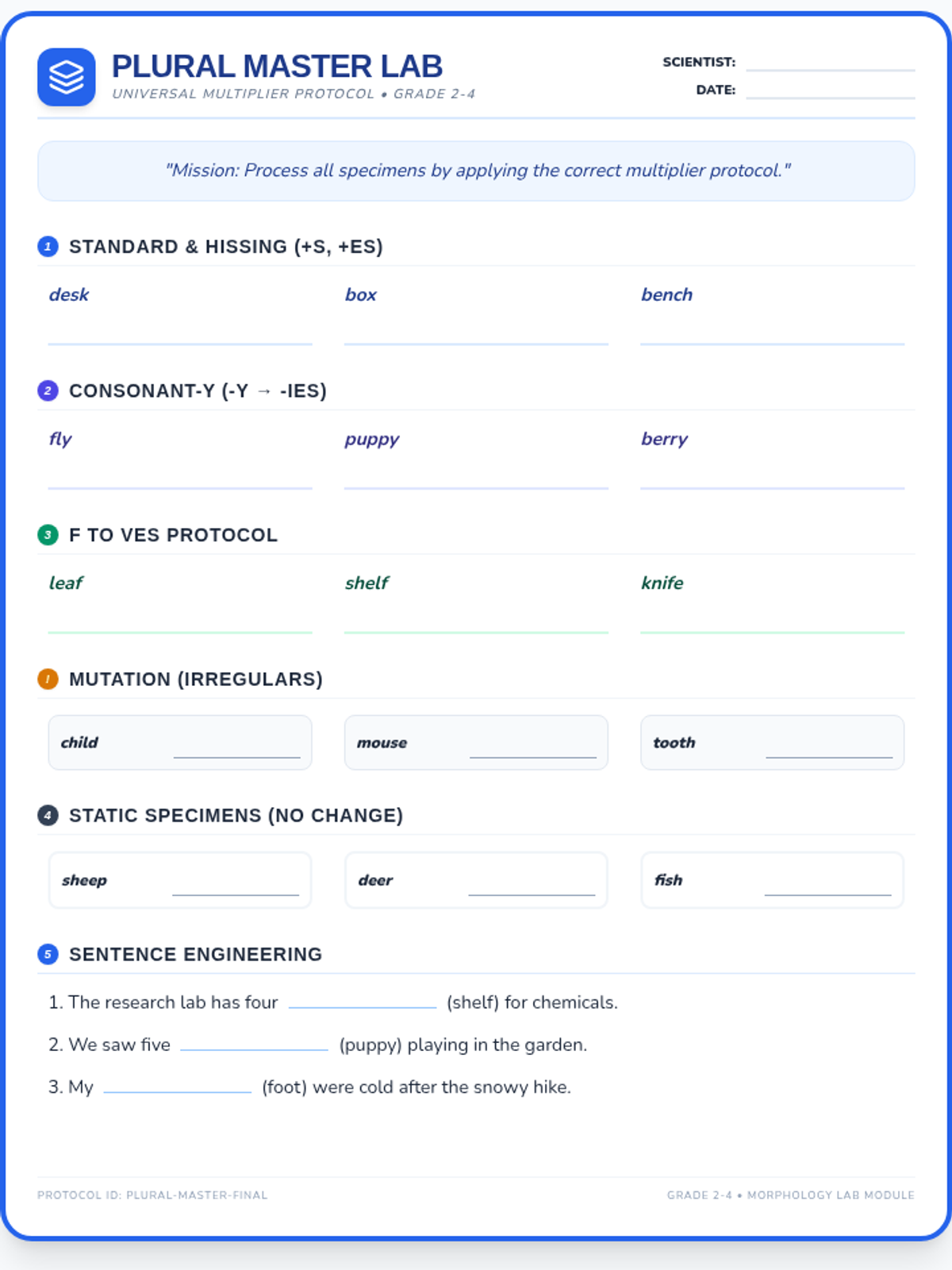
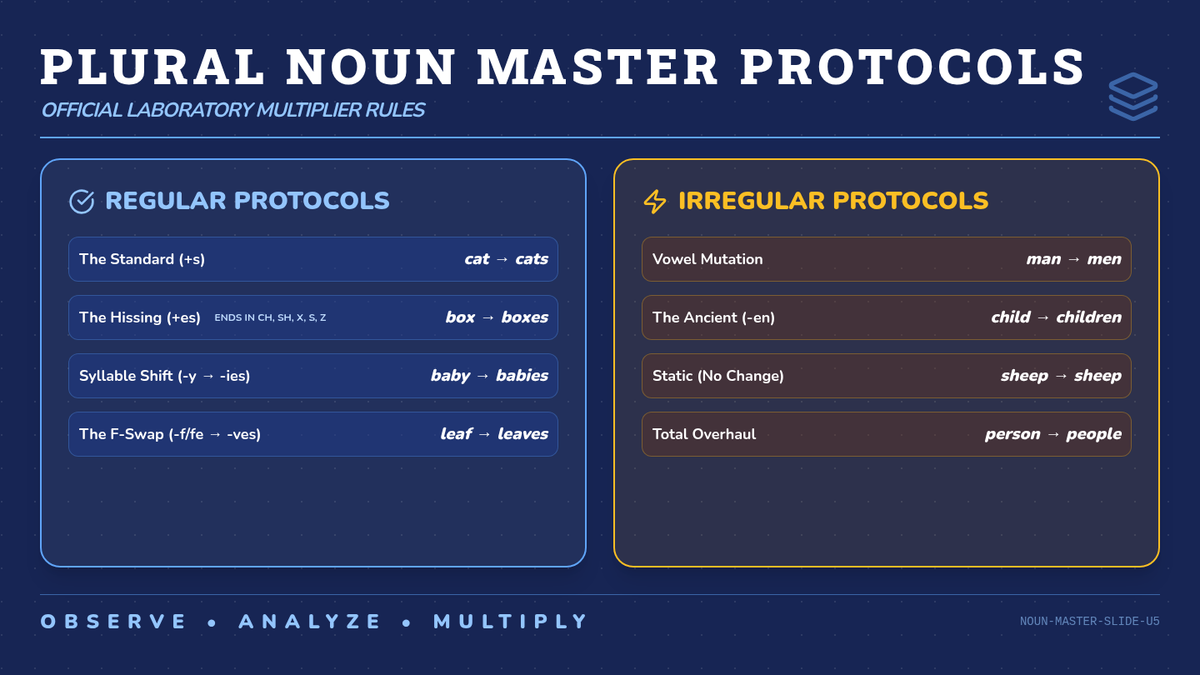
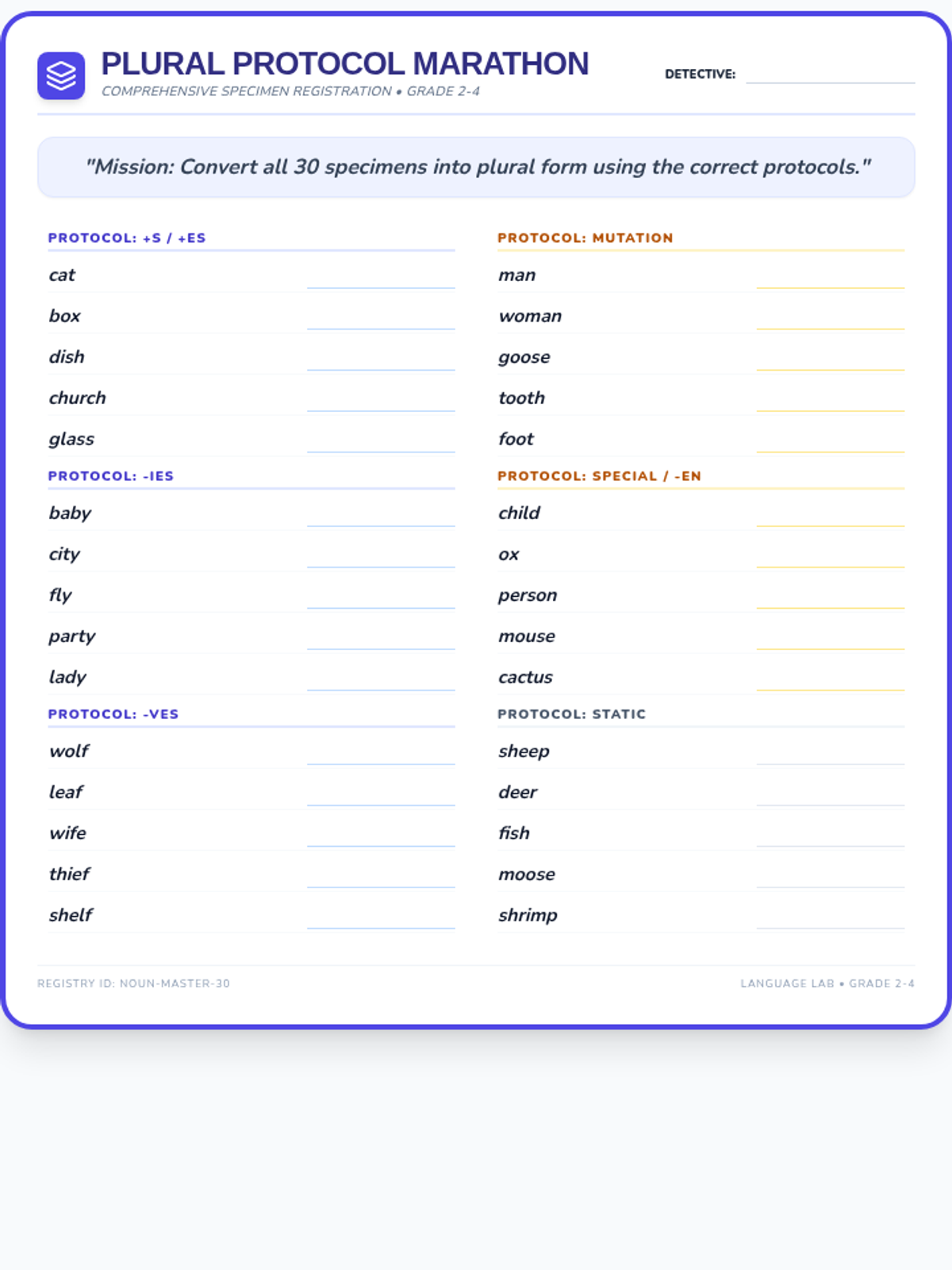
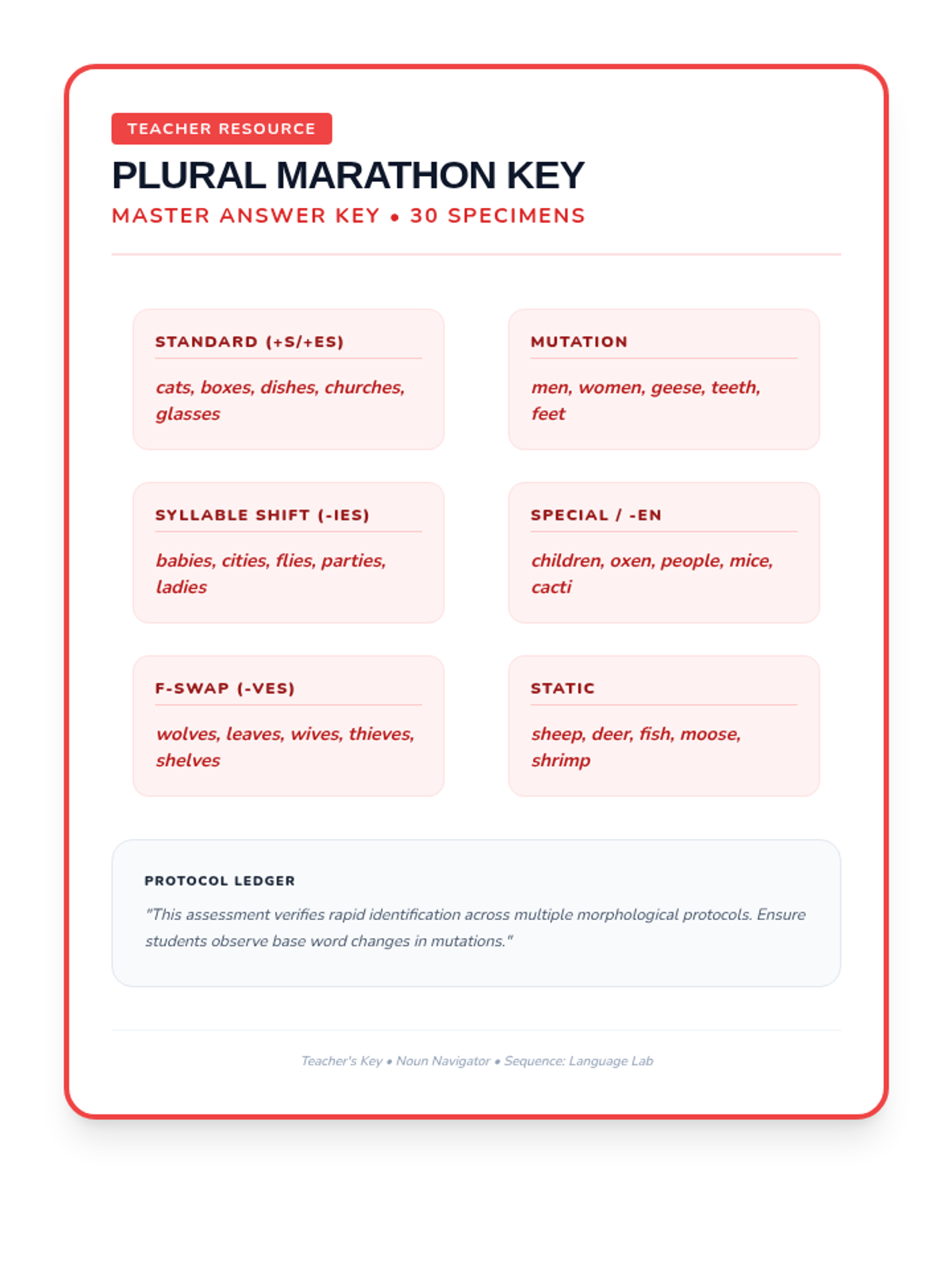
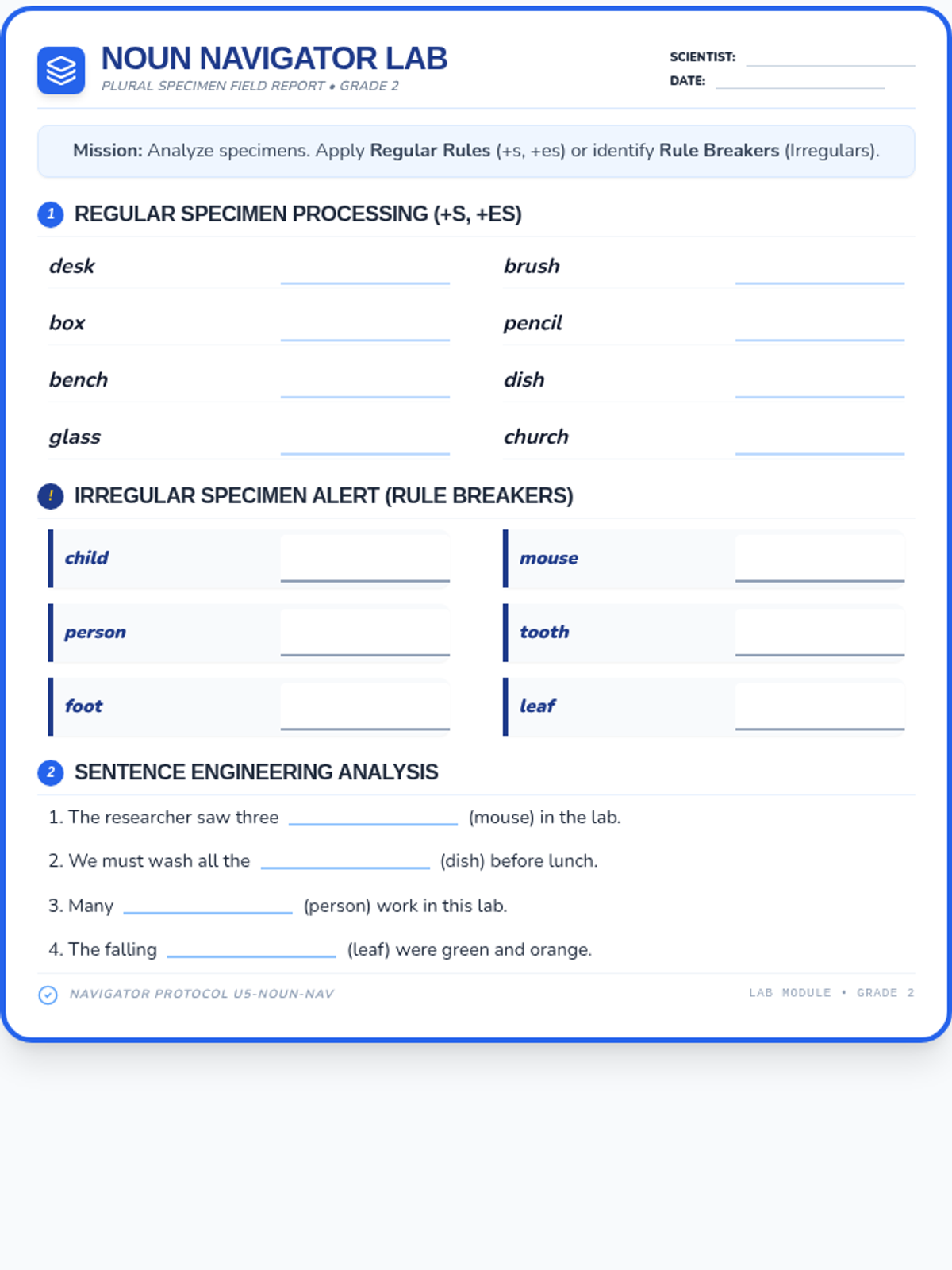
A lesson on identifying and forming plural nouns. Students learn the standard rules for regular plurals (-s, -es, -ies, -ves) and investigate 'rule-breaking' irregular nouns like mice, children, and people.
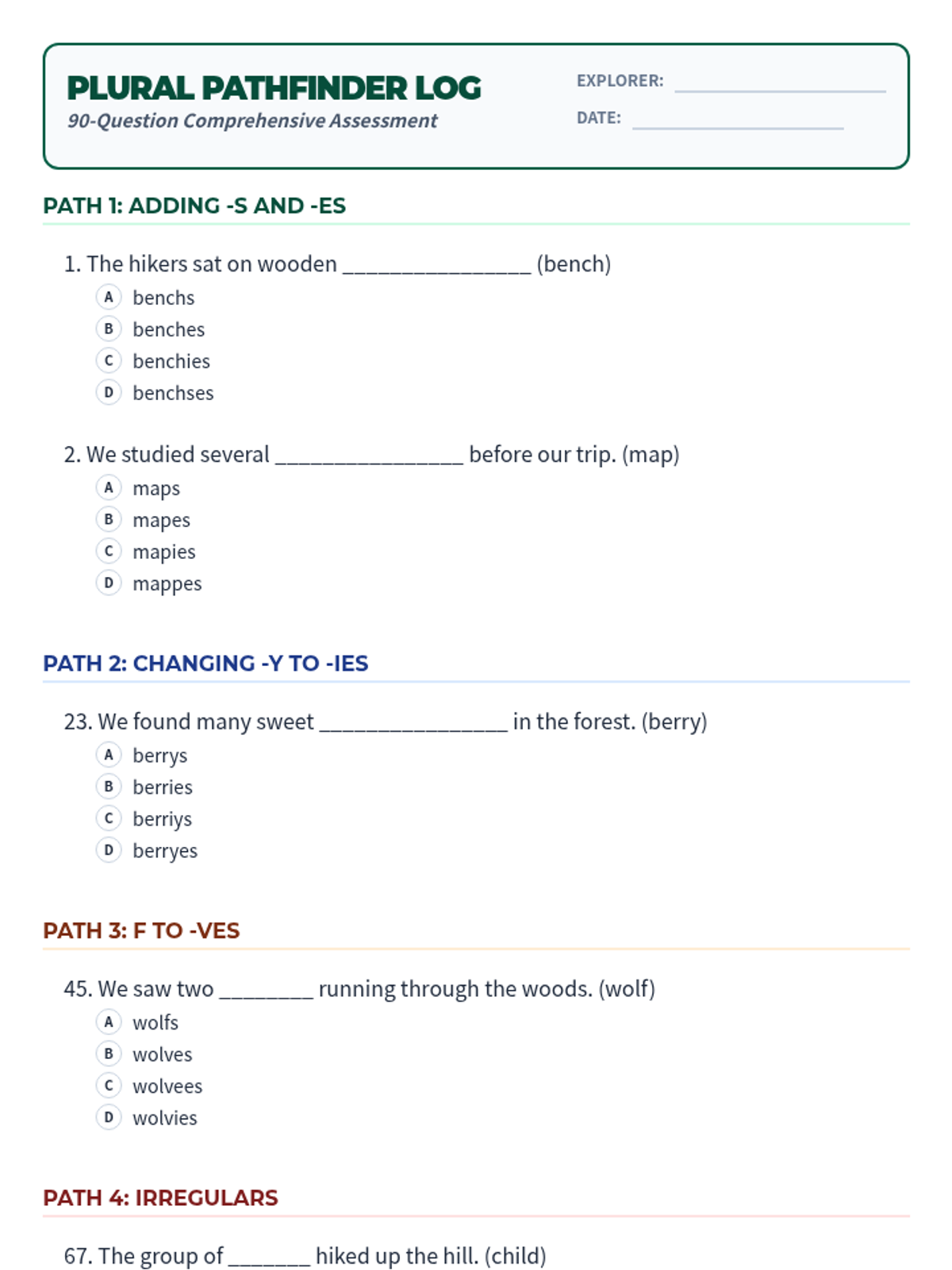
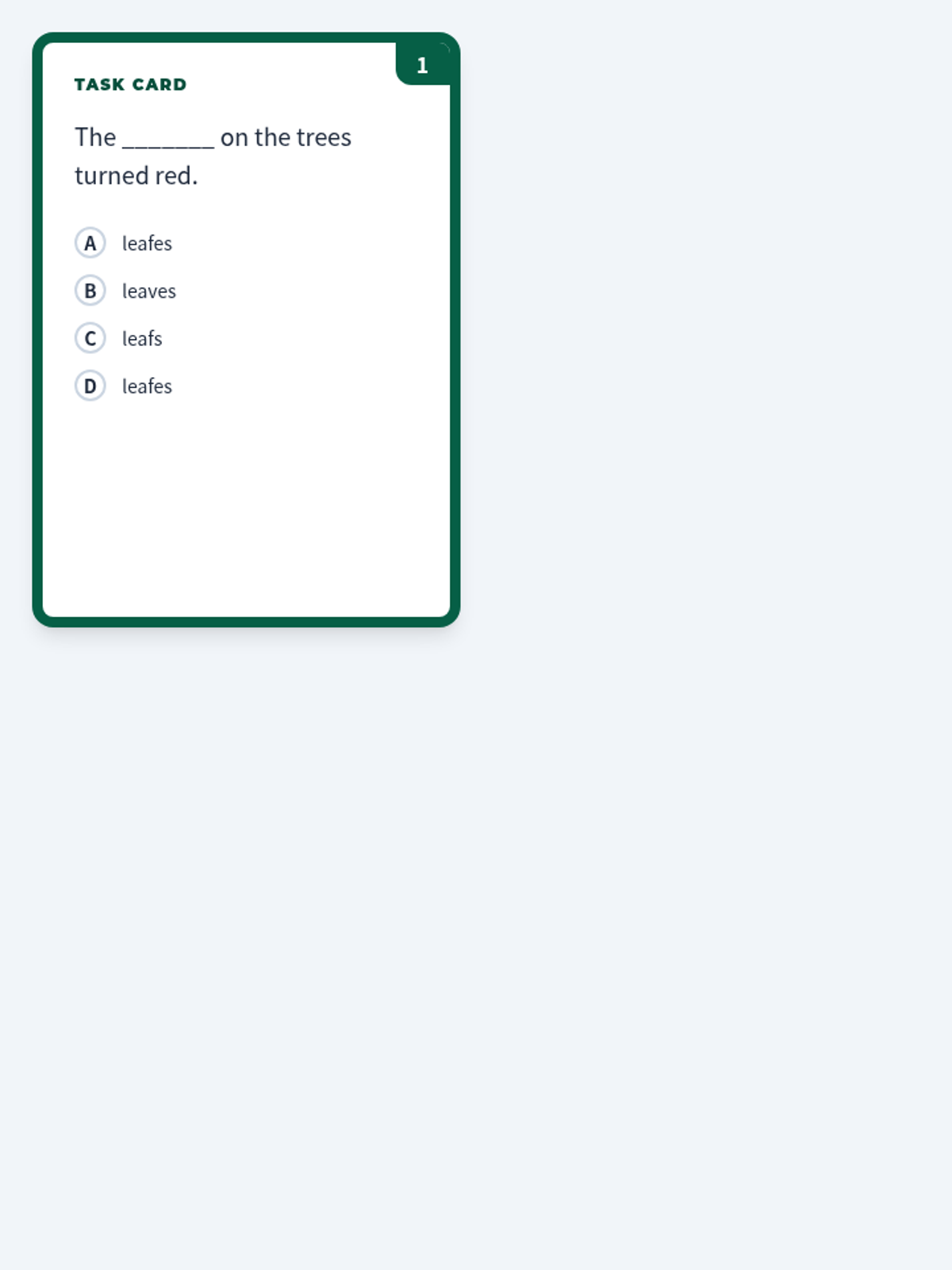
A comprehensive guide to mastering plural nouns through an explorer-themed journey. Students learn and practice the rules for -s, -es, -ies, -ves, and irregular plurals using ILEARN-style sentence completion.
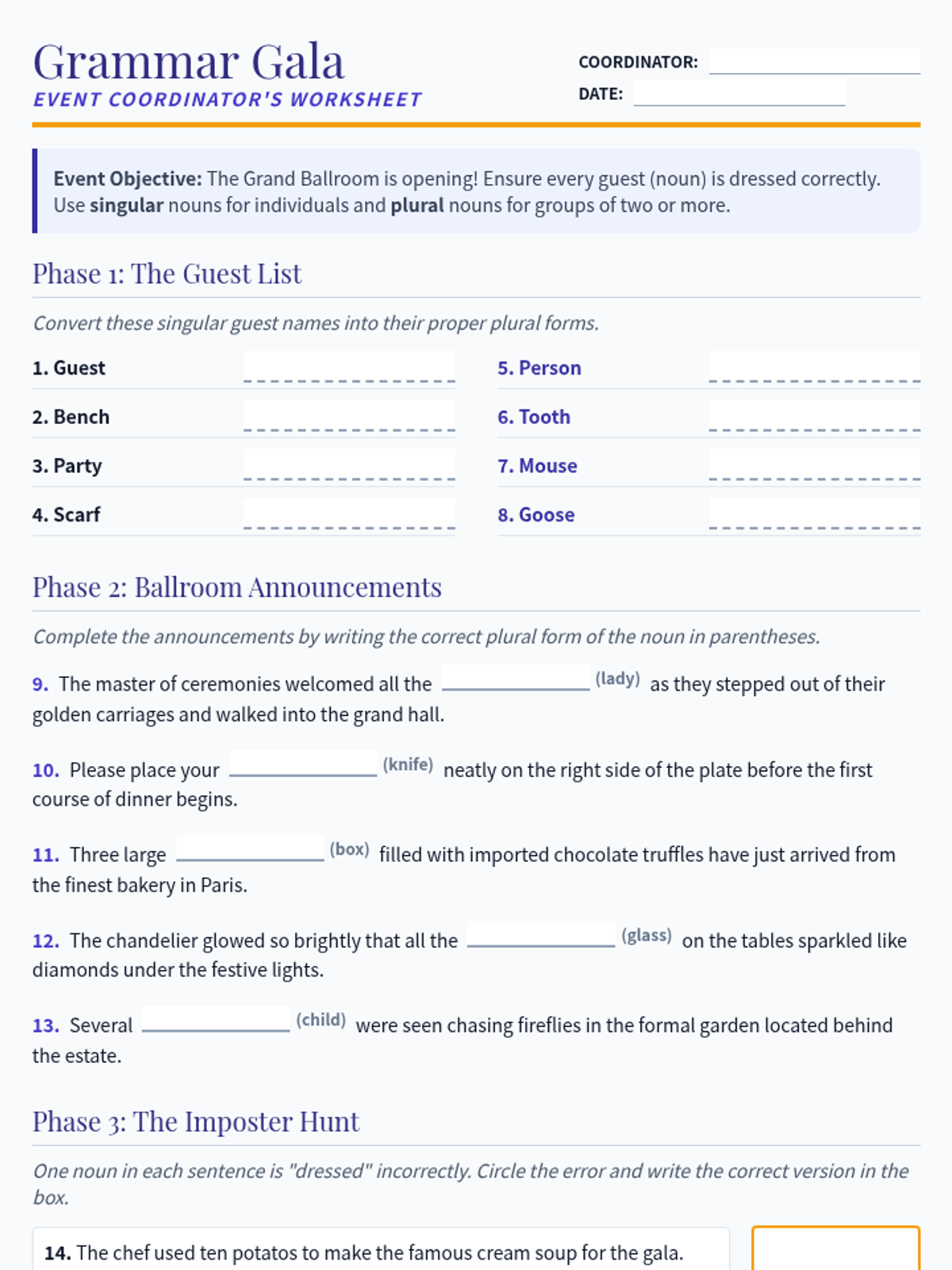
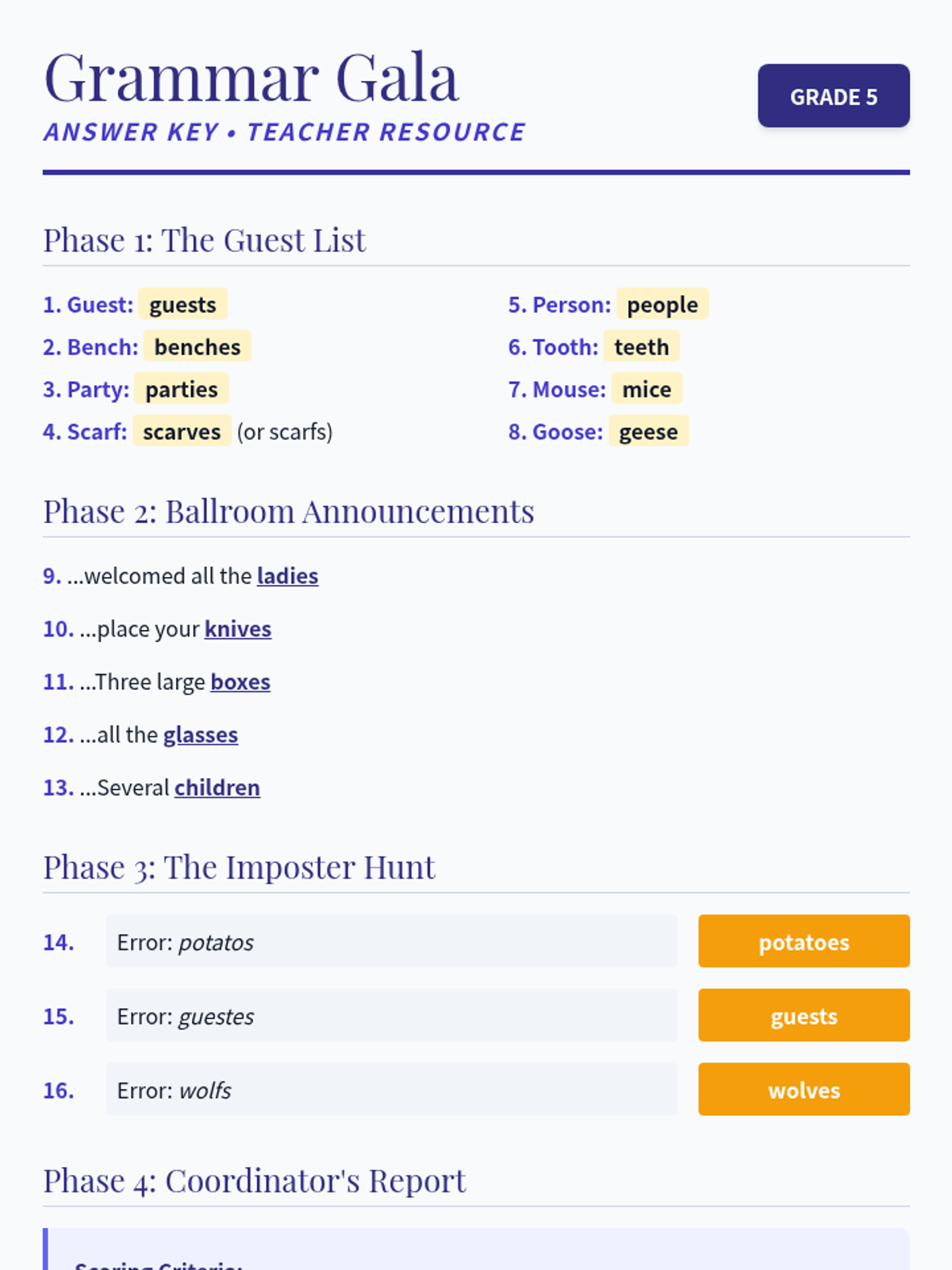
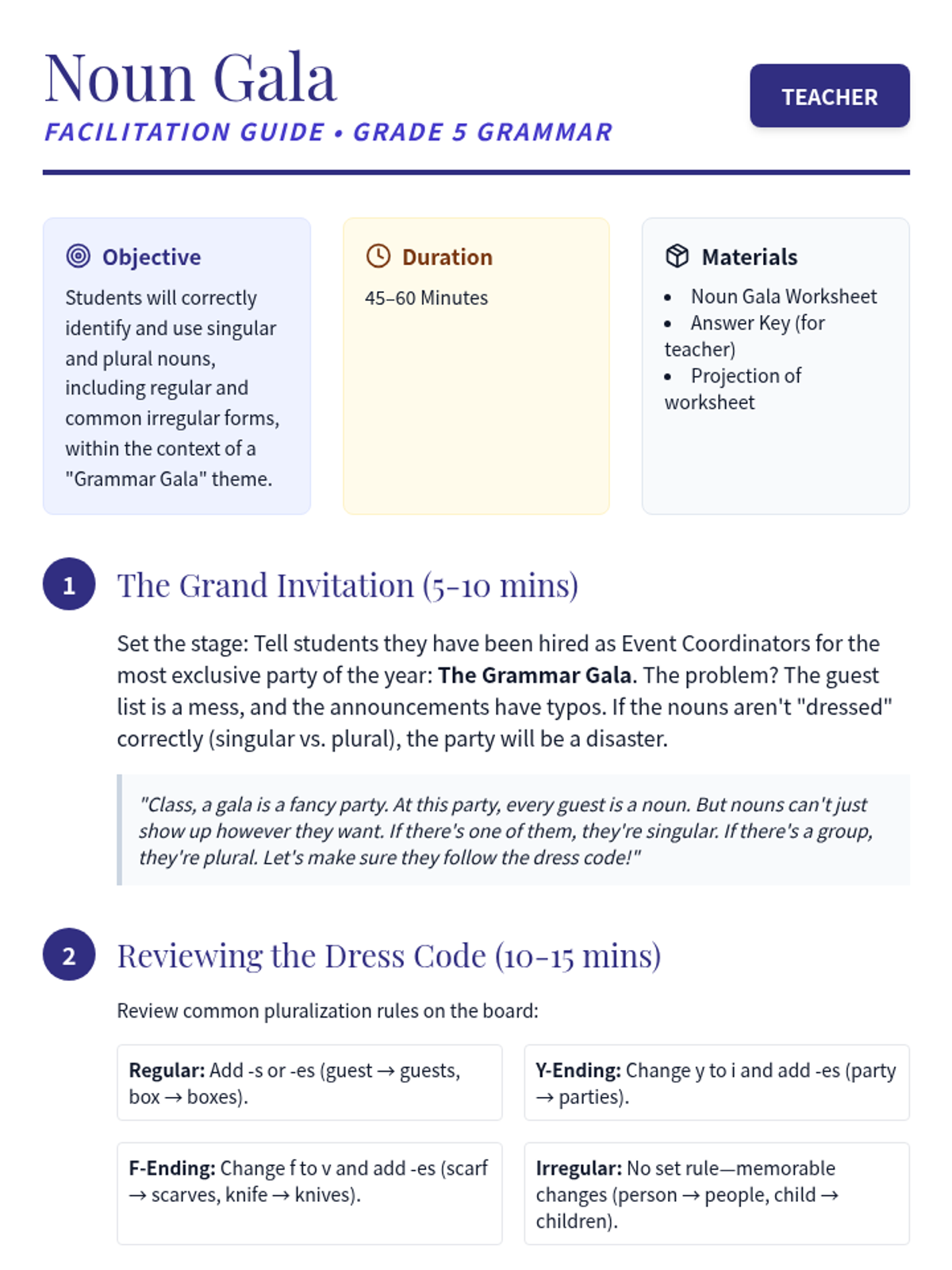
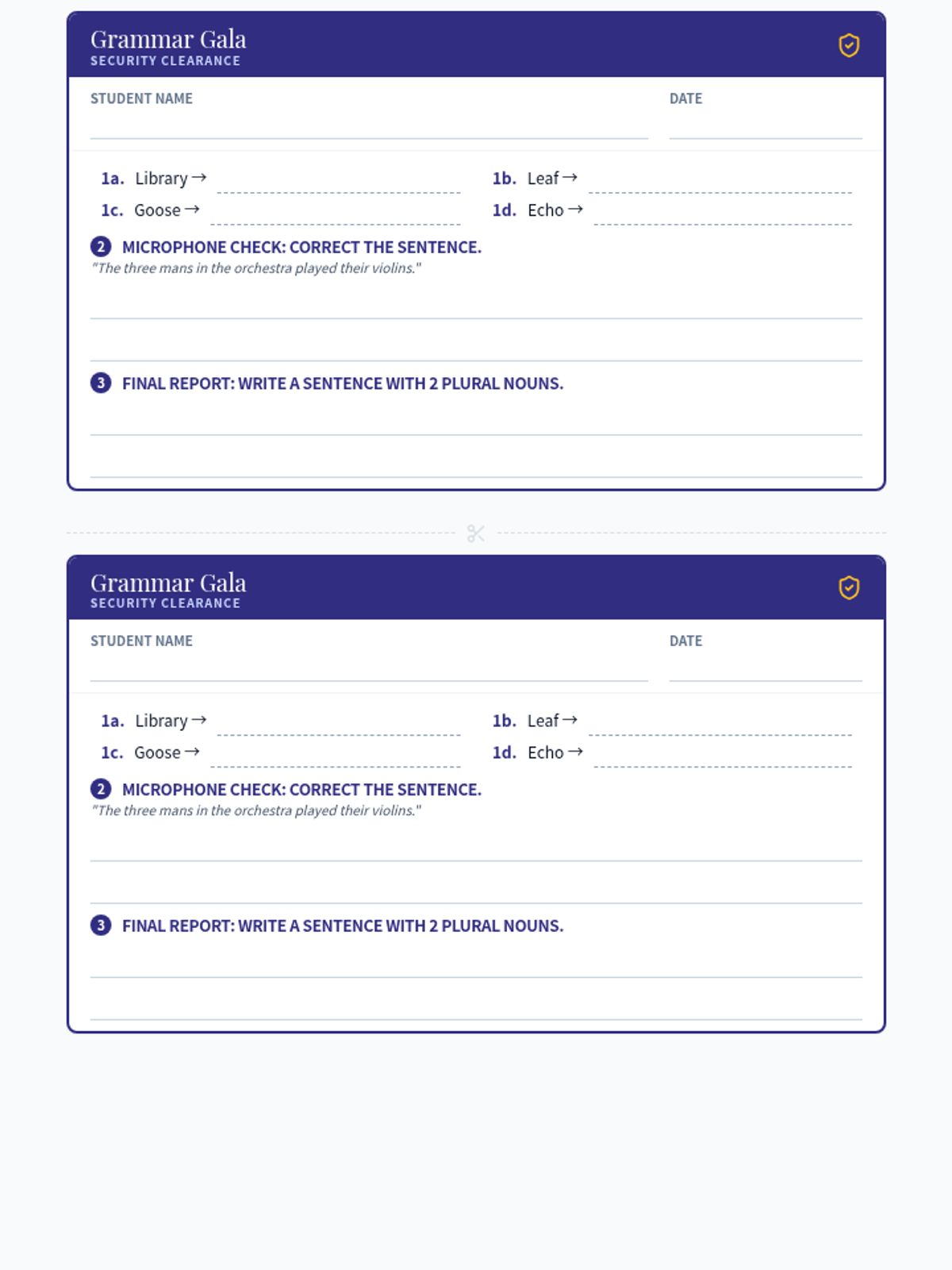
A sophisticated lesson on singular and plural nouns where students act as event coordinators for a high-society 'Grammar Gala,' ensuring every guest (noun) is properly formatted.
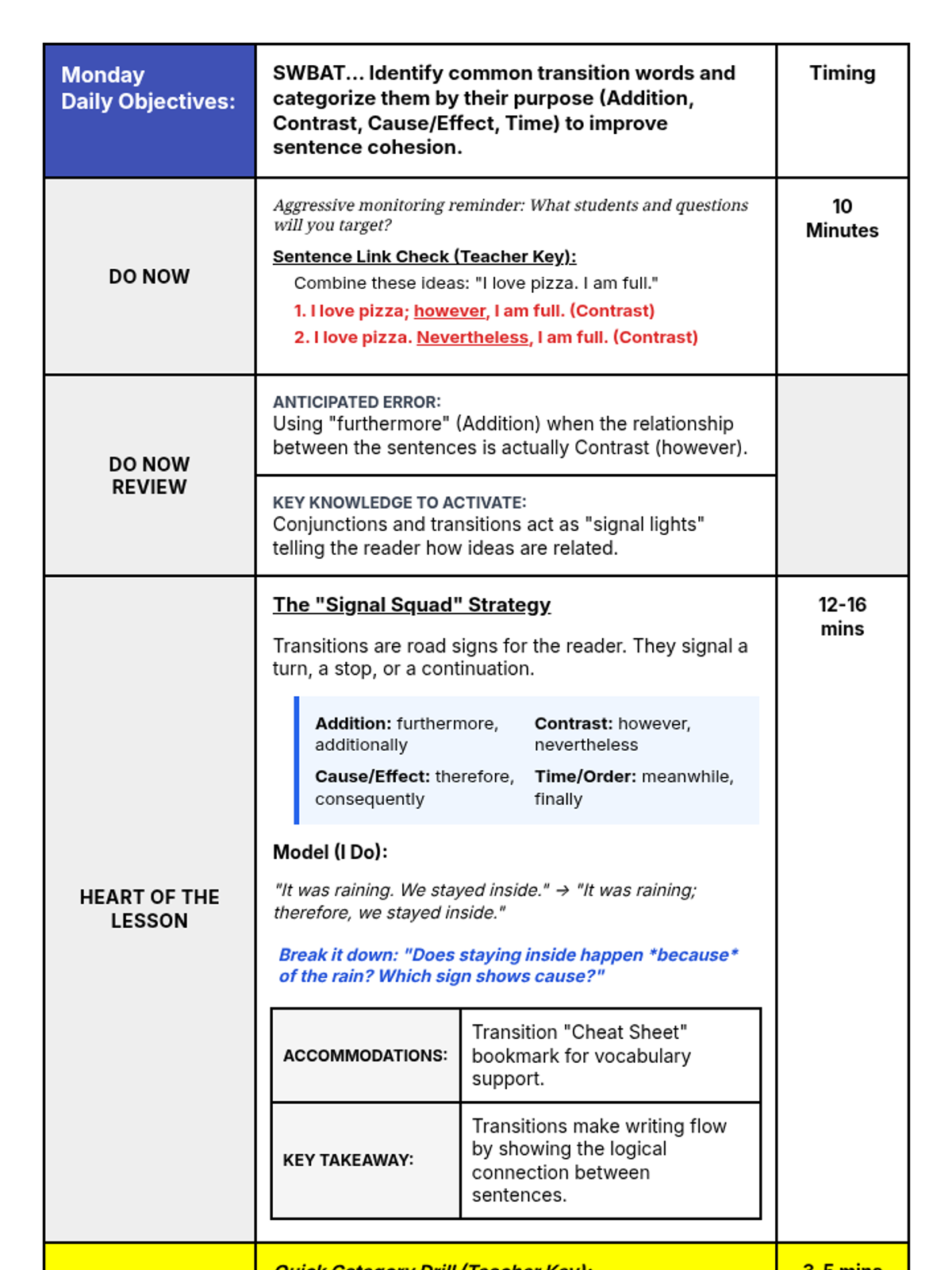
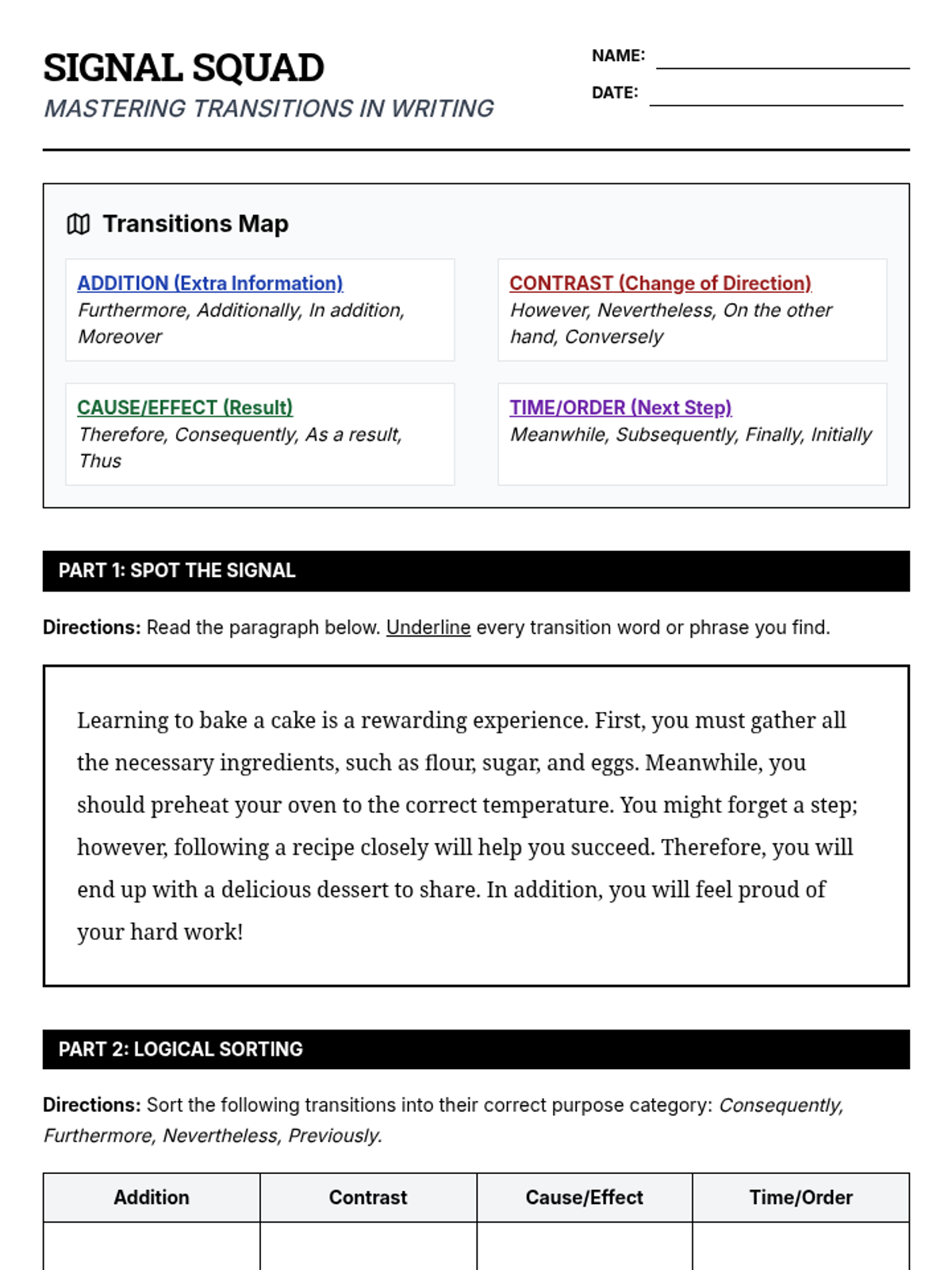
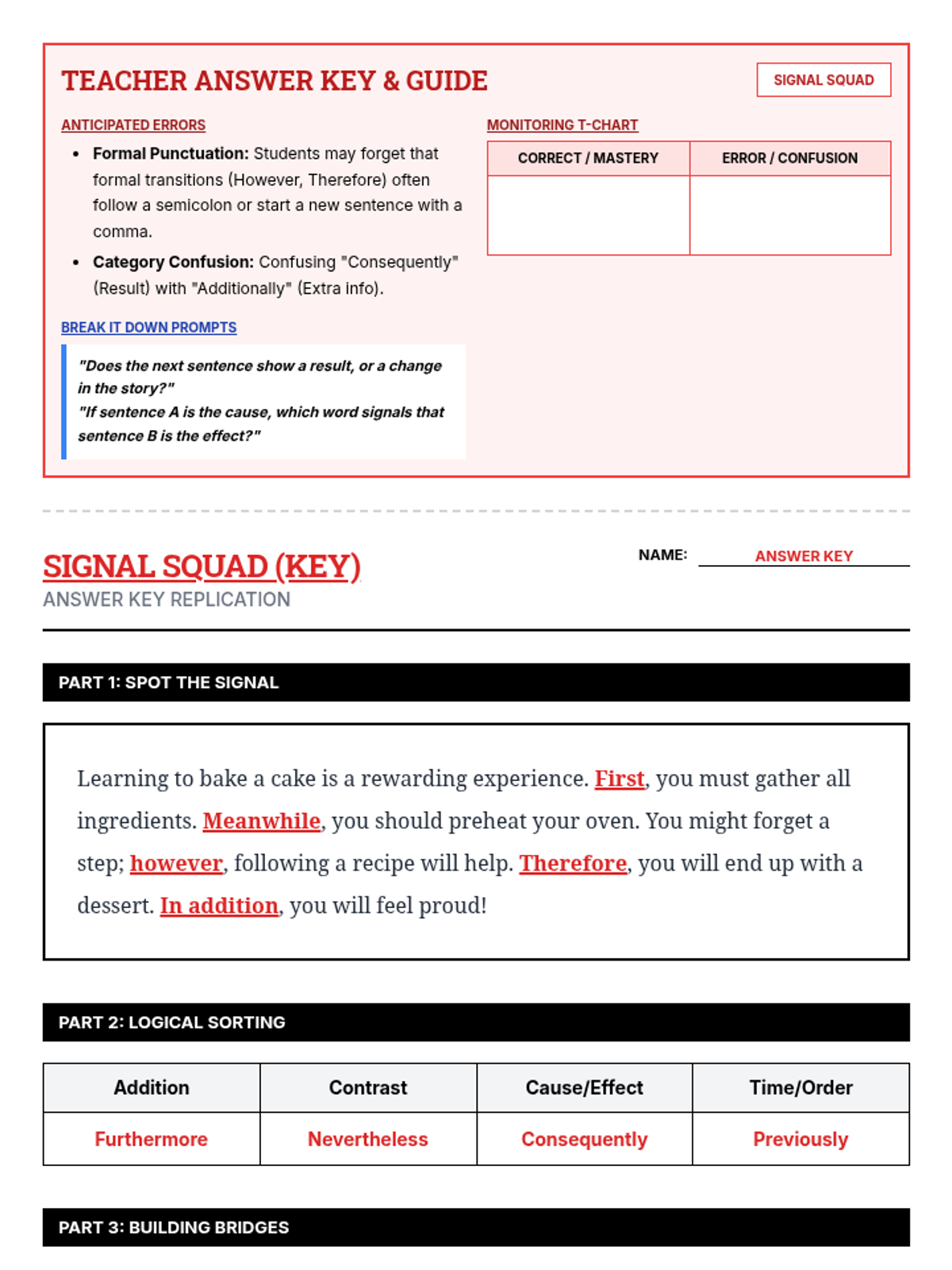
A lesson on identifying and using common transition words to create cohesion in writing. Students will categorize transitions by purpose (Addition, Contrast, Cause/Effect, Time) and use them to link ideas.
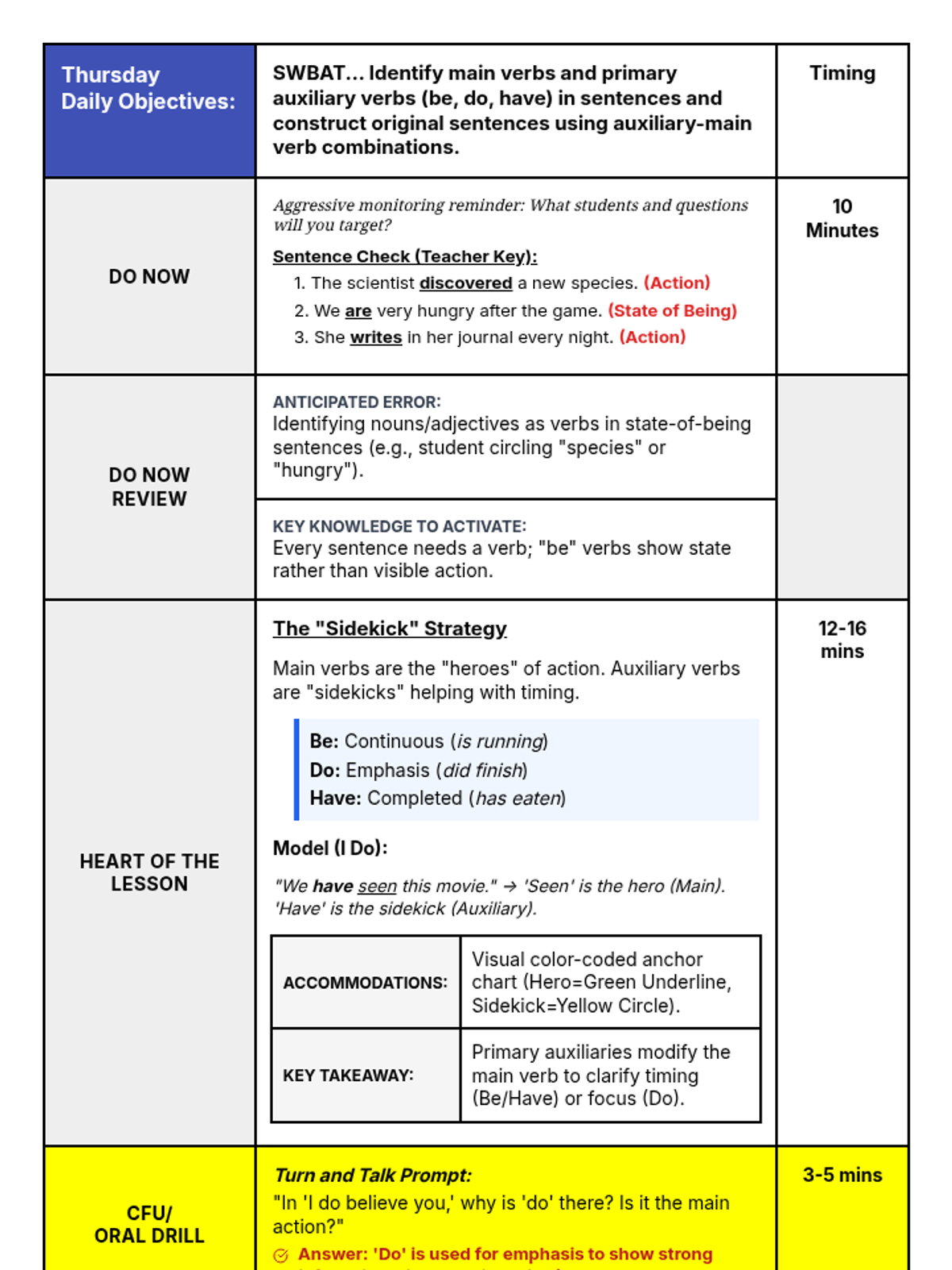
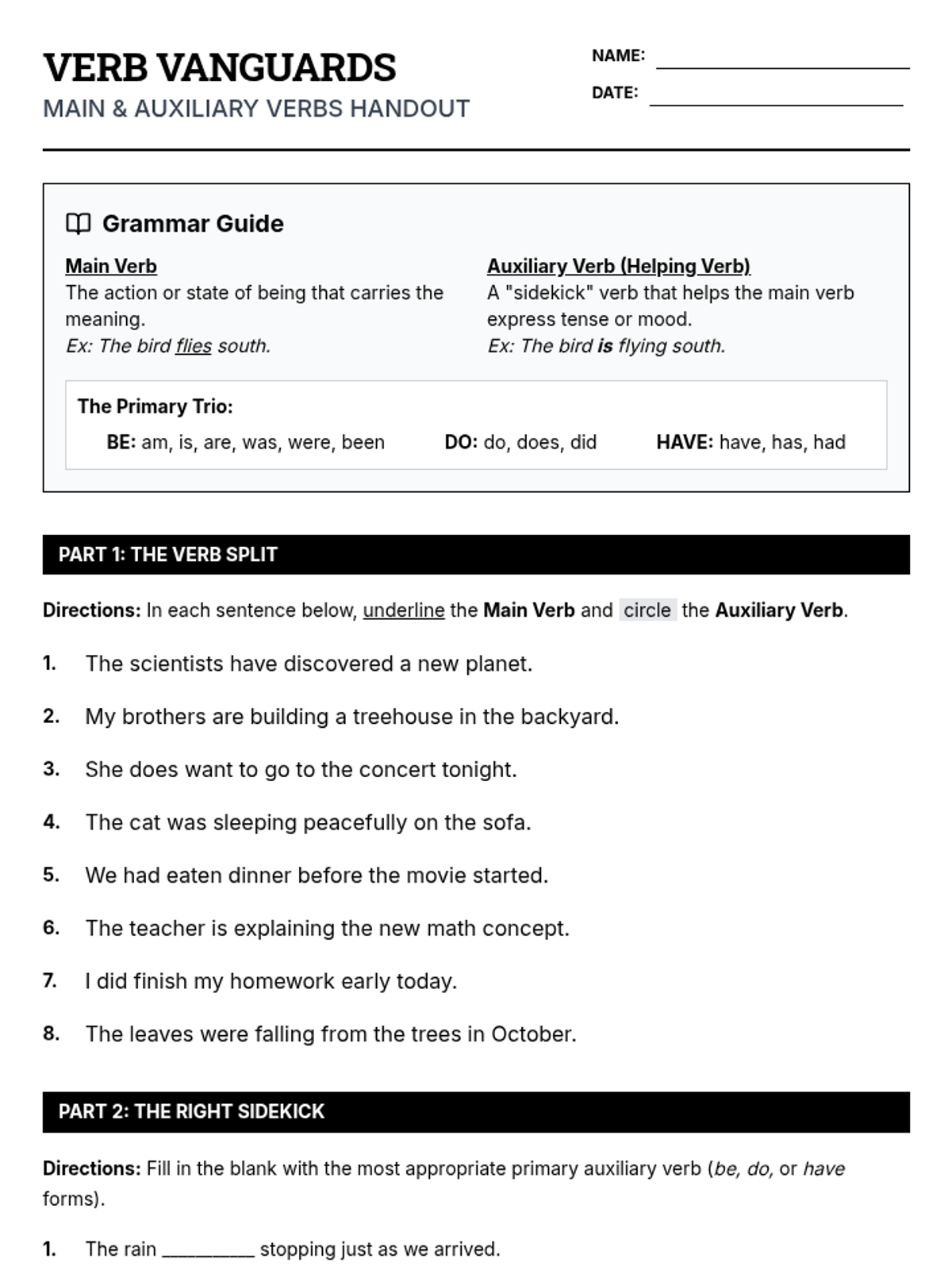
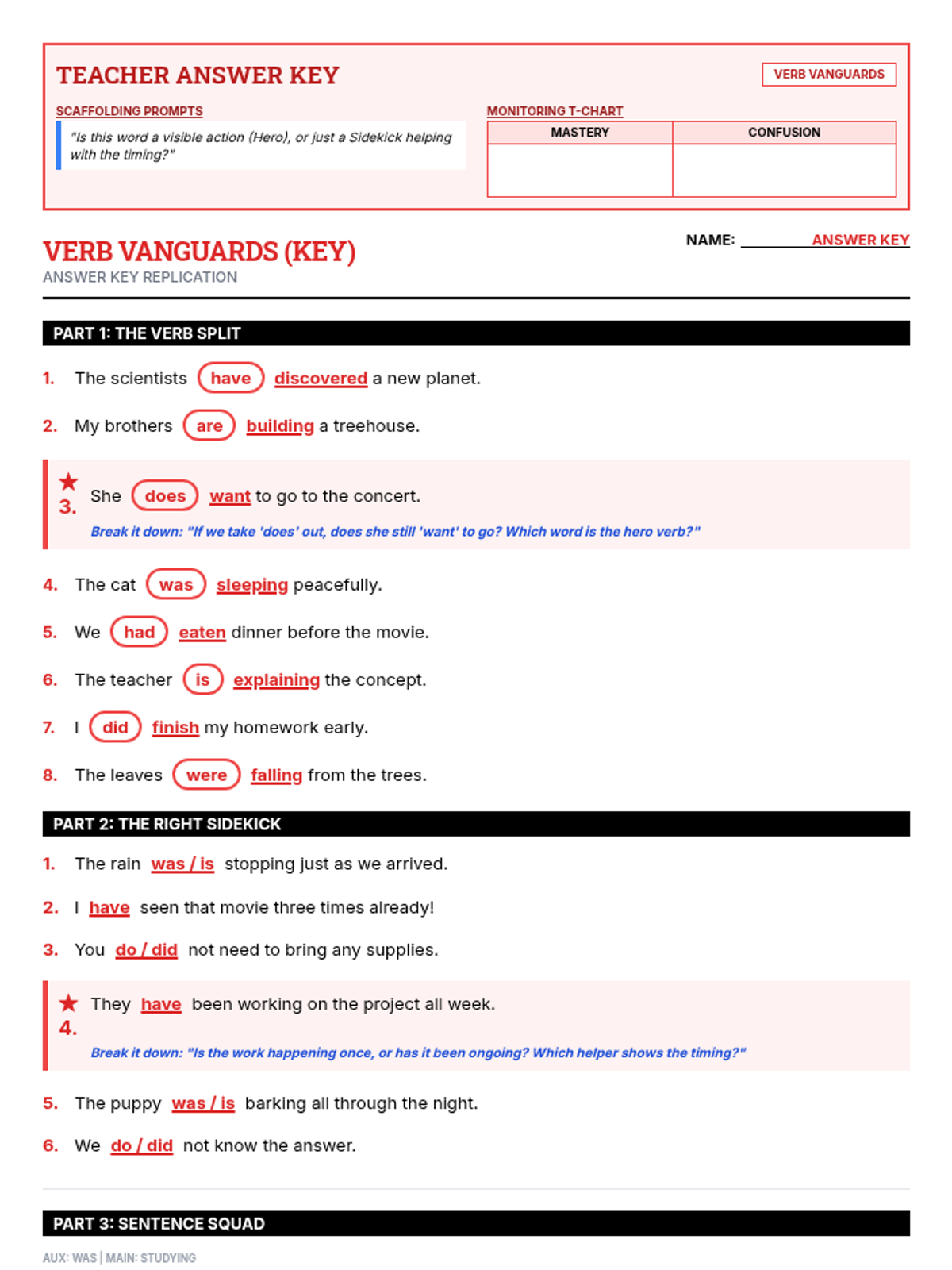
A comprehensive lesson on identifying and using main verbs and primary auxiliary verbs (be, do, have) in sentences. Includes a structured lesson plan, a practice handout, and a detailed answer key with monitoring tools.
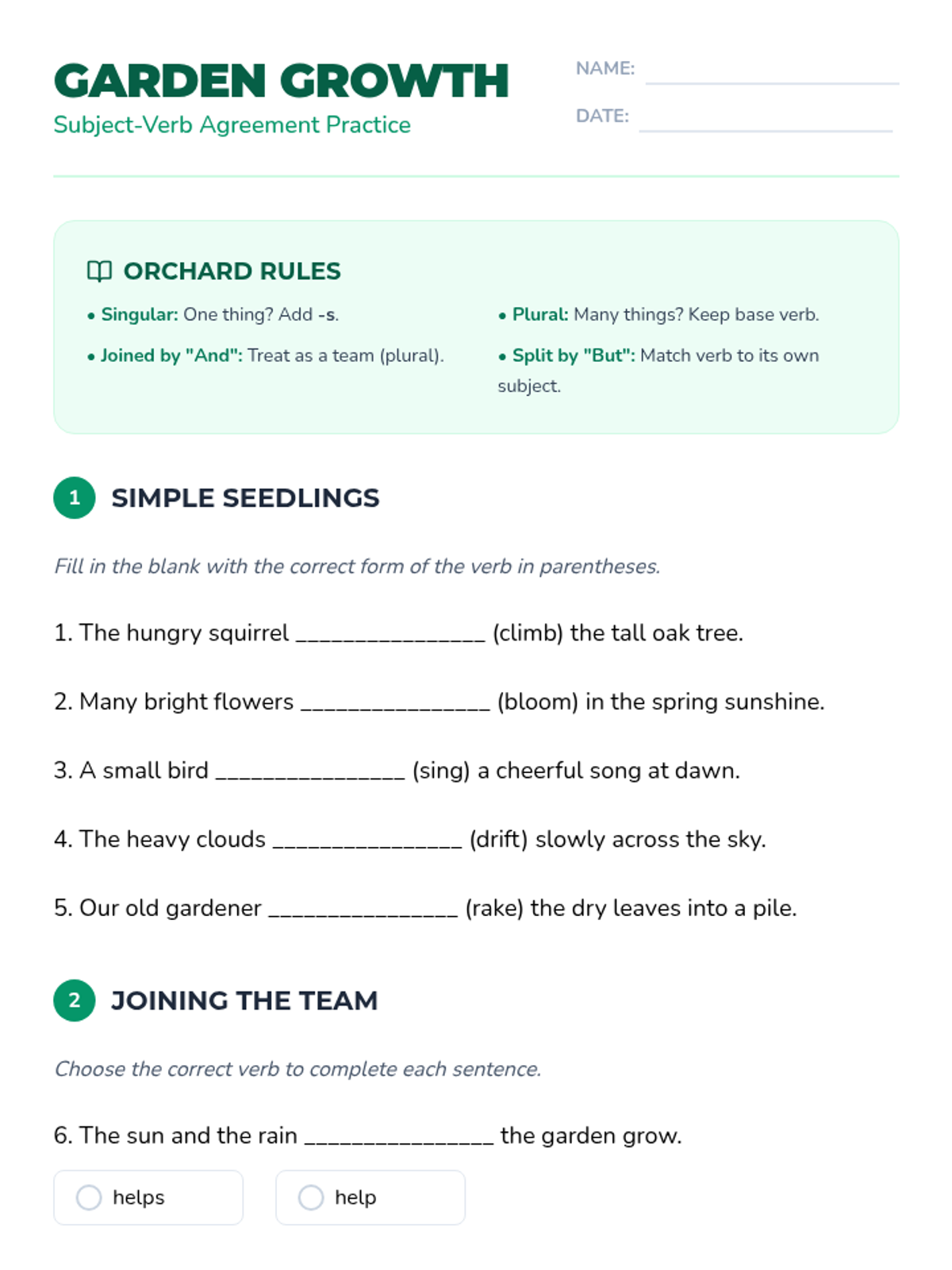
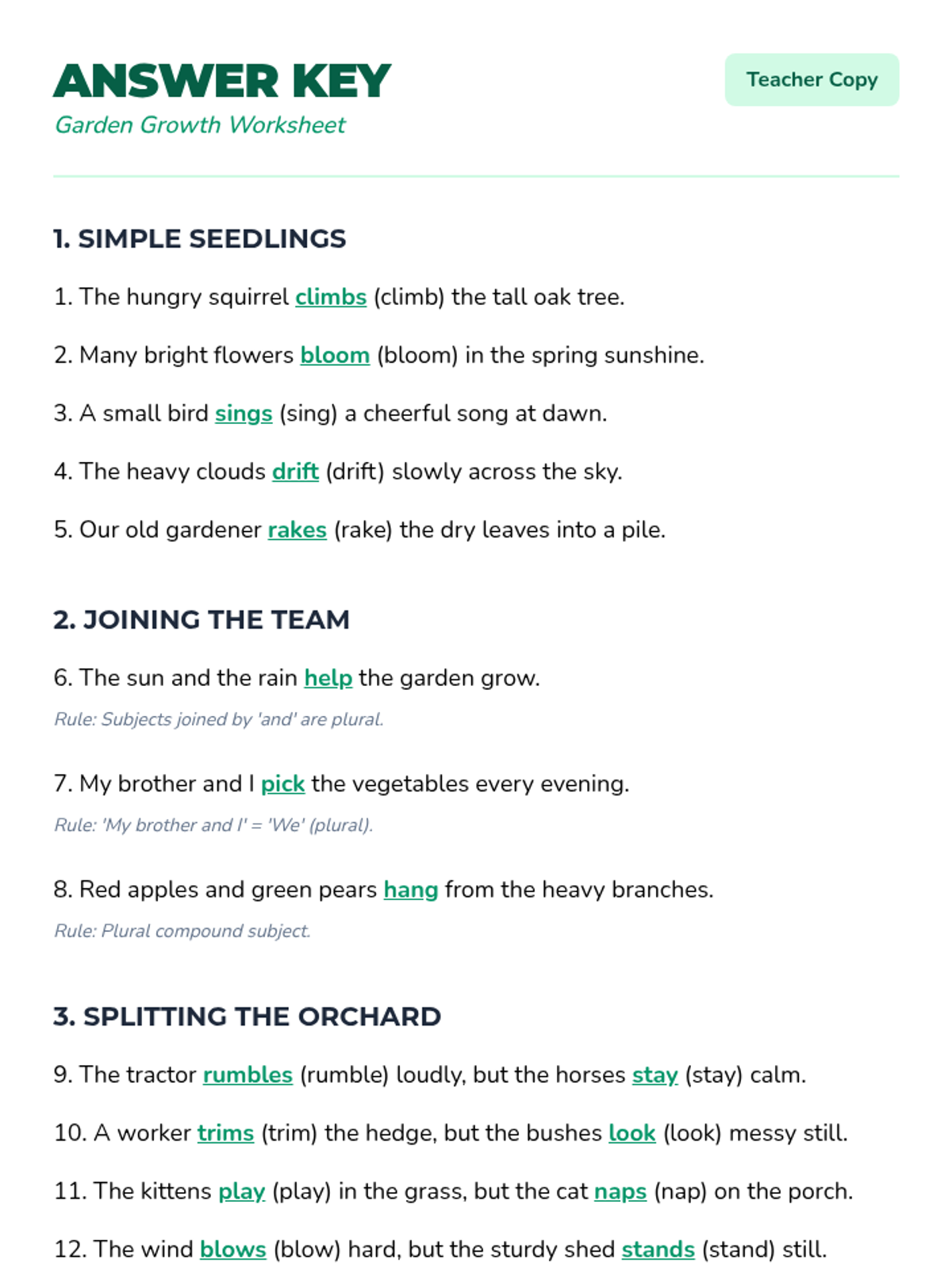
A comprehensive lesson on subject-verb agreement featuring simple sentences and compound sentences using 'and' and 'but'. Includes instructional slides, a practice worksheet, and an answer key.
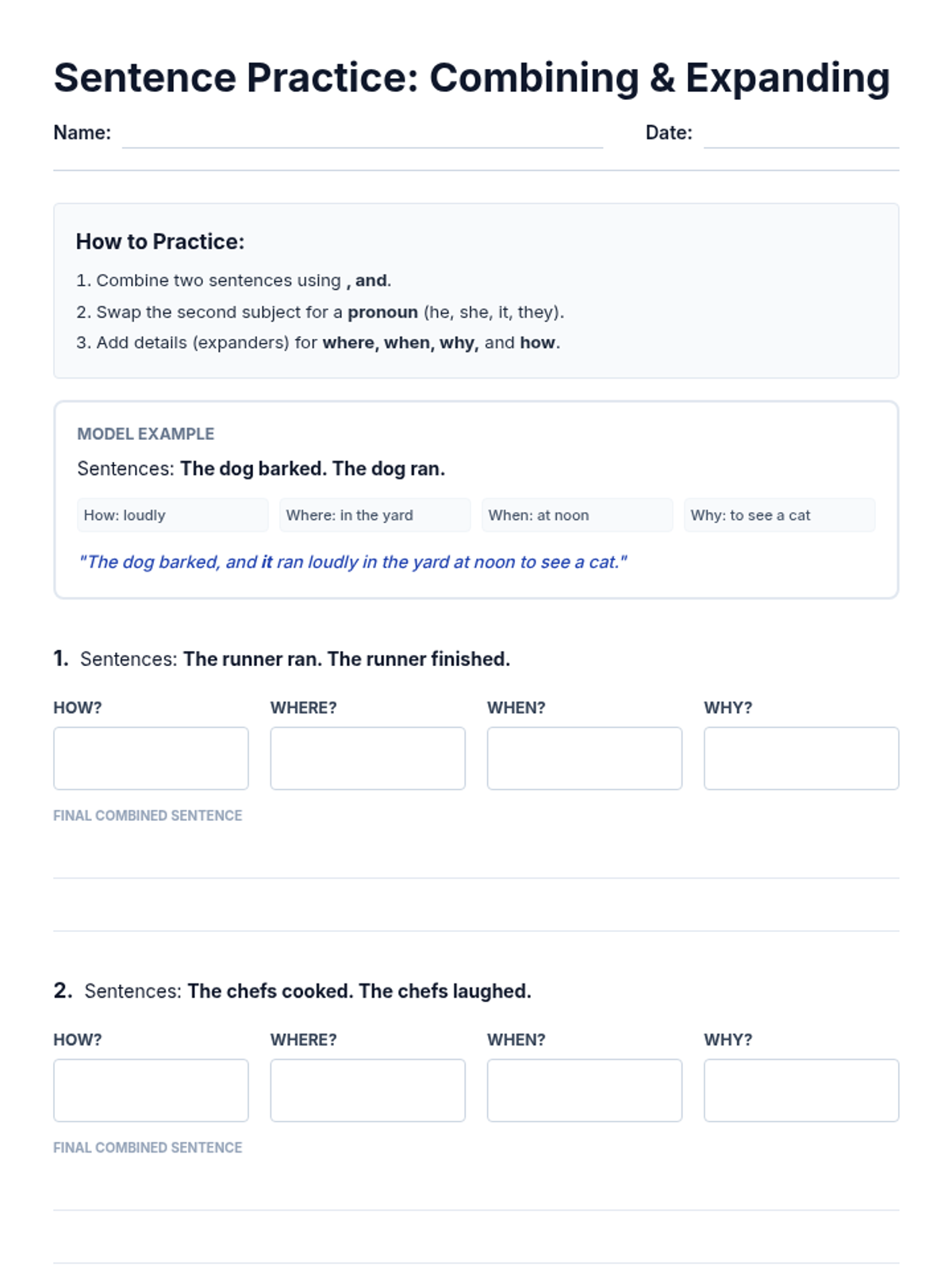
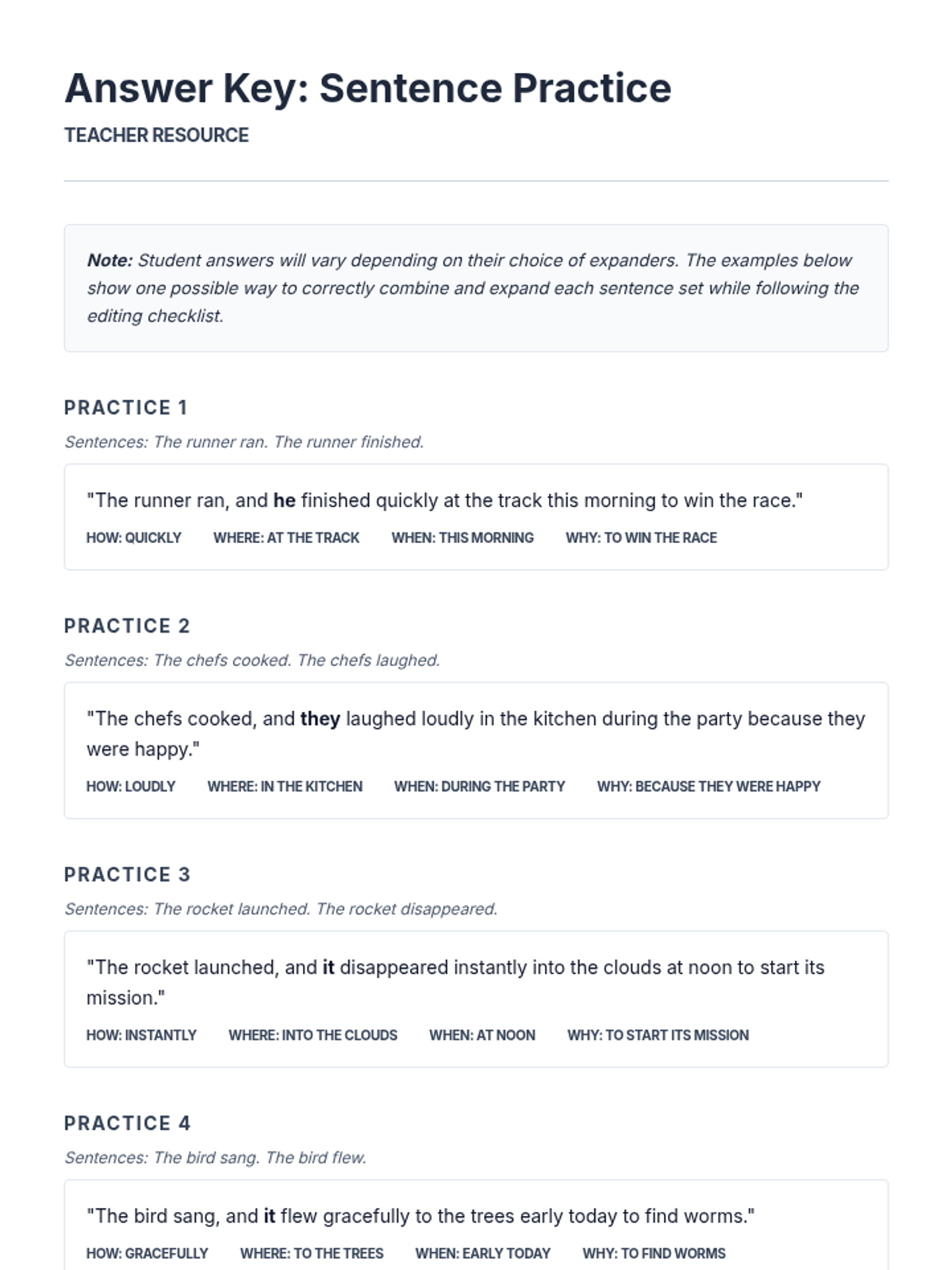
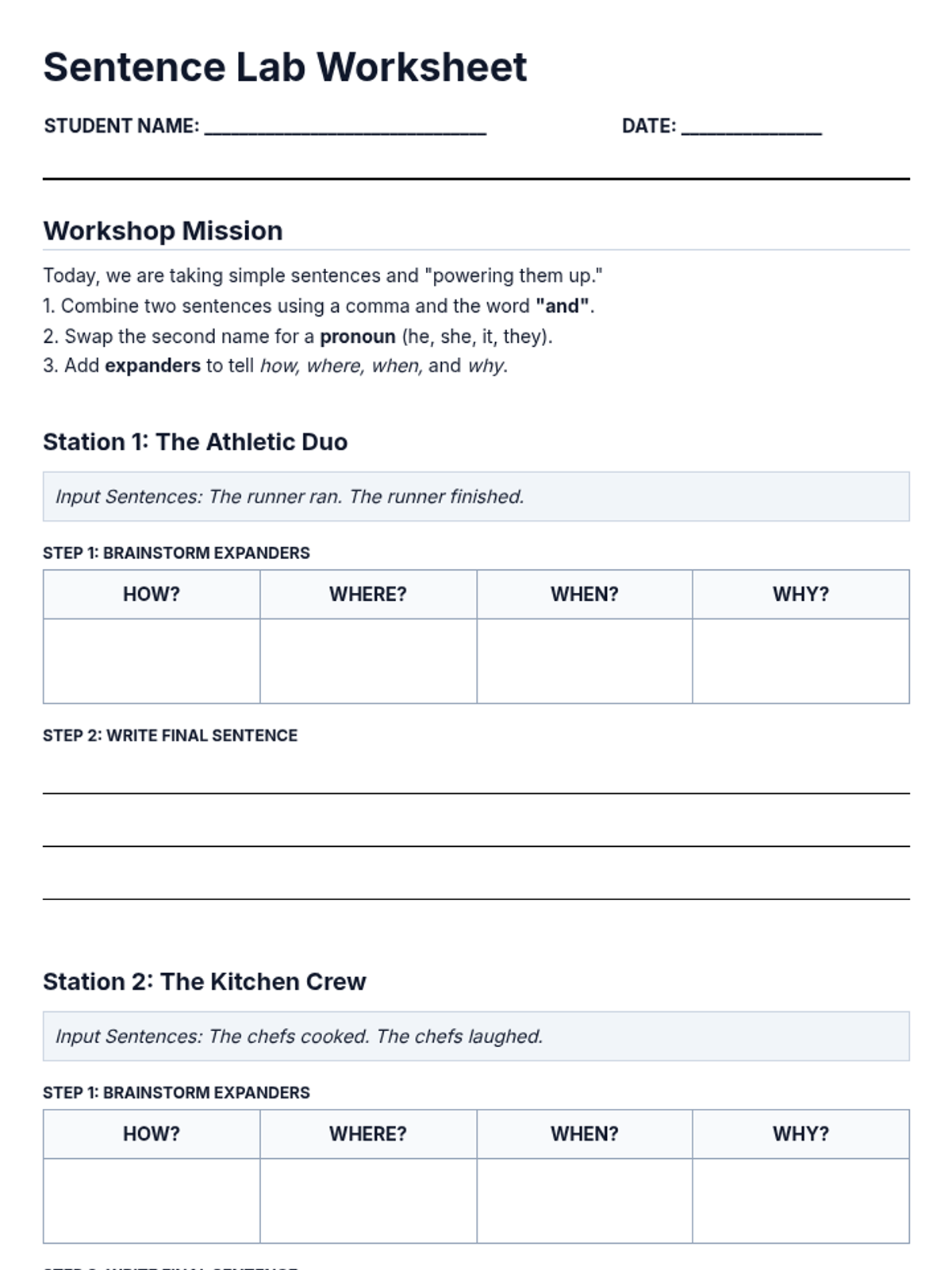
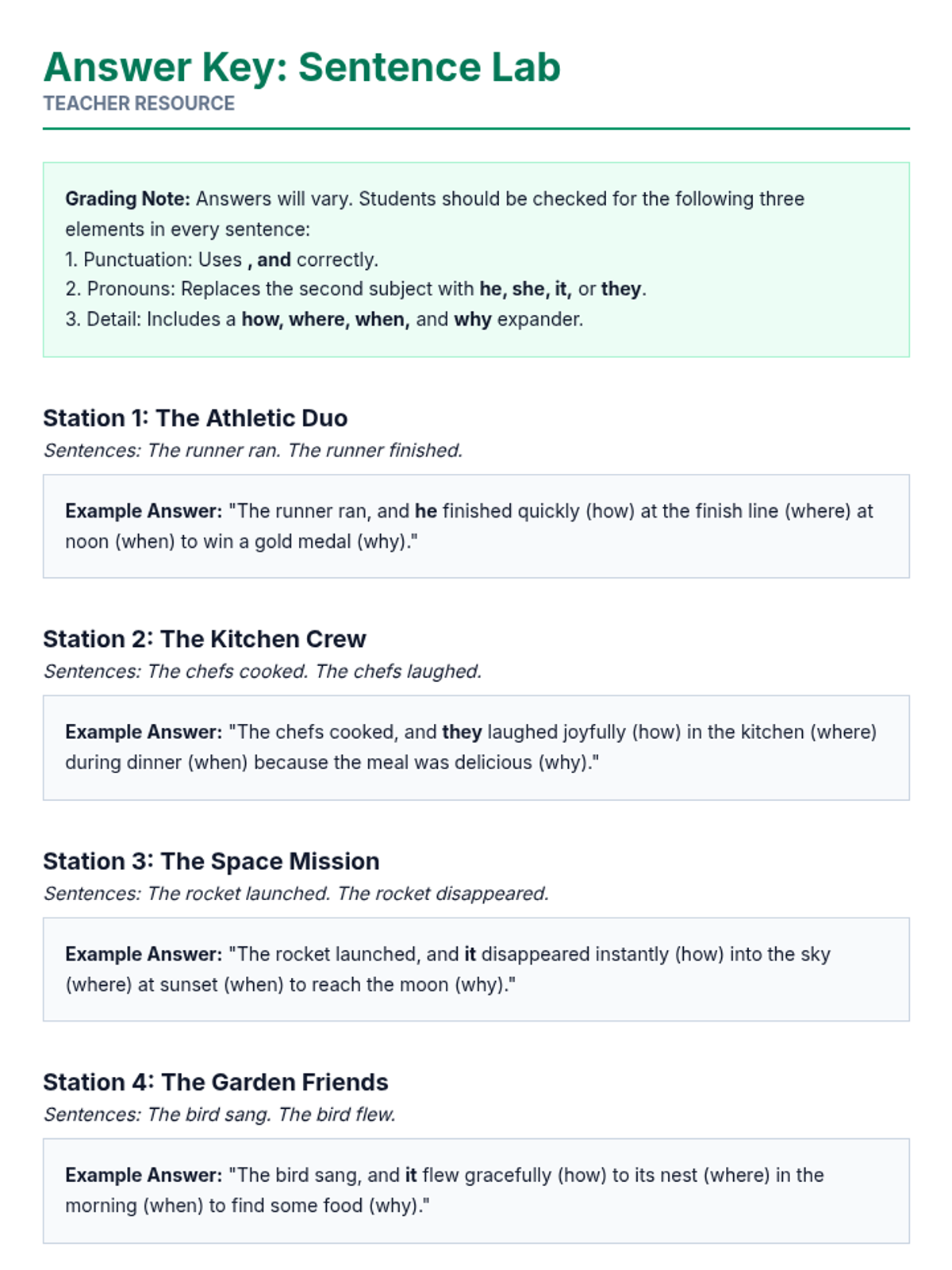
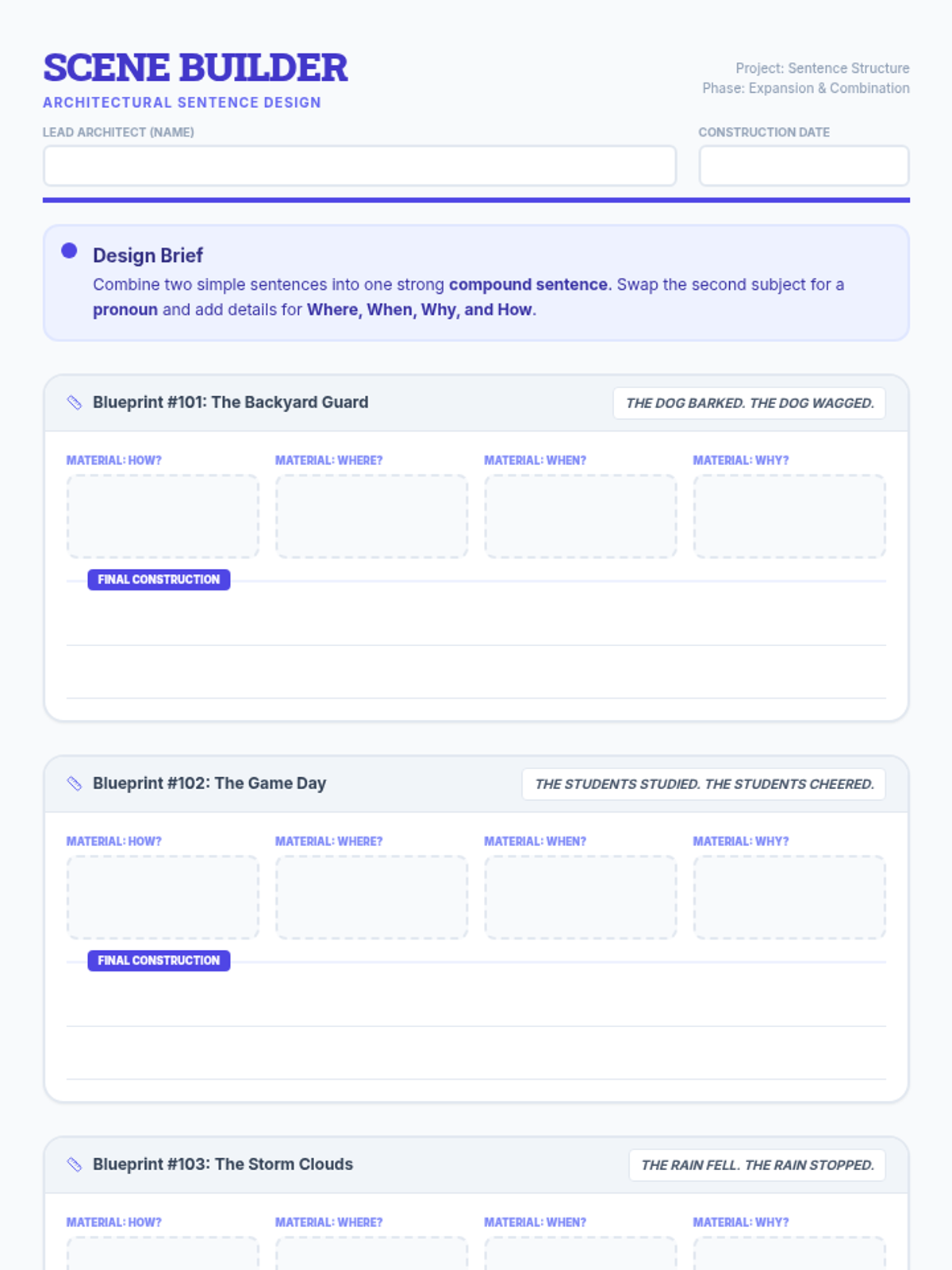
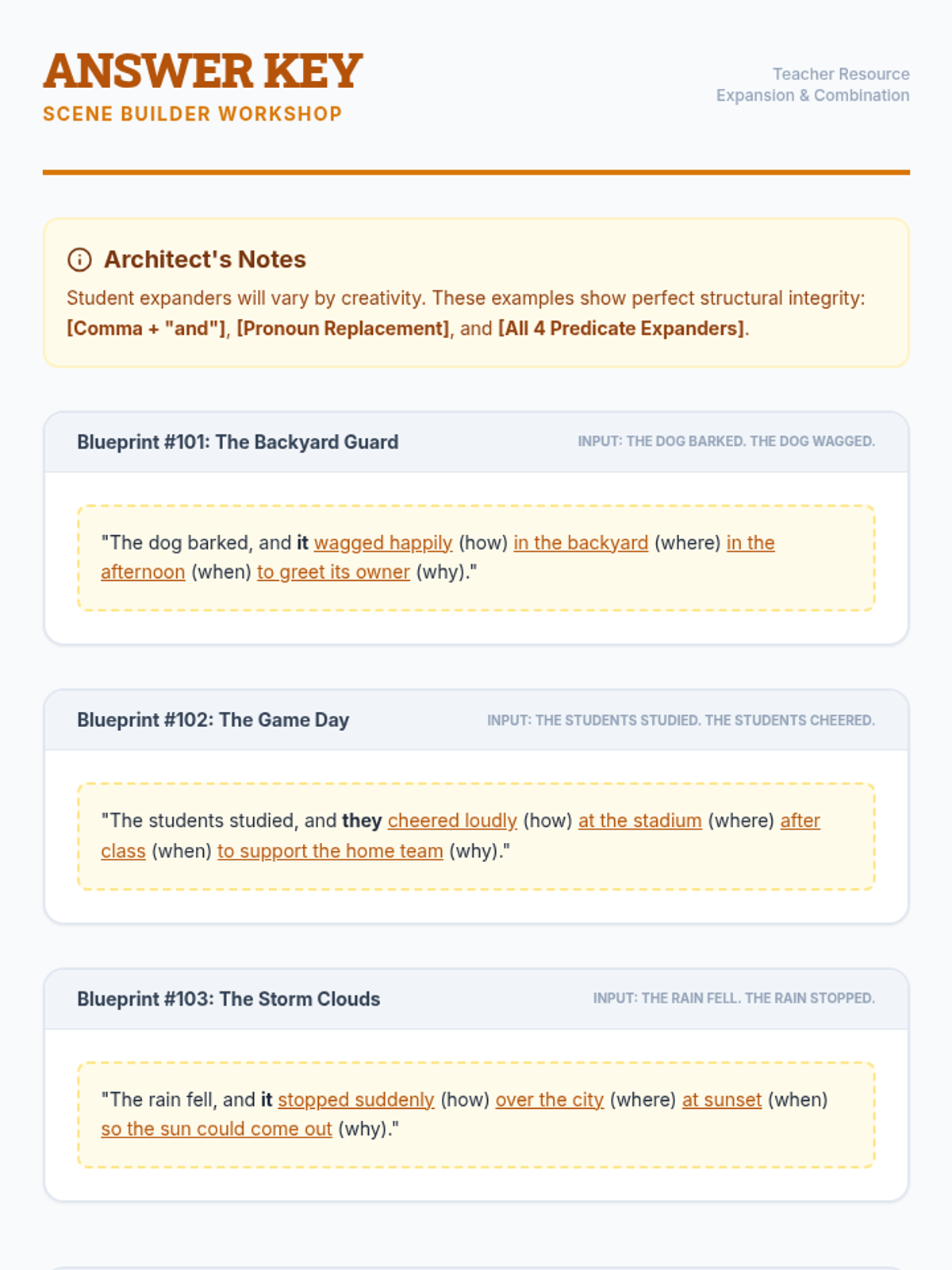
Students practice combining simple sentences with the same subjects into compound sentences using pronouns and adding descriptive predicate expanders (where, when, why, and how).
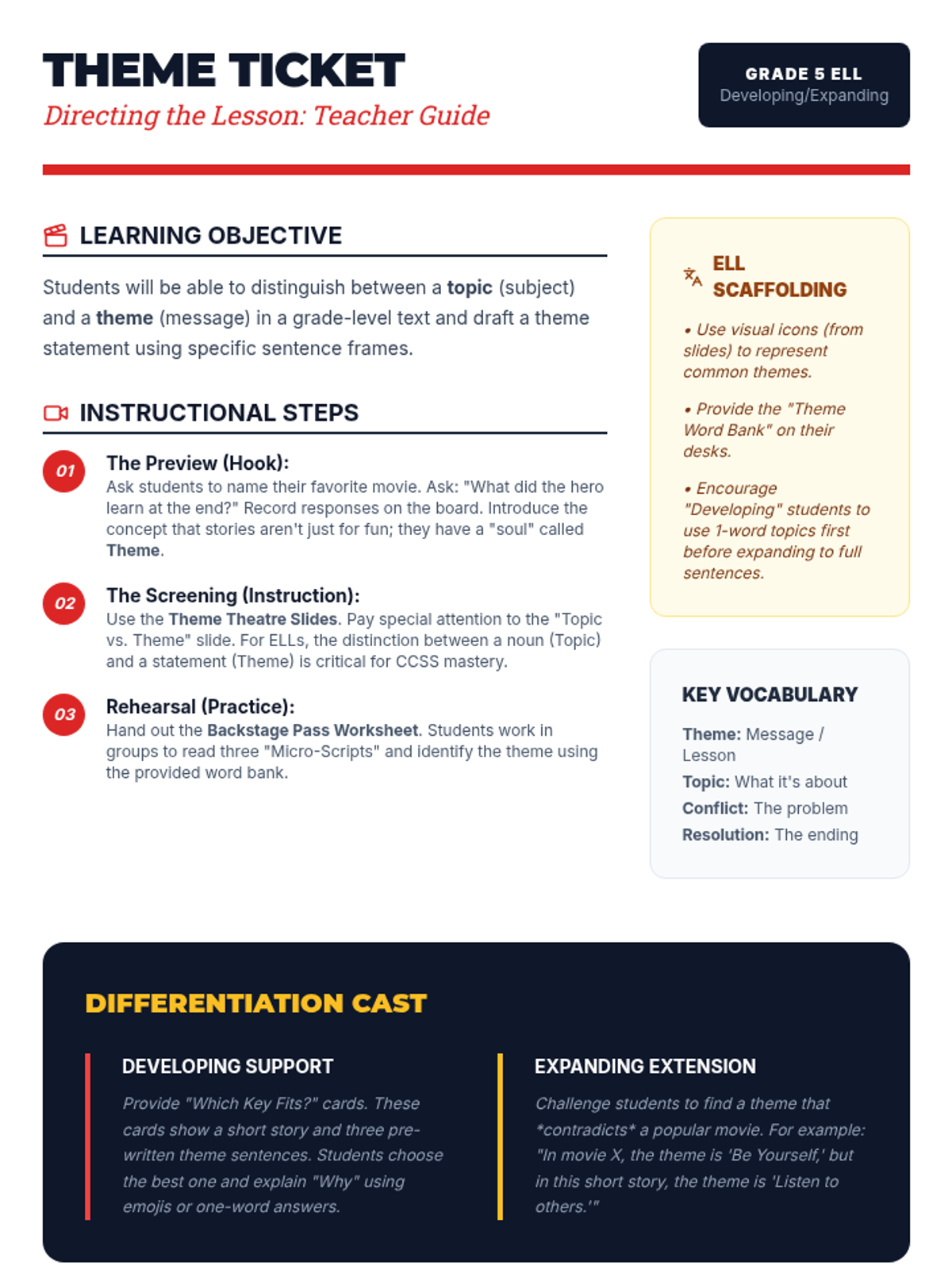
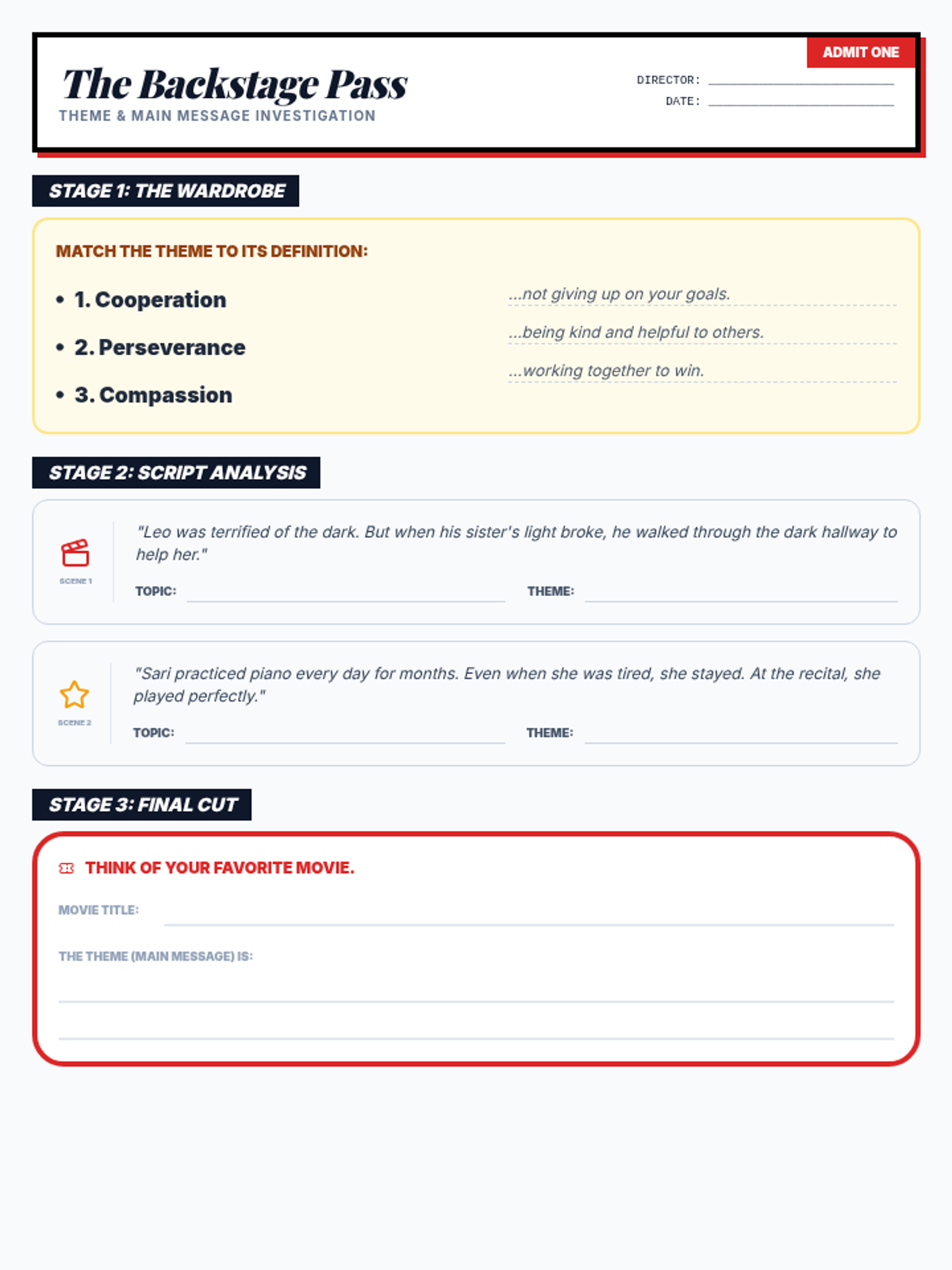
Students learn to identify the theme or main message of a story by analyzing character choices and outcomes, framed through a "Cinema" or "Movie Theatre" lens to help ELL students distinguish between topic and theme.
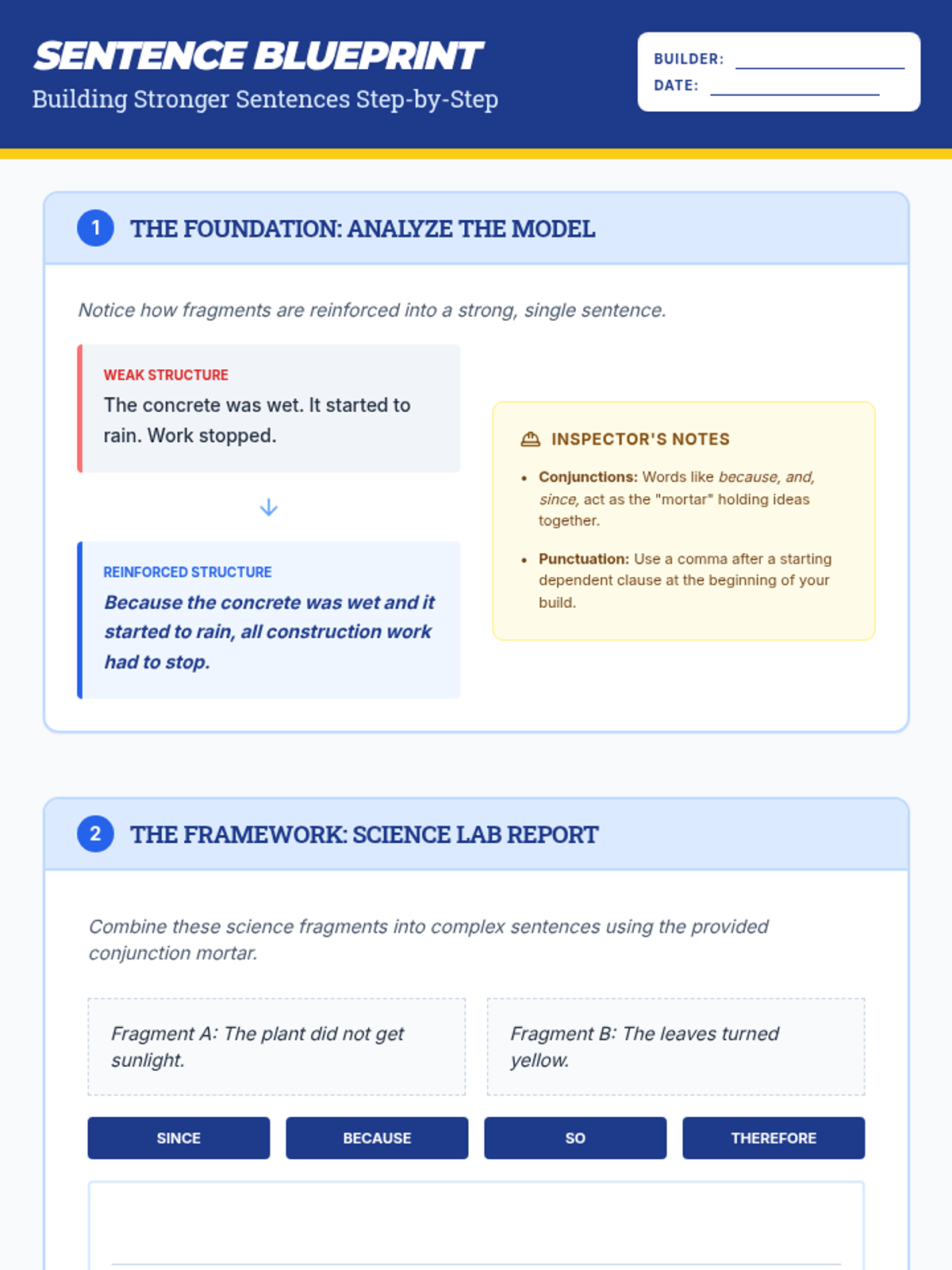
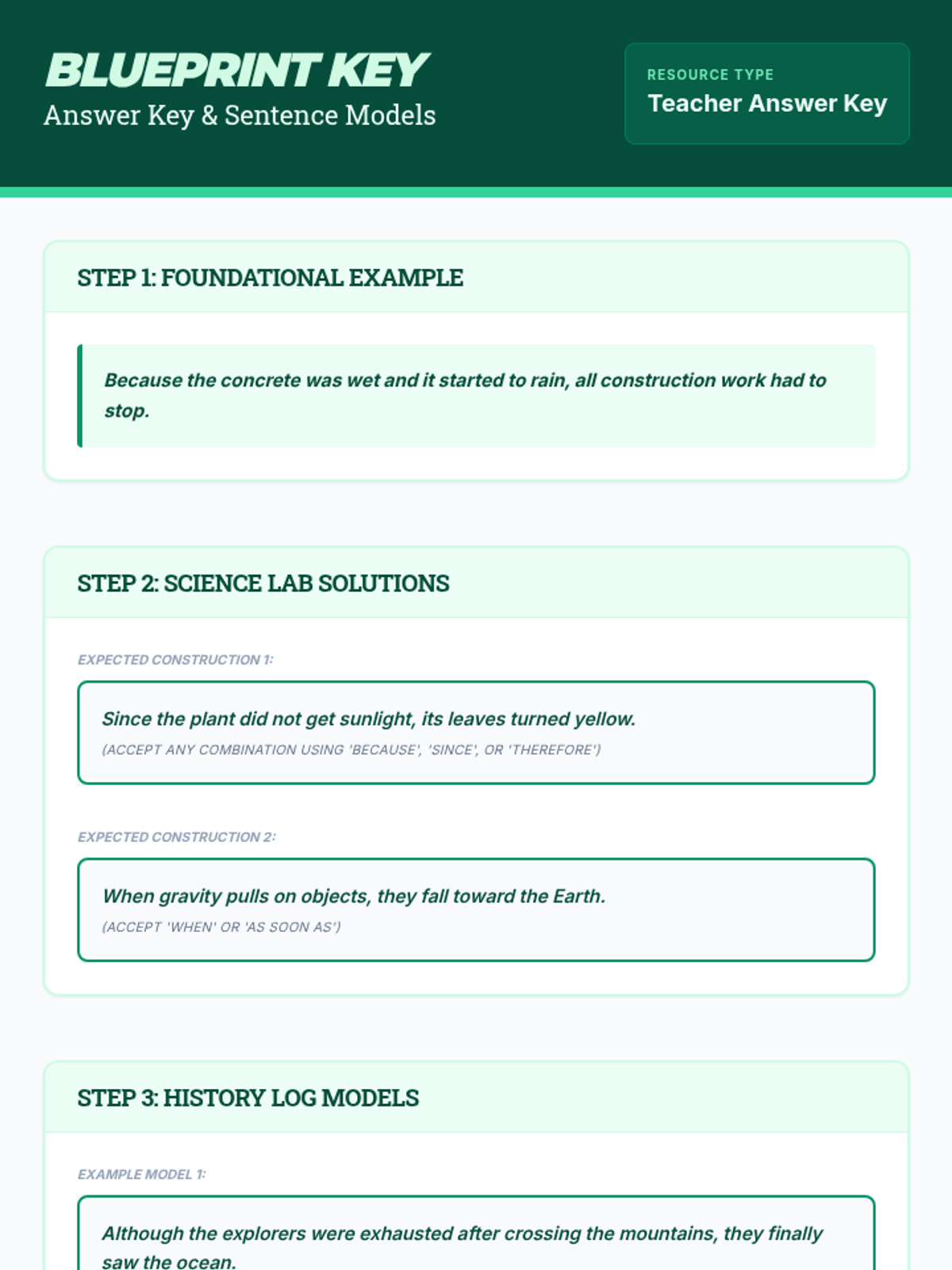
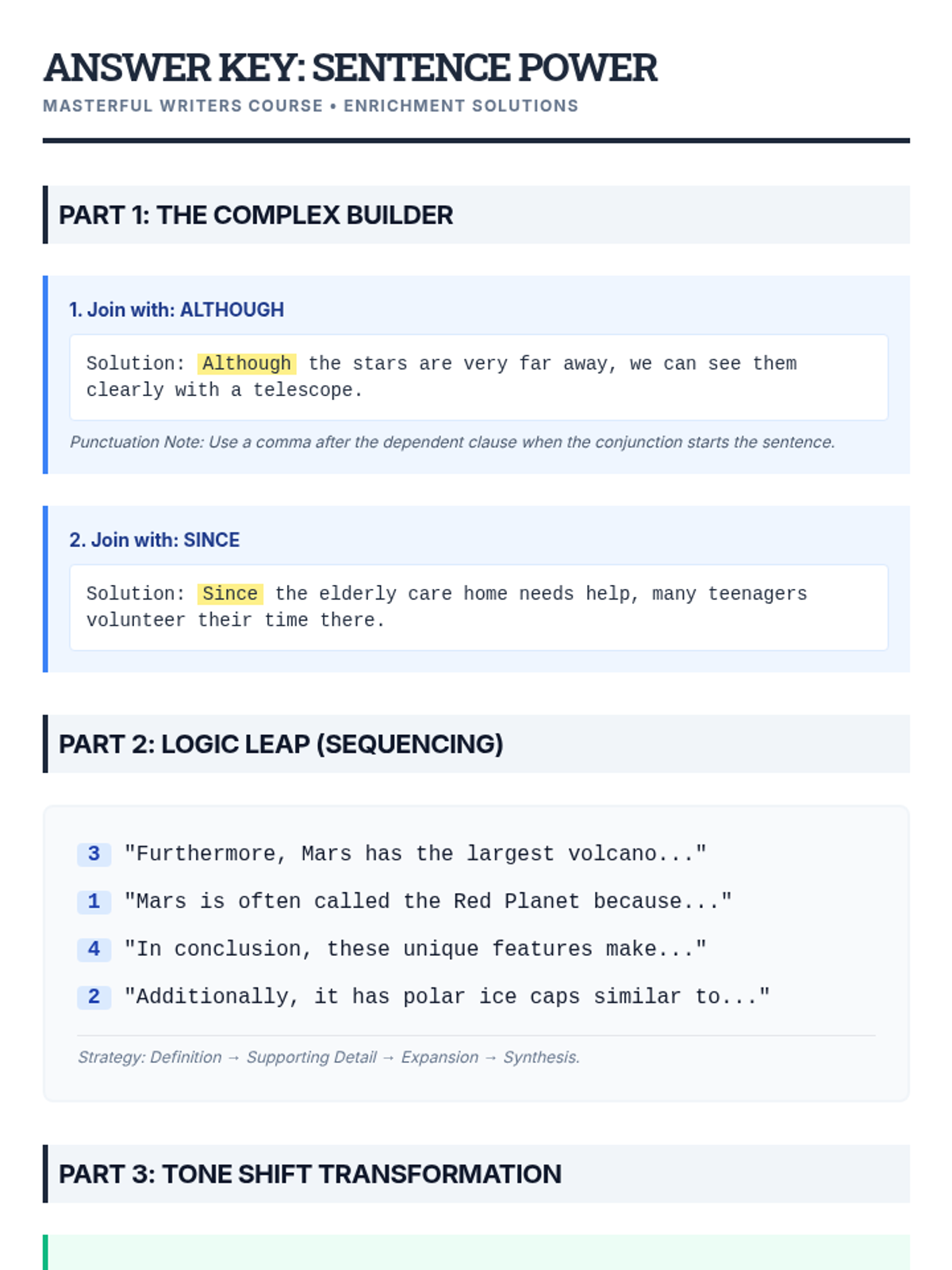
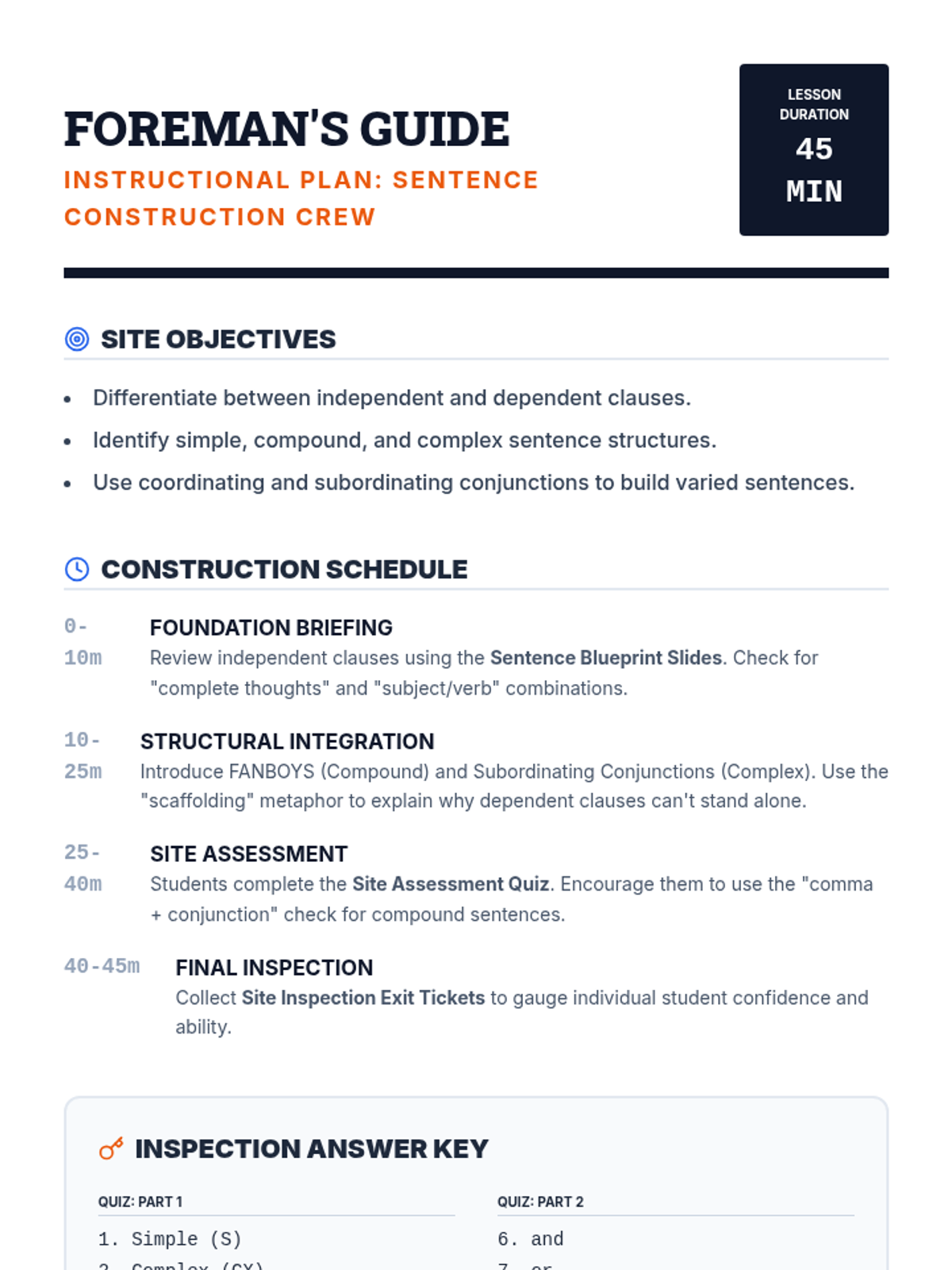
A lesson focused on sentence construction, teaching students to transform fragments and simple sentences into sophisticated compound and complex sentences using a construction-themed framework.
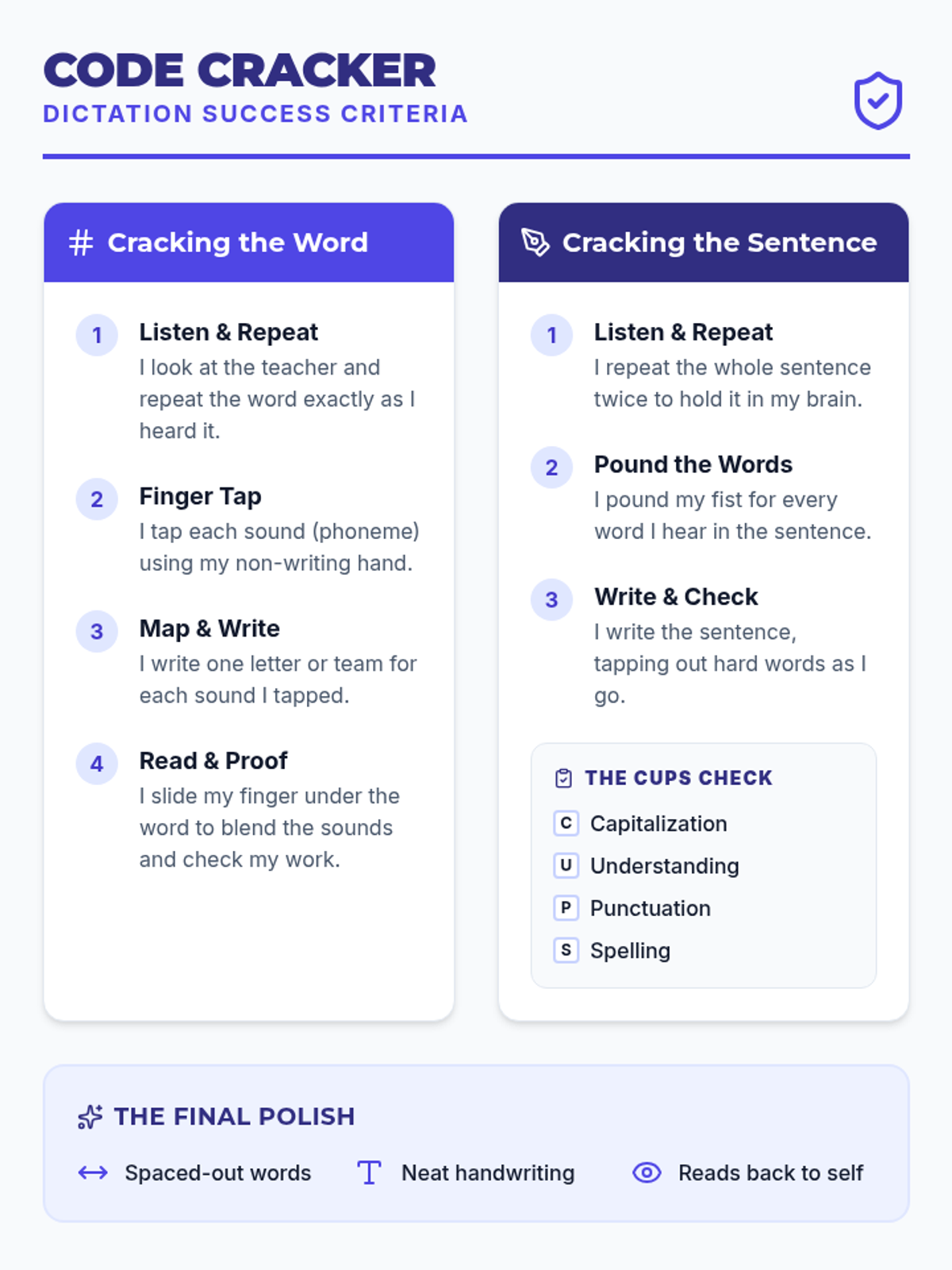
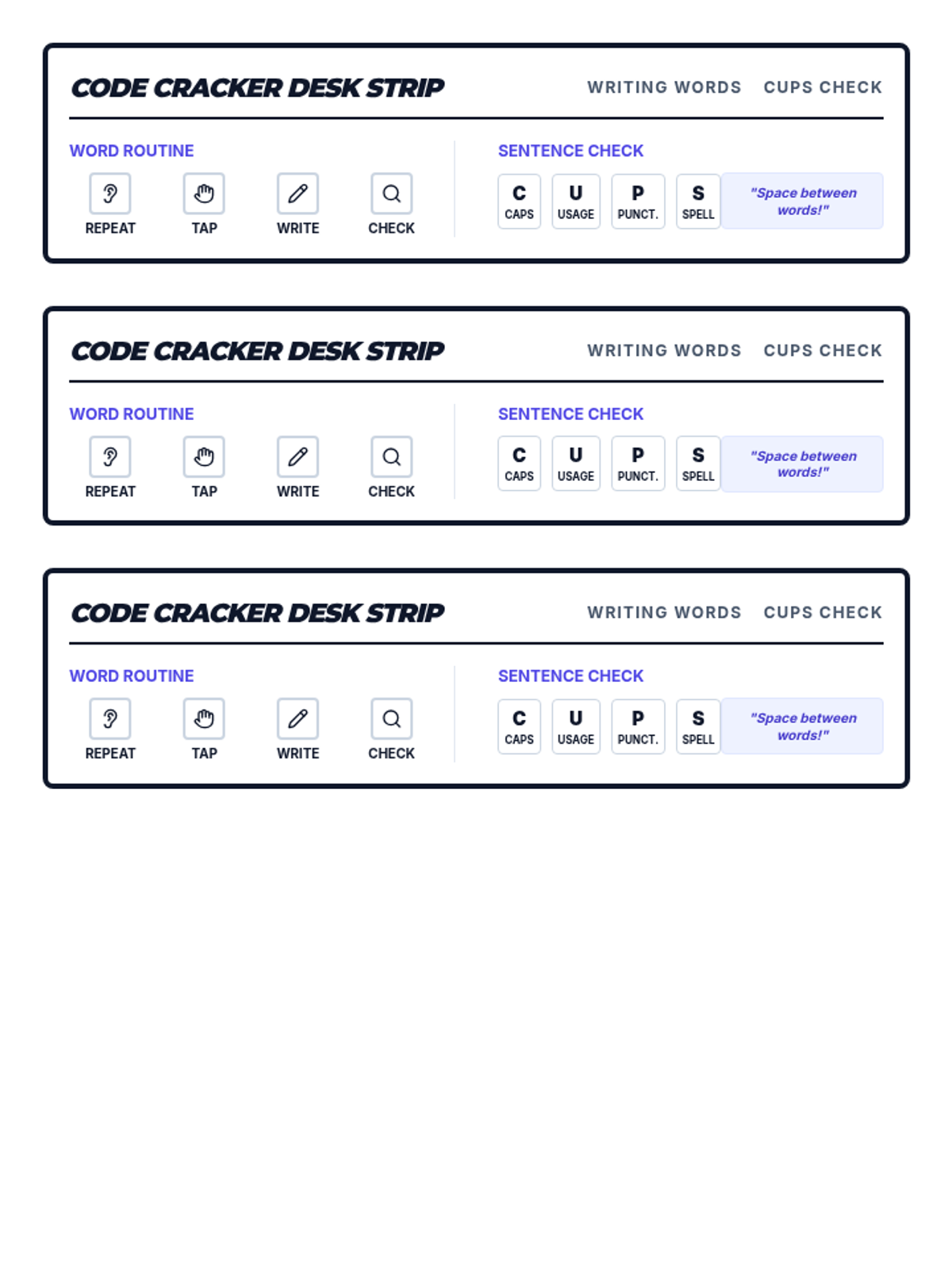
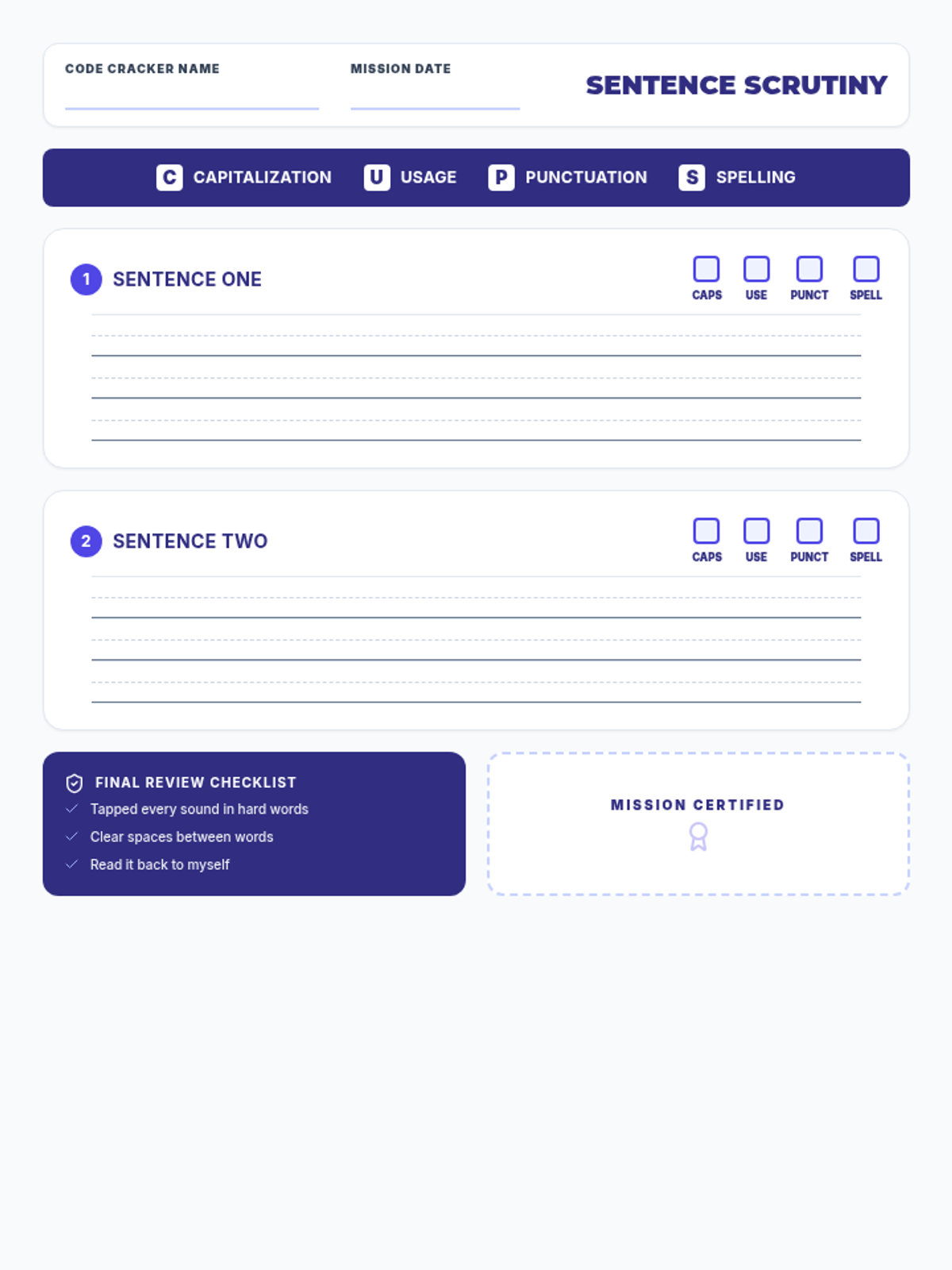
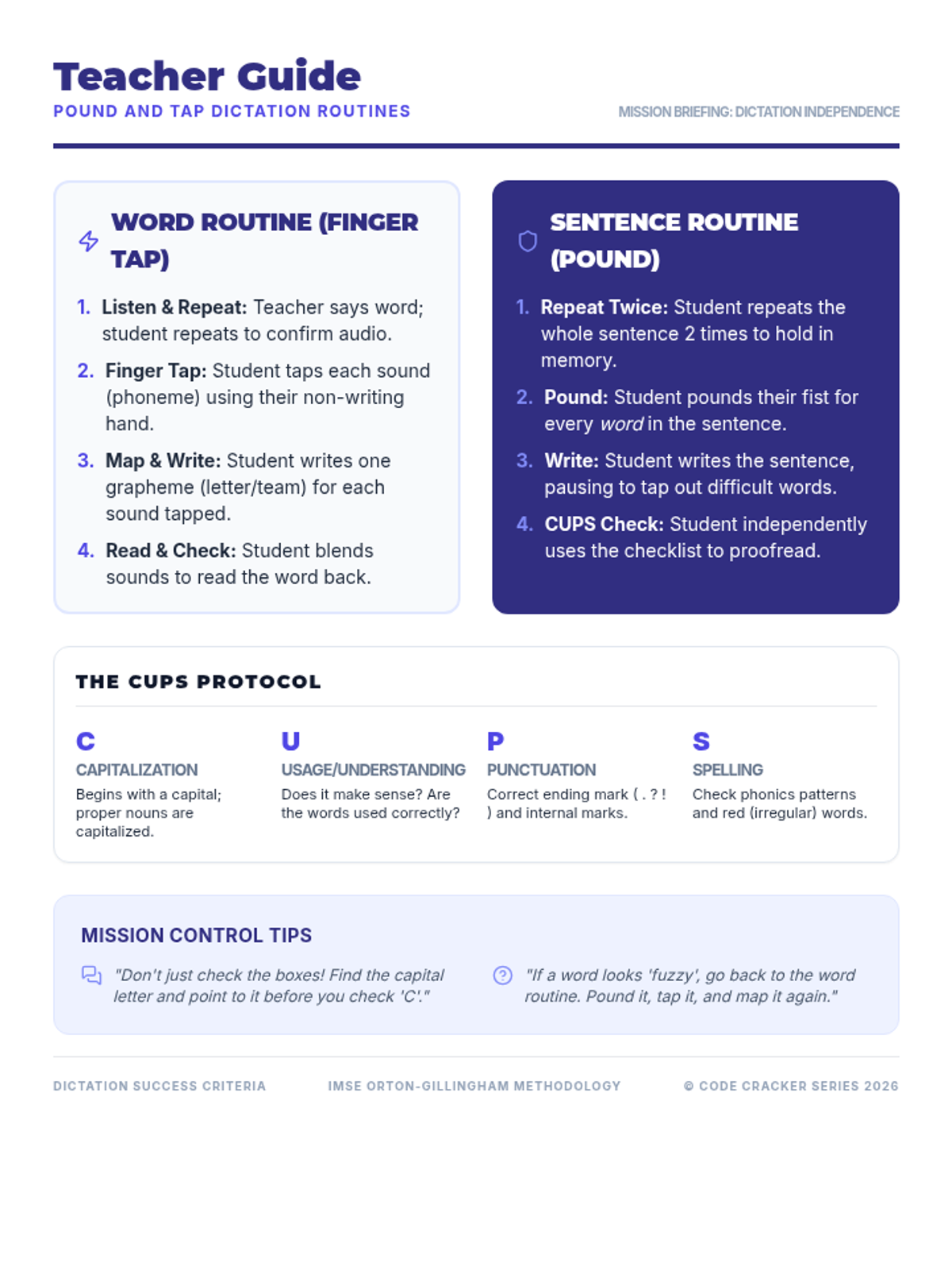
A toolkit of success criteria and structured practice materials for IMSE Orton-Gillingham dictation routines, focusing on word mapping and sentence conventions.
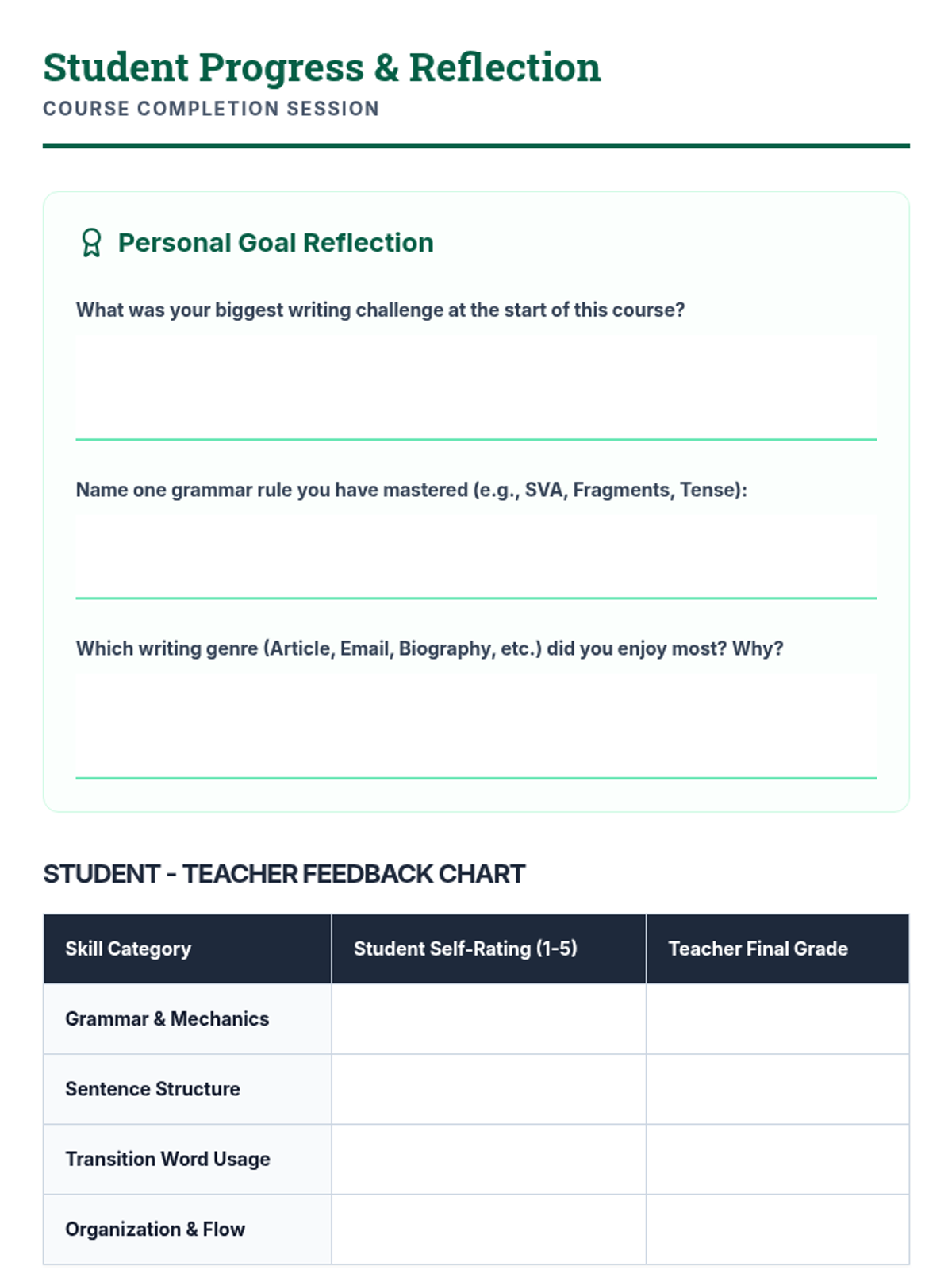
A final evaluation and reflection session including the final assessment, feedback charts, and student-teacher goal reviews.
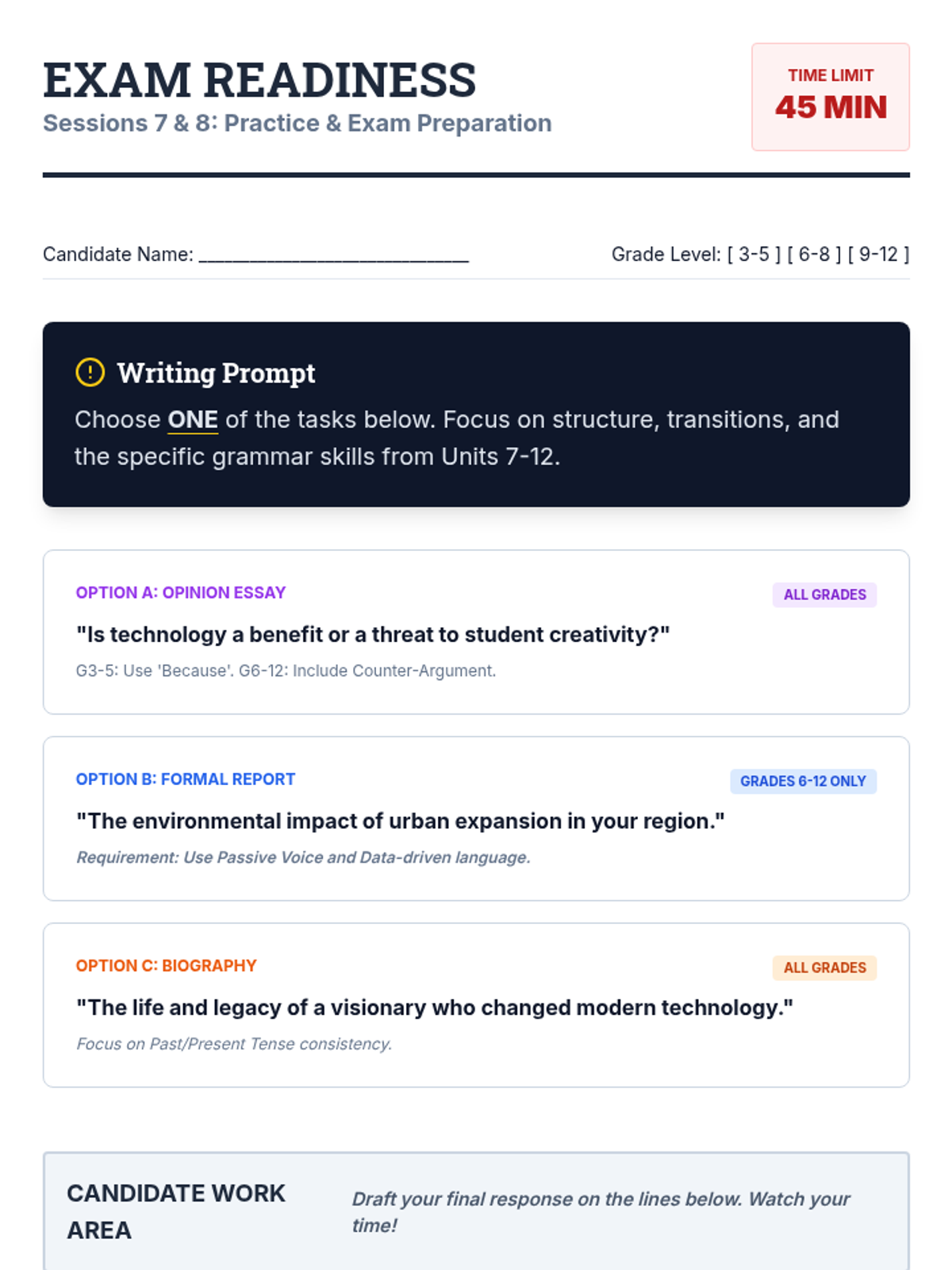
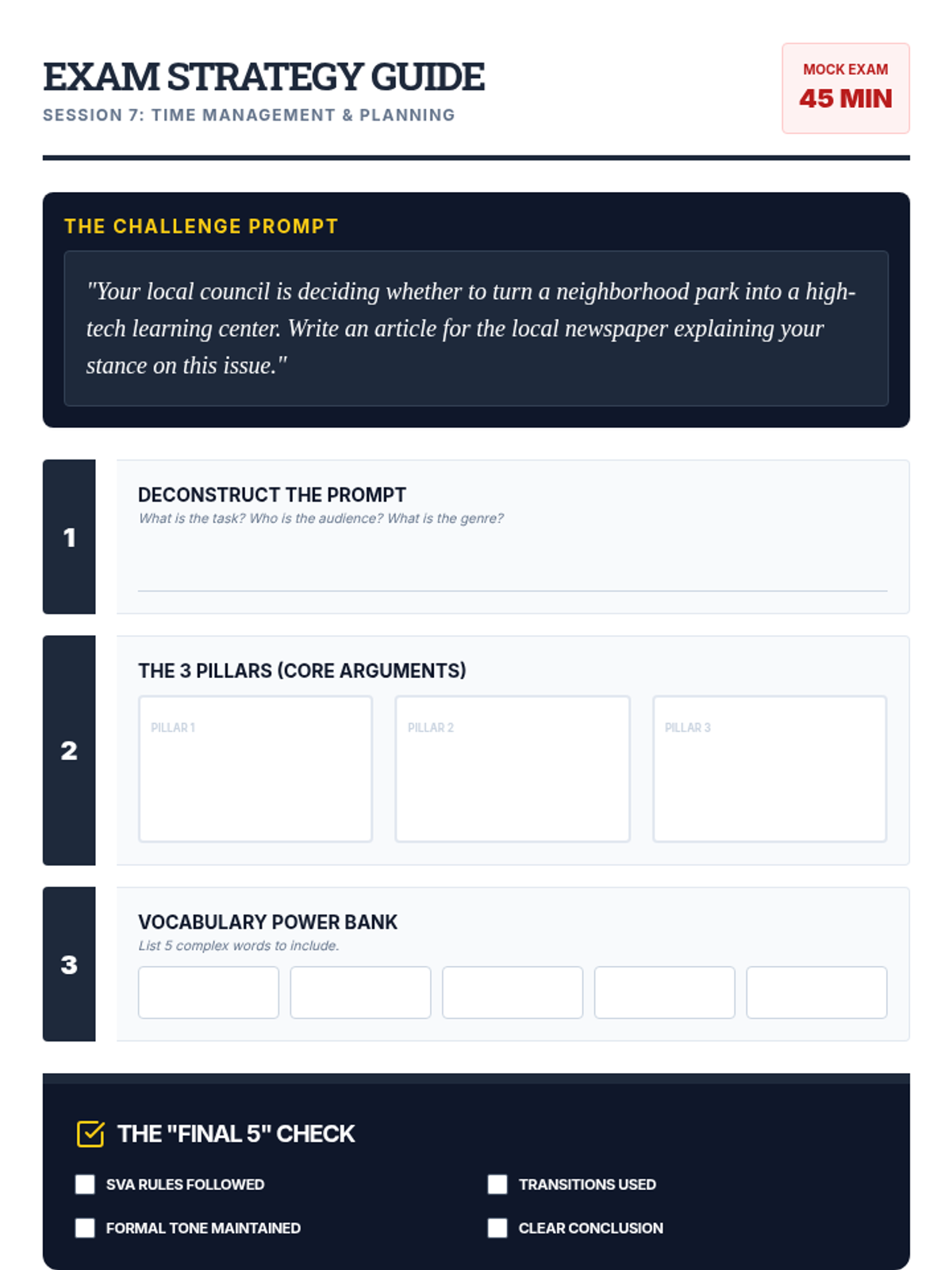
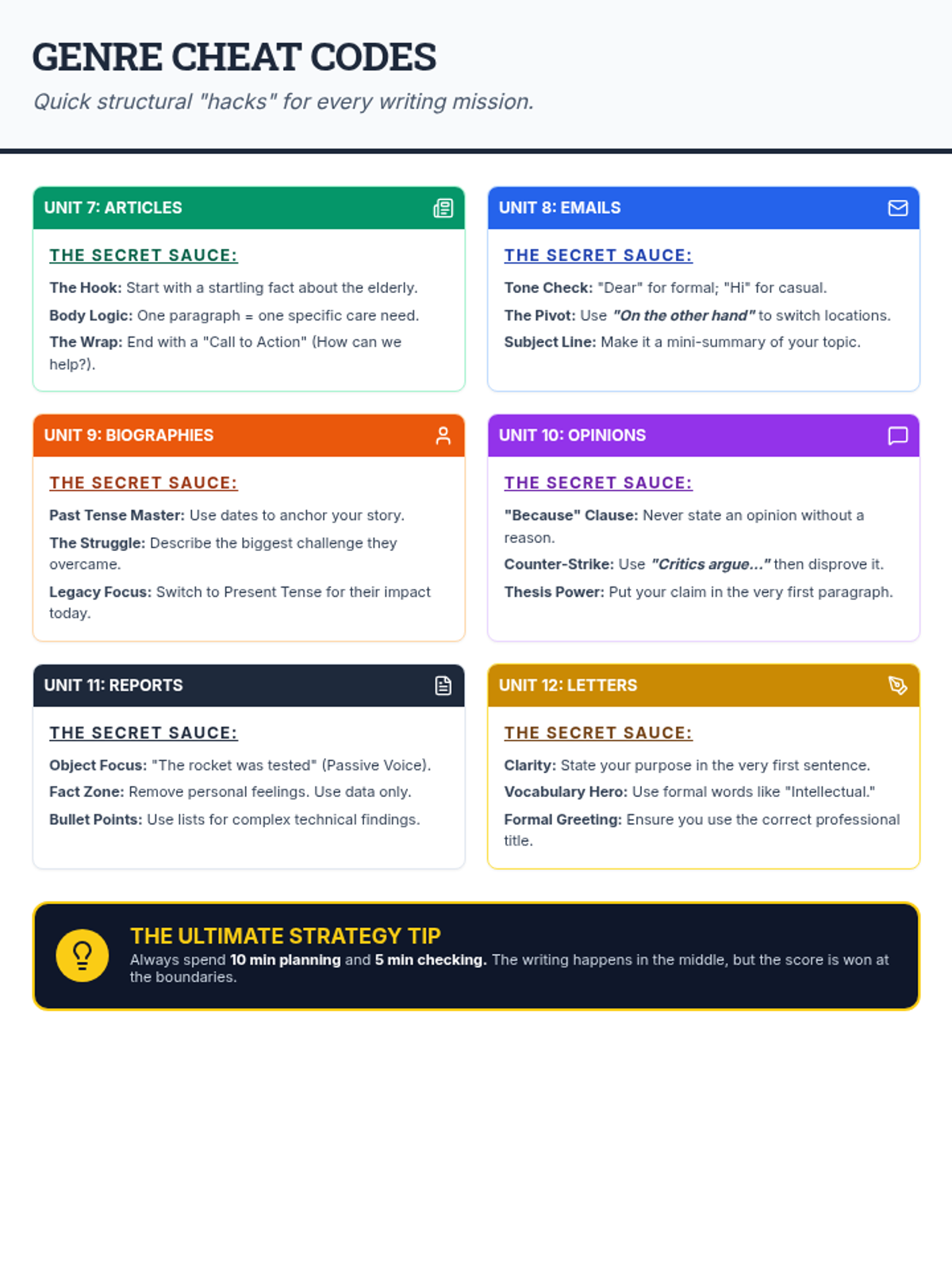
Provides timed writing practice and mock exam conditions to build stamina and review structural clarity.
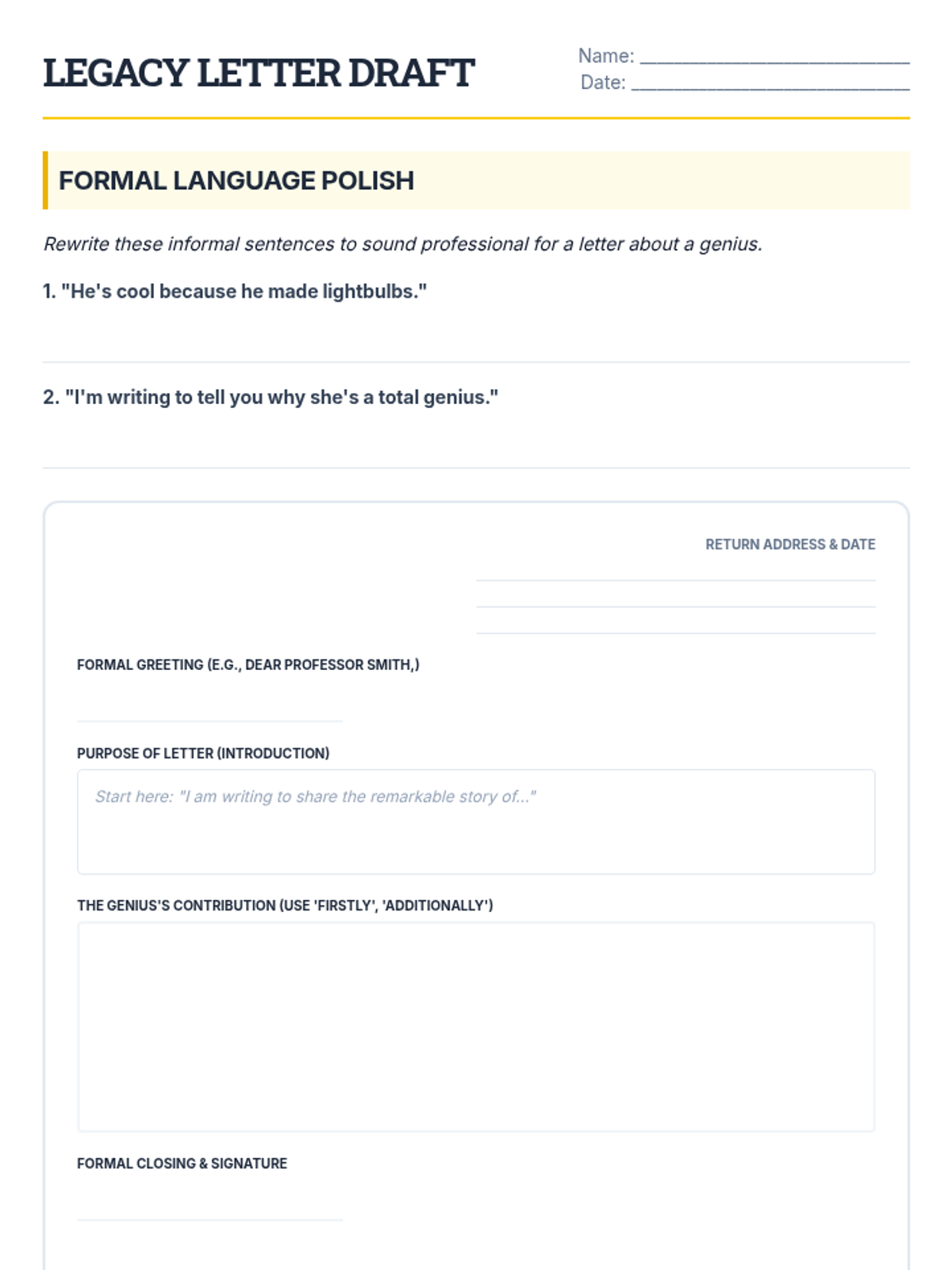
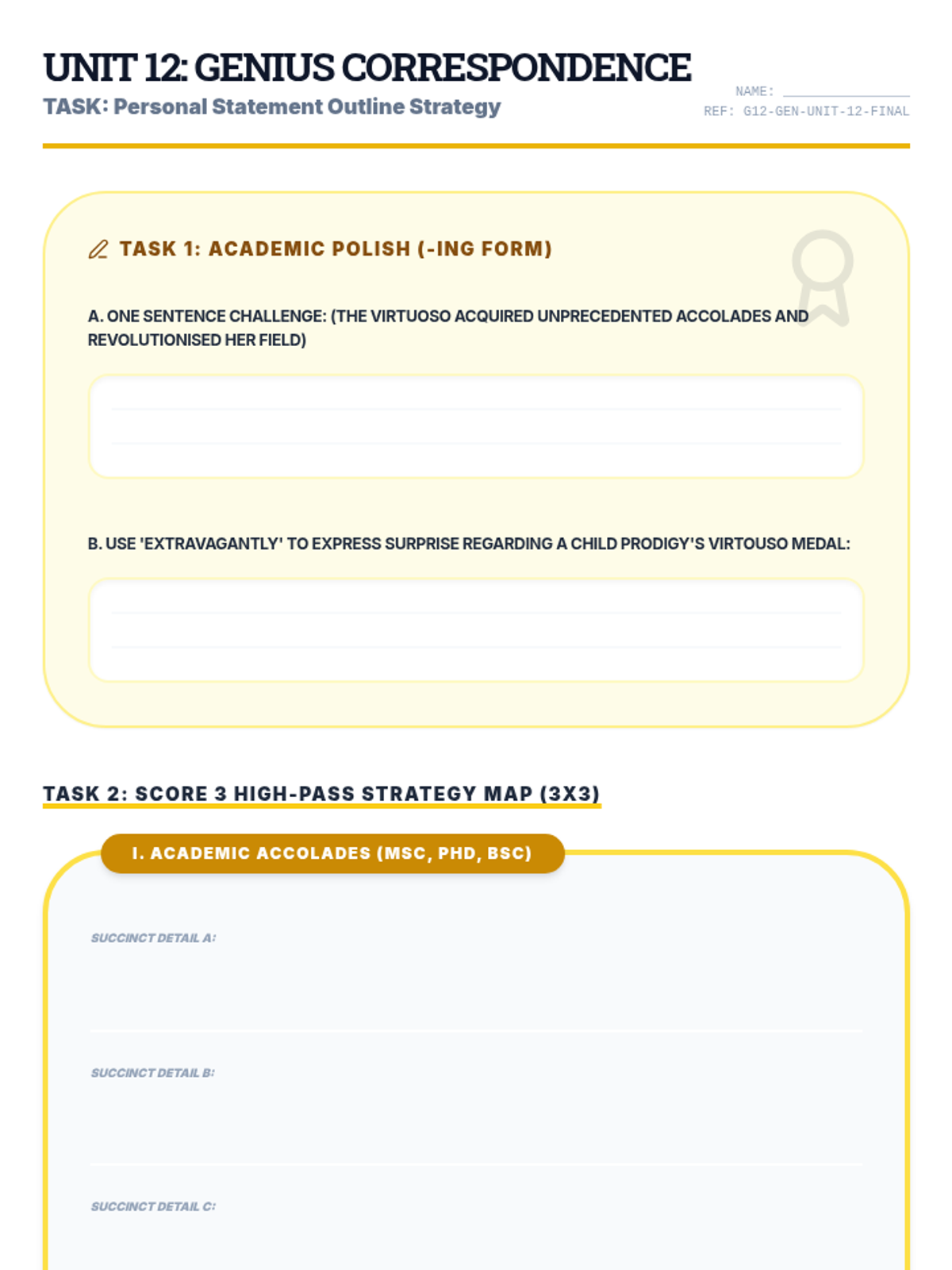
Practices formal letter writing focused on the achievements of geniuses, reinforcing formal tone and structural transitions.
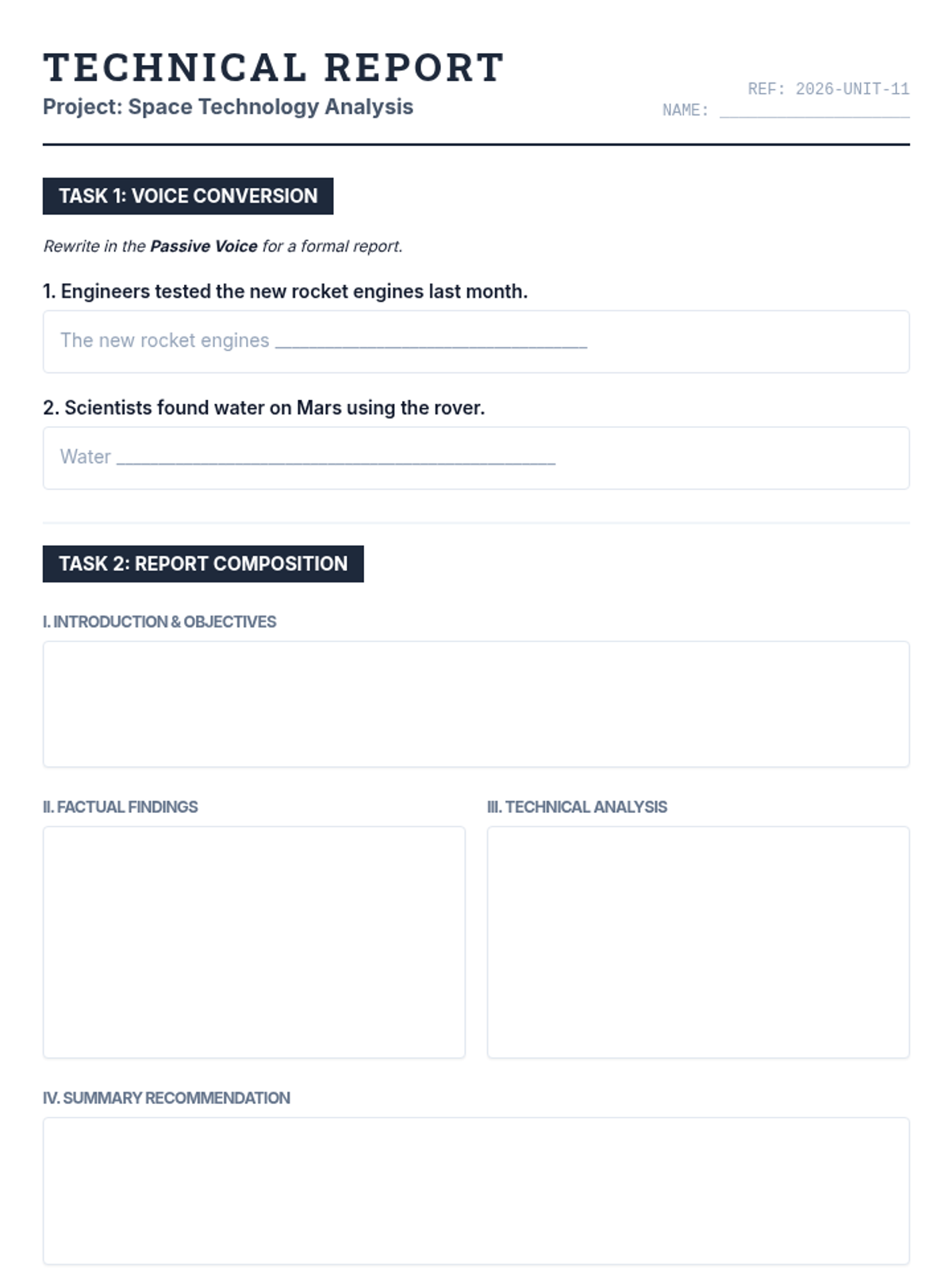
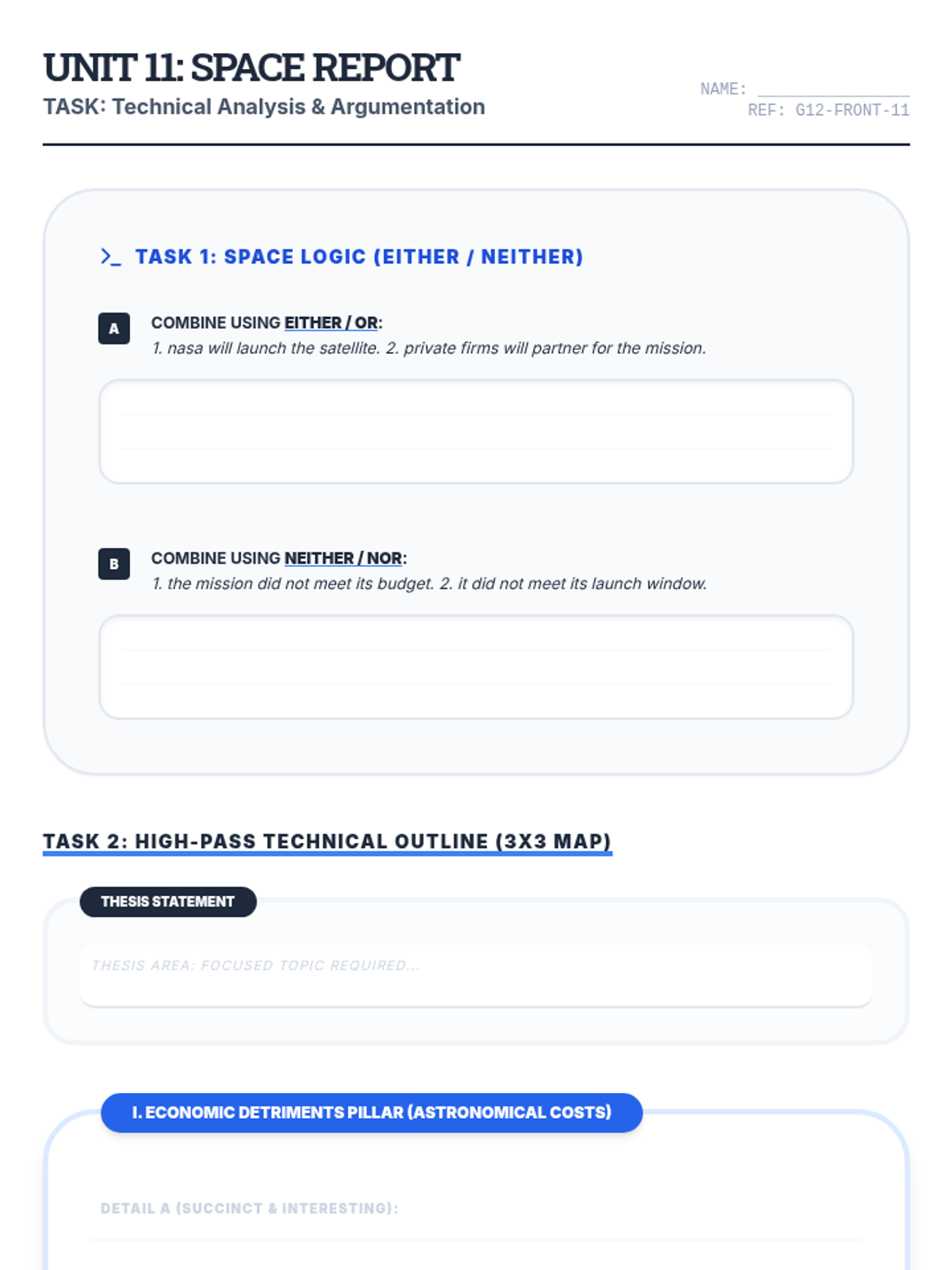
Introduces formal report writing on space technology, emphasizing passive vs. active voice and data-driven analysis.
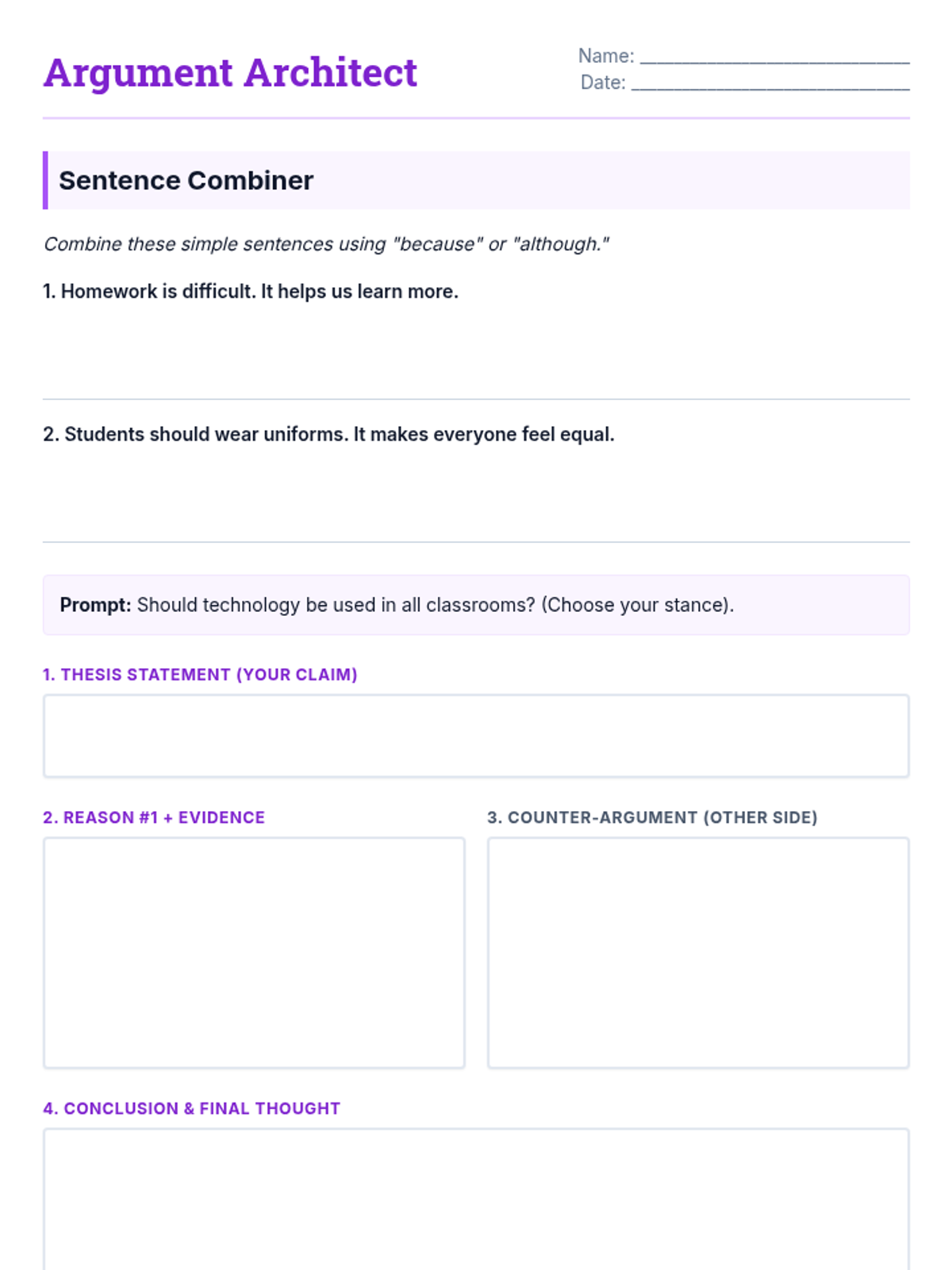
Develops argumentative skills through opinion essays on debatable topics, focusing on conjunctions, counter-arguments, and persuasive transitions.
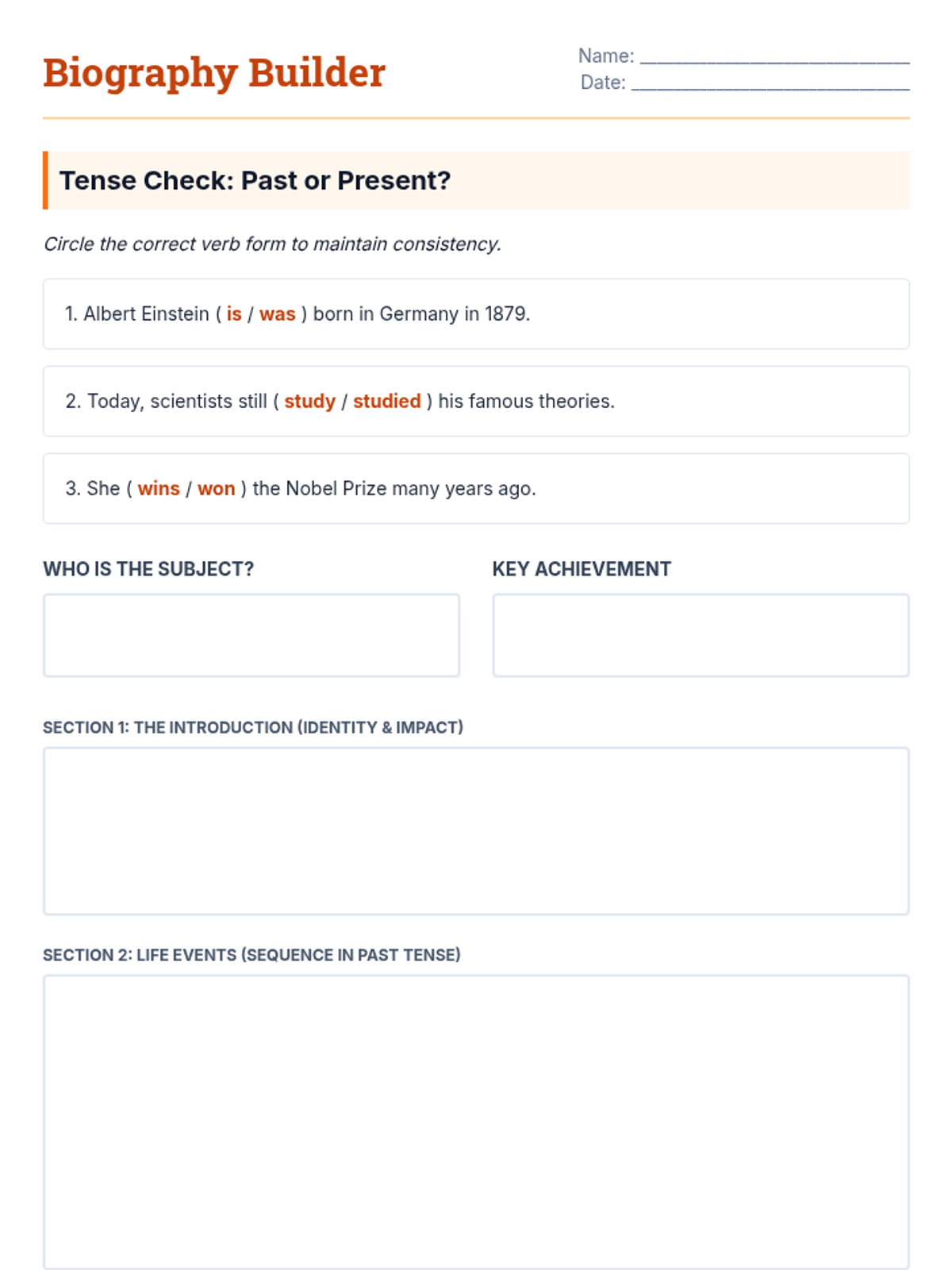
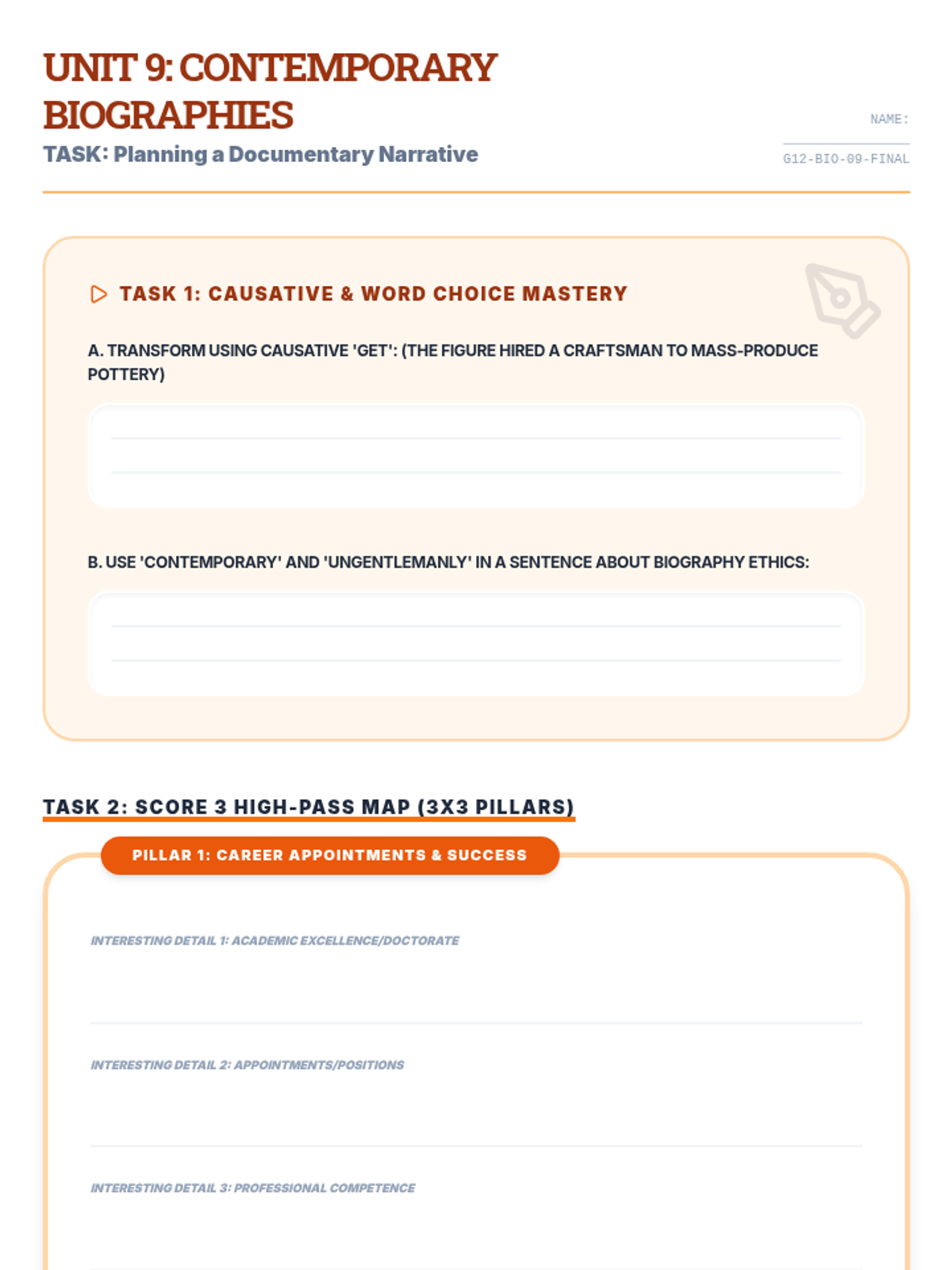
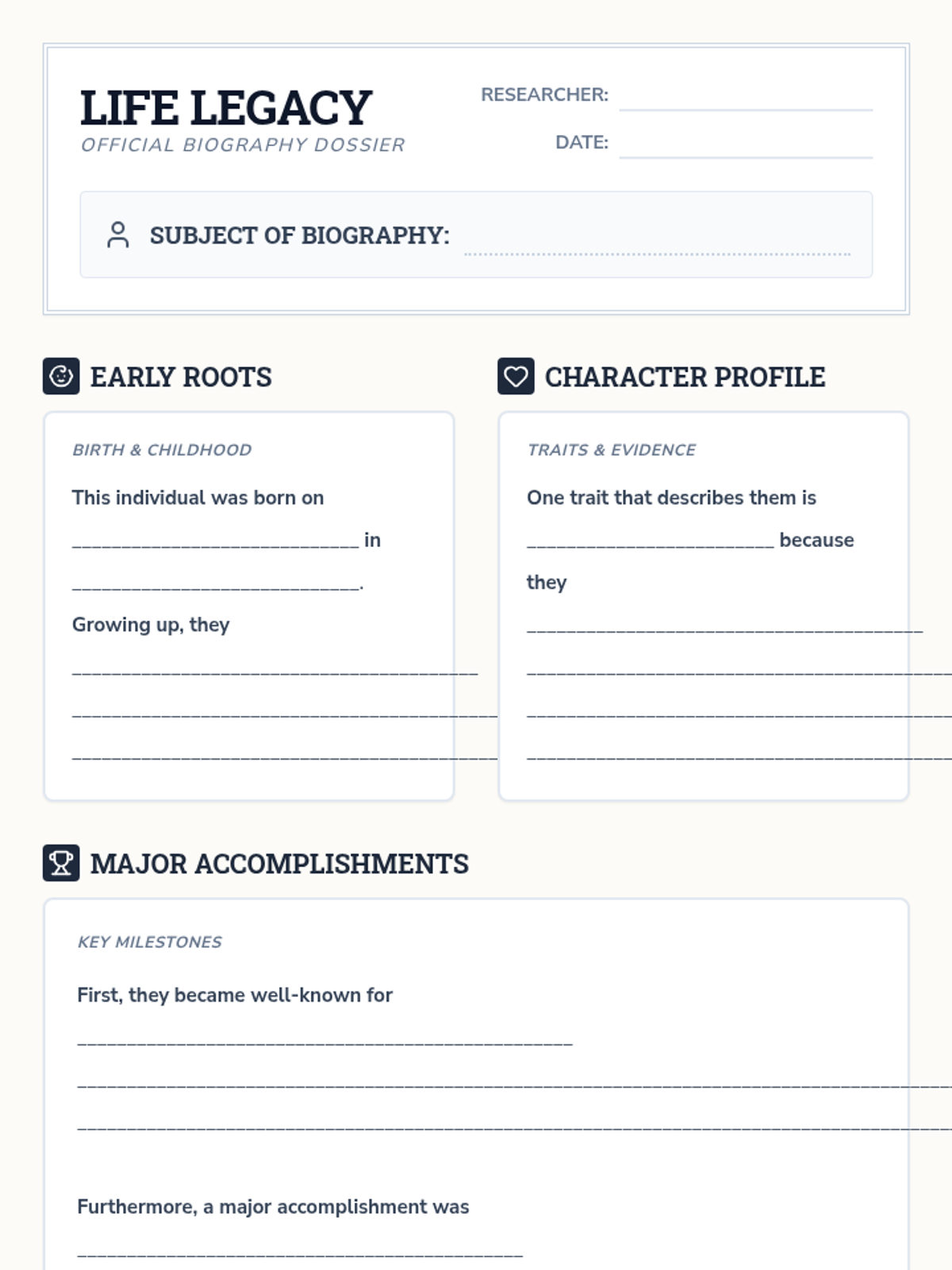
Explores the lives of historical figures through biography writing, emphasizing tense consistency and logical life-event sequencing.
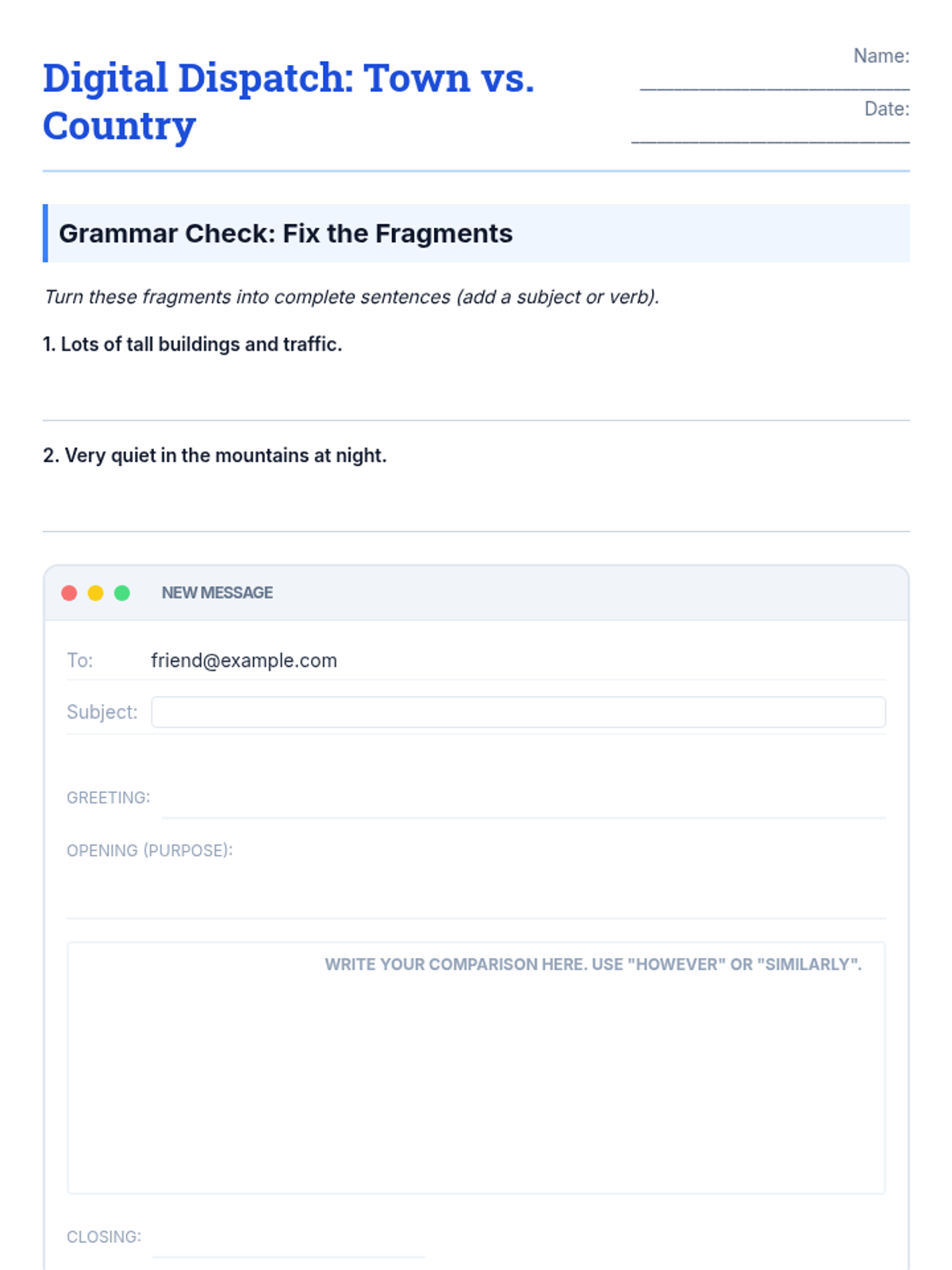
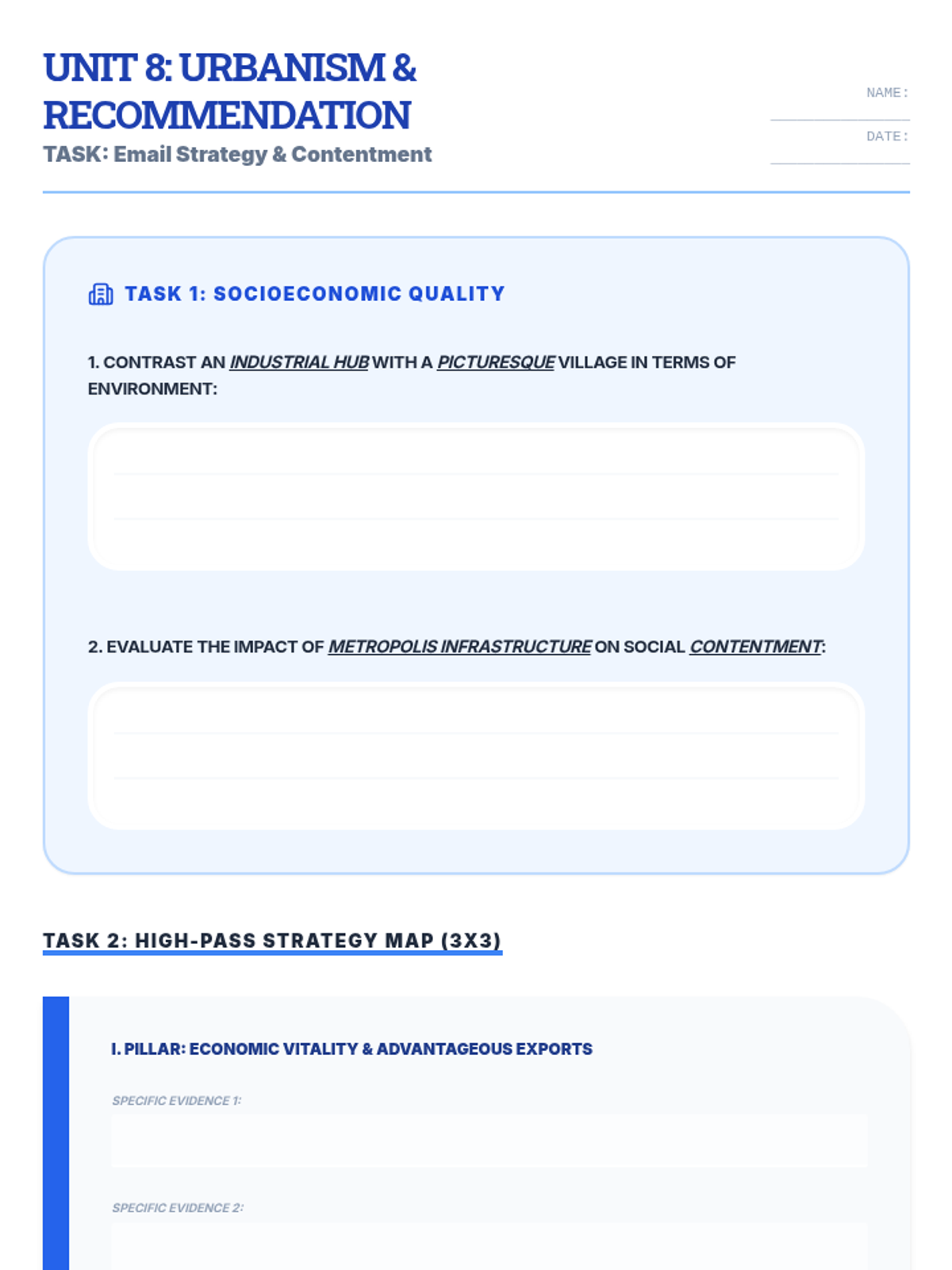
Teaches email etiquette and structure through a comparison of urban and rural life, focusing on sentence fragments and transitional words for comparison.
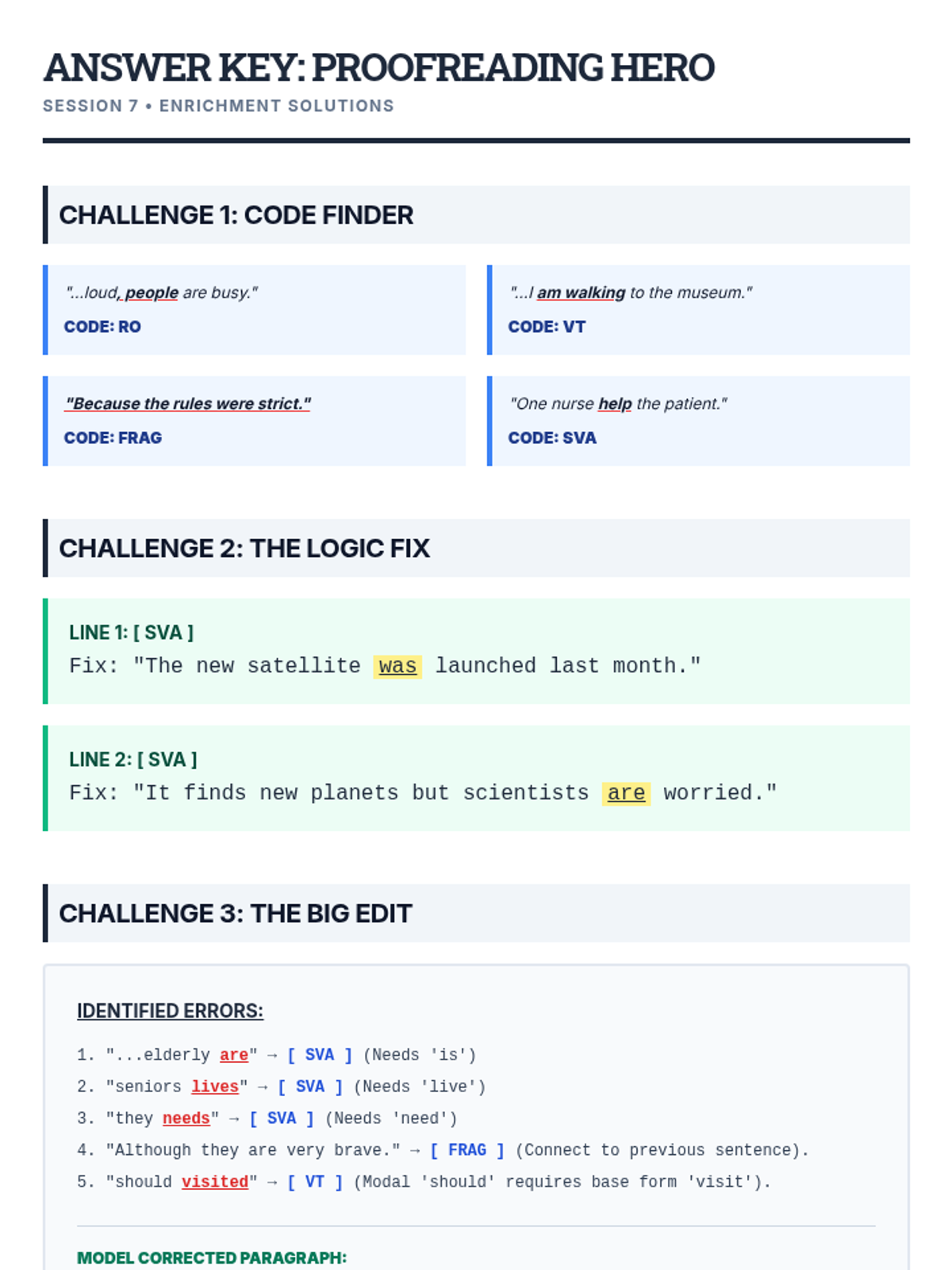
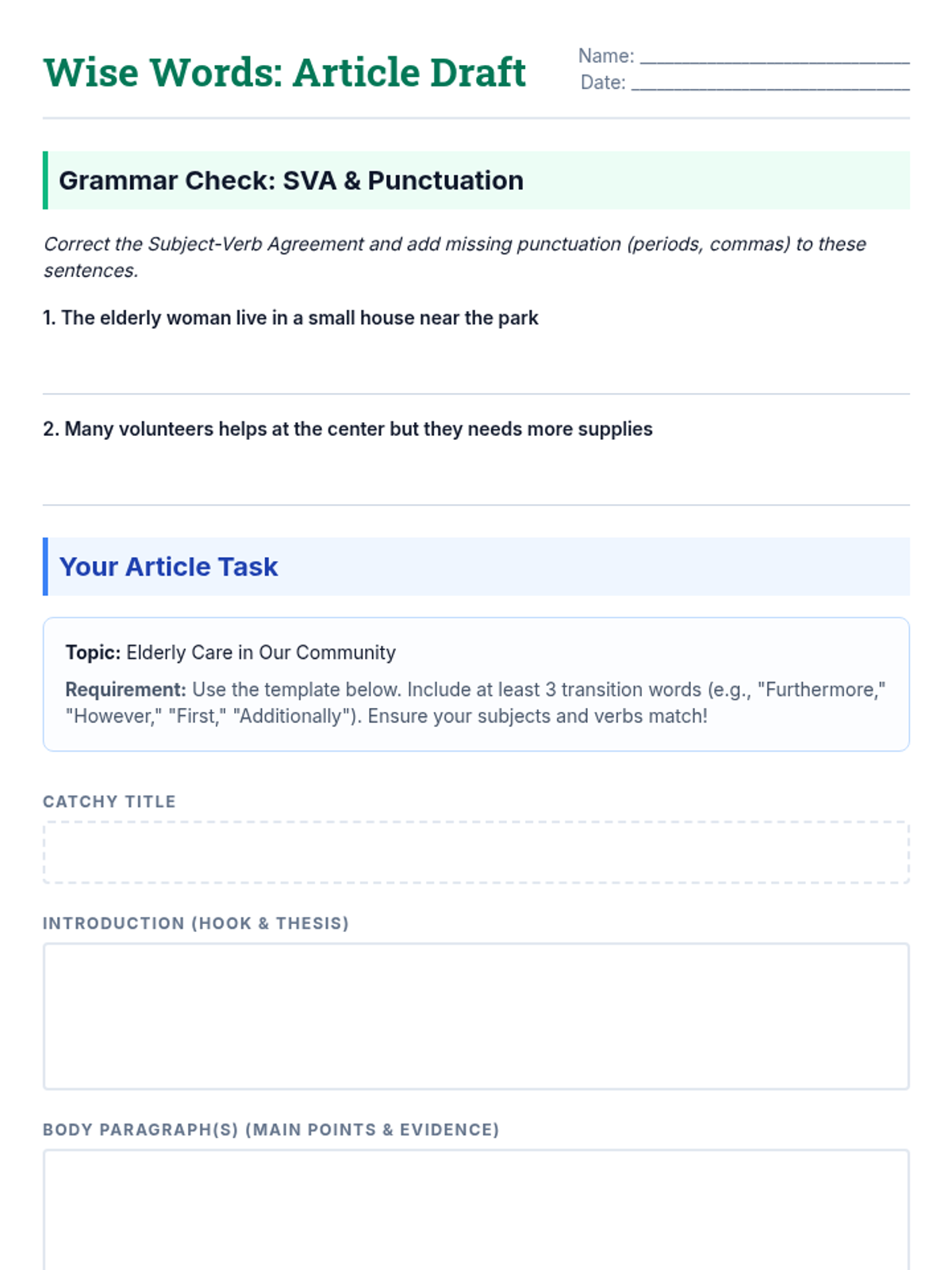
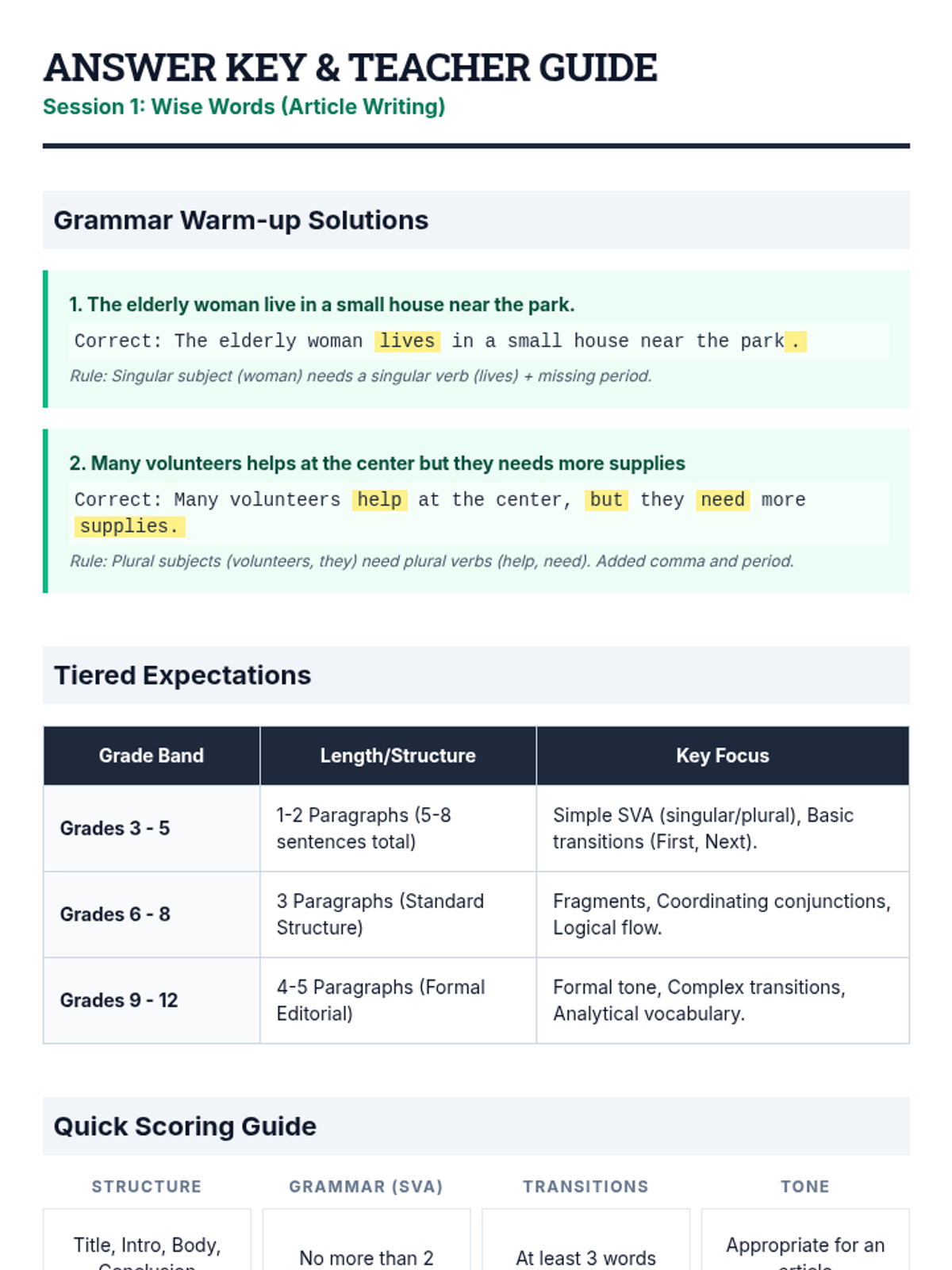
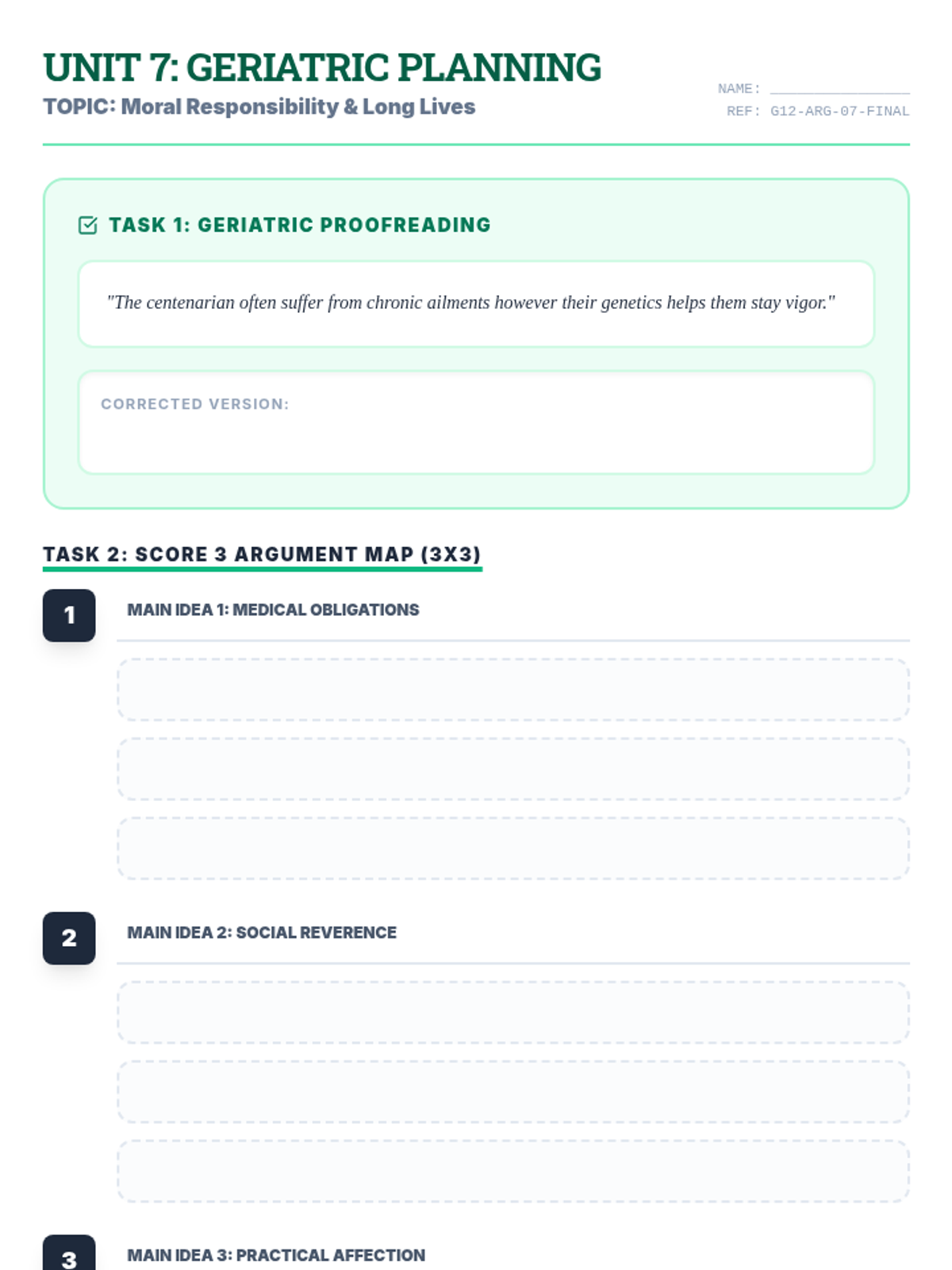
Focuses on writing articles about elderly care, teaching subject-verb agreement, punctuation, and article structure with tiered difficulty for elementary to high school levels.
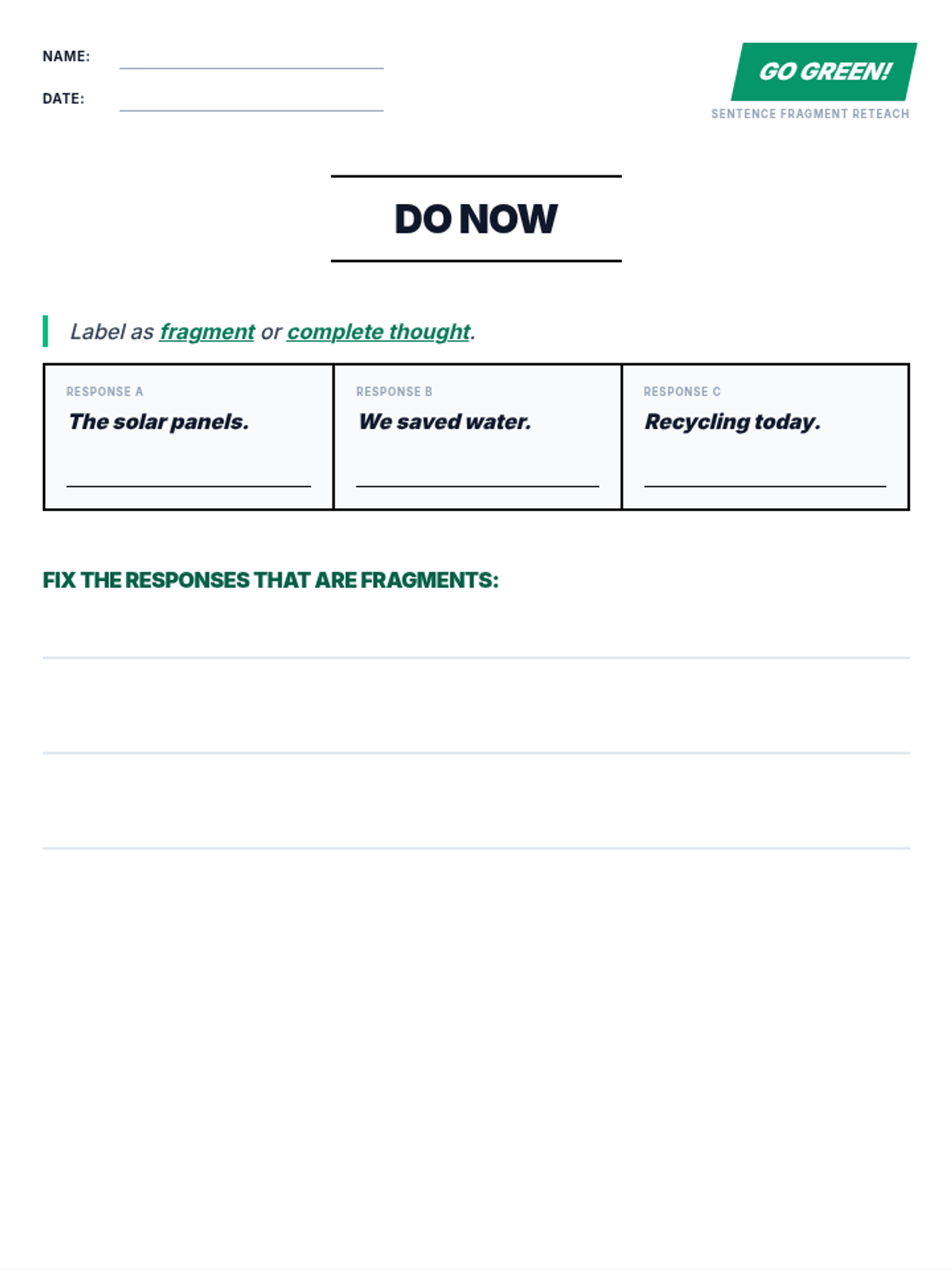
A comprehensive reteach lesson on identifying and correcting sentence fragments, themed around environmental conservation and 'going green'. Includes a student worksheet and a detailed teacher facilitation guide with an answer key.
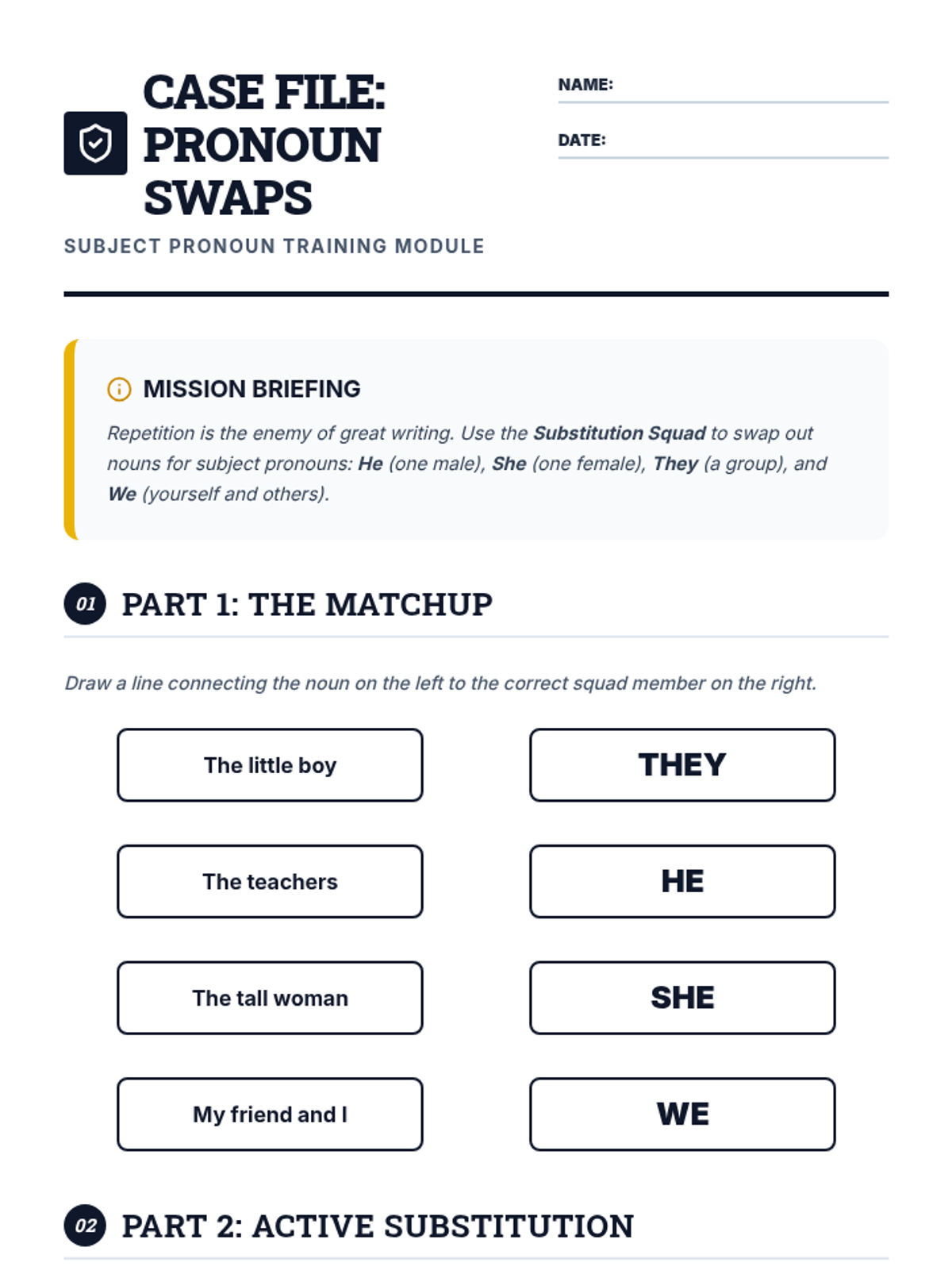
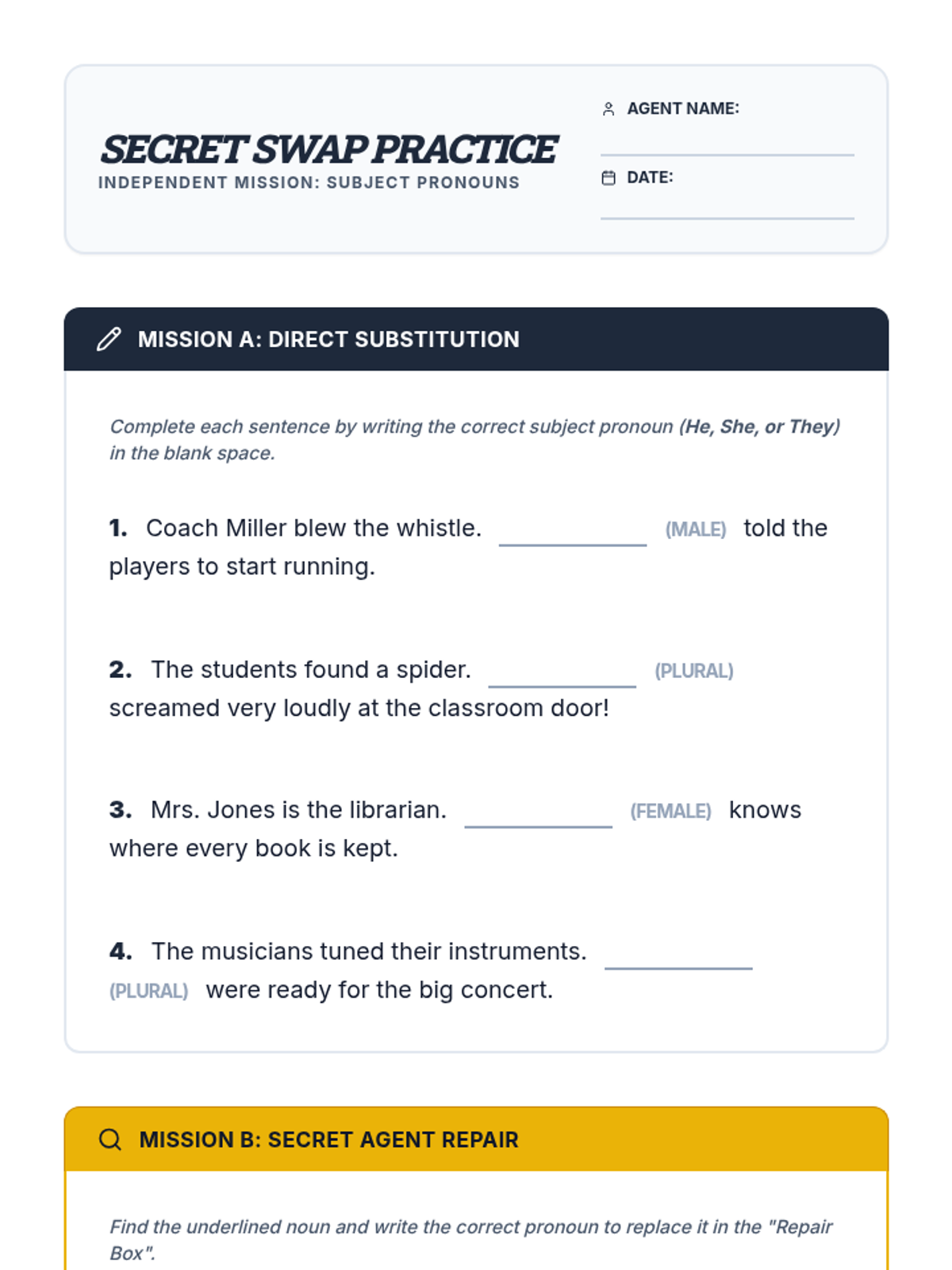
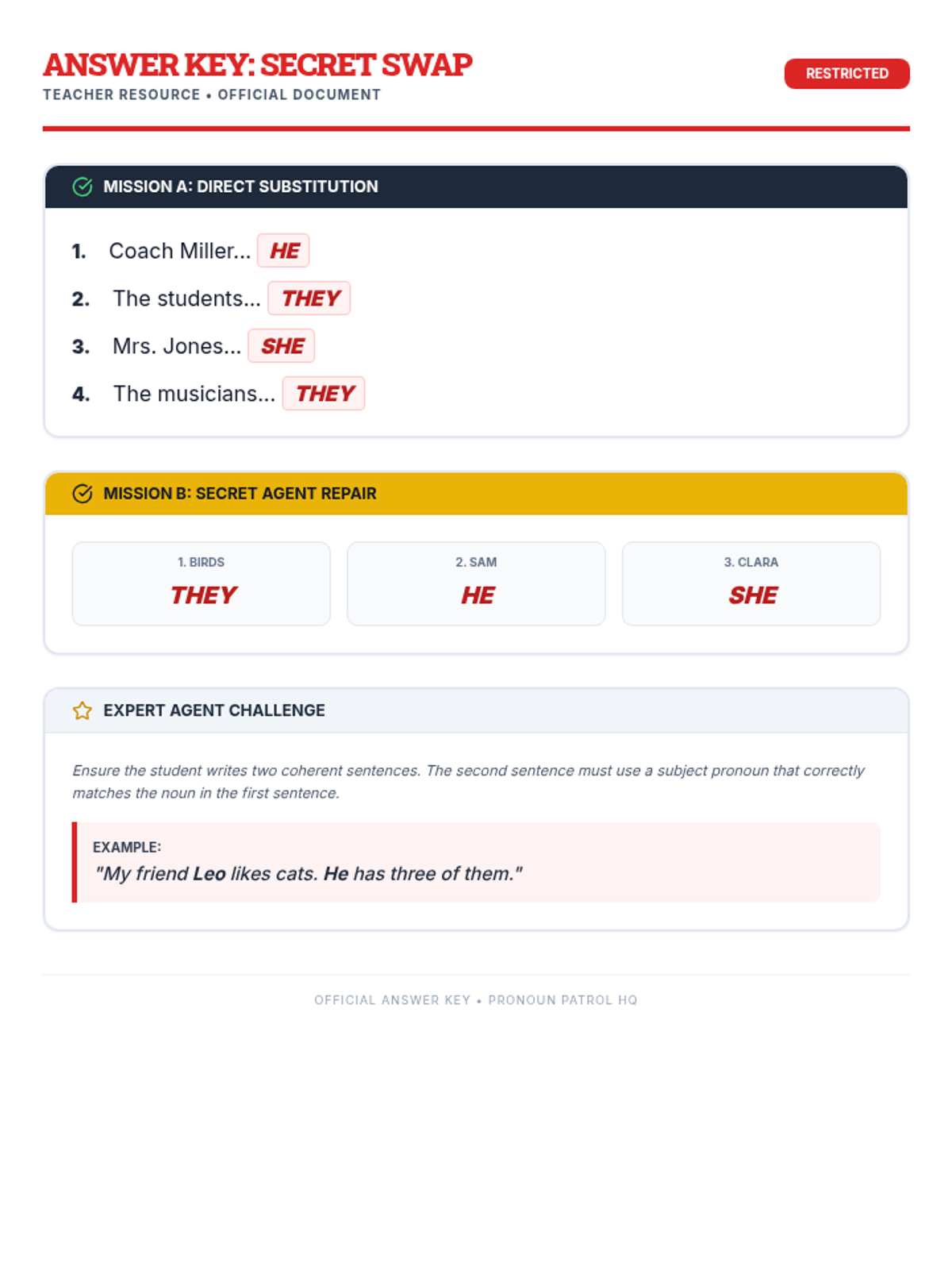
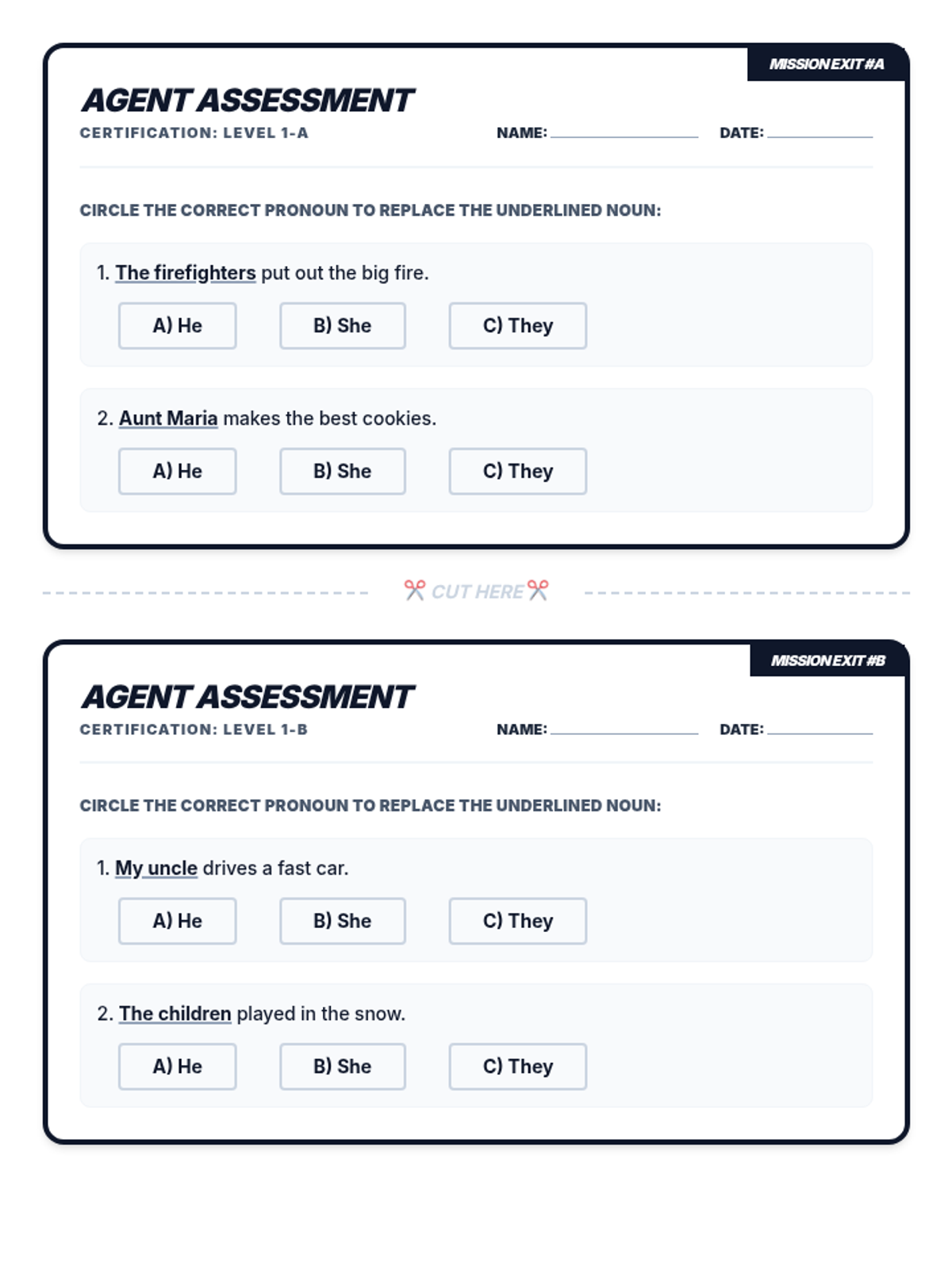
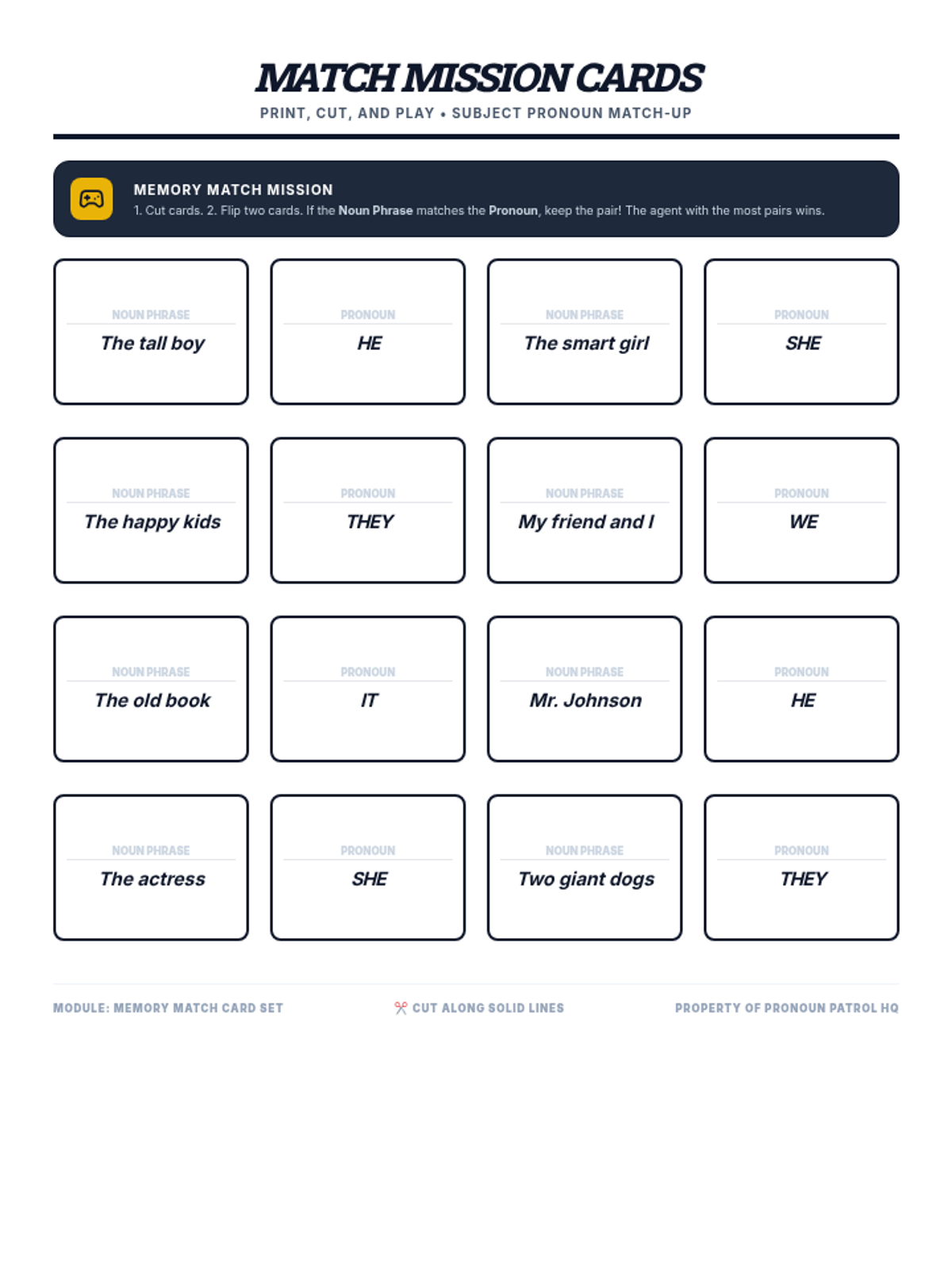
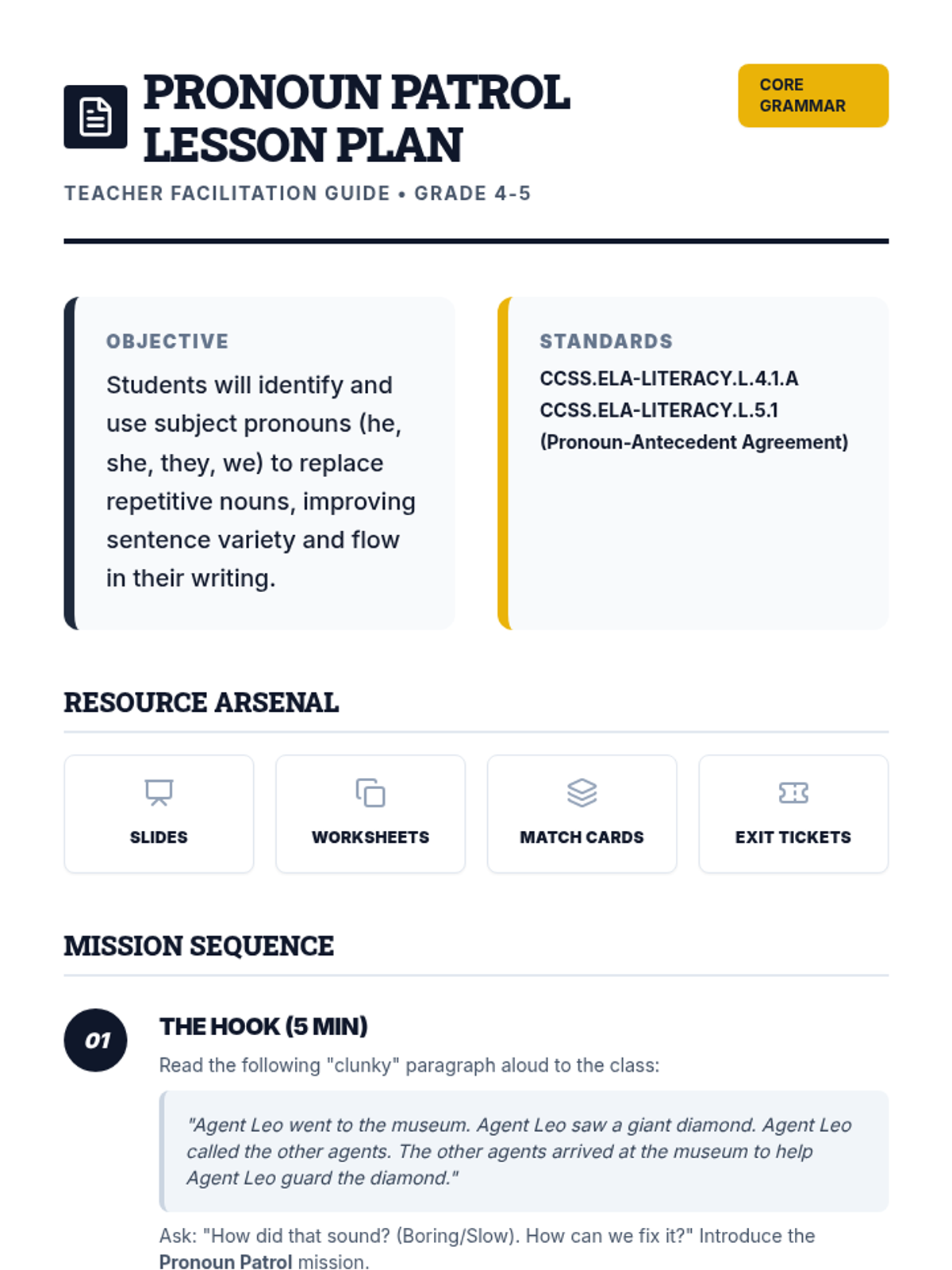
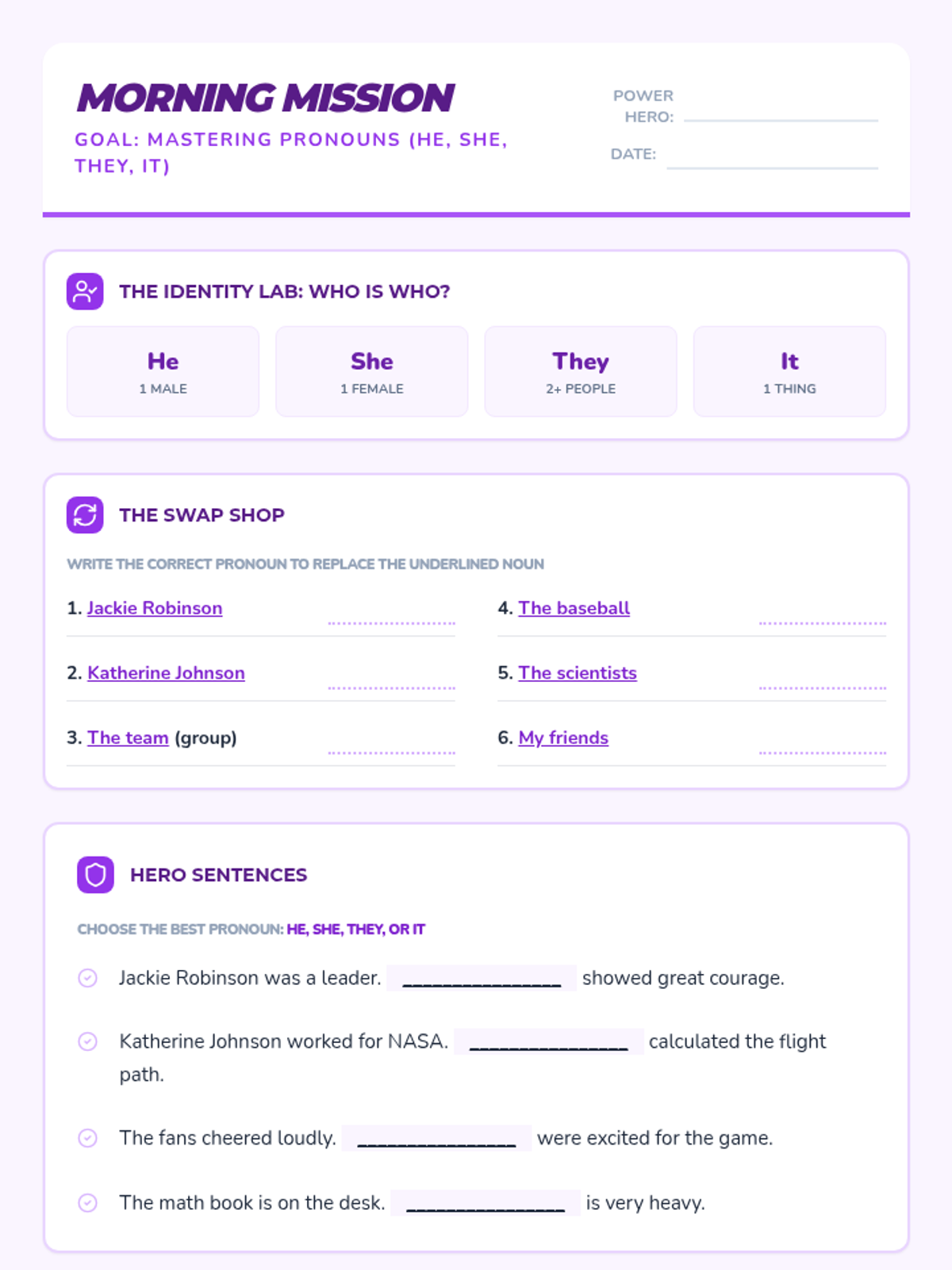
A comprehensive grammar lesson for 4th and 5th graders on identifying and using subject pronouns (he, she, they) to improve sentence variety and clarity. Students will learn to 'swap' repetitive nouns for efficient pronouns in various contexts.
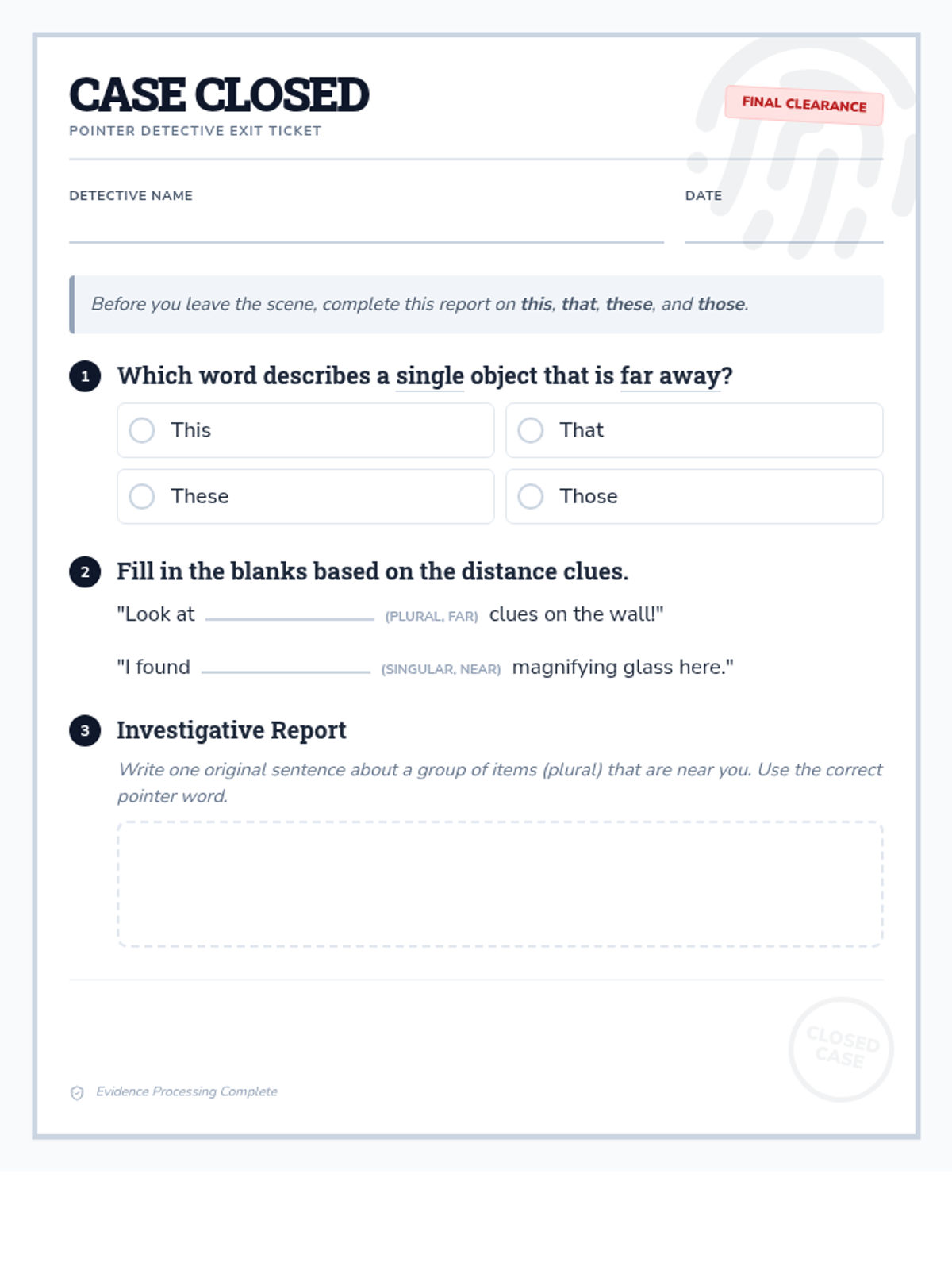
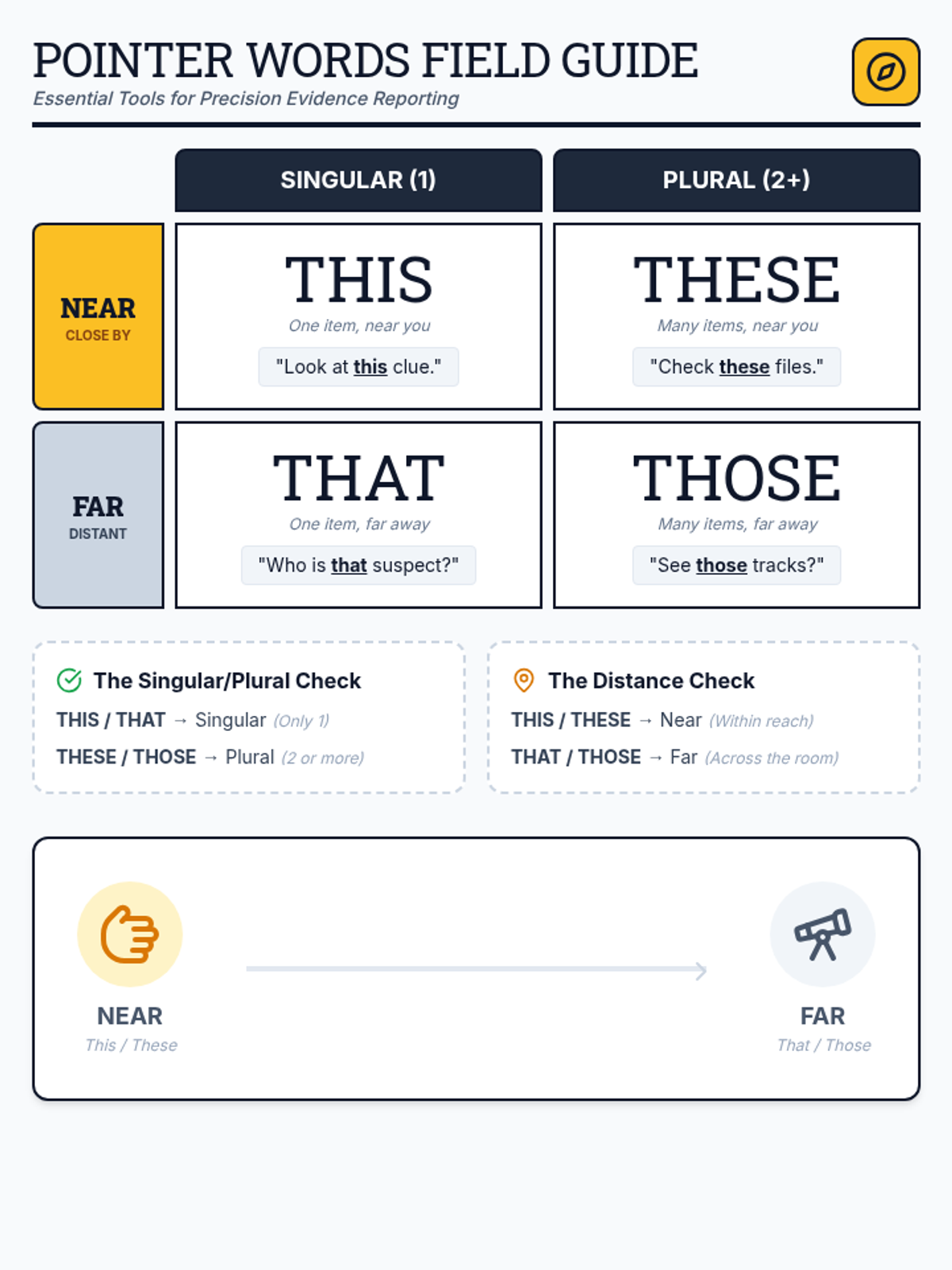
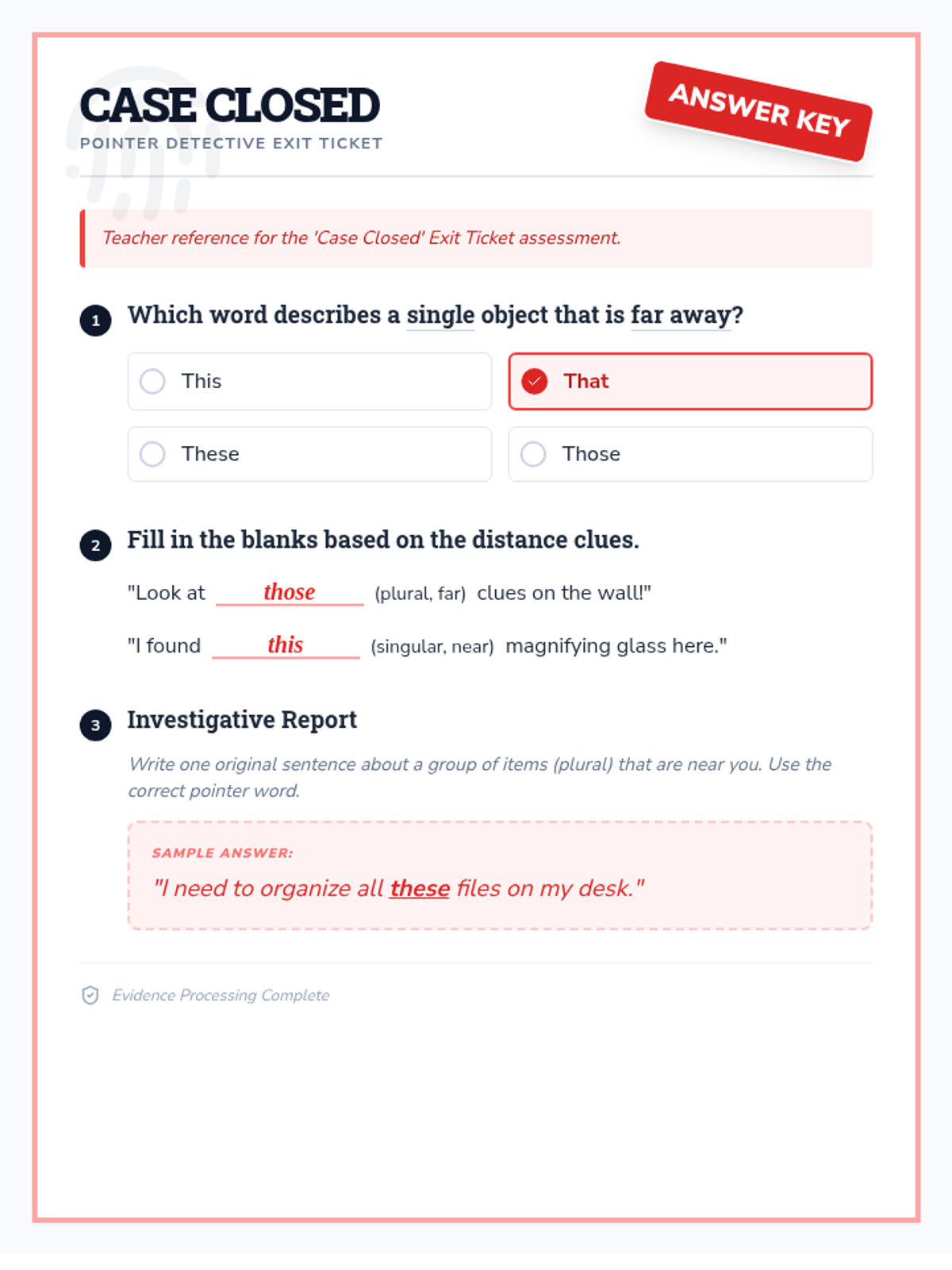
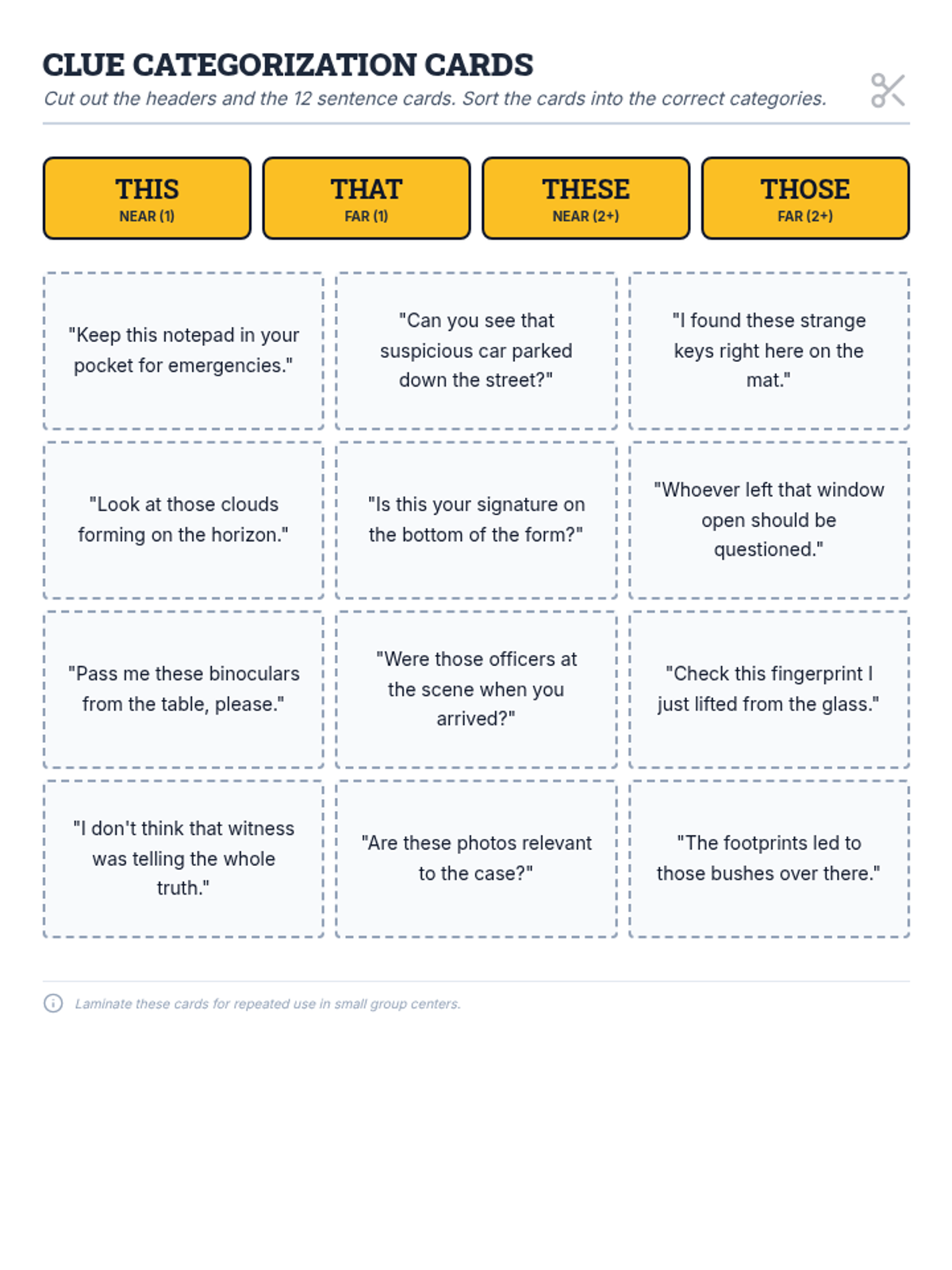
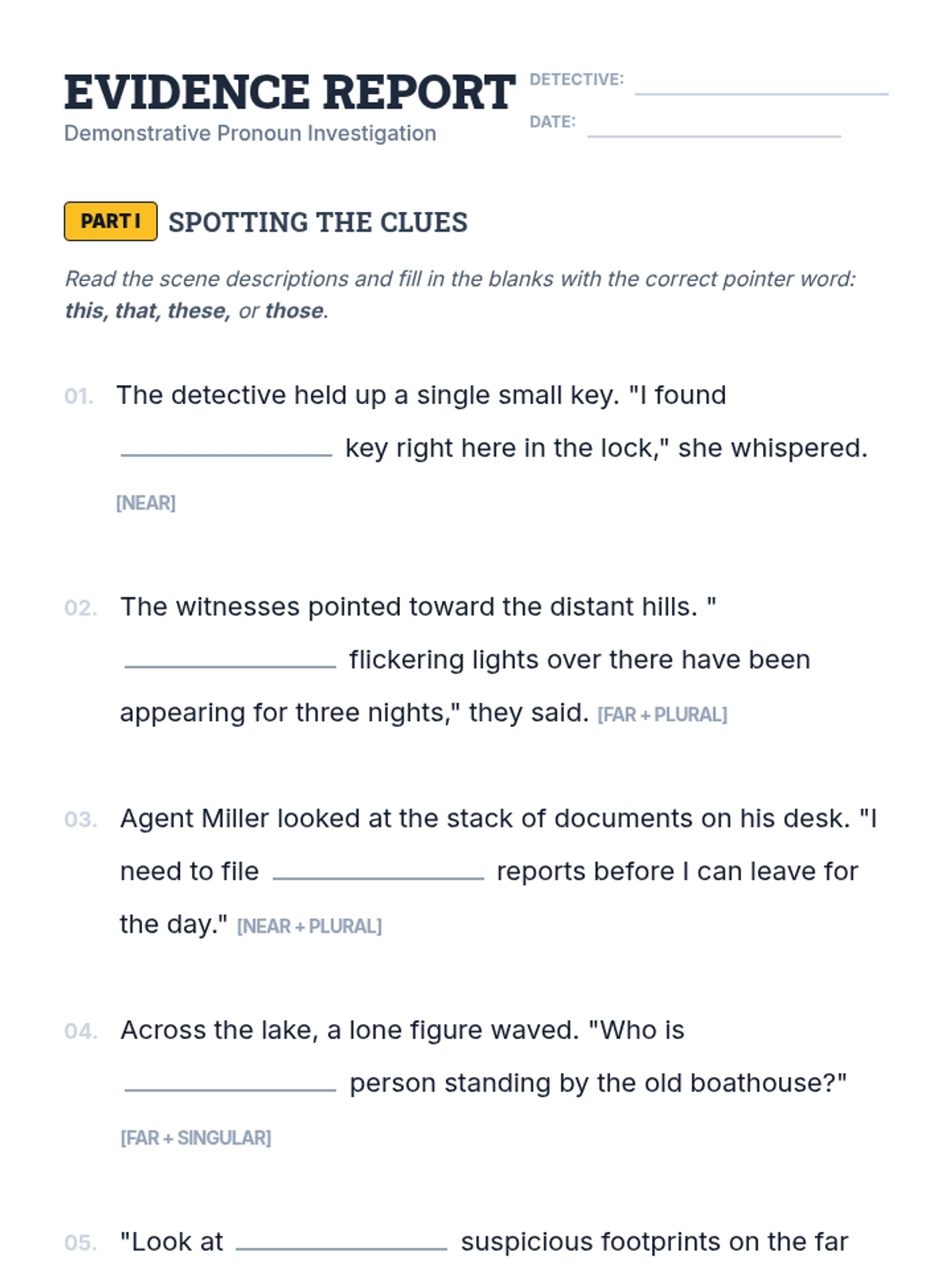
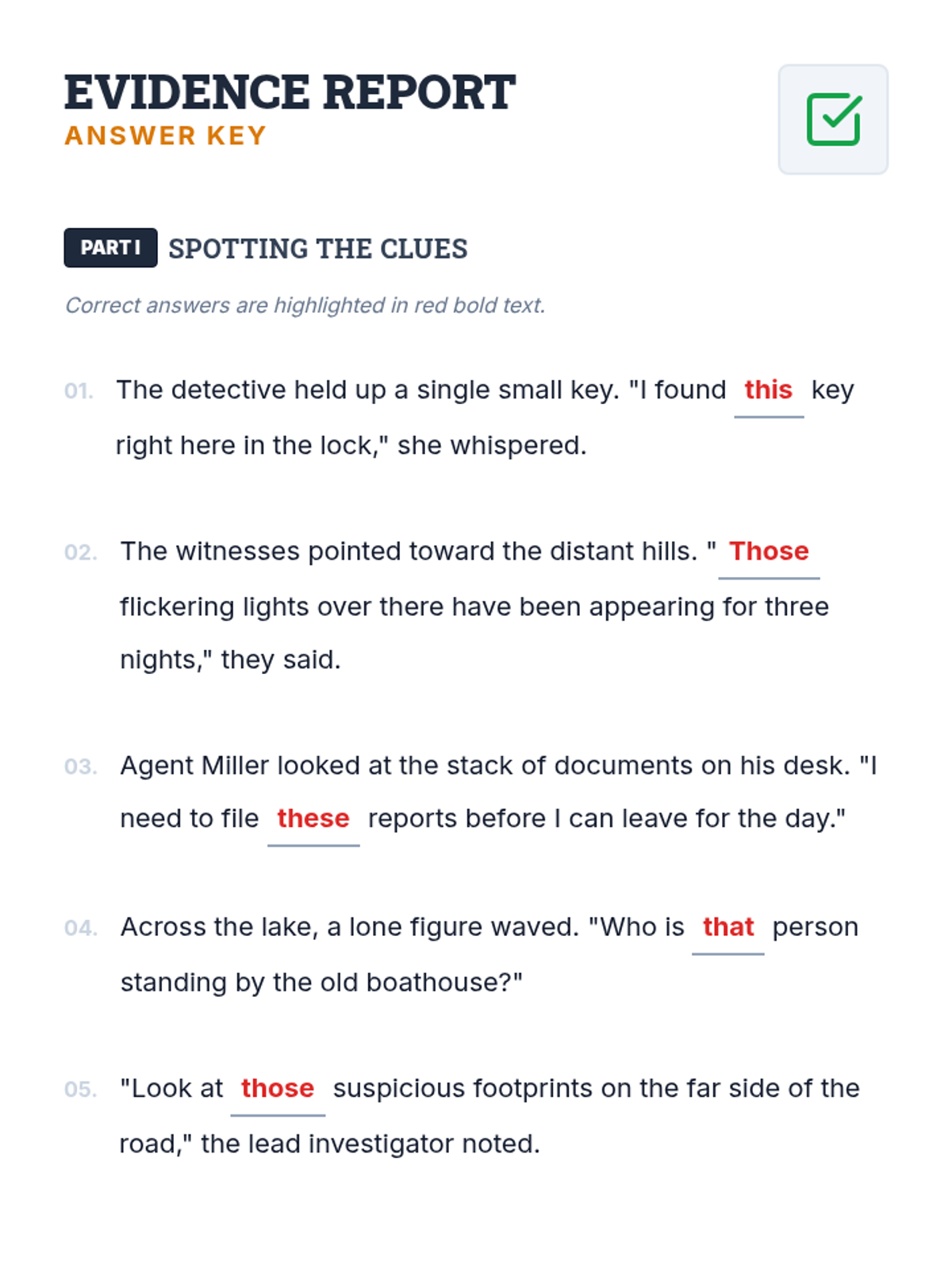
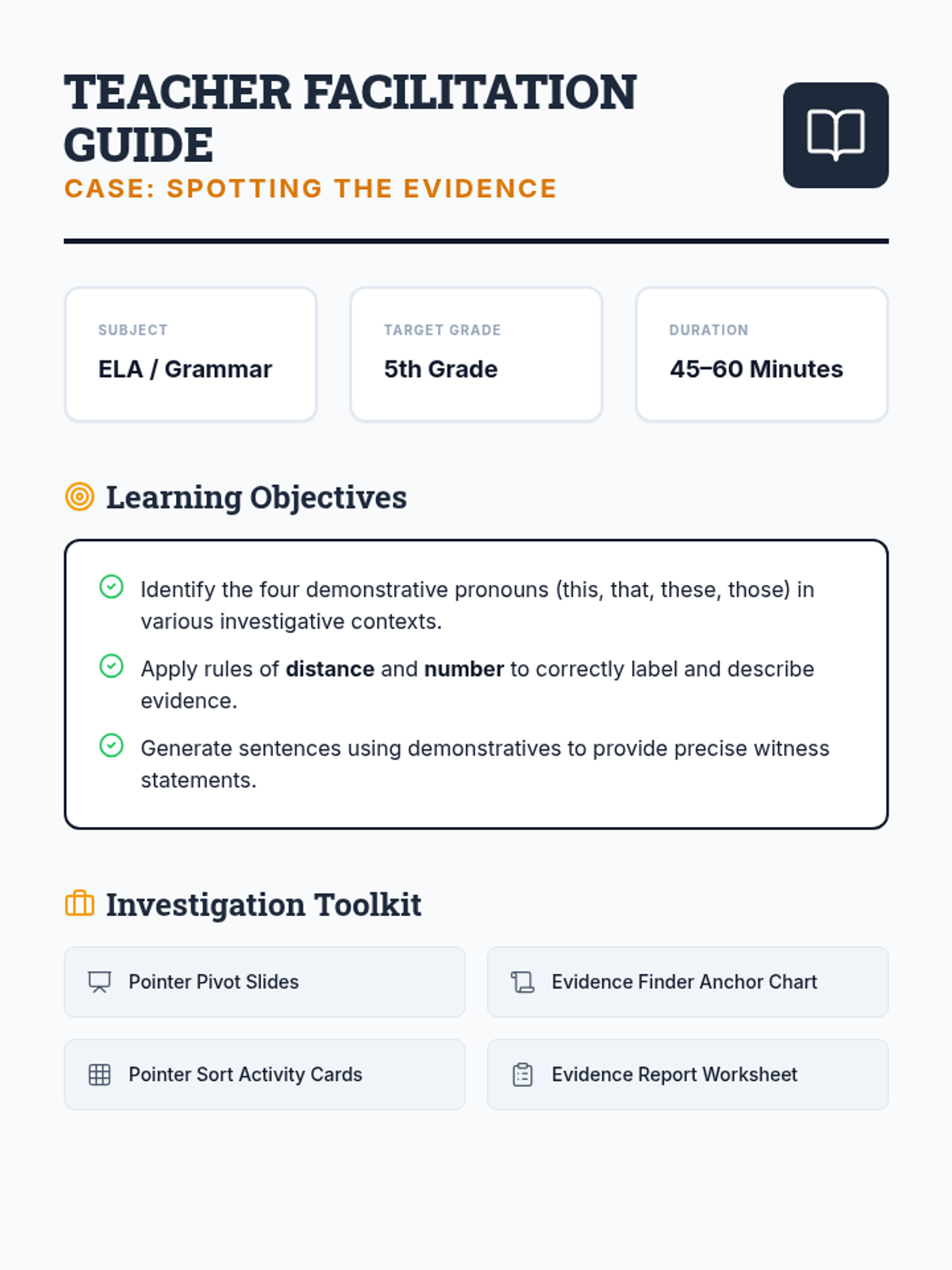
A comprehensive lesson on demonstrative pronouns and adjectives (this, that, these, those), focusing on distance and number through a detective-themed investigation.
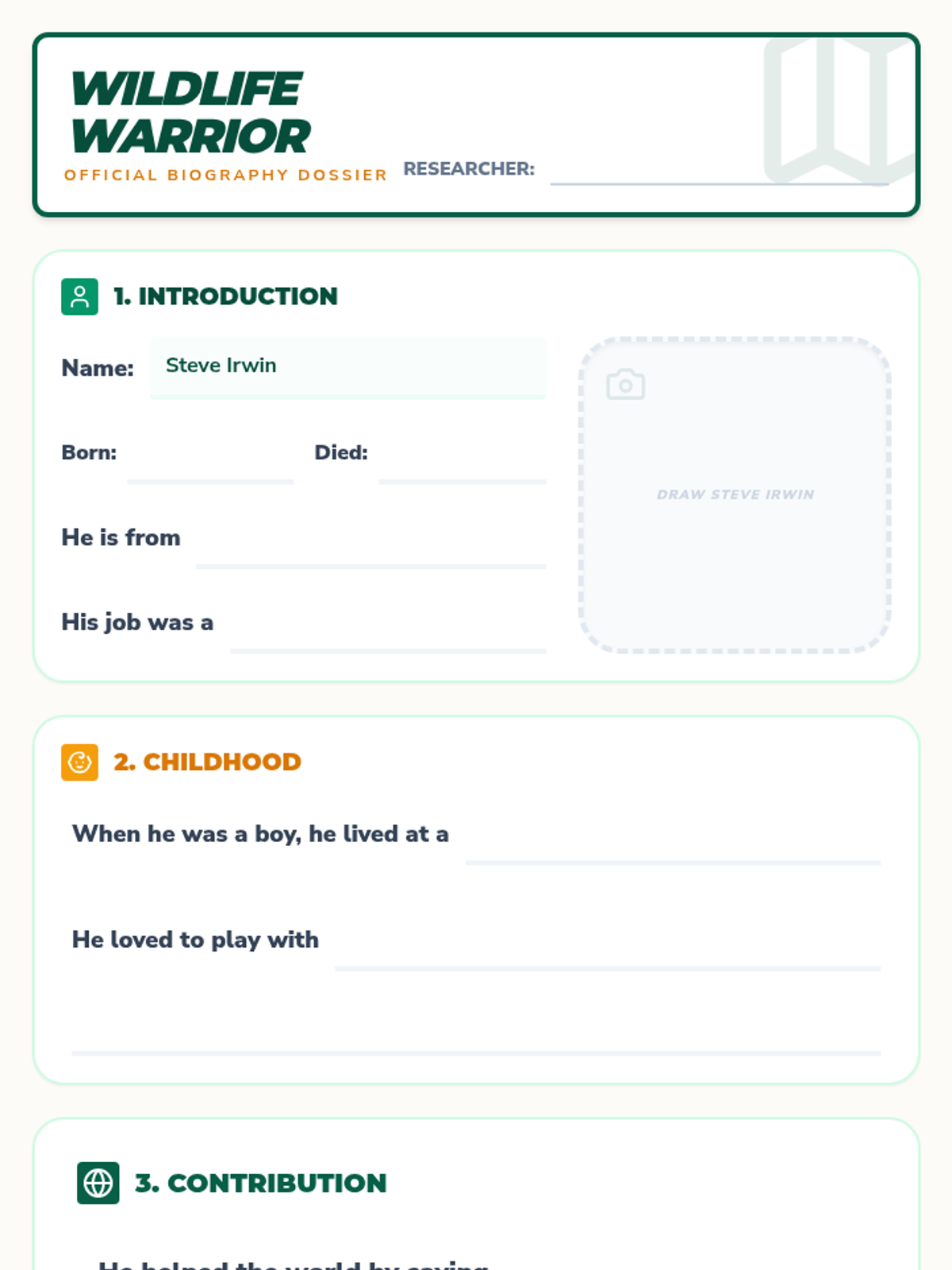
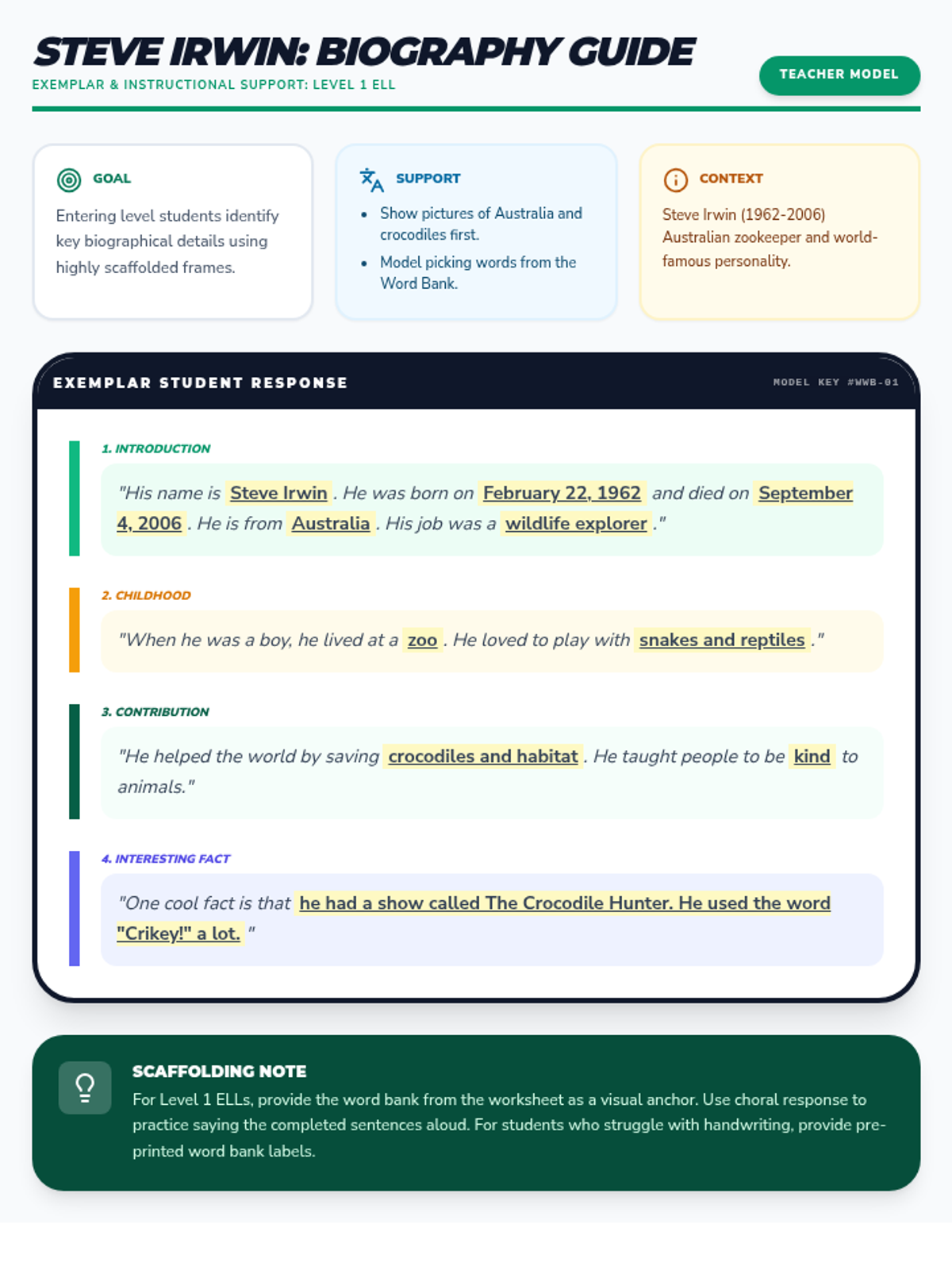
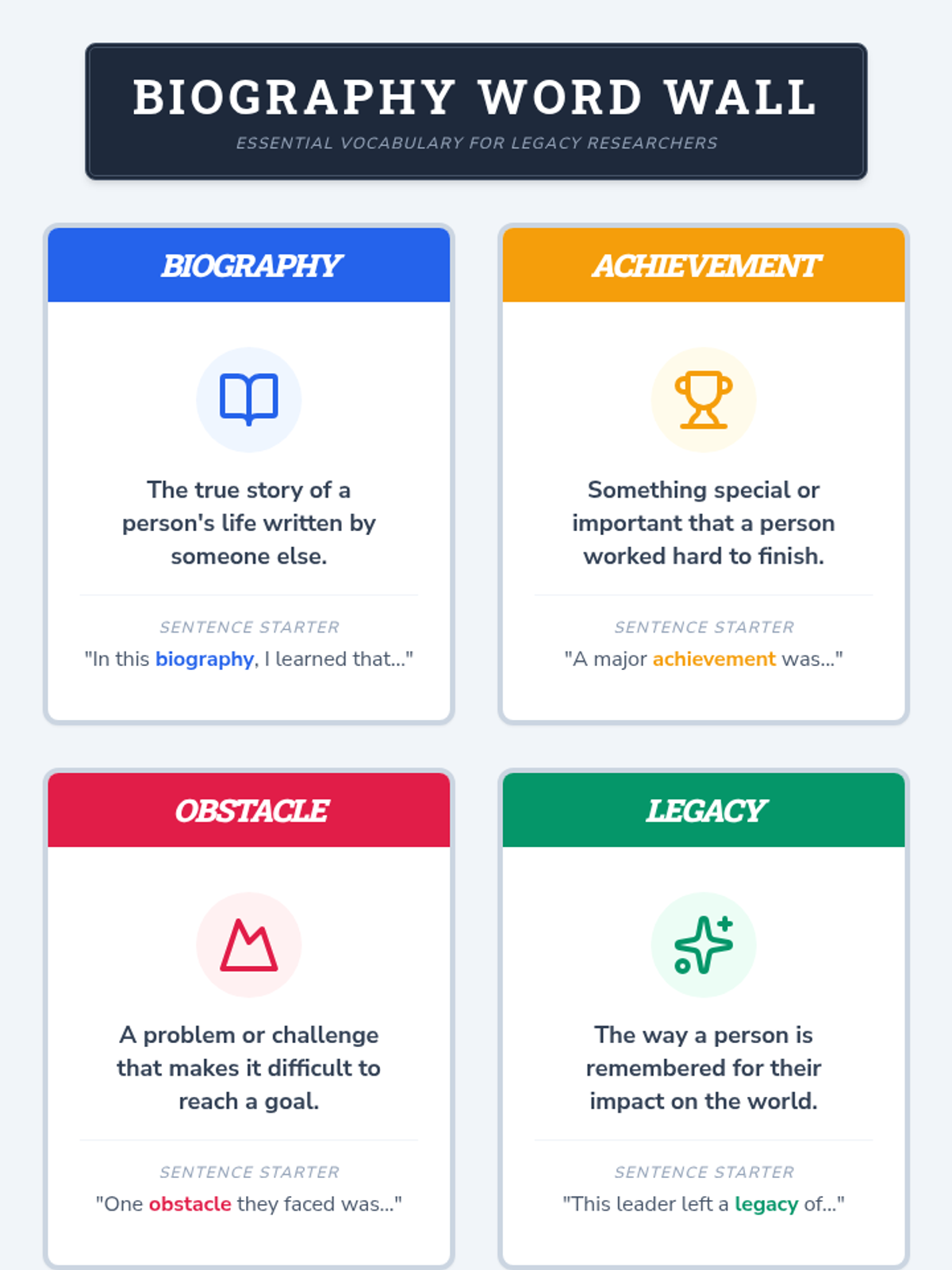
A highly scaffolded biography unit for Grade 5 ELL students at the entering level, focusing on the life of Steve Irwin with simplified sentence frames, visual supports, and targeted vocabulary.
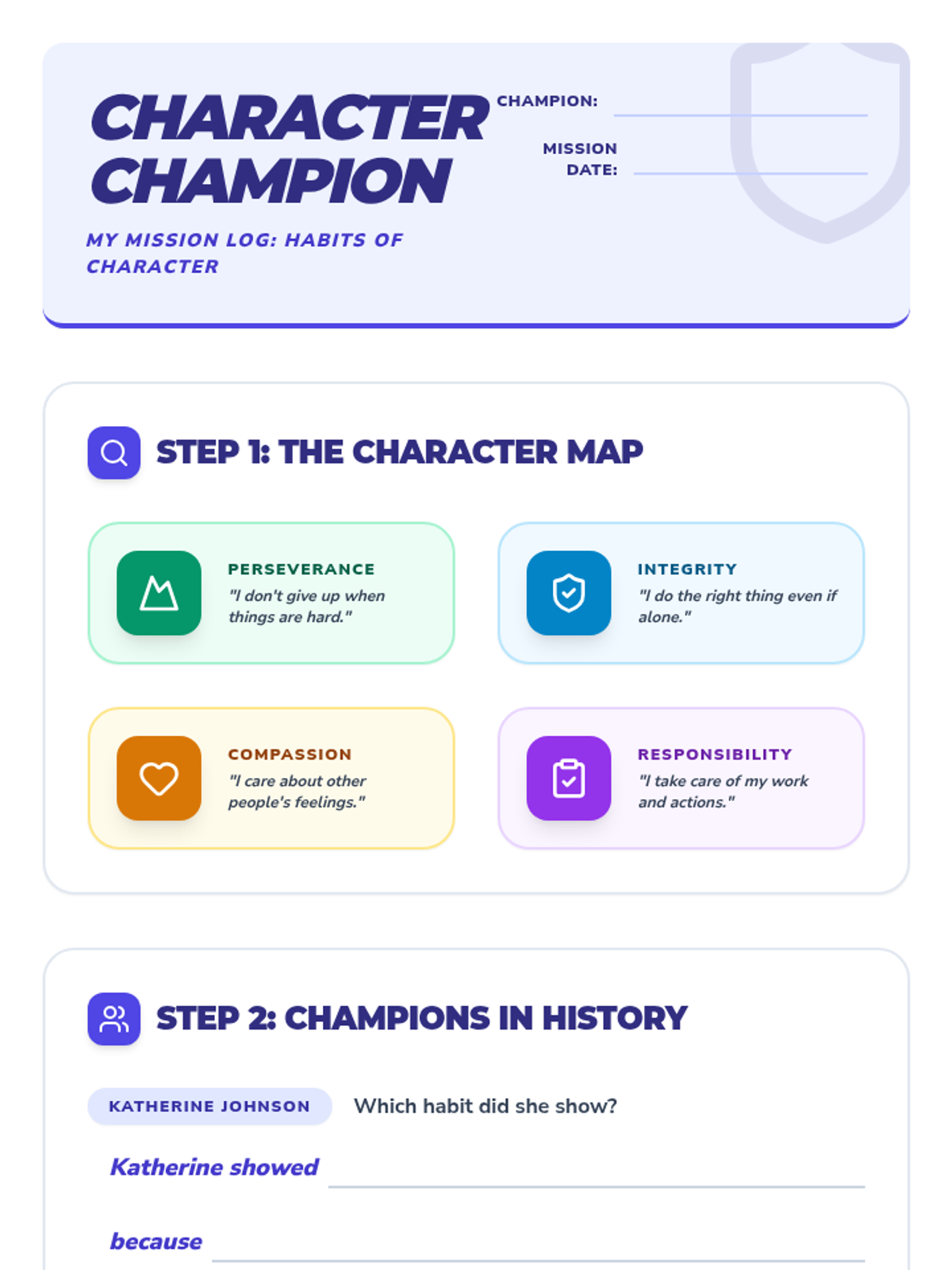
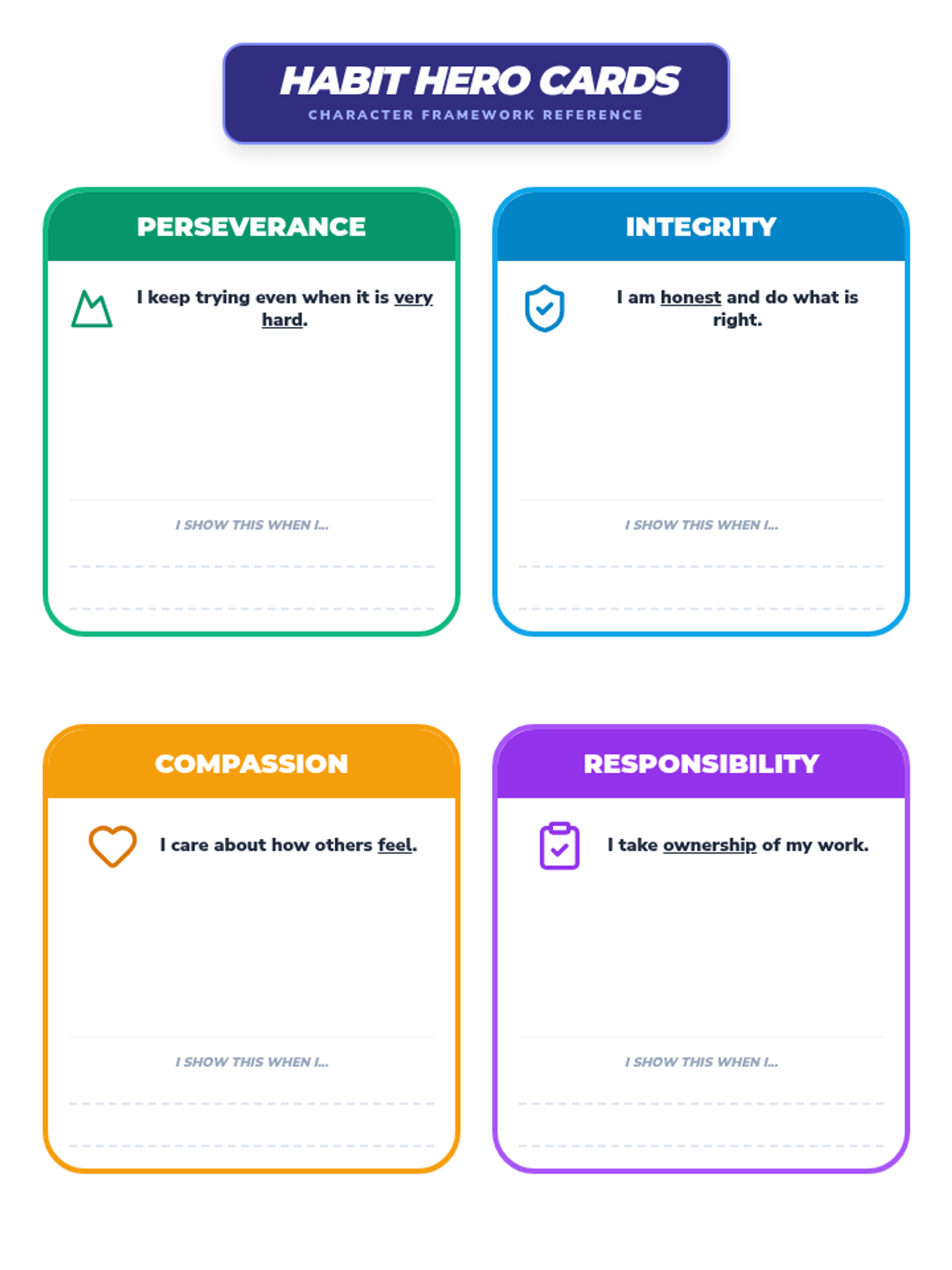
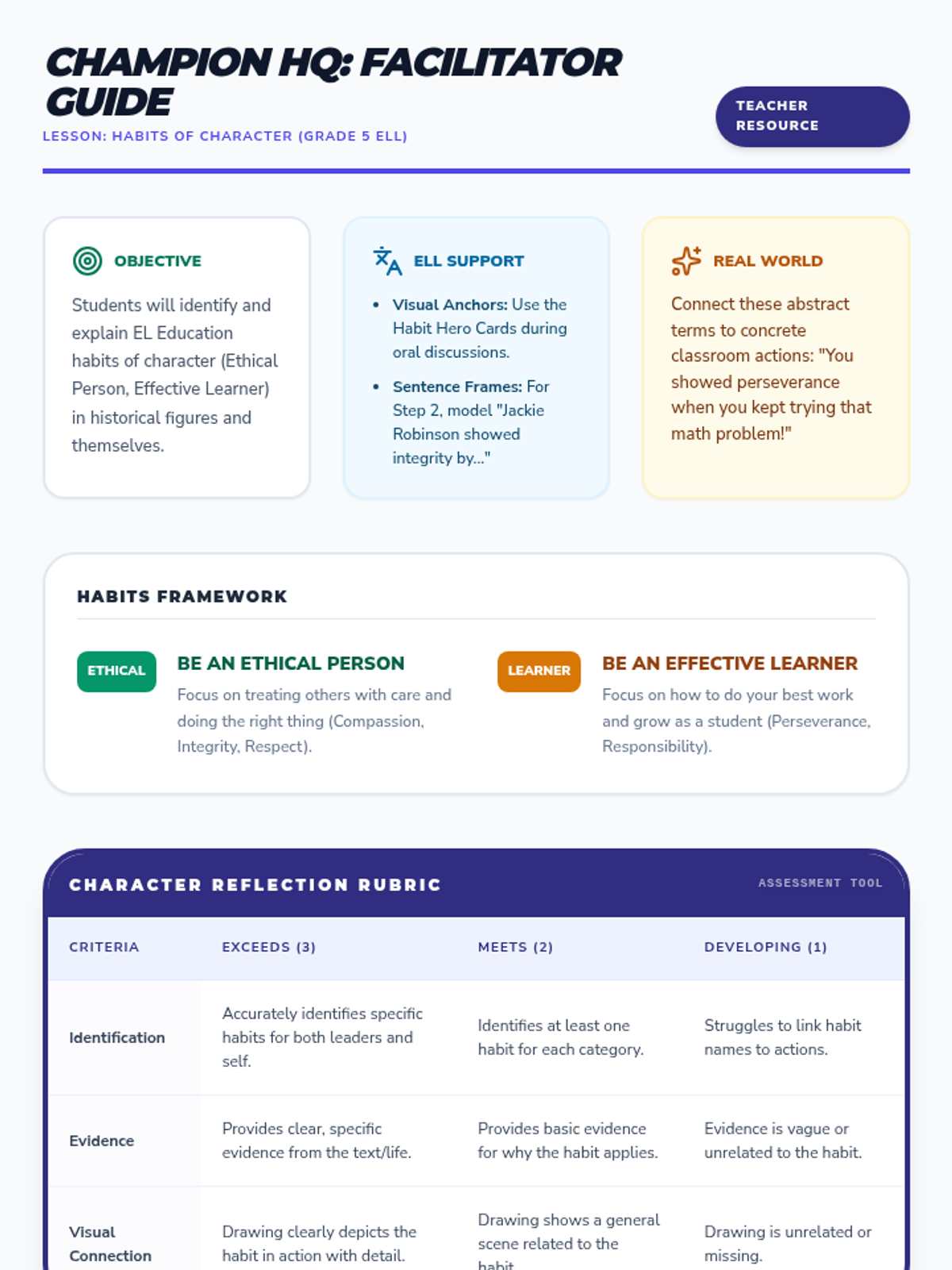
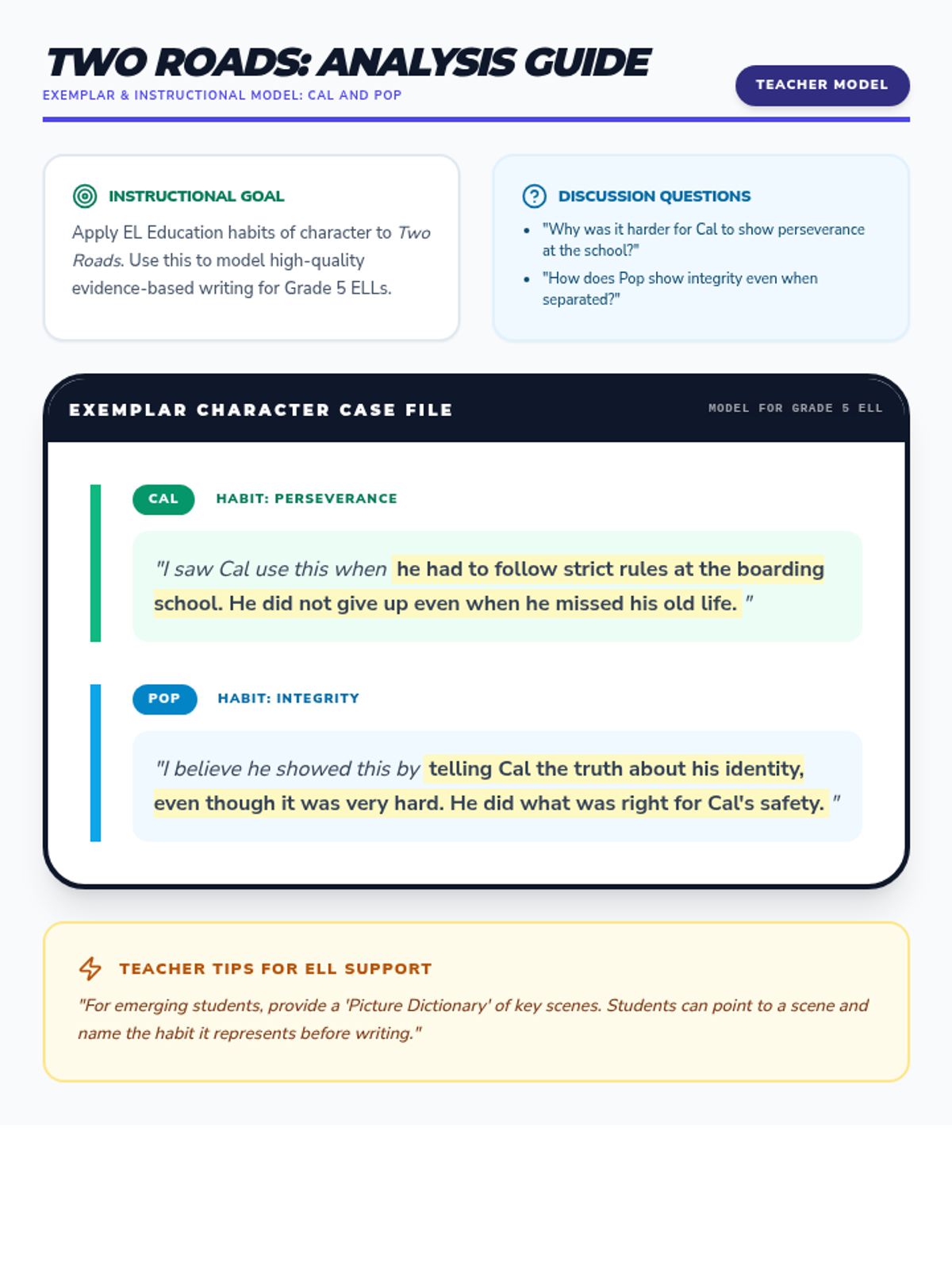
A social-emotional and ELA lesson for Grade 5 ELL students to explore and apply the EL Education habits of character, focusing on being an ethical person and an effective learner.
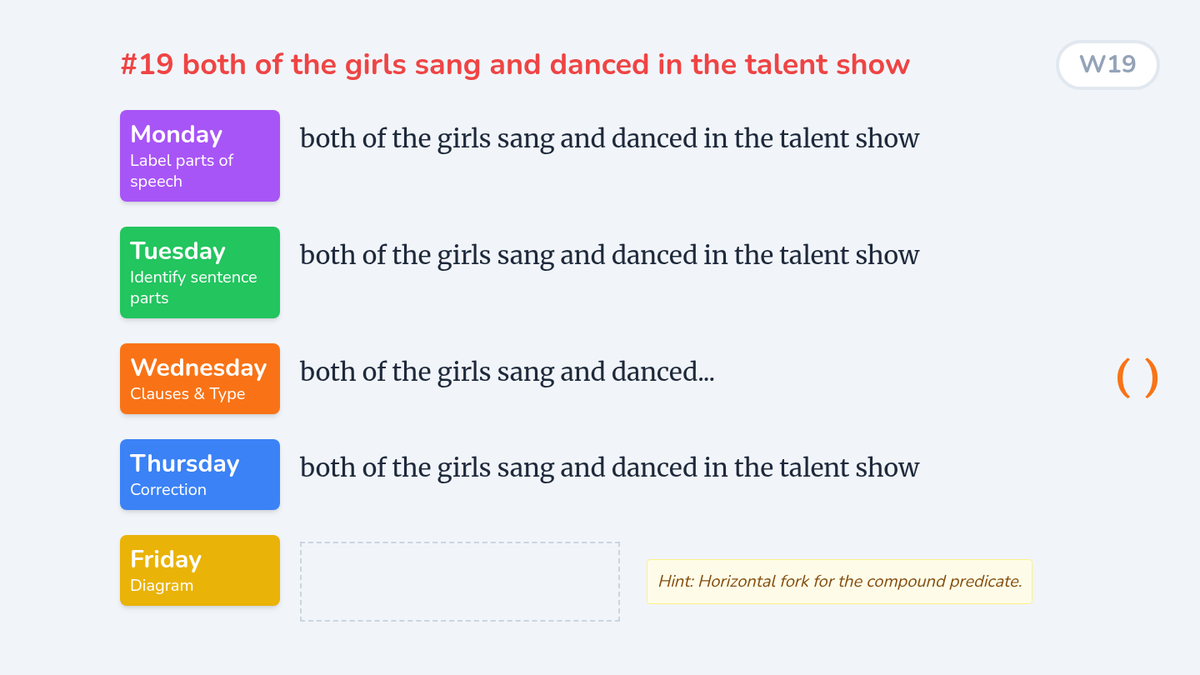
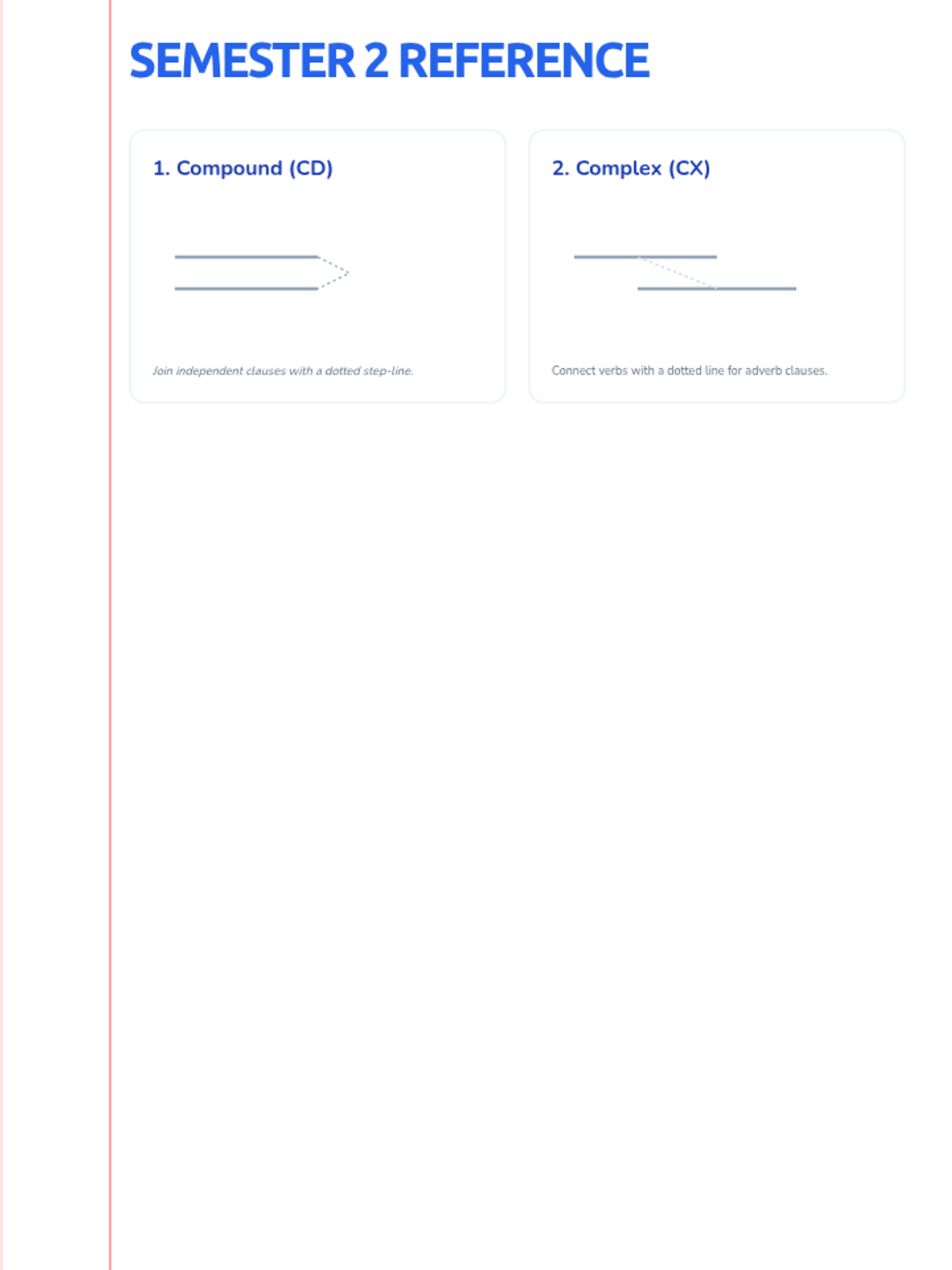
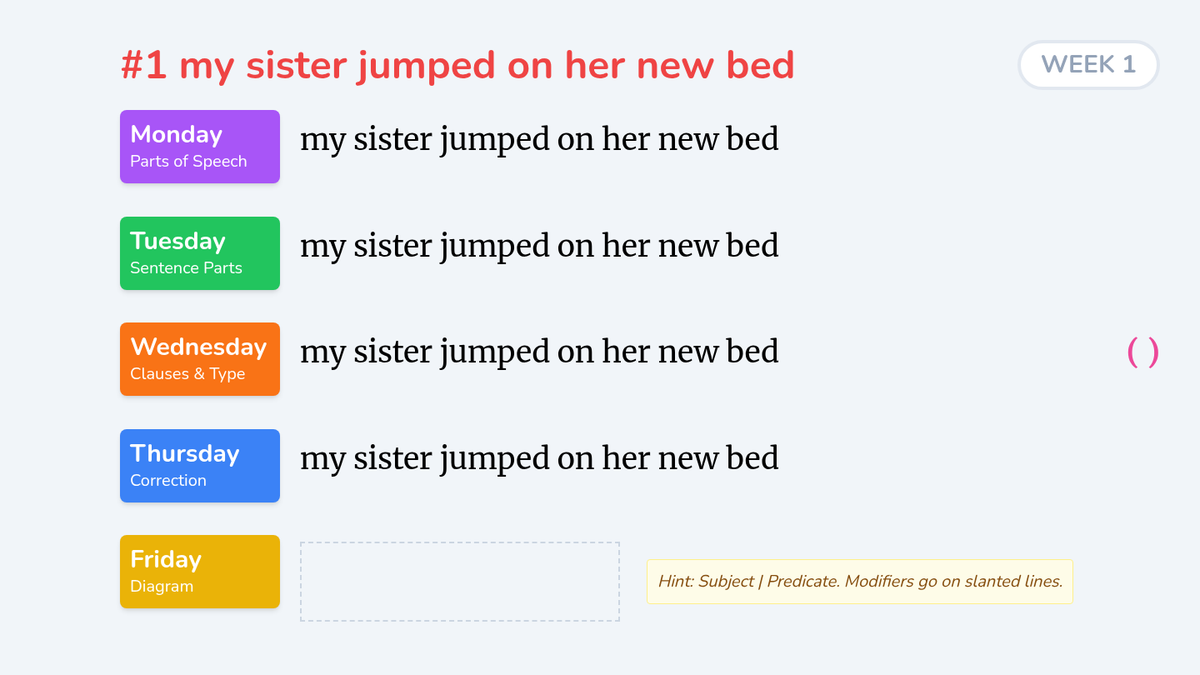
Weeks 19 through 36 of the Daily Grammar Practice program, progressing to compound-complex sentences and advanced punctuation.
Weeks 1 through 18 of the Daily Grammar Practice program, covering basic to intermediate sentence structures.
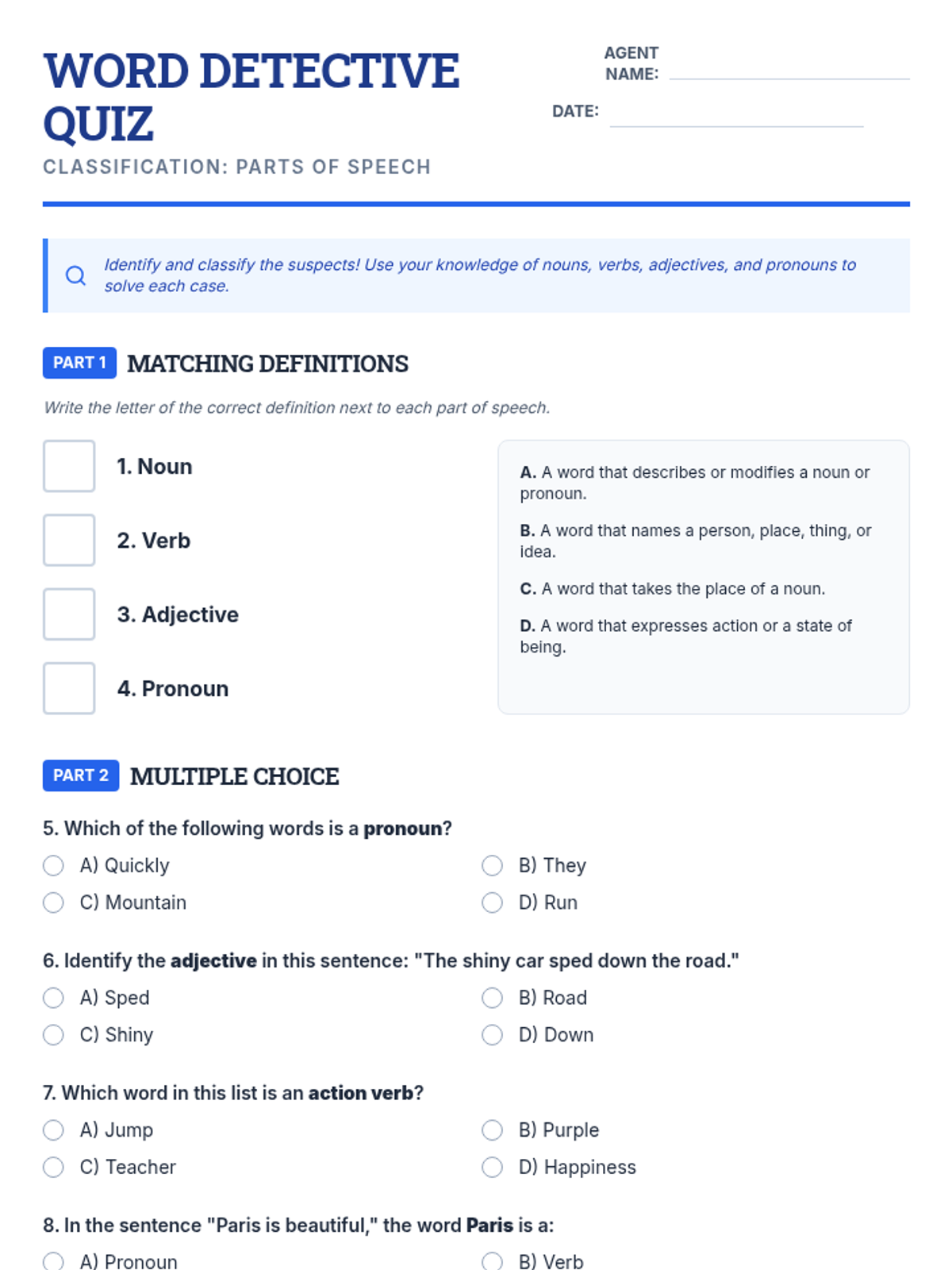
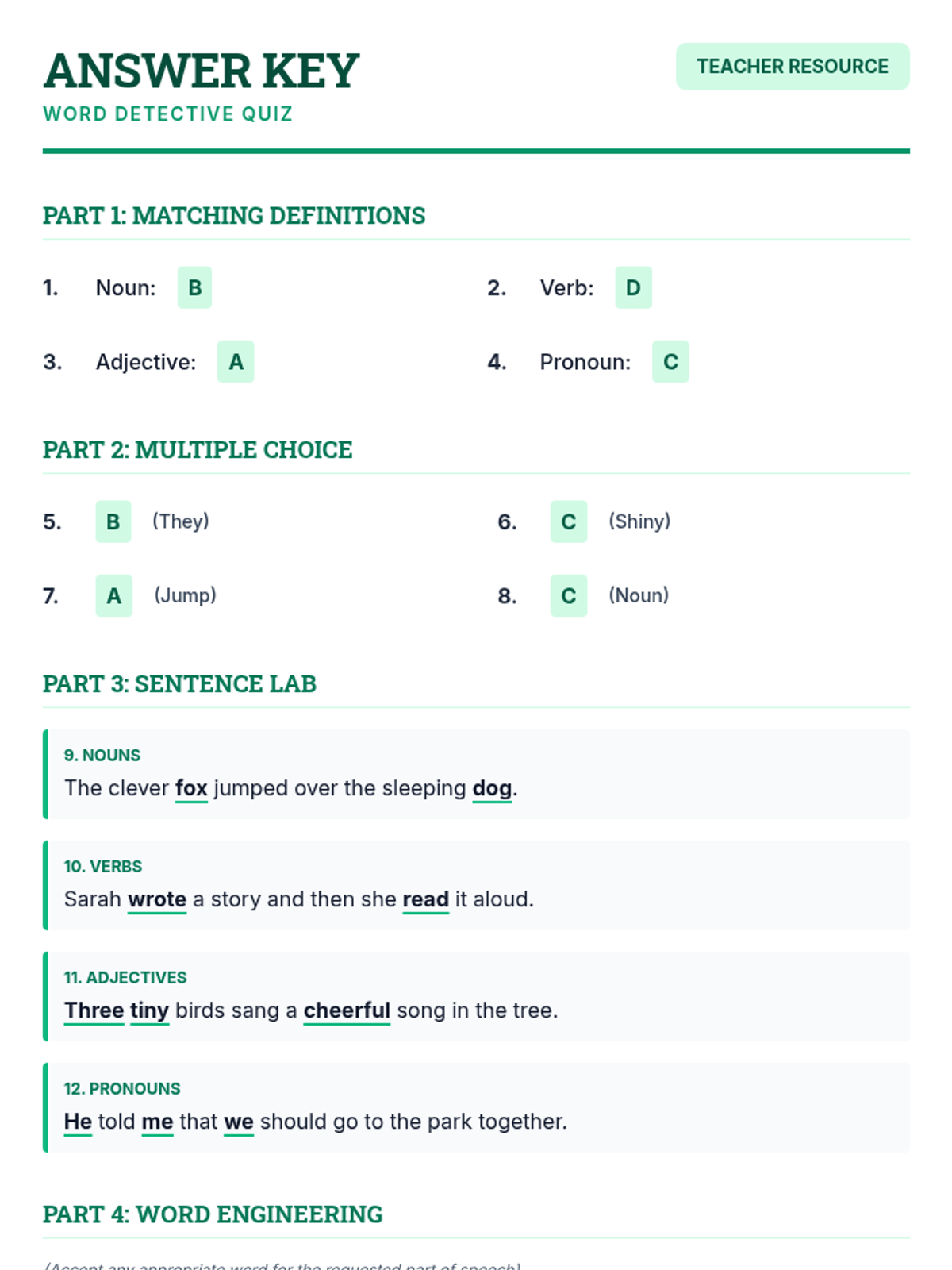
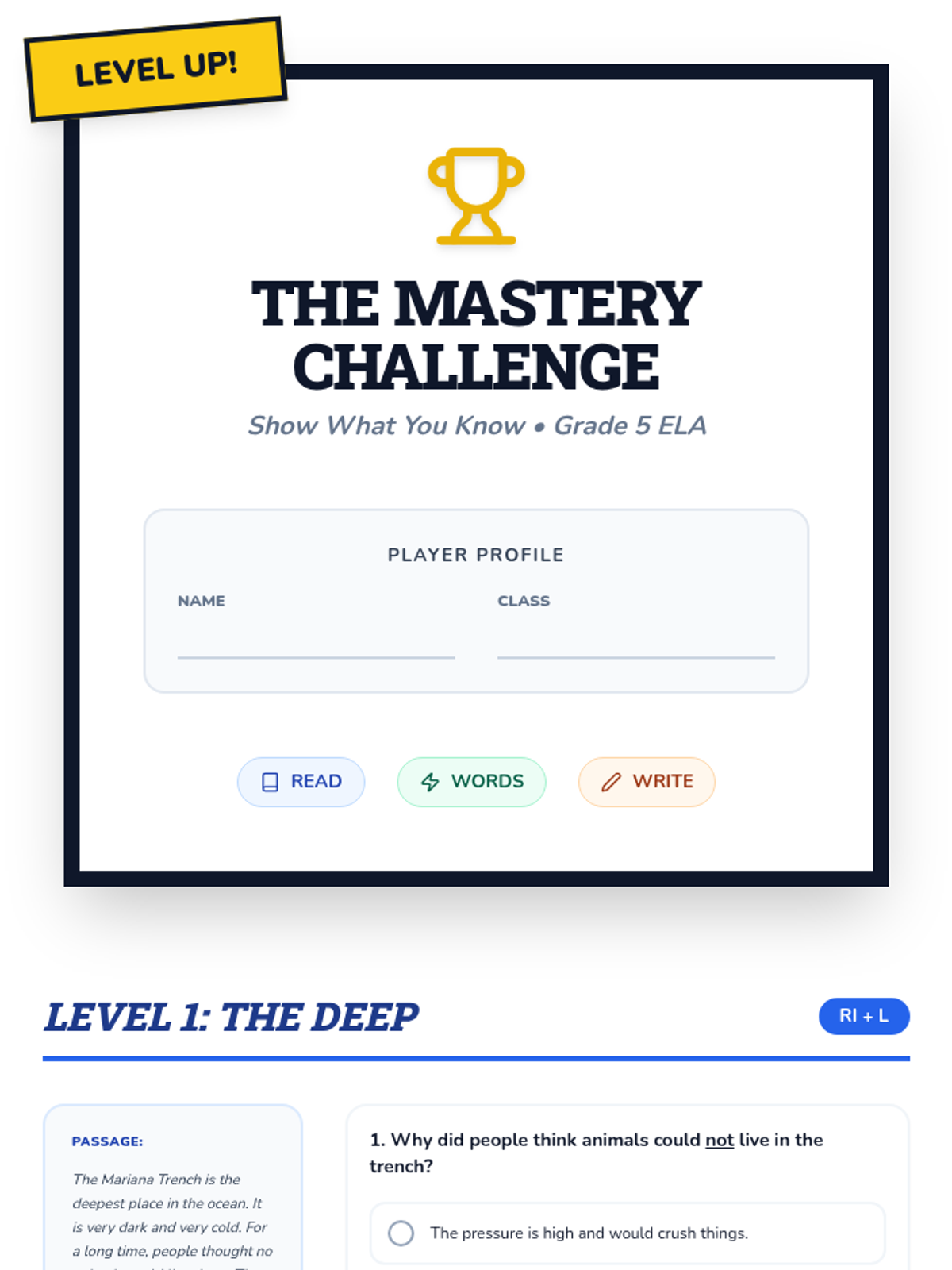
A comprehensive quiz covering the four foundational parts of speech: nouns, verbs, adjectives, and pronouns. Includes matching, multiple choice, identification, and creative fill-in-the-blank questions.
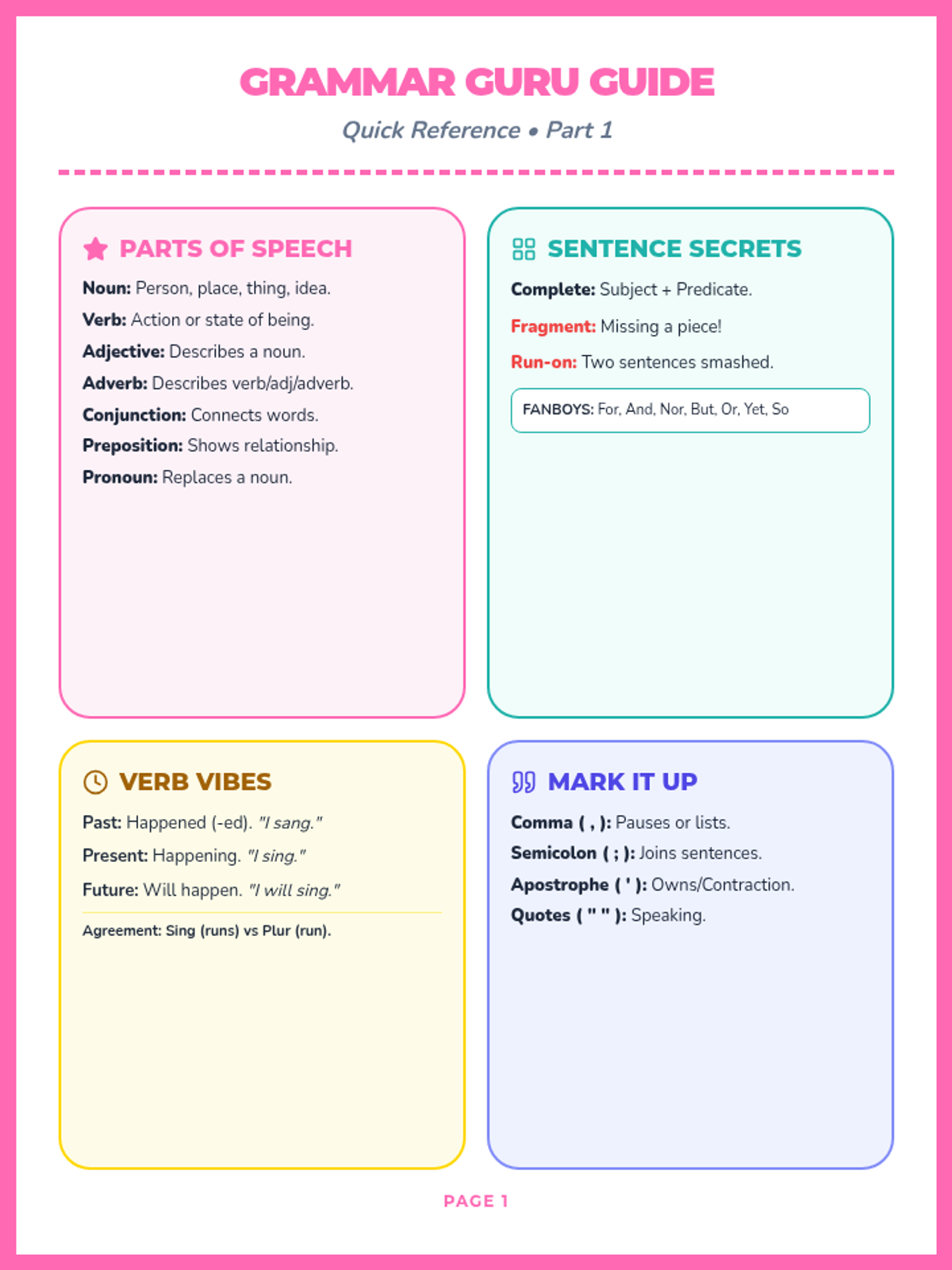
A comprehensive 5th-grade grammar review covering essential skills from parts of speech to complex sentence structure, designed with a fun, preppy aesthetic.
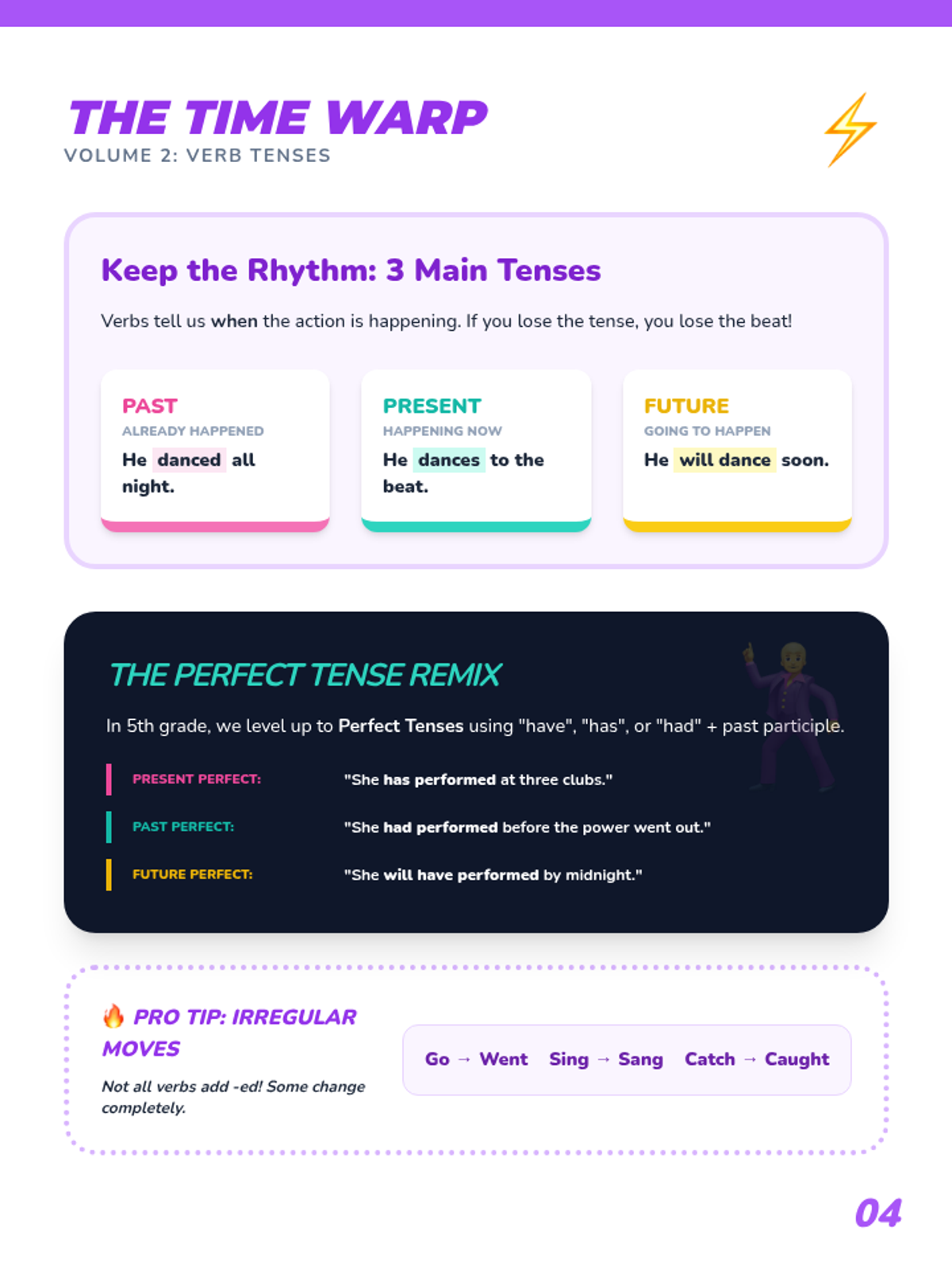
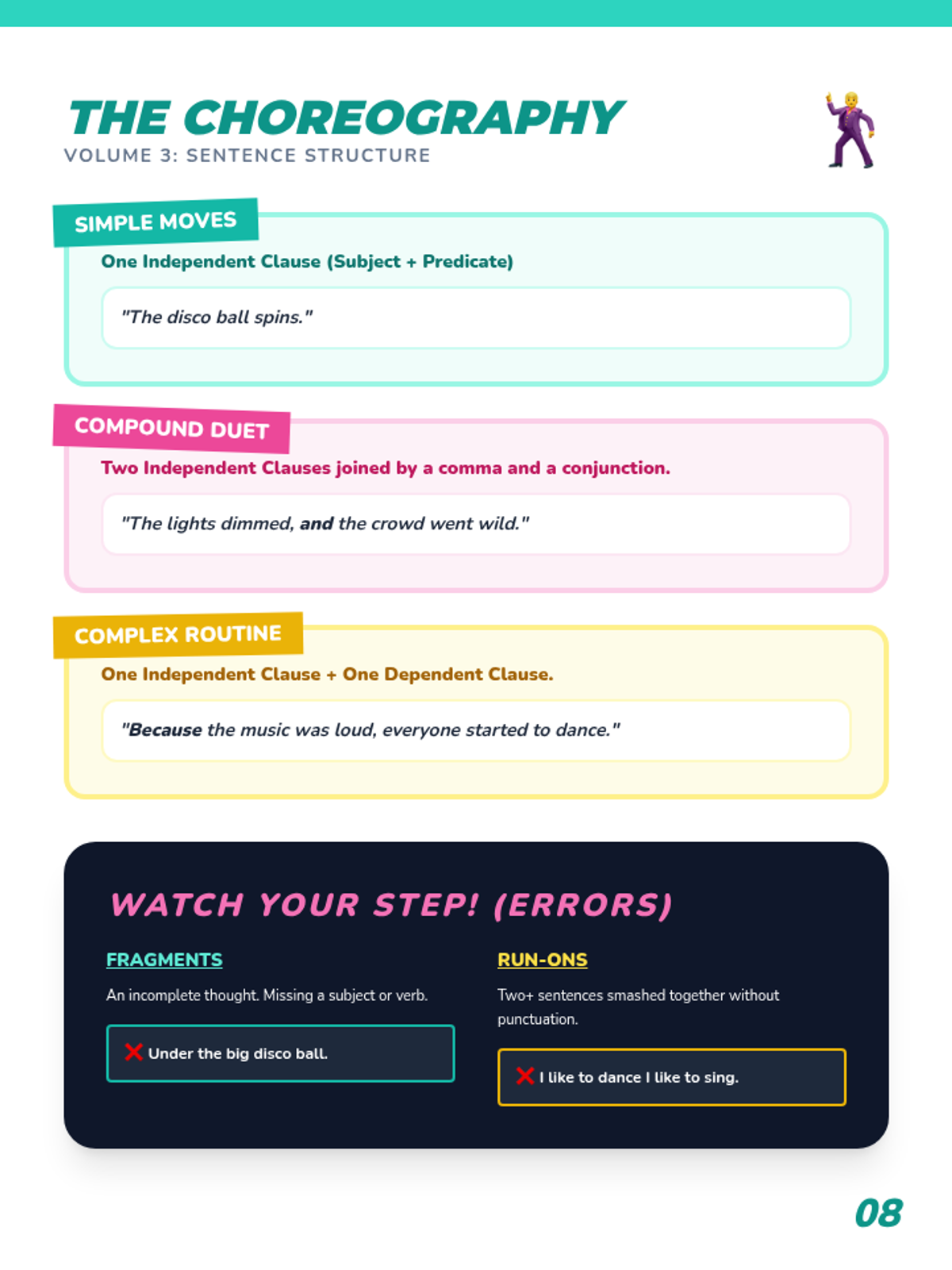
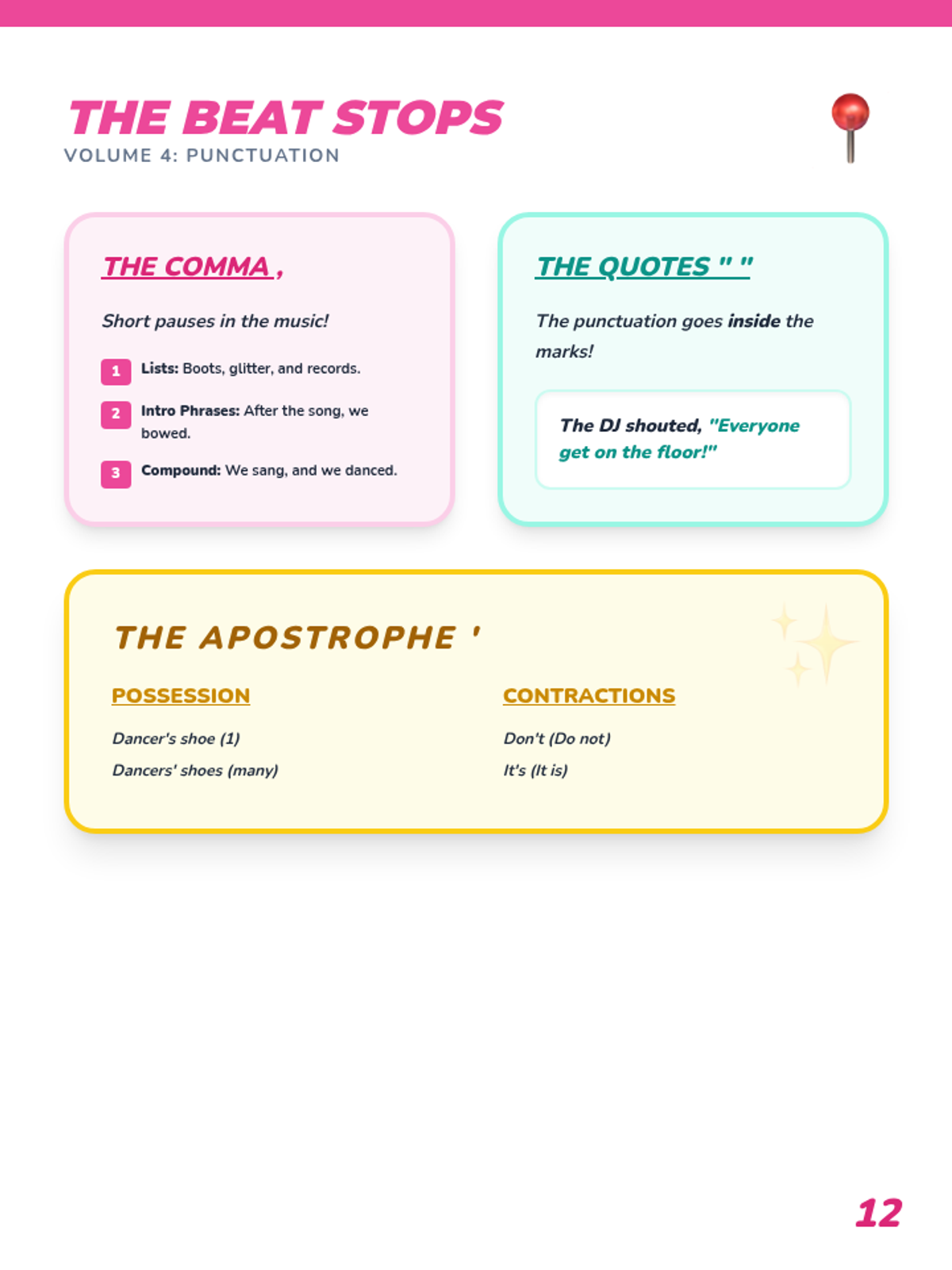
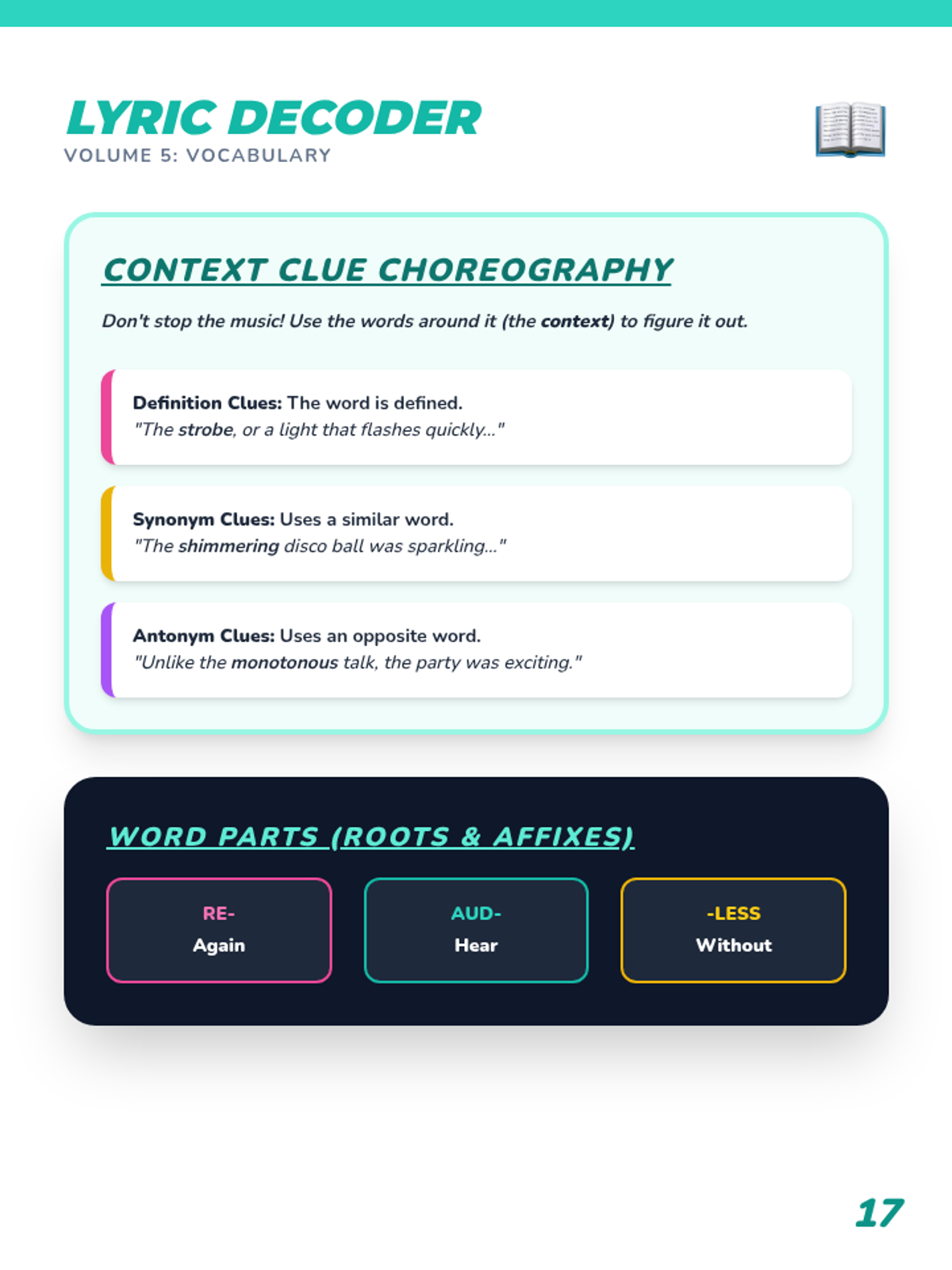
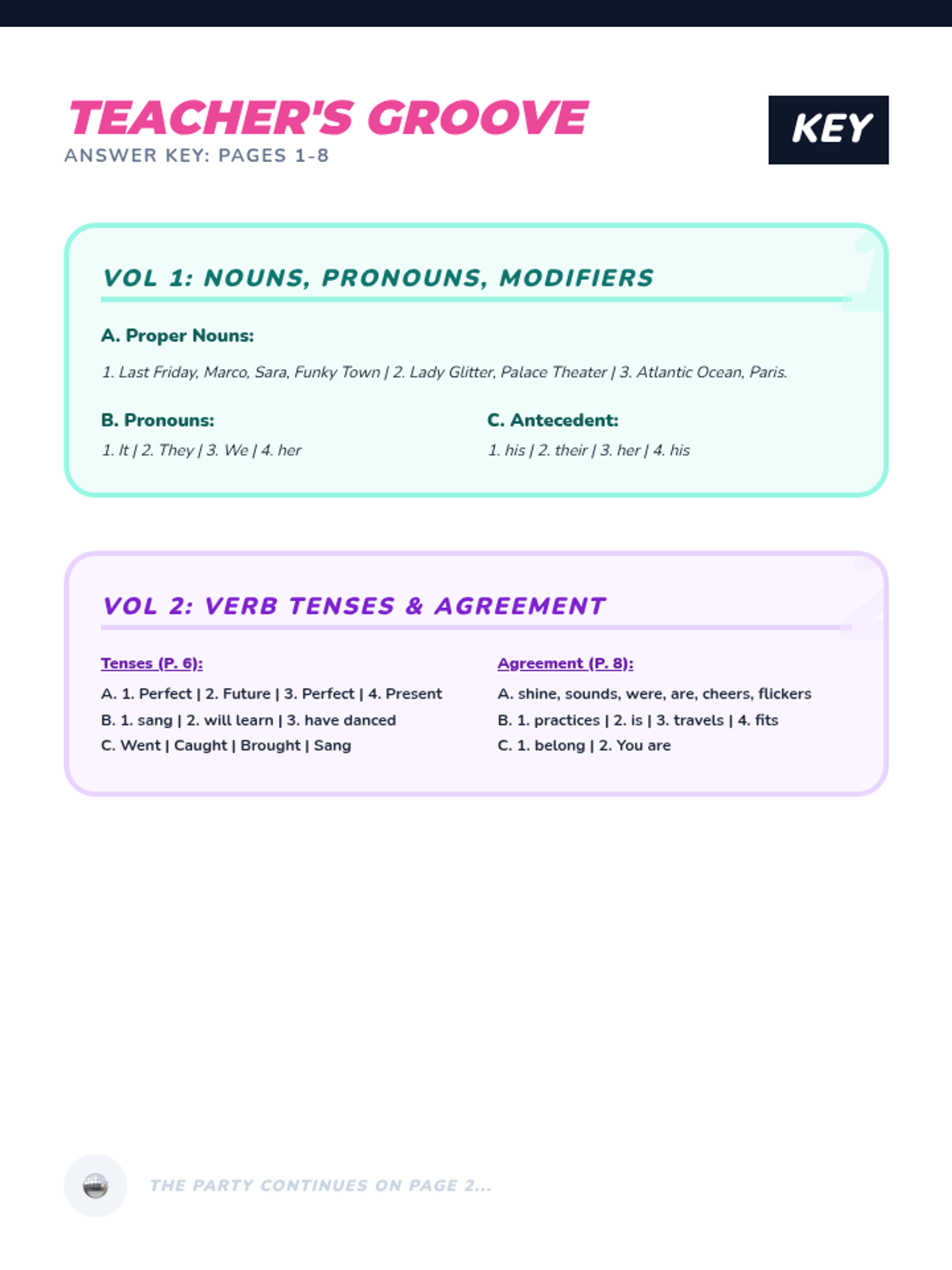
A high-energy, retro-disco themed grammar curriculum for 5th grade, covering essential skills from parts of speech to complex sentence structures.
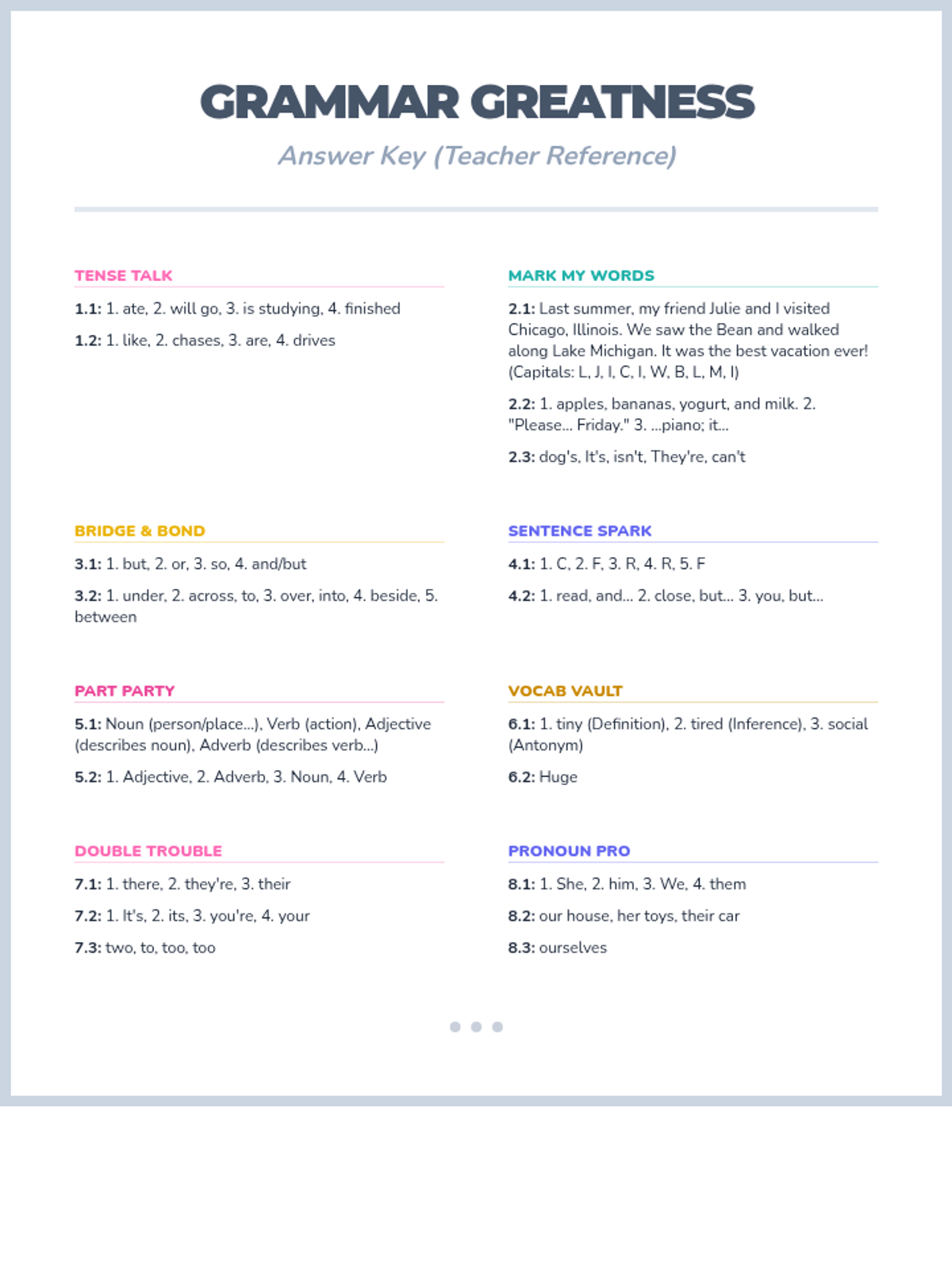
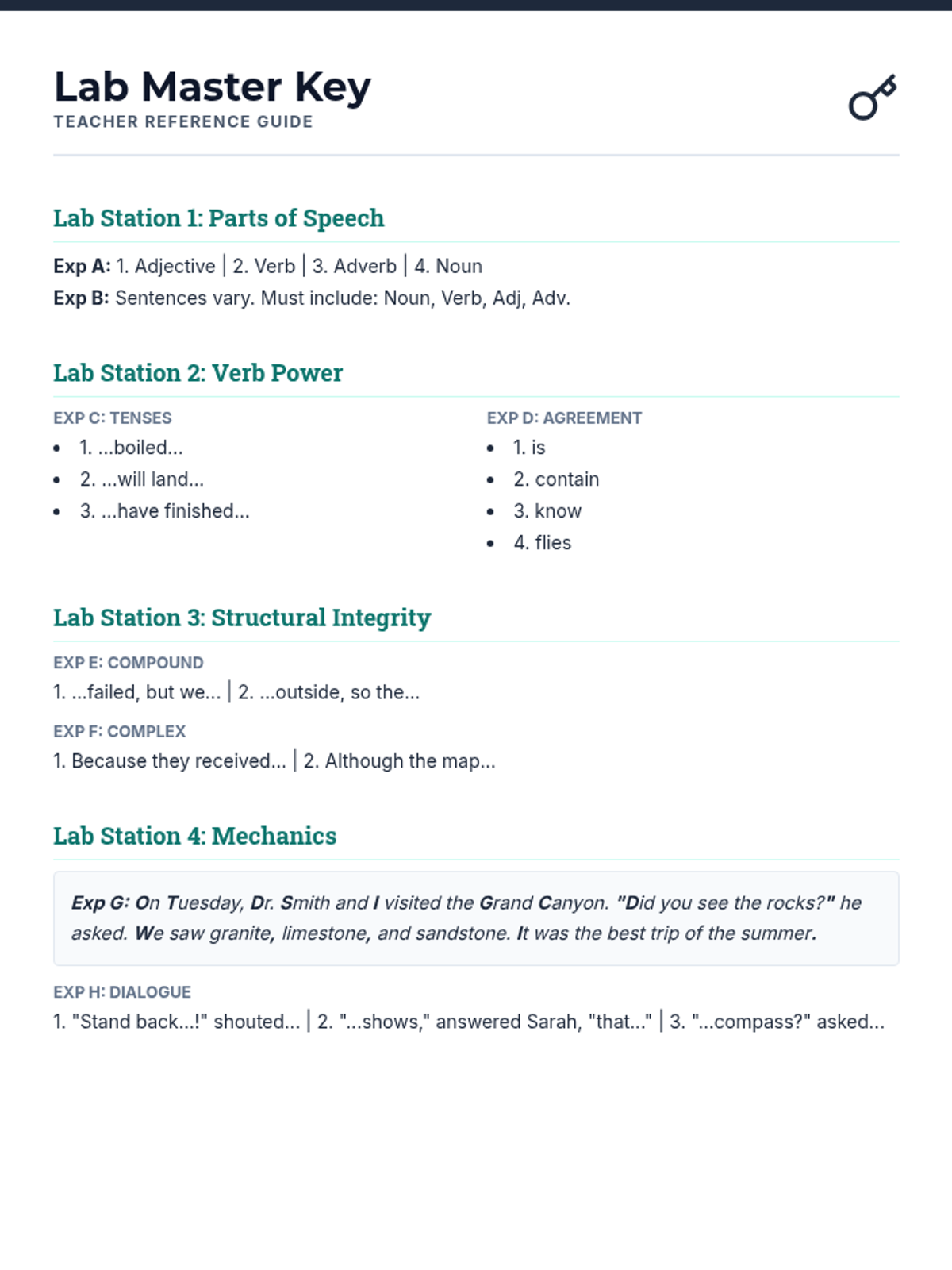
A comprehensive 5th-grade grammar review unit designed as a 'Language Lab' where students experiment with parts of speech, sentence structure, and mechanics. The lesson includes a multi-page workbook and a detailed answer key.
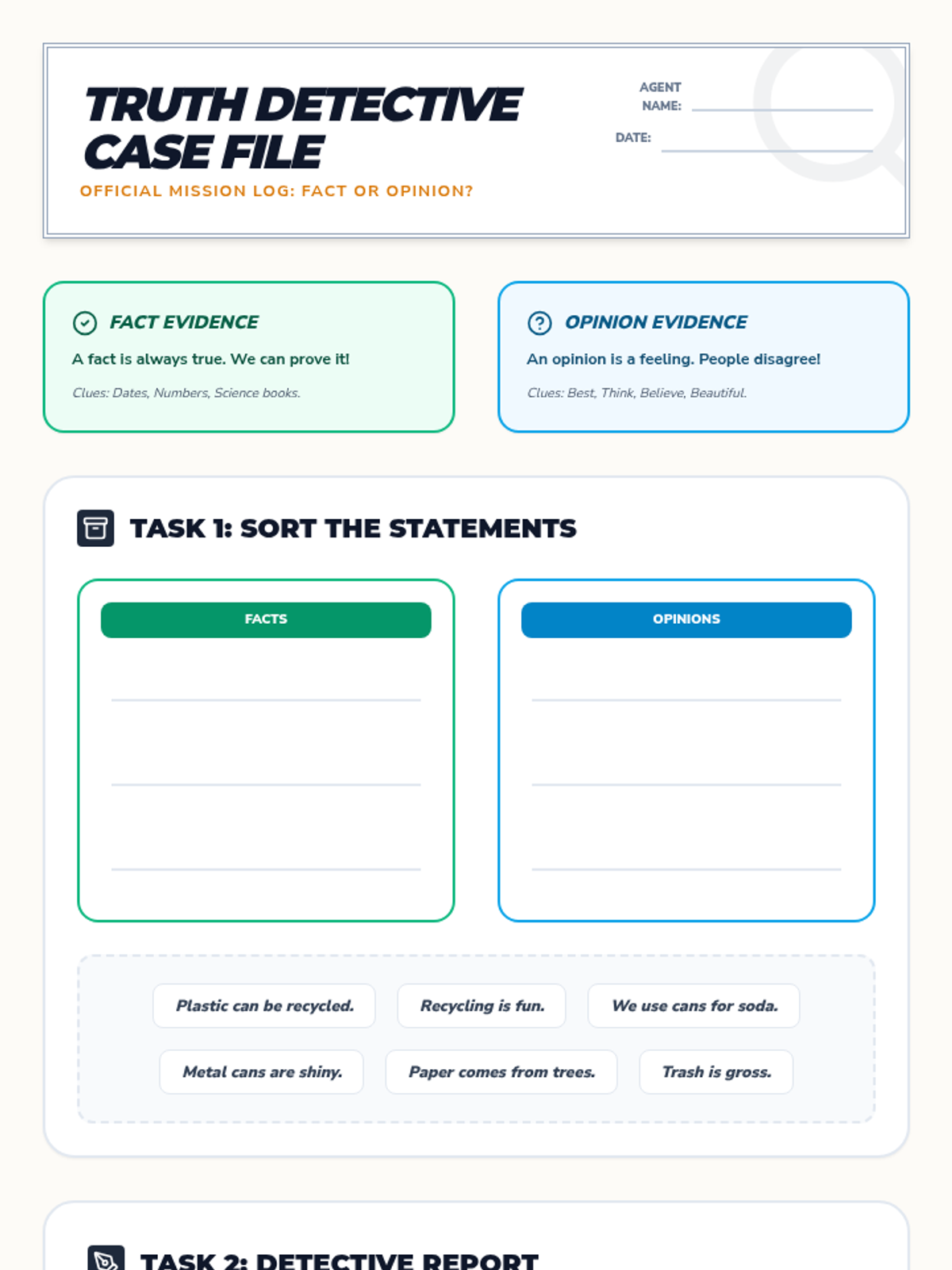
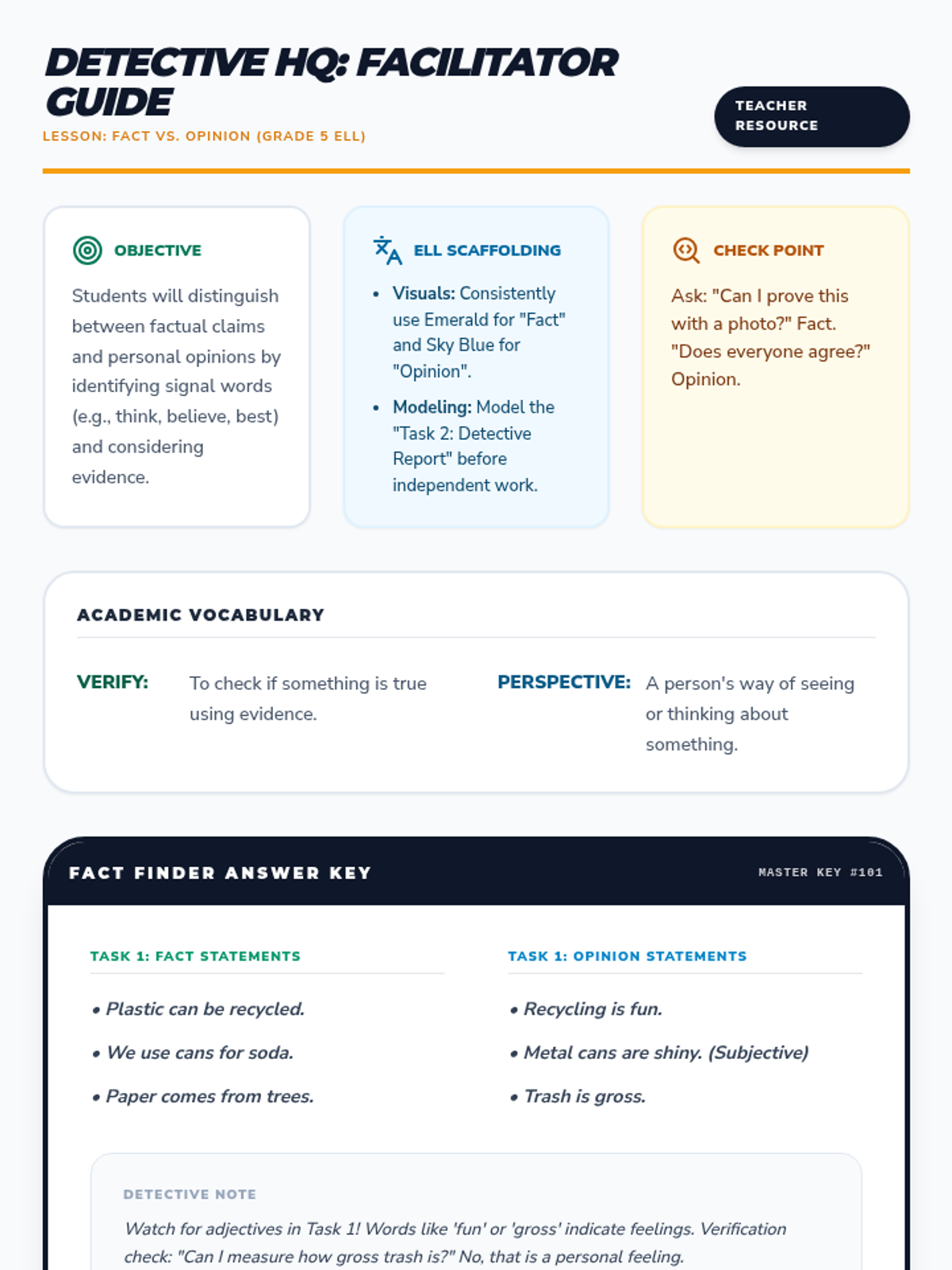
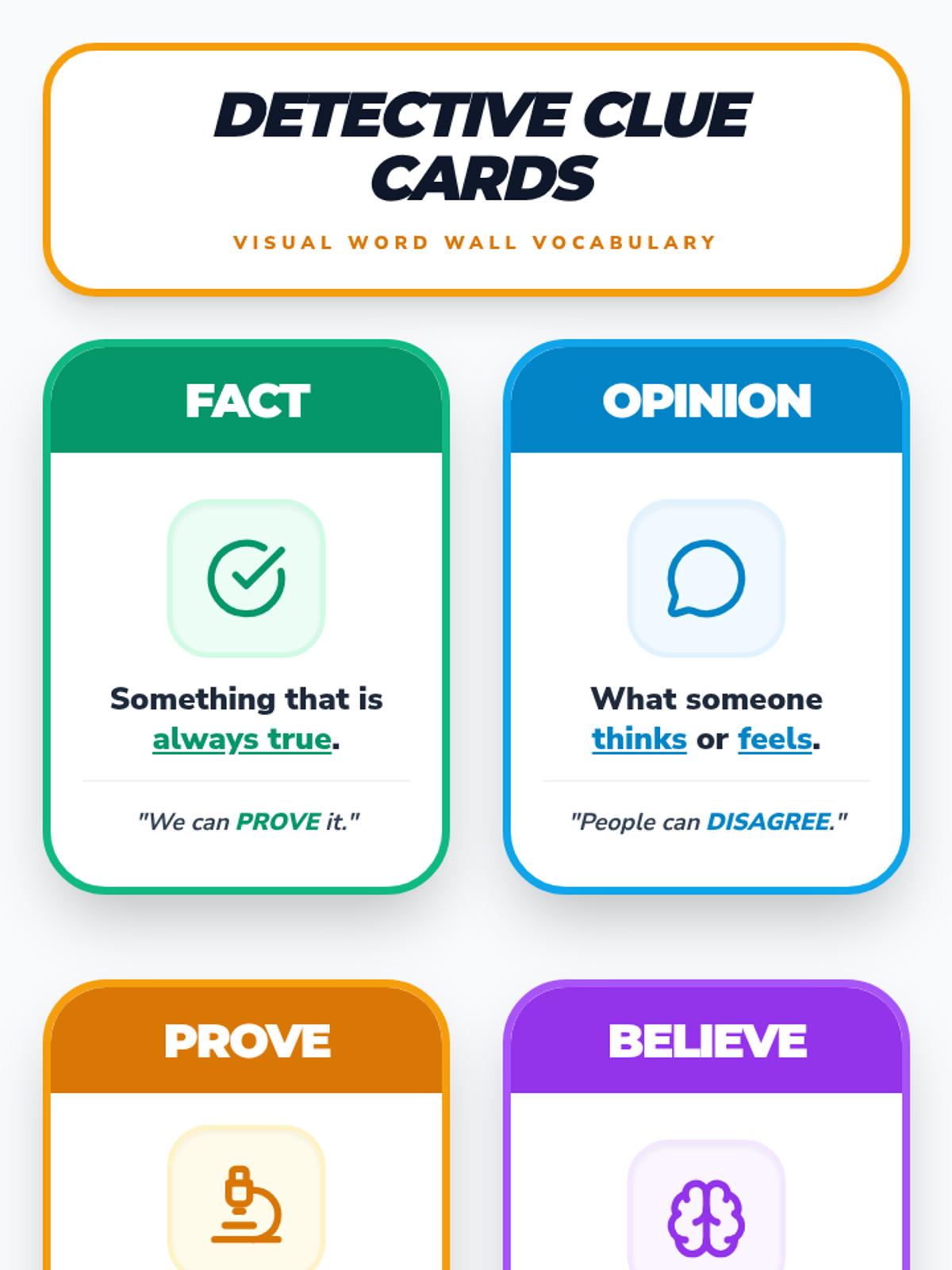
A detective-themed lesson for Grade 5 ELL students to differentiate between fact and opinion using signal words and evidence-based reasoning.
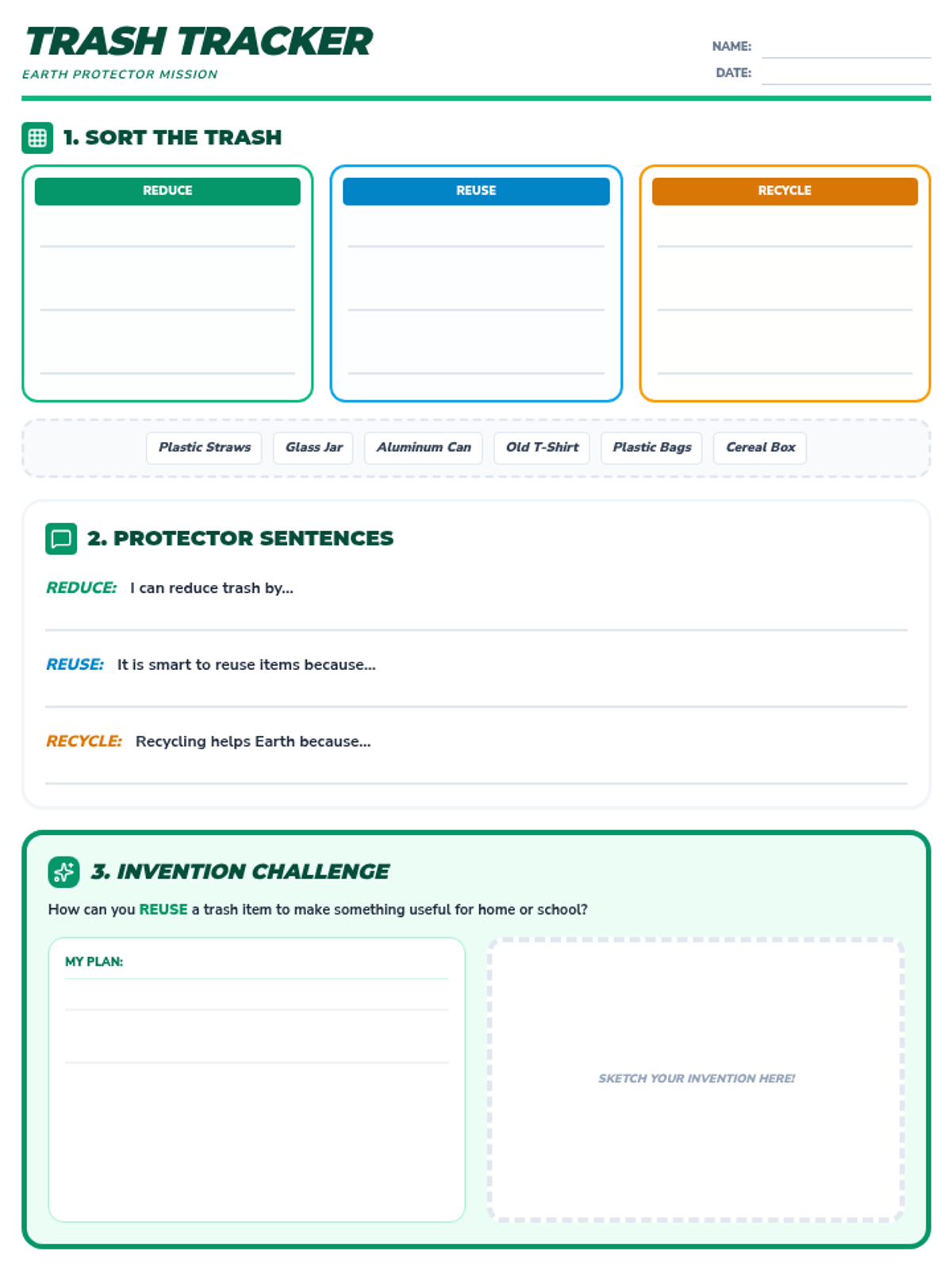
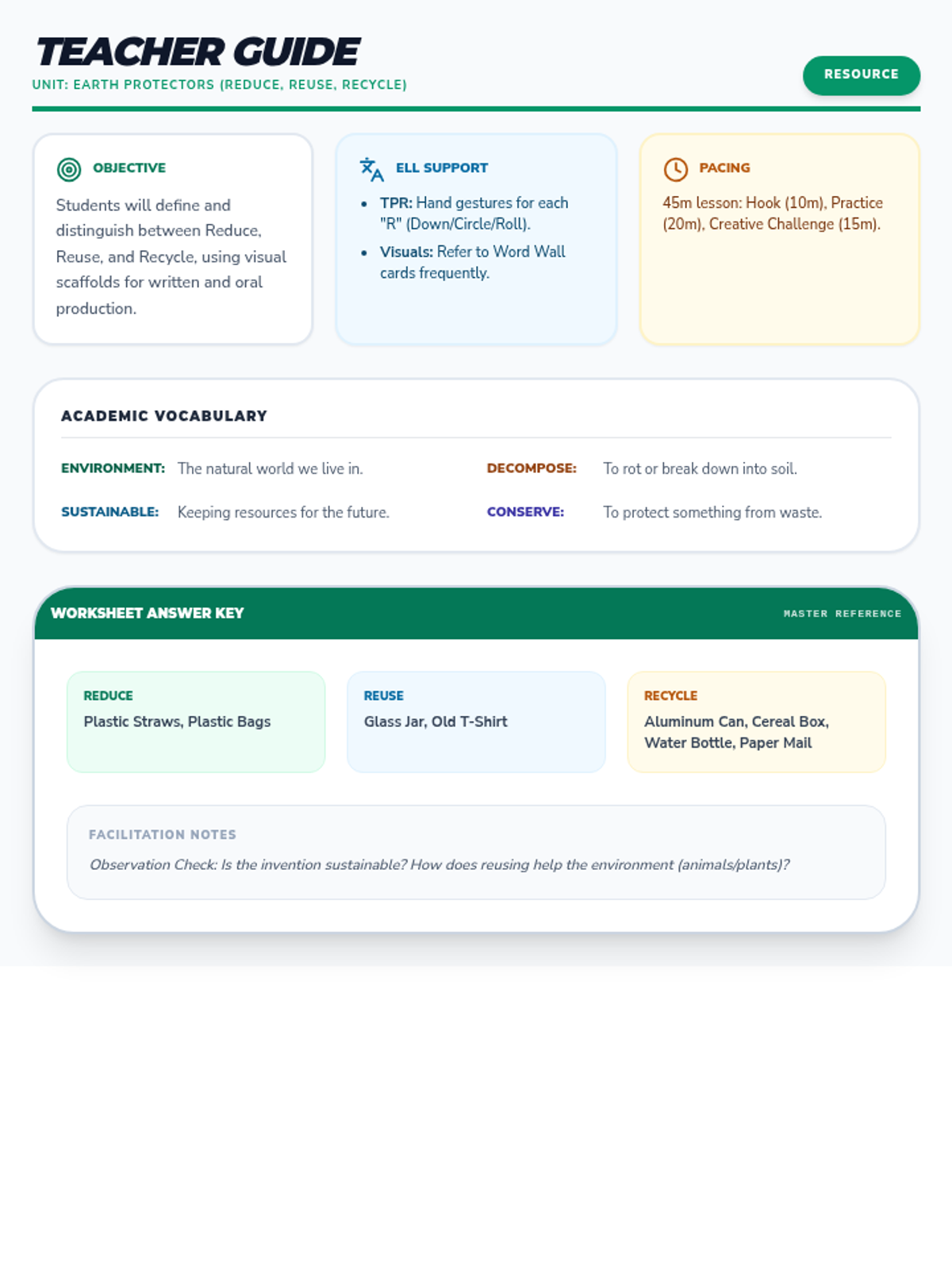
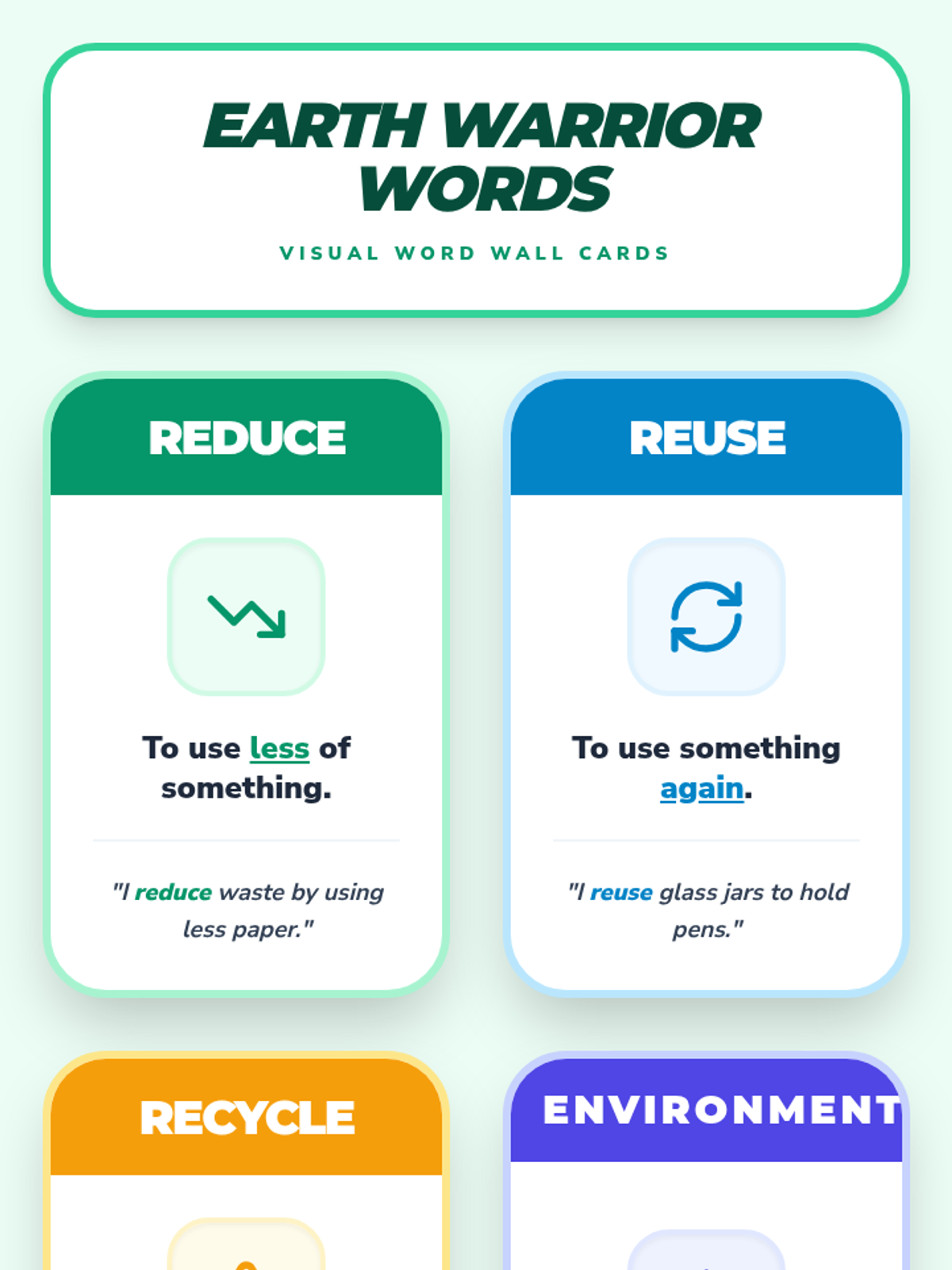
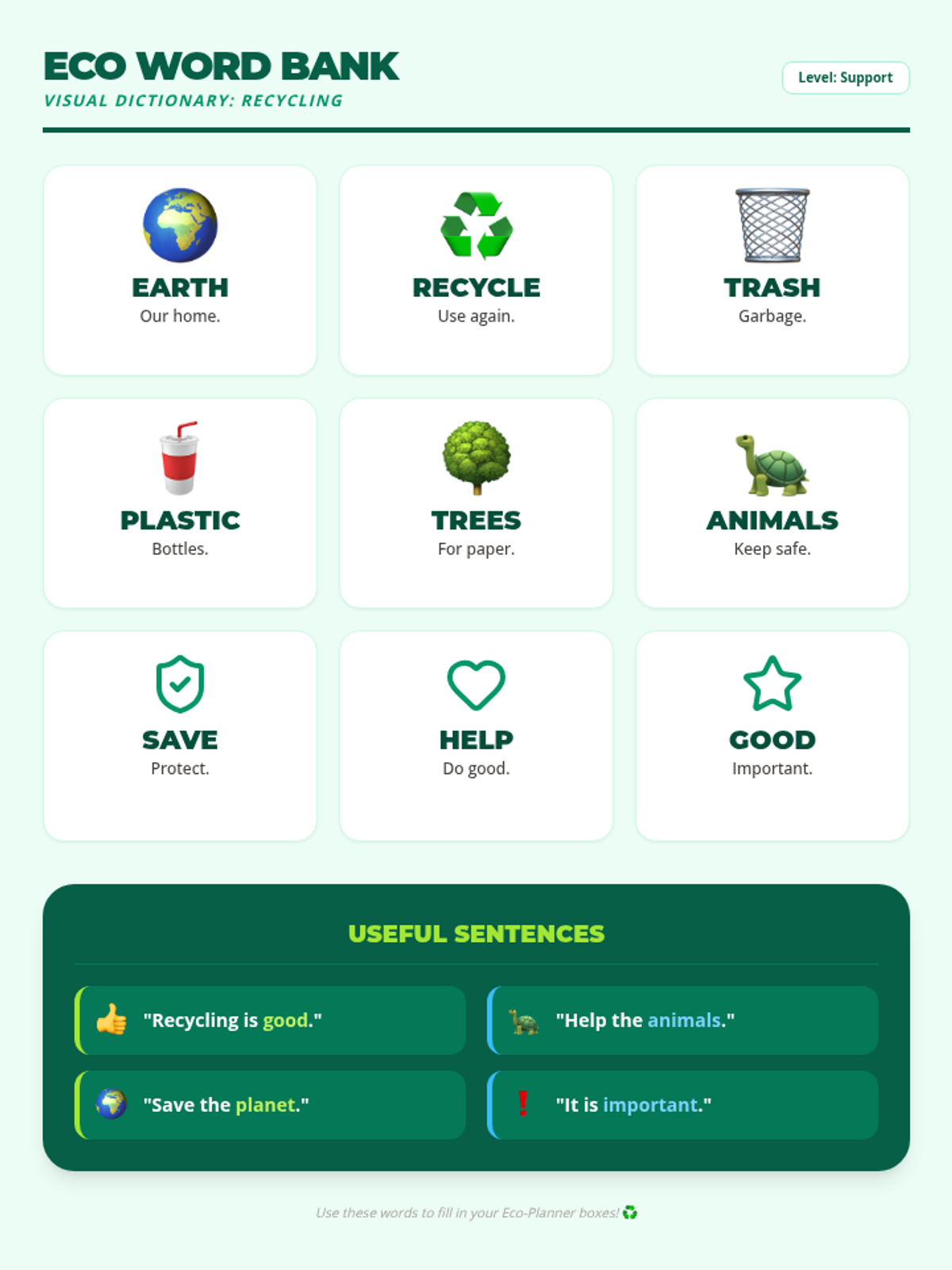
An environmental science and ELA lesson focused on the three R's (Reduce, Reuse, Recycle) with scaffolded language supports for Grade 5 ELL students.
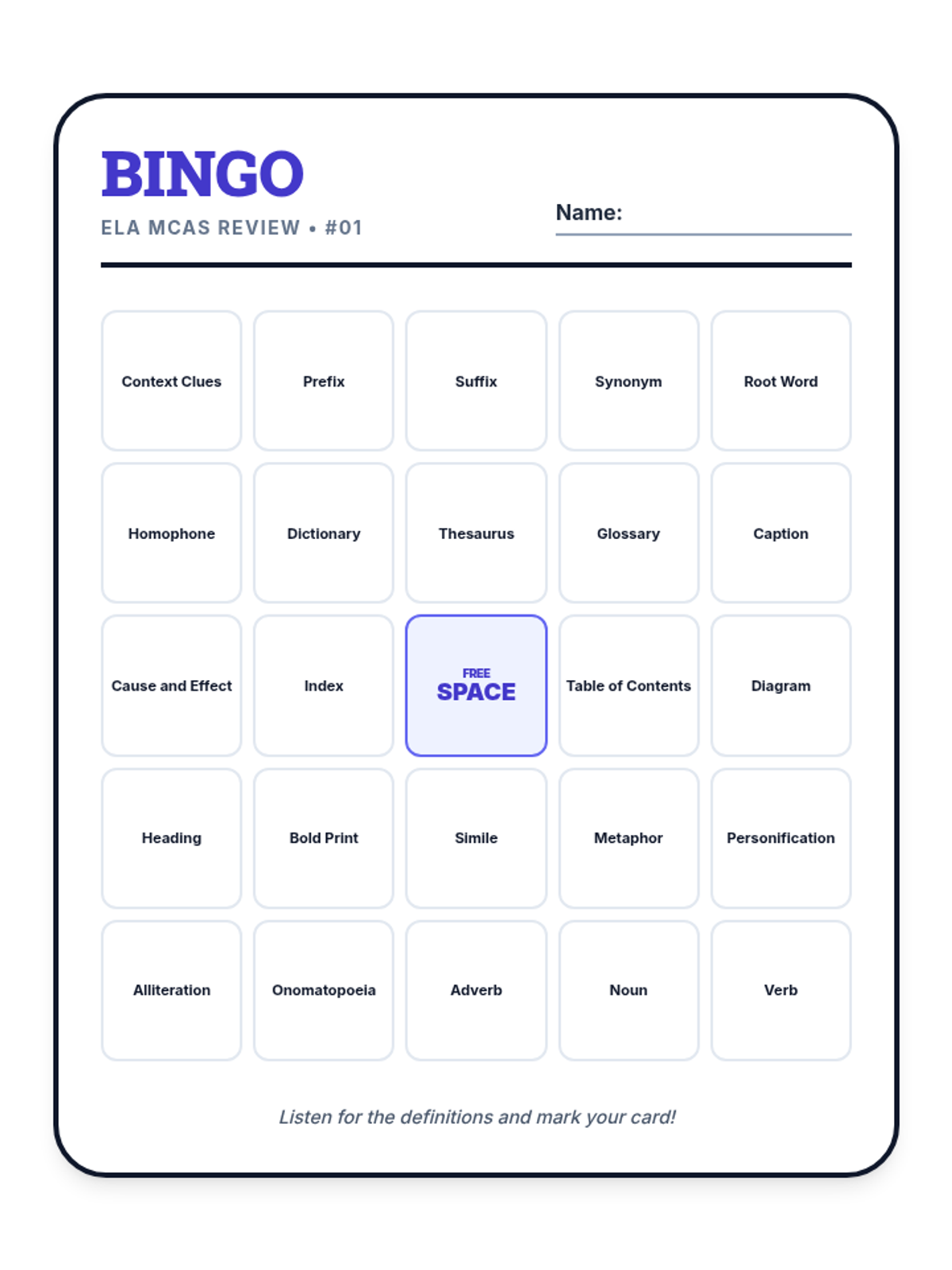
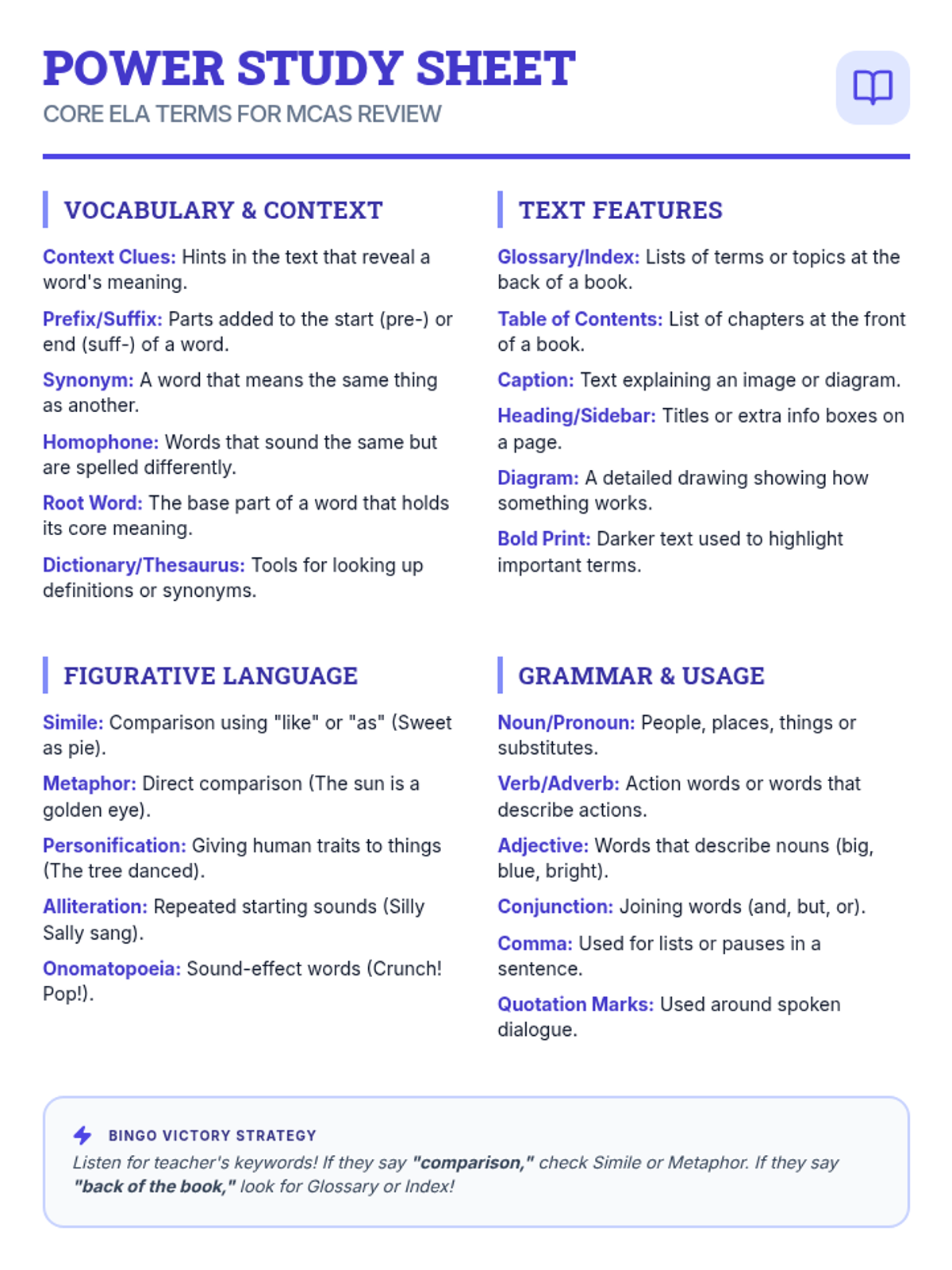
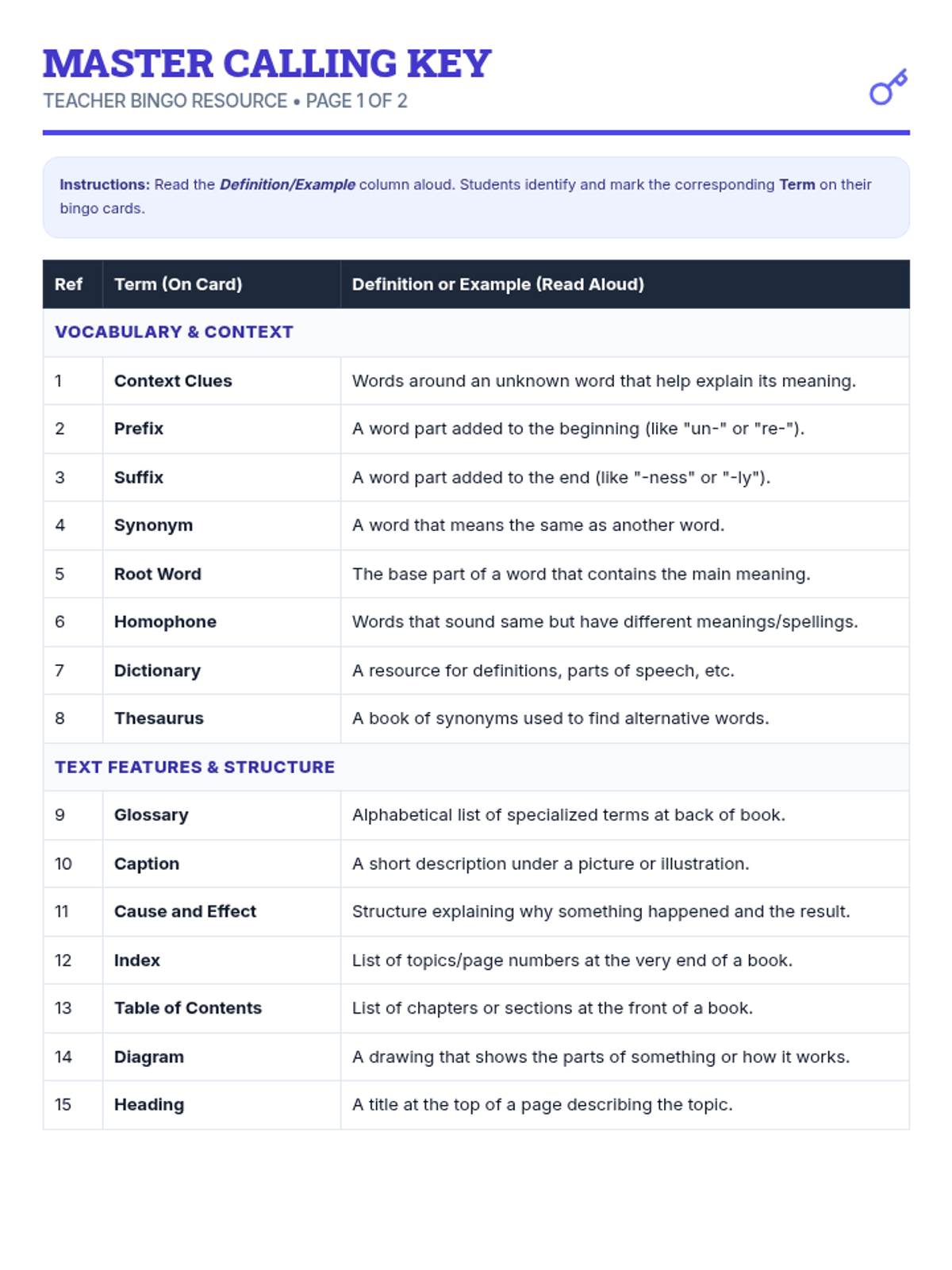
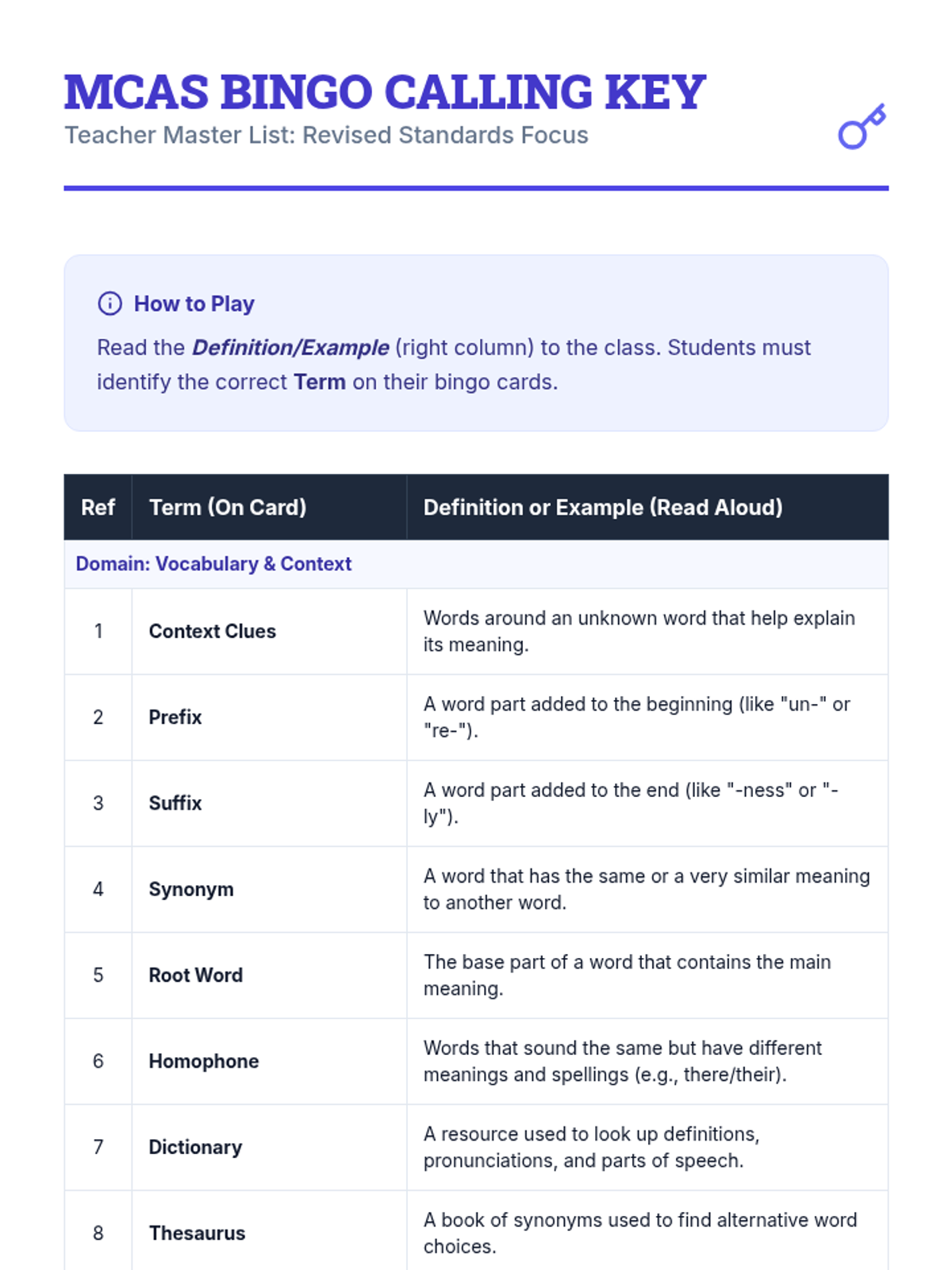
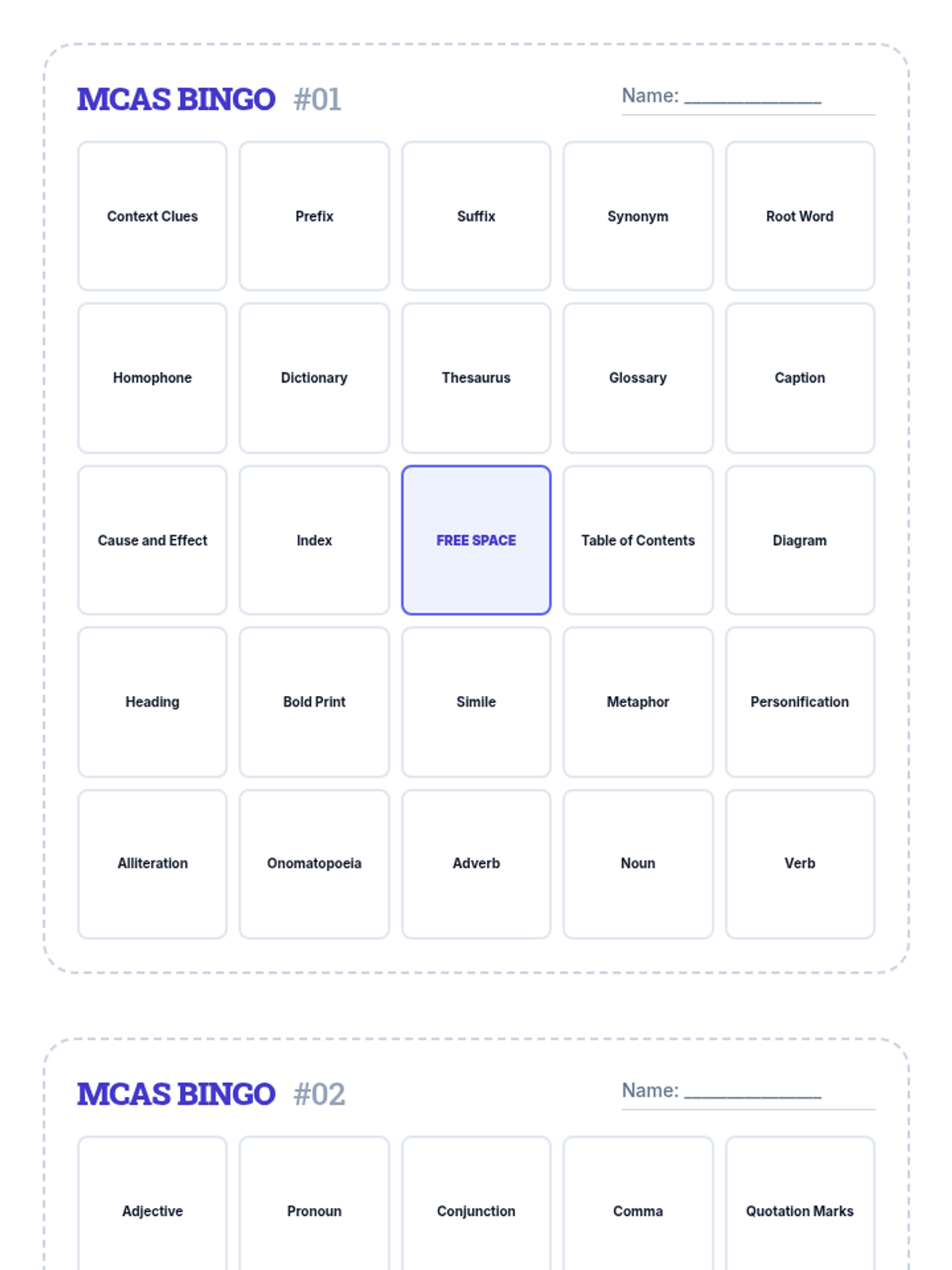
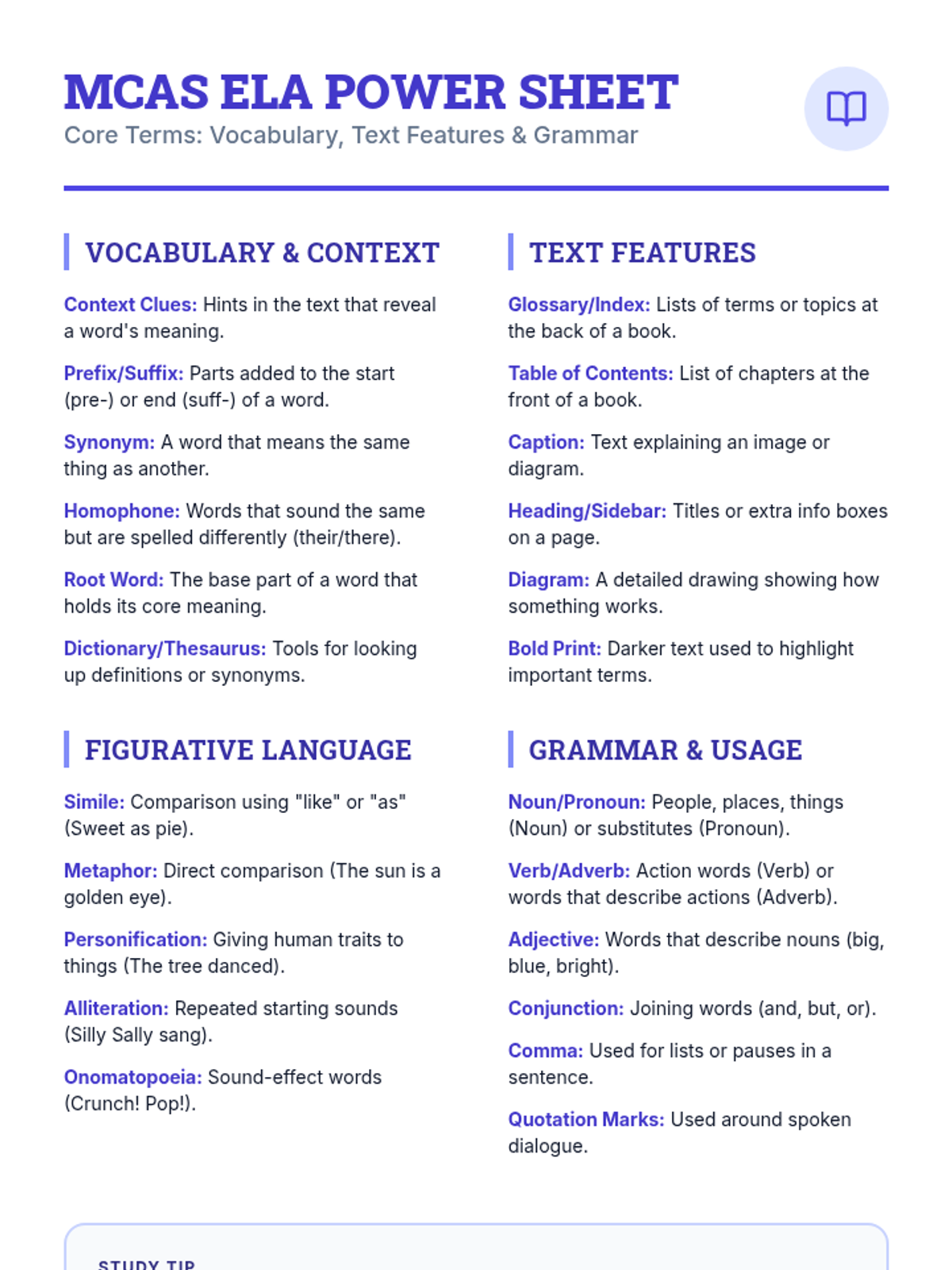
A comprehensive ELA review game designed to help students master MCAS standards through a competitive and engaging bingo format. The lesson covers vocabulary, literary elements, text structures, and grammar.
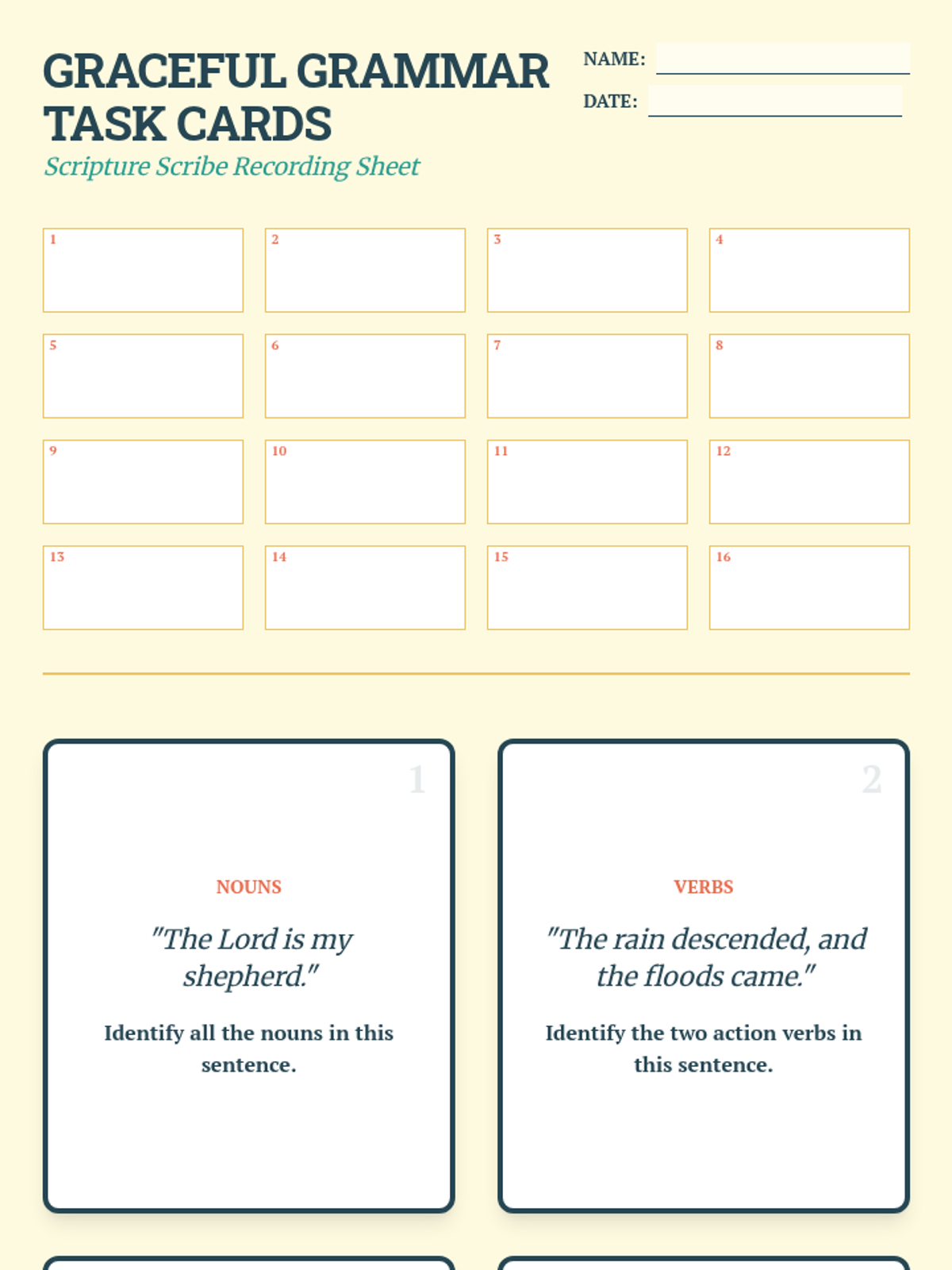
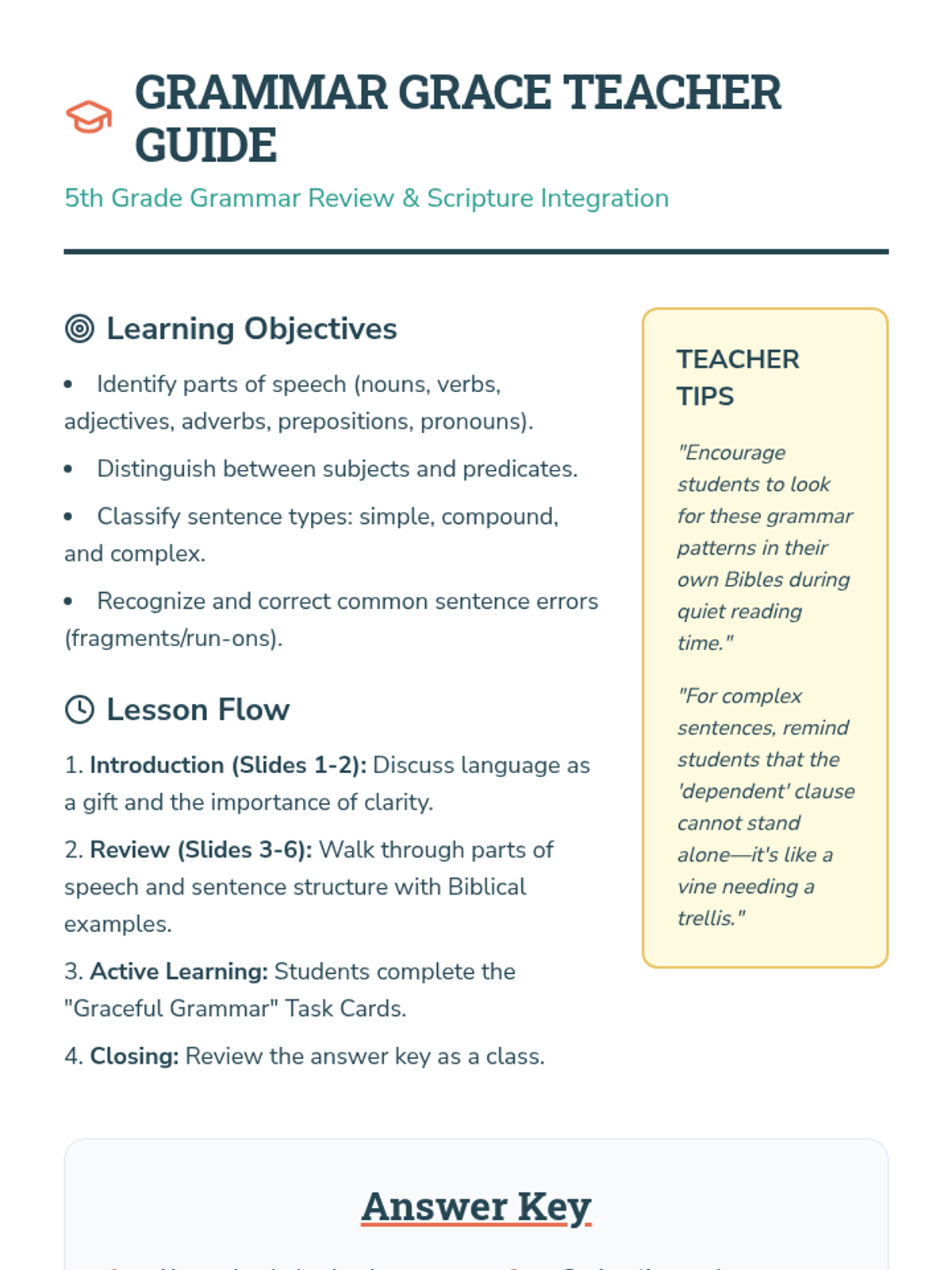
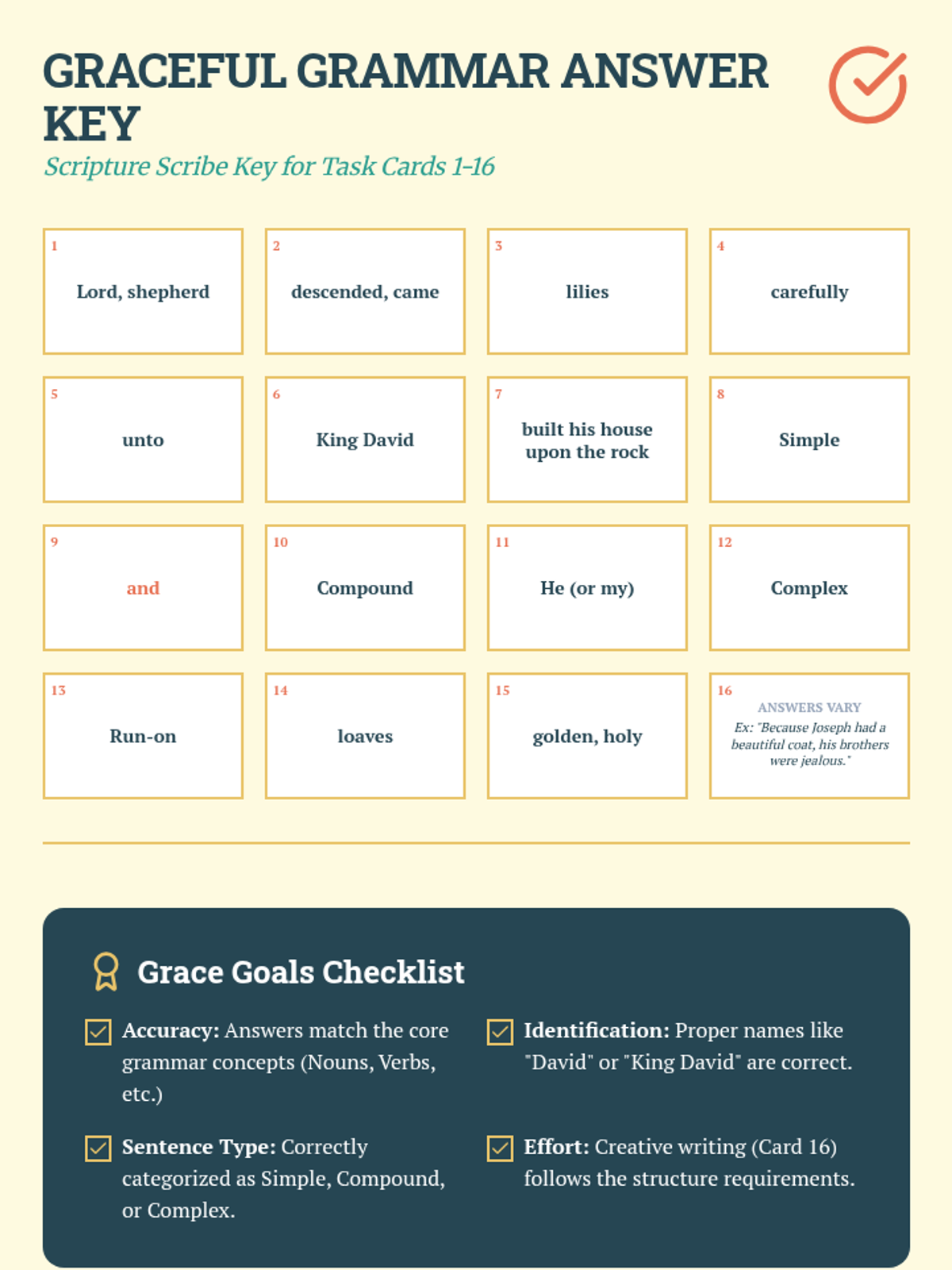
A 5th-grade grammar review lesson focusing on parts of speech and sentence structure through the lens of Biblical texts and themes. Students explore how language is a gift used to share truth and wisdom.
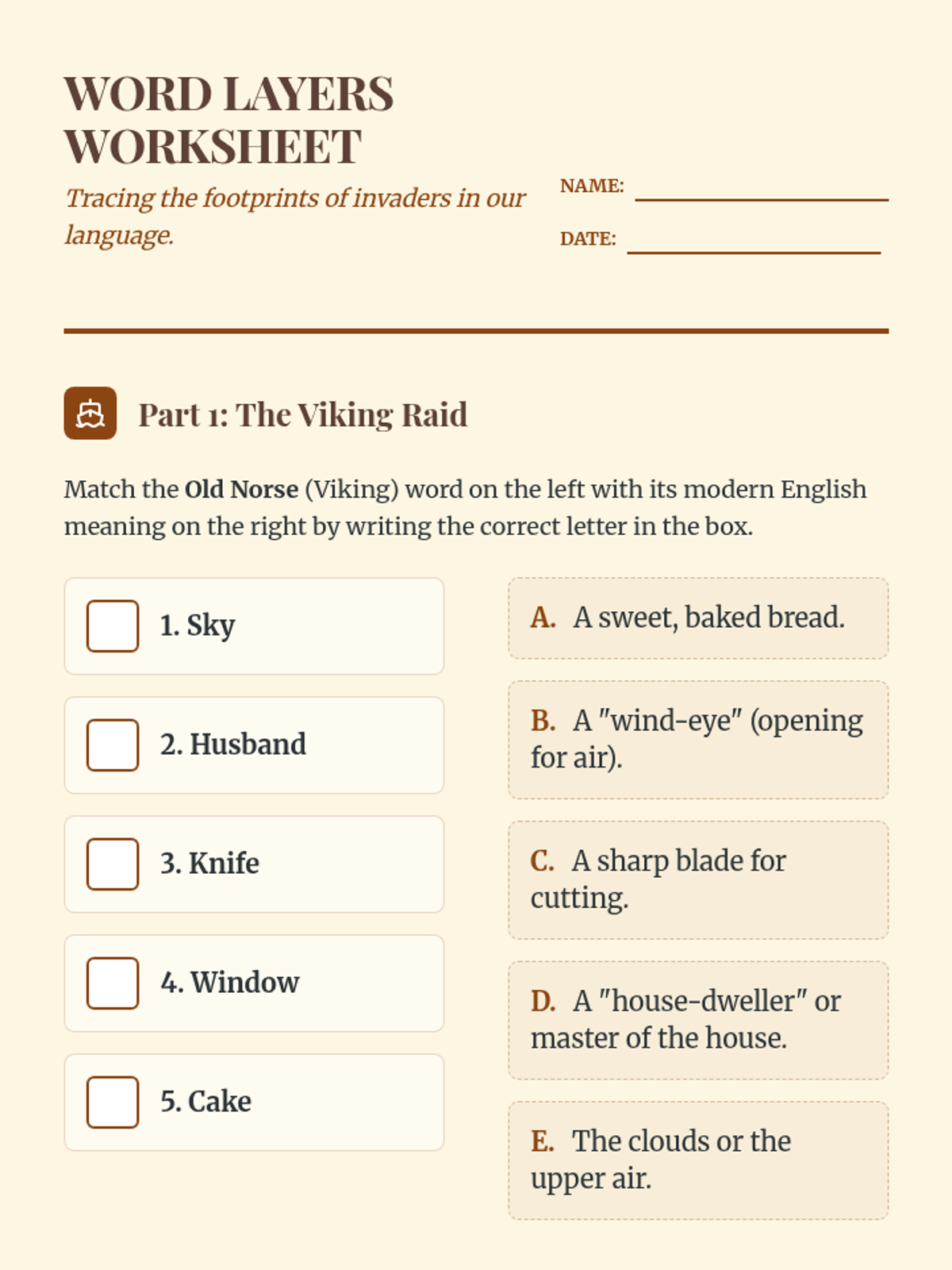
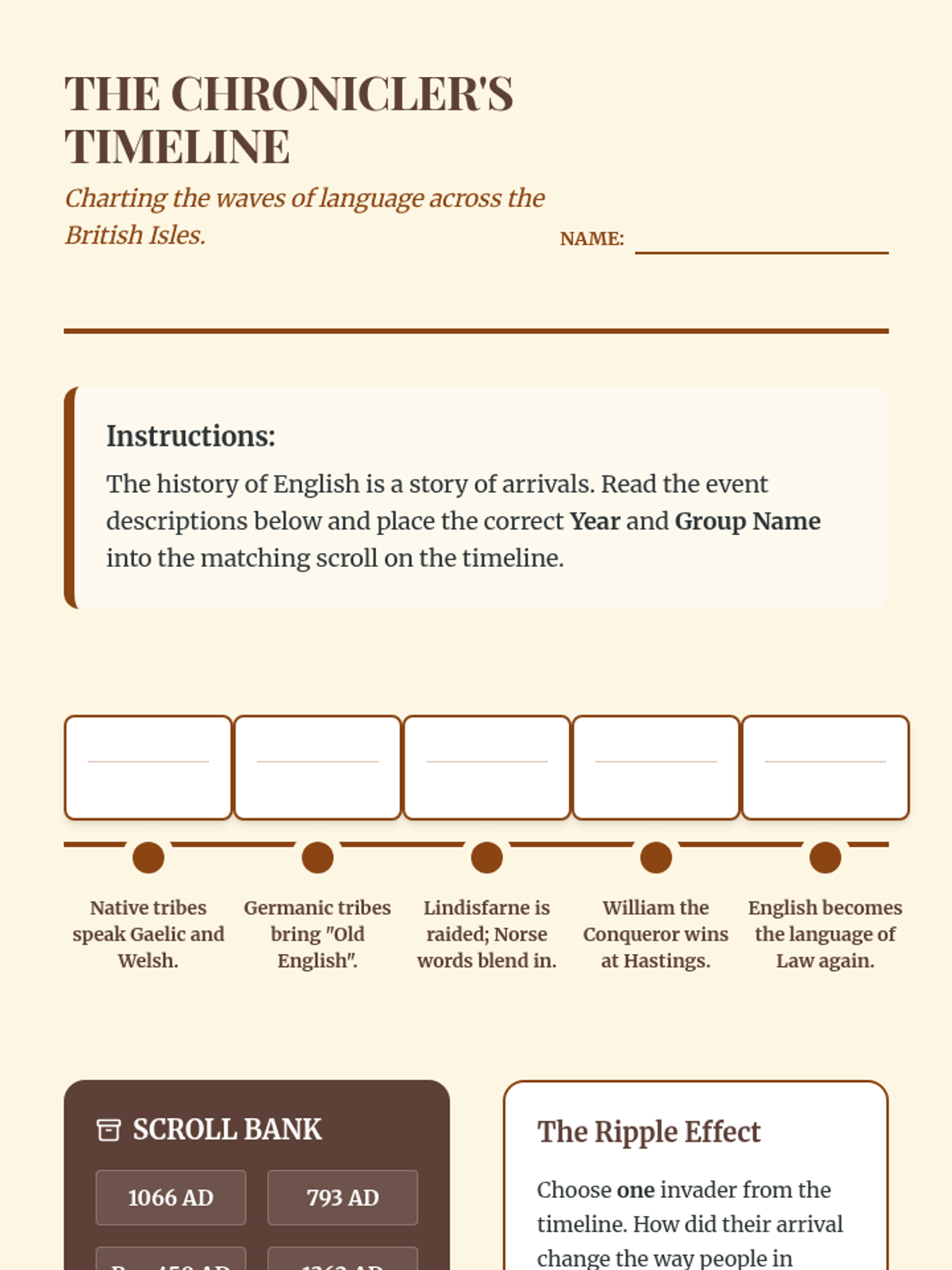
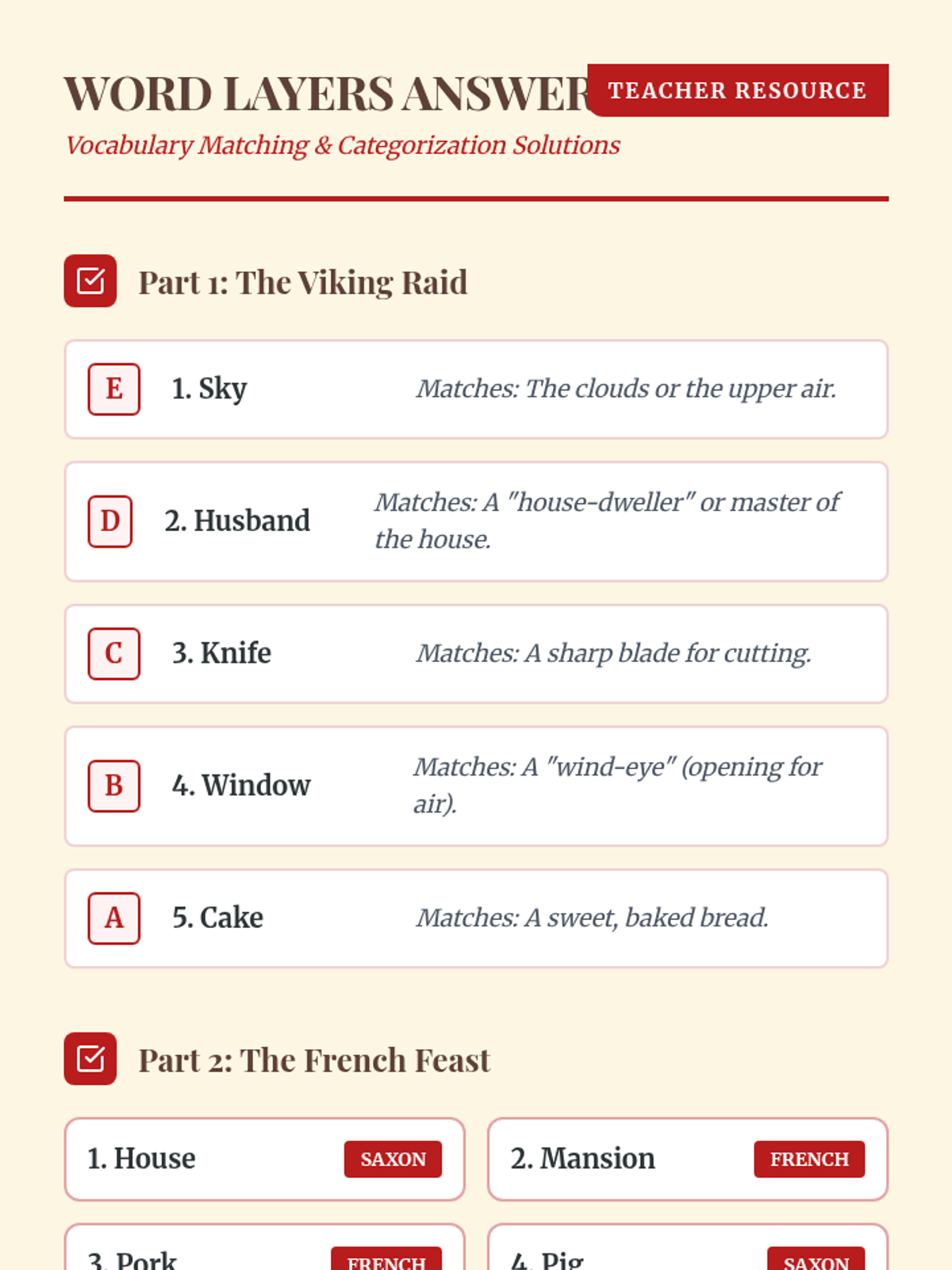
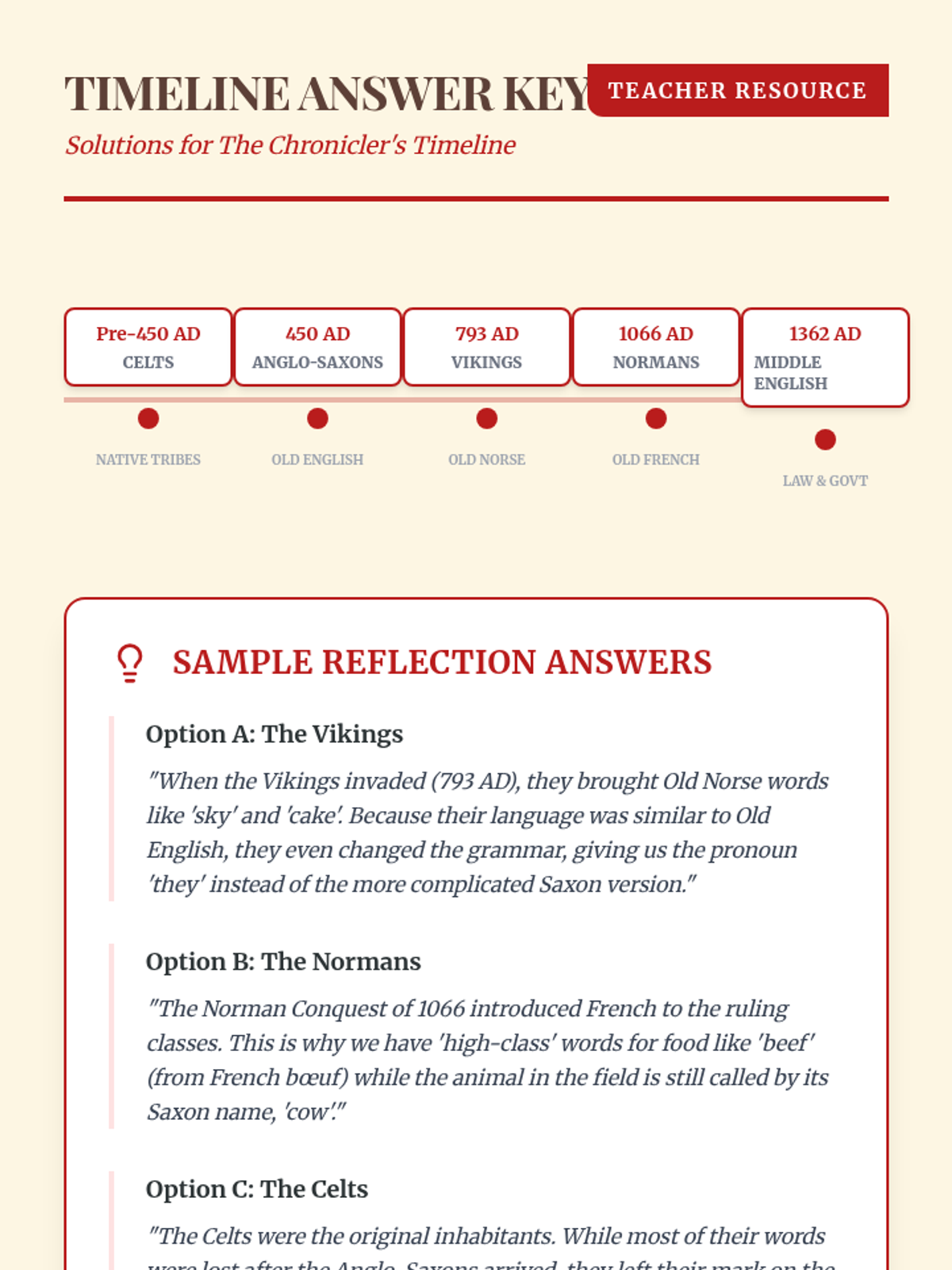
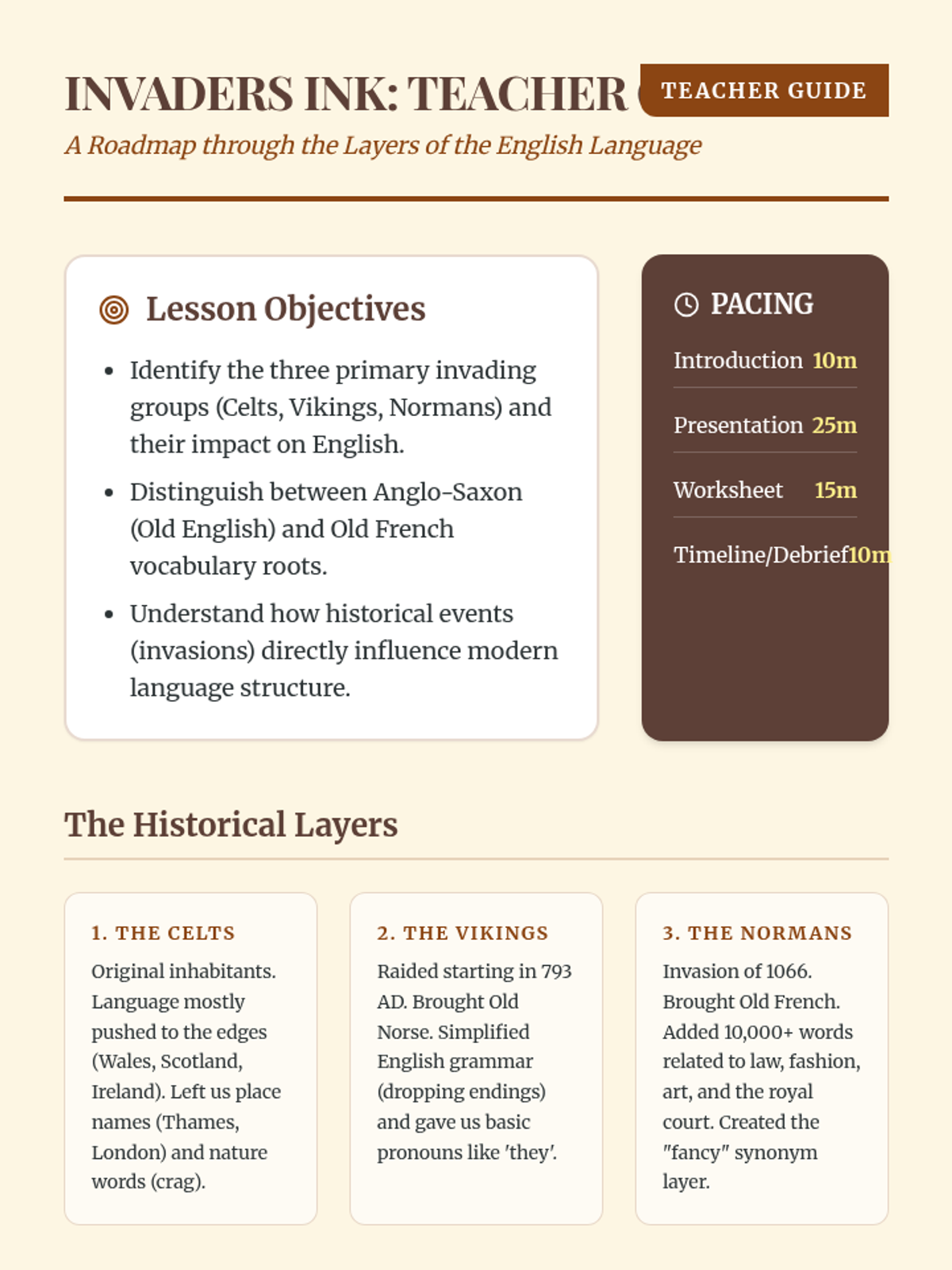
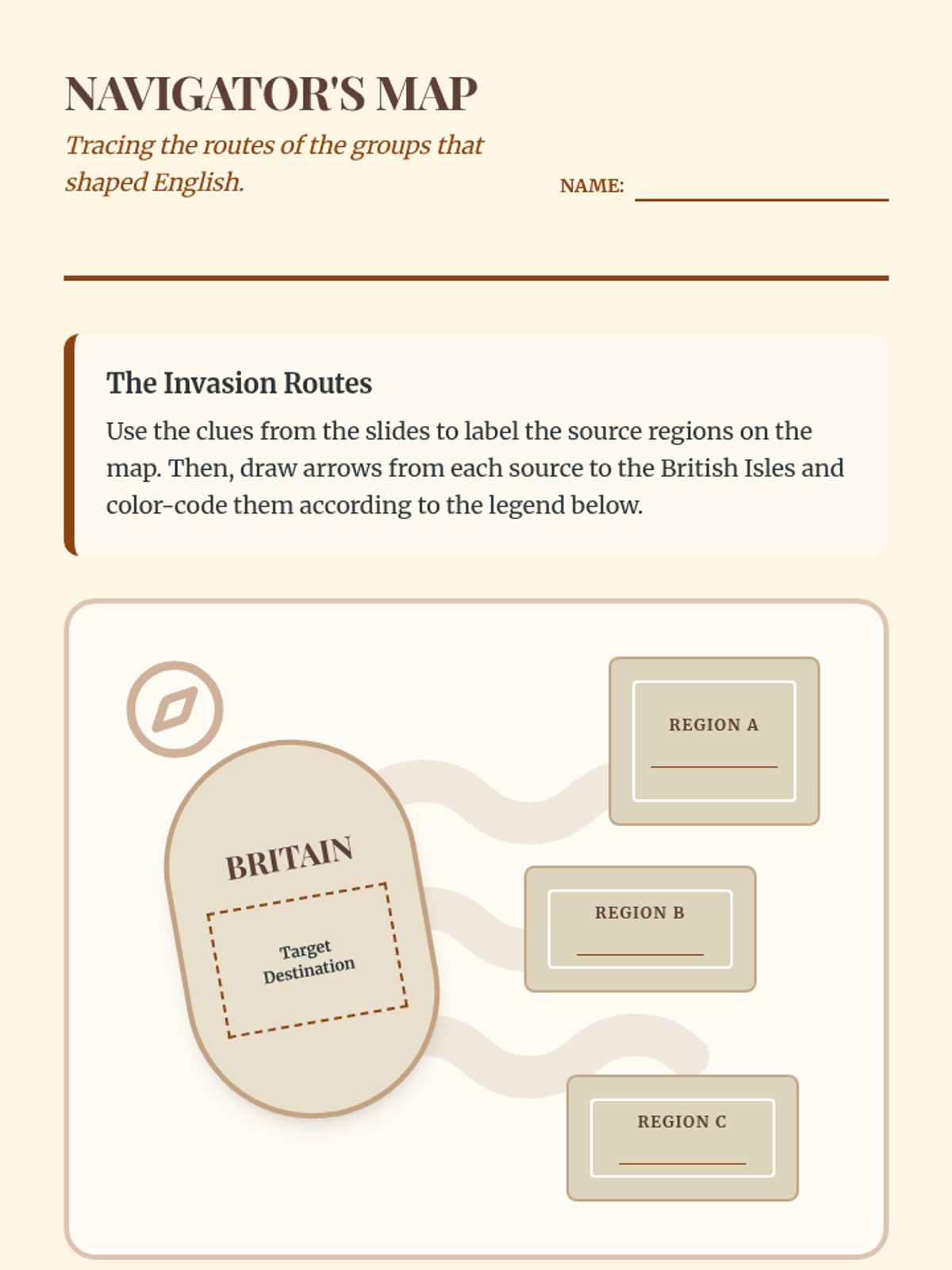
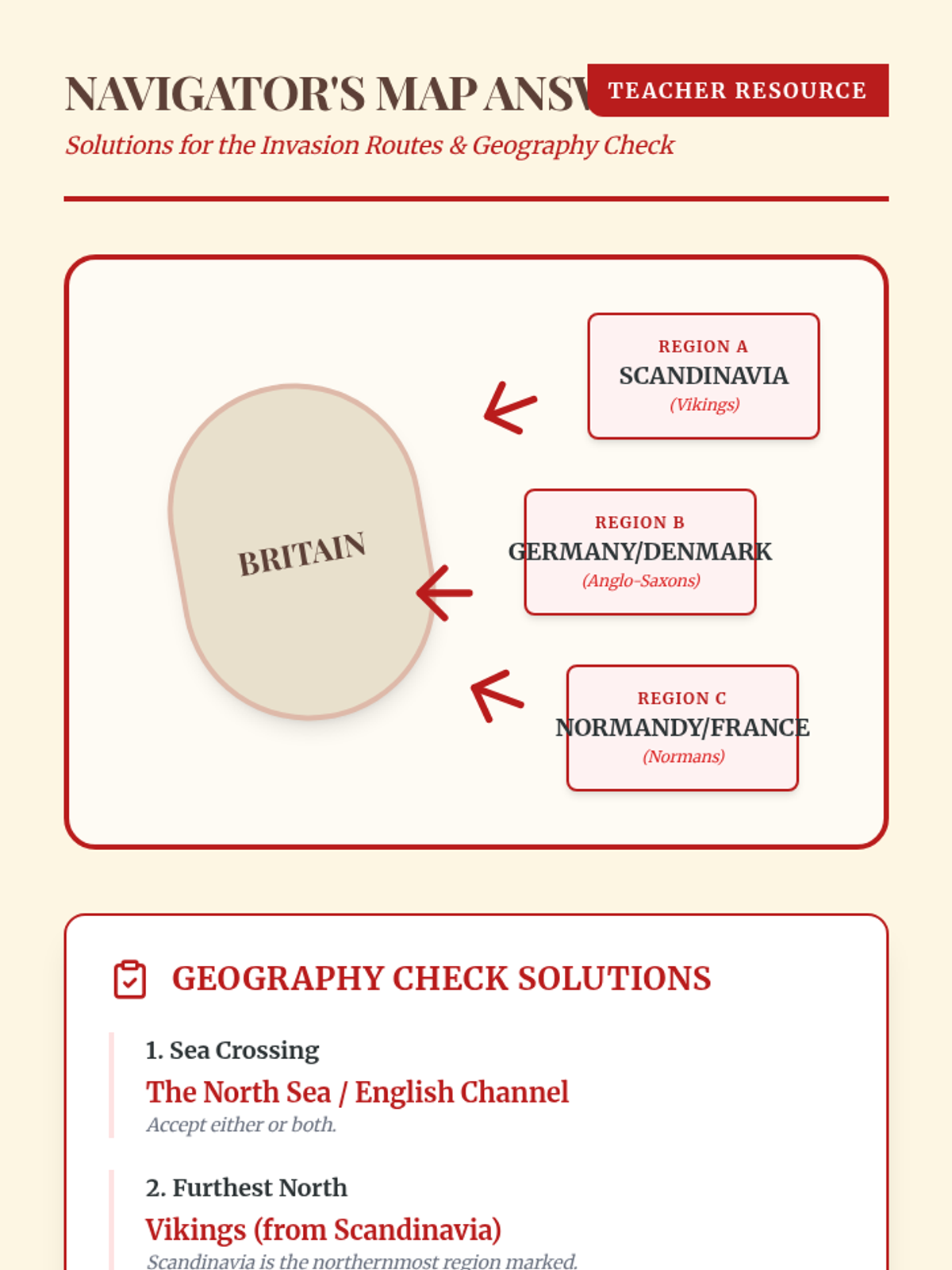
This lesson explores the historical layers of the English language, focusing on how invasions by the Celts, Vikings, and French shaped the vocabulary and grammar we use today. Students will trace the timeline from Old English to the Norman Conquest.
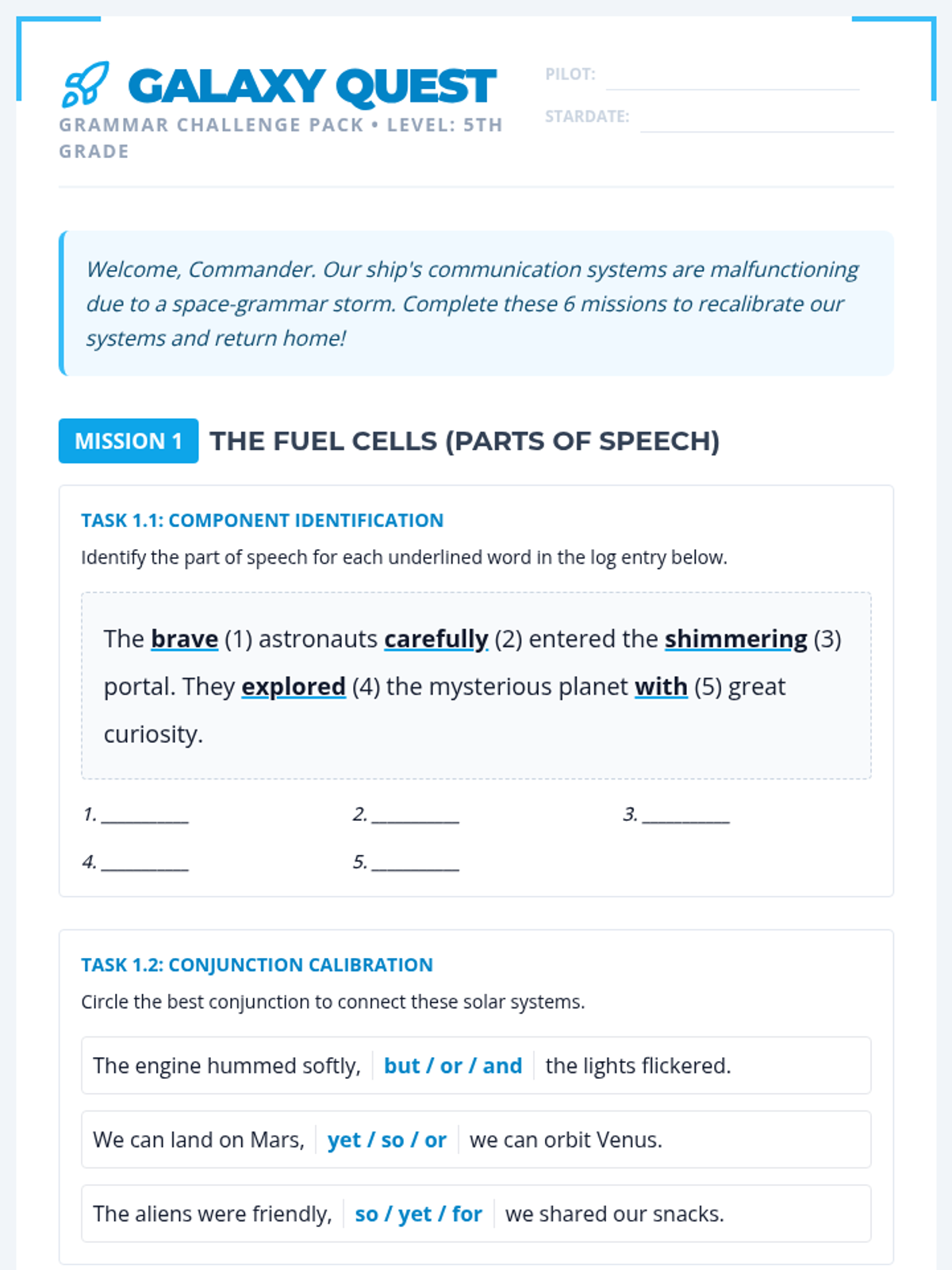
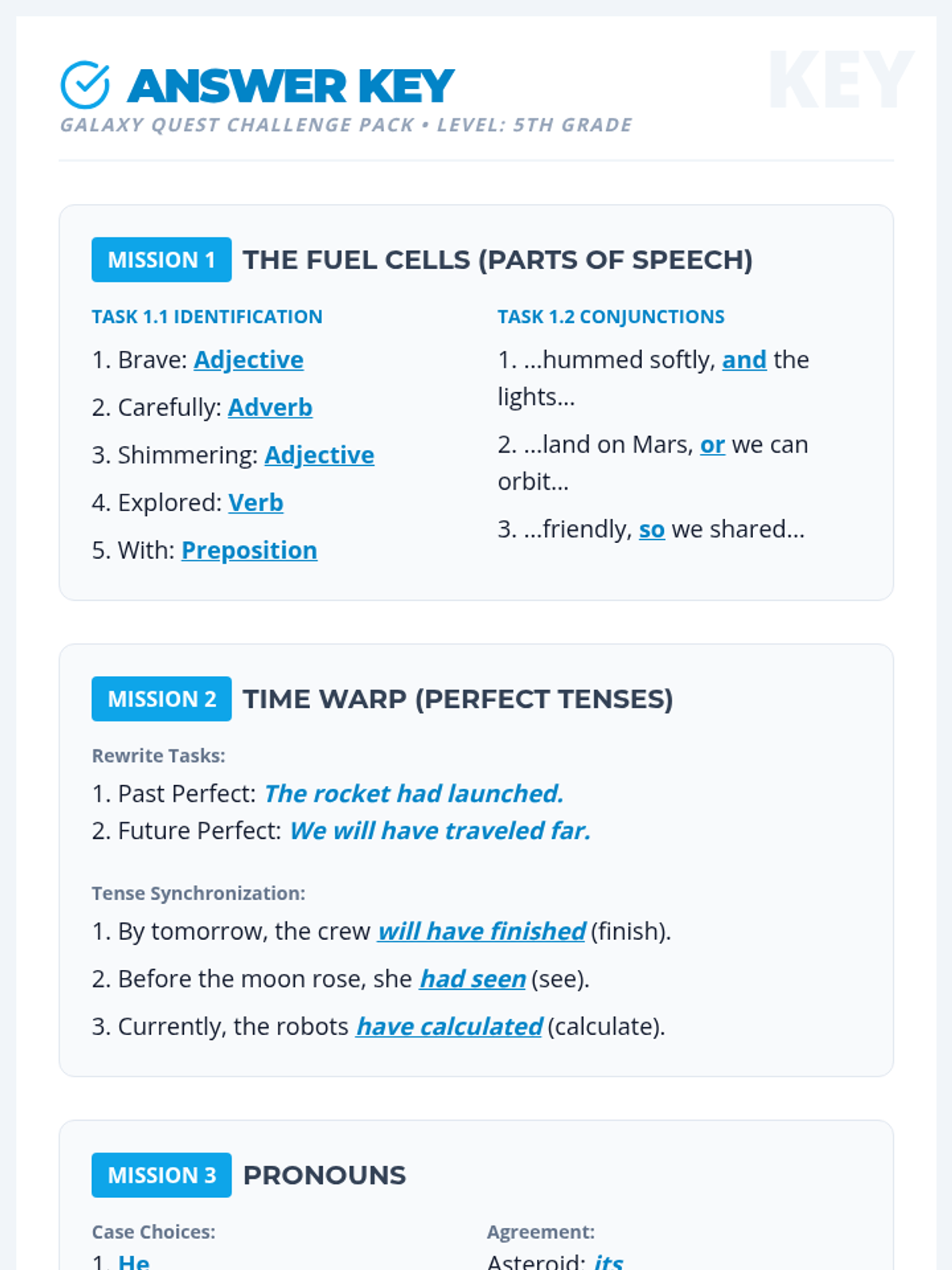
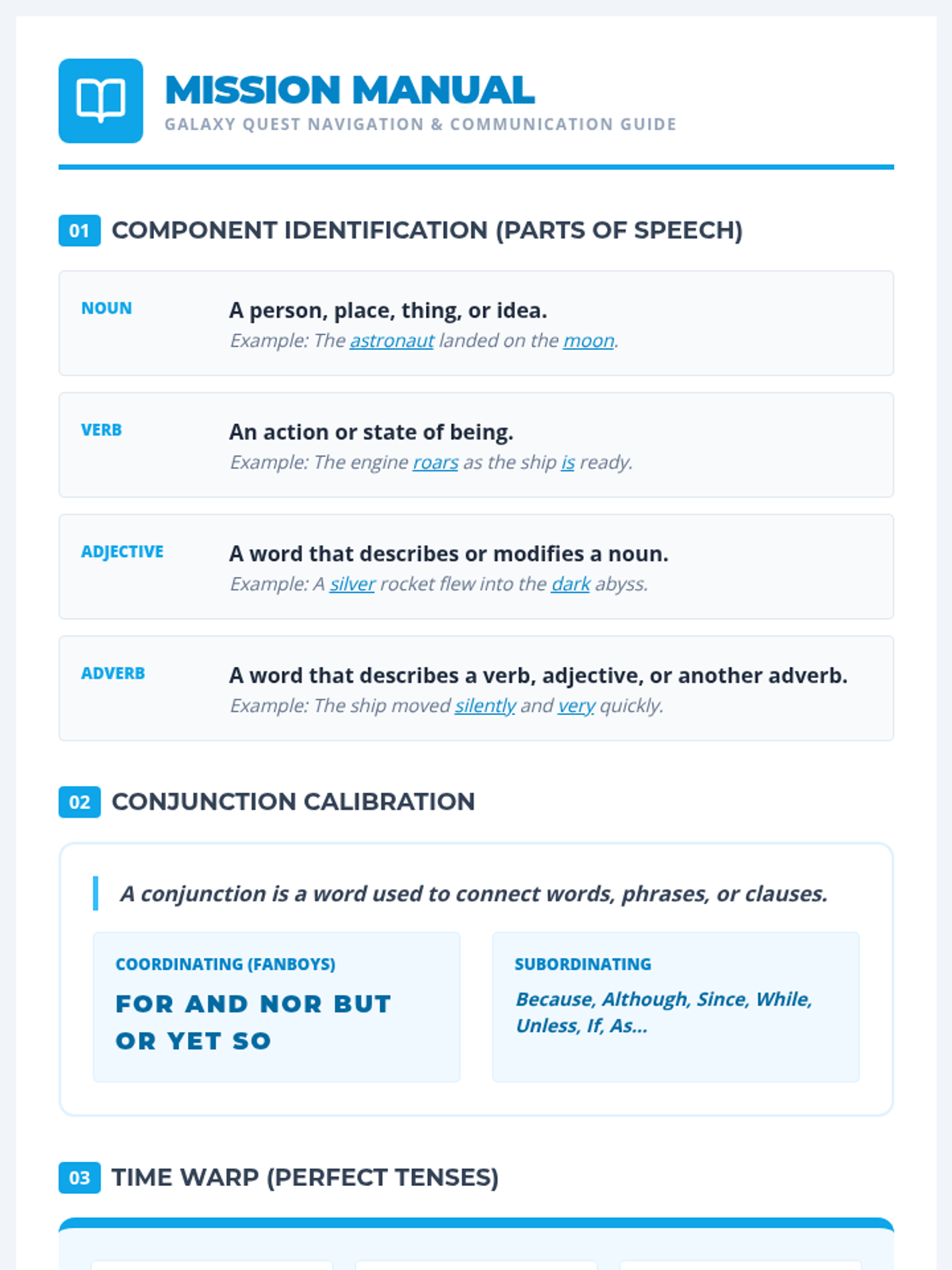
A multi-page grammar challenge pack designed as a 'Galaxy Expedition' to review 5th-grade standards including perfect verb tenses, pronoun usage, and sentence structure.
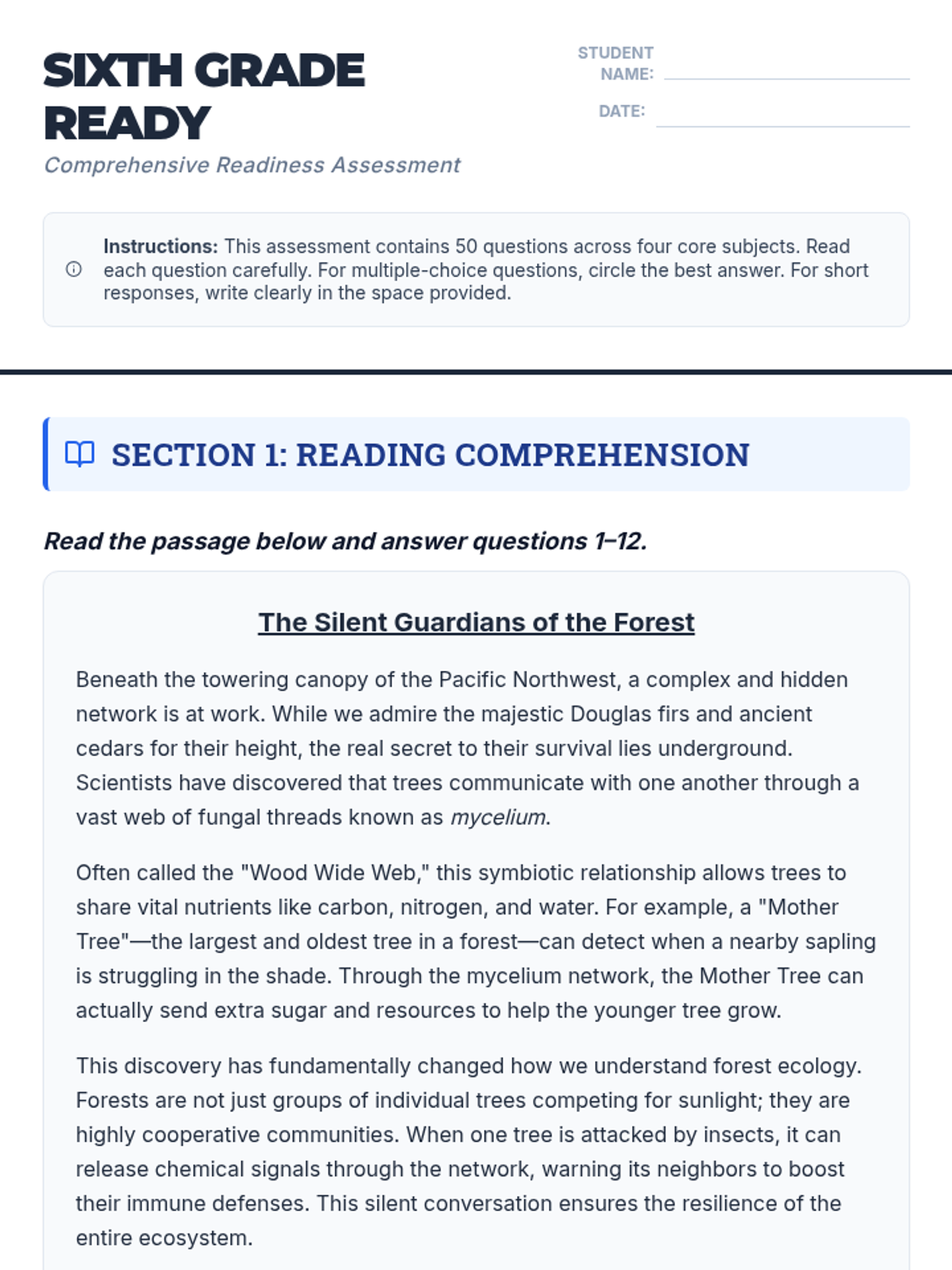
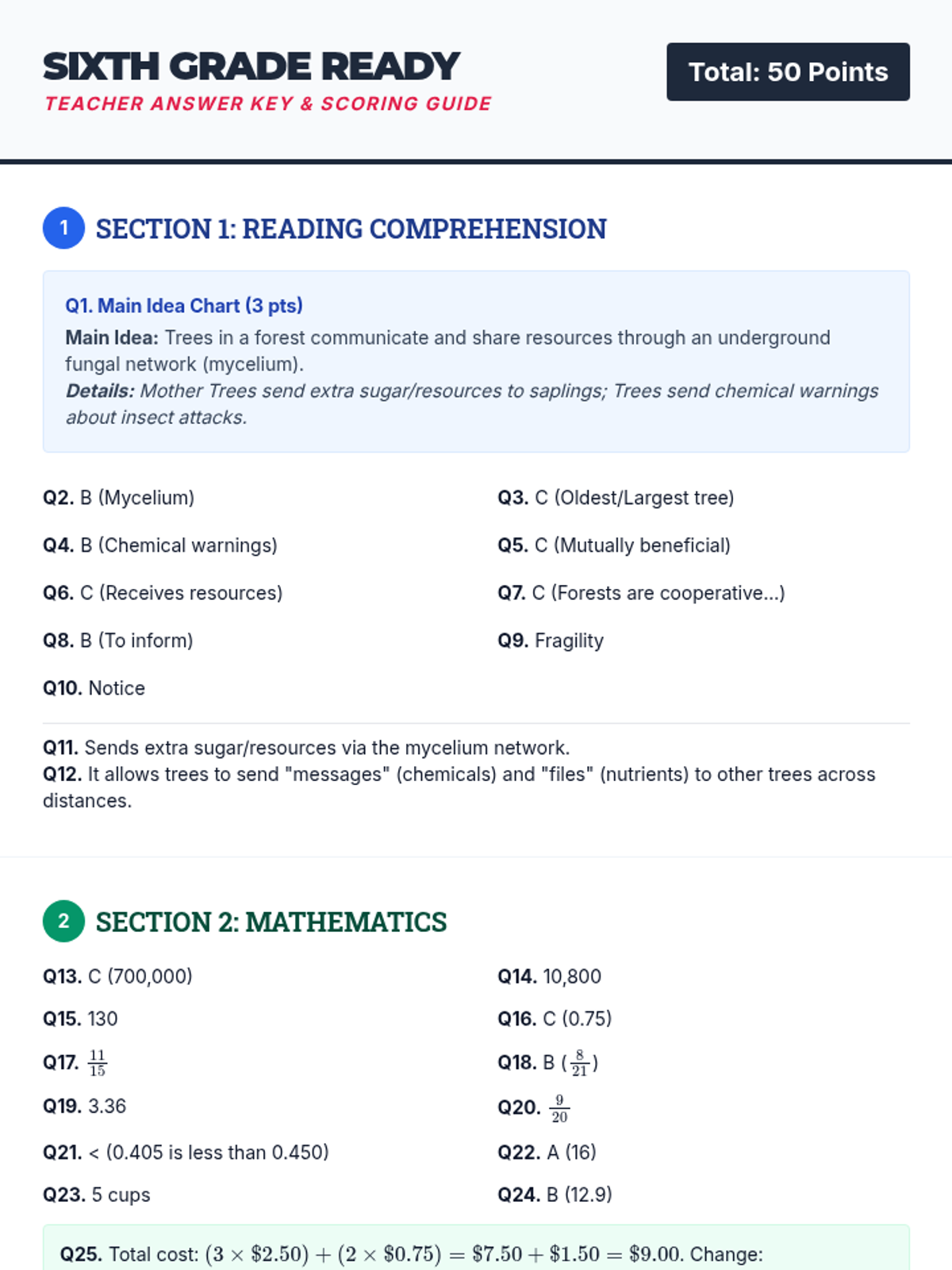
A comprehensive 50-question assessment designed to evaluate student readiness for 6th grade across Reading, Math, Science, and Writing. includes multiple question formats and a detailed answer key.
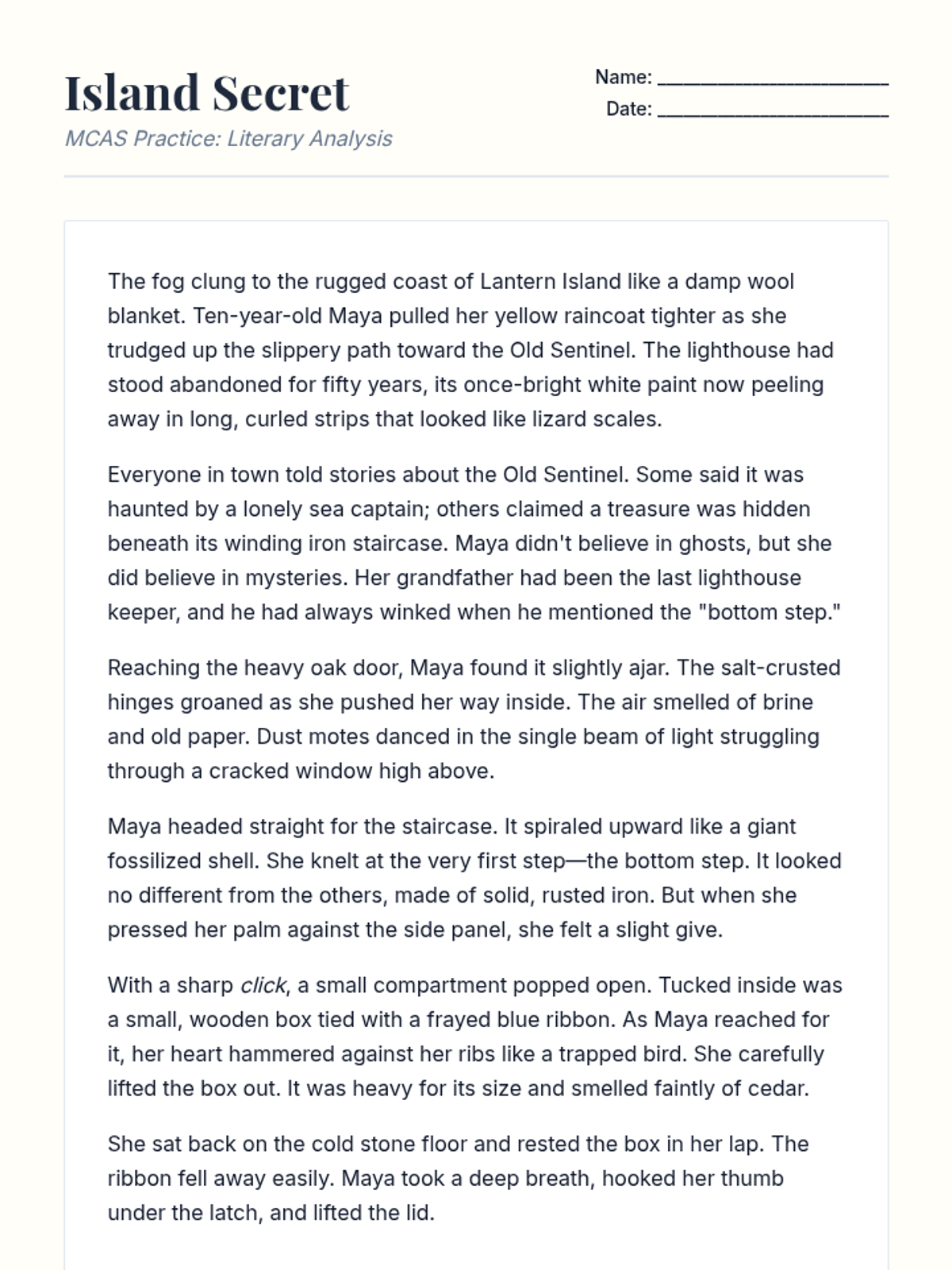
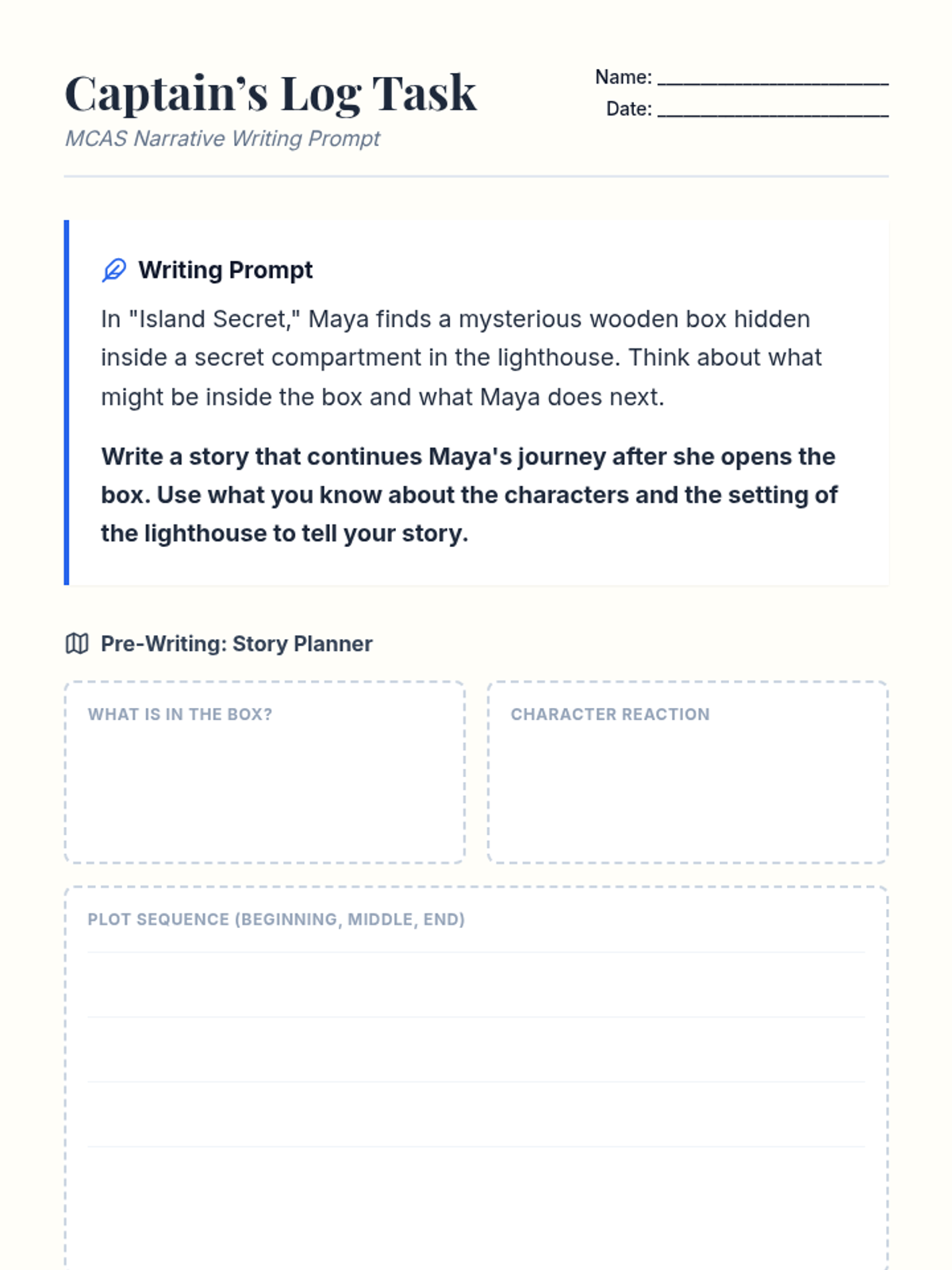
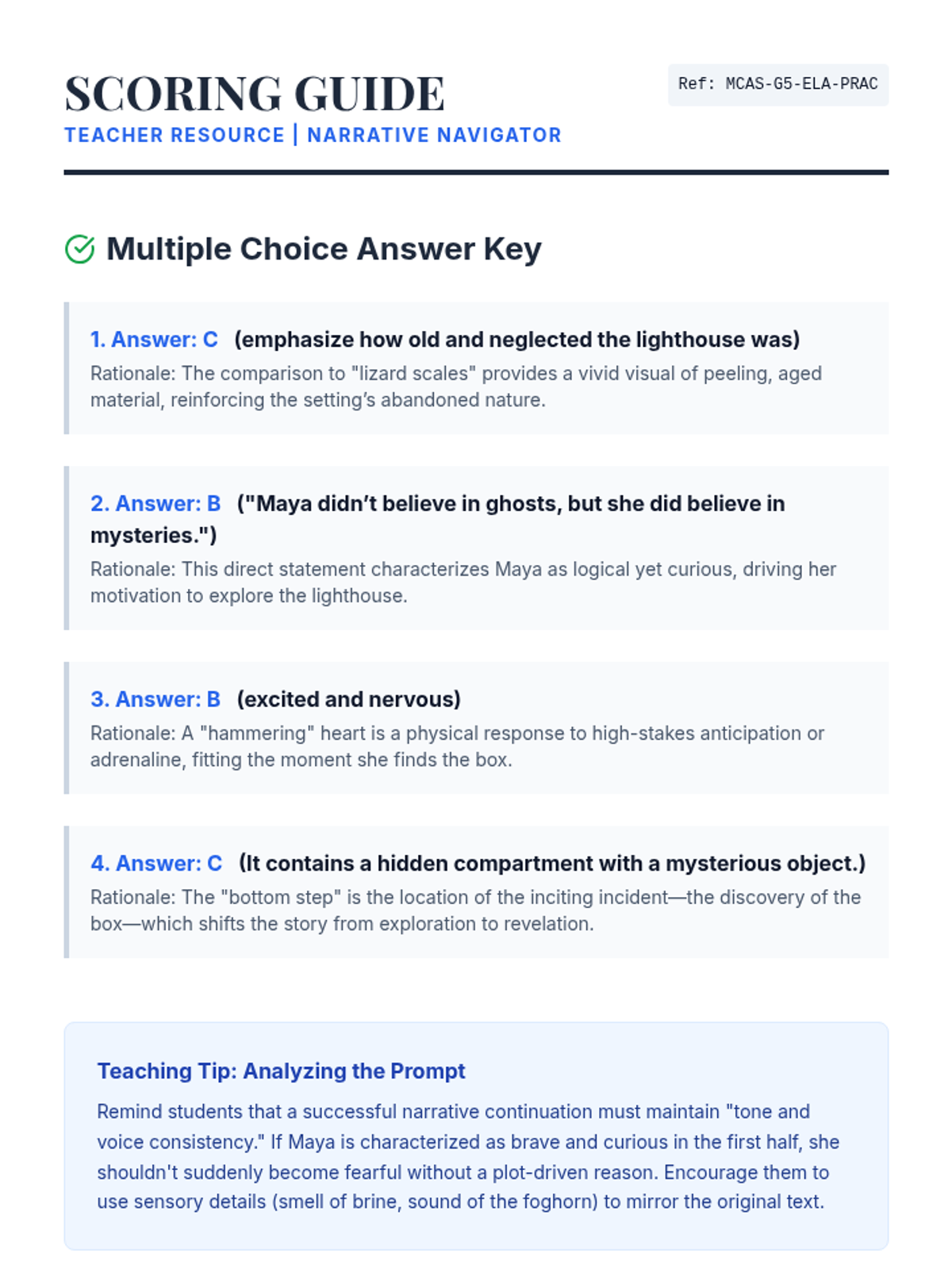
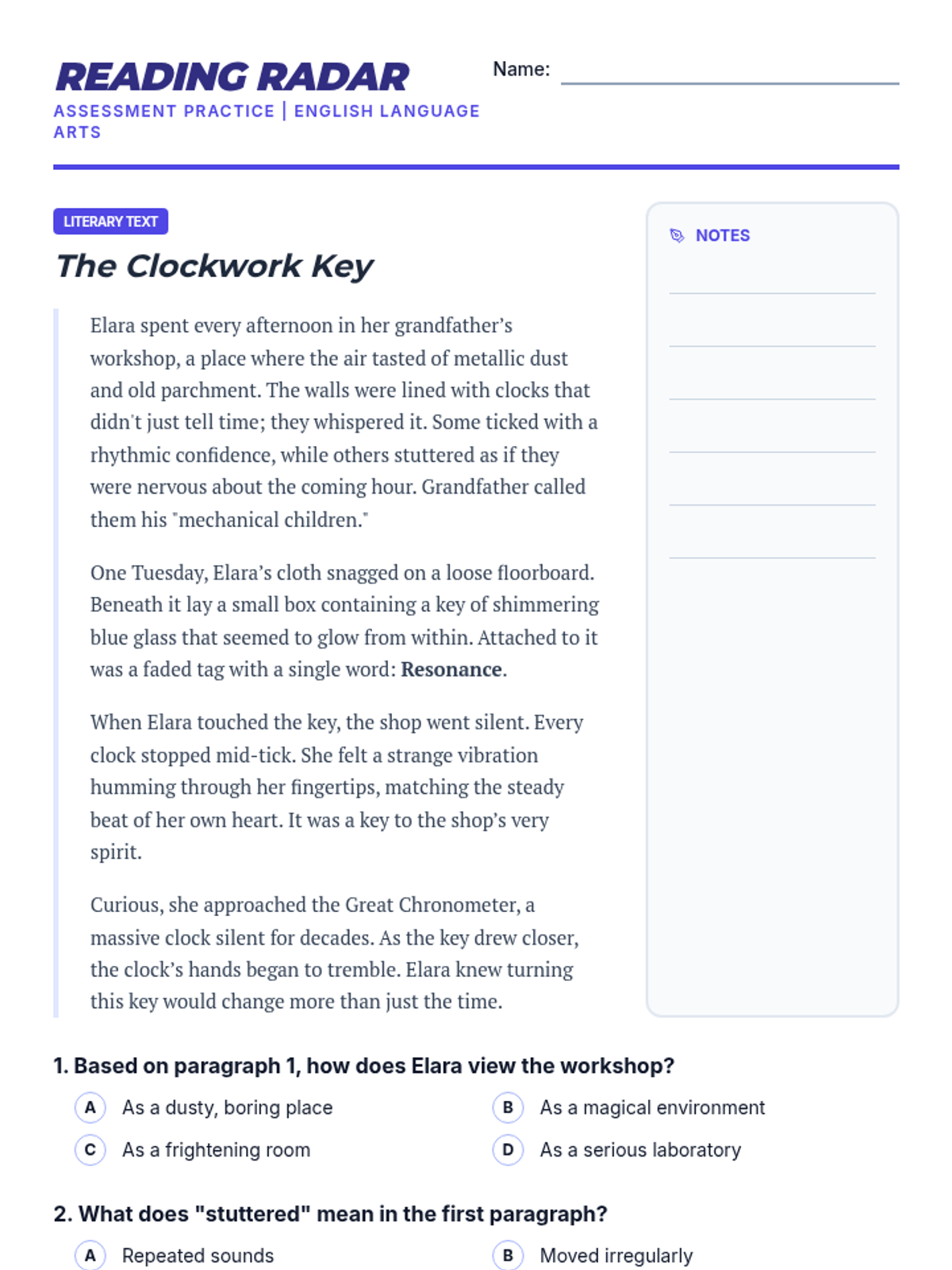
A comprehensive MCAS-style practice session for 5th grade ELA, focusing on reading comprehension of a literary passage and a subsequent narrative writing task. Students will practice analyzing text through multiple-choice questions and then apply narrative techniques to extend the story.
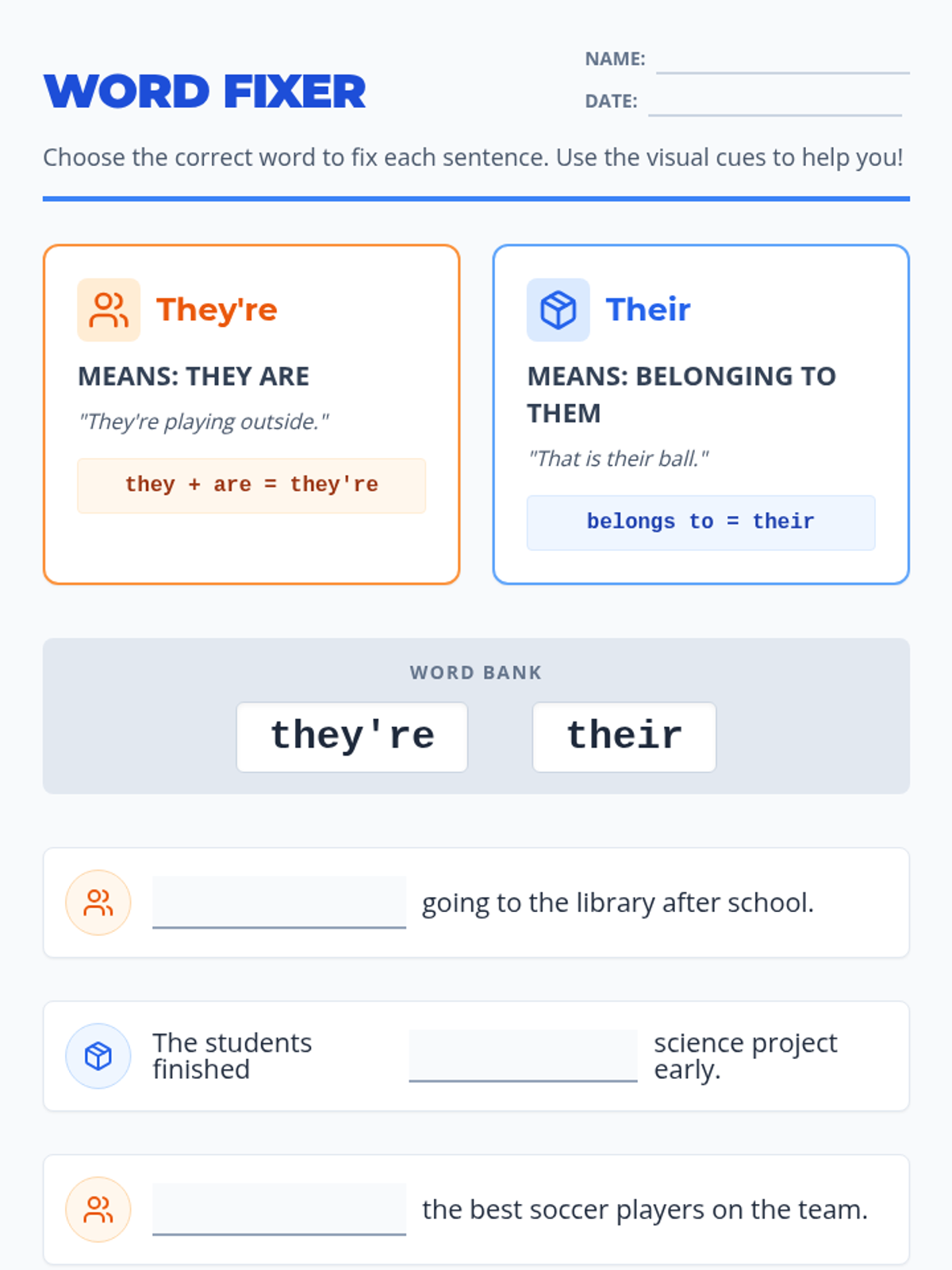
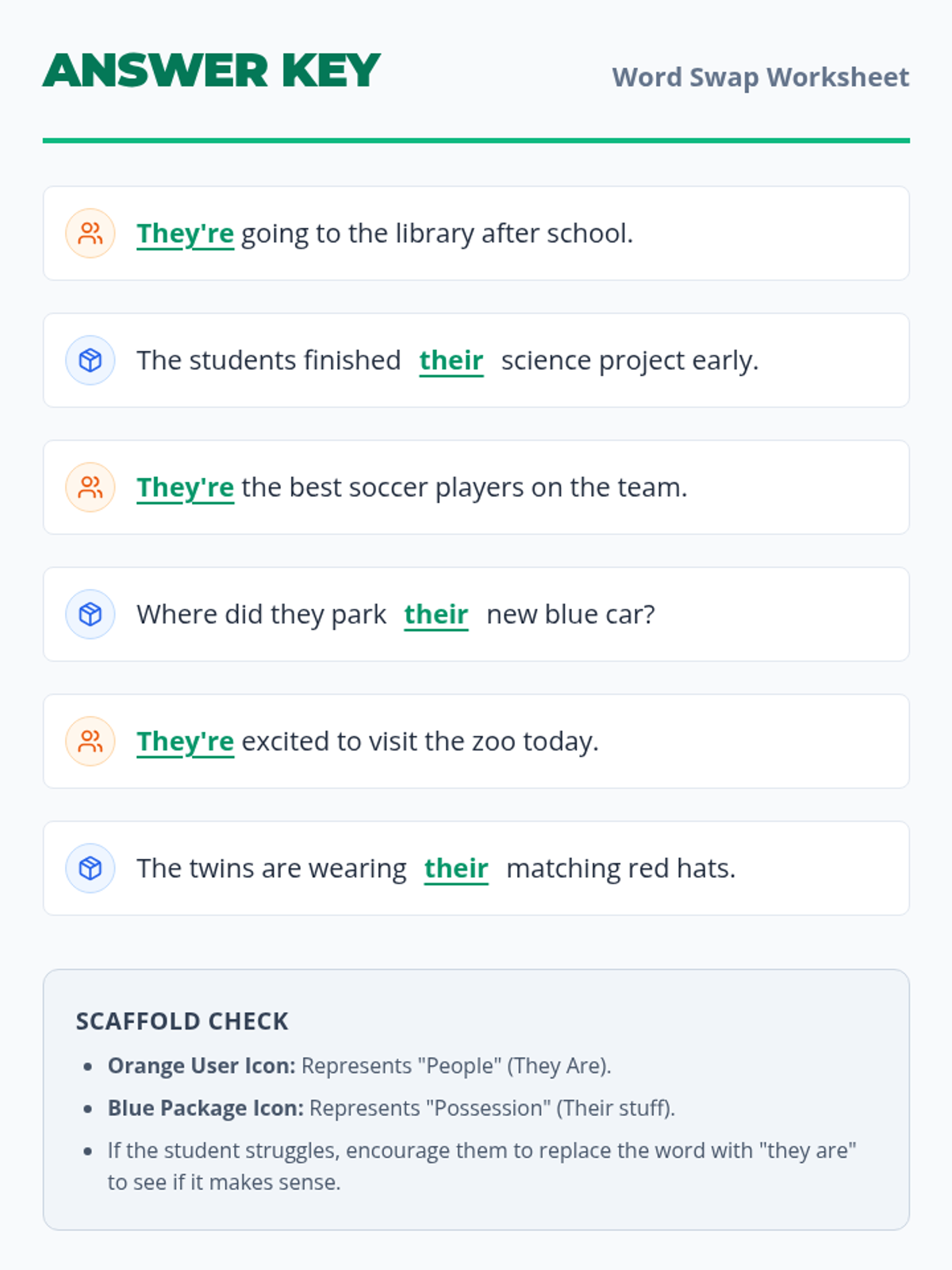
A lesson focused on distinguishing between the homophones 'they're' and 'their' using visual cues and contextual practice.
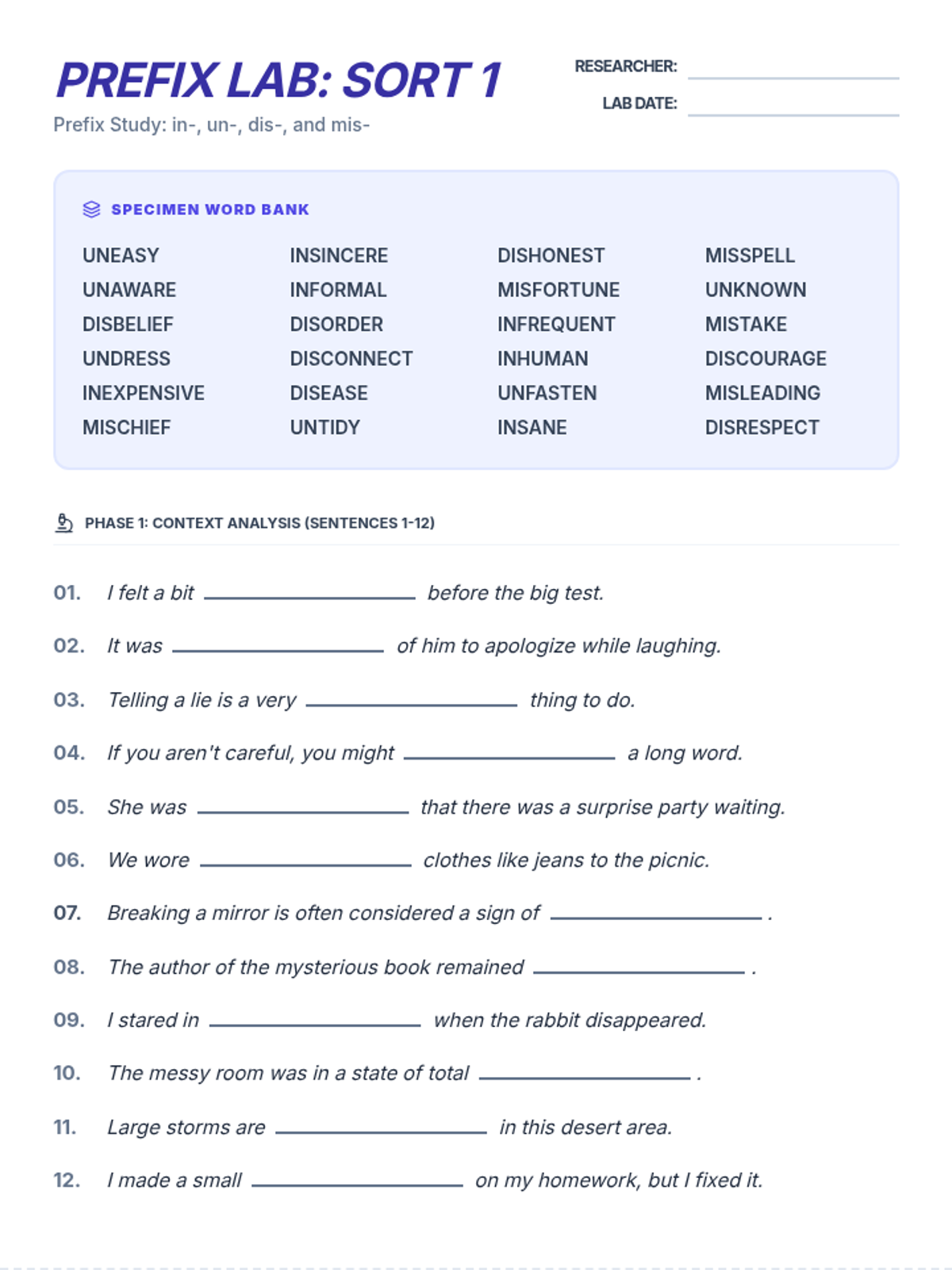
A lesson focused on the prefixes in-, un-, dis-, and mis-. Students analyze meanings and usage through contextual sentences and word puzzles.
A comprehensive series of resources focused on mastering 5th Grade NYS ELA standards for Informational Text, Language/Vocabulary, and Writing/Conventions. Includes visual aids, targeted strategy guides, and a summative practice packet.
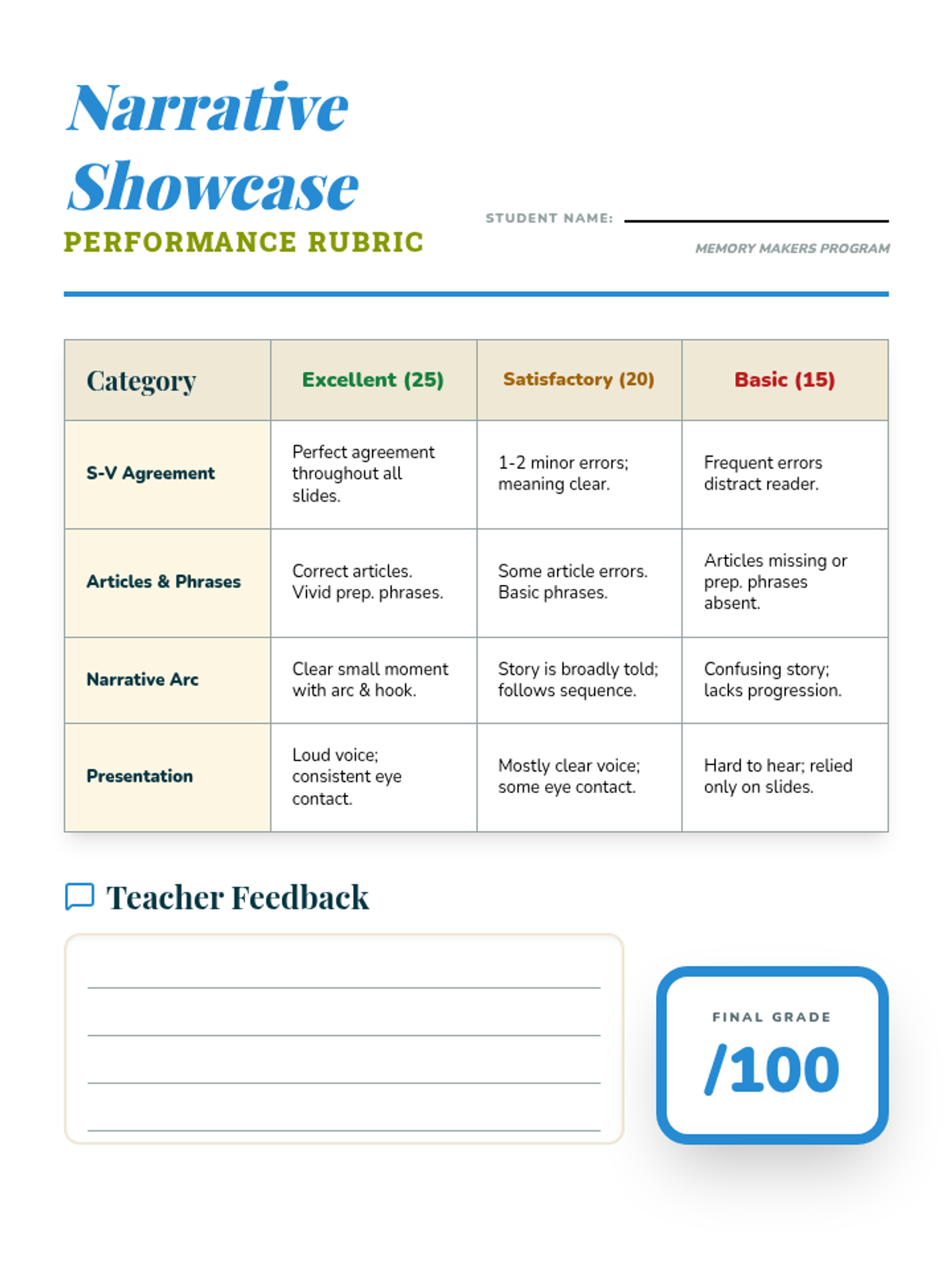
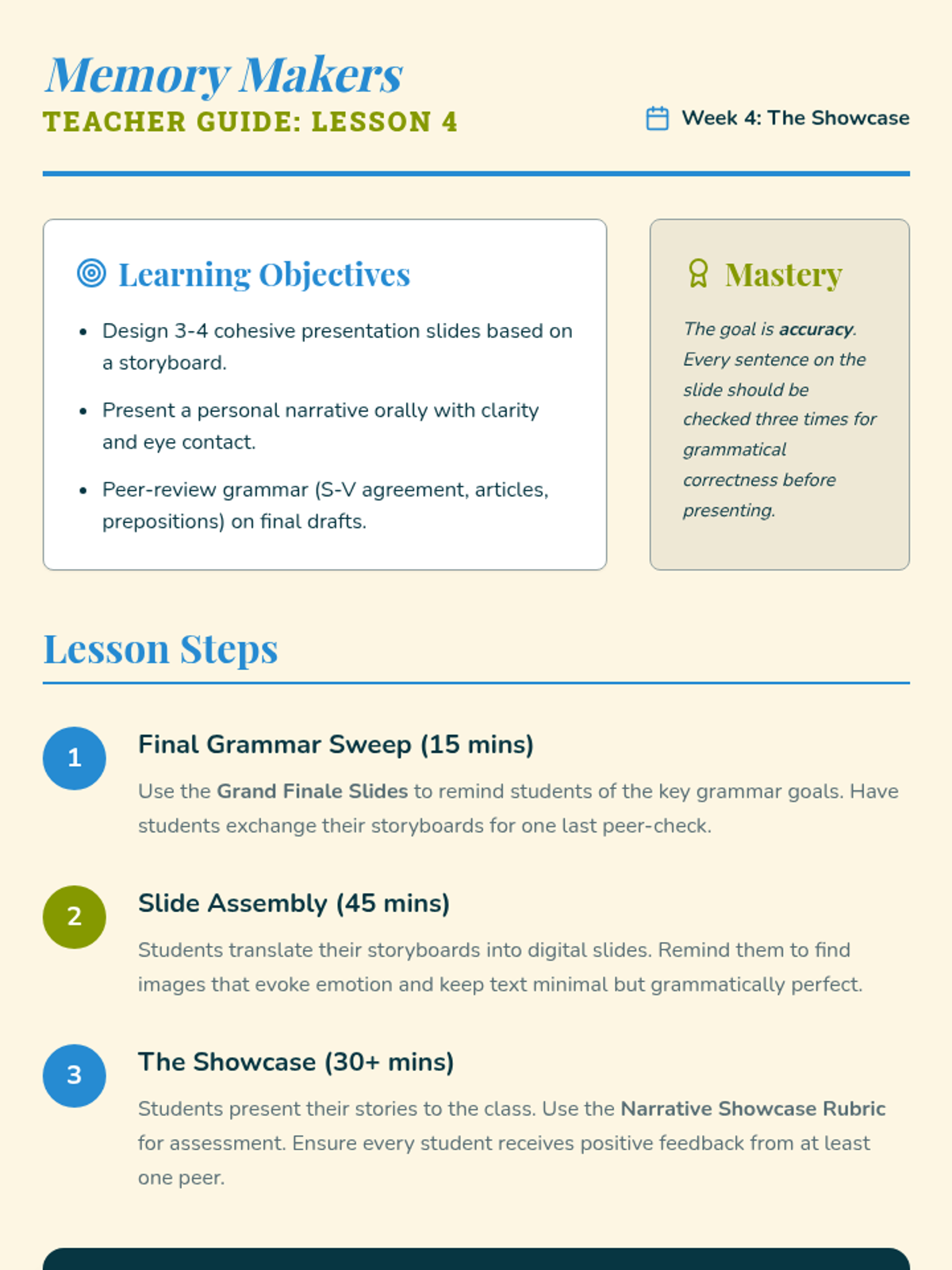
Prepares students for their final oral presentation, focusing on slide design, public speaking, and final grammar checks.
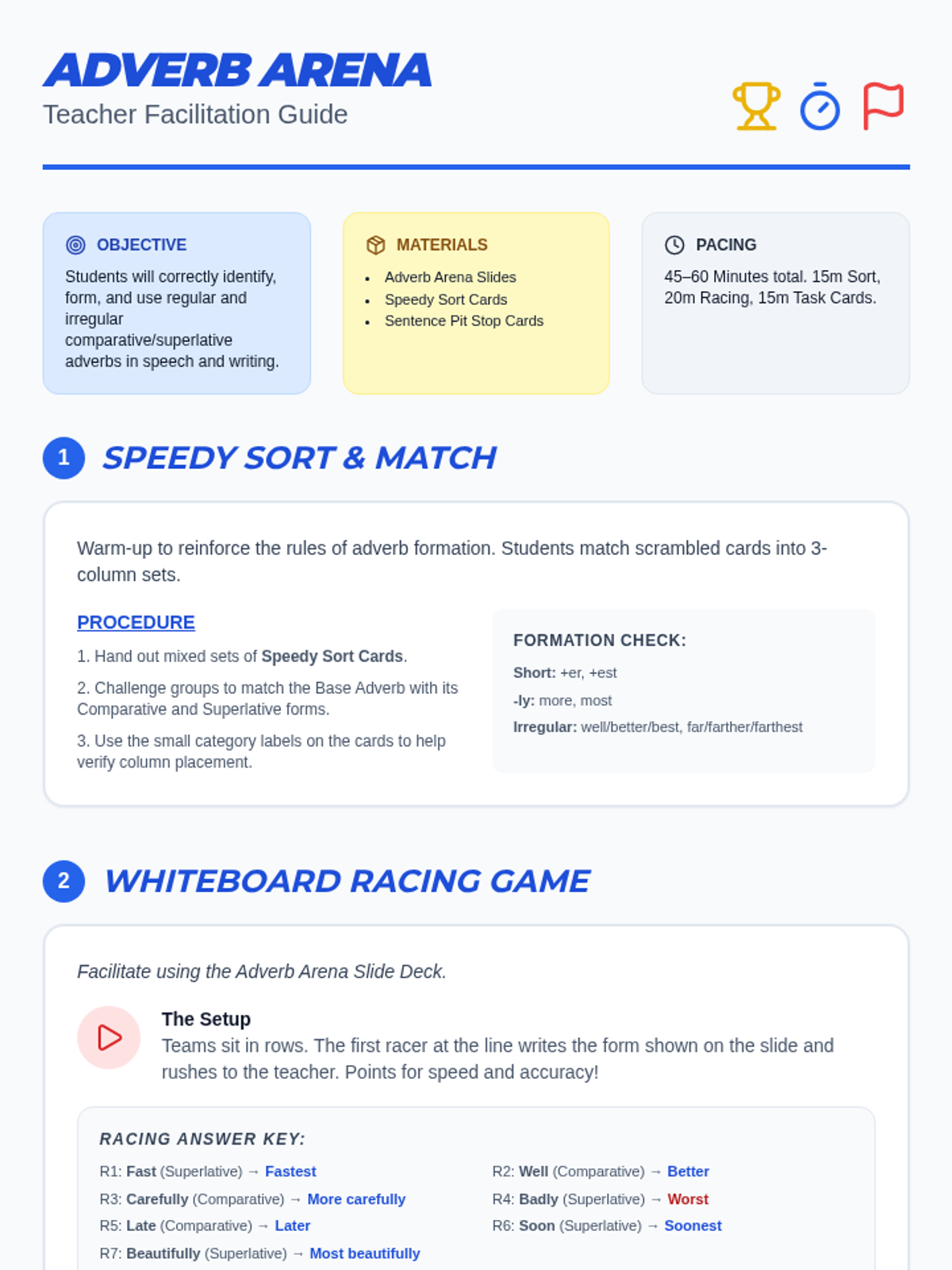
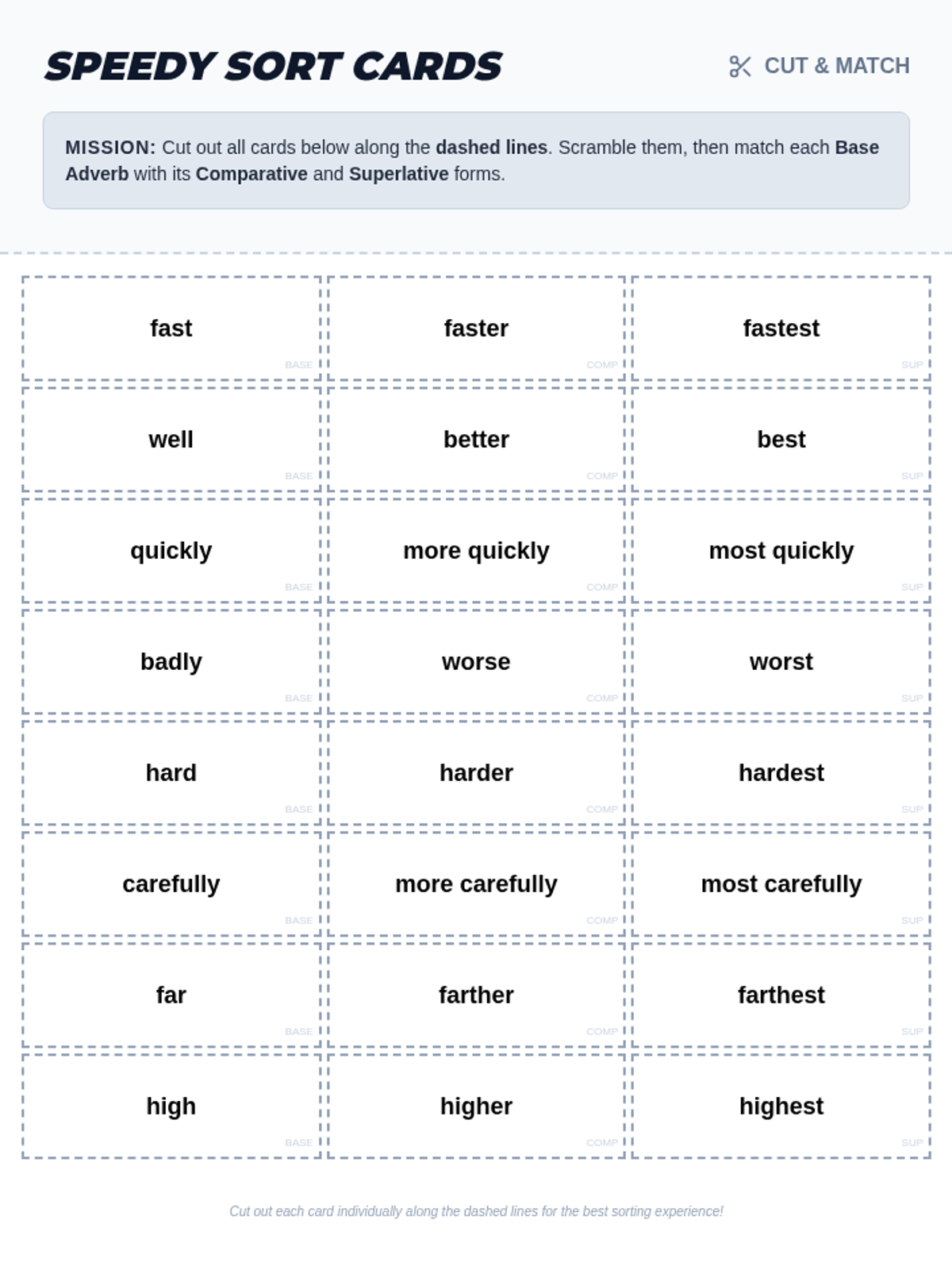
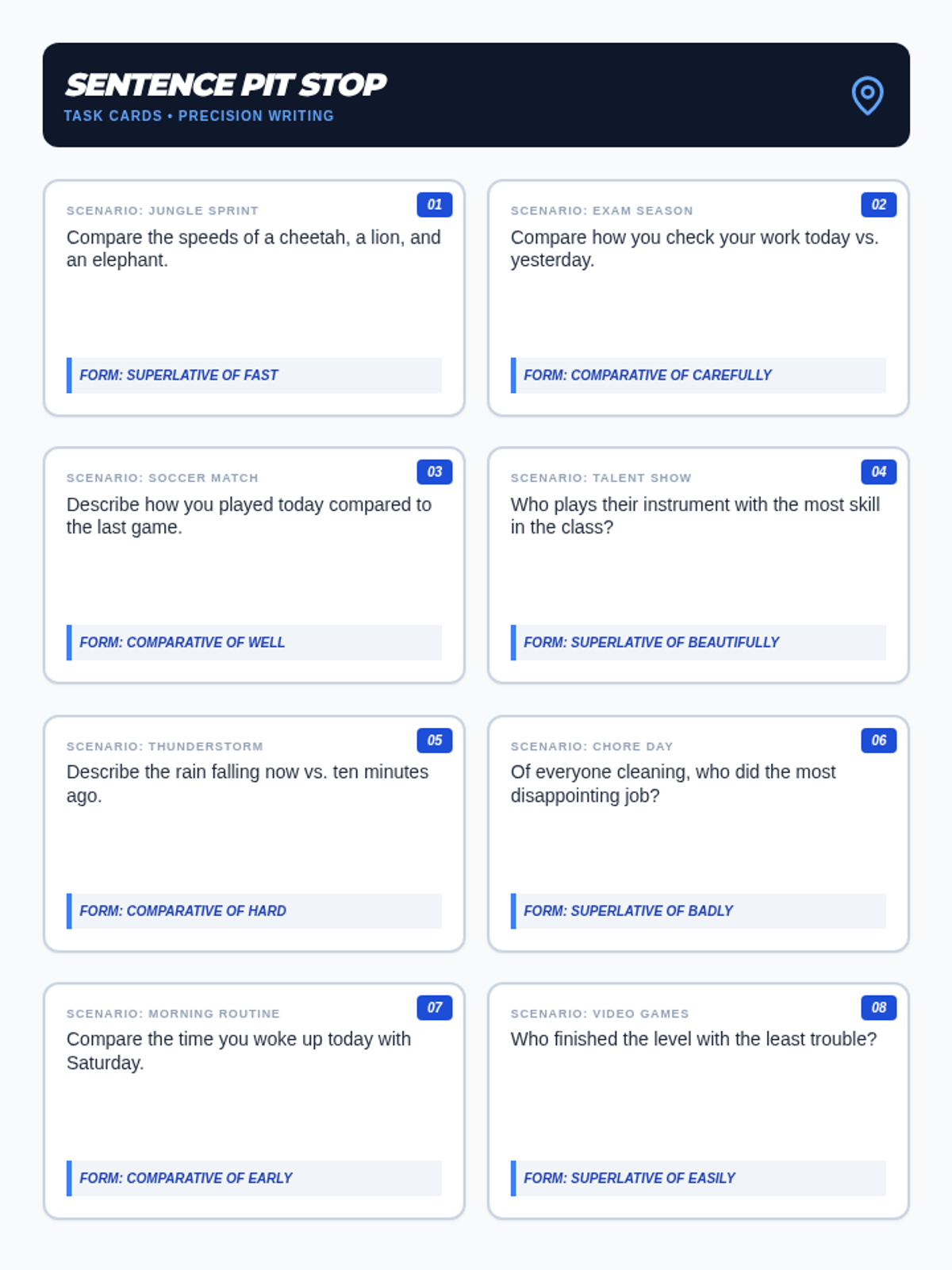
A high-energy set of activities designed to master comparative and superlative adverbs through movement, sorting, and creative sentence construction.
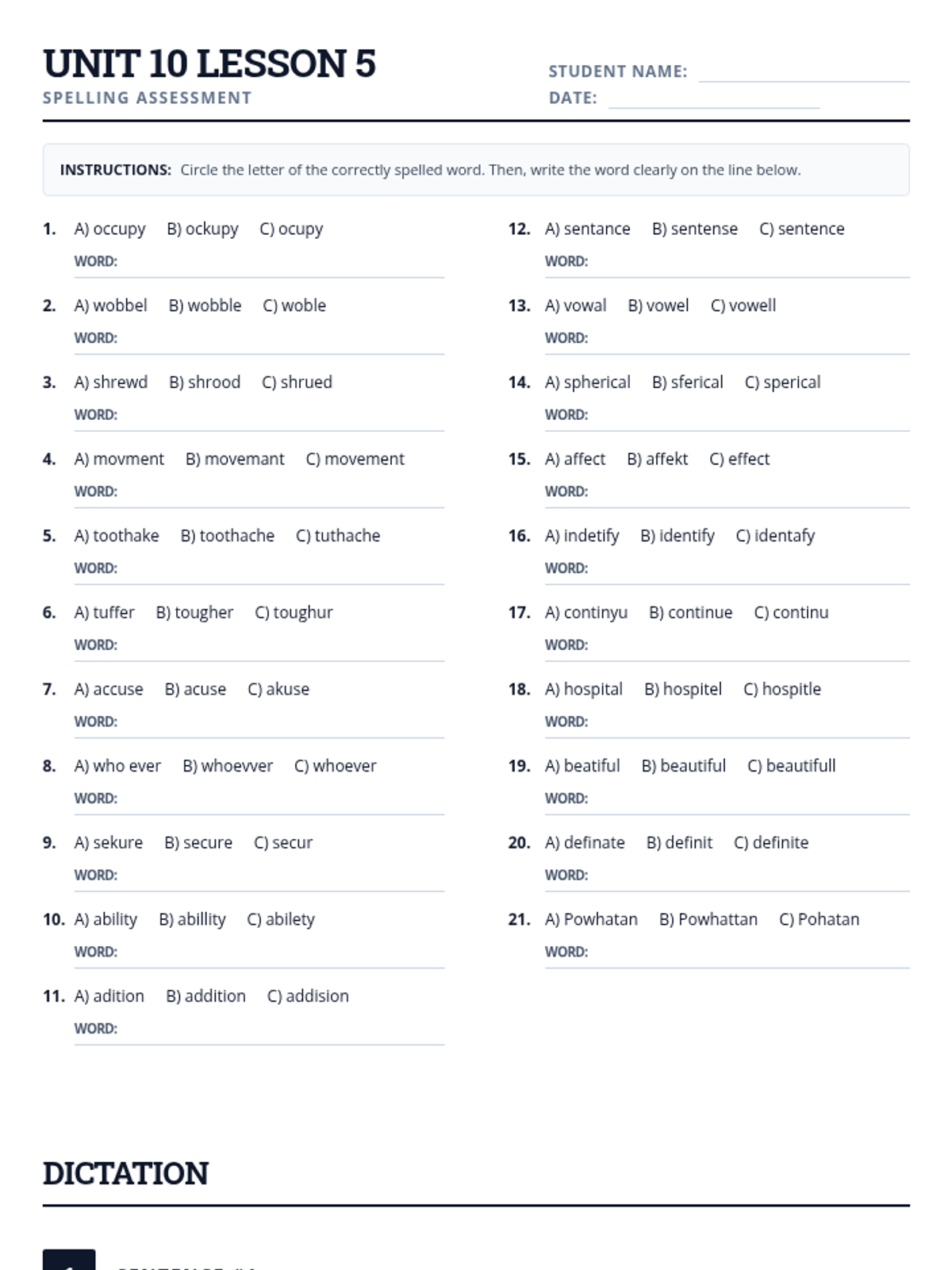
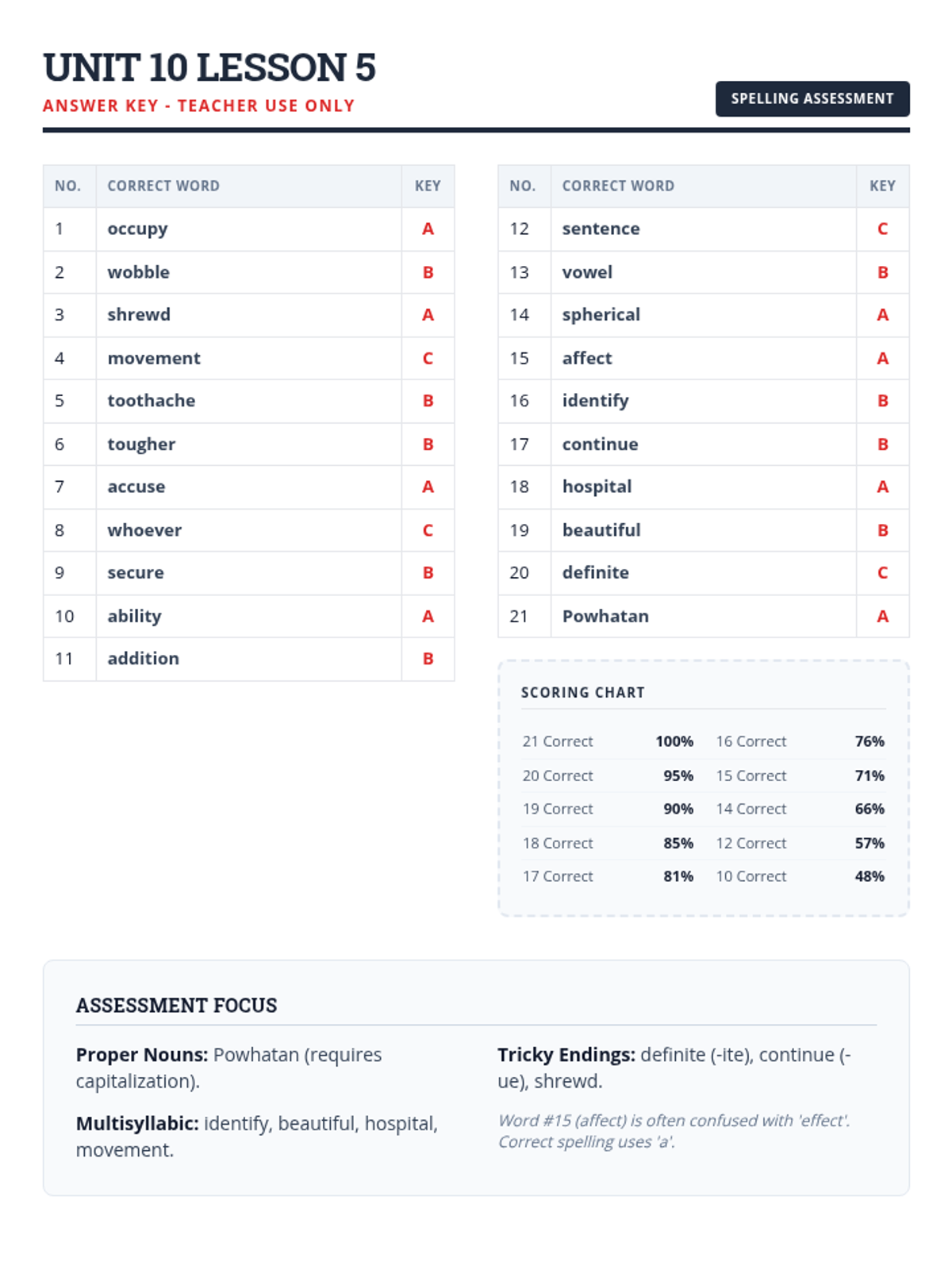
A spelling assessment for Unit 10 Lesson 5 featuring 21 words including 'occupy', 'identify', and 'Powhatan'. Covers double consonants, multisyllabic words, proper nouns, and common vowel teams.
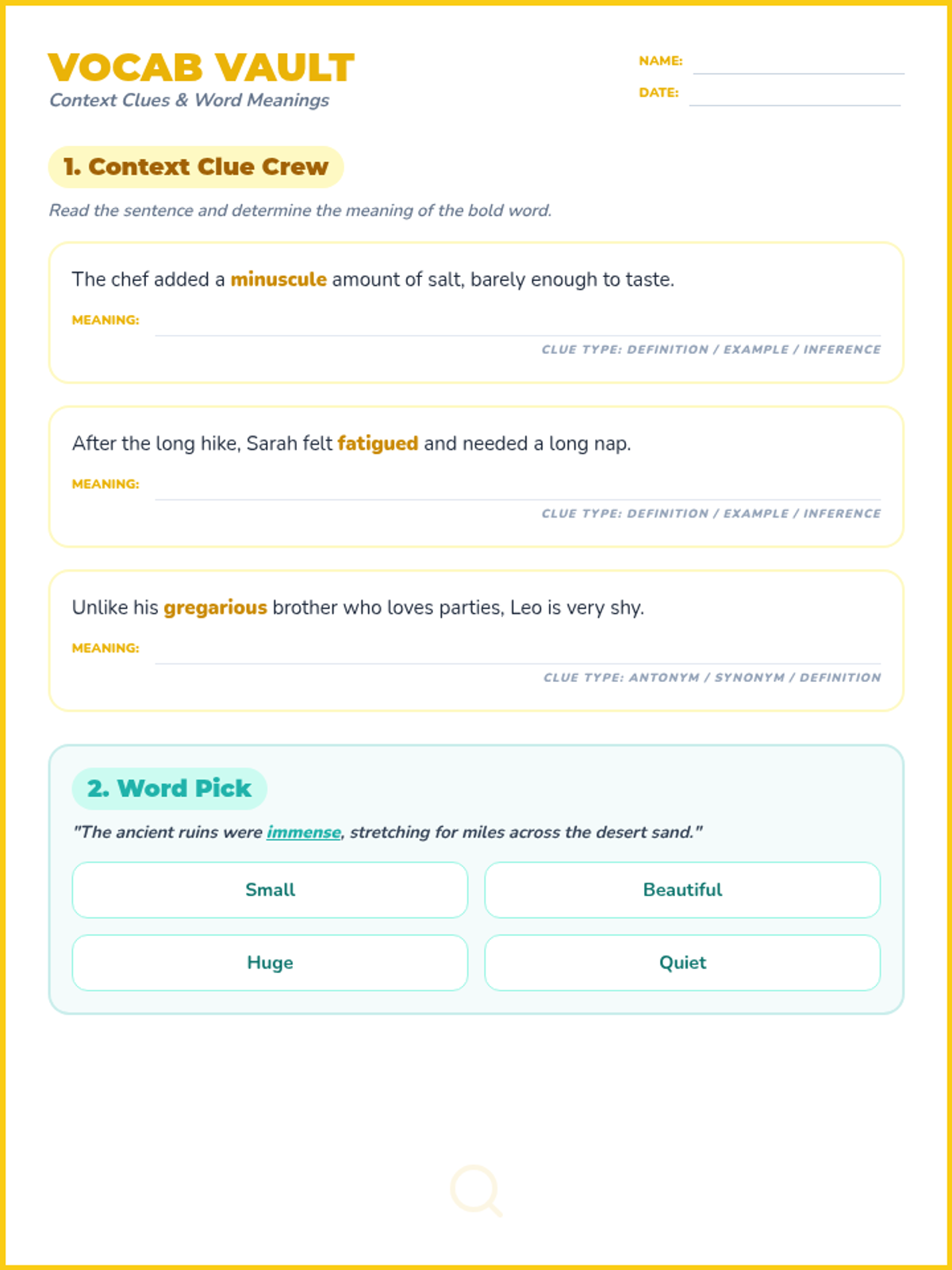
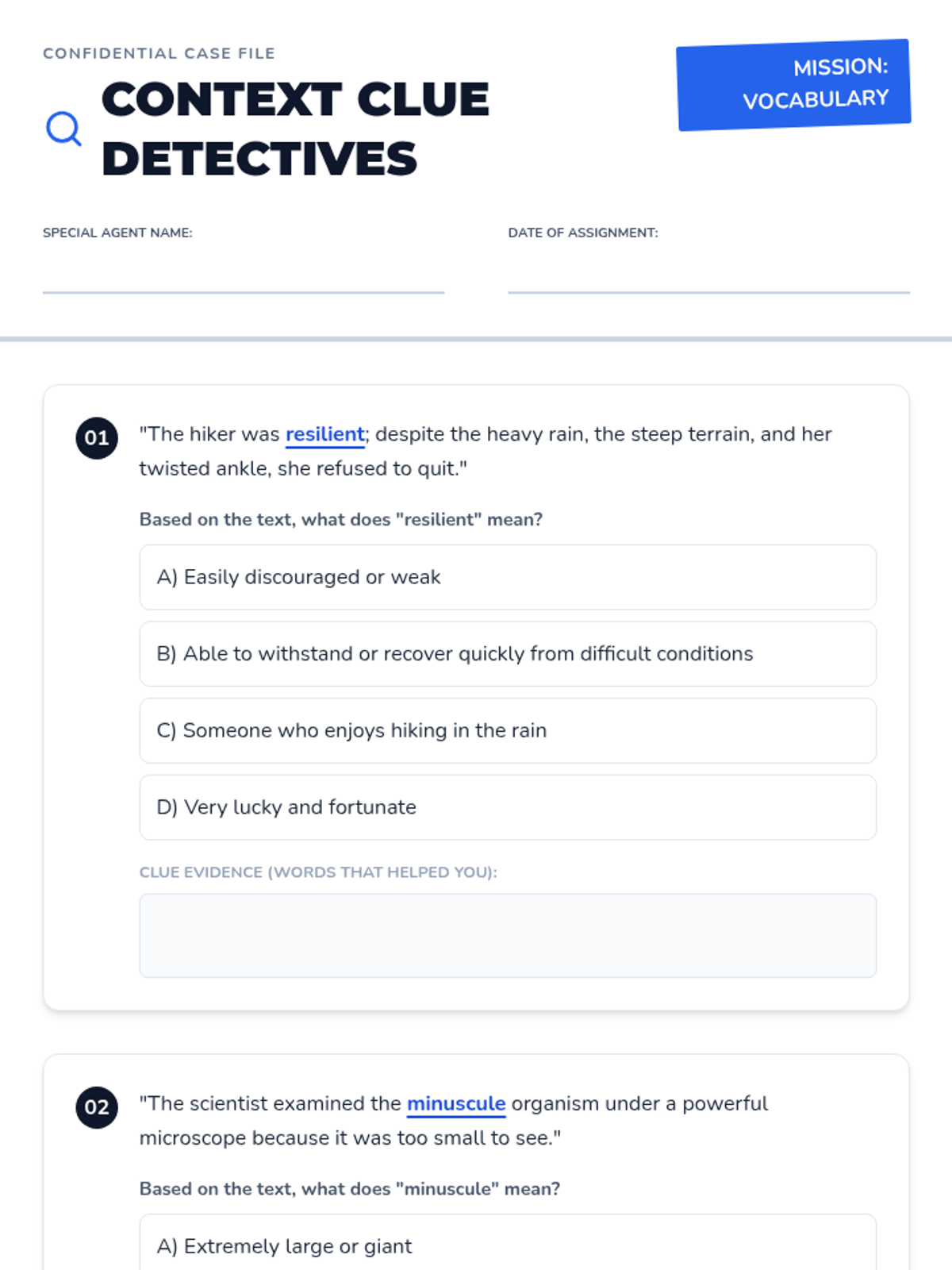
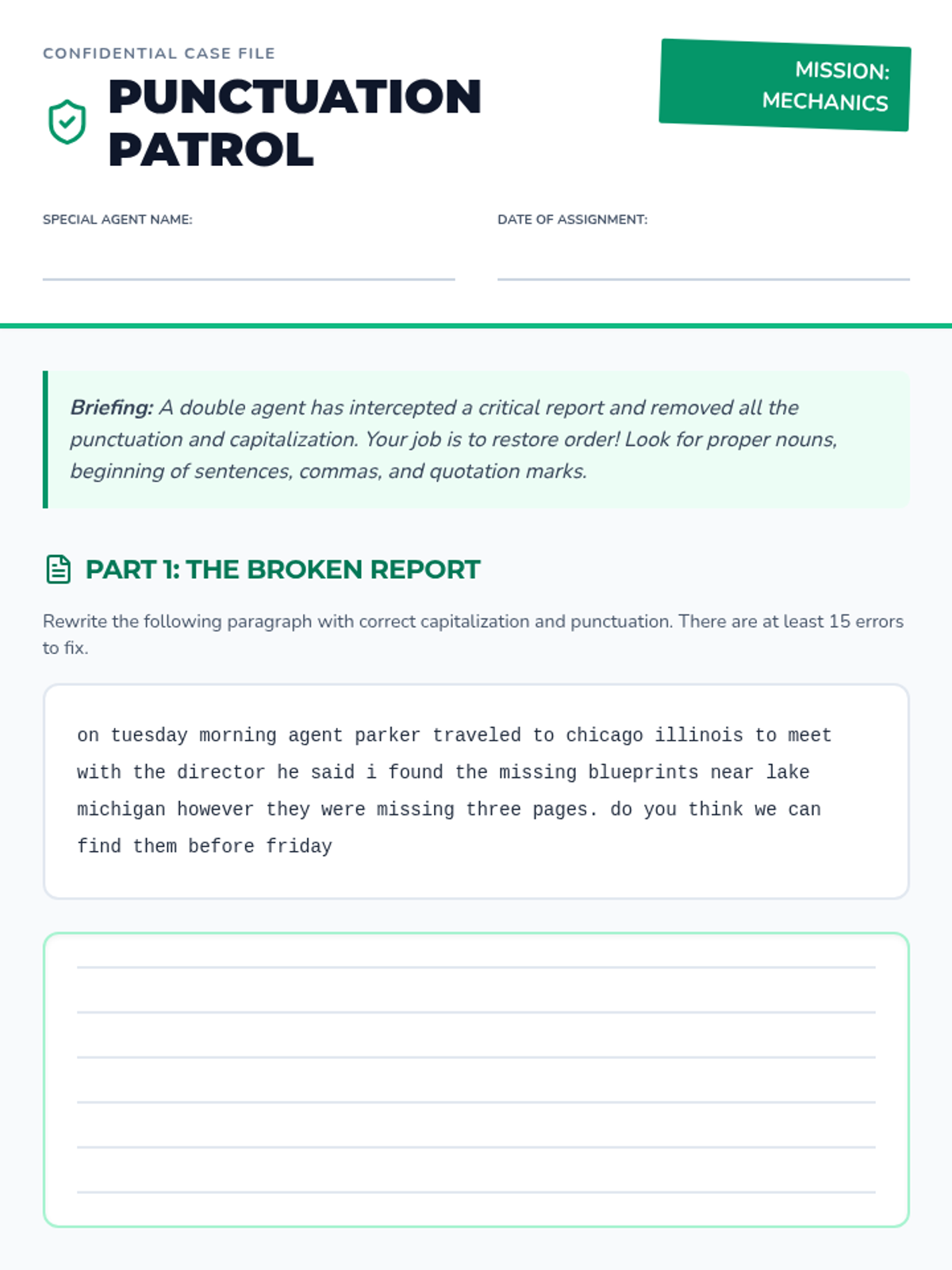
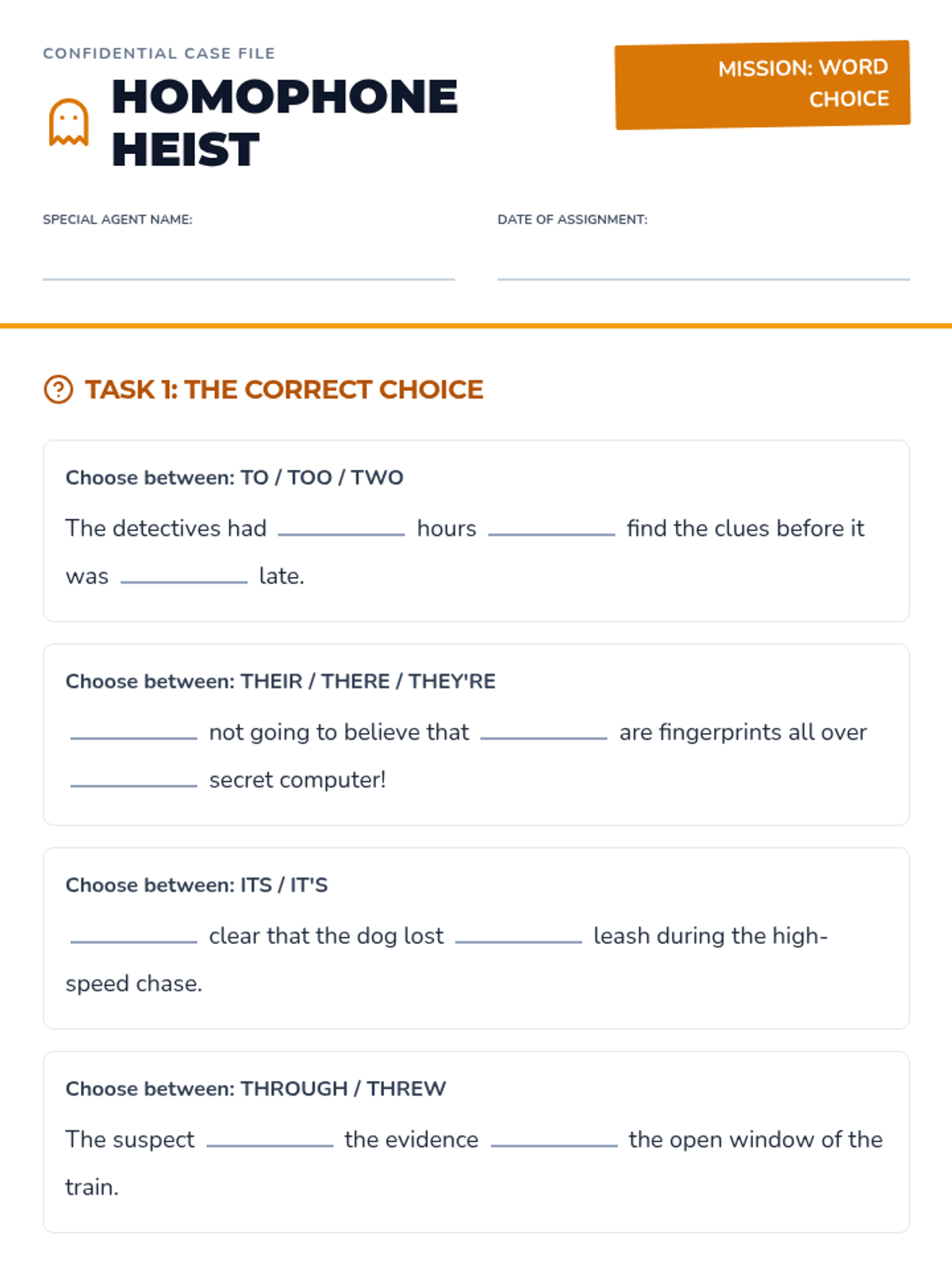
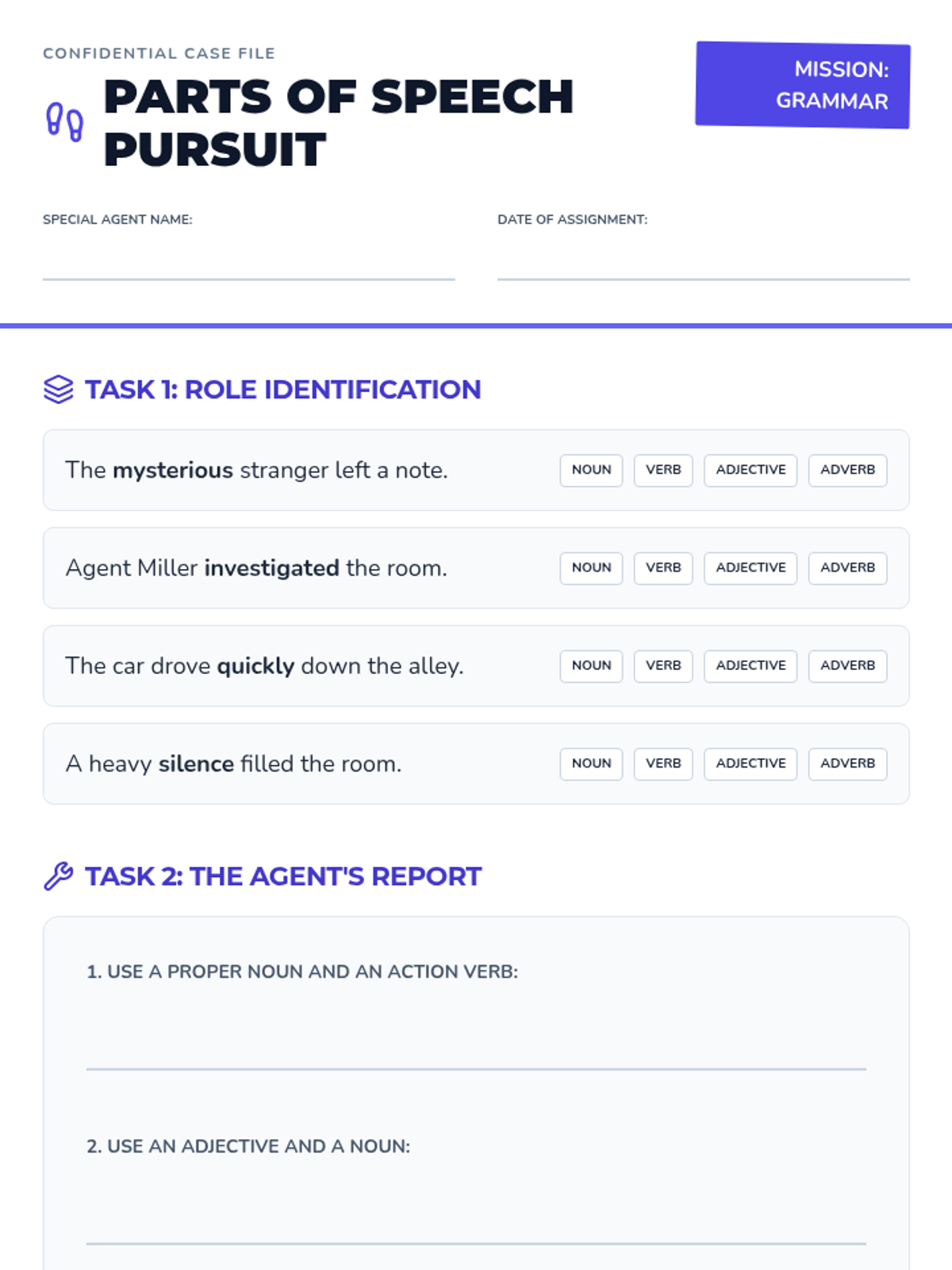
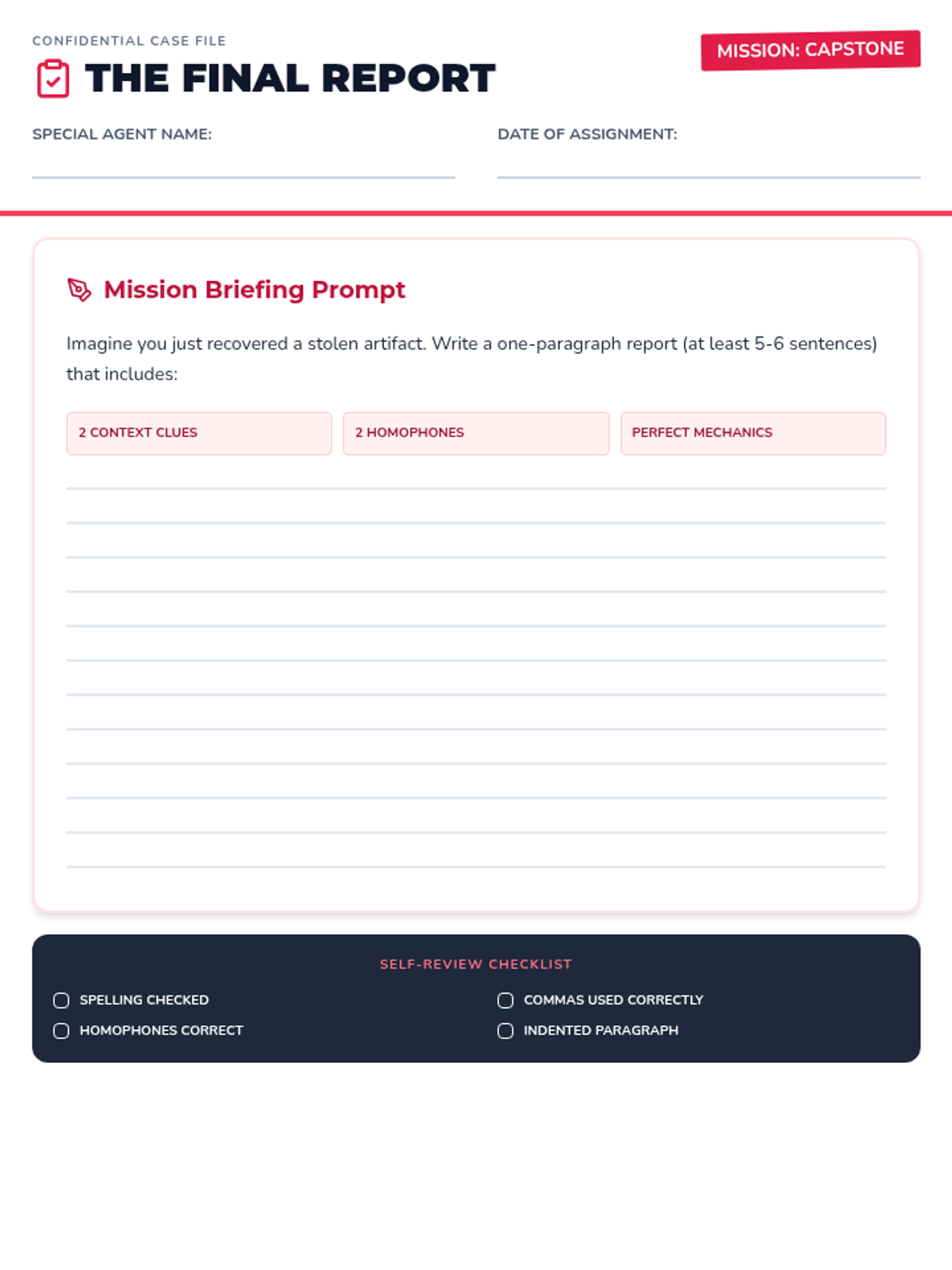
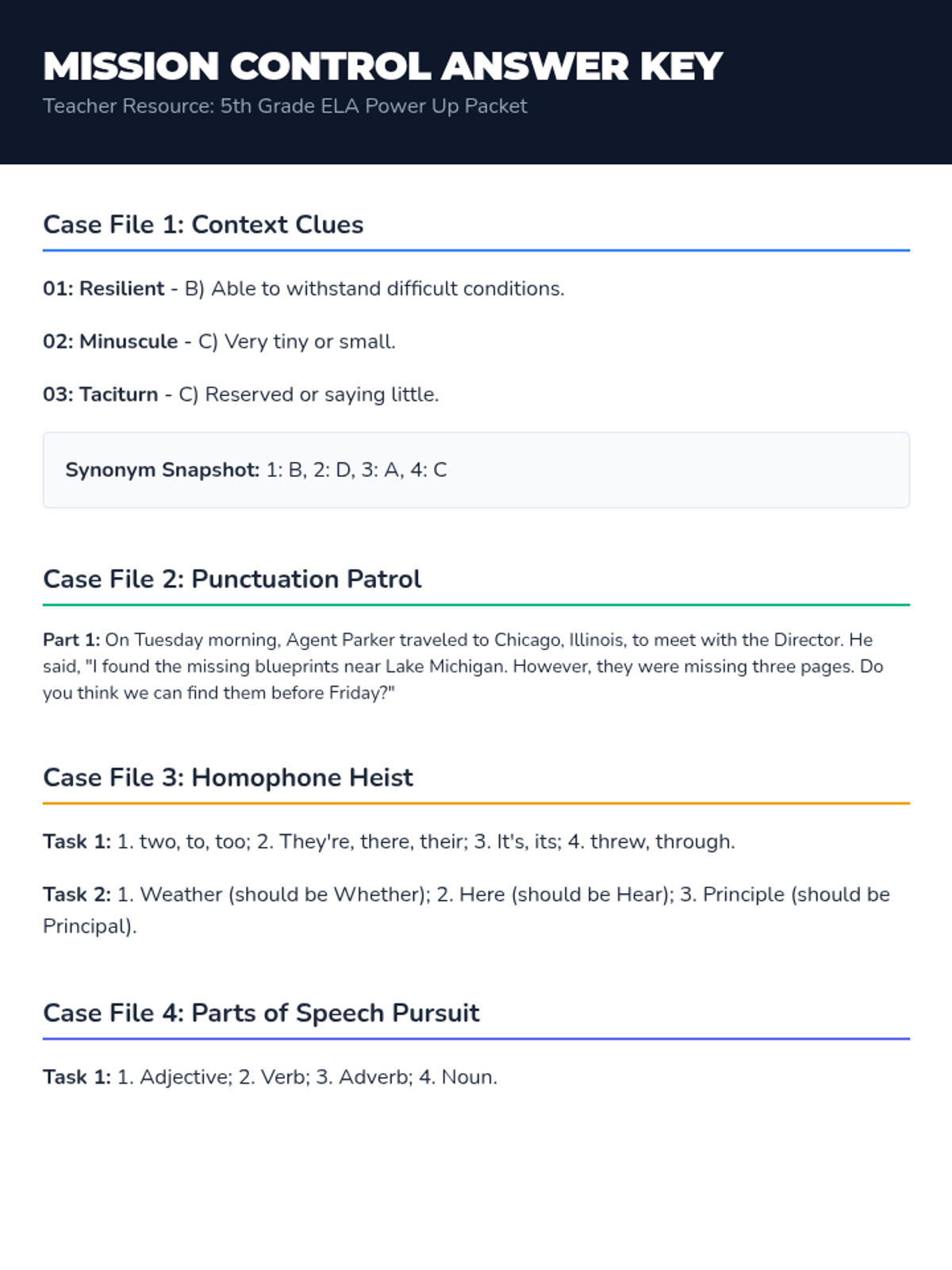
A comprehensive ELA review packet themed as a detective agency, covering context clues, vocabulary, grammar, and mechanics for 5th grade students.
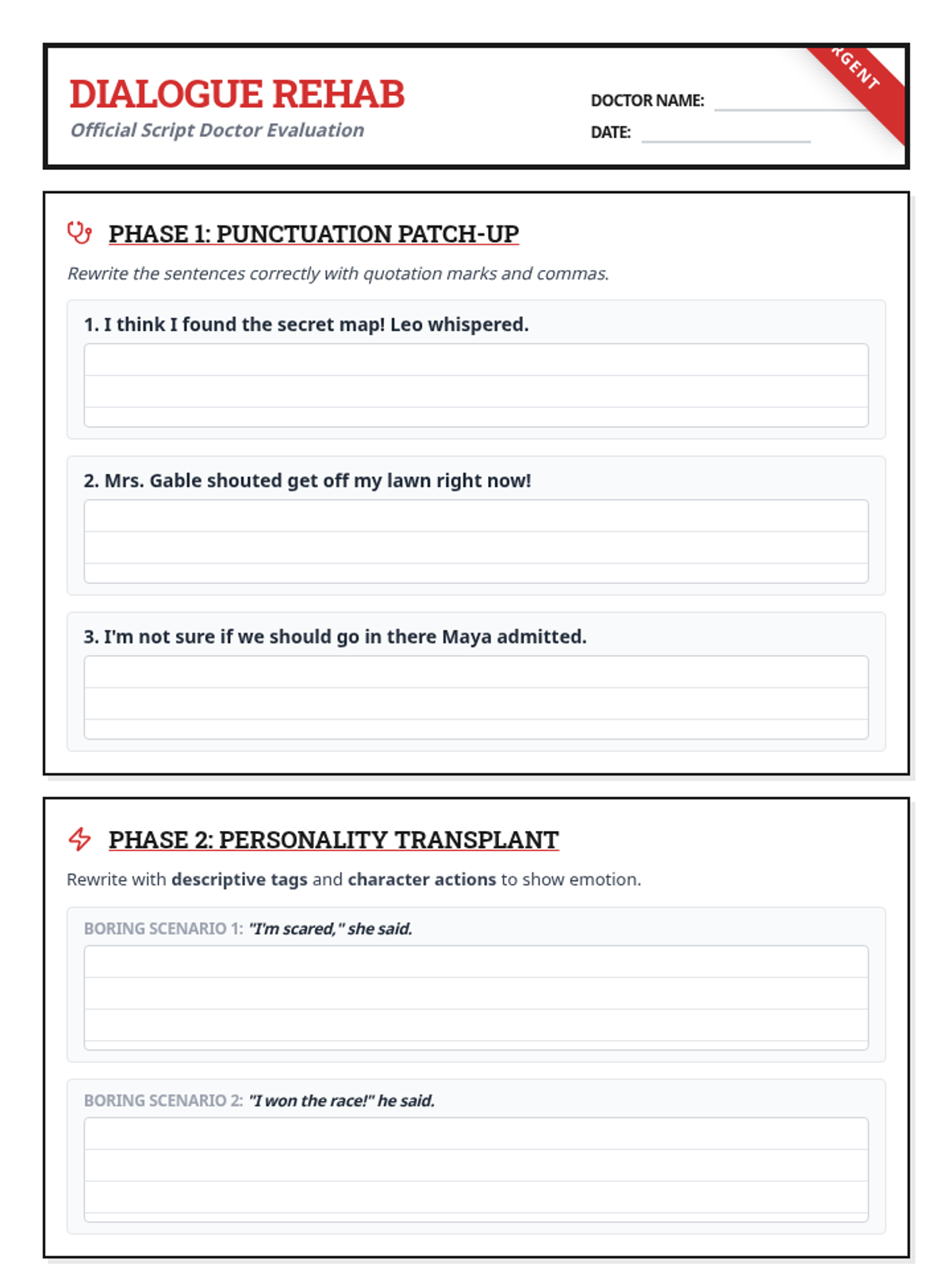
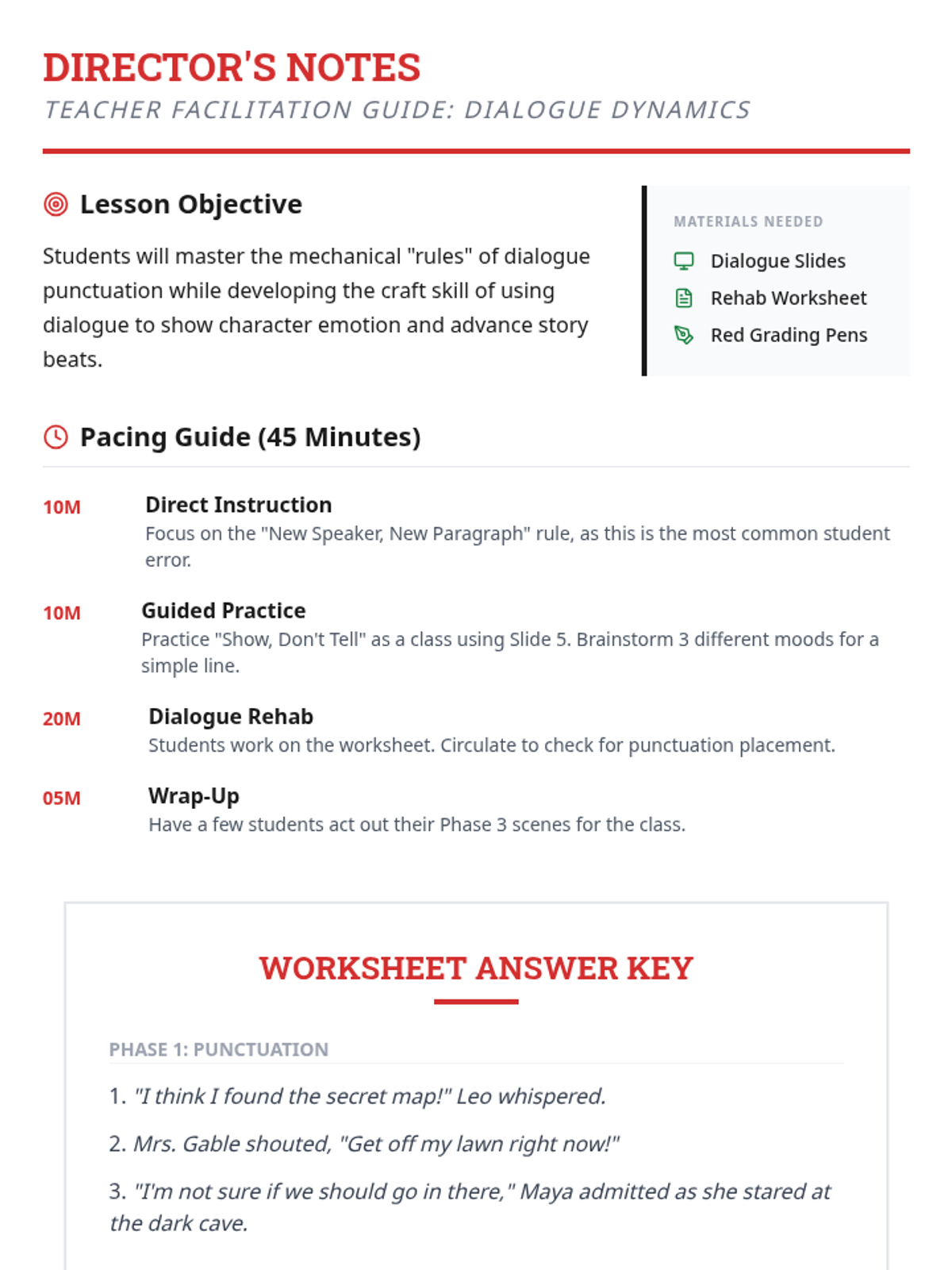
A mini-lesson focused on the mechanics and craft of writing dialogue to enhance storytelling. Students learn punctuation rules and how to use dialogue to reveal character and advance the plot.
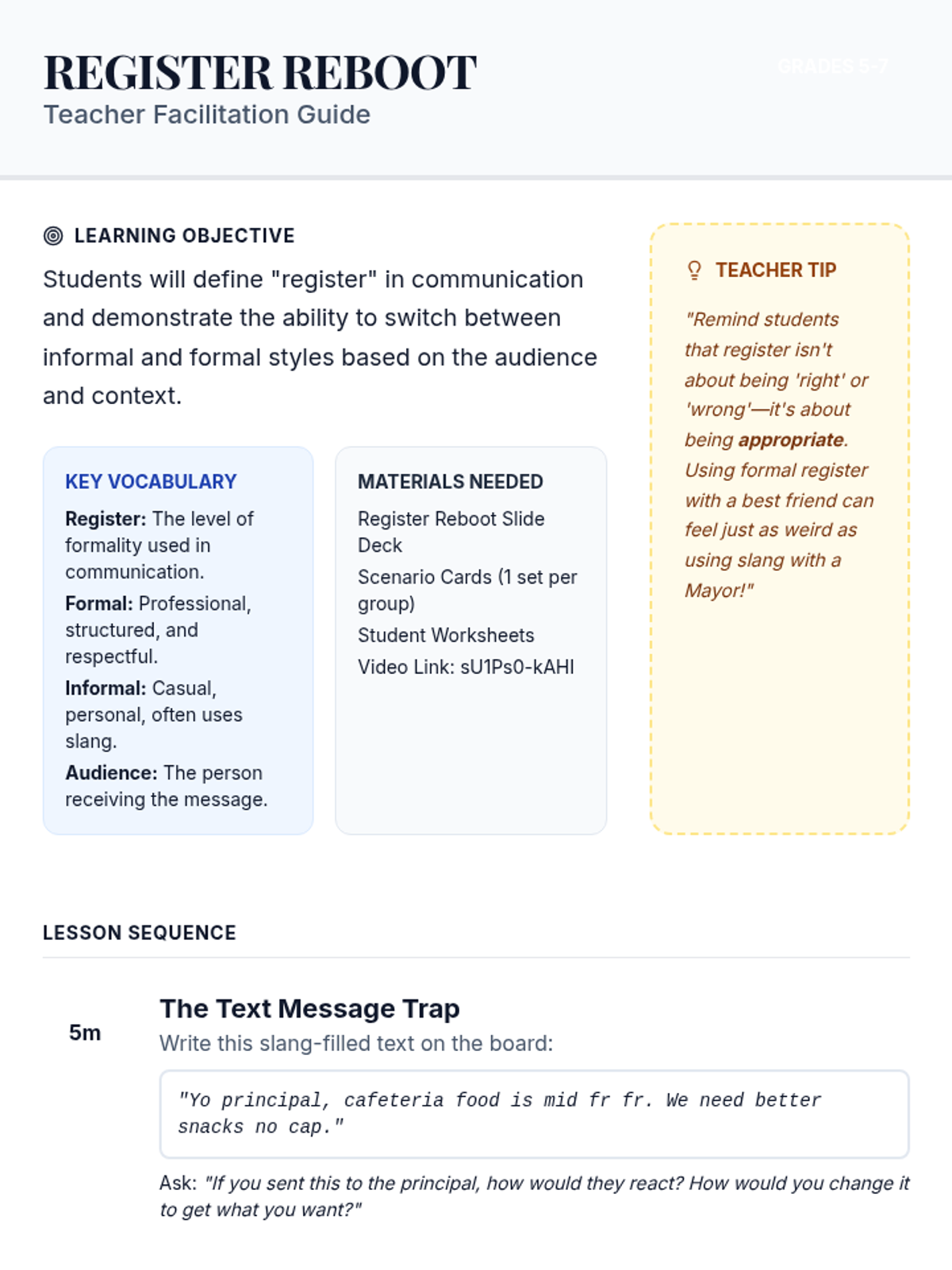
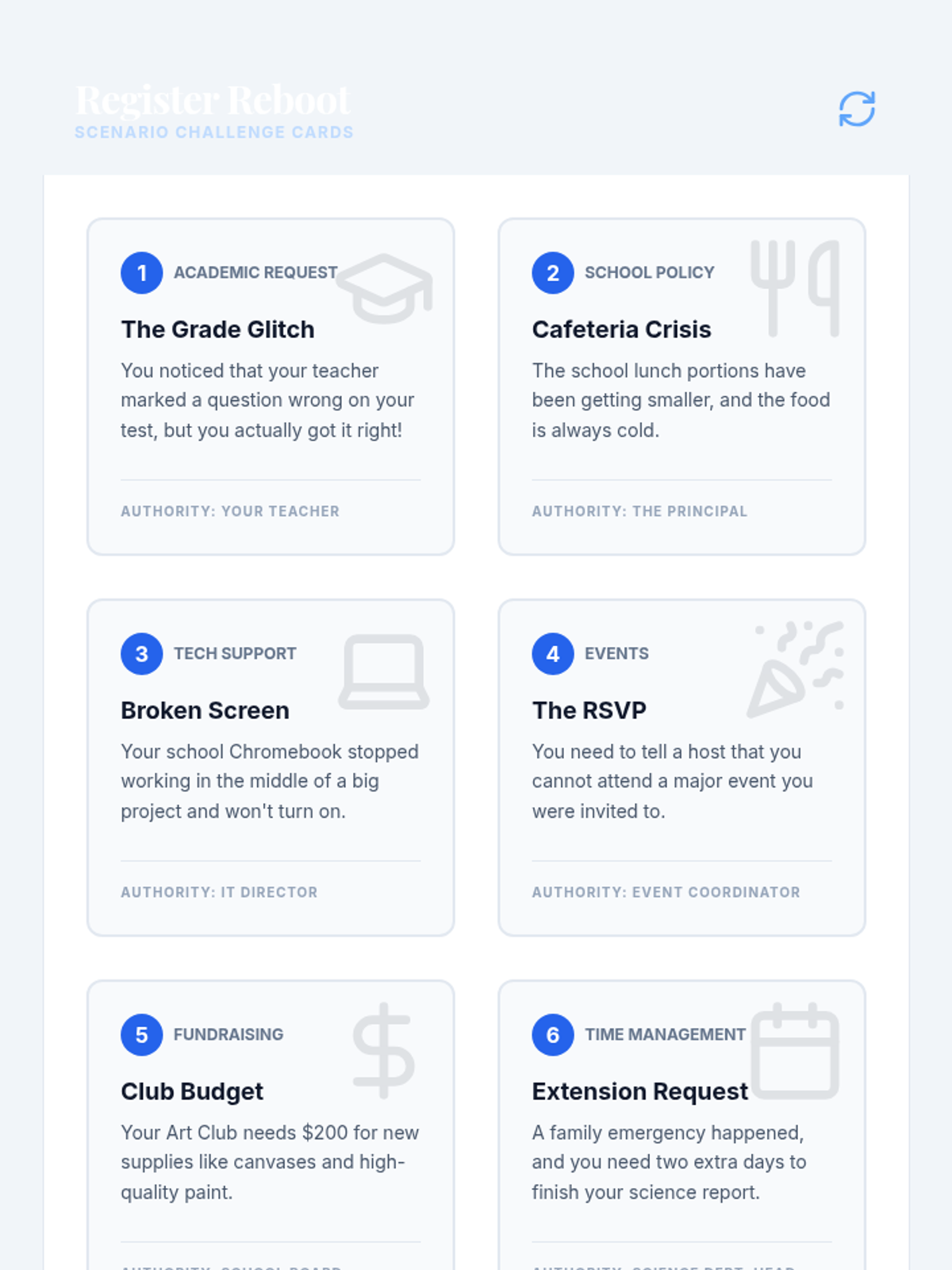
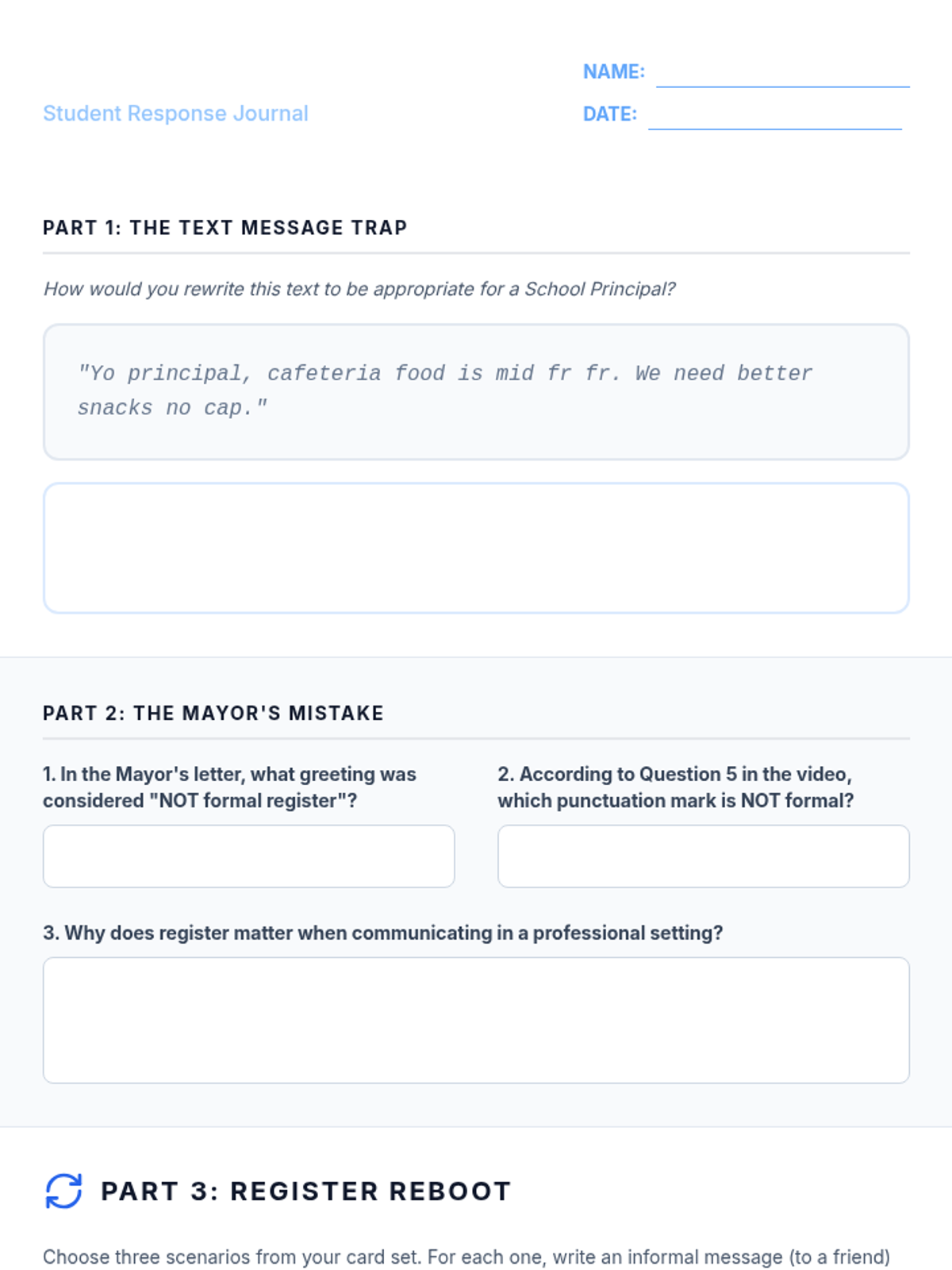
Students will explore the concept of communication register by analyzing a humorous error in a Mayor's letter and practicing 'rebooting' informal messages into professional, formal correspondence. The lesson includes a video-based discussion, a collaborative translation activity using scenario cards, and a comprehensive student worksheet.
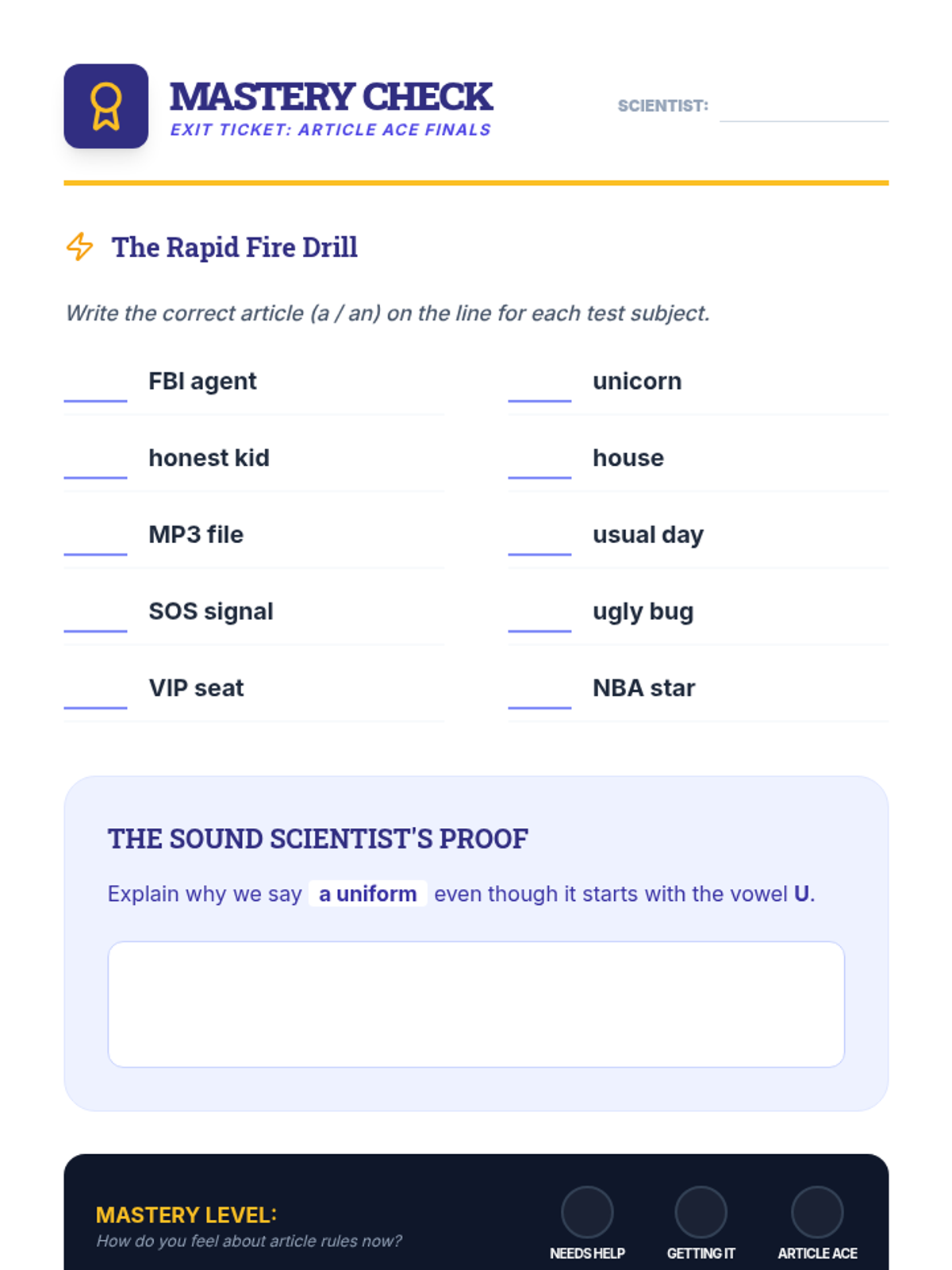
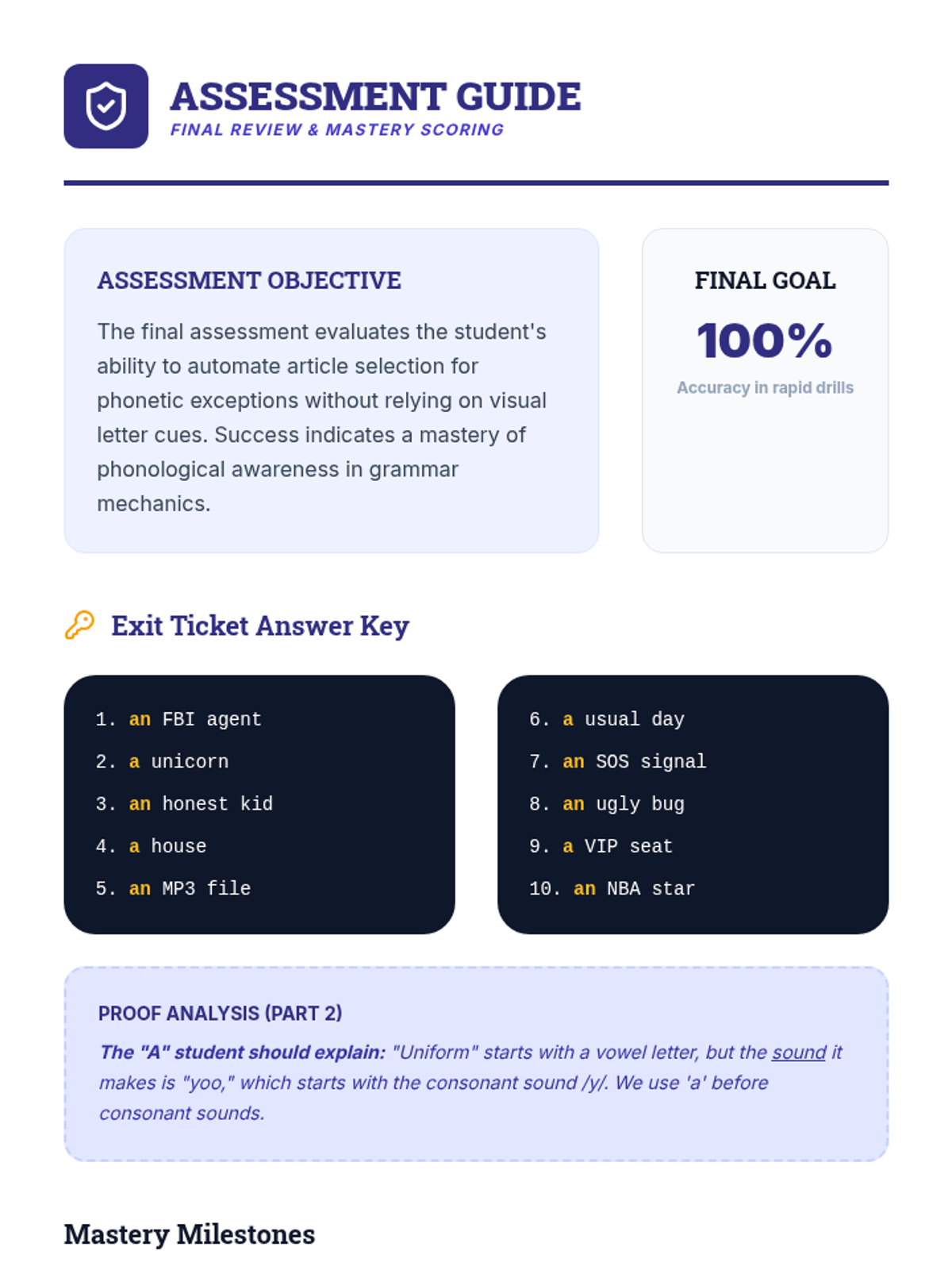
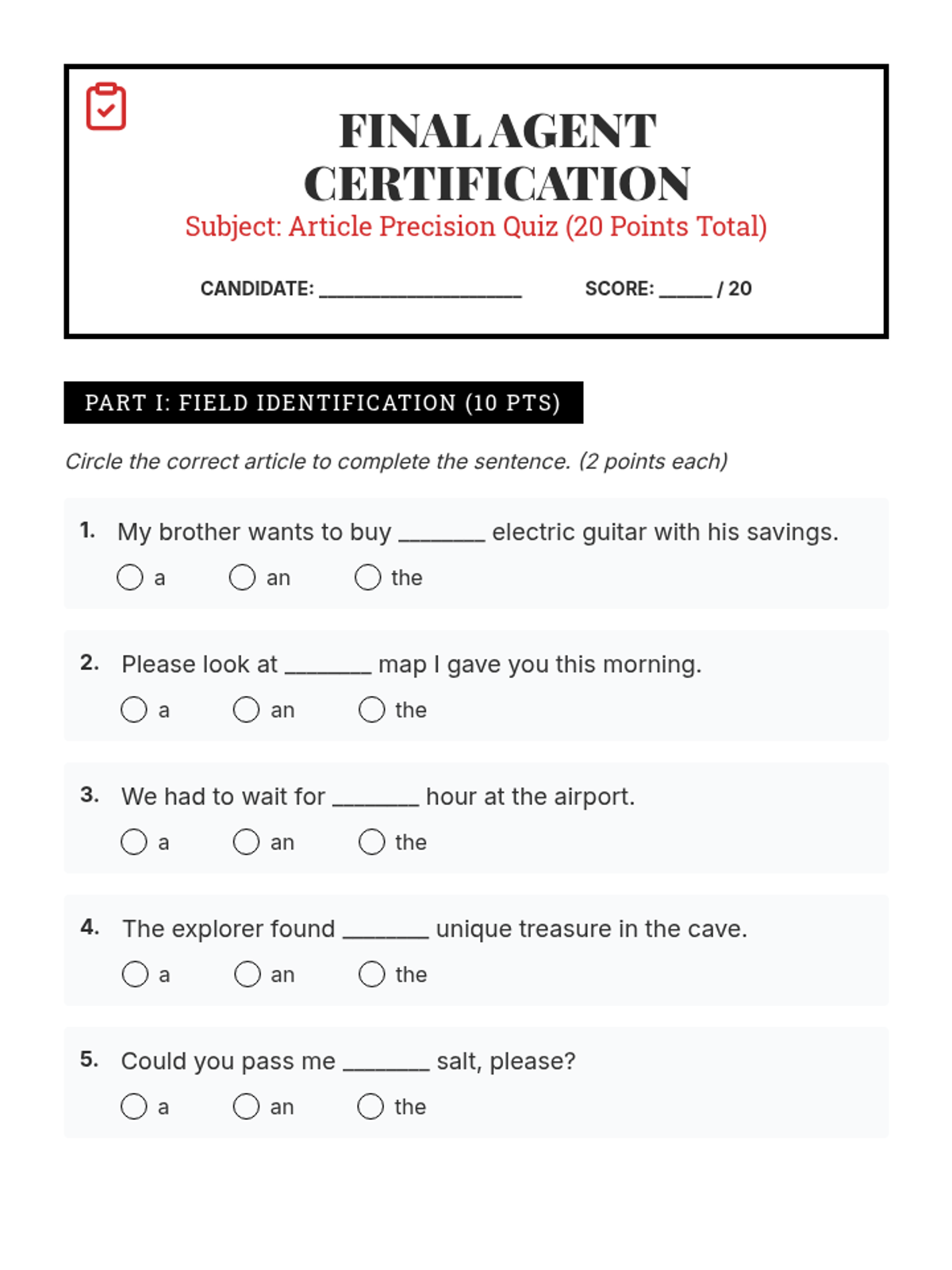
A mastery-based final assessment using a game-show format to test speed and accuracy in applying article rules to complex cases.
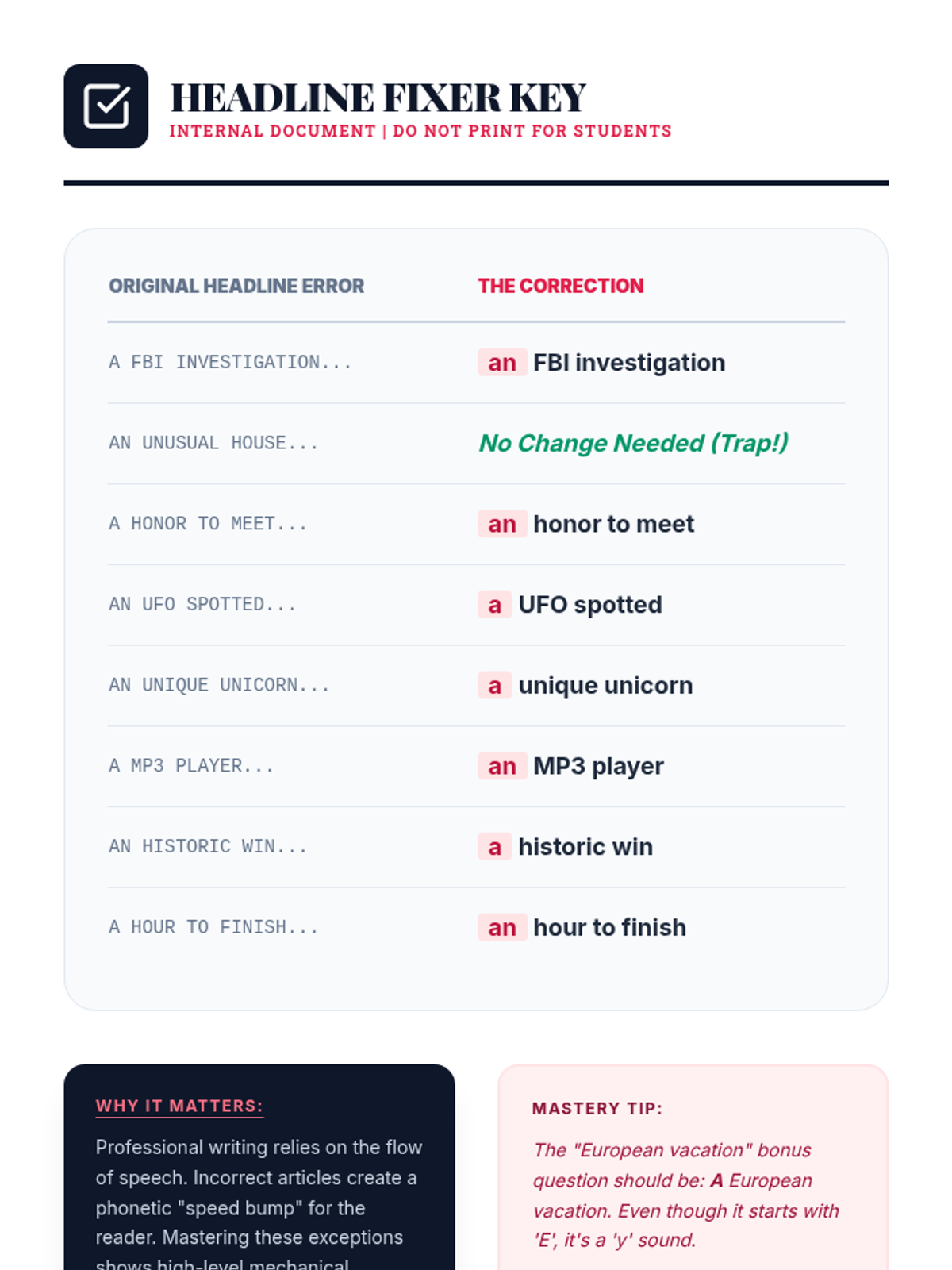
Students act as copy editors to find and correct mechanical errors related to vowel sounds and phonetic exceptions in articles.
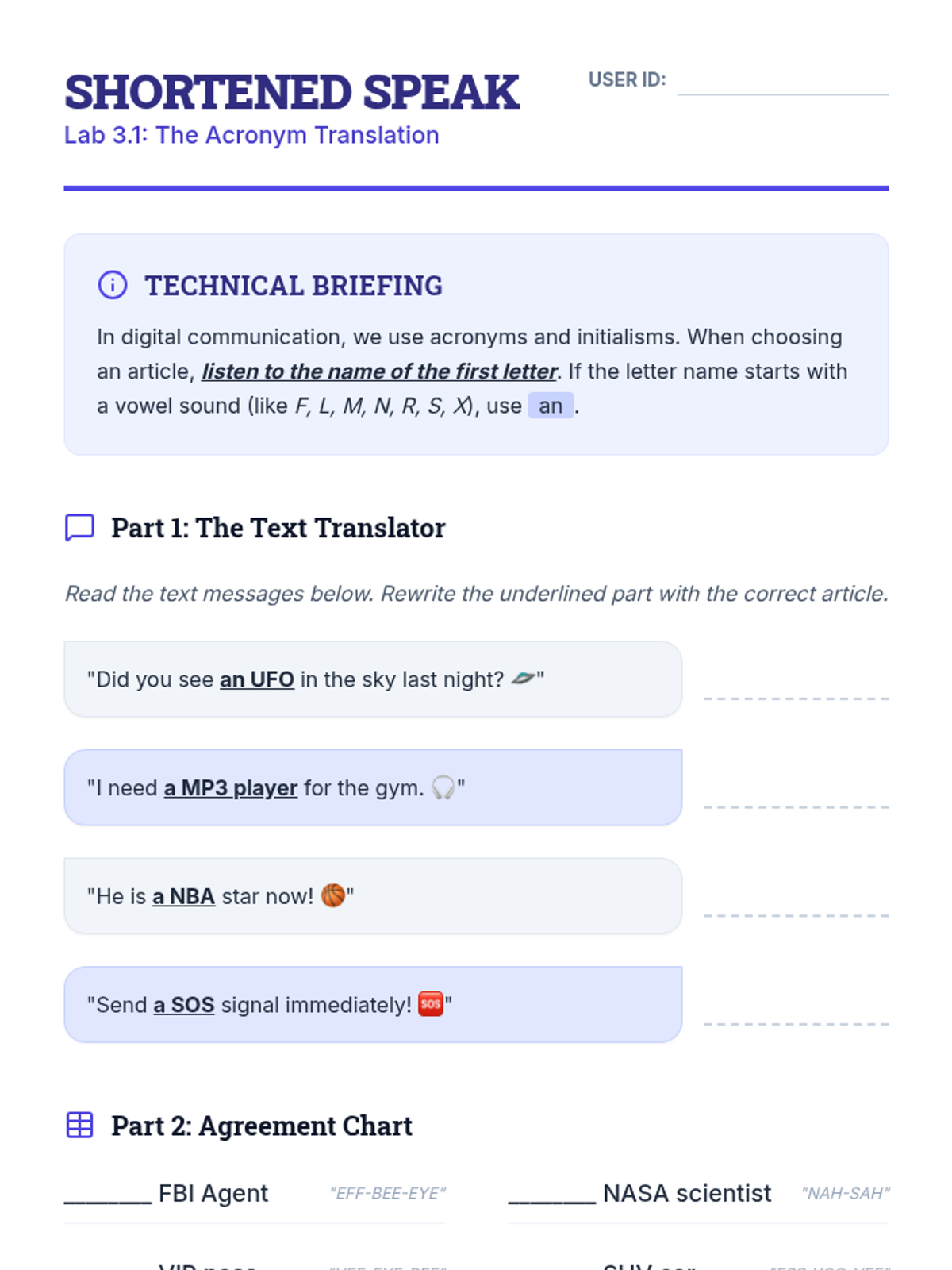
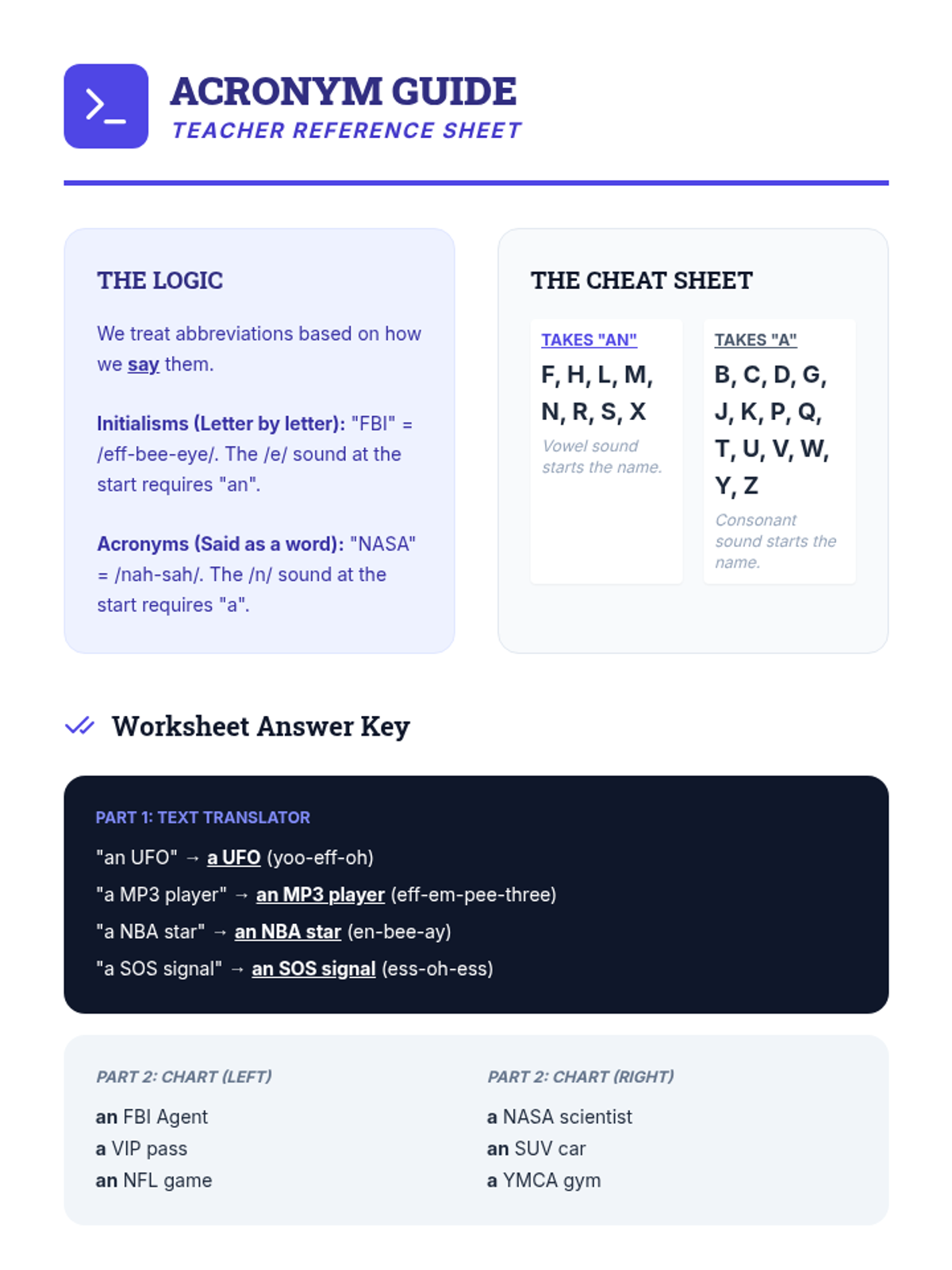
Students learn to apply article rules to abbreviations and acronyms based on their spoken sound rather than their written letters.
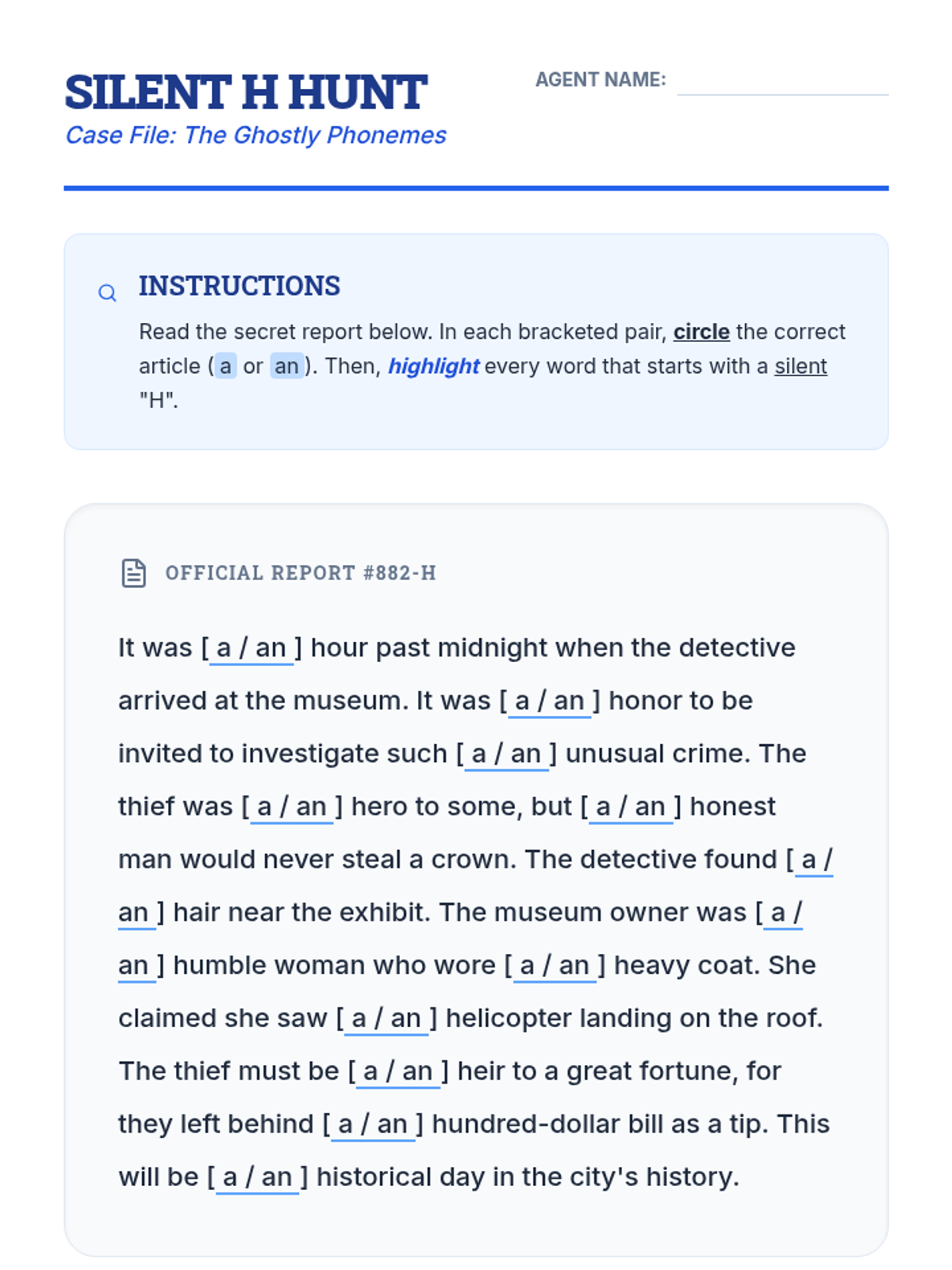
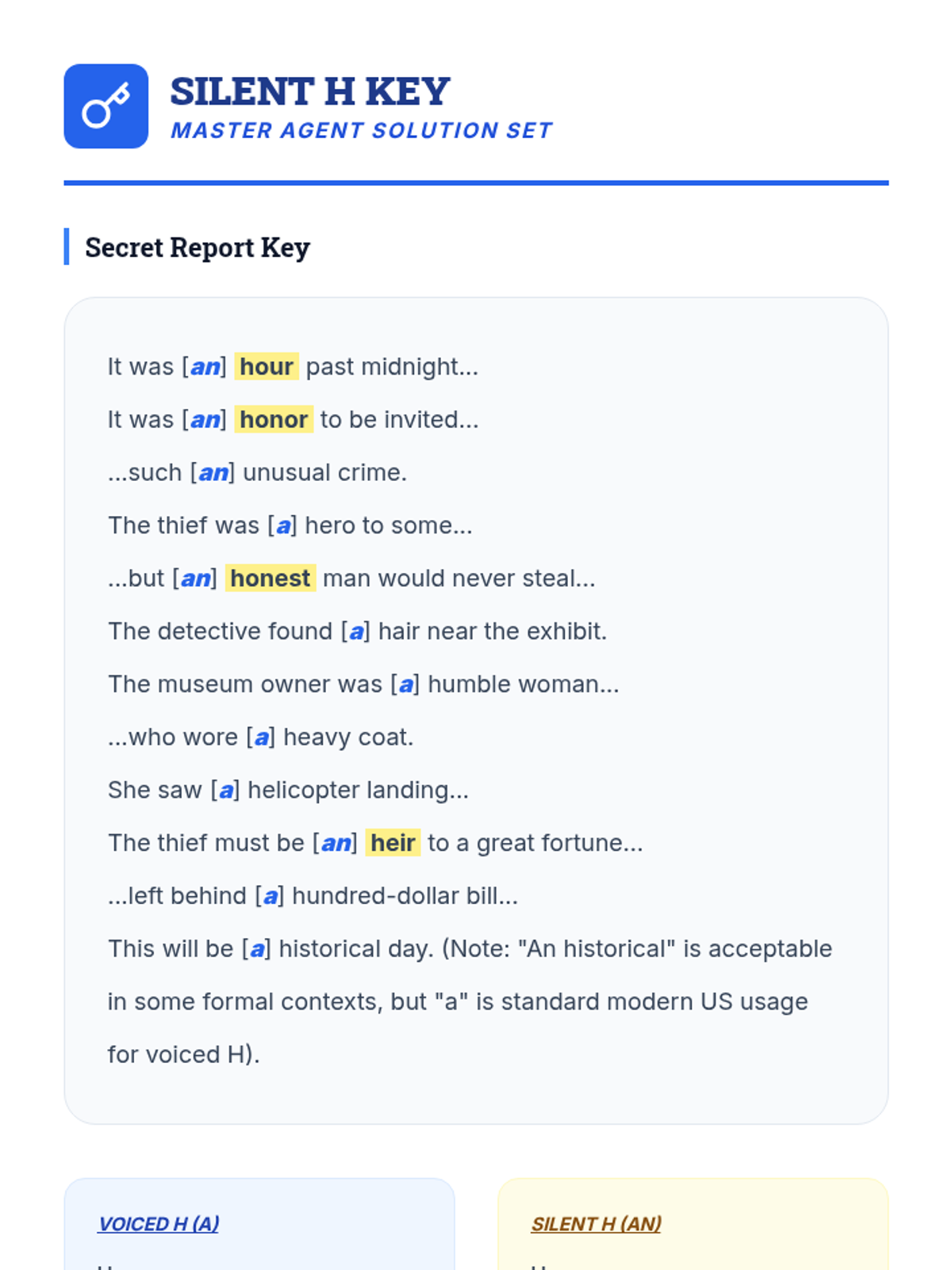
Focusing on the 'h' exception, students practice identifying when 'h' is silent versus voiced to correctly apply 'a' or 'an'.
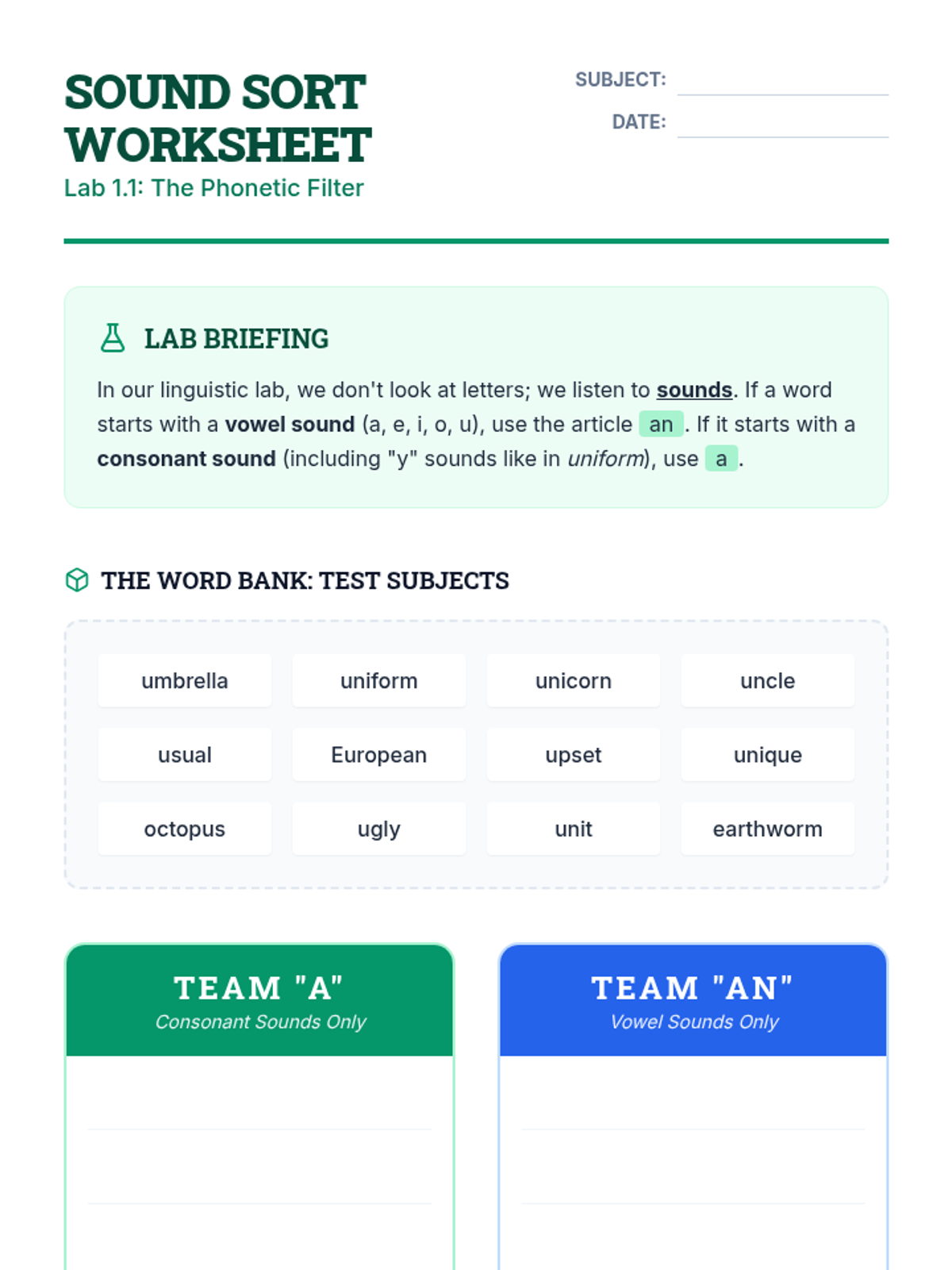
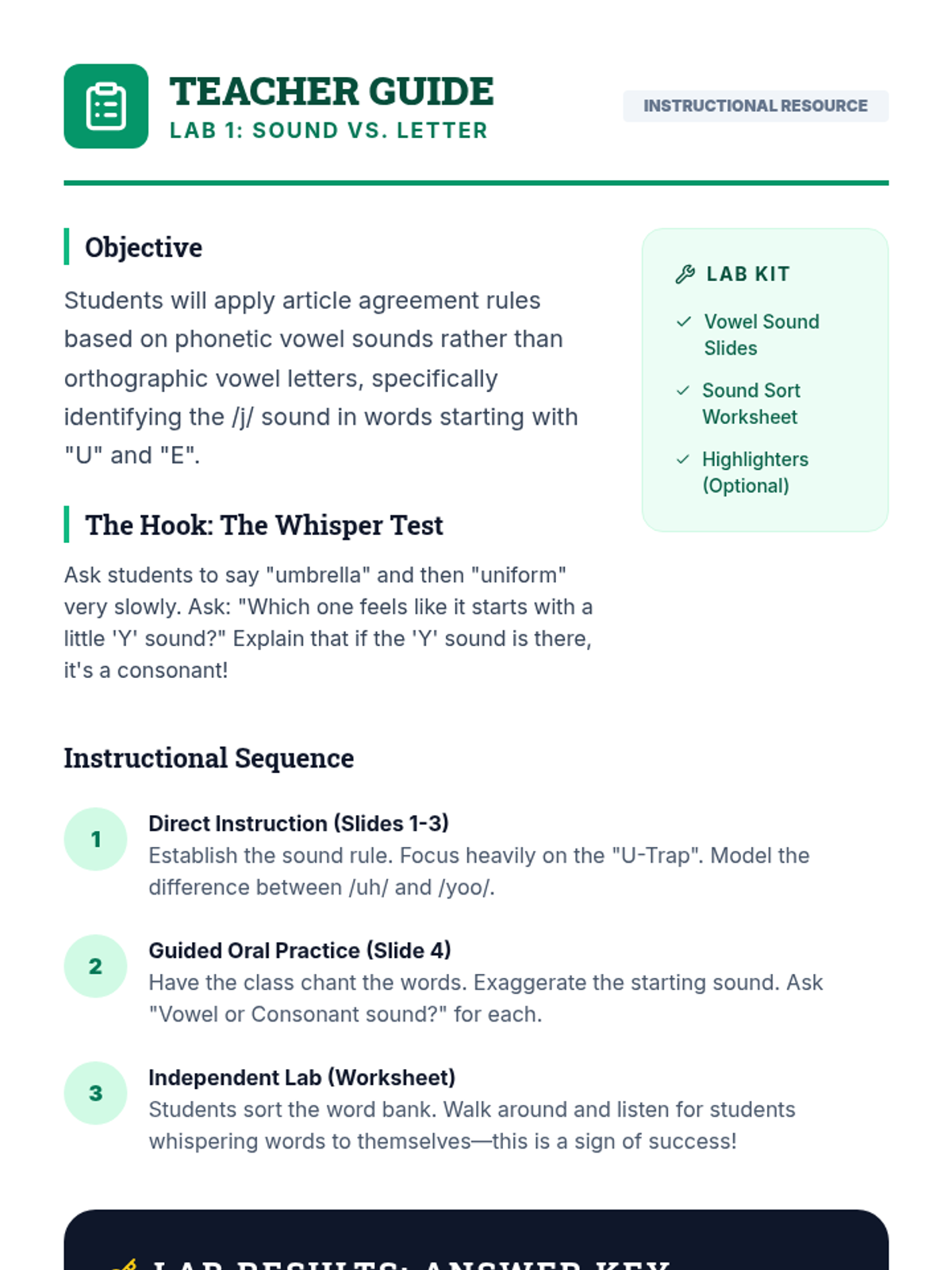
Students distinguish between vowel letters and vowel sounds to master the 'a' vs 'an' choice for tricky words like 'uniform' and 'umbrella'.
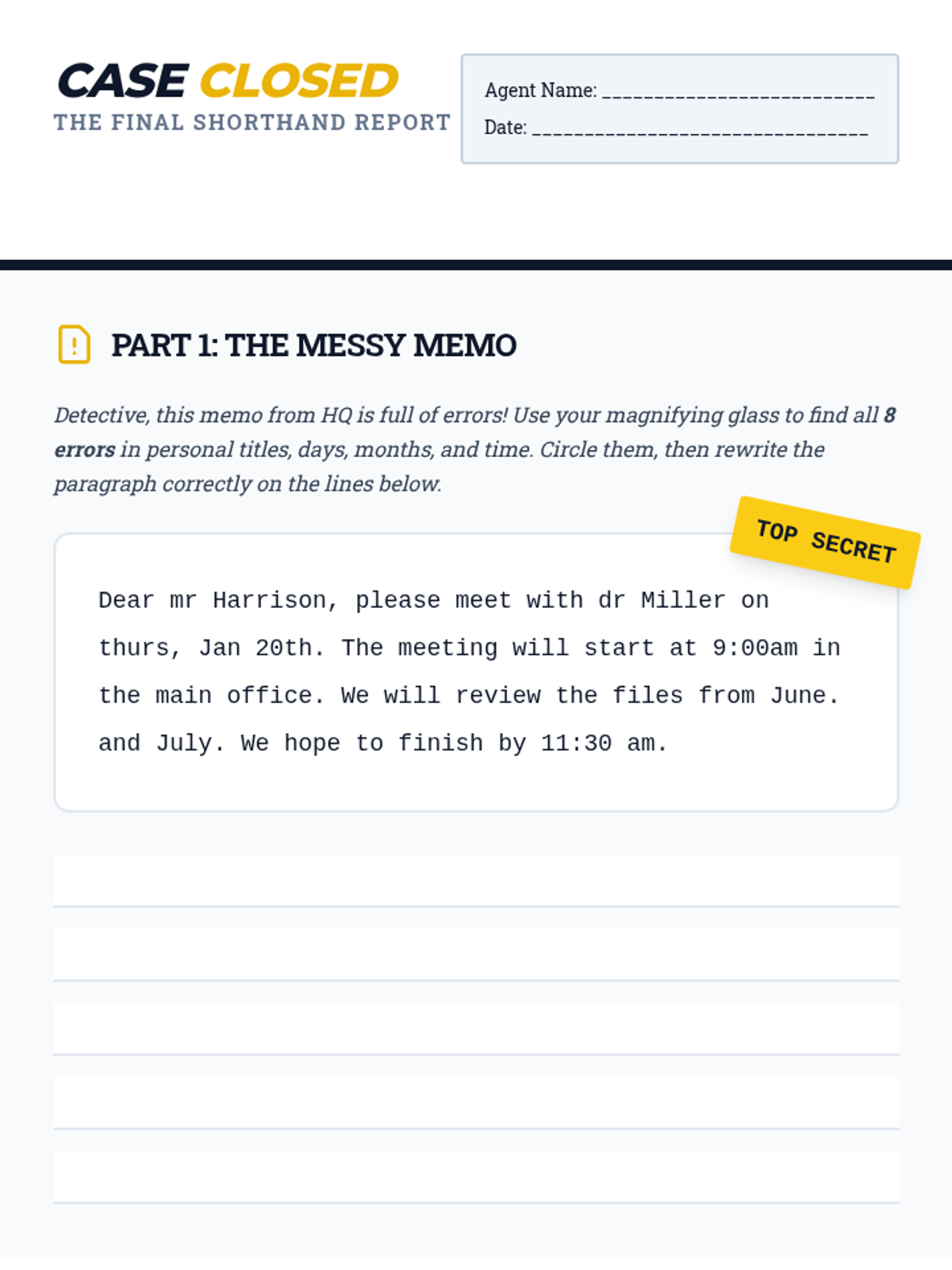
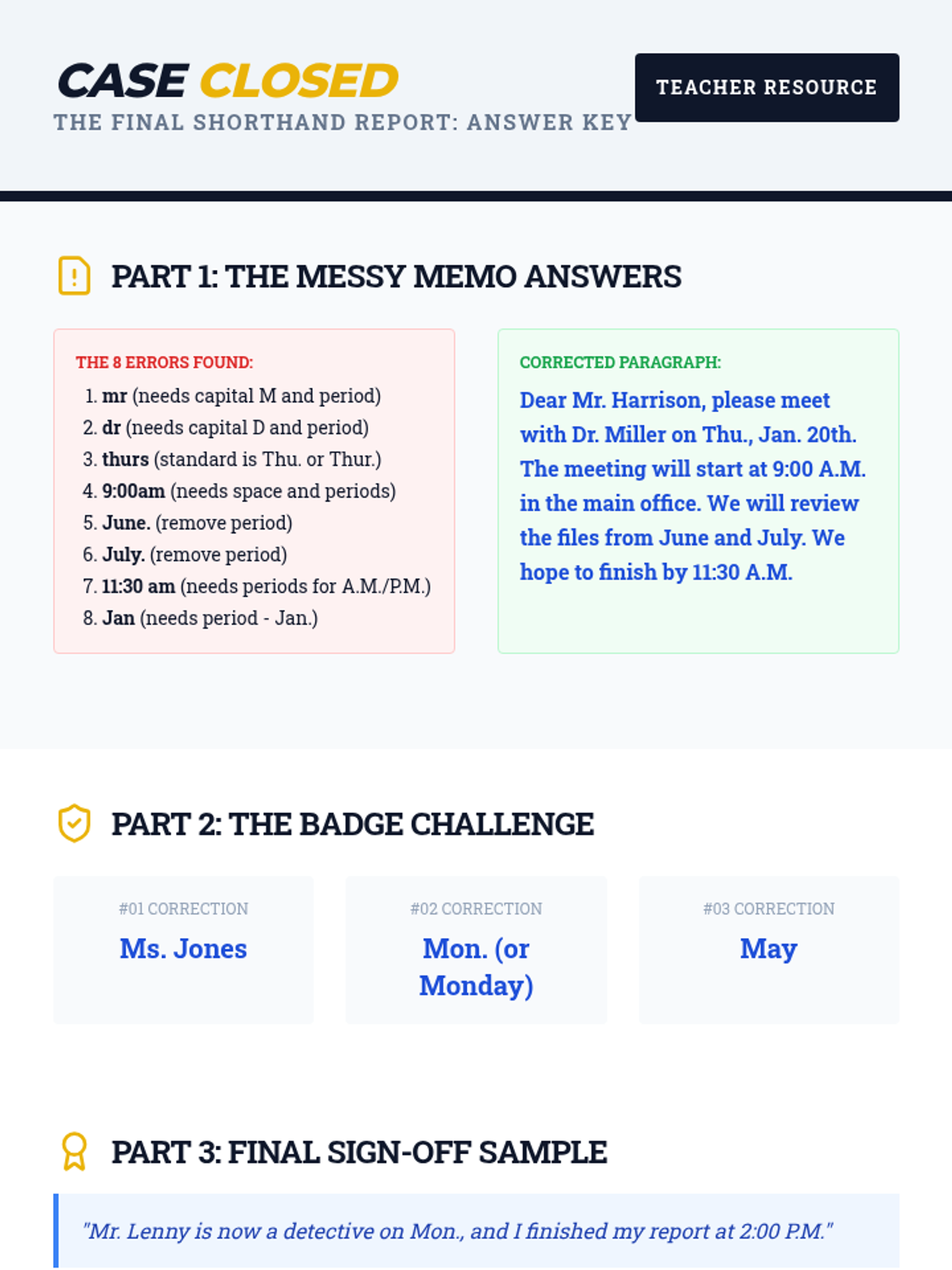
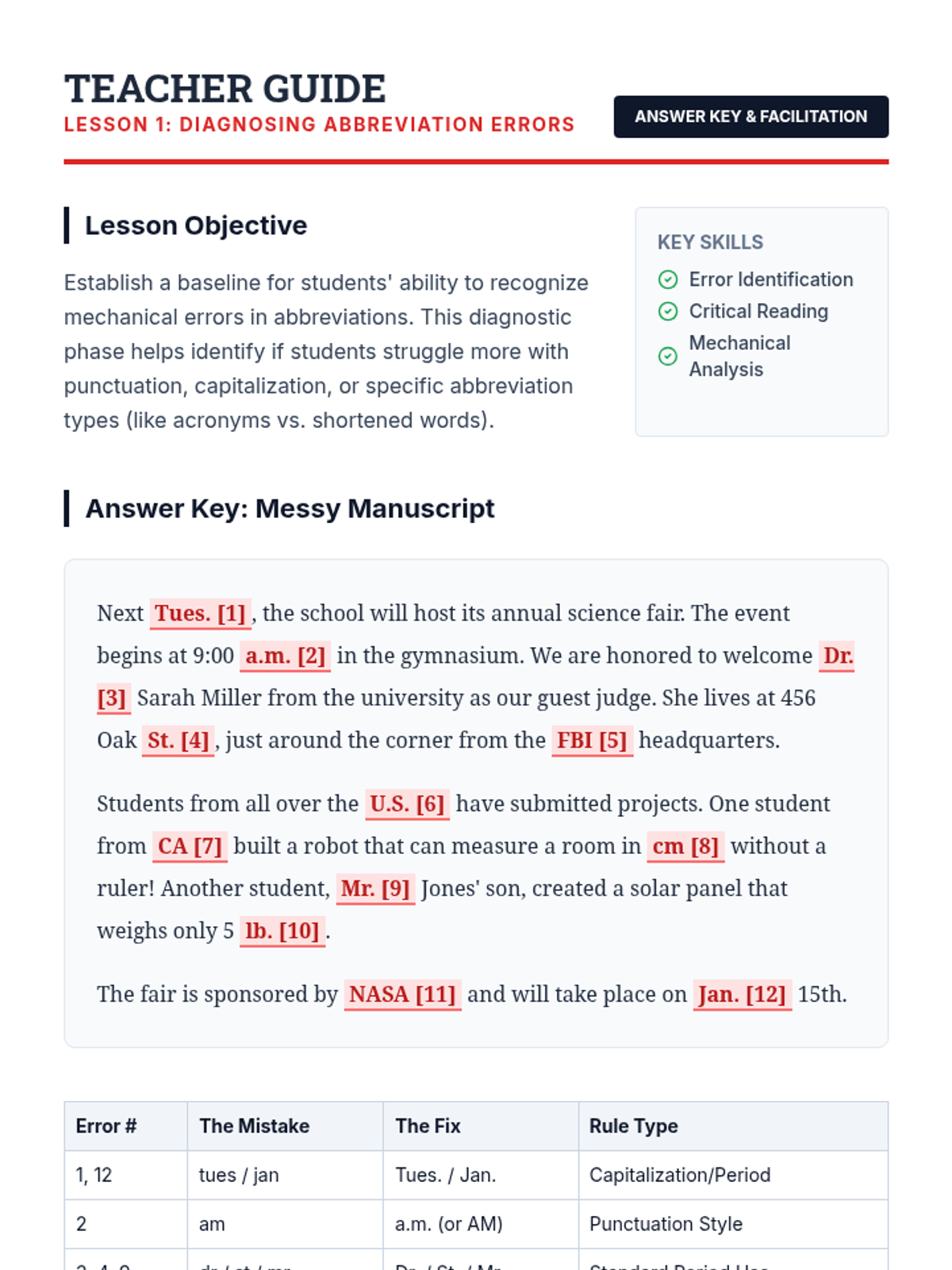
Students synthesize their learning by editing a short paragraph containing errors in titles, days, months, and time. They must identify missing periods, incorrect capitalization, and improper abbreviations.
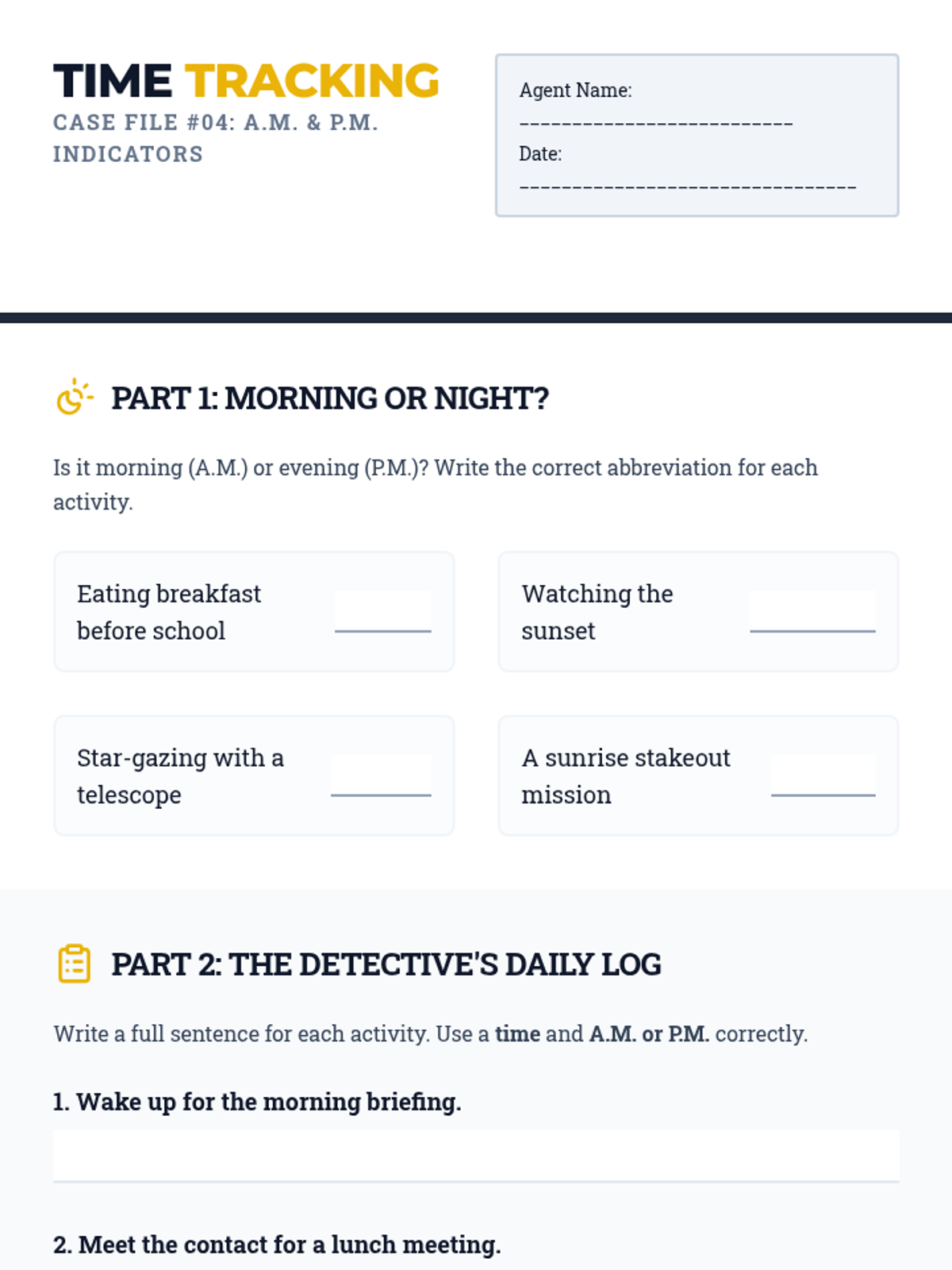
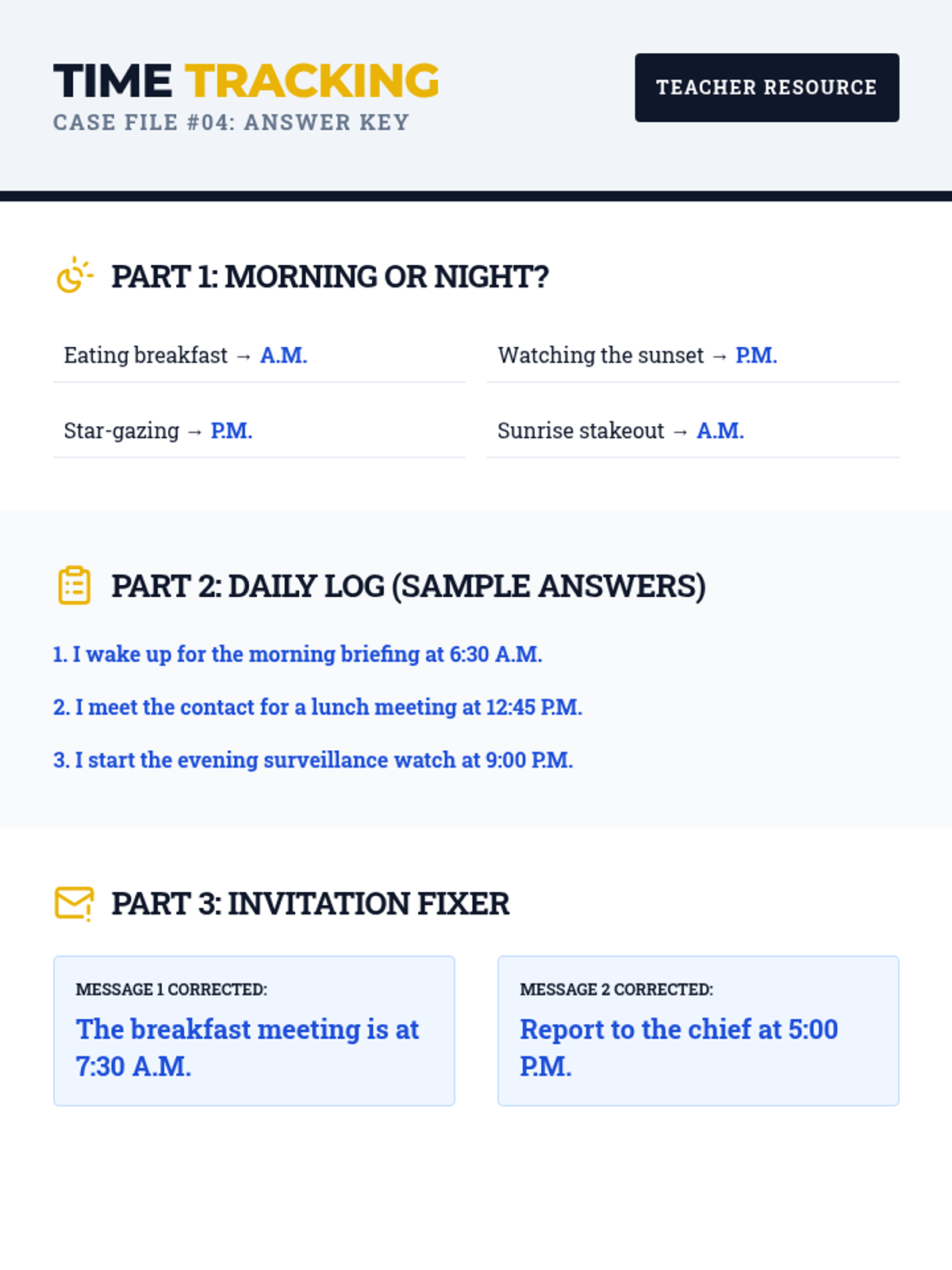
This lesson focuses on the Latin-based abbreviations A.M. and P.M. regarding the 12-hour clock. Students practice writing sentences describing daily routines, ensuring the abbreviations are capitalized or lowercased consistently.
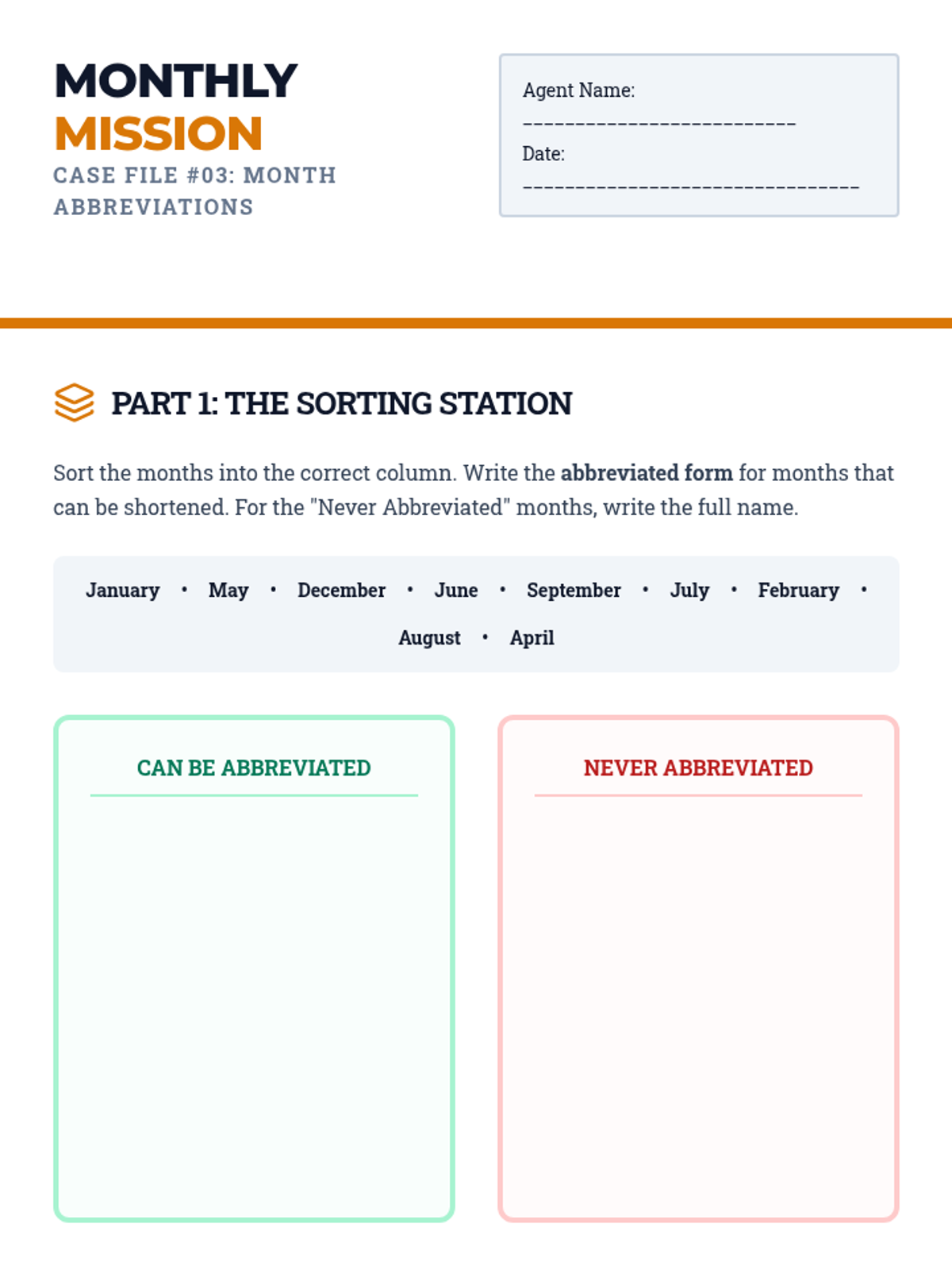
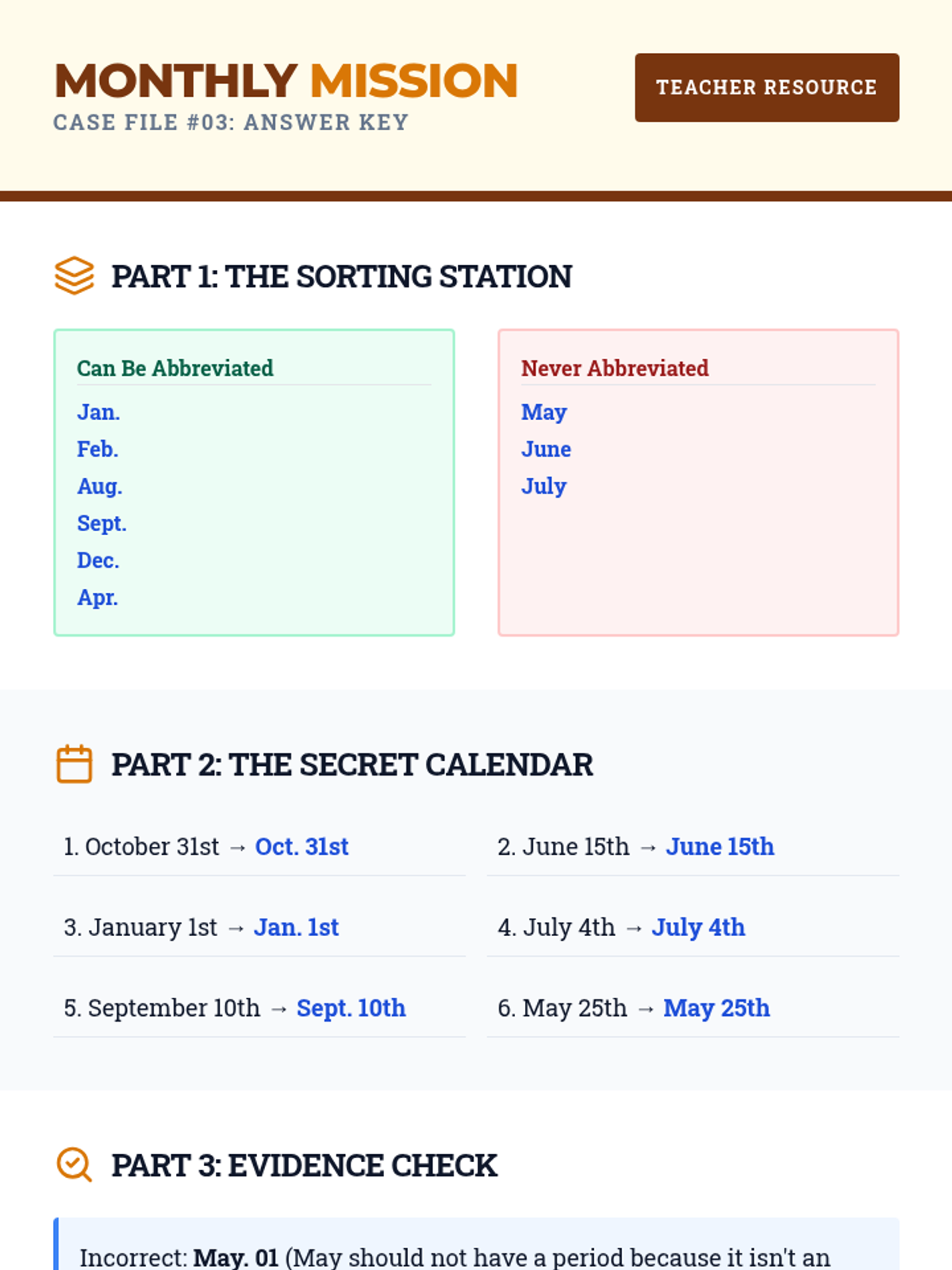
Students distinguish between months that are commonly abbreviated (e.g., Jan., Feb.) and those that are not (e.g., May, June, July) in formal writing.
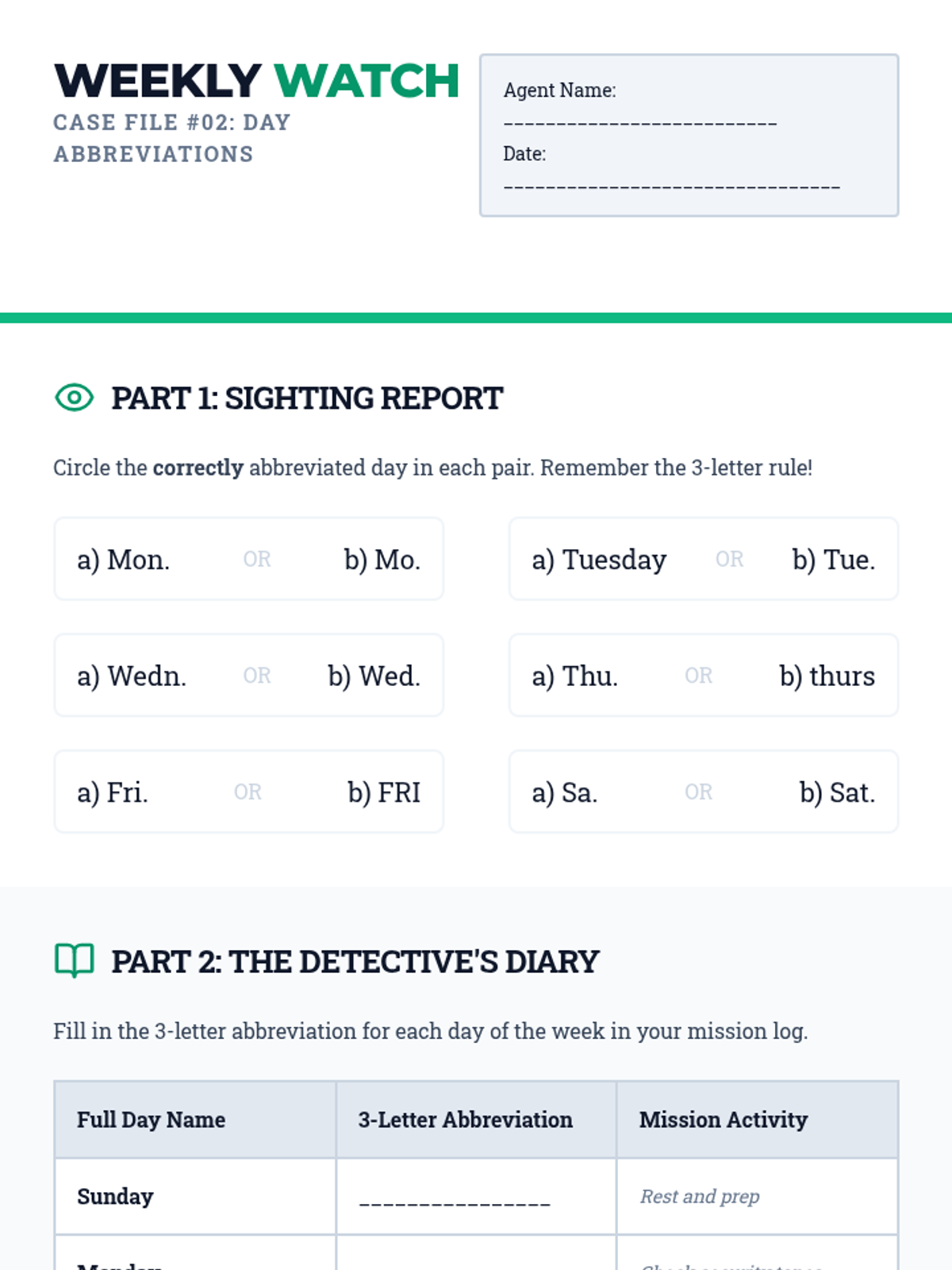
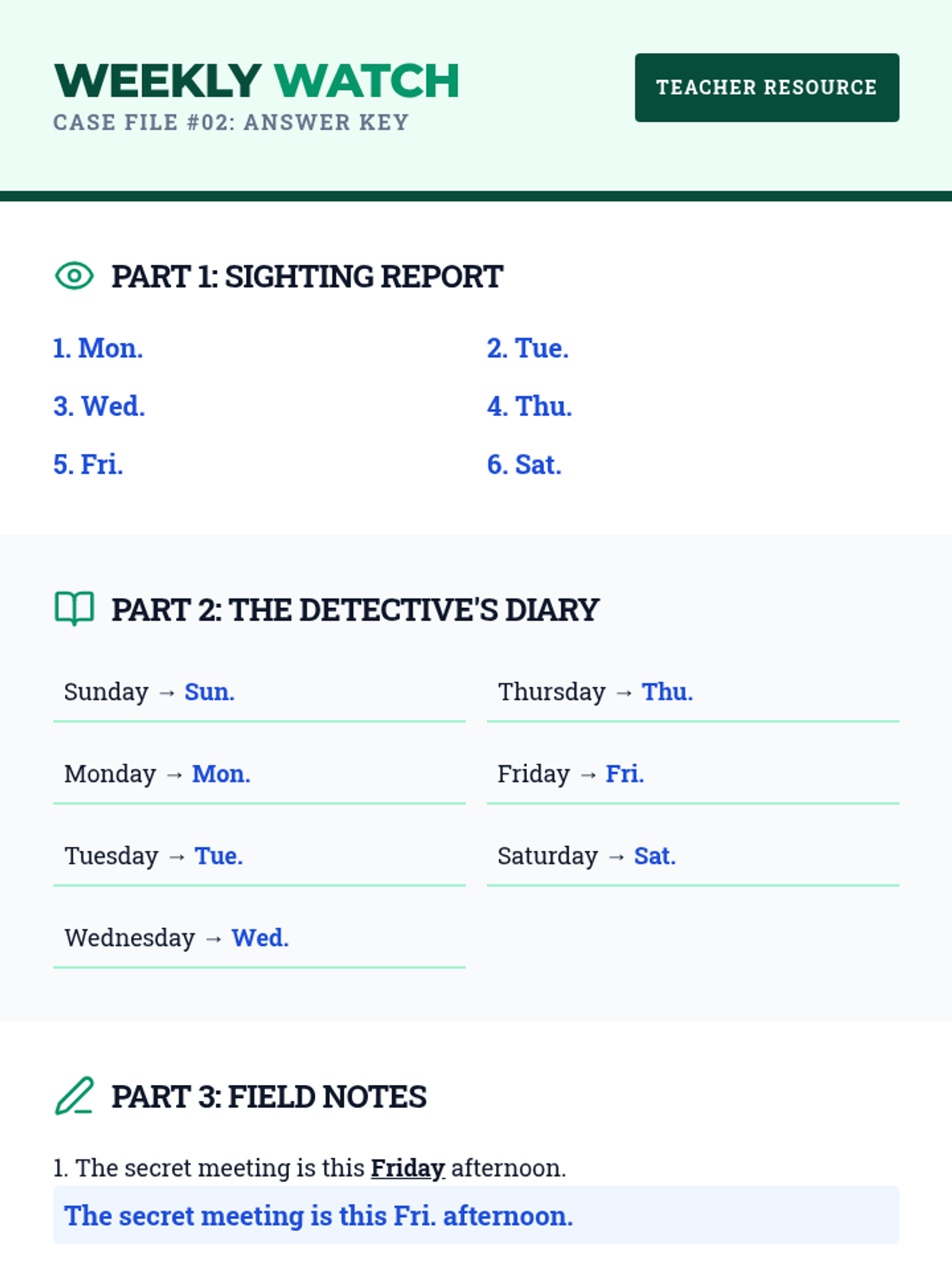
Learners explore the standard three-letter abbreviations for days of the week used in calendars and planners, applying correct capitalization and punctuation.
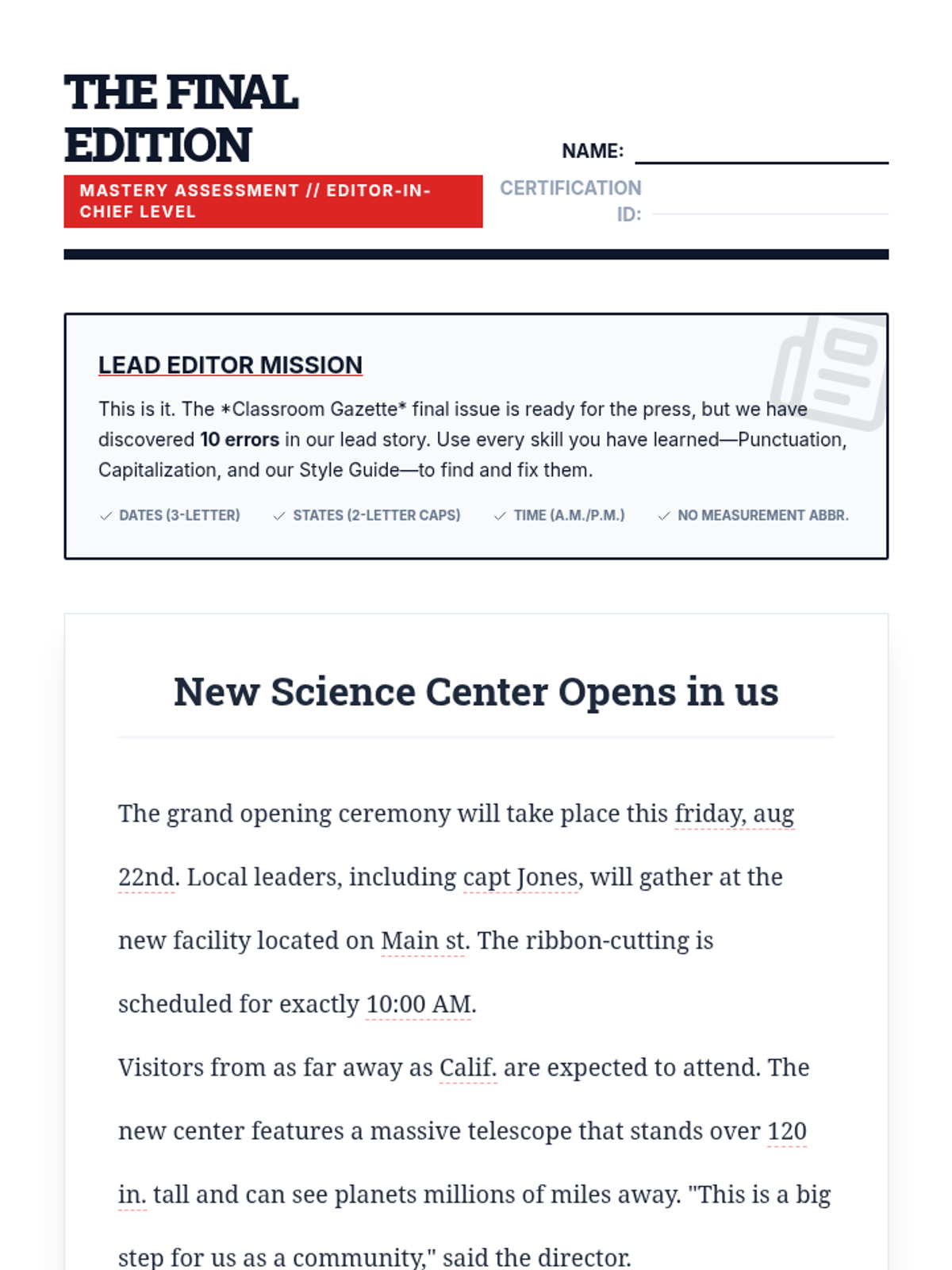
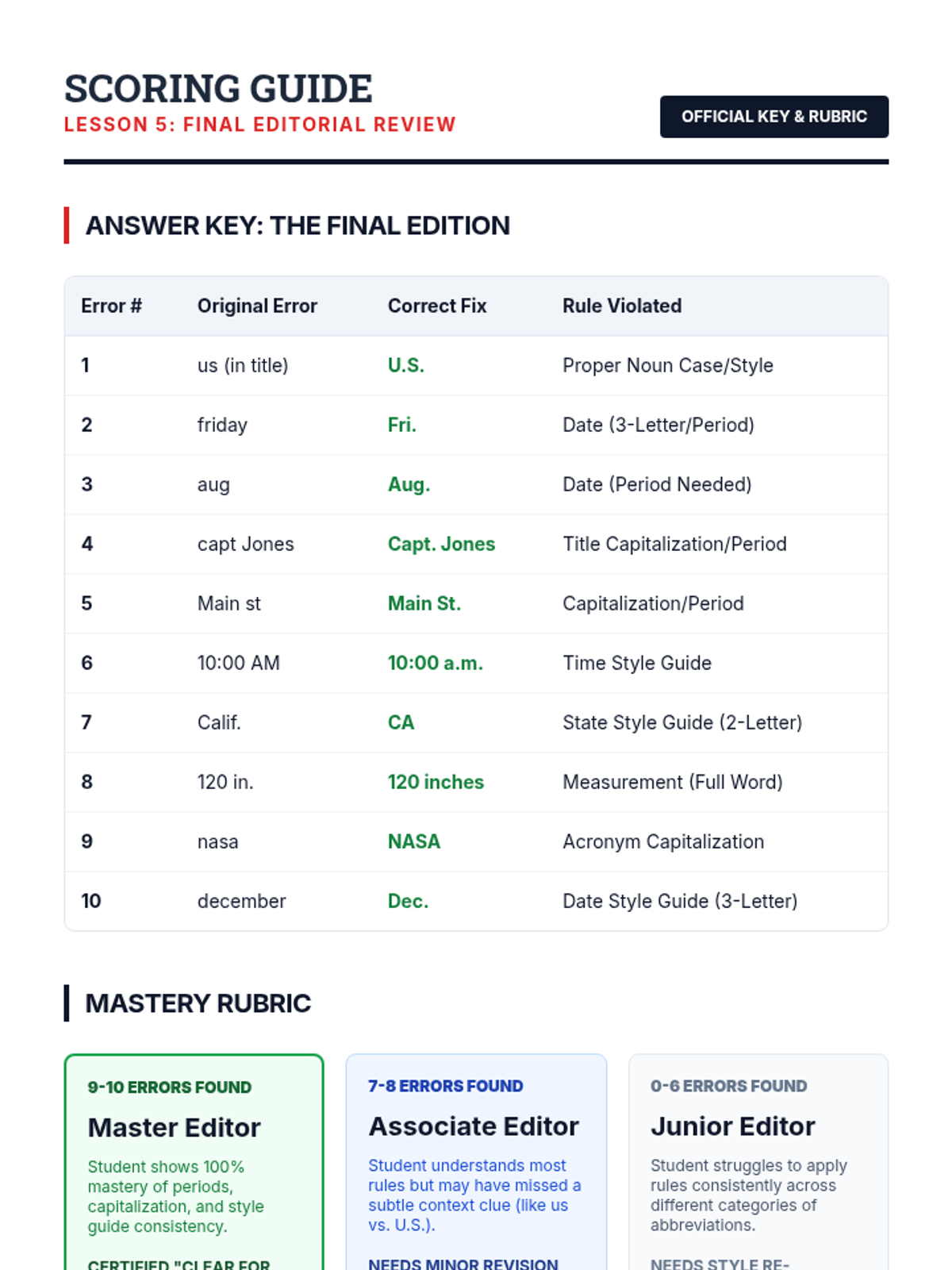
Students apply all learned editing skills to a final multi-paragraph article to earn their 'Editor-in-Chief' status.
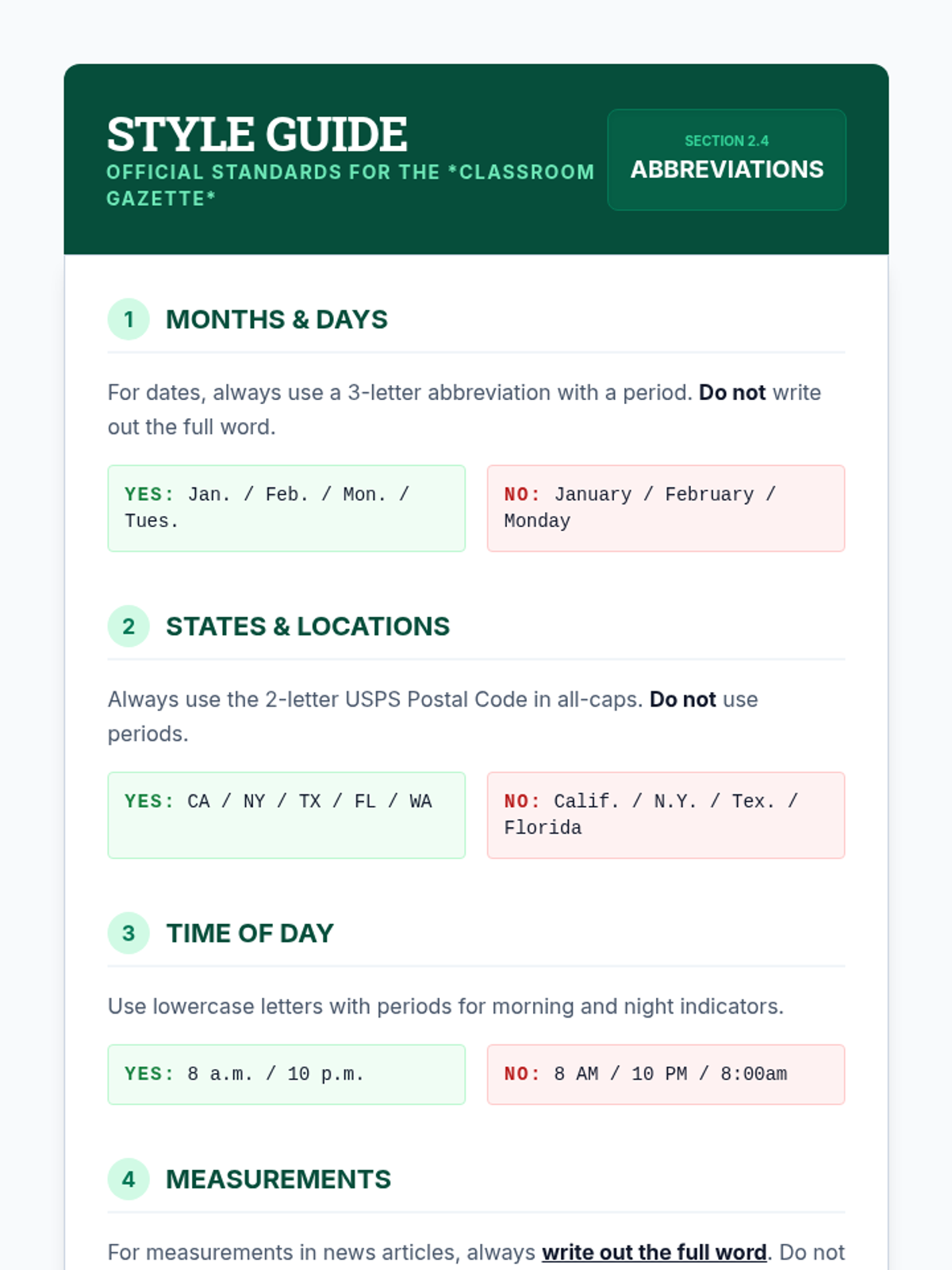
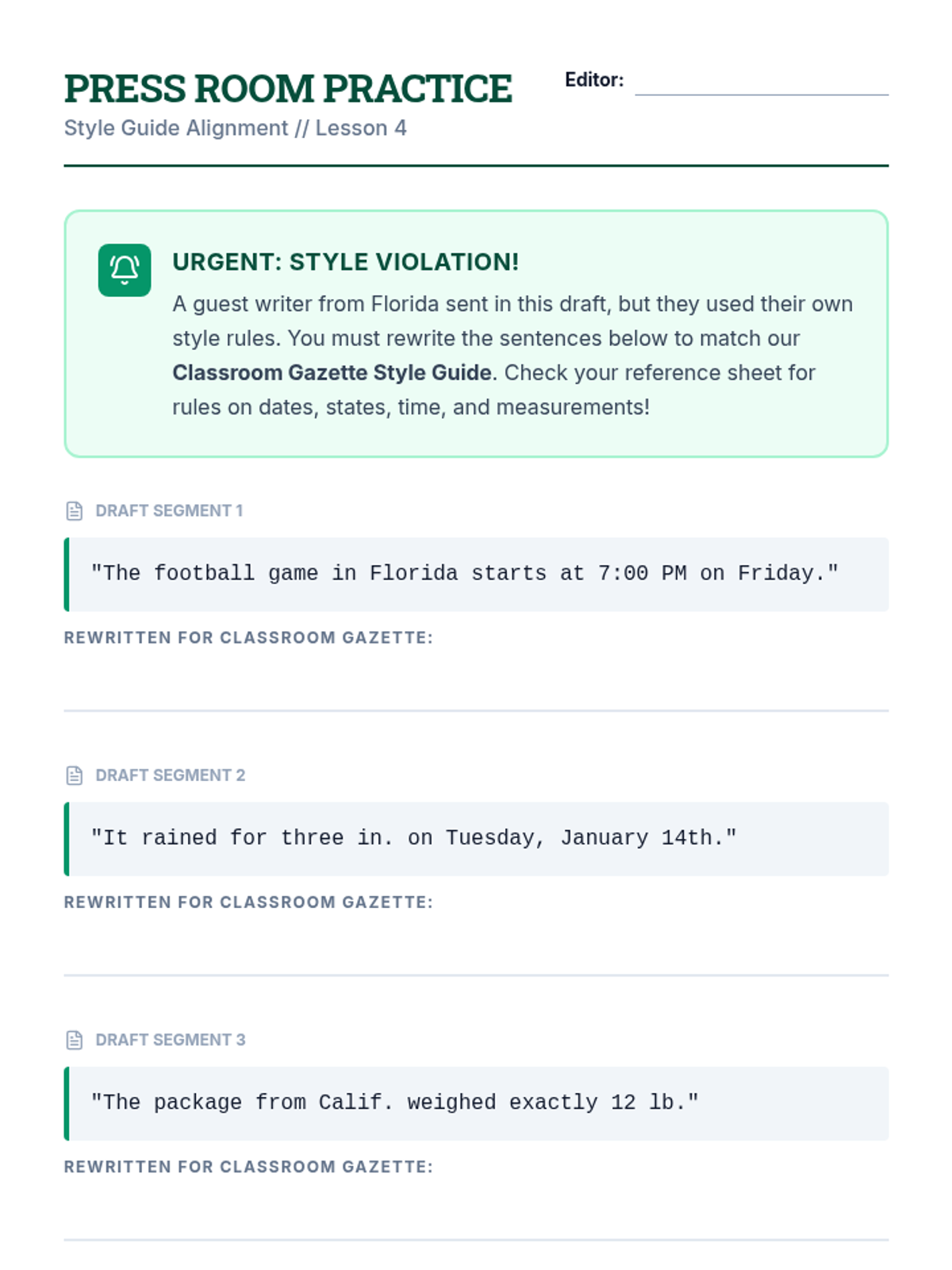
Students explore how different publications use style guides to standardize abbreviations and practice editing based on a specific classroom guide.
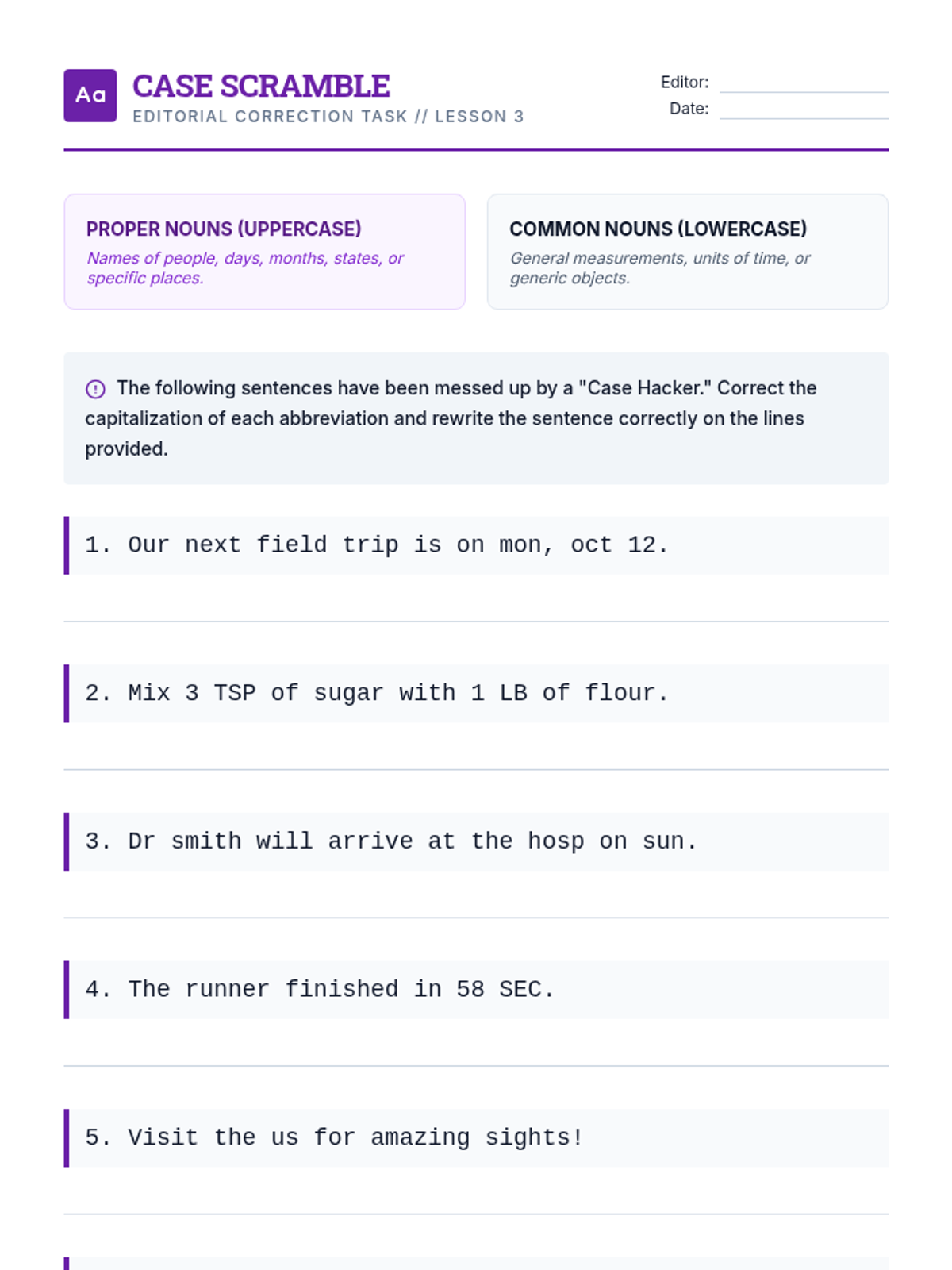
This lesson focuses on distinguishing between proper and common noun abbreviations and applying correct capitalization rules.
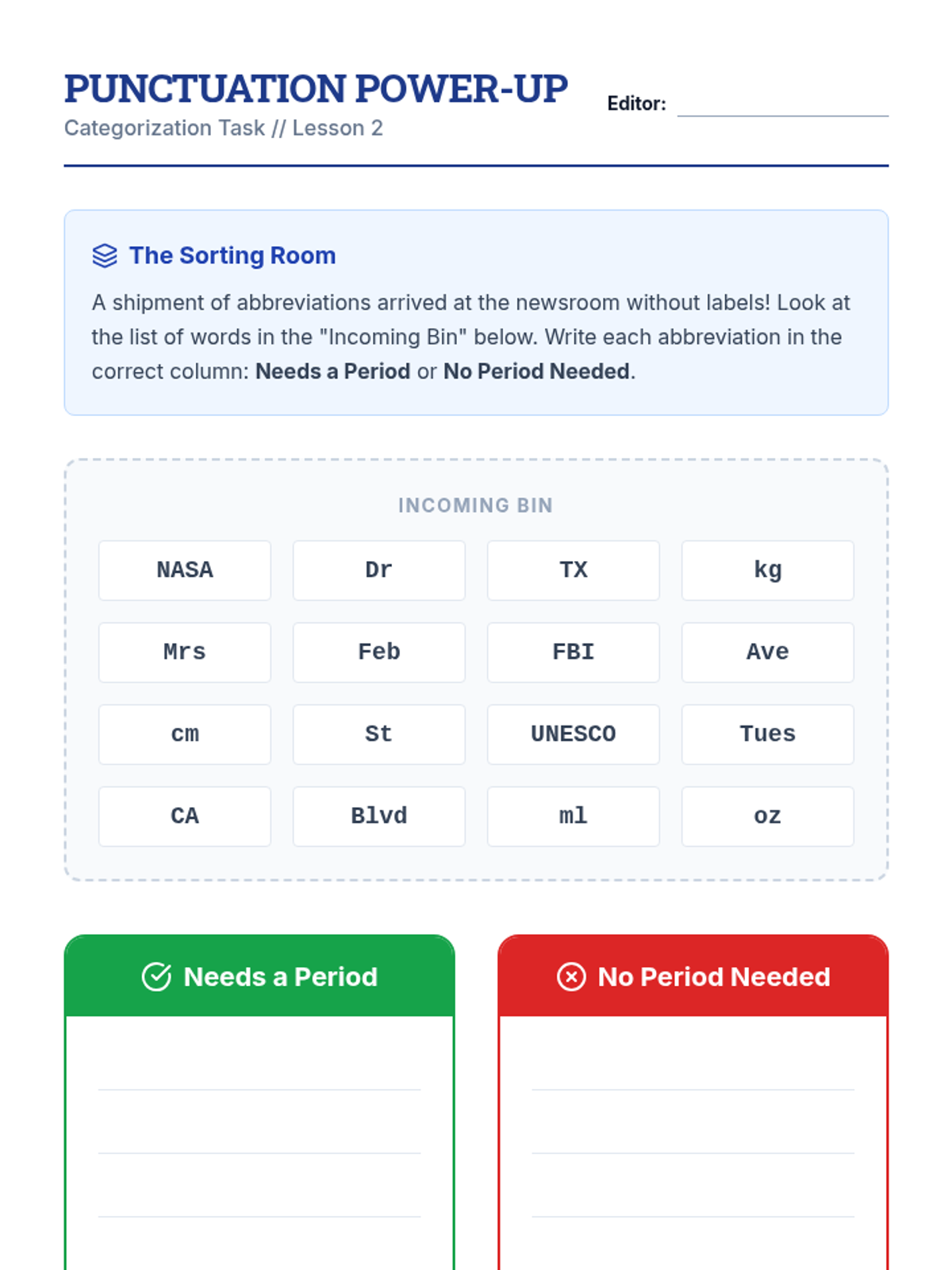
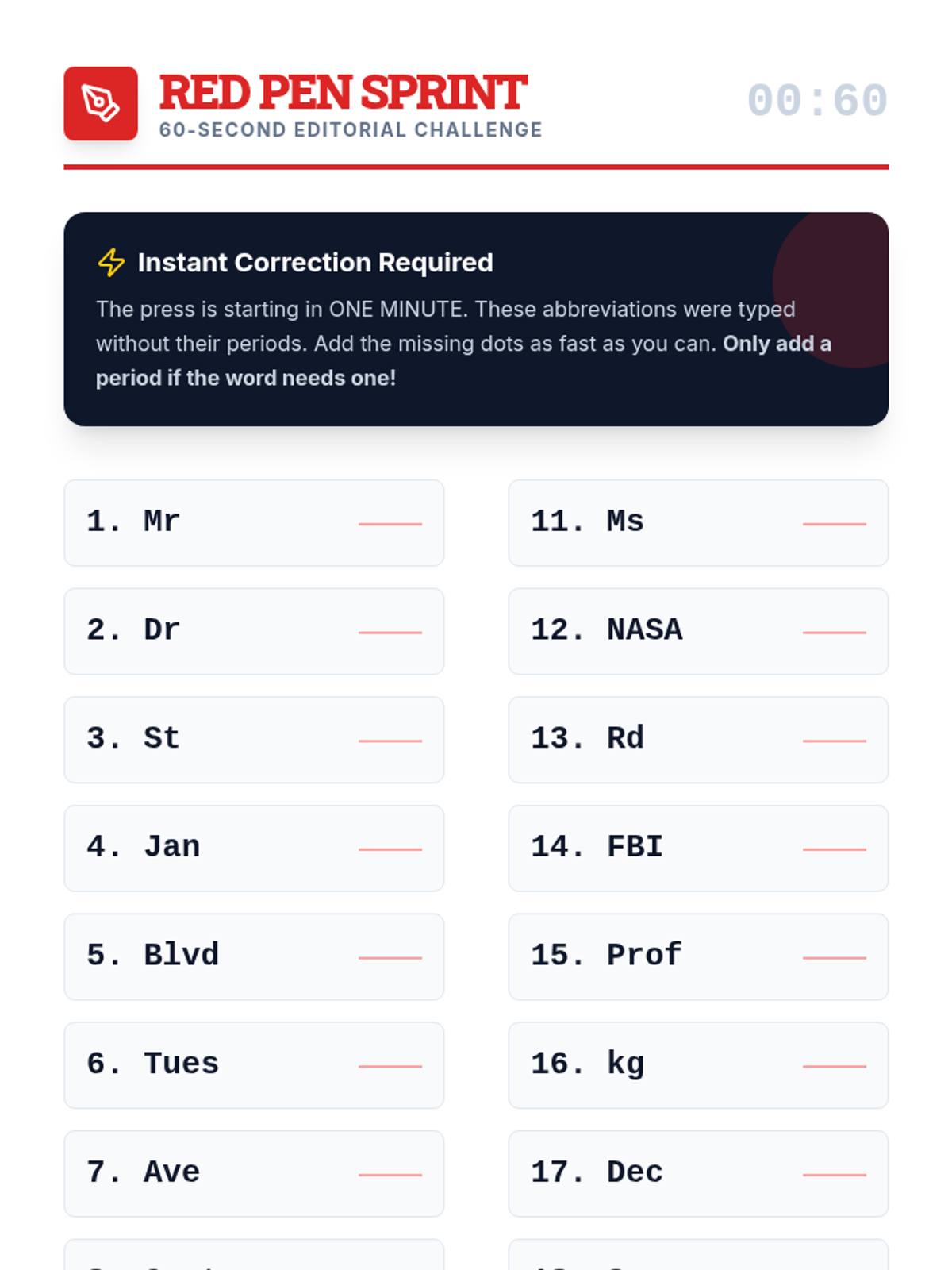
Students learn the specific rules for when to use periods in abbreviations versus when to omit them, practicing through rapid-fire drills.
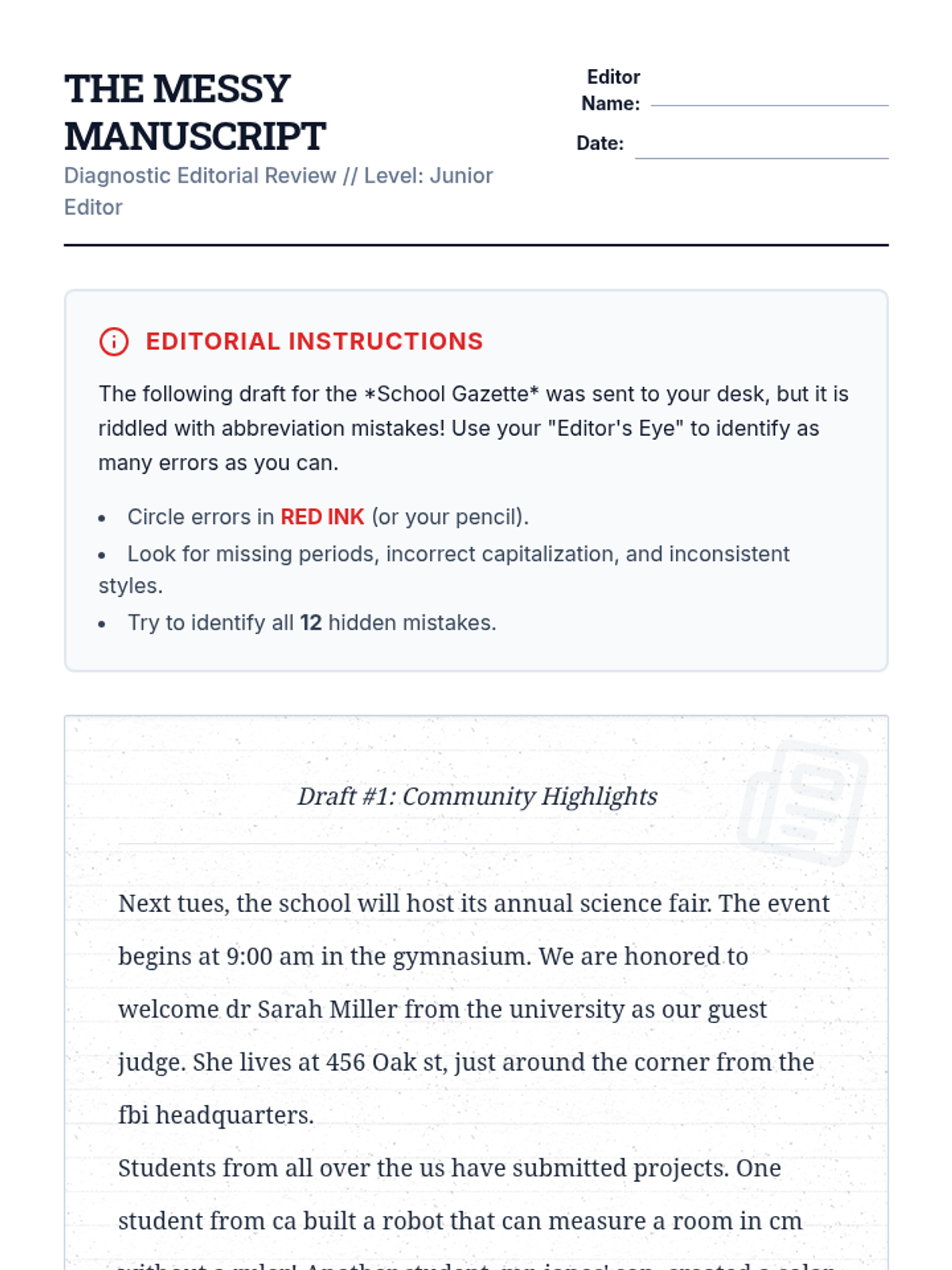
Students identify abbreviation errors in a 'viral' social media post and a diagnostic text to establish a baseline for their editing skills.
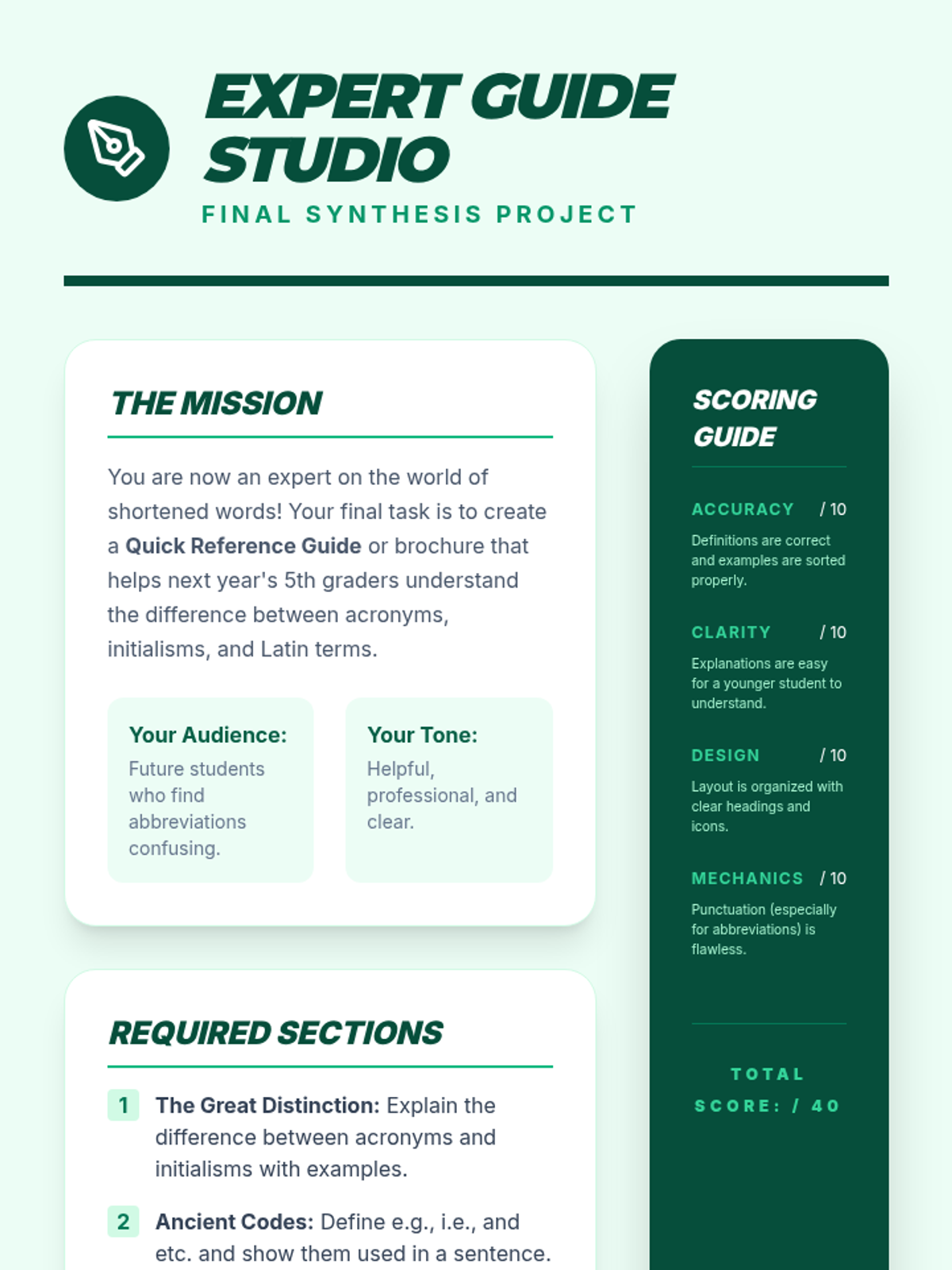
Students synthesize their knowledge by creating a 'Quick Reference Guide' or brochure. This guide will explain the differences between acronyms, initialisms, and Latin terms, providing examples and usage rules for other students.
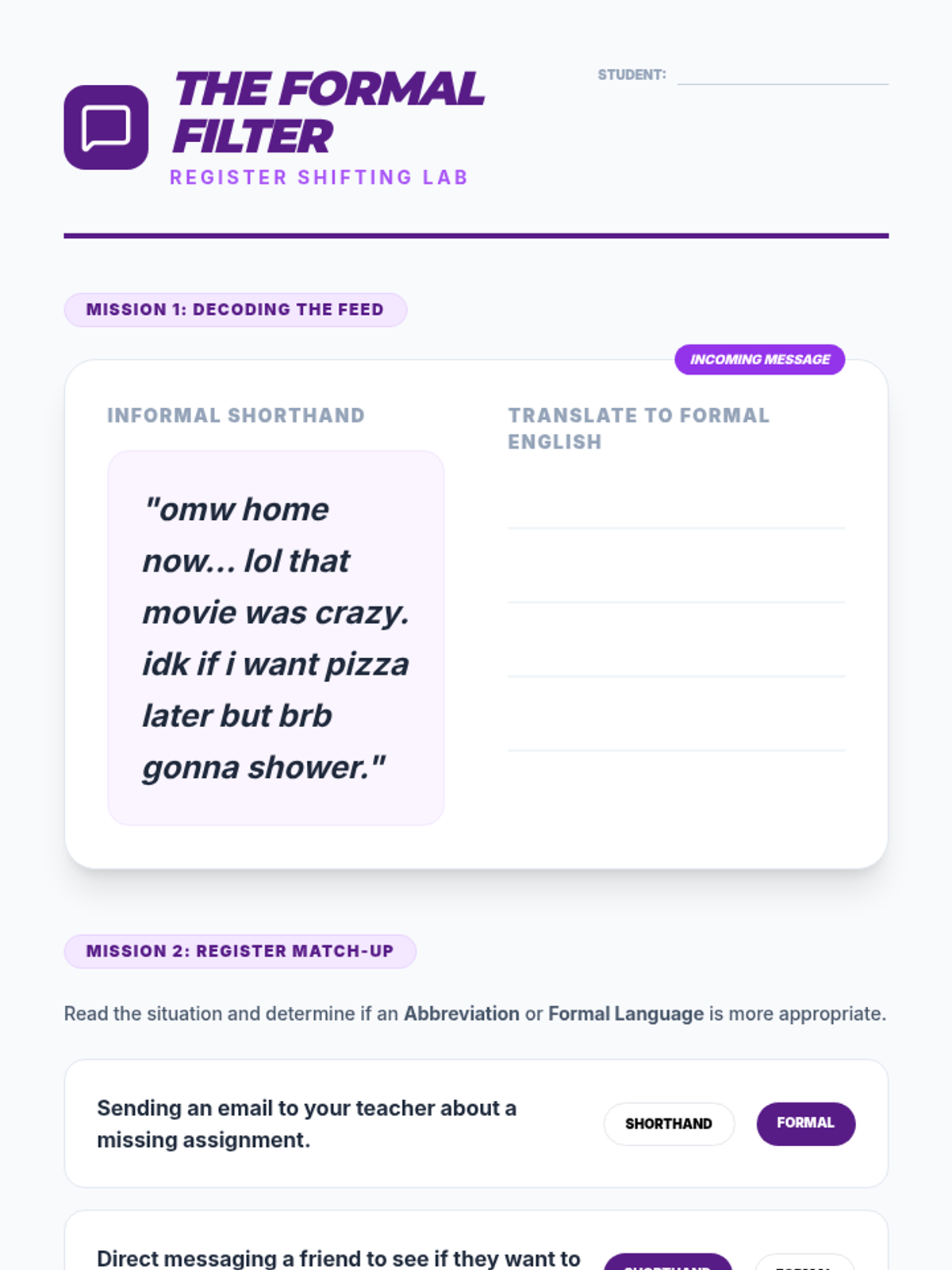
Classroom discussion shifts to informal digital communication. Students compare these with formal abbreviations, debating appropriate contexts for each and rewriting text messages into formal English sentences.
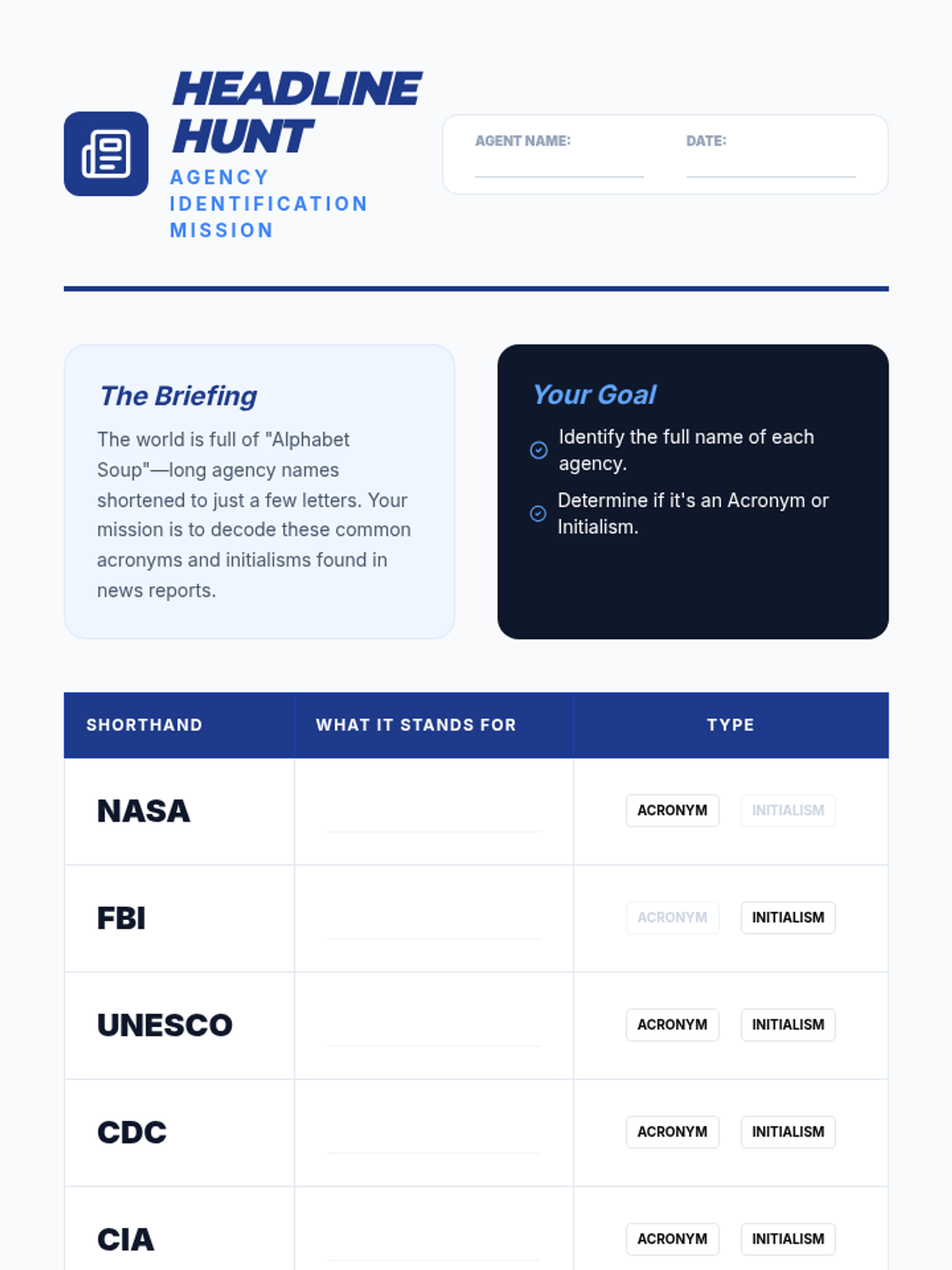
Students research major organizations and government bodies known by their acronyms. They read news headlines to see these in context and discuss why long names are shortened in media and official documents.
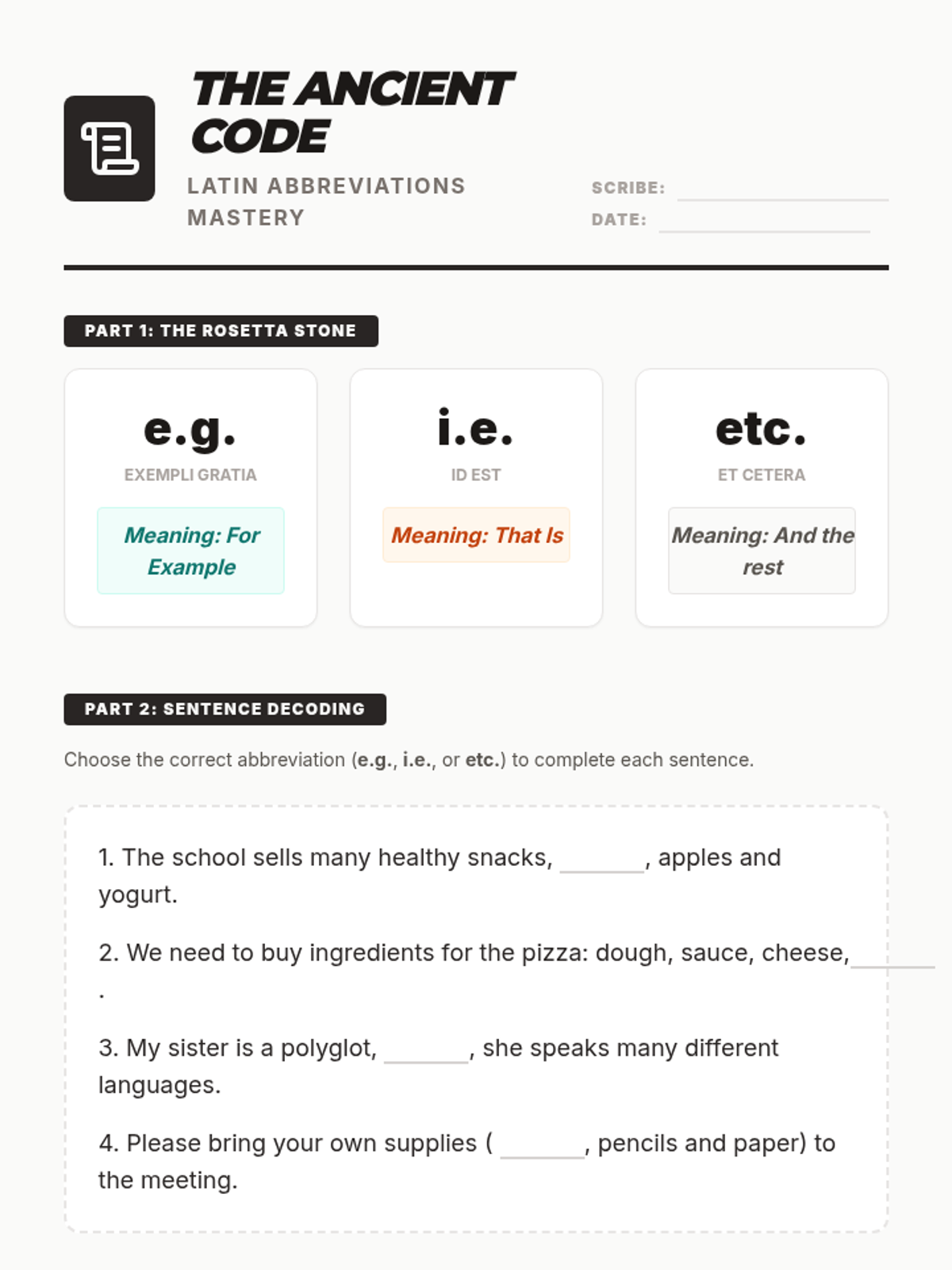
Learners explore frequently used Latin abbreviations such as e.g., i.e., and etc. They analyze sentences to determine the meaning of these terms and practice using them correctly to add detail or lists to their writing.
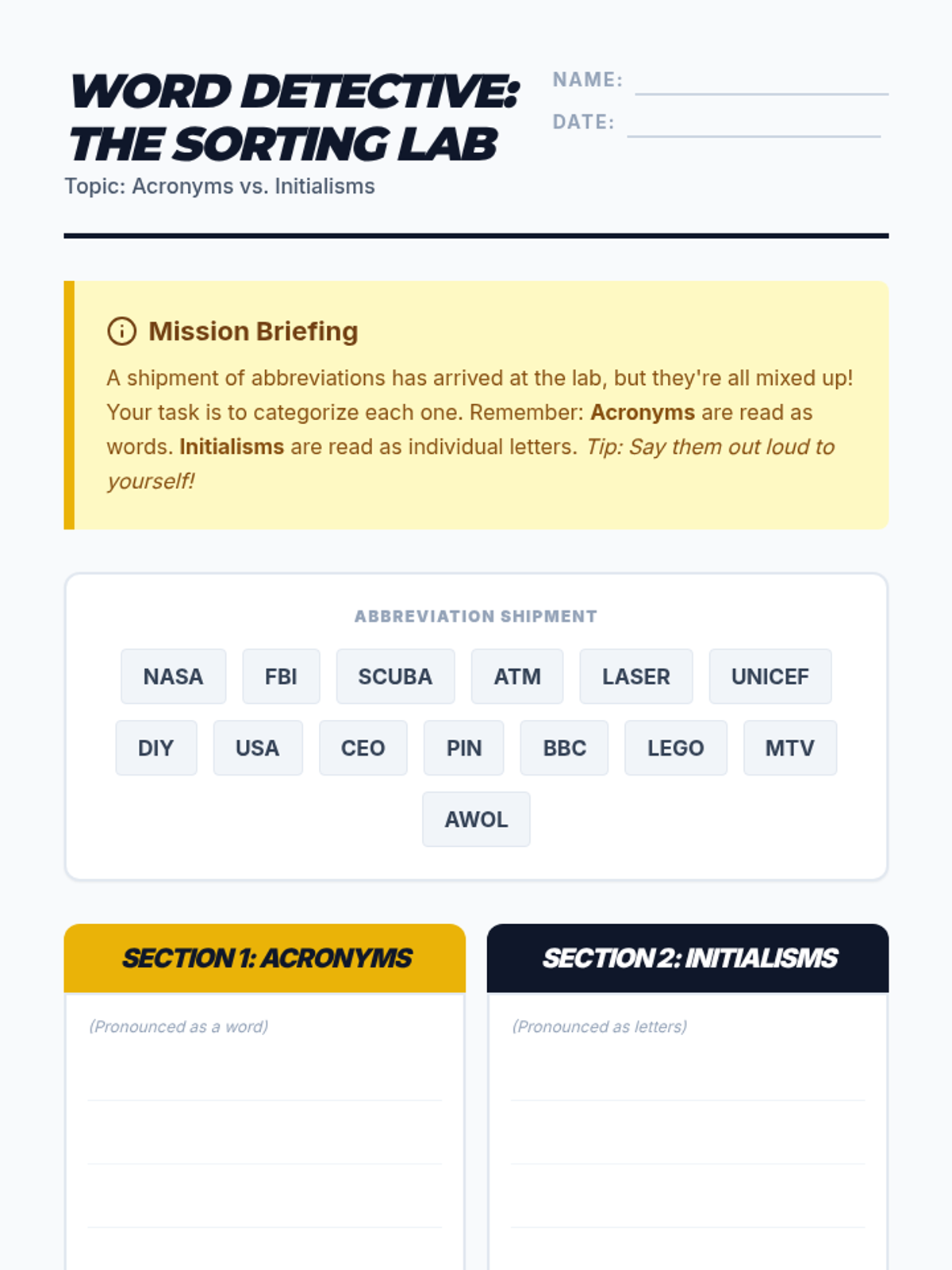
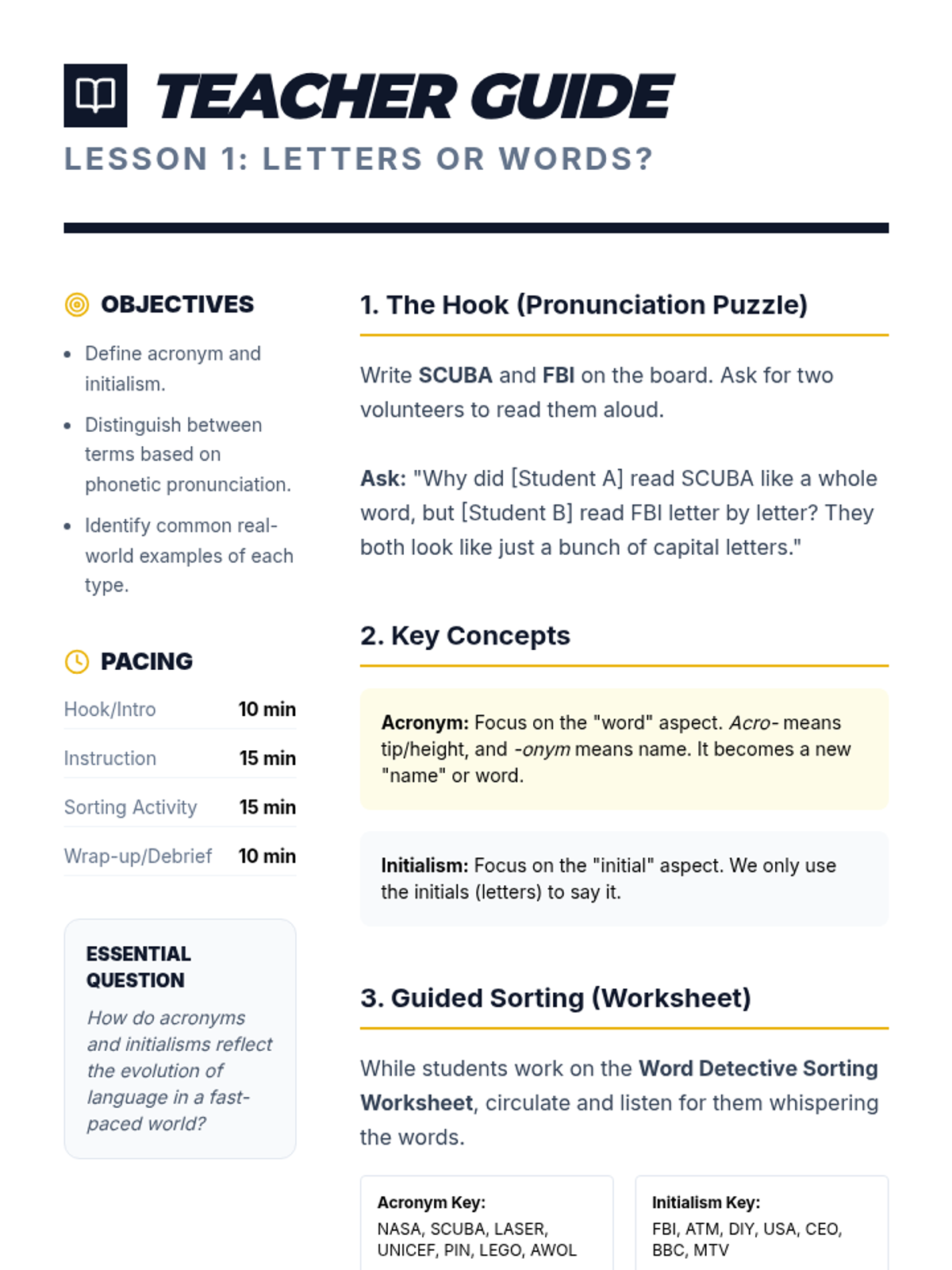
Students investigate the difference between acronyms (read as words) and initialisms (read as letters). Through a sorting activity, they categorize common terms and practice reading them aloud to reinforce the distinction.
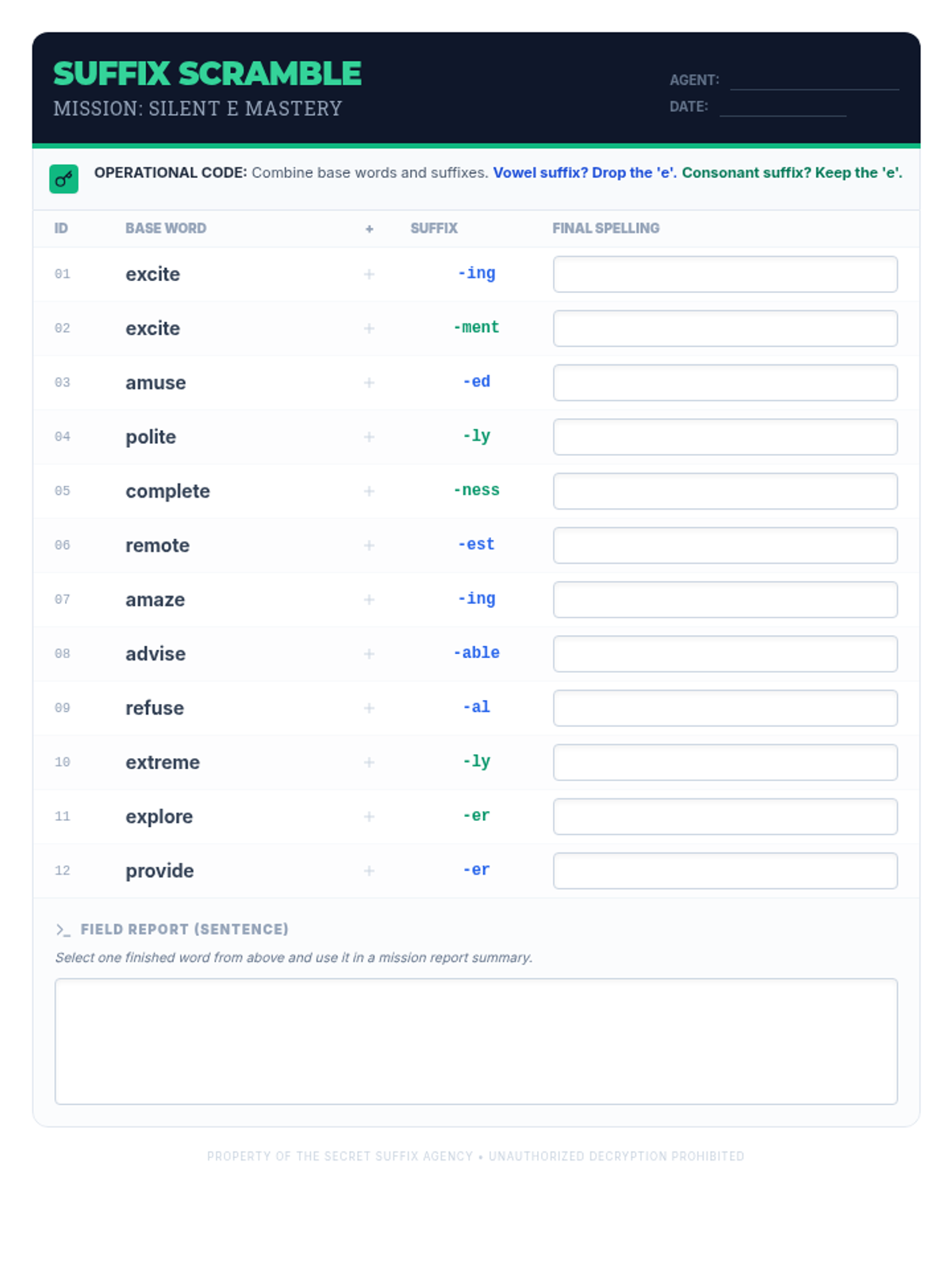
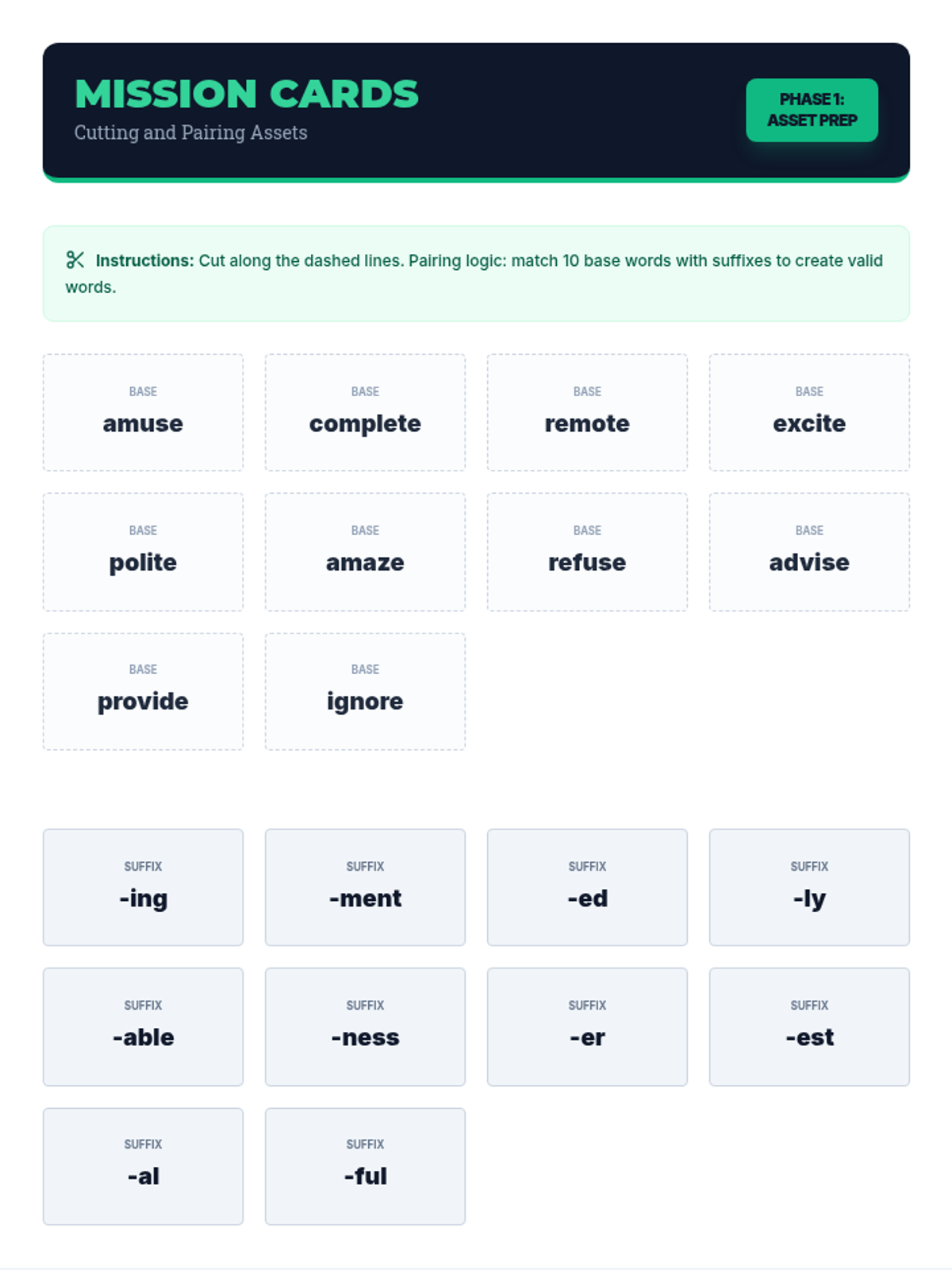
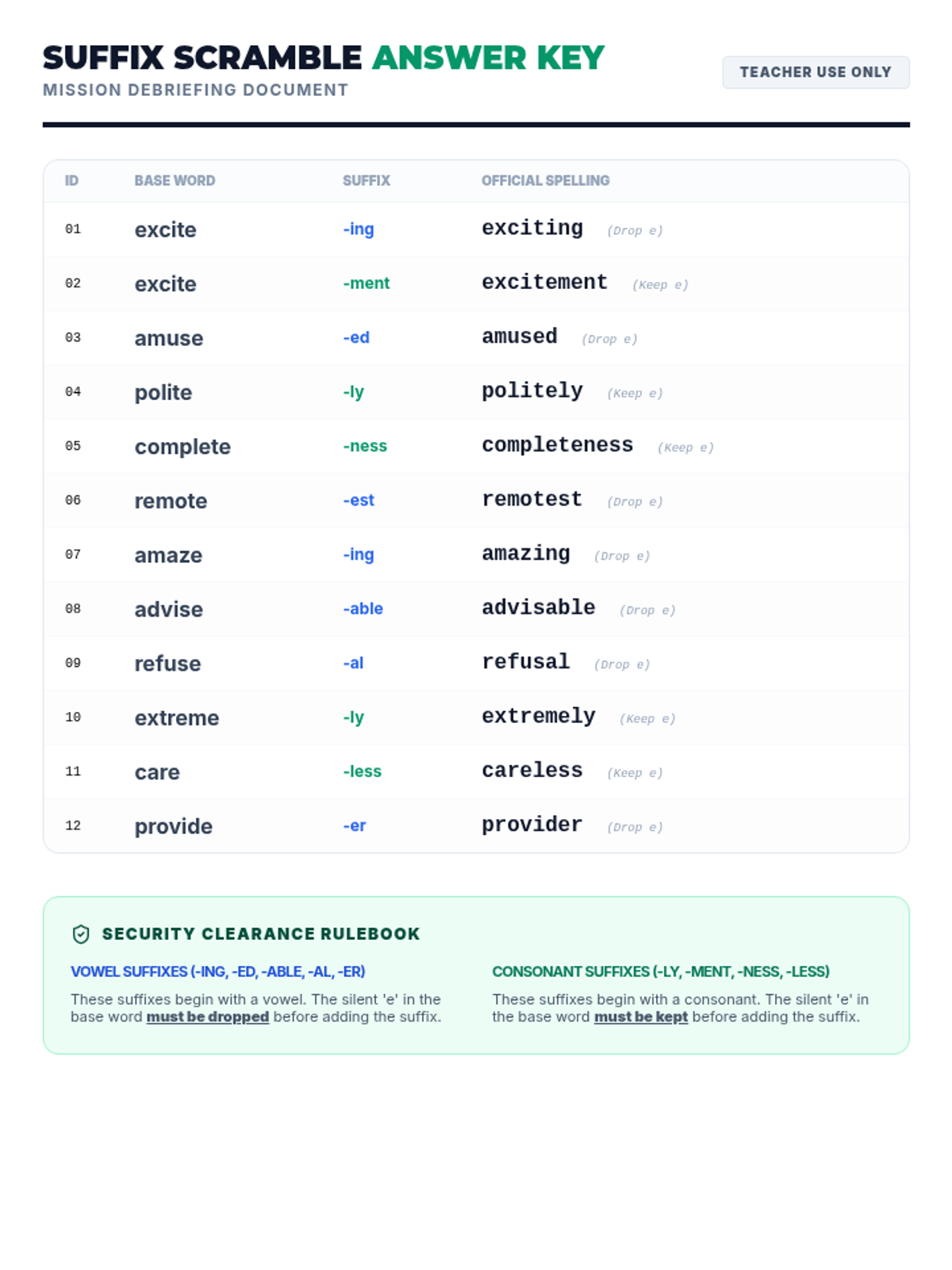
A comprehensive lesson on adding suffixes to multi-syllabic words ending in a silent 'e', focusing on the rules for dropping or keeping the 'e' based on the suffix type.
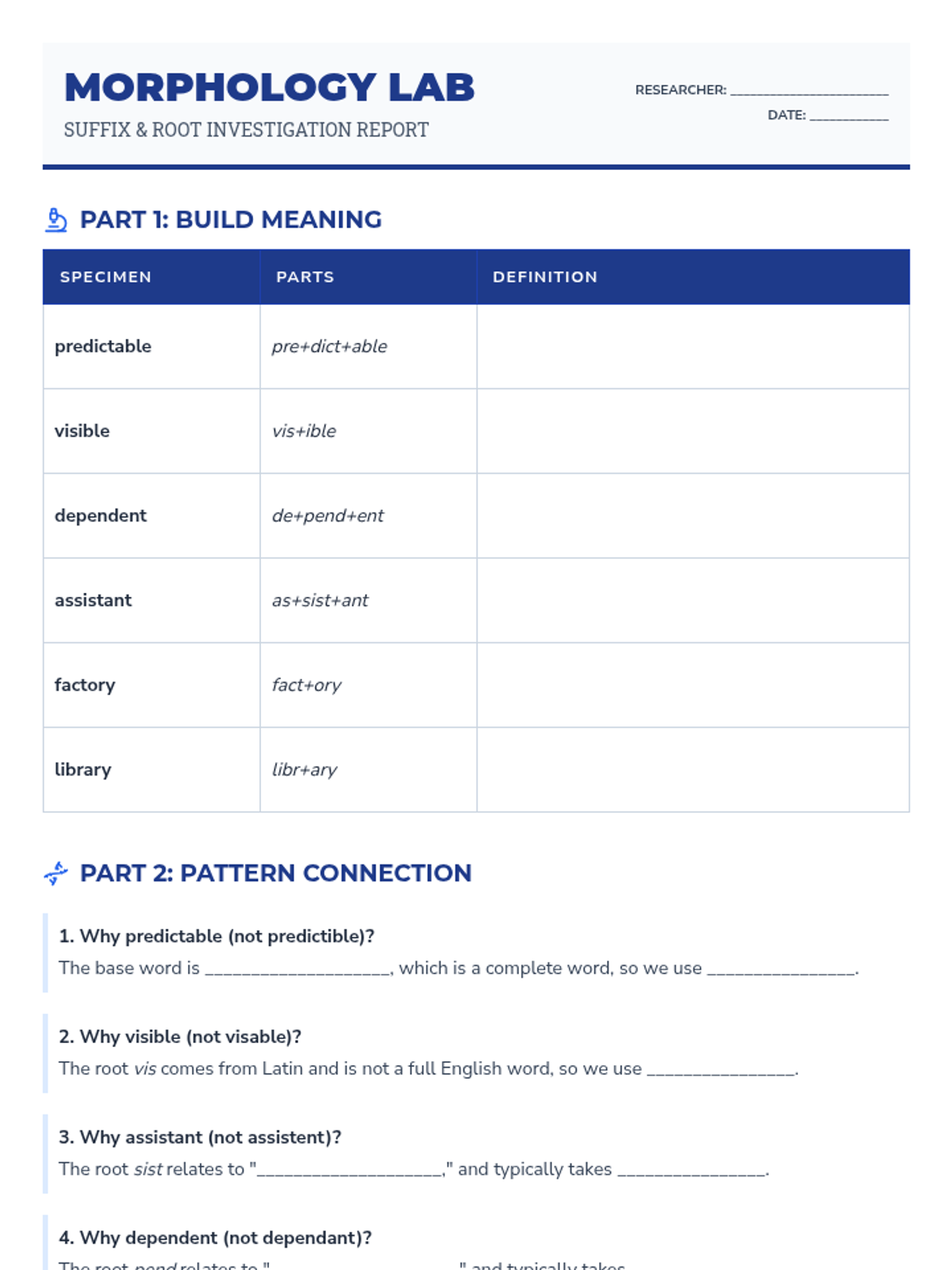
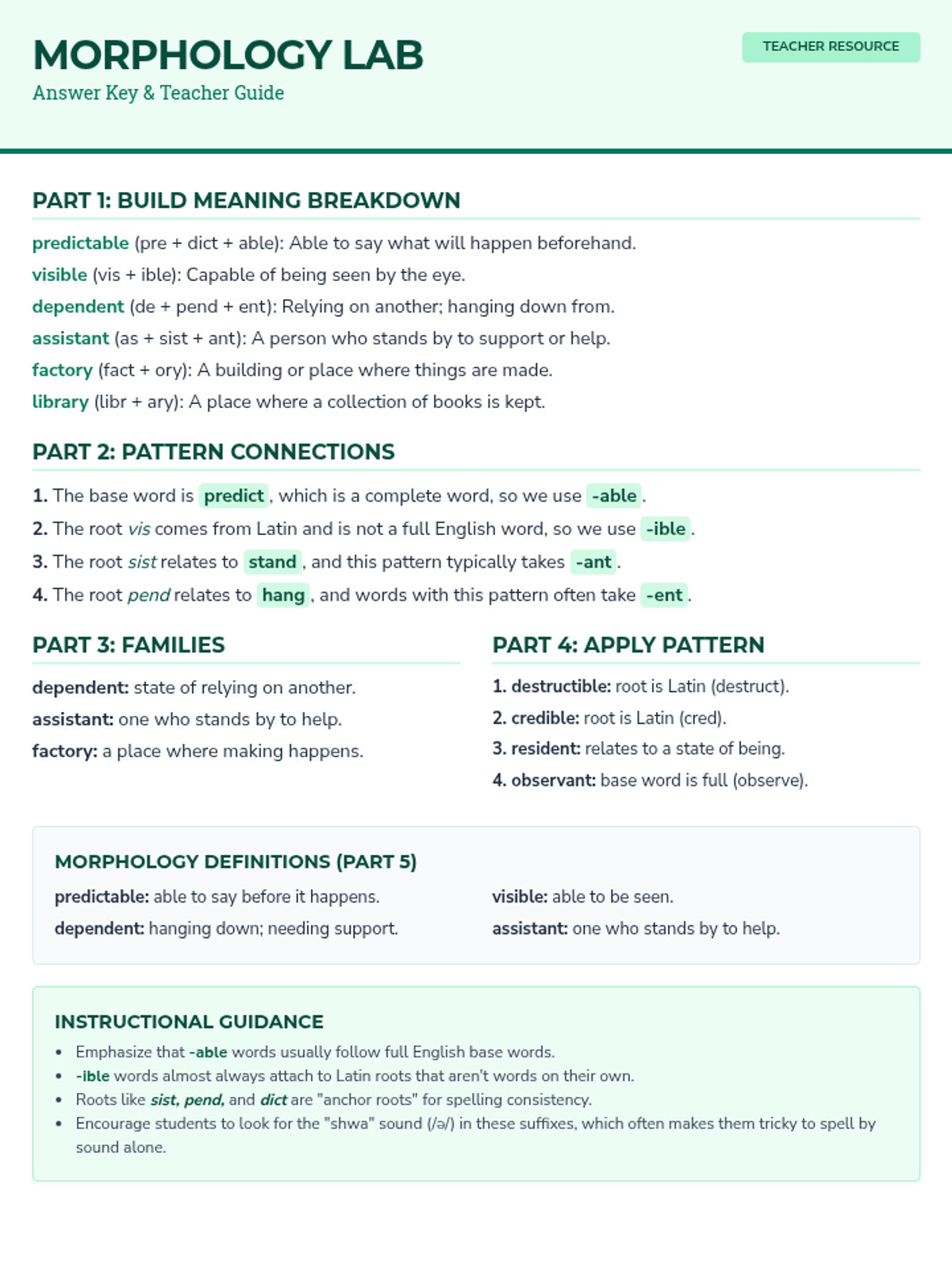
A deep dive into morphology and common word endings (-able, -ible, -ary, -ery, -ory, -ant, -ent), focusing on how Latin roots and base words determine spelling patterns.
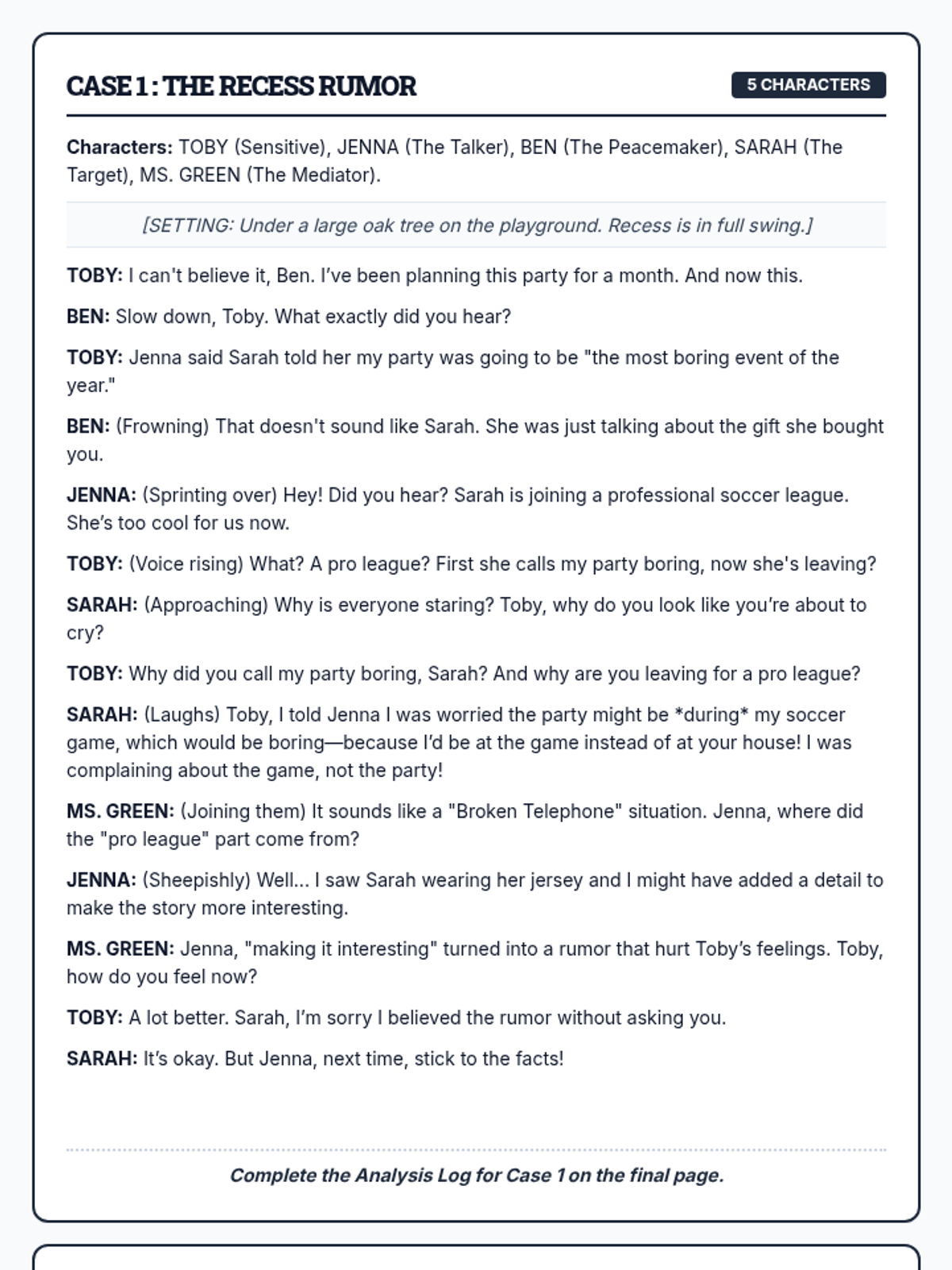
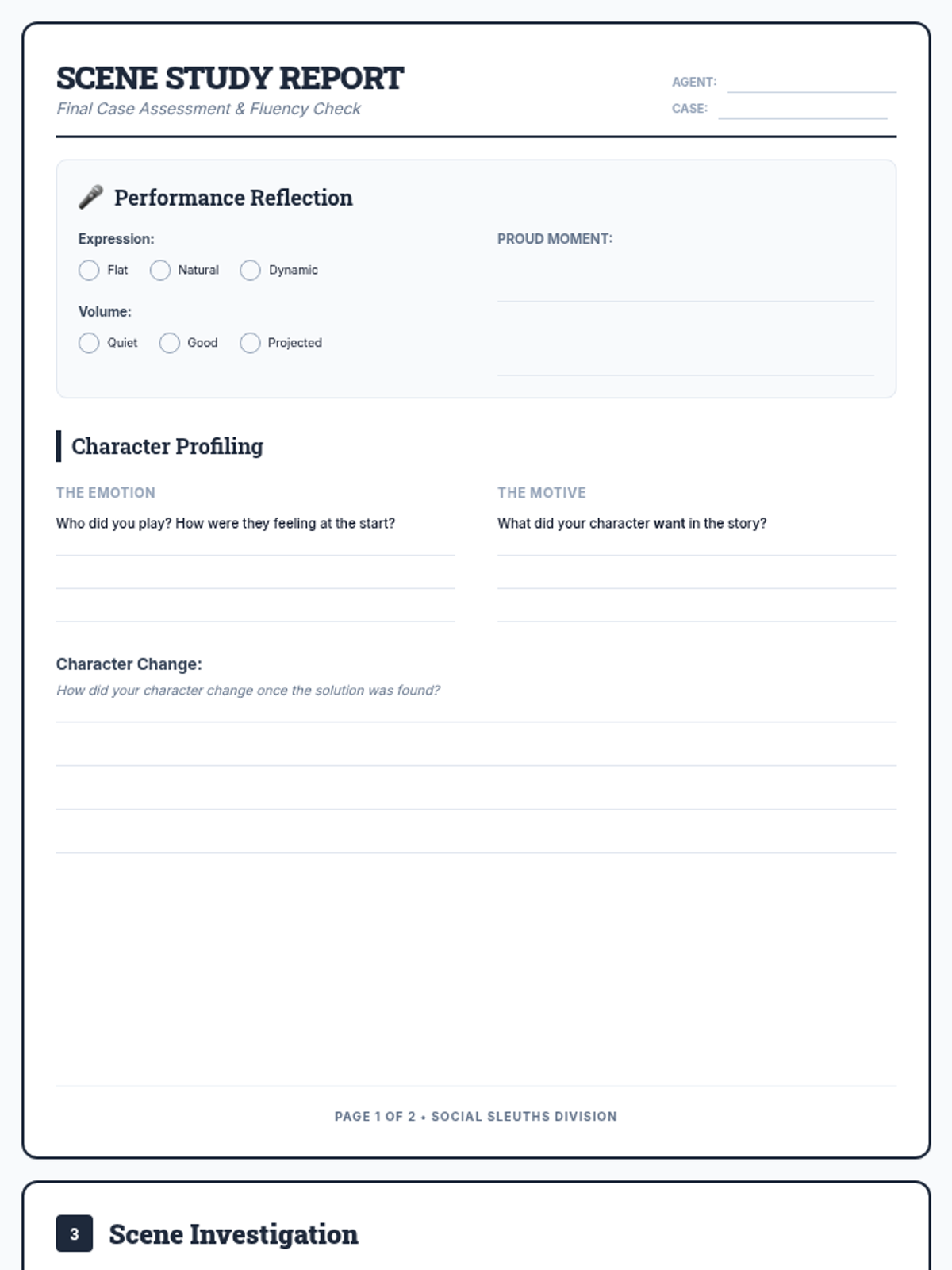
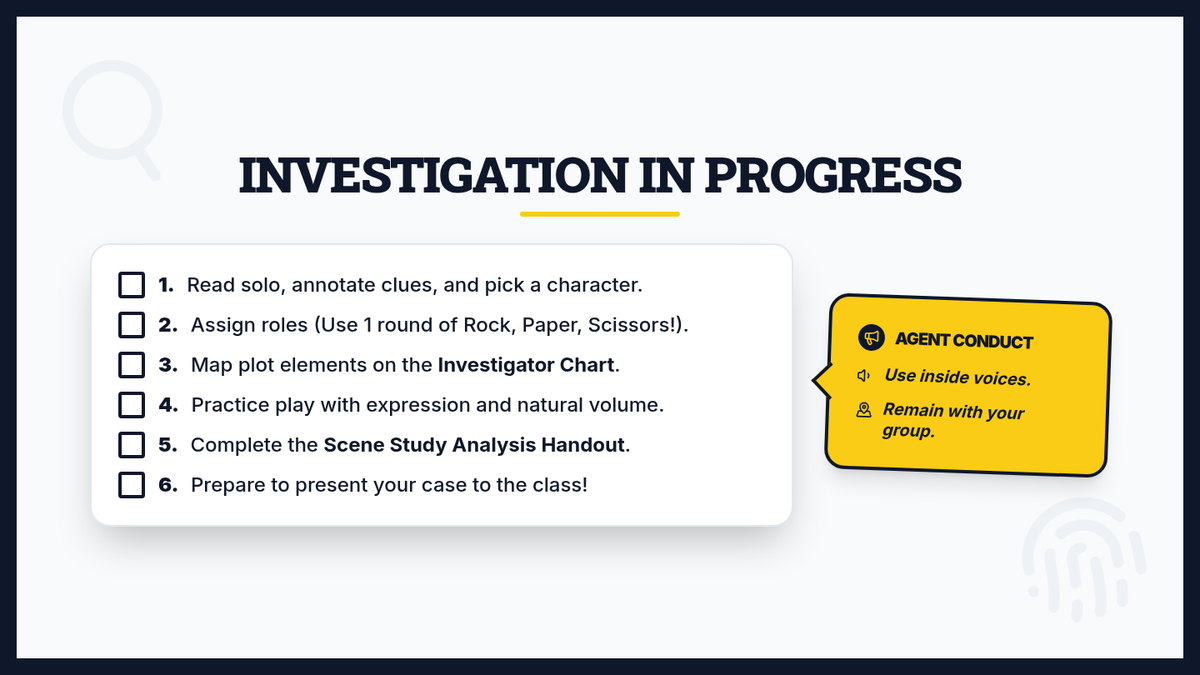
Students work in small groups to rehearse and perform mystery plays, analyzing their specific plot structures and reflecting on social-emotional themes.
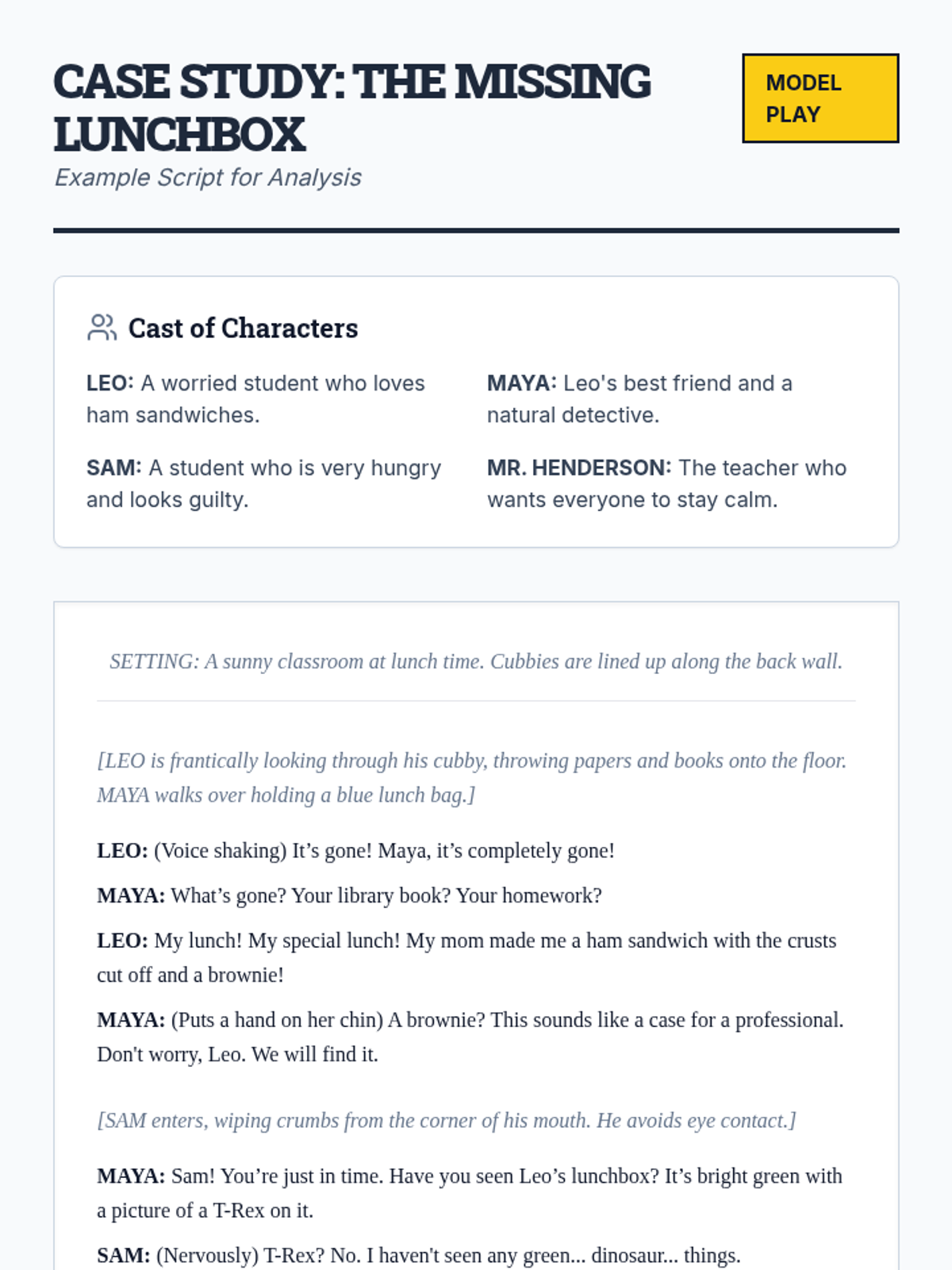
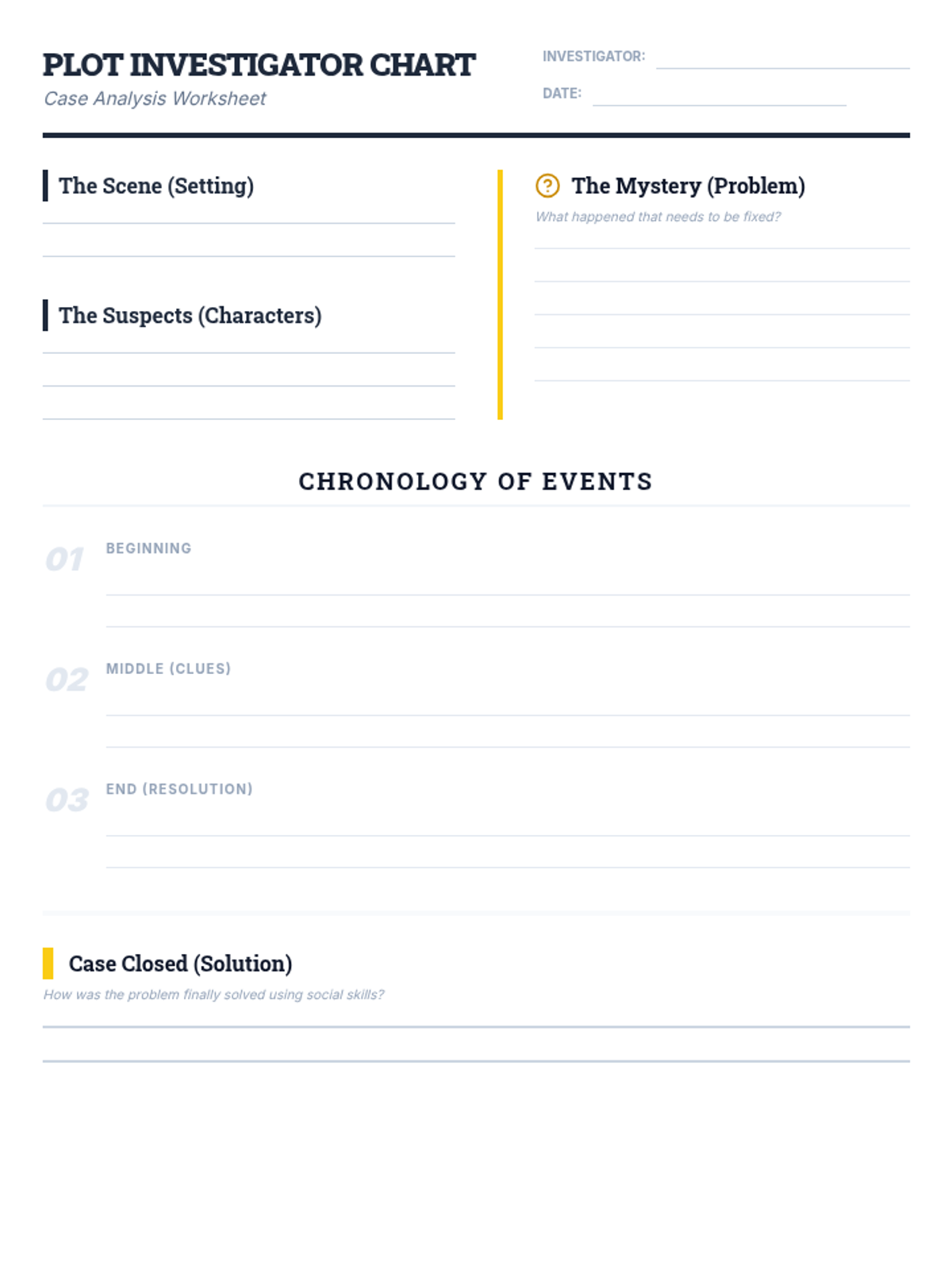
Students learn the fundamental components of a play script and use a model play to identify setting, characters, and plot structure.
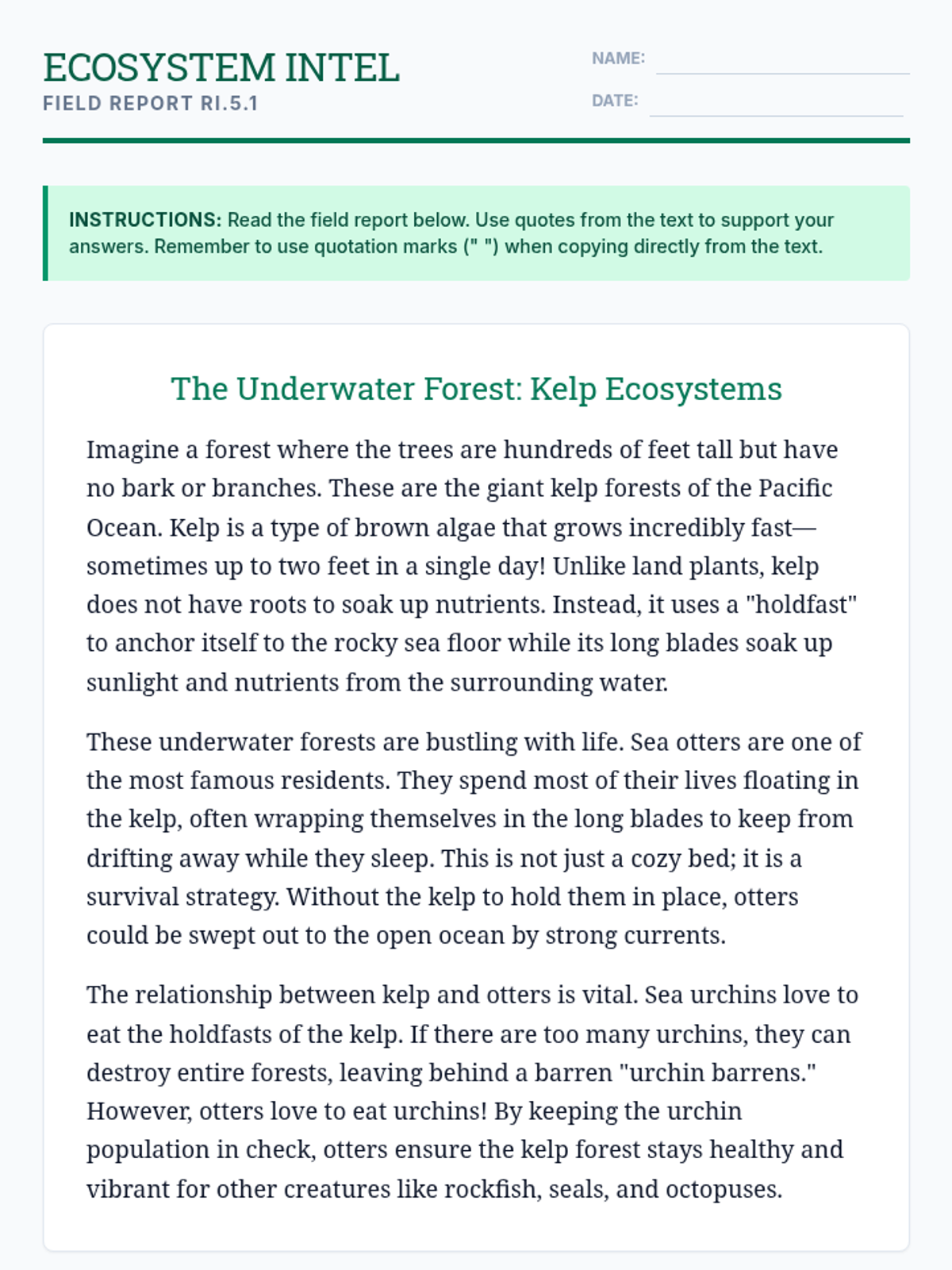
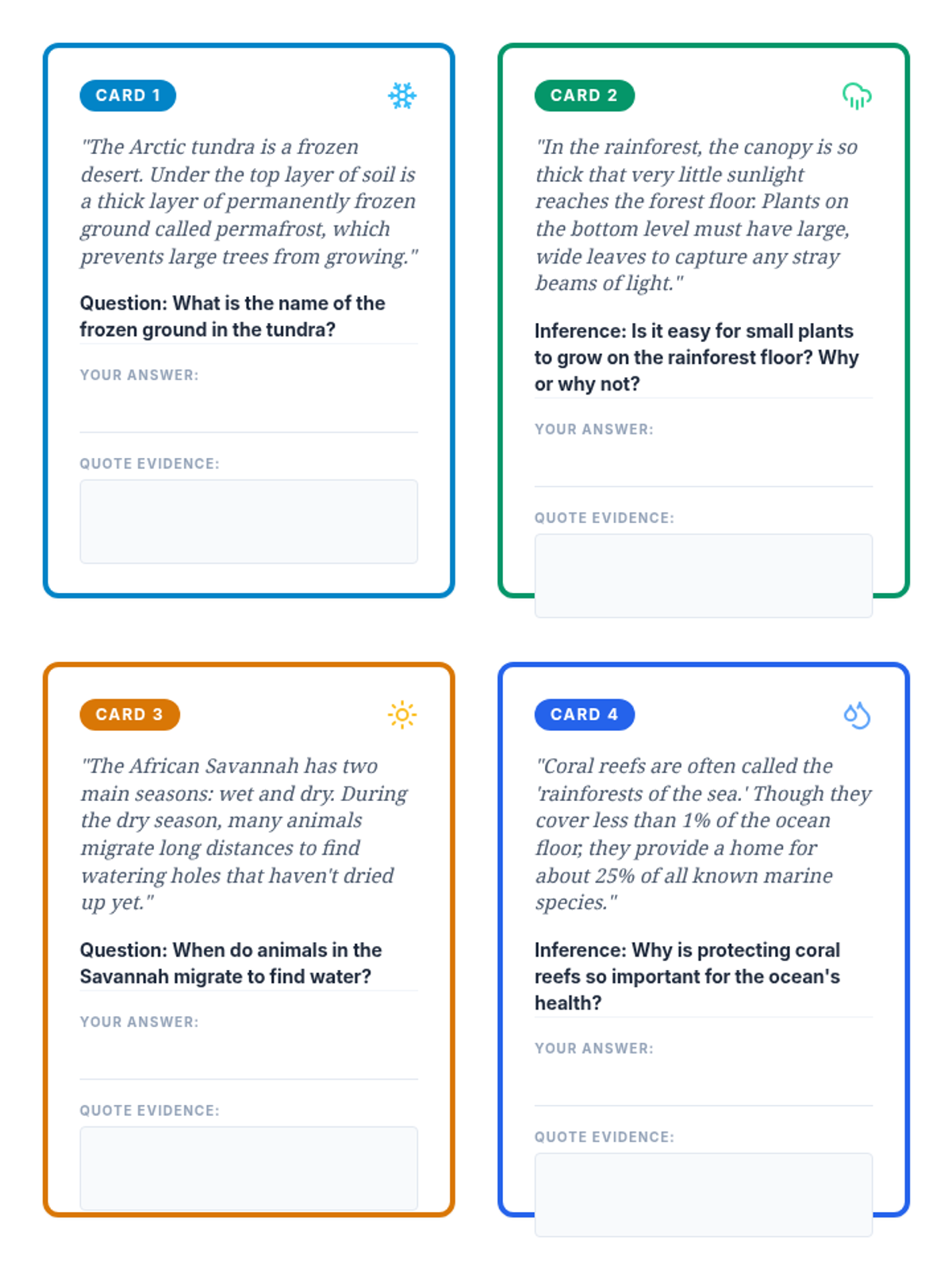
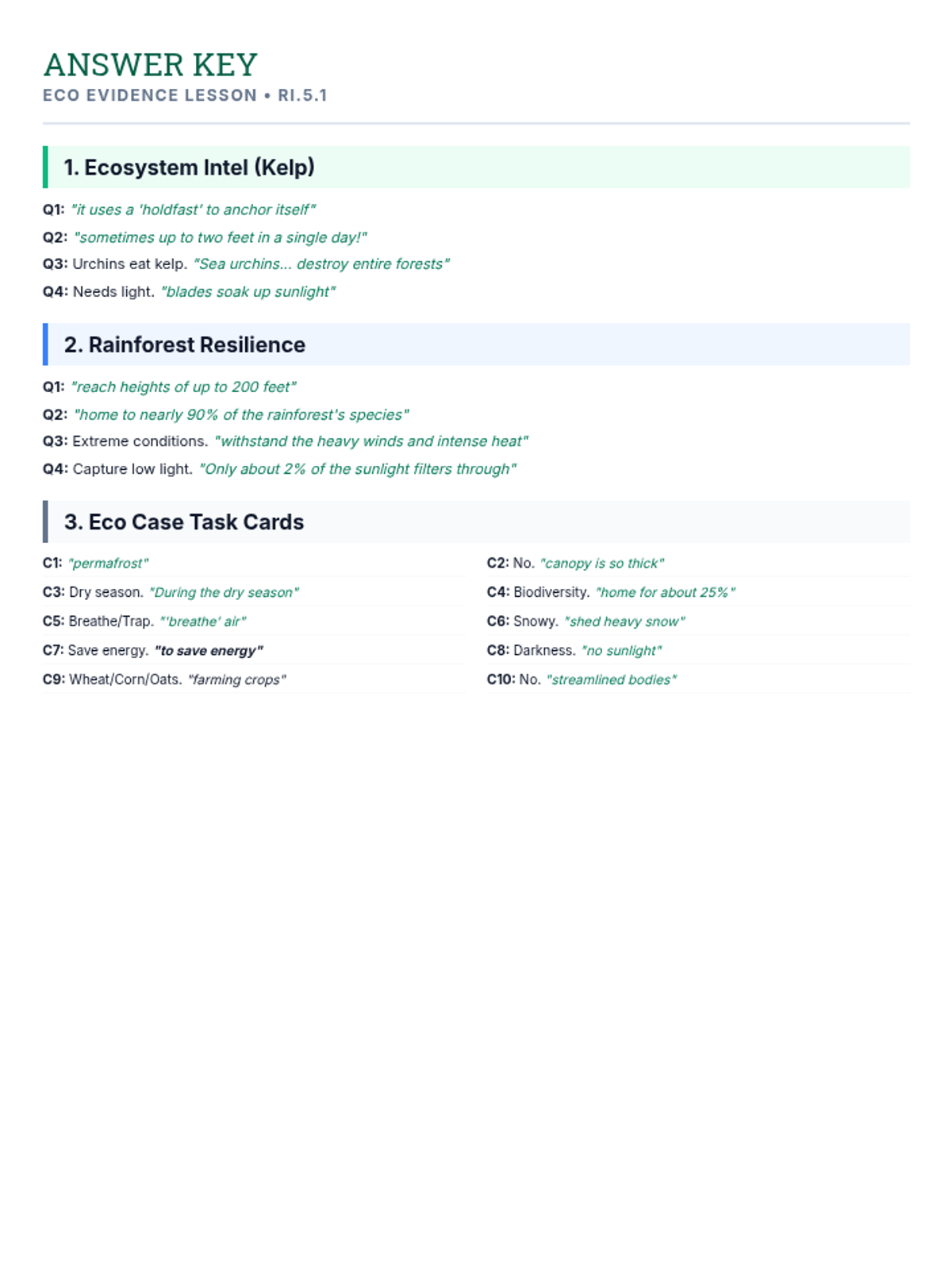
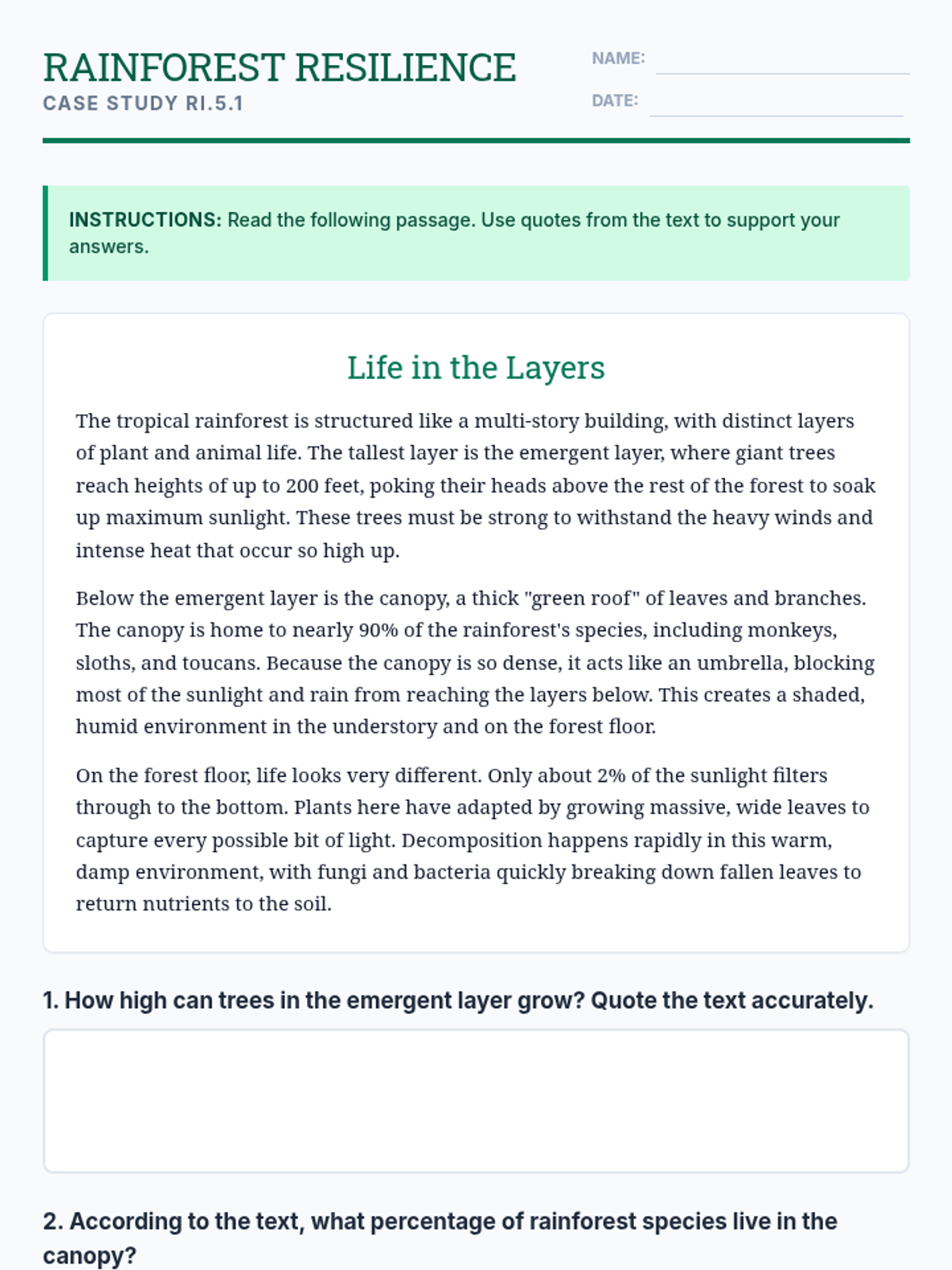
Students learn to quote accurately from texts about ecosystems to support explicit explanations and logical inferences. This lesson combines direct instruction with hands-on text analysis using ecosystem-themed passages.
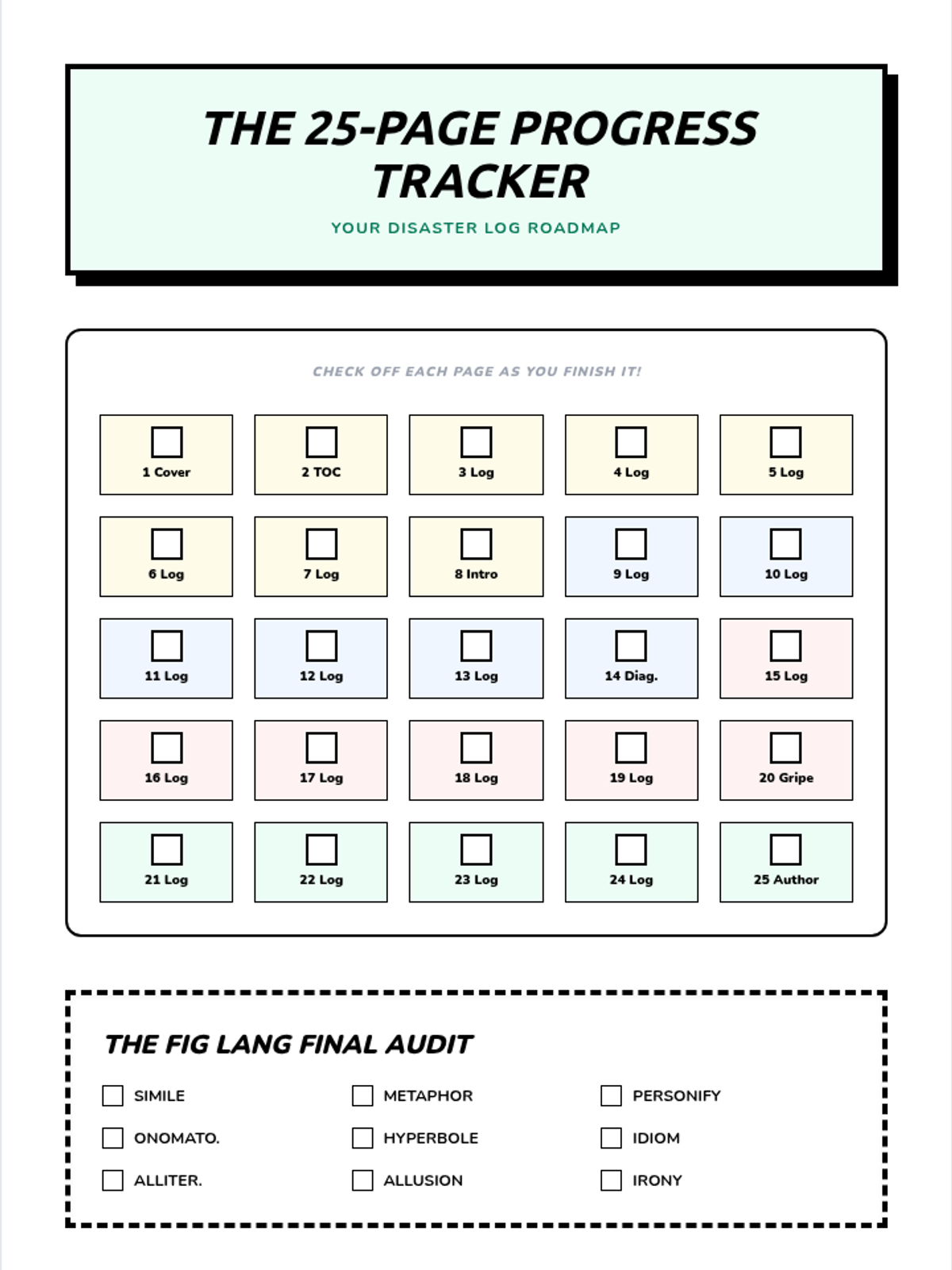
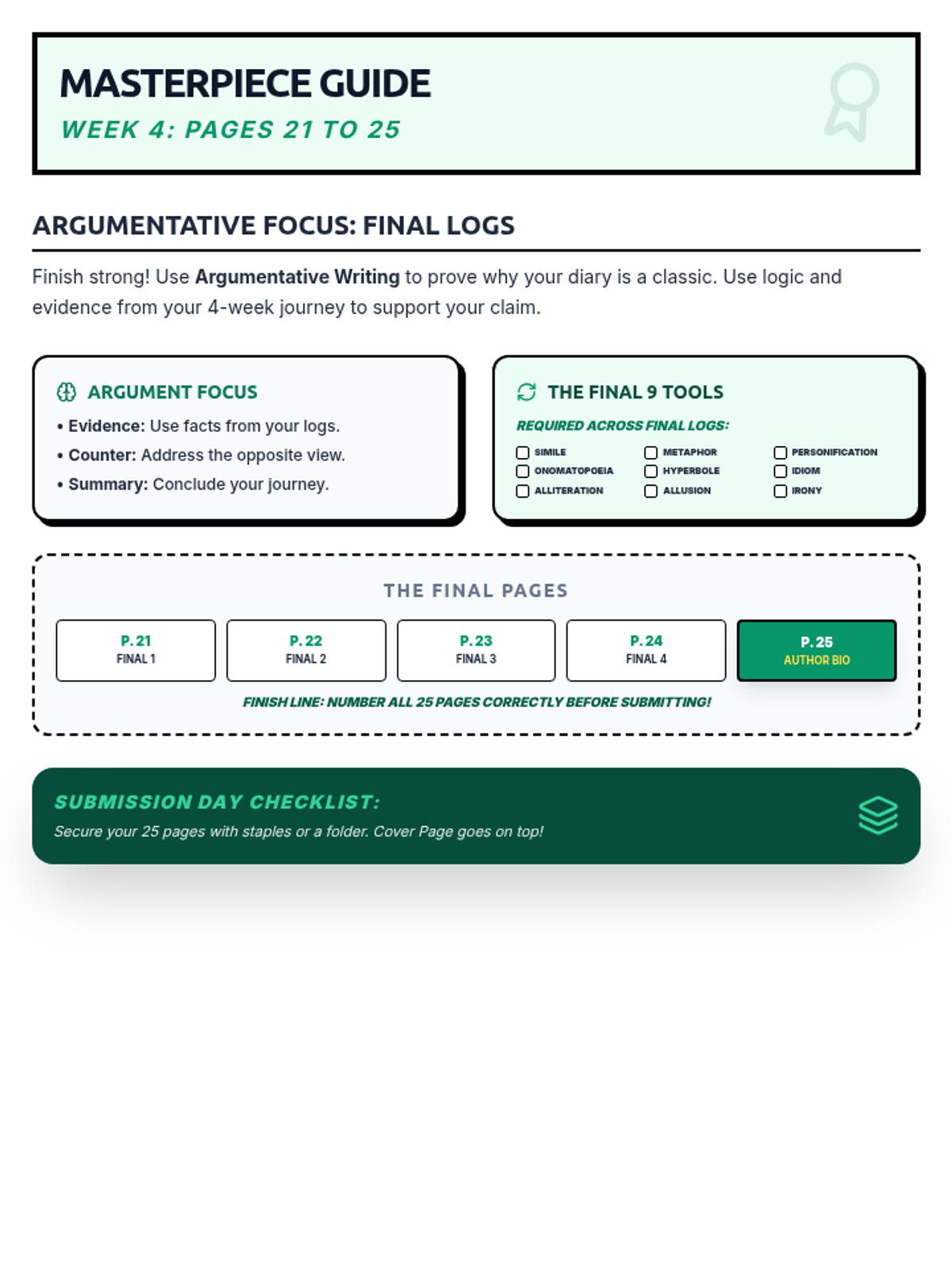
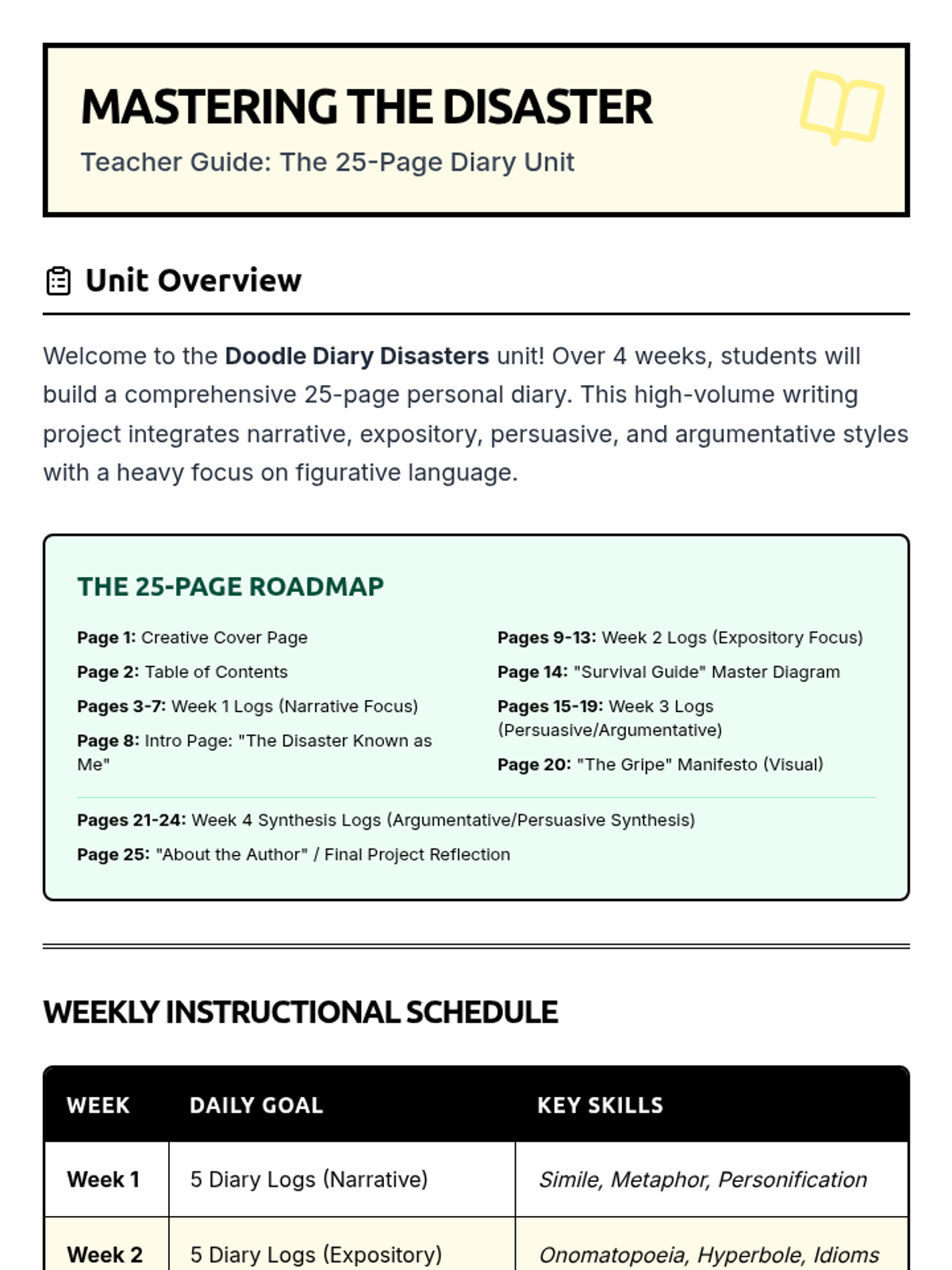
A final project-focused week where students compile their entries and use a comprehensive mix of all figurative language to complete their diary masterpiece.
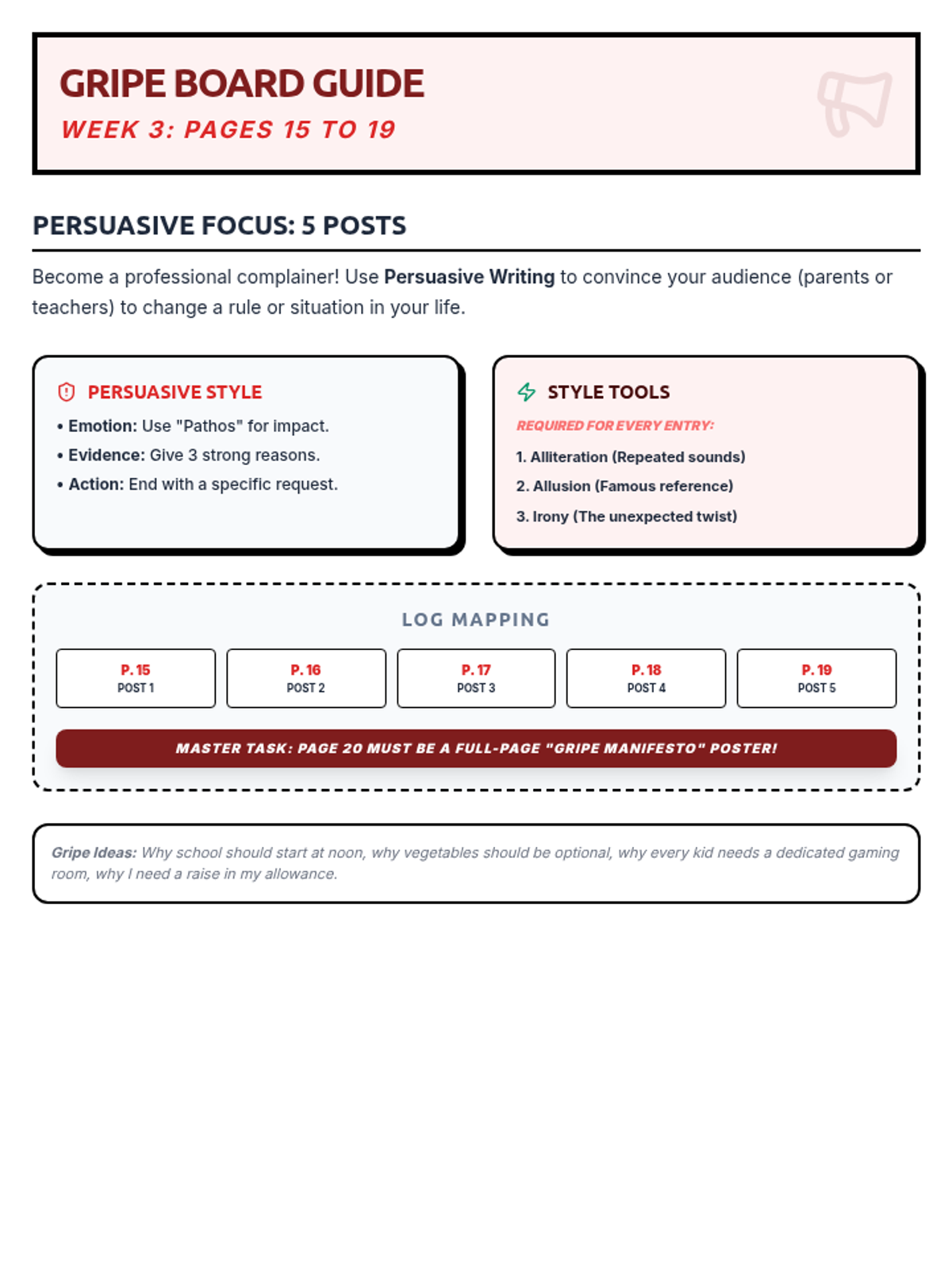
Introduces persuasive and argumentative writing within a diary context, using alliteration, allusion, and irony to strengthen student voices.
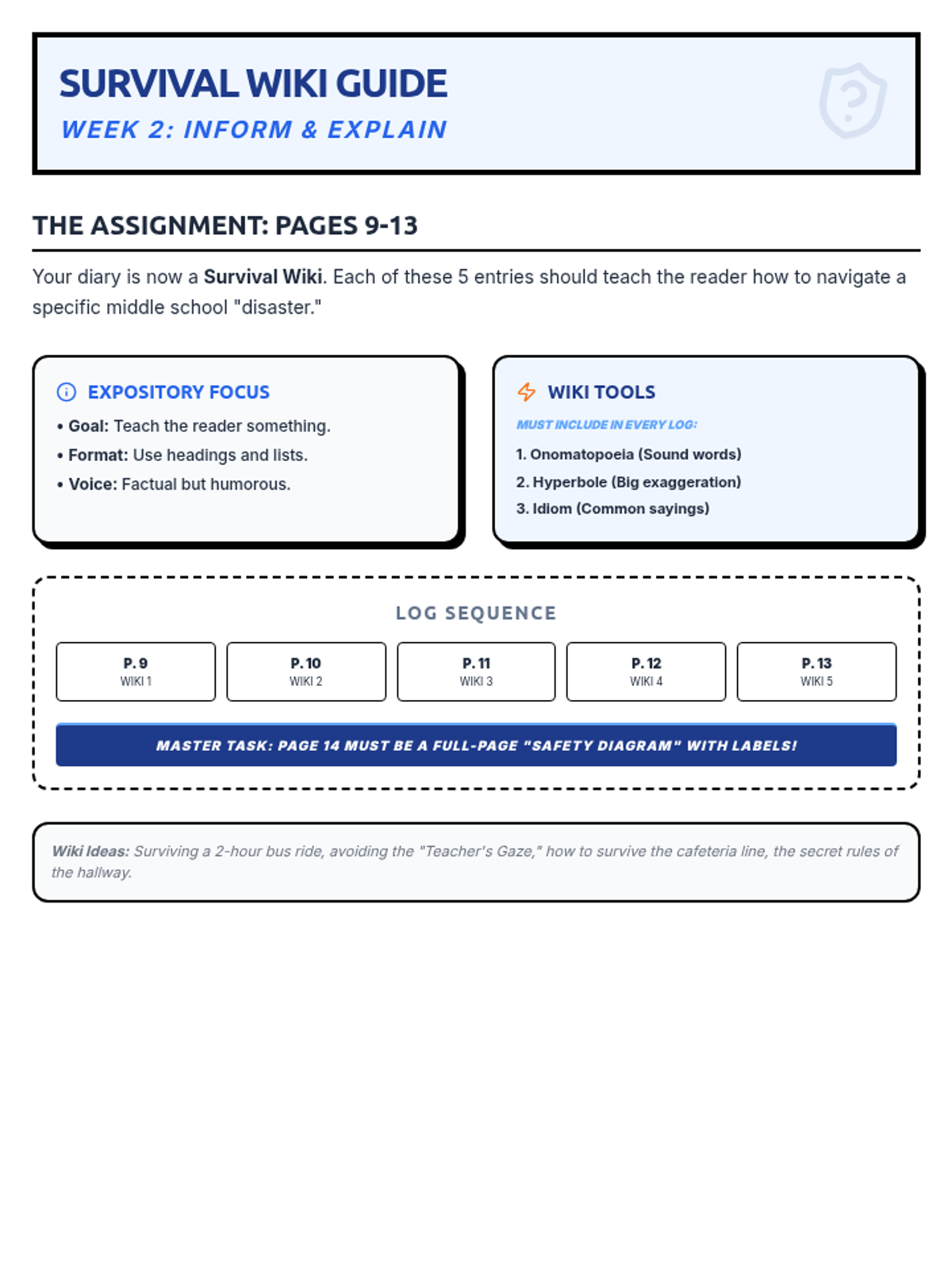
Explores expository writing to explain school or home life while integrating onomatopoeia, hyperbole, and idioms for comedic effect.
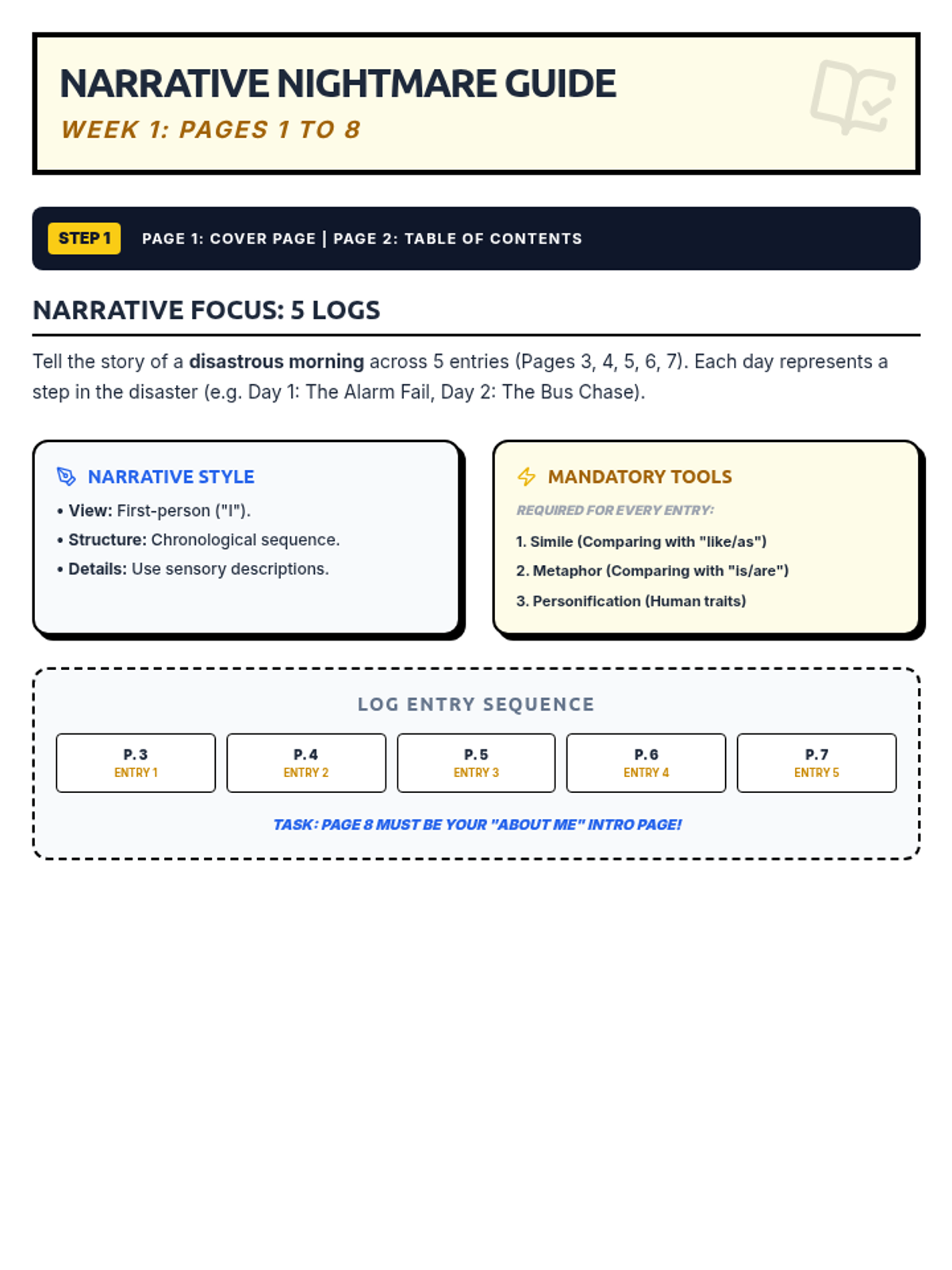
Focuses on narrative writing techniques and using similes, metaphors, and personification to bring a personal story to life in a diary format.
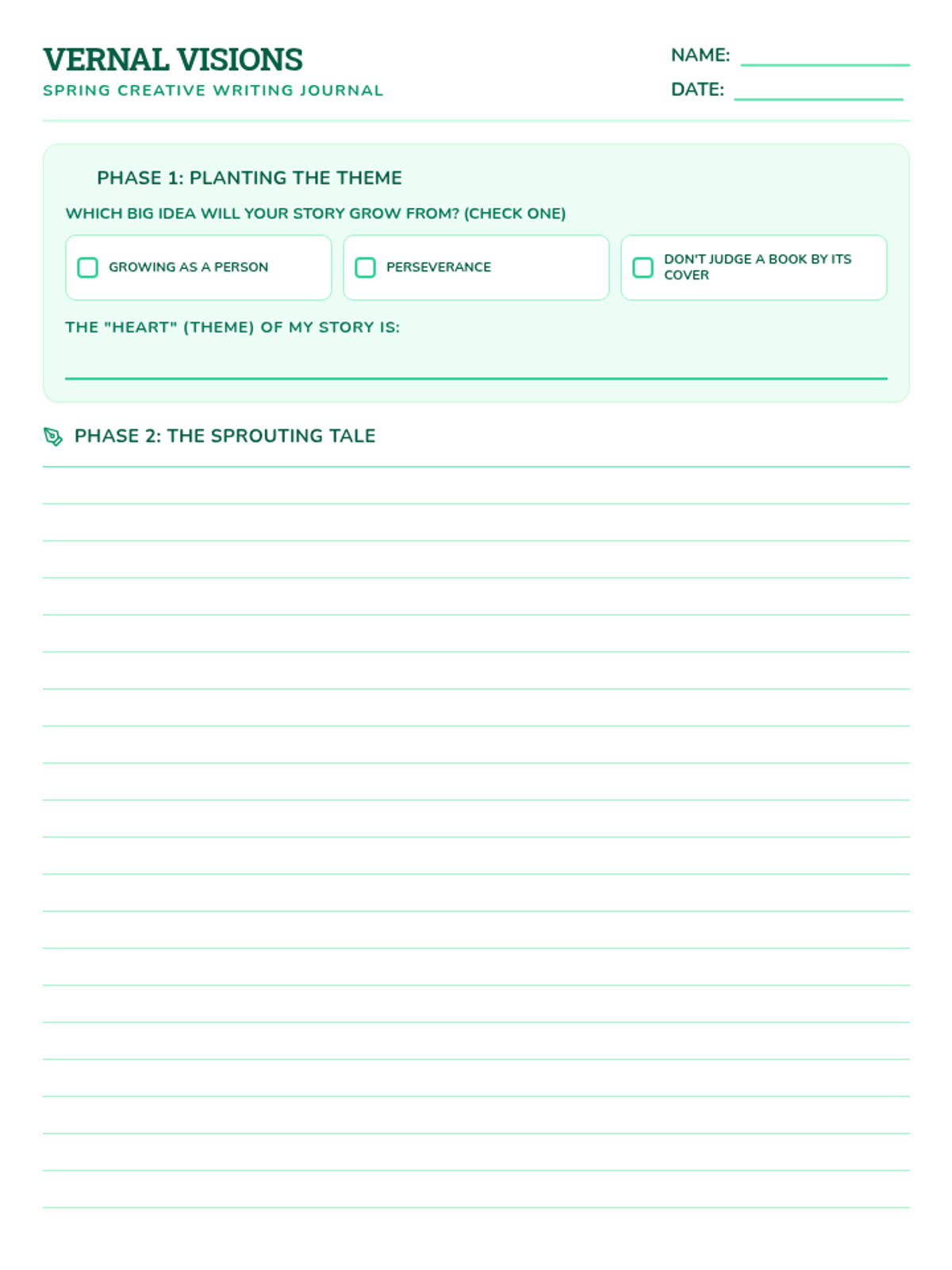
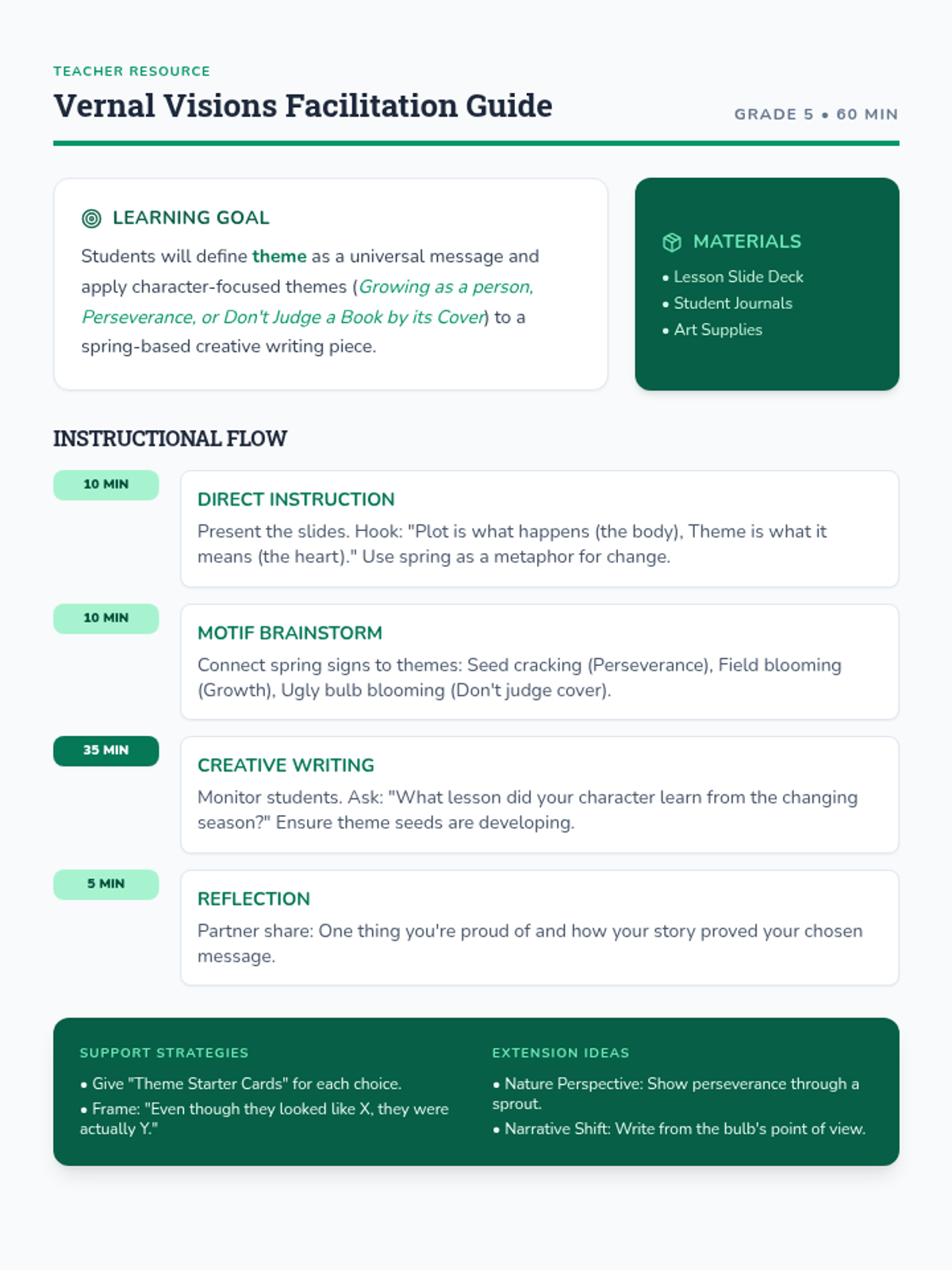
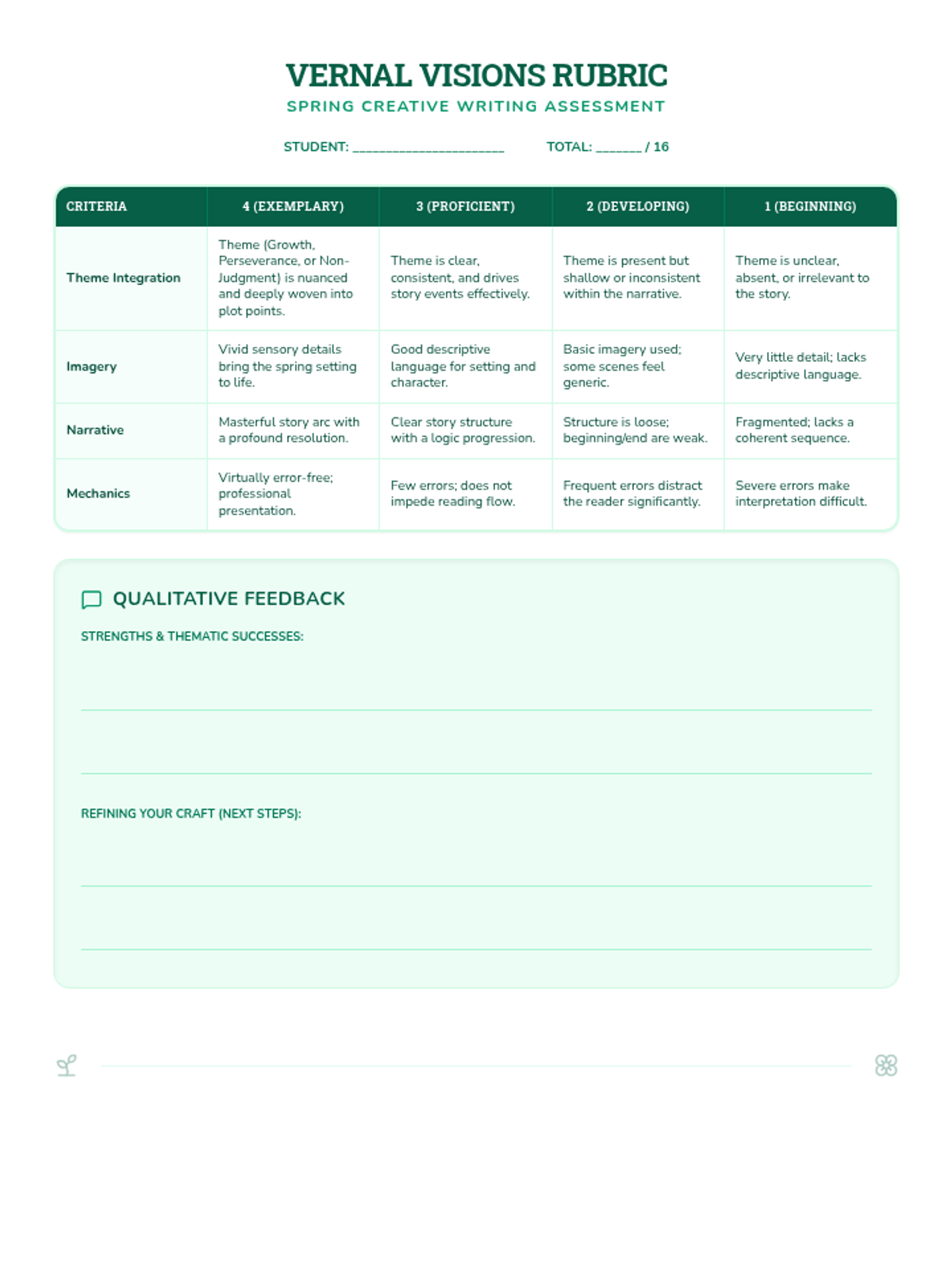
A 60-minute creative writing lesson for Grade 5 focused on exploring themes of rebirth, growth, and awakening through a spring-inspired prompt. Students will define theme and apply it to their own original stories.
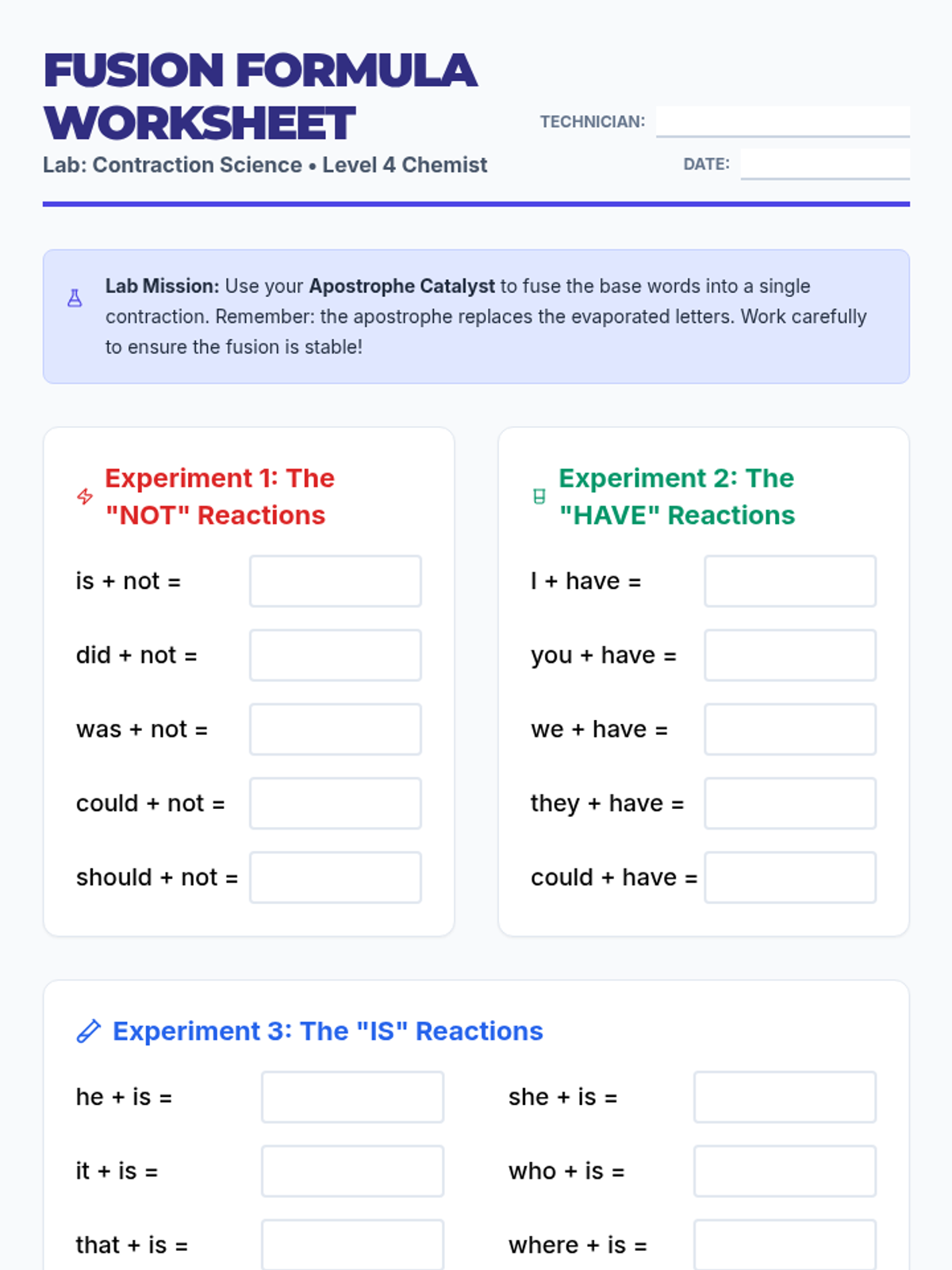
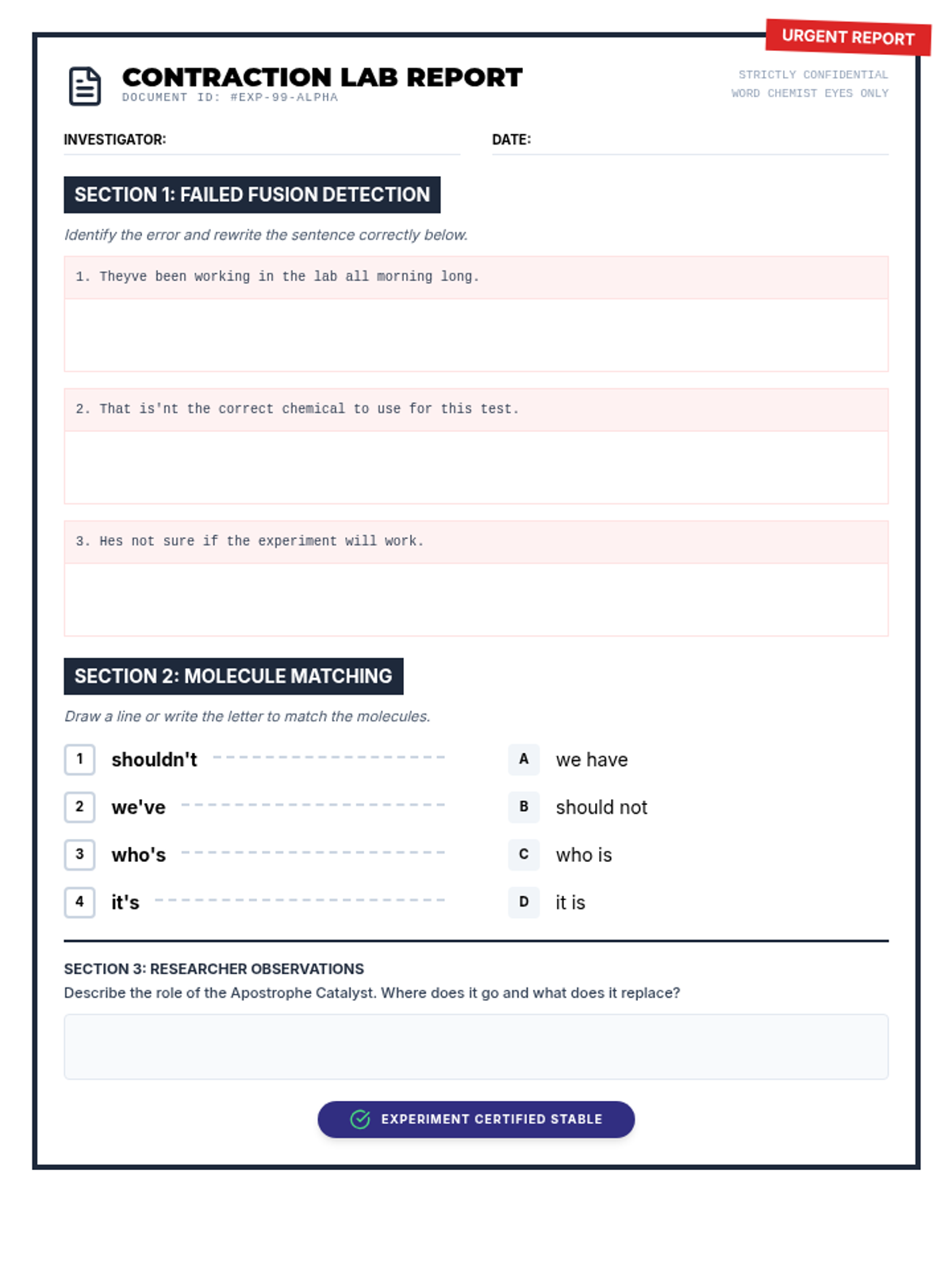
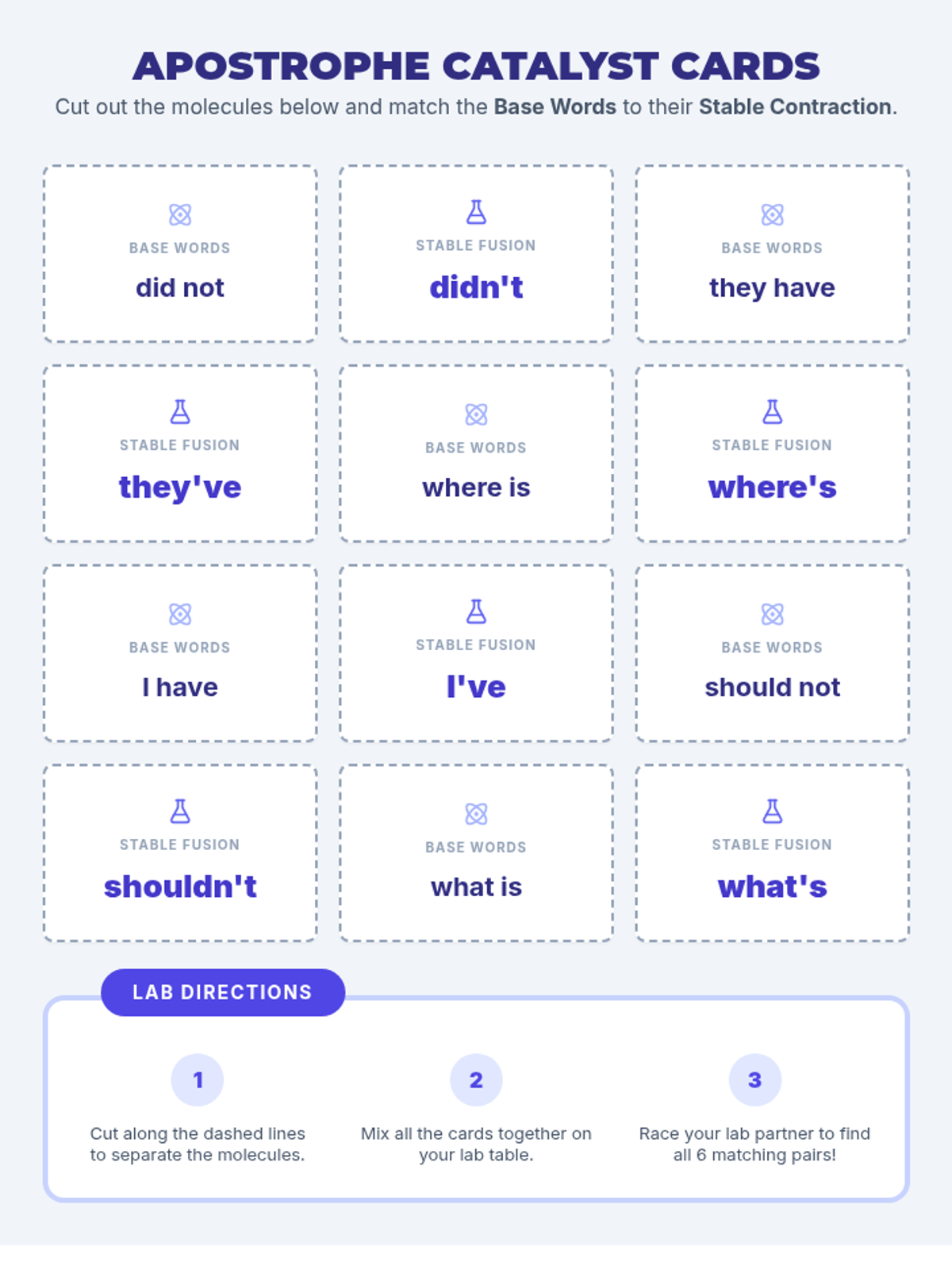
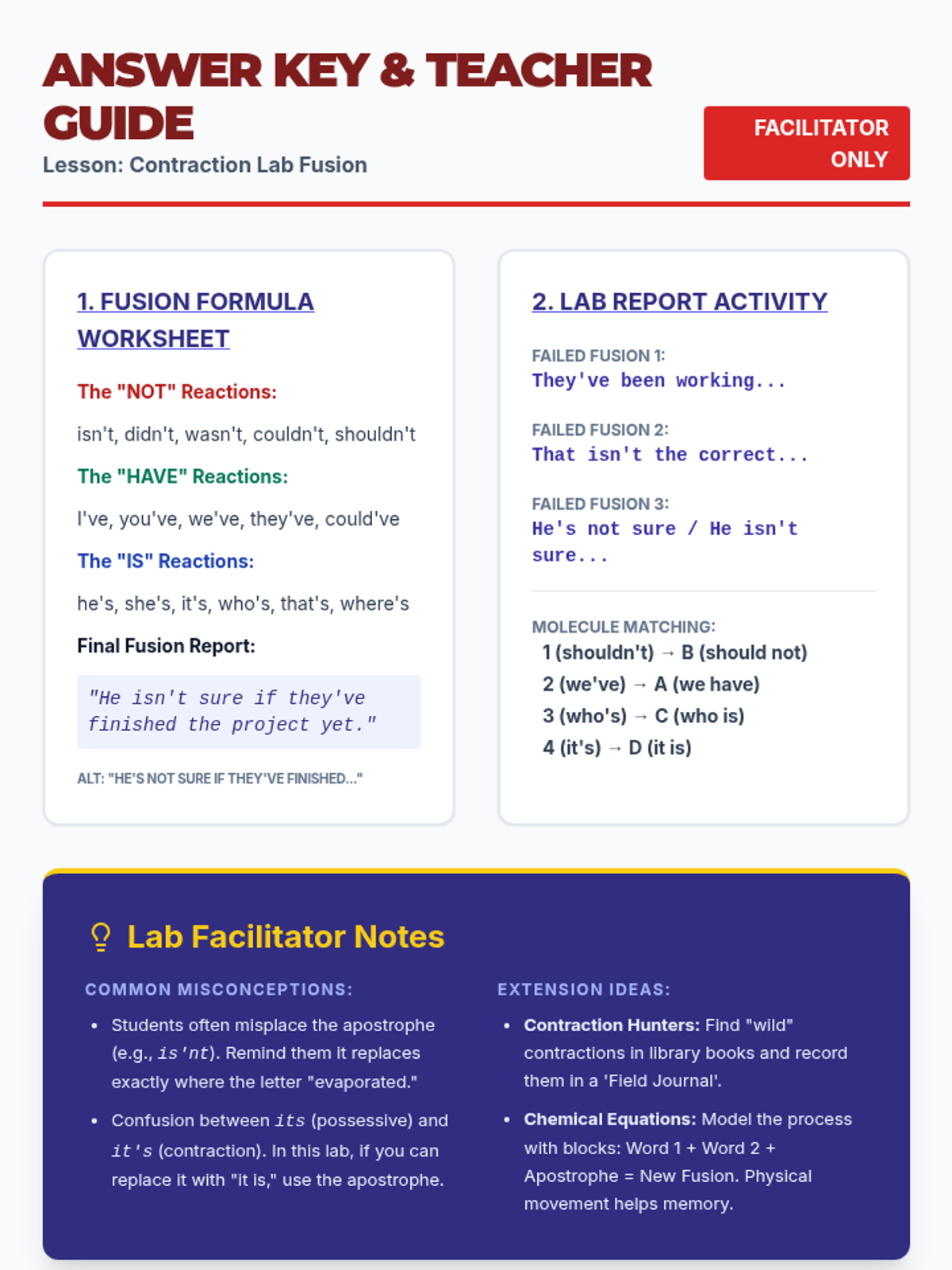
A high-energy, science-themed lesson where students become 'Word Chemists' to fuse words together using the power of the apostrophe. Focuses on contractions formed with 'not', 'have', and 'is'.
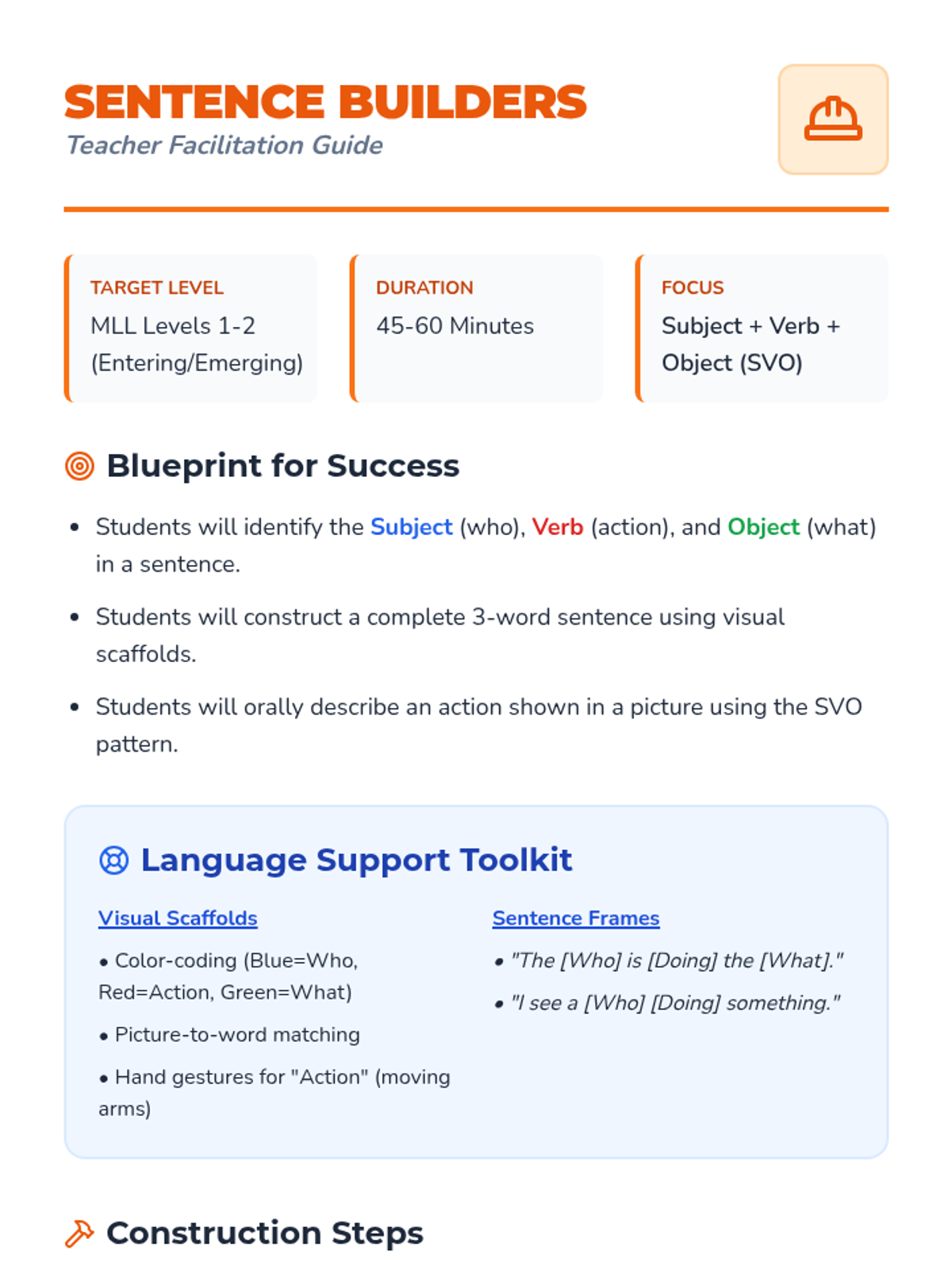
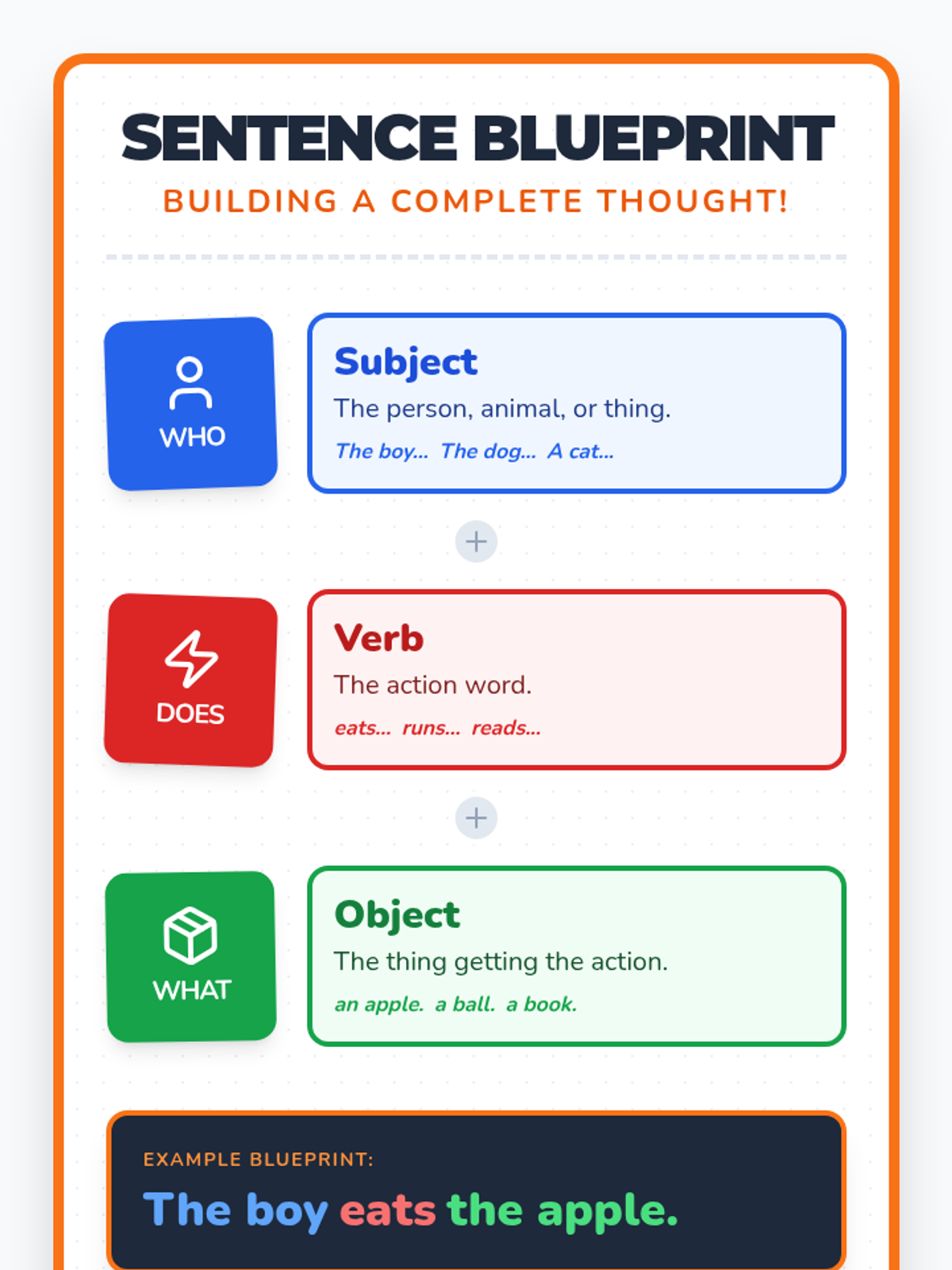
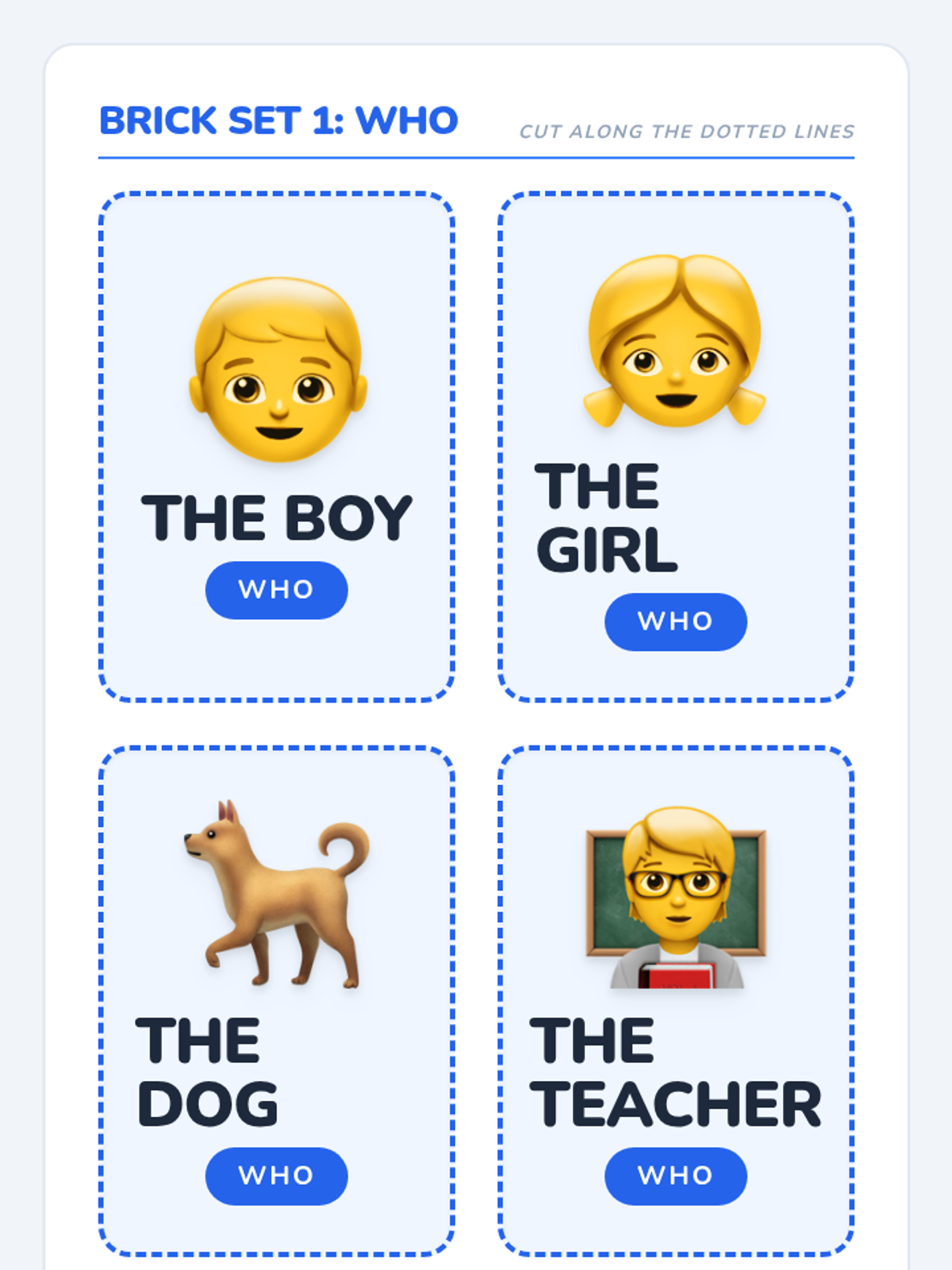
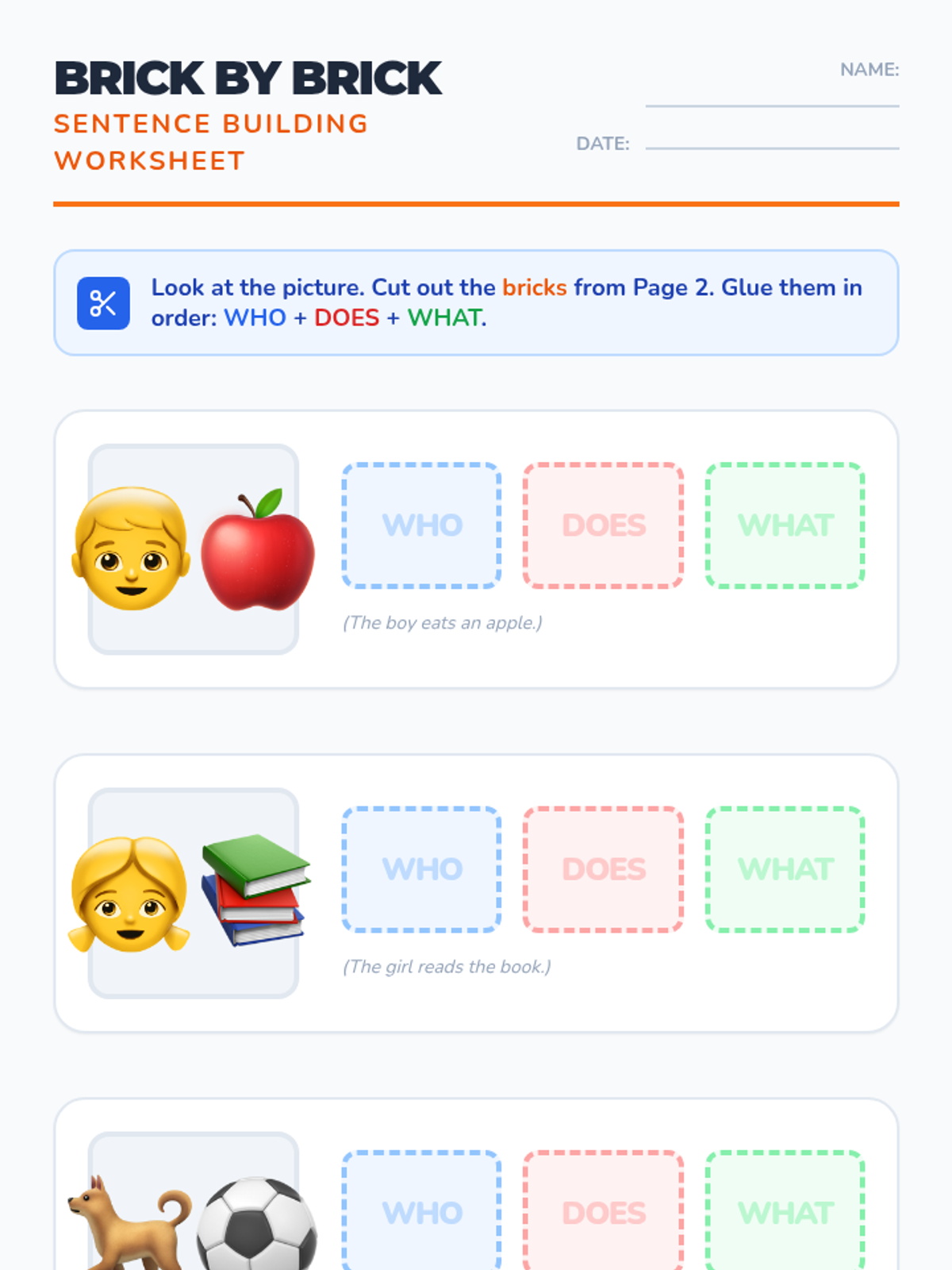
A foundational lesson for MLL students to master basic Subject-Verb-Object sentence structure using visual supports, scaffolding, and hands-on sequencing.
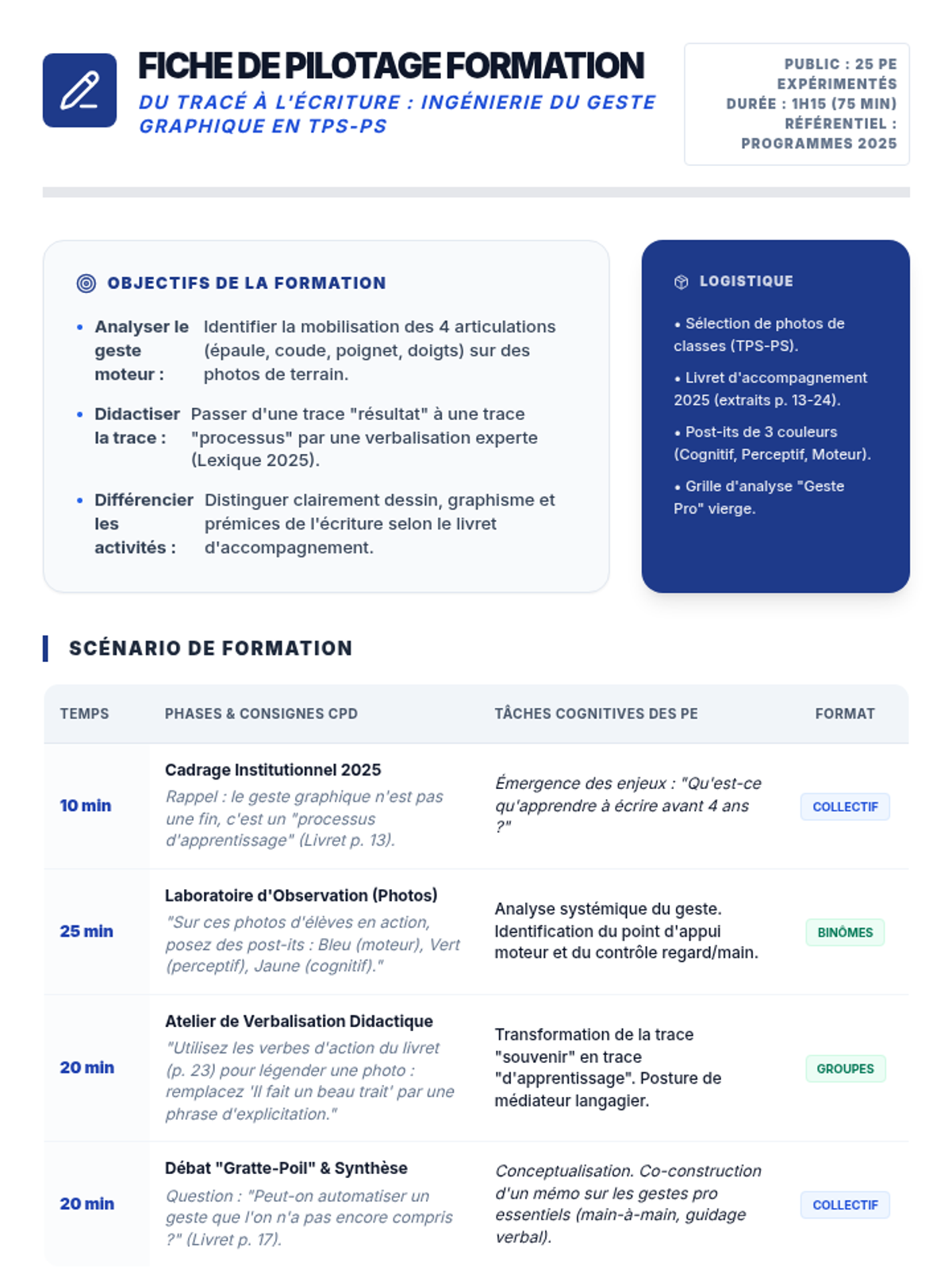
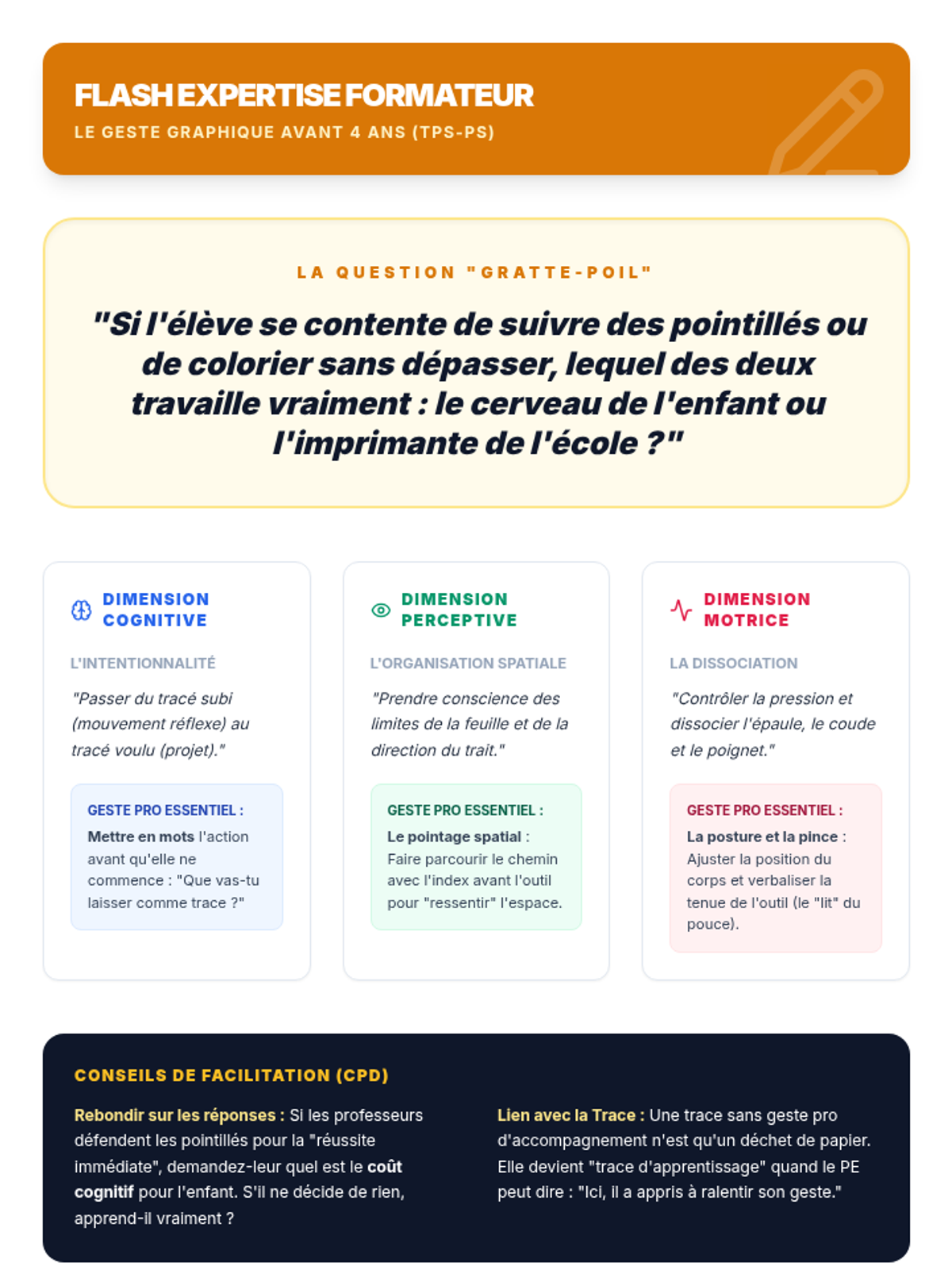
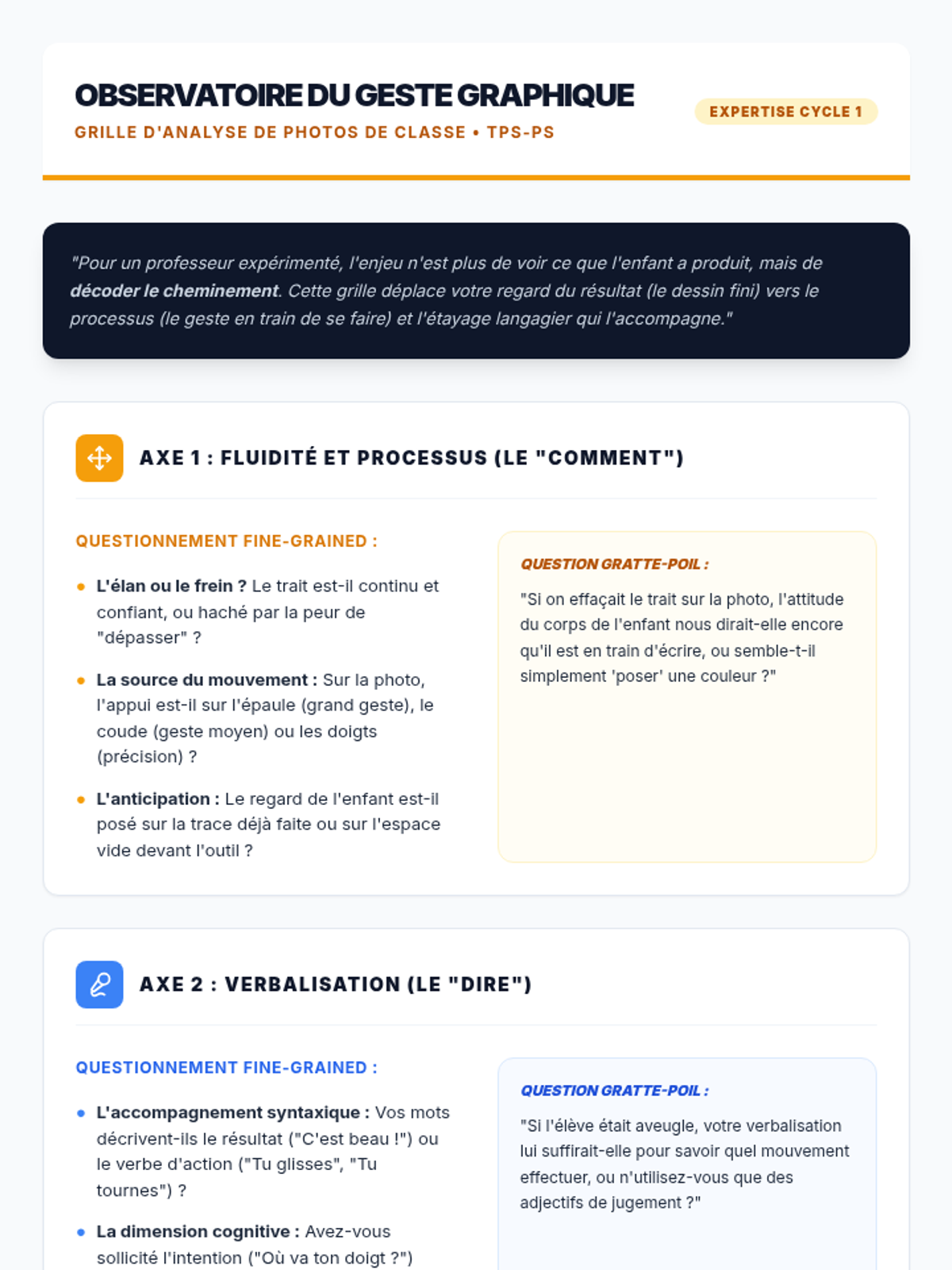
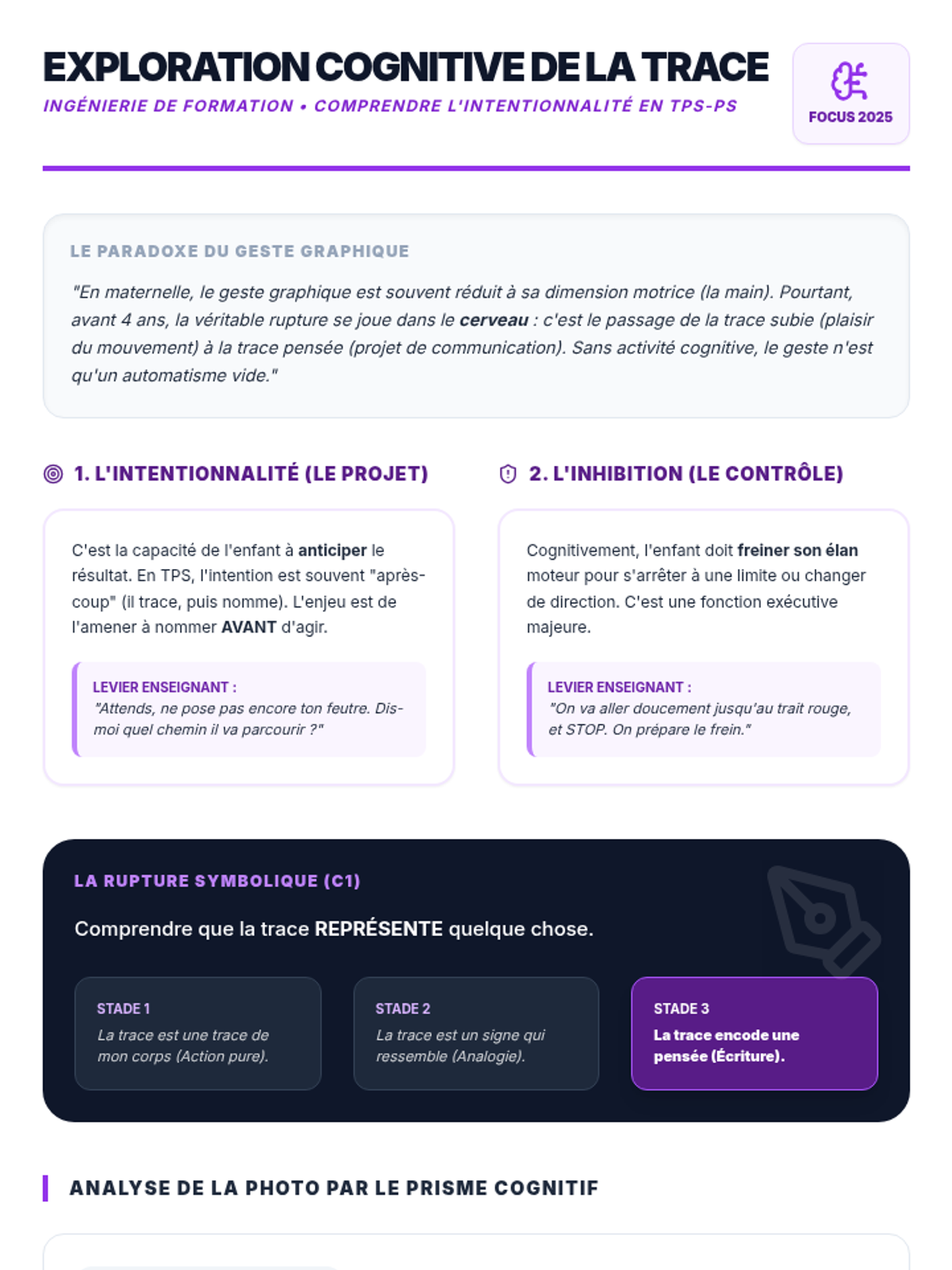
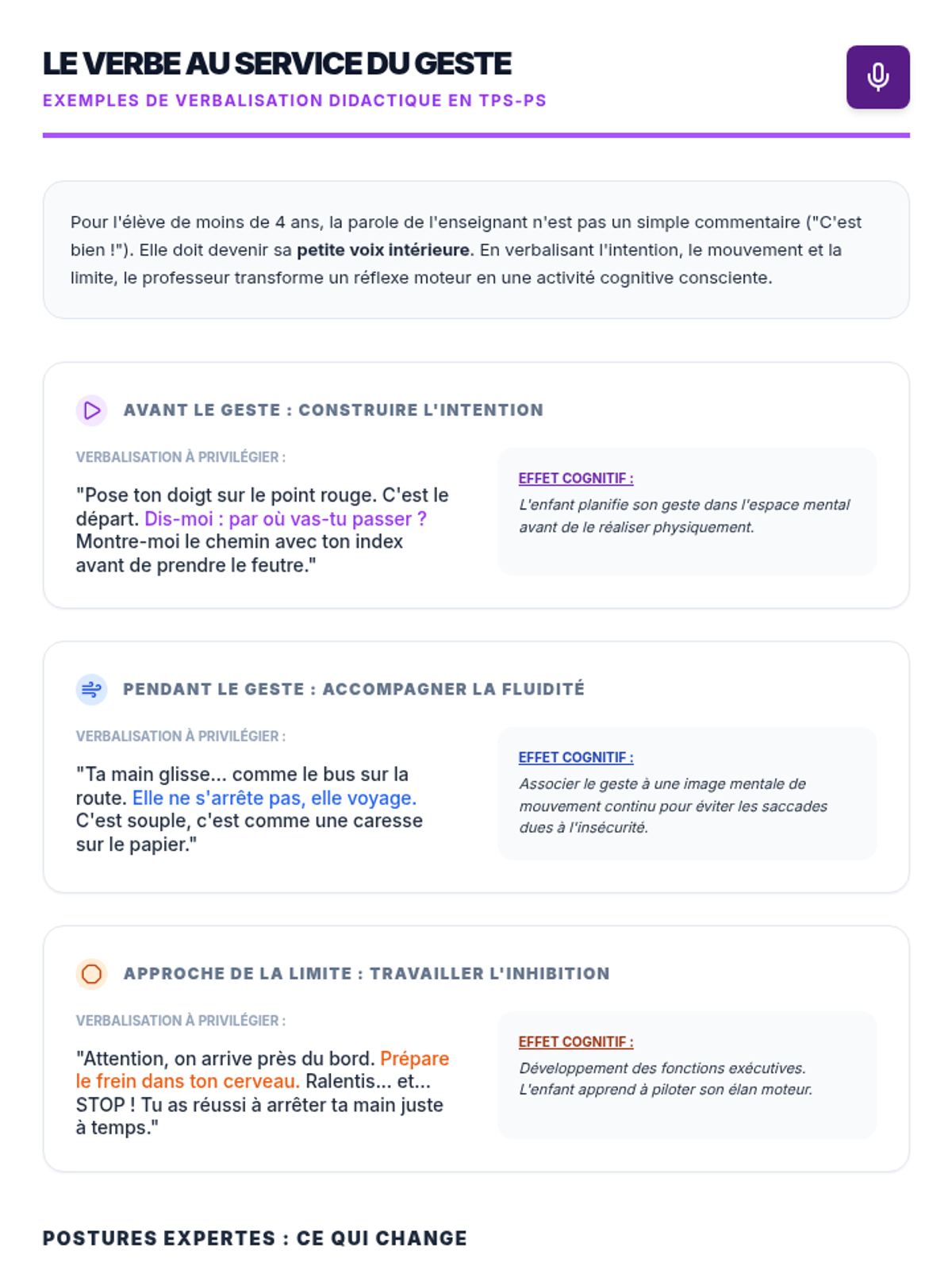
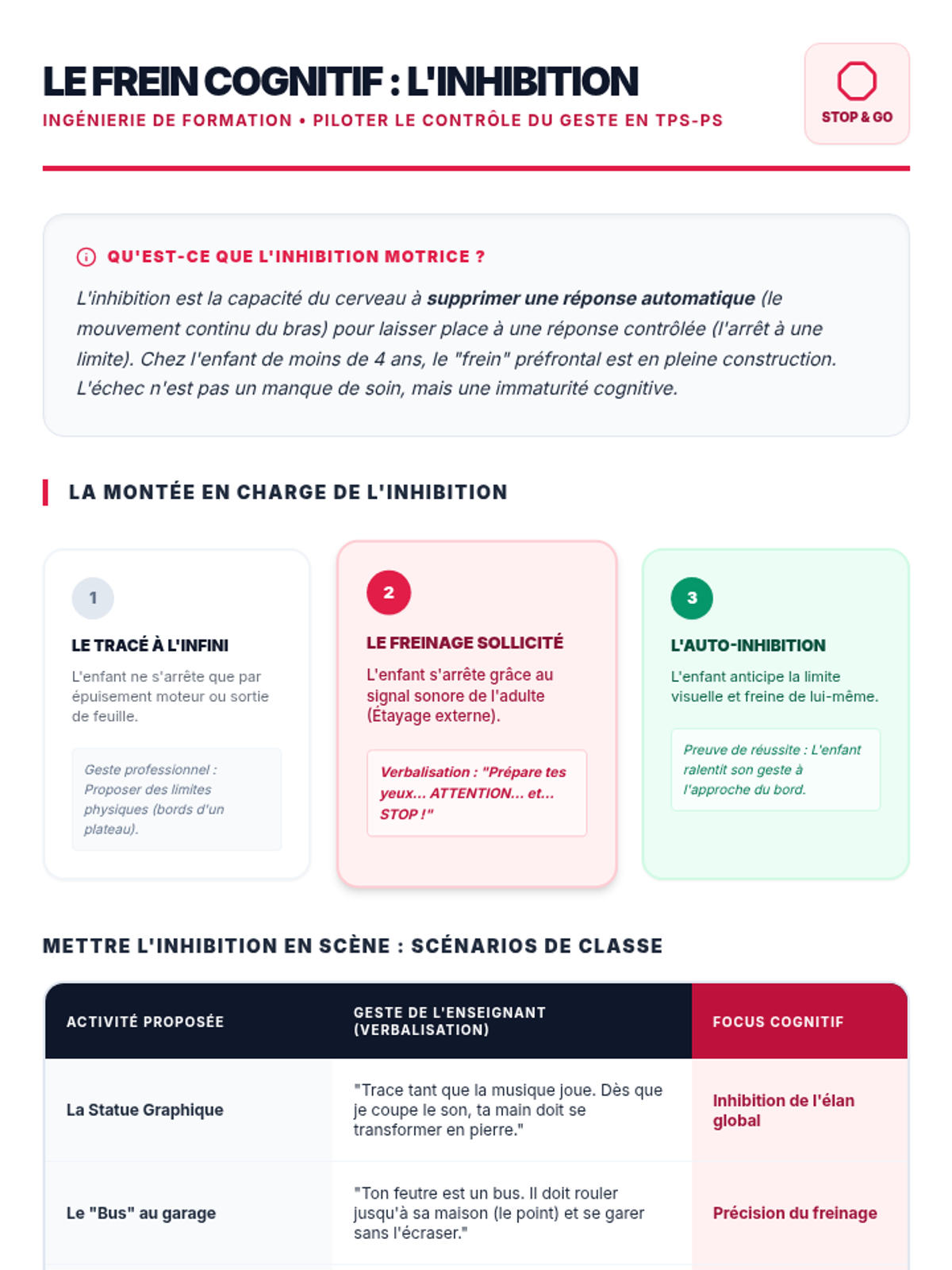
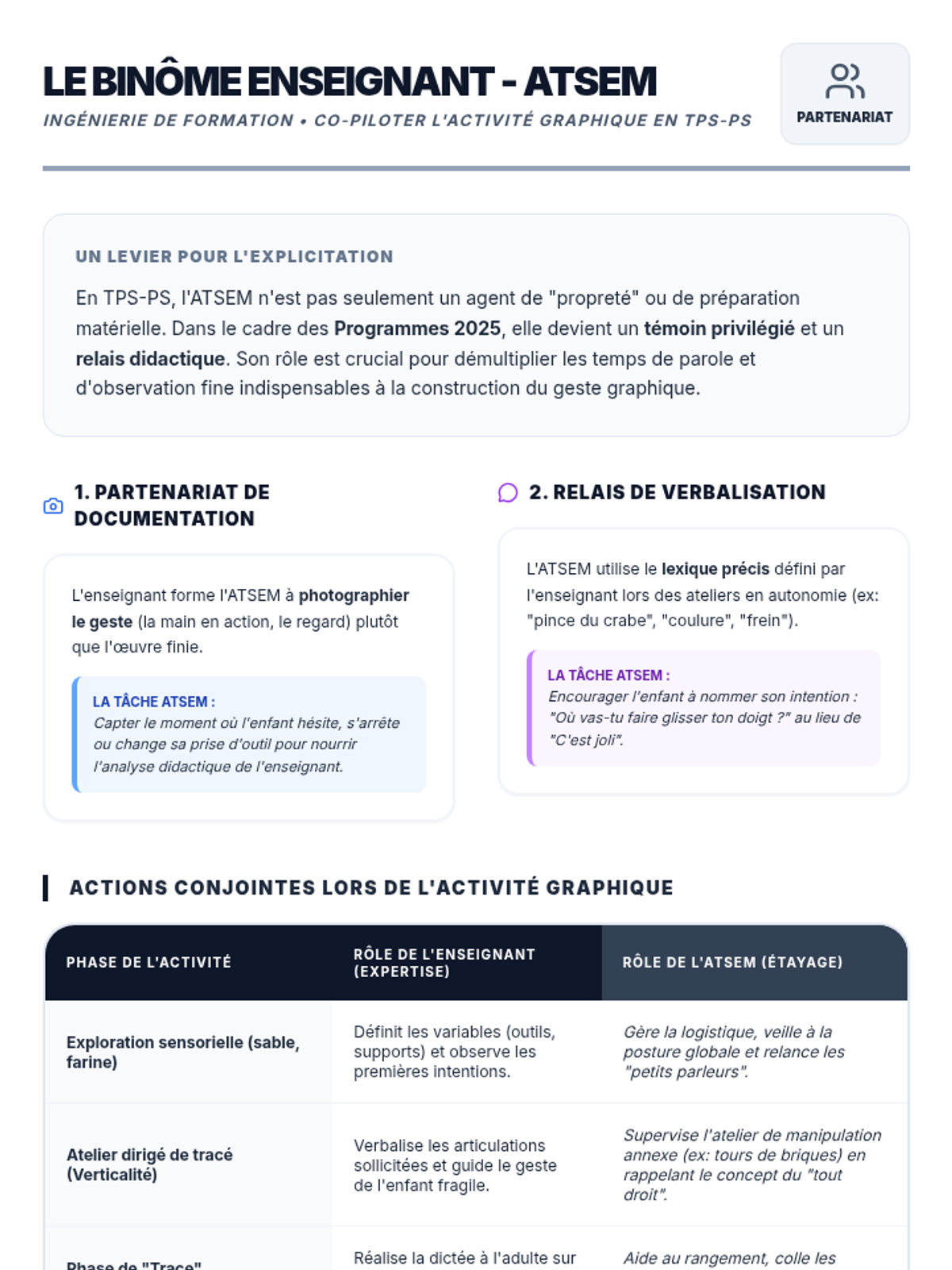
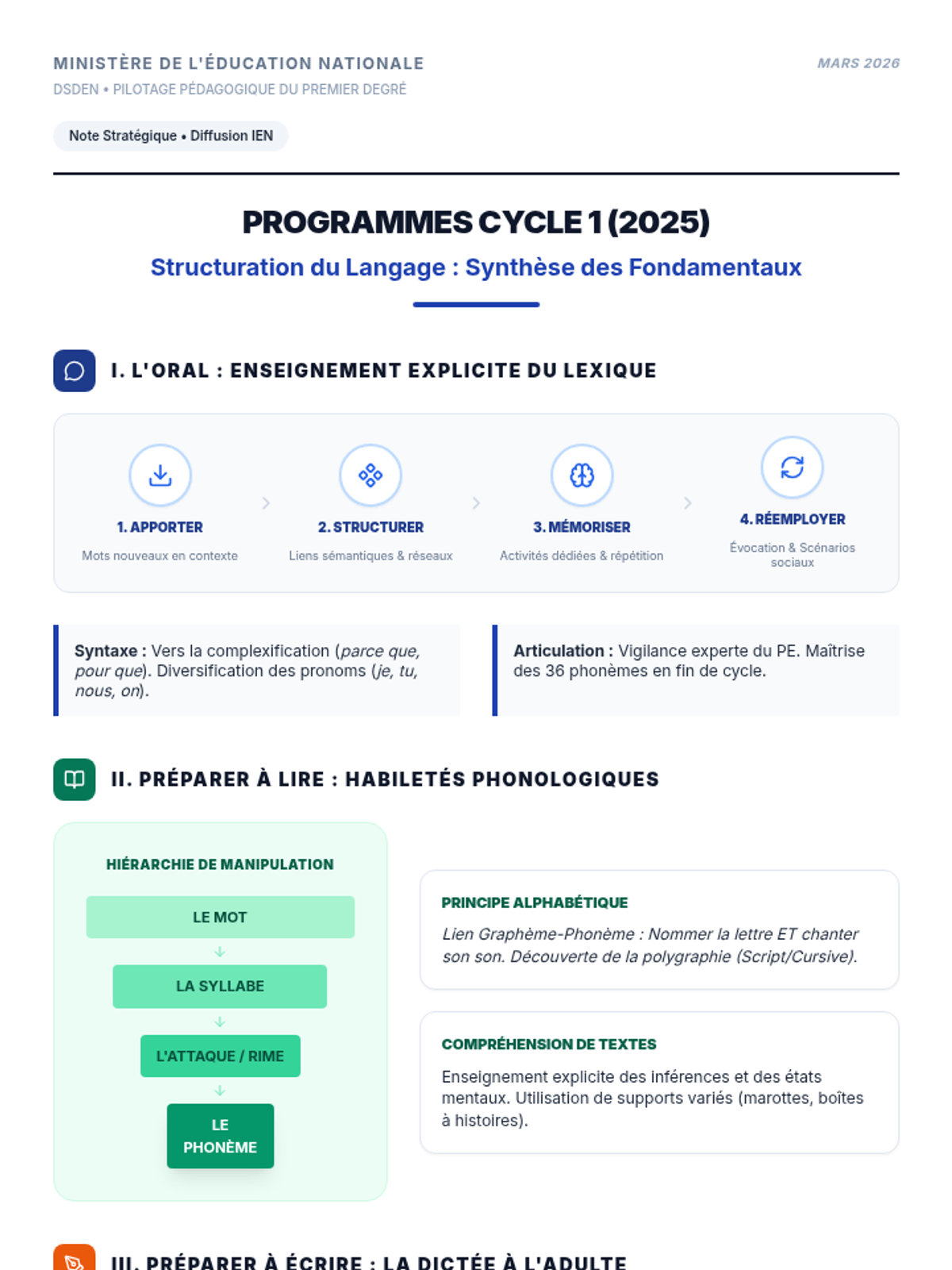
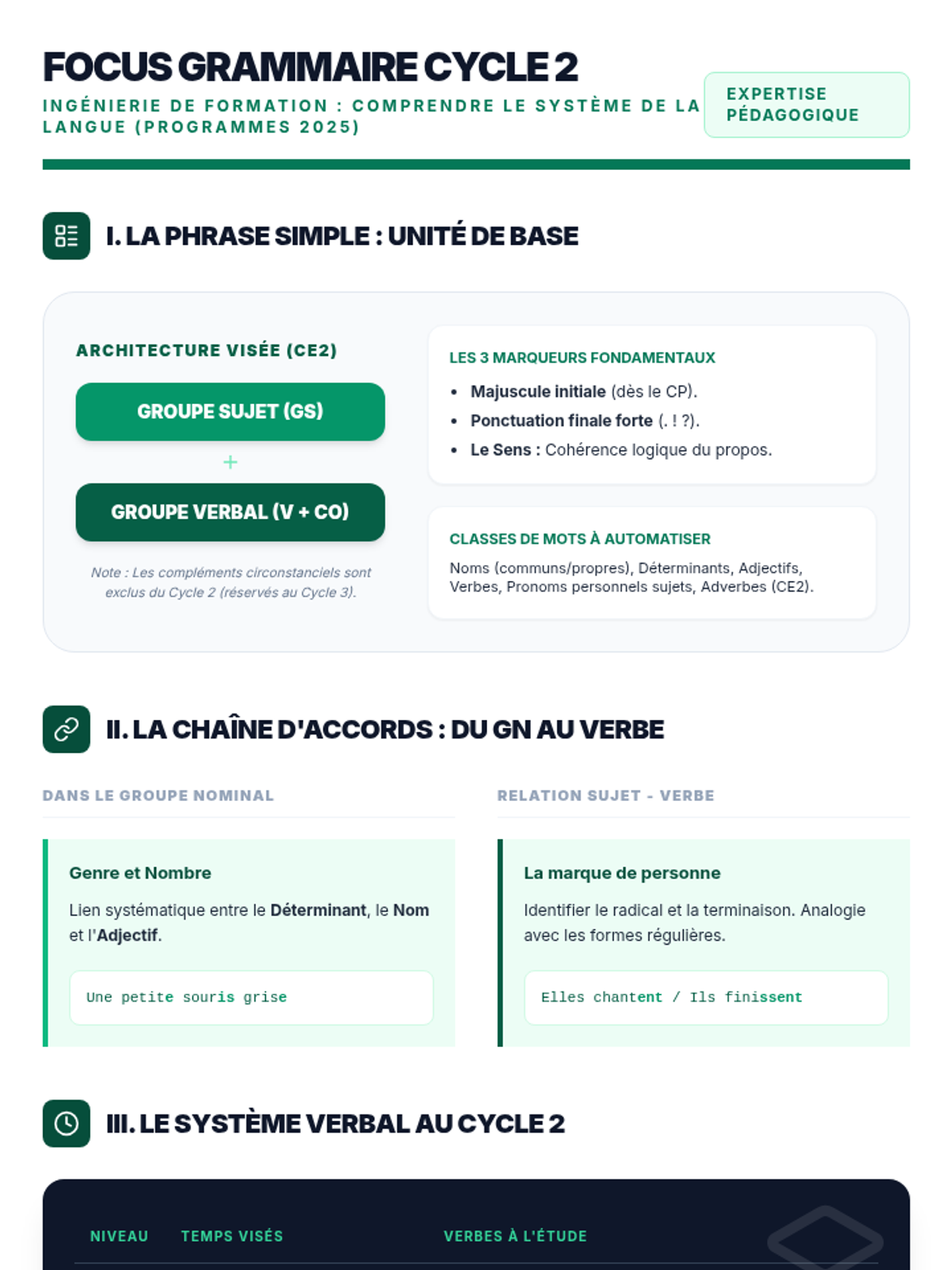
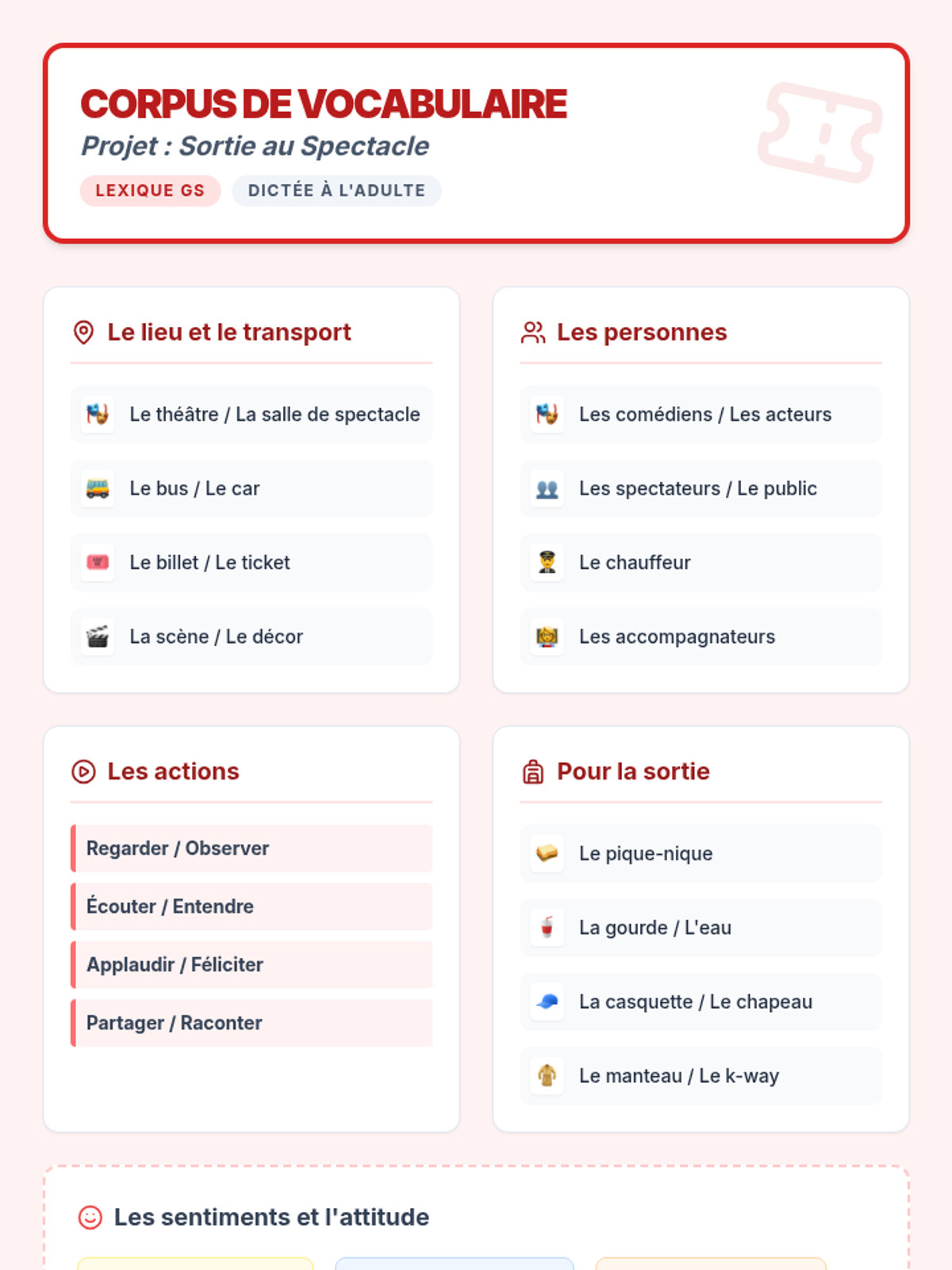
Cette formation pour les professeurs de TPS-PS vise à professionnaliser la conception des "traces" d'activités (cahiers de vie, affichages). En s'appuyant sur les photos de classe et les guides 2025, les enseignants apprennent à rendre les apprentissages explicites pour les élèves et les familles.
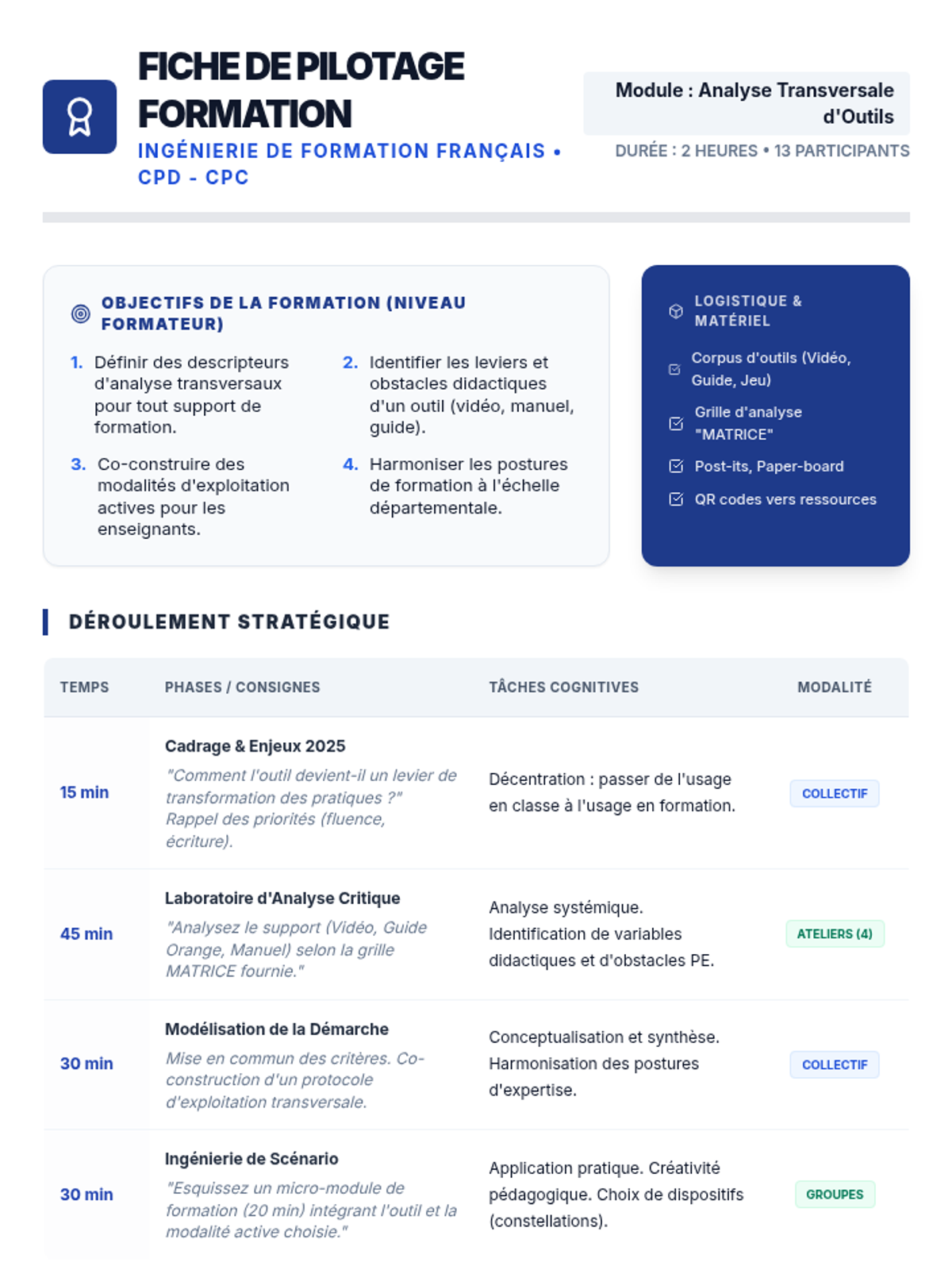
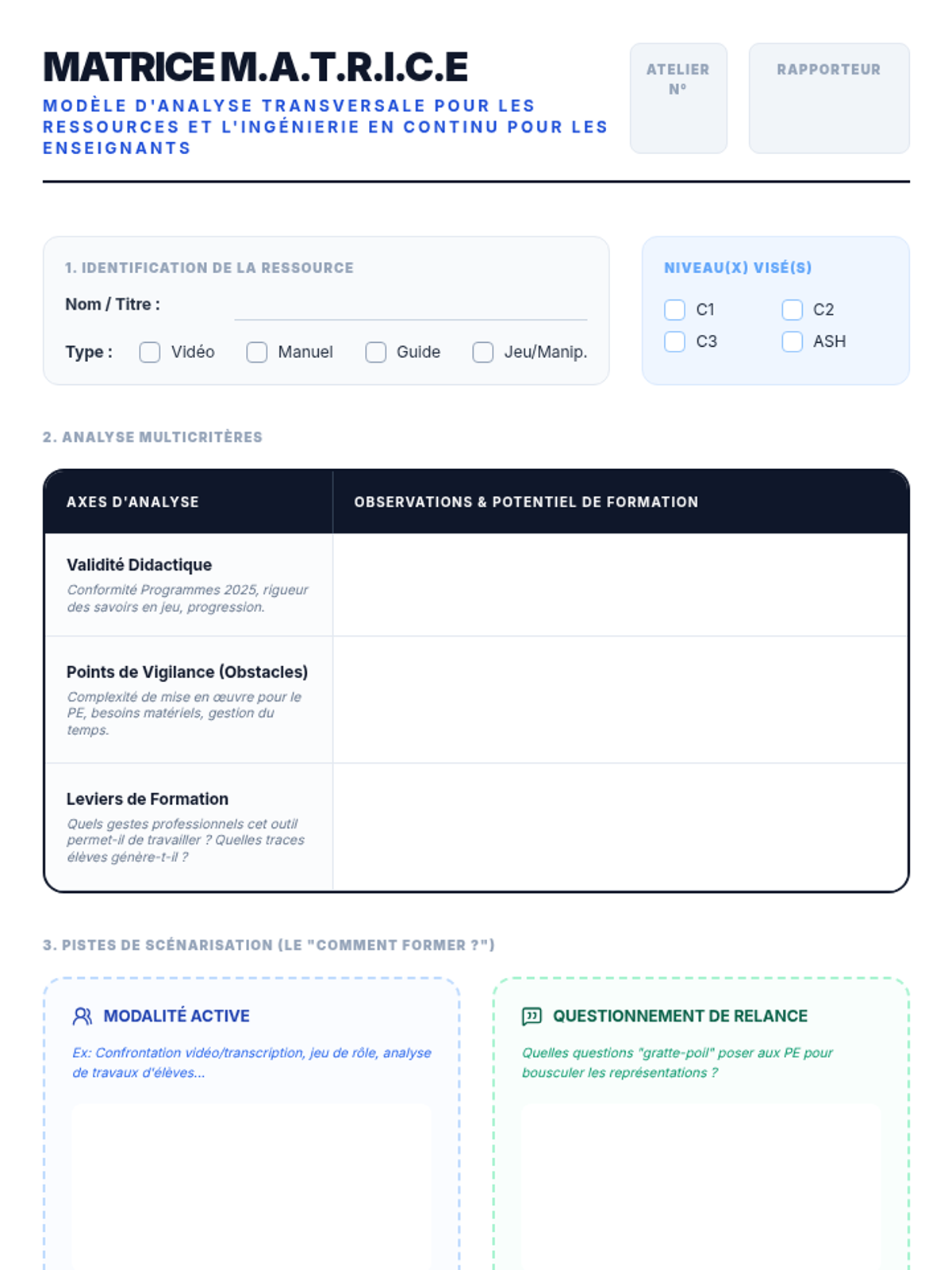
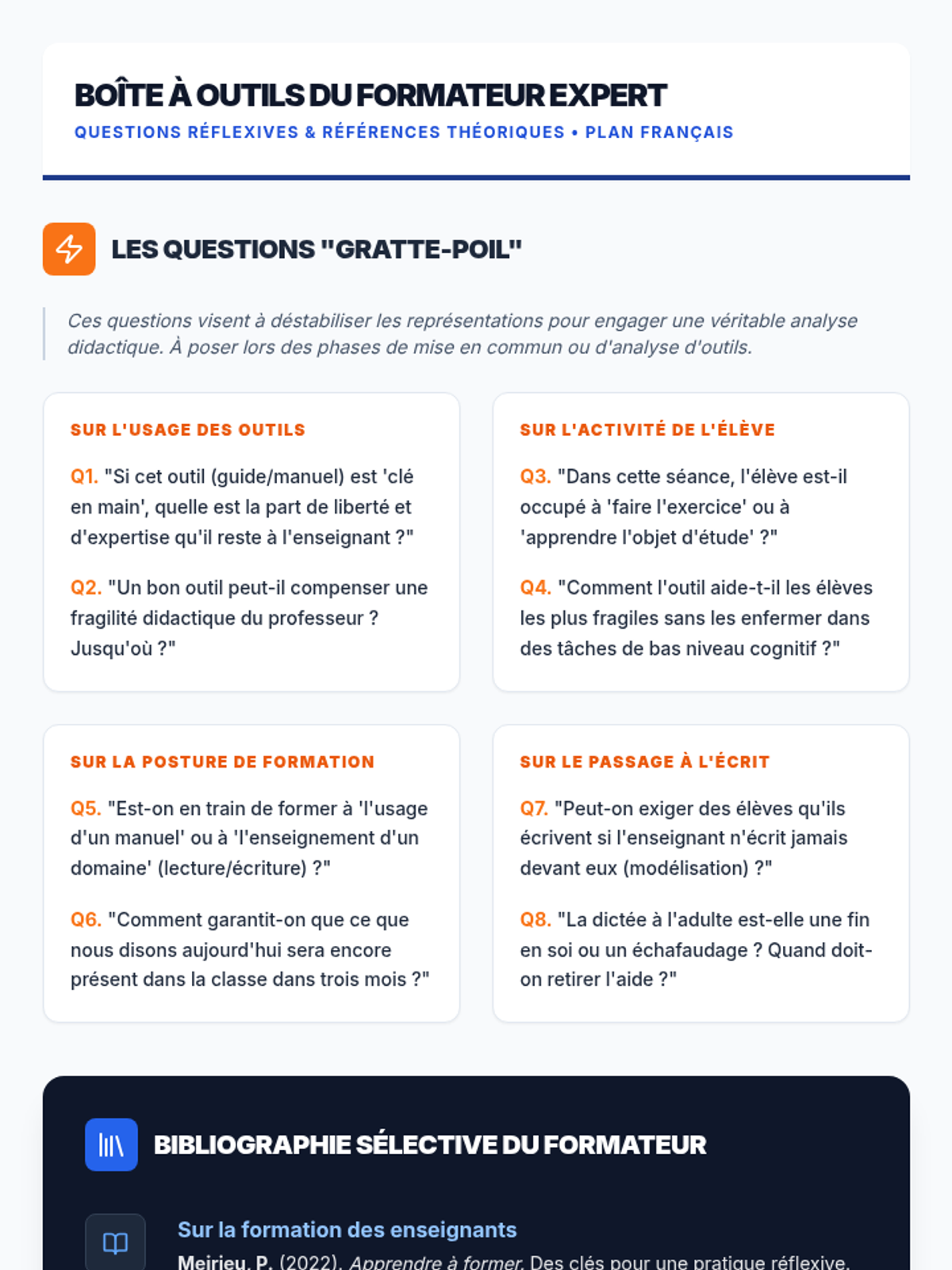
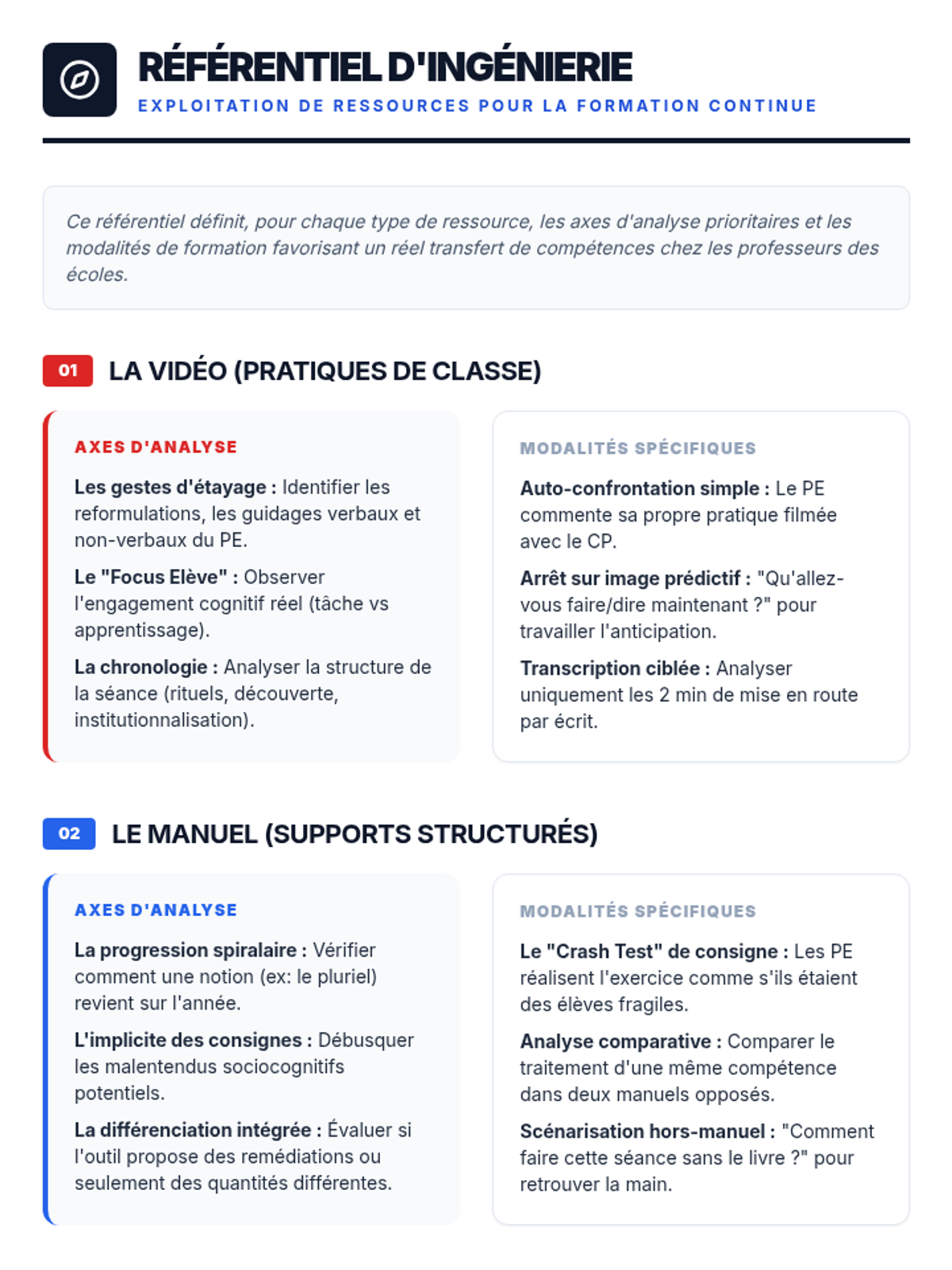
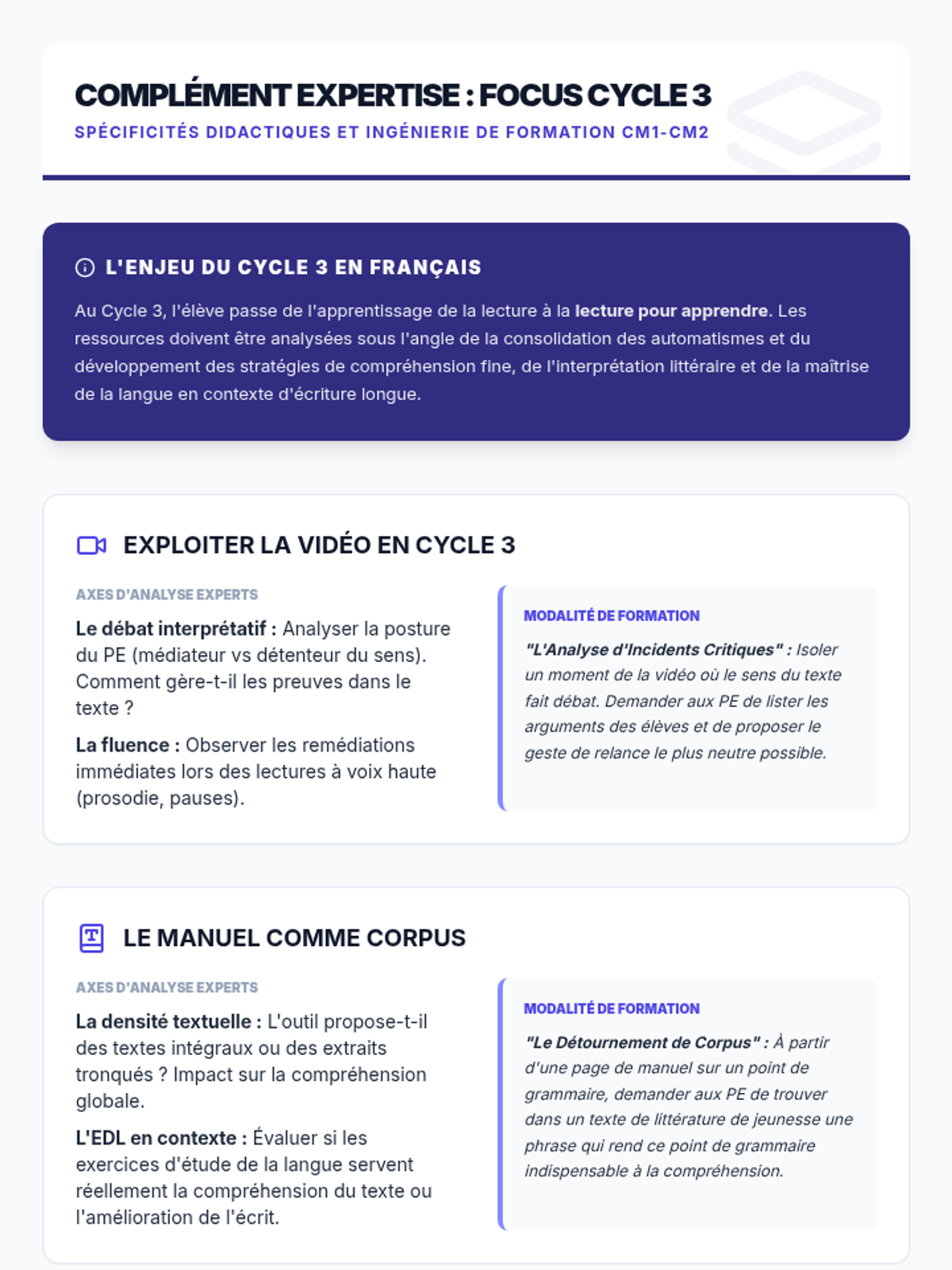
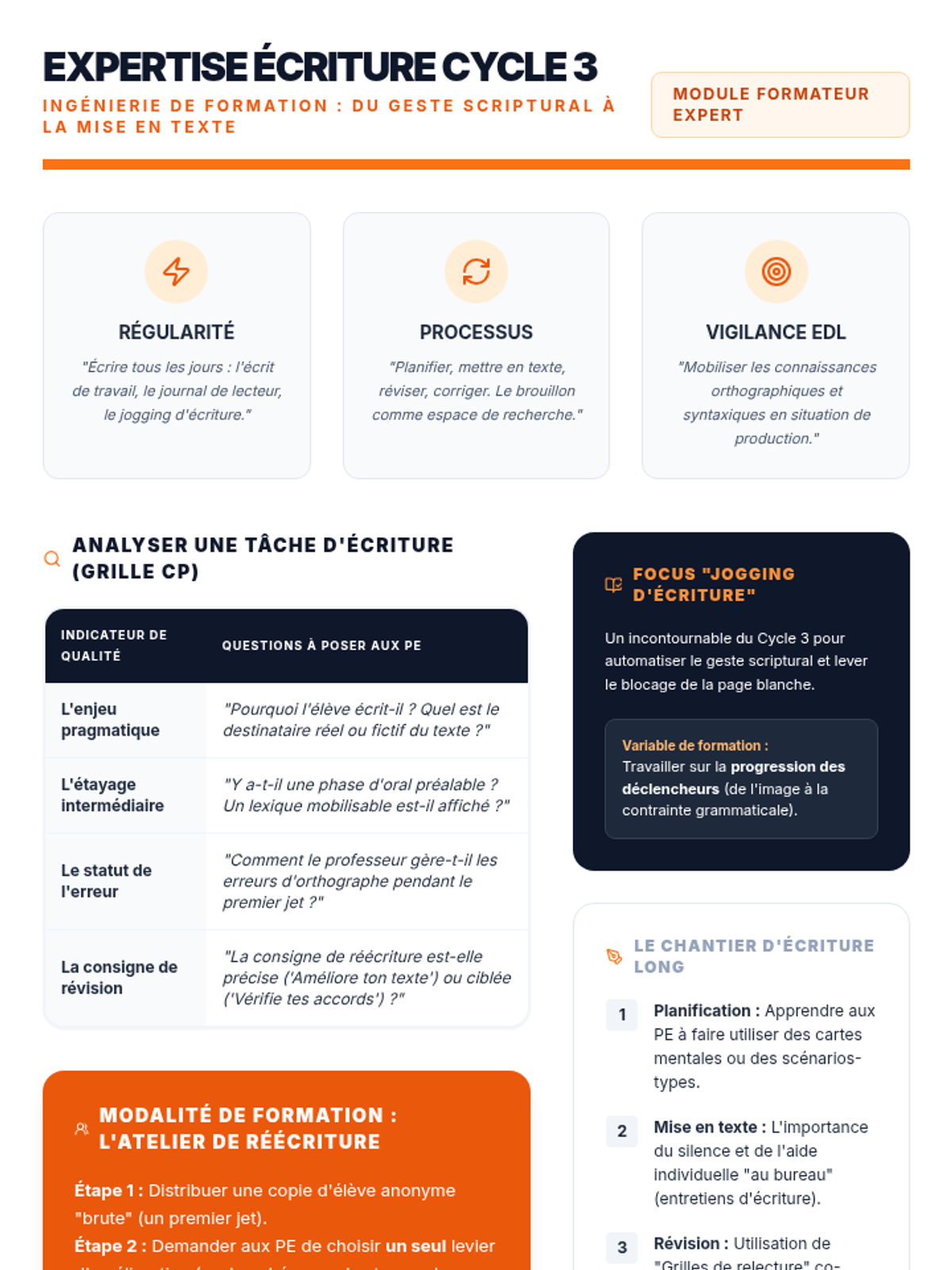
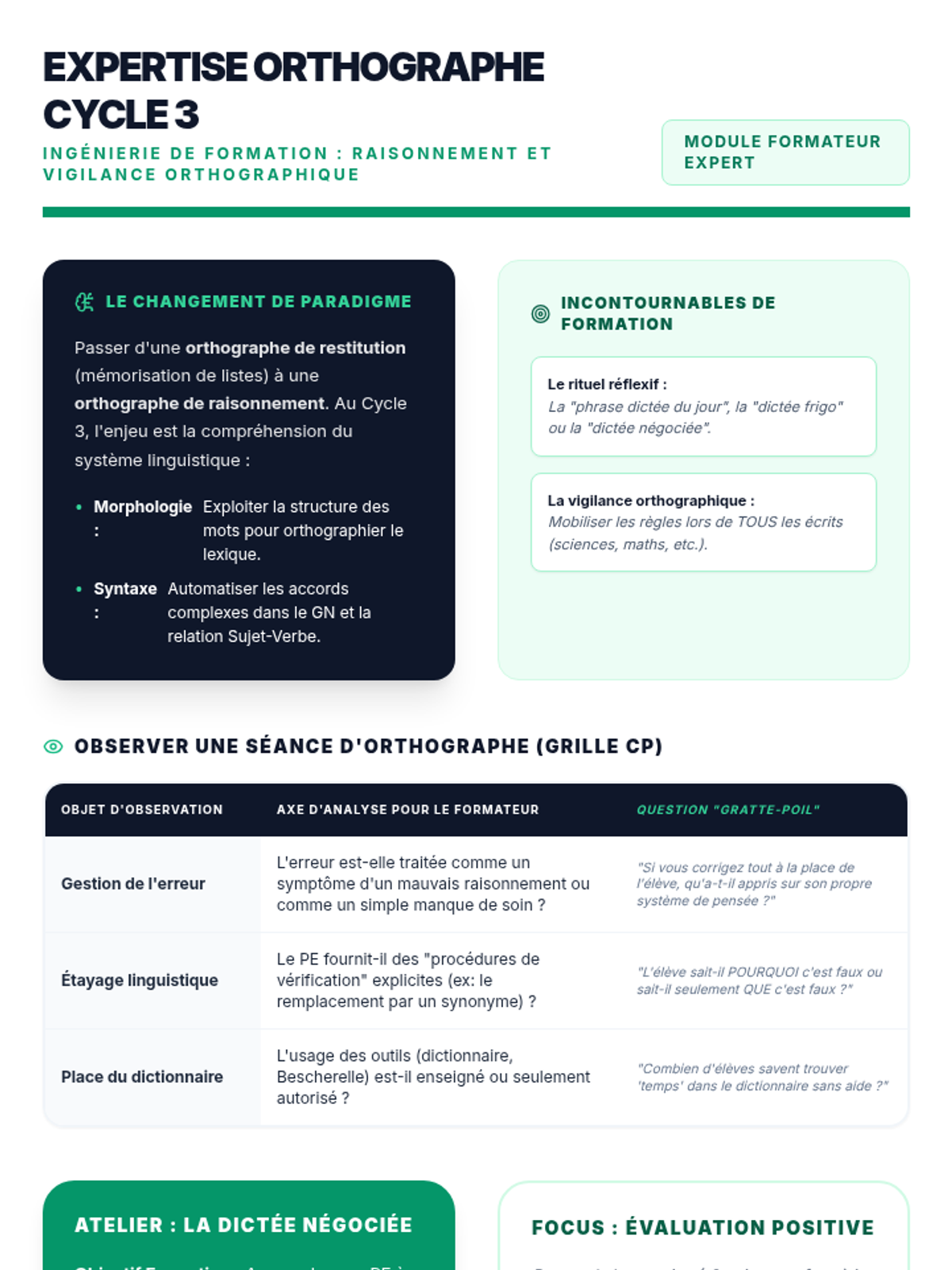
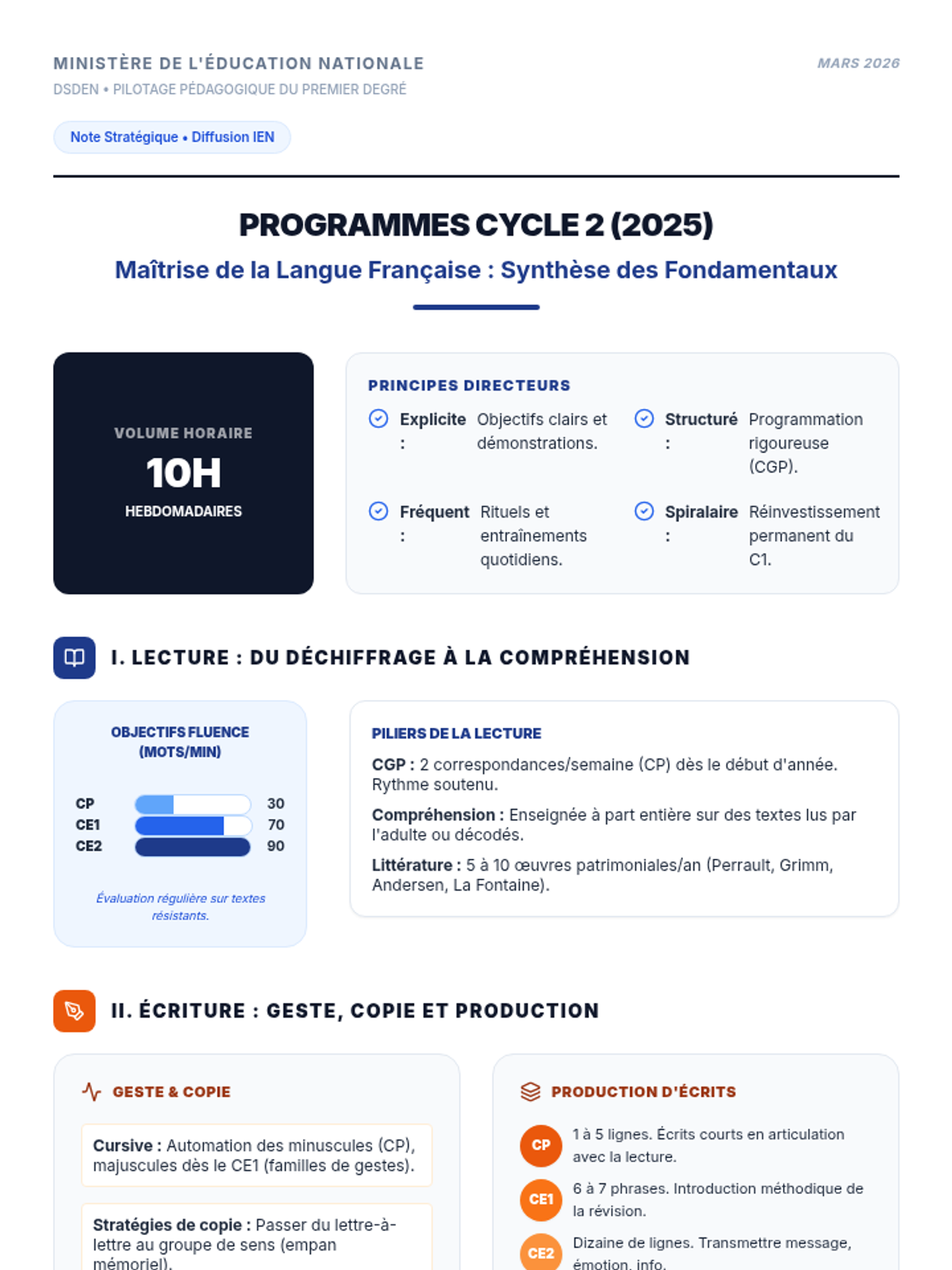
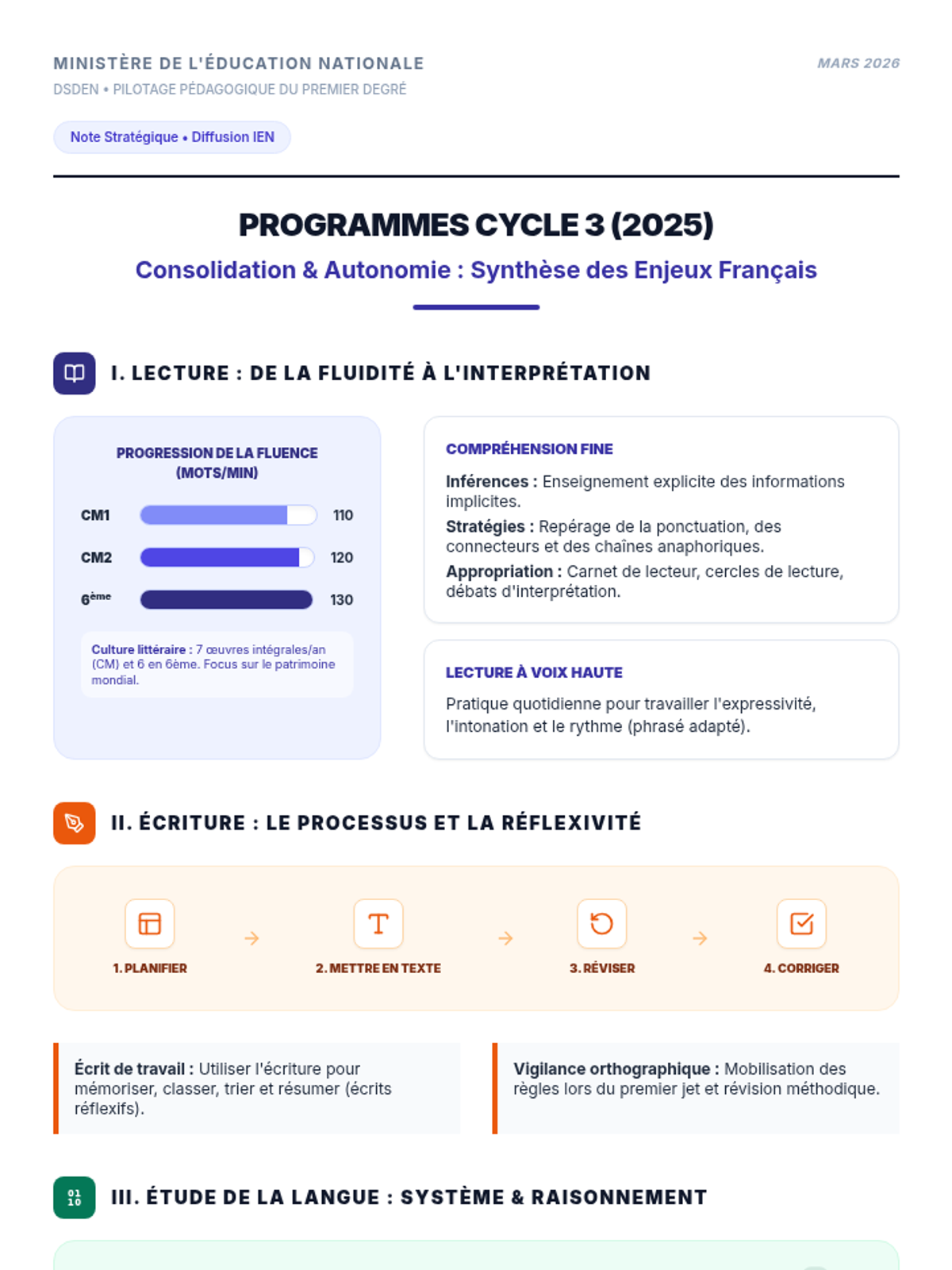
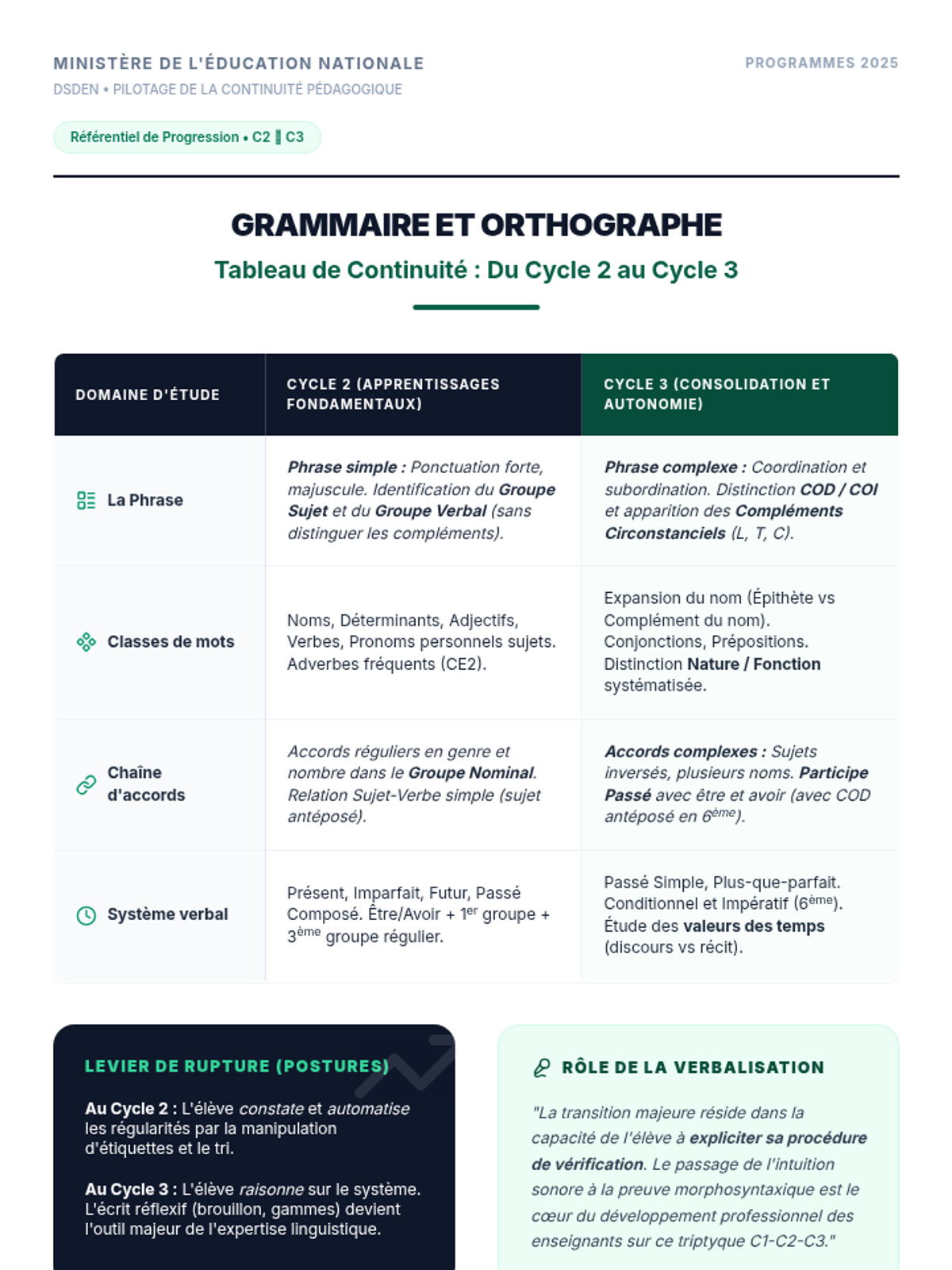
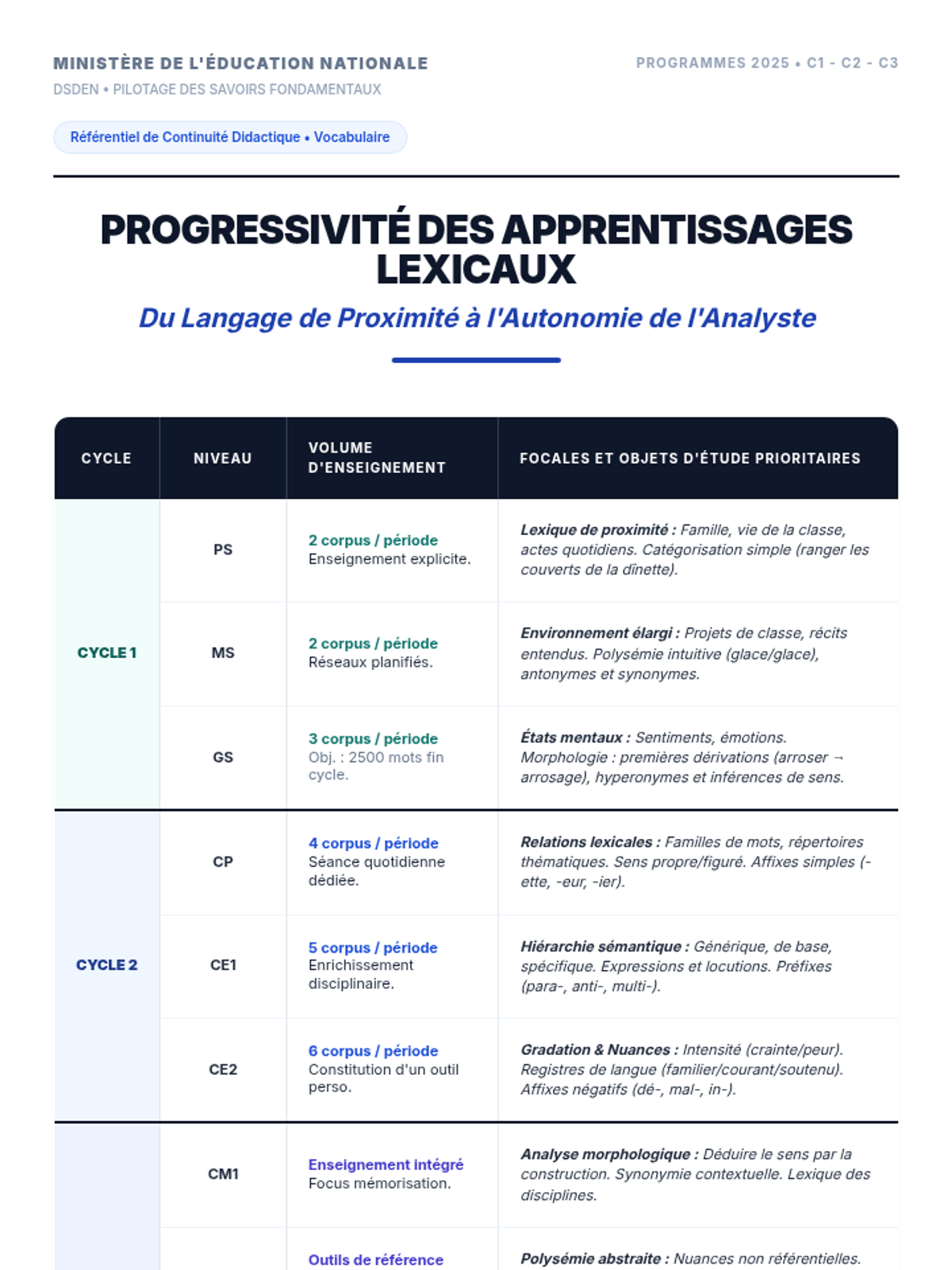
Cette formation vise à outiller les conseillers pédagogiques pour l'analyse et l'exploitation de ressources diverses (vidéos, manuels, guides) dans le cadre de la formation continue des professeurs des écoles en français, conformément aux orientations stratégiques nationales.
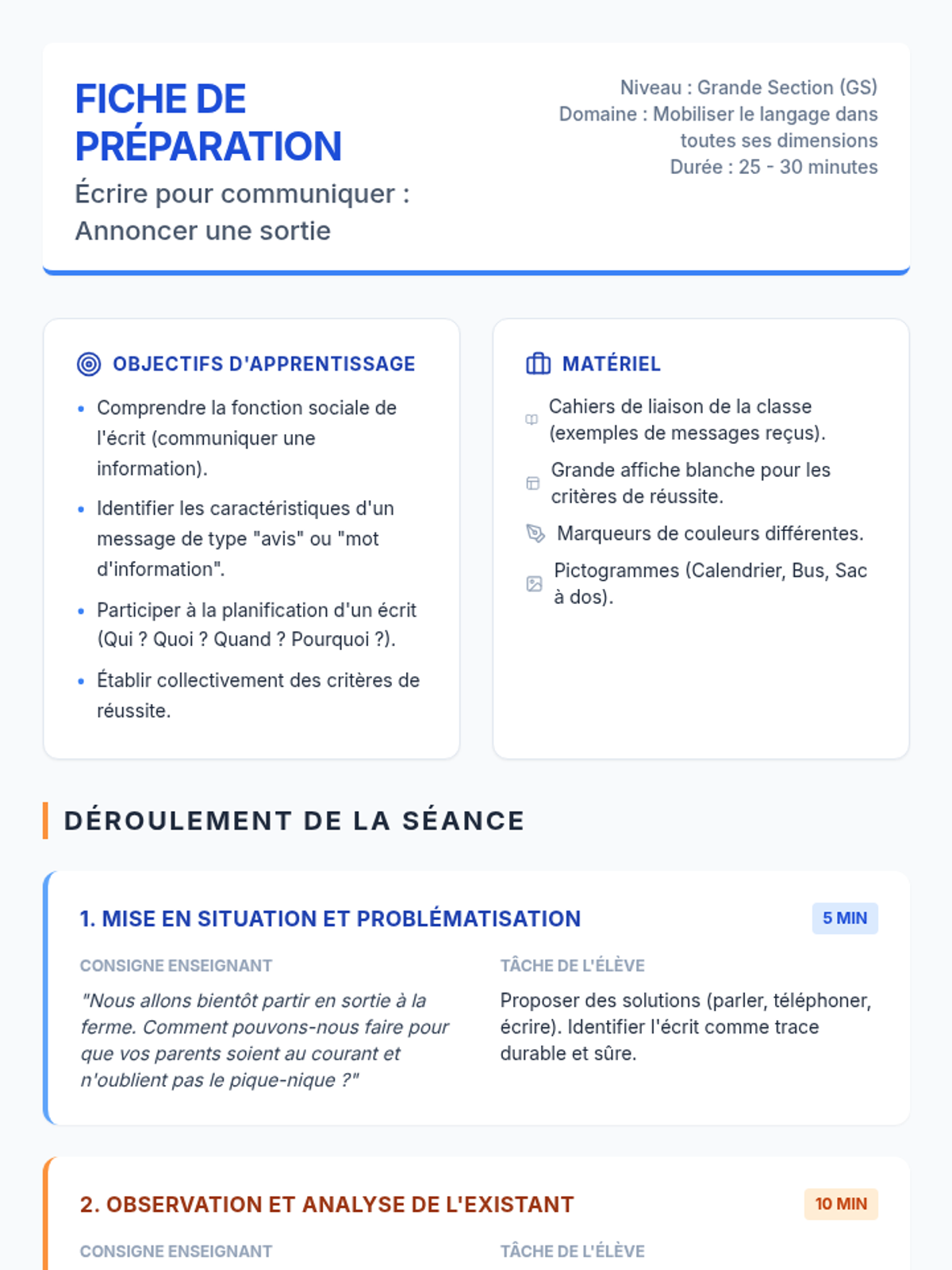
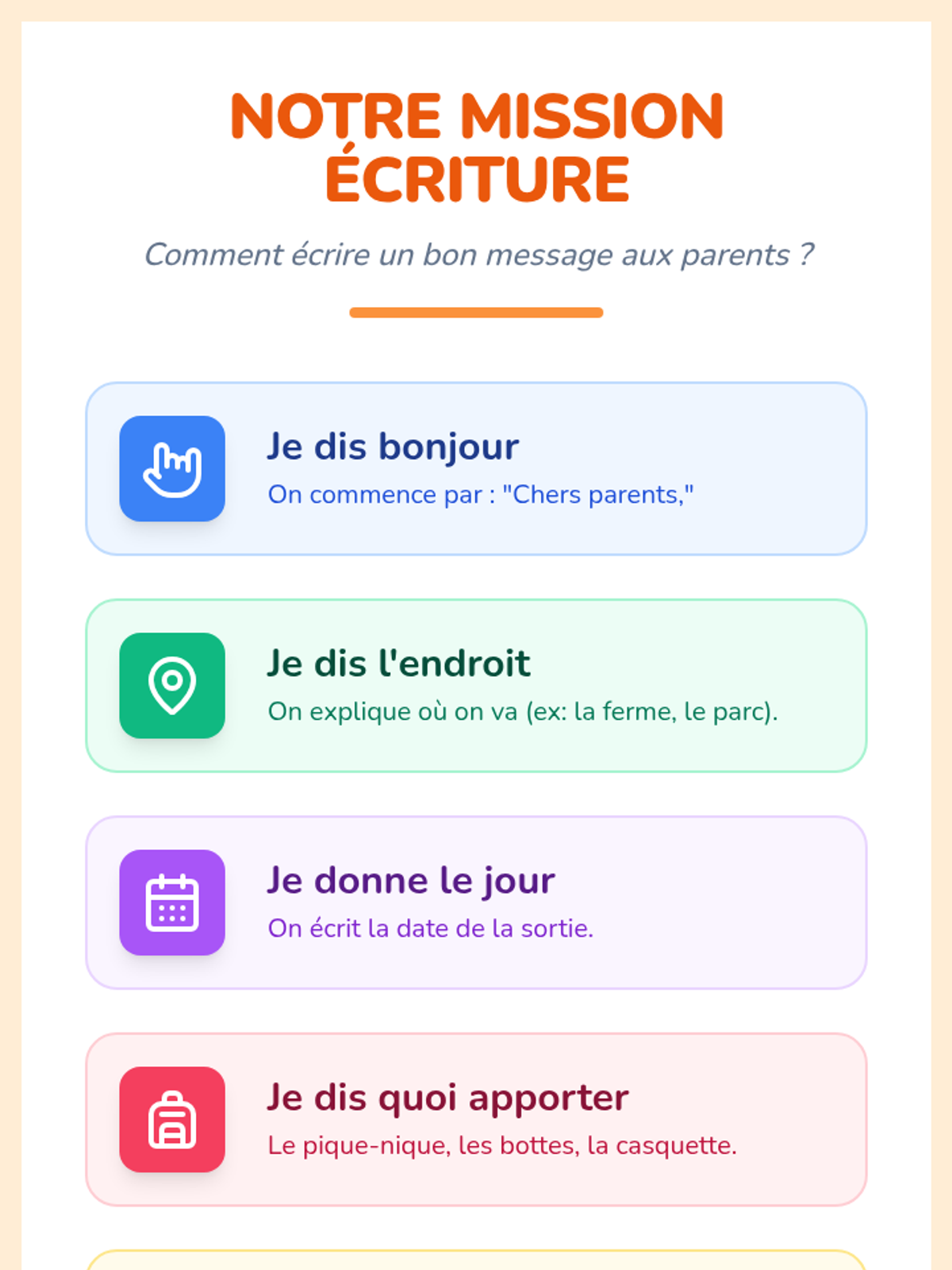
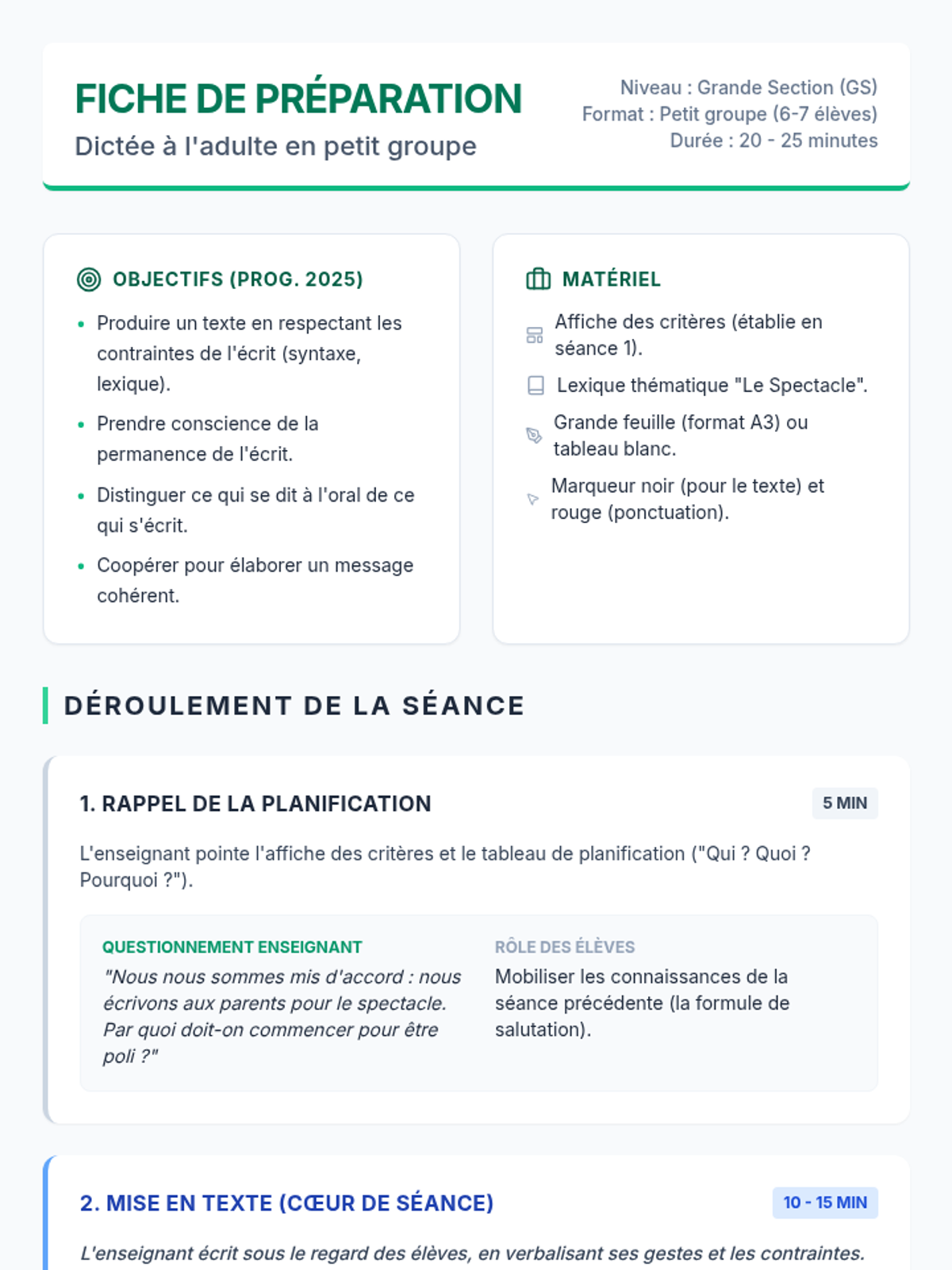
Cette leçon vise à introduire un projet d'écriture authentique en Grande Section : rédiger un message aux parents pour annoncer une sortie scolaire. Elle s'appuie sur l'observation de messages existants pour définir des critères de réussite et initier la planification selon les programmes 2025.
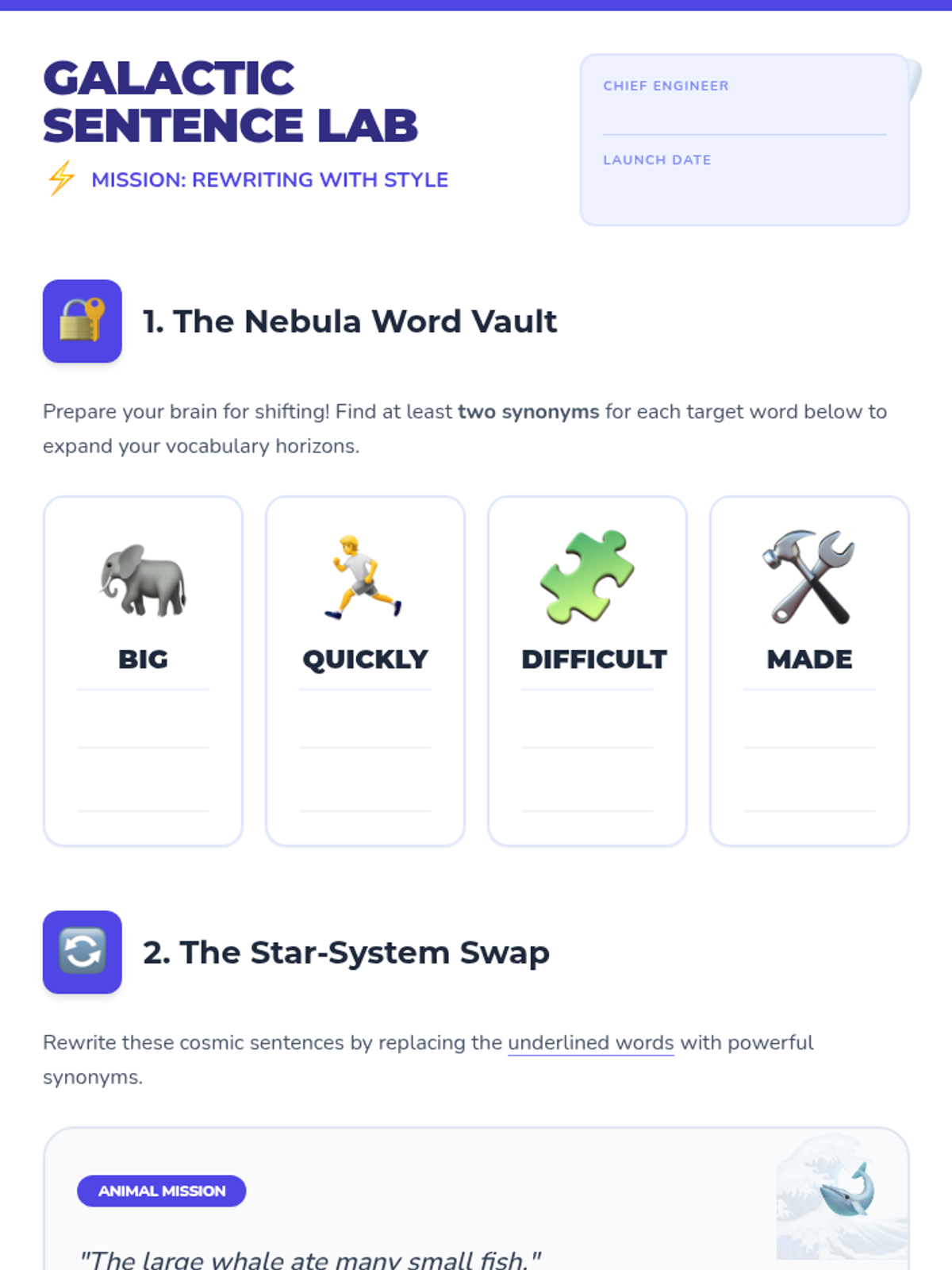
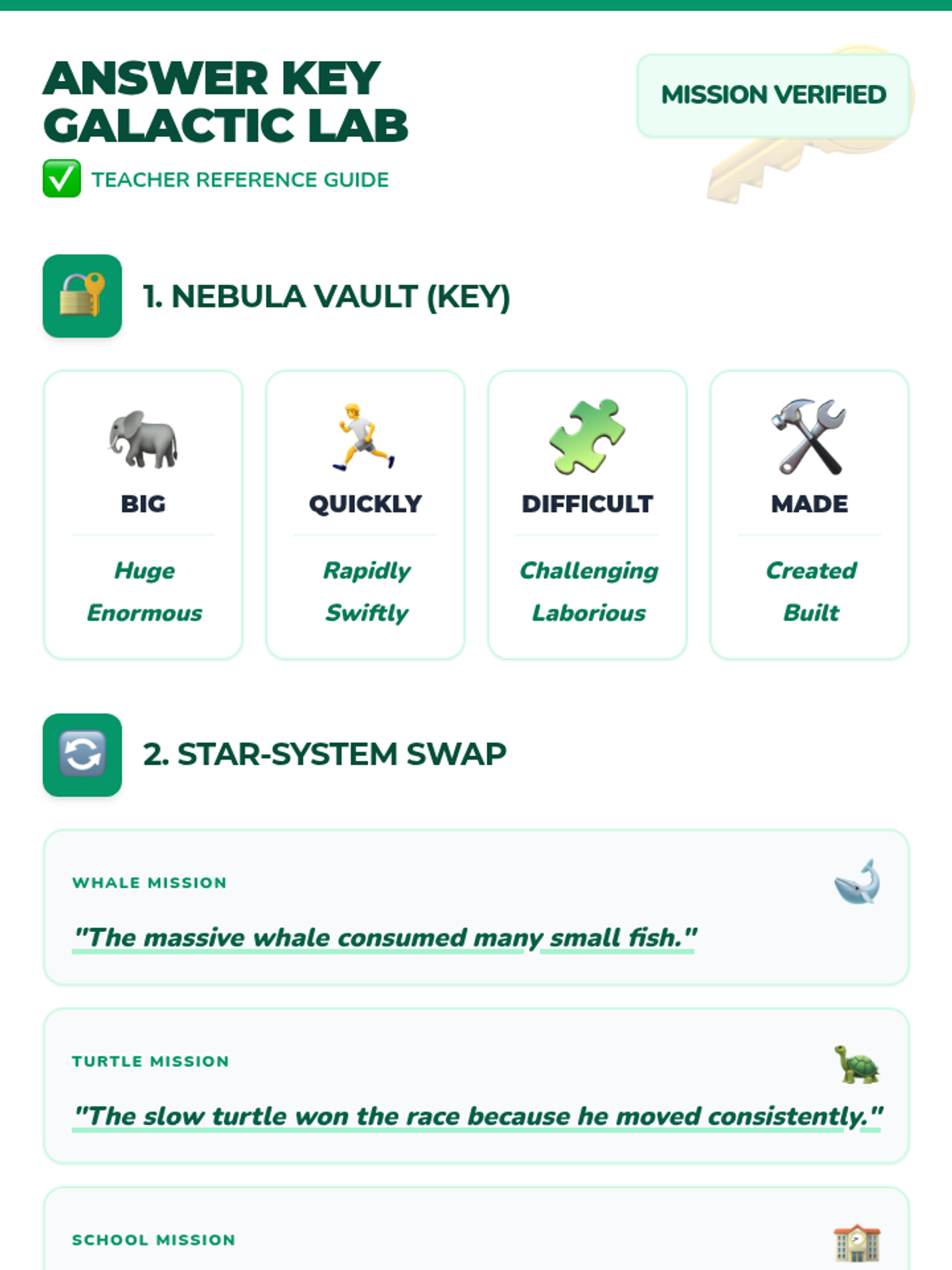
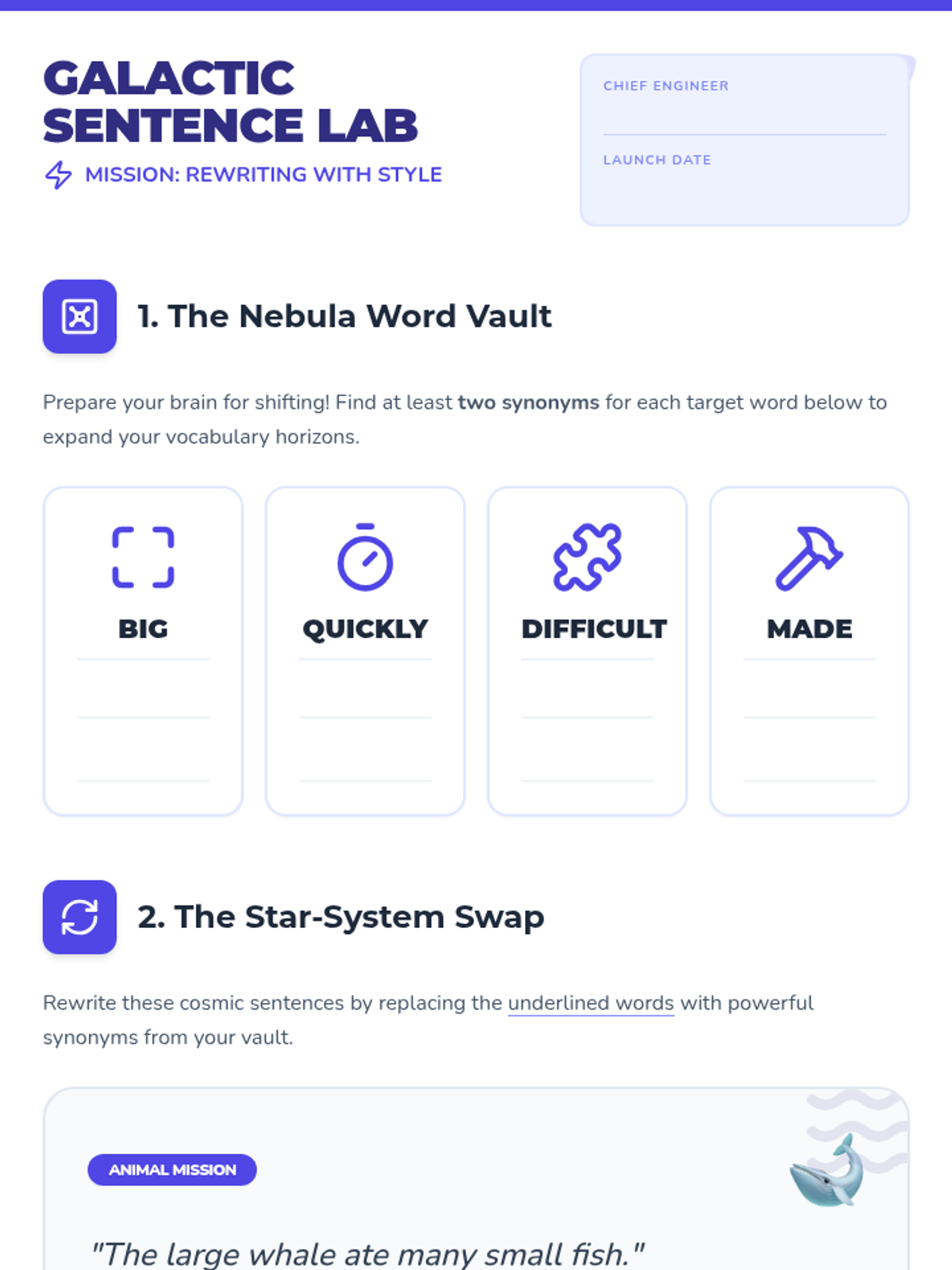
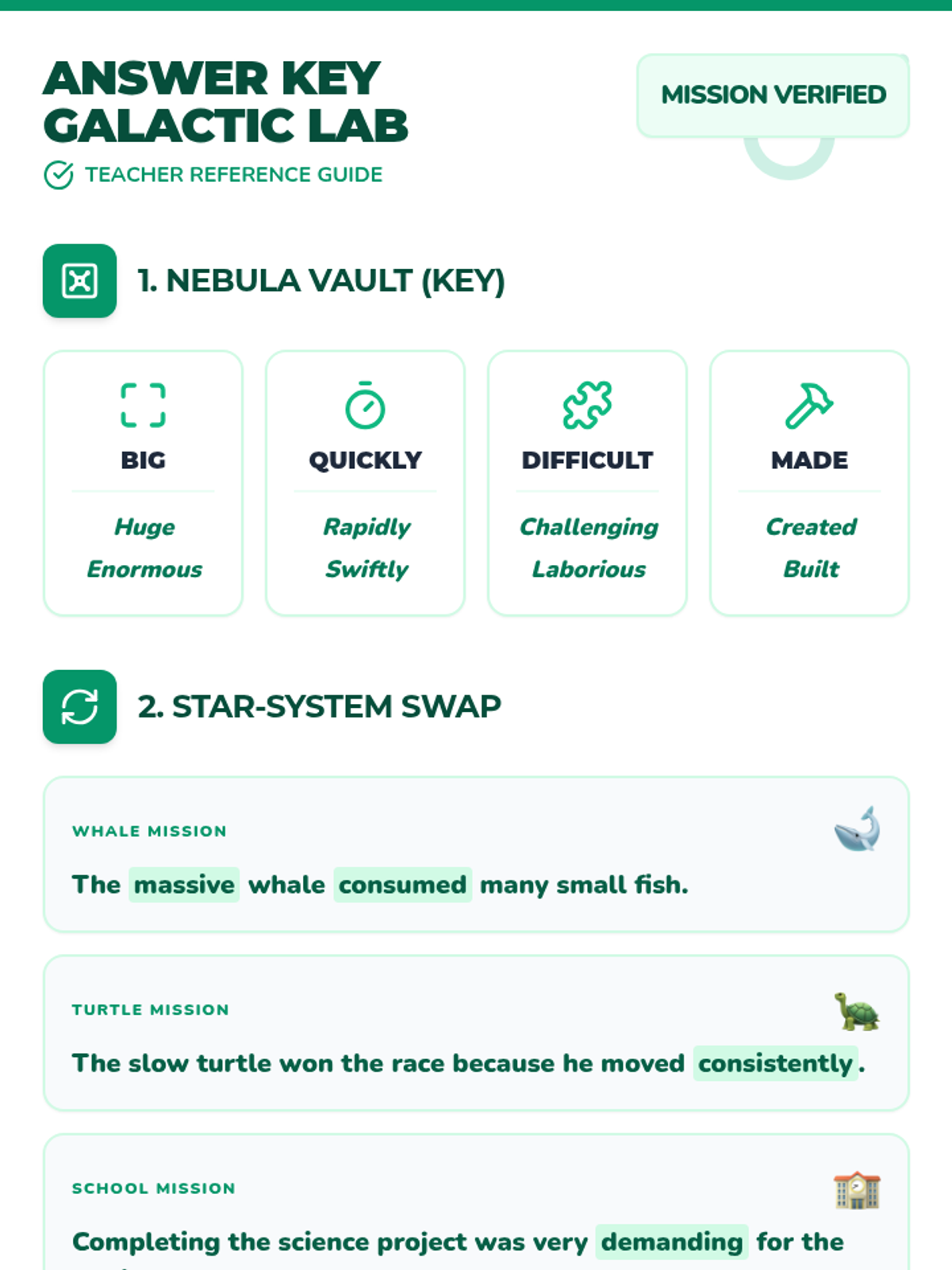
A visual, space-themed workshop focused on enhancing writing through synonyms and sentence structure transformations. Students explore the 'Galactic Sentence Lab' to practice vocabulary variety and active/passive voice flips.
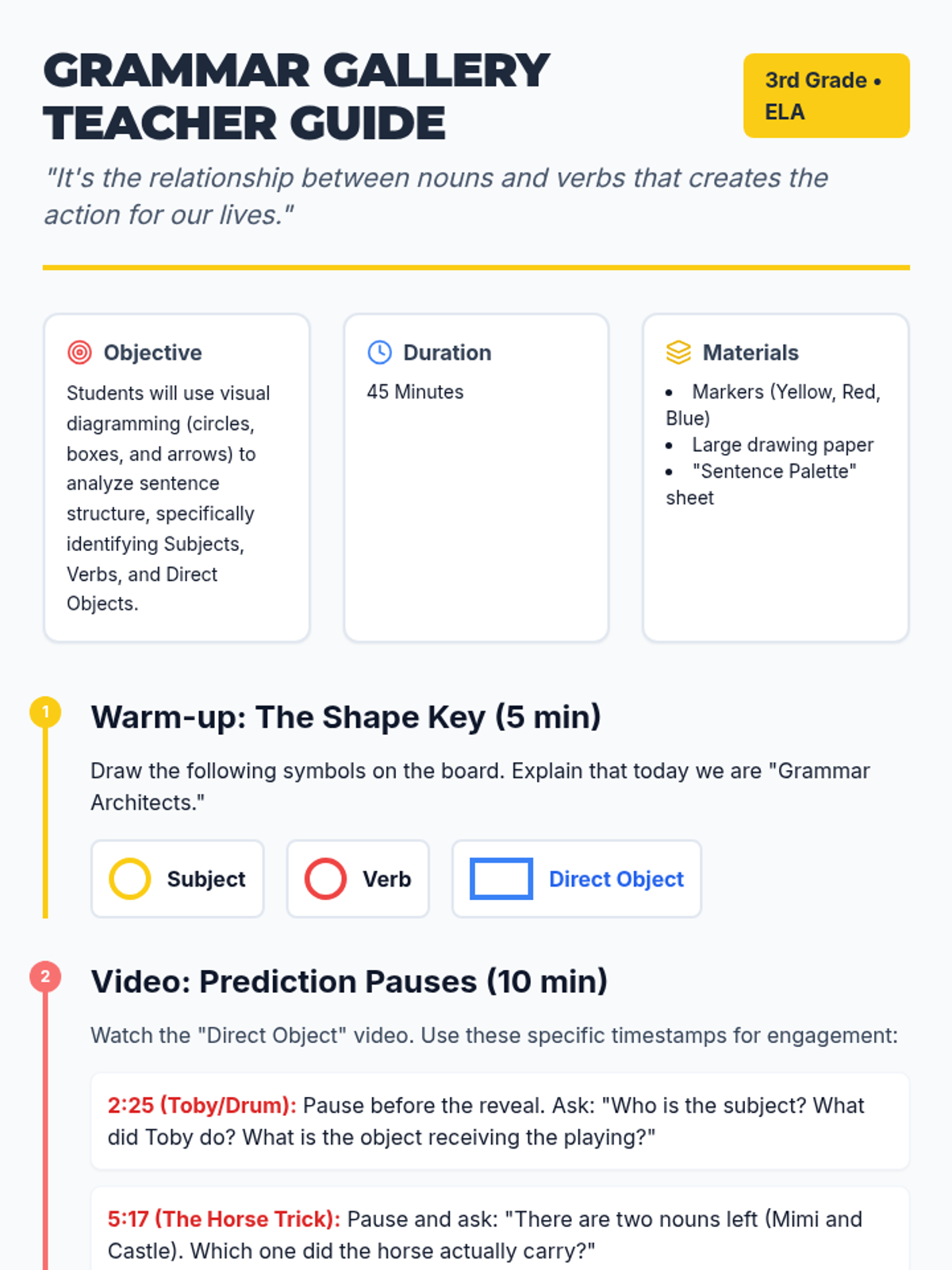
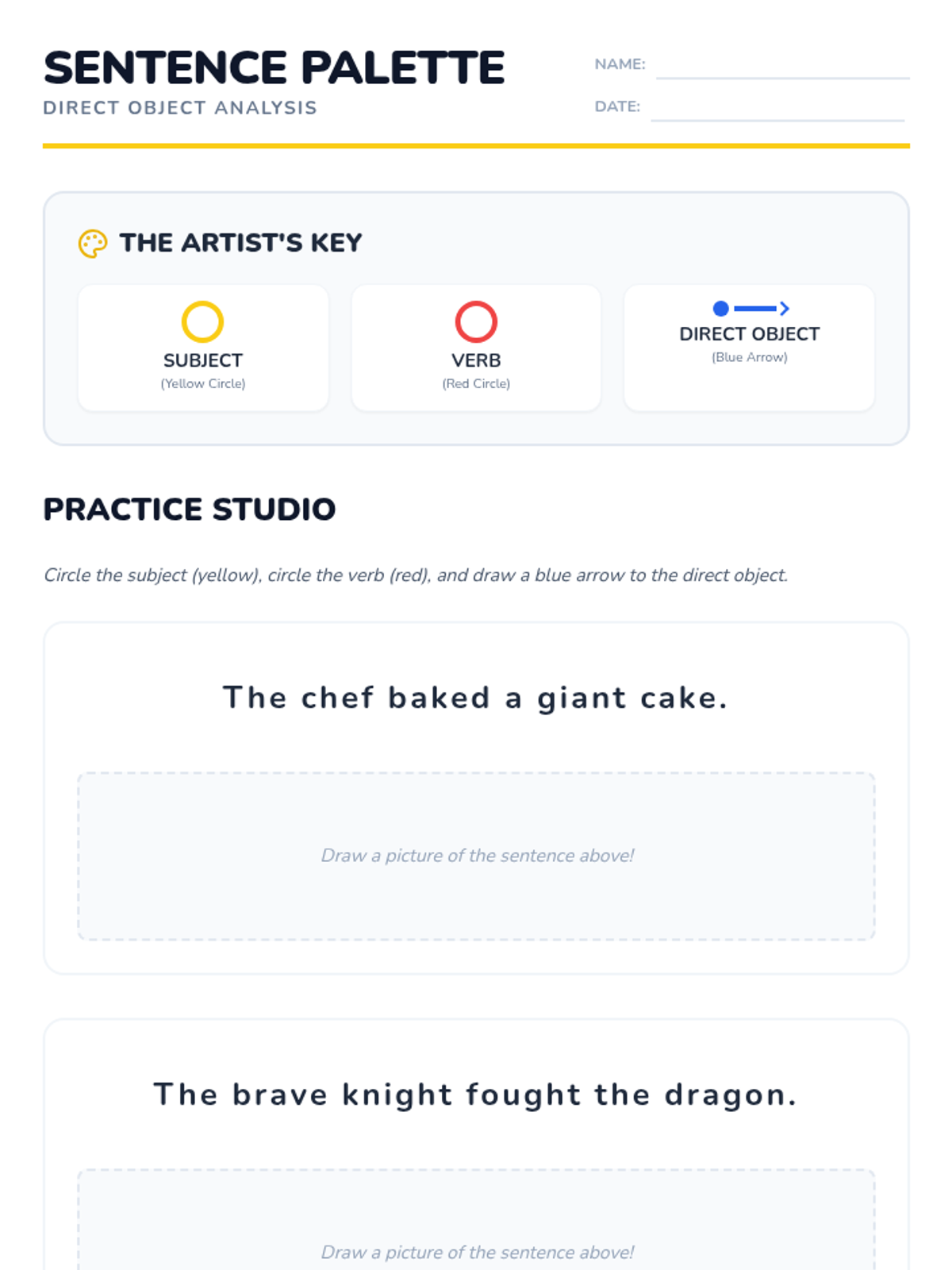
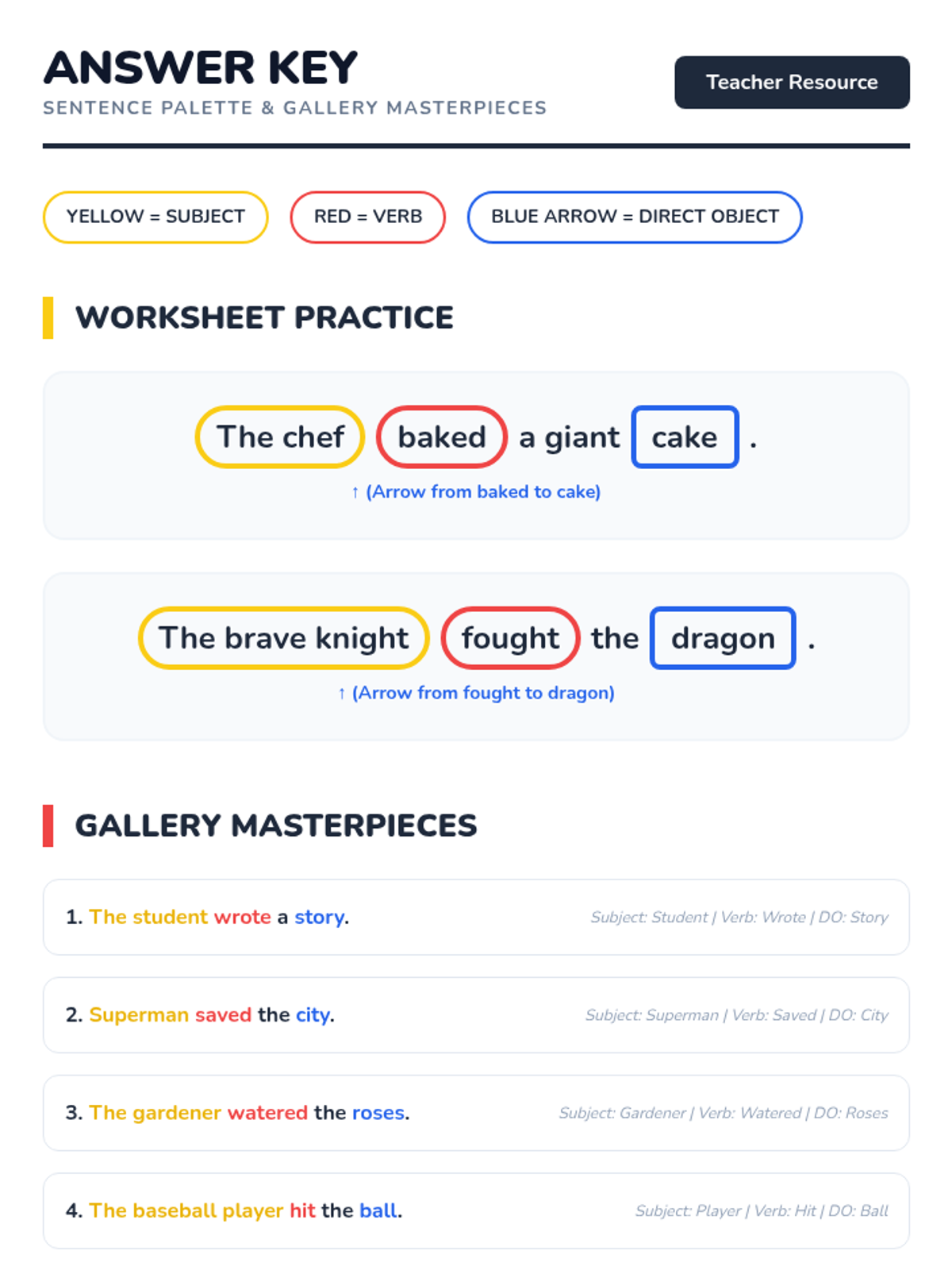
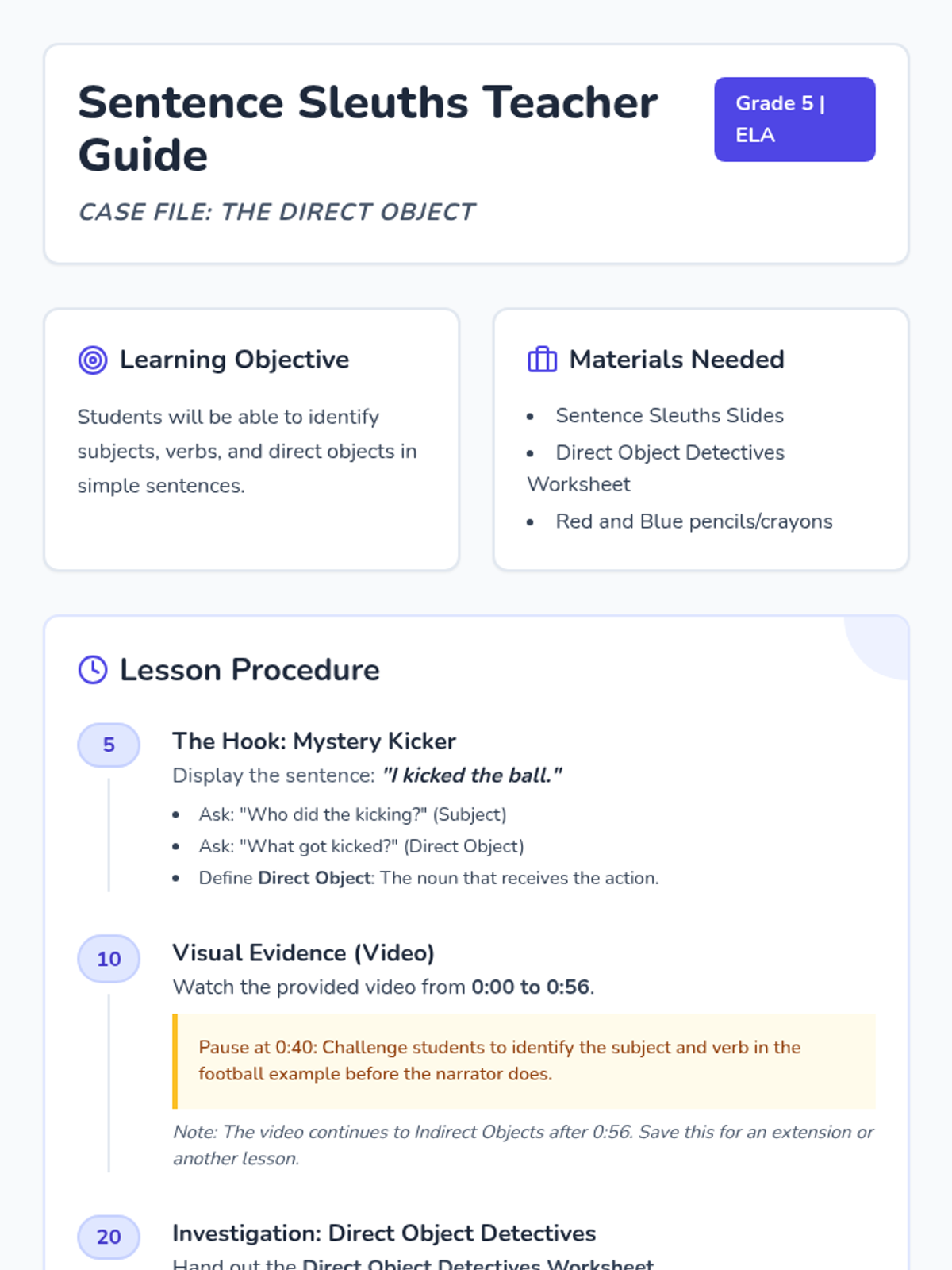
A lesson where students learn to identify subjects, verbs, and direct objects using a visual, color-coded diagramming system inspired by hand-drawn animations.
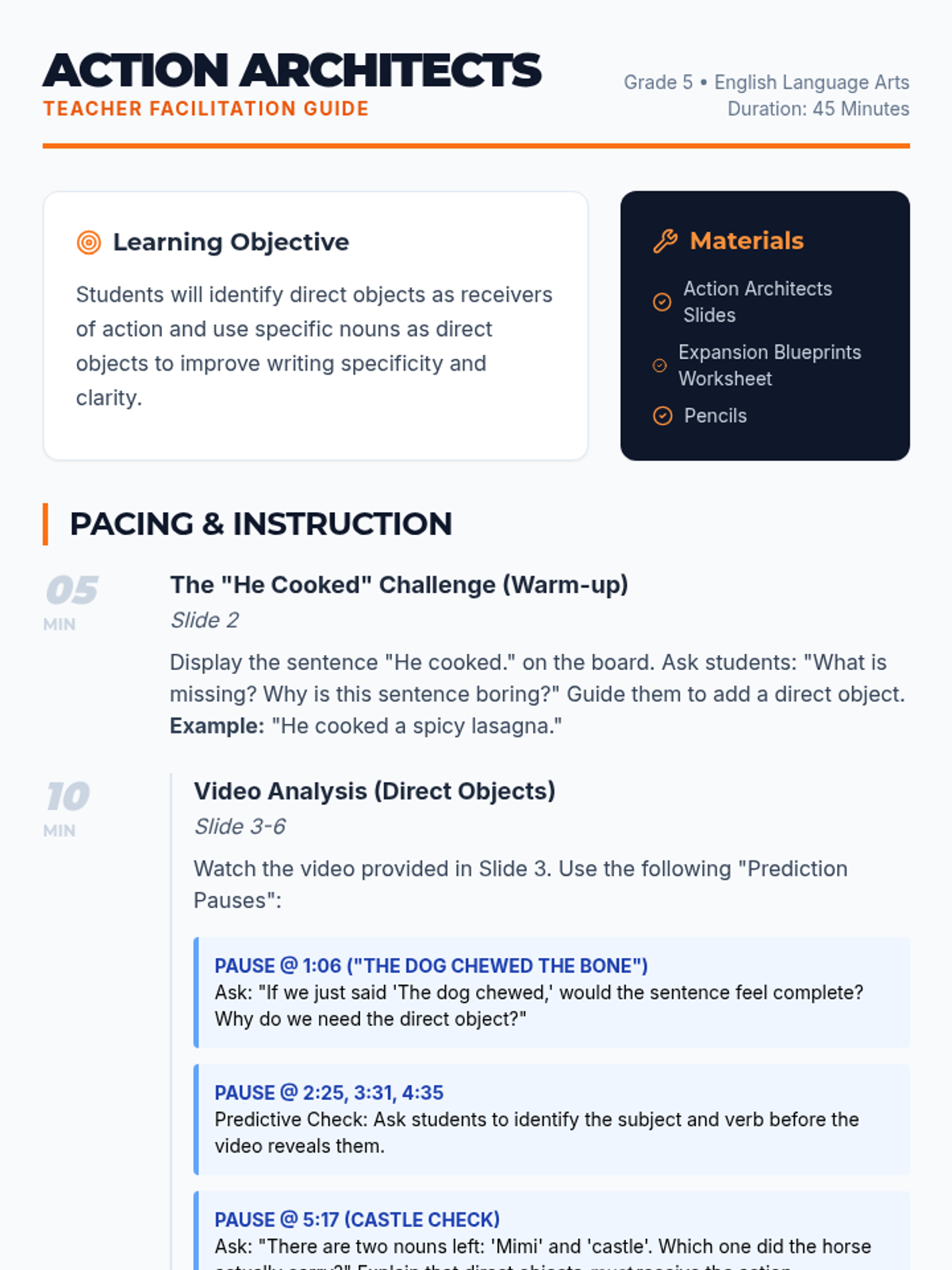
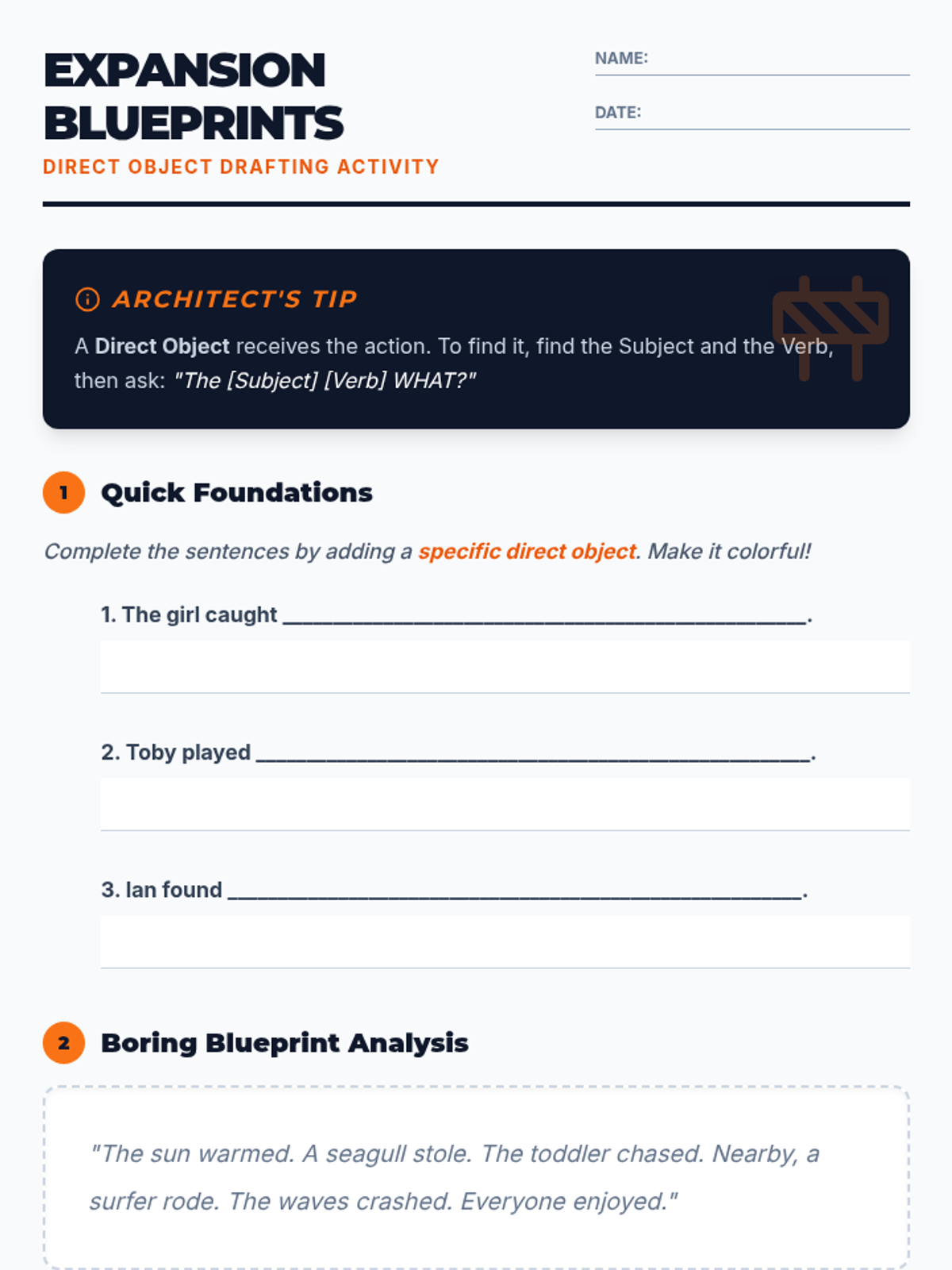
A lesson focused on using direct objects to transform vague sentences into specific, vivid descriptions. Students watch a video on direct objects, analyze how specific nouns improve writing, and practice expanding a 'boring' paragraph.
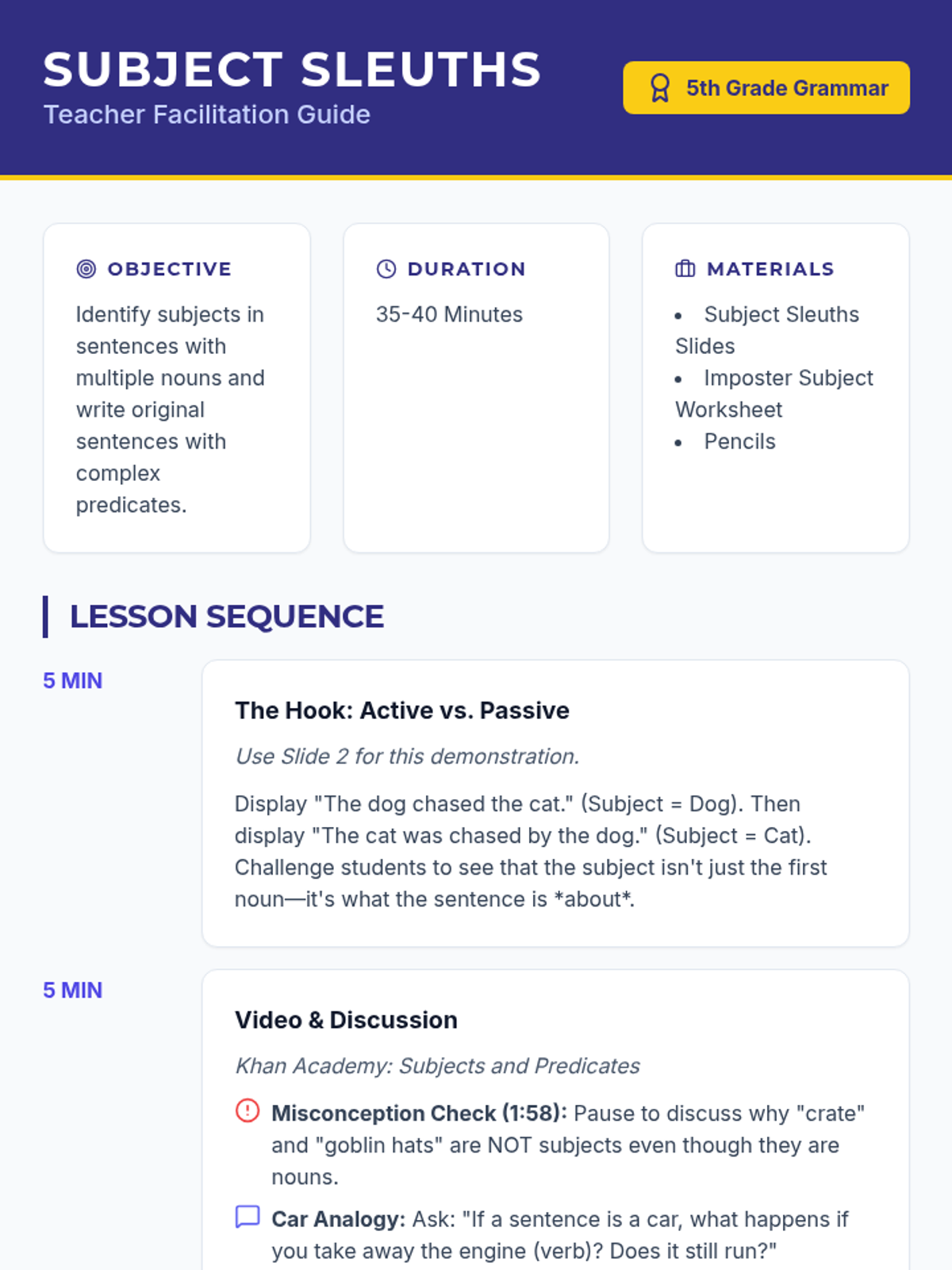
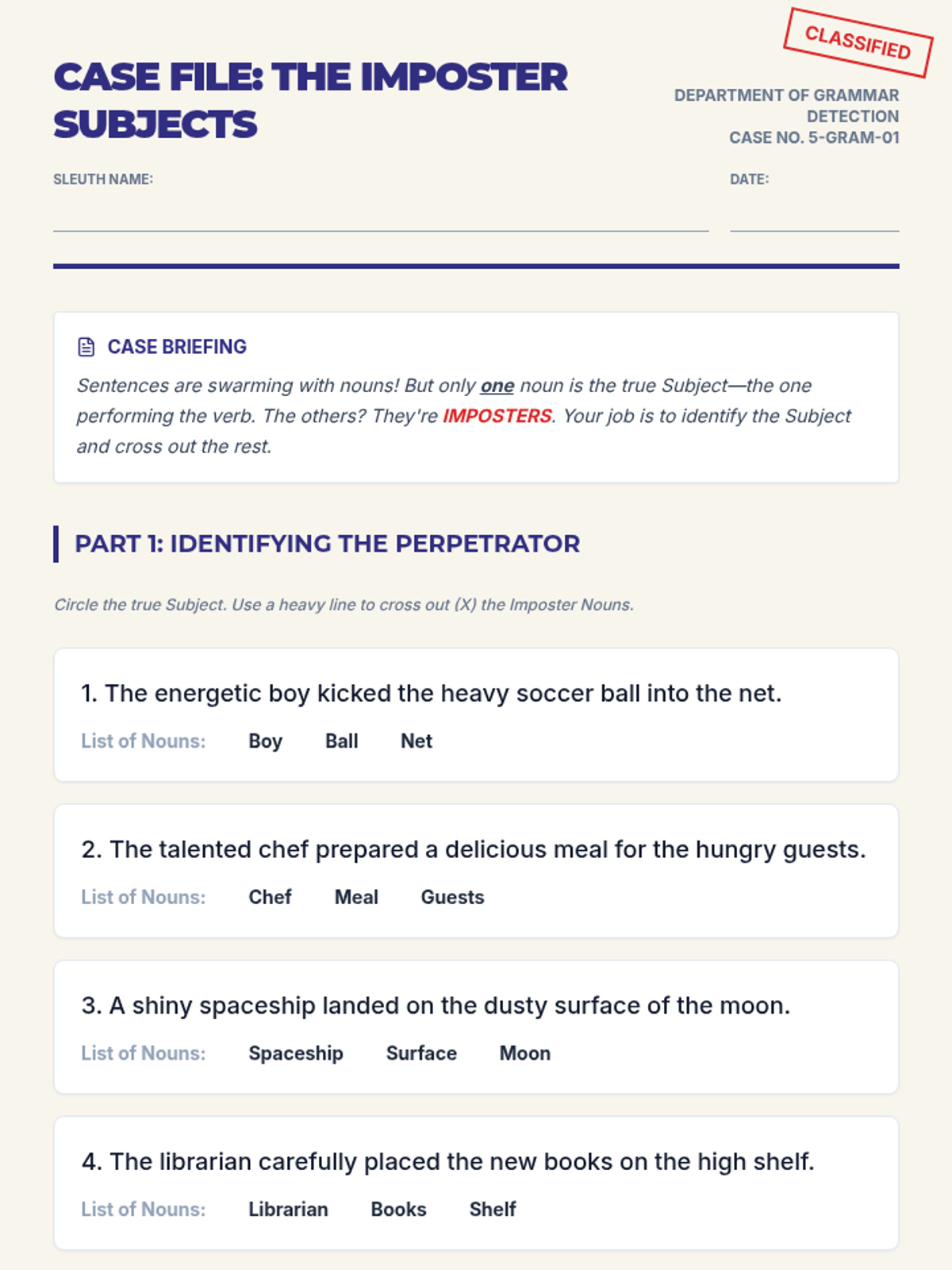
A grammar lesson for 5th graders focused on identifying the true subject in sentences with multiple nouns and understanding predicates as 'the verb and its pals.' Includes a 'Subject Sleuths' theme with detective-style activities.
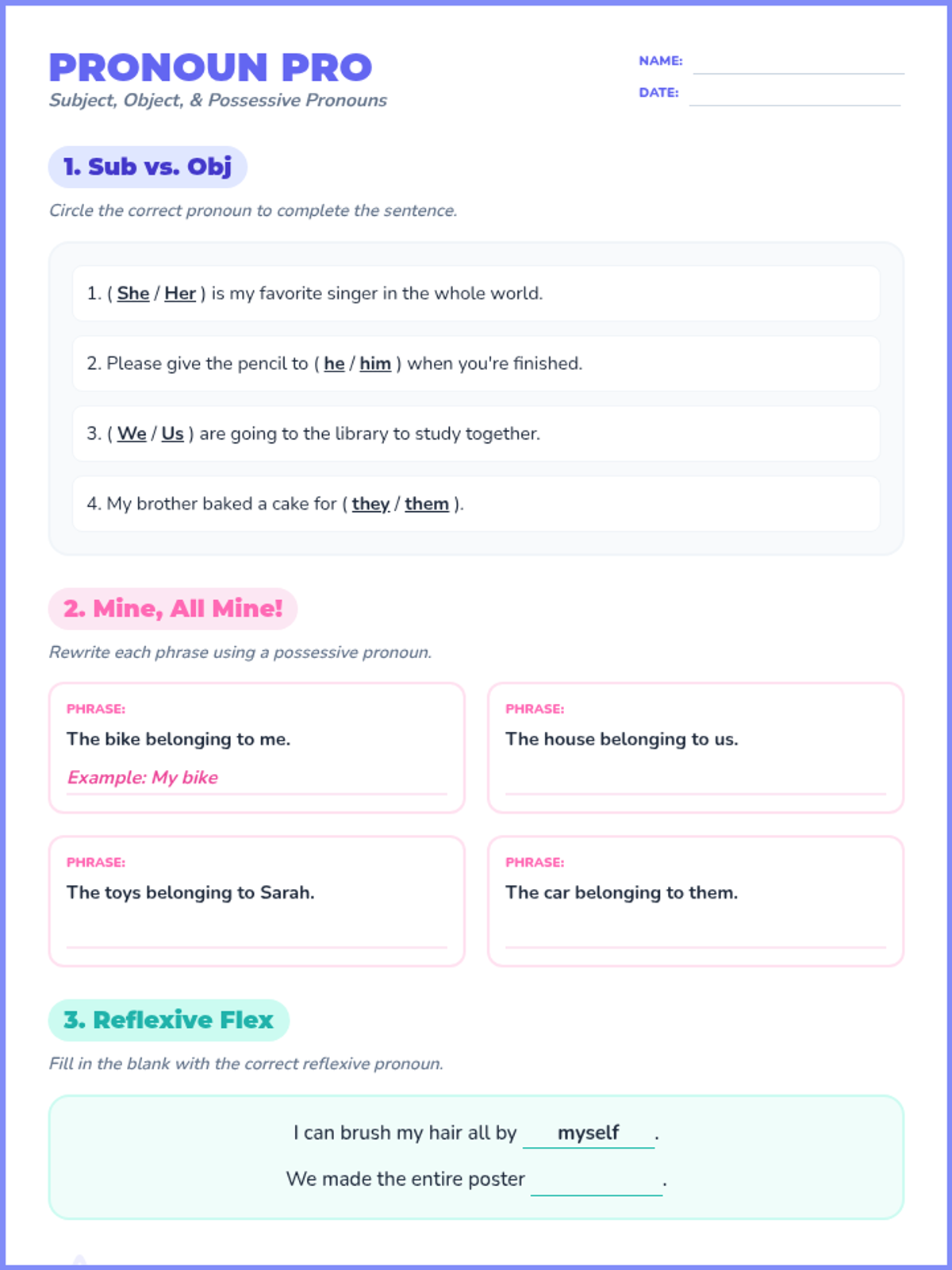
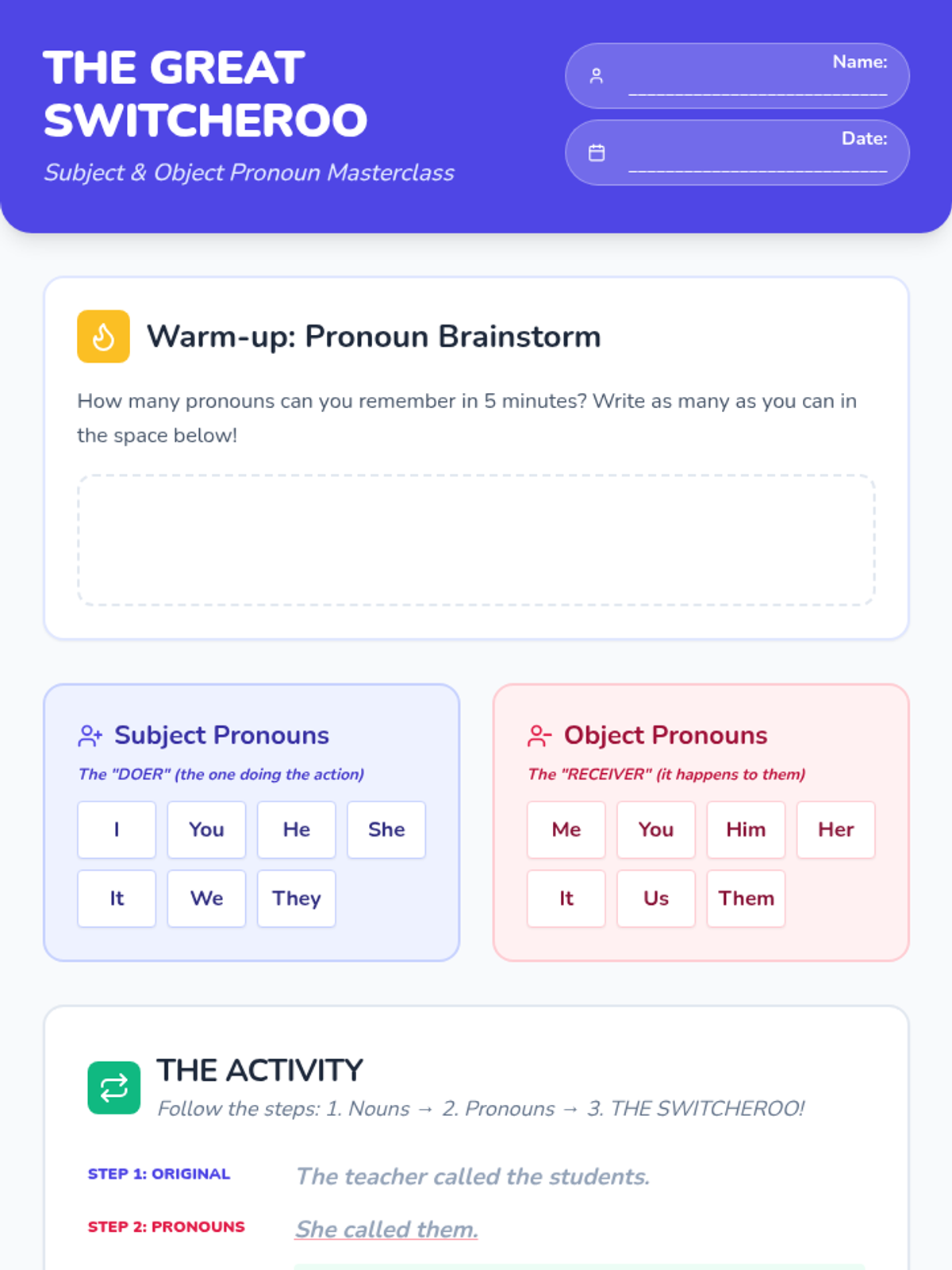
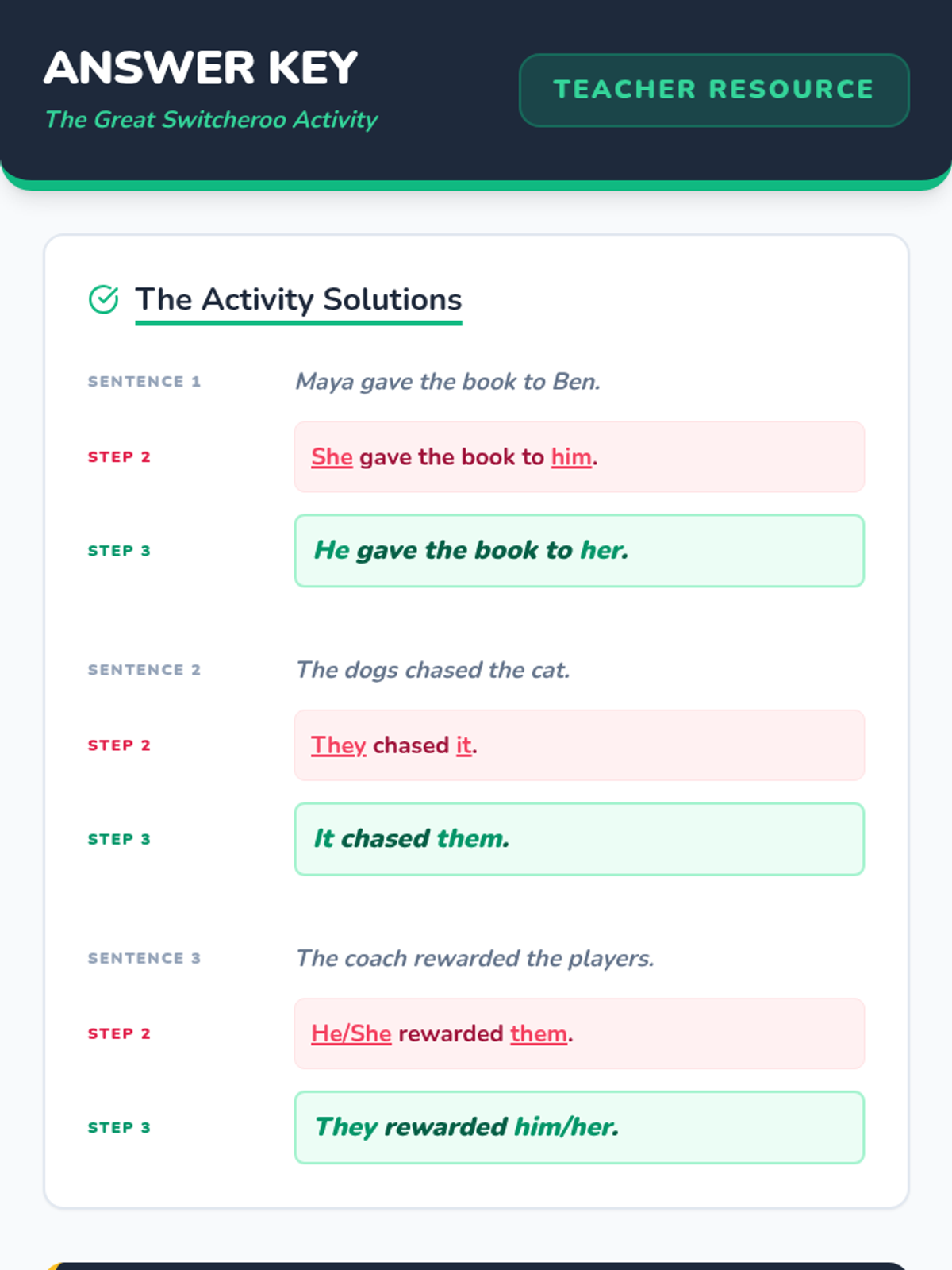
Students master subject and object pronoun cases by identifying doers and receivers, then performing 'the switcheroo' to swap sentence roles and adjust pronoun forms.
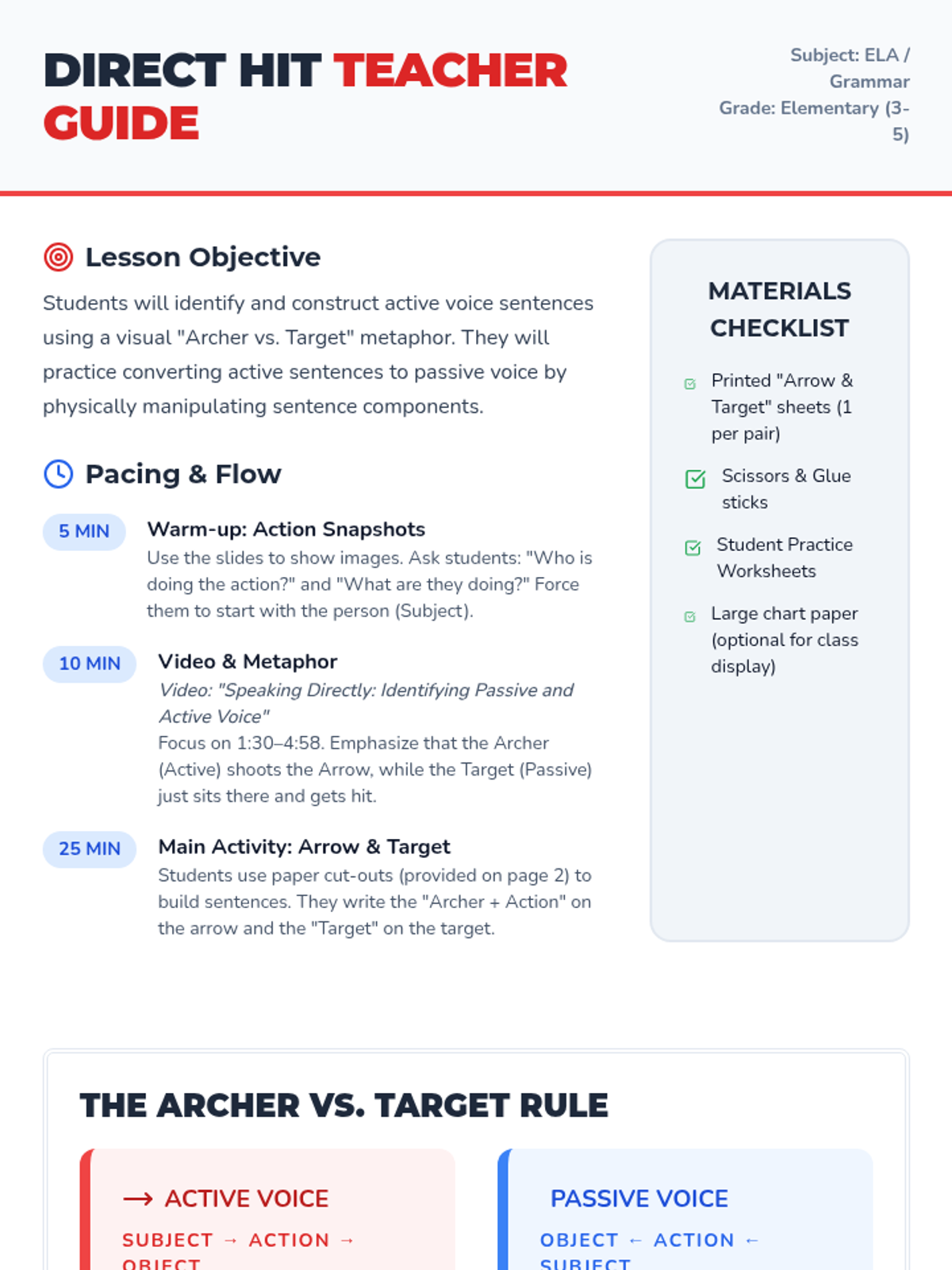
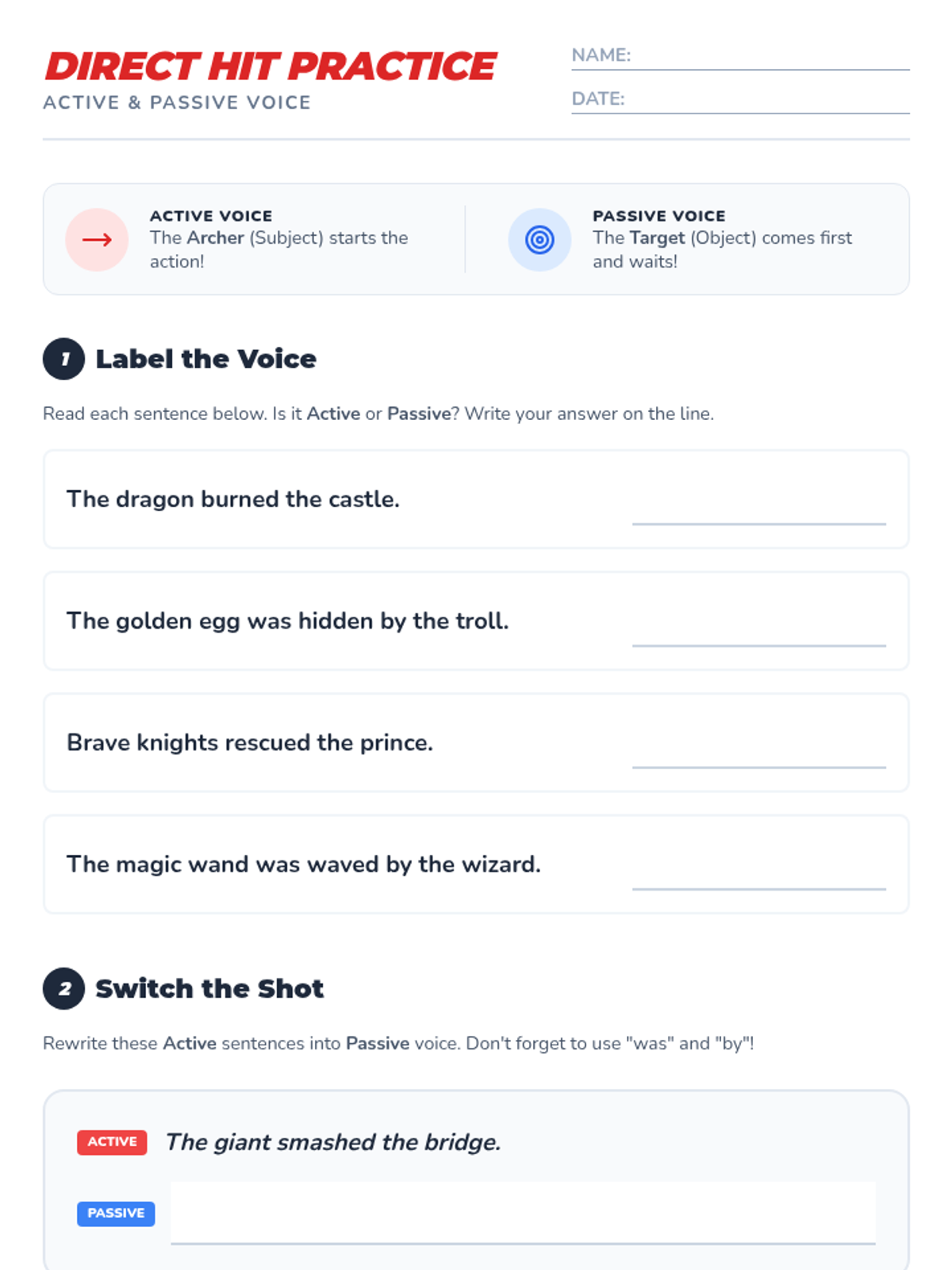
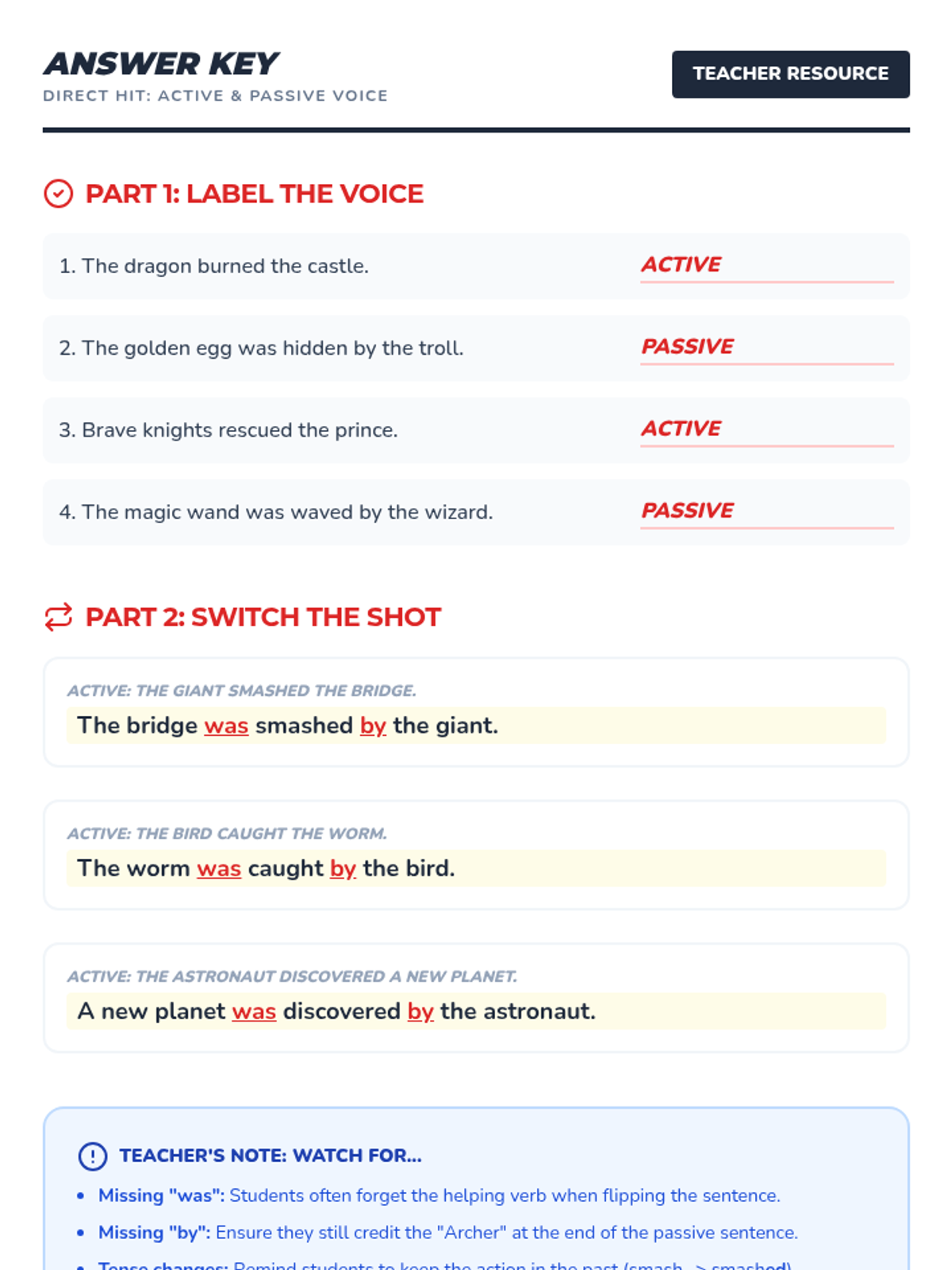
A dynamic grammar lesson using an 'Archer vs. Target' metaphor to help students master active and passive voice through physical sentence construction.
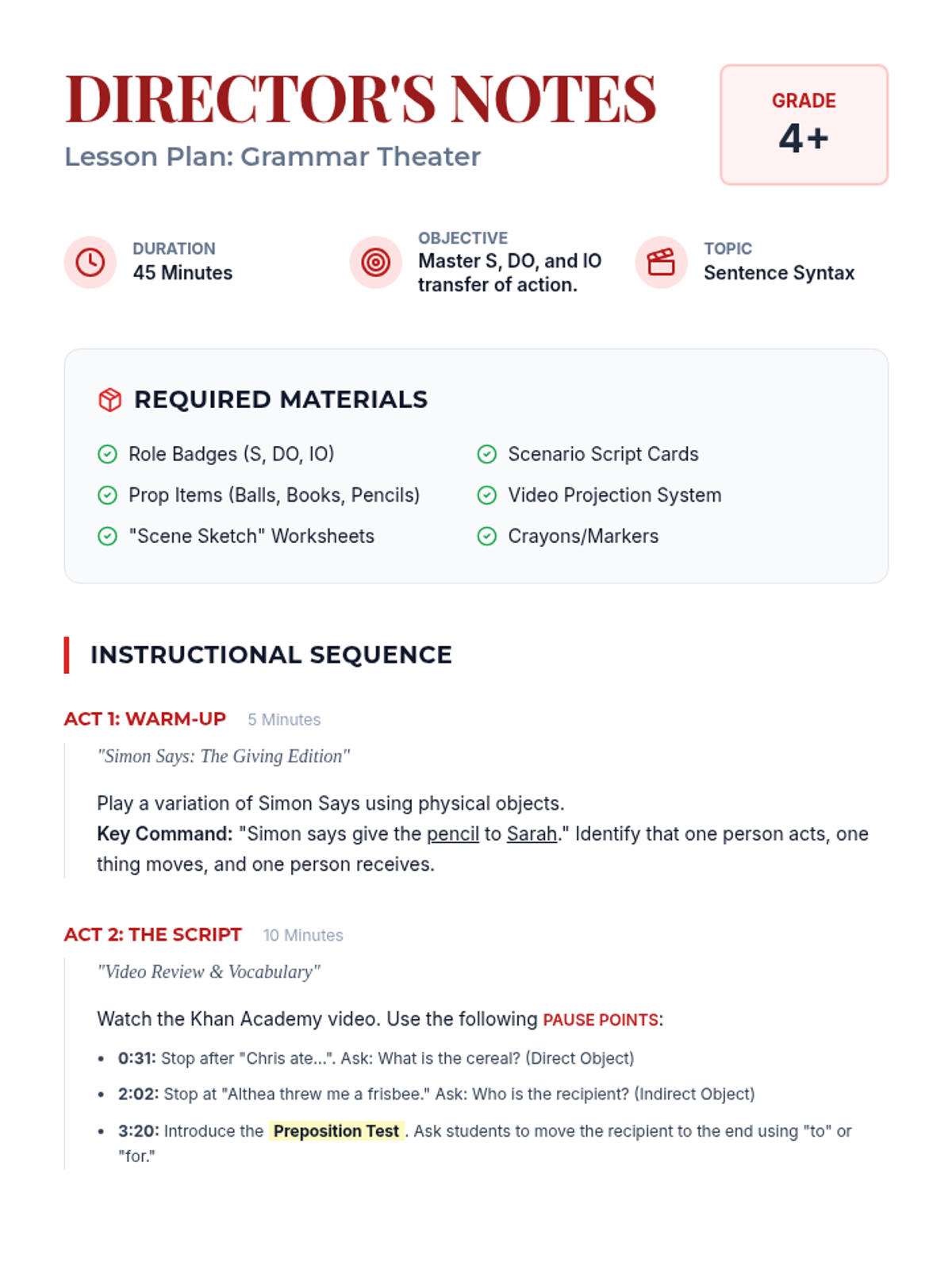
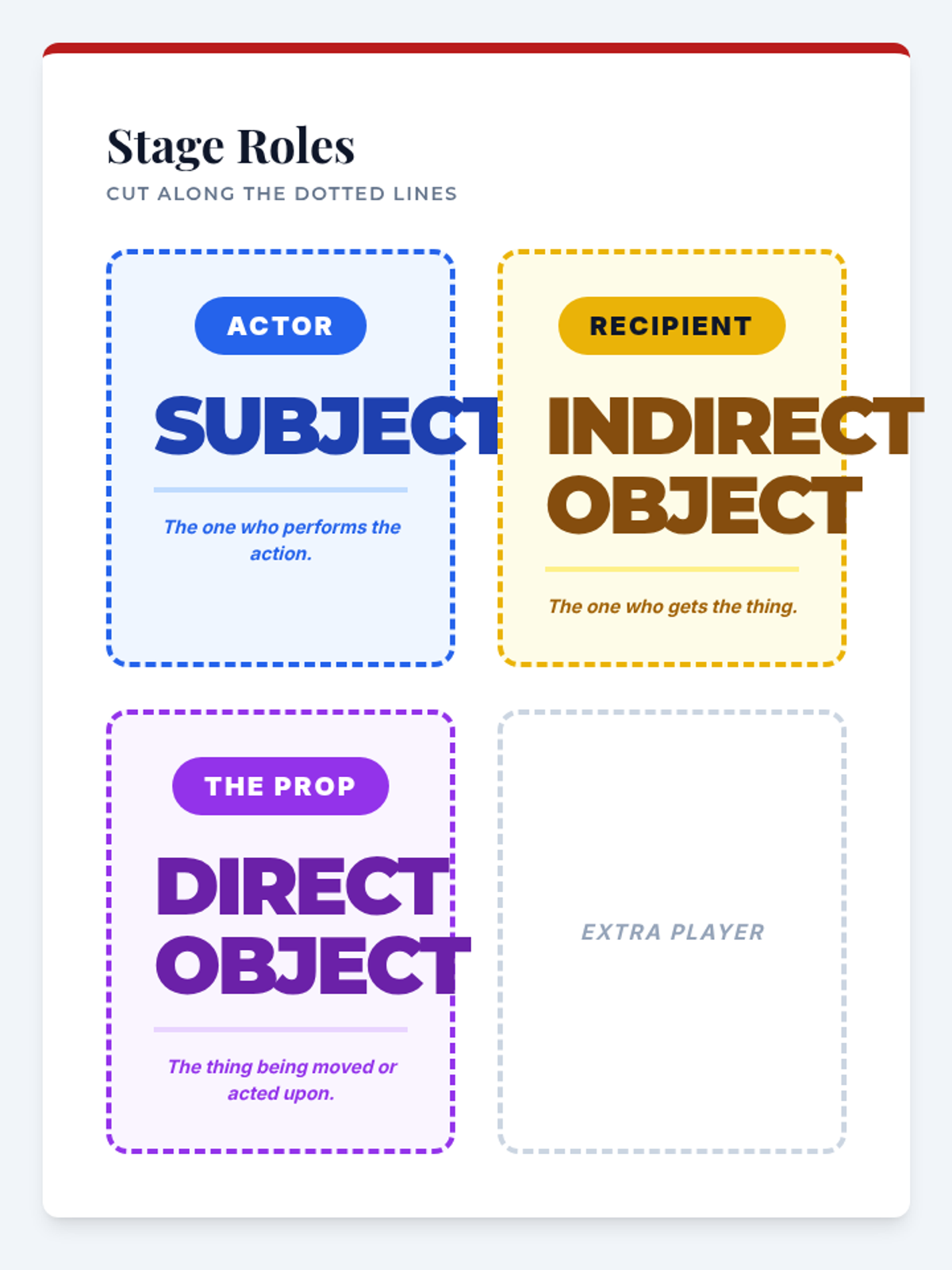
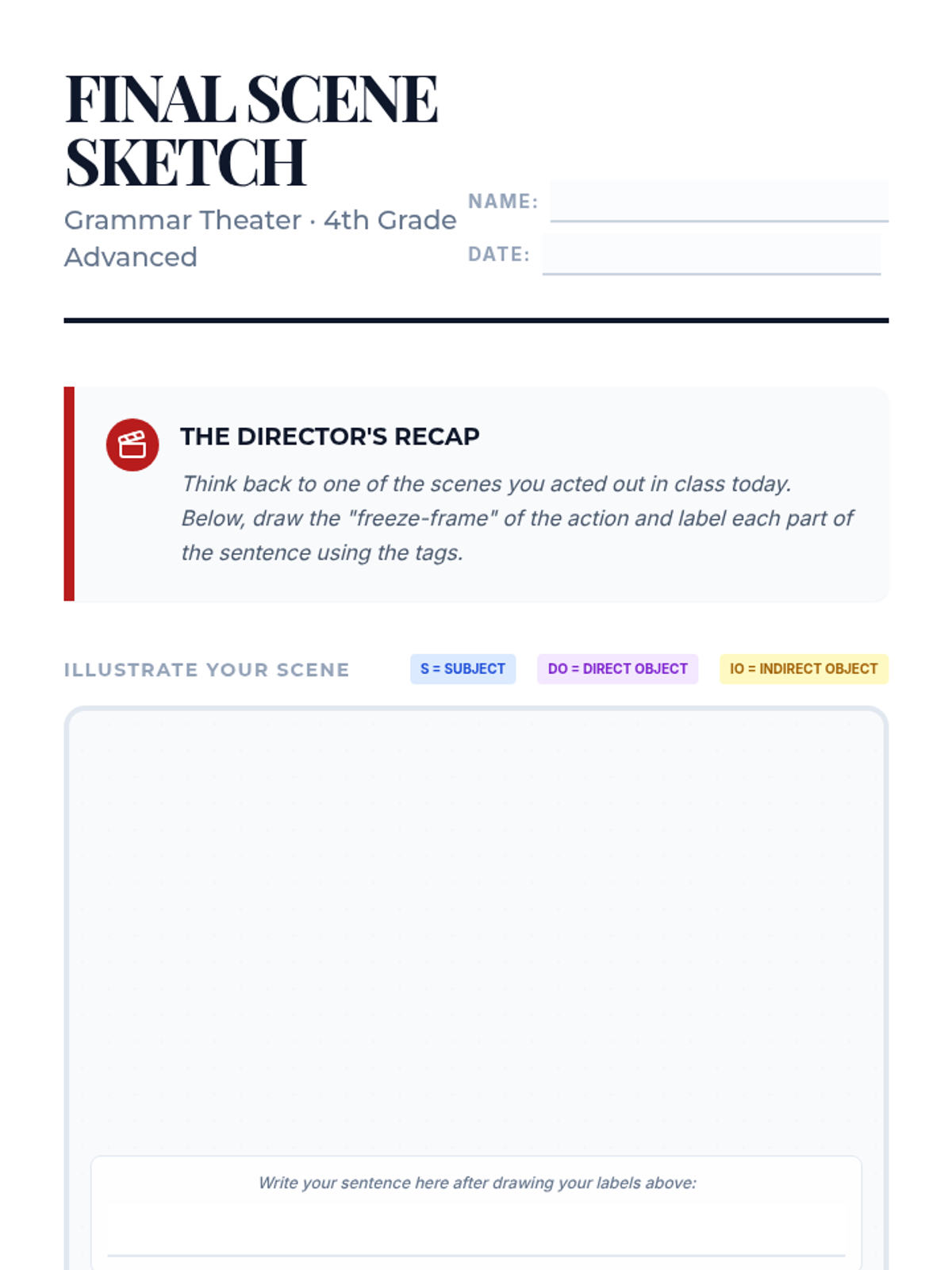
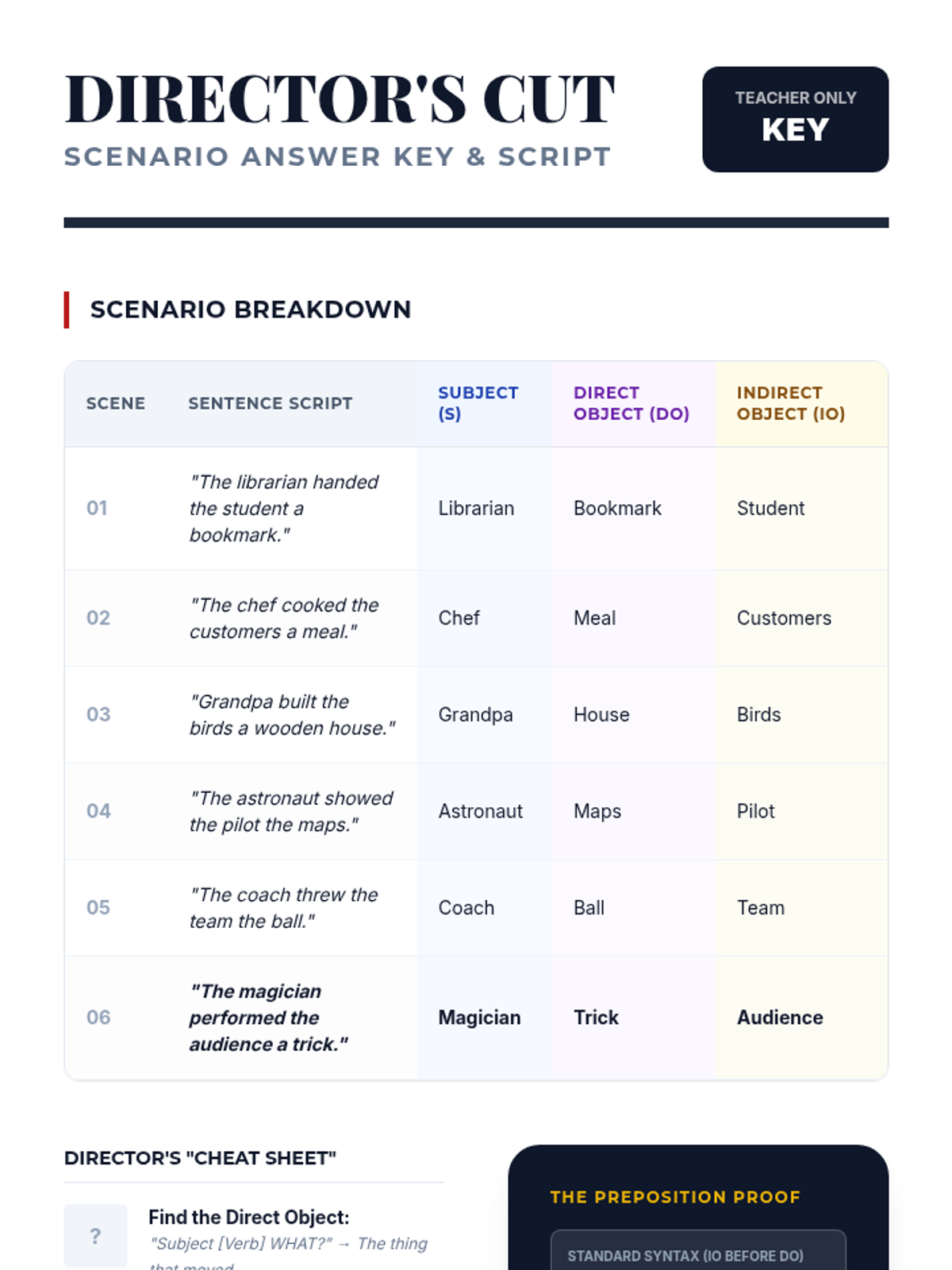
An advanced 4th-grade grammar lesson where students physically act out the relationships between subjects, direct objects, and indirect objects through a 'Grammar Theater' production. The lesson includes a video review, kinesthetic role-play, and visual diagramming.
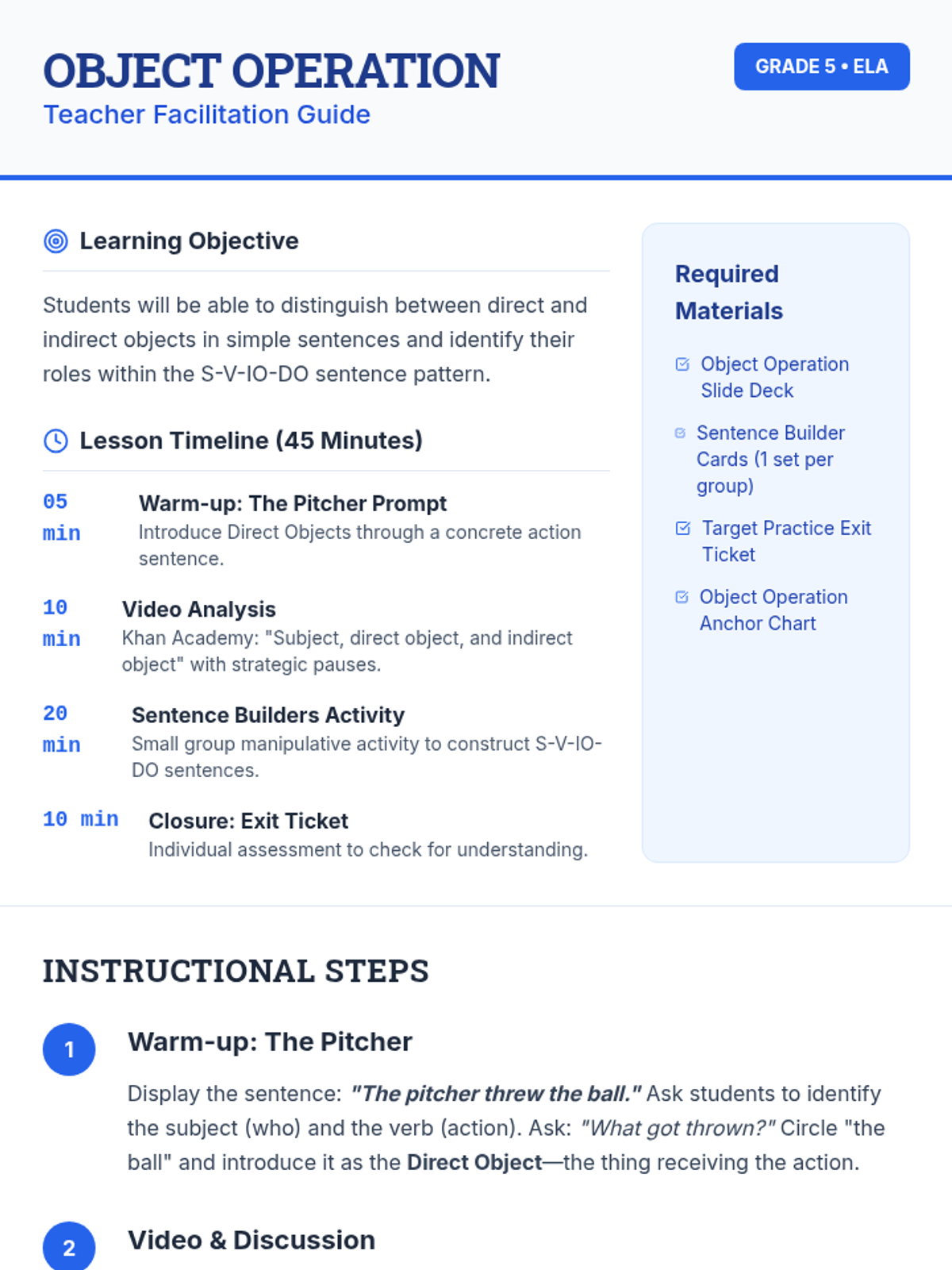
A 5th-grade grammar lesson focusing on identifying and distinguishing between direct and indirect objects using a construction-themed approach. Students explore sentence structure through video analysis, hands-on building, and guided practice.
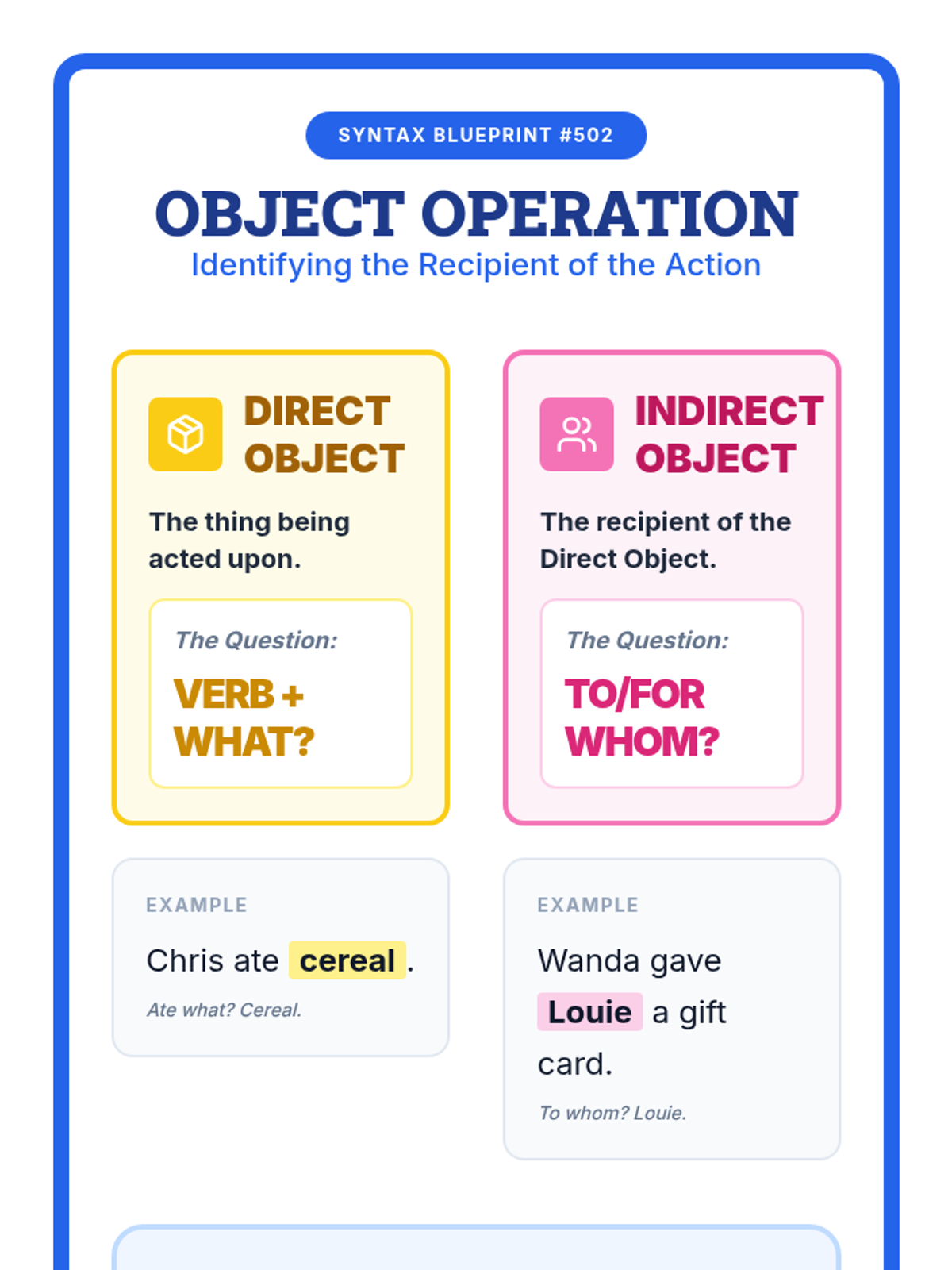
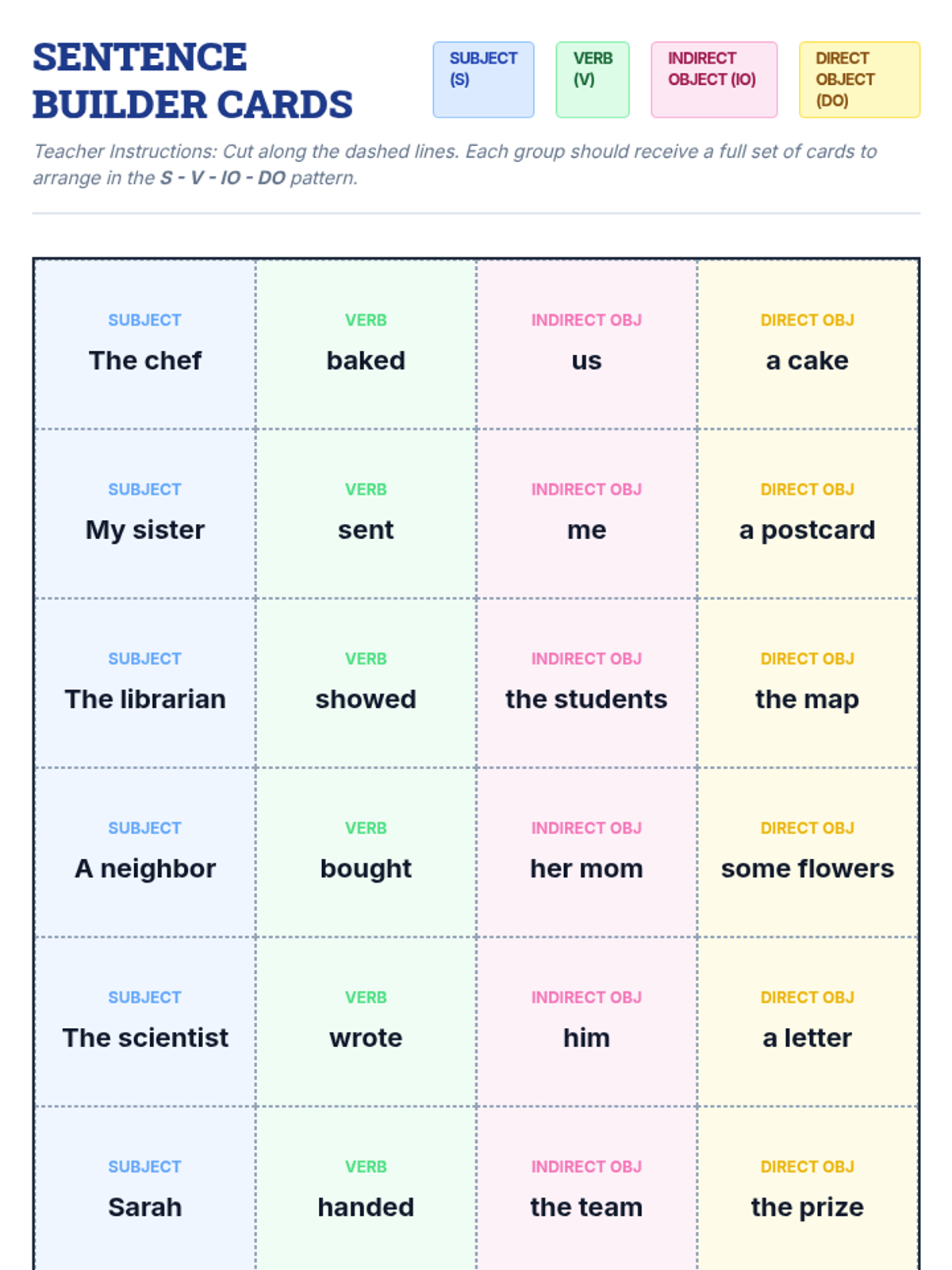
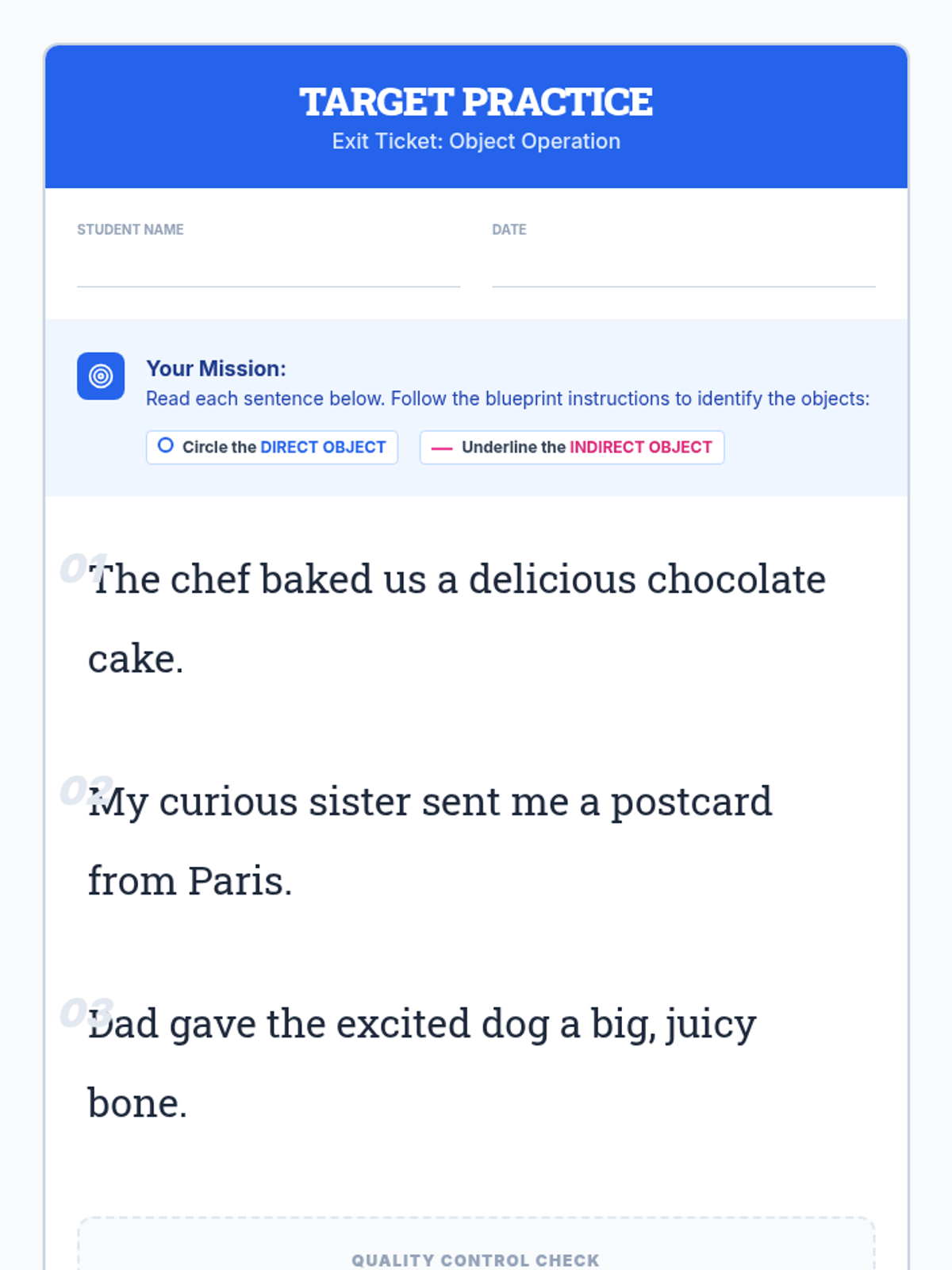
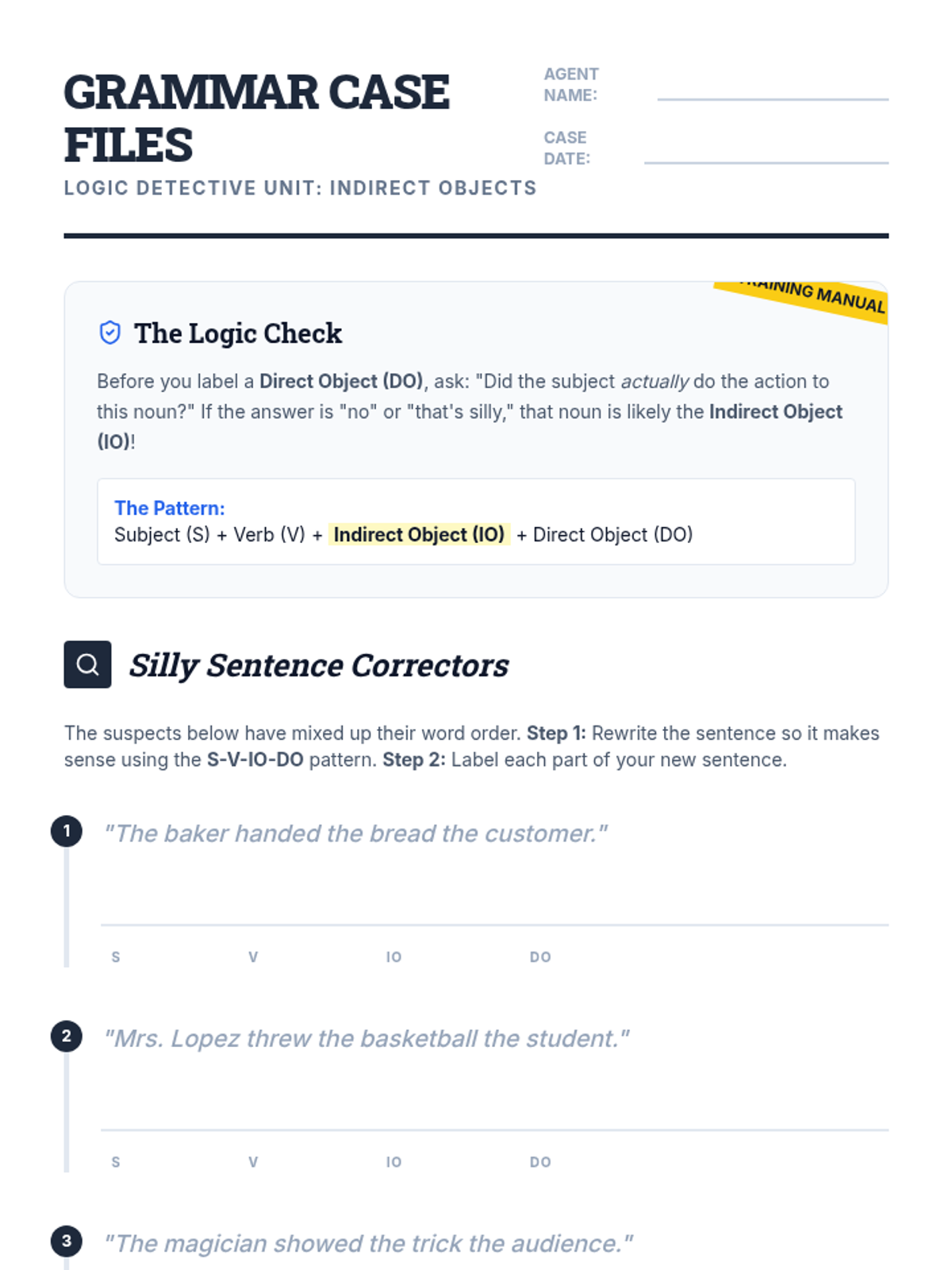
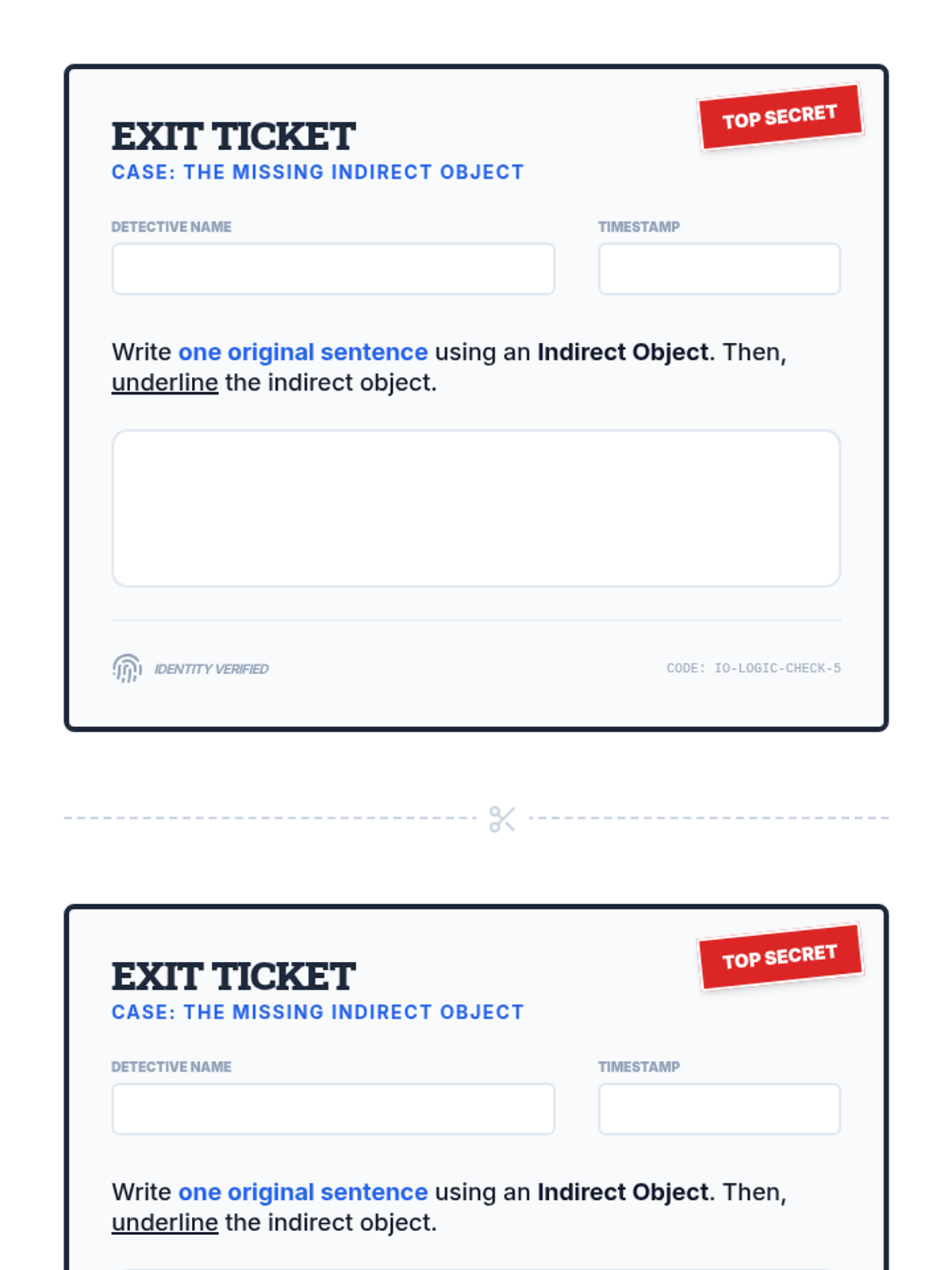
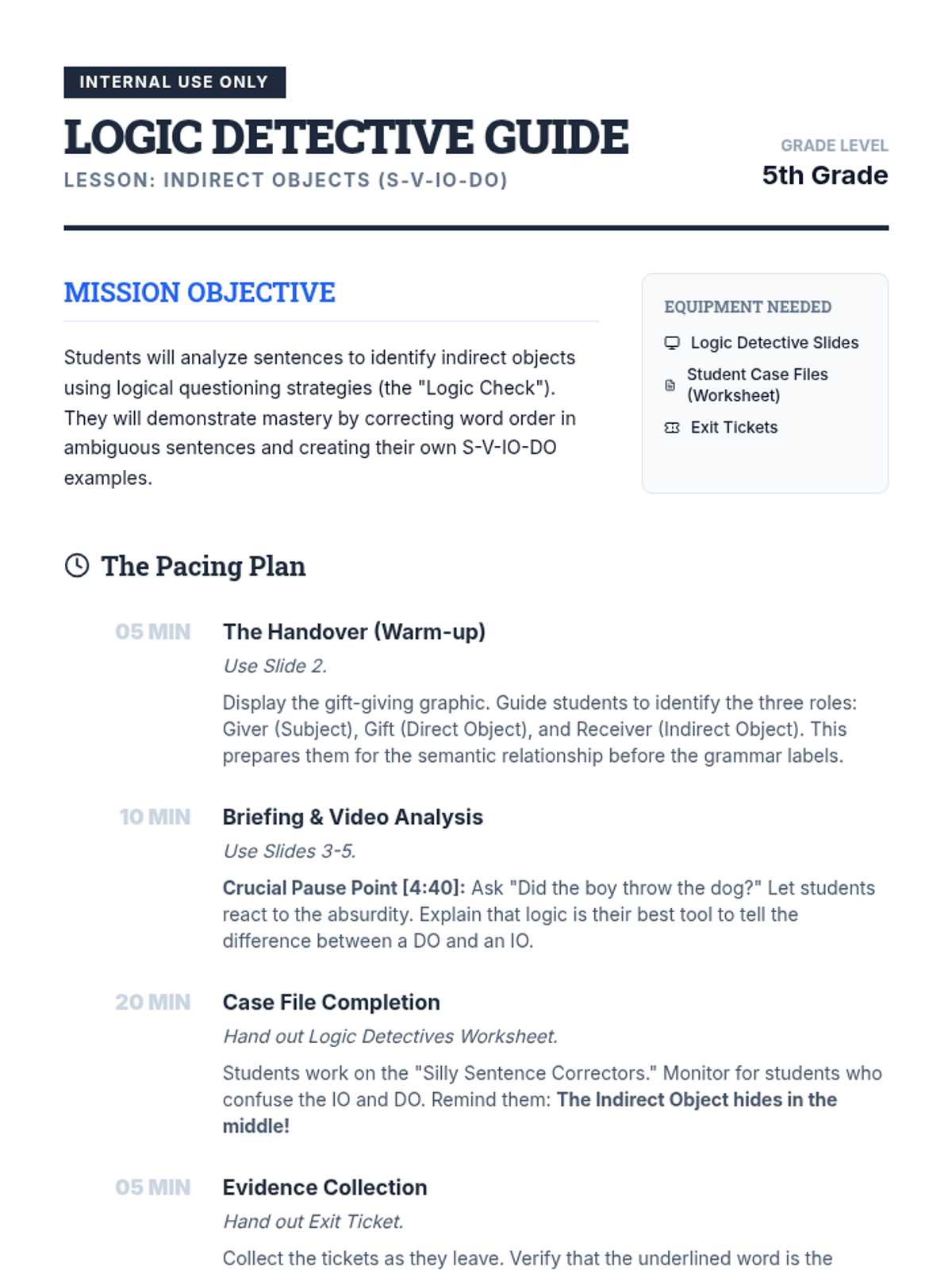
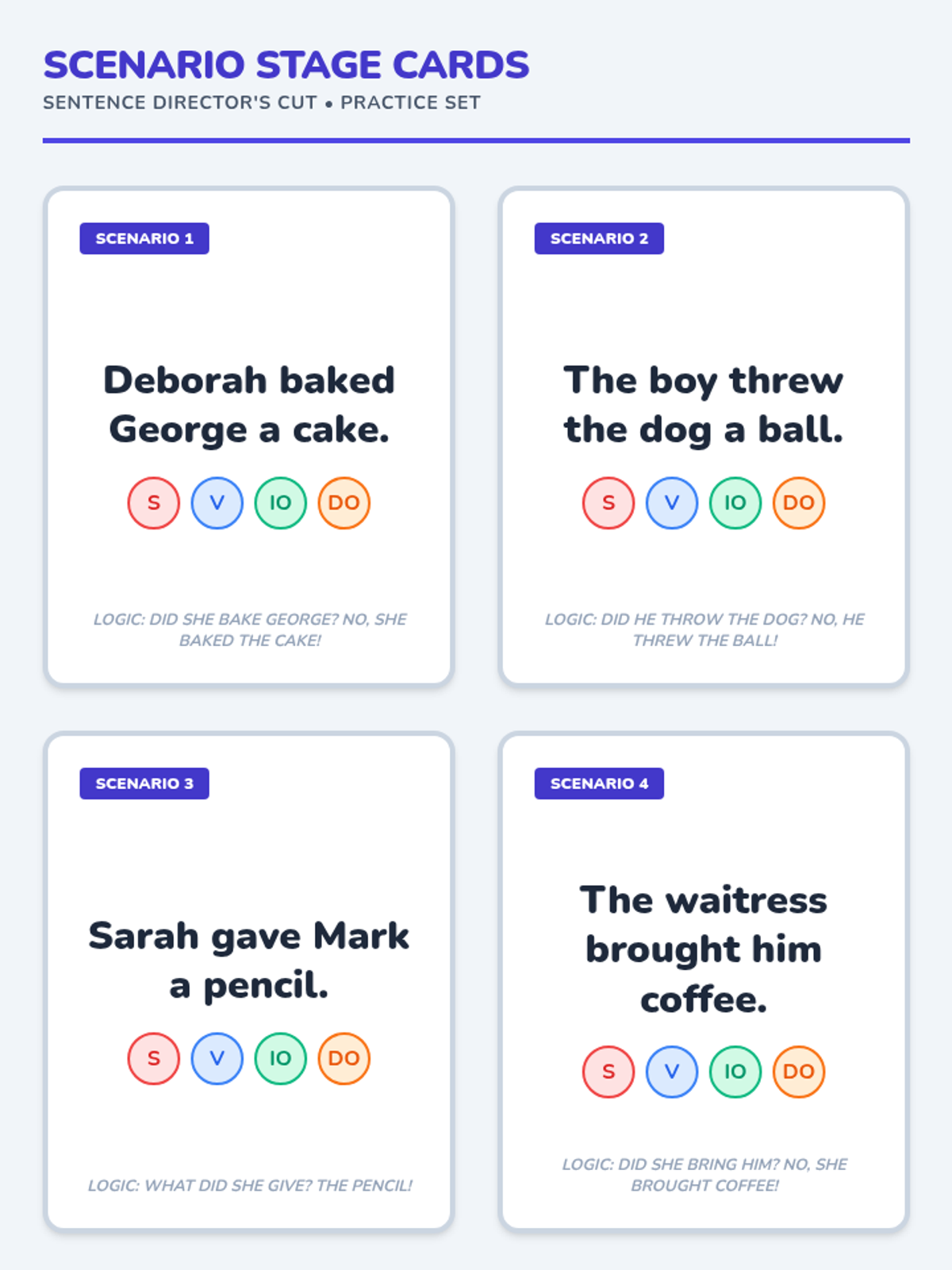
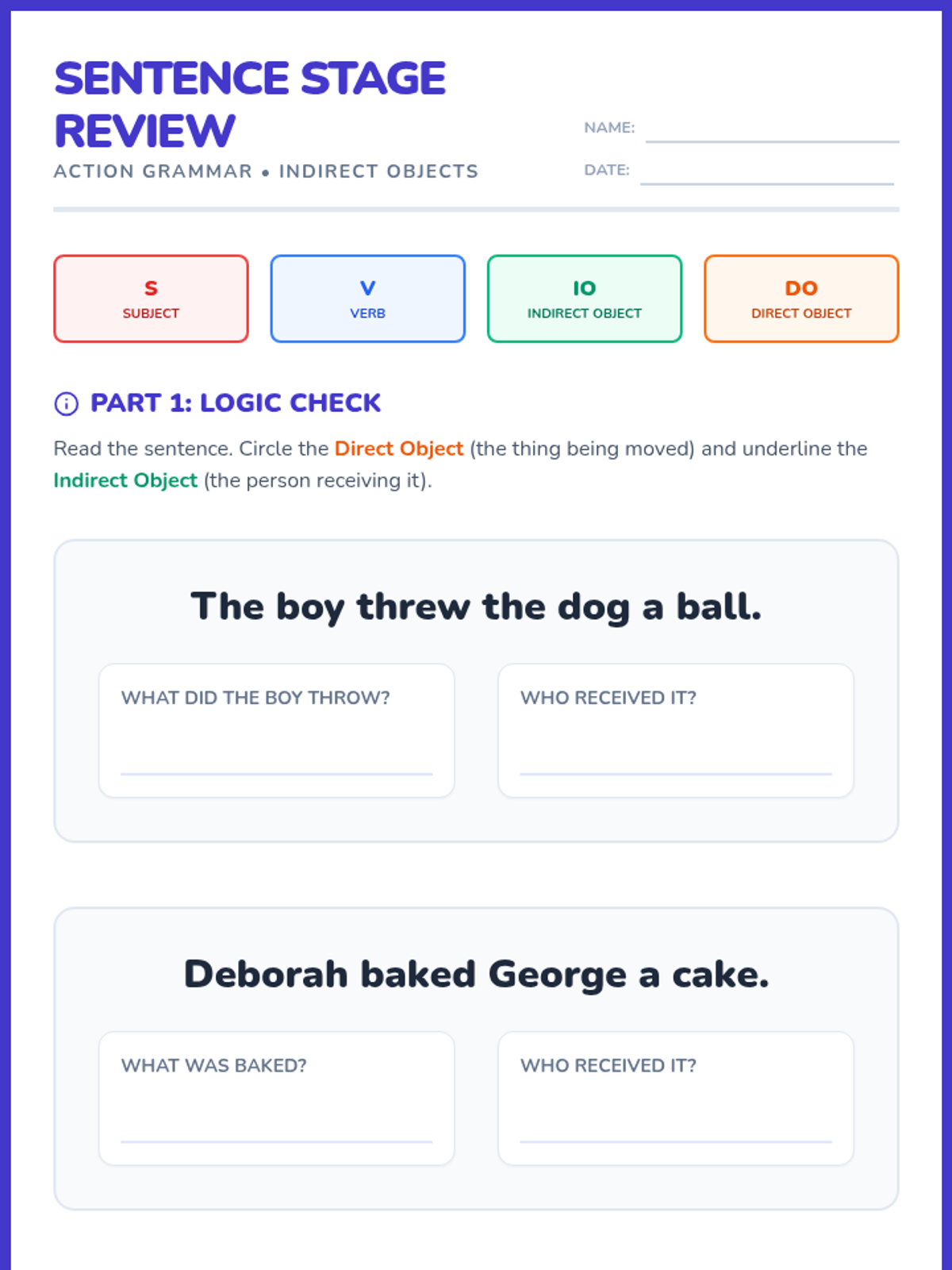
A detective-themed grammar lesson where 5th graders use logic and questioning strategies to identify indirect objects in the S-V-IO-DO pattern. Students perform 'Logic Checks' to ensure sentence components make sense before labeling.
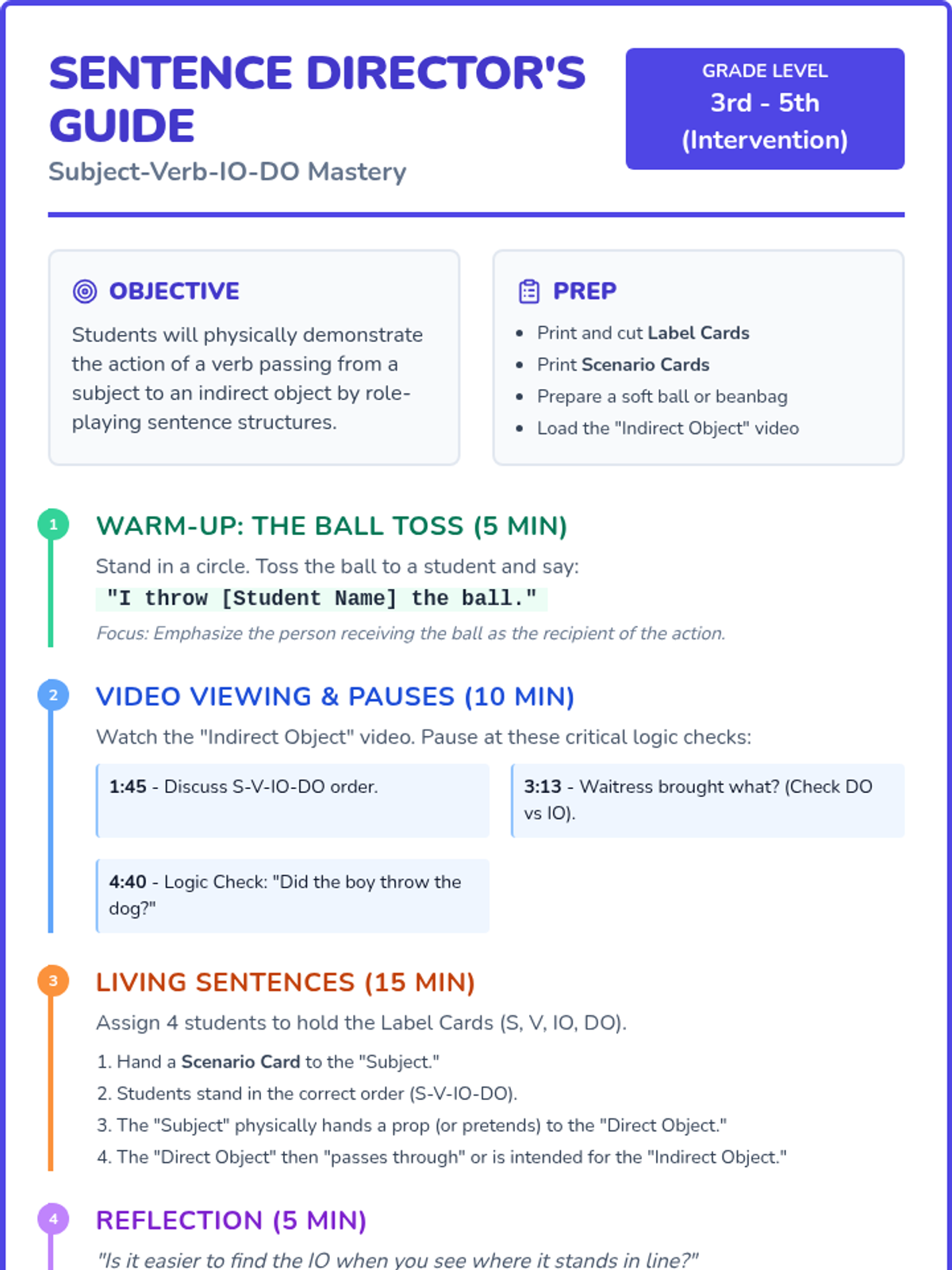
A hands-on grammar lesson for 3rd-5th grade intervention students to physically demonstrate and identify indirect objects using the 'Sentence Stage' method.
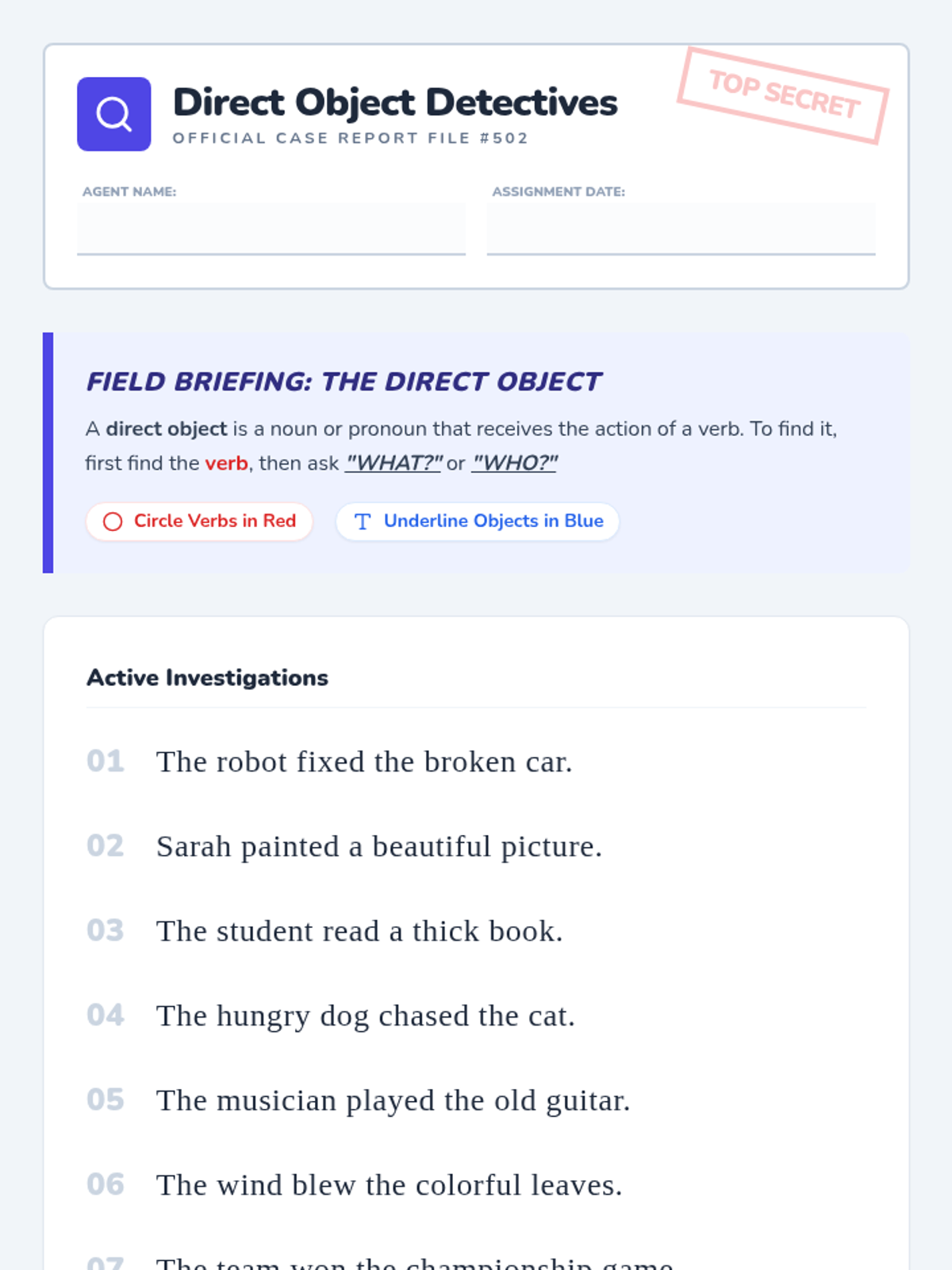
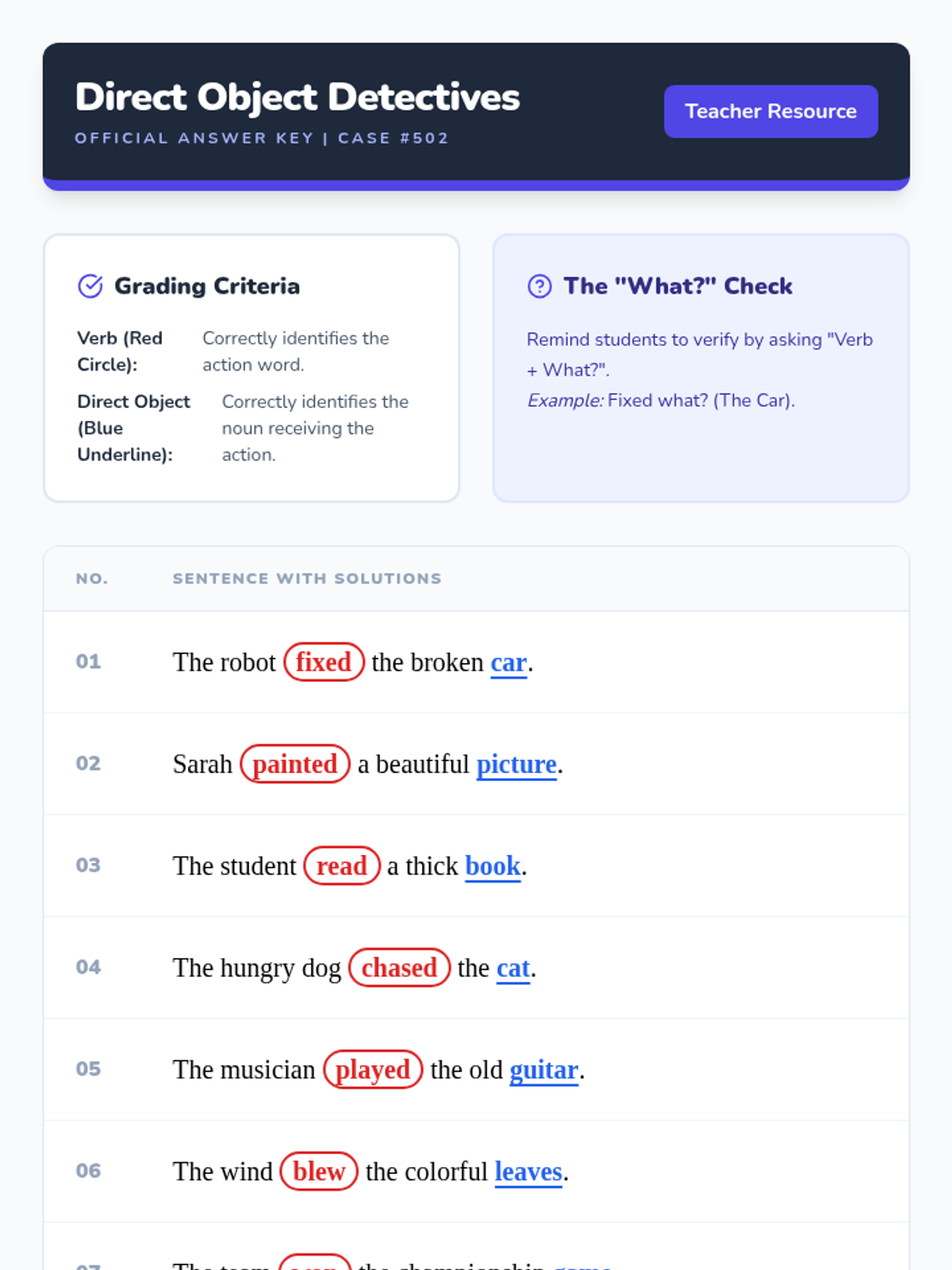
A 5th-grade grammar lesson focusing on identifying subjects, verbs, and direct objects. Students use detective-themed activities to master sentence structure through visual analysis and creative writing.
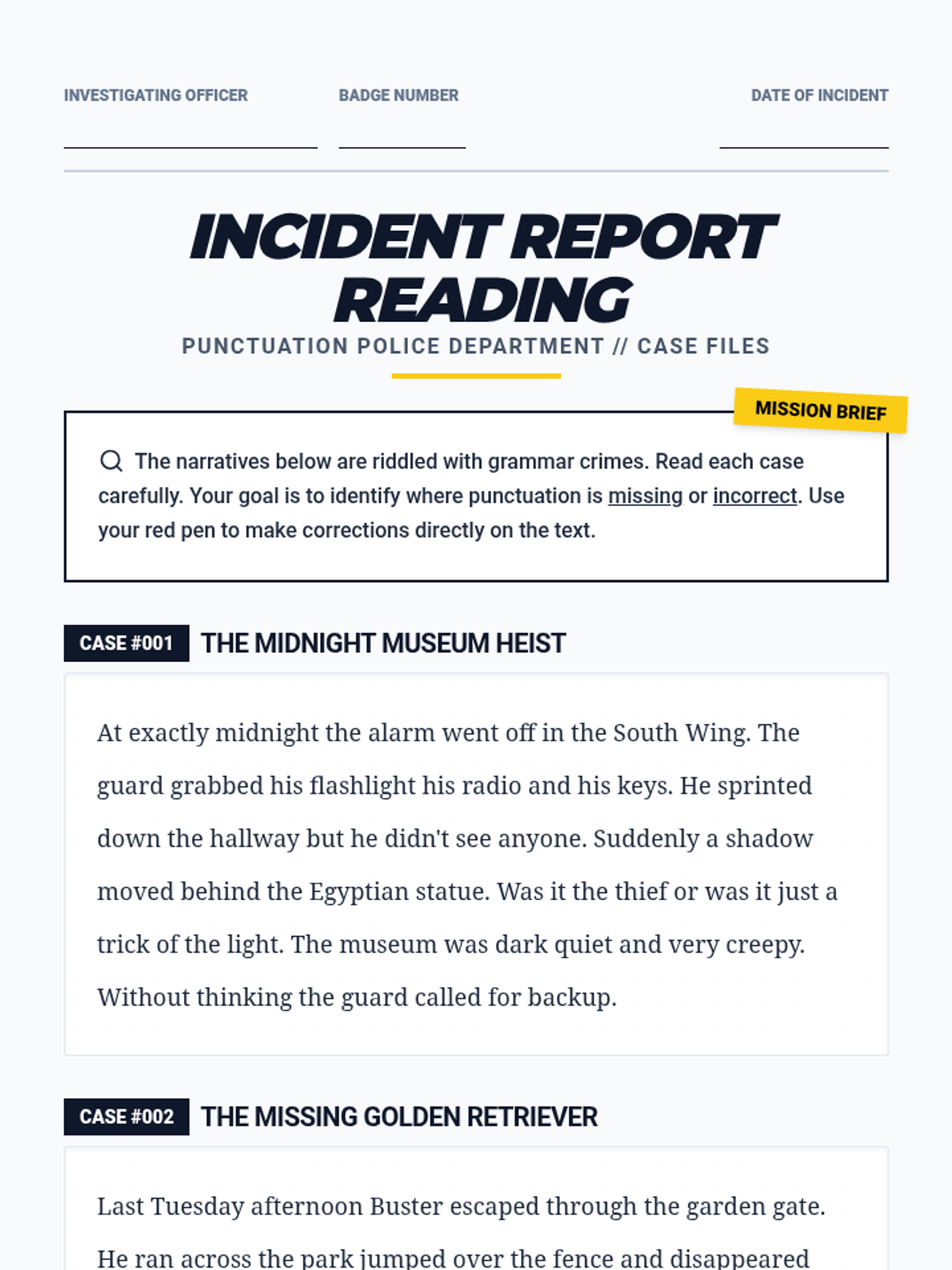
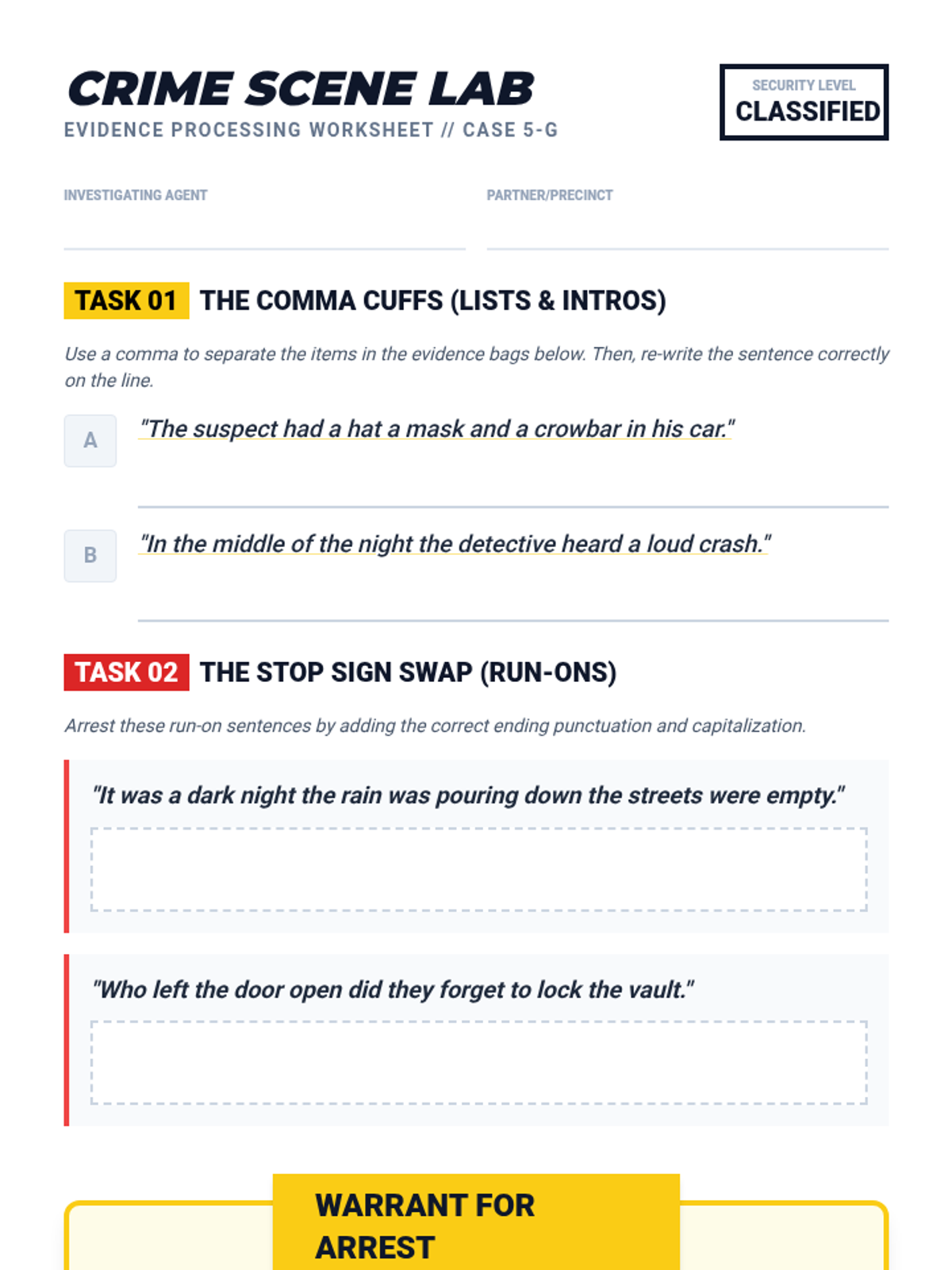
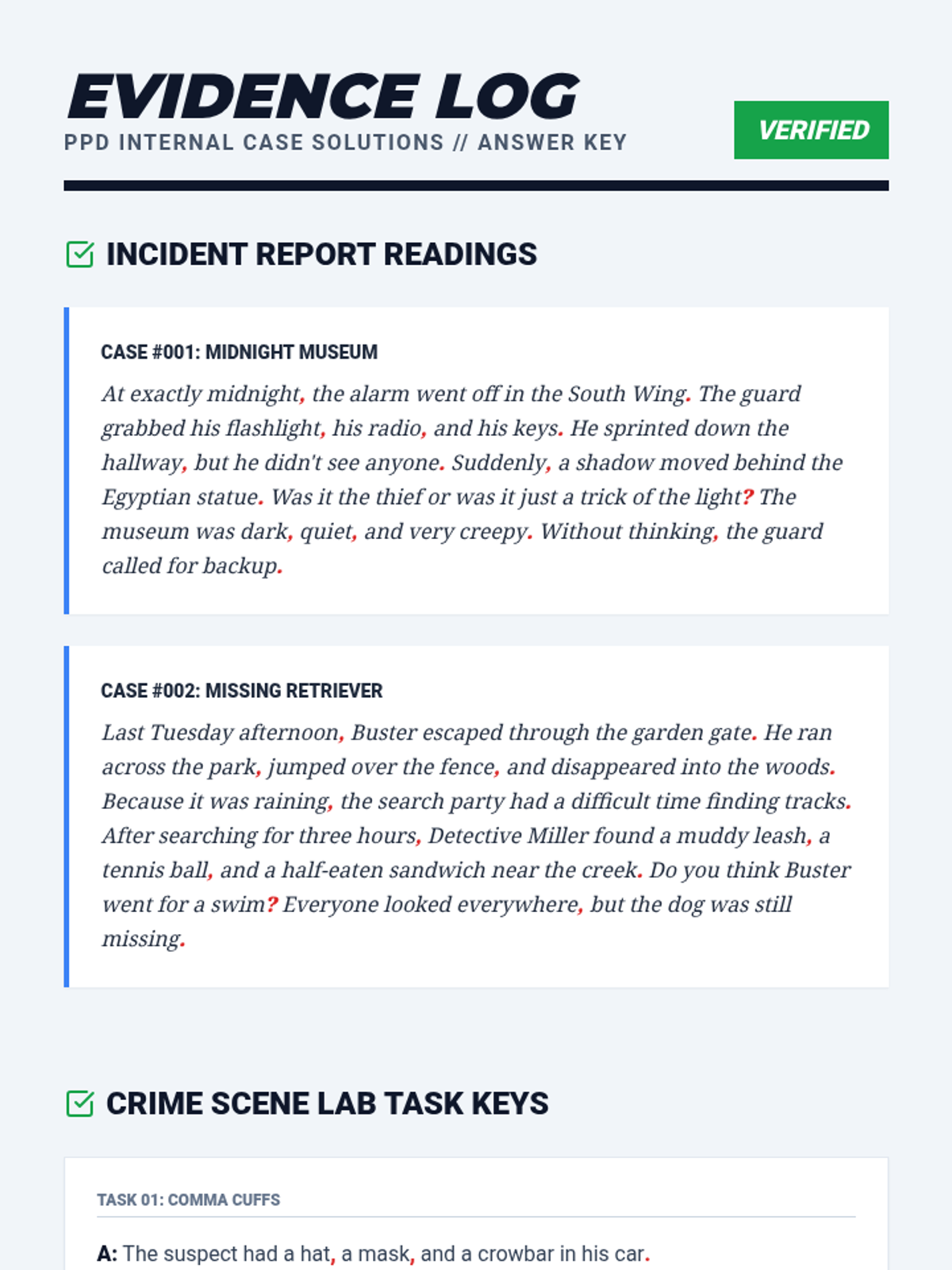
A high-engagement punctuation and mechanics lesson where students become detectives solving 'crimes' of missing commas and misplaced periods in high-interest narratives.
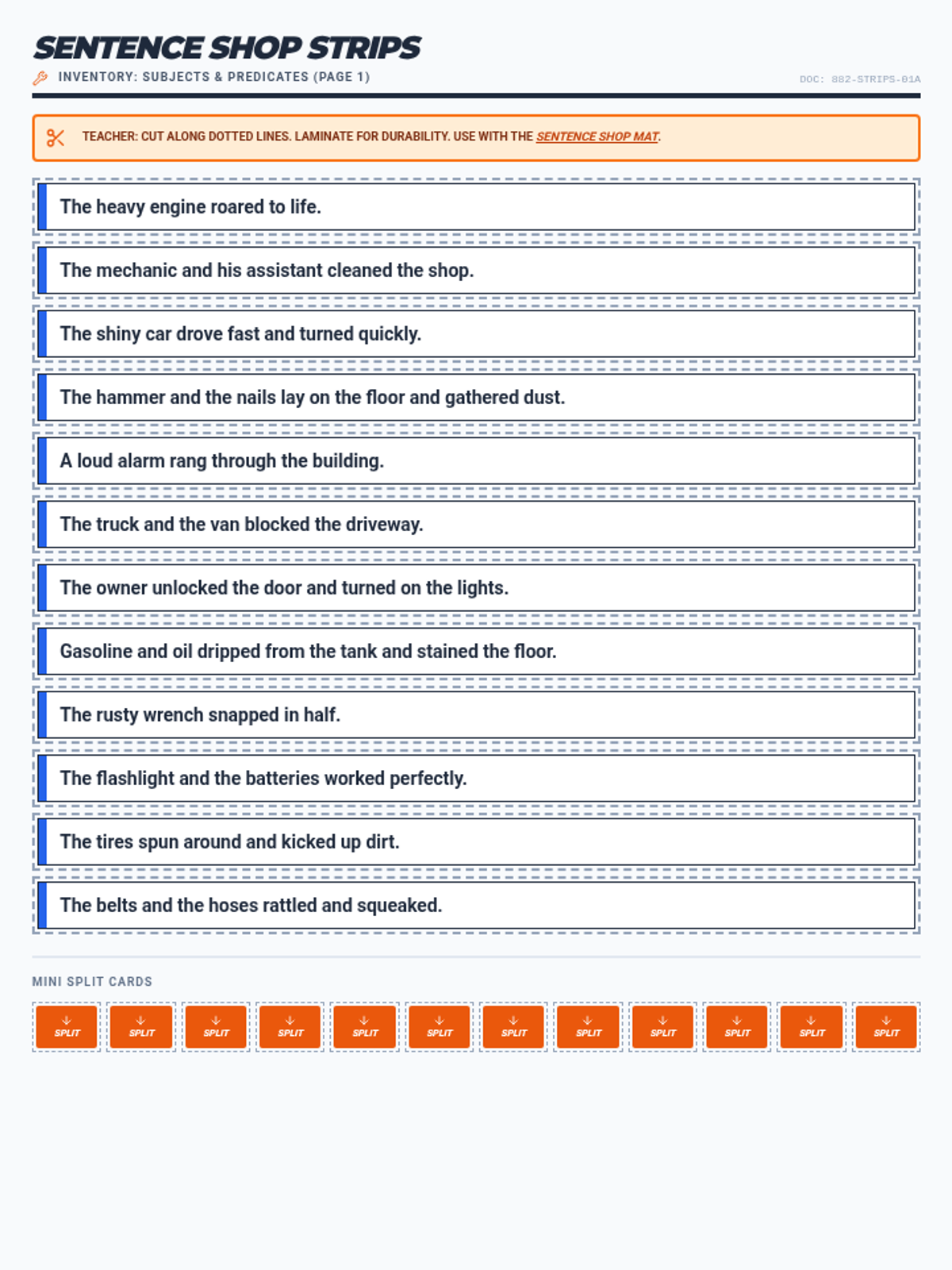
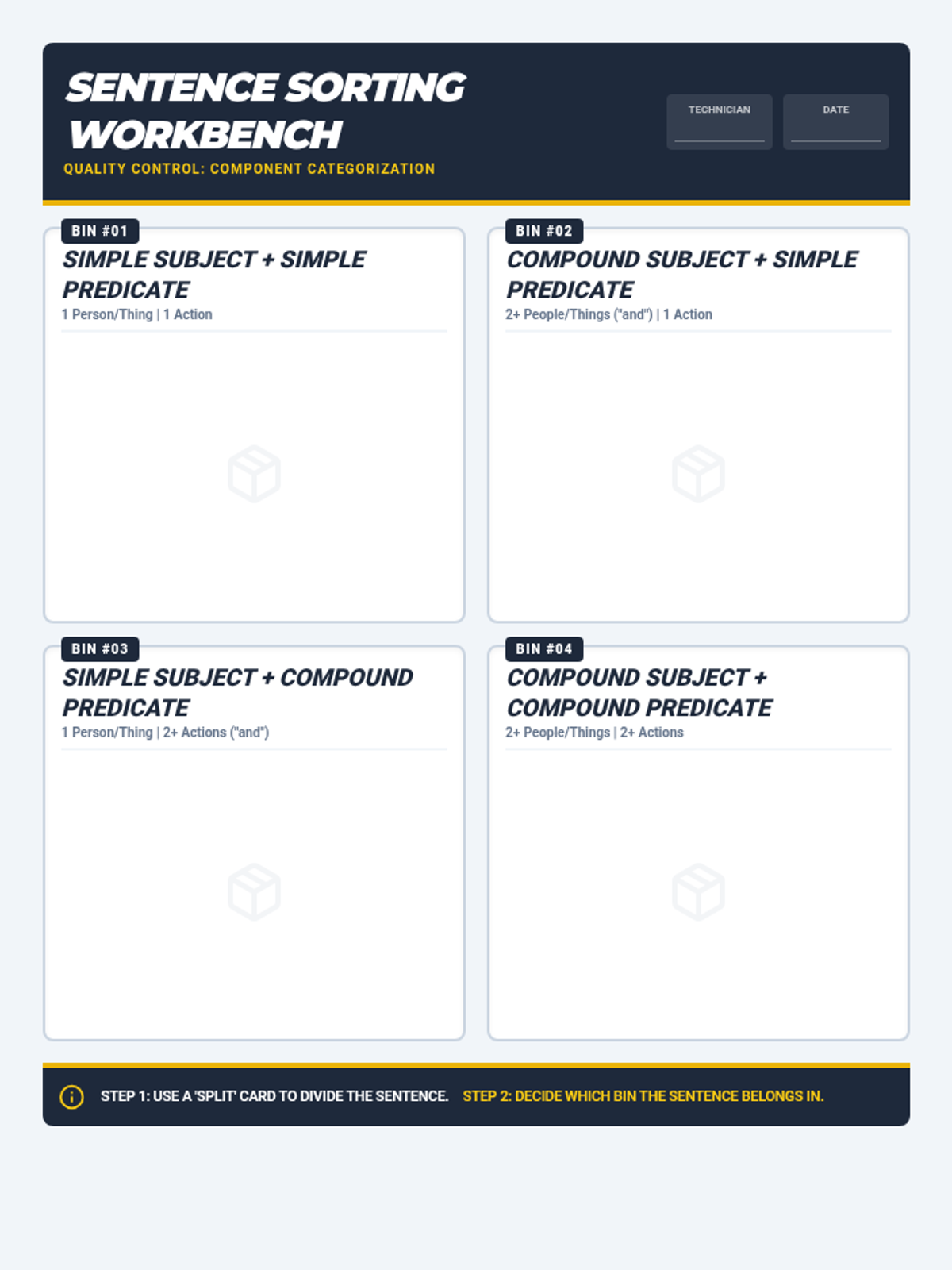
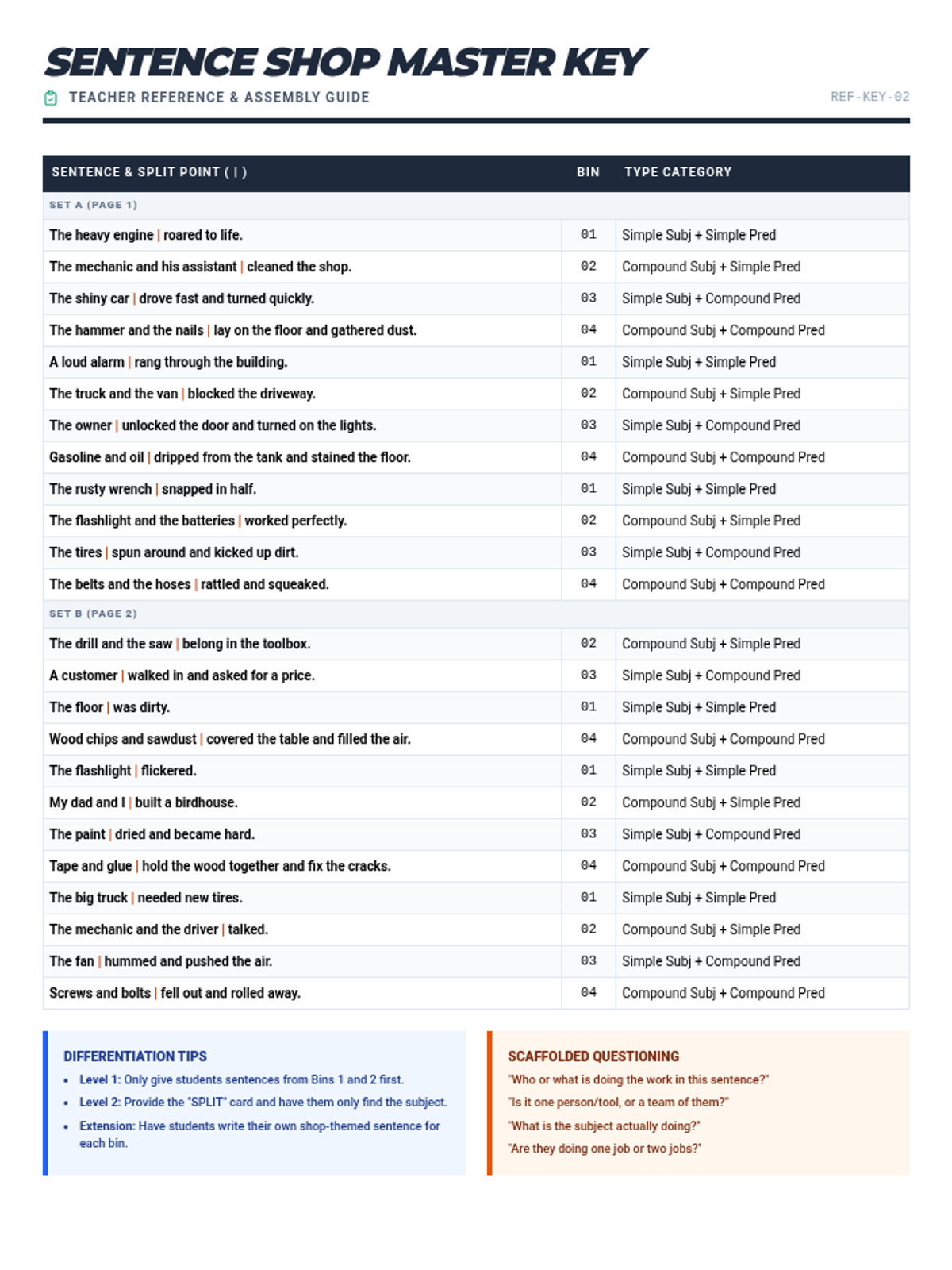
A hands-on, workshop-themed lesson where students master dividing sentences into subjects and predicates. They use physical cards to identify simple and compound components in a 'shop' environment.
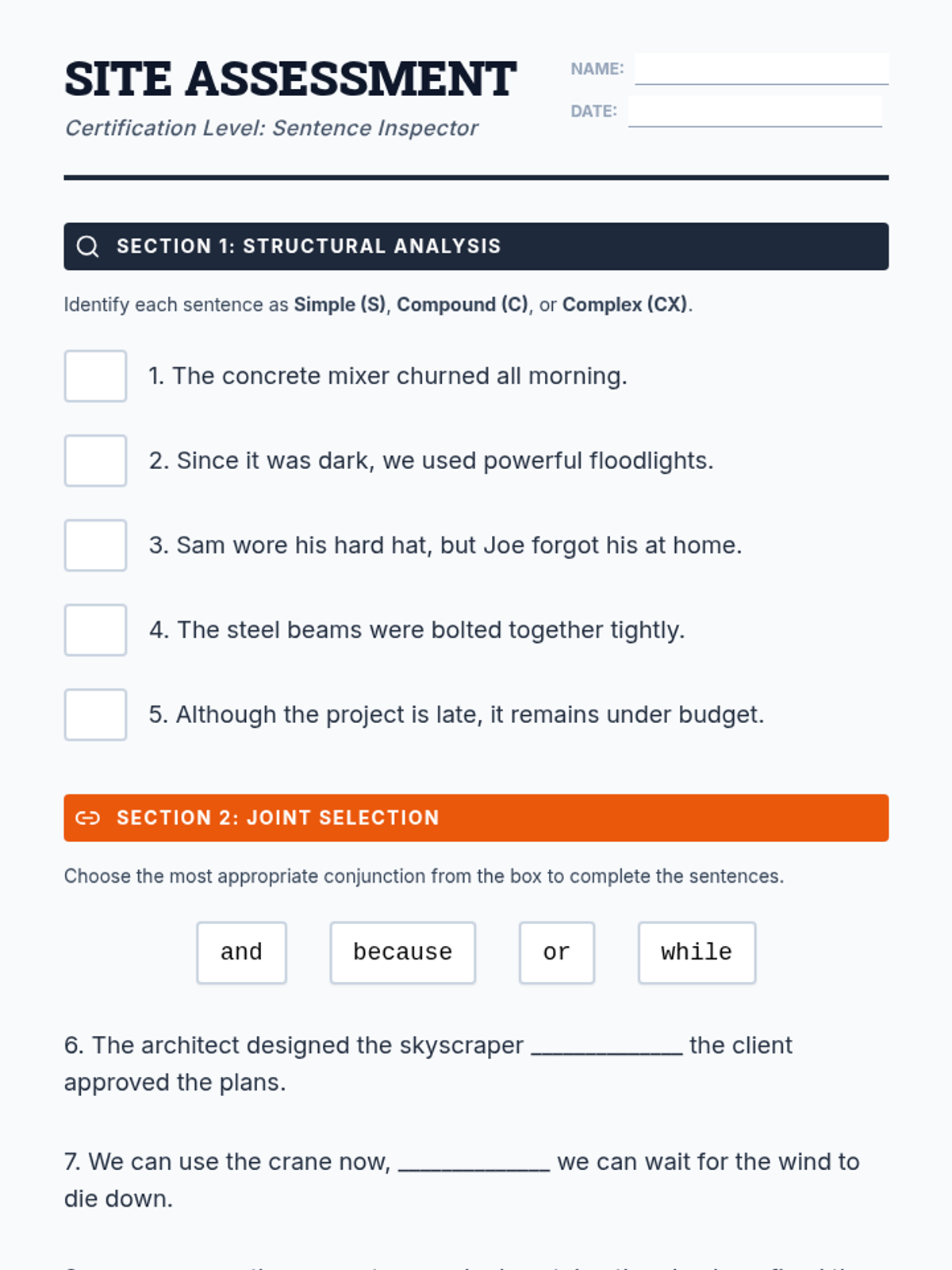
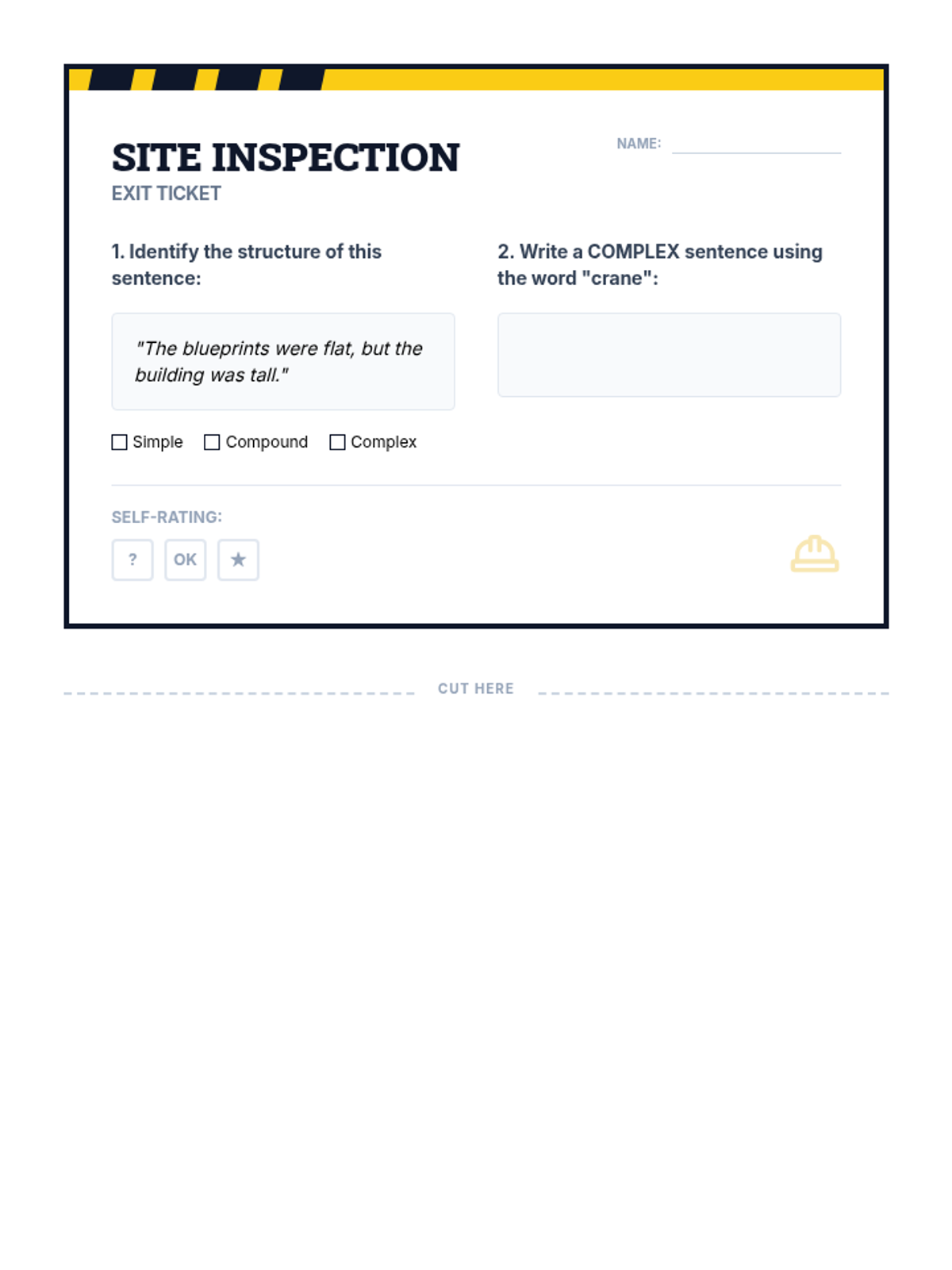
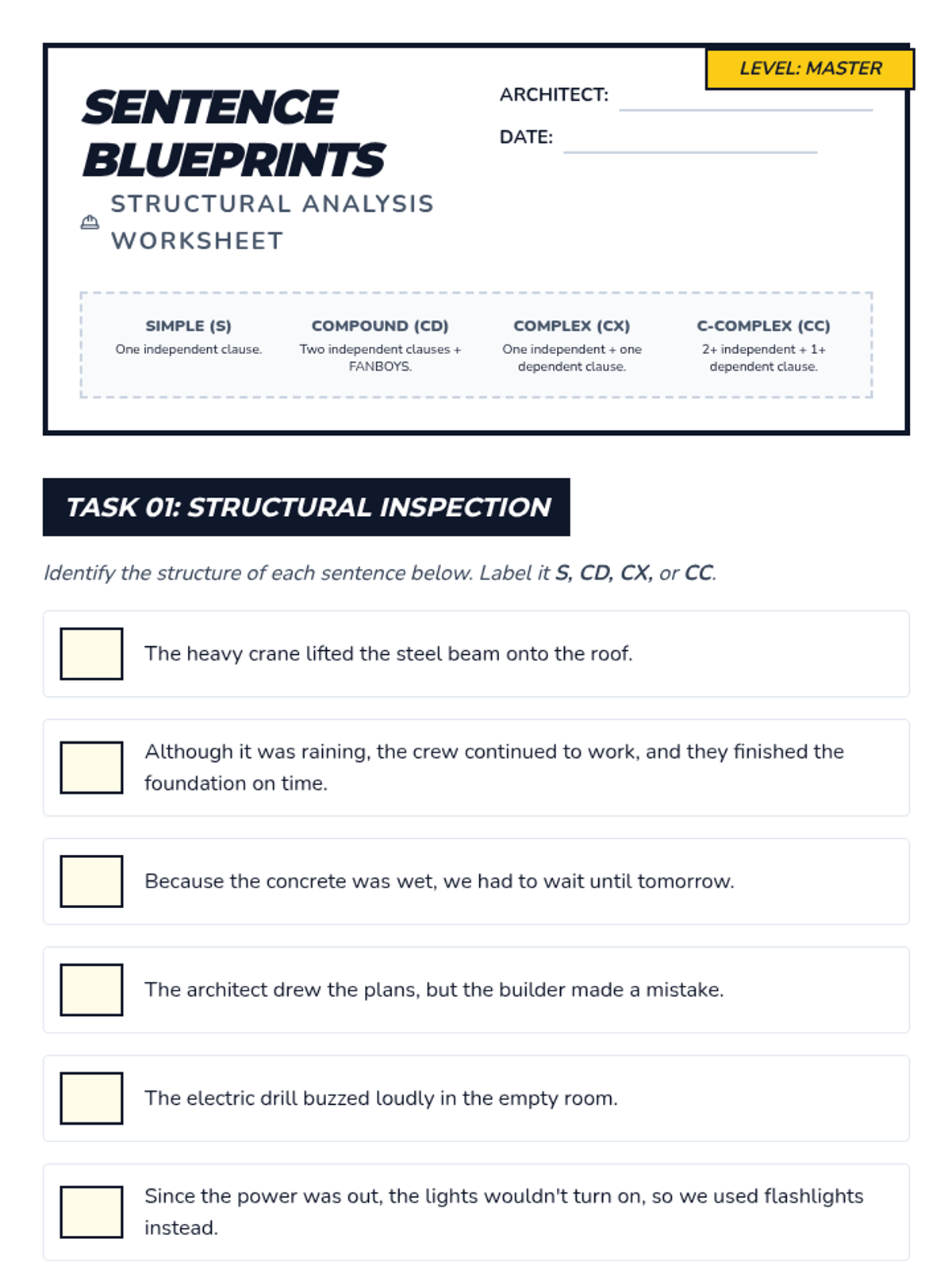
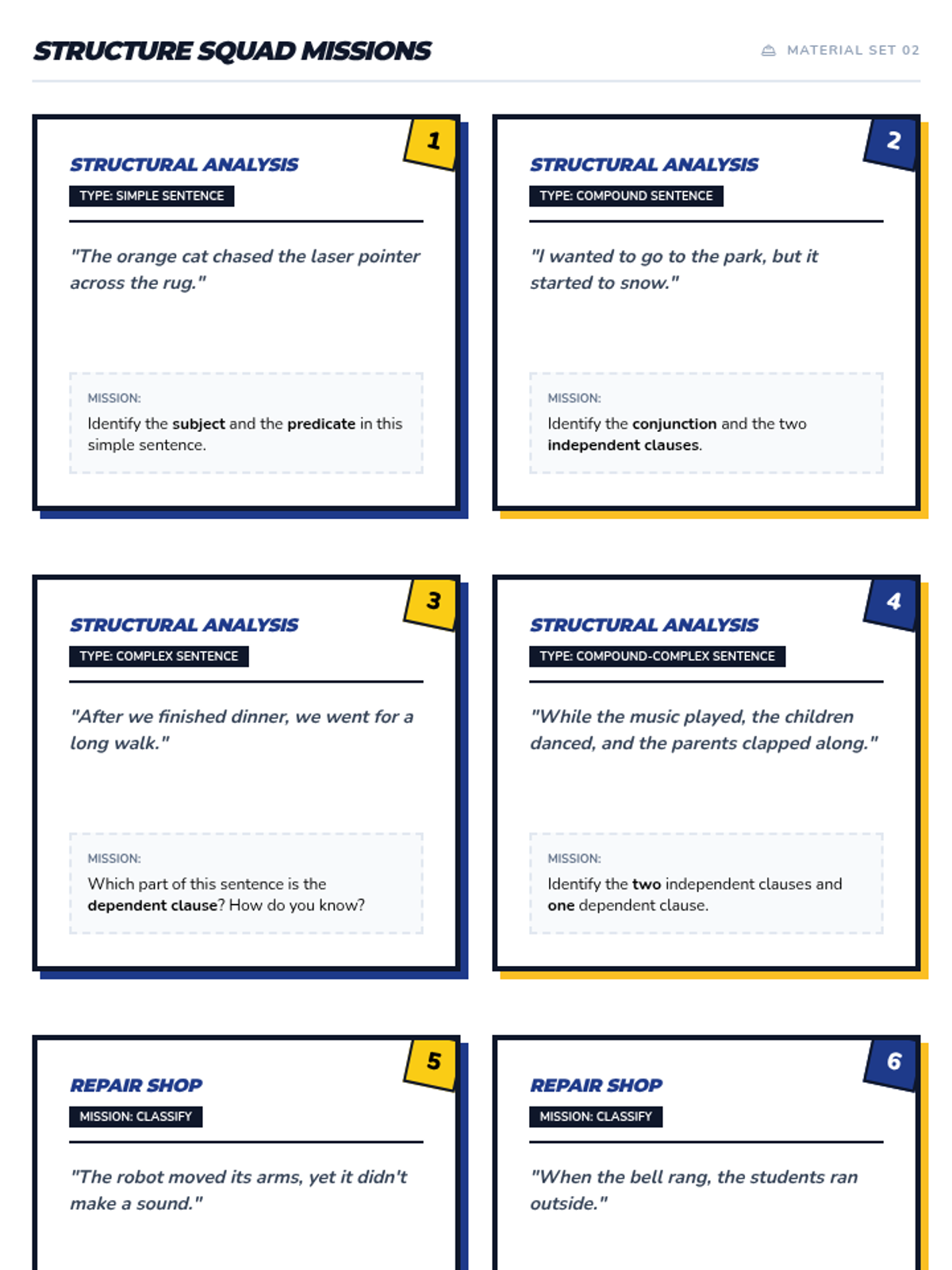
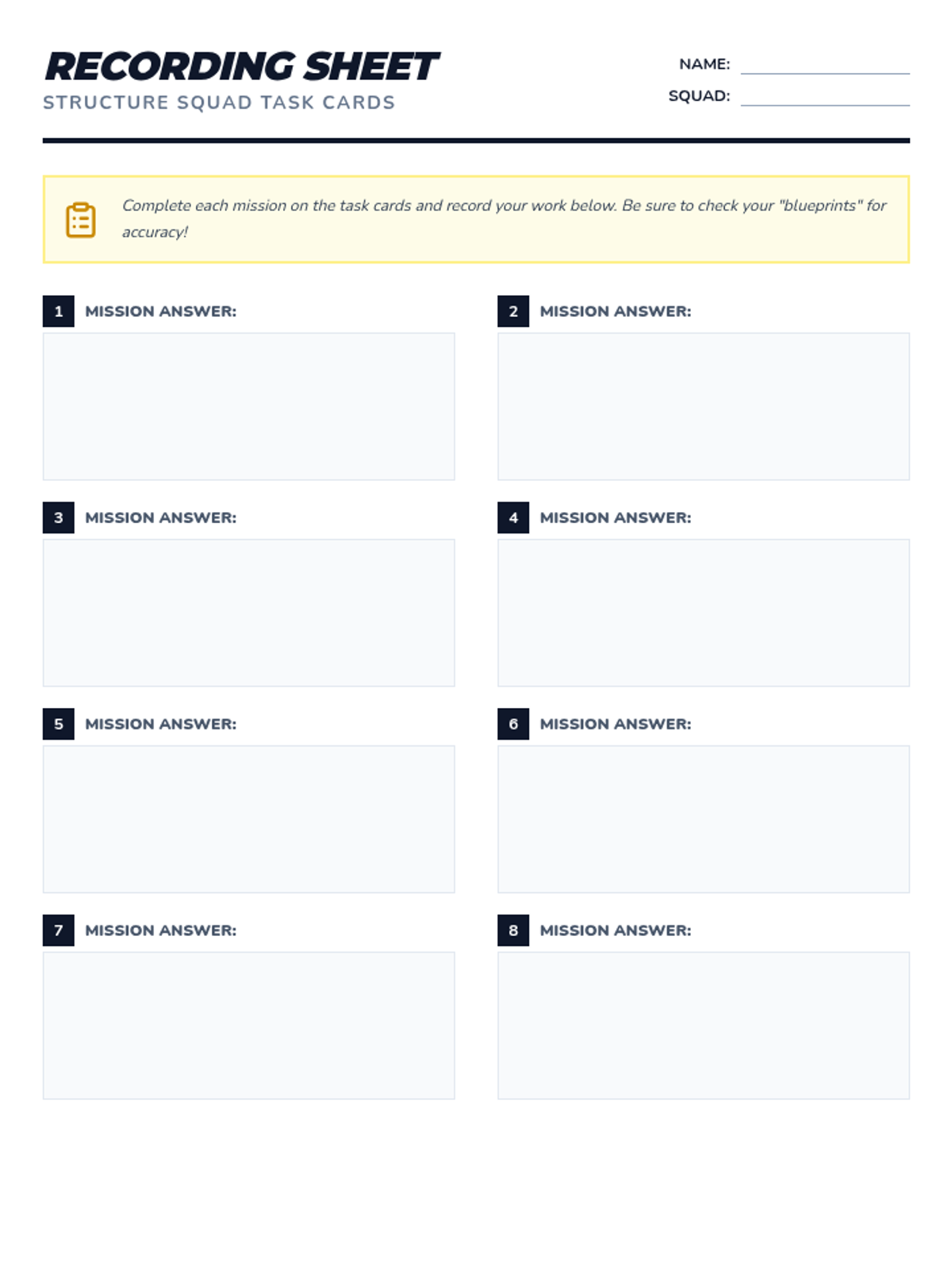
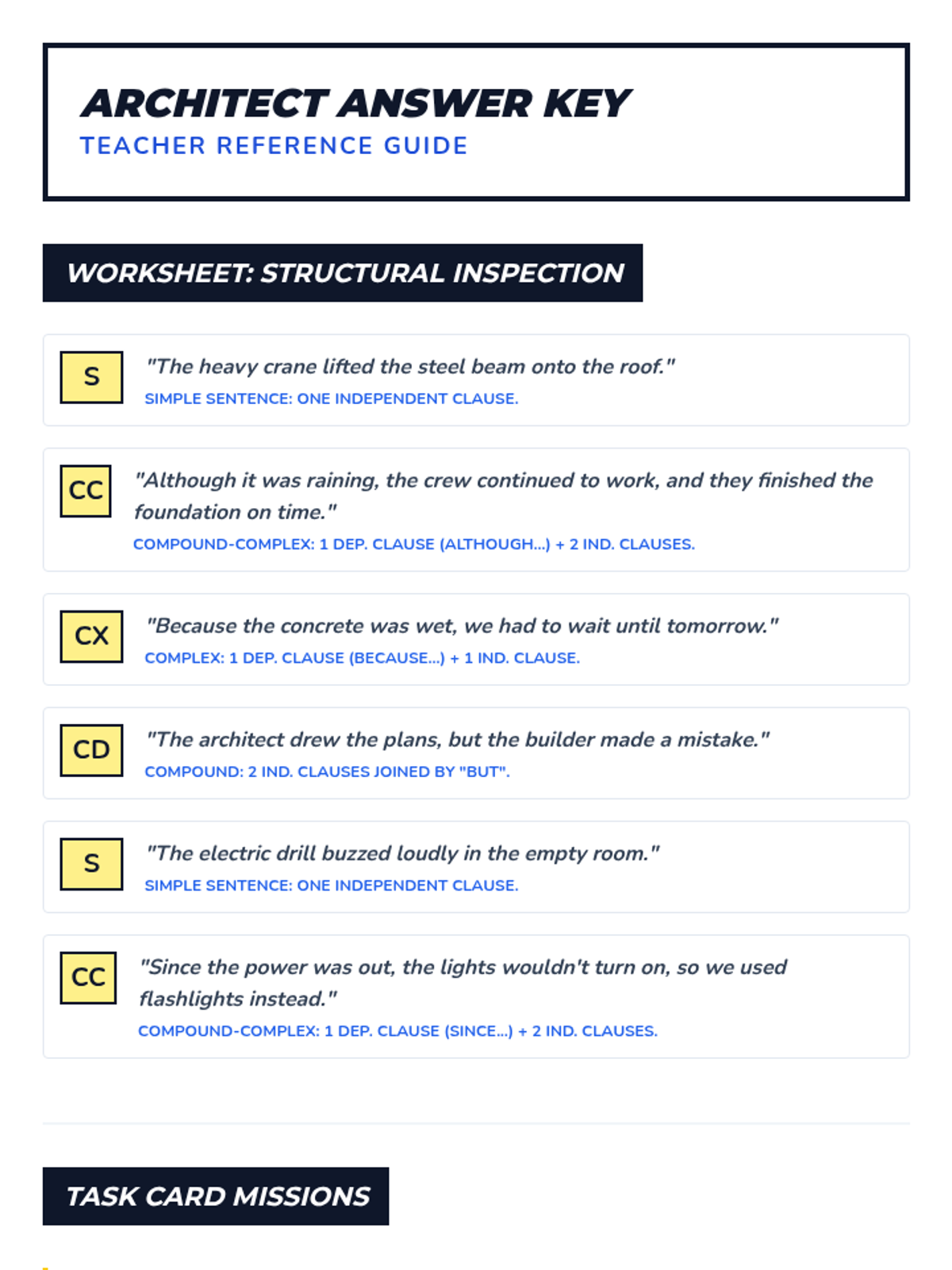
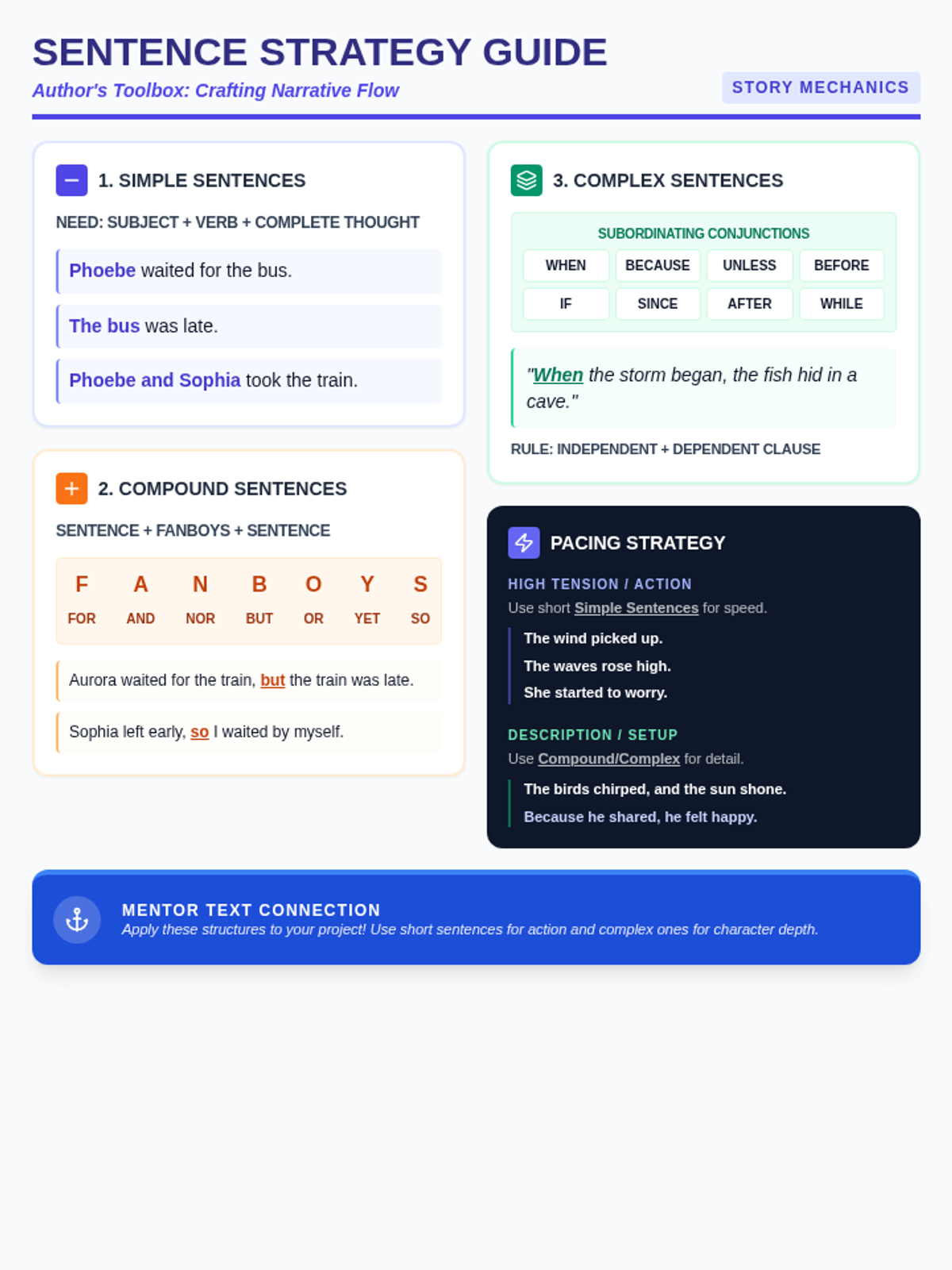
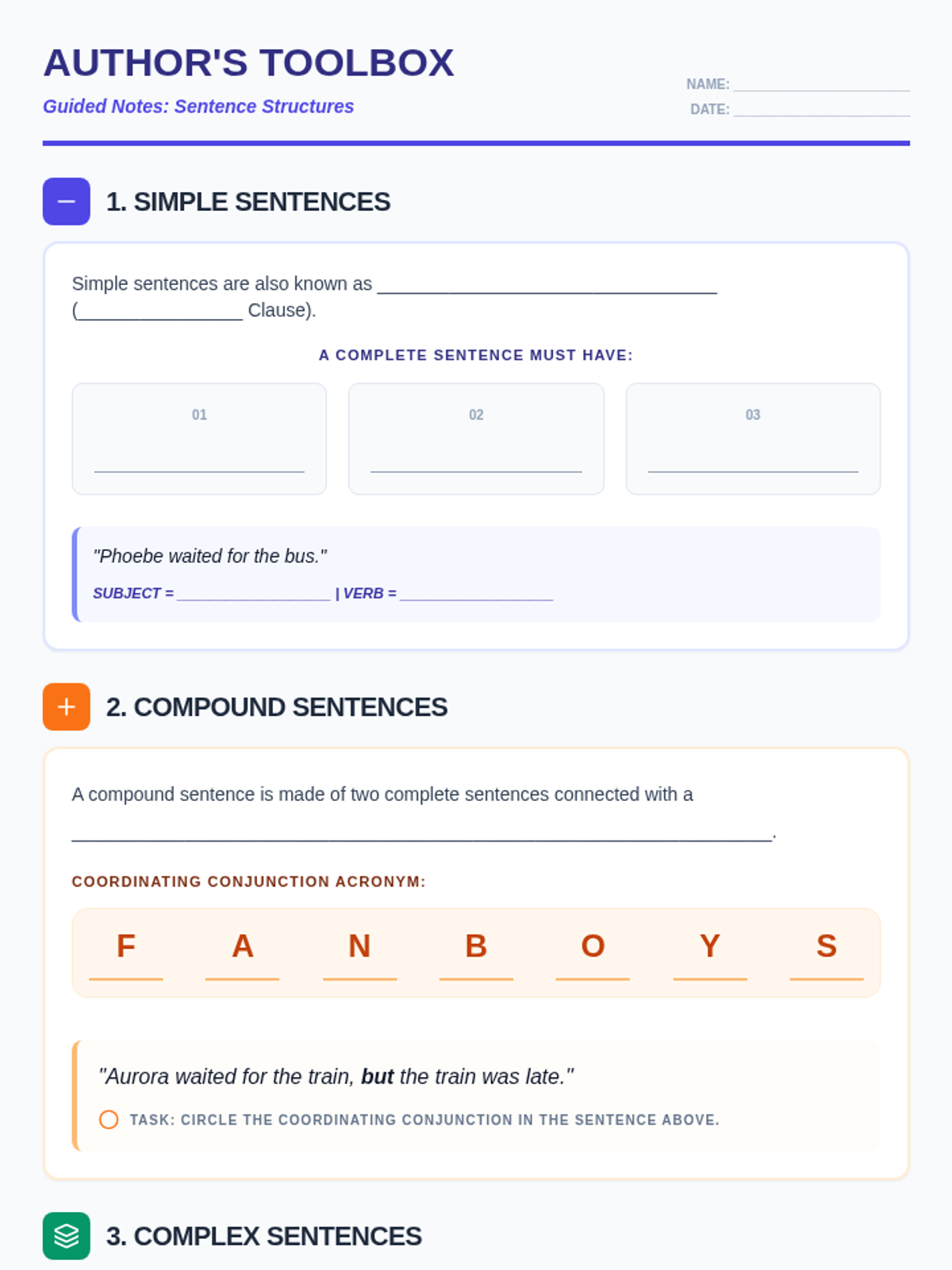
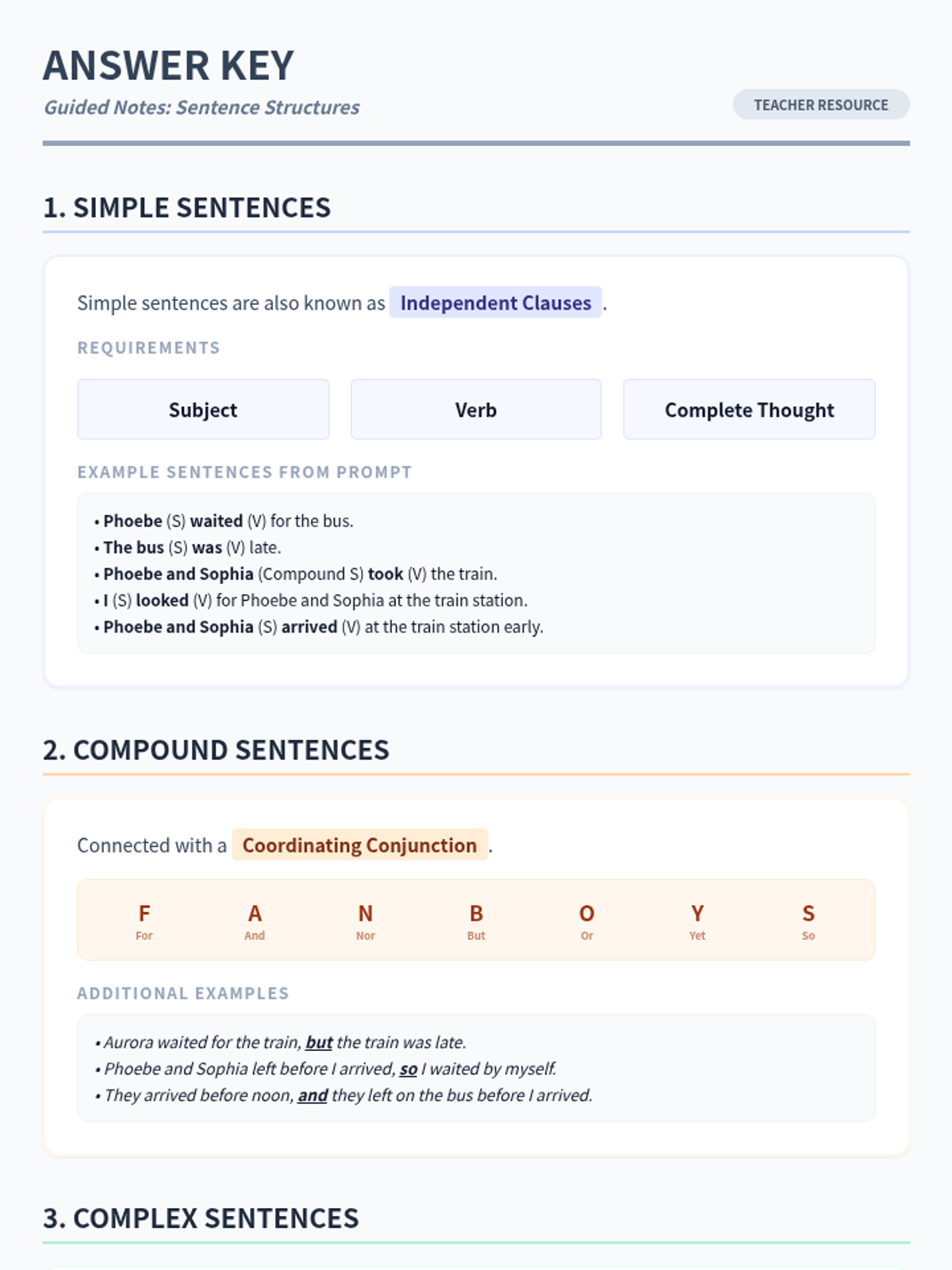
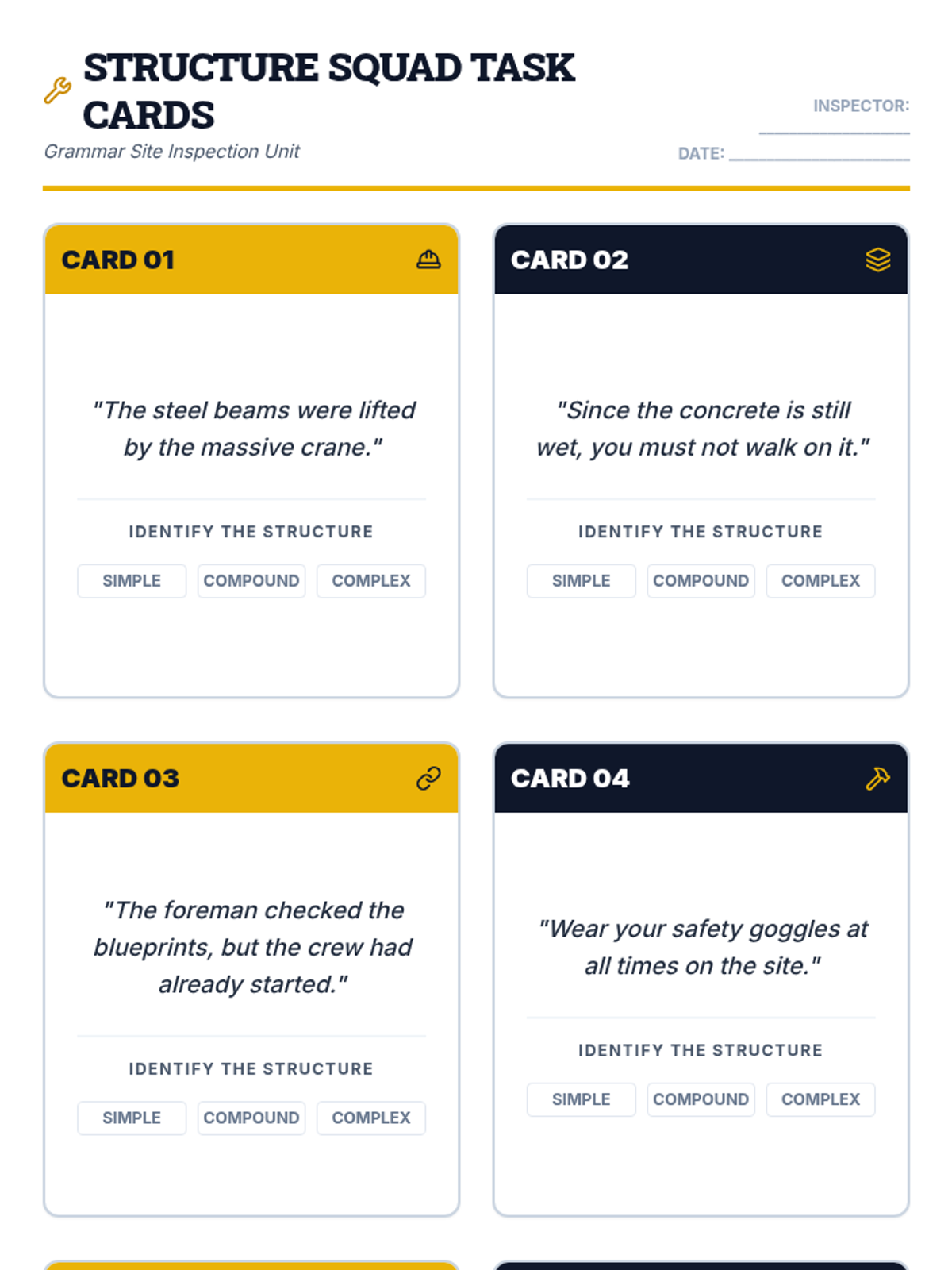
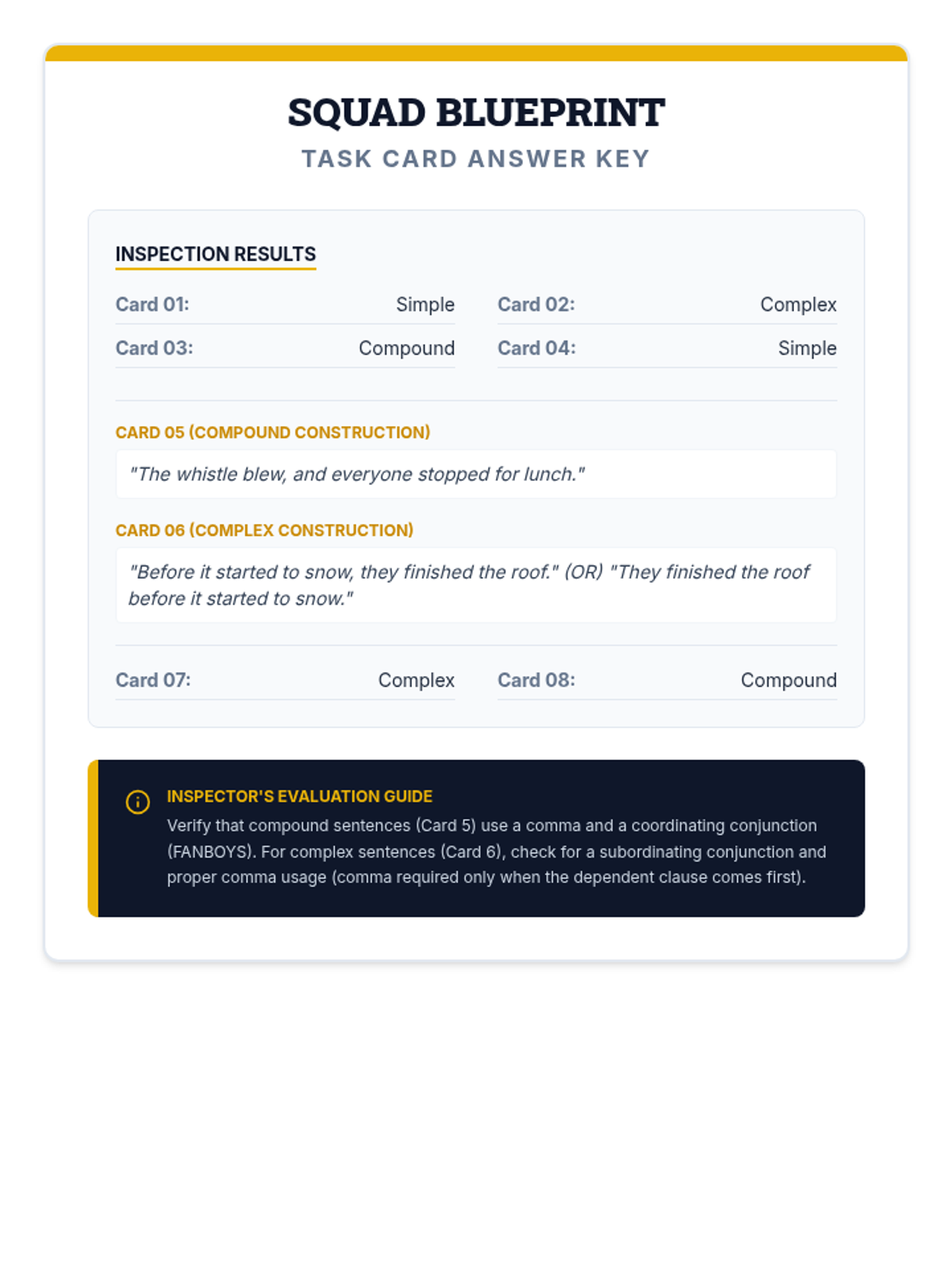
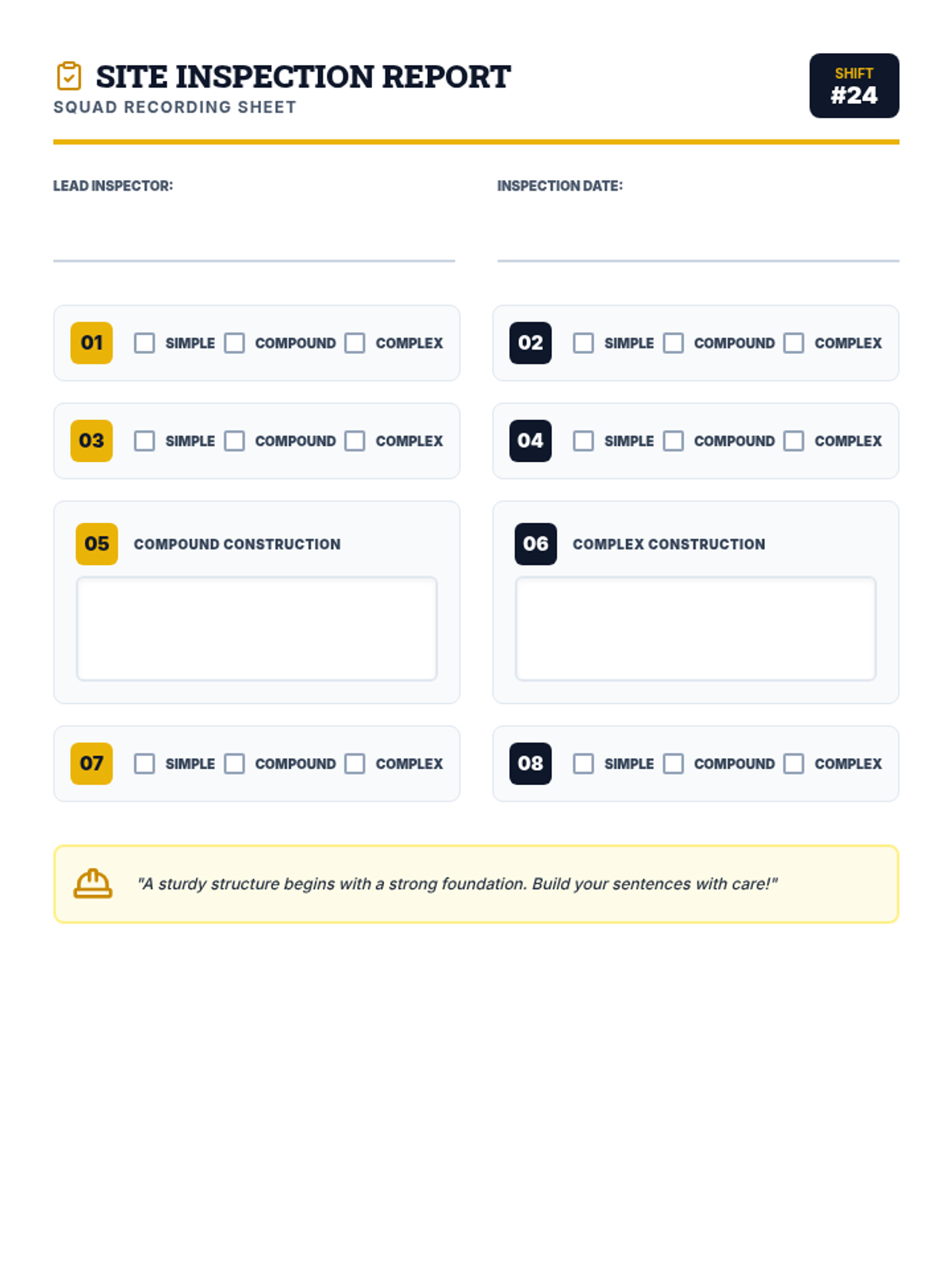
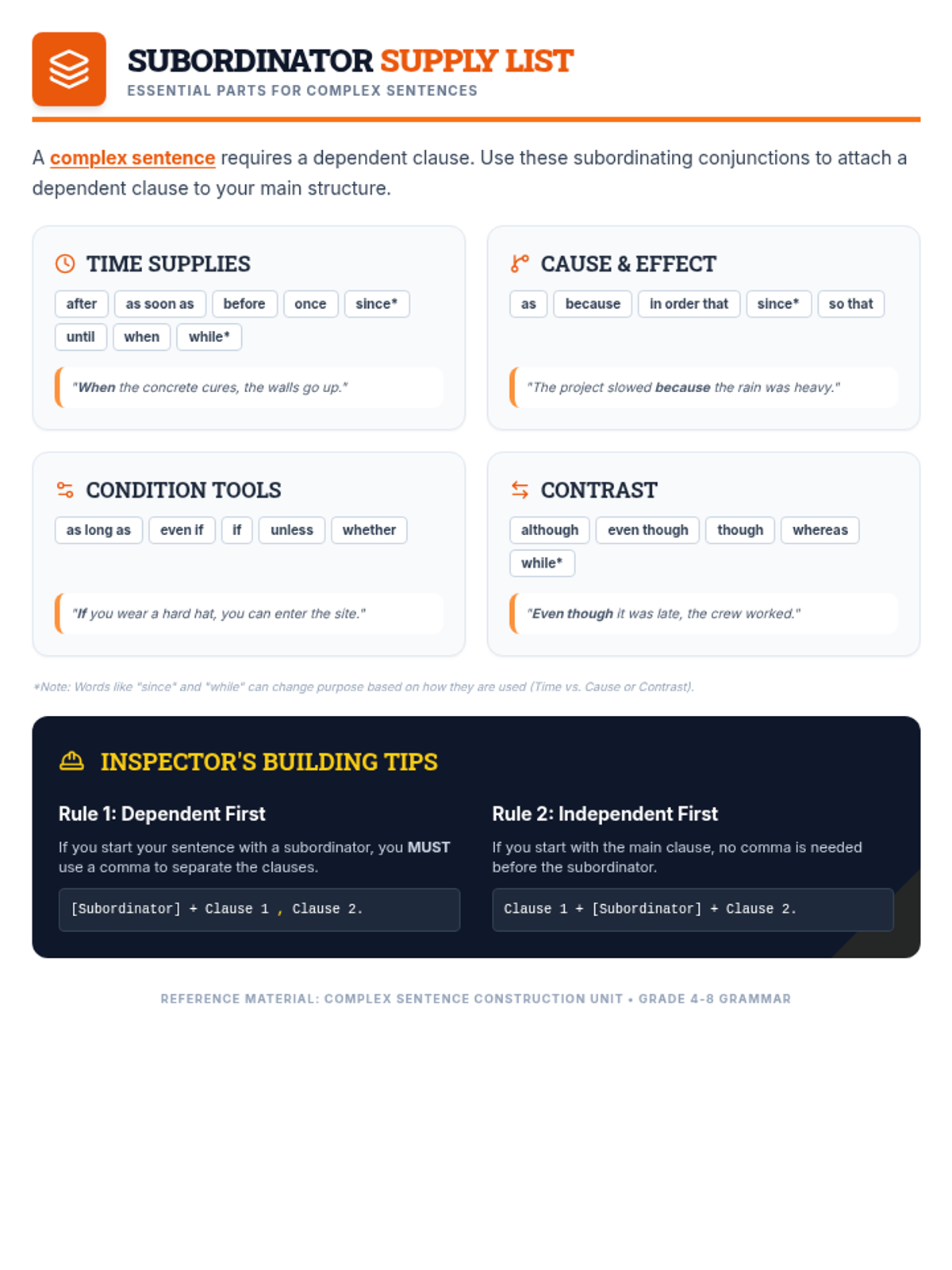
A comprehensive lesson on identifying and constructing simple, compound, and complex sentences using a construction site theme.
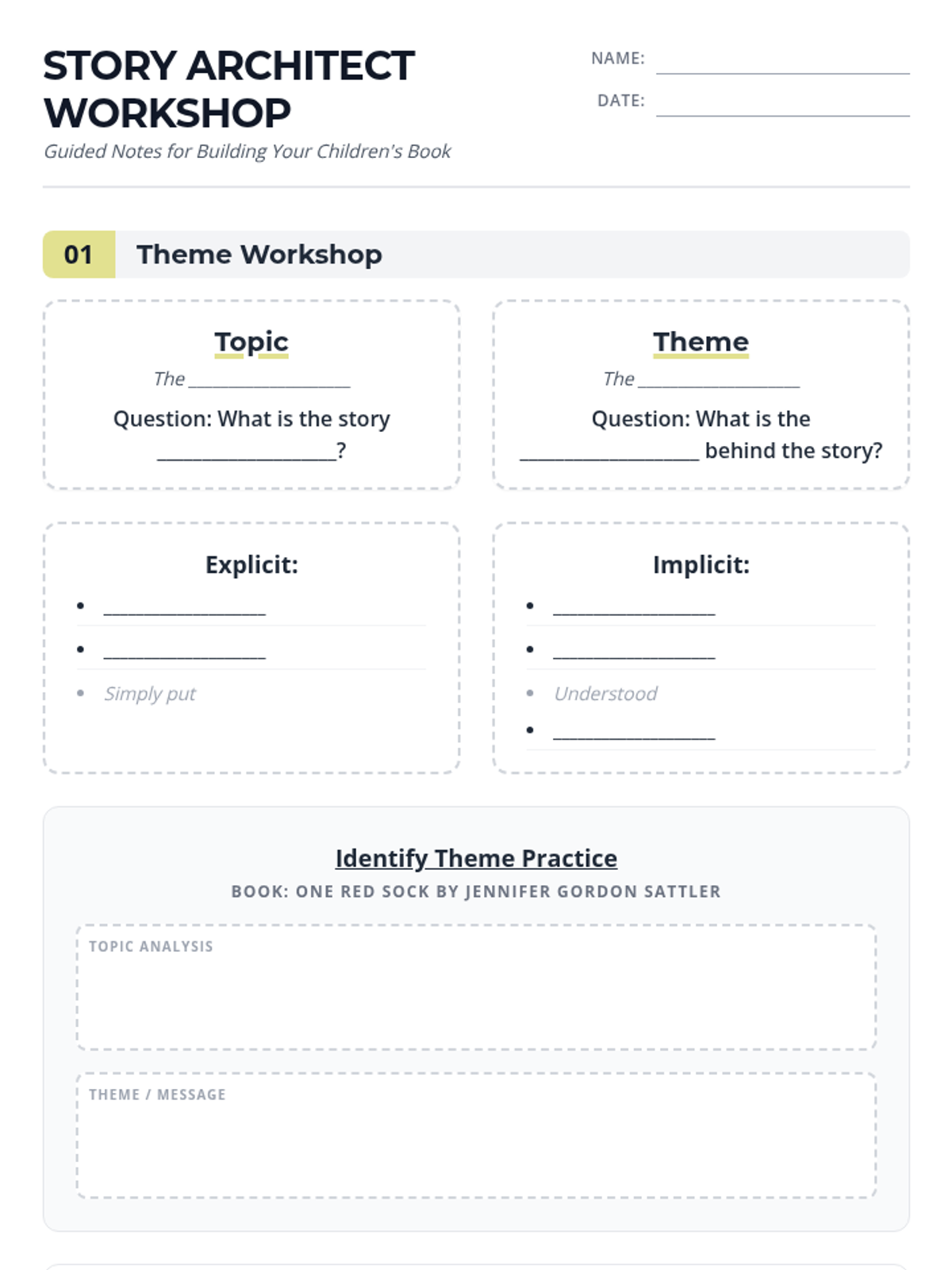
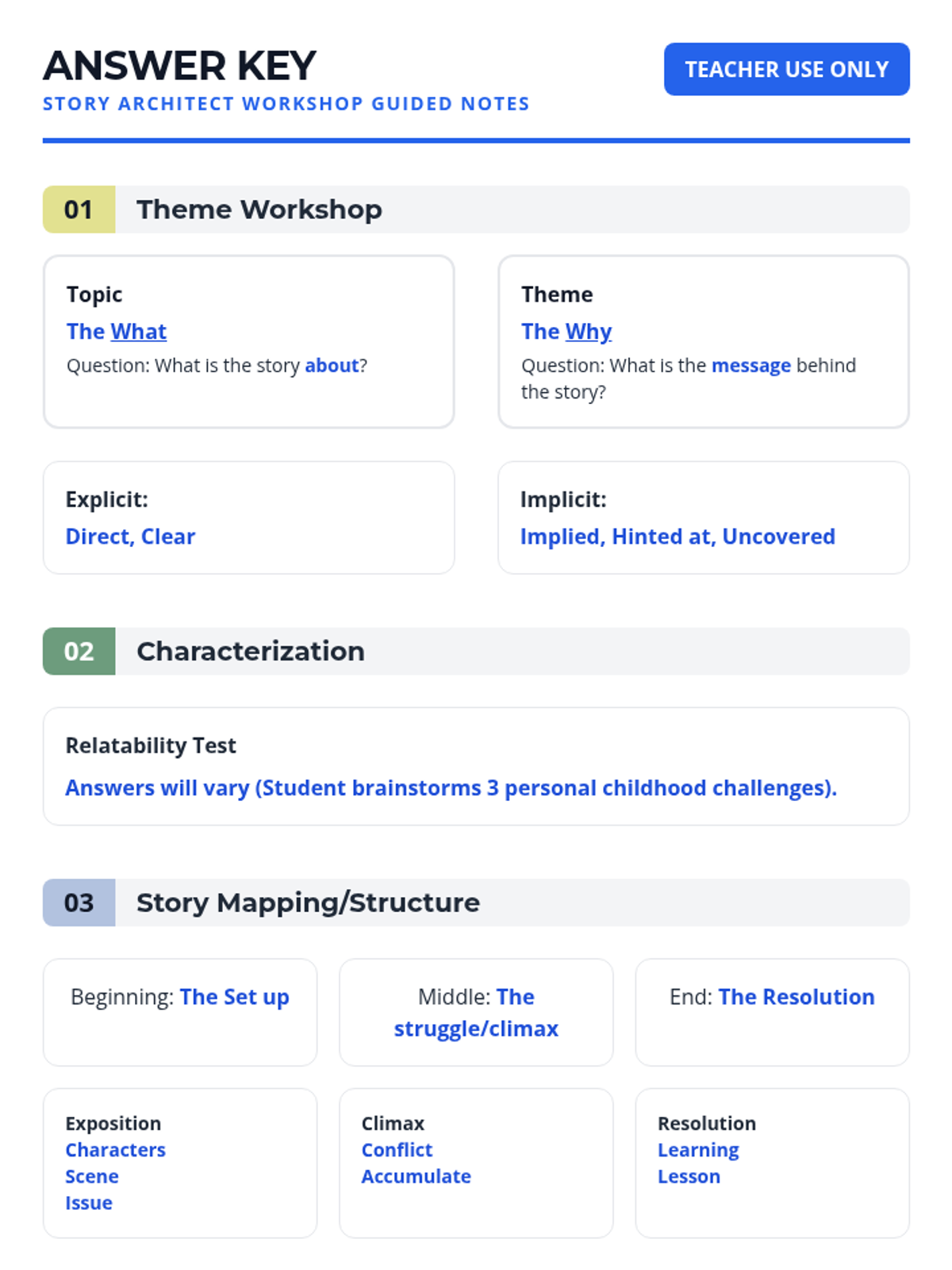
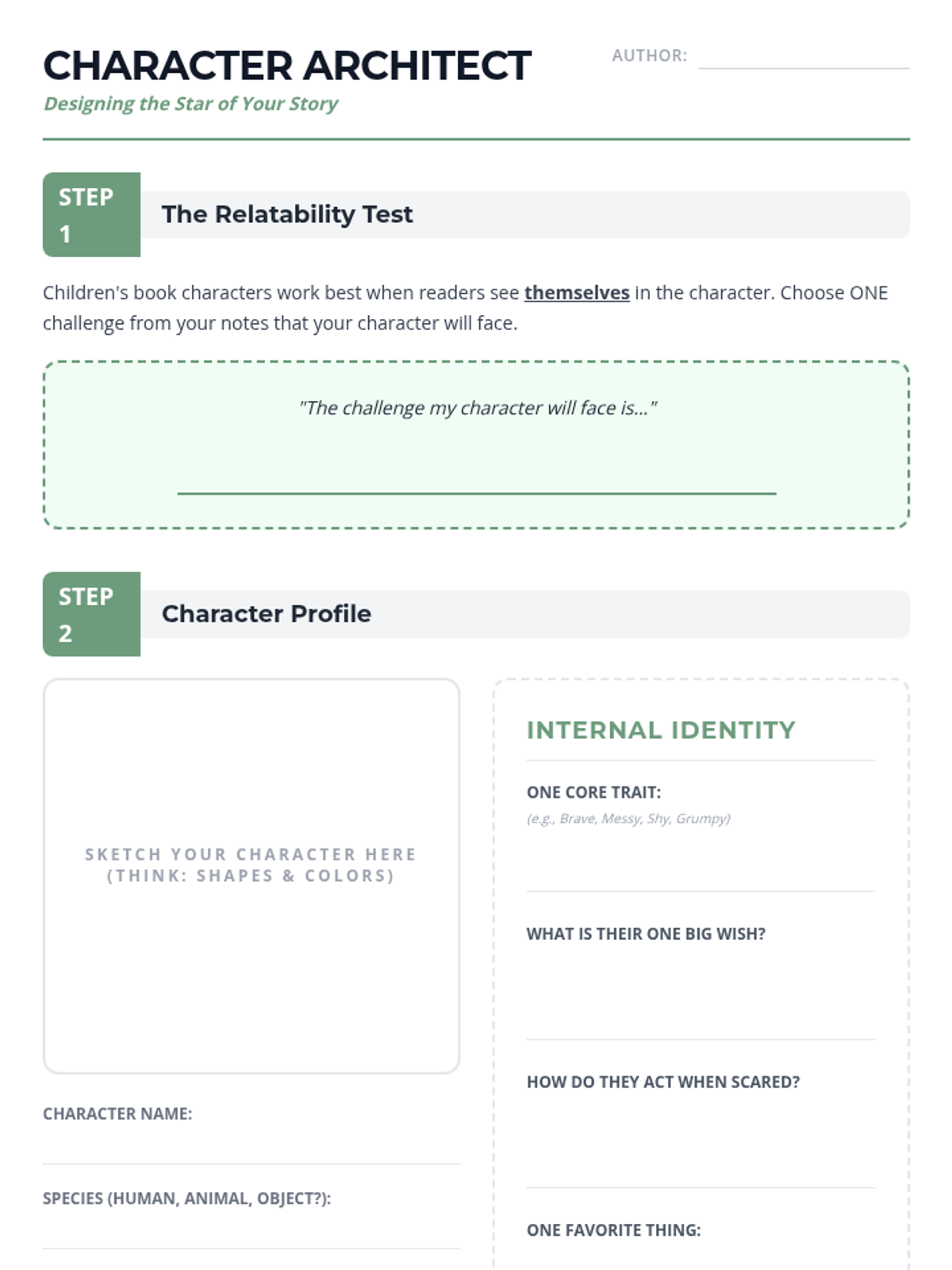
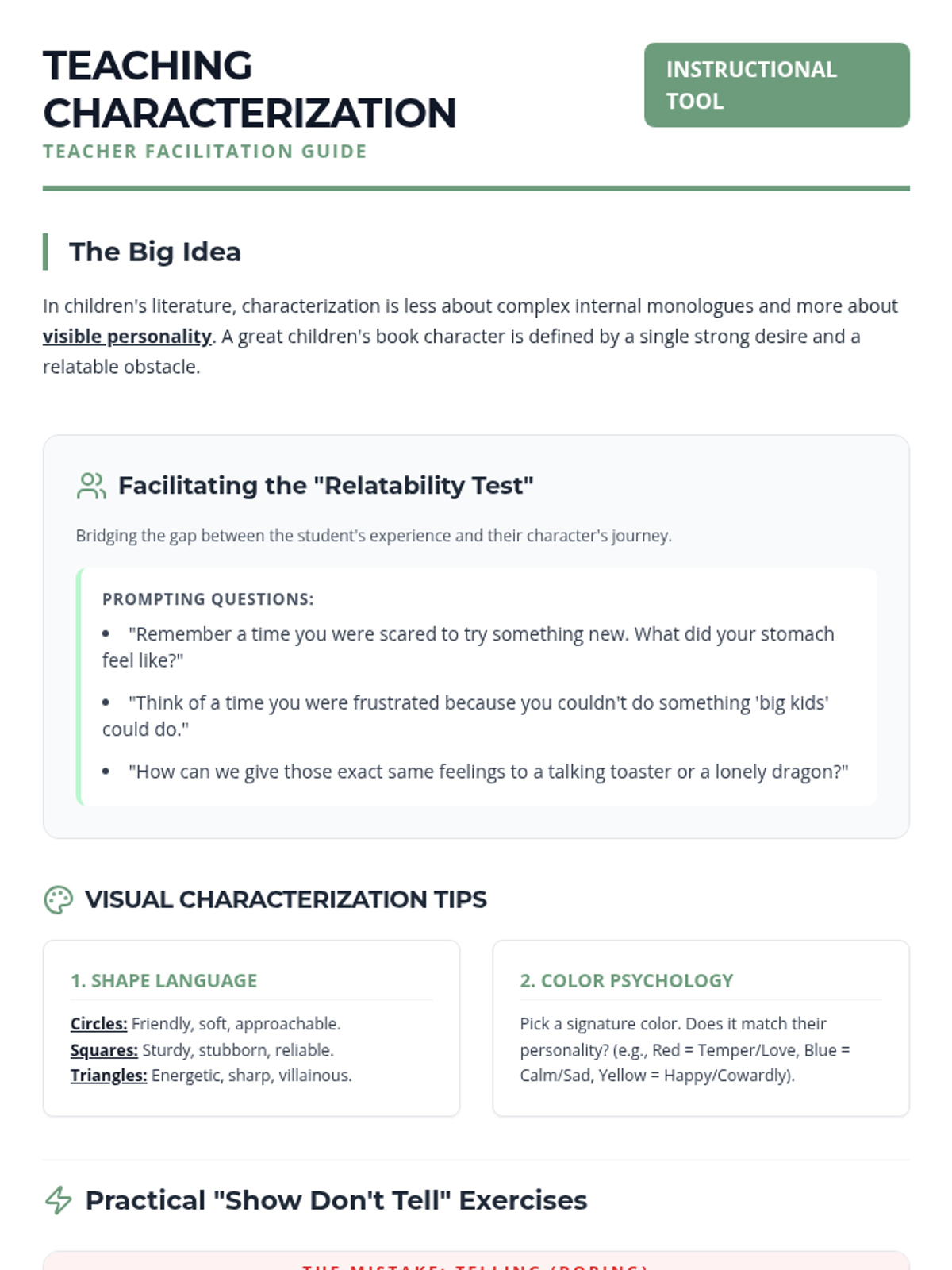
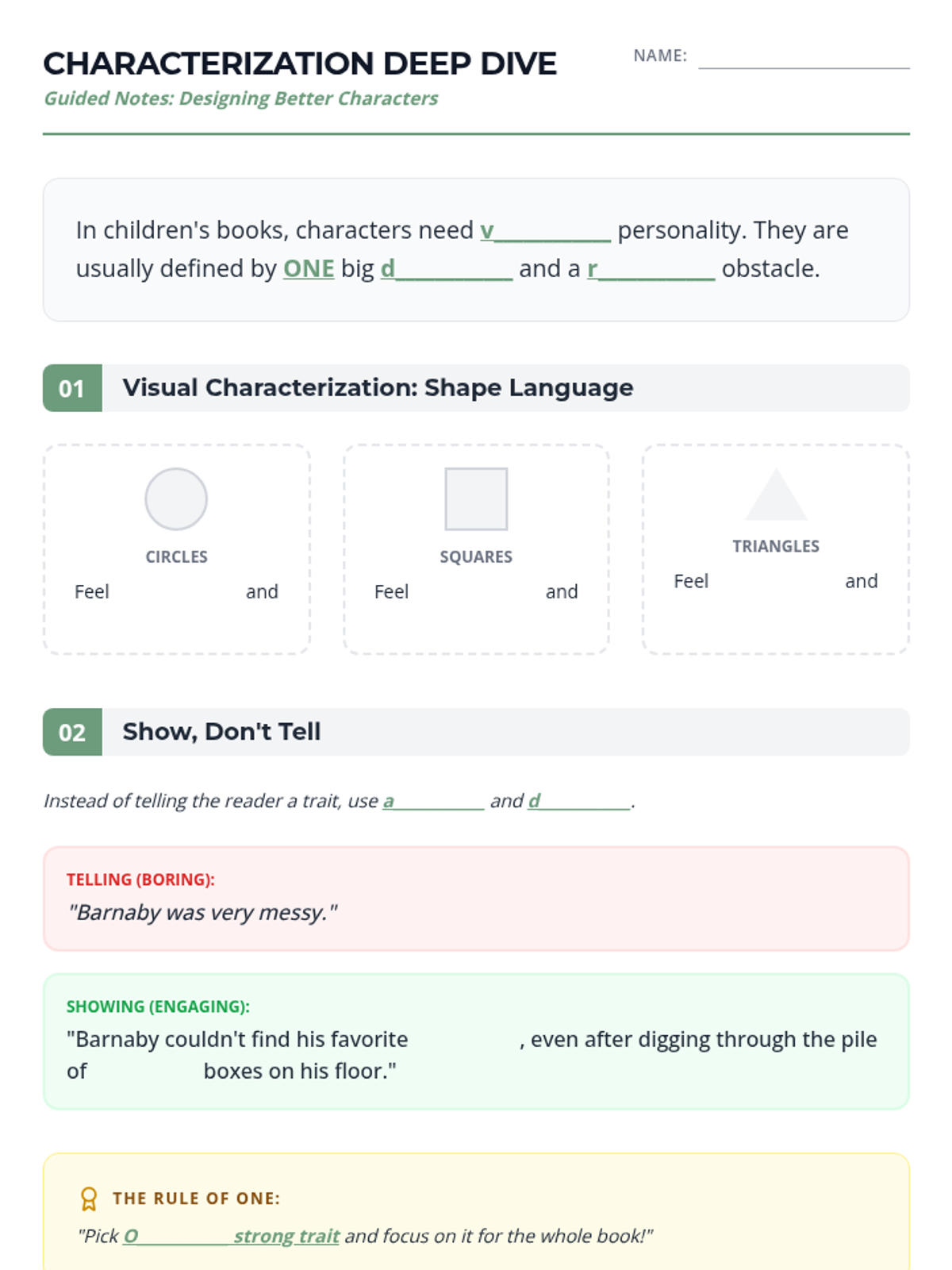
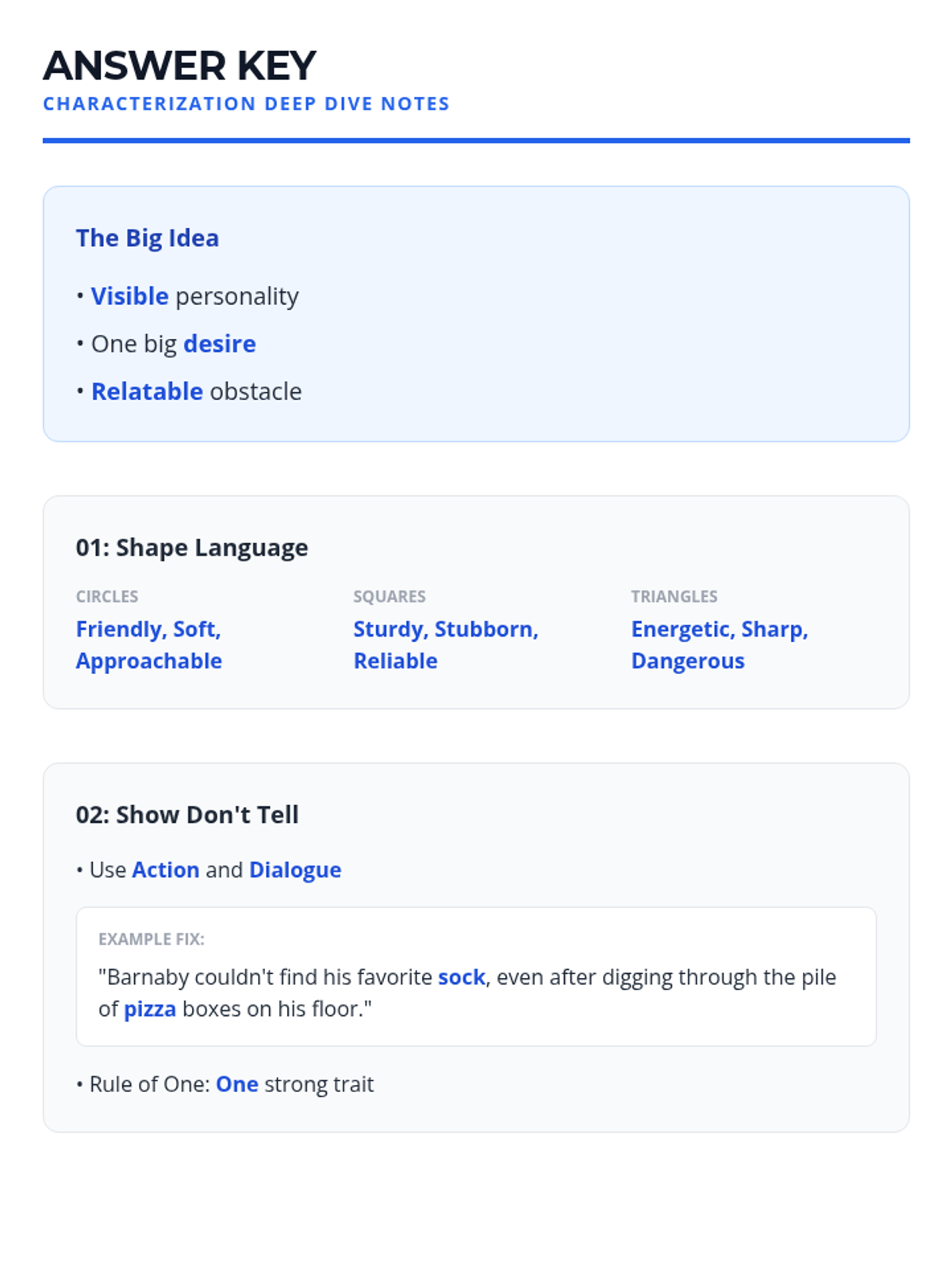
A comprehensive set of guided notes and materials based on the 'Building Your Children Book' workshop slides, covering theme, characterization, story structure, and sentence syntax.
A comprehensive practice packet designed to simulate the English/Reading MAP test, featuring fiction and nonfiction passages with 20 standards-aligned questions.
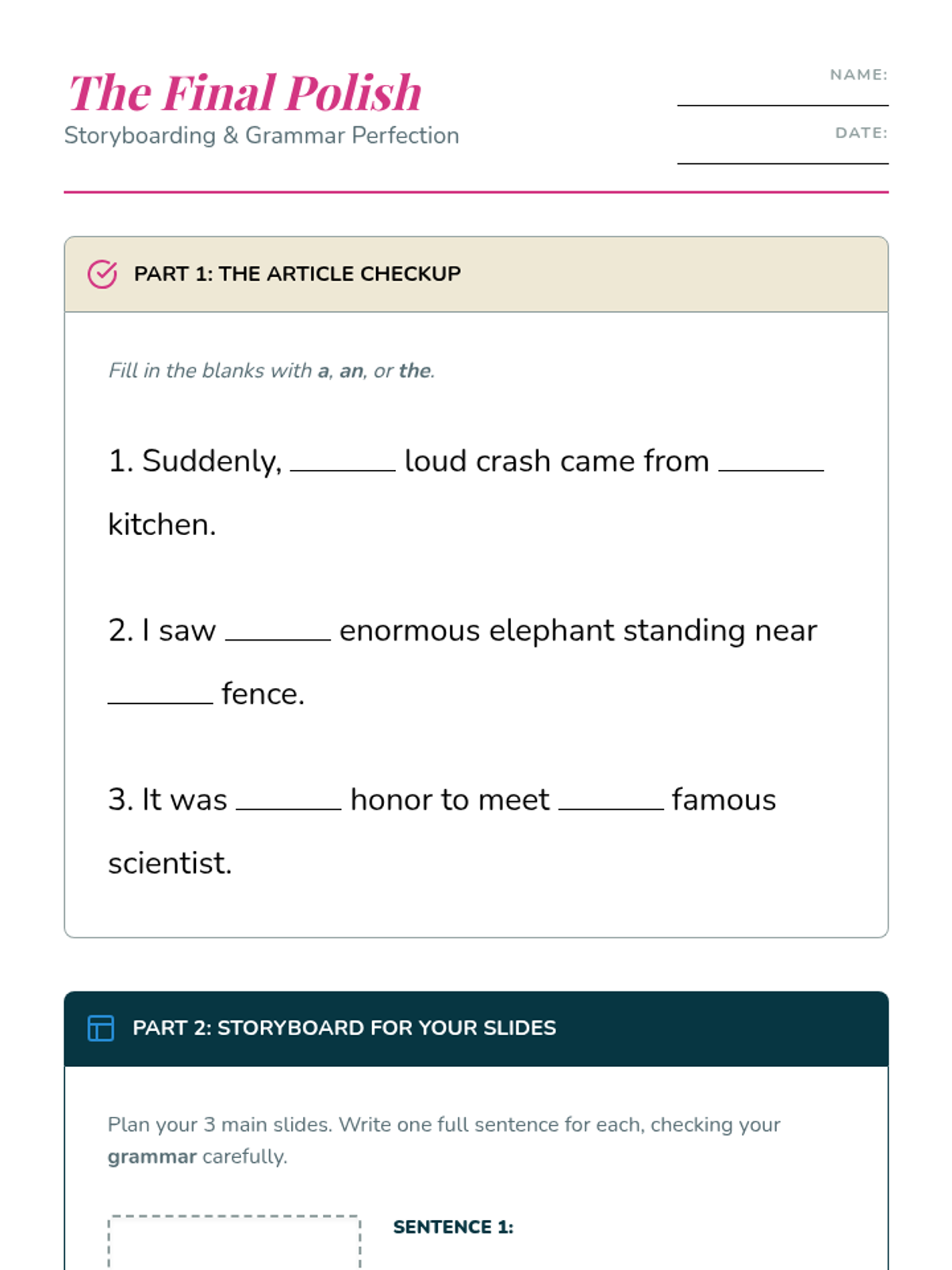
Refines the narrative structure and focuses on the precise use of articles (a, an, the) for clarity and flow.
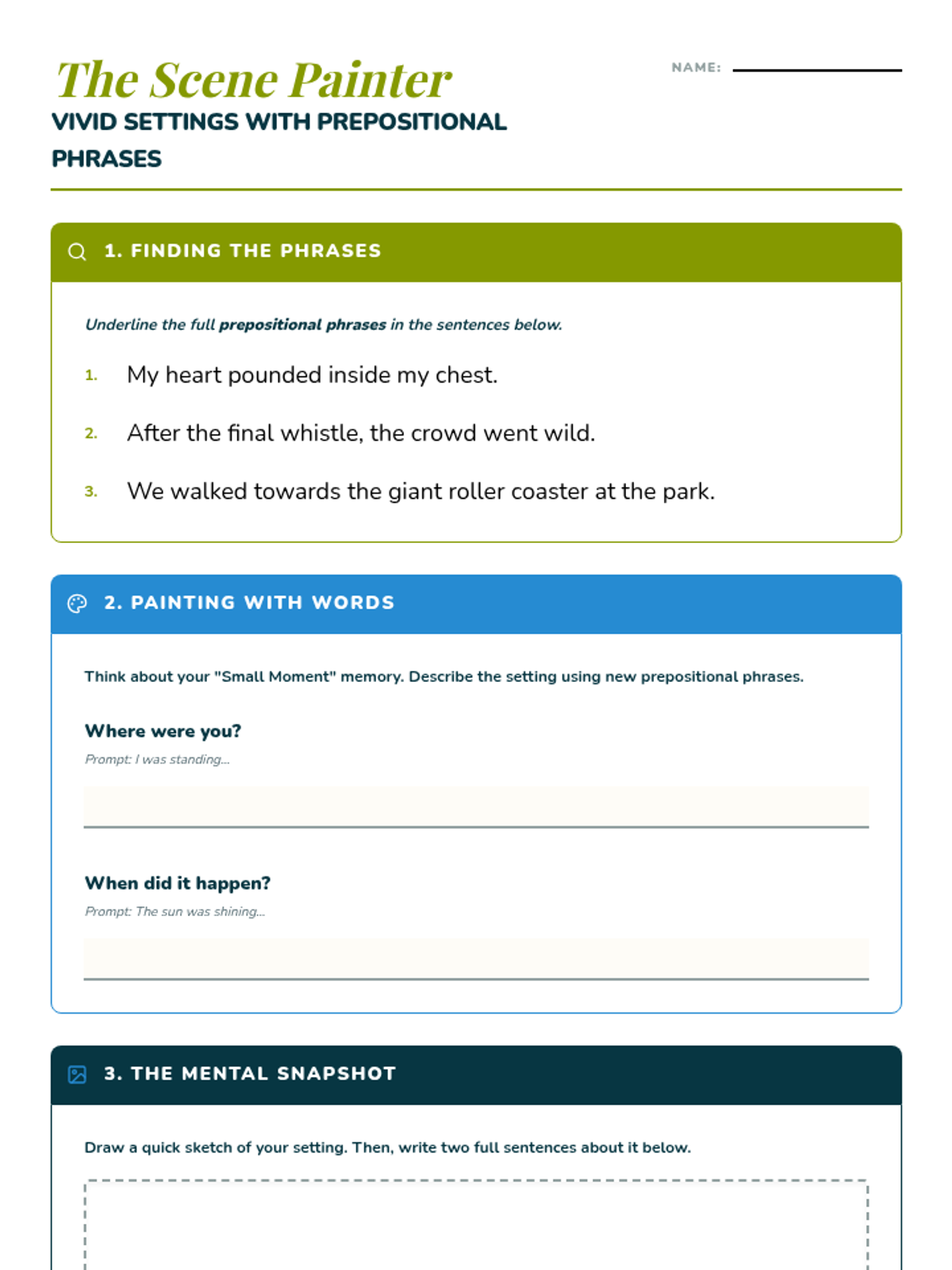
Explores setting and descriptive detail using prepositional phrases to ground narratives in a specific time and place.
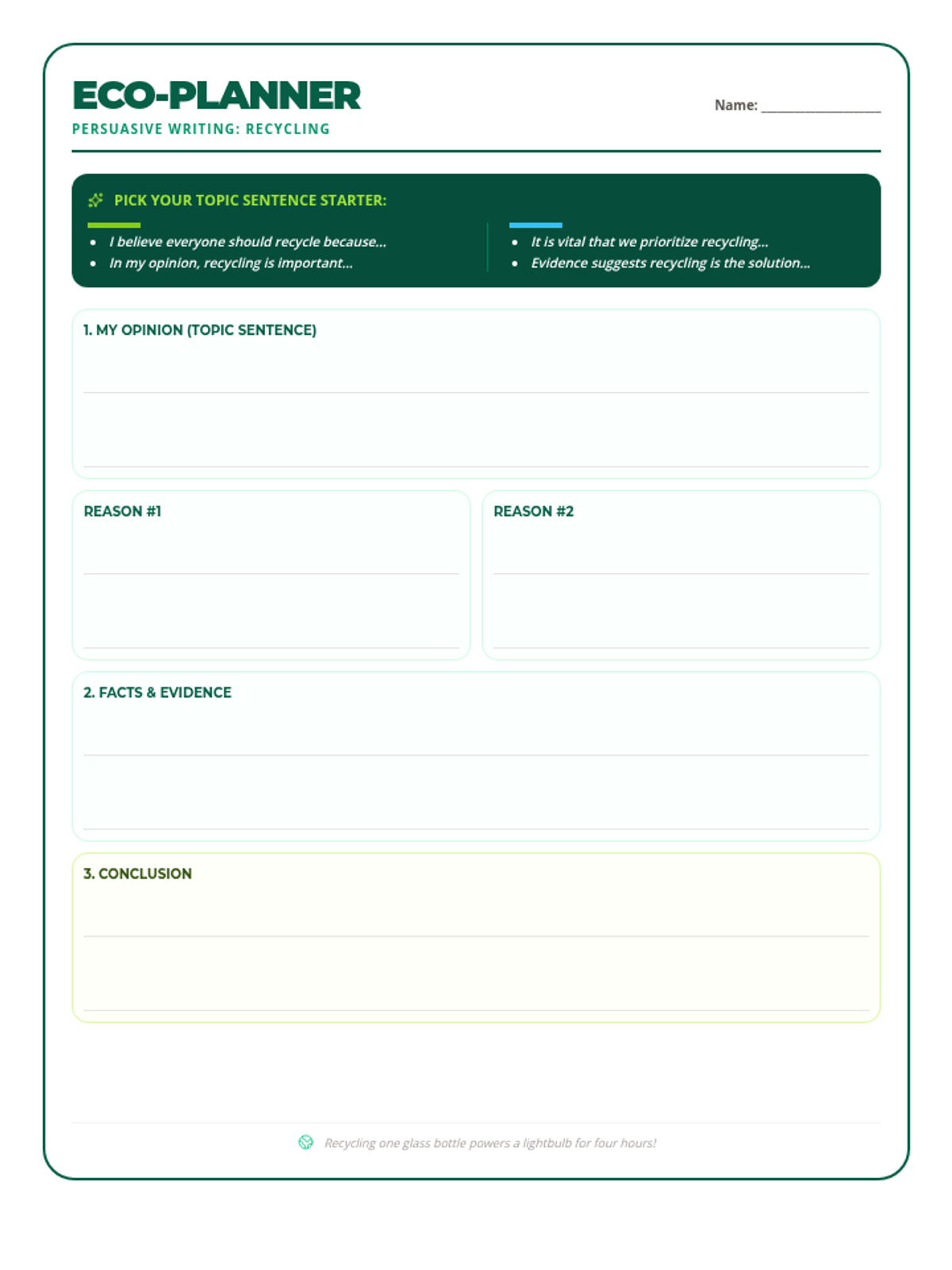
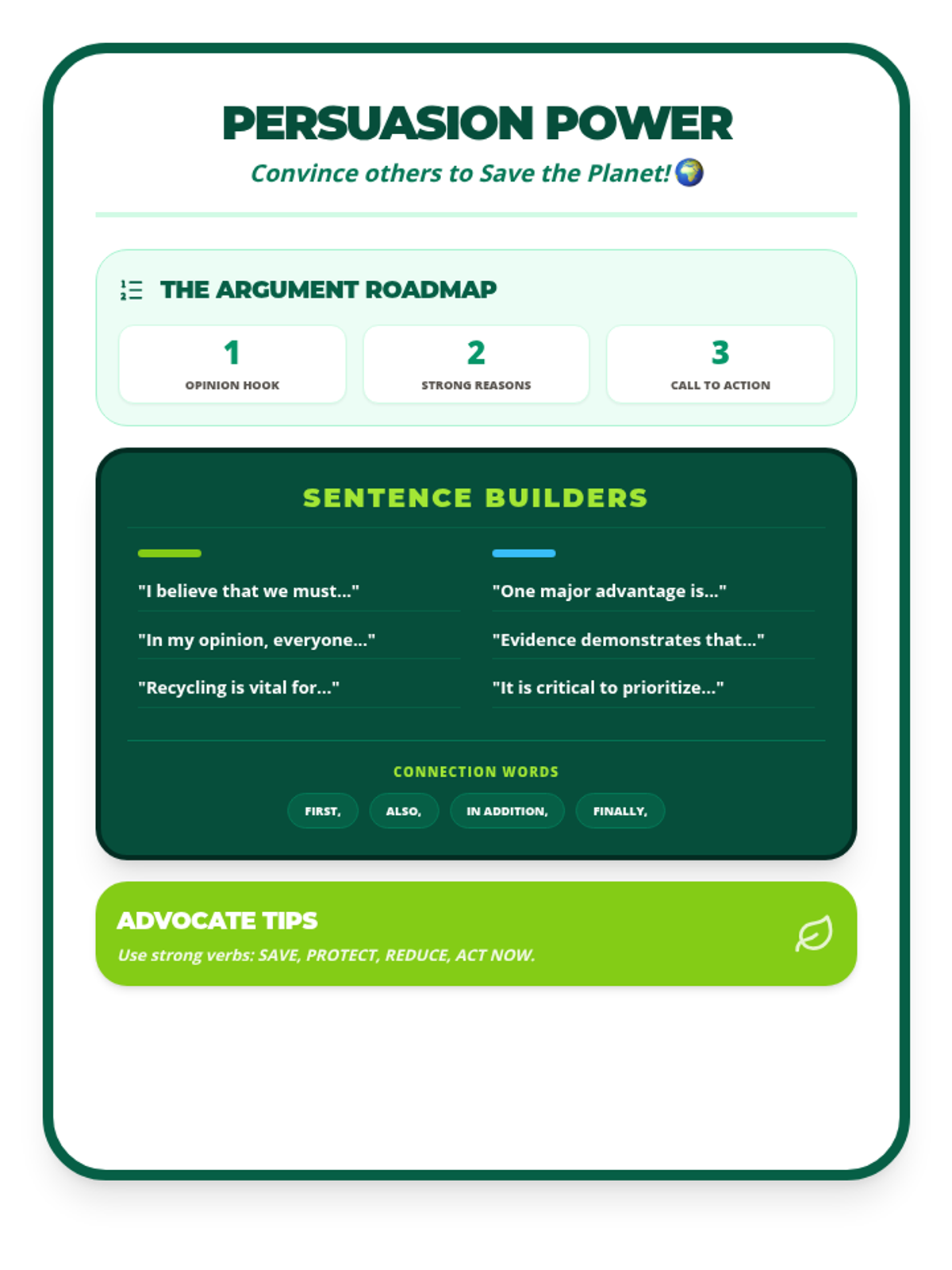
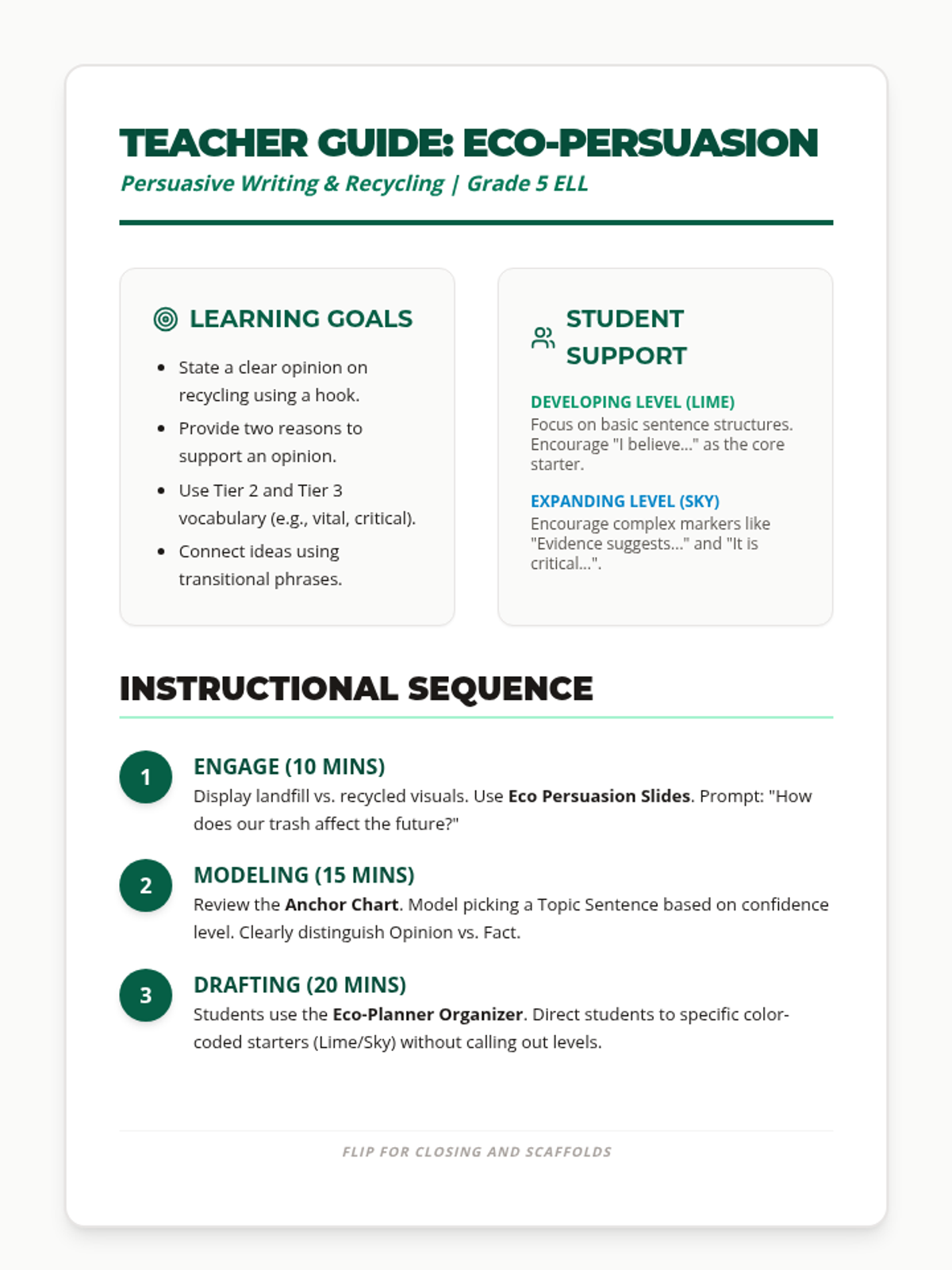
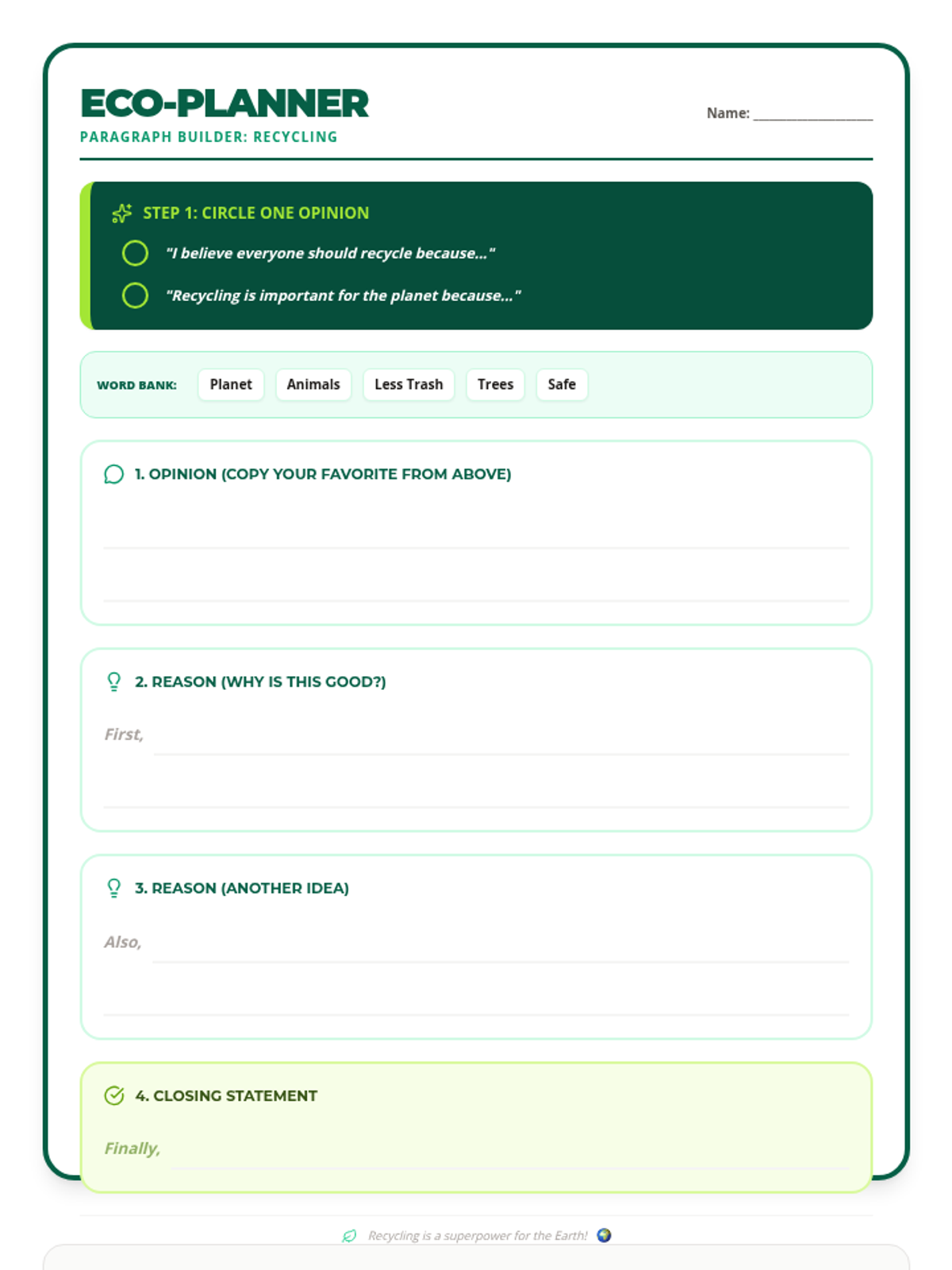
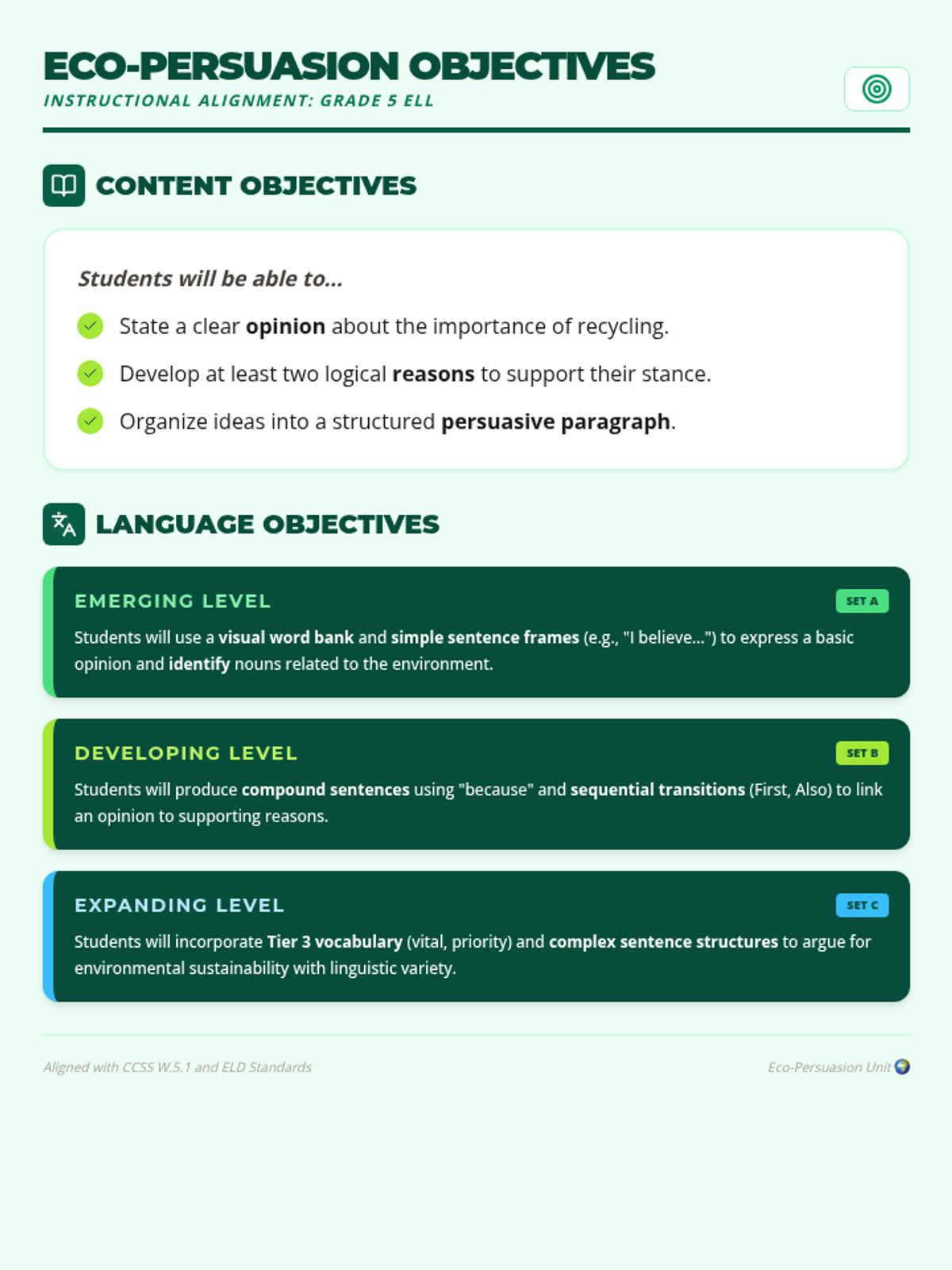
A lesson focused on crafting strong persuasive arguments about recycling, specifically helping ELL students develop topic sentences and clear supporting reasons.
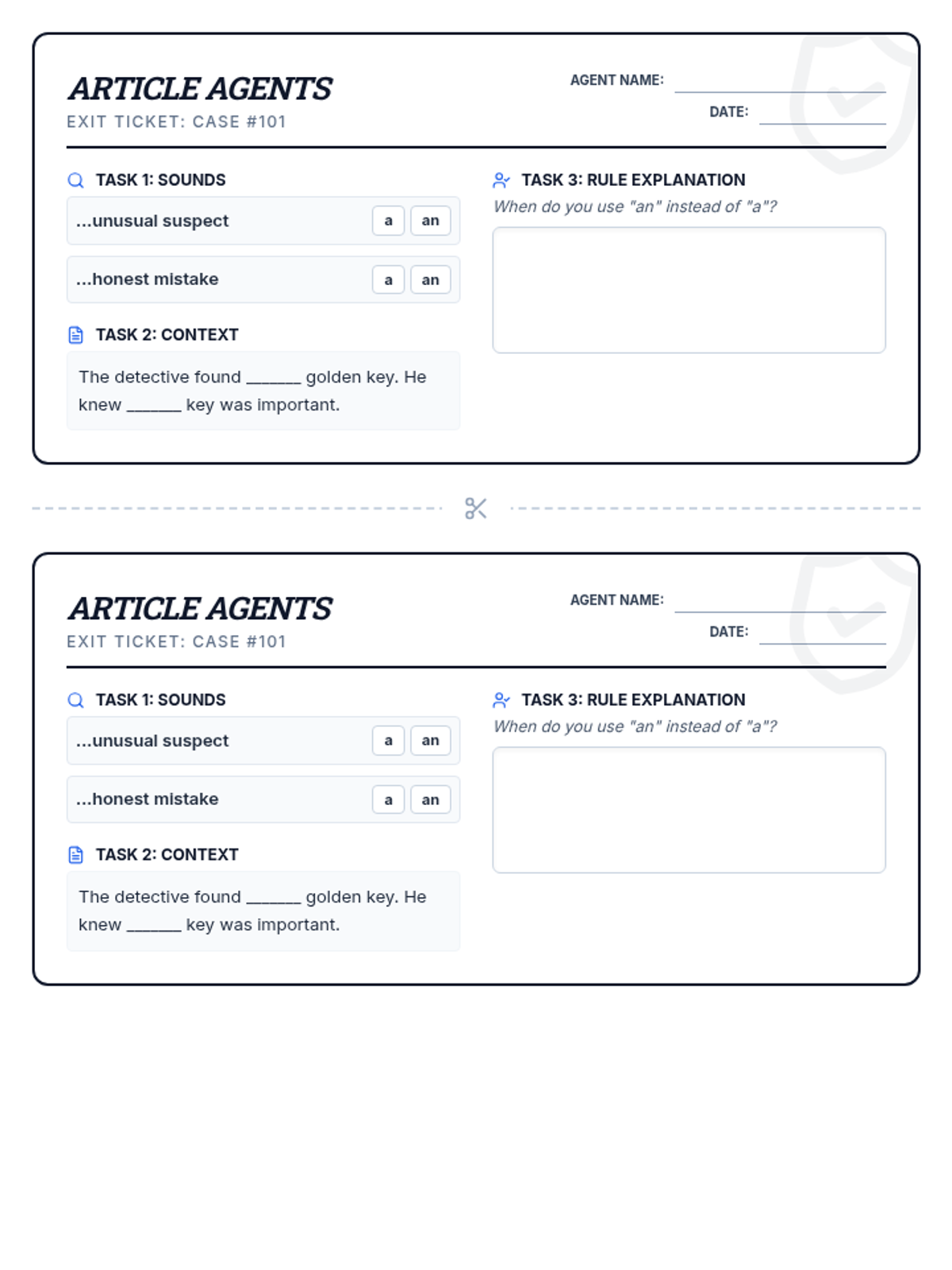
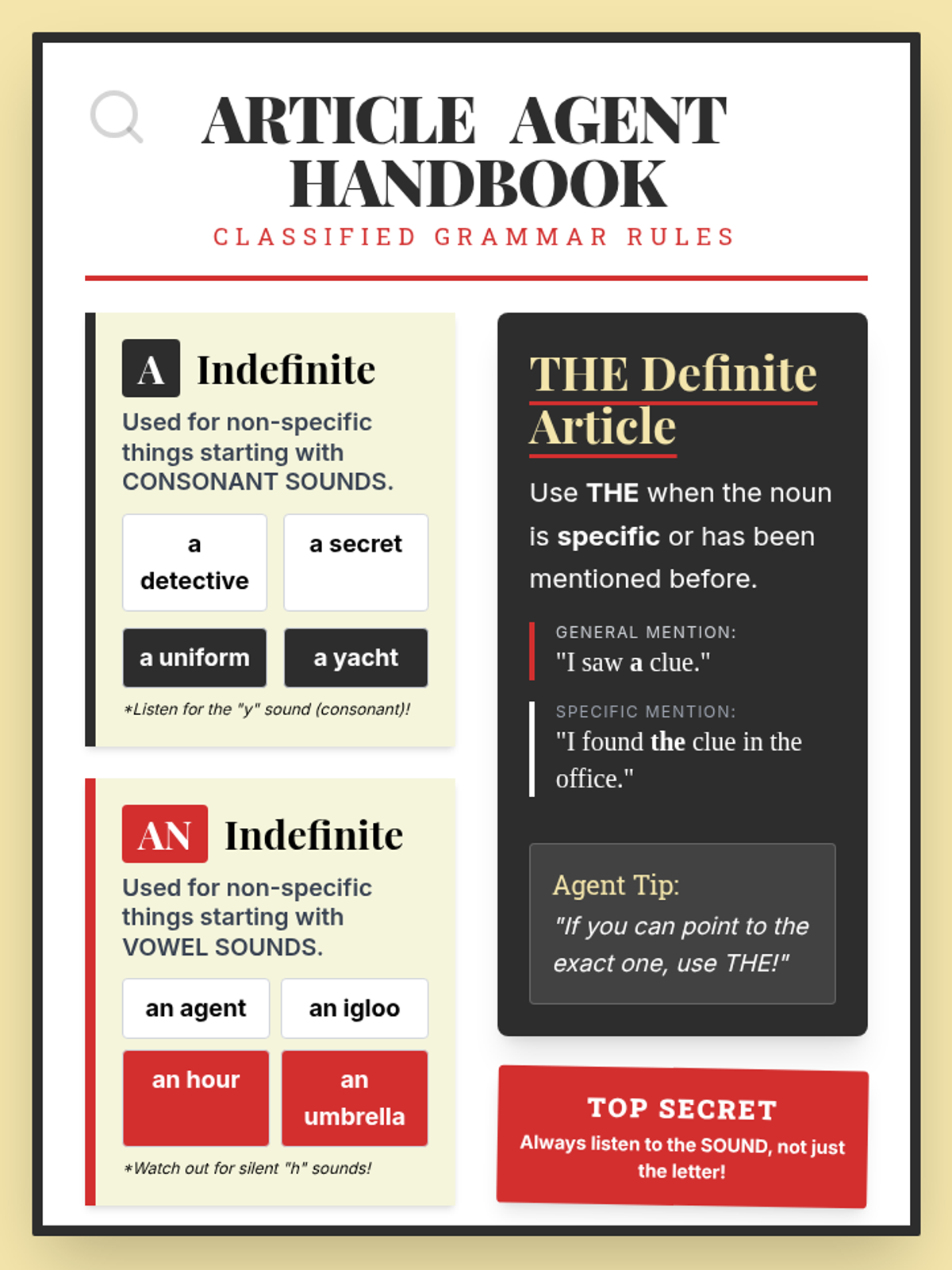
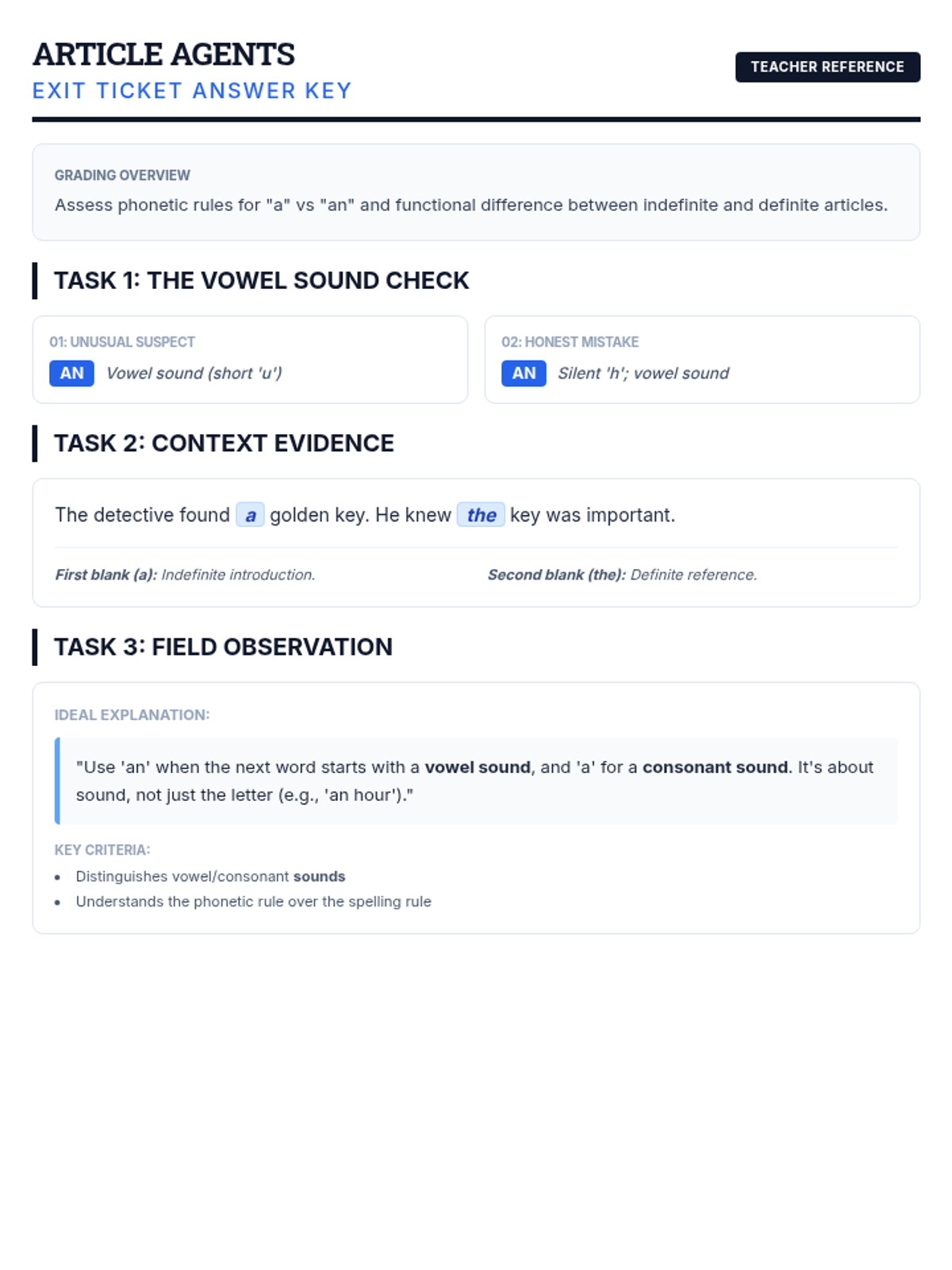
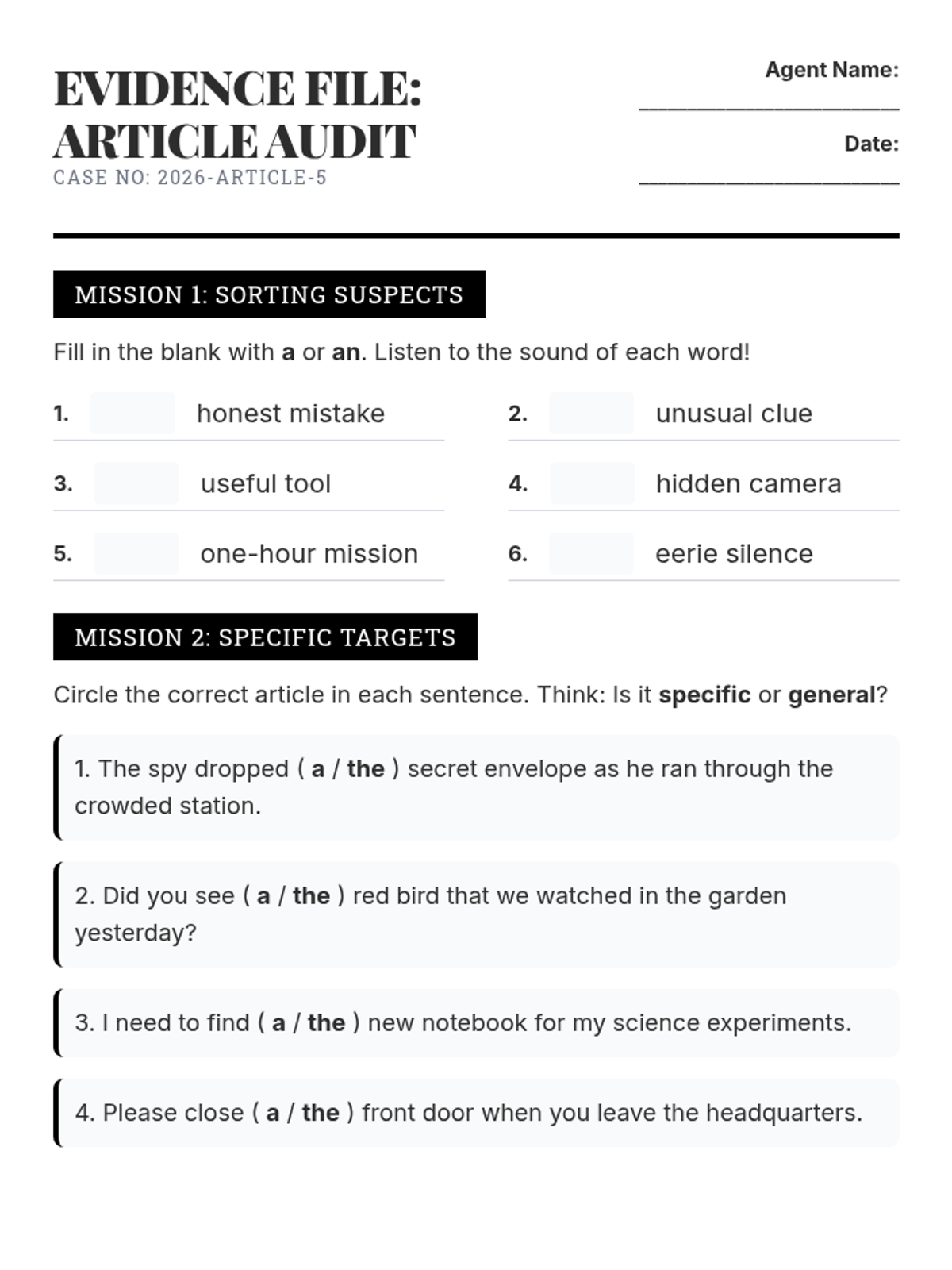
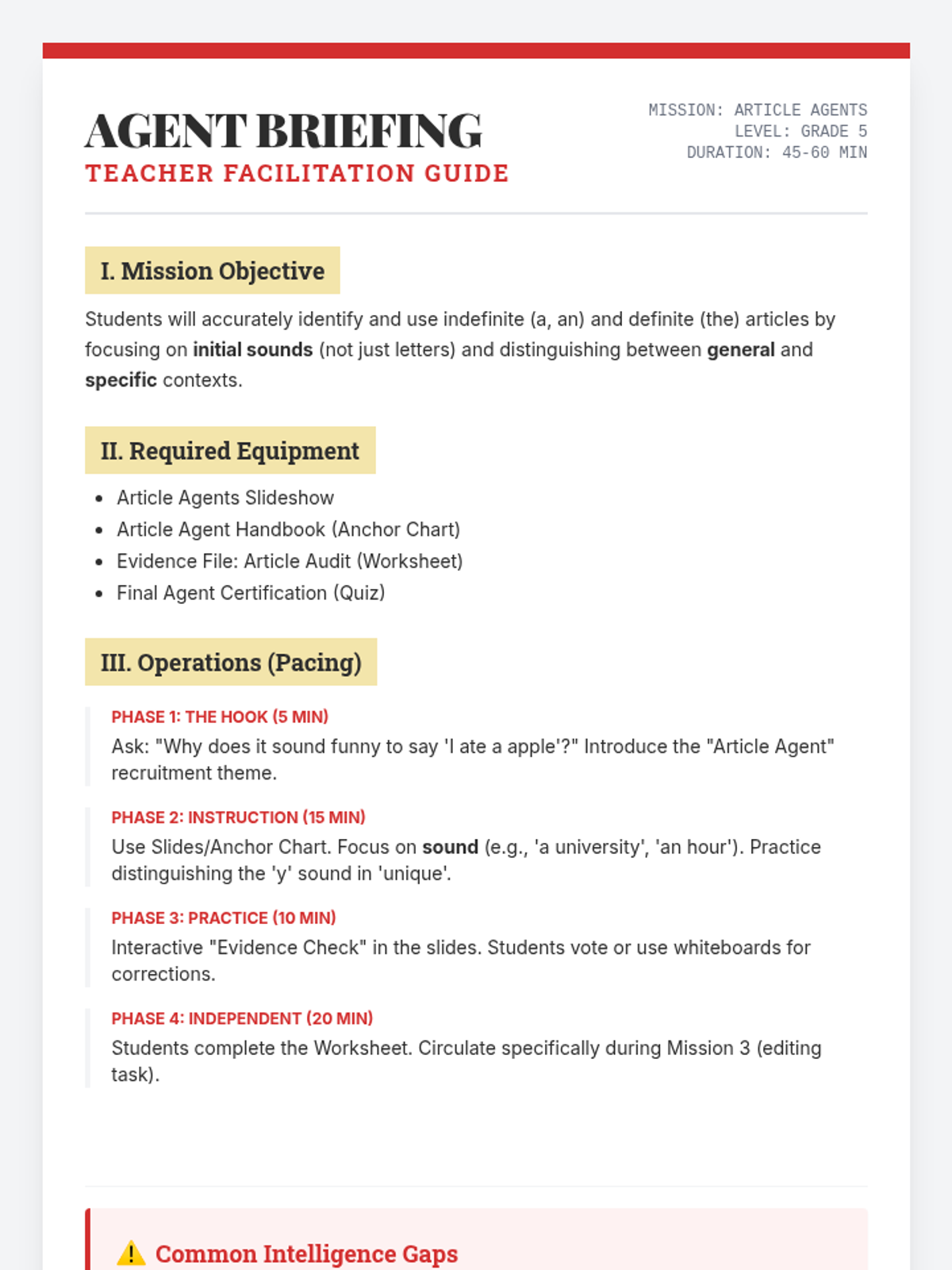
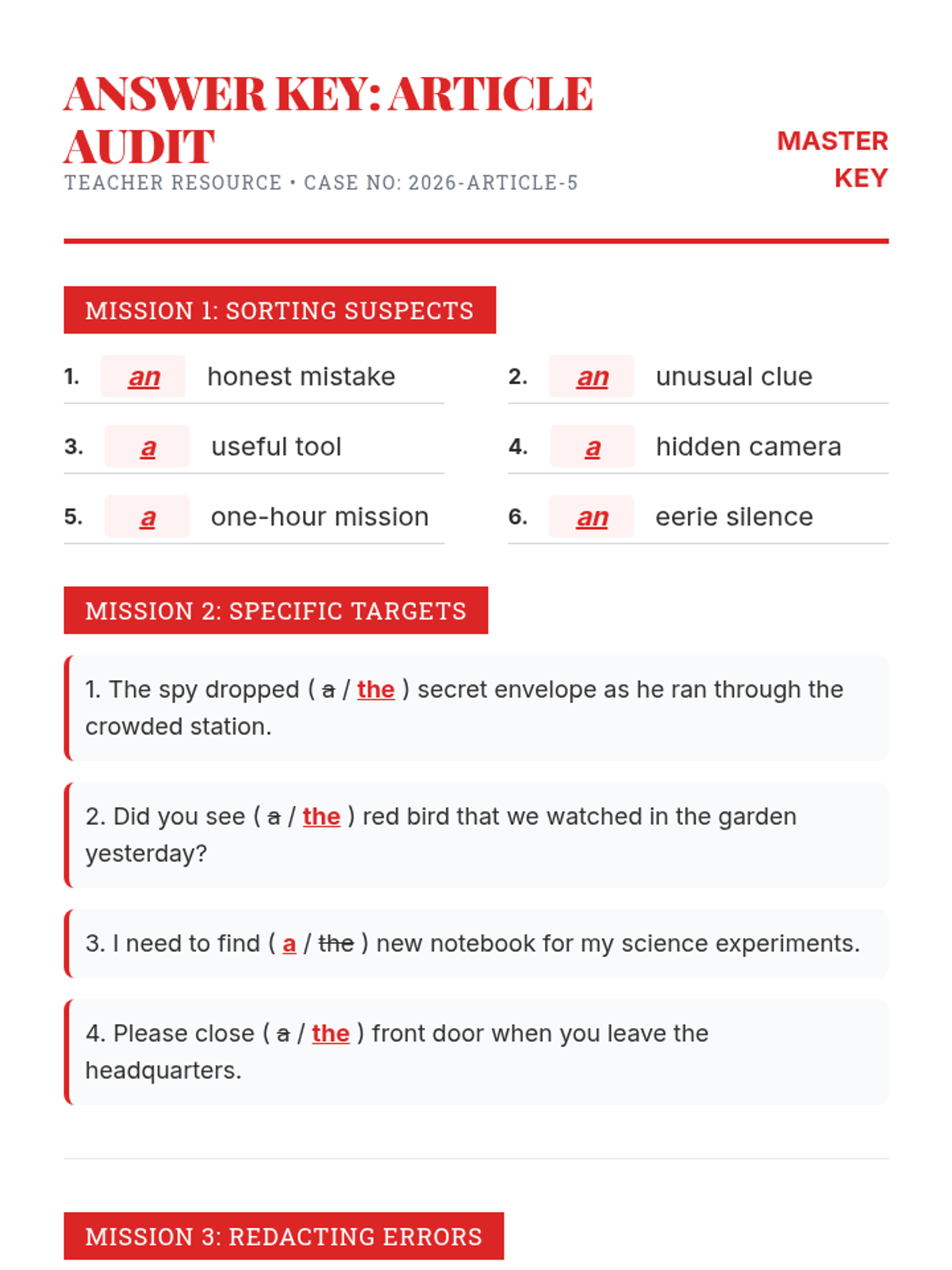
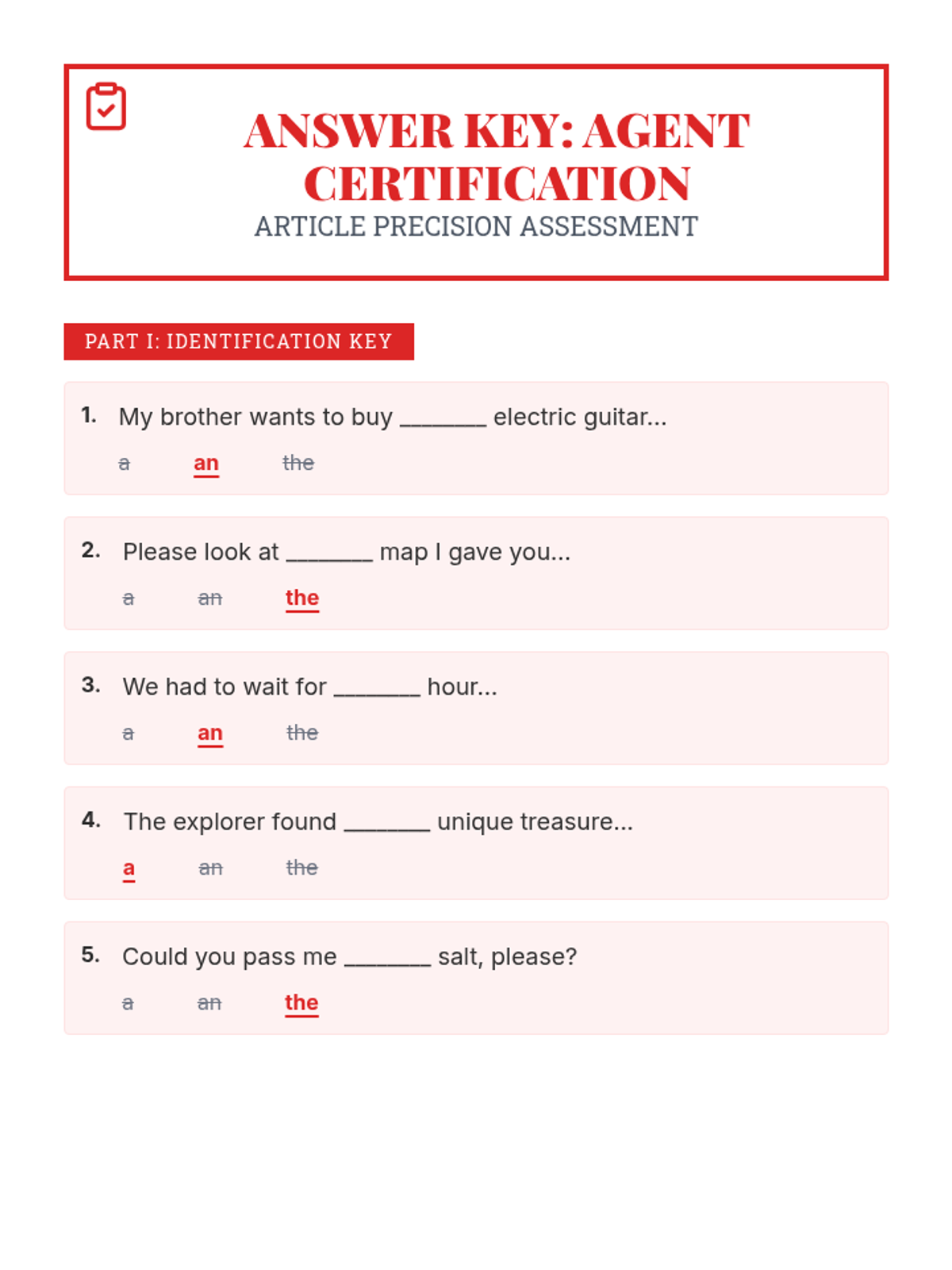
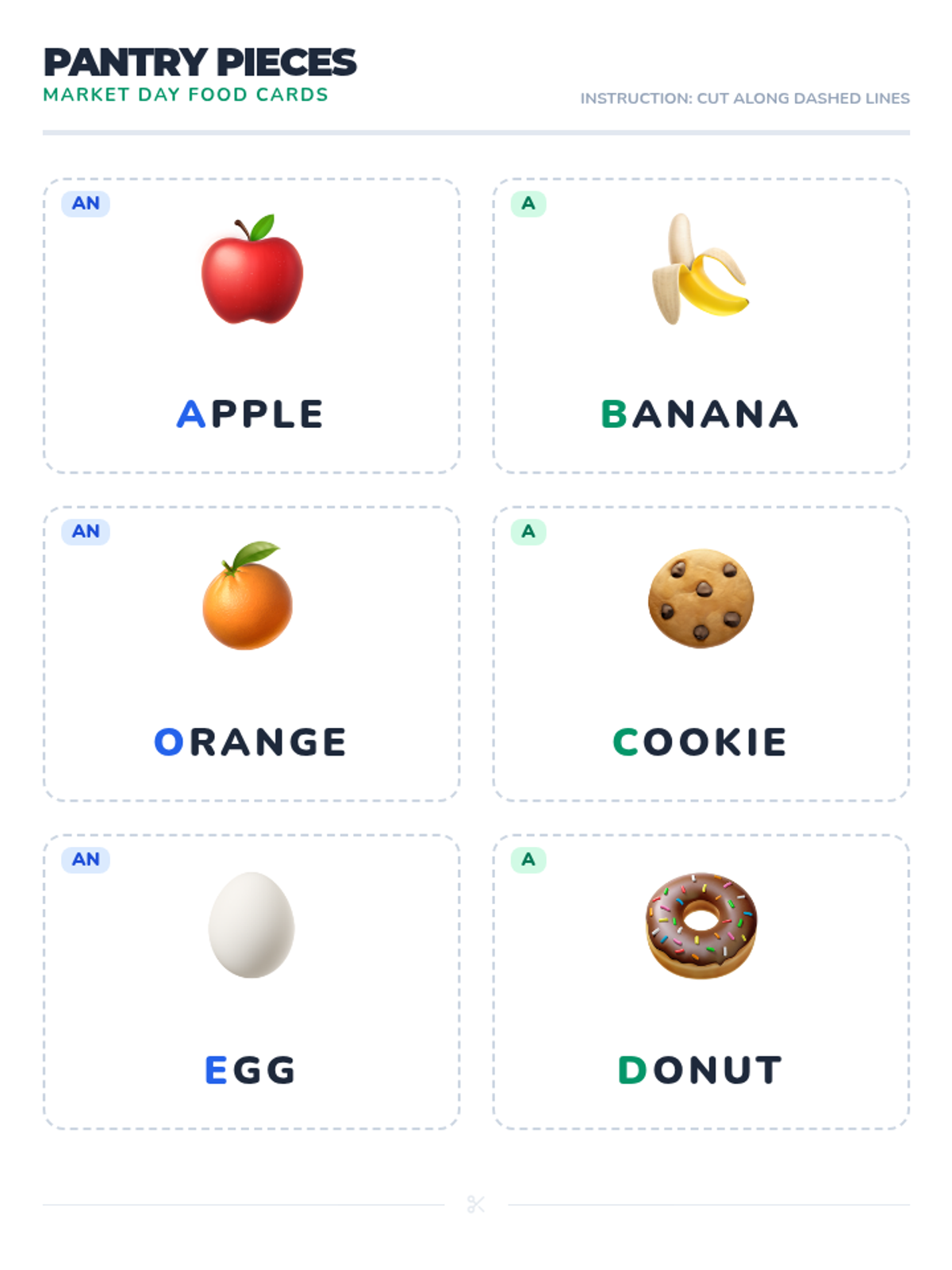
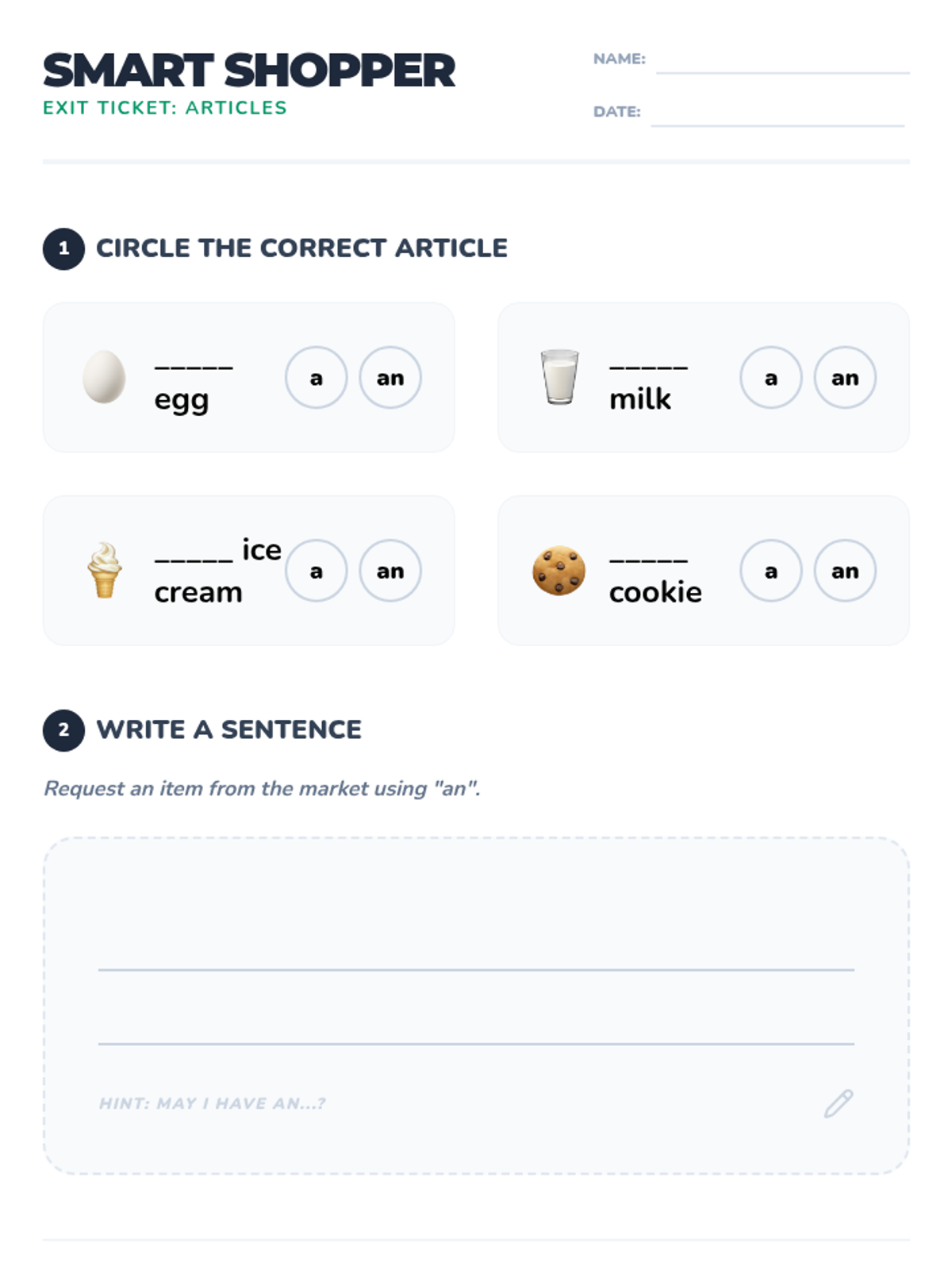
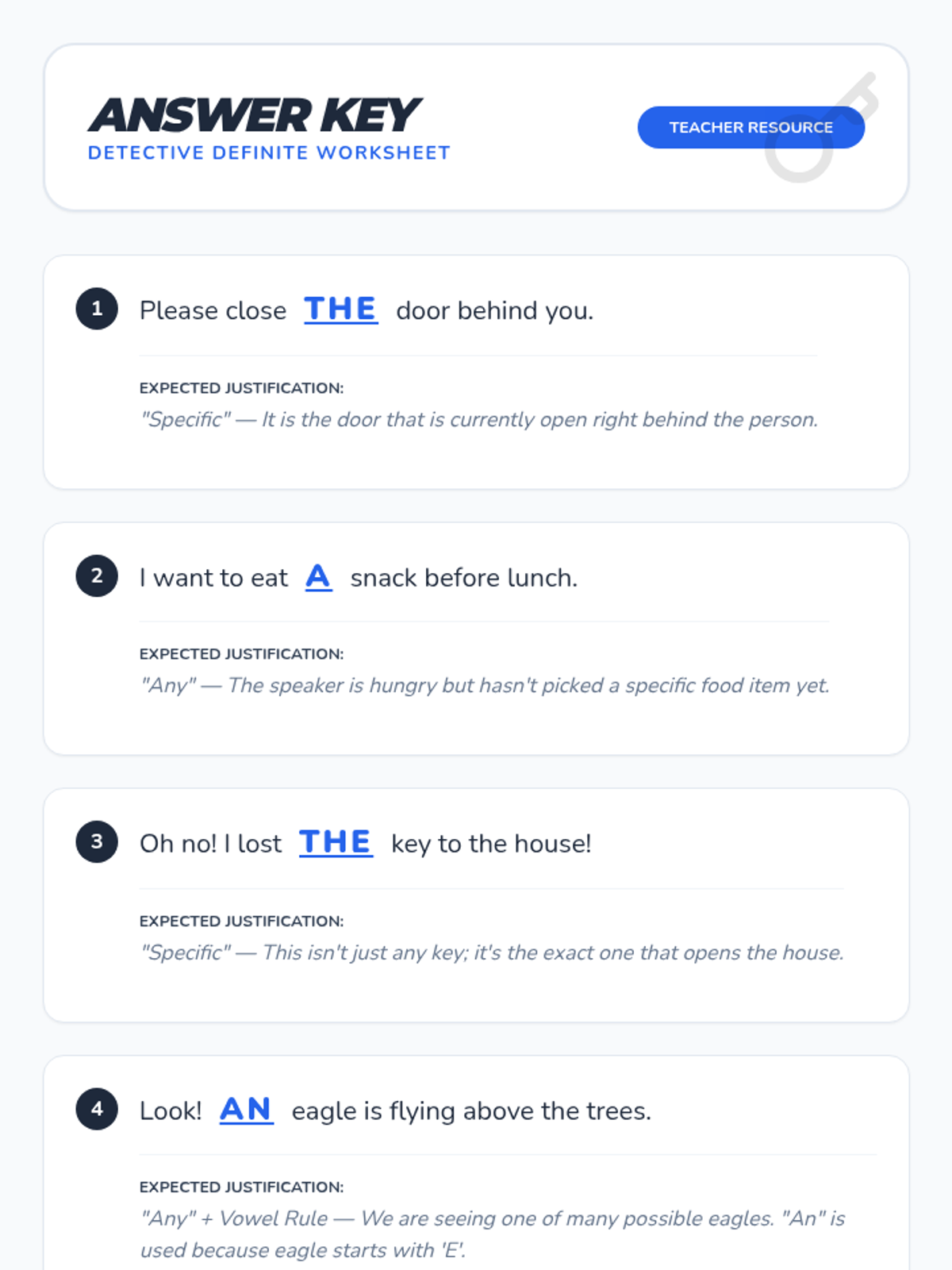
A comprehensive lesson on using articles (a, an, the) correctly, focusing on vowel/consonant sounds and definite vs. indefinite contexts for 5th graders.
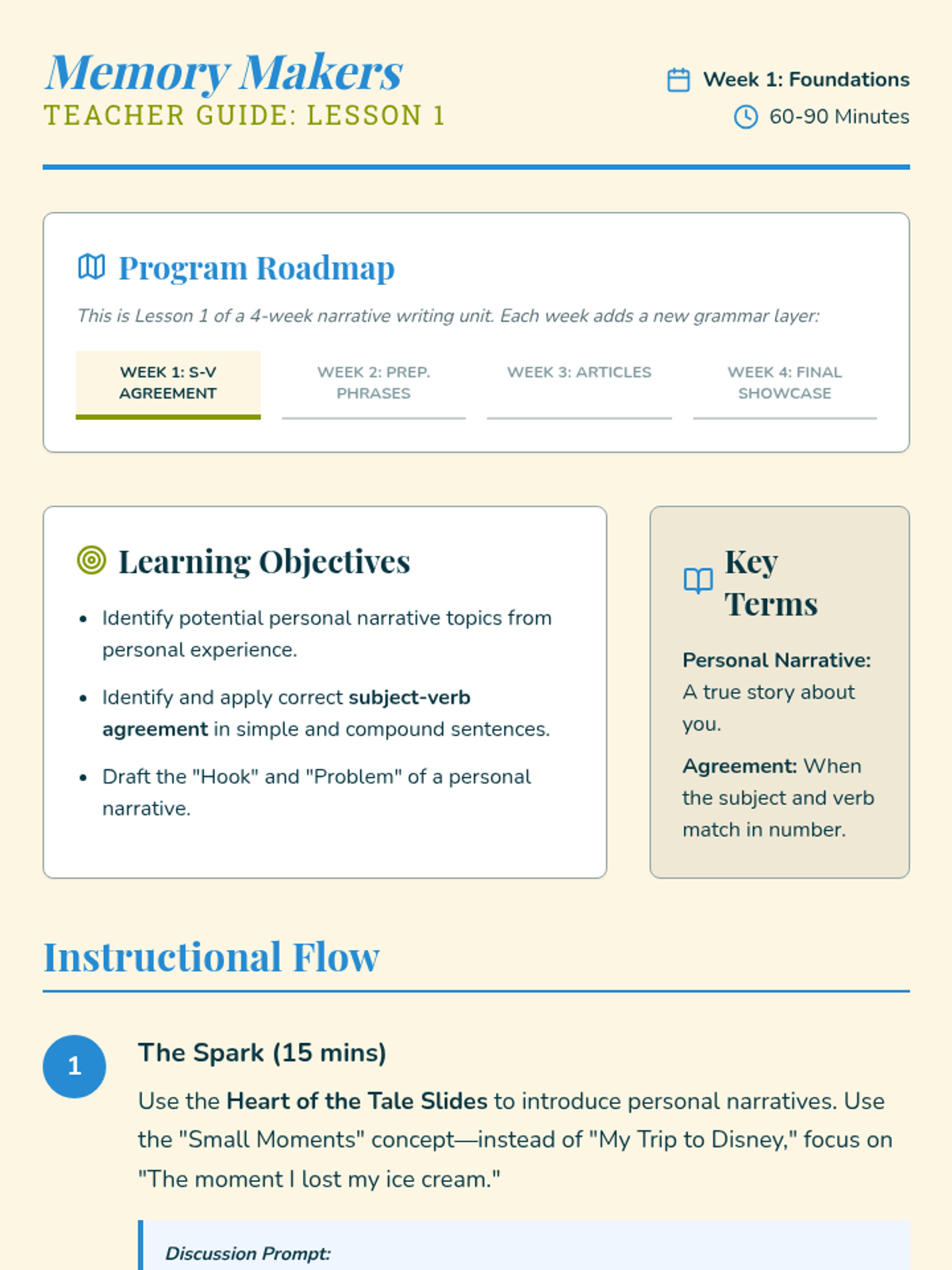
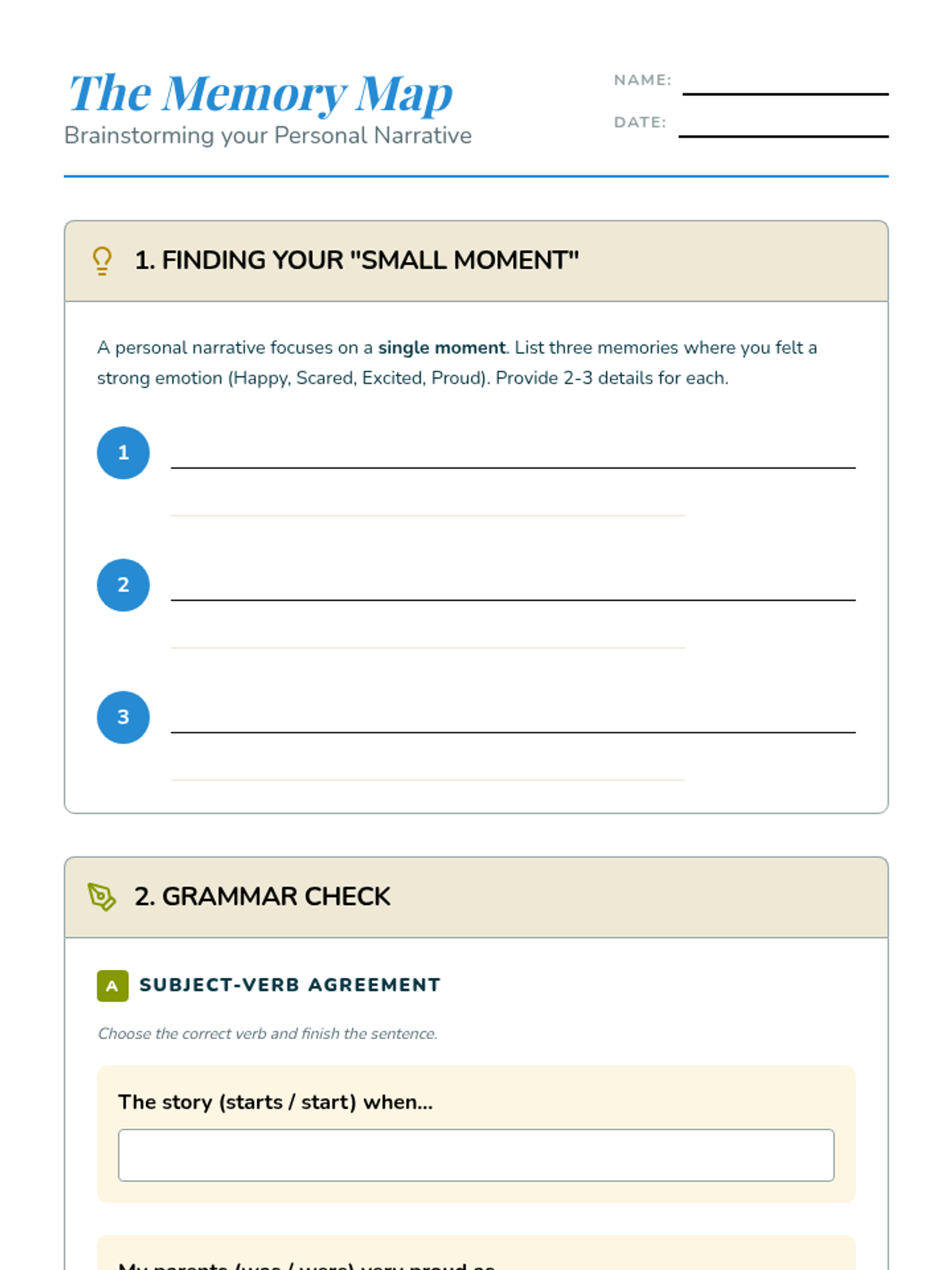
Focuses on identifying personal narrative topics and mastering subject-verb agreement to ensure clear story foundations.
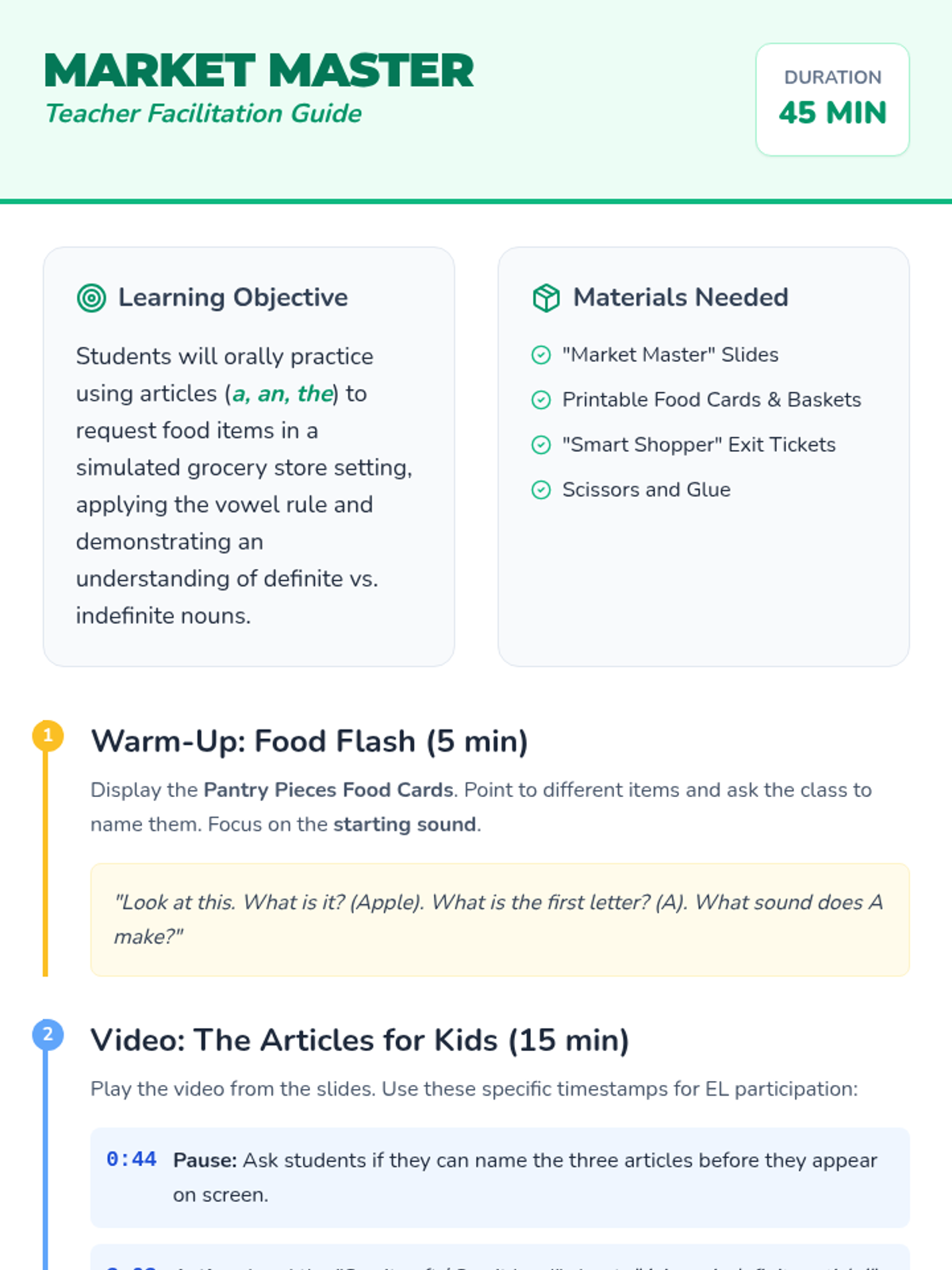
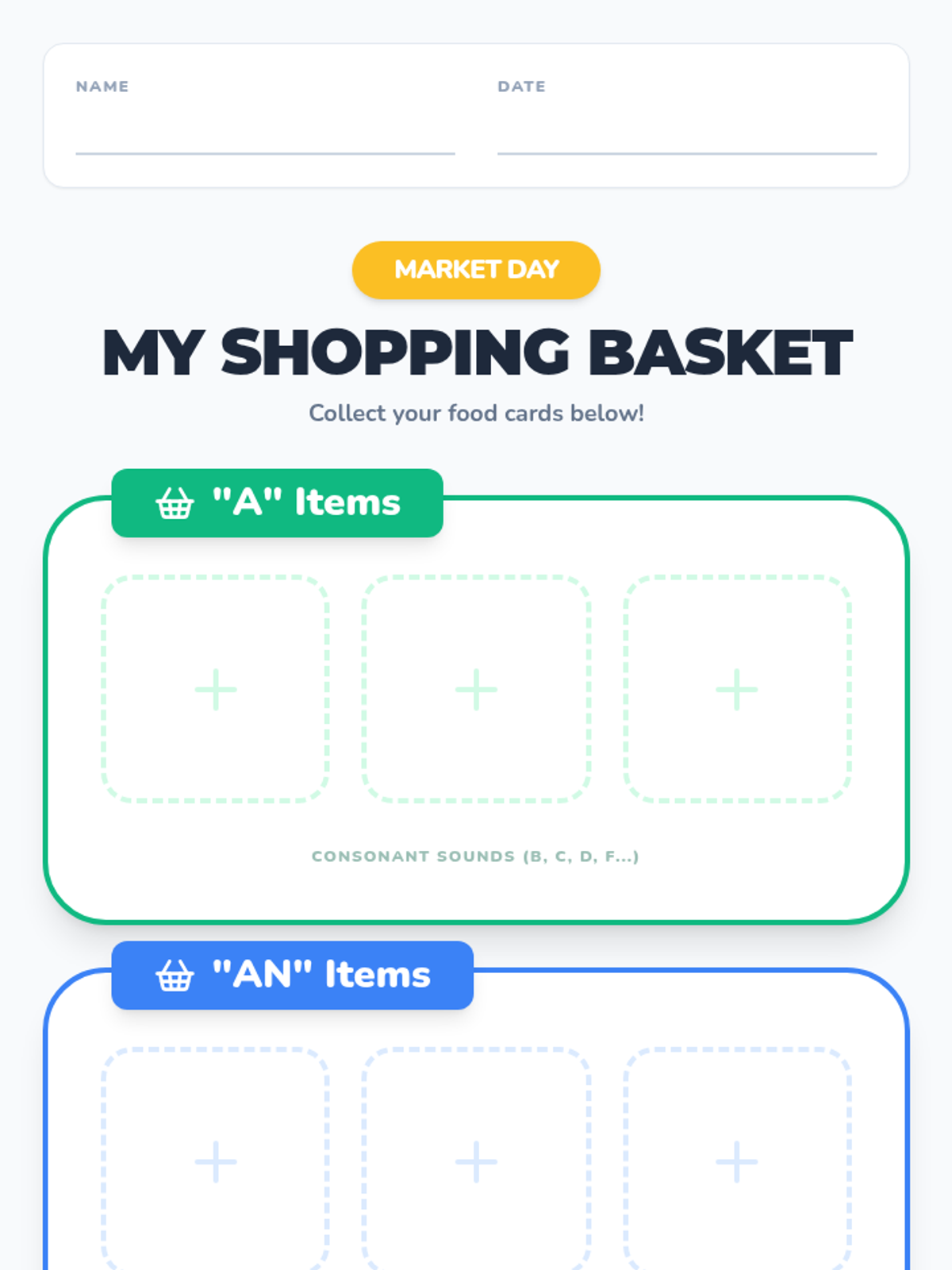
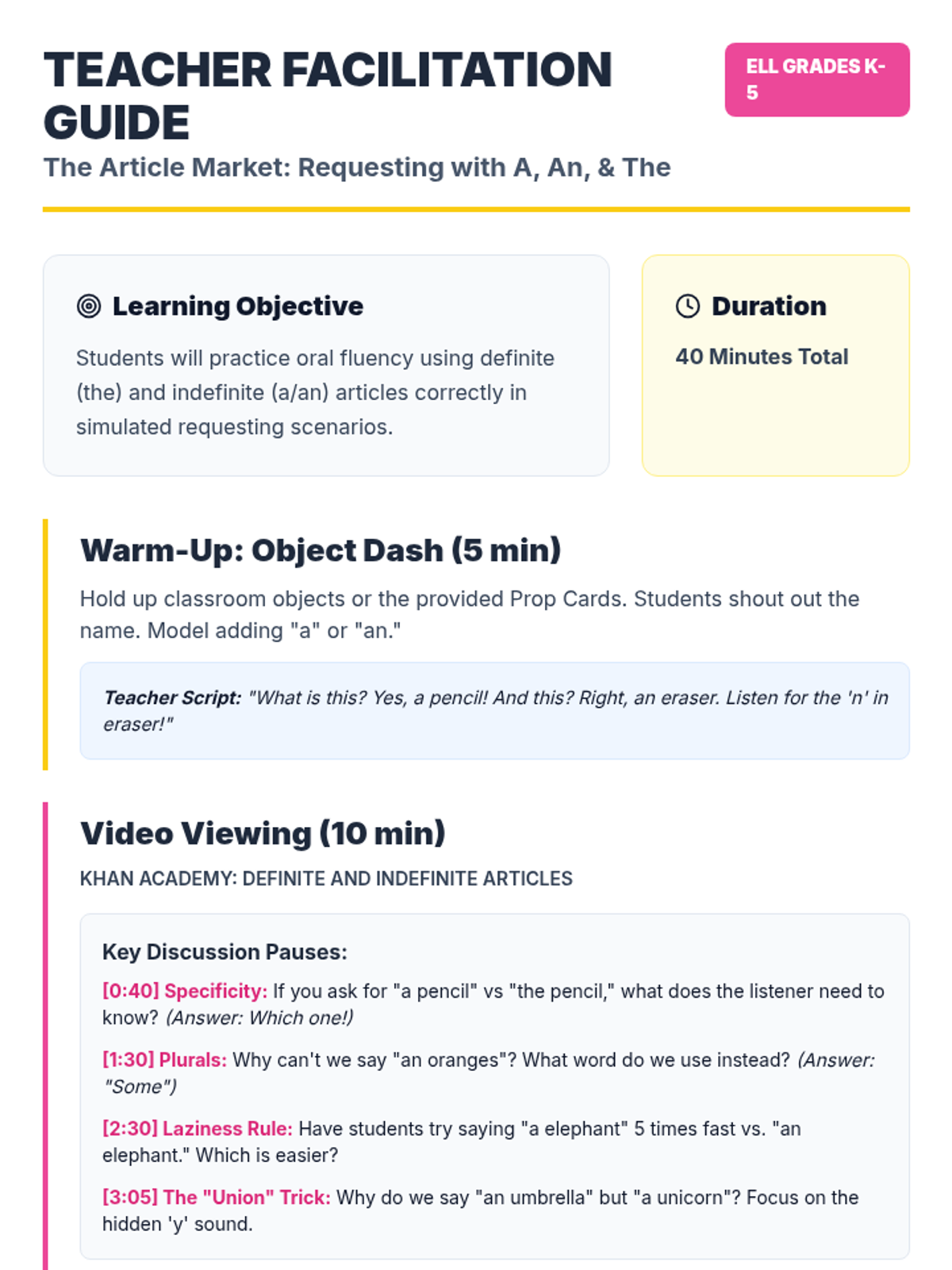
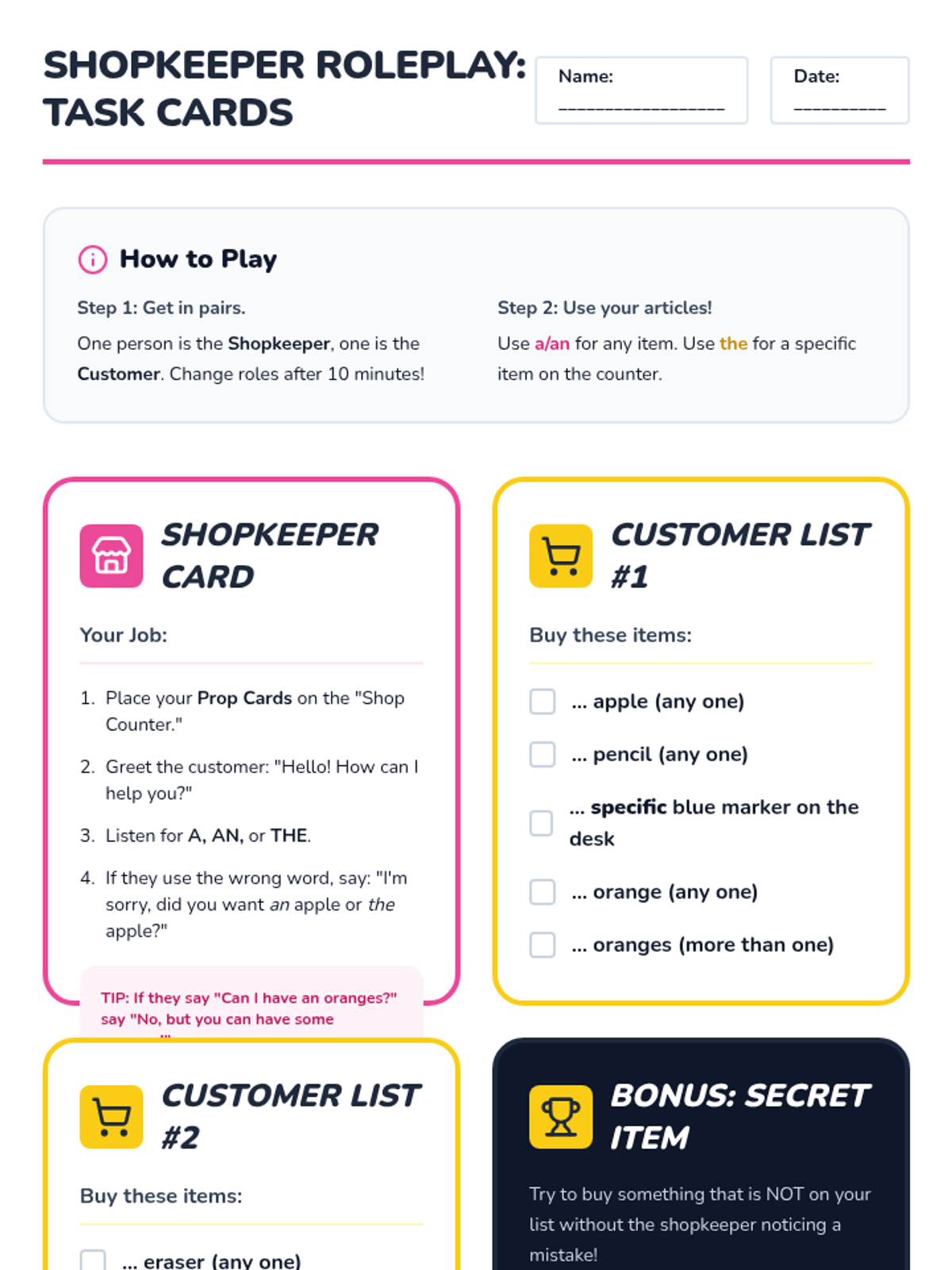
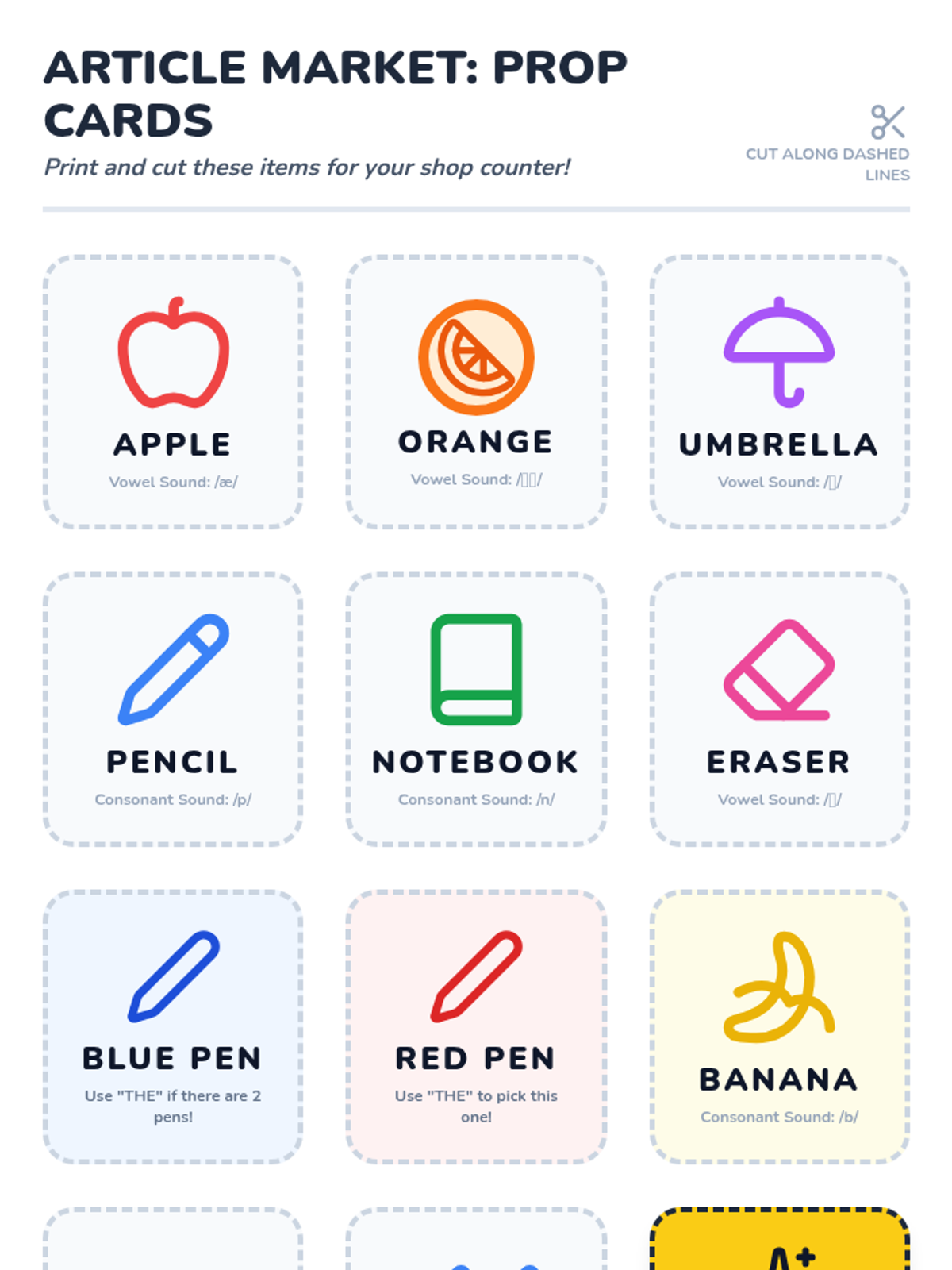
An interactive ESL/ELL lesson for elementary students focusing on the correct oral and written use of articles (a, an, the) within a grocery store roleplay context. Students learn the vowel rule for 'an' and the specificity of 'the' through a guided video and hands-on market activity.
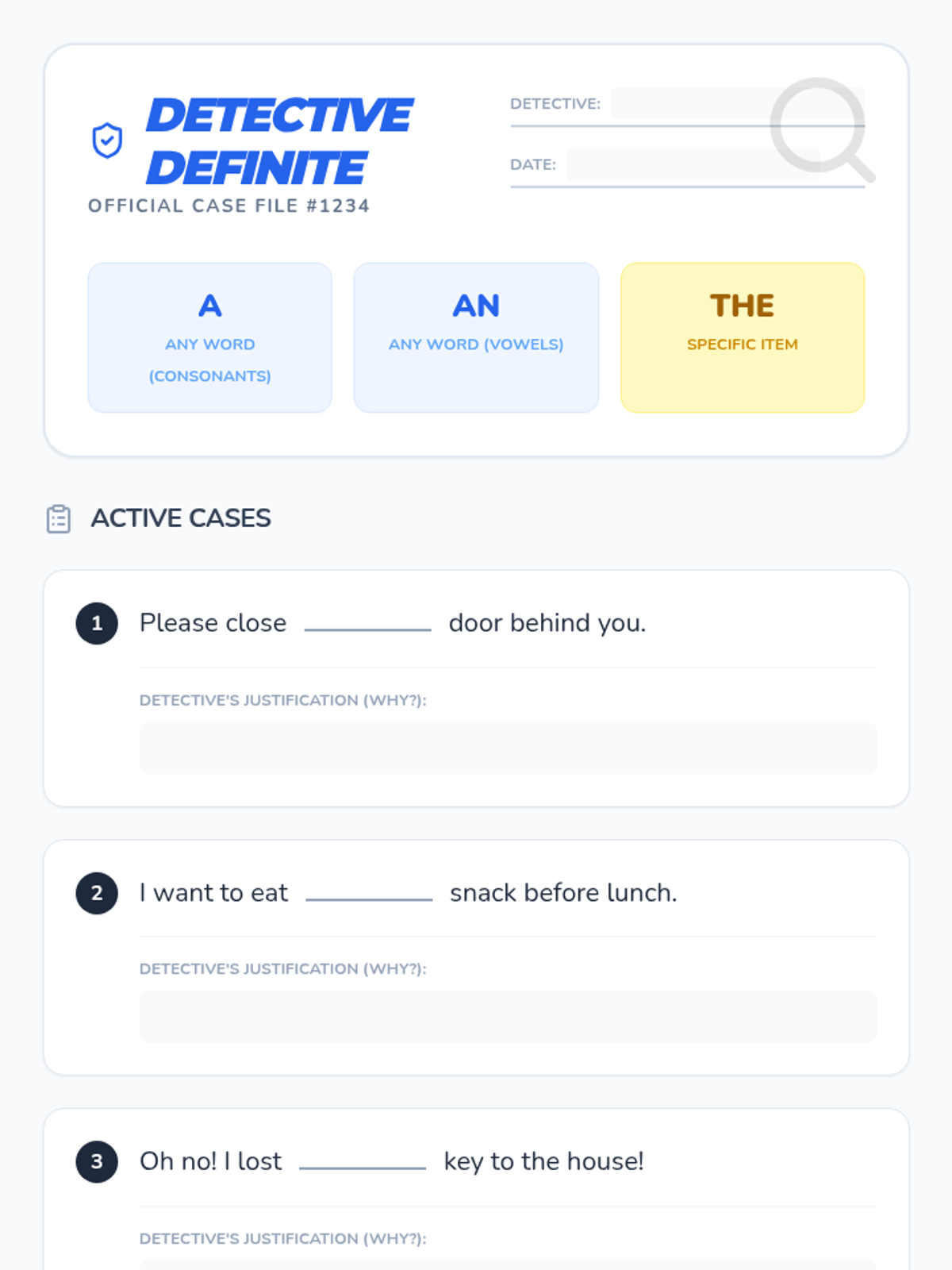
Students learn to distinguish between indefinite (a/an) and definite (the) articles through a hands-on detective activity and role-playing. The lesson uses a detective theme to help students hunt for specific vs. general nouns.
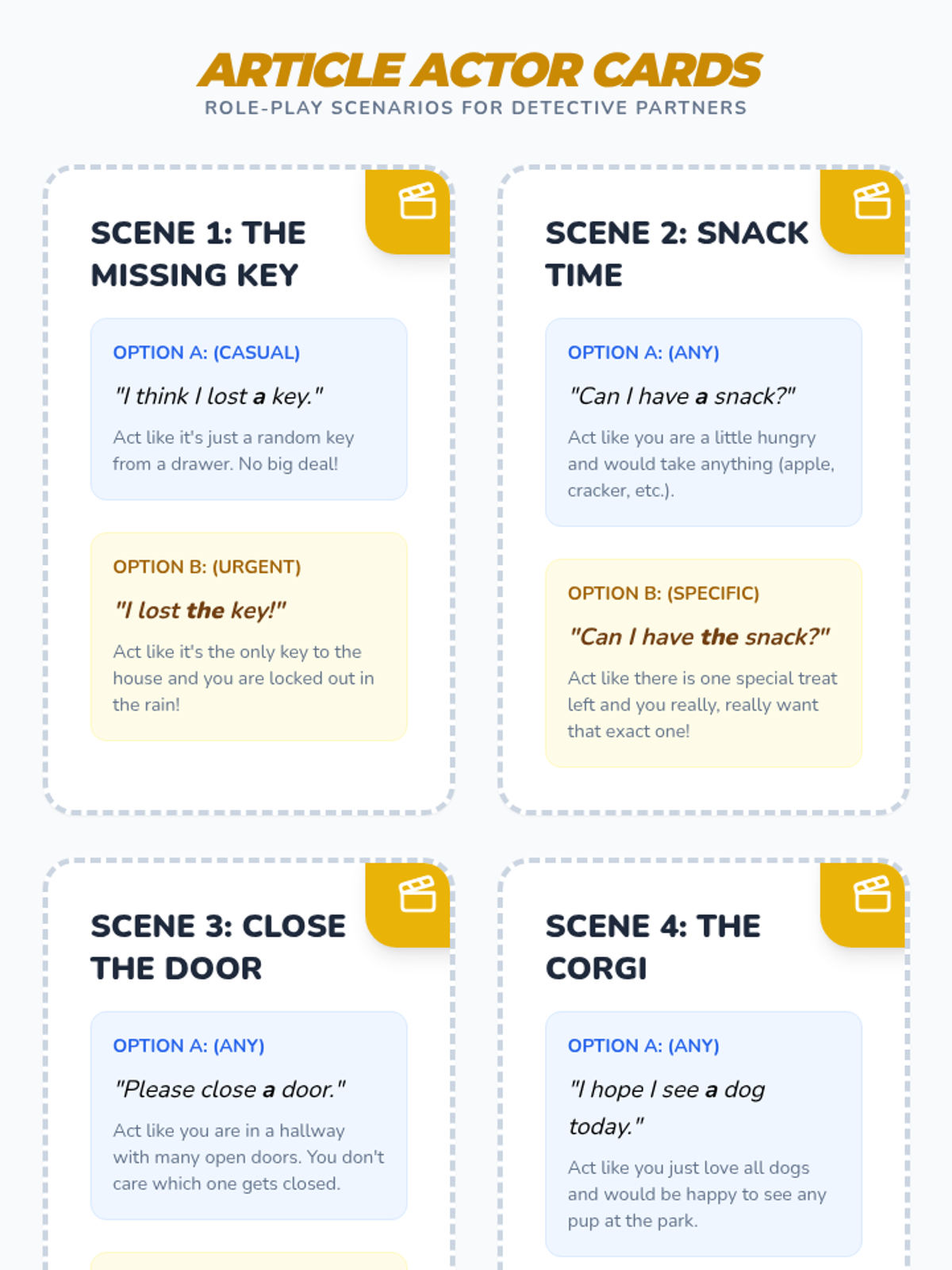
A lesson focused on English articles (a, an, the) through oral requests and a shopkeeper roleplay activity. Students learn to distinguish between specific and non-specific nouns and apply the vowel-sound rule for indefinite articles.
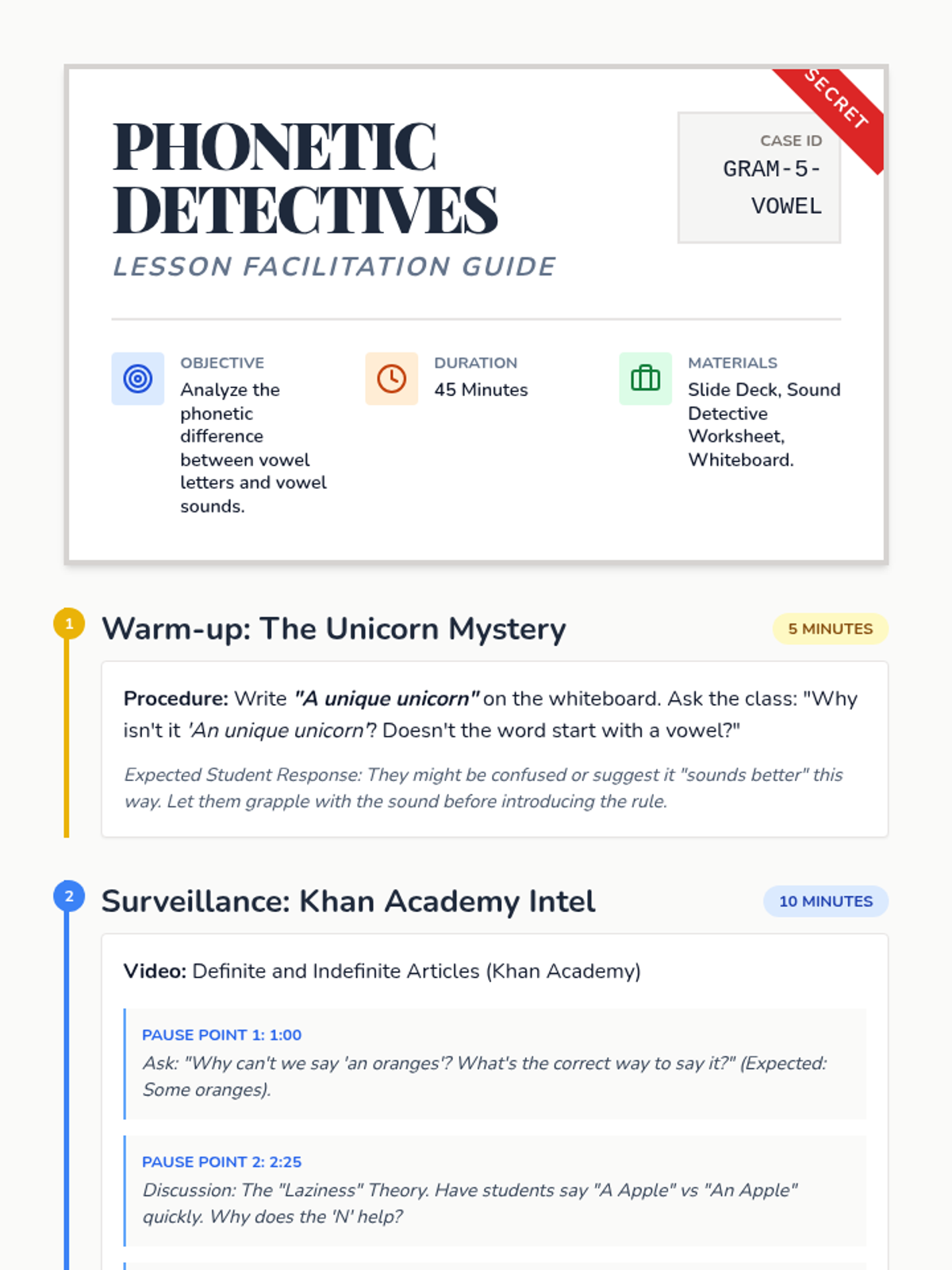
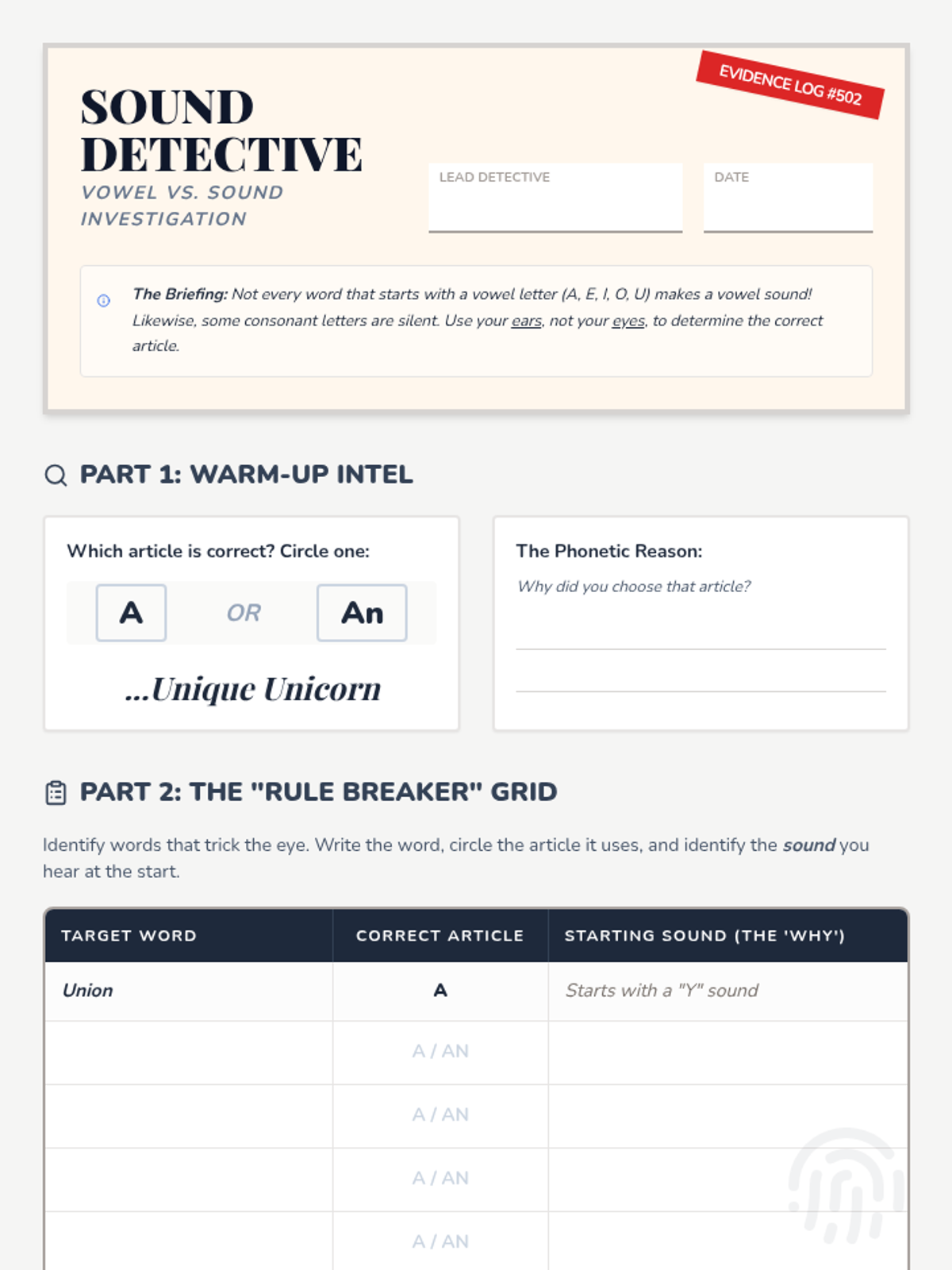
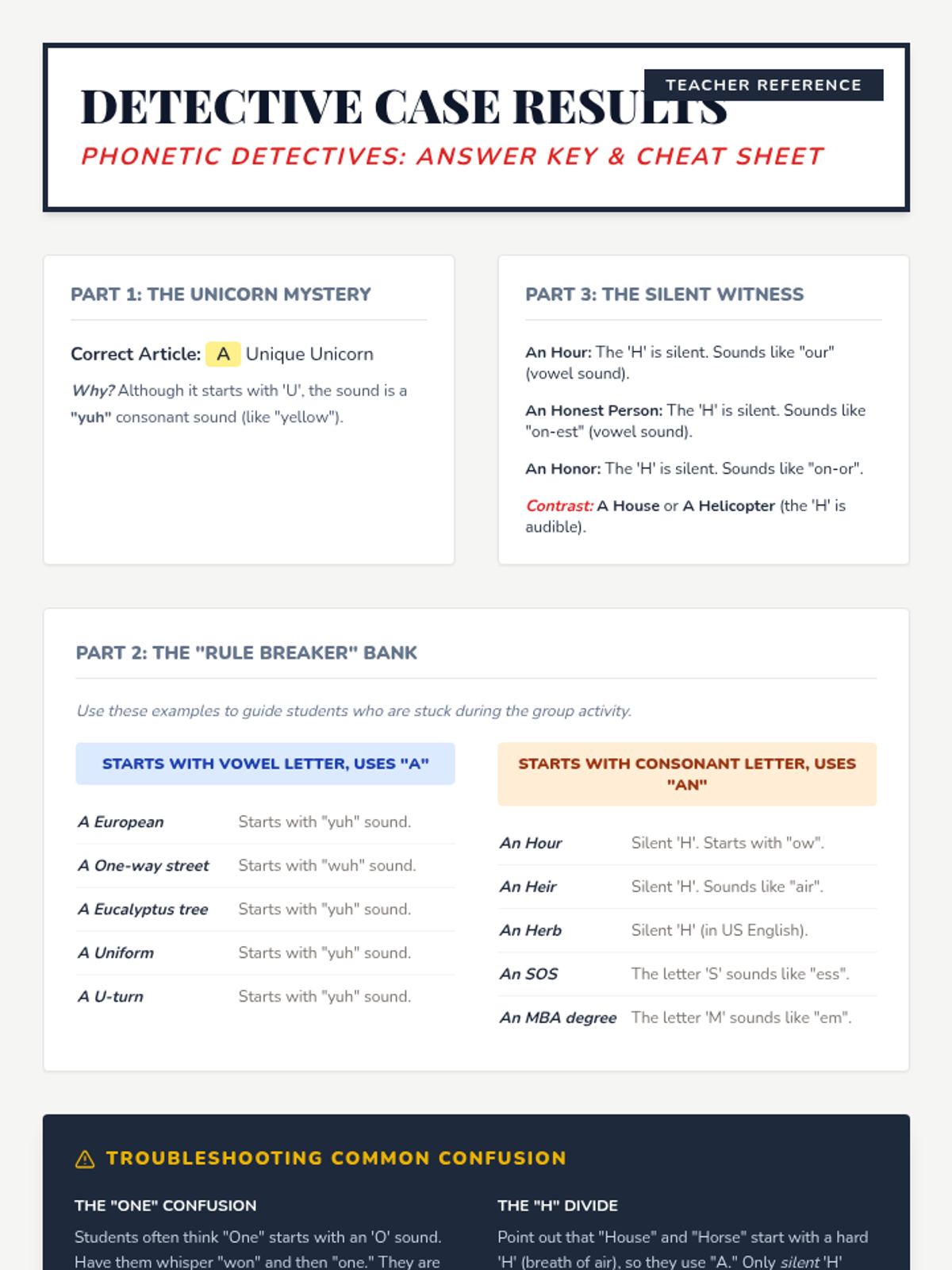
A 5th-grade grammar lesson focusing on the phonetic difference between vowel letters and vowel sounds, specifically addressing 'rule-breaking' articles with 'A' and 'An'.
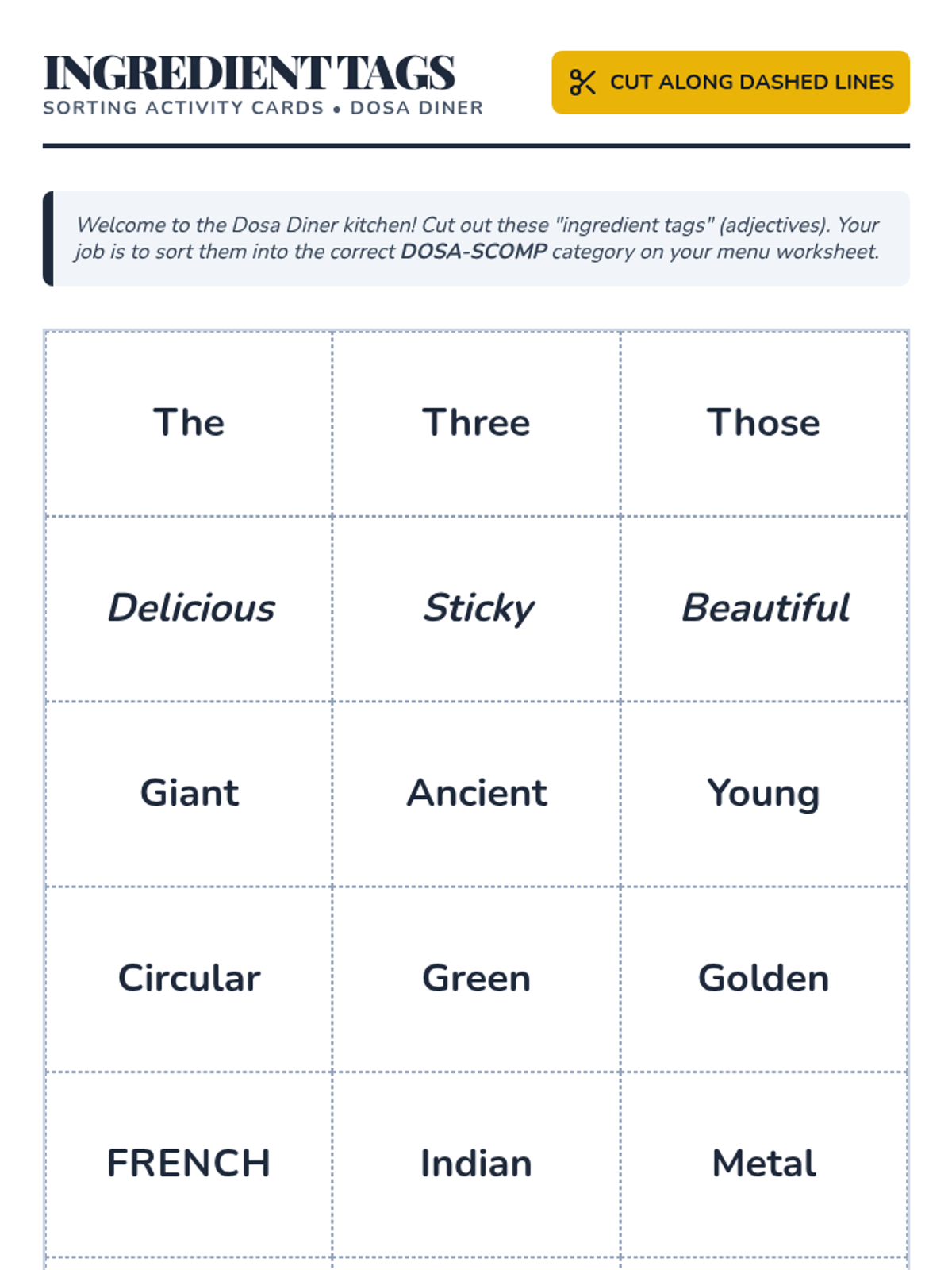
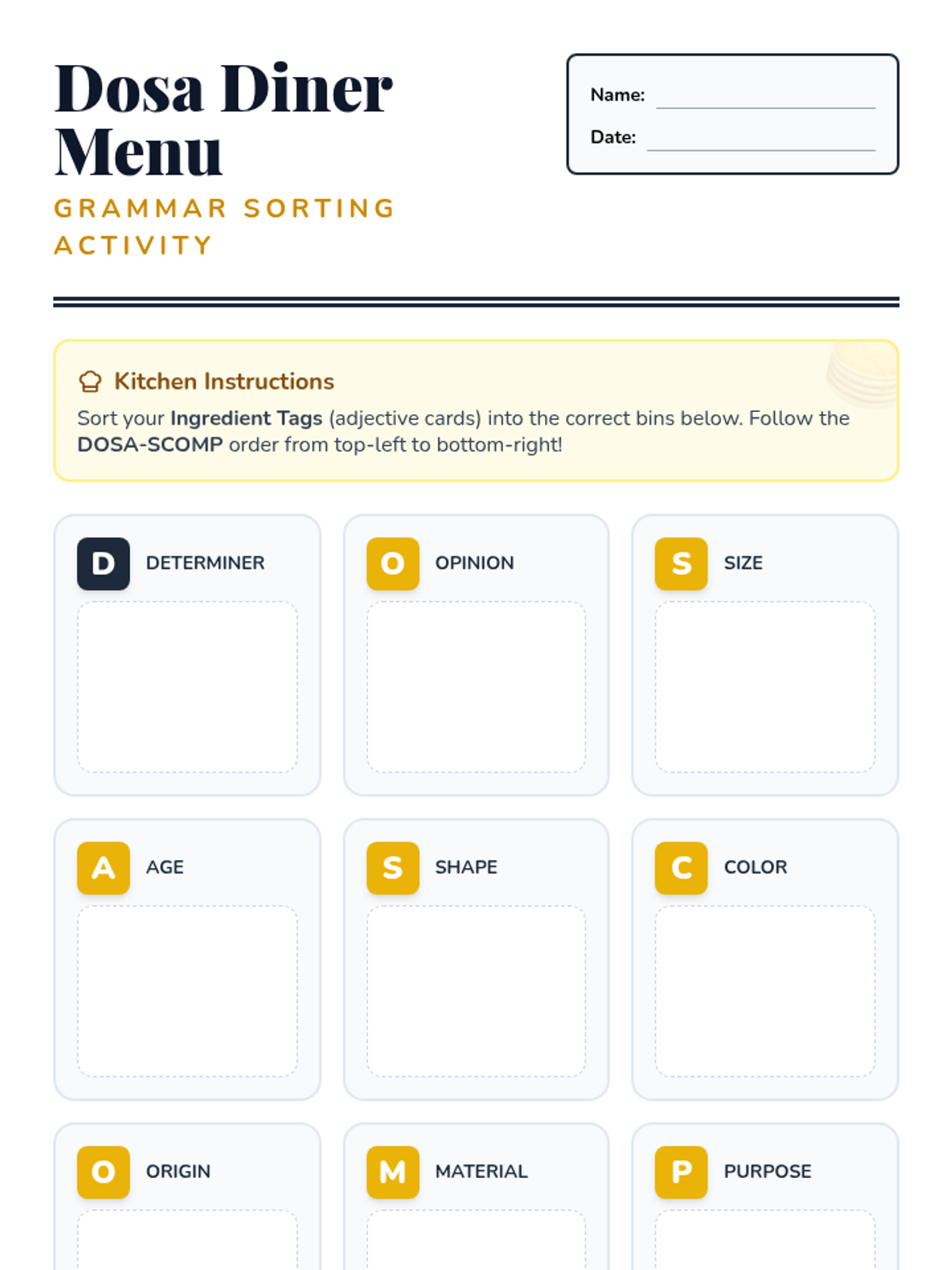
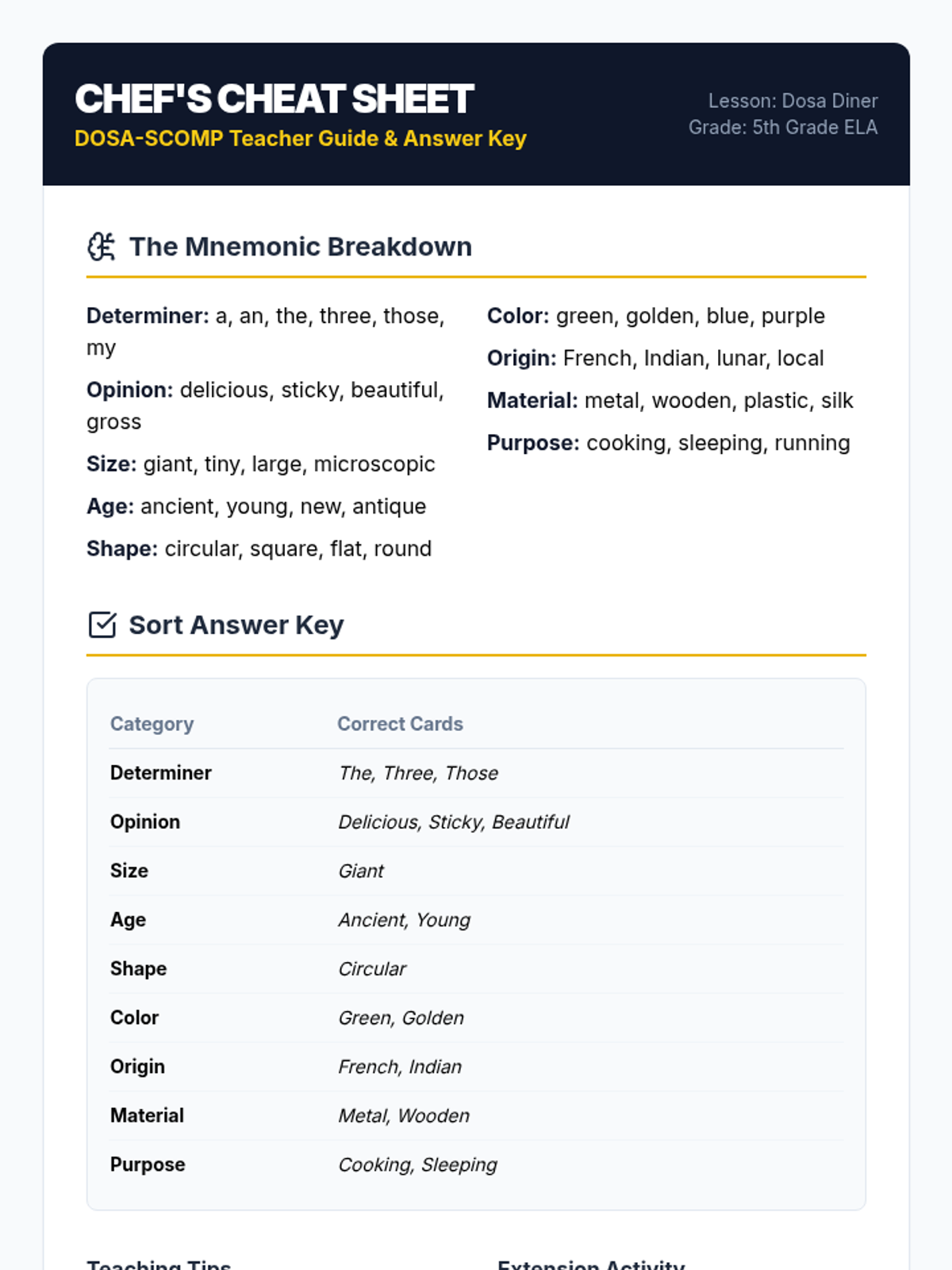
Students learn the DOSA-SCOMP mnemonic to master adjective order and understand when to use commas with coordinate adjectives. The lesson includes a warm-up, video analysis, sorting activity, and creative closure.
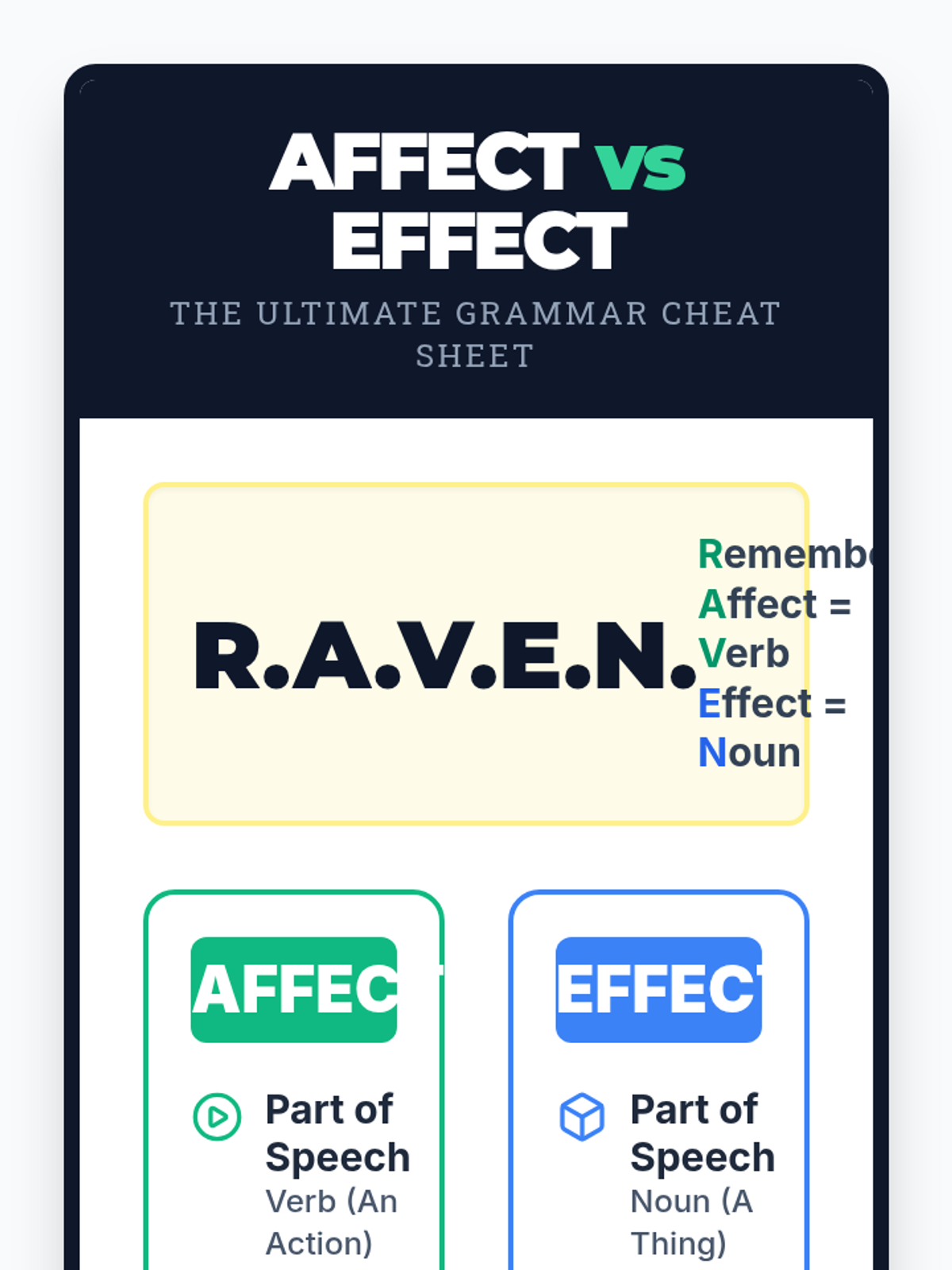
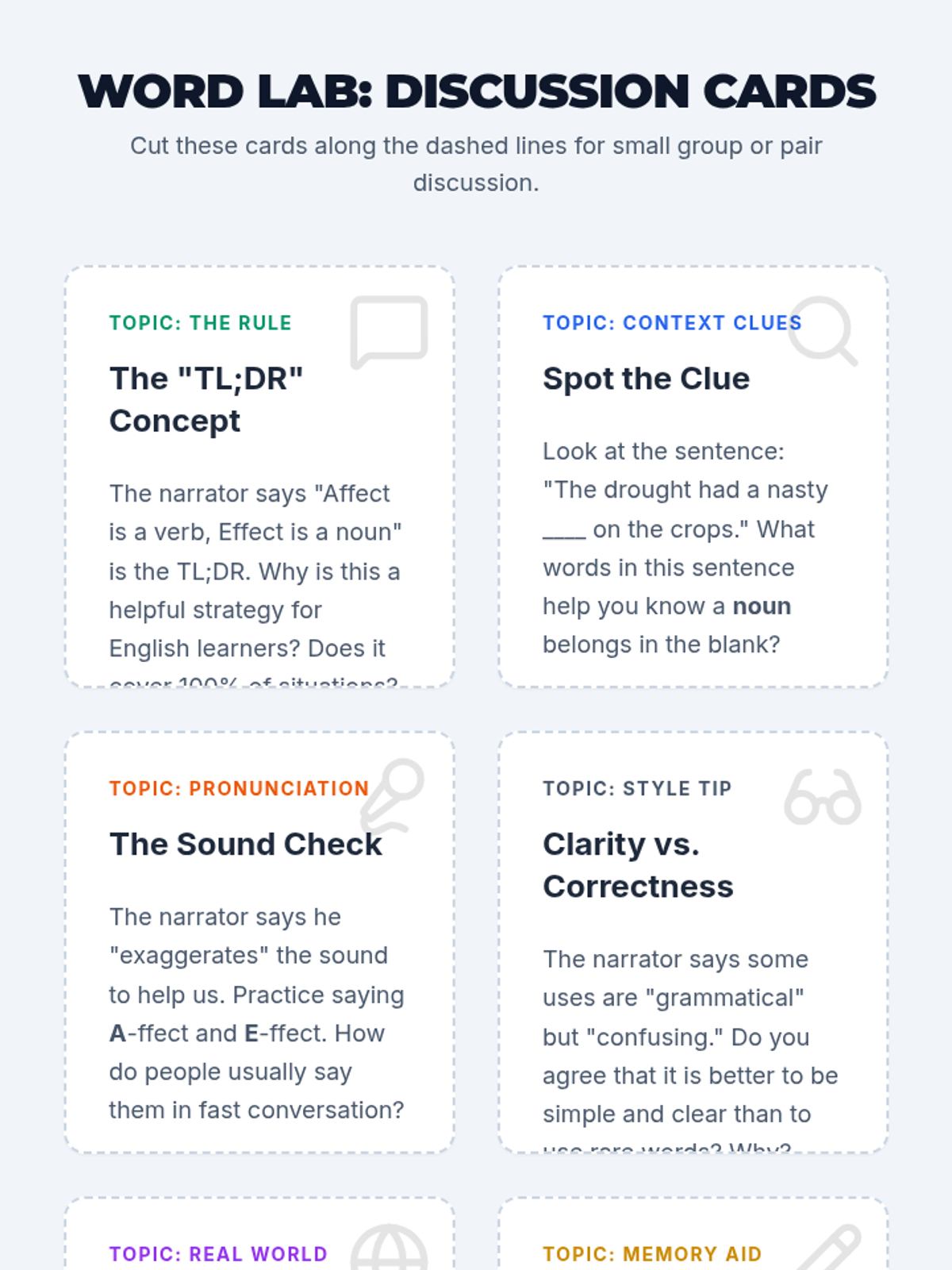
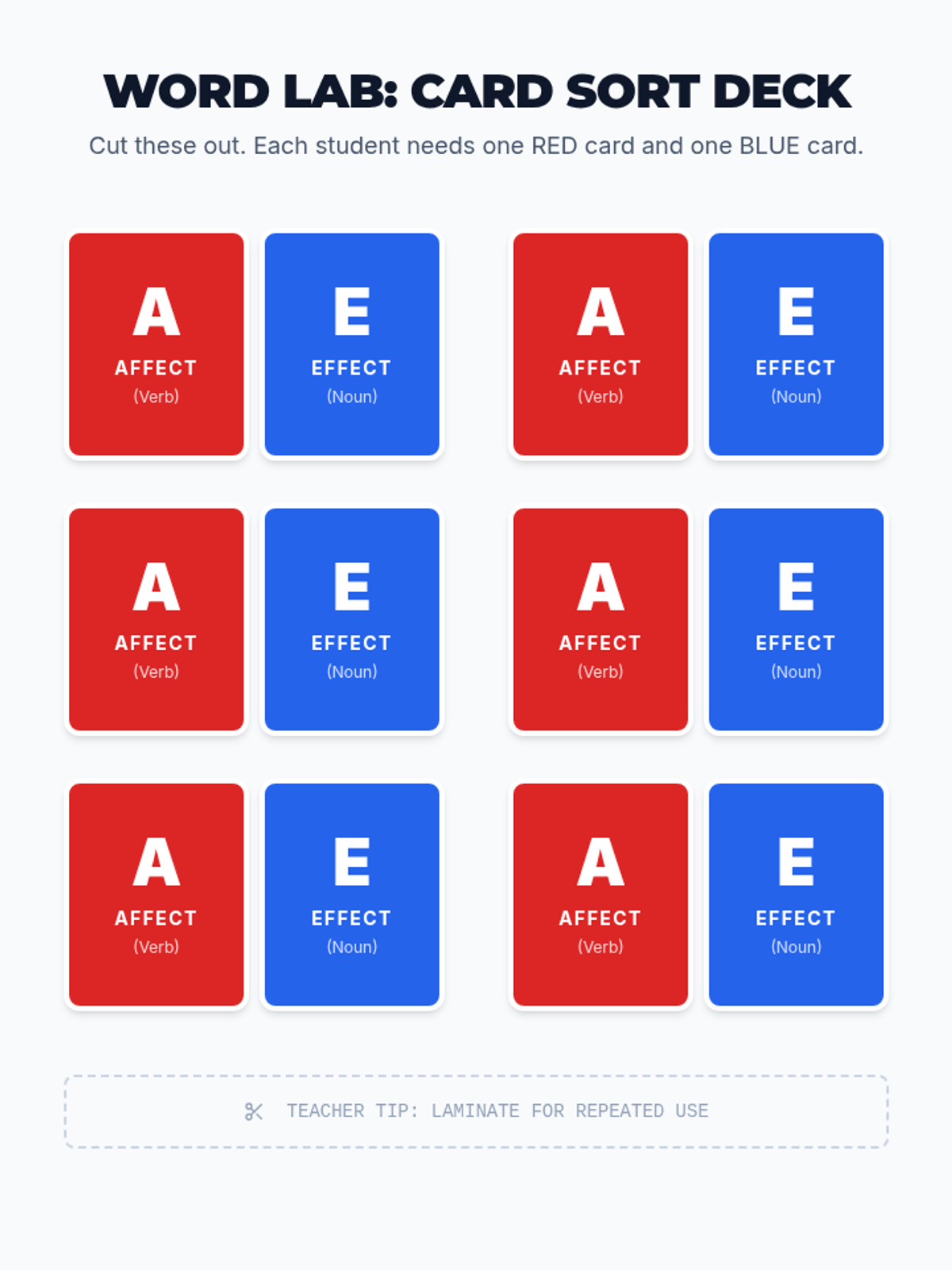
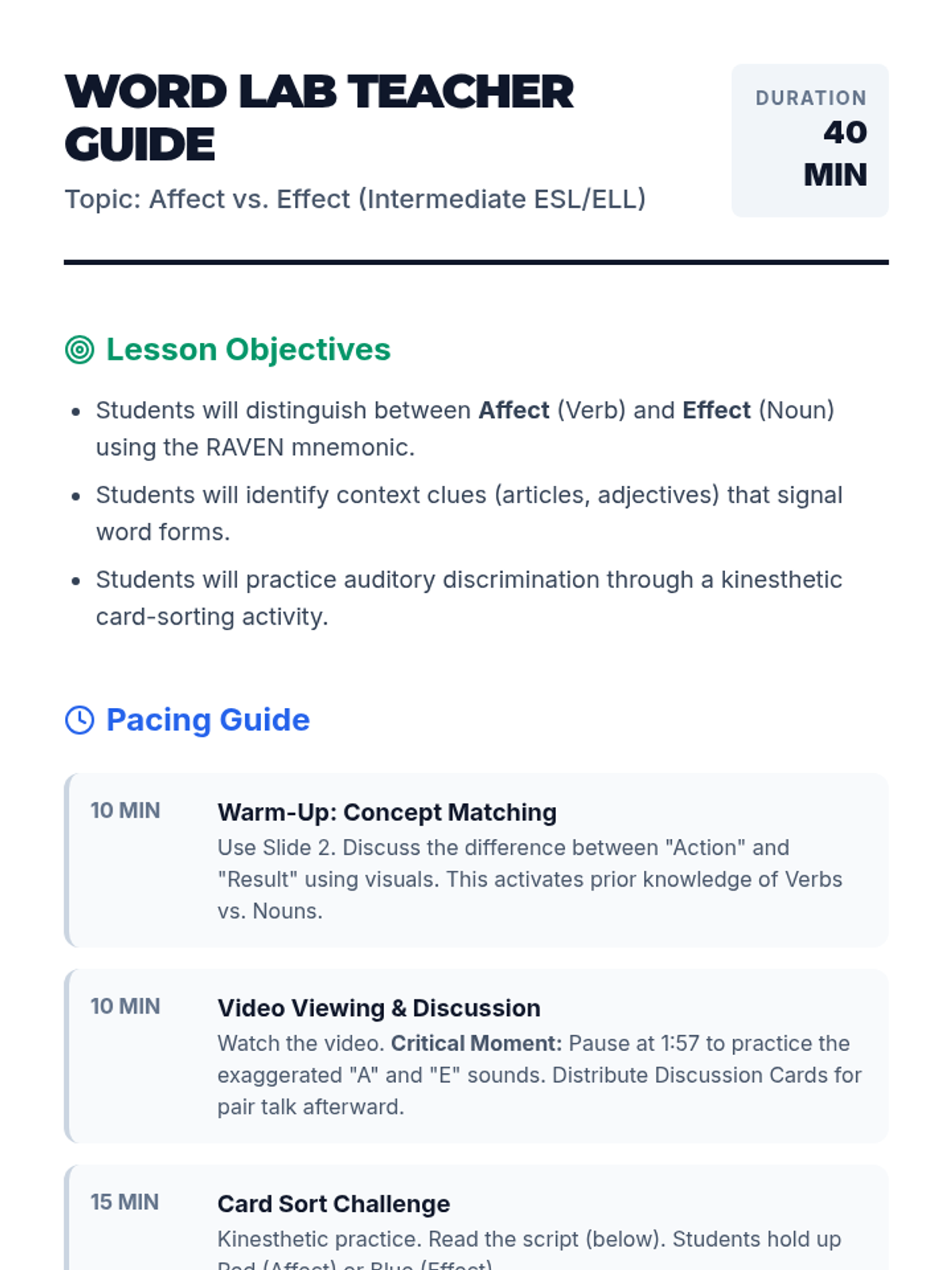
An intermediate ESL/ELL lesson focused on distinguishing between 'affect' and 'effect' using word forms, context clues, and a visual mnemonic. Includes a video-based discussion, a kinesthetic card-sorting activity, and a visual anchor chart.
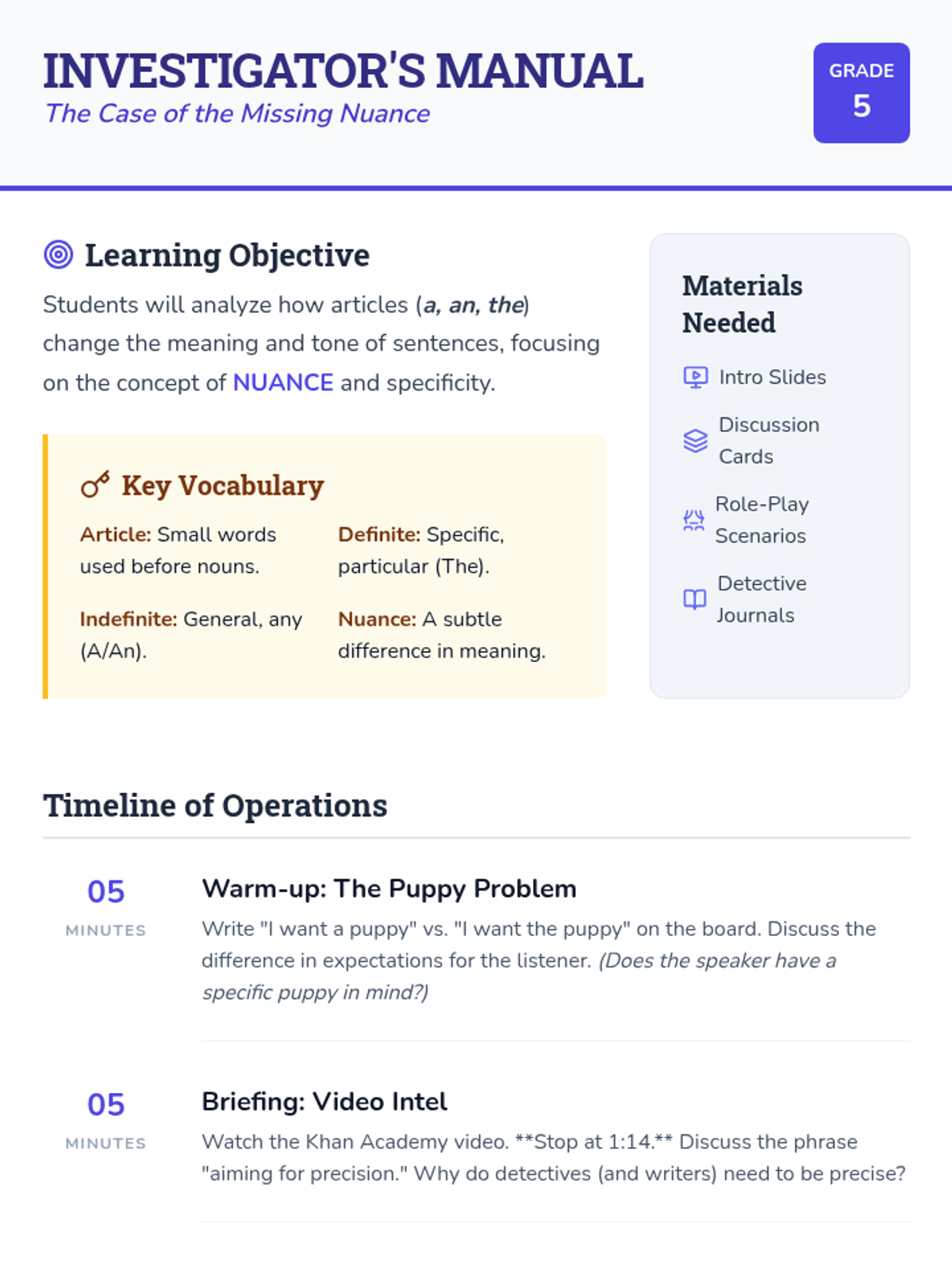
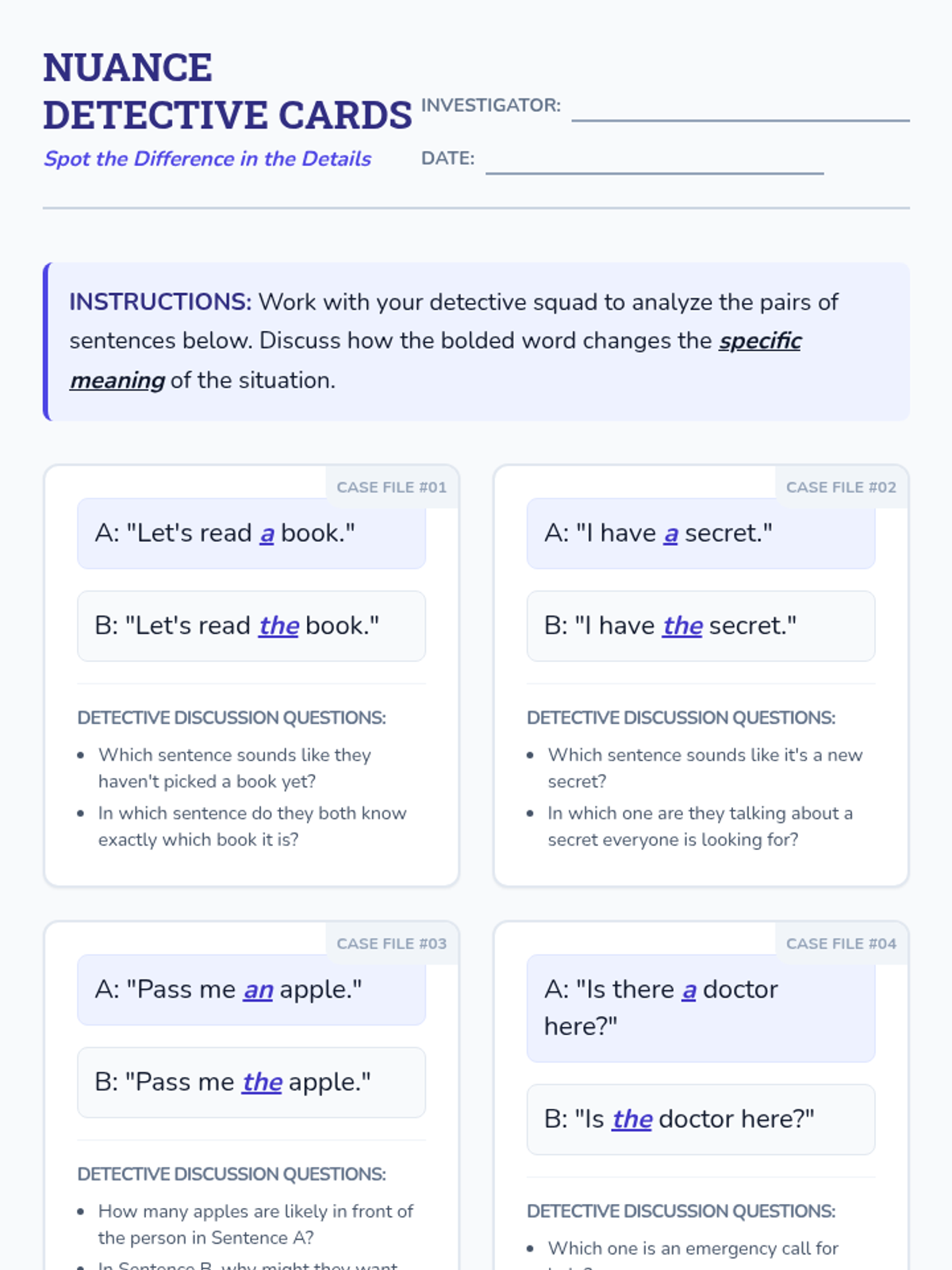
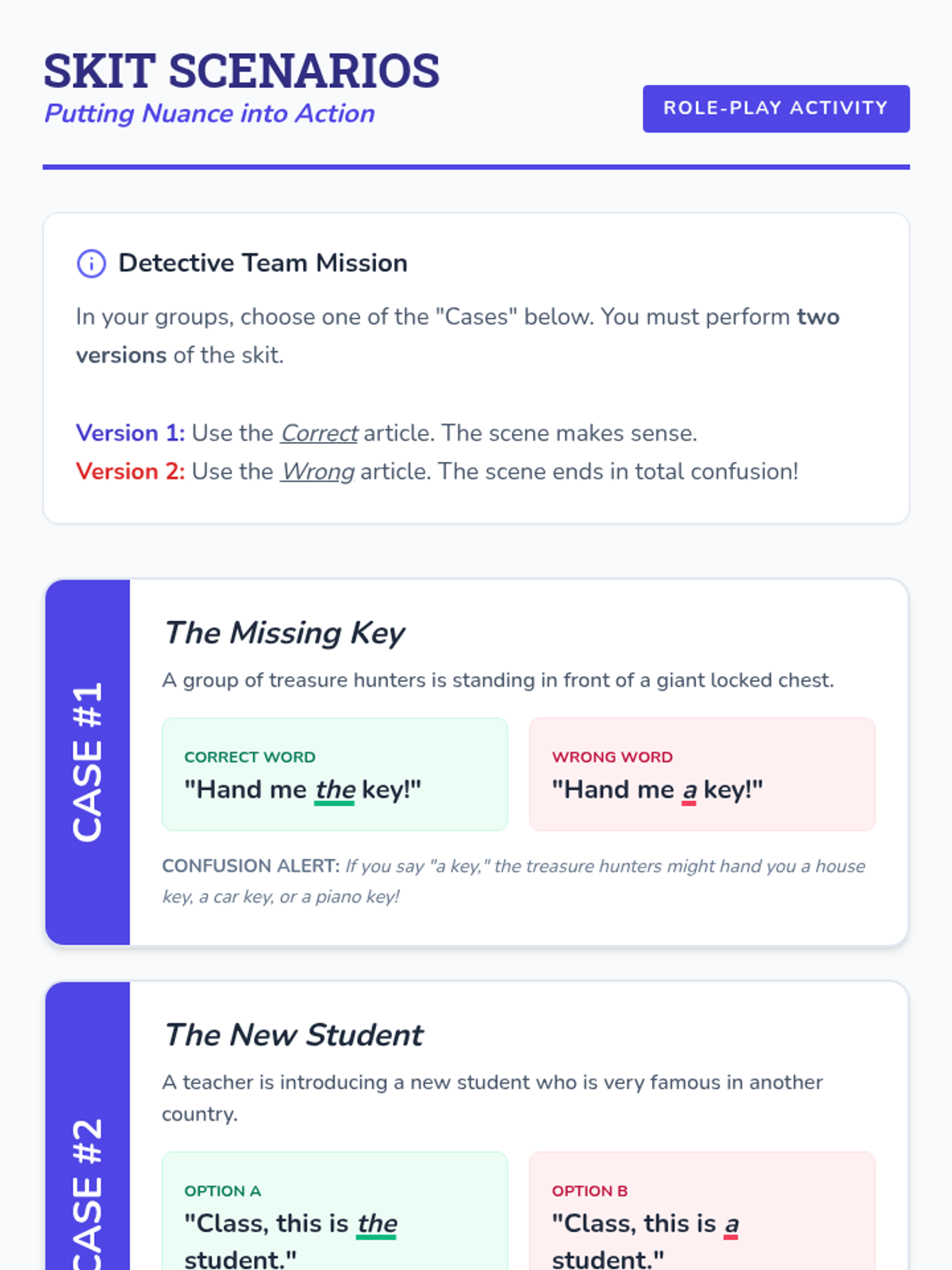
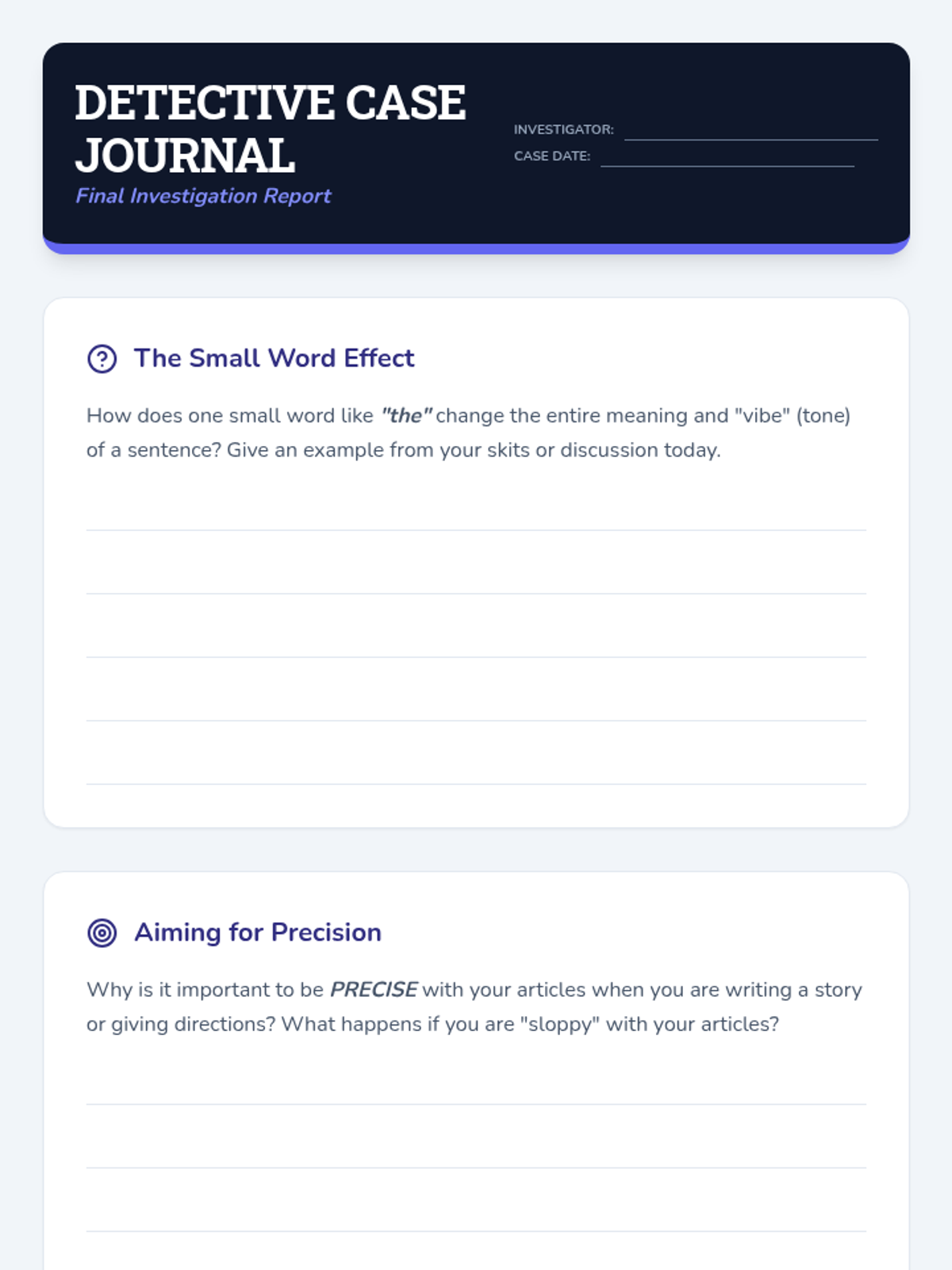
A lesson where 5th-grade students act as detectives to uncover how small articles like 'a', 'an', and 'the' fundamentally change the meaning, specificity, and tone of language.
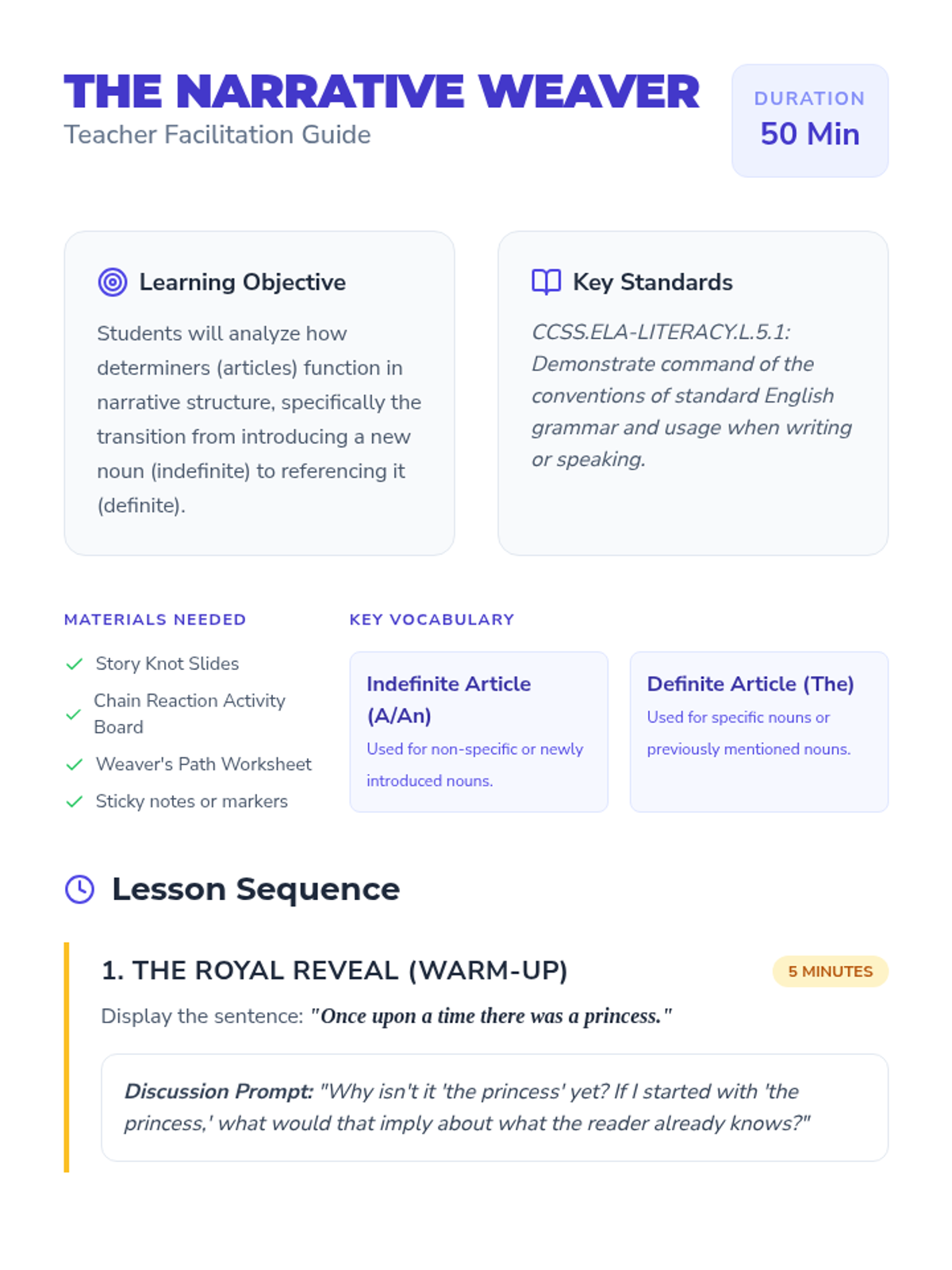
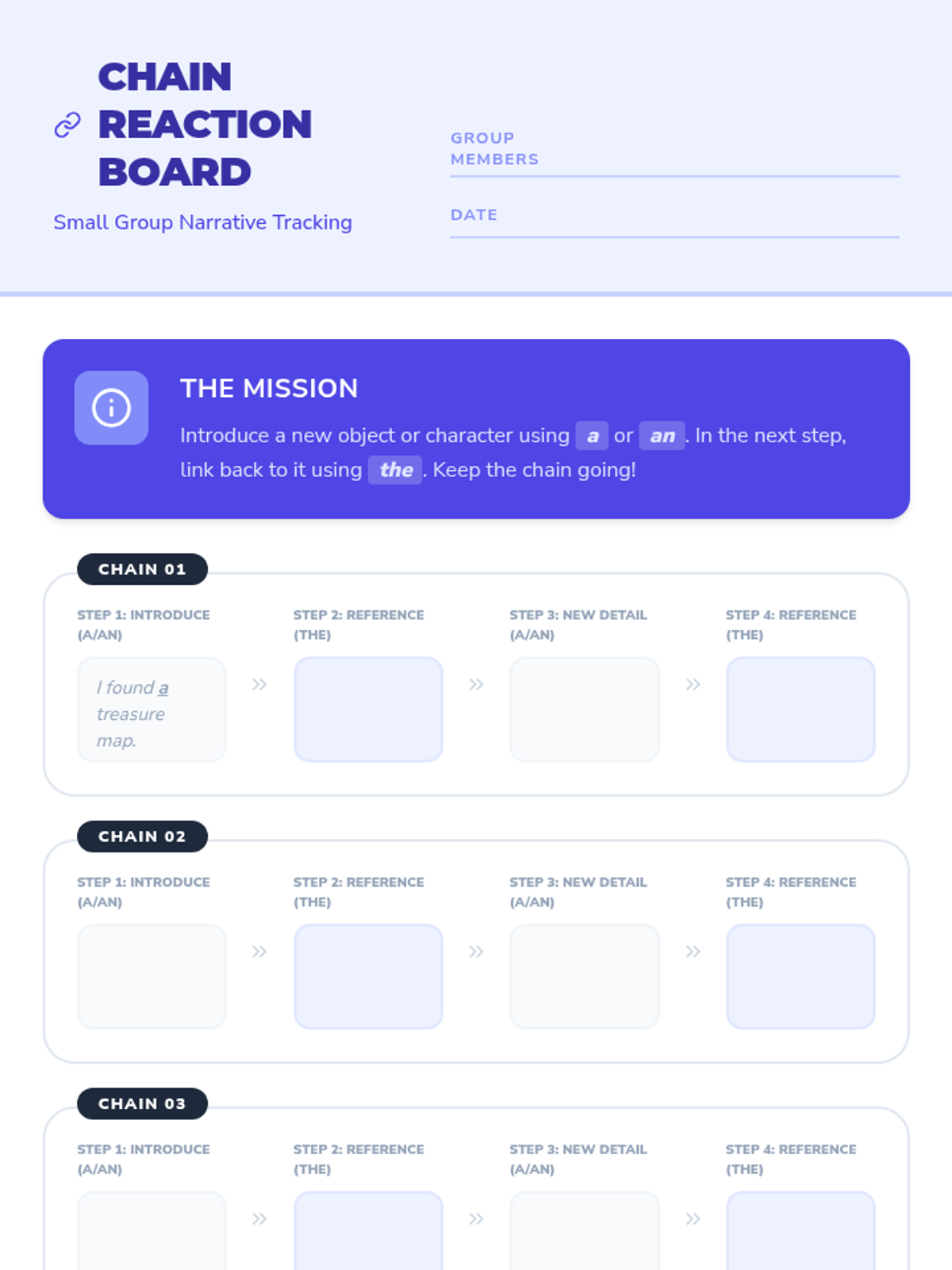
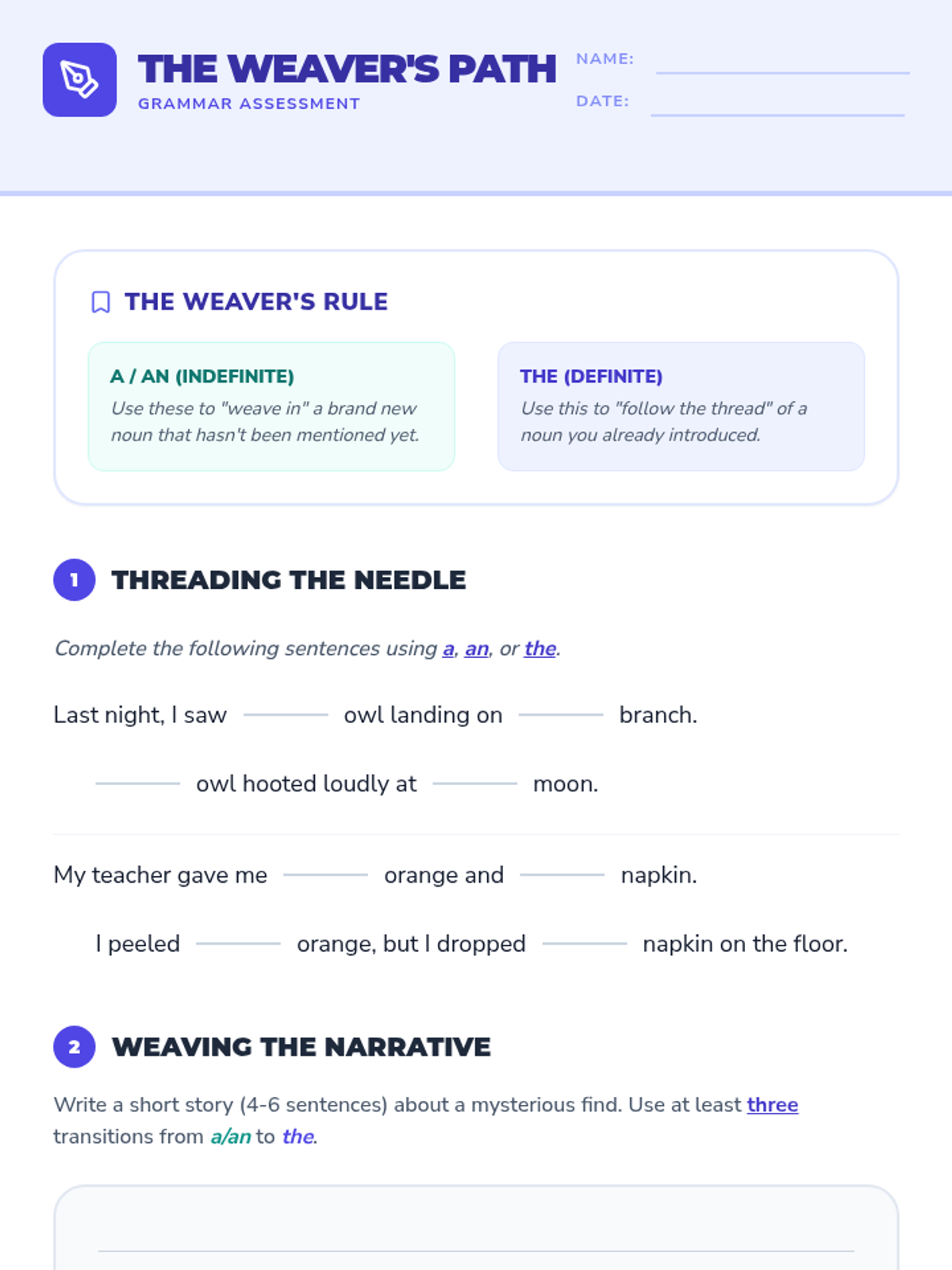
A 5th-grade grammar lesson exploring how indefinite and definite articles (determiners) function in storytelling to introduce and then reference characters and objects. Students will transition from 'a/an' to 'the' through collaborative storytelling and creative writing.
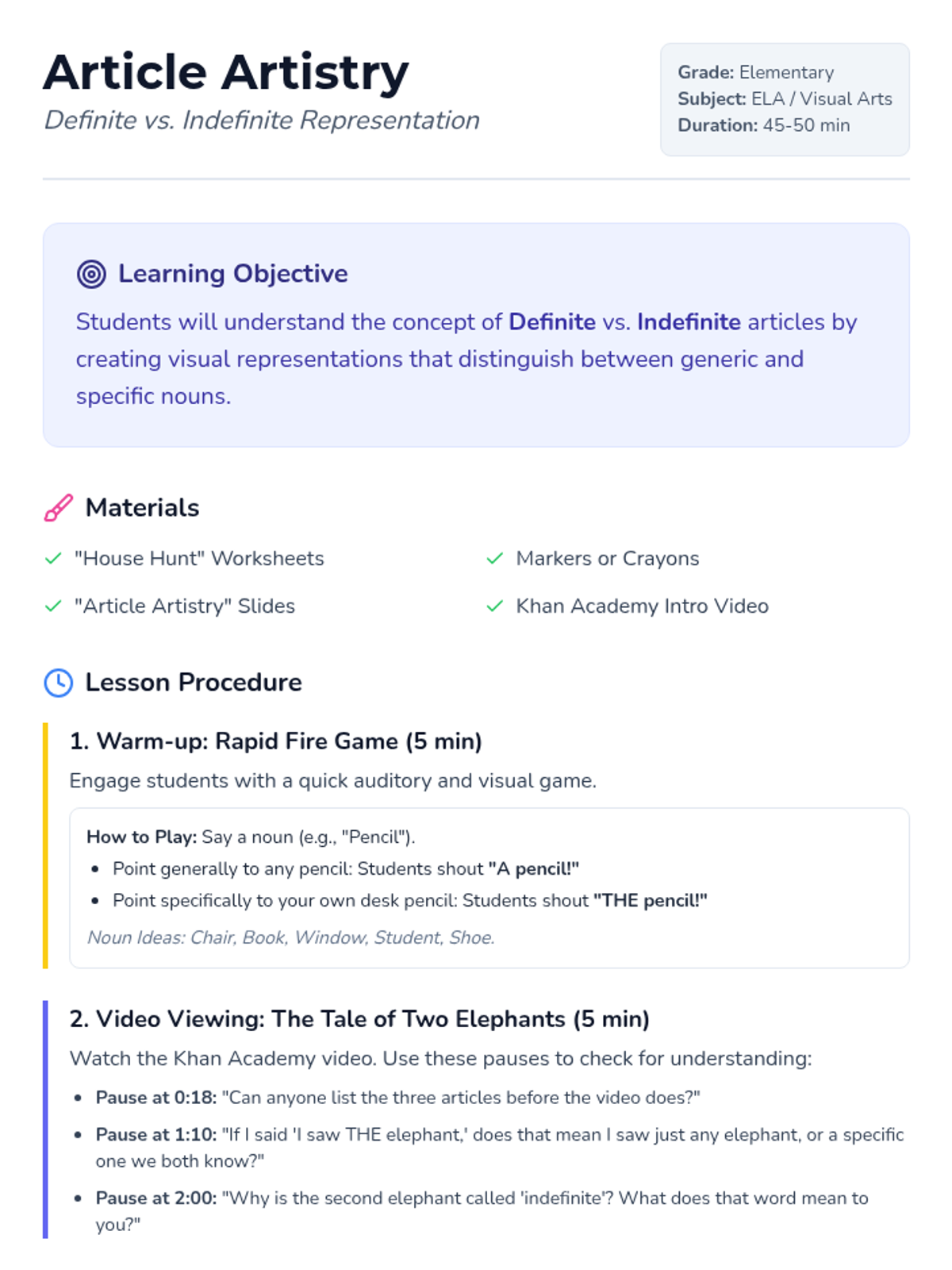
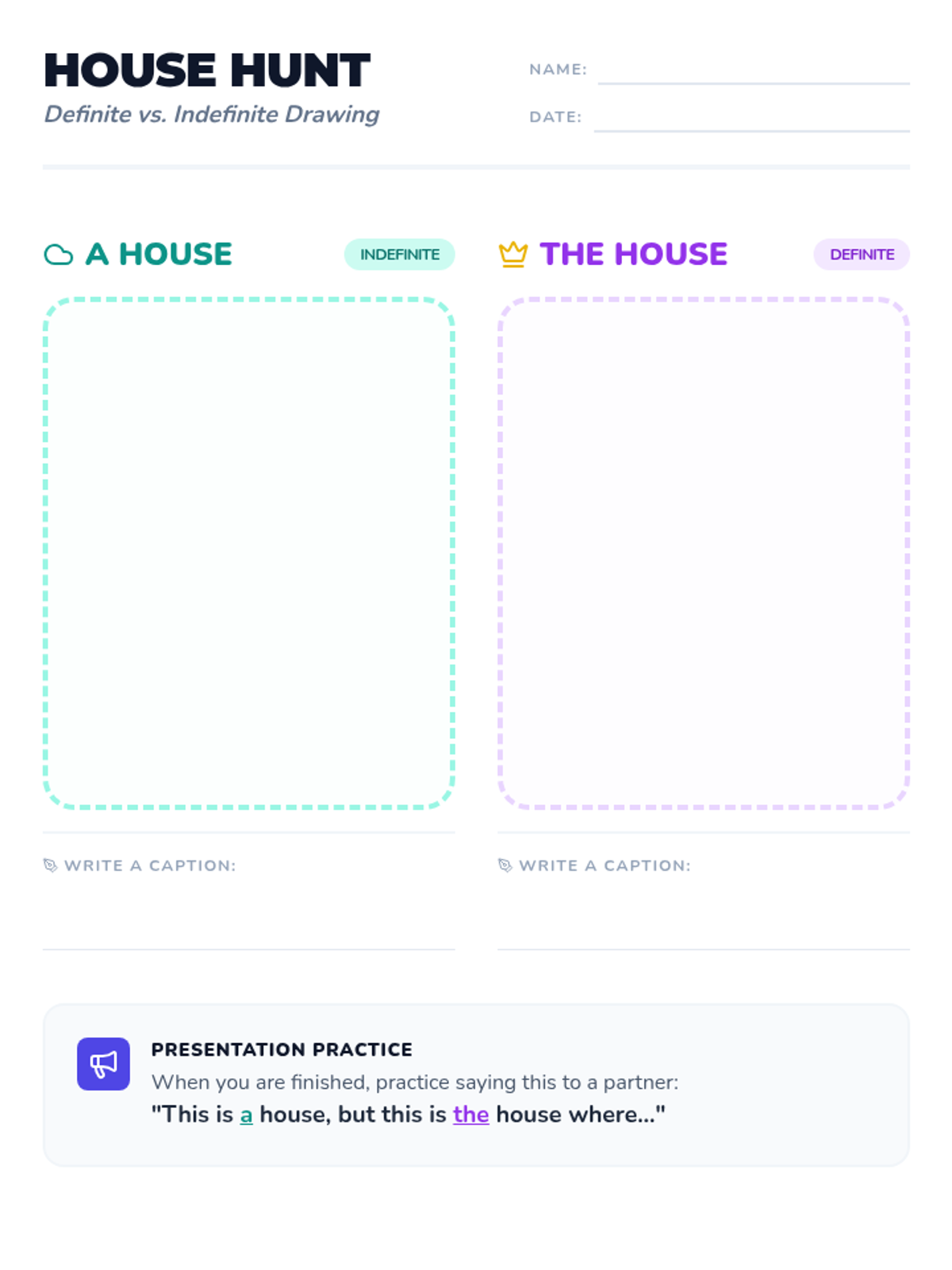
An art-integrated grammar lesson where students explore the difference between definite (the) and indefinite (a/an) articles by drawing generic and specific houses. Includes a video-based discussion and a rapid-fire game.
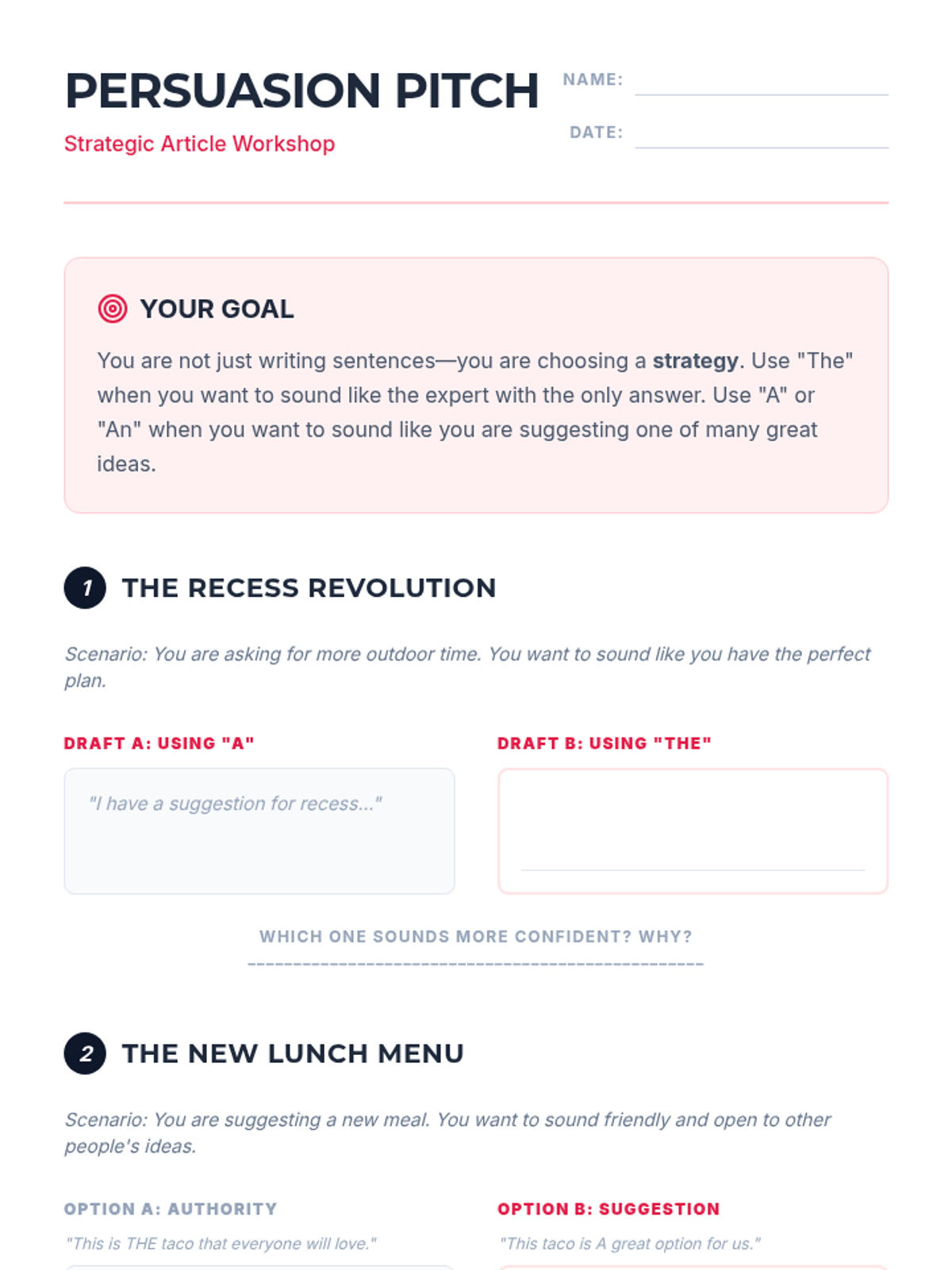
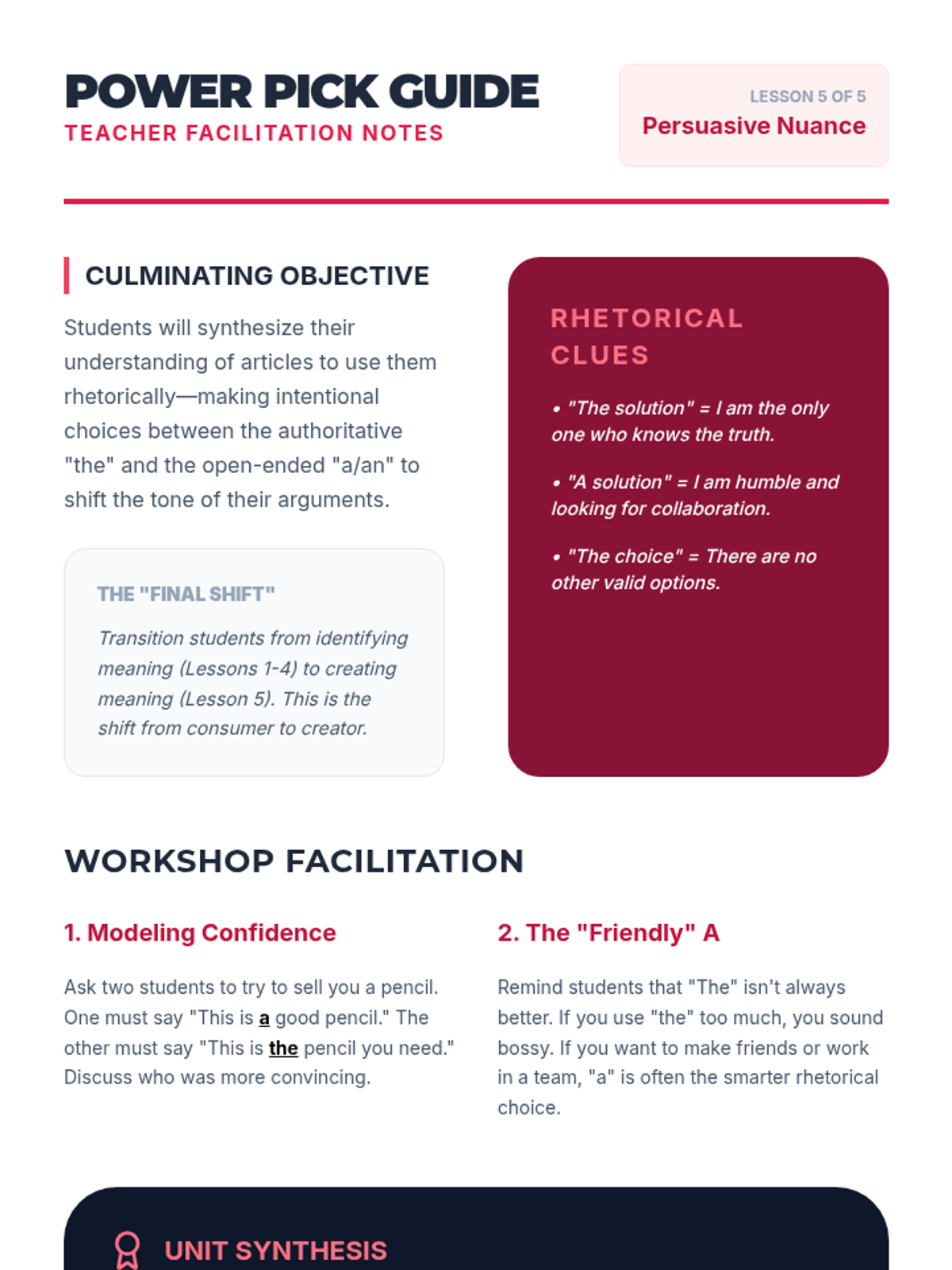
Students write short persuasive arguments where they intentionally choose articles to sound more authoritative or specific. They analyze how 'the solution' sounds more confident than 'a solution.'
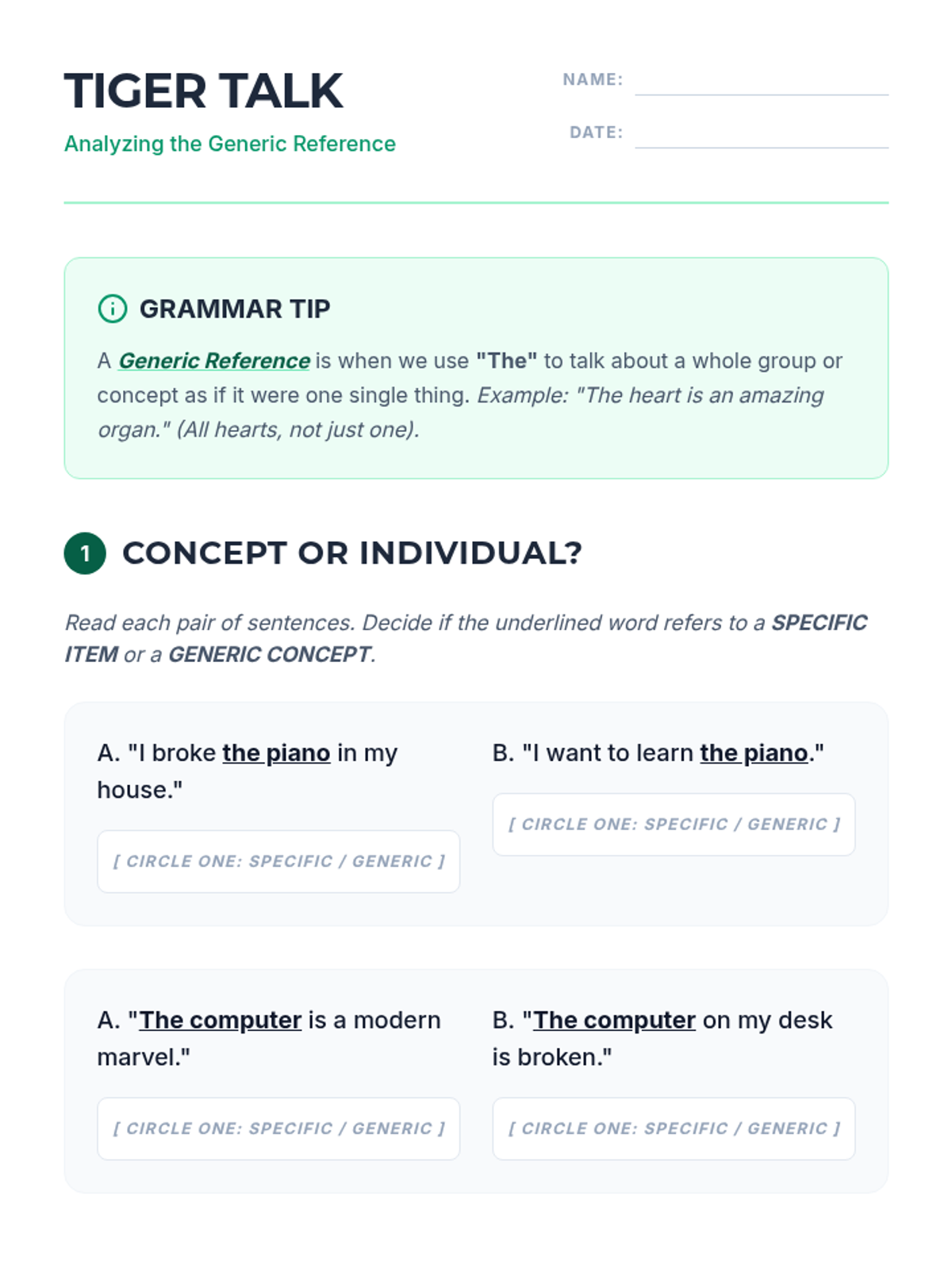
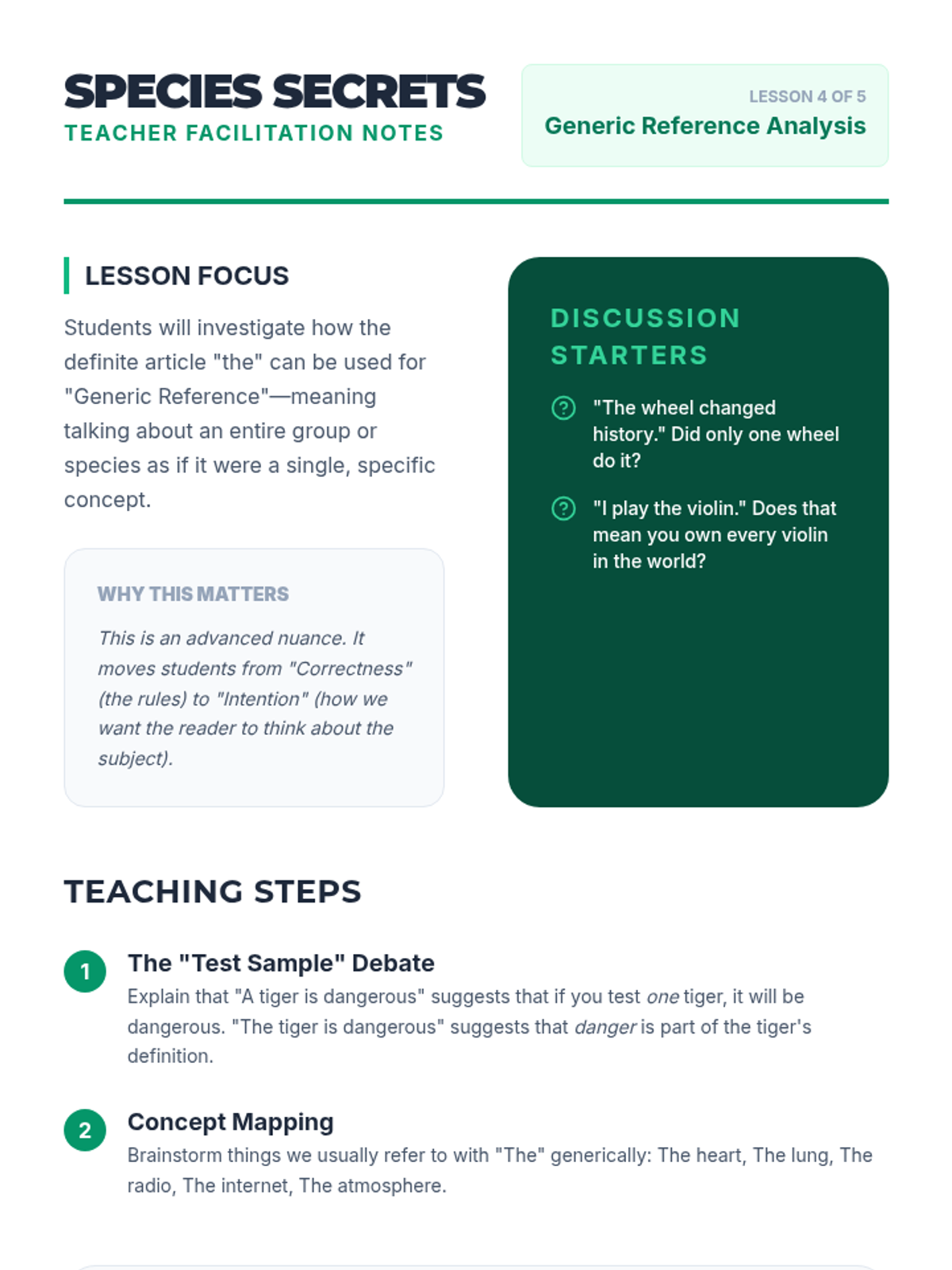
Students compare sentences like ' The tiger is dangerous' (the species) vs 'A tiger is dangerous' (any individual). They discuss how articles allow us to make generalizations about entire groups.
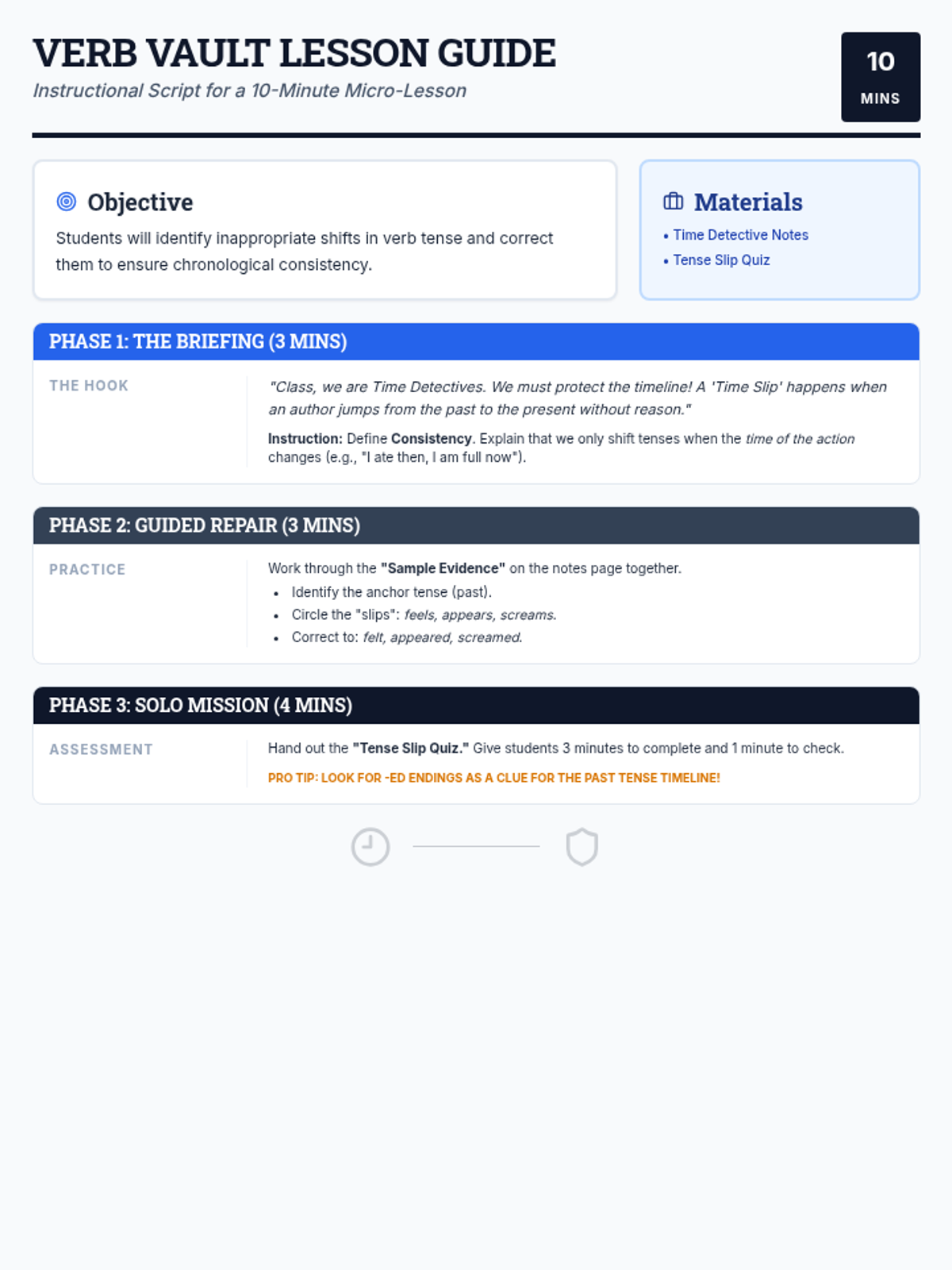
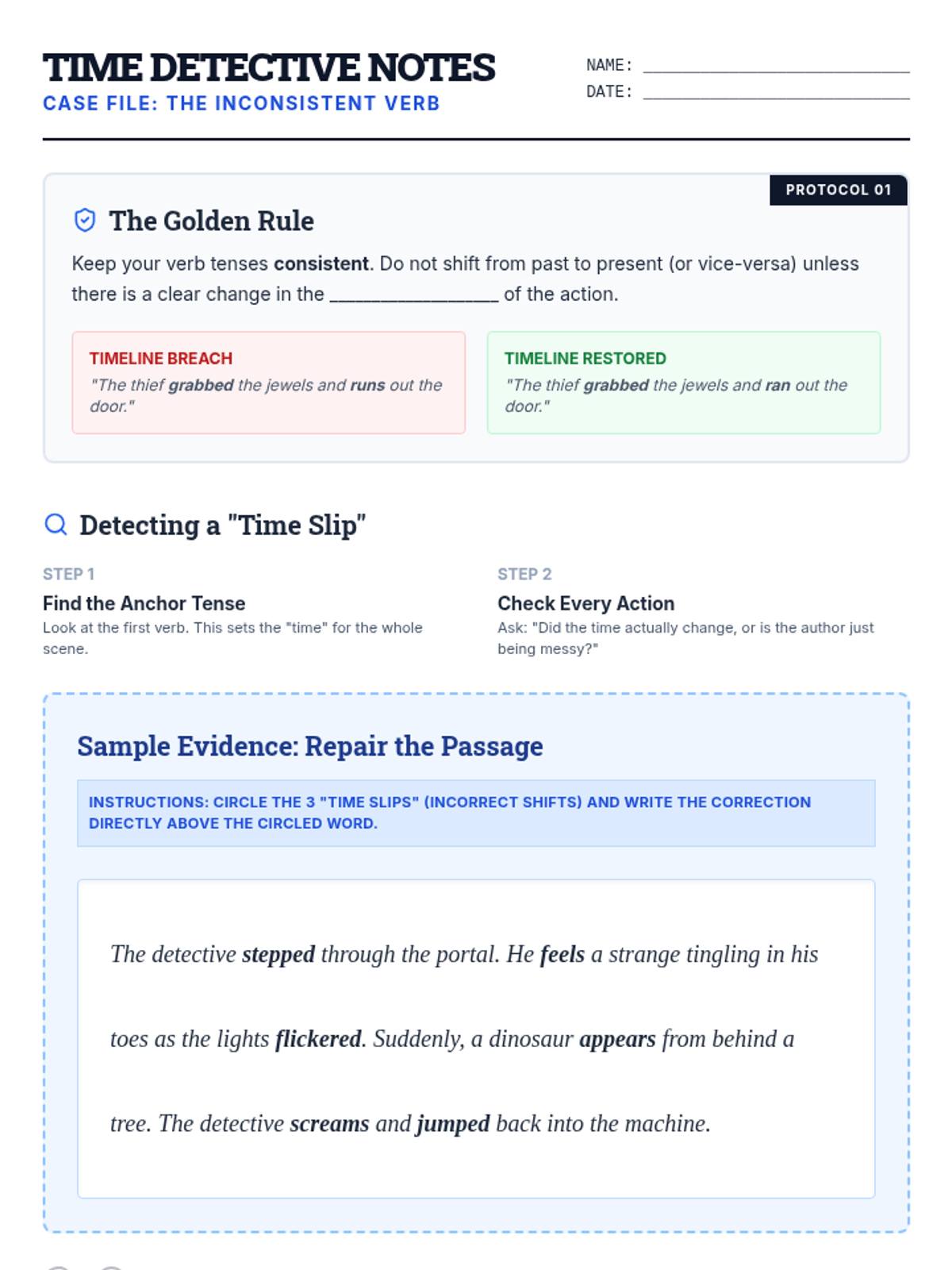
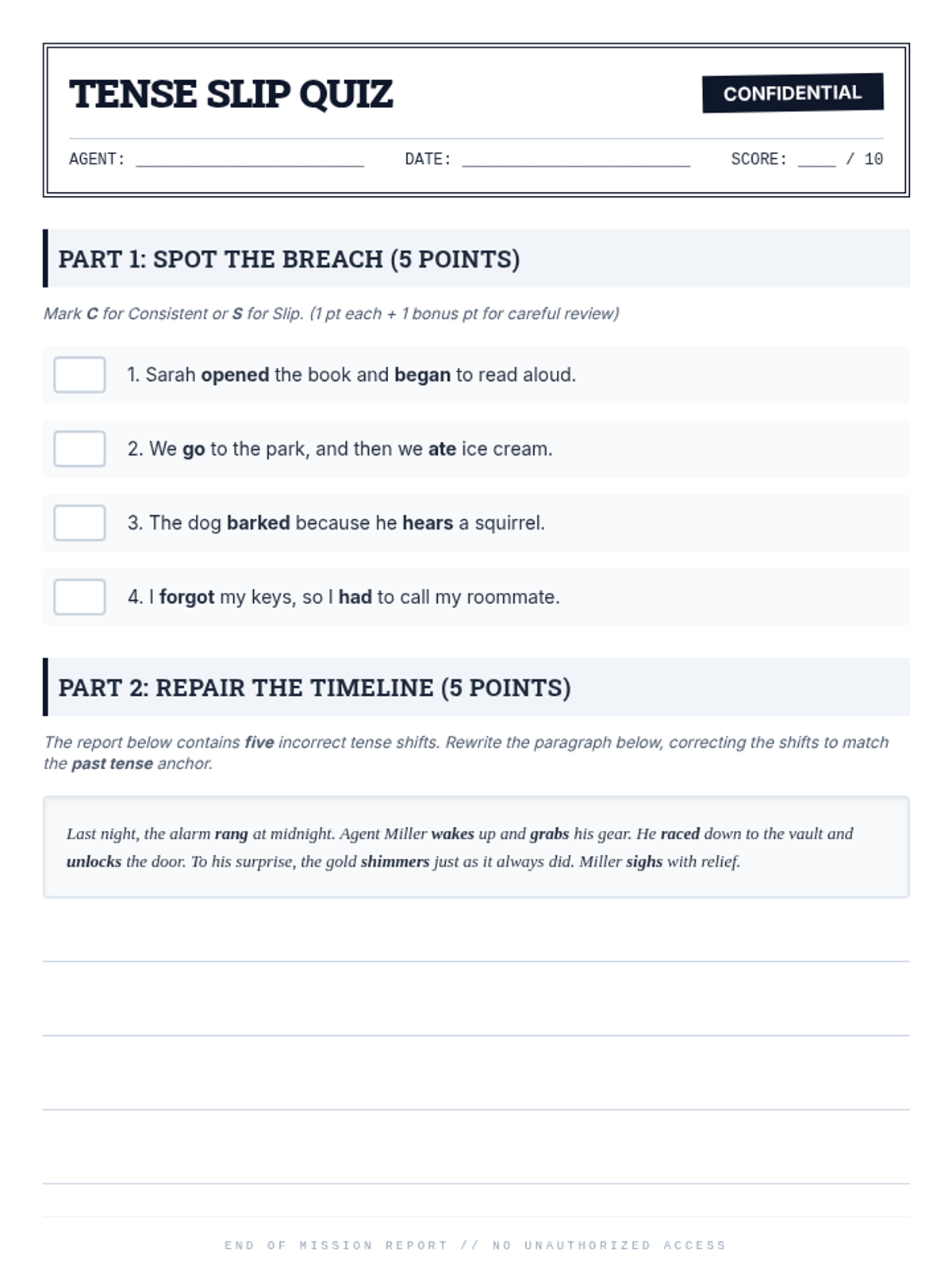
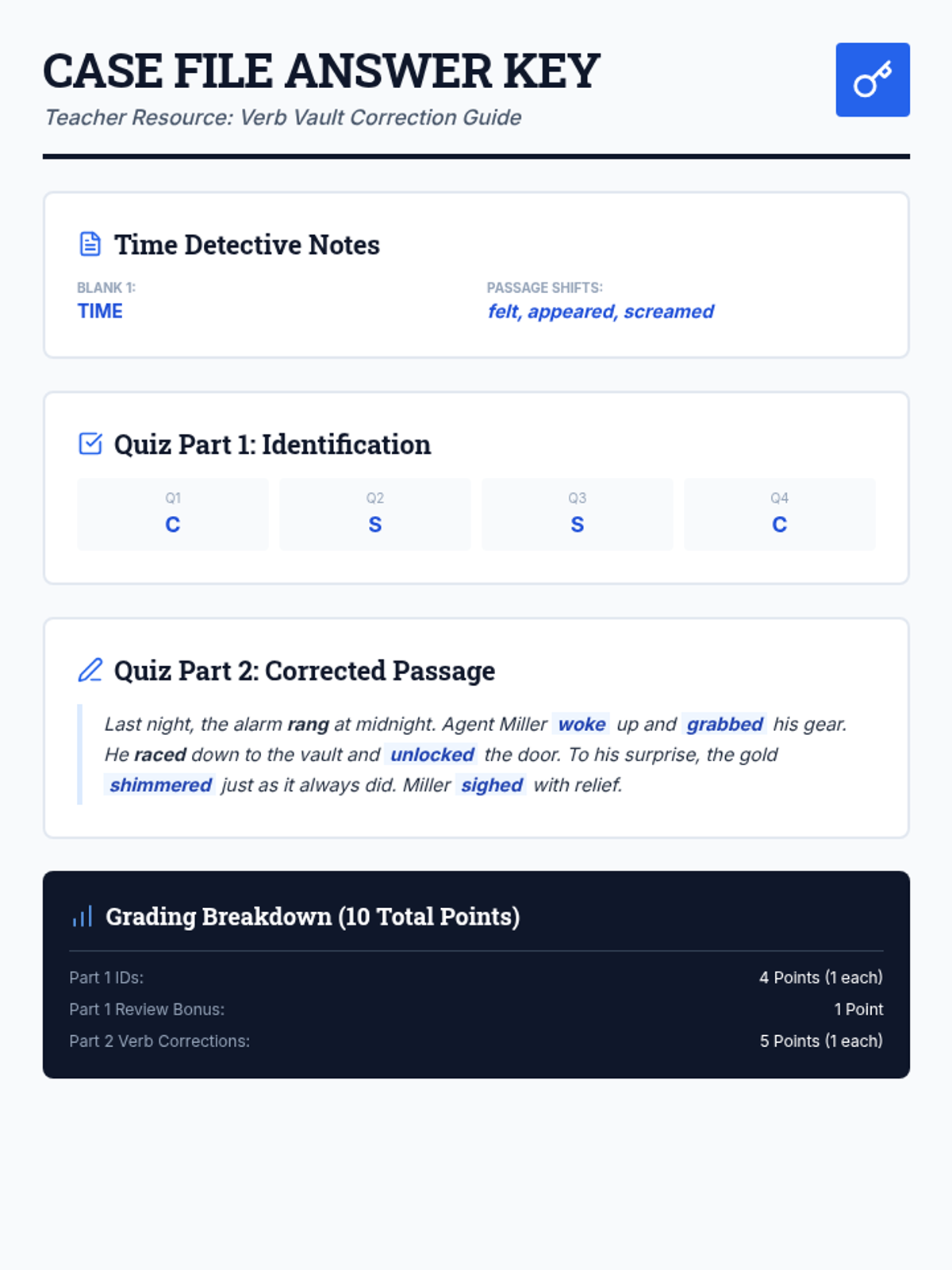
A high-intensity, 10-minute micro-lesson on identifying and correcting inconsistent verb tense shifts within a narrative passage.
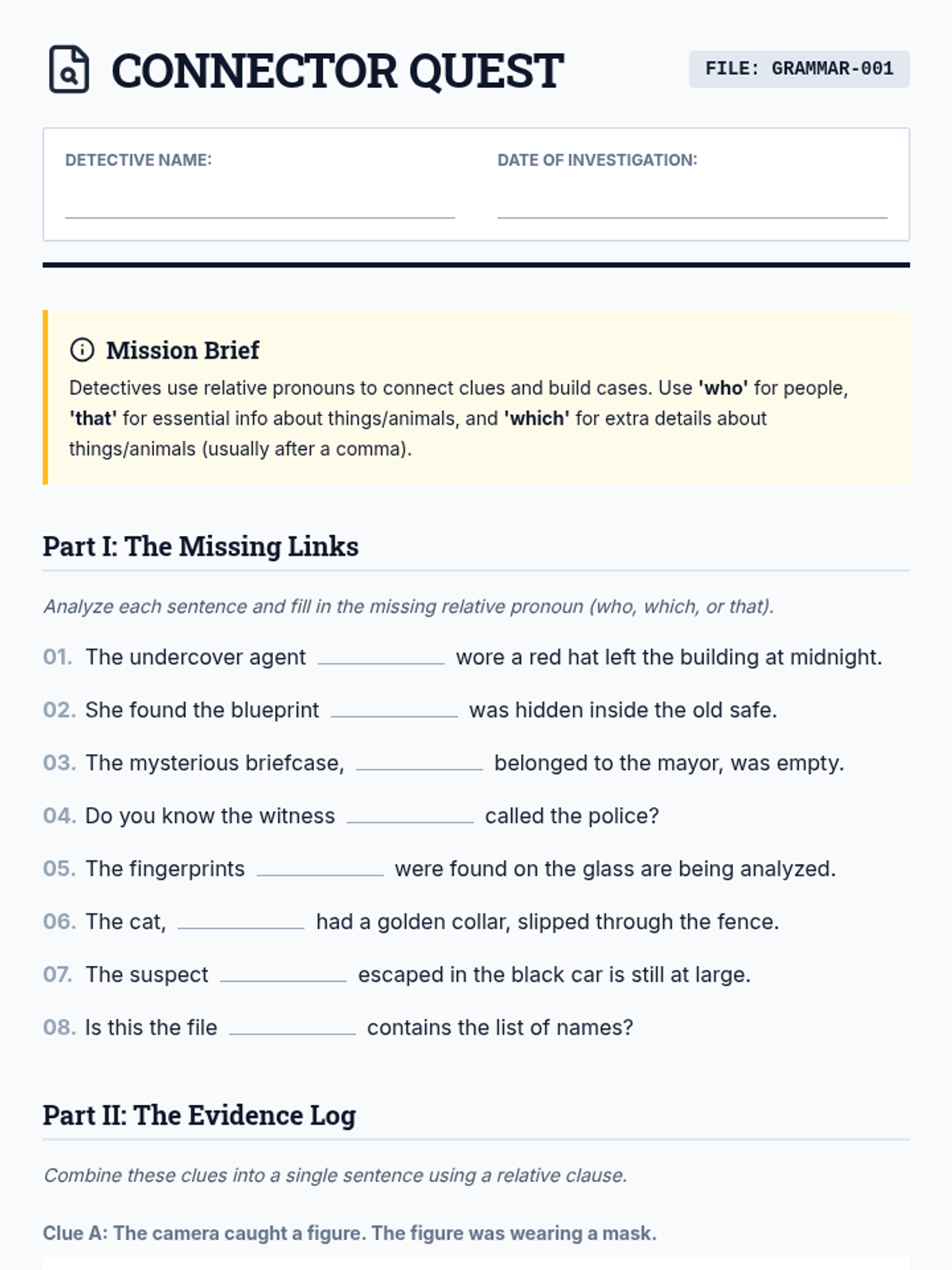
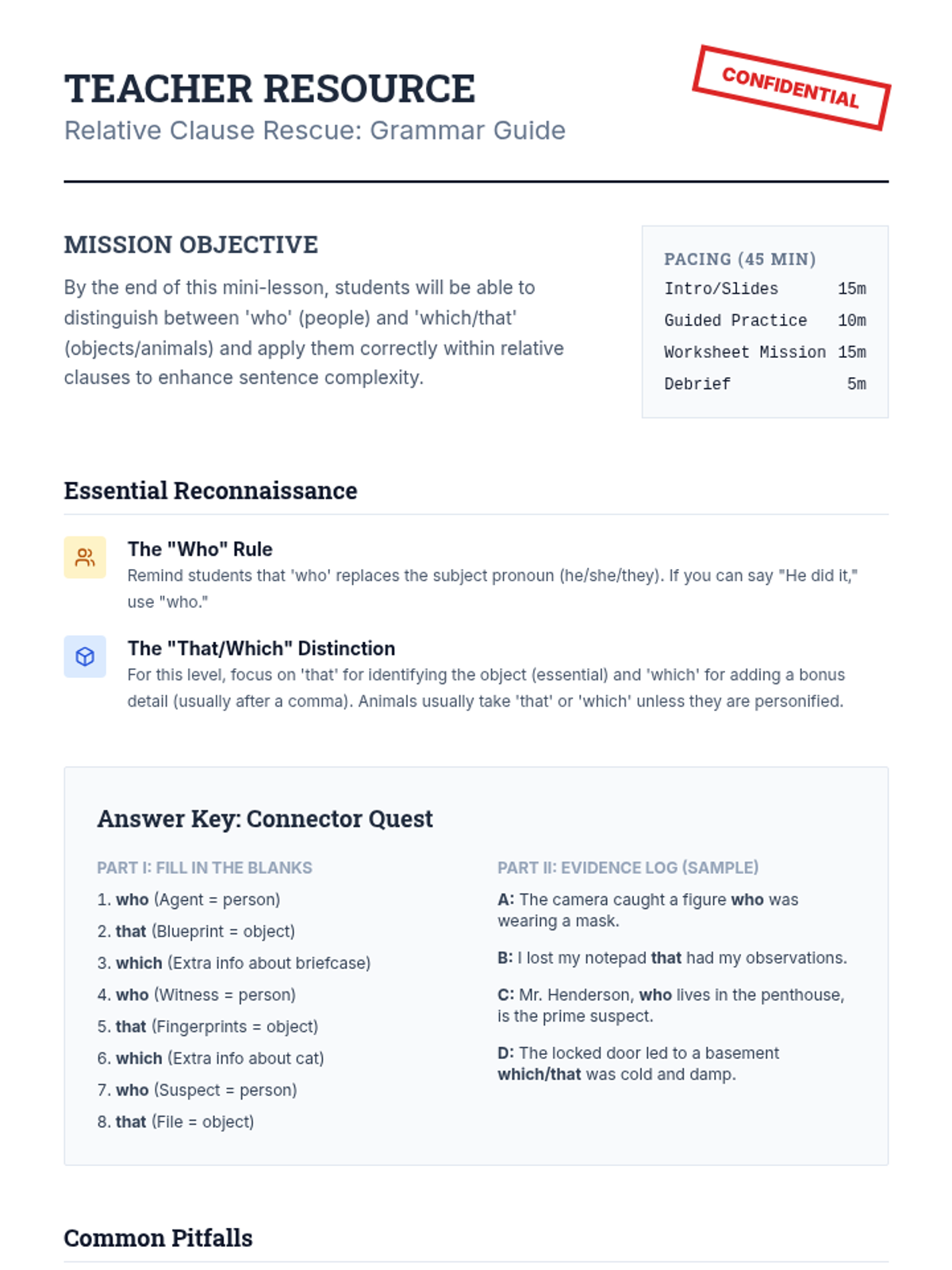
A detective-themed grammar lesson focused on correctly using relative pronouns 'who', 'which', and 'that'. Students will identify the correct pronouns for people versus objects through interactive instruction and a practice mission.
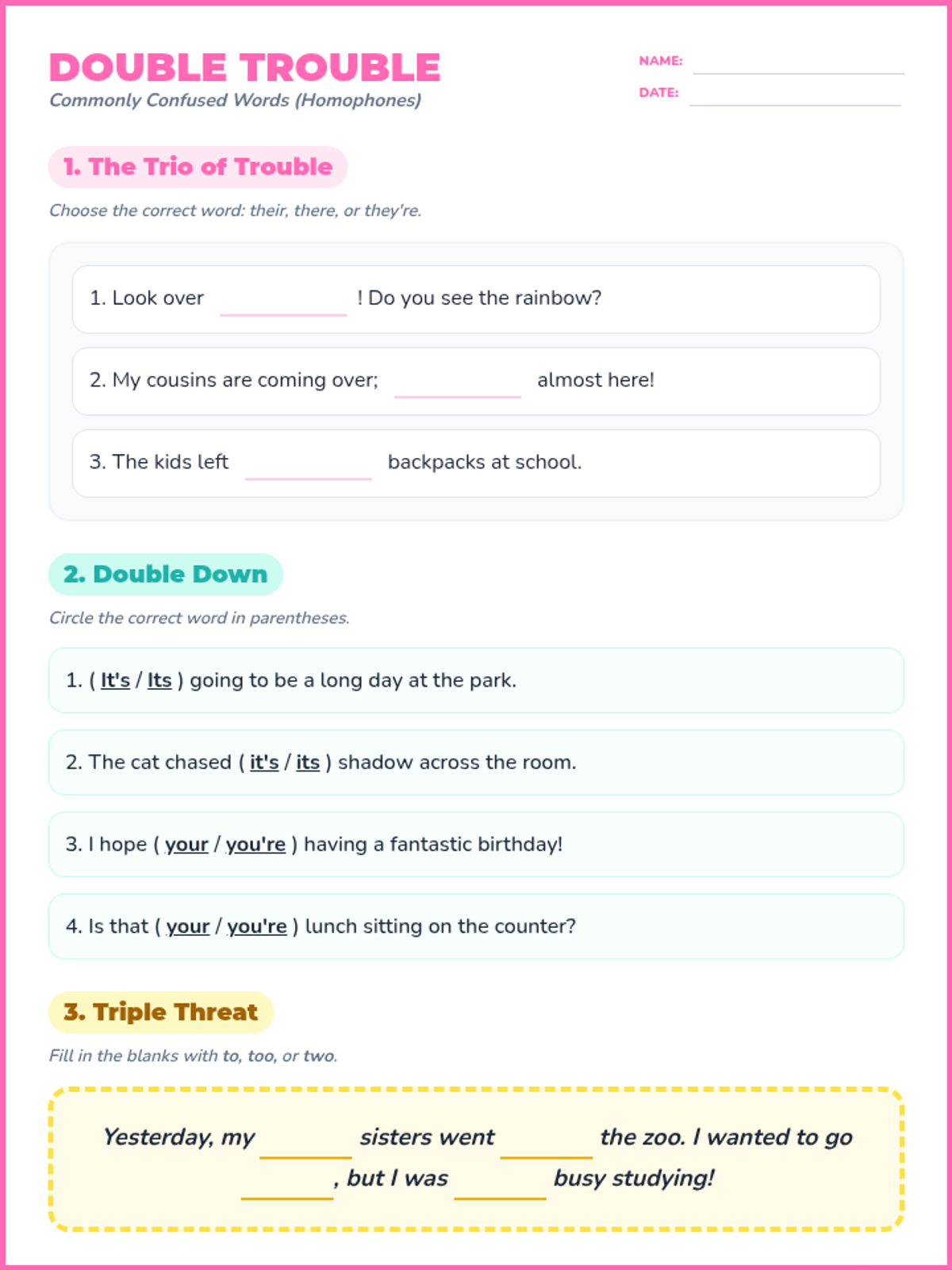
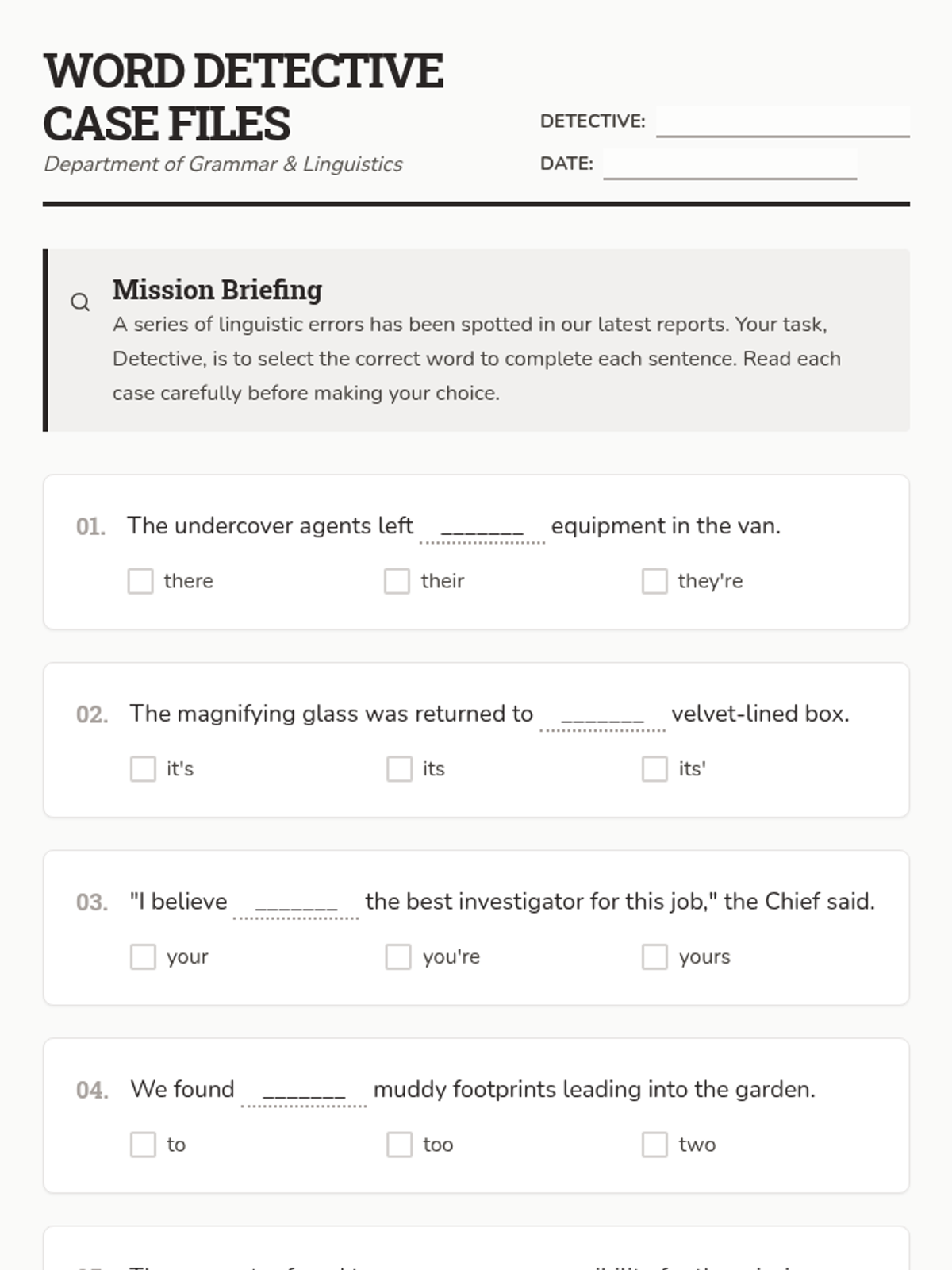
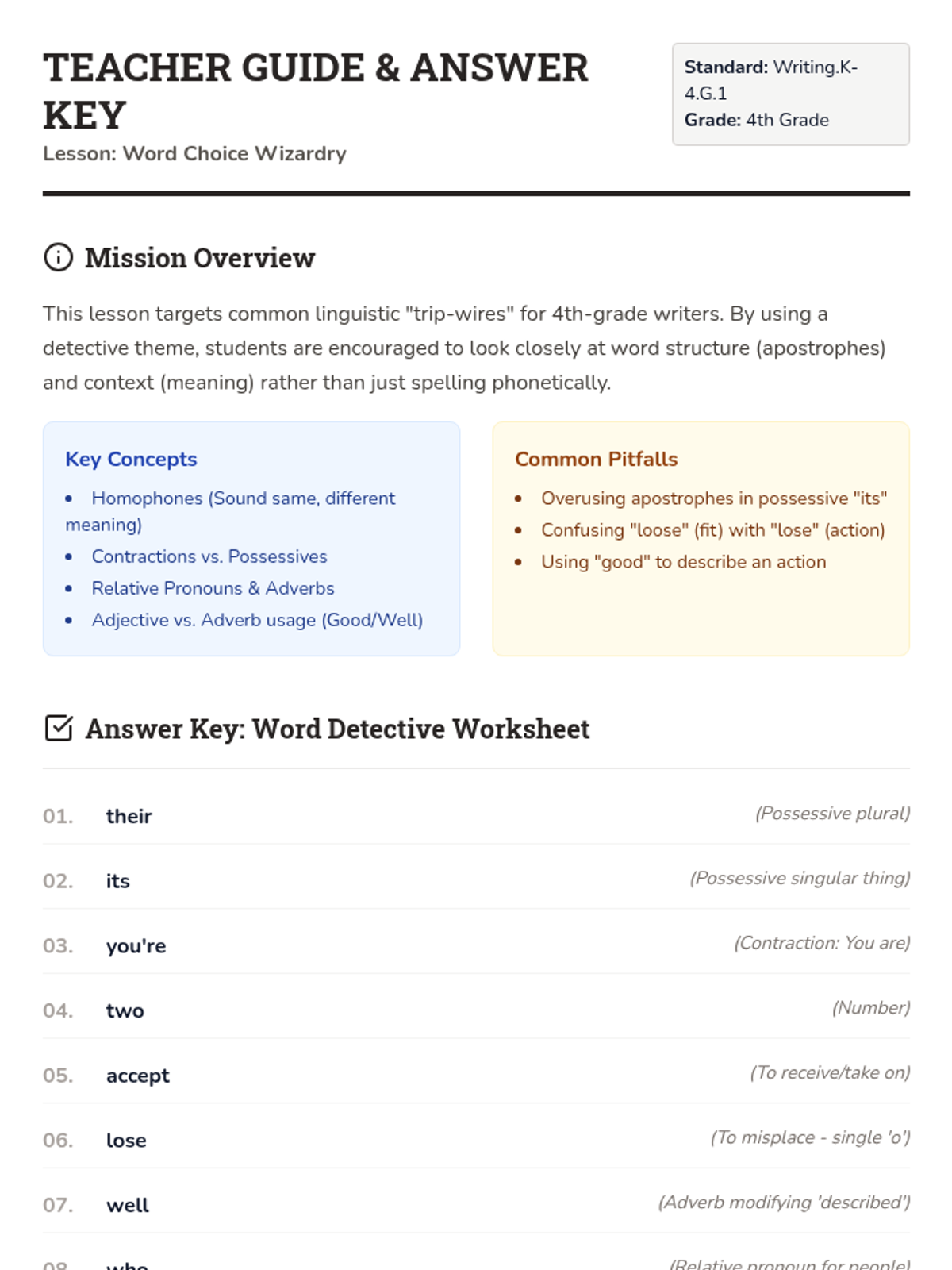
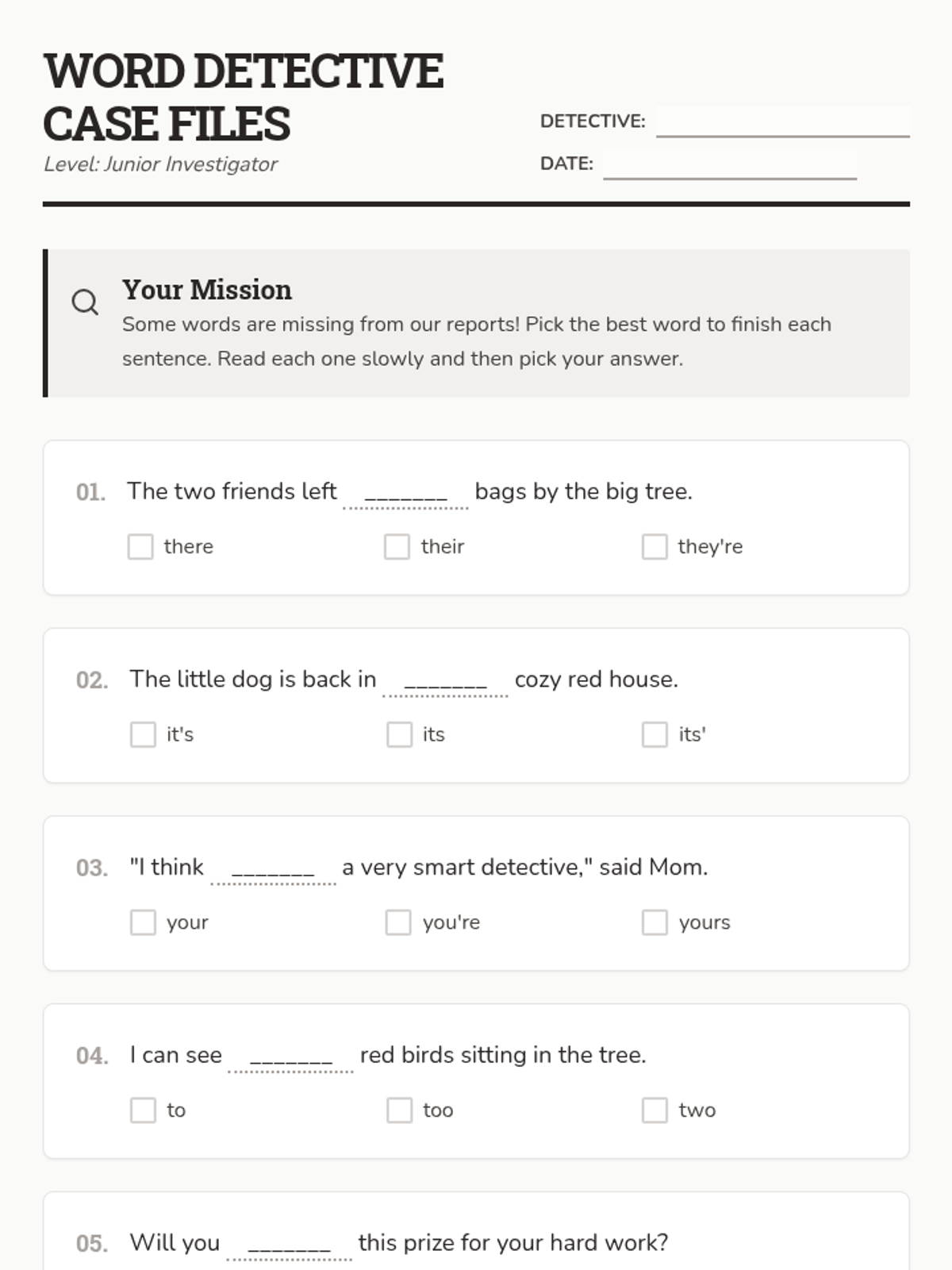
A lesson focused on common word usage errors, homophones, and frequently confused words for 4th-grade writers. Students practice identifying and using the correct words in context through detective-themed scenarios.
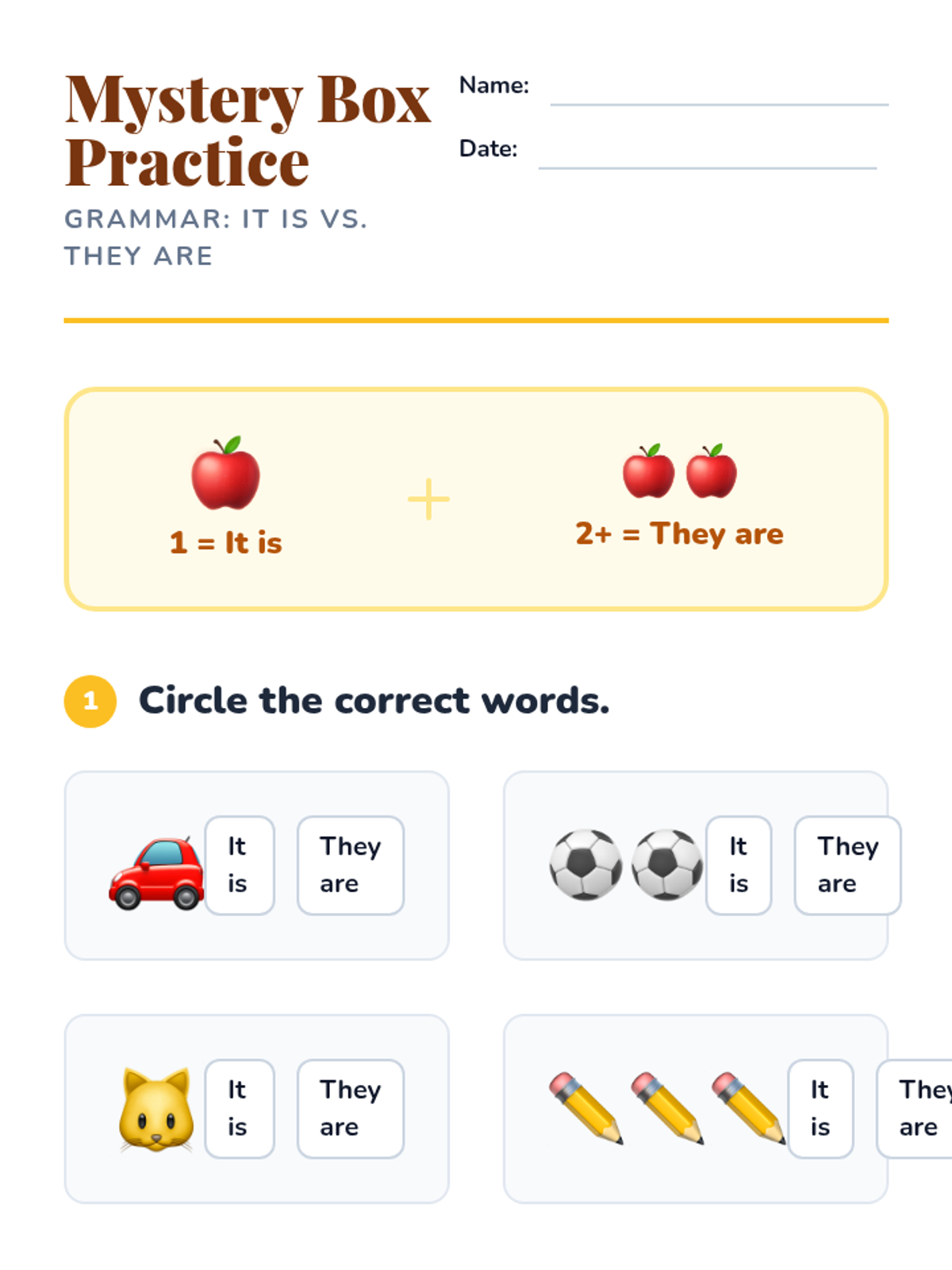
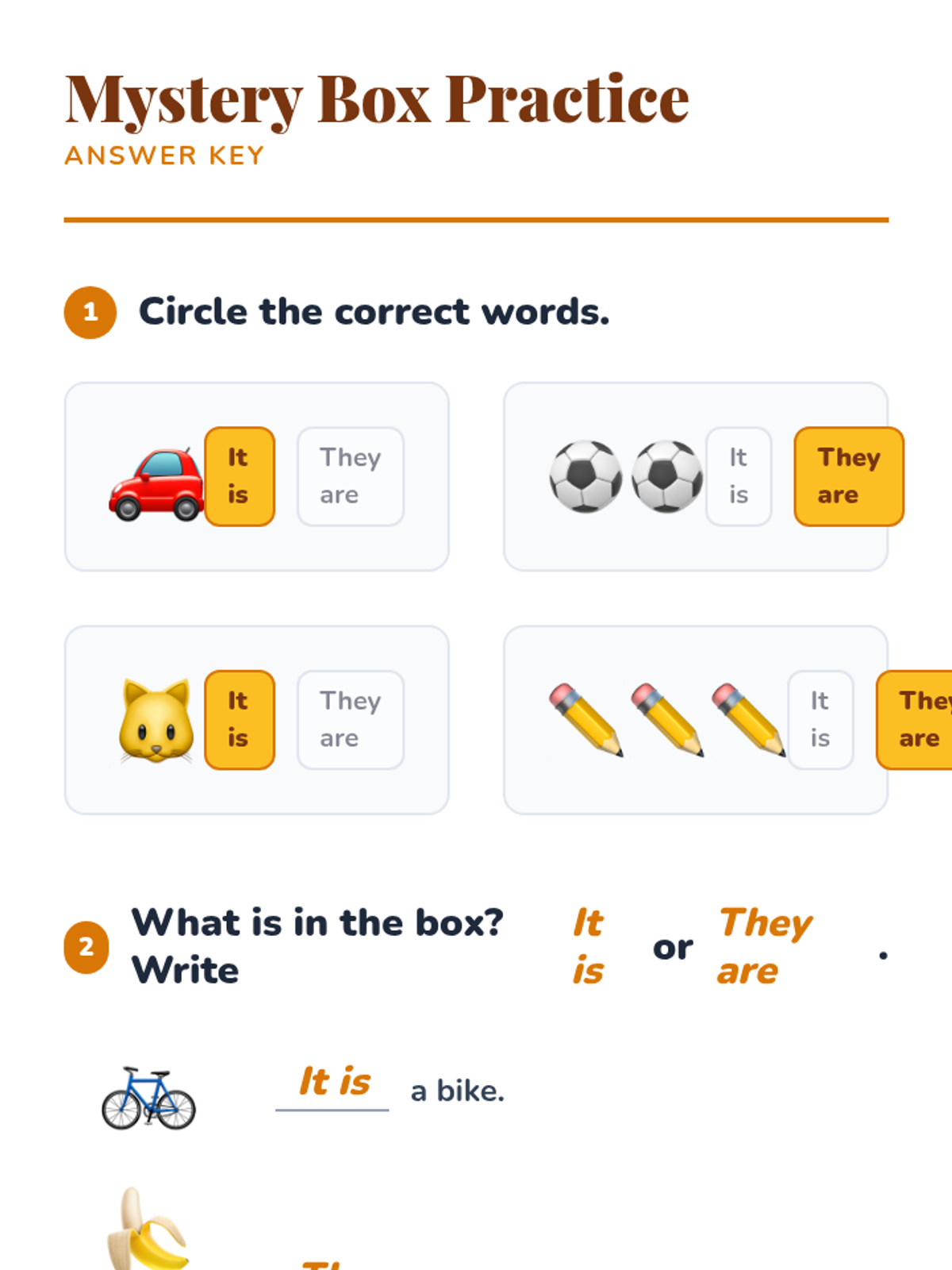
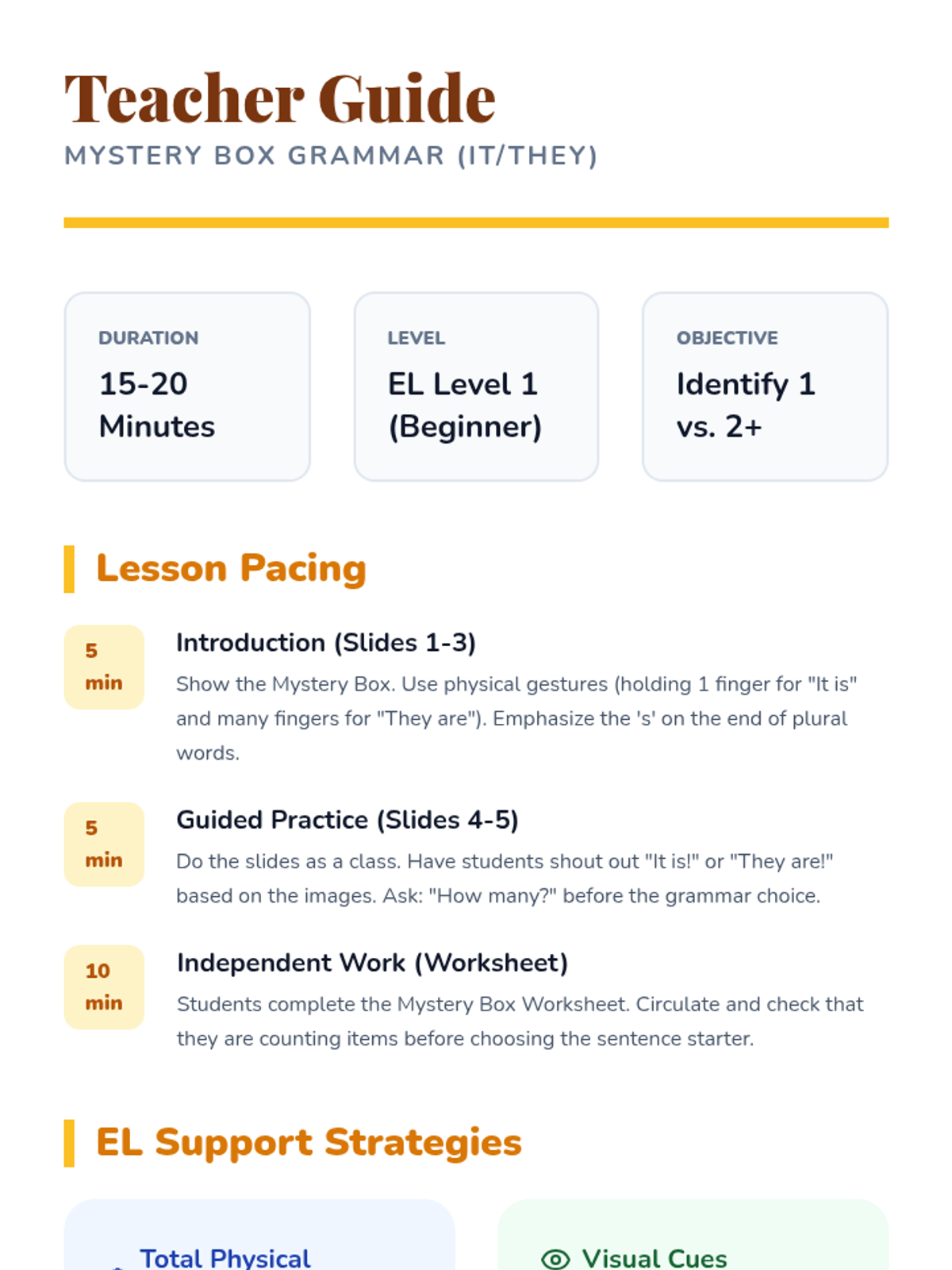
A beginner-friendly grammar lesson for English Learners focusing on the distinction between 'It is' for singular objects and 'They are' for plural objects using a mystery box theme.
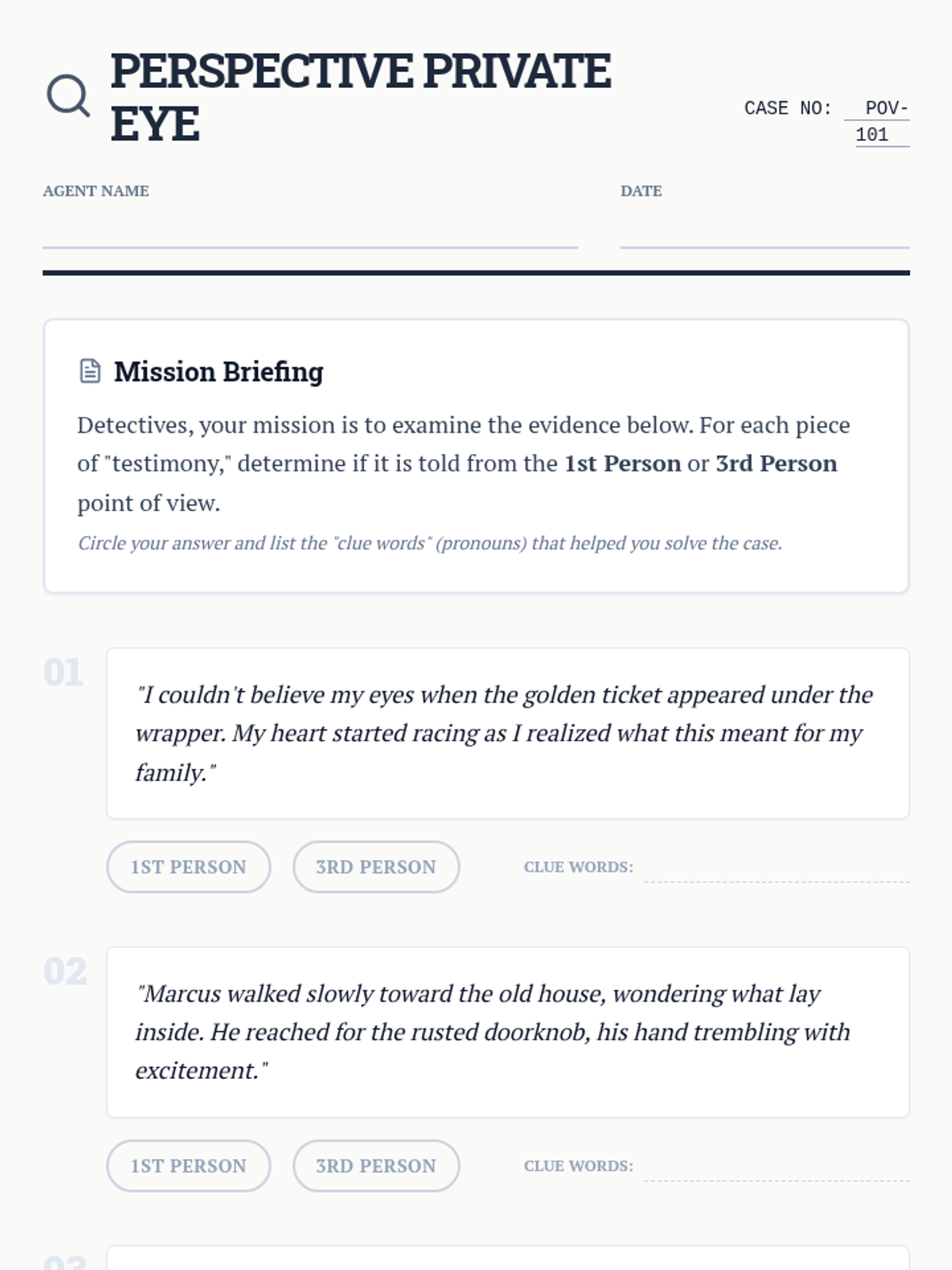
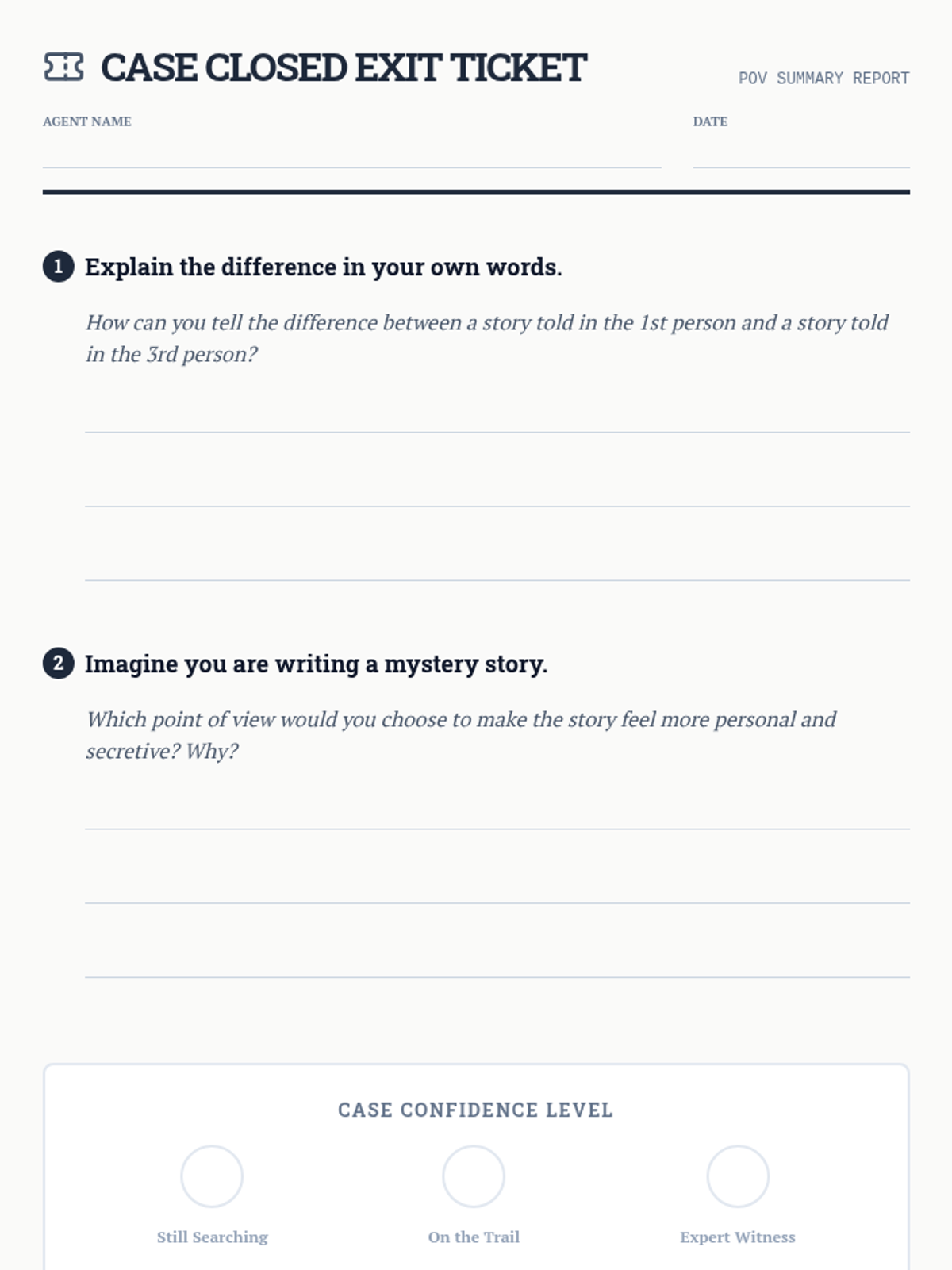
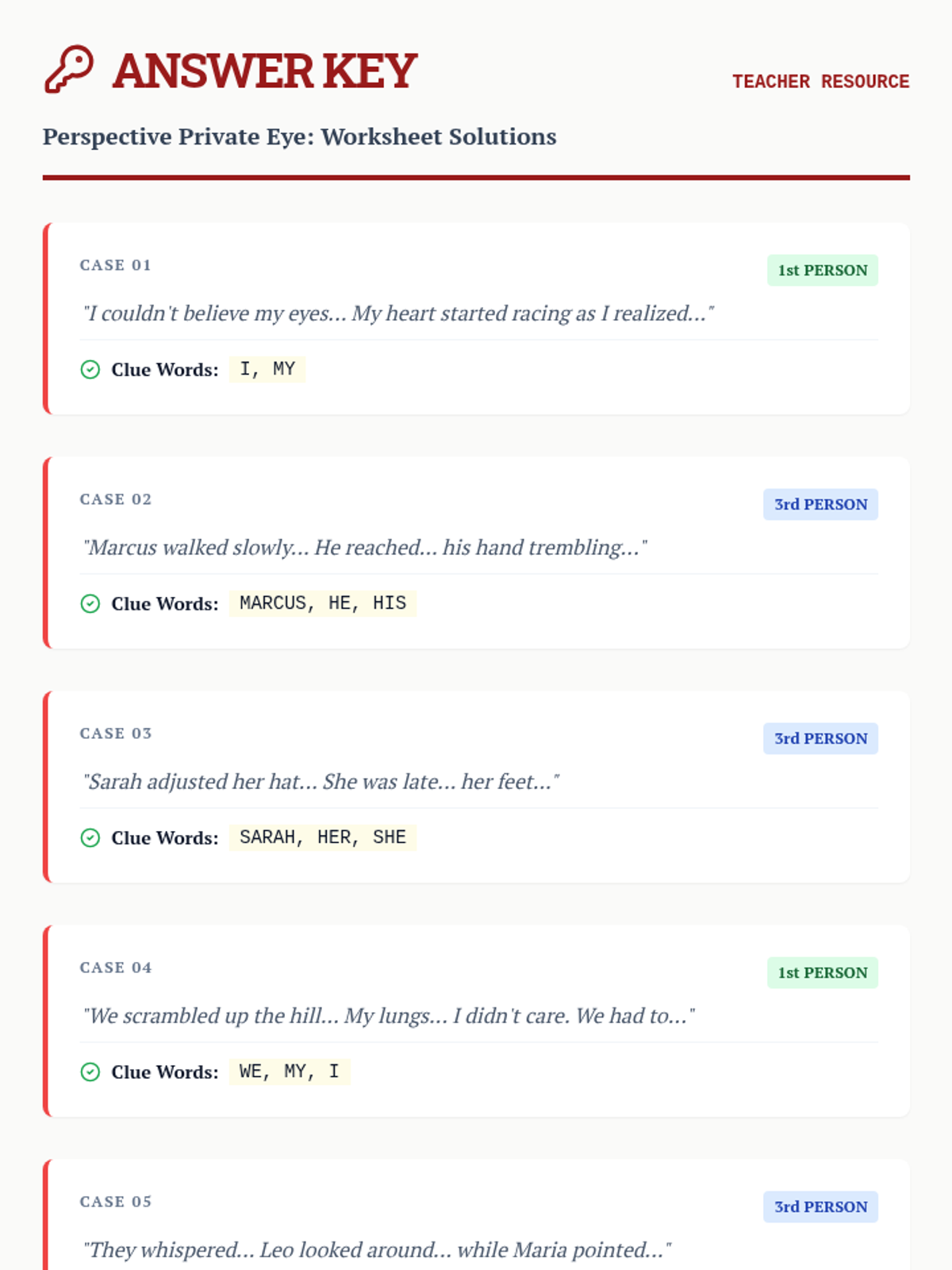
A mini-assessment focused on identifying first and third-person points of view through sentence analysis and open-ended reflection.
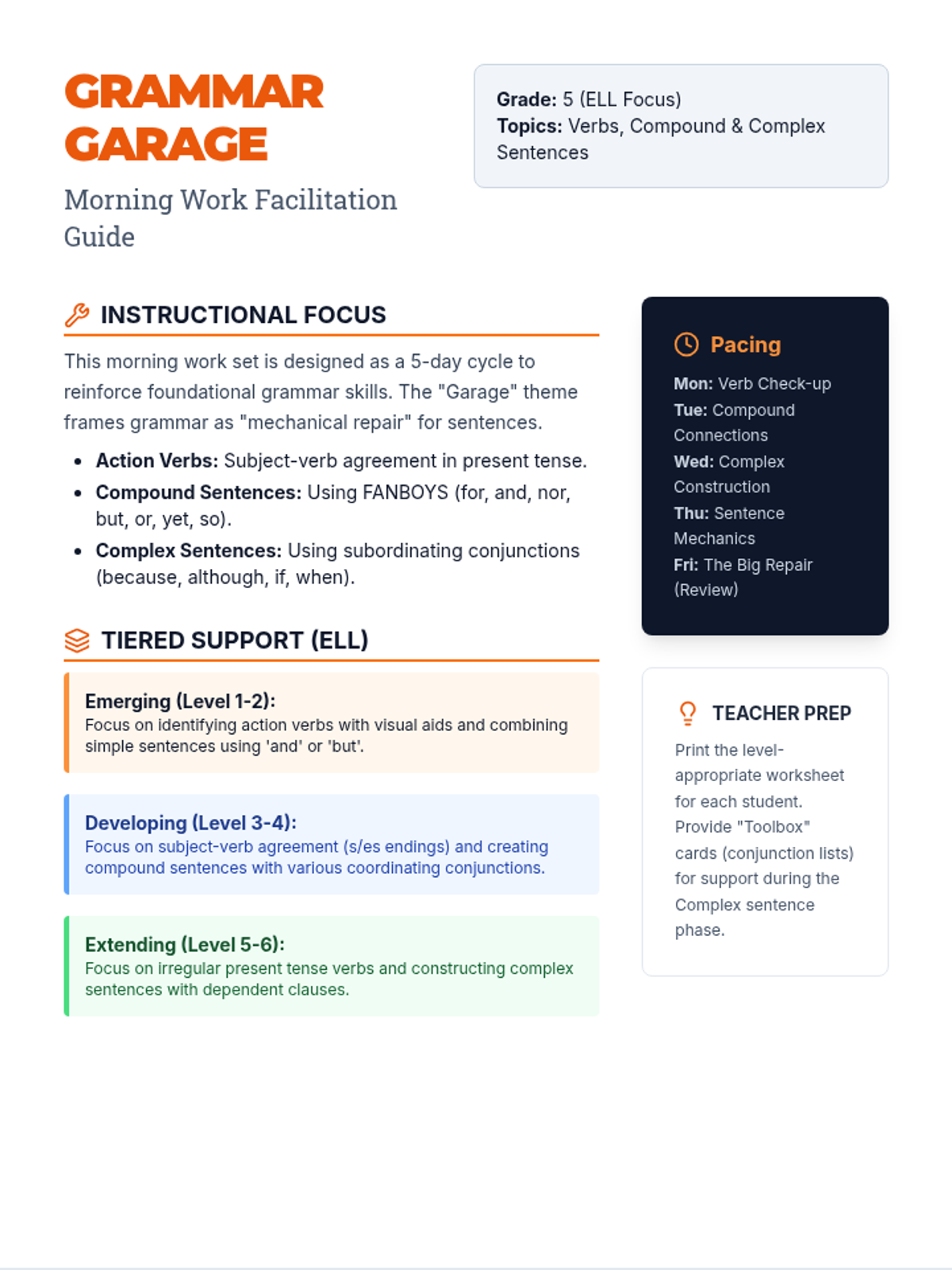
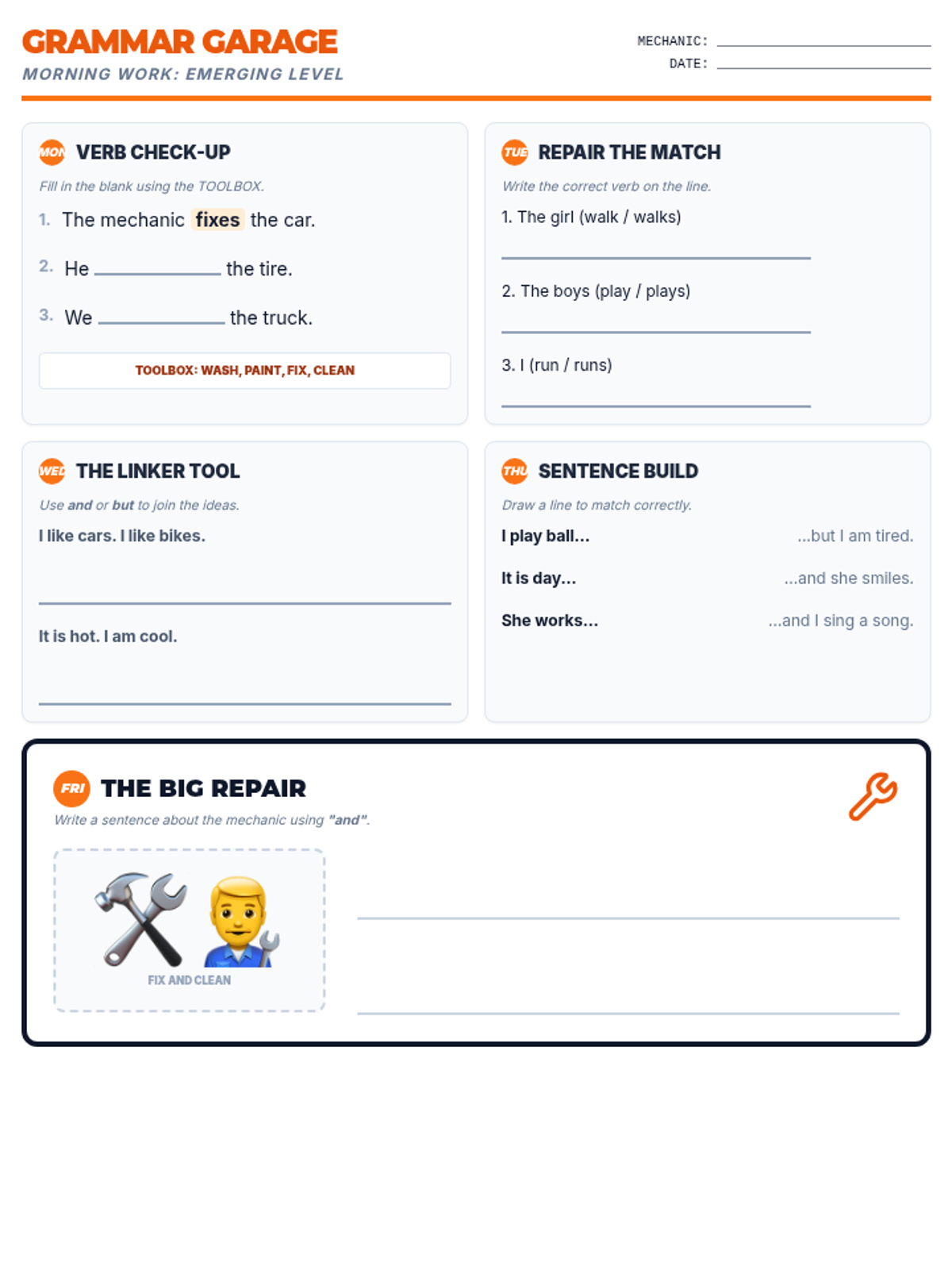
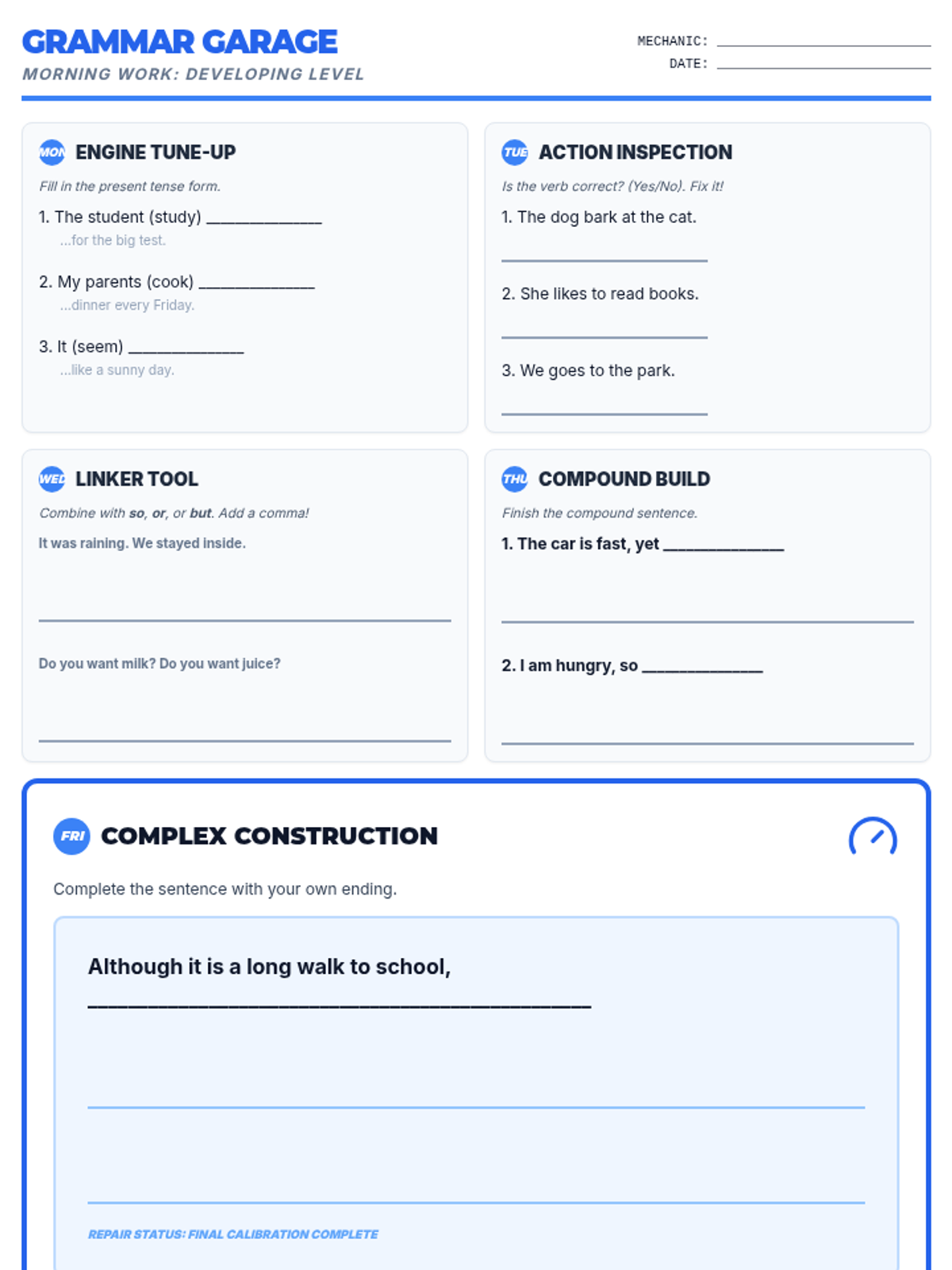
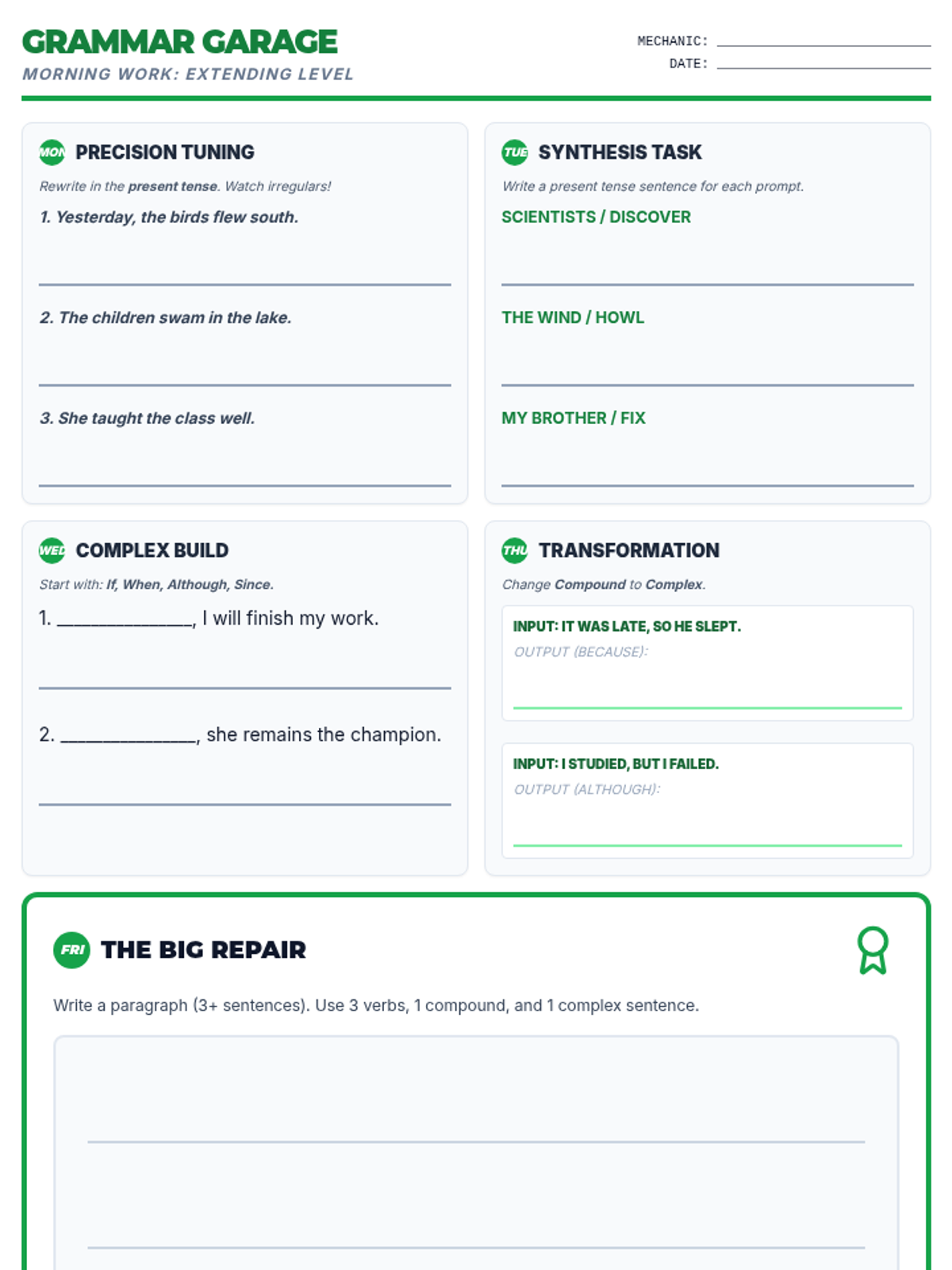
A series of morning work activities focused on identifying and using subject pronouns correctly in sentences for Grade 5 ELL students.
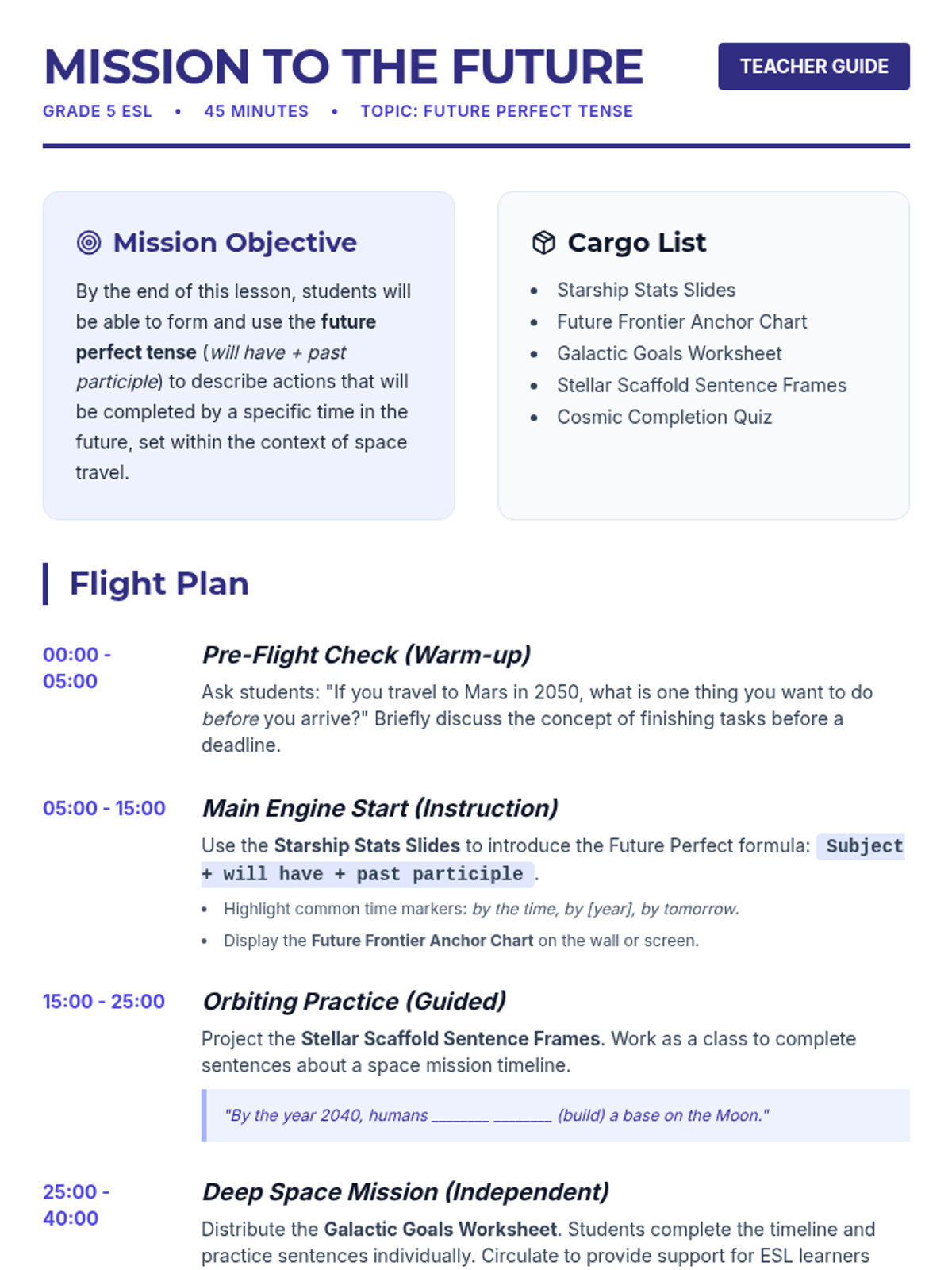
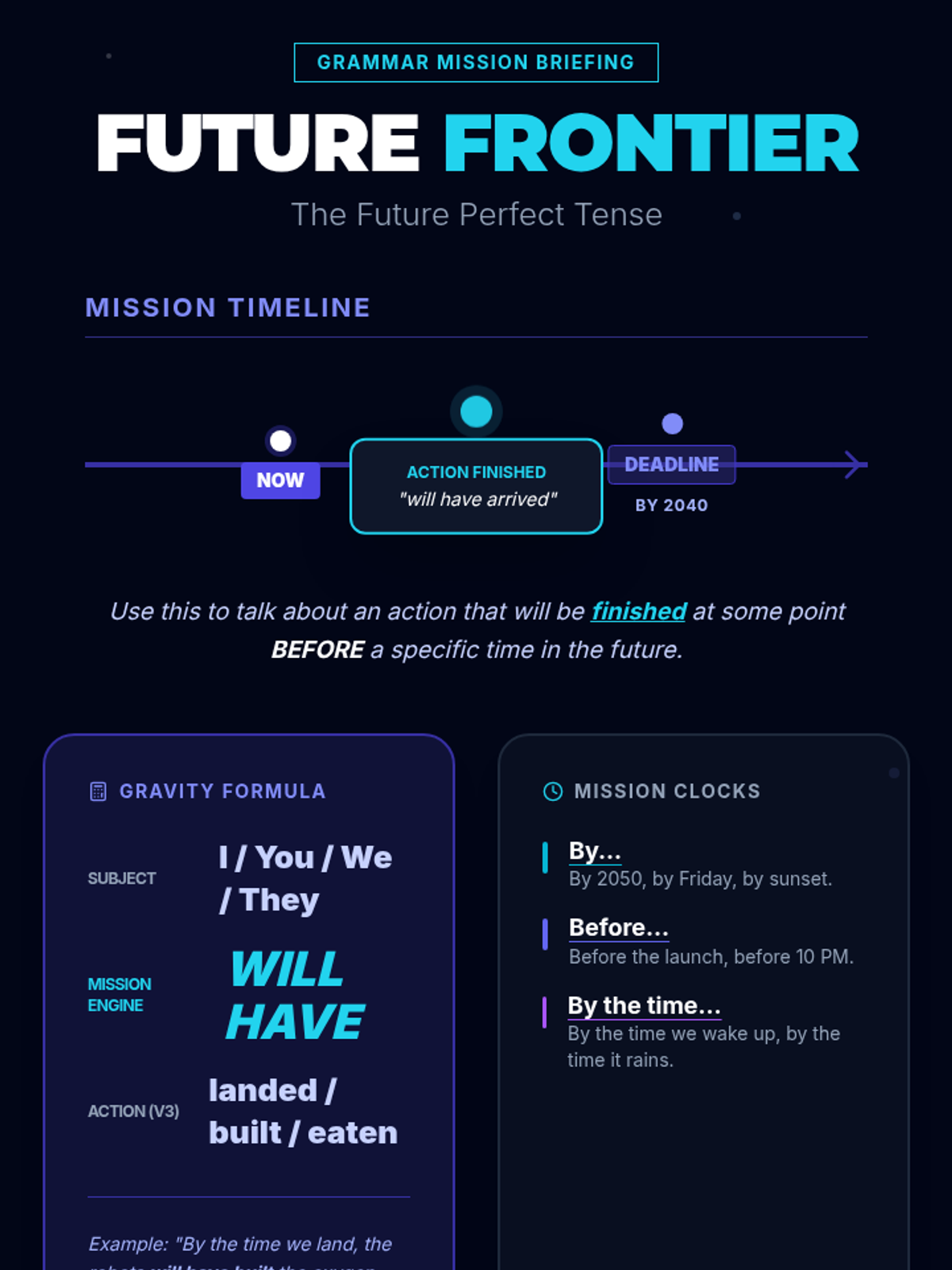
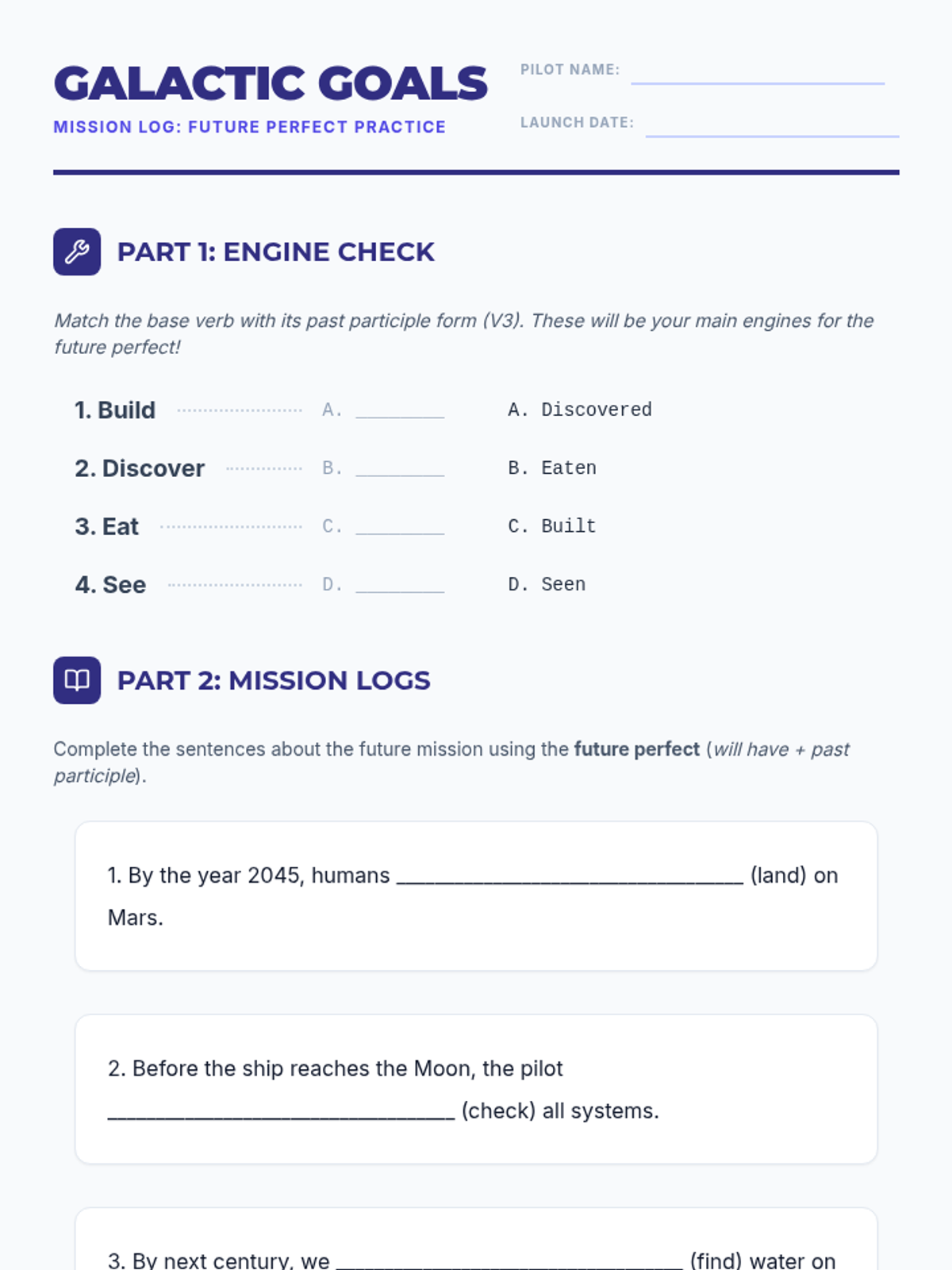
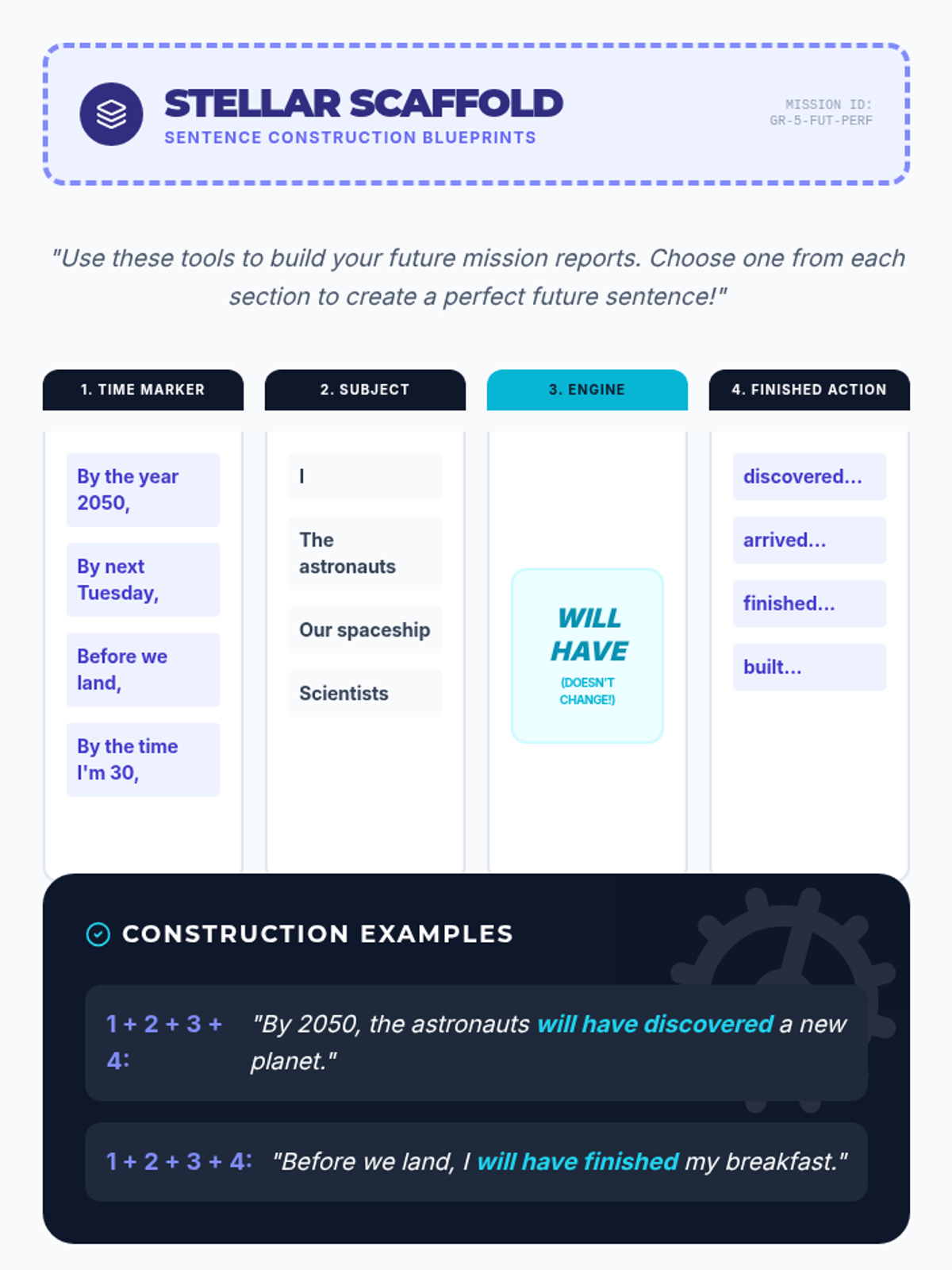
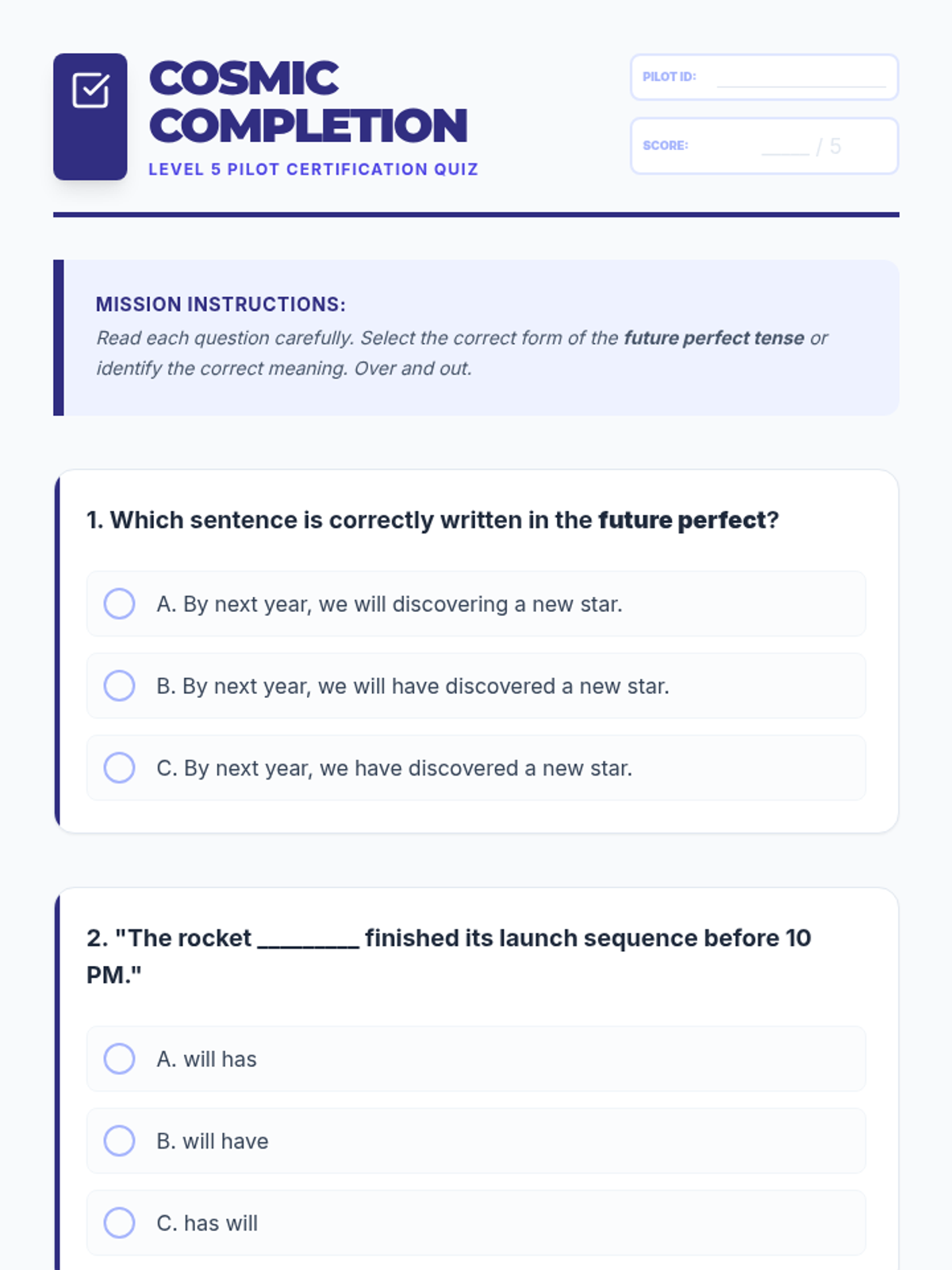
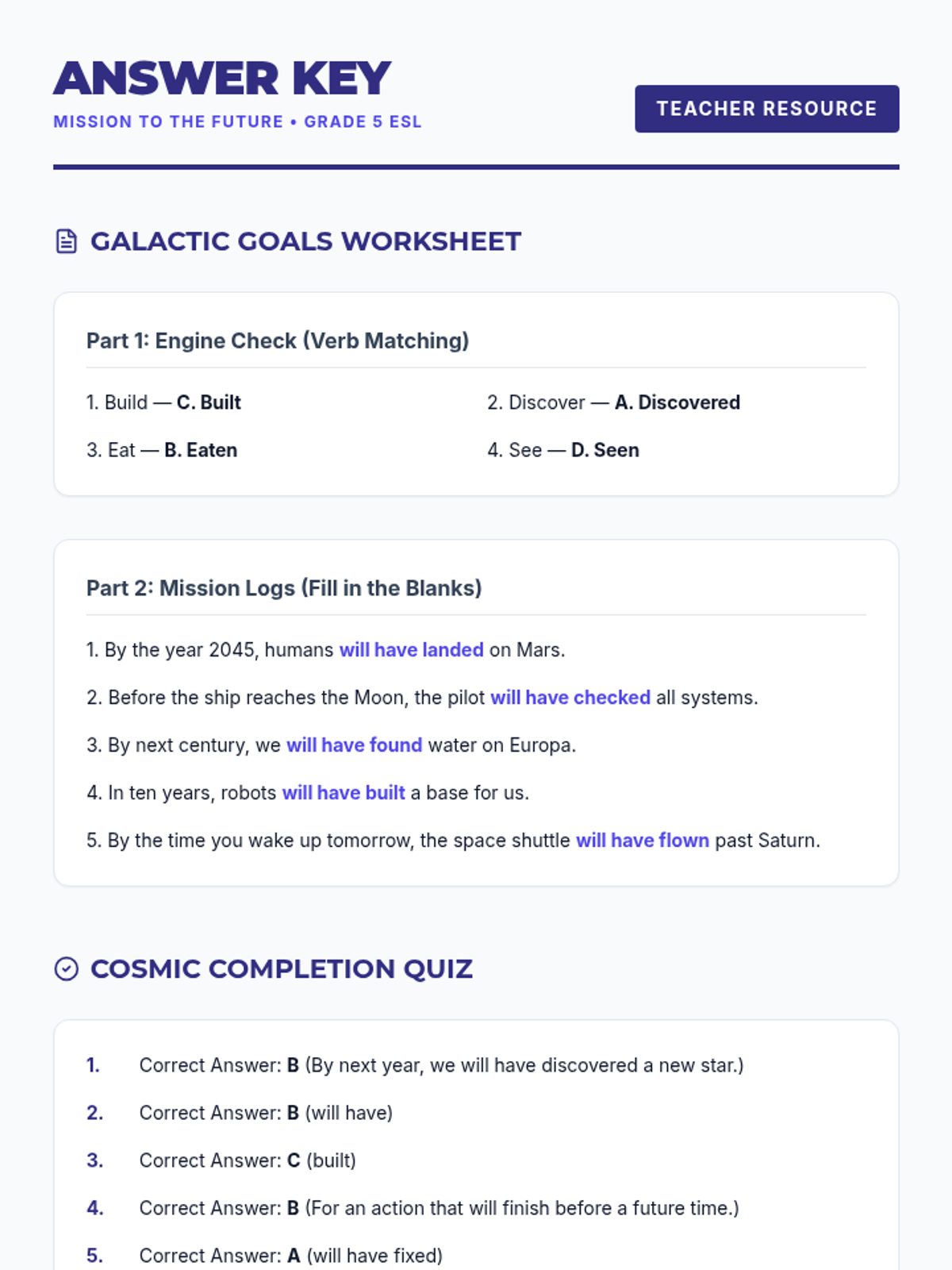
A 45-minute ESL lesson for Grade 5 students focused on the future perfect tense through the lens of space exploration and interstellar travel. Students will learn to form and use the future perfect to describe completed actions in the future.
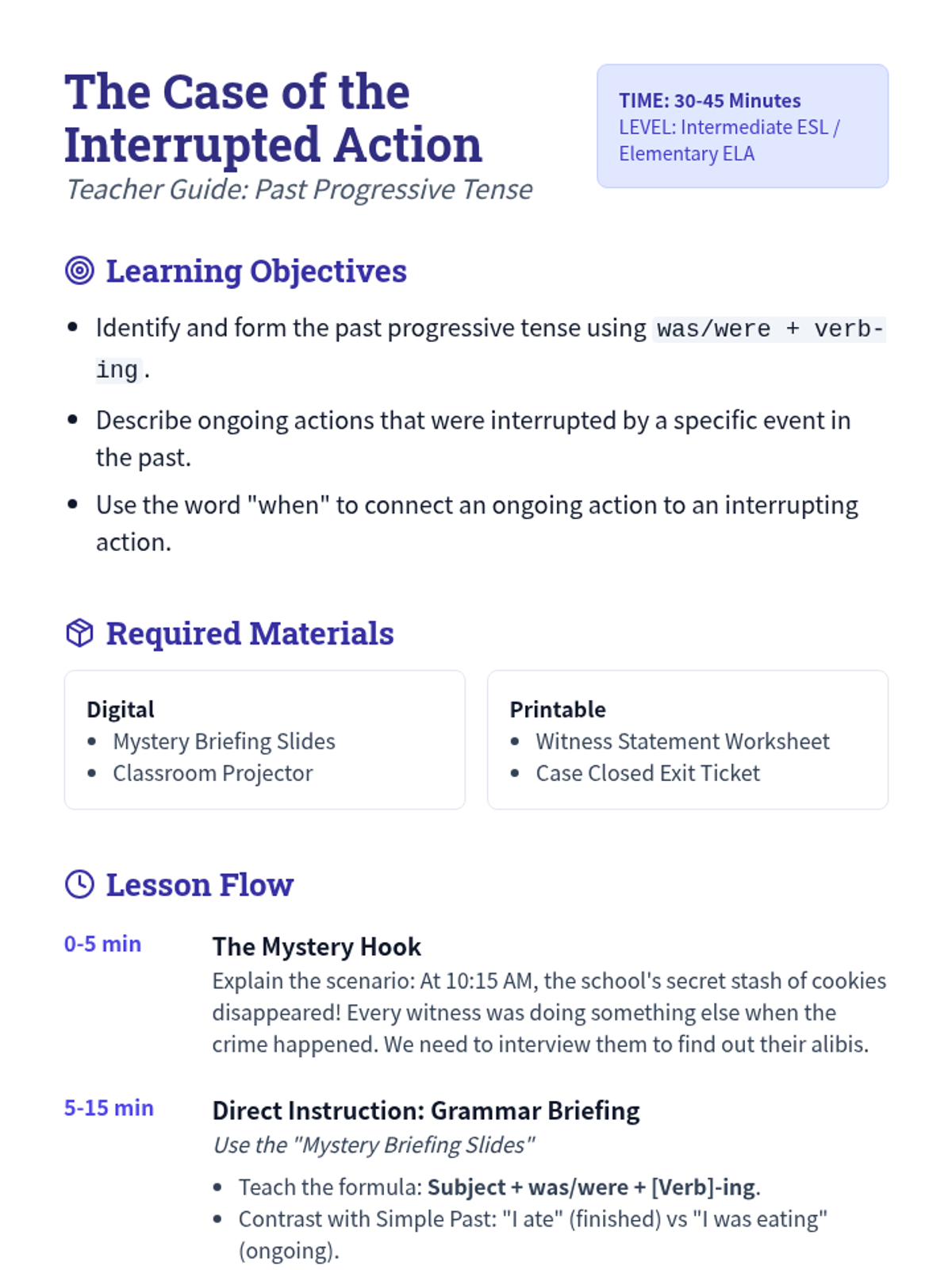
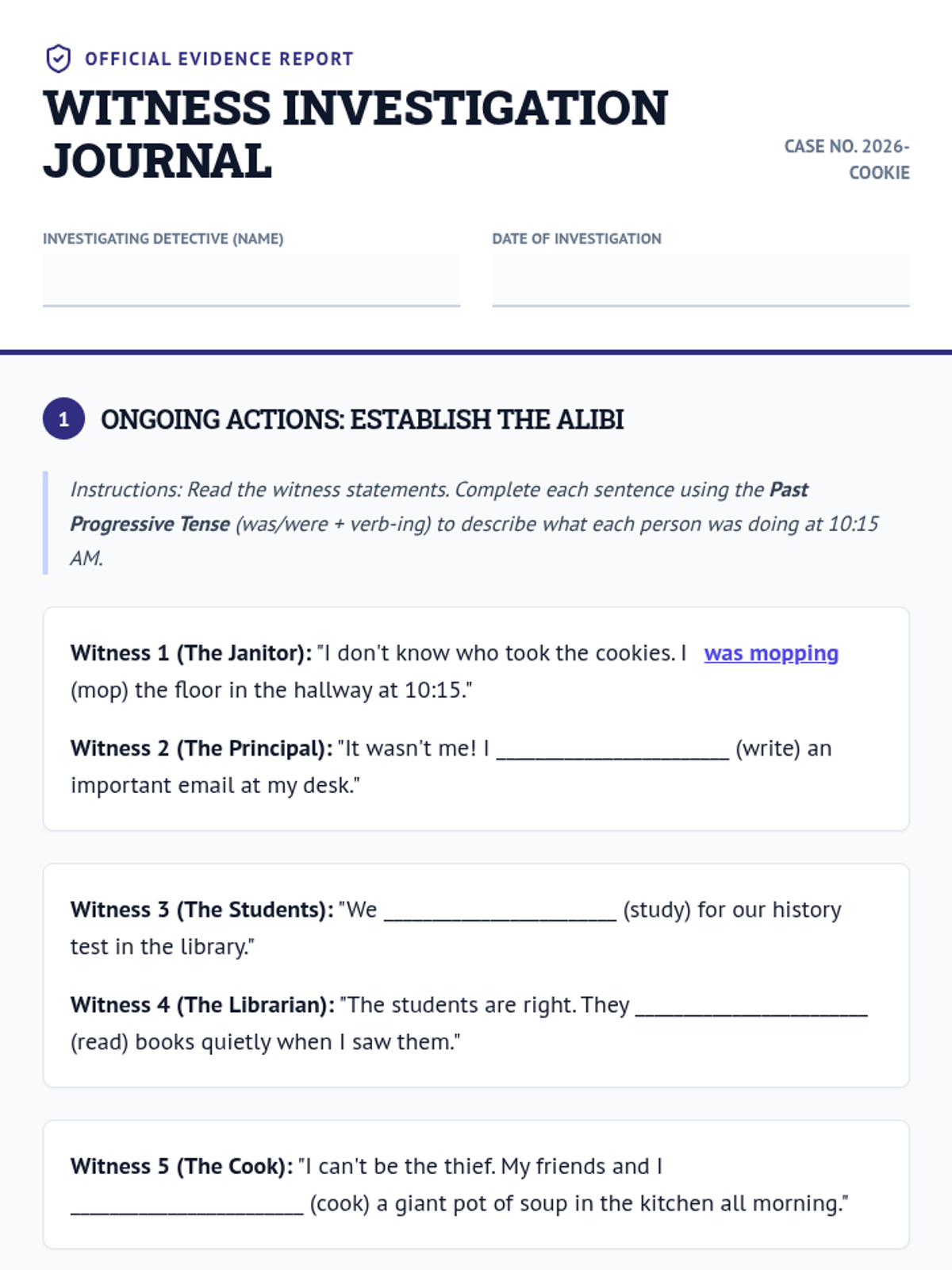
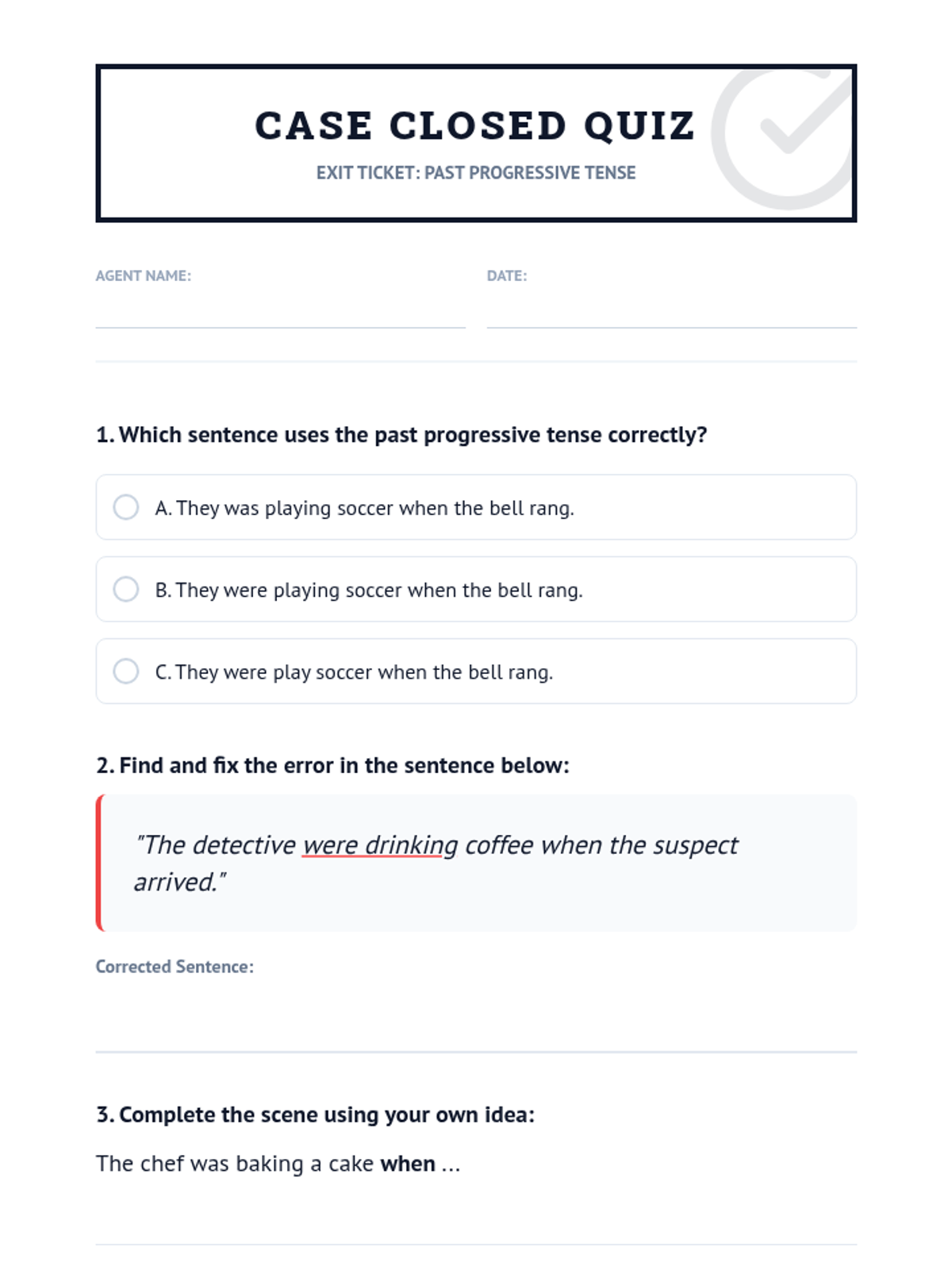
A lesson on the past progressive tense (was/were + verb-ing) focused on describing ongoing and interrupted actions in the past through a detective mystery theme.
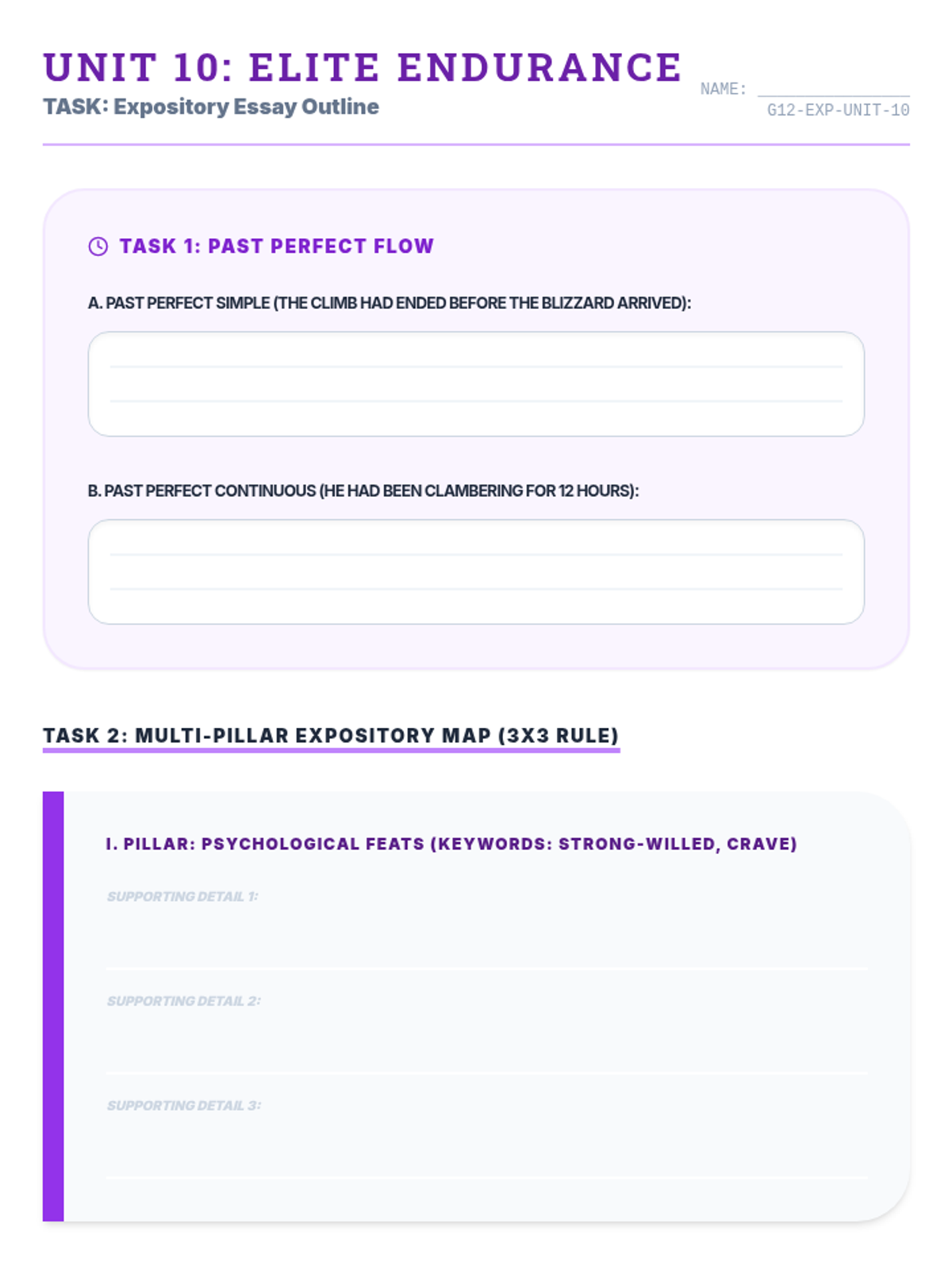
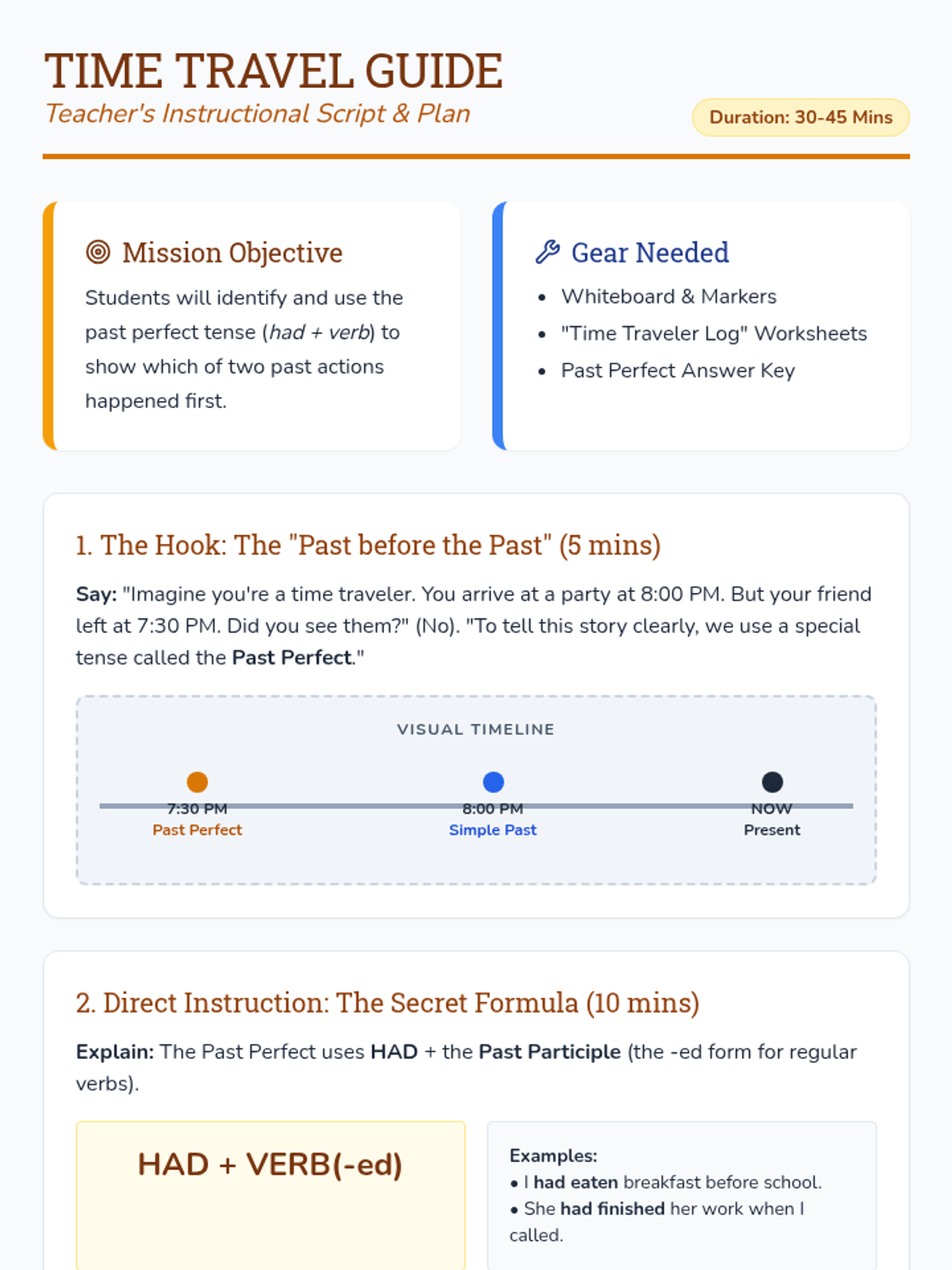
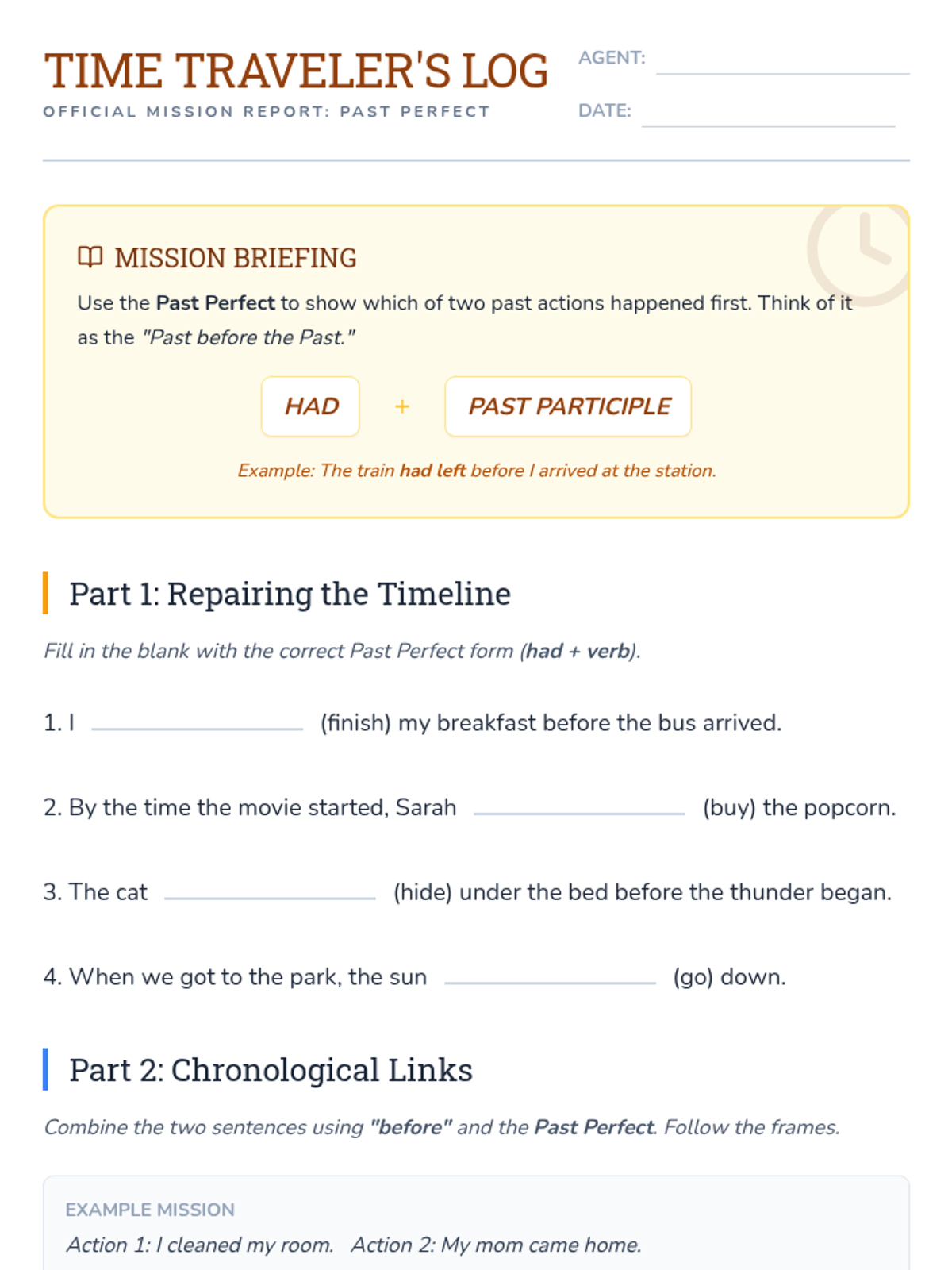
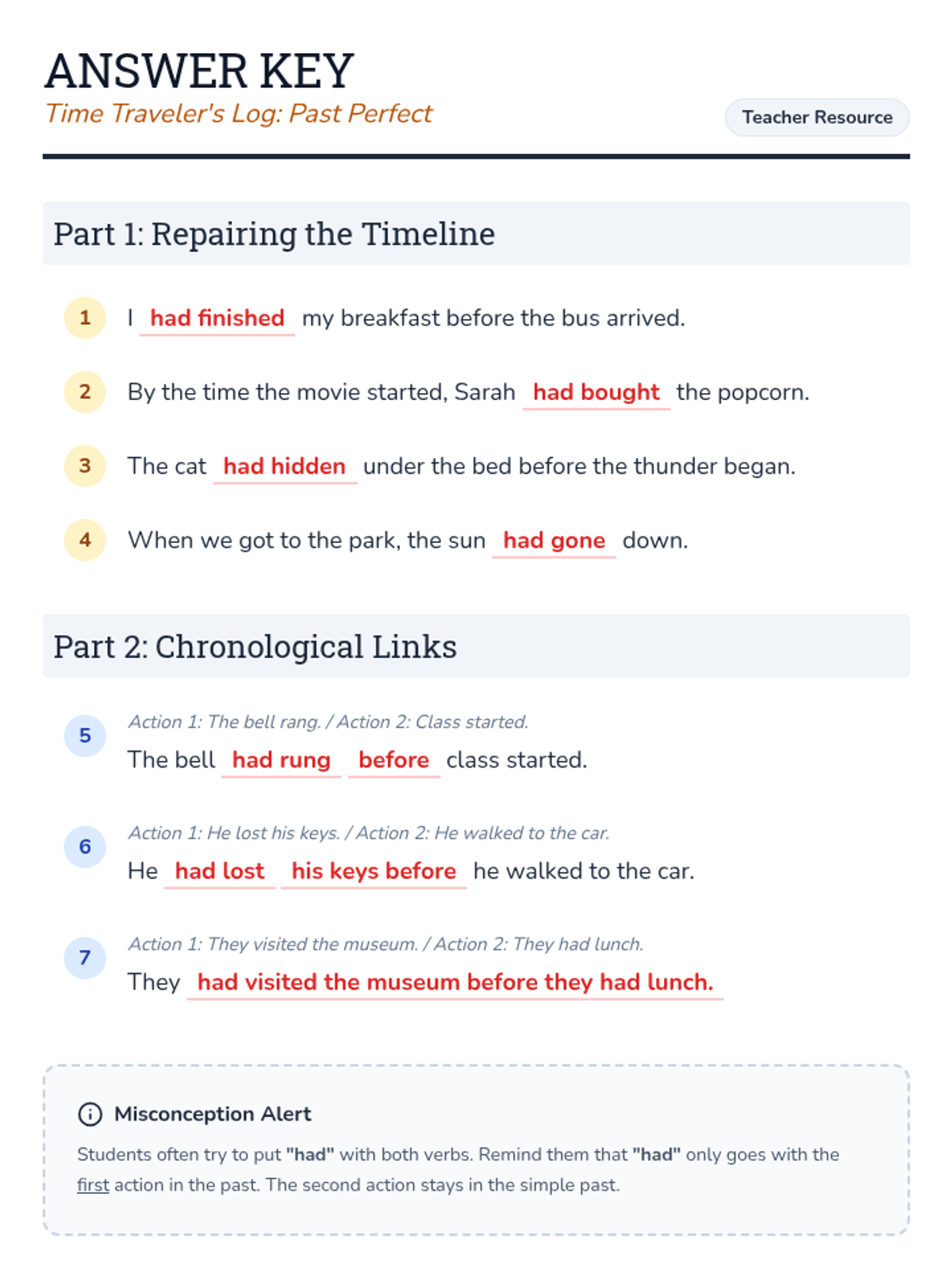
A comprehensive 30-45 minute lesson on the past perfect tense, featuring explicit instructions, a time-travel themed worksheet, and a detailed teacher guide. This lesson helps students understand how to sequence two past events using the 'past before the past' structure.
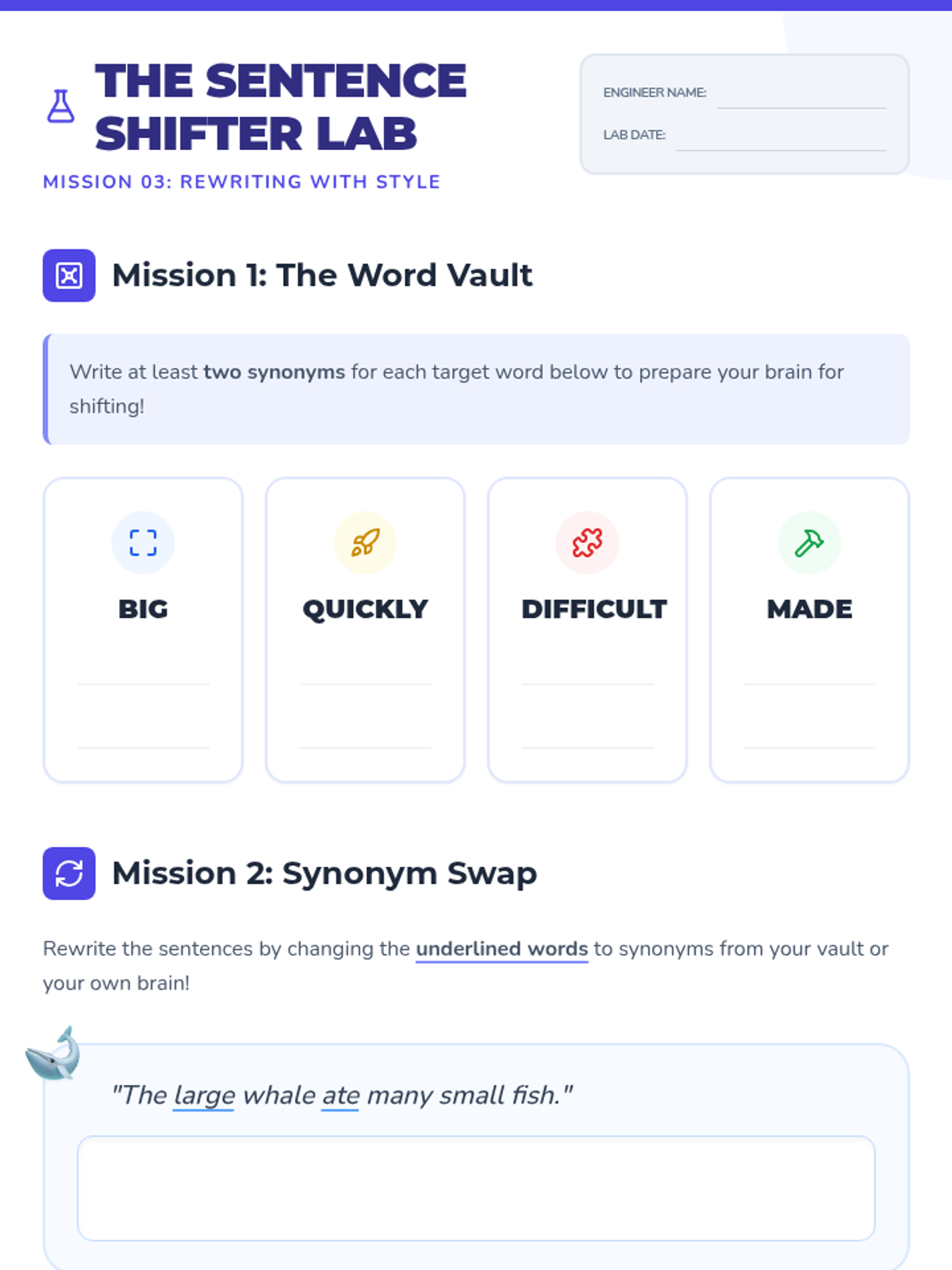
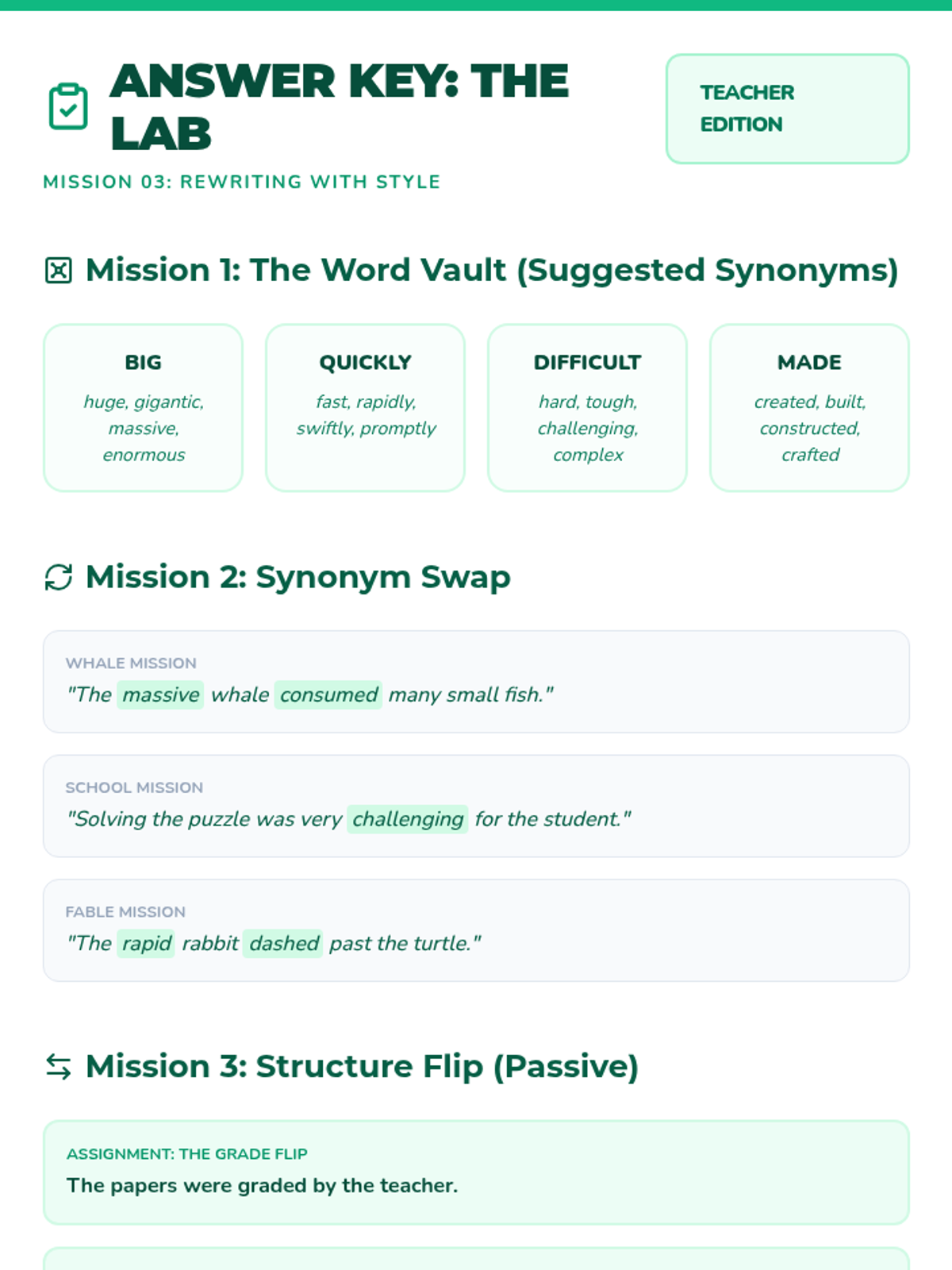
A visual, high-engagement workshop for students to practice sentence manipulation. Students explore synonyms to enhance vocabulary and master the 'Active to Passive' voice flip through space, school, and fable-themed missions.
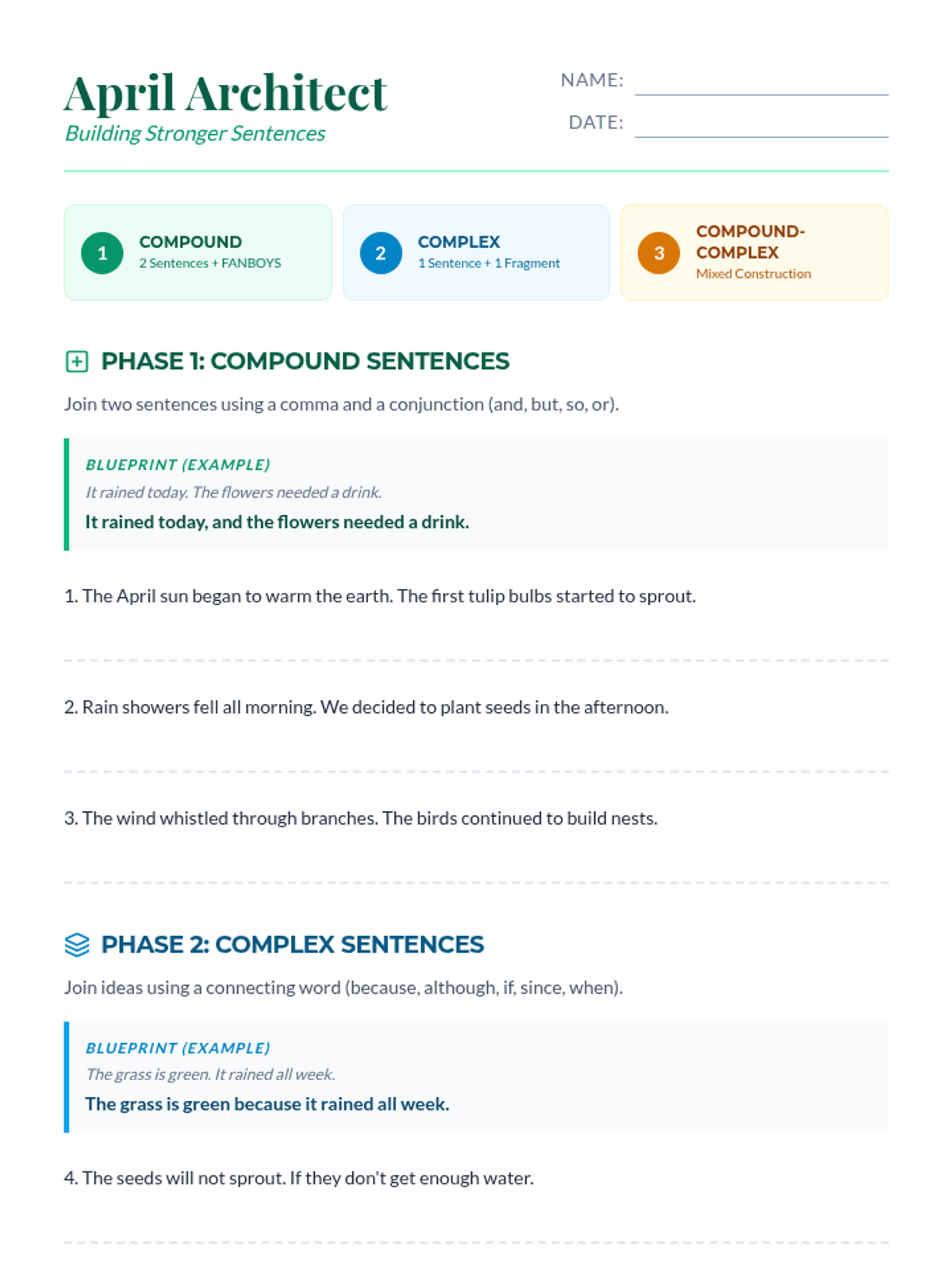
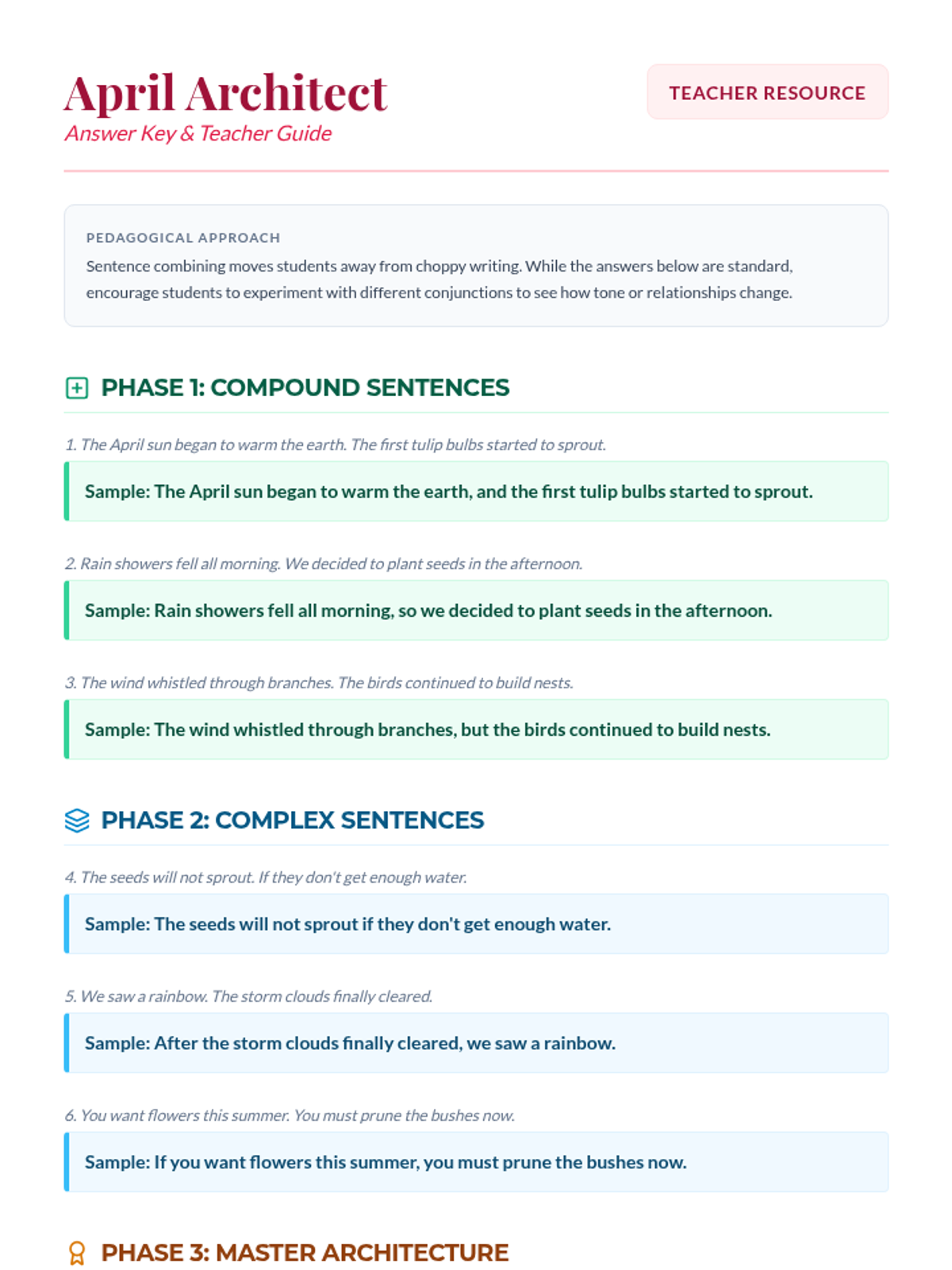
A comprehensive review of sentence structures including simple, compound, complex, and compound-complex sentences using a construction-themed approach. Students will analyze blueprints of sentences and build their own using specific grammatical tools.
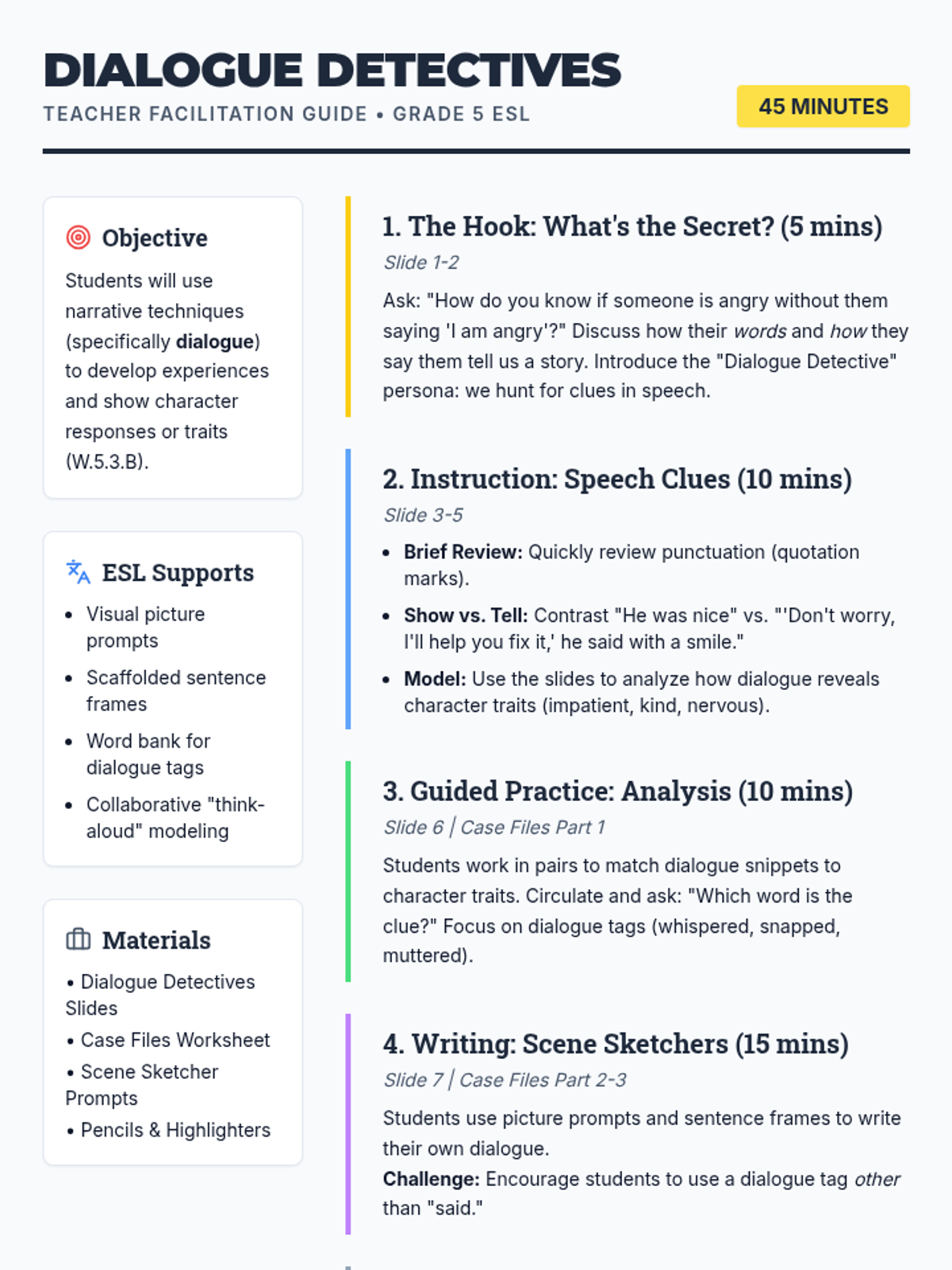
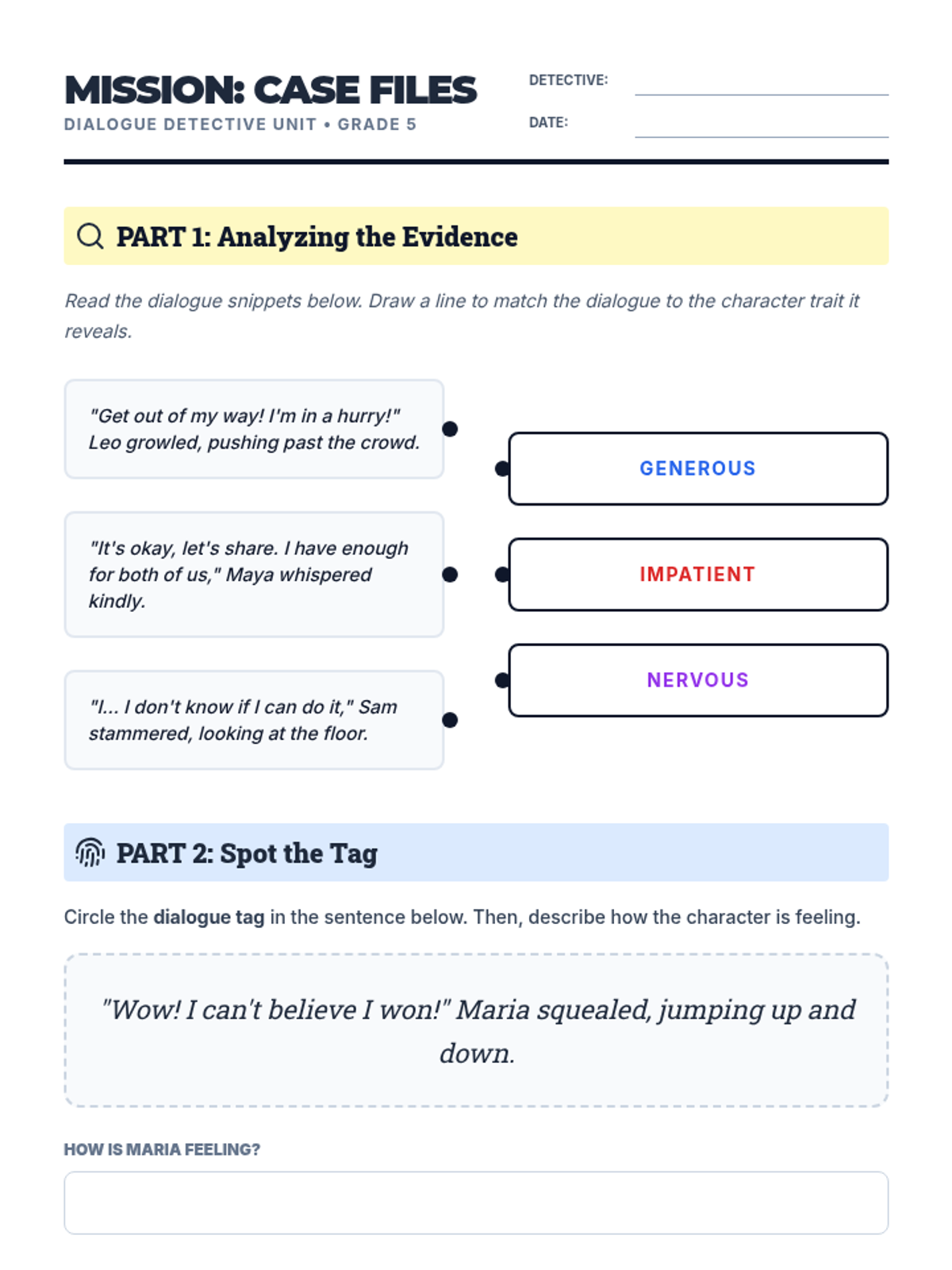
A 45-minute Grade 5 ESL lesson focused on using dialogue to reveal character traits and emotions. Students act as 'Dialogue Detectives' to analyze speech and write their own character-revealing conversations.
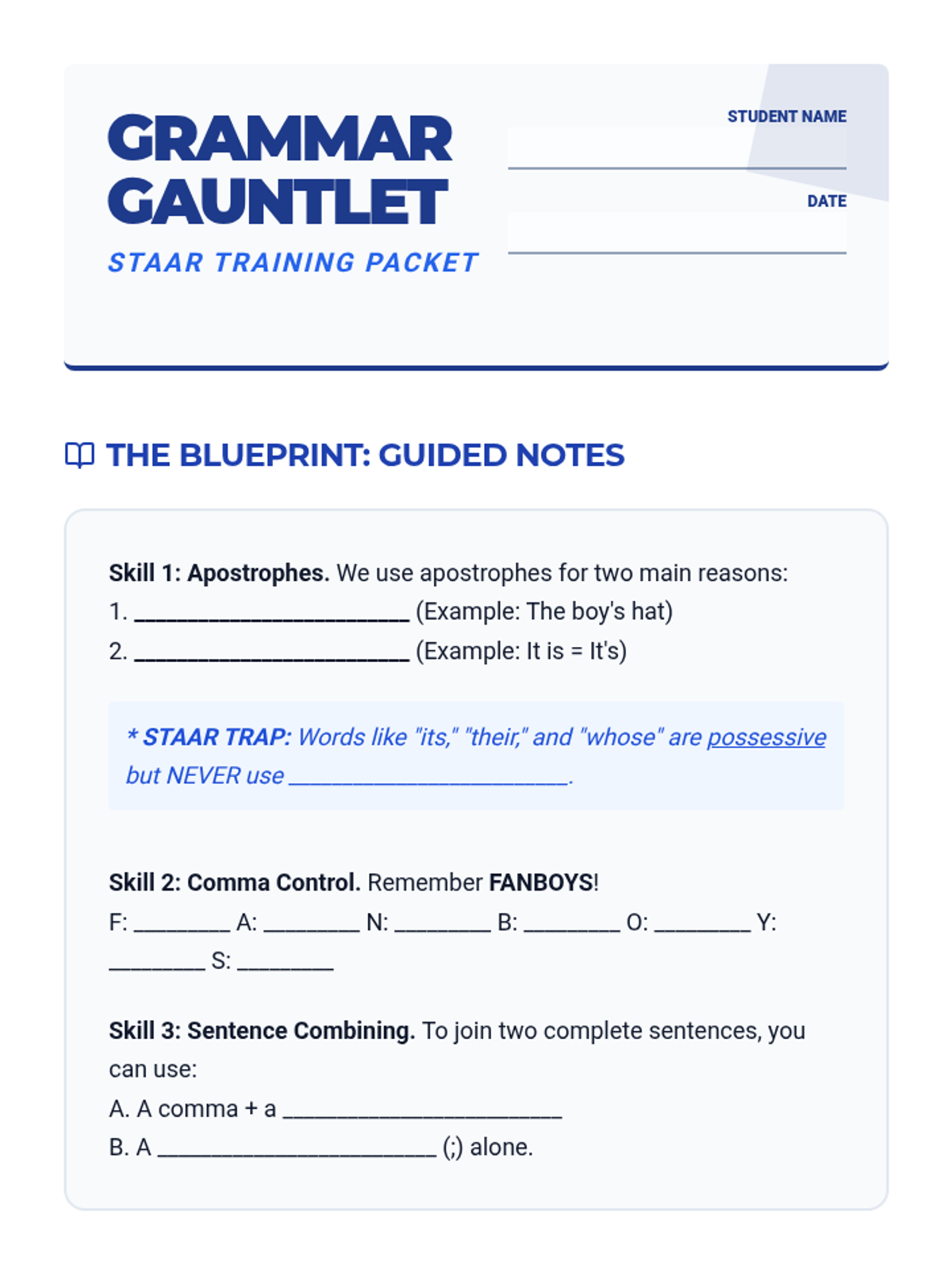
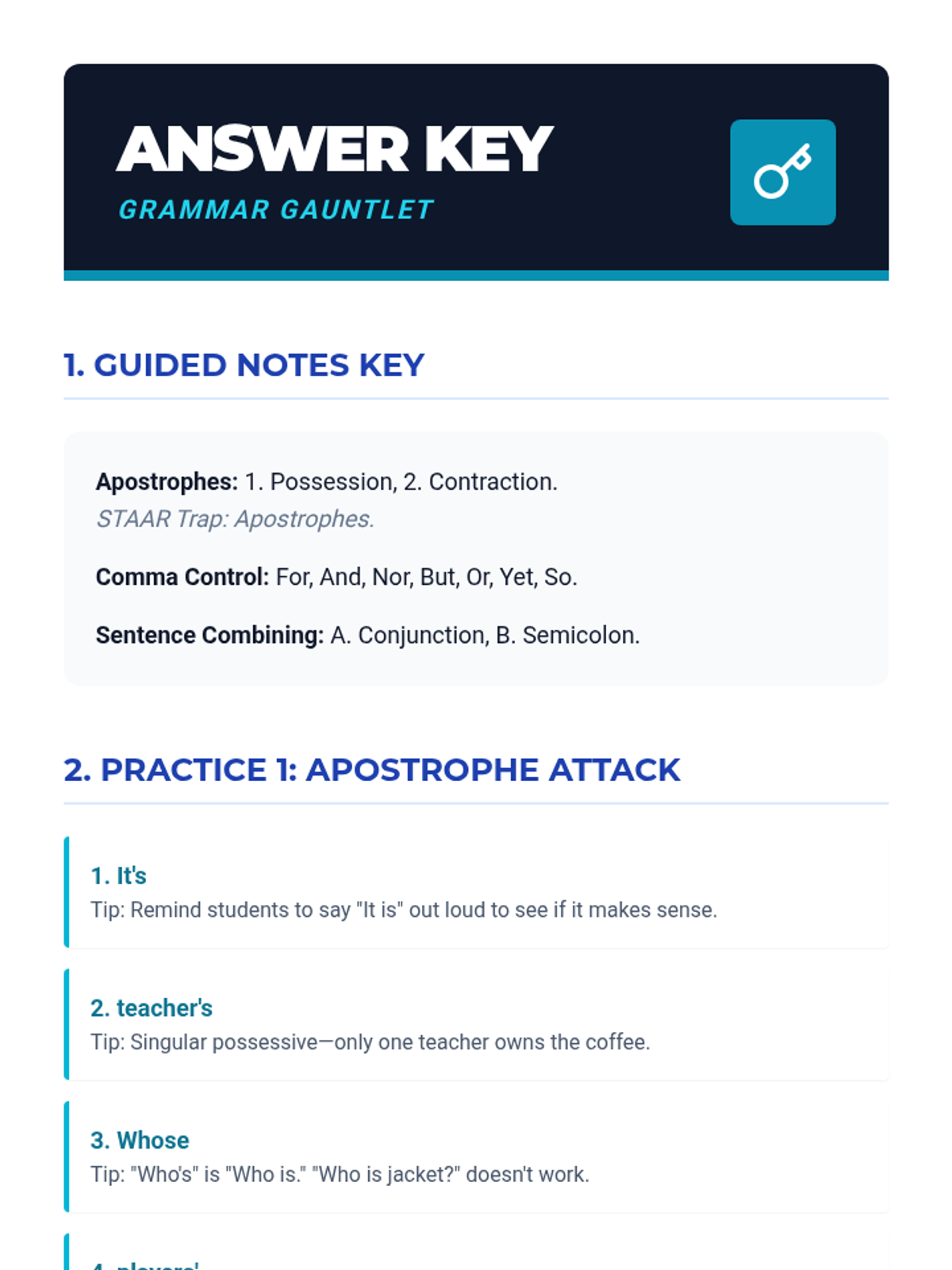
A high-impact tutoring session focused on STAAR writing skills, specifically targeting apostrophes, comma rules, and sentence combining through direct instruction and intensive practice.
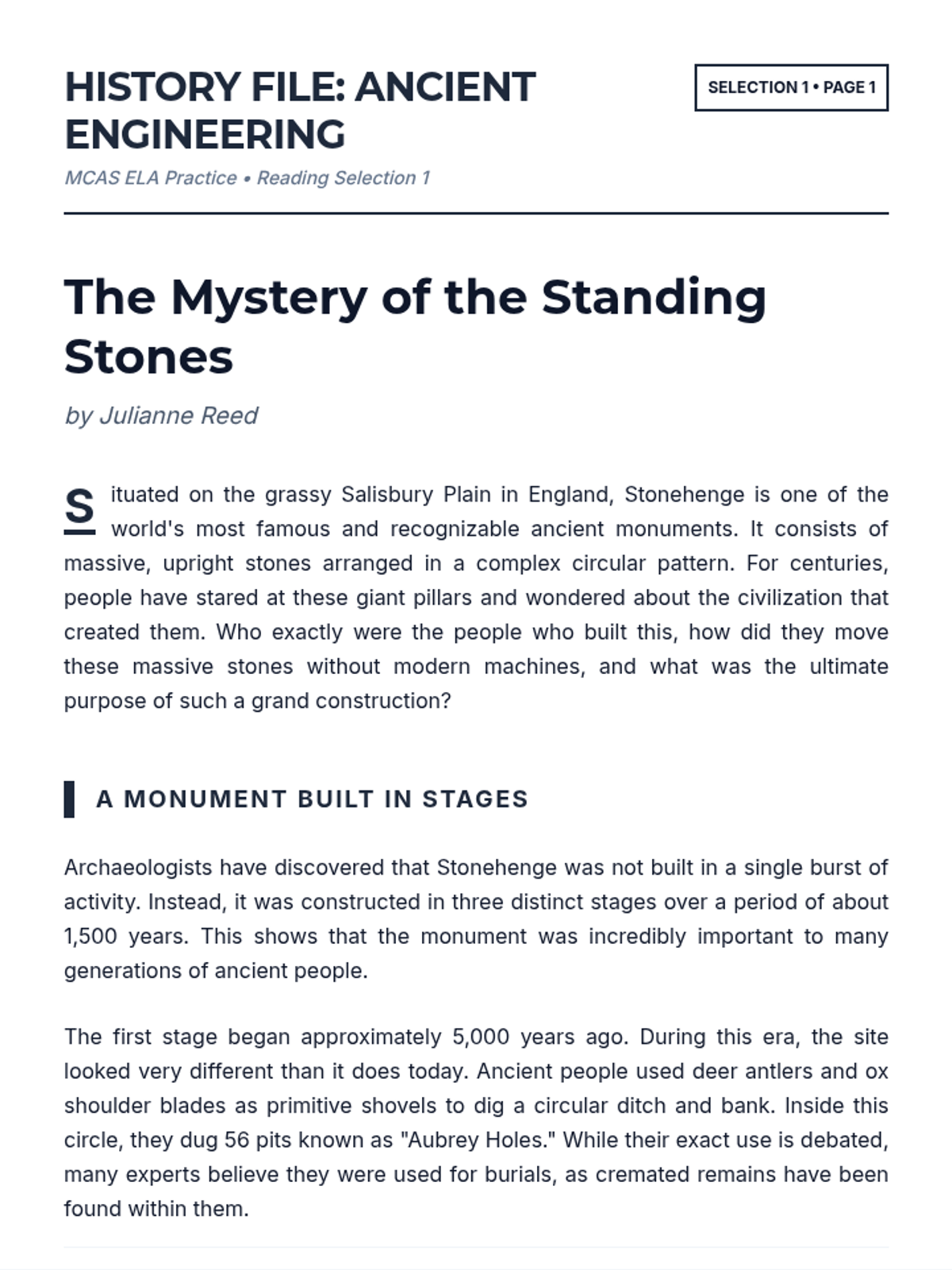
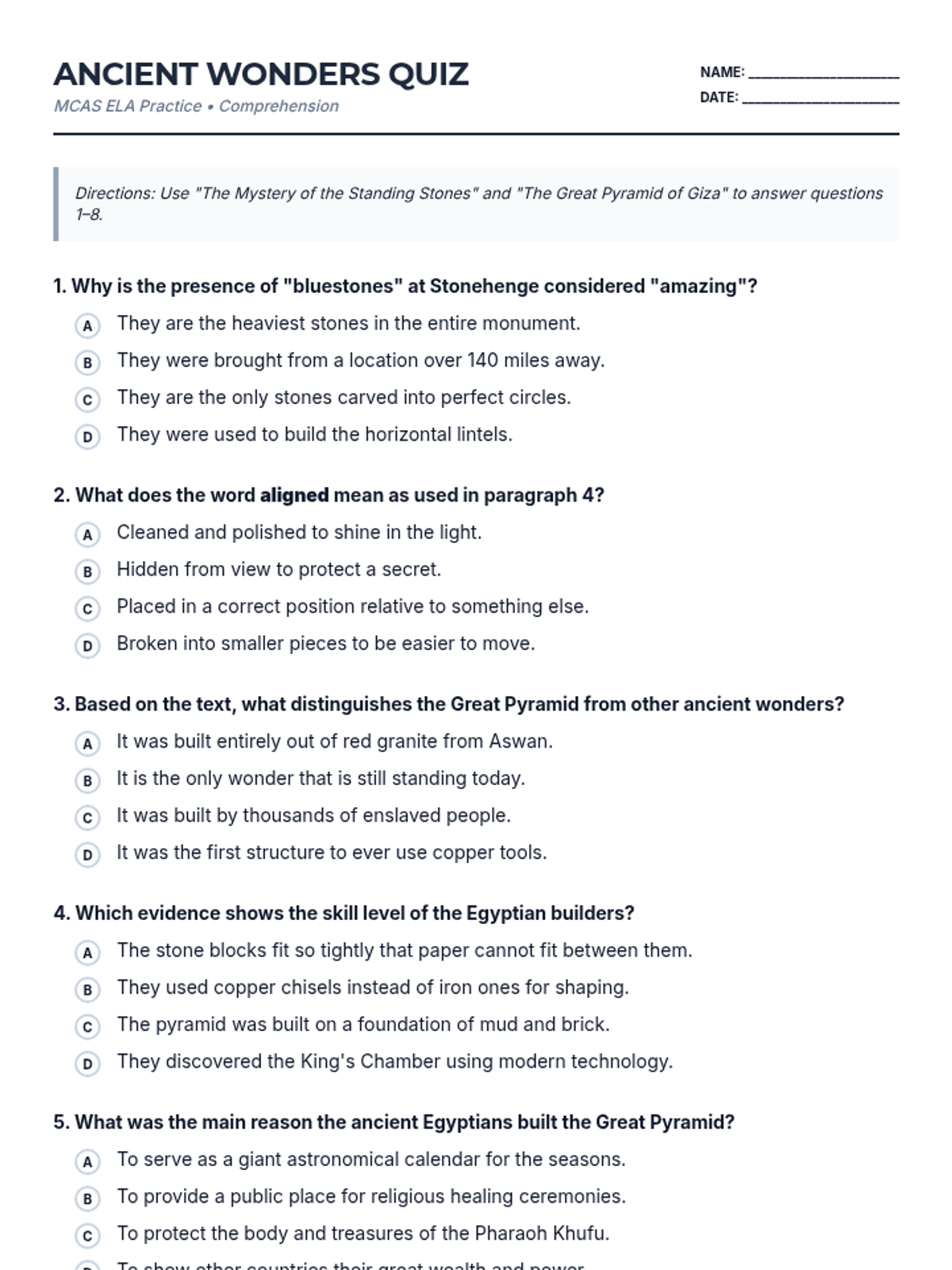
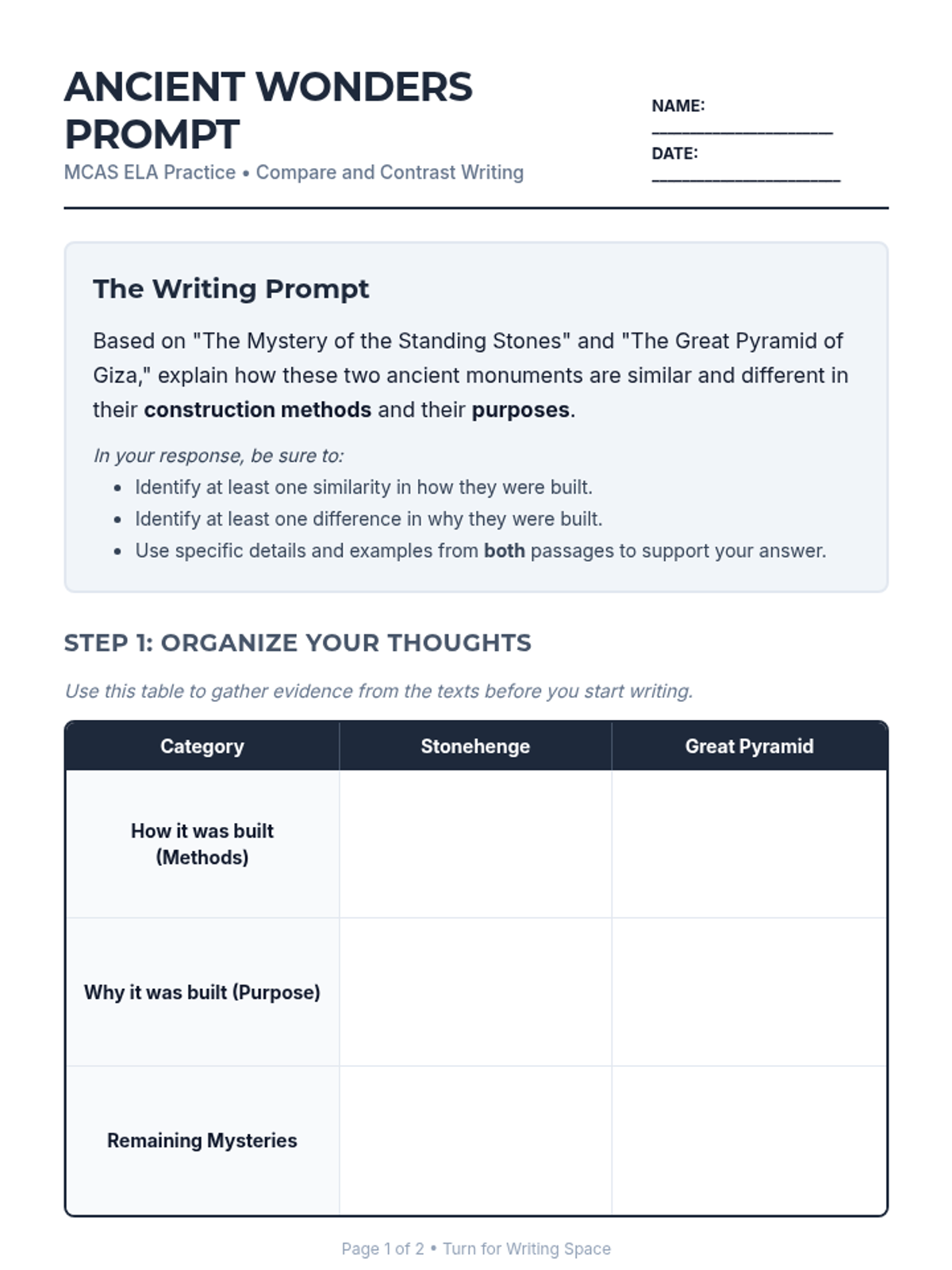
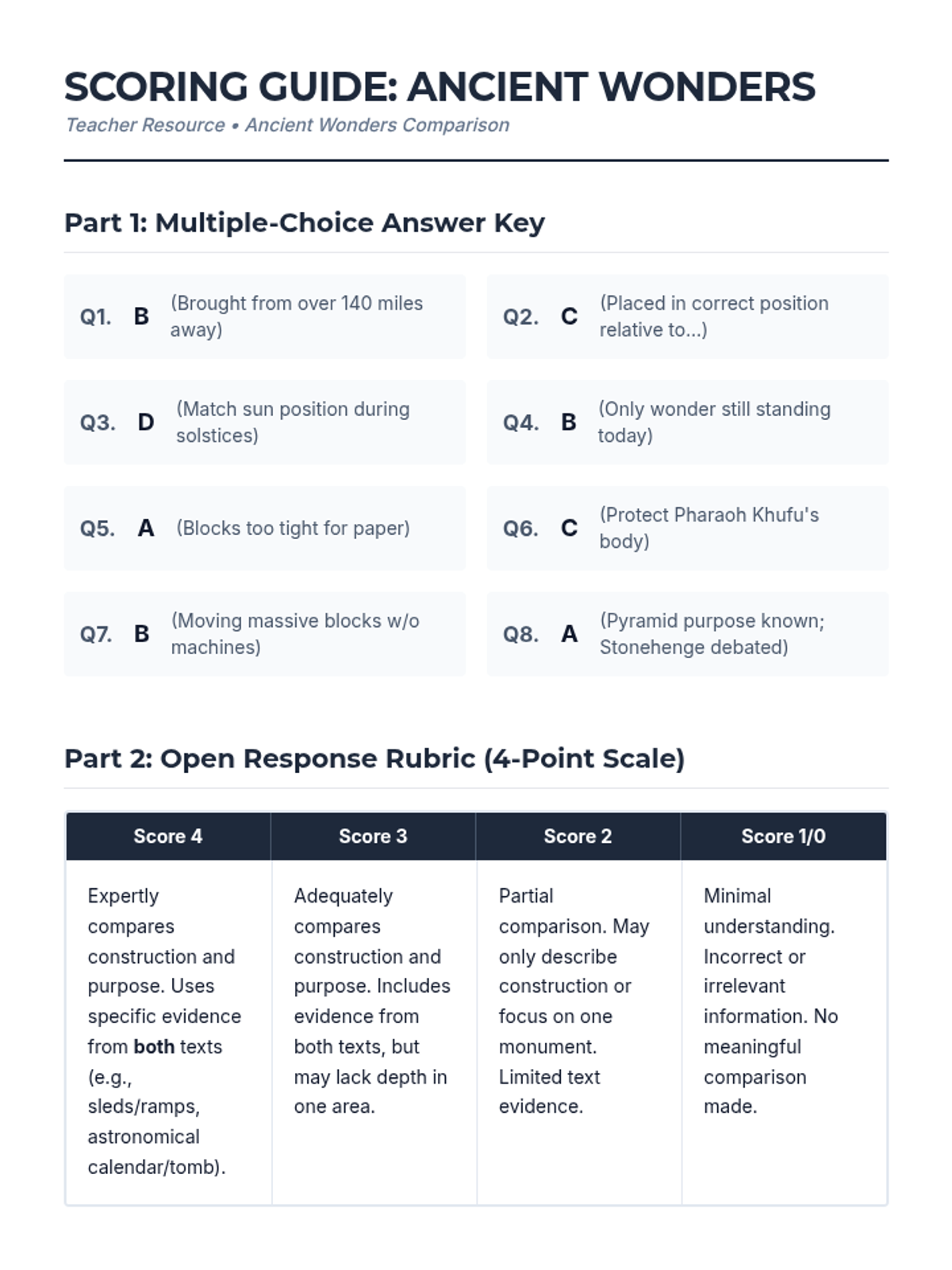
A comparison of two ancient engineering marvels: Stonehenge and the Great Pyramid of Giza. Students analyze the purpose, construction methods, and mysteries surrounding these structures to practice evidence-based writing.
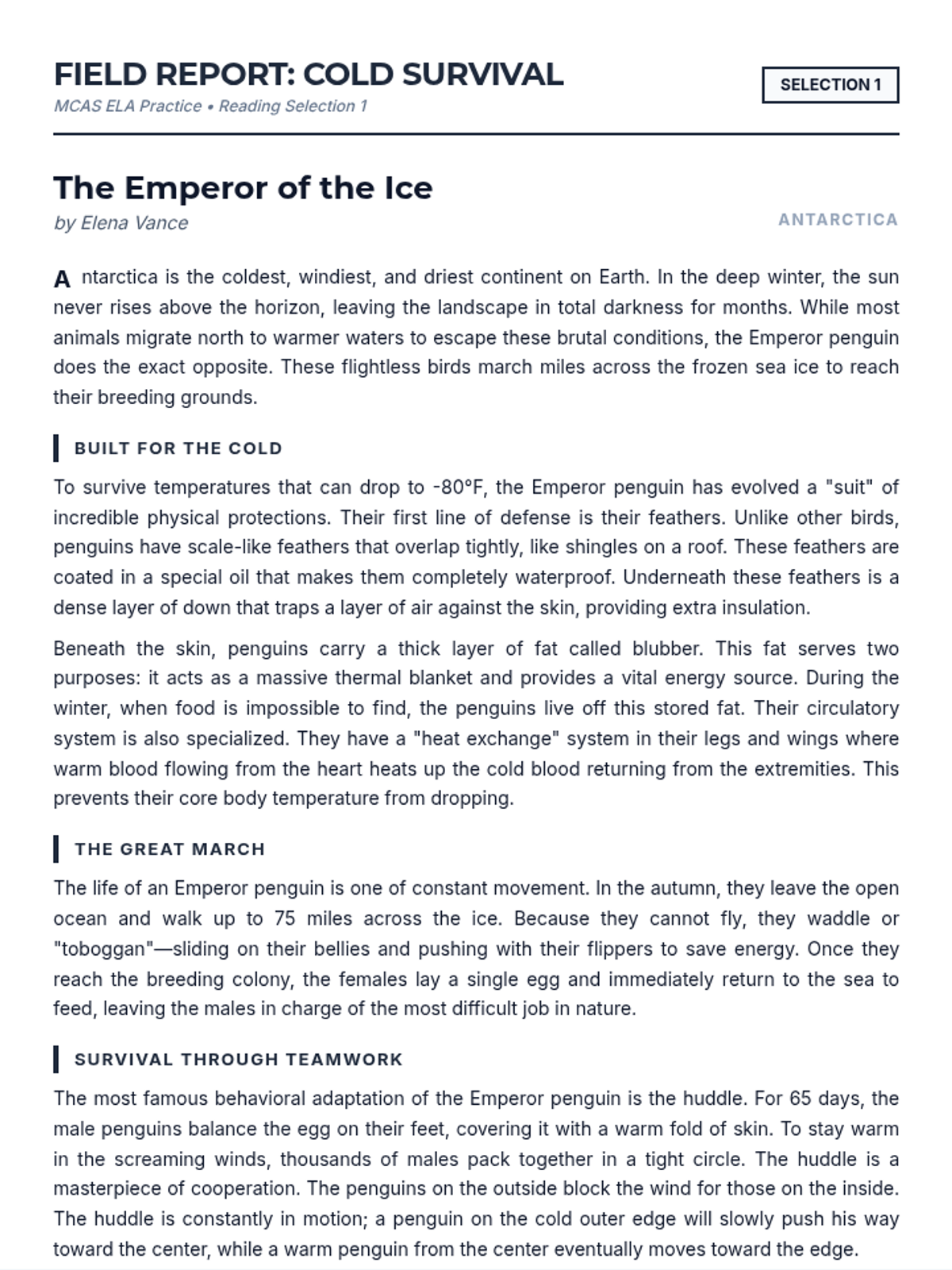
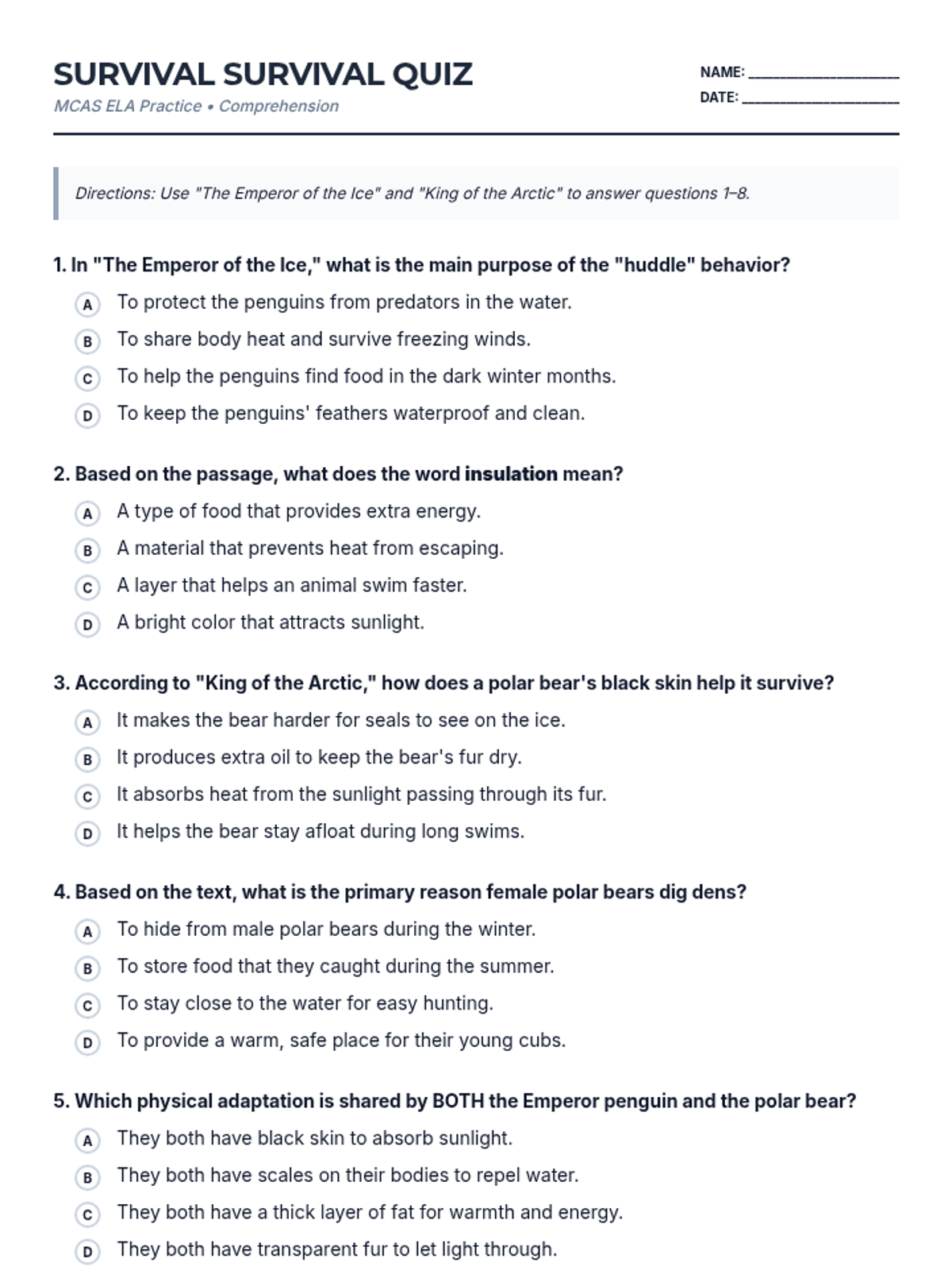
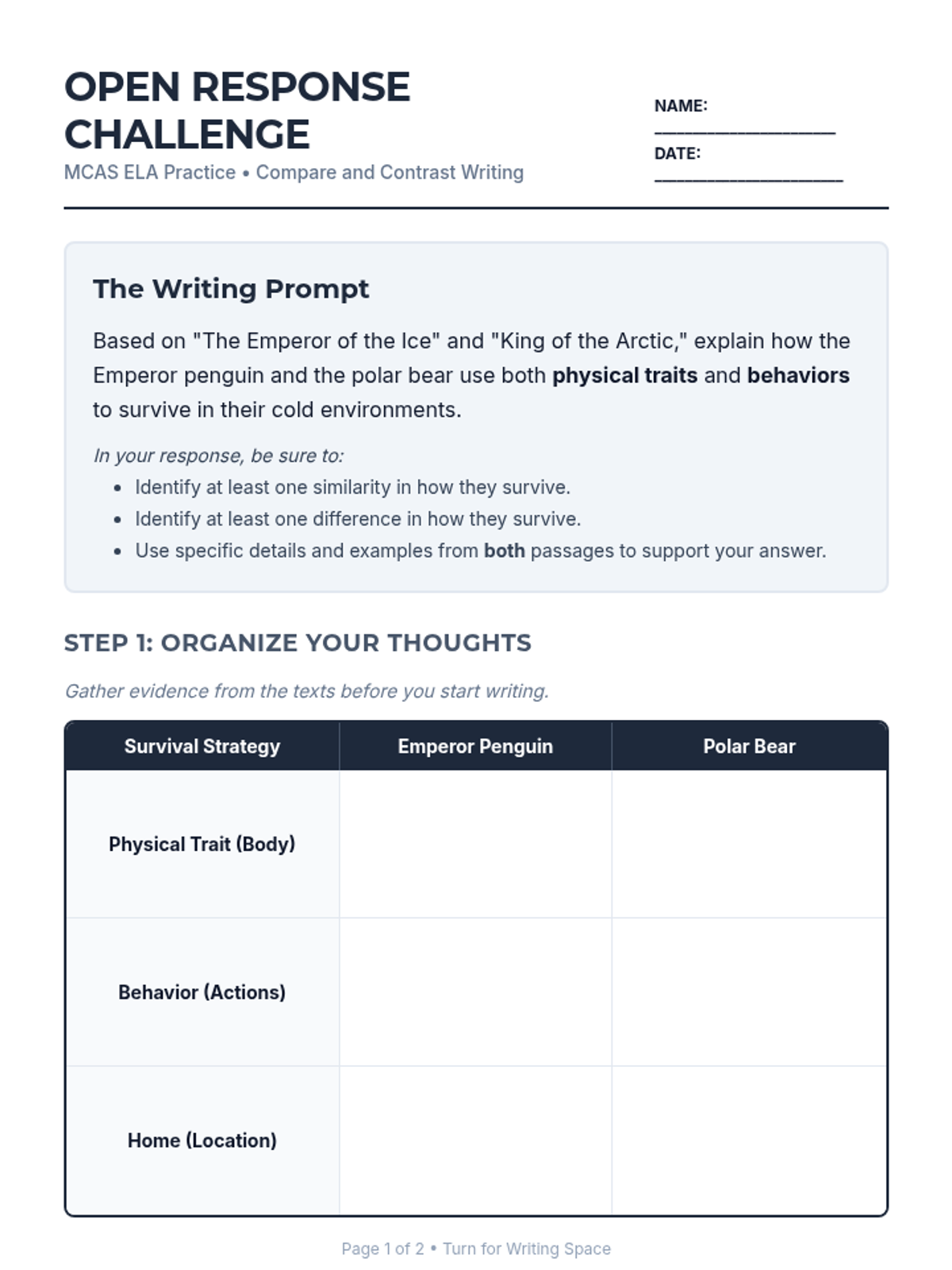
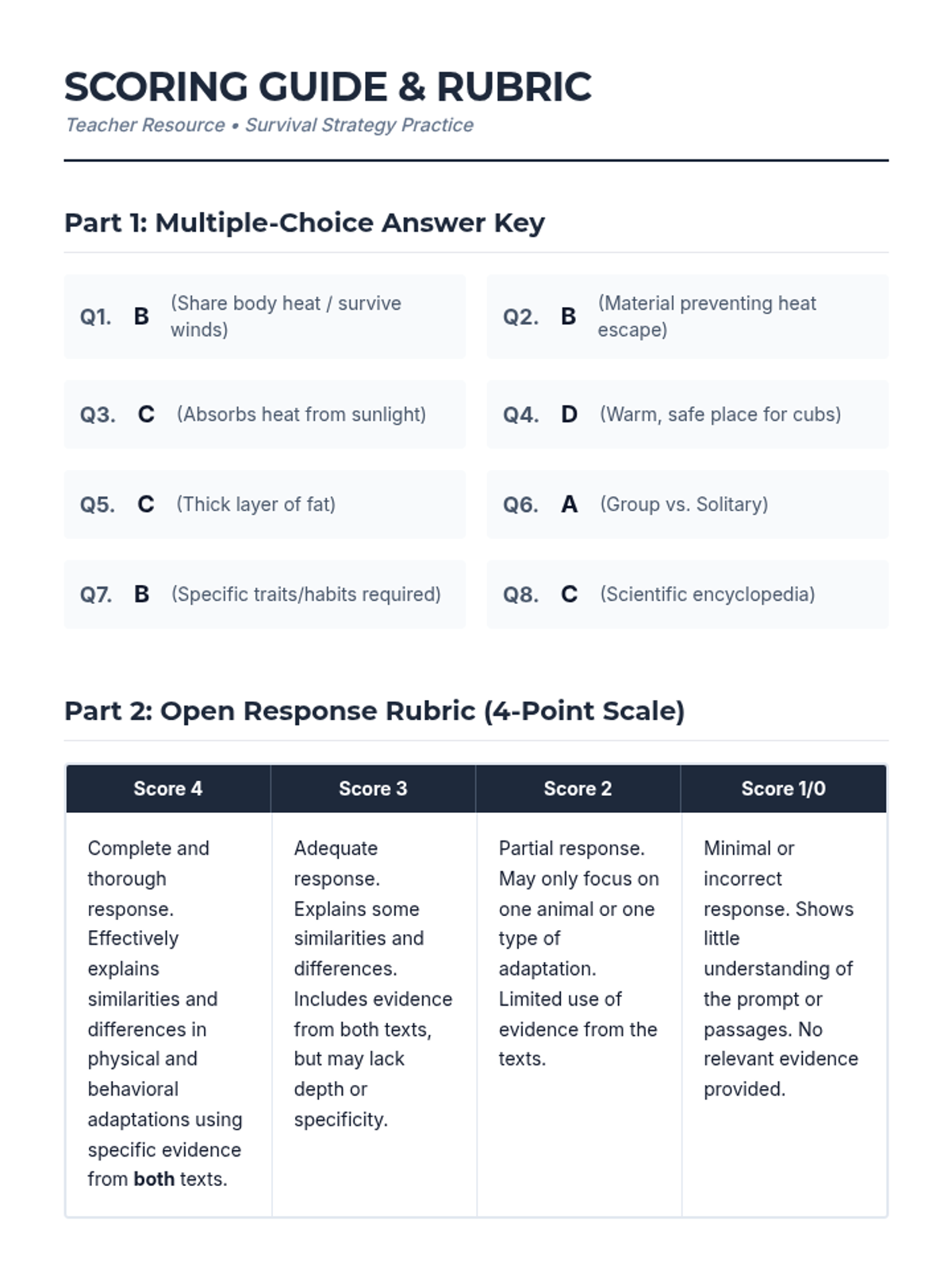
A 5th-grade ELA practice session focused on paired informational texts and compare-and-contrast writing, modeled after MCAS assessments. Students analyze two texts about Arctic and Antarctic animal survival to identify similarities and differences in adaptations.
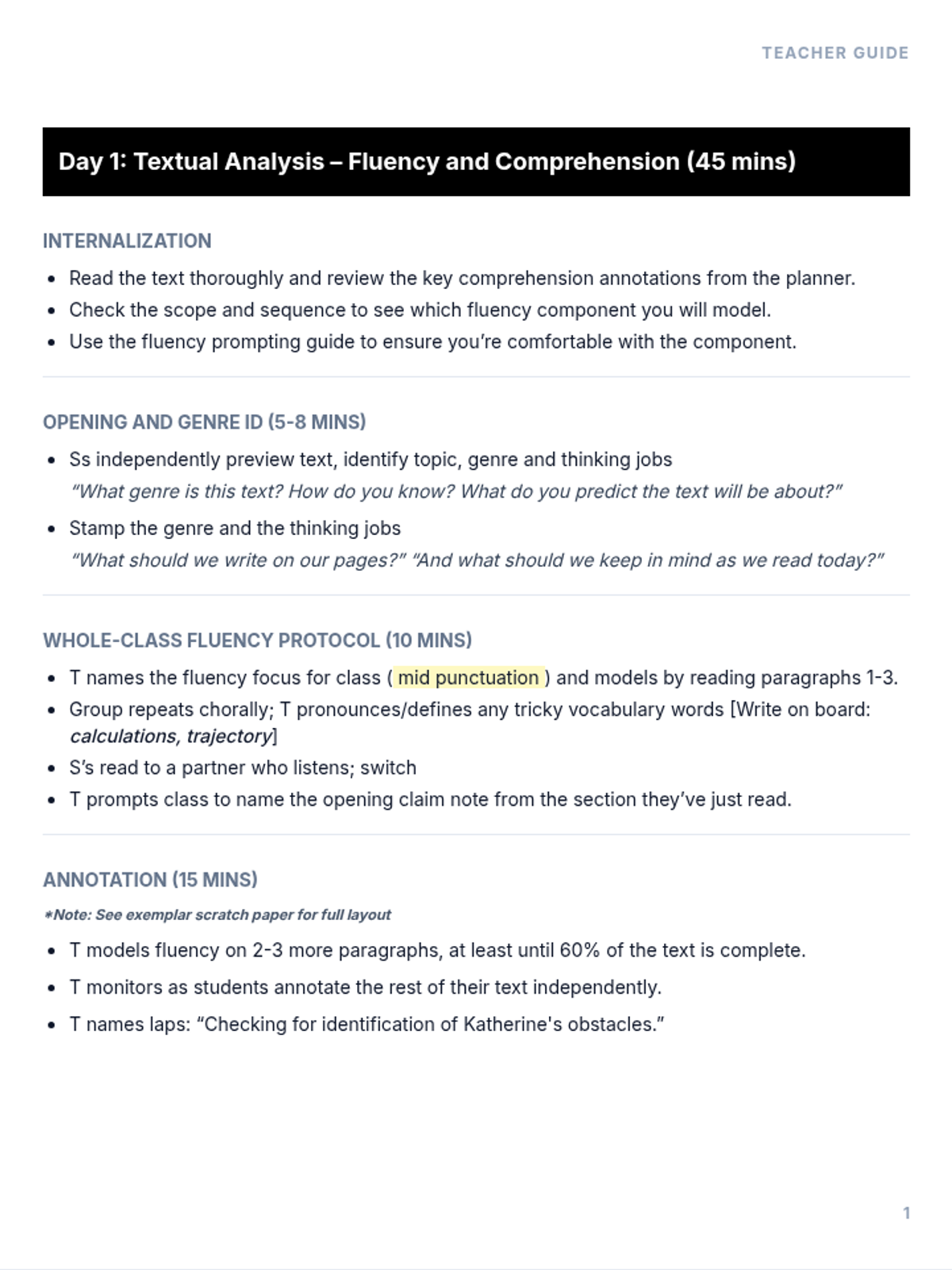
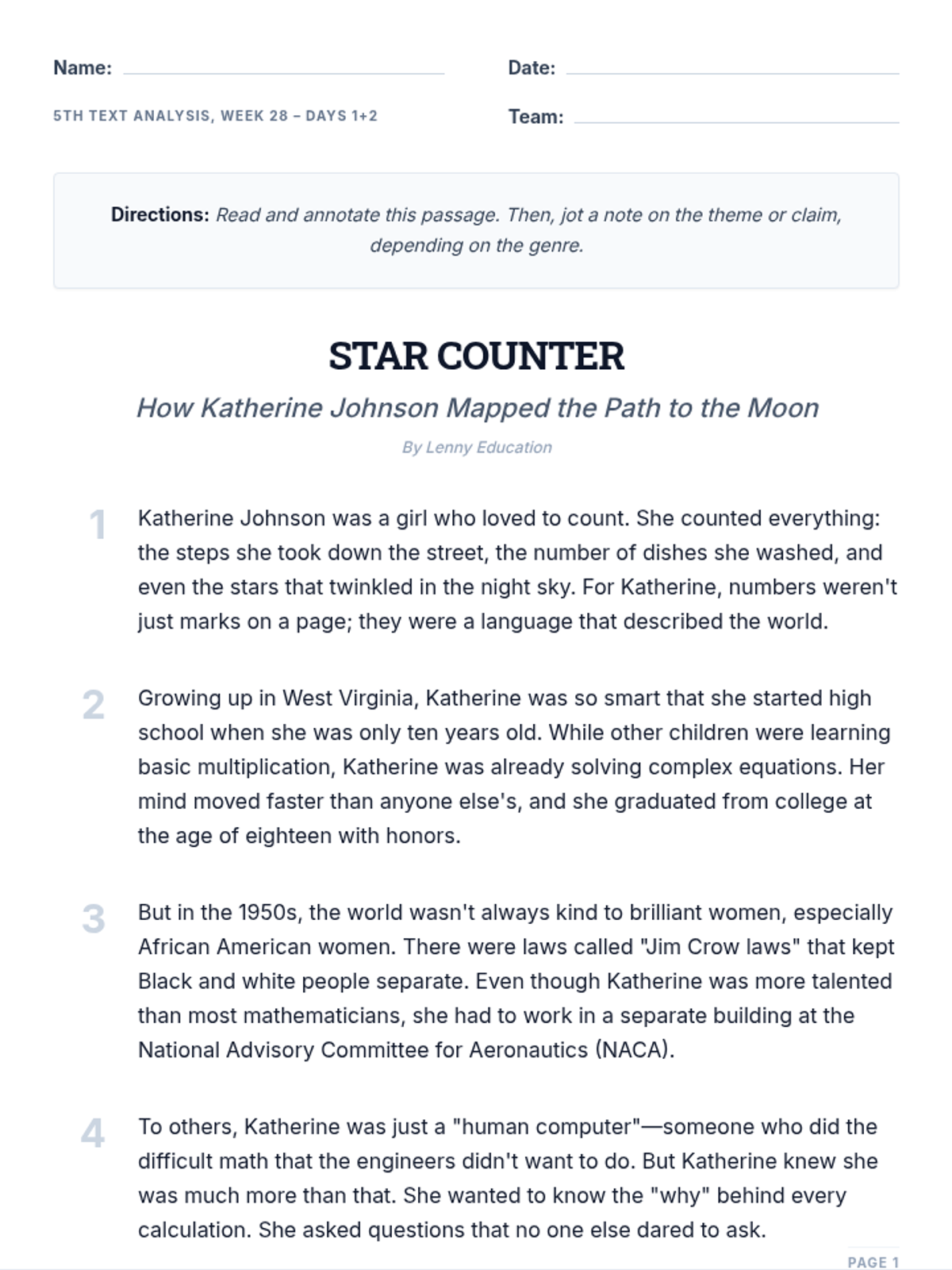
A two-day textual analysis lesson for 5th grade students focusing on fluency, comprehension, and author's craft through the biography of Katherine Johnson. Students will read, annotate, and analyze the text to understand the author's purpose and the subject's historical impact.
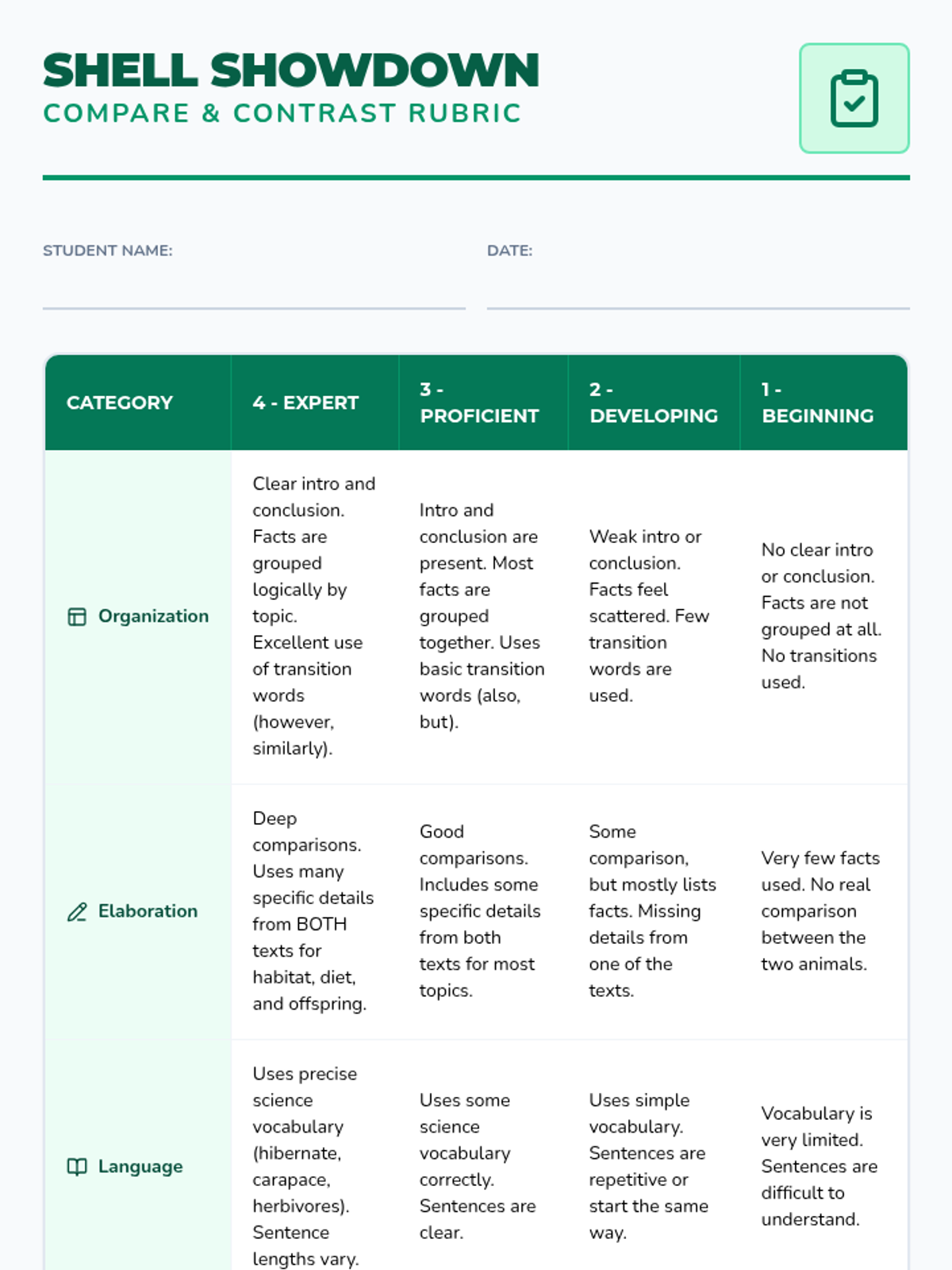
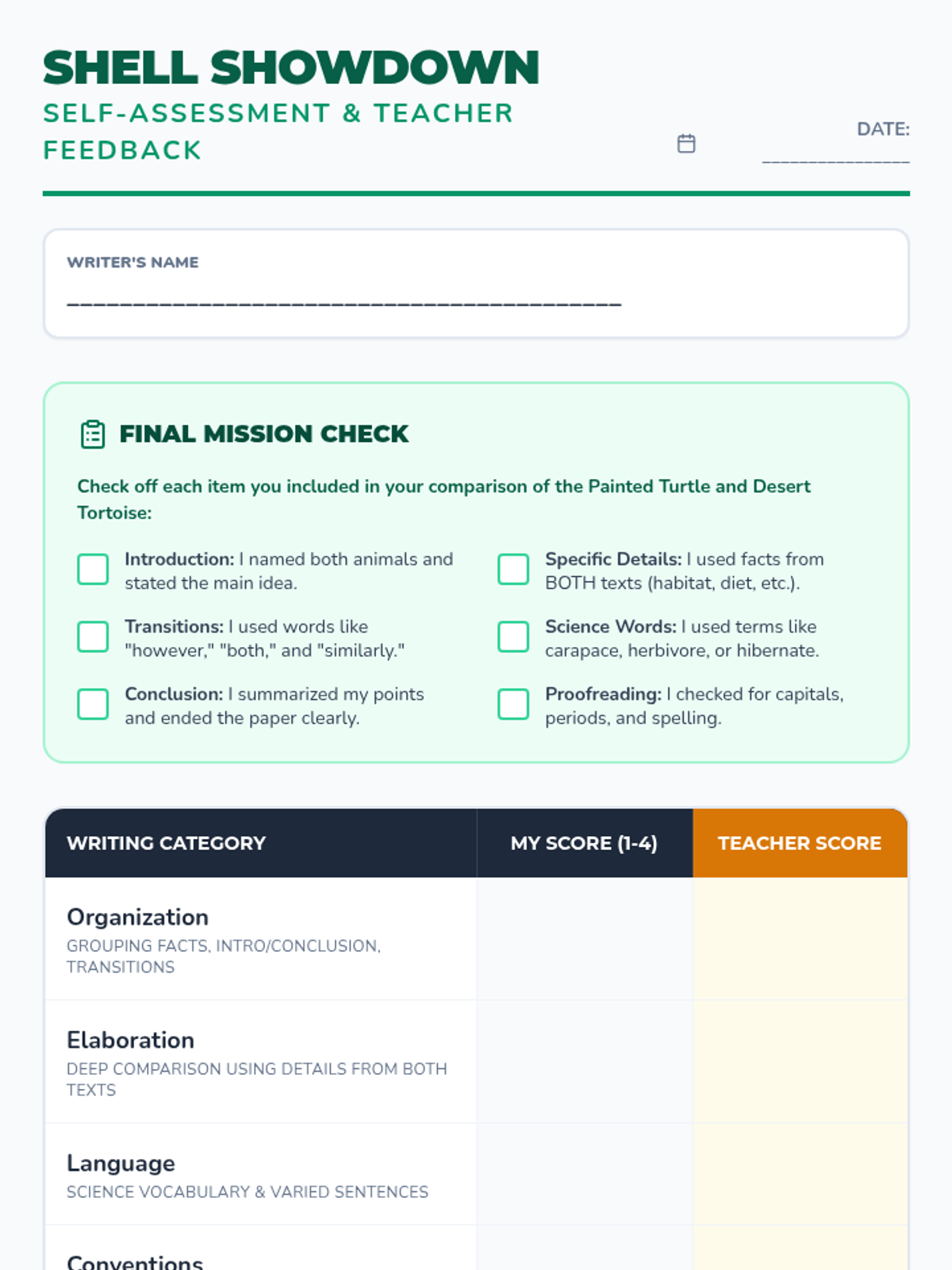
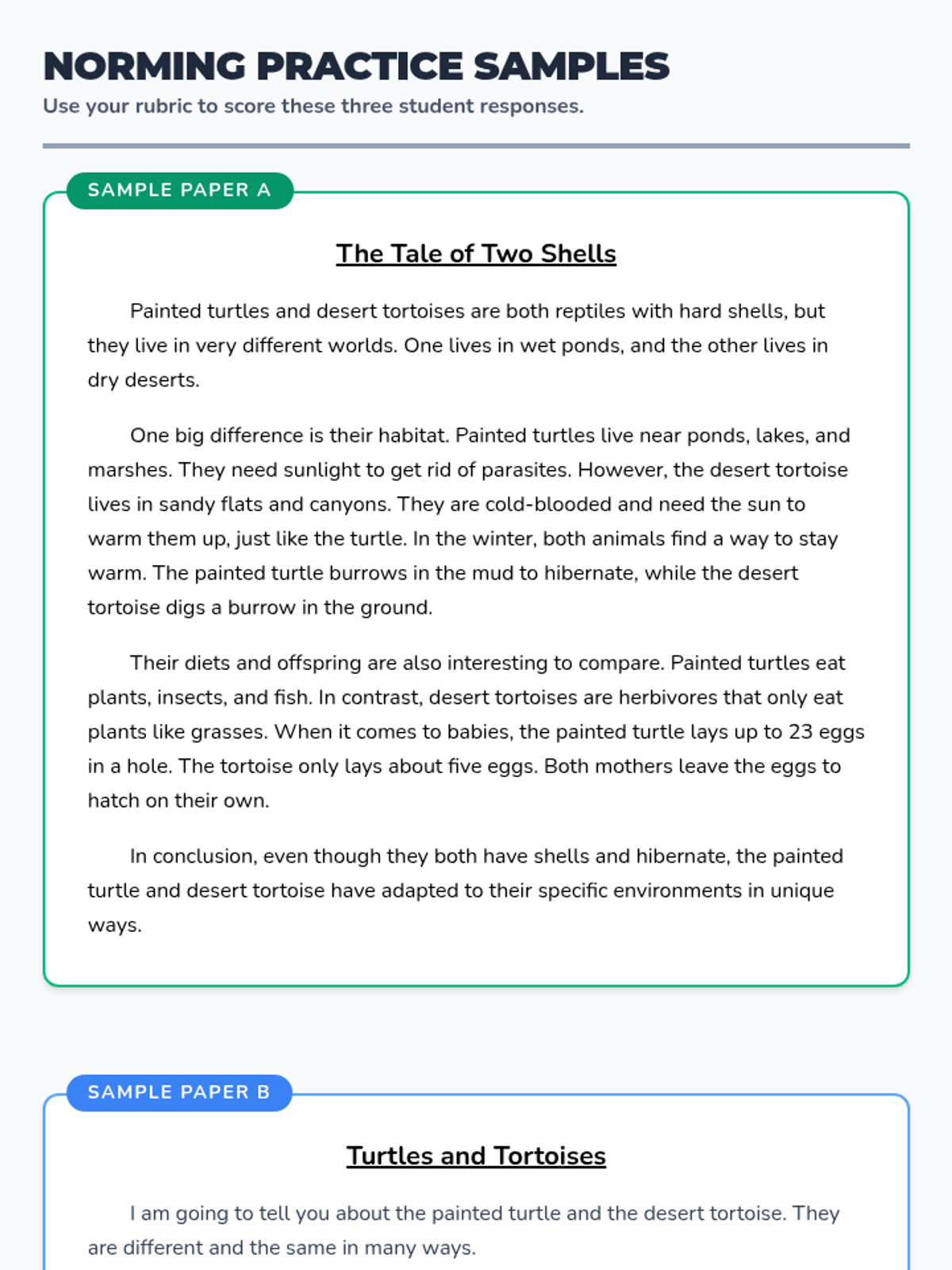
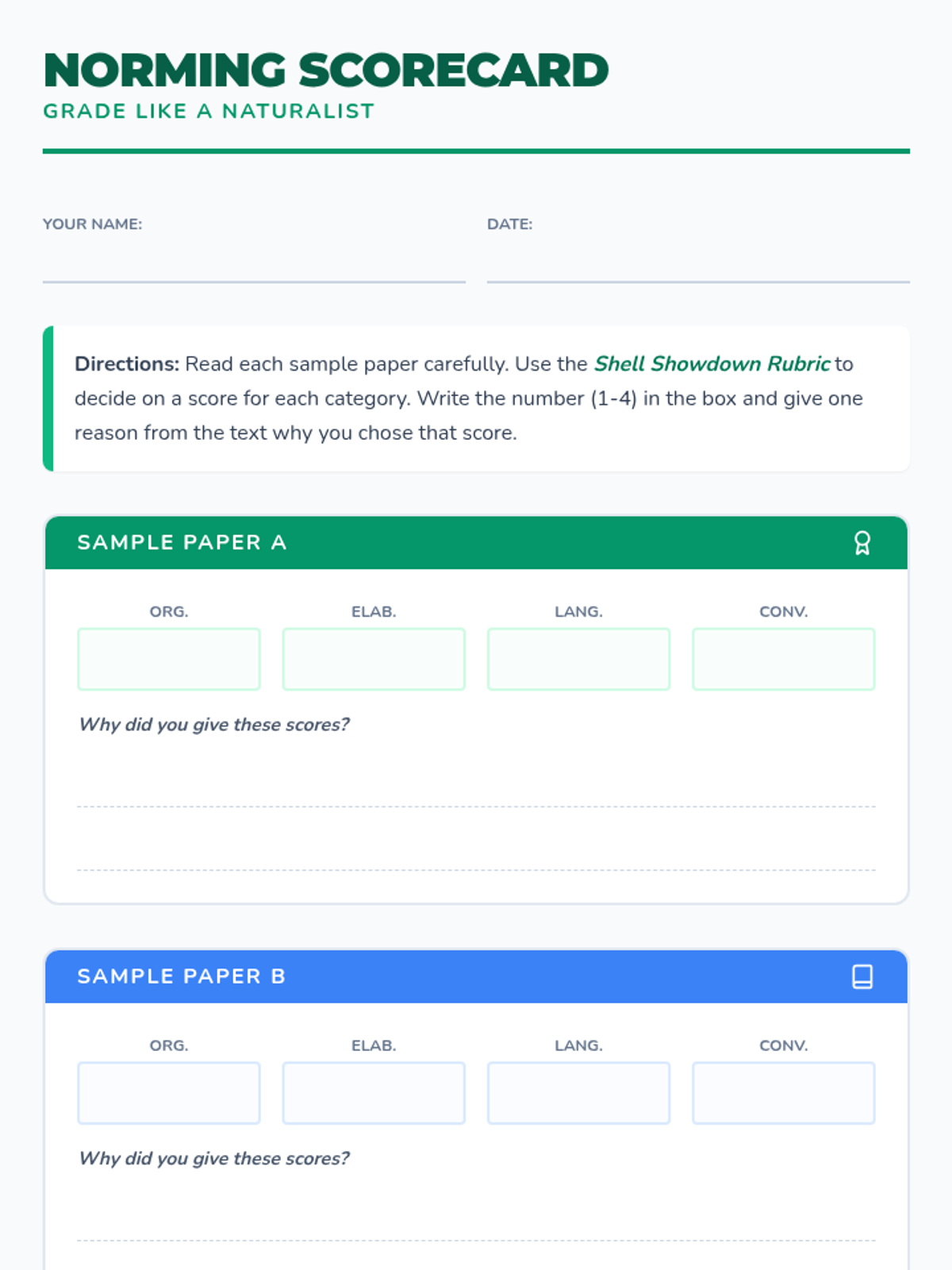
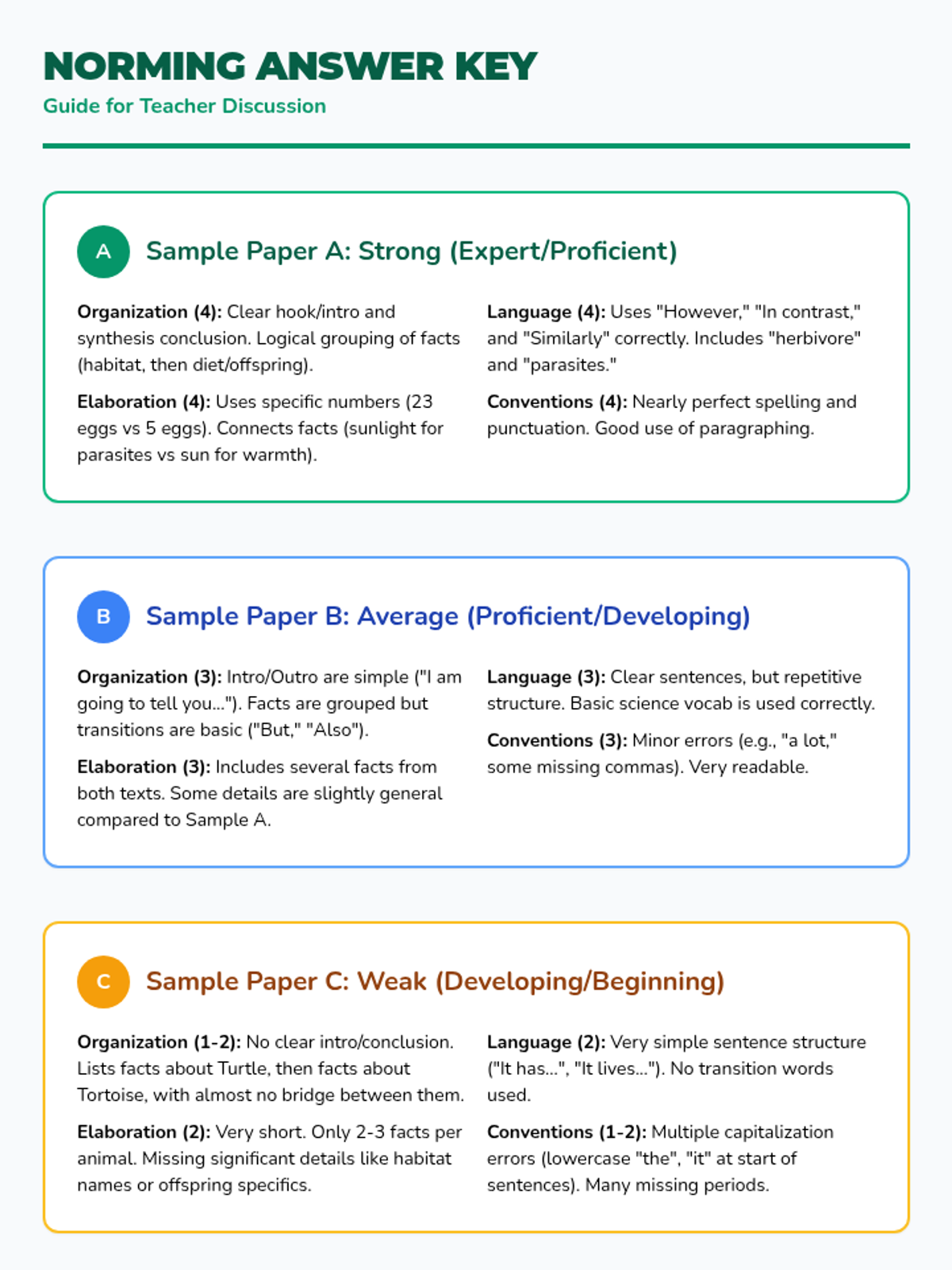
A norming exercise to help 5th-grade students evaluate compare-and-contrast writing about Painted Turtles and Desert Tortoises using a standard rubric.
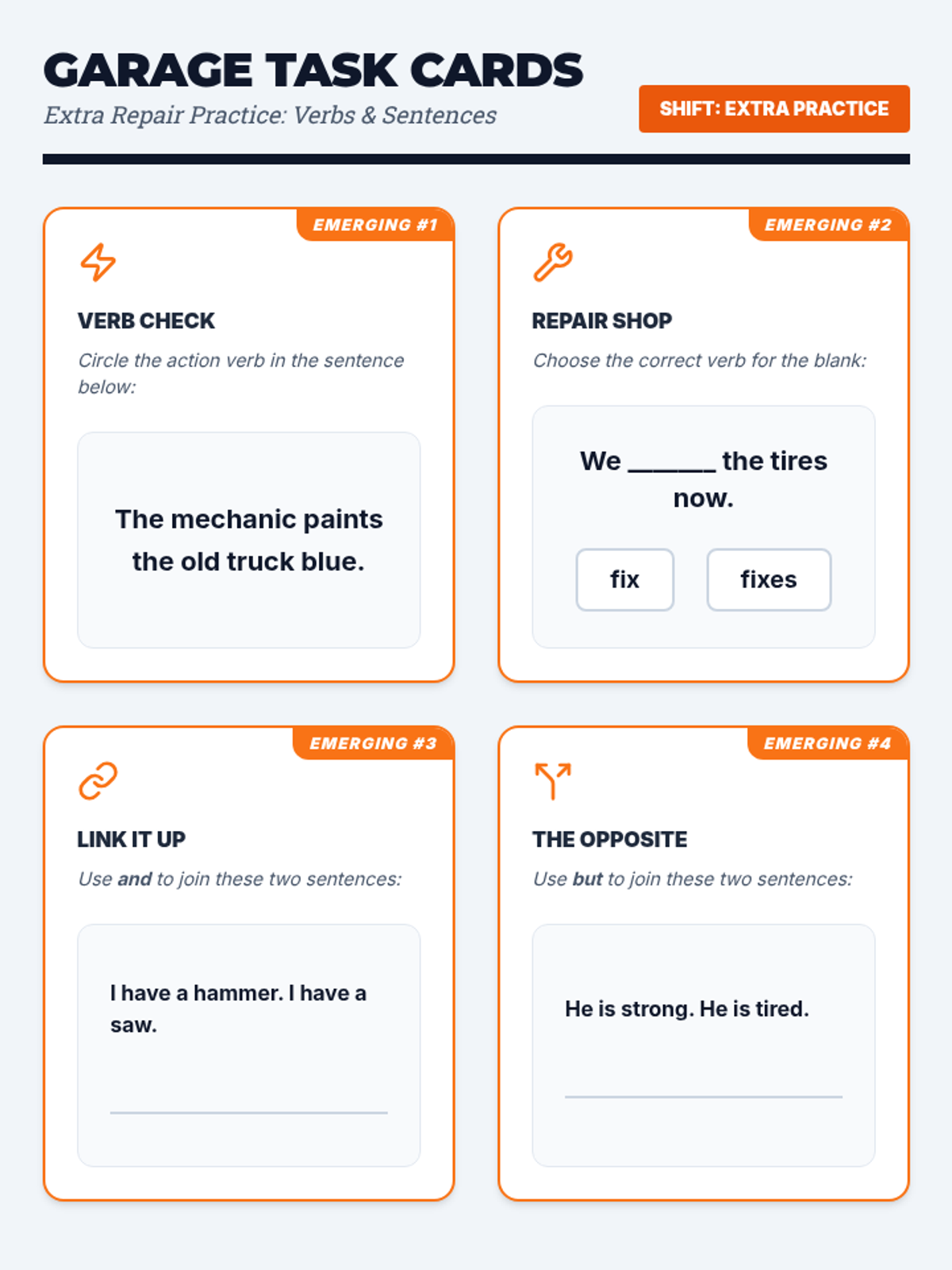
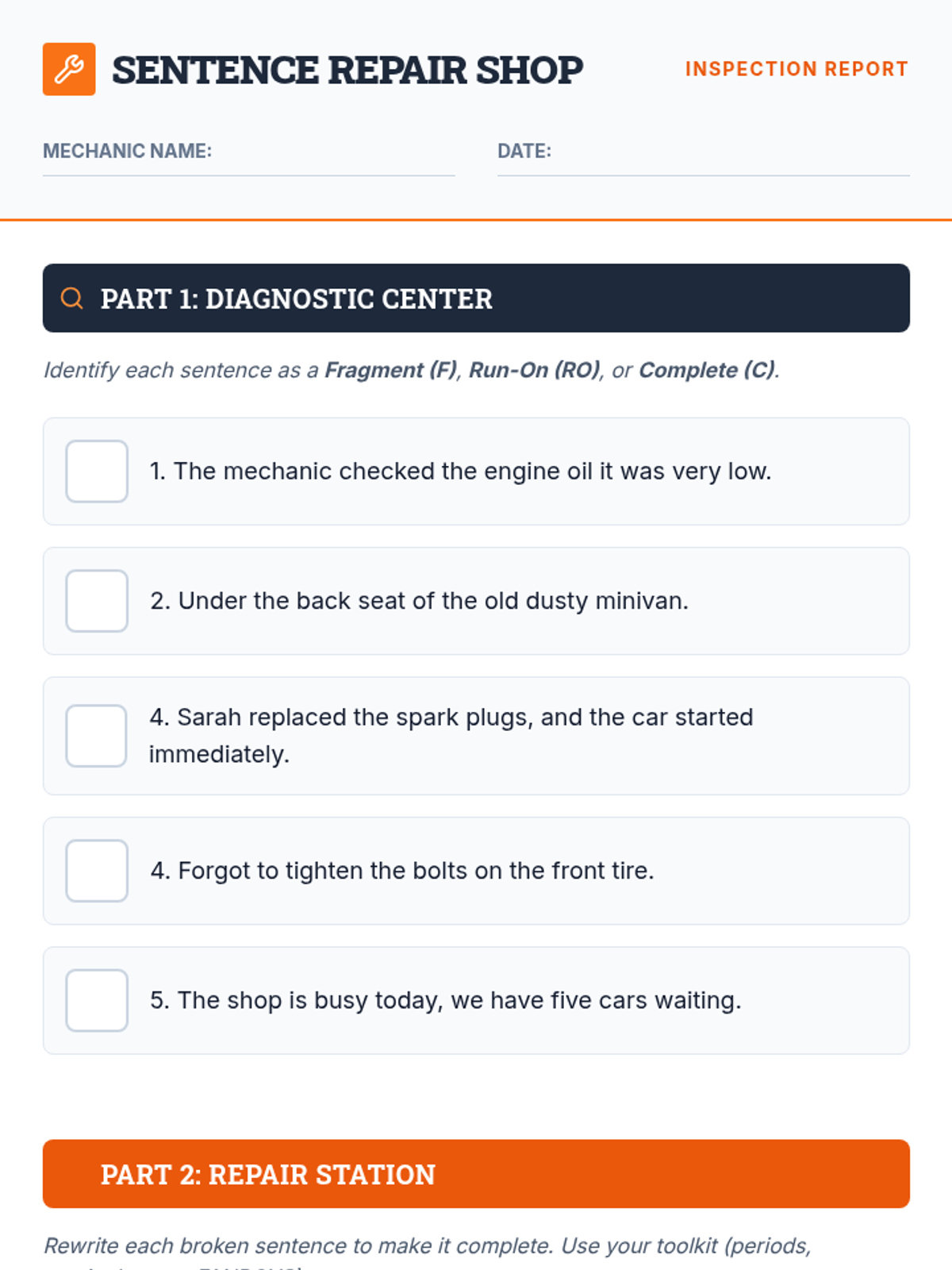
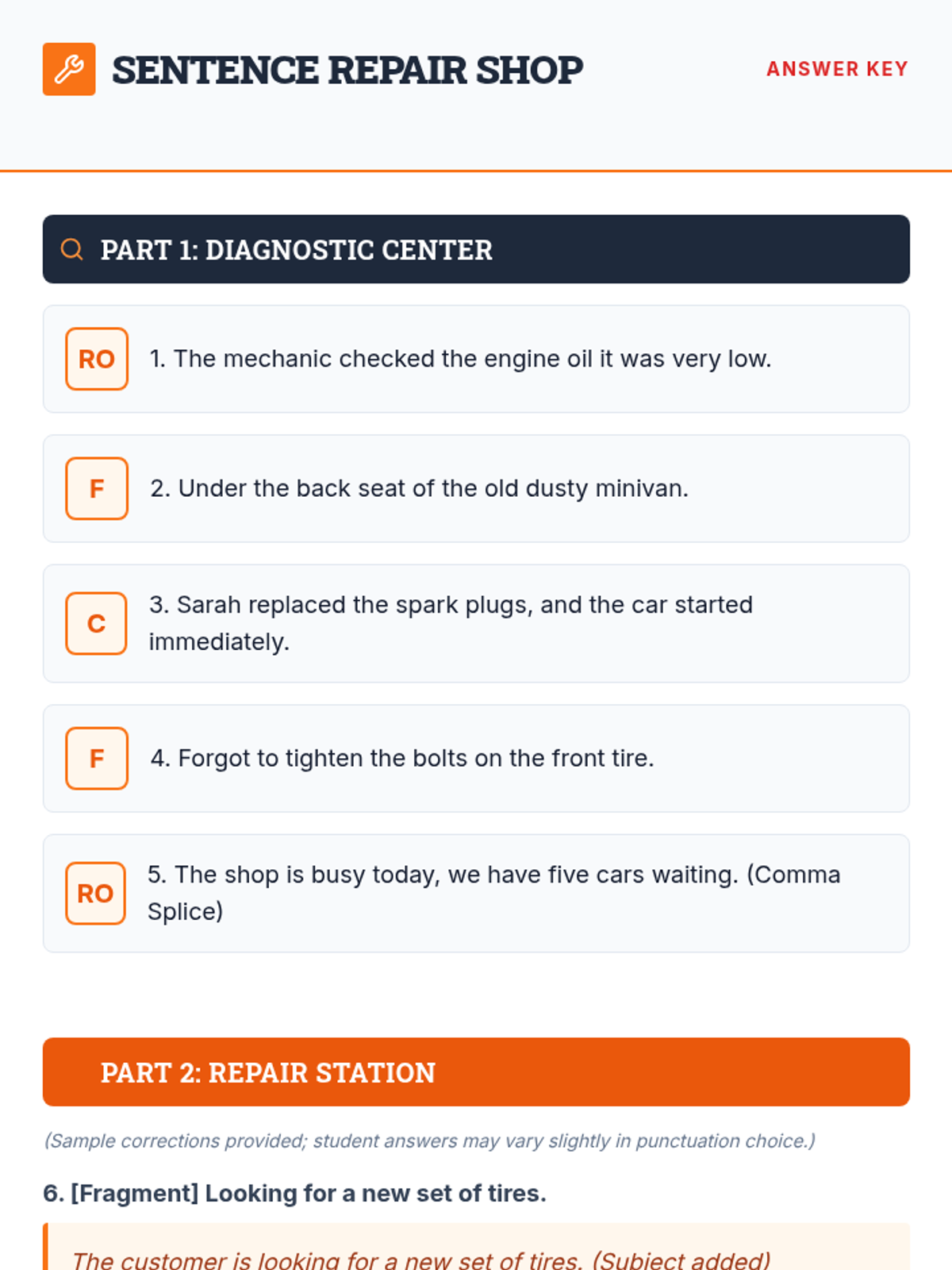
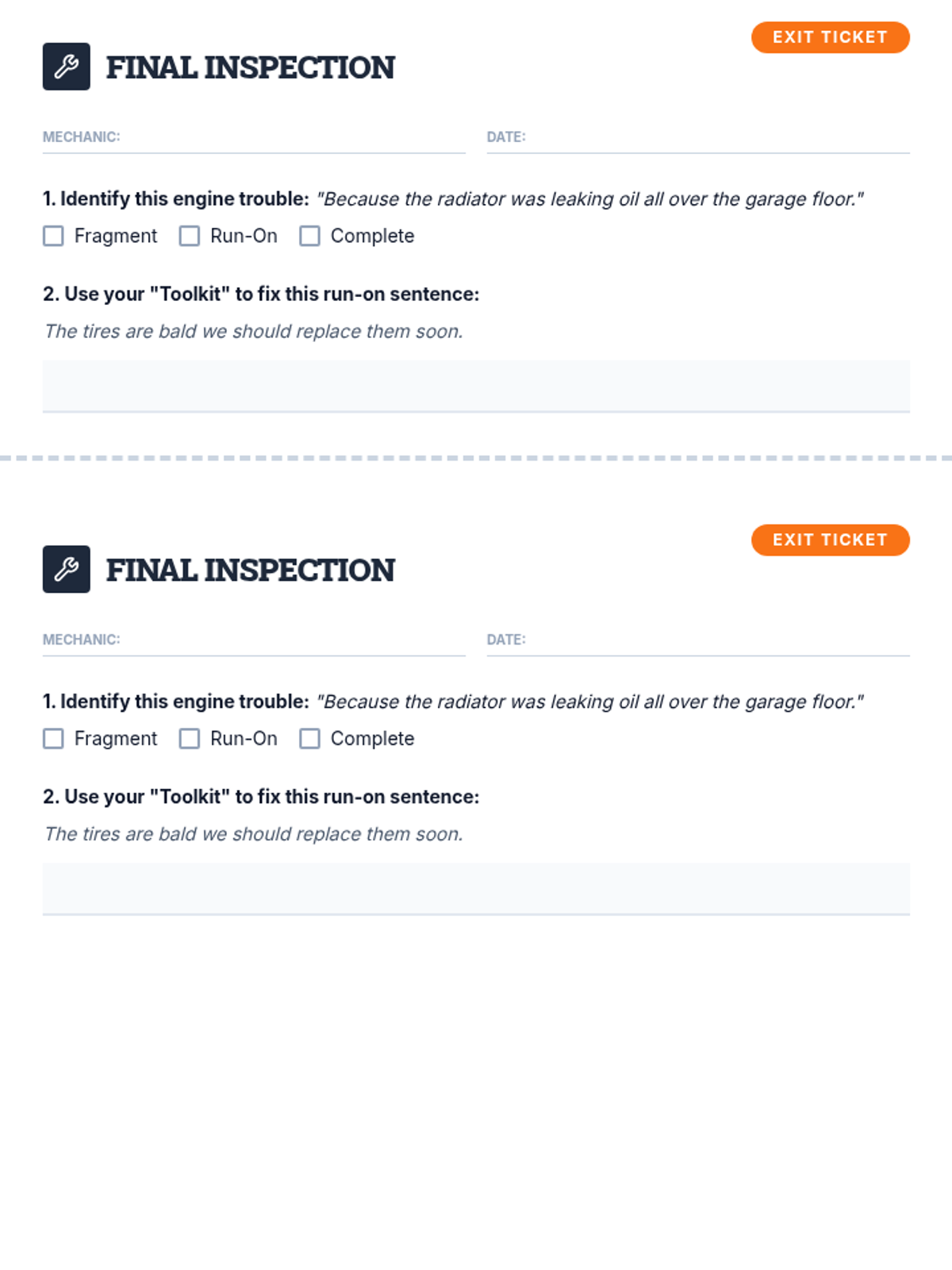
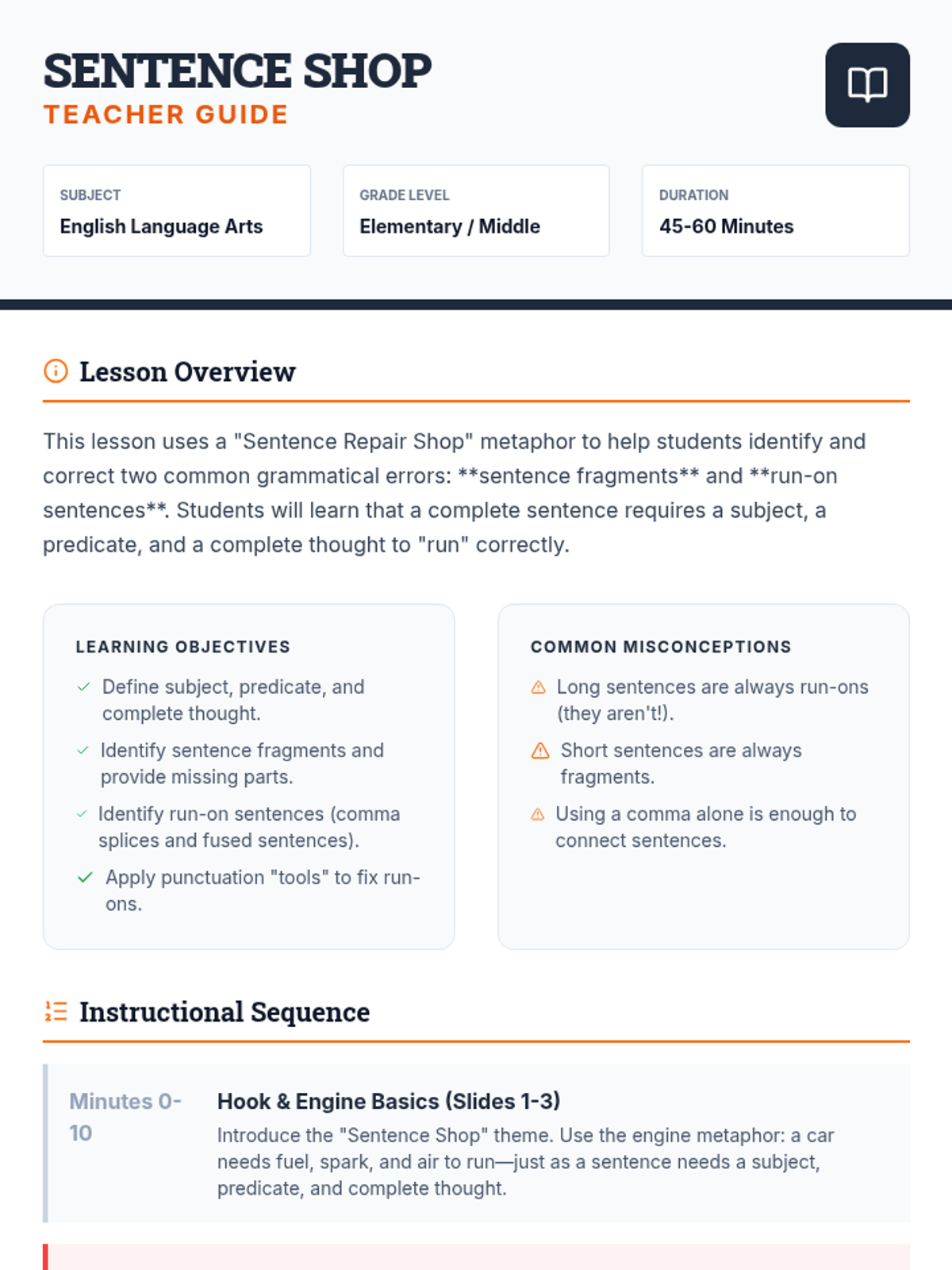
An introductory lesson on identifying and fixing sentence fragments and run-on sentences, themed around a 'Sentence Shop' repair garage.
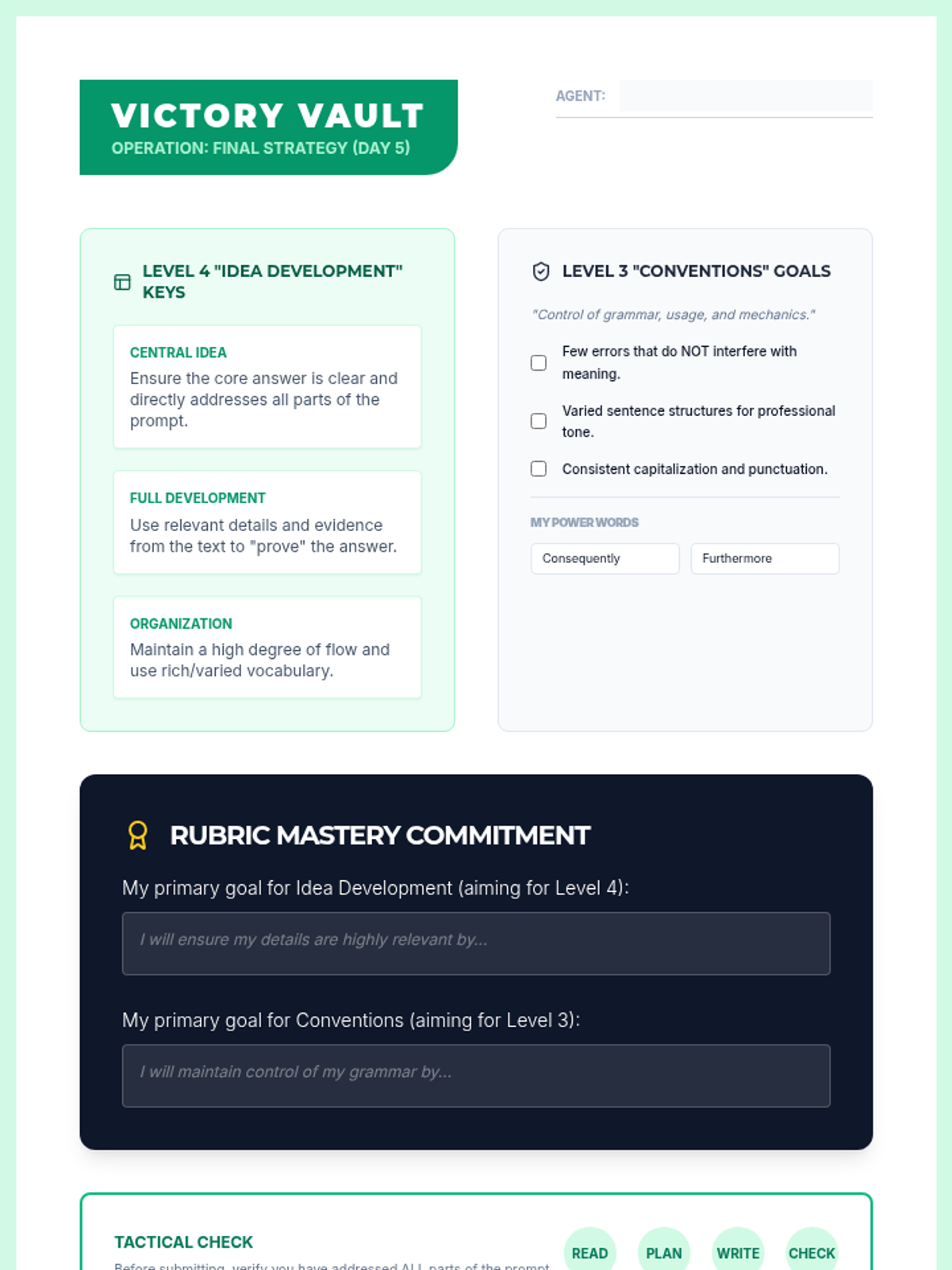
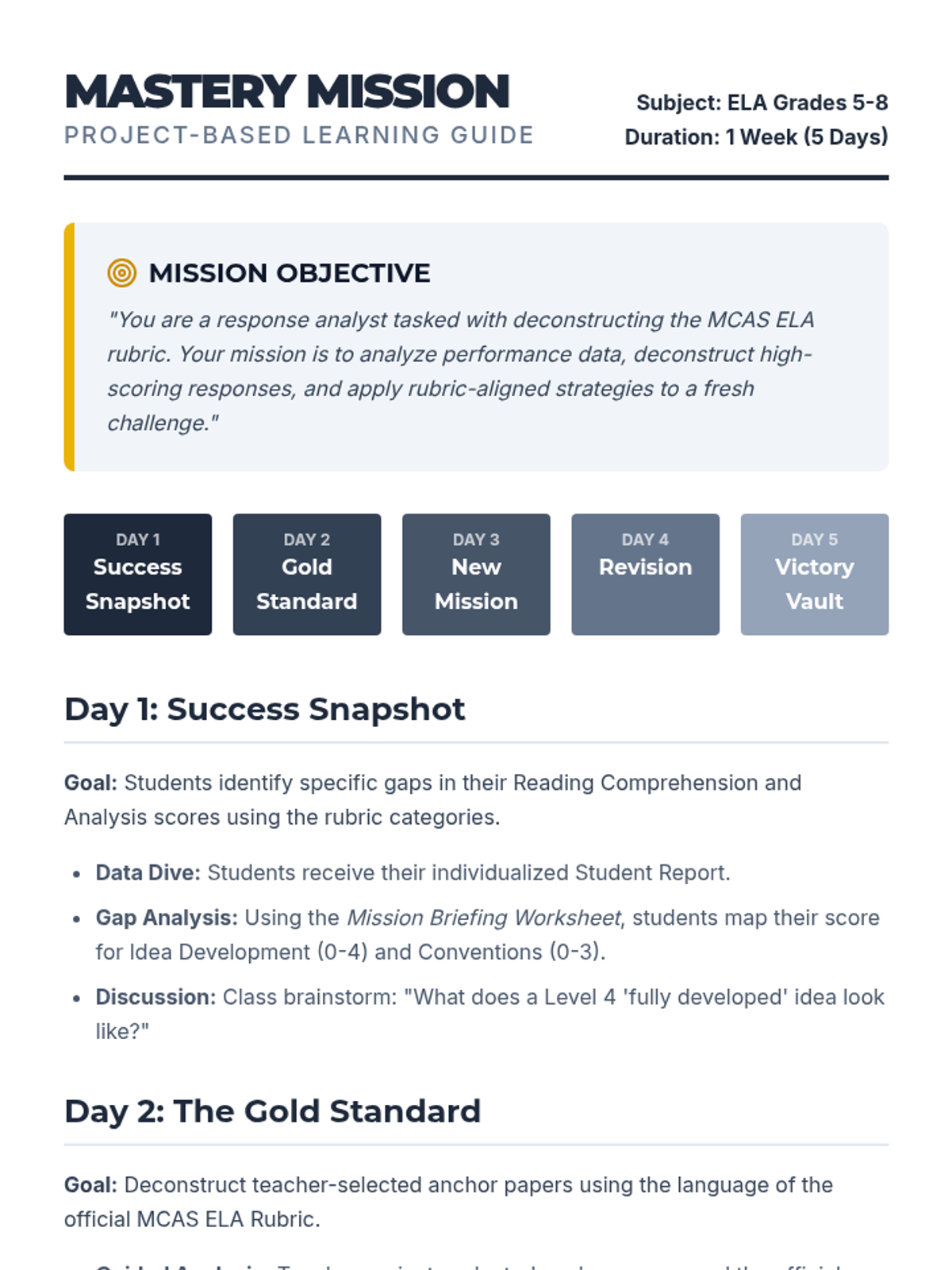
Students synthesize their learning into a personal 'Strategy Playbook' and set concrete goals for the upcoming MCAS ELA assessment.
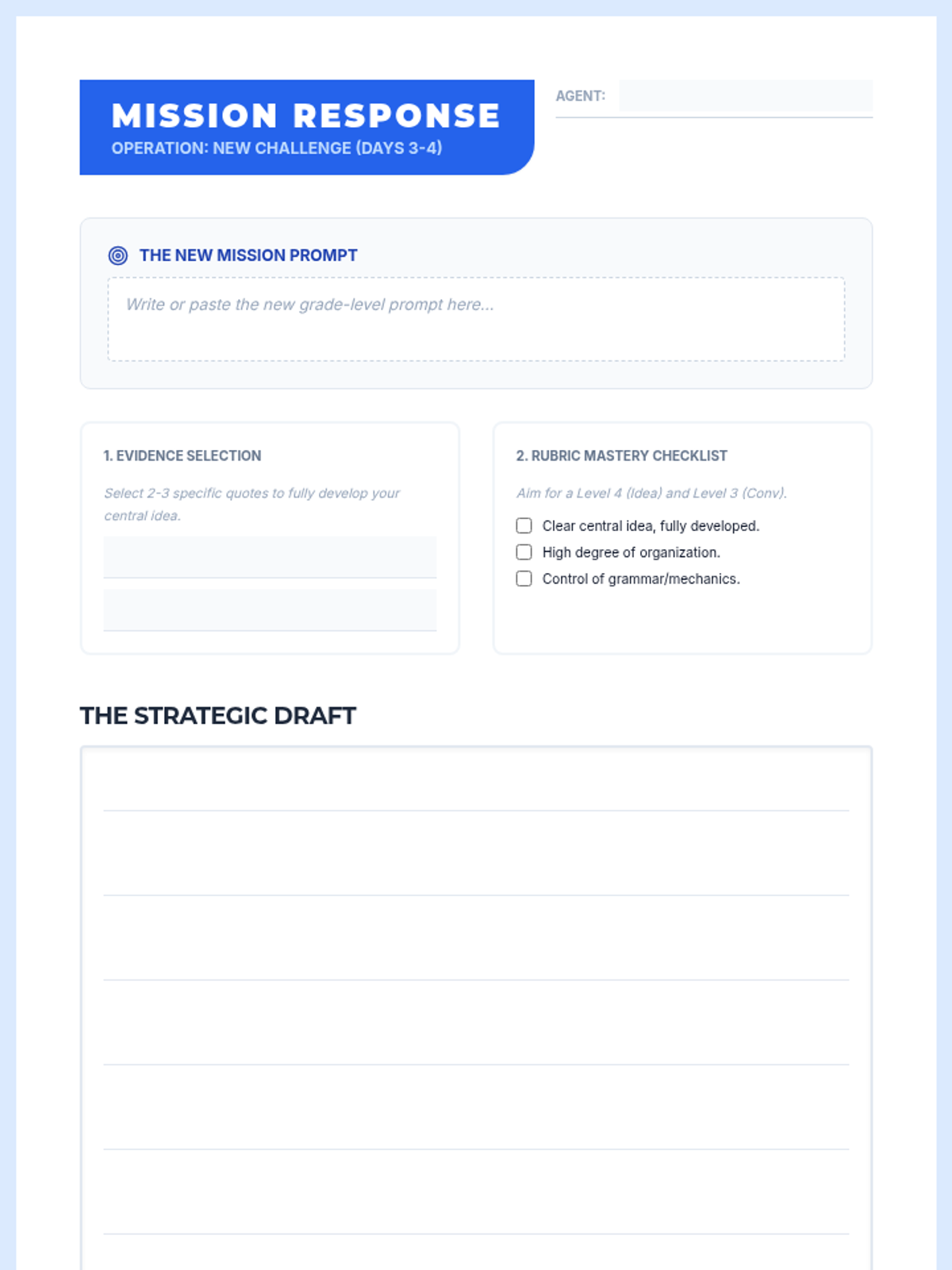
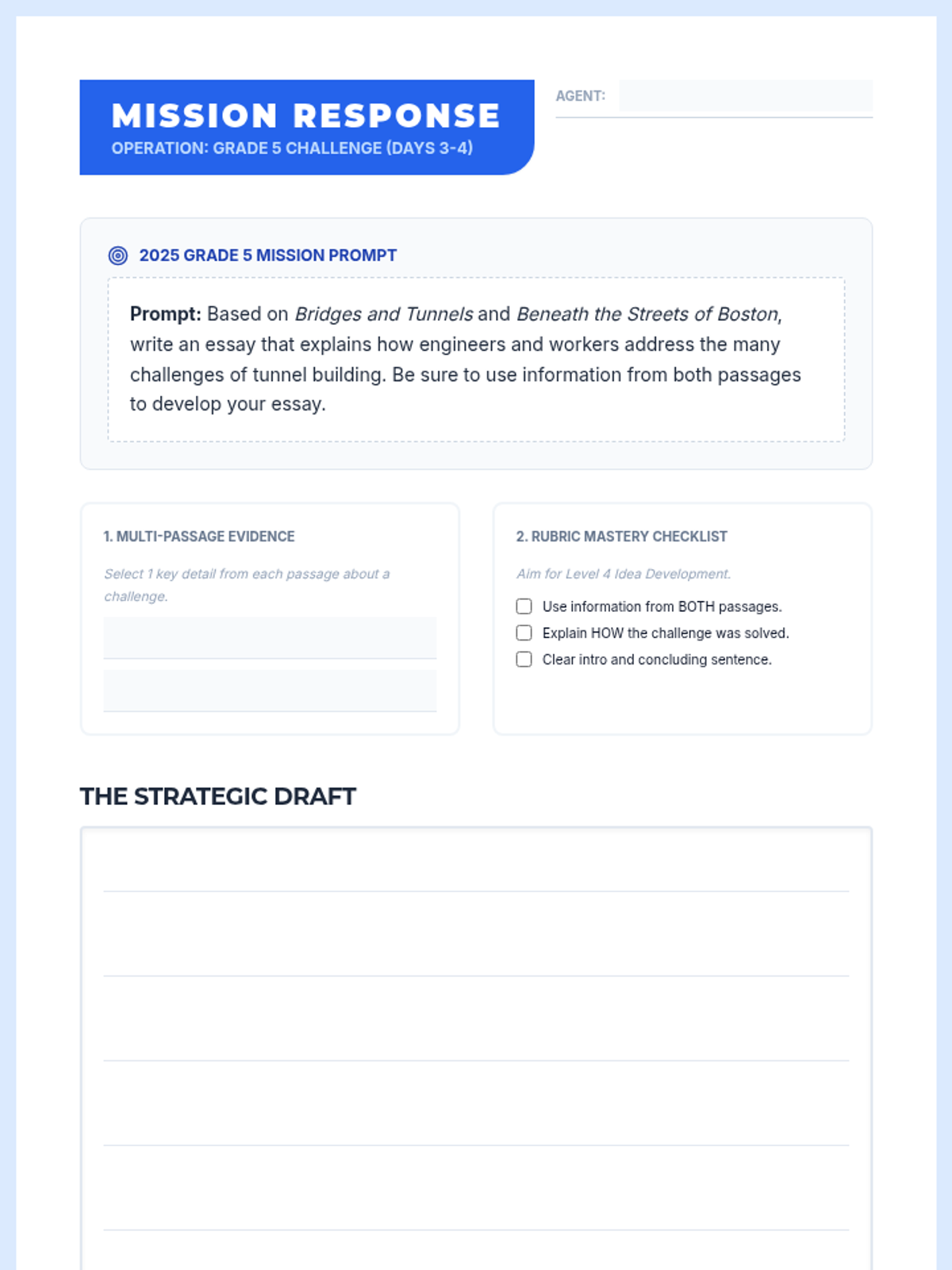
Students apply their analysis of past performance and anchor papers to a brand-new, grade-level MCAS ELA prompt, practicing planning and drafting with intentional strategy use.
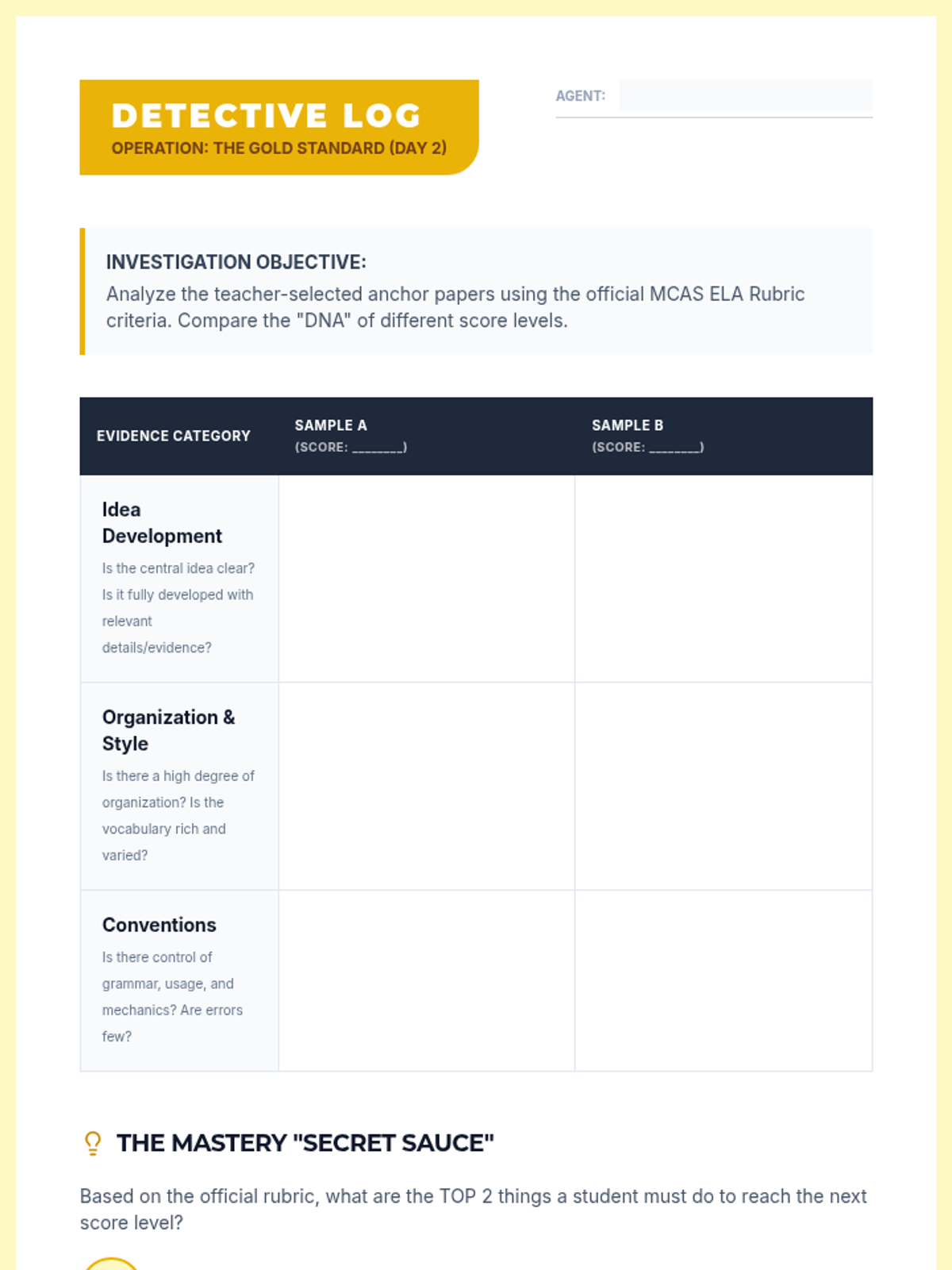
Students analyze released anchor papers from previous MCAS exams to identify the specific characteristics of high-scoring responses and compare them to their own work.
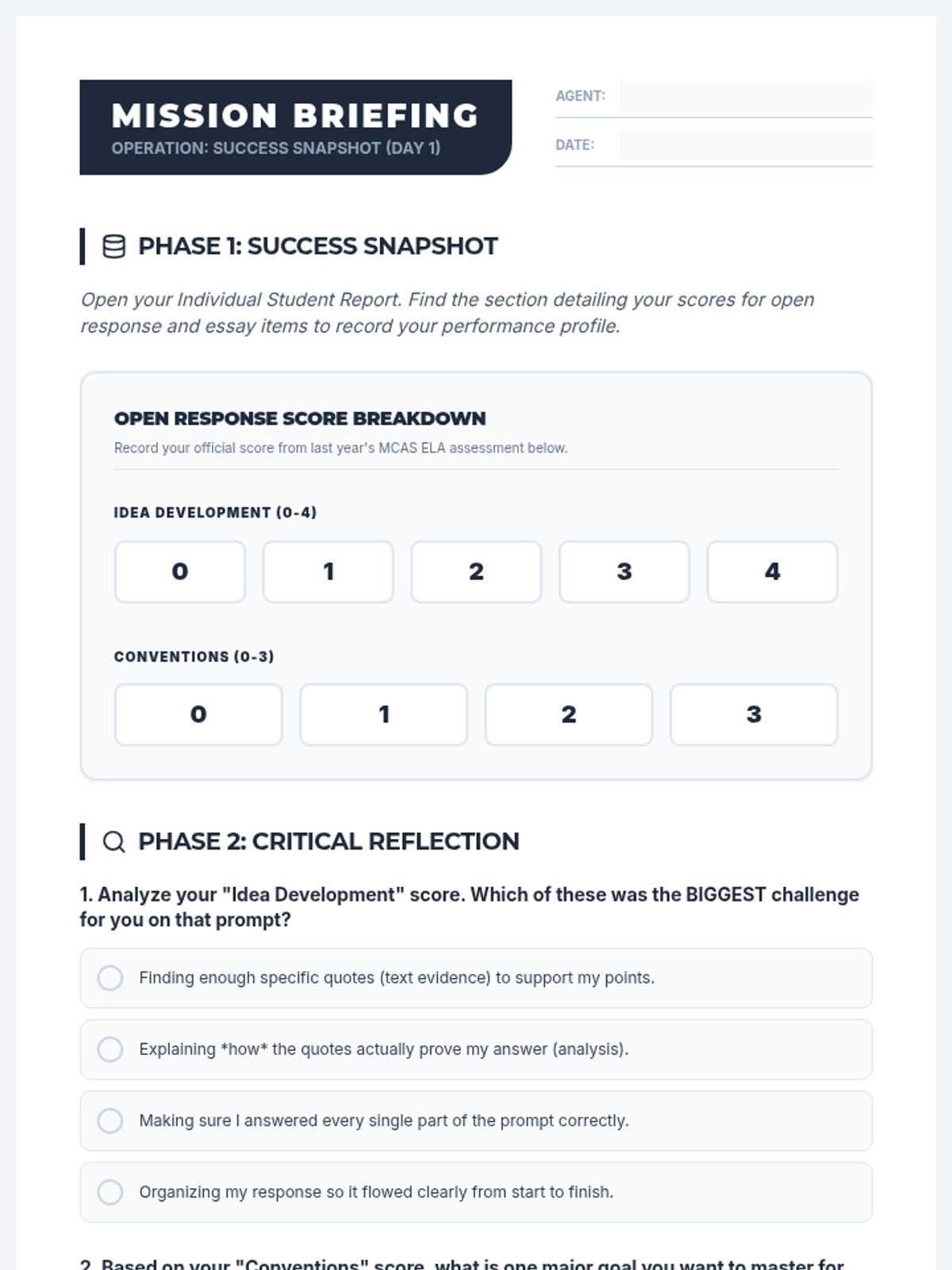
Students decode their previous MCAS ELA score reports, identify specific areas for growth in reading comprehension and analysis, and familiarize themselves with the official scoring rubric.
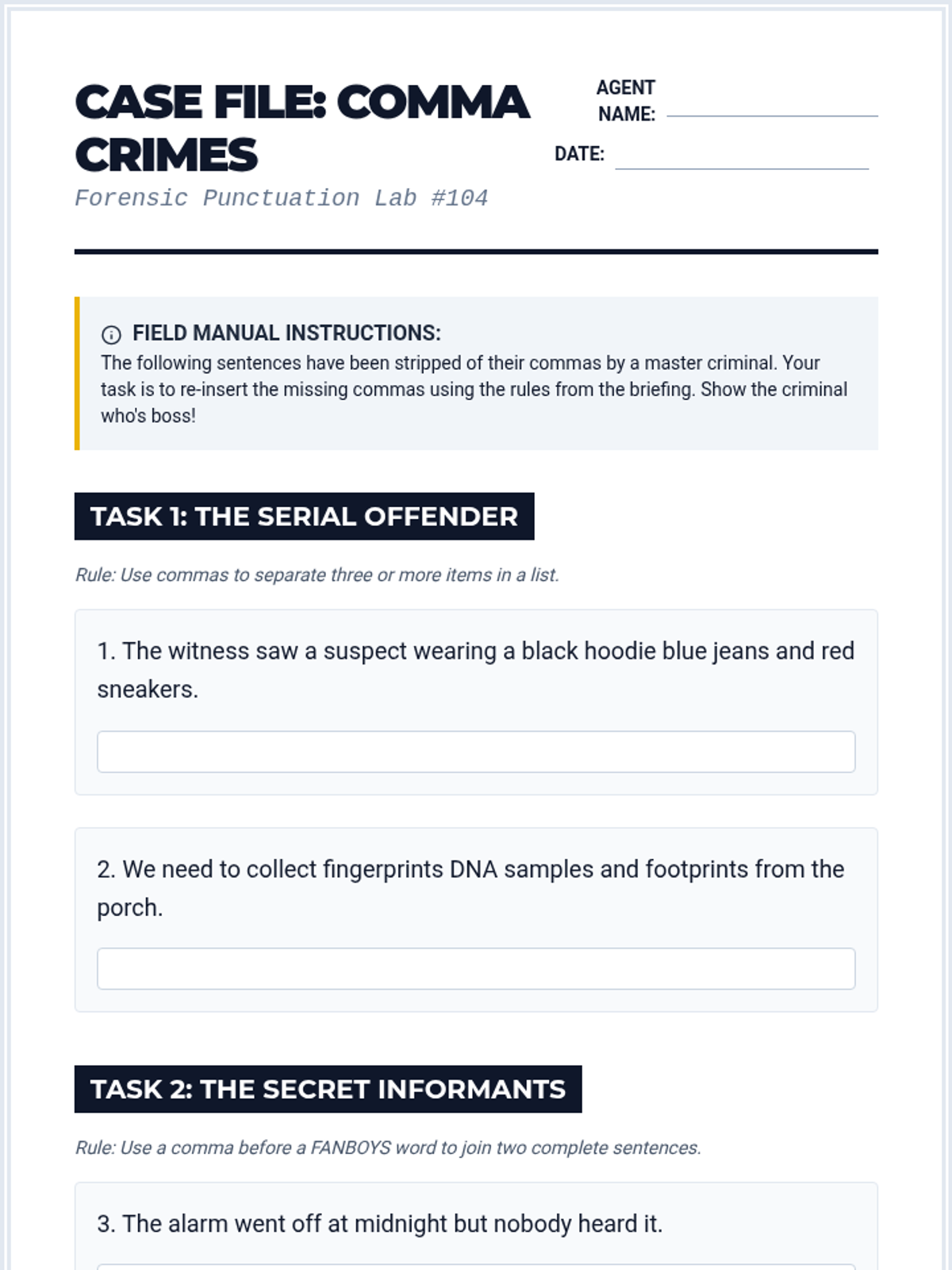
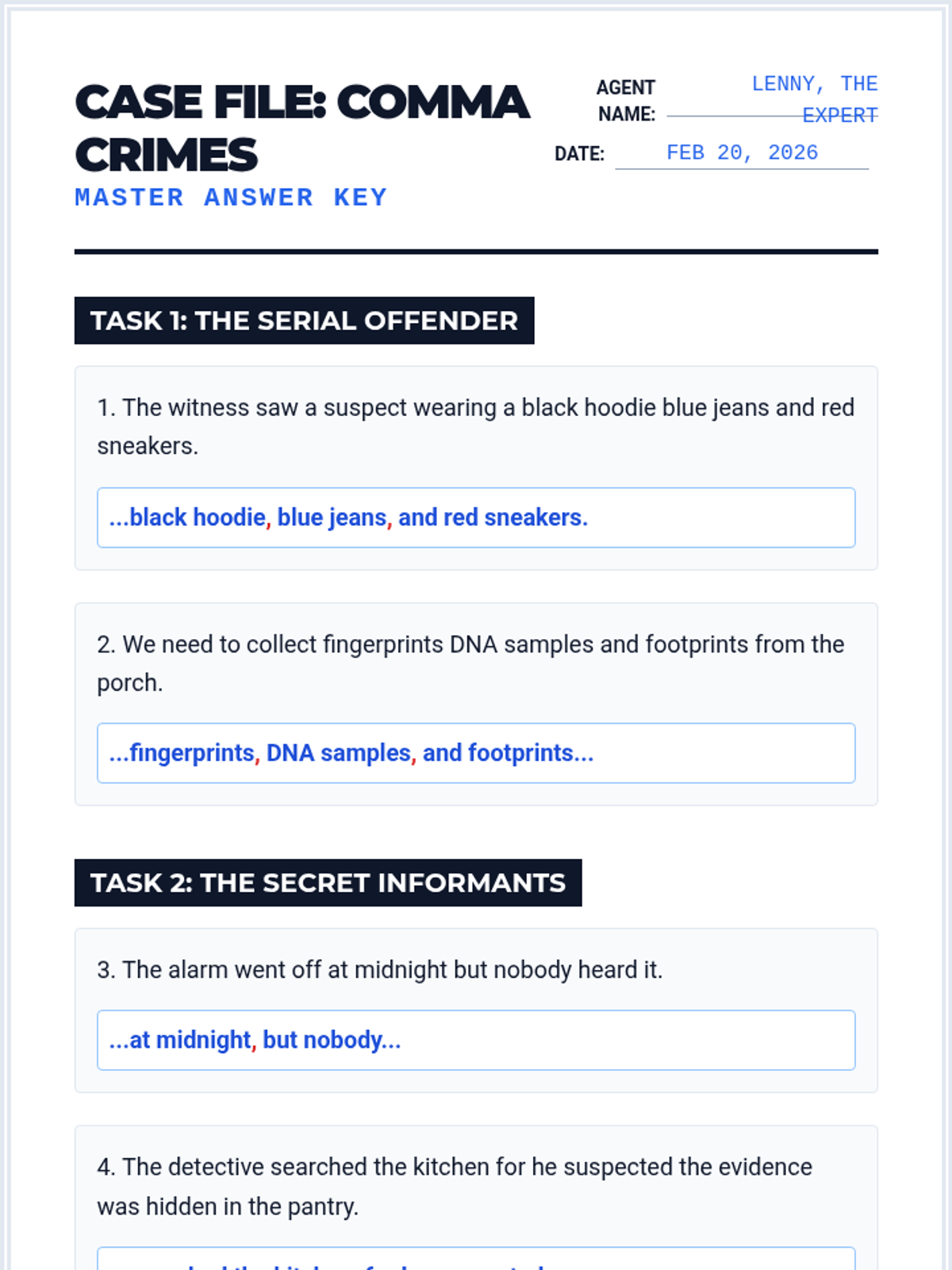
A comprehensive lesson on comma usage, themed as a forensic investigation to help students identify and correct common punctuation errors.
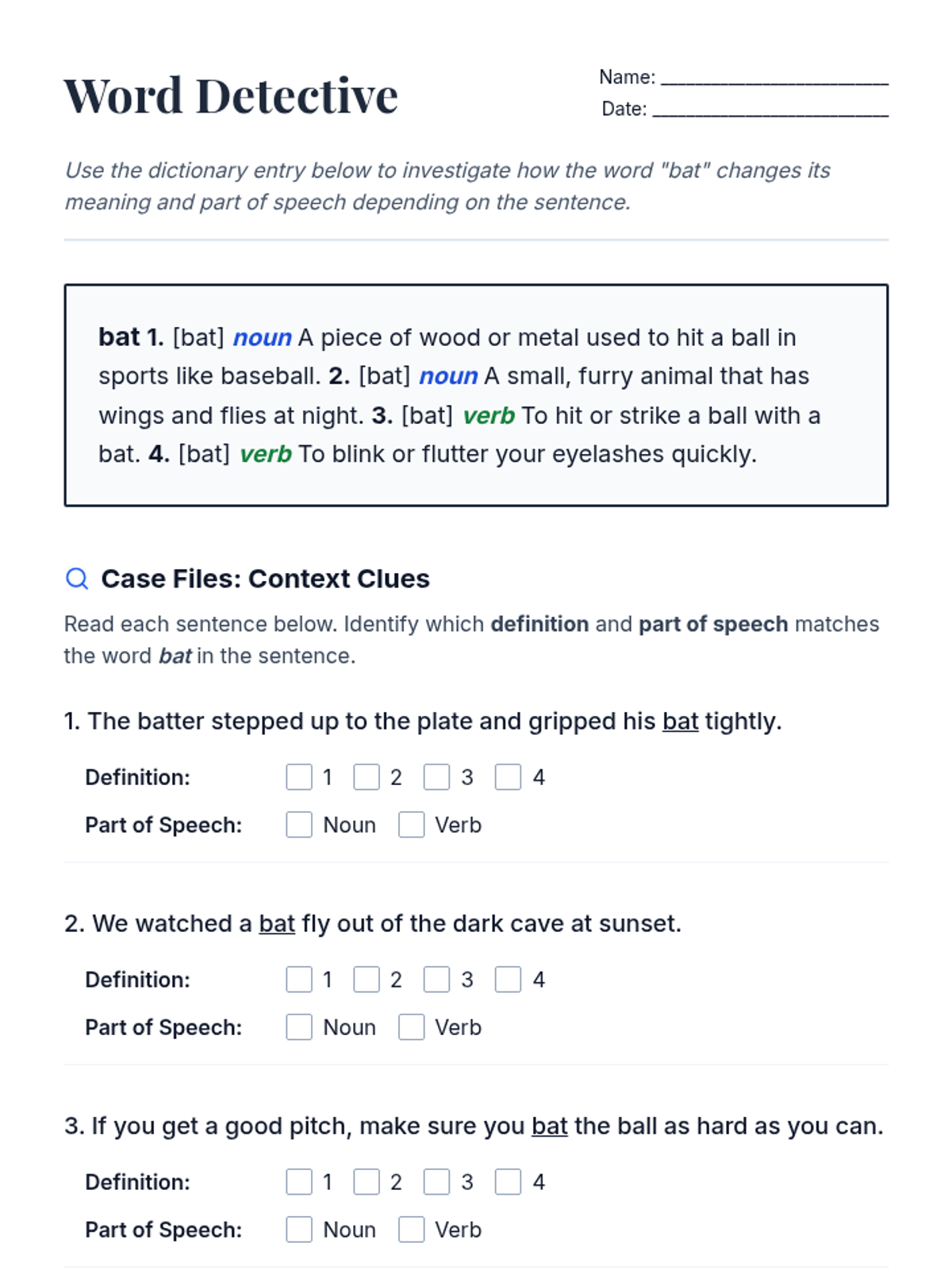
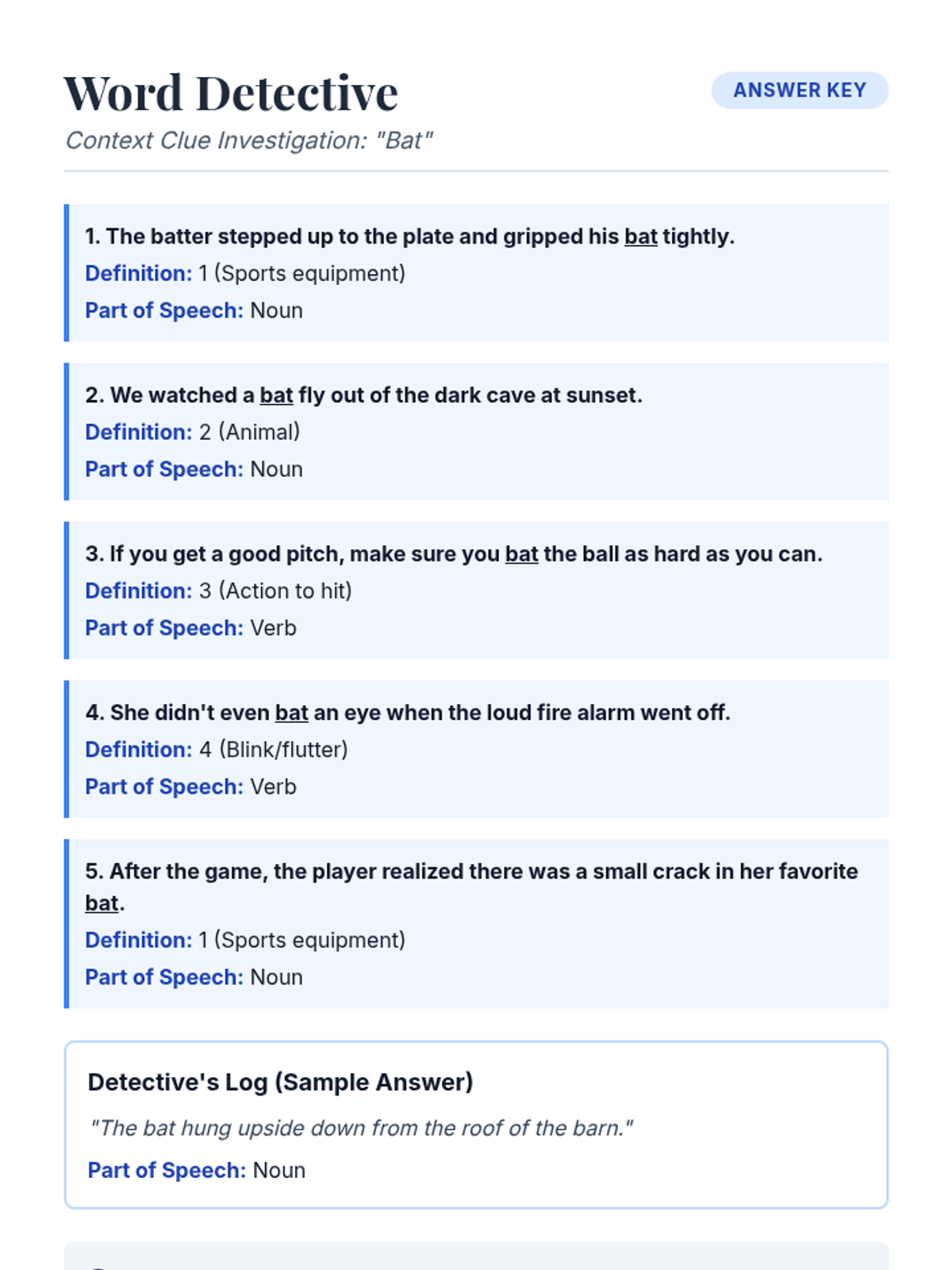
A lesson focused on using dictionary entries and context clues to identify the meaning of multiple-meaning words (homonyms).
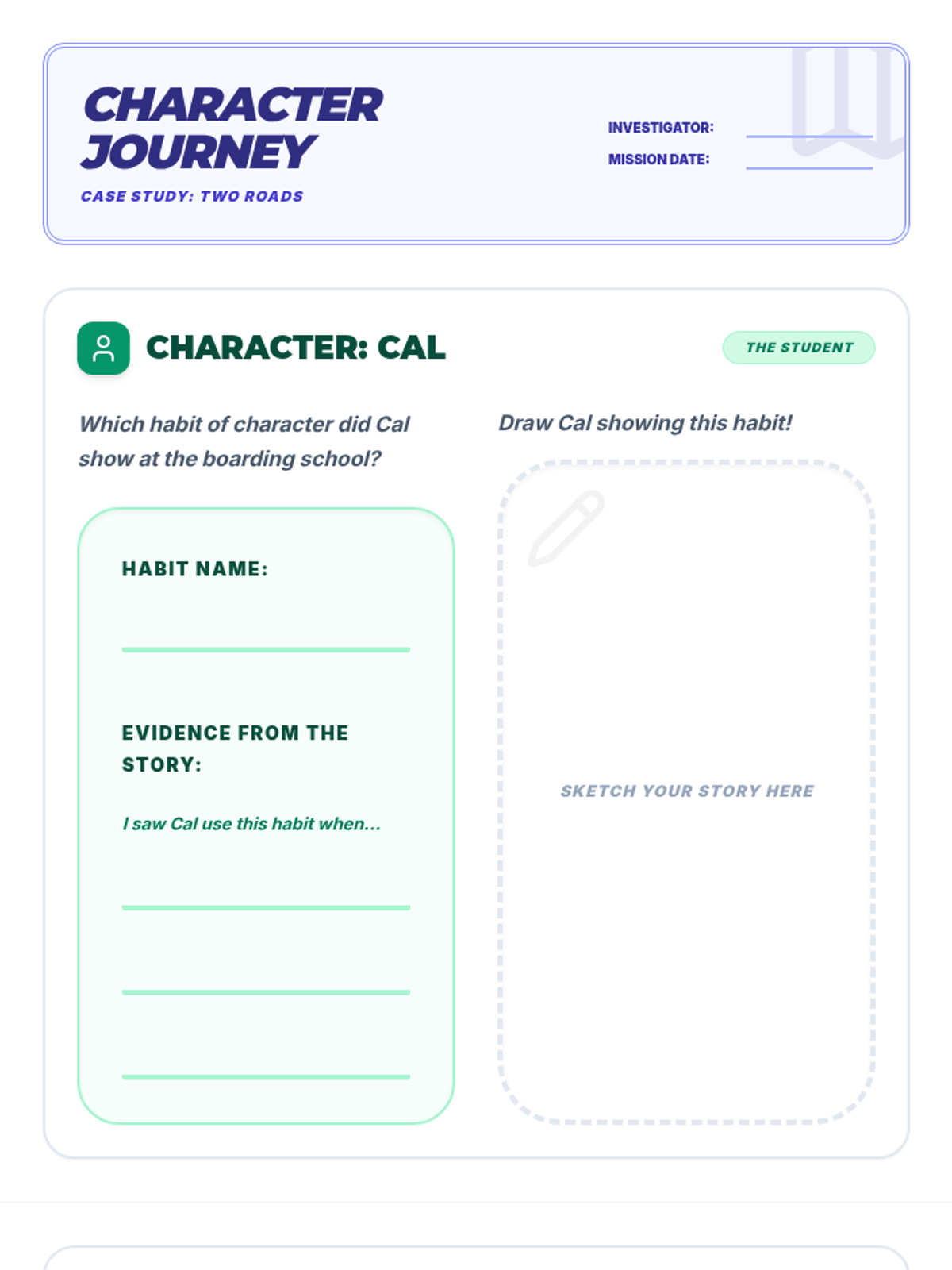
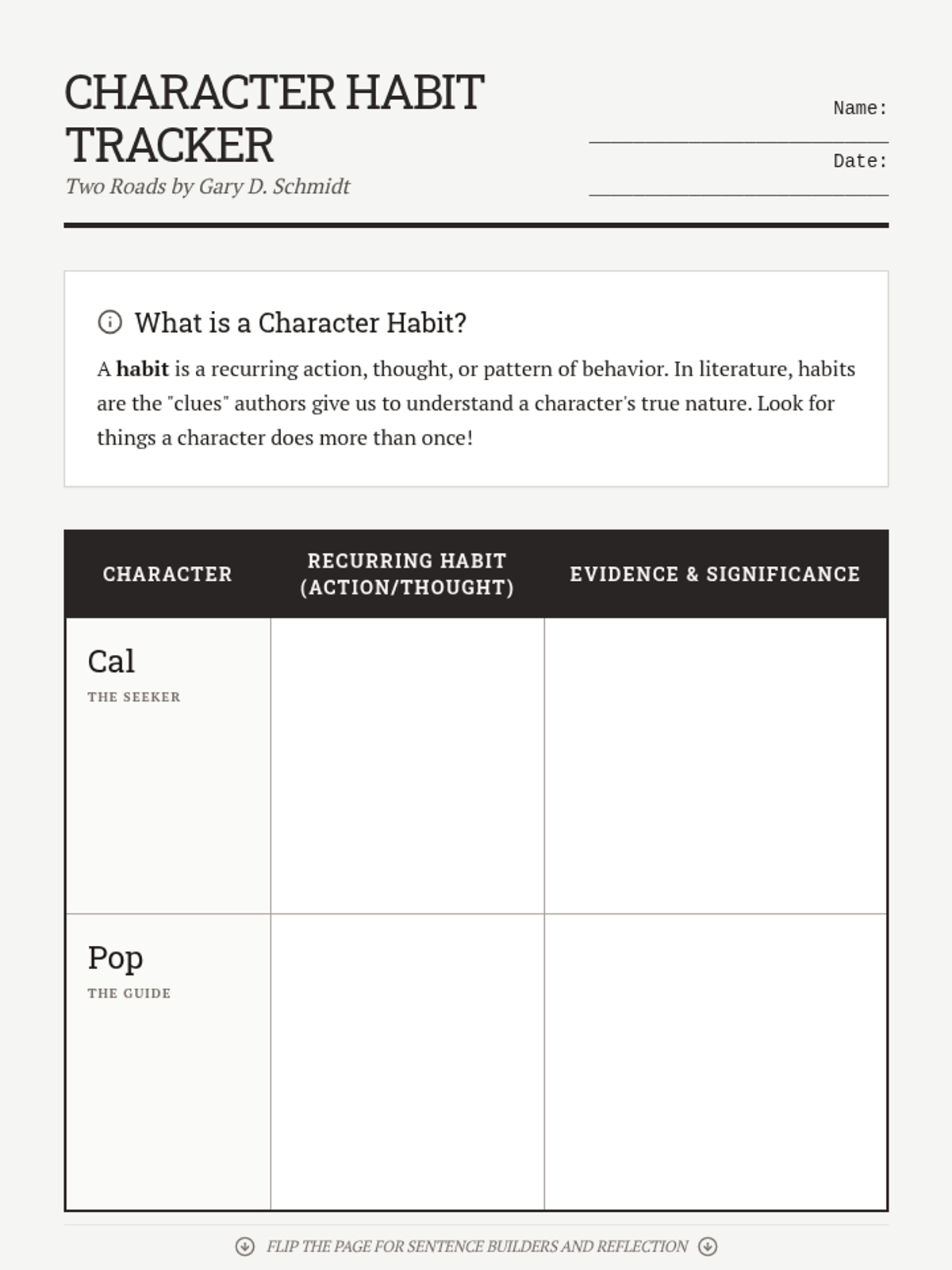
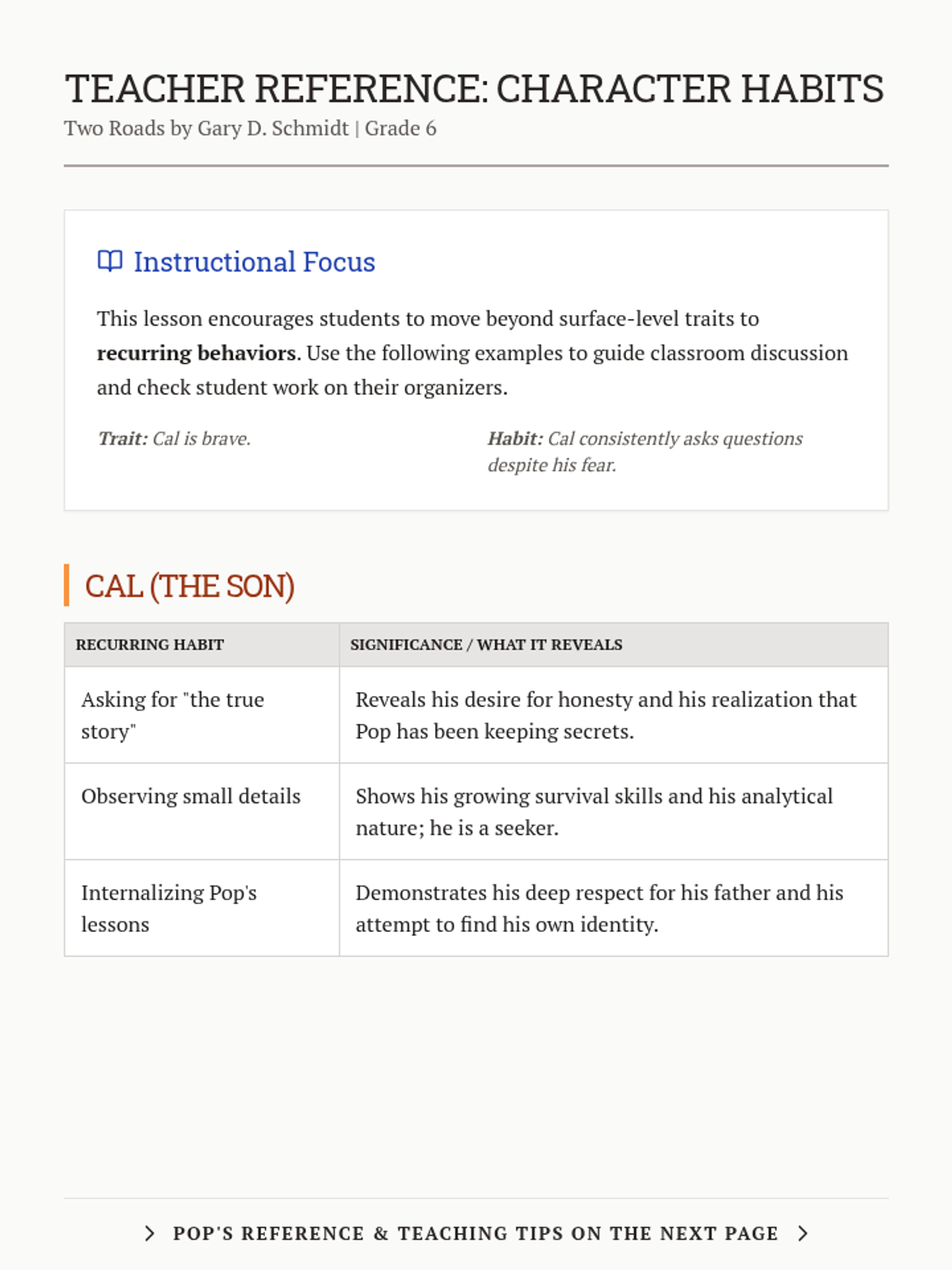
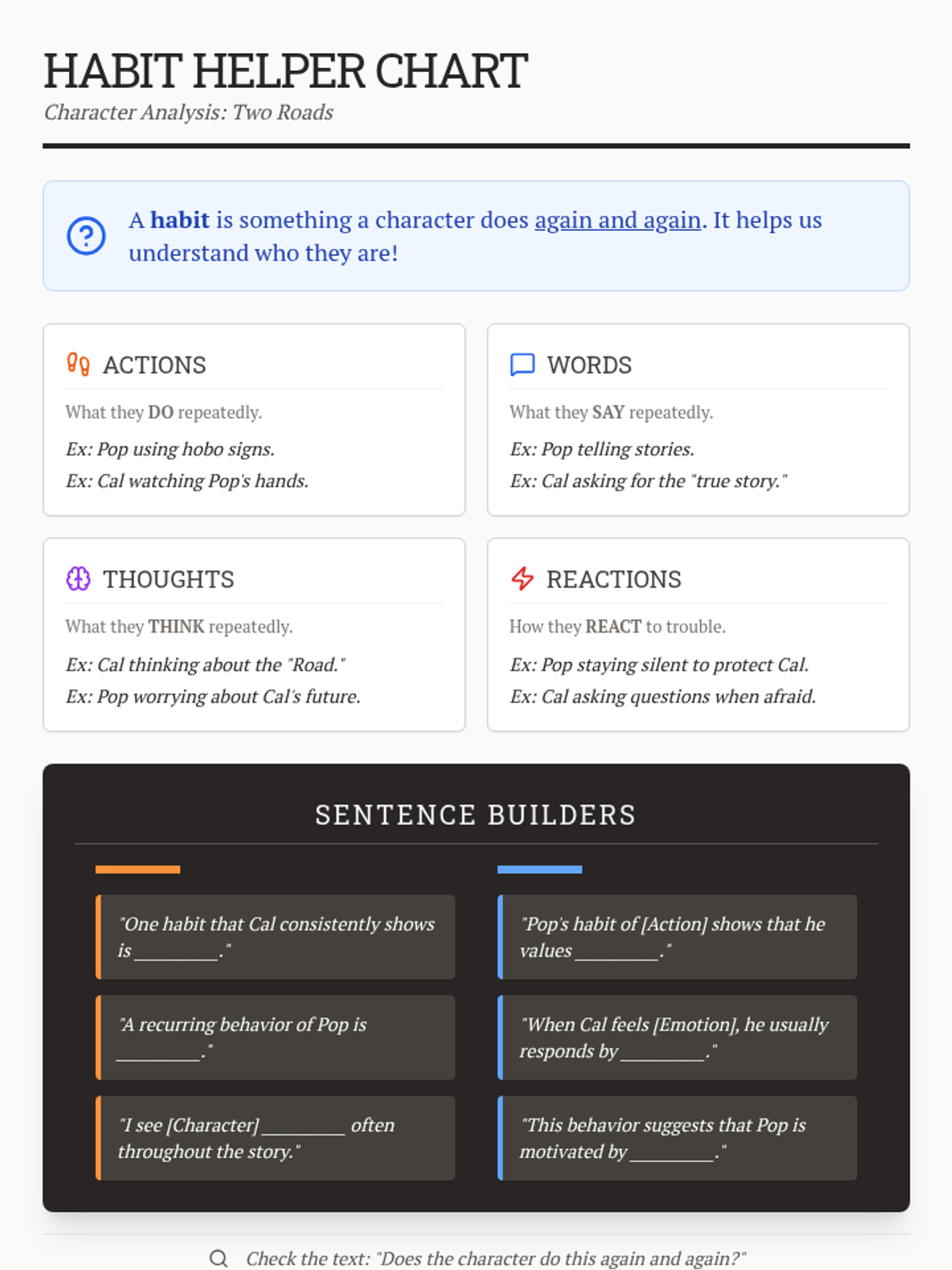
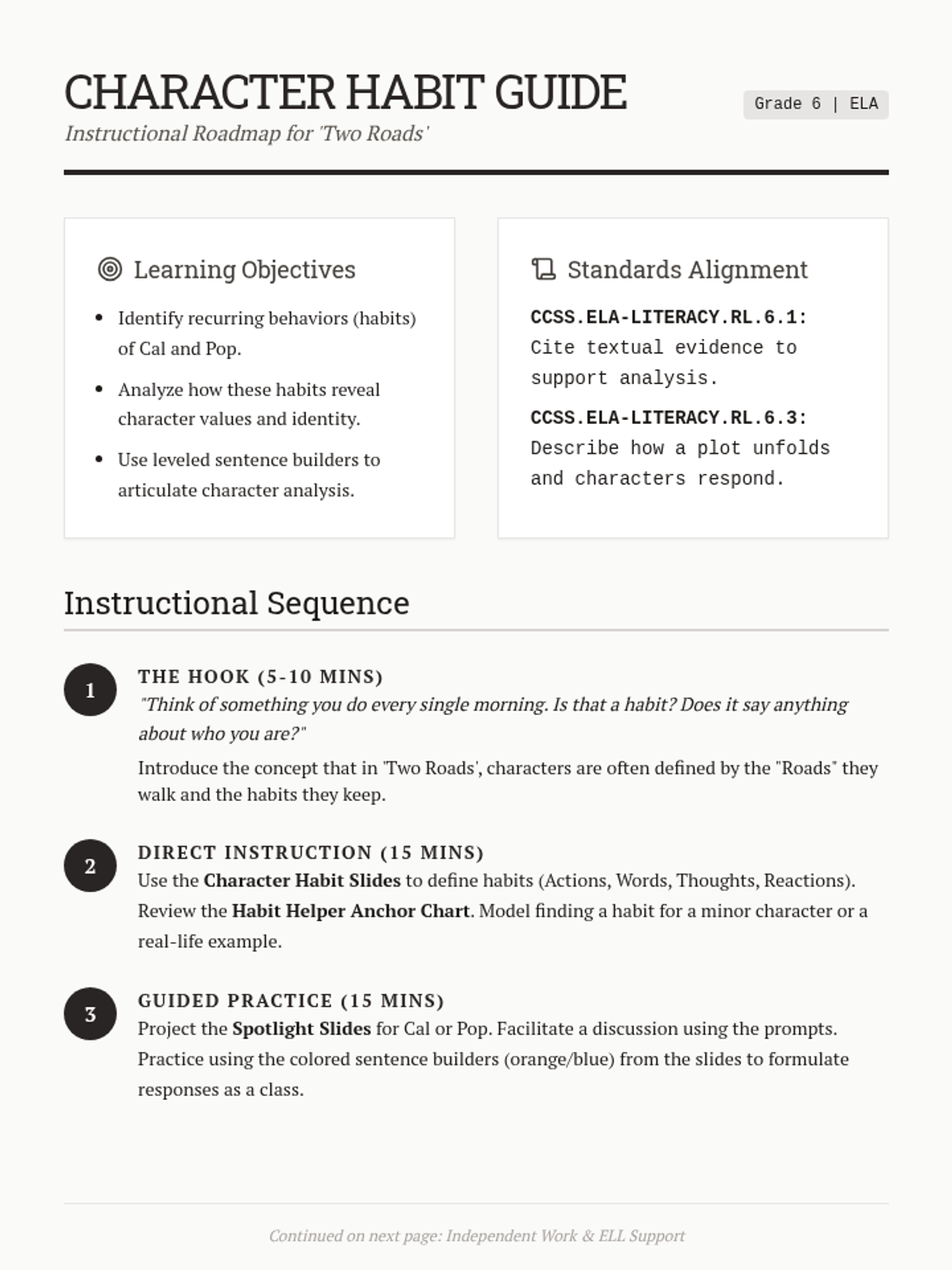
A lesson focused on identifying and tracking character habits in the novel 'Two Roads', helping students understand how recurring actions reveal personality and values.
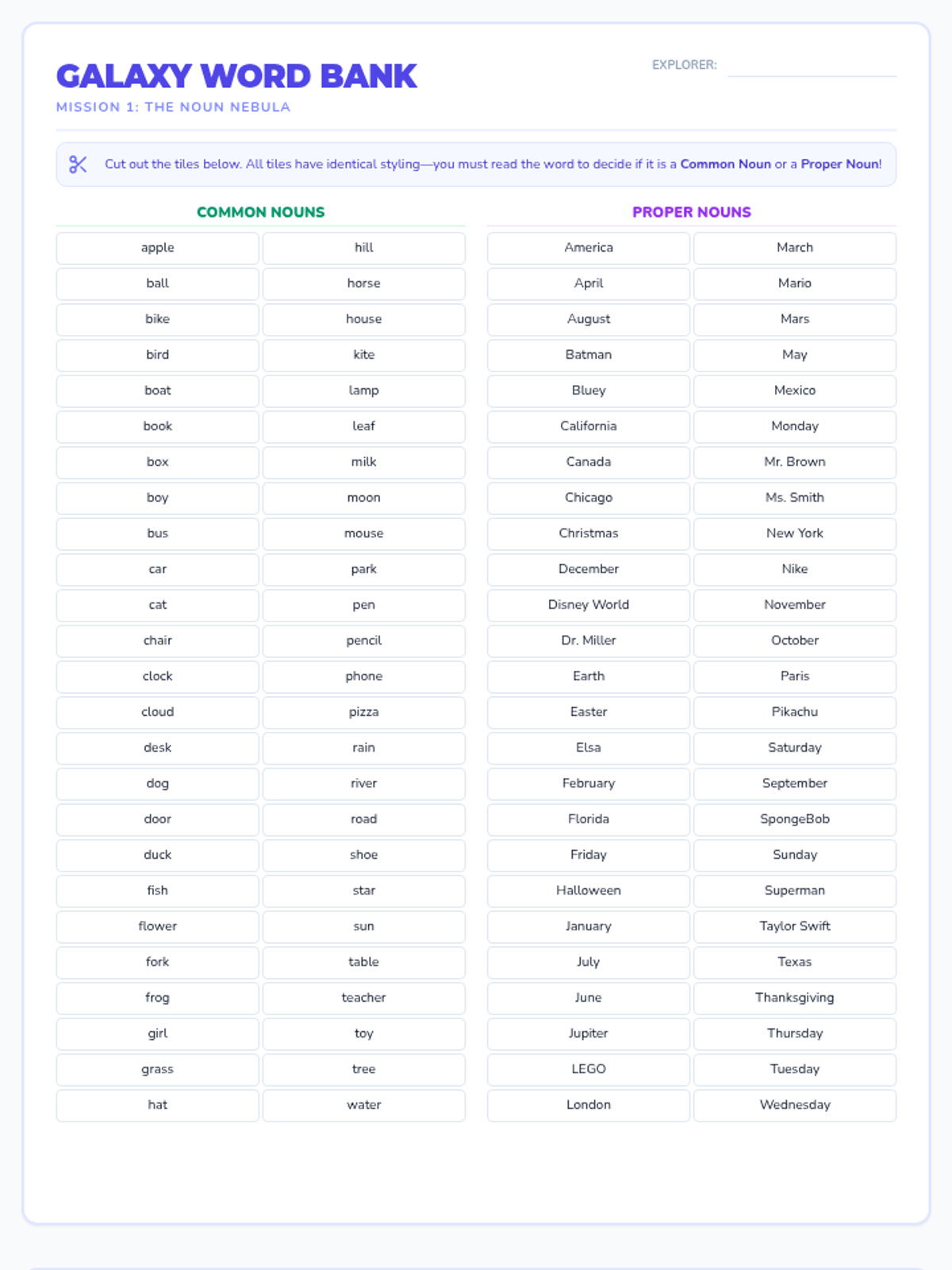
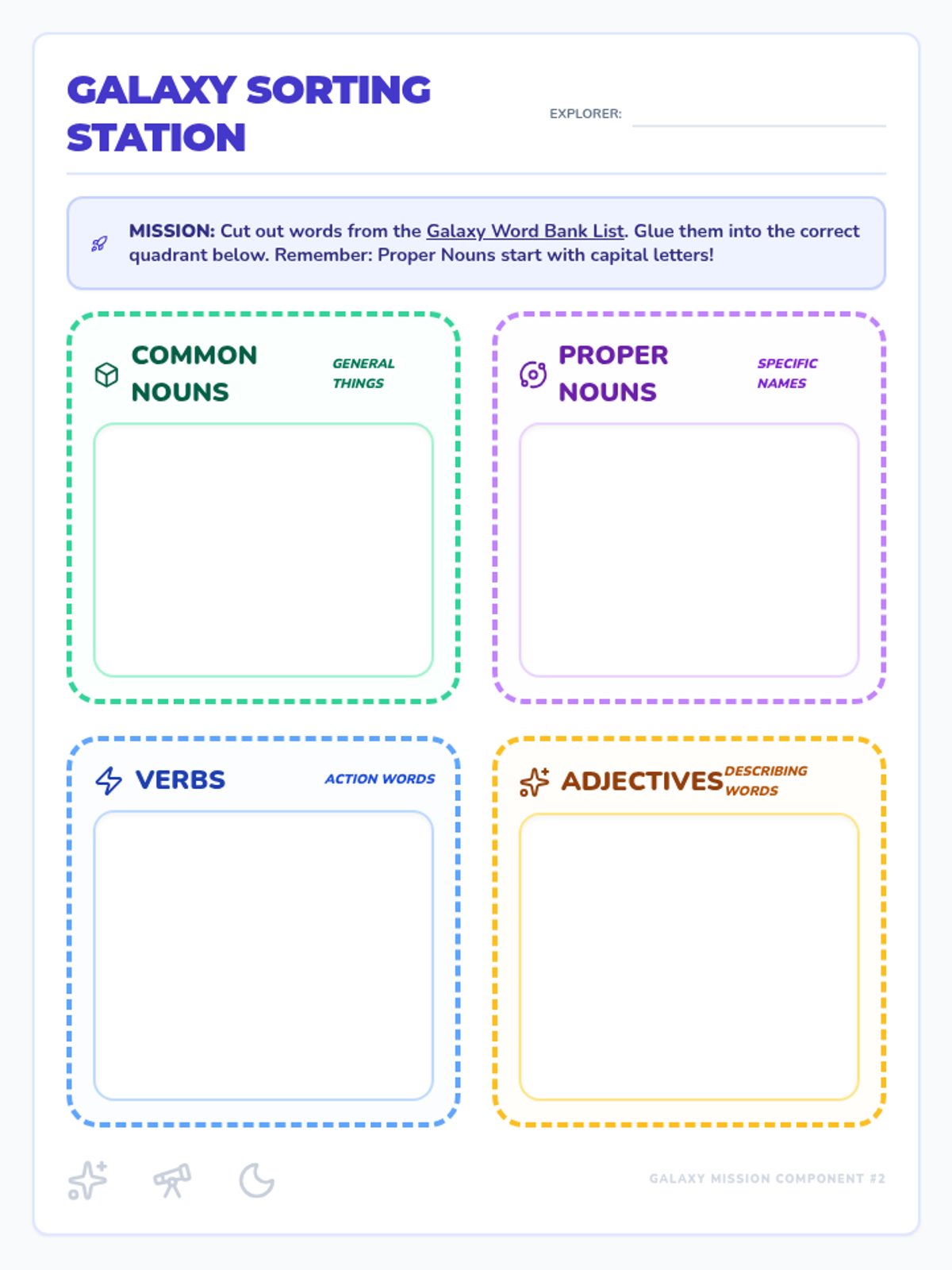
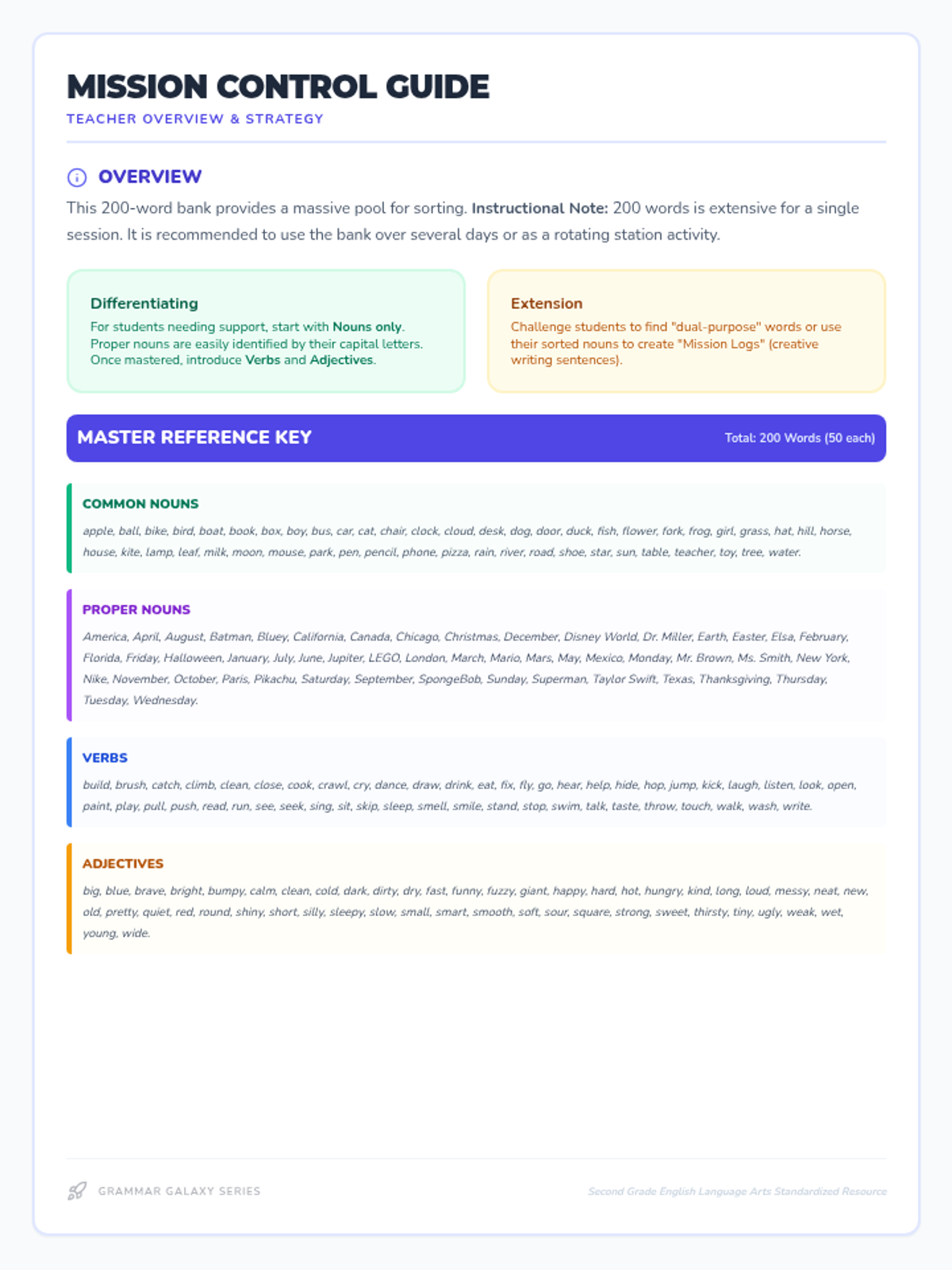
A comprehensive parts of speech sorting activity where students categorize 200 relatable words into adjectives, common nouns, proper nouns, and verbs.
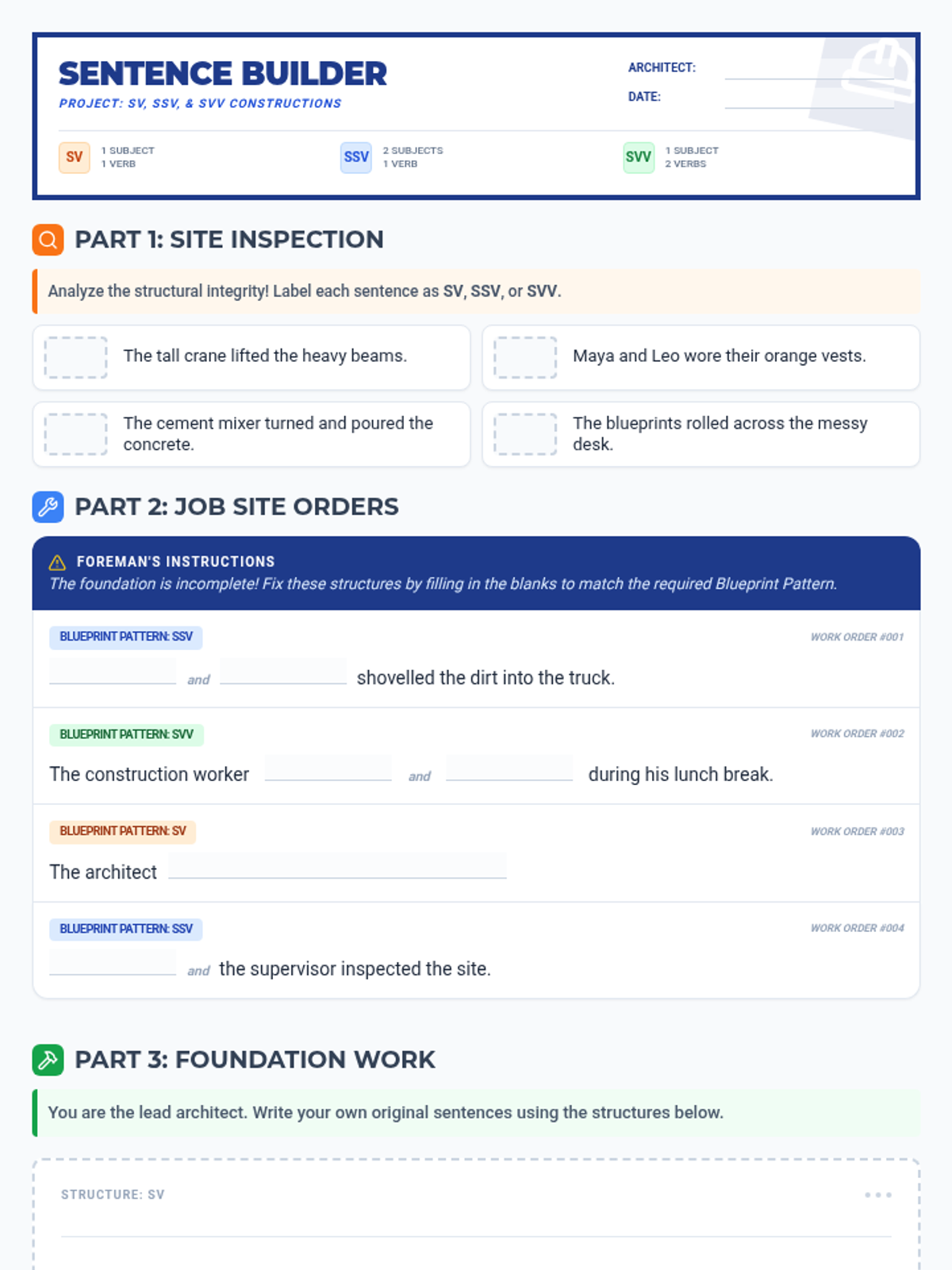
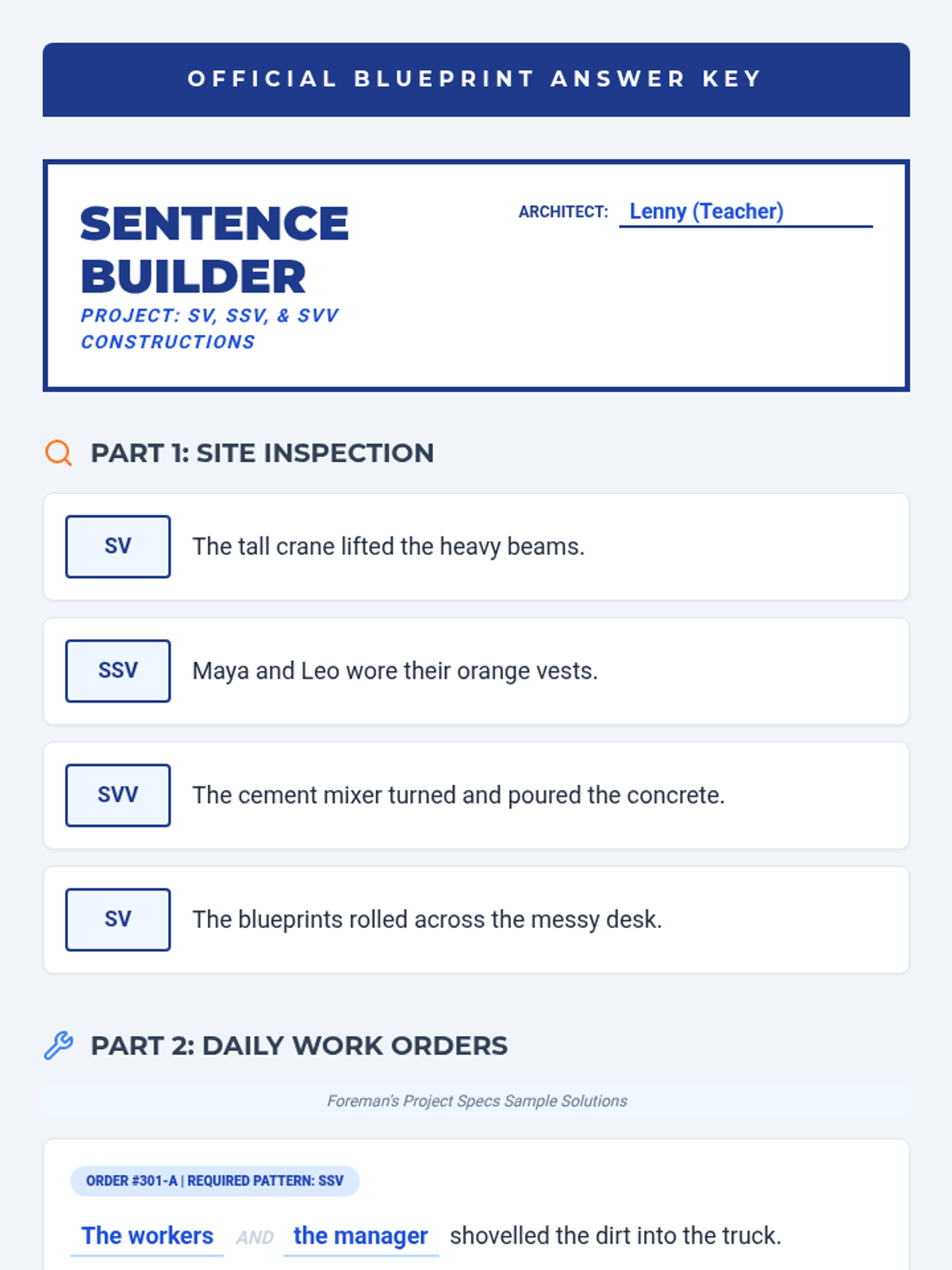
A lesson focused on mastering SV, SSV, and SVV sentence patterns through structured practice and construction-themed activities.
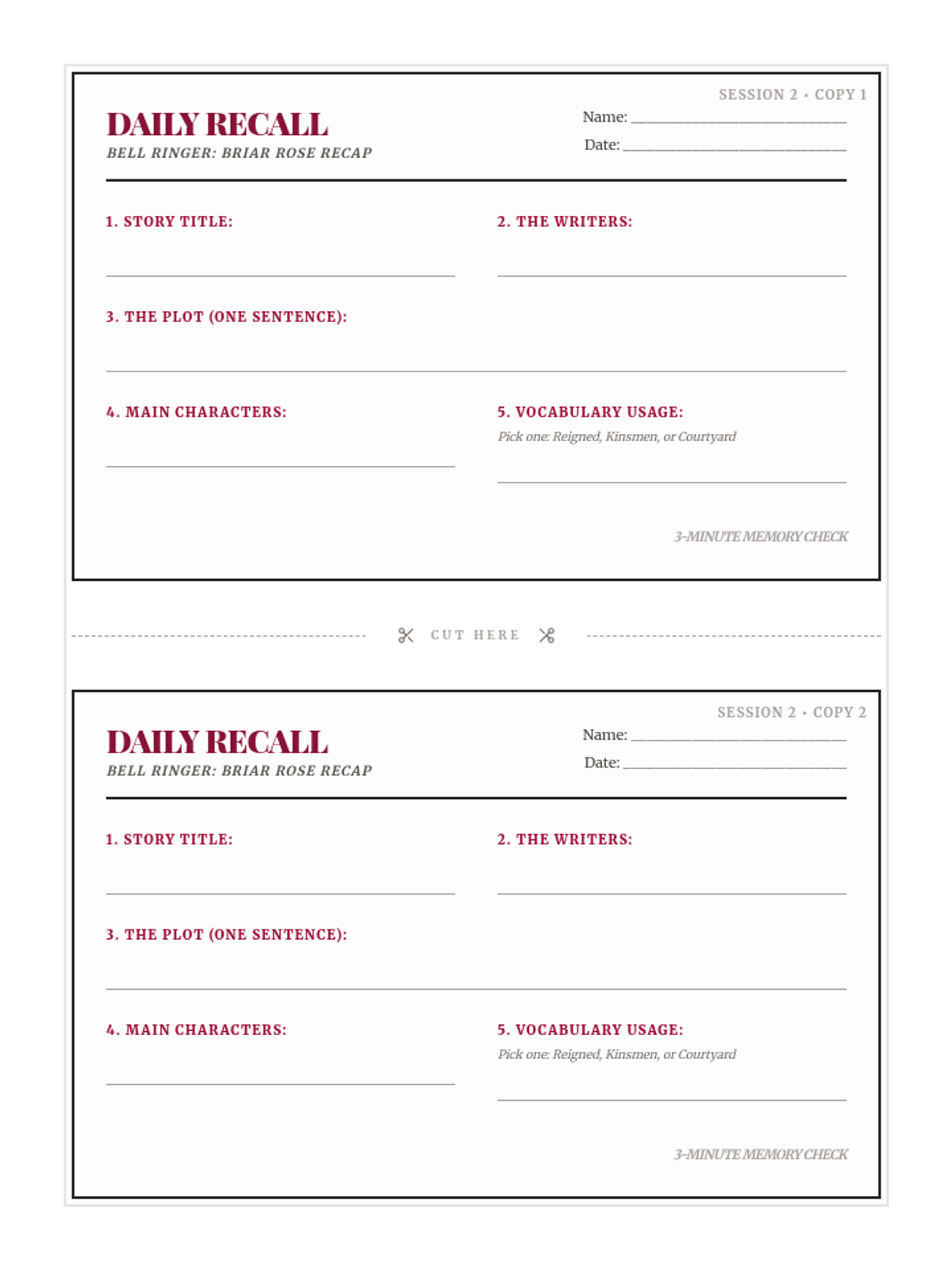
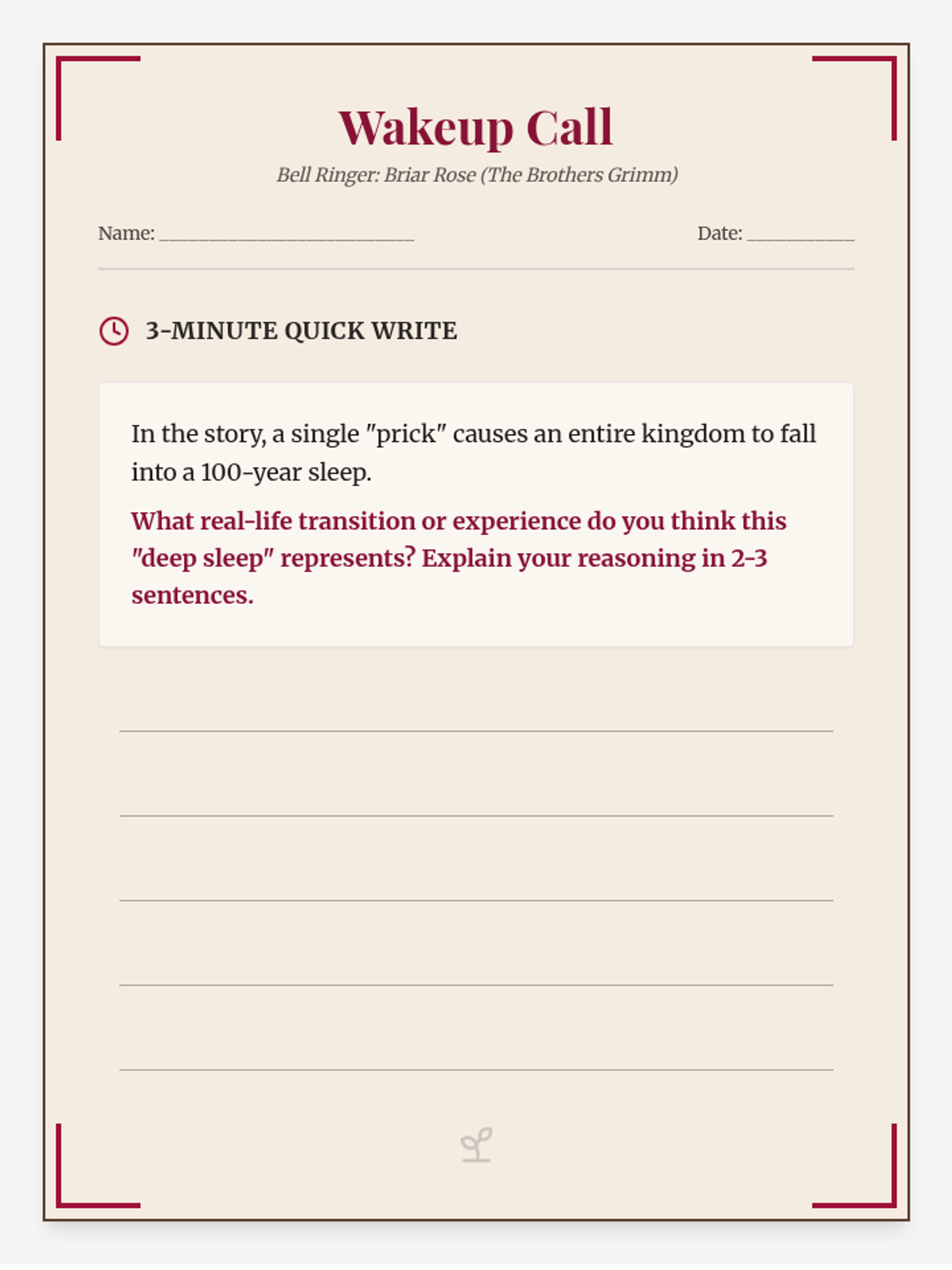
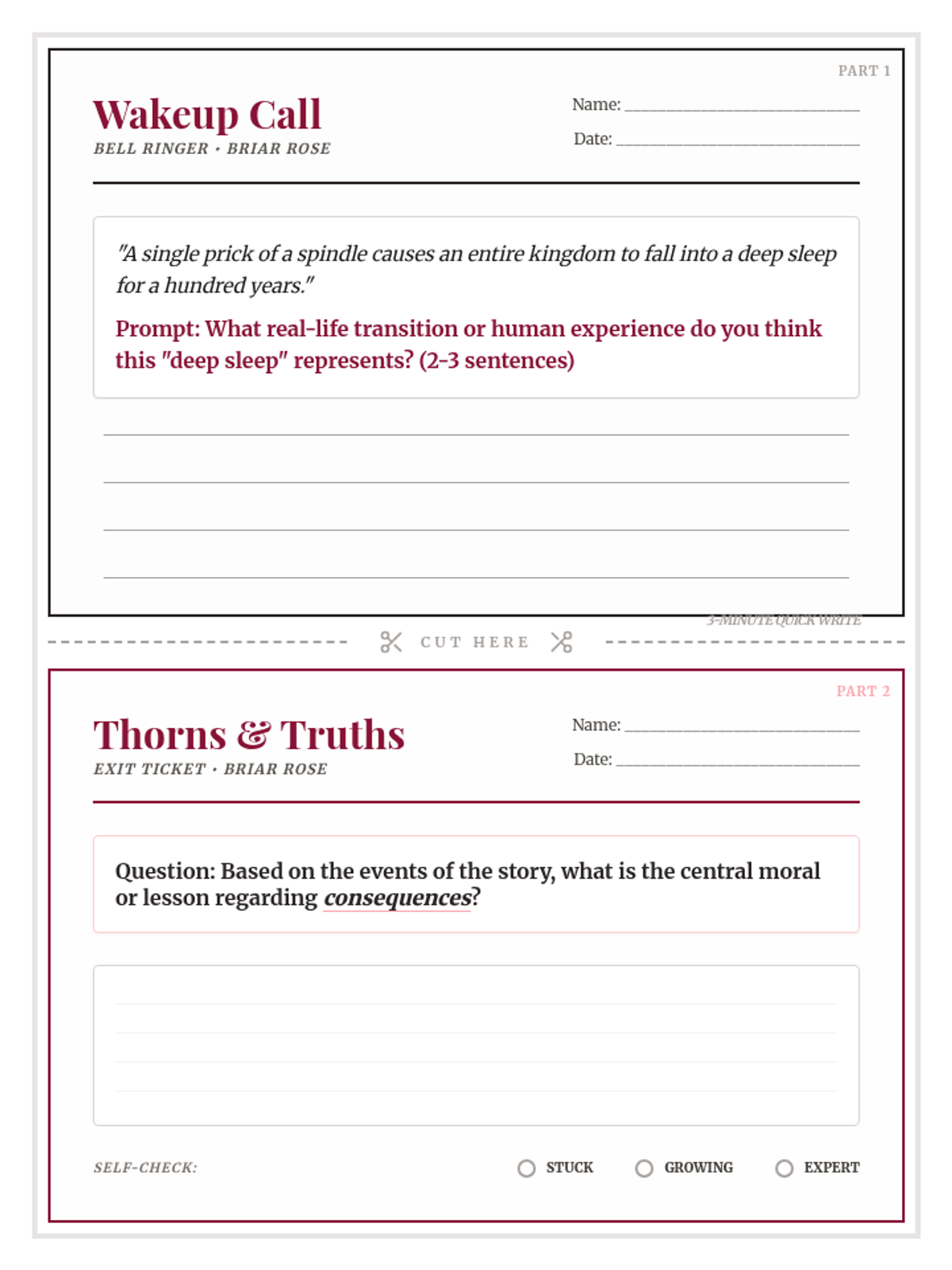
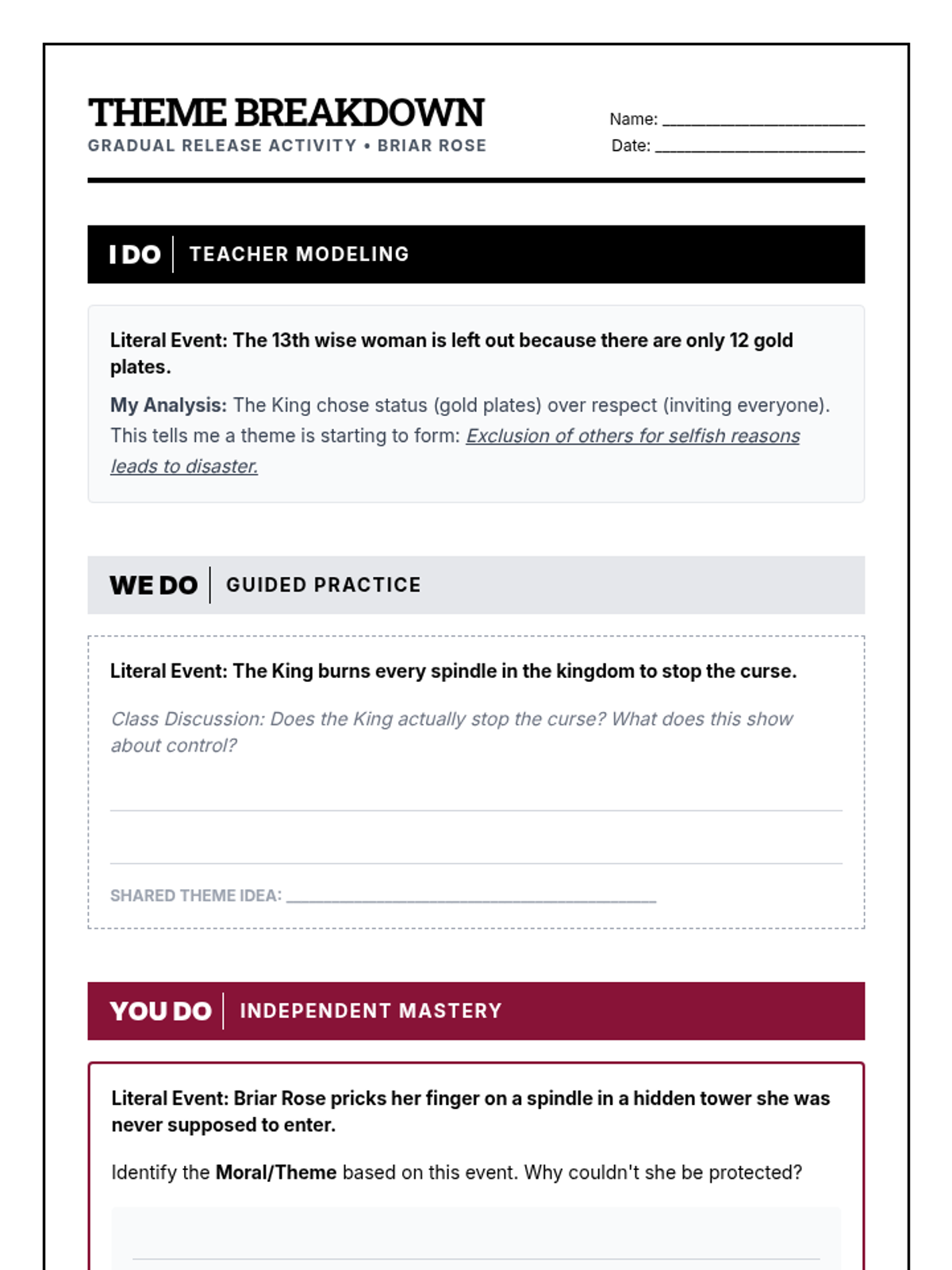
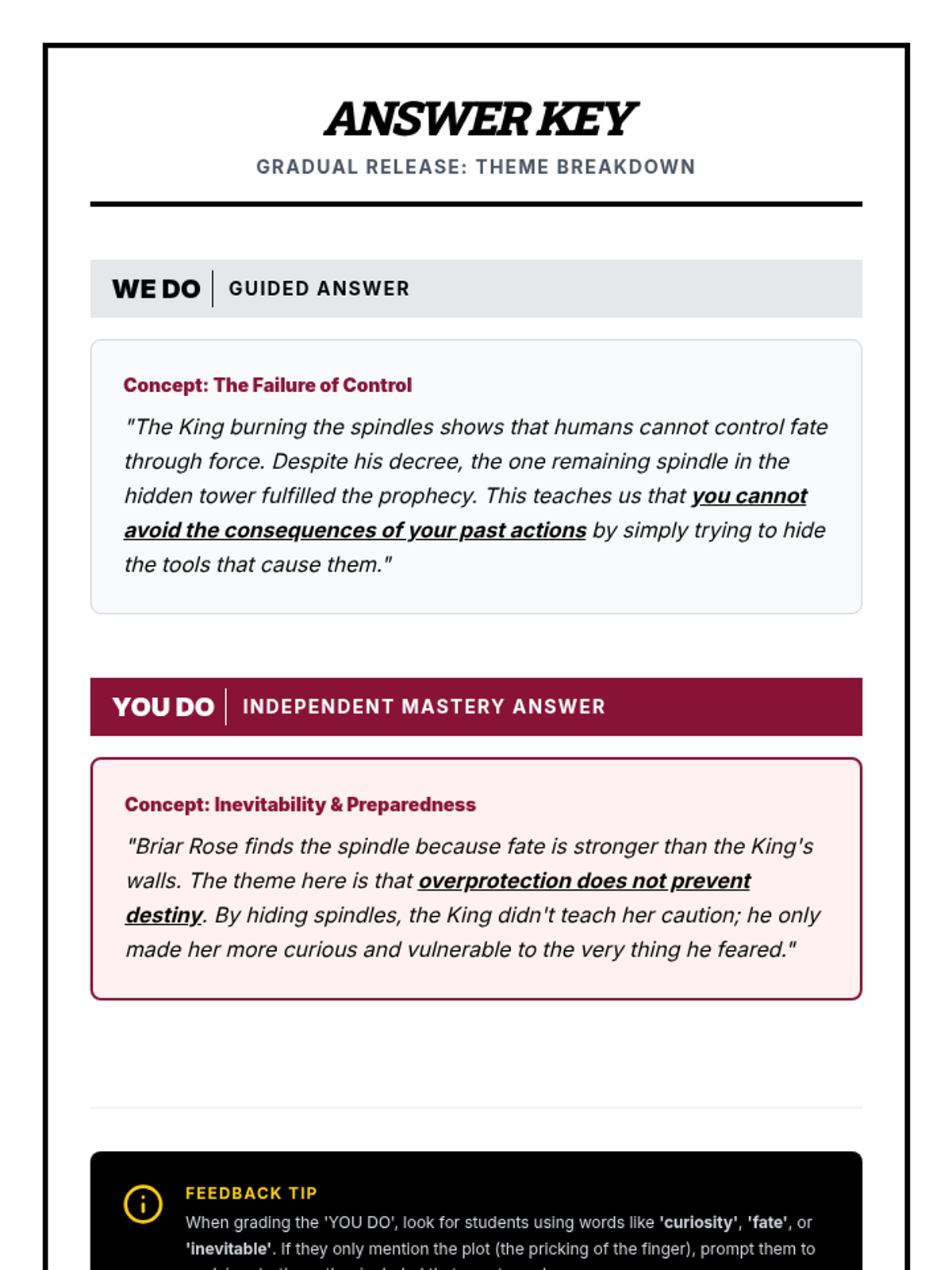
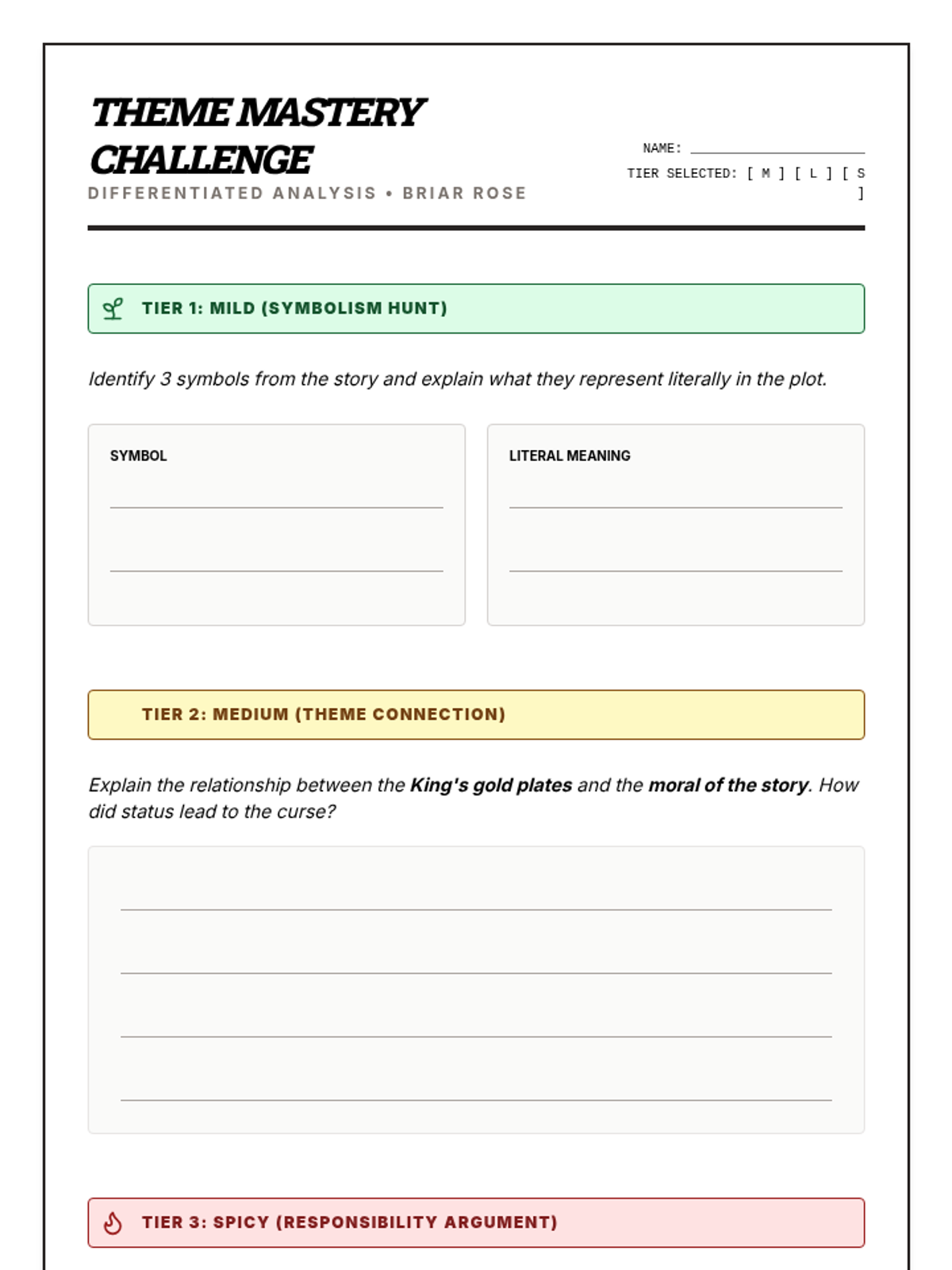
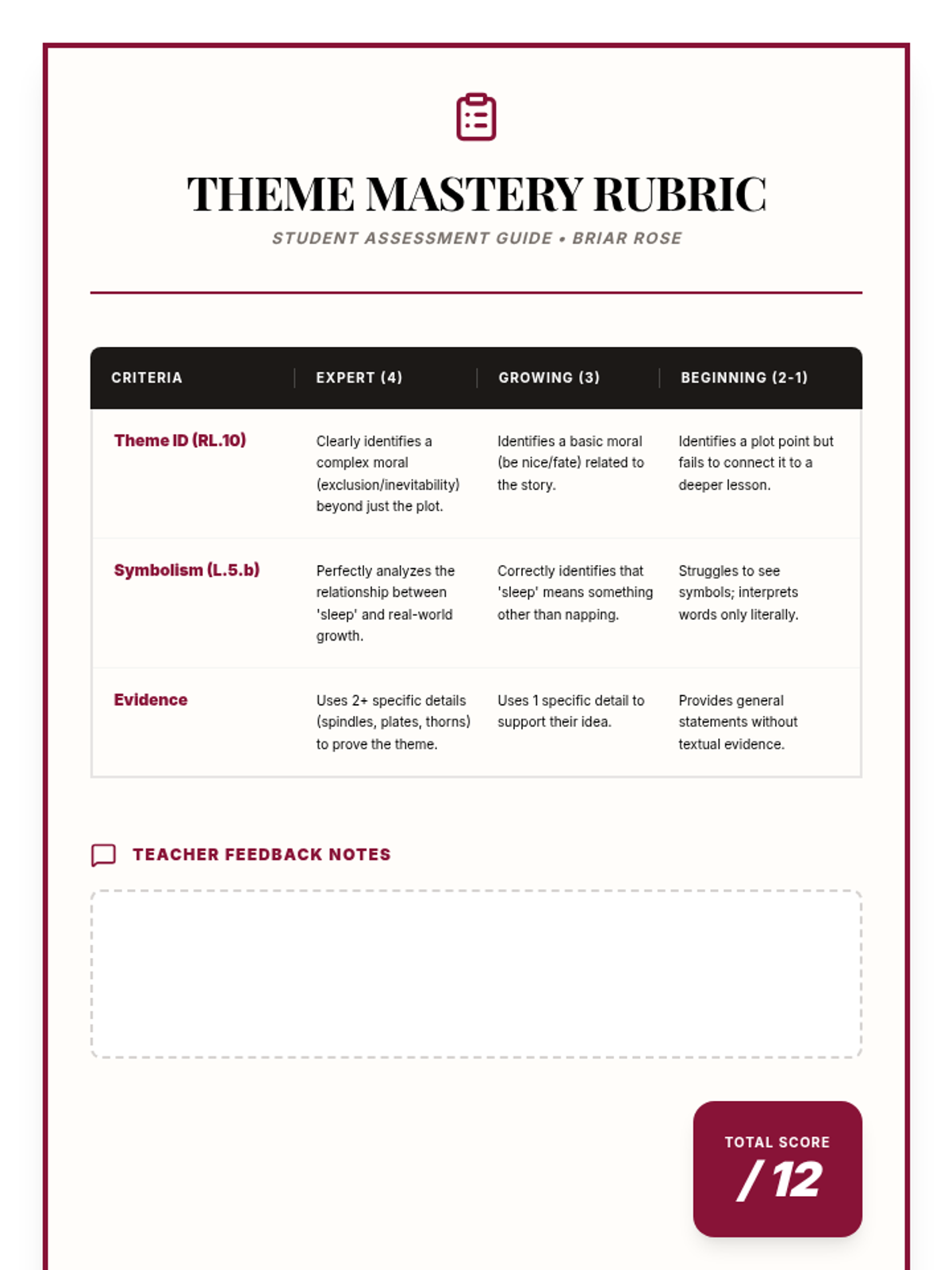
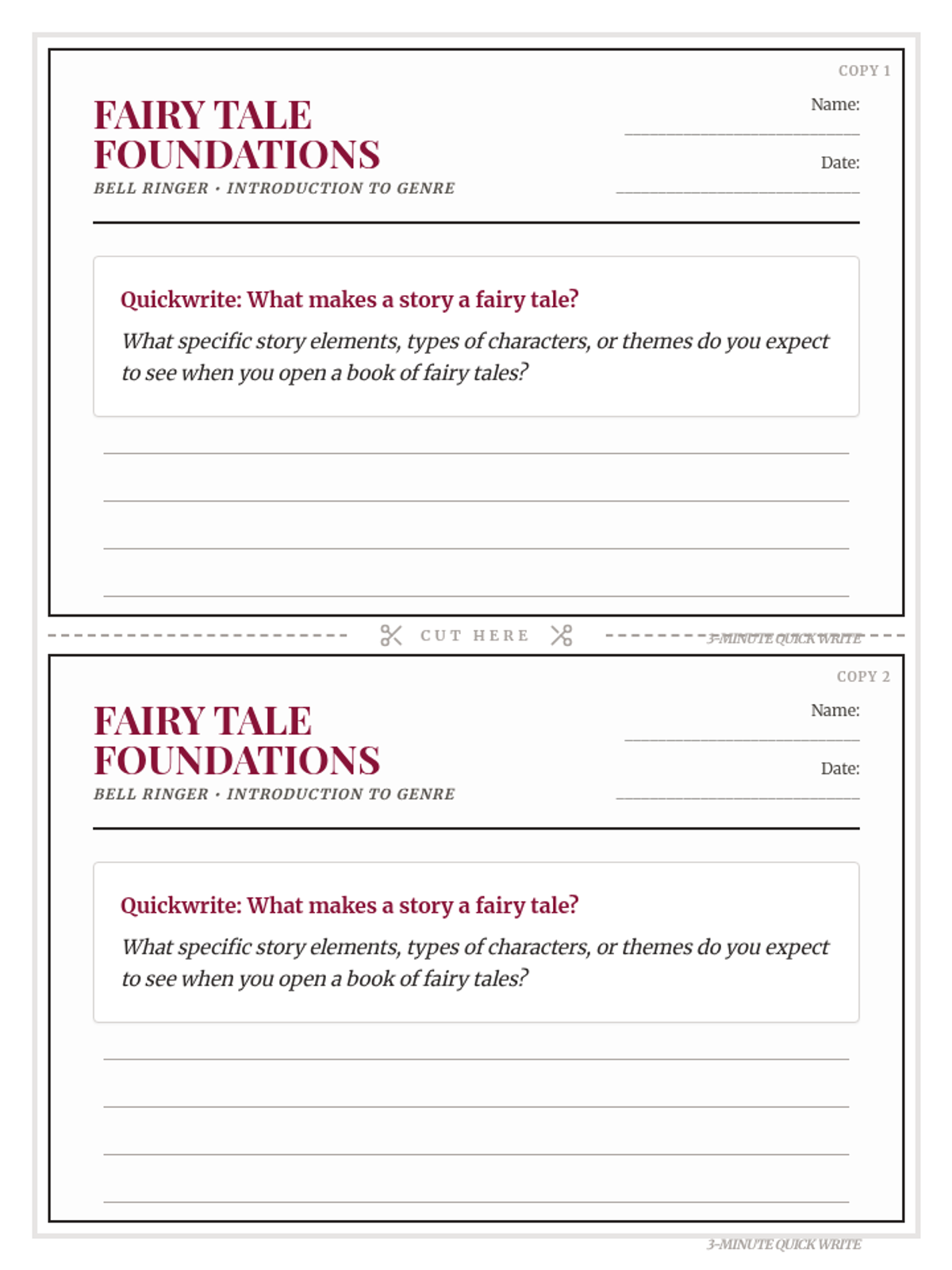
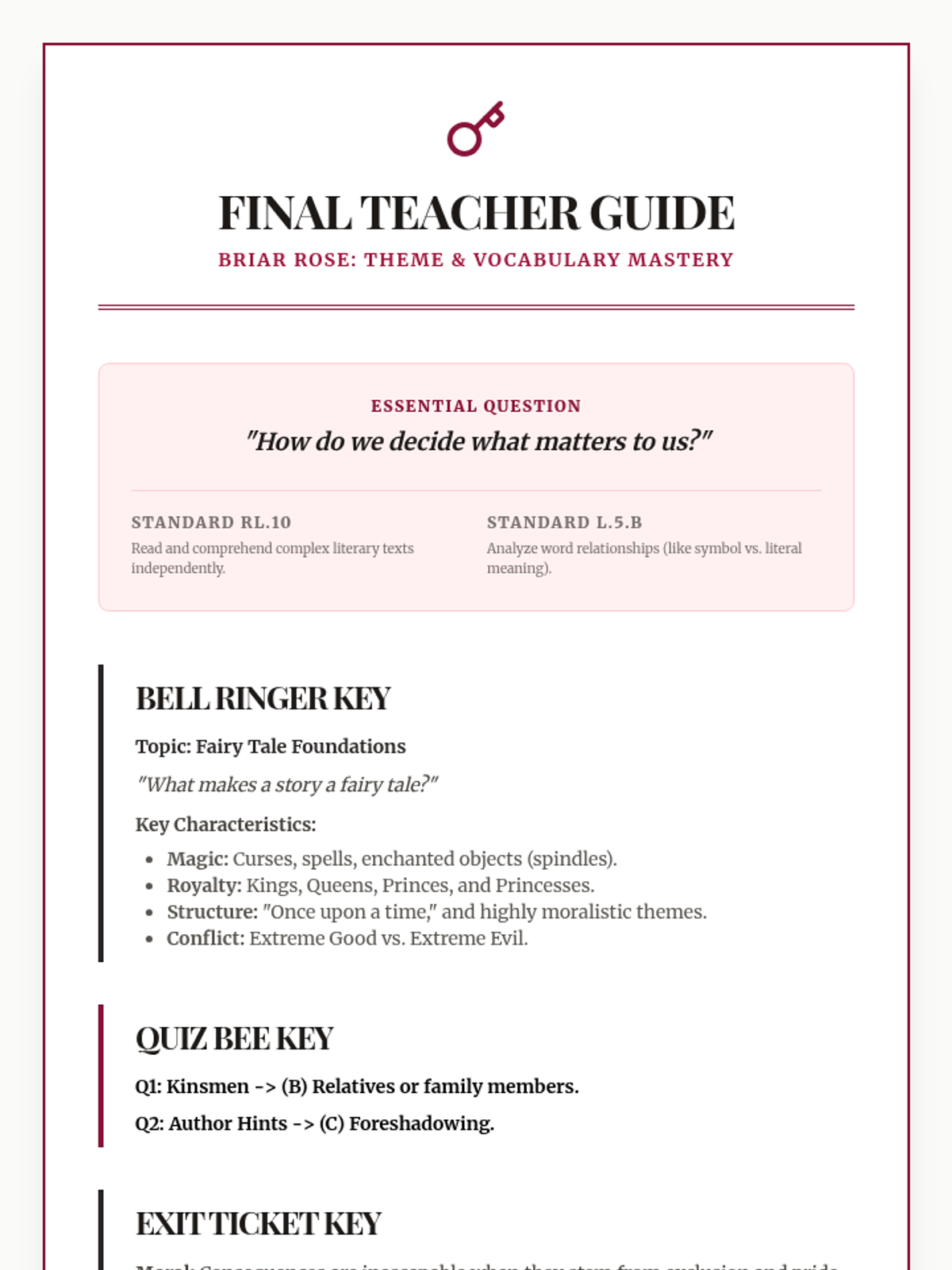
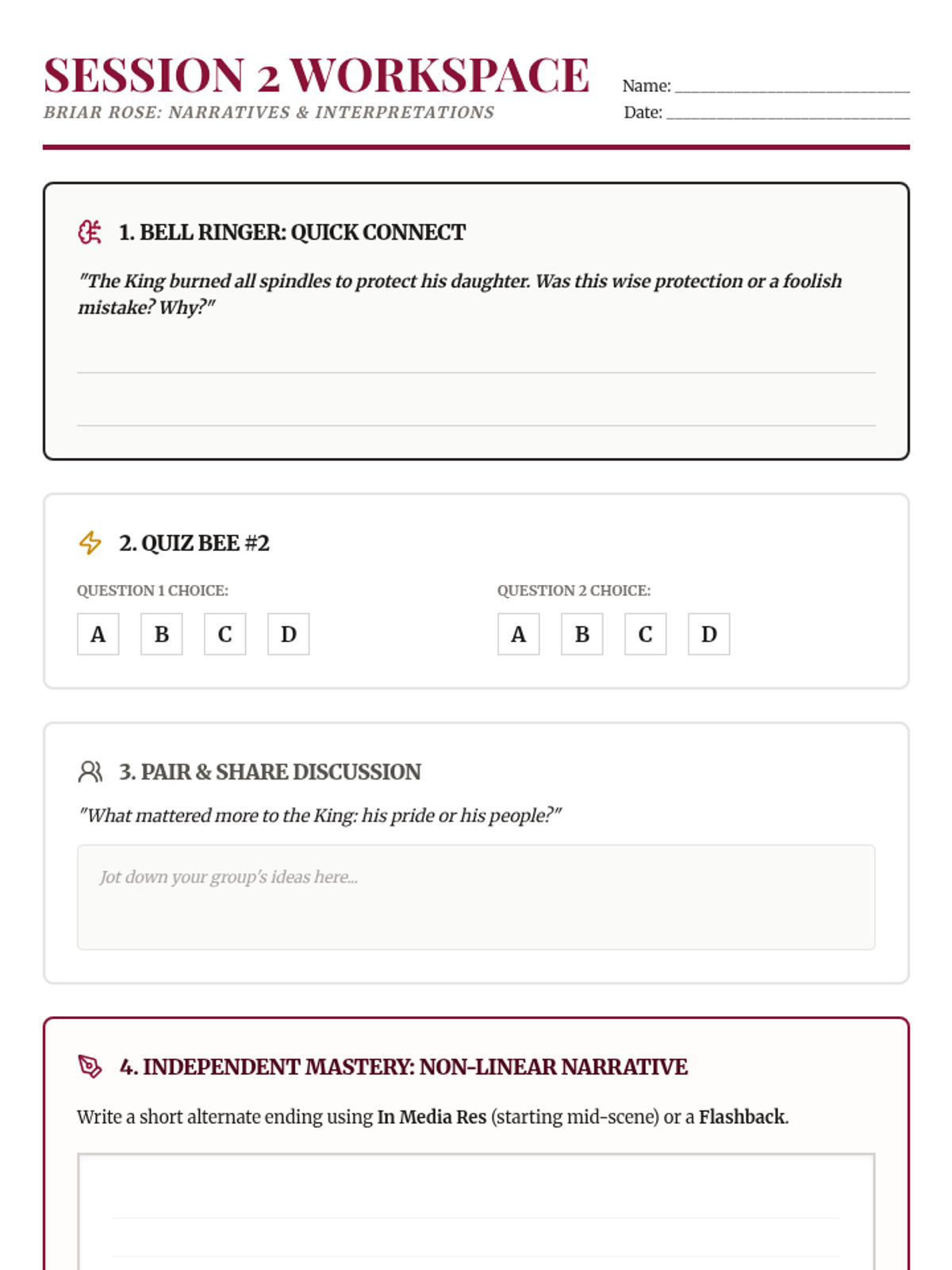
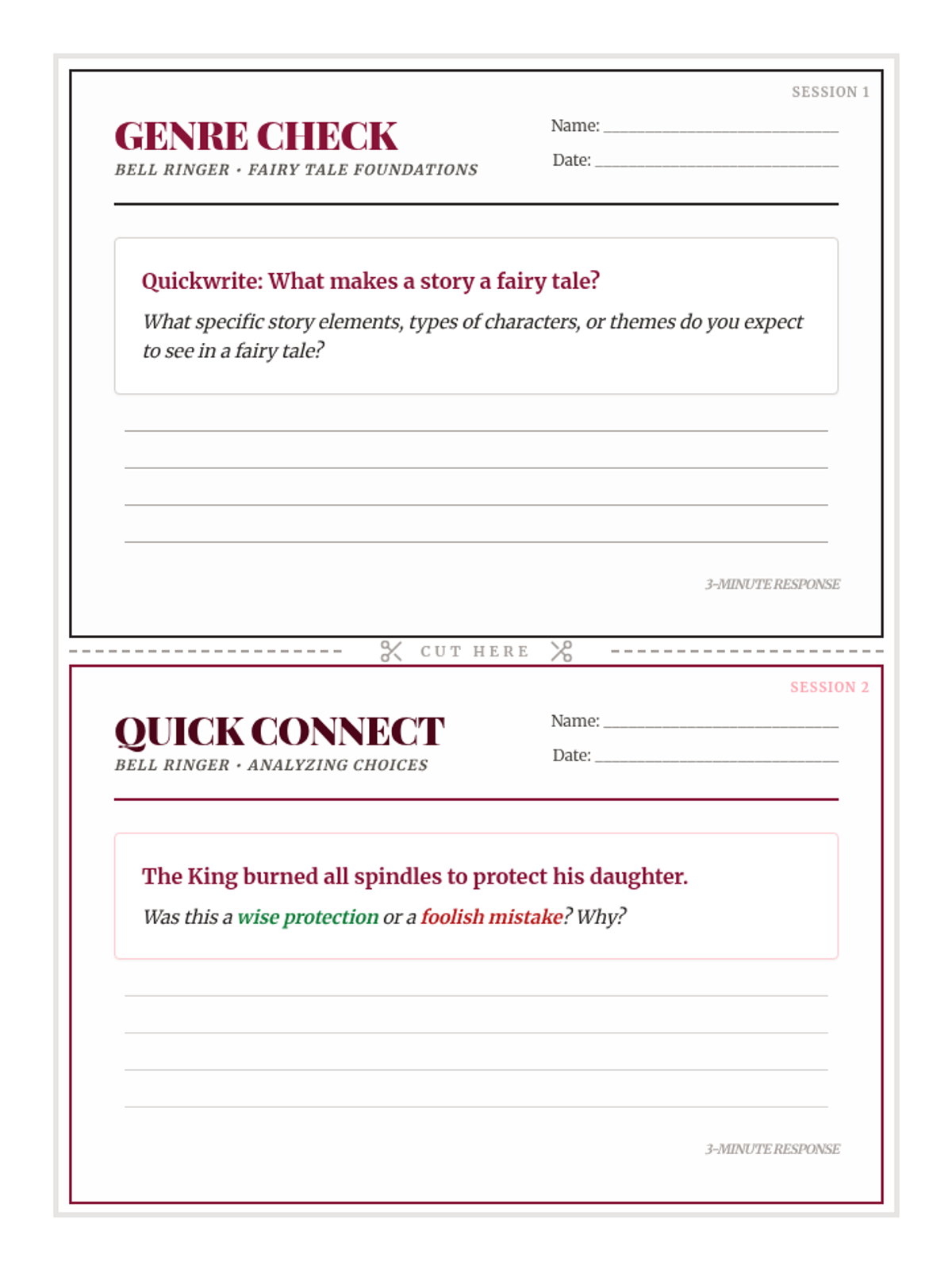
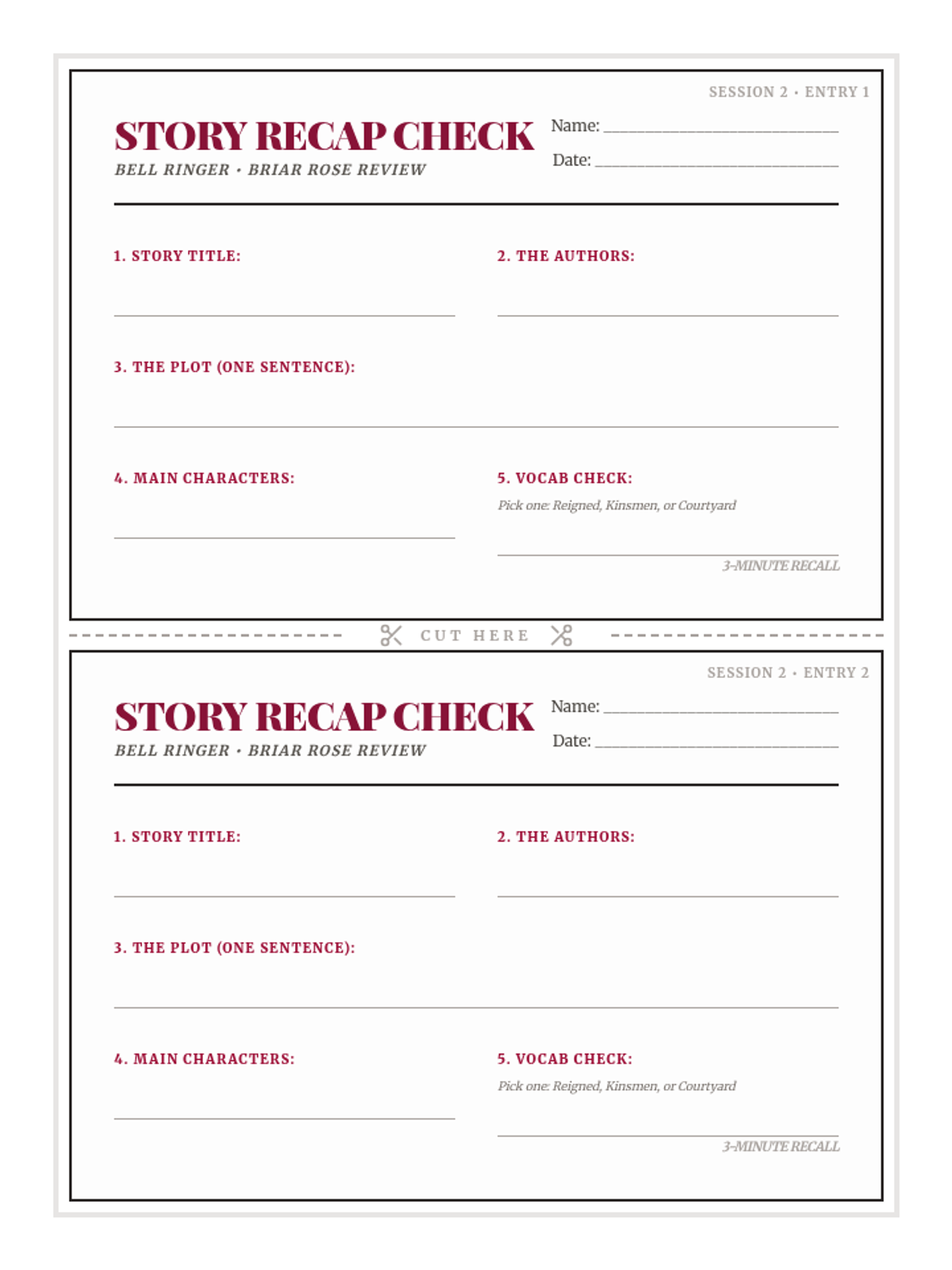
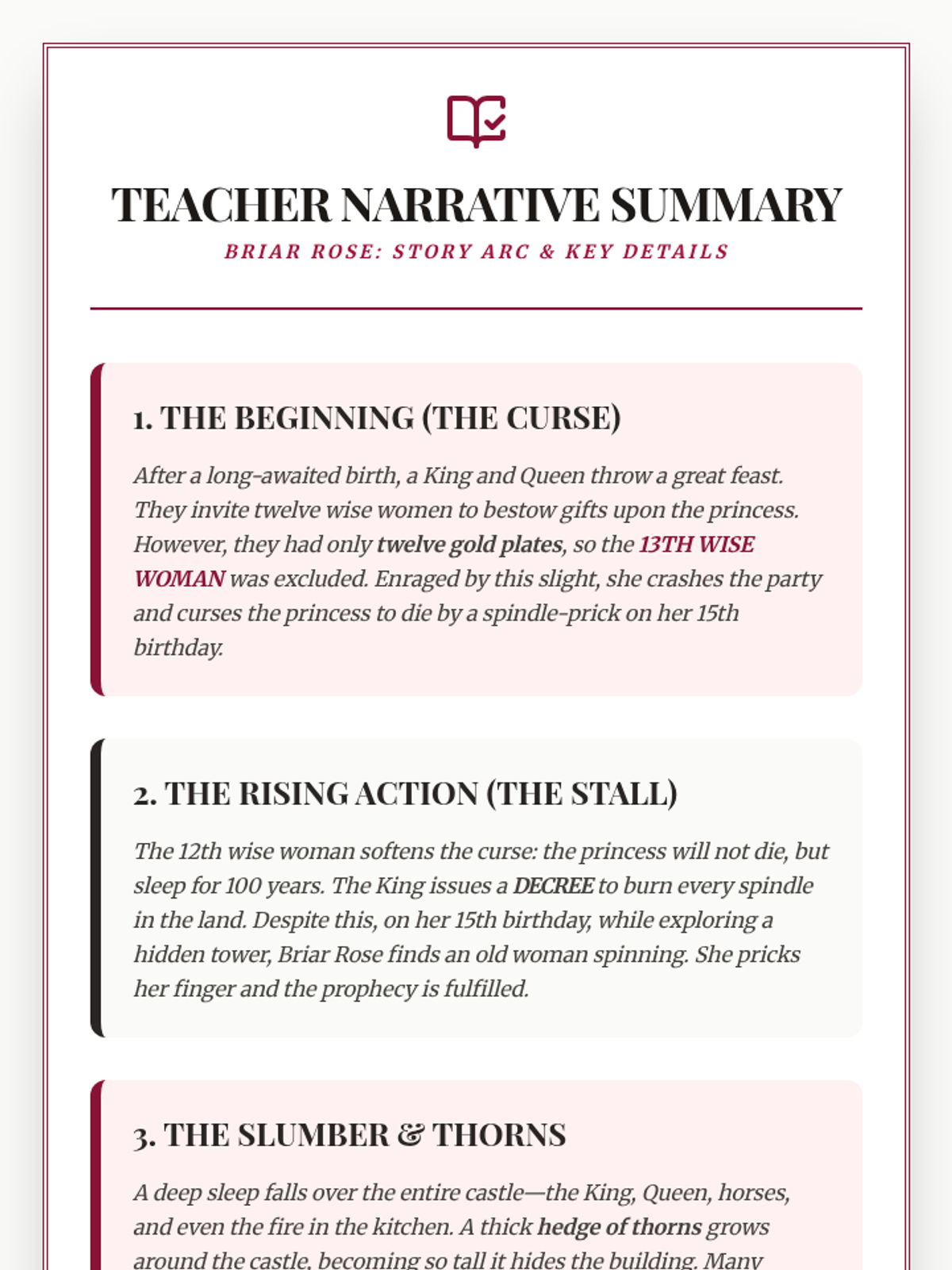
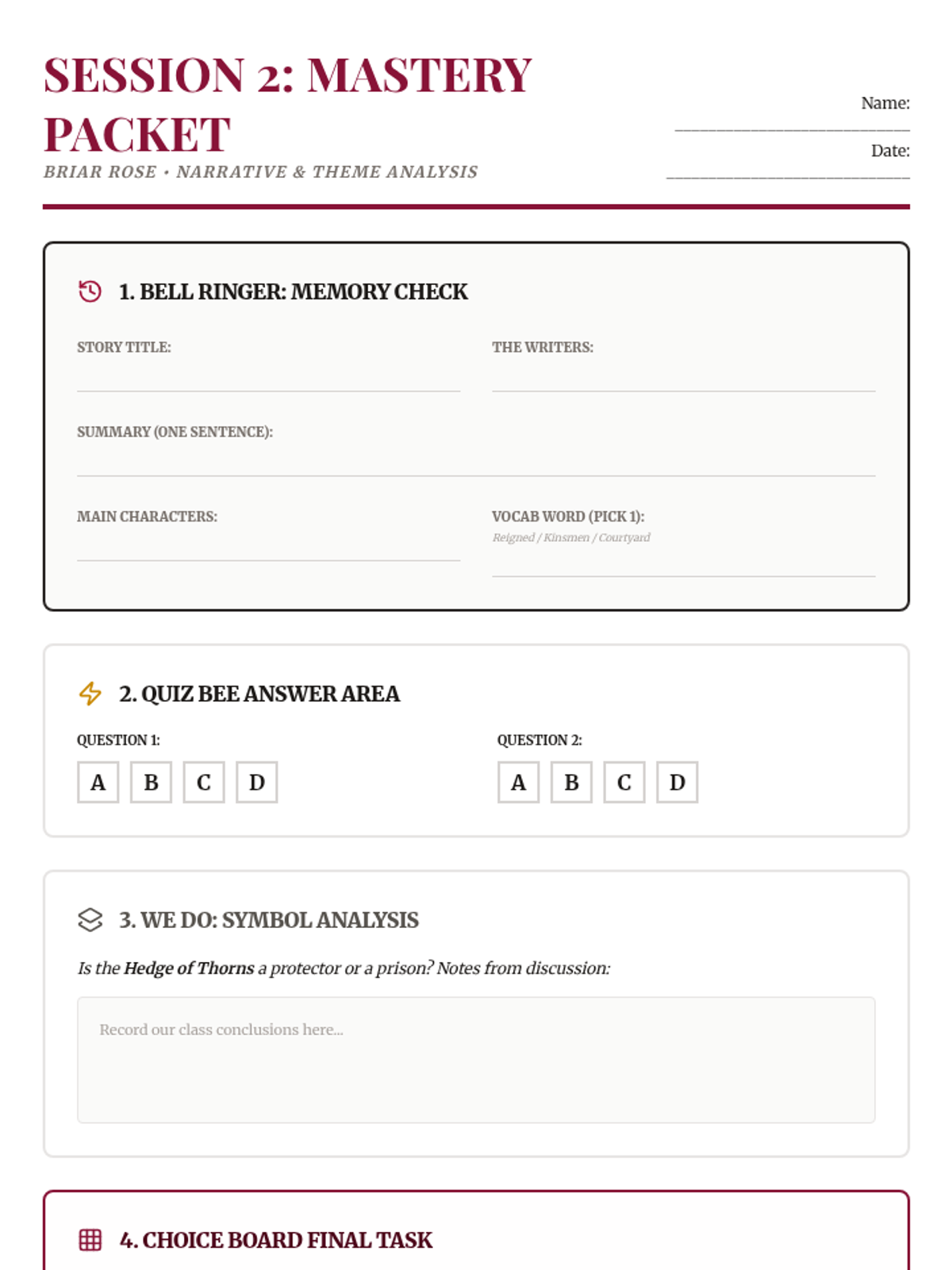
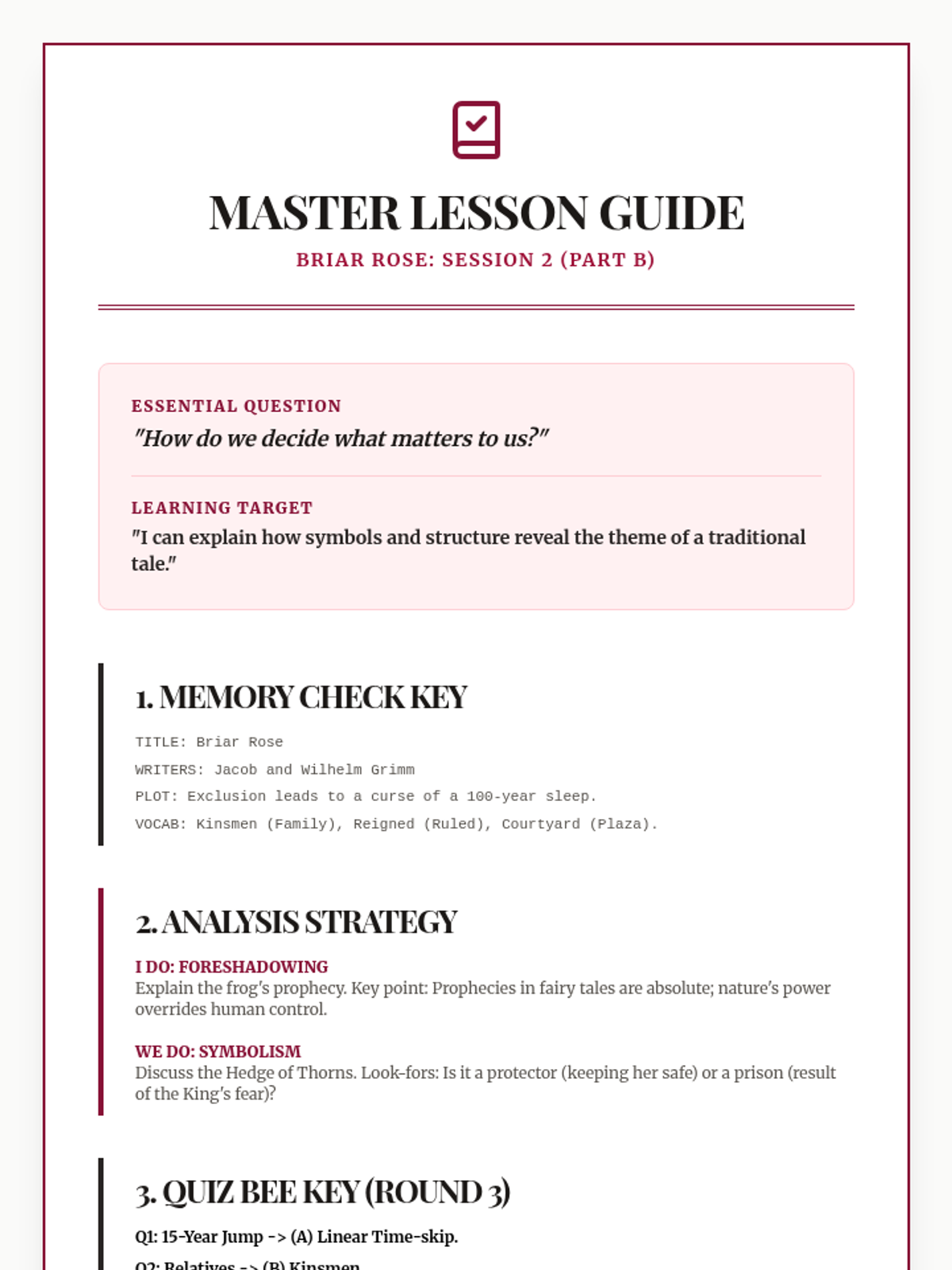
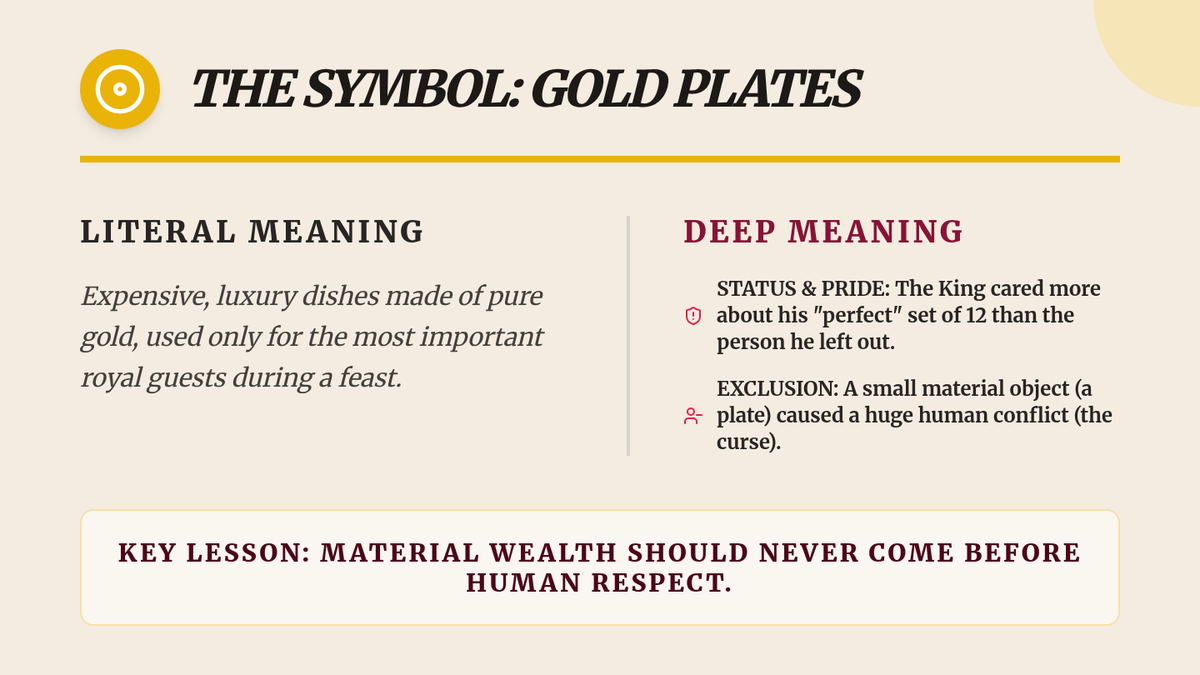
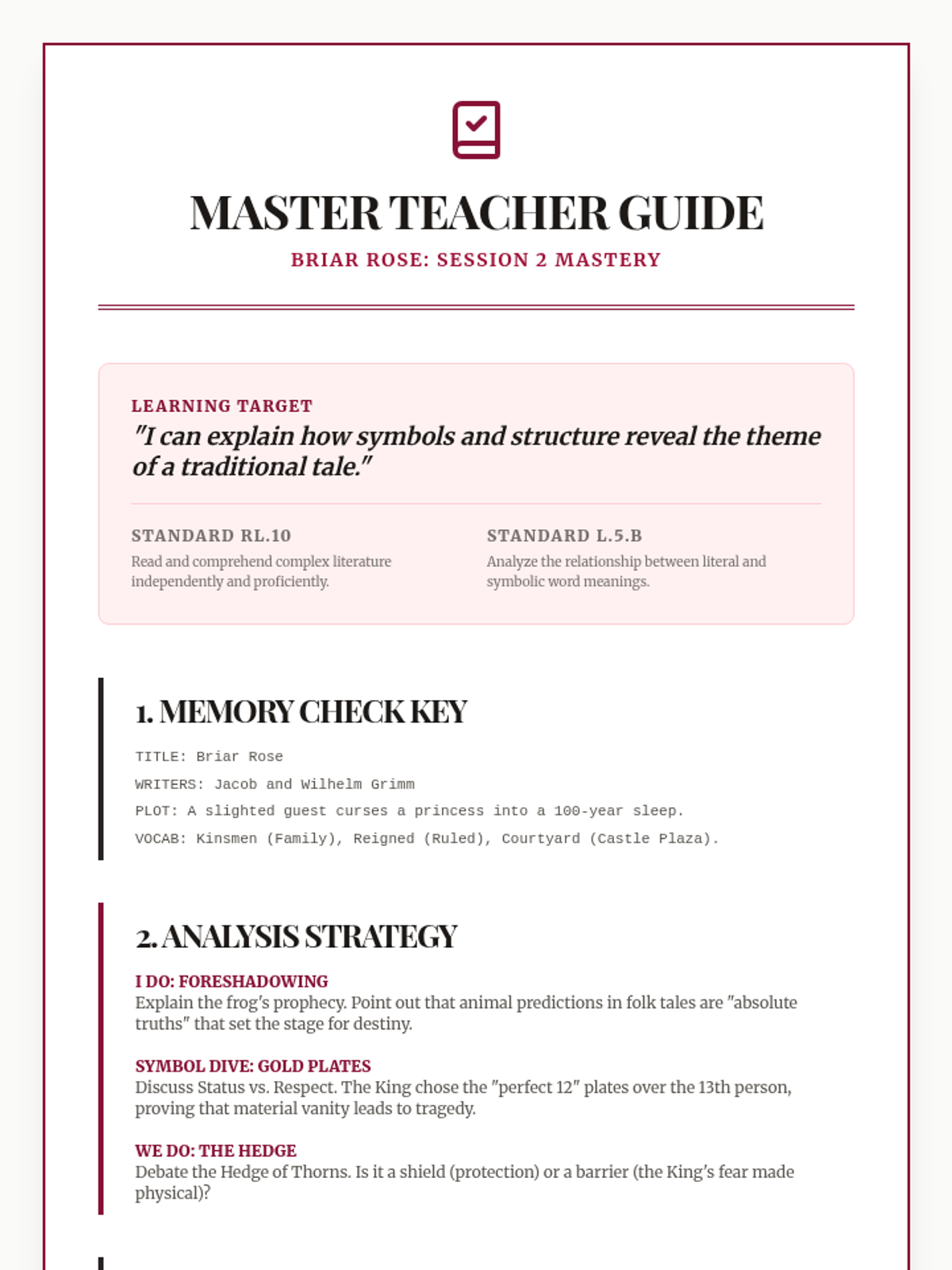
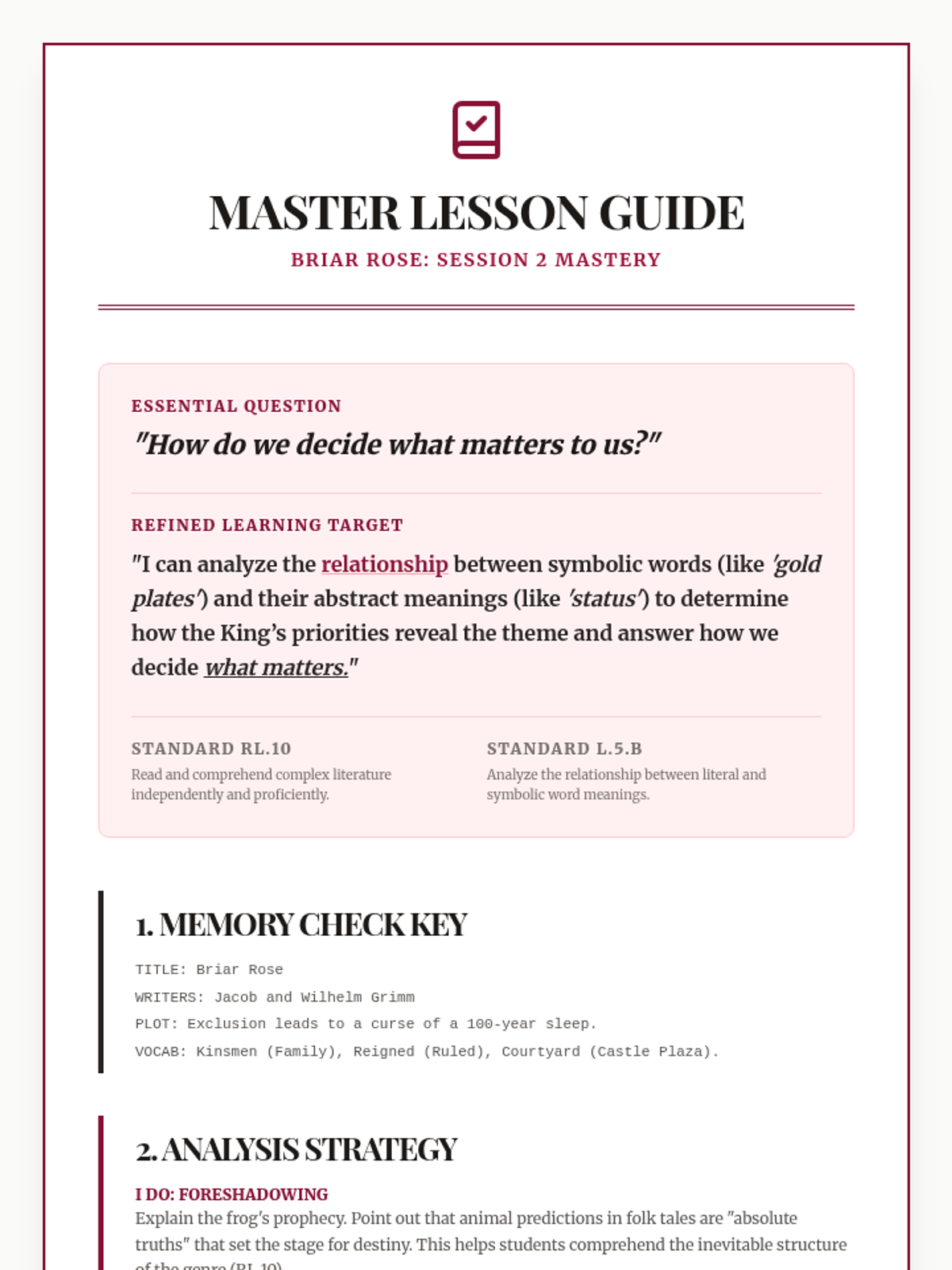
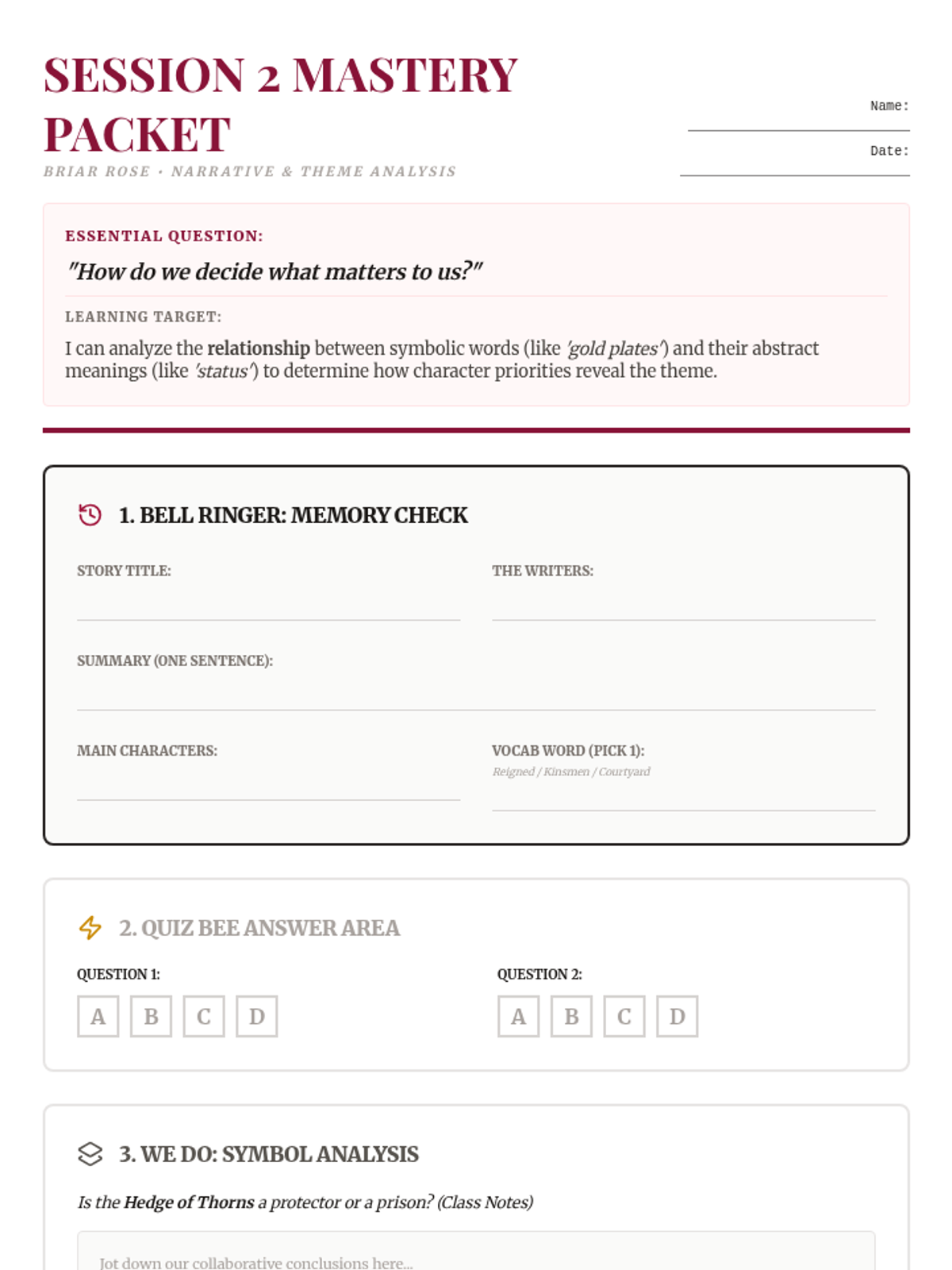
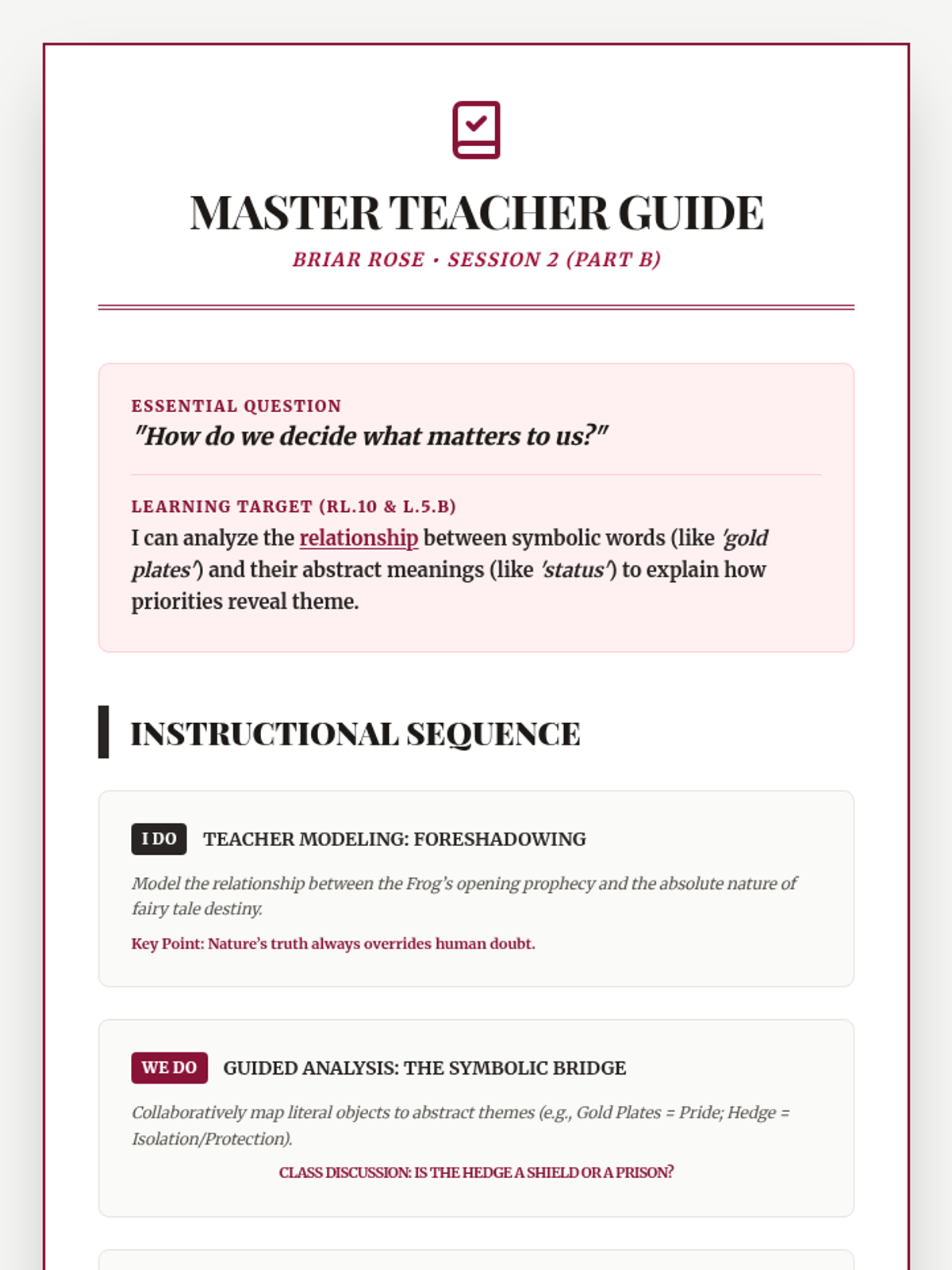
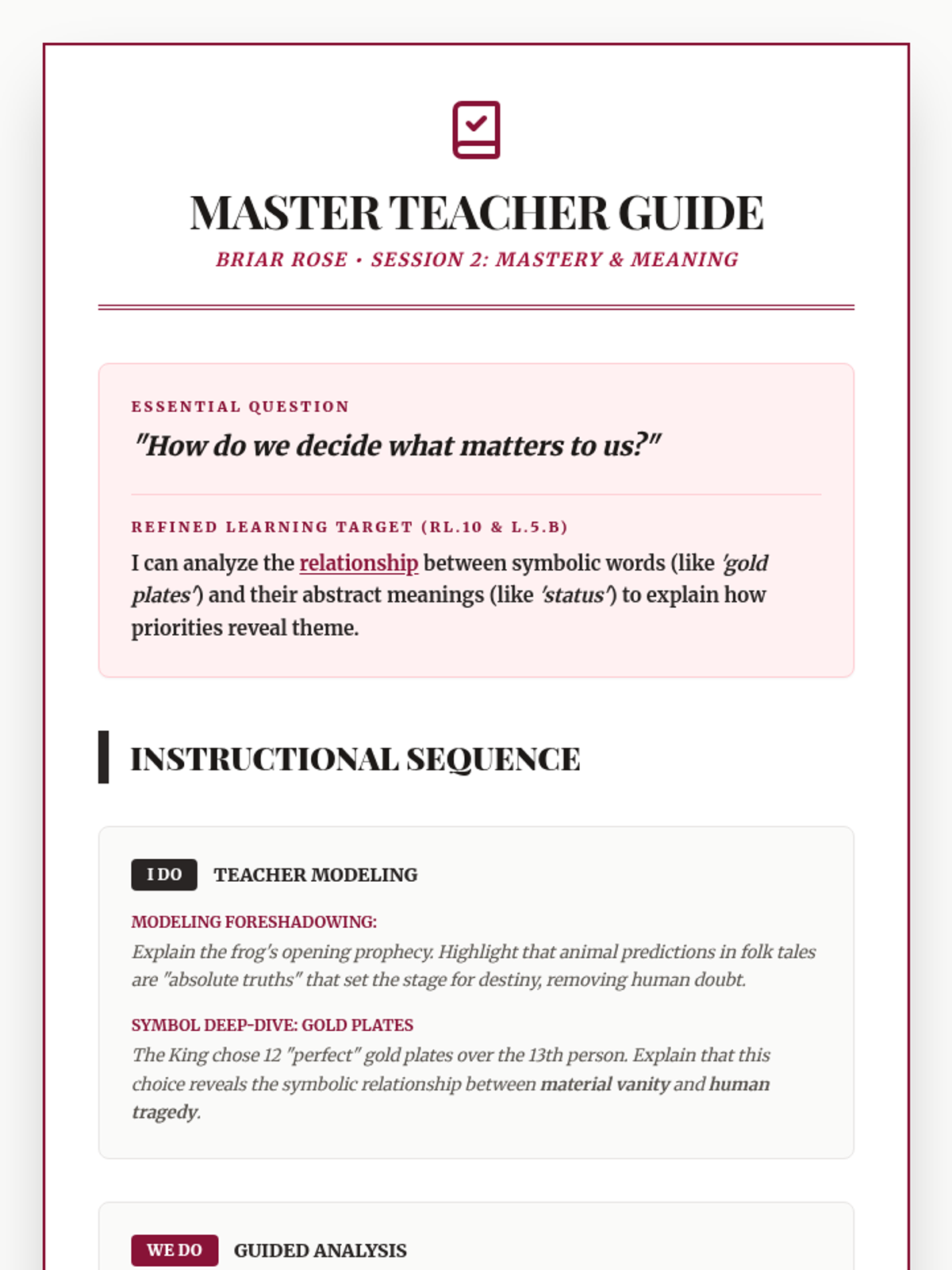
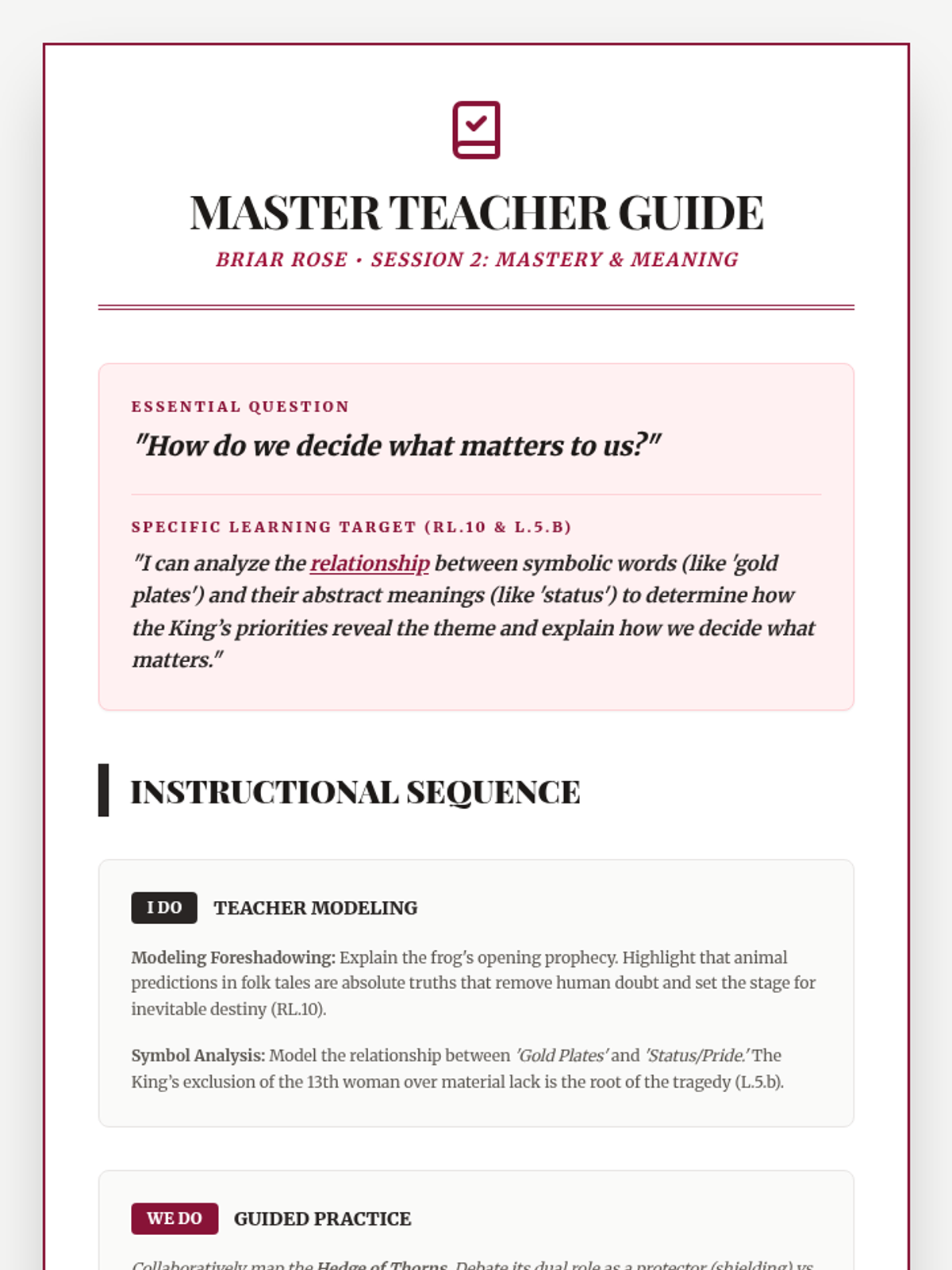
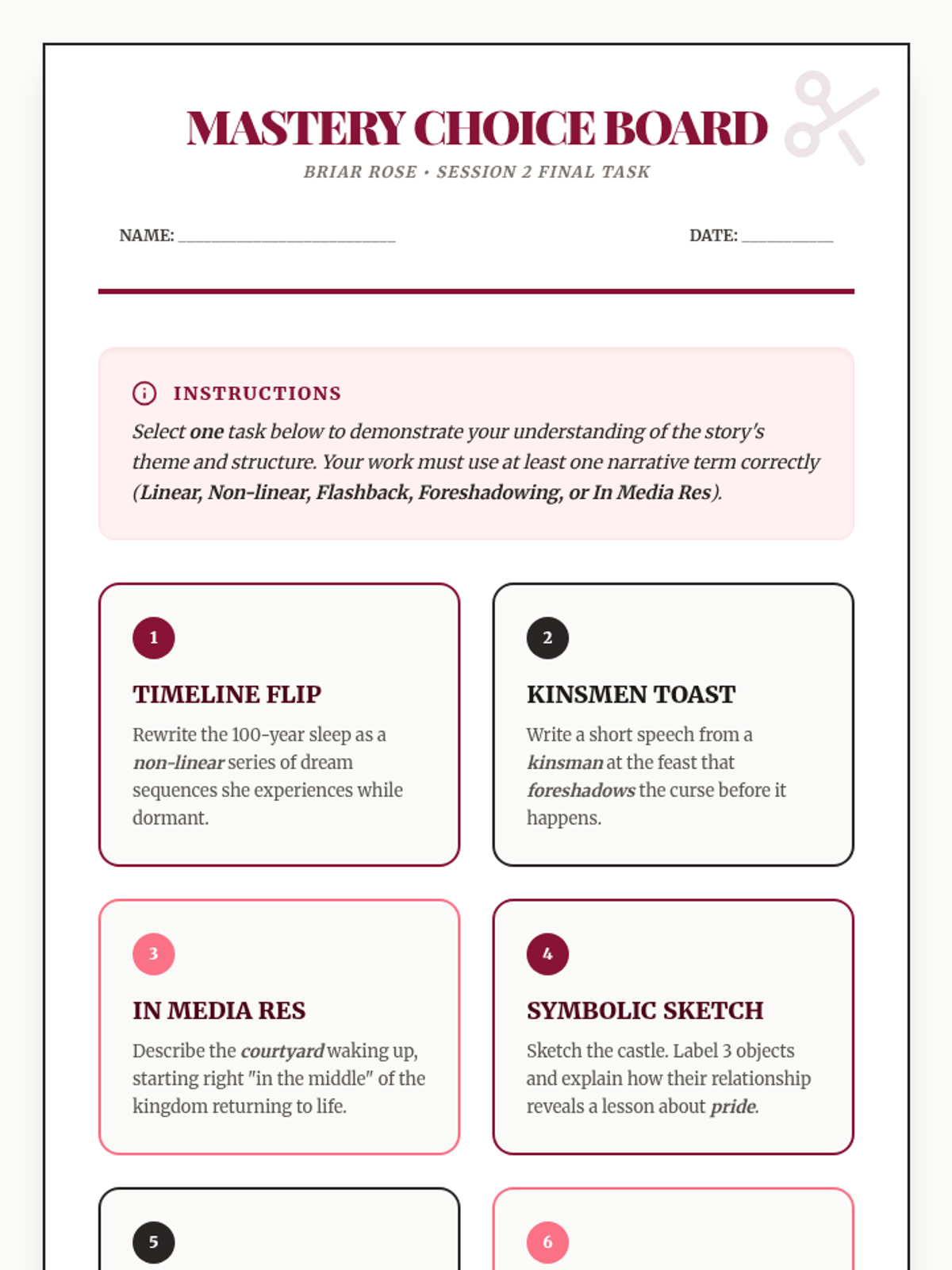
A quick exploration of theme and moral within the classic Brothers Grimm tale 'Briar Rose', featuring a focused bell ringer and exit ticket.
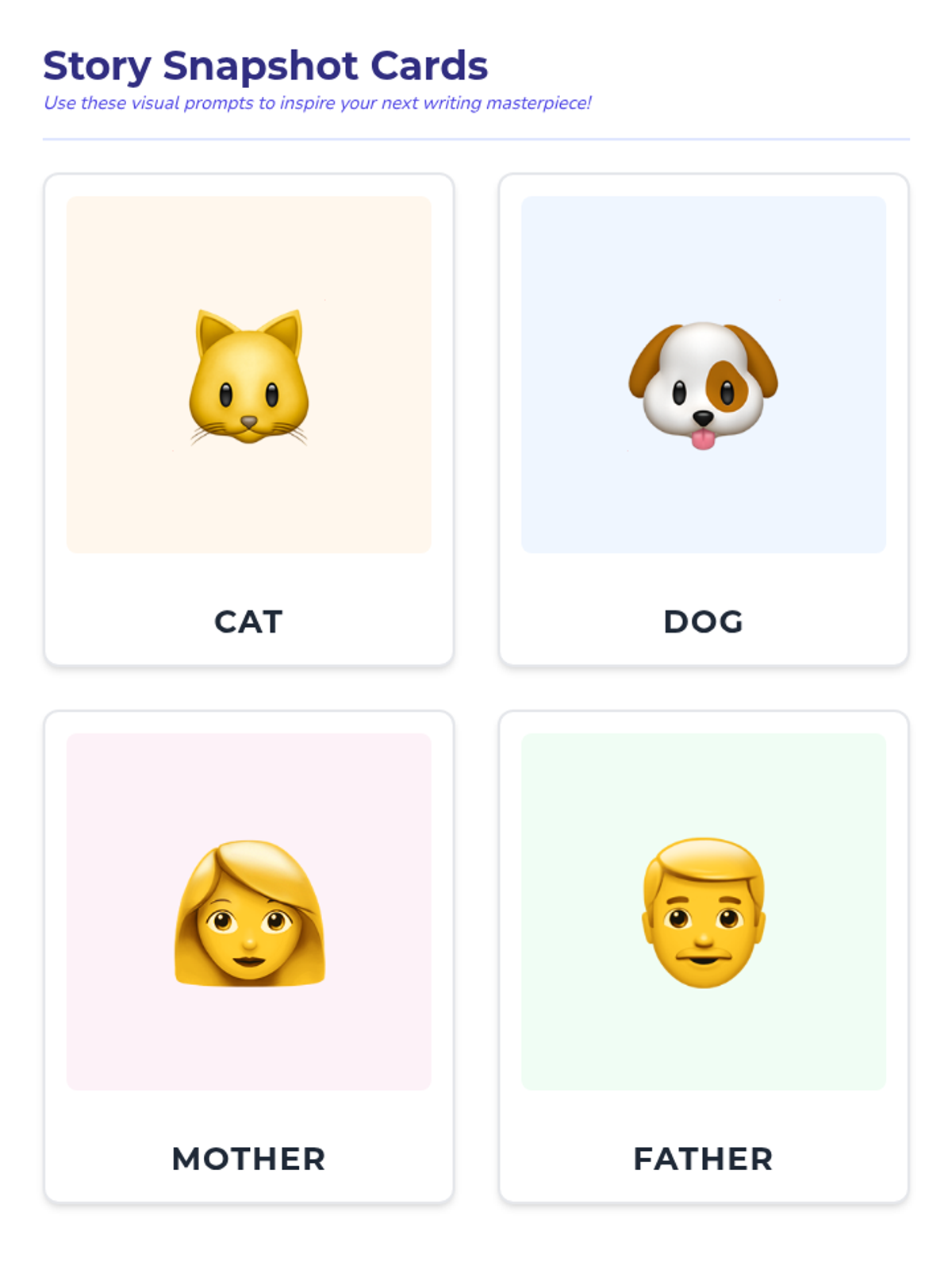
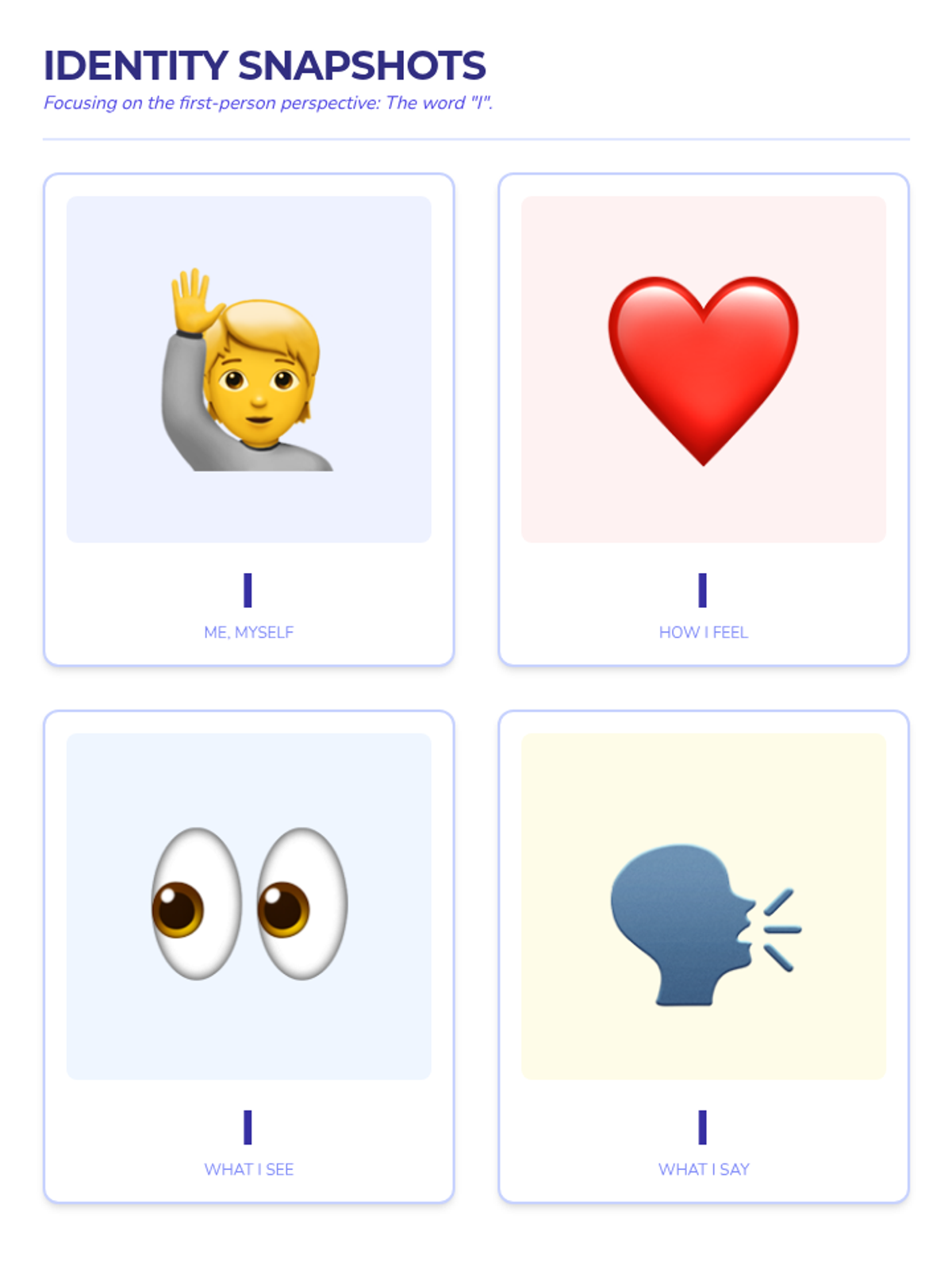
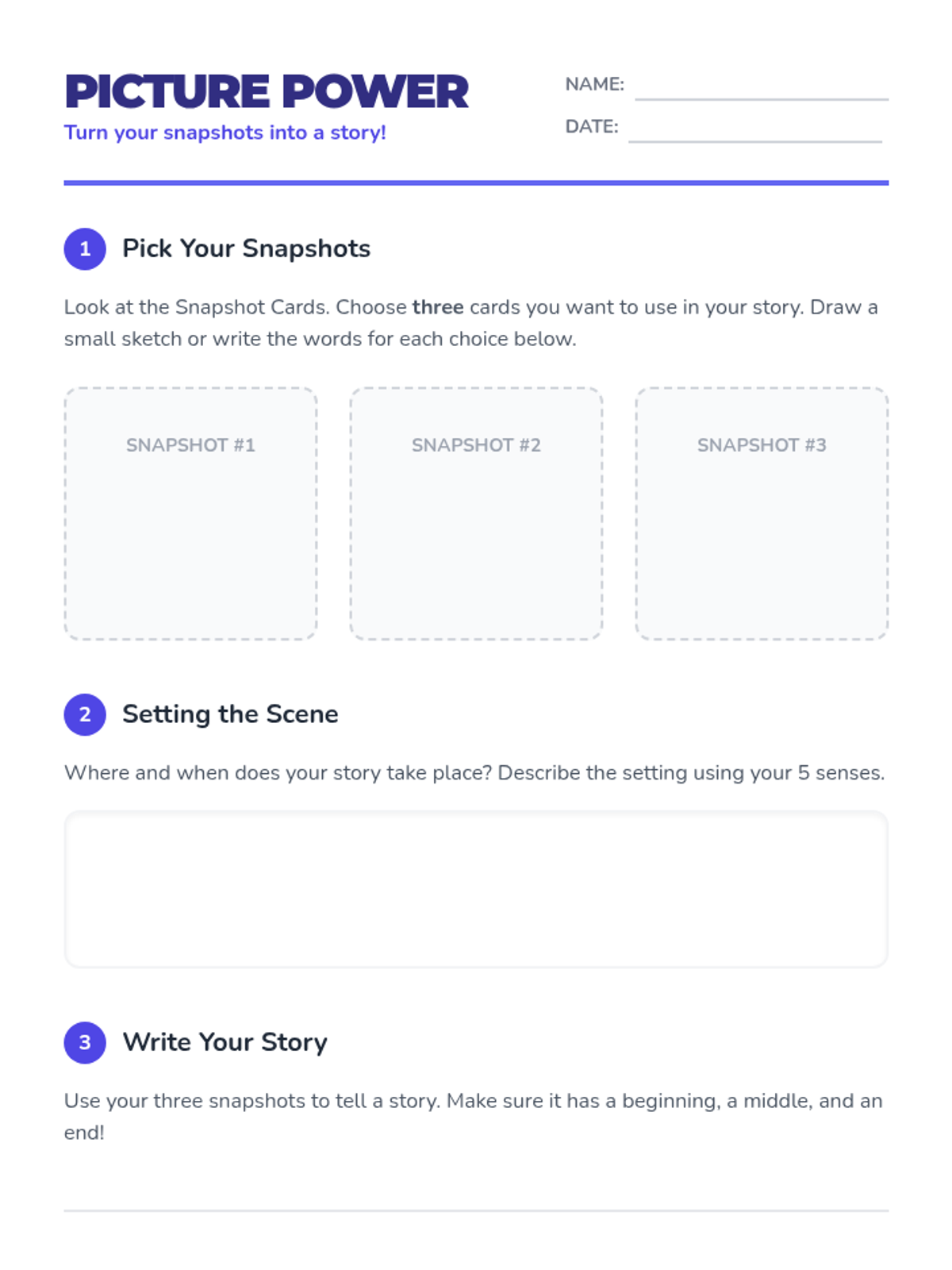
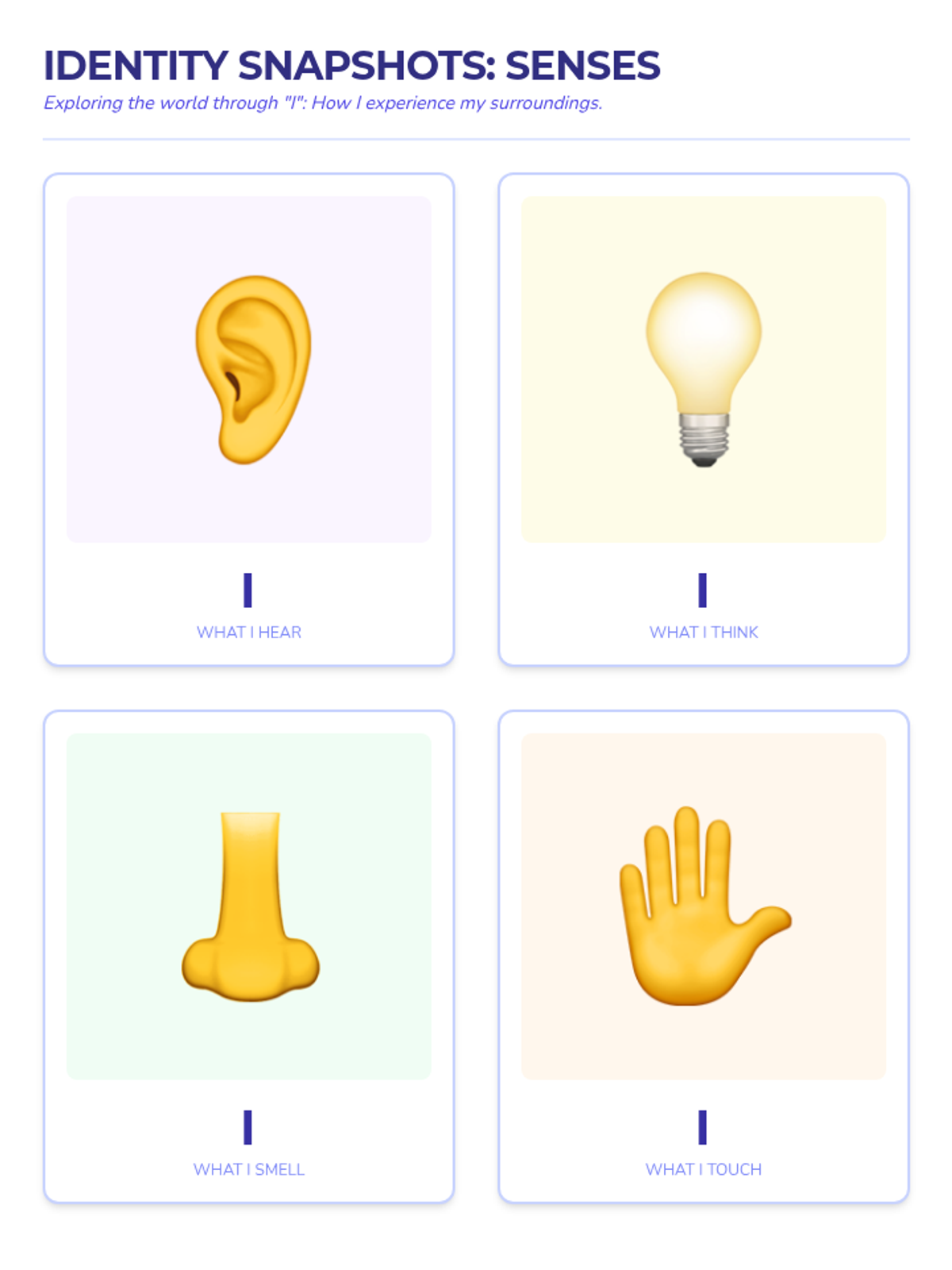
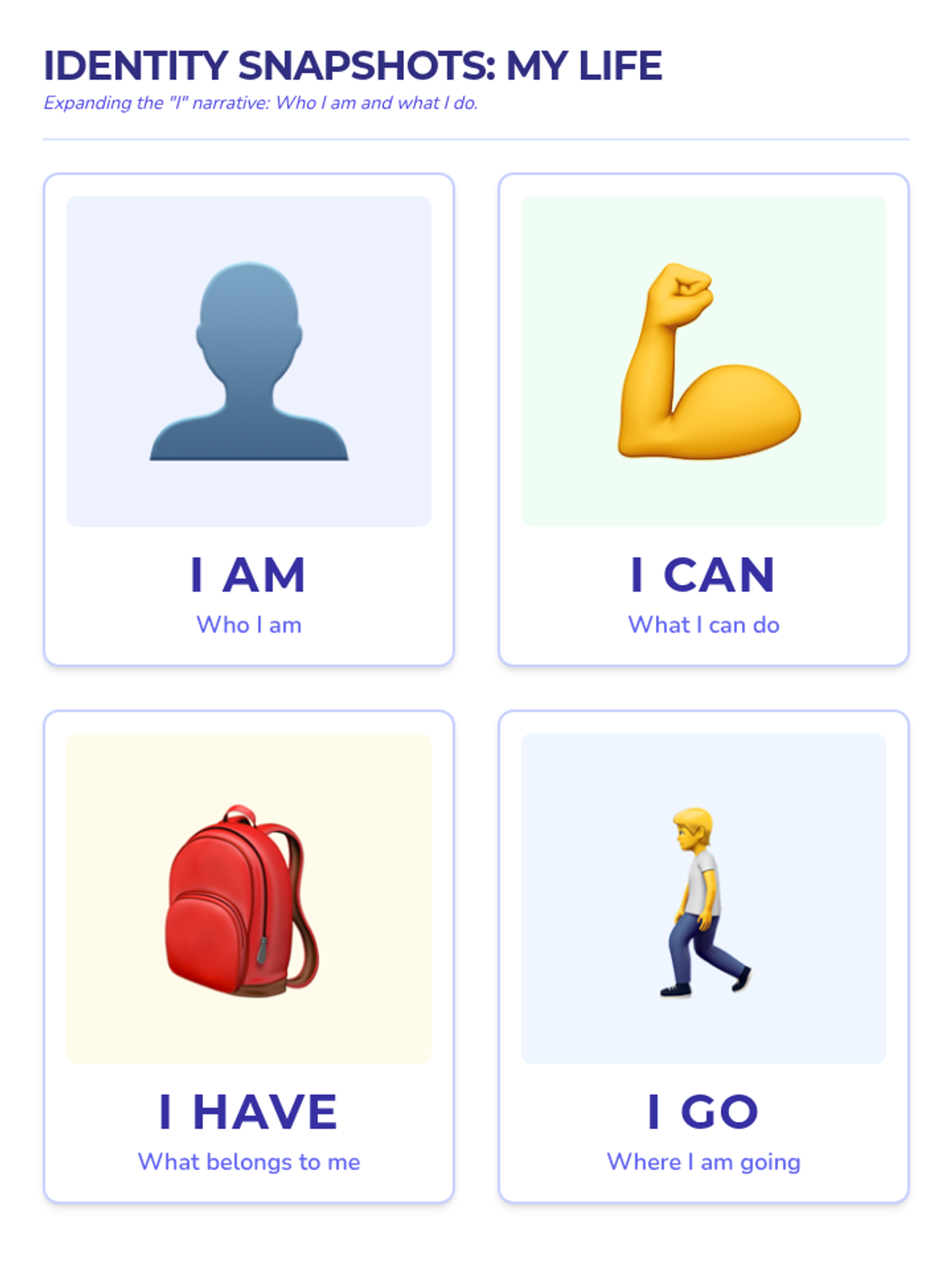
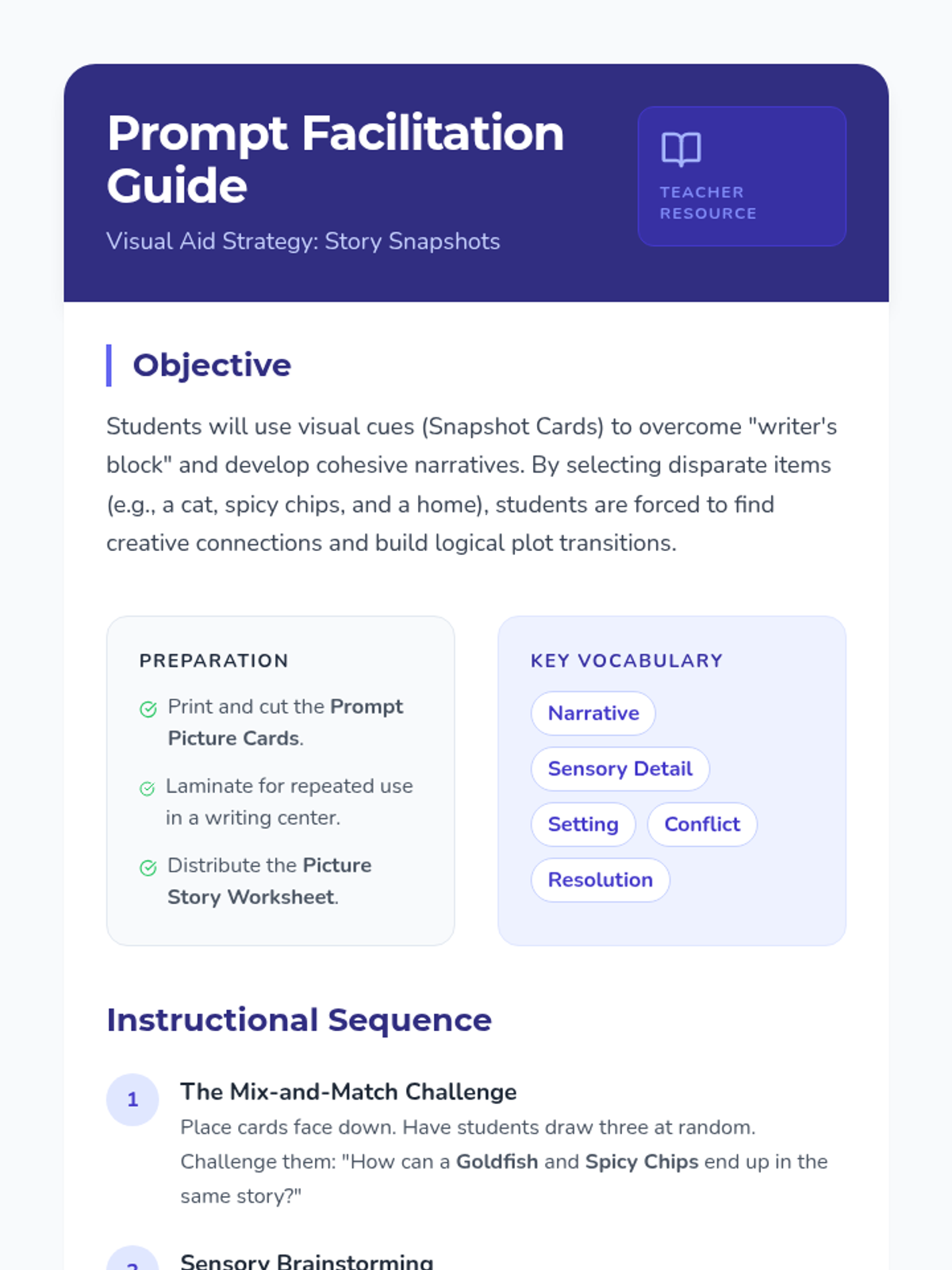
A lesson focused on using visual prompts to spark descriptive and narrative writing. Students use a set of visual cards to generate ideas, describe settings, and build characters for their stories.
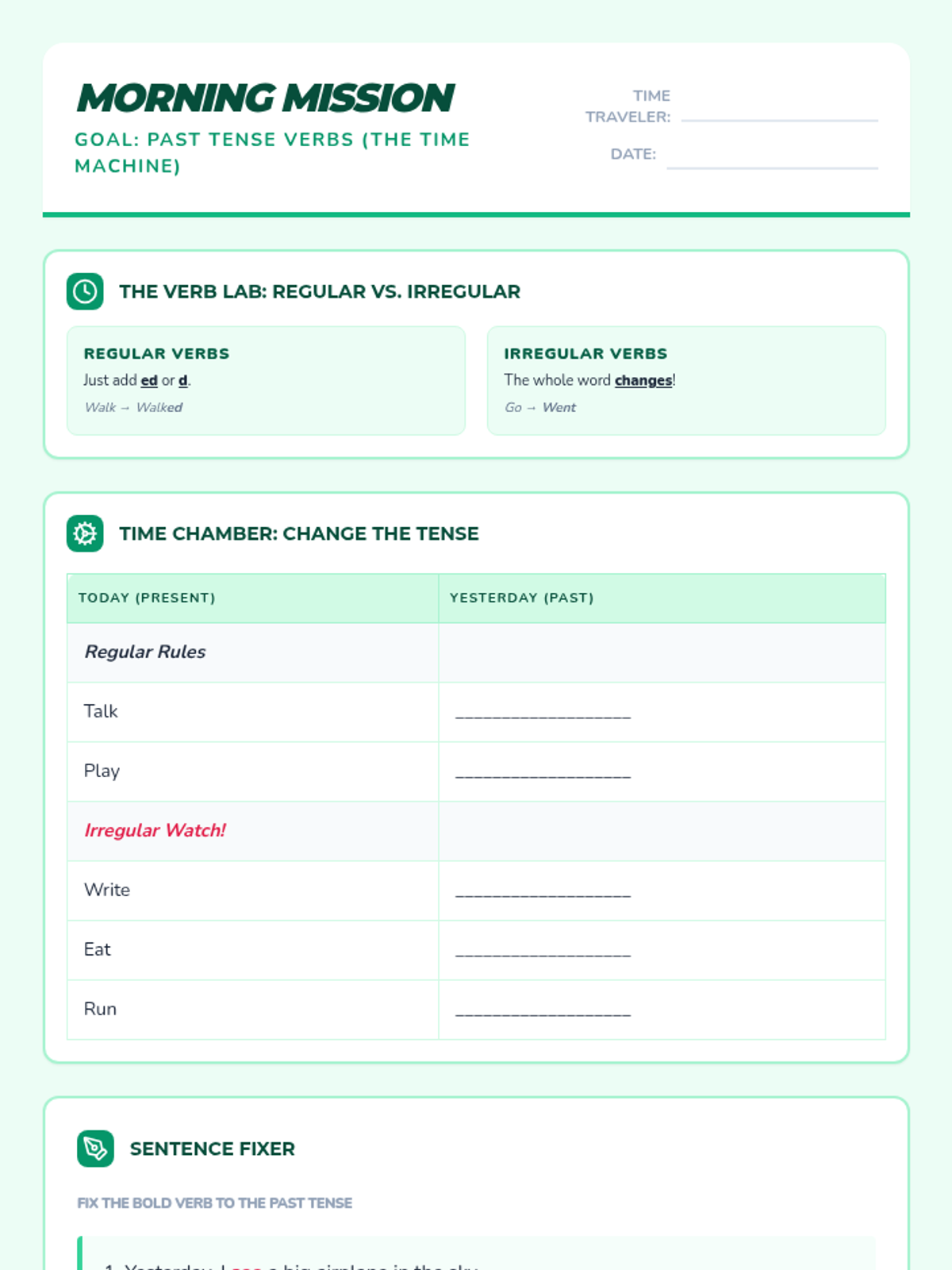
A series of morning work activities focused on mastering verb tenses, specifically regular and irregular past tense, for Grade 5 ELL students.
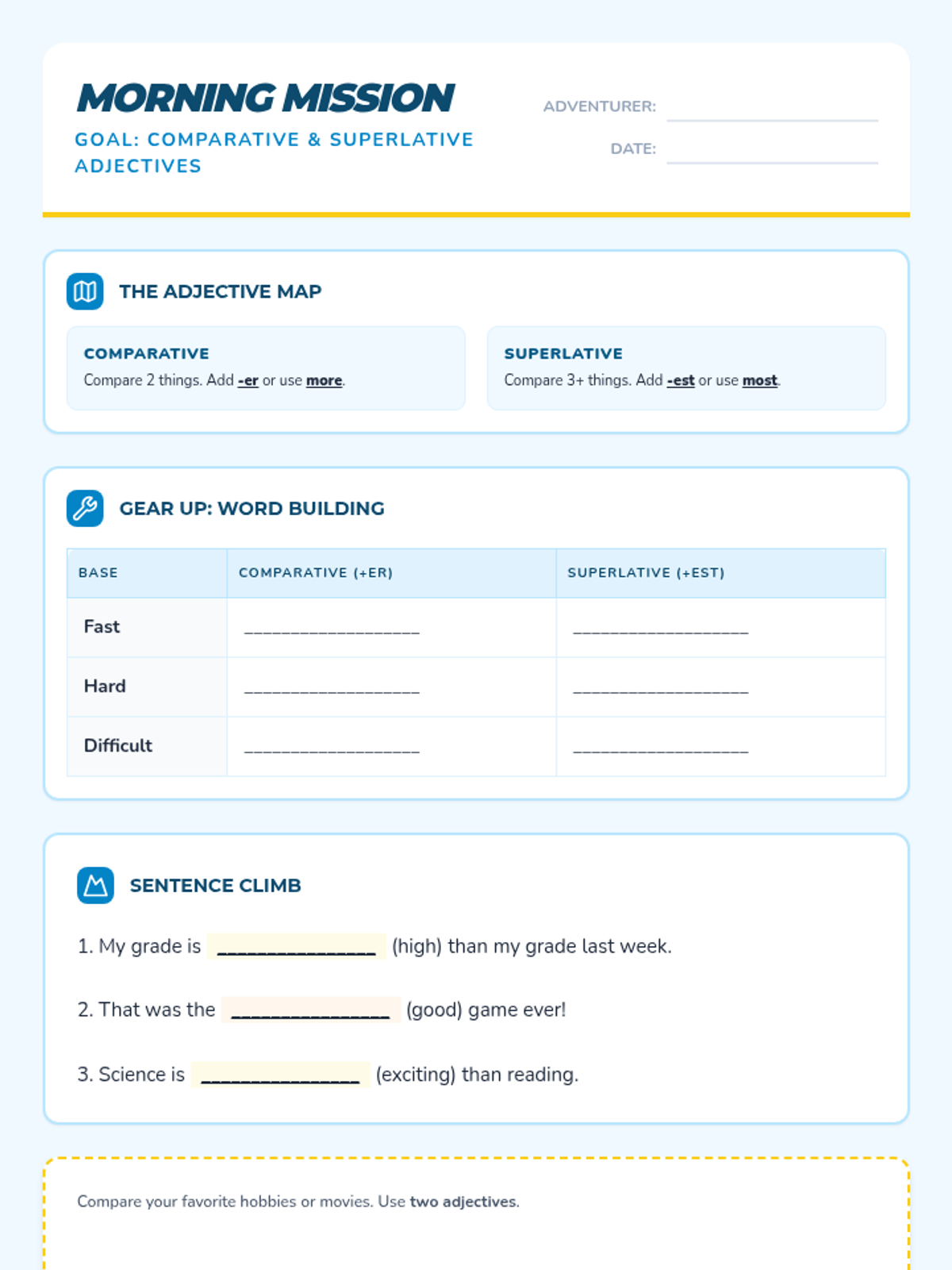
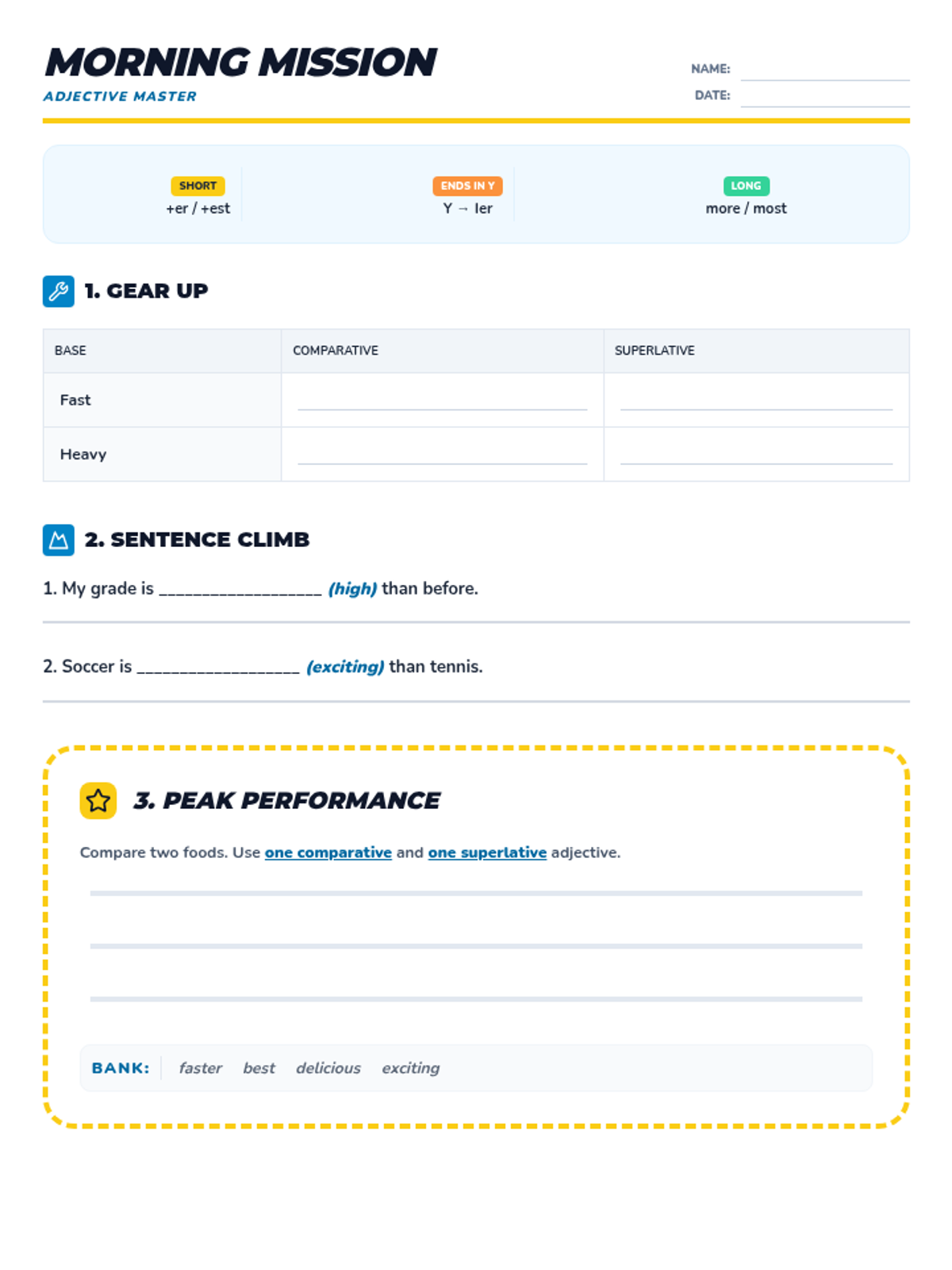
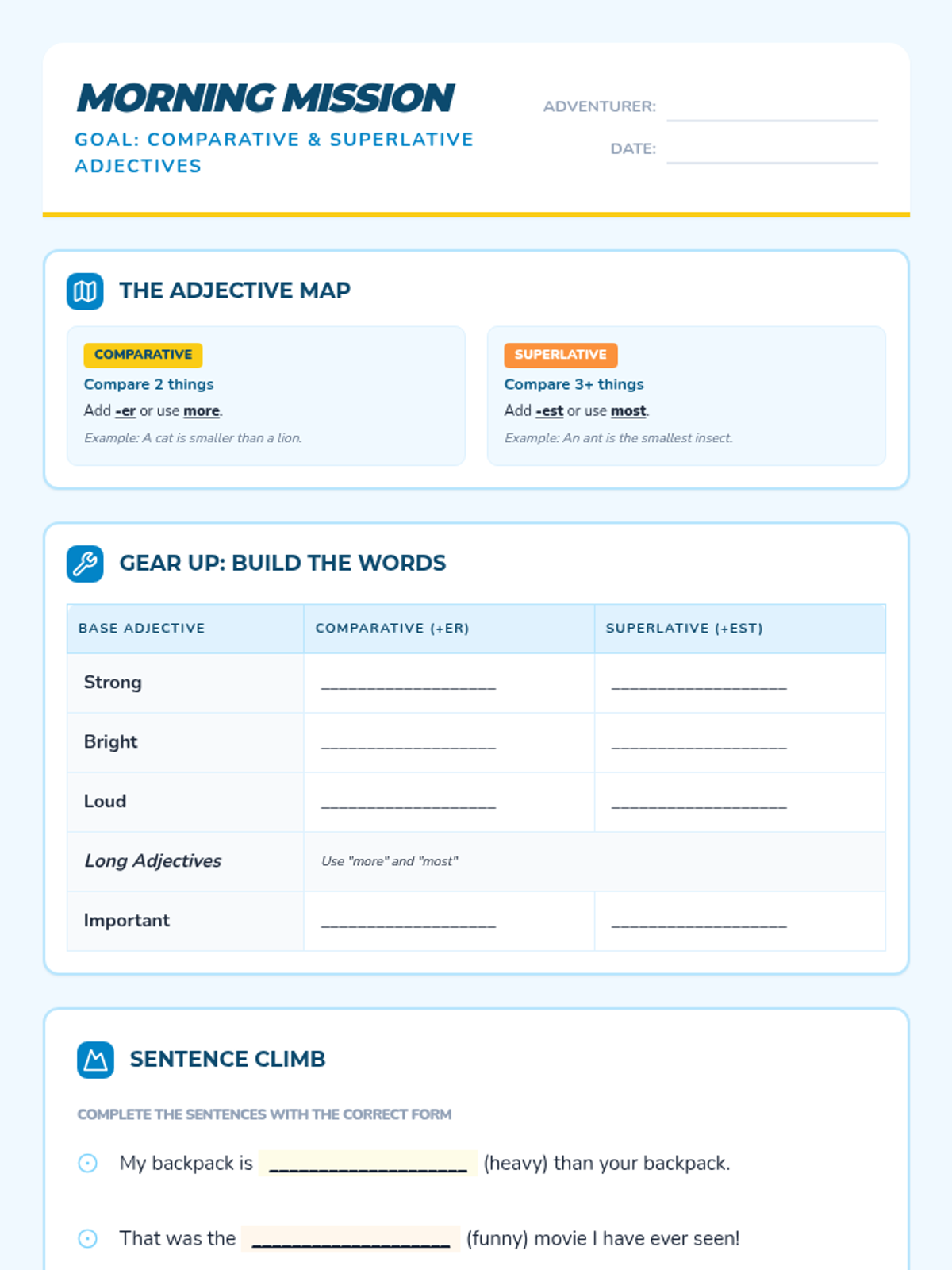
A series of grammar-focused morning work activities for Grade 5 ELL students, focusing on comparative and superlative adjectives with scaffolded support.
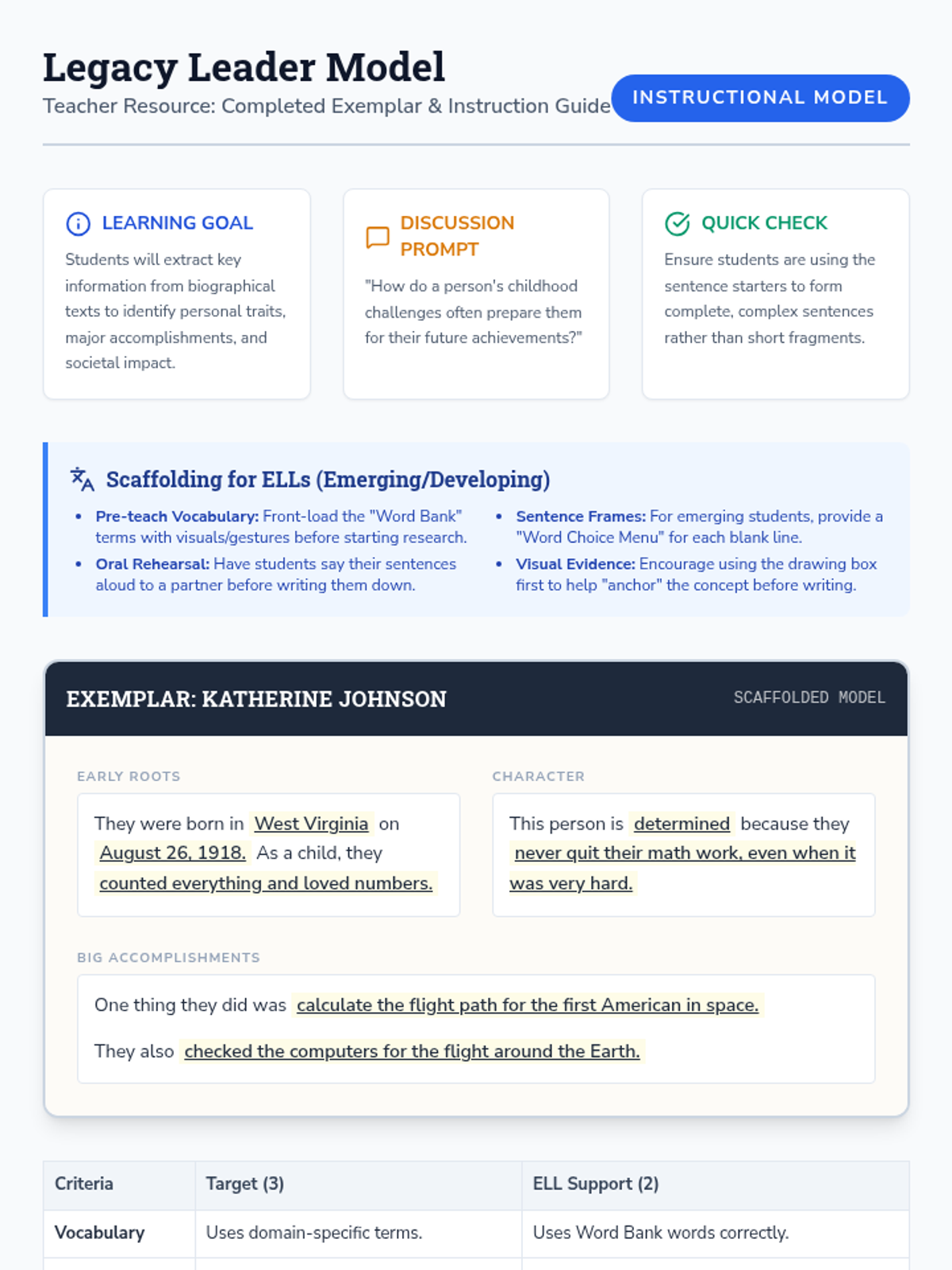
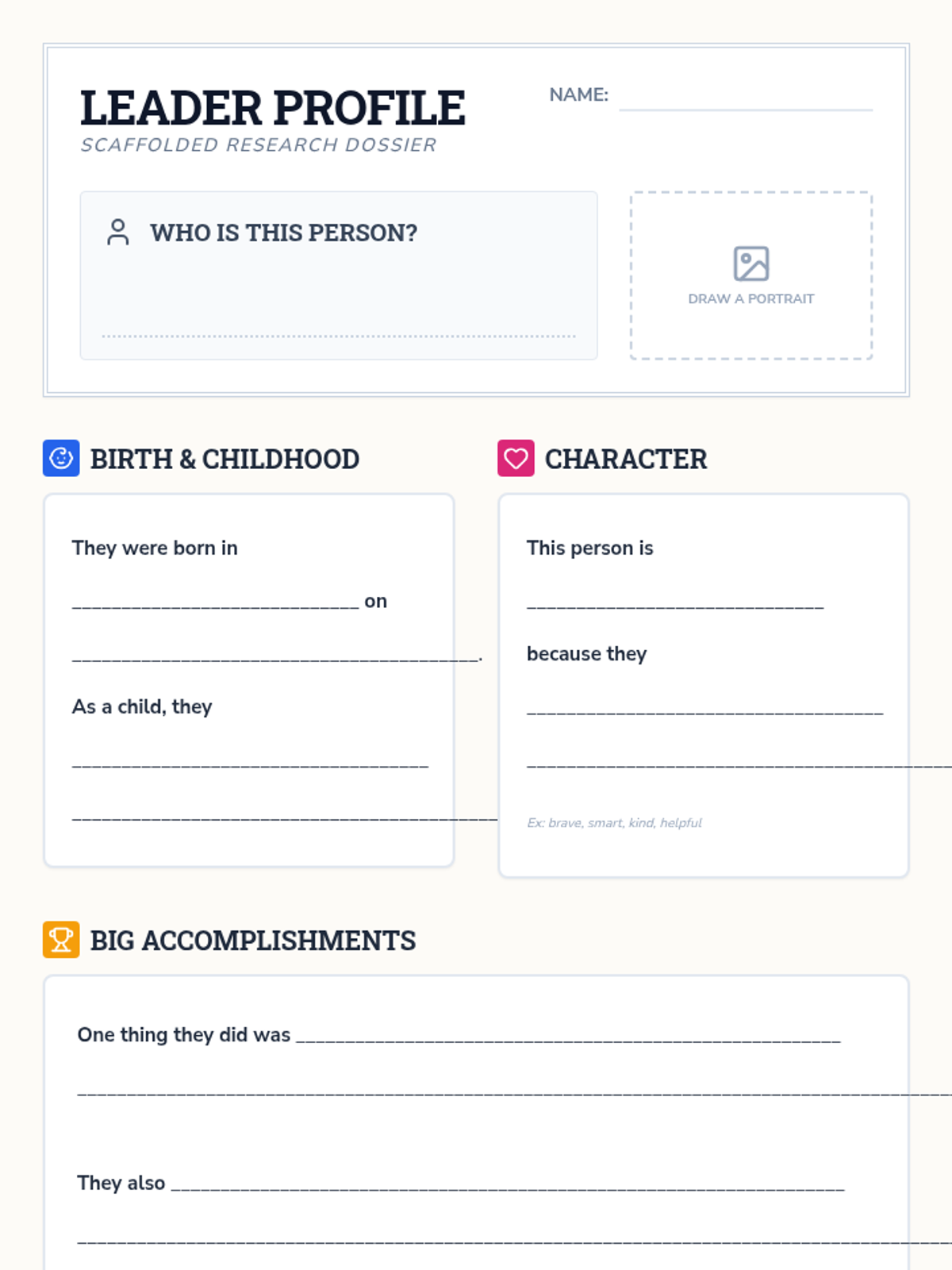
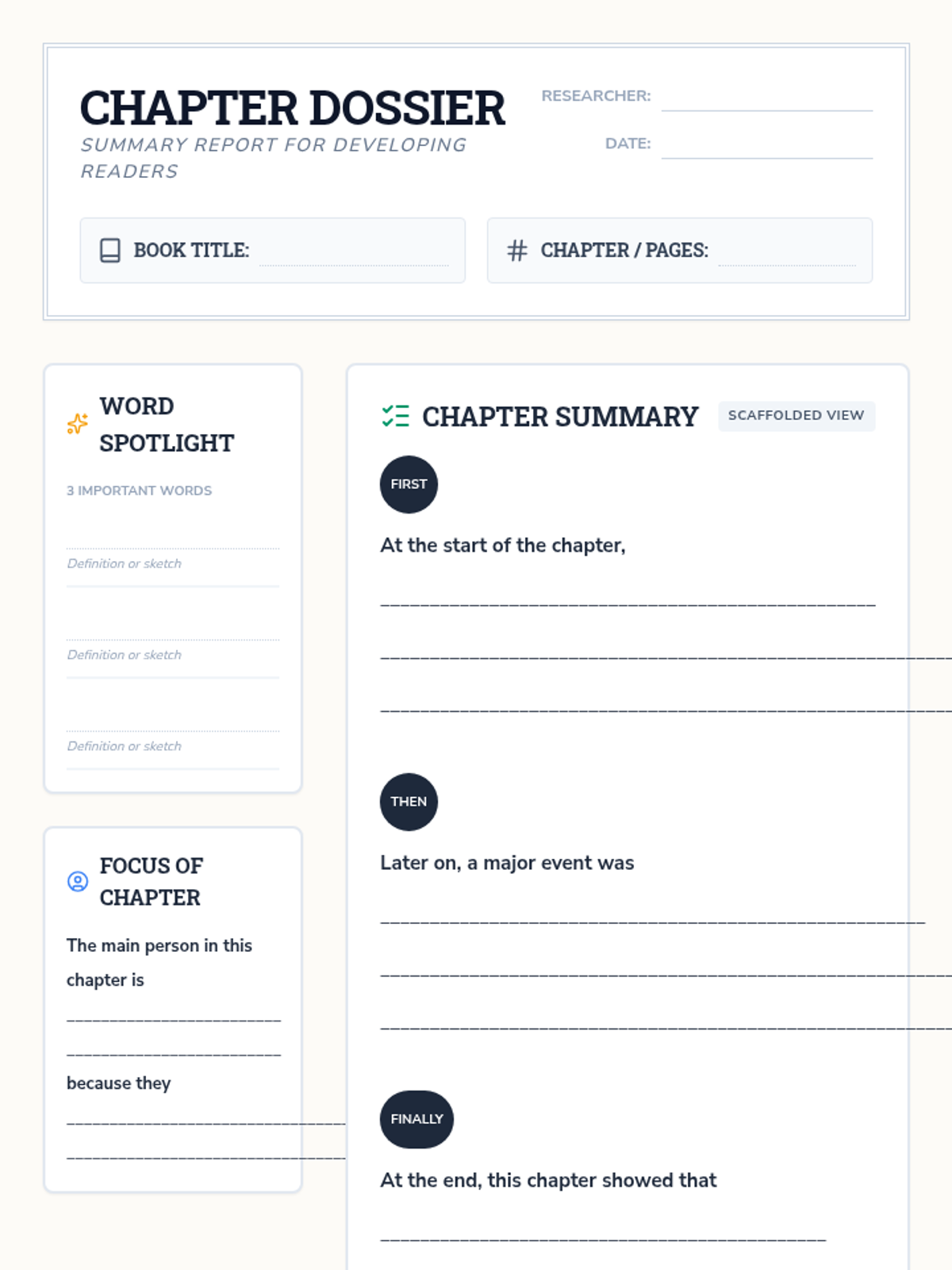
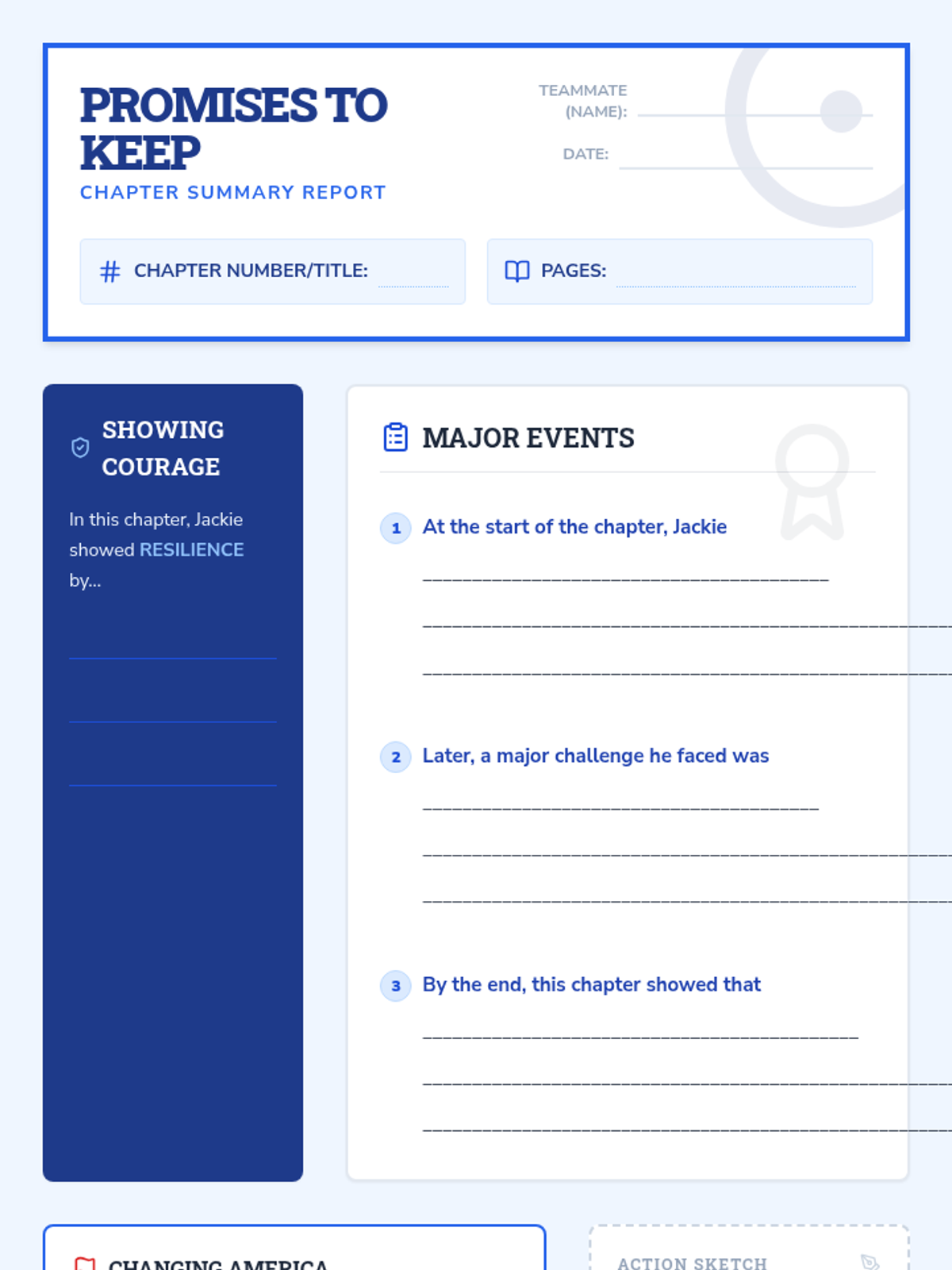
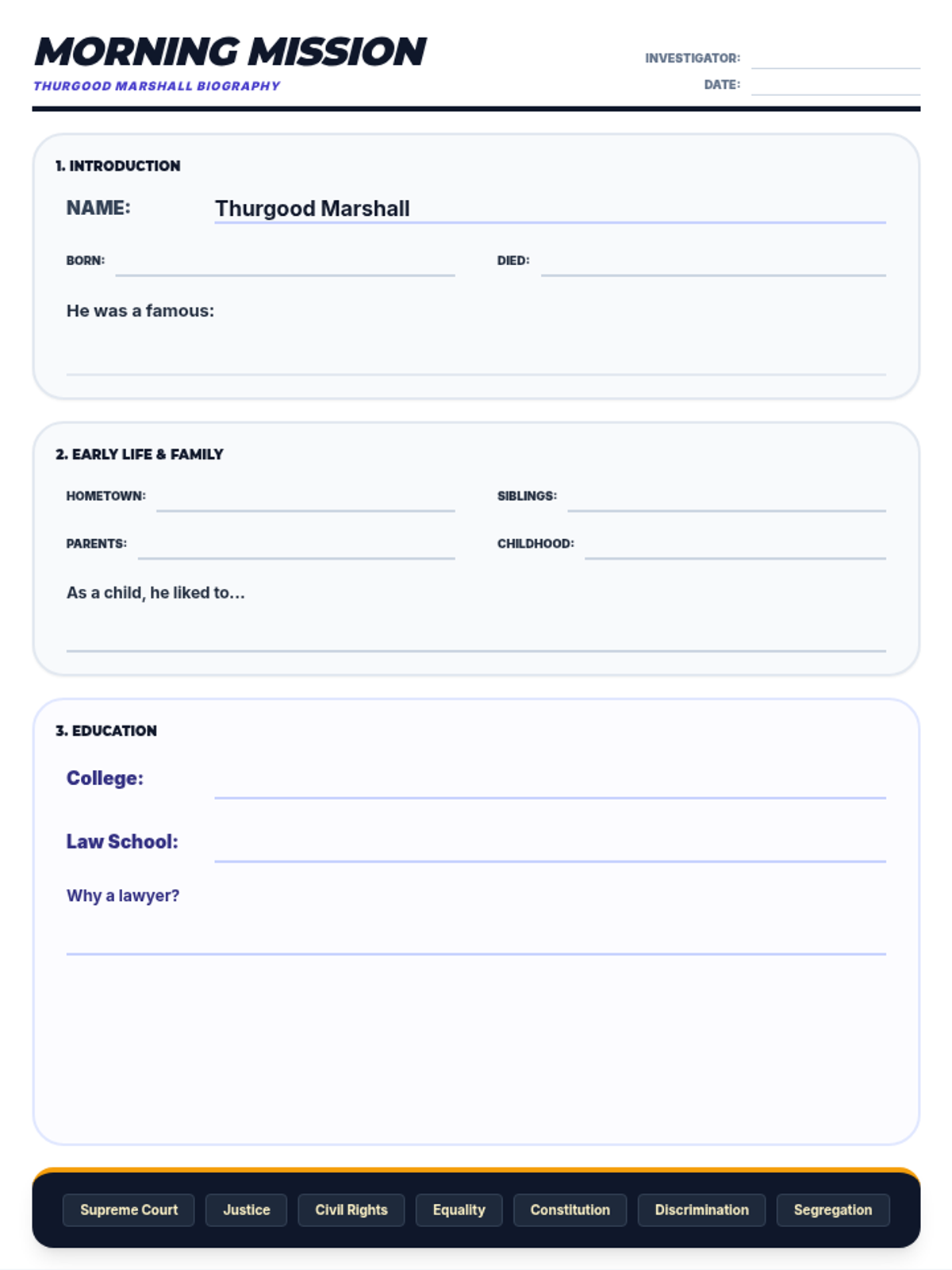
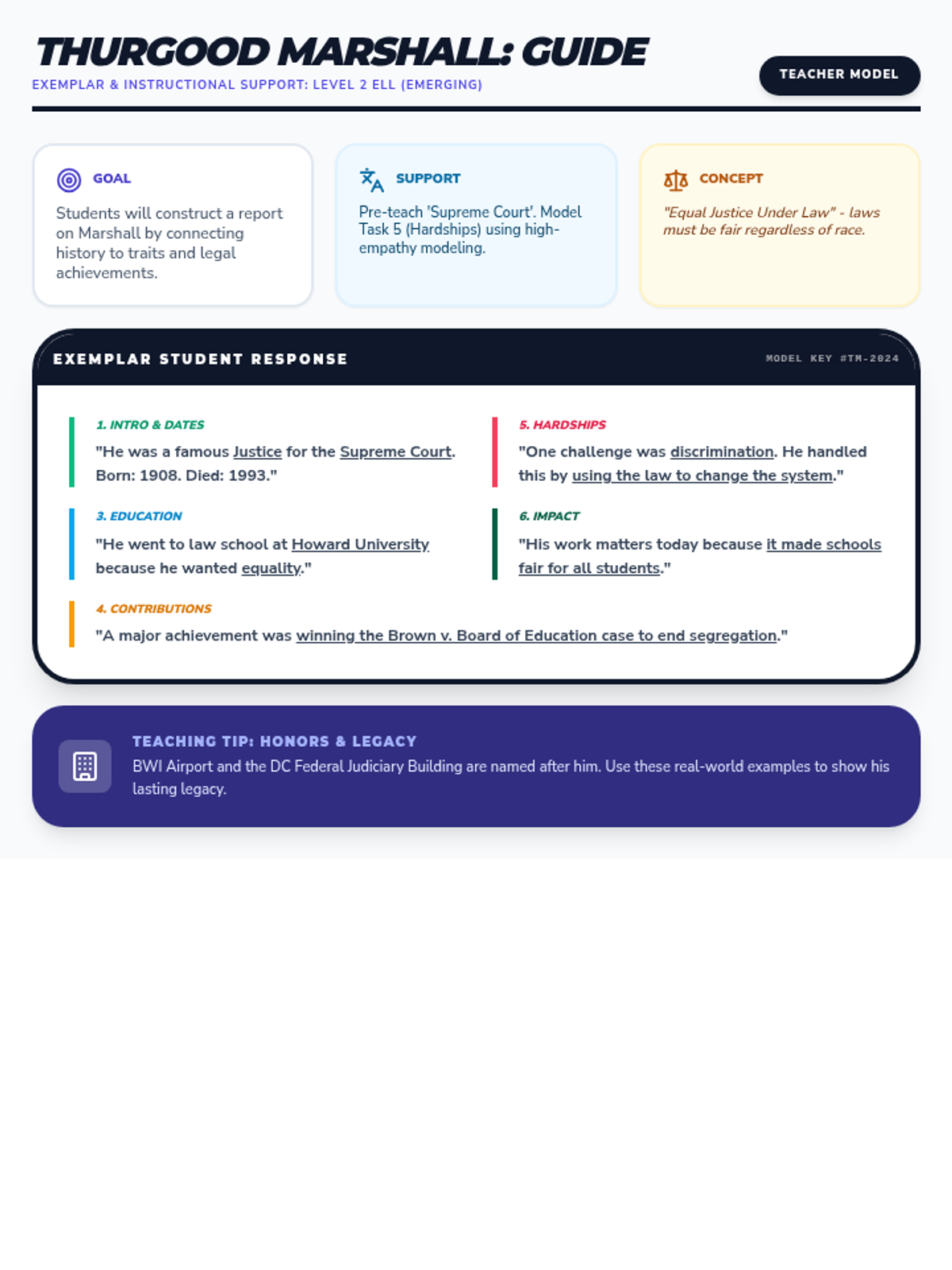
A comprehensive set of tools for 5th grade students to research, organize, and summarize the lives of influential figures using structured graphic organizers and model examples.
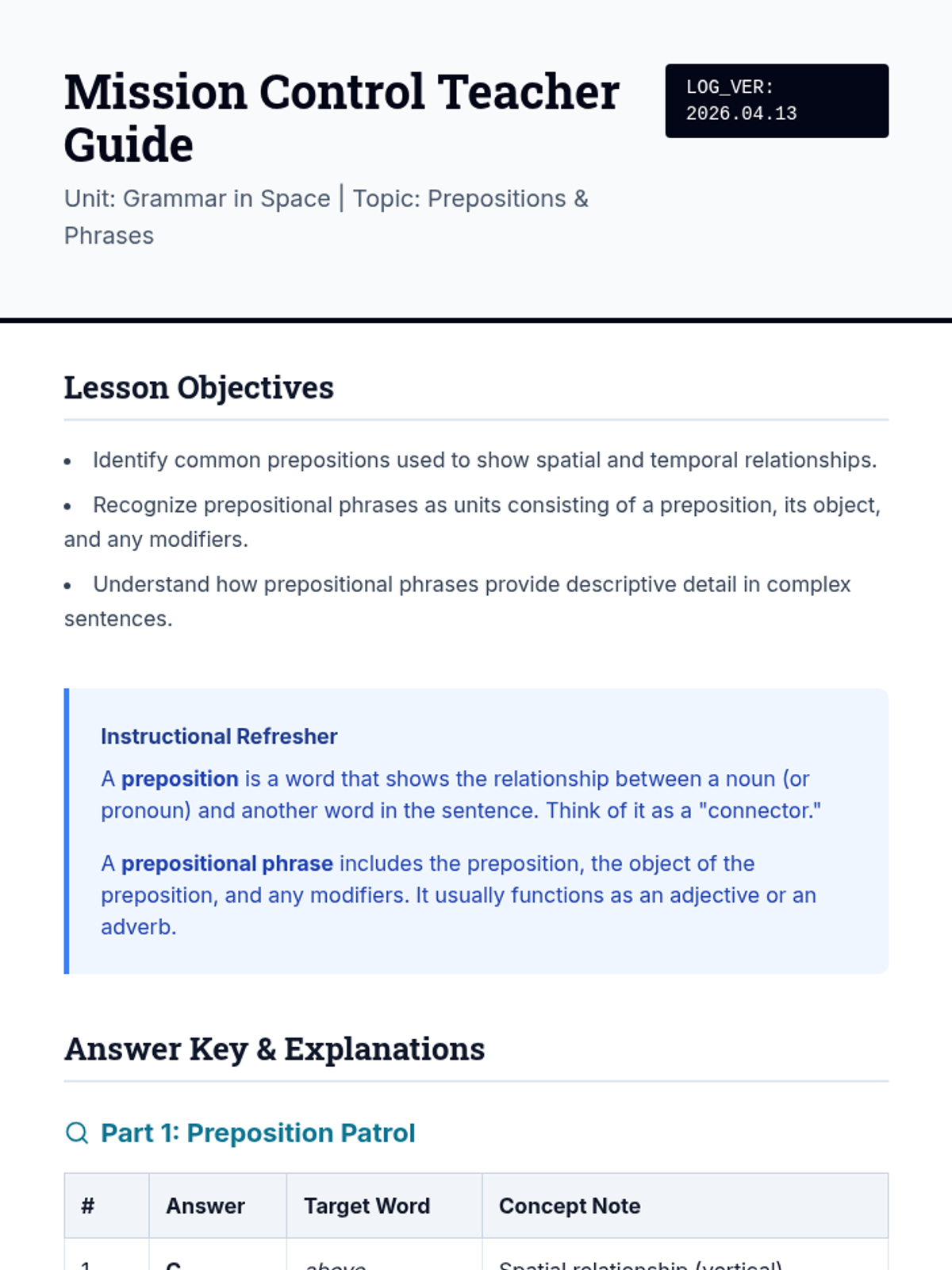
A grammar lesson focused on identifying prepositions and prepositional phrases through the lens of space exploration. Students practice identifying these parts of speech in context to improve sentence structure and clarity.
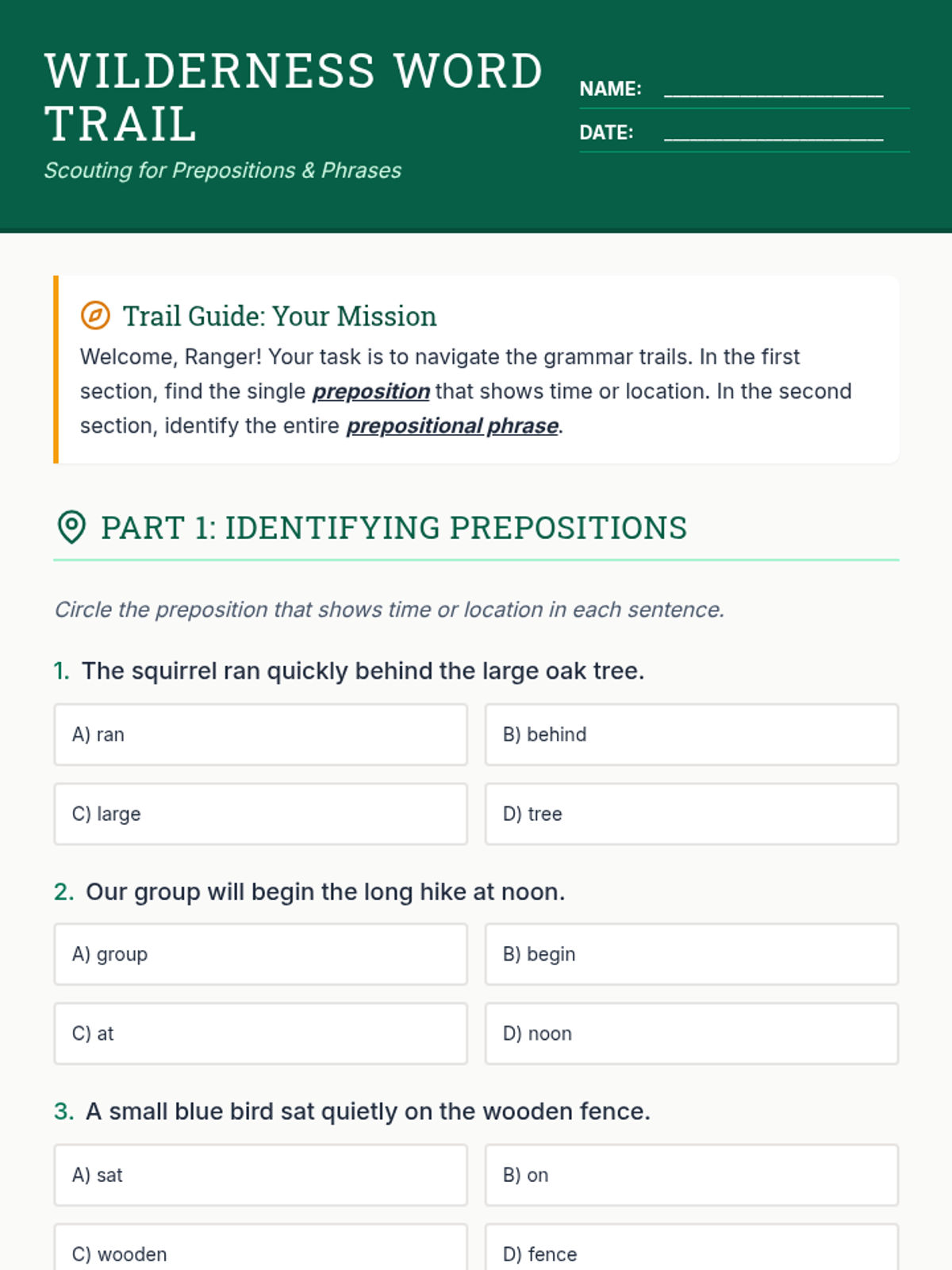
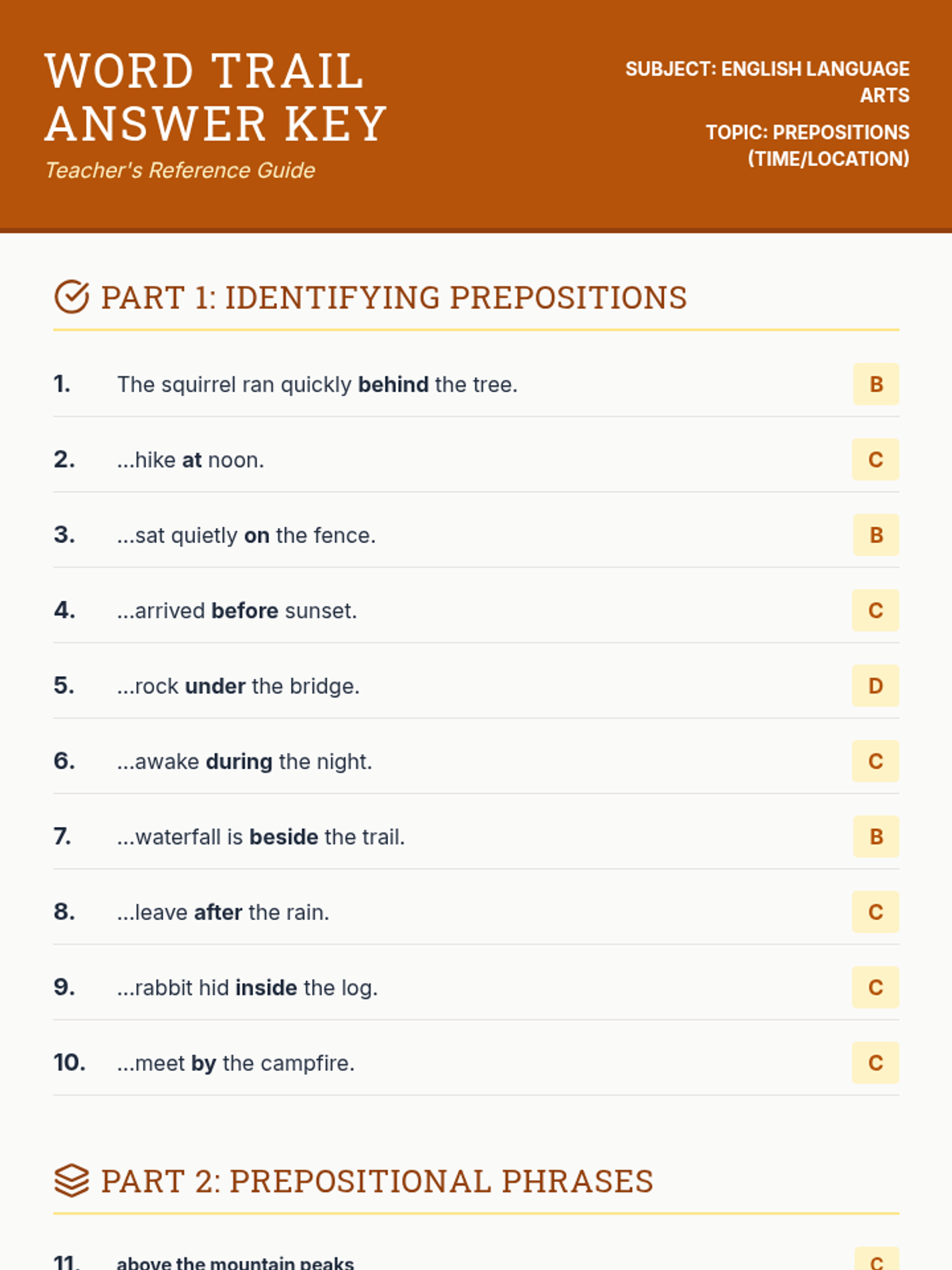
A lesson focused on identifying prepositions and prepositional phrases related to time and location, set in a wilderness exploration theme.
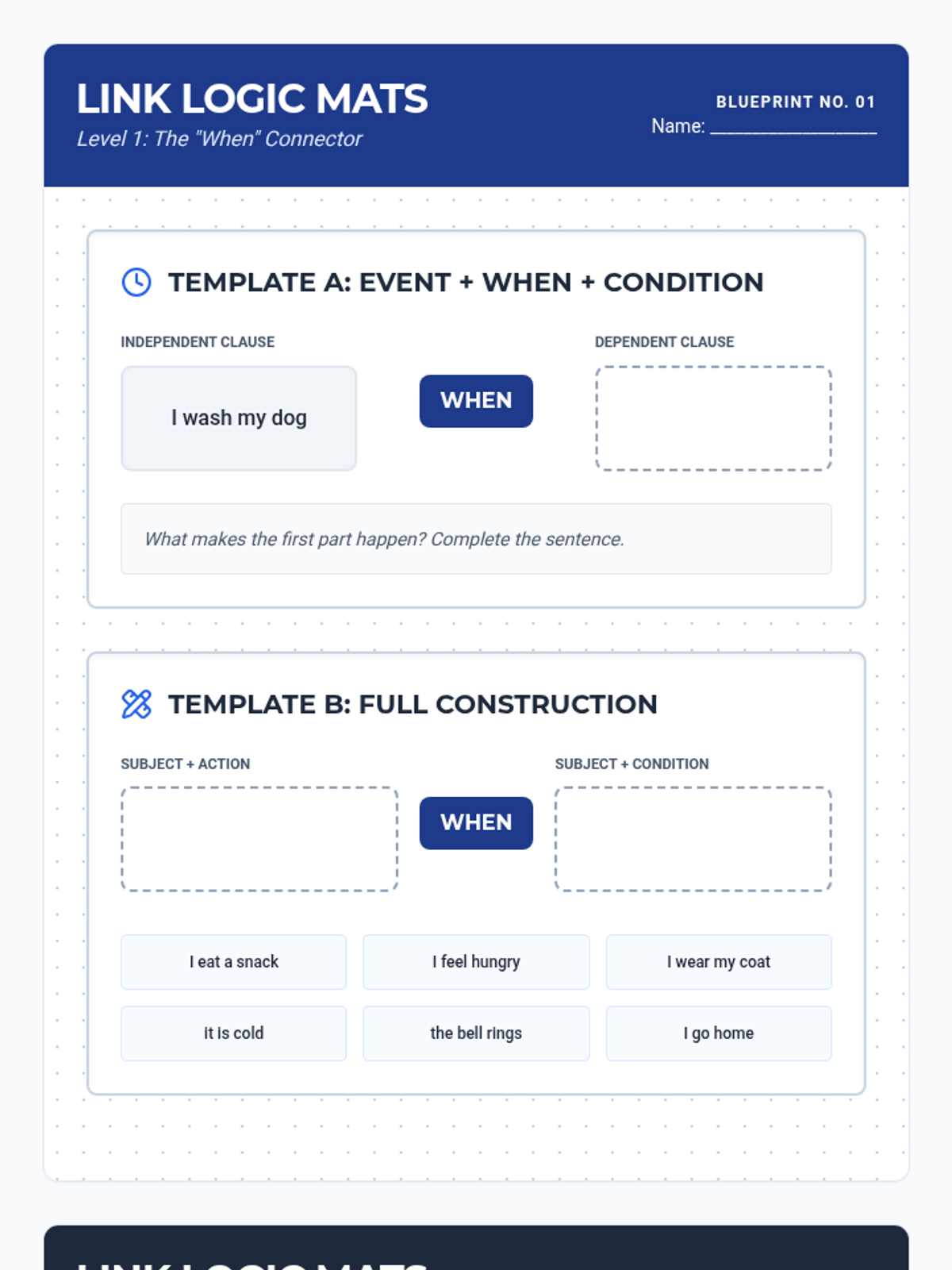
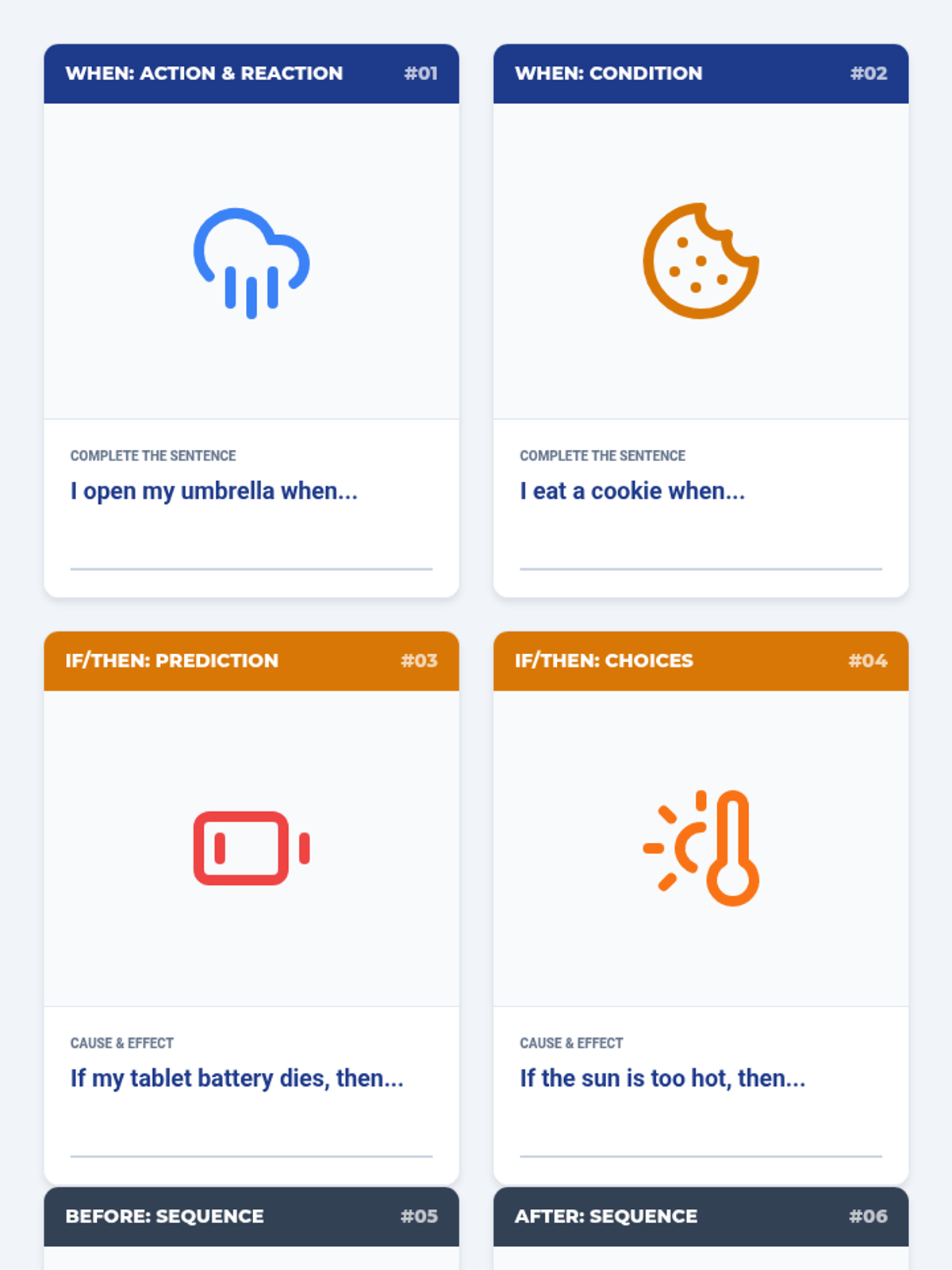
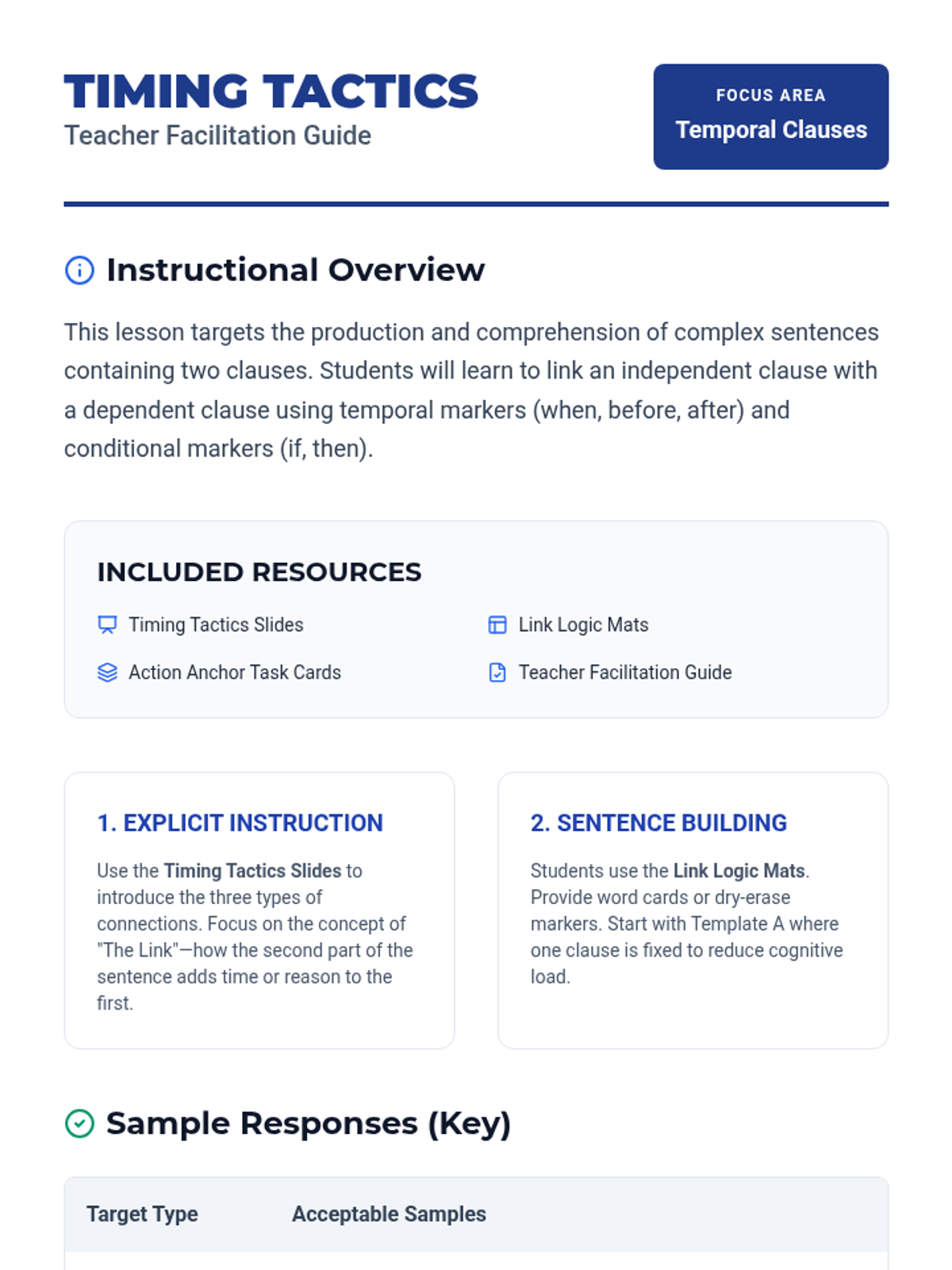
A lesson focused on constructing and understanding complex sentences using temporal conjunctions (when, before/after) and conditional markers (if/then) to describe sequences and conditions.
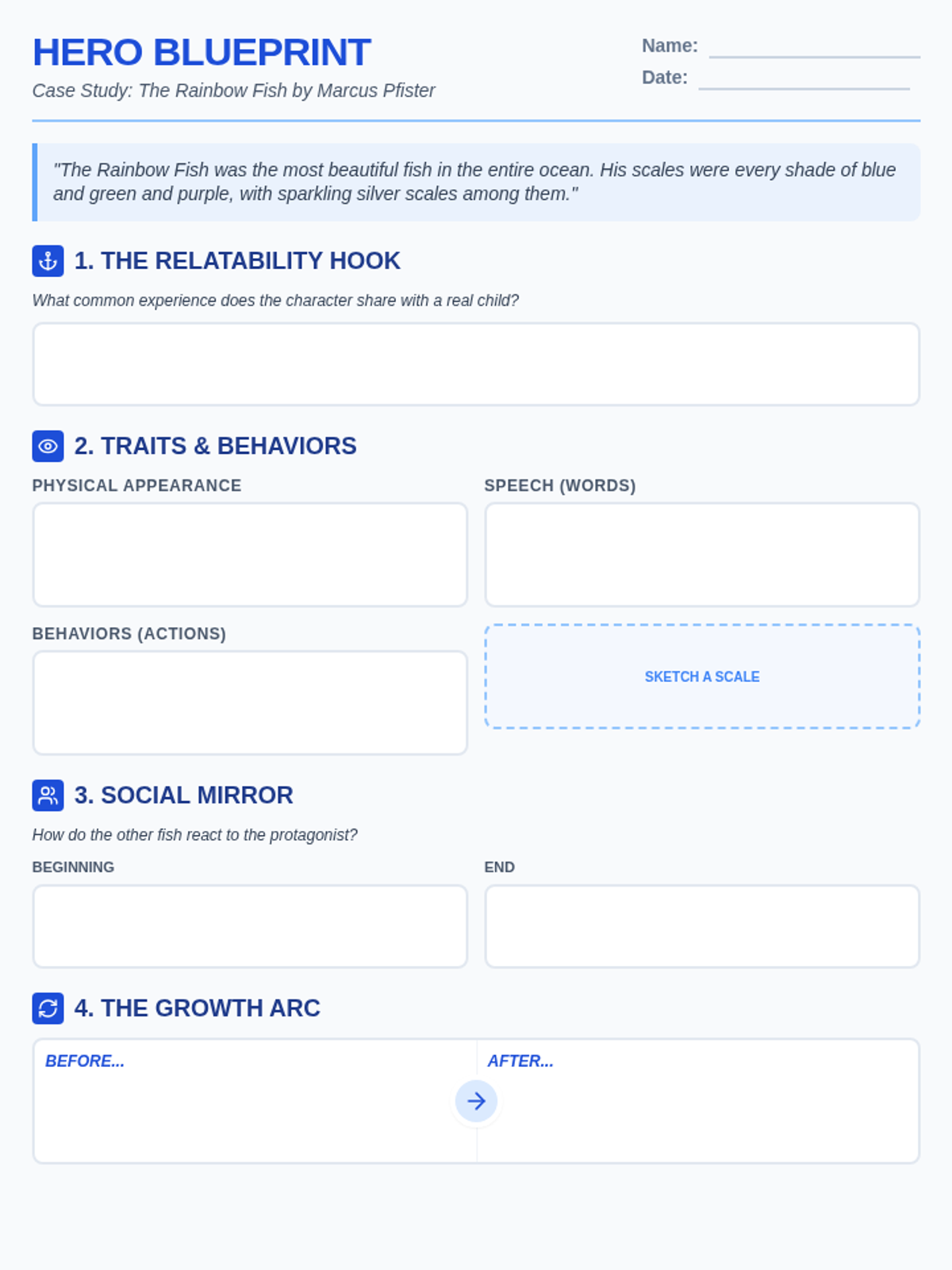
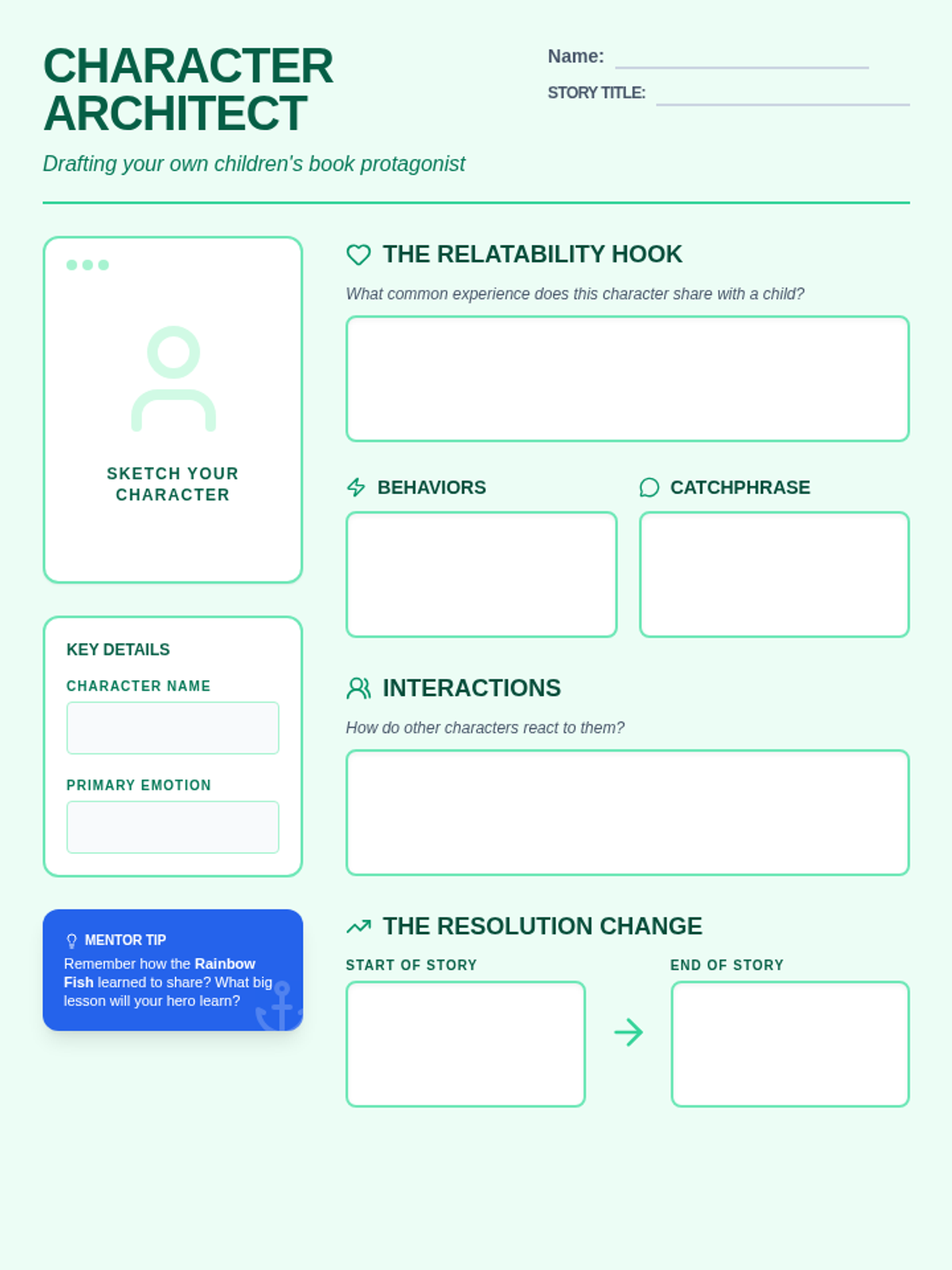
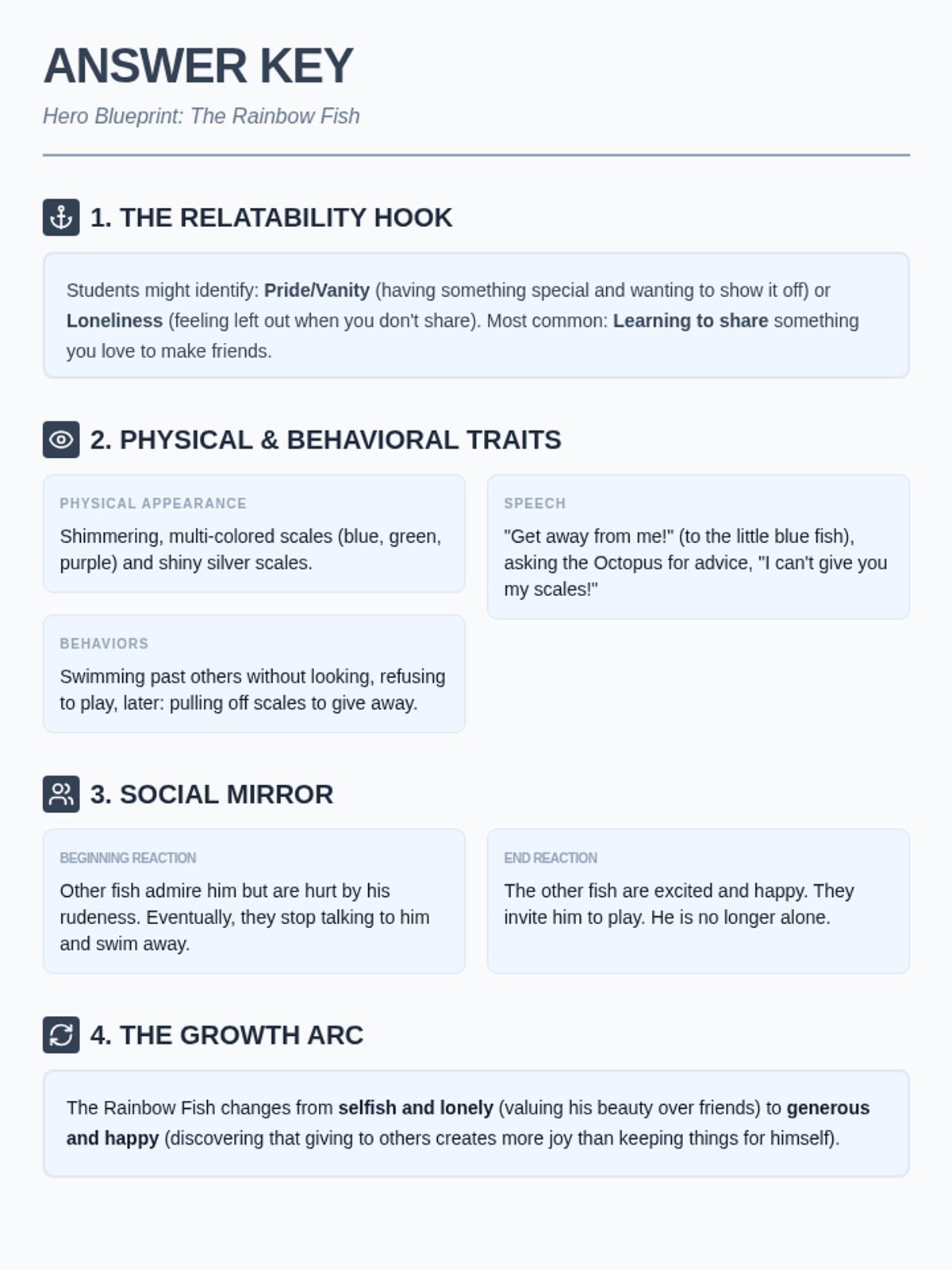
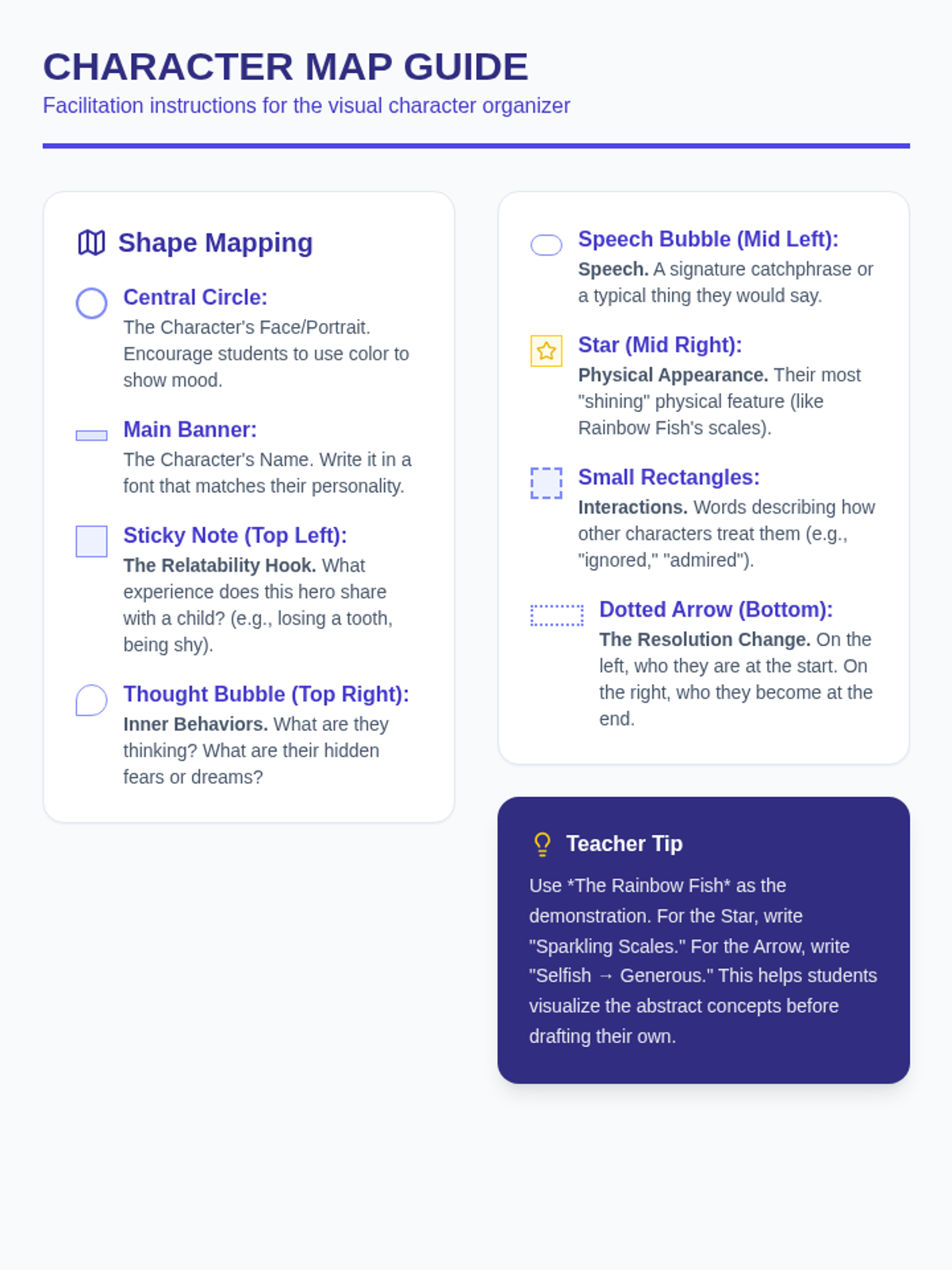
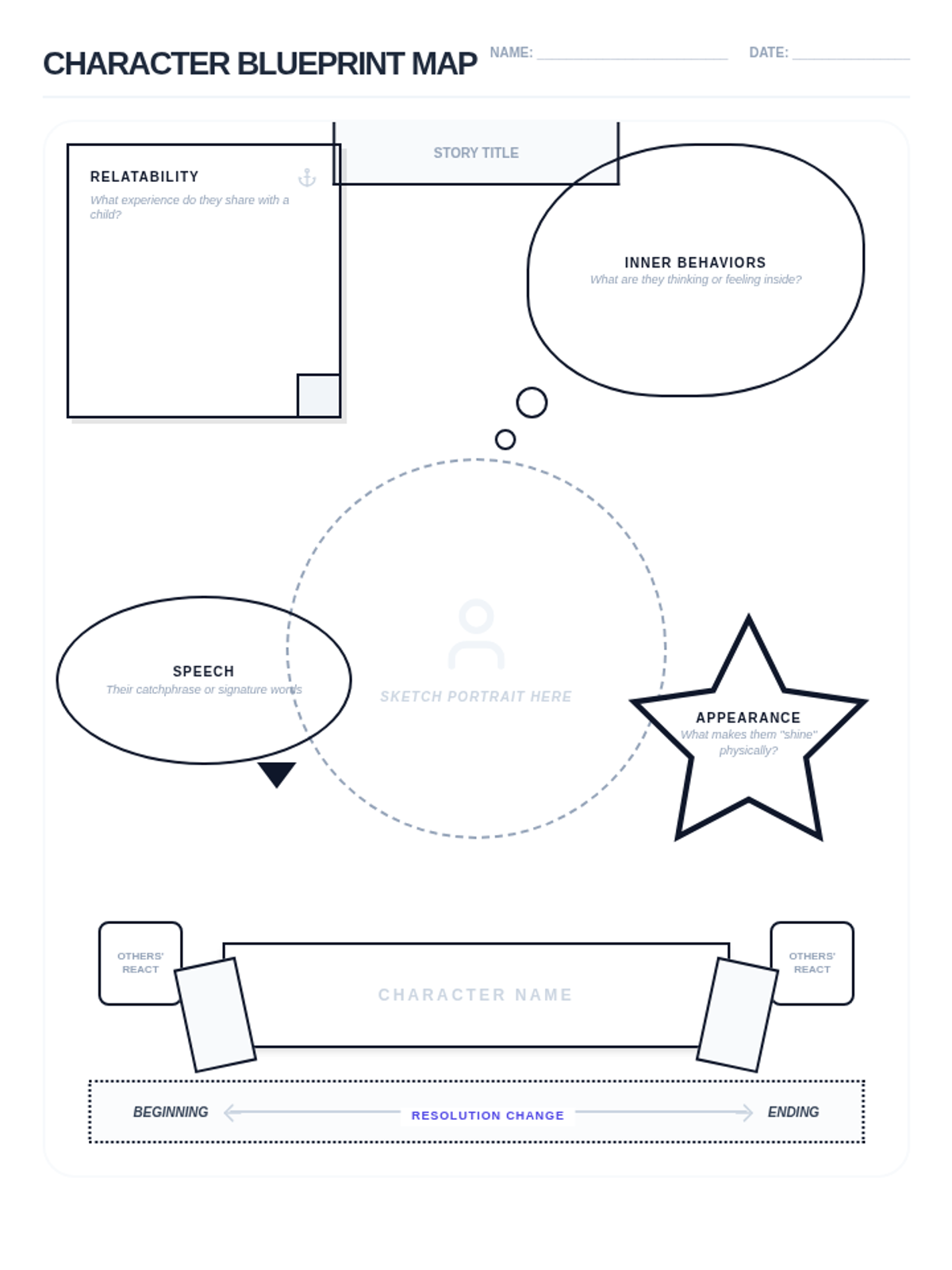
A creative workshop focused on character development for children's books, using The Rainbow Fish as a mentor text to explore relatability, behavior, and character arcs.
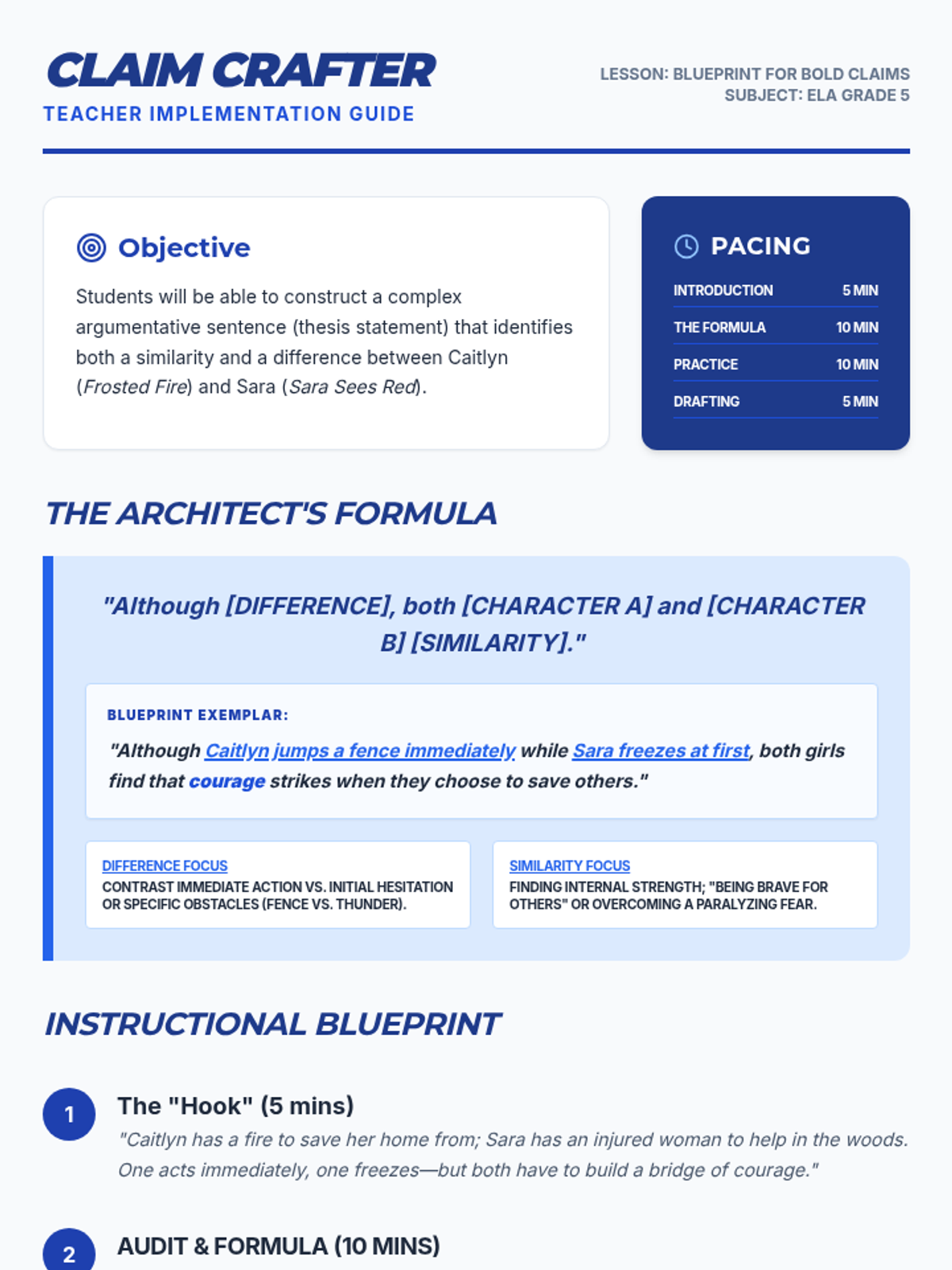
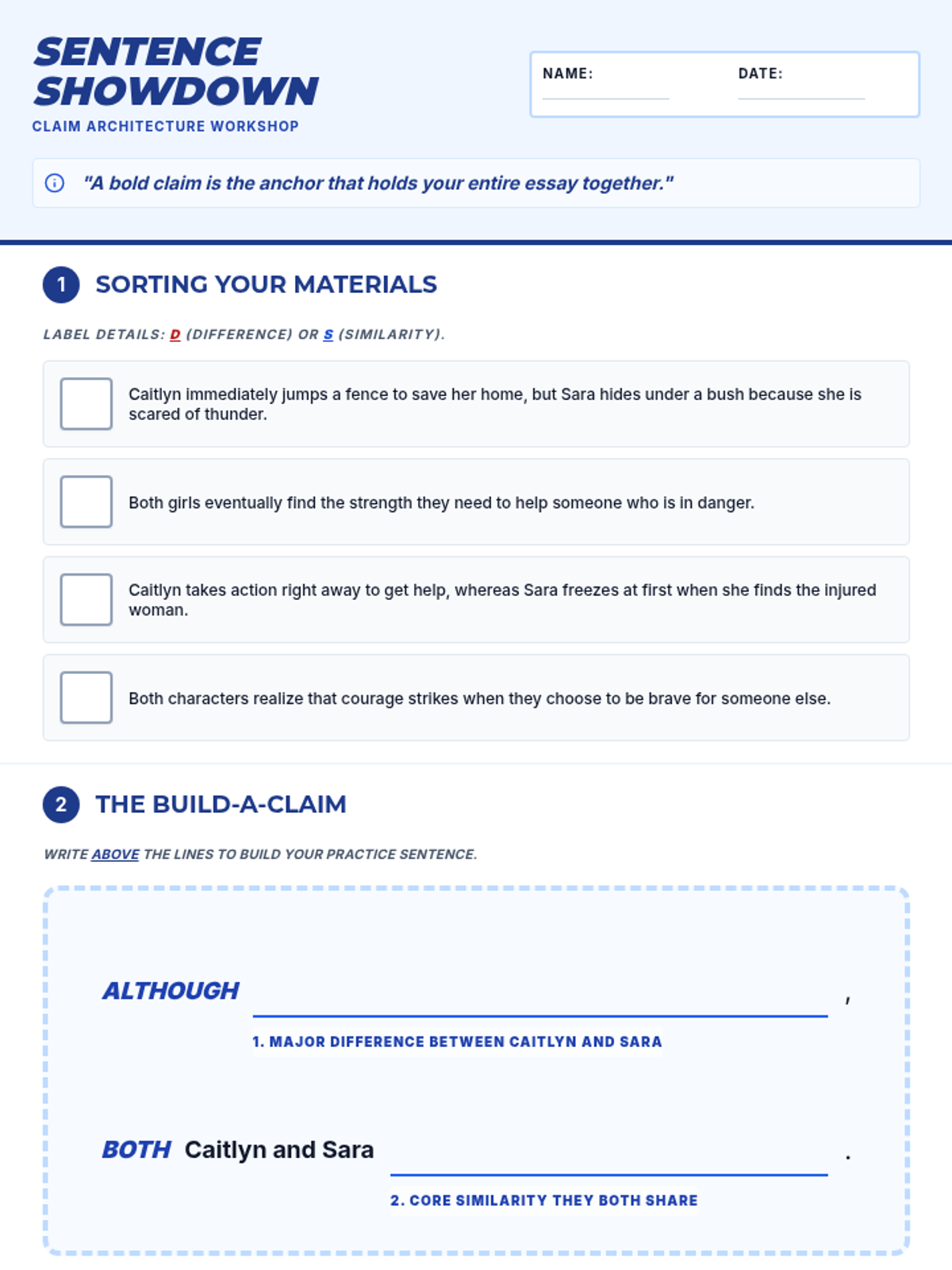
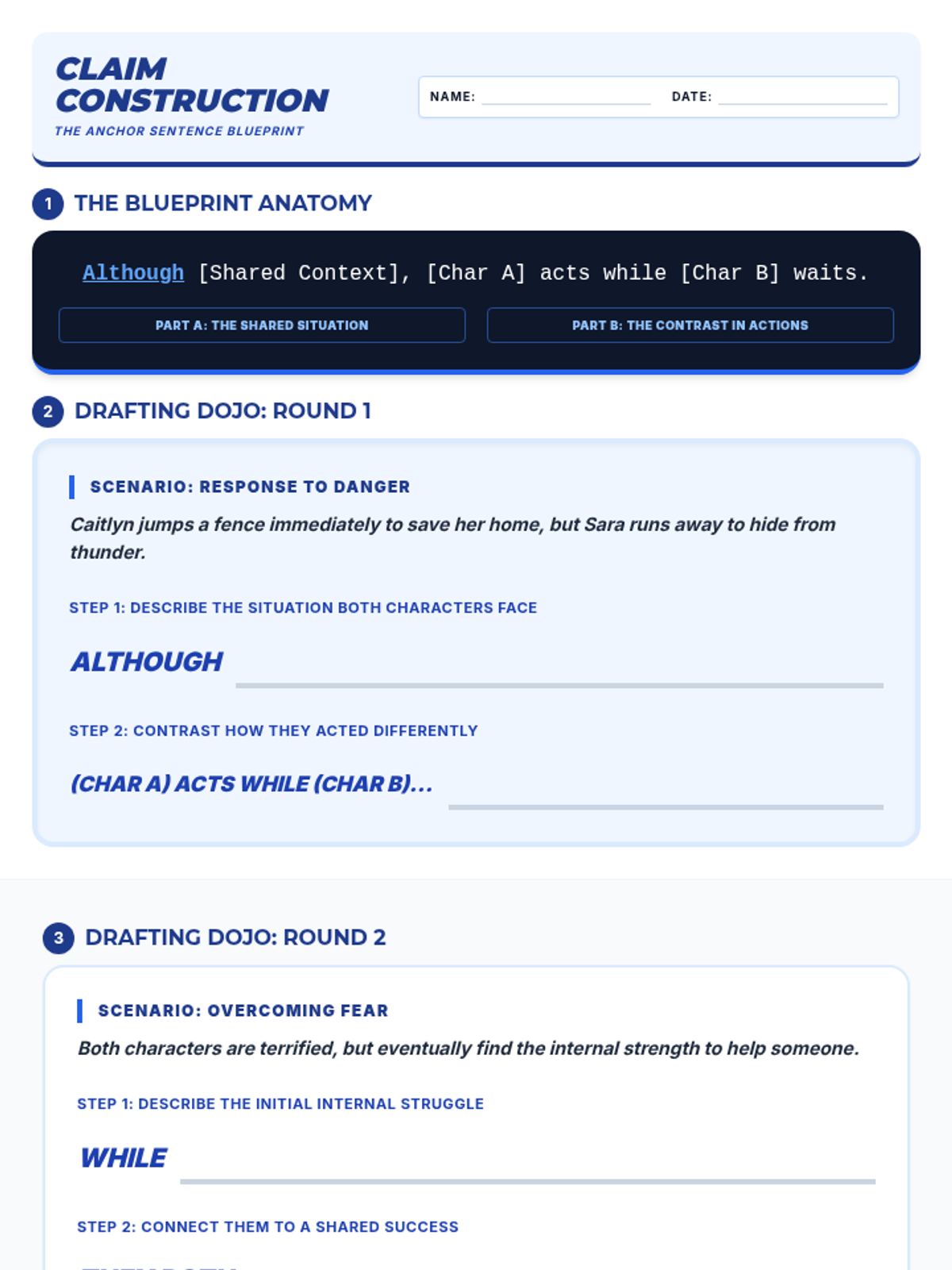
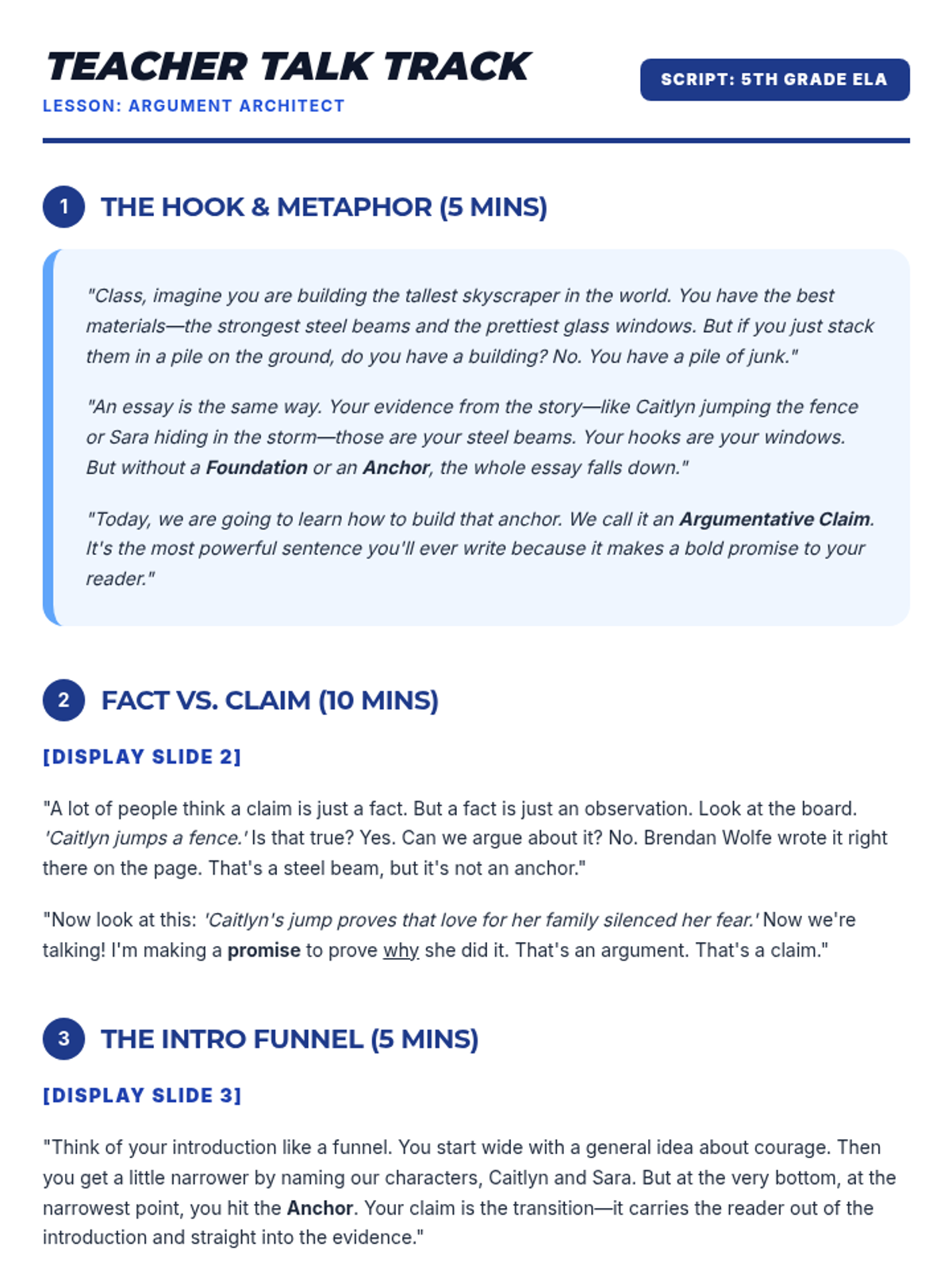
A mini-lesson designed to help 5th graders craft powerful argumentative thesis statements for compare and contrast essays, specifically focusing on Caitlyn and Sara.
A foundational grammar lesson introducing simple, compound, and complex sentence structures through a construction-themed lens. Students learn to build and identify sentences using independent and dependent clauses.
A lesson focused on enhancing sentence variety and structure through combining techniques. Students practice building compound, complex, and compound-complex sentences using April-themed prompts.