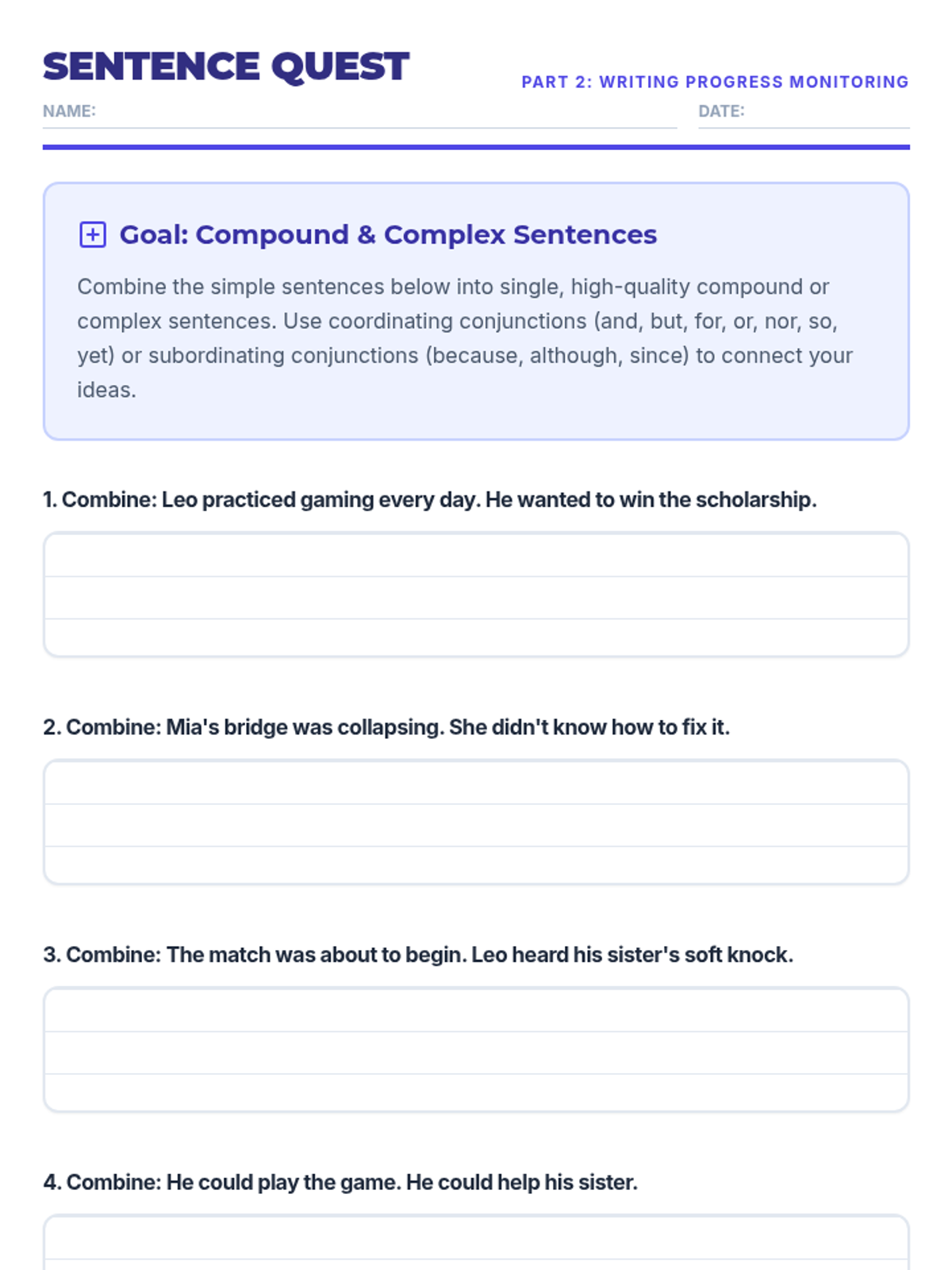
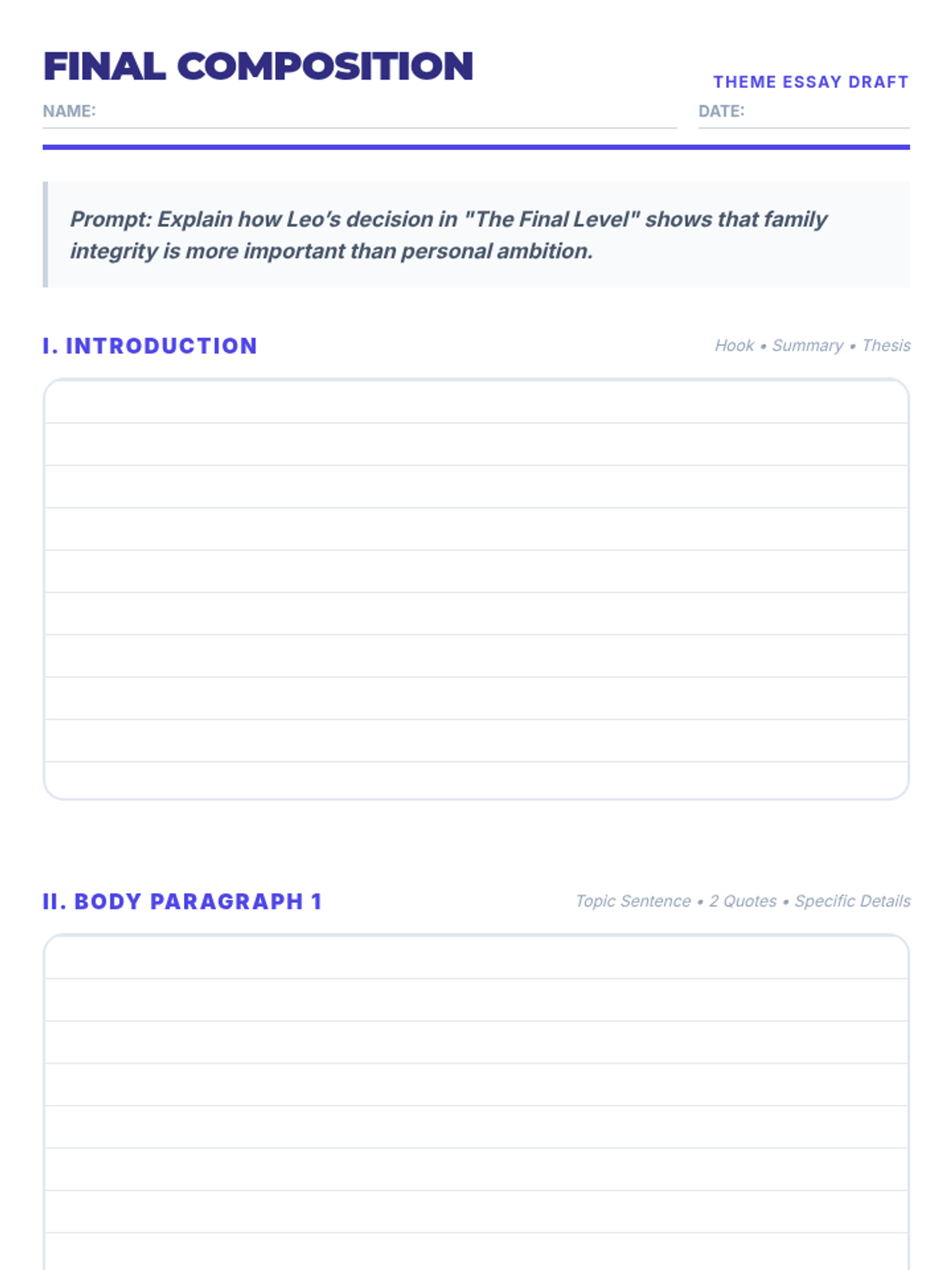
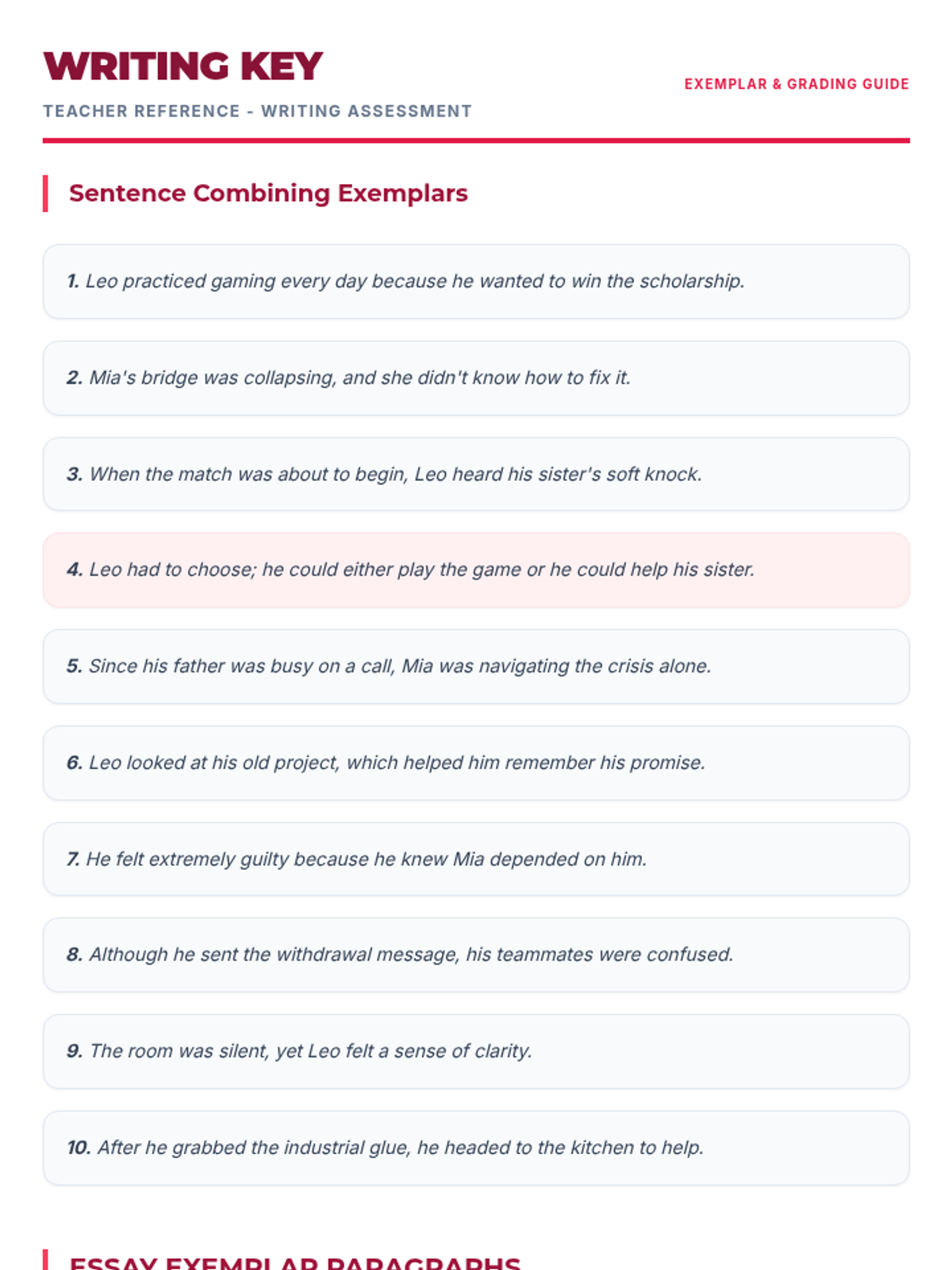
A lesson focused on sentence construction, teaching students to transform fragments and simple sentences into sophisticated compound and complex sentences using a construction-themed framework.
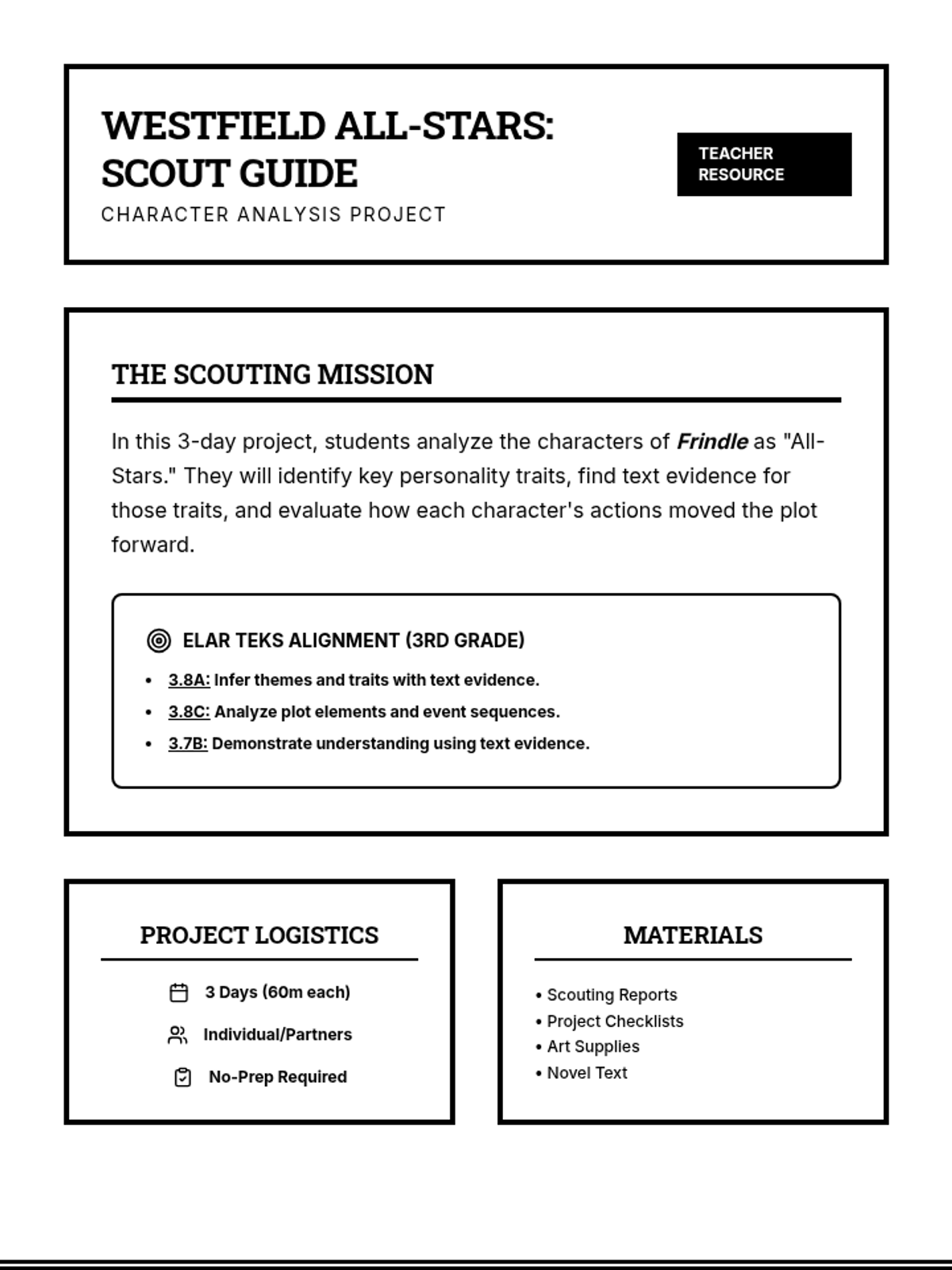
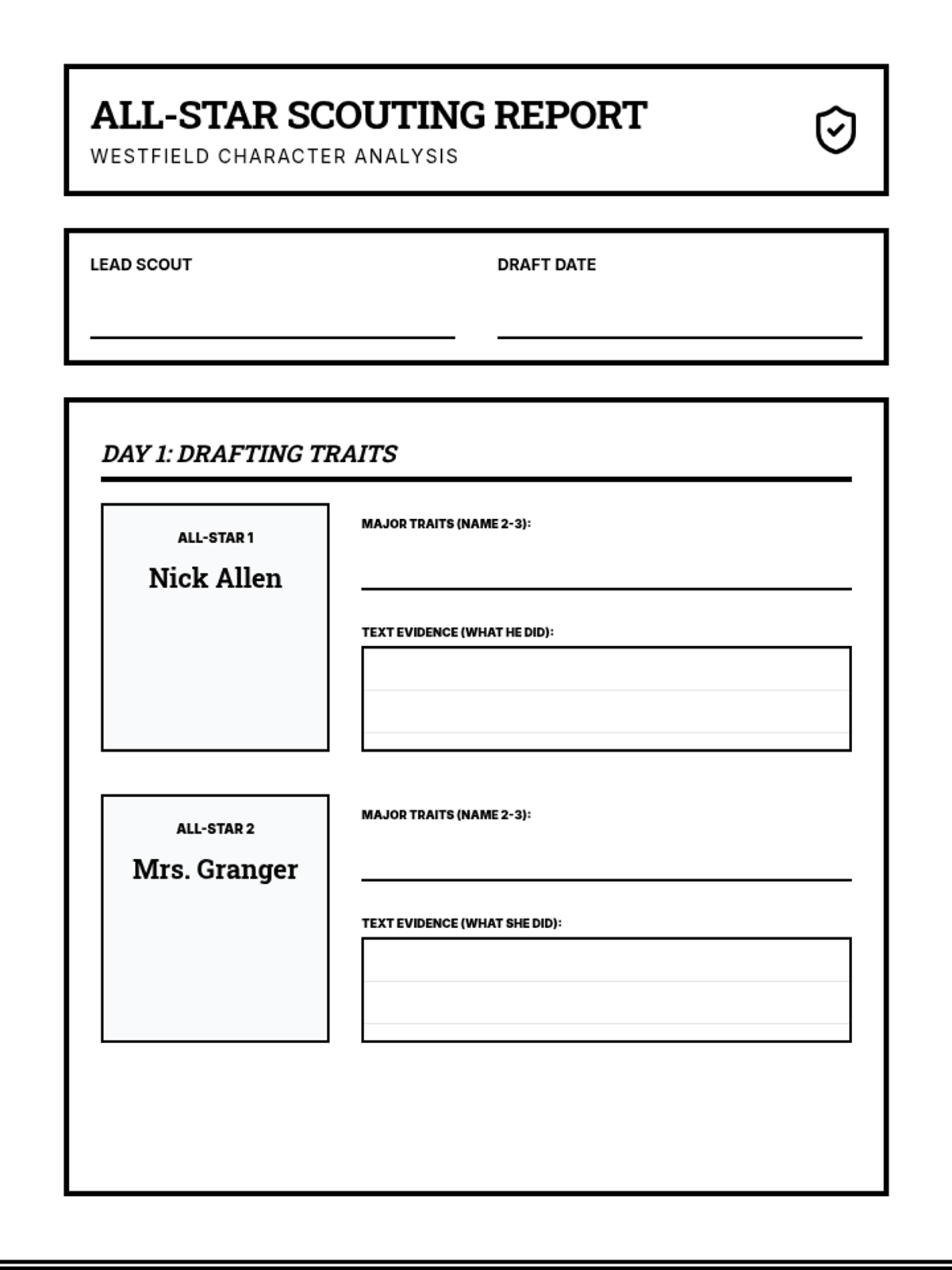
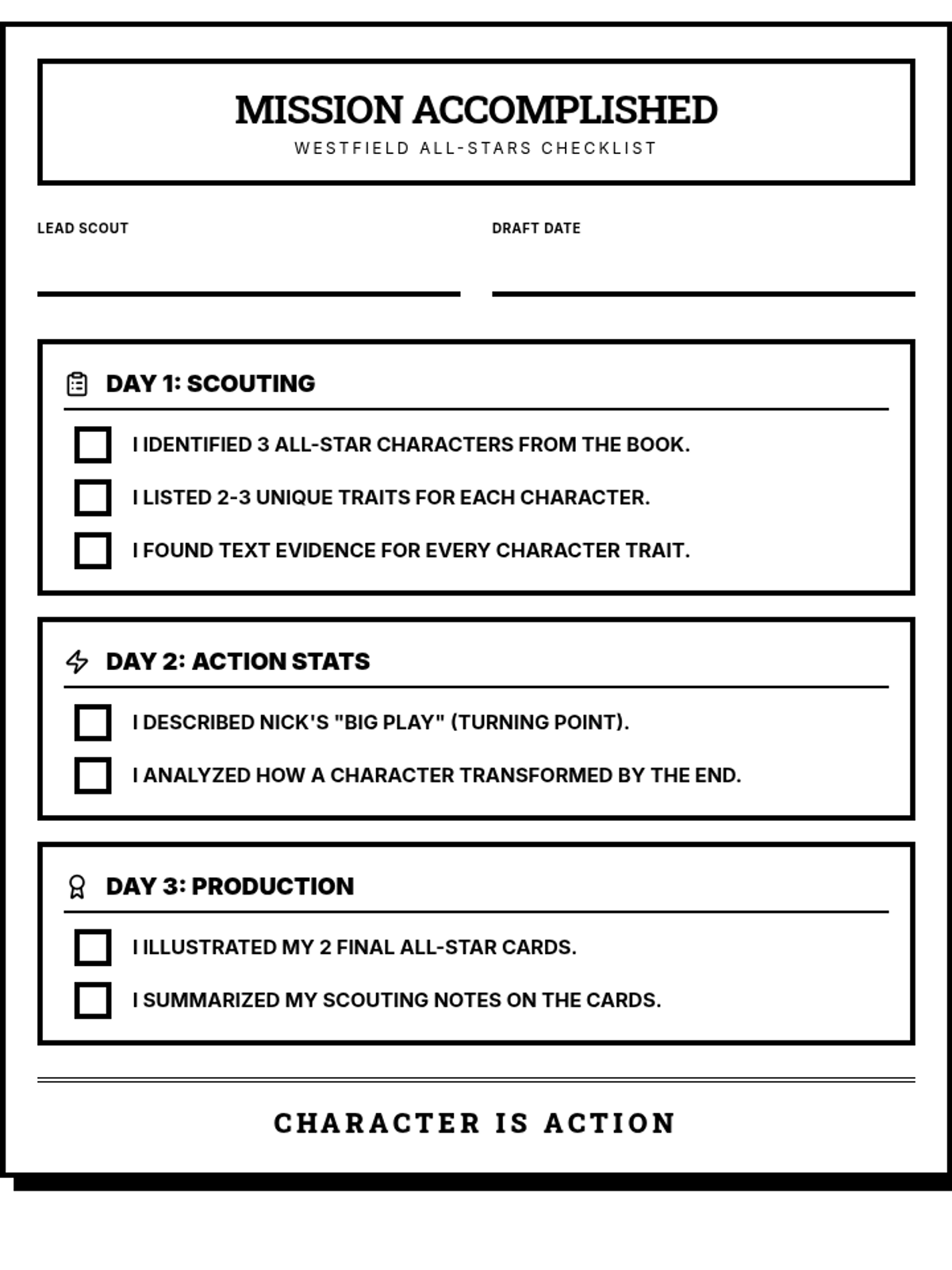
A 3-day post-reading project where students analyze character traits (3.8A) and plot influence (3.8C) by creating a collection of 'Westfield All-Star' character trading cards.
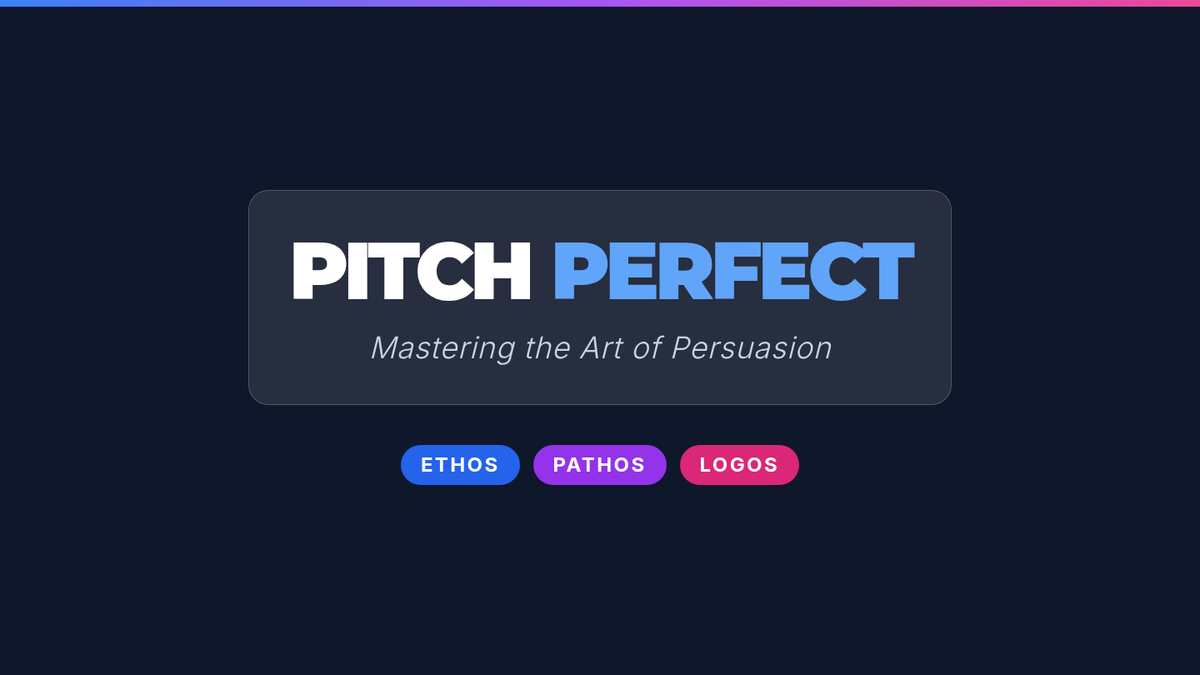
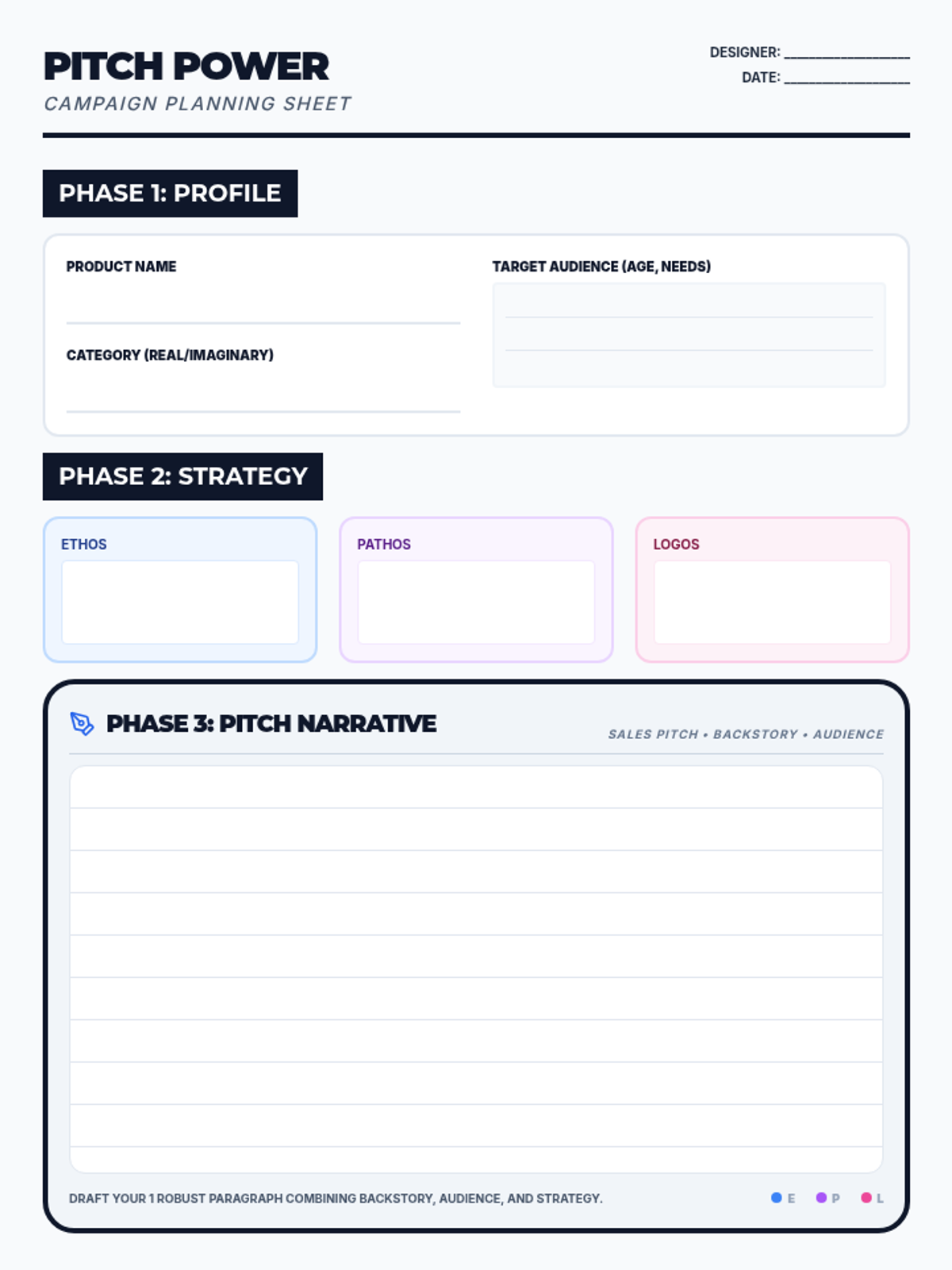
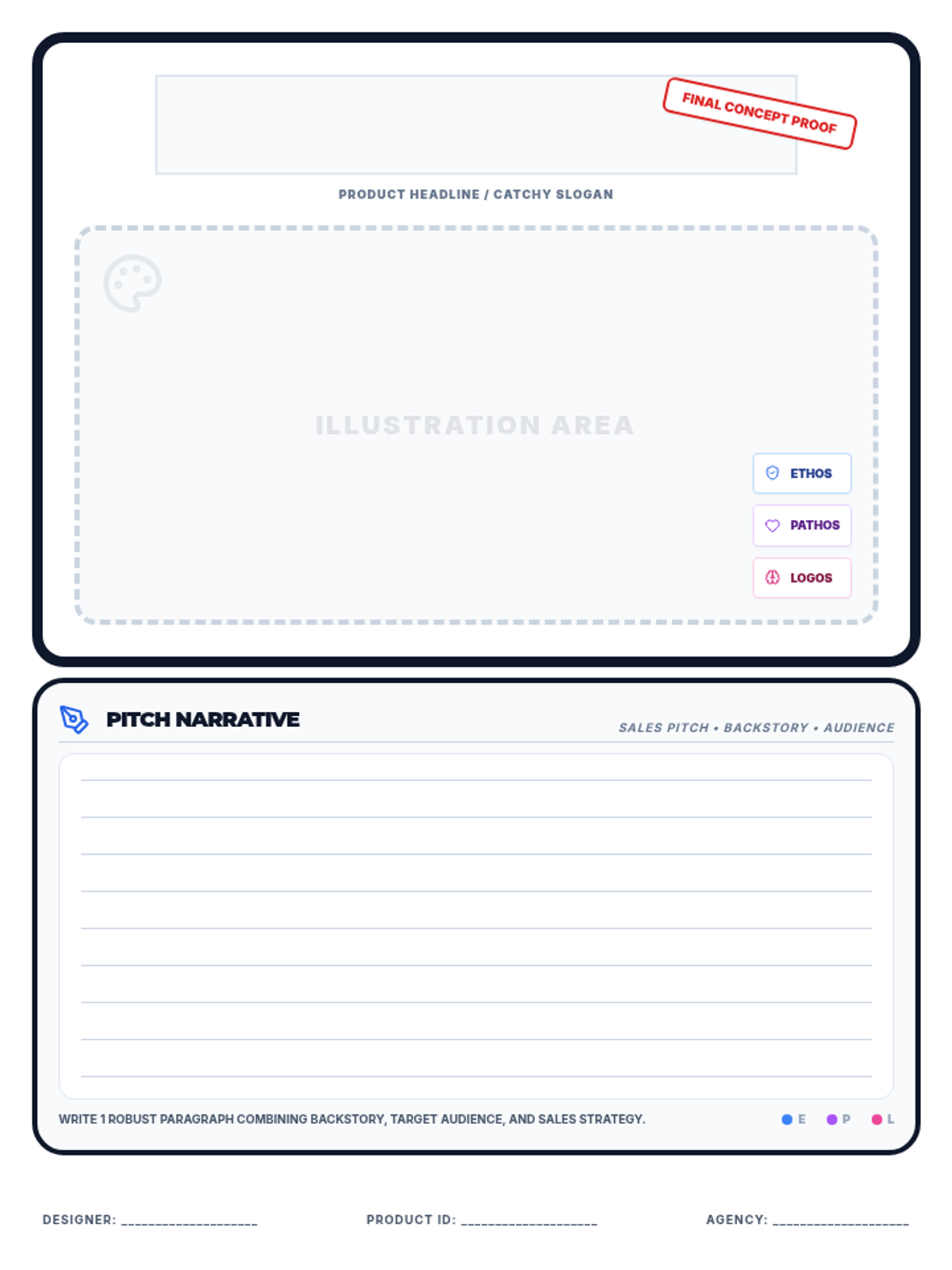
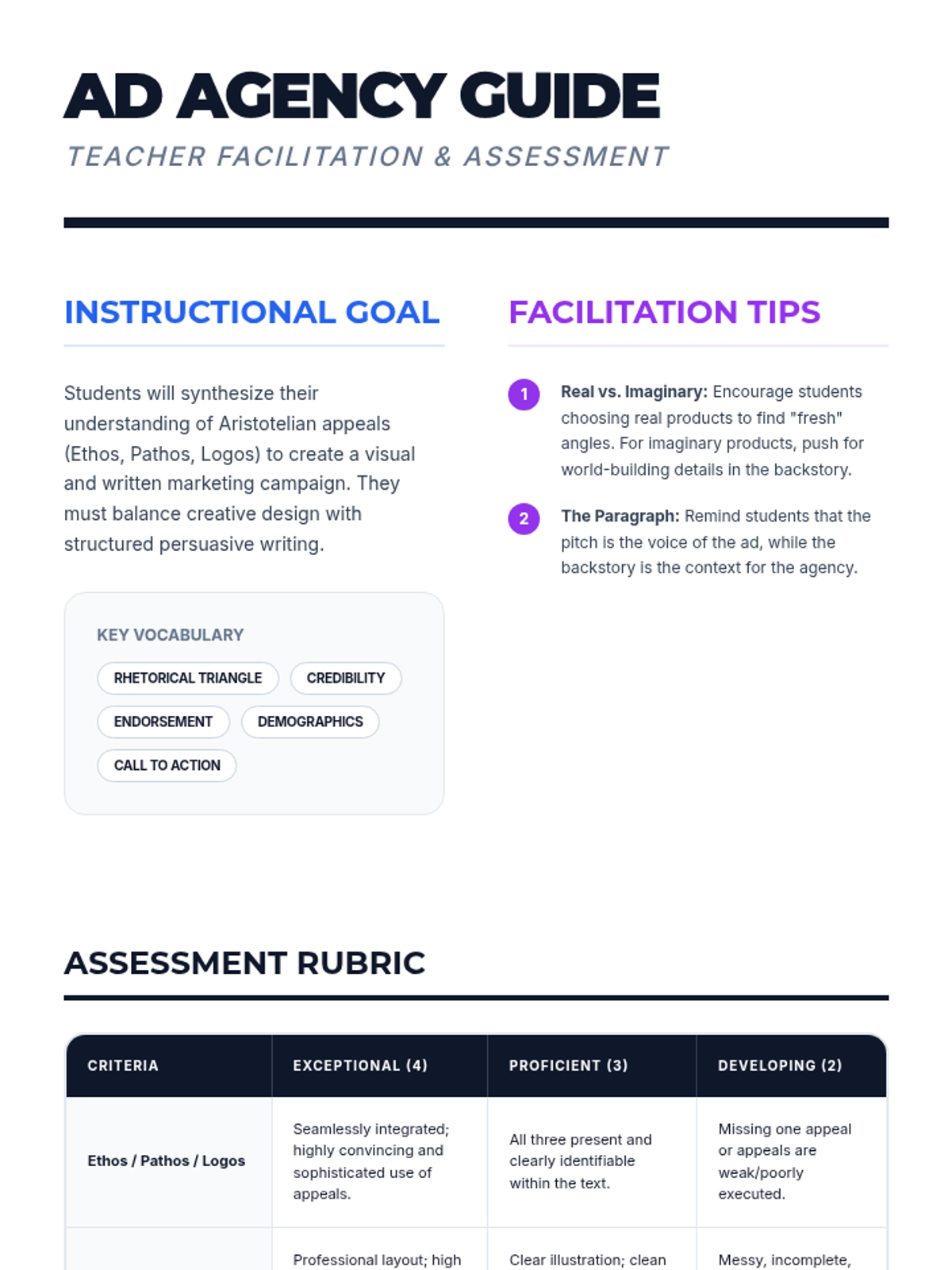
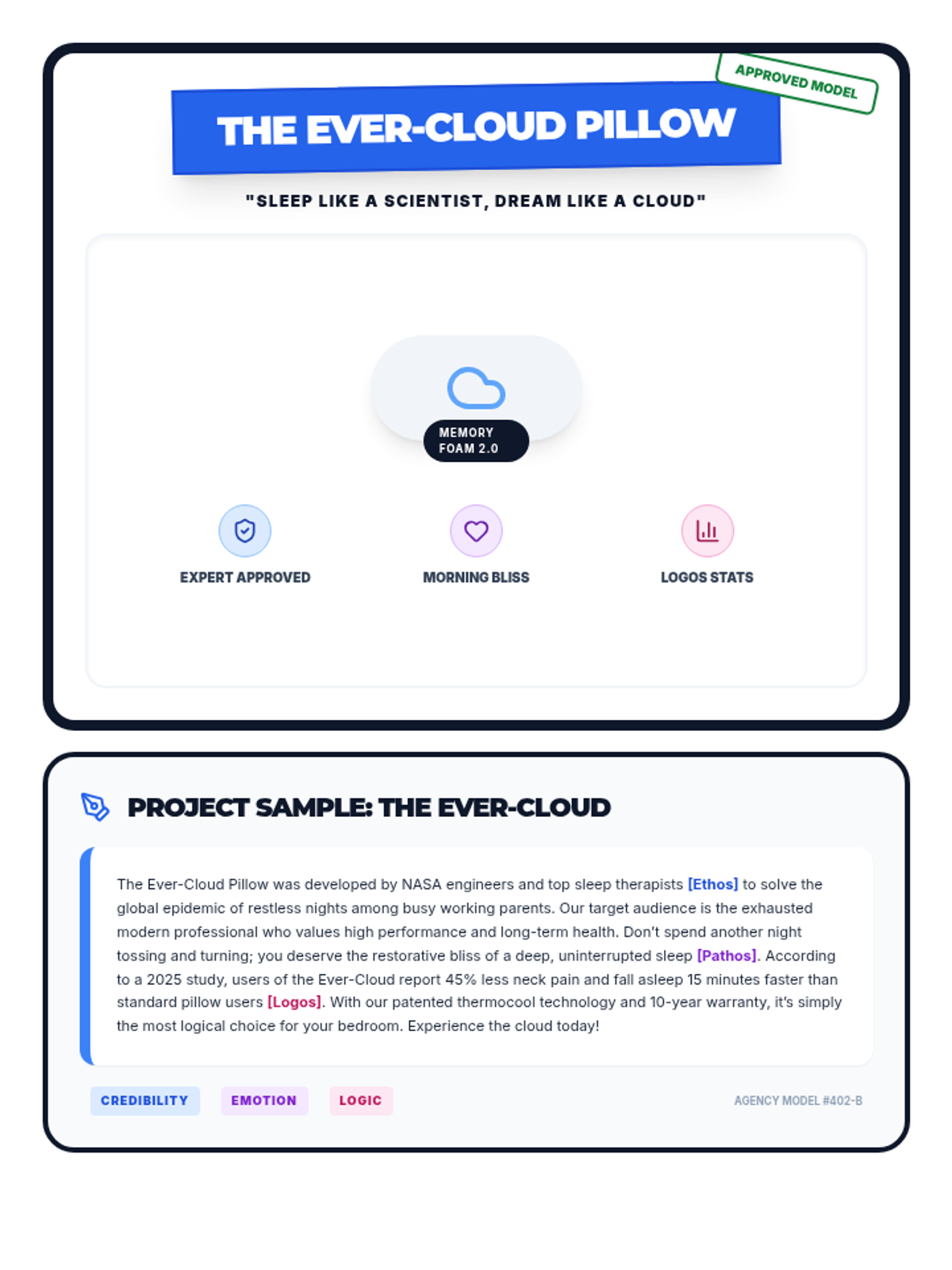
Students dive into the world of marketing to master the rhetorical triangle: ethos, pathos, and logos. They will design a professional product poster and write a compelling pitch that combines product backstory with targeted sales tactics.
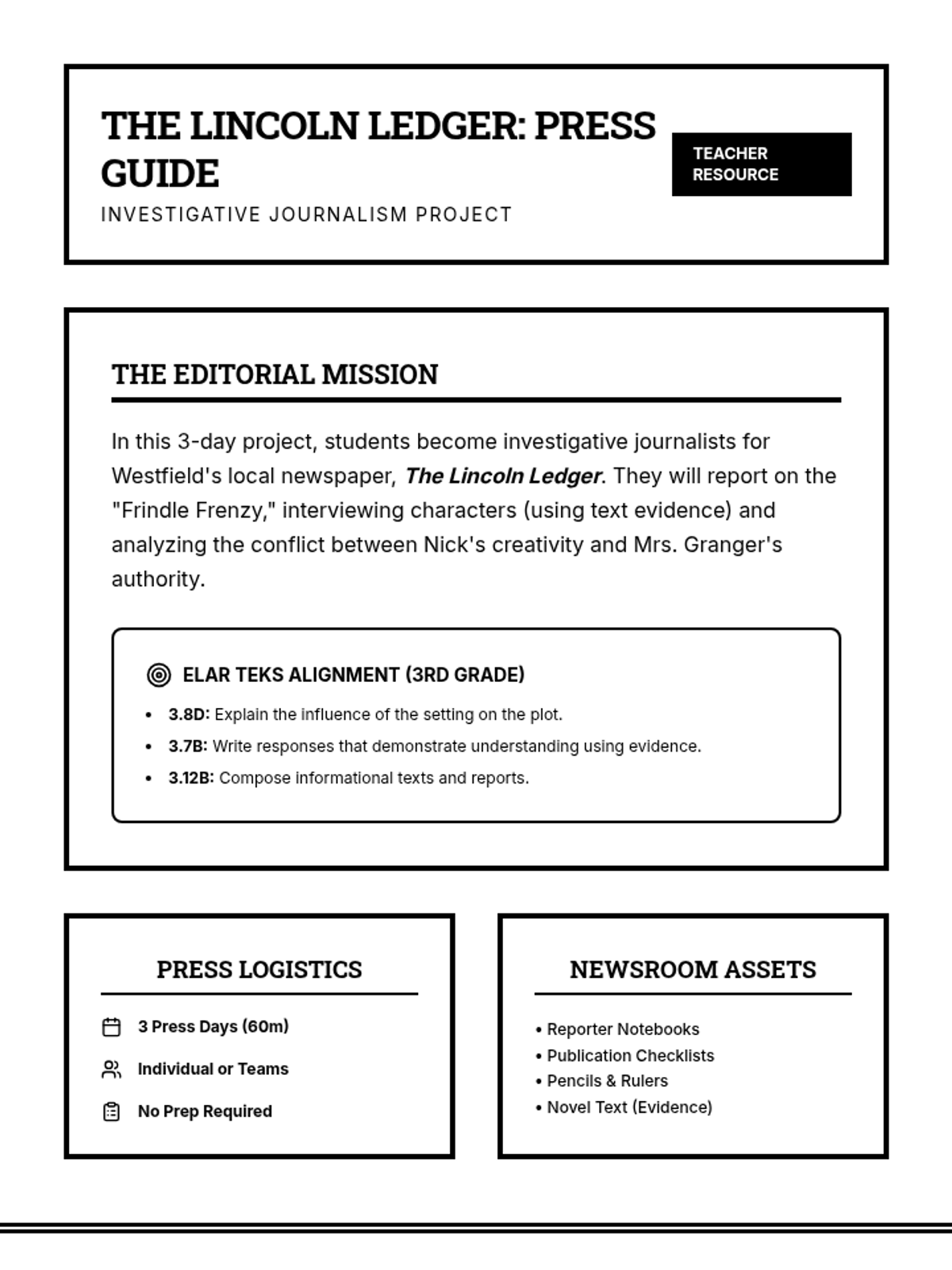
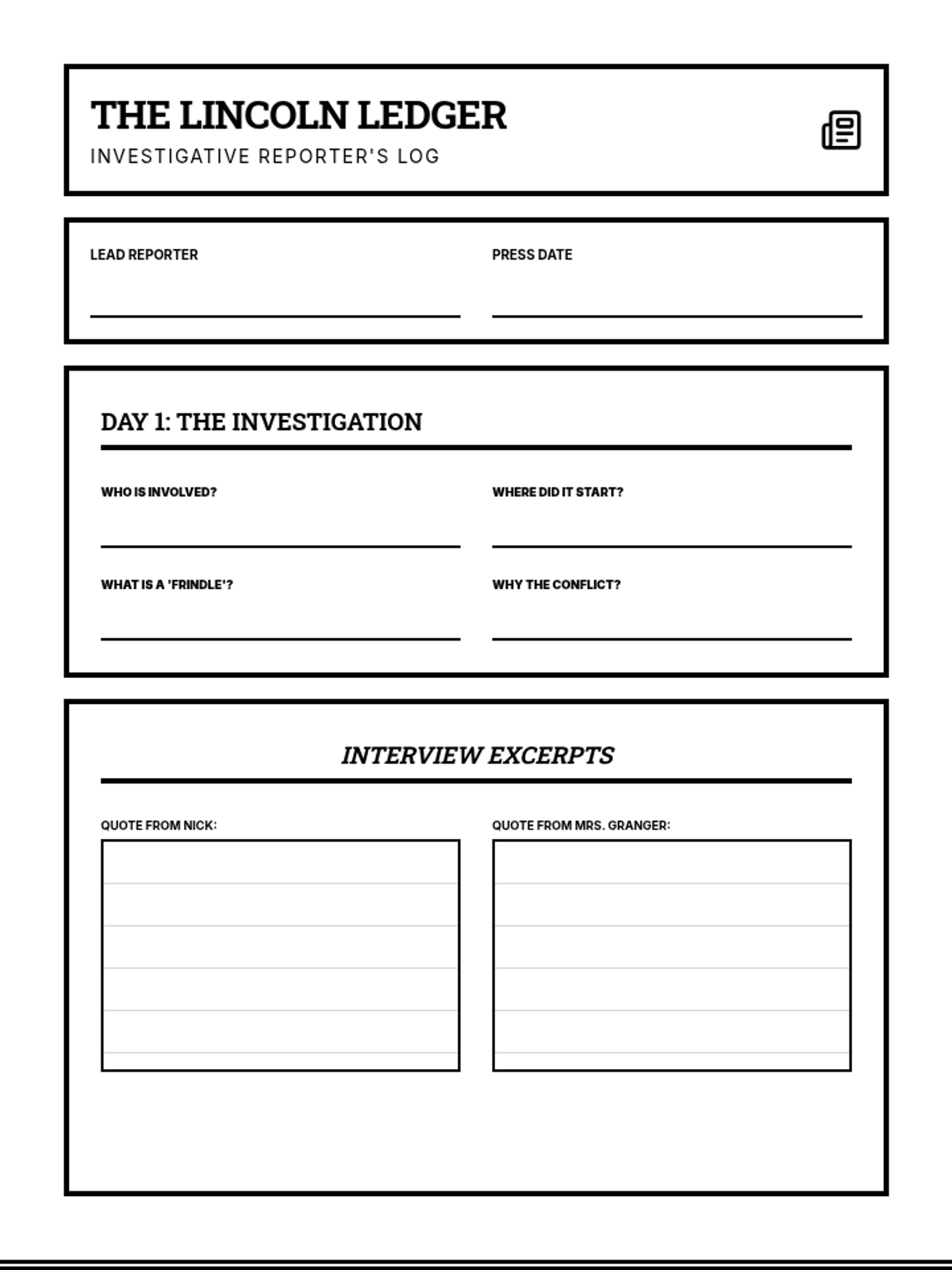
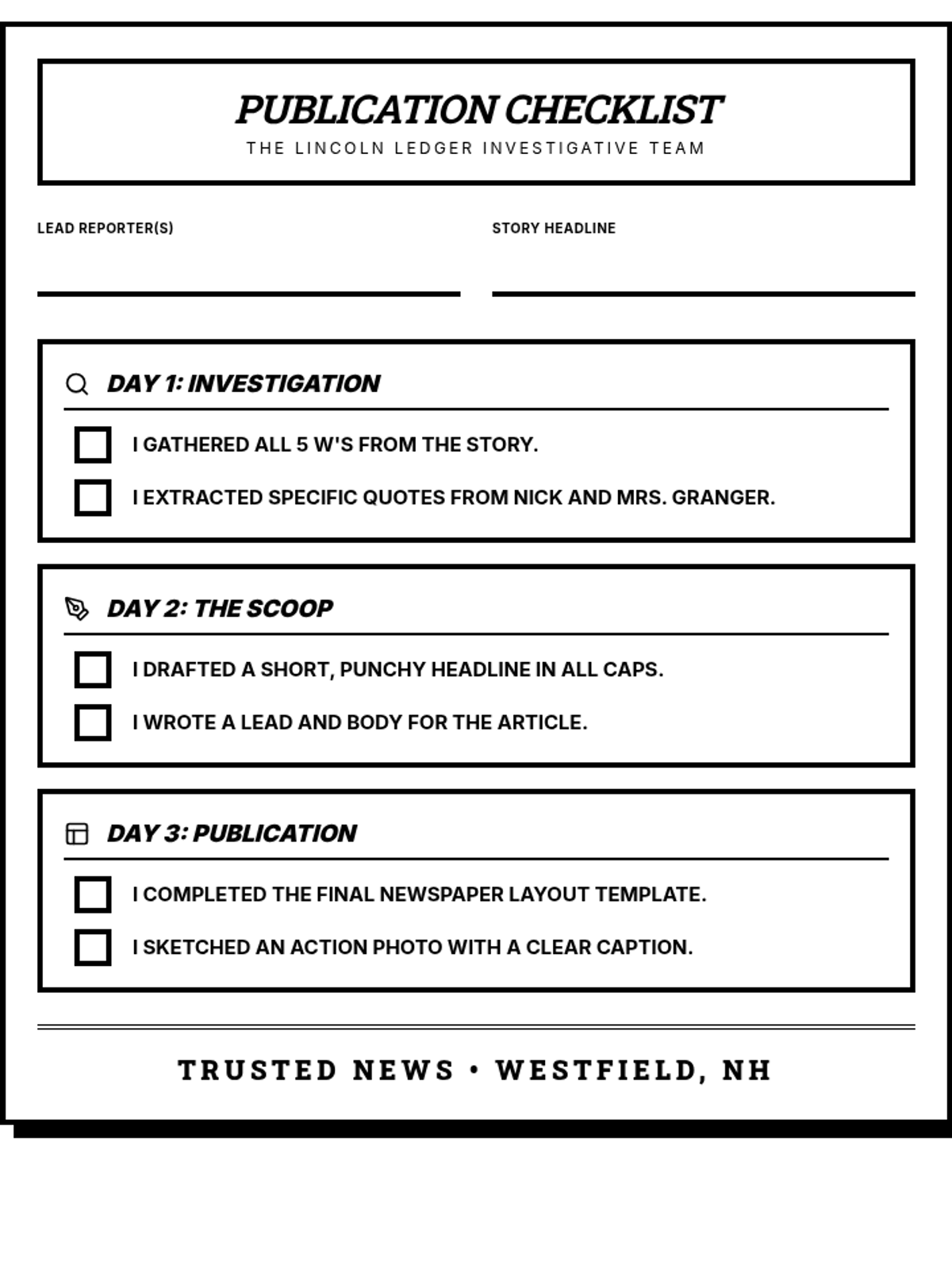
A 3-day post-reading project where students become investigative journalists for 'The Lincoln Ledger,' covering the national sensation of the word 'frindle' and the 'war' between Nick and Mrs. Granger.
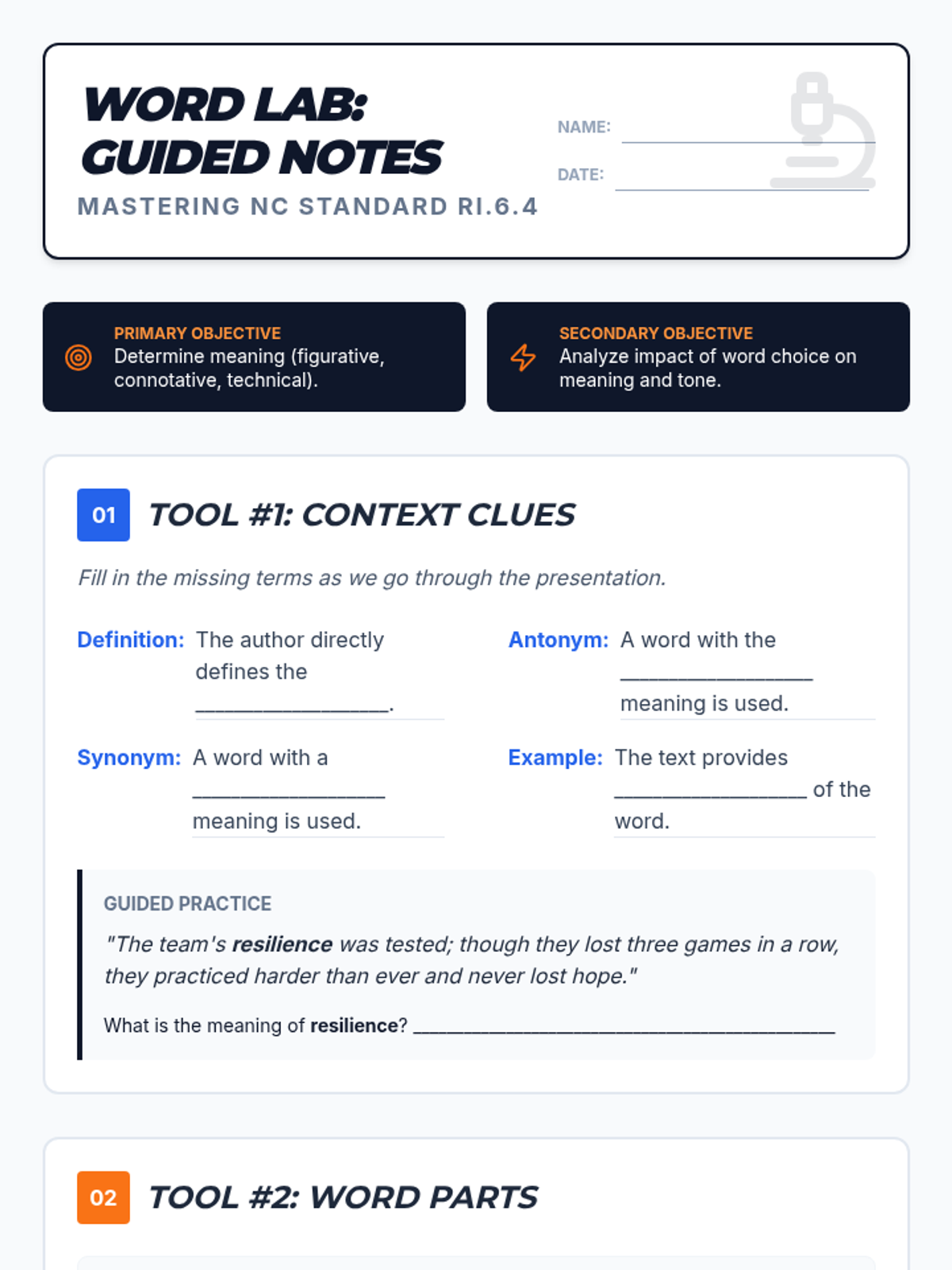
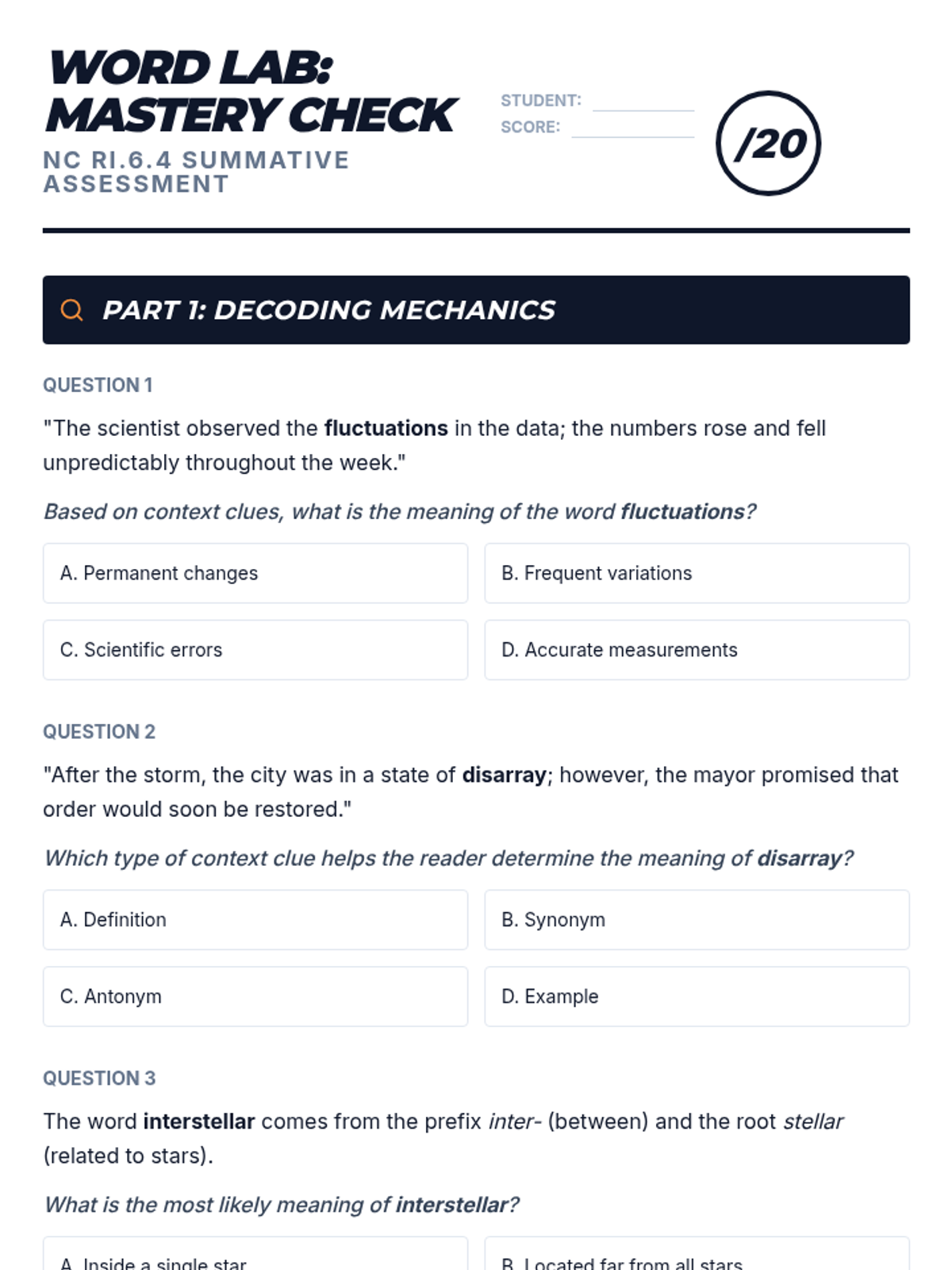
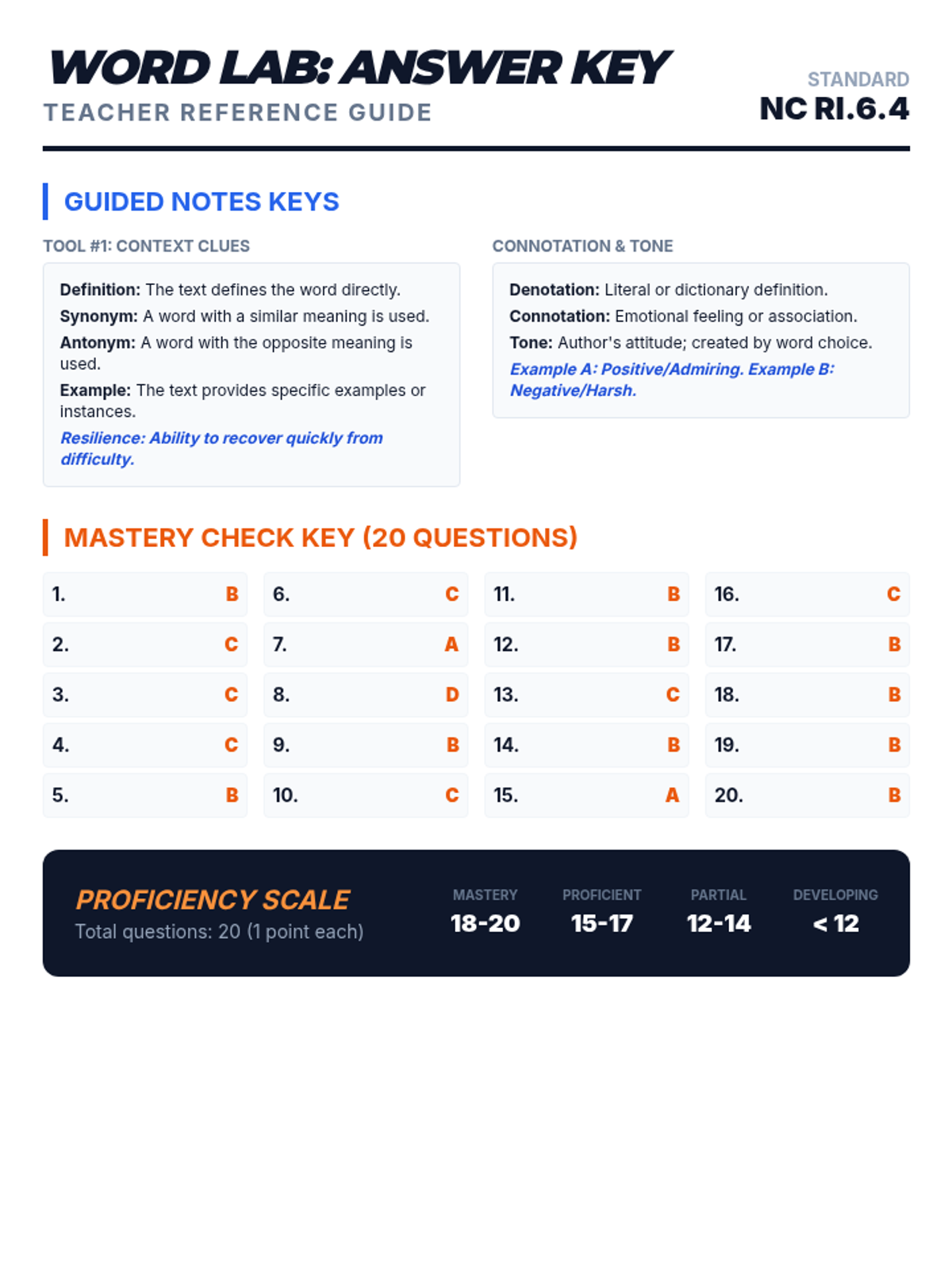
A comprehensive reteach of NC standard RI 6.4 focusing on context clues, word parts, figurative and connotative meanings, technical terms, and tone. Students will use the 'Word Lab' theme to decode complex texts through guided notes, interactive slides, and a rigorous mastery check.
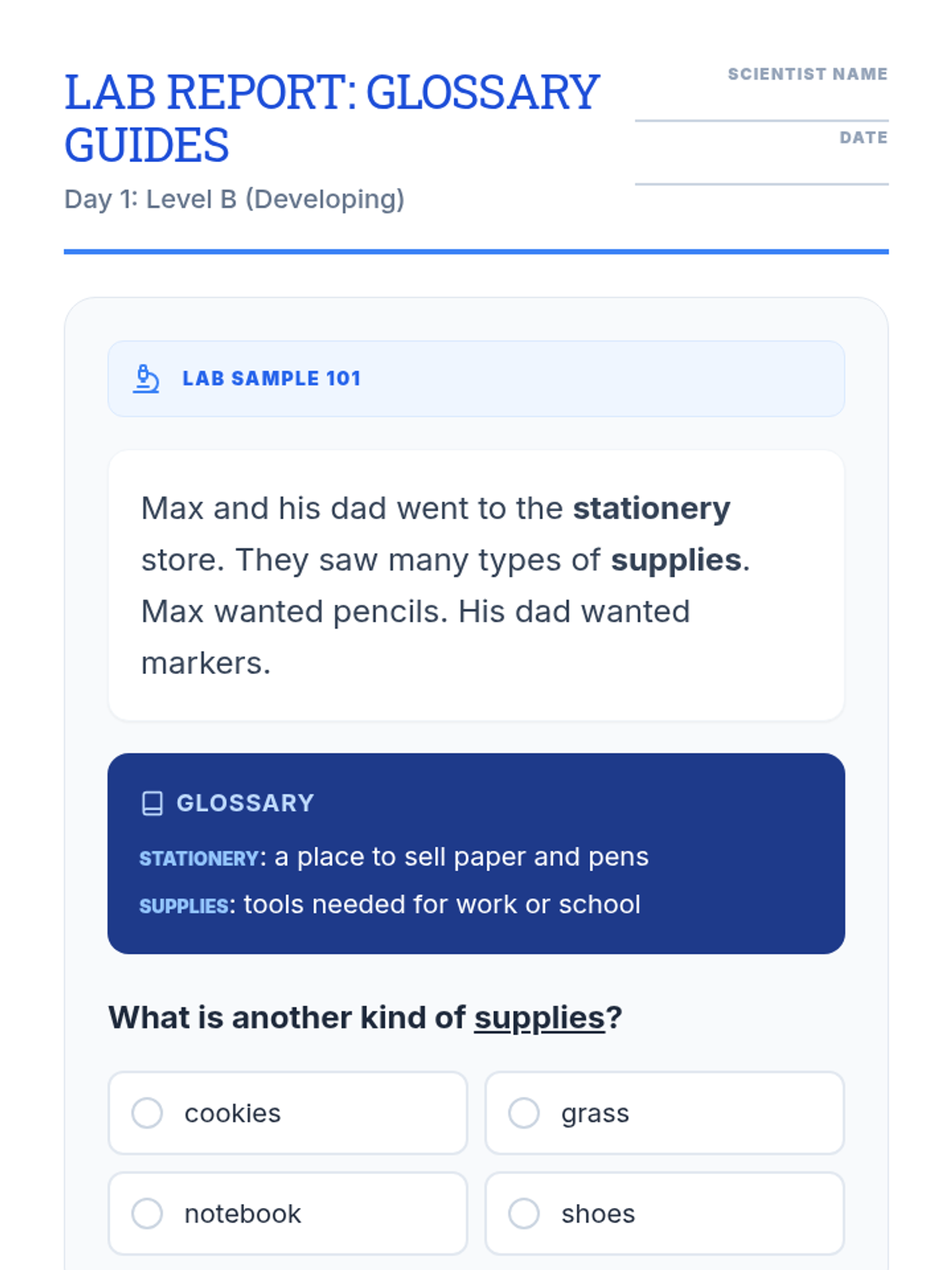
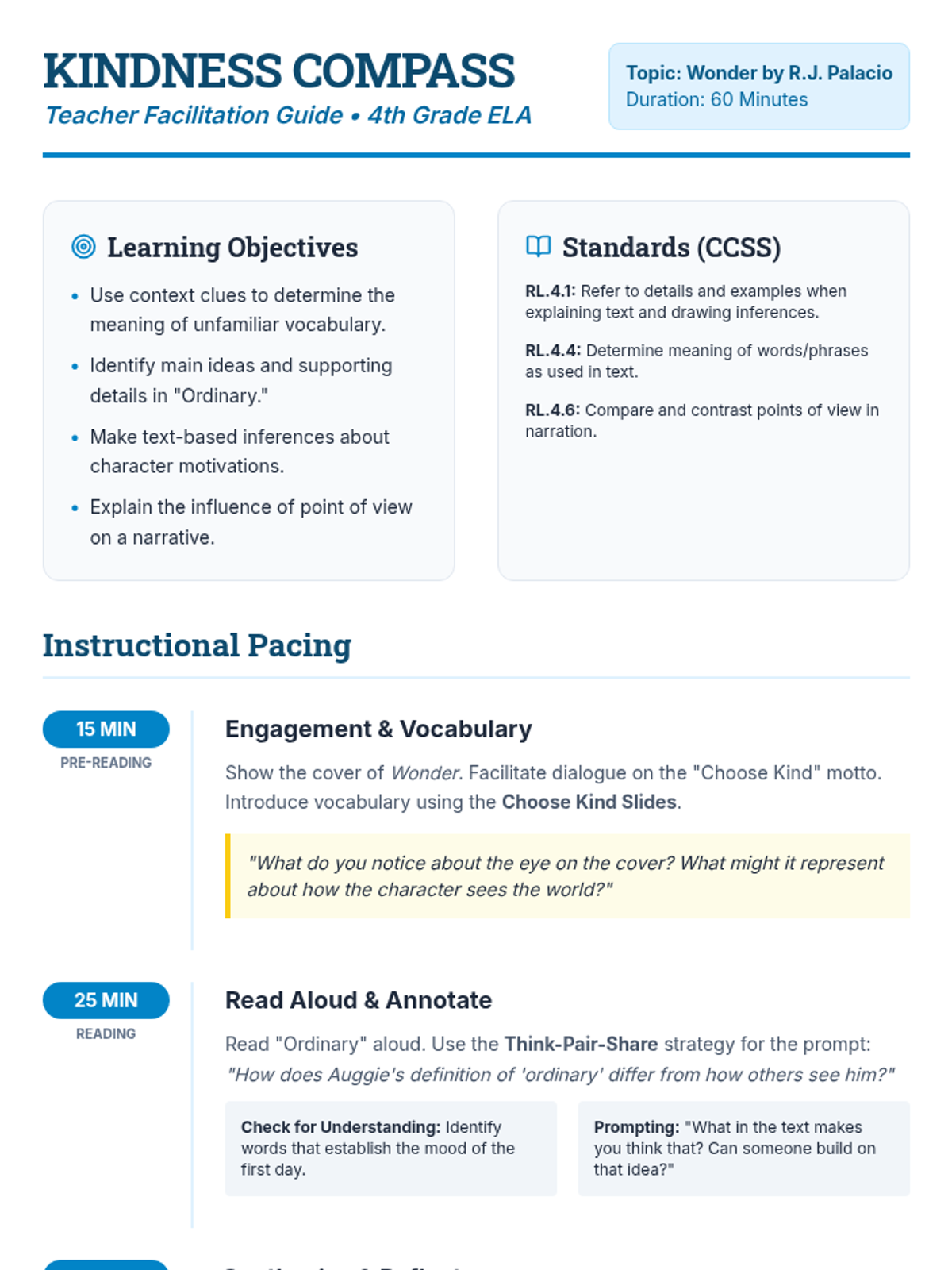
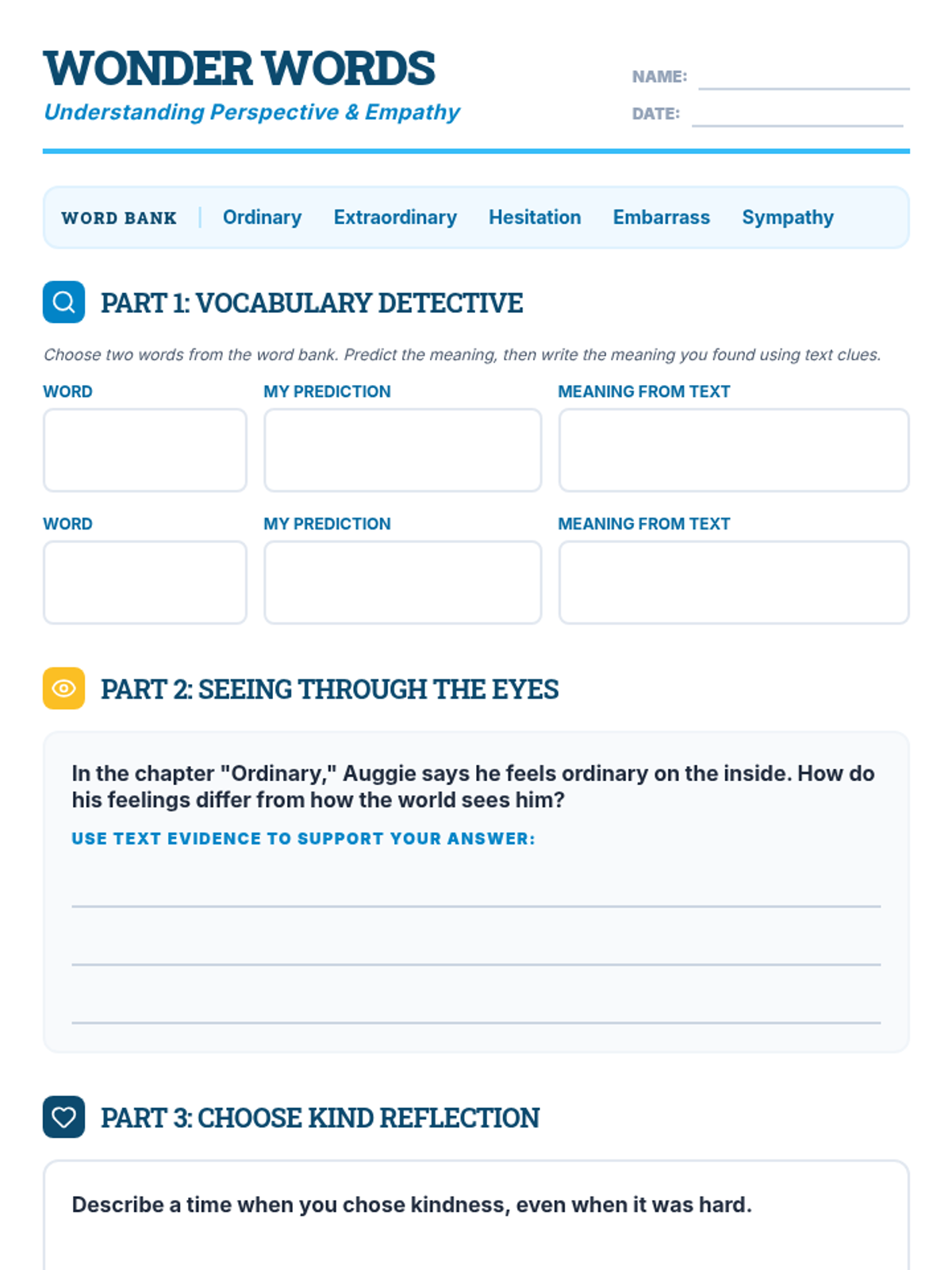
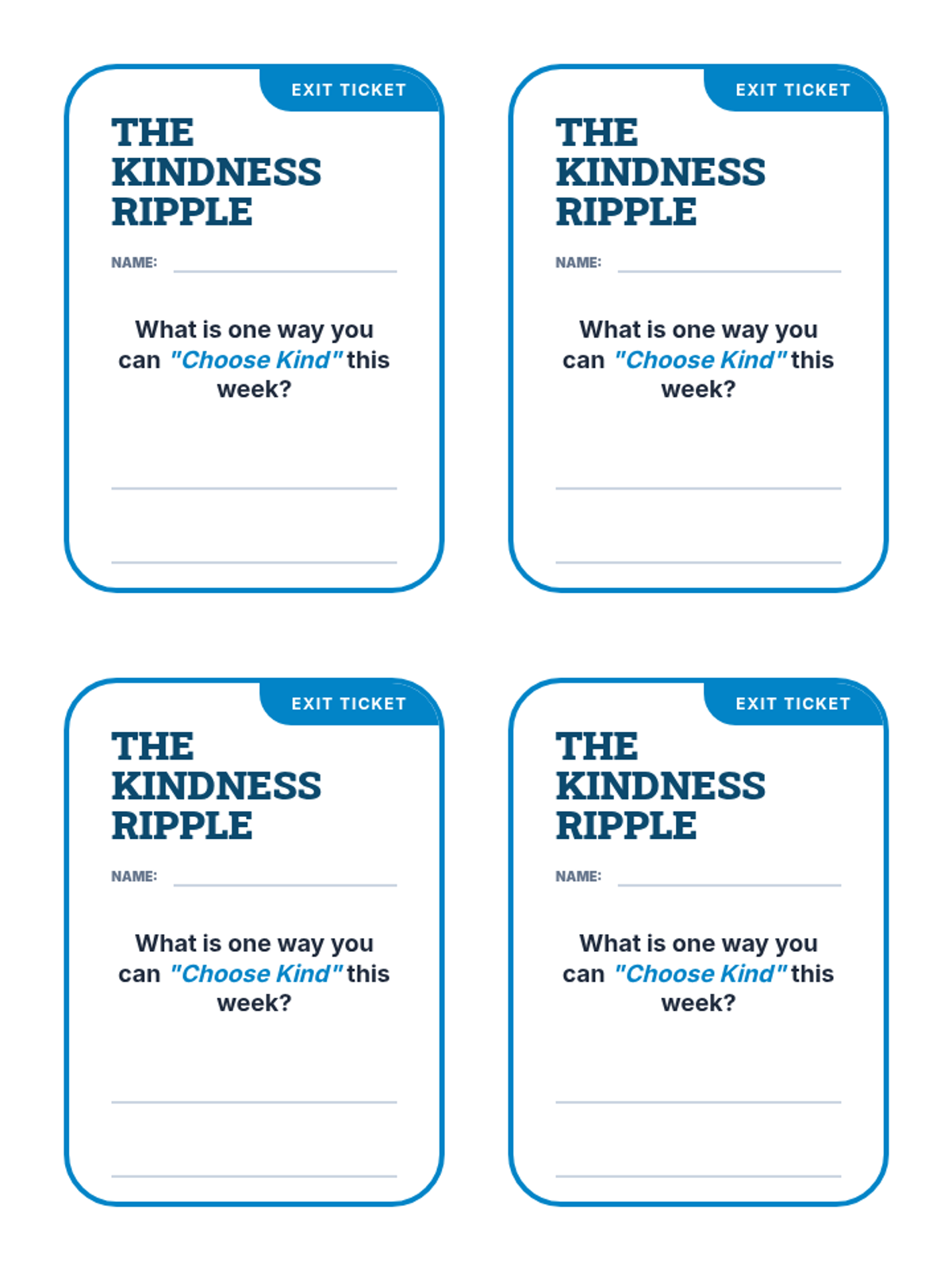
A literature-based ELA lesson for 4th grade focused on empathy, vocabulary, and perspective using R.J. Palacio's 'Wonder'. Students explore the concept of being 'ordinary' versus 'extraordinary' while building core literacy skills.
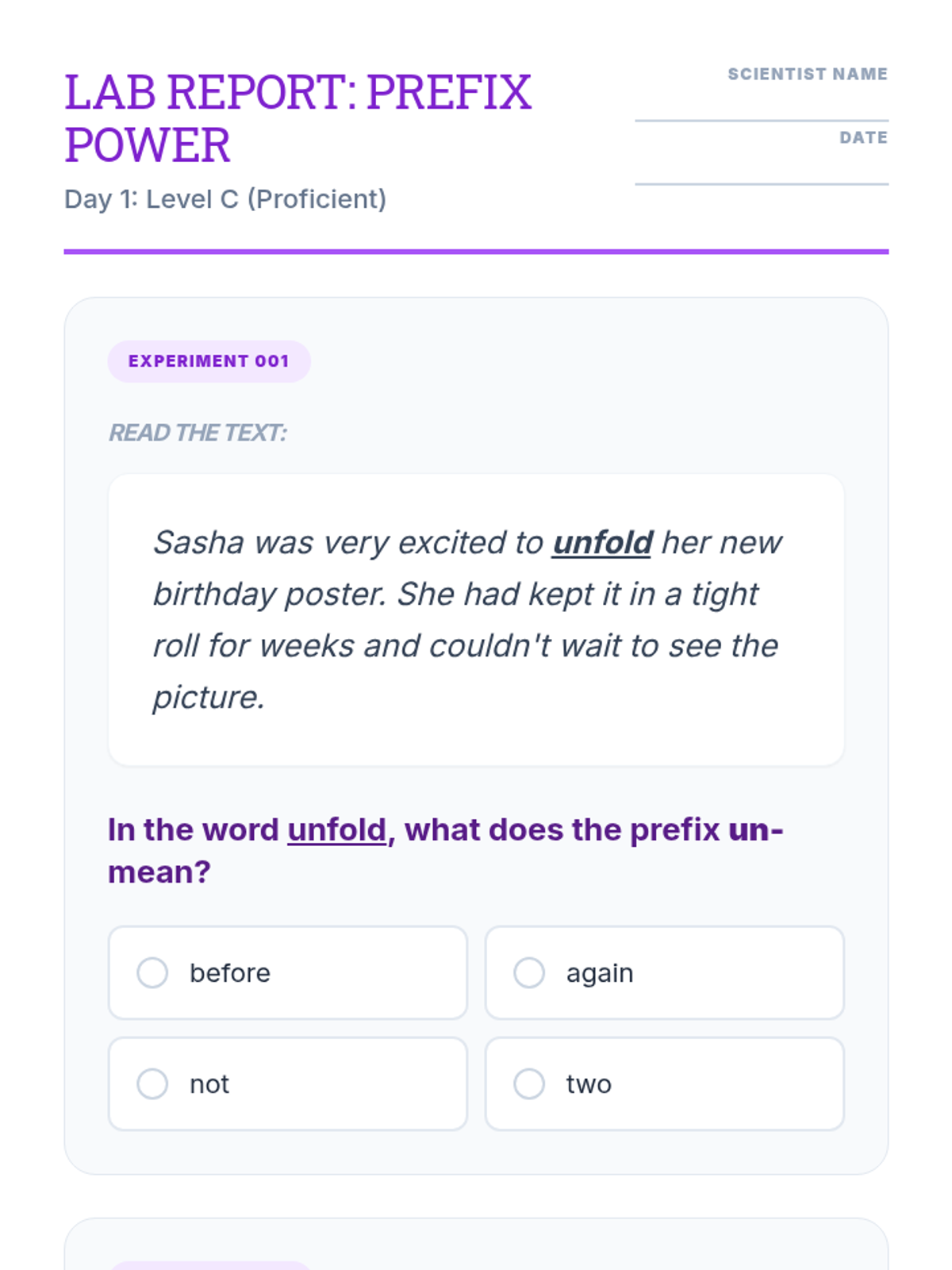
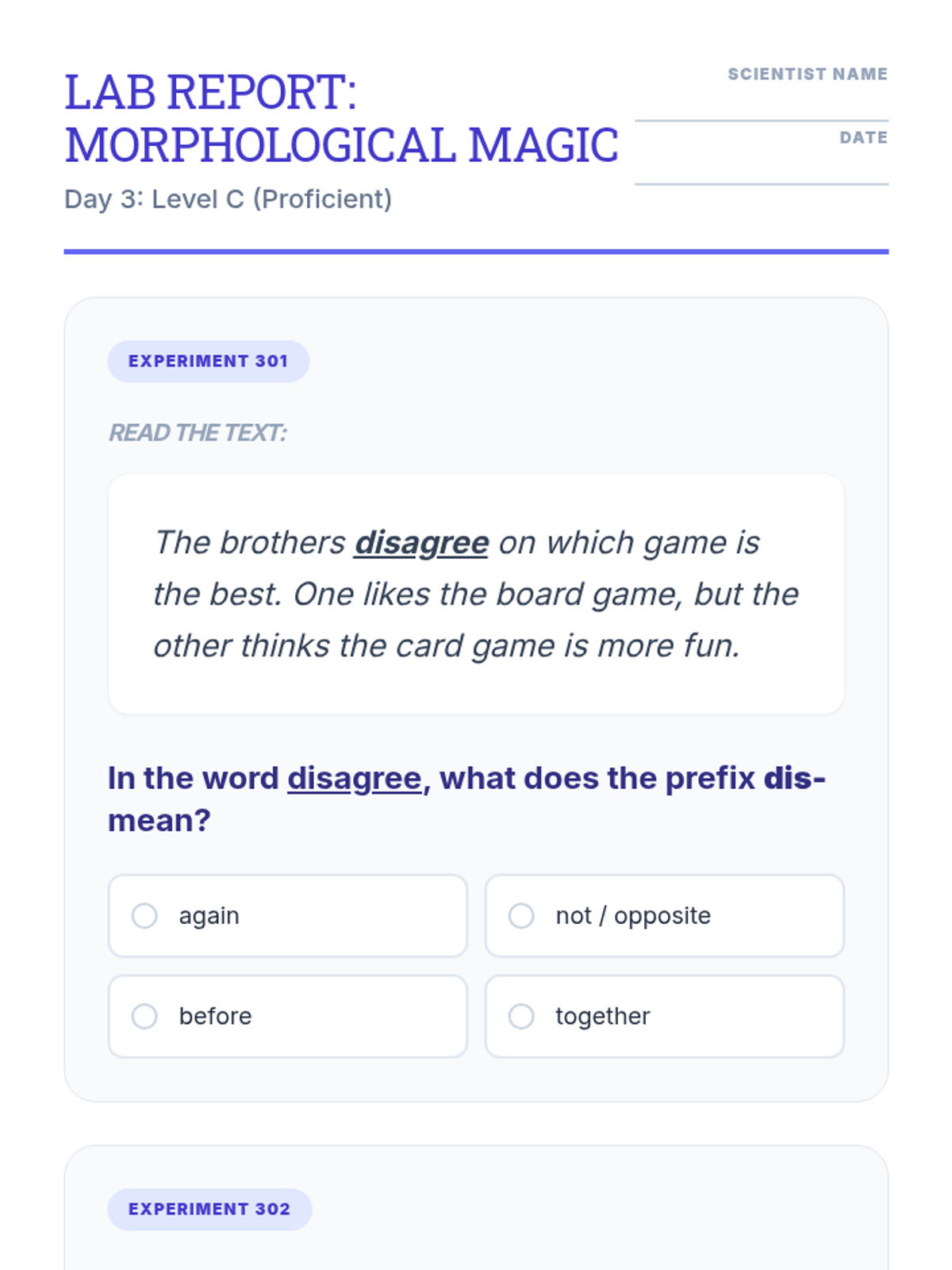
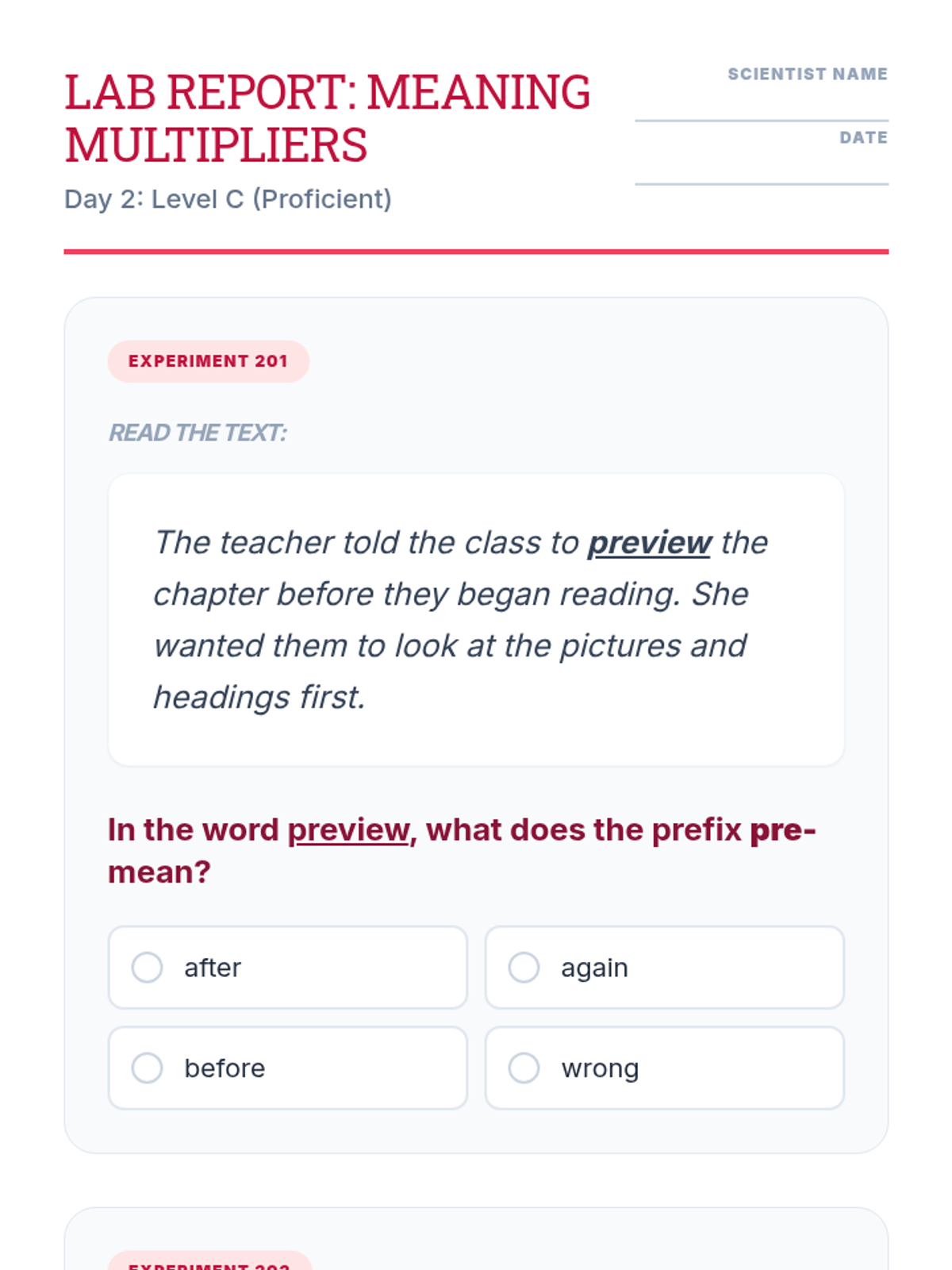
Focuses on synthesizing context clues and morphological knowledge to master complex semantics.
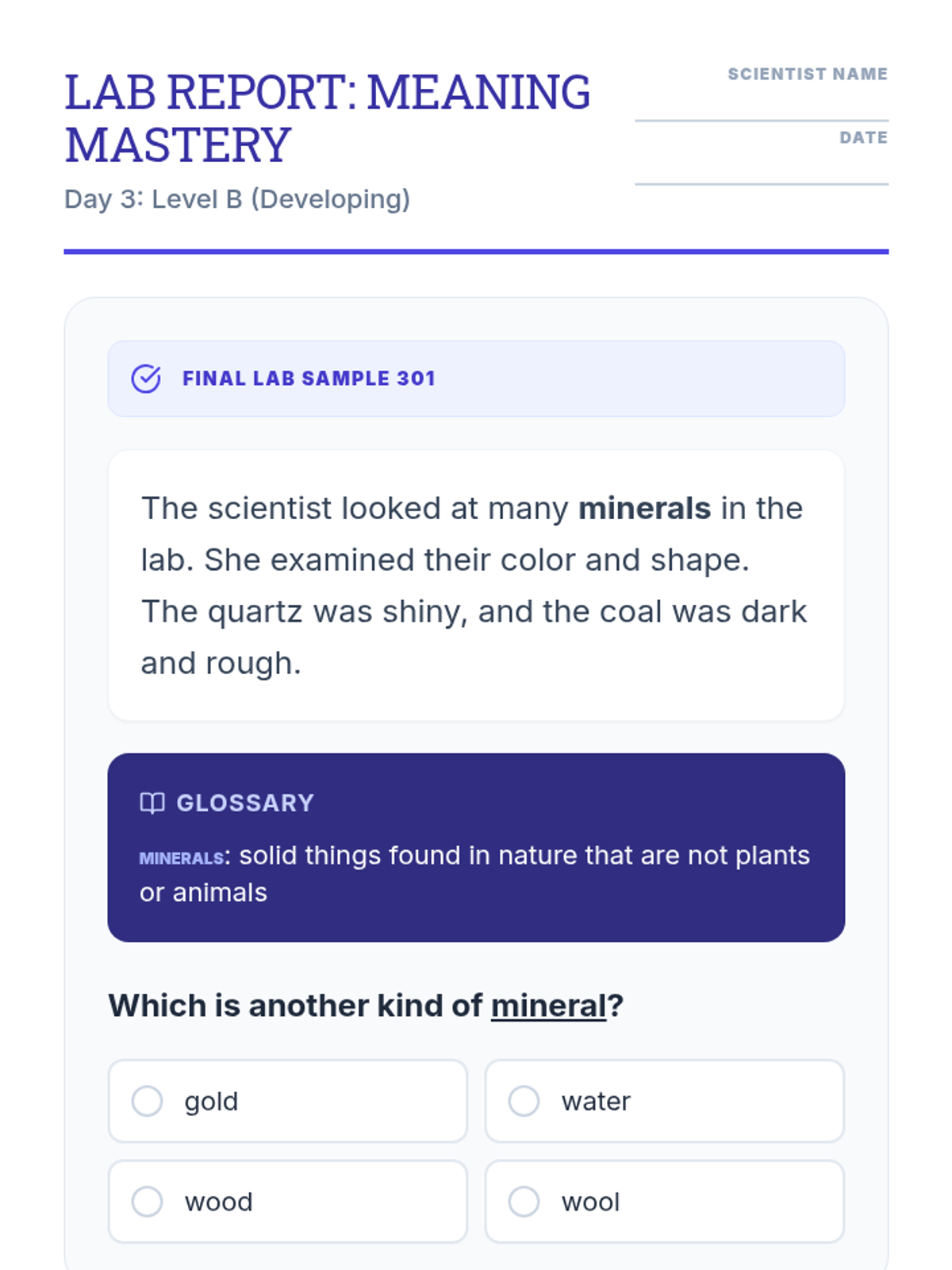
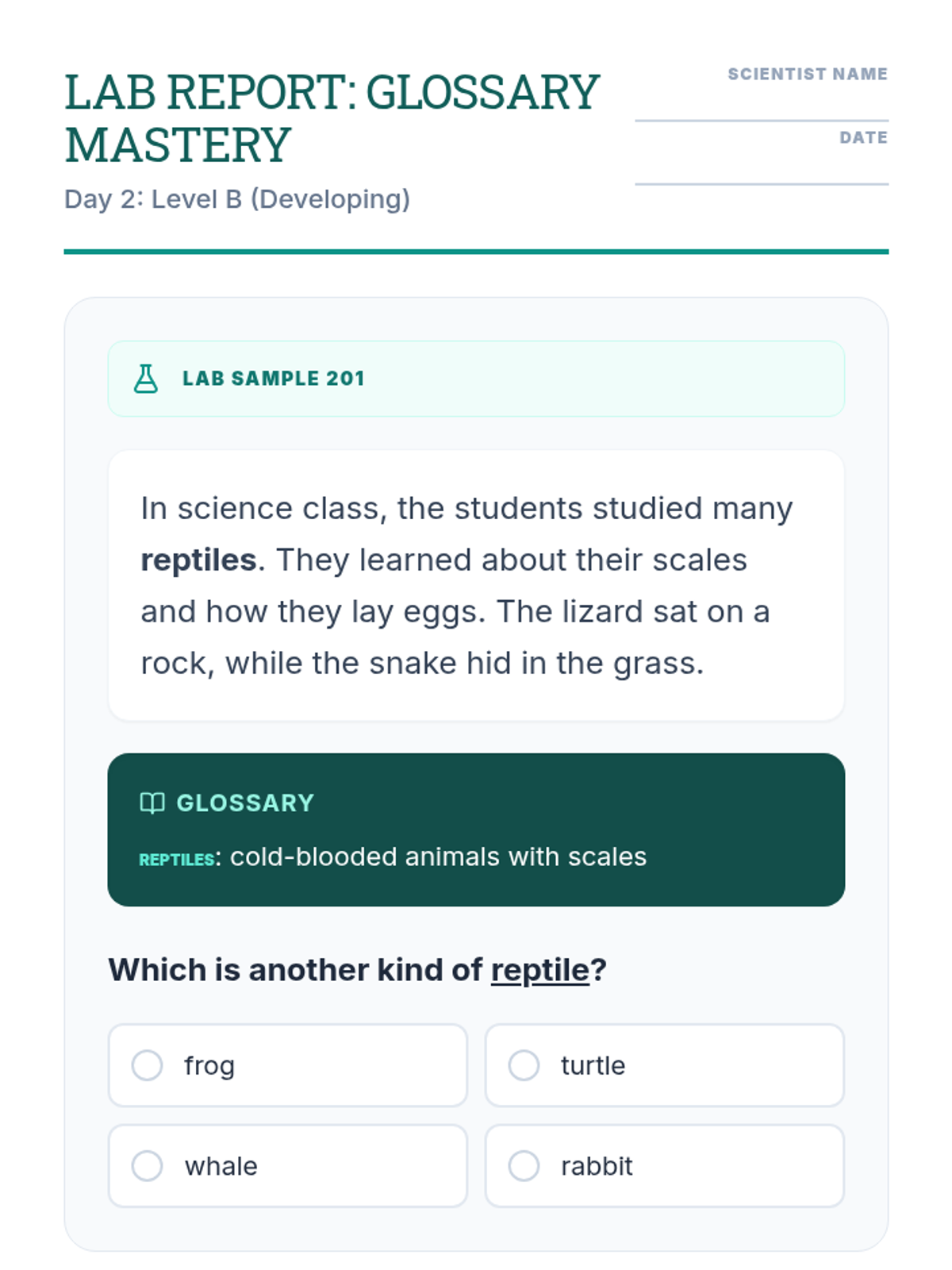
Focuses on deepening glossary skills and applying word parts to solve unfamiliar vocabulary.
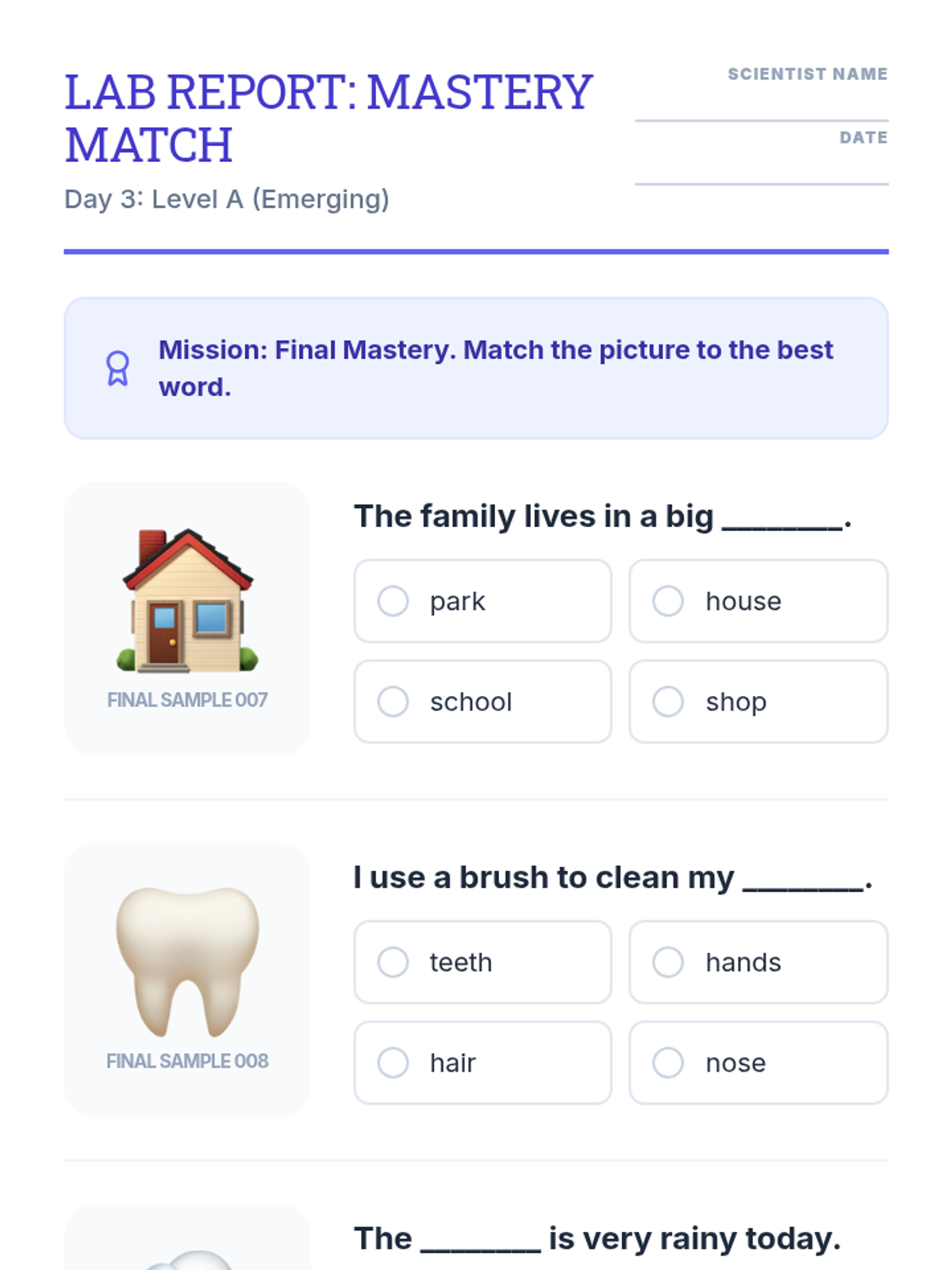
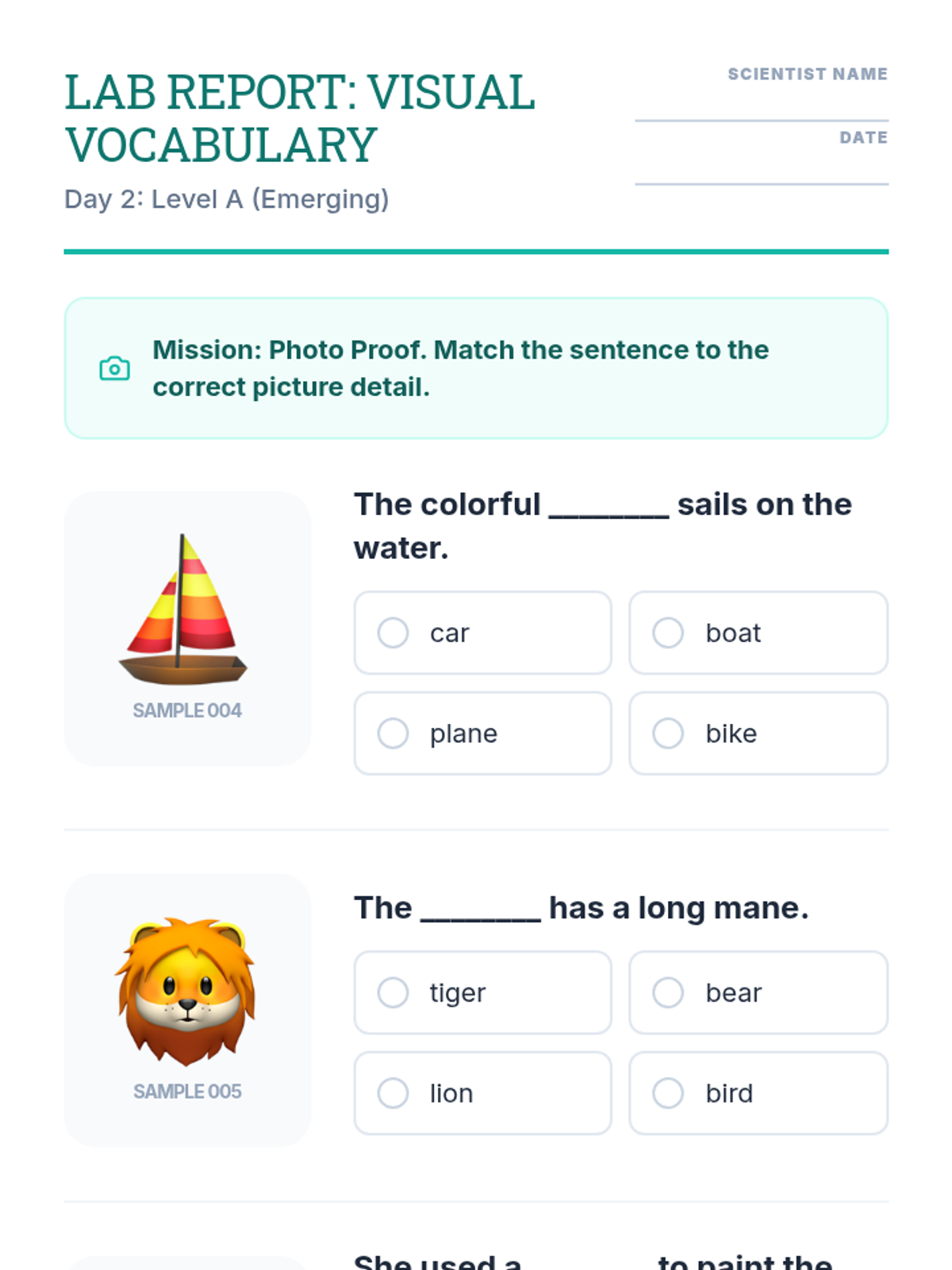
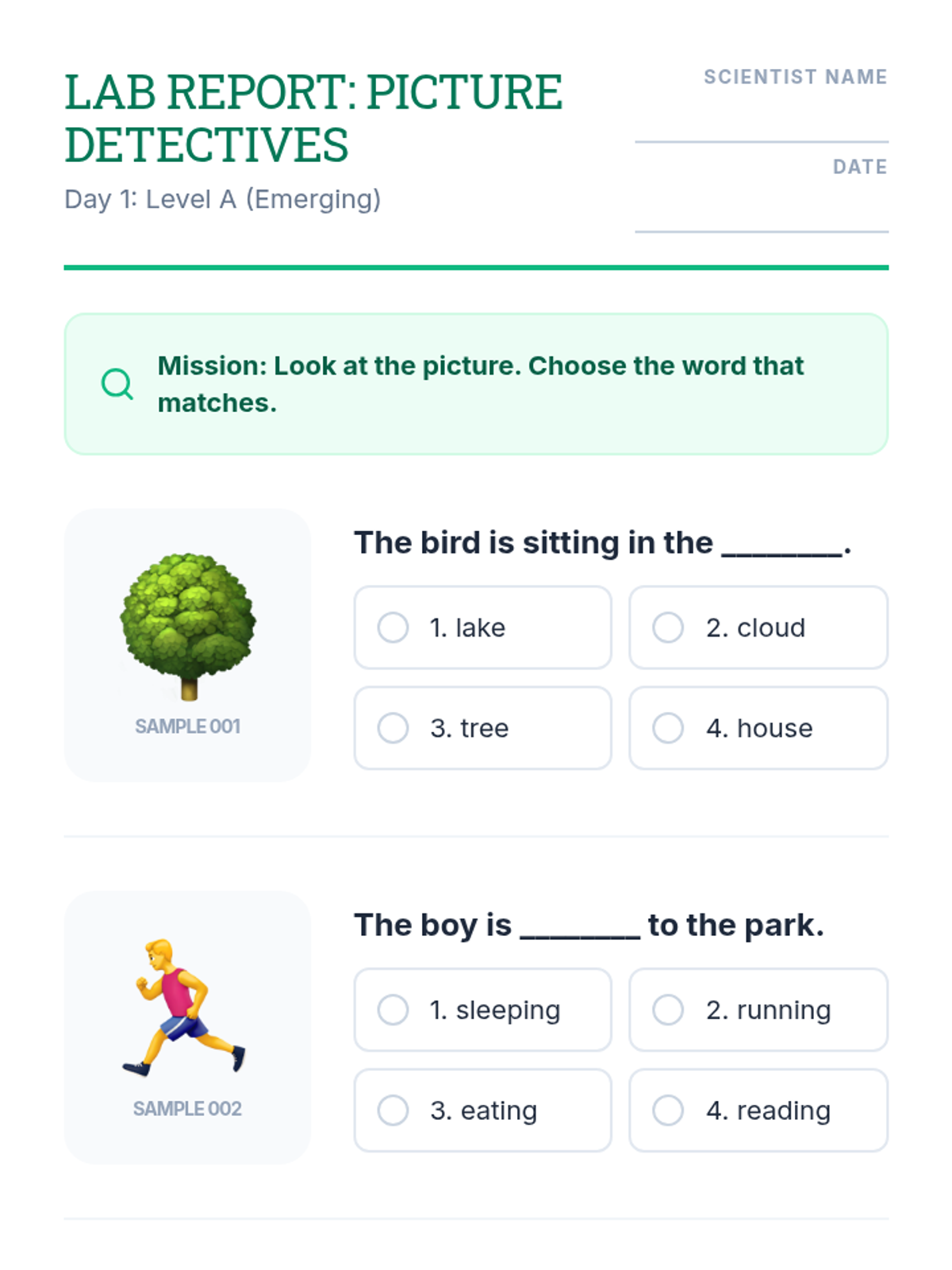
Focuses on using simple context clues, glossaries, and basic prefixes to determine word meaning.
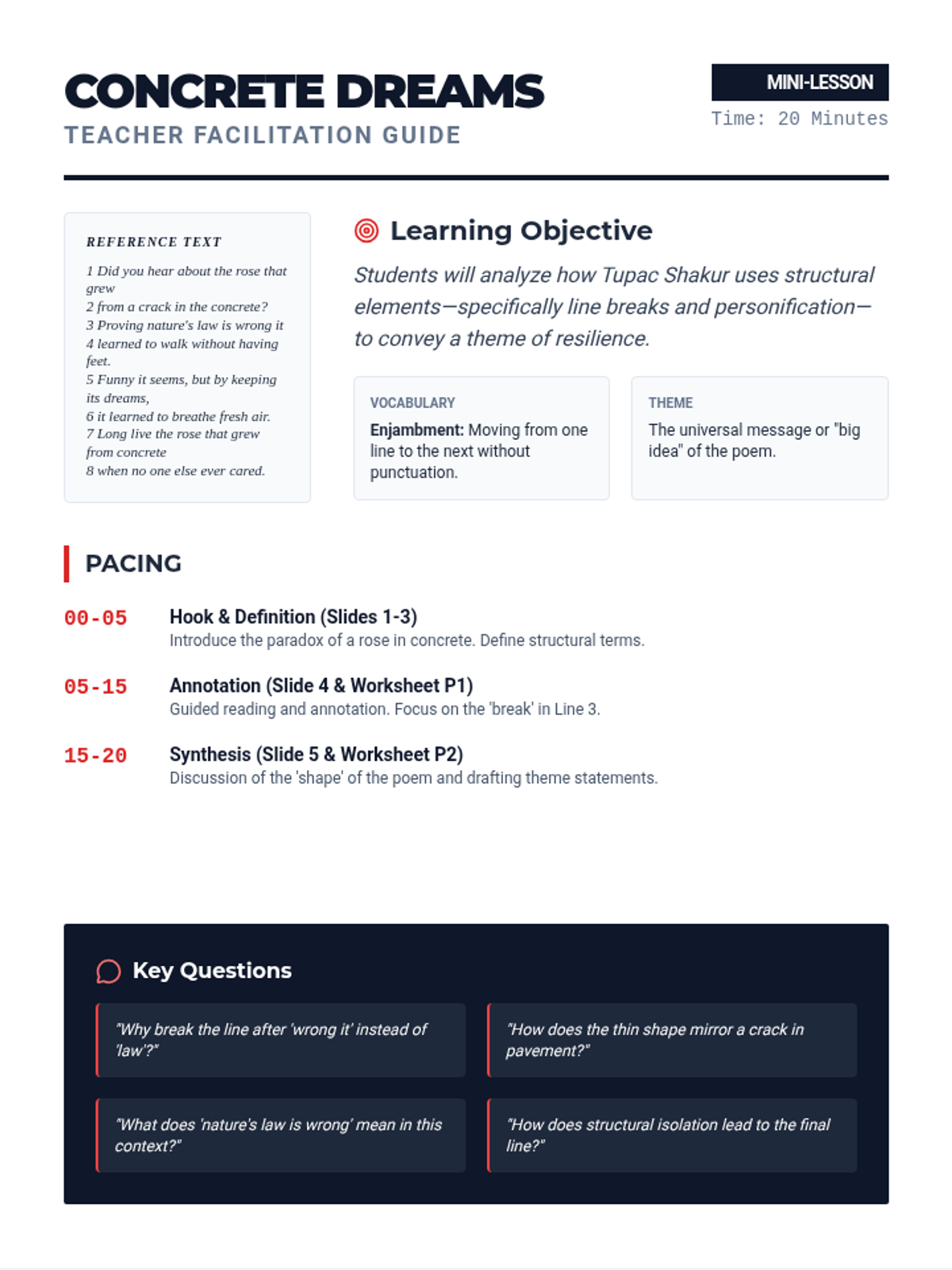
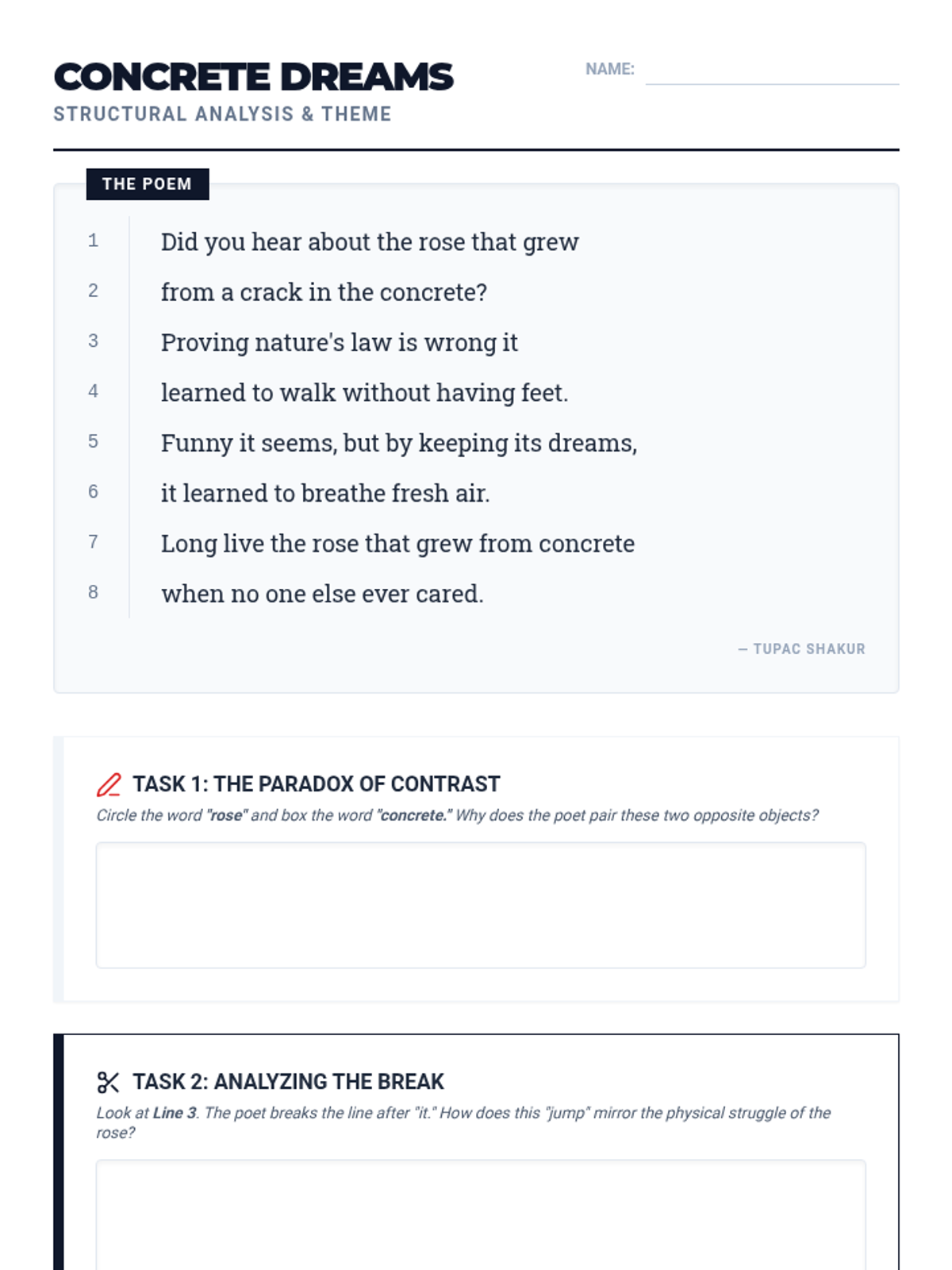
A 20-minute mini-lesson focusing on how the structural choices in Tupac Shakur's poem 'The Rose That Grew from Concrete' reveal its core theme of resilience.
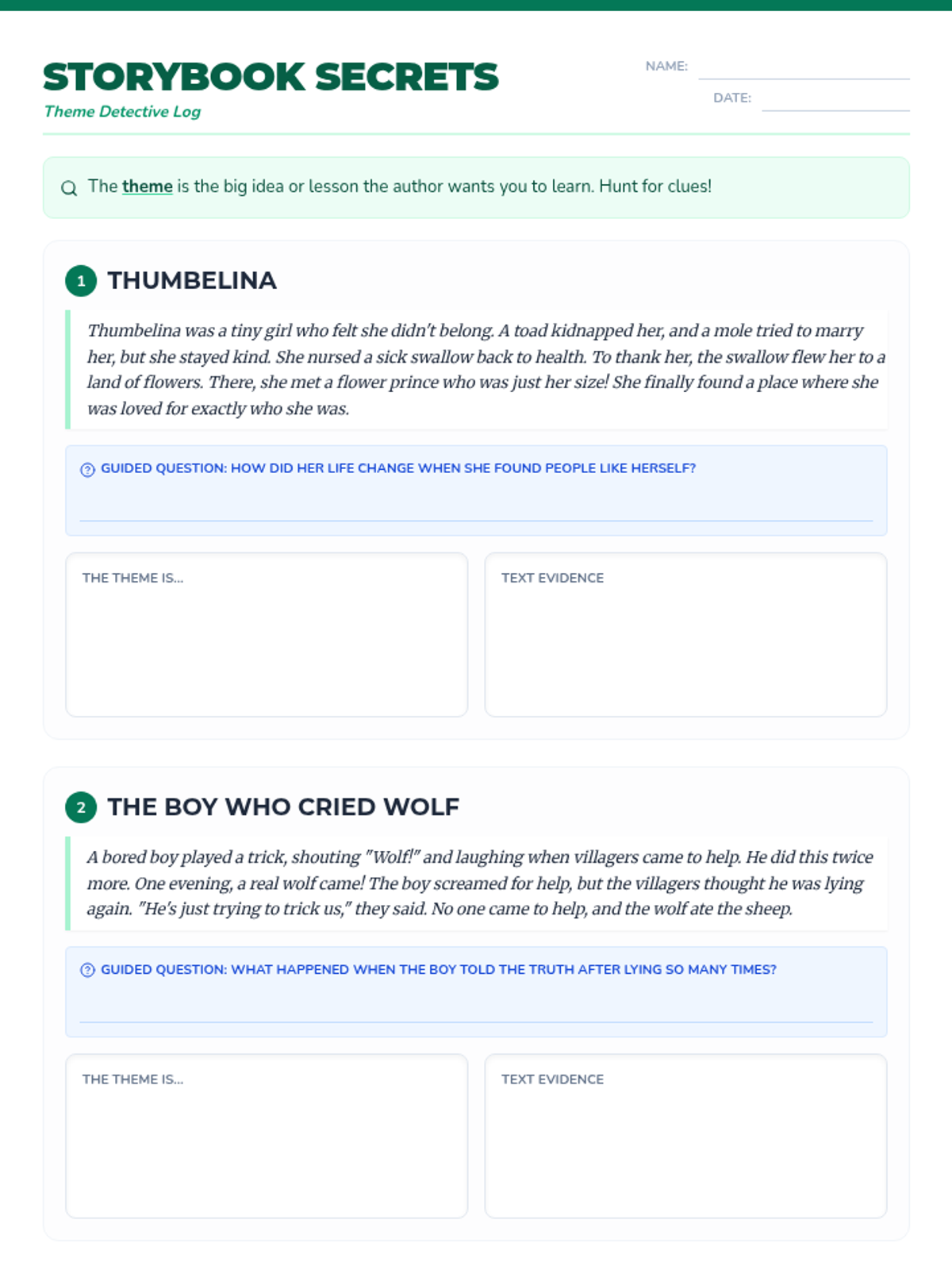
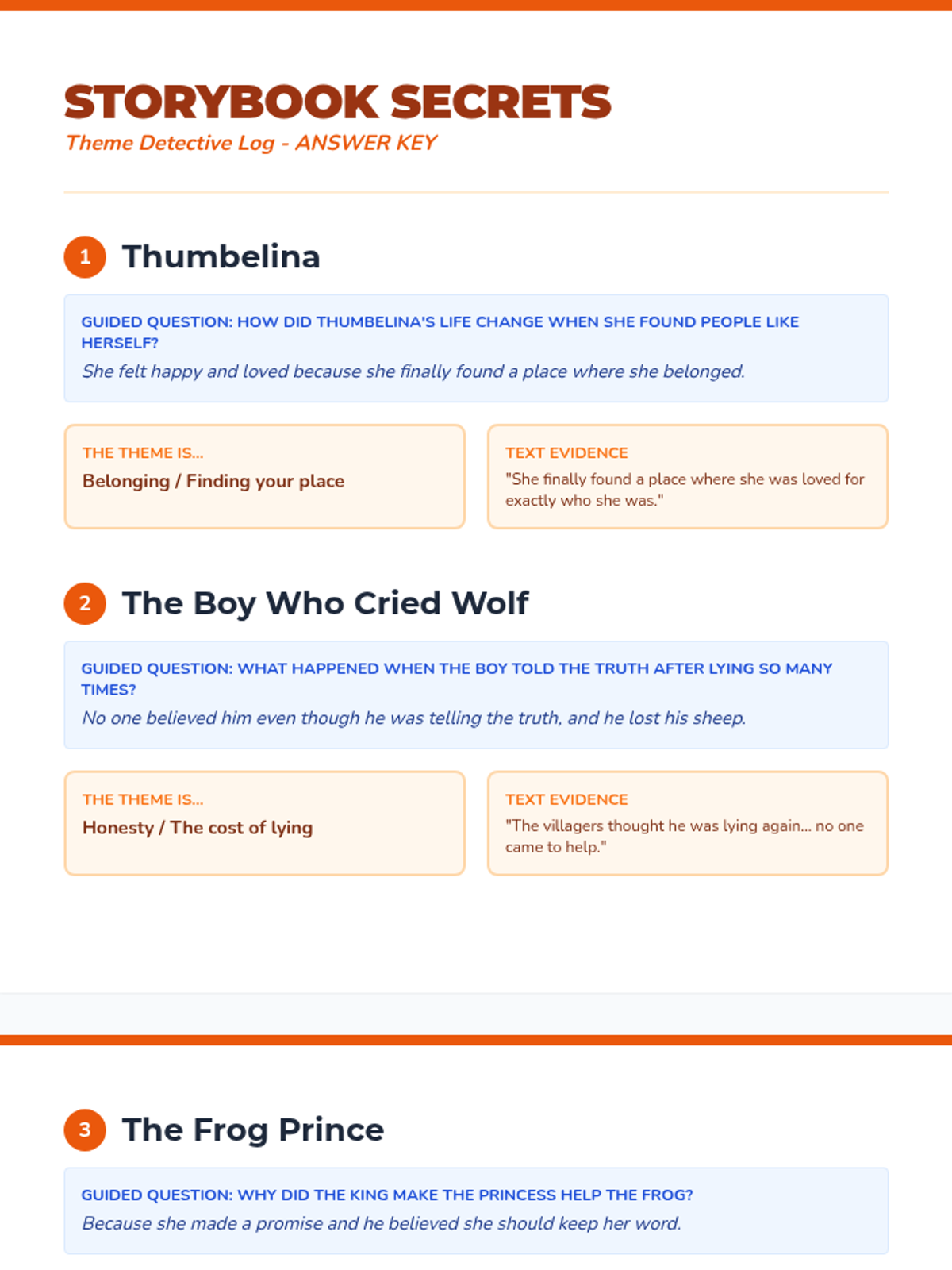
A lesson focused on identifying themes in classic fairy tales through text evidence and guided analysis for elementary students.
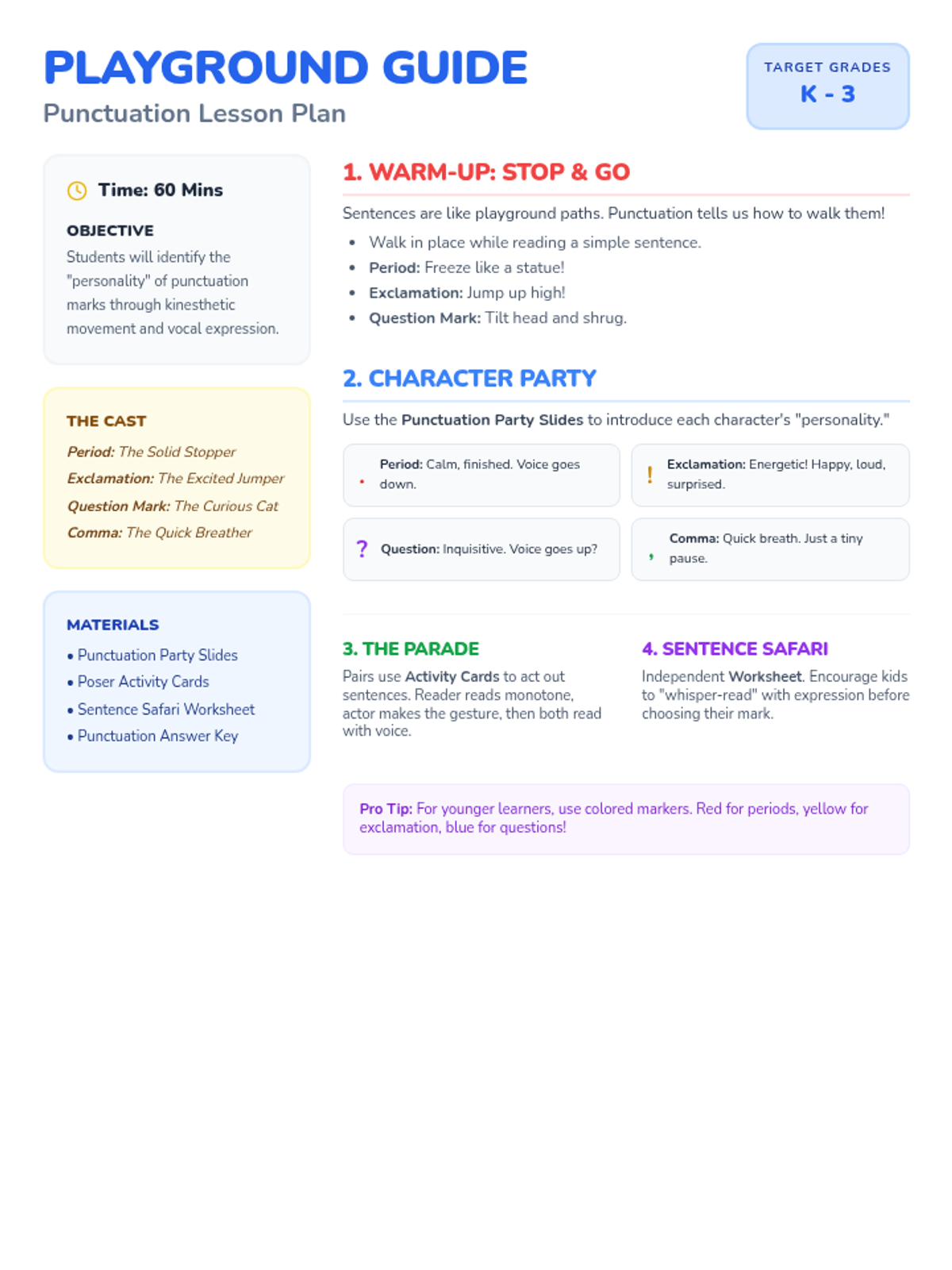
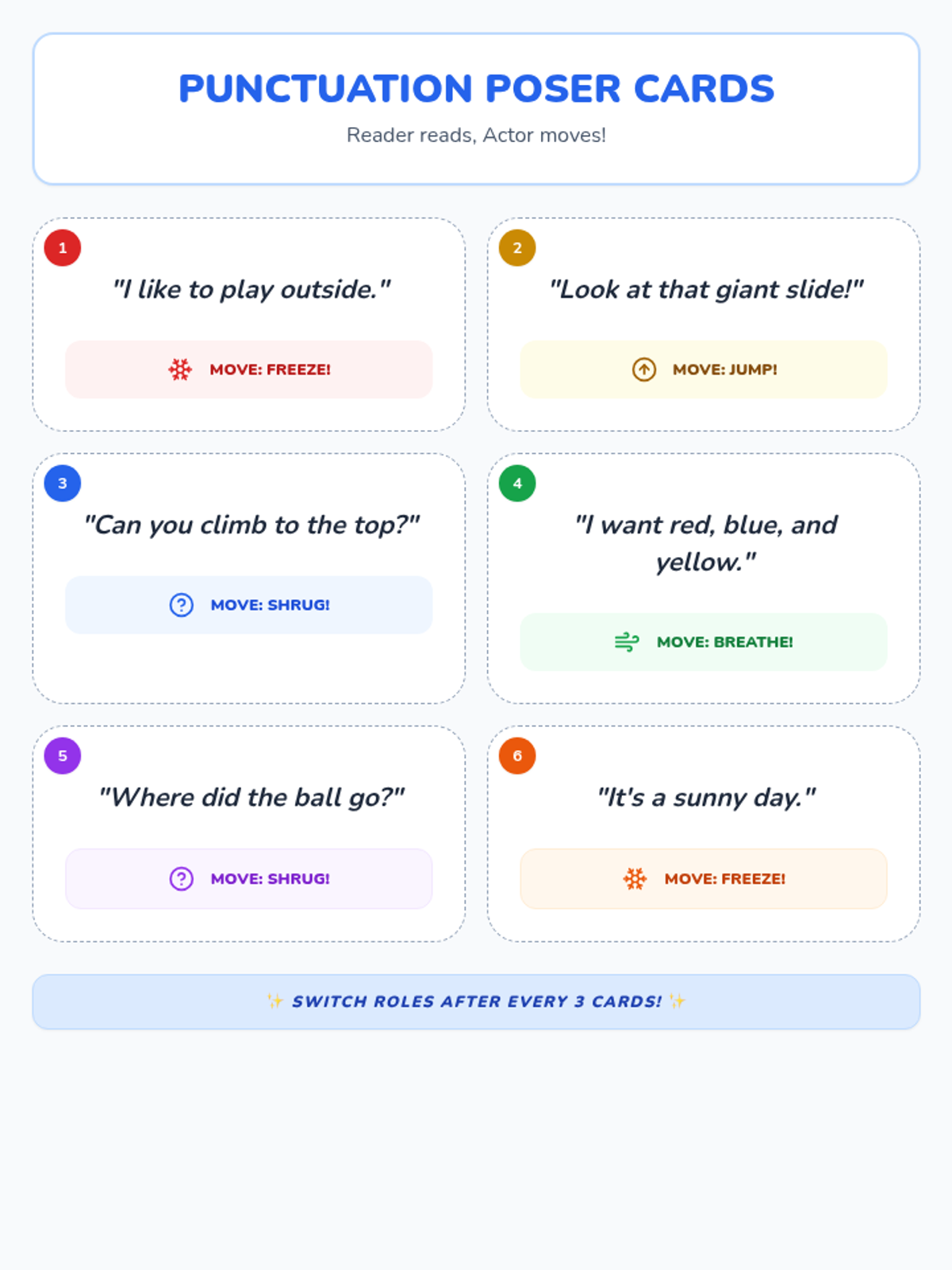
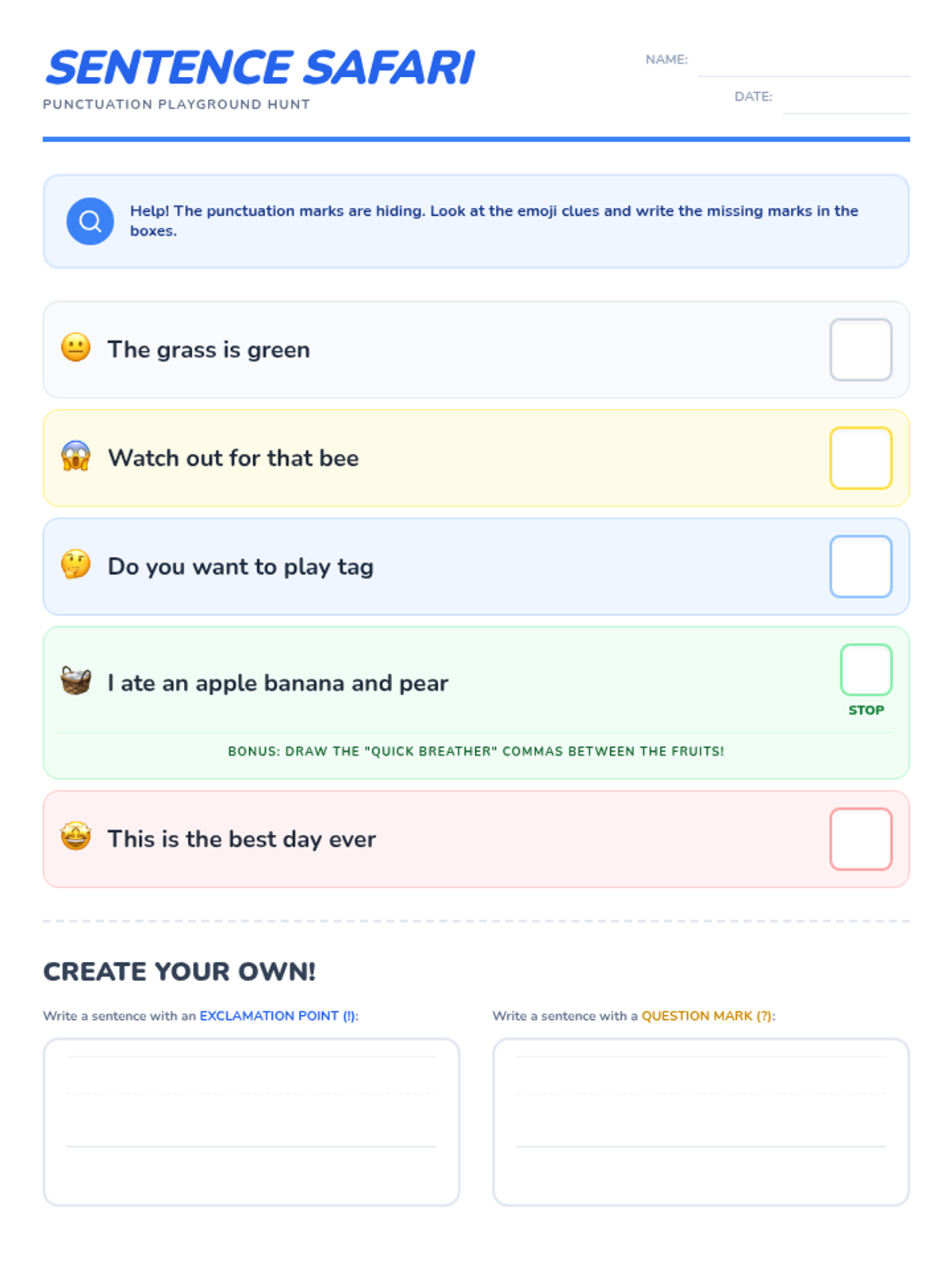
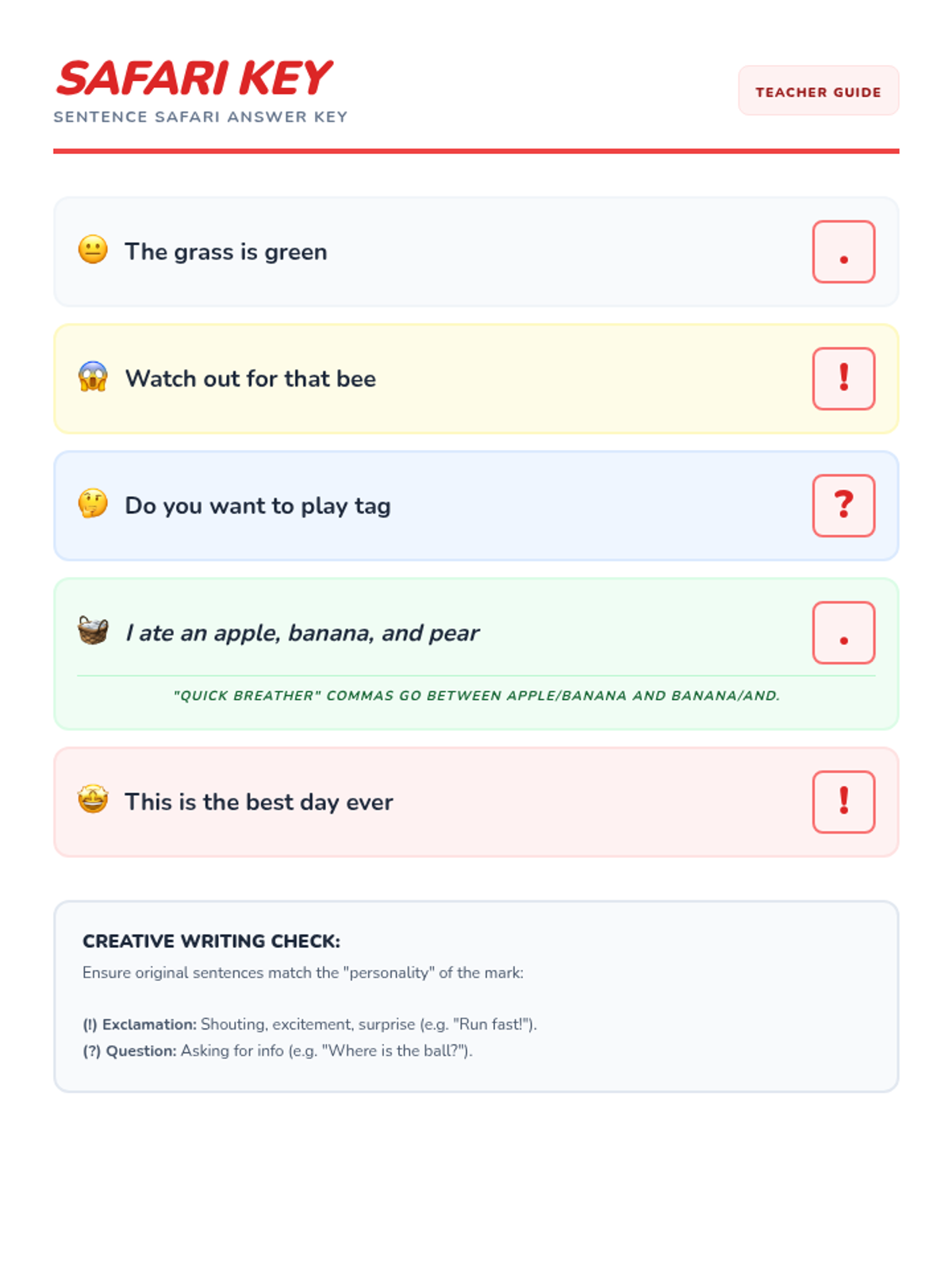
A lively, kinesthetic lesson where K-3 students personify punctuation marks through movement and creative writing to understand how they shape the voice of a sentence.
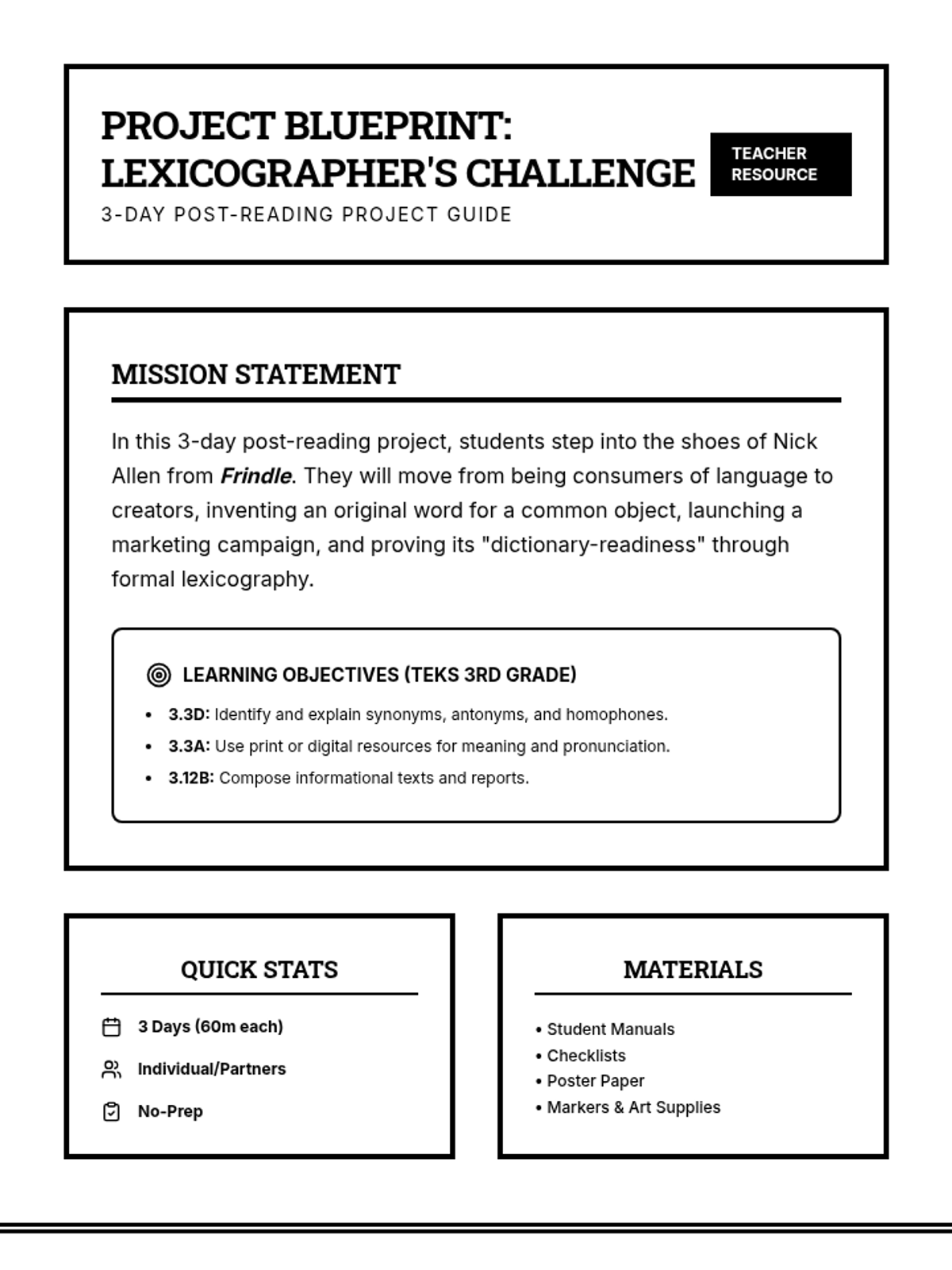
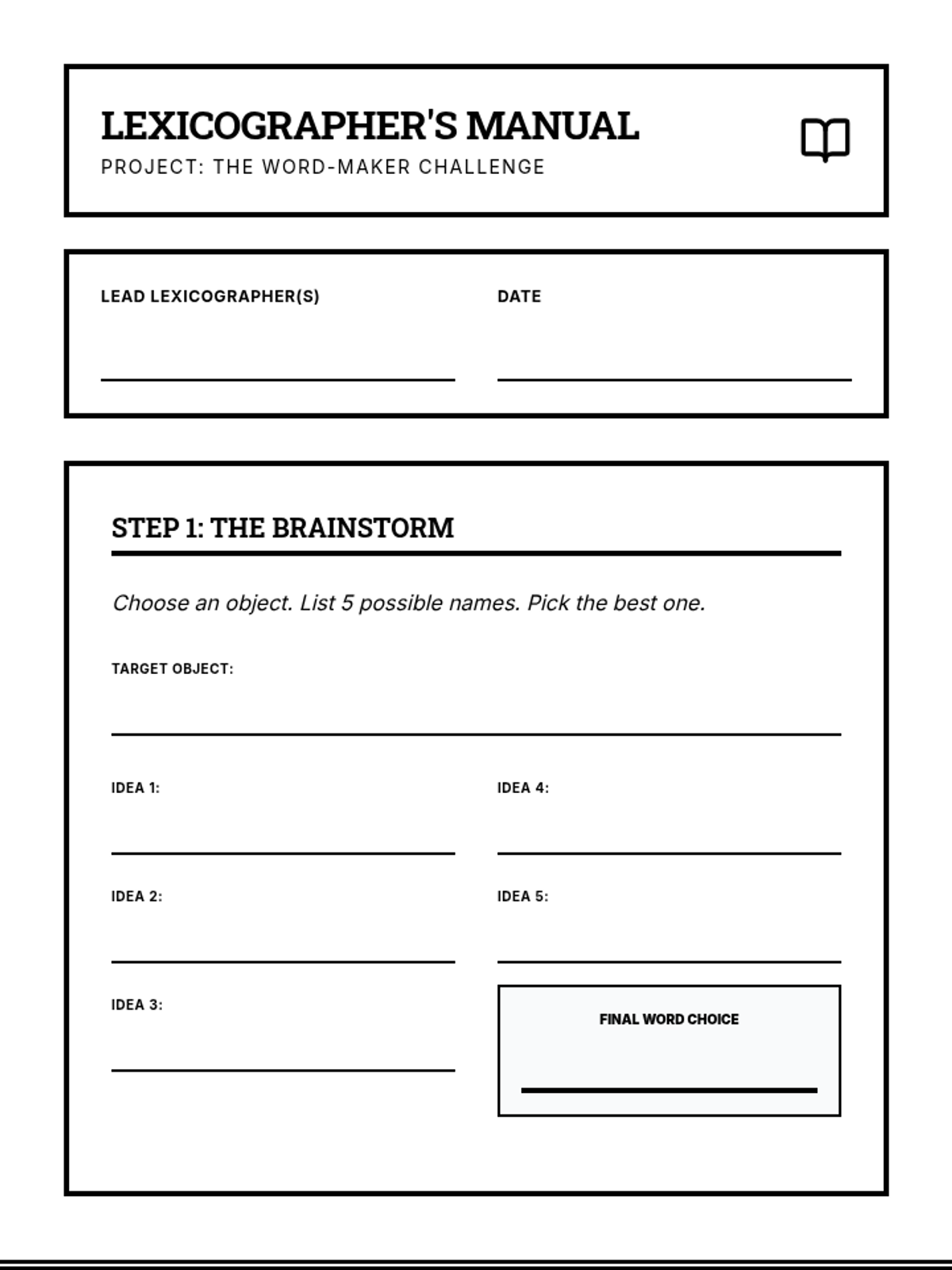
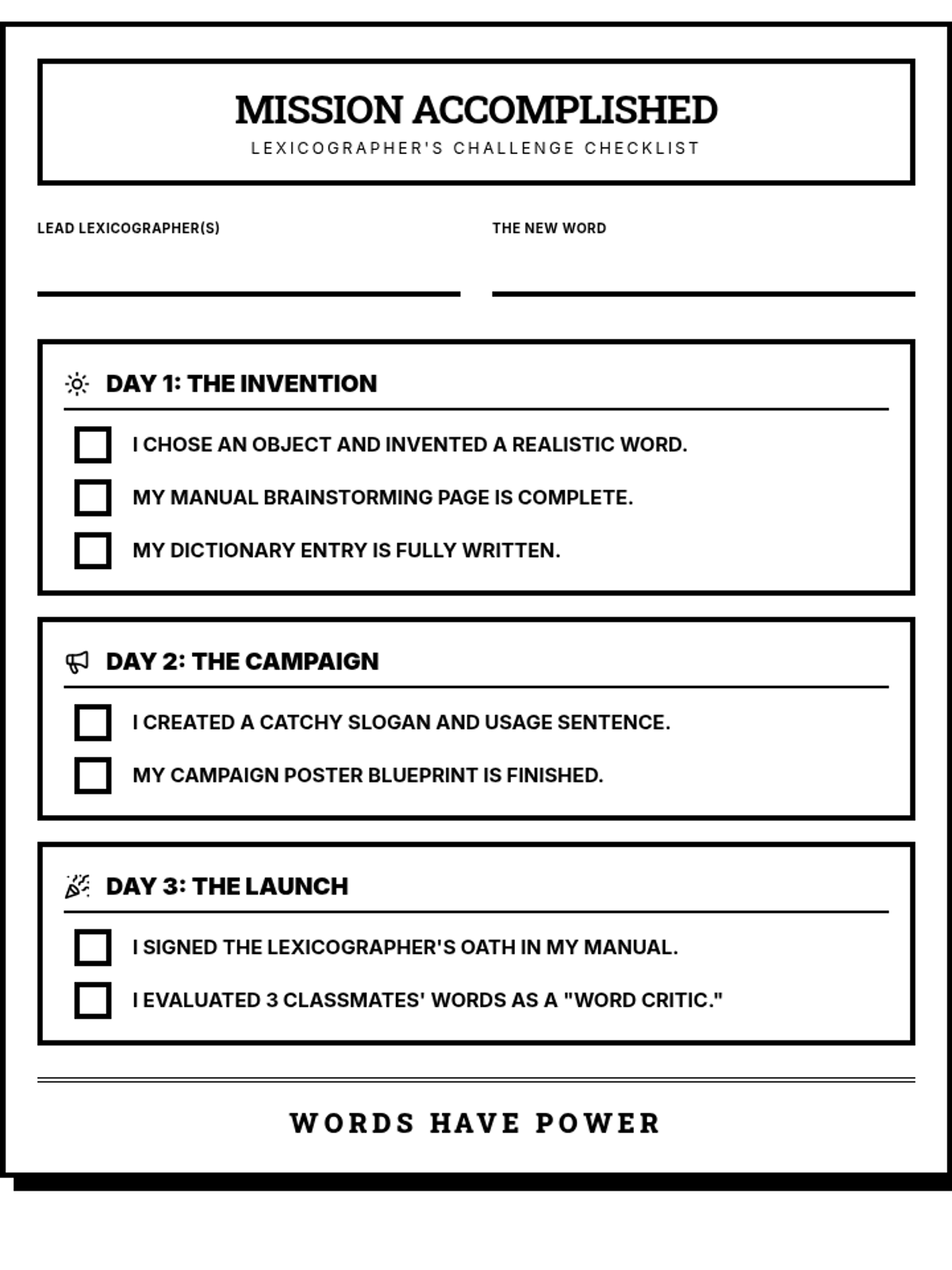
A 3-day post-reading project where students follow in Nick Allen's footsteps to invent their own word, create a marketing campaign, and document its 'dictionary-readiness'.
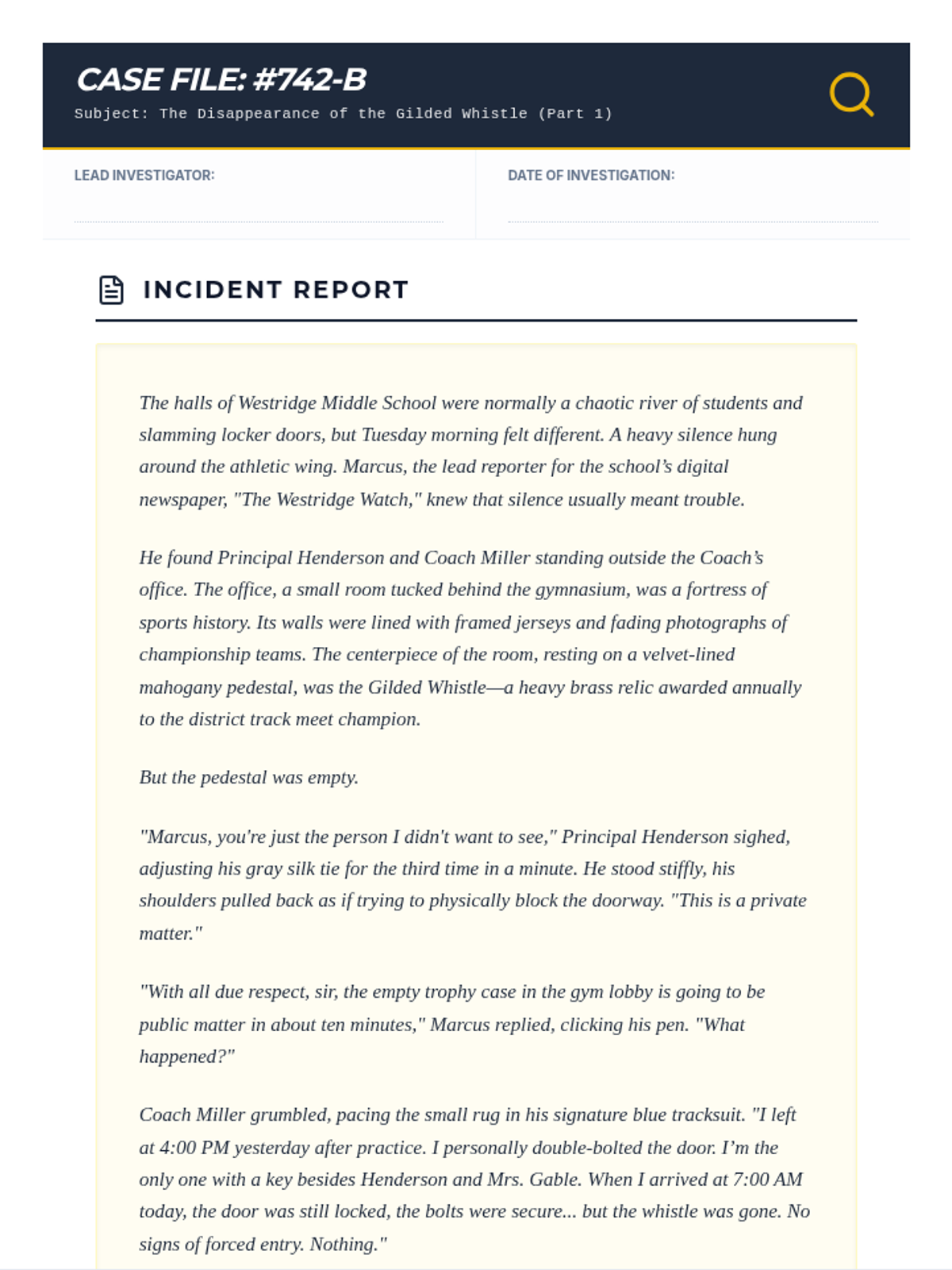
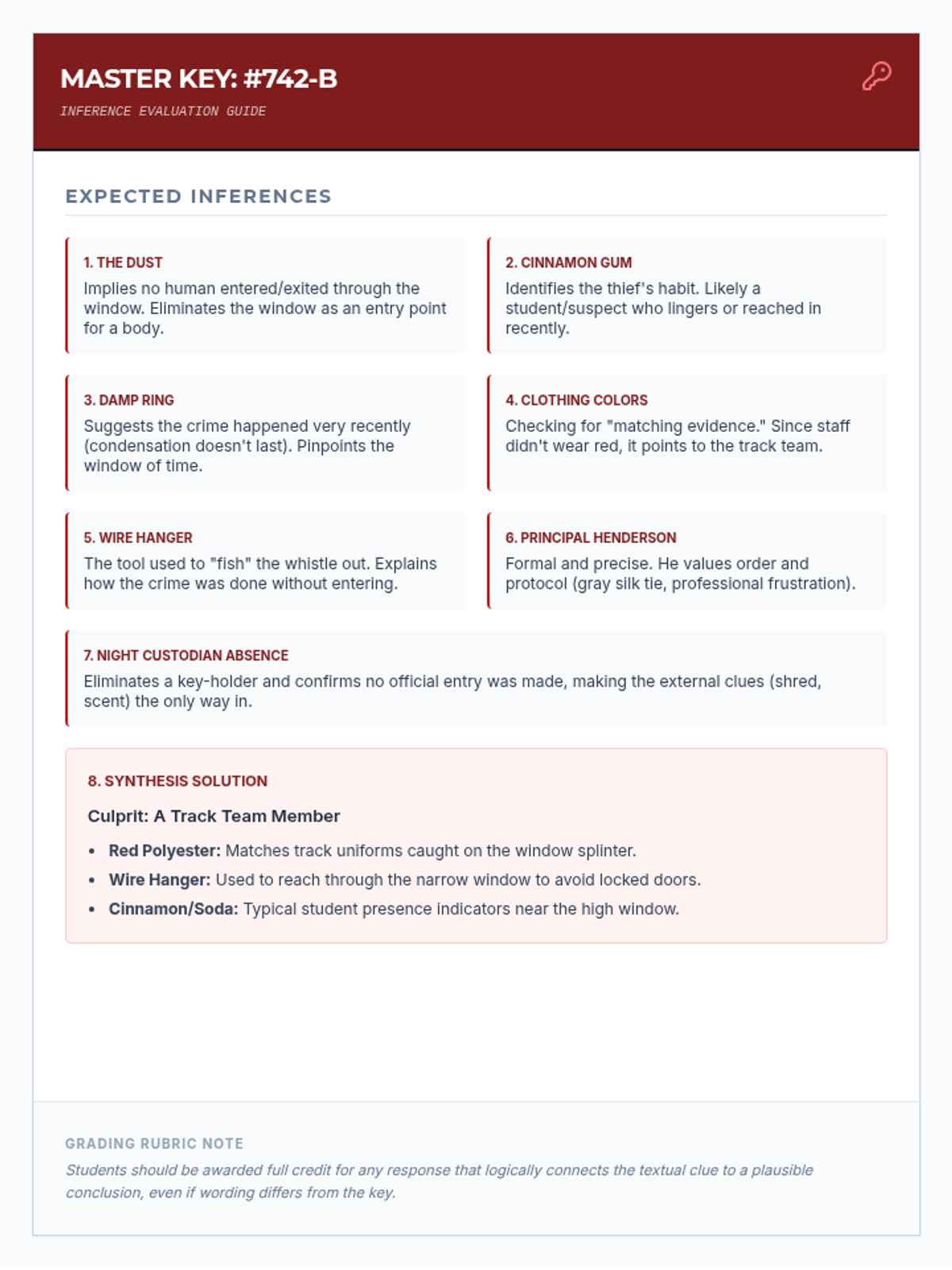
A 6th-grade ELA lesson focused on developing inference skills through a locked-room school mystery. Students analyze clues, character motivations, and environmental details to solve a crime.
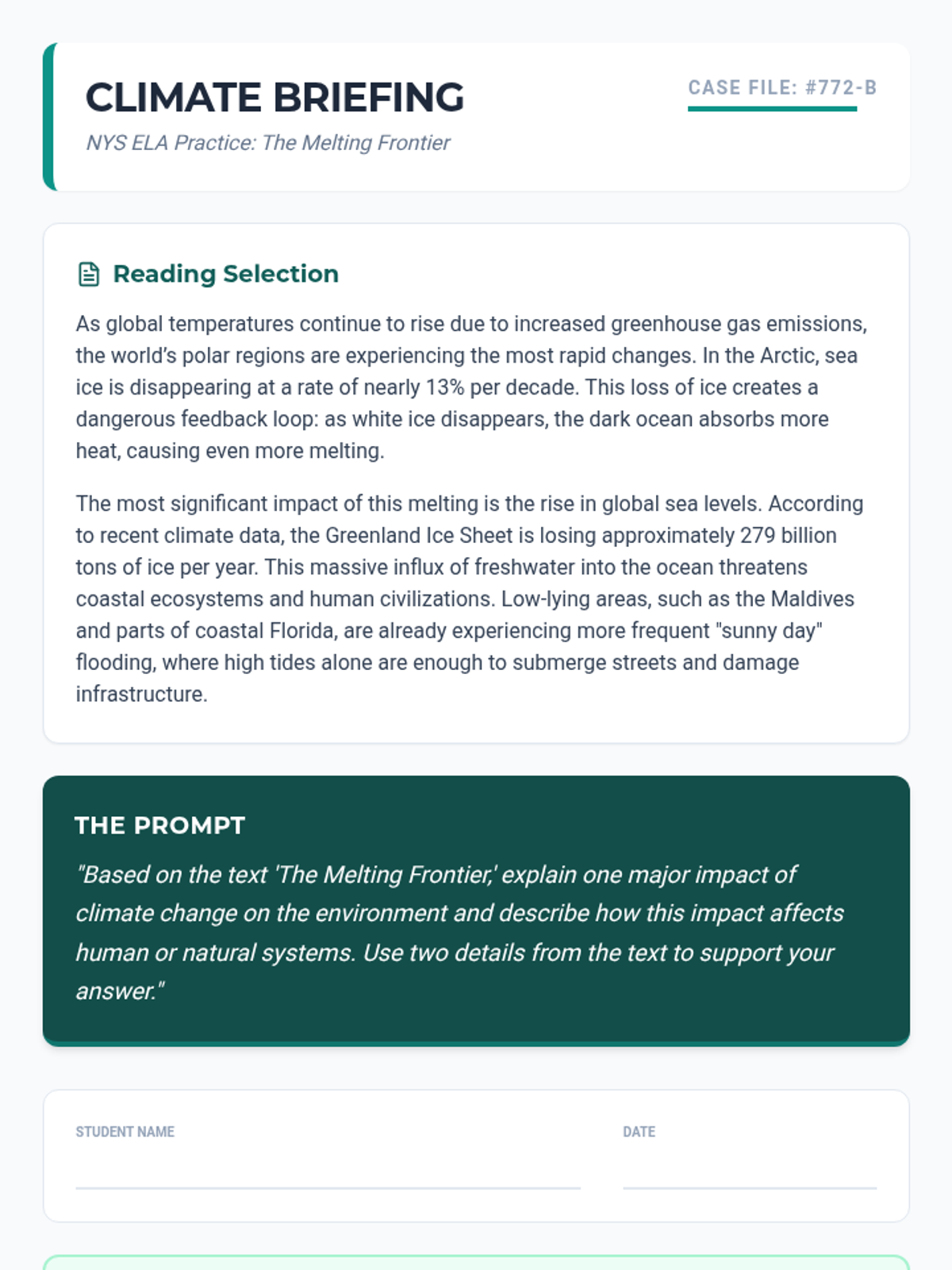
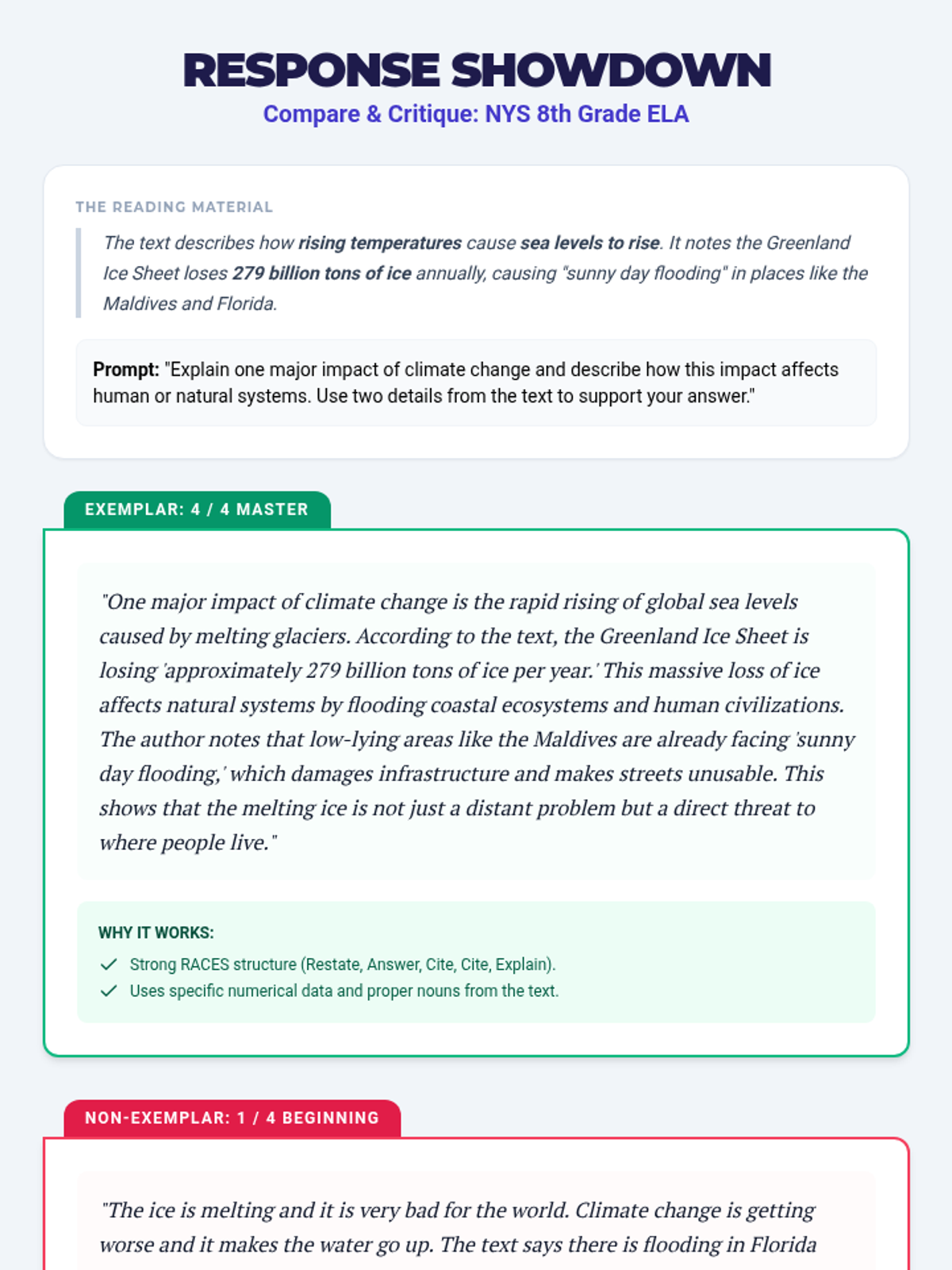
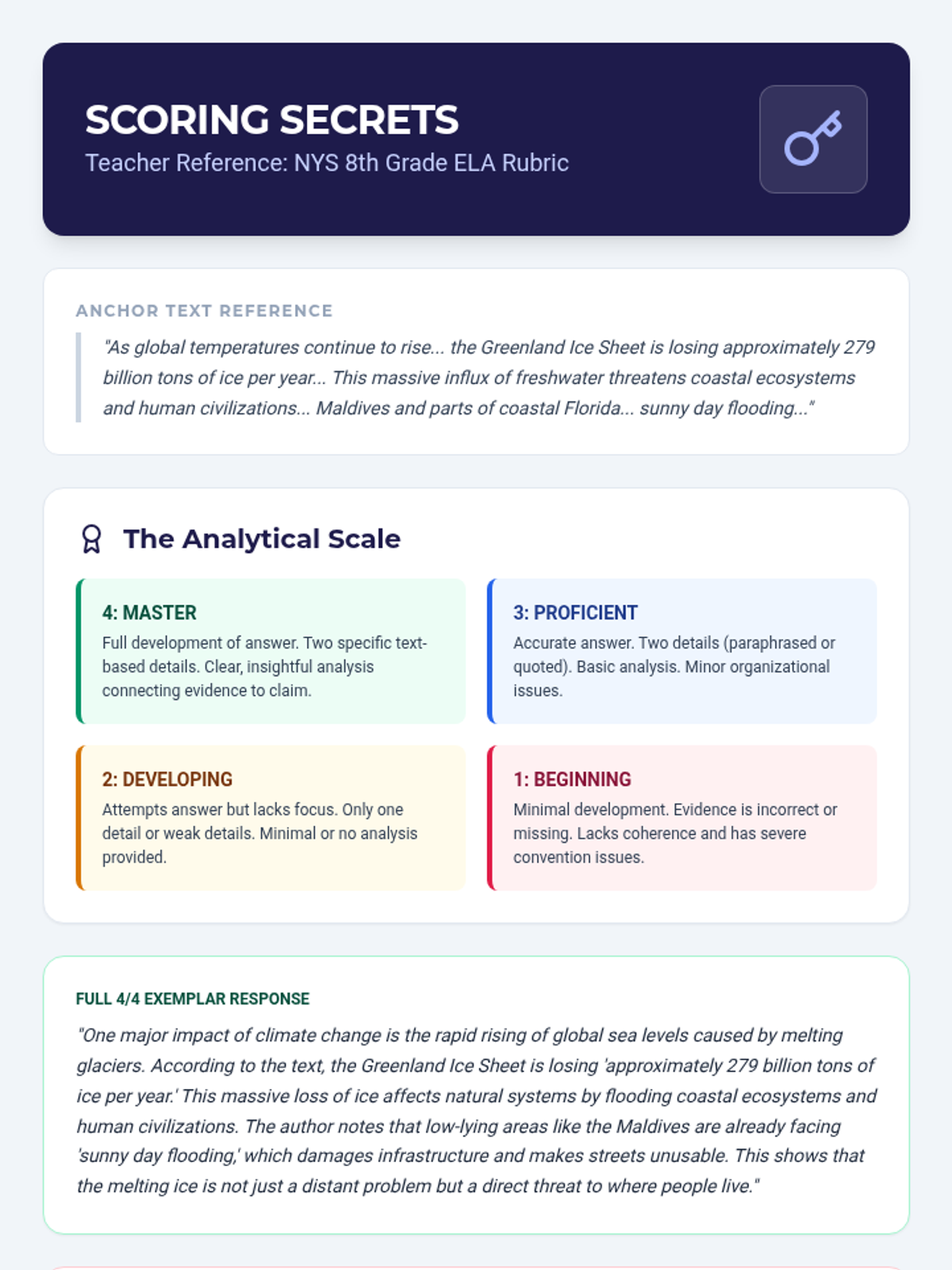
A lesson focused on analyzing and producing high-quality short responses for the NYS 8th Grade ELA exam using the topic of climate change. Students will compare exemplar and non-exemplar responses to understand rubric criteria.
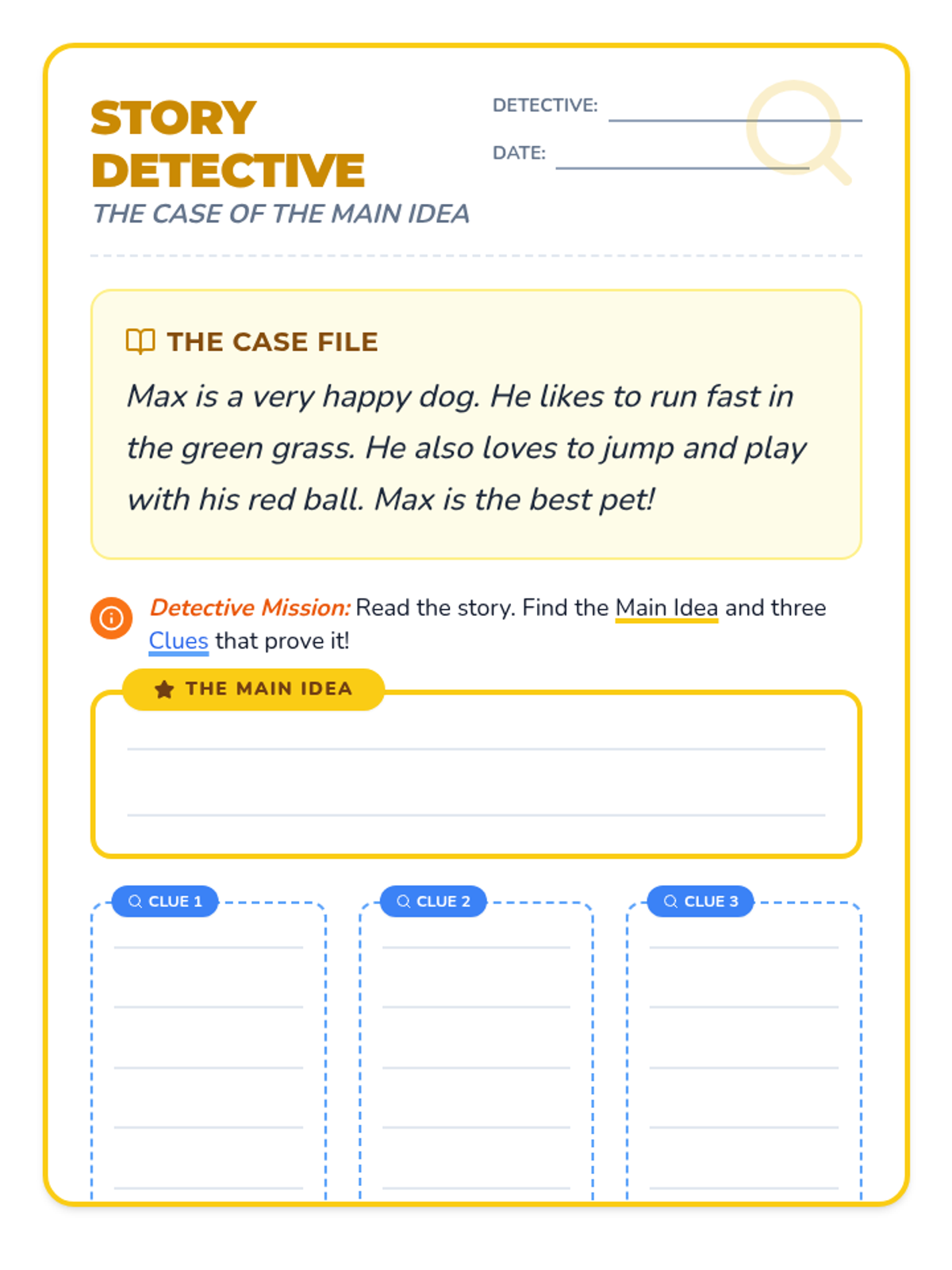
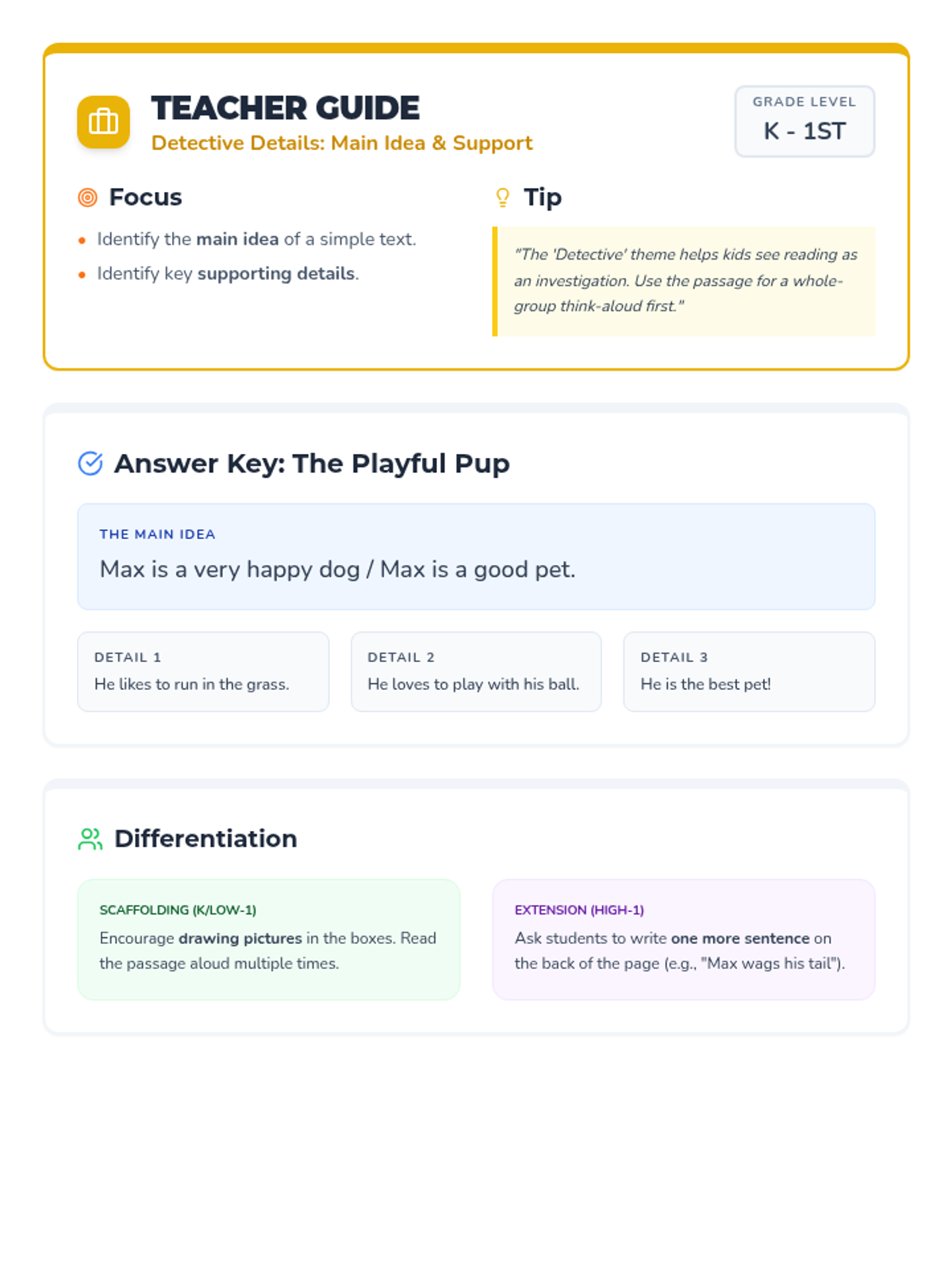
A foundational literacy lesson for K-1 students focused on identifying the main idea and supporting details using a 'Story Detective' theme.
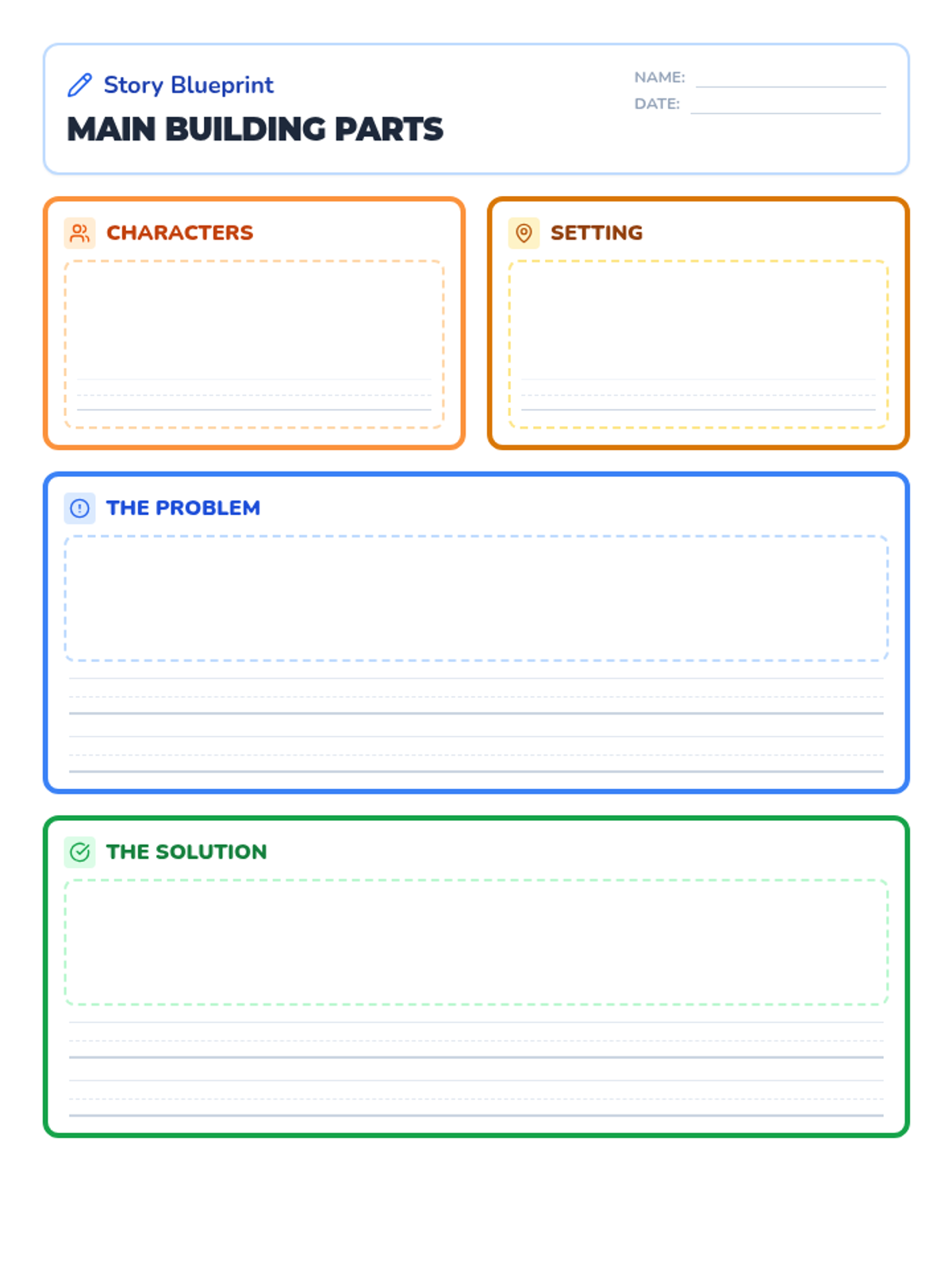
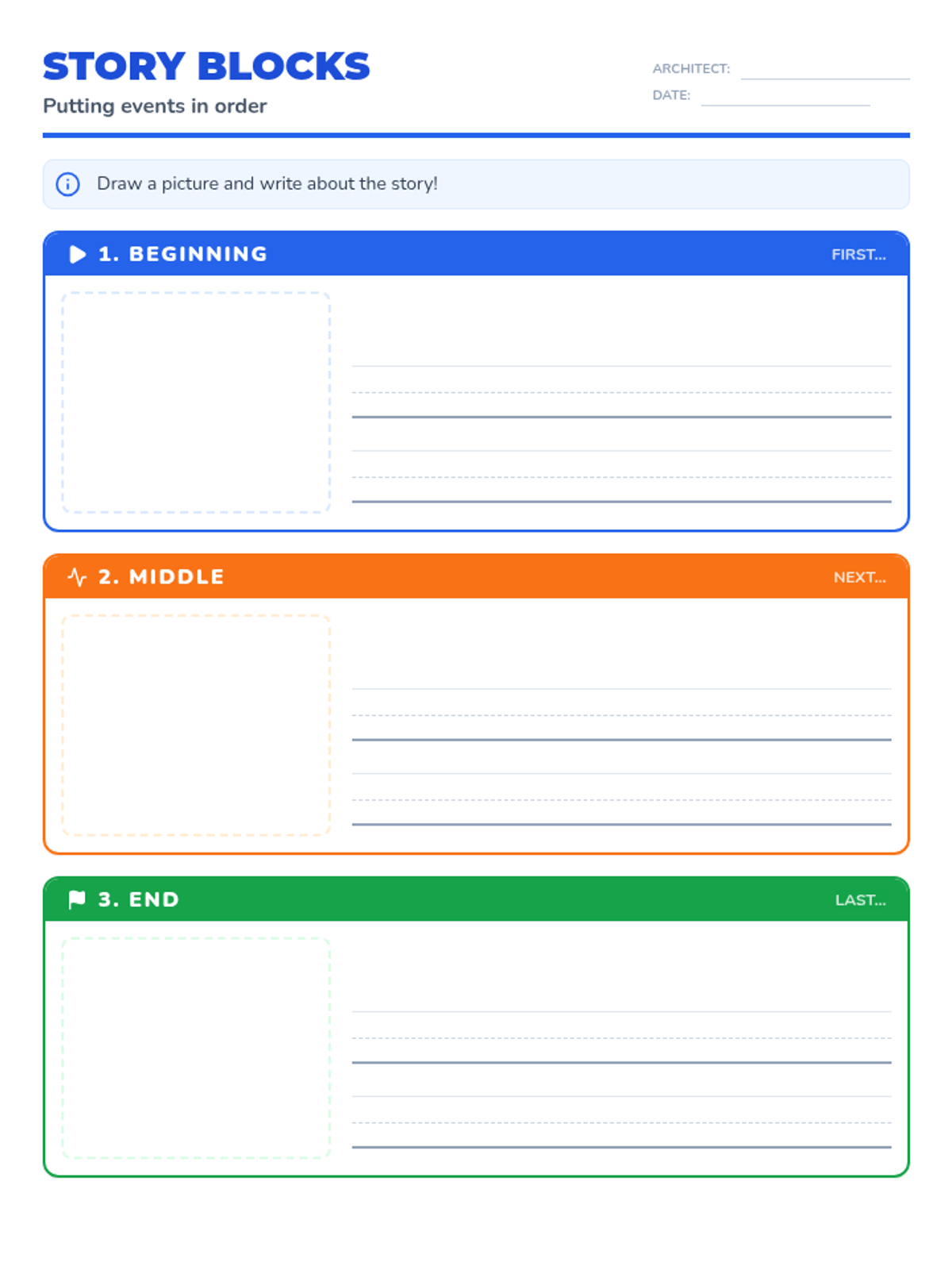
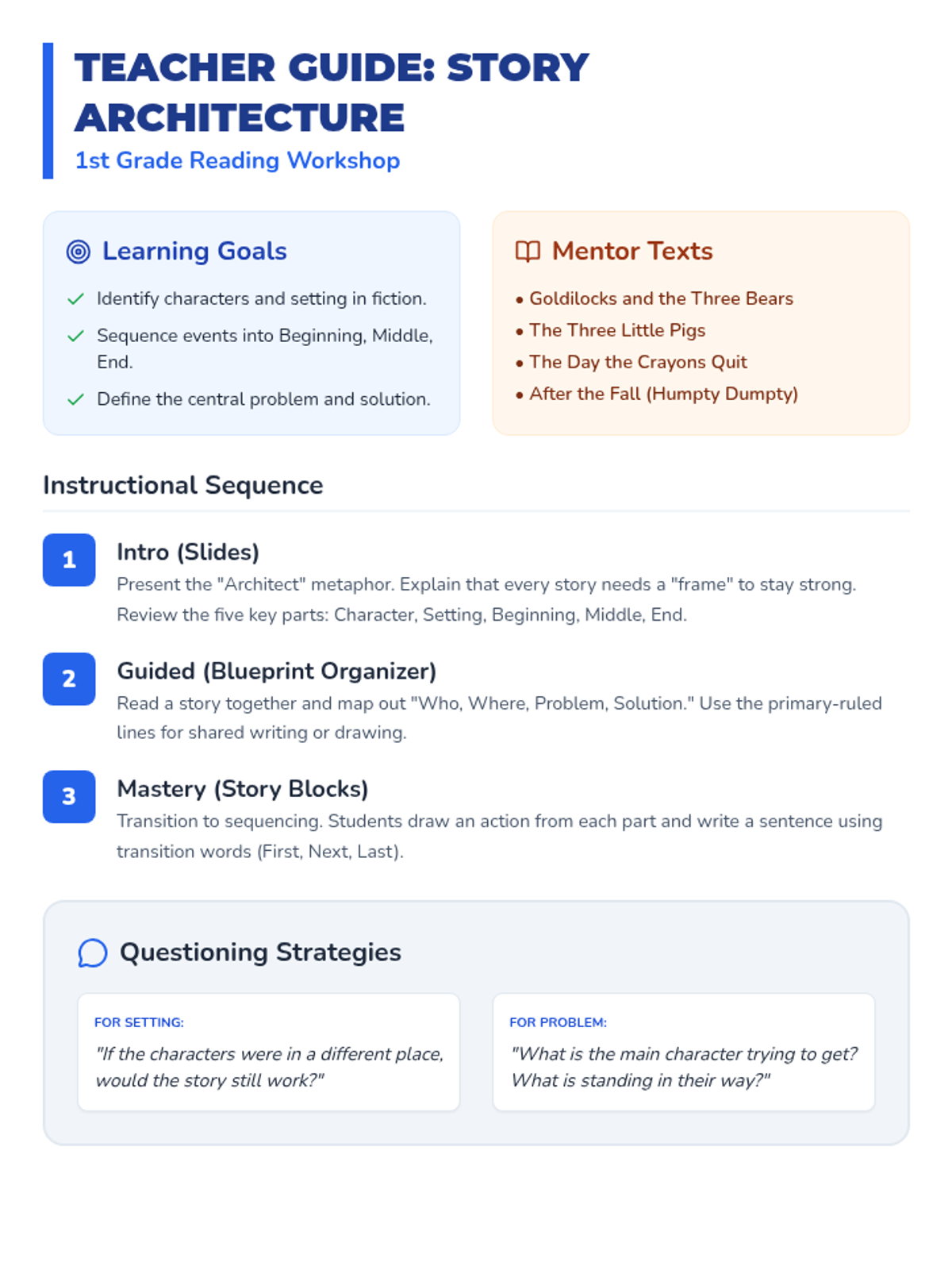
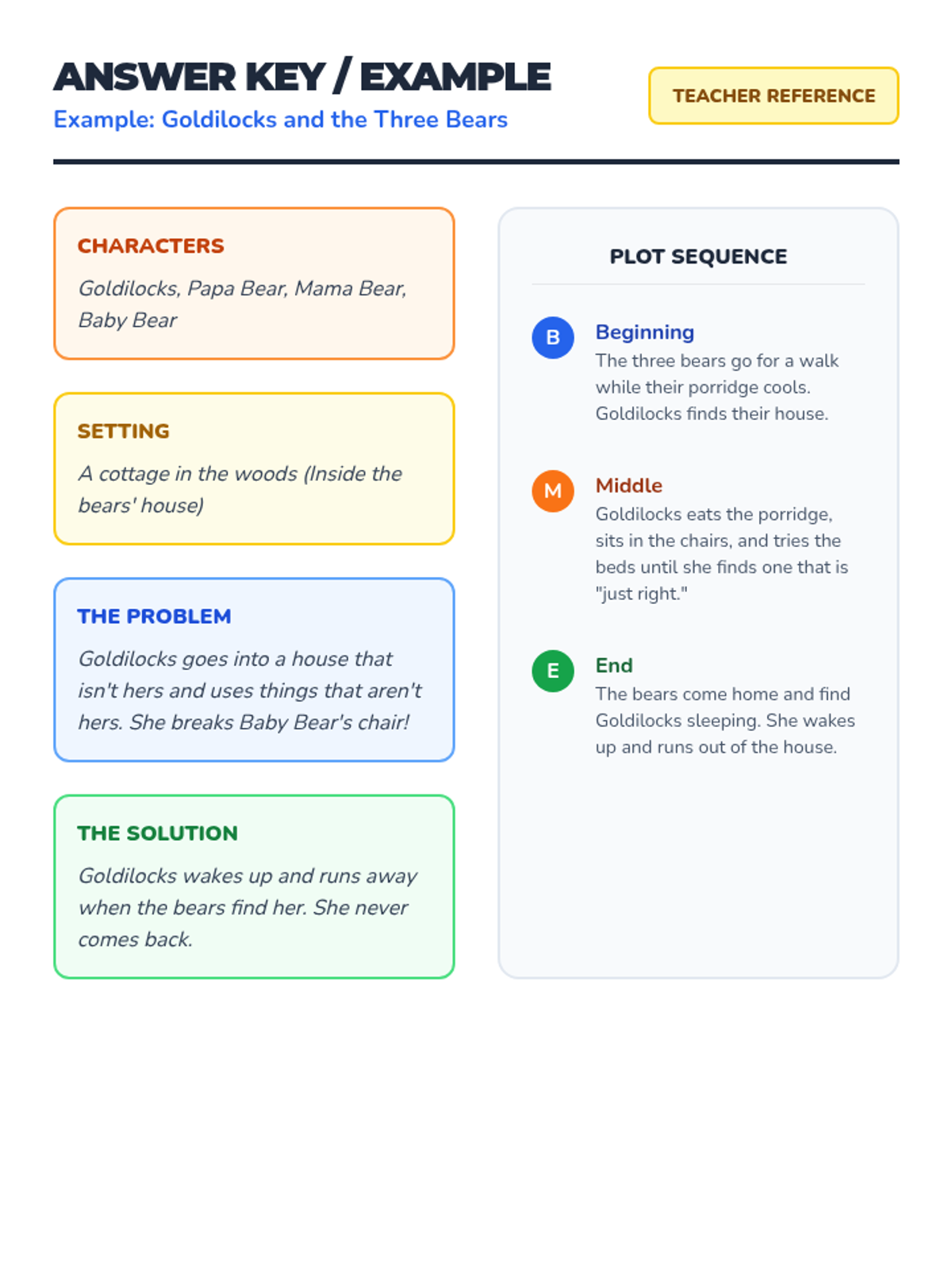
A comprehensive introduction to story structure for 1st graders, using a "Story Architect" theme to help students identify characters, setting, and plot events.
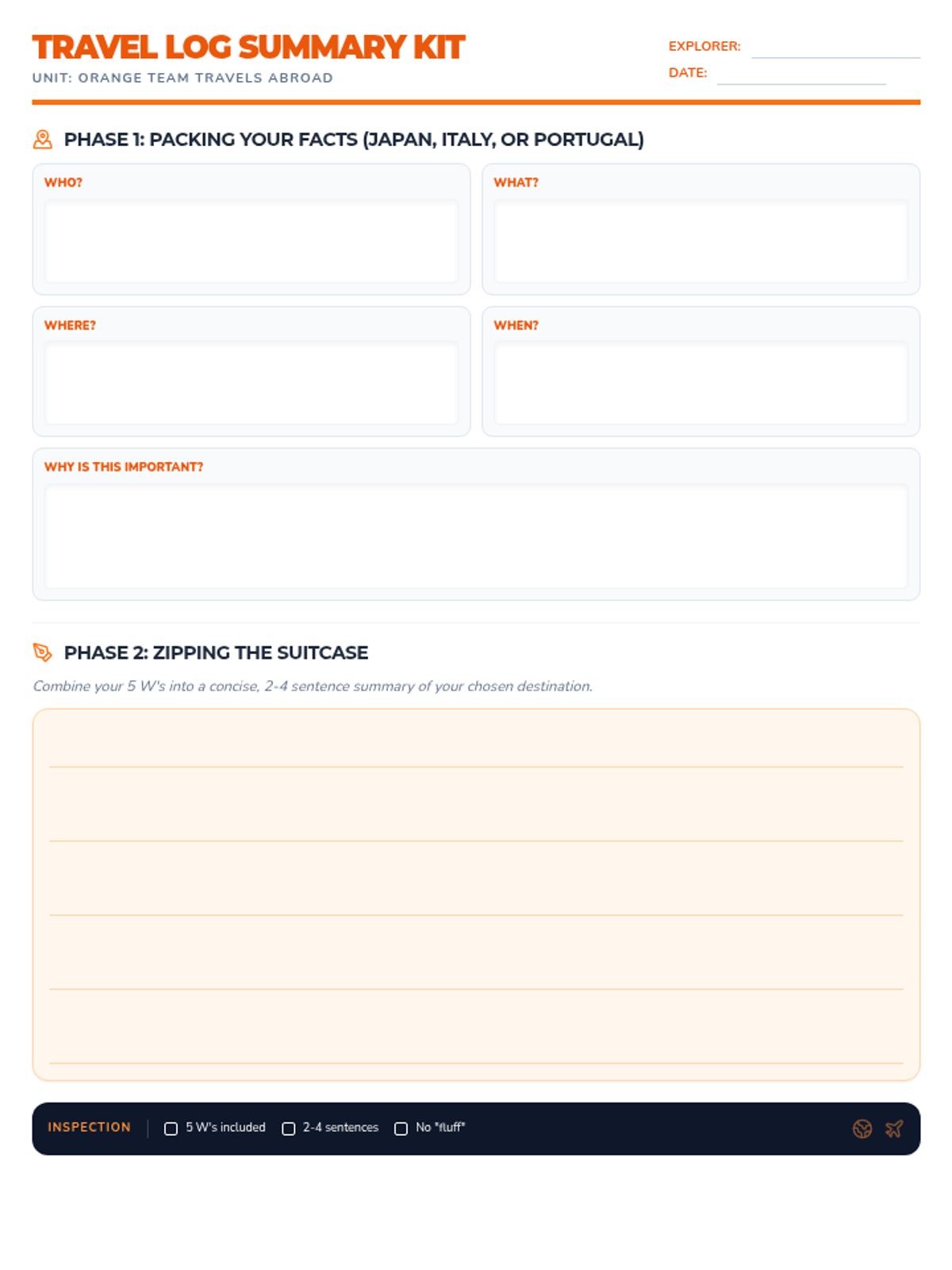
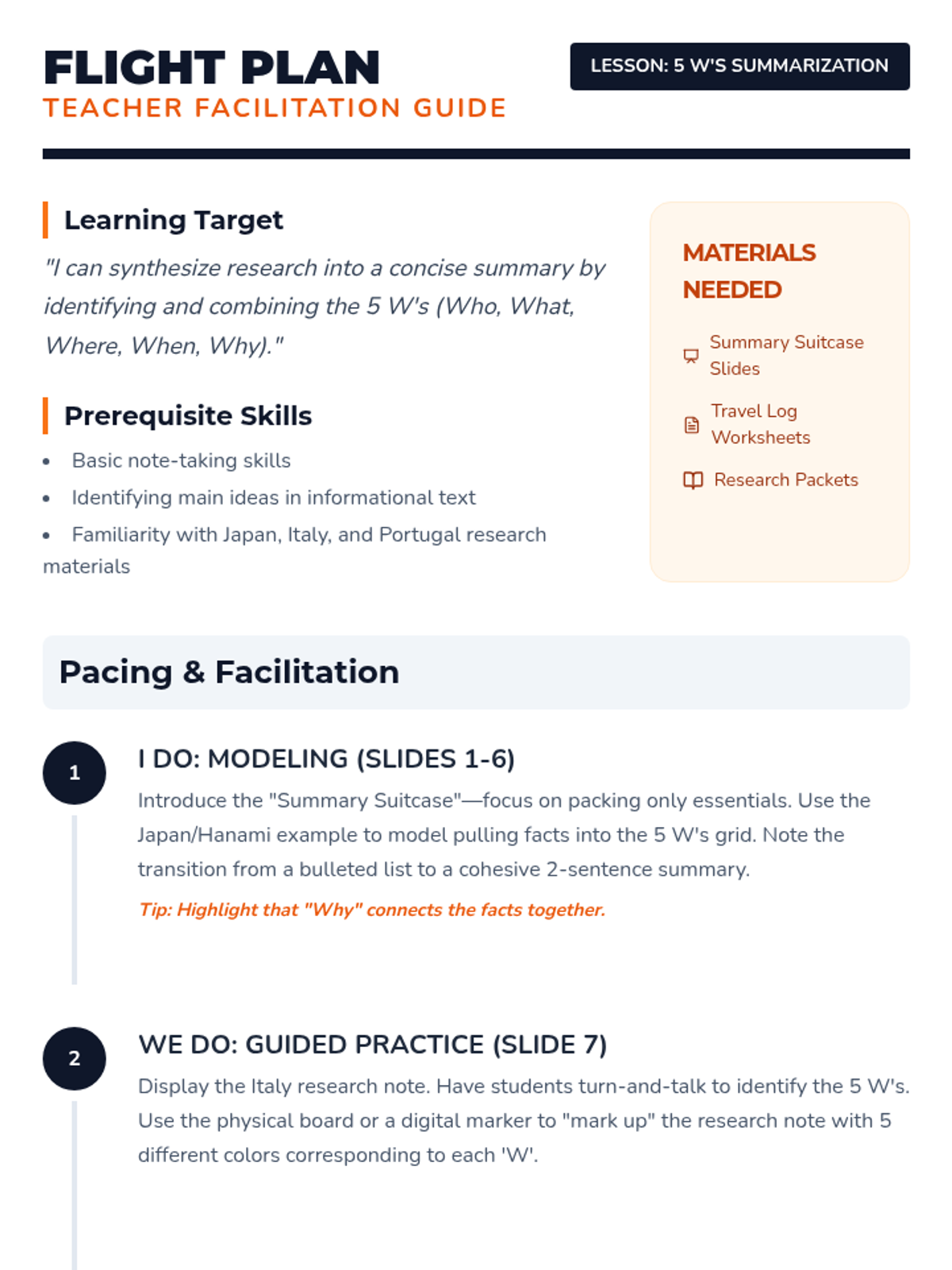
This lesson teaches 6th-grade students how to summarize their research on Japan, Italy, and Portugal using the 5 W's strategy. Students will learn to distill complex information into concise summaries that capture the essence of their travel destinations.
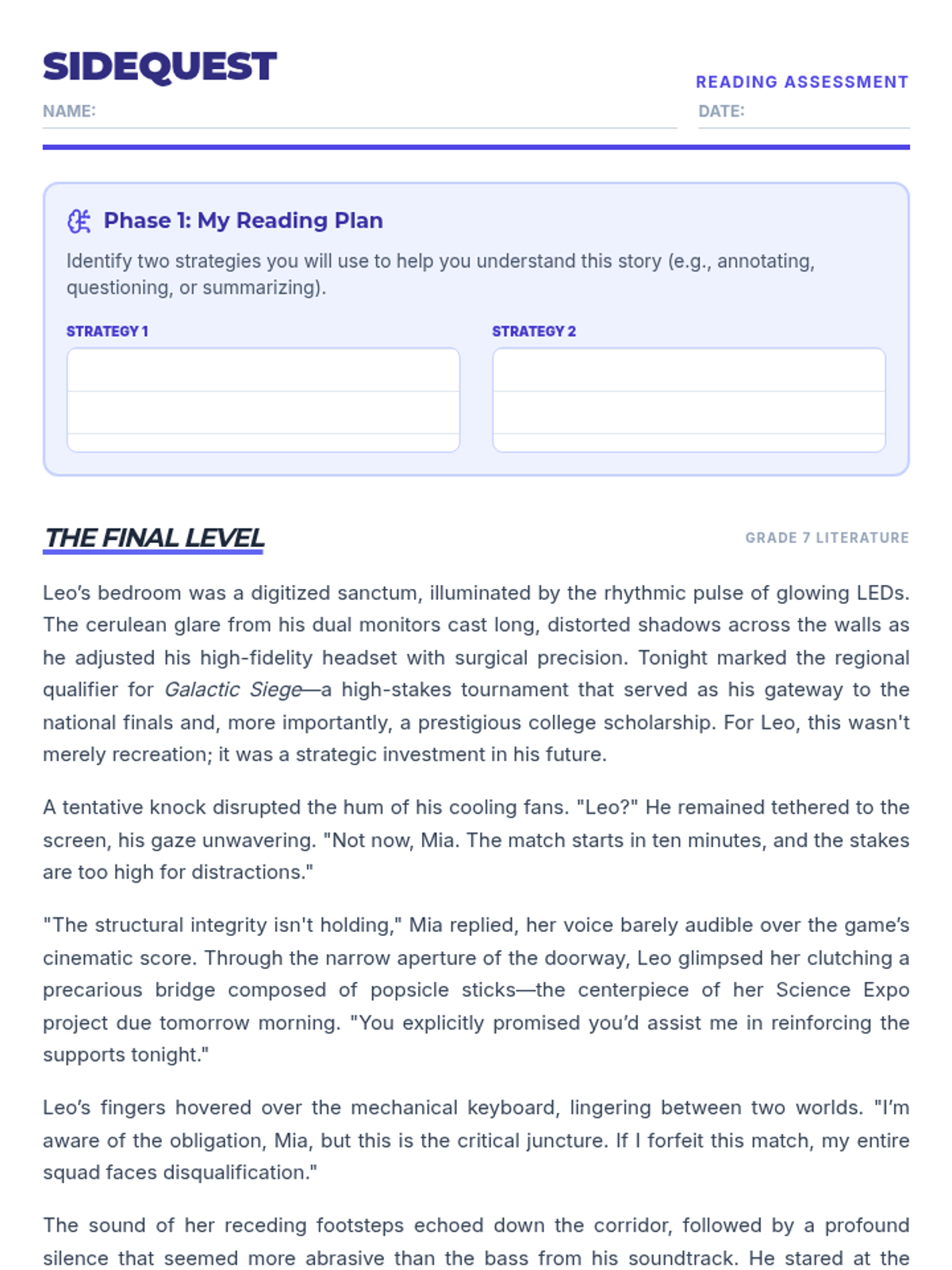
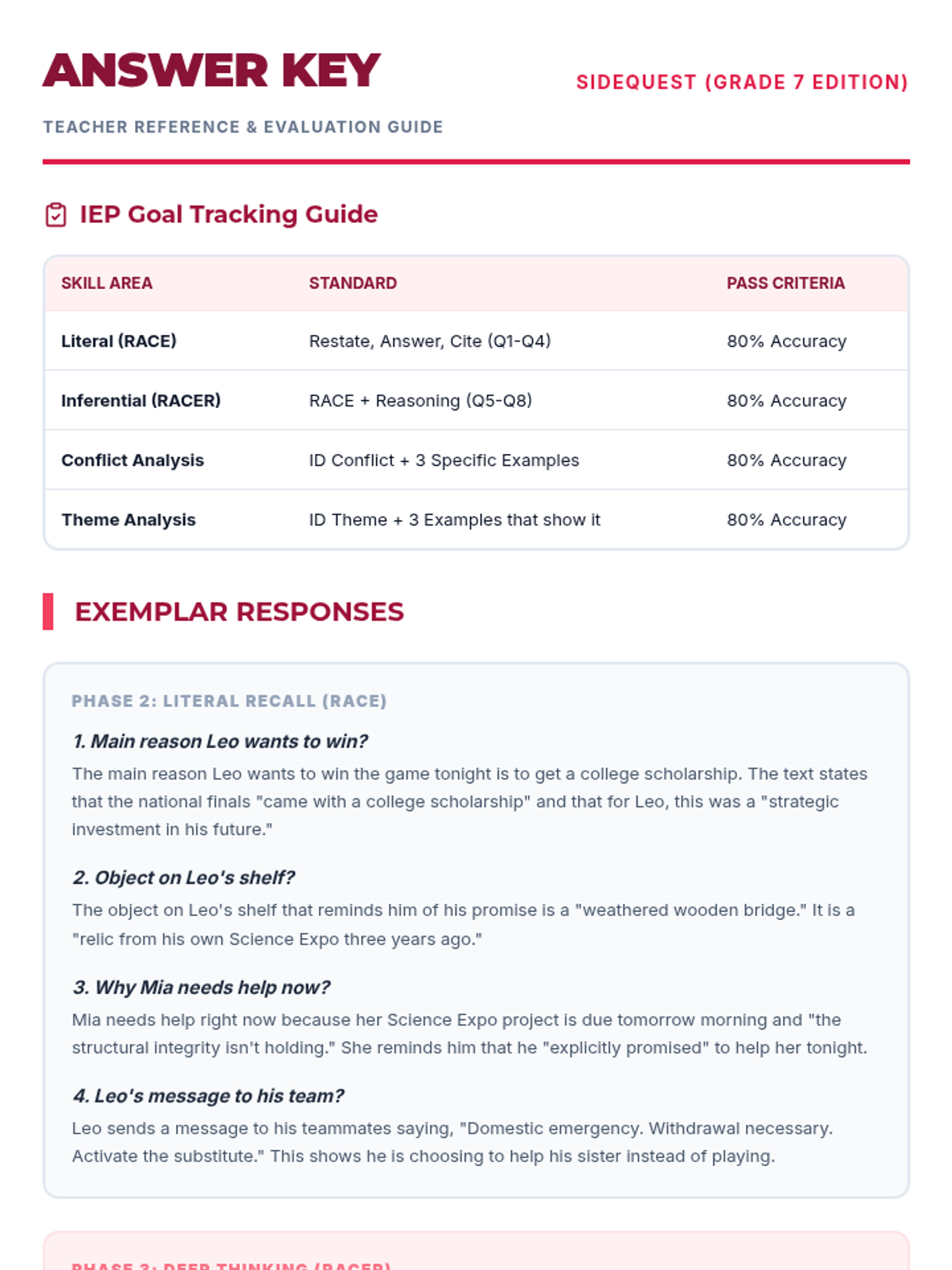
A comprehensive reading assessment based on a high-interest realistic fiction story, designed to measure literal, inferential, and evaluative comprehension through evidence-based responses.
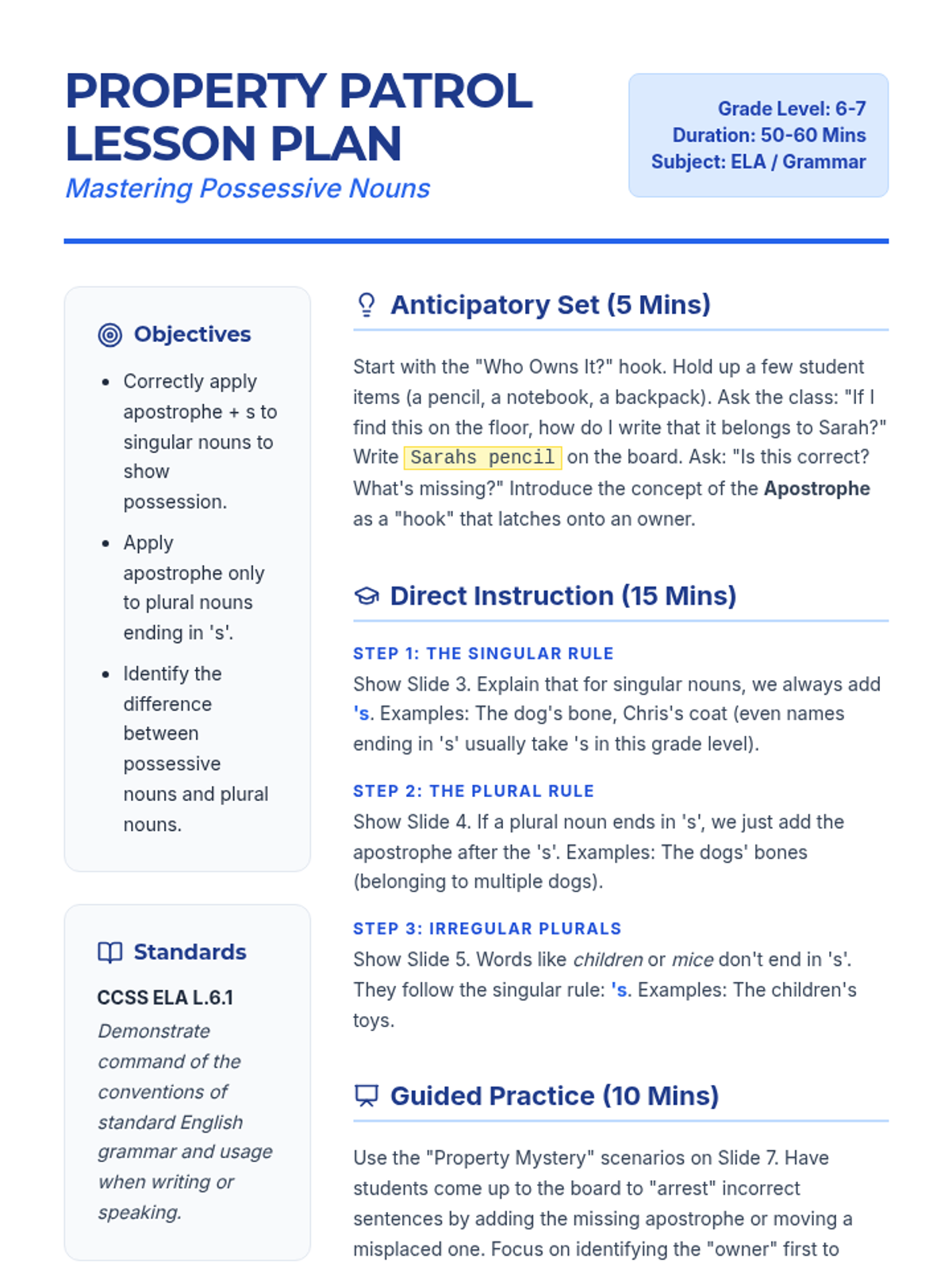
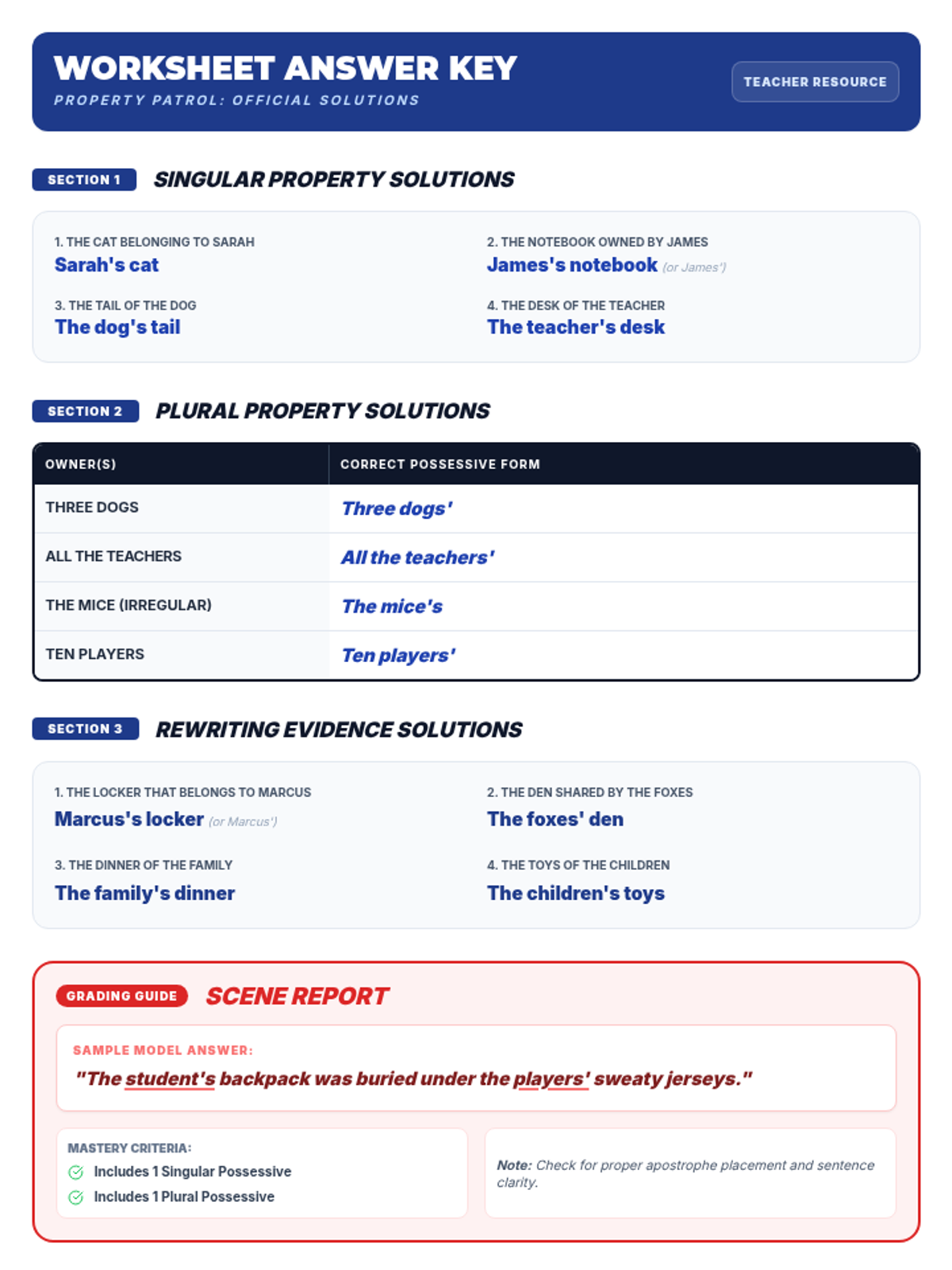
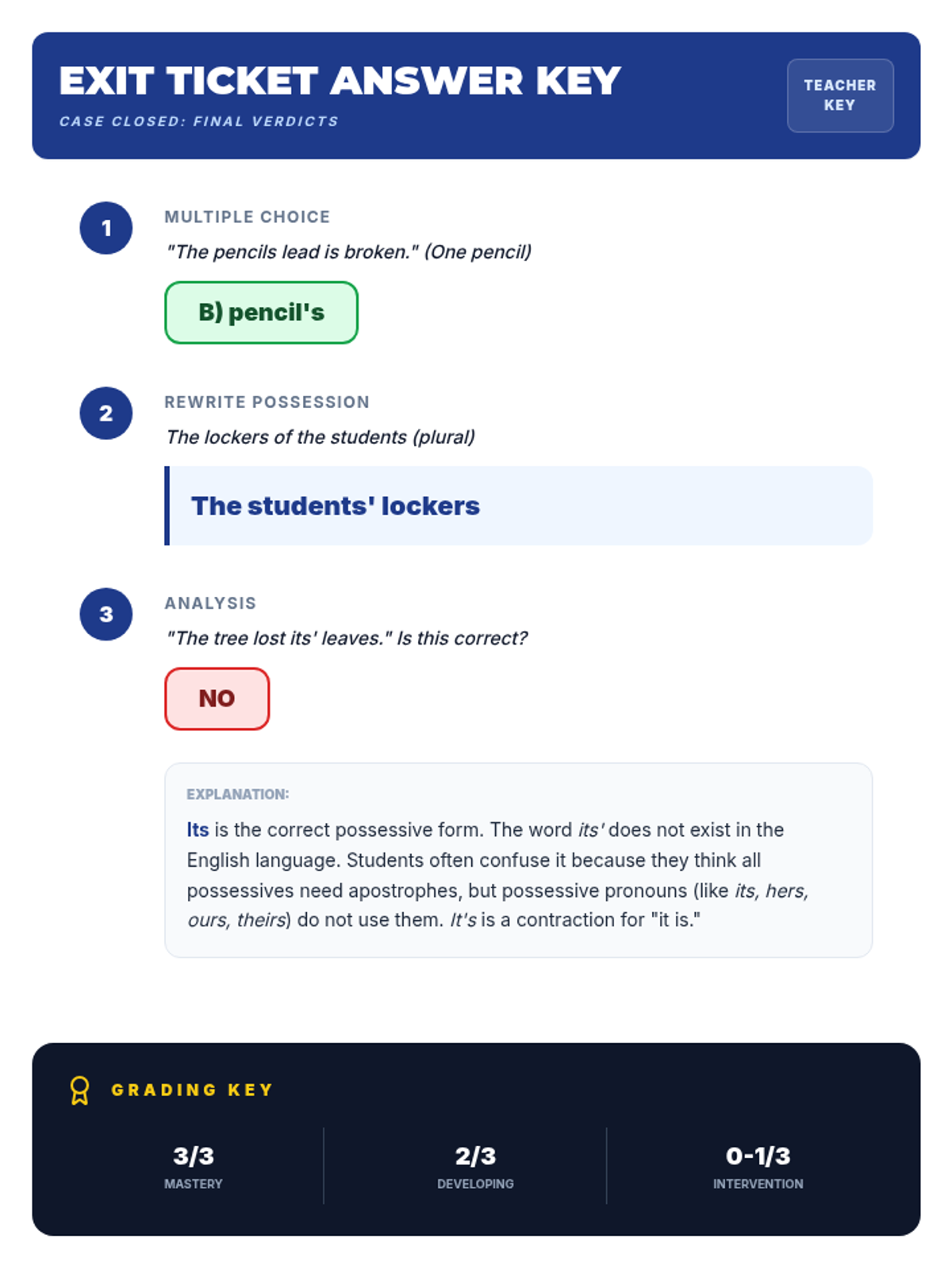
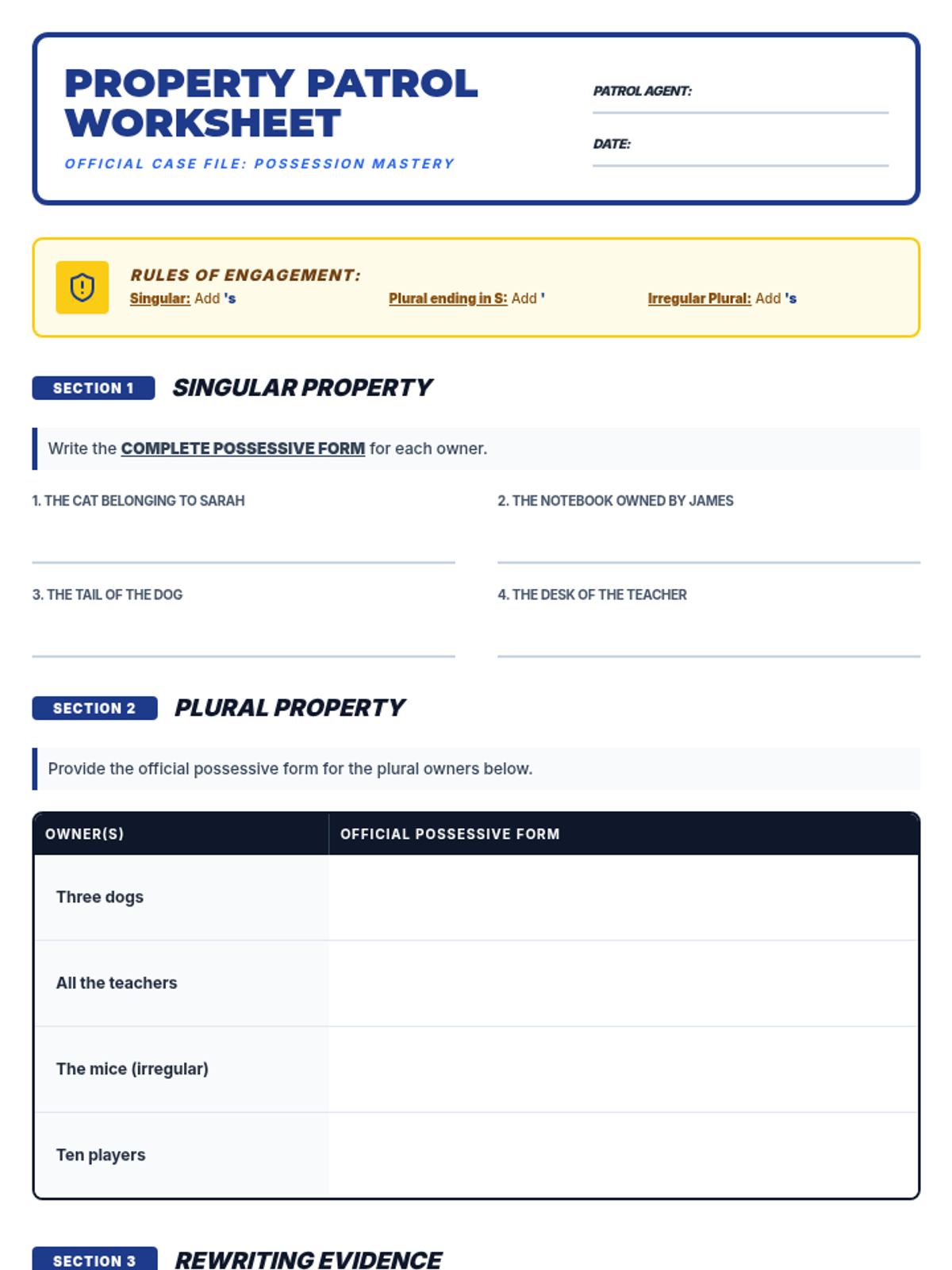
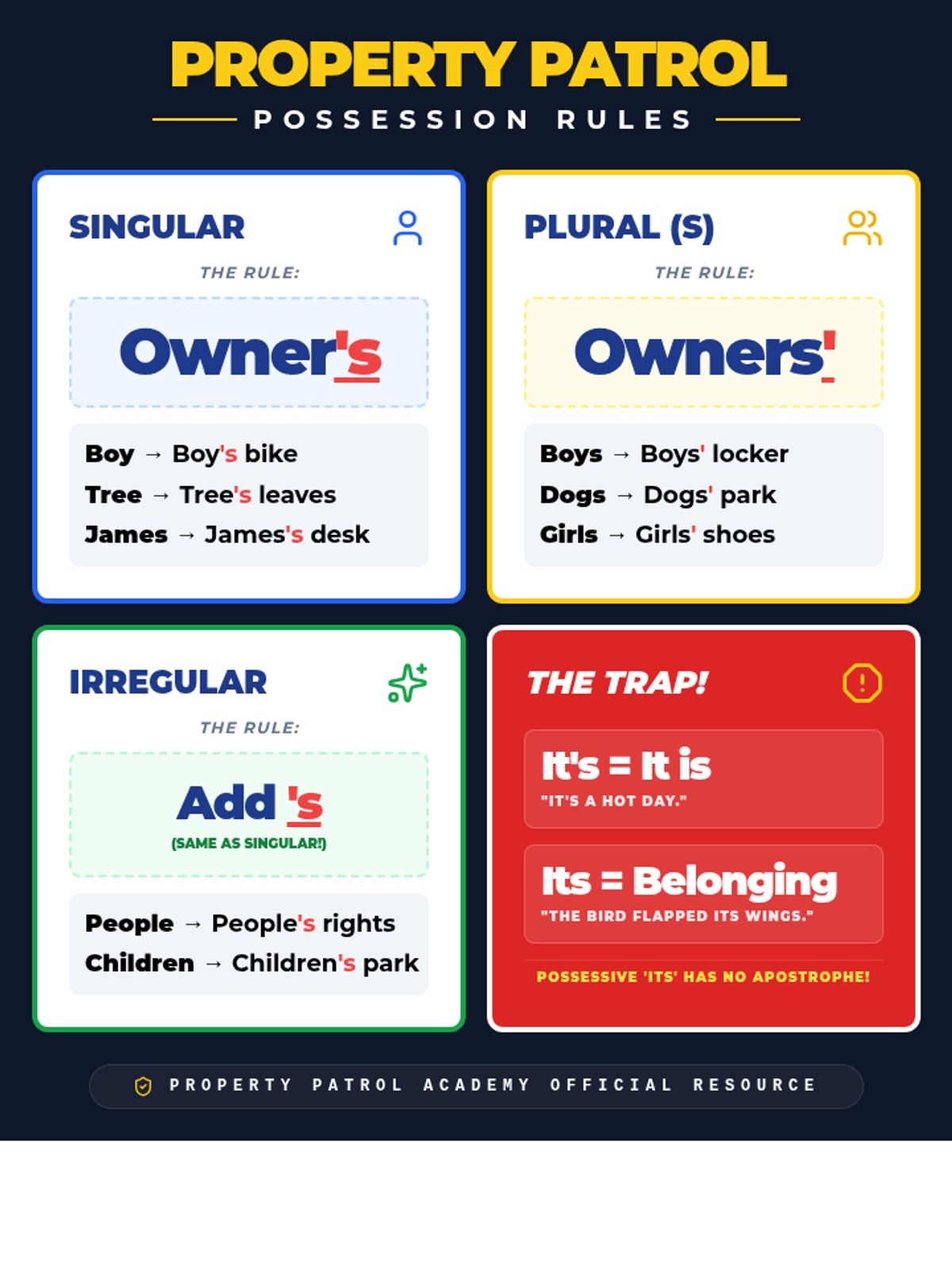
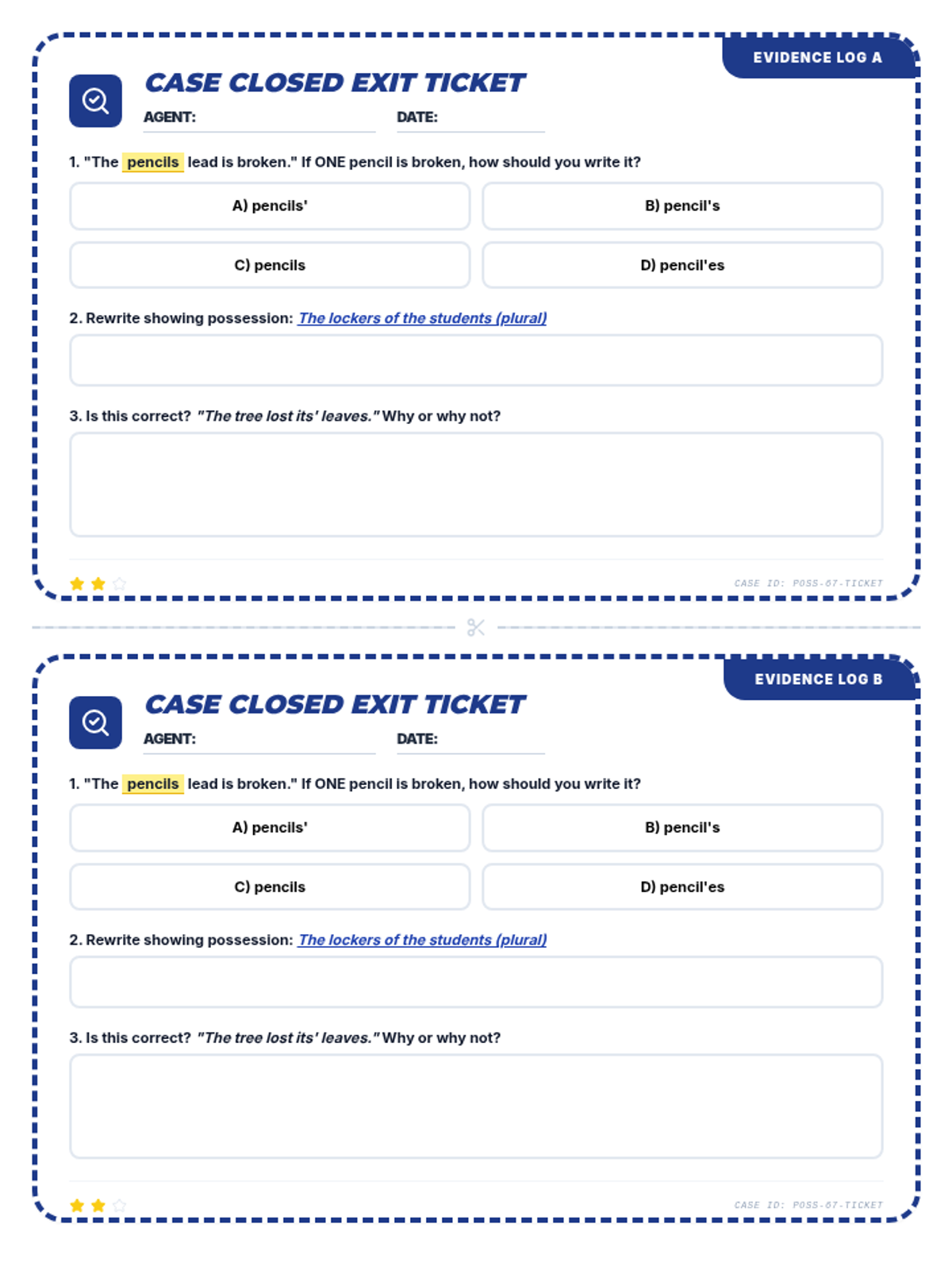
A comprehensive lesson on mastering possessive nouns using apostrophes, focusing on singular and plural rules for 6th and 7th-grade students. This lesson uses a 'Property Patrol' detective theme to make grammar engaging and memorable.
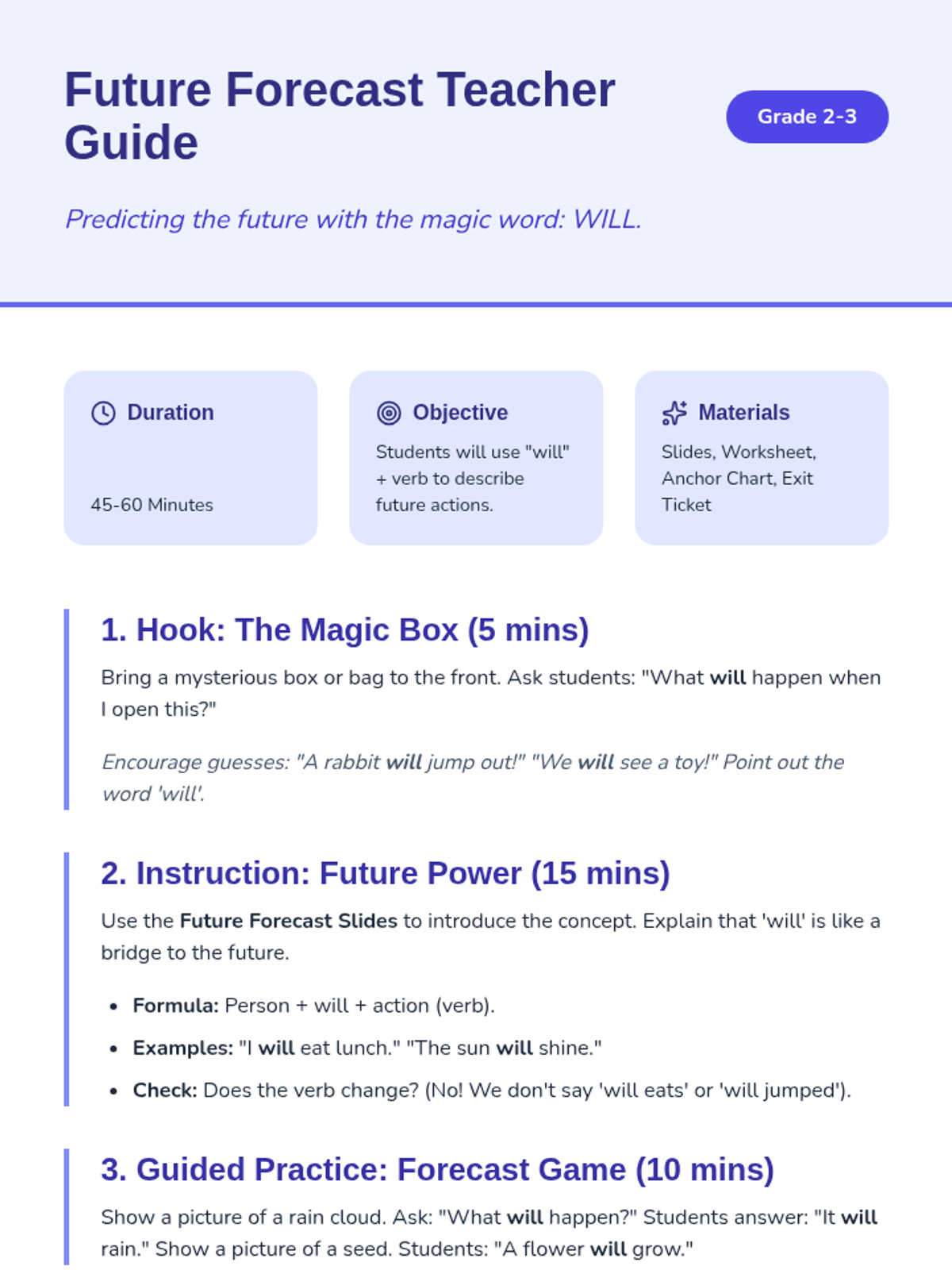
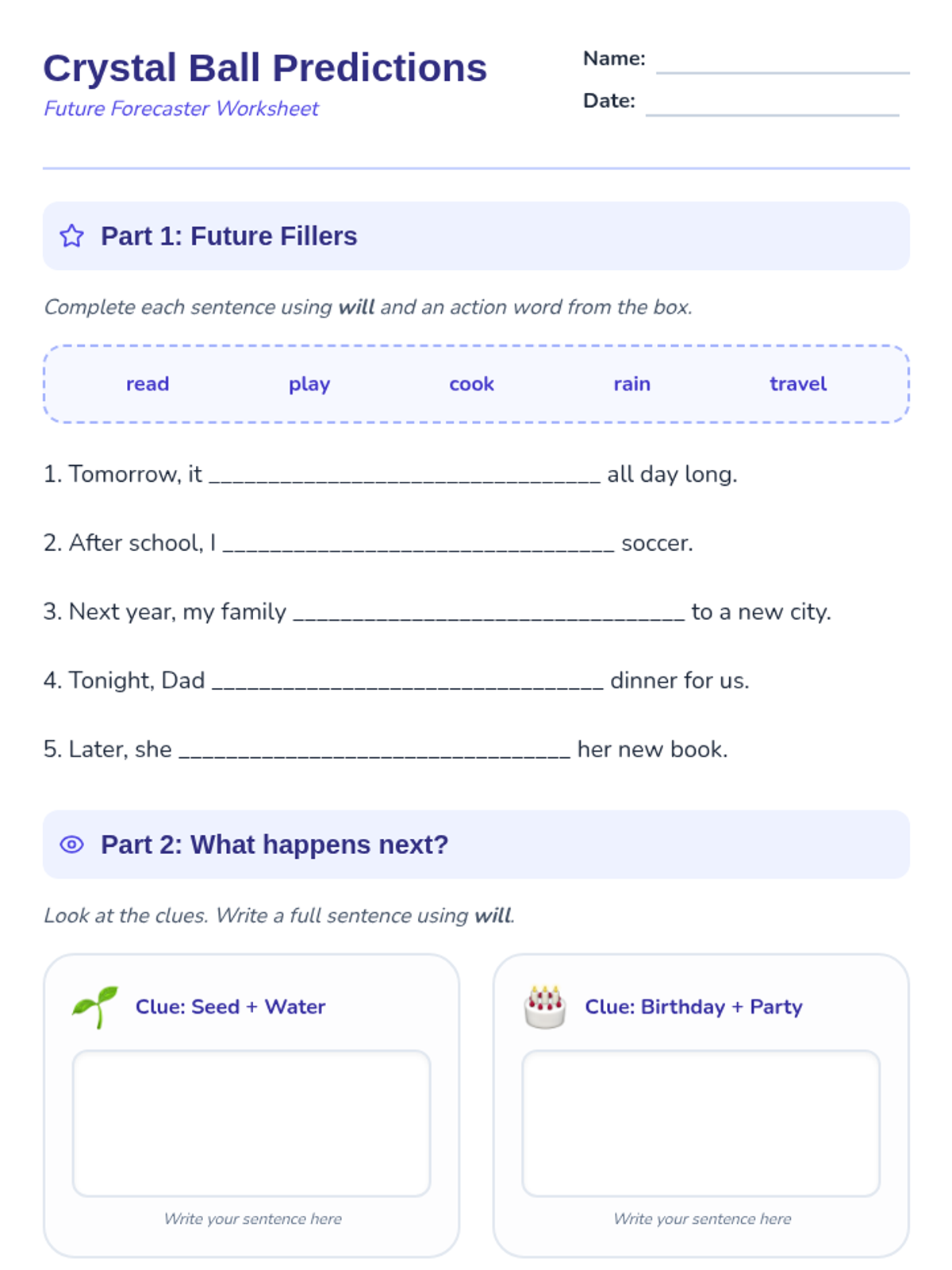
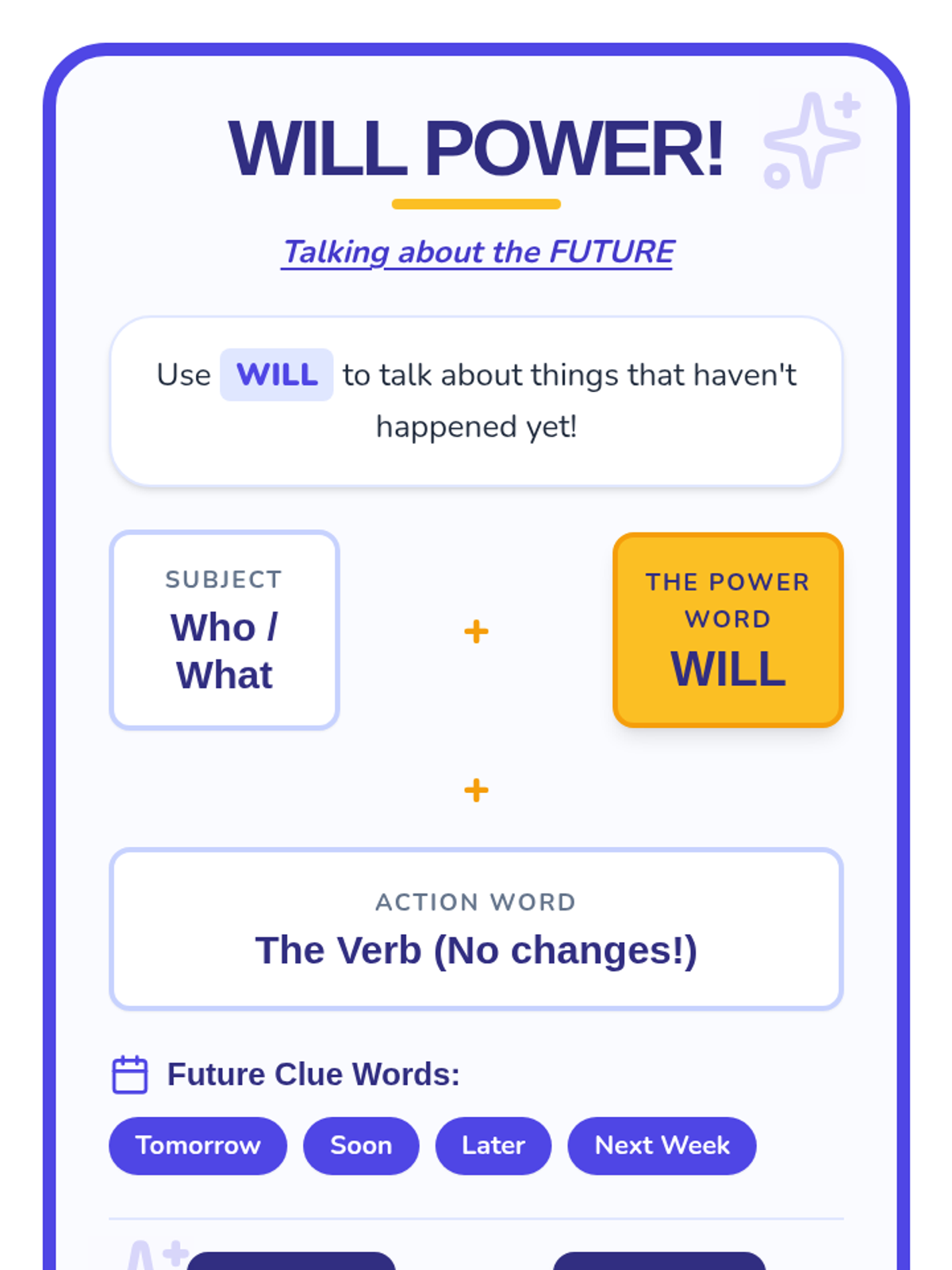
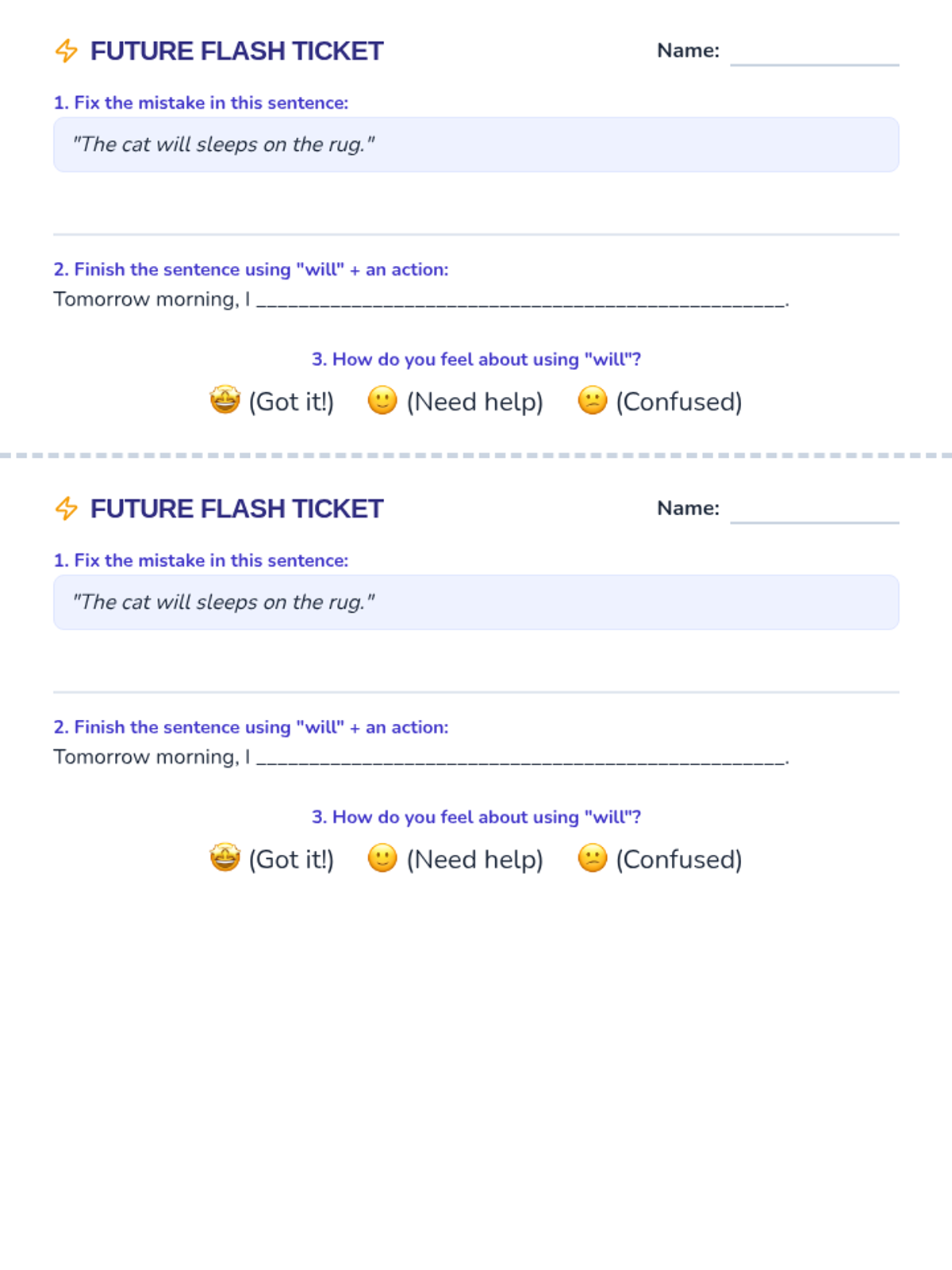
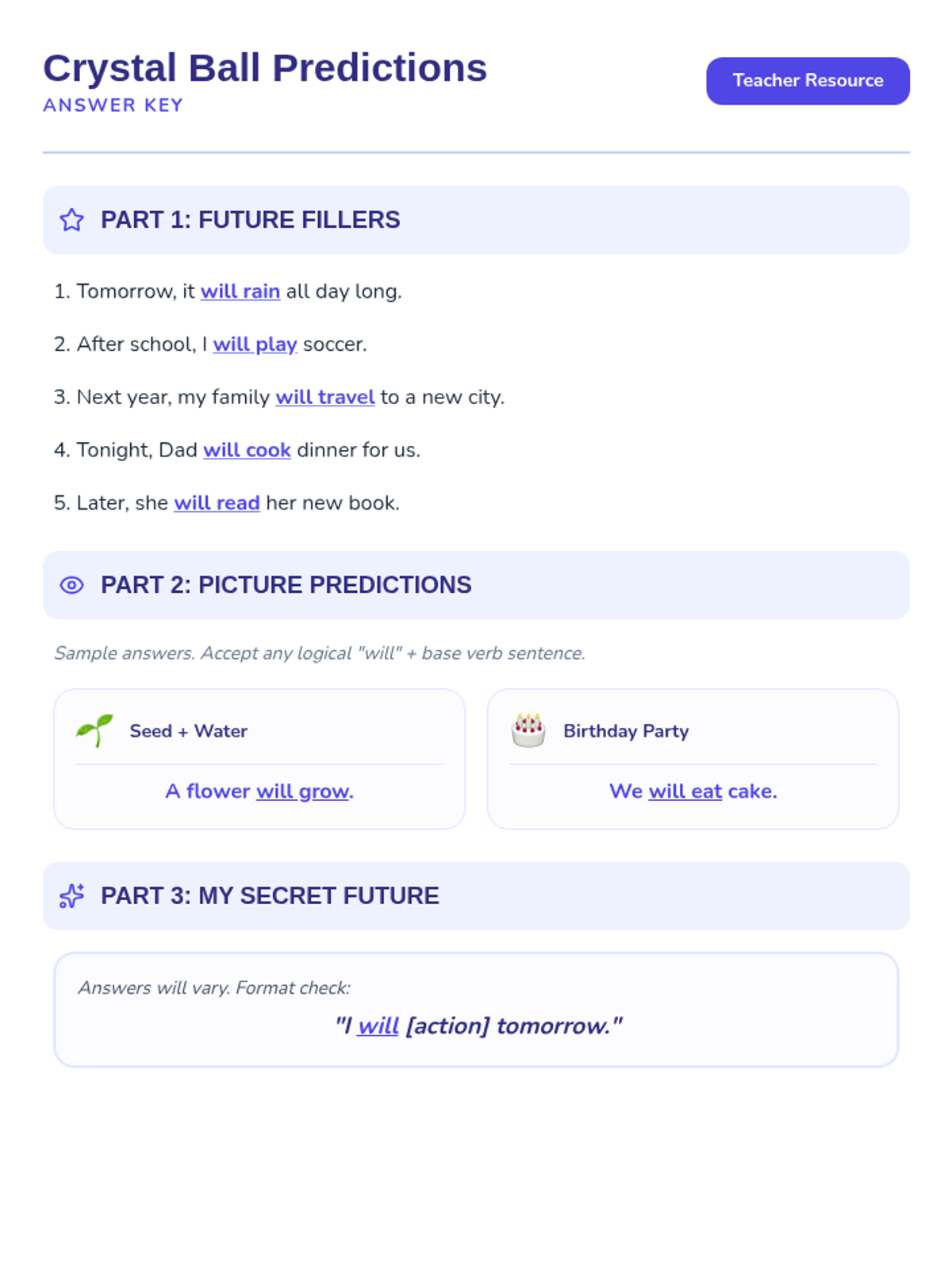
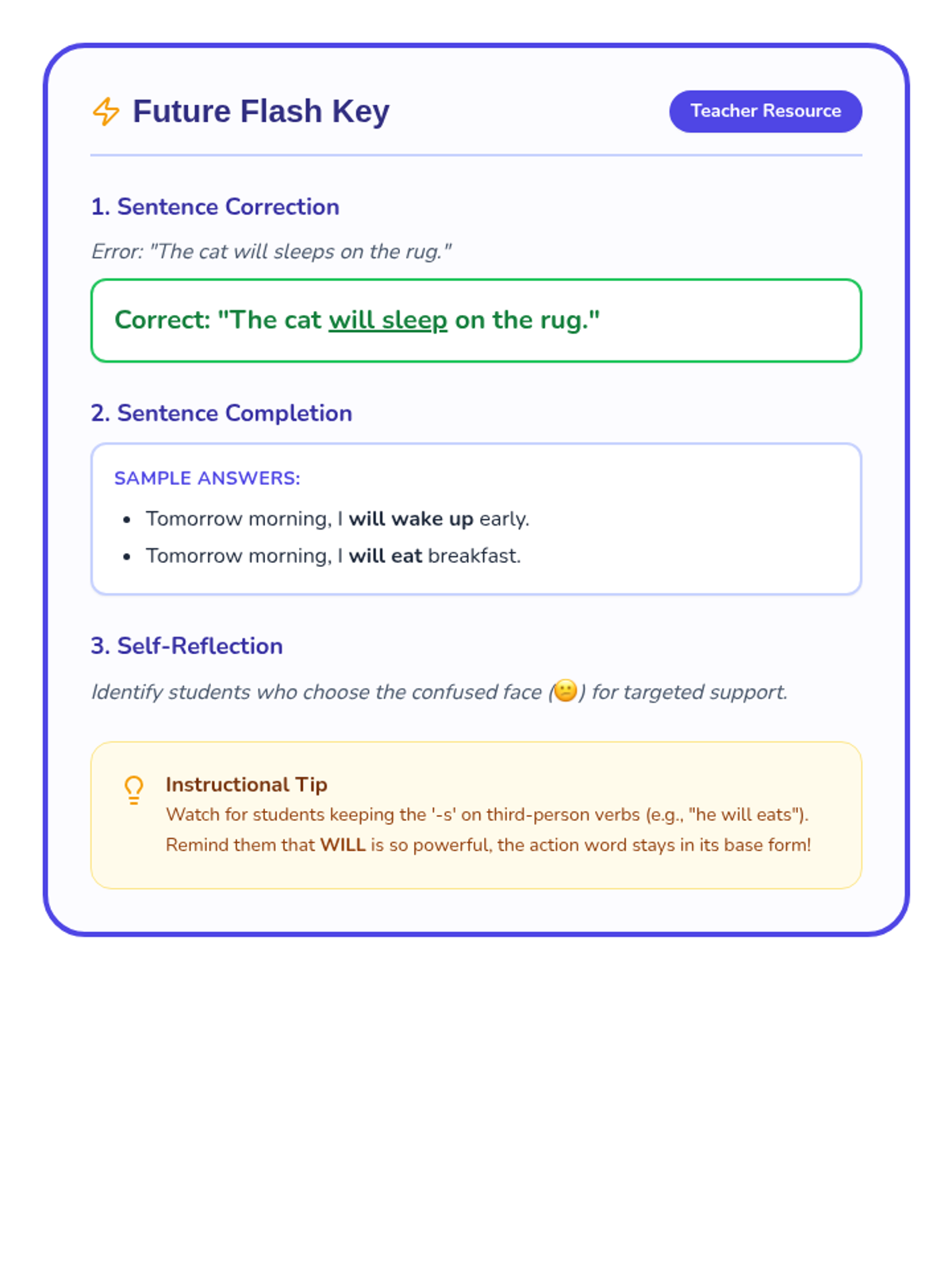
A magical introduction to using 'will' for future tense, where students become 'Future Forecasters' to predict what happens next.
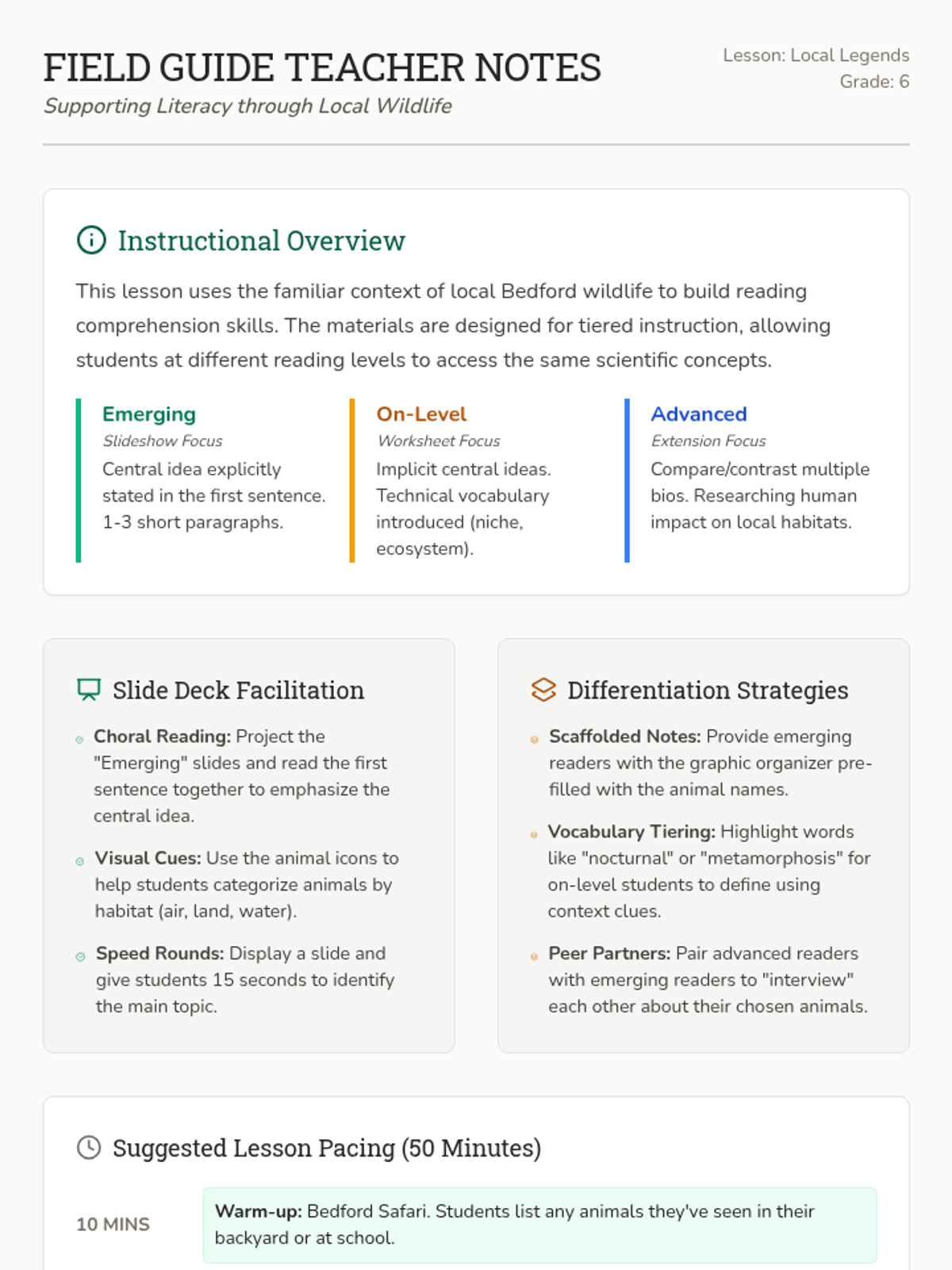
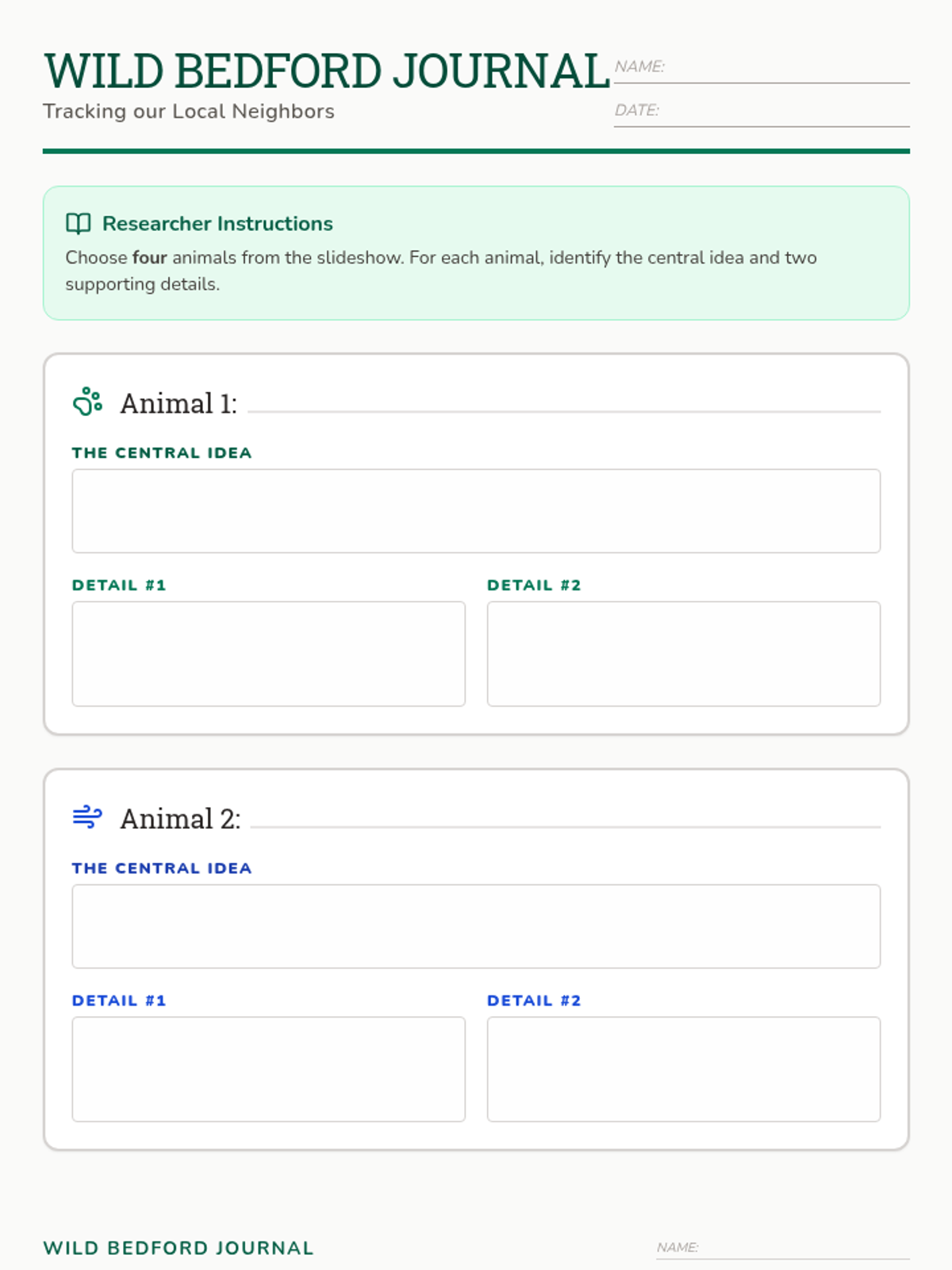
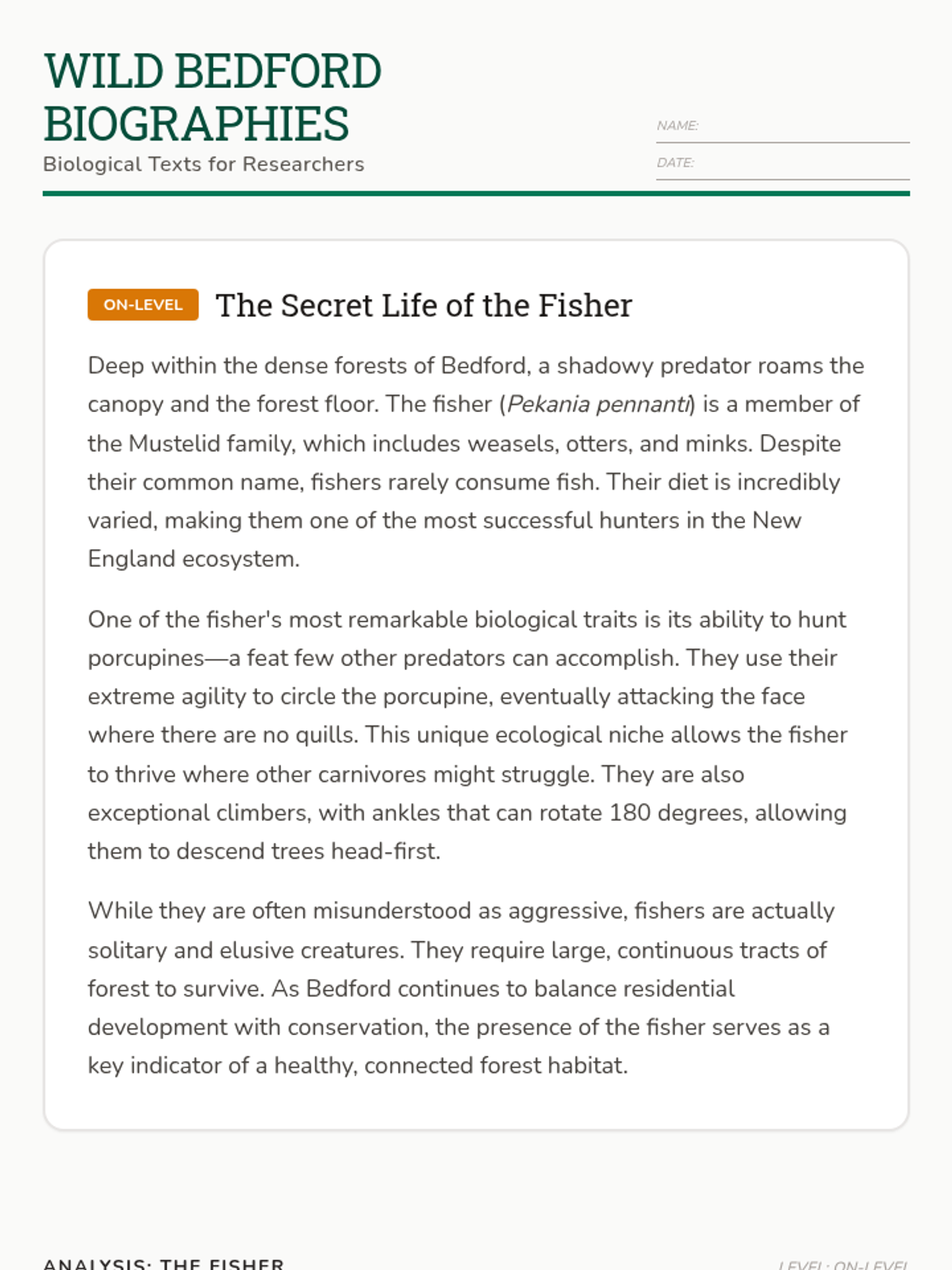
Students explore over 30 local animals through tiered reading materials, focusing on identifying central ideas and supporting details in biological texts.
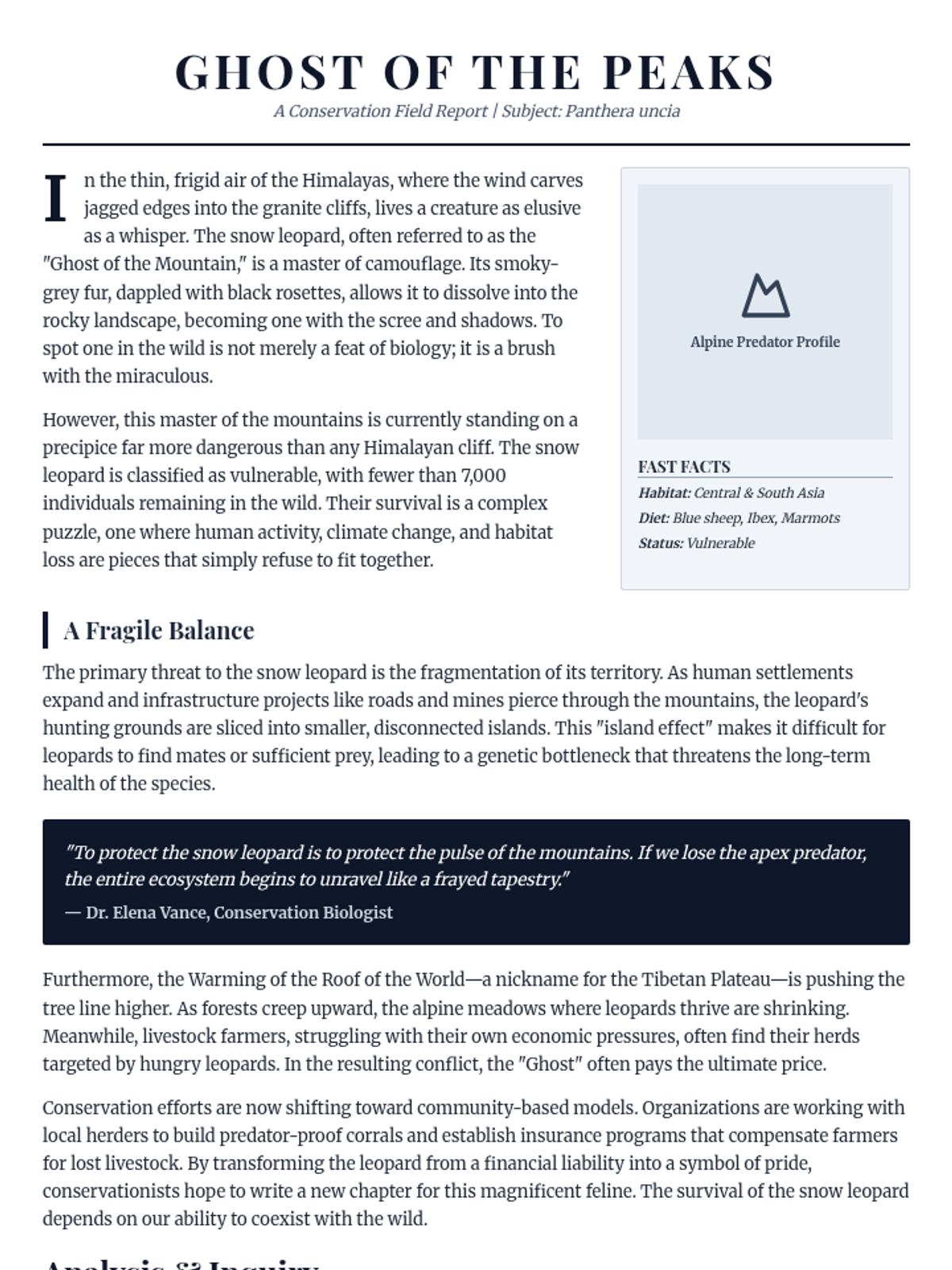
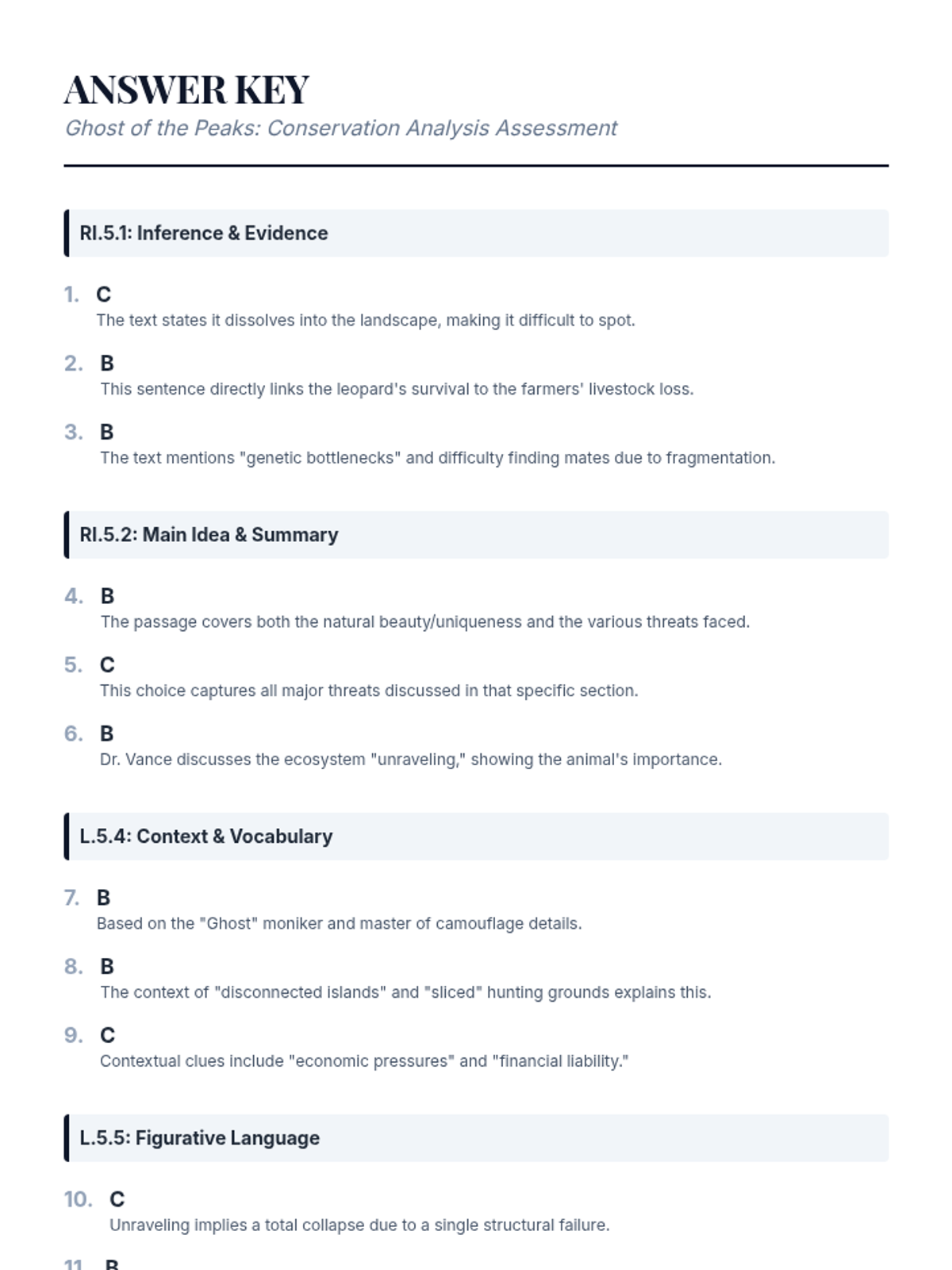
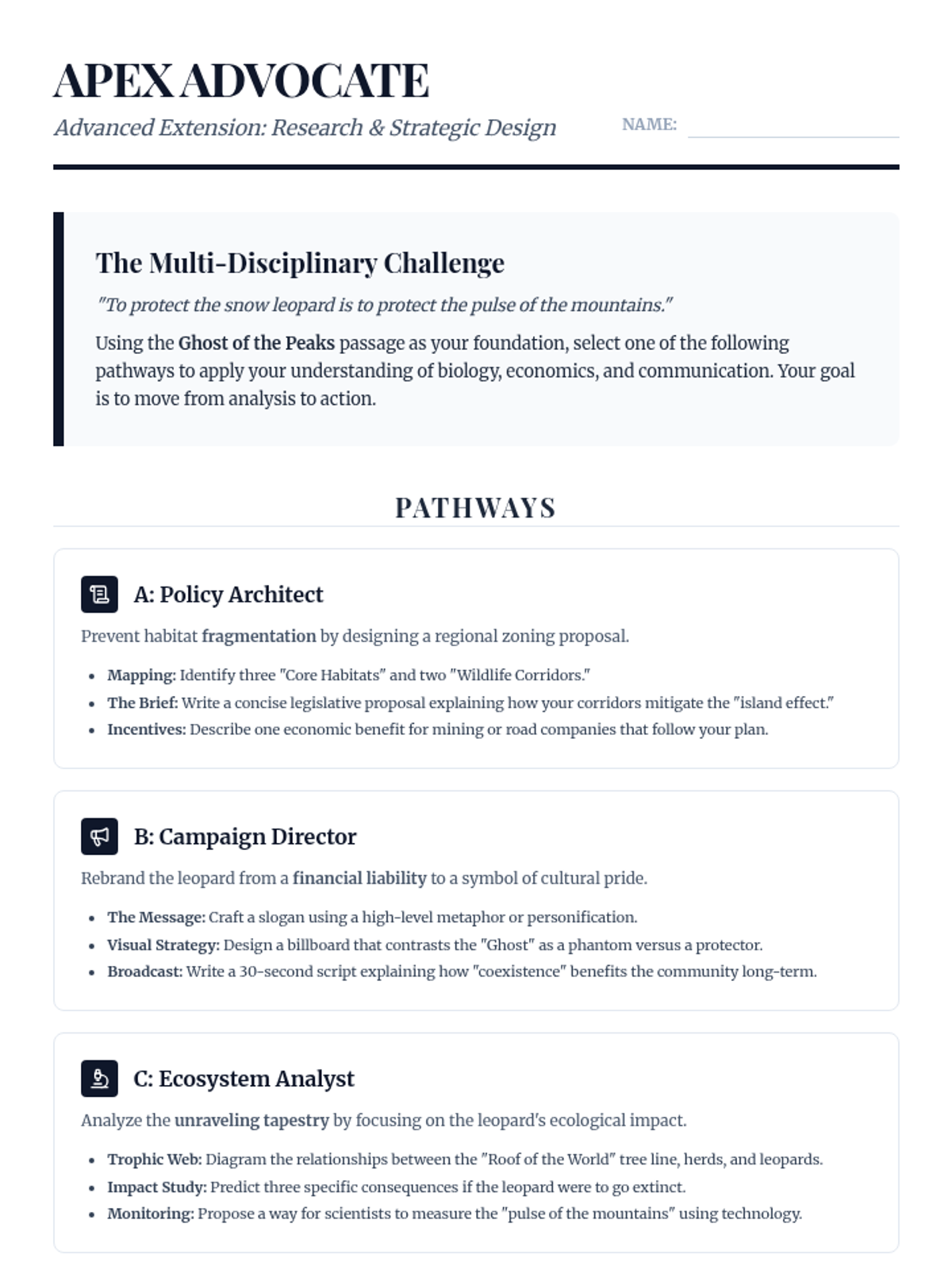
A high-level reading comprehension lesson focused on endangered species, specifically the snow leopard. Students will analyze complex text for main ideas, nuanced vocabulary, and figurative language.
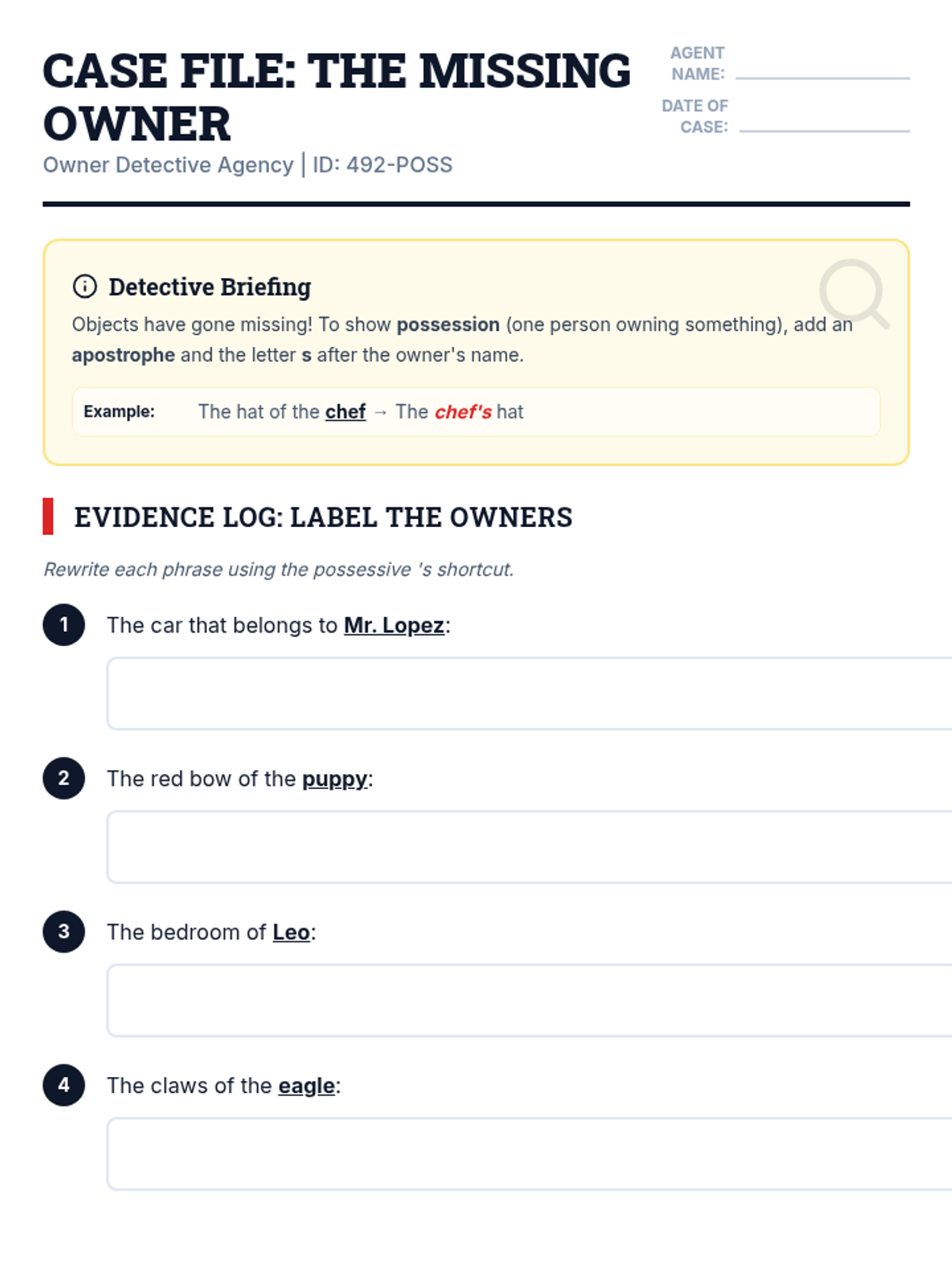
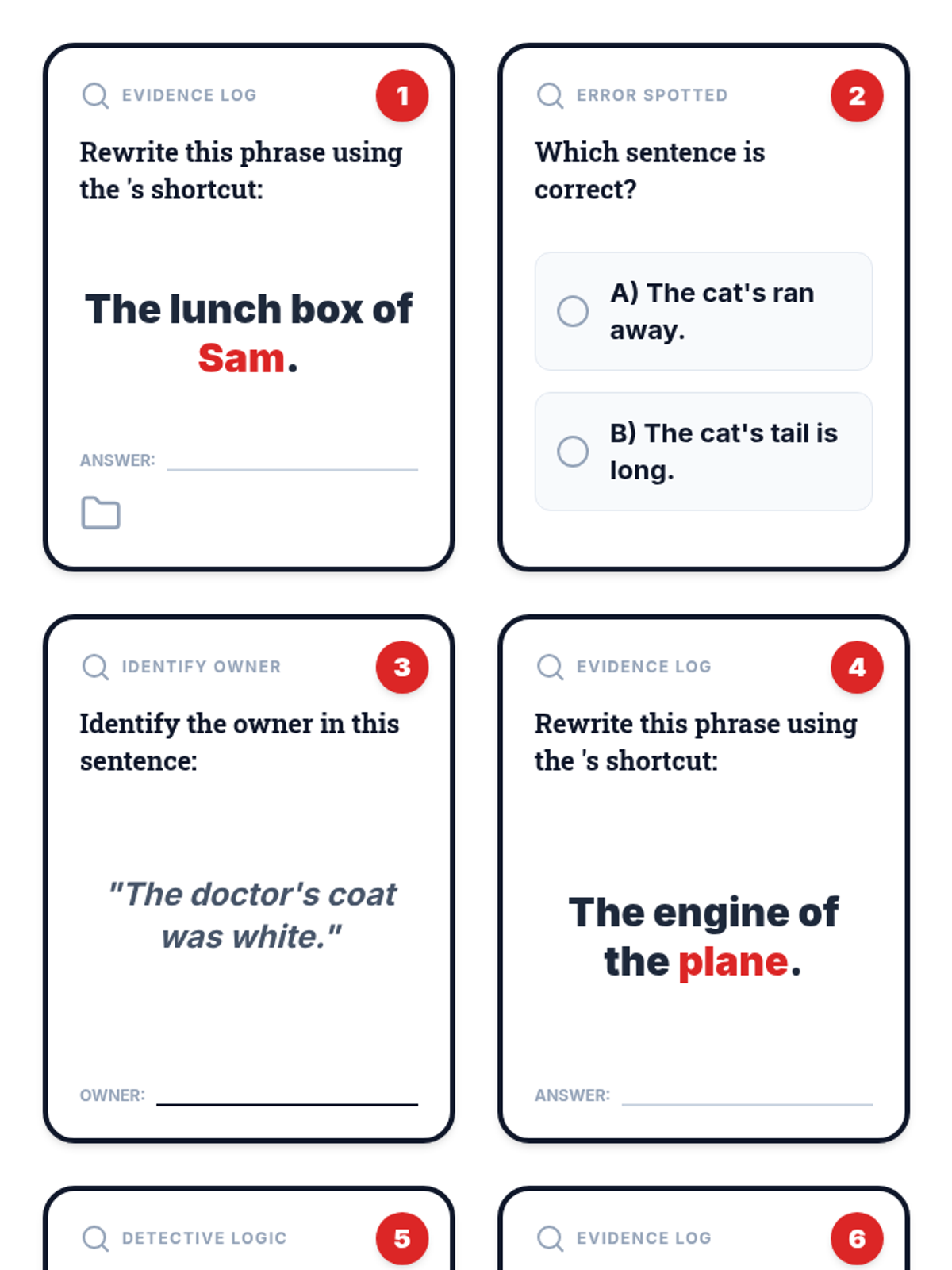
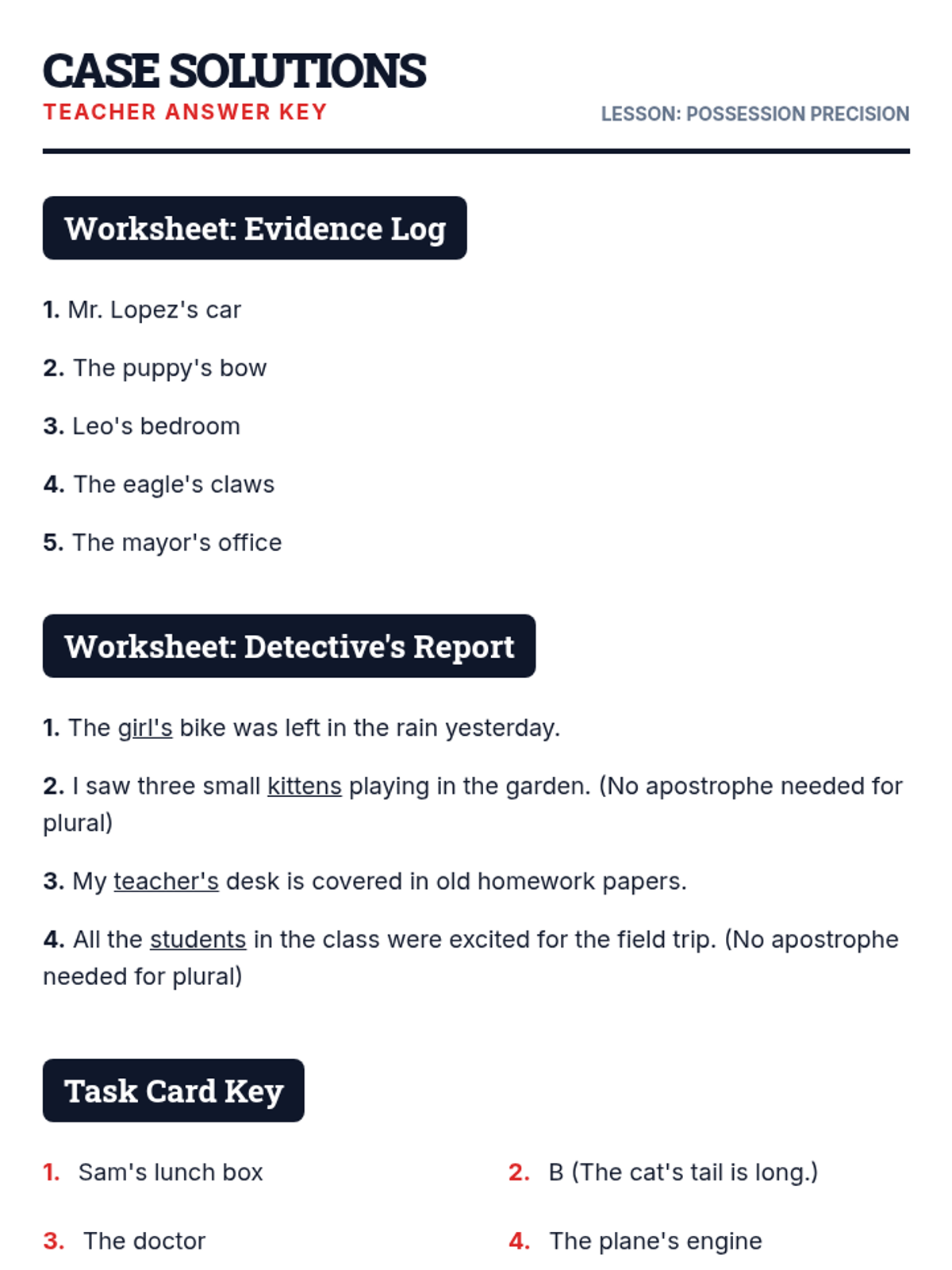
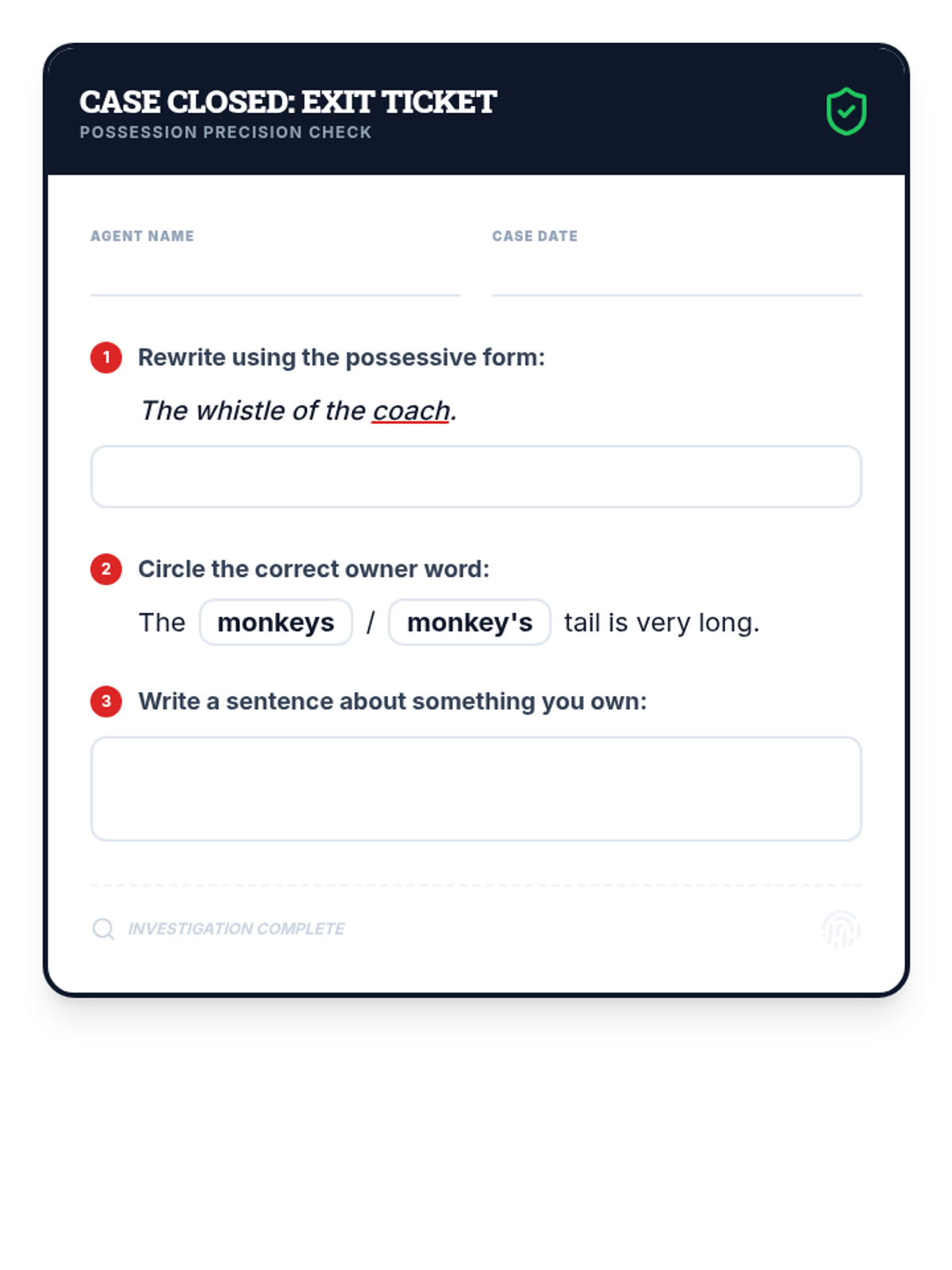
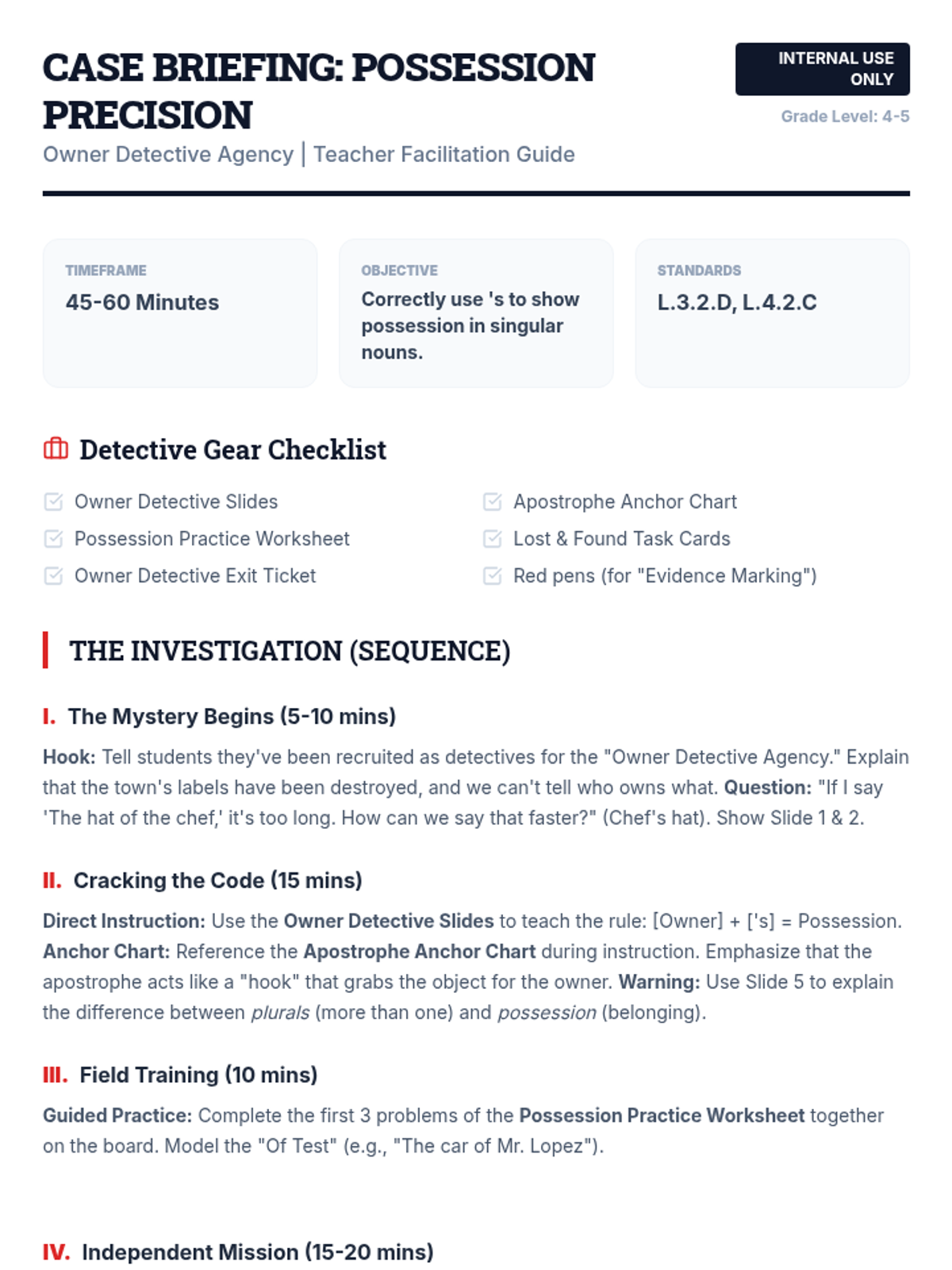
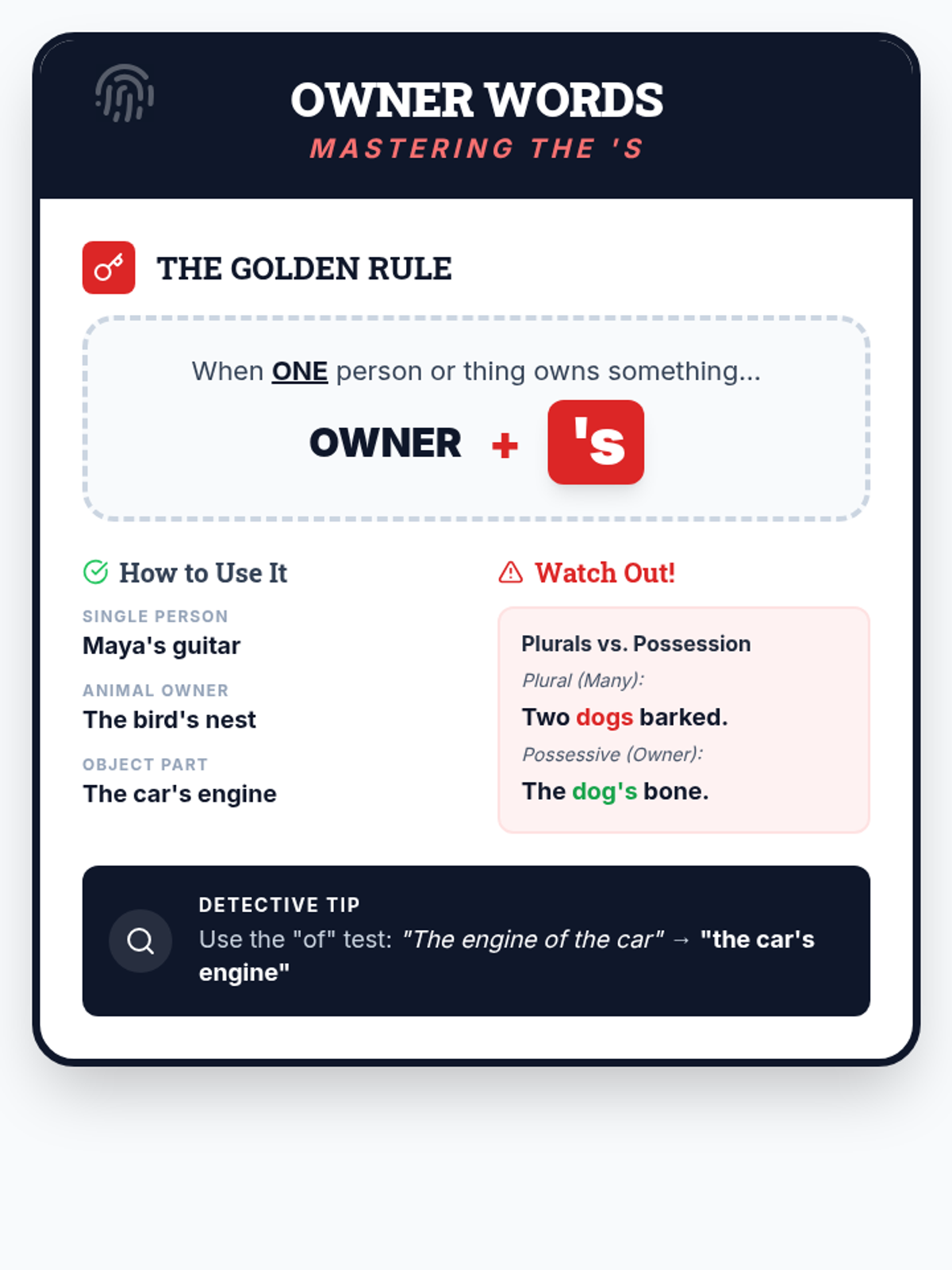
Students learn to identify owners and use 's correctly to show possession through guided practice and independent detective-themed activities.