Students dive into the world of marketing to master the rhetorical triangle: ethos, pathos, and logos. They will design a professional product poster and write a compelling pitch that combines product backstory with targeted sales tactics.
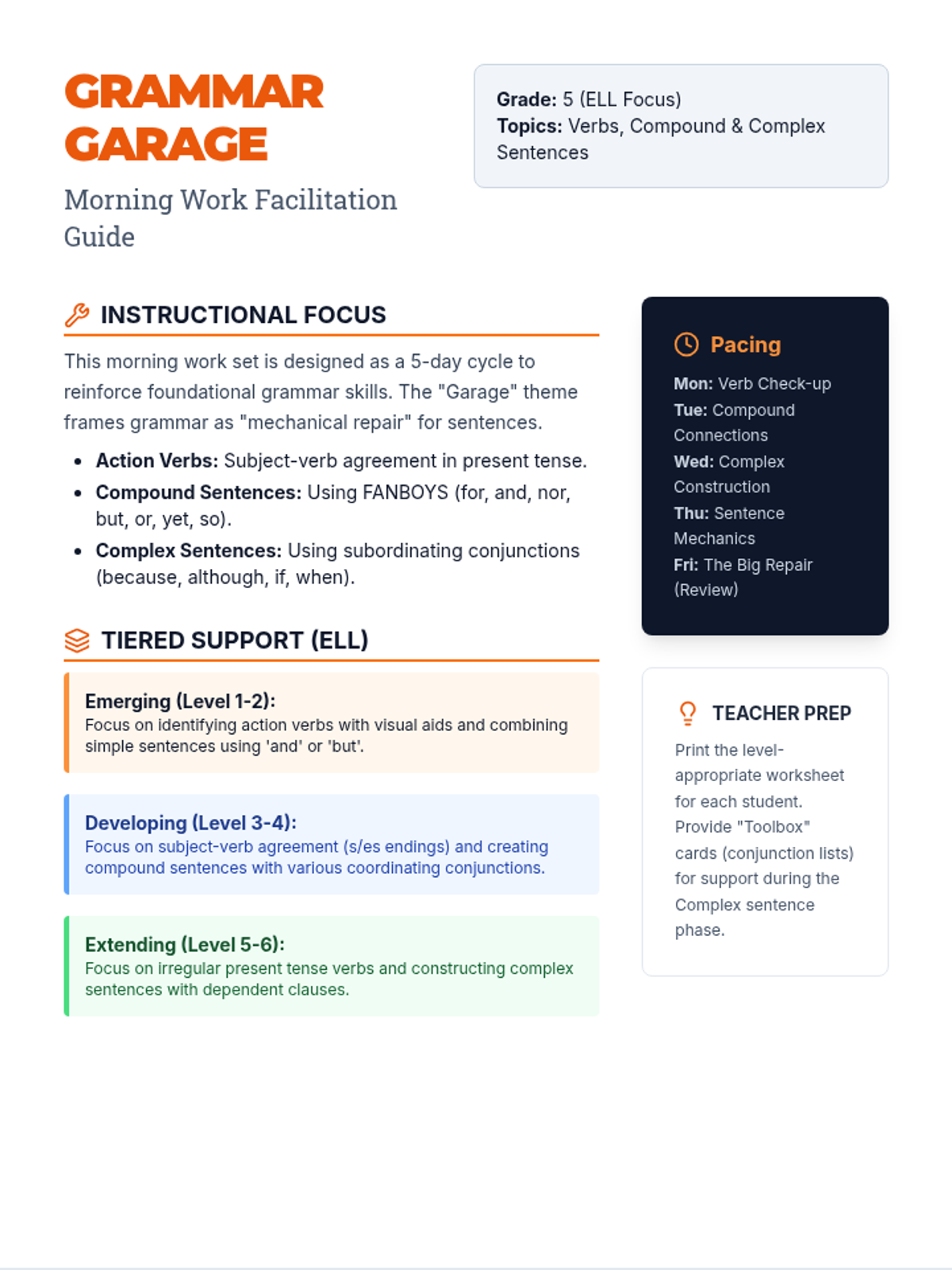
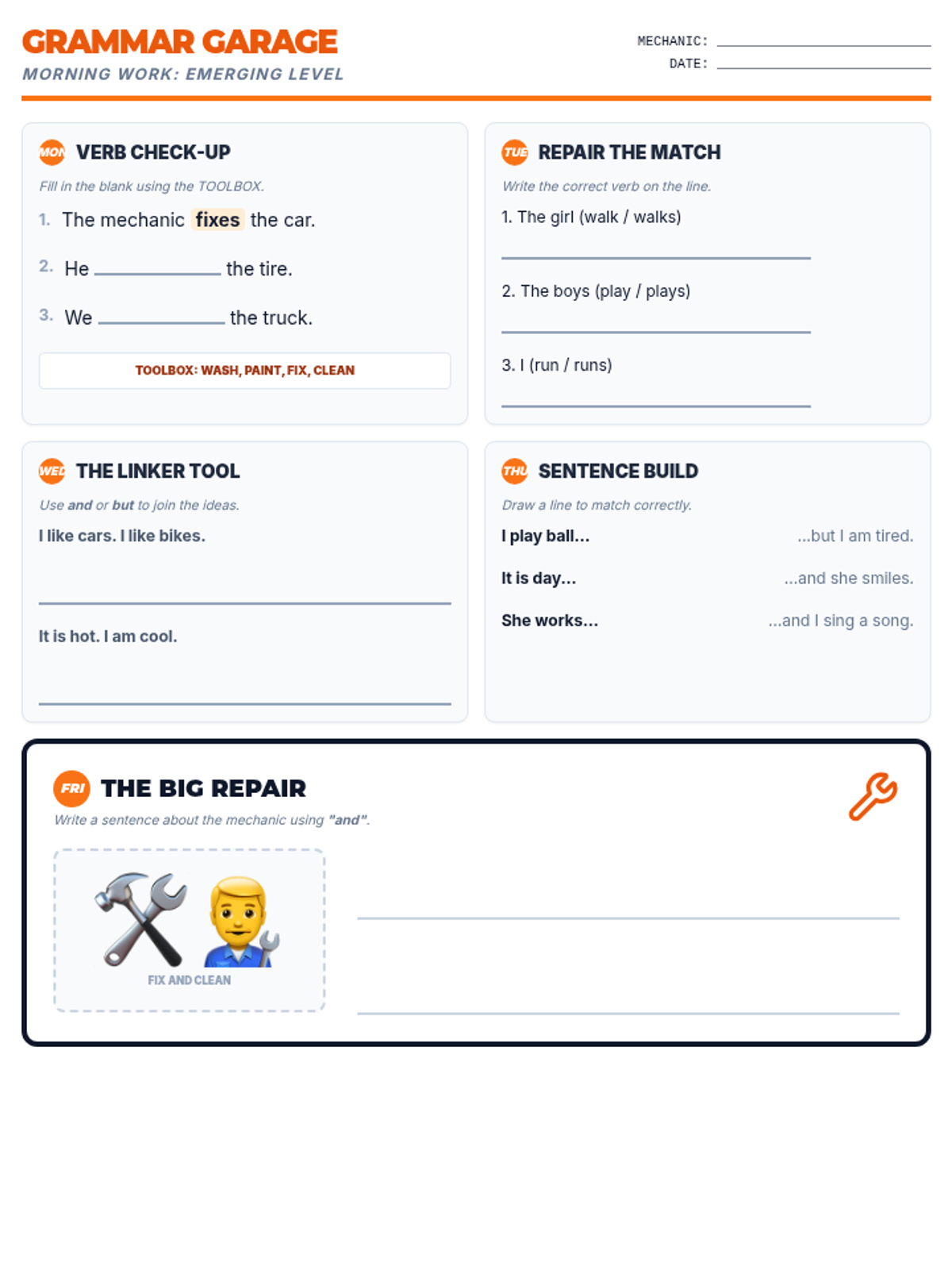
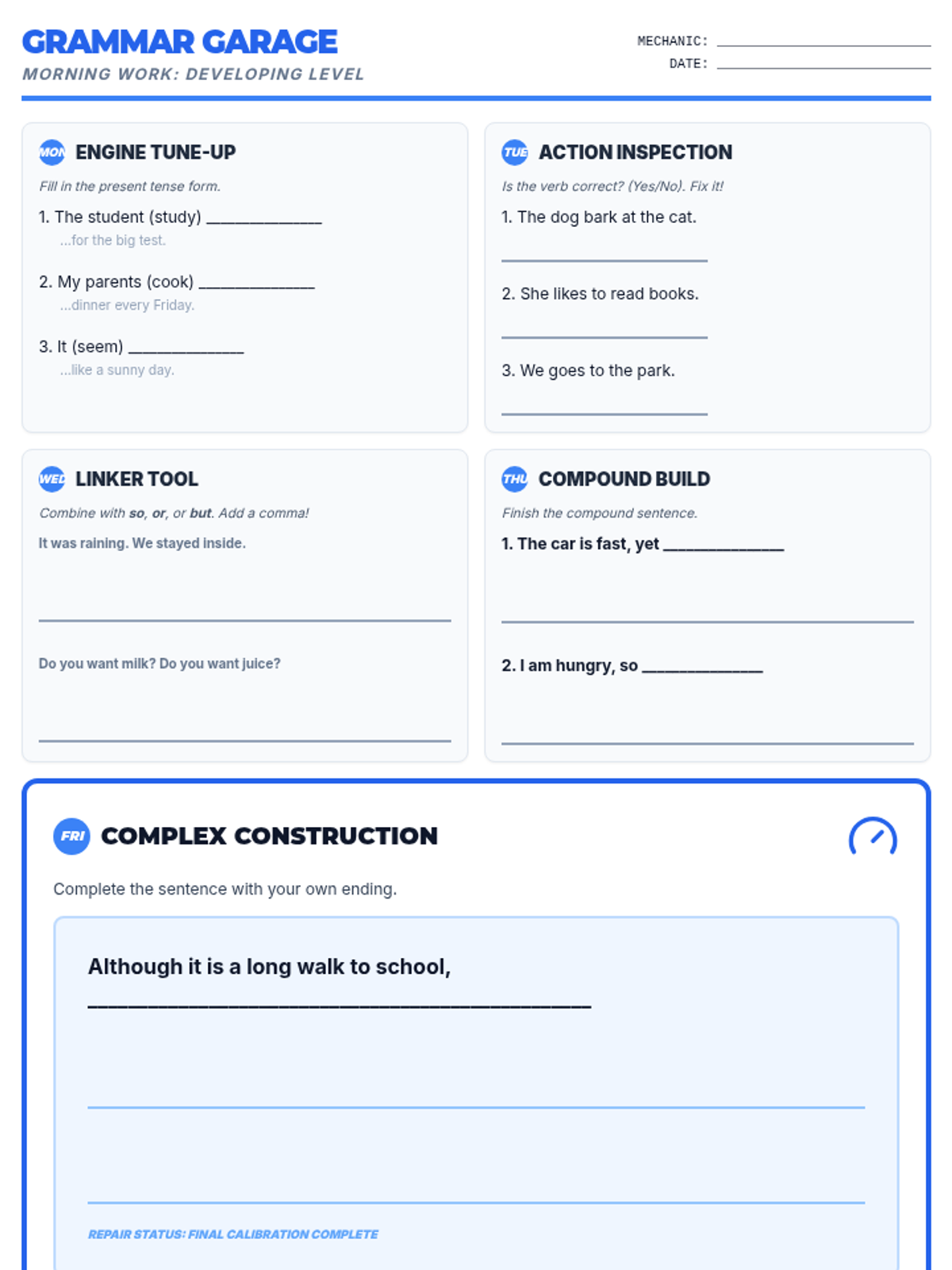
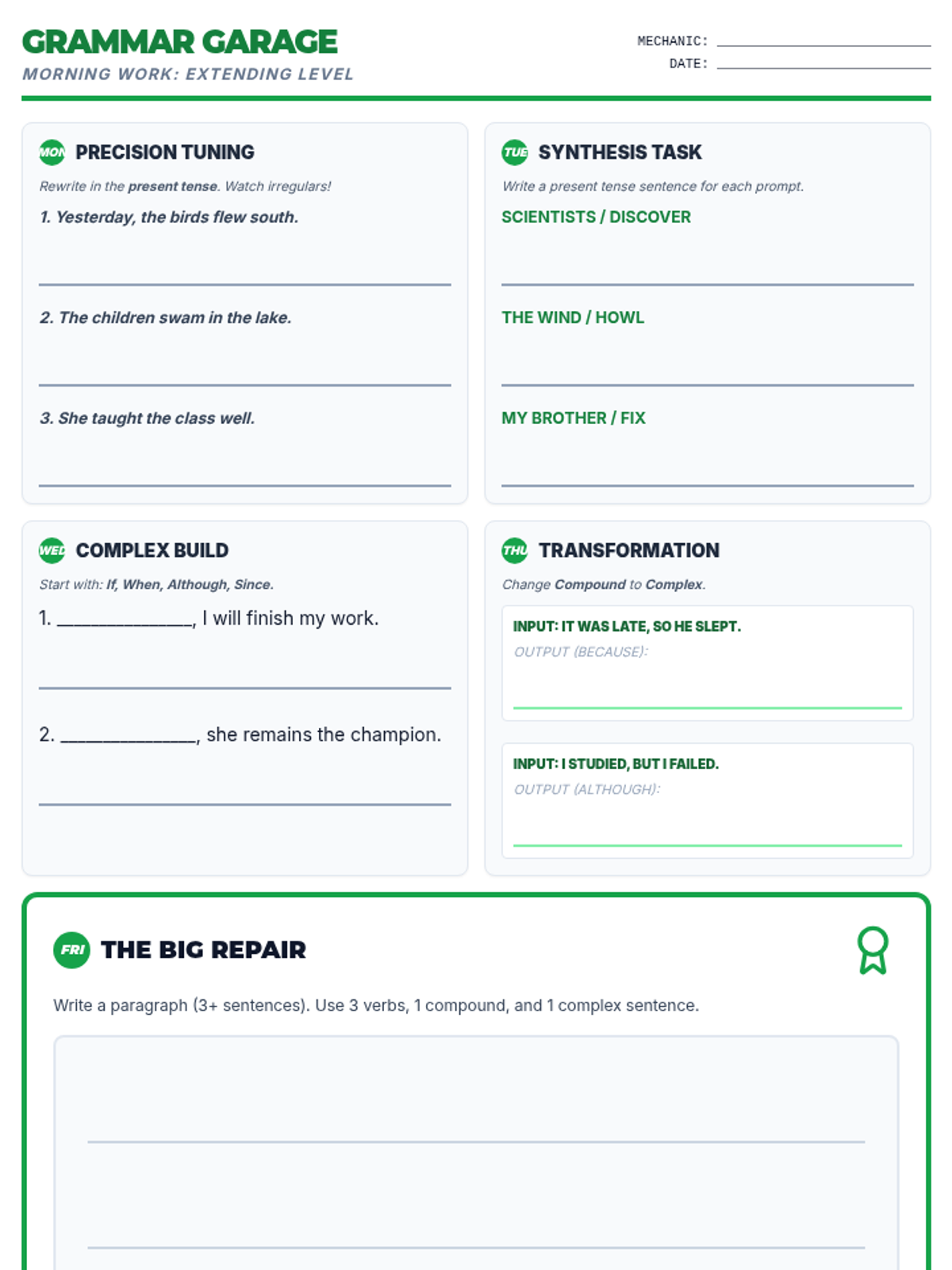
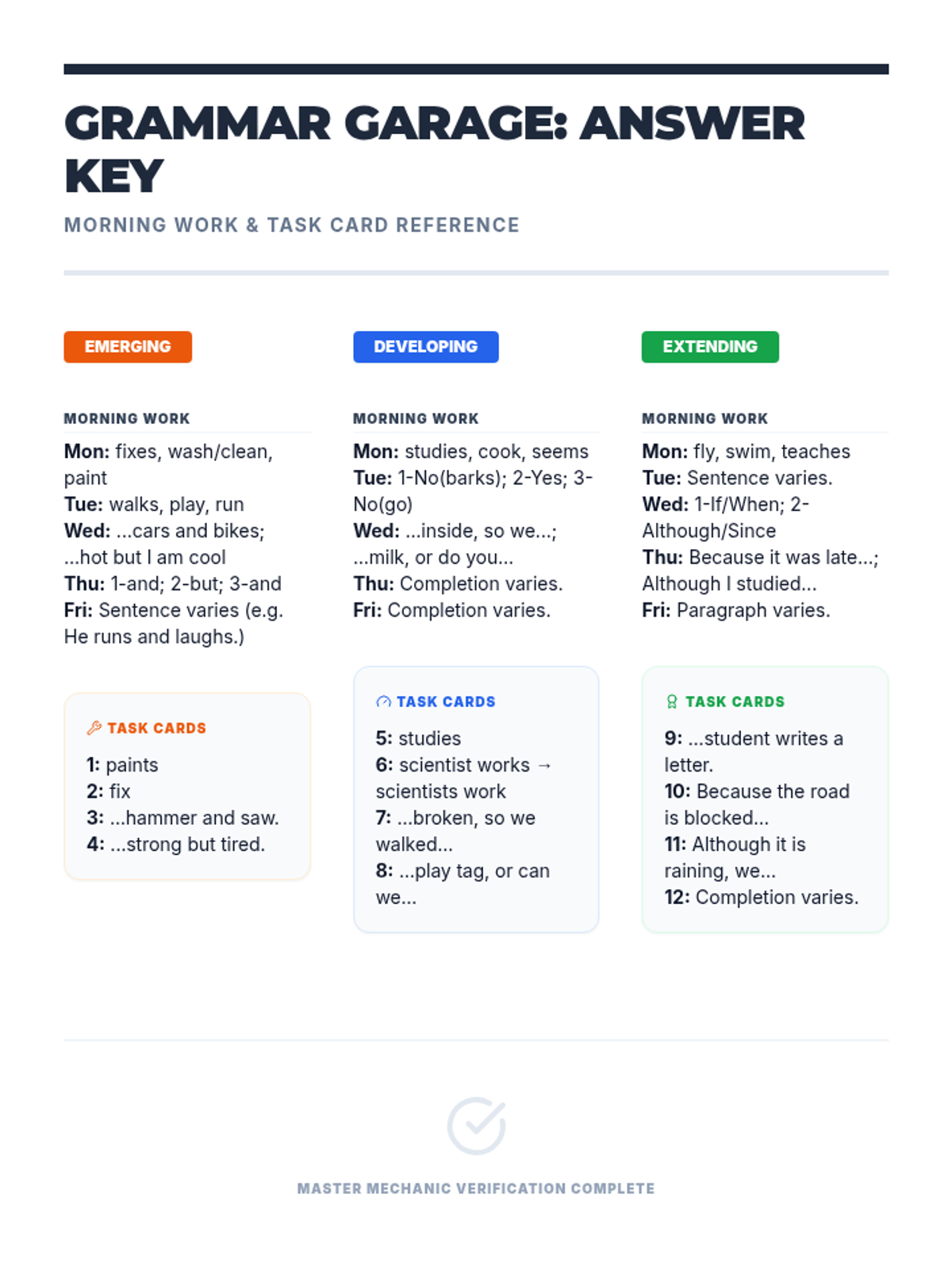
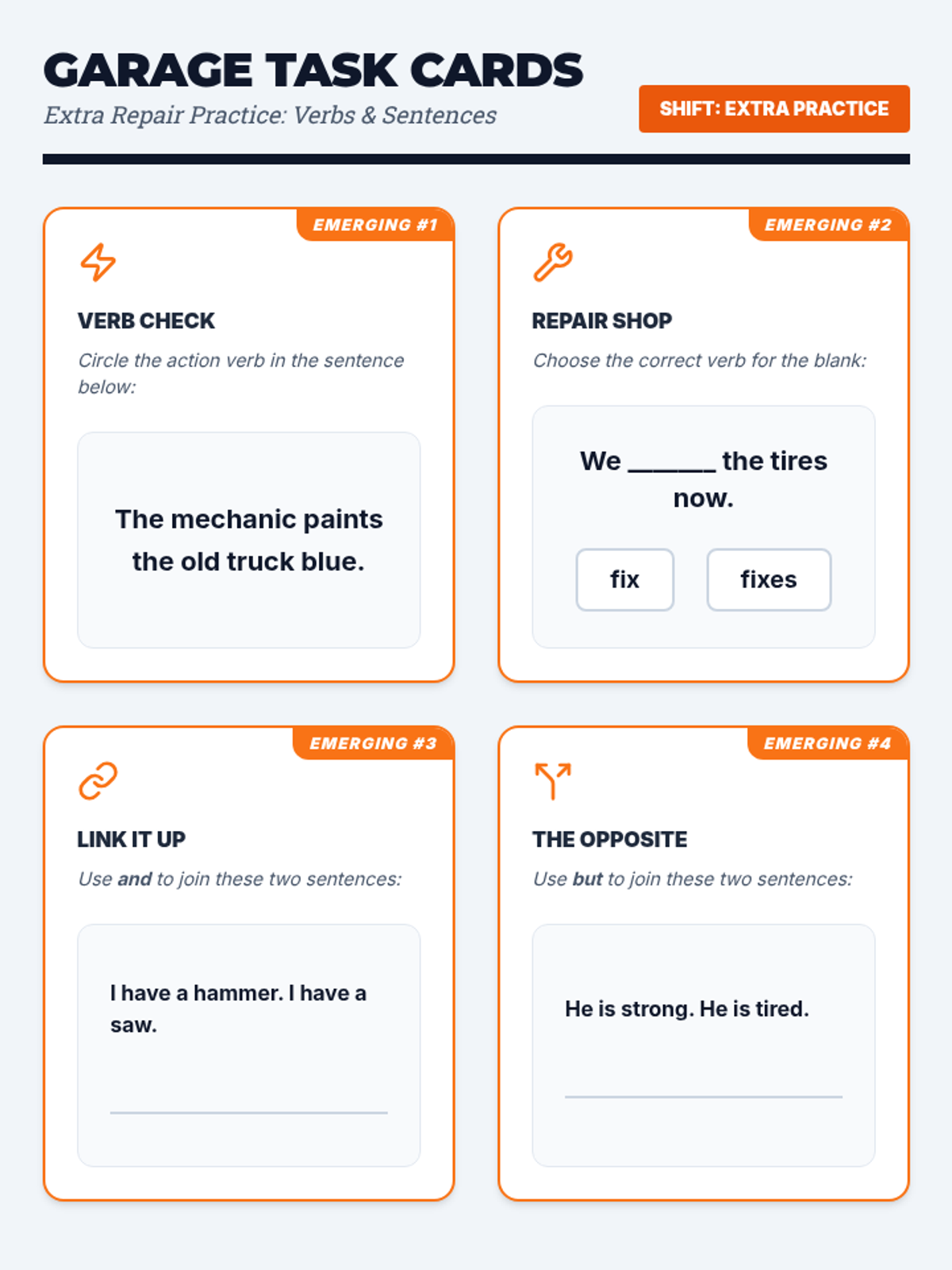
A series of tiered morning work activities designed to review present tense action verbs, compound sentences, and complex sentences for 5th-grade ELL students.
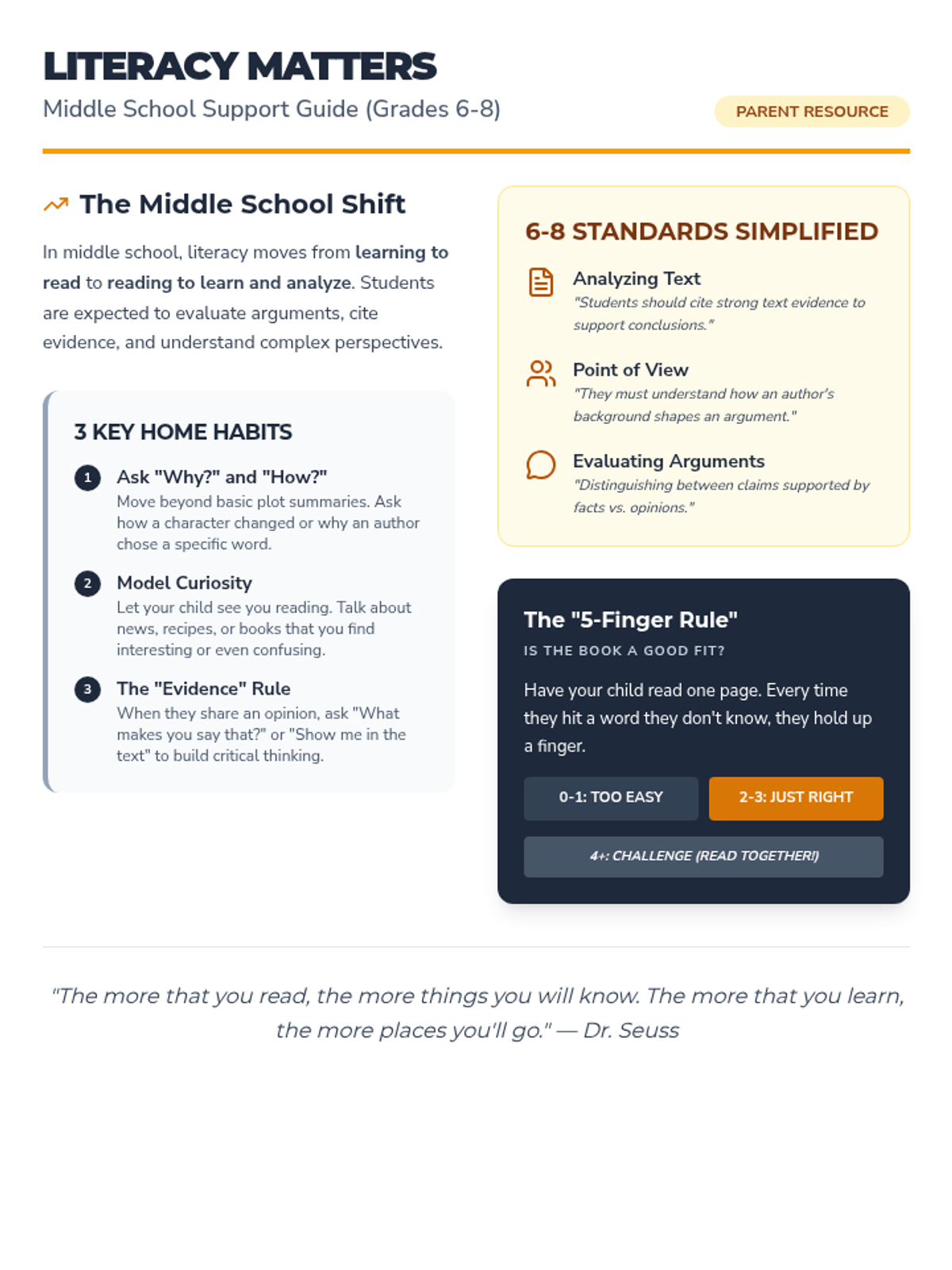
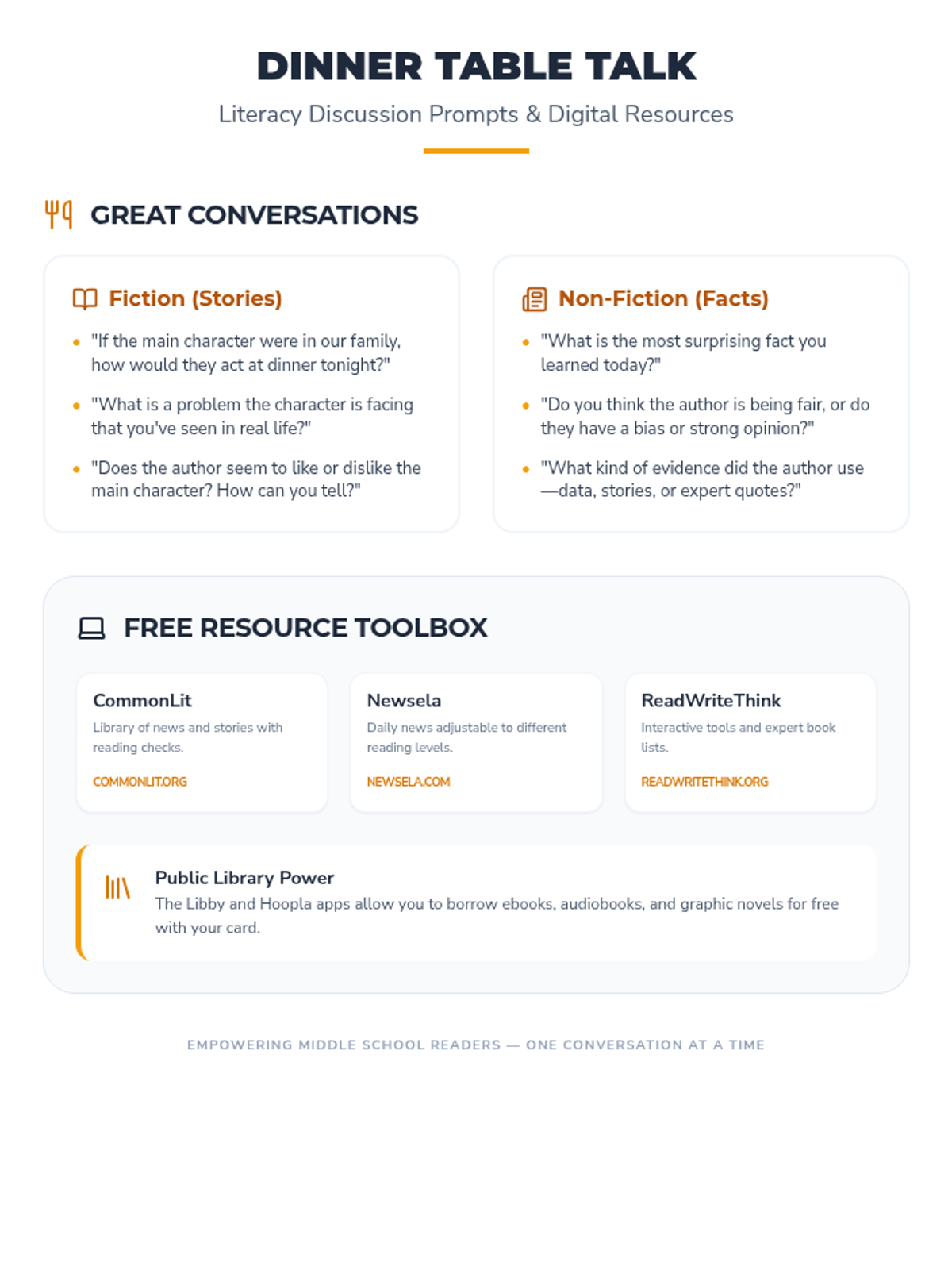
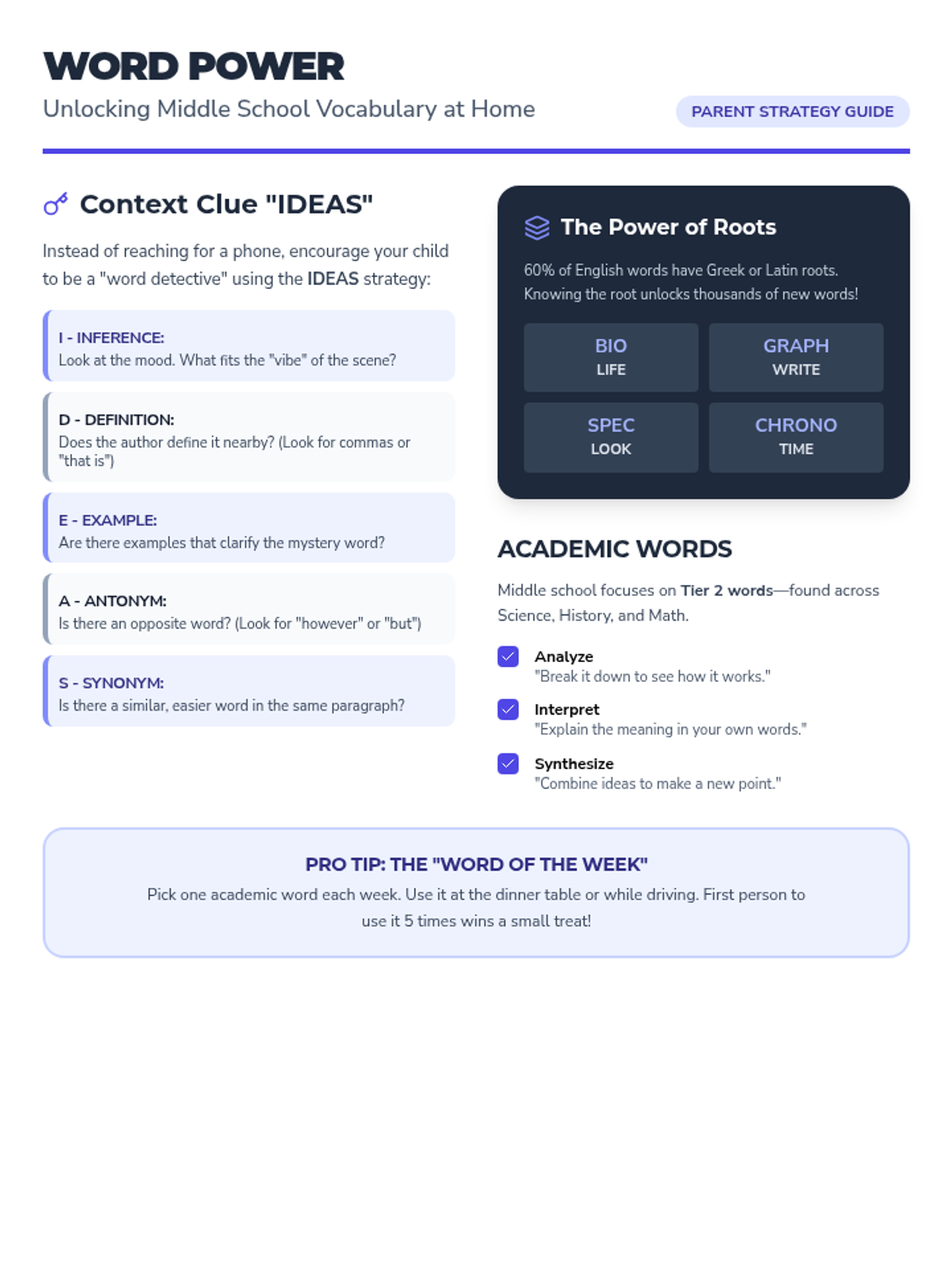
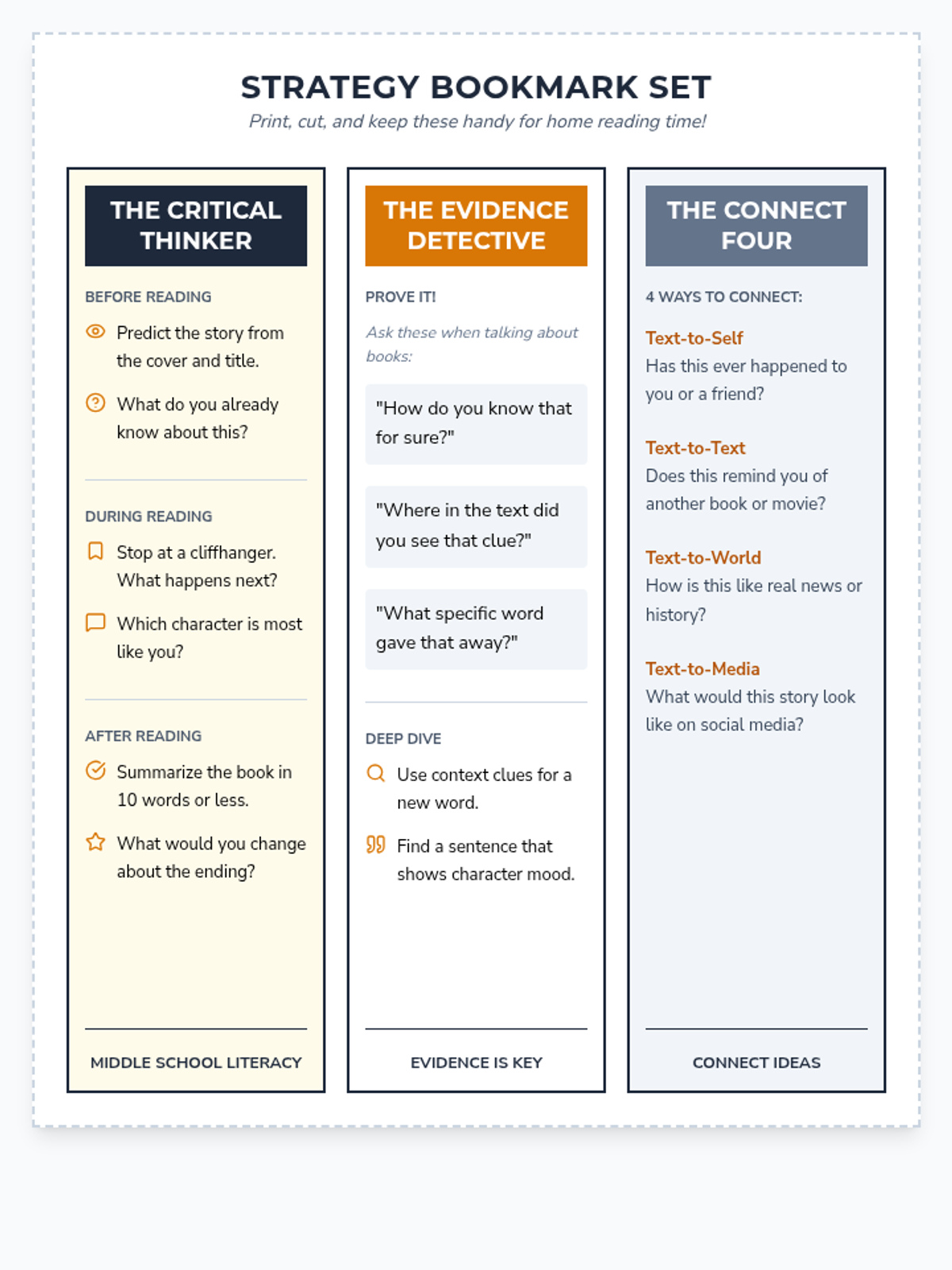
A comprehensive set of resources for middle school parents to support literacy development at home, covering reading comprehension, critical thinking, and discussion strategies aligned with 6-8 standards.
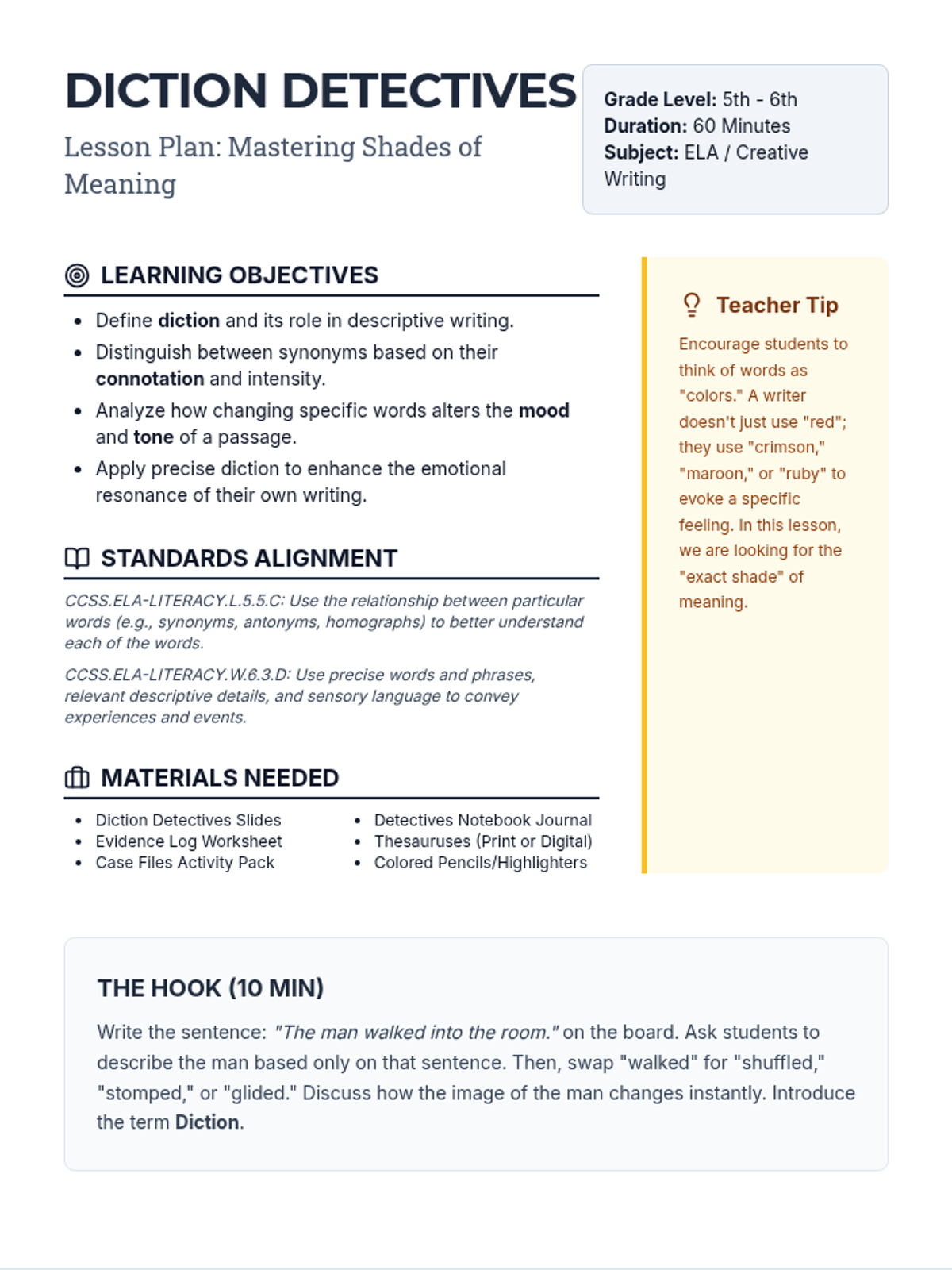
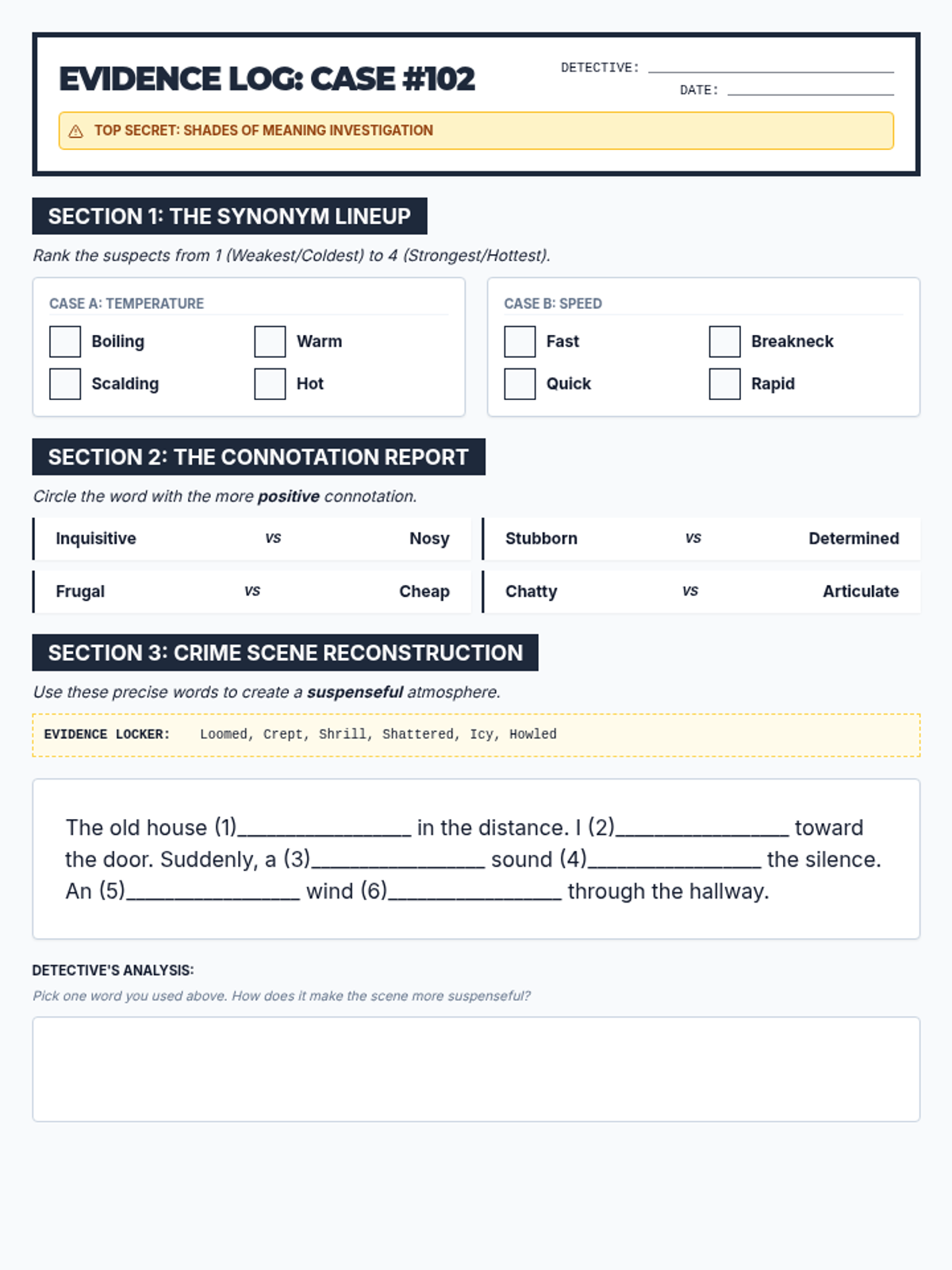
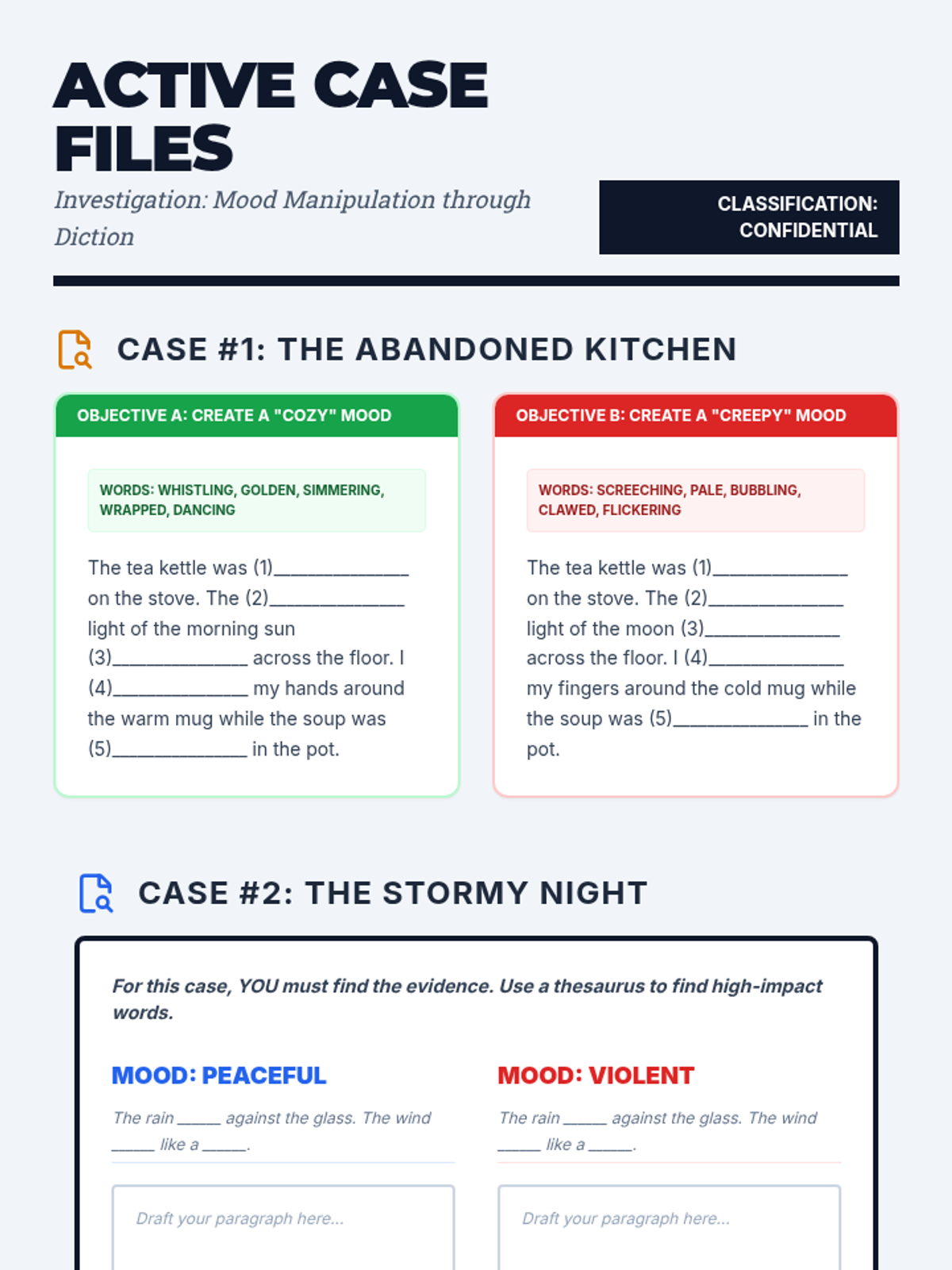
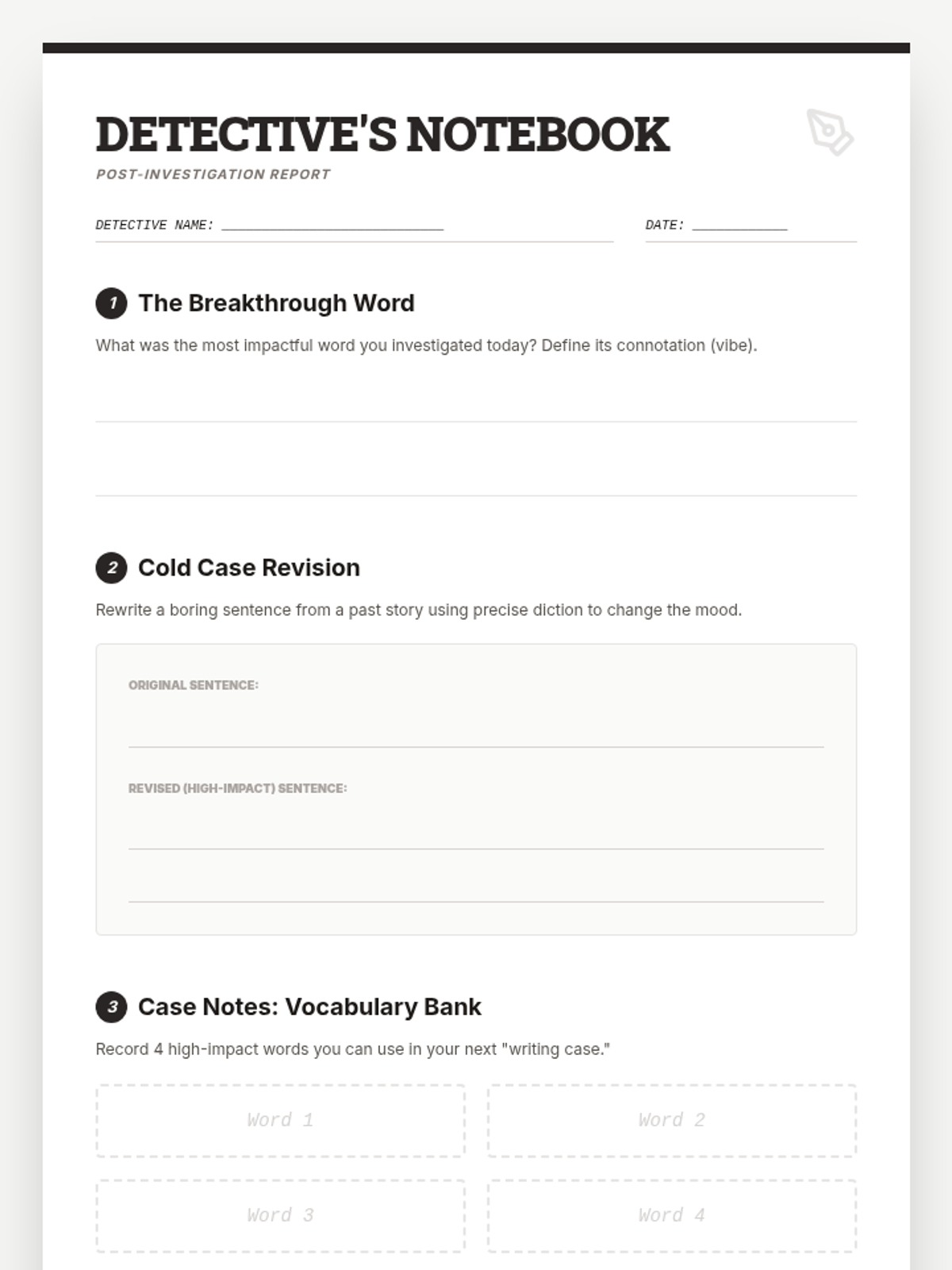
Students investigate how precise word choices (diction) influence the mood and tone of a story through a detective-themed exploration of synonyms and shades of meaning.
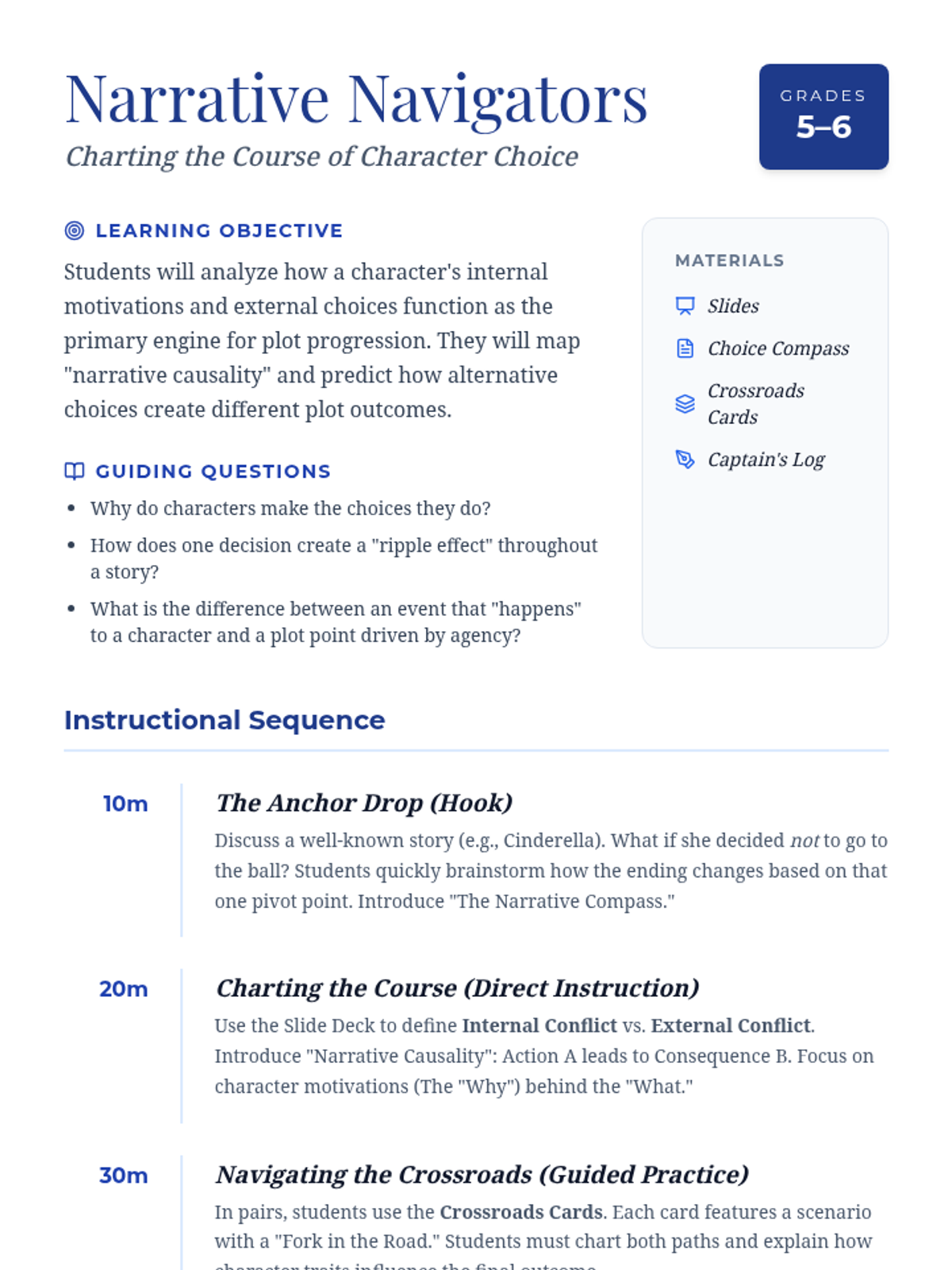
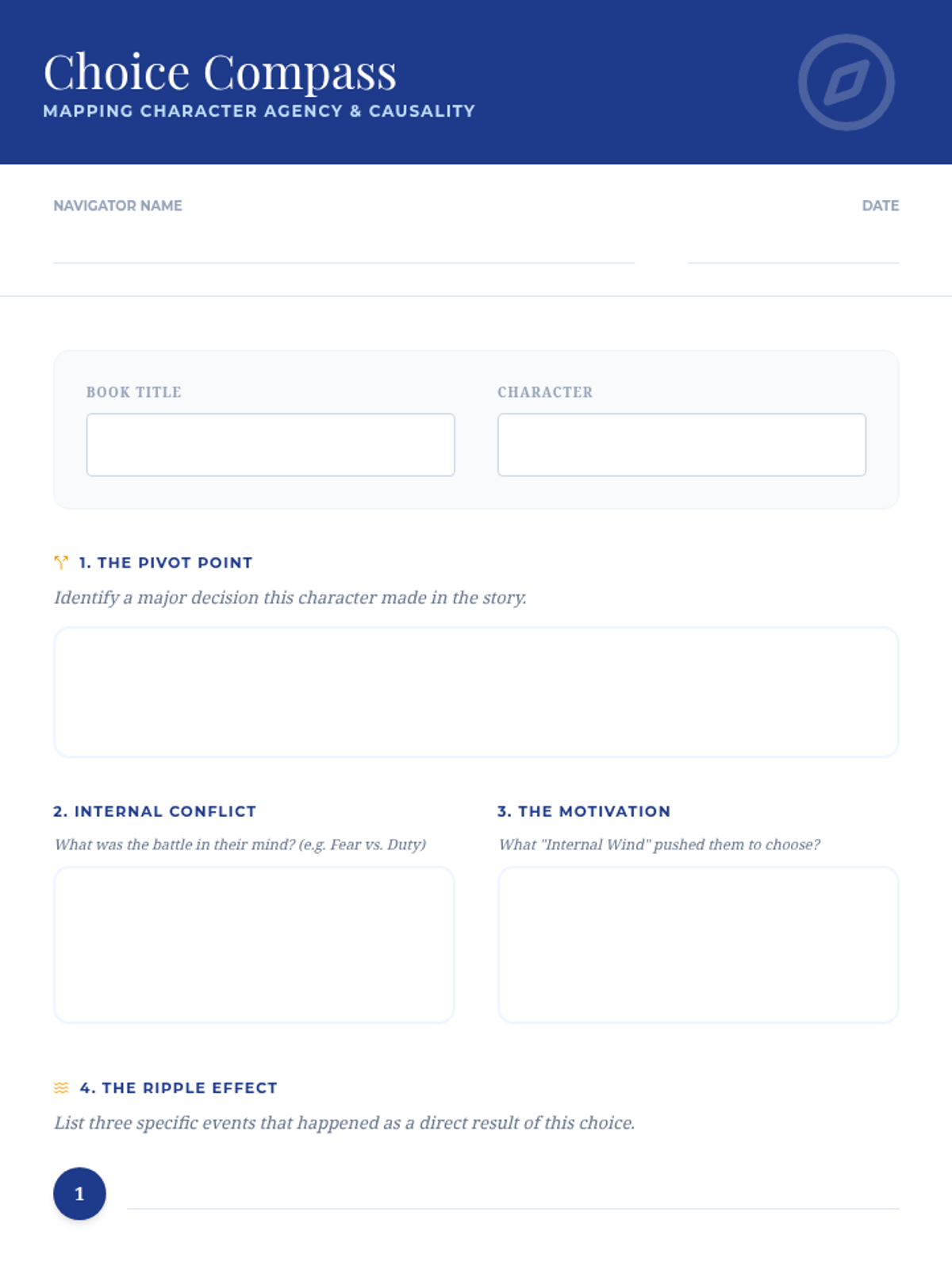
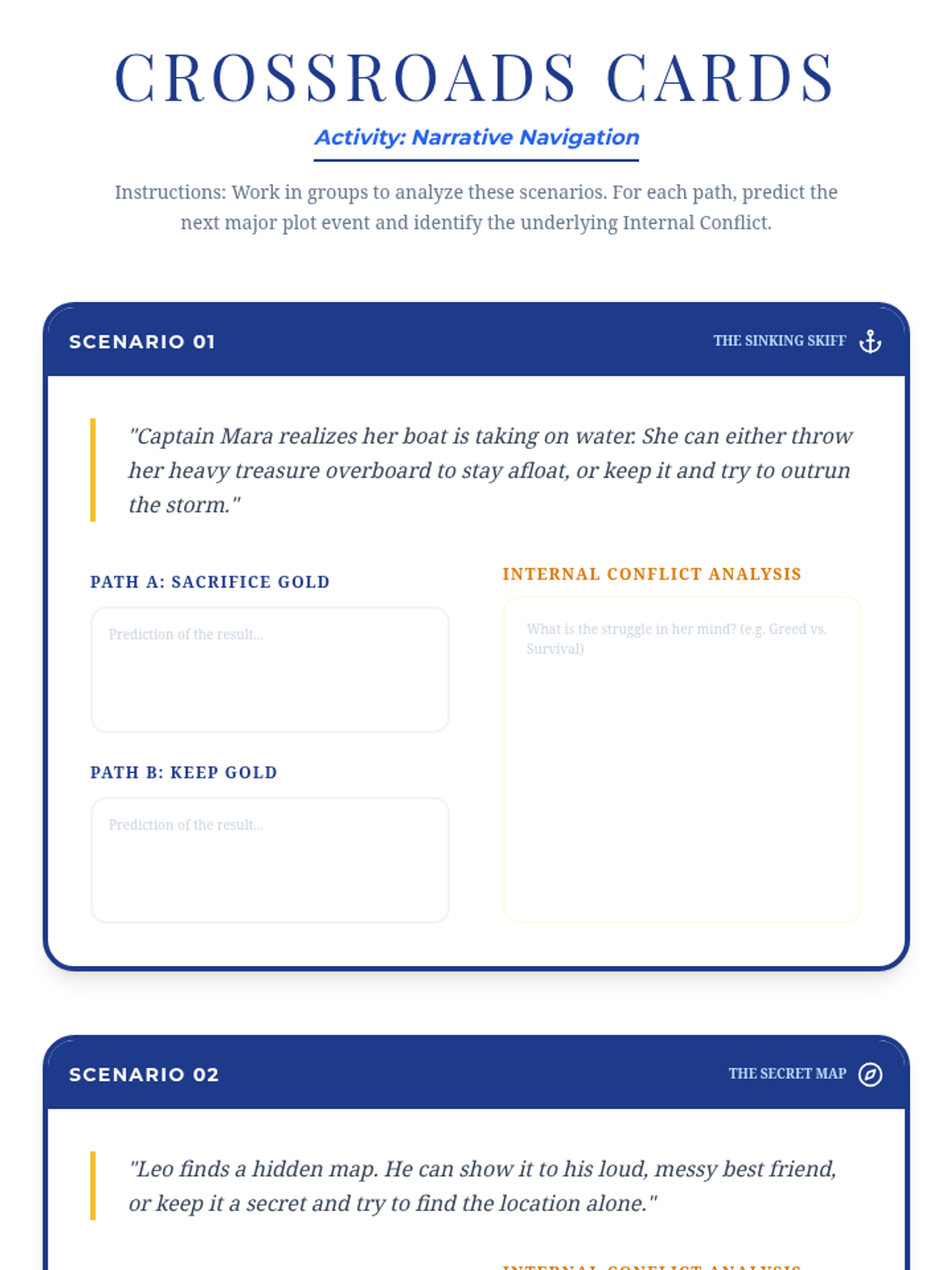
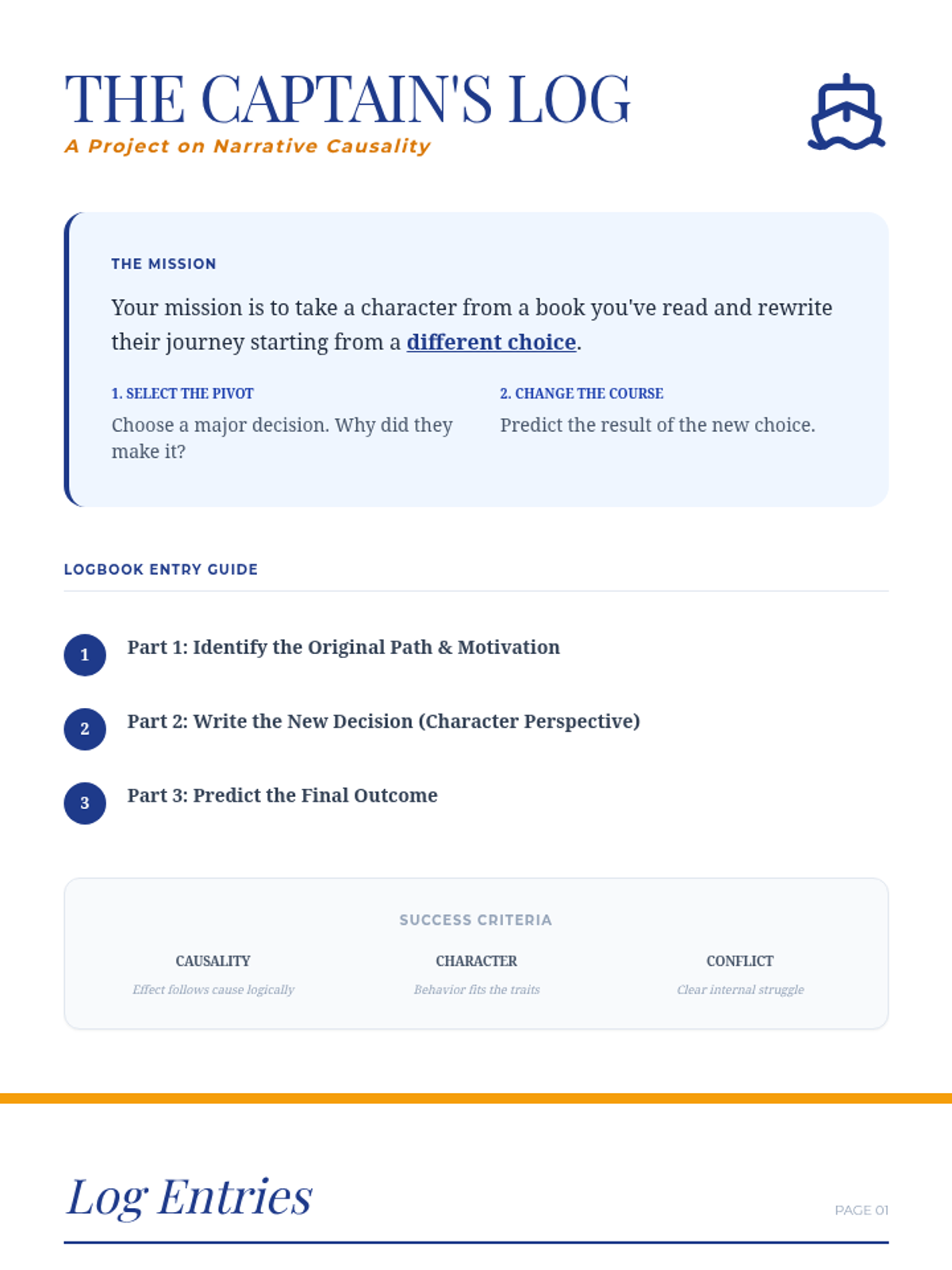
Students explore narrative causality by analyzing how character choices drive plot development, mapping alternative consequences, and understanding the role of internal conflict in 5th and 6th-grade literature.
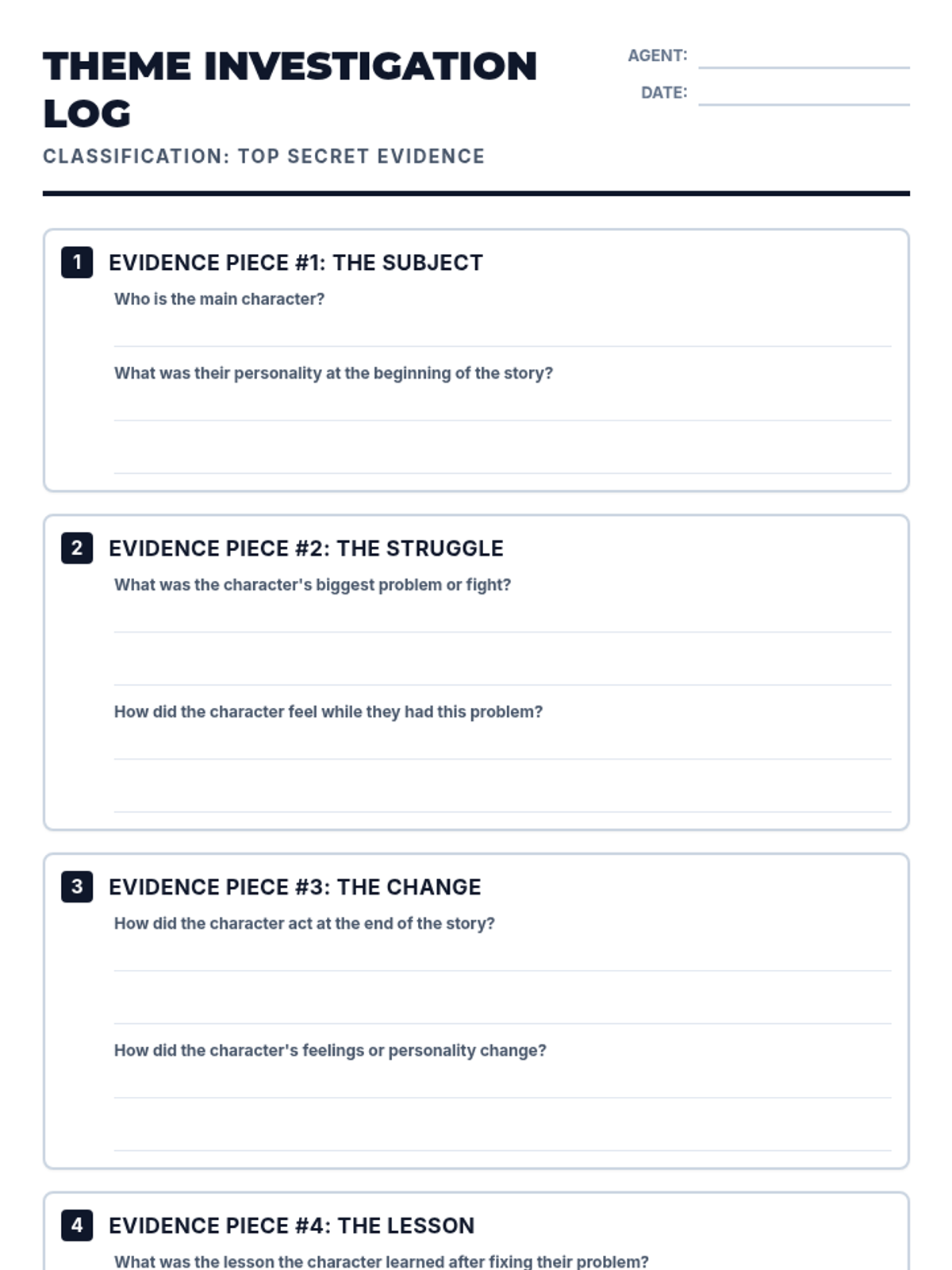
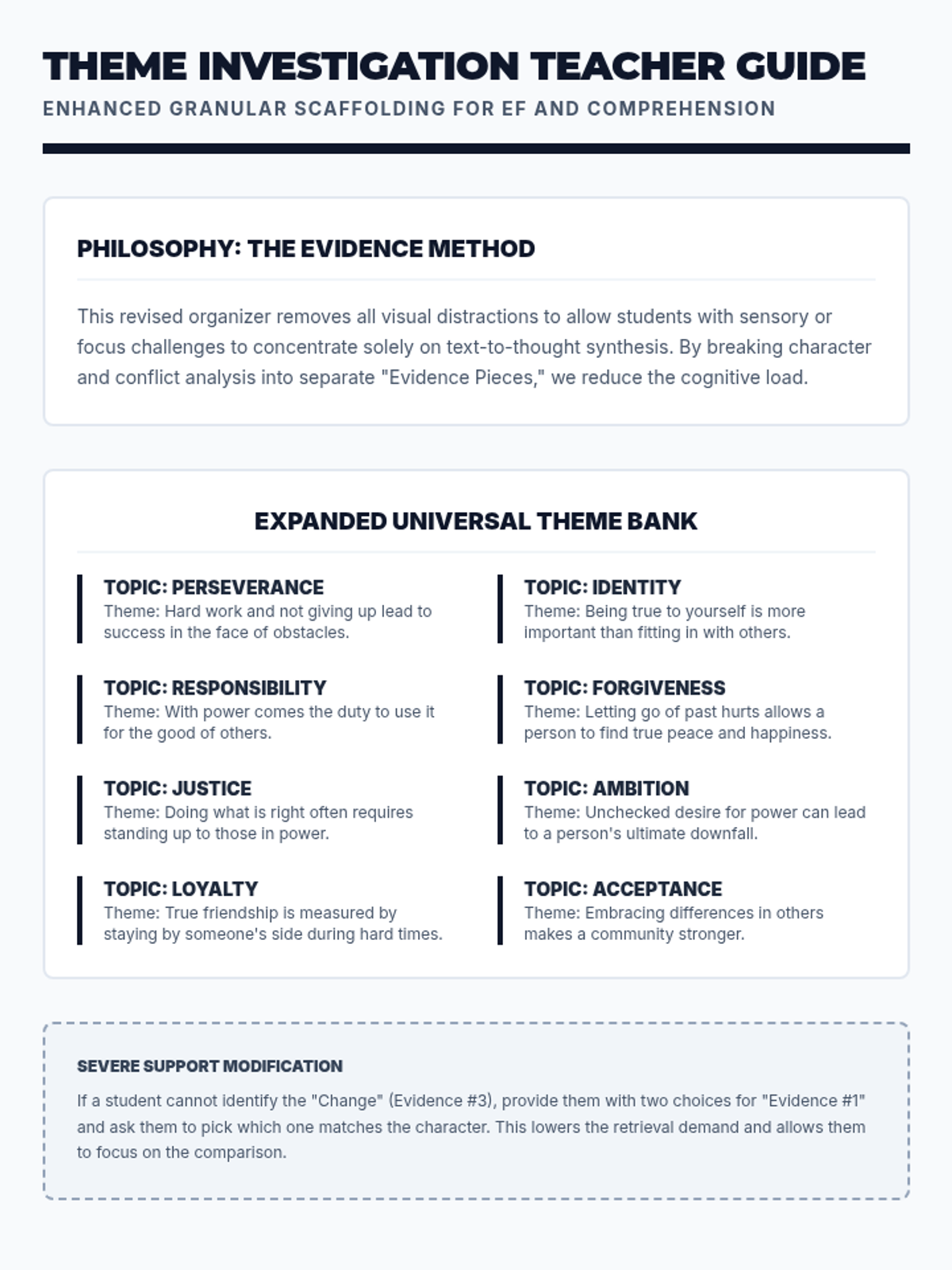
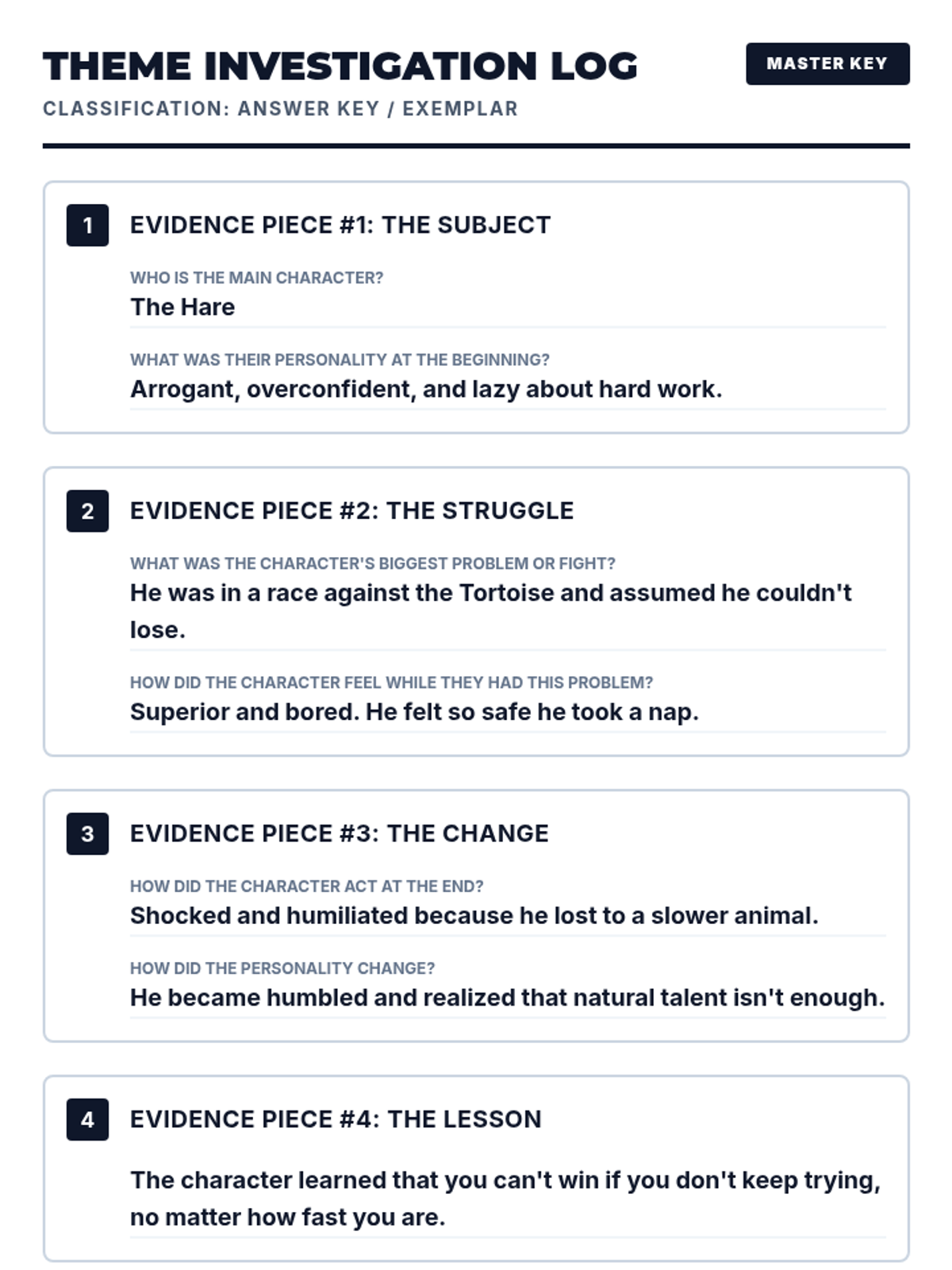
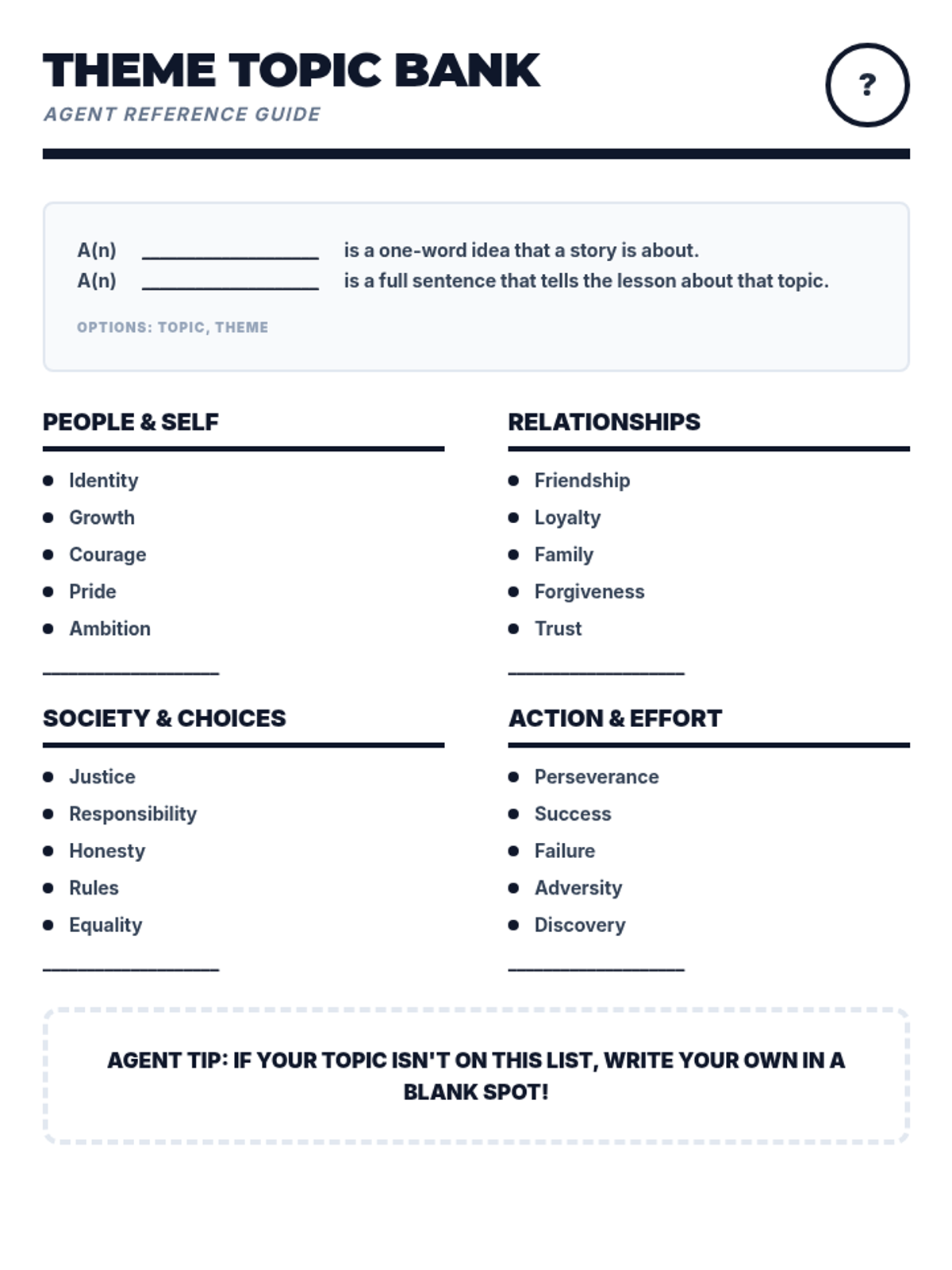
A structured approach to identifying themes in literature using a detective-themed graphic organizer designed for students with executive function and comprehension challenges.
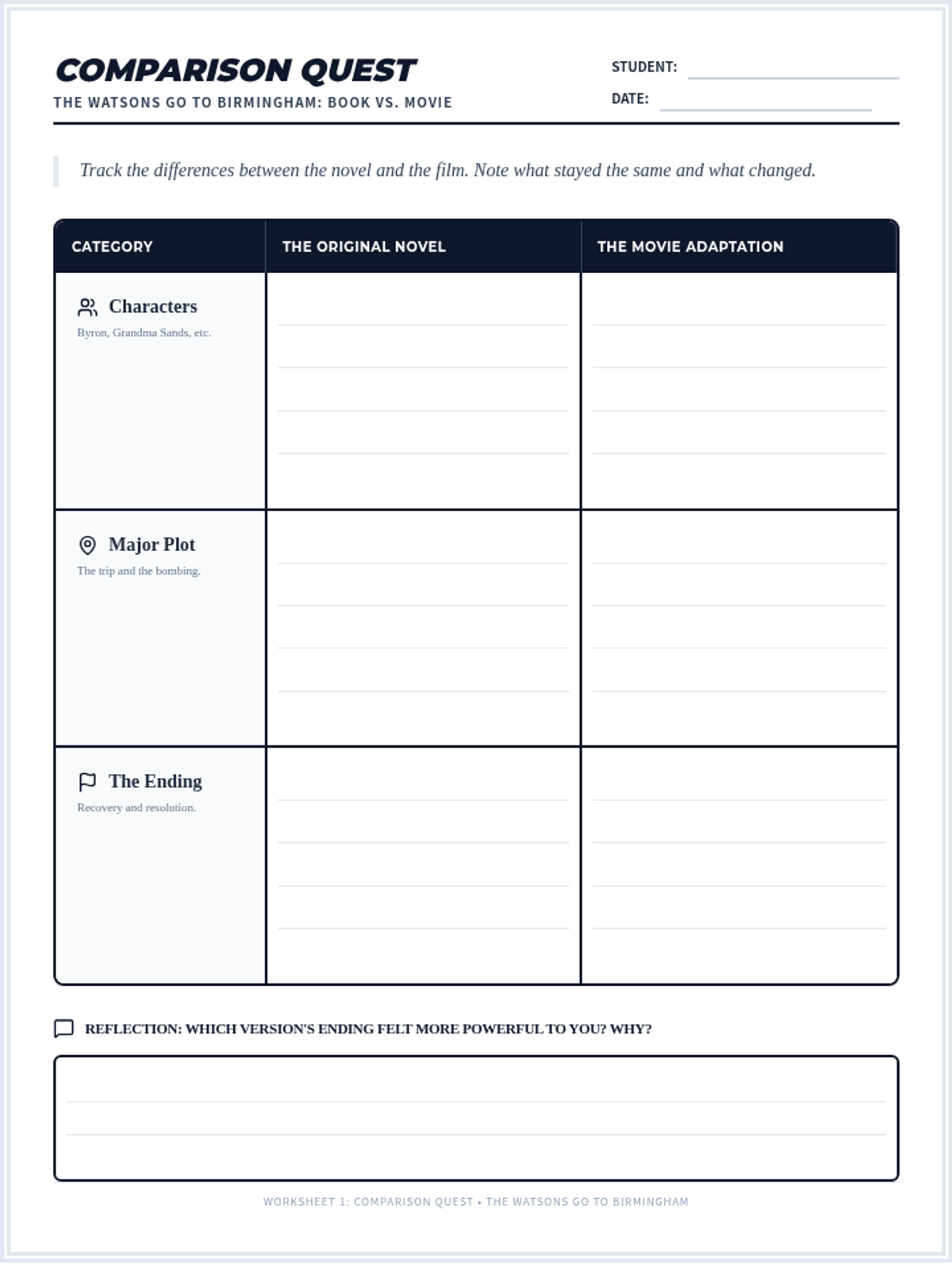
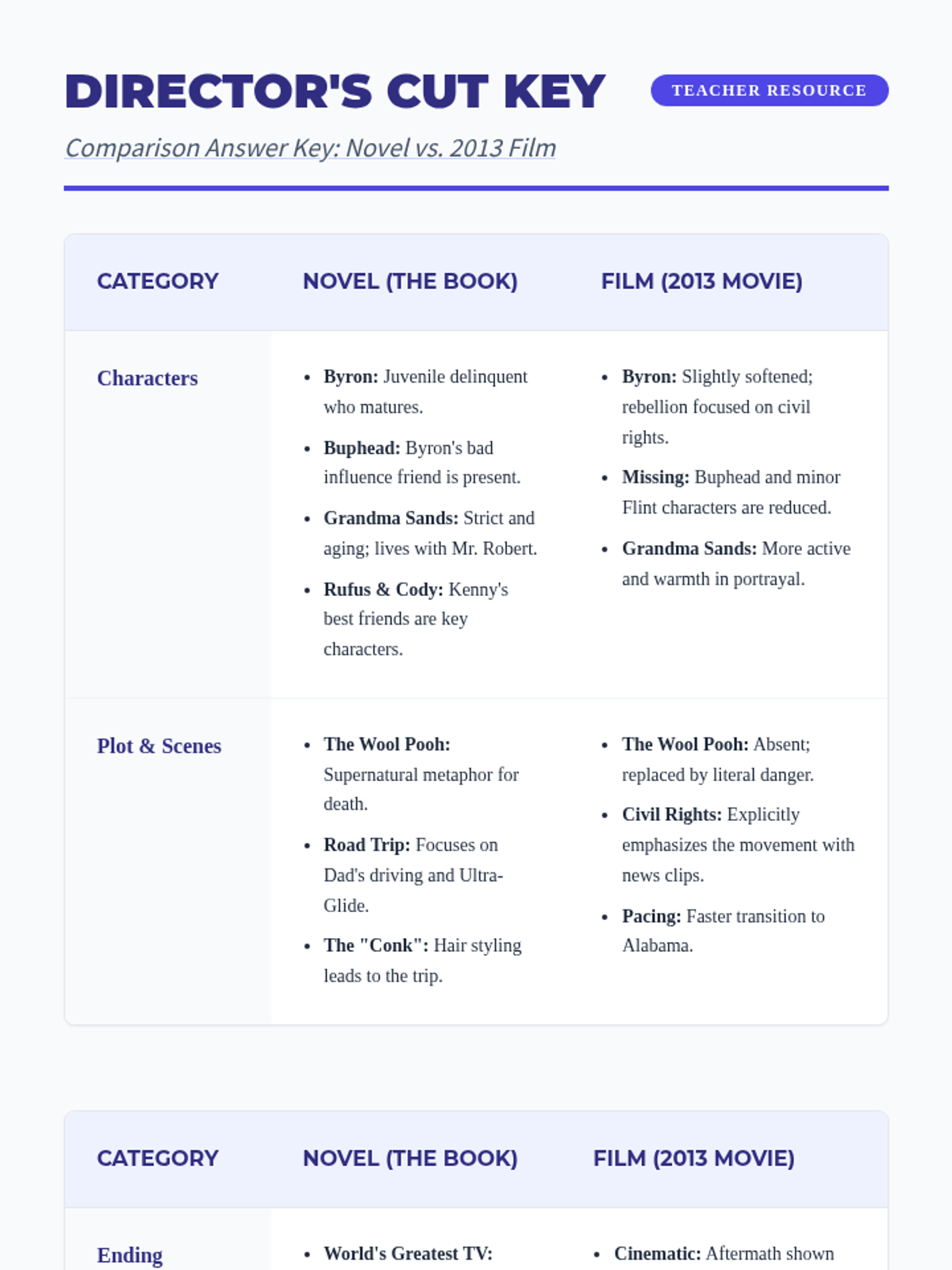
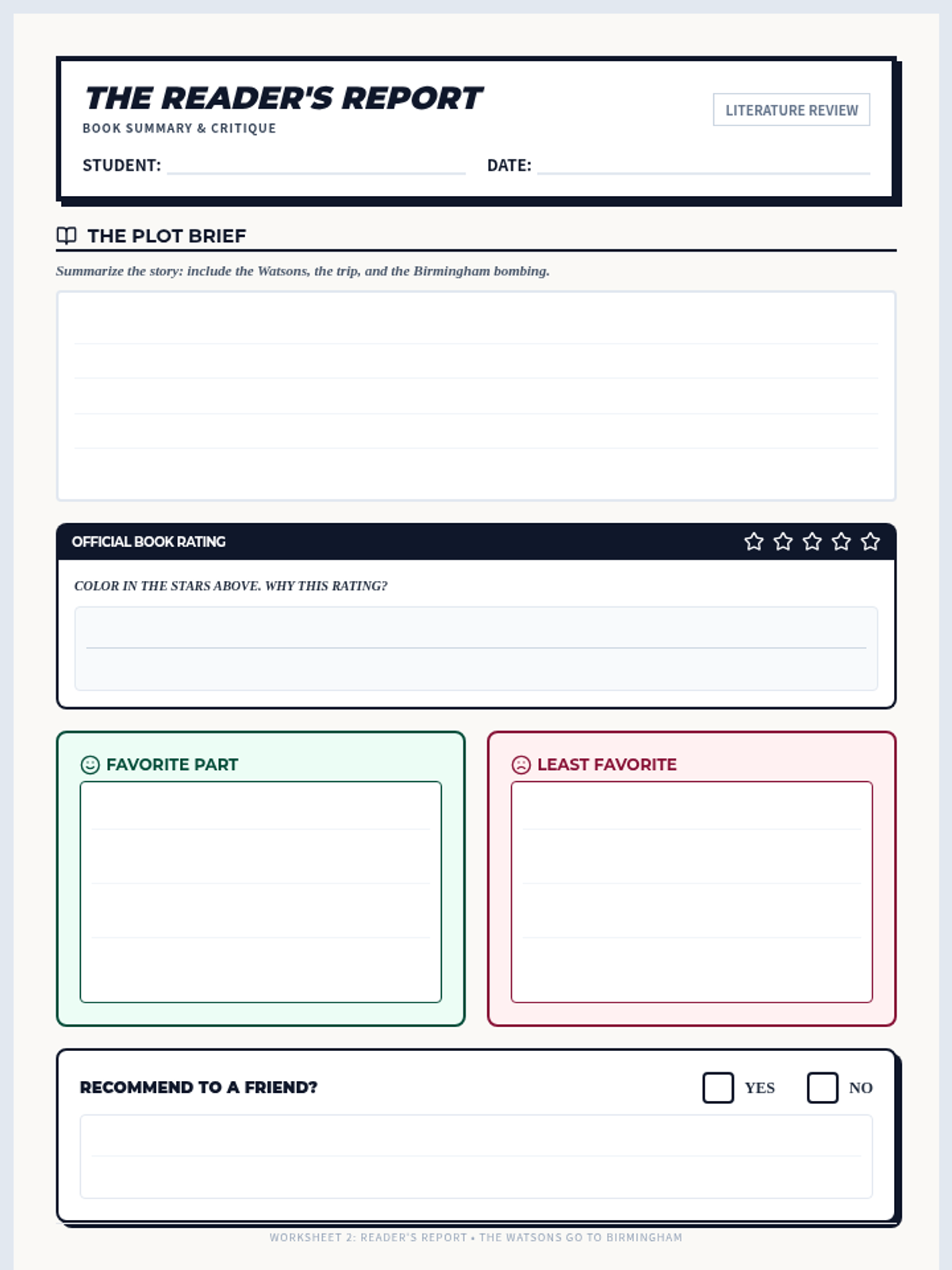
A comprehensive look at the classic novel 'The Watsons Go to Birmingham – 1963', including a complete plot summary and a comparative analysis between the book and its film adaptation.
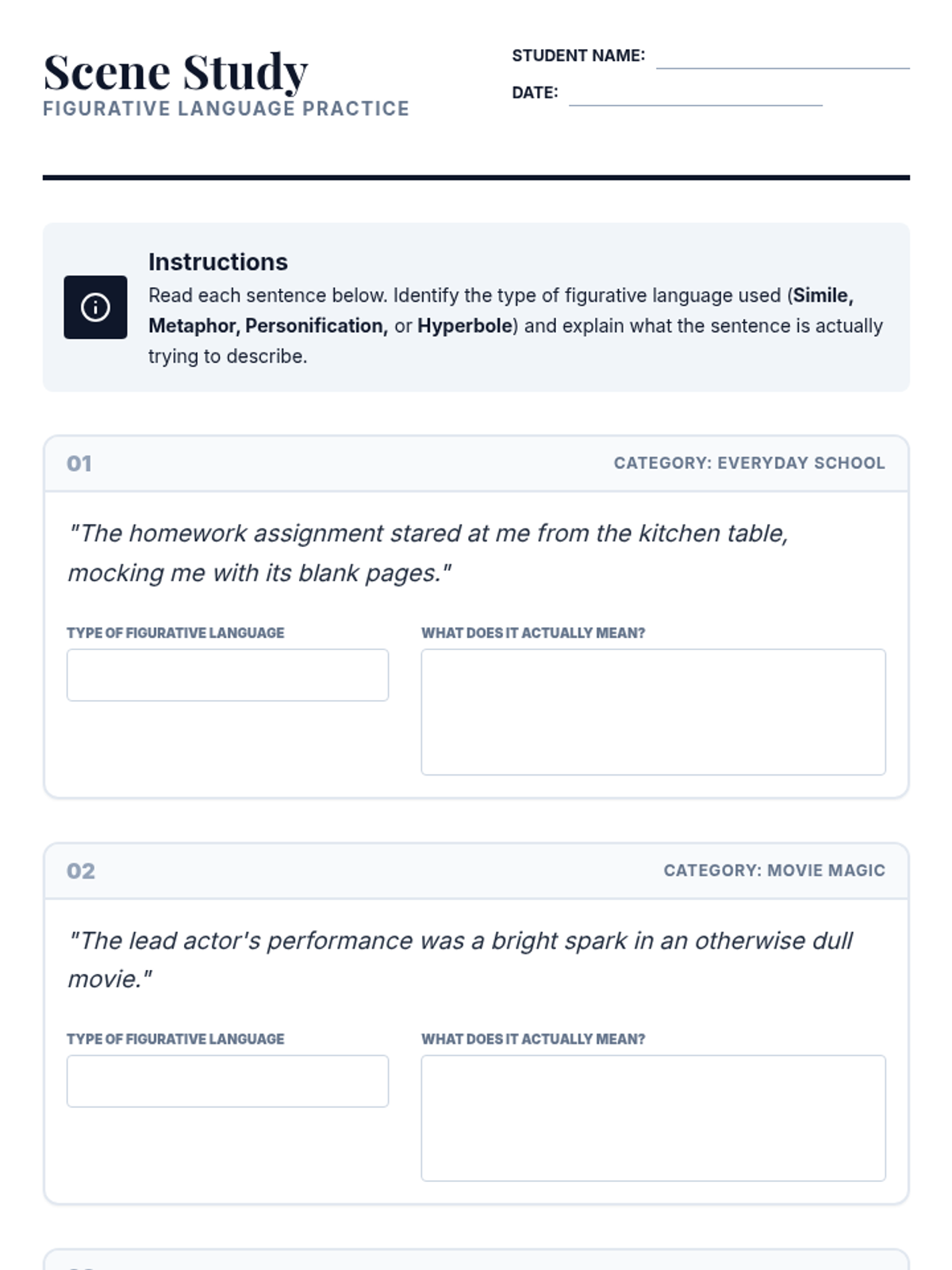
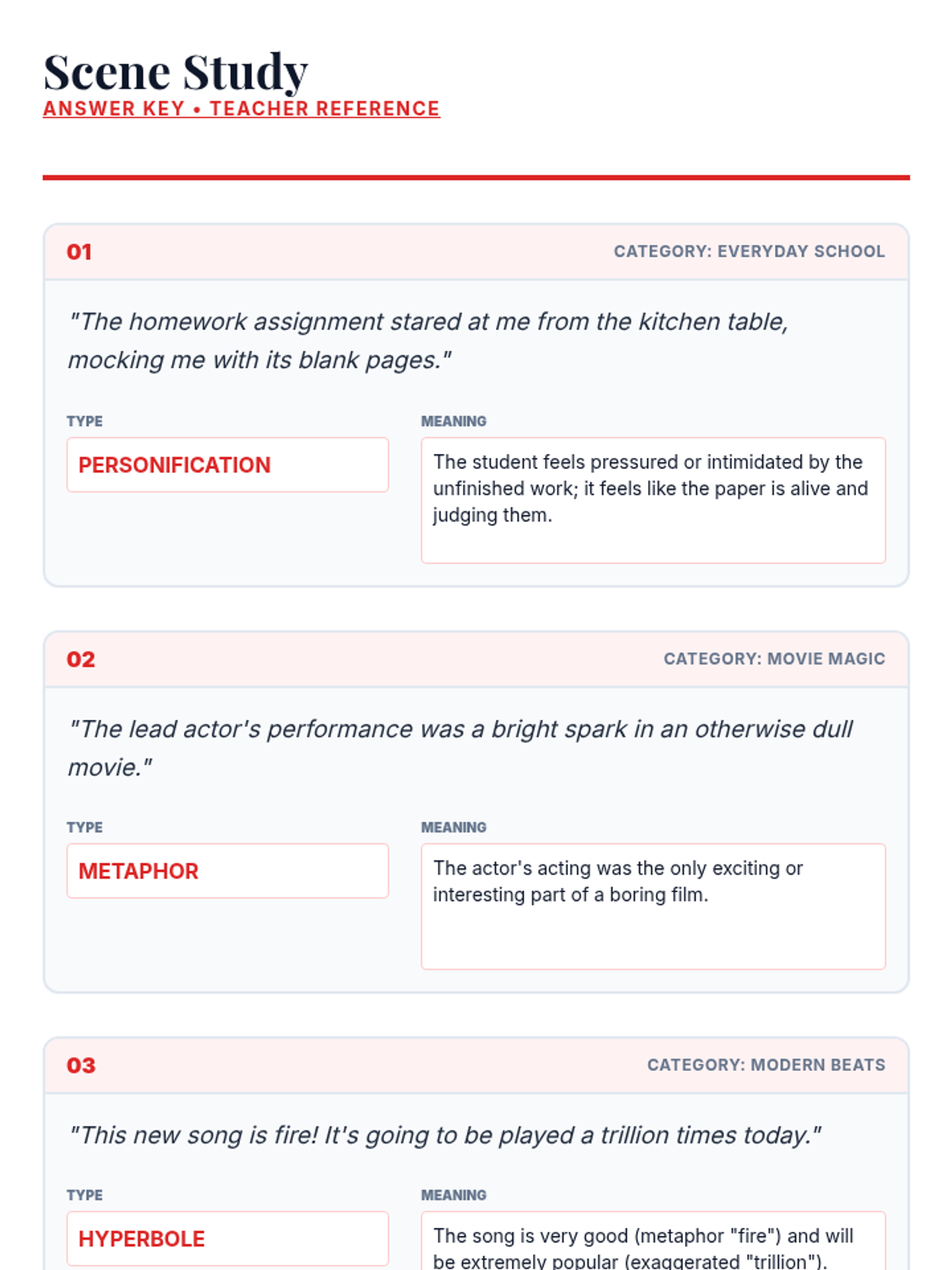
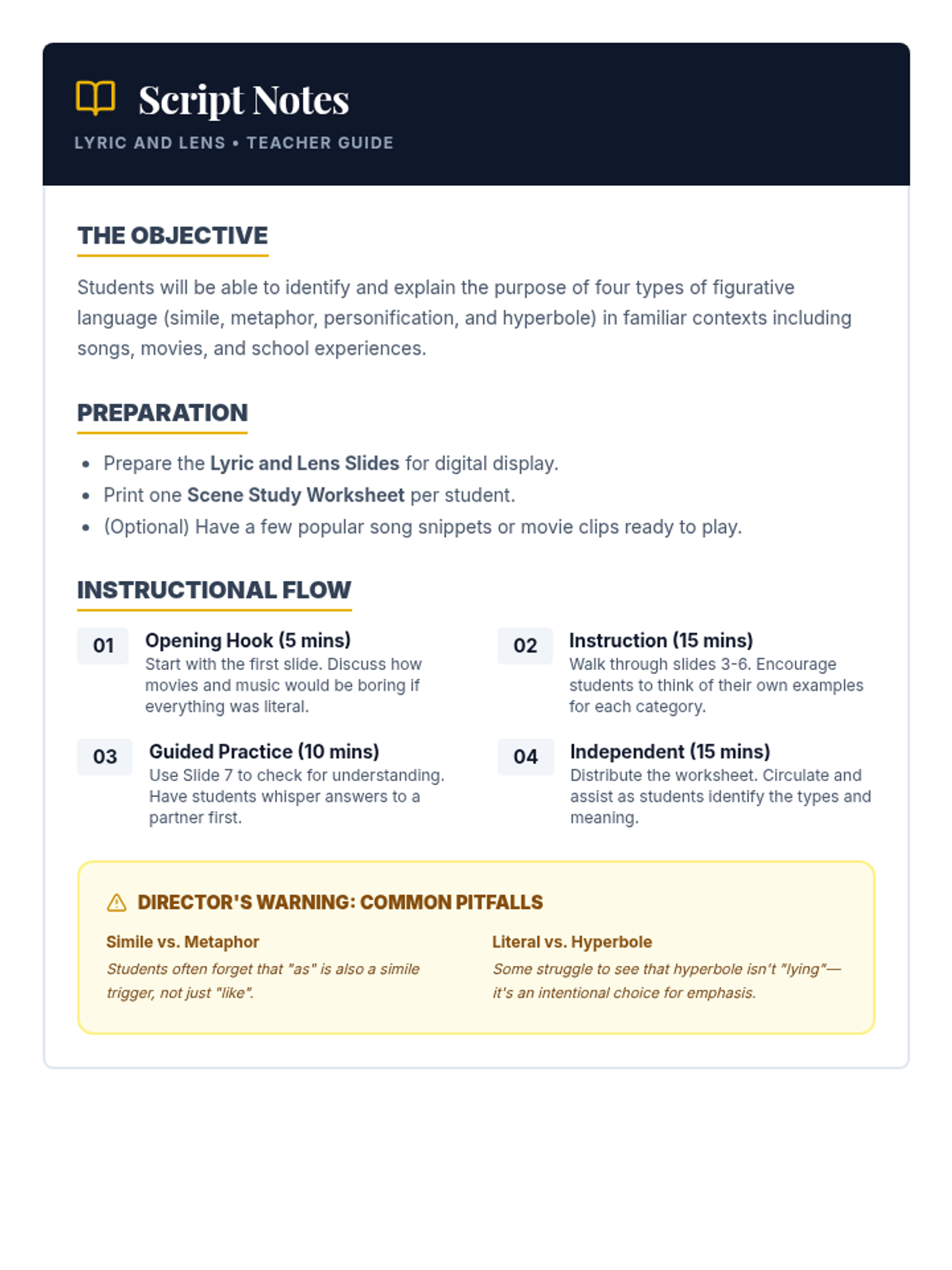
A lesson exploring simile, metaphor, personification, and hyperbole through the lens of popular media and everyday school experiences. Students identify and analyze figurative language in familiar contexts.
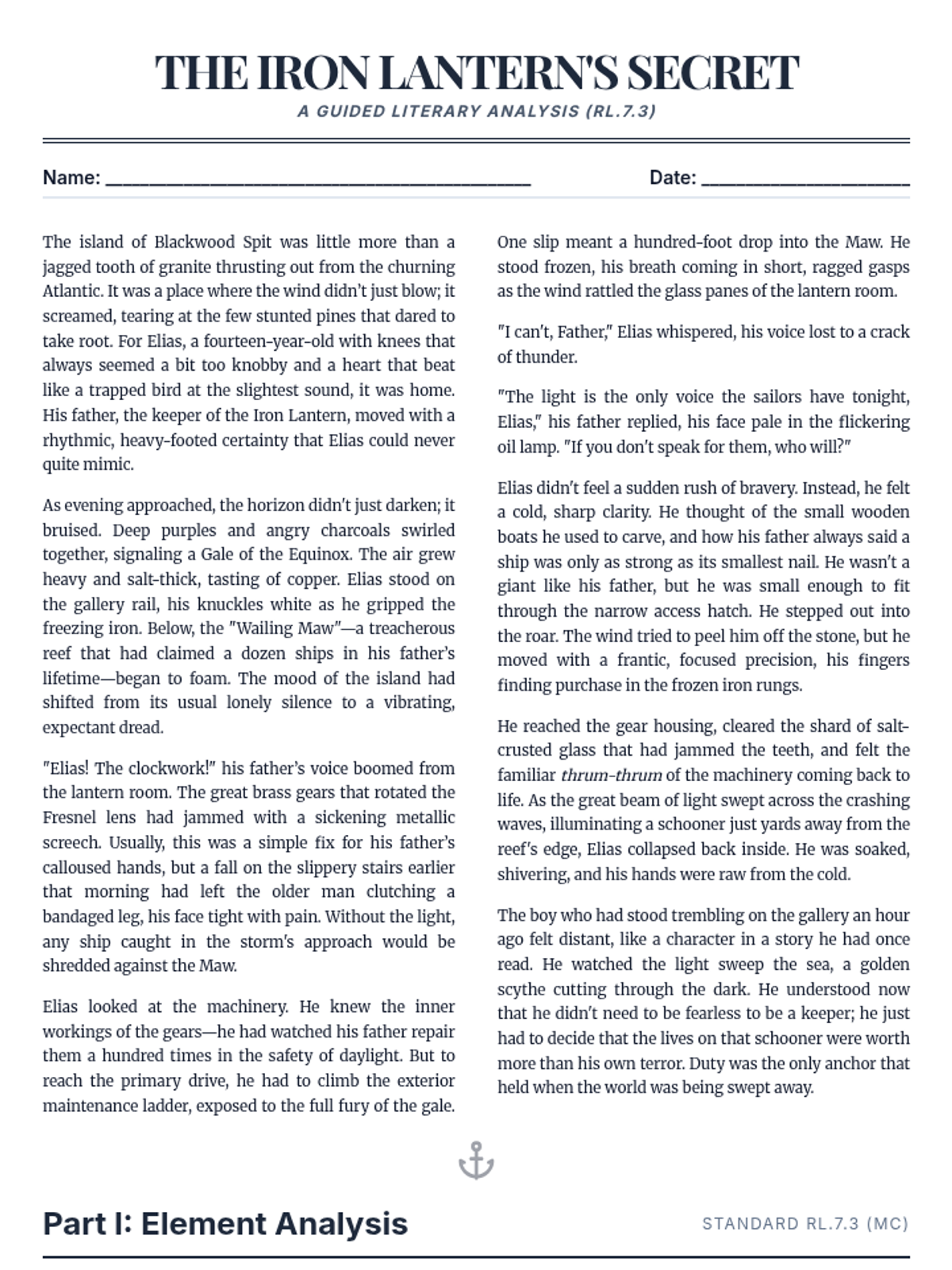
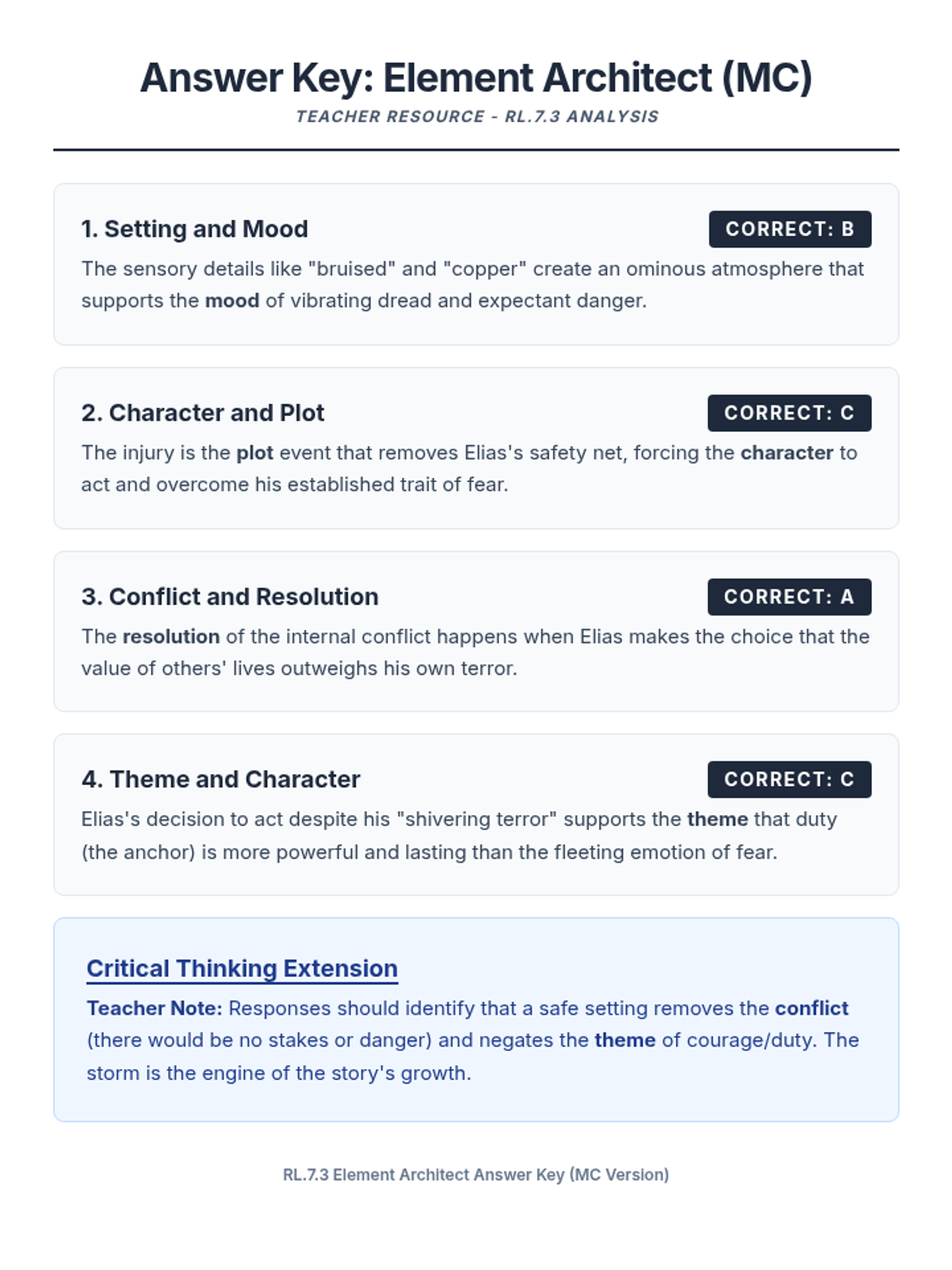
A lesson focused on RL.7.3, analyzing how literary elements like setting, character, and plot interact to shape a narrative. Students will read a complex passage and identify these interactions.
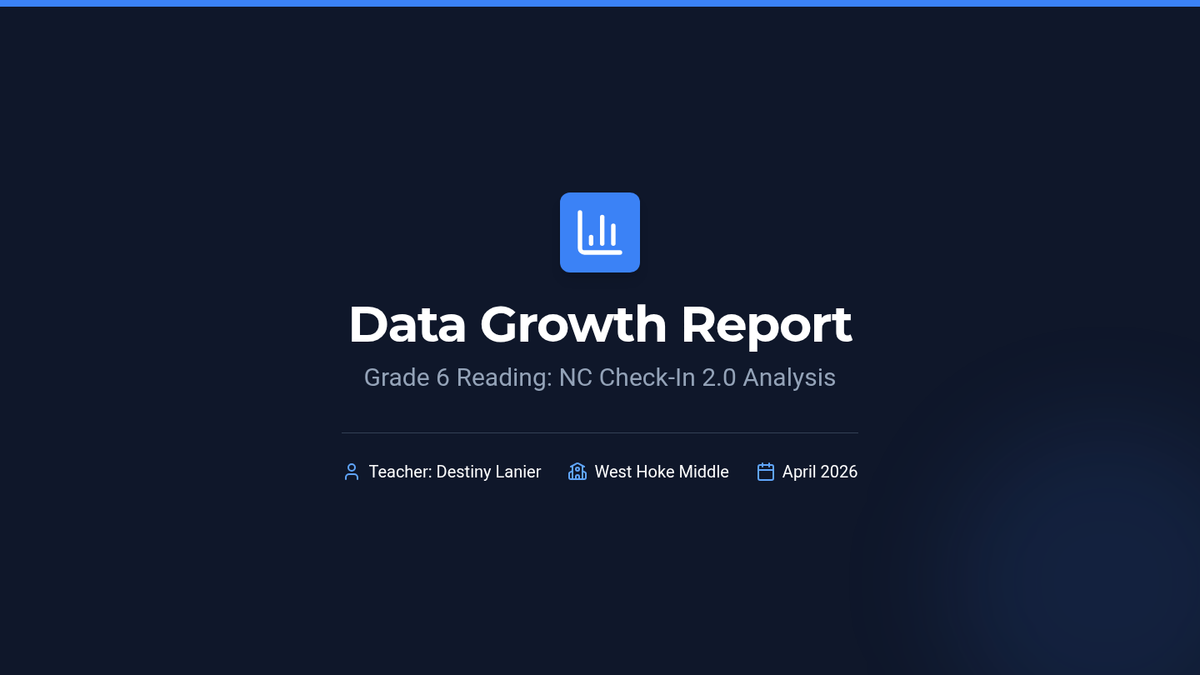
A comprehensive data analysis presentation for administrators, tracking student growth across Grade 6 NC Check-In cycles with a focus on vocabulary, informational text mastery, and overall test trends.
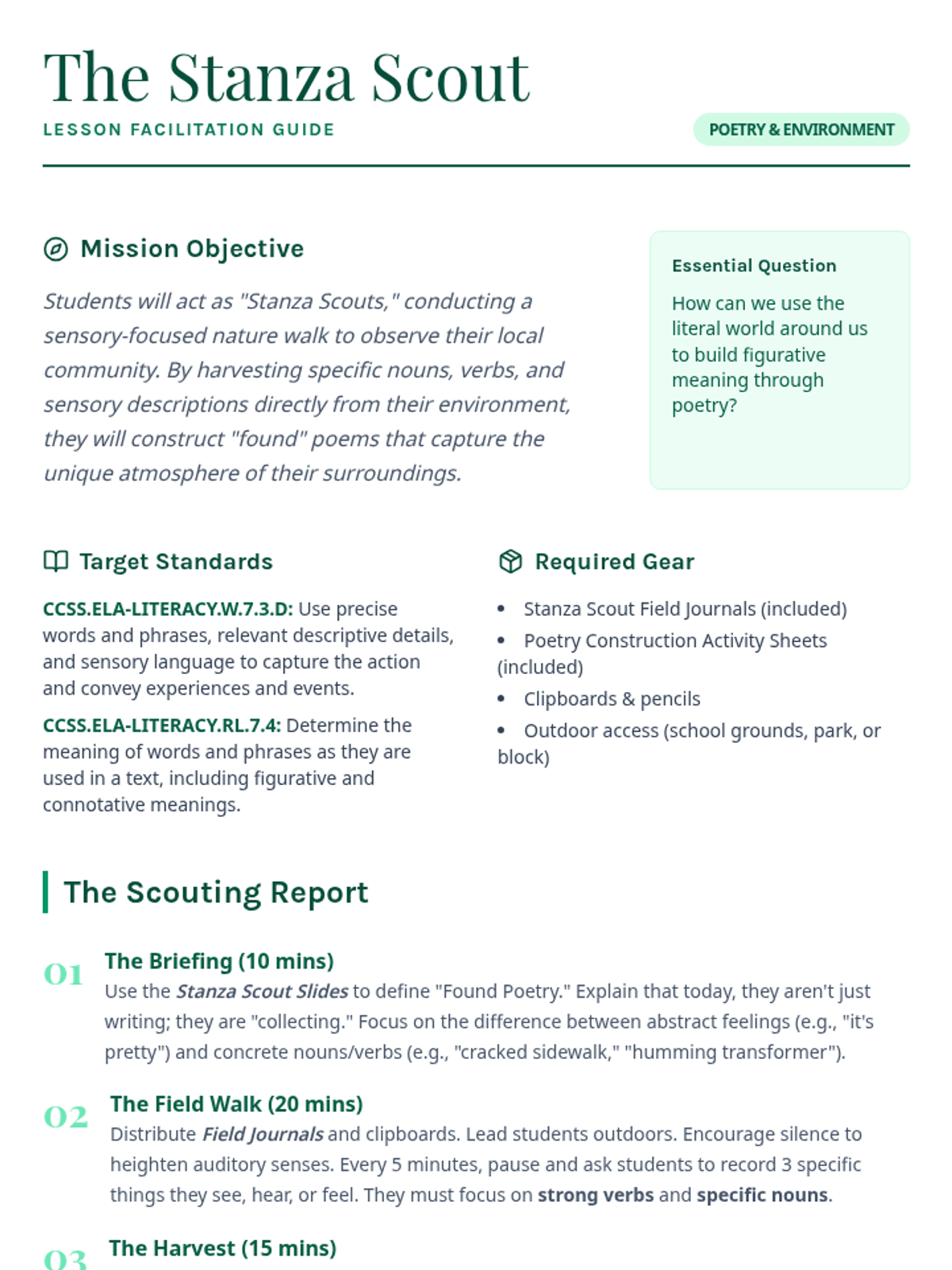
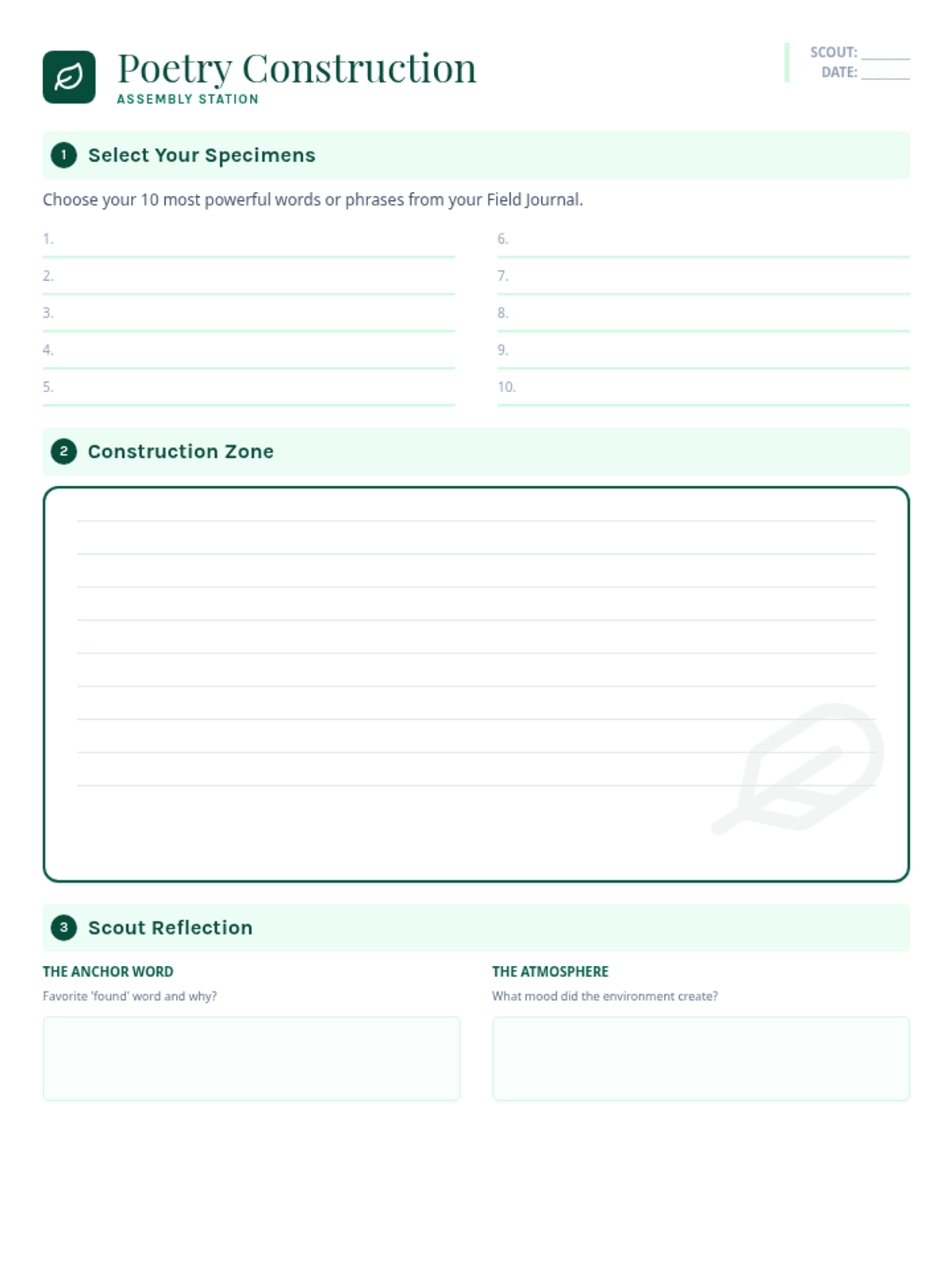
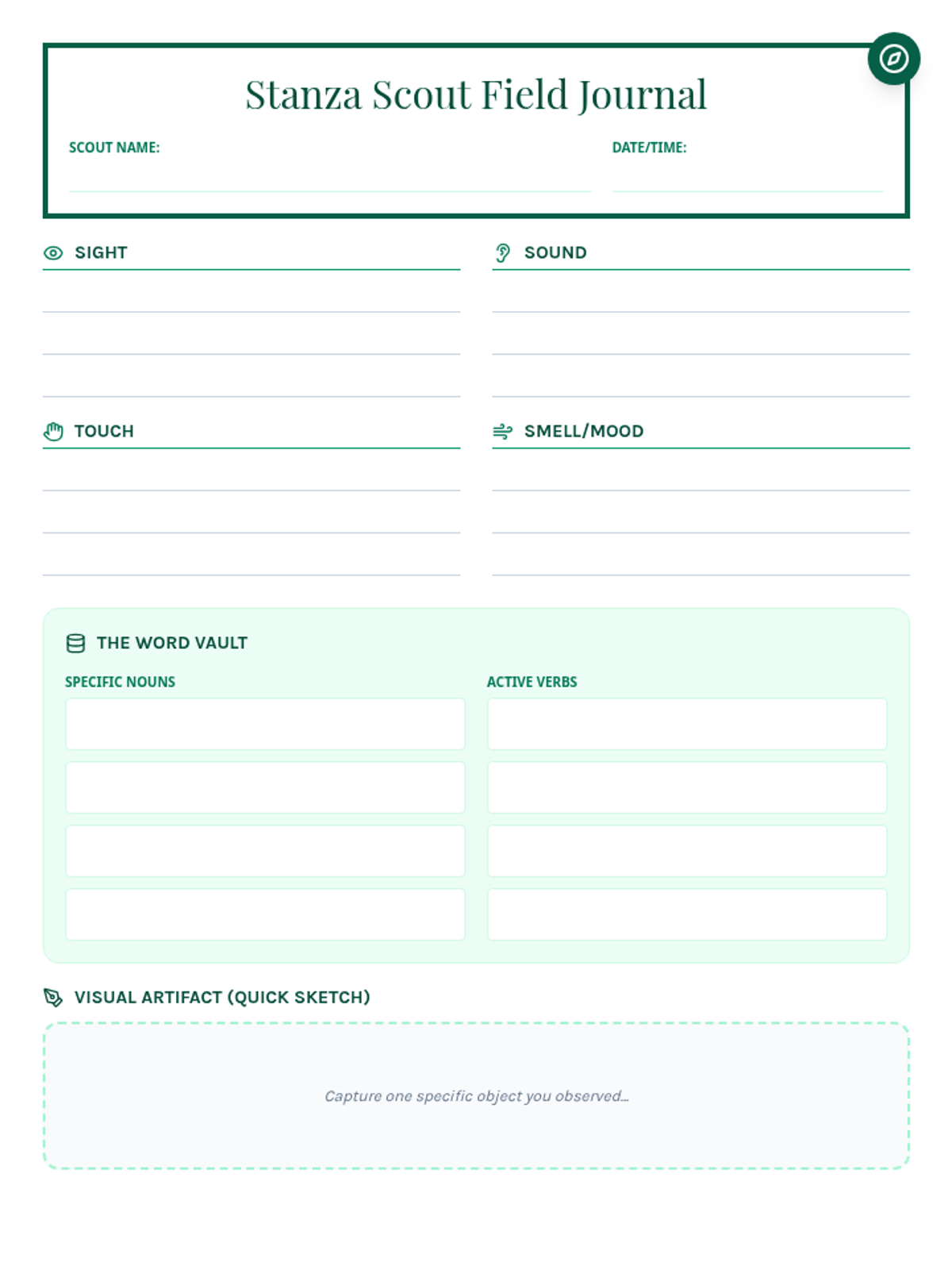
A middle school English Language Arts lesson where students conduct a sensory nature walk to collect 'found' words and transform them into original environmental poetry.
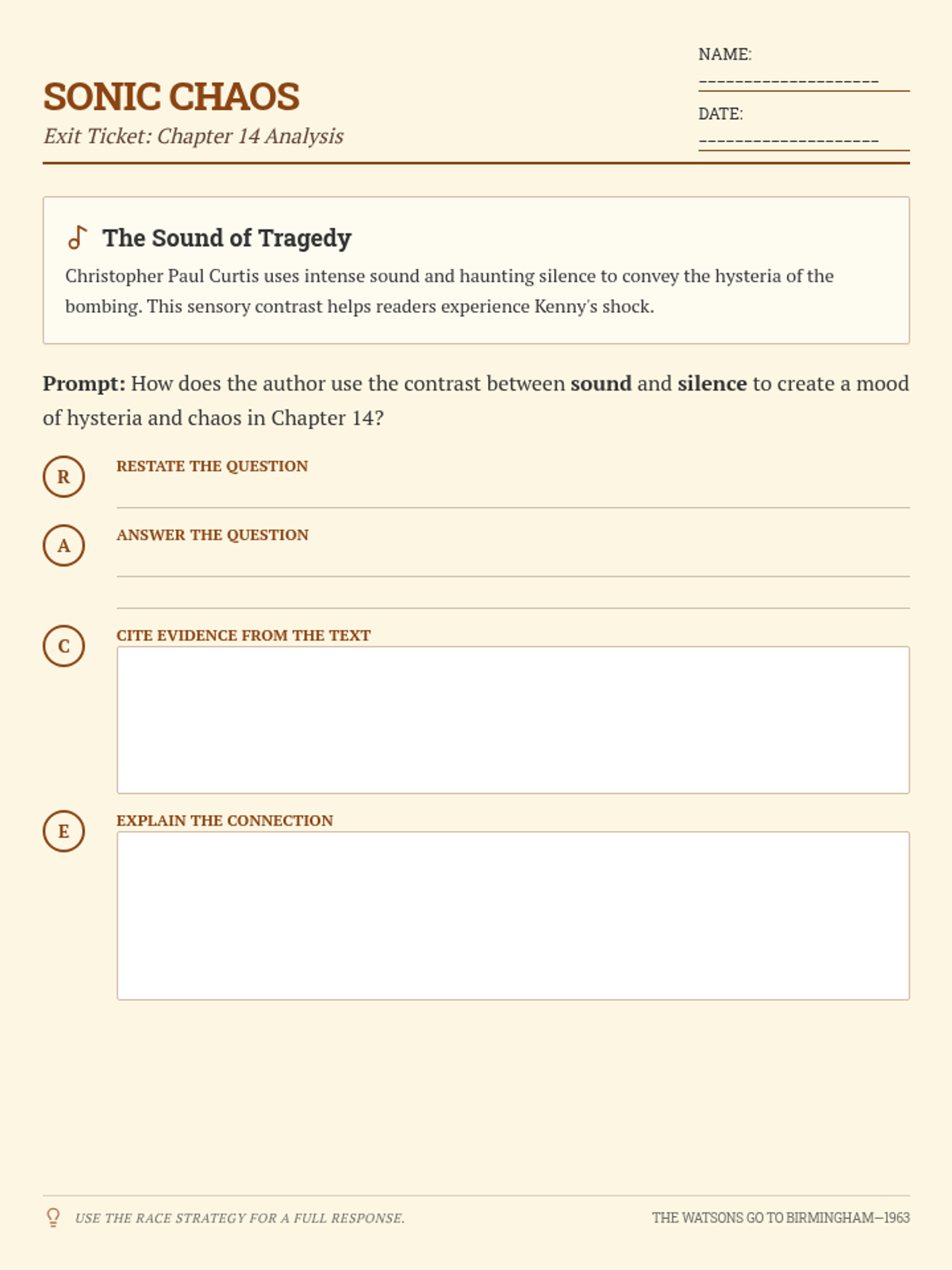
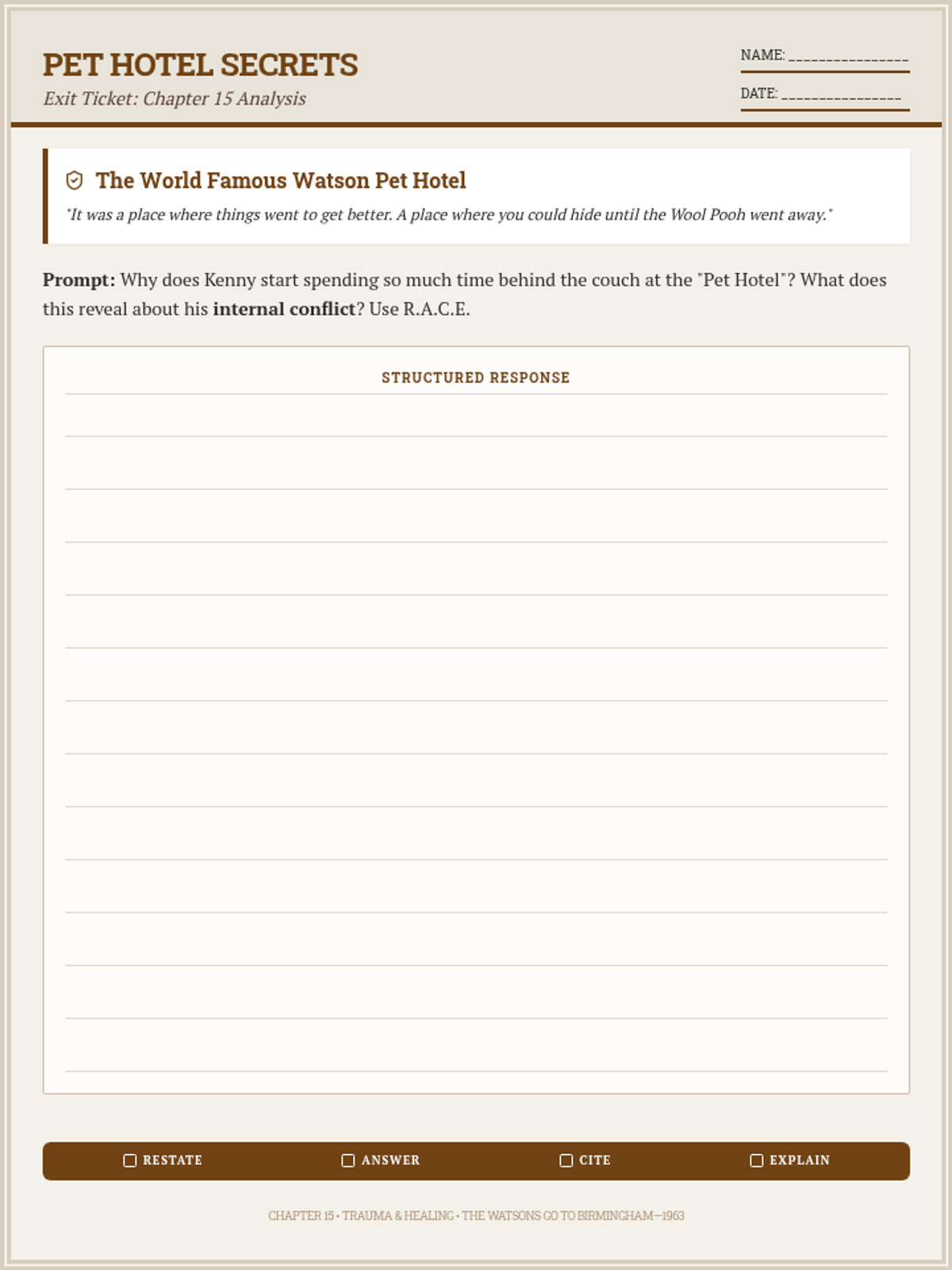
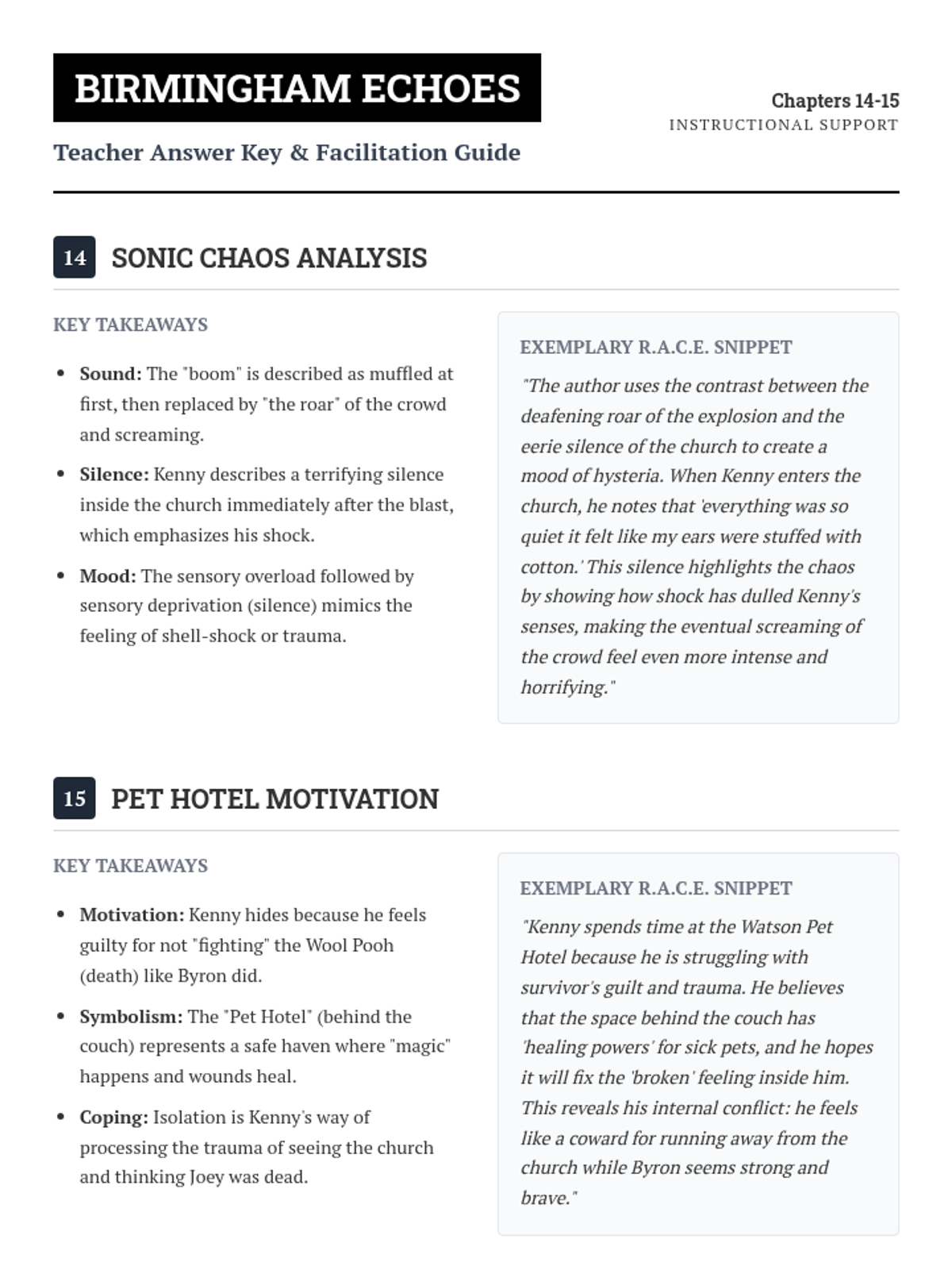
A deep dive into Chapters 14 and 15 of *The Watsons Go to Birmingham—1963*, focusing on the emotional aftermath of the church bombing and Kenny's internal struggle through mood analysis and character motivation.
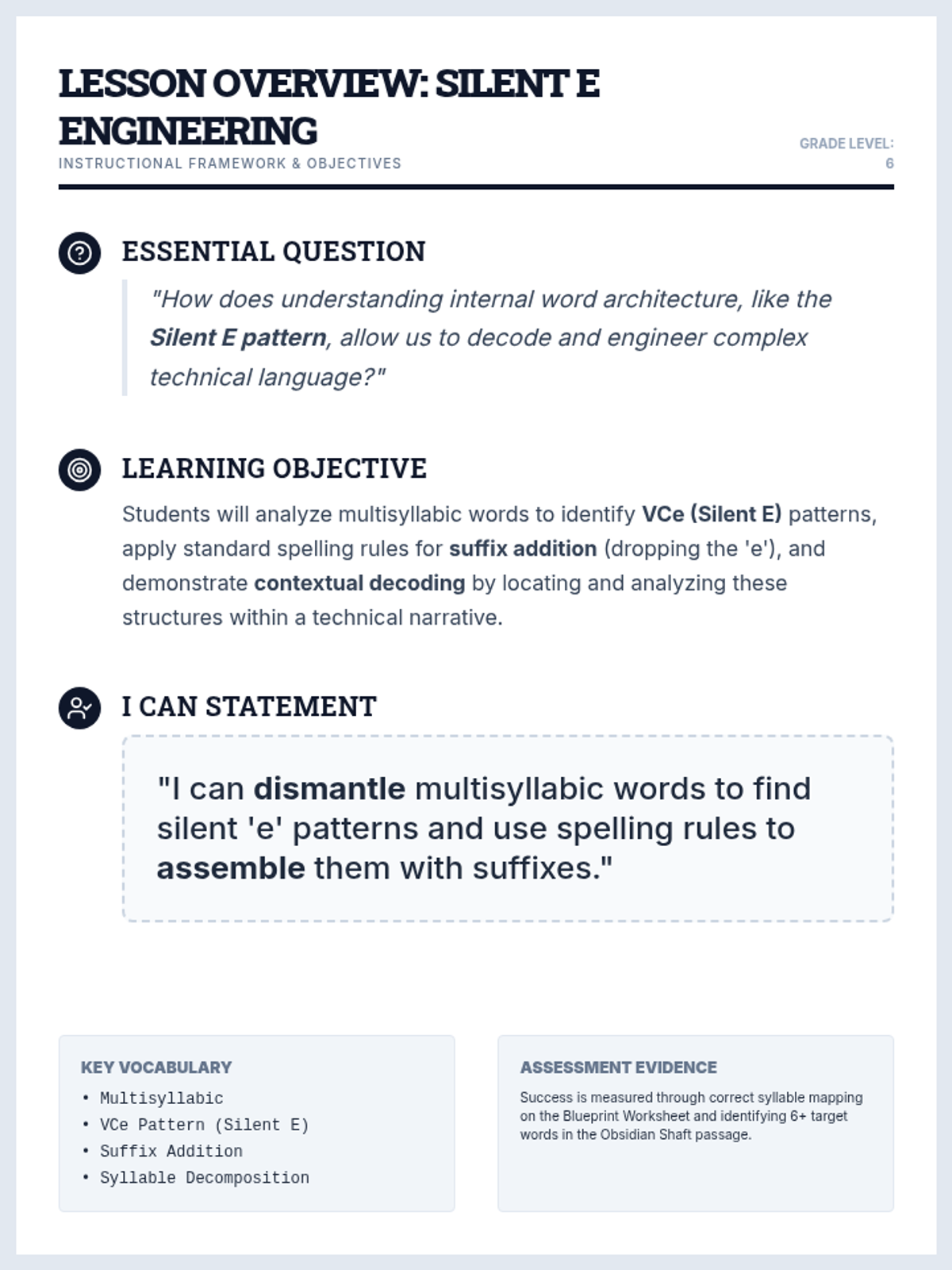
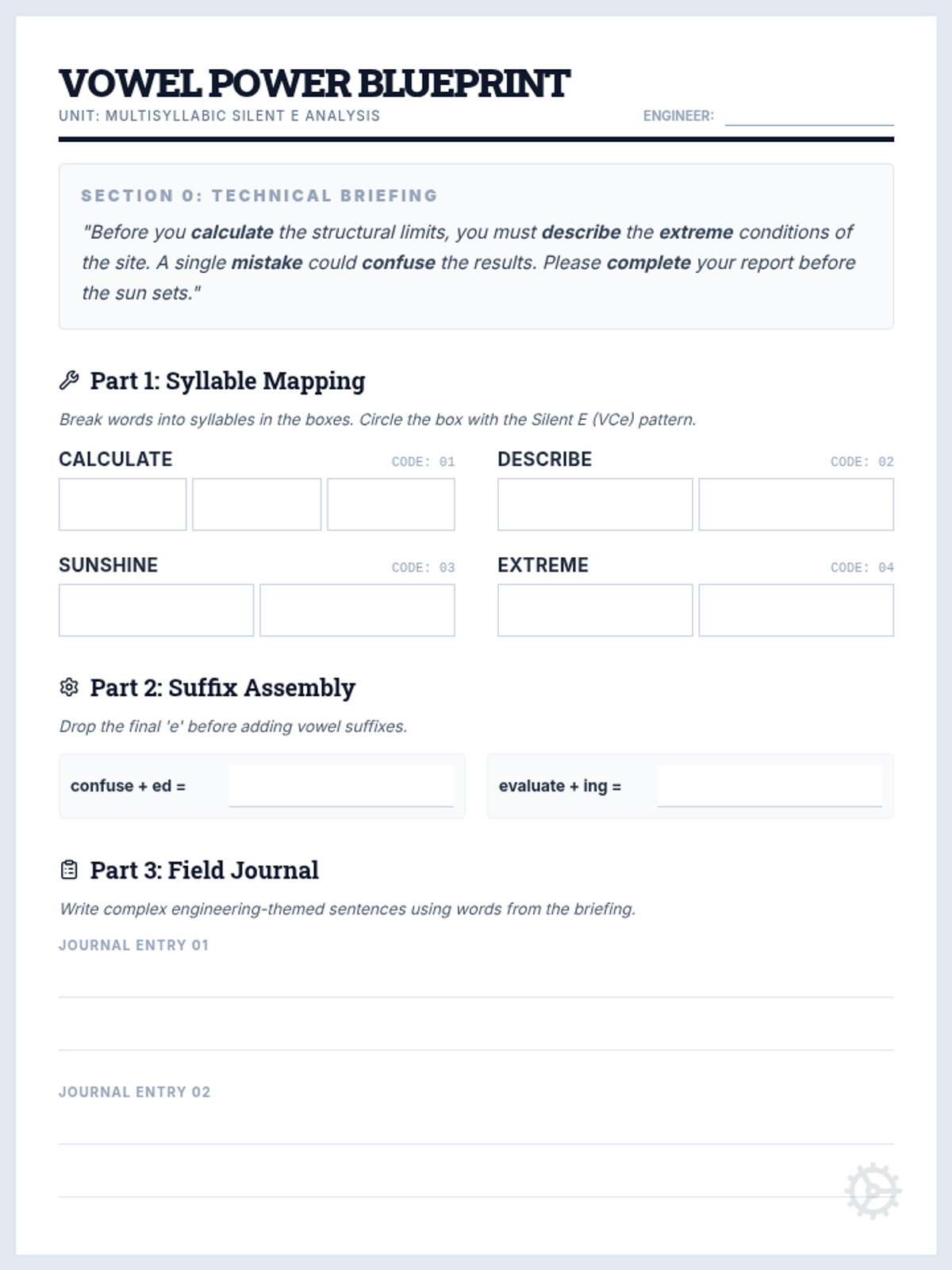
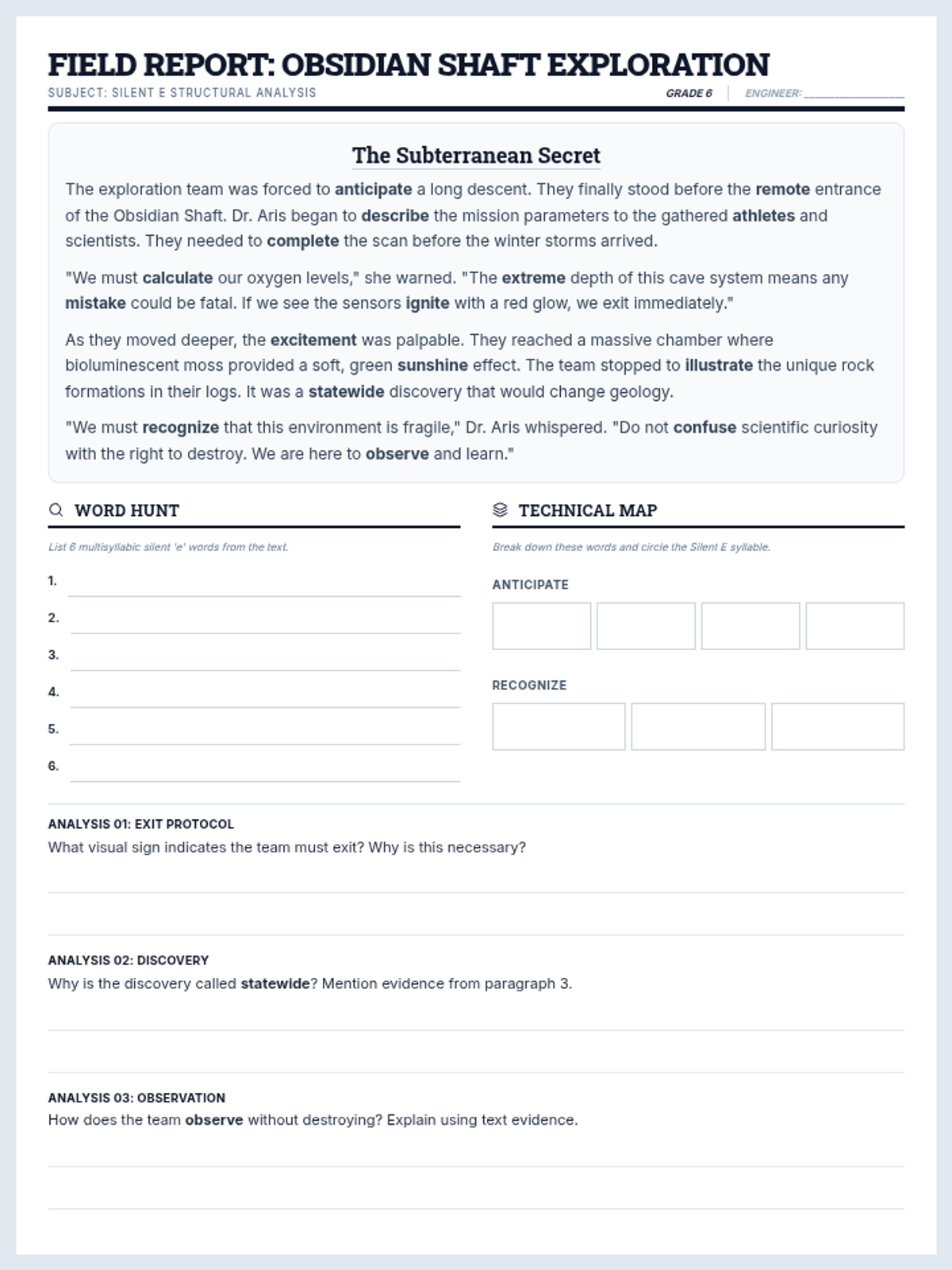
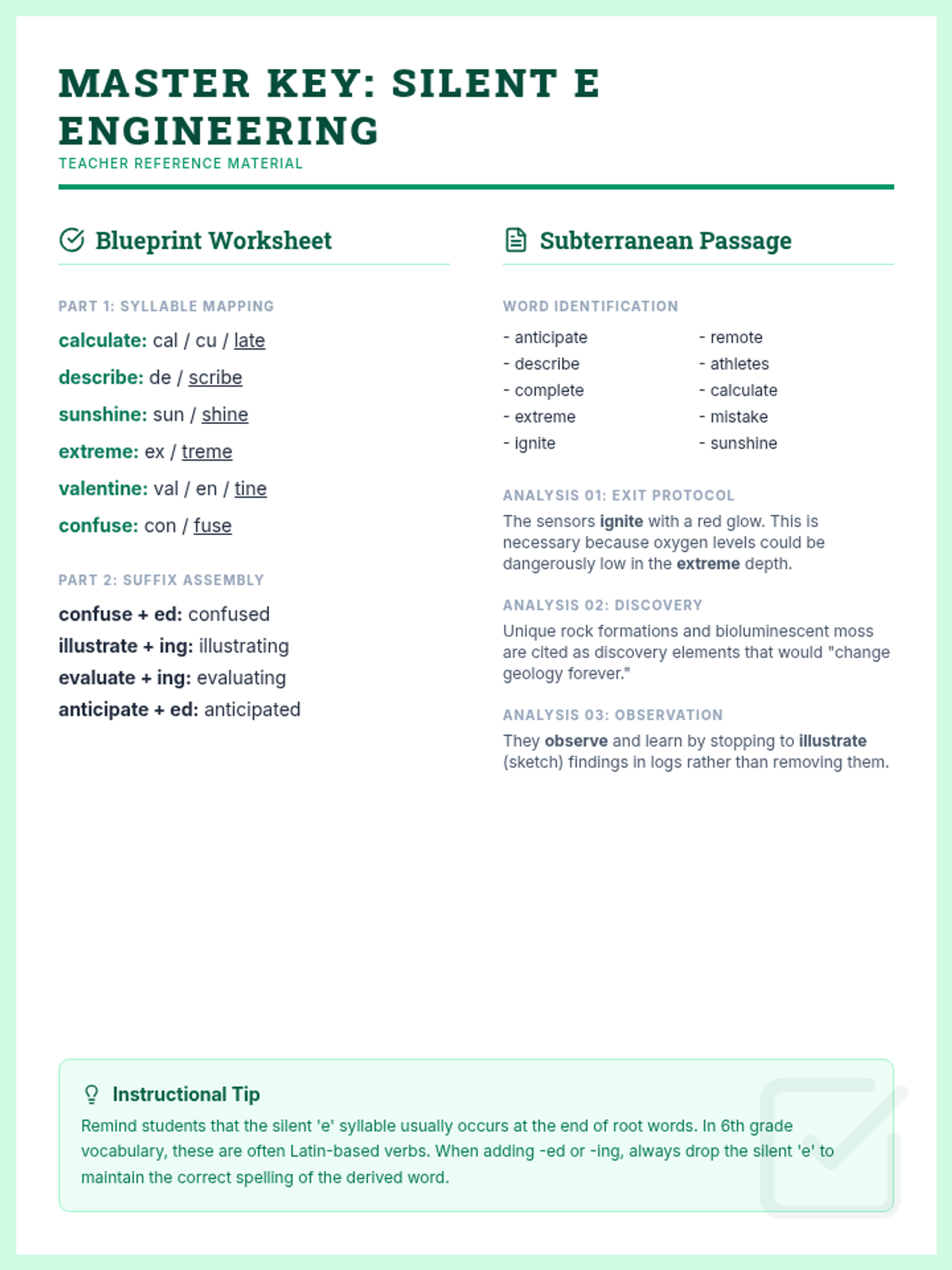
A lesson focused on identifying, decoding, and understanding multisyllabic words that feature the silent 'e' (VCe) pattern in at least one syllable. Designed for 6th-grade students using an 'Engineering' theme to analyze word structures.
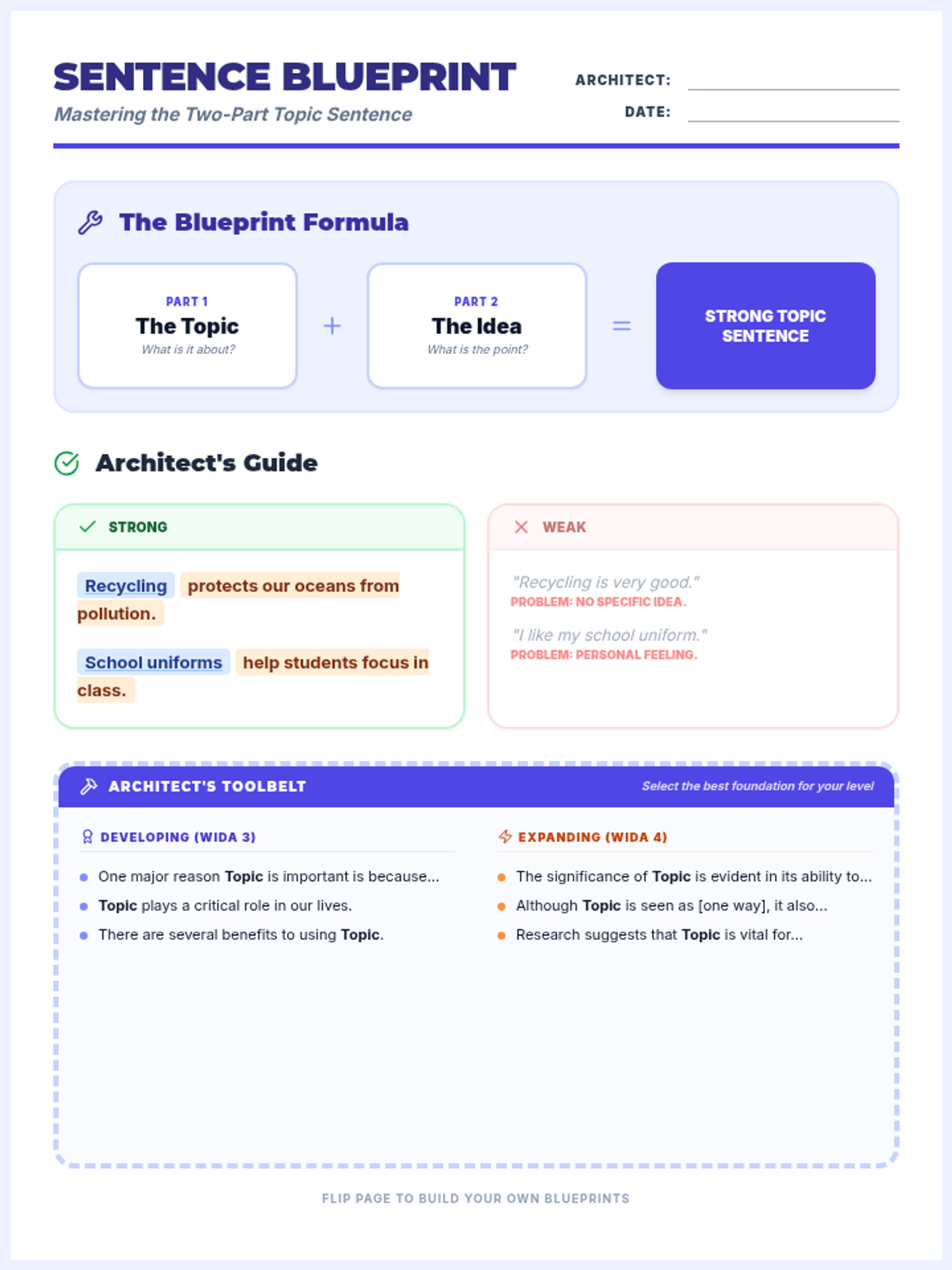
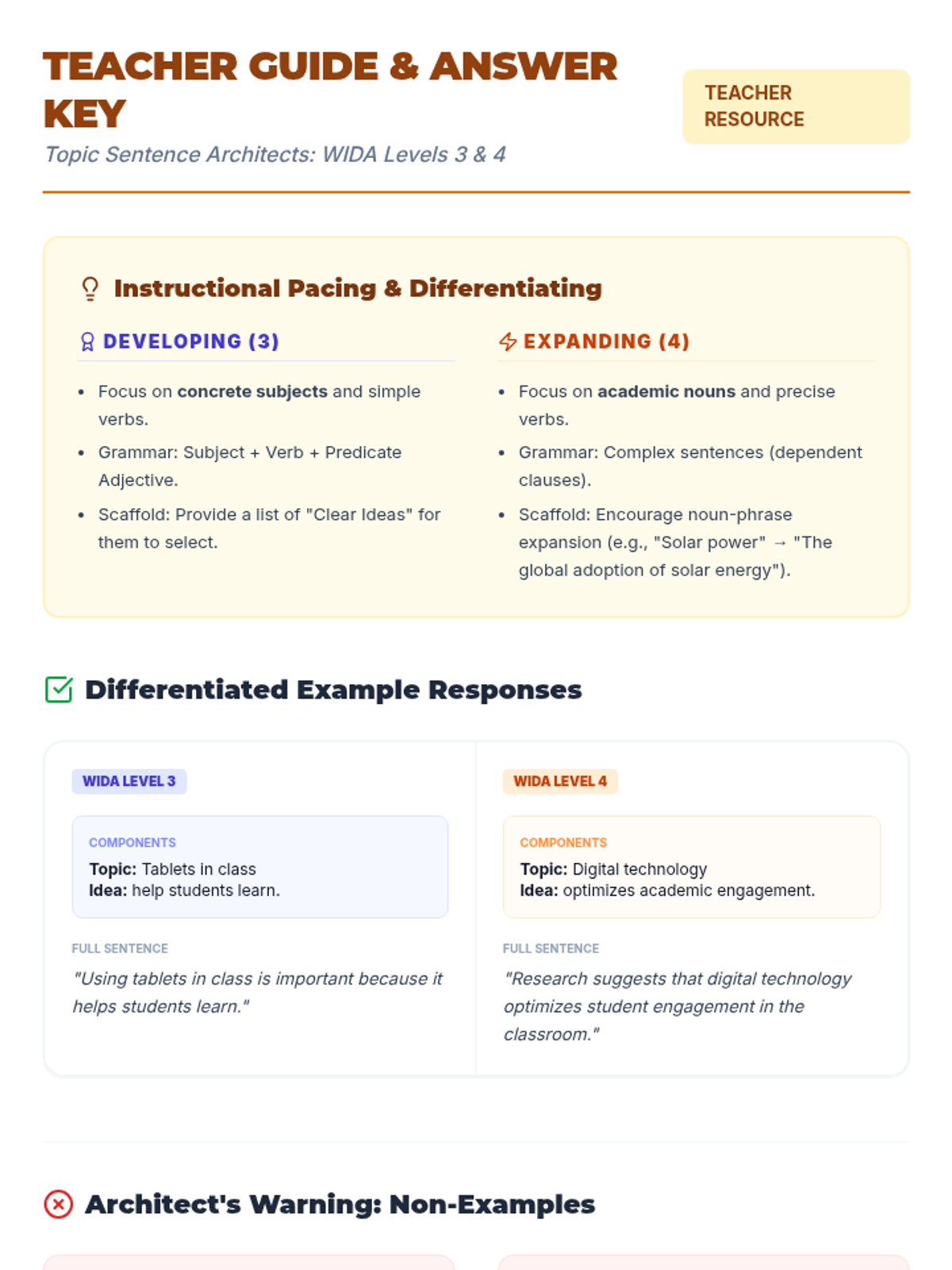
A lesson focused on teaching WIDA level 3 students how to construct strong topic sentences using a two-part formula: the topic and the clear idea. Students will use graphic organizers and sentence starters to build academic paragraph foundations.
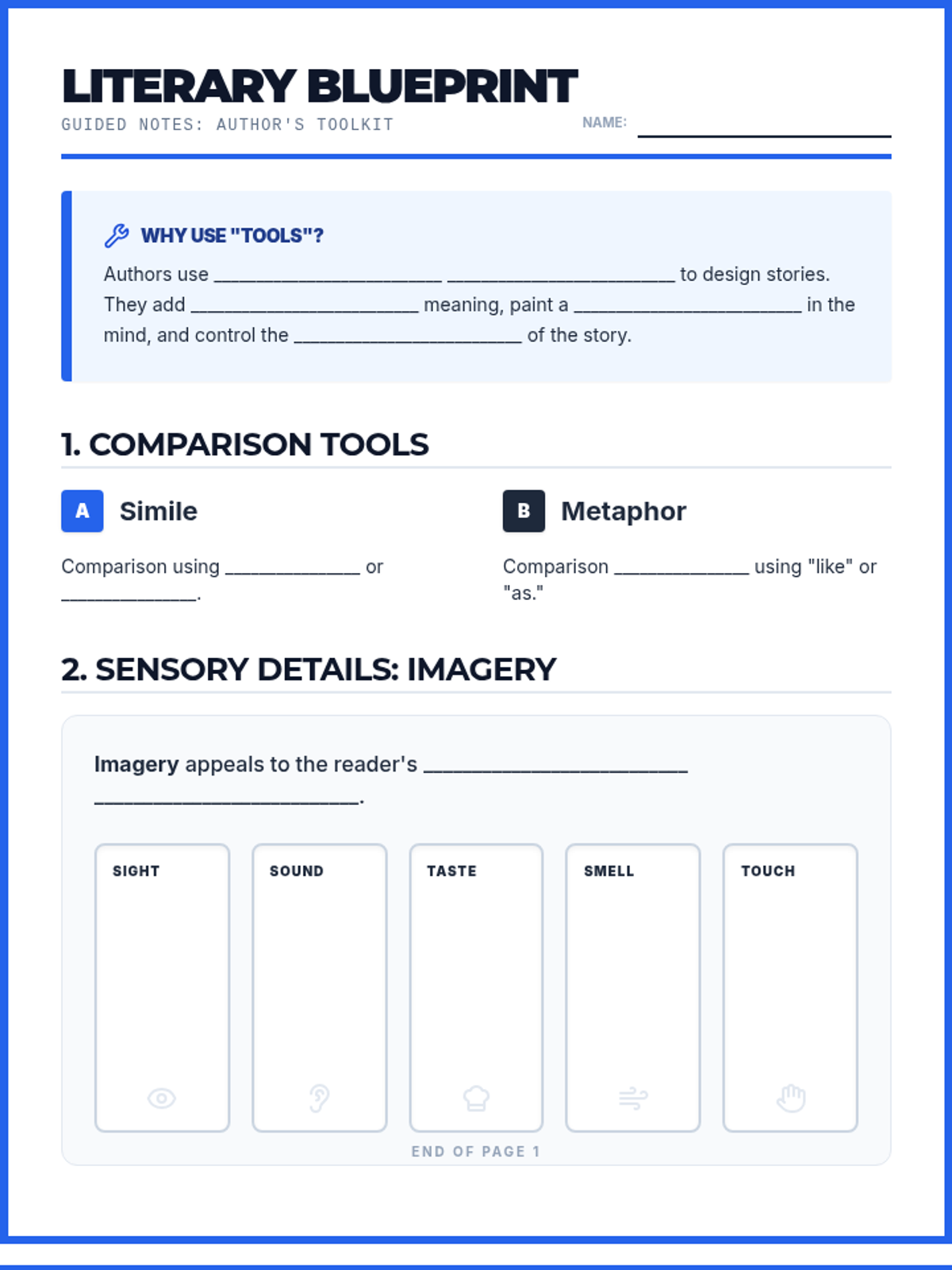
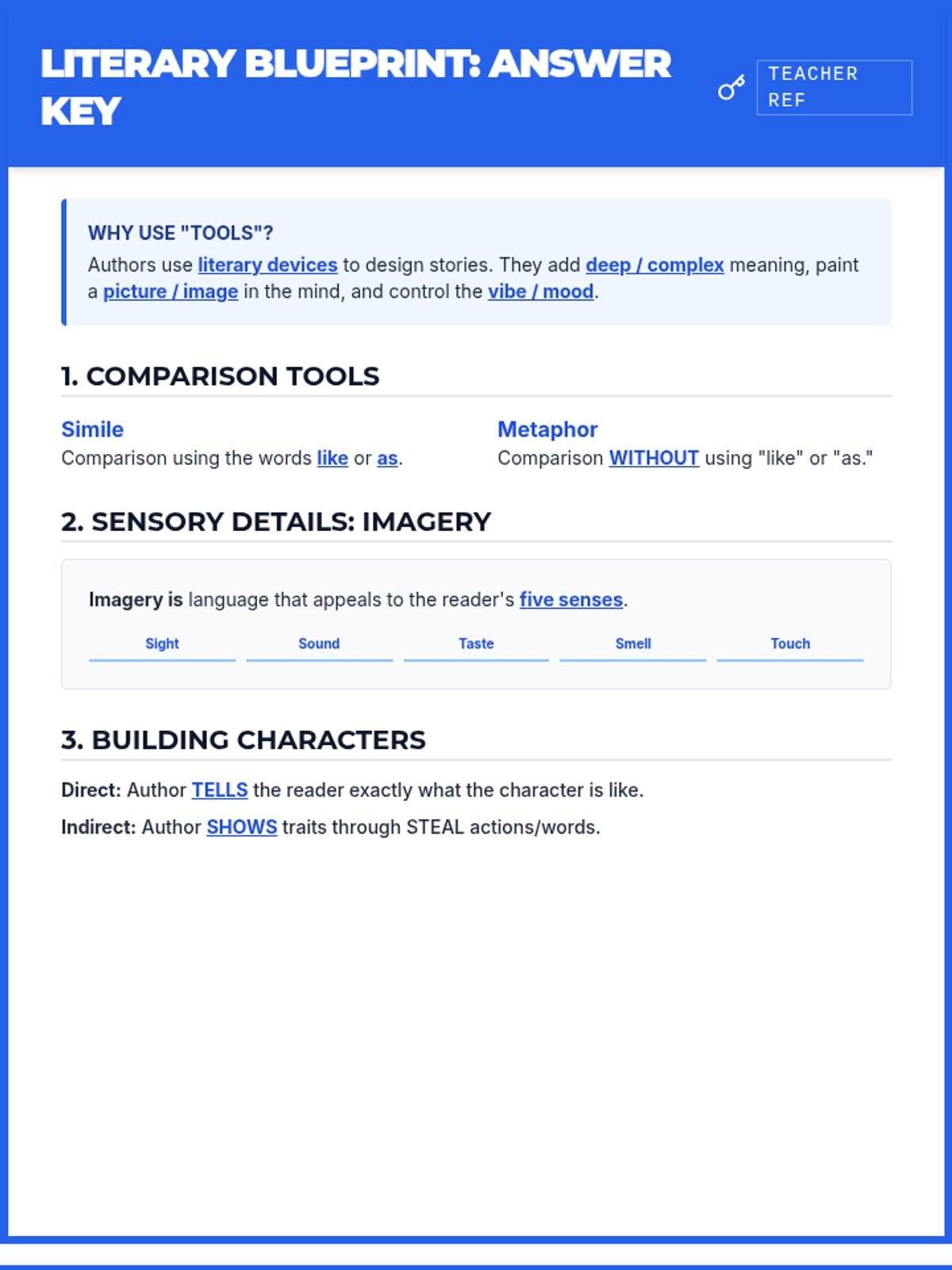
A comprehensive introduction to key literary devices for 7th grade students, using a blueprint theme to represent how authors build stories. Students will learn about similes, metaphors, irony, foreshadowing, symbolism, characterization, point of view, imagery, and conflict.
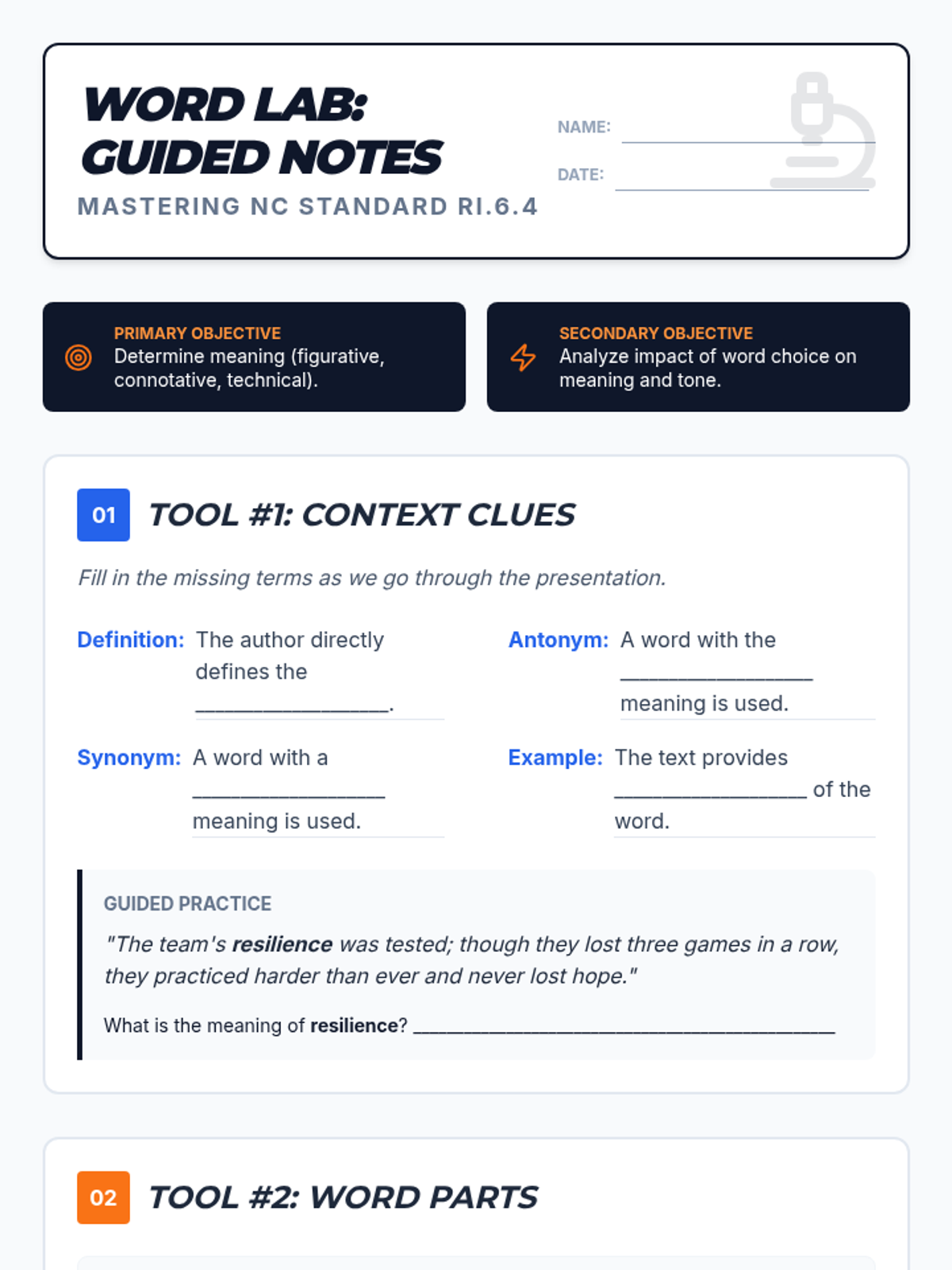
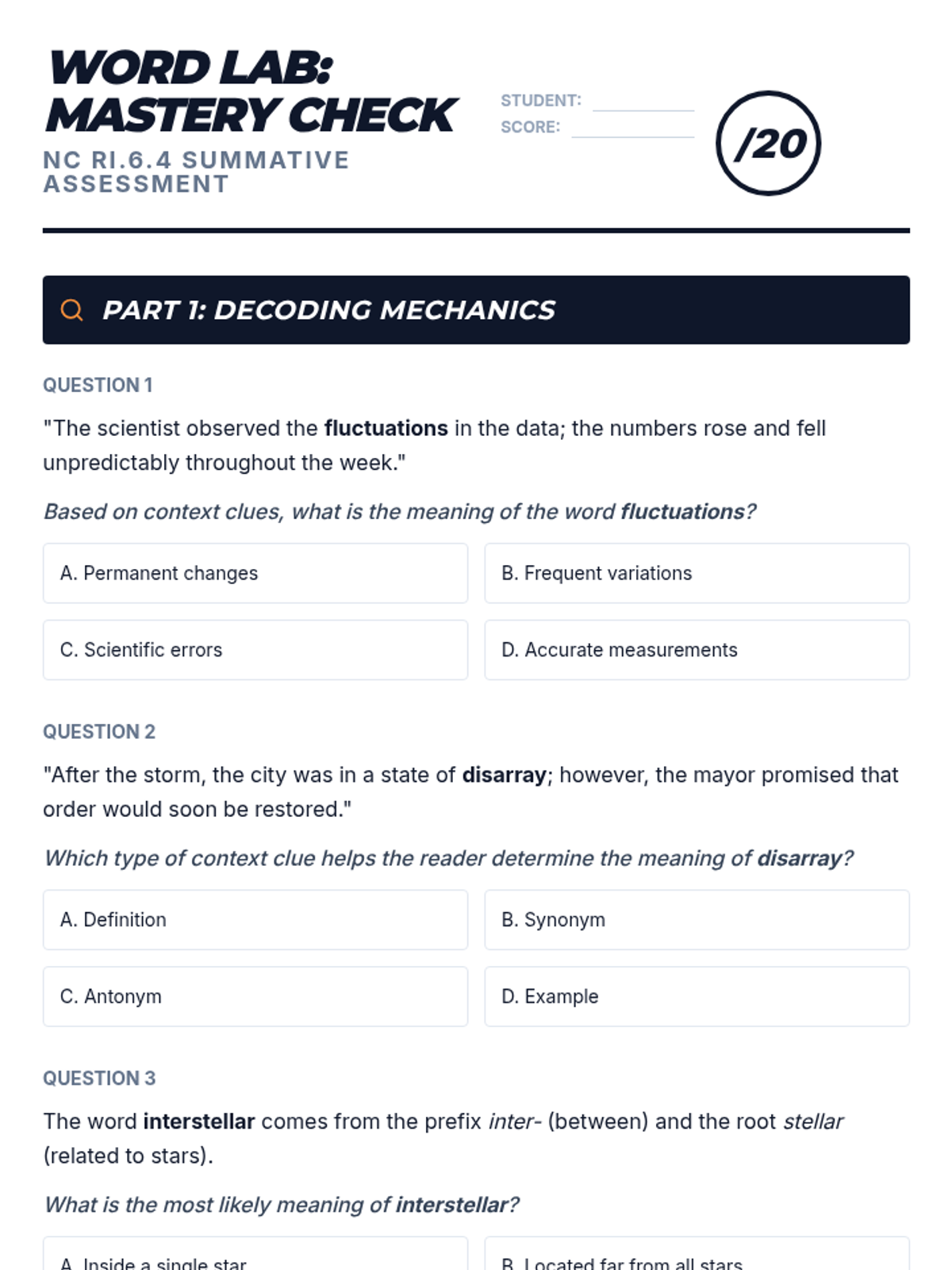
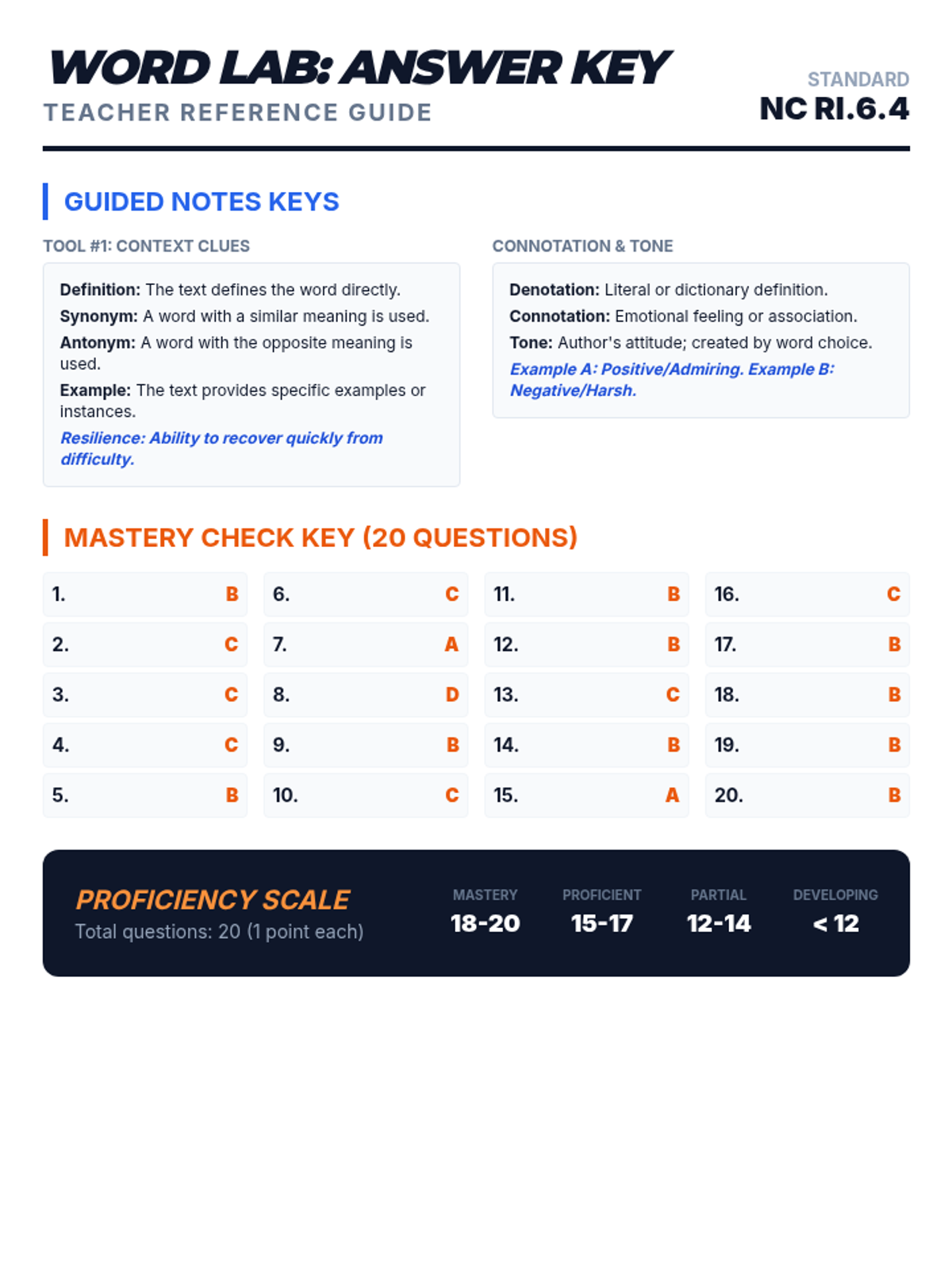
A comprehensive reteach of NC standard RI 6.4 focusing on context clues, word parts, figurative and connotative meanings, technical terms, and tone. Students will use the 'Word Lab' theme to decode complex texts through guided notes, interactive slides, and a rigorous mastery check.
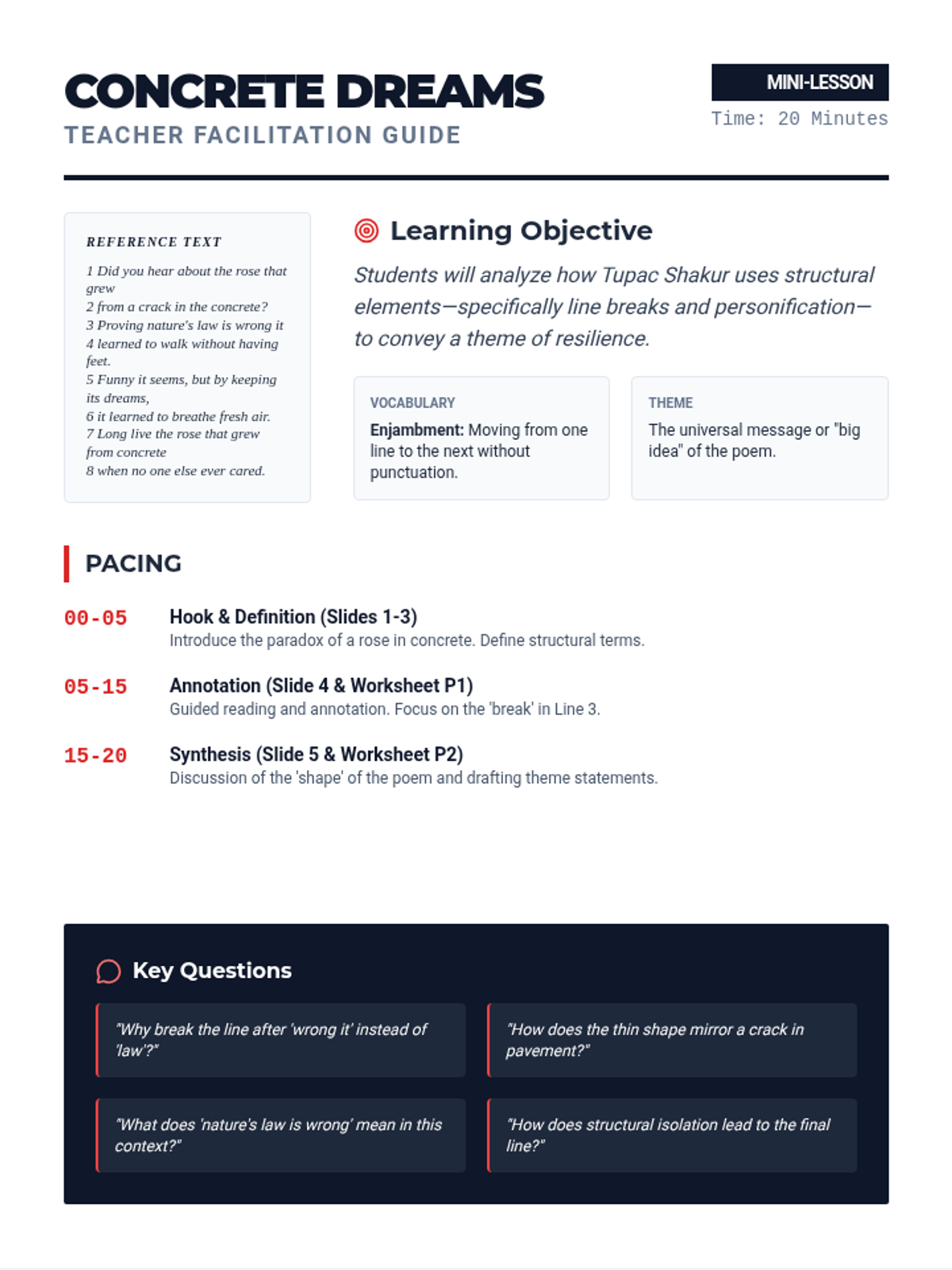
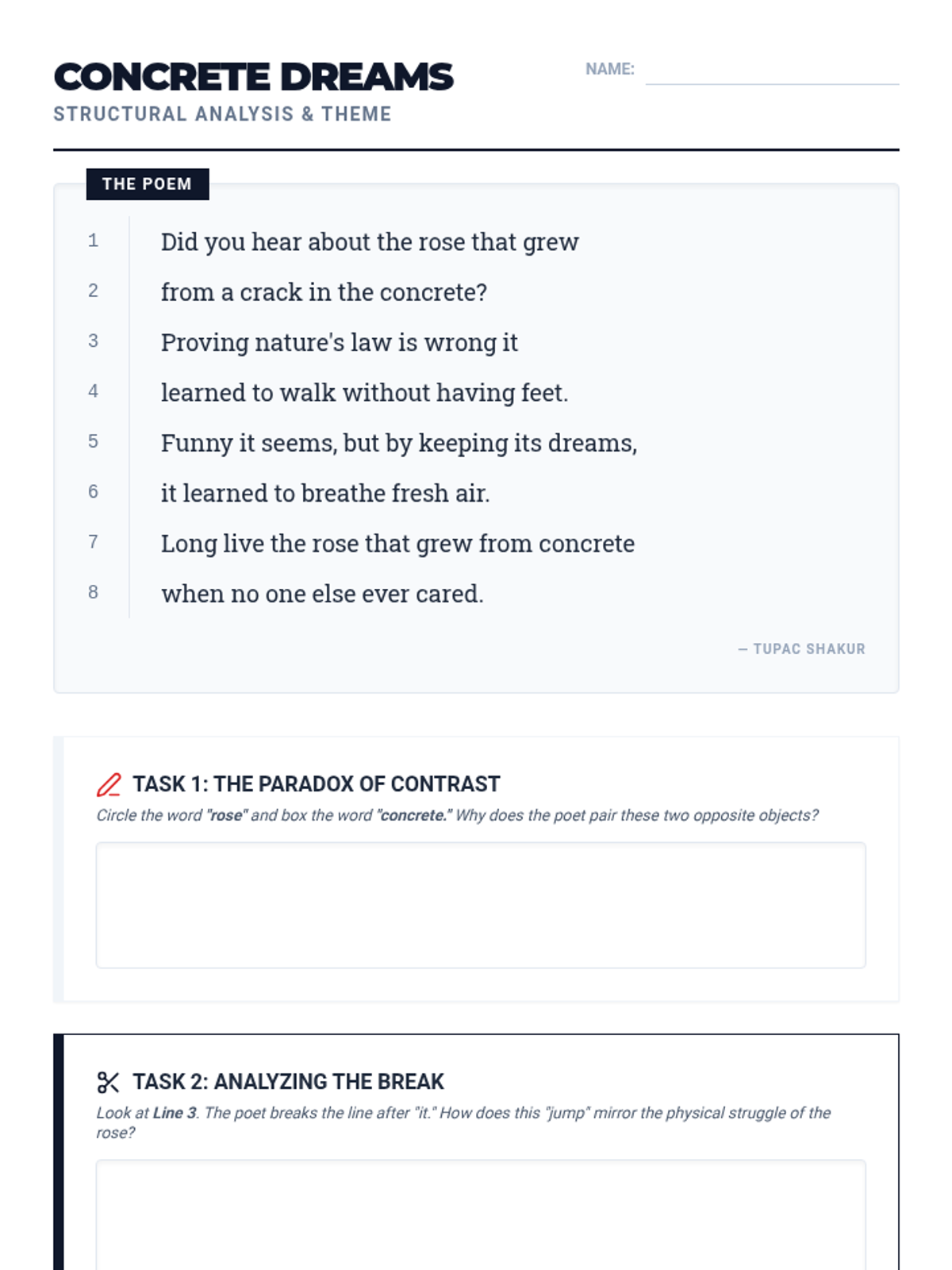
A 20-minute mini-lesson focusing on how the structural choices in Tupac Shakur's poem 'The Rose That Grew from Concrete' reveal its core theme of resilience.
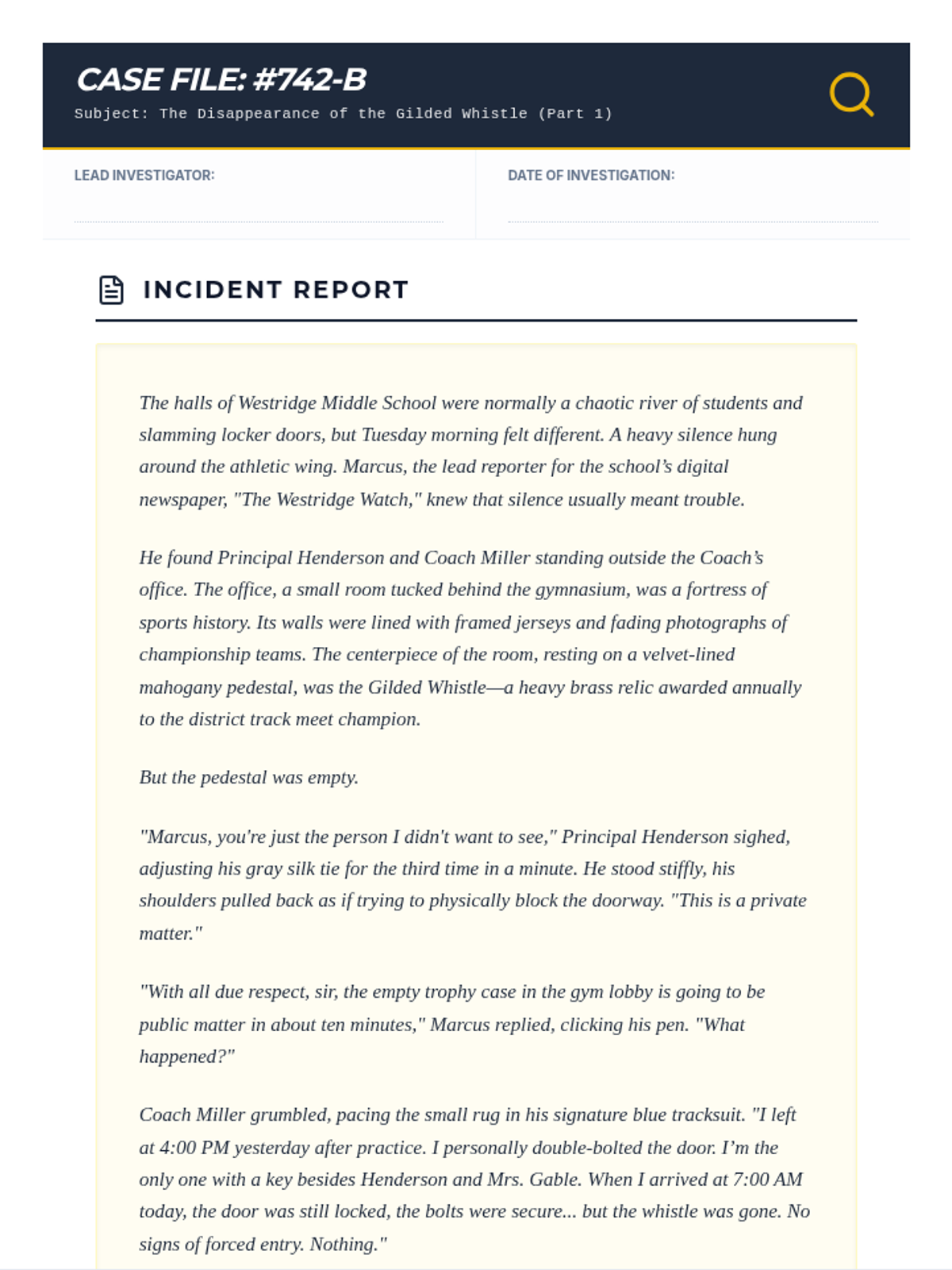
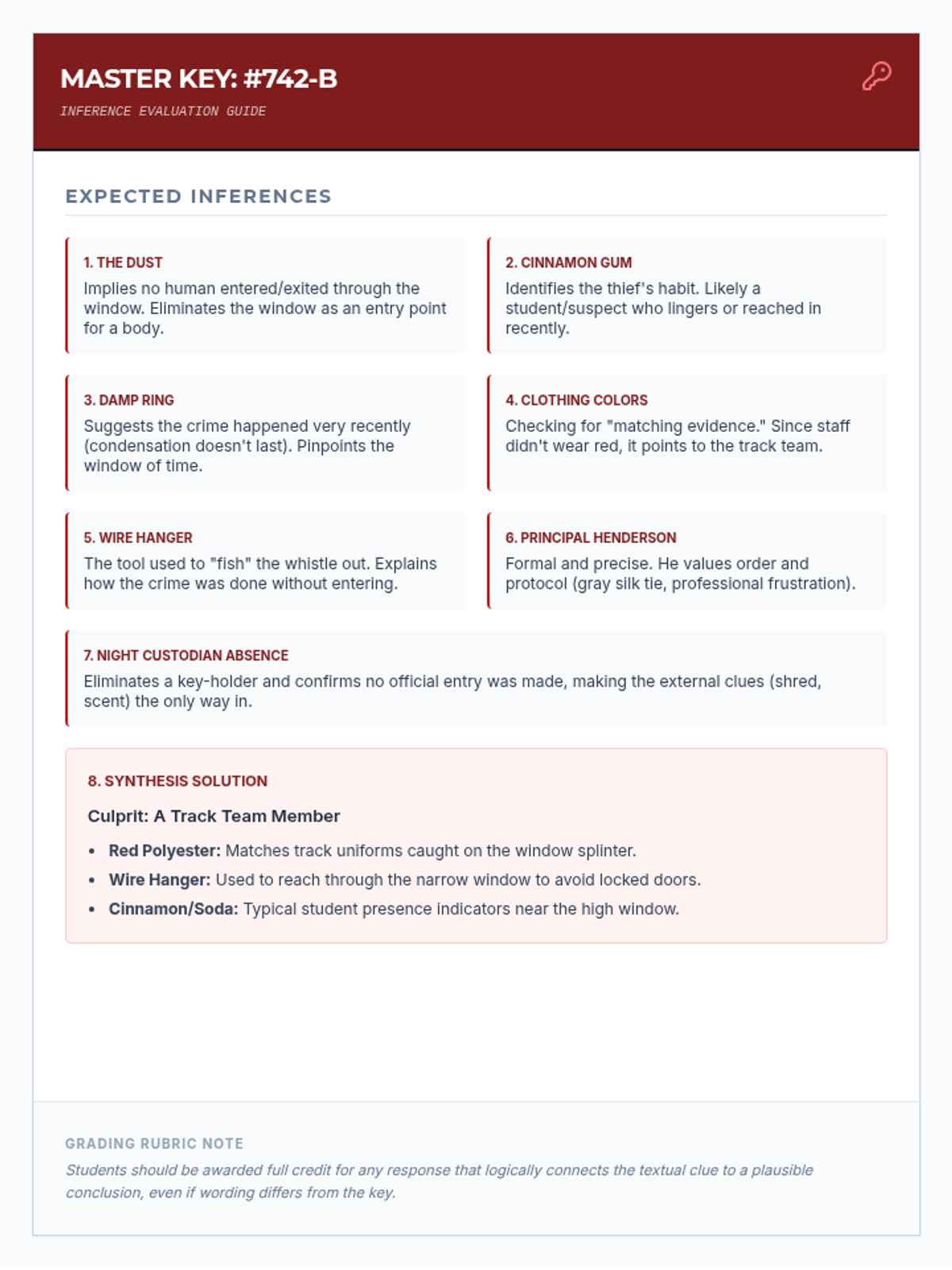
A 6th-grade ELA lesson focused on developing inference skills through a locked-room school mystery. Students analyze clues, character motivations, and environmental details to solve a crime.
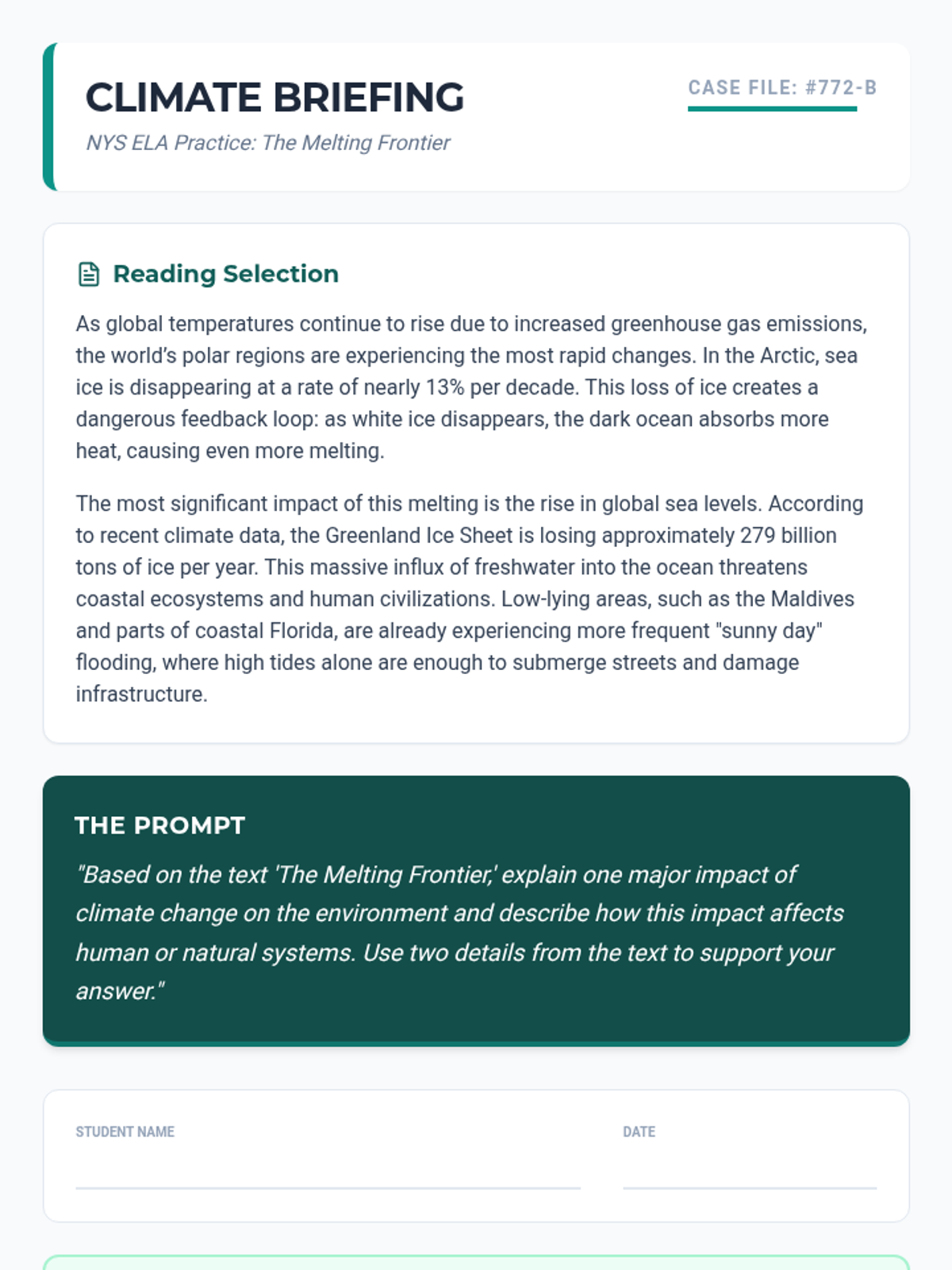
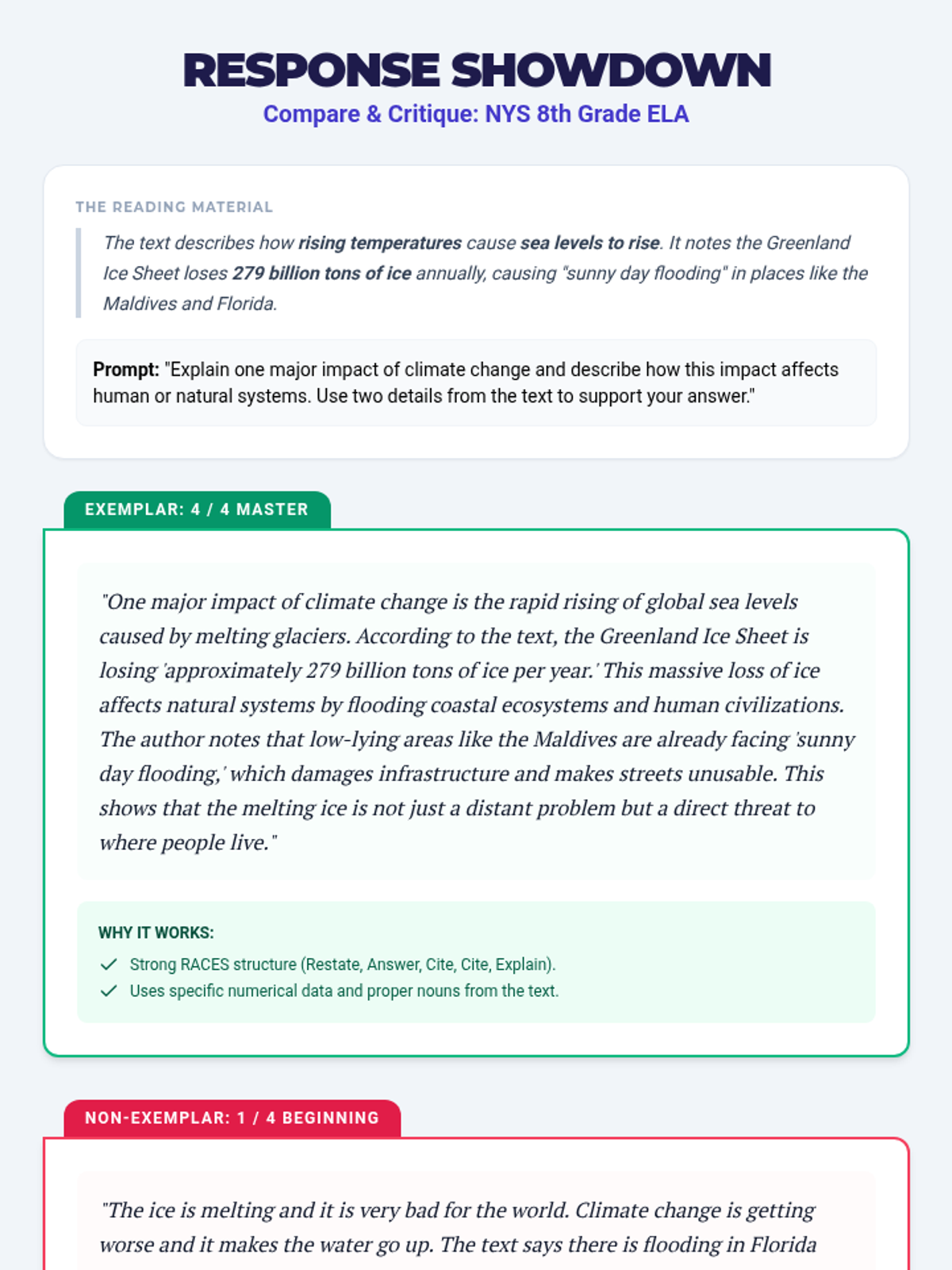
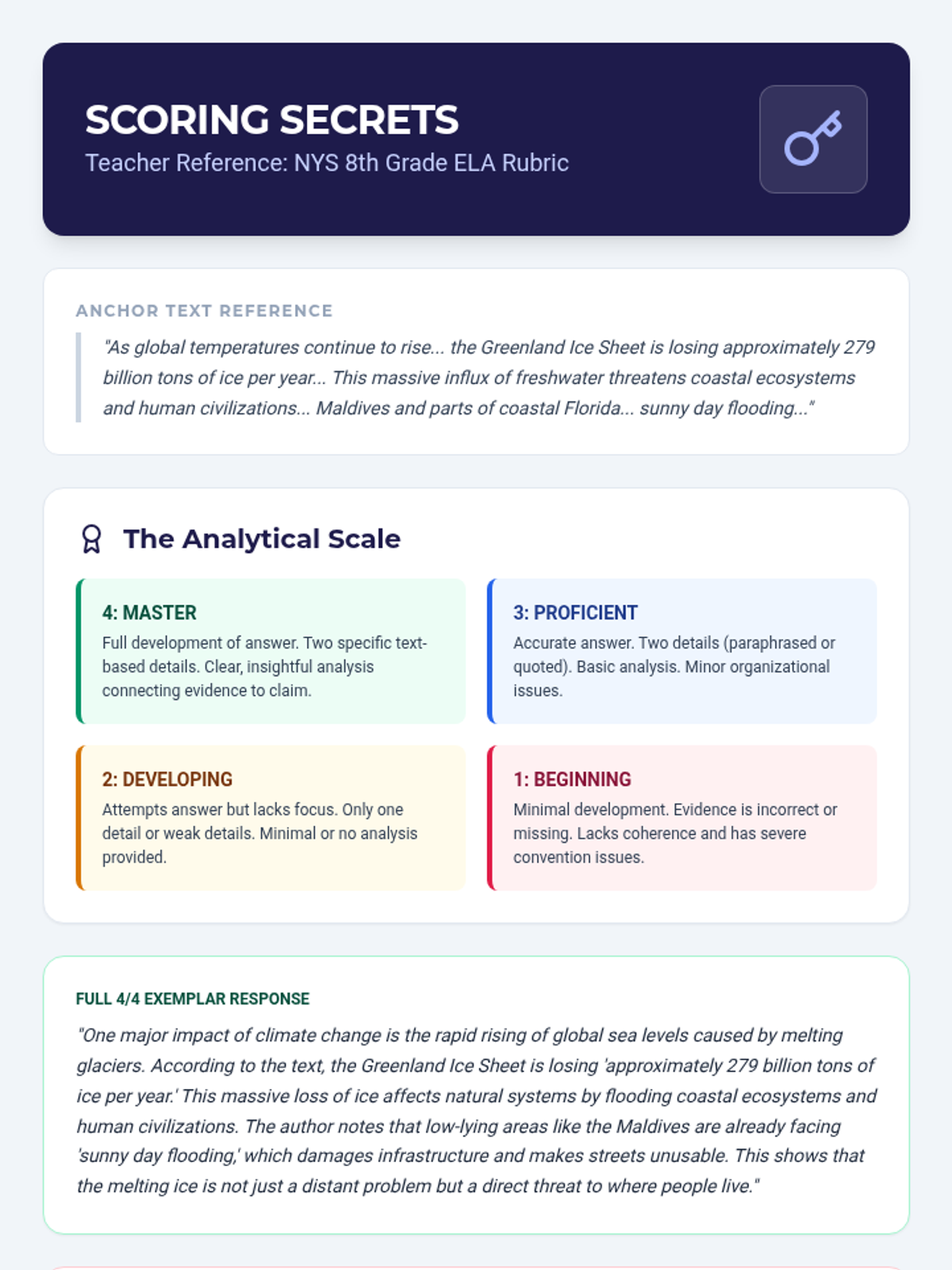
A lesson focused on analyzing and producing high-quality short responses for the NYS 8th Grade ELA exam using the topic of climate change. Students will compare exemplar and non-exemplar responses to understand rubric criteria.