A lesson focused on the suffixes -ty and -ity. Students analyze how these suffixes form nouns from adjectives, representing states or qualities.

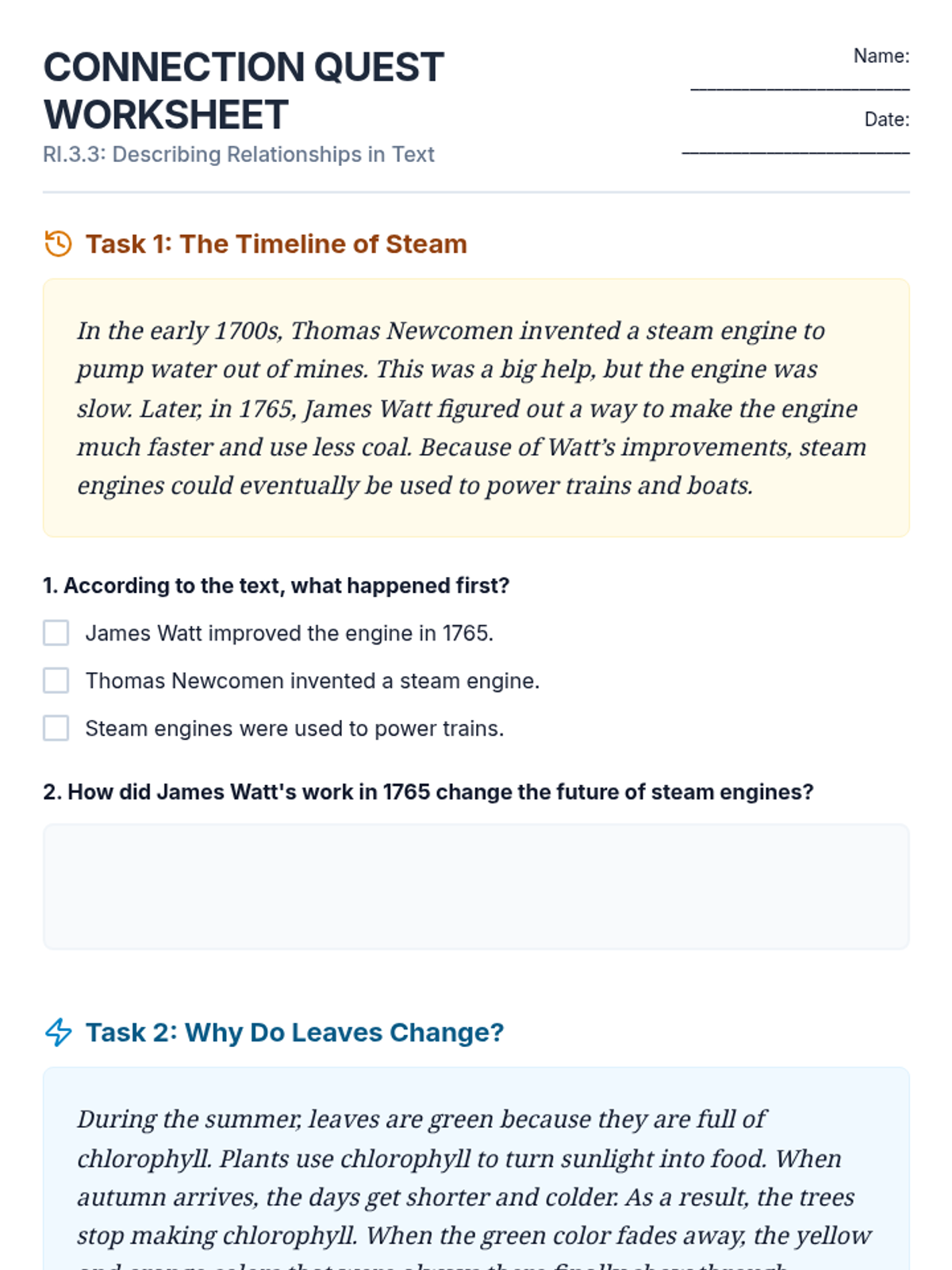
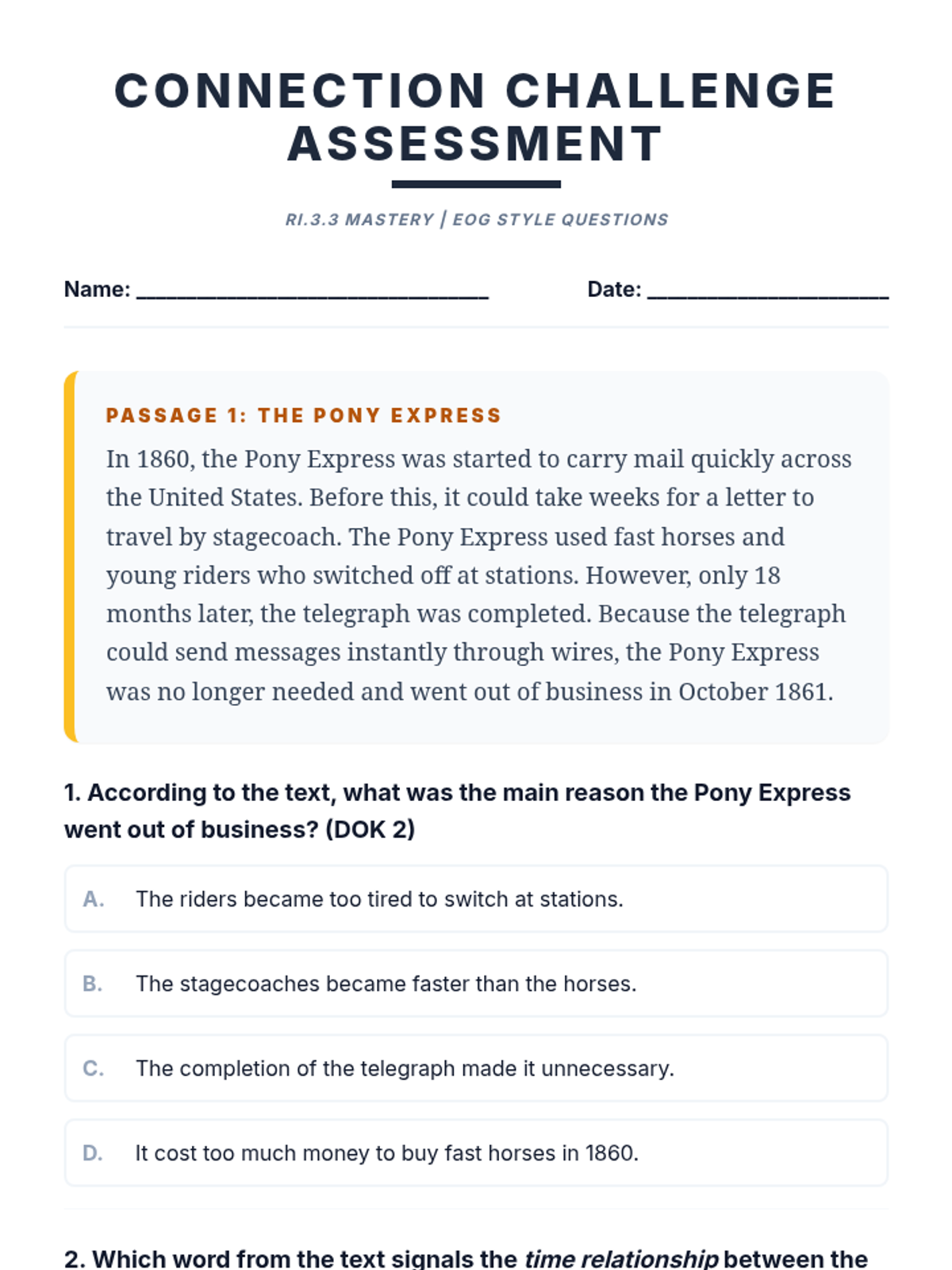
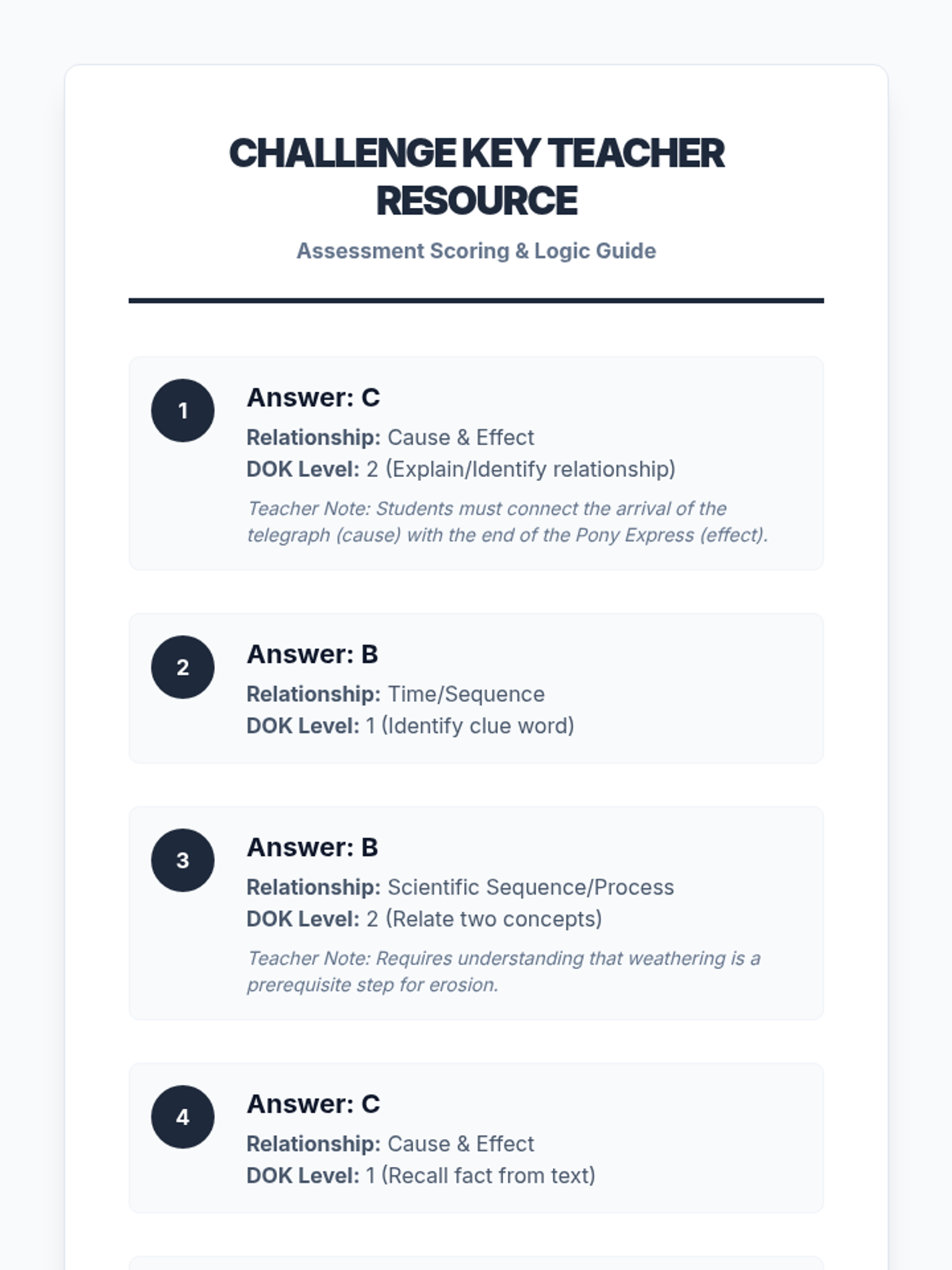
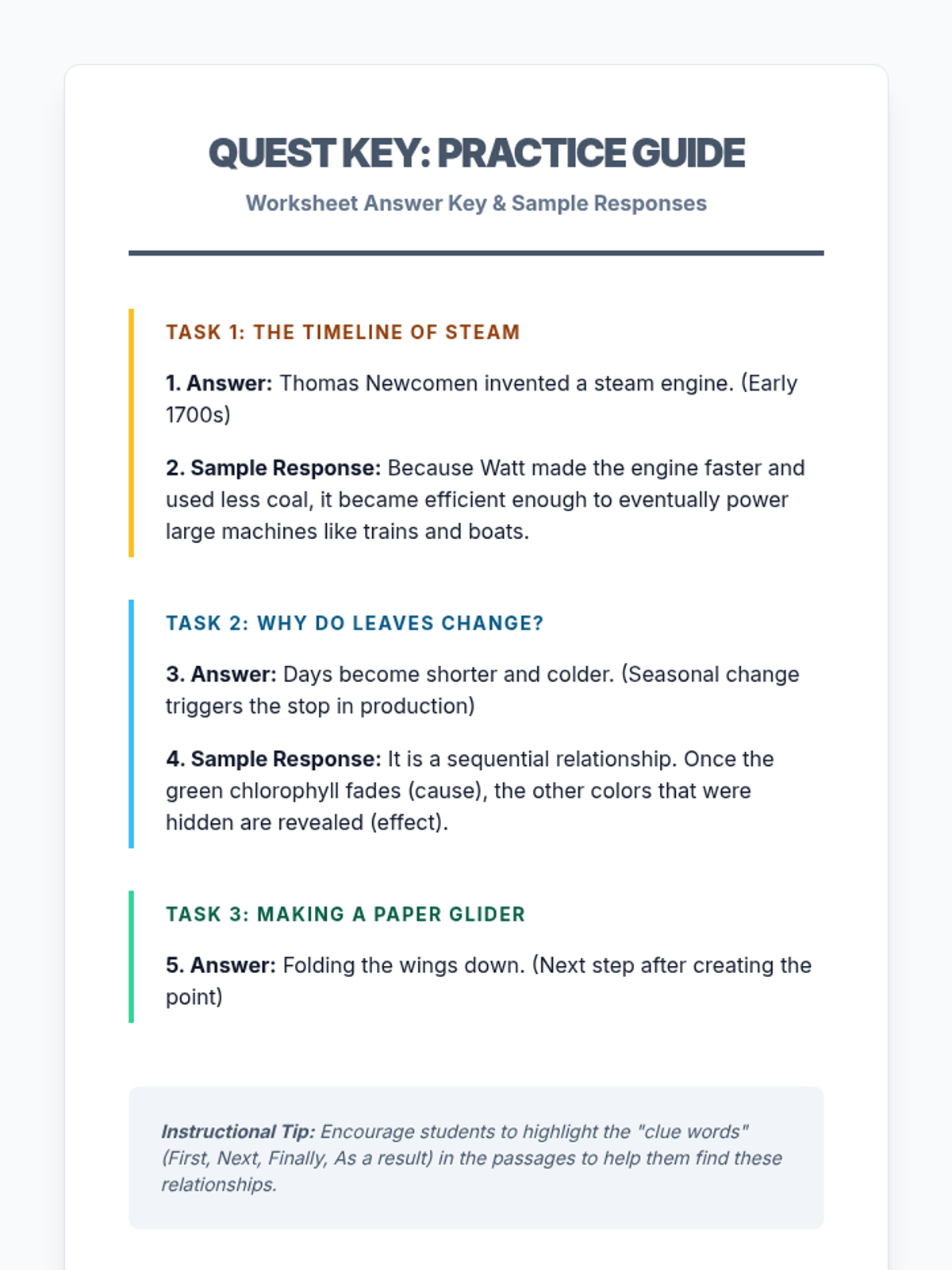
A comprehensive lesson on identifying relationships in informational texts, covering historical events, scientific concepts, and technical procedures using time, sequence, and cause/effect language.
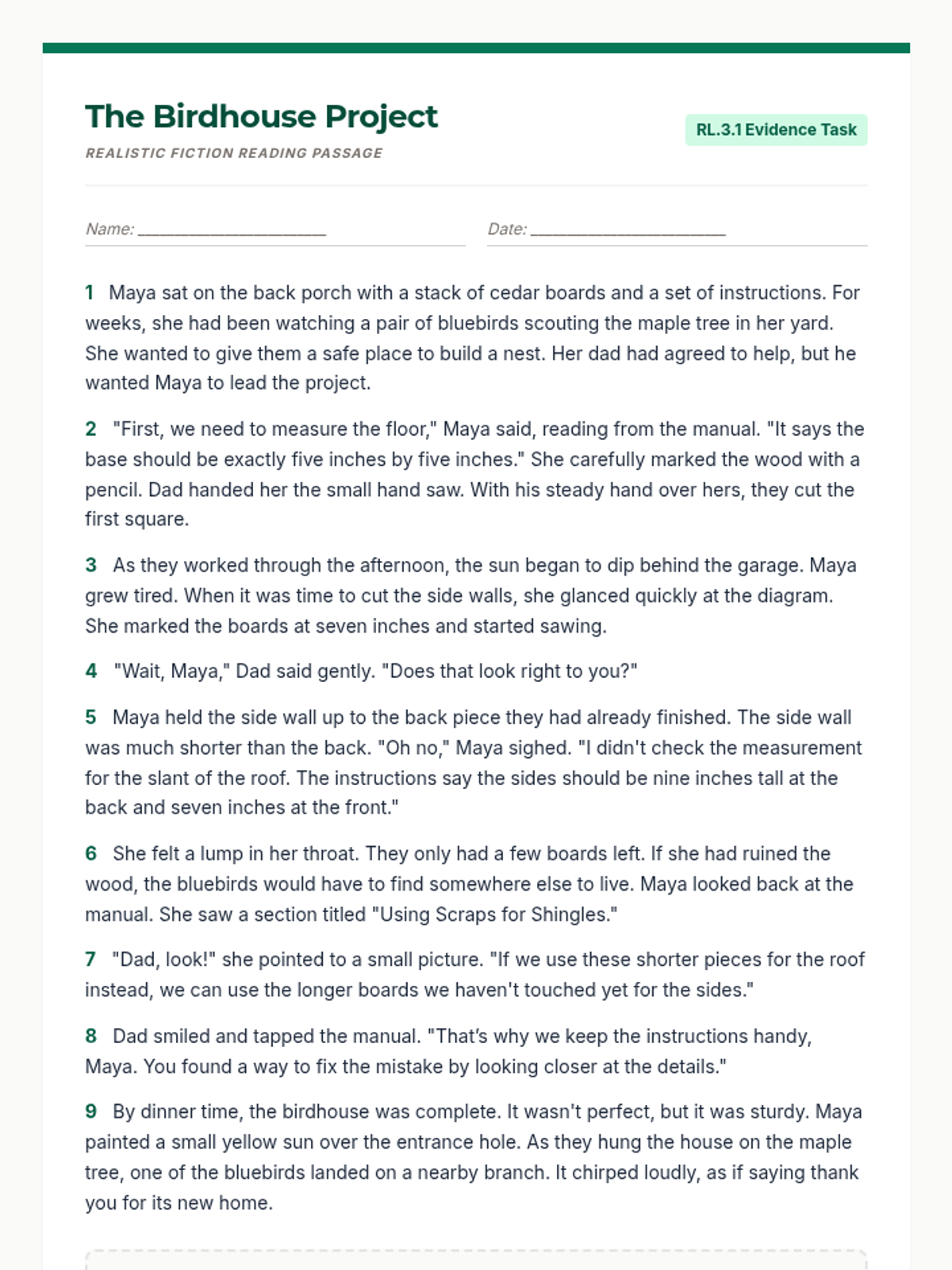
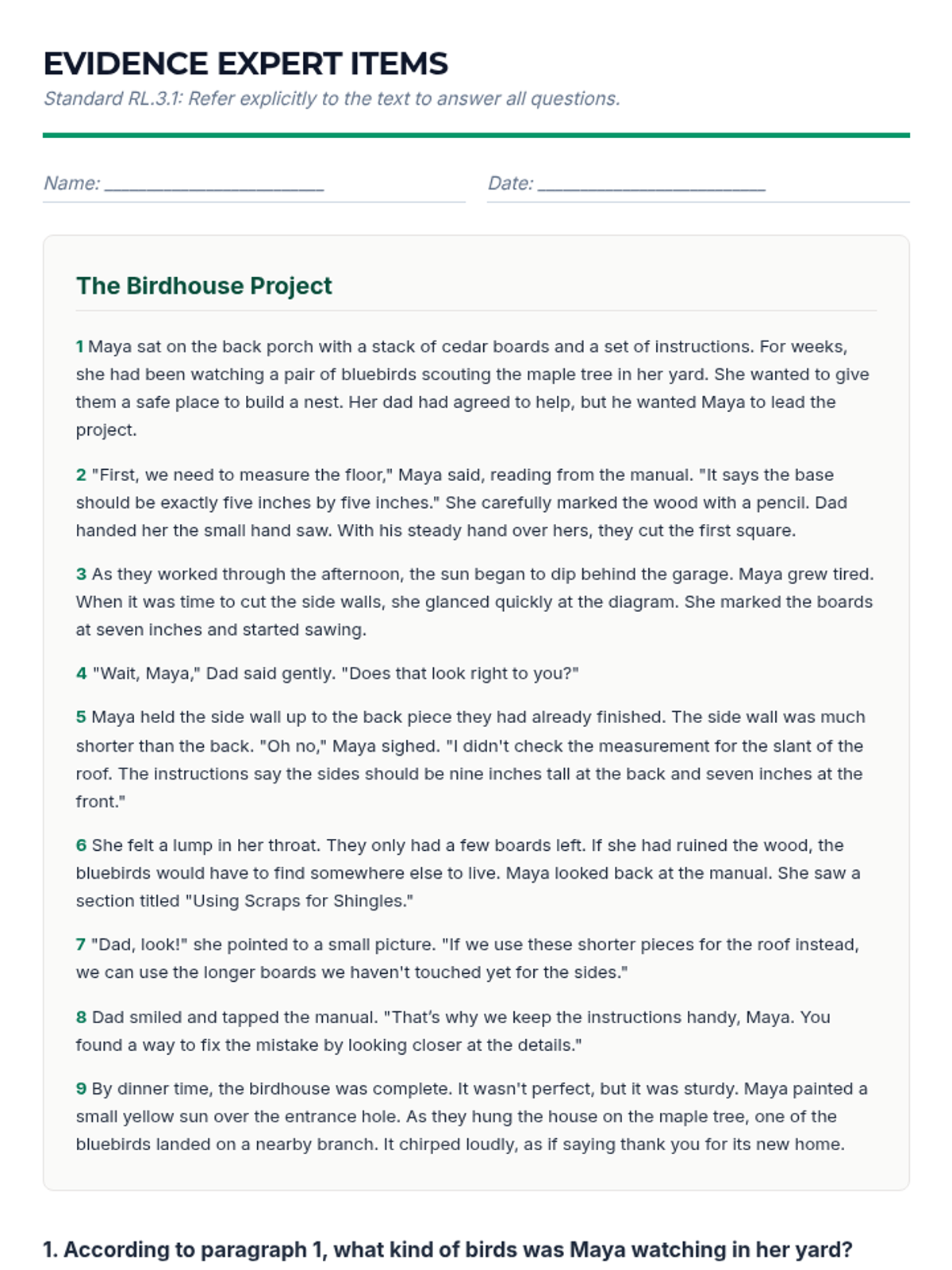
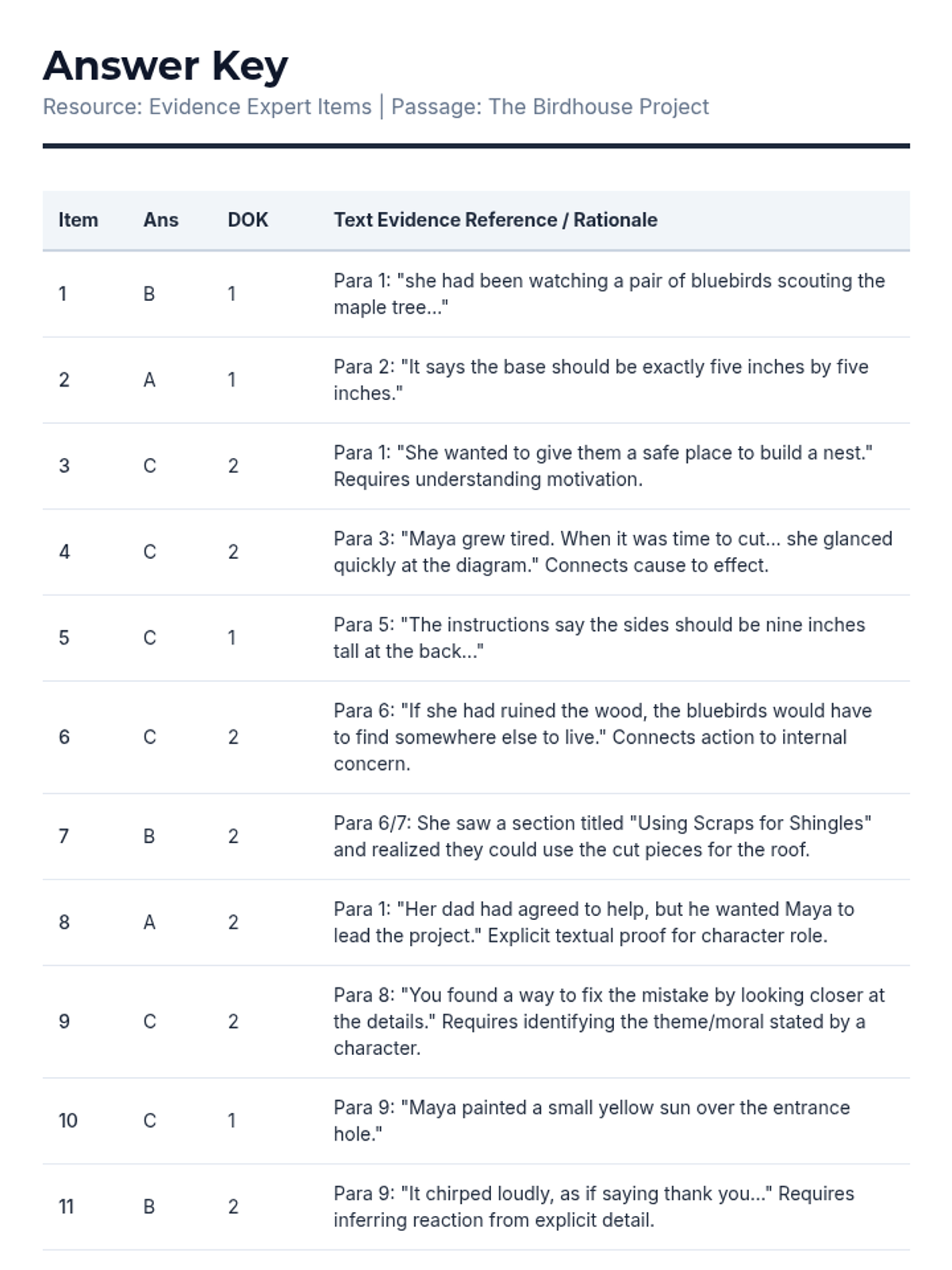
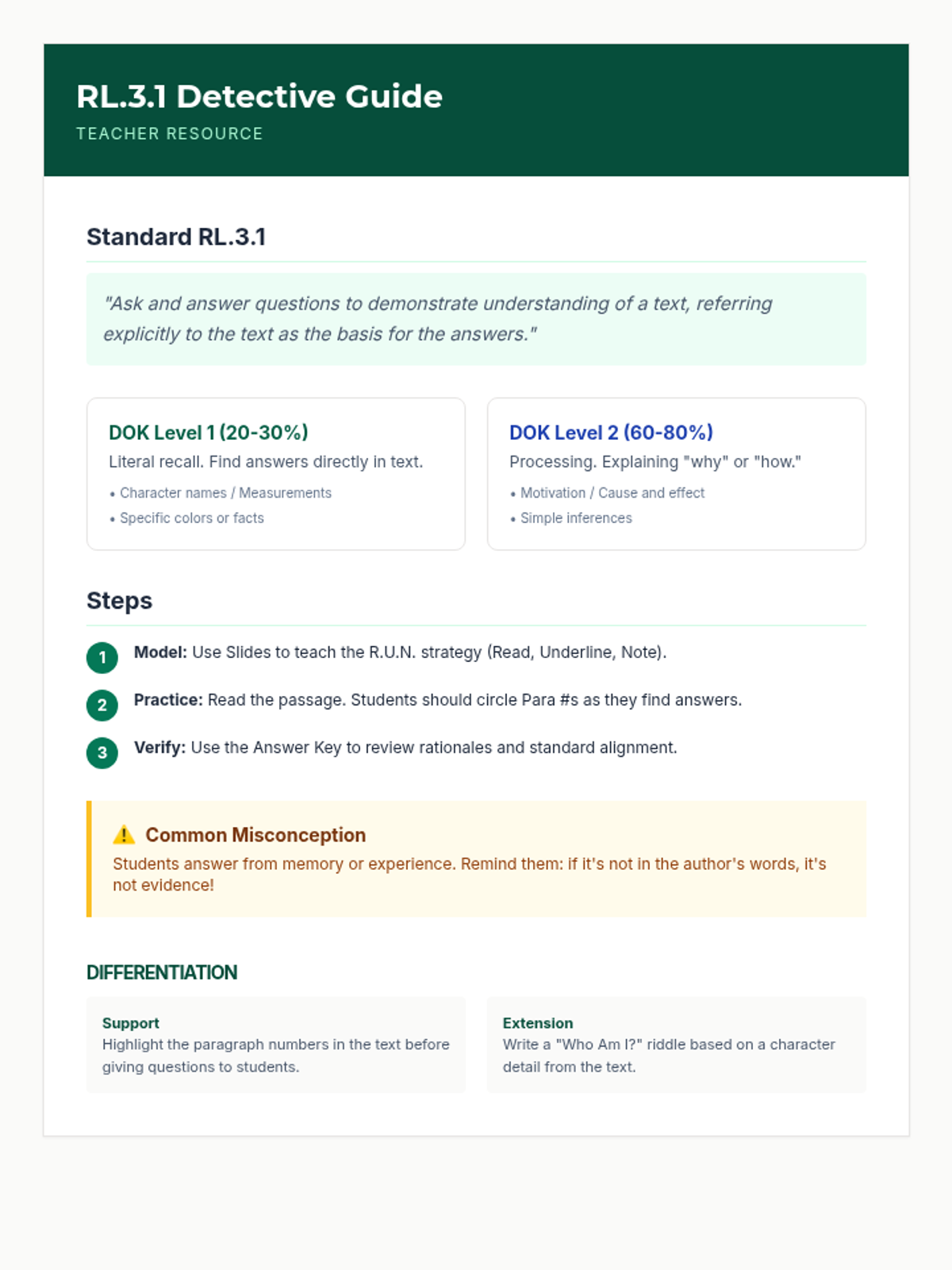
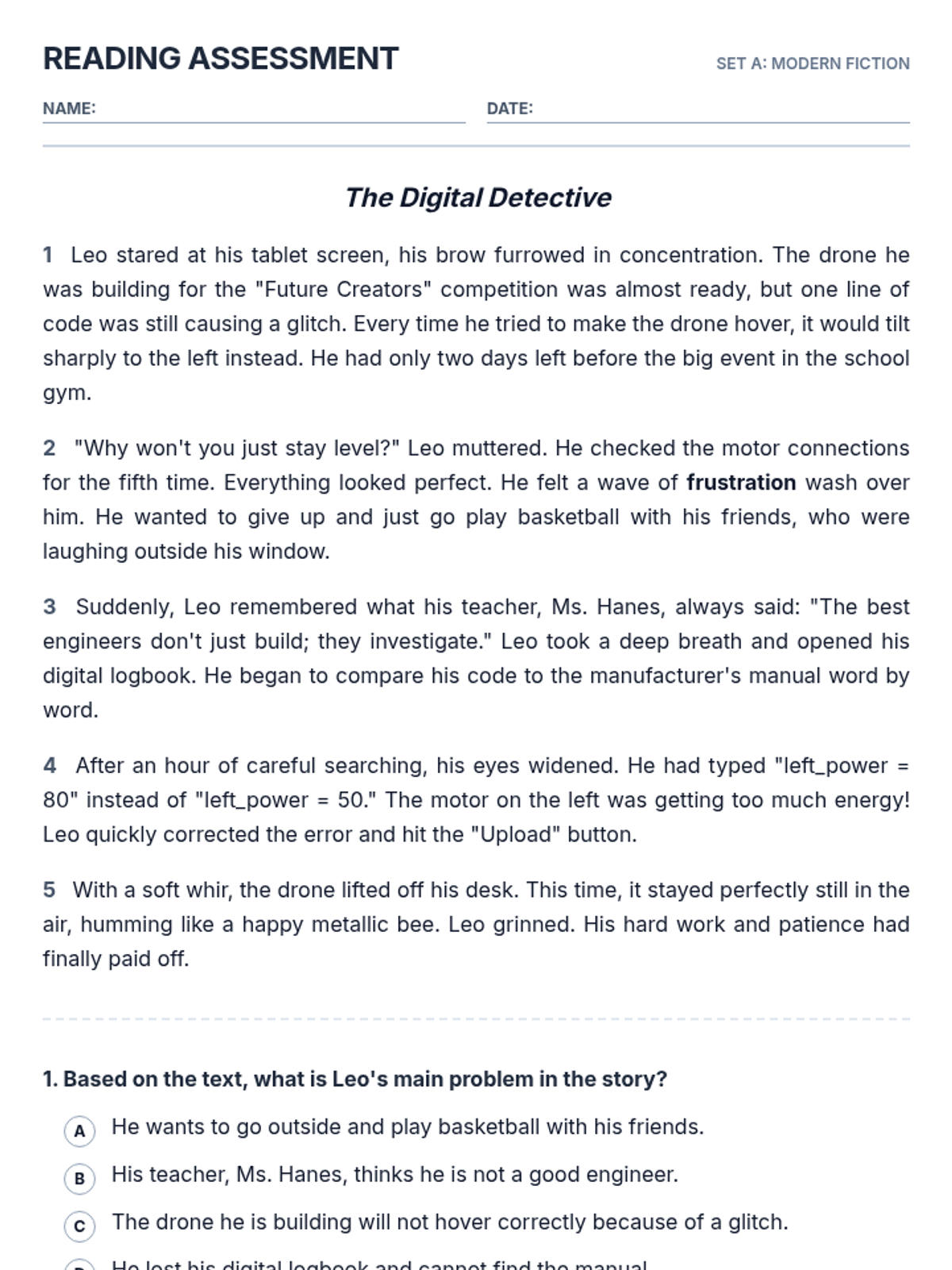
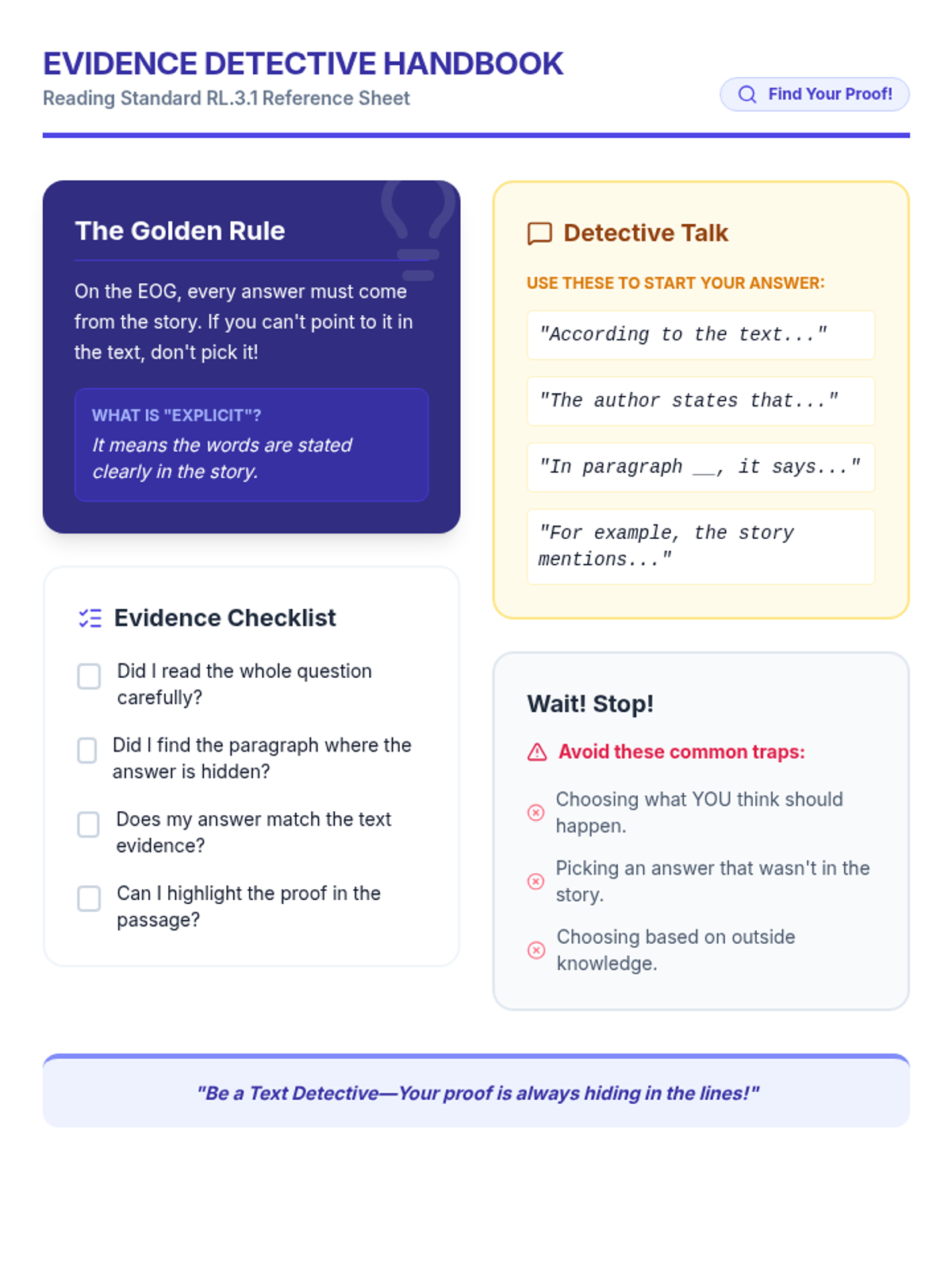
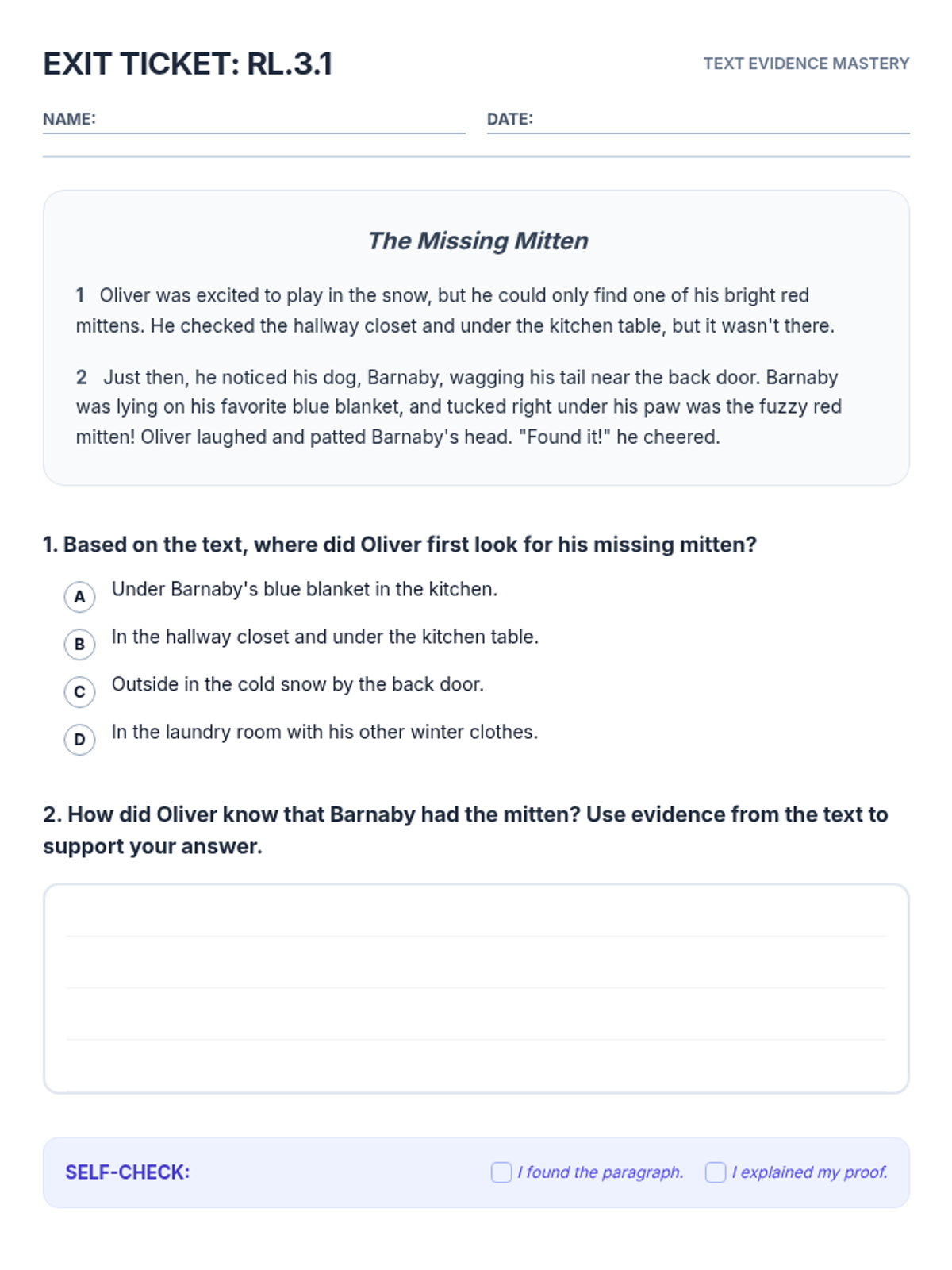
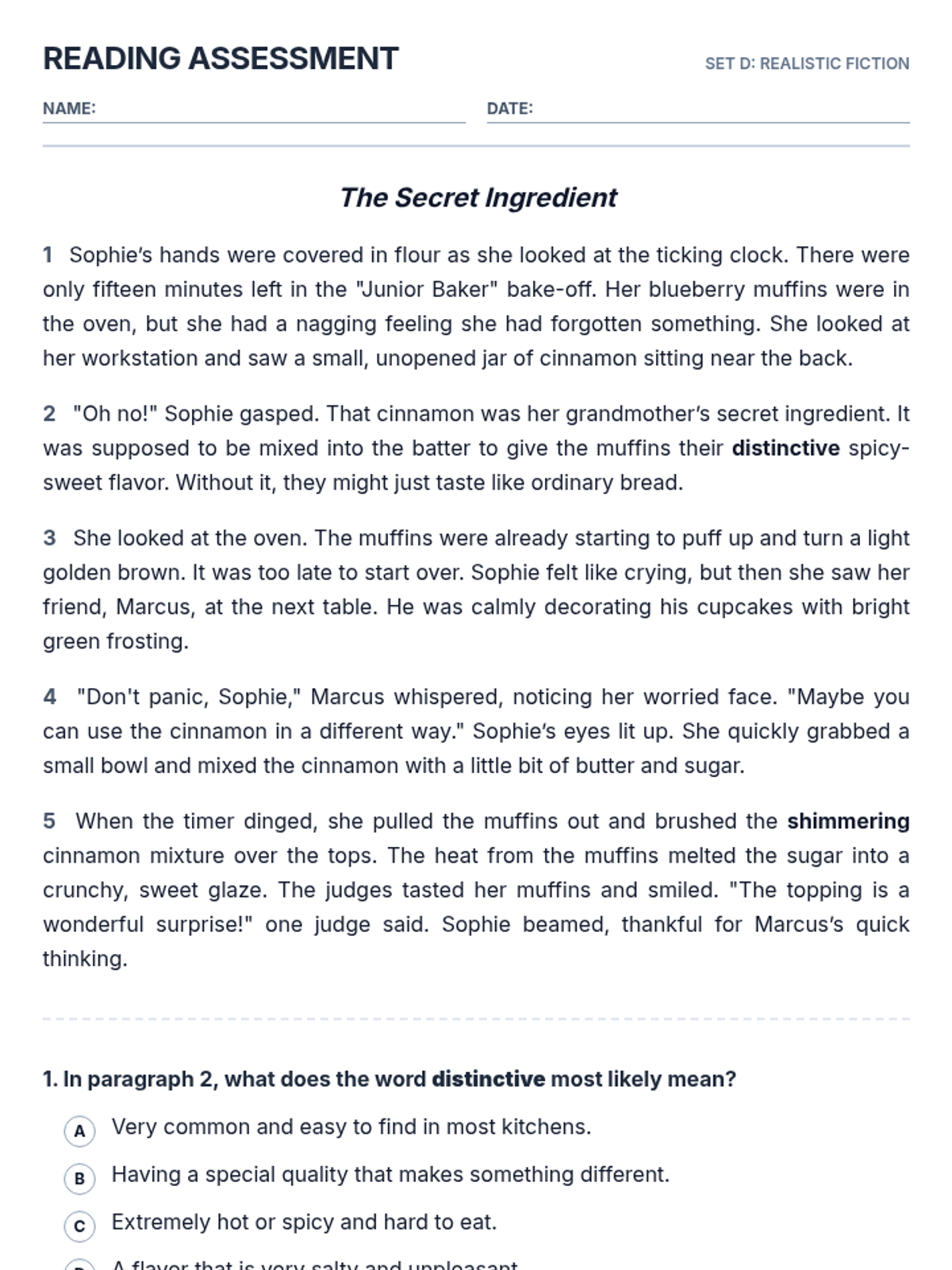
A focused lesson on RL.3.1 (Text Evidence) featuring a realistic fiction passage and 15 EOG-style questions designed to build student proficiency in referring explicitly to the text for answers.
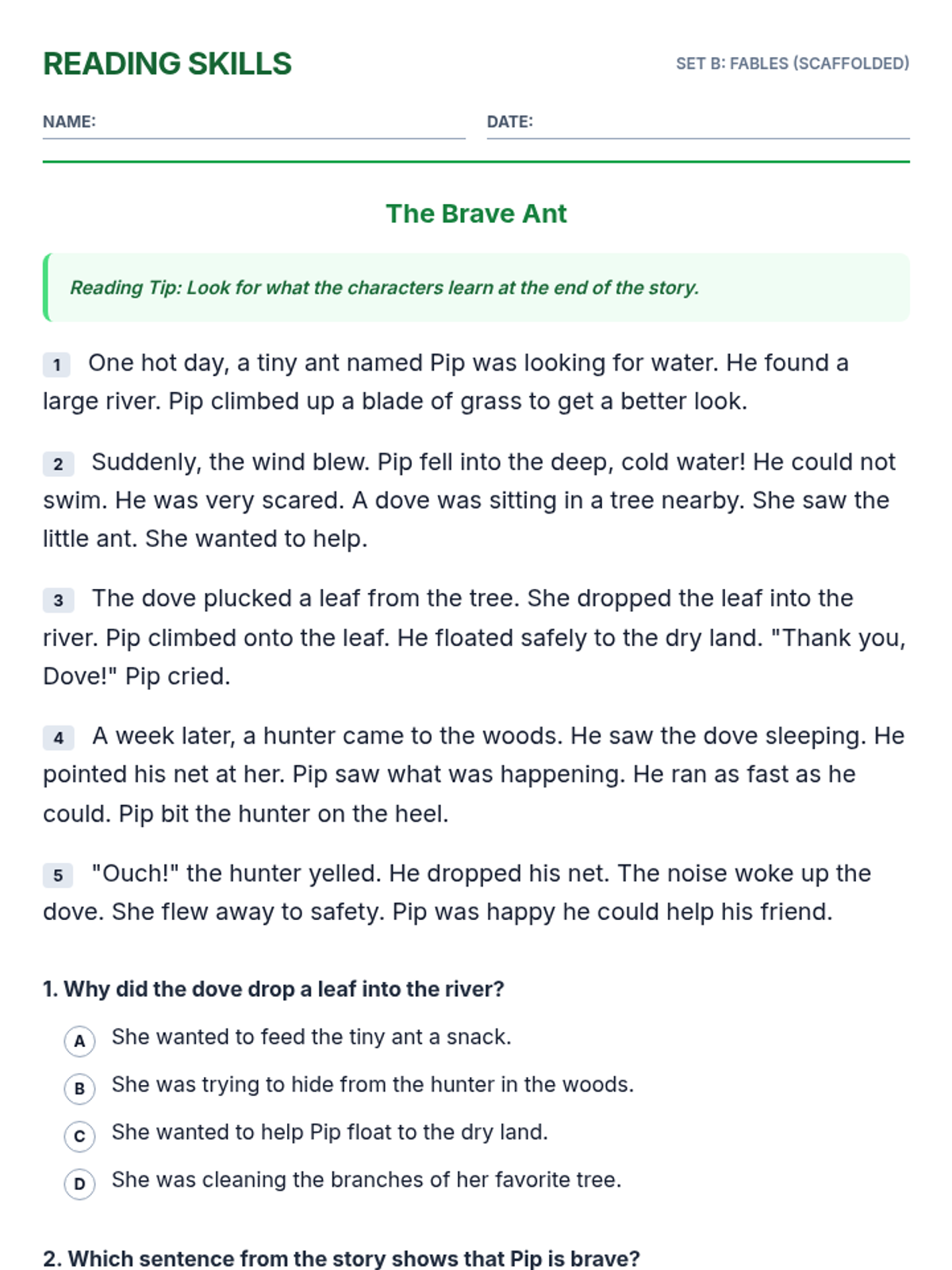
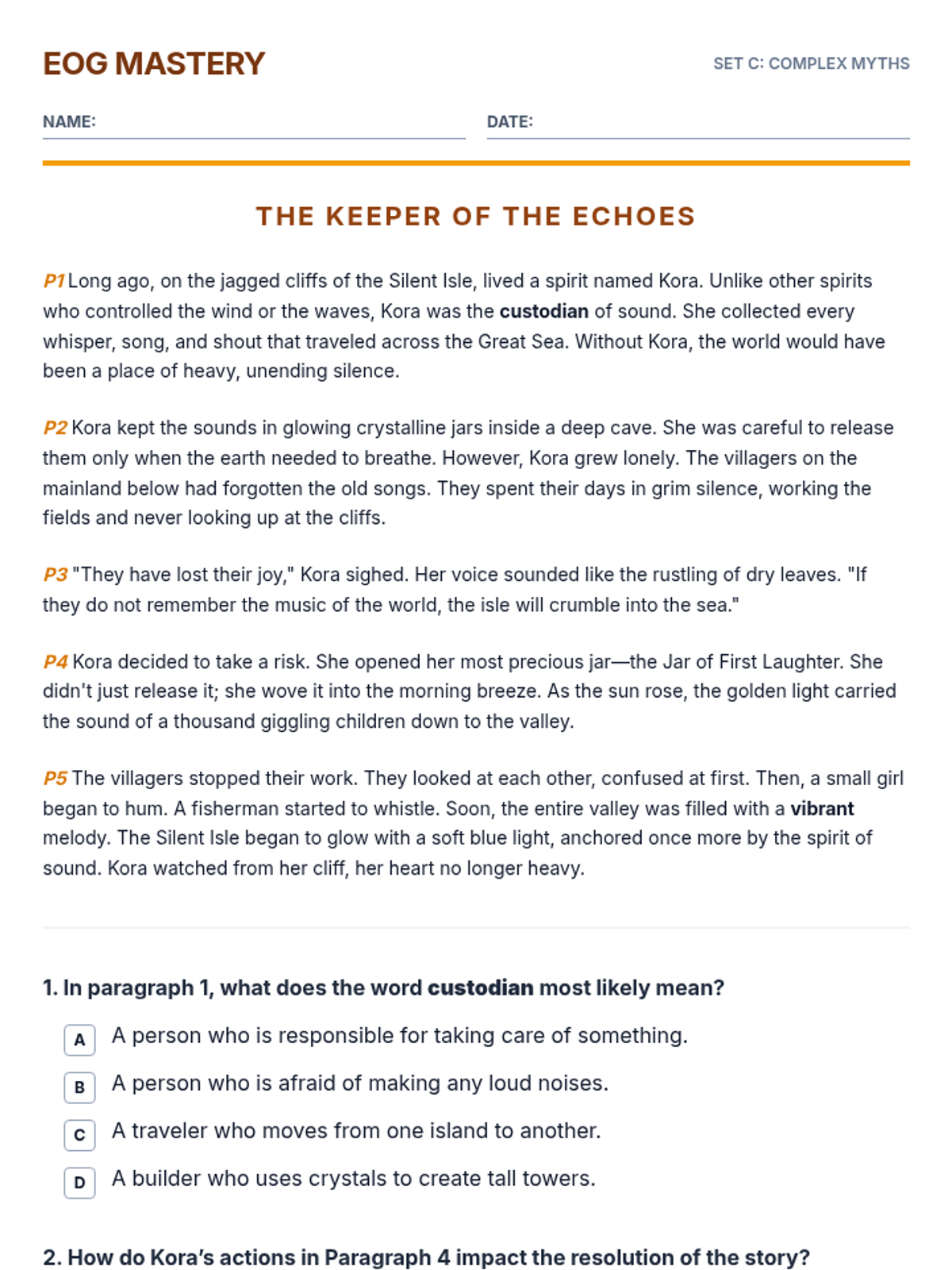
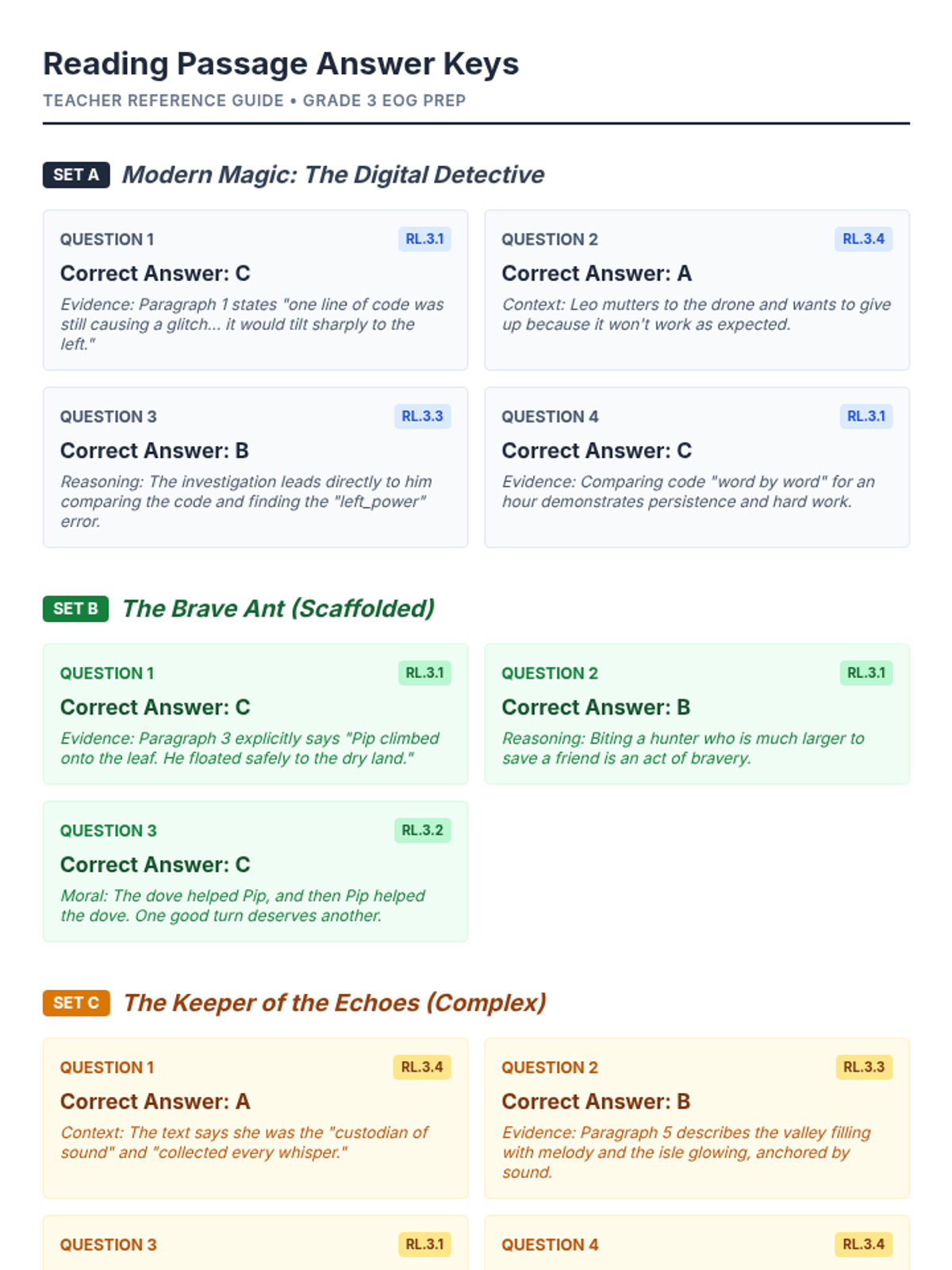
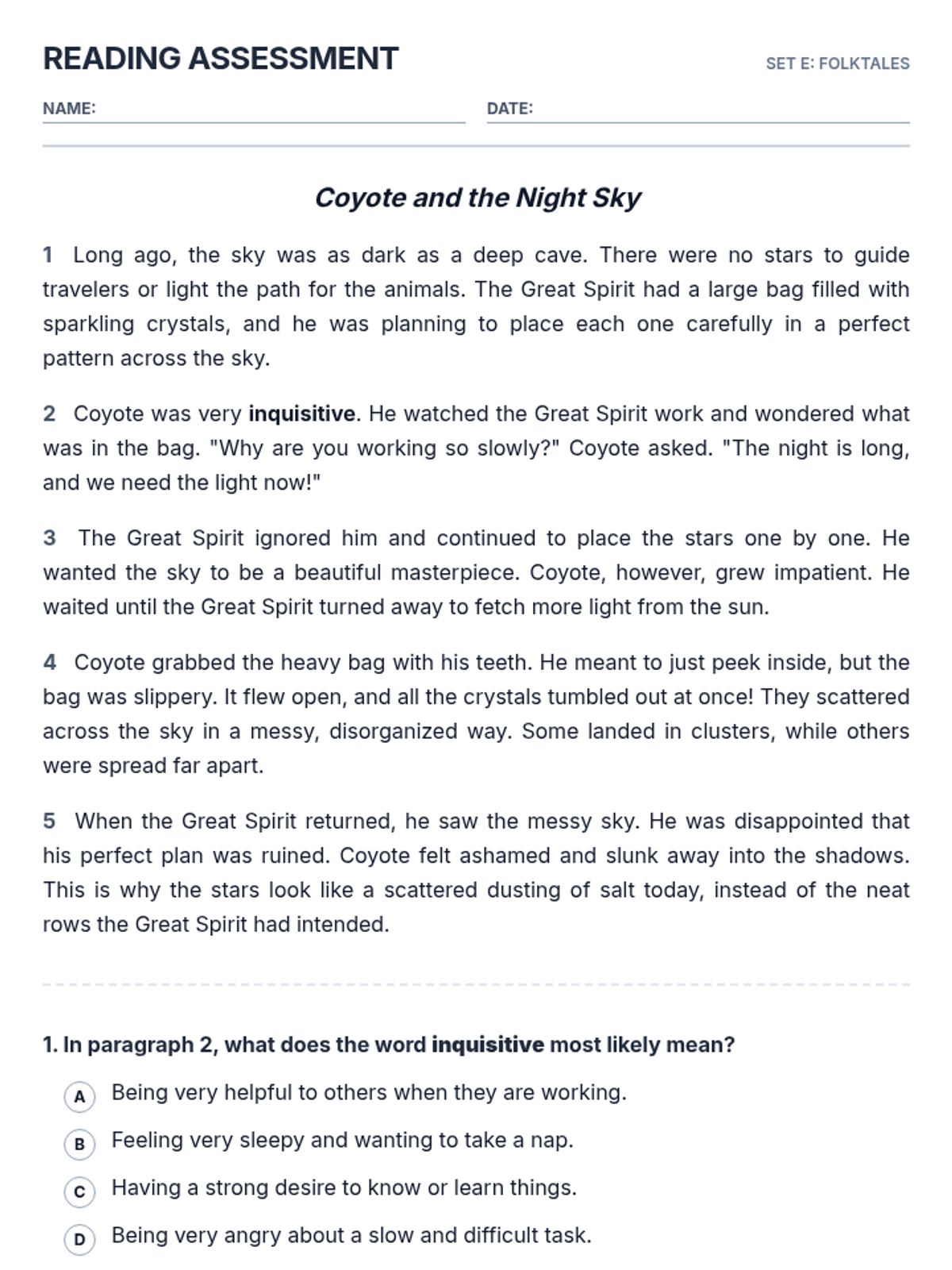
A comprehensive set of EOG-style reading passages and questions designed to prepare 3rd-grade students for end-of-year testing across key literature standards. The materials include various difficulty levels to support differentiation while mimicking the formal testing format.
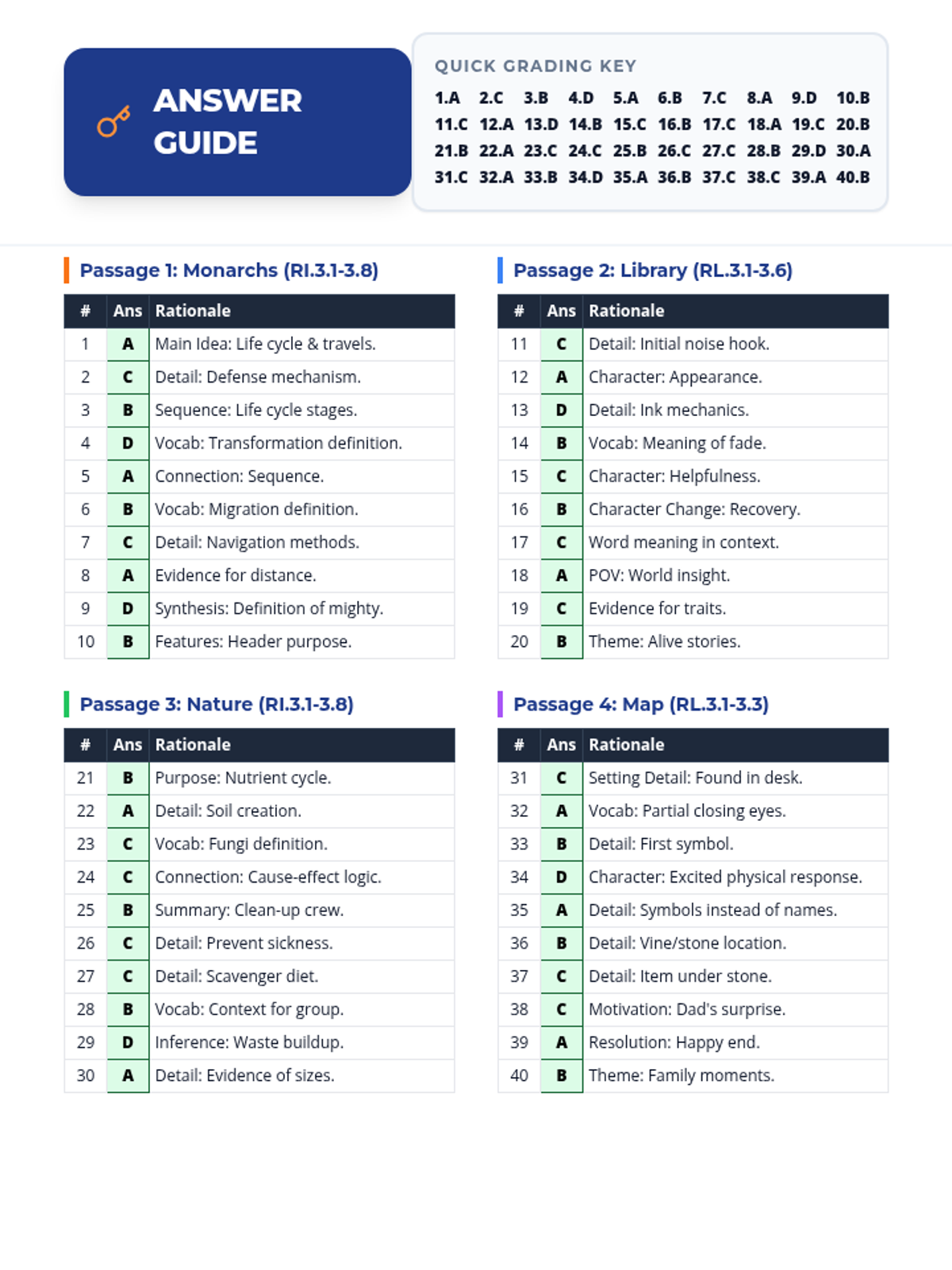
A comprehensive practice packet for the North Carolina Grade 3 ELA EOG, featuring both original Check-In passages and new standards-aligned practice materials.
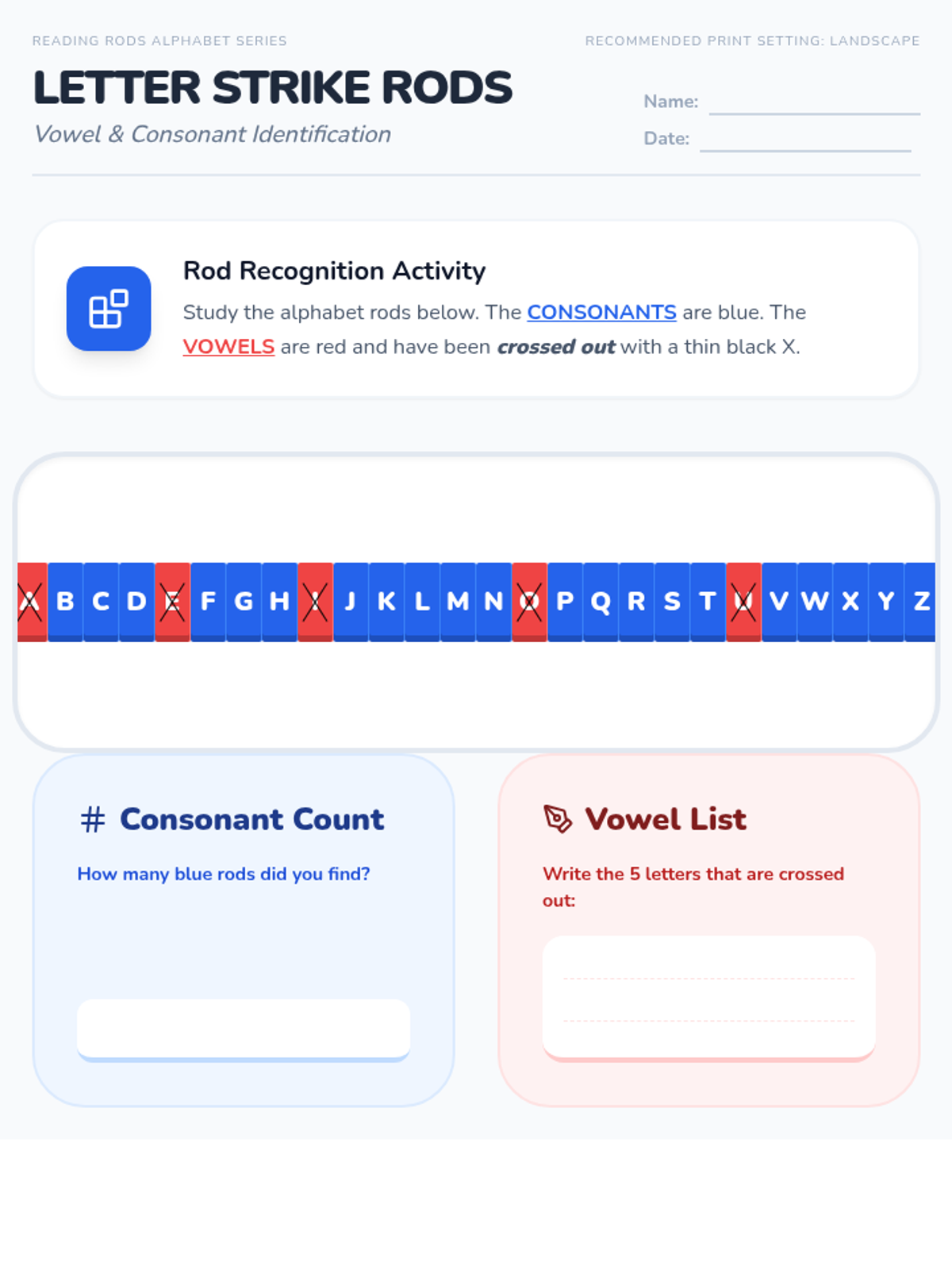
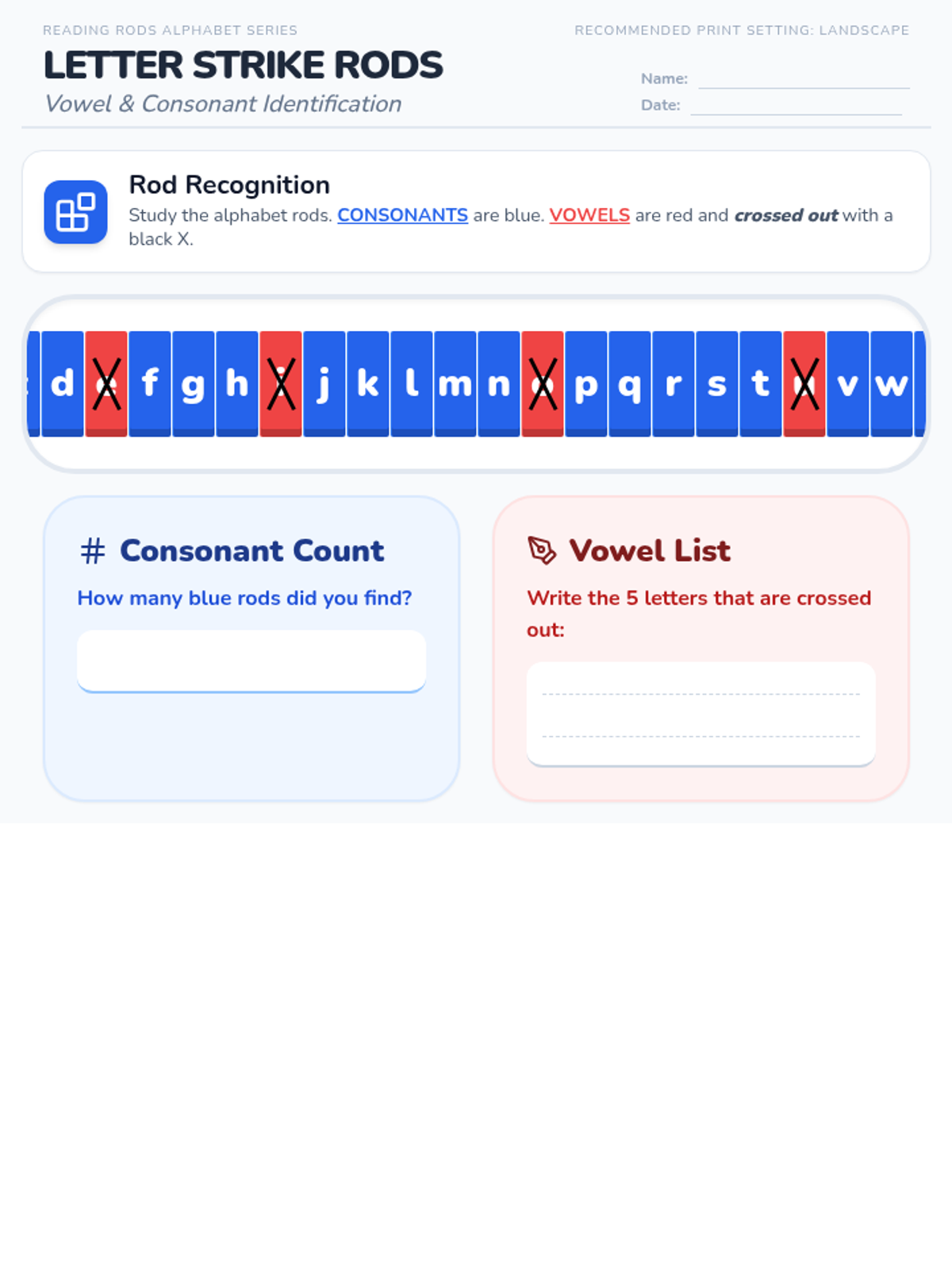
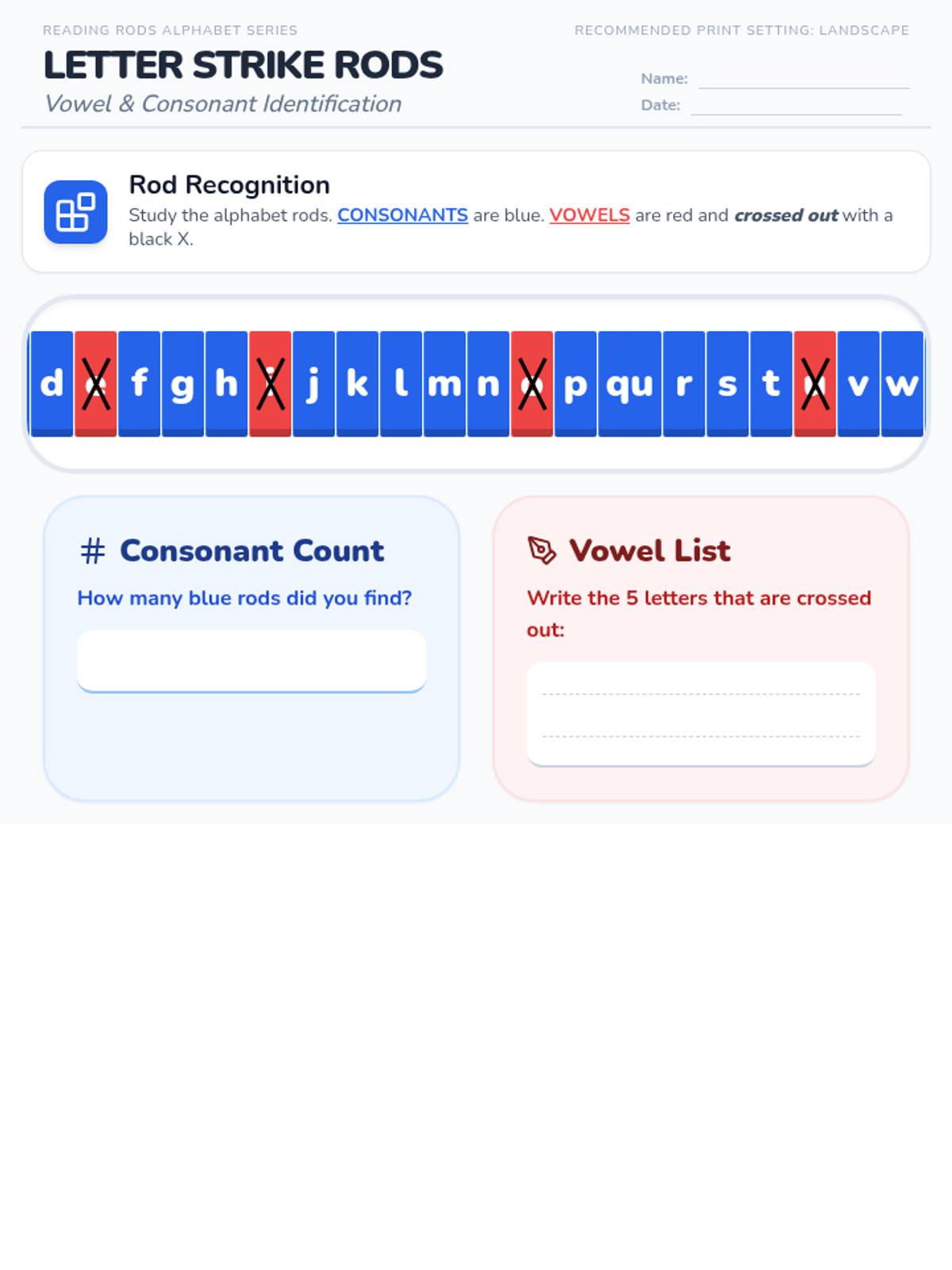
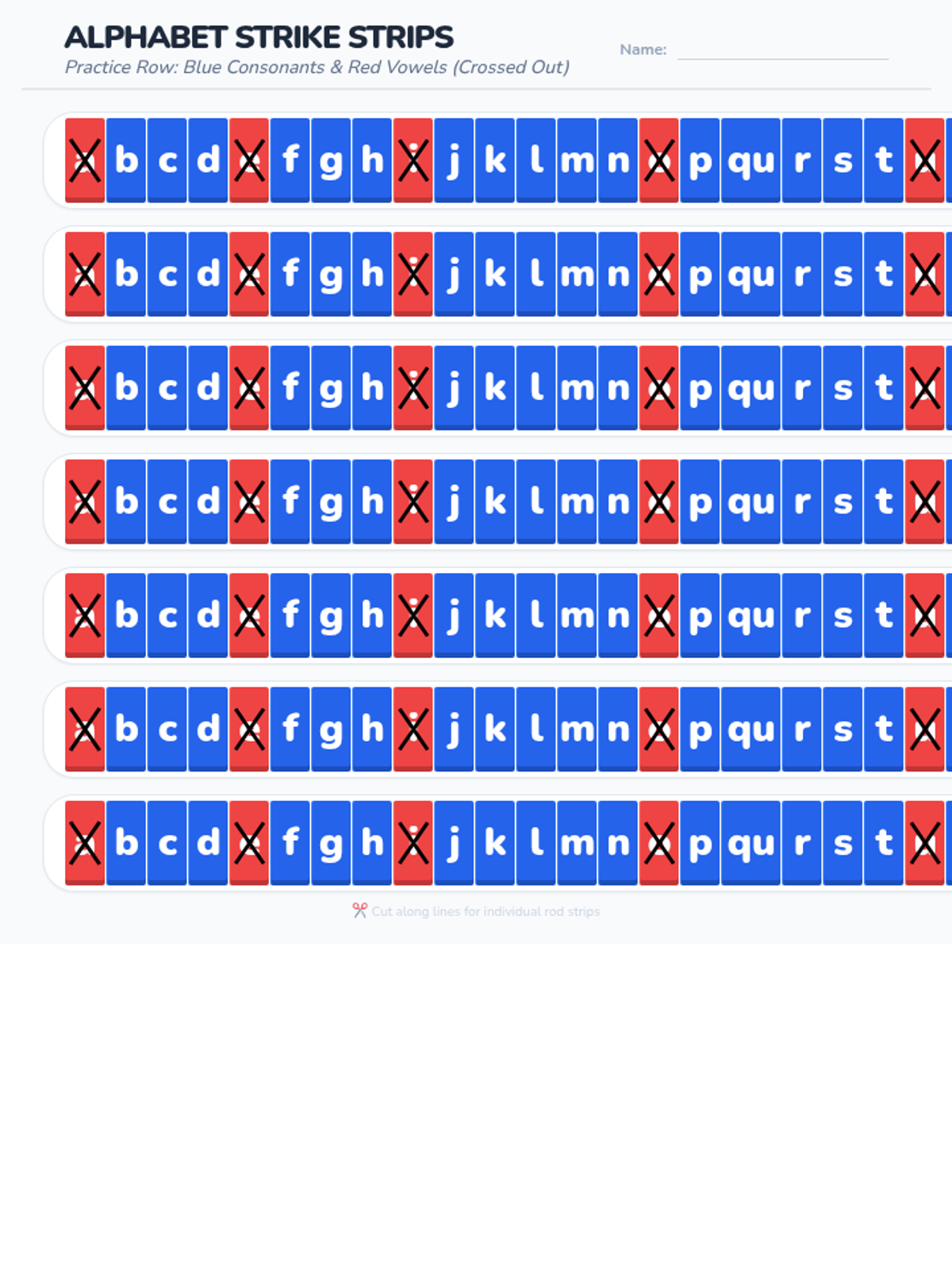
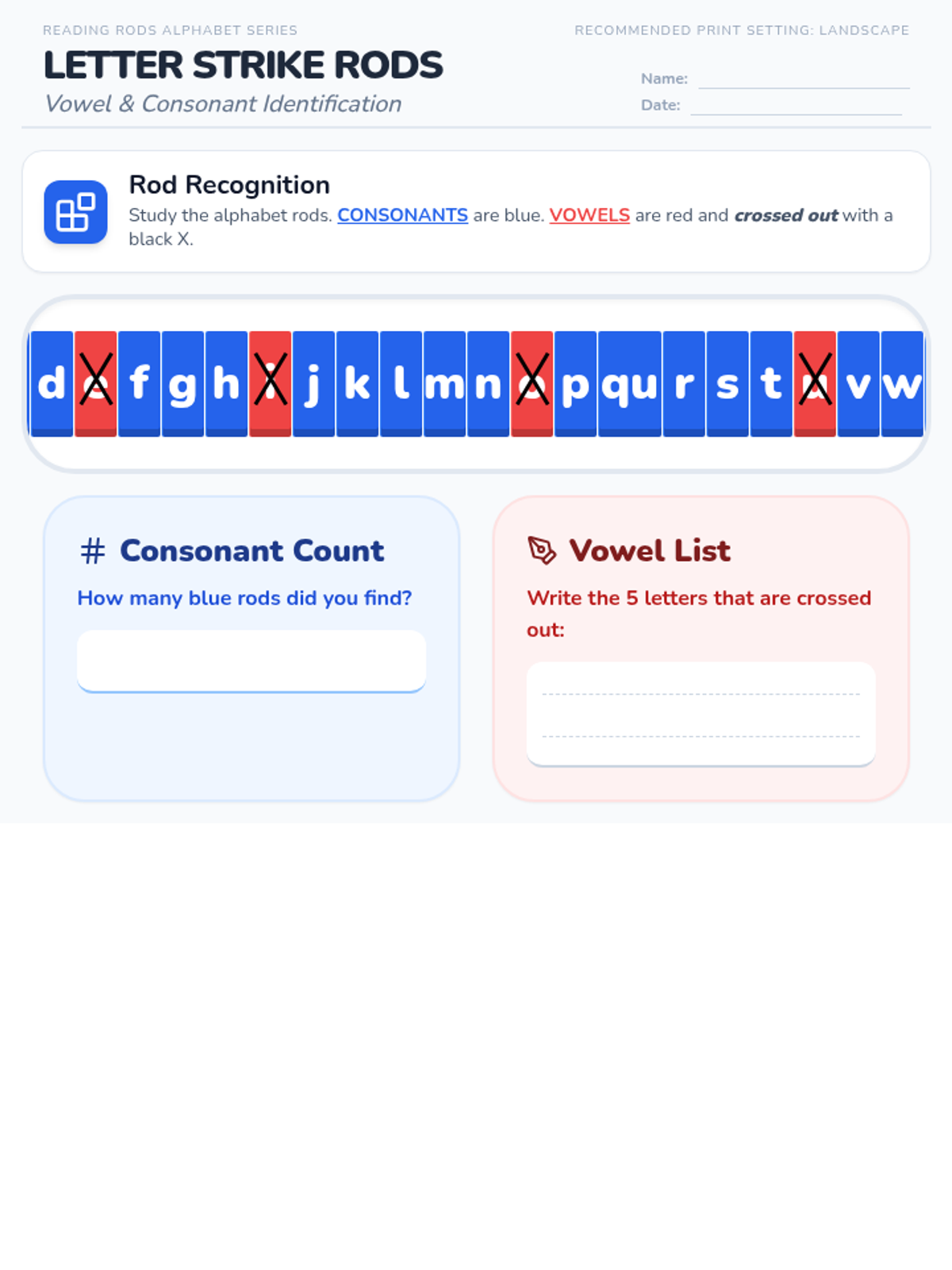
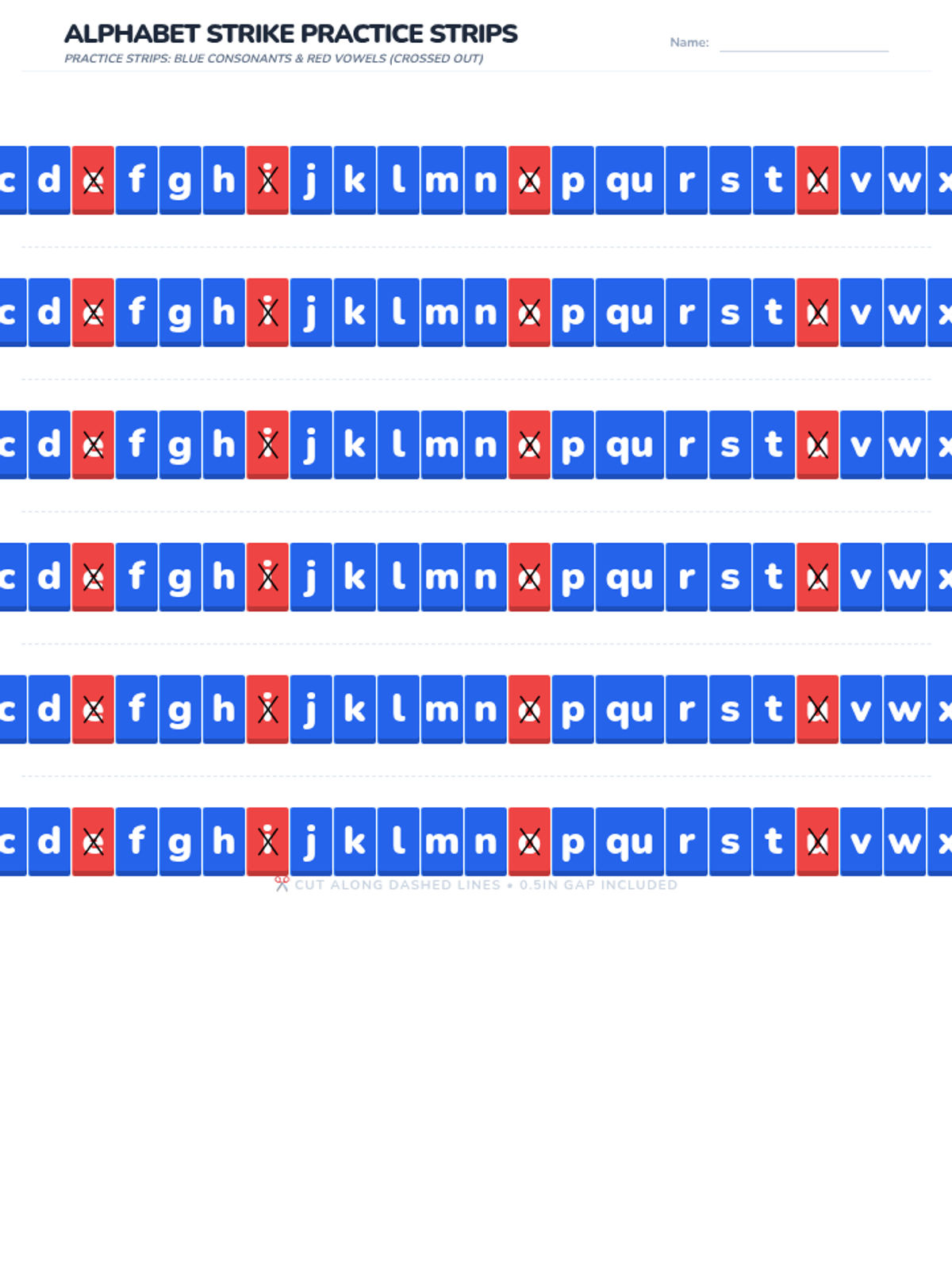
A focused activity on identifying and distinguishing between vowels and consonants using the visual style of plastic reading rods.
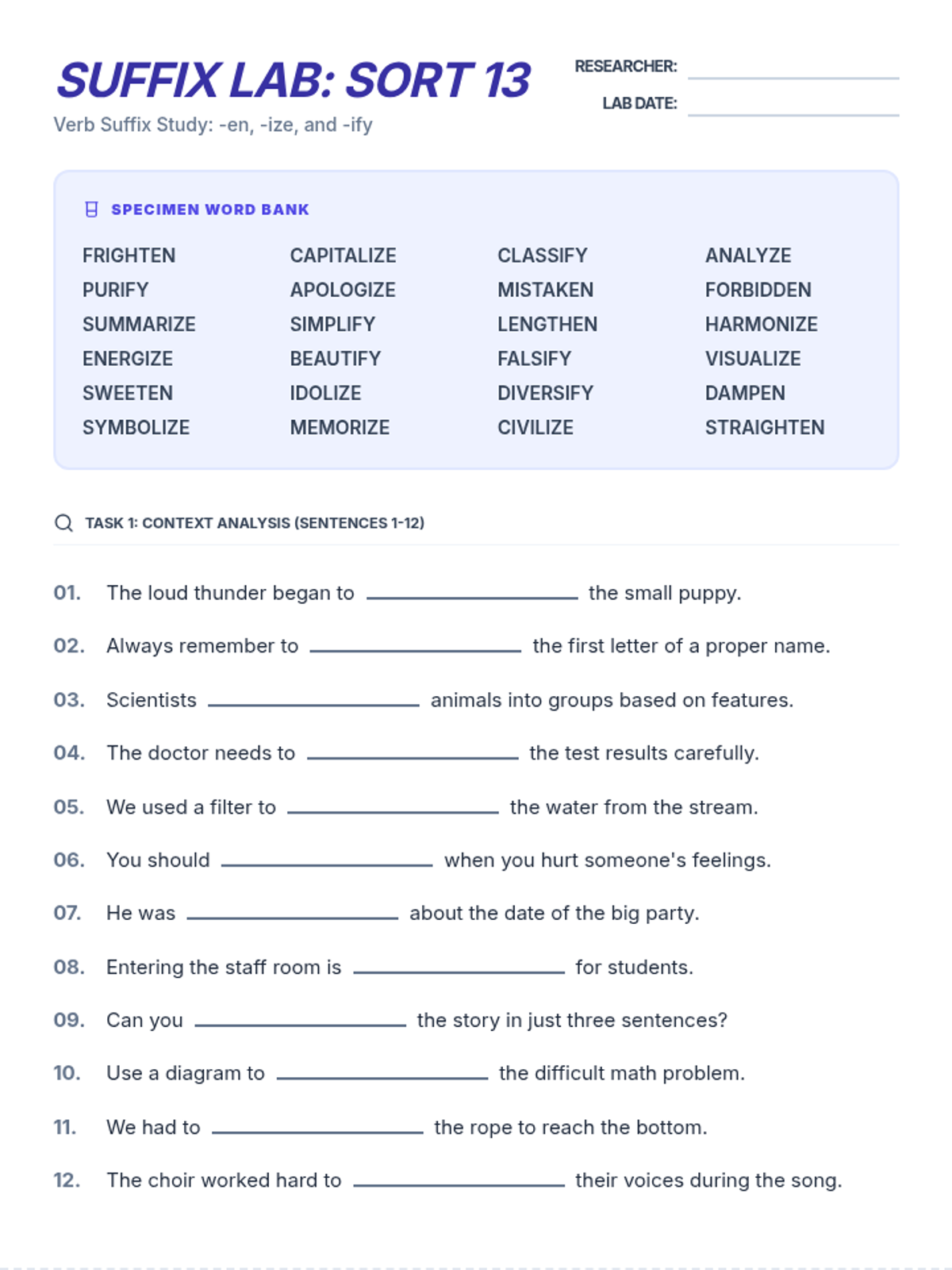
A lesson focused on the suffixes -en, -ize, and -ify. Students investigate how these suffixes transform base words into verbs representing actions or states.
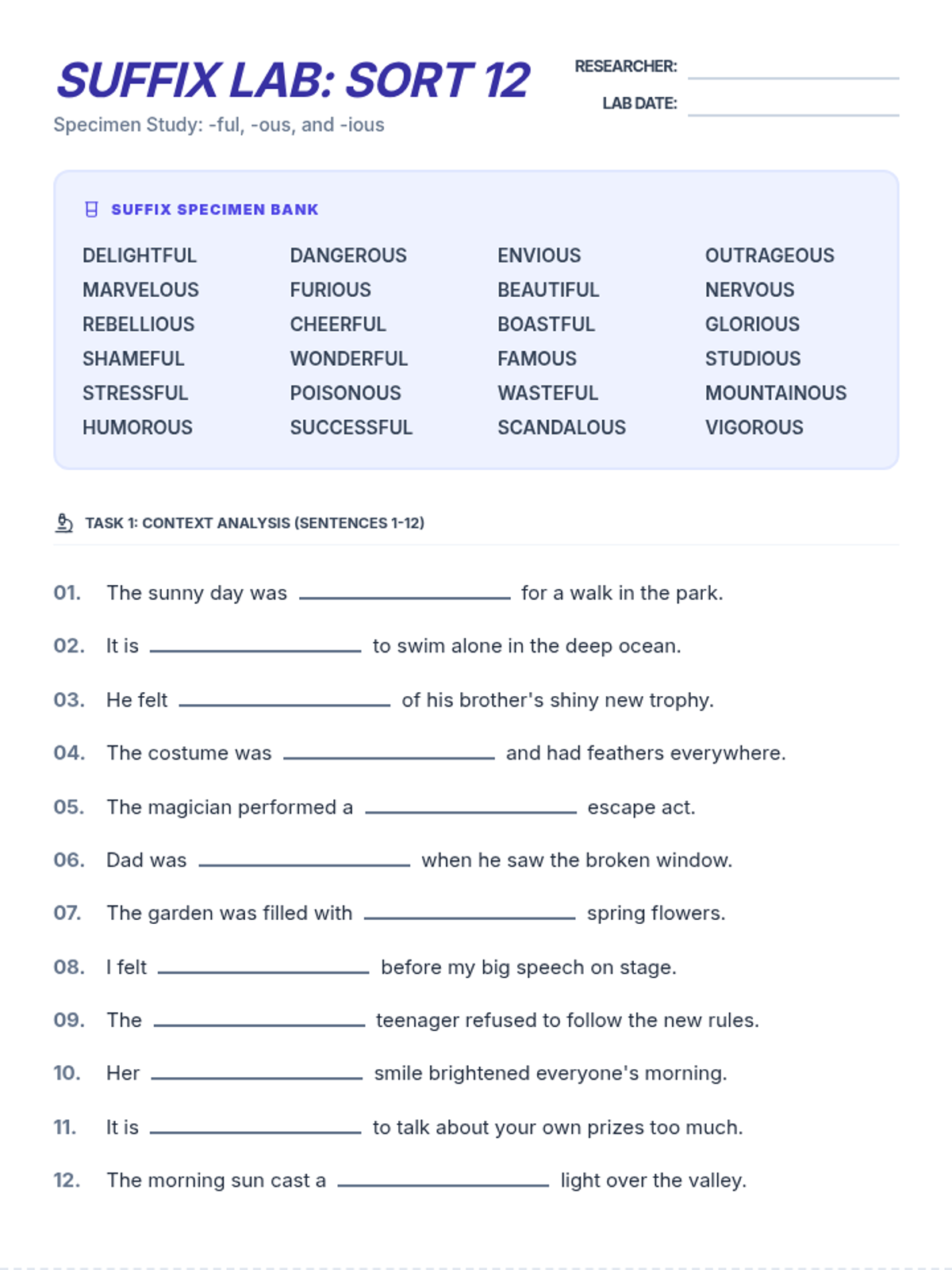
A lesson focused on the suffixes -ful, -ous, and -ious. Students analyze how these suffixes form adjectives from nouns, representing full of or having qualities of.
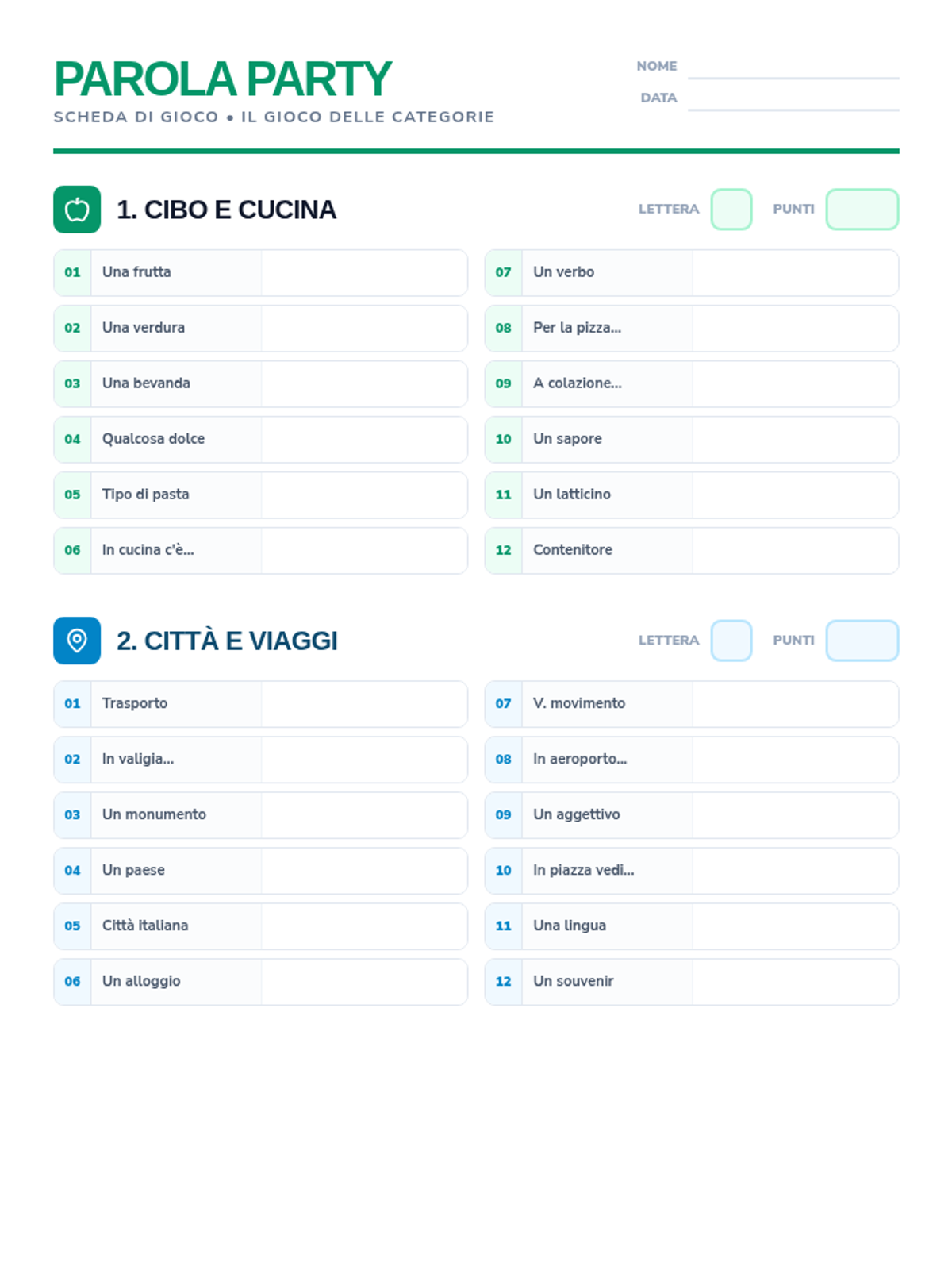
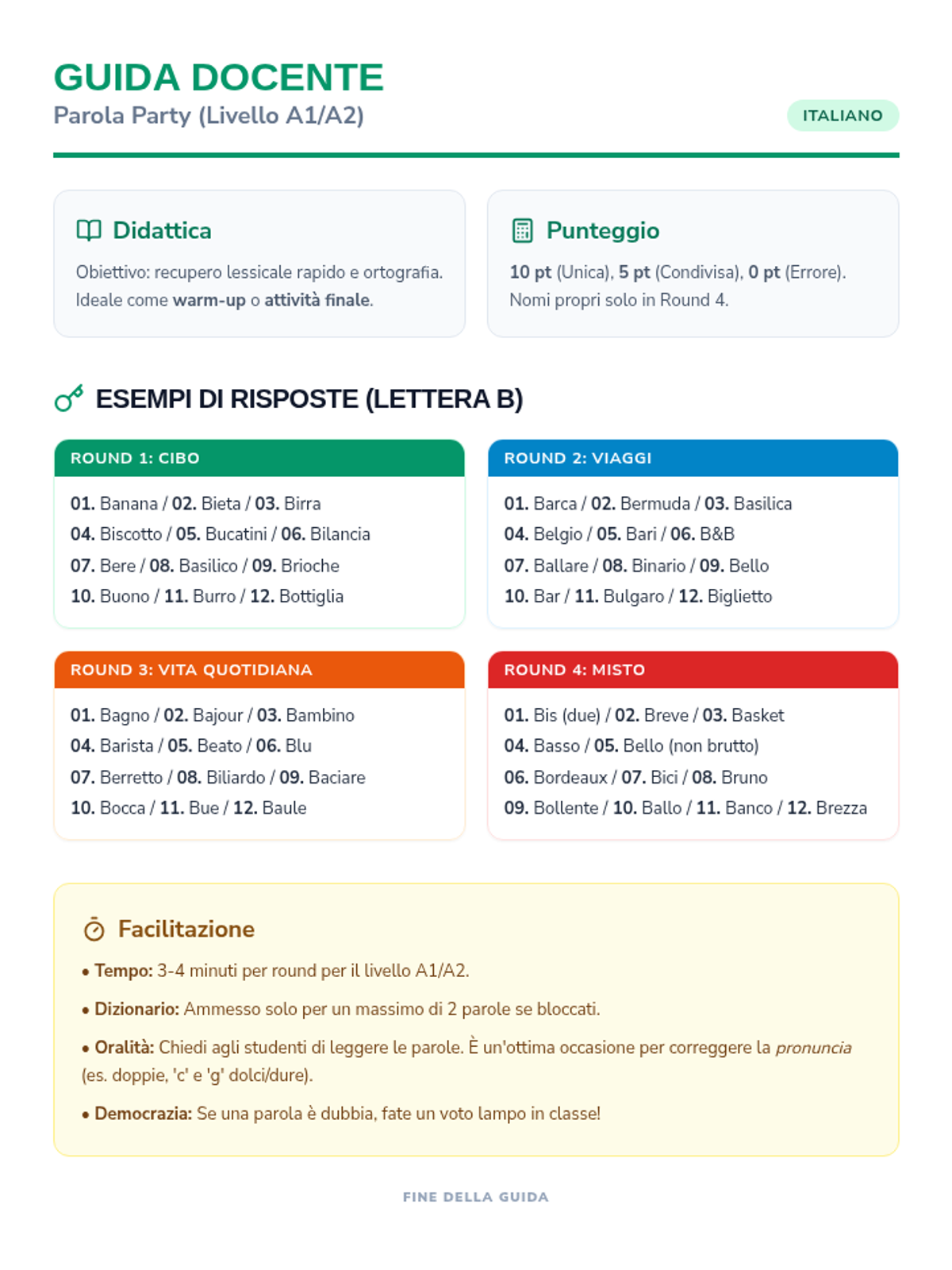
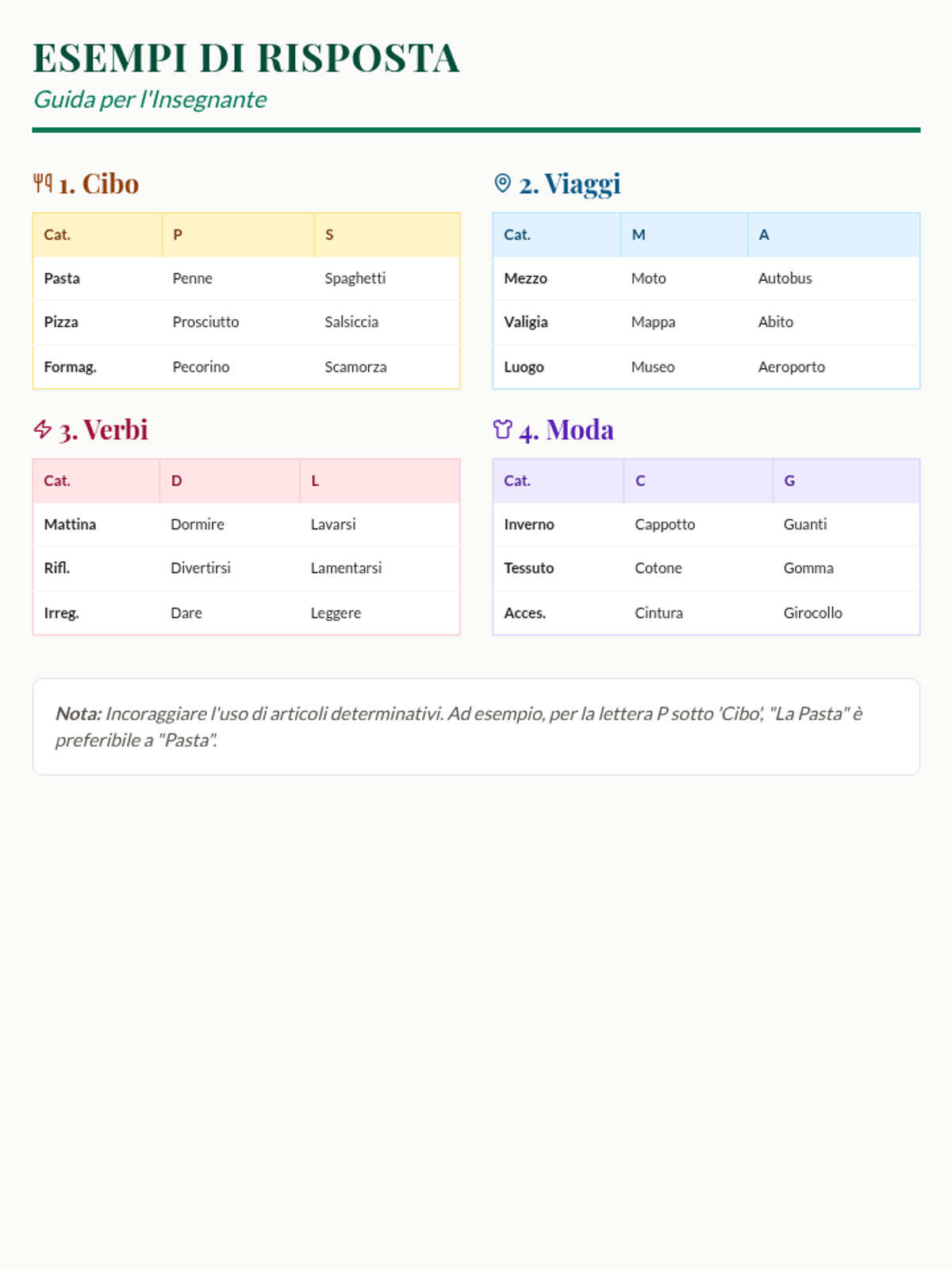
A fast-paced Italian vocabulary game for A1/A2 students covering food, travel, daily life, and general topics. Includes a presentation for class gameplay, printable game boards, and a teacher facilitation guide.
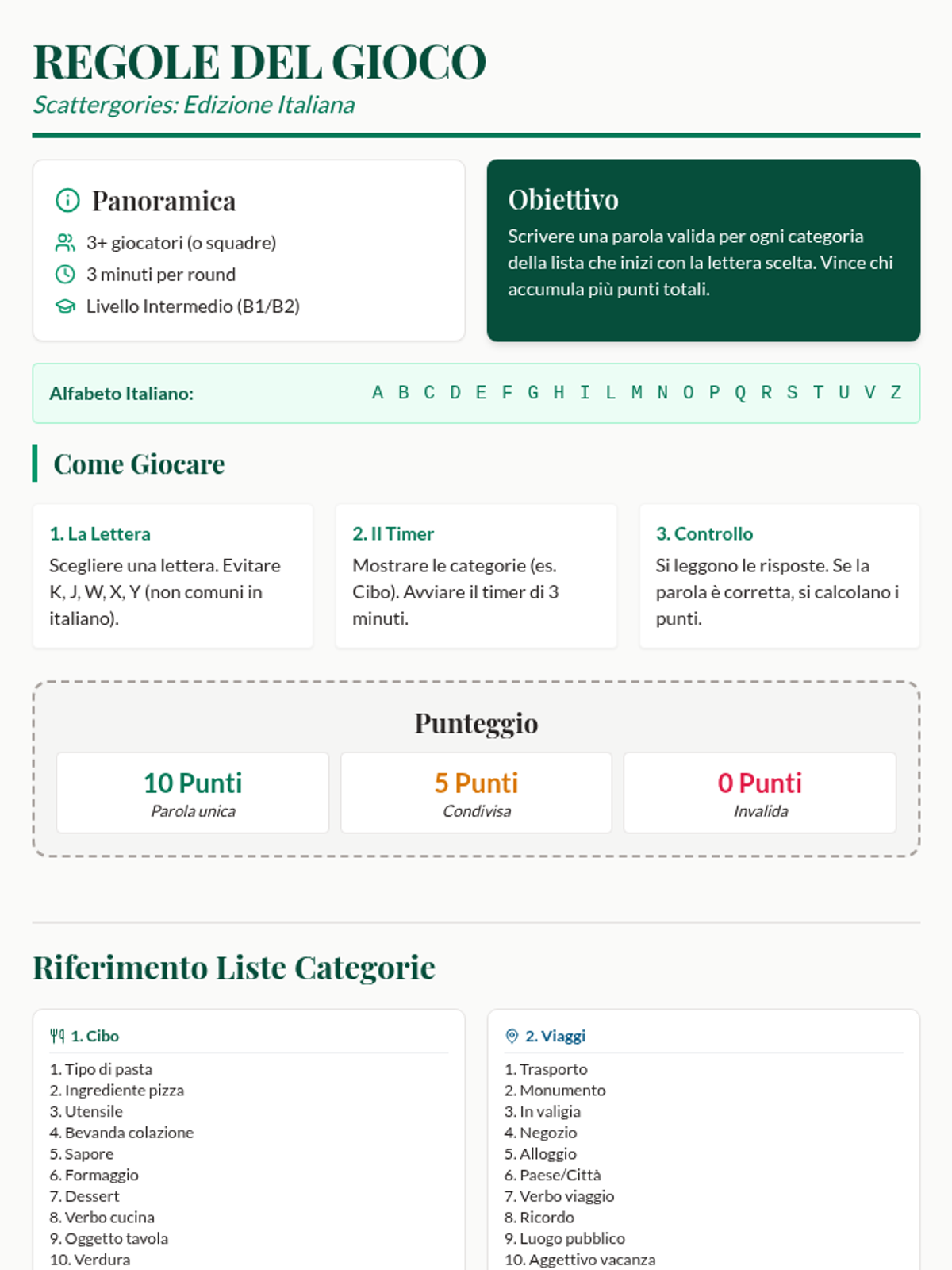
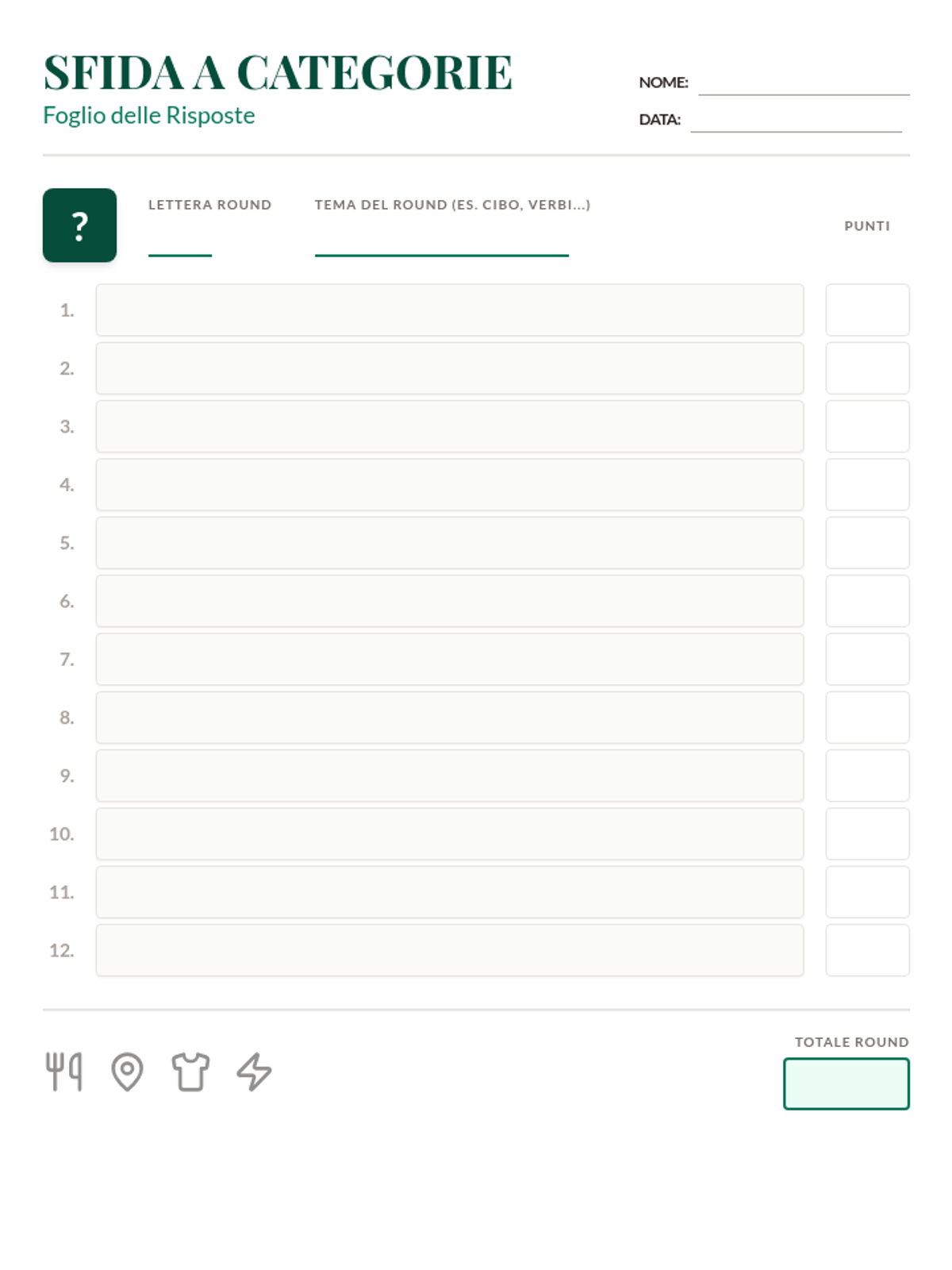
A high-energy vocabulary game designed for intermediate Italian learners to practice specific lexicon across four key themes: Food, Travel, Verbs, and Fashion. Students compete to find unique words for specific categories within a time limit.
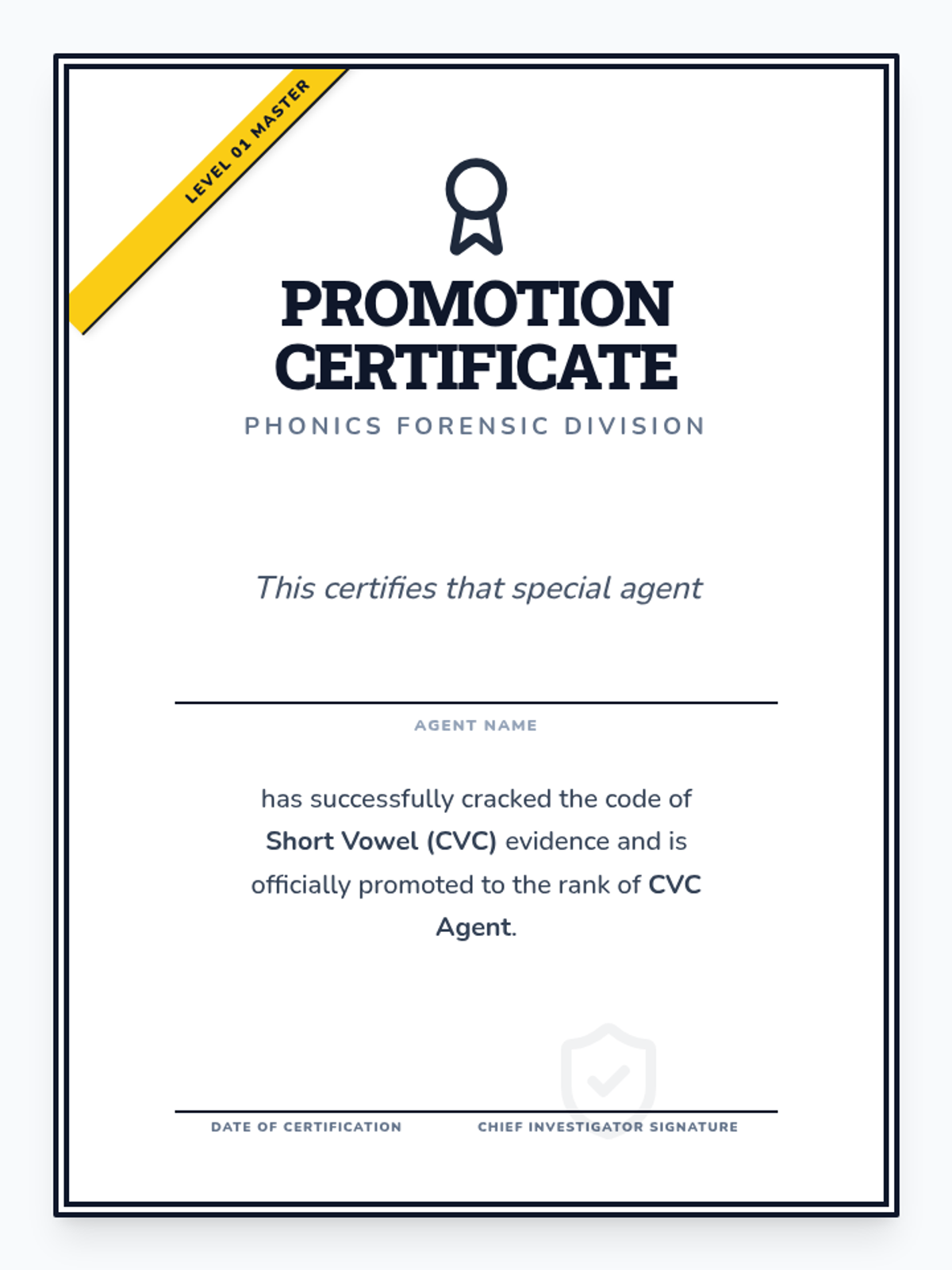
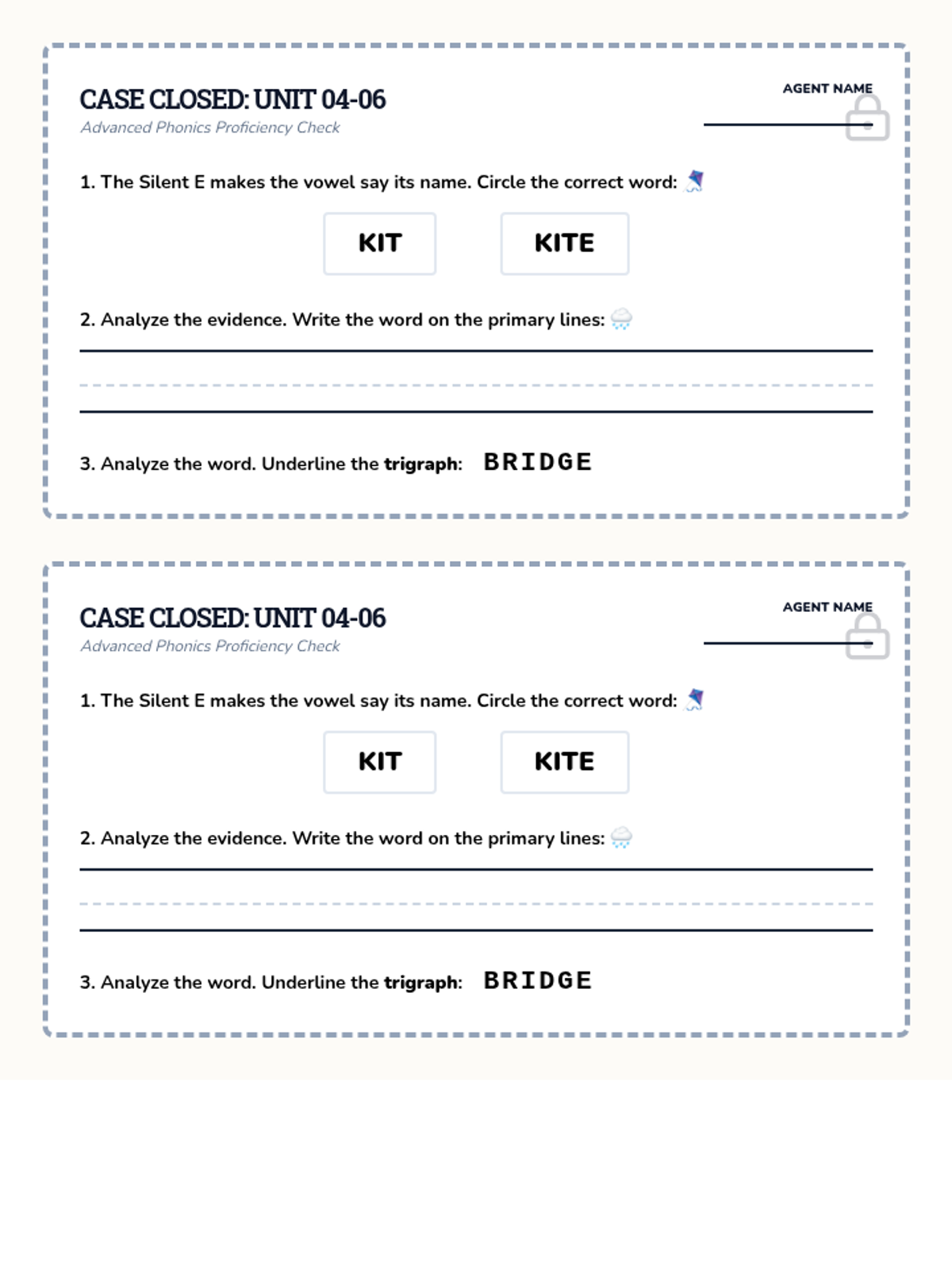
Recognition and awards for students as they master each detective-themed phonics level.
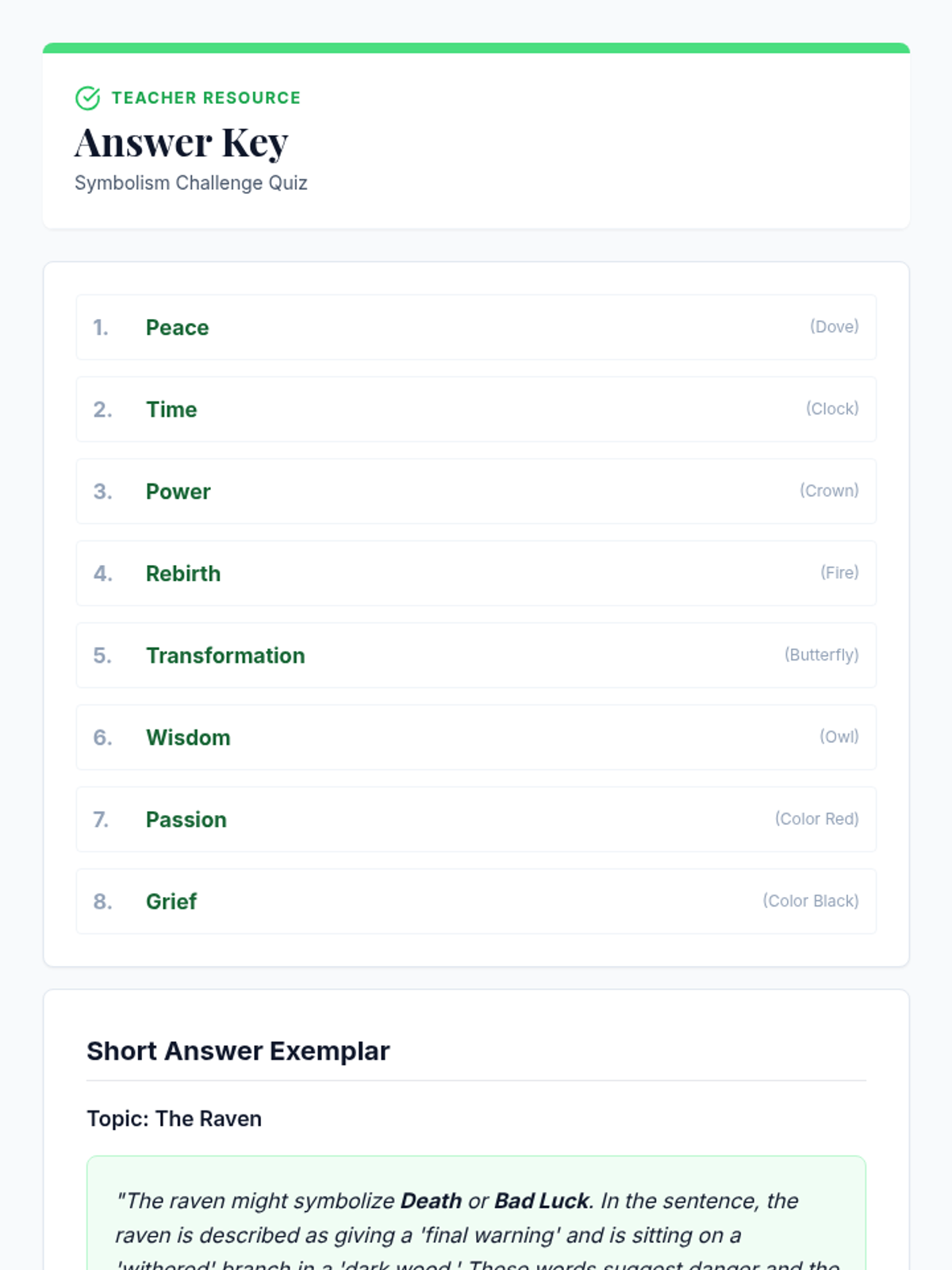
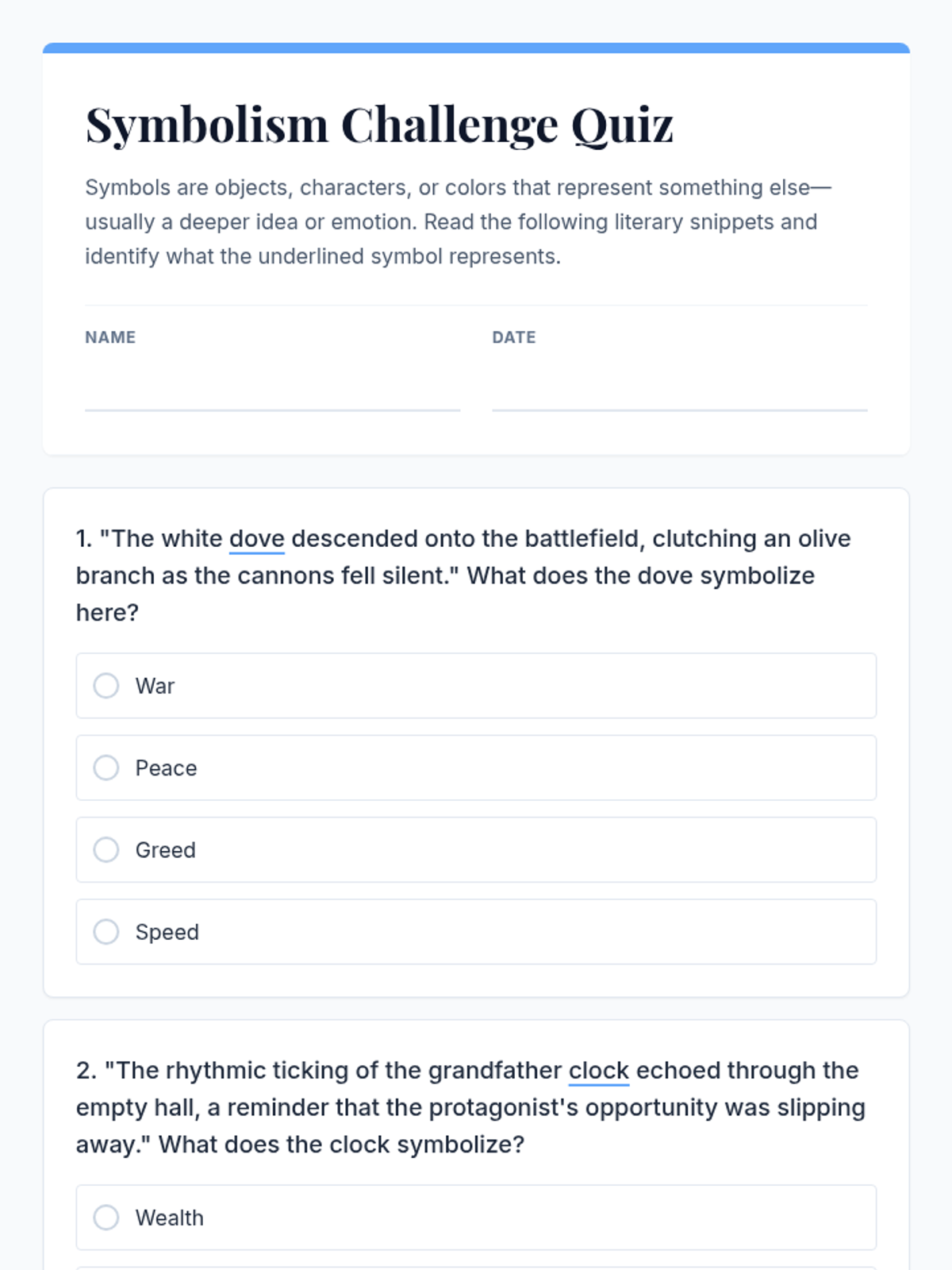
A lesson focused on identifying and interpreting common symbols in literature and real life through a series of visual and contextual challenges.
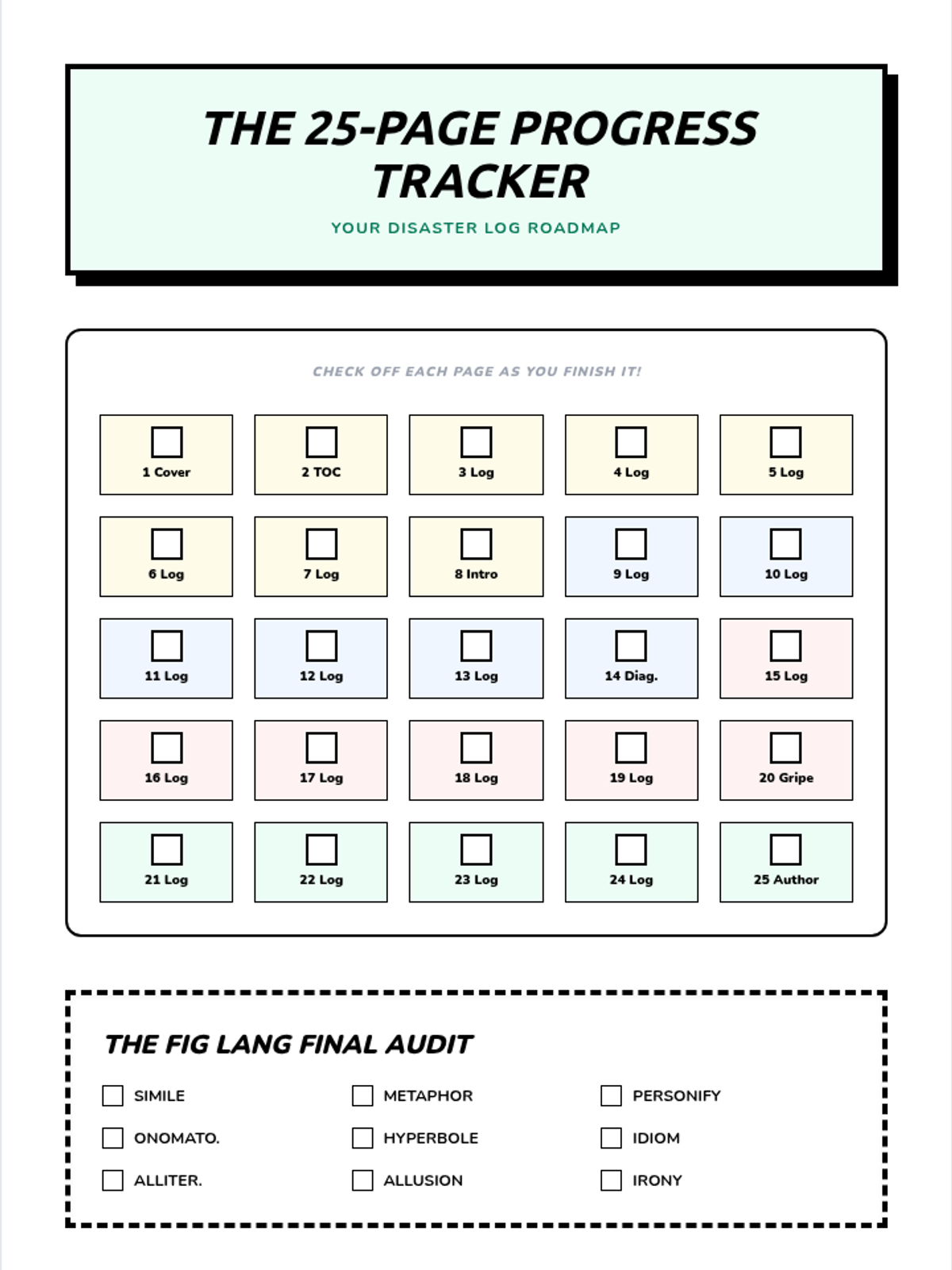
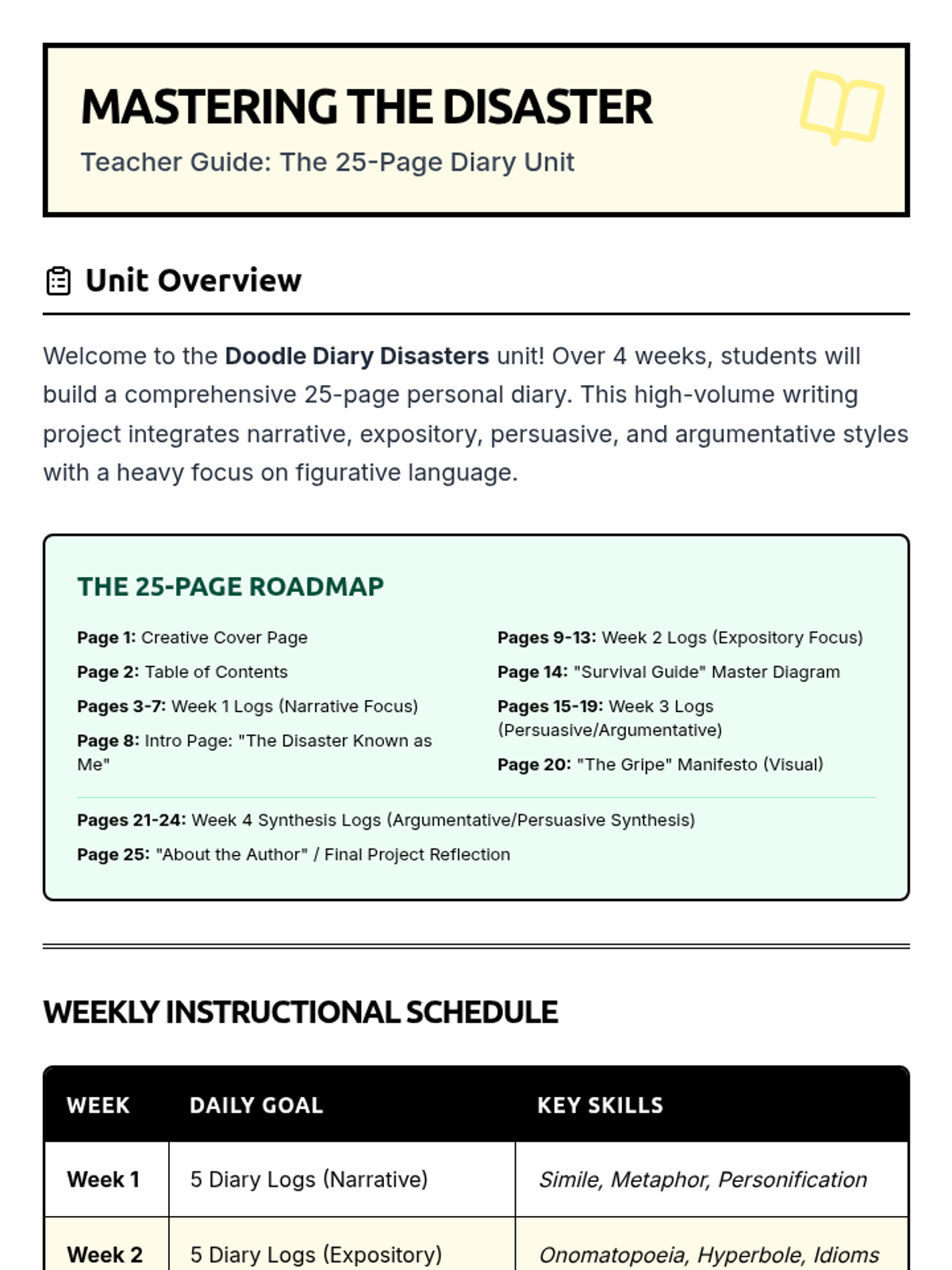
A final project-focused week where students compile their entries and use a comprehensive mix of all figurative language to complete their diary masterpiece.
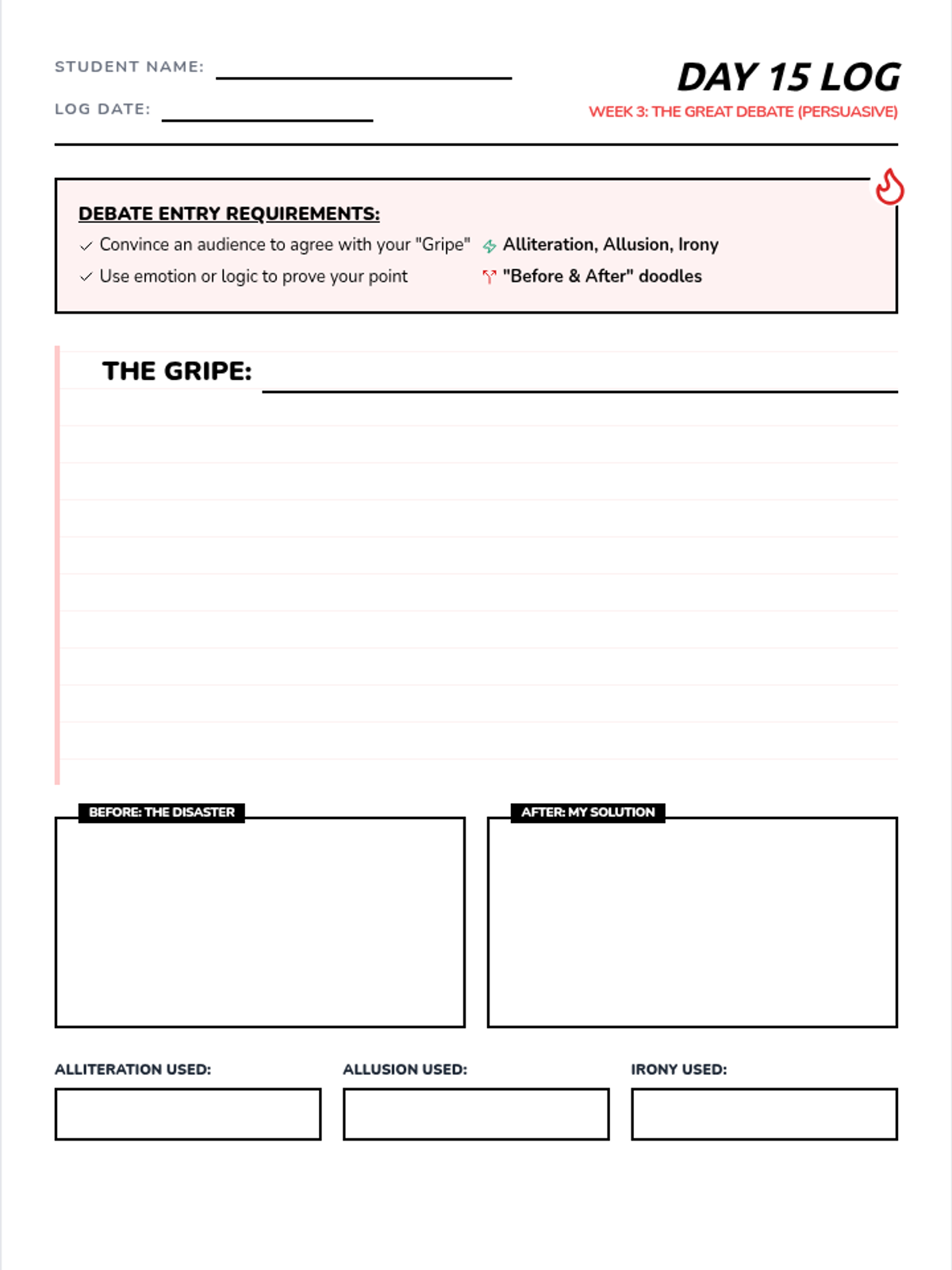
Introduces persuasive and argumentative writing within a diary context, using alliteration, allusion, and irony to strengthen student voices.
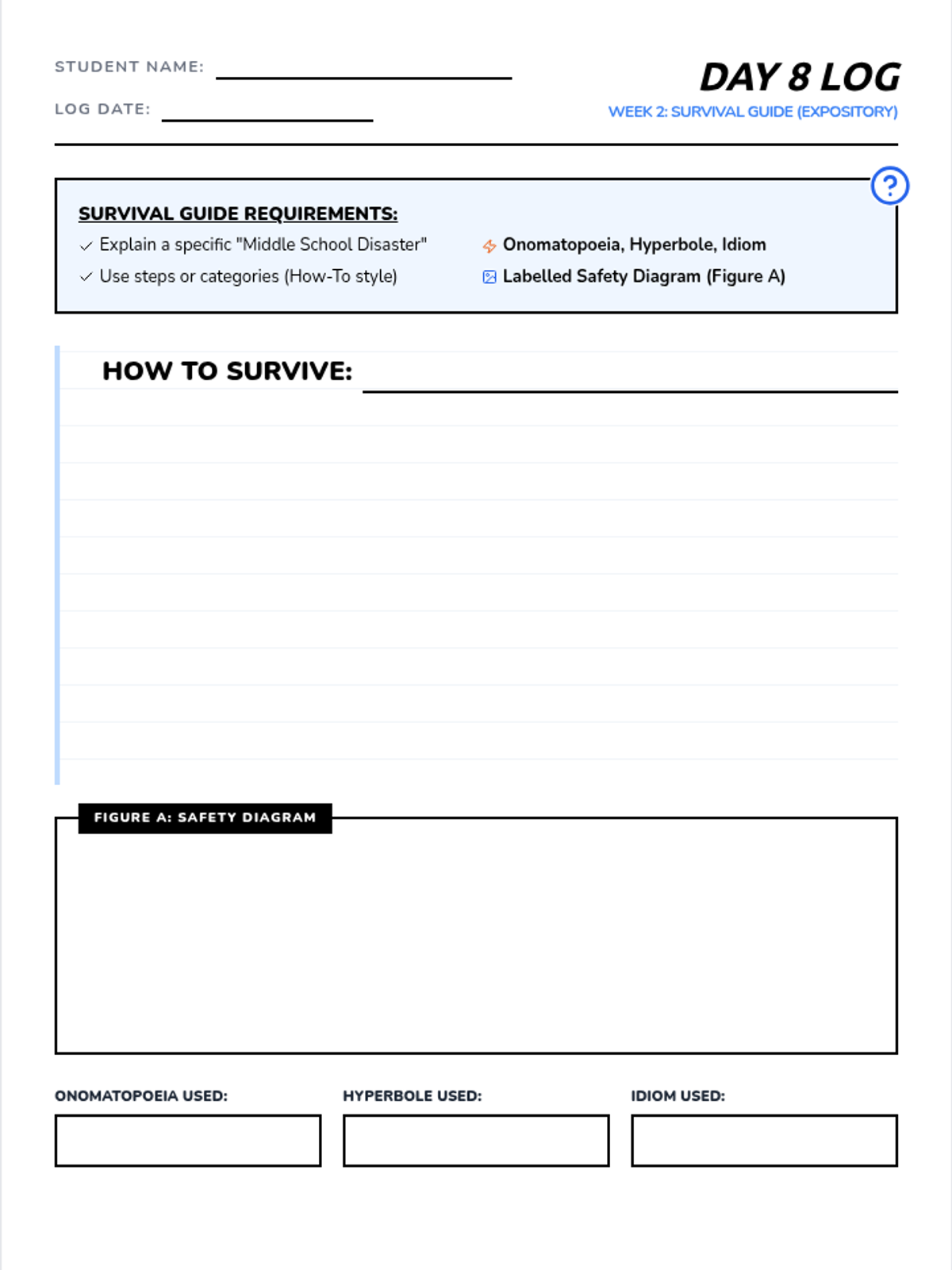
Explores expository writing to explain school or home life while integrating onomatopoeia, hyperbole, and idioms for comedic effect.
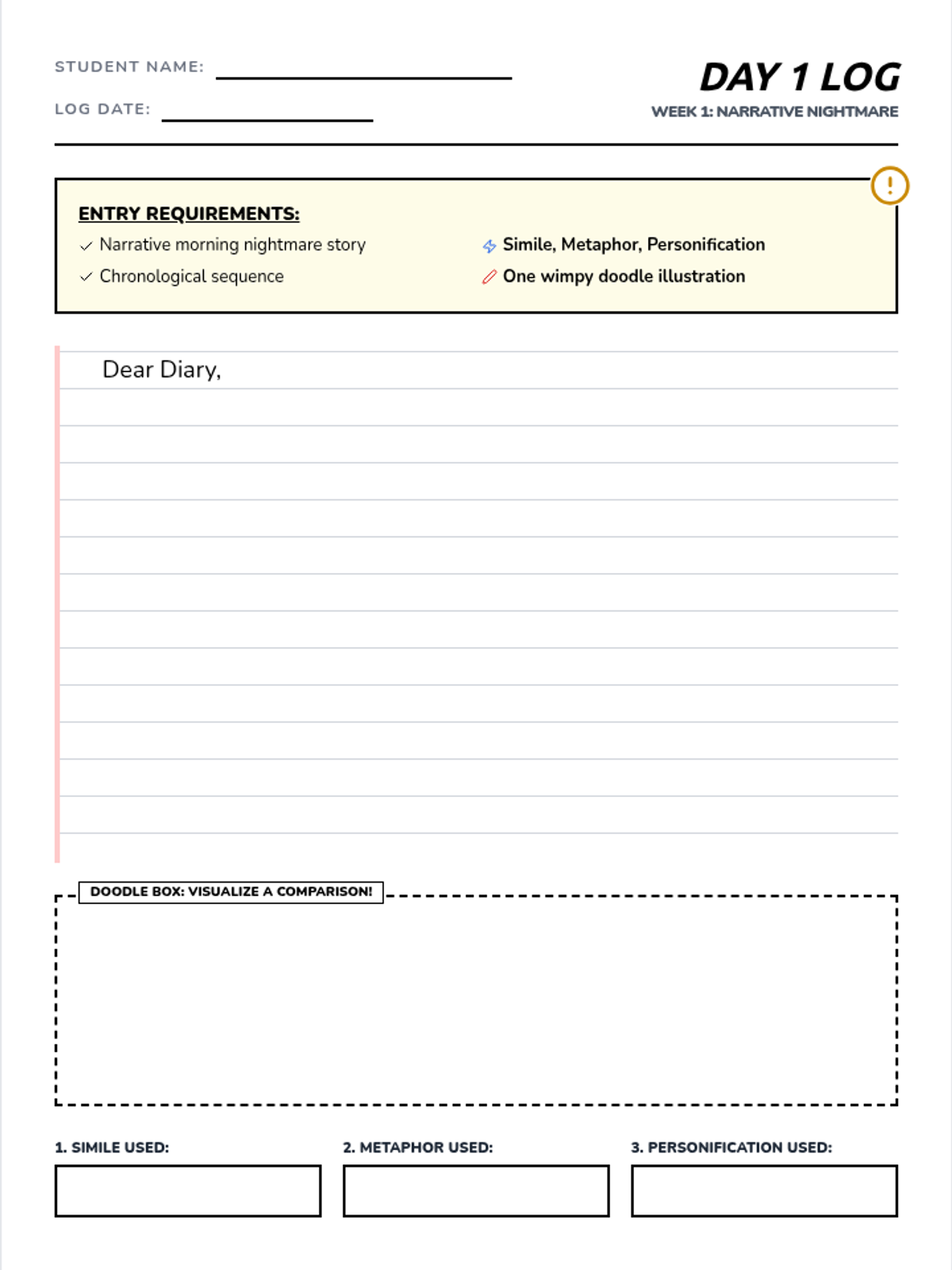
Focuses on narrative writing techniques and using similes, metaphors, and personification to bring a personal story to life in a diary format.
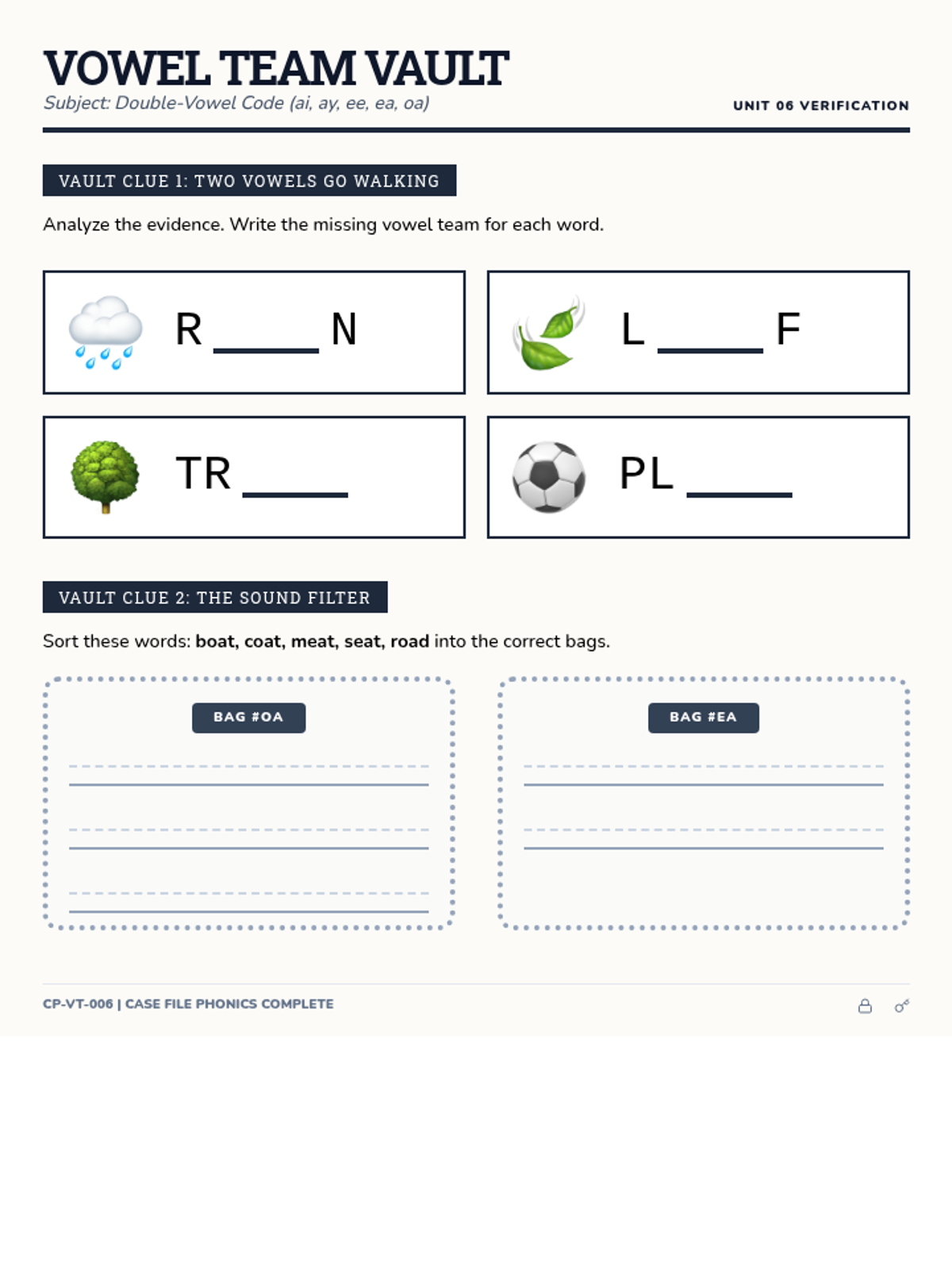
Investigating vowel teams and their distinct sounds in multi-syllabic and complex words.
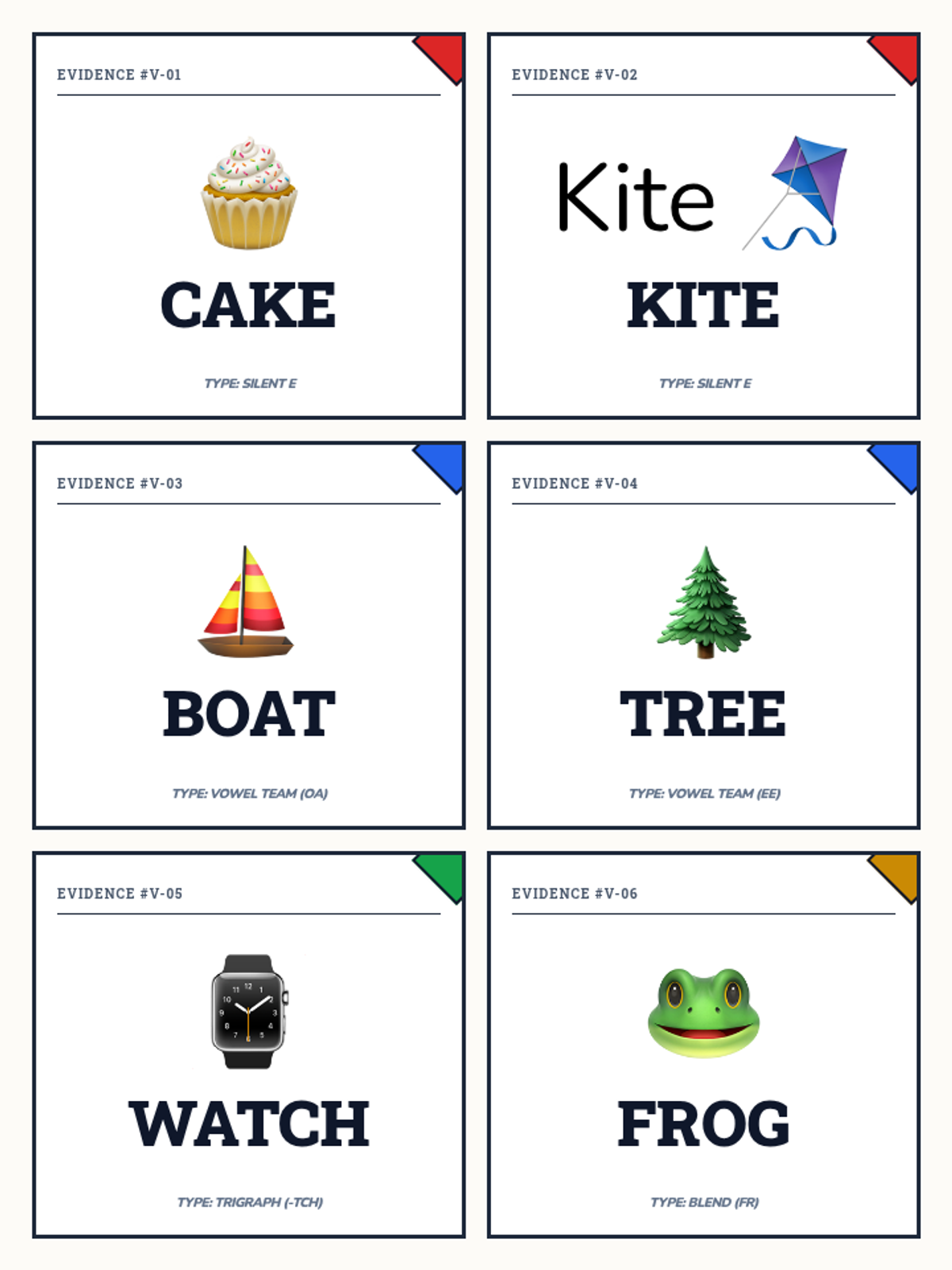
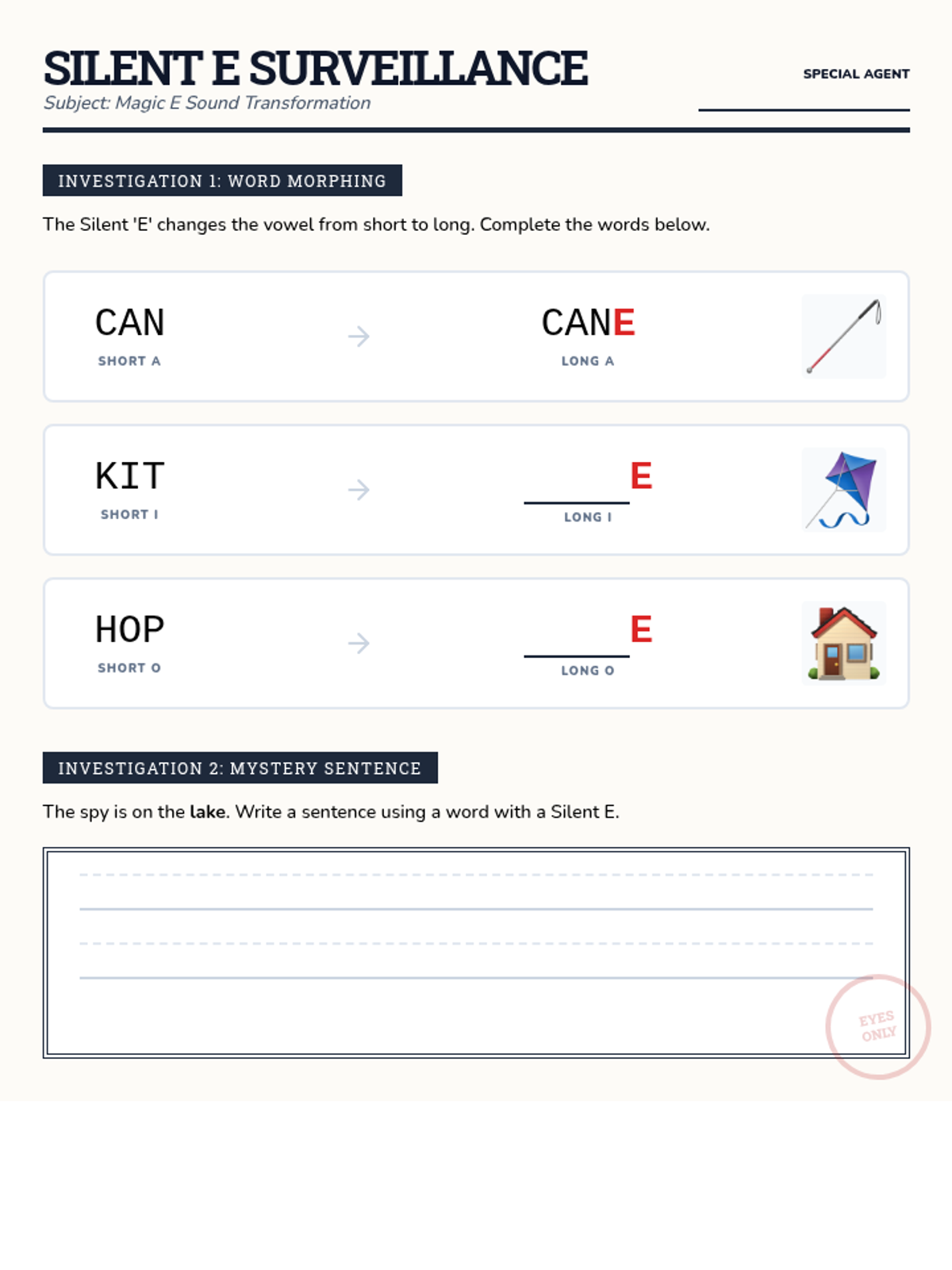
Cracking the code of the silent e and its effect on long vowel sounds.
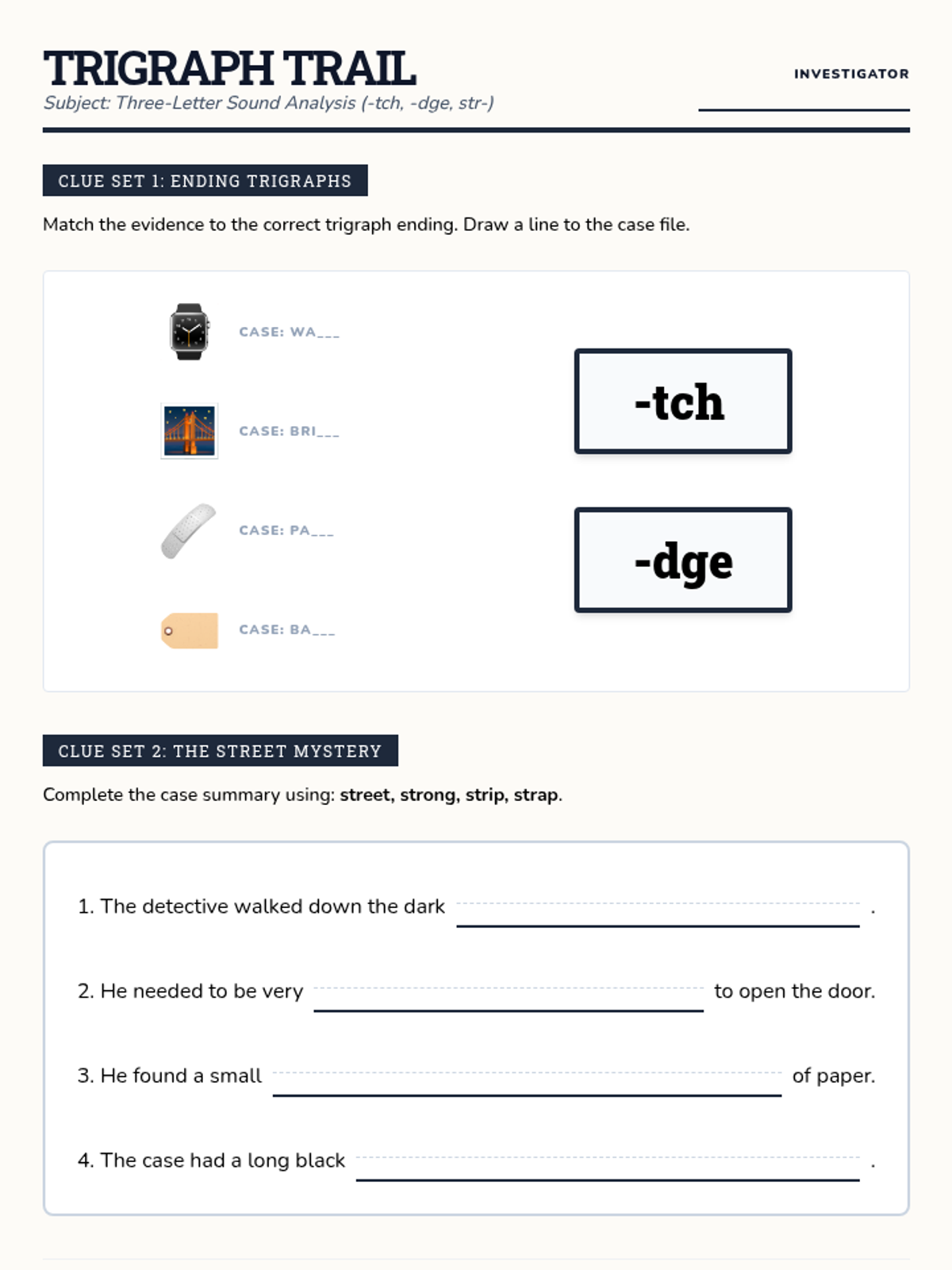
Exploring complex trigraphs (tch, dge) and three-letter blends (str, spl) as high-level evidence.
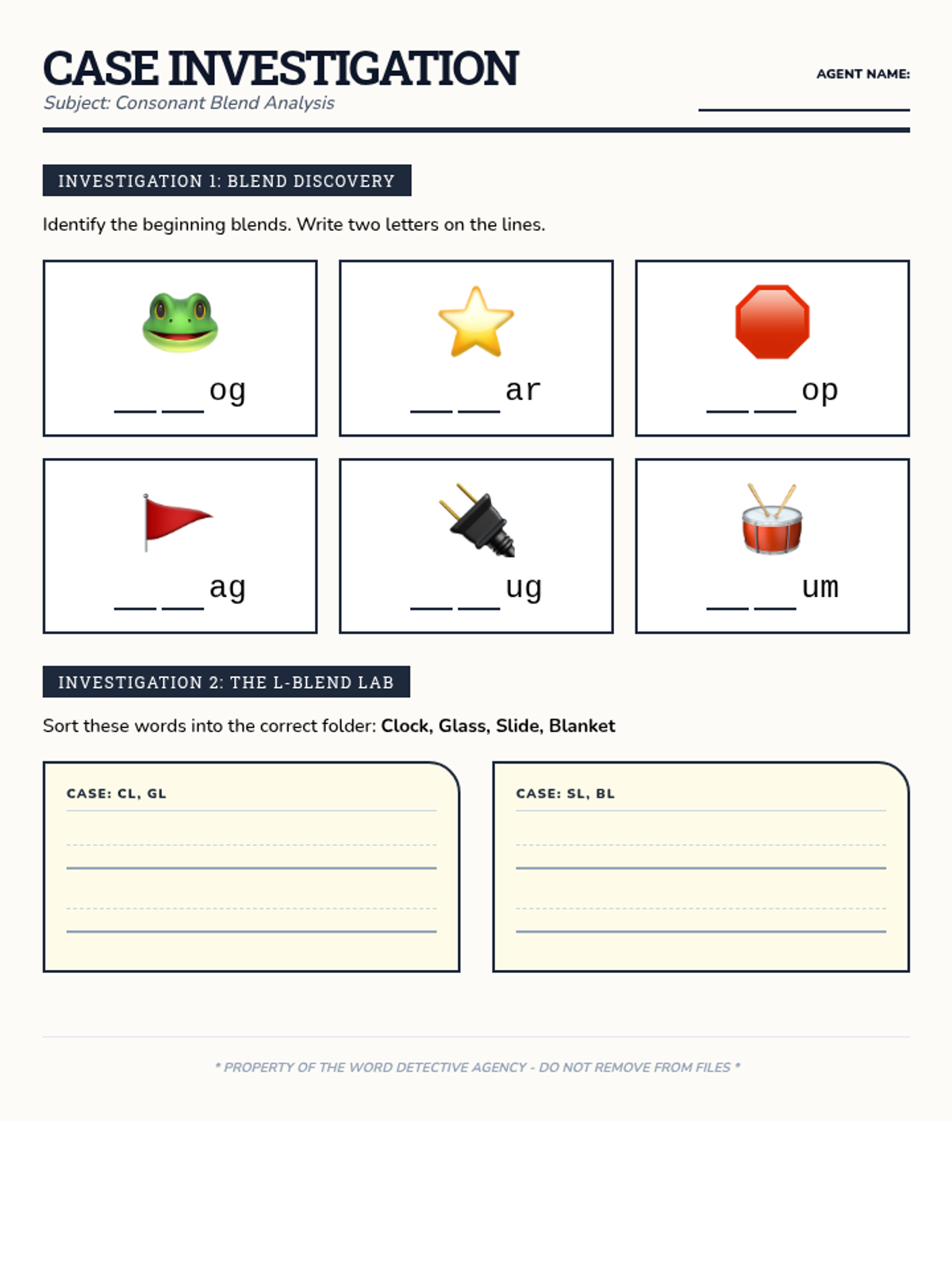
Mastering consonant blends through investigative word work and center activities.
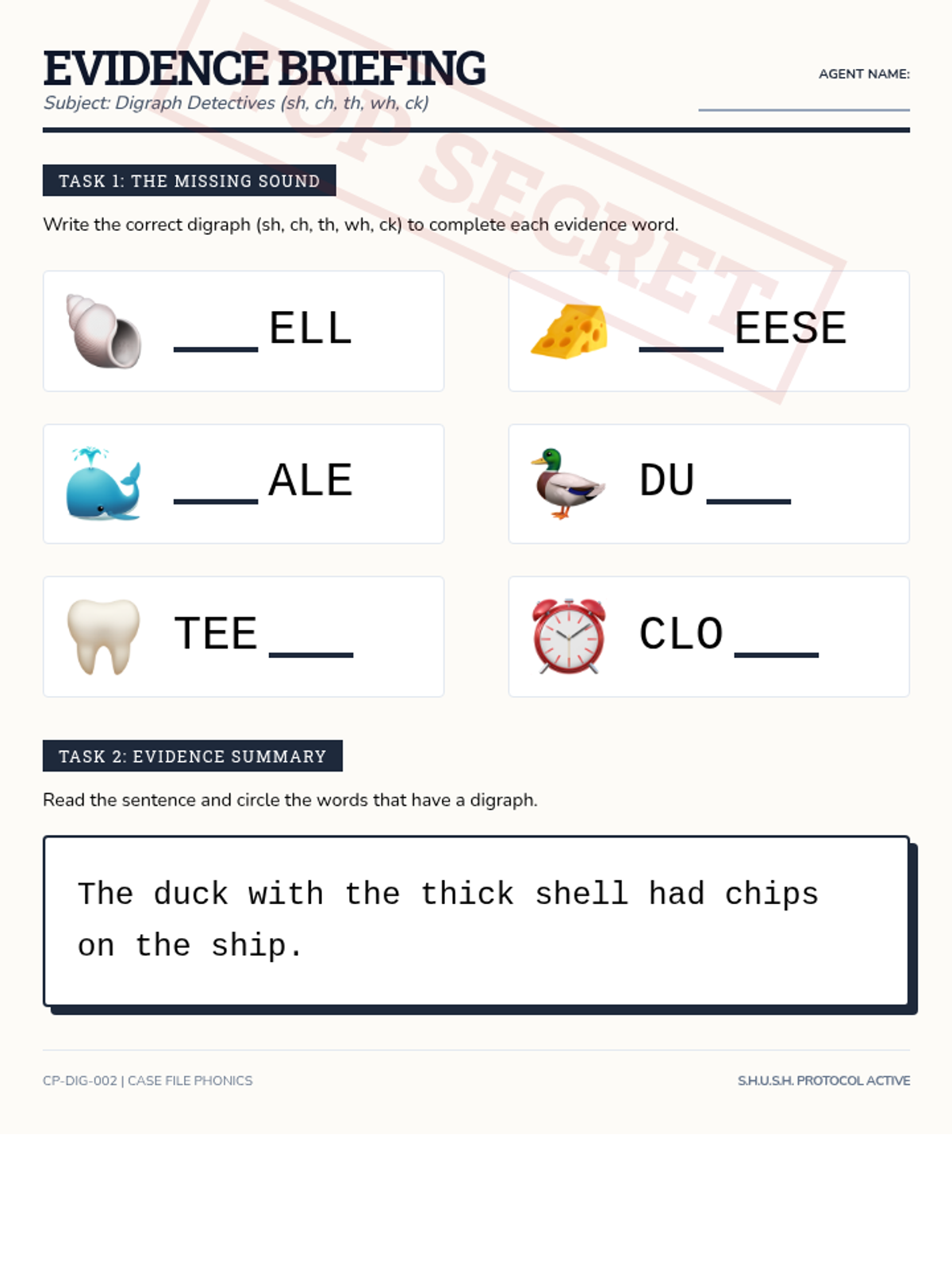
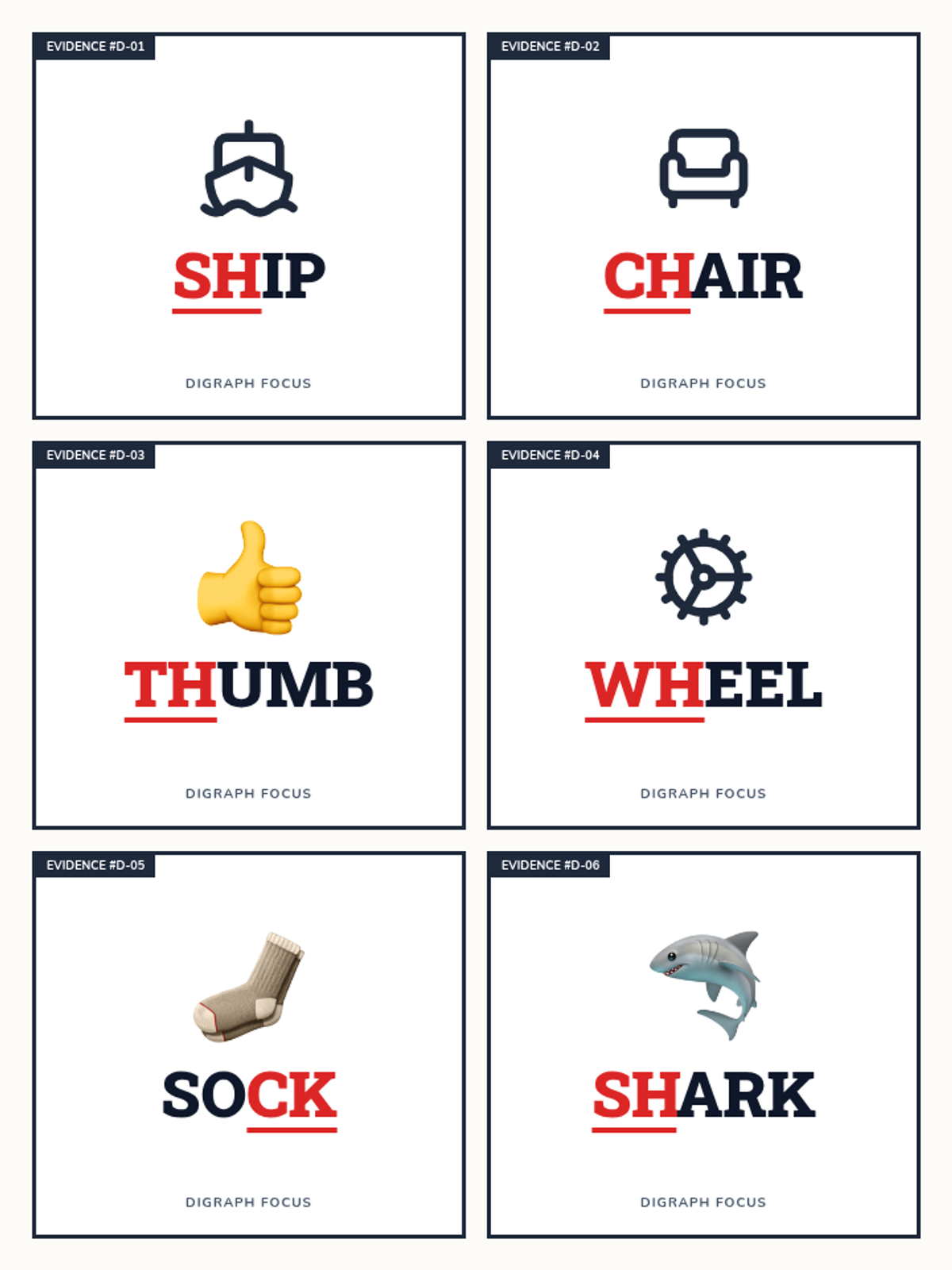
Identifying and reading words with common digraphs (sh, ch, th, wh, ck) in a crime-solving context.
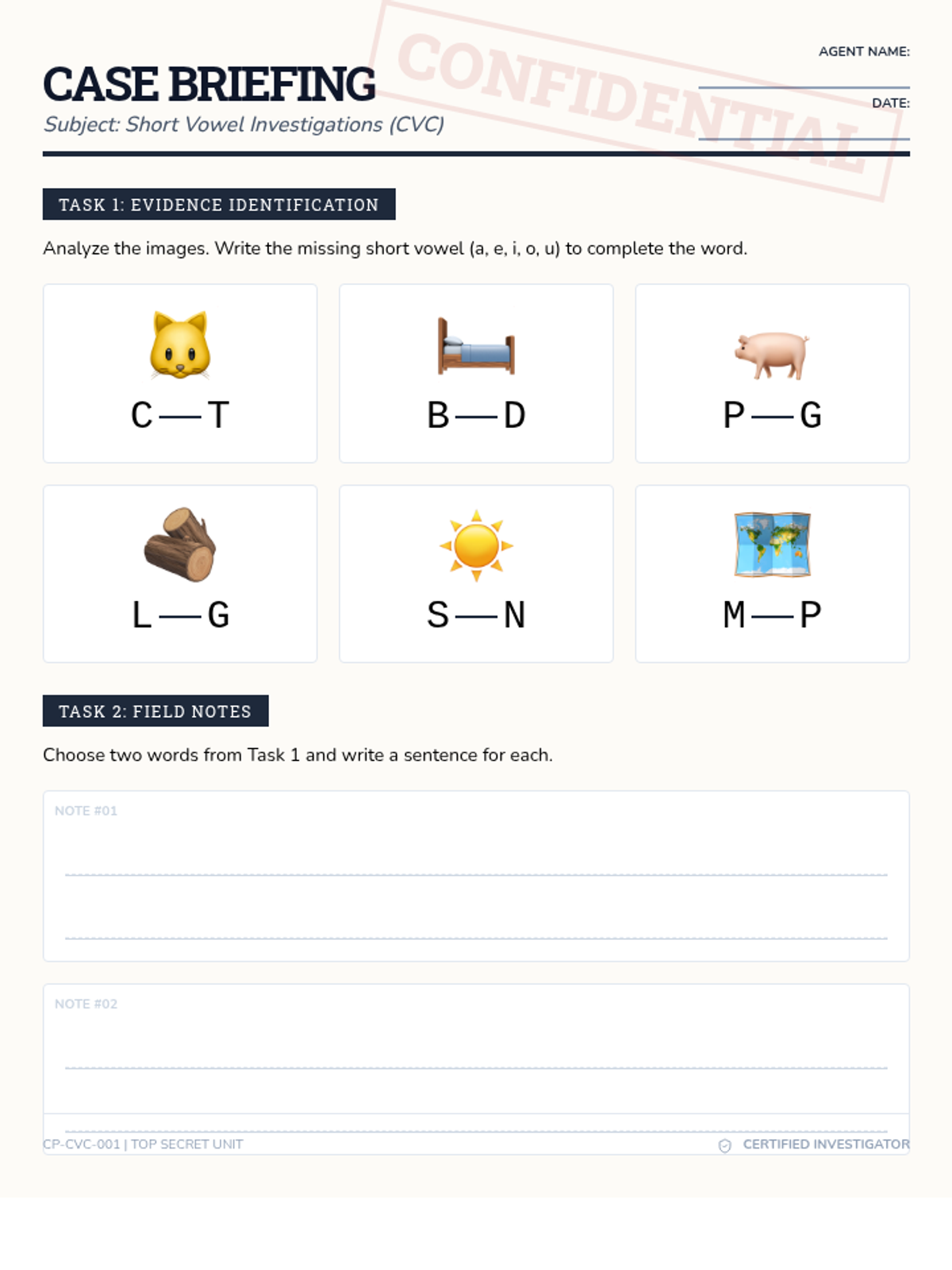
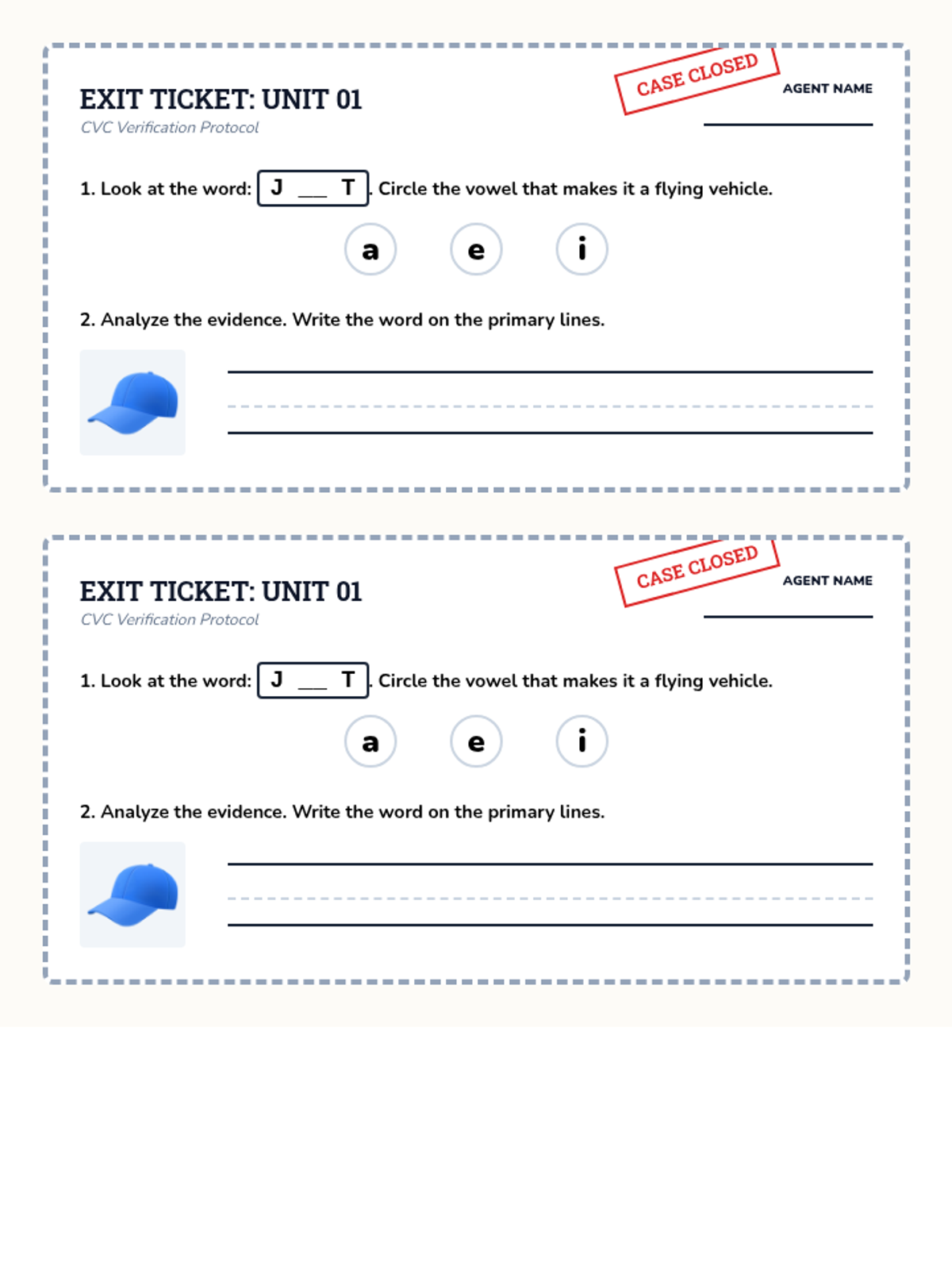
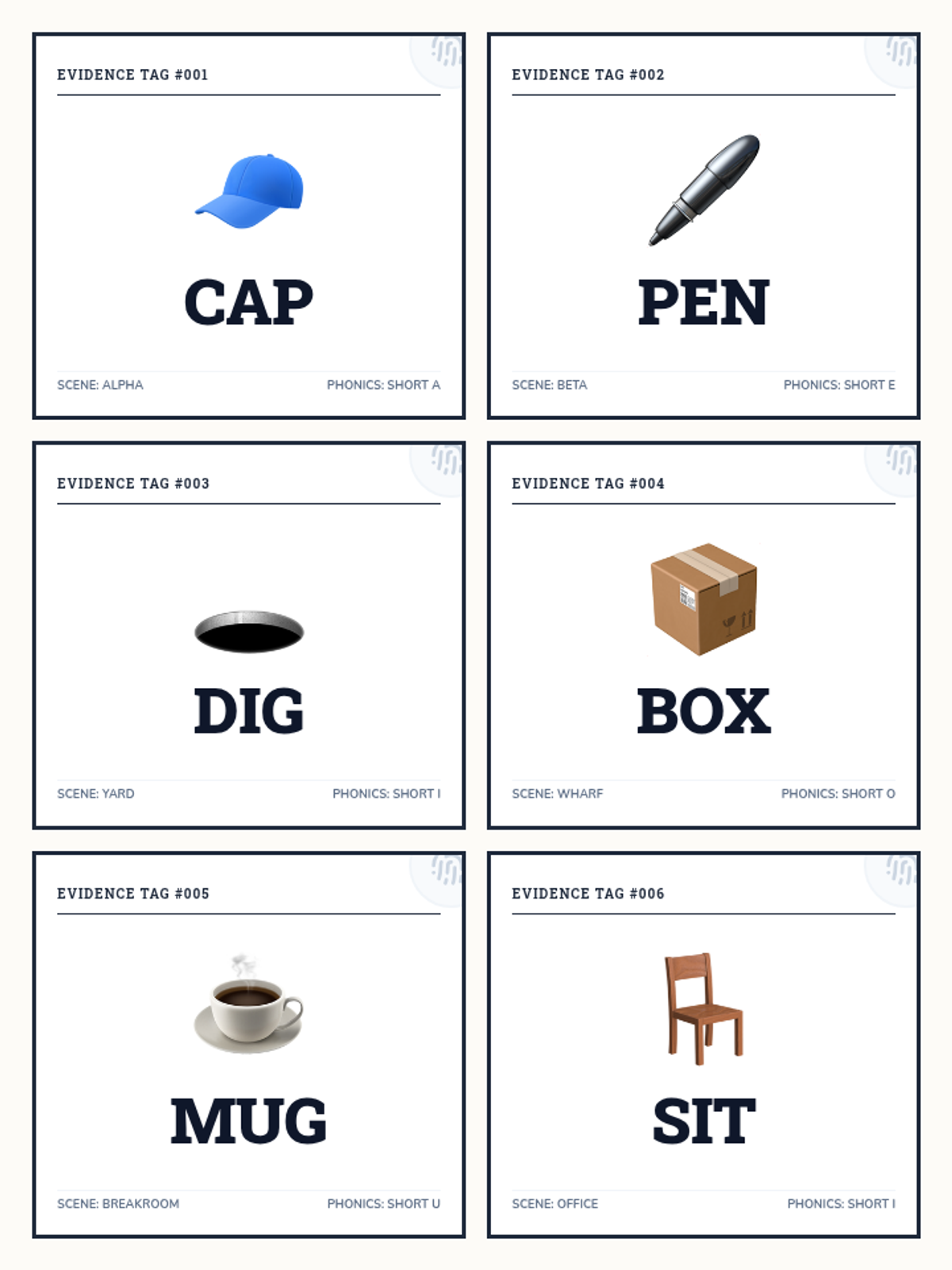
Foundational practice with short vowel (CVC) words using detective-themed worksheets and centers.
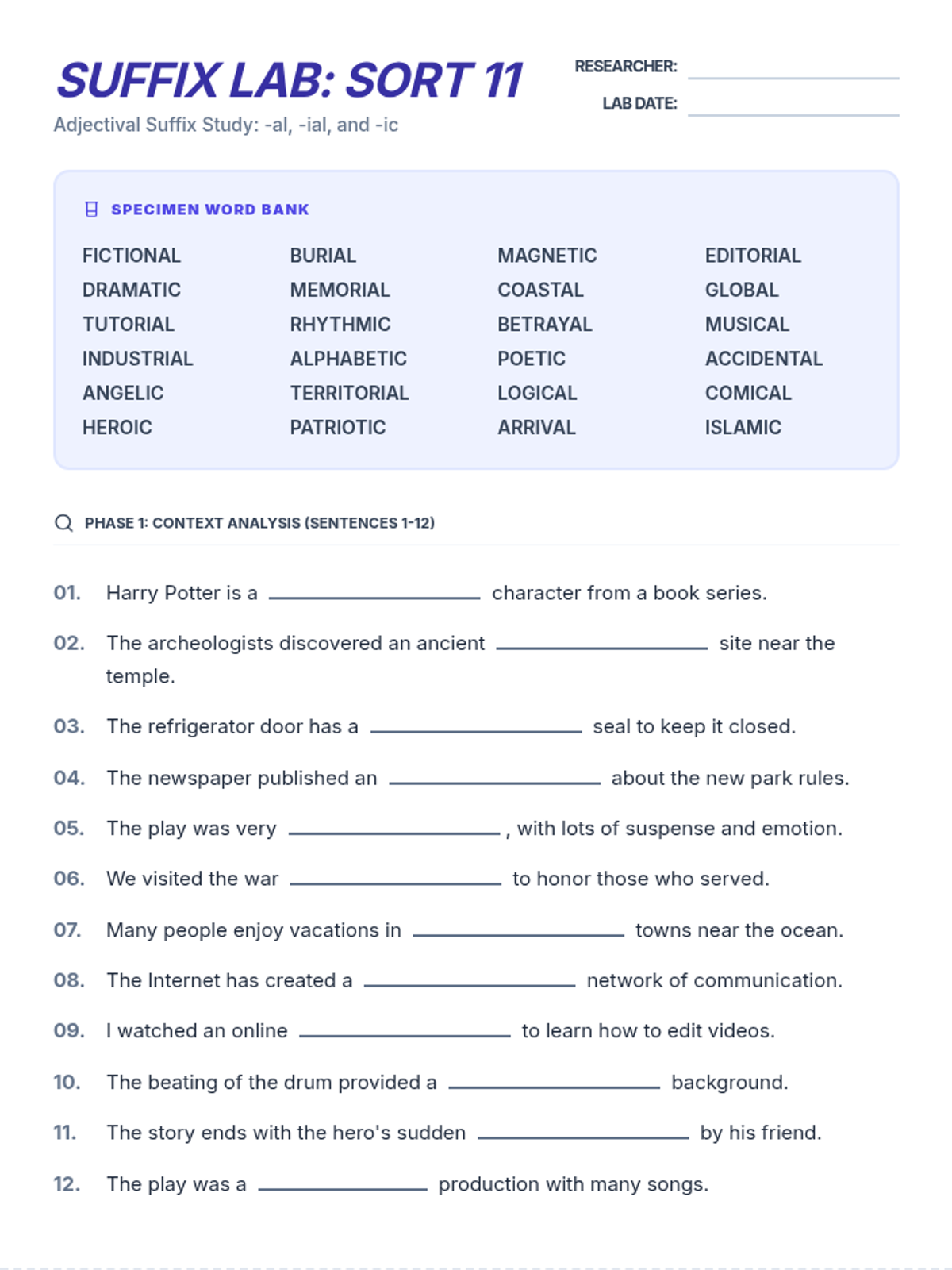
A lesson focused on the suffixes -al, -ial, and -ic. Students analyze how these suffixes form adjectives from nouns, representing relating to or having qualities of.