A 5th-grade grammar lesson focusing on identifying and distinguishing between direct and indirect objects using a construction-themed approach. Students explore sentence structure through video analysis, hands-on building, and guided practice.
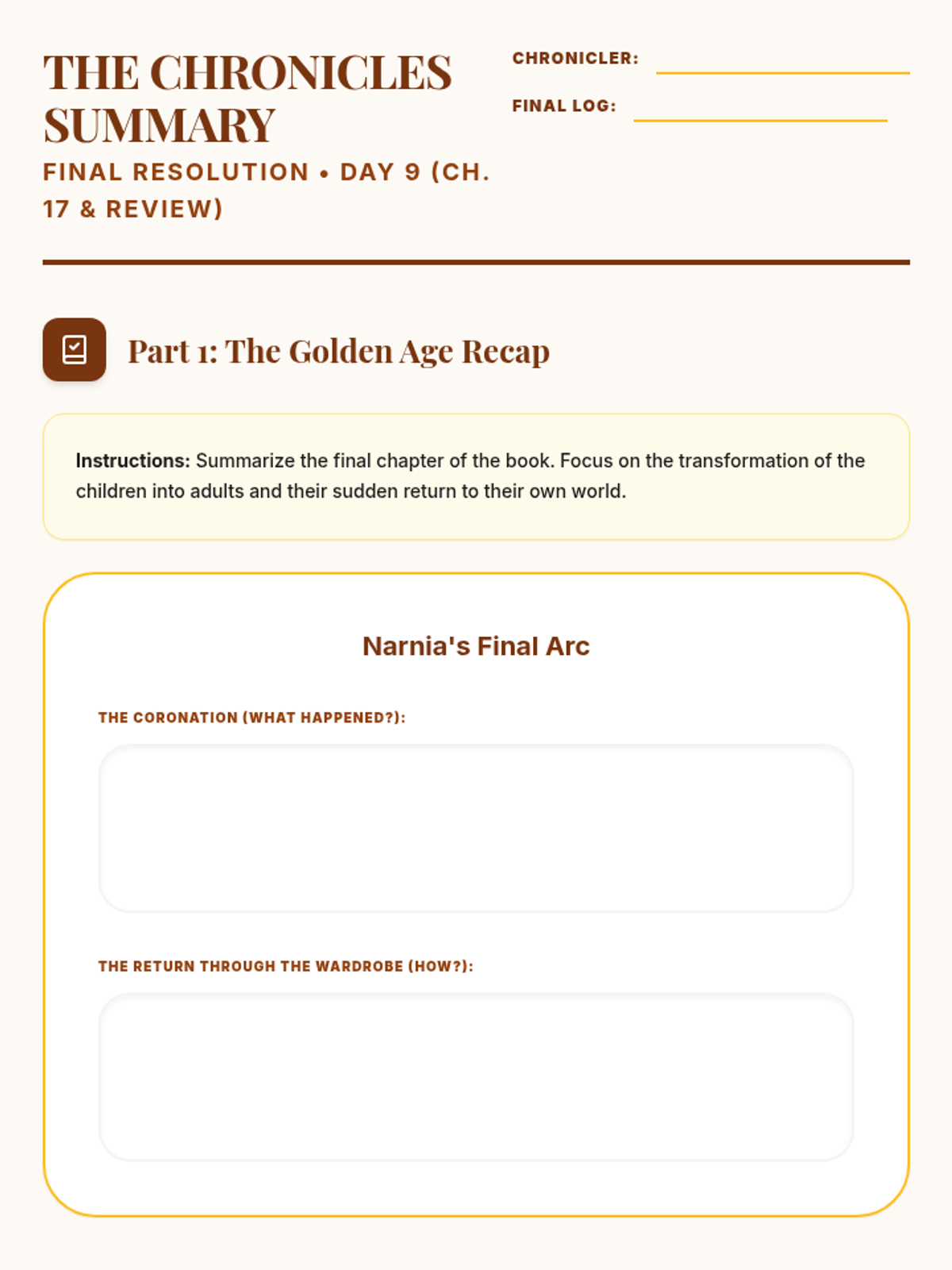
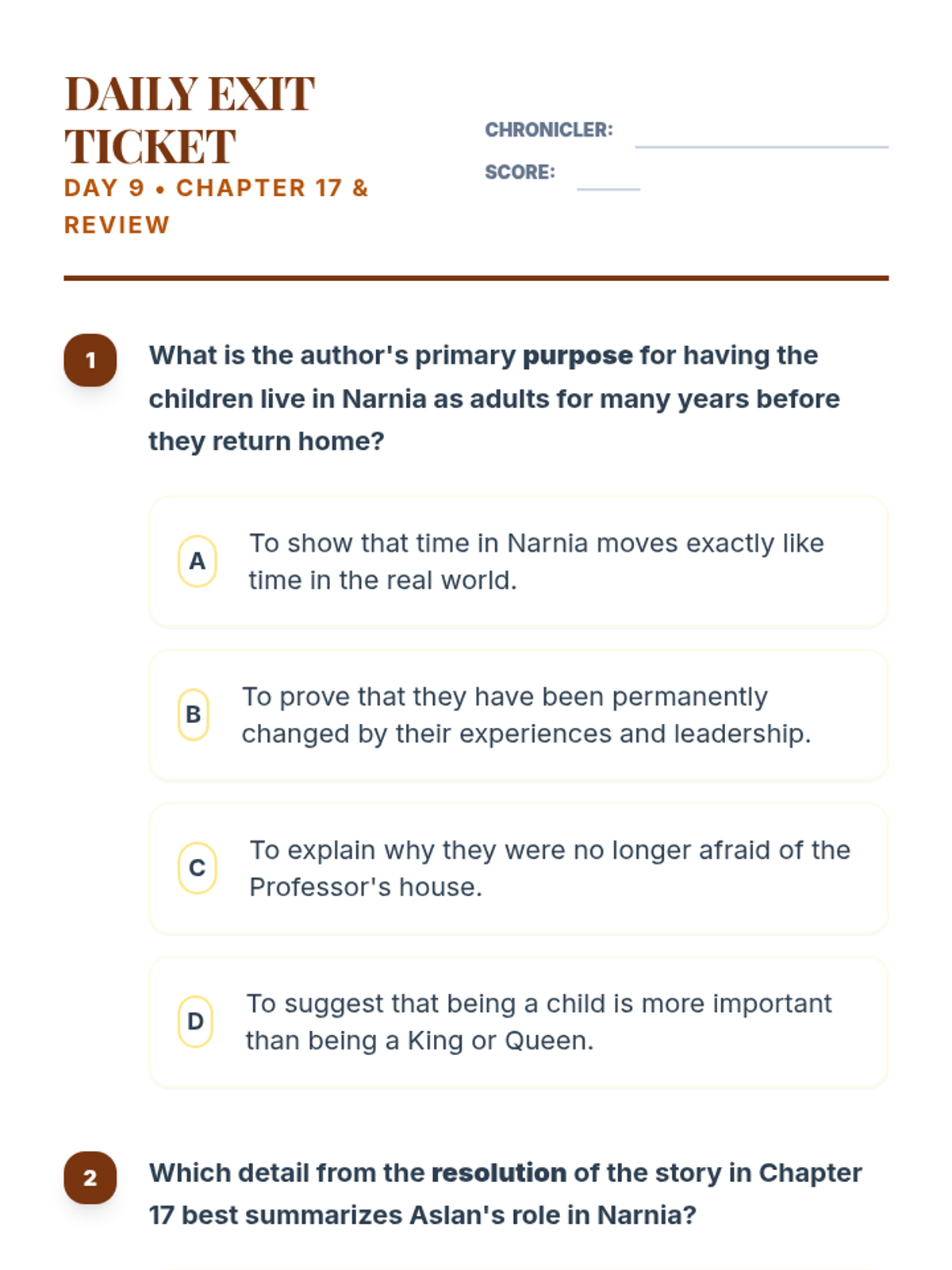
Covers the climax and resolution, final character evolution, and a cumulative synthesis of the book's message.
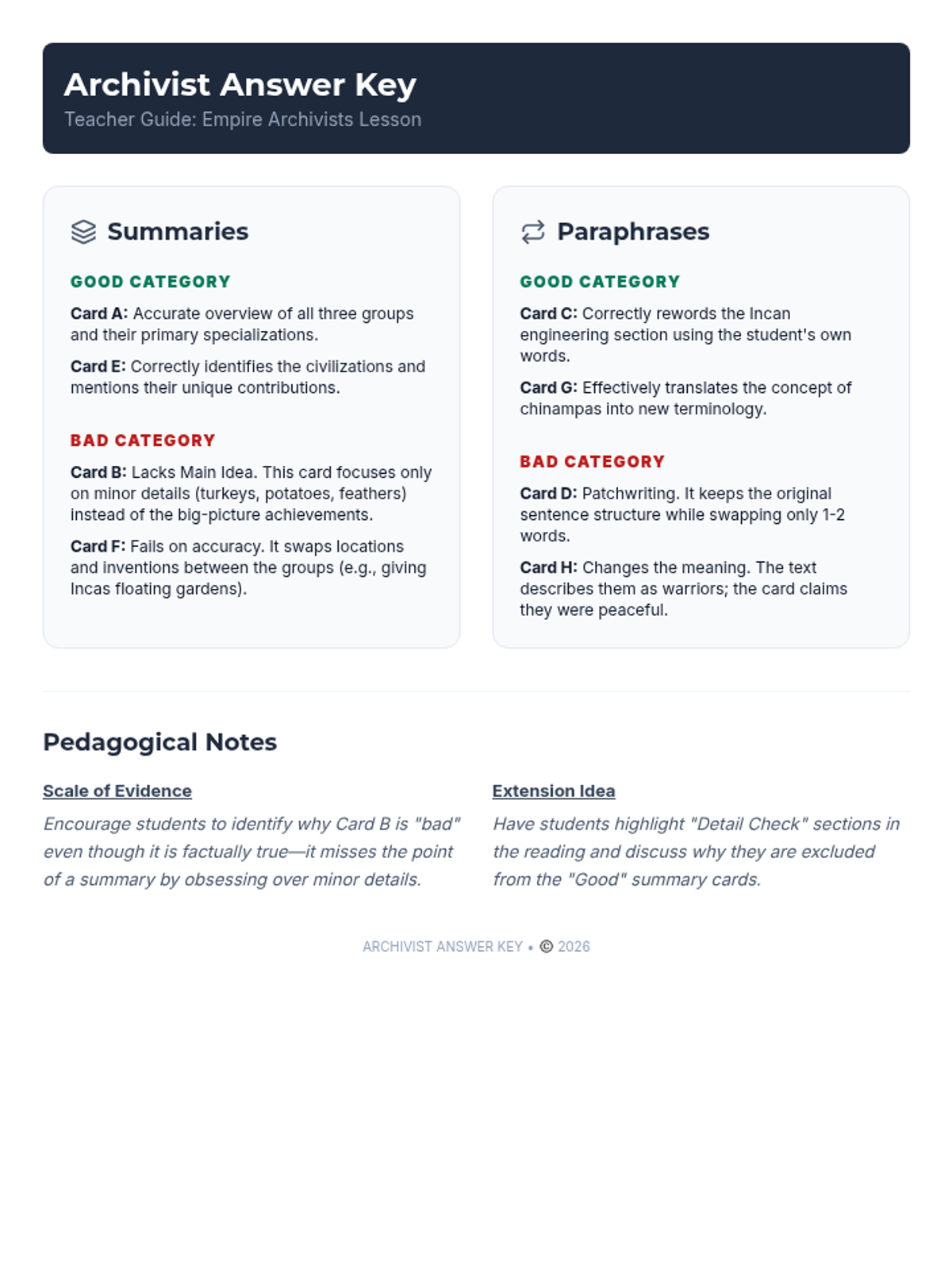
Focuses on synthesizing themes of resilience and fragility as the community reacts to Winslow.
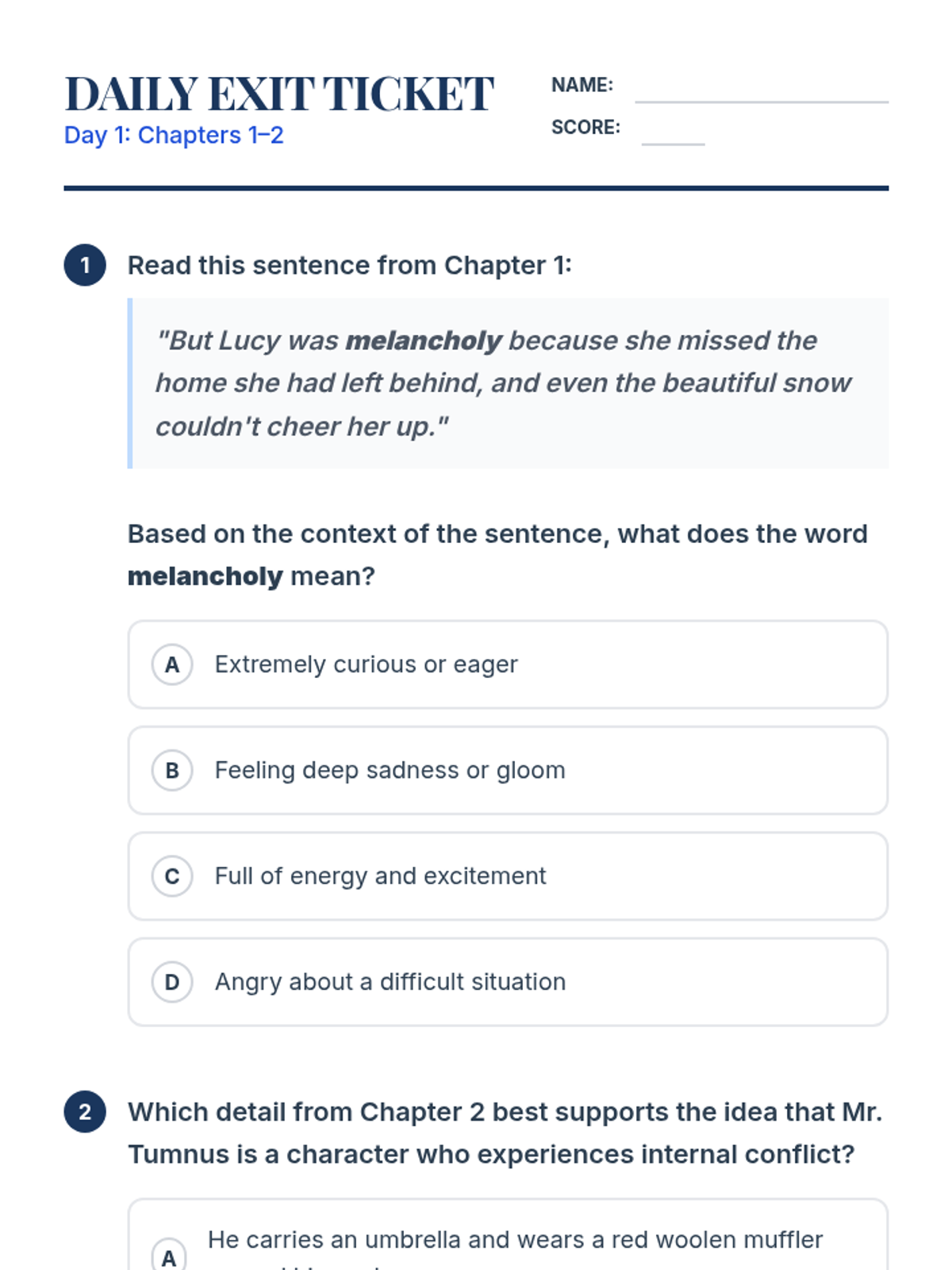
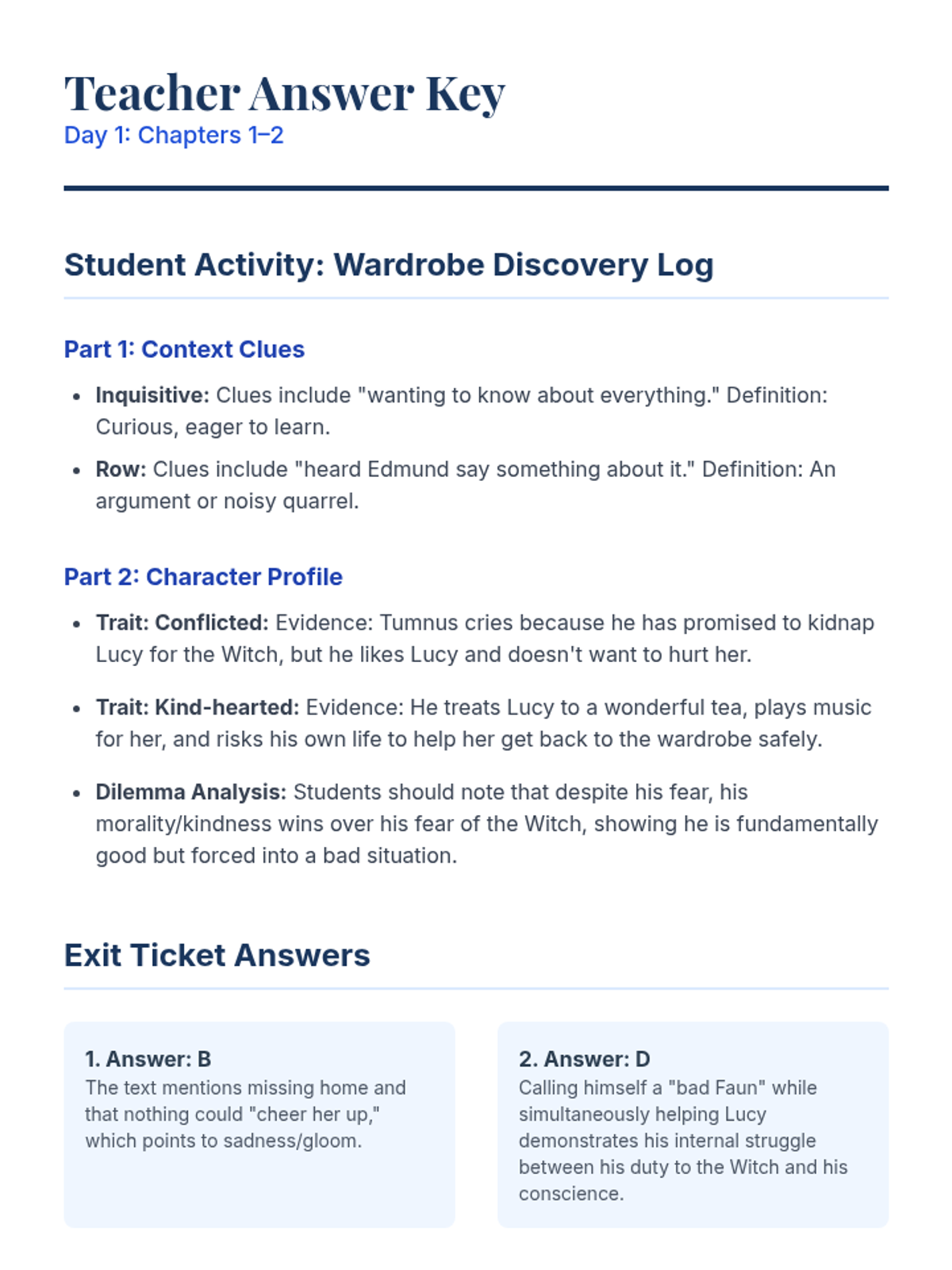
Explores Nora's character, Winslow's growth, and practices summarizing key plot events from the middle of the book.
Focuses on the introduction of Winslow and Louie, establishing the setting, and initial character analysis of Louie's motivations.
Students synthesize information from multiple texts to create a comprehensive comparison and write a final evidentiary paragraph.
Students learn about hurricanes and practice organizing information into a structured paragraph with a clear topic sentence, supporting details, and a conclusion.
Students explore the science of tornadoes while focusing on identifying key details and mastering domain-specific vocabulary.
A final culmination of the book club unit, where students synthesize the entire novel through creative projects and thematic reflections.
The emotional climax and resolution of the story as the tiger is released and Rob finally opens his suitcase, covering chapters twenty-one through thirty.
Exploring the developing friendship between Rob and Sistine and the growing pressure of the tiger's presence, covering chapters eleven through twenty.
An introduction to the Lister Motel and Rob Horton's 'suitcase', covering the first ten chapters of the novel.
Book club celebration with discussion and a creative 'Carving' activity.
Exploring the symbolism of Sistine's name and her character growth.
Reading Chapter 30, focusing on the resolution and the sun coming out.
Reading Chapters 20-21, analyzing the encounter with the tiger and vocabulary.
Reading Chapters 10-11, focusing on the wood-carving imagery and vocabulary.
Deep dive into summarizing the entire narrative arc using a 'Story Suitcase' organizer.
Final vocabulary review with a comprehensive matching and sentence challenge.

Reading Chapters 2-3, focusing on Rob's character and the introduction of Sistine.

Introduction to the book club, building background knowledge about the setting and the tiger, and reading Chapter 1.
A comprehensive practice session for English 1 EOC revising and editing, featuring a medical-themed approach to 'curing' common writing ailments like poor sentence structure, tense issues, and punctuation errors.
This lesson prepares students for the English 1 EOC exam by analyzing a poem and an informational text about nature and ecosystems. It includes test-style questions, a short constructed response, and a collaborative speaking activity.
A collection of short stories designed for verbal story retell, featuring story grammar elements and inferencing questions. Includes stories with kids, animals, and fantasy creatures at two different complexity levels.
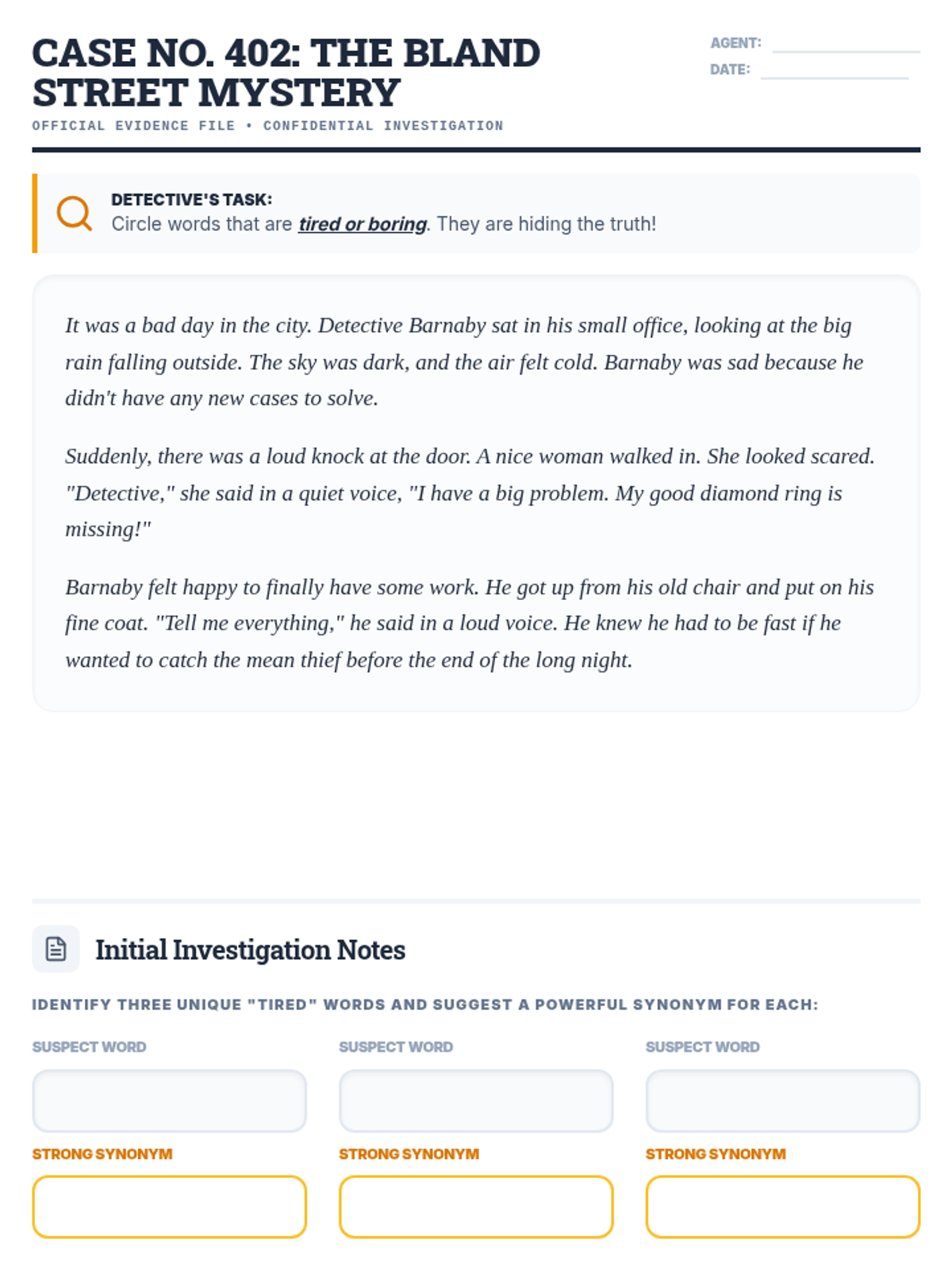
A comprehensive lesson on narrative sentence variation focusing on varied beginnings, sentence combining, length modulation, and descriptive clauses. Students move from identifying monotone rhythms to crafting dynamic, flowing prose.
A comprehensive lesson designed to help students master the use of the five senses in their narrative writing, moving from simple descriptions to immersive storytelling.
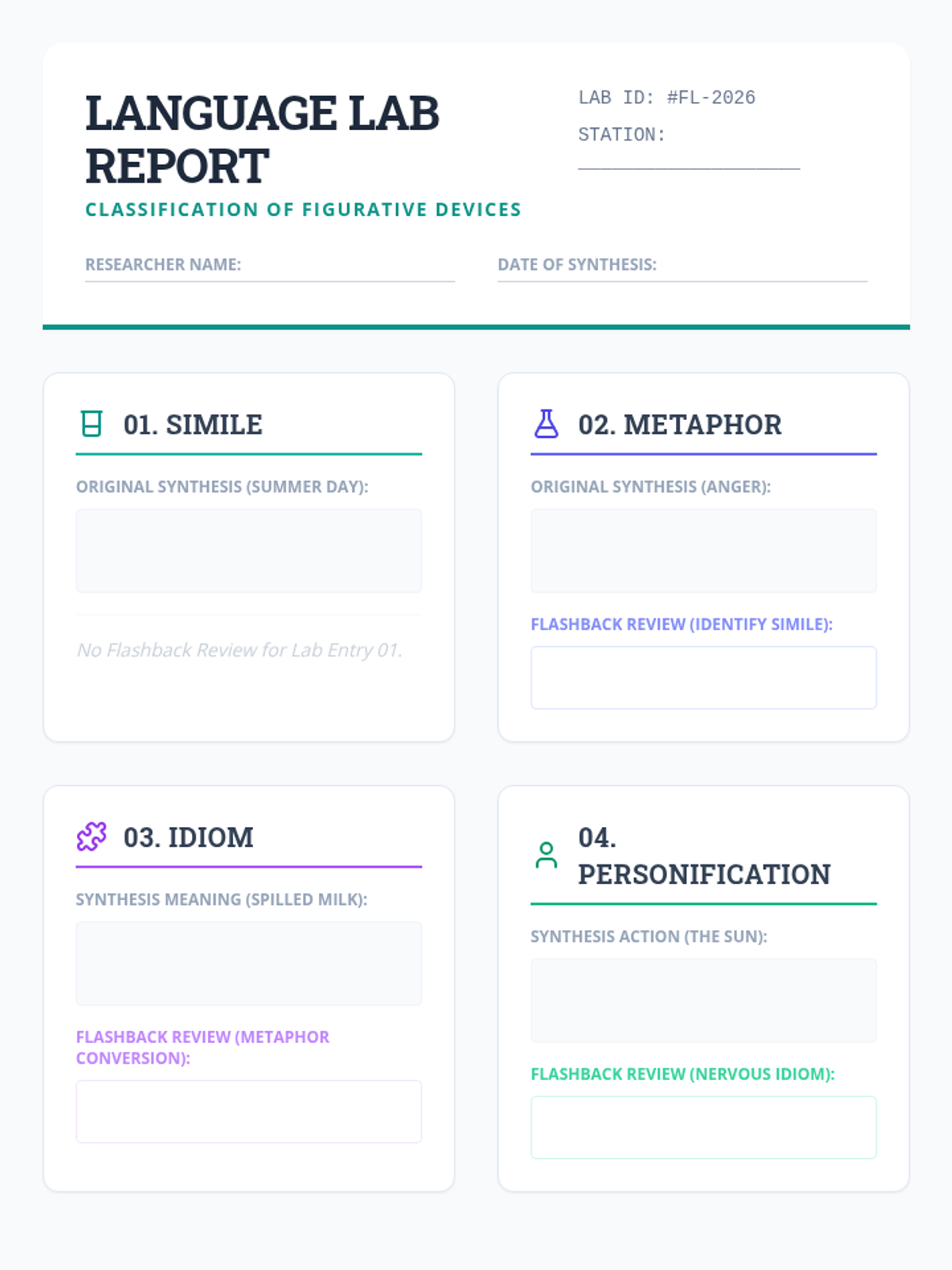
Students explore the magical world of figurative language, learning to identify and craft similes, metaphors, personification, and more through creative 'alchemy' themed exercises.
A series of three ELA homework assignments based on the story 'Oakley’s Azure Acorn,' focusing on phonics, vocabulary, comprehension, and grammar.
Synthesizing the relationship between point of view and plot. Students use their annotations to respond to a short constructed response prompt about how the omniscient perspective impacts the selection's development.
Diving deeper into figurative language including metaphors, personification, and situational irony. Students finish the story and evaluate the symbolic significance of the 'open window' and 'heart trouble'.
Introduction to 3rd person omniscient point of view and sensory imagery. Students begin reading the text and analyze how Chopin uses the setting outside the open window to reflect Louise Mallard's internal shift.
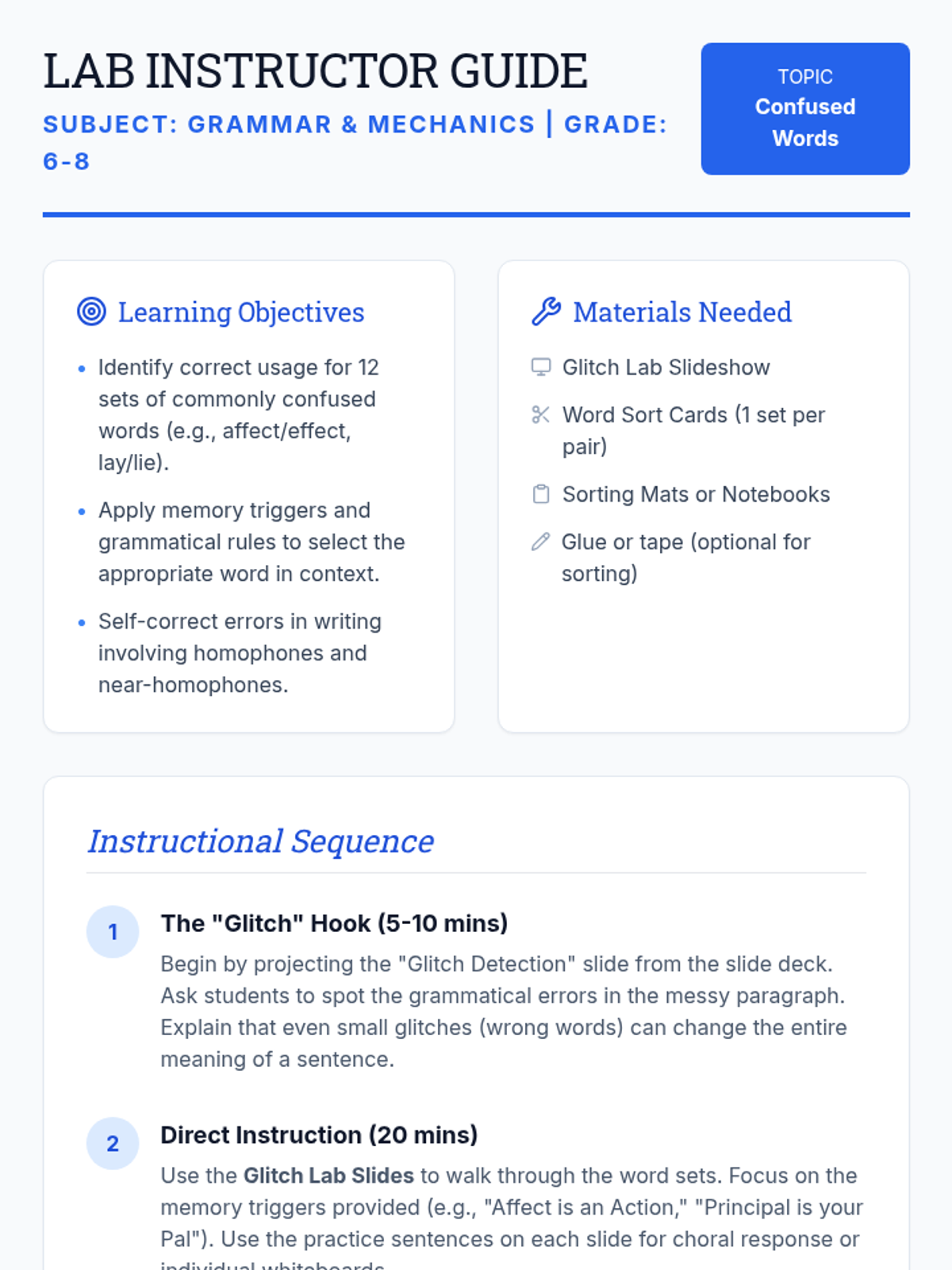
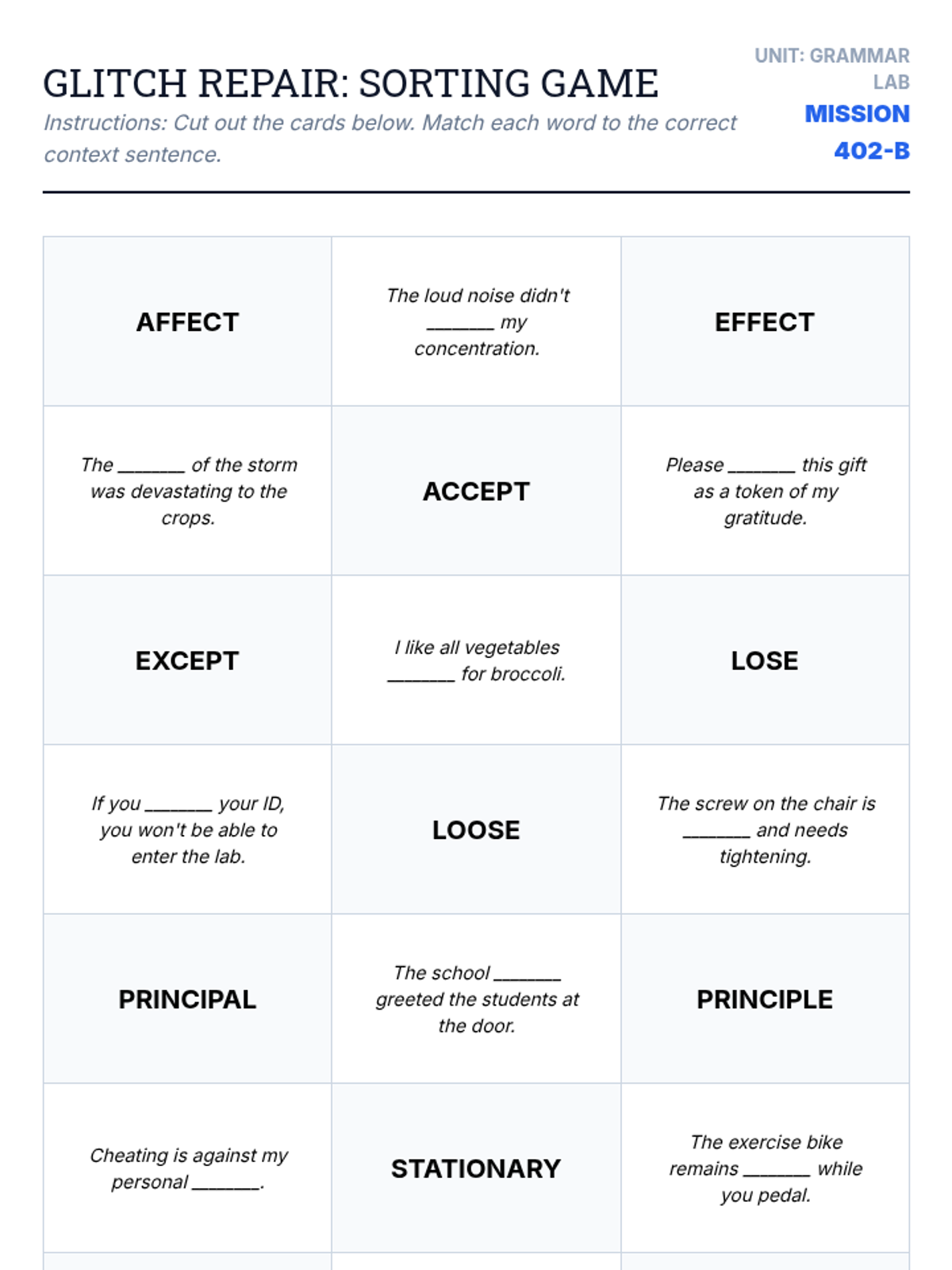
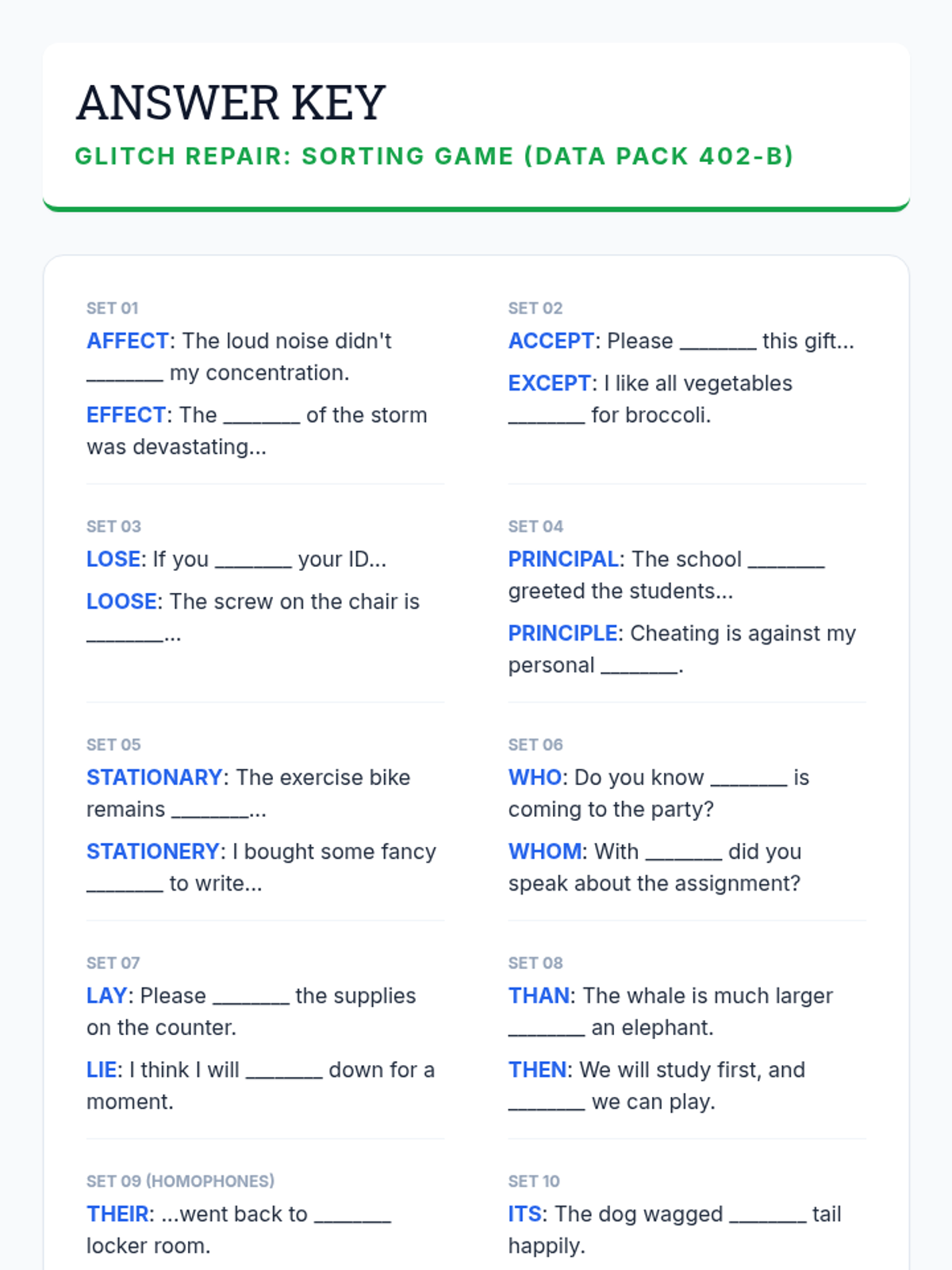
A high-energy grammar review game where students act as 'Syntax Technicians' to fix glitches in a virtual world. This lesson focuses on mastering commas, sentence errors, capitalization, and verb tense through collaborative task card challenges.
A lesson focused on the climactic Act III of '12 Angry Men', exploring the shifting dynamics of the jury, the re-examination of evidence, and the final resolution of the trial.
A 10-15 minute mini-lesson focused on teaching 5th graders how to craft impactful narrative endings. Students learn to resolve their rainforest-themed conflicts and articulate a clear lesson or theme for their readers.
A vocabulary focused lesson on Chapters 4-7 of Lois Lowry's The Giver, exploring key terms through textual context and modern application.
A comprehensive set of materials for a high school Open House, including a presentation and a parent/guardian support handout for the Reading and Learning Center English class.
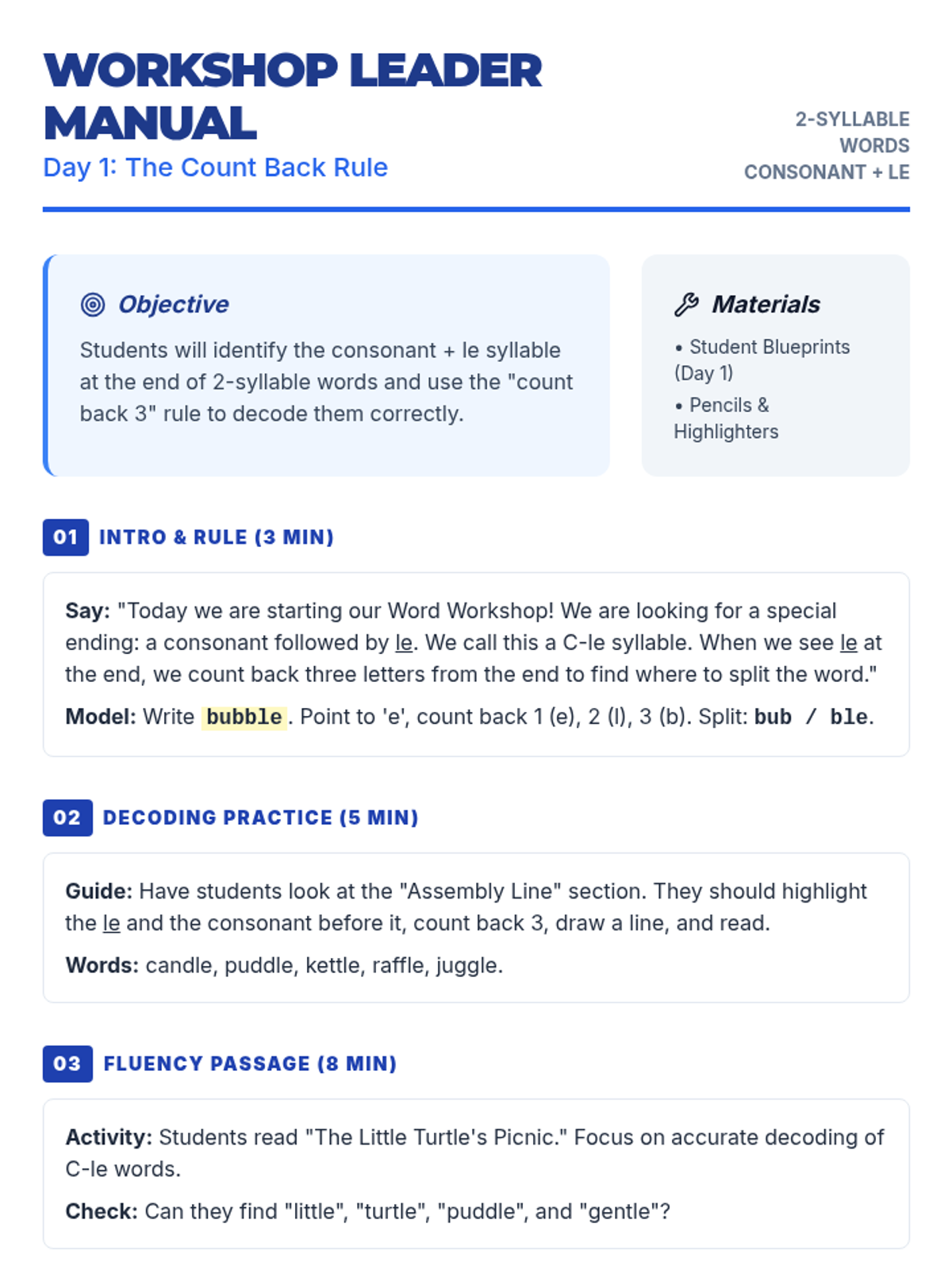
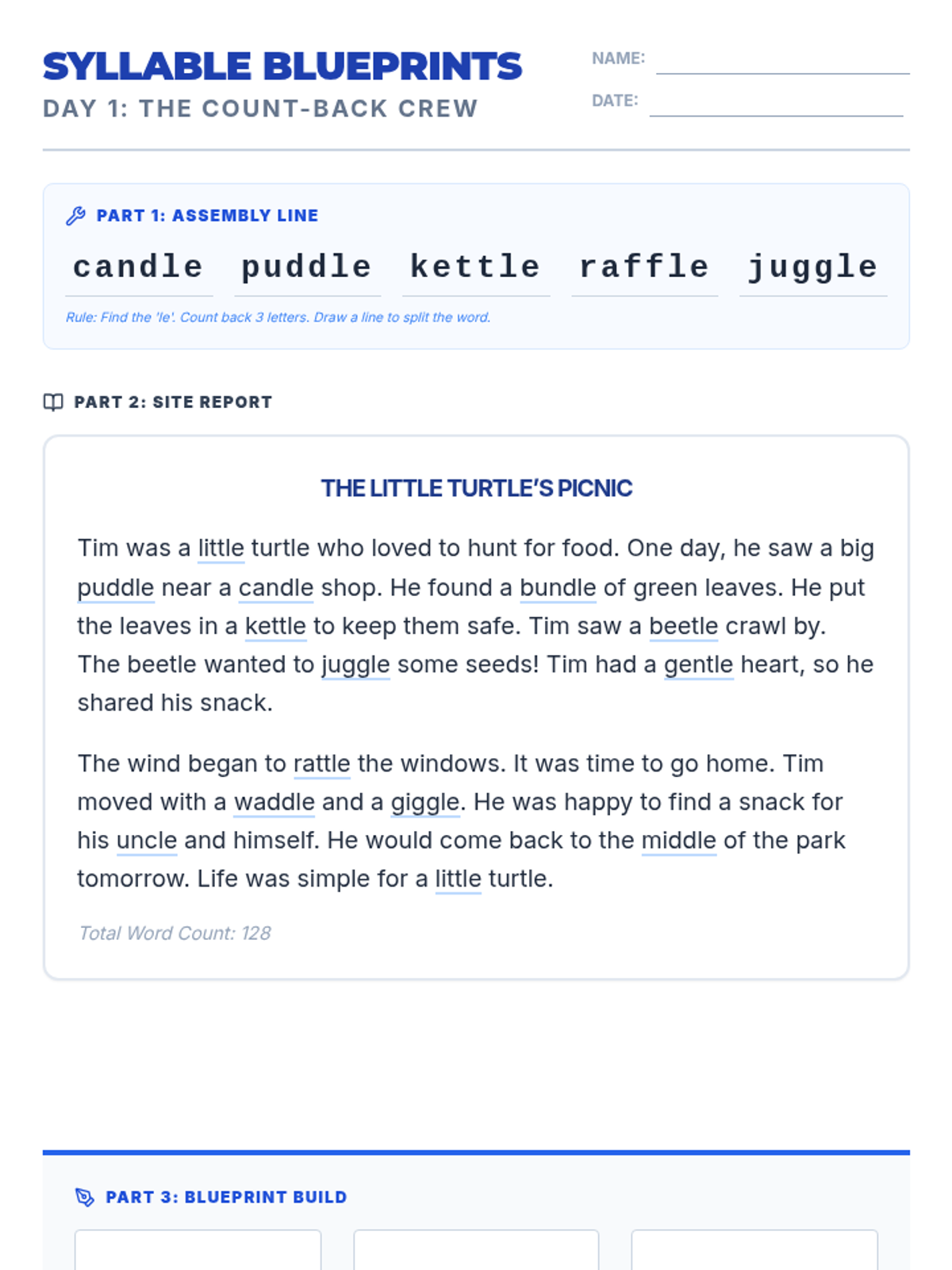
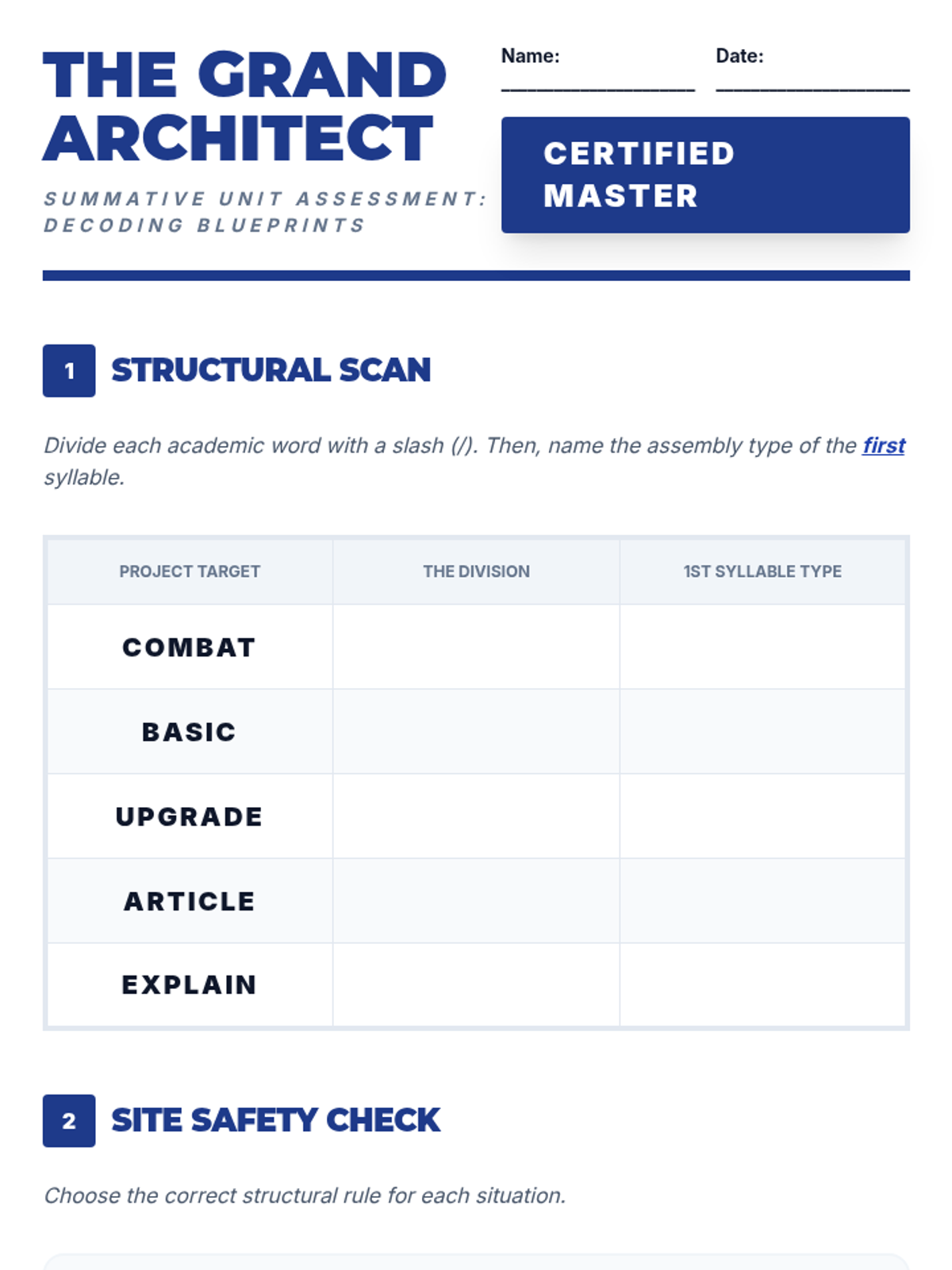
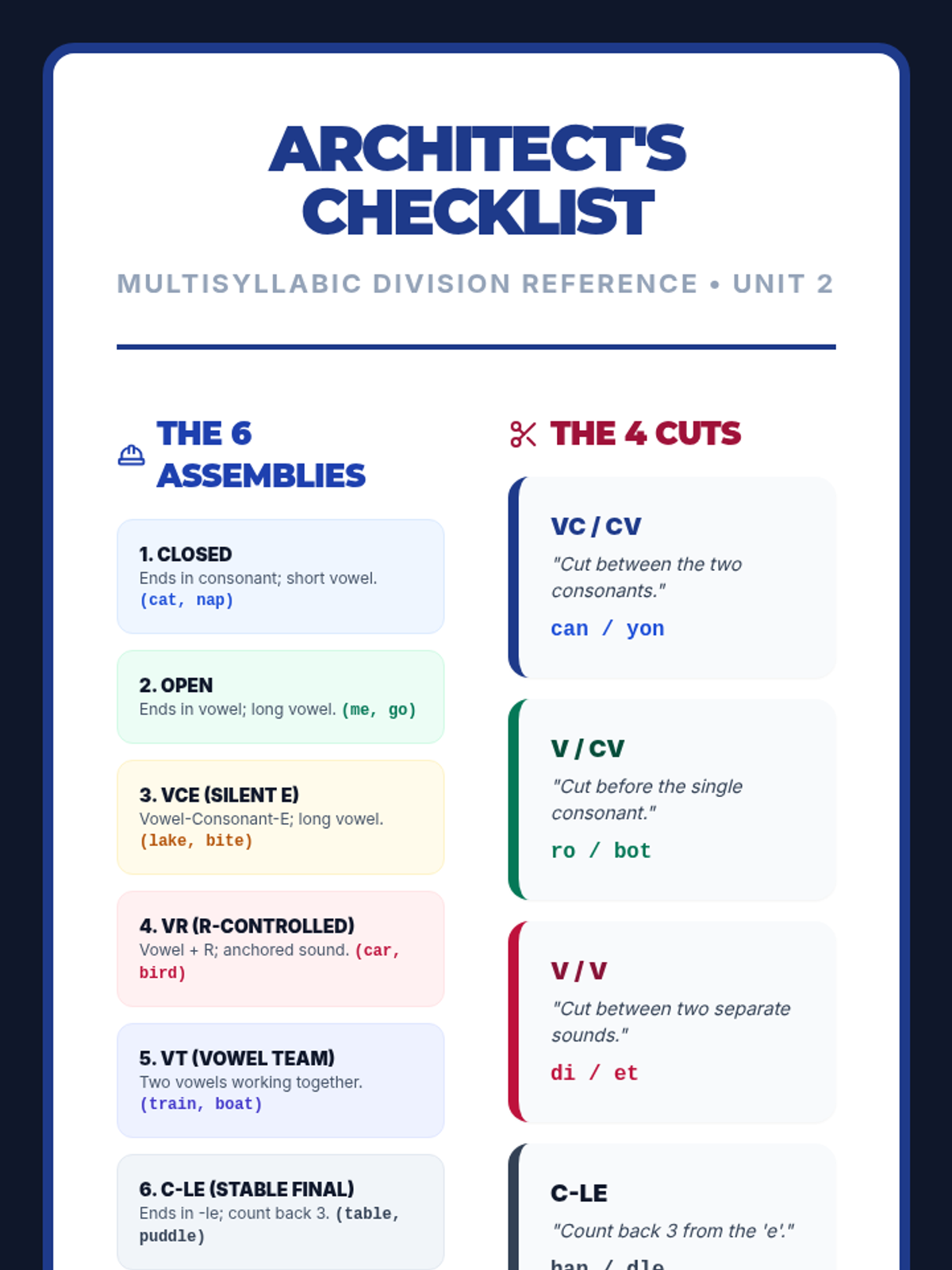
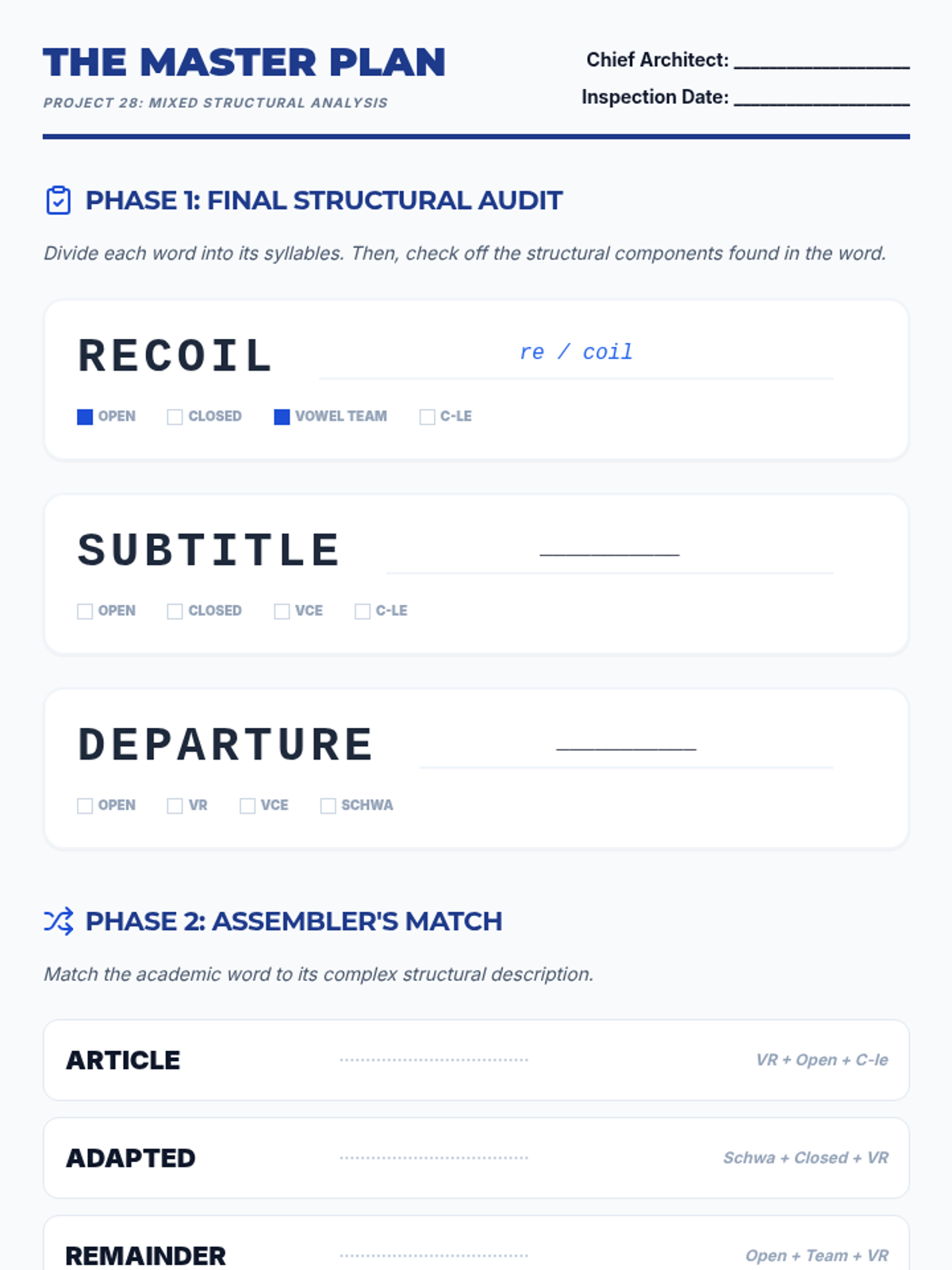
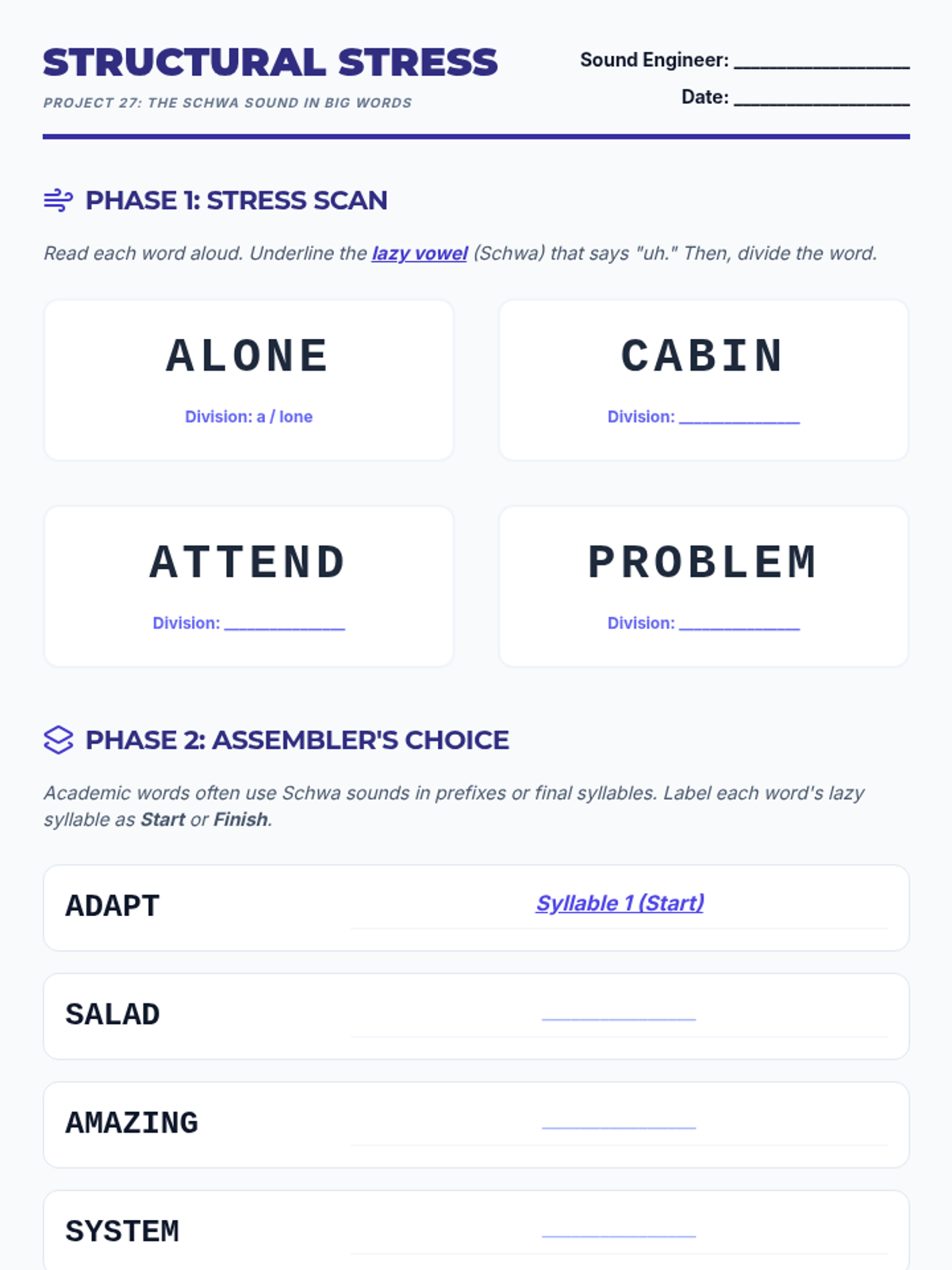
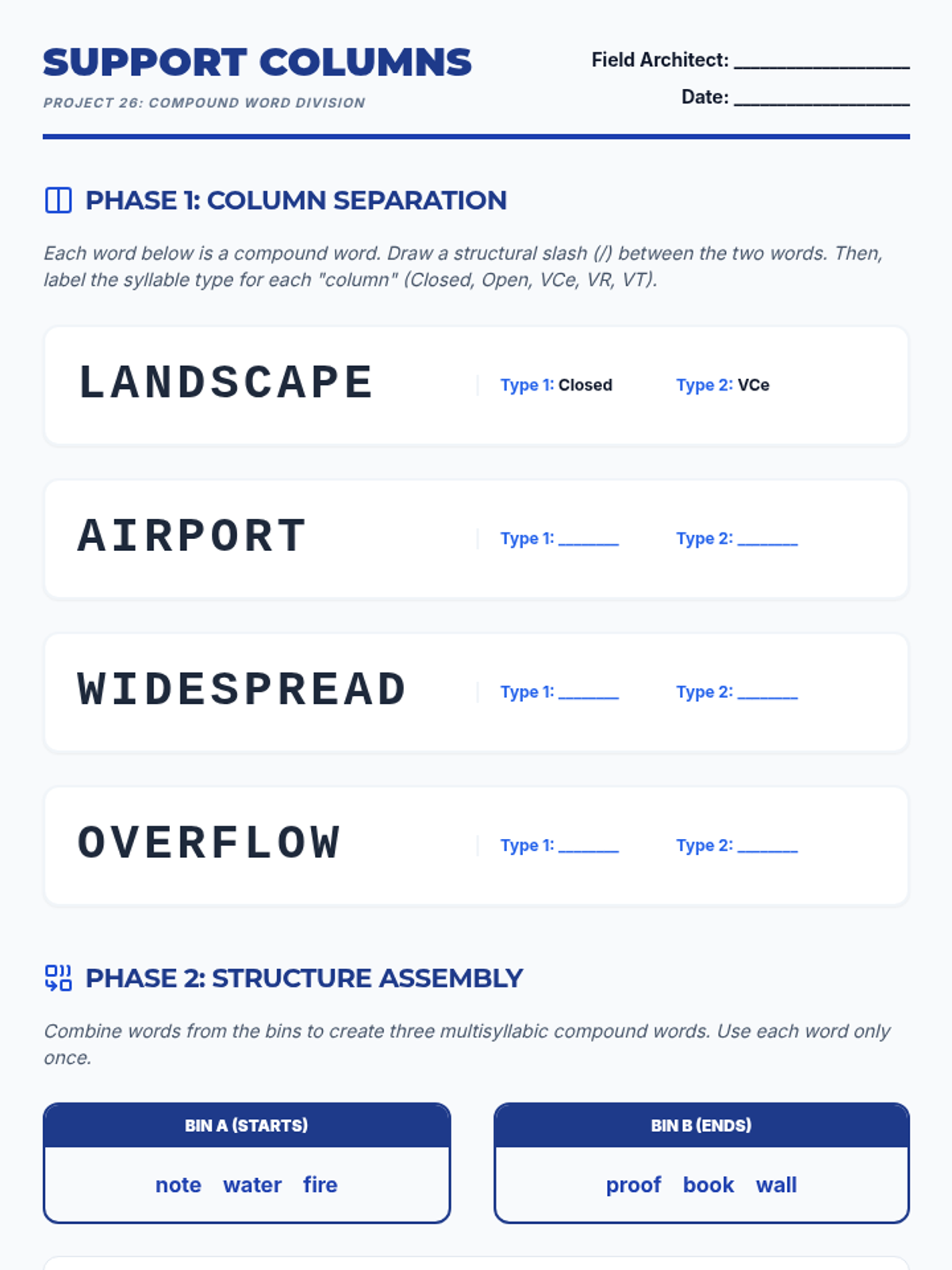
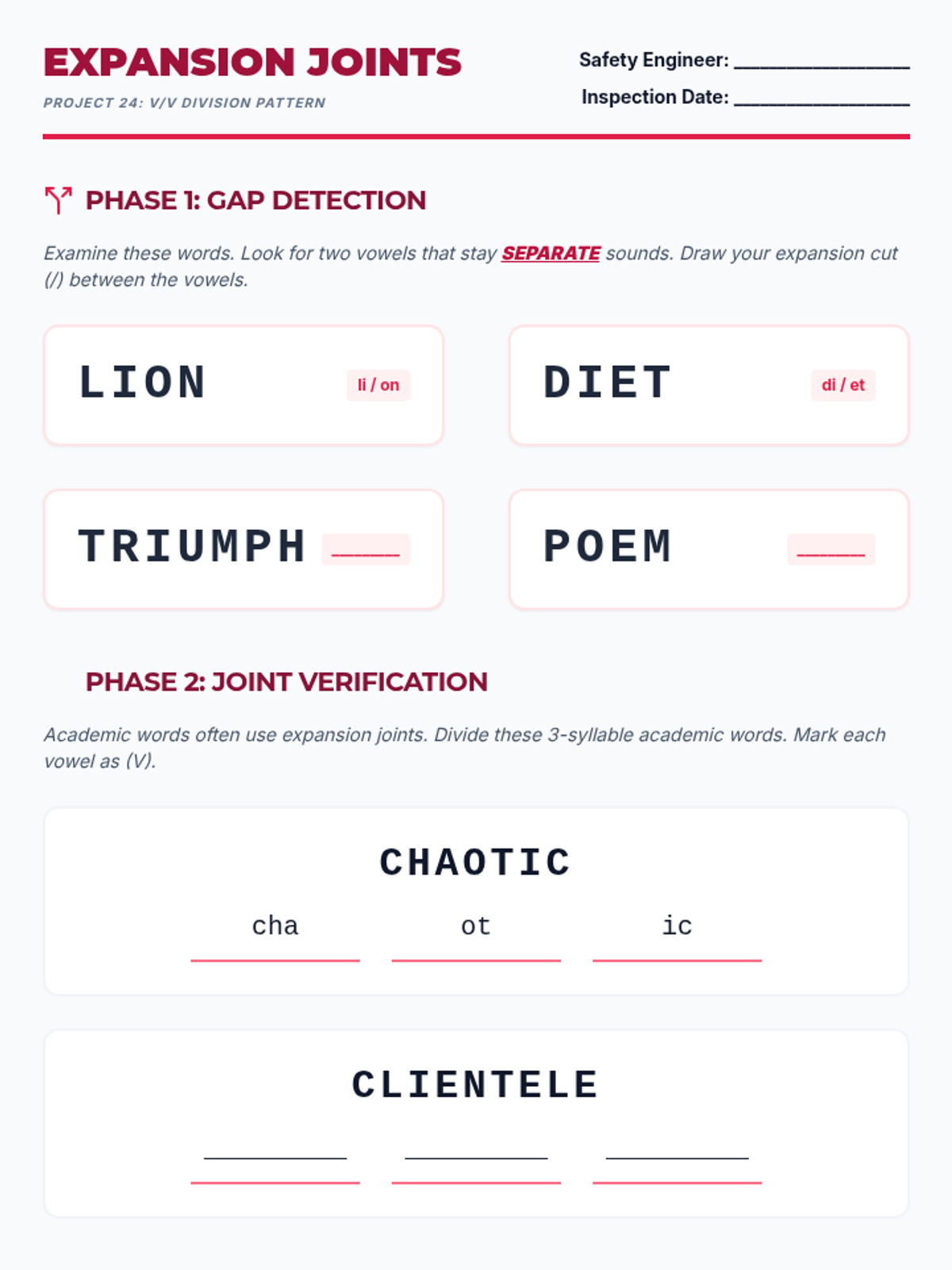
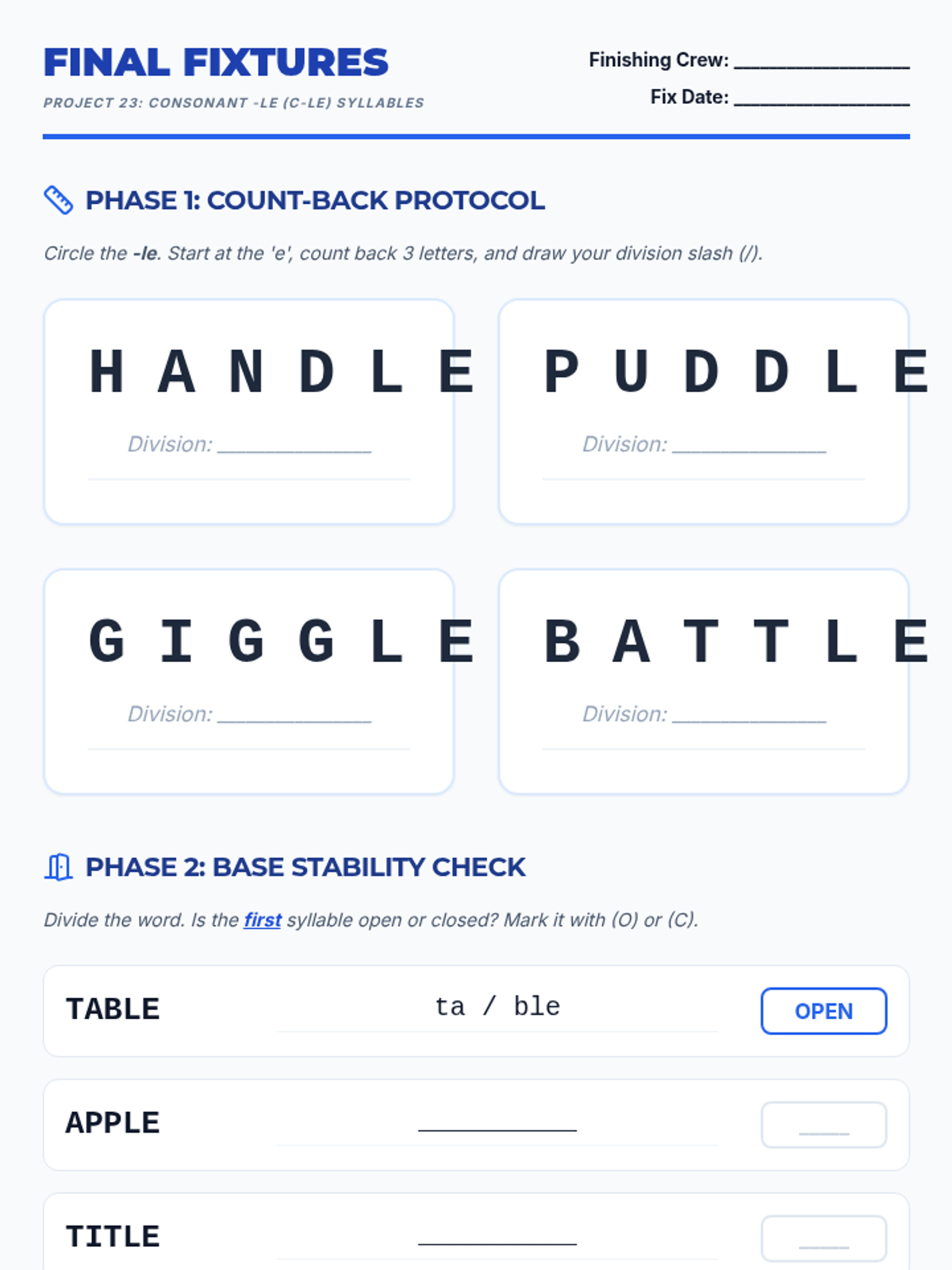
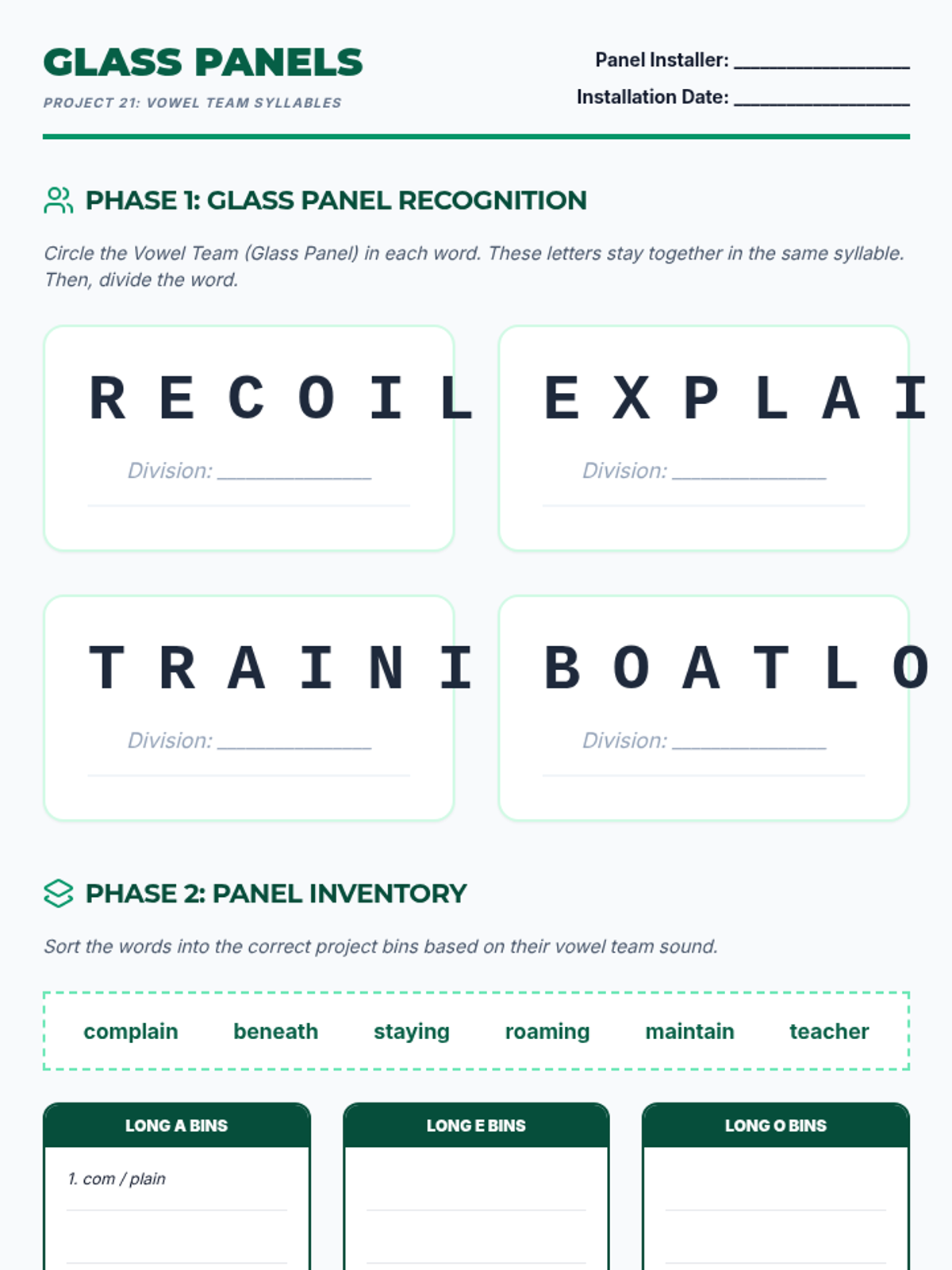
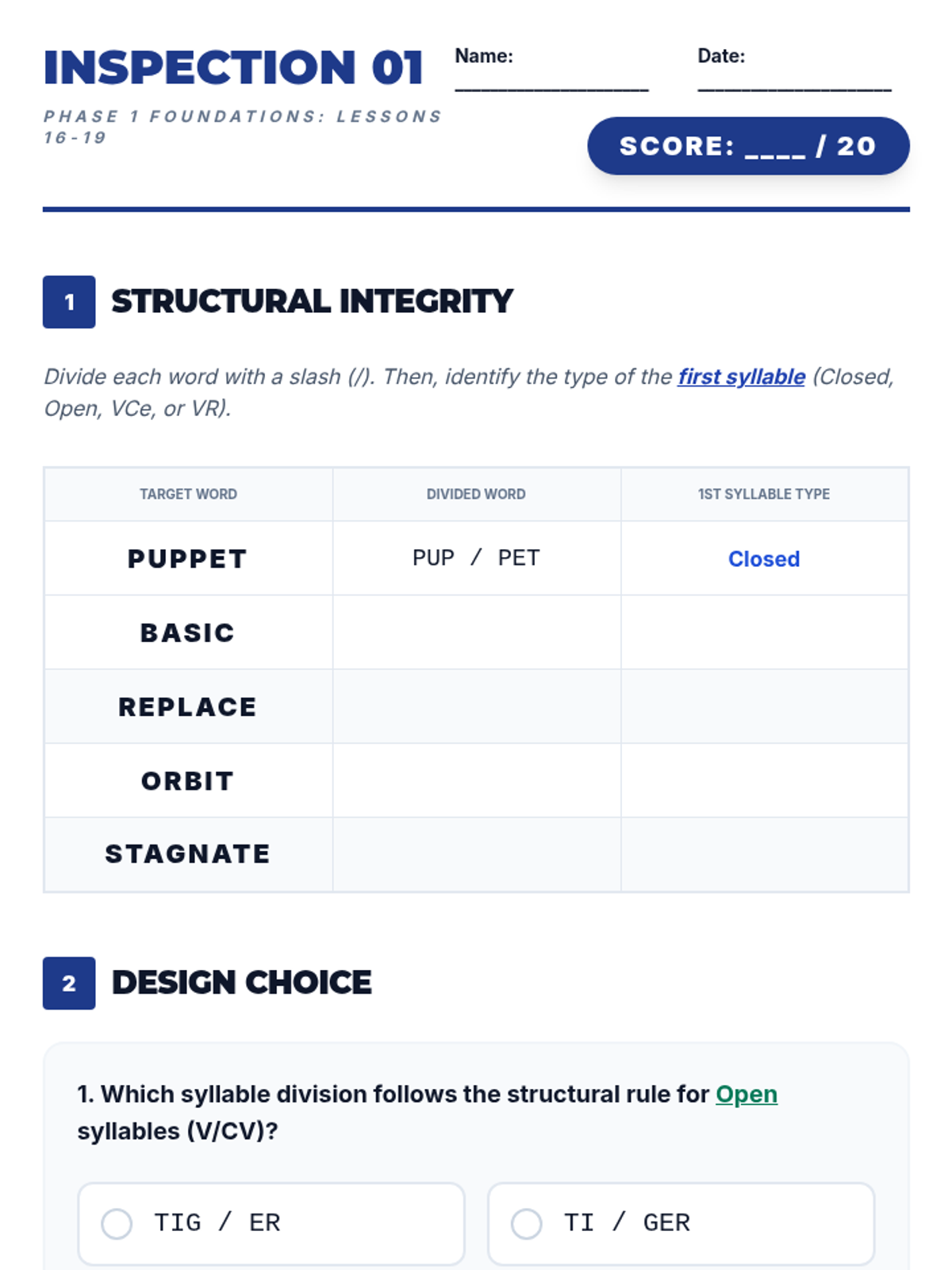
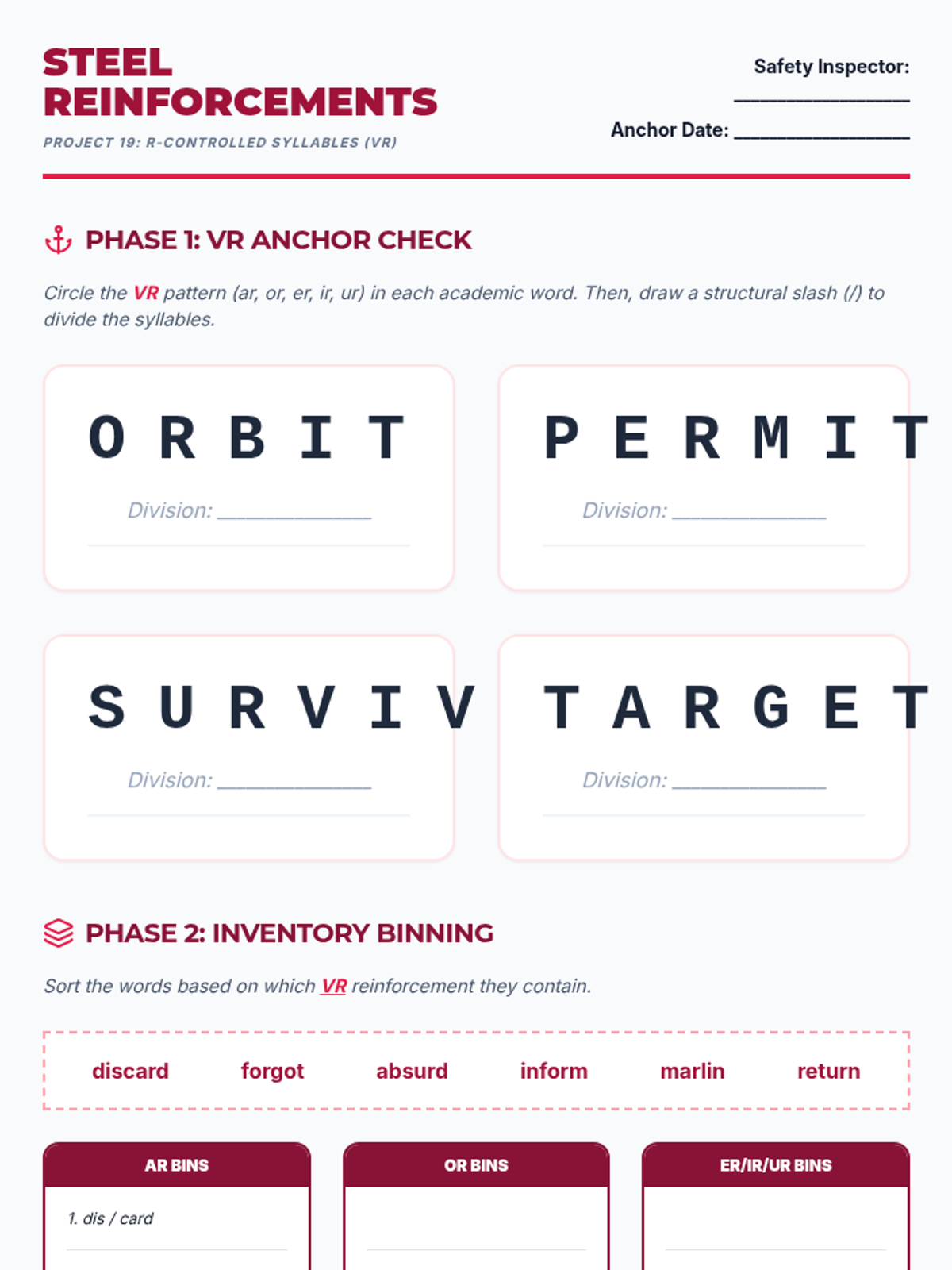
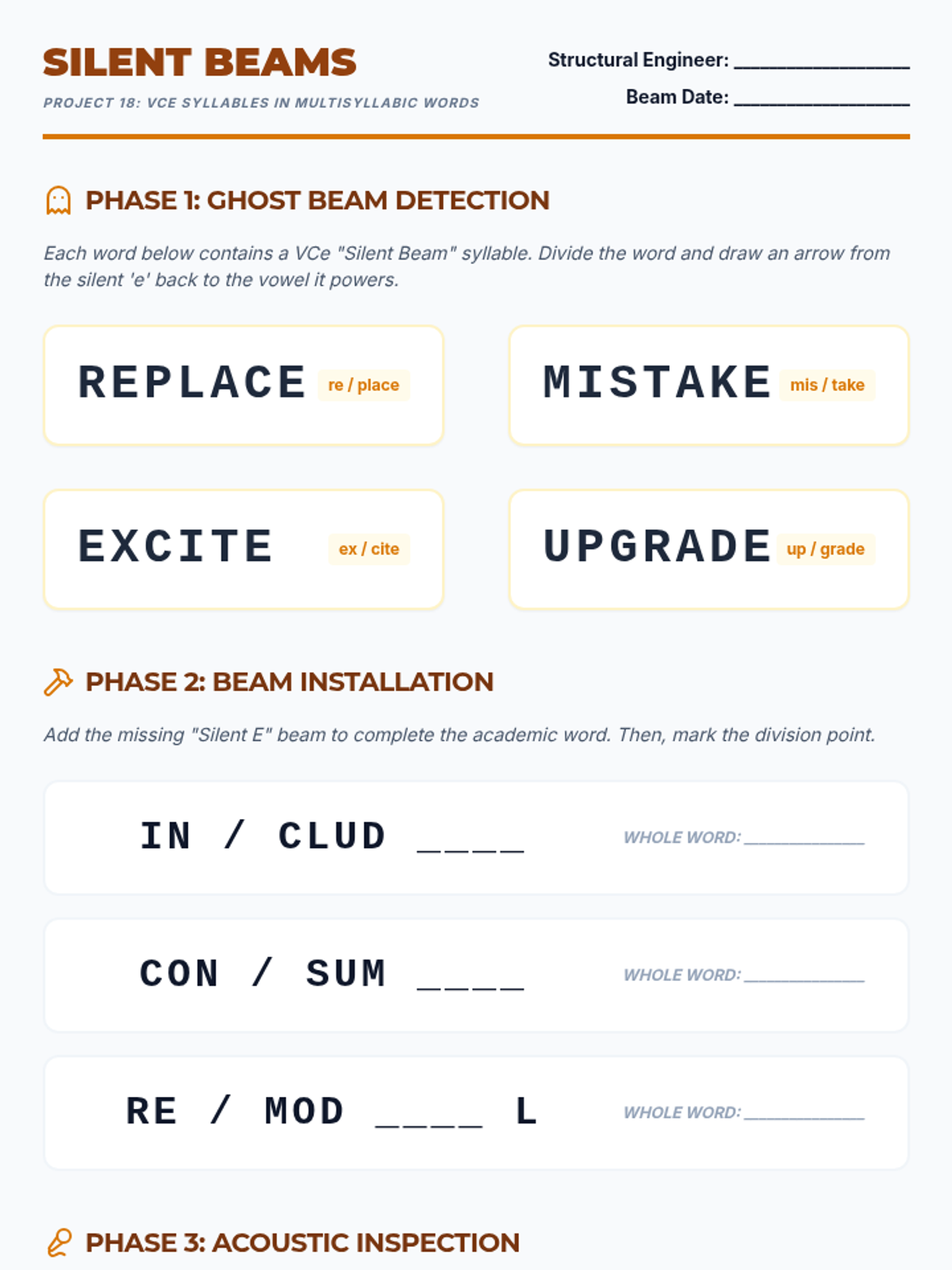
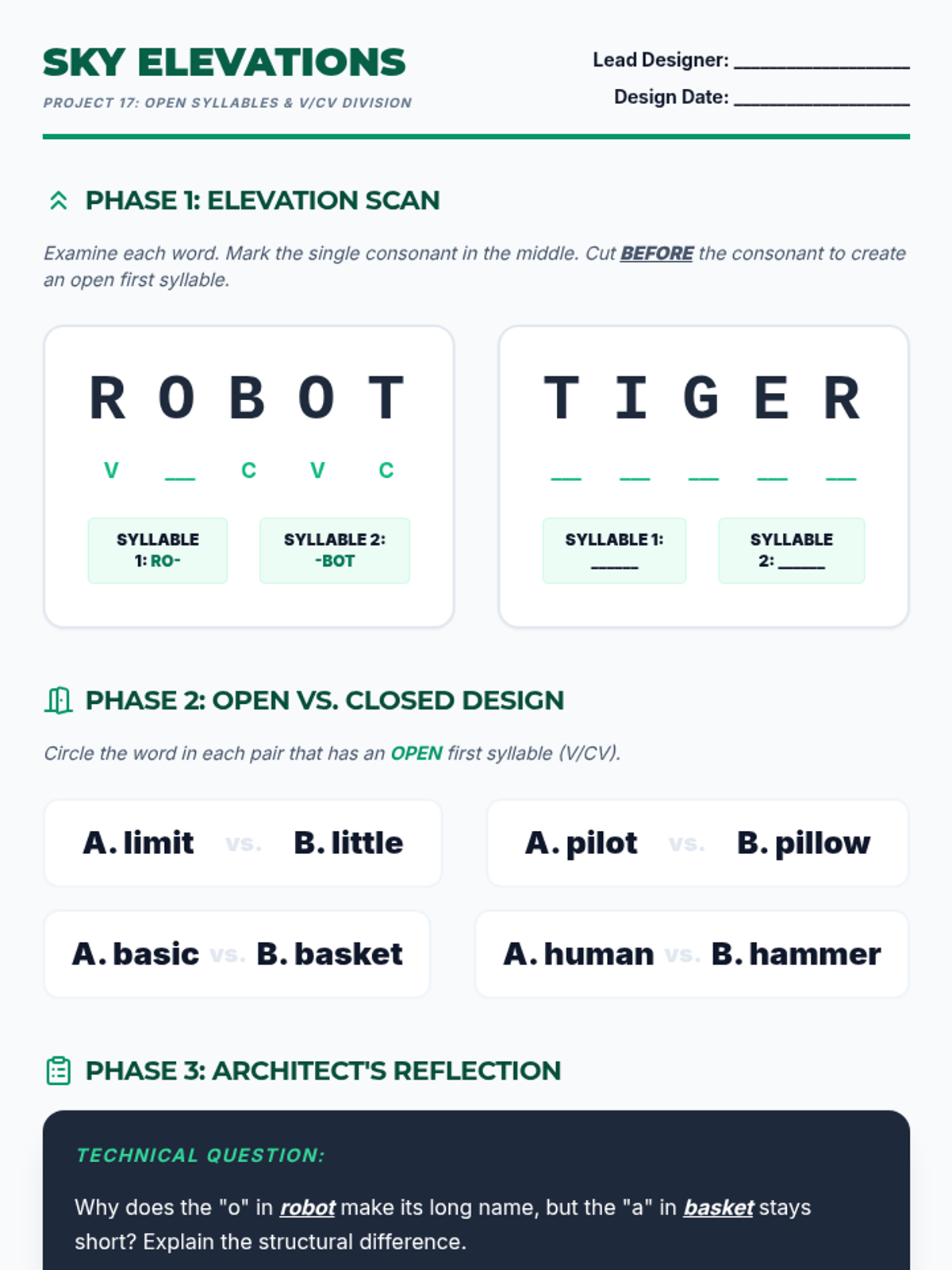
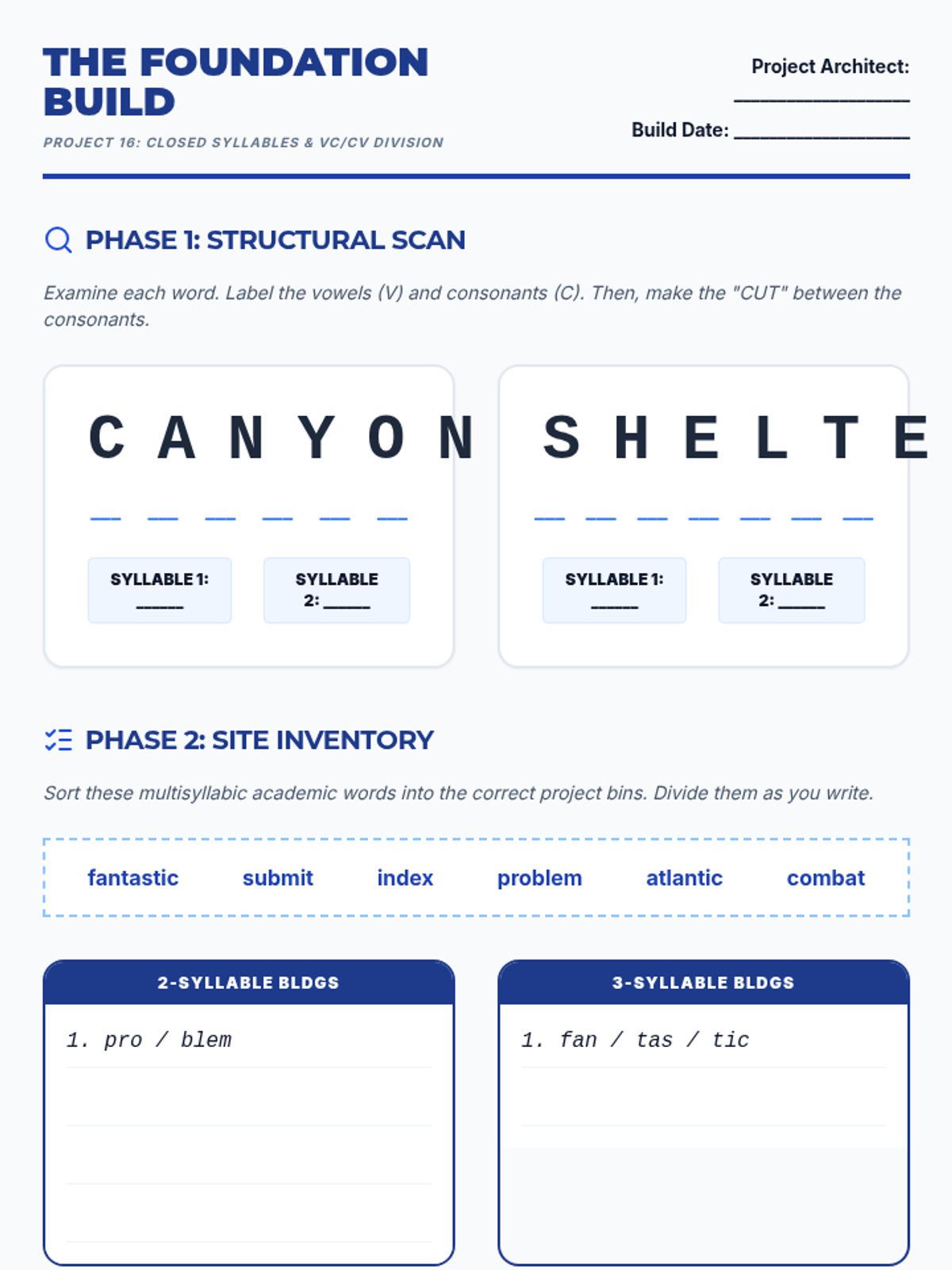
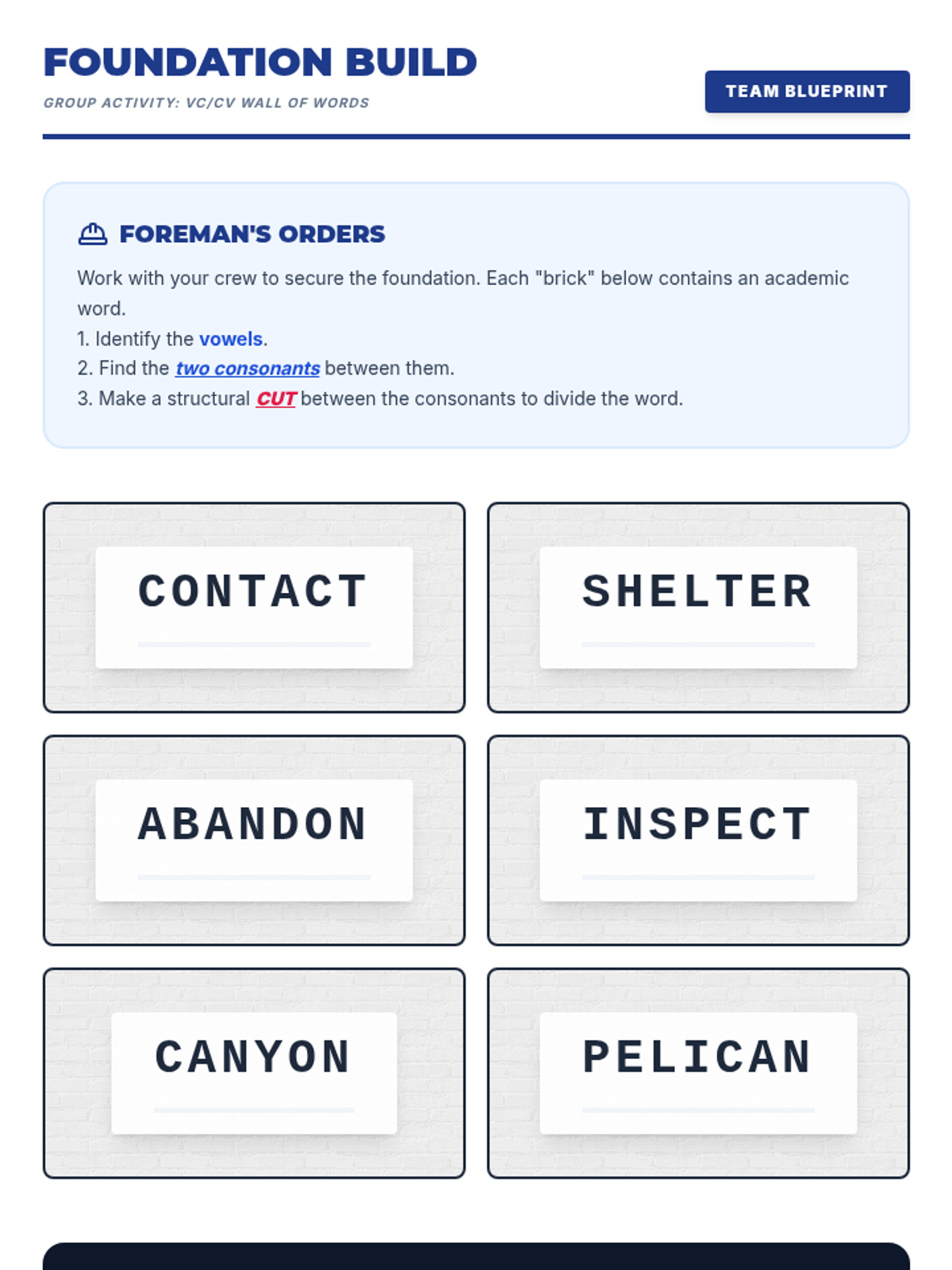
A lesson focused on decoding and dividing multisyllabic words with closed syllables through a hands-on cut-and-paste activity.
Students identify and interpret visual metaphors for abstract Stoic virtues in a video about Marcus Aurelius, then design their own 3-panel storyboard to explain a new virtue.
A creative writing lesson for middle school students exploring empathy and perspective-taking through the medium of internal monologues. Using a poignant animated video about cyberbullying, students analyze character motivations and the impact of digital actions.
A mini-lesson focused on the art of crafting narrative endings that effectively resolve conflict and showcase character growth and reflection. Students learn to move beyond simply 'stopping' a story to 'finishing' it with a meaningful theme or lesson learned.
A 40-minute lesson exploring the tonal shifts in Chapter 6 of Persepolis, focusing on the juxtaposition of national celebration and personal moral complexity. Students analyze a single panel using a Claim-Evidence-Analysis-Conclusion framework to evaluate how Satrapi conveys themes of loss and forgiveness.
A focused small-group lesson for 5th graders on slowing down narrative pacing in rainforest stories using sensory details and internal monologue.
Teaches students to evaluate claims, analyze evidence, and craft strong argumentative responses for the NYS ELA exam.
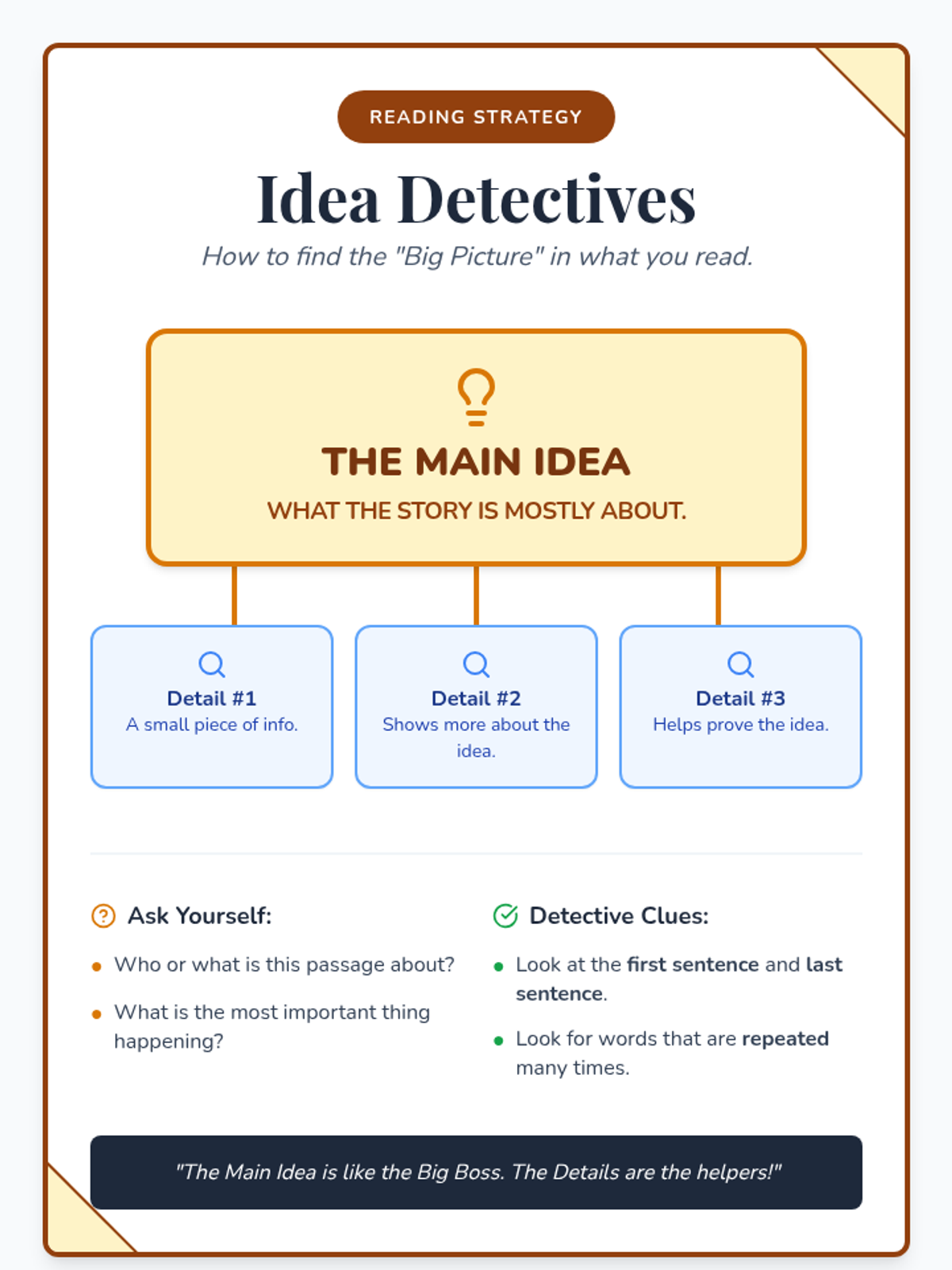
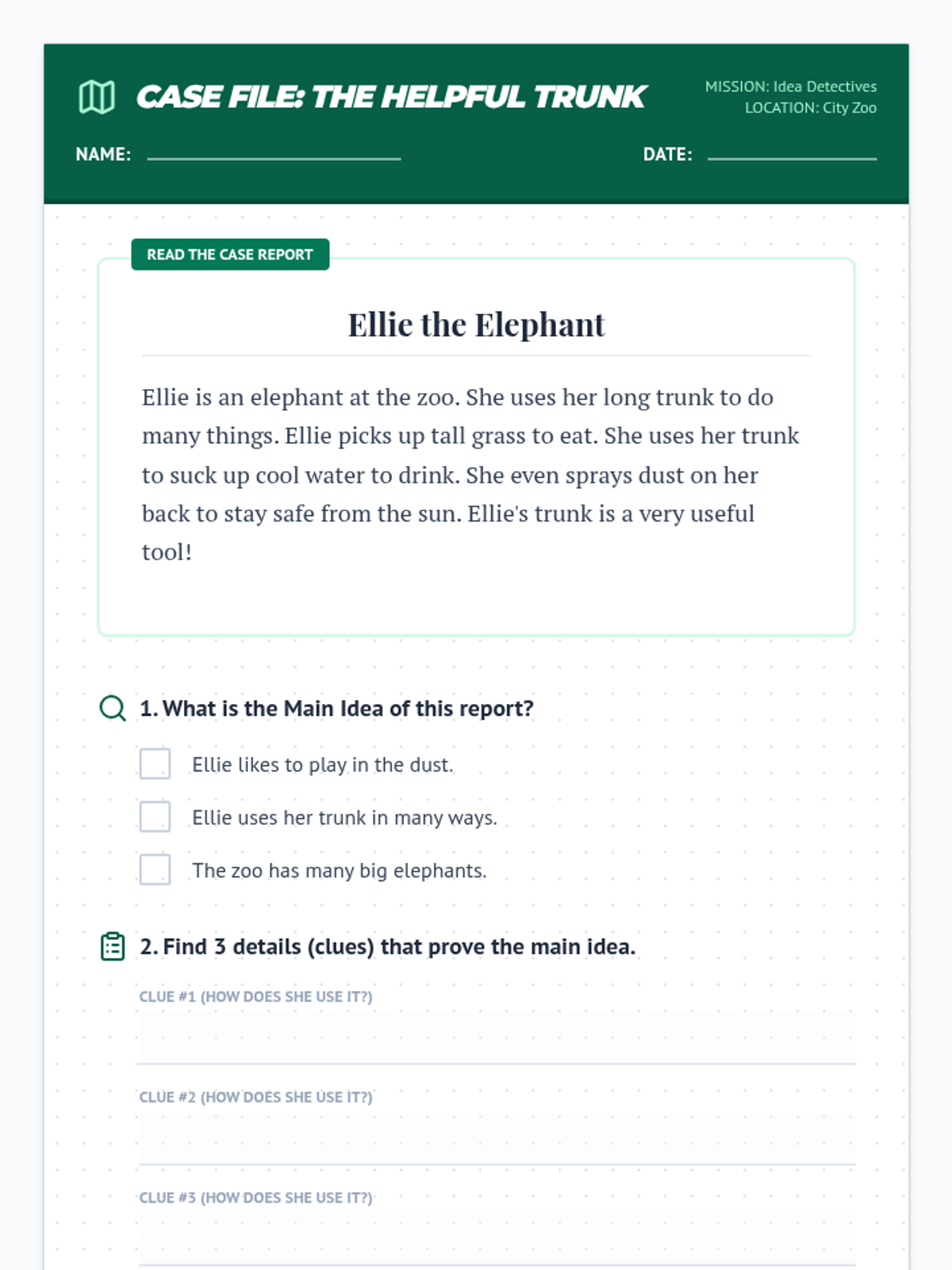
Develops students' ability to identify central ideas and the specific evidence that supports them in informational texts.
Focuses on the essential vocabulary and structural frameworks needed to analyze complex middle school texts.