A comprehensive practice session for English 1 EOC revising and editing, featuring a medical-themed approach to 'curing' common writing ailments like poor sentence structure, tense issues, and punctuation errors.
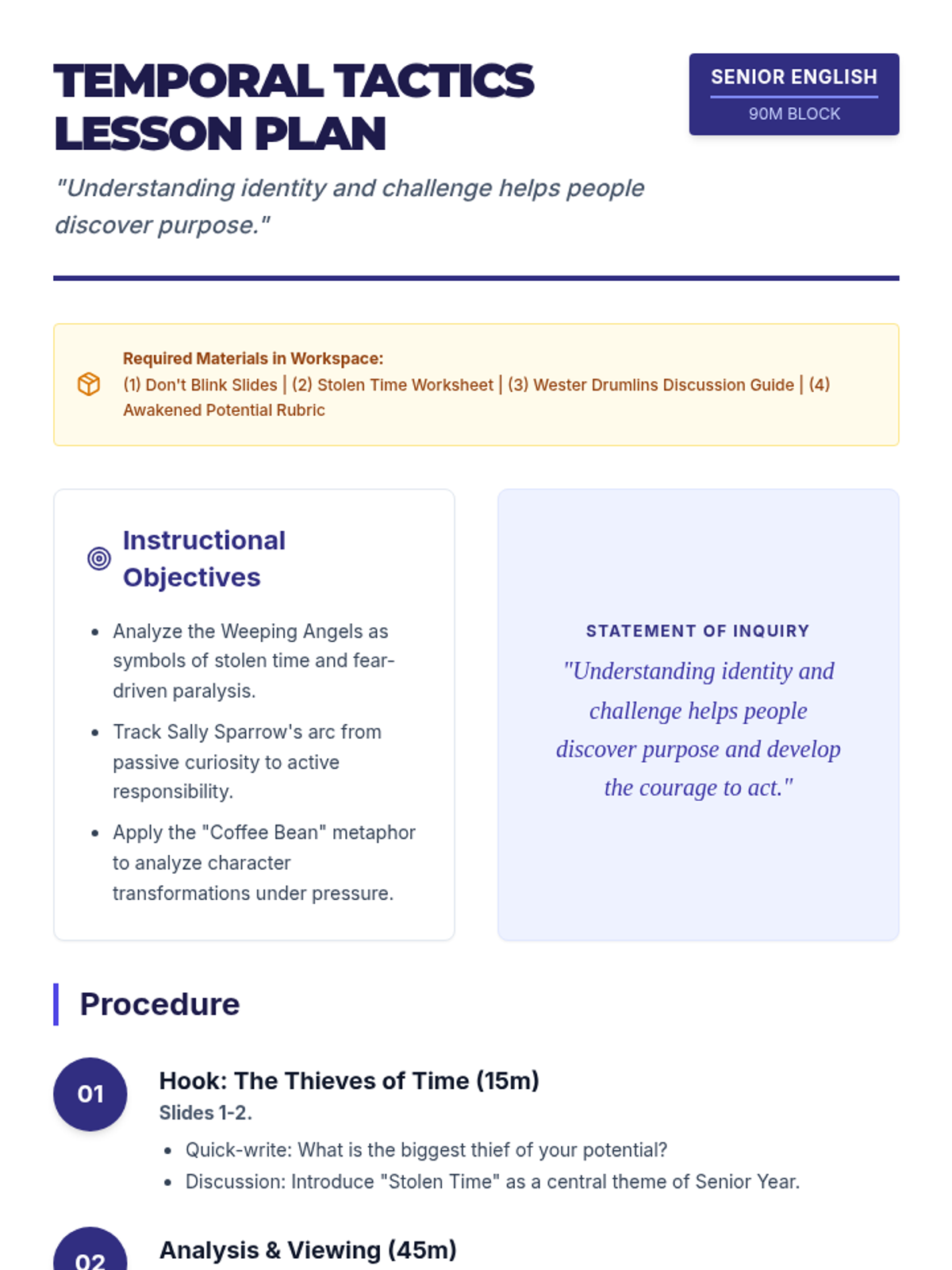
A comprehensive two-part summative assessment for the novel 'A Long Walk to Water', featuring multiple-choice questions, short responses, and a thematic comparison essay involving 'The Boy Who Harnessed the Wind' and 'MAUS'.
A deep dive into the profound symbolism of Elie Wiesel's 'Night'. Students examine how literal objects like night, fire, and the yellow star represent abstract concepts of faith, dehumanization, and survival through textual evidence and guided discussion.
A lesson exploring how authors use everyday objects to represent deeper abstract ideas, helping students decode layers of meaning in literature.
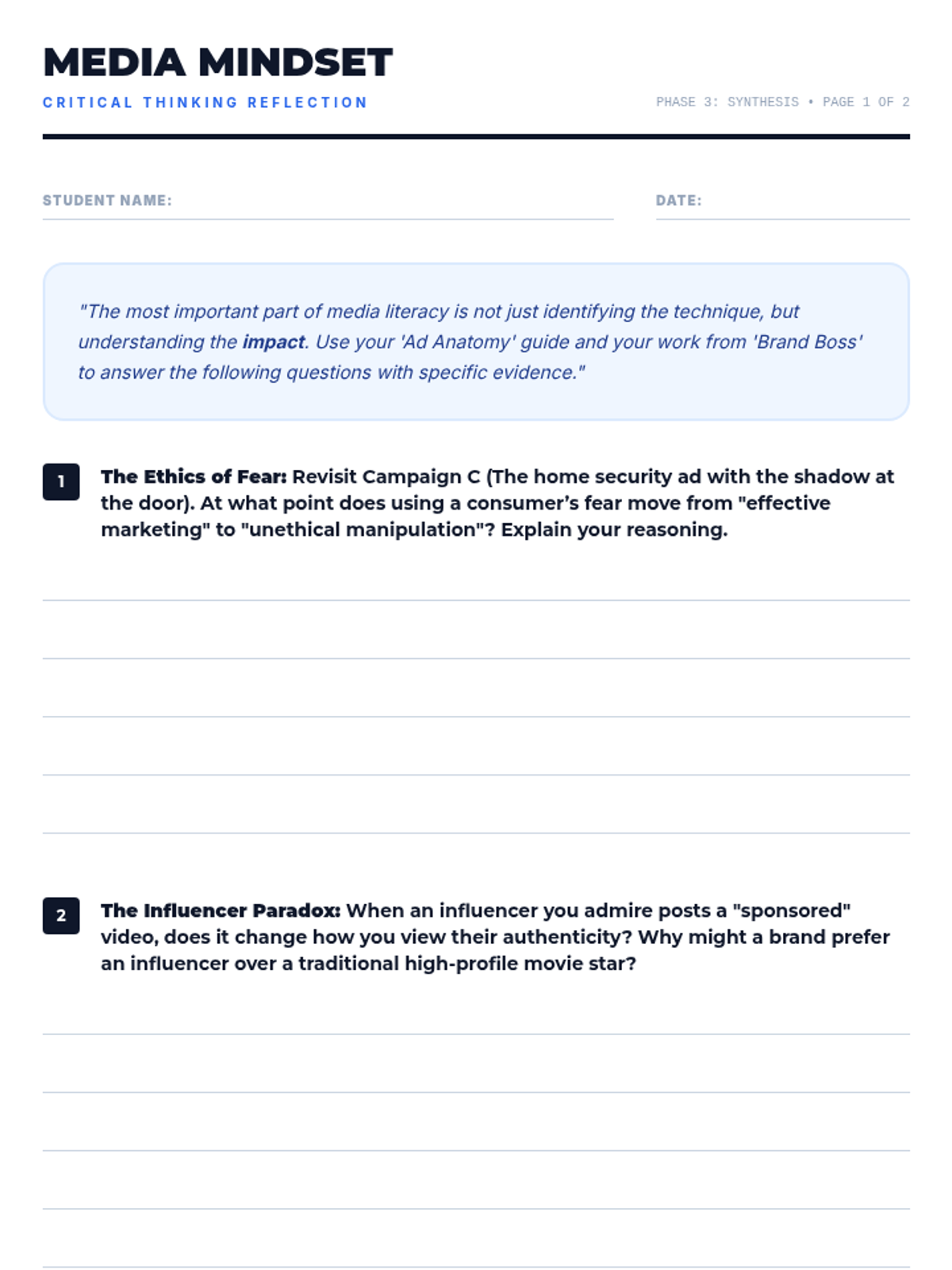
A lesson designed to empower high school students with the tools to navigate digital misinformation, focusing on the SIFT method, identifying emotional bias, and spotting sponsored content.
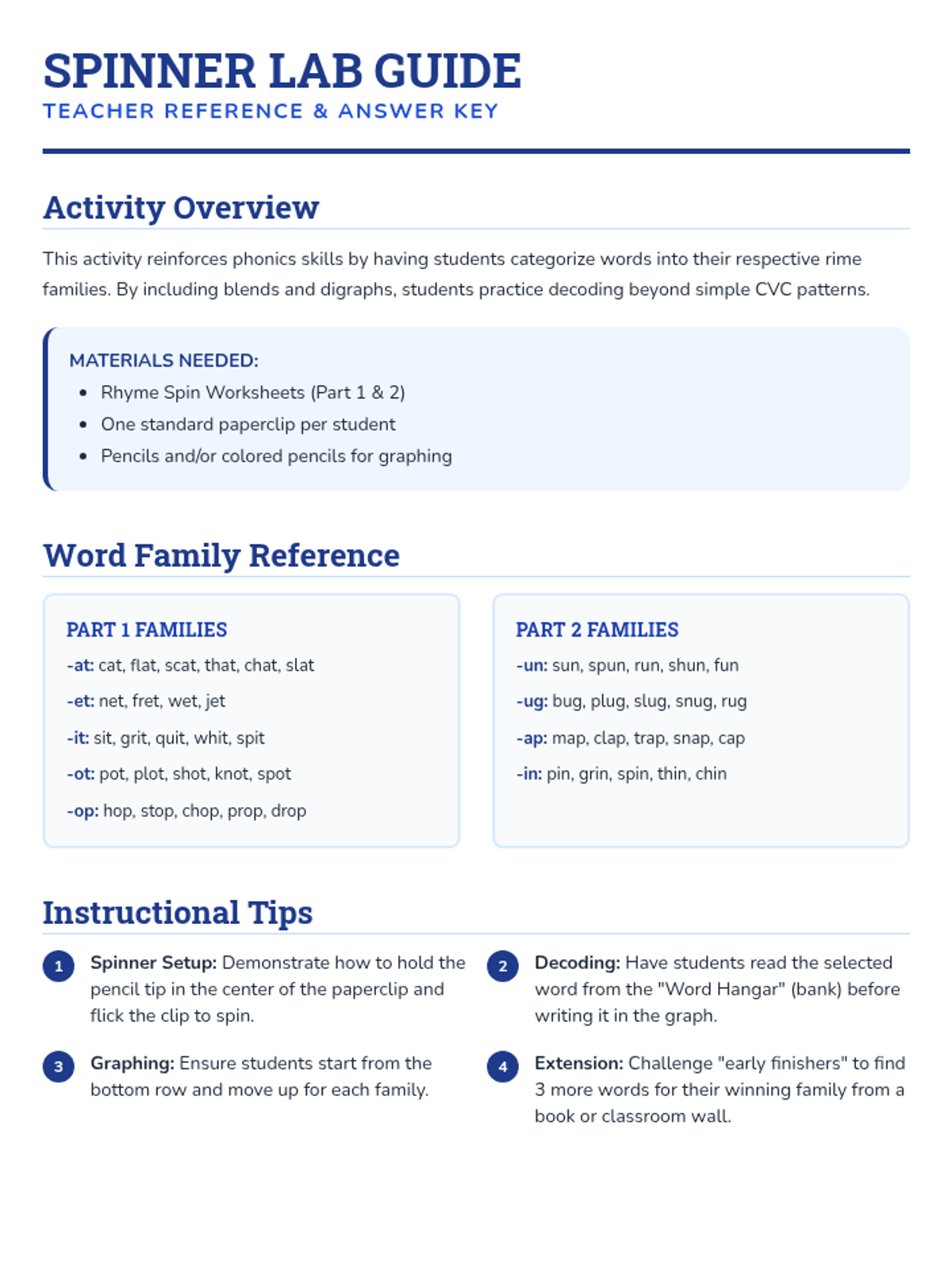
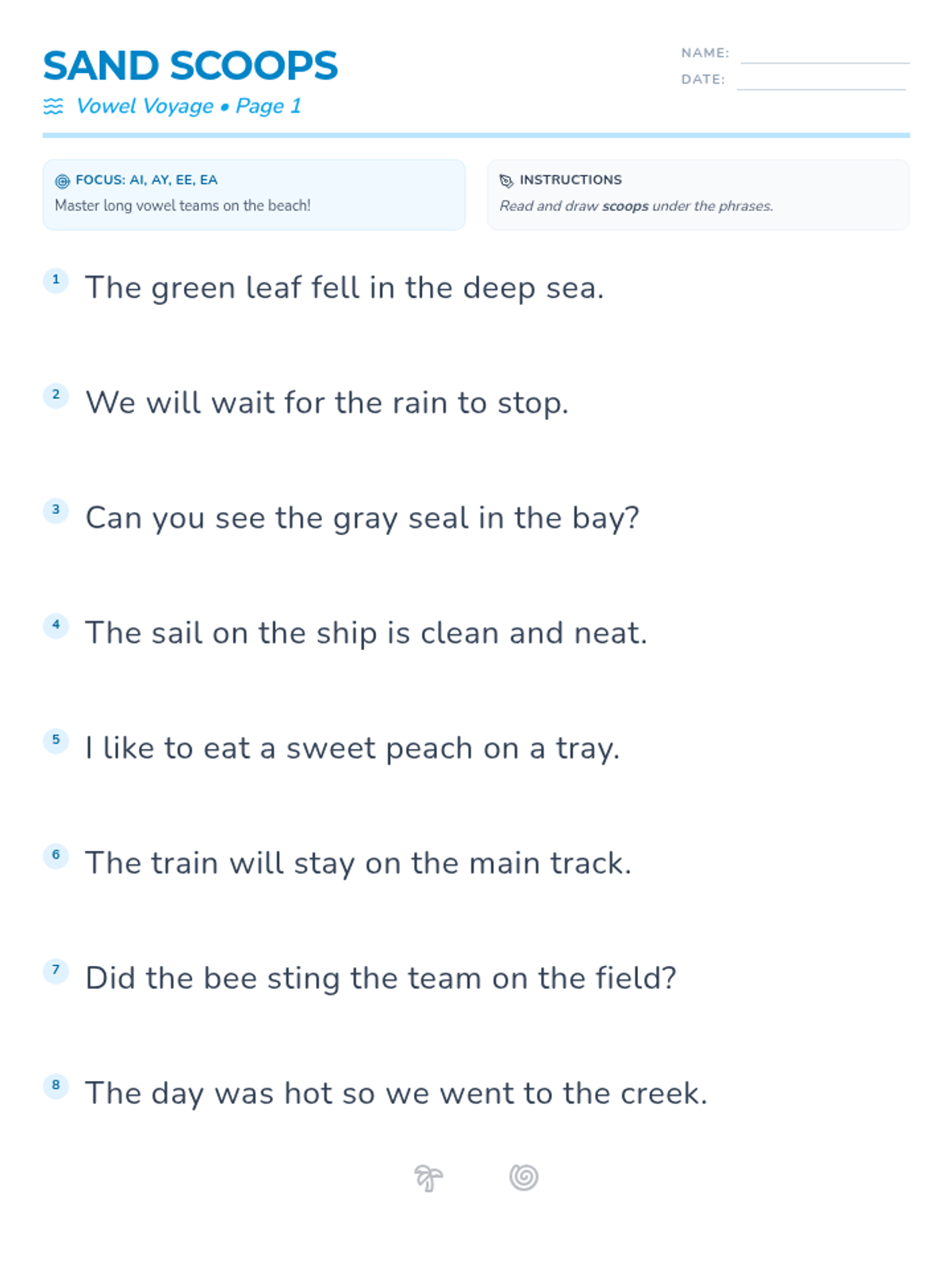
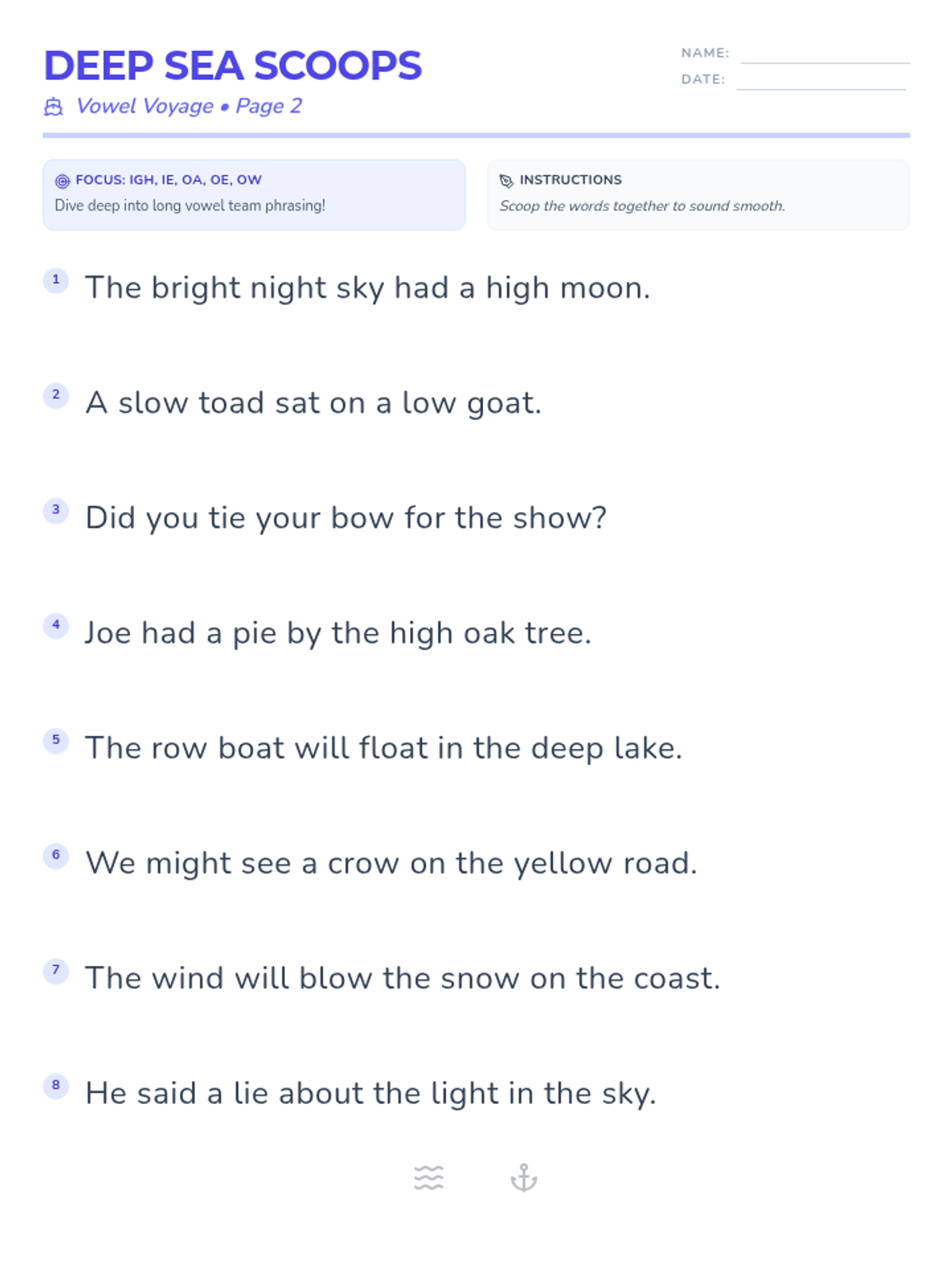
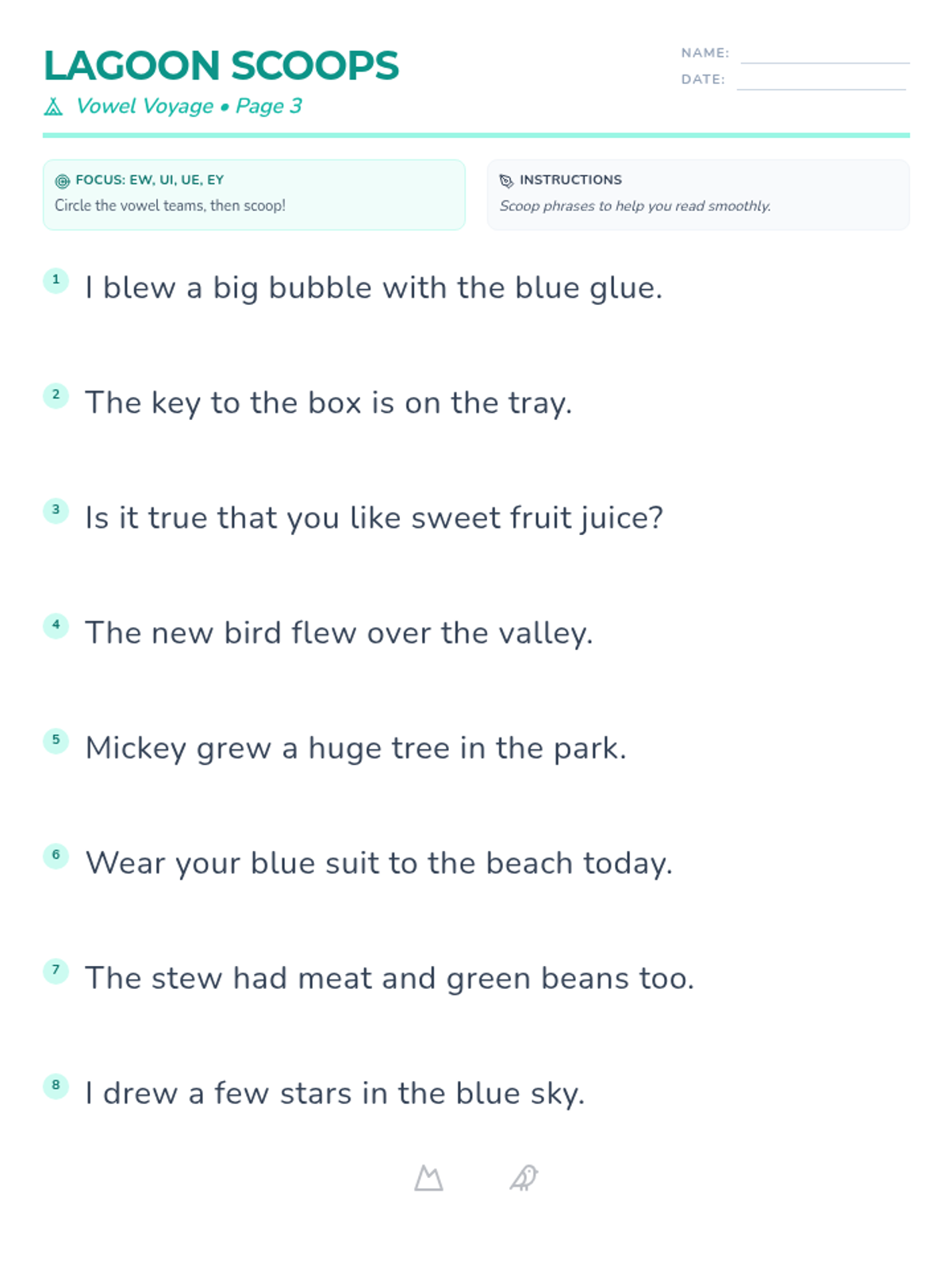
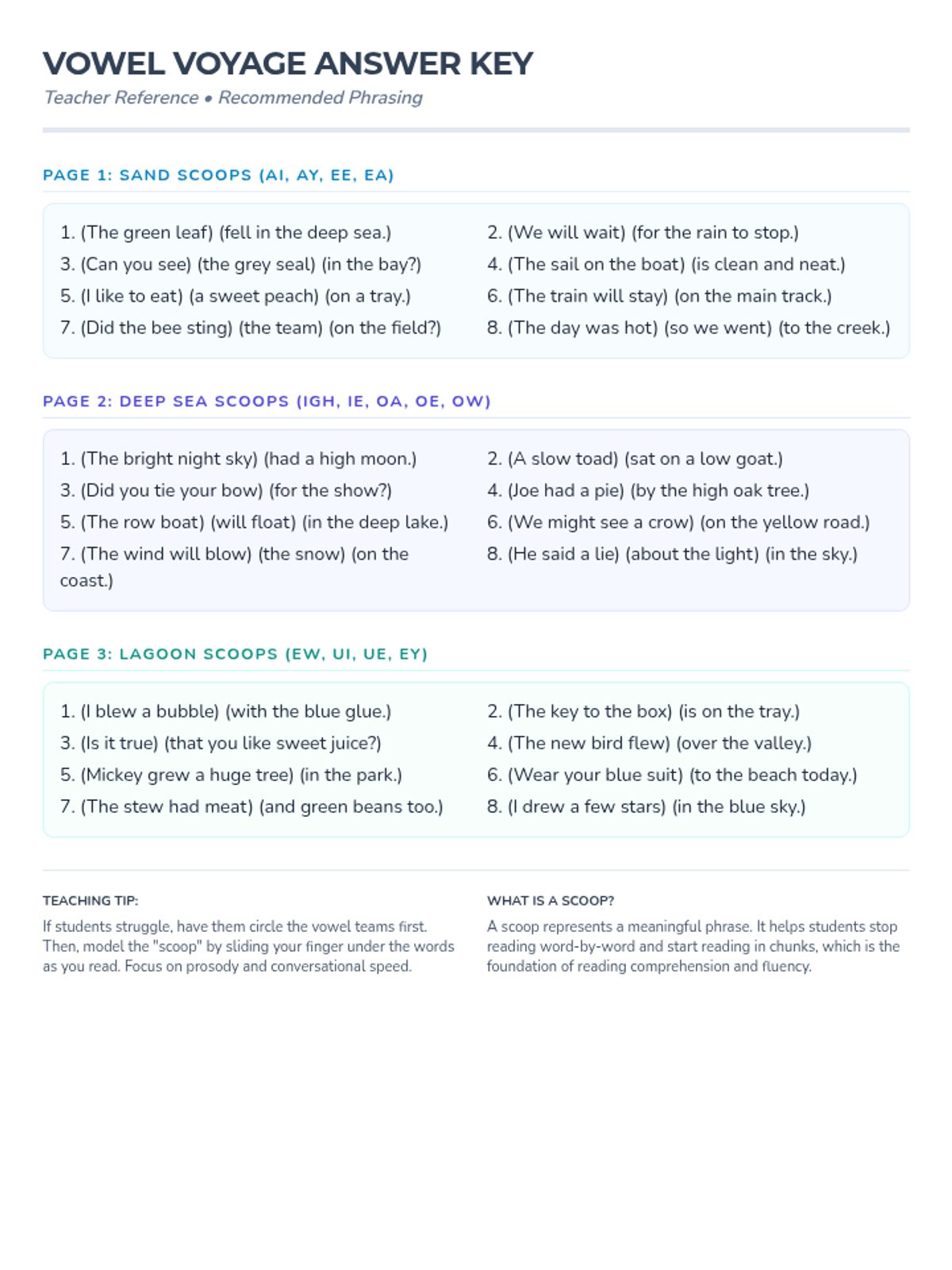
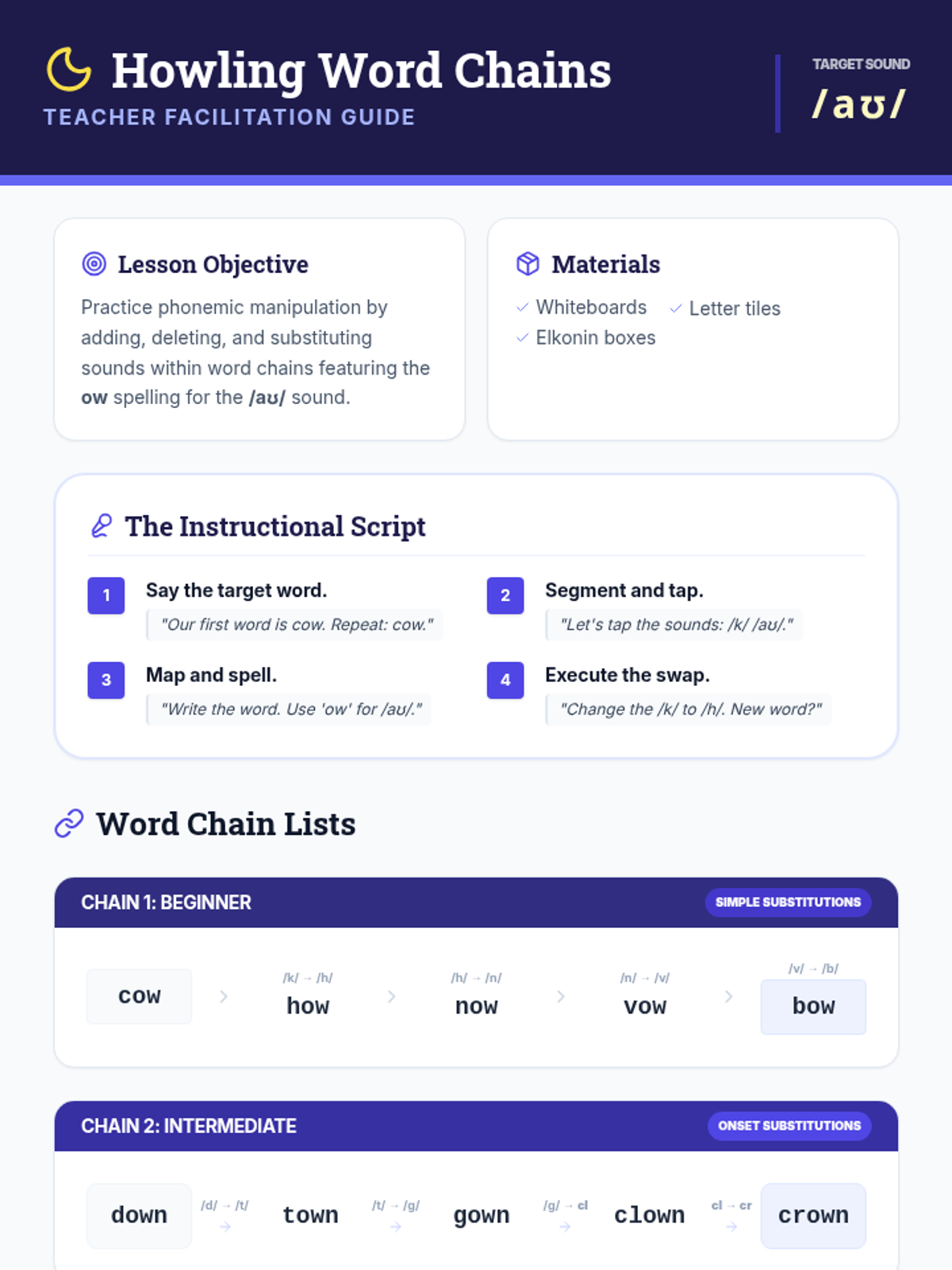
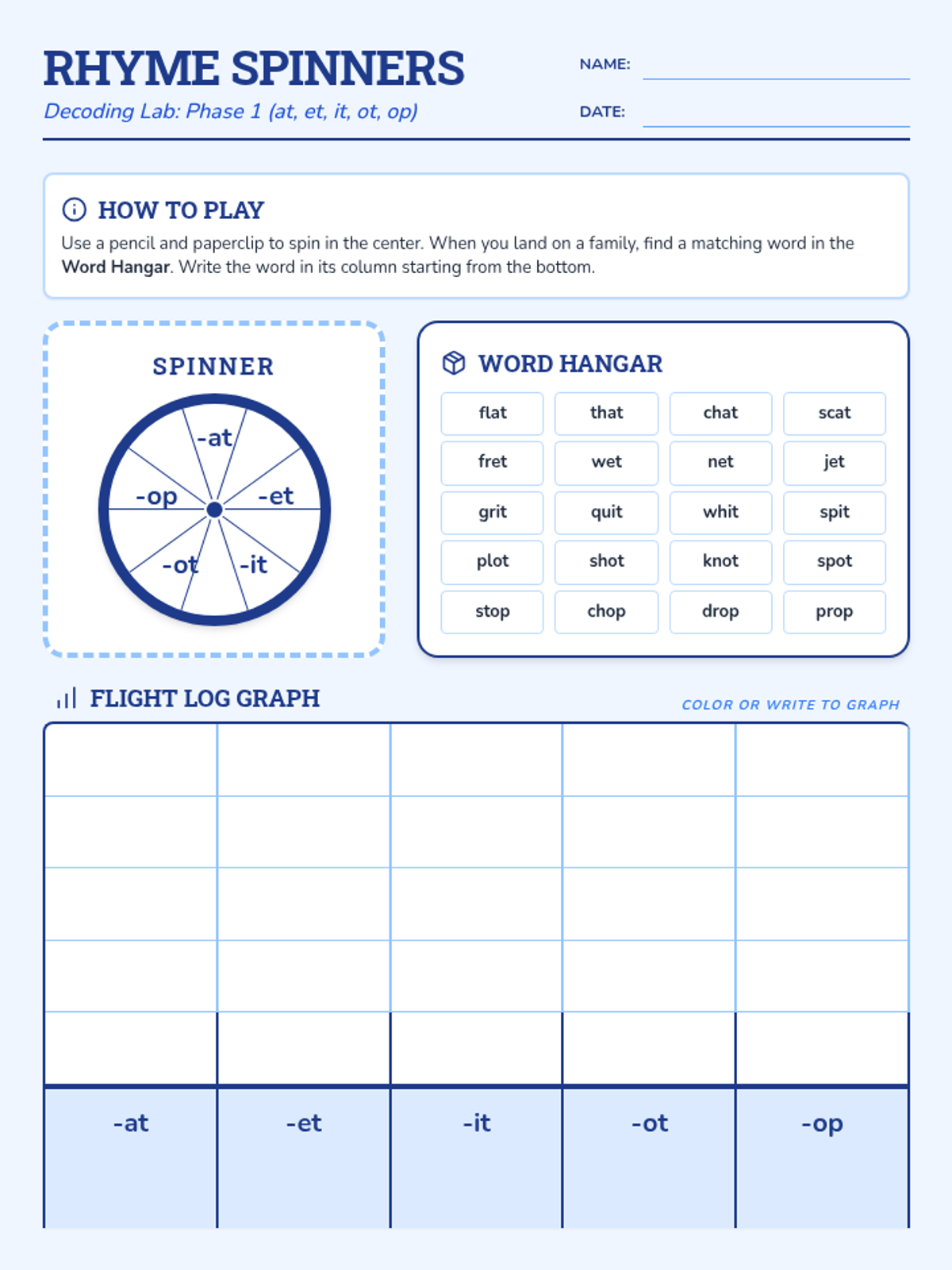
A collection of activities and assessments focused on decoding nonsense words to build phonics fluency and blending skills for 1st grade students. Includes speed drills, sorting activities, and a progress tracker for teachers.
A comprehensive exemplar analysis essay of John Green's 'Turtles All the Way Down' focusing on text structure, literary devices, and character dynamics. Includes a targeted guide to academic transition words for 10th-grade writers.

Explore the complex, self-serving relationships in Chapter 4 of The Great Gatsby. Students analyze characters through the lens of social transactions and complete a creative response on character motivations and the 'cost' of their social deals.
This lesson breaks down the 5-point STAAR English I Argumentative ECR rubric using 'The Bass, the River, and Sheila Mant' as a central text. Students analyze graded examples and practice scoring a new essay to master the criteria for evidence, organization, and conventions.
A focused study of Chapter 3 of Julia Alvarez's 'In the Time of the Butterflies', focusing on Maria Teresa's loss of innocence and her first glimpses into the political reality of Trujillo's Dominican Republic.
A lesson exploring the contrast between the glittering surface of Gatsby's parties and the underlying reality of the 1920s, designed for Level 2 English Language Learners.
A creative final project for Shakespeare's Macbeth that requires students to synthesize textual evidence with visual art. Students choose a central theme or character arc to illustrate, supporting their artistic choices with cited quotes from the play.
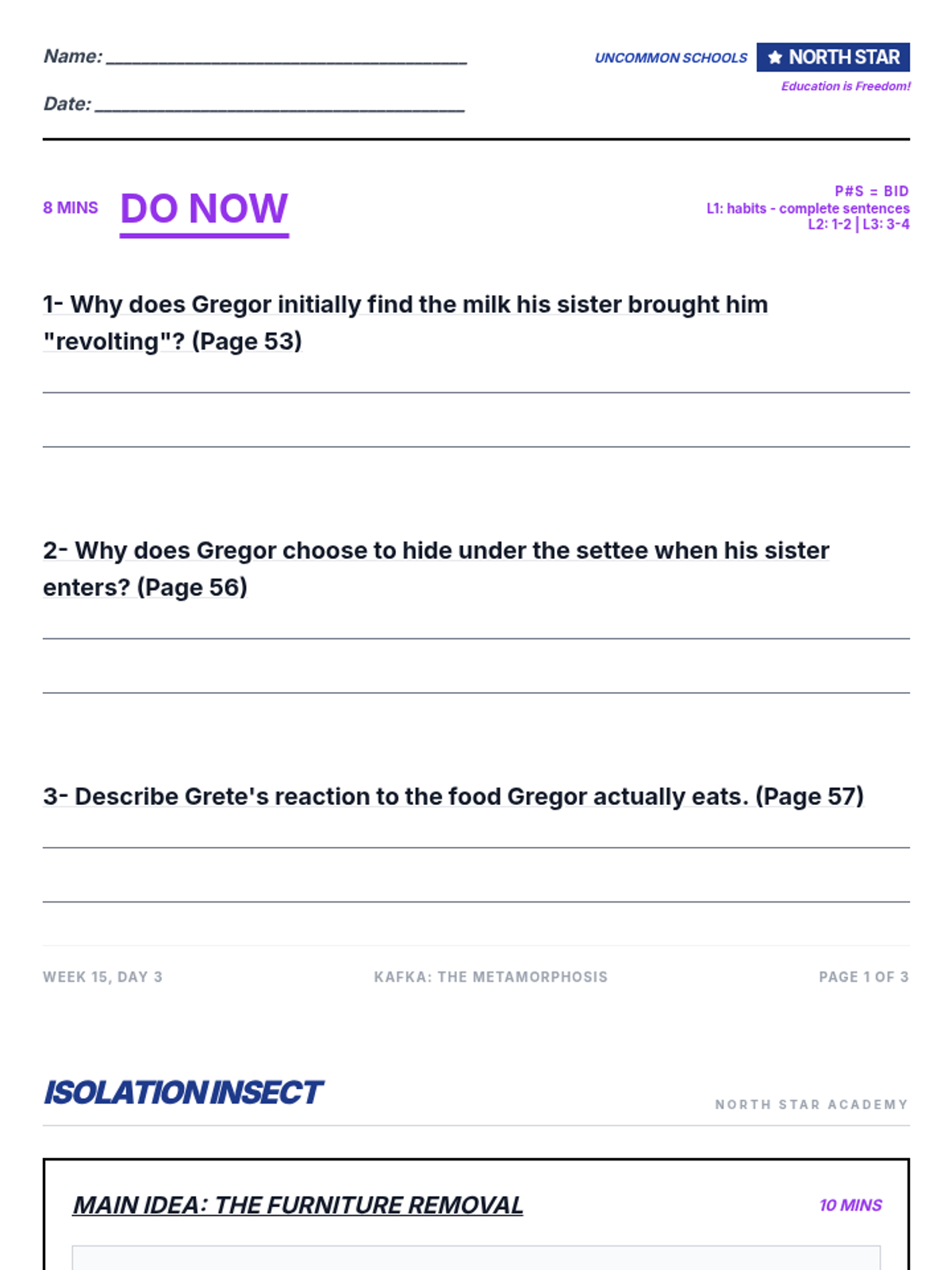
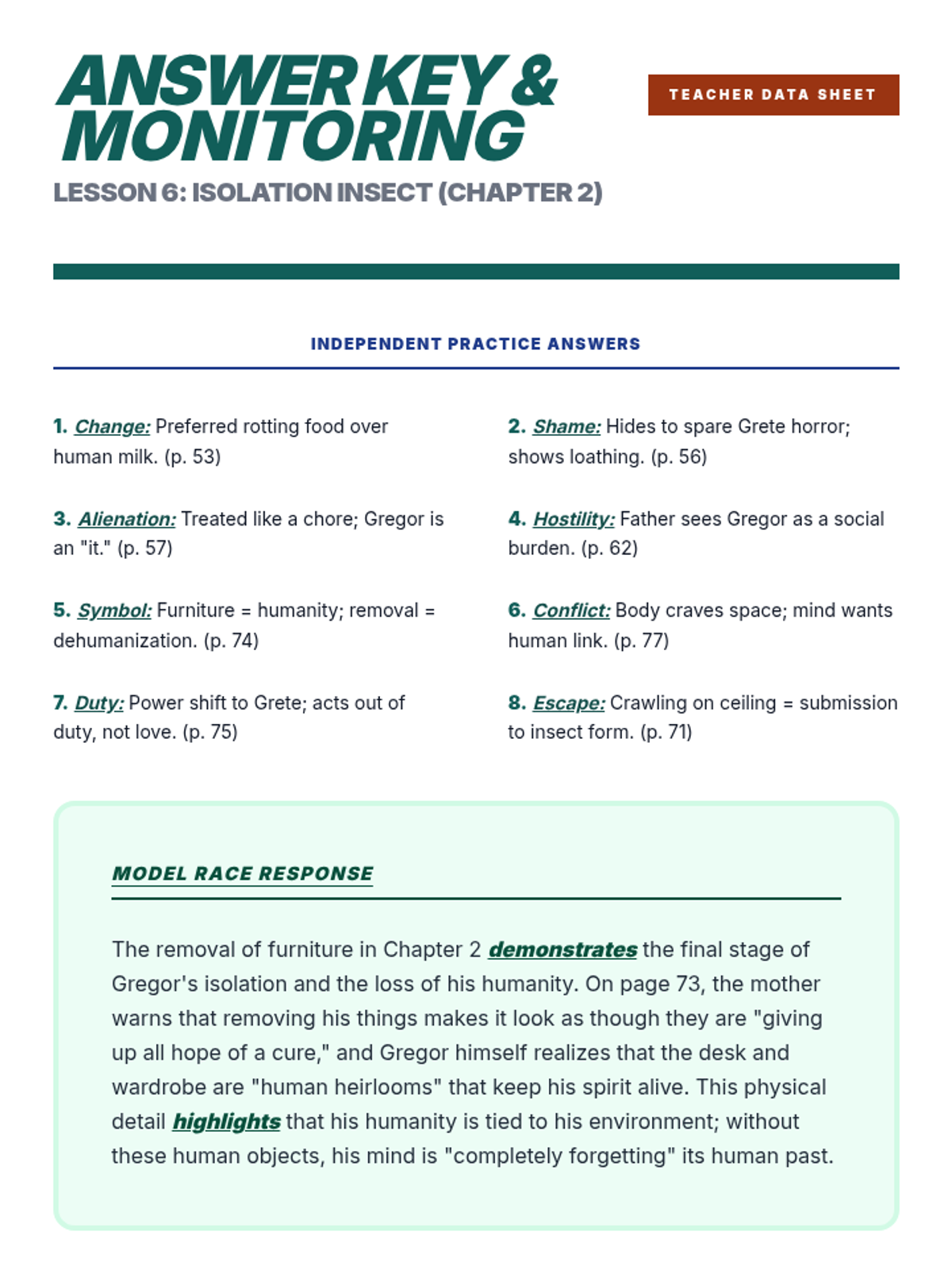
A high school ELA lesson focused on analyzing character development and the impact of setting in Ray Bradbury's 'All Summer in a Day'. Students examine Margot's isolation and the classmates' collective shift from cruelty to realization.
A foundational grammar lesson focusing on sentence structure through visual scaffolds and color-coding. Students learn to identify fragments, complete sentences, and run-ons using a 'Construction' metaphor.
Students analyze a poem and an informational article about technology, practicing synthesis skills and answering STAAR-aligned assessment questions including multi-part and multi-select formats.
A deep dive into Patria's pivotal transition from religious devotion to earthly connection in Julia Alvarez's "In the Time of the Butterflies". This lesson focuses on character development and the intersection of faith and physical reality.
This lesson covers the introductory chapters of Julia Alvarez's 'In the Time of the Butterflies', focusing on Patria's early life, her religious devotion, and her transition into adulthood.