A grammar lesson focused on identifying prepositions and prepositional phrases through the lens of space exploration. Students practice identifying these parts of speech in context to improve sentence structure and clarity.
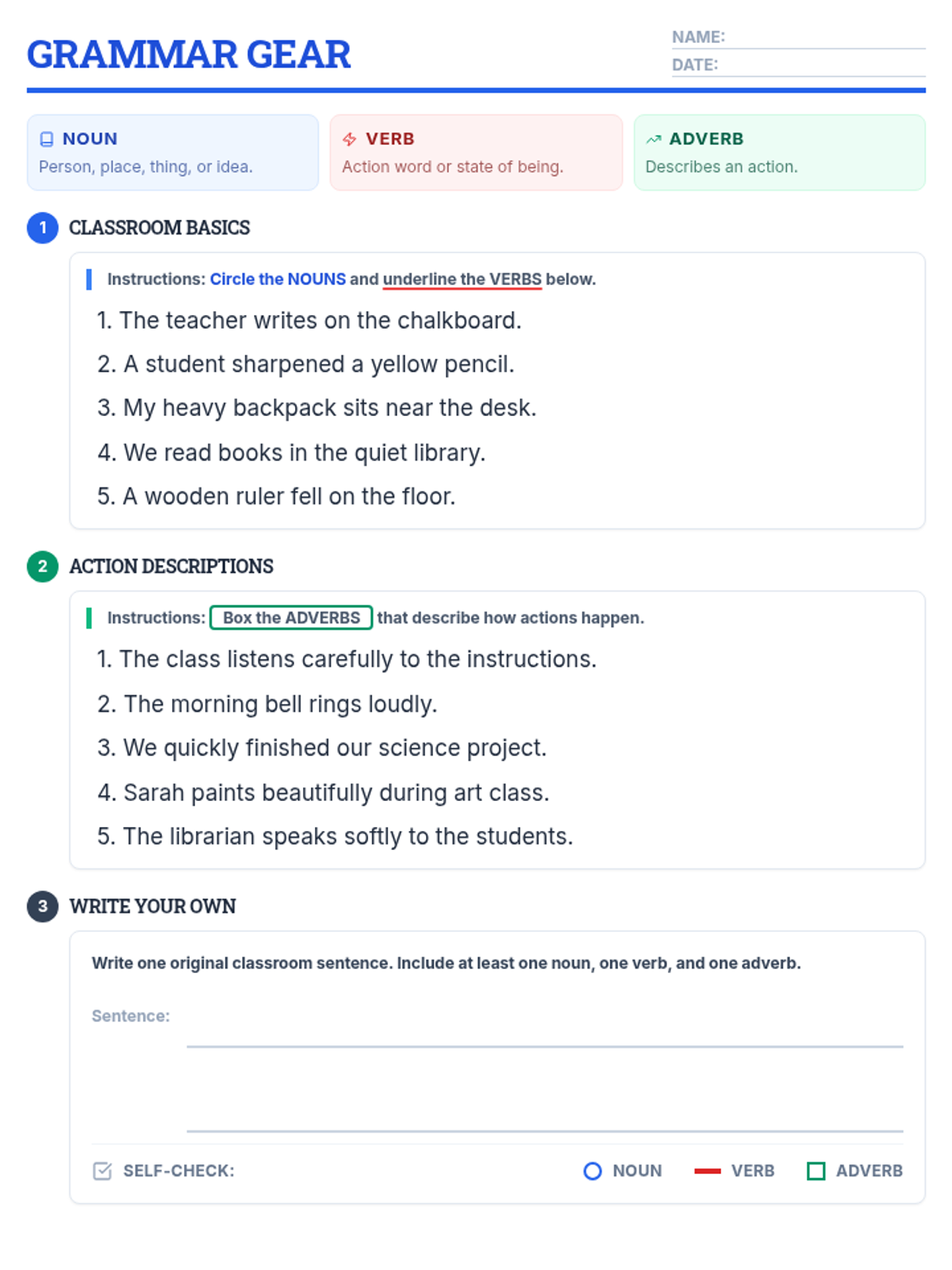
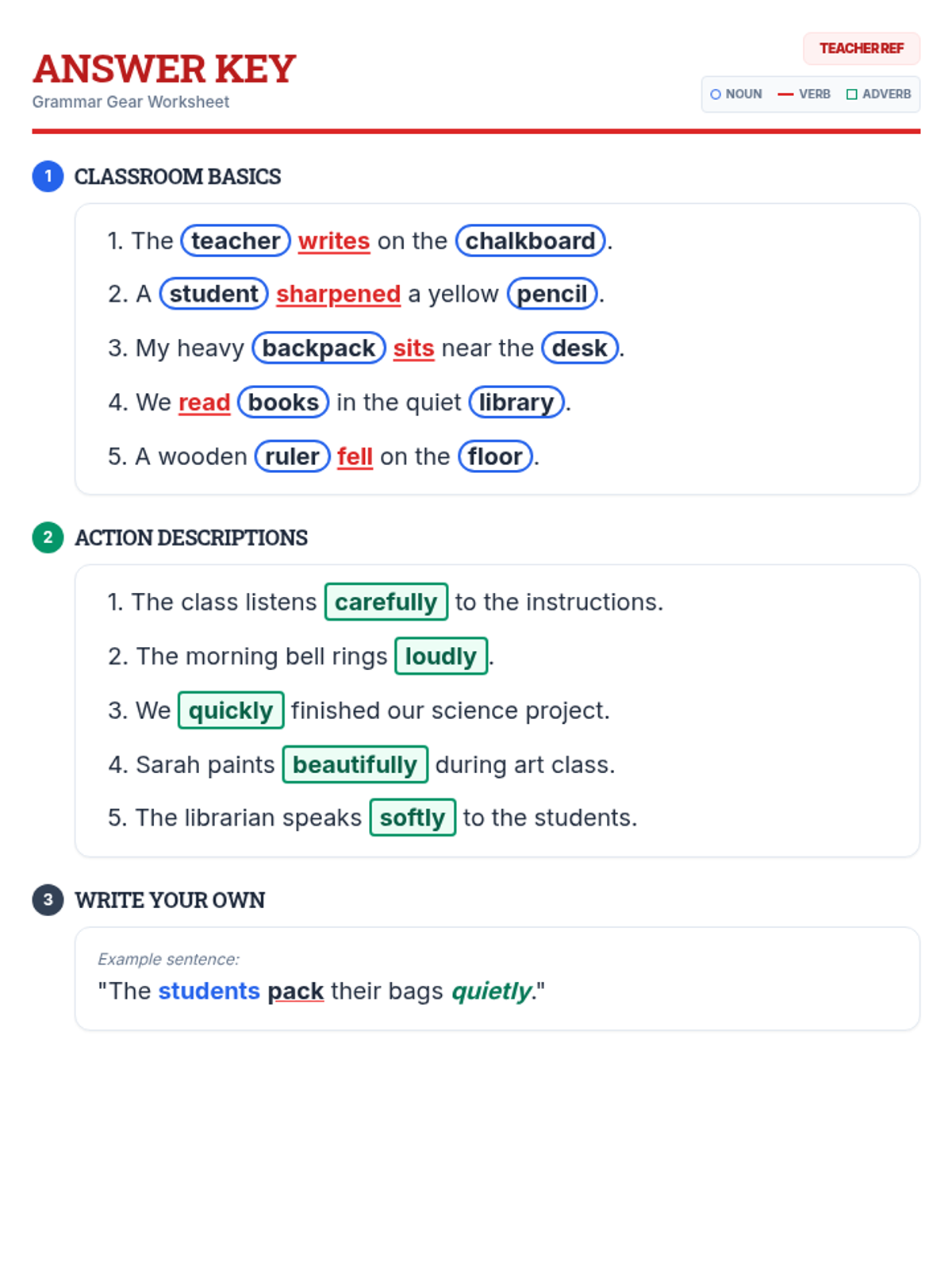
A focused lesson on identifying nouns, verbs, and adverbs using classroom-themed sentences. Students practice identifying parts of speech through circling and underlining activities.
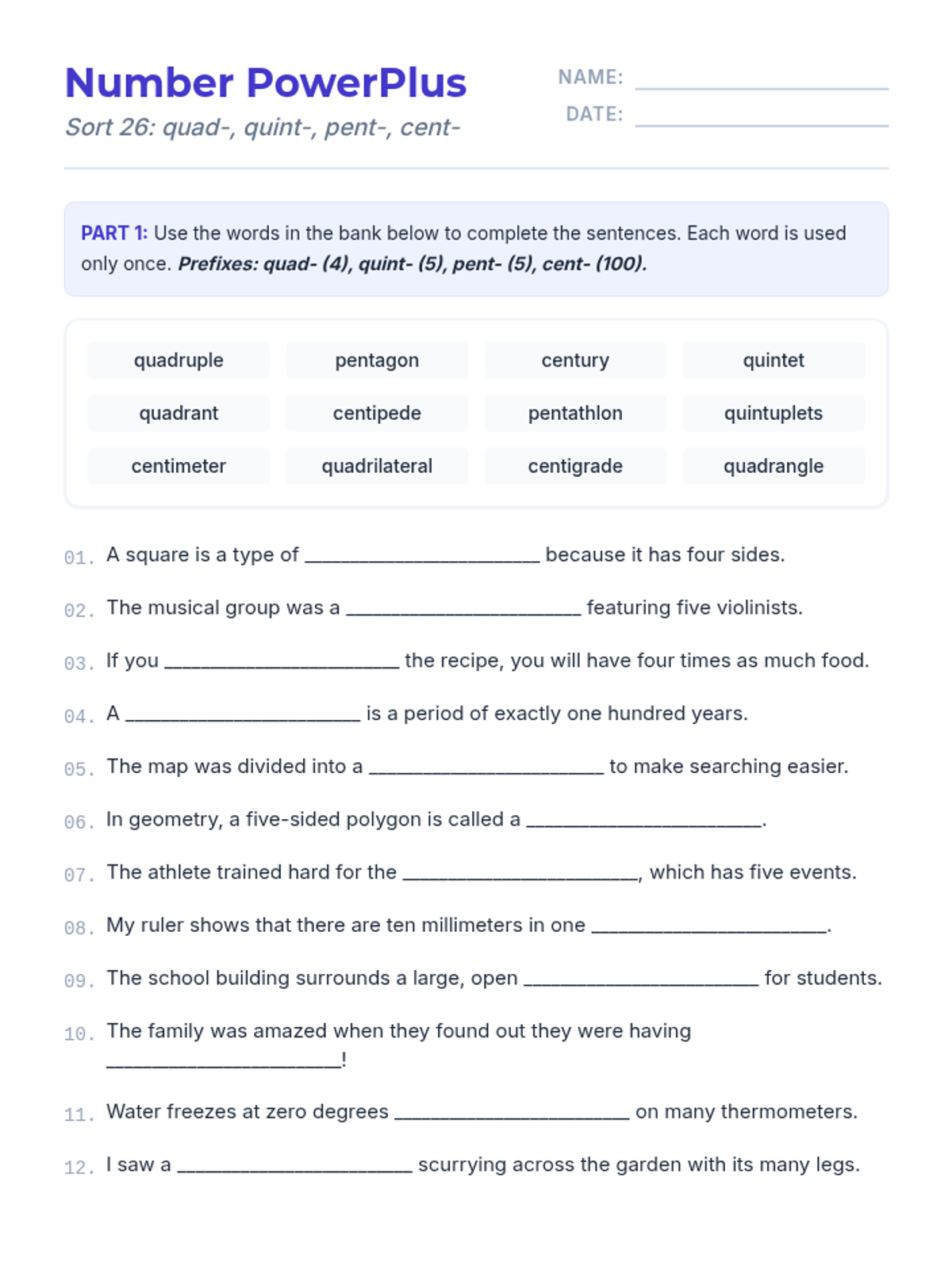
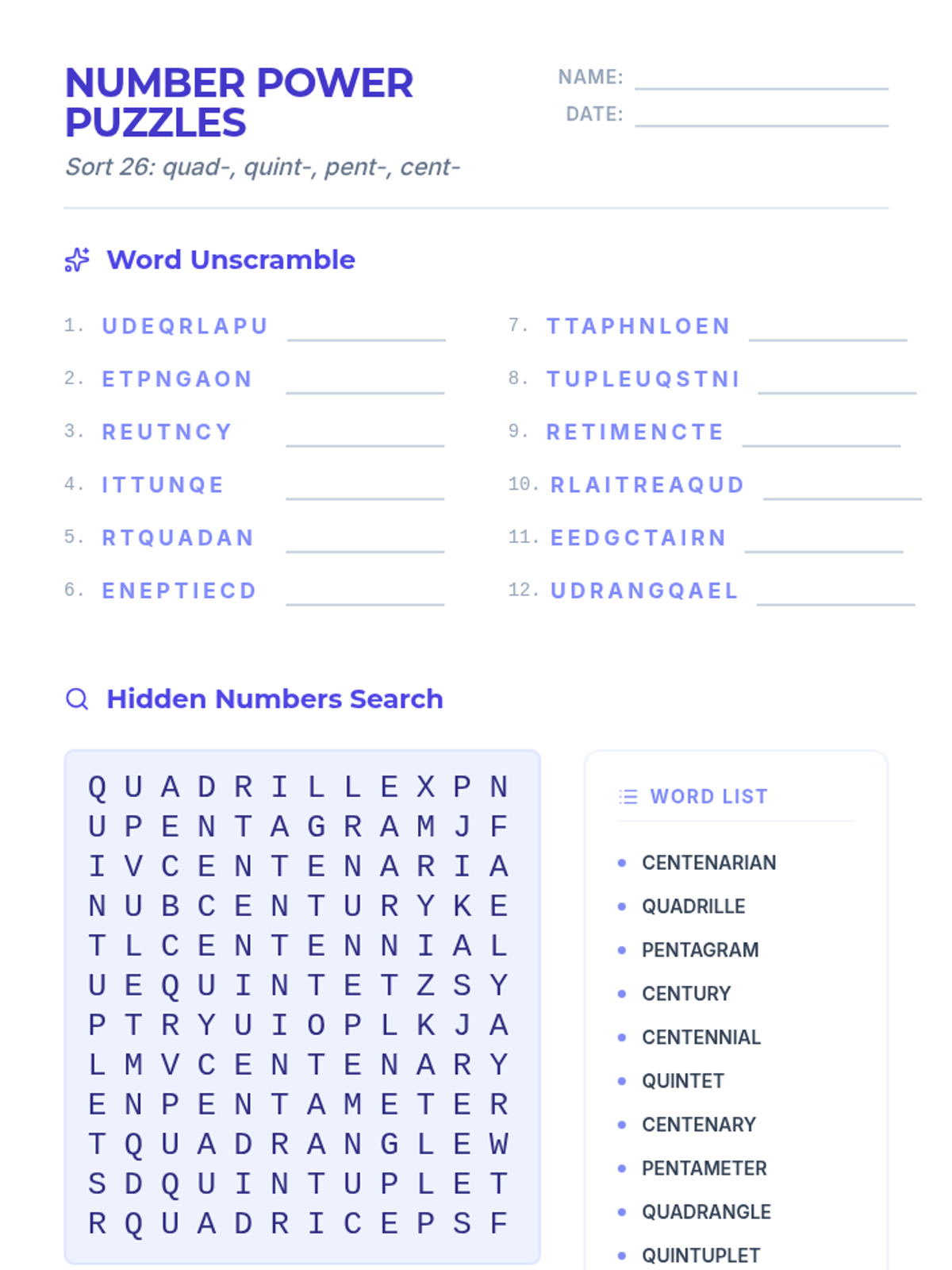
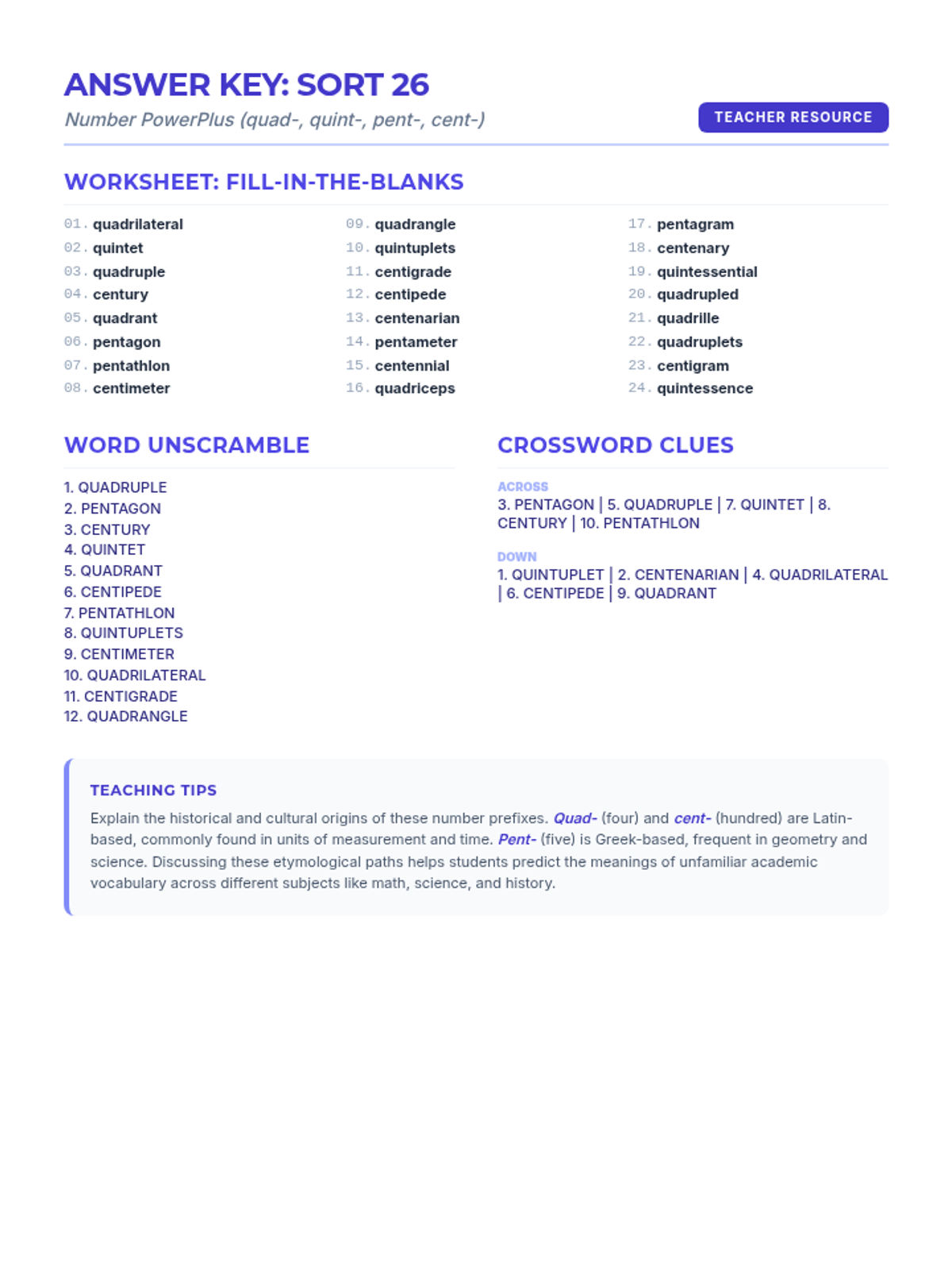
Mastering number prefixes for four, five, and one hundred: quad-, quint-, pent-, and cent-.
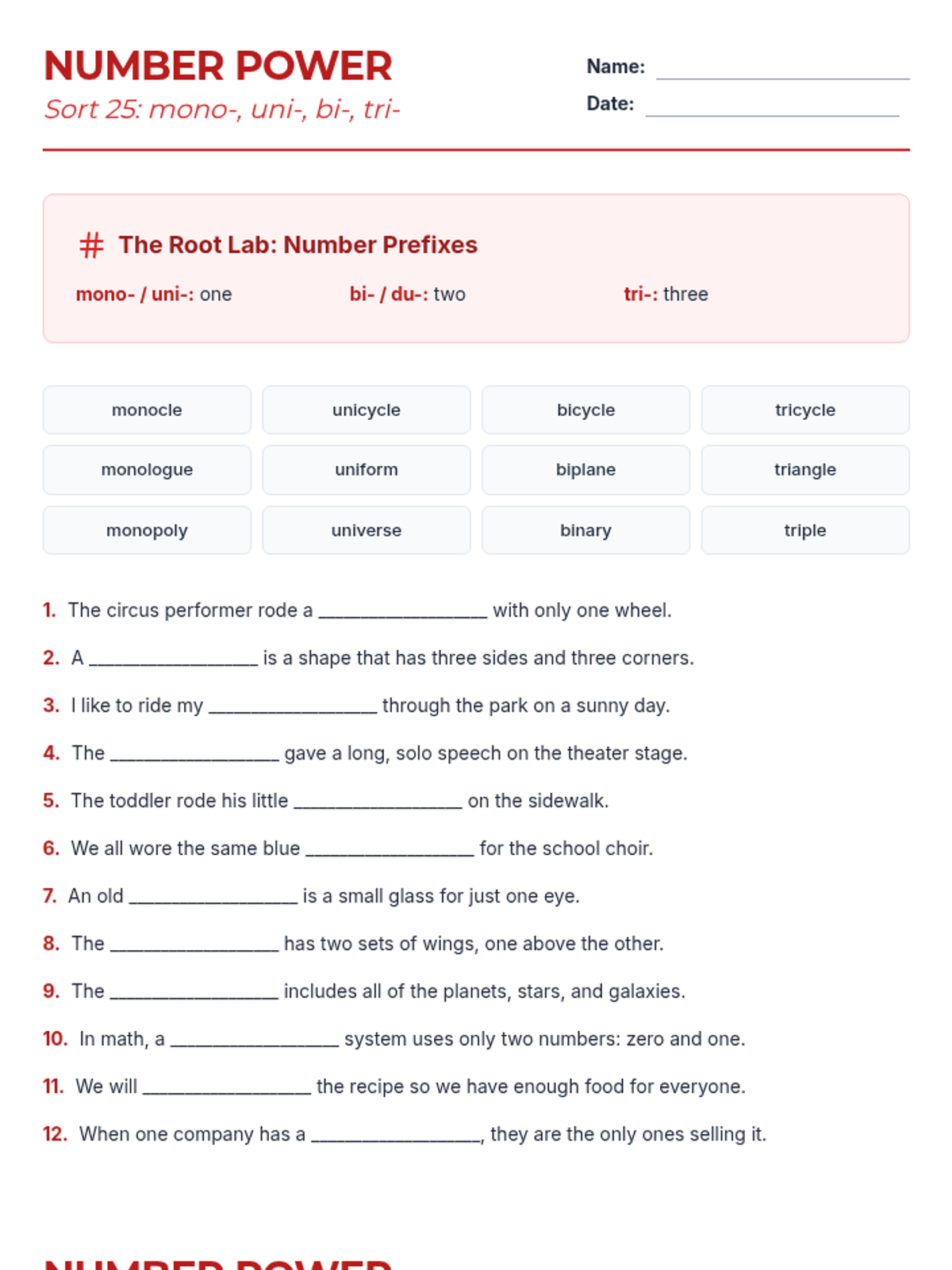
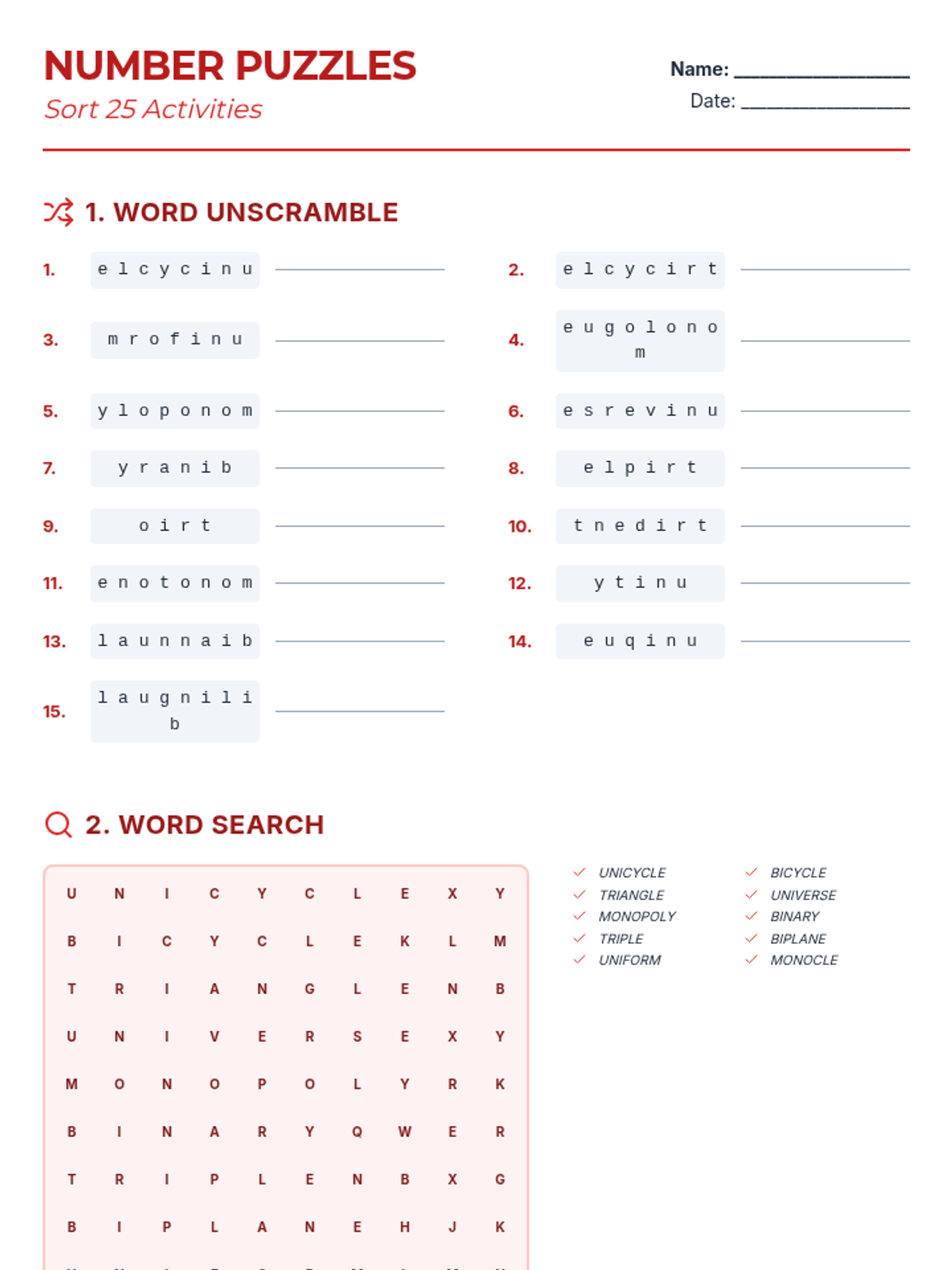
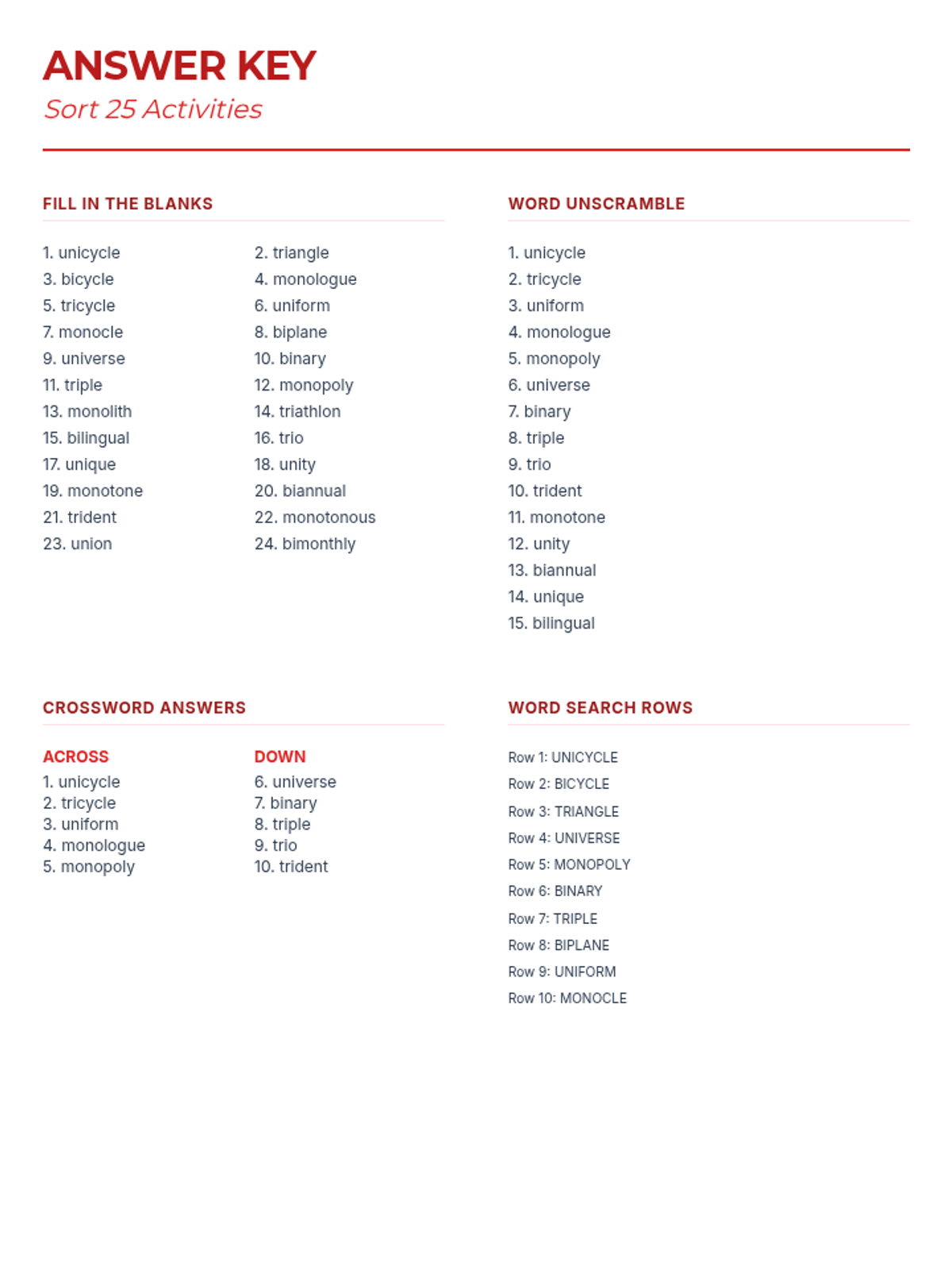
Introduction to number prefixes: mono-, uni-, bi-, and tri-, indicating one, two, and three.
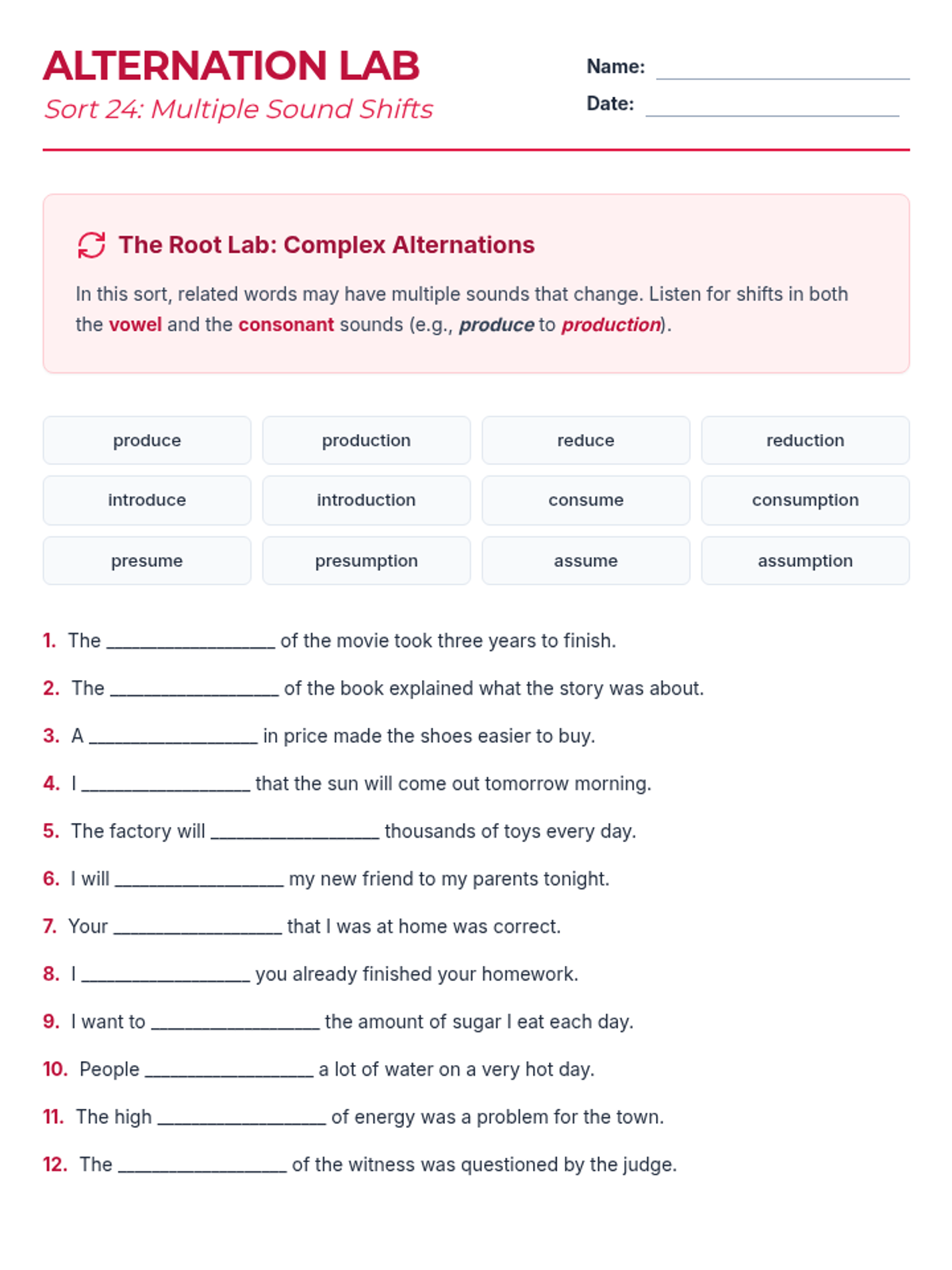
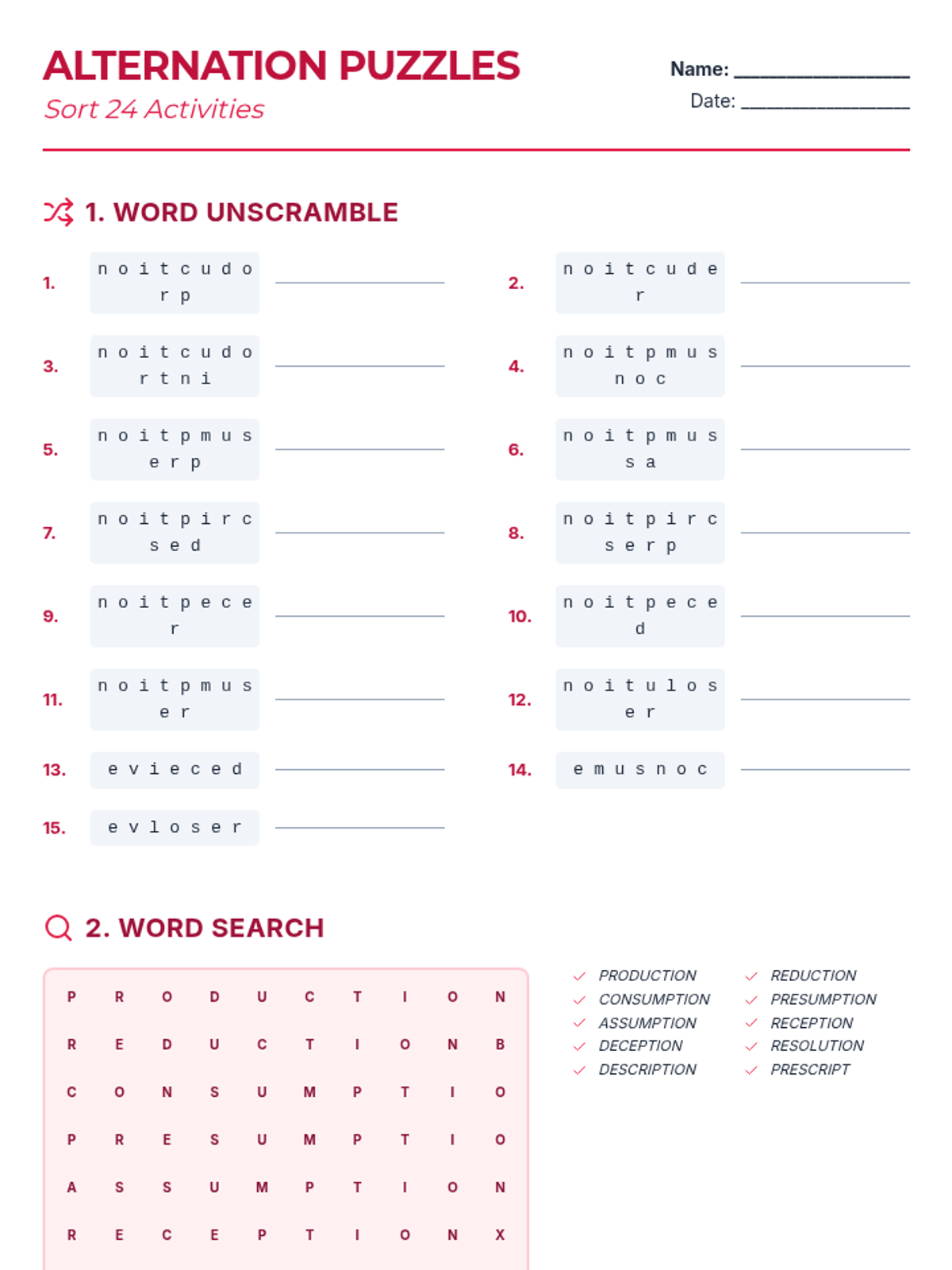
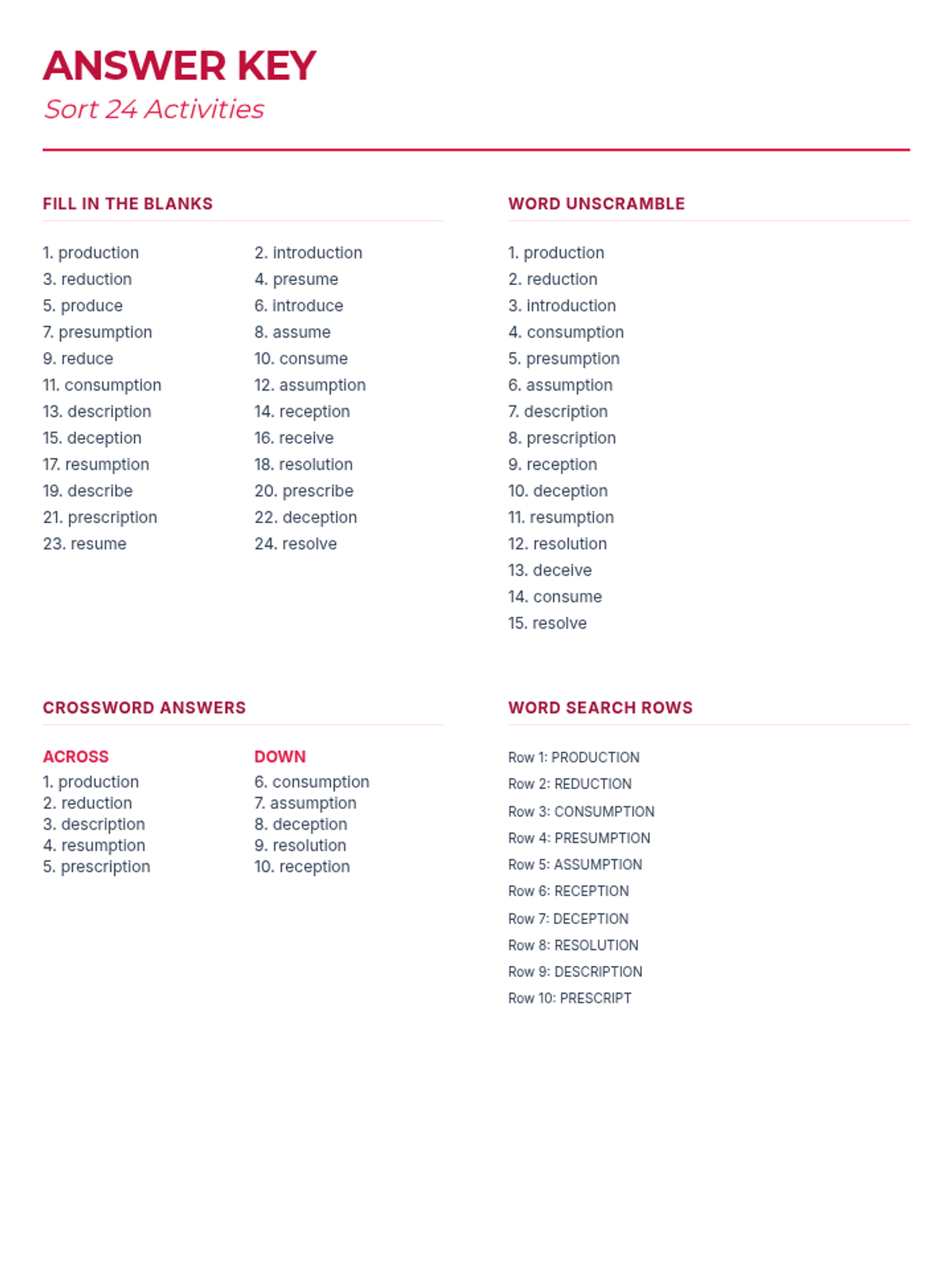
In this sort, related words may have multiple sounds that change. Listen for shifts in both the vowel and the consonant sounds (e.g., produce to production).
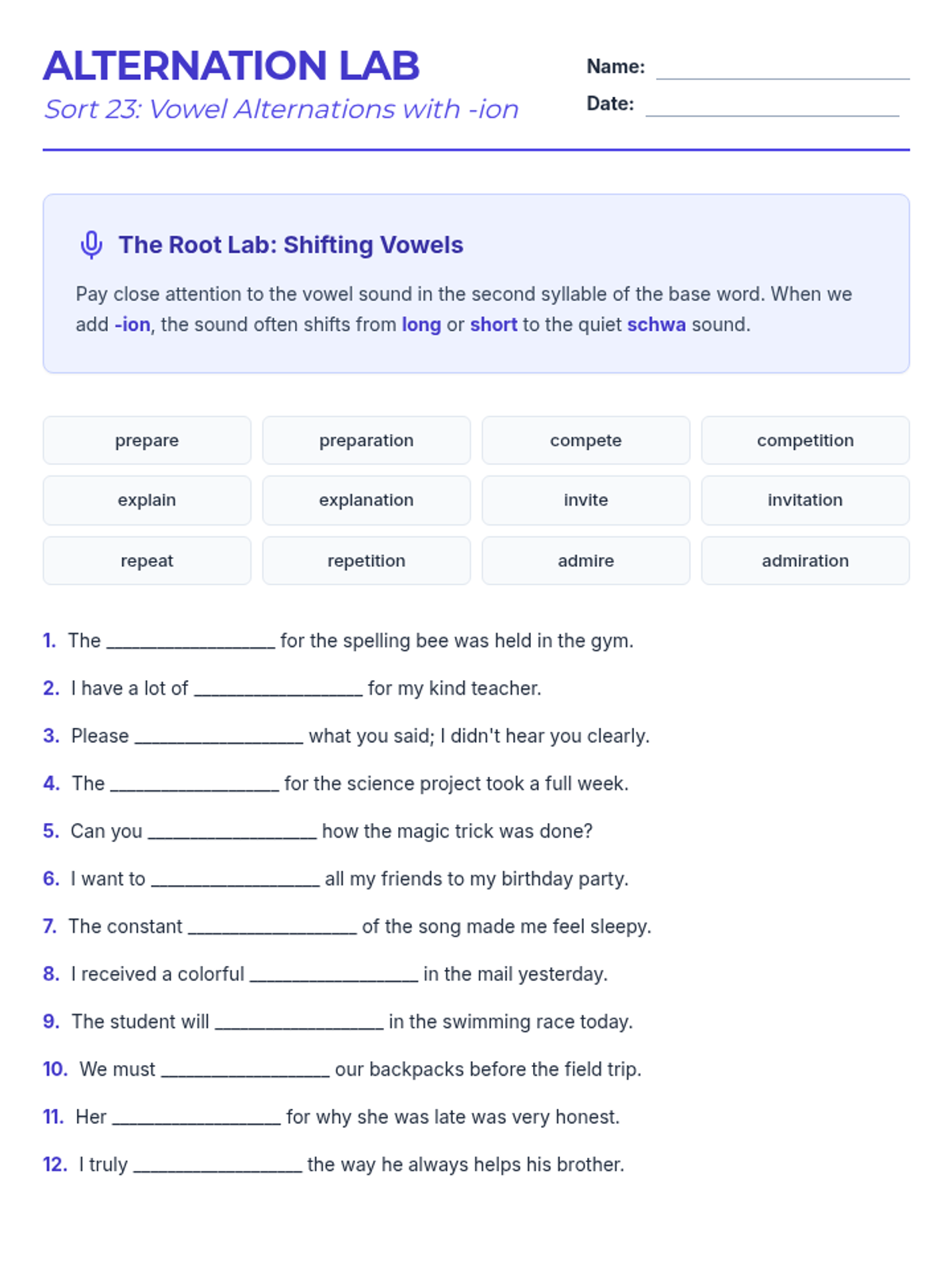
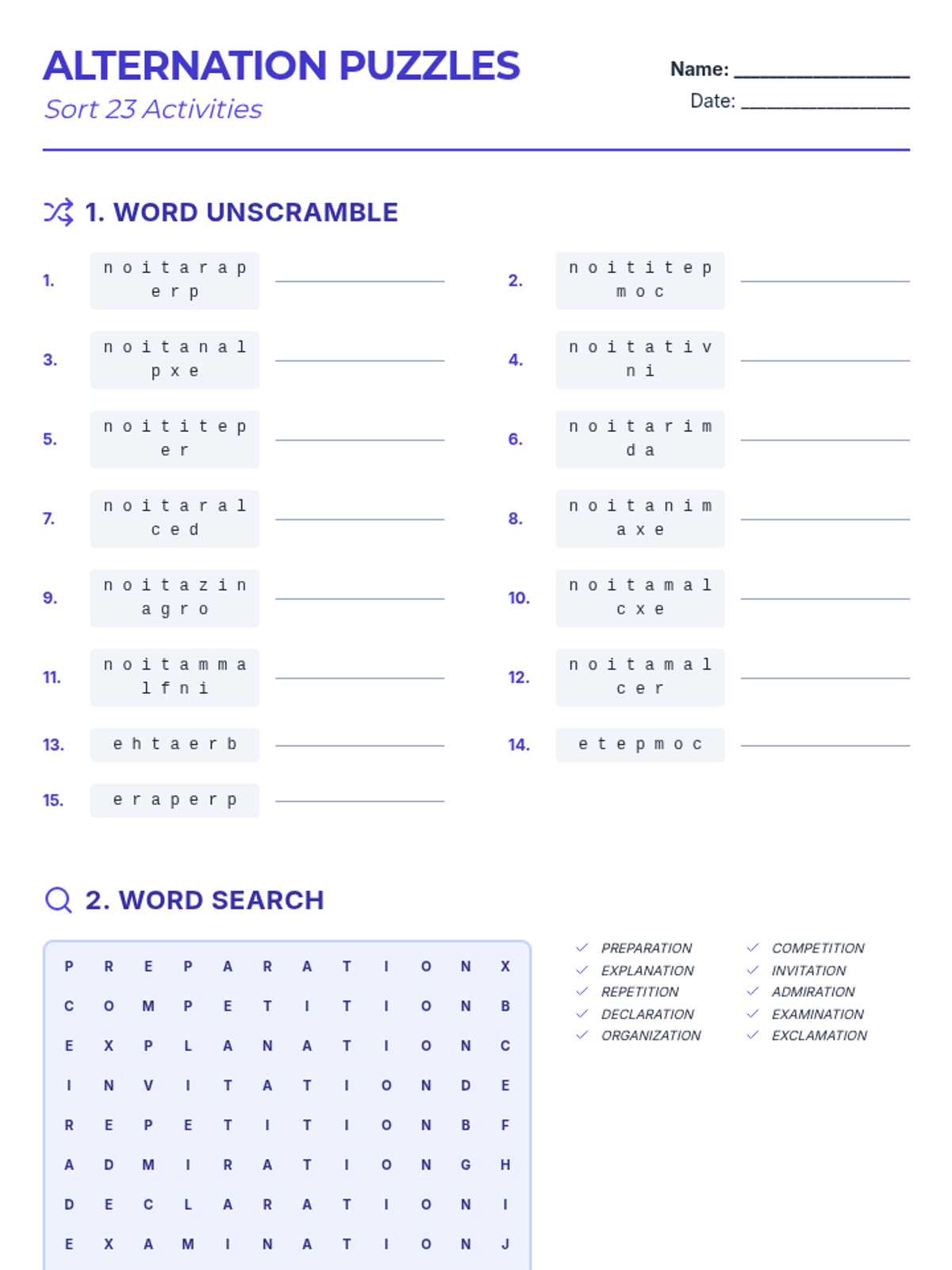
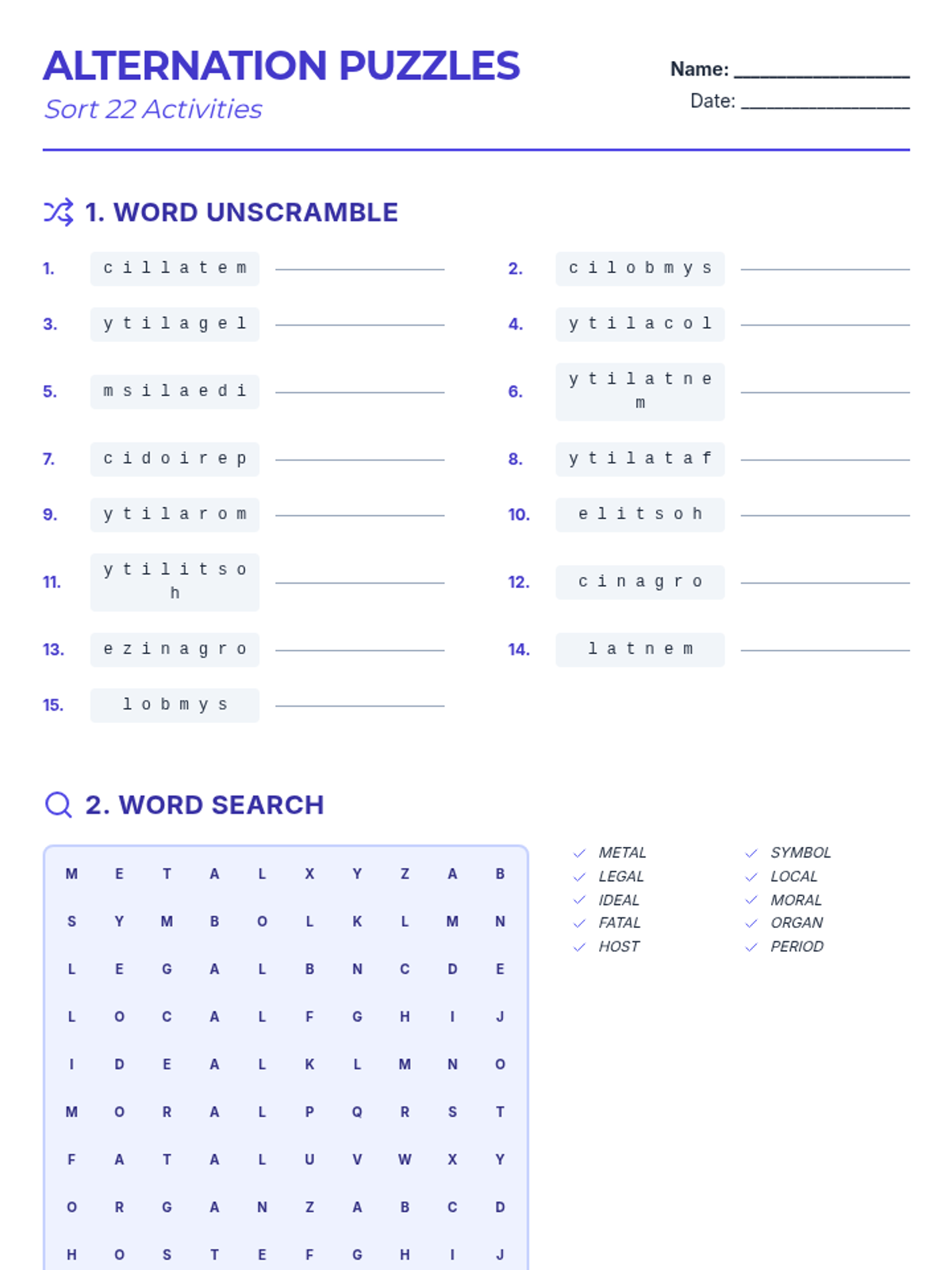
Focusing on vowel alternations where adding the suffix -ion shifts the sound from long or short to a schwa.
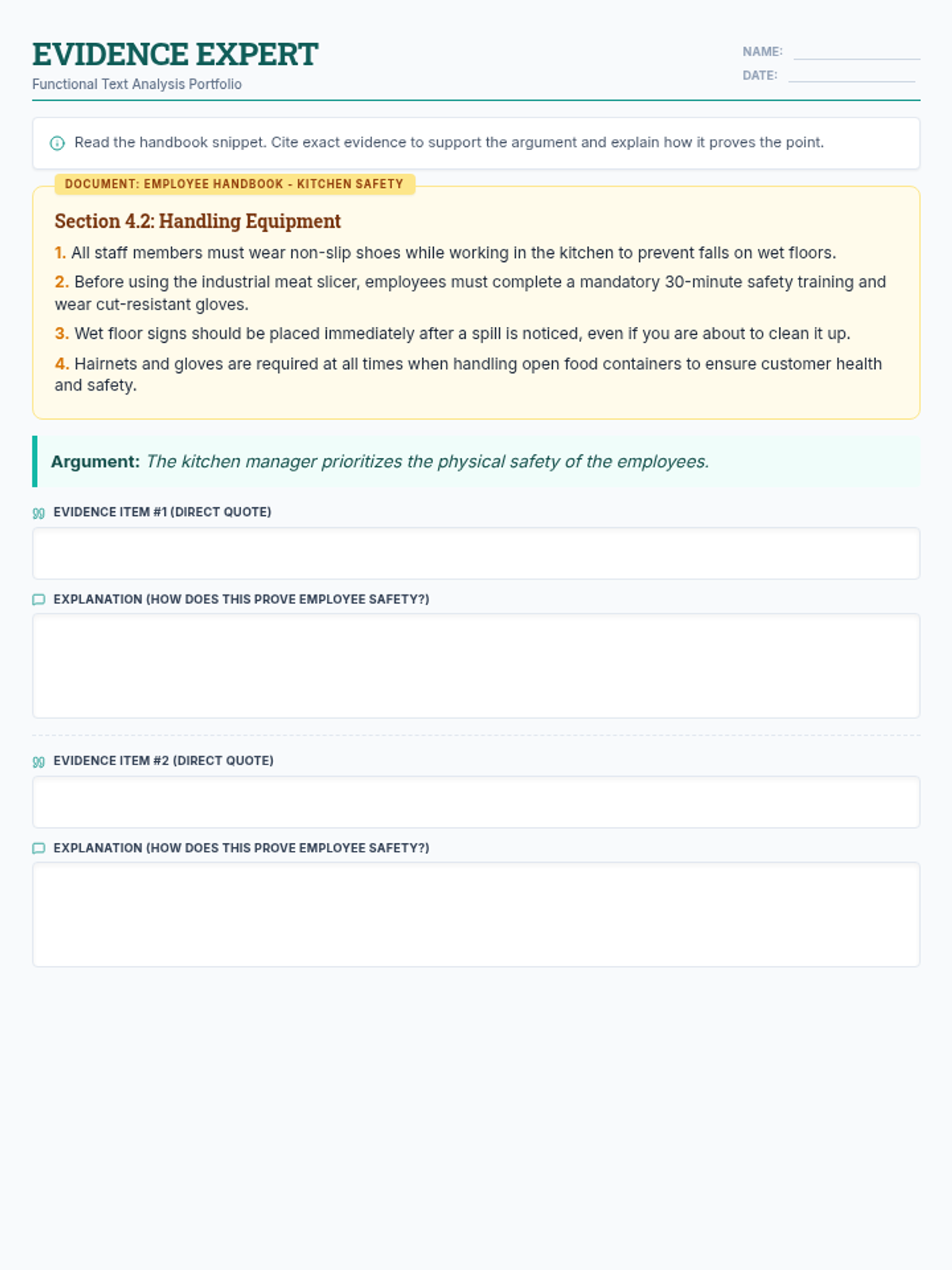
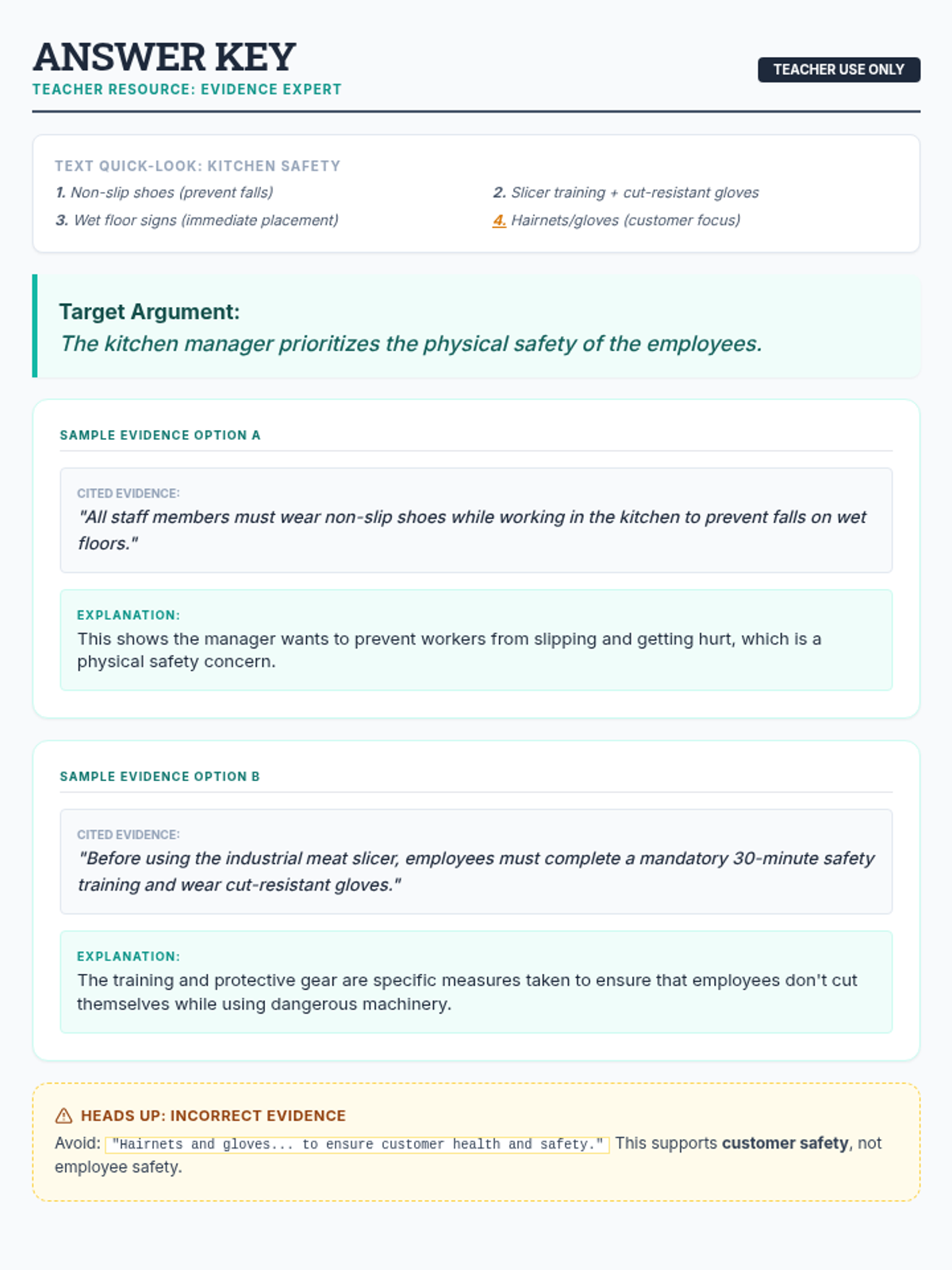
A lesson focused on identifying and citing evidence from functional texts, such as manuals and agreements, to support a specific argument. Students will practice finding two pieces of evidence and explaining their relevance.
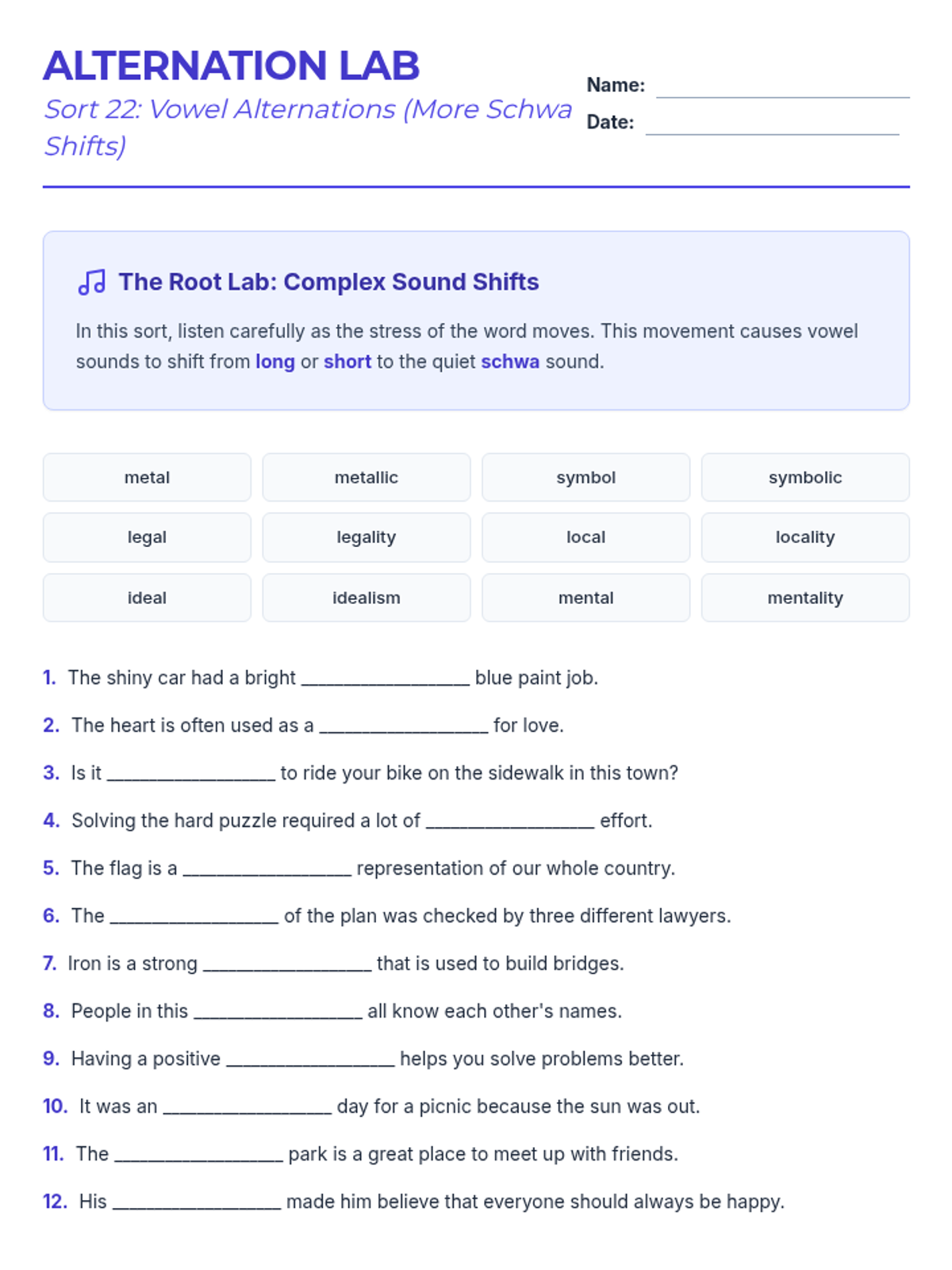
Introduction to vowel alternations where vowel sounds shift from long or short to the quiet schwa sound as the stress of the word moves.
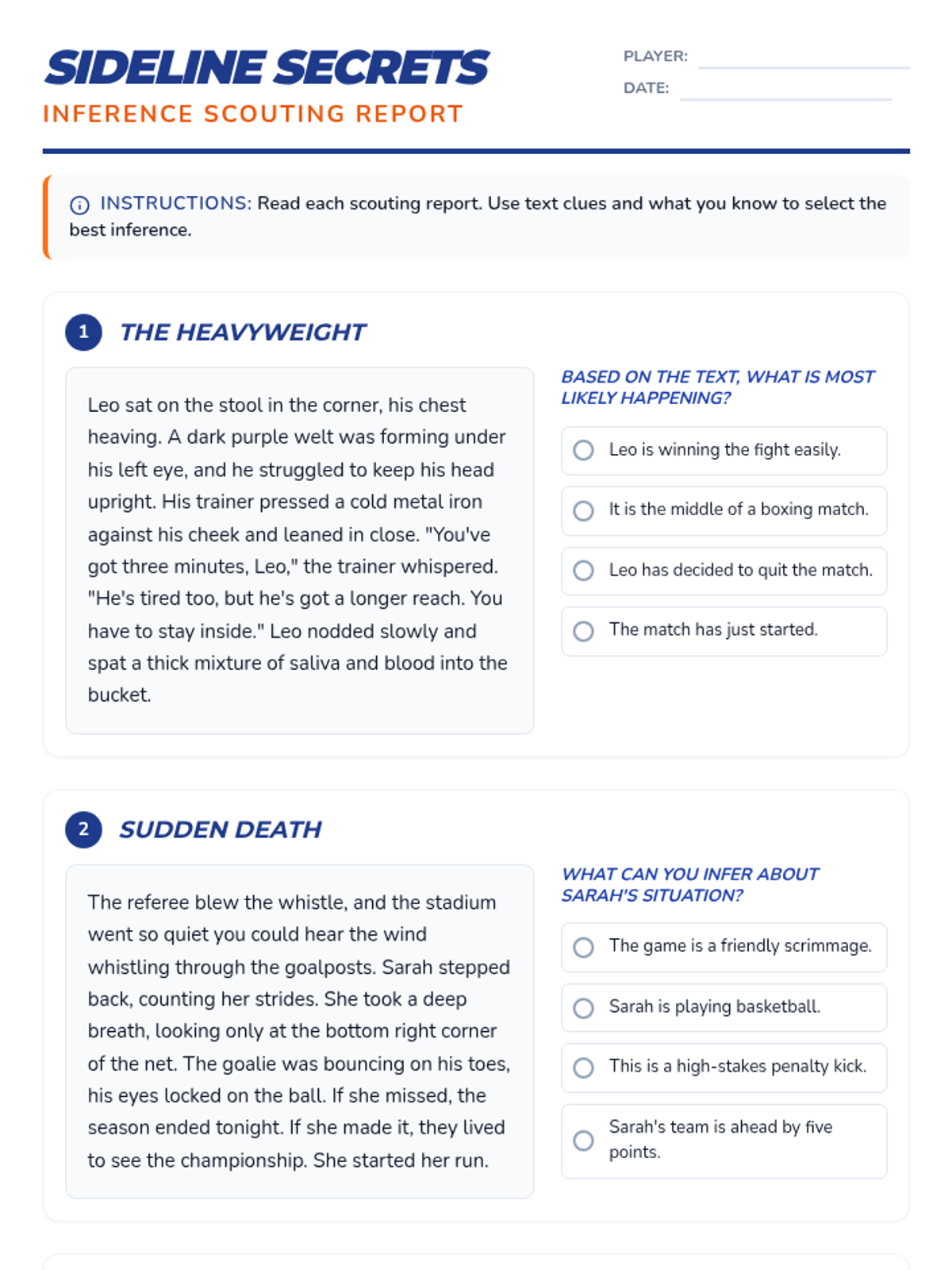
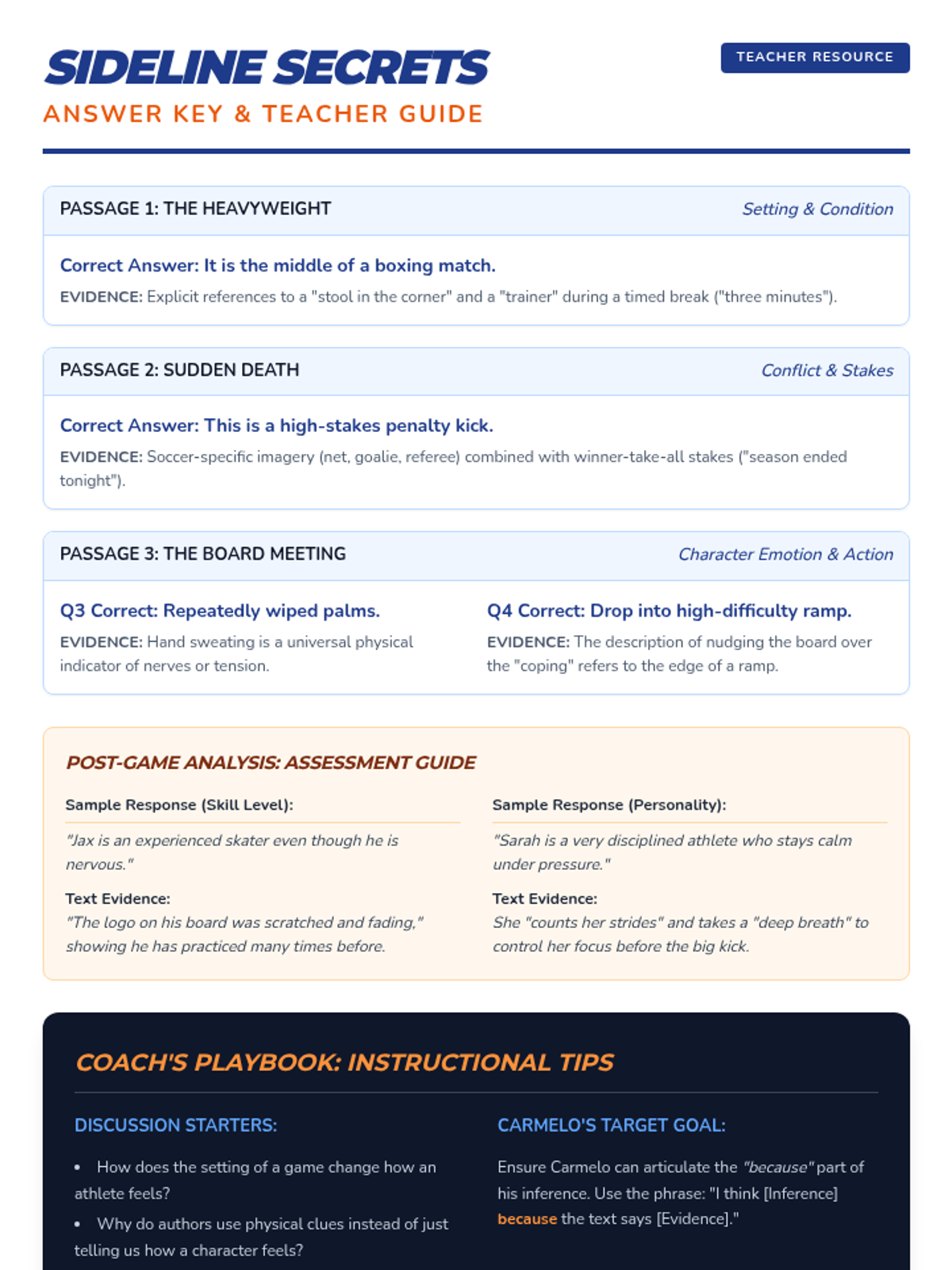
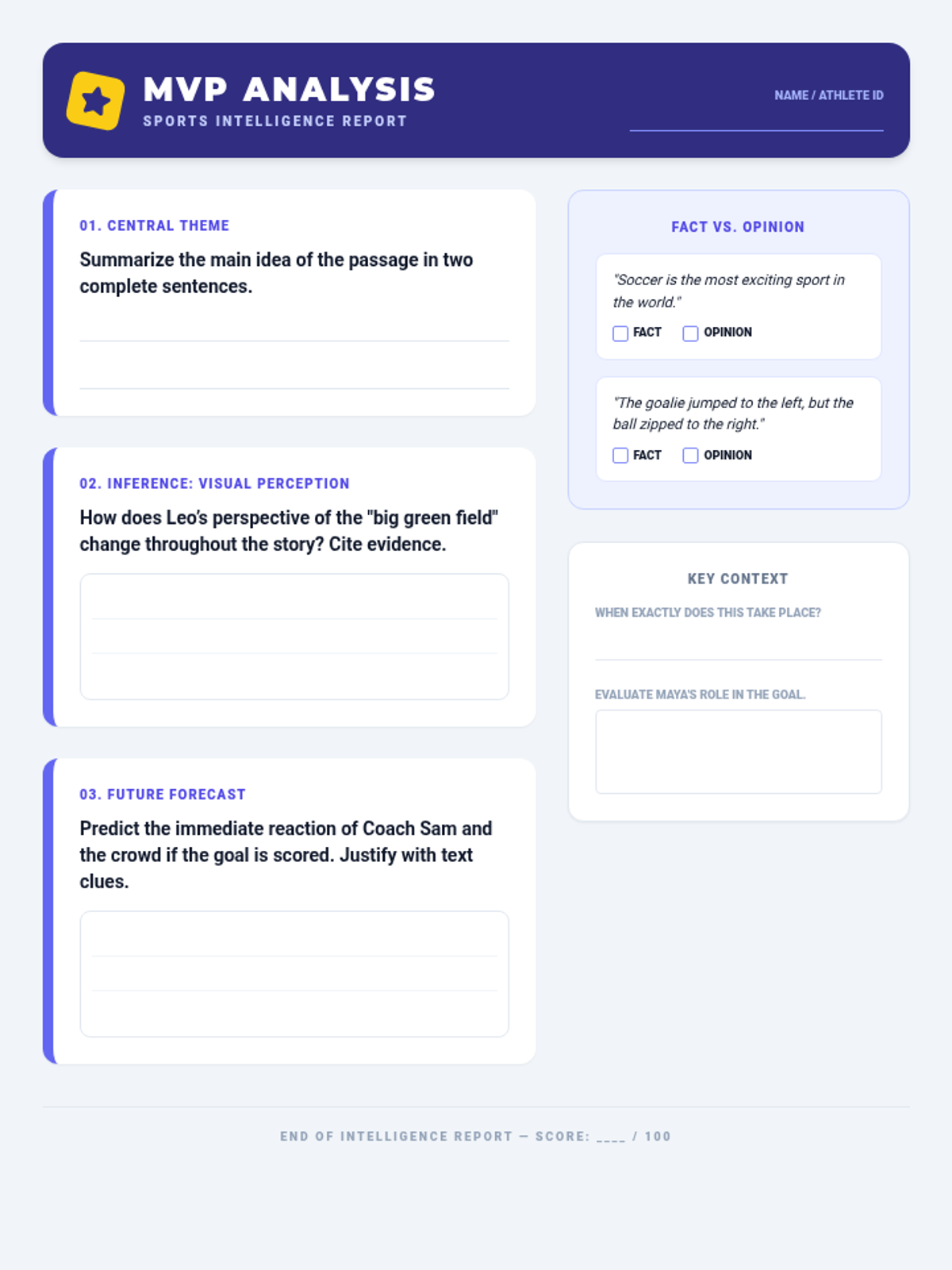
A lesson focused on teaching students how to make logical inferences and identify implicit meanings using high-interest sports narratives.
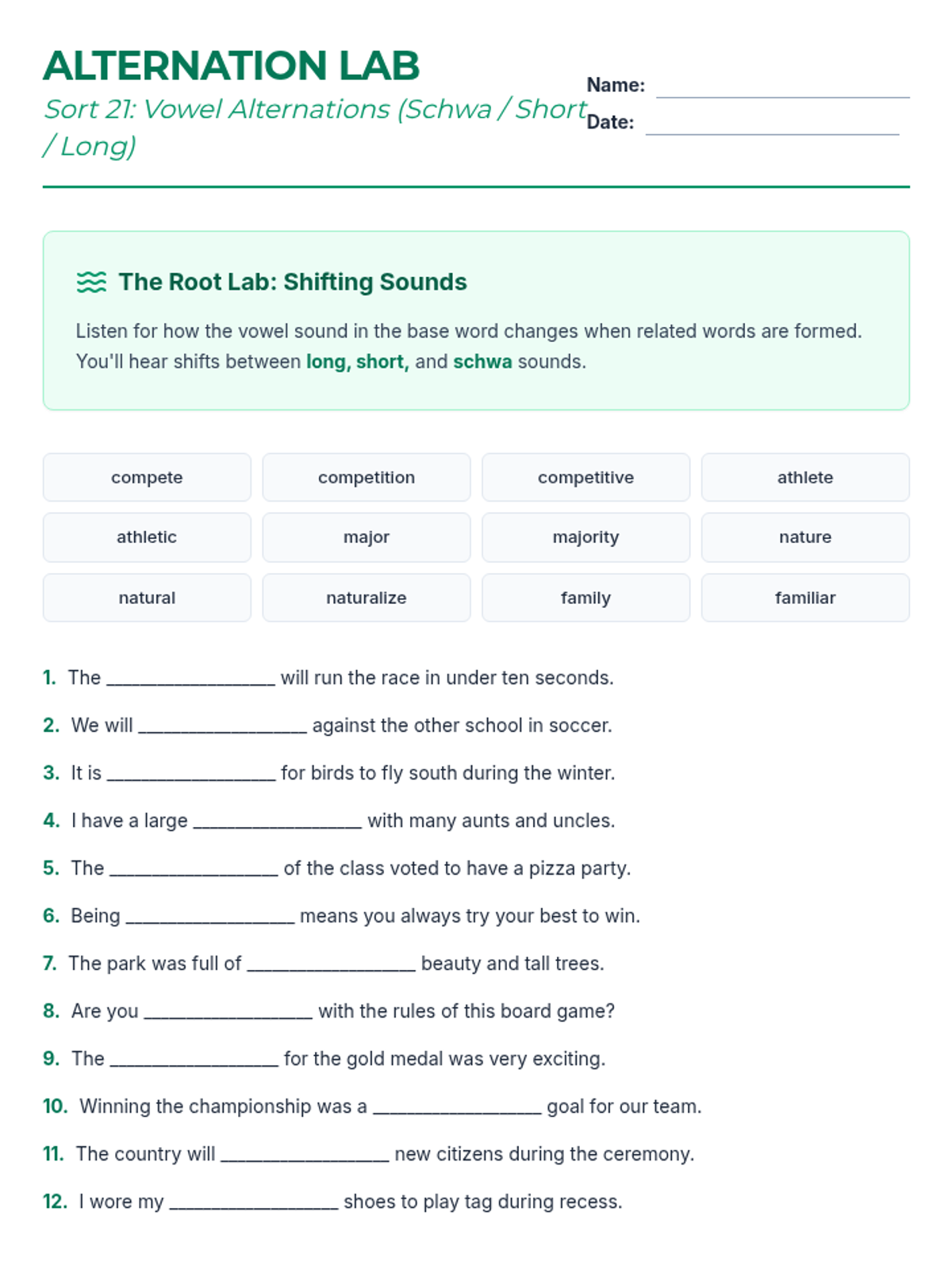
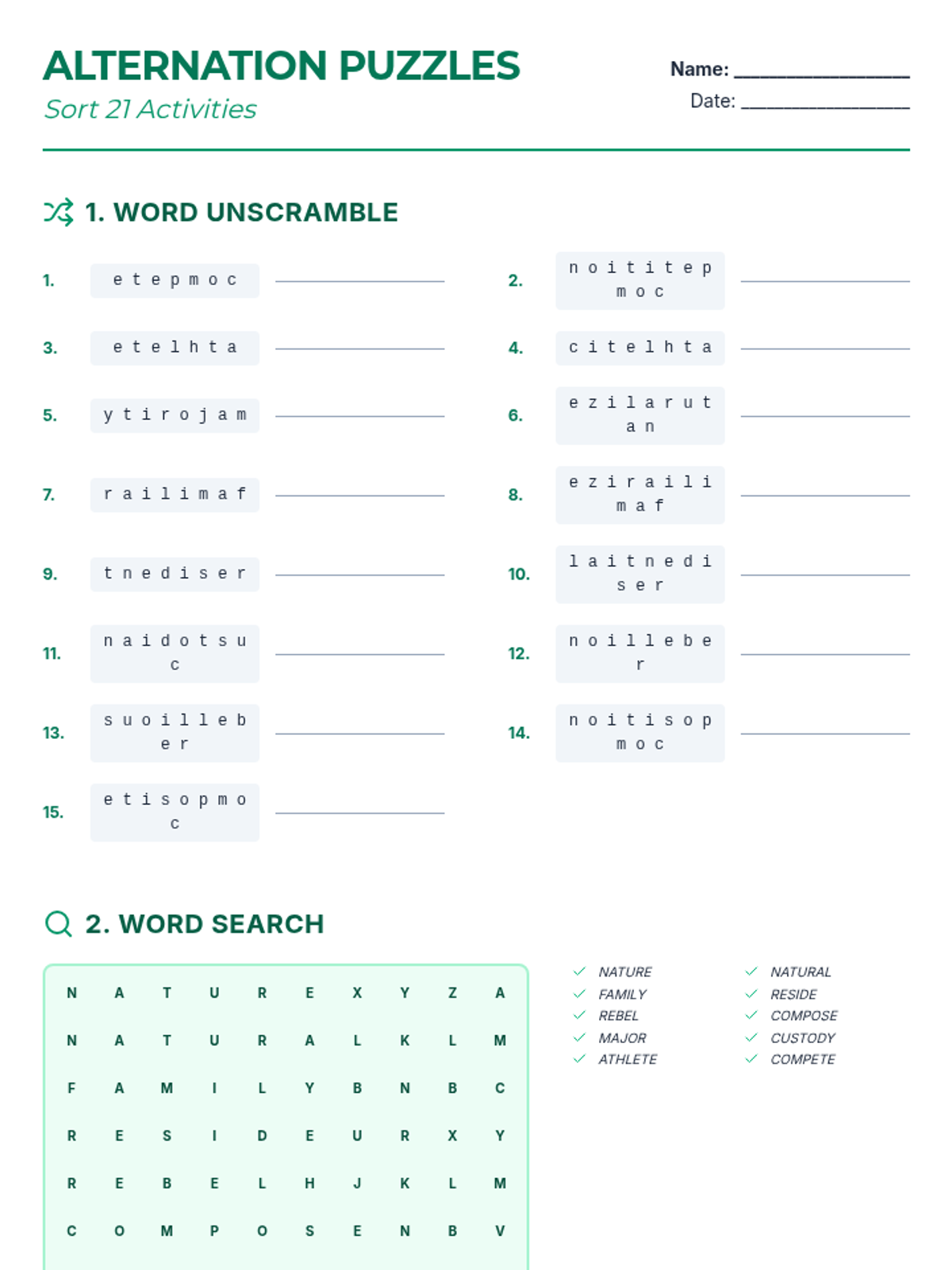
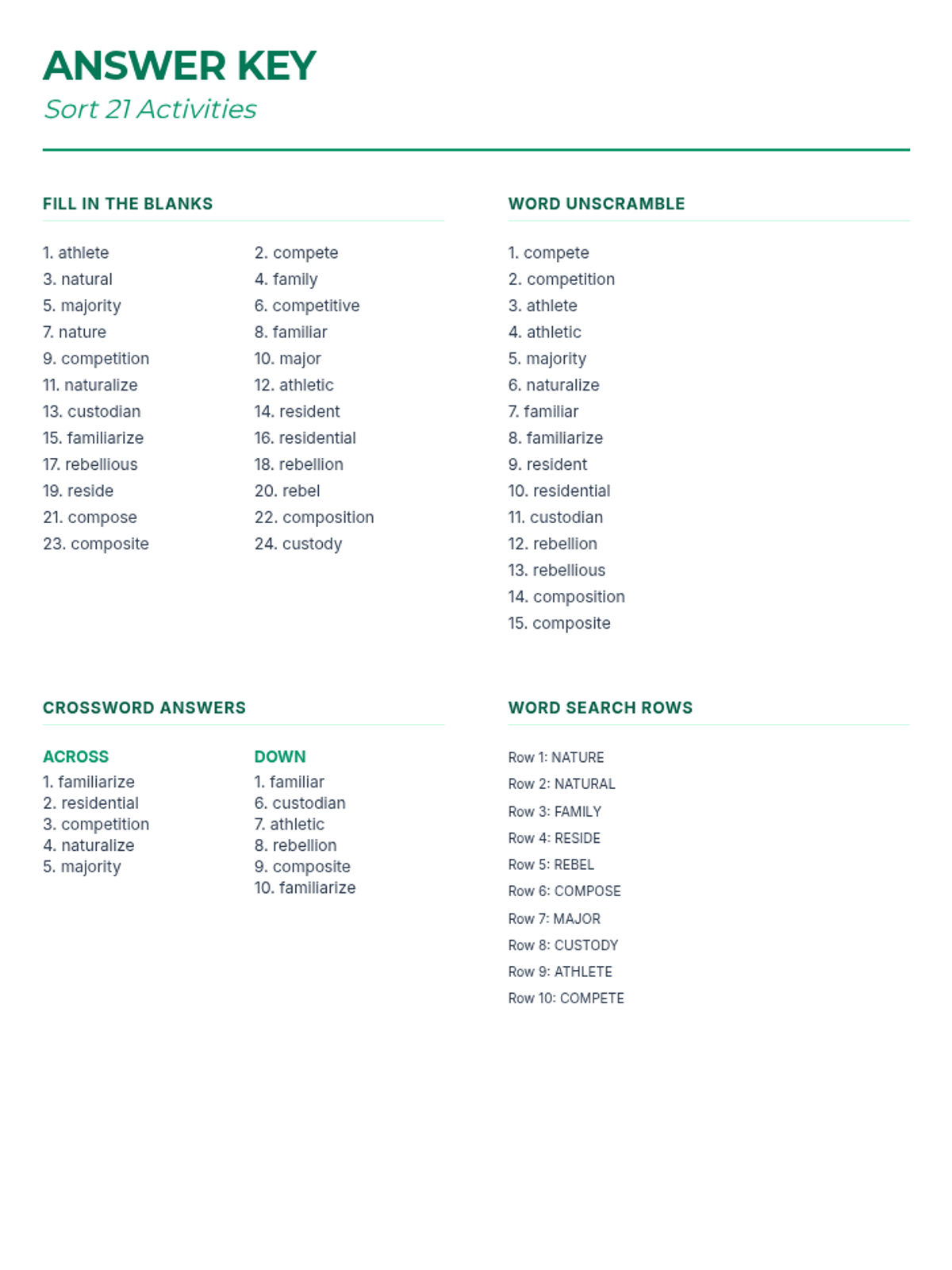
Introduction to vowel alternations where vowel sounds shift between long, short, and schwa sounds (e.g., nature becomes natural).
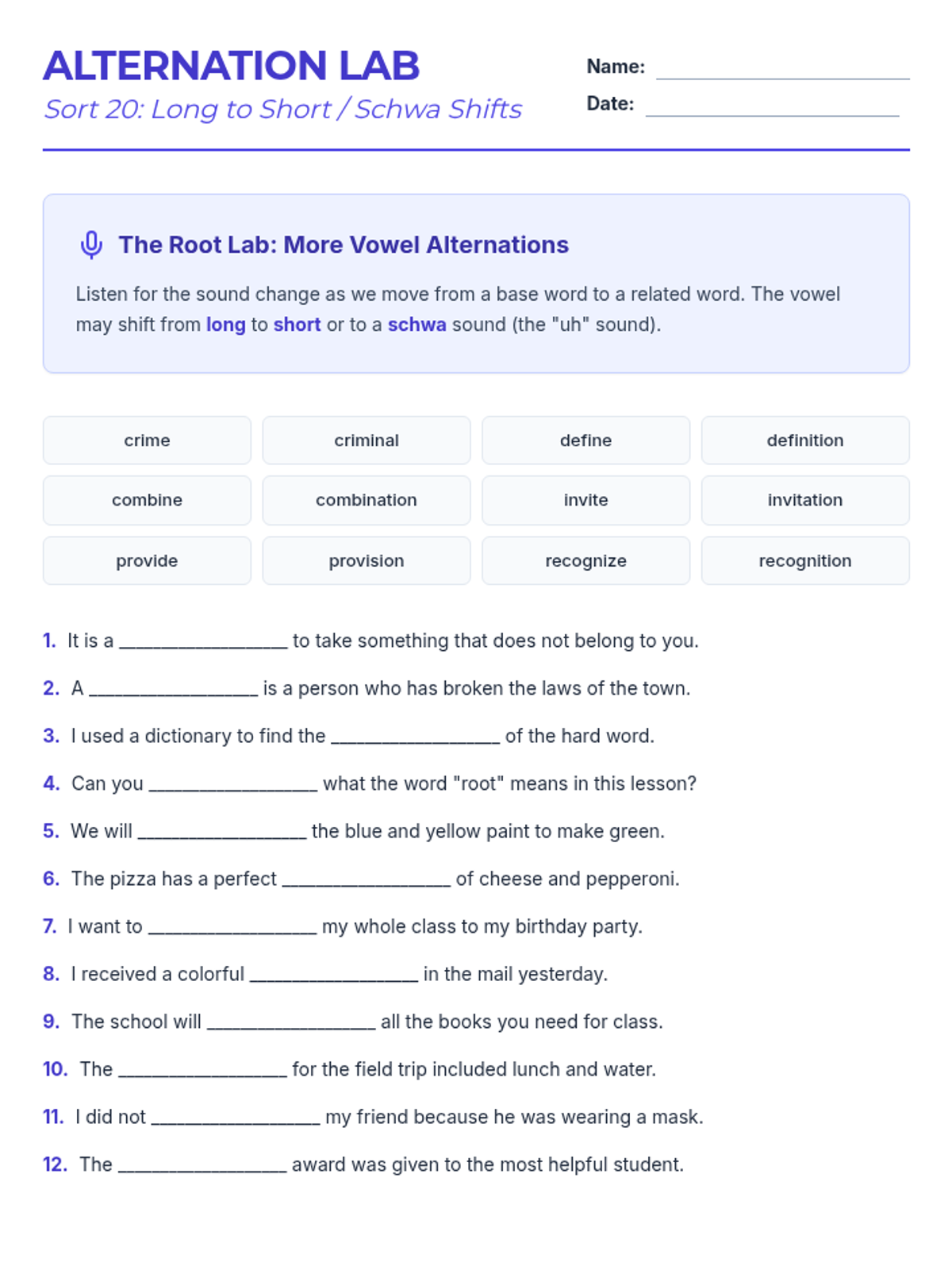
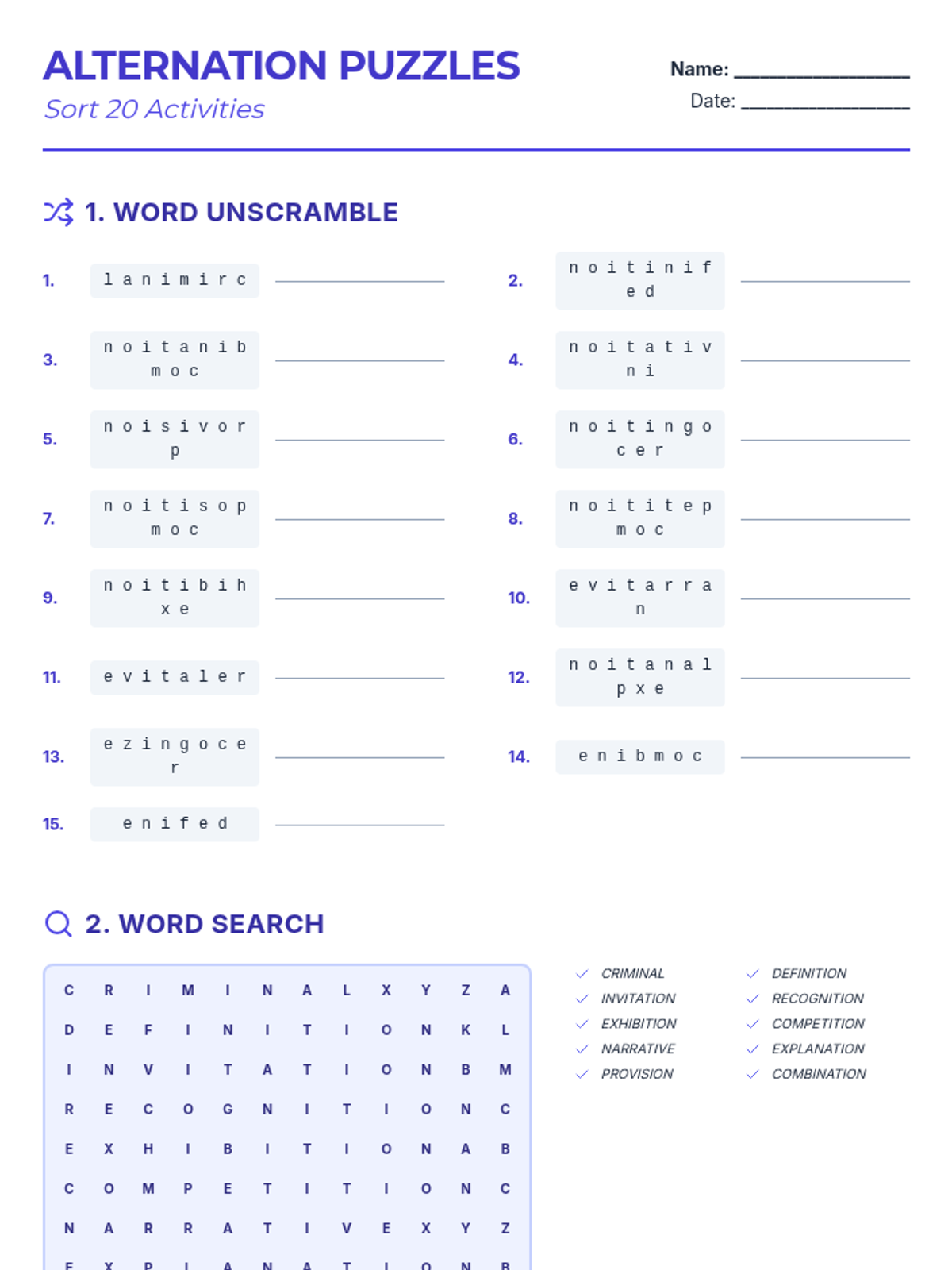
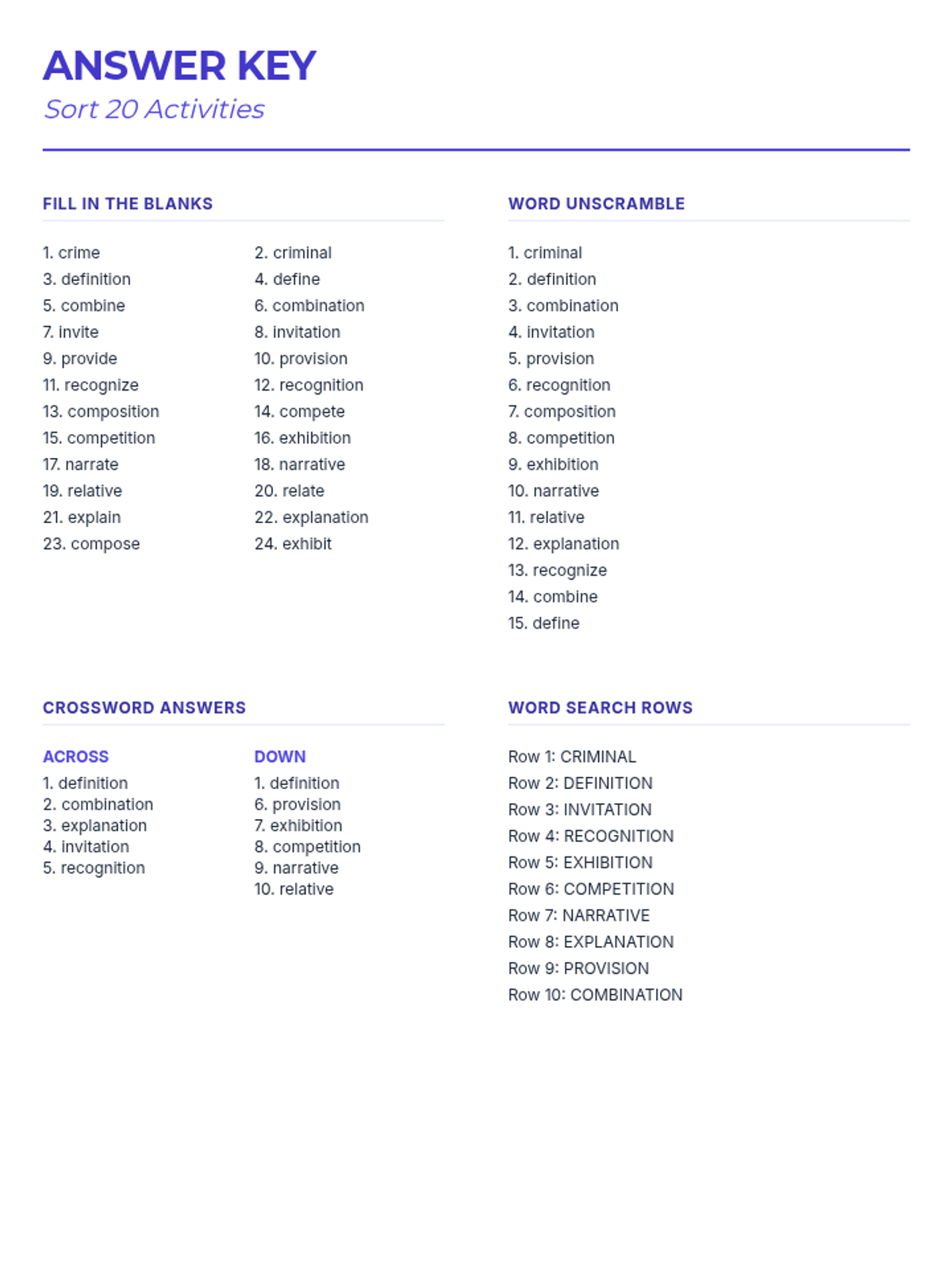
Focusing on vowel alternations where a long vowel sound shifts to a short vowel or a schwa sound (the "uh" sound) when a suffix is added.
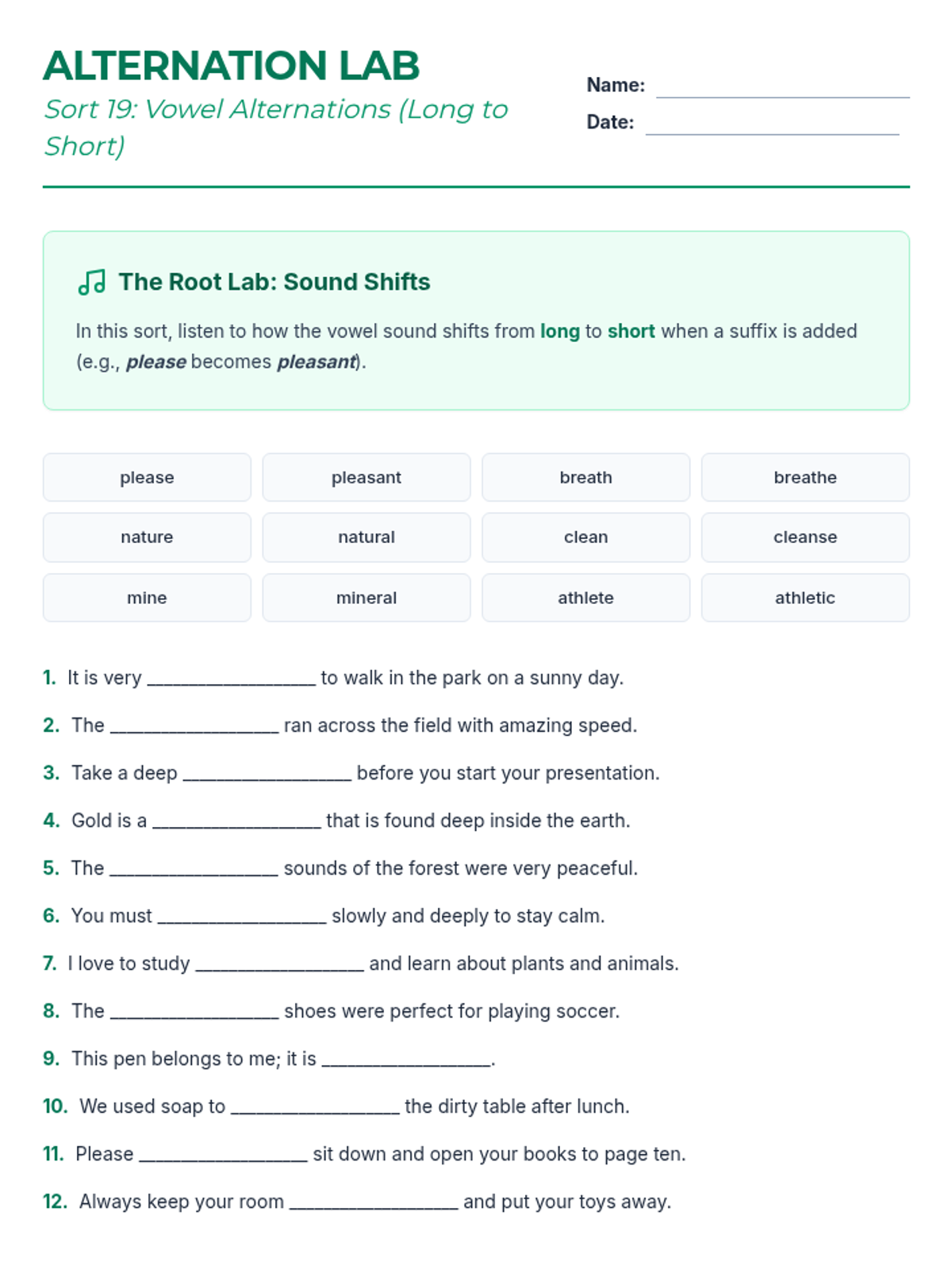
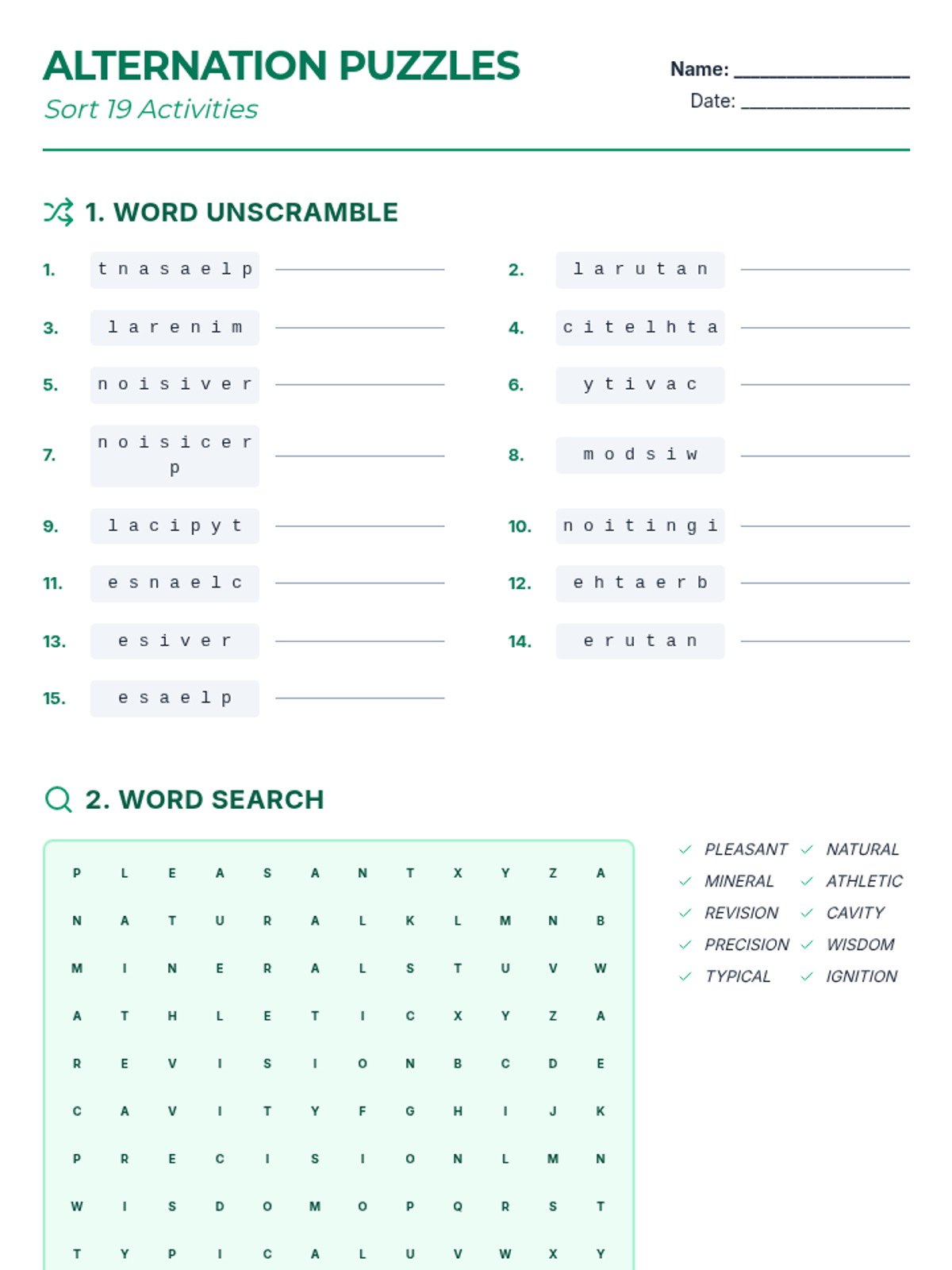
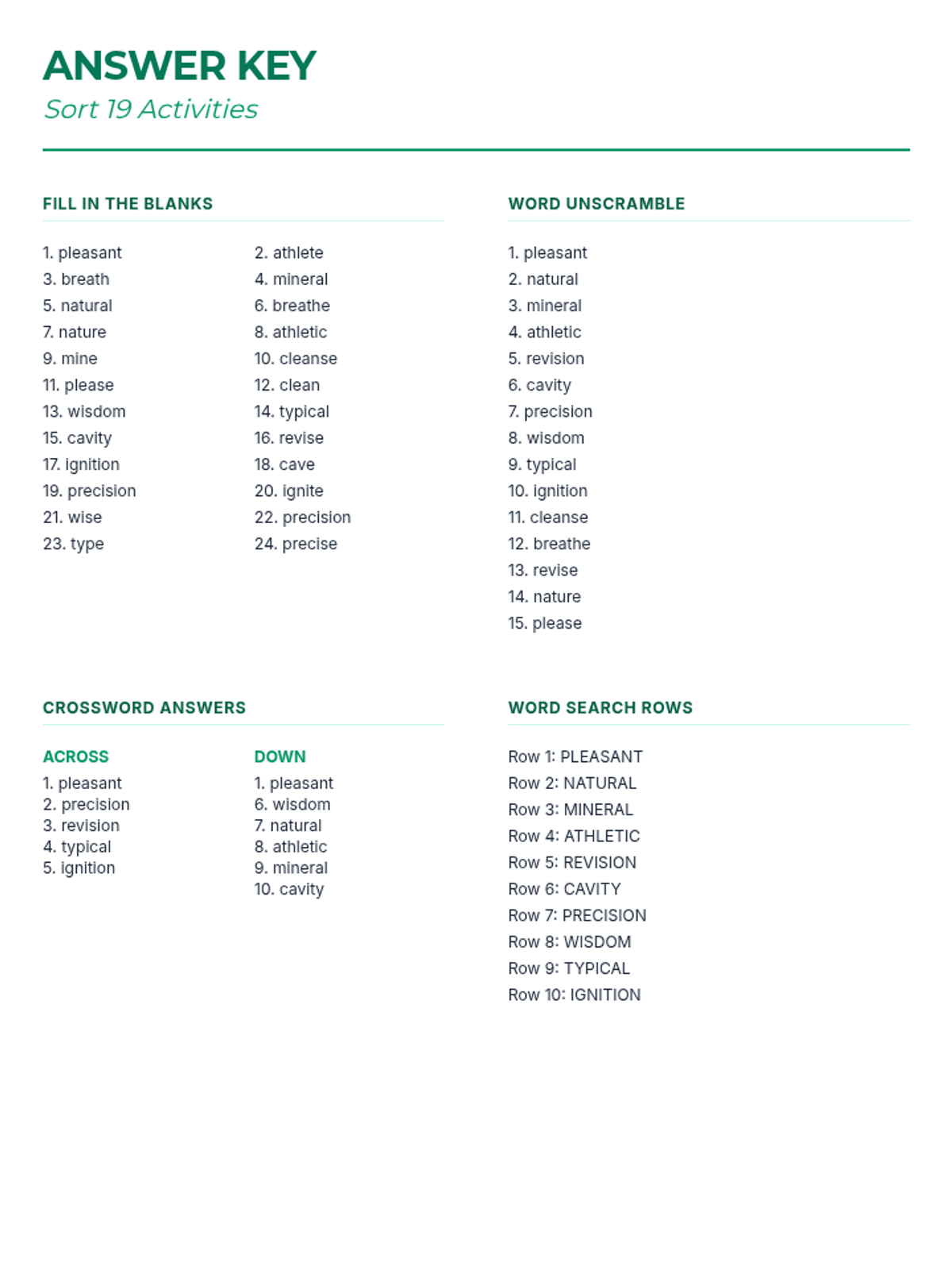
Introduction to vowel alternations where a long vowel sound shifts to a short vowel sound when a suffix is added (e.g., please becomes pleasant).
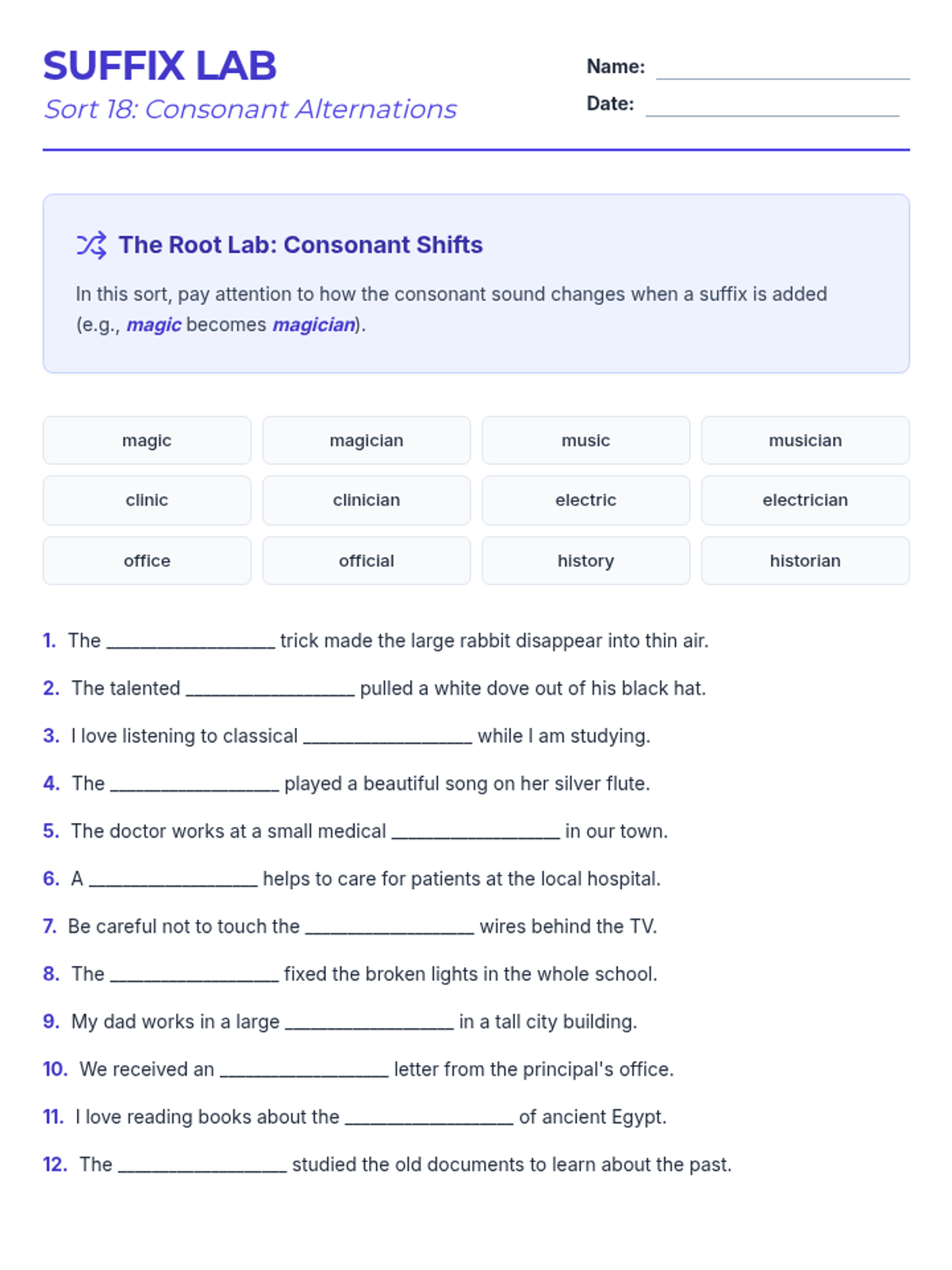
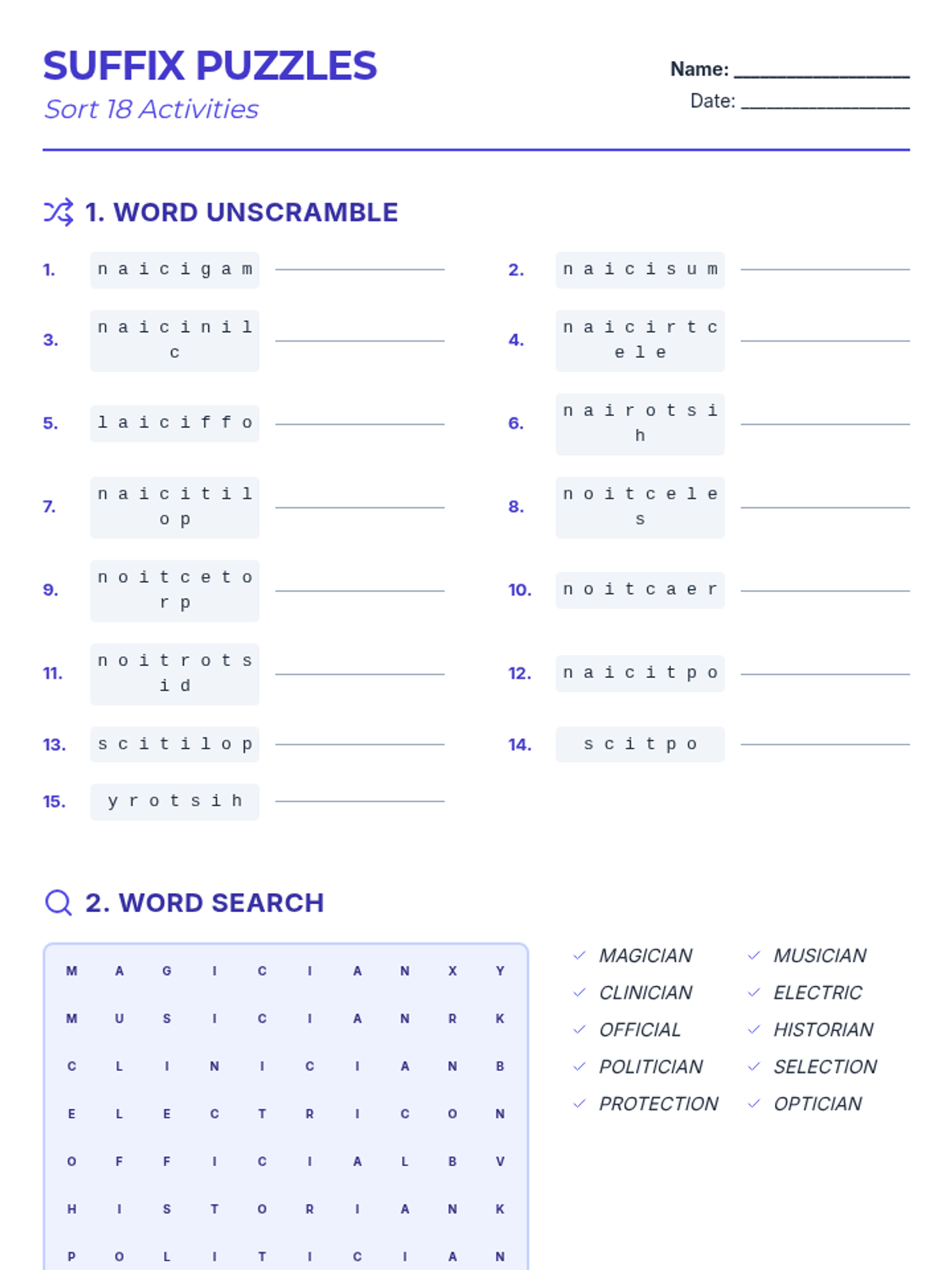
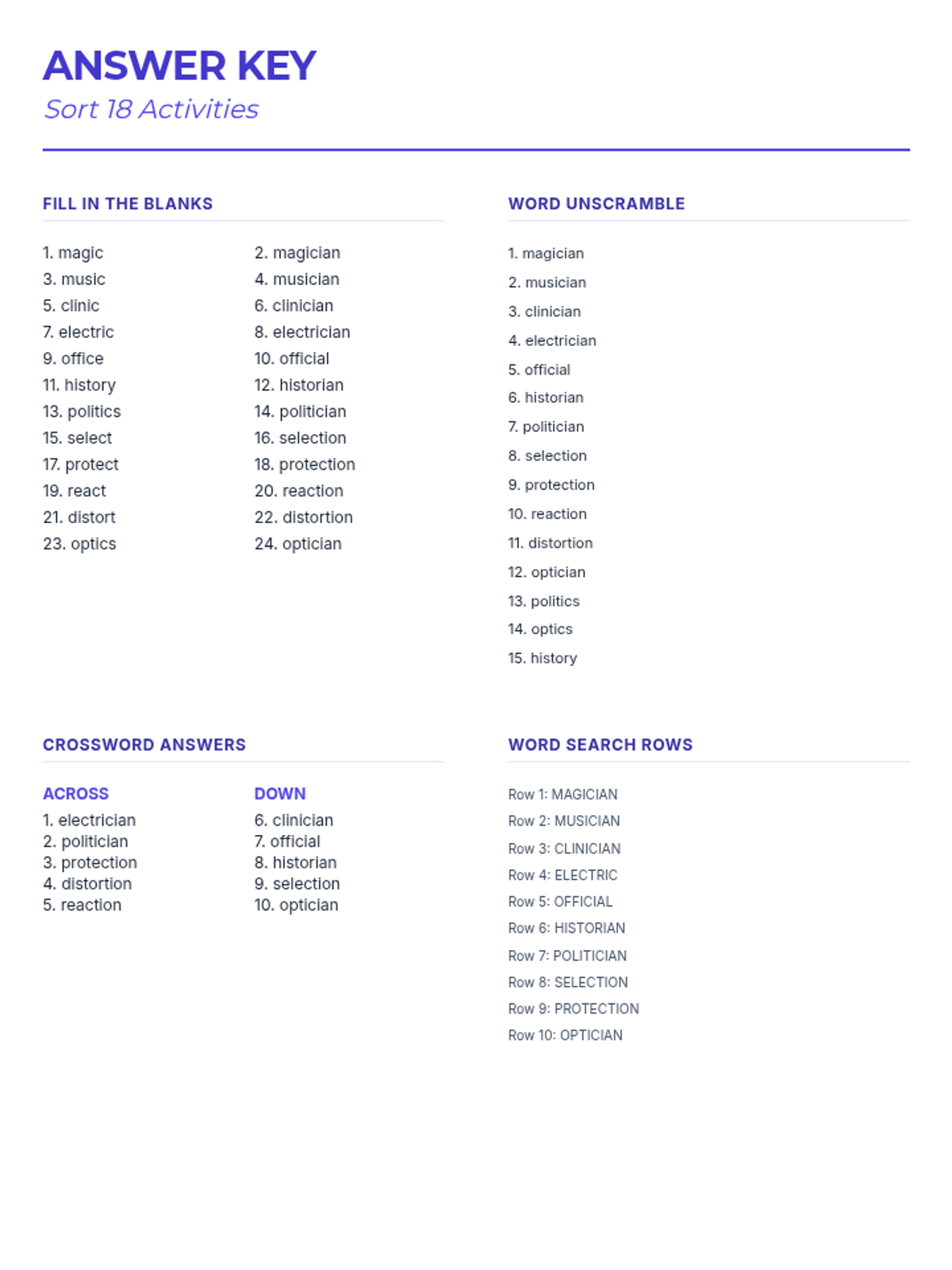
Focusing on consonant sound changes when a suffix is added (e.g., magic becomes magician).
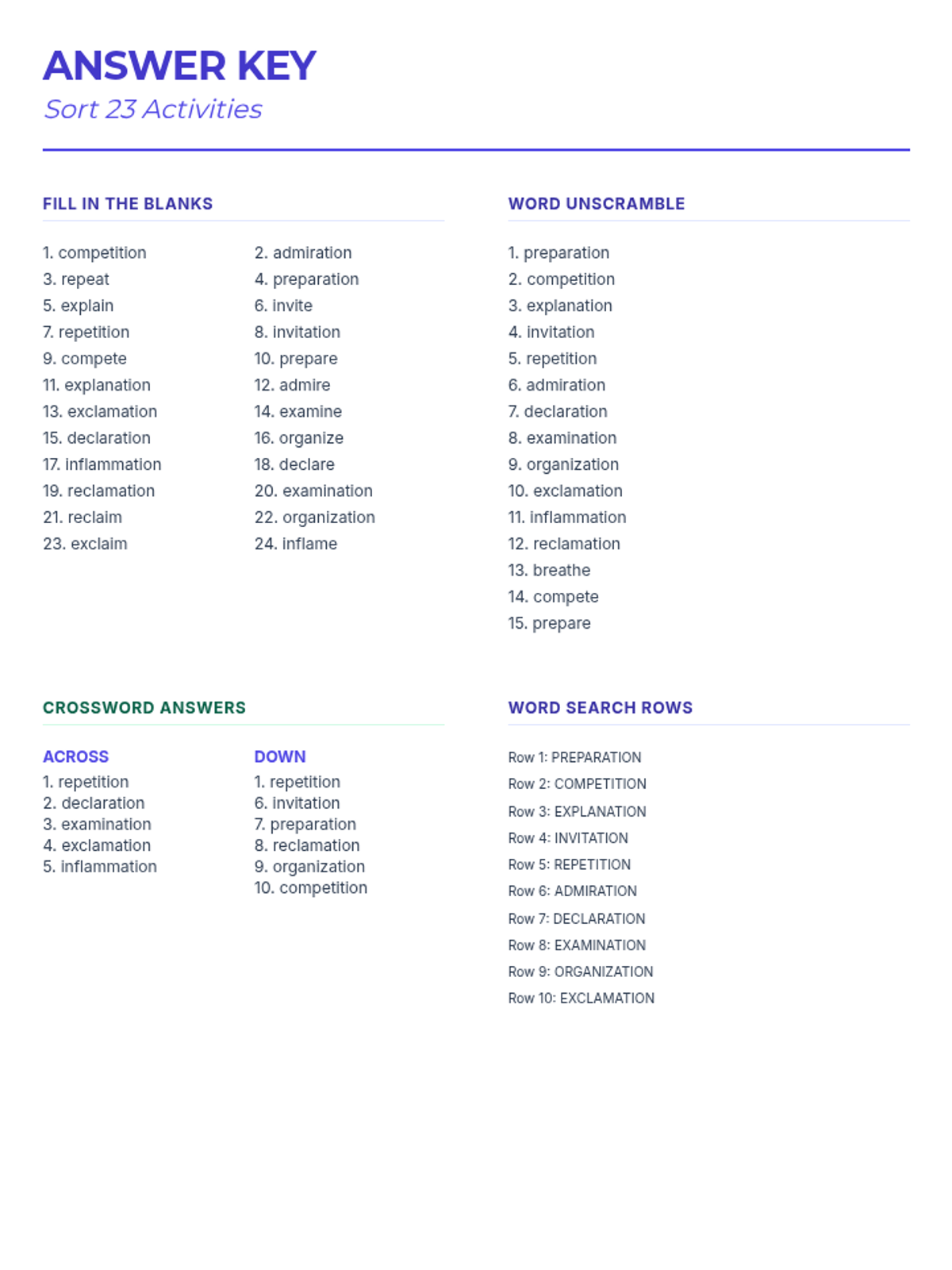
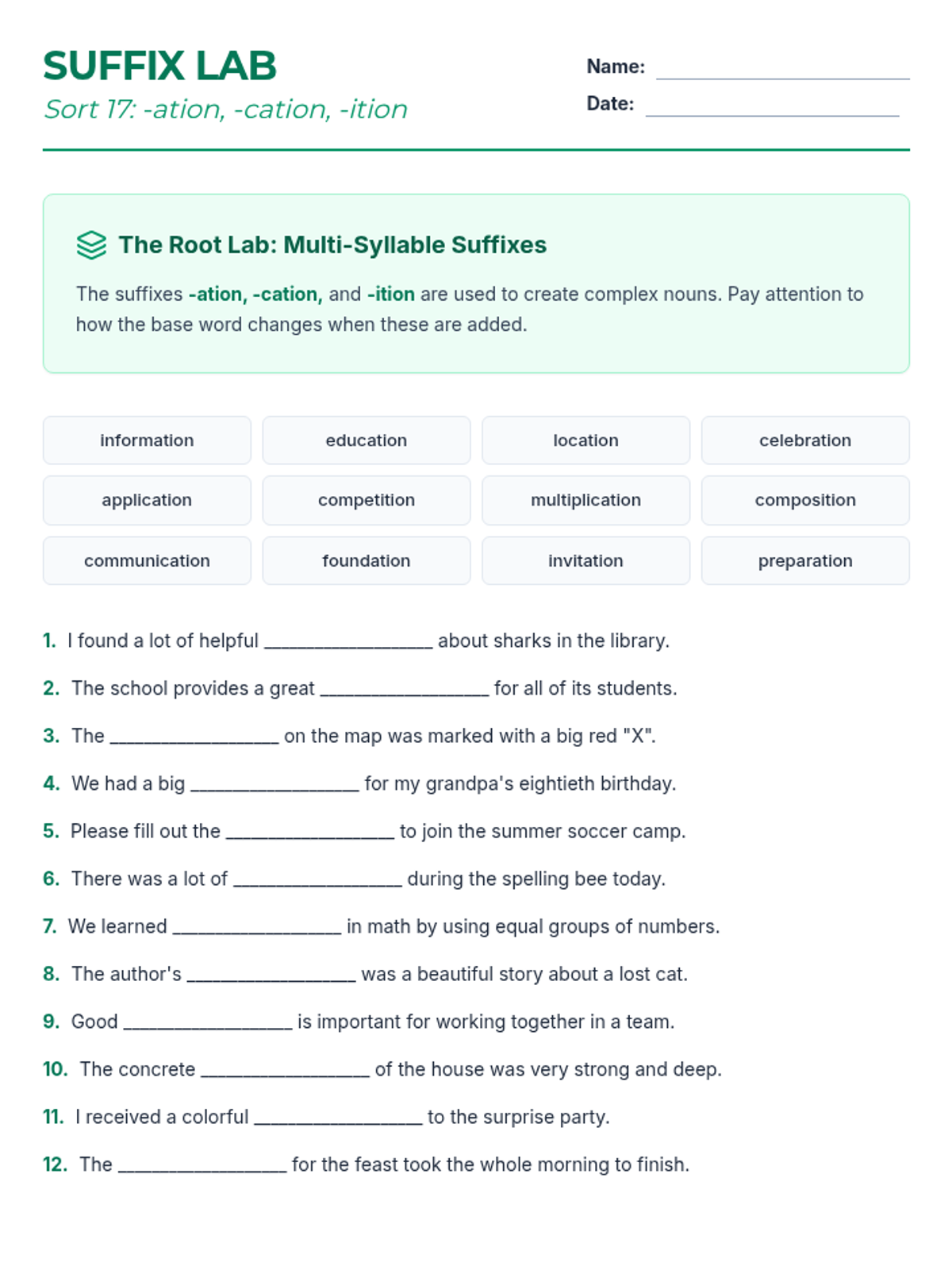
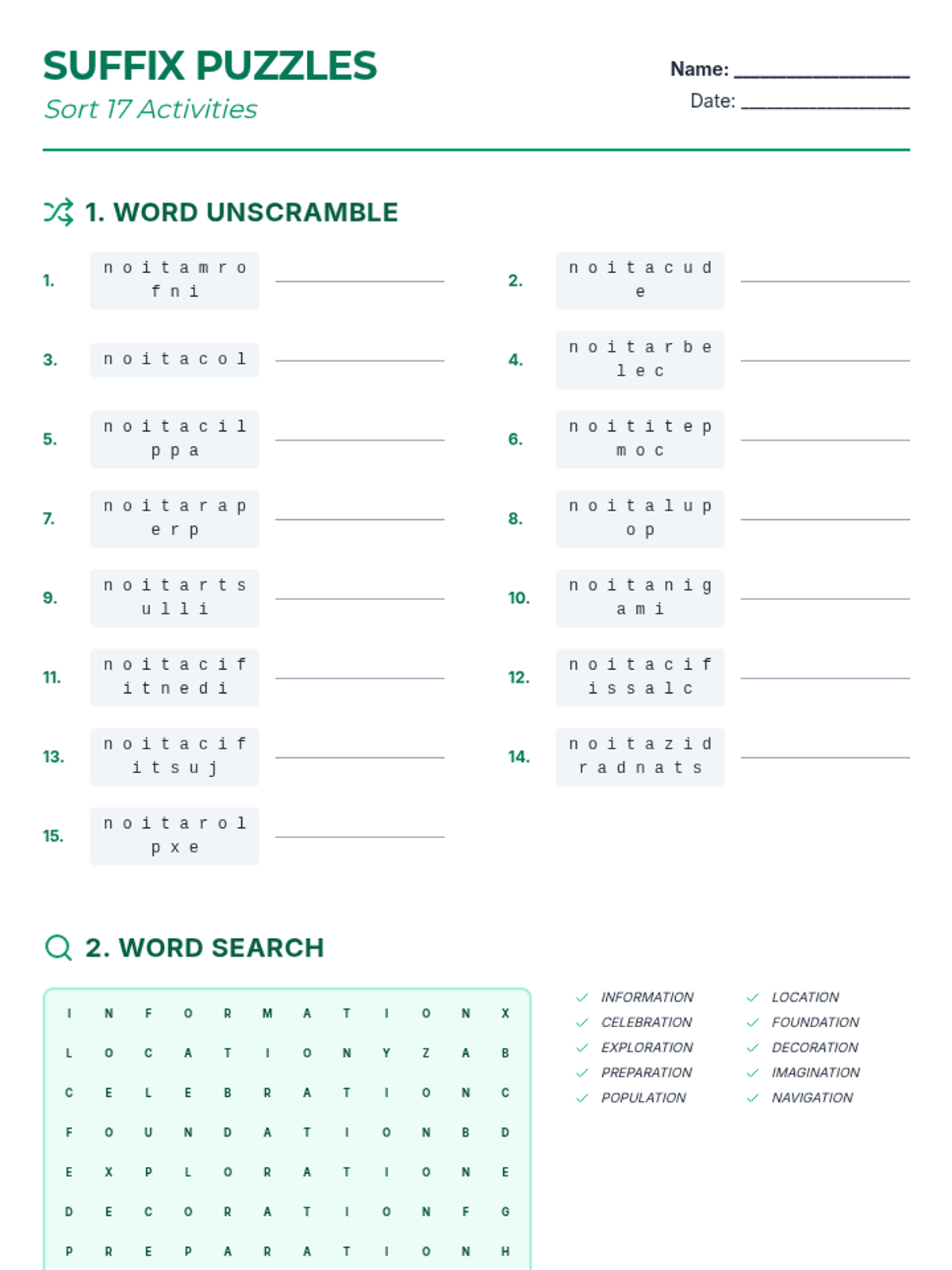
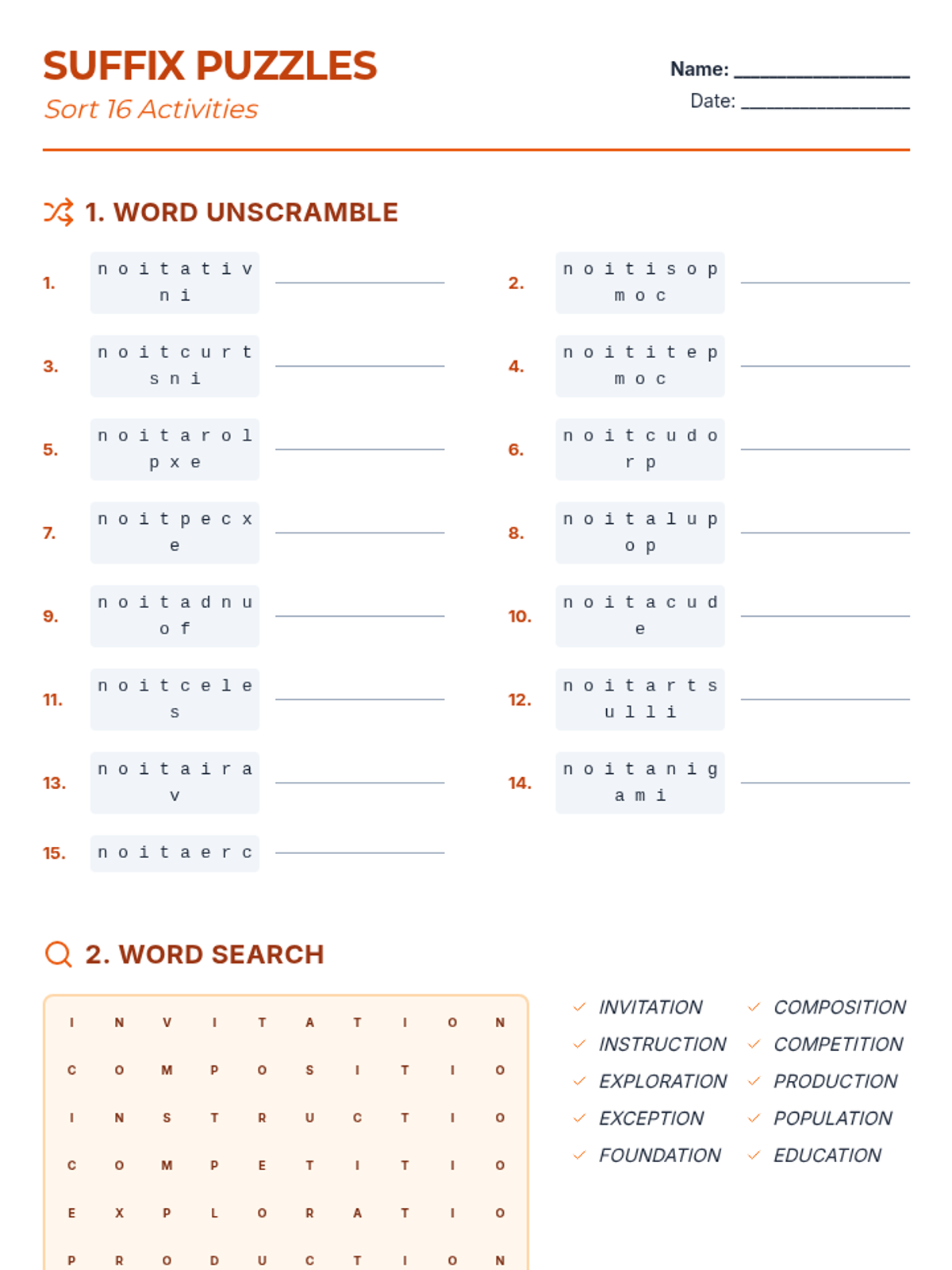
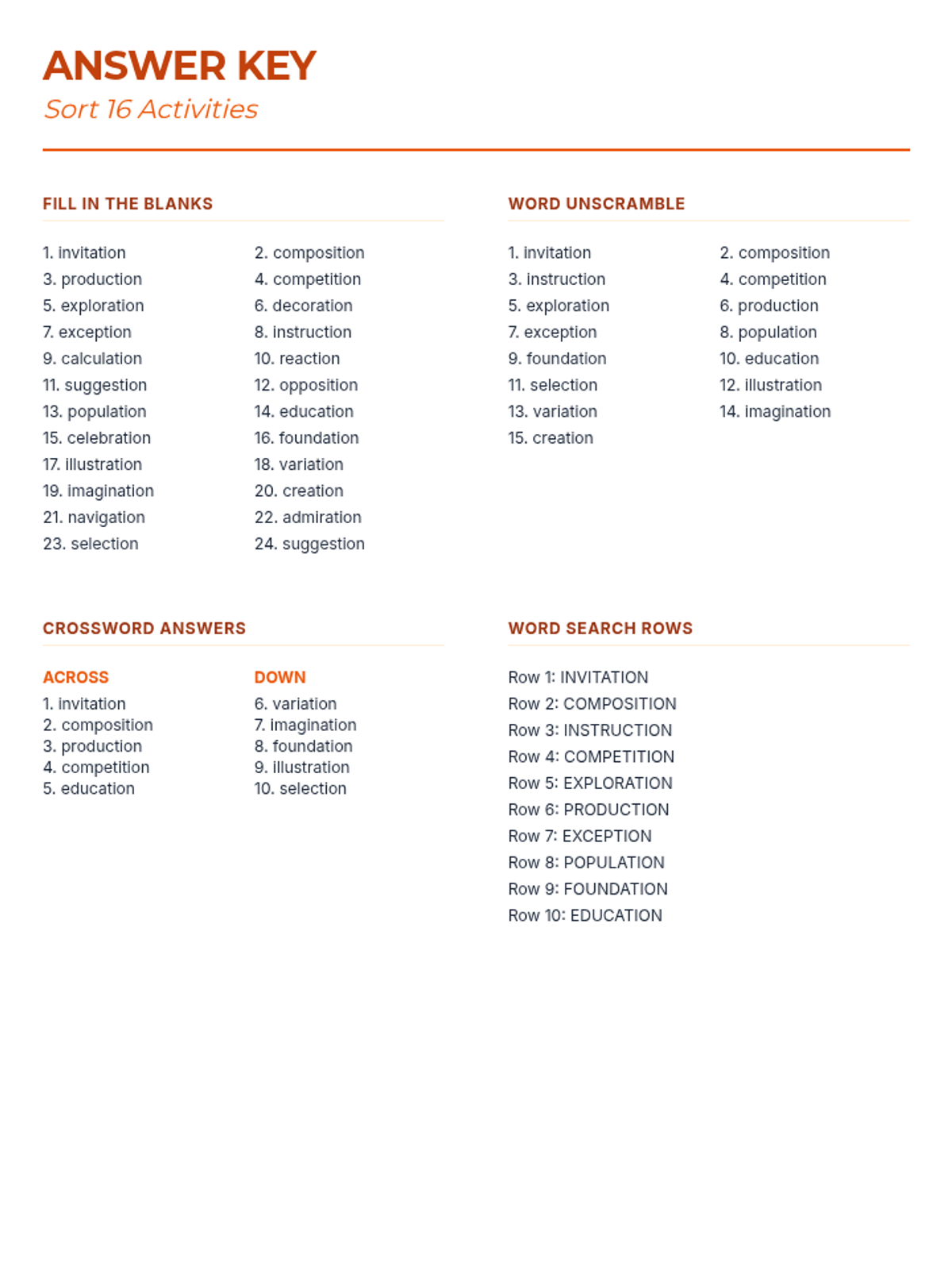
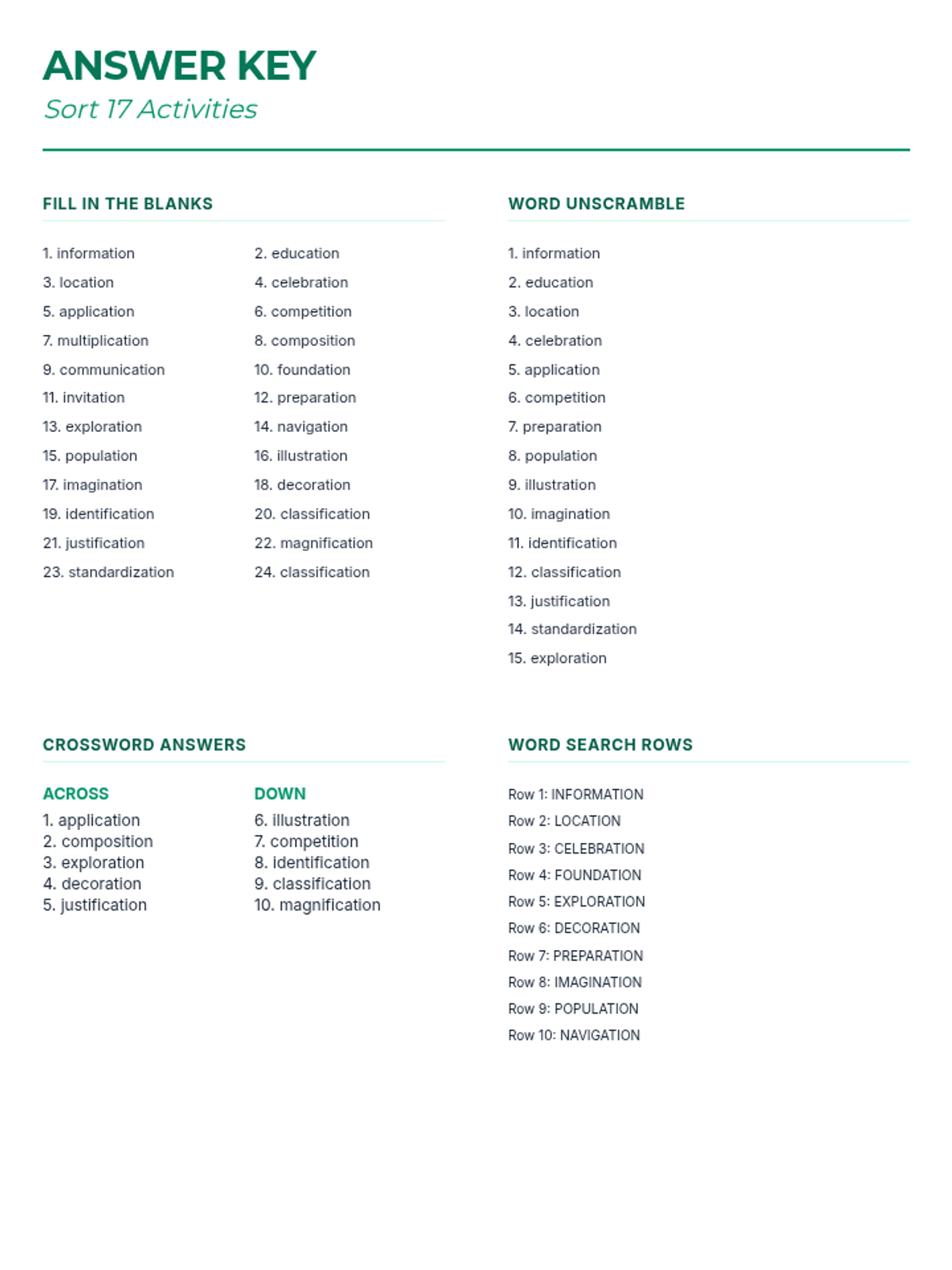
Introduction to multi-syllable suffixes -ation, -cation, and -ition used to create complex nouns.
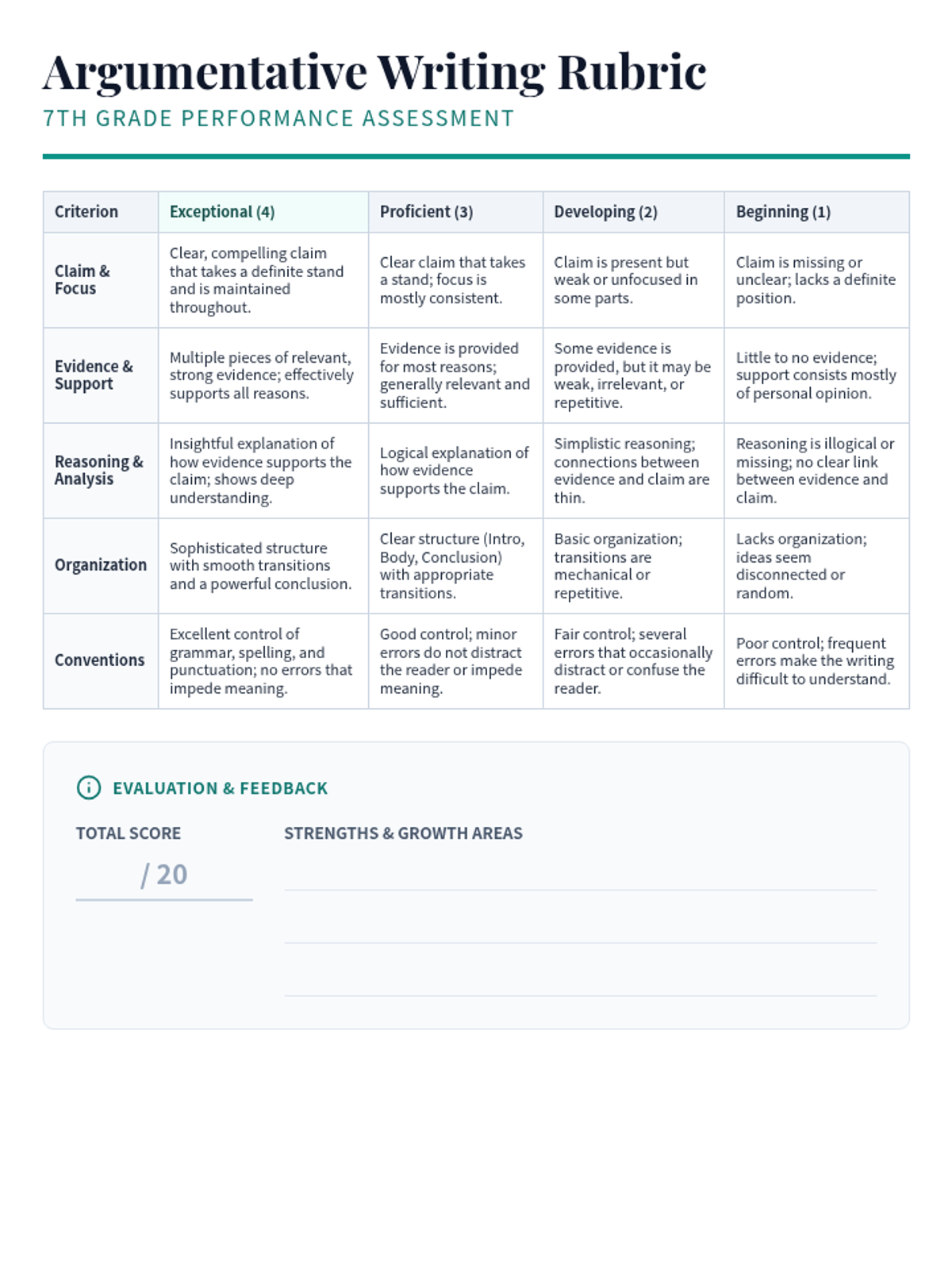
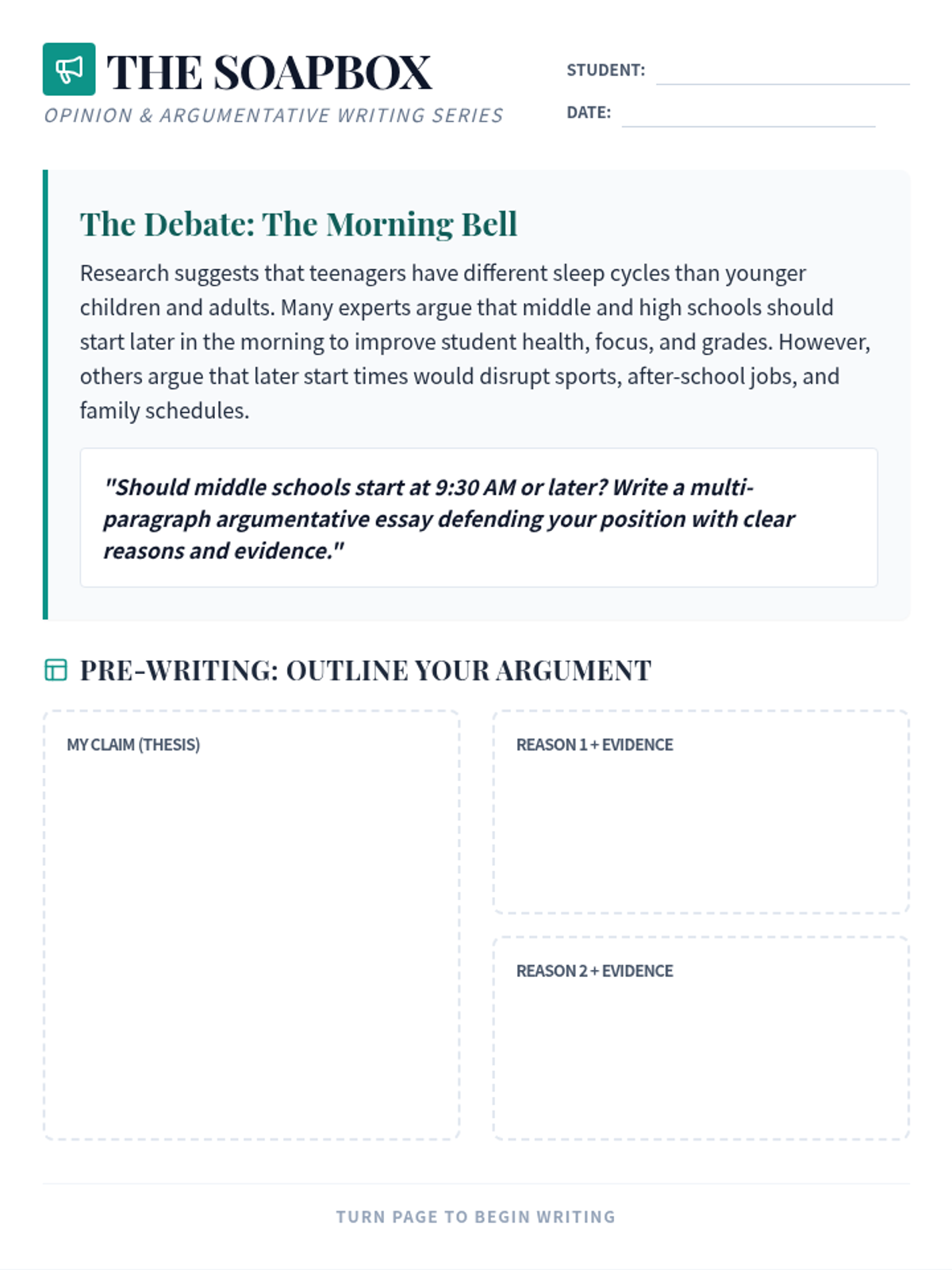
A focused writing lesson where students craft an argumentative essay about school start times, using a structured prompt and a clear rubric for evaluation.
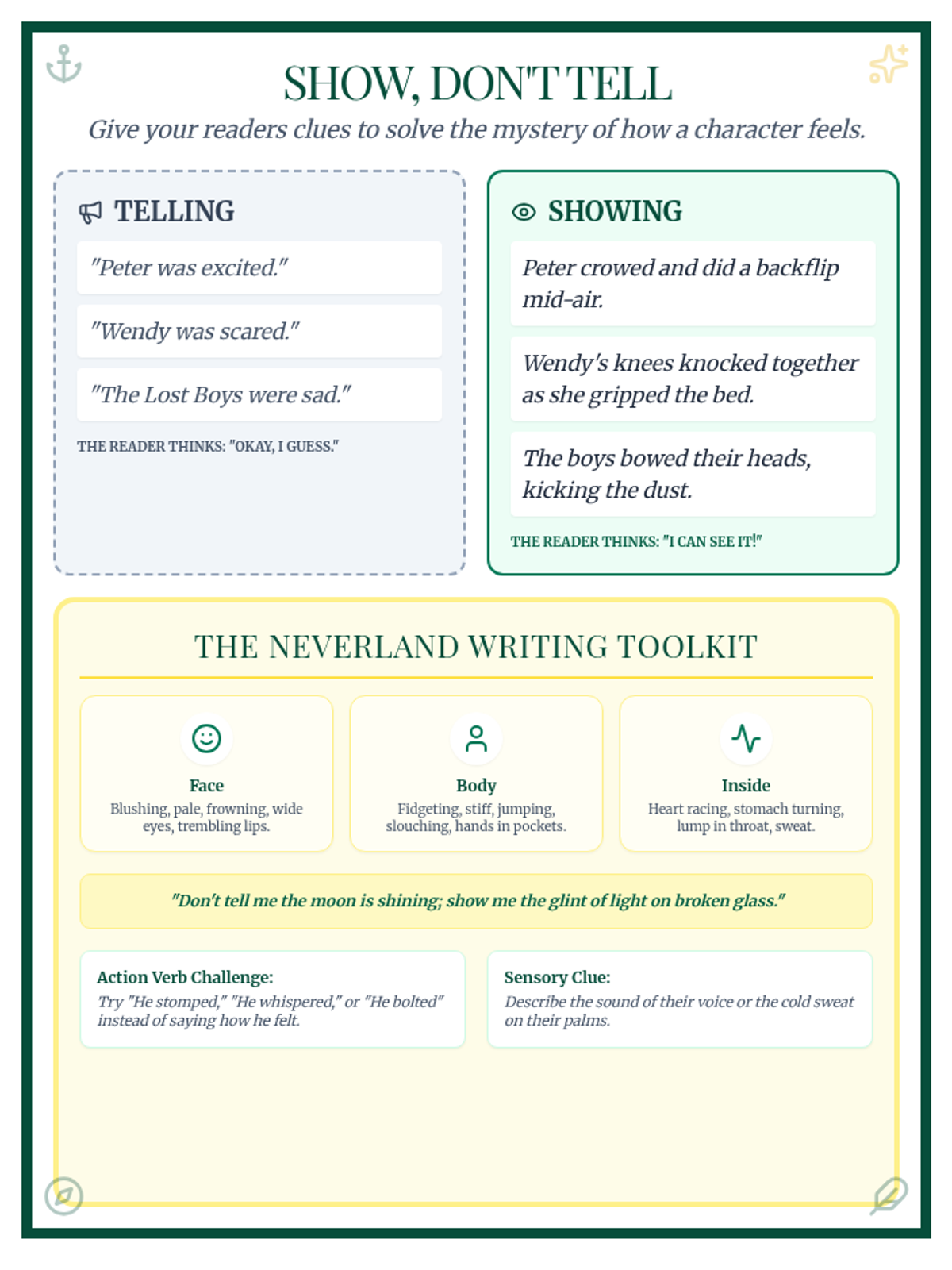
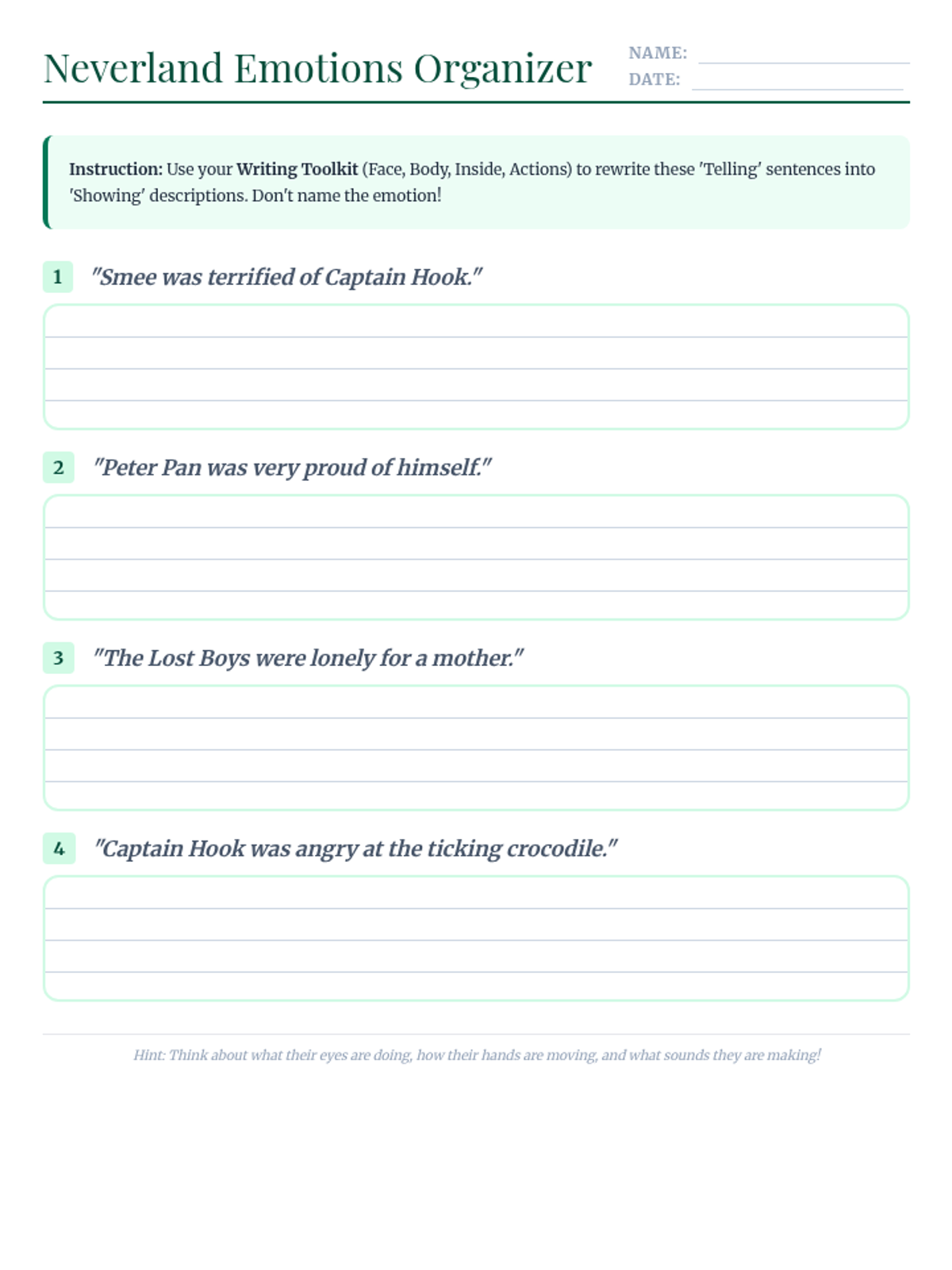
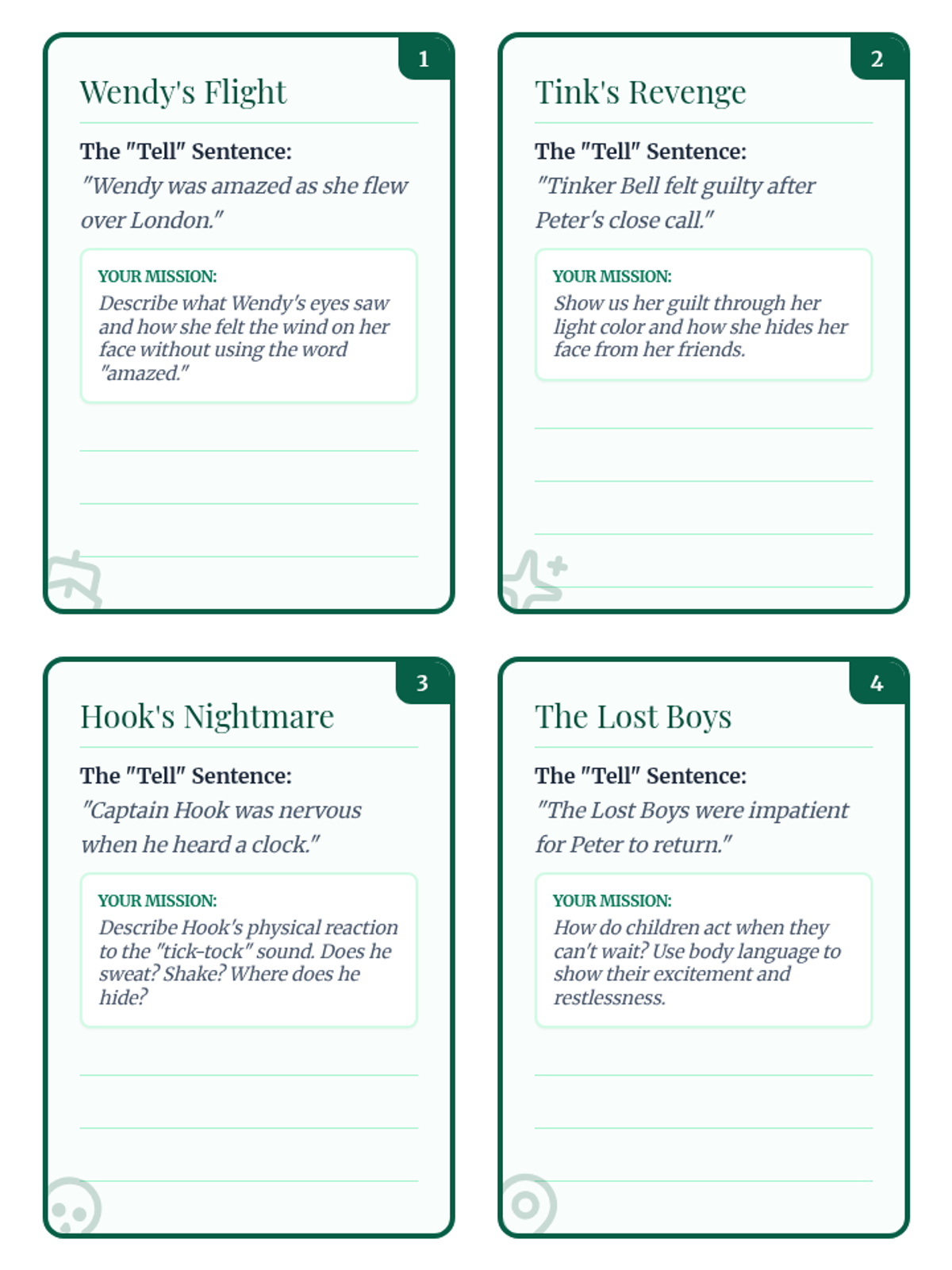
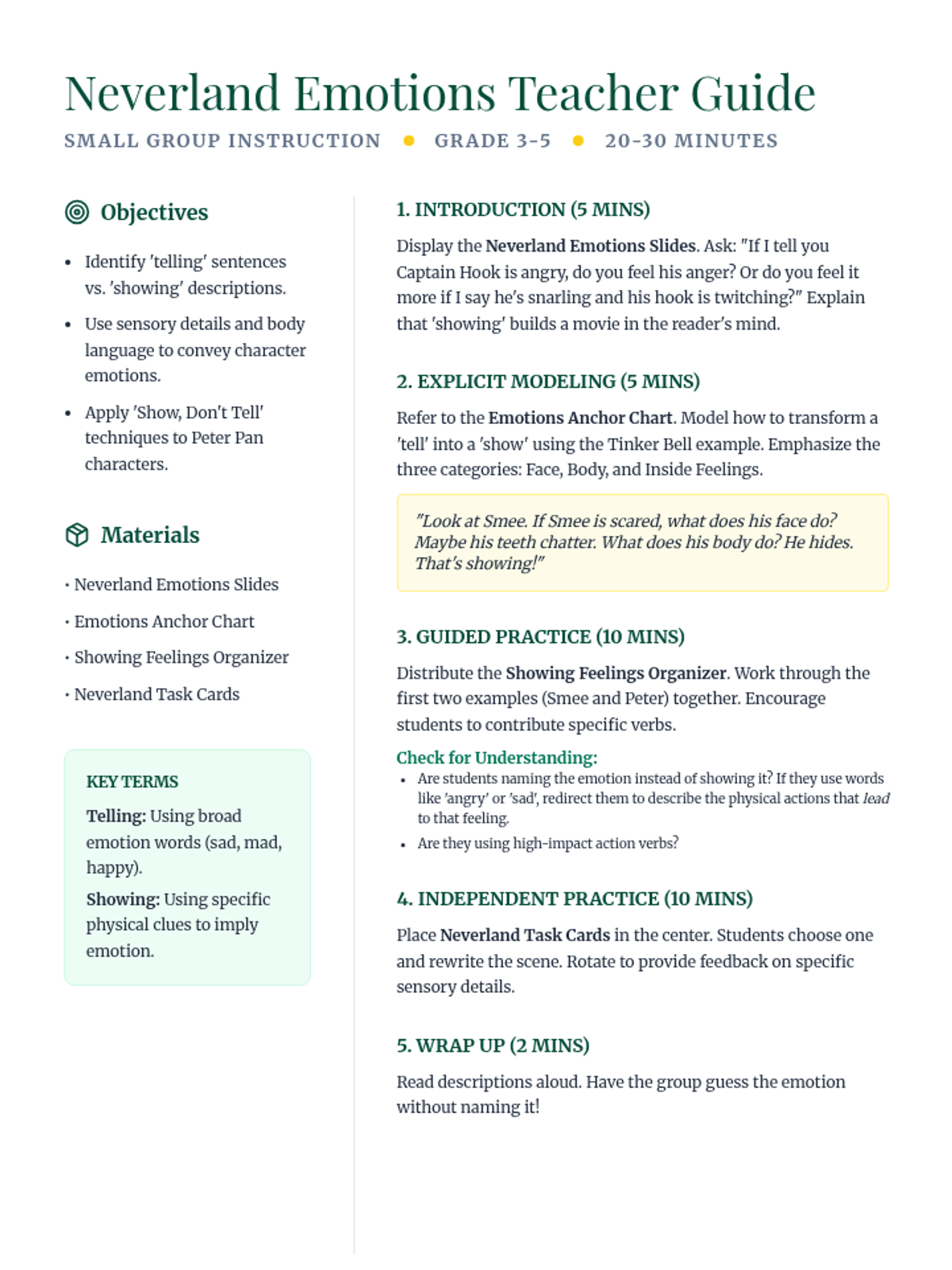
A small group lesson focusing on the 'Show, Don't Tell' technique for character emotions, using Peter Pan as a mentor text. Students will learn to replace flat emotional statements with descriptive actions and sensory details.
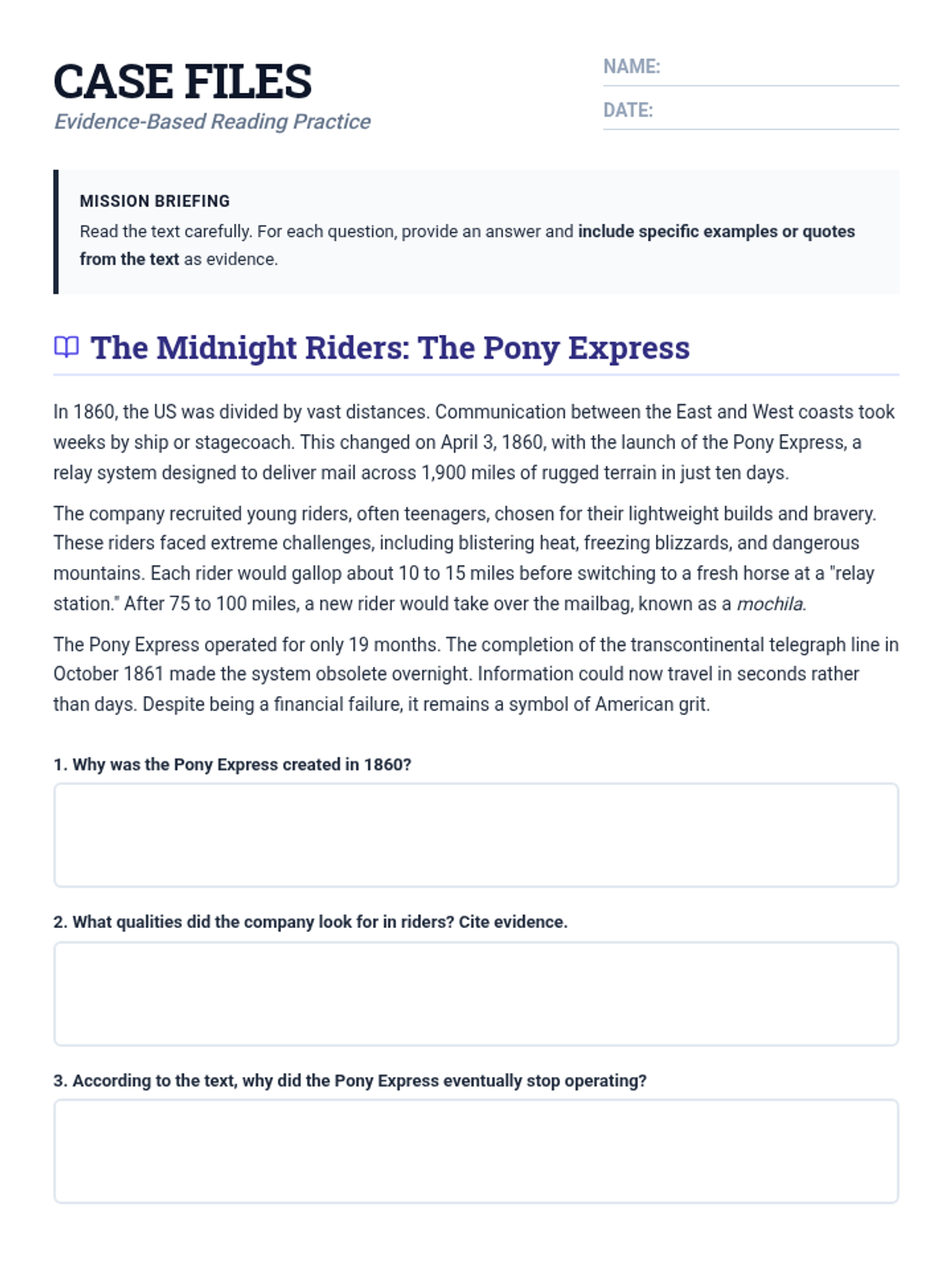
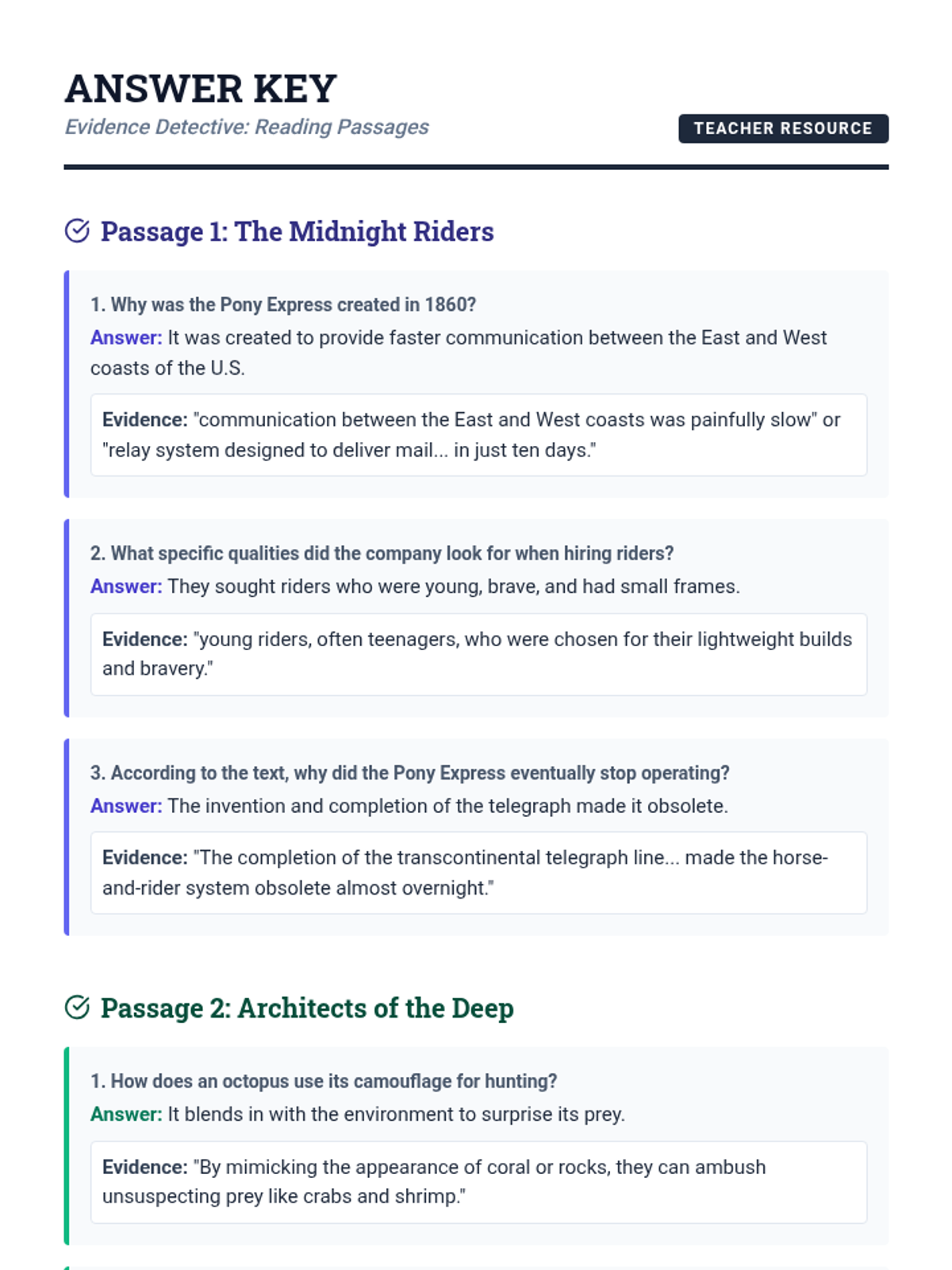
A focused reading comprehension lesson designed to help students identify and cite specific textual evidence to support their answers. The lesson includes high-interest passages and targeted questions that require direct examples from the text.
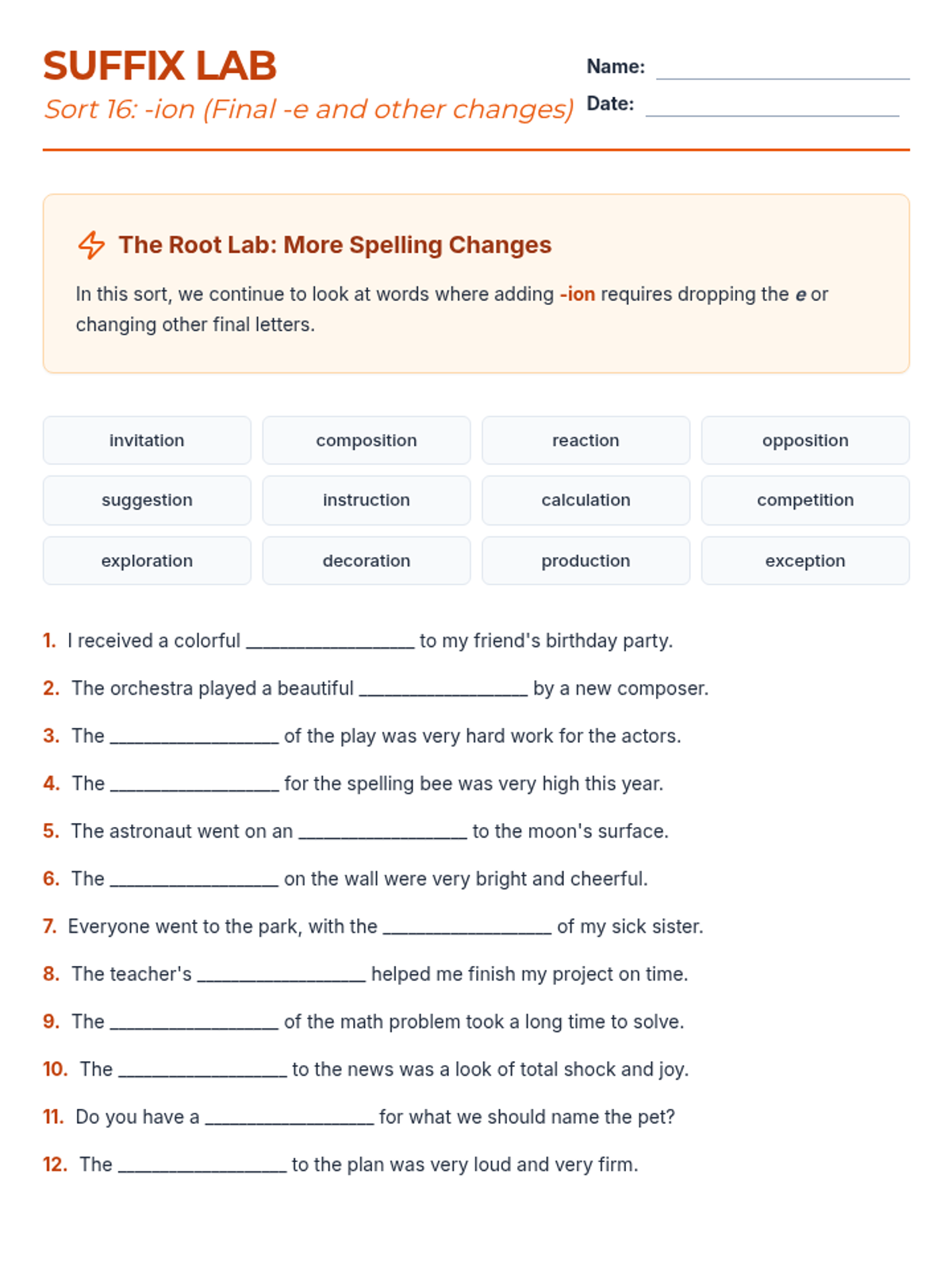
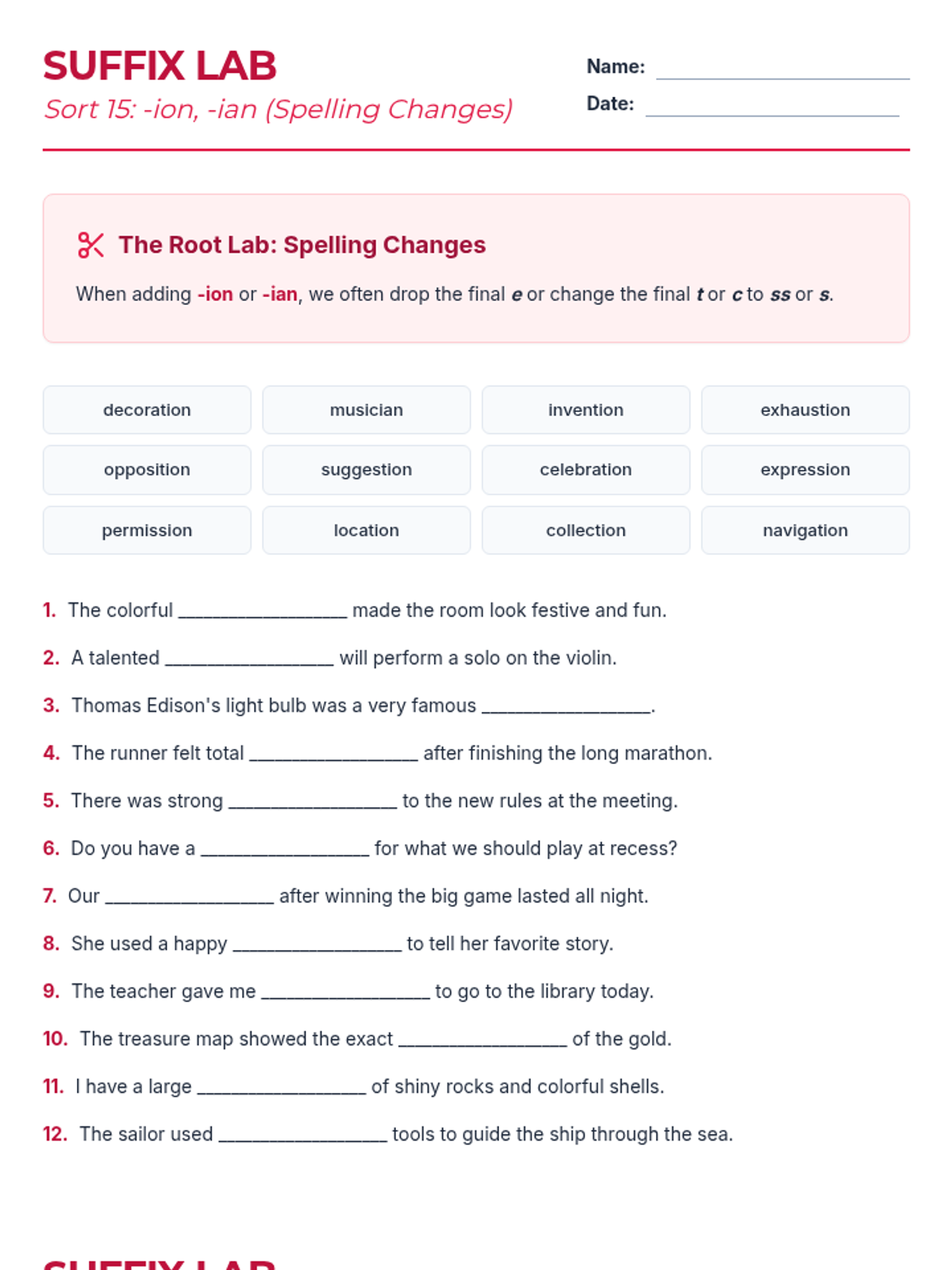
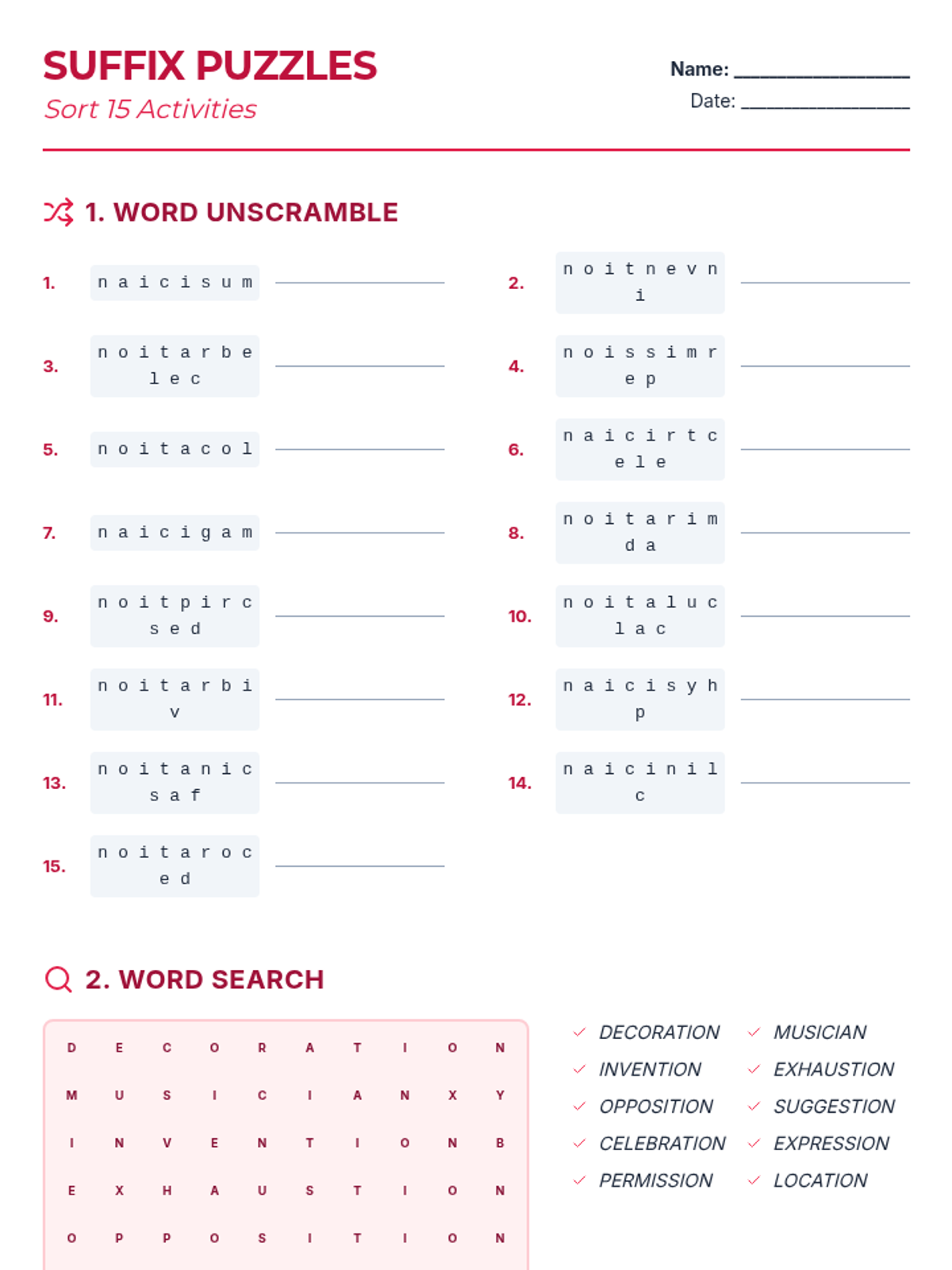
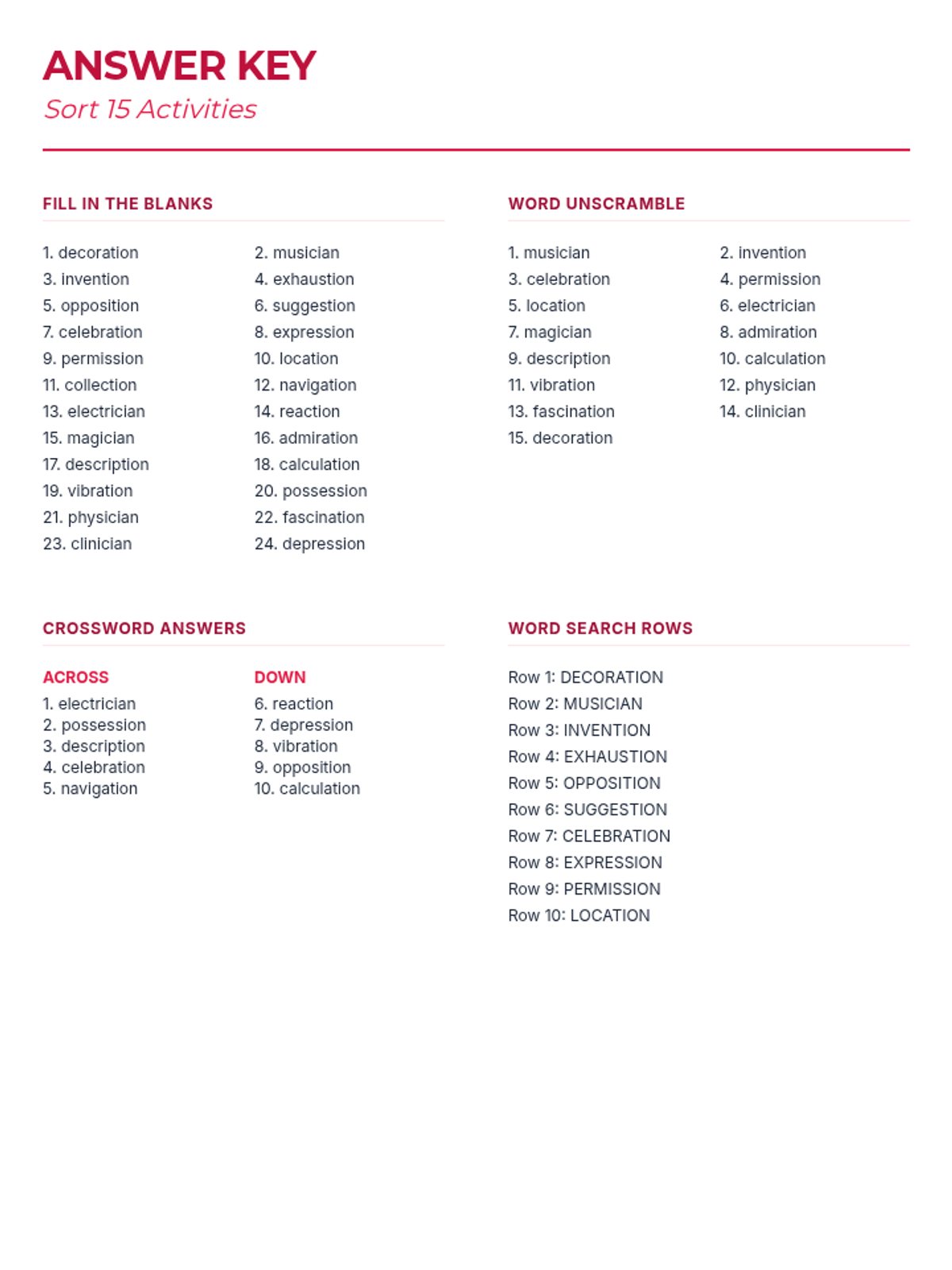
In this sort, we continue to look at words where adding -ion requires dropping the e or changing other final letters.
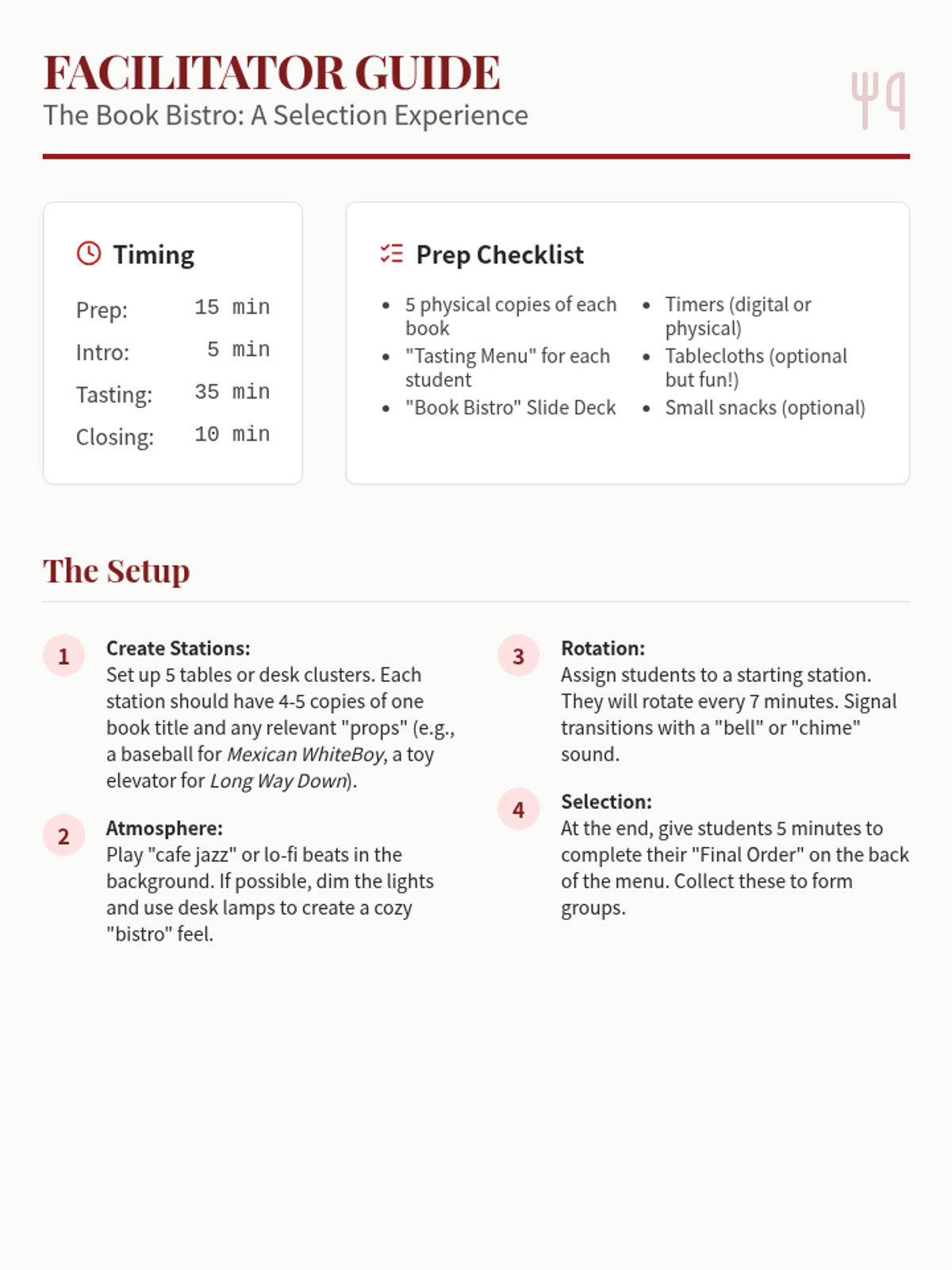
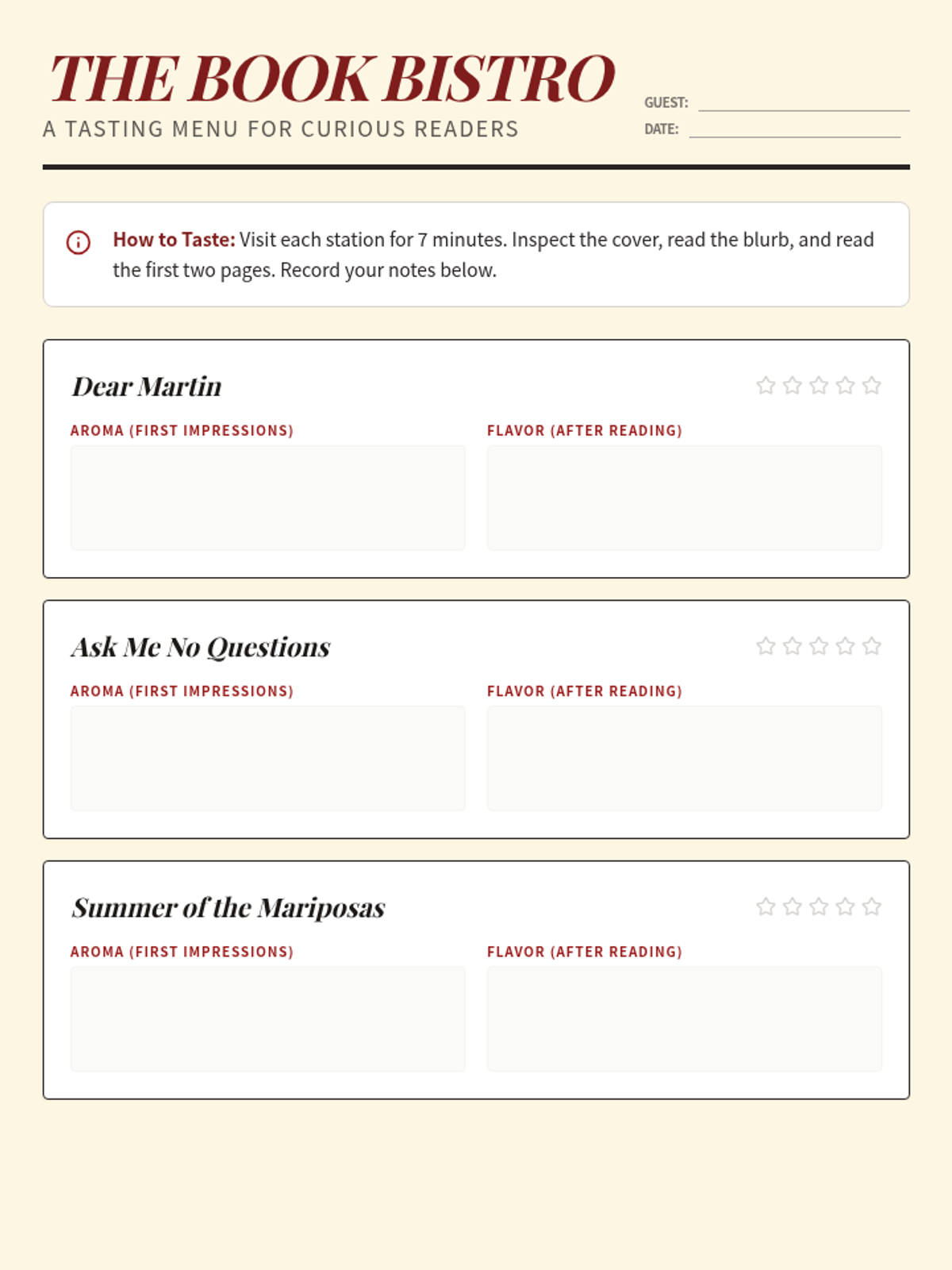
A dynamic book tasting activity where students explore five diverse young adult novels to select their next book club read. Students evaluate 'Dear Martin', 'Ask Me No Questions', 'Summer of the Mariposas', 'Long Way Down', and 'Mexican WhiteBoy' through guided exploration.
When adding -ion or -ian, we often drop the final e or change the final t or c to ss or s.
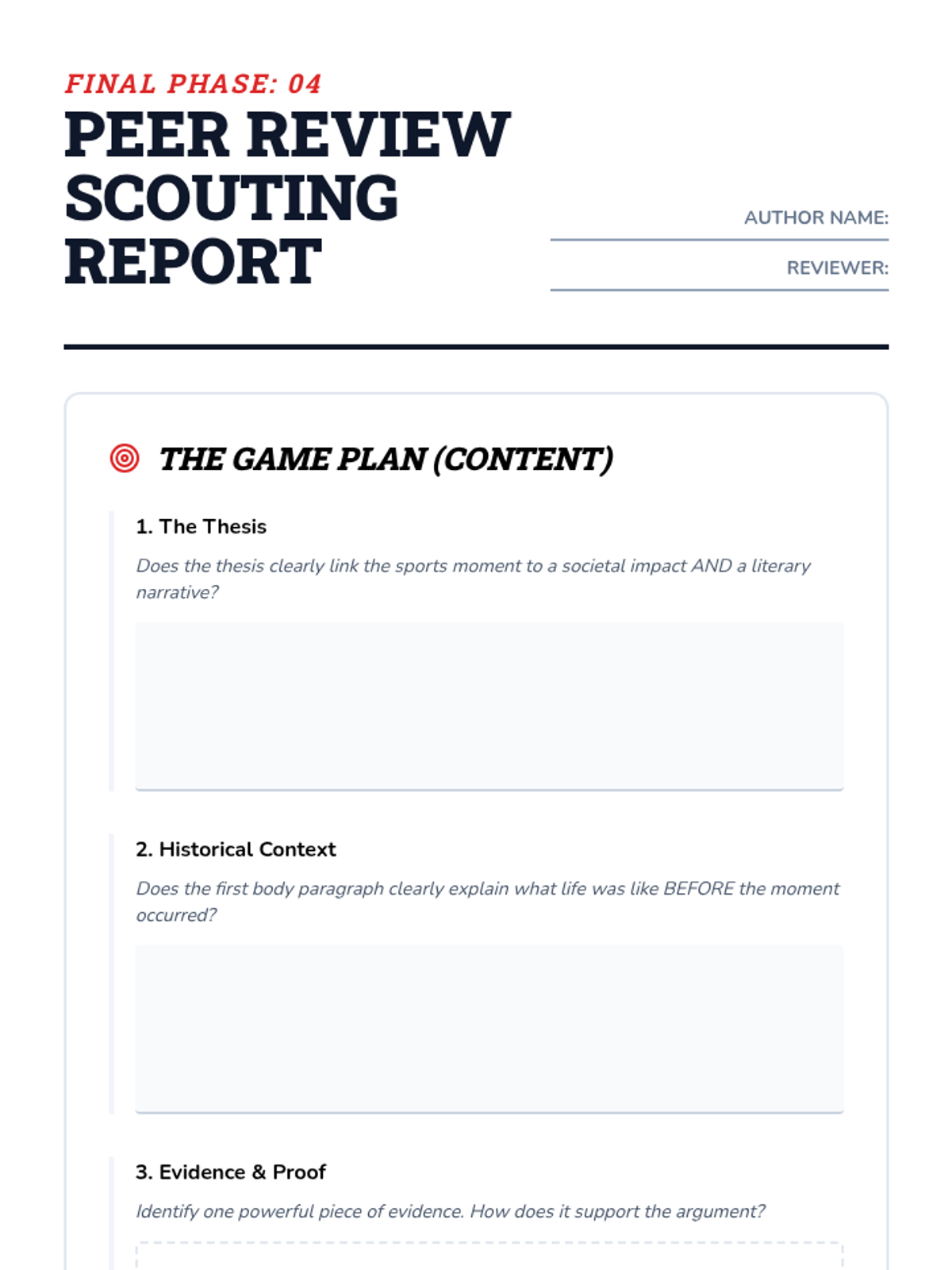
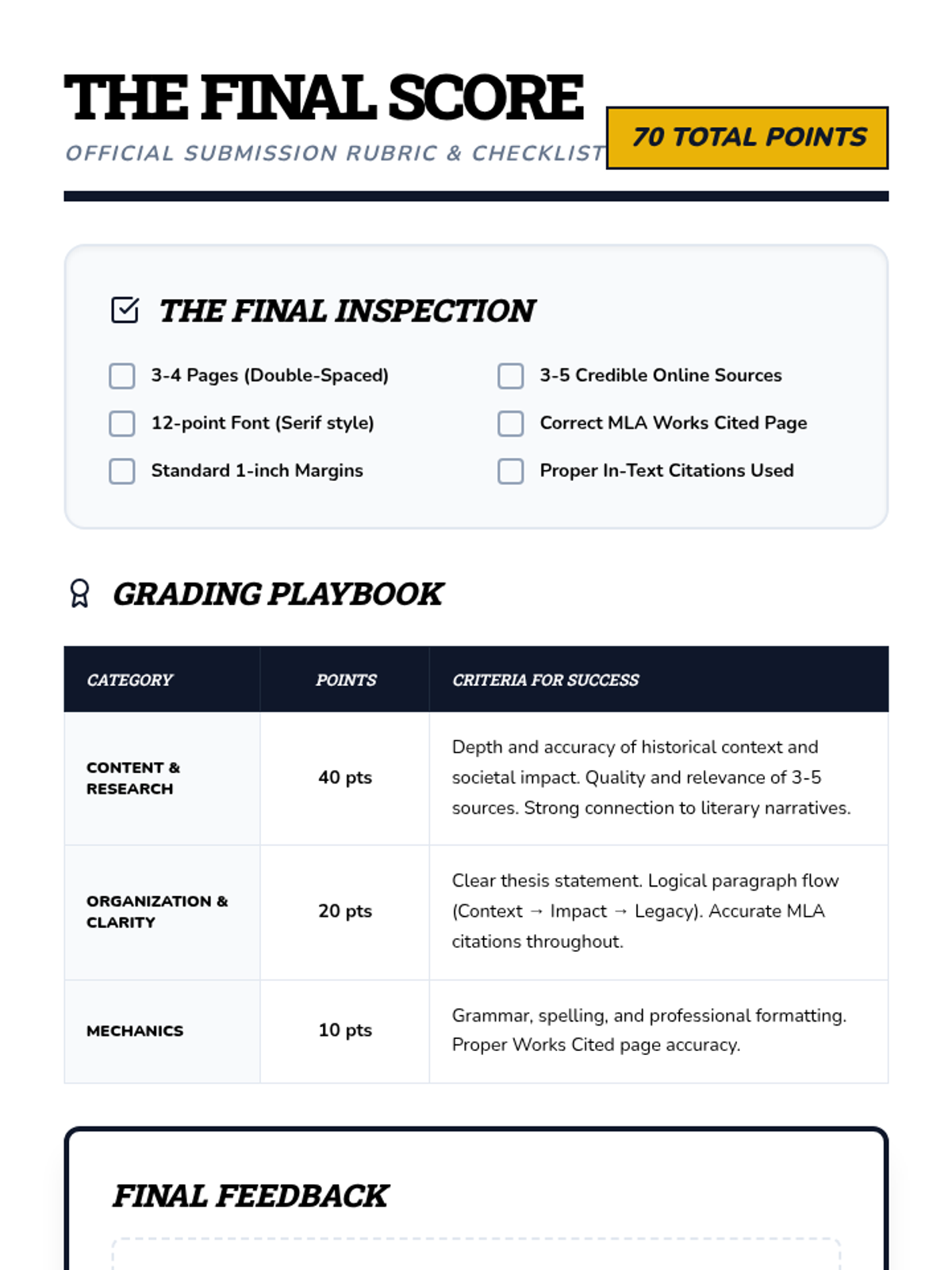
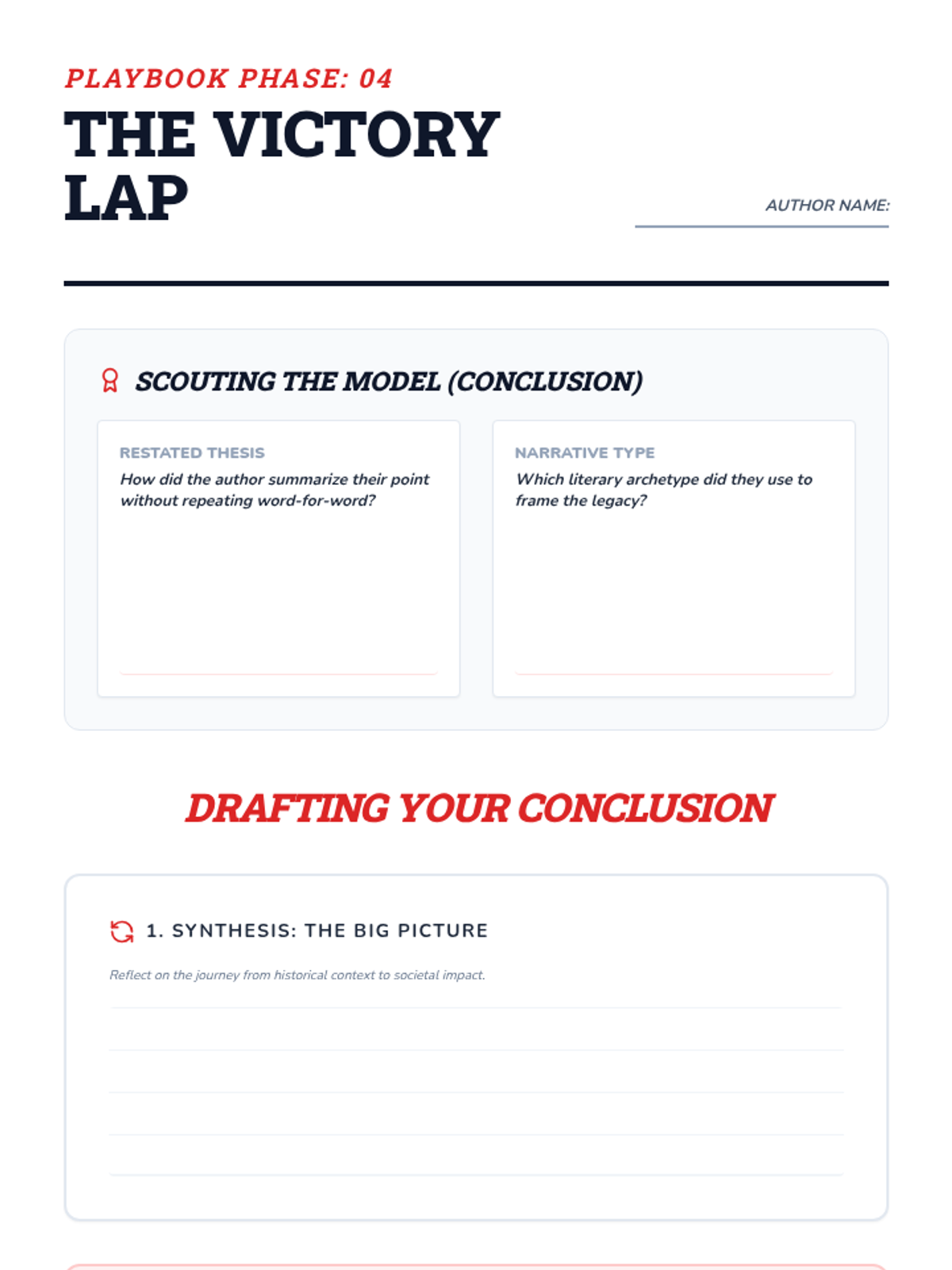
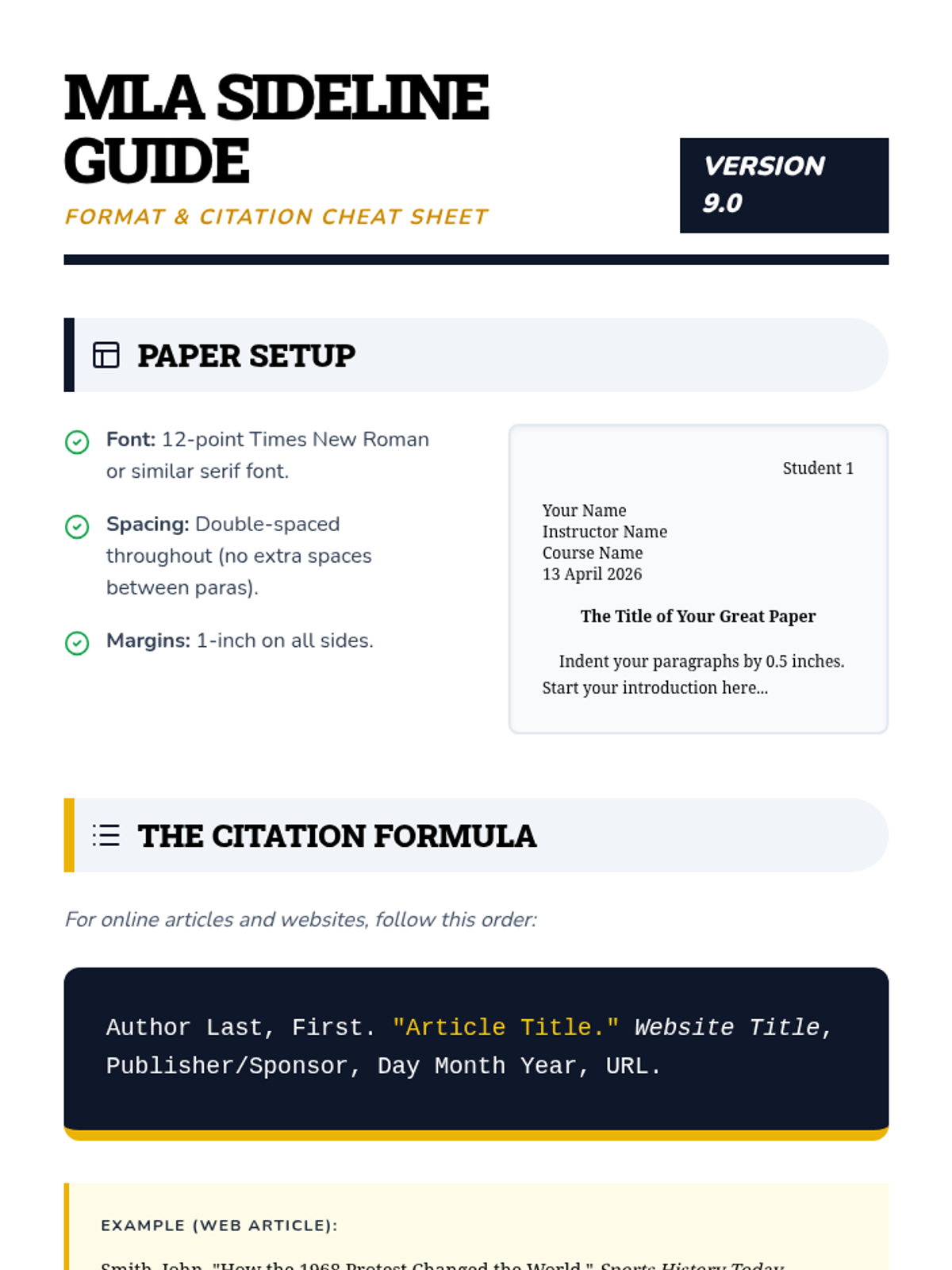
Drafting the conclusion, peer reviewing the full paper, and final polishing using the rubric.
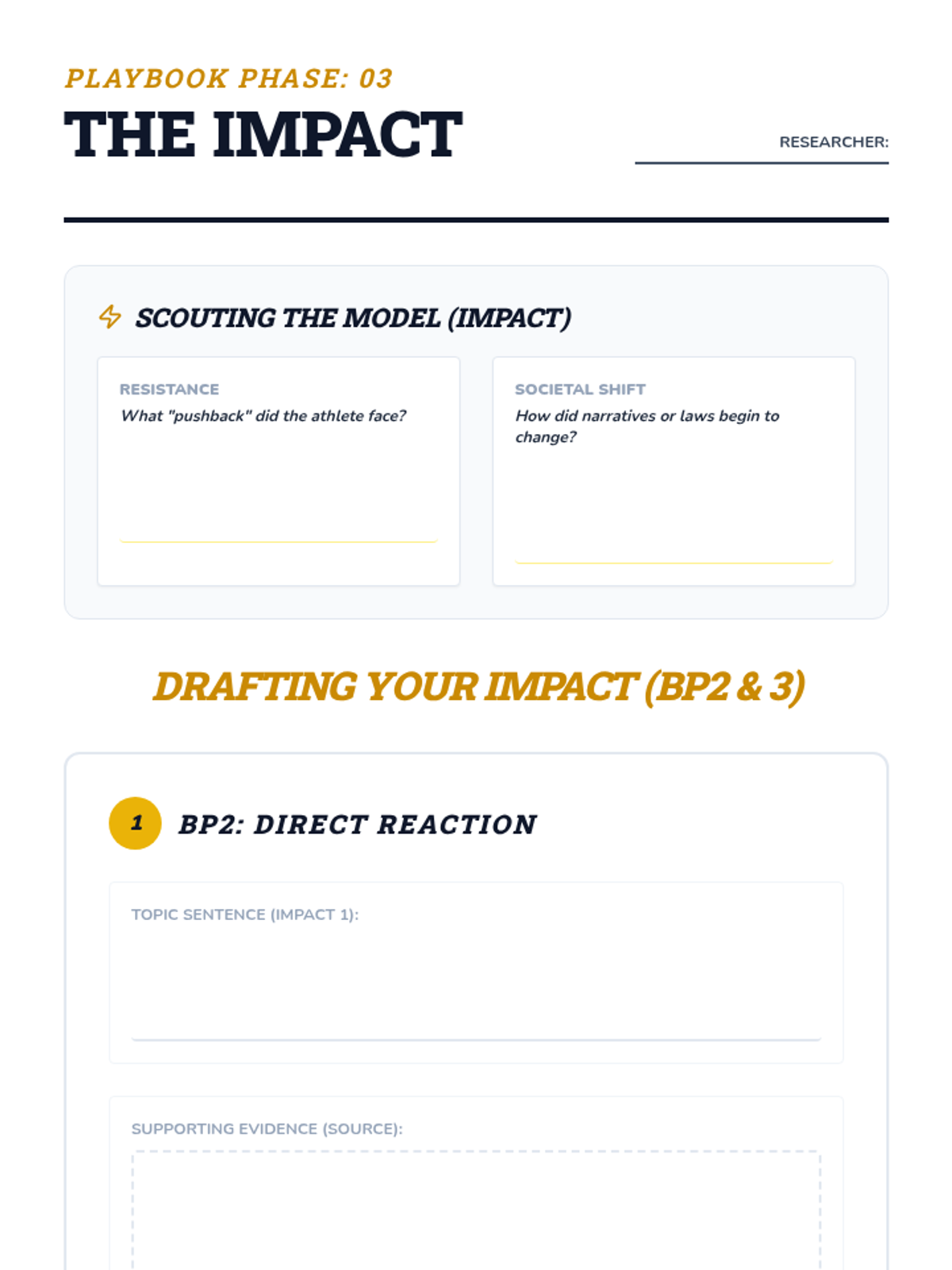
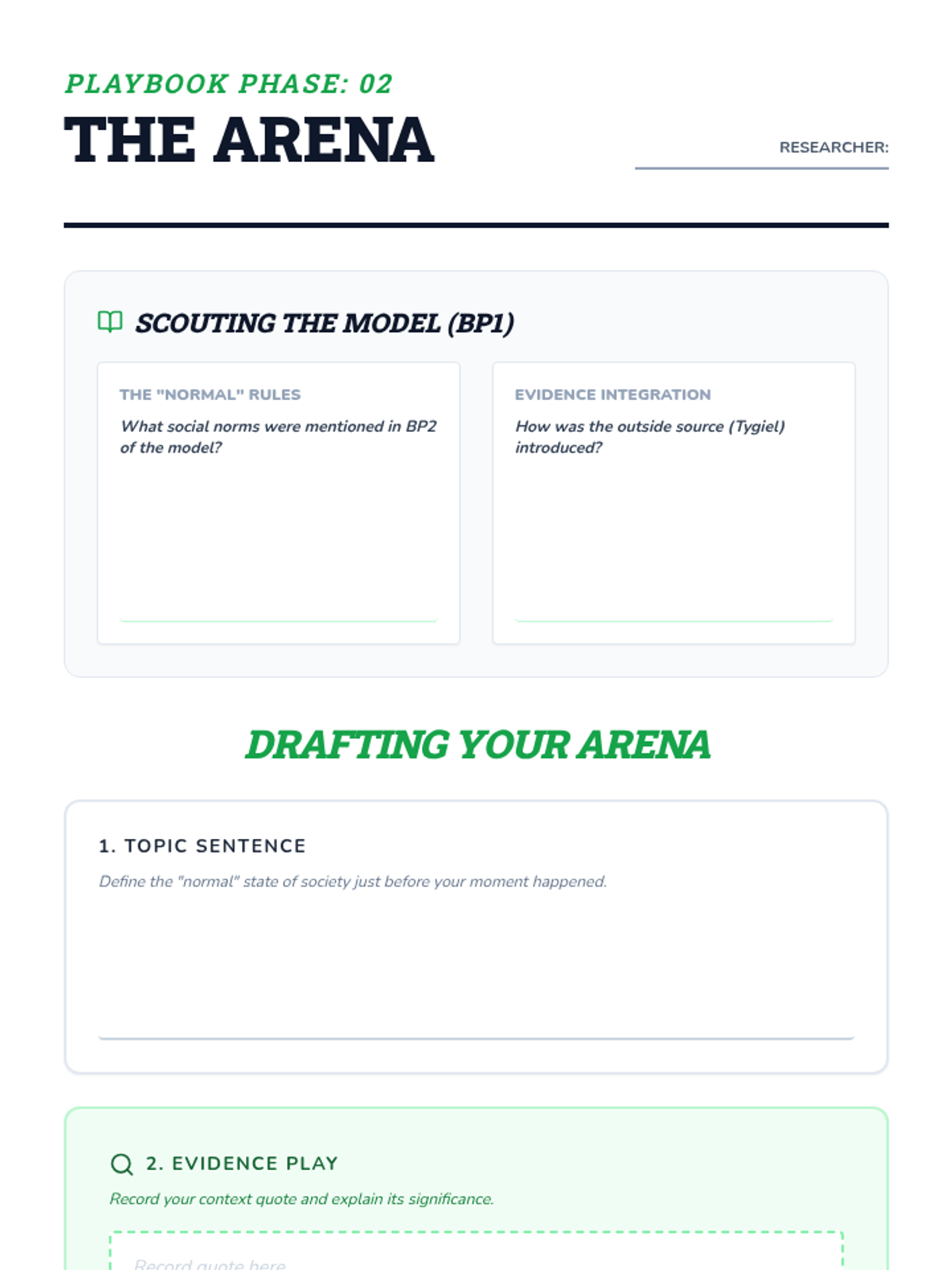
Analysis of societal change and evidence integration for the middle body paragraphs (BP2 & 3).
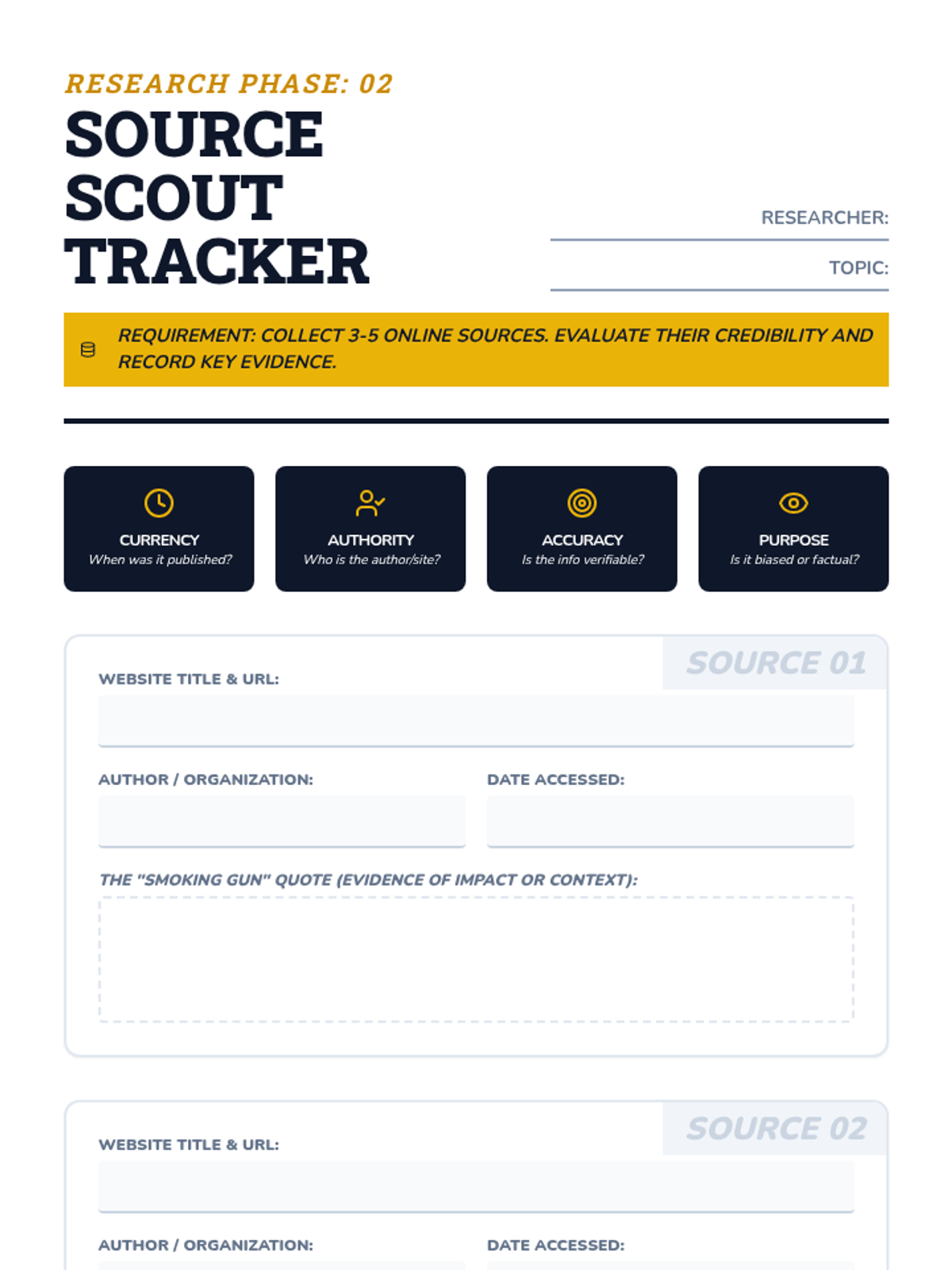
Students research and draft their first body paragraph, focusing on the historical context of their sports moment.
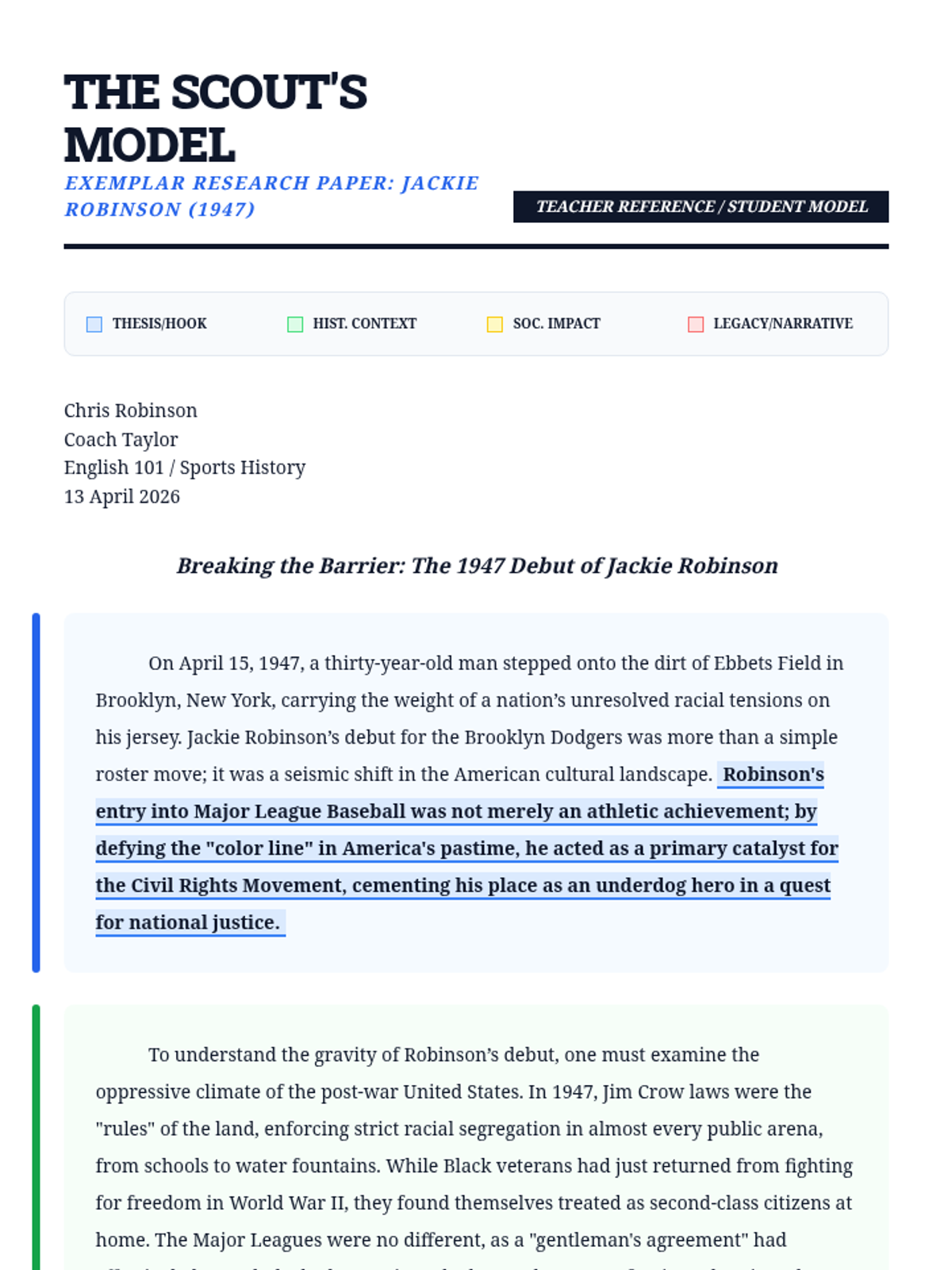
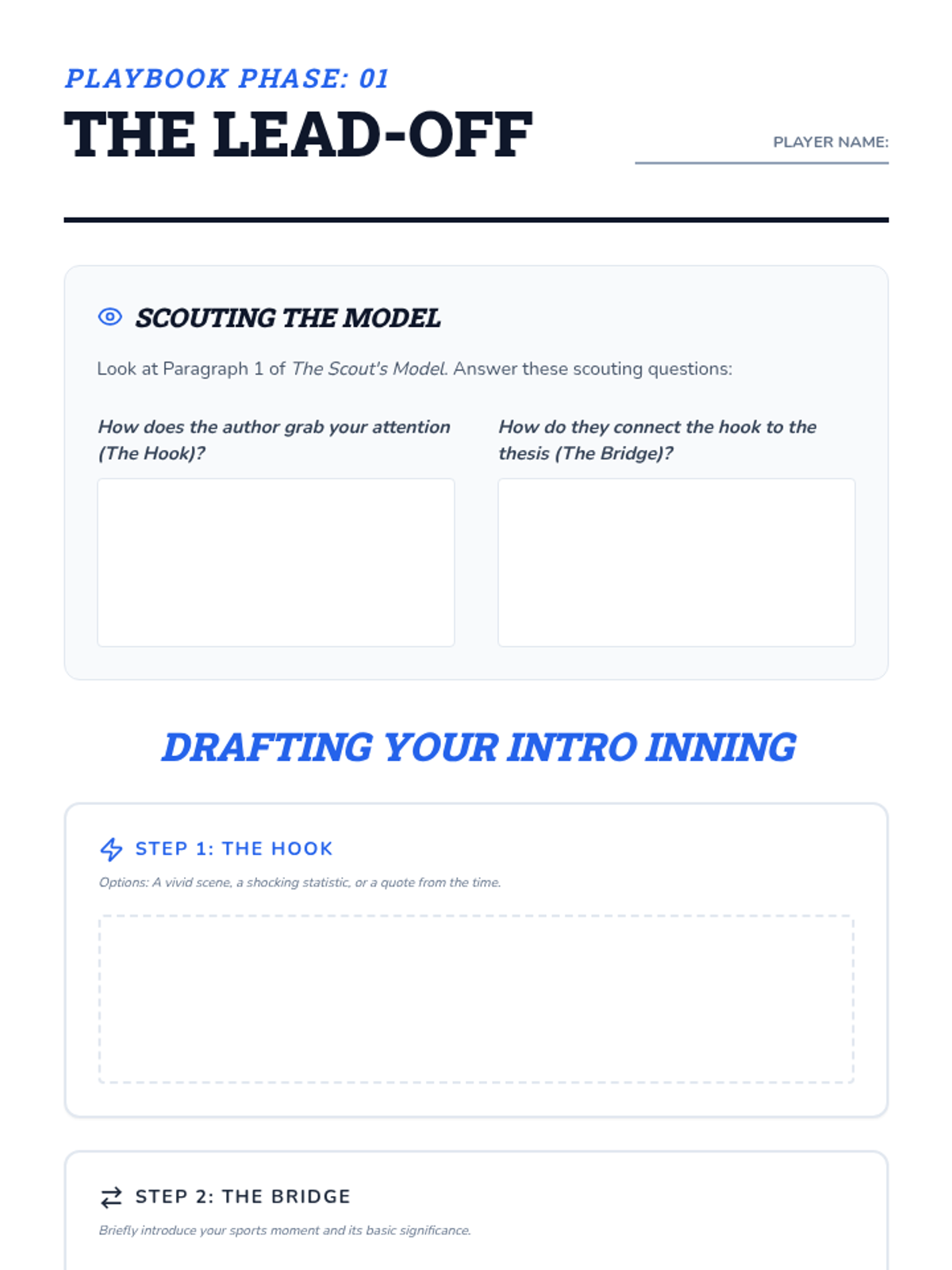
Focuses on selecting a topic and drafting a powerful introduction and thesis statement using a model essay as a guide.
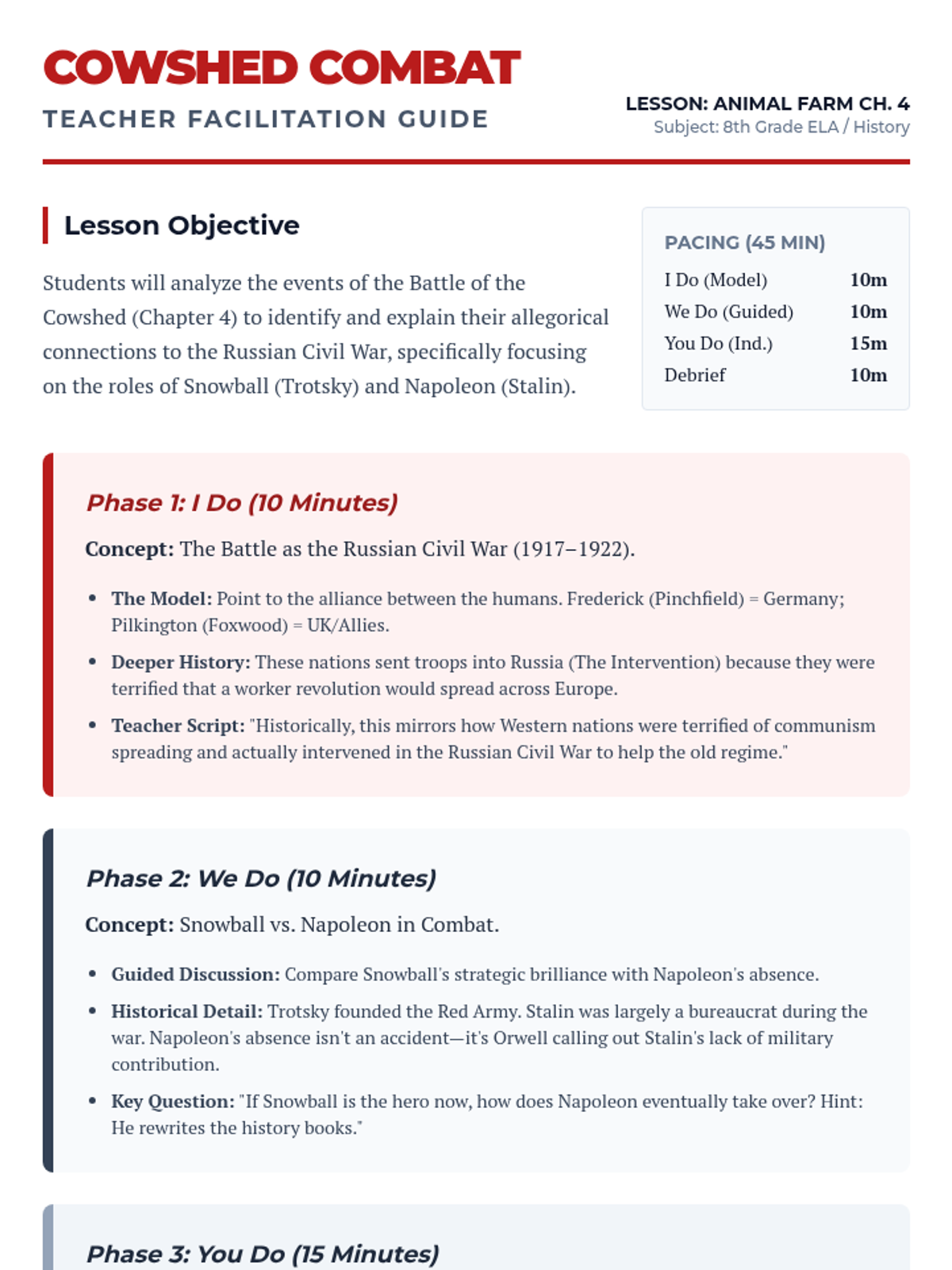
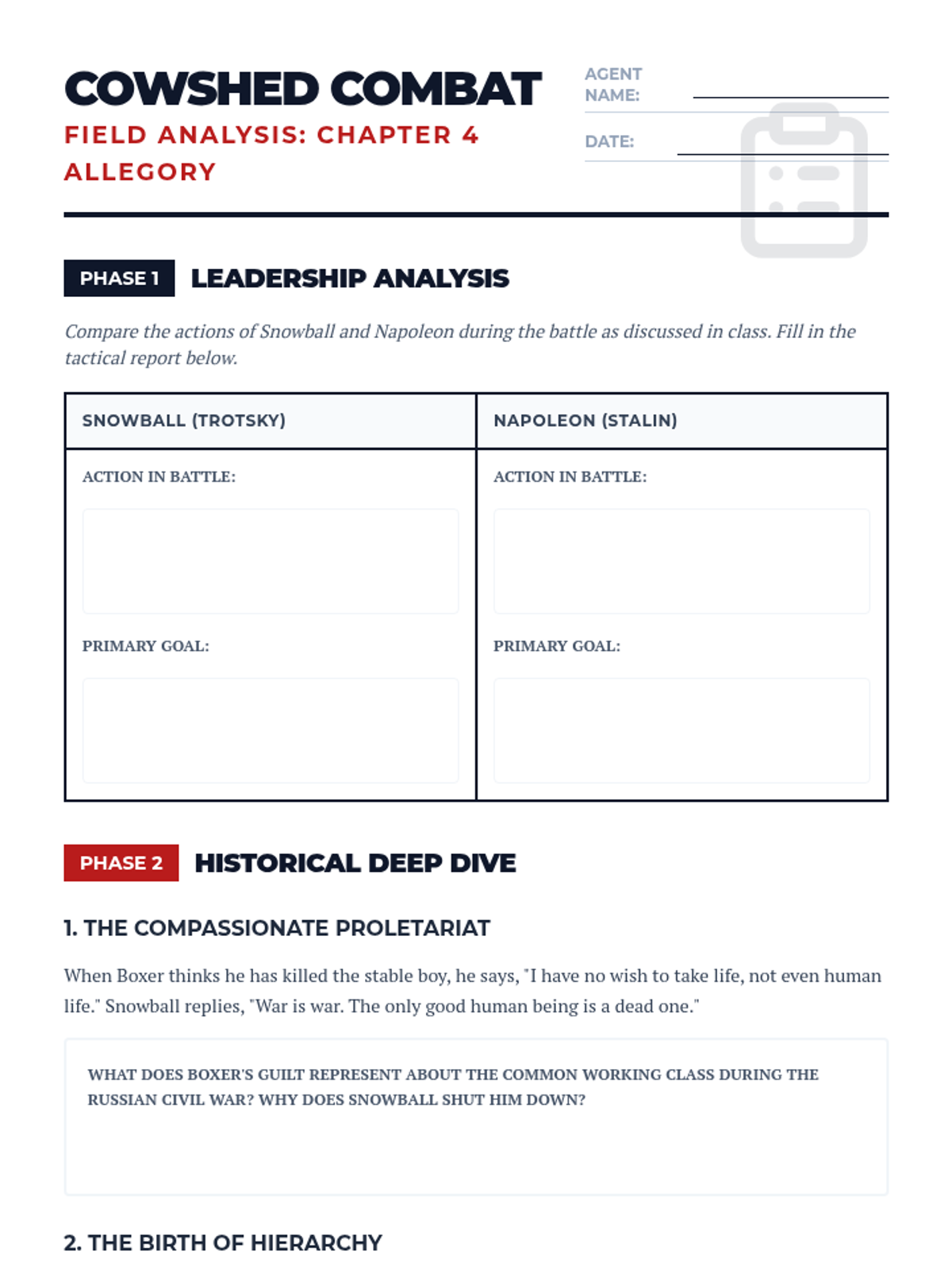
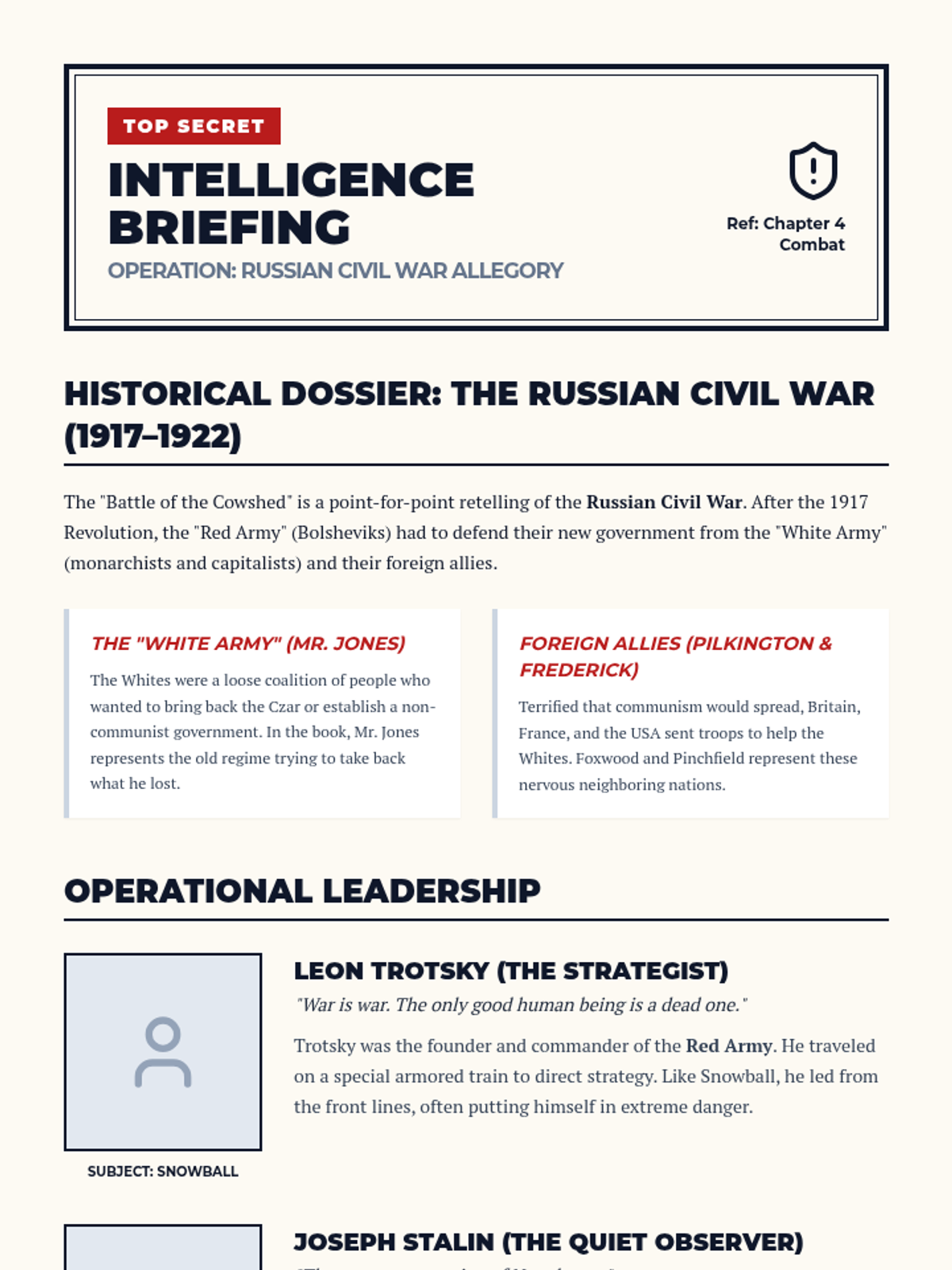
A lesson connecting the events of Chapter 4 (The Battle of the Cowshed) in Animal Farm to its historical allegory of the Russian Civil War. Includes a teacher-led modeling session, guided practice on leadership roles, and independent student analysis.
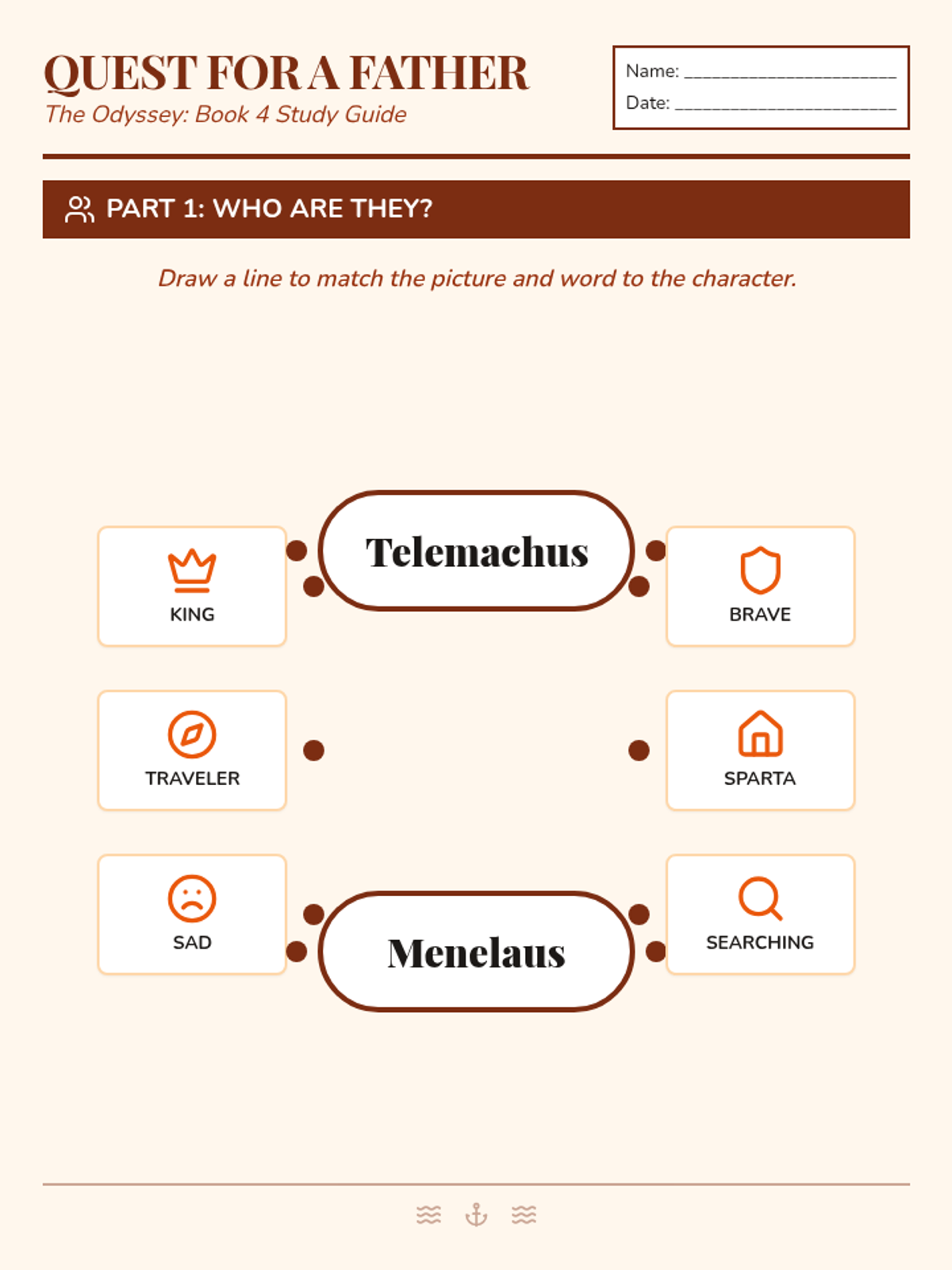
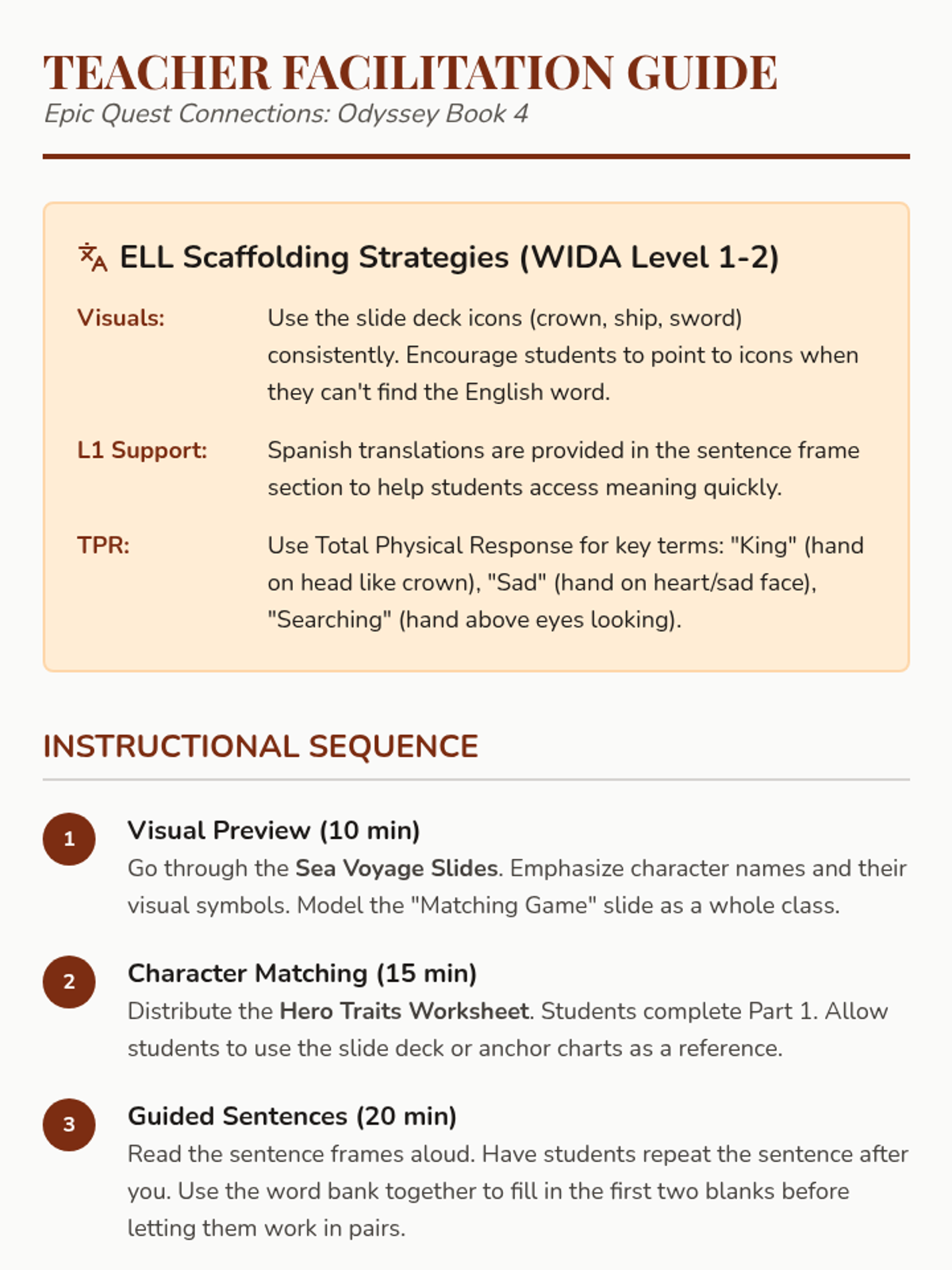
A targeted lesson for ELL students (WIDA Levels 1-2) focusing on character analysis and reading comprehension of Book 4 of the Odyssey, centered on Telemachus and Menelaus.
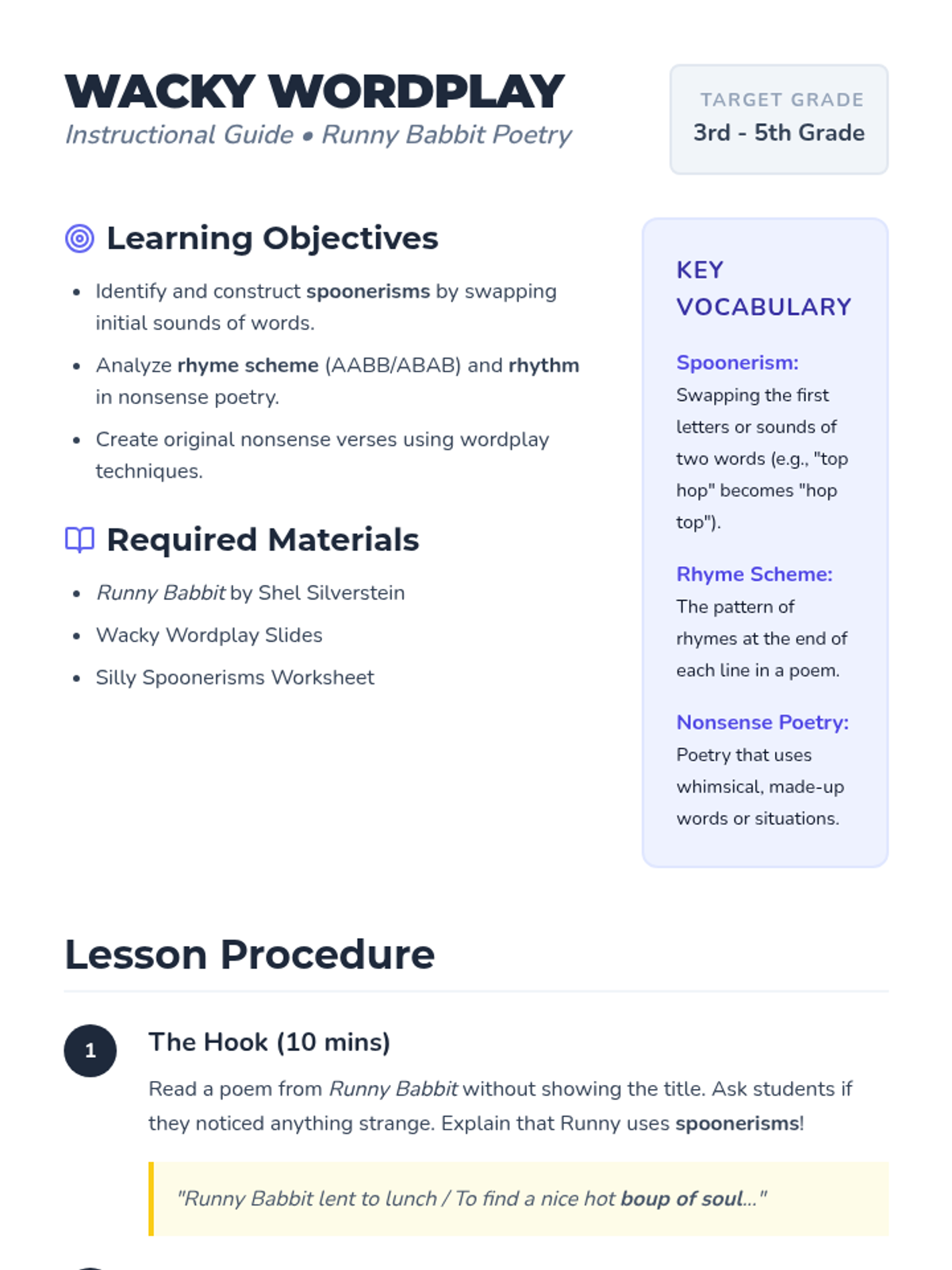
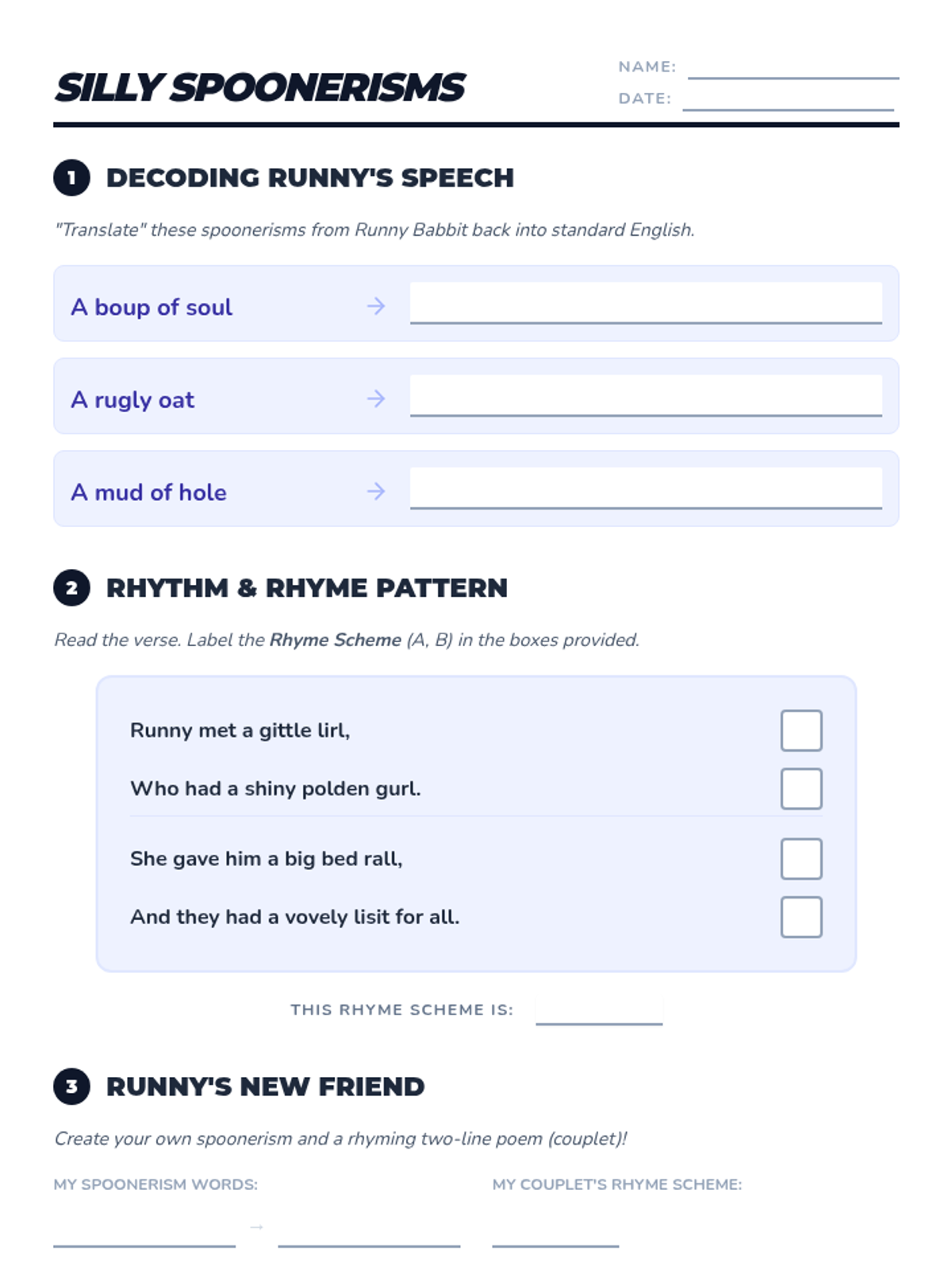
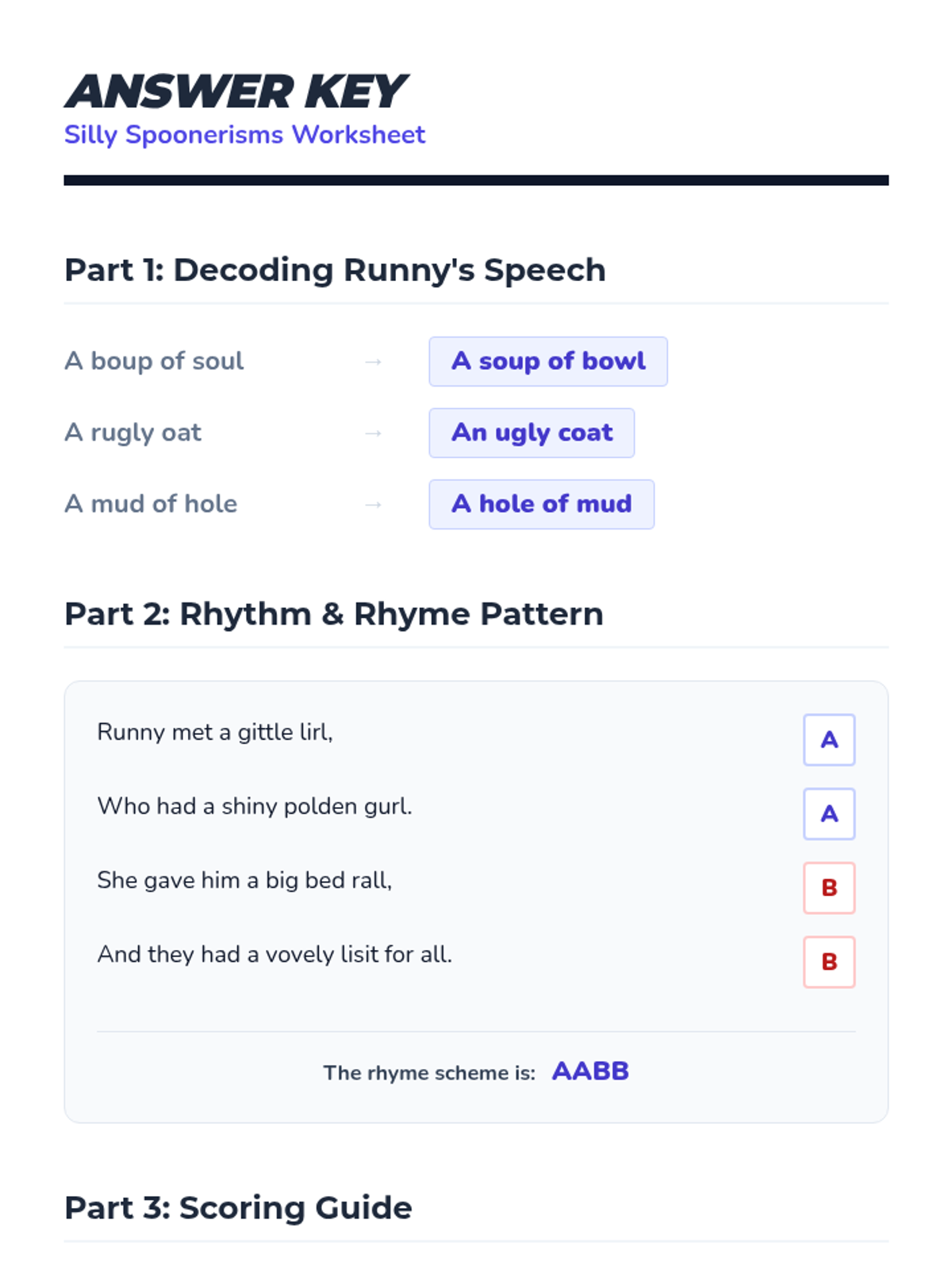
An introduction to poetry through Shel Silverstein's 'Runny Babbit', focusing on spoonerisms, rhythm, and the joy of nonsense.
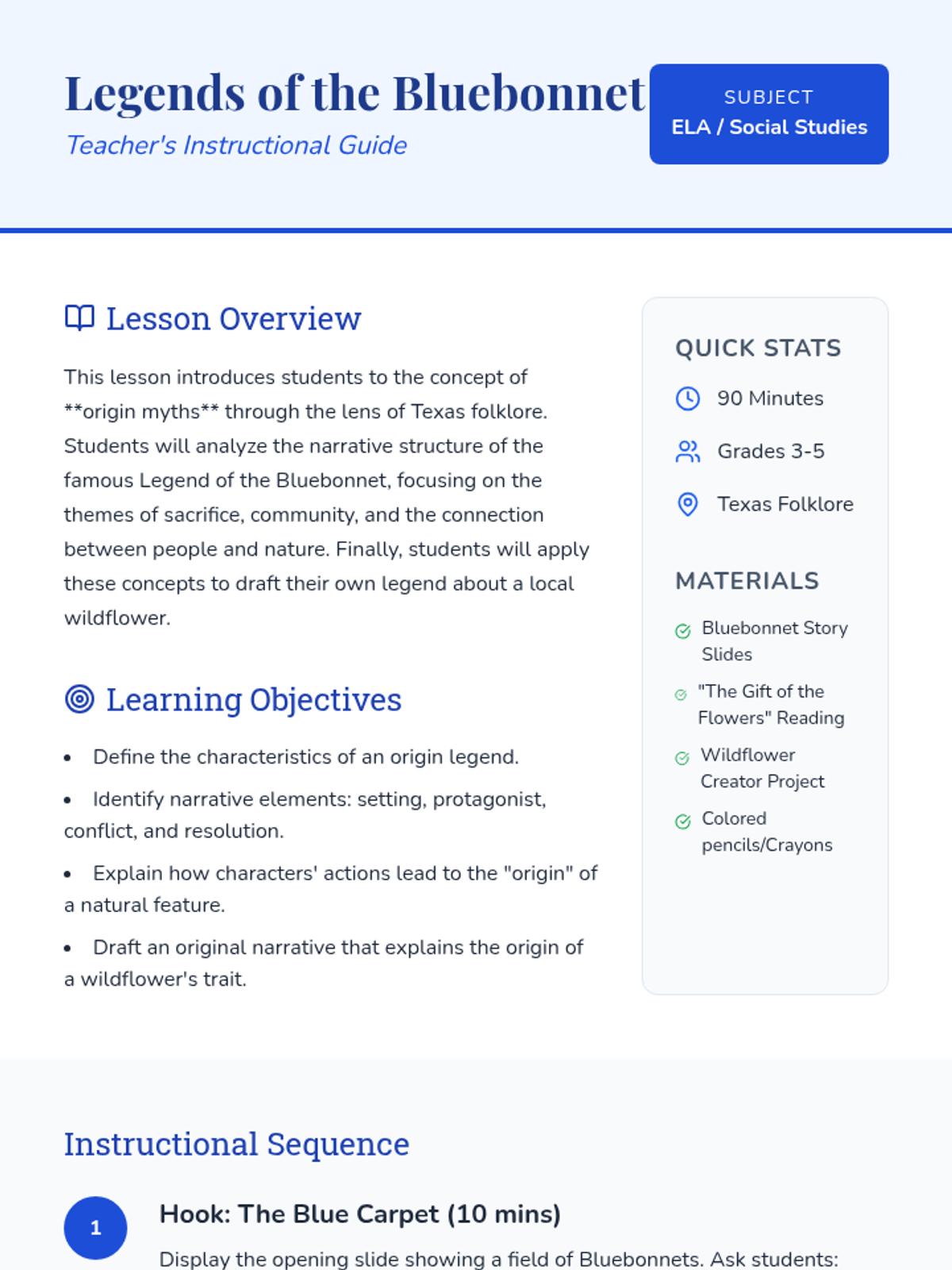
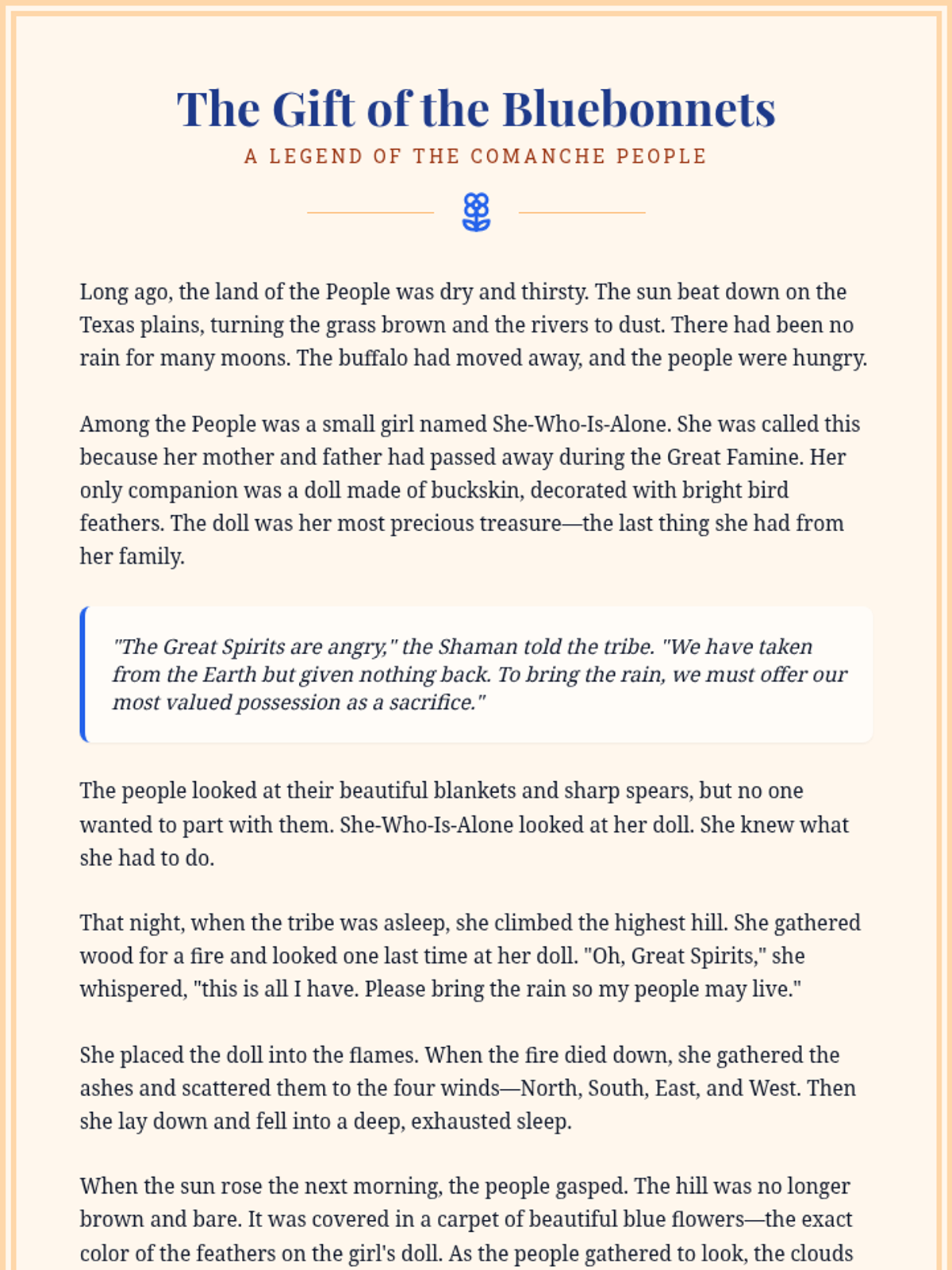
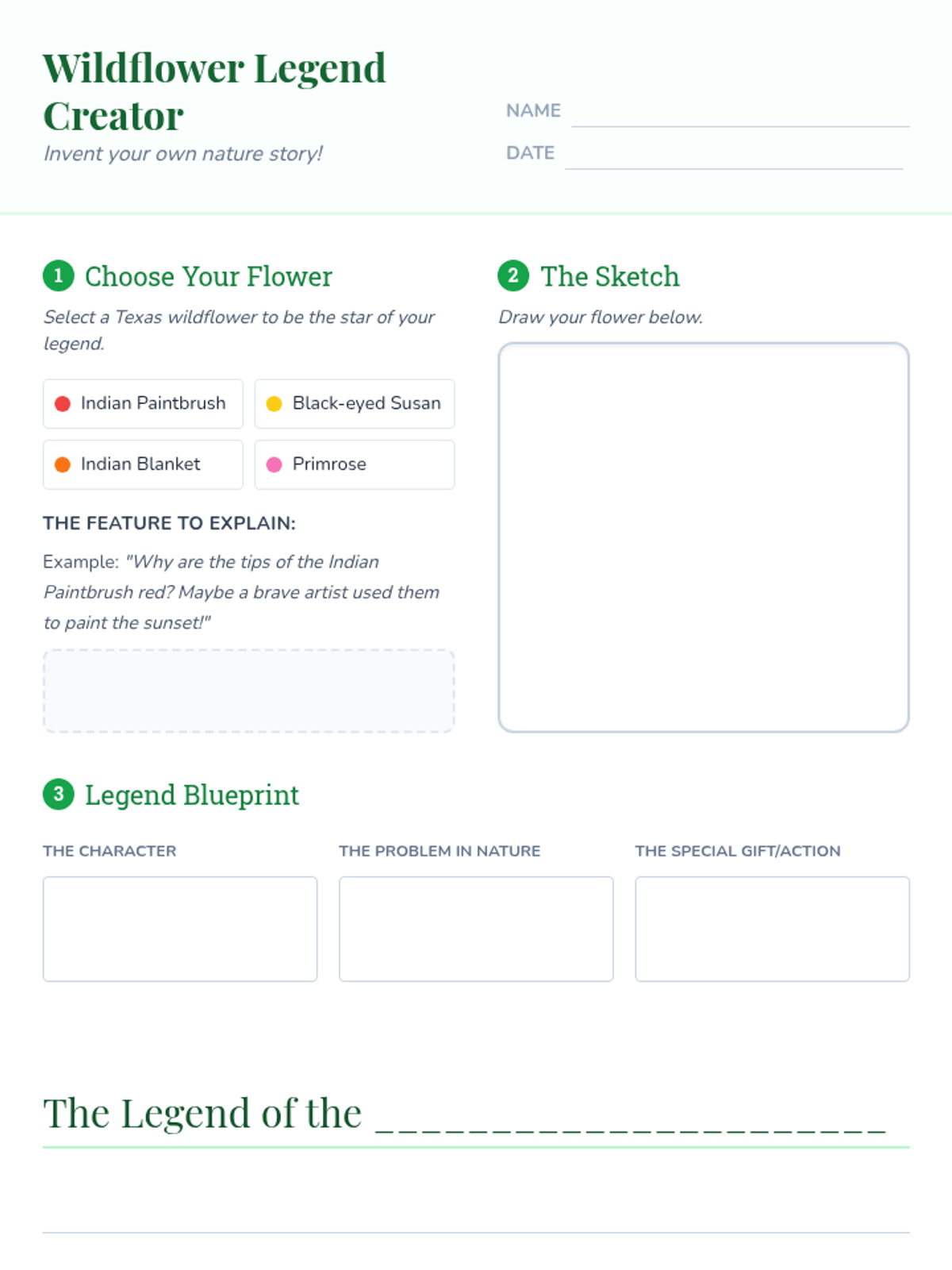
Students explore Texas folklore through the Legend of the Bluebonnet, identifying narrative elements of origin myths before creating their own wildflower legends.
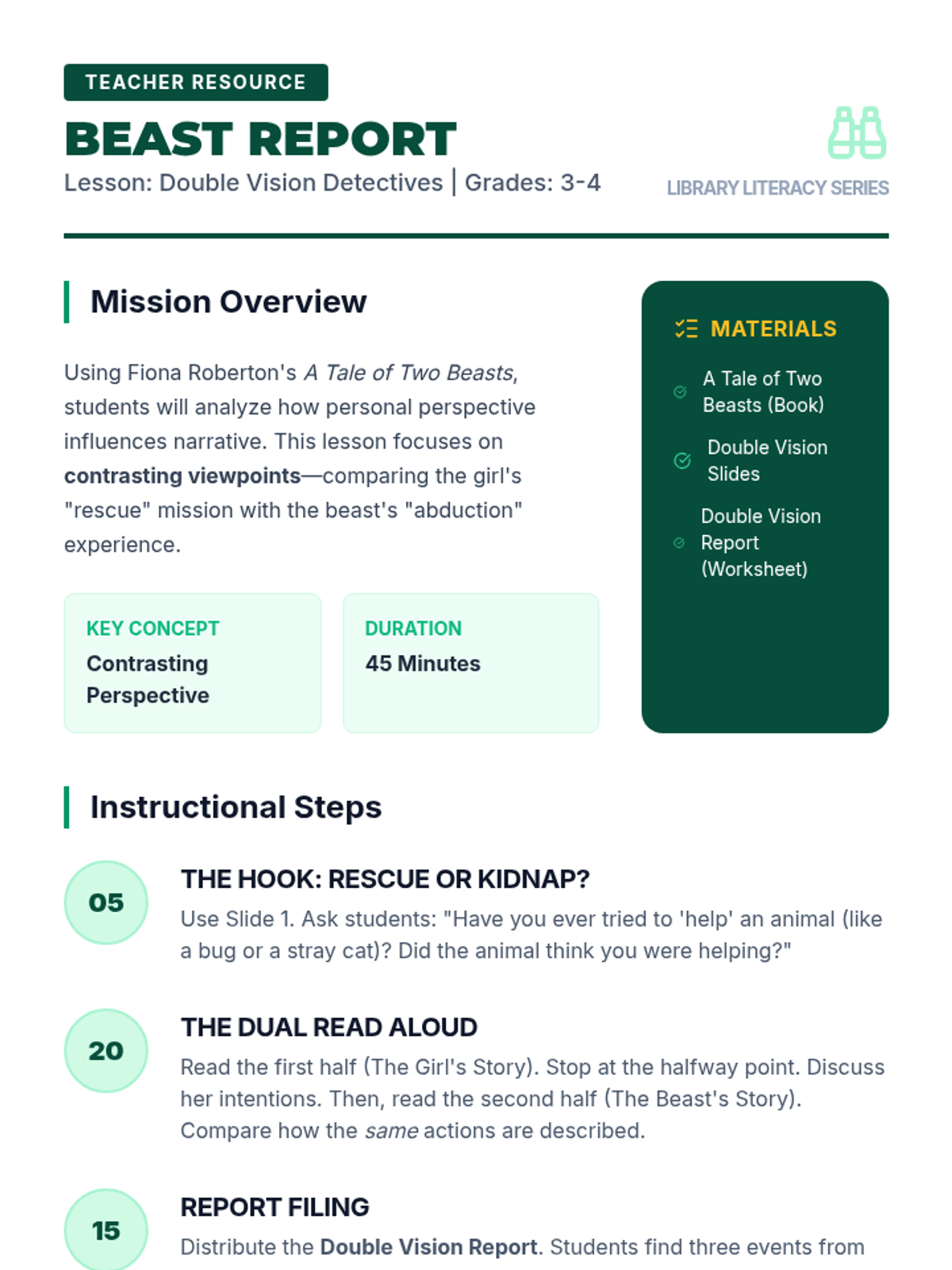
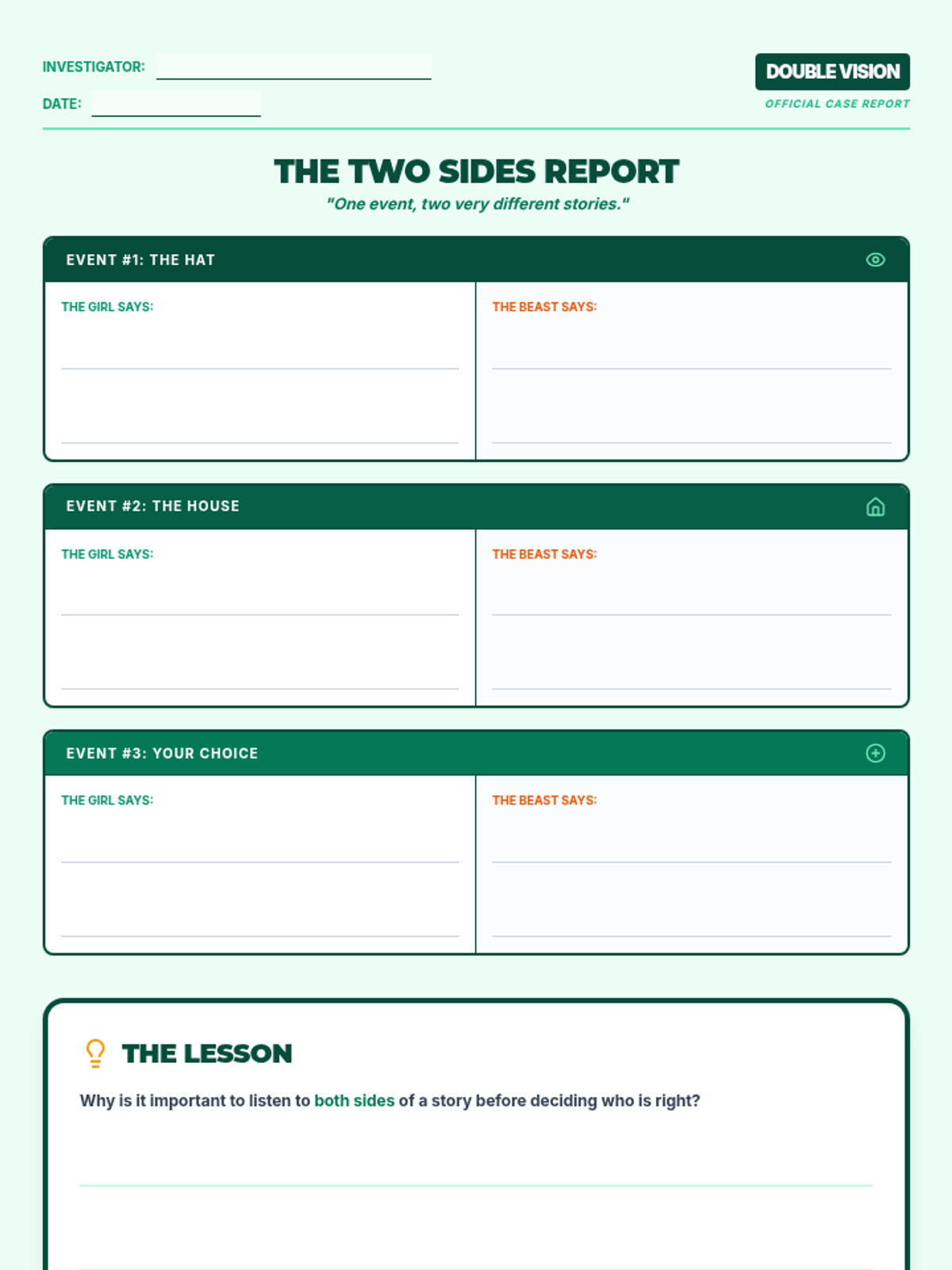
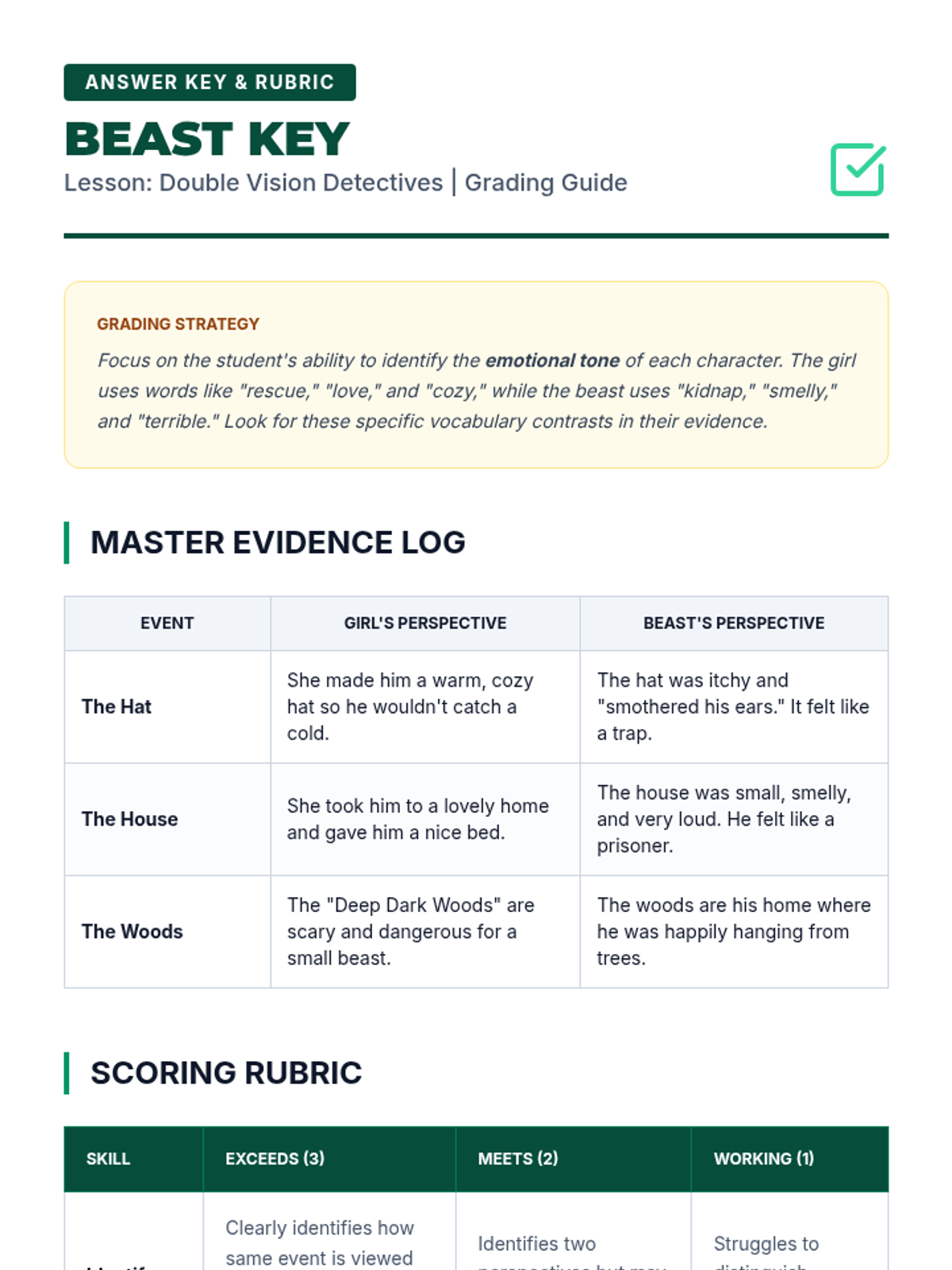
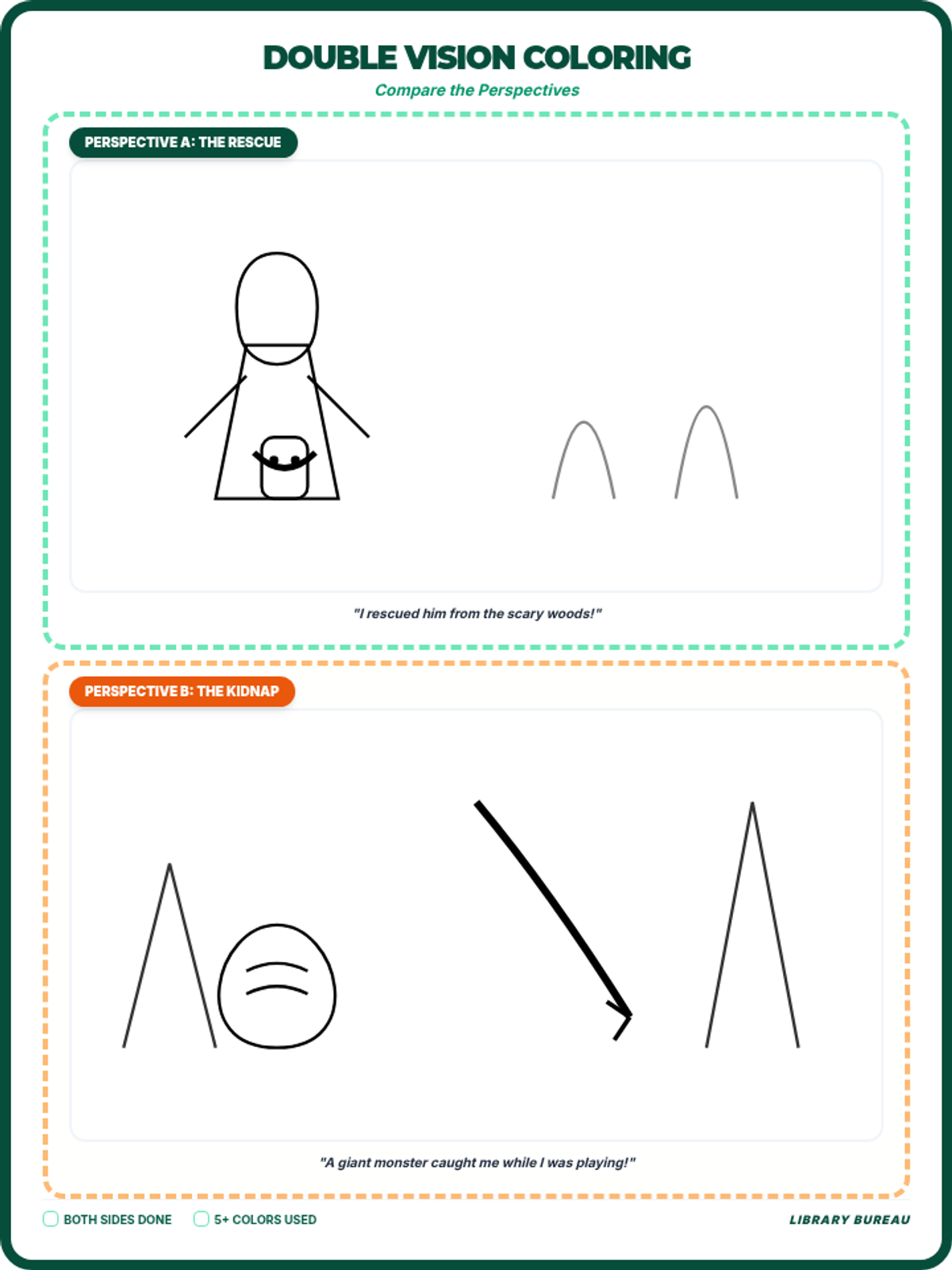
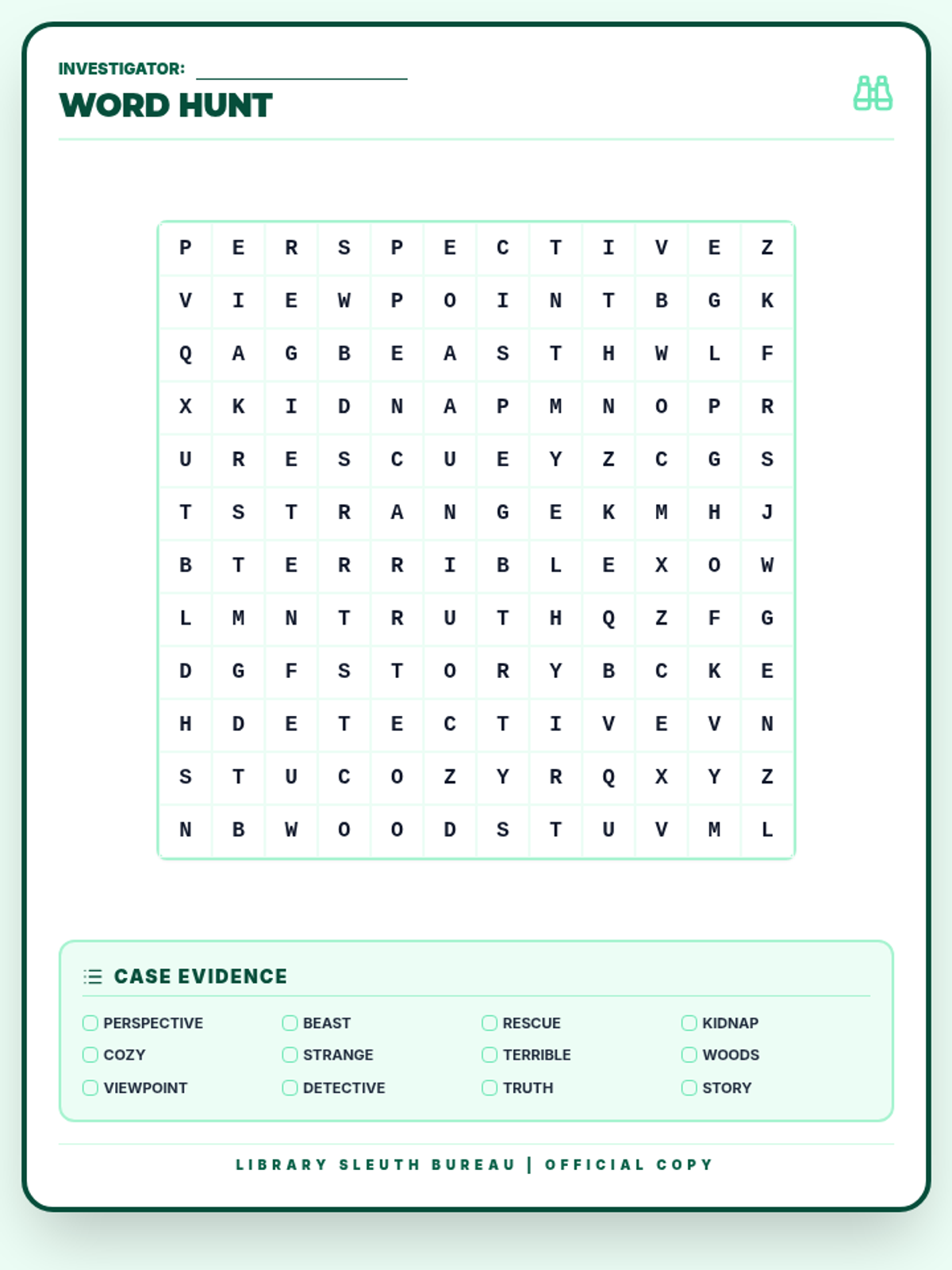
A library lesson for 3rd and 4th graders exploring contrasting perspectives through the book 'A Tale of Two Beasts' by Fiona Roberton. Students will analyze how the same events are described differently by the two main characters (the girl and the beast) to understand the importance of considering multiple viewpoints.
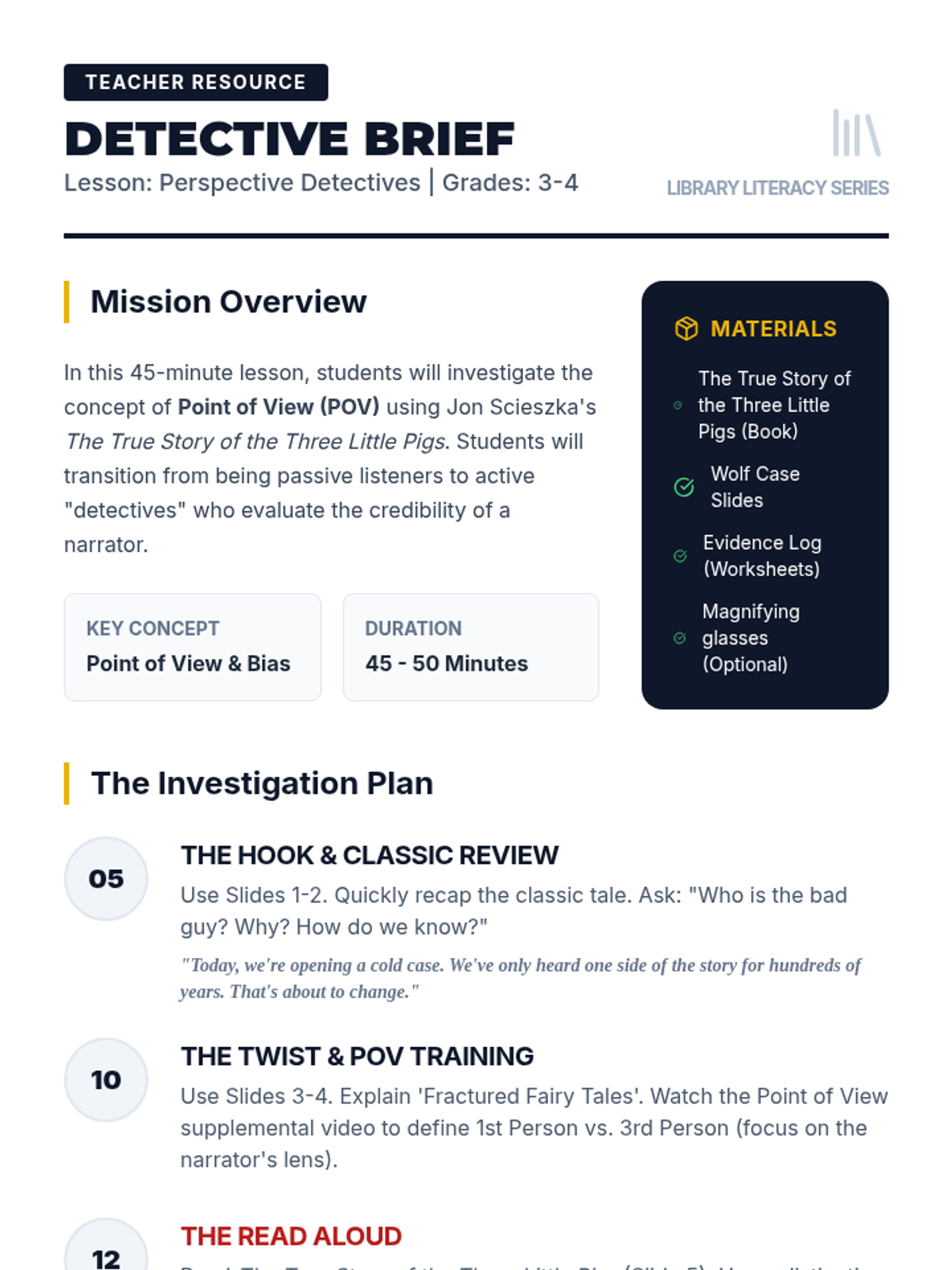
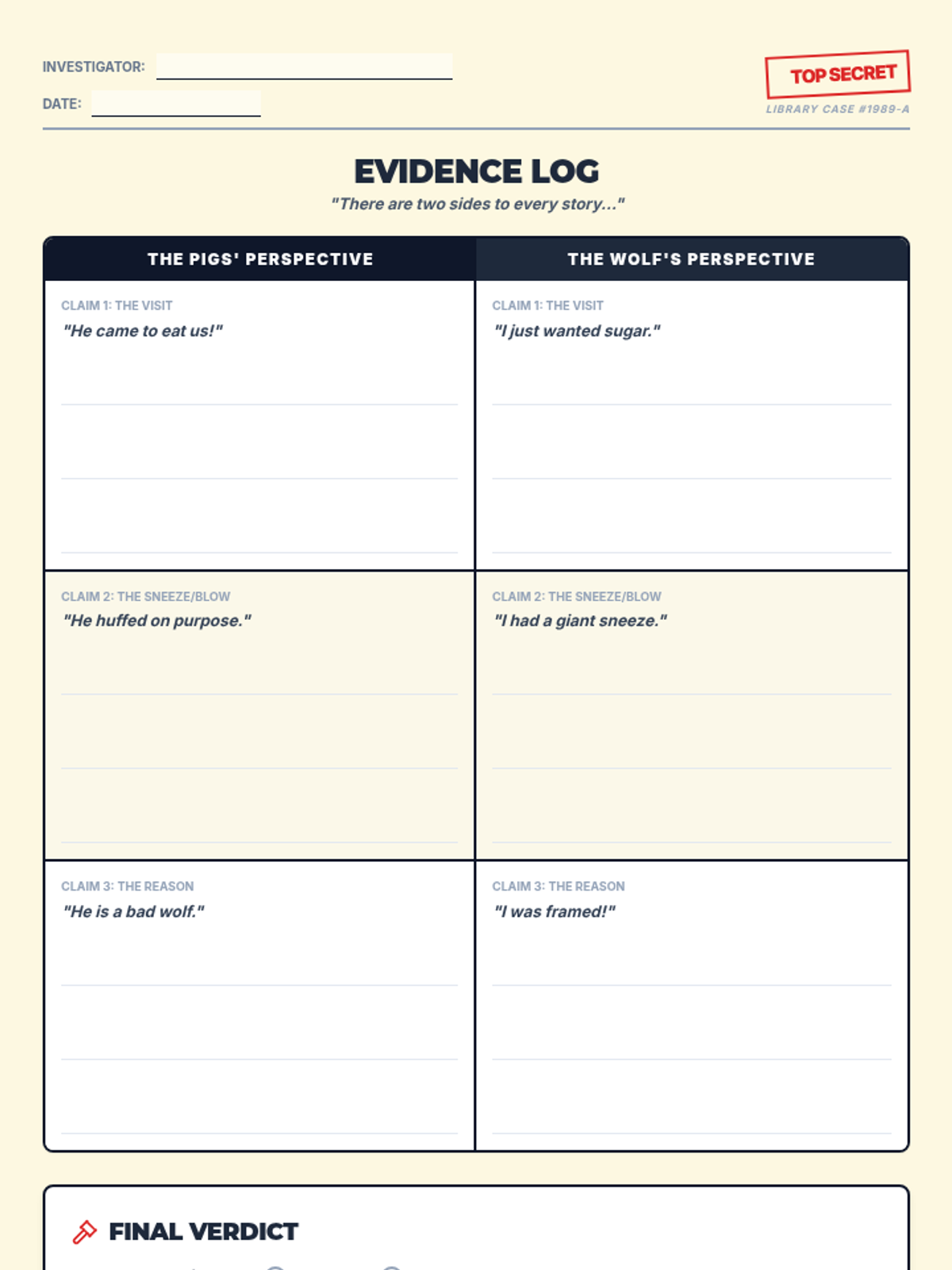
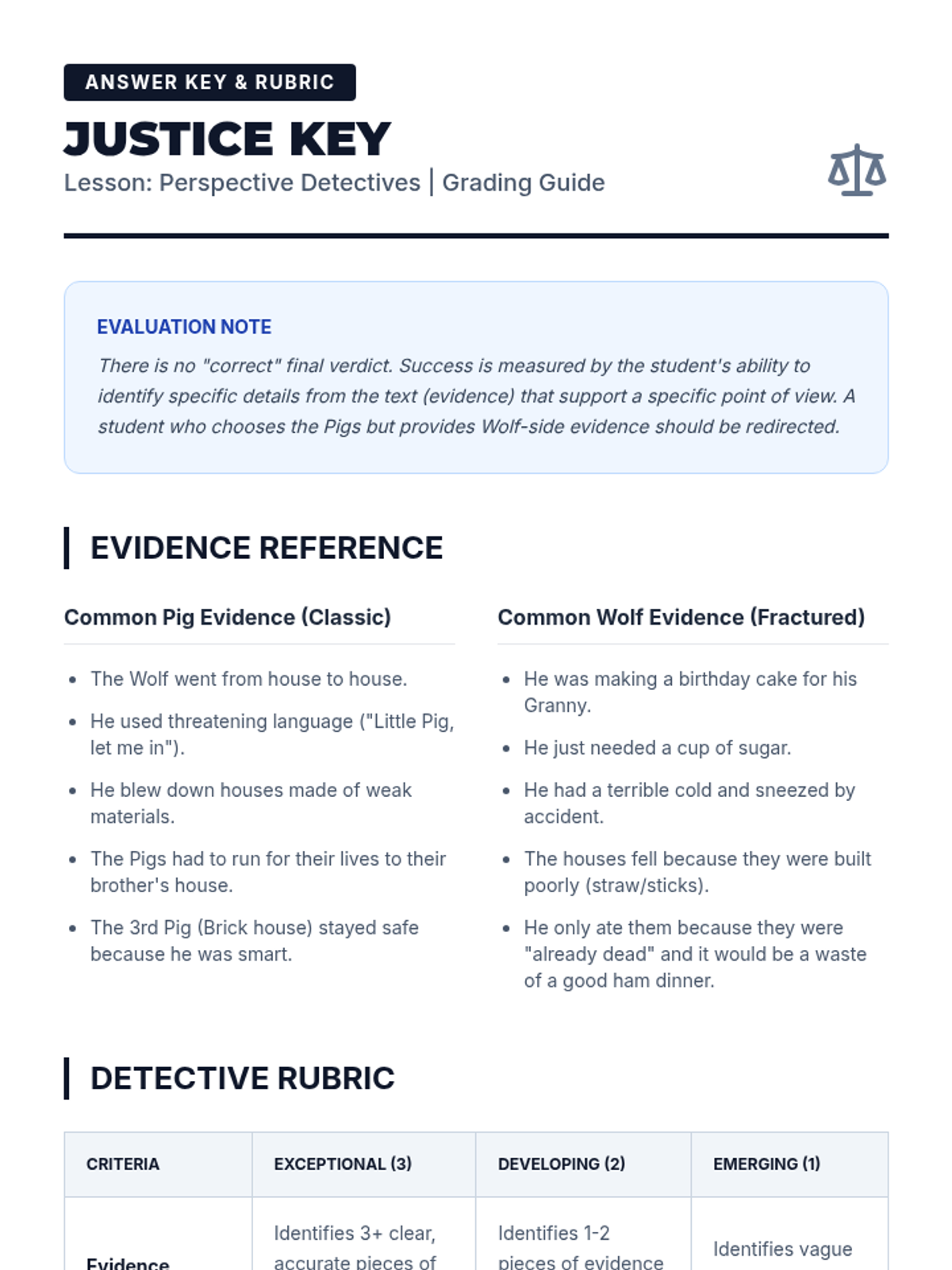
A library lesson for 3rd and 4th graders exploring perspective and point of view through the fractured fairy tale 'The True Story of the Three Little Pigs' by Jon Scieszka. Students will compare the classic tale with the wolf's version to understand how a narrator's bias affects a story.
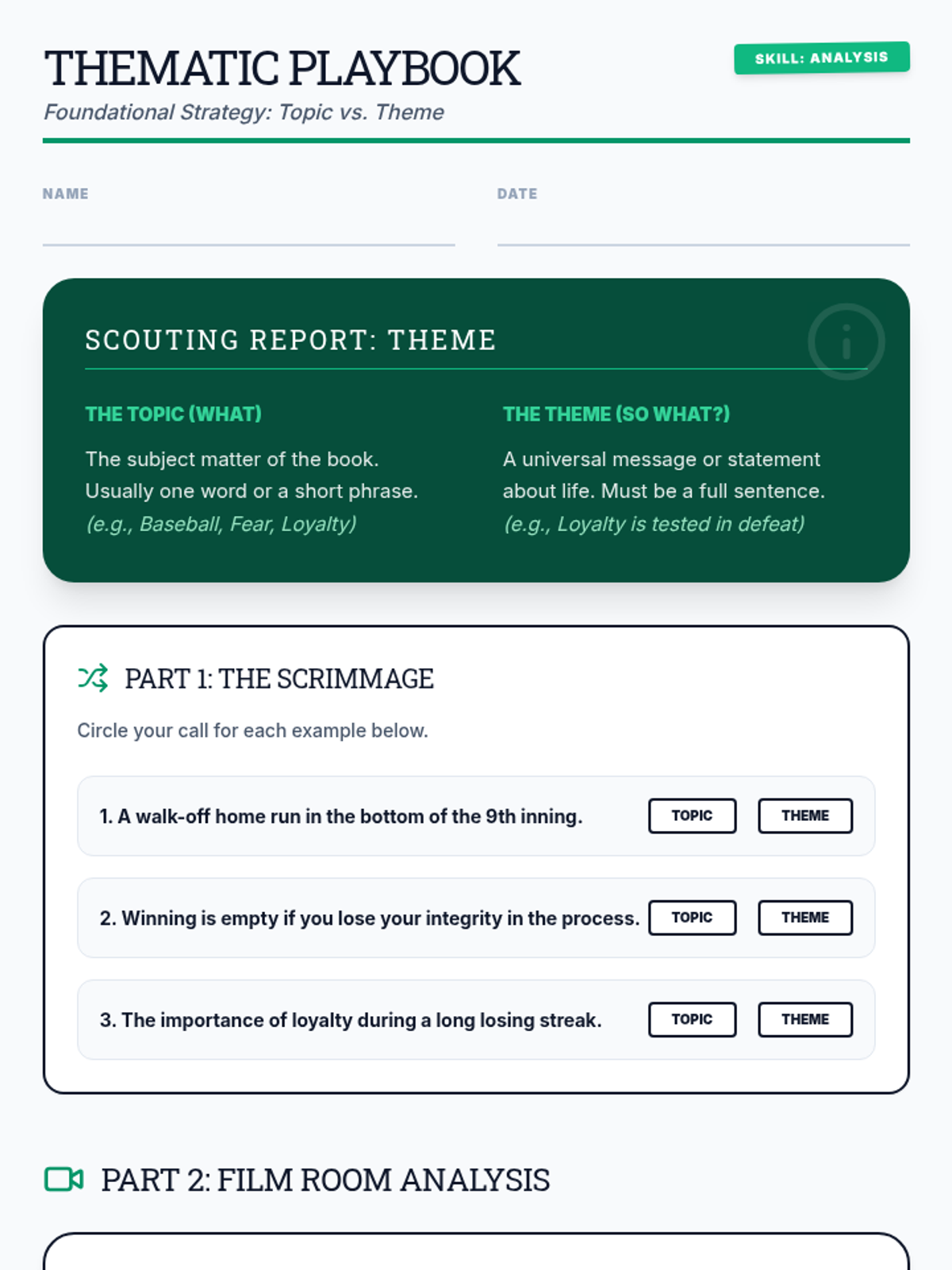
A foundational lesson on identifying theme, distinguishing between topics and universal messages, and understanding the 'so what' of a story.
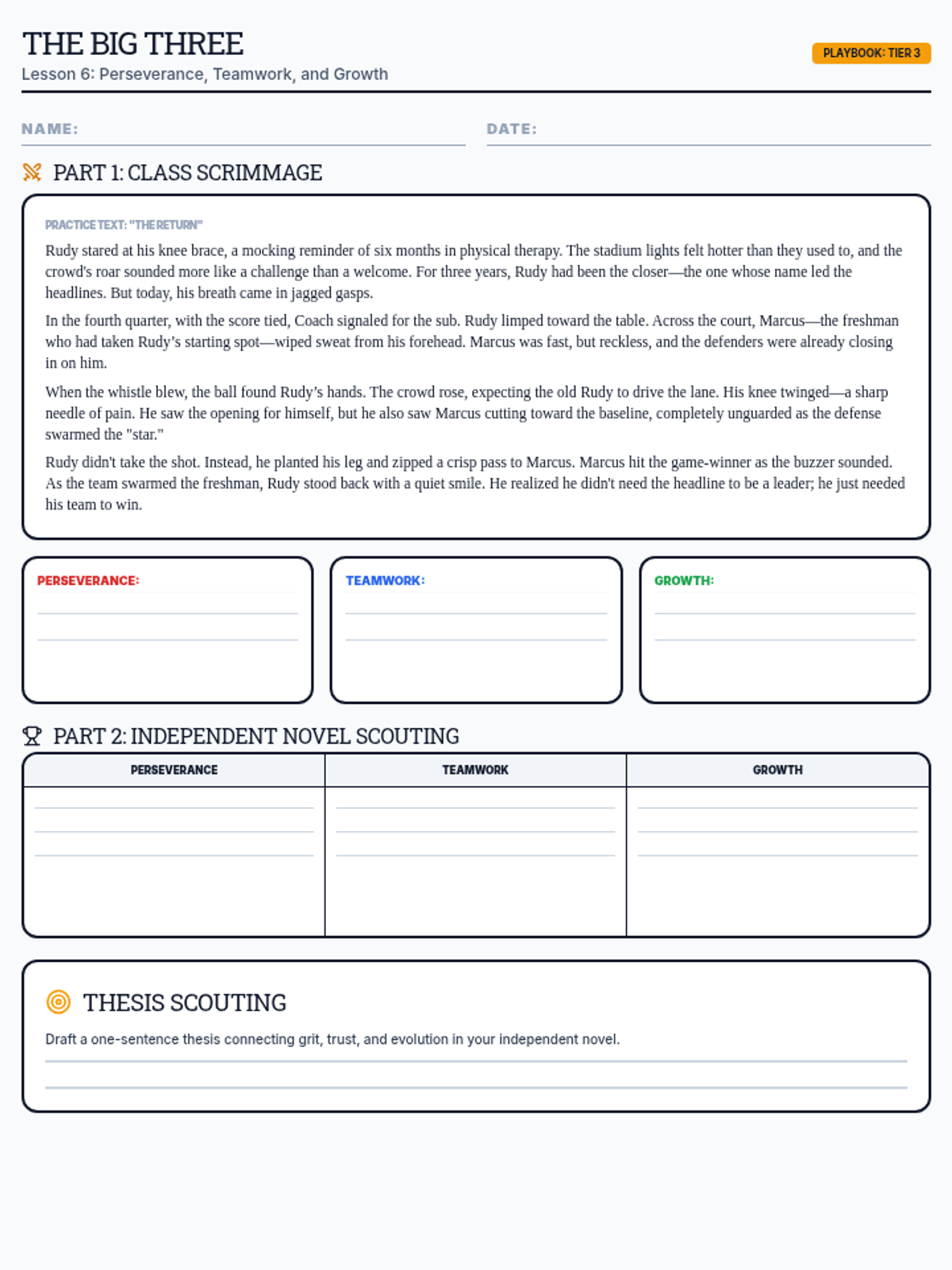
Deep dive into the core themes of perseverance, teamwork, and personal growth required for the final summative projects.
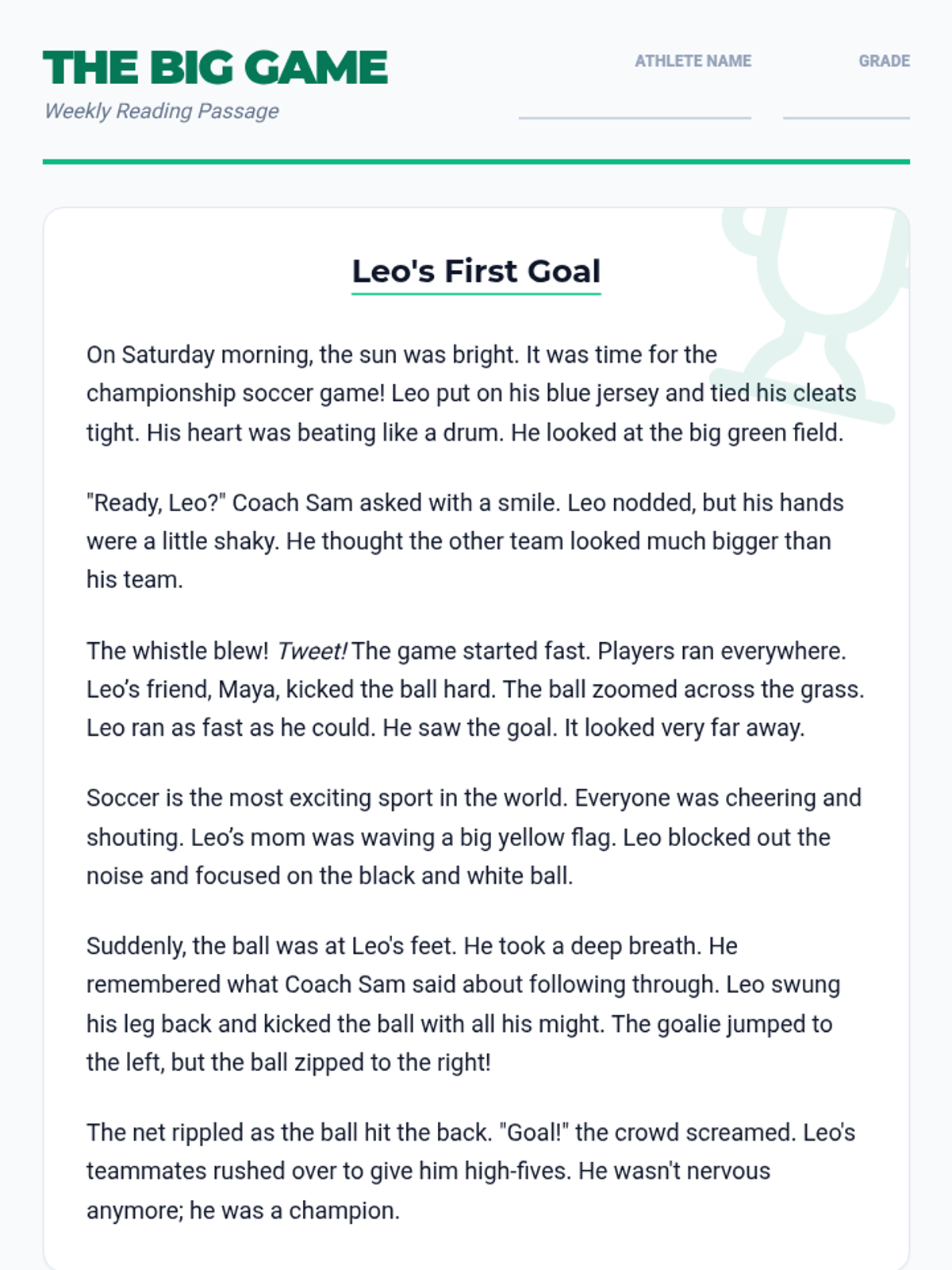
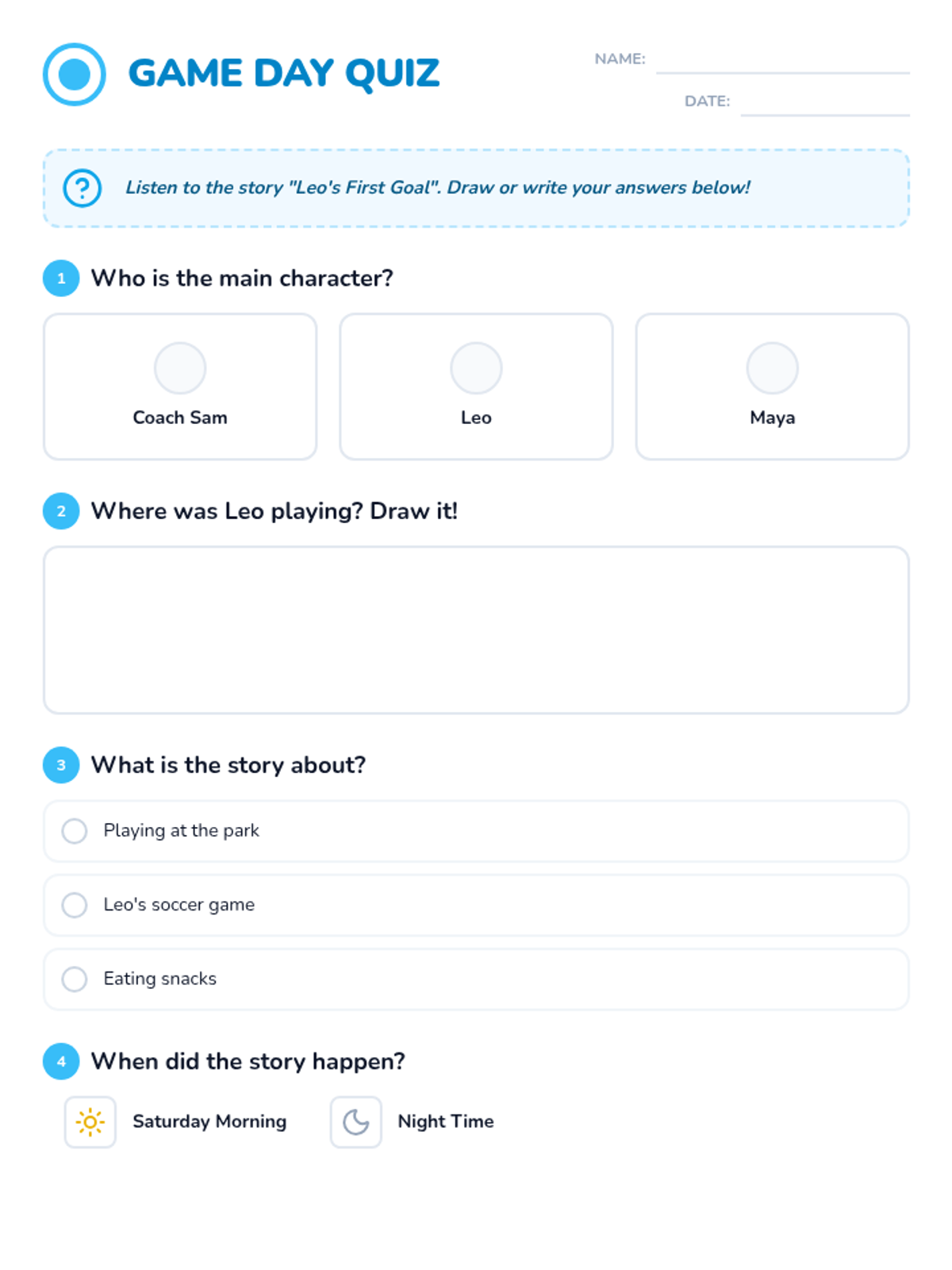
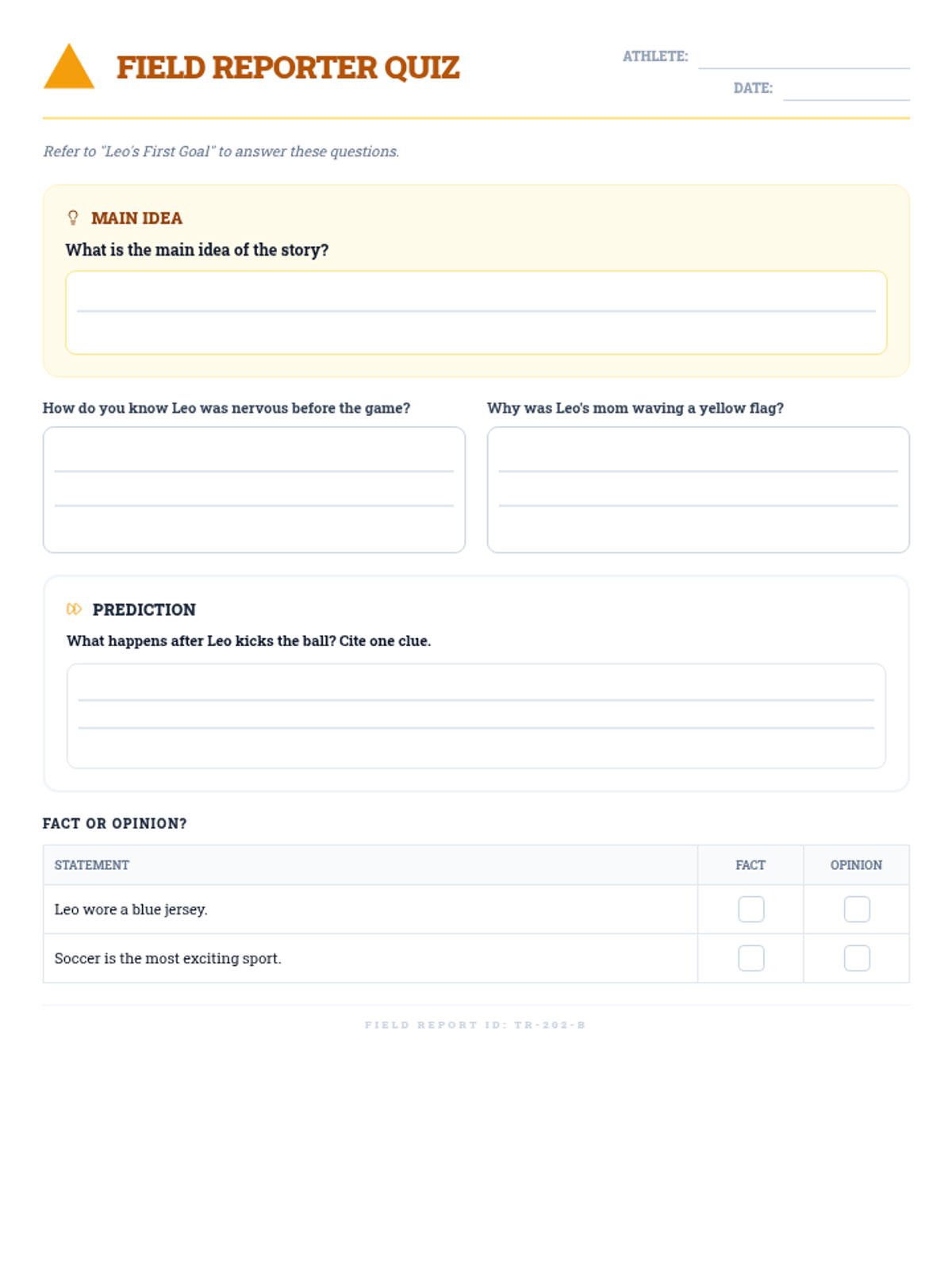
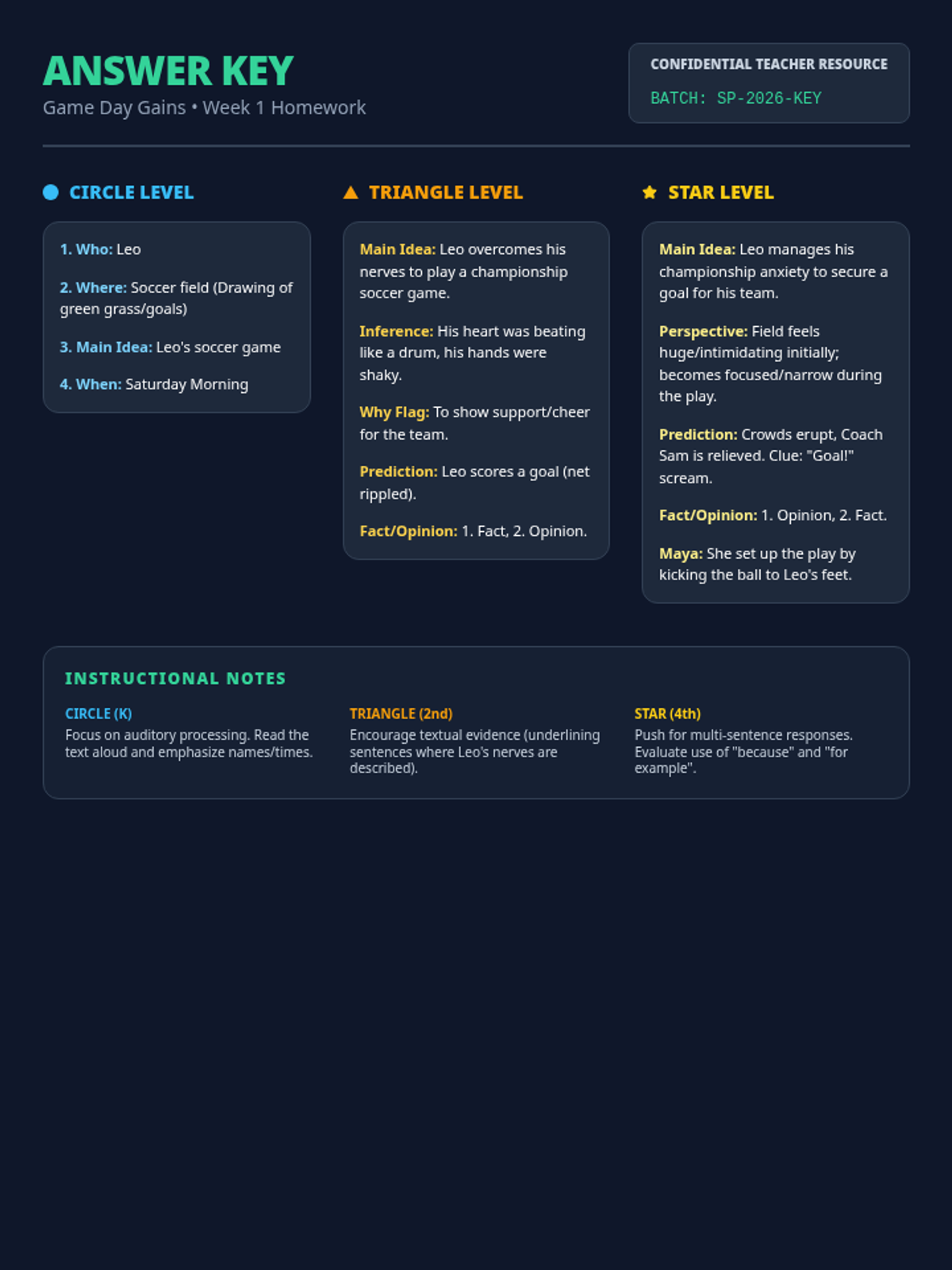
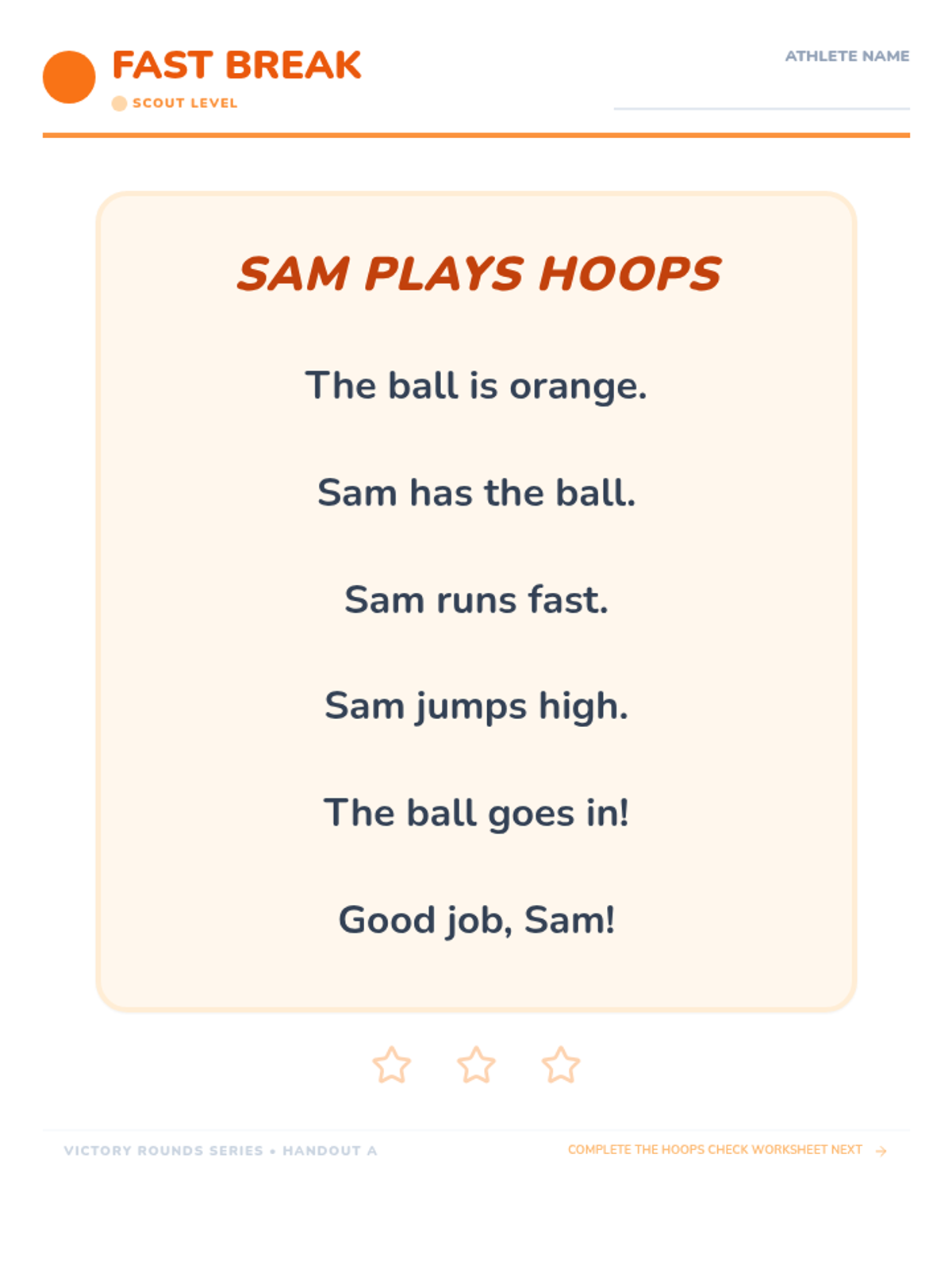
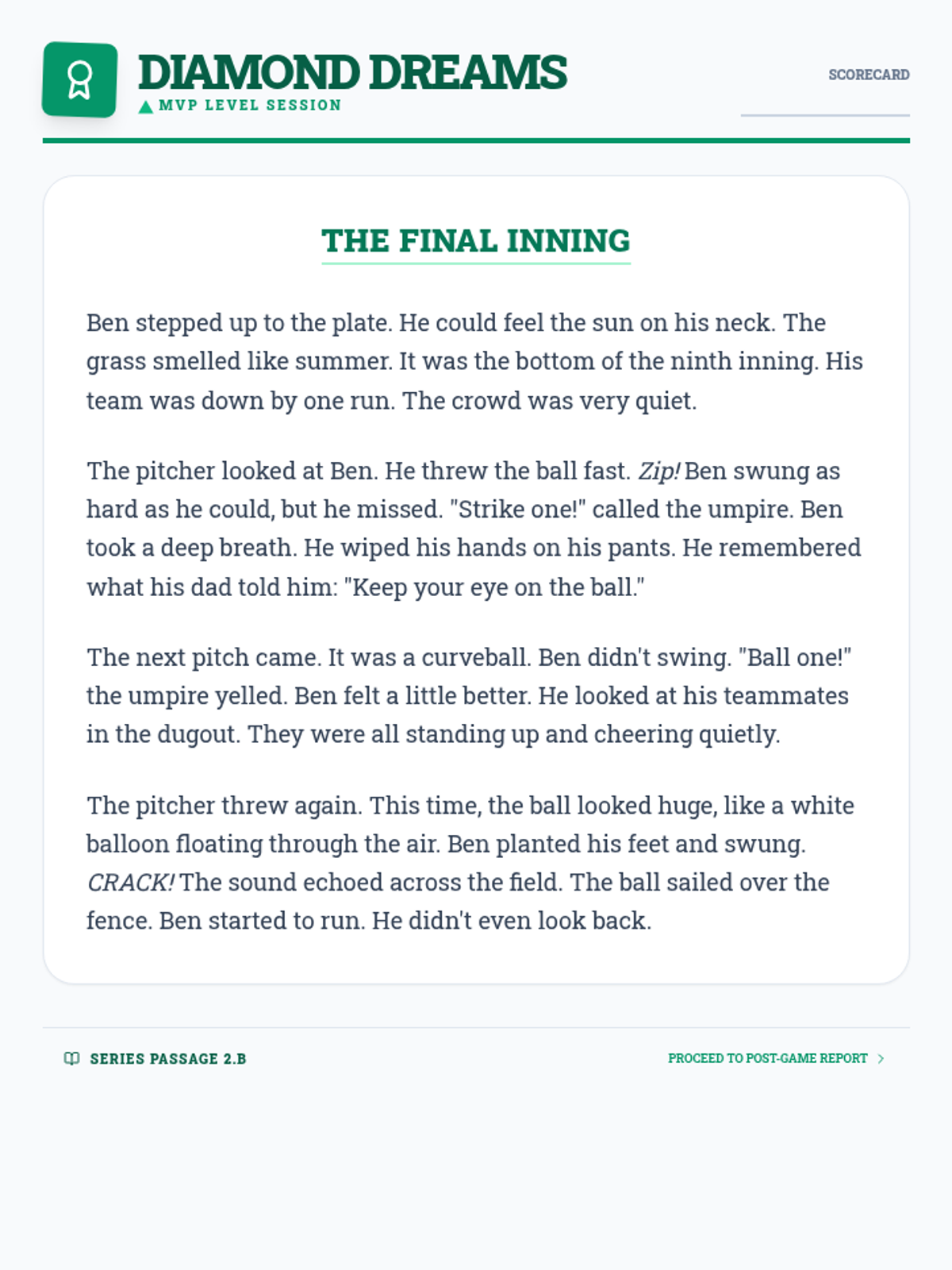
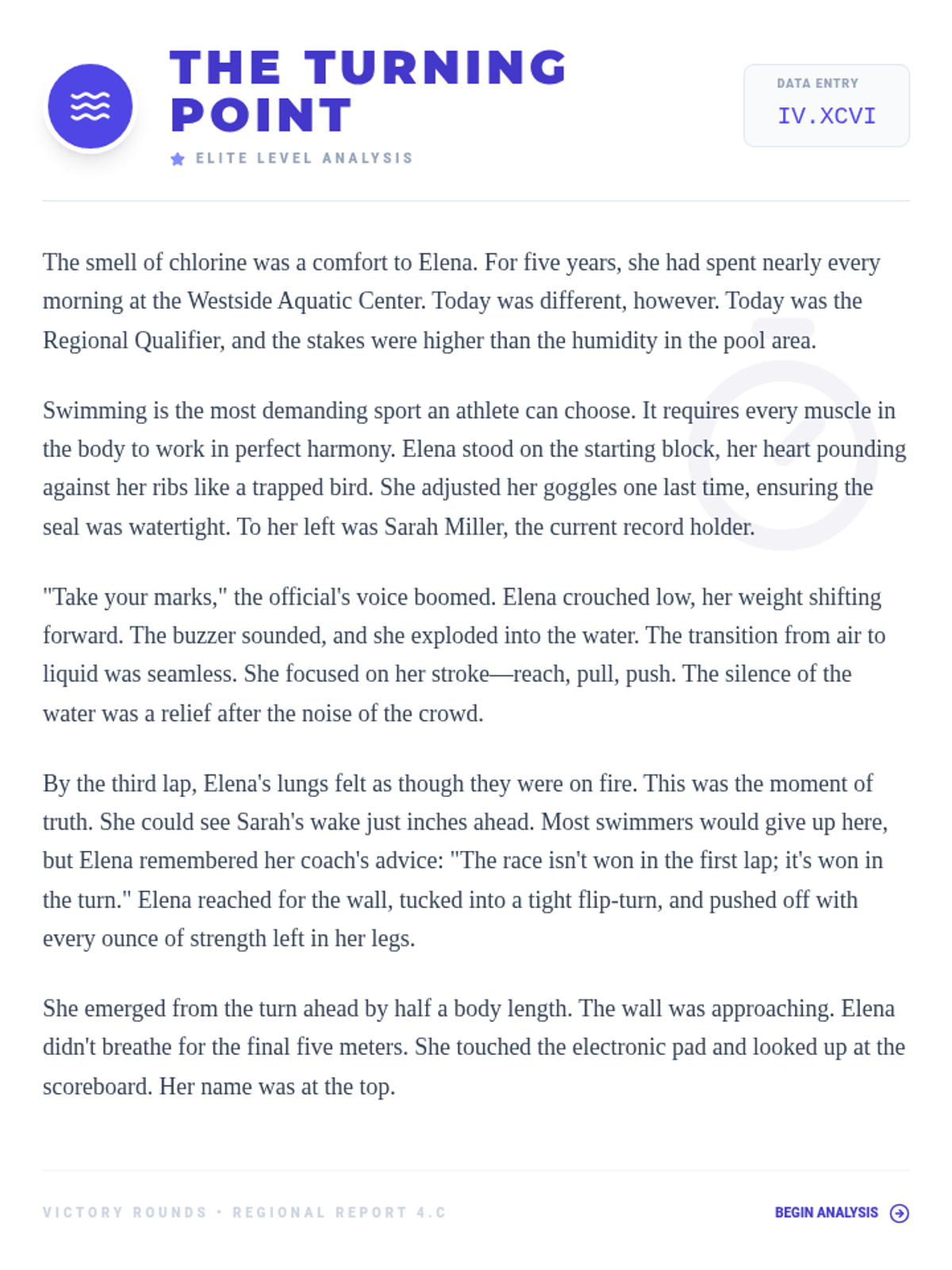
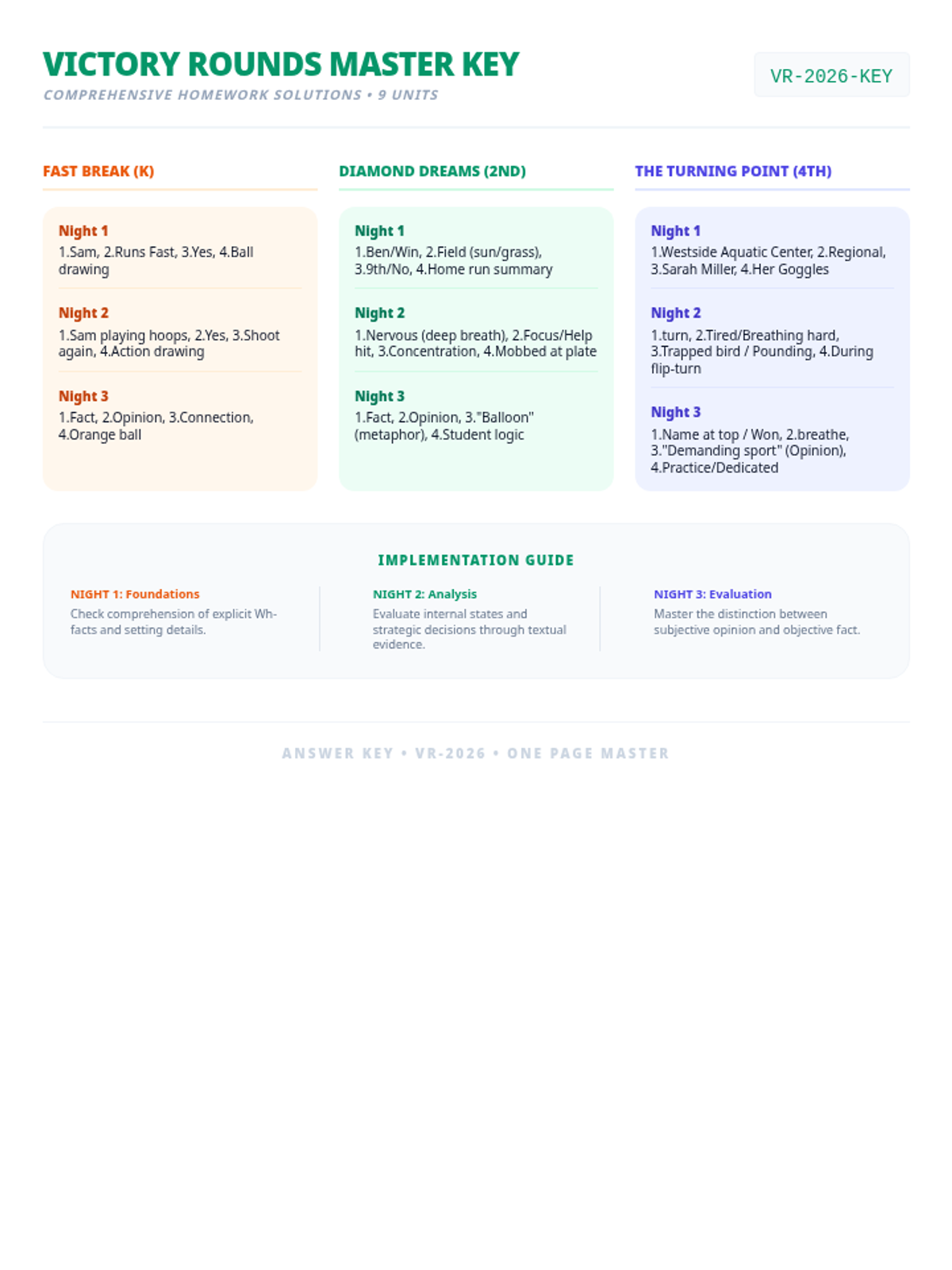
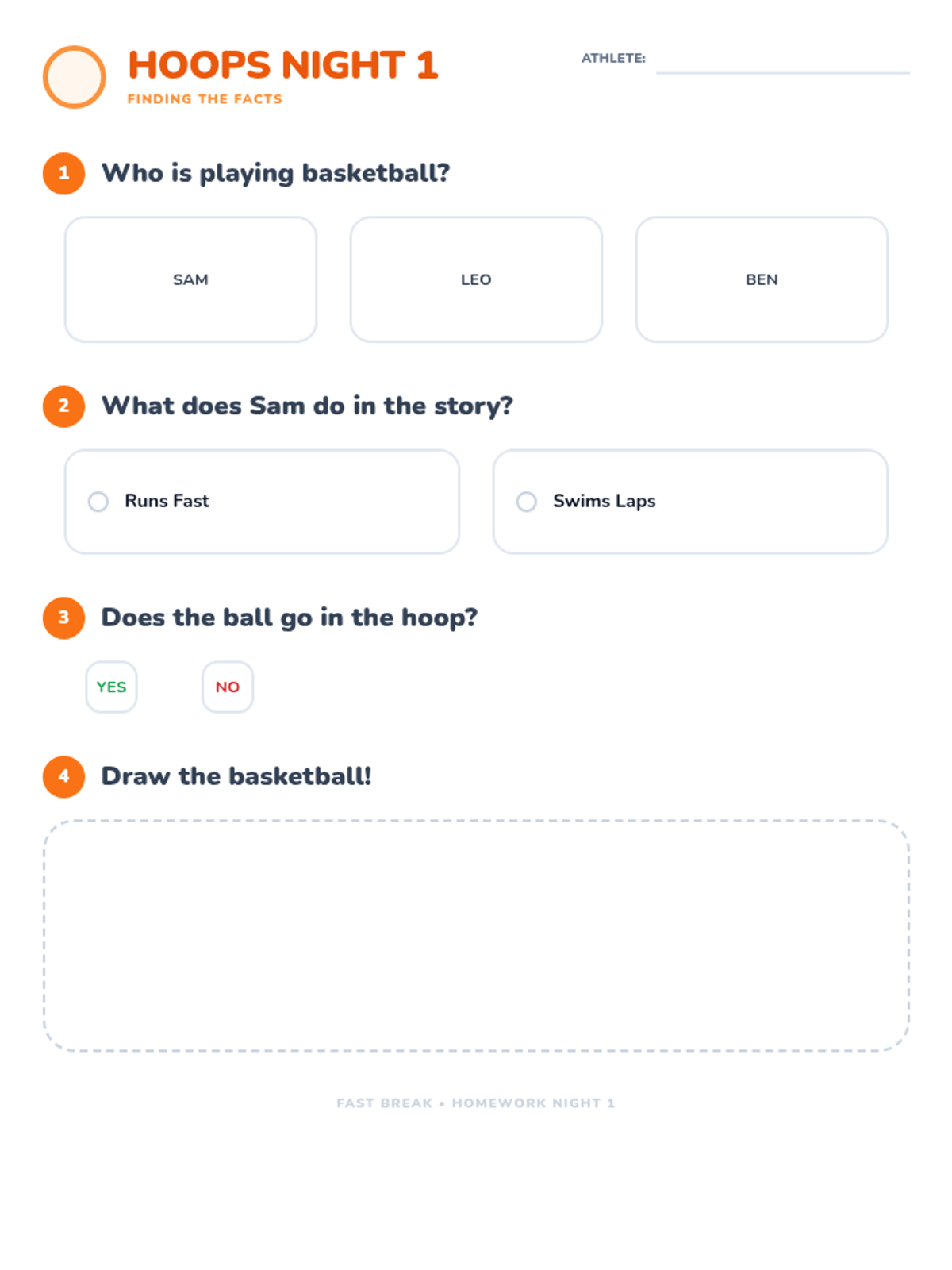
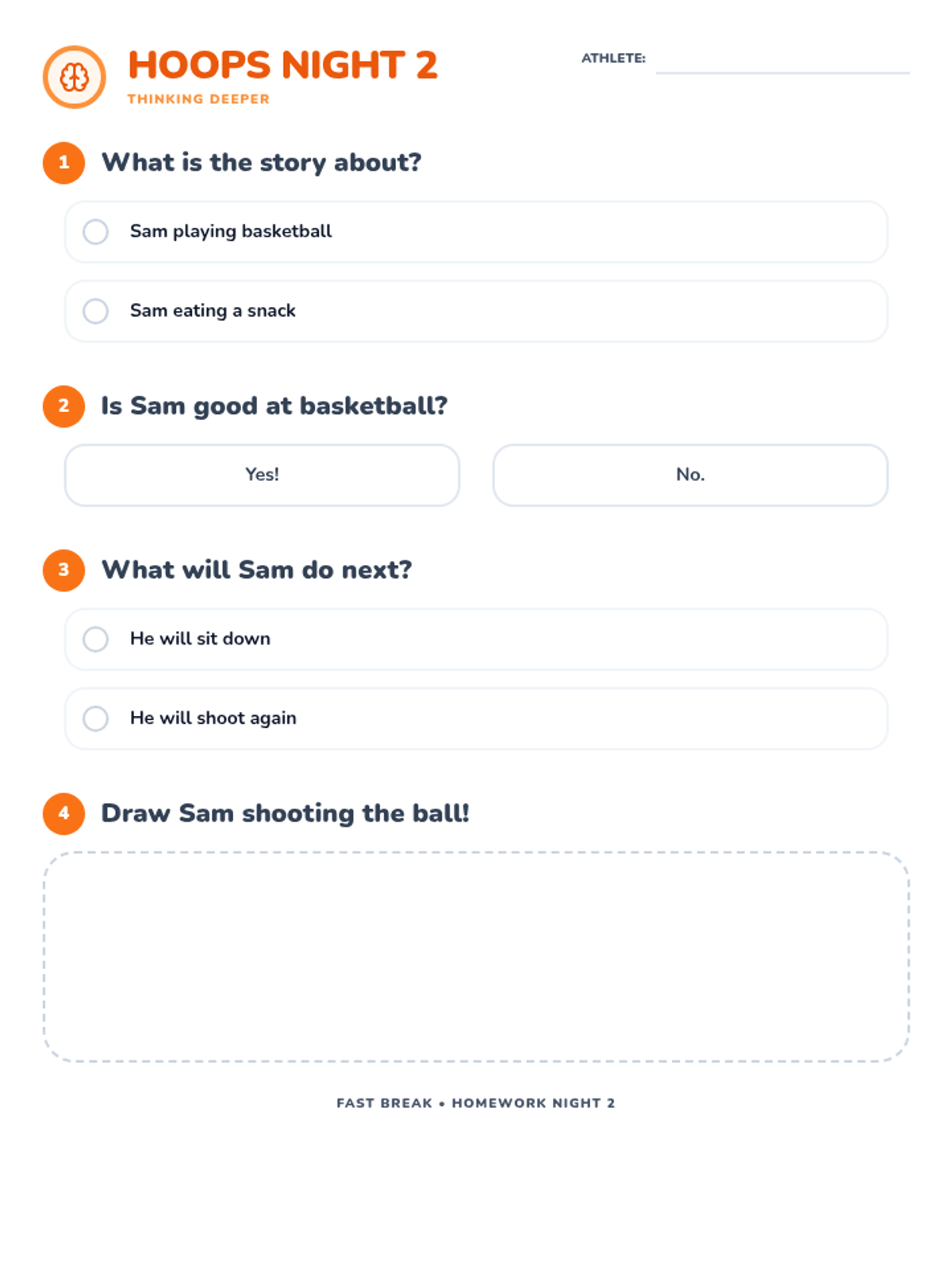
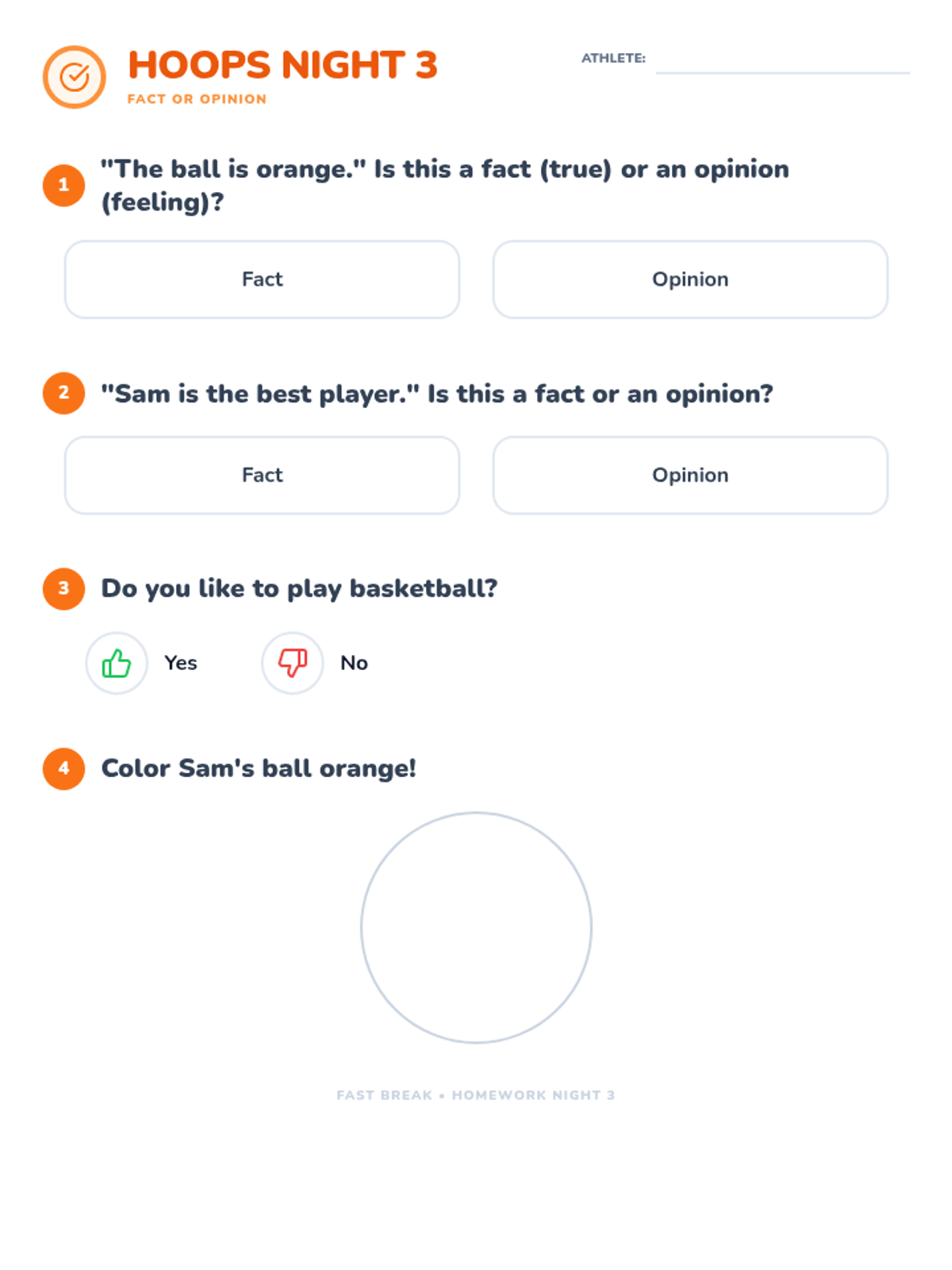
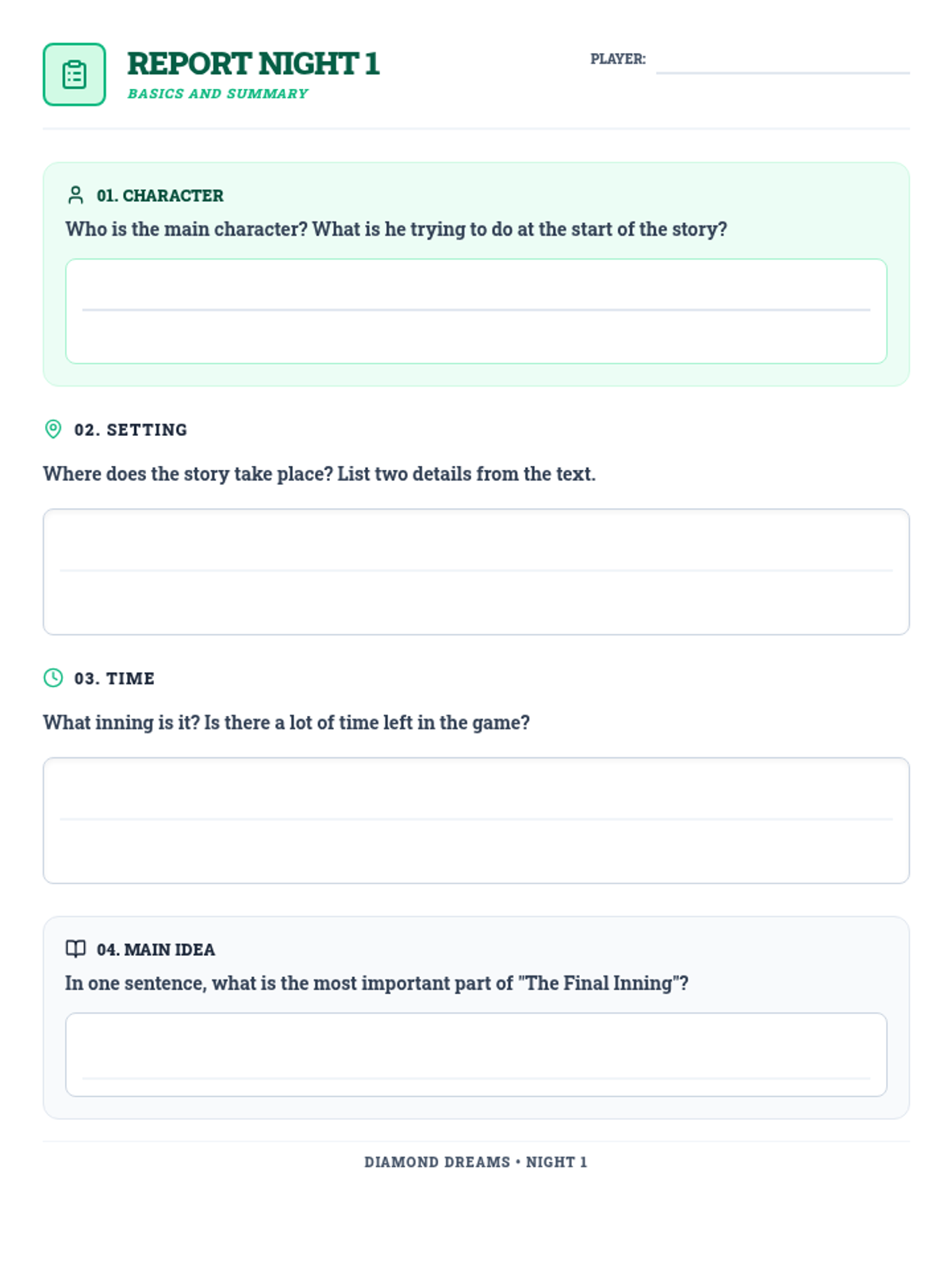
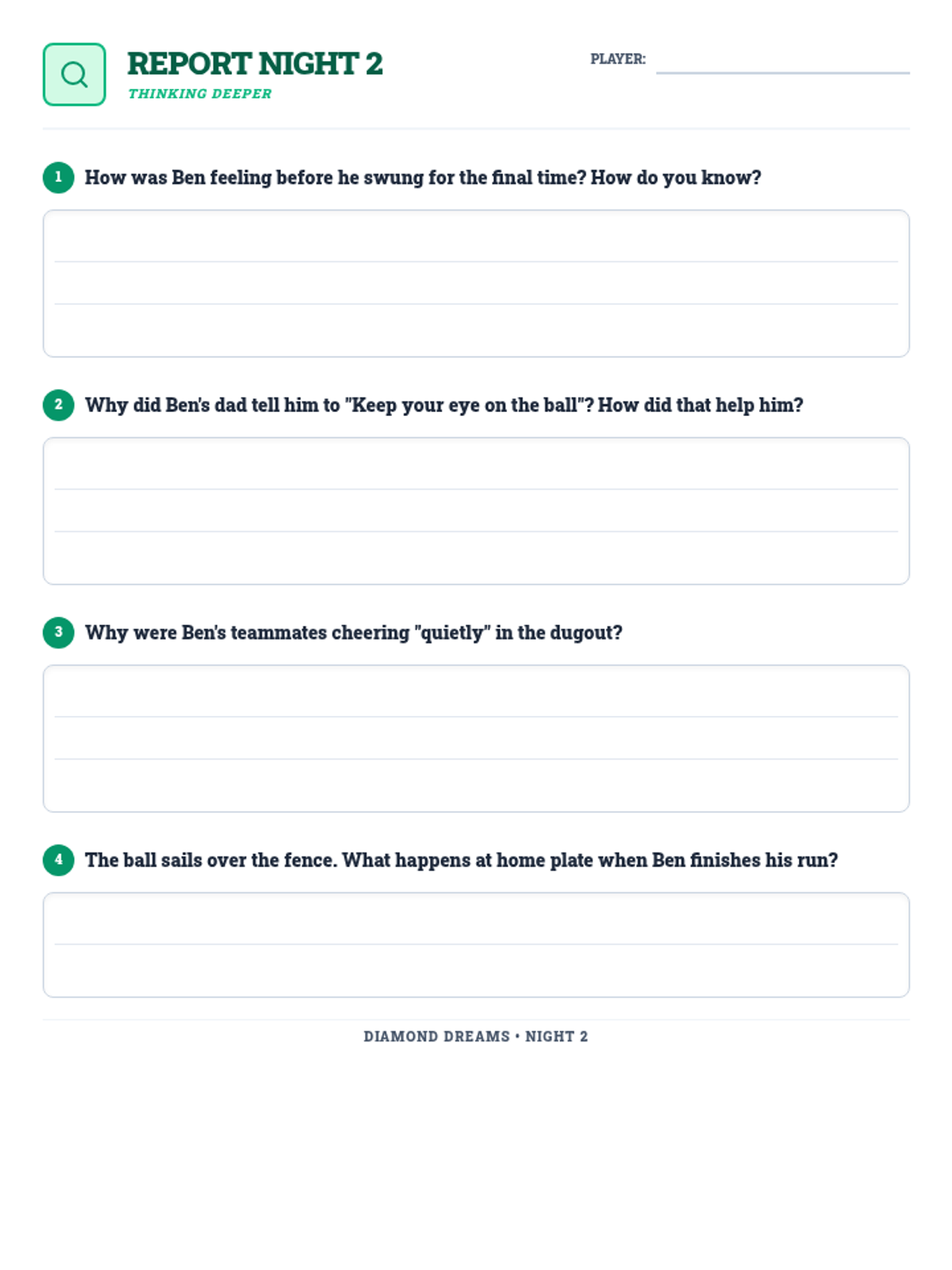
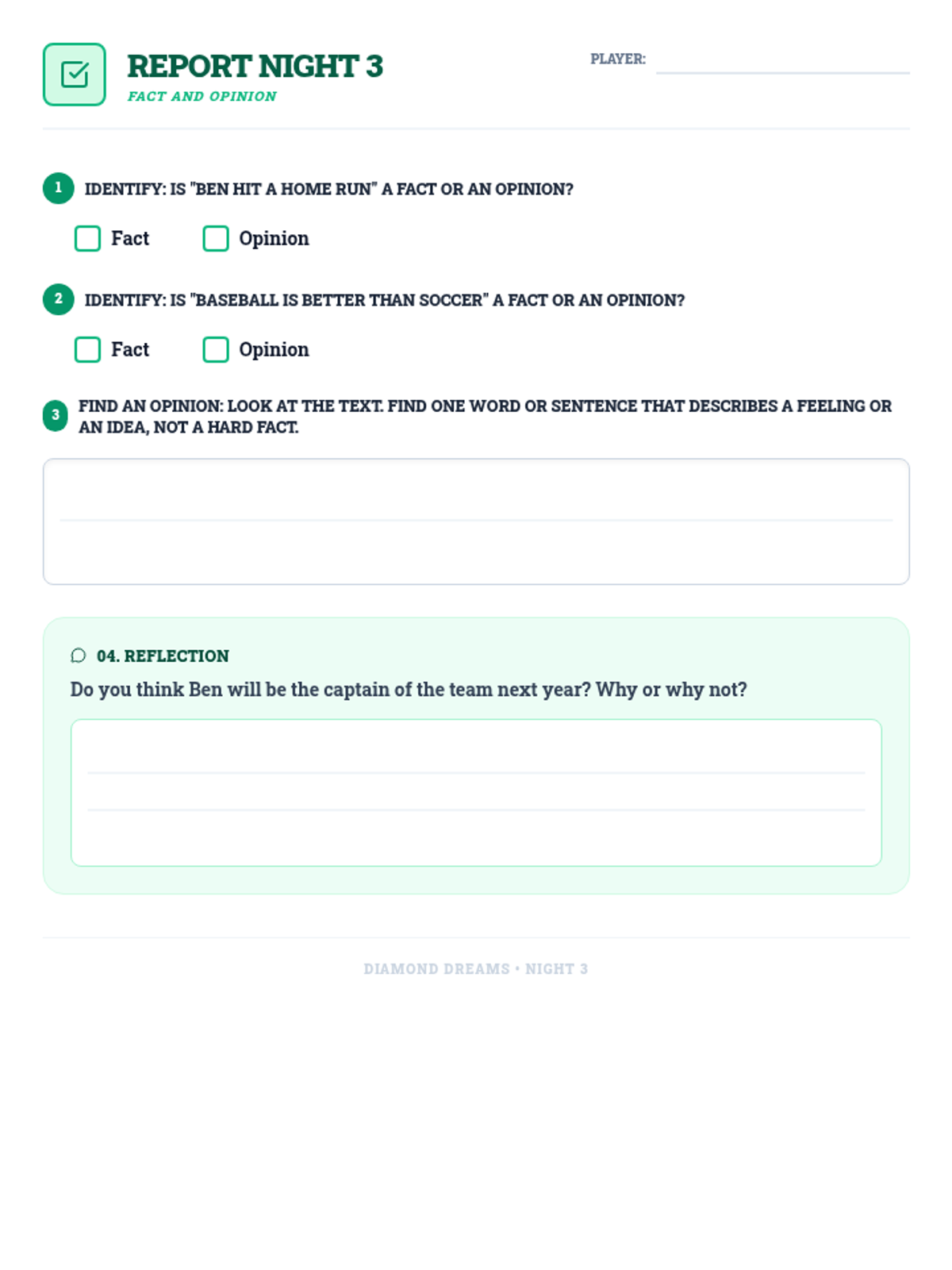
A set of multi-level reading comprehension materials focused on a sports theme, suitable for a week of homework or differentiated classroom use.
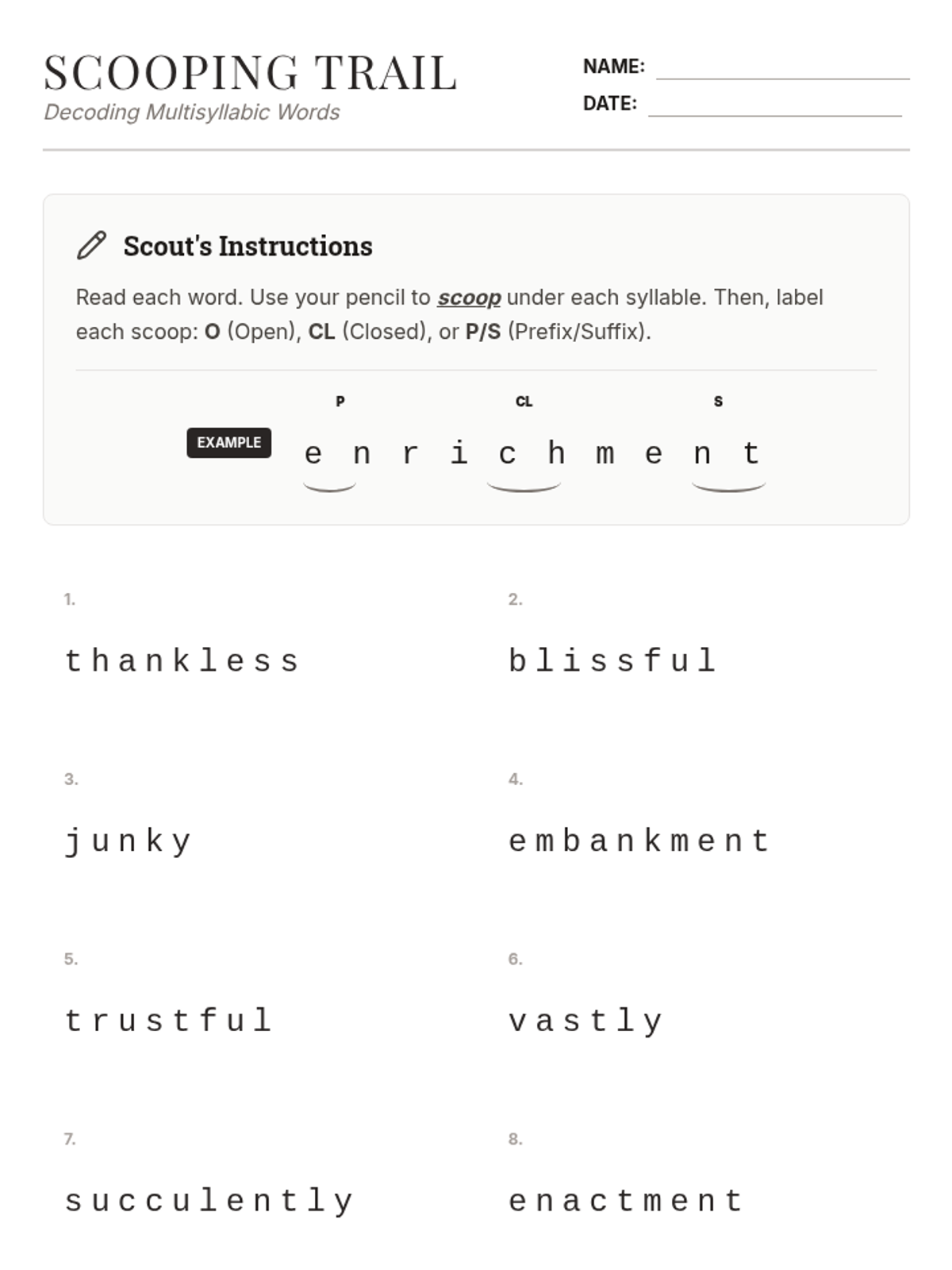
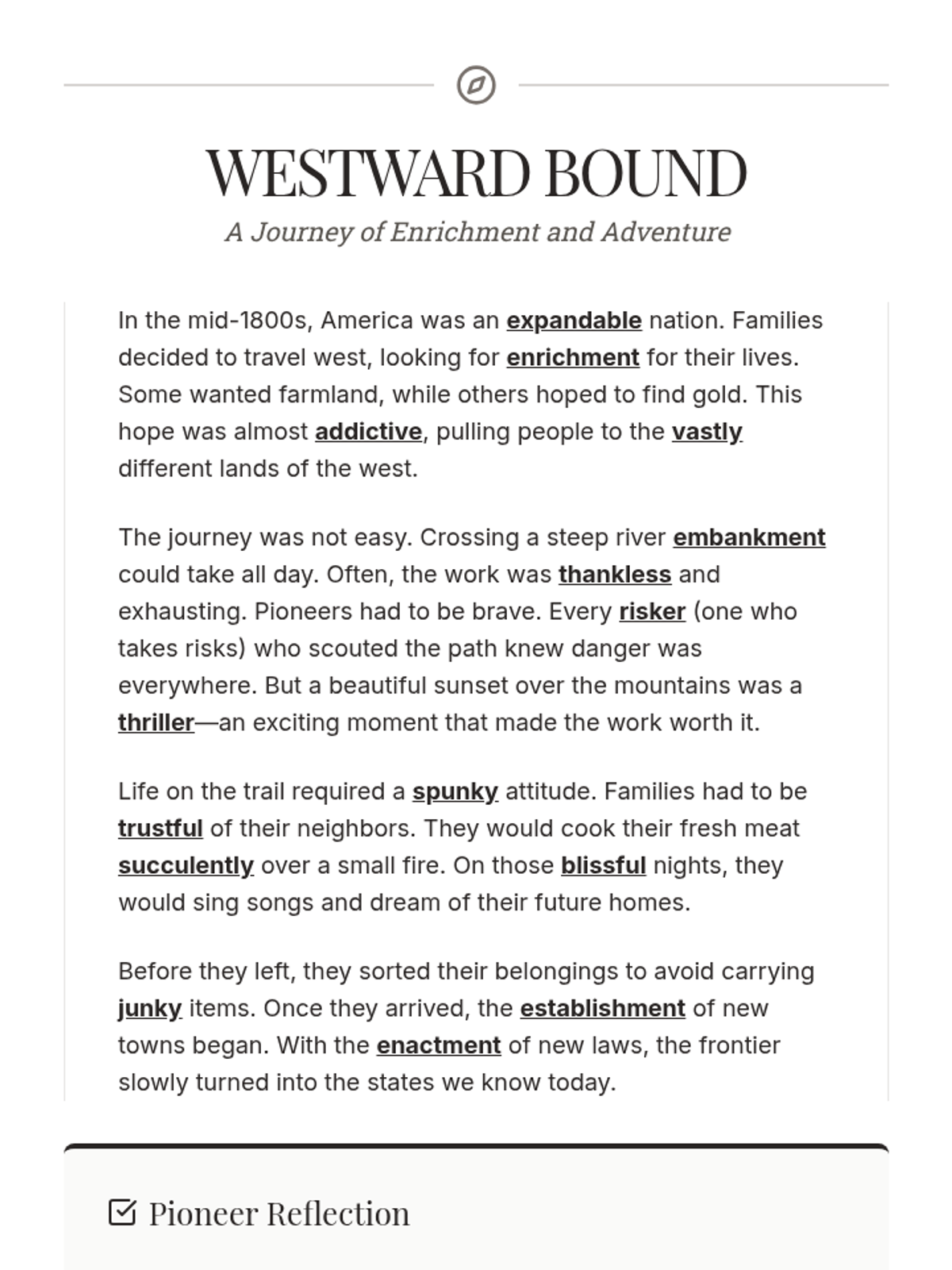
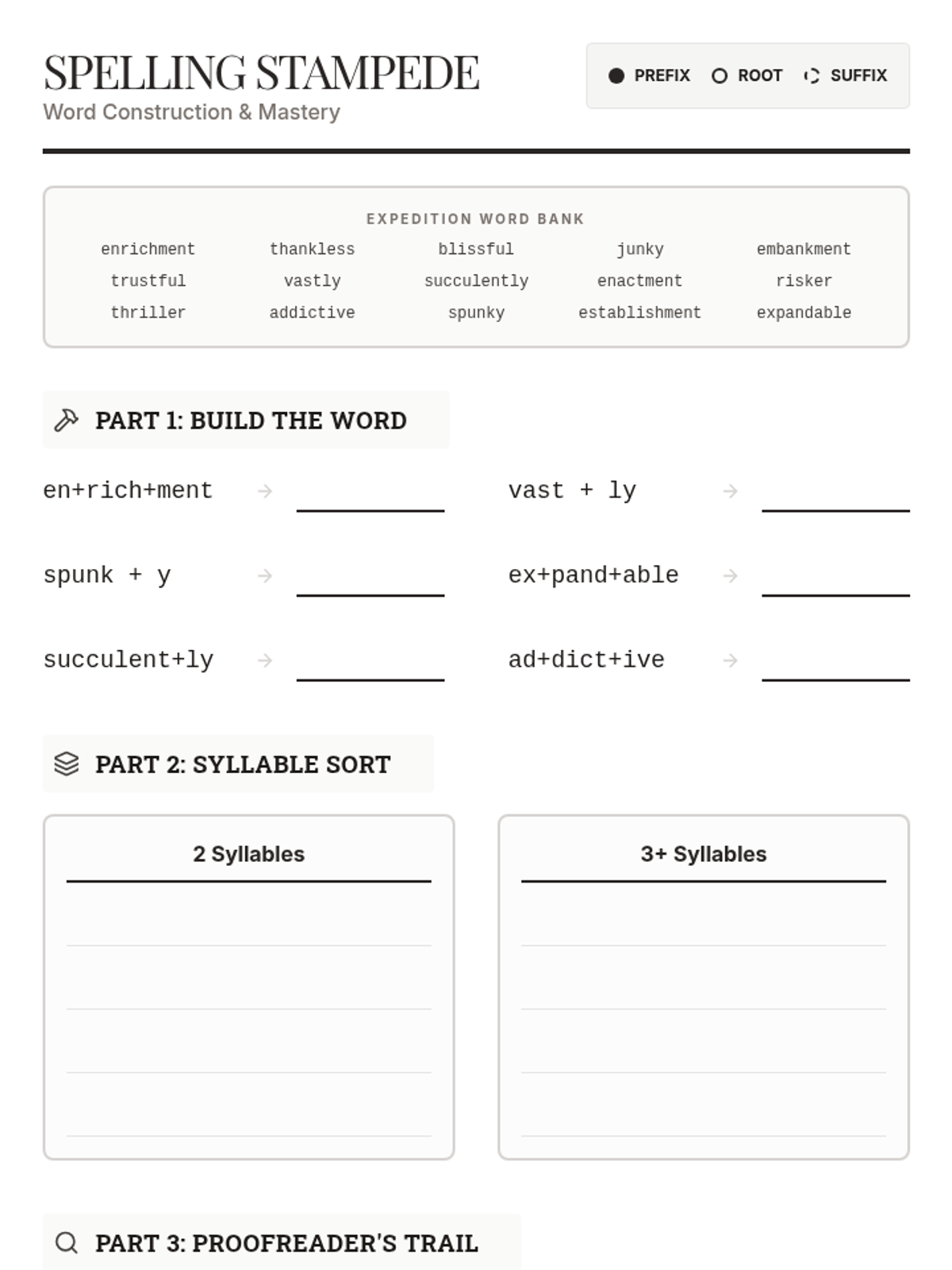
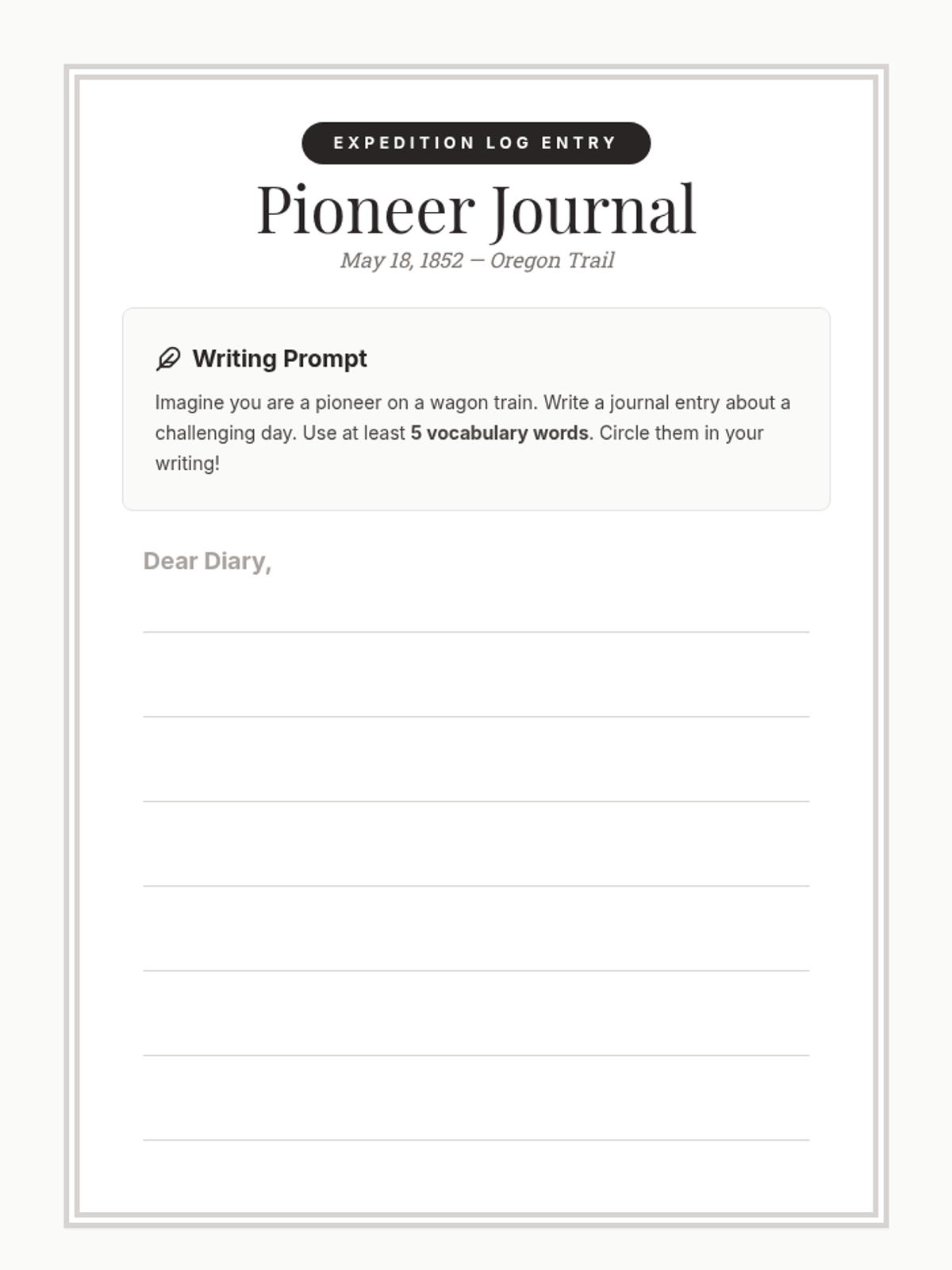
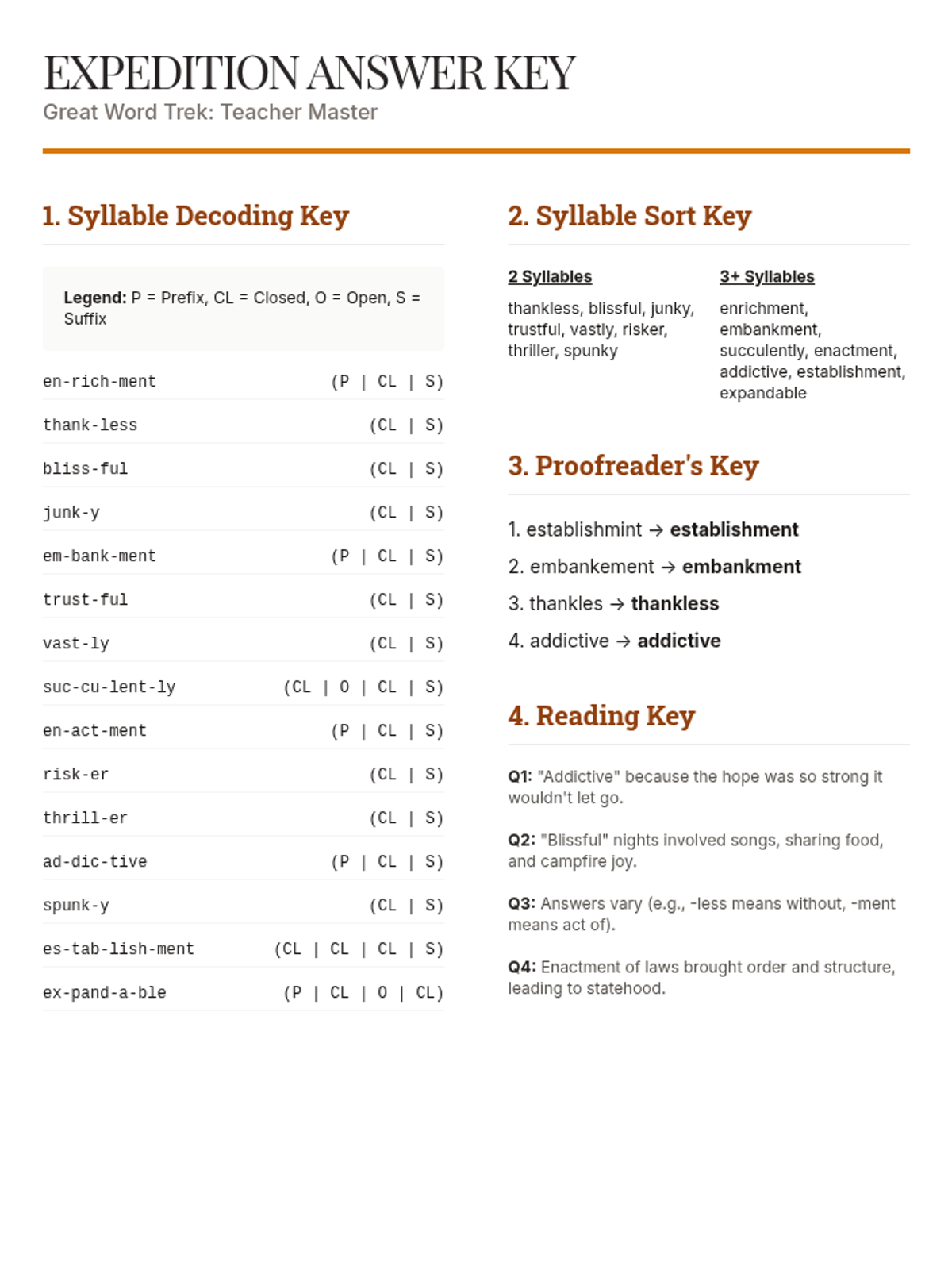
A multi-day lesson exploring morphology and syllable division through the lens of Westward Expansion. Students learn to decode complex words with prefixes and suffixes while building vocabulary related to pioneer life.