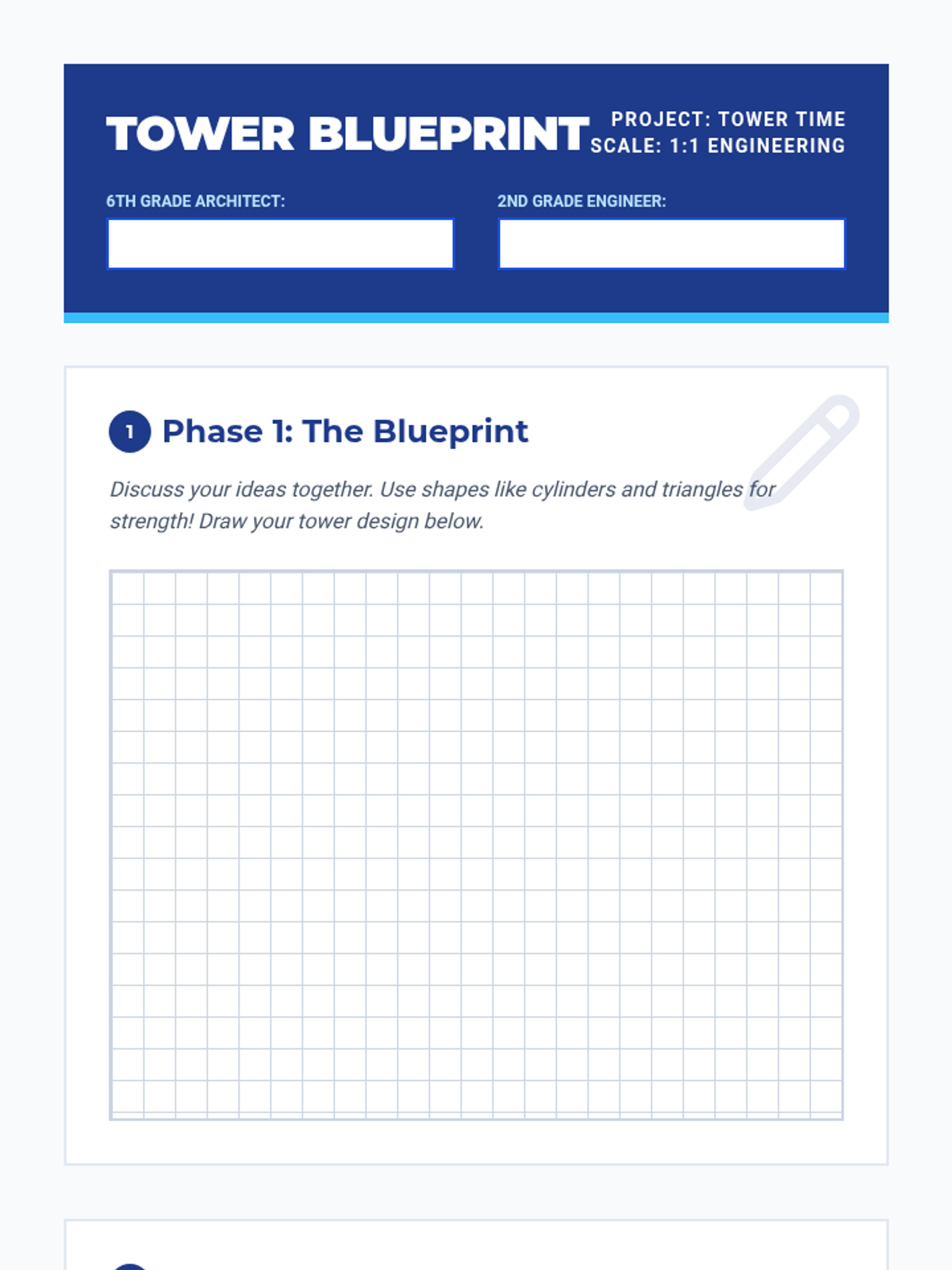
Before coding, students plan layouts using low-fidelity wireframes (paper sketches). They map out headers, navigation, and content to ensure logical flow and reinforce the 'Plan before you Build' habit.
A 6th-grade lesson where students transition from passive rumor-consumers to active investigators by identifying a school-based myth and designing a scientific or journalistic plan to verify it.
How and why organisms use light for social interactions, communication, and complex behaviors. Students explore strategies like counter-illumination and burglar alarms.
How is light made? Students break down the chemical reaction of bioluminescence, exploring the interaction between luciferin, luciferase, and oxygen.
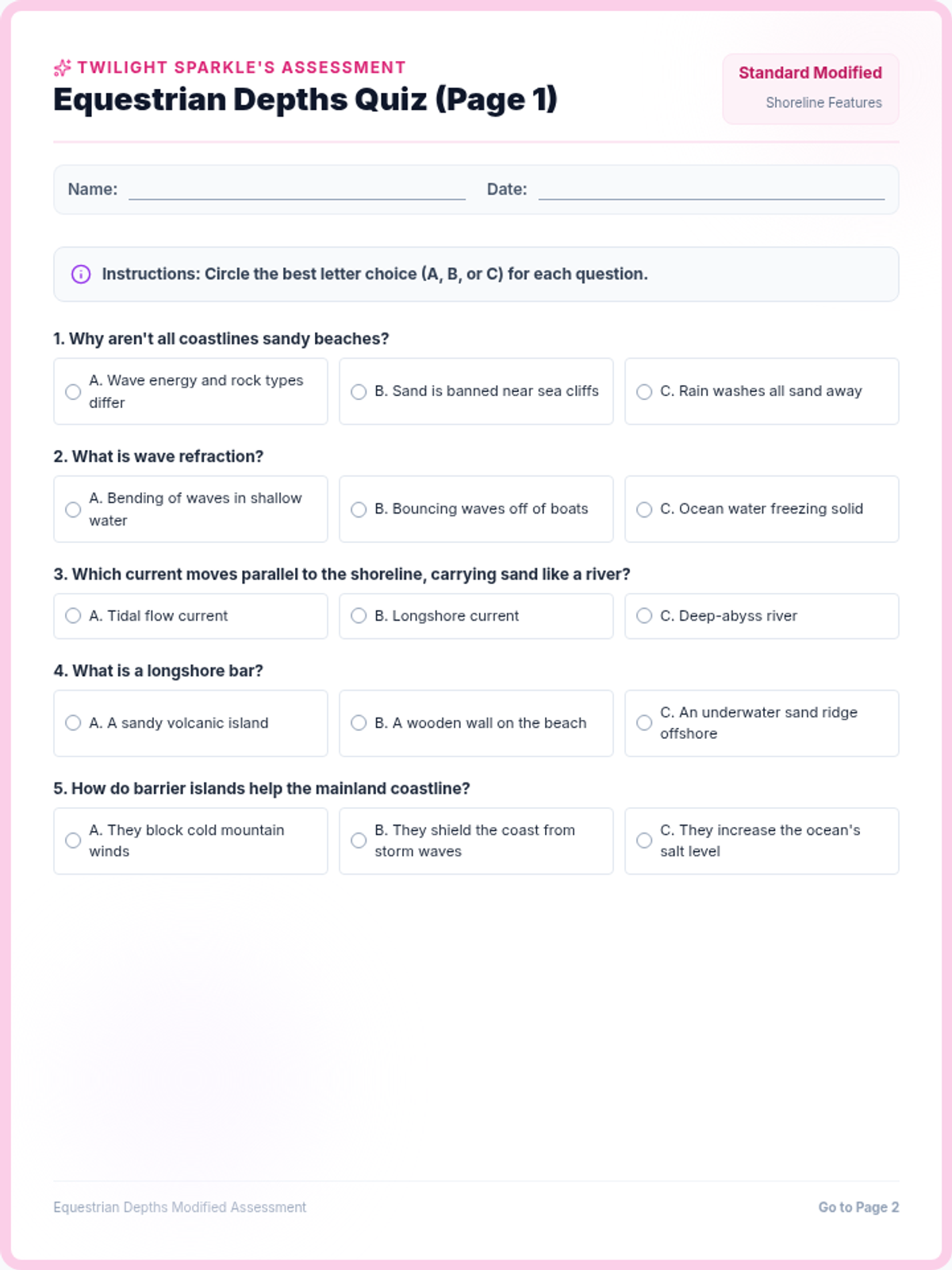
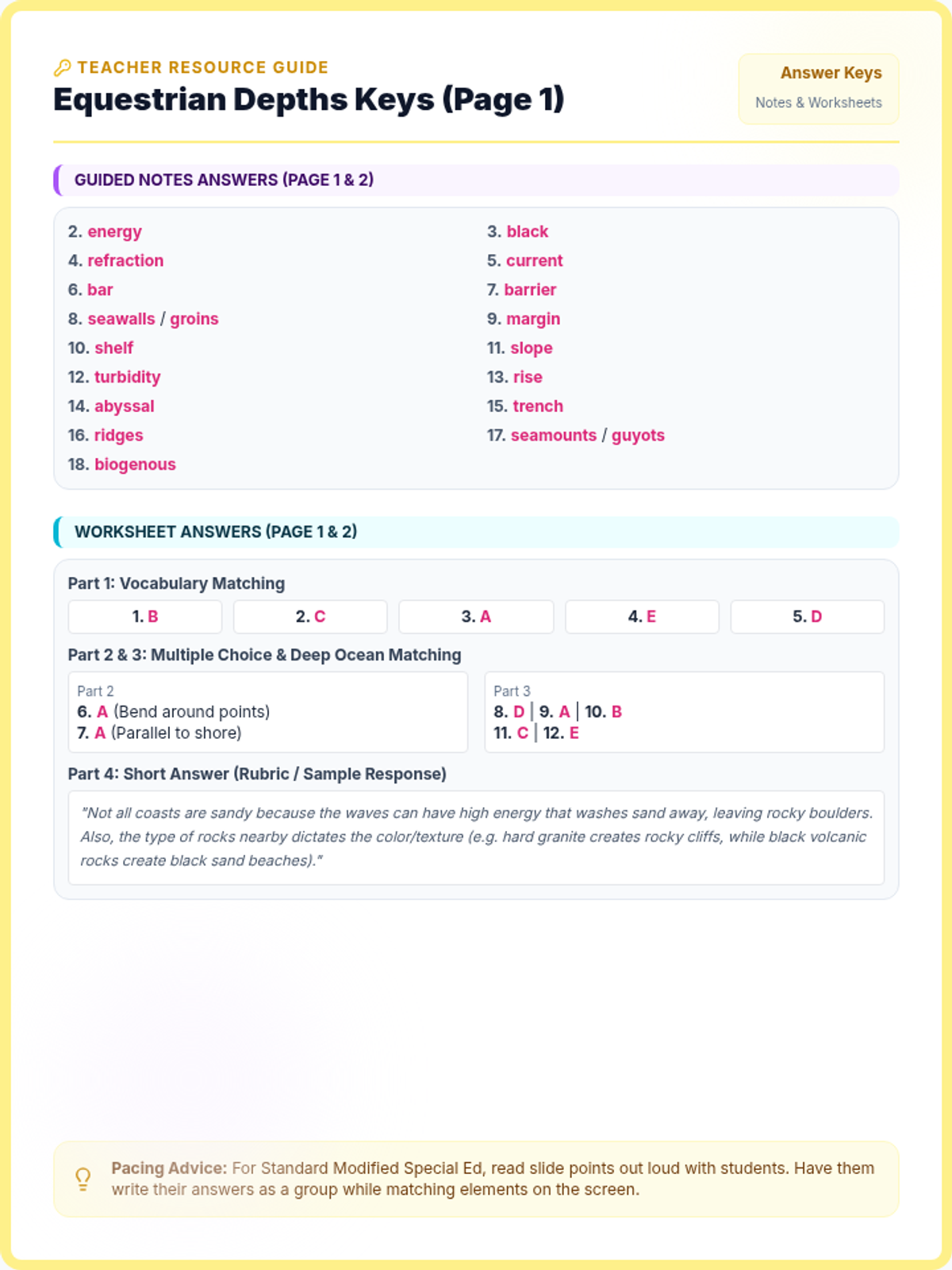
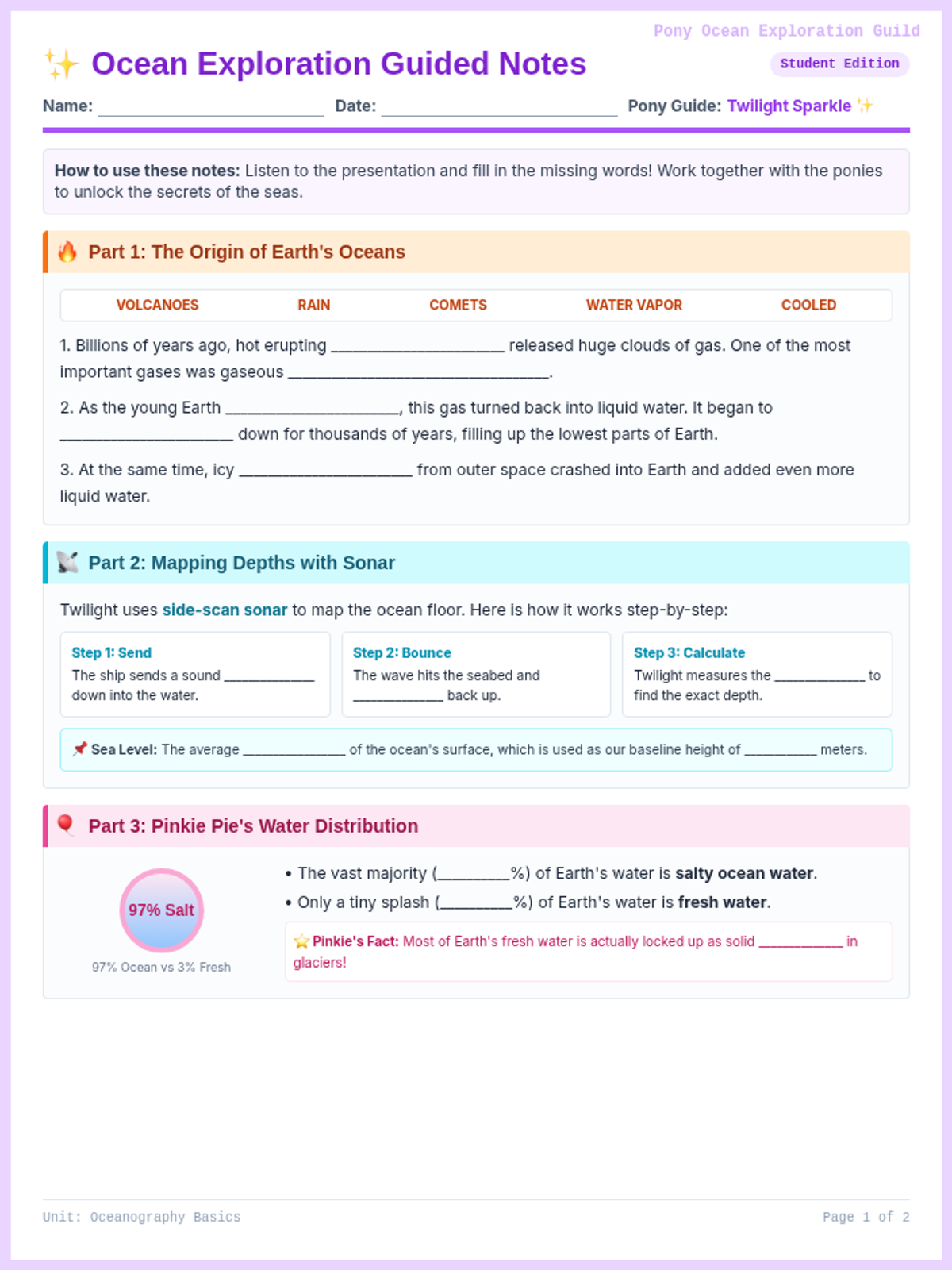
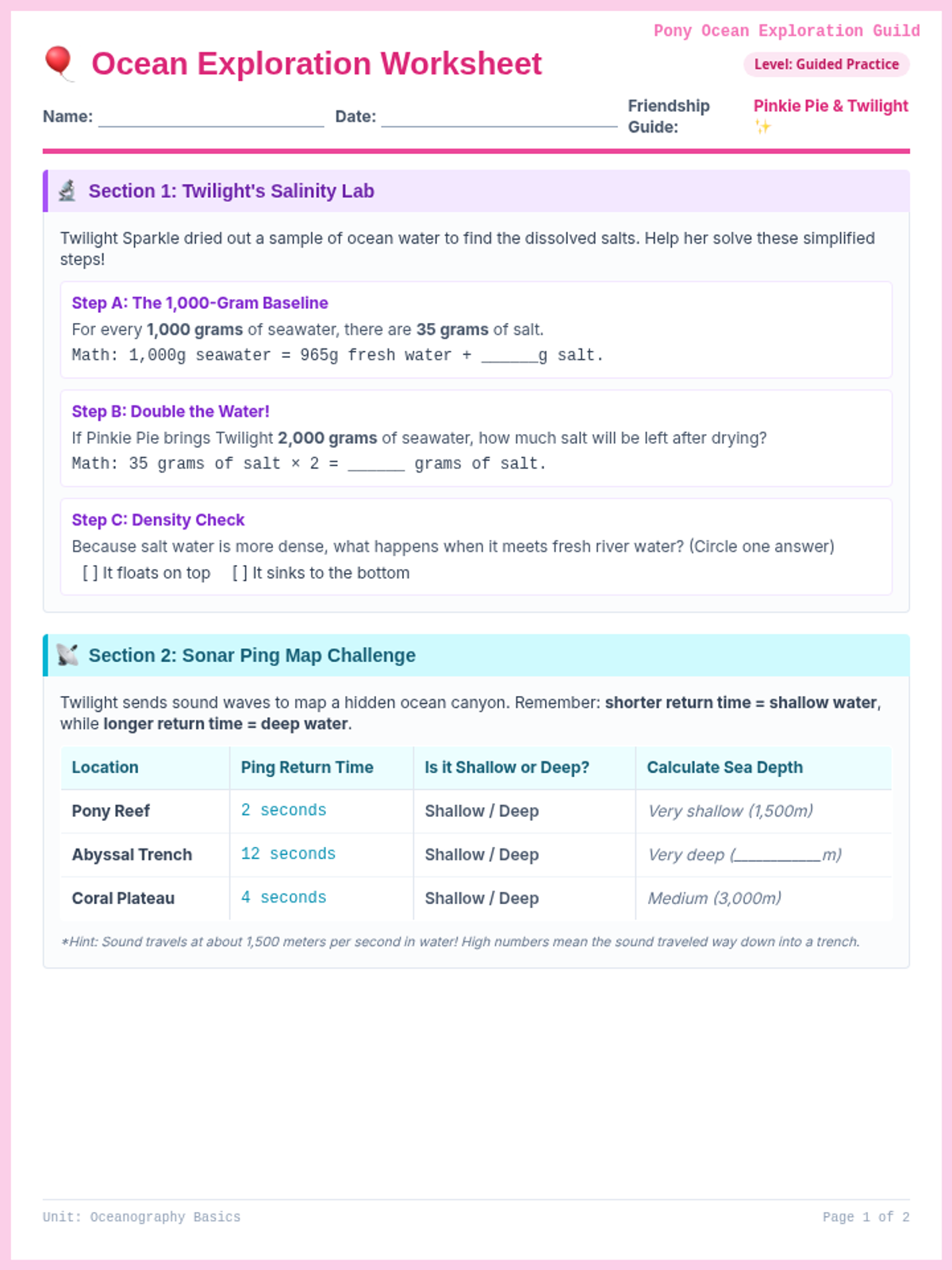
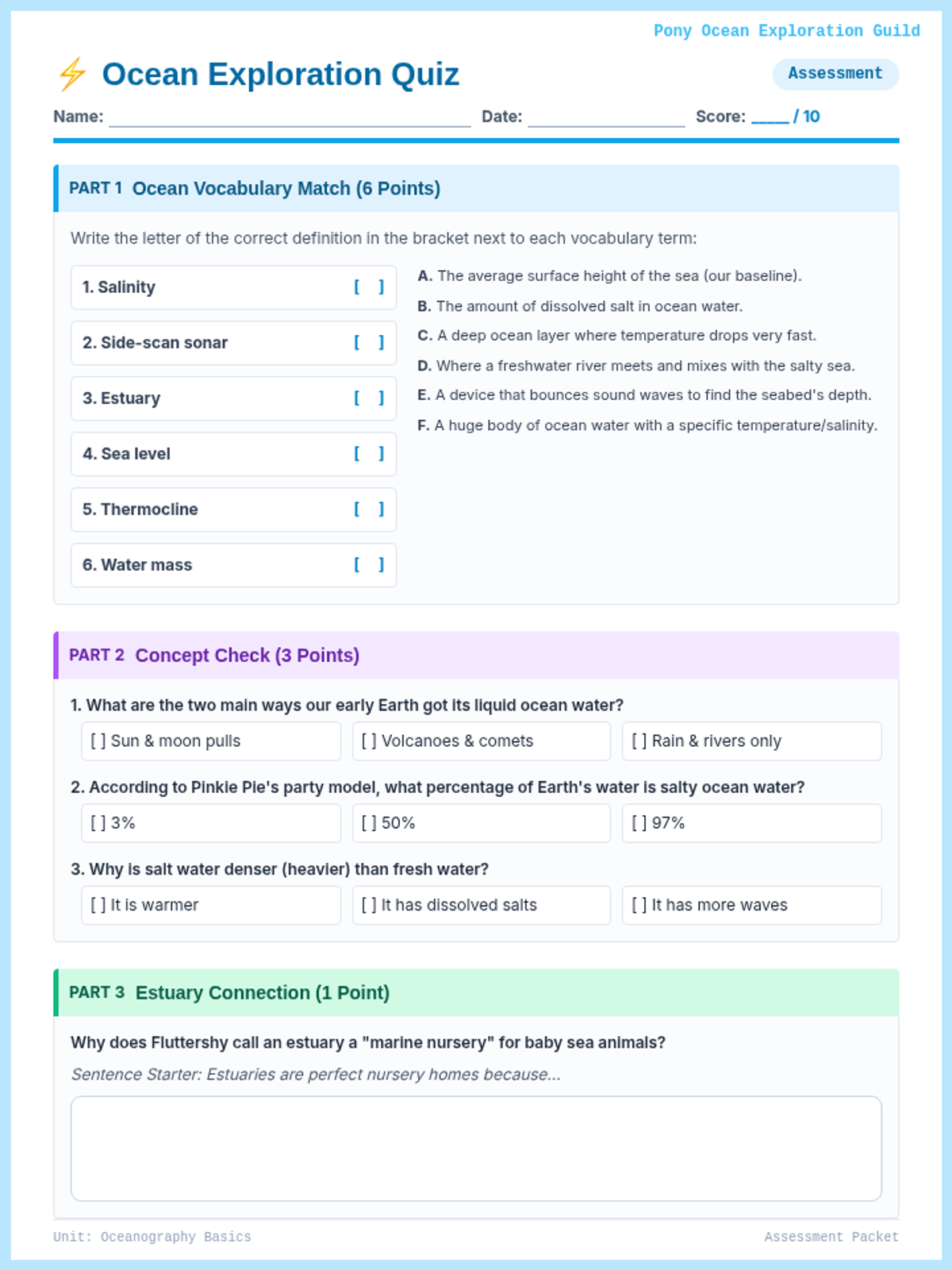
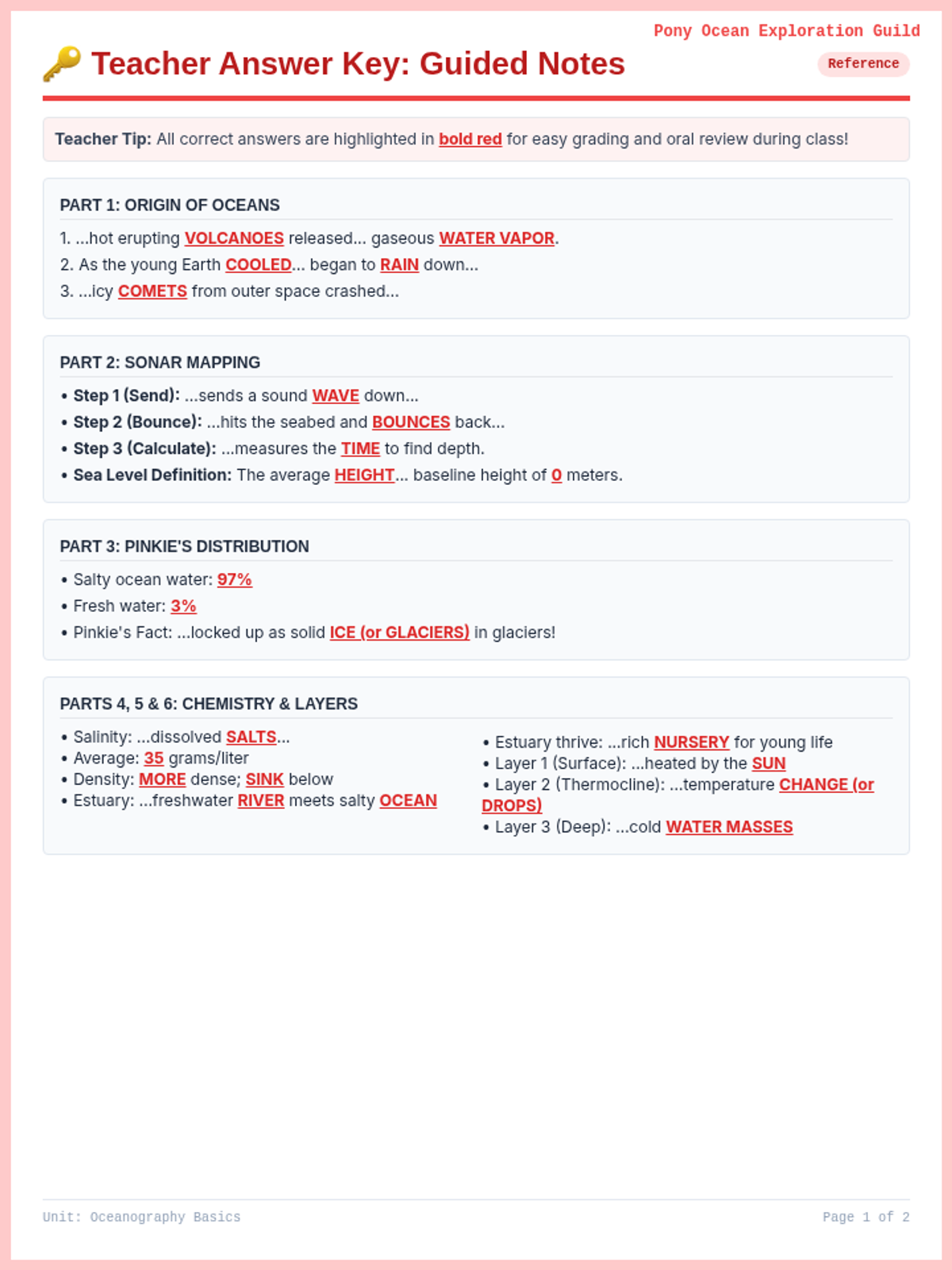
Discover the mysterious world of the deep ocean's midnight zone. Students explore how creatures create light in total darkness and identify the physical adaptations of bioluminescent marine life.
Uma aula completa sobre as principais teorias da origem da vida, abordando desde a abiogênese até os experimentos de Miller-Urey, alinhada à BNCC para o Ensino Fundamental II.
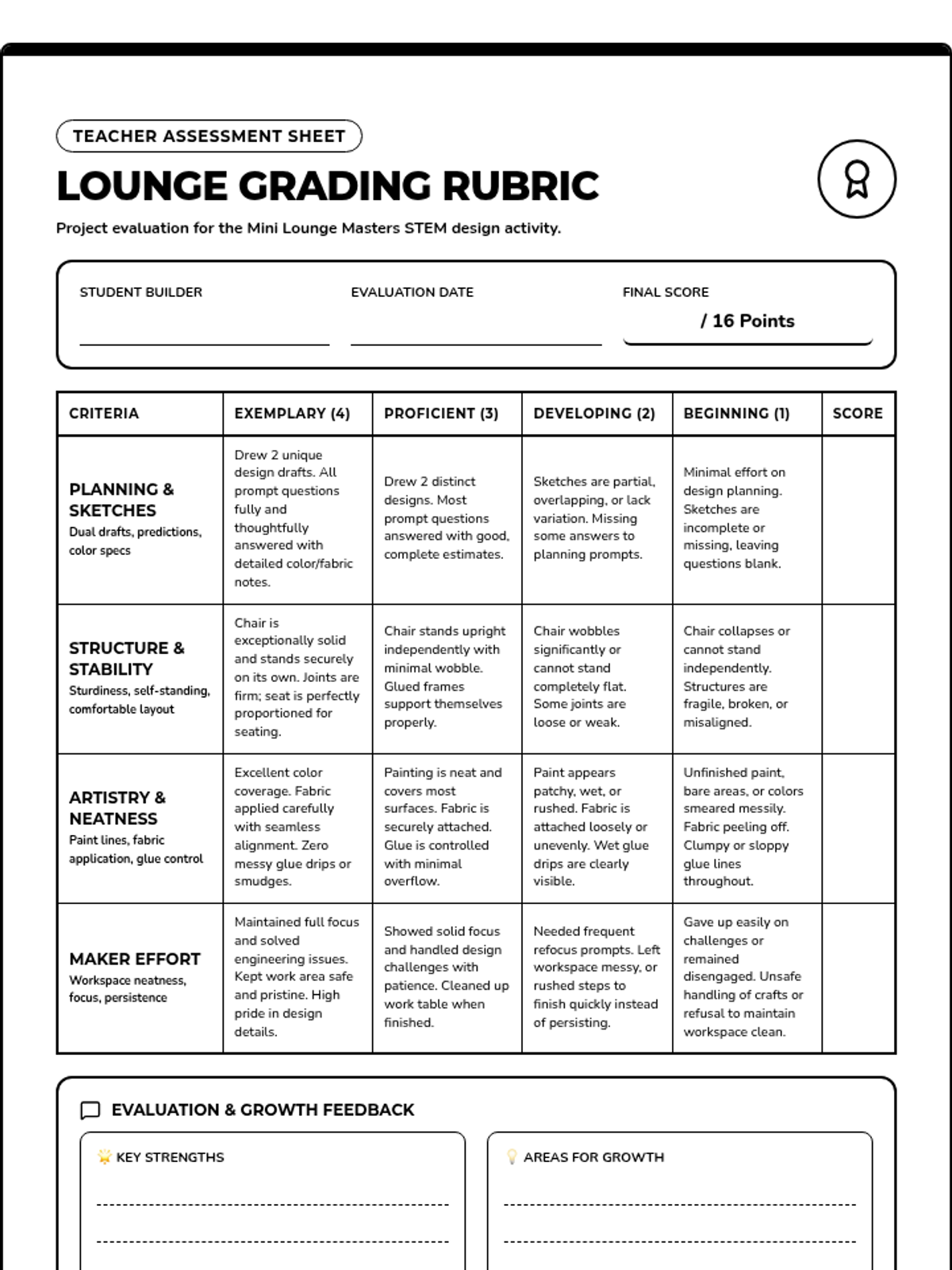
A foundational toolkit for setting up a physical engineering and maker space, covering physical layout, collaborative roles, and essential classroom routines.
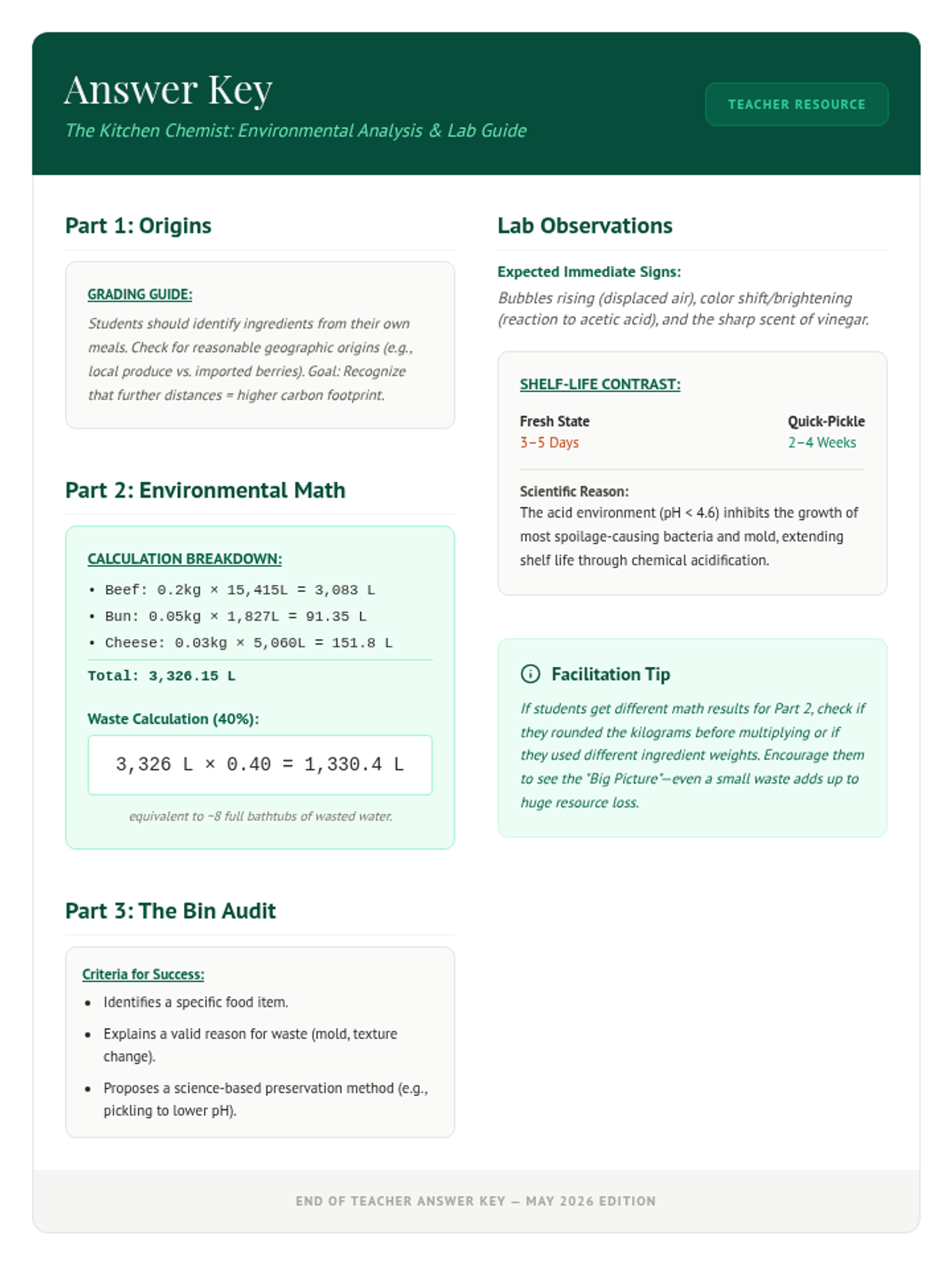
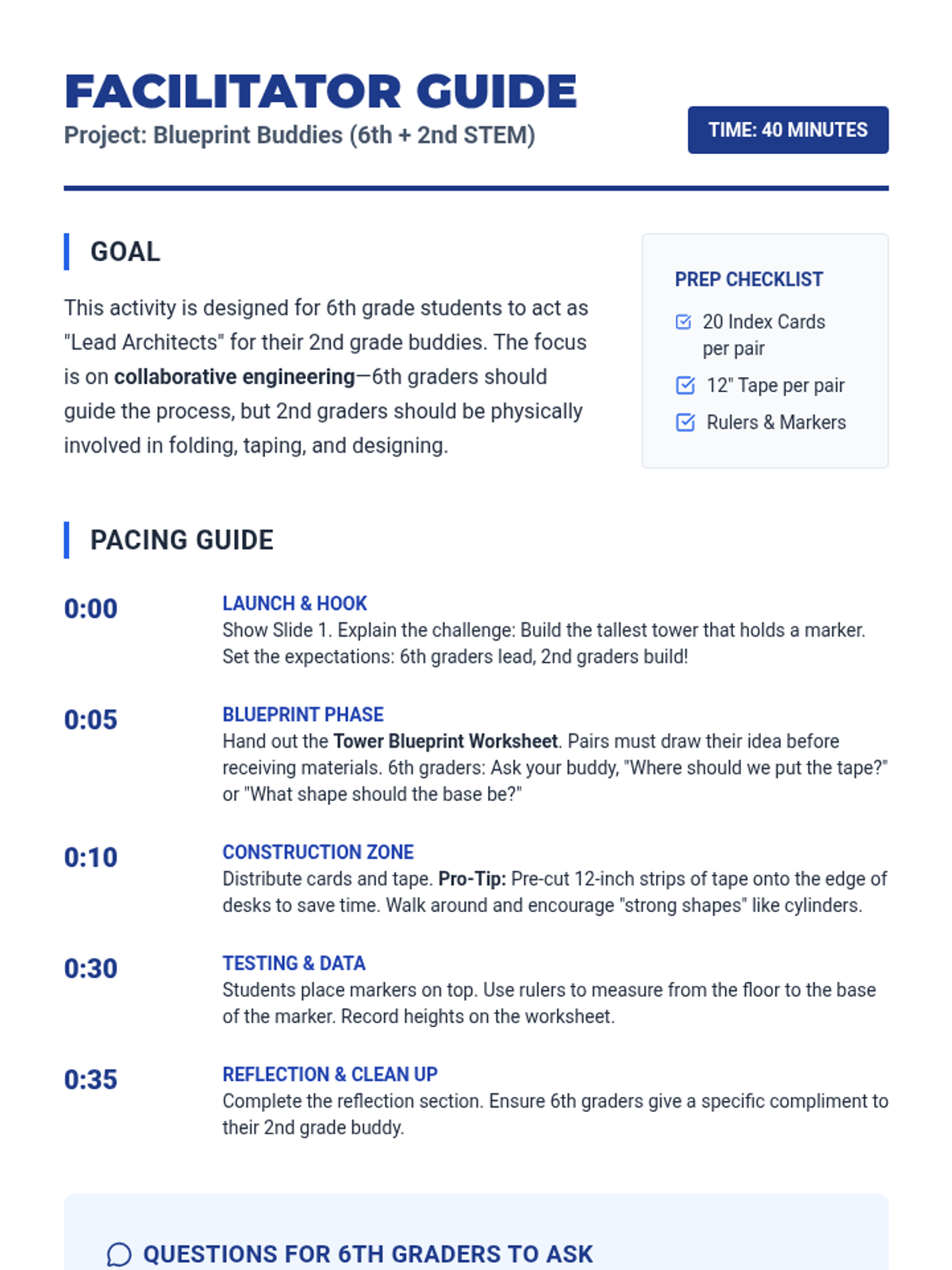
A high-stakes engineering challenge where students use the 4Cs and Computational Thinking to design, build, and document the ultimate cup tower structure.
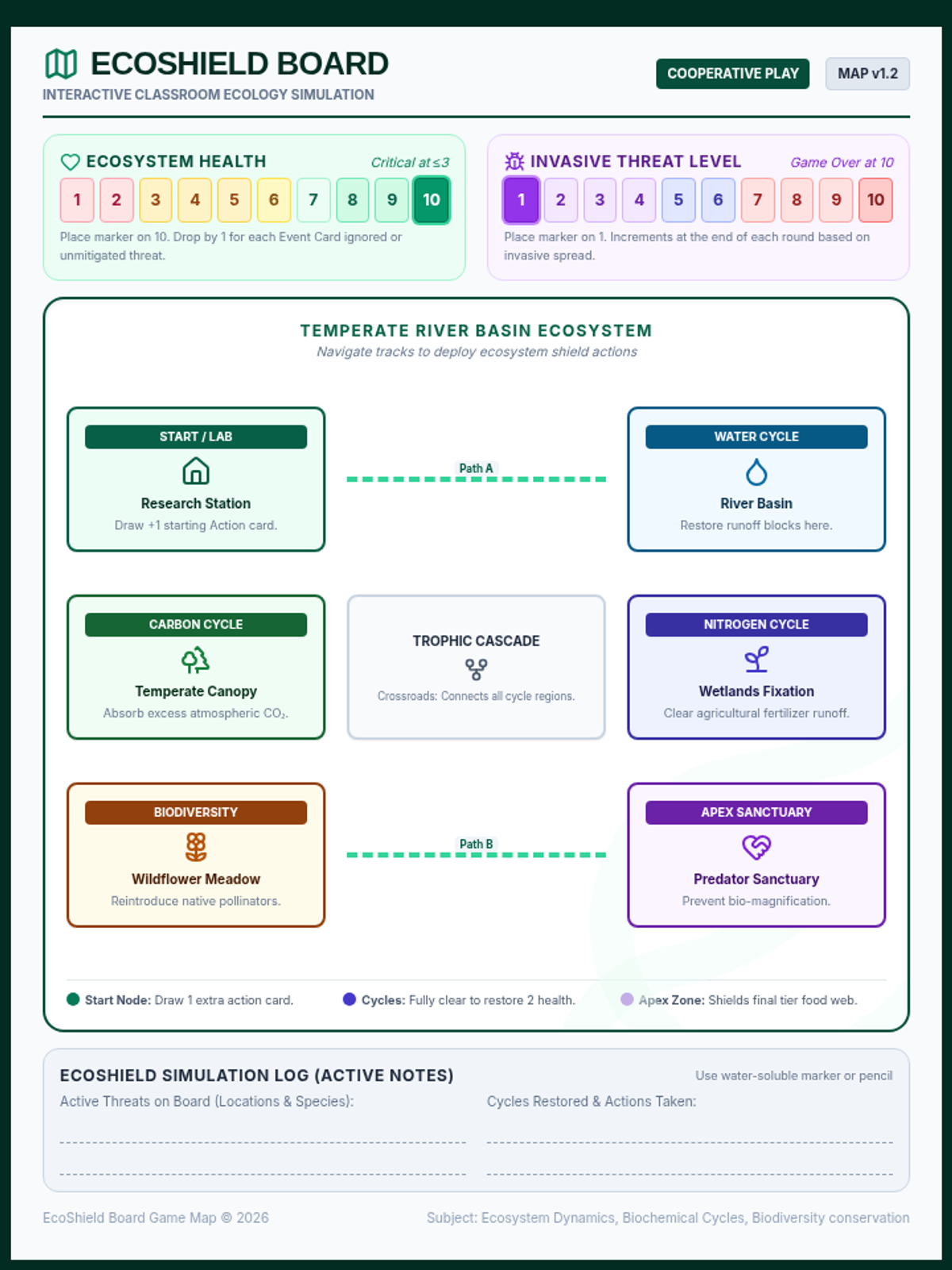
A lesson exploring the differences between natural and invasive grasses as fire fuels, featuring case studies on the Tallgrass Prairie and Cheatgrass in the Great Basin. Students will analyze fire behavior and impact through comparative study and assessment.
A comprehensive lesson on invasive species prevention, featuring visual slides, a modified reading task for accessibility, and assessment tools. Students learn to identify pathways and implement global prevention strategies.
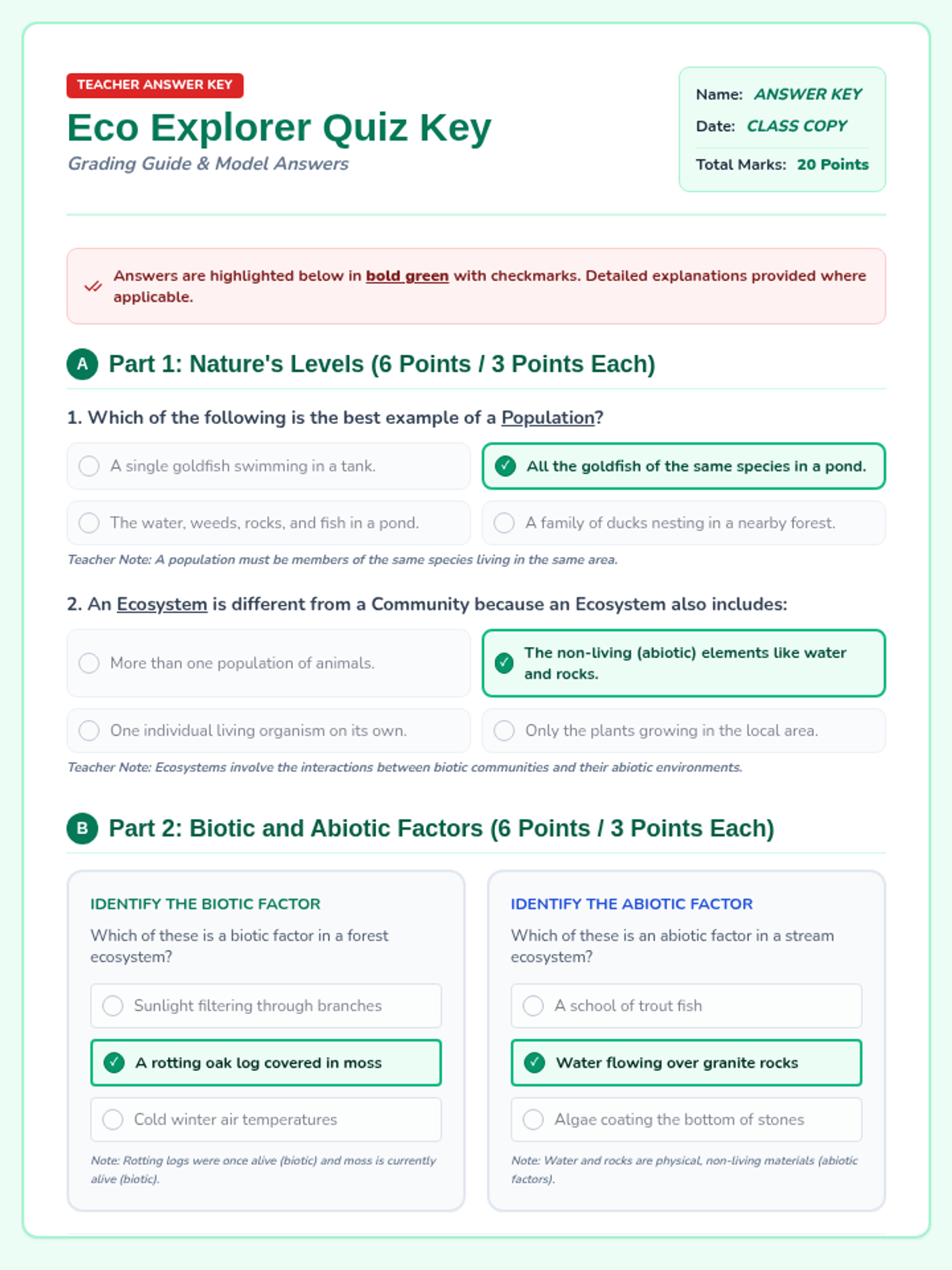
An introductory lesson on sustainable development, exploring the three pillars of sustainability and how human actions impact the planet's future.
An investigation into exothermic reactions using hand warmers. Students observe and record temperature changes to understand how chemical energy transforms into heat energy.
A hands-on exploration of photosynthesis, respiration, and transpiration, showing how these three processes cycle energy, gases, and water to sustain plant life. Students will observe transpiration in real-time and use a conceptual model to track chemical changes.
A quick, creative wrap-up lesson where students apply their knowledge of soil conservation practices to design a sustainable farm plot and craft a persuasive pitch.
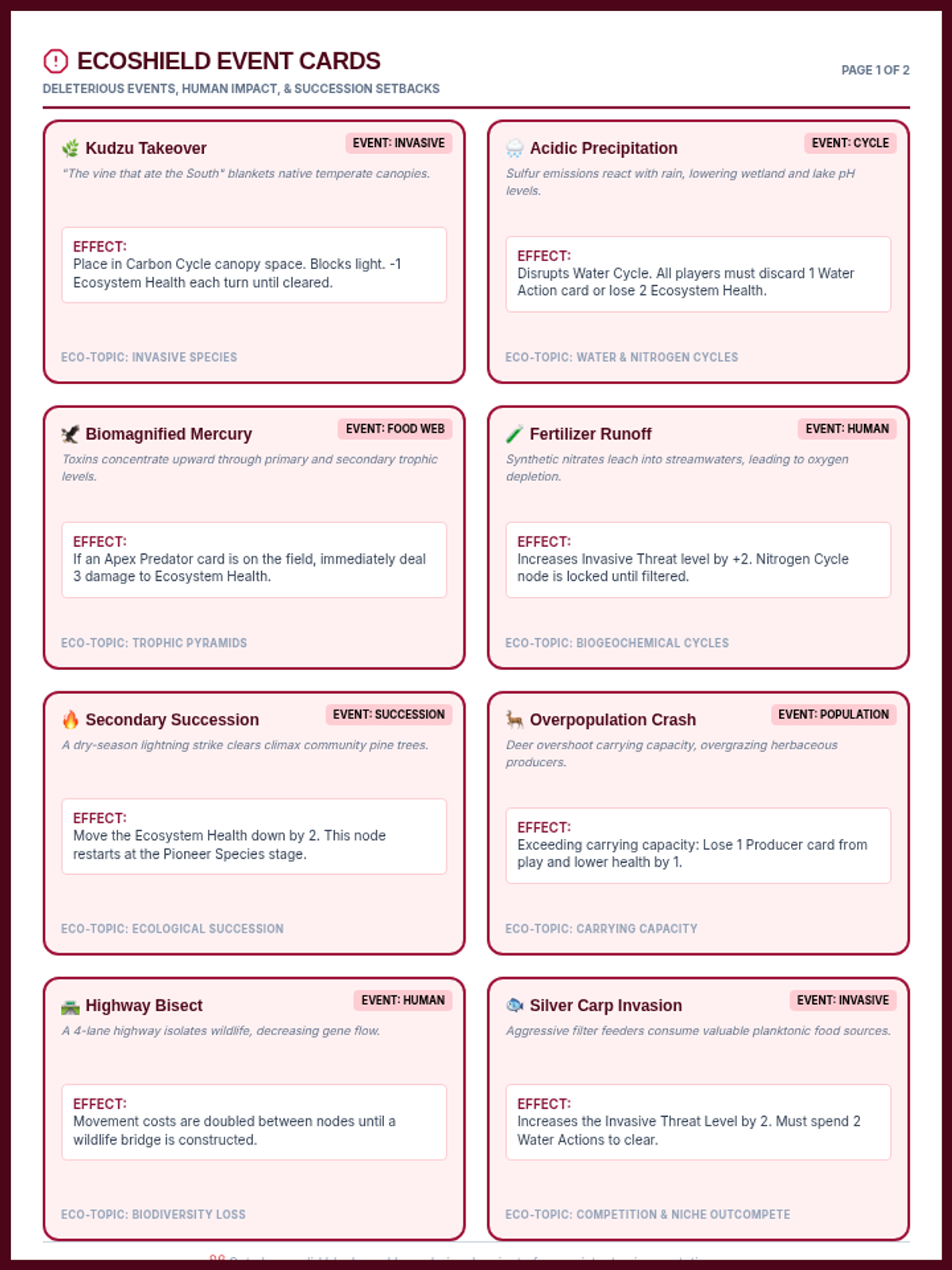
A comprehensive lesson on invasive species featuring case studies of Lionfish, Spotted Lanternflies, Zebra Mussels, and Burmese Pythons. Students explore the scientific process and ecological impacts through simplified text and visual supports.
A hands-on introduction to neural networks for 6th graders, using a paper-based simulation to understand how computers 'think' using layers and connections.
A comprehensive collection of species profiles covering the major branches of the human family tree, from the earliest potential ancestors to our closest extinct relatives.
The culminating lesson where students synthesize their knowledge of chloroplasts and mitochondria. They will conduct a 'Mission Moon-Base' hypothetical lab using the scientific method to balance a closed-loop life support system.
An introductory exploration of photosynthesis and the structure of chloroplasts, framing them as the 'solar kitchens' of the cell. Students will read differentiated texts and map out the inputs and outputs of the process.
An exploration of cellular respiration and mitochondria, framing them as the 'energy engines' that power life. Students will compare and contrast this process with photosynthesis to prepare for the final lab.
A design-focused lesson where middle school students apply their knowledge of simple machines to create a complex Rube Goldberg contraption on paper. Students will define, identify, and explain the mechanical advantage of various components in their 'blueprint' design.
A guided practice set for middle school students focusing on the NC Science EOG requirement of using specific data evidence to support scientific conclusions. Students analyze 6 EOG-style scenarios across 6th, 7th, and 8th-grade curriculum standards.
Explores the impact of carbon in sensitive ecosystems like the Arctic Tundra, Wetlands, and Agricultural lands, concluding with an assessment of why carbon balance matters.
An introduction to the fundamental processes of the carbon cycle, focusing on the roles of the Ocean and Tropical Rainforest as major carbon reservoirs.
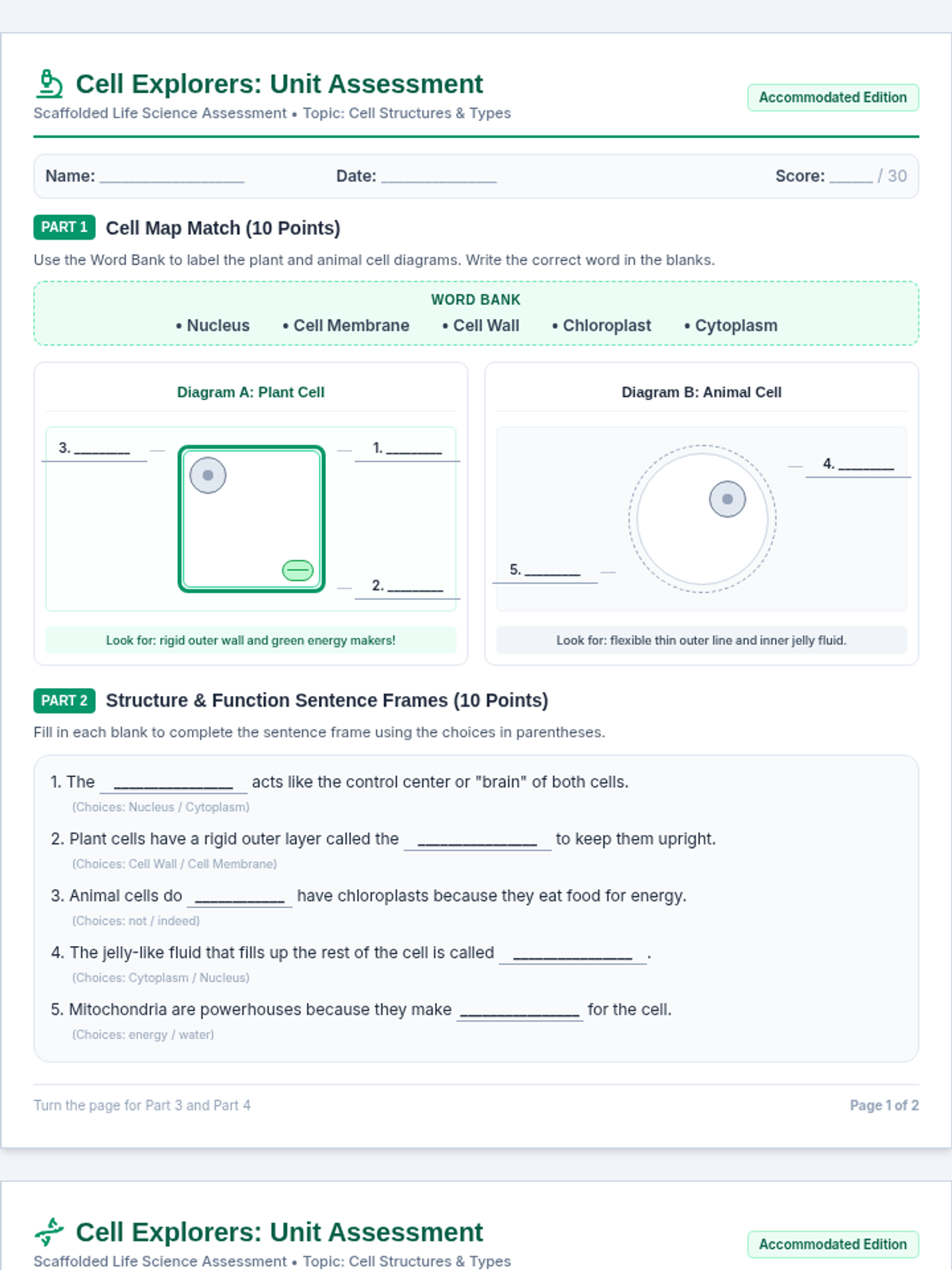
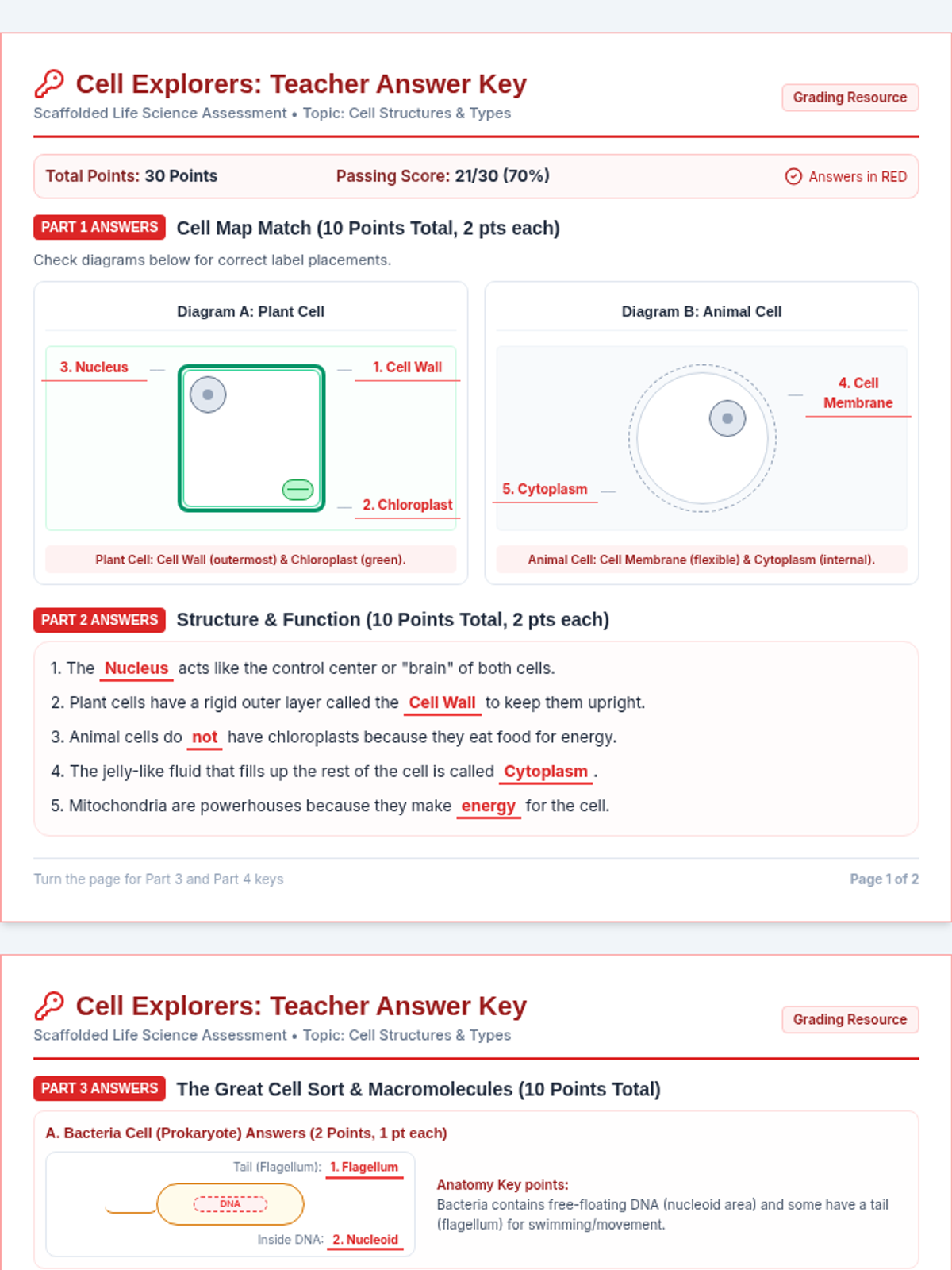
A lesson exploring the fundamental structures of plant and animal cells, focusing on the nucleus, cell wall, and cell membrane, and how these parts differ between cell types.
A relative dating investigation set in Jellystone Park, where students use geologic principles to solve picnic basket heists and uncover the history of the park's rock formations.
A hands-on STEM lesson for 6th-grade students where they learn the physics and technology of stop-motion animation, from frame rates and persistence of vision to storyboarding and filming their own creative shorts.
A project-based lesson where 3rd-grade students explore the physical characteristics of mountains, wetlands, plains, and deserts through a variety of creative choices.
A 40-minute introductory lesson on convection currents for 6th grade, featuring a hands-on activity and creative doodle notes. Students will explore how heat moves through fluids via density changes.
A high-energy, station-based review session designed to build testing stamina and subject-switching agility for NC EOGs. Students rotate through ELA, Math, and Science challenges in timed 'sprints'.
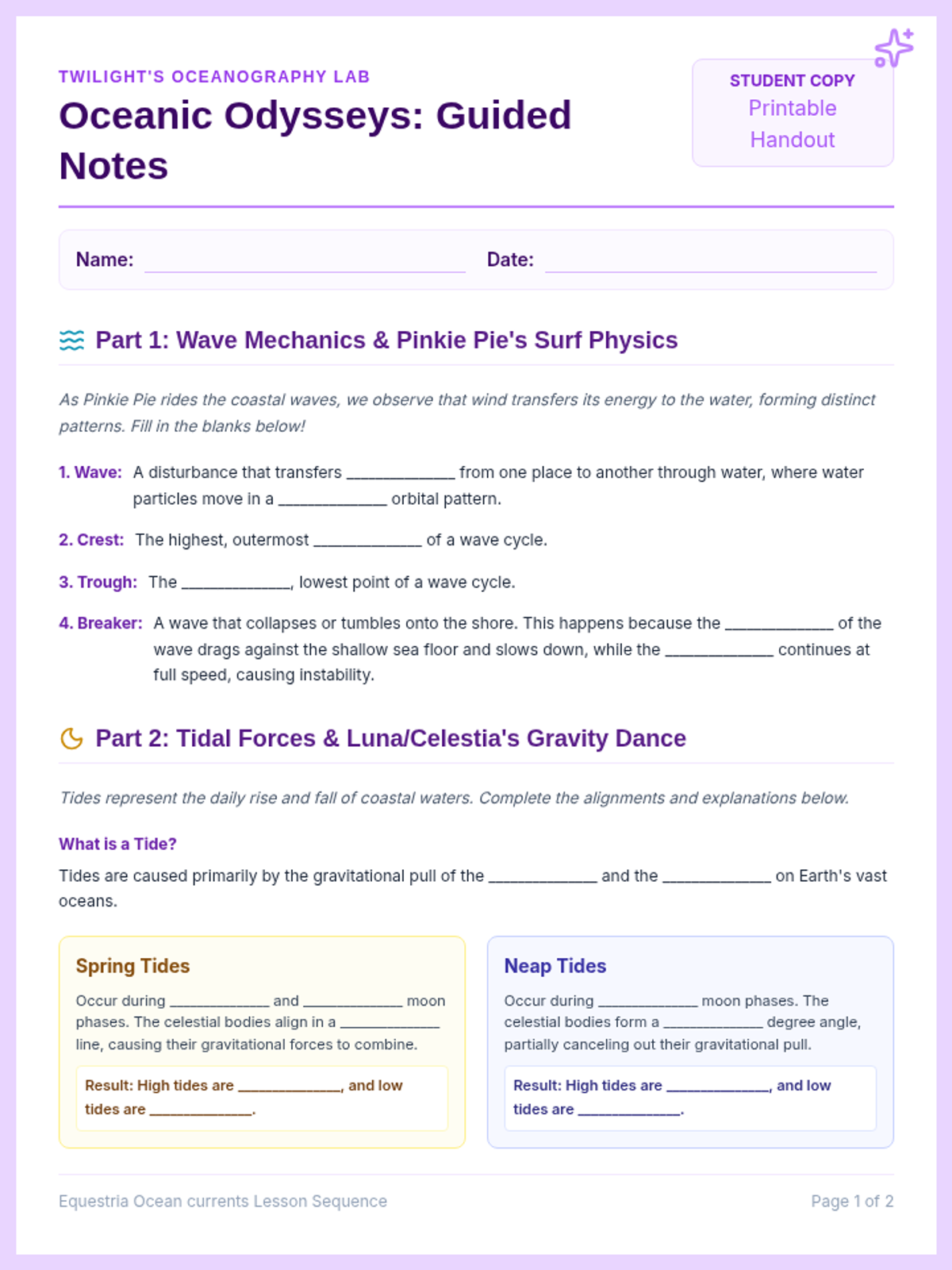
In this lesson, students explore the predictable patterns of the moon's phases and how the gravitational pull of the moon and sun creates tides on Earth. Students will analyze tidal data from the North Carolina Outer Banks and model the relationship between lunar cycles and spring/neap tides.
A test prep lesson focused on mastering North Carolina EOG science investigation questions, covering experimental design, data interpretation, and conclusion evaluation.
A comprehensive lesson on energy transformations and the Law of Conservation of Energy, featuring North Carolina specific examples of power generation and hands-on transformation mapping.
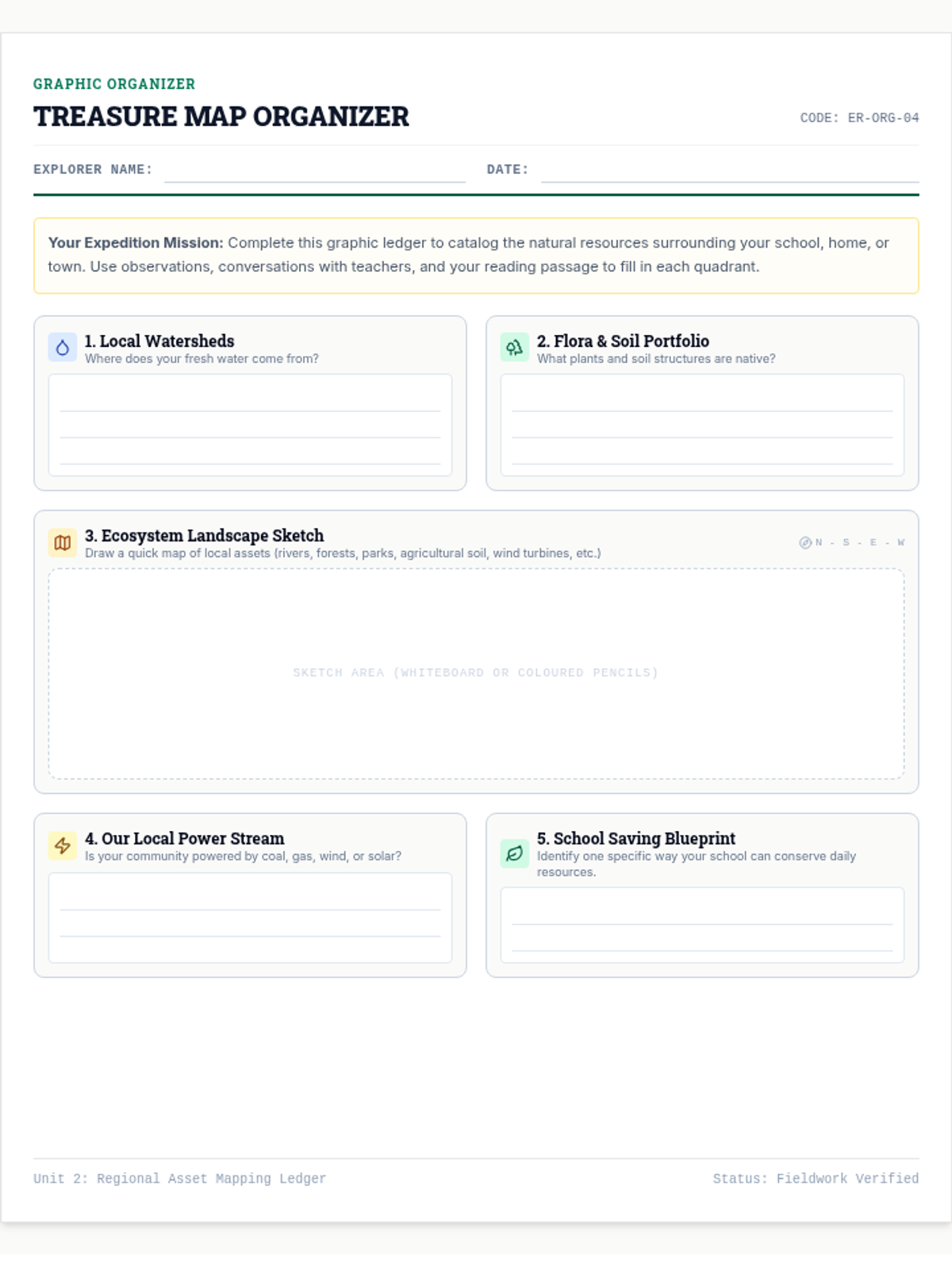
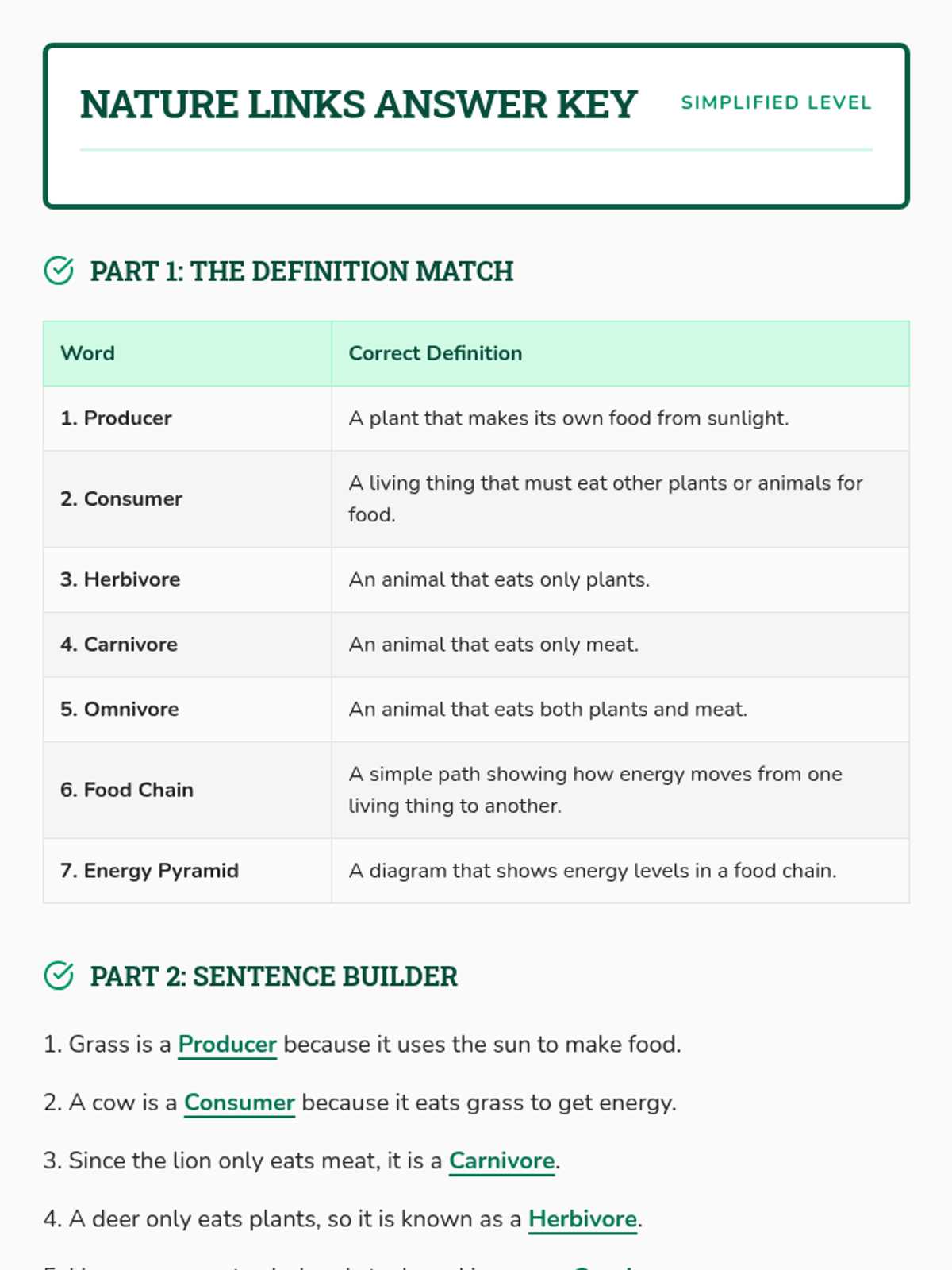
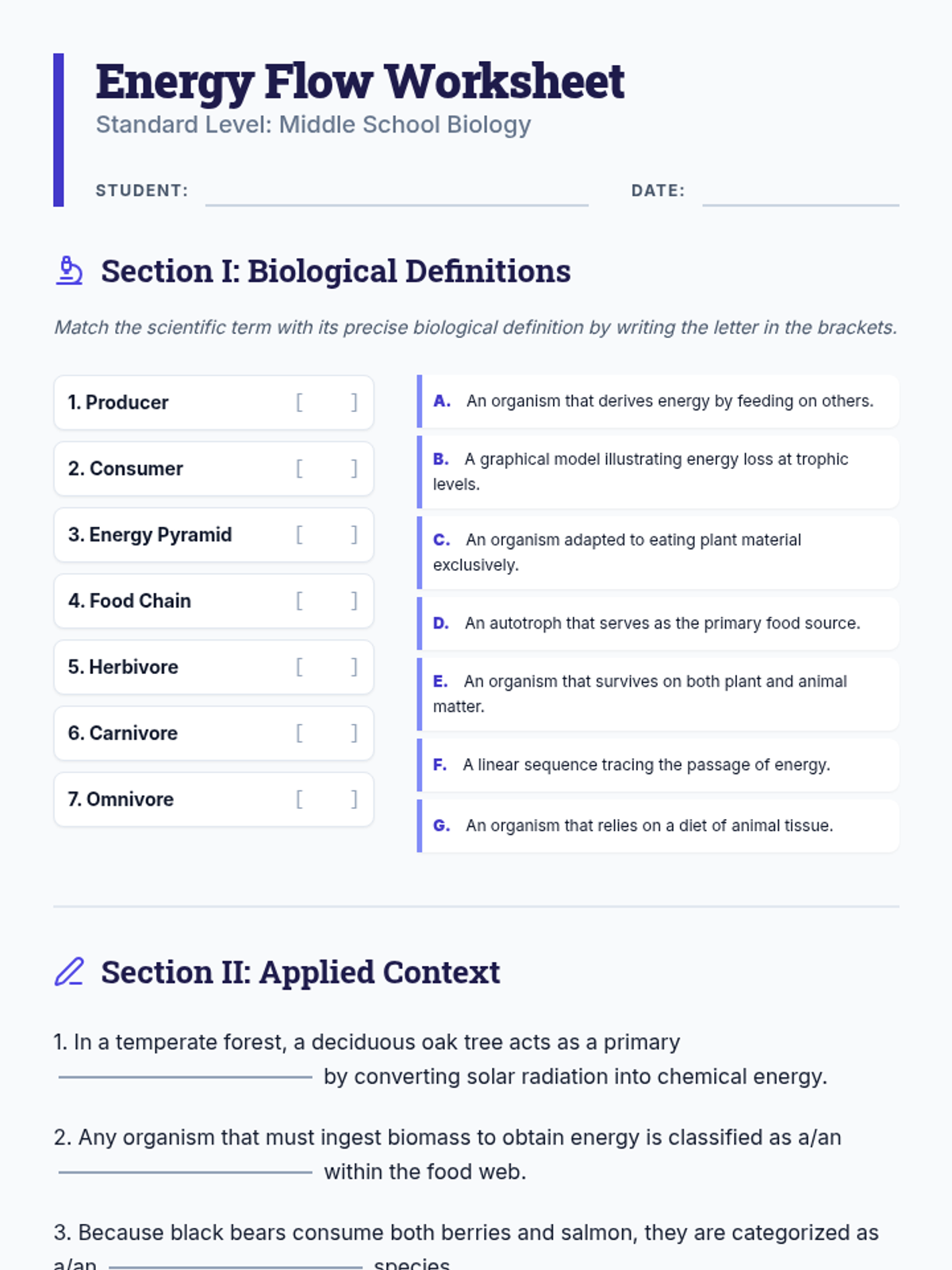
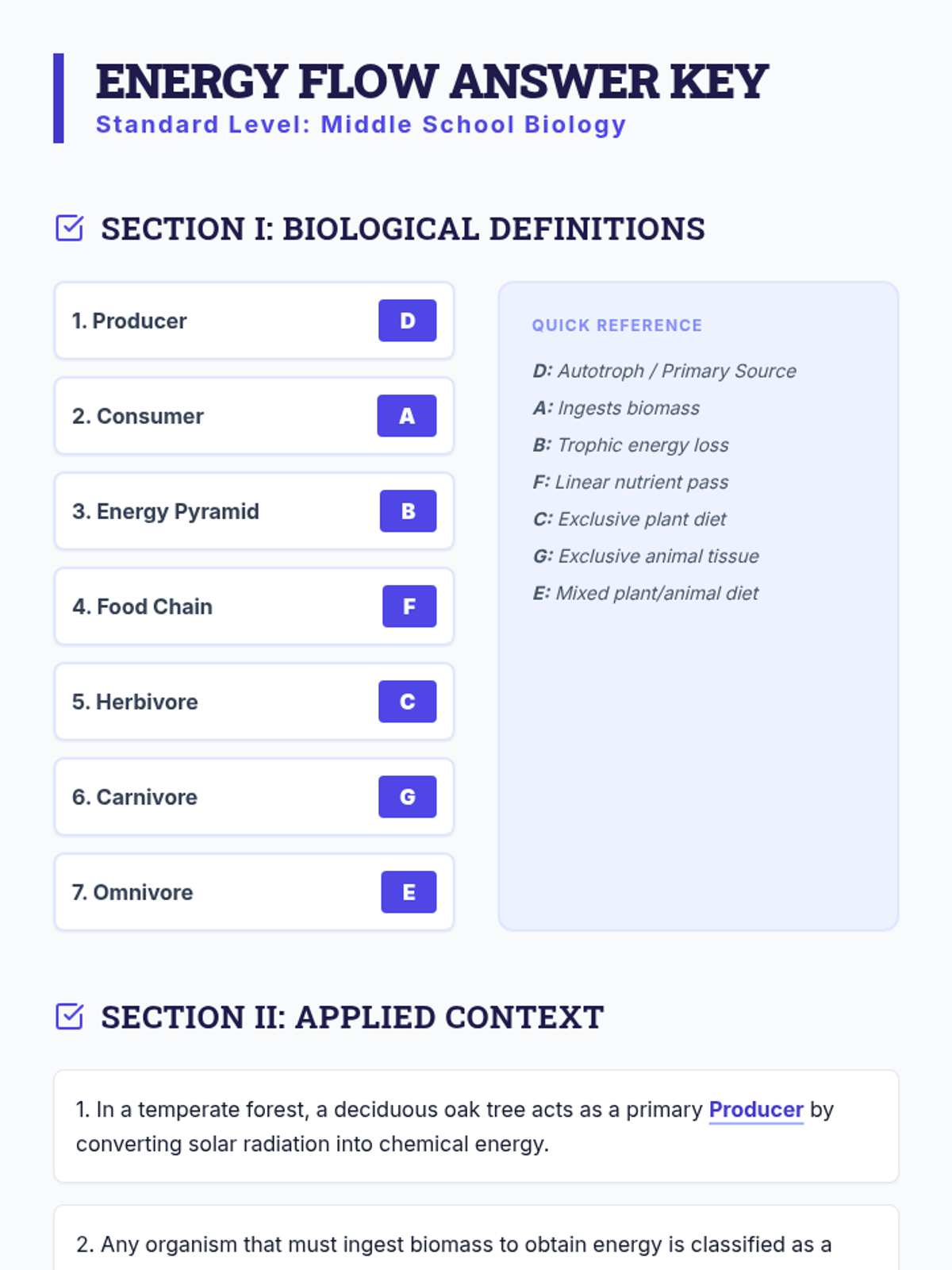
A high-energy culinary challenge where students use mystery Easter-themed ingredients to create unique dishes, focusing on creativity, flavor, and presentation.
A hands-on inquiry lesson where students use their senses to investigate objects, build descriptive vocabulary, and form scientific hypotheses about the unknown.
A comprehensive lesson on the 28-day lunar cycle, exploring the eight primary moon phases and their relationship with Earth's tidal patterns (Spring and Neap tides). The lesson includes a detailed instructional diagram and a student-facing labeling and shading worksheet.
A comprehensive introduction to hand sewing for 6th graders, covering essential safety rules, tool usage, and five fundamental hand stitches: running, basting, backstitch, blanket, and tailor's stitch.