The class investigates wind as moving air, learning to use anemometers and wind vanes. Students build a simple wind vane to determine cardinal directions of airflow.
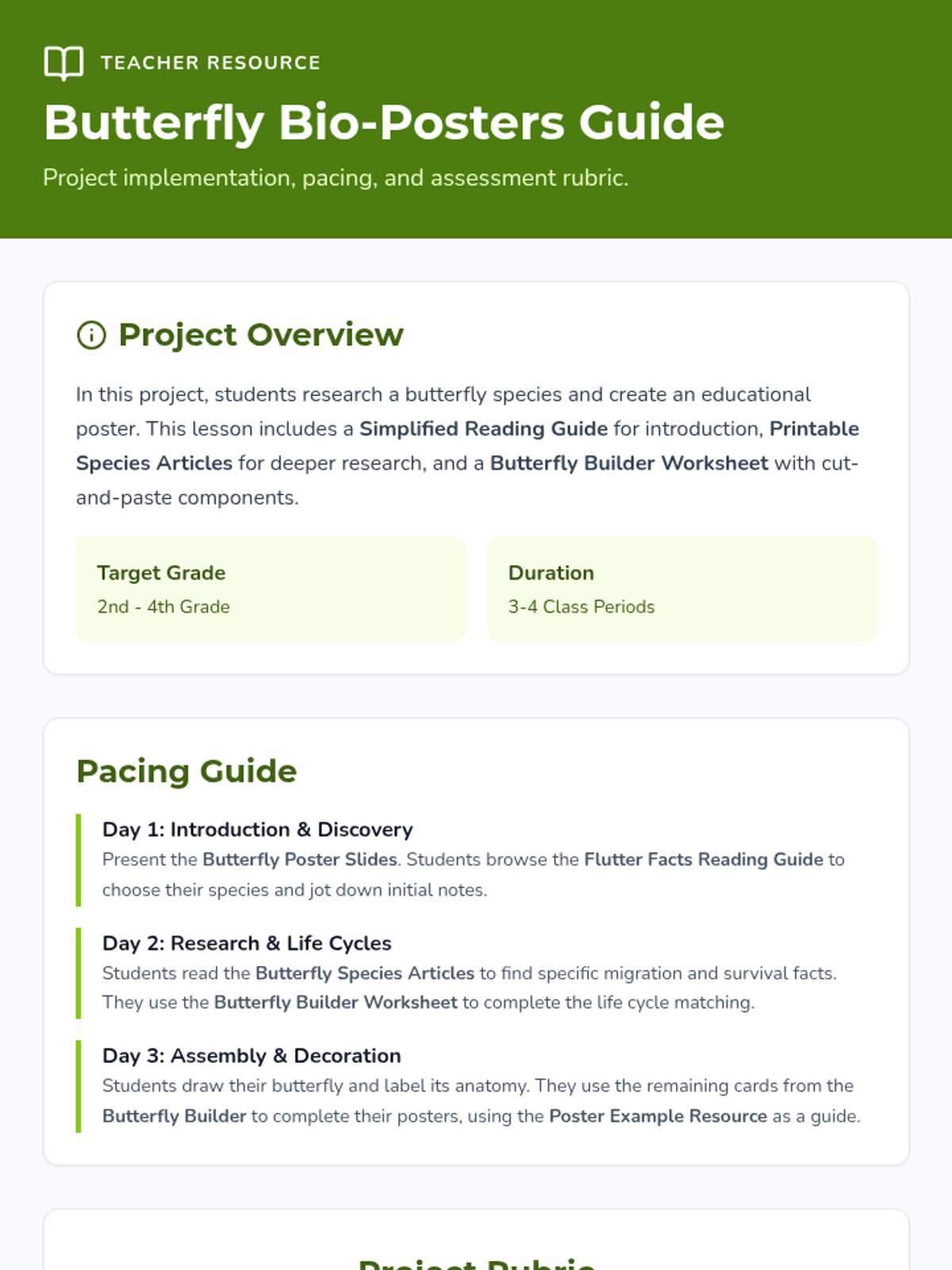
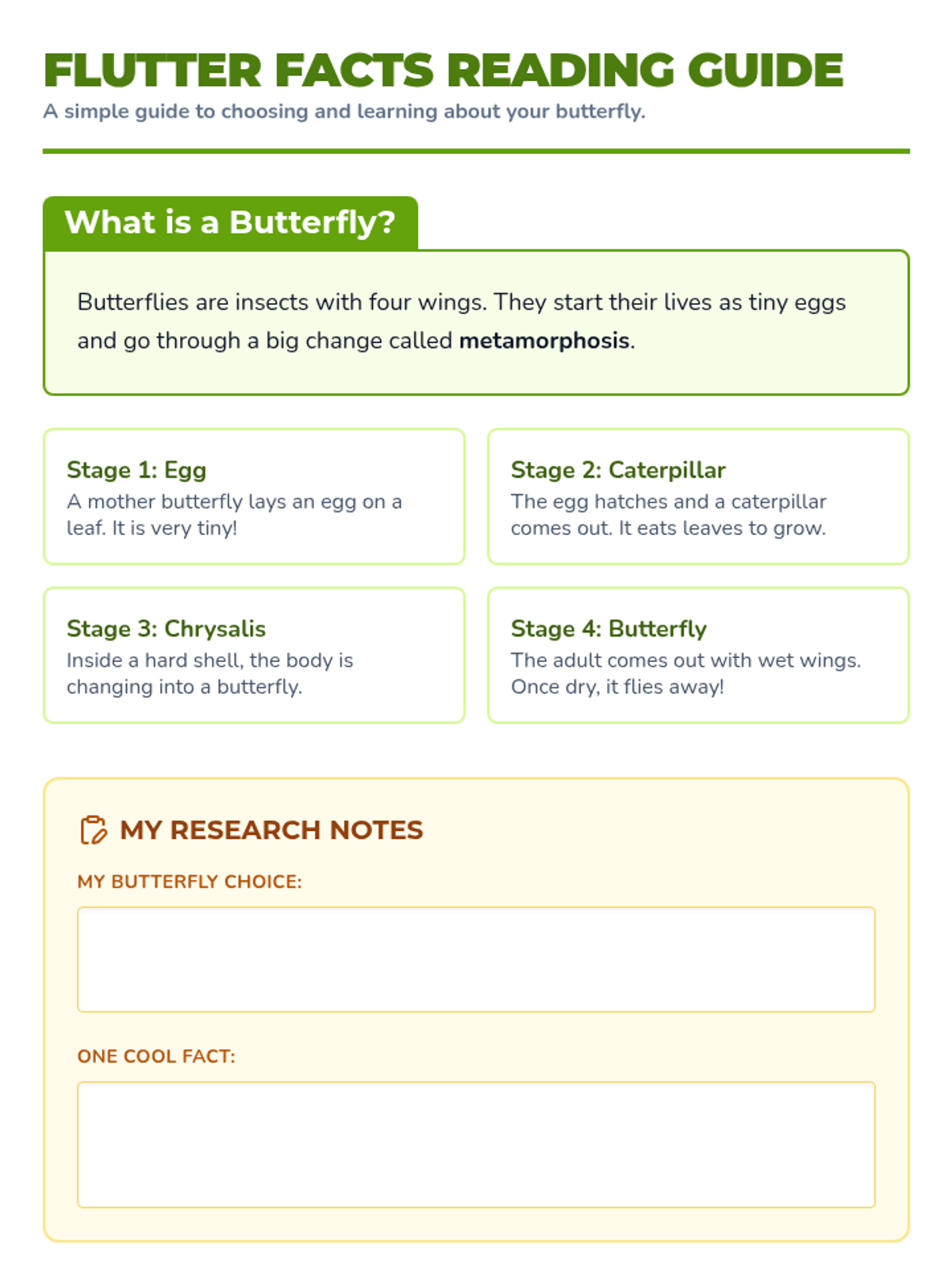
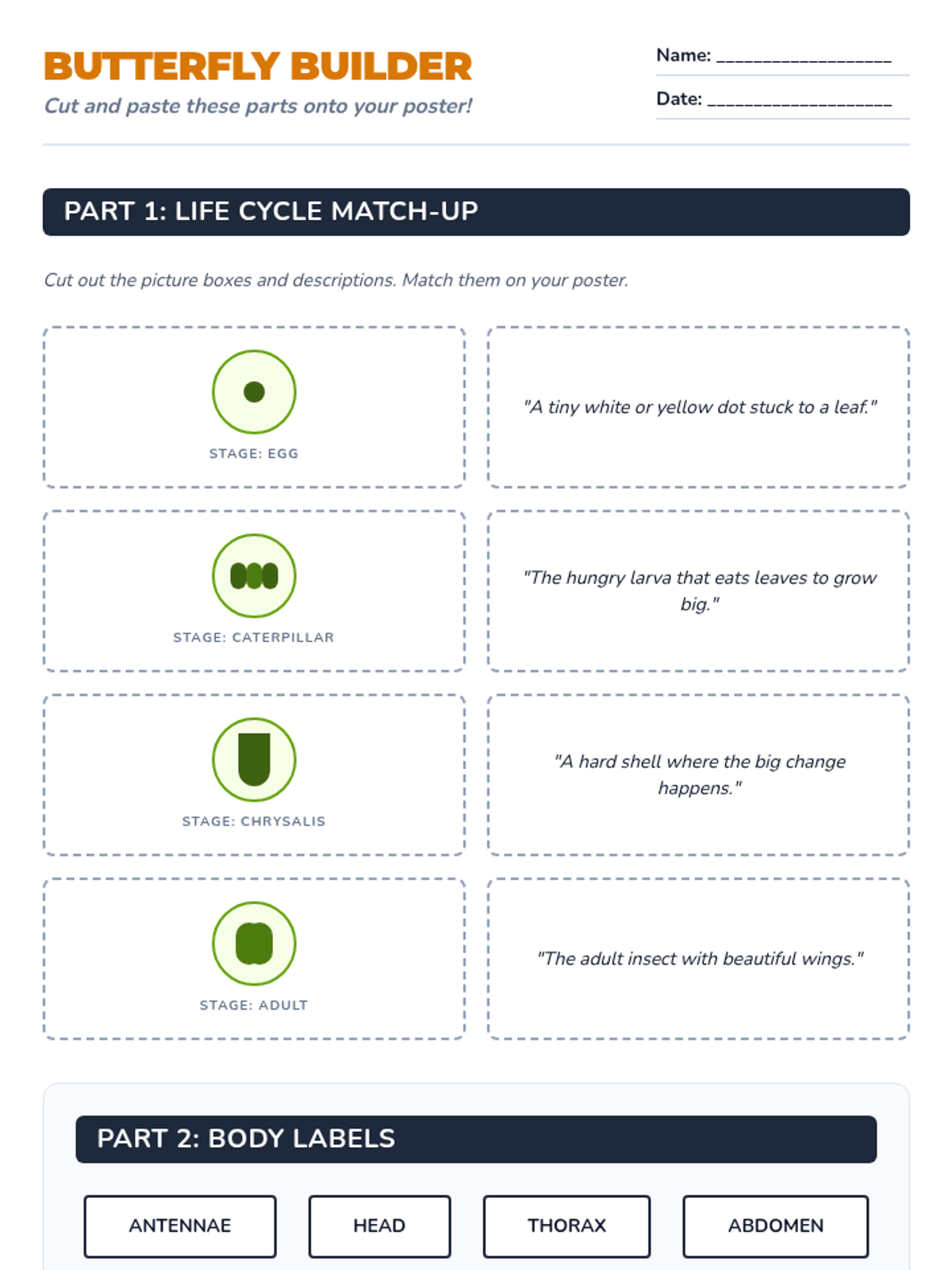
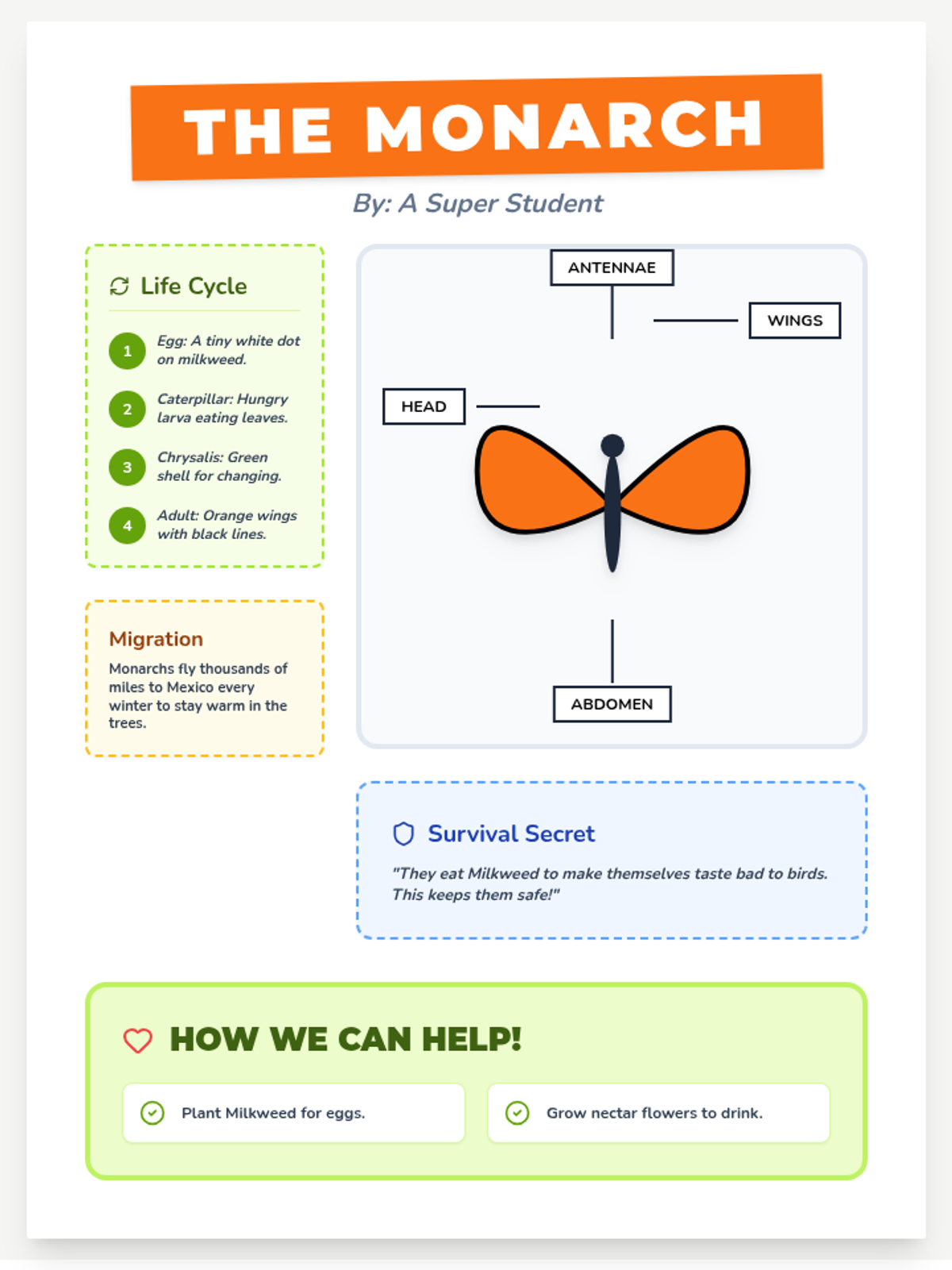
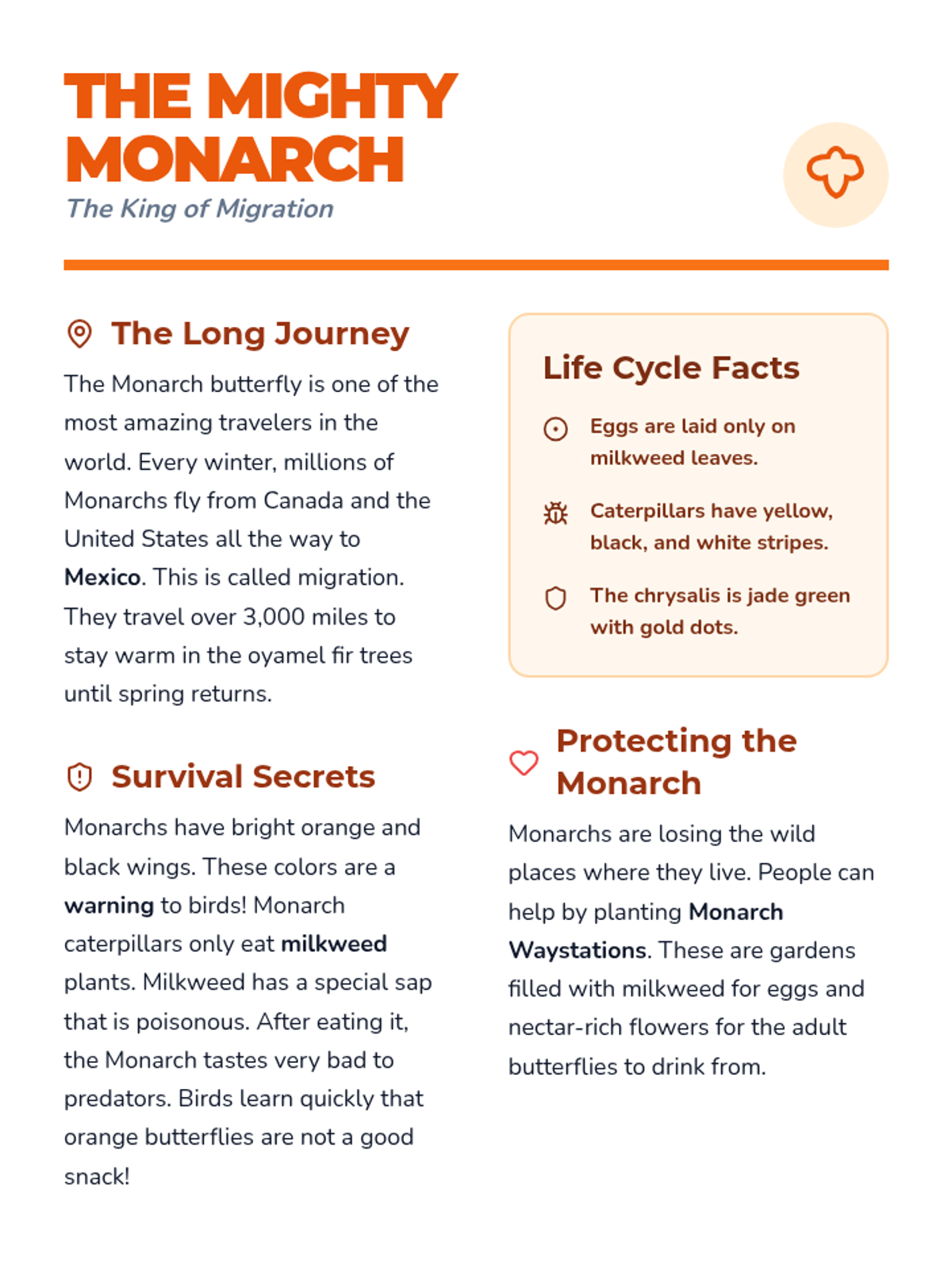
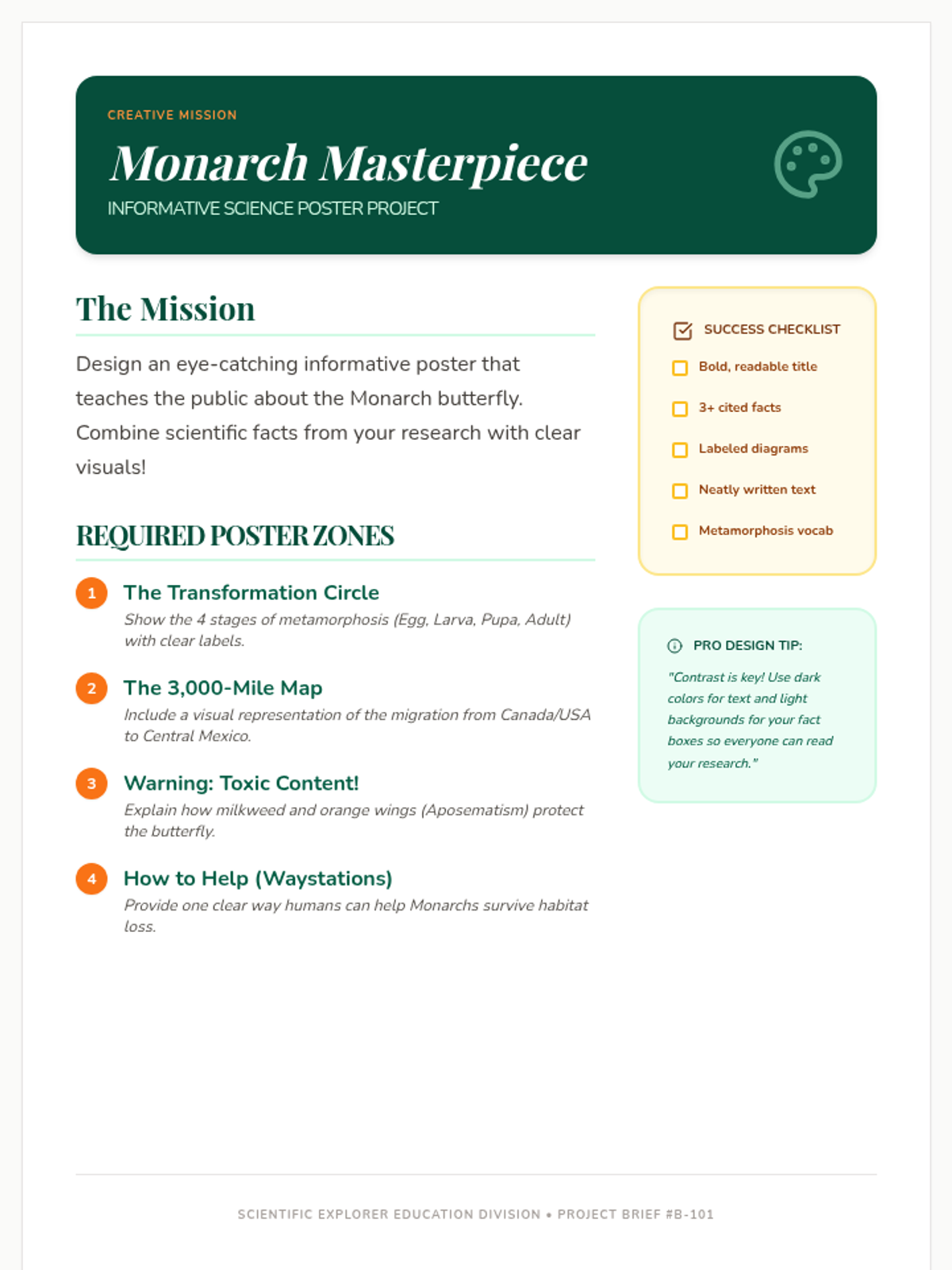
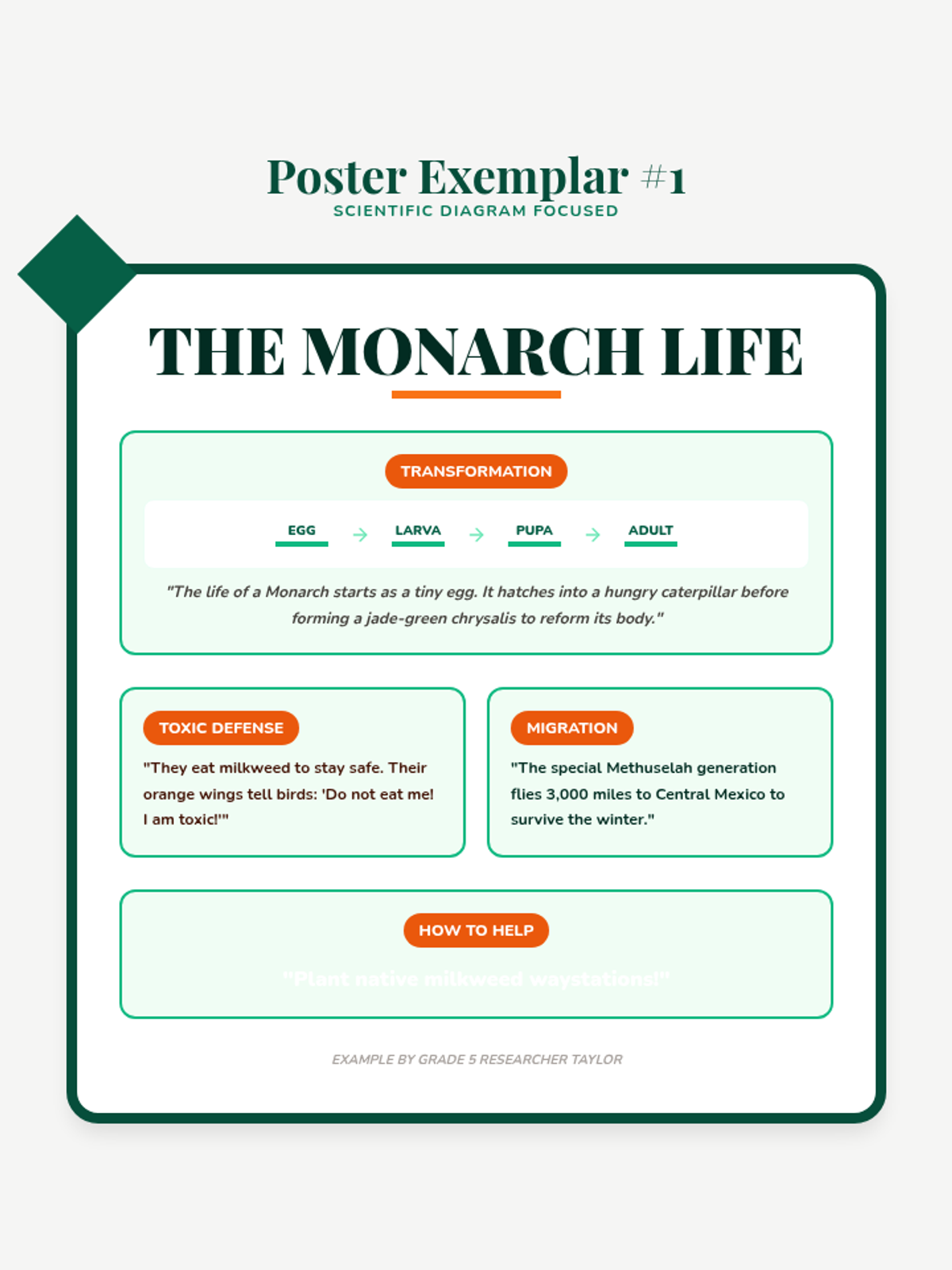
A creative science project where students research a butterfly species of their choice and design an informative poster. The lesson includes a simplified reading guide, cut-and-paste components, and a presentation to guide the project.
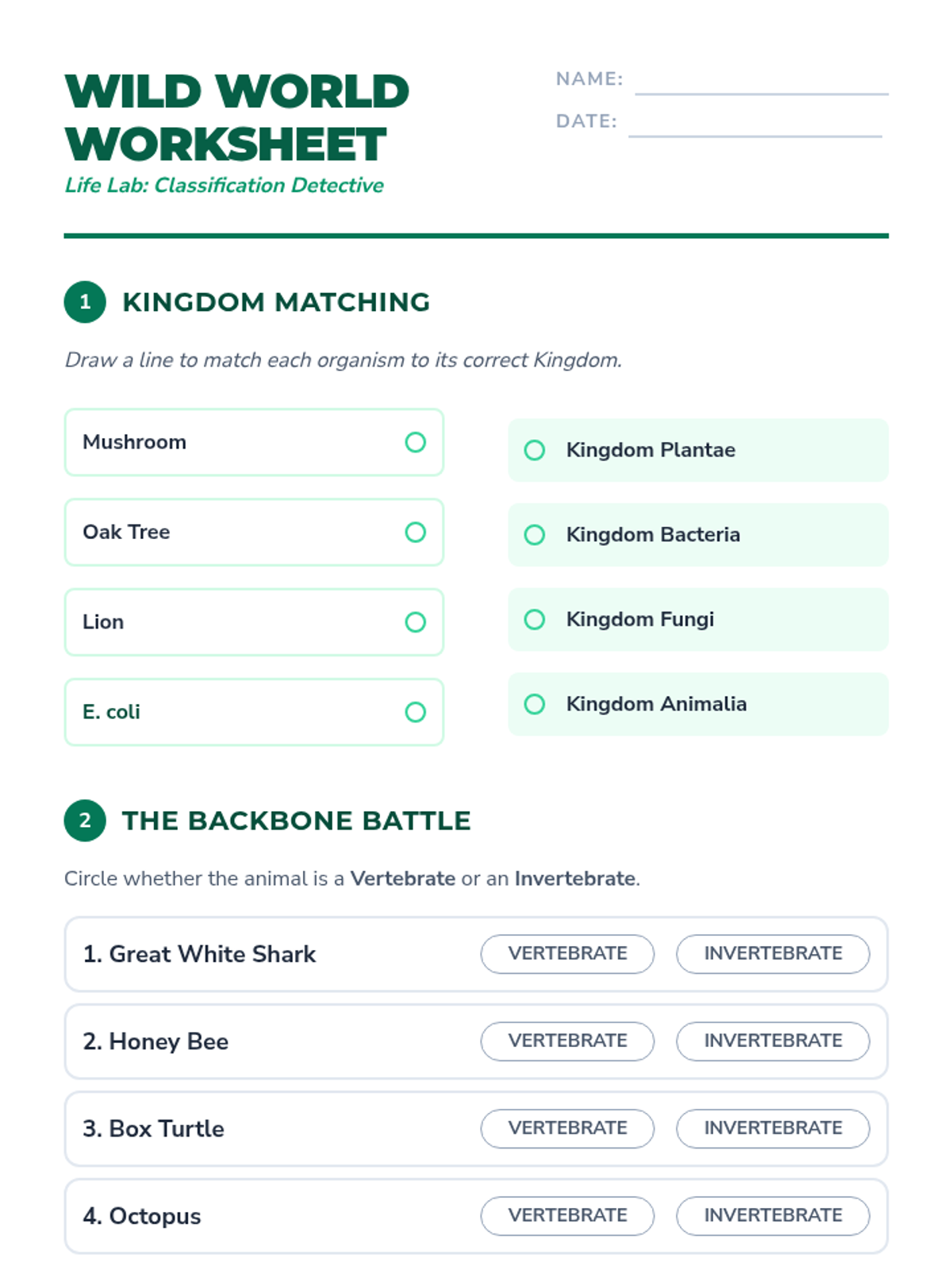
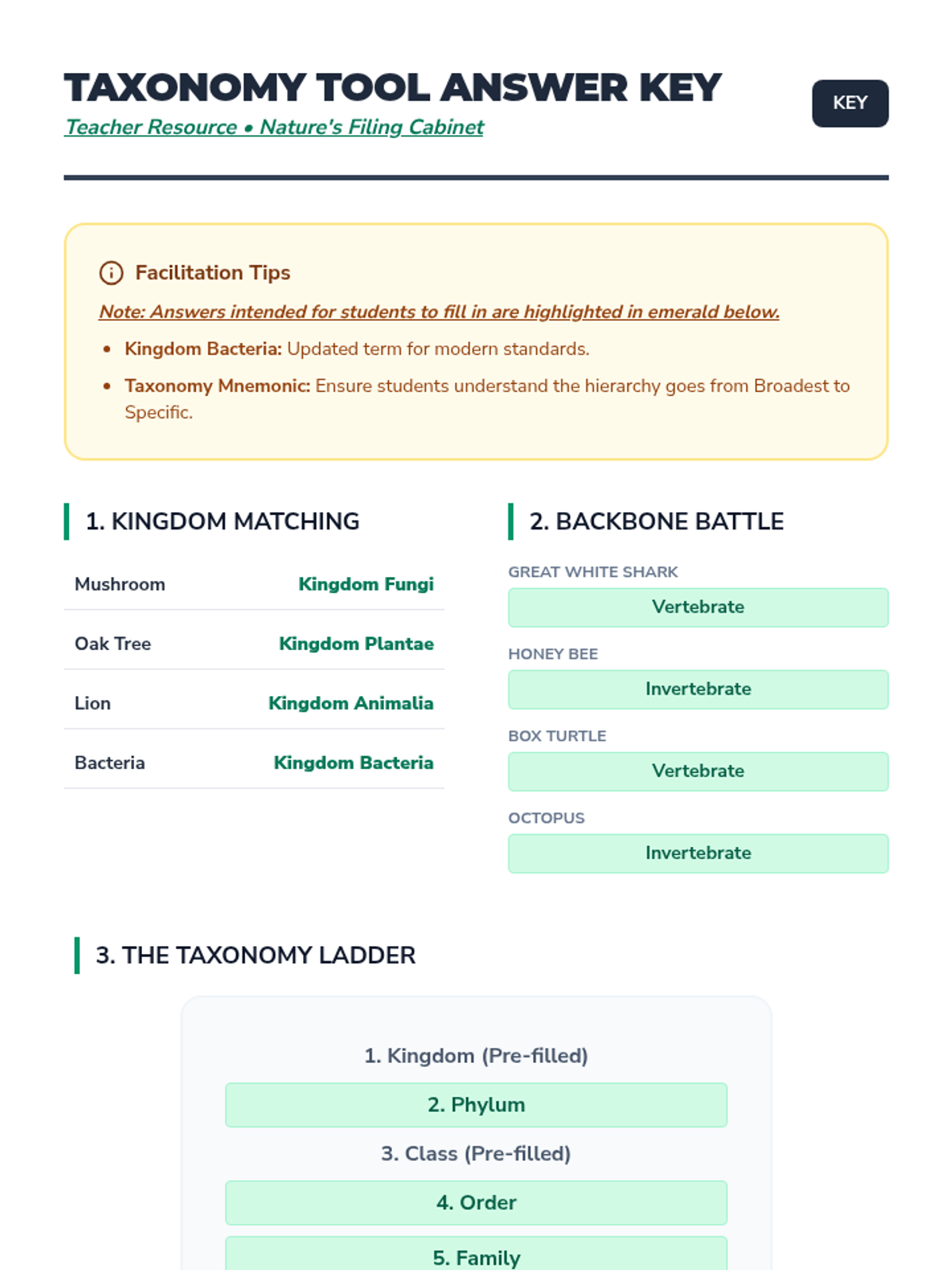
A foundational lesson exploring how scientists group living things using the Linnaean classification system, focusing on kingdoms and the distinction between vertebrates and invertebrates.
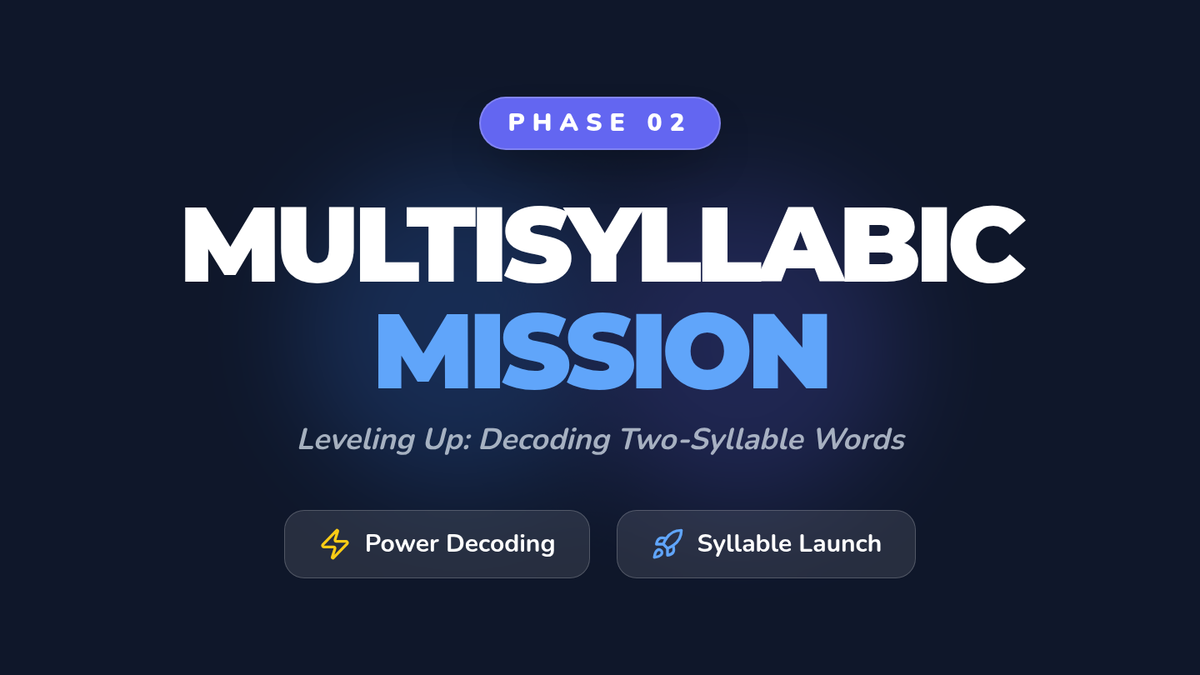
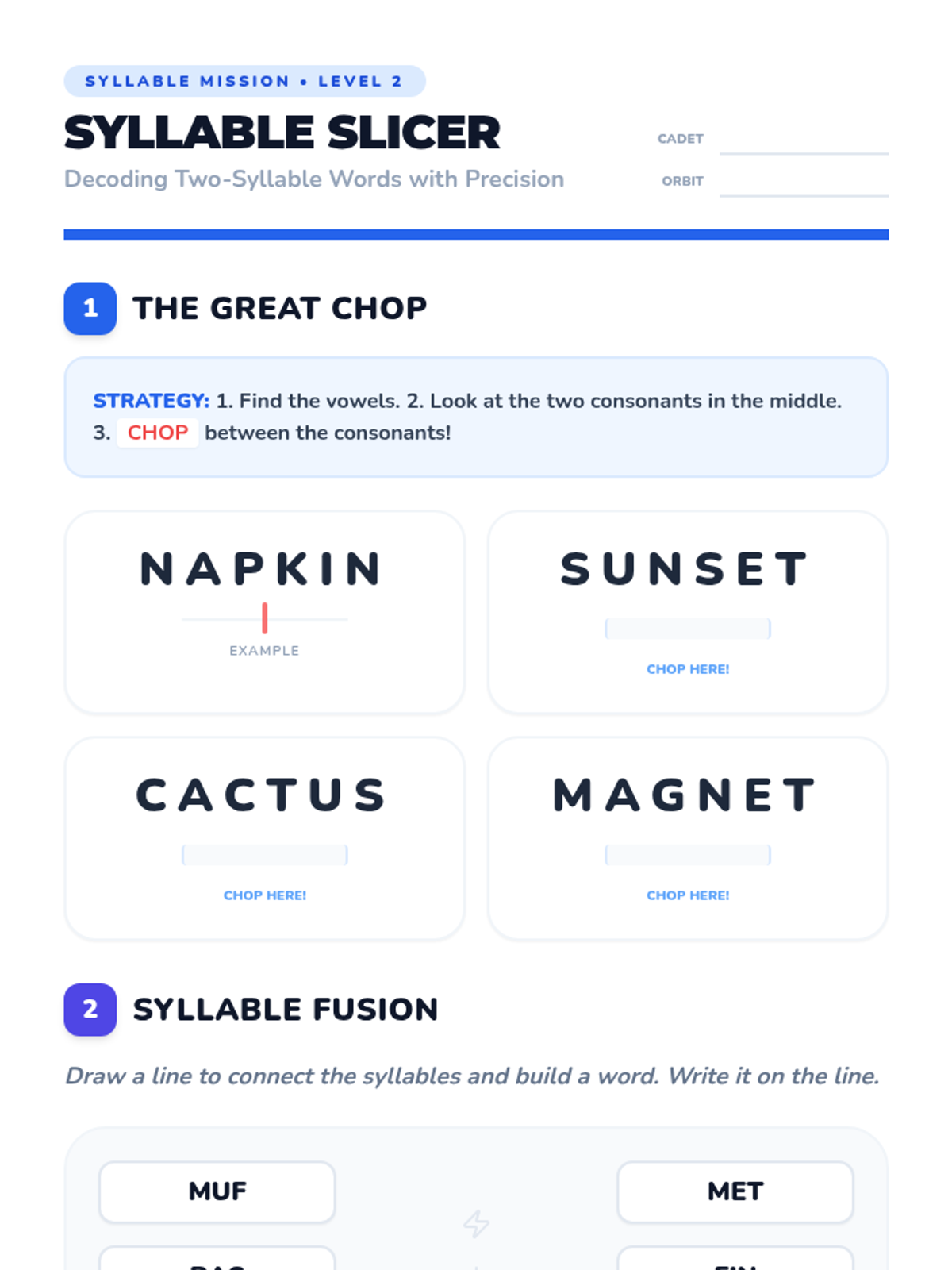
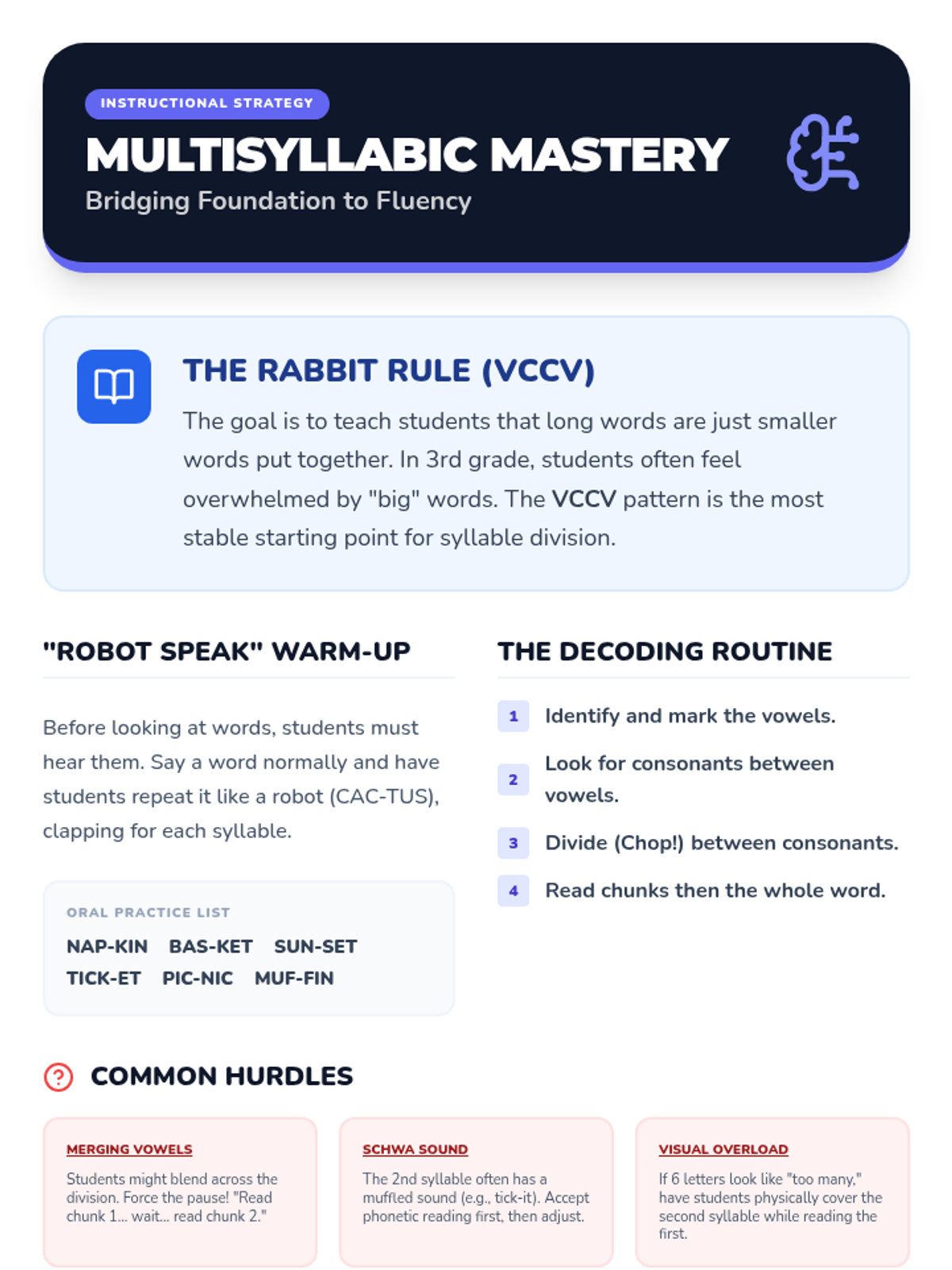
Advanced word study focusing on syllable division rules, decoding strategies for 2-syllable words, and reading multisyllabic fluency.
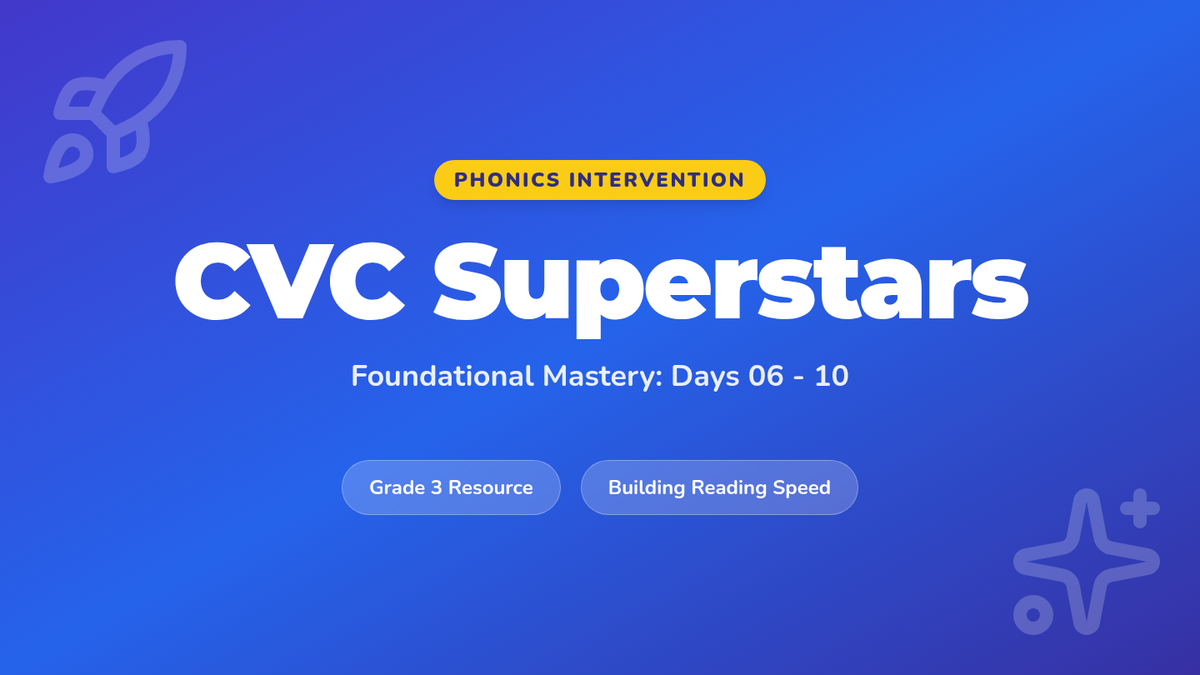
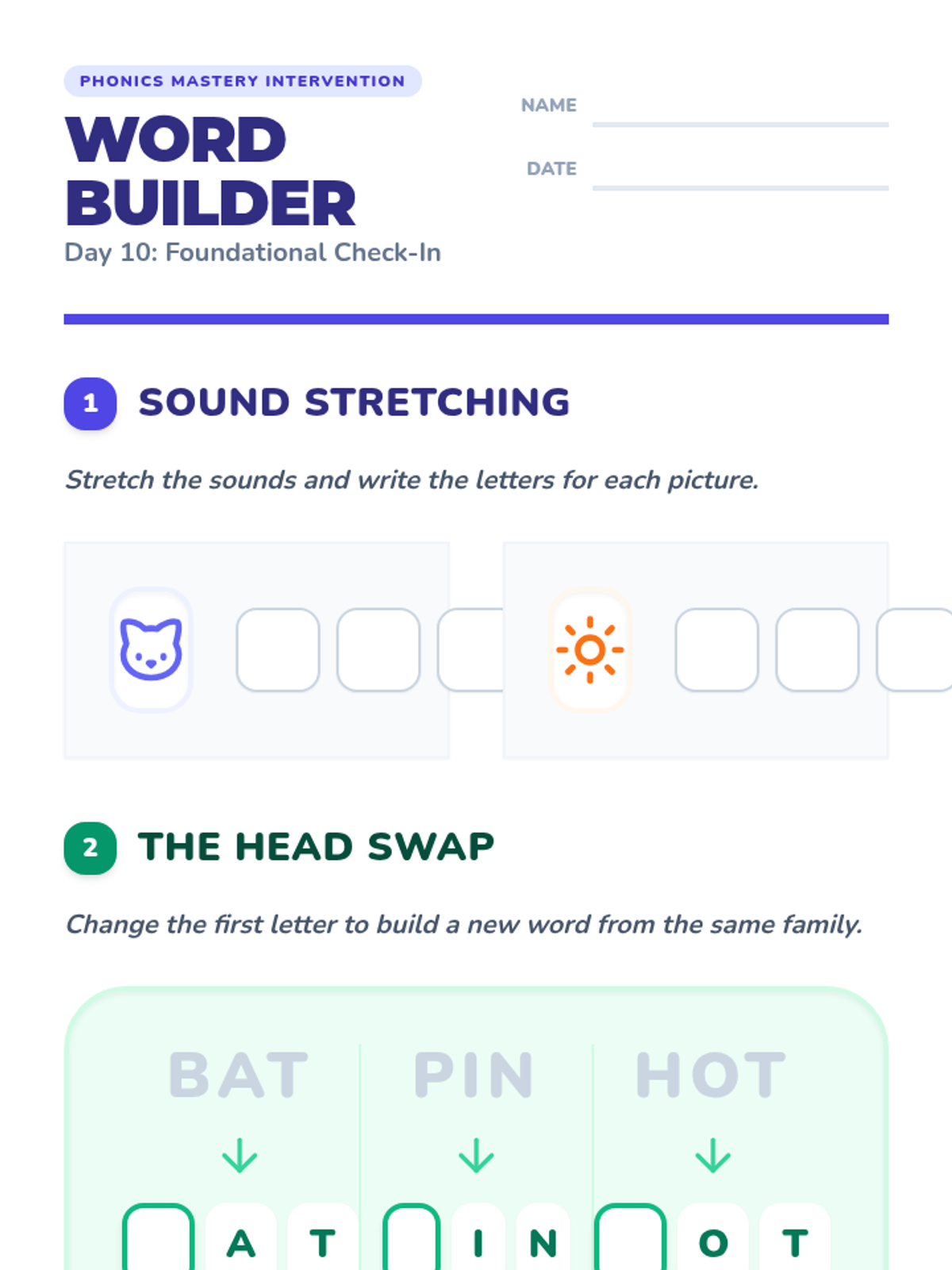
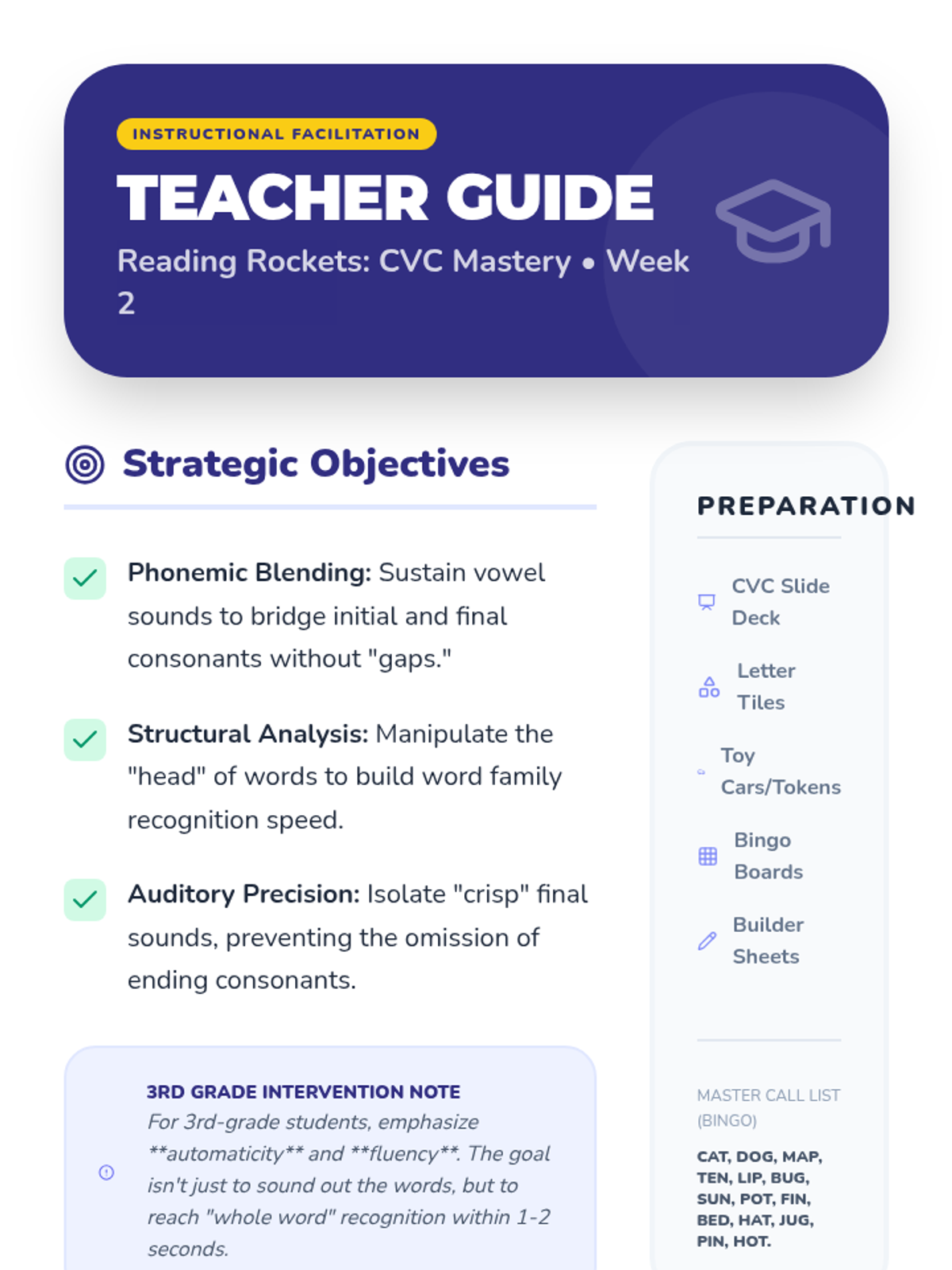
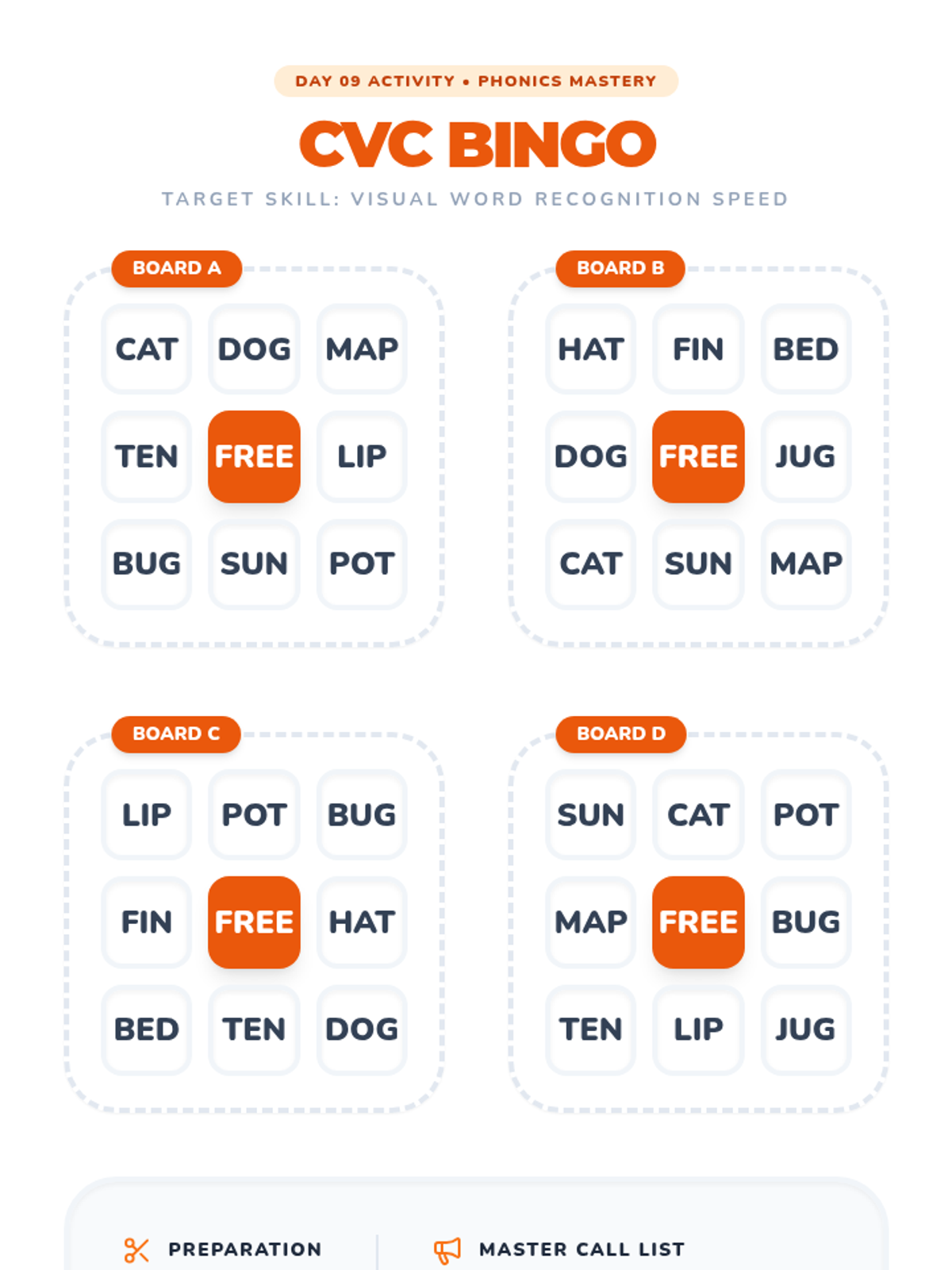
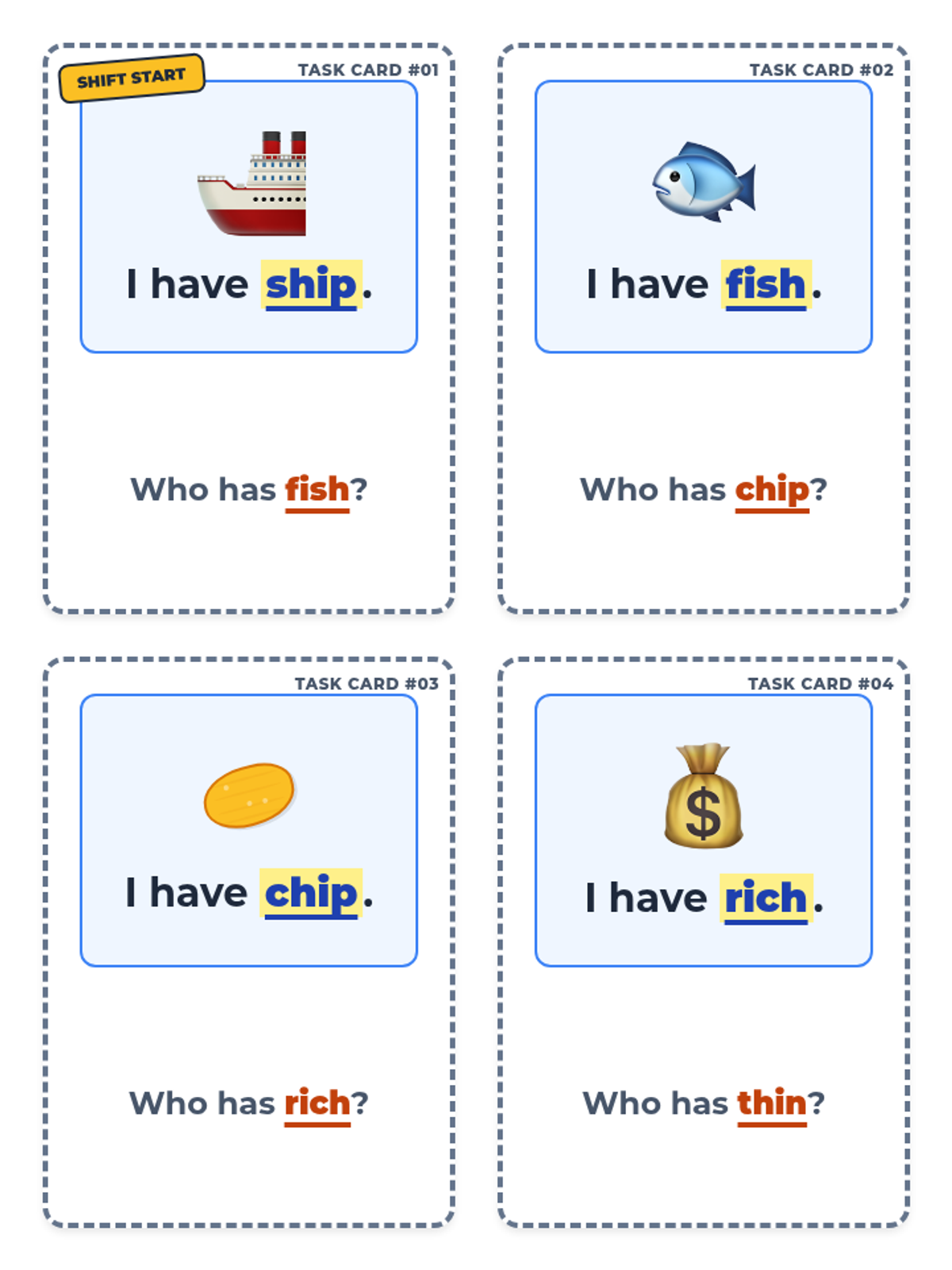
A week of targeted CVC practice covering blending, initial and final consonant changes, and automaticity.
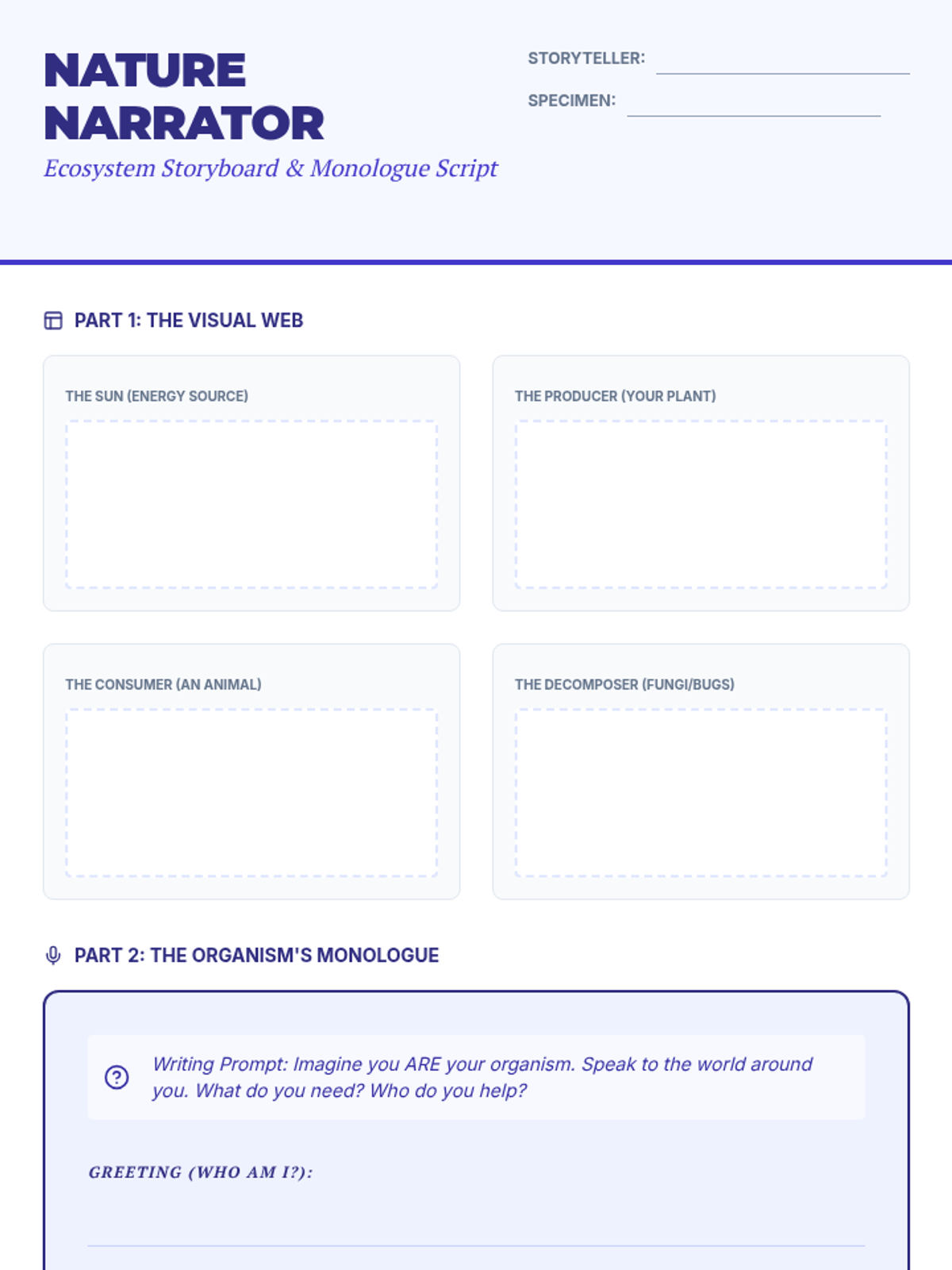
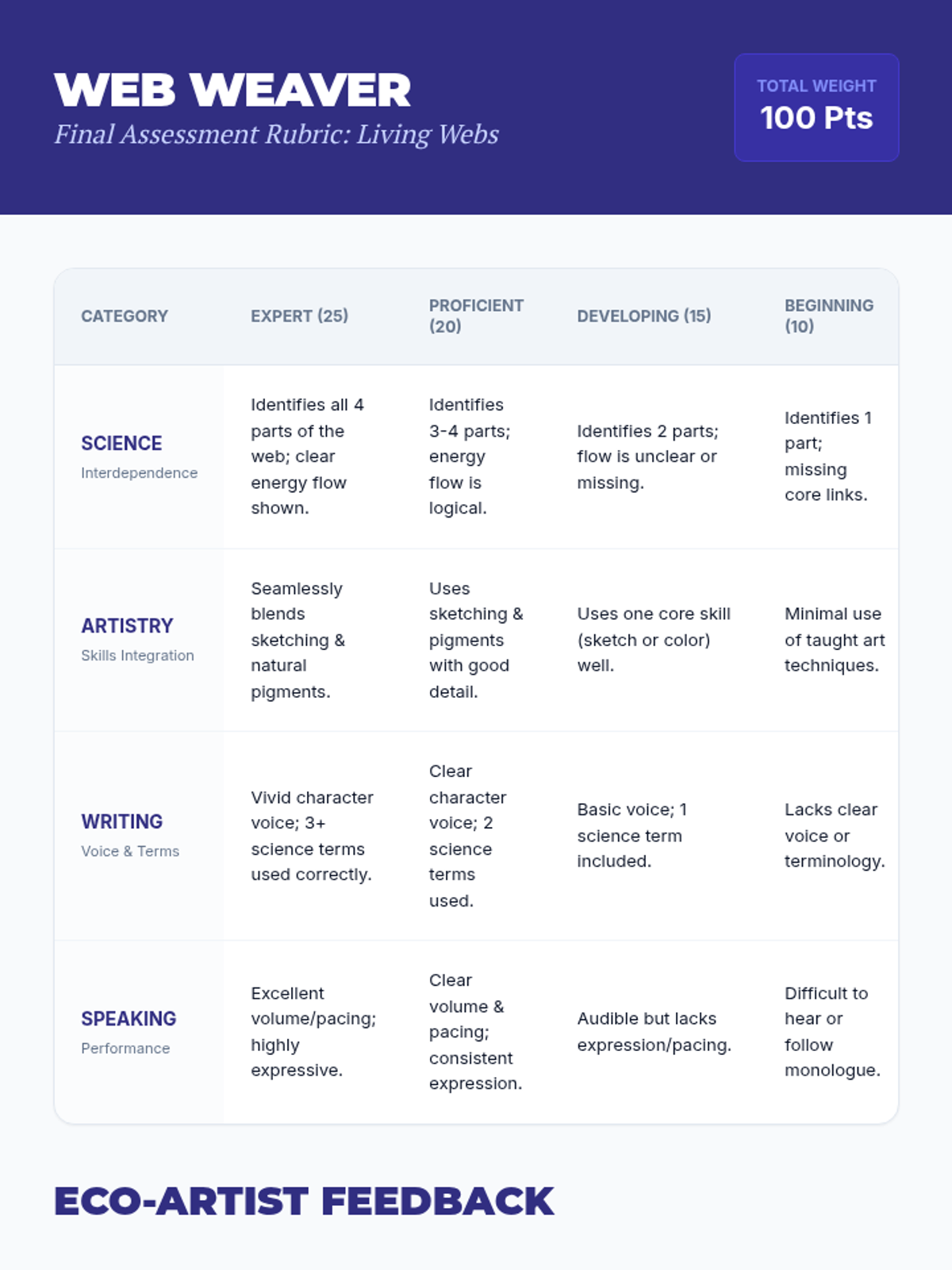
Students synthesize their knowledge of ecosystems to create narrative art pieces that tell the story of interdependence in the natural world.
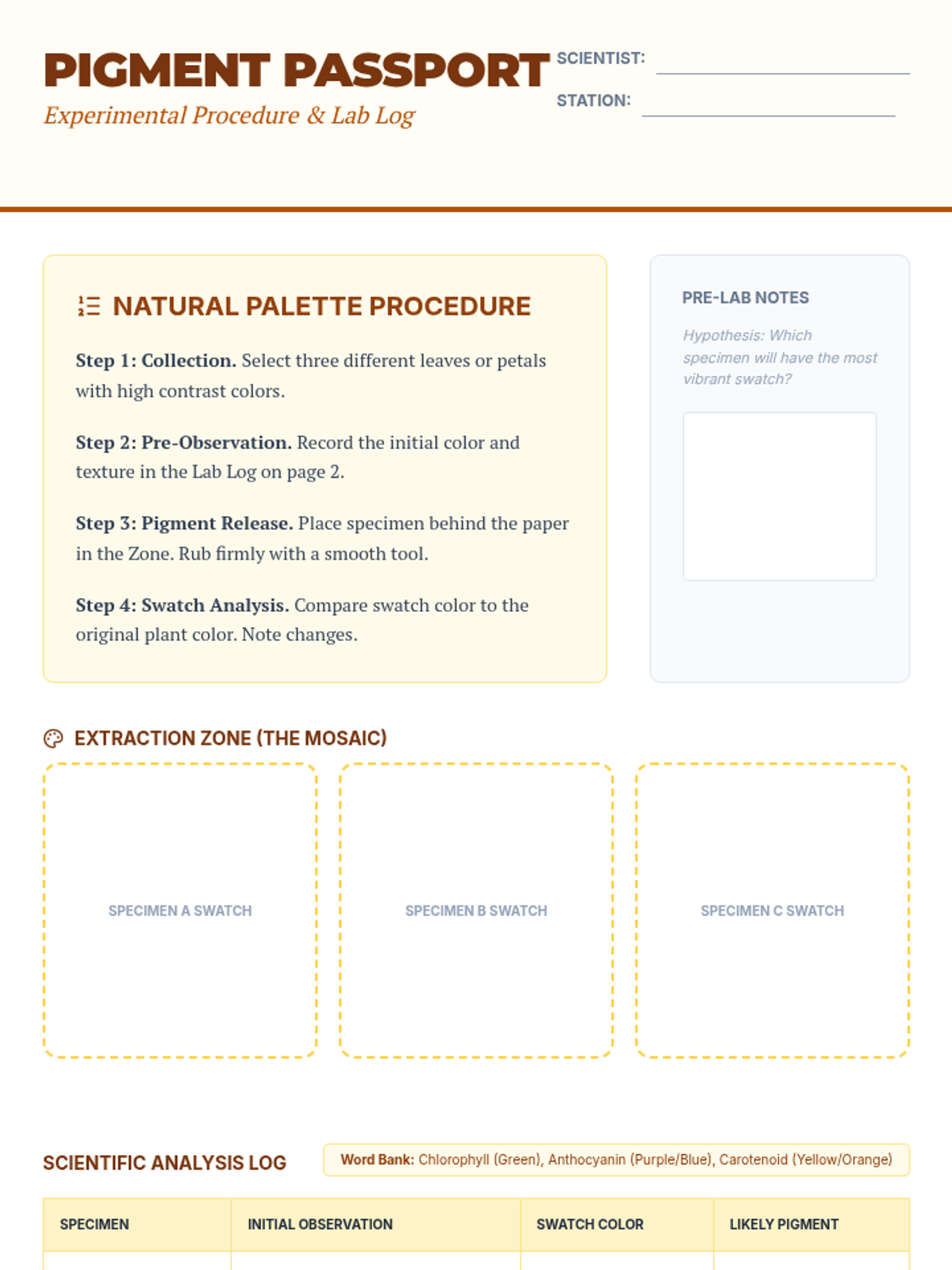
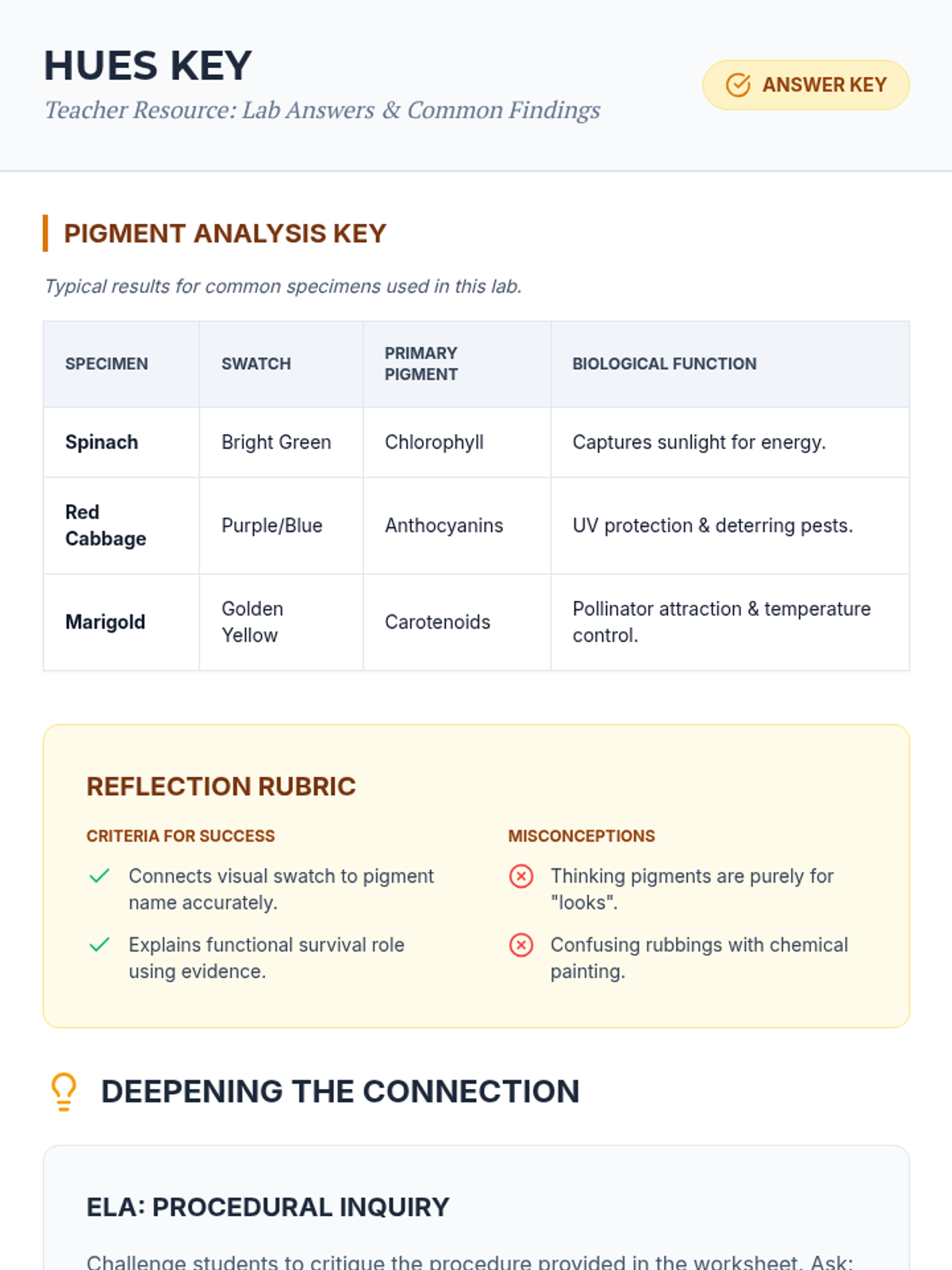
An exploration into the chemistry of natural pigments, where students follow procedures to extract colors and document their experimental process.
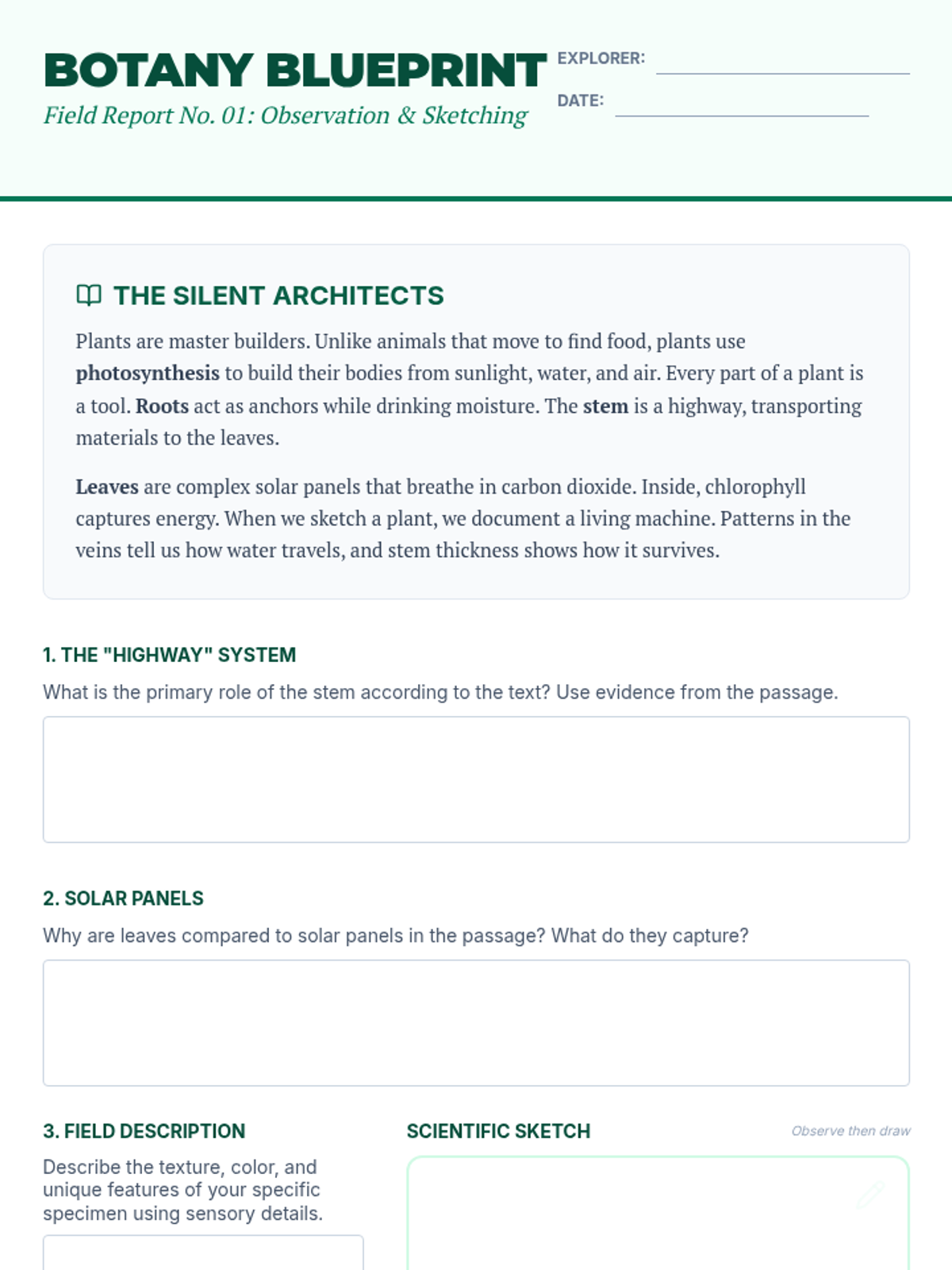
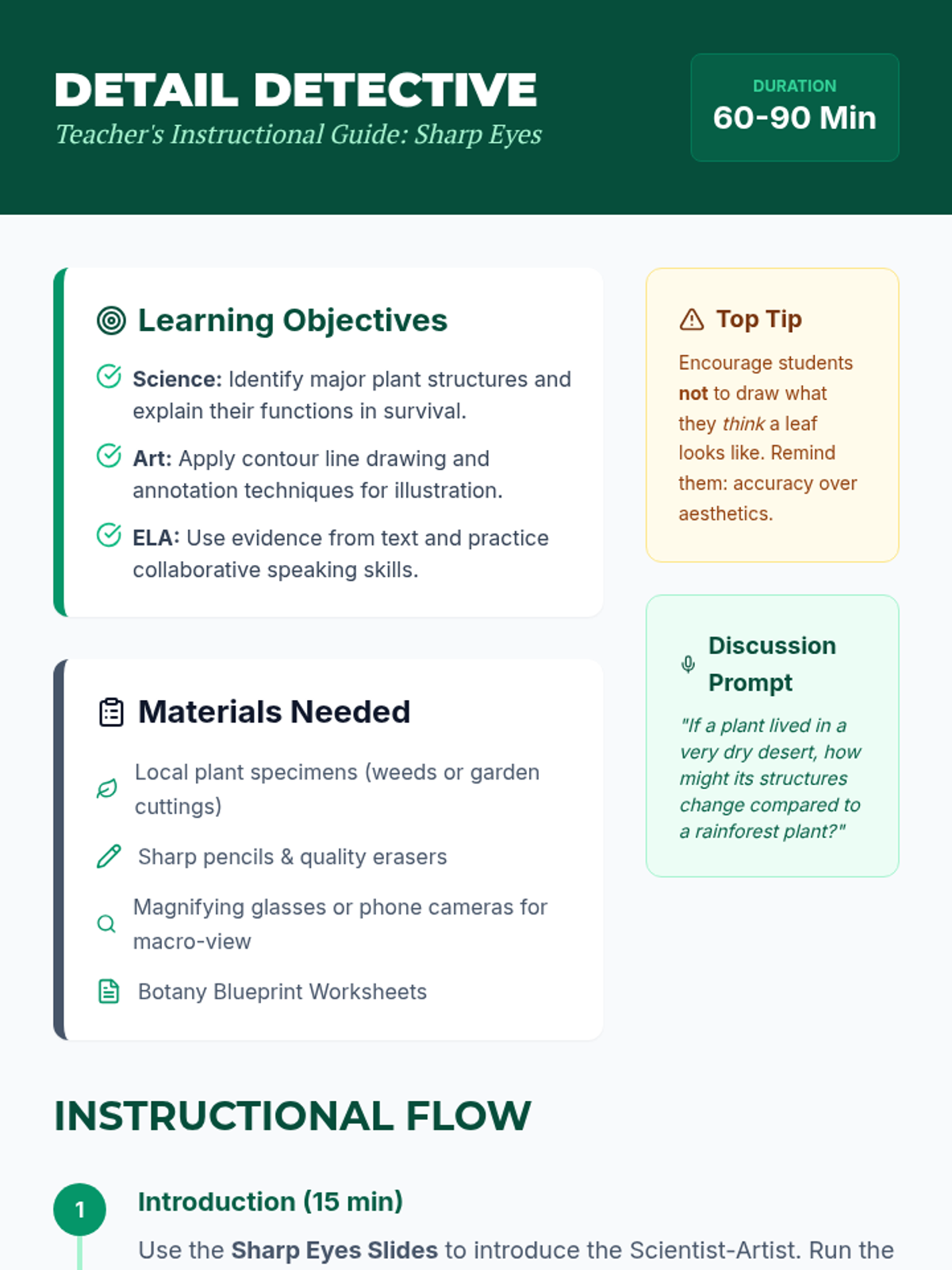
Students learn the art of botanical illustration by observing plant structures and recording their findings with scientific precision and artistic flair.
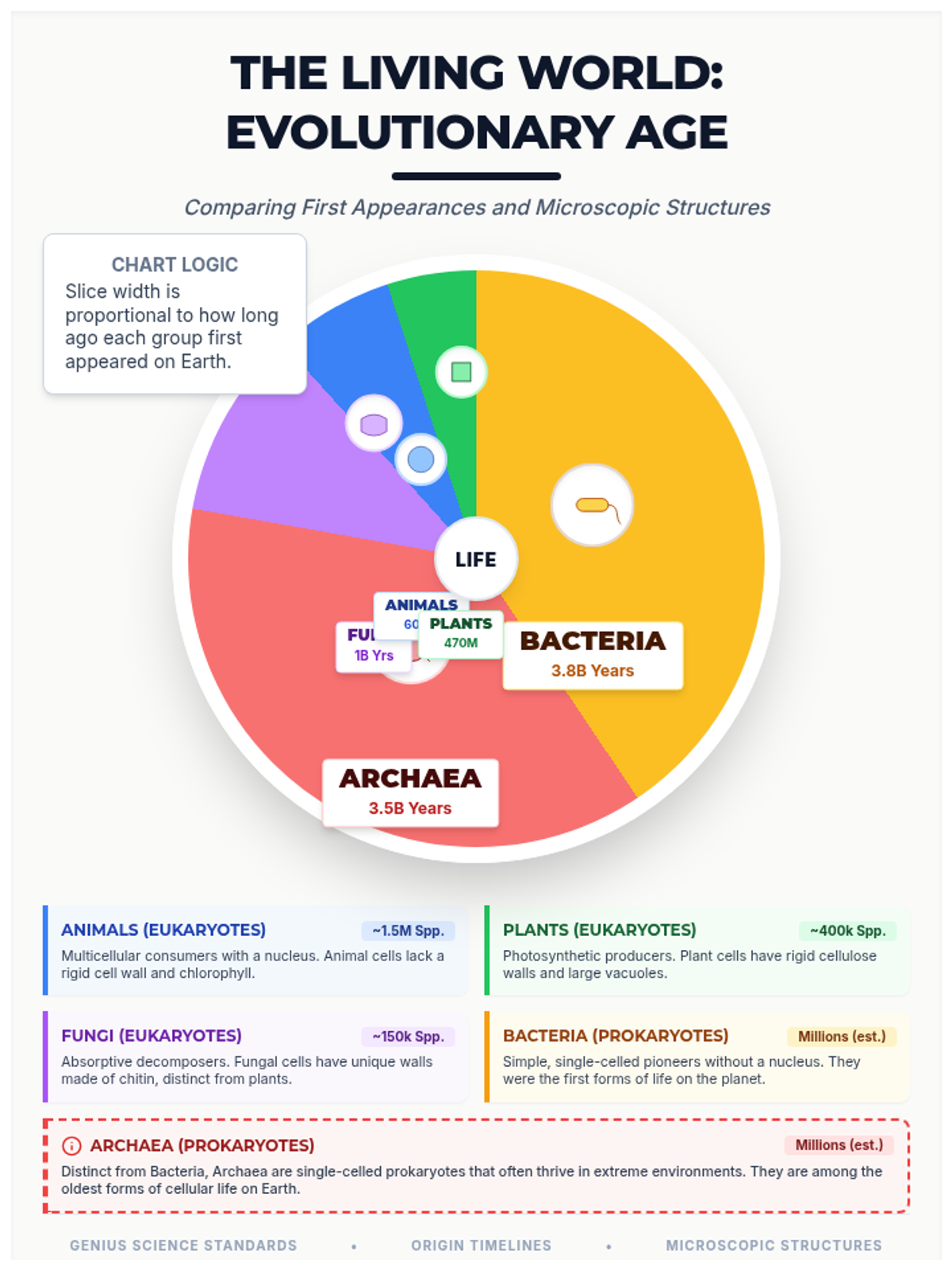
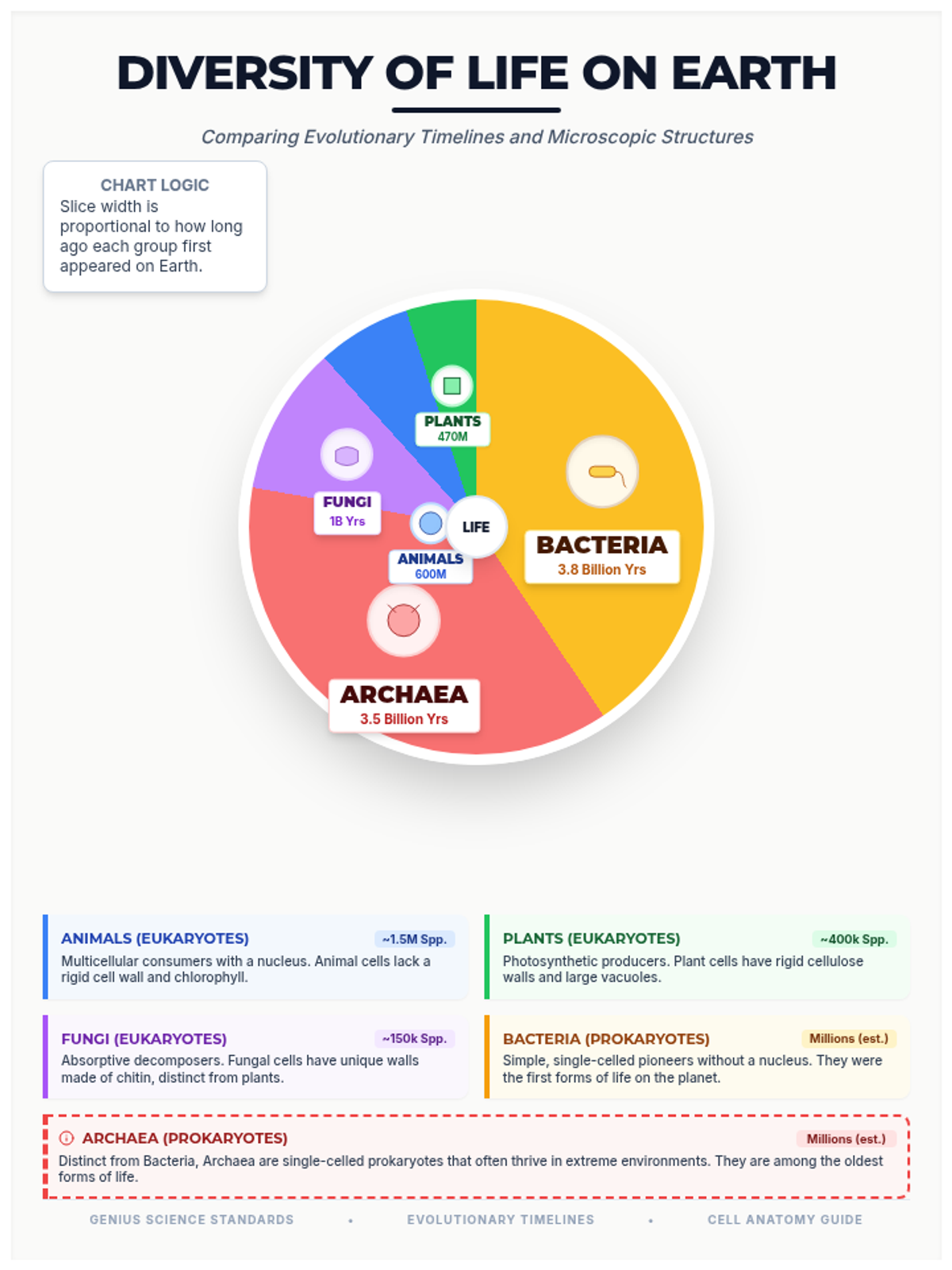
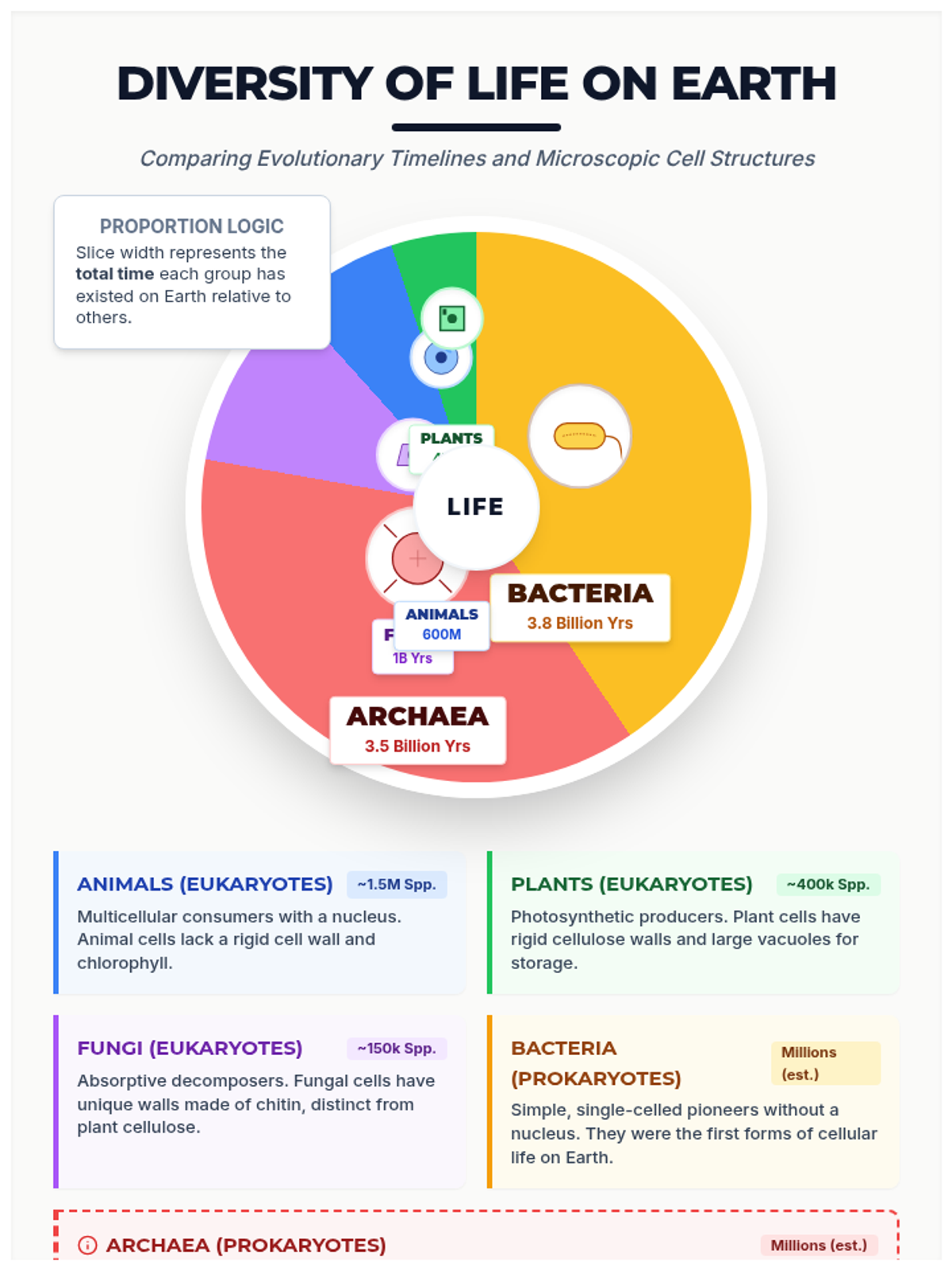
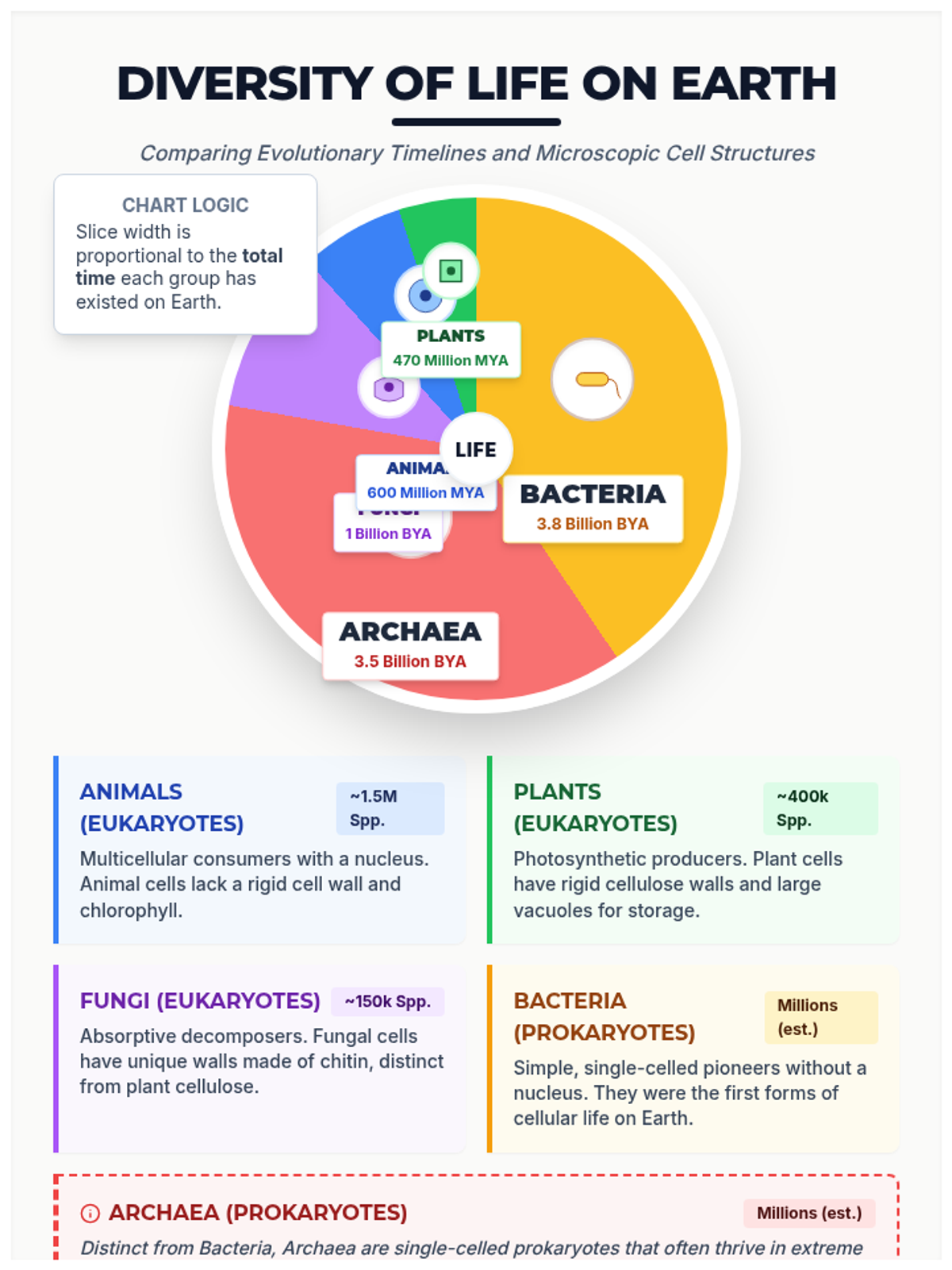
Explore the classification of life through the 5 Kingdoms: Animals, Plants, Fungi, Bacteria, and Viruses. Students will learn the key characteristics that define each group and discuss the unique biological status of viruses.
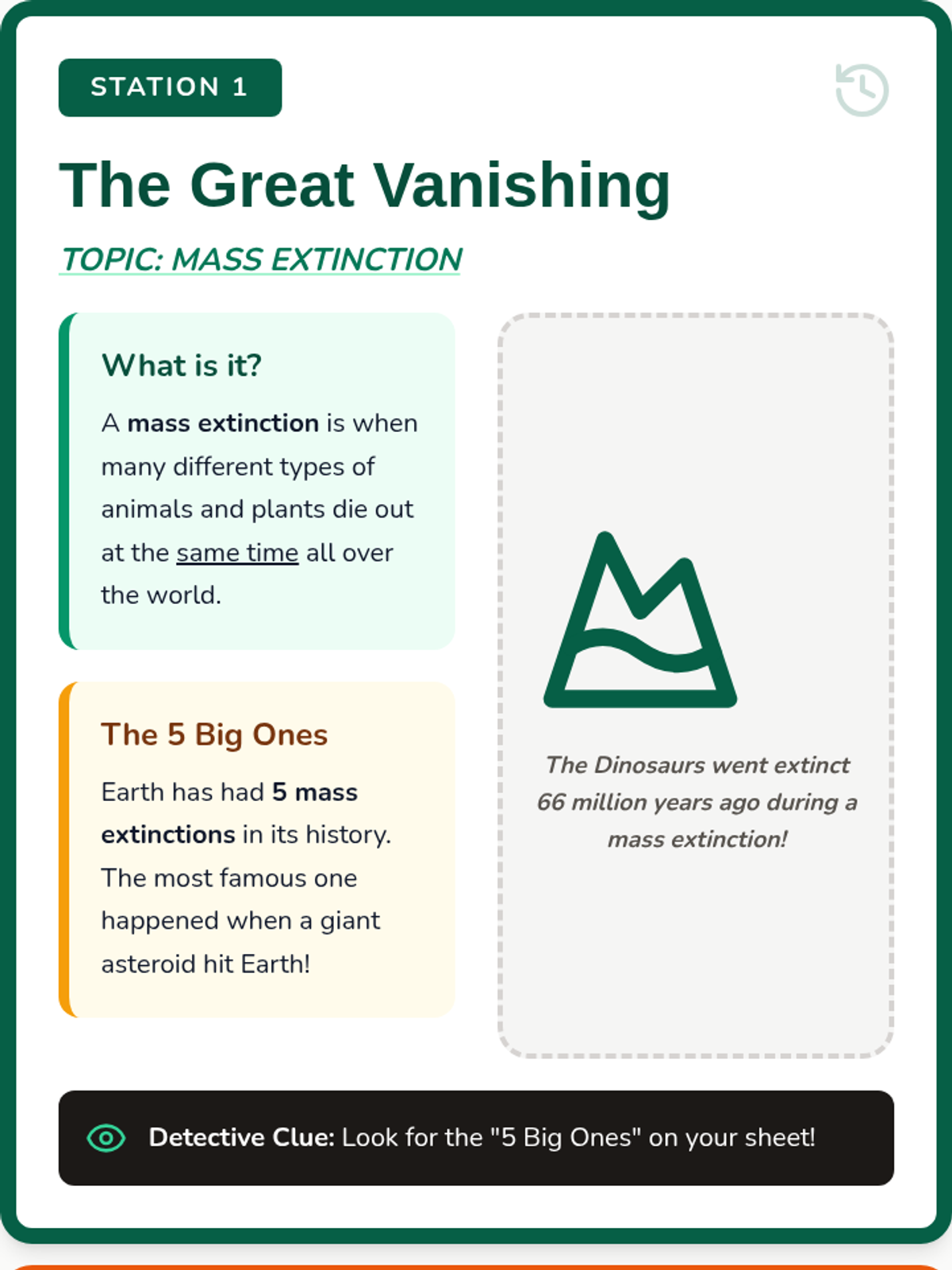
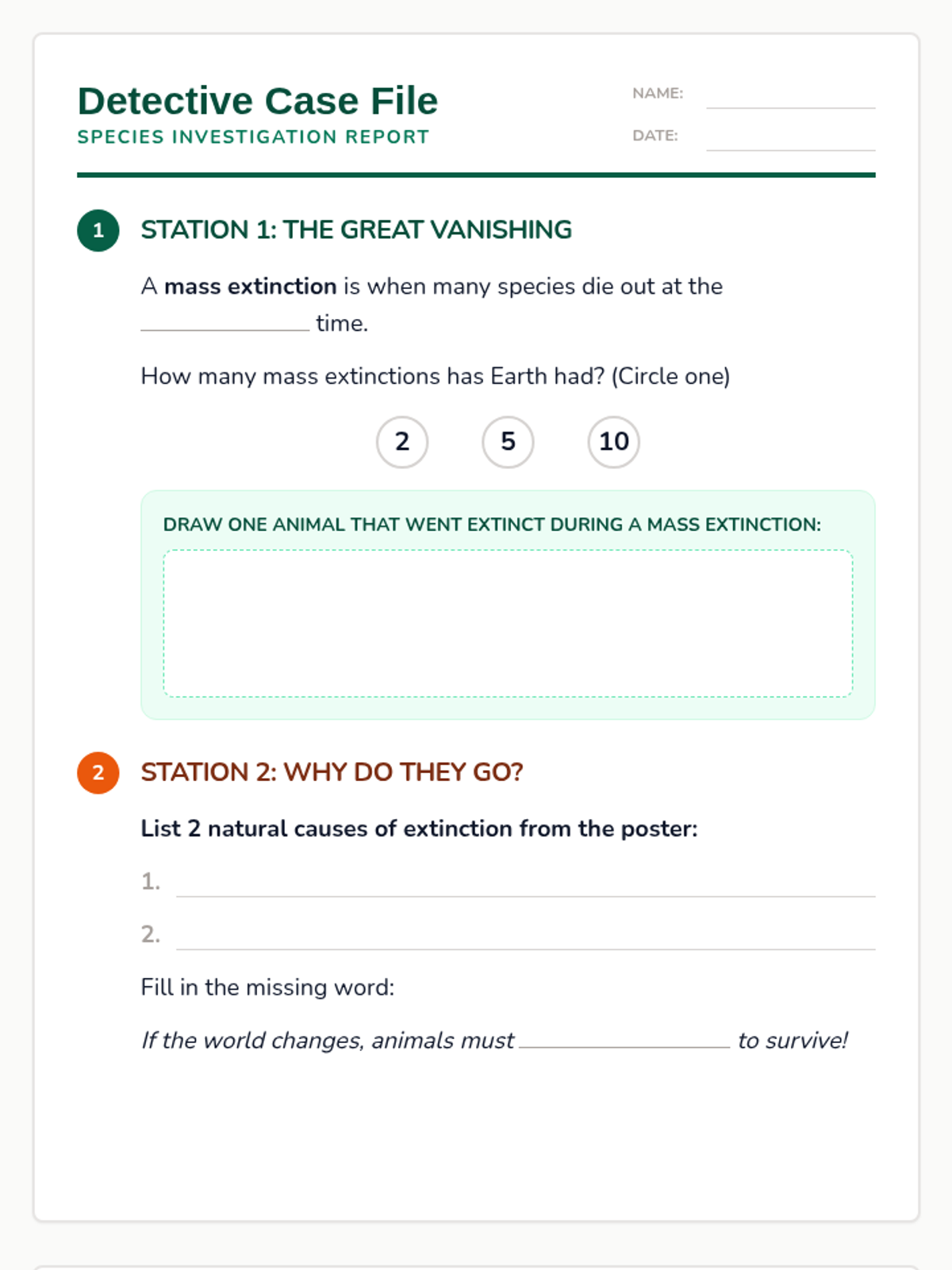
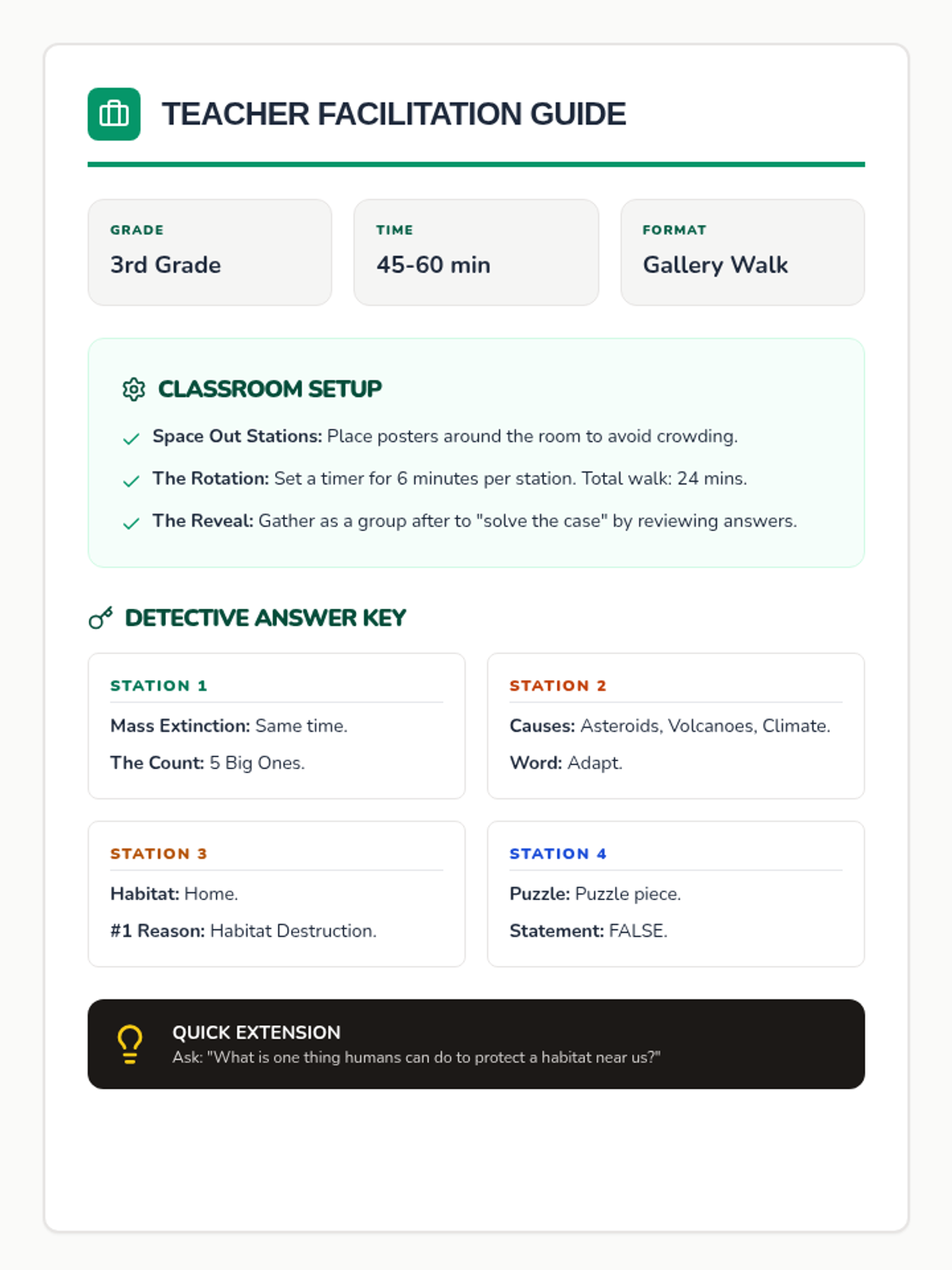
An introductory biology lesson where students act as detectives to investigate the causes and effects of extinction through an interactive gallery walk.
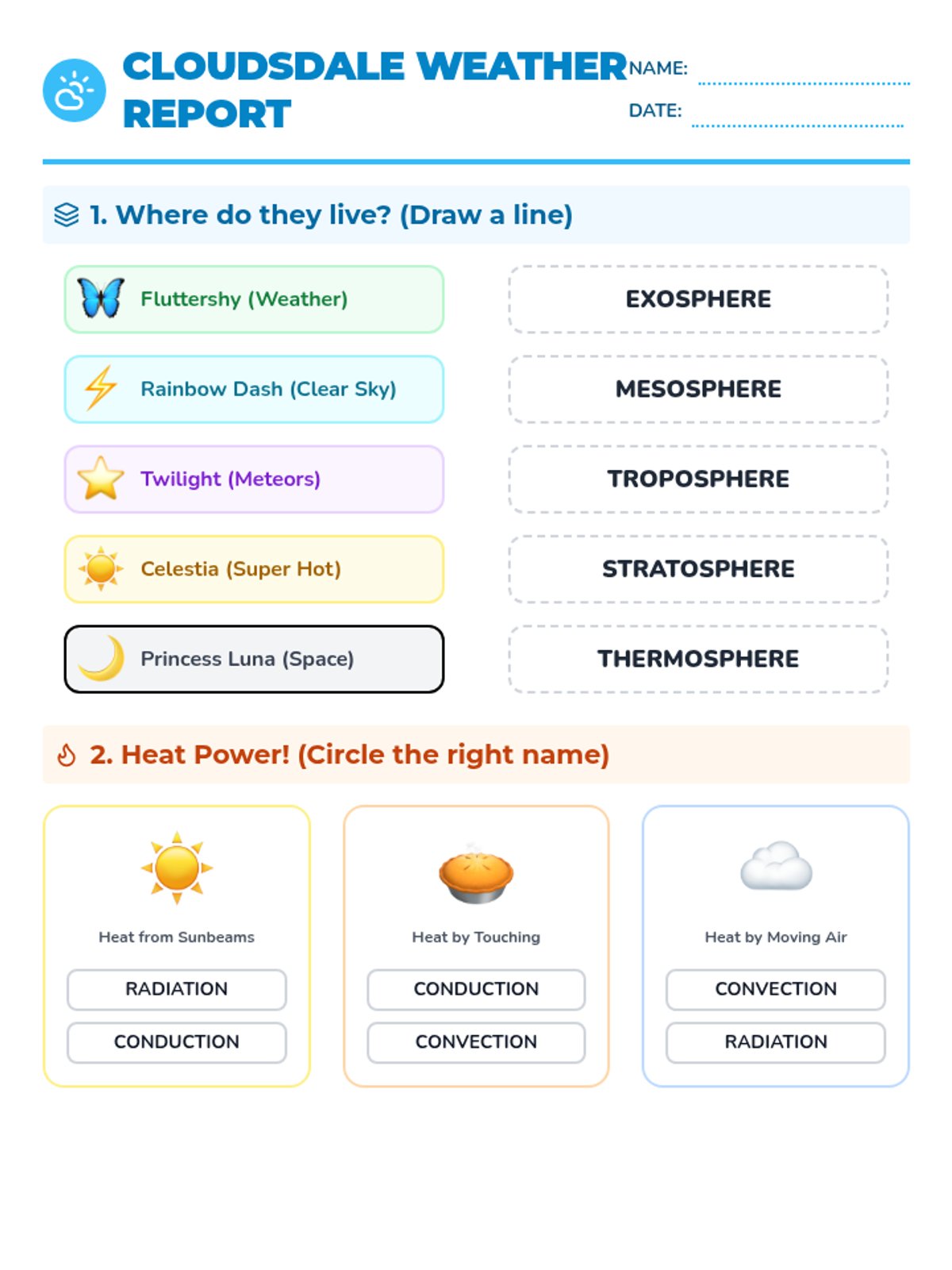
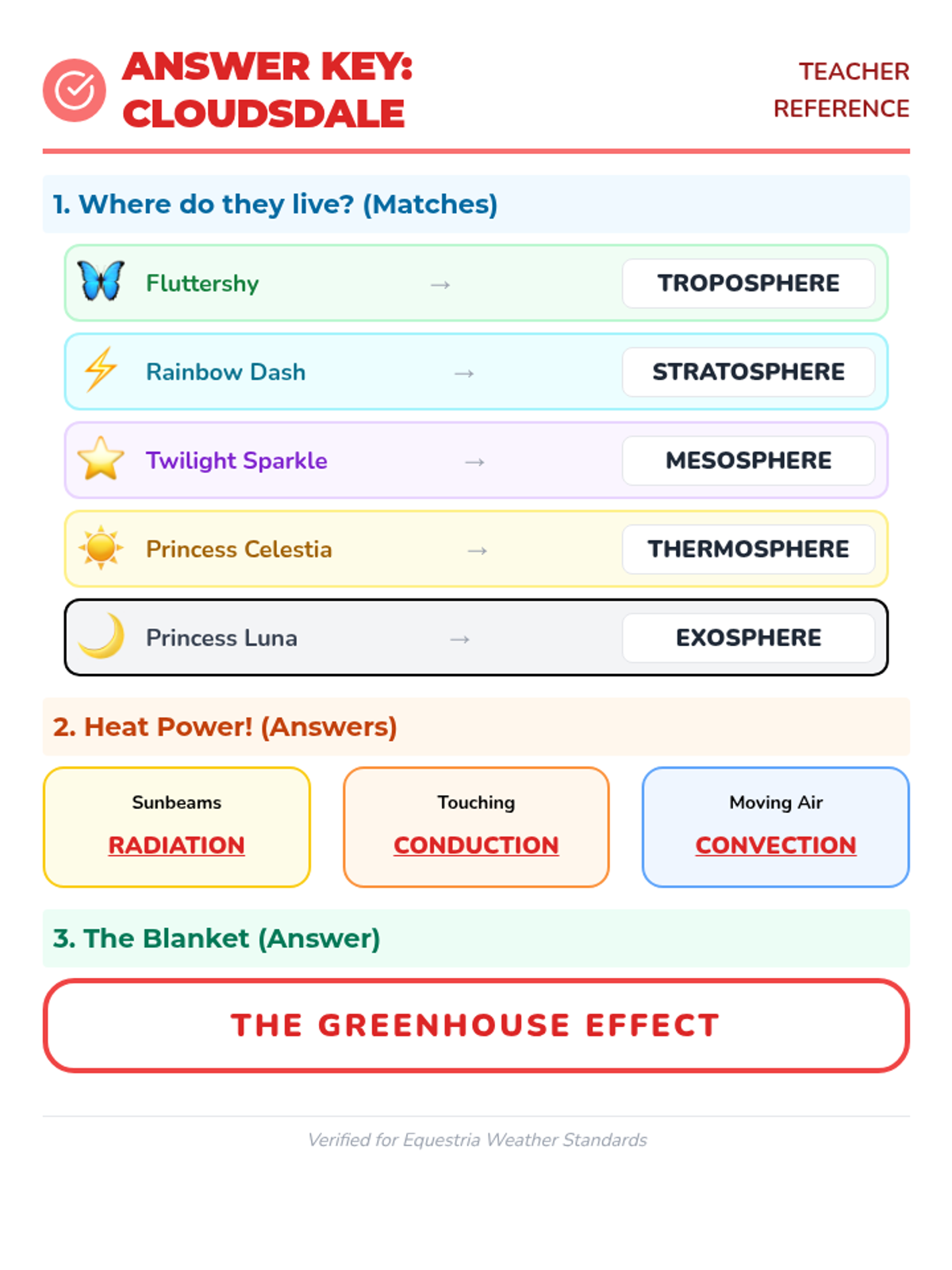
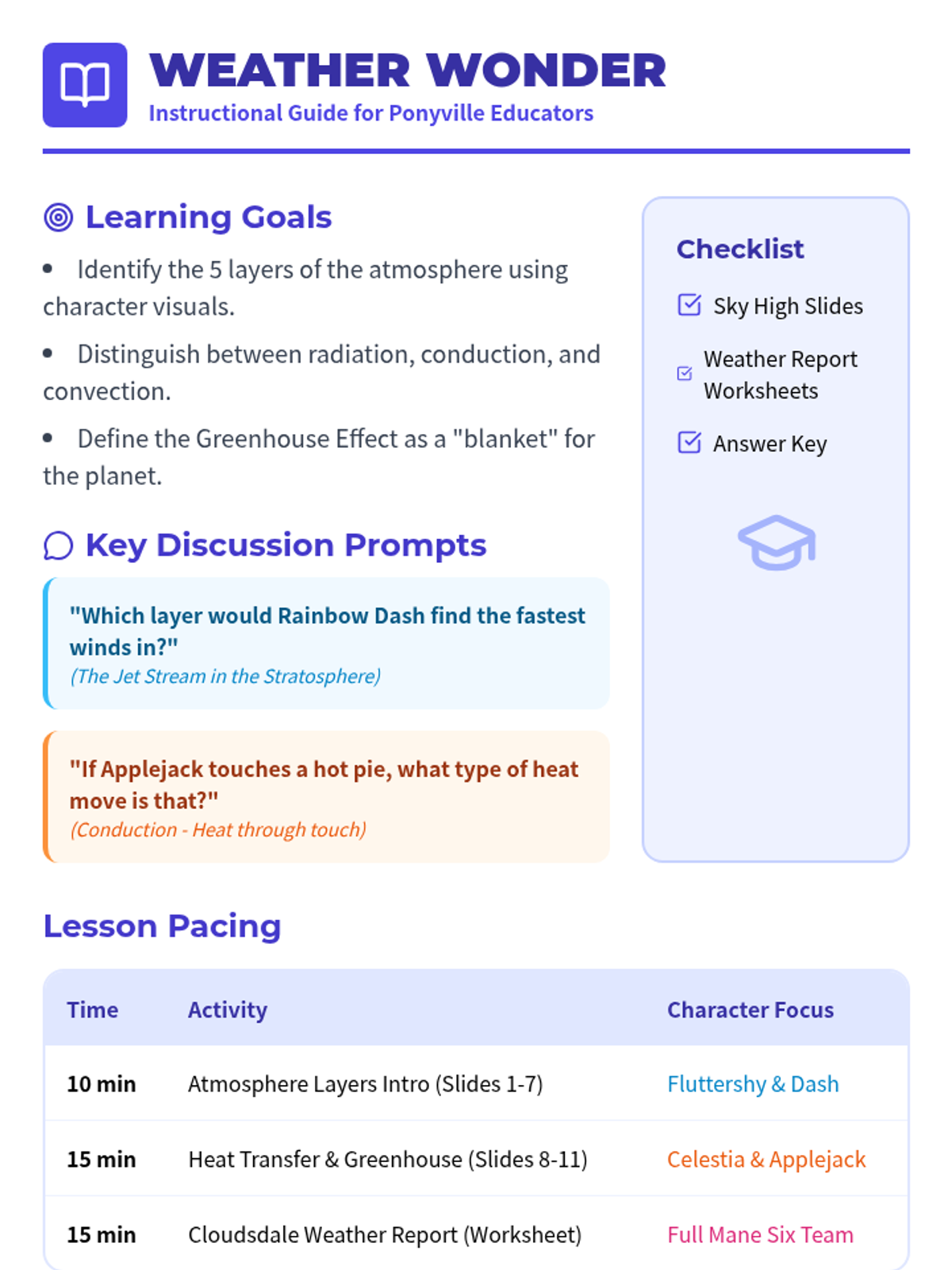
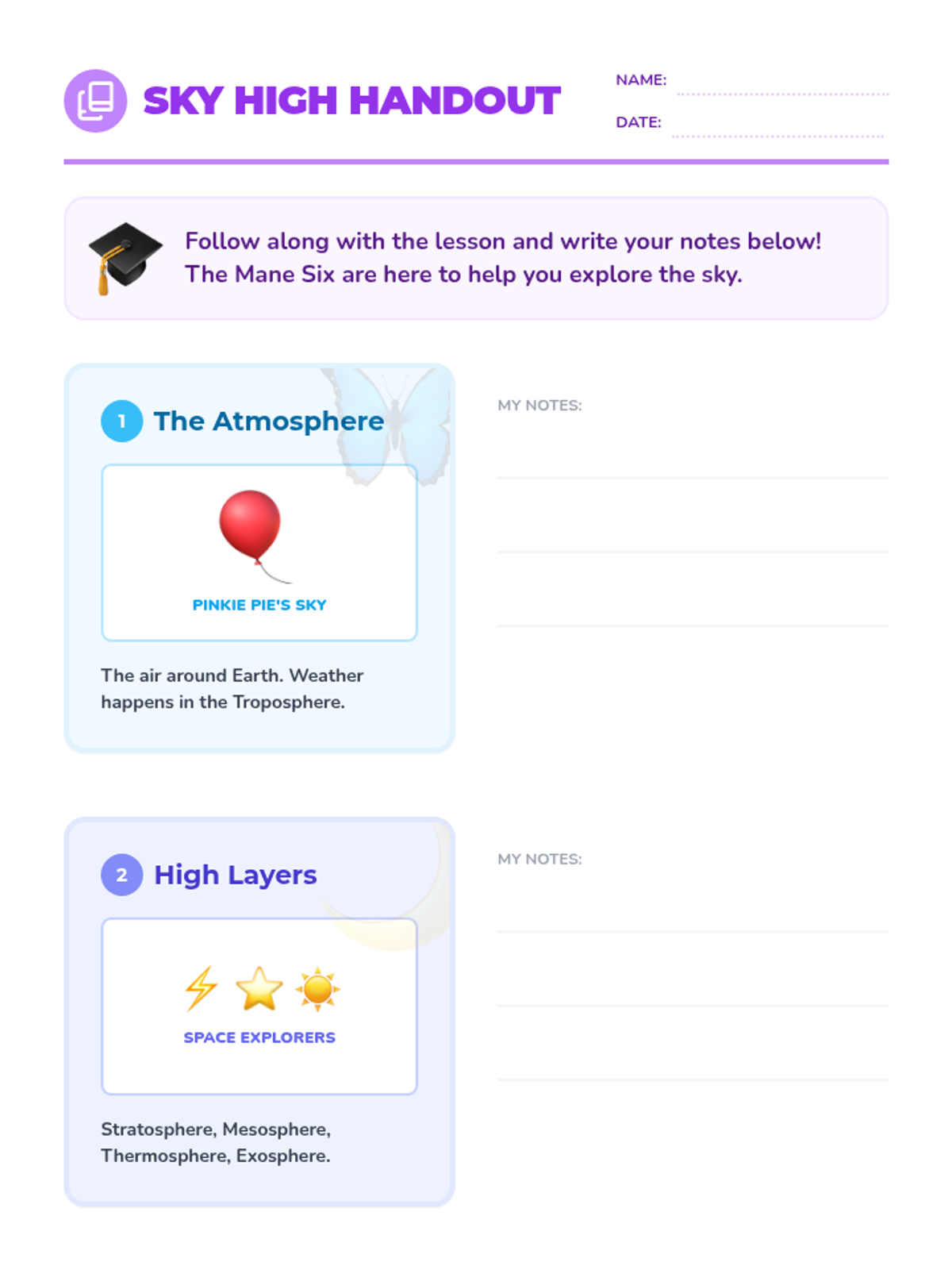
Explore the layers of the atmosphere and how heat moves through Equestria with the help of the Mane Six. This lesson covers atmospheric layers and thermal energy transfer using simplified language and visual symbols.
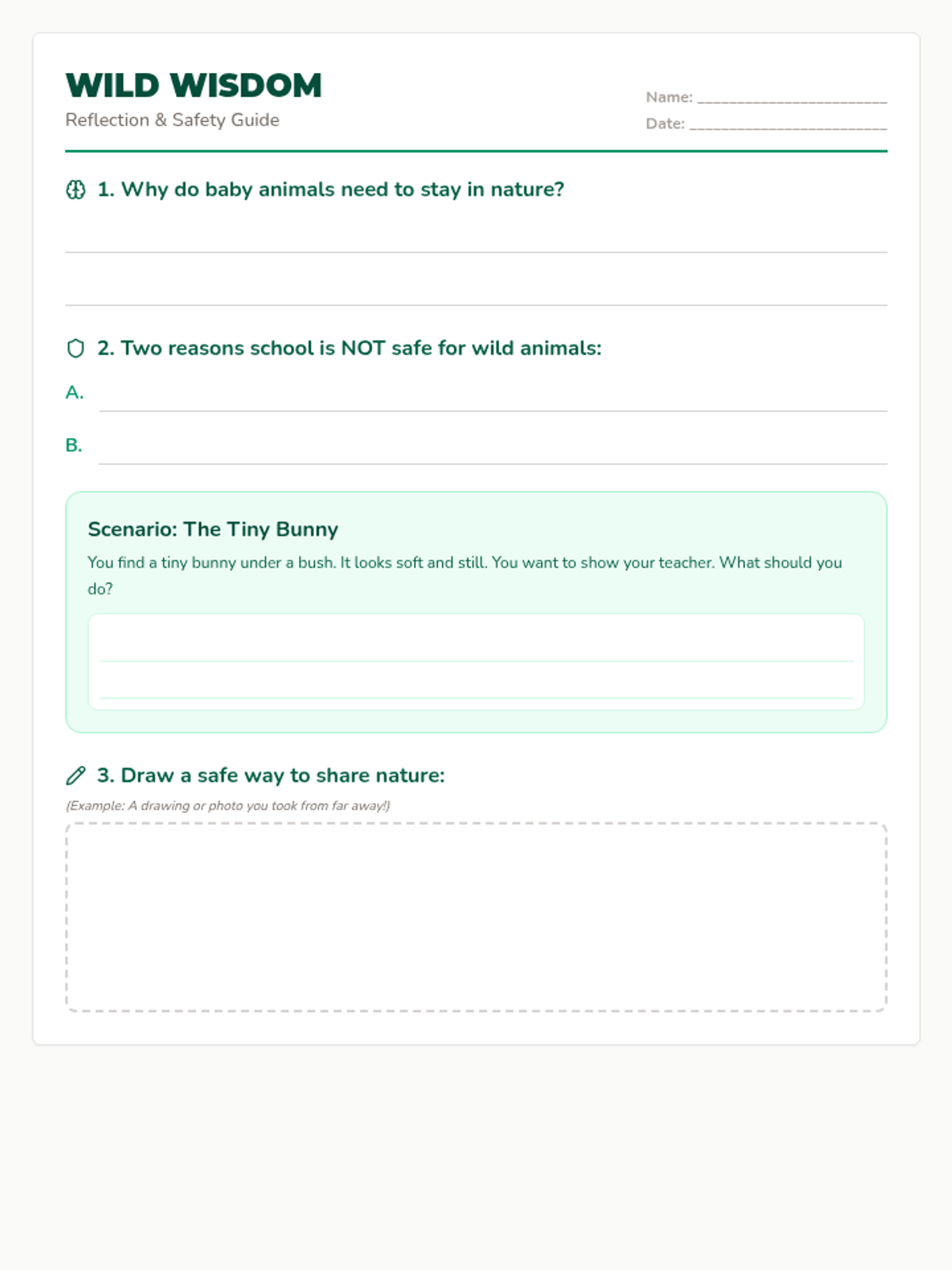
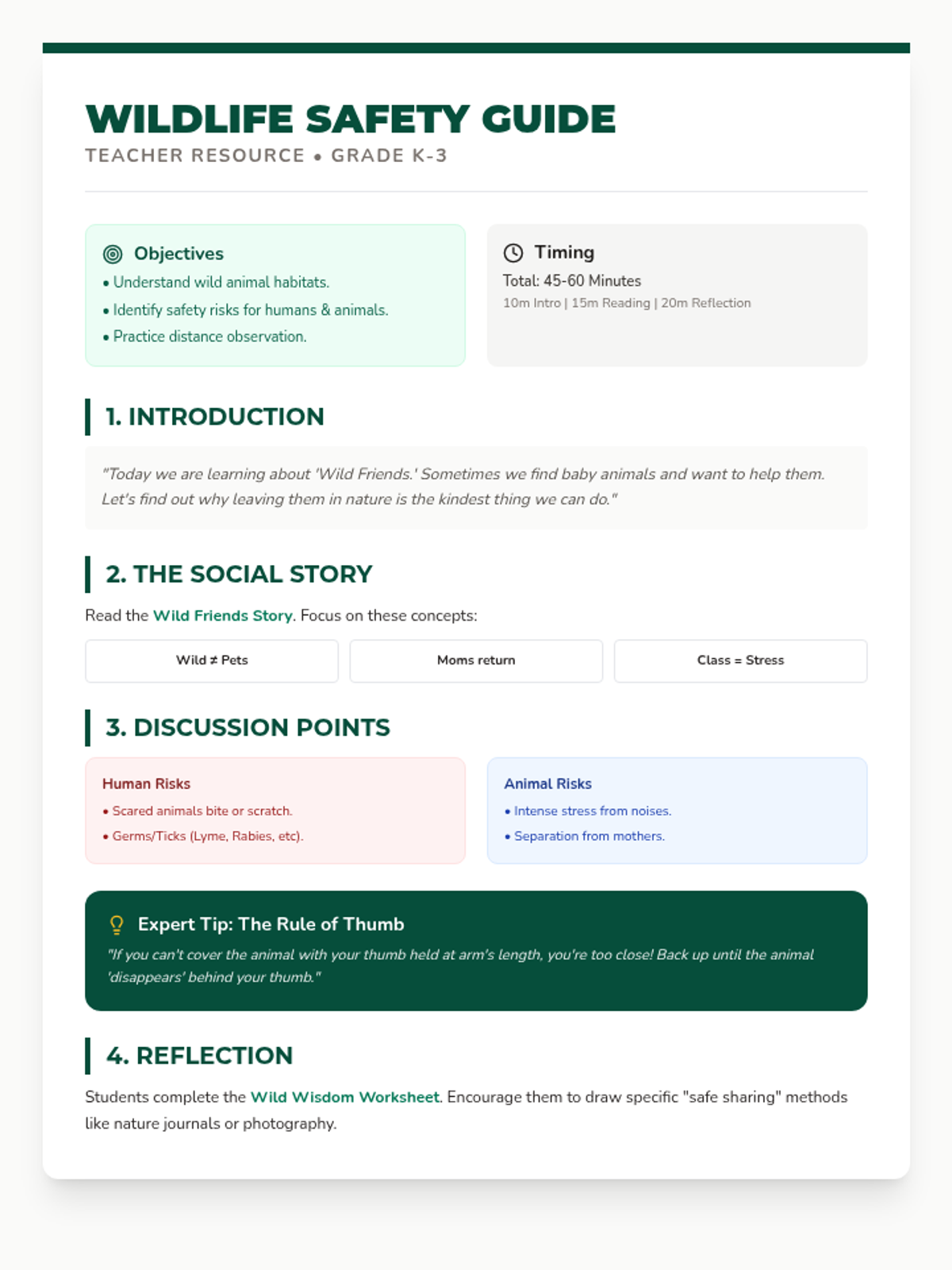
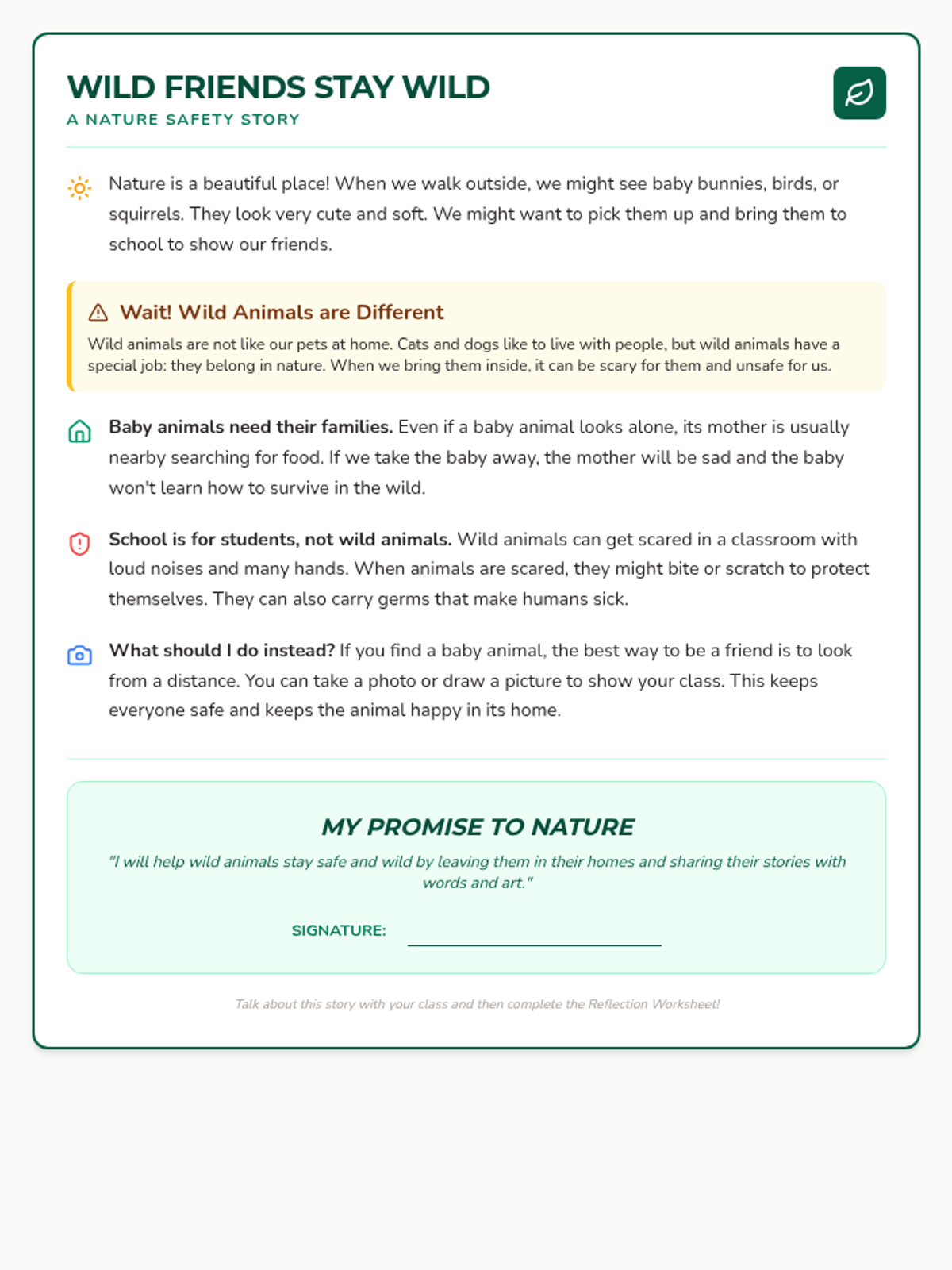
This lesson teaches students why wild animals, especially babies, should remain in their natural habitats rather than being brought to school, focusing on the safety of the animal and the classroom community.
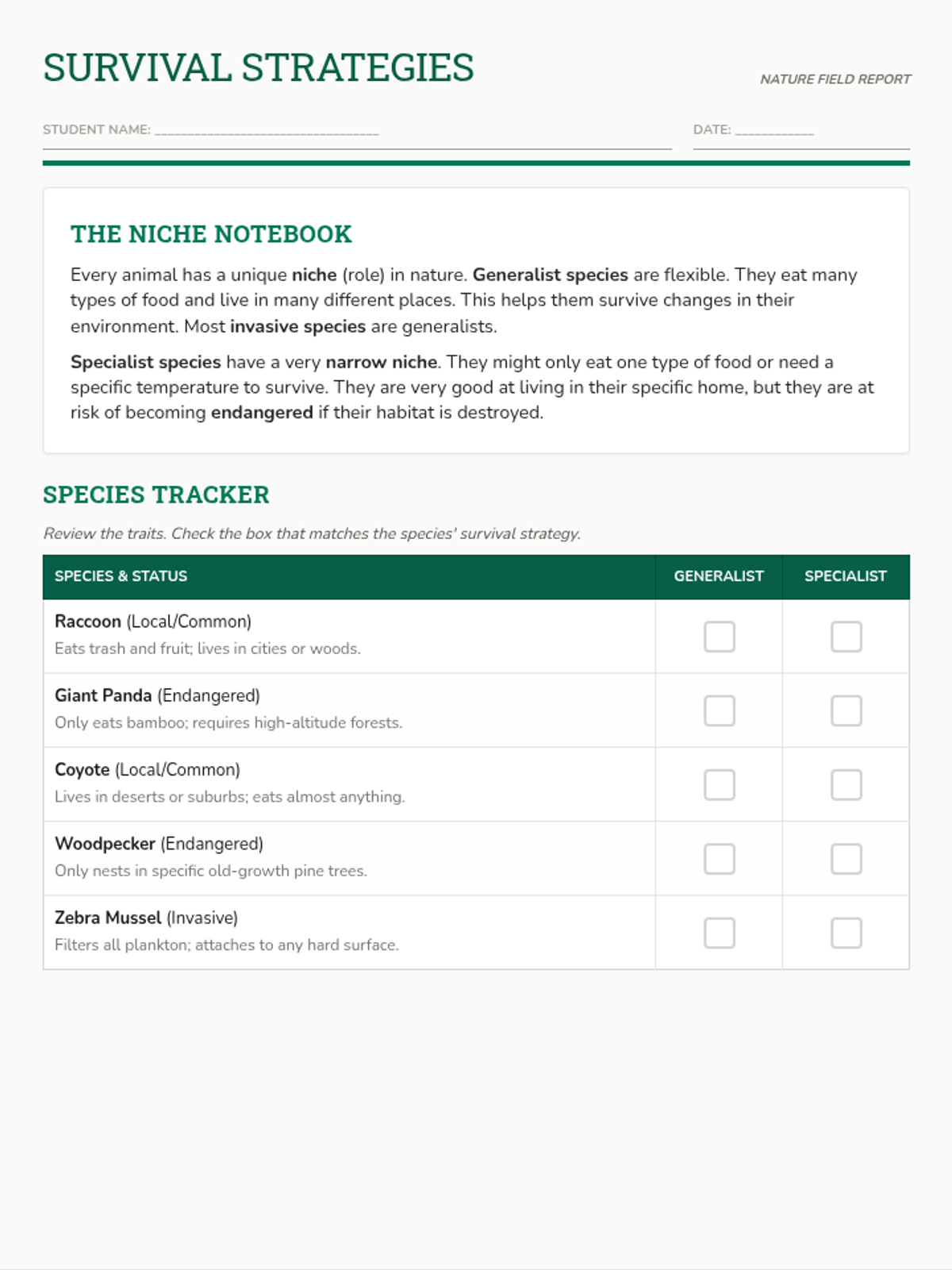
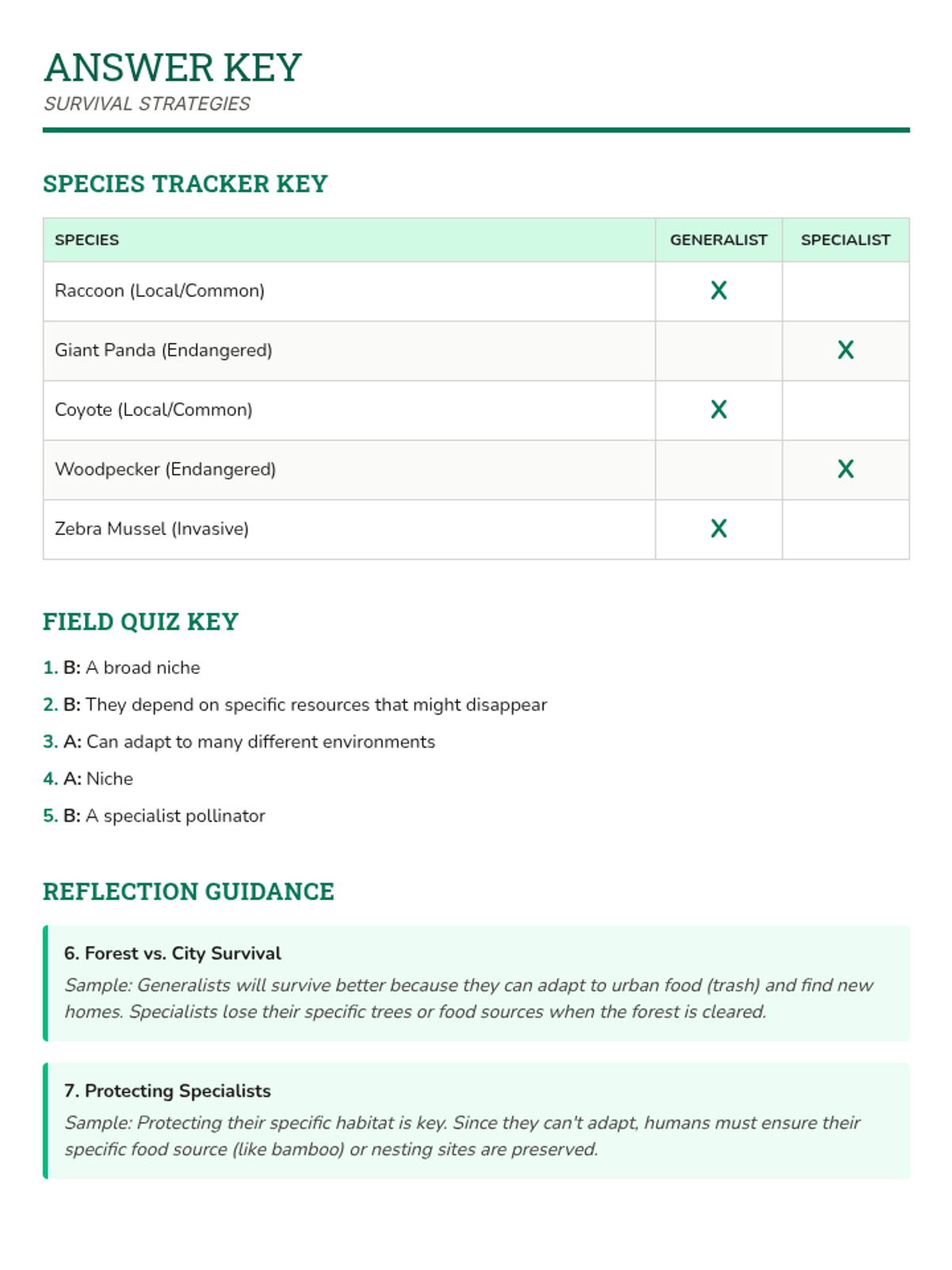
A lesson exploring the differences between generalist and specialist species, focusing on how their niches affect their survival and impact on ecosystems.
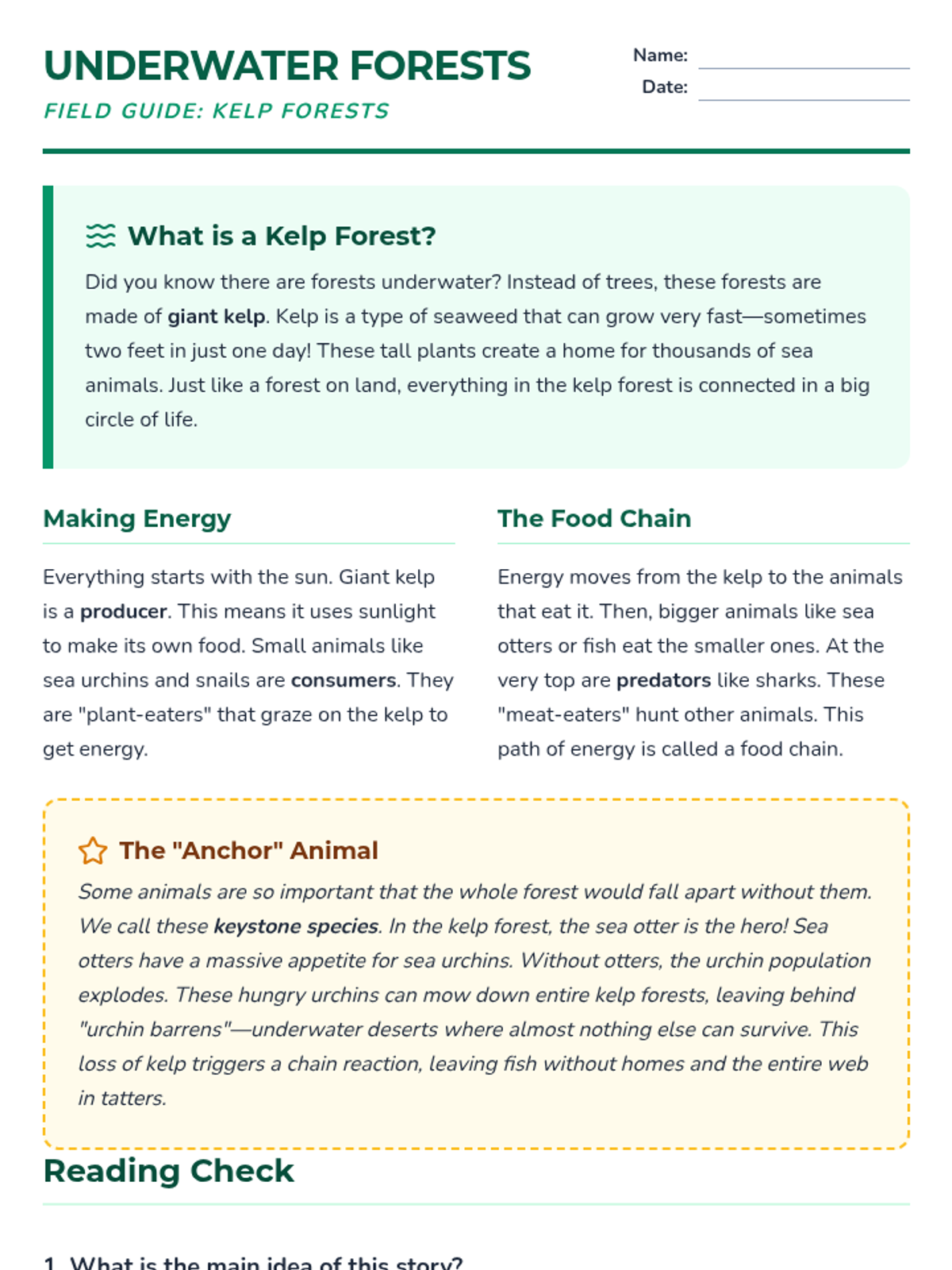
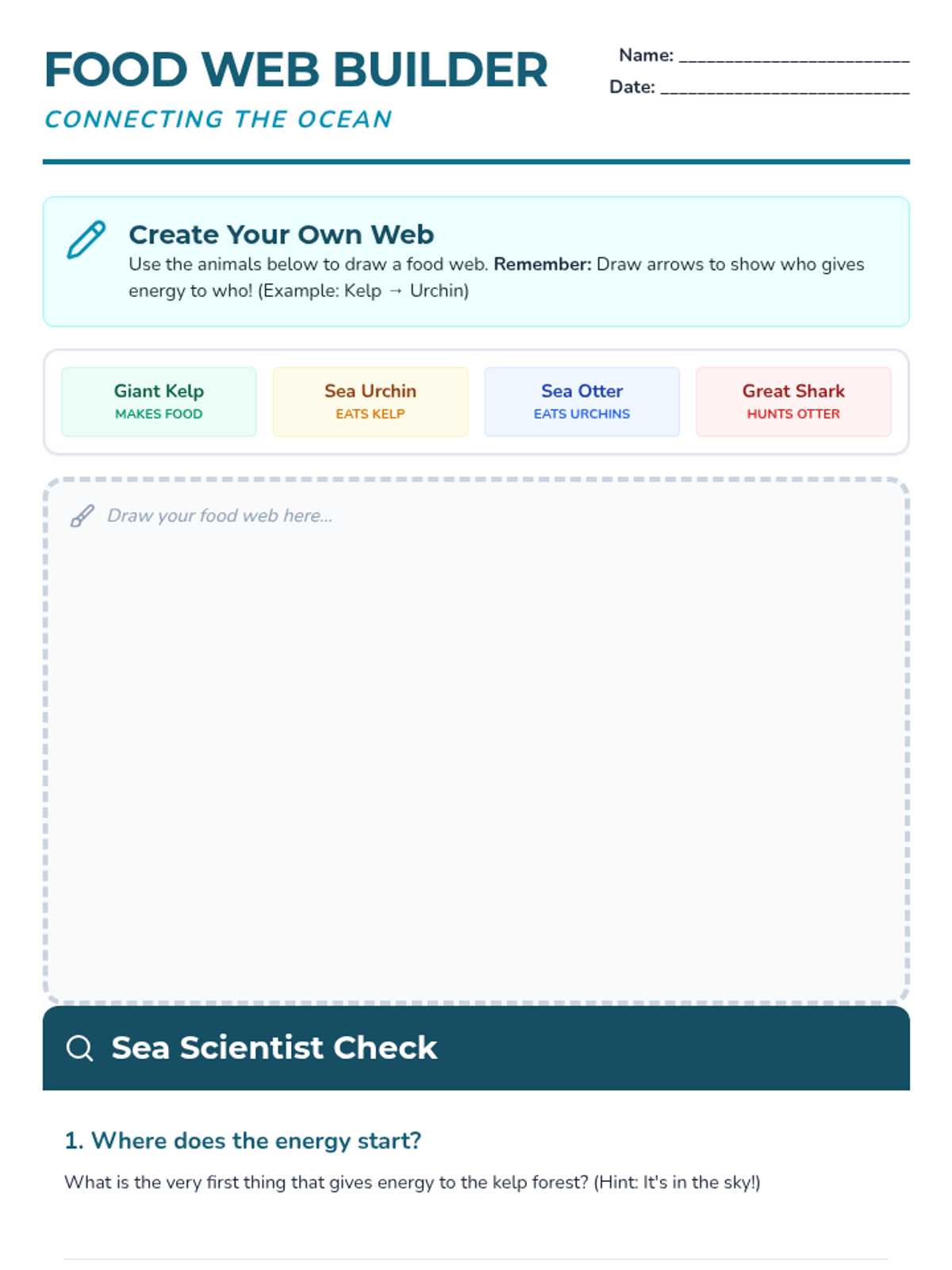
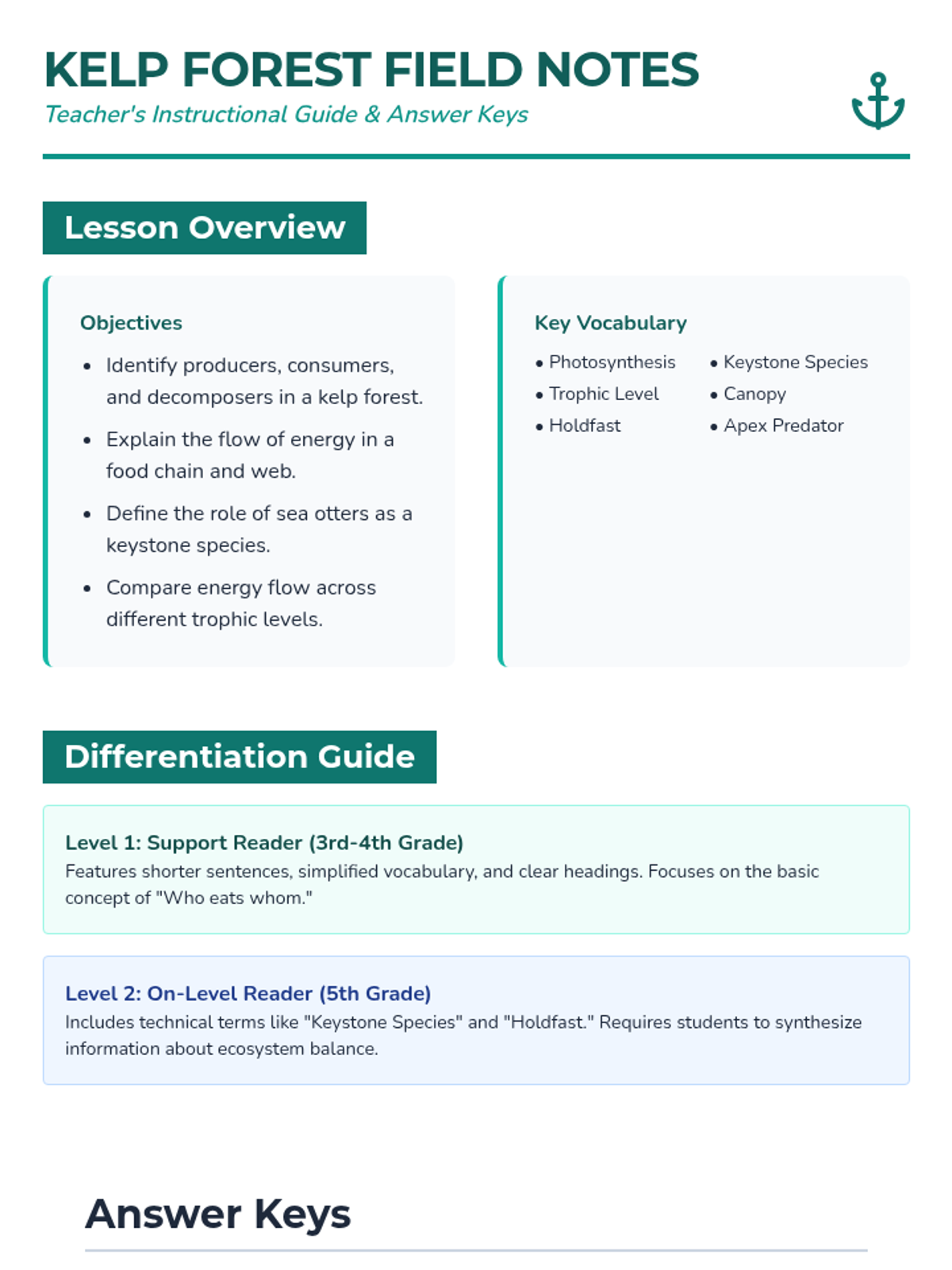
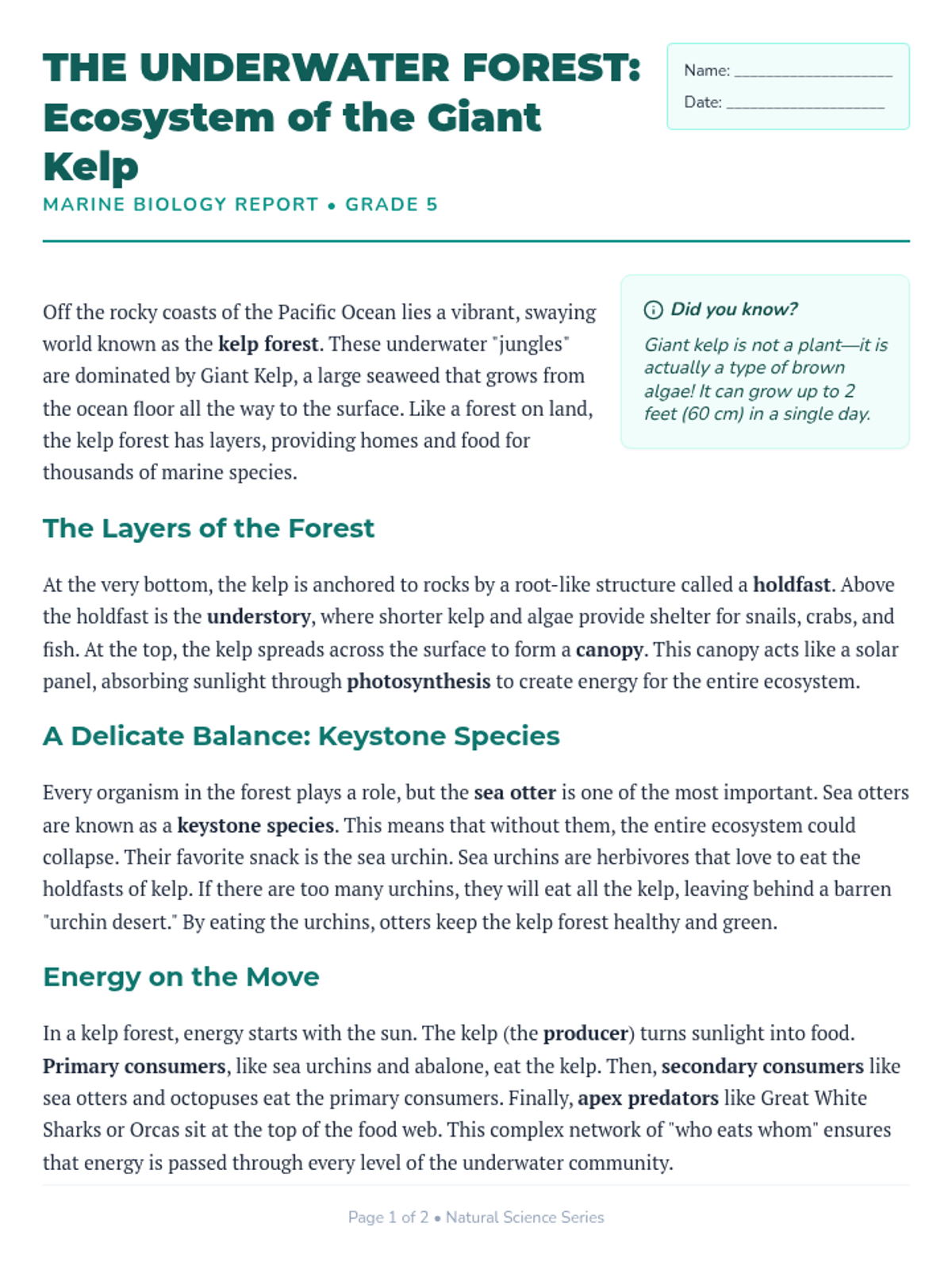
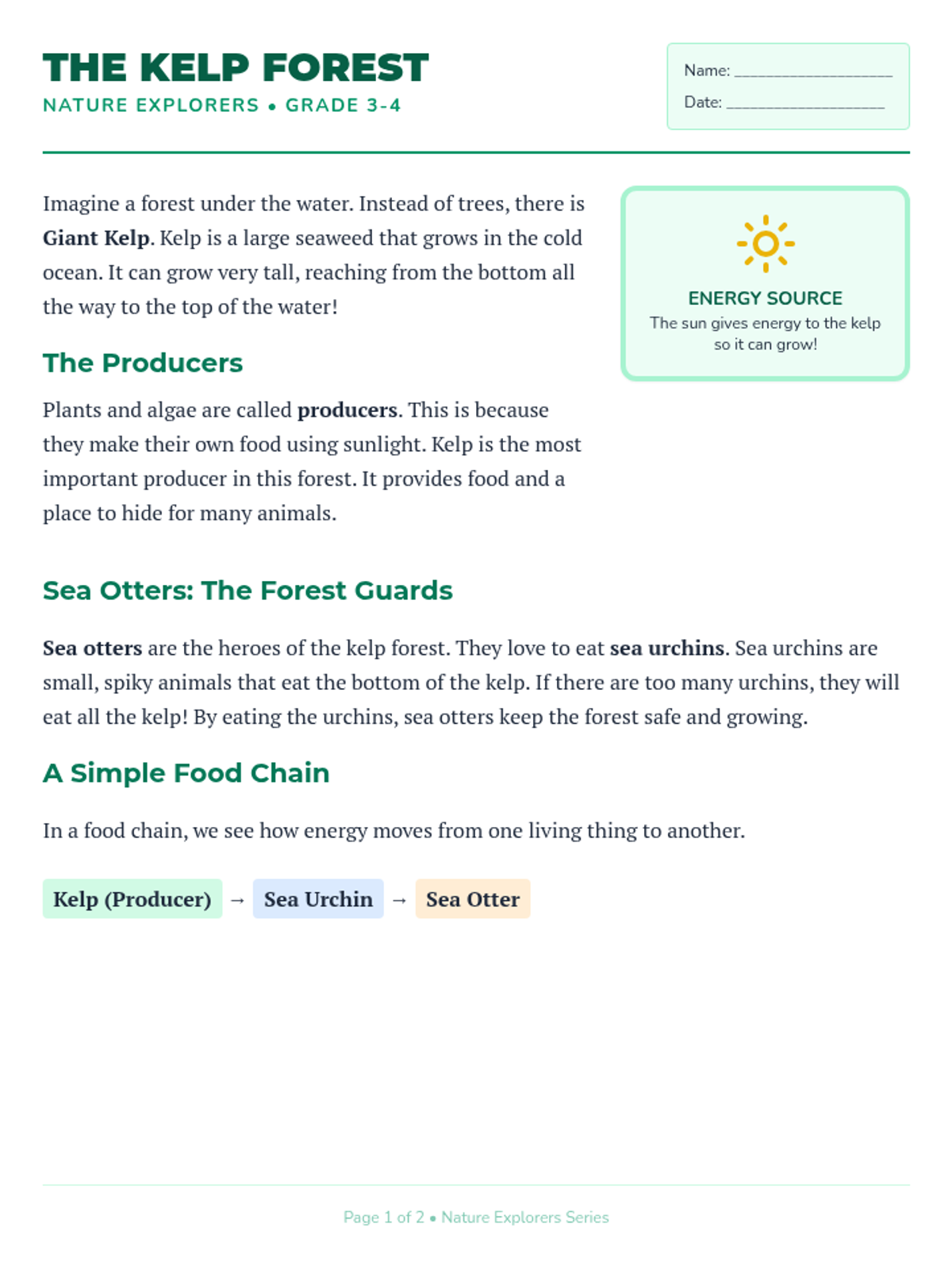
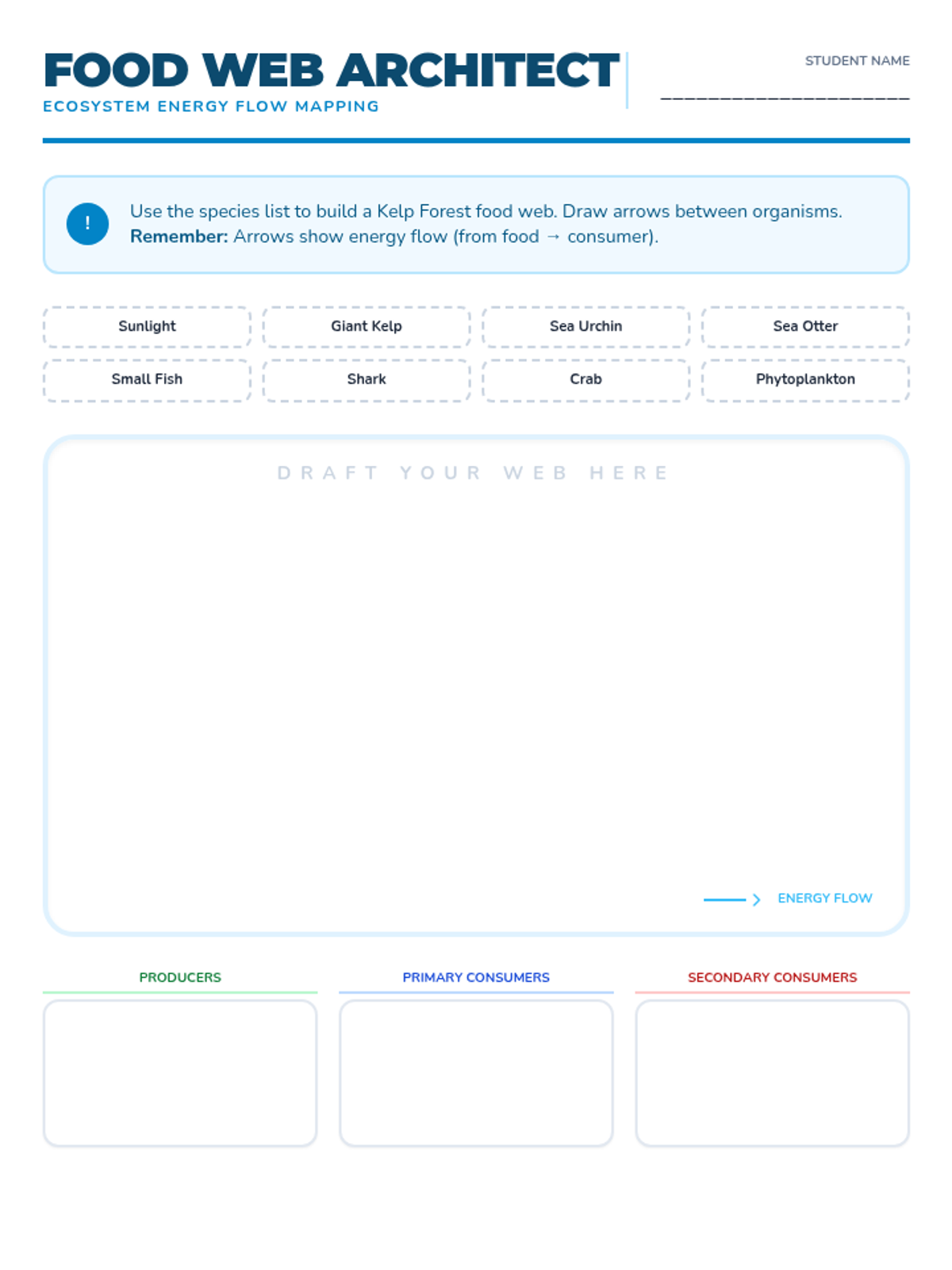
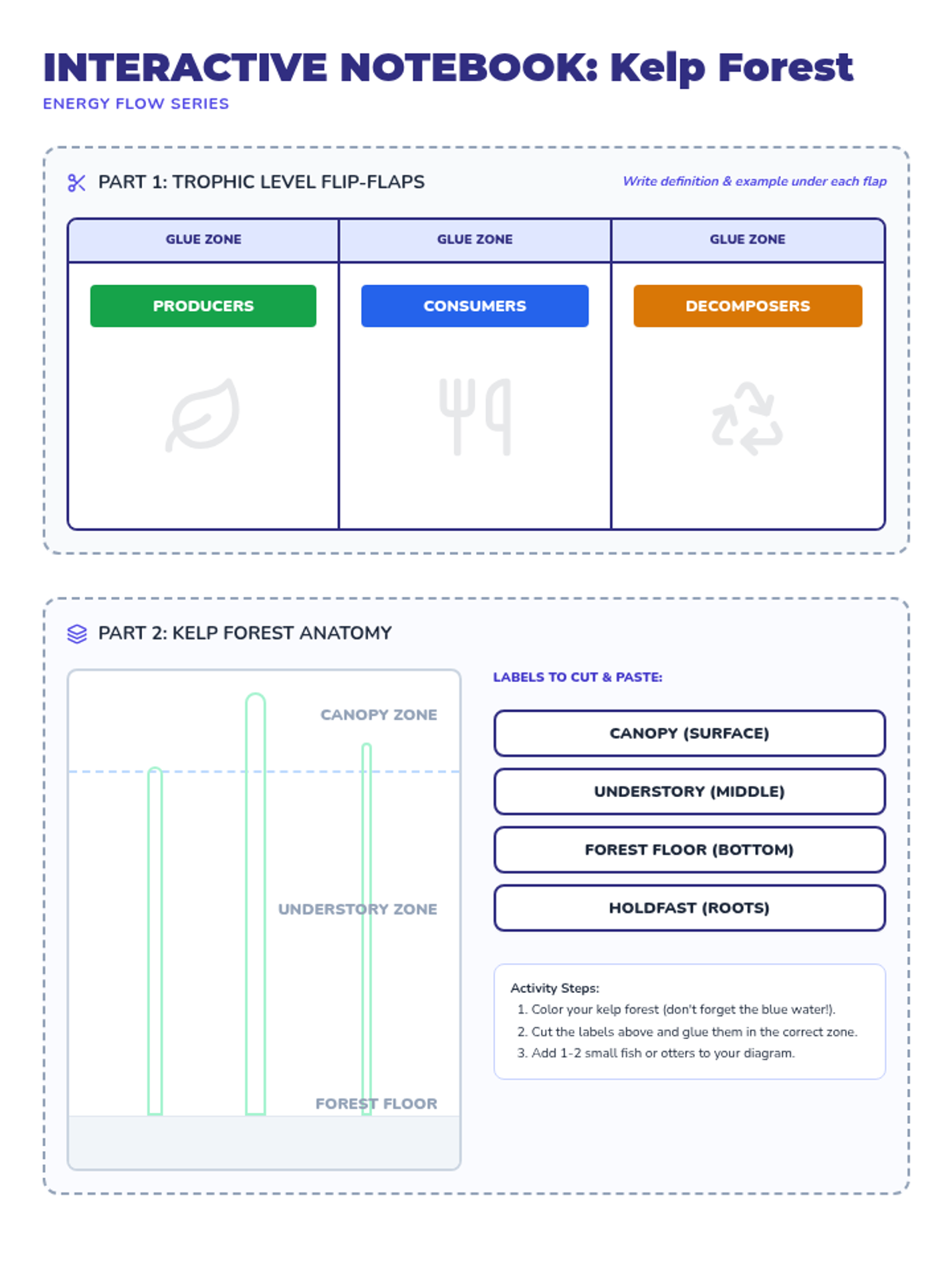
A deep dive into the complex food webs of the kelp forest ecosystem. Students will explore energy flow, keystone species, and the delicate balance of marine life through evidence-based reading and hands-on mapping.
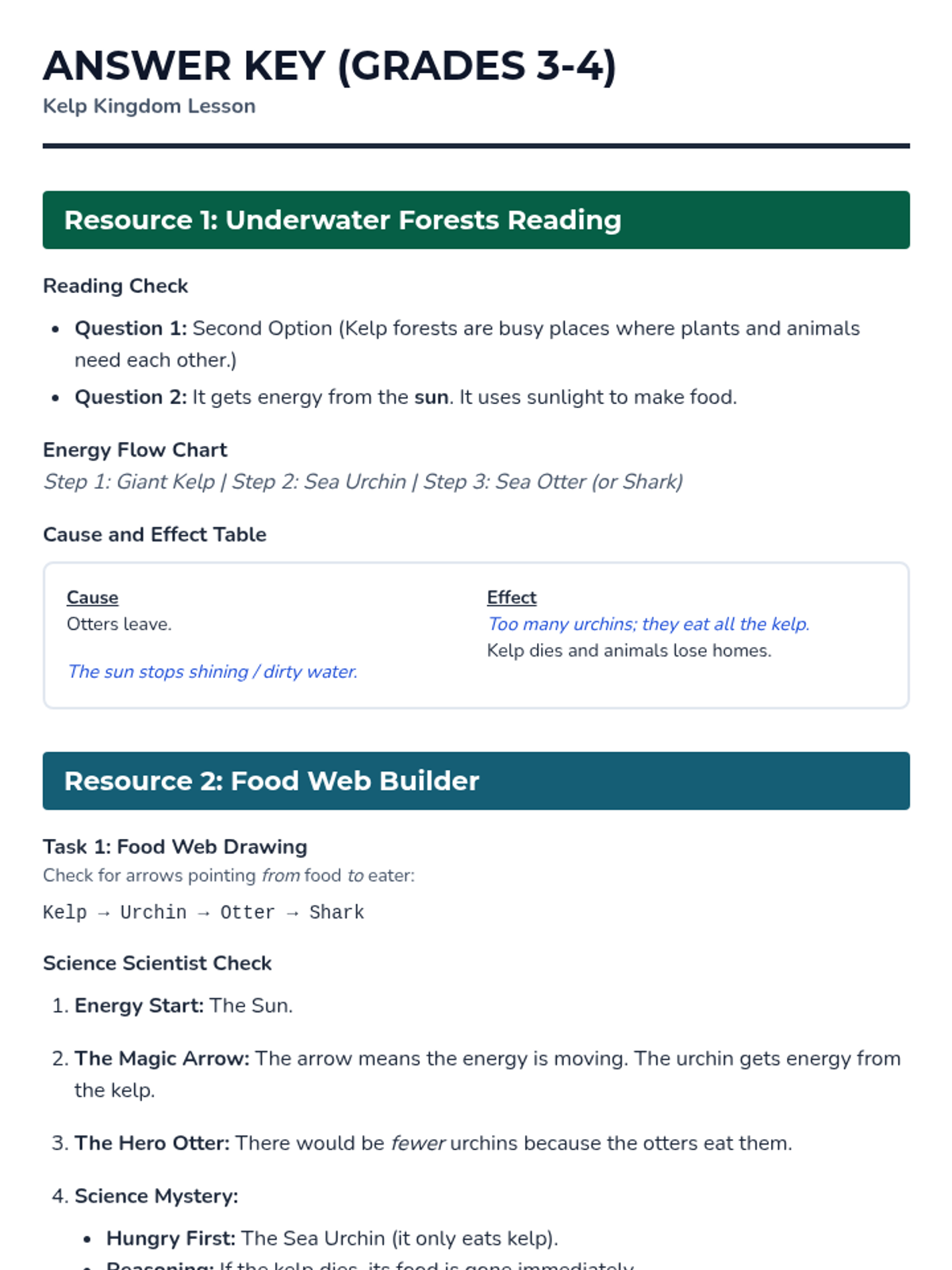
Students will explore the complex relationships within a kelp forest ecosystem, focusing on energy flow through food chains and webs while comparing on-level and supported reading materials.
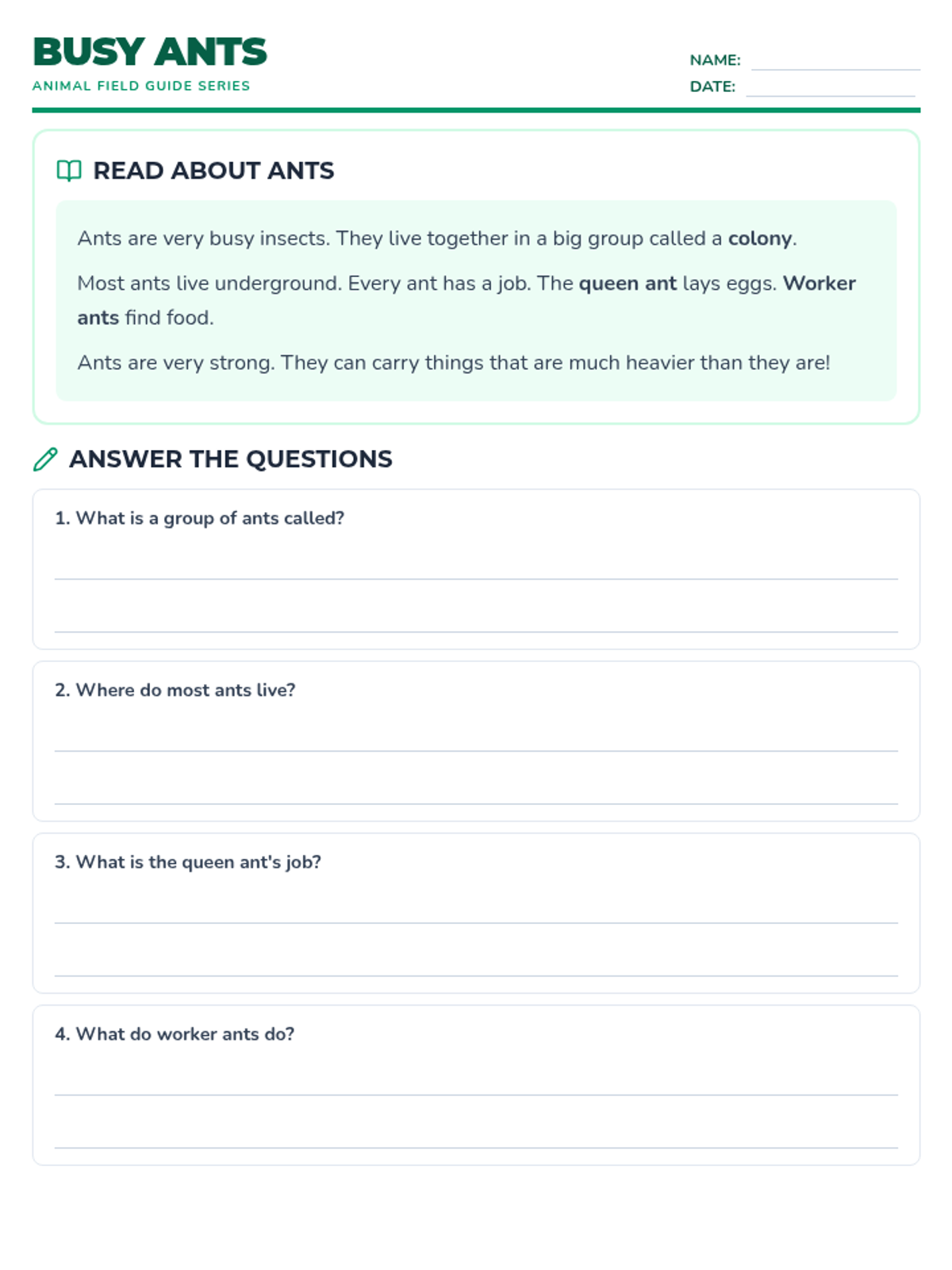
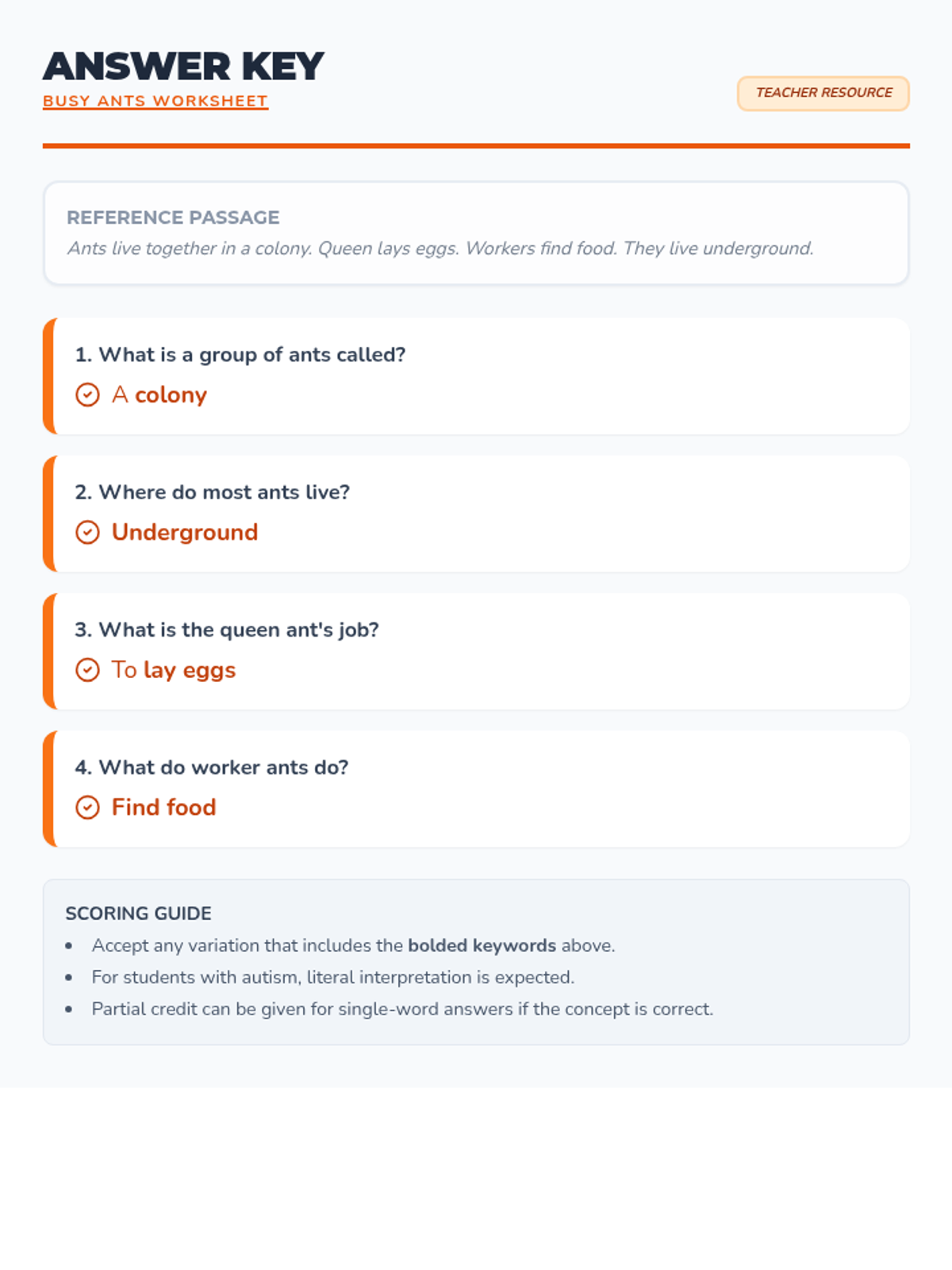
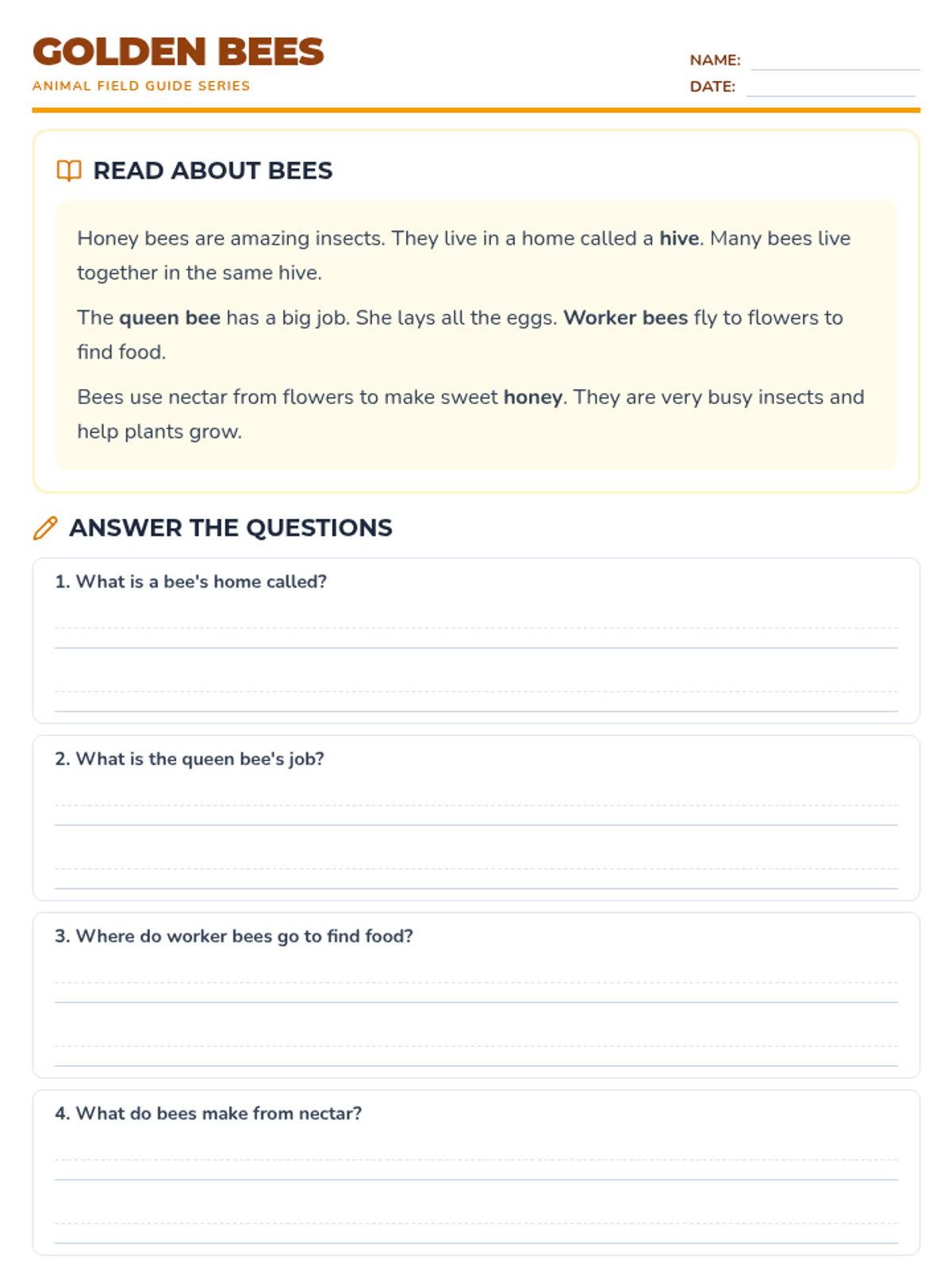
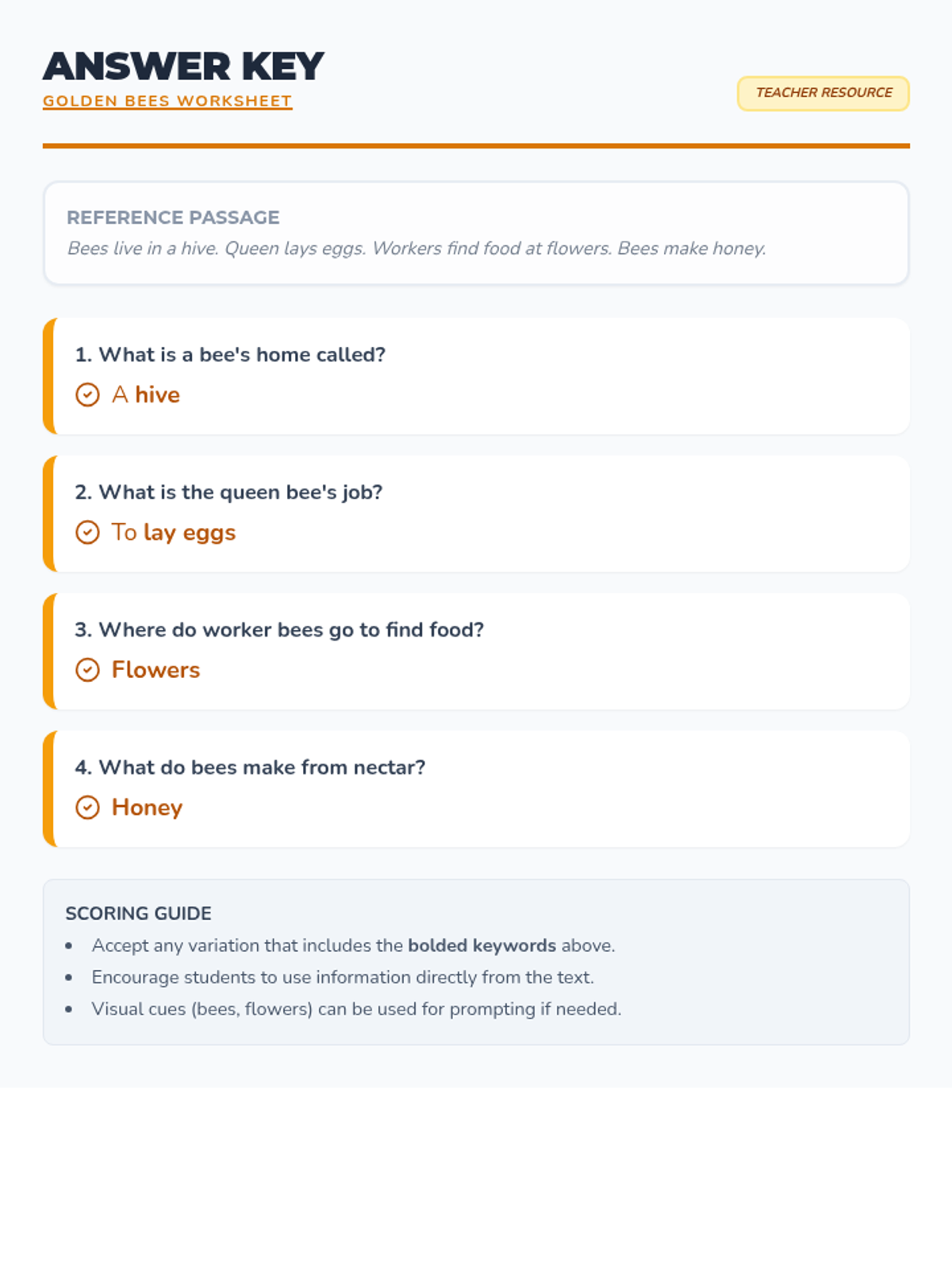
A focused reading comprehension lesson exploring the lives of ants, designed with clear structure and visual supports for 1st-2nd grade students.
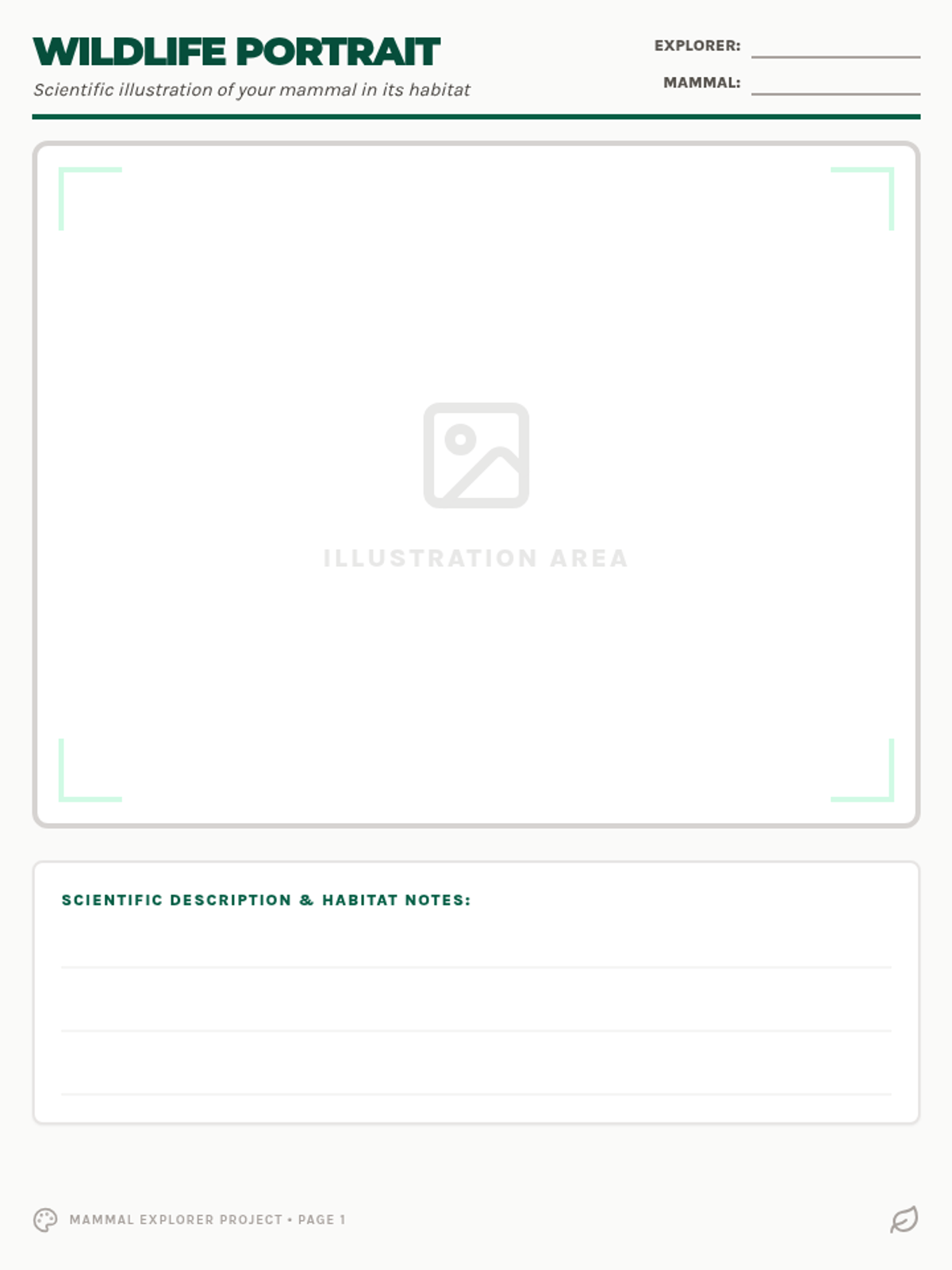
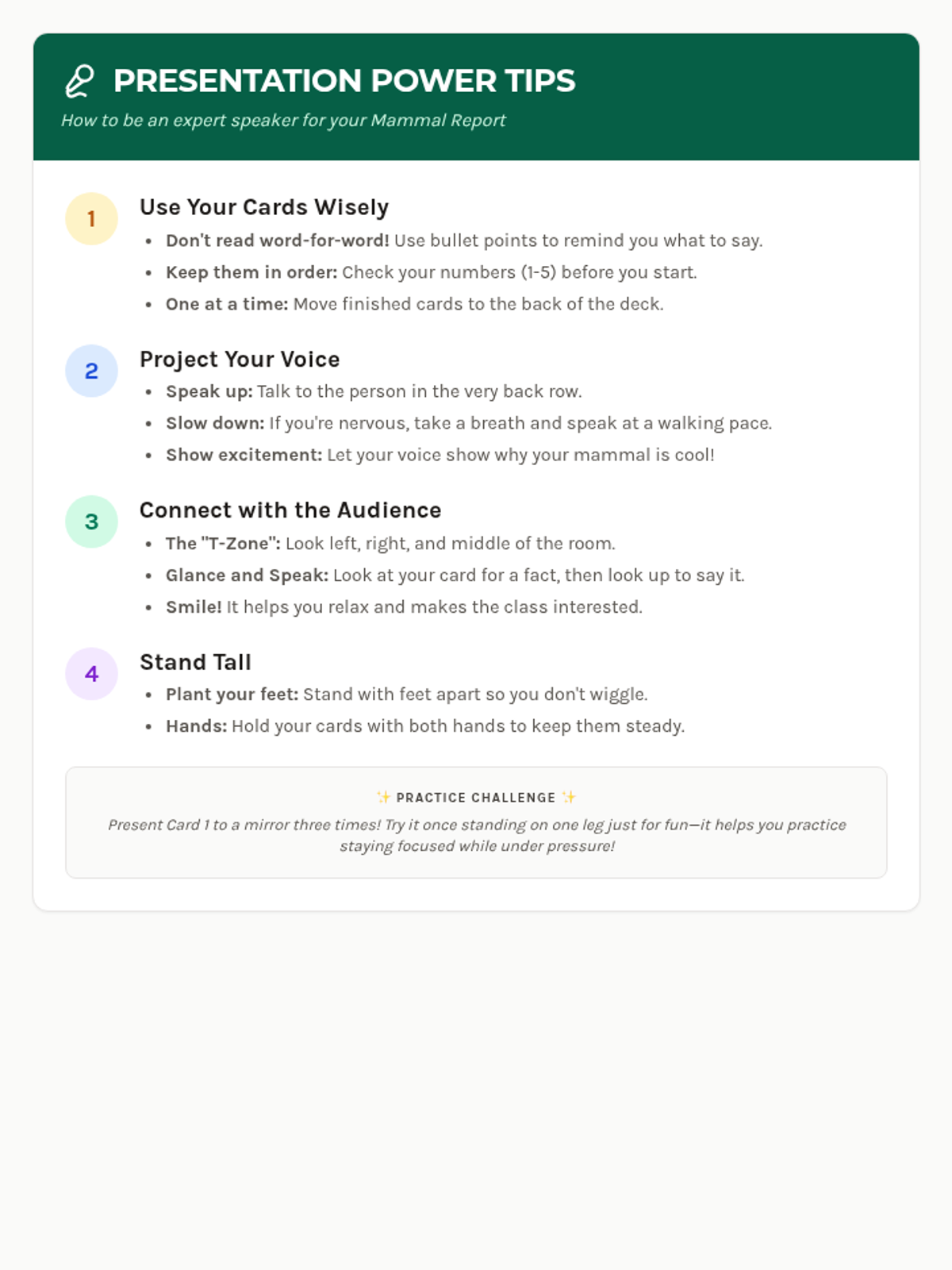
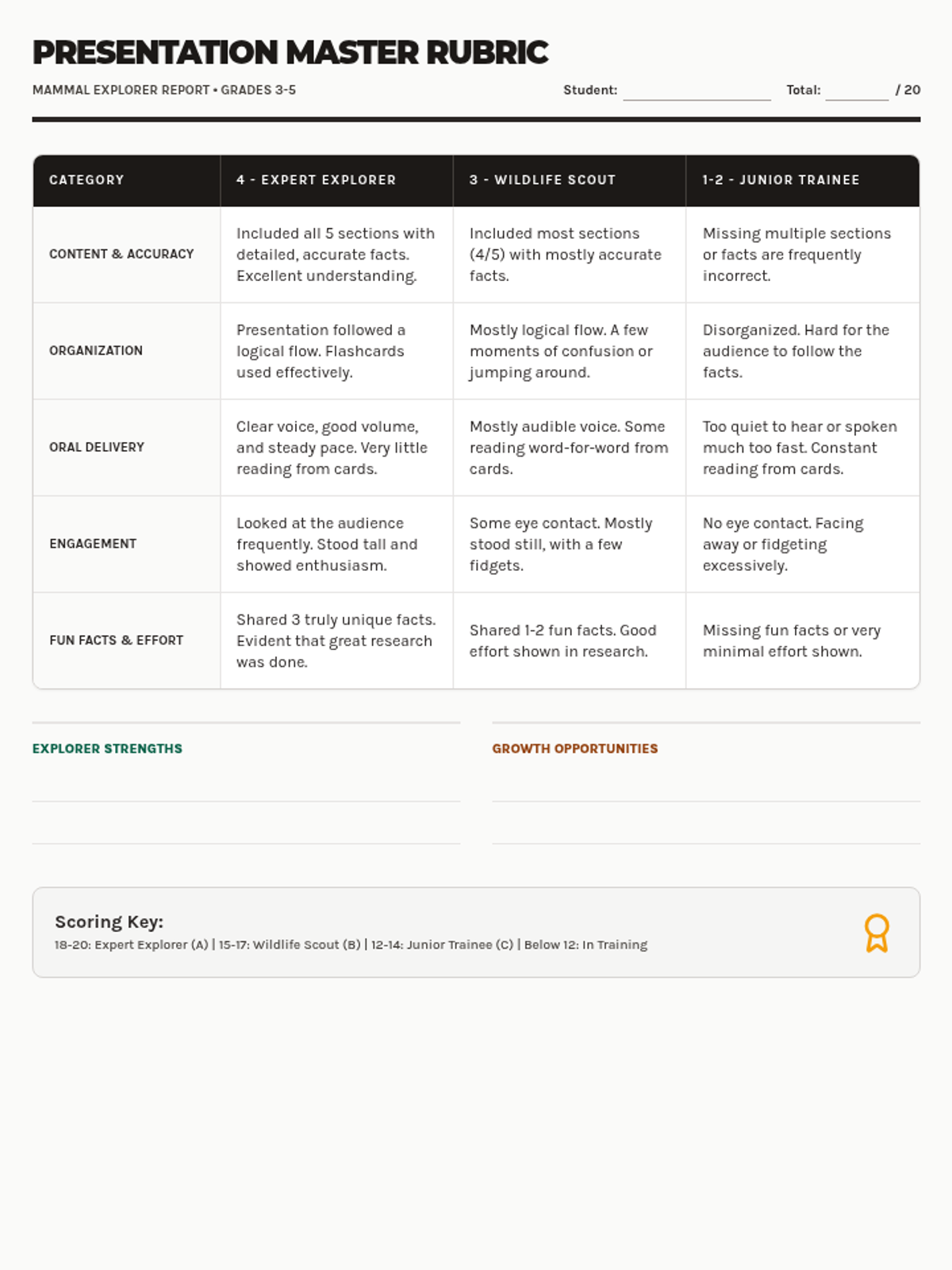
A comprehensive set of resources to help students research, organize, and deliver a verbal presentation on a mammal of their choice, including structured flashcards and a grading rubric.
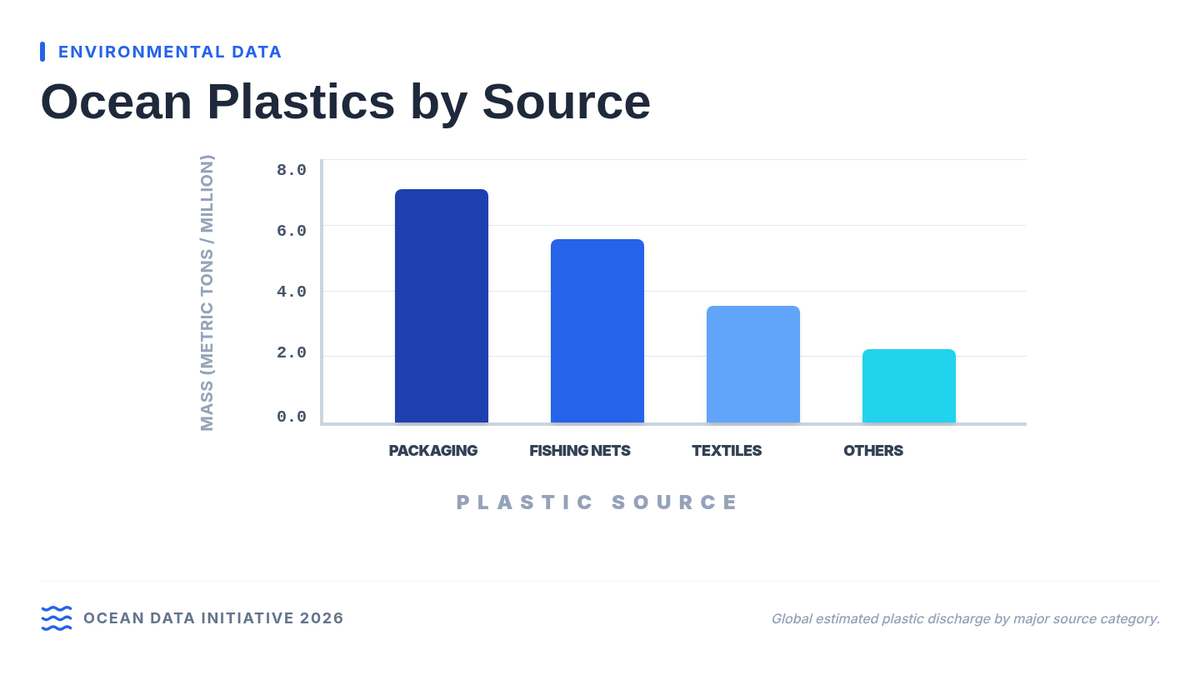
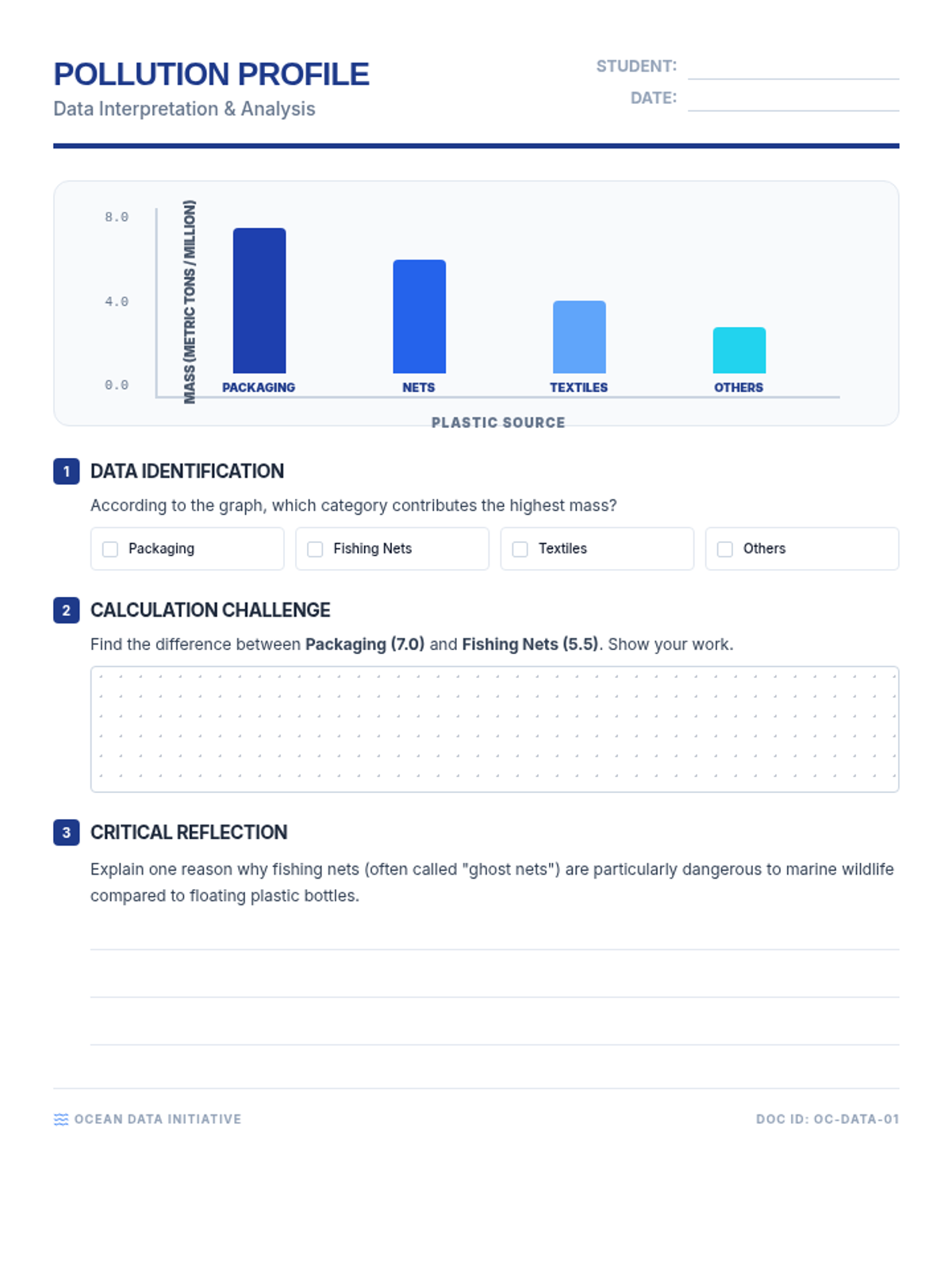
A lesson exploring the impact of plastic pollution on our oceans, featuring data analysis and identification of primary waste sources.
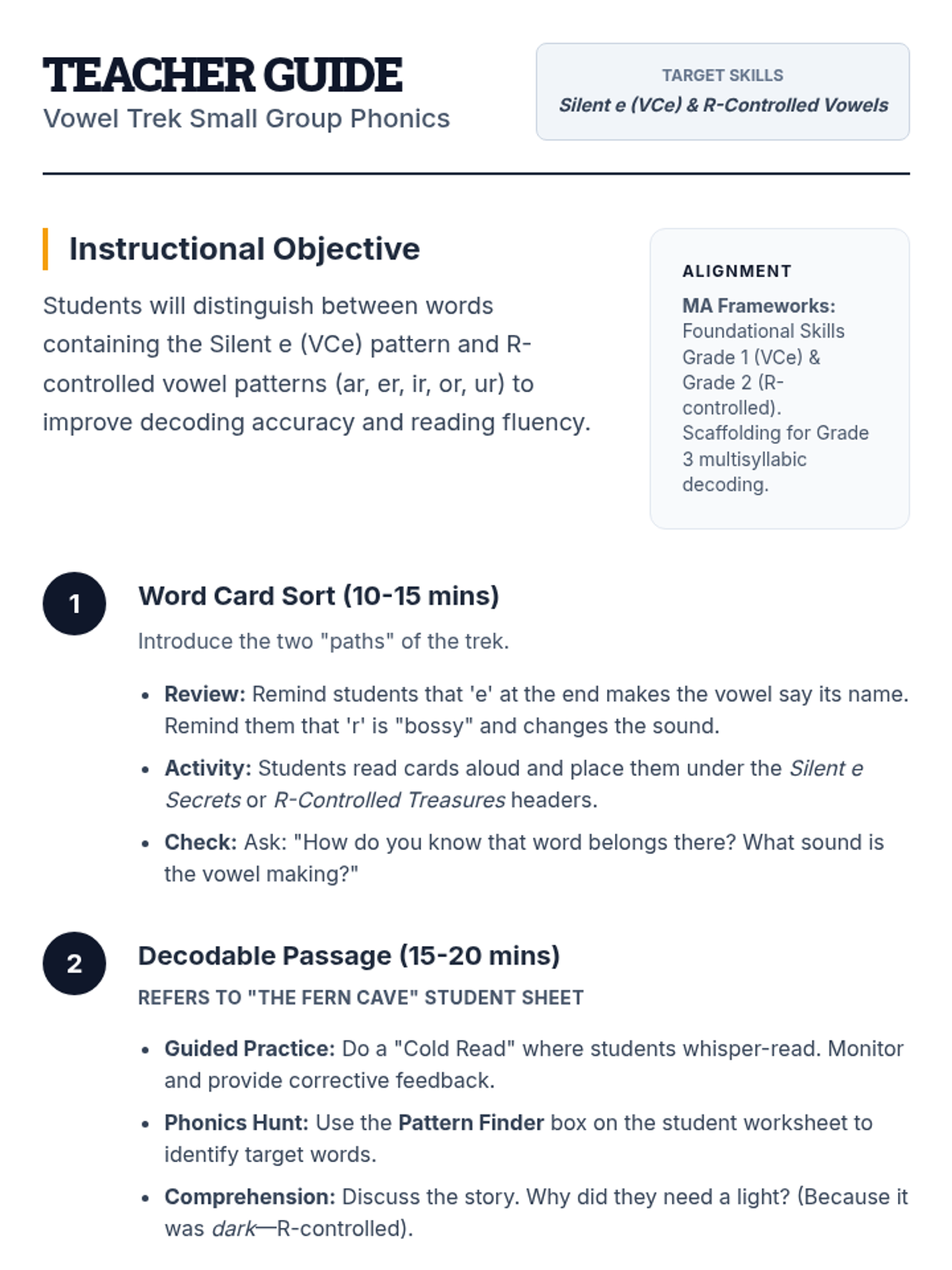
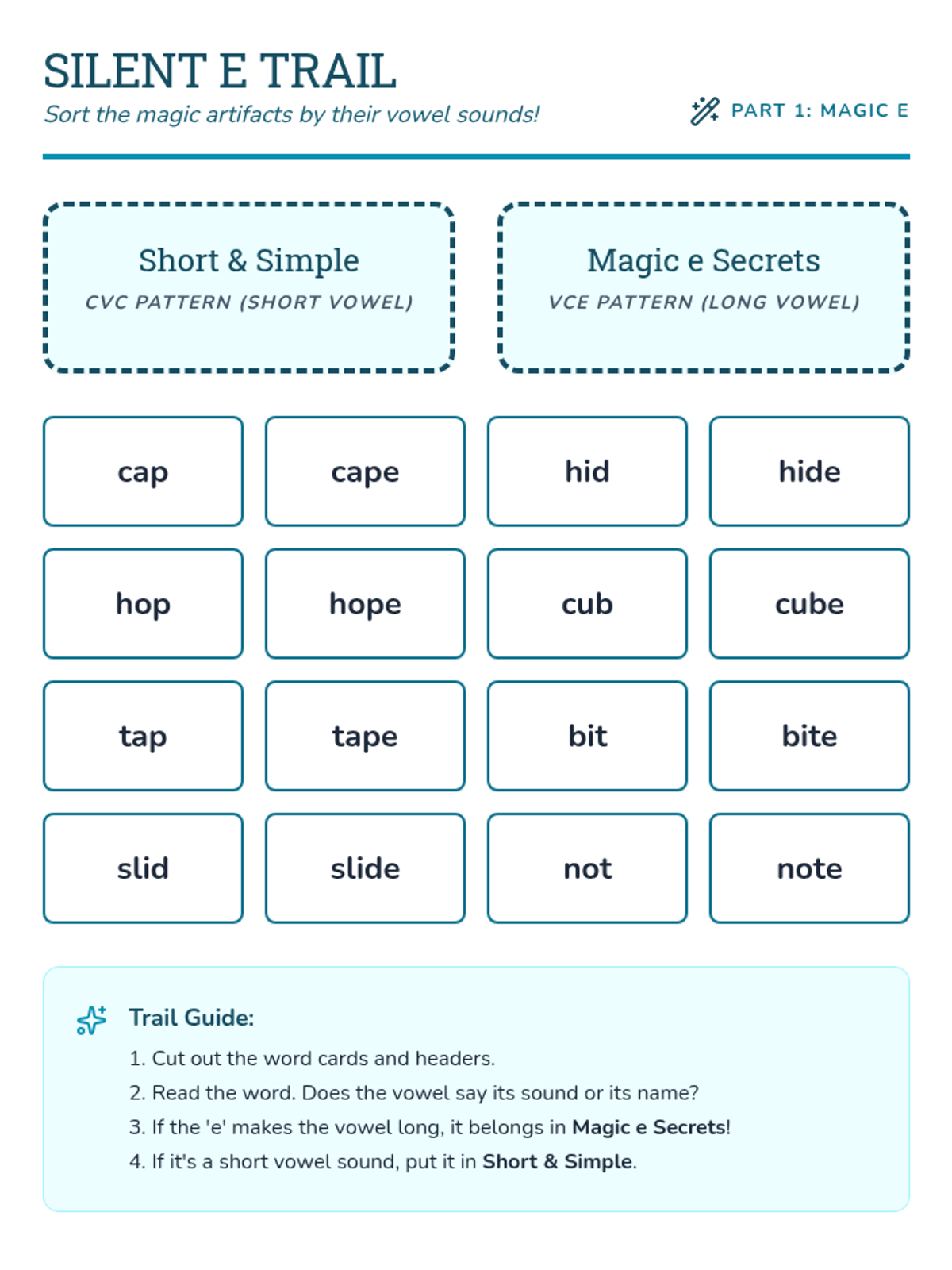
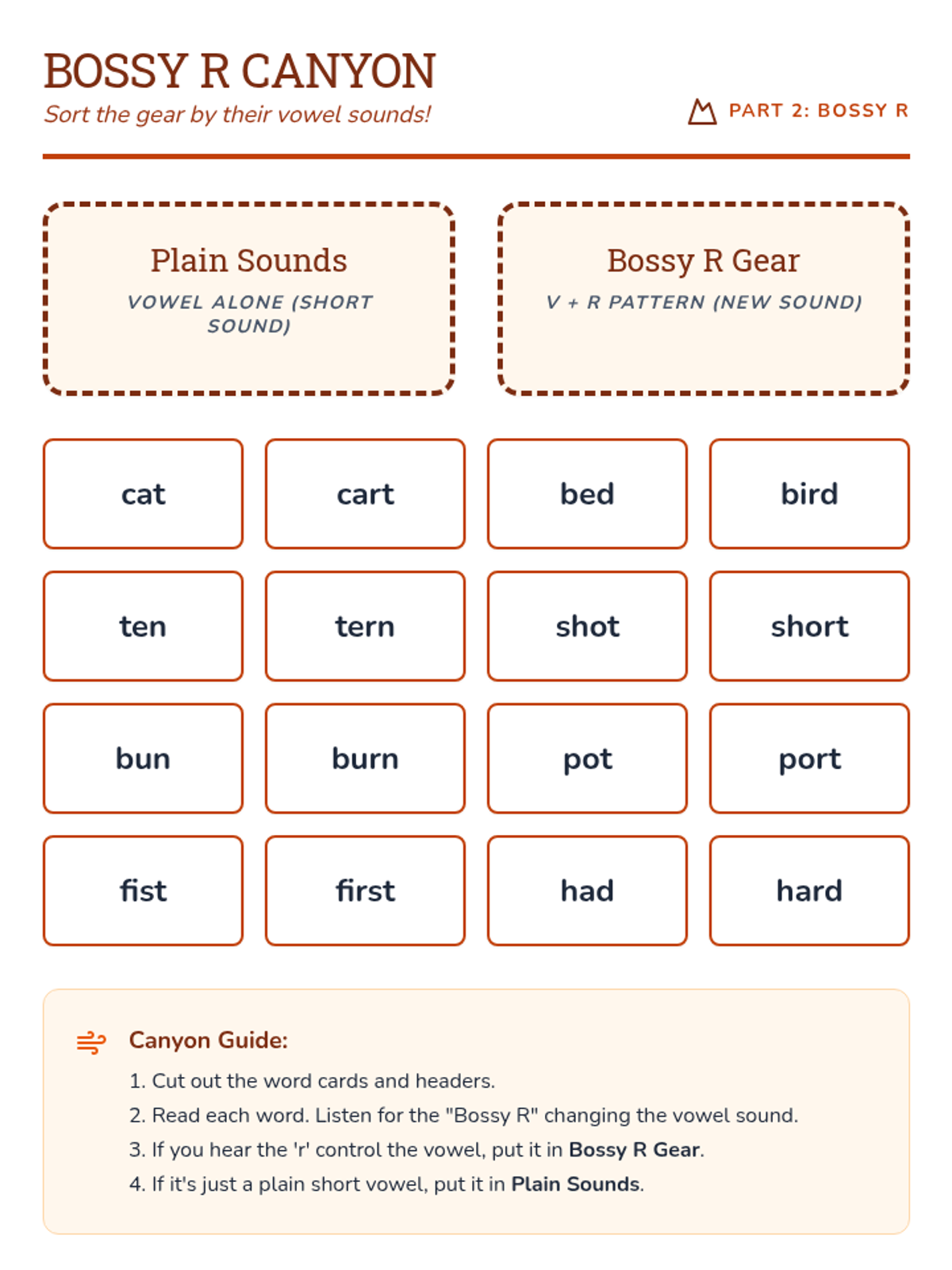
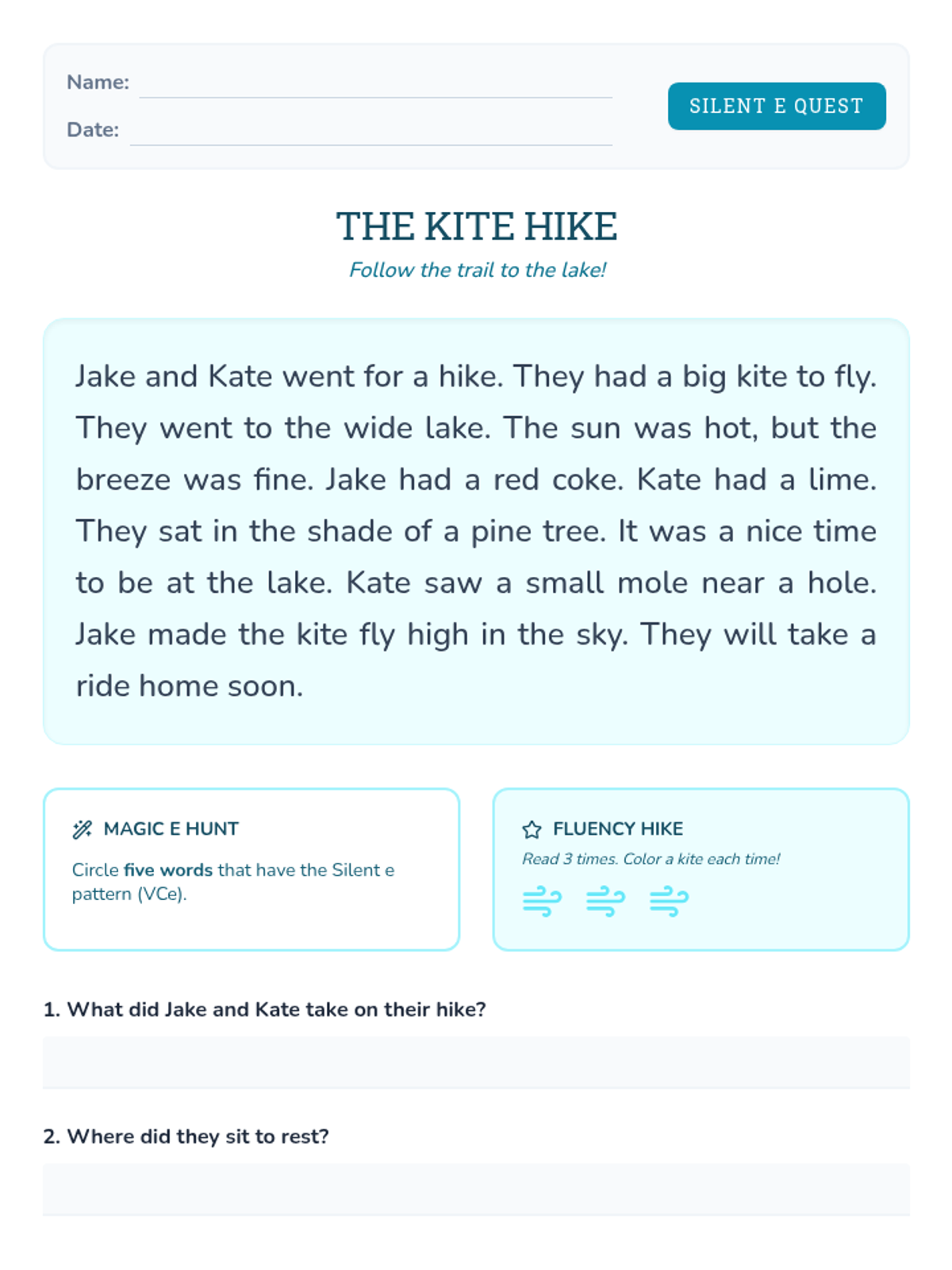
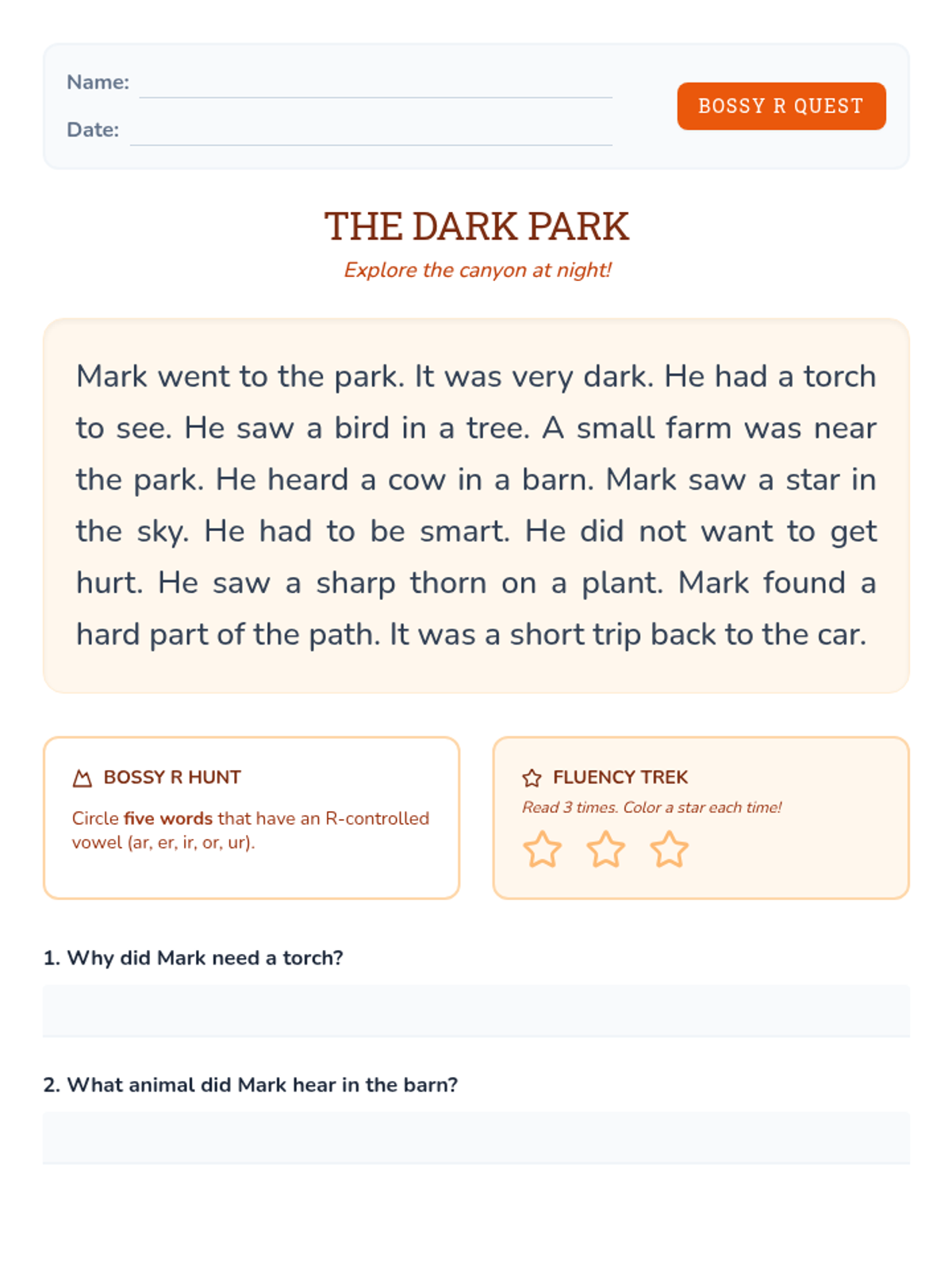
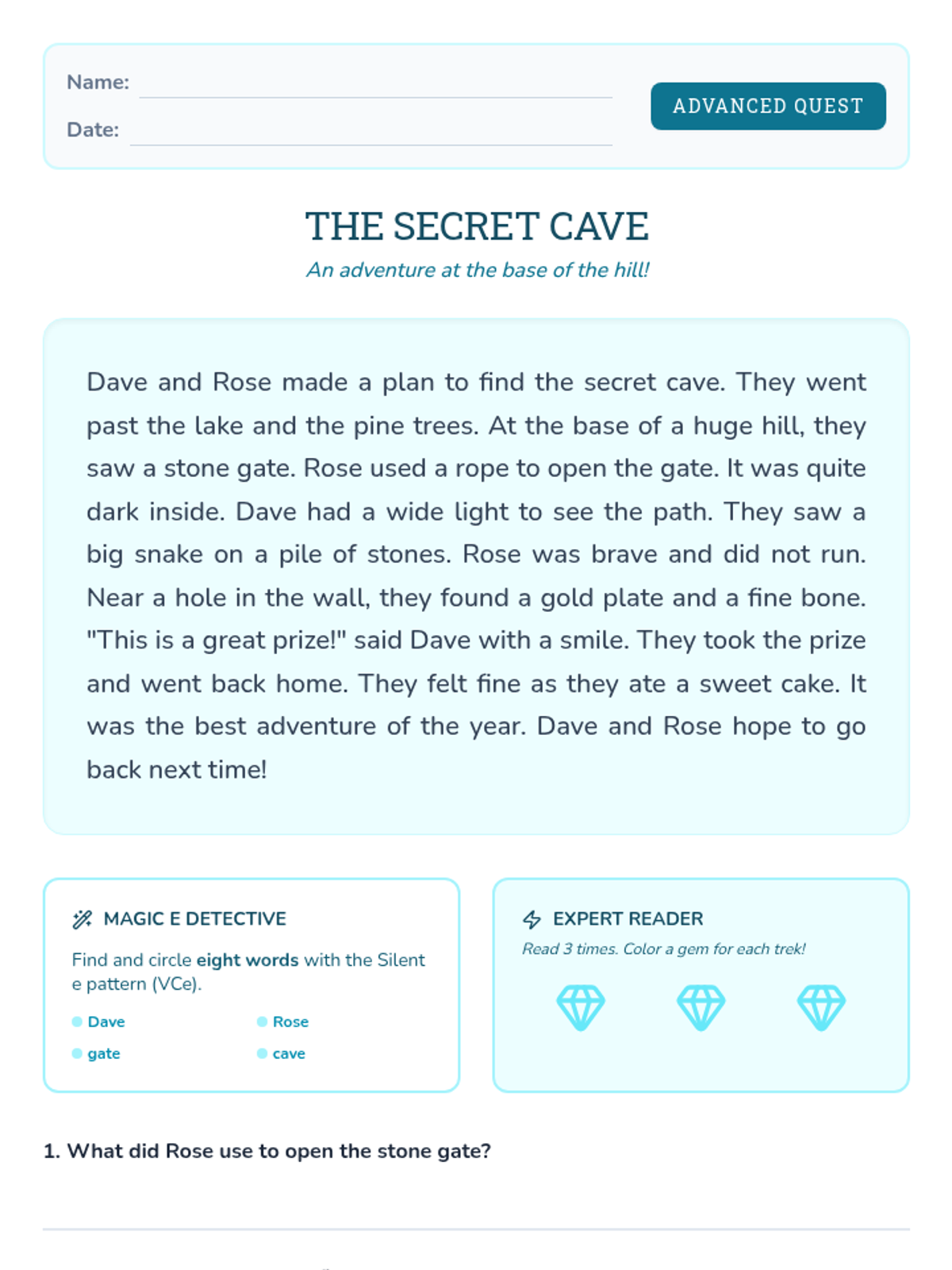
A two-part small-group phonics sequence for Grade 3 students (reading at 1st-2nd grade level). Part 1 focuses on Silent e (VCe) patterns, and Part 2 focuses on R-controlled vowel patterns.
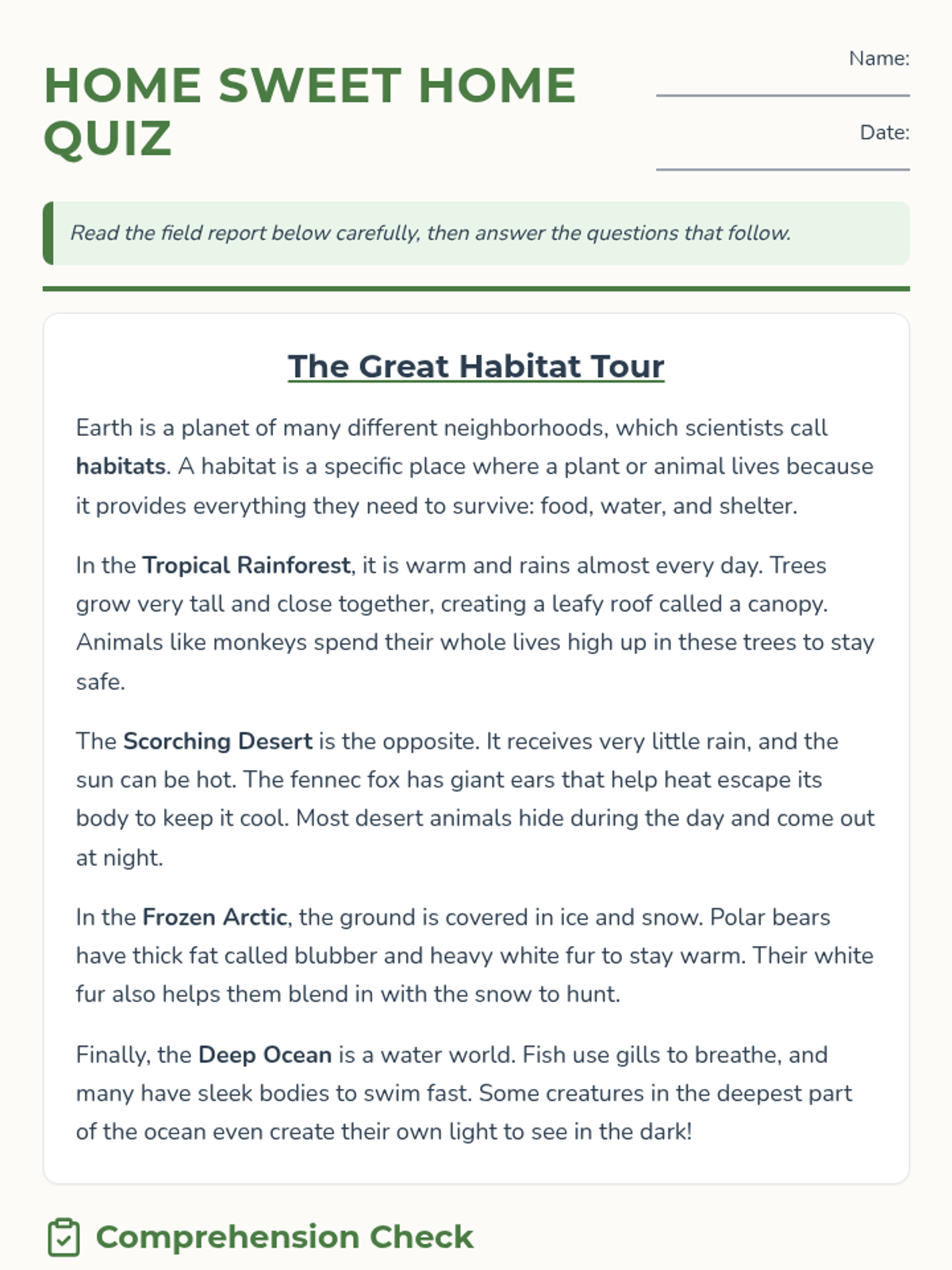
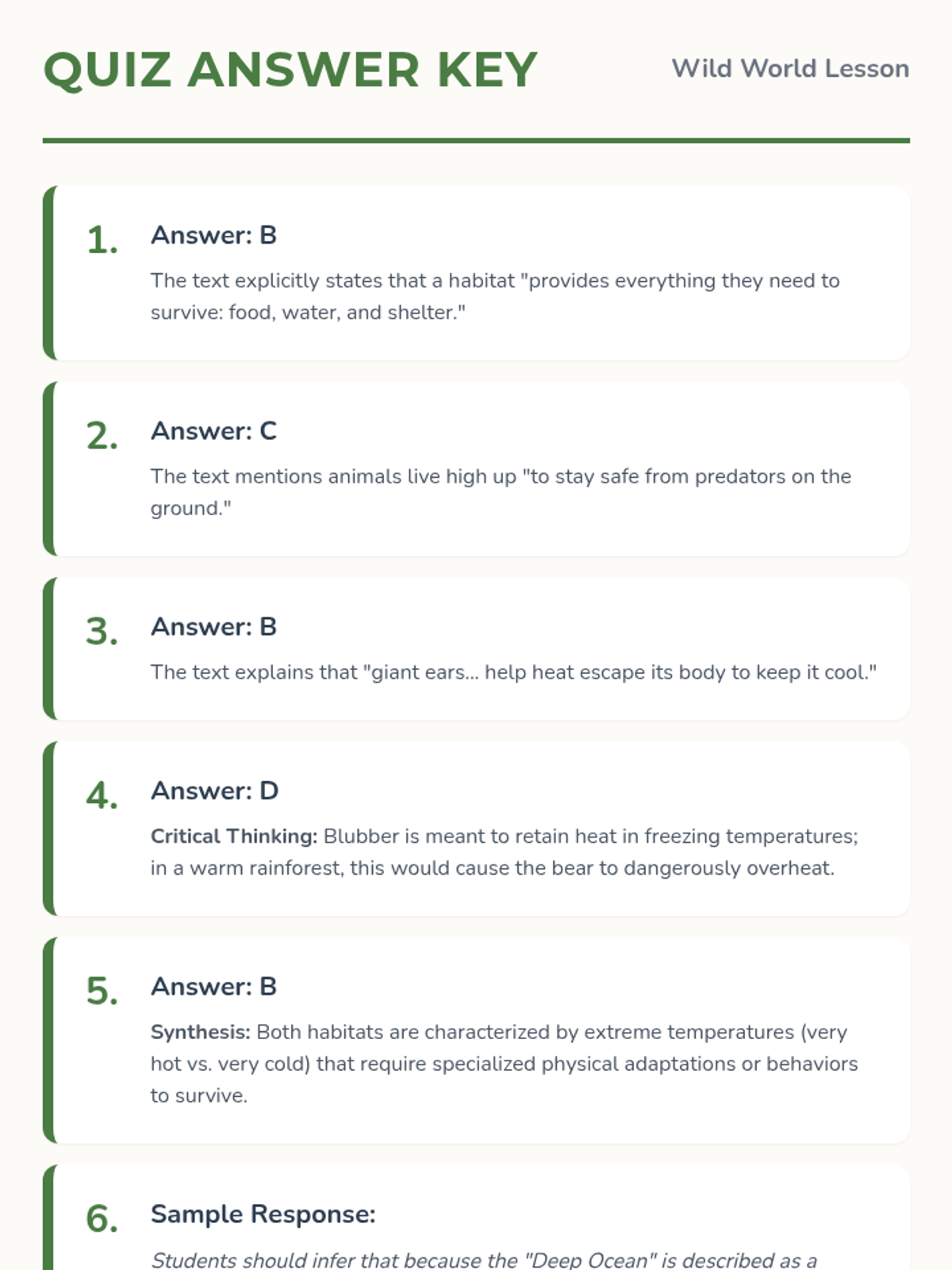
Students explore the diverse ecosystems of our planet through a non-fiction reading passage and an engaging class discussion focused on animal adaptations and survival.
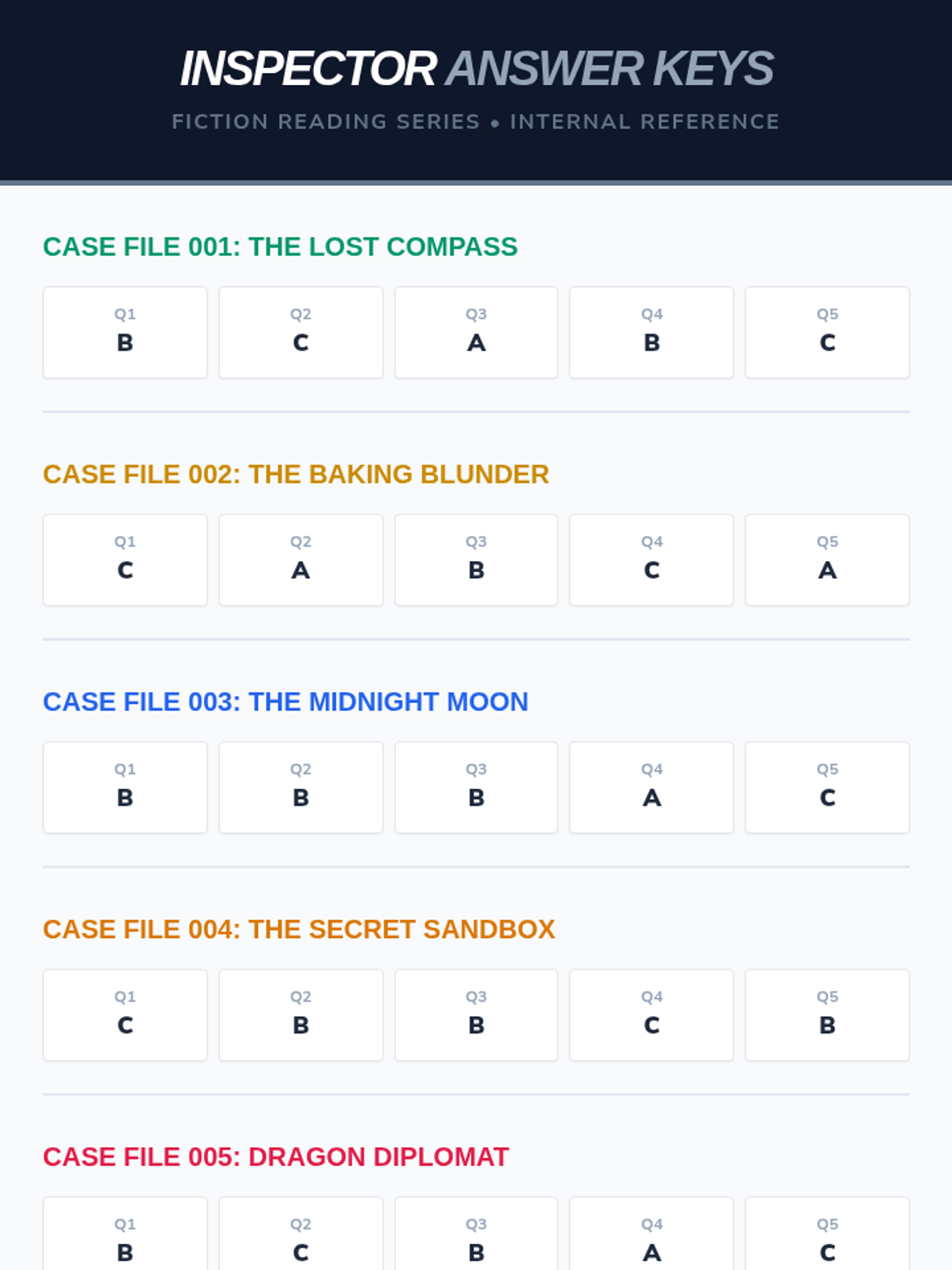
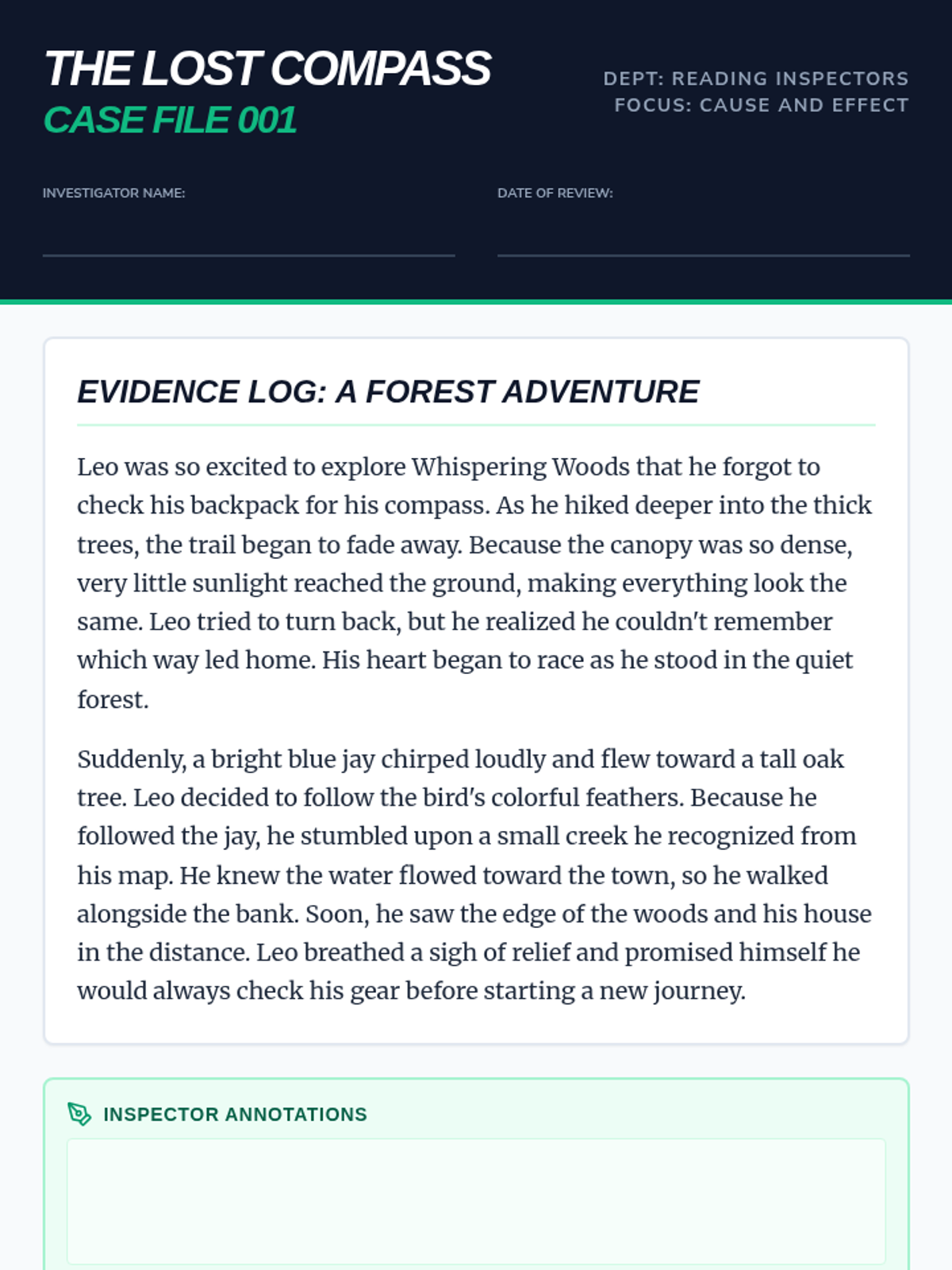
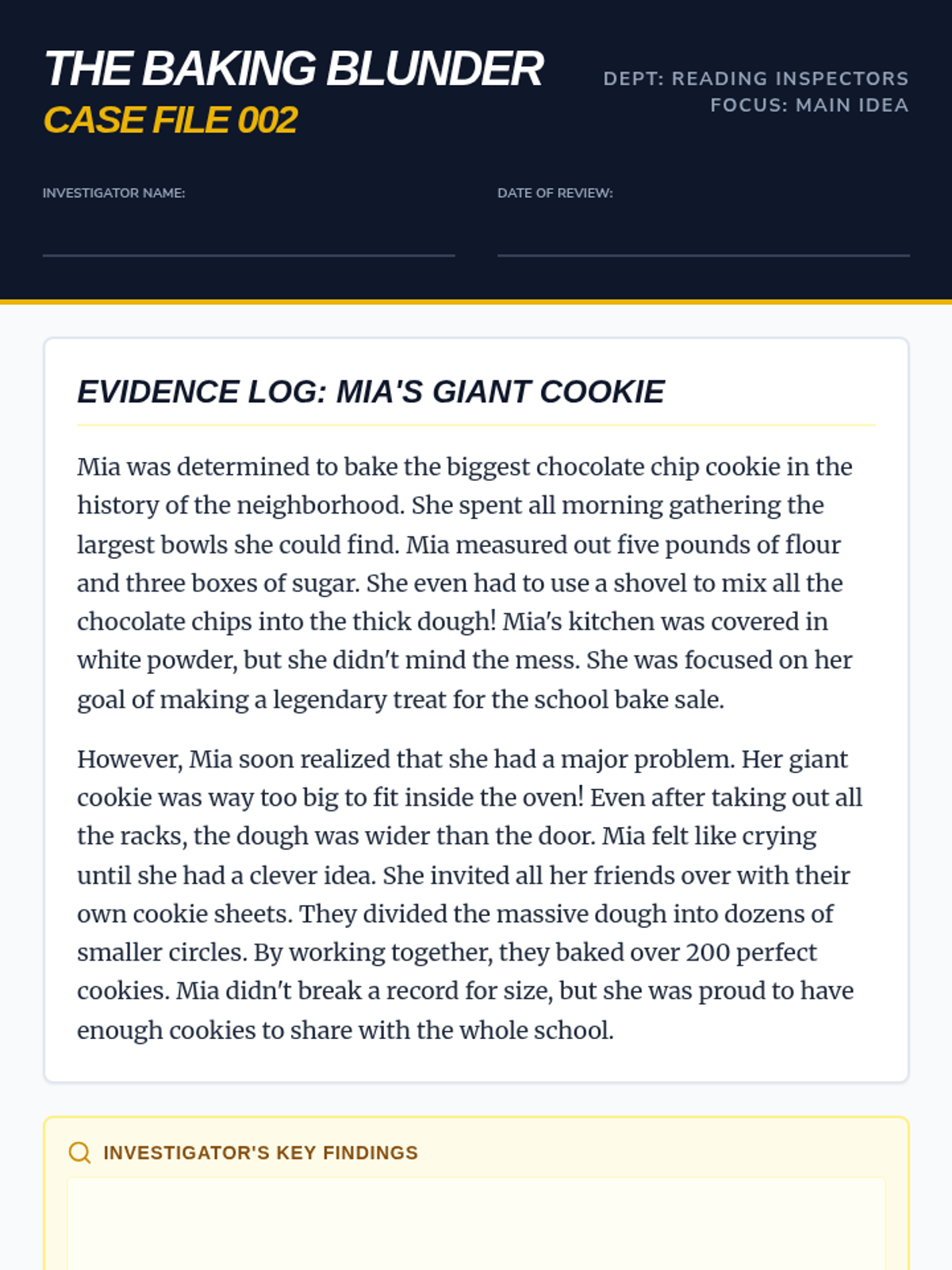
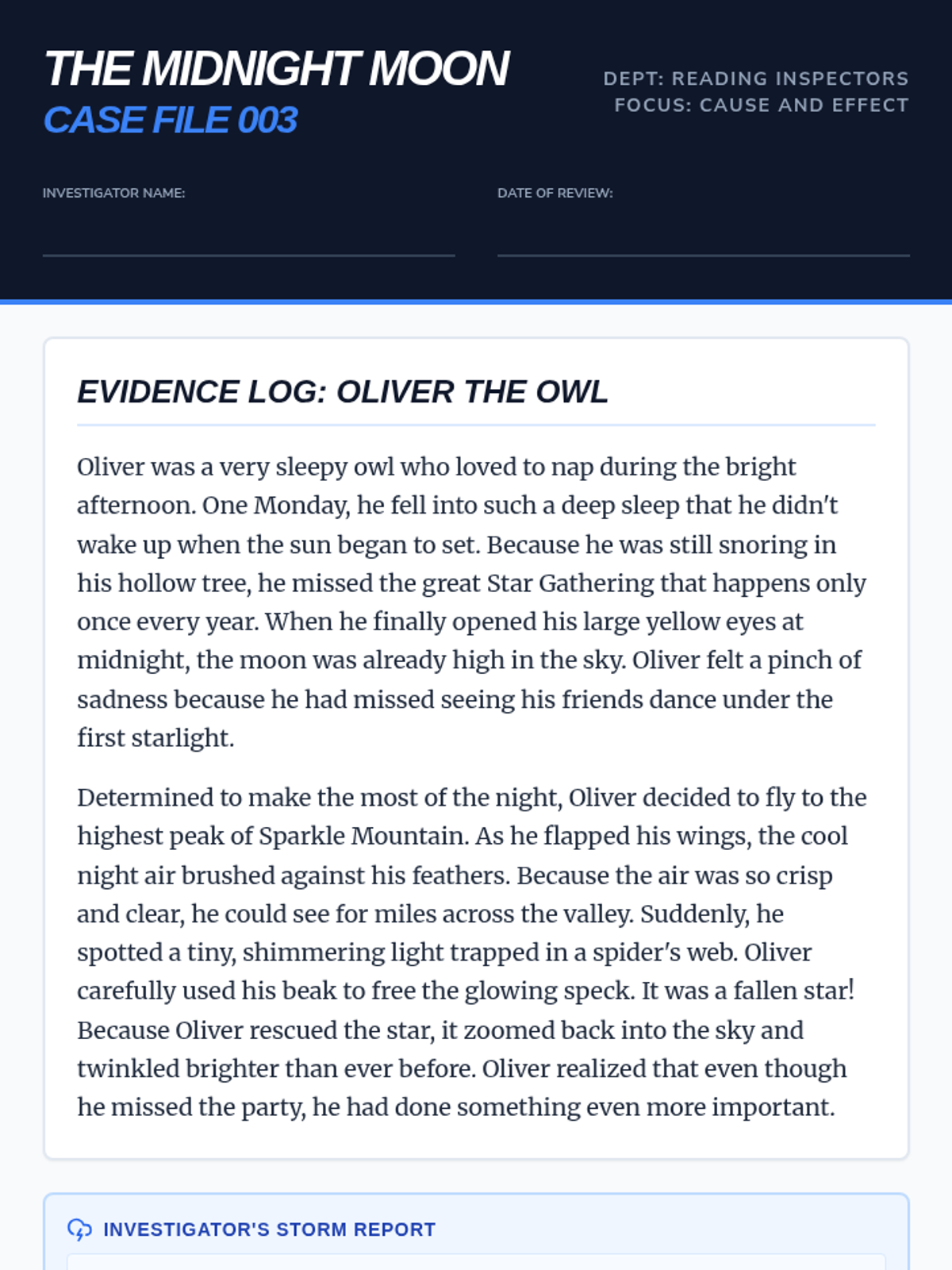
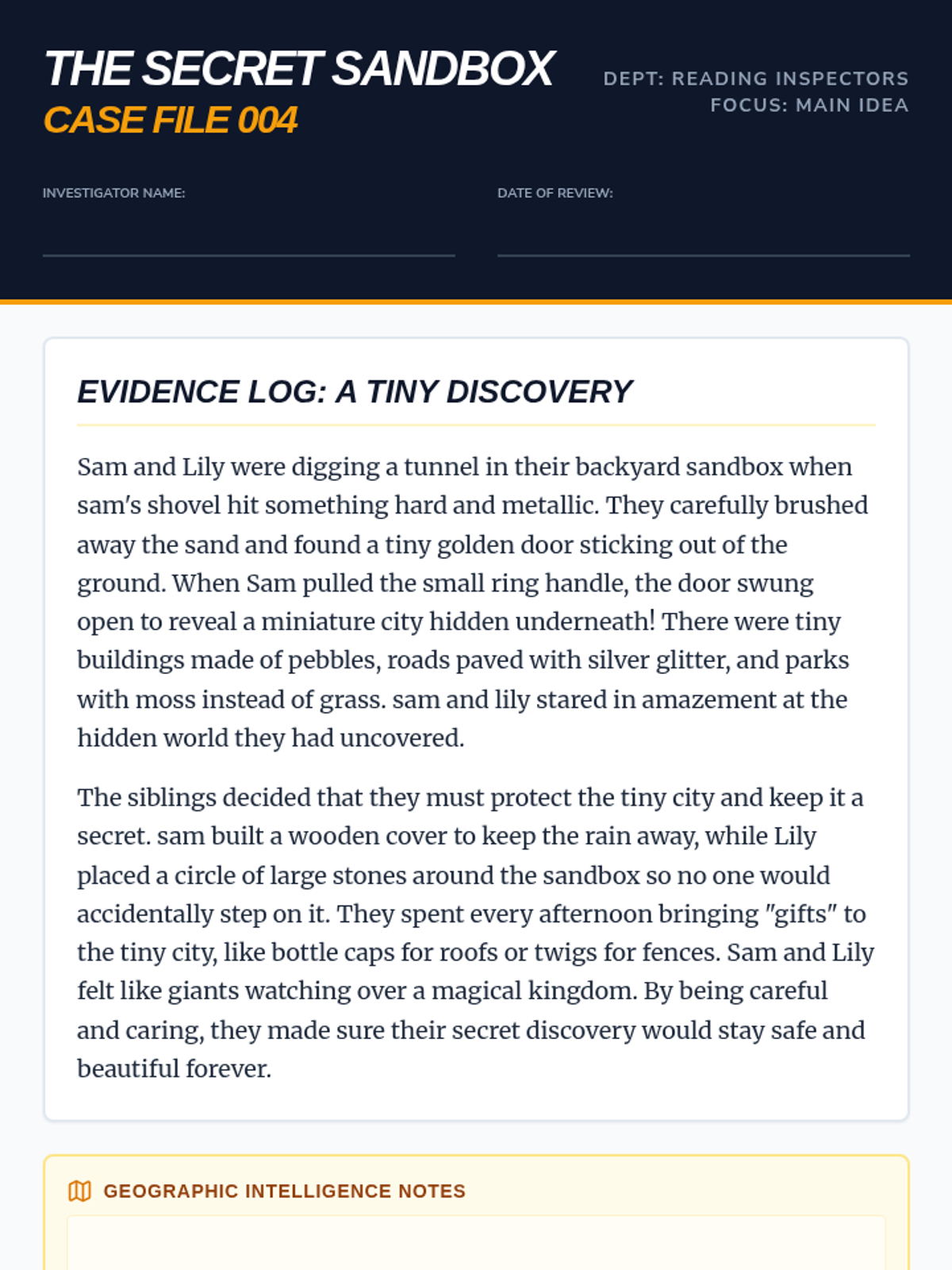
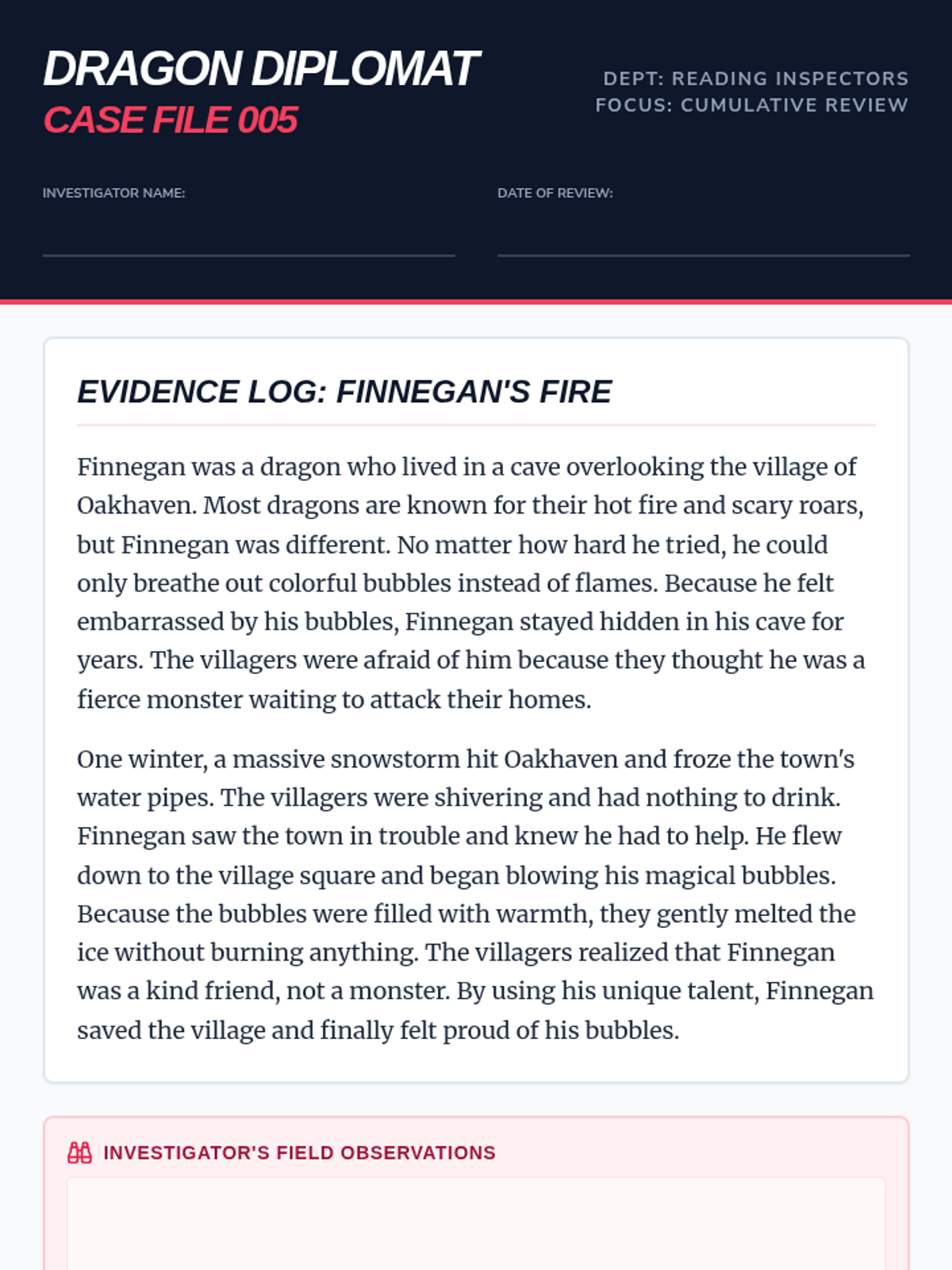
A series of five reading comprehension worksheets for 3rd grade, focusing on cause, effect, and main idea. Each worksheet features a unique passage with five EOG-style multiple-choice questions and space for student annotations or notes.
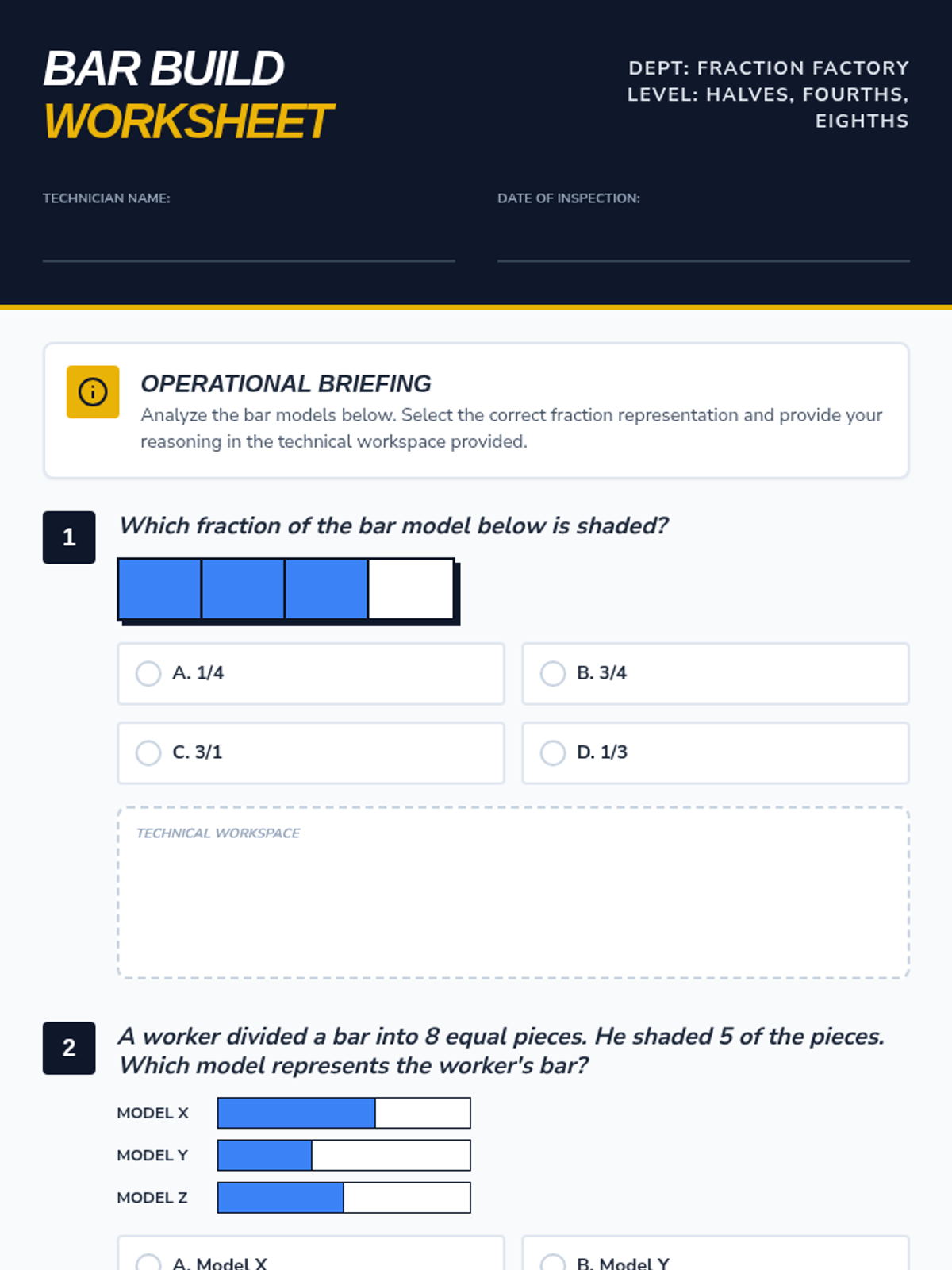
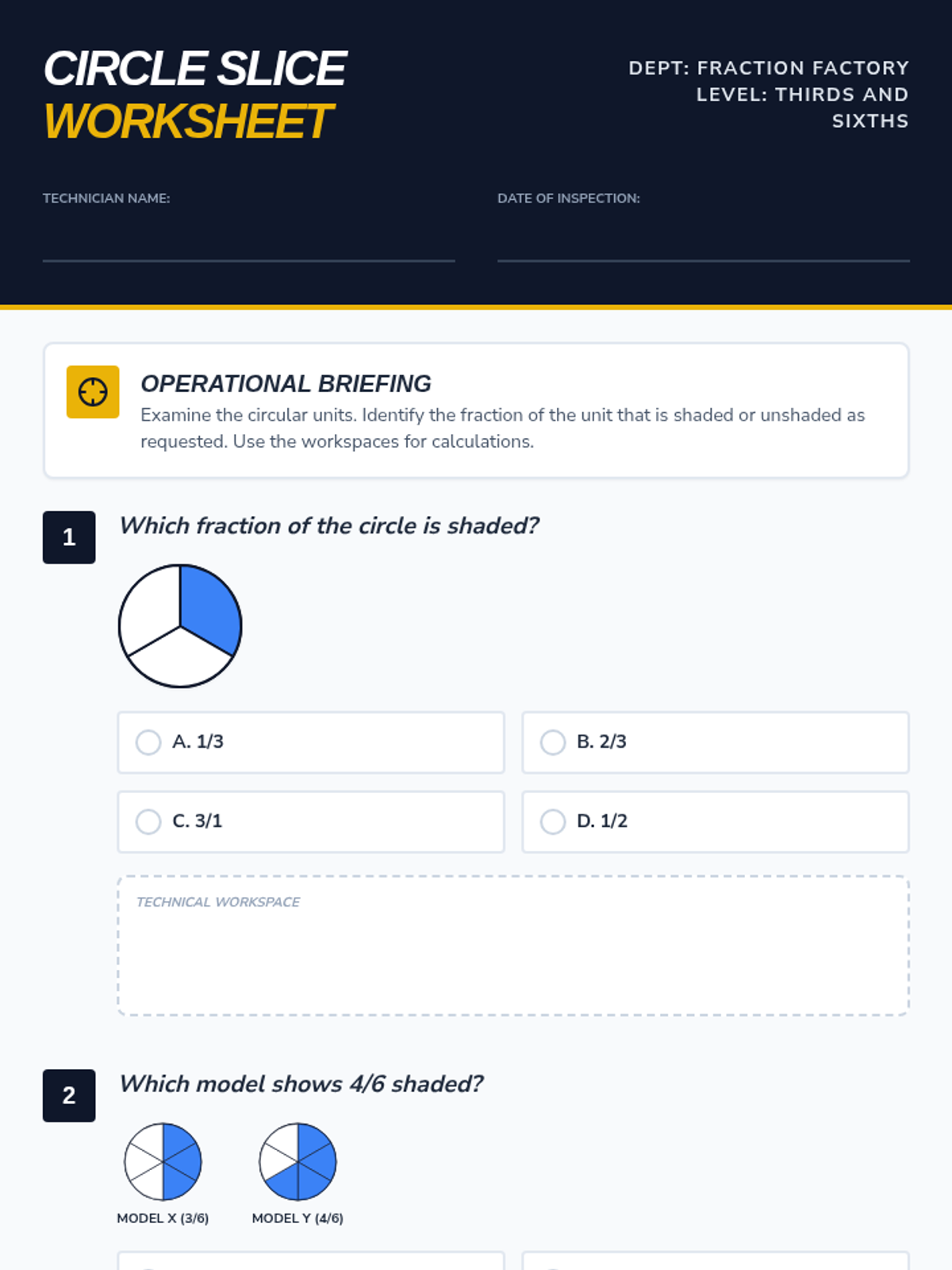
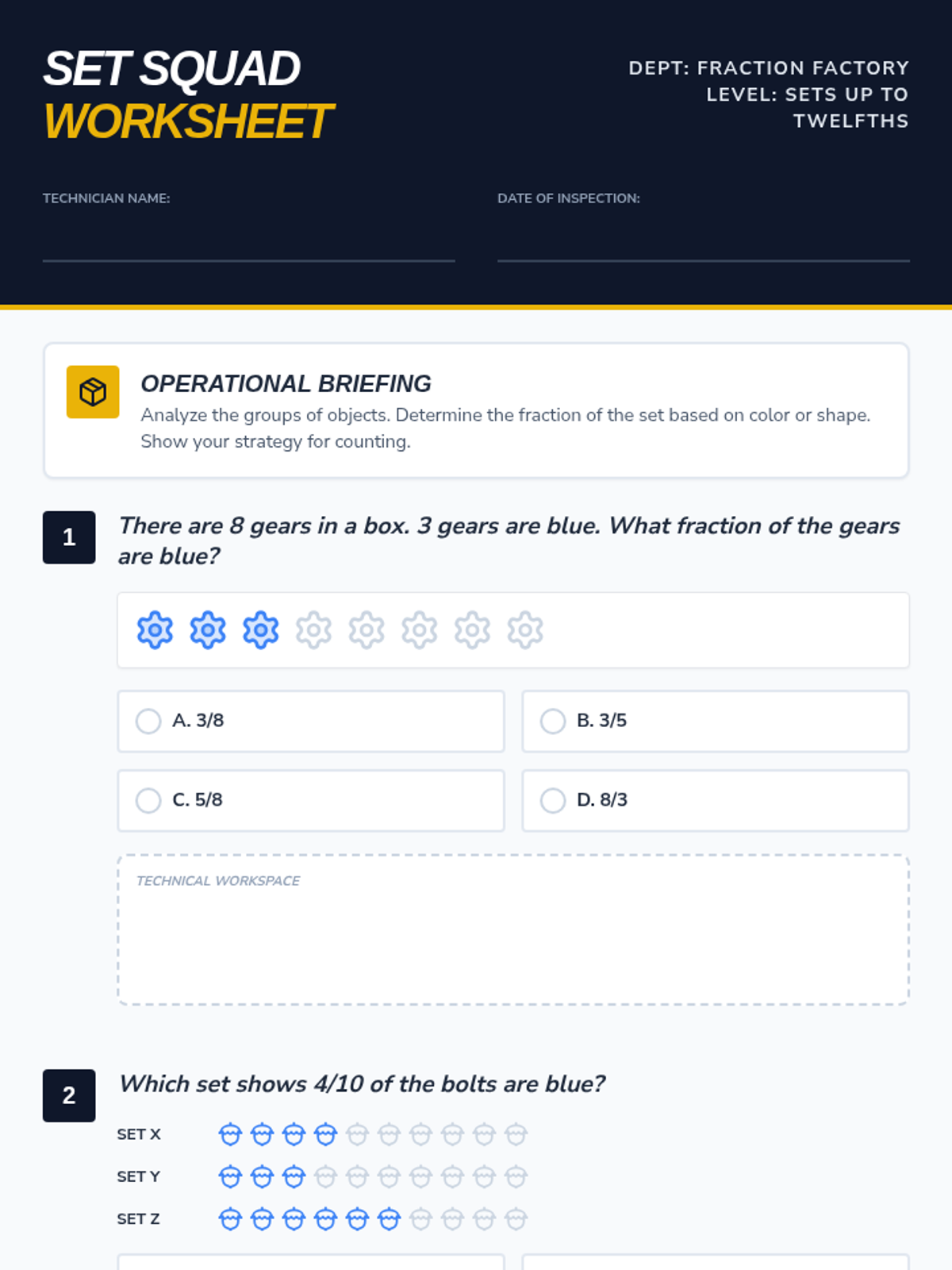
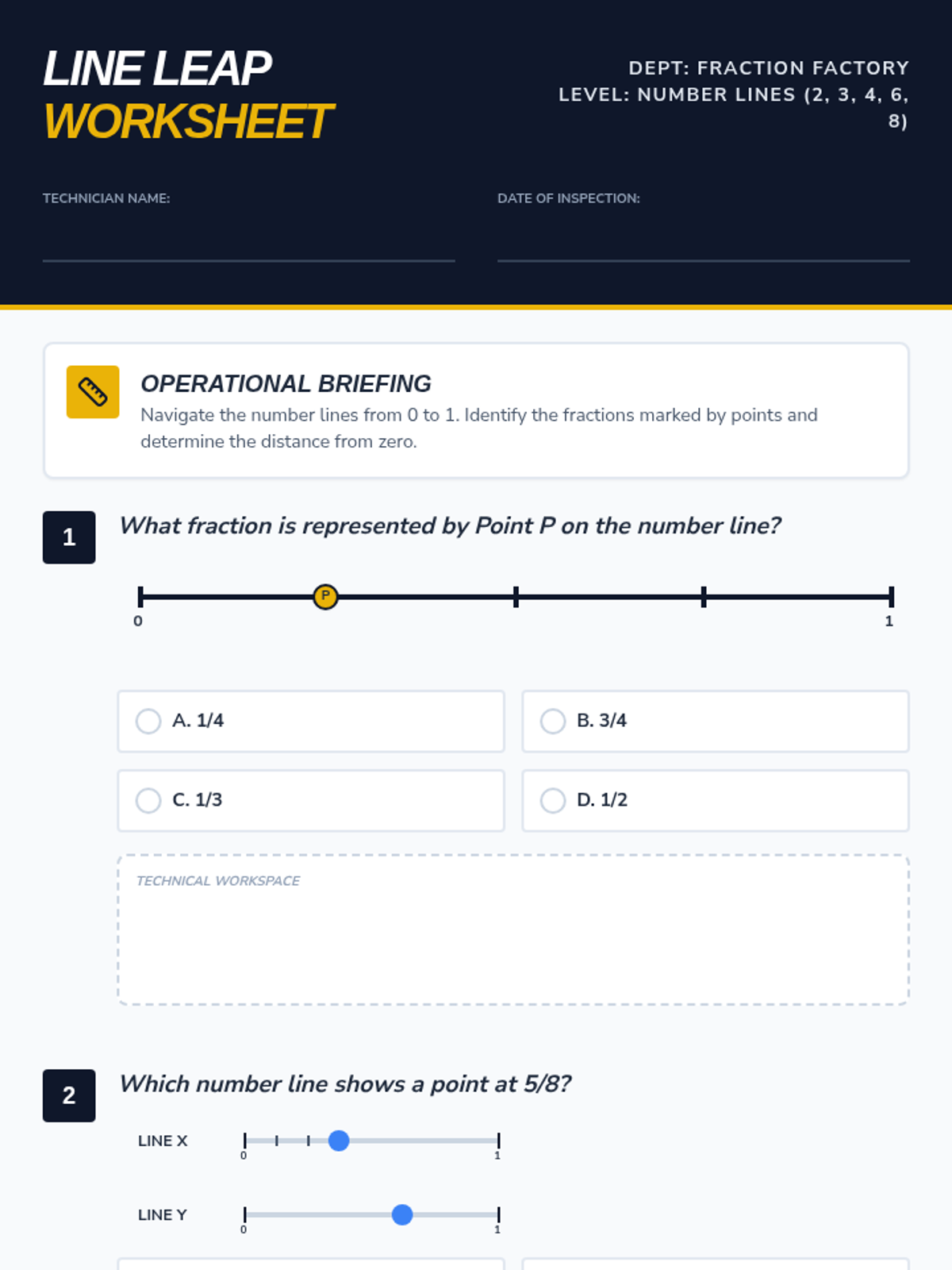
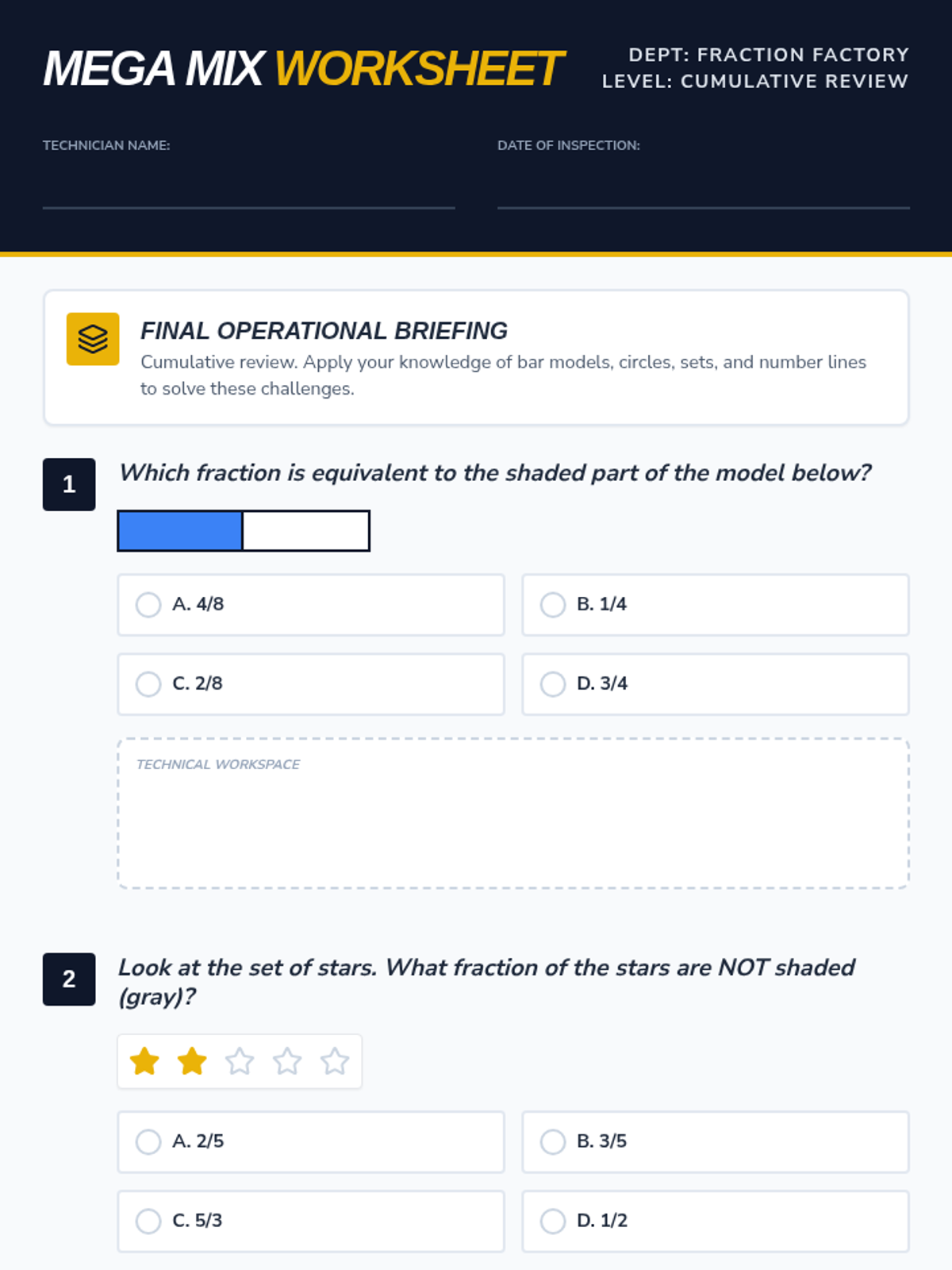
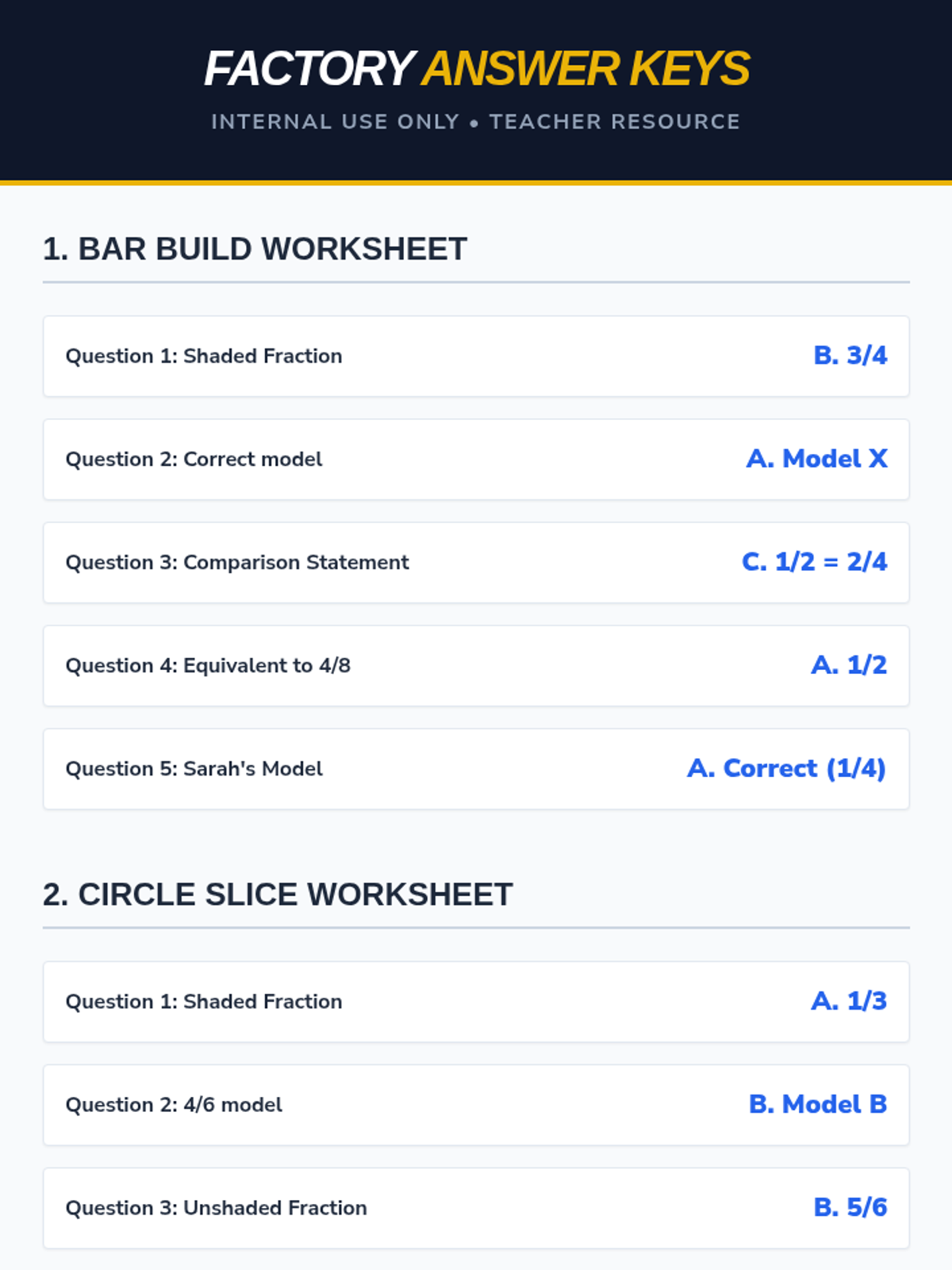
A series of five targeted worksheets designed to review 3rd-grade fraction concepts through various visual models, including bar models, circle areas, set models, and number lines. Each worksheet prepares students for EOG-style questions with rigorous practice and dedicated workspace.
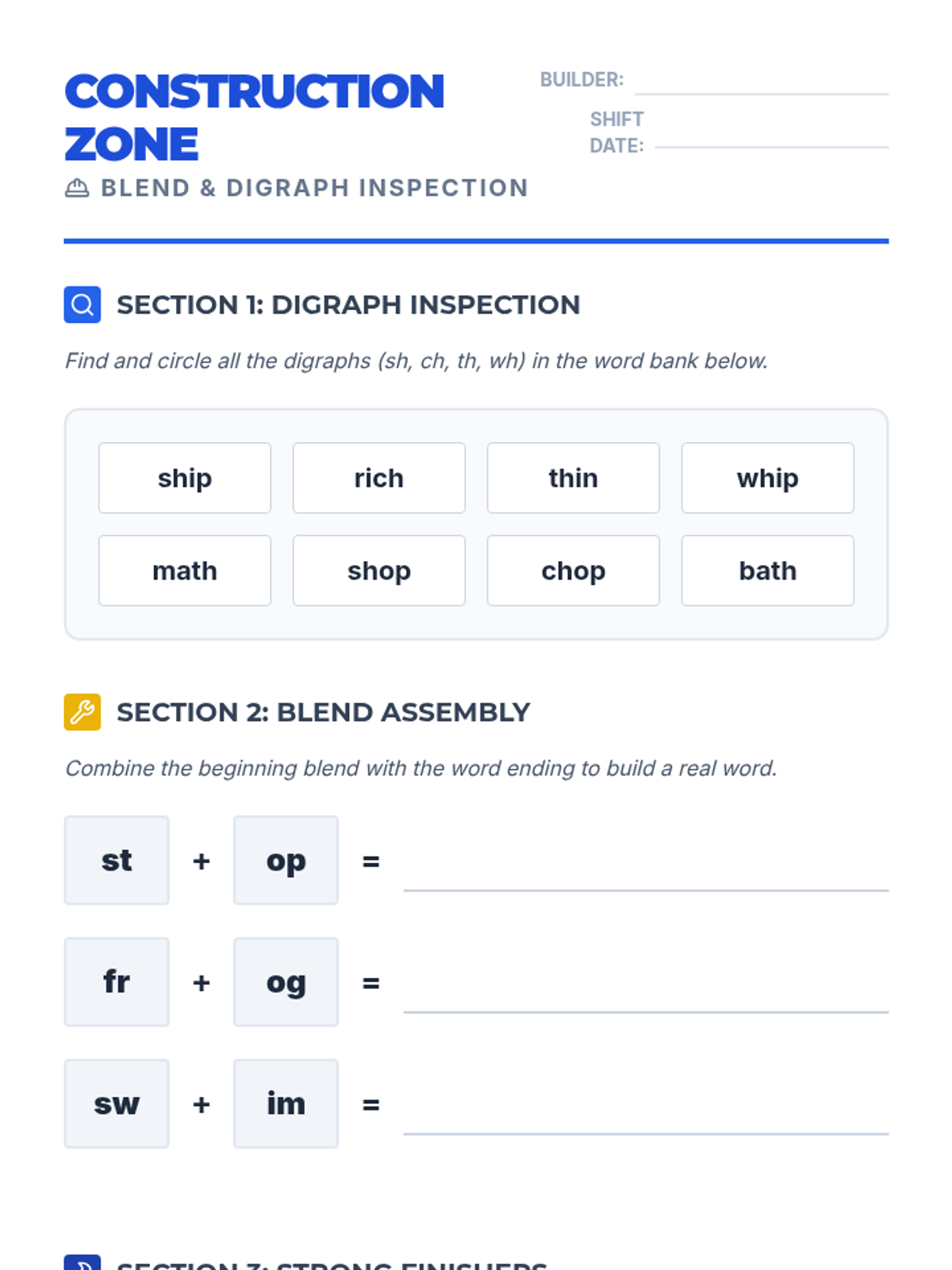
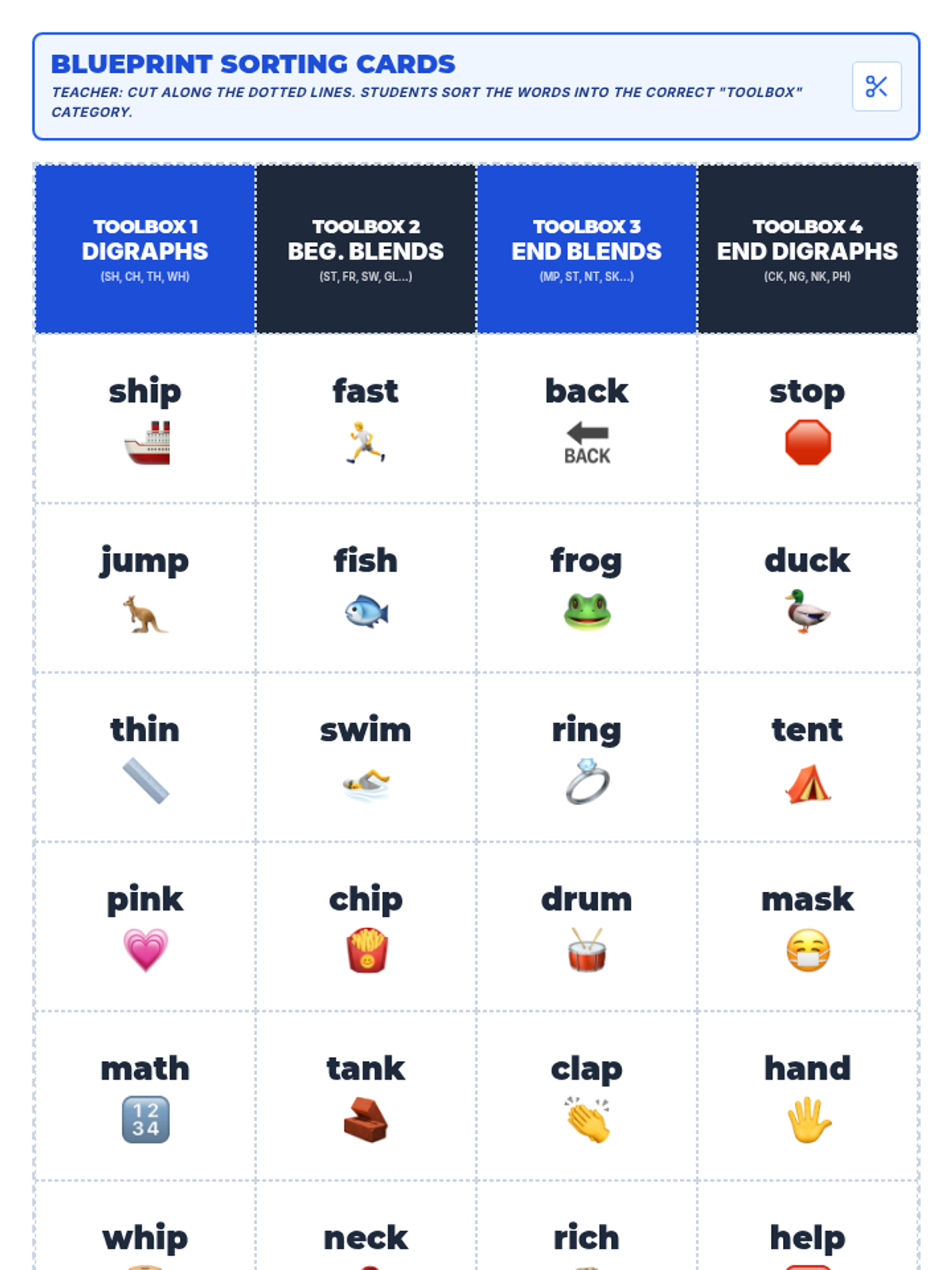
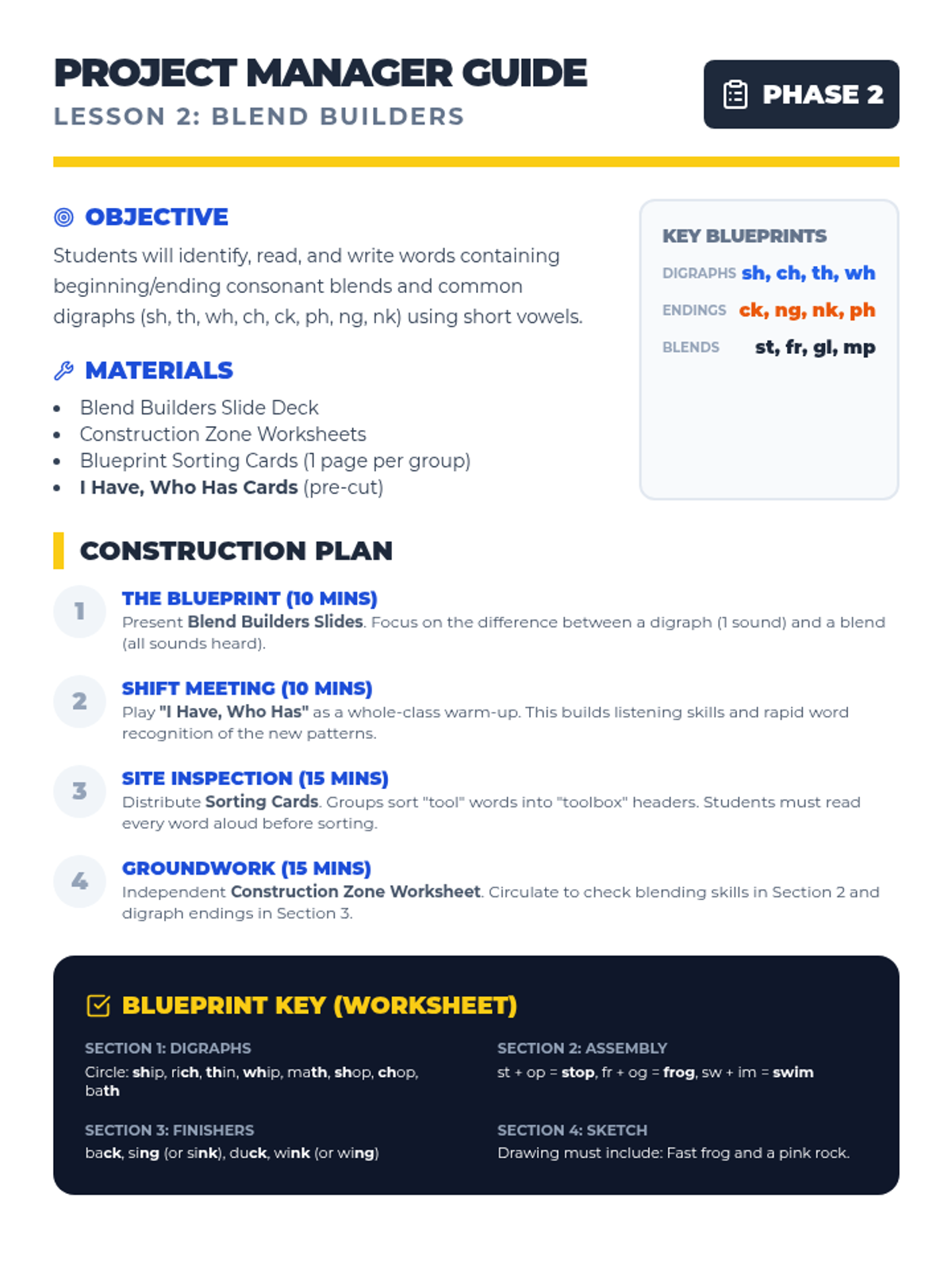
A focused lesson on beginning and ending consonant blends and common digraphs (sh, th, wh, ch, ck, ph, ng, nk) using short vowel words. Students "construct" words in a workshop-themed environment.
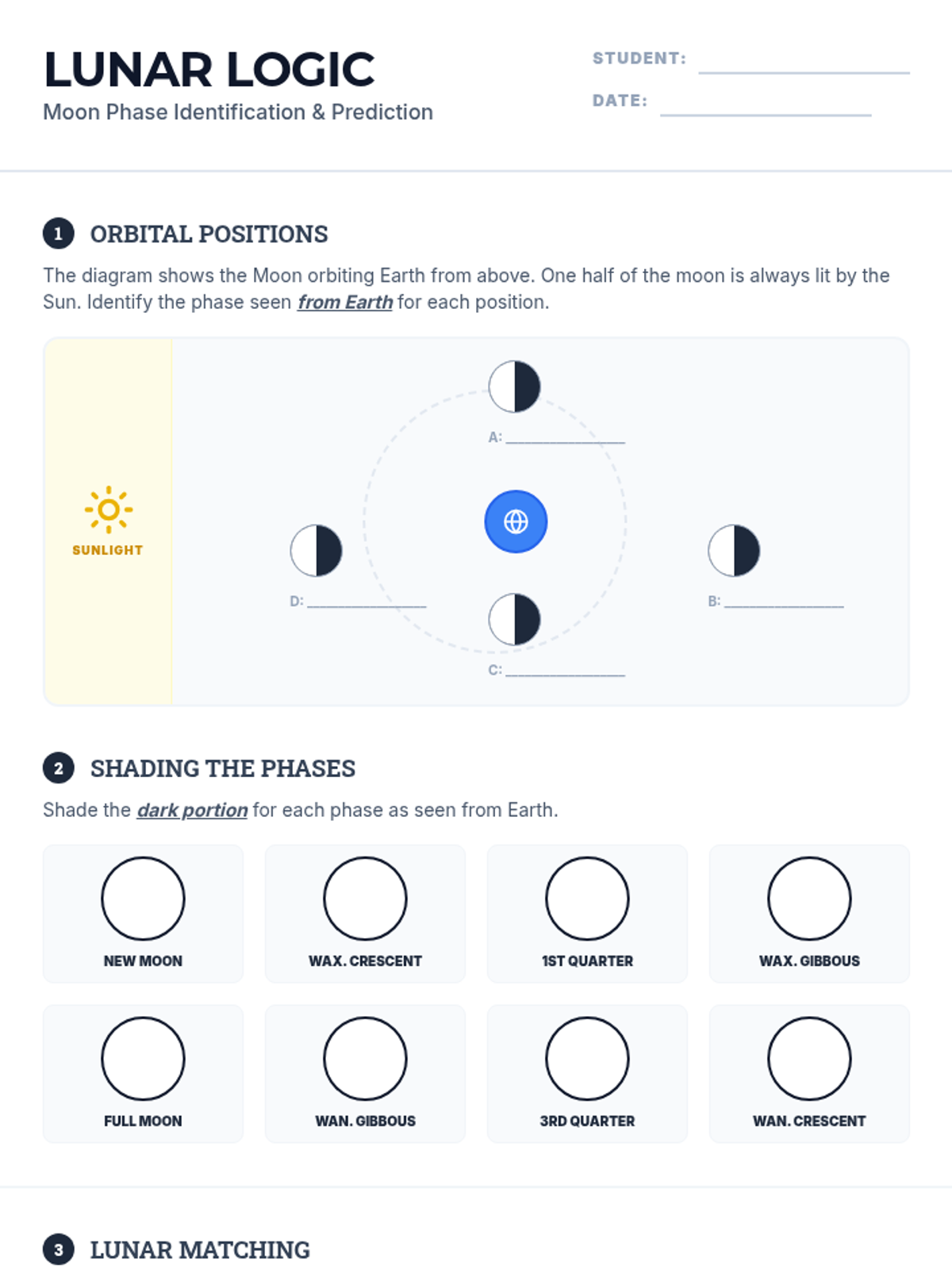
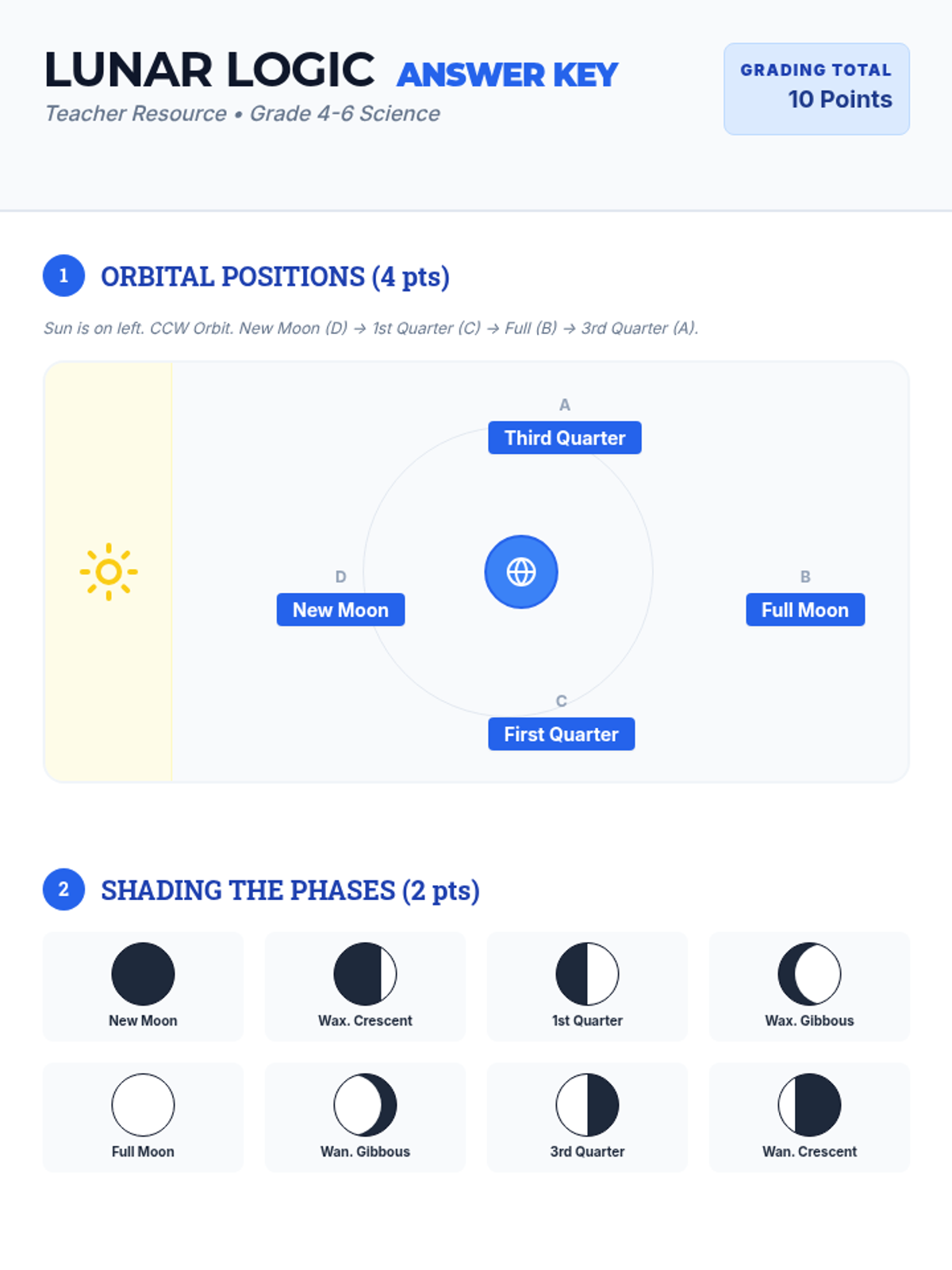
A lesson exploring the eight phases of the moon, focusing on their appearance from Earth, their orbital positions, and the predictable patterns of the lunar cycle.
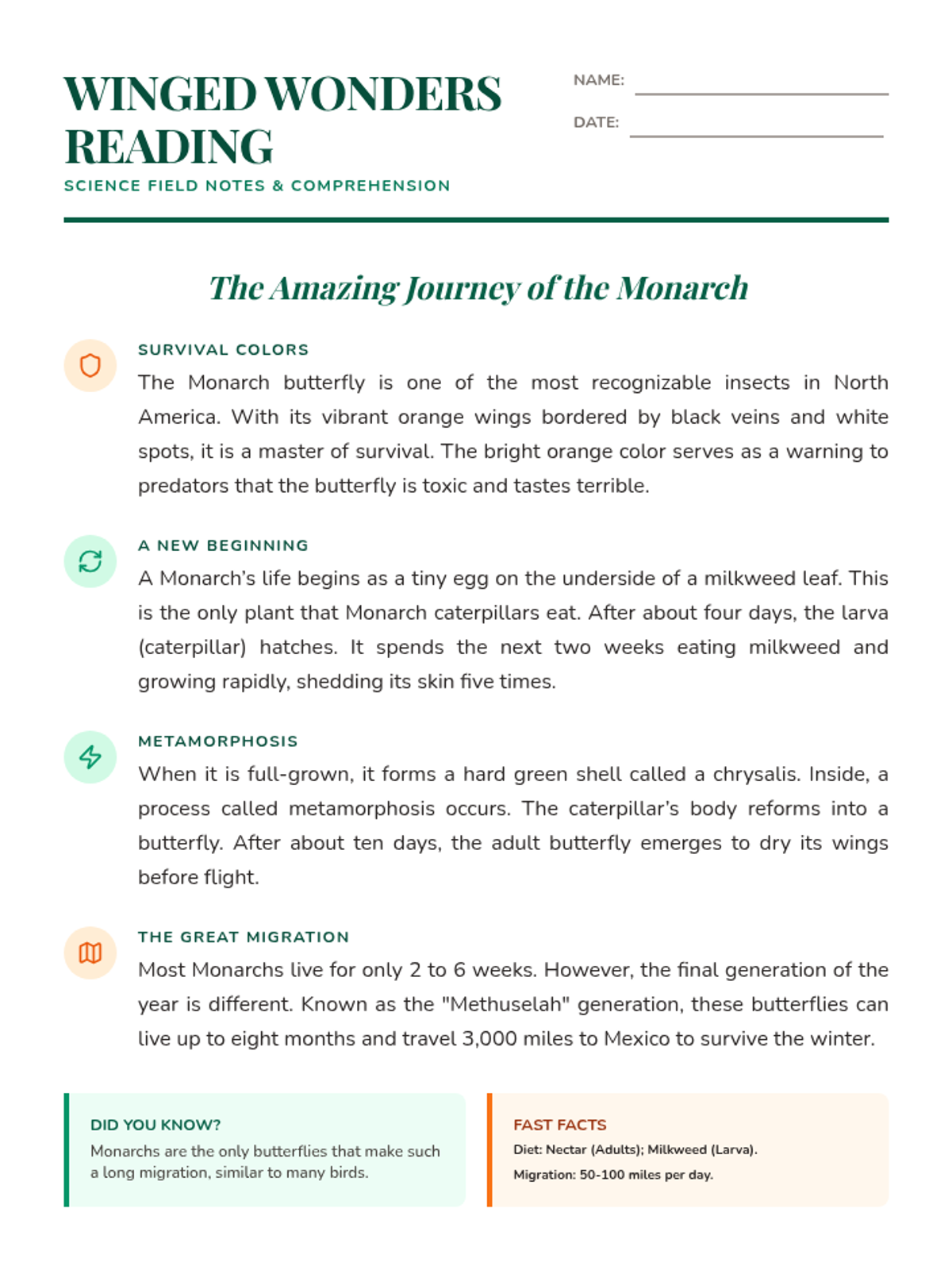
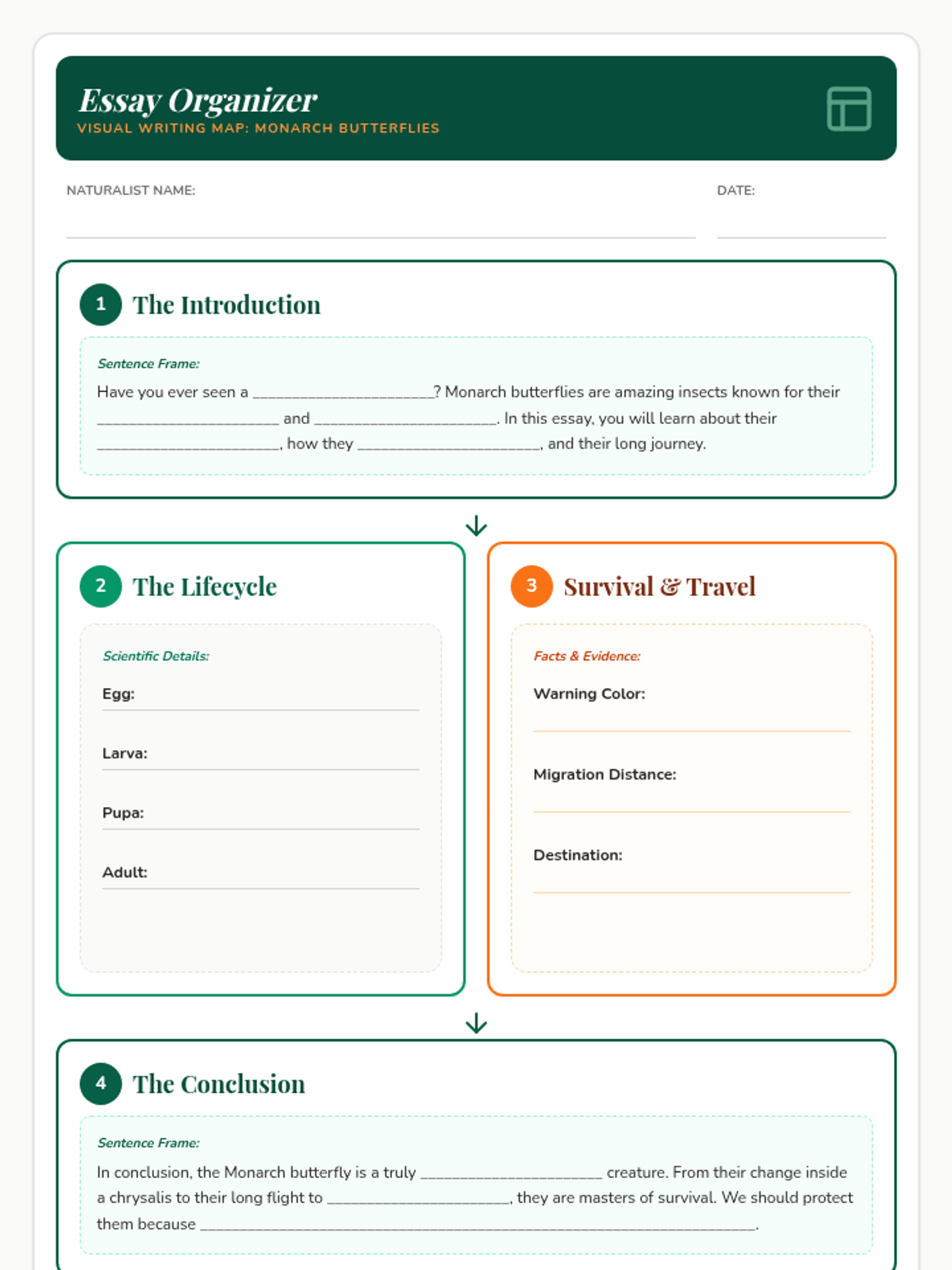
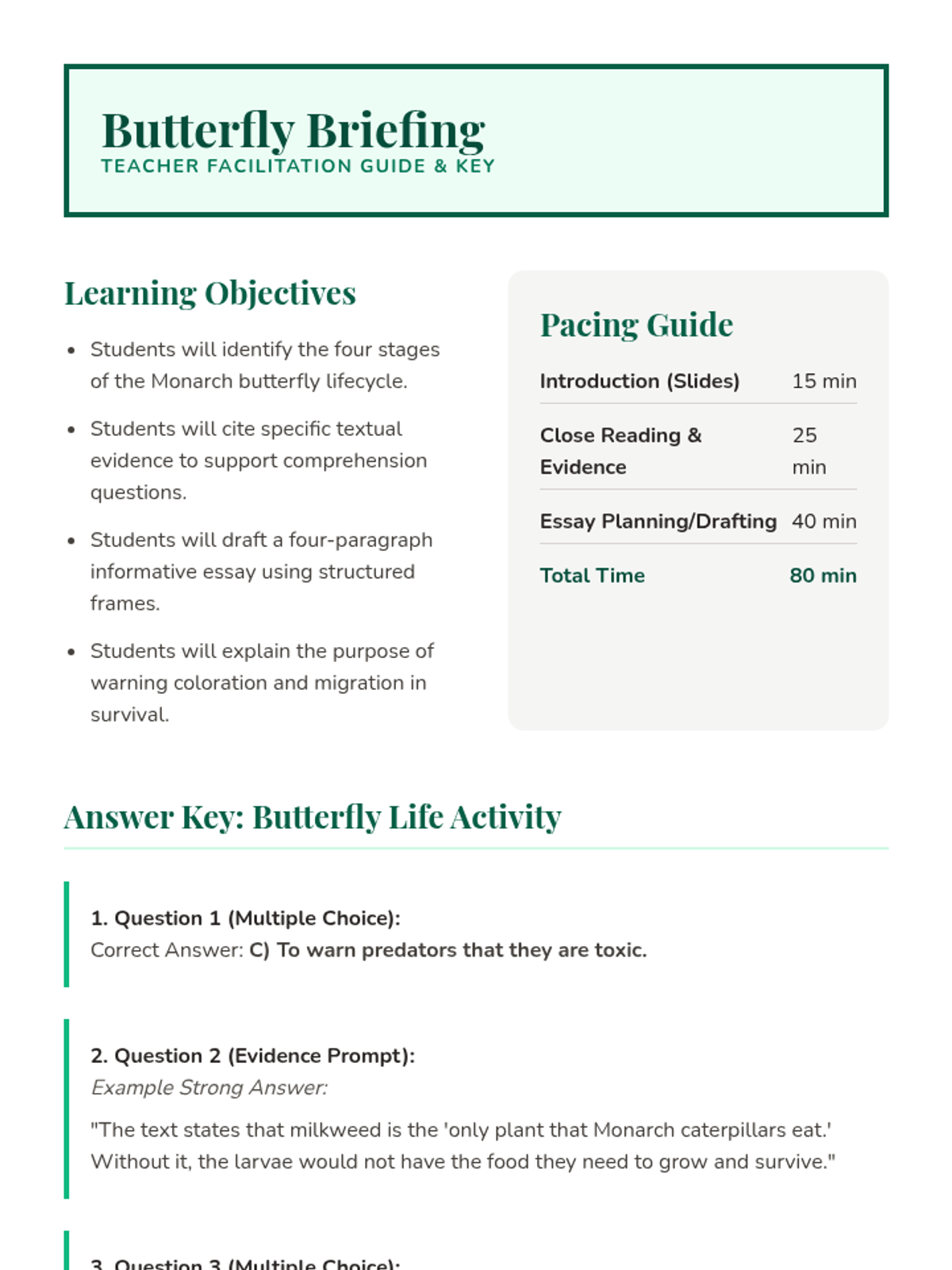
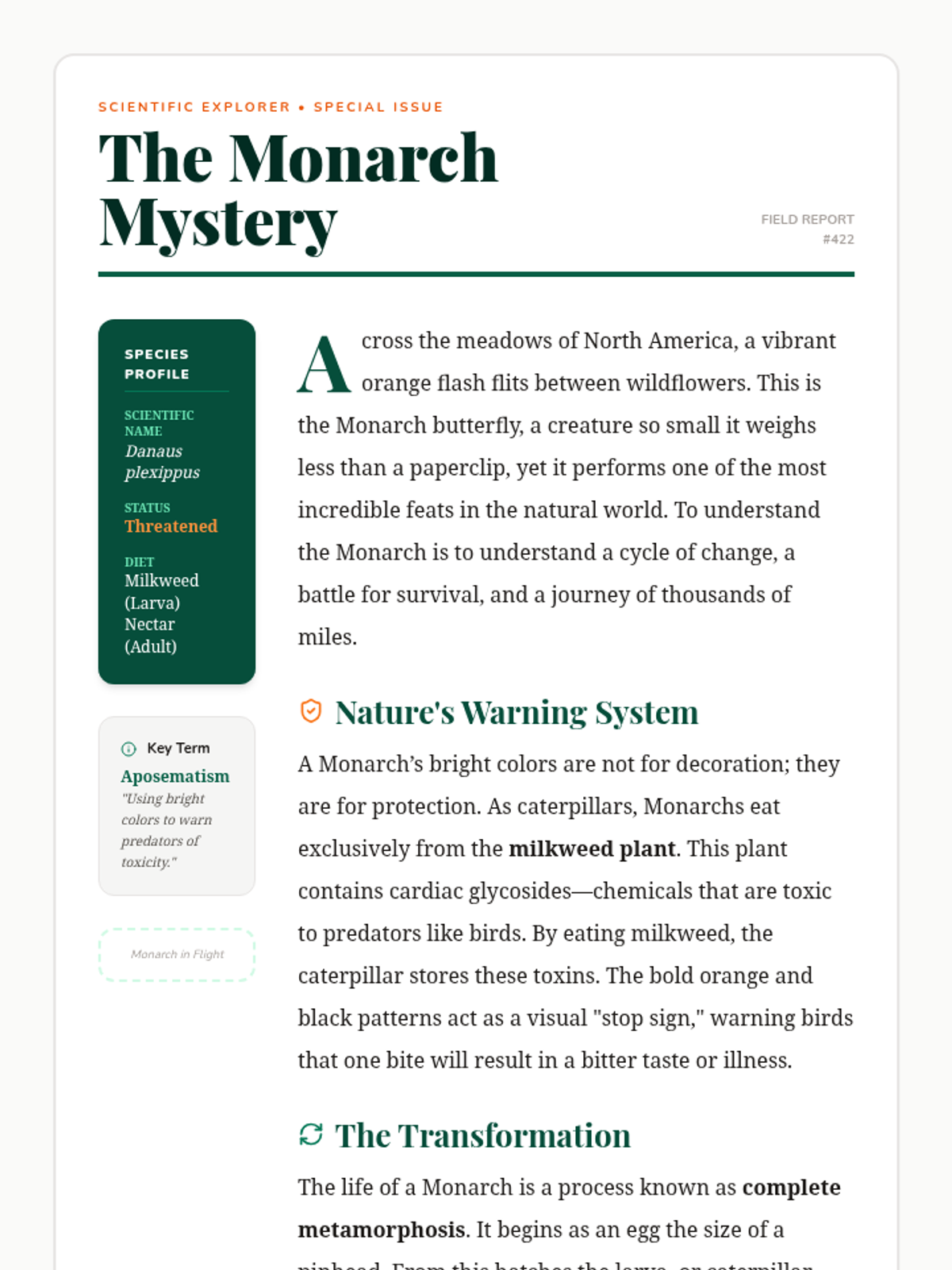
A comprehensive lesson on butterfly biology and conservation, focusing on citing textual evidence and structured informative writing for 4th-5th grade students.
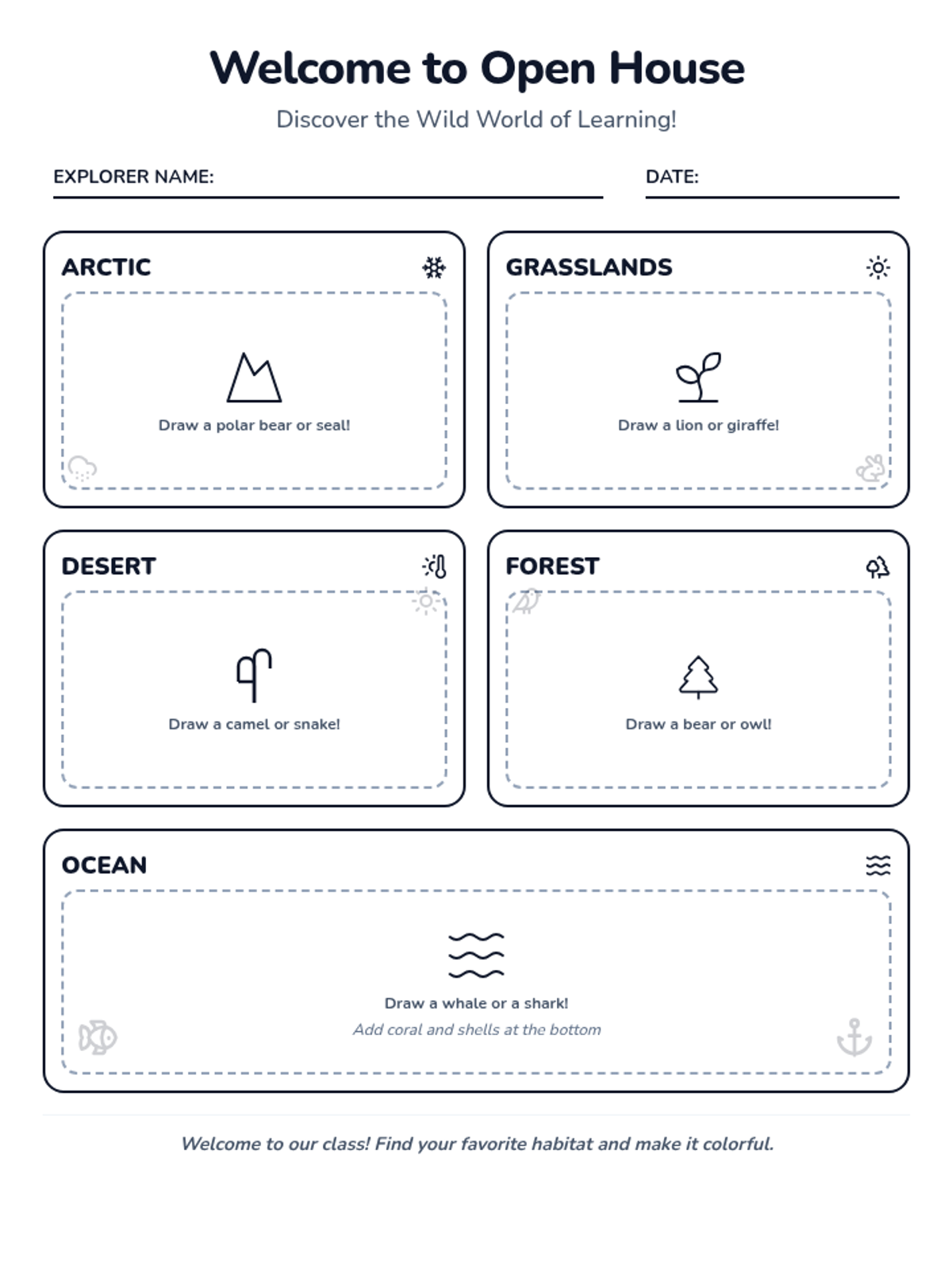
A welcoming set of resources for a school Open House, featuring a habitat-themed activity for students and families.
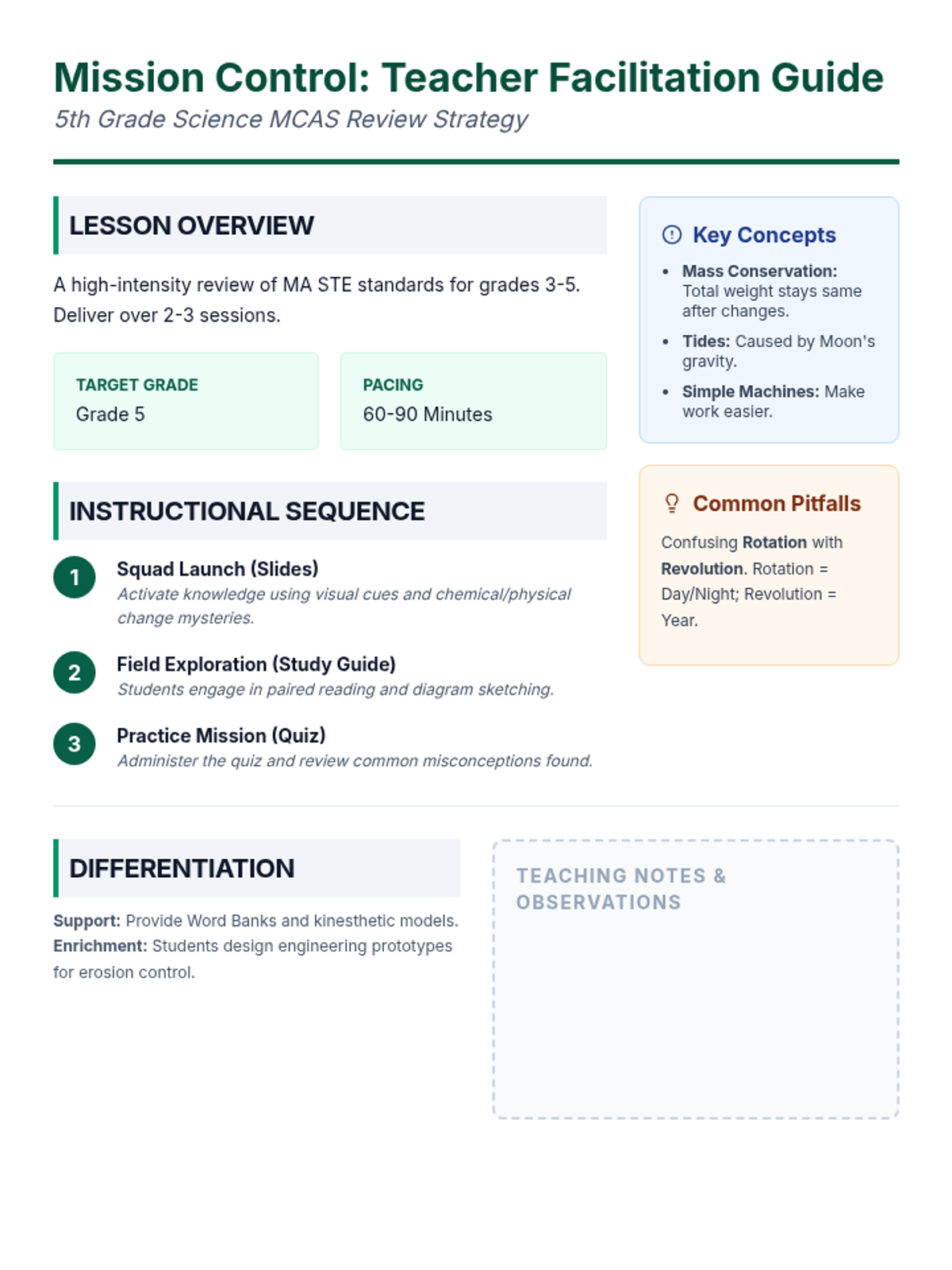
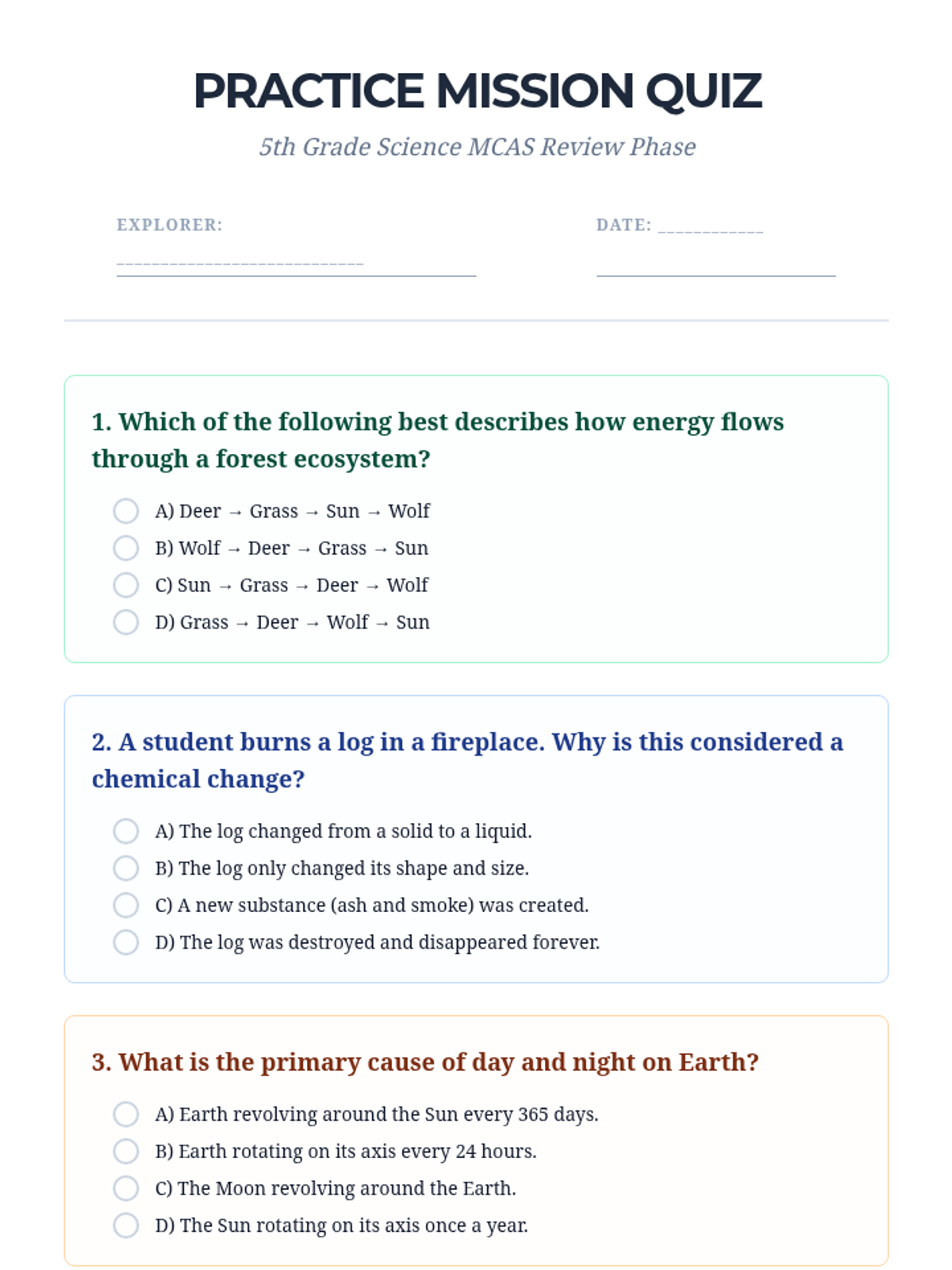
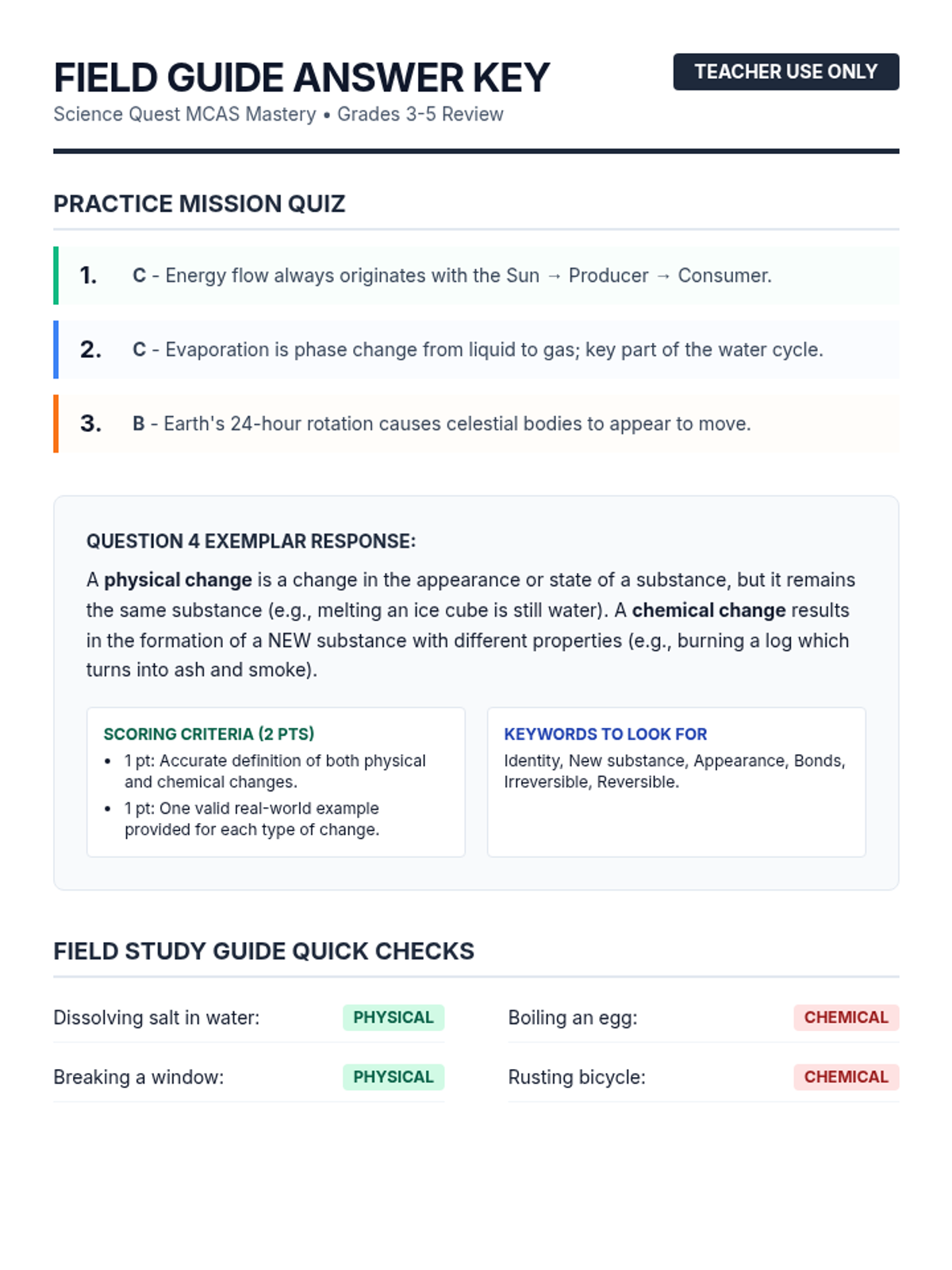
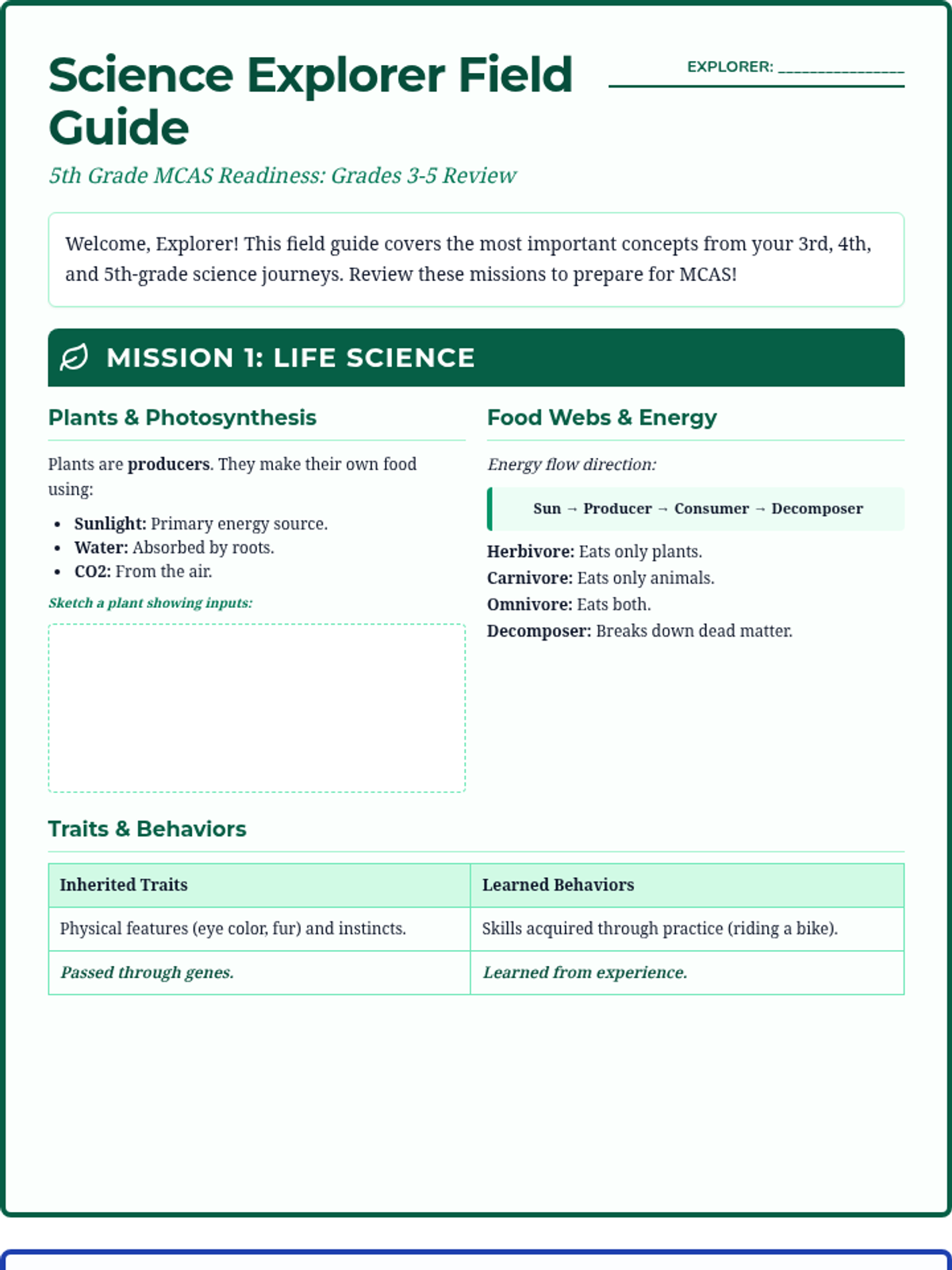
An all-in-one review session covering Life Science, Physical Science, Earth and Space Science, and Engineering Design for the 5th grade MCAS.
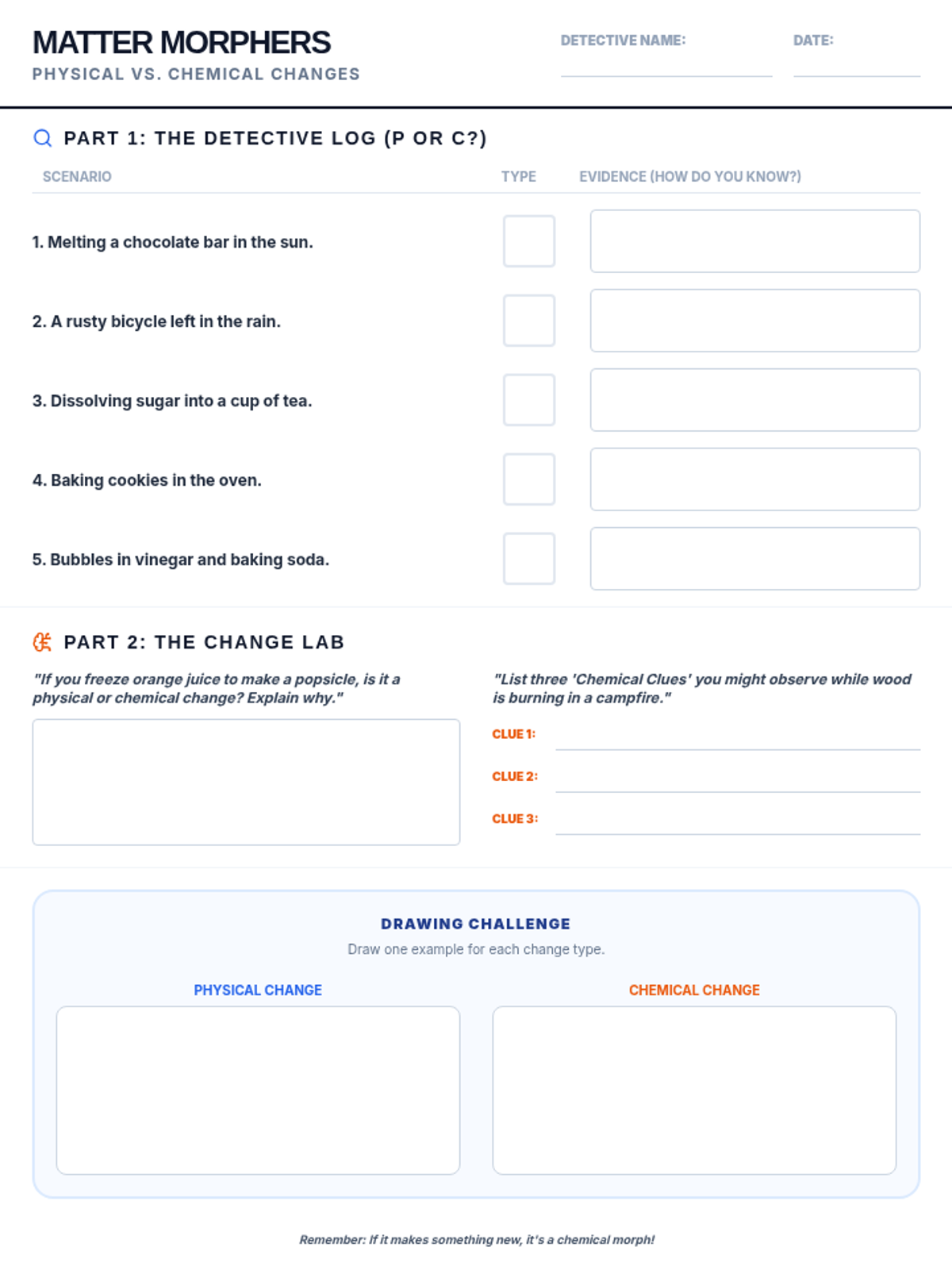
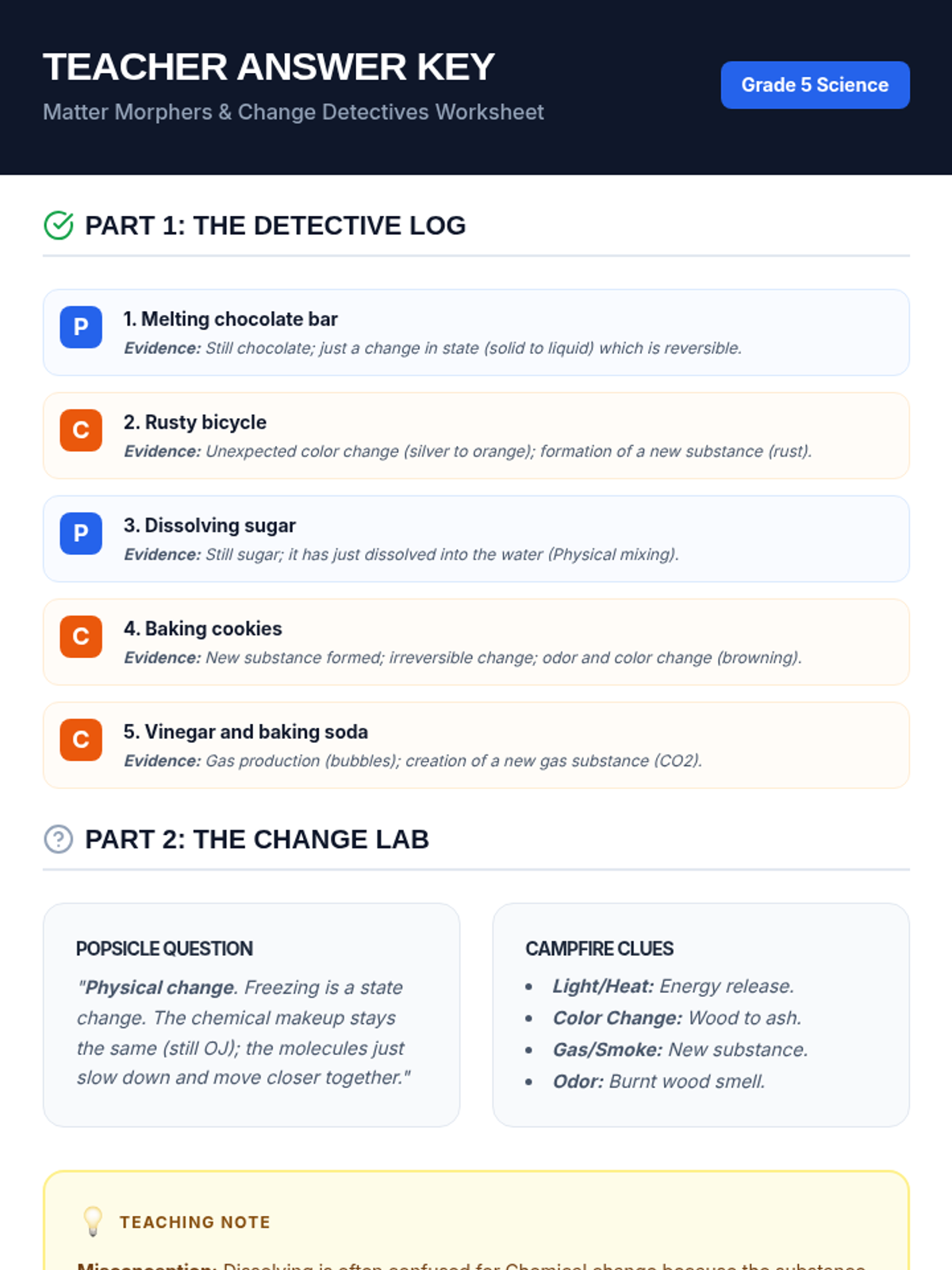
An introductory lesson on physical and chemical changes for grade 5 students, focusing on identifying signs of change and differentiating between reversible and irreversible processes.
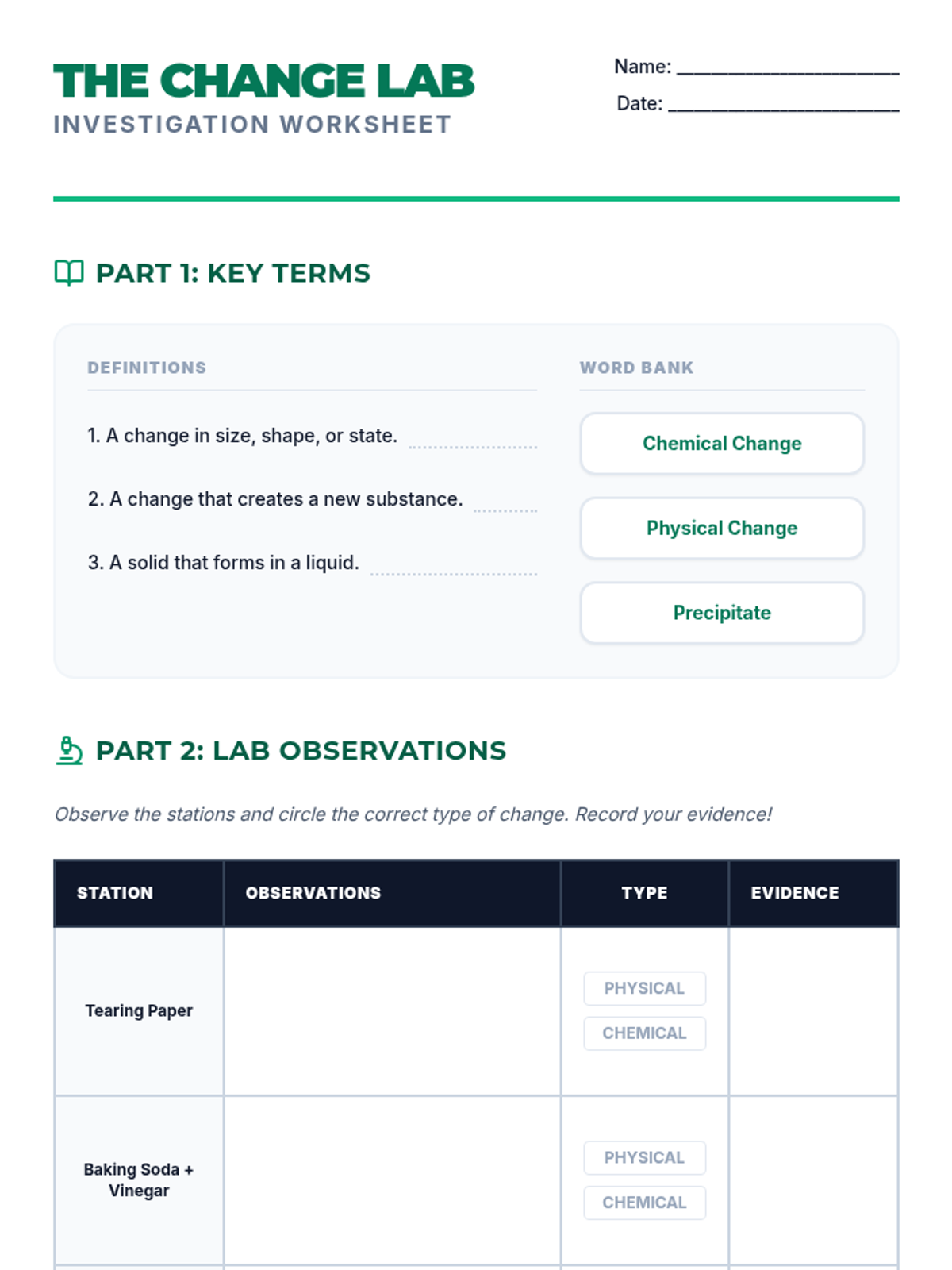
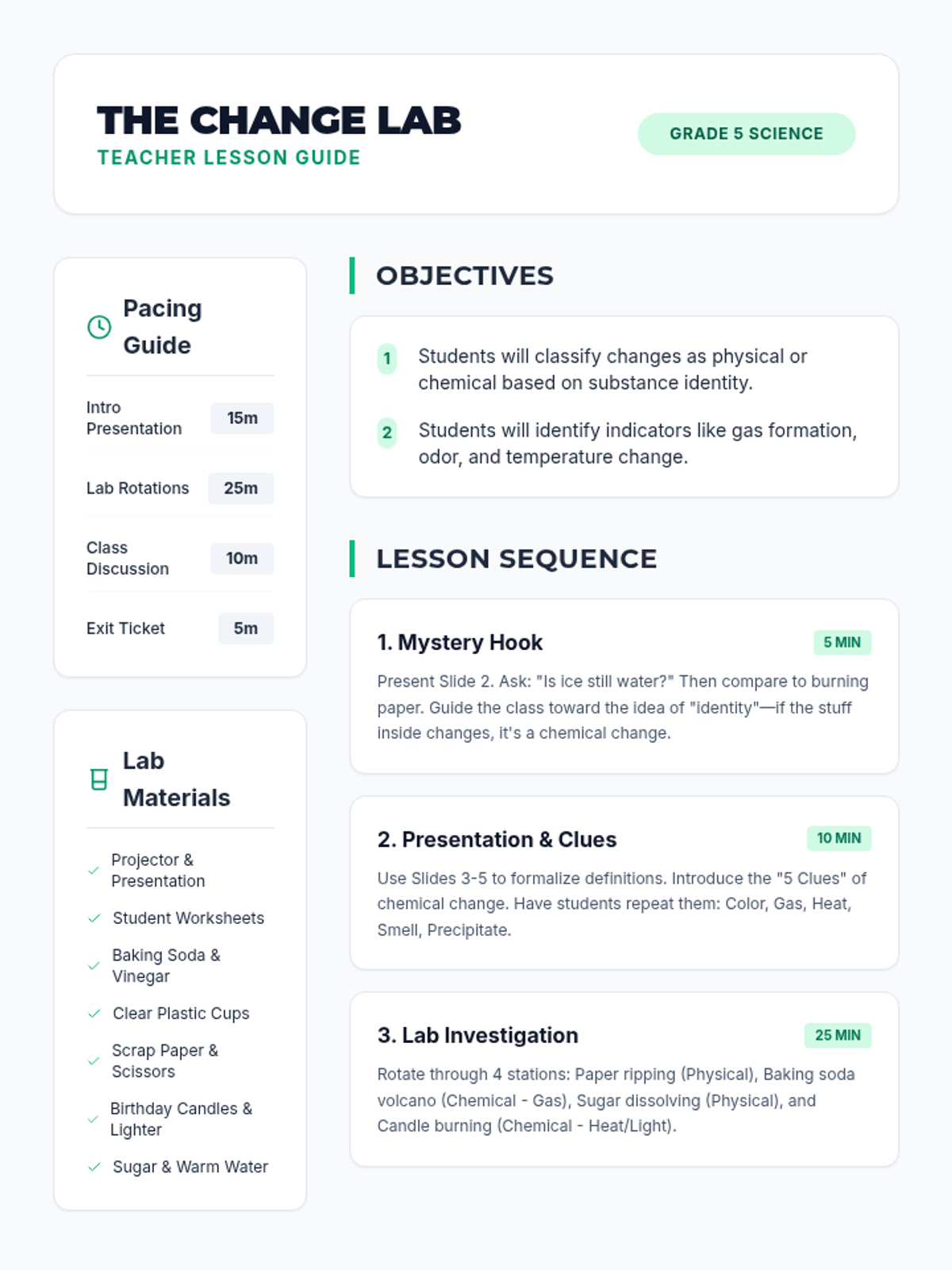
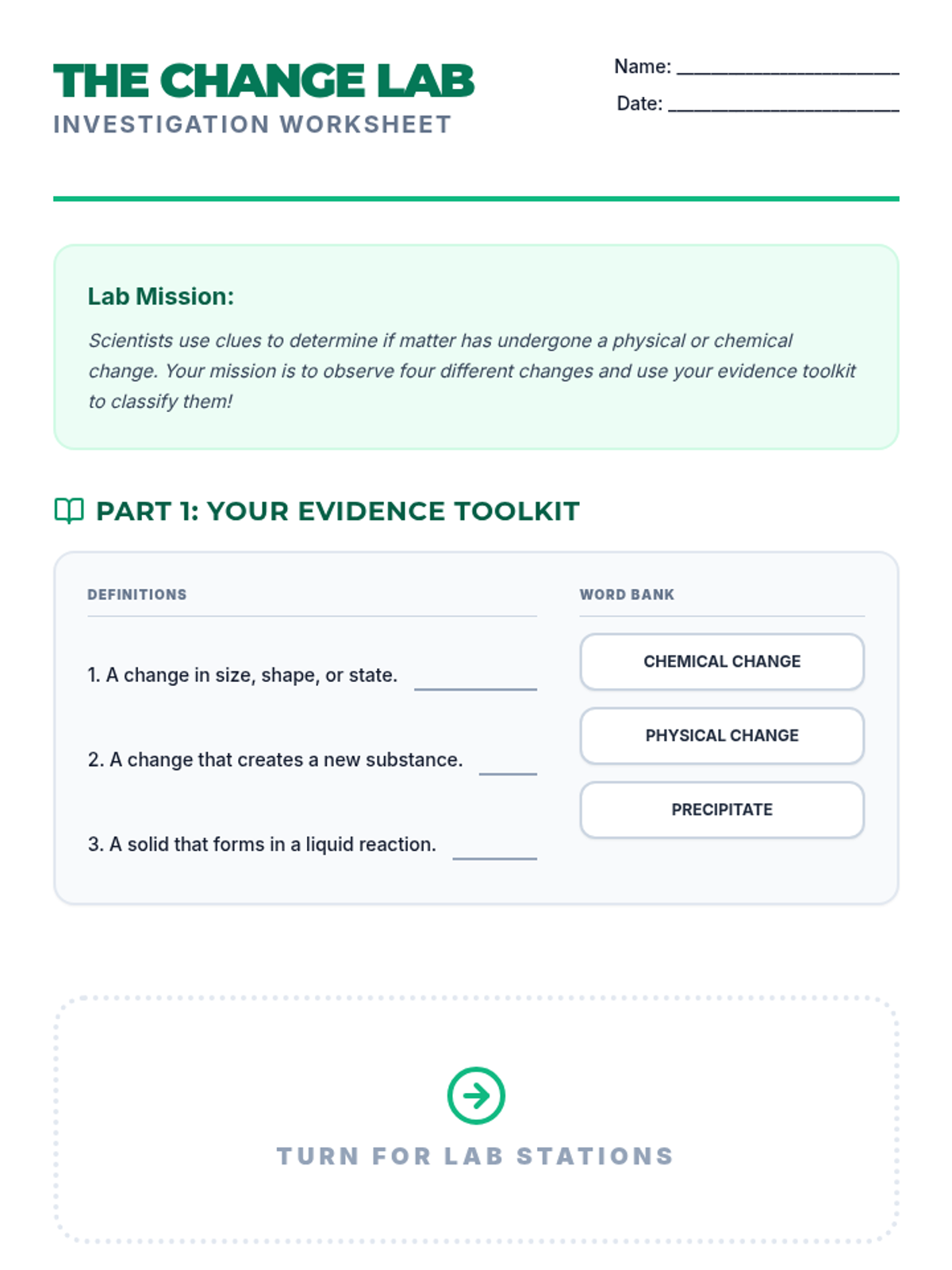
An introductory lesson exploring the differences between physical and chemical changes through visual examples, interactive discussion, and a guided lab investigation.
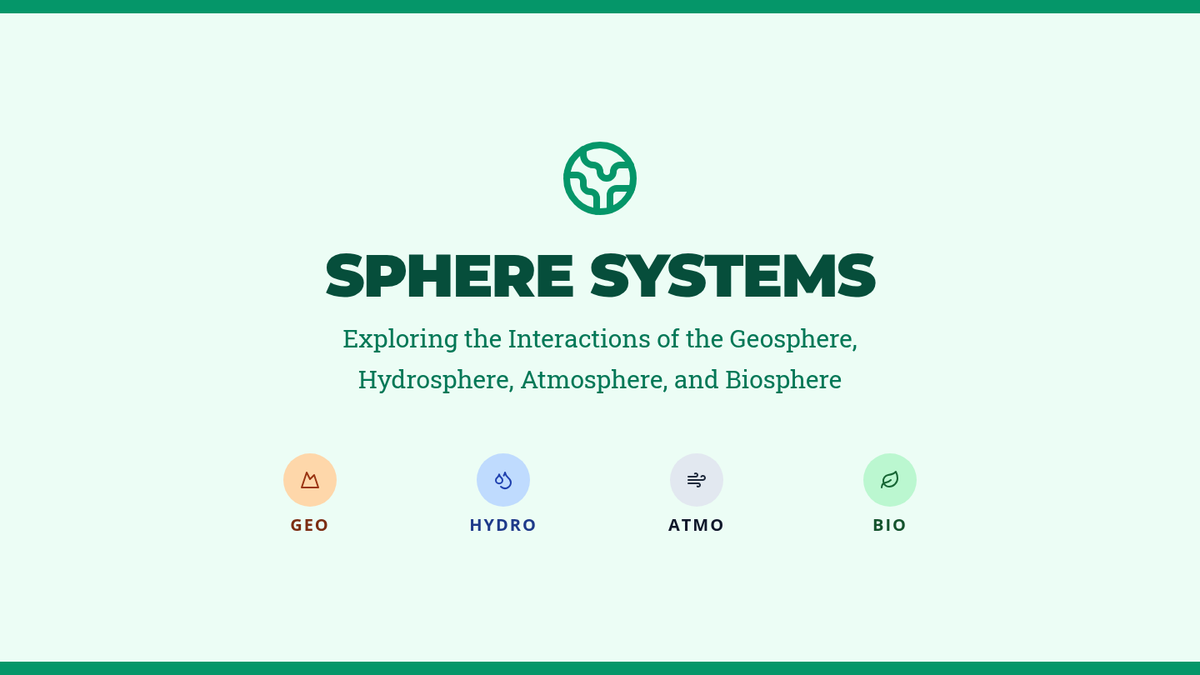
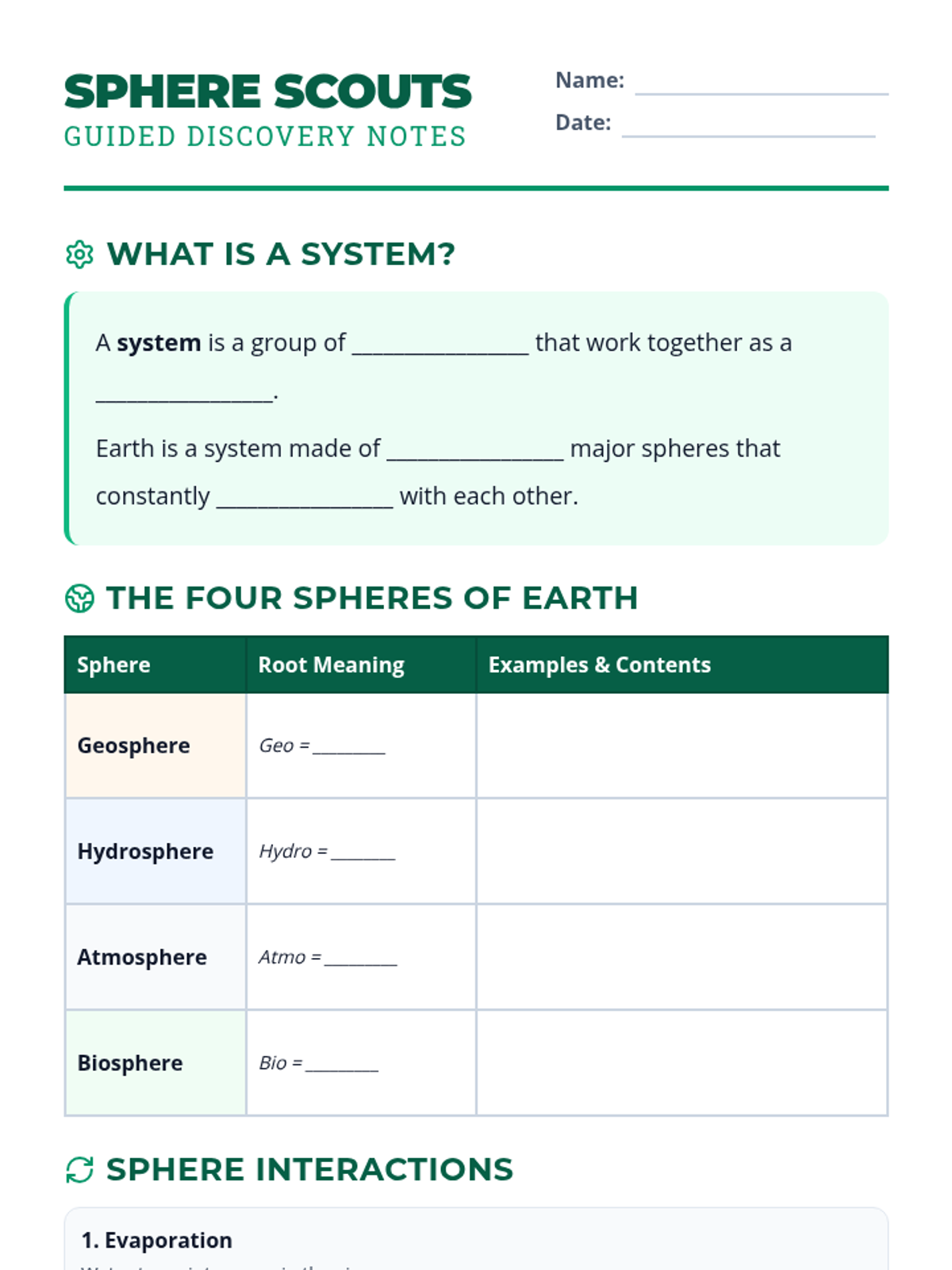
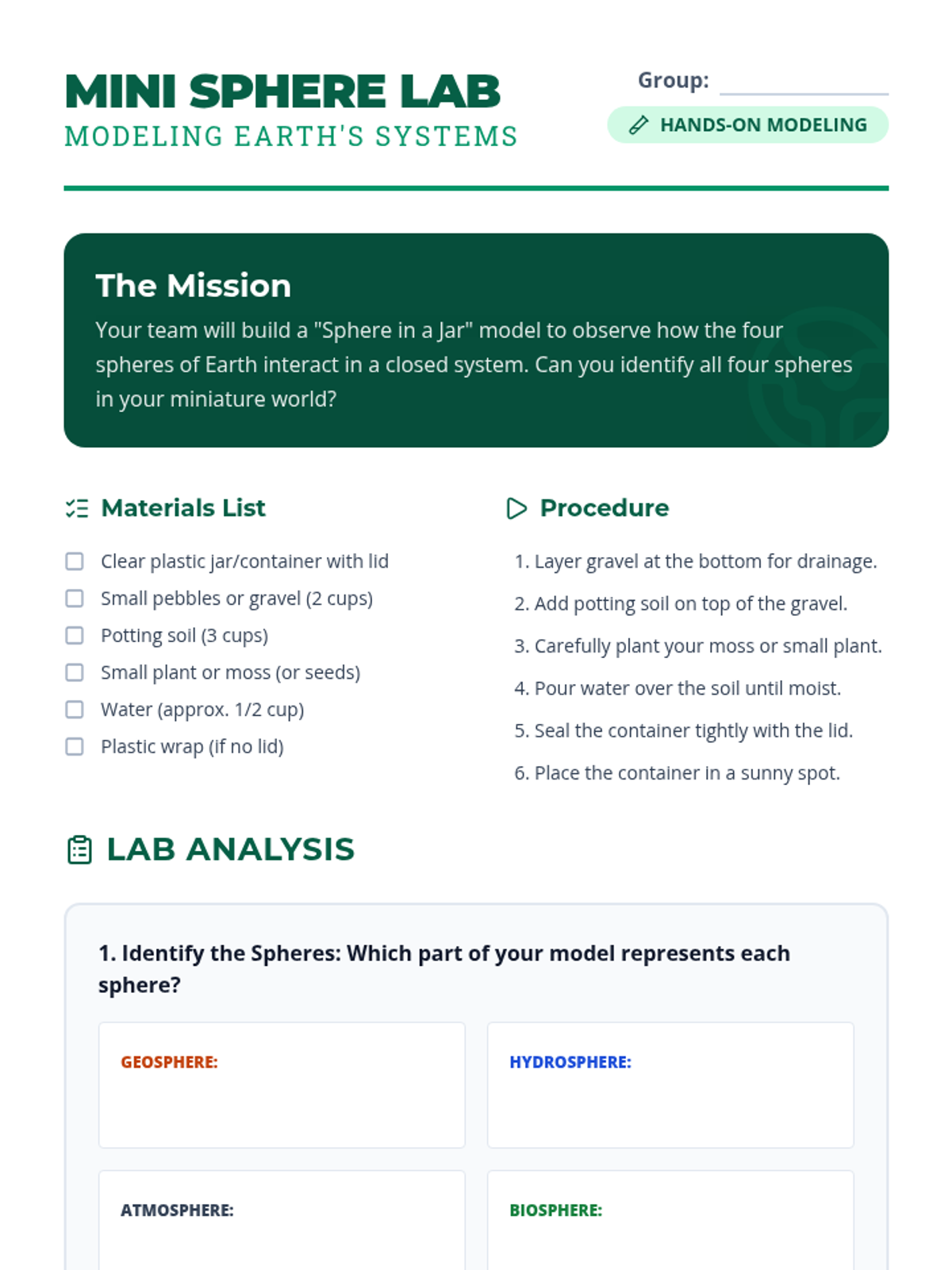
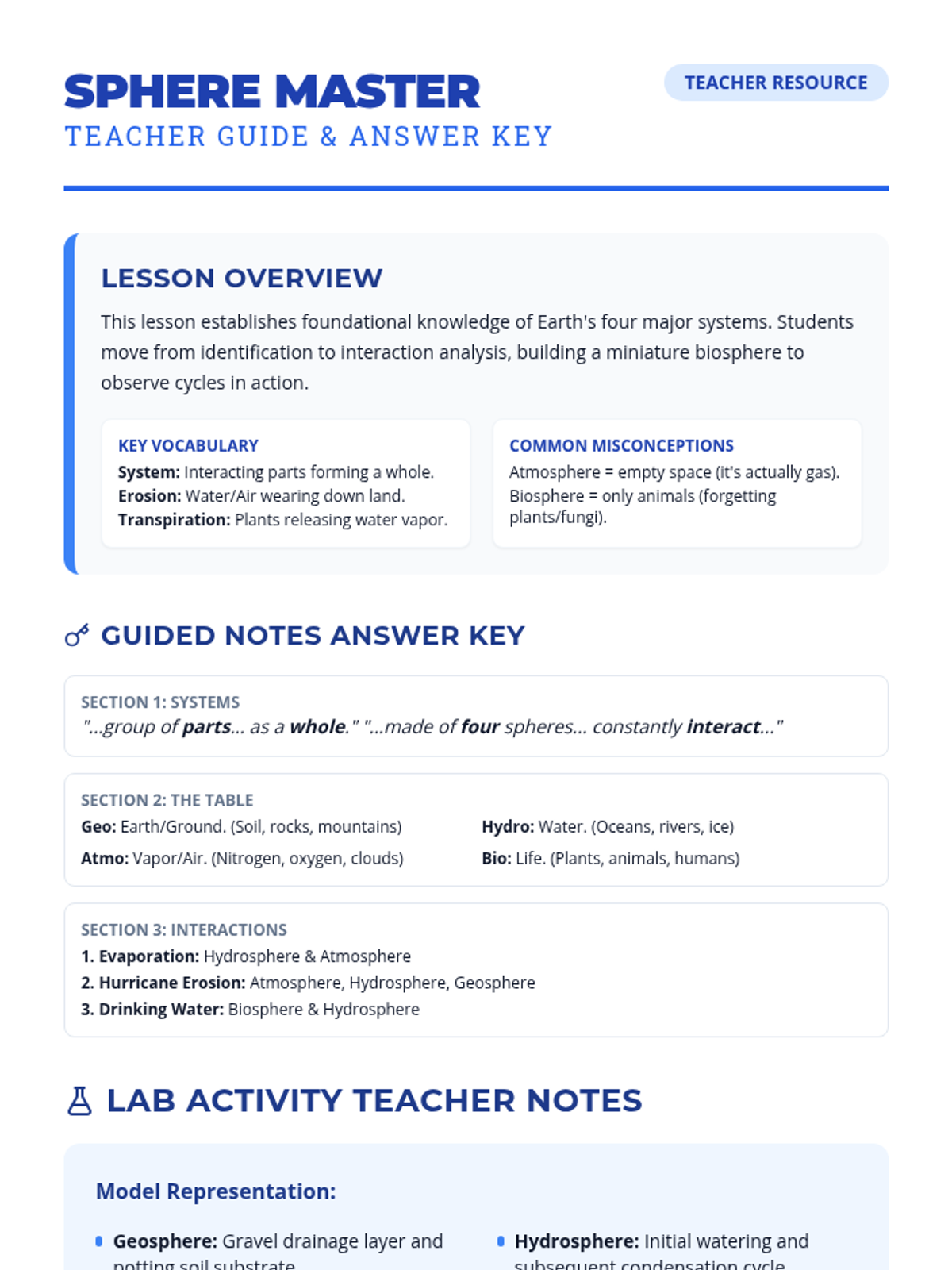
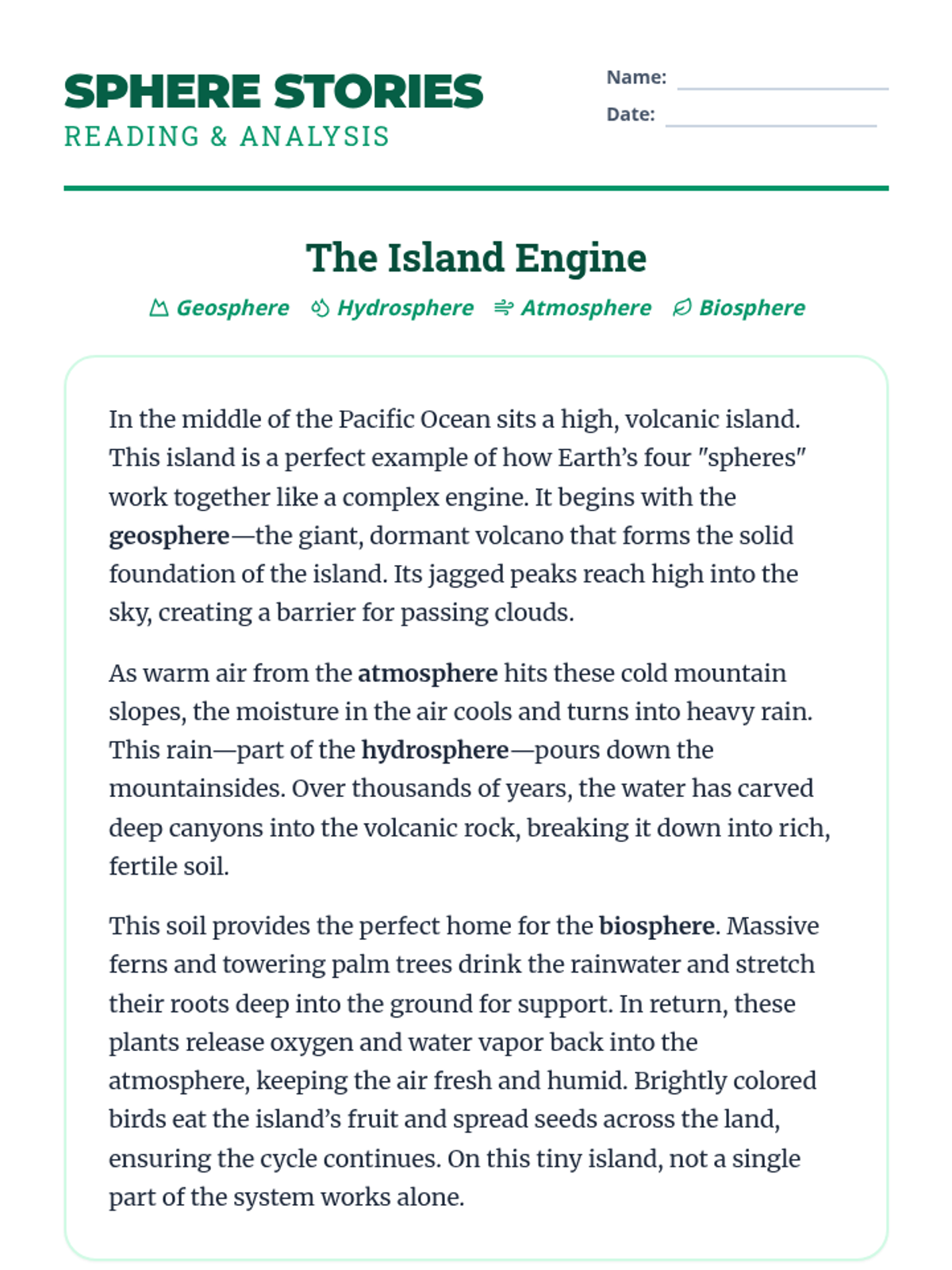
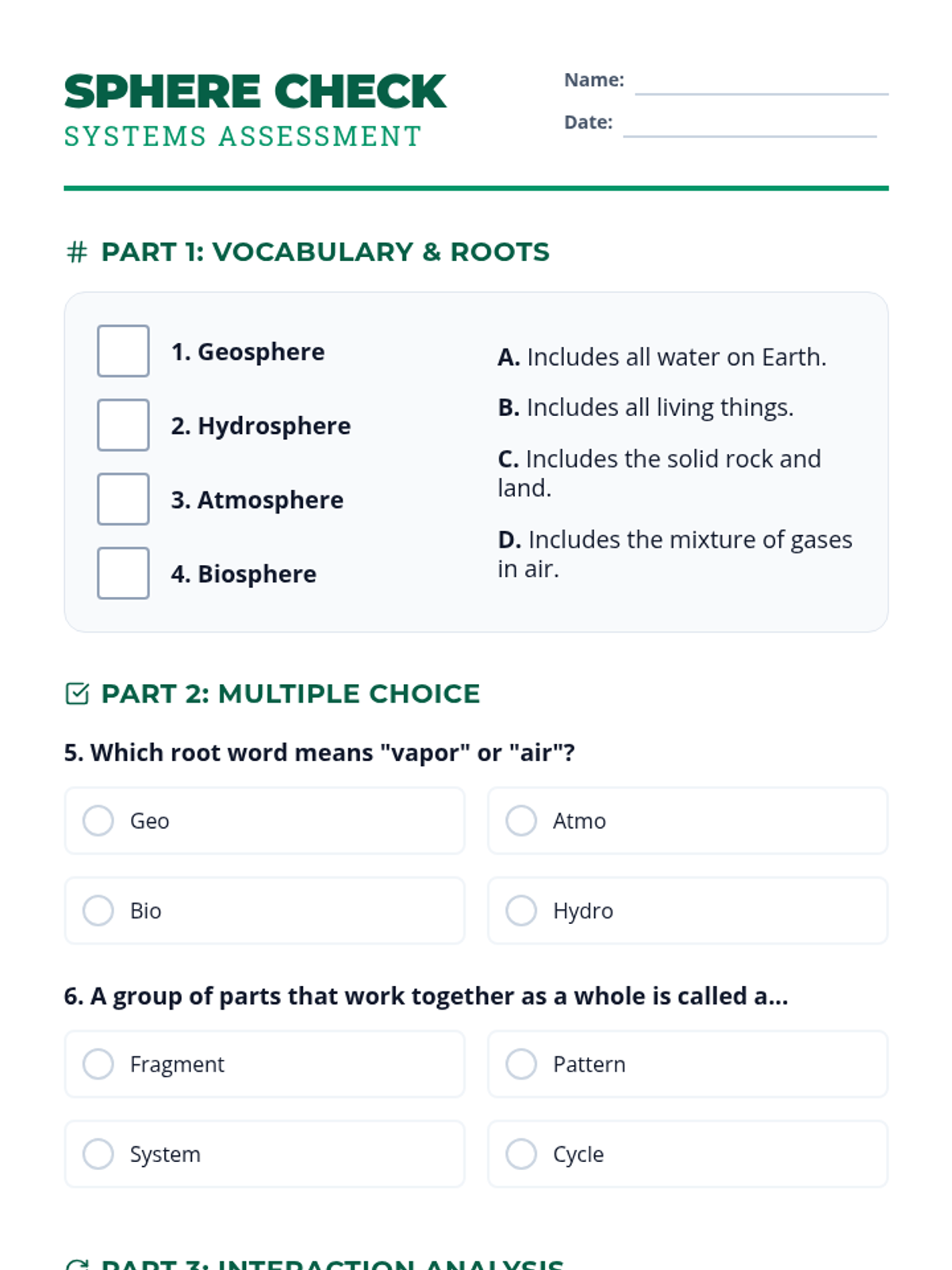
A comprehensive lesson exploring Earth's four major systems: the geosphere, hydrosphere, atmosphere, and biosphere. Students will learn to identify each sphere and describe the complex ways they interact to sustain life and shape the planet.
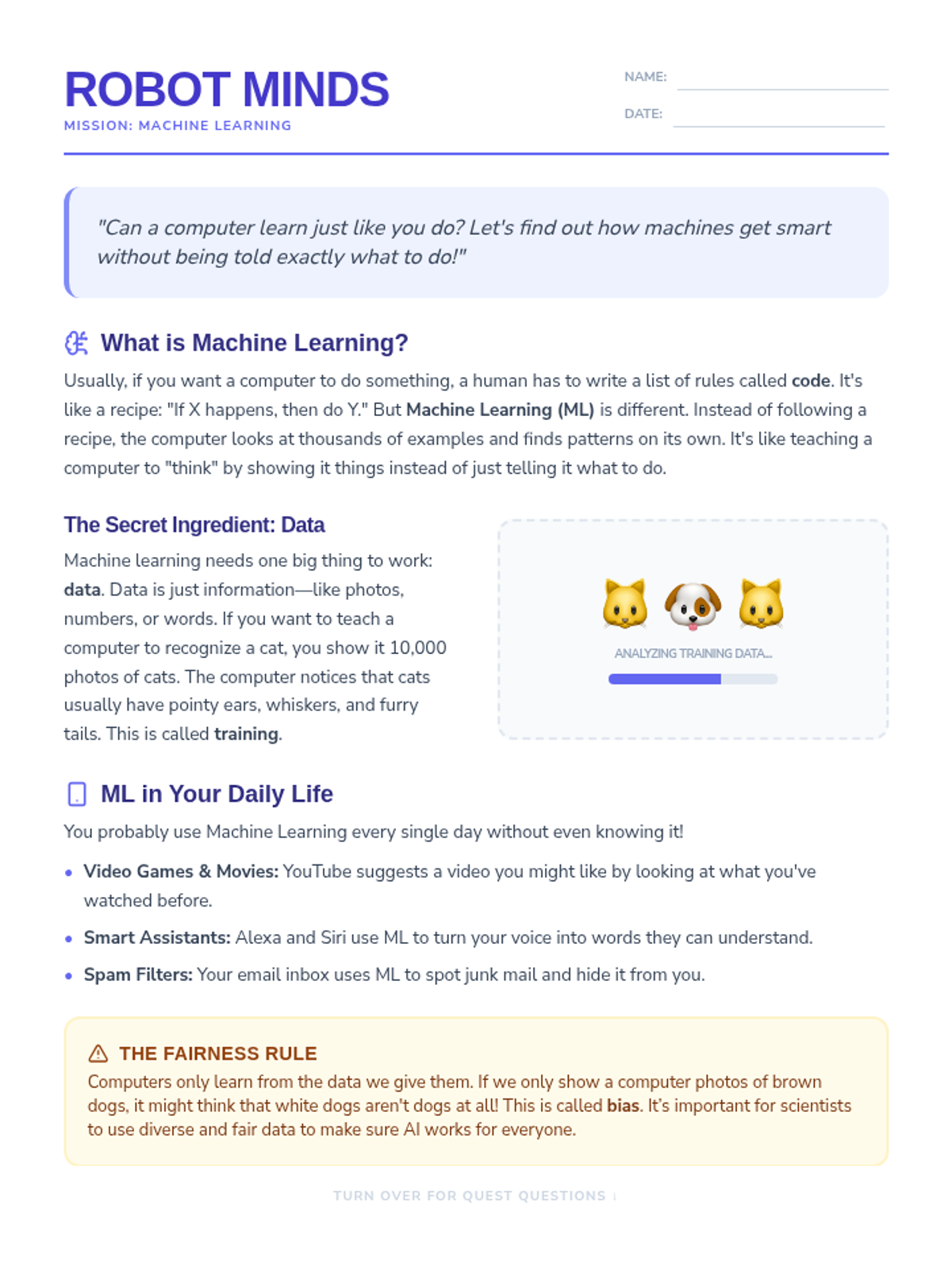
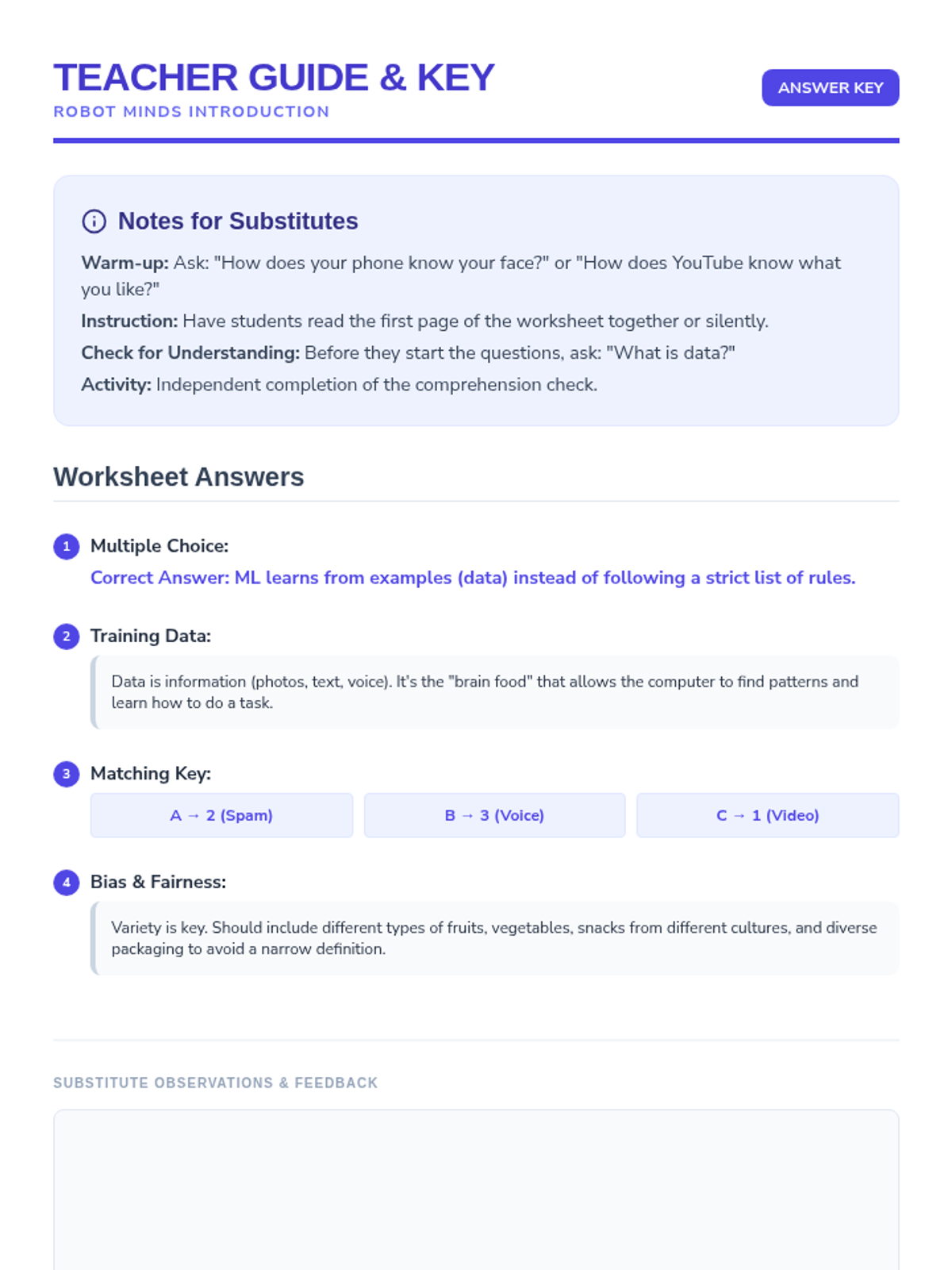
A self-contained lesson introducing 4th and 5th graders to the basics of Machine Learning, focusing on how computers learn from patterns and data.
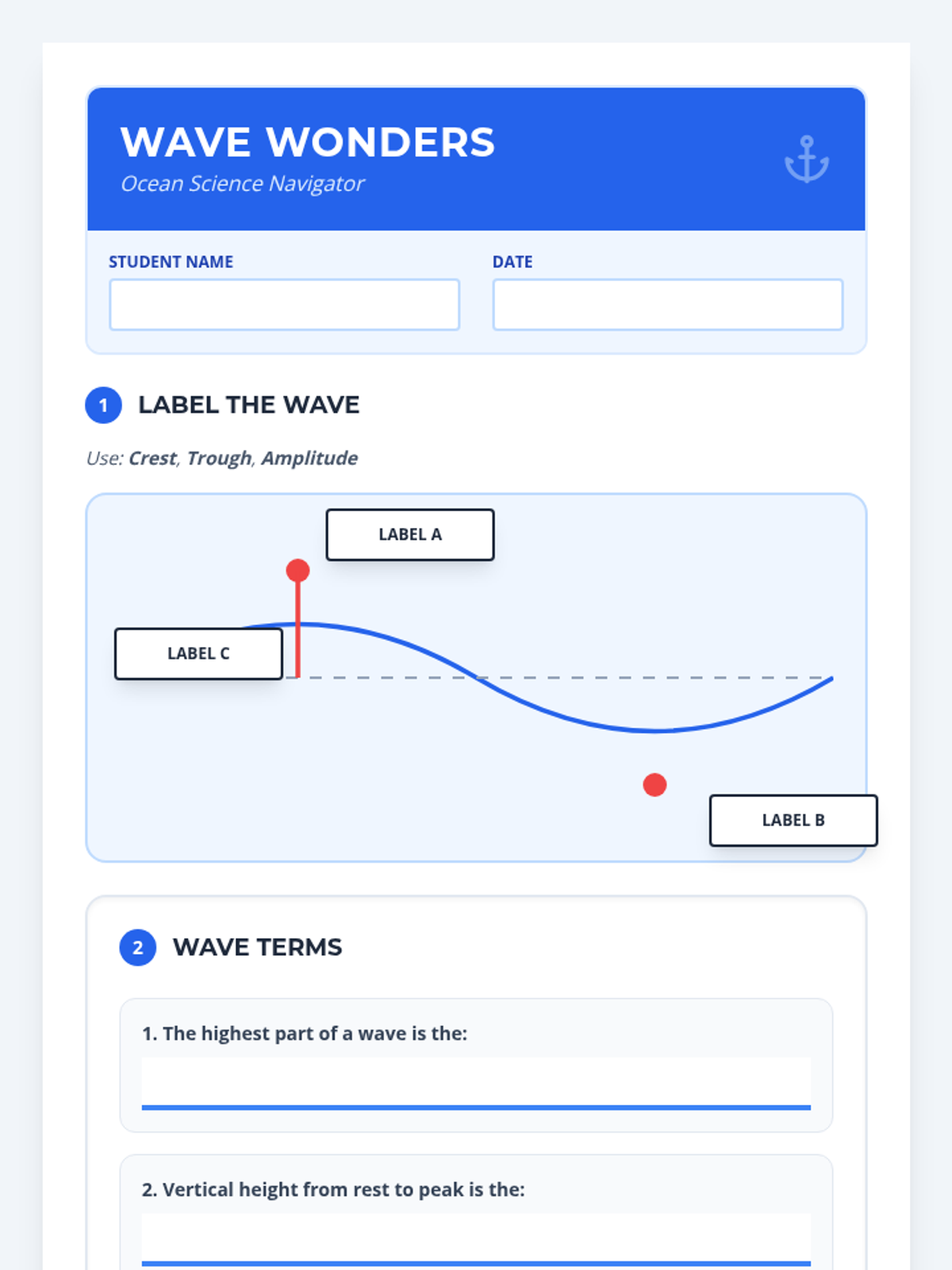
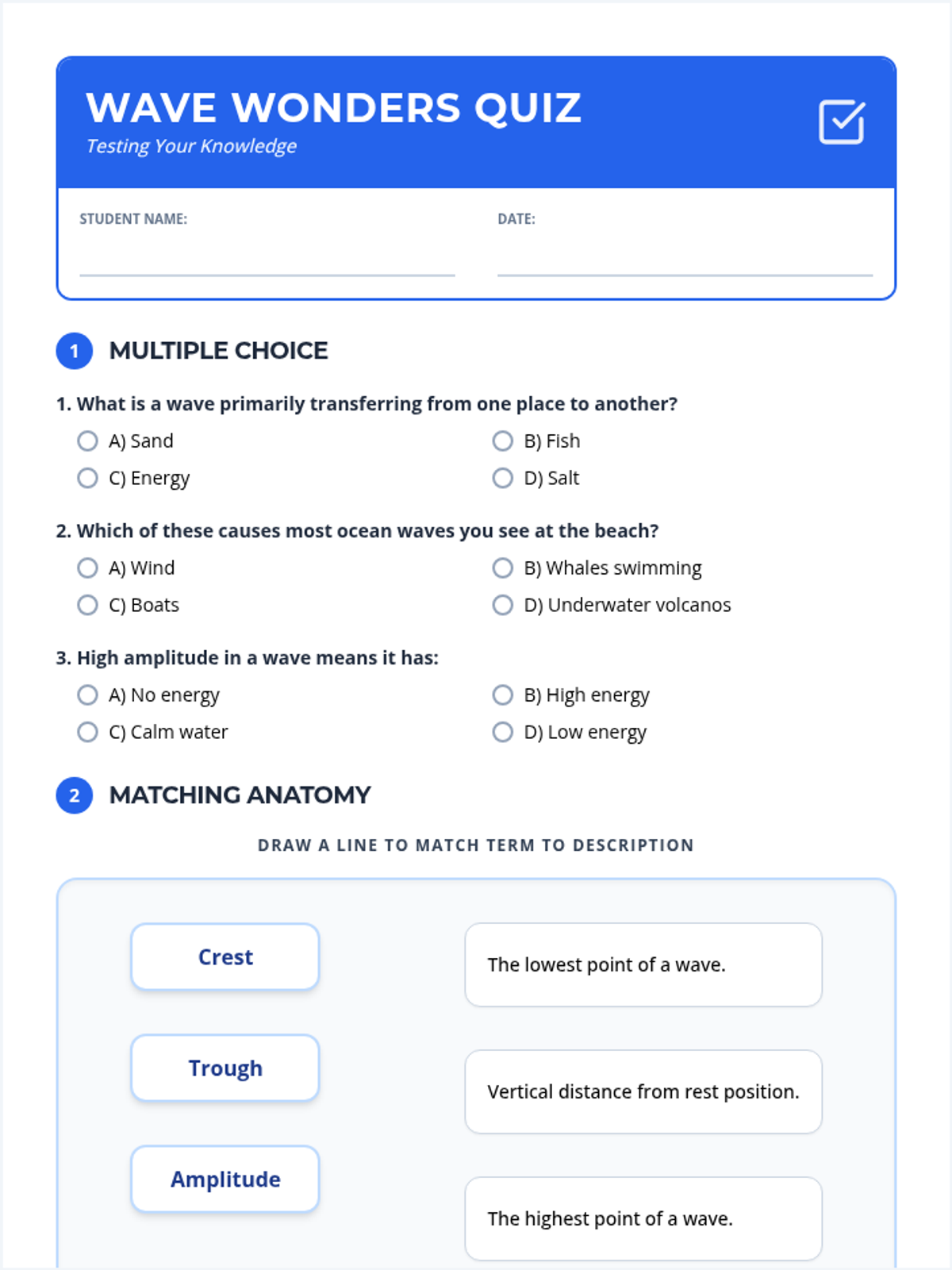
An engaging science lesson for 4th graders exploring the anatomy of ocean waves, focusing on crest, trough, and amplitude through visual models and interactive checking.
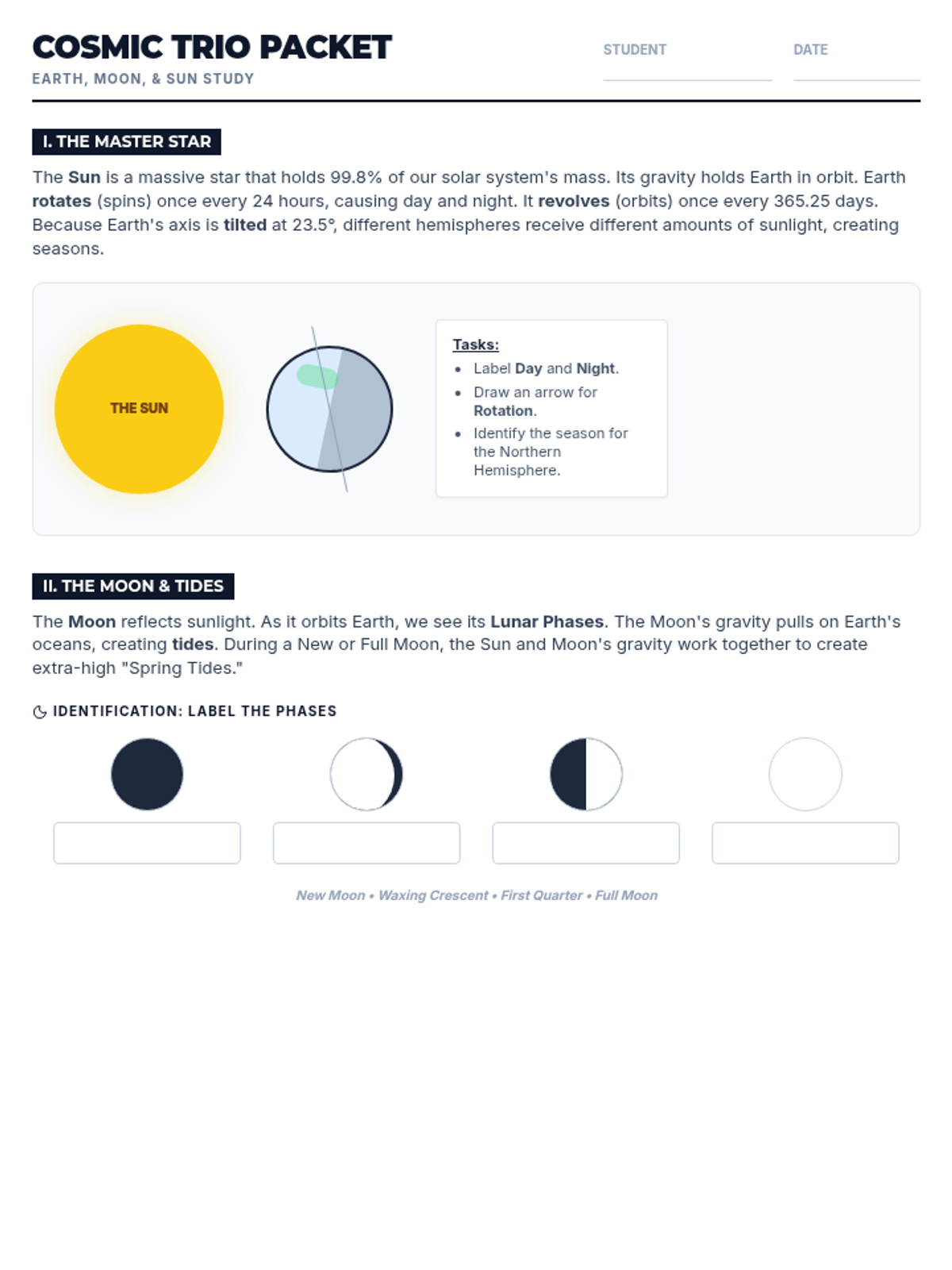
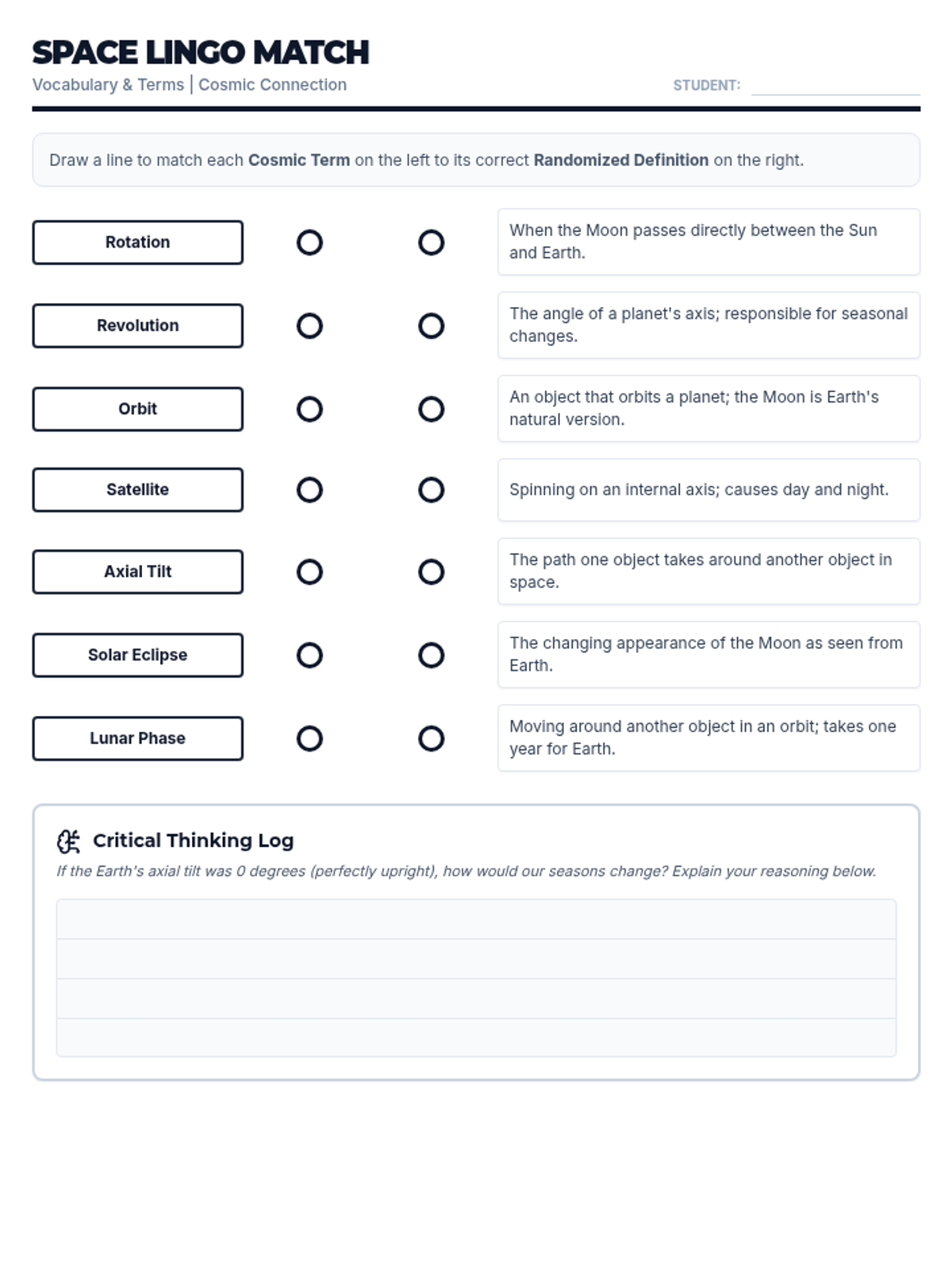
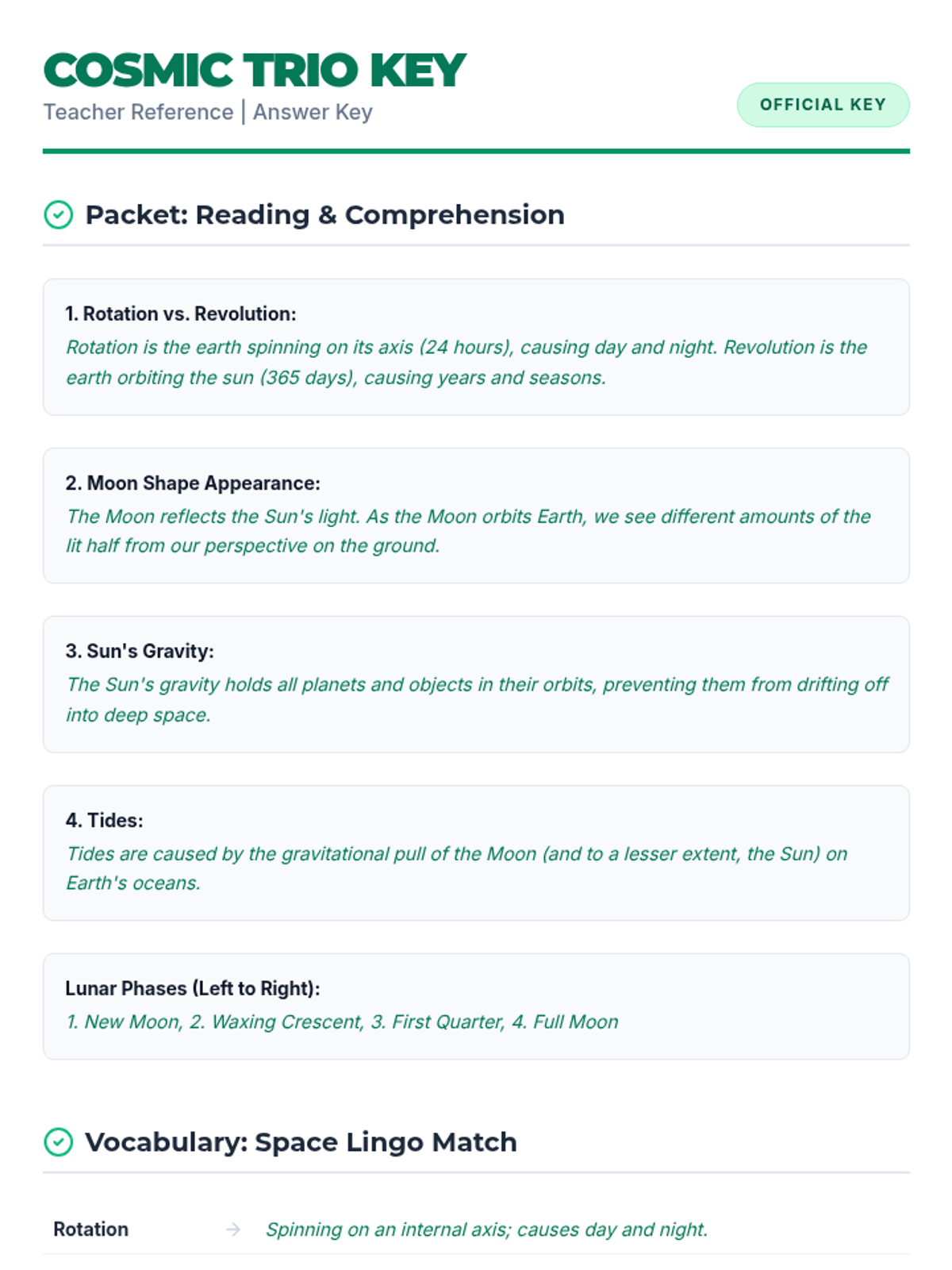
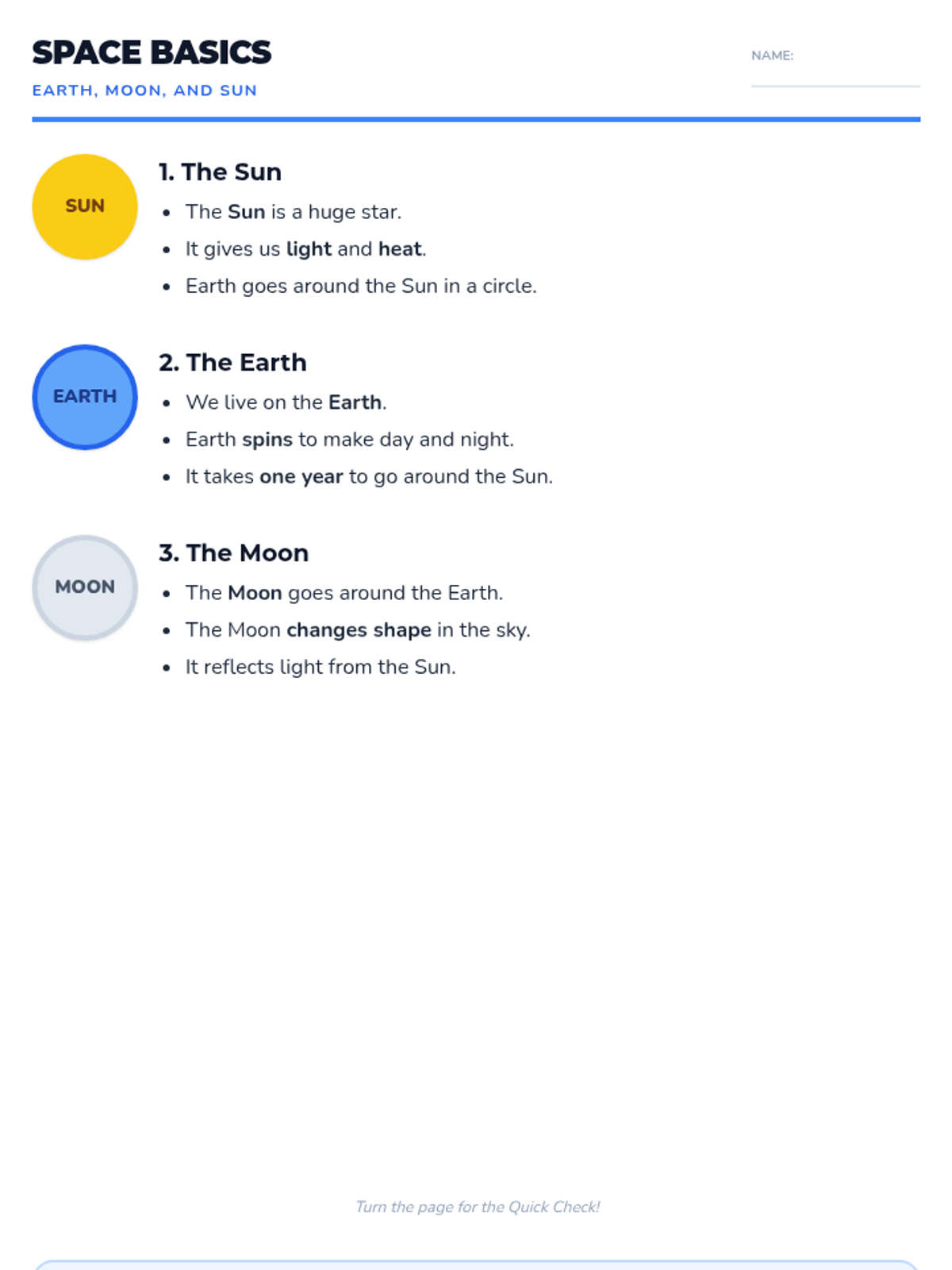
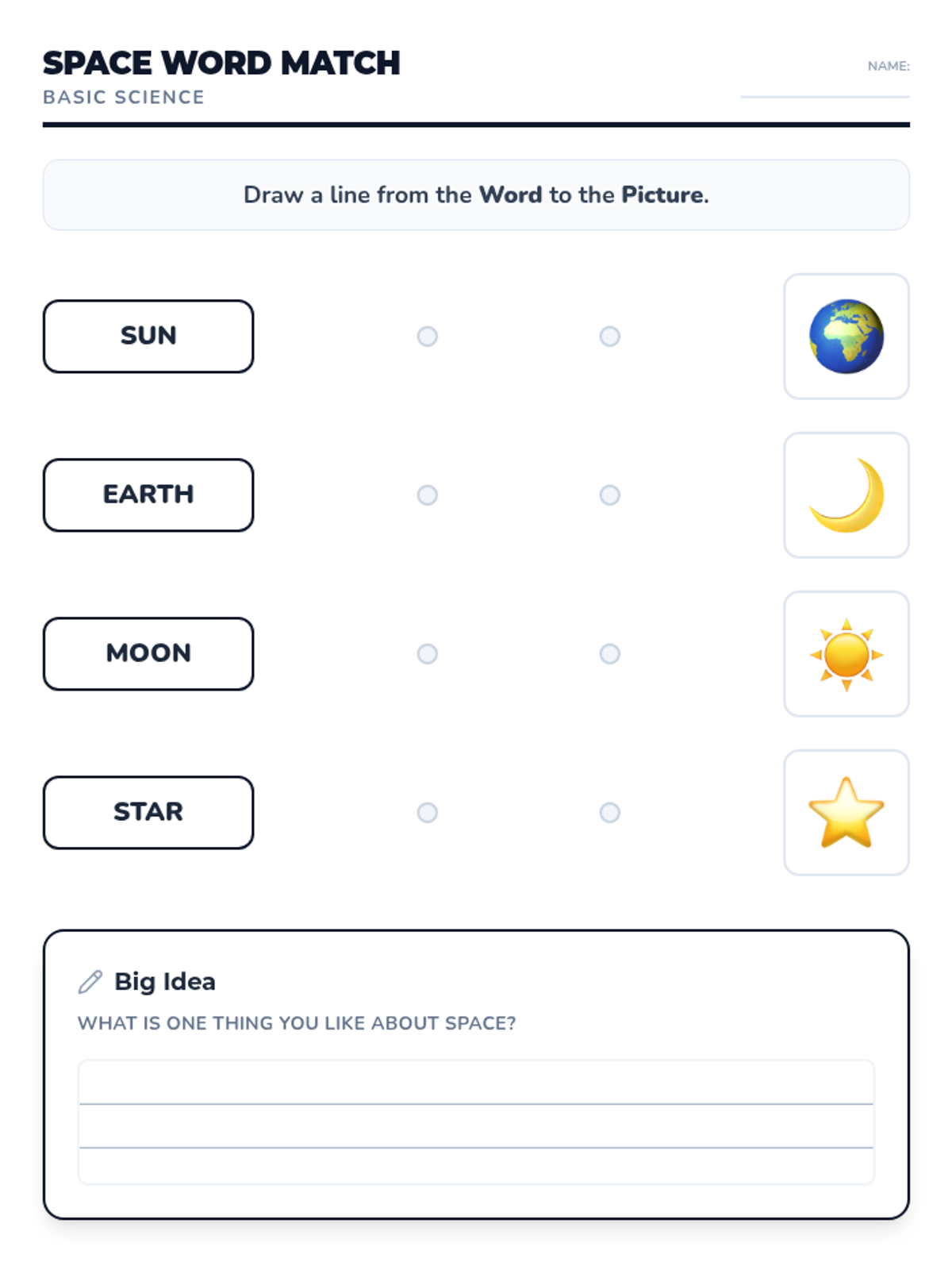
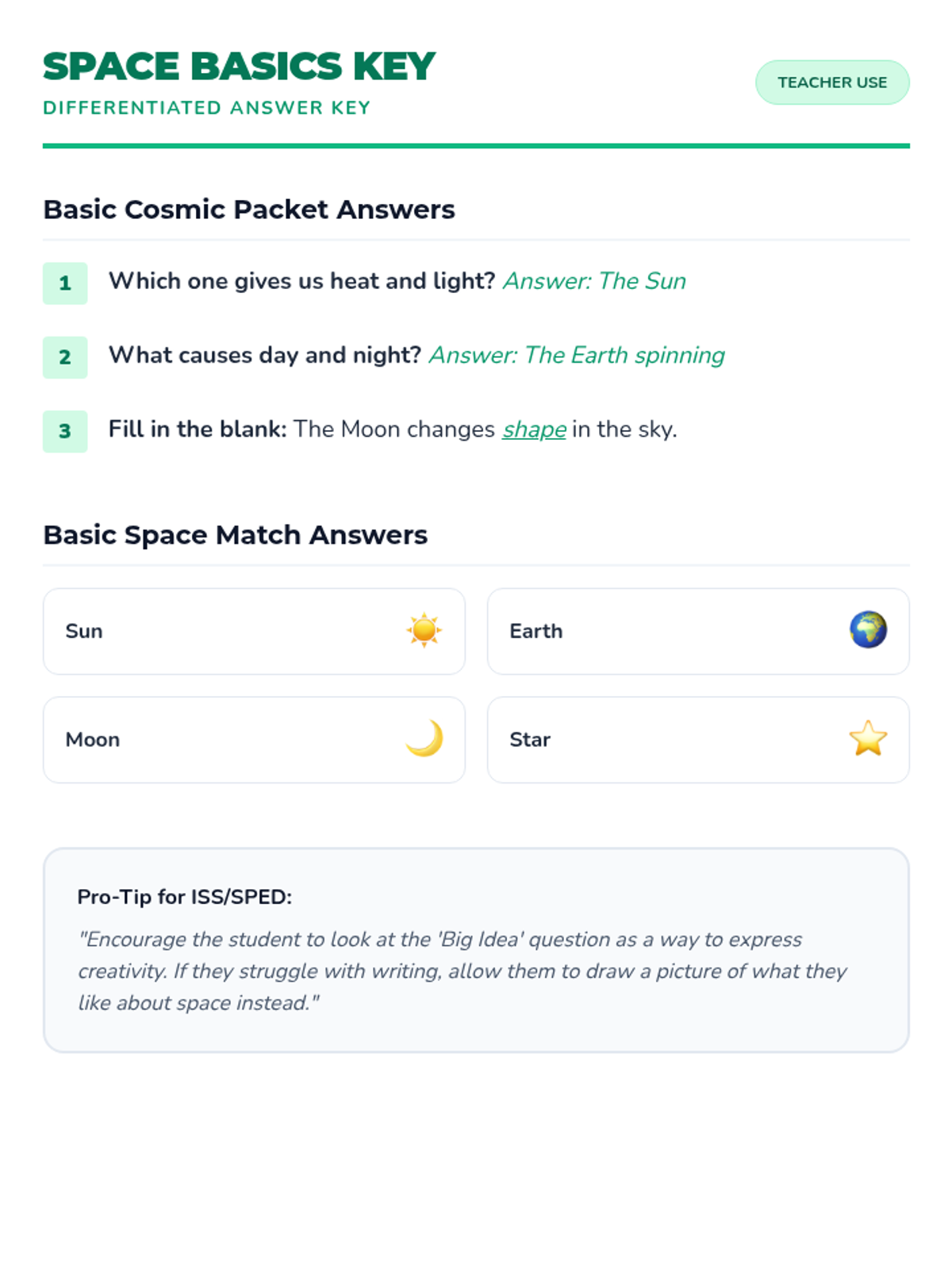
An independent study unit exploring the relationships between the Earth, Moon, and Sun, covering rotation, revolution, moon phases, and gravity.
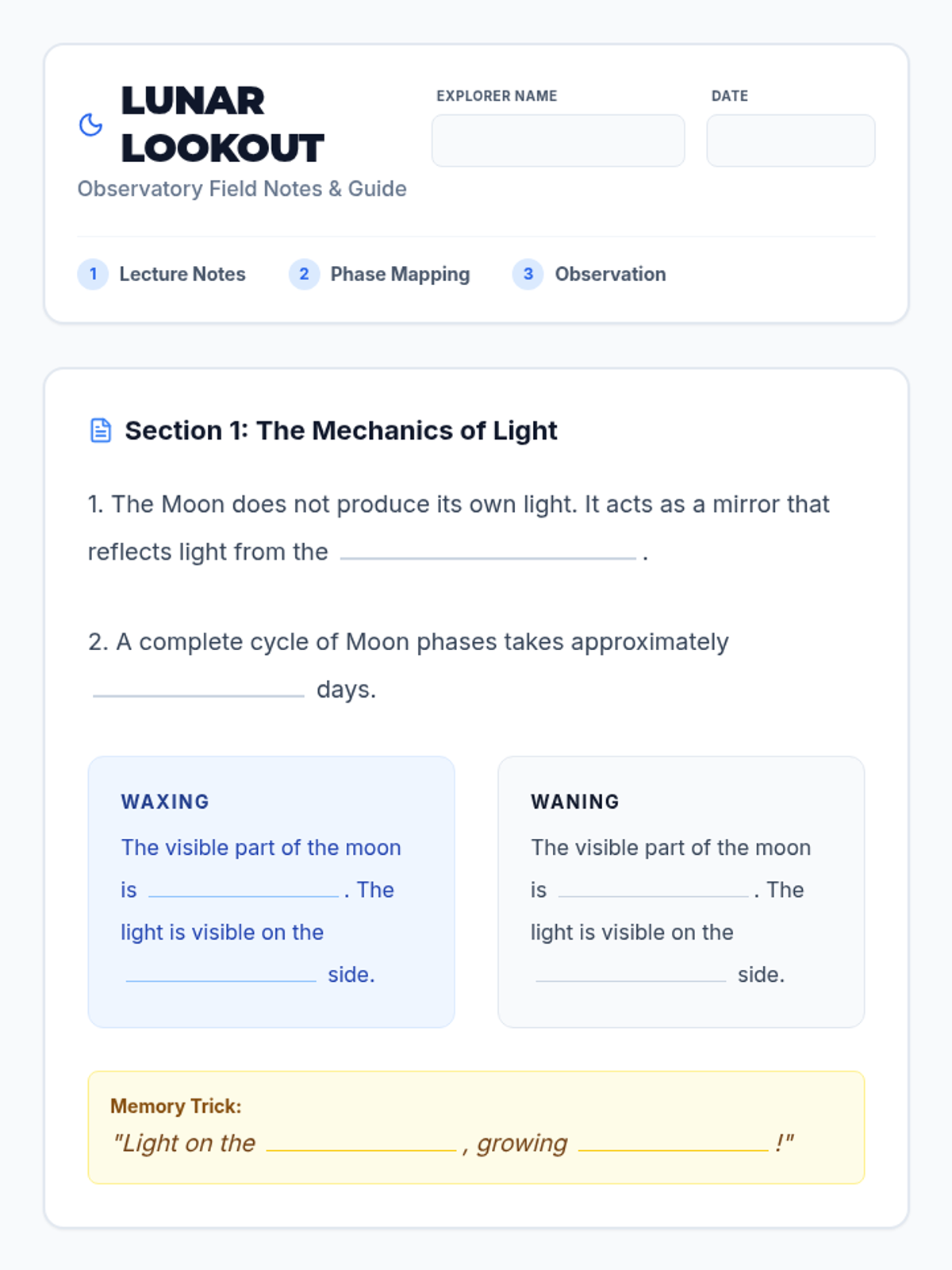
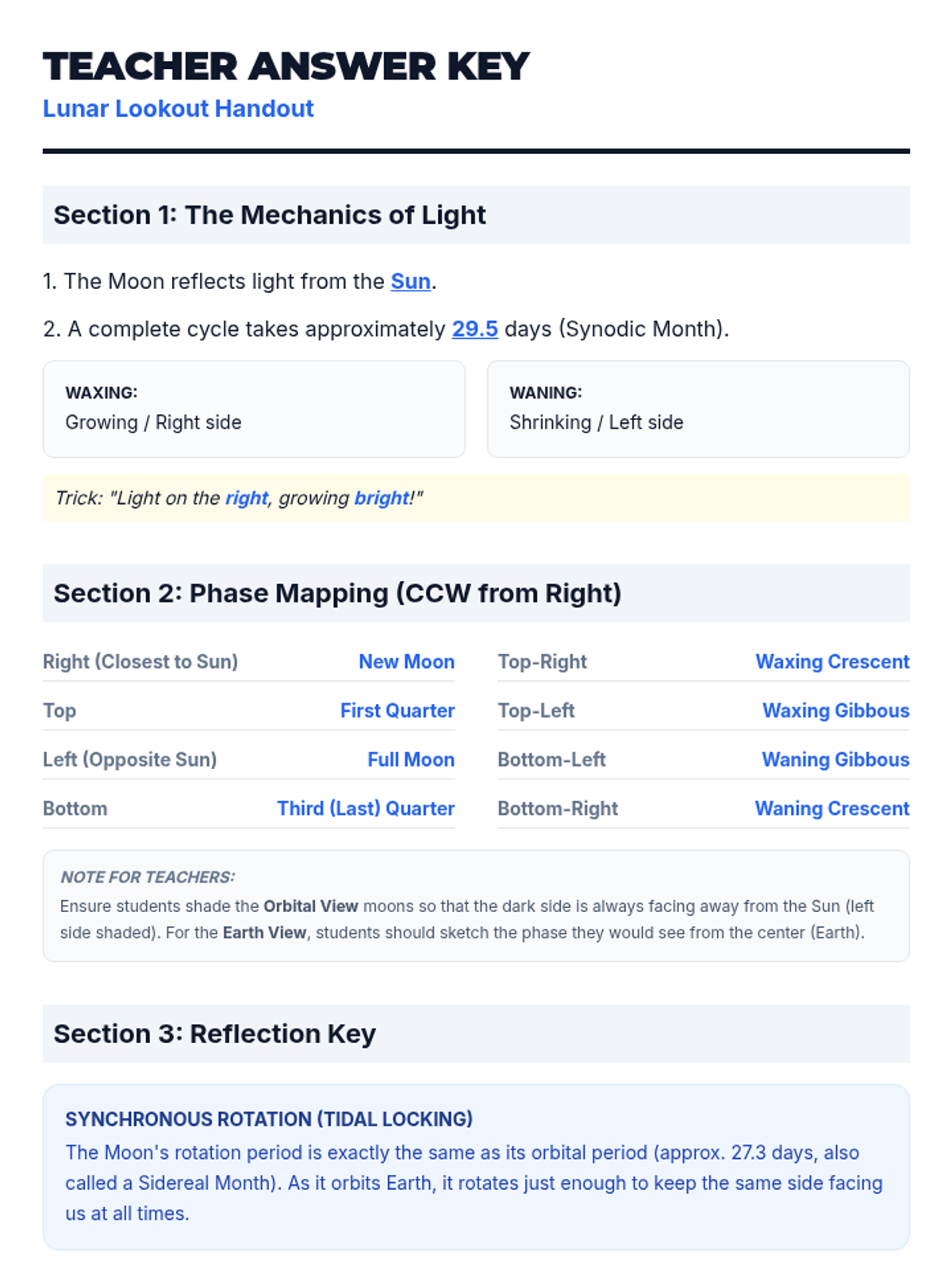
A complete introductory lesson on the lunar cycle, covering the eight phases of the moon, the concepts of waxing and waning, and the orbital relationship between the Earth, Moon, and Sun.
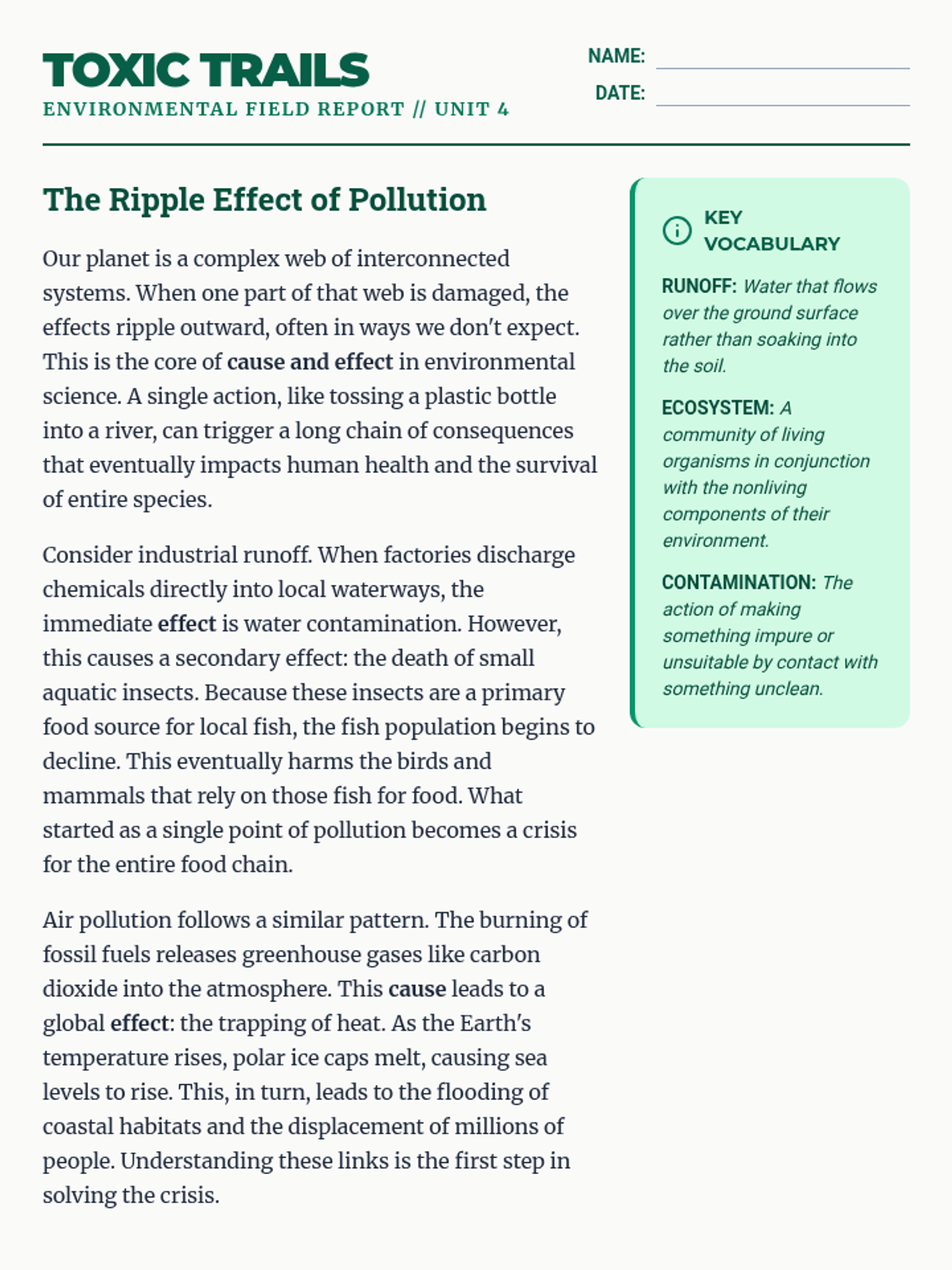
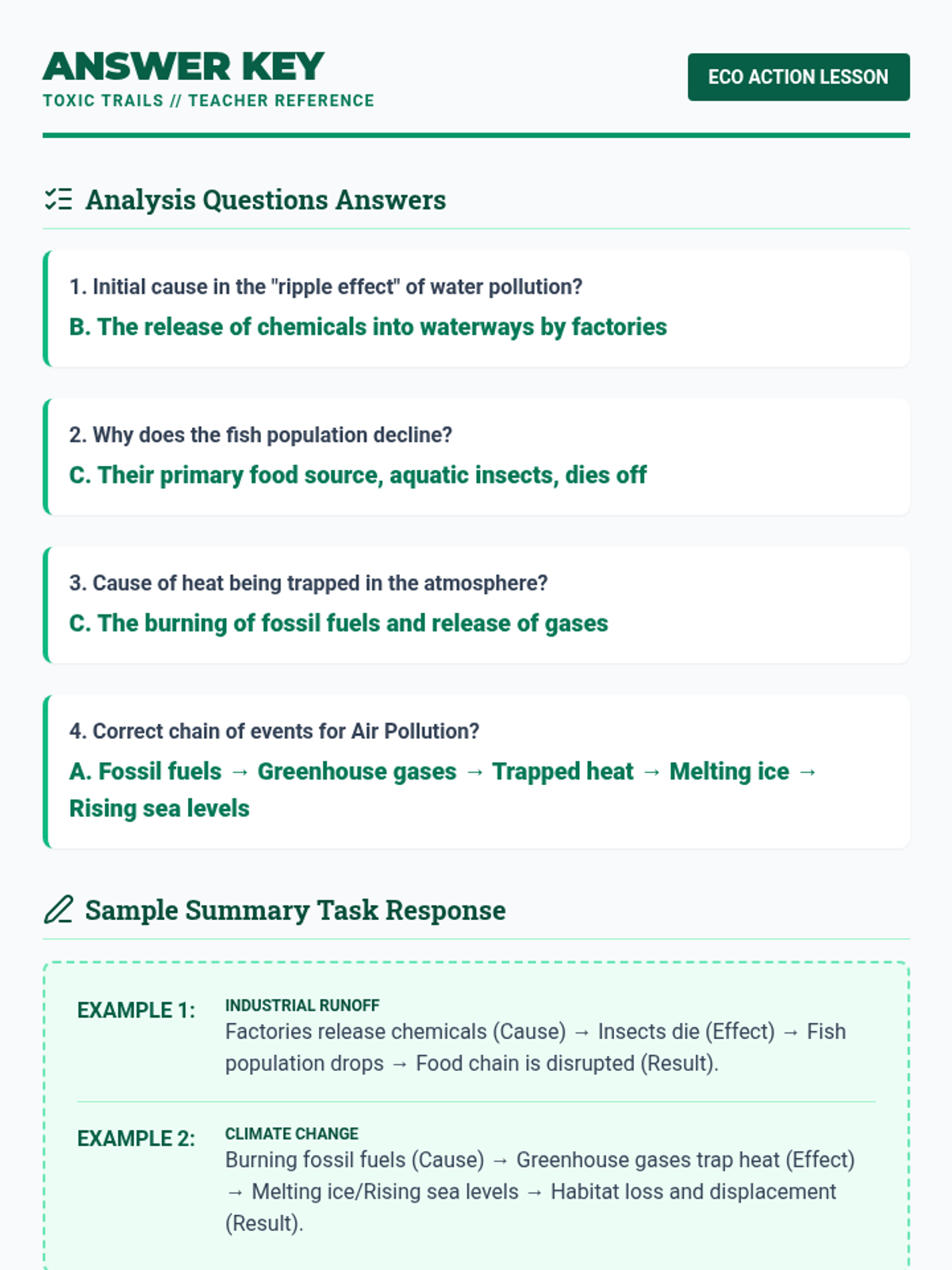
An investigative look into the cause-and-effect relationships of environmental pollution, focusing on how human activities impact Earth's ecosystems.