This lesson explores why Earth has seasons using hands-on modeling of Earth's tilt and orbit. It is specifically designed for 14-17 year old autistic students with a 2nd-grade cognitive level, focusing on simple, visual, and tactile explanations.
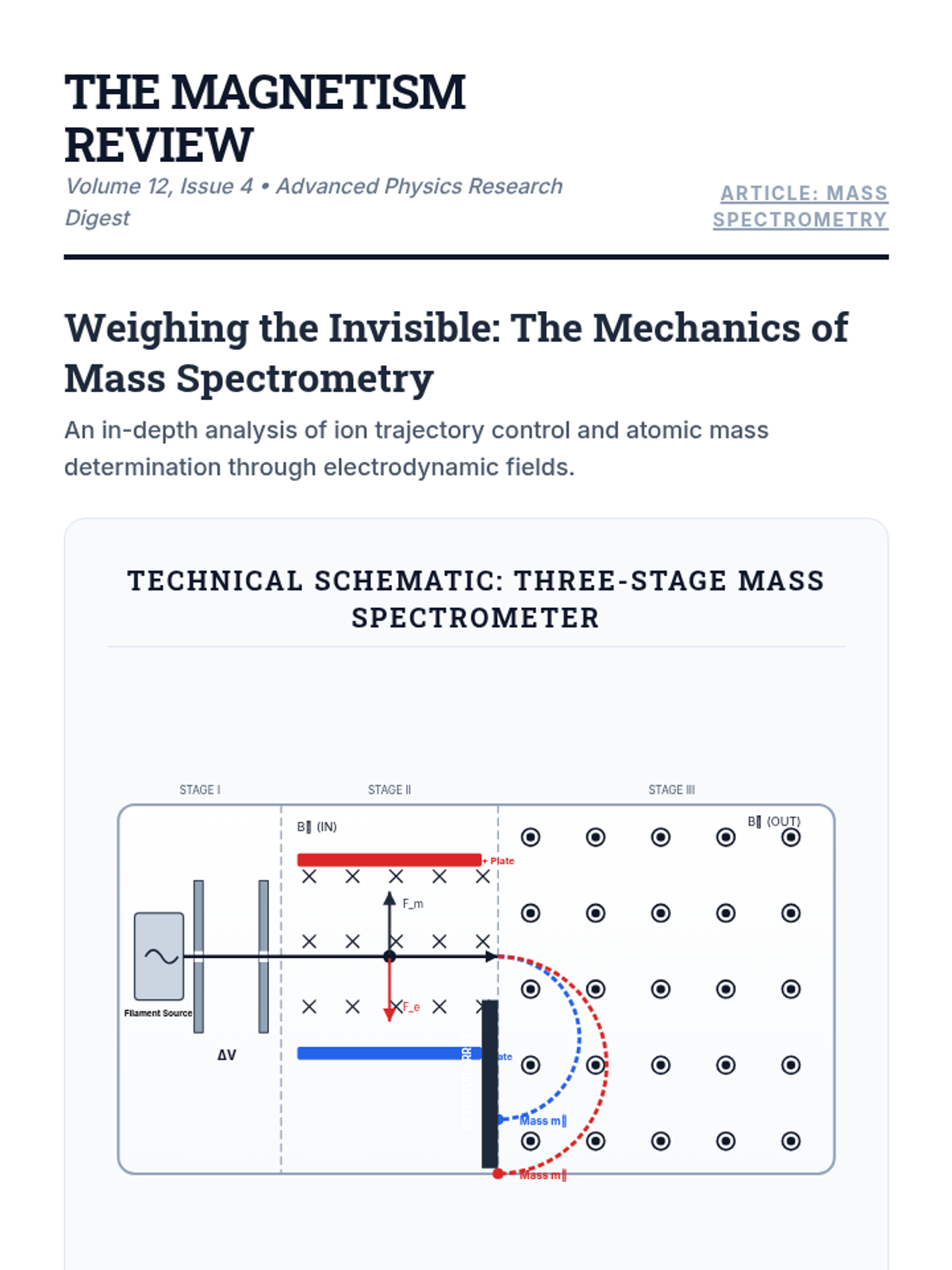
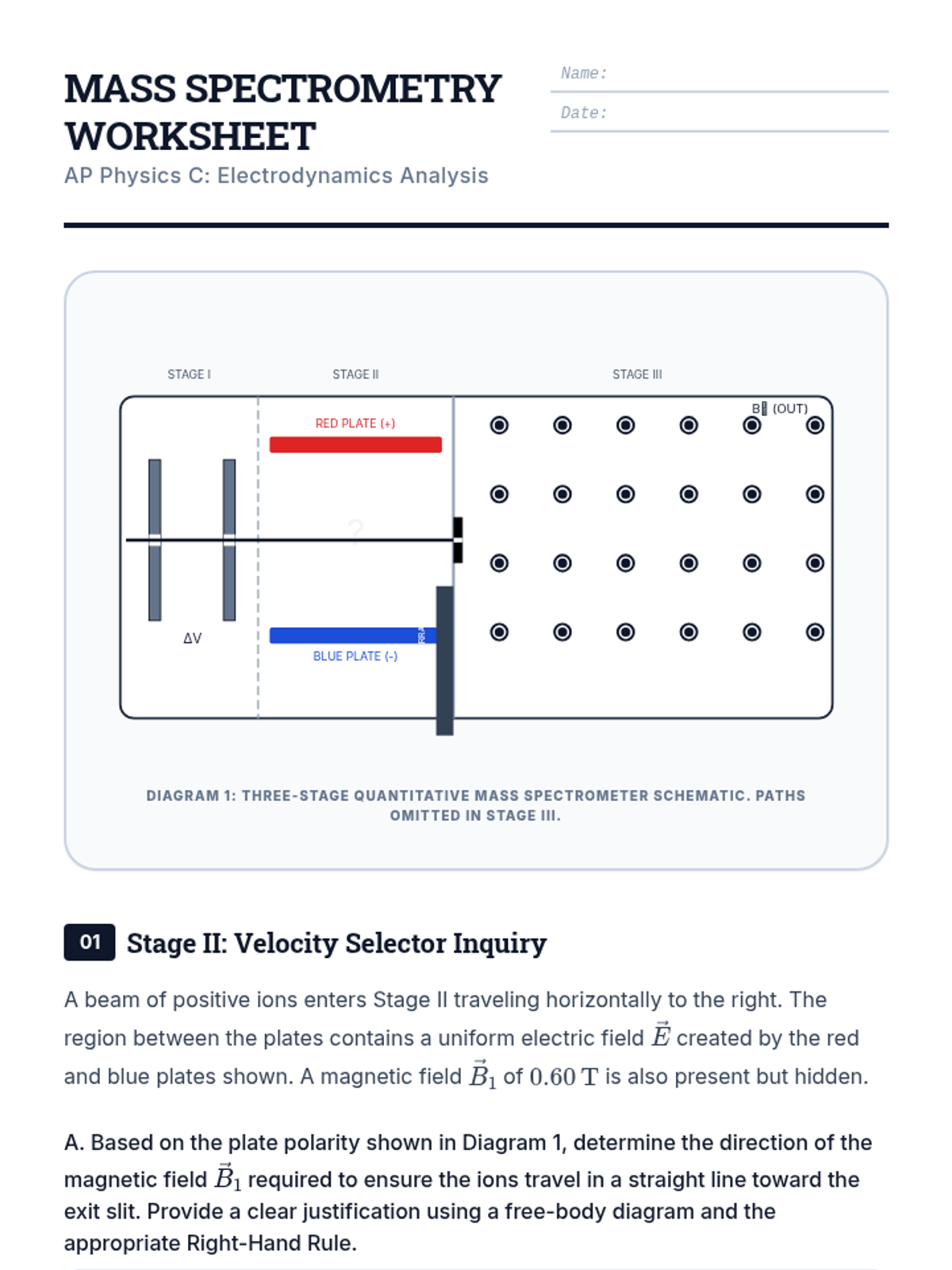
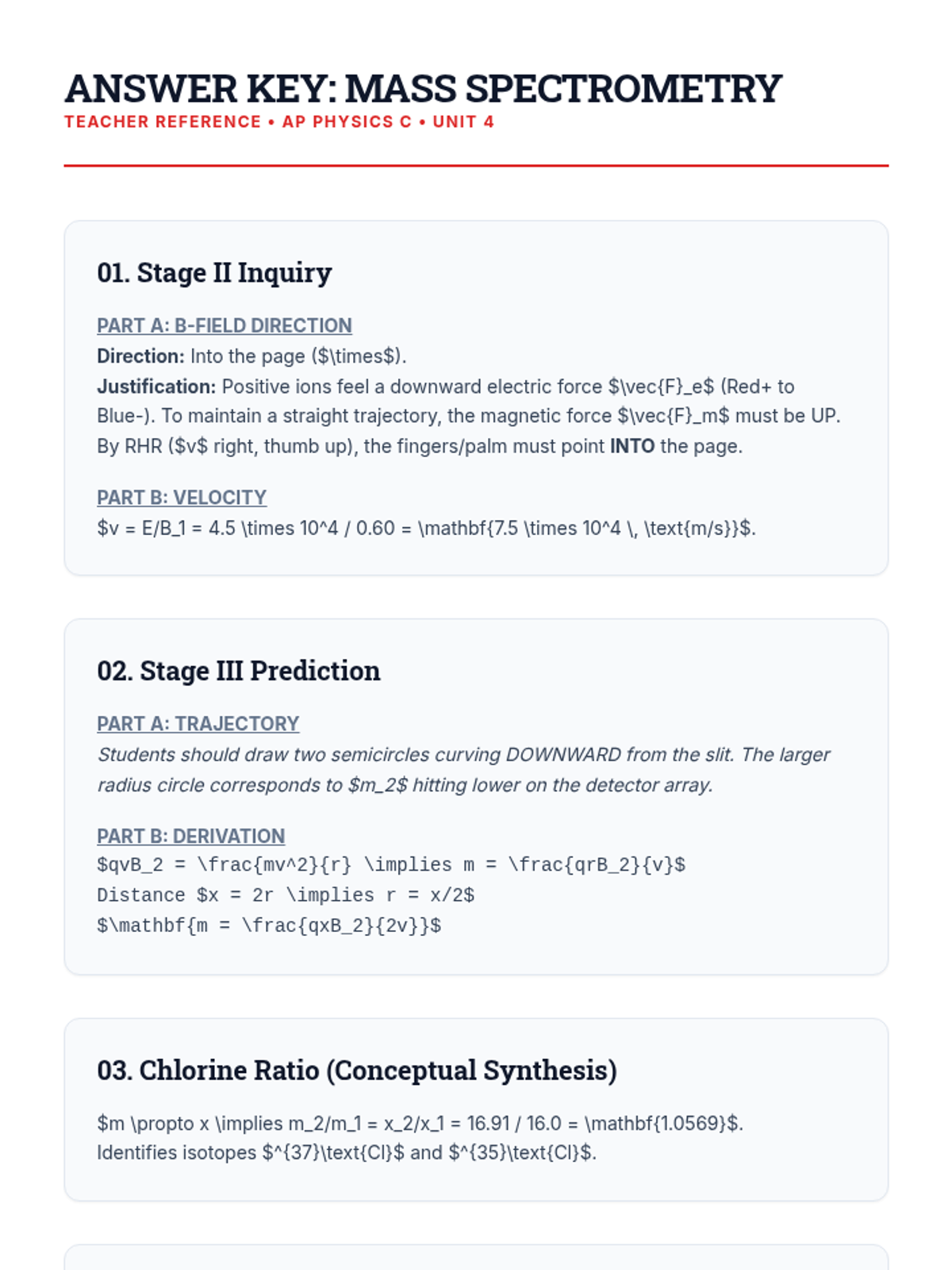
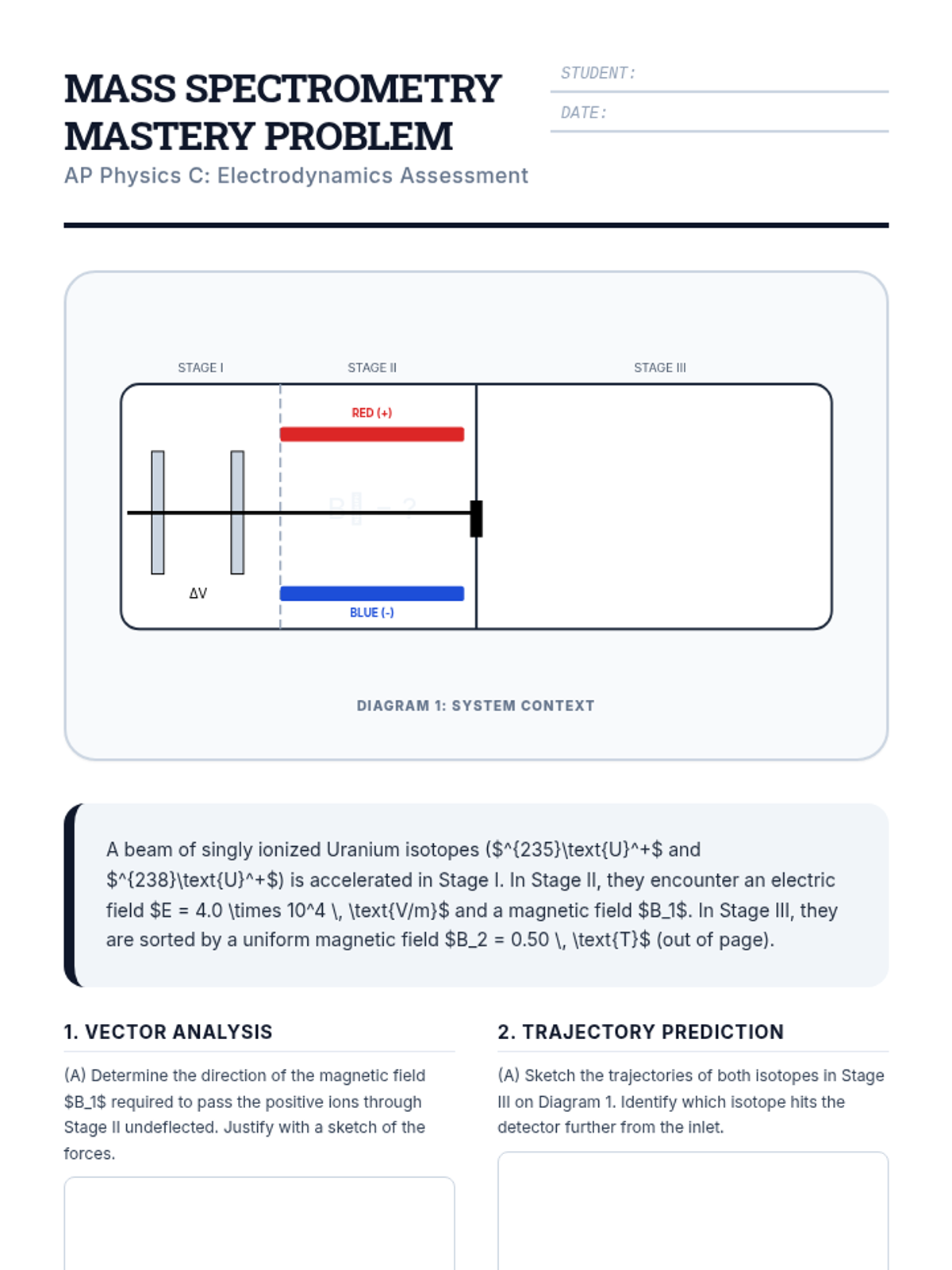
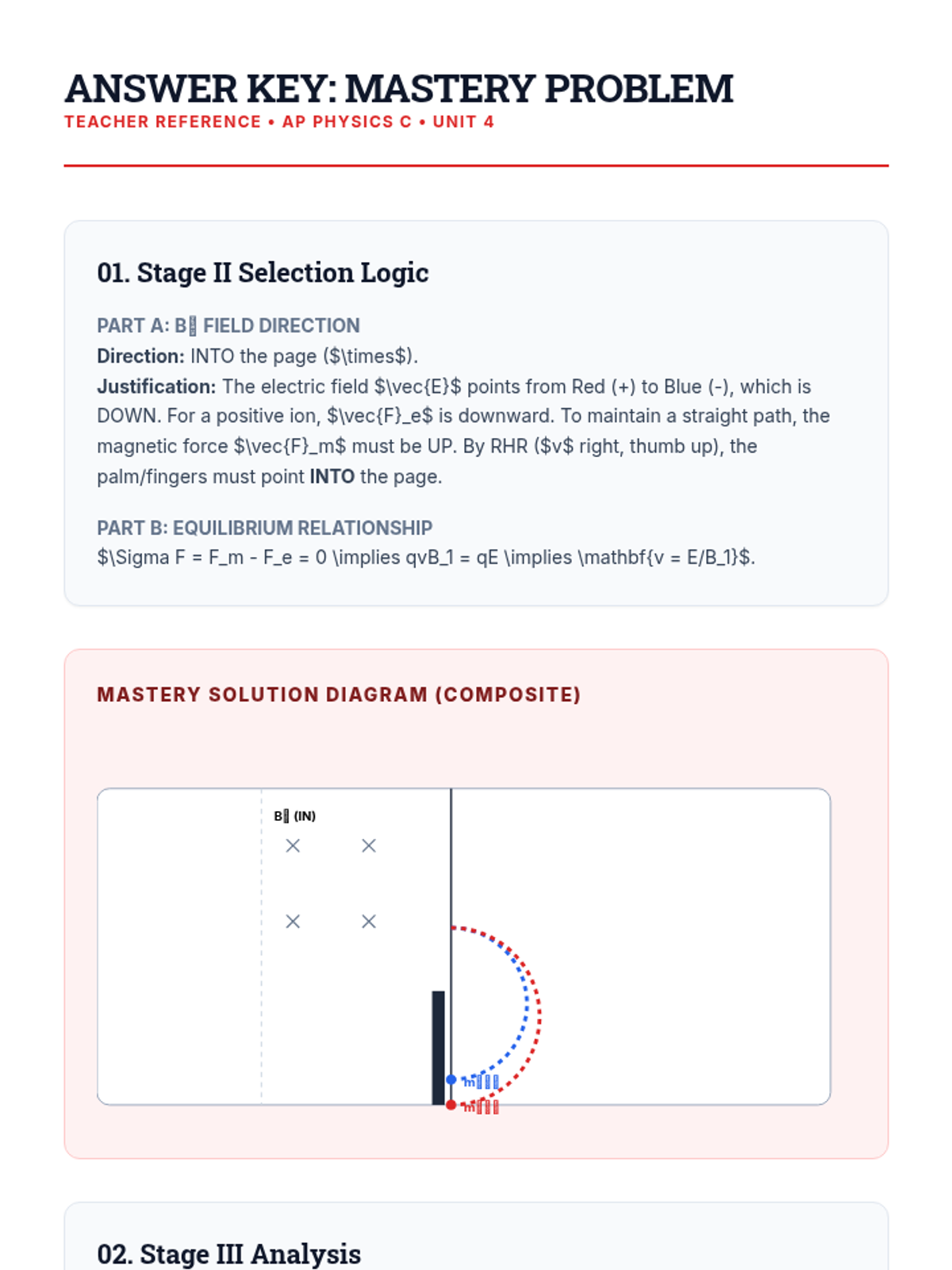
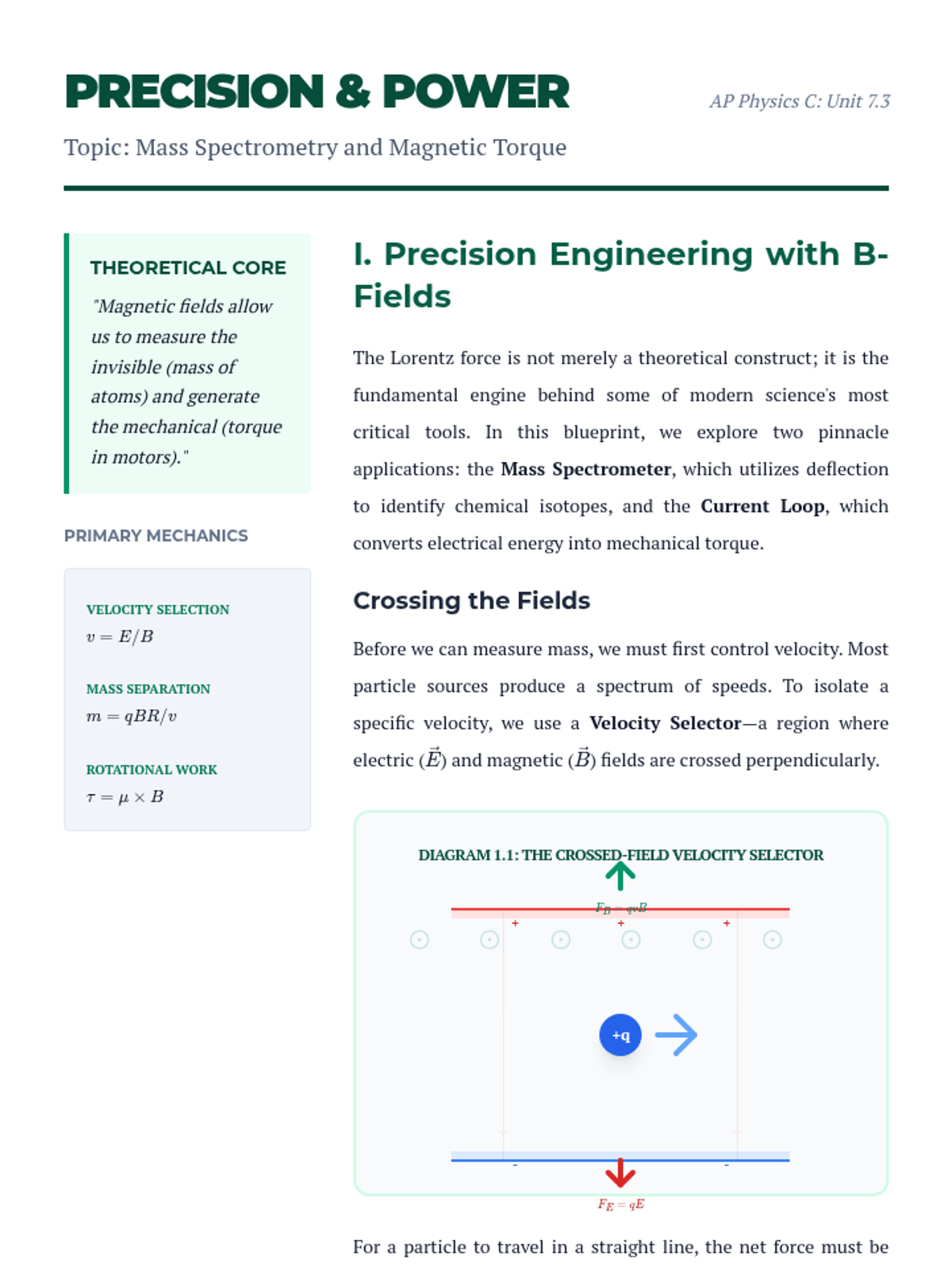
A deep dive into the behavior of charged particles in magnetic fields, focusing on the mechanics of mass spectrometry and the rotational dynamics of current-carrying loops. Students will derive key equations for particle paths and analyze the torque that drives electric motors.
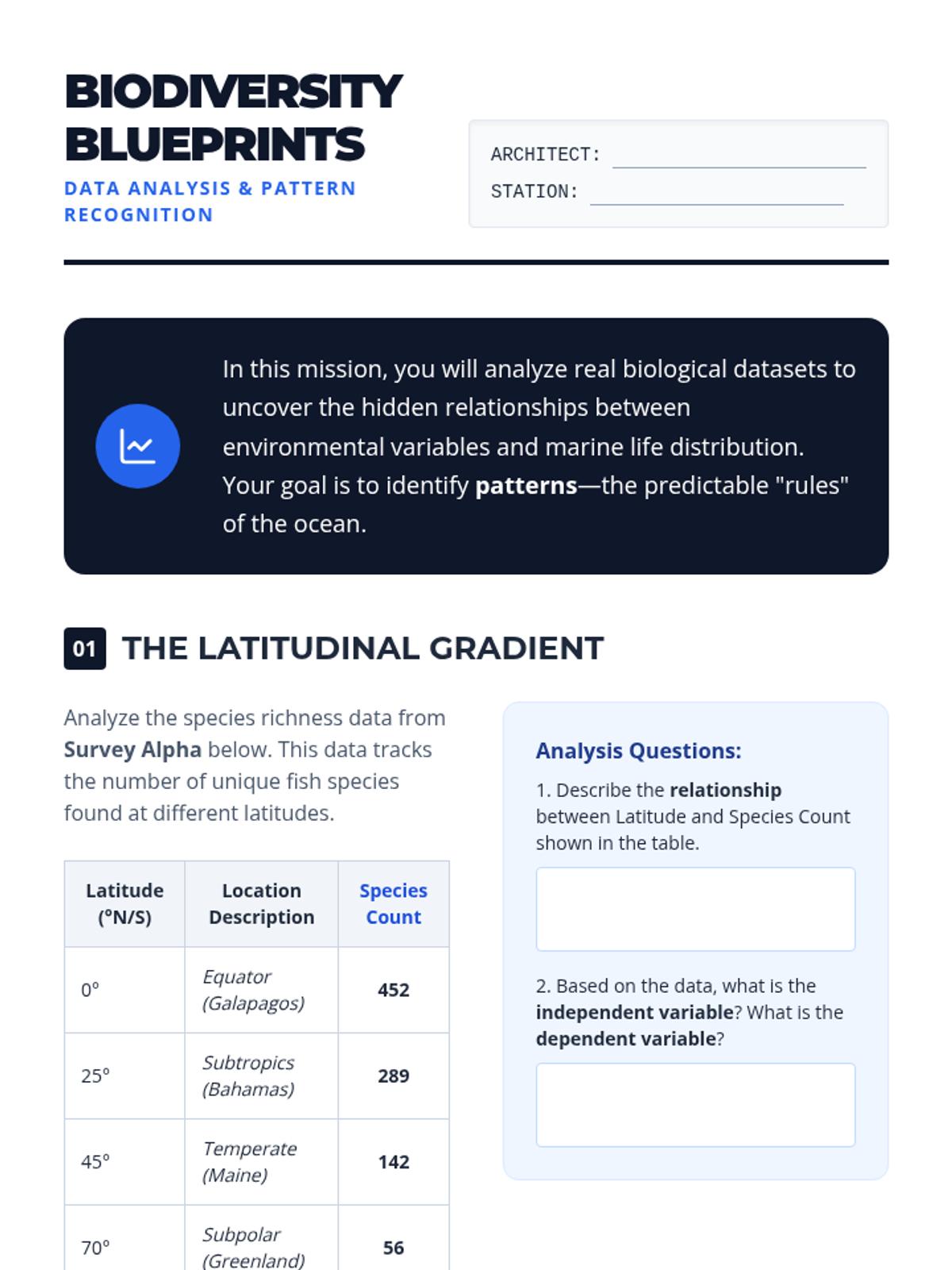
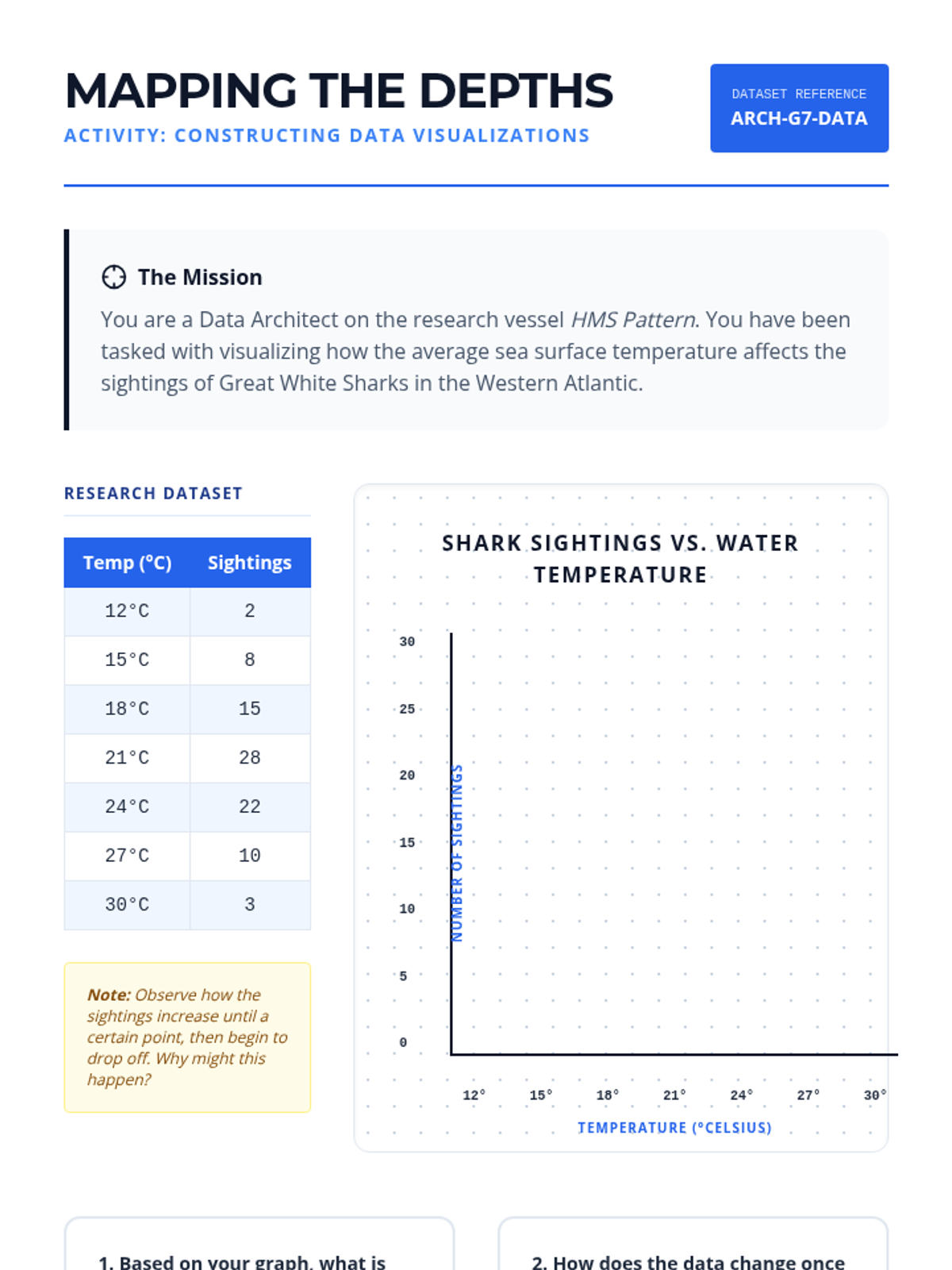
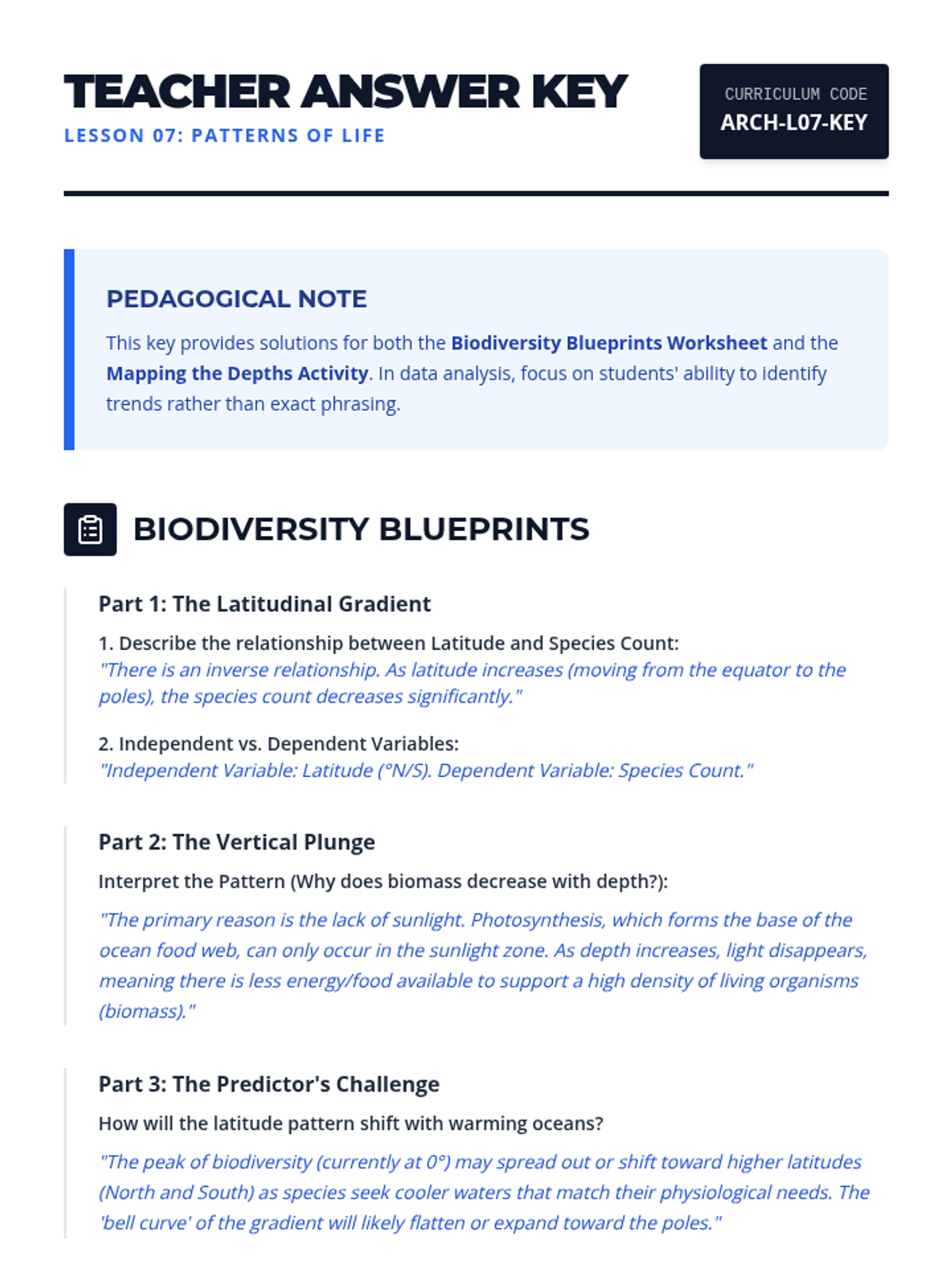
Focuses on identifying and interpreting biological patterns across the ocean. Students analyze biodiversity datasets and create visualizations to understand how environmental variables like temperature, depth, and latitude dictate where marine life thrives.
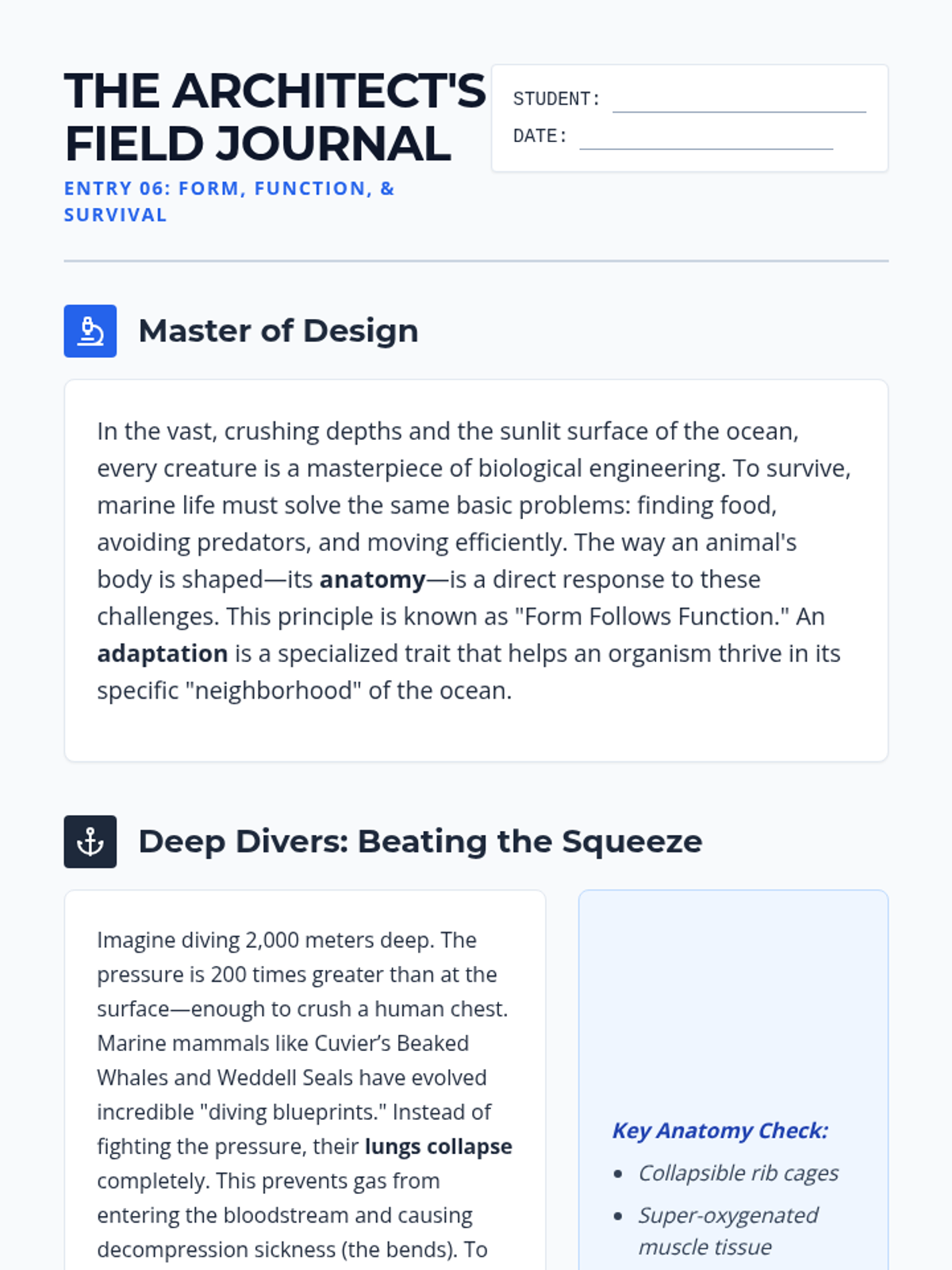
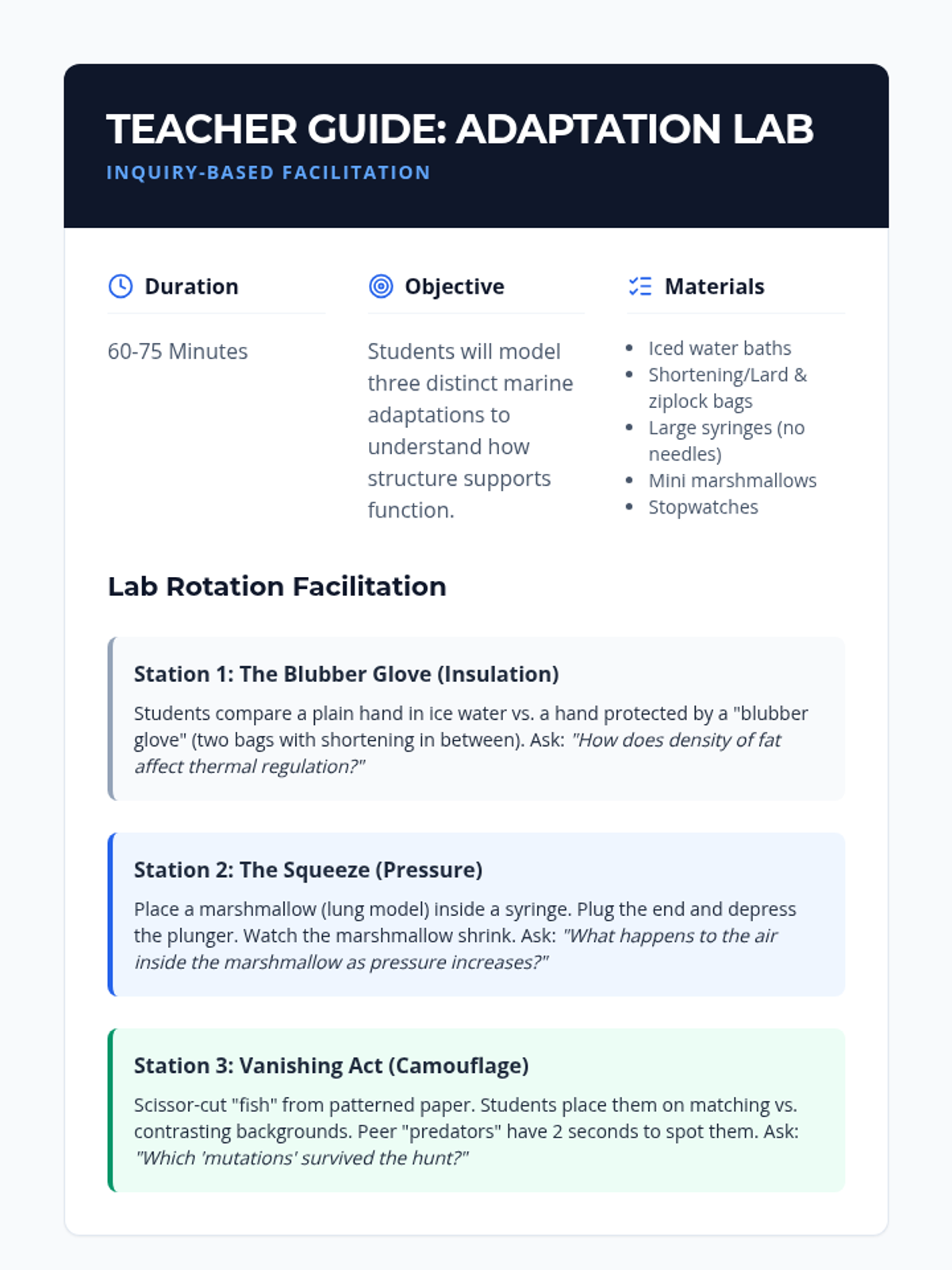
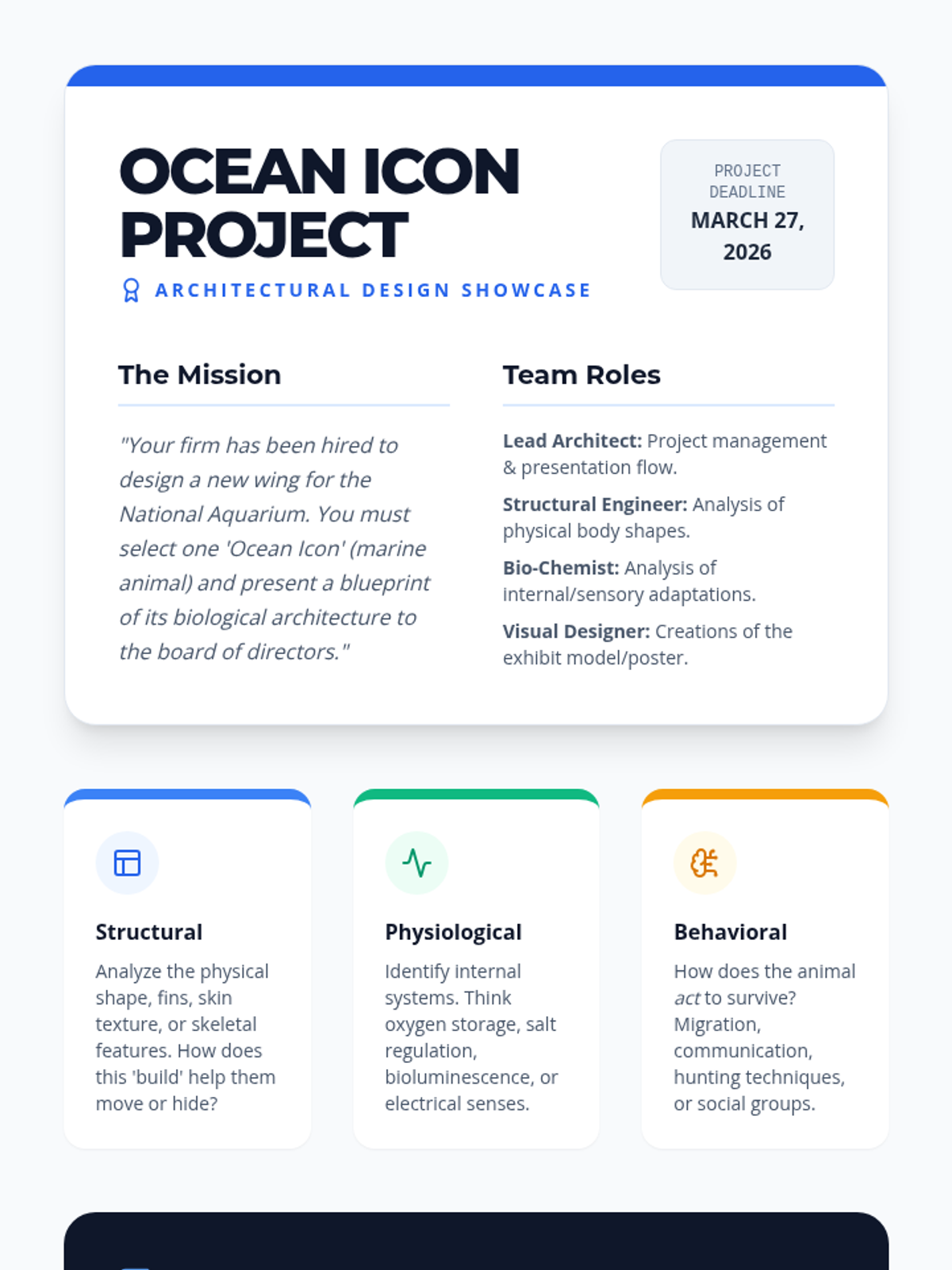
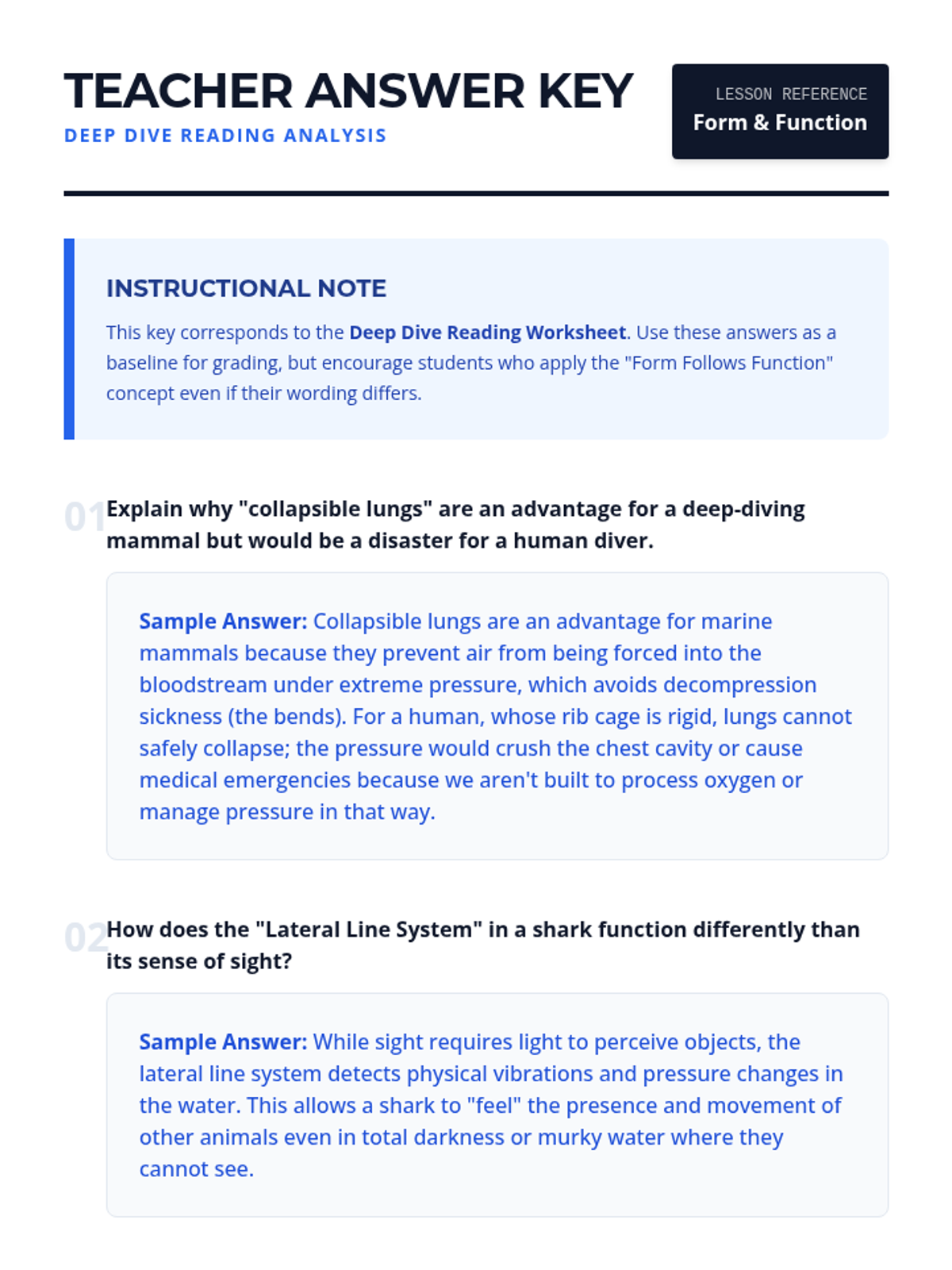
Explores the direct relationship between anatomical structures and survival strategies in diverse marine environments. Students analyze case studies of diving mammals, camouflaging invertebrates, deep-sea fish, and sensory-specialized sharks.
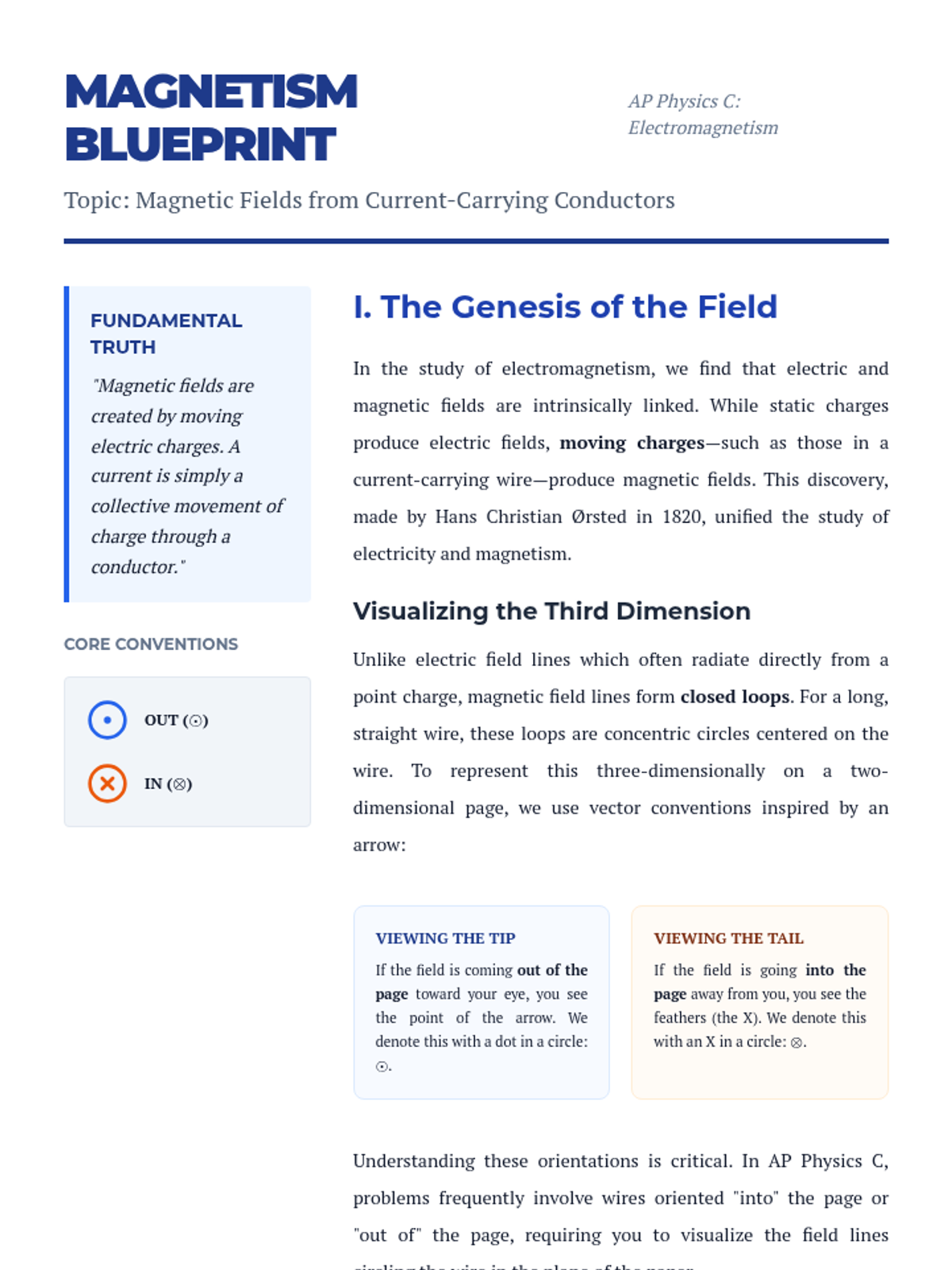
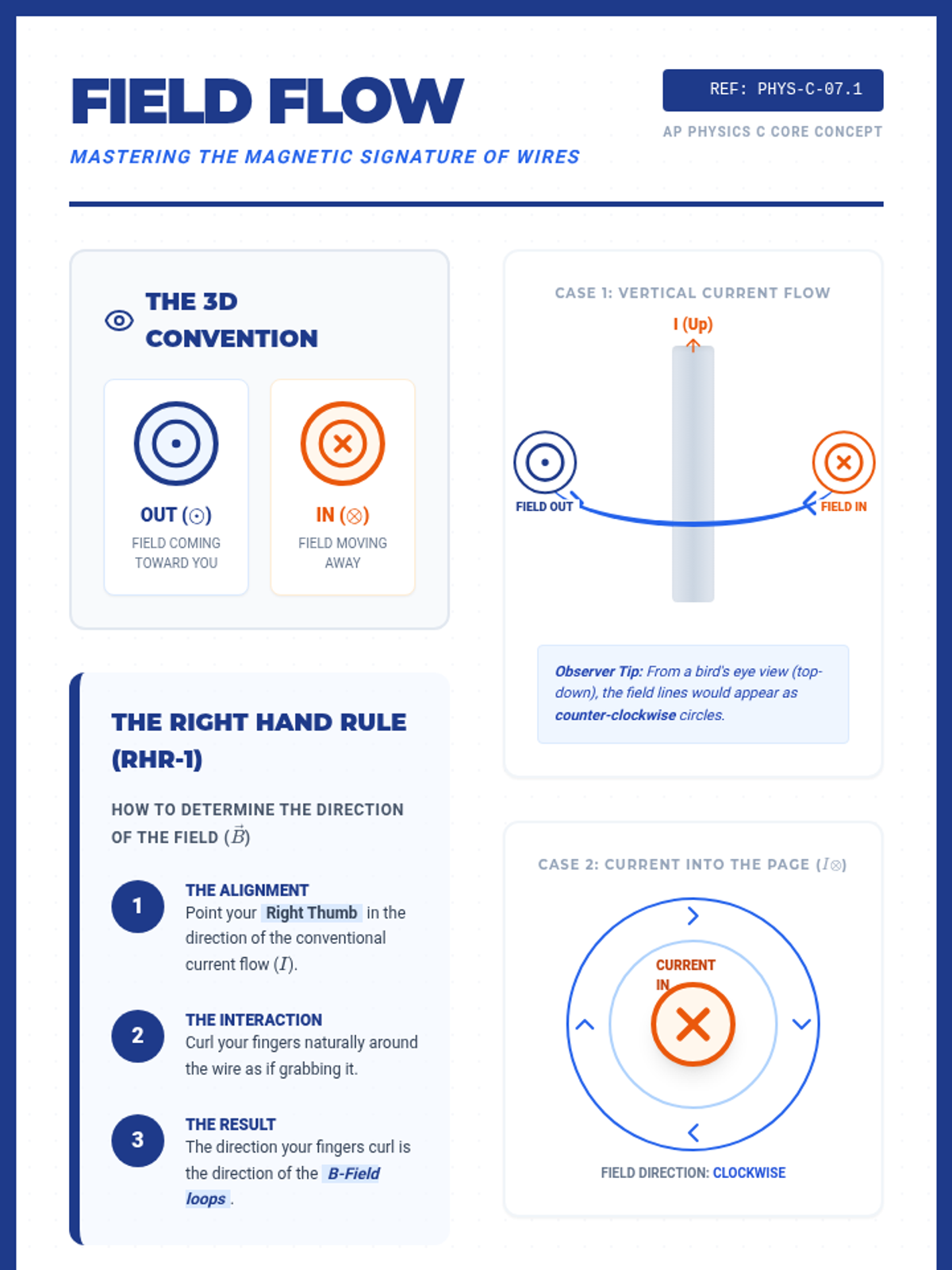
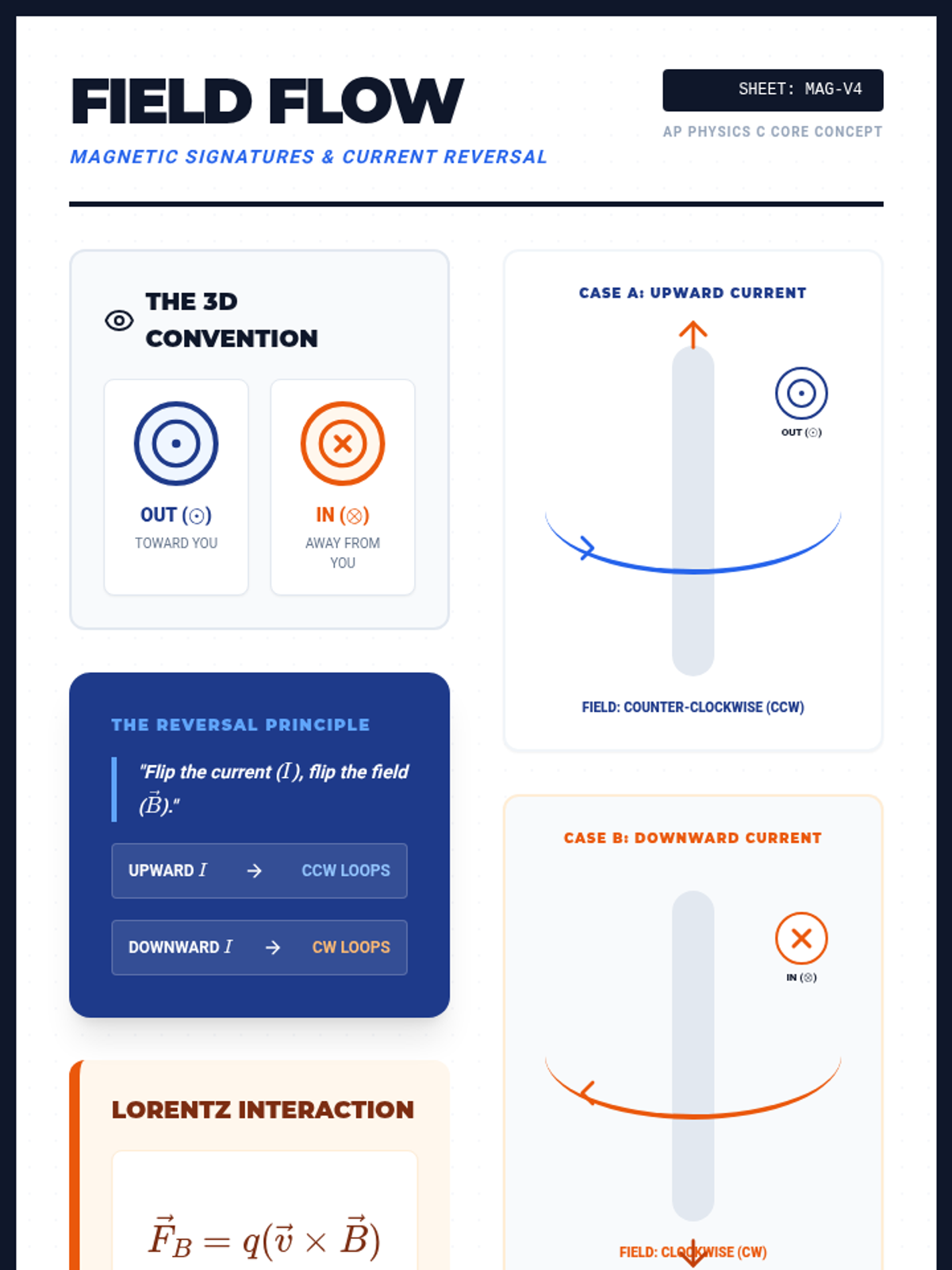
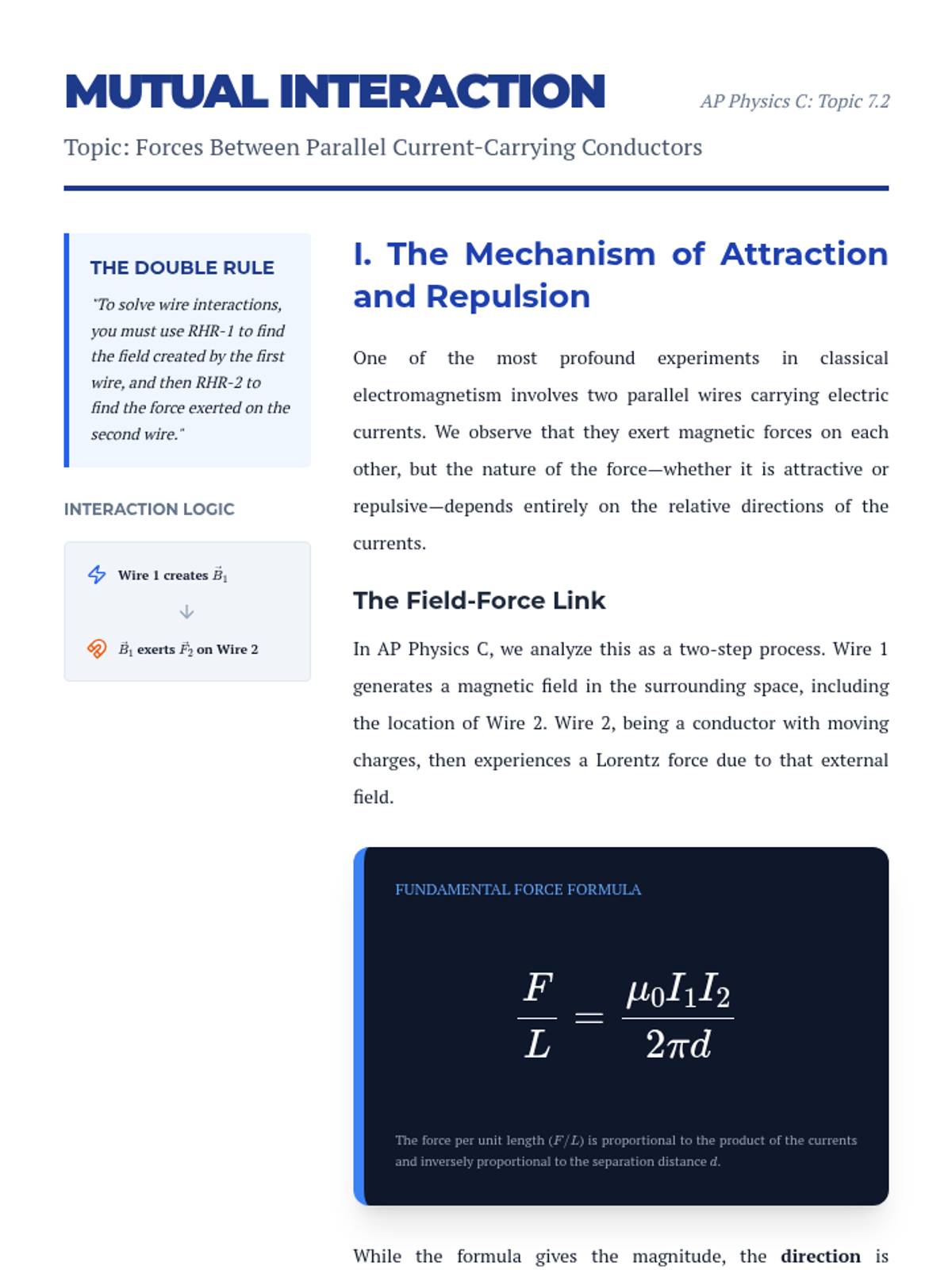
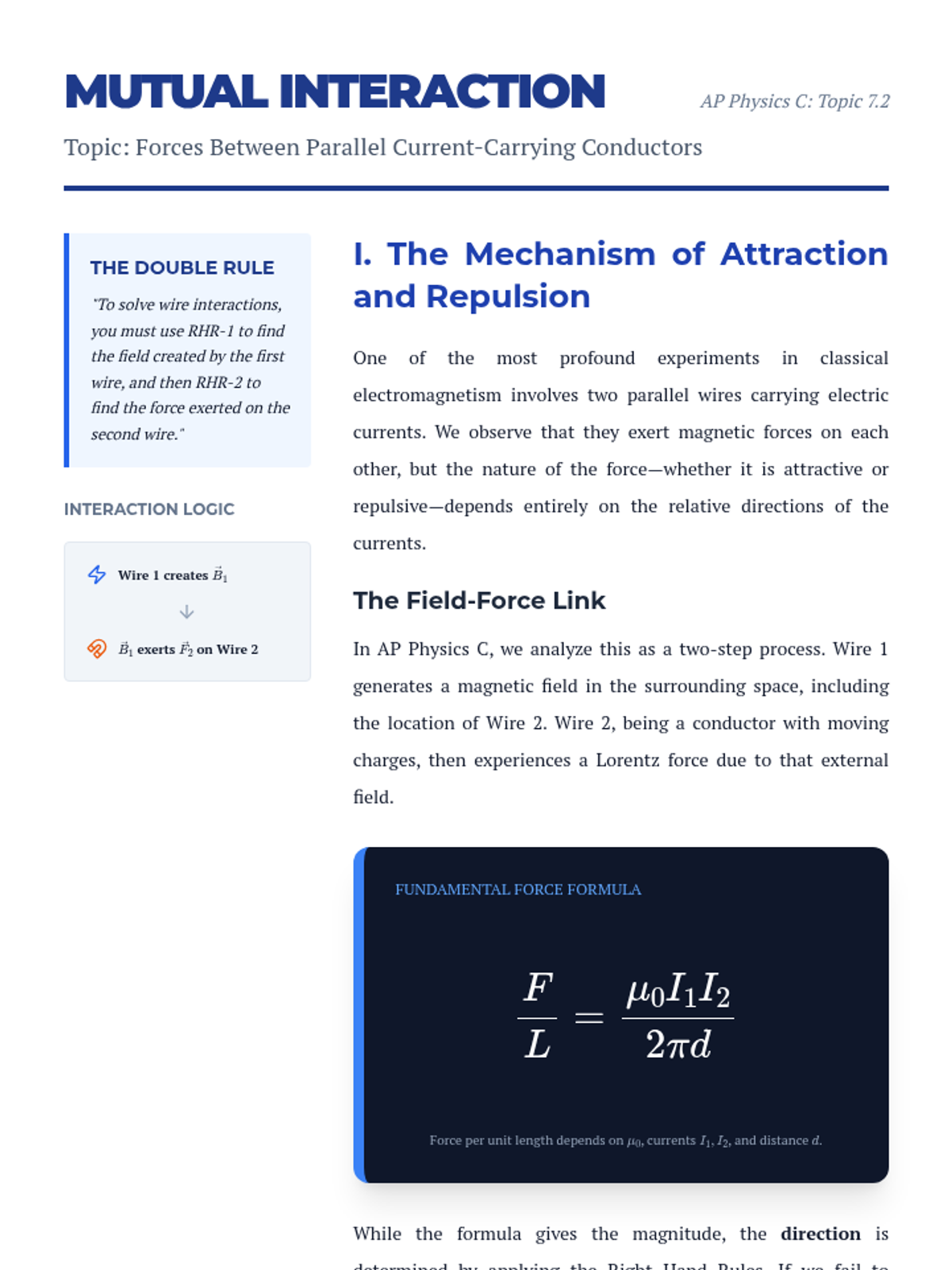
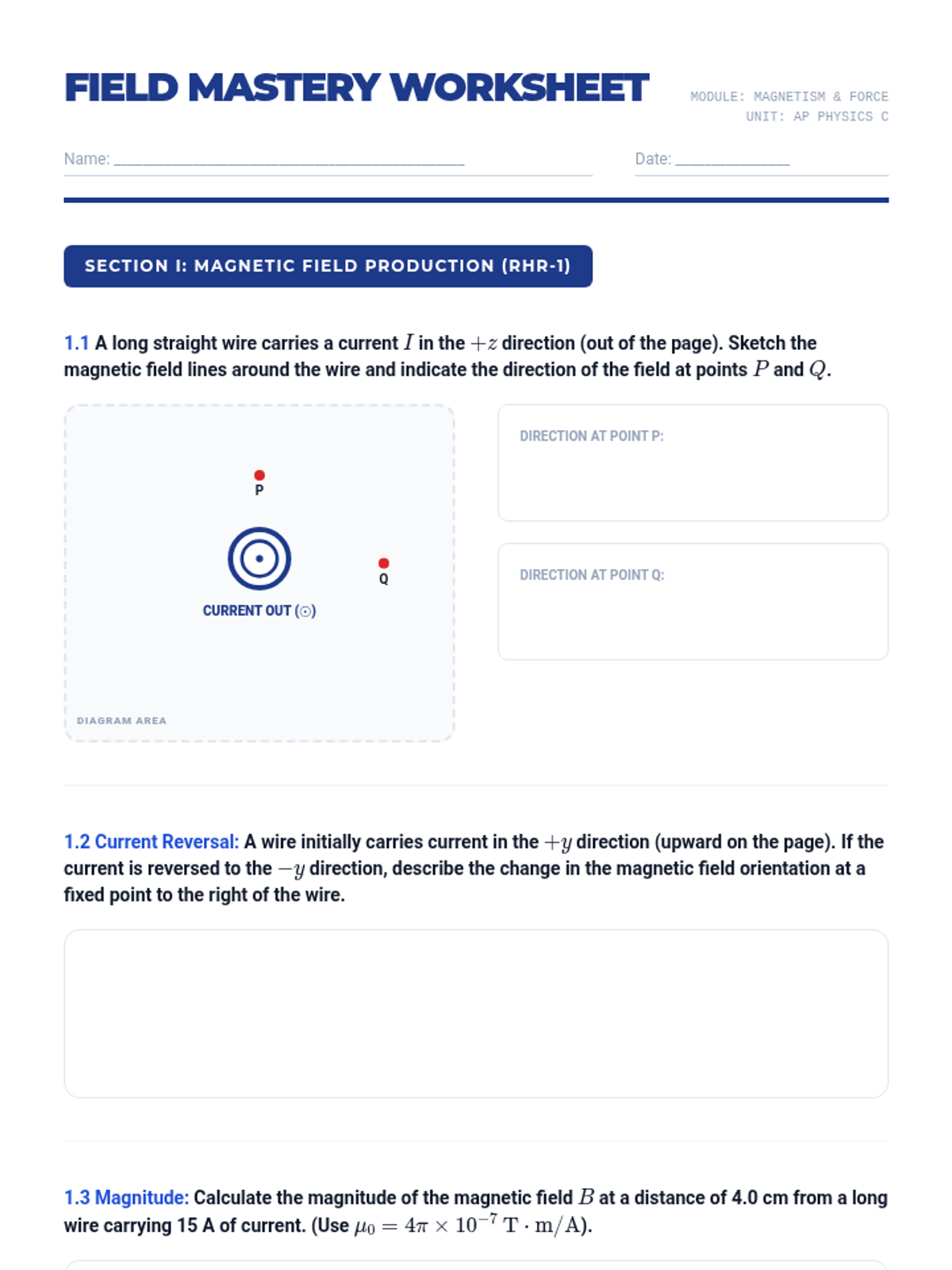
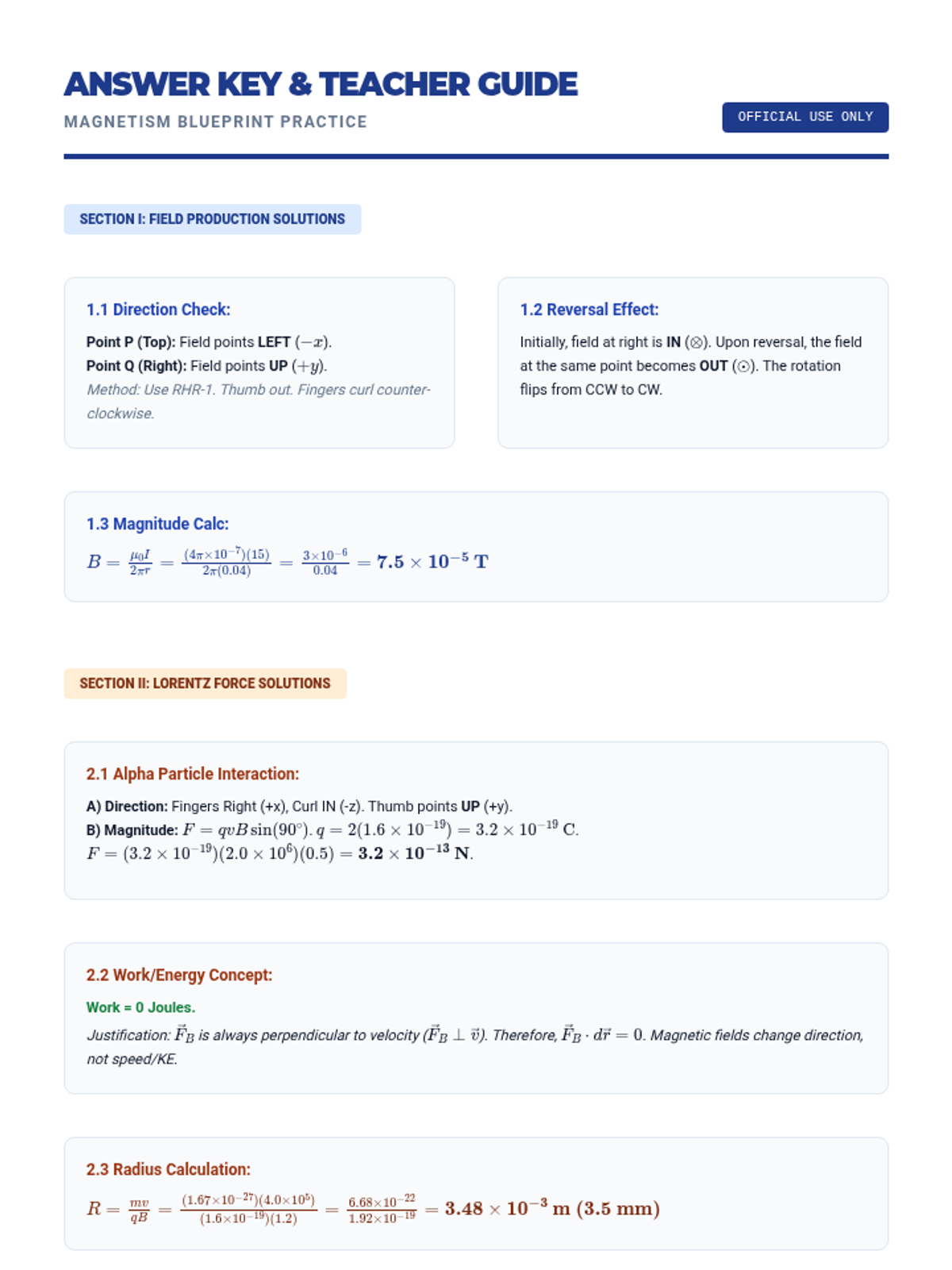
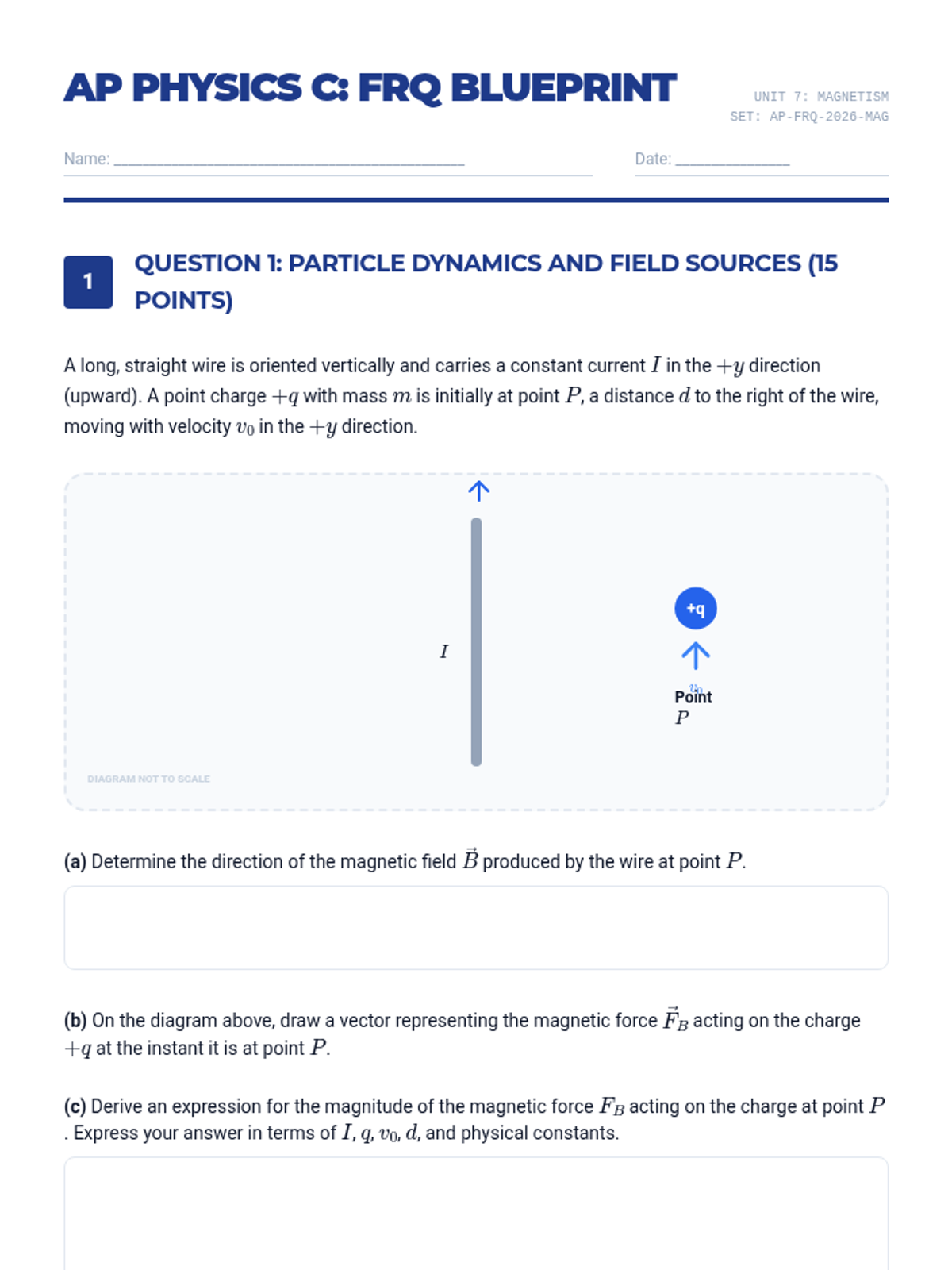
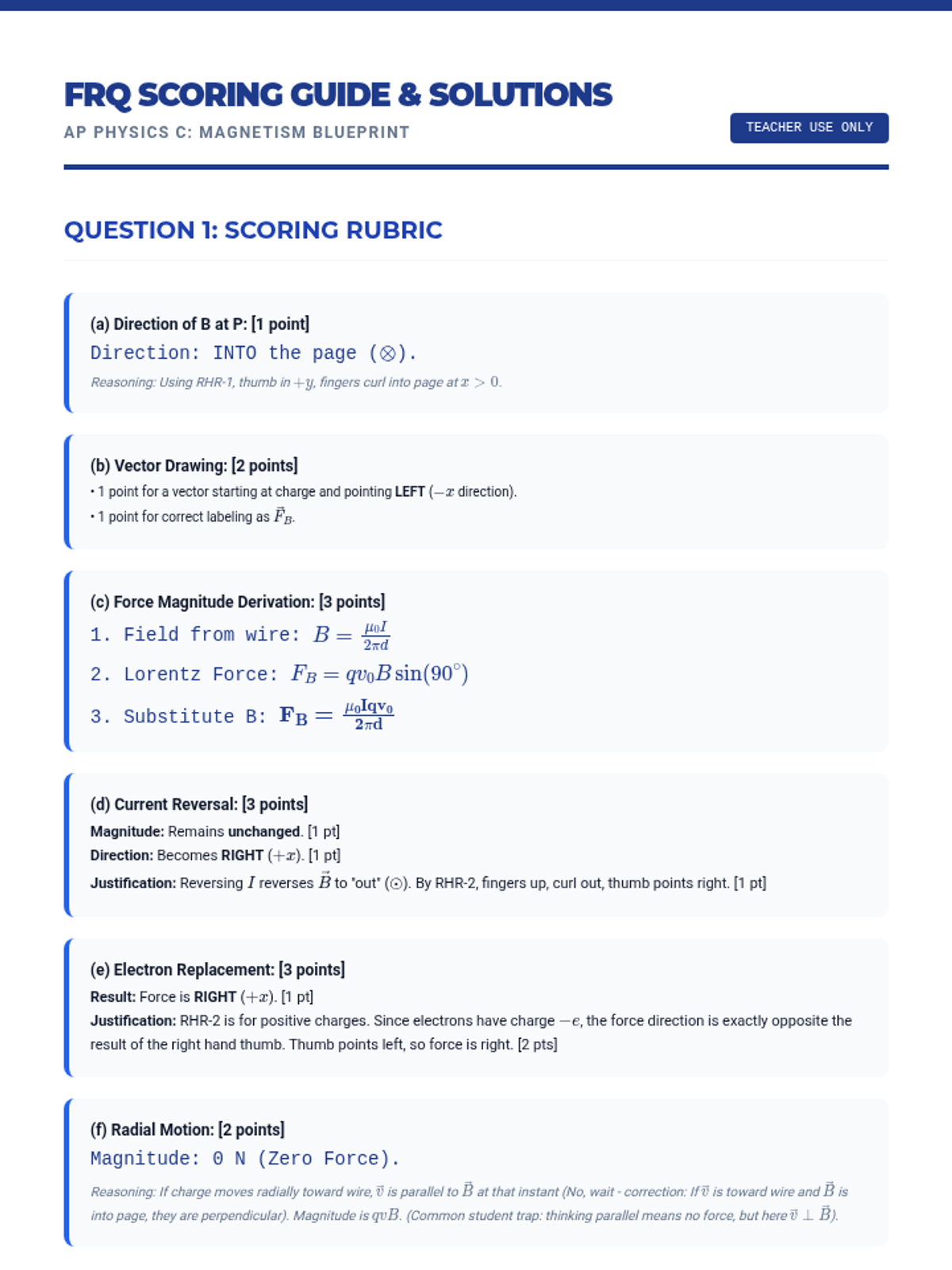
An in-depth exploration of electromagnetism focusing on the relationship between electric currents and magnetic fields, featuring the Biot-Savart Law, Ampere's Law, and the Lorentz Force.
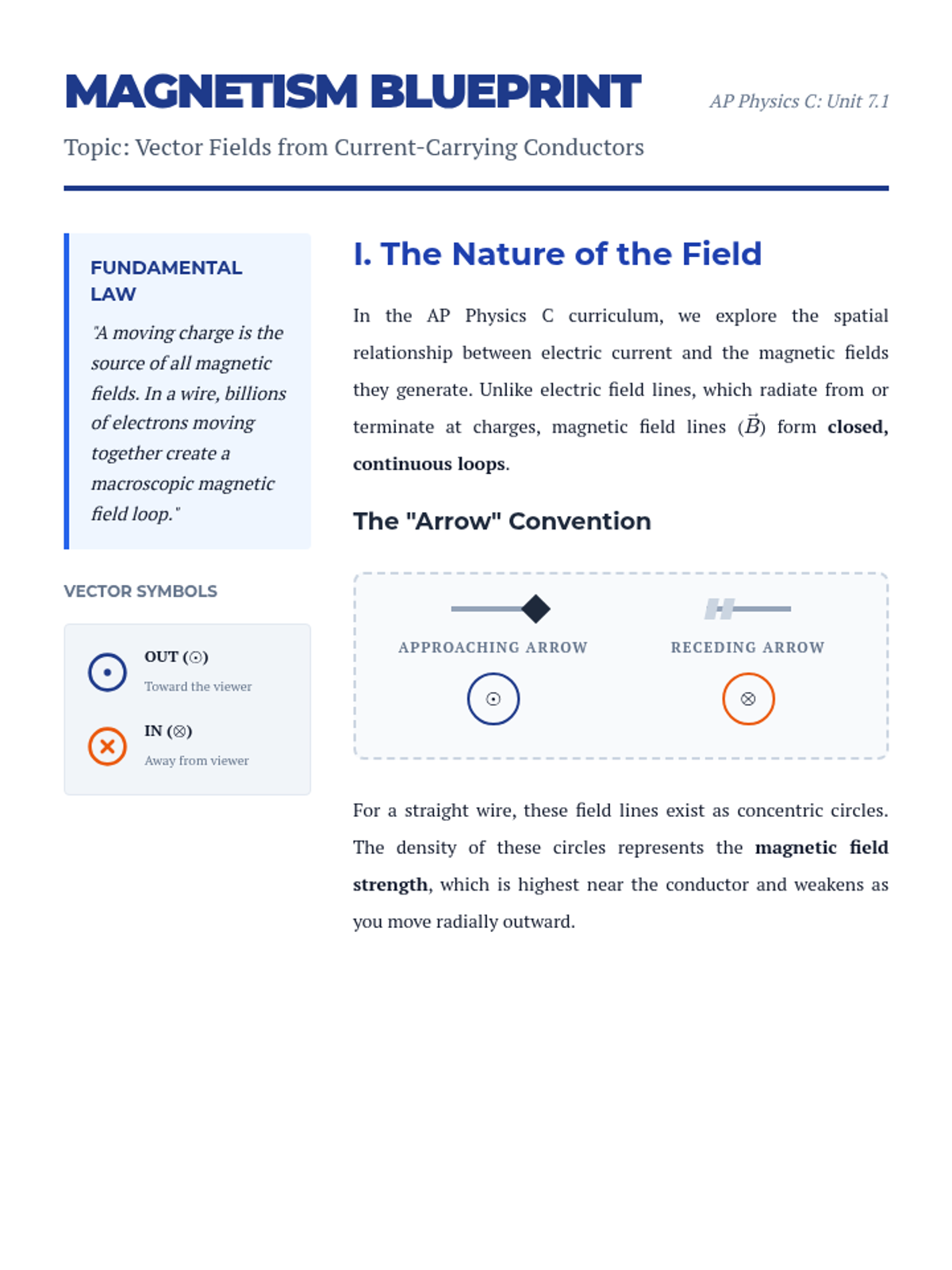
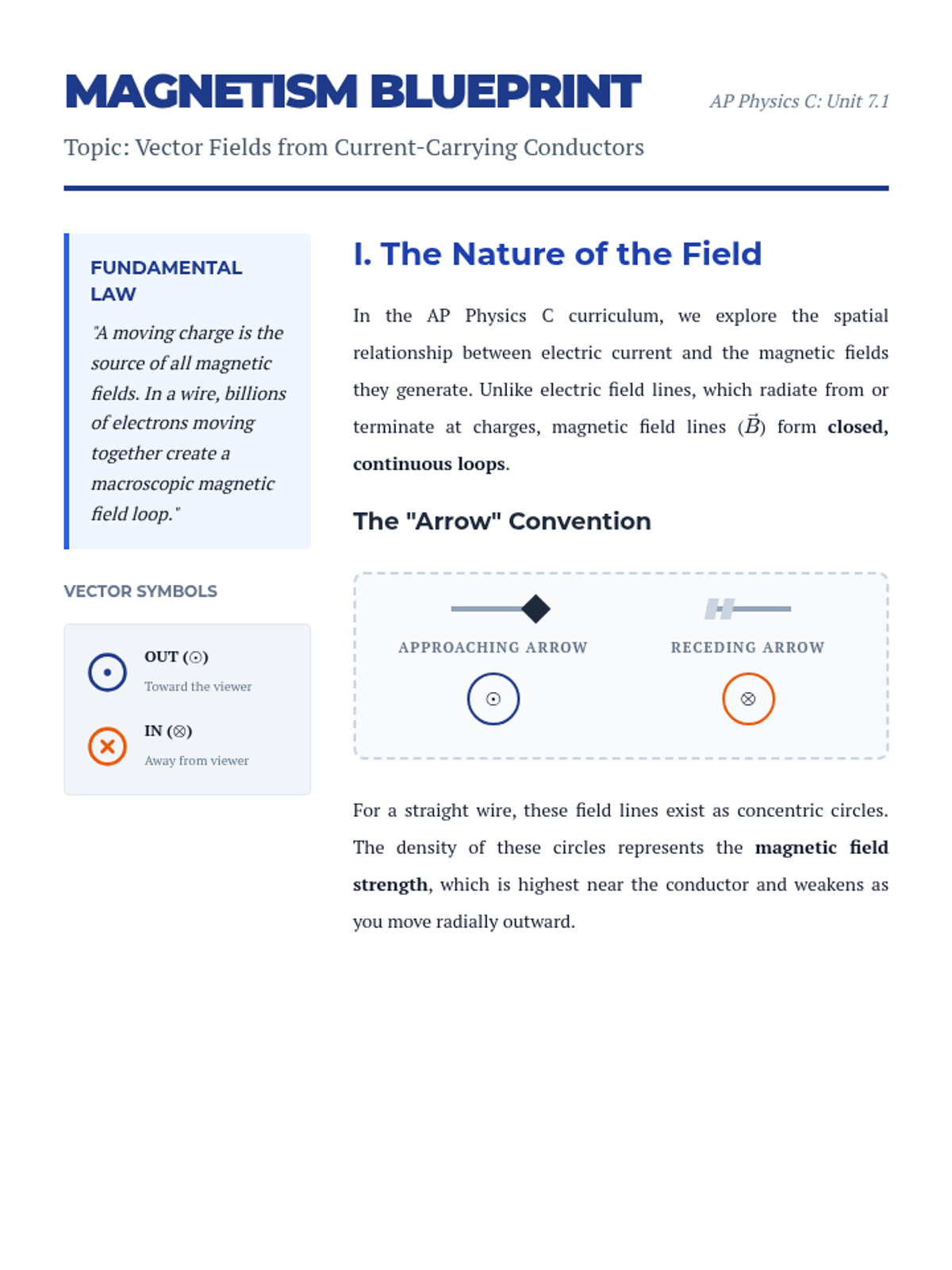
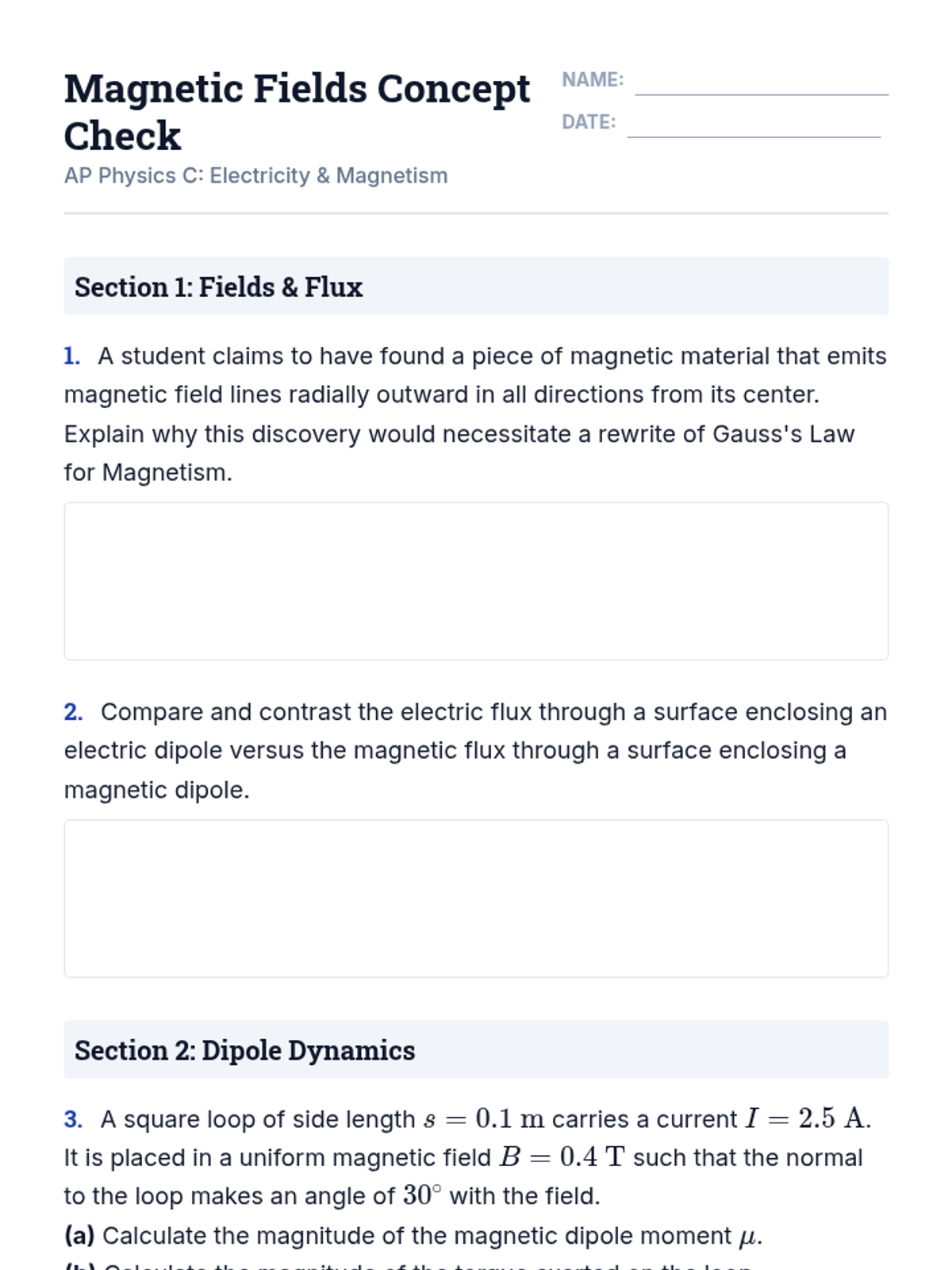
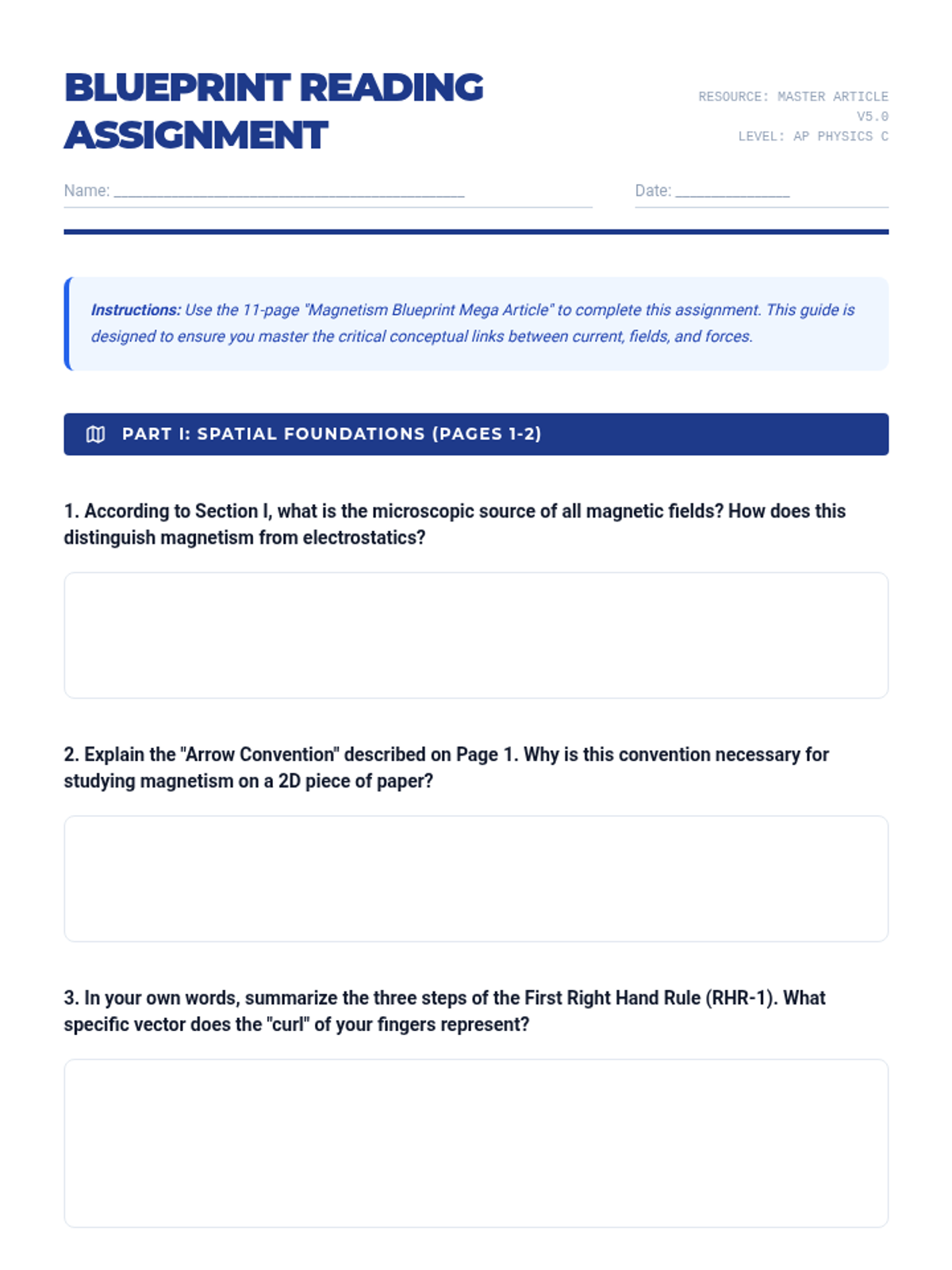
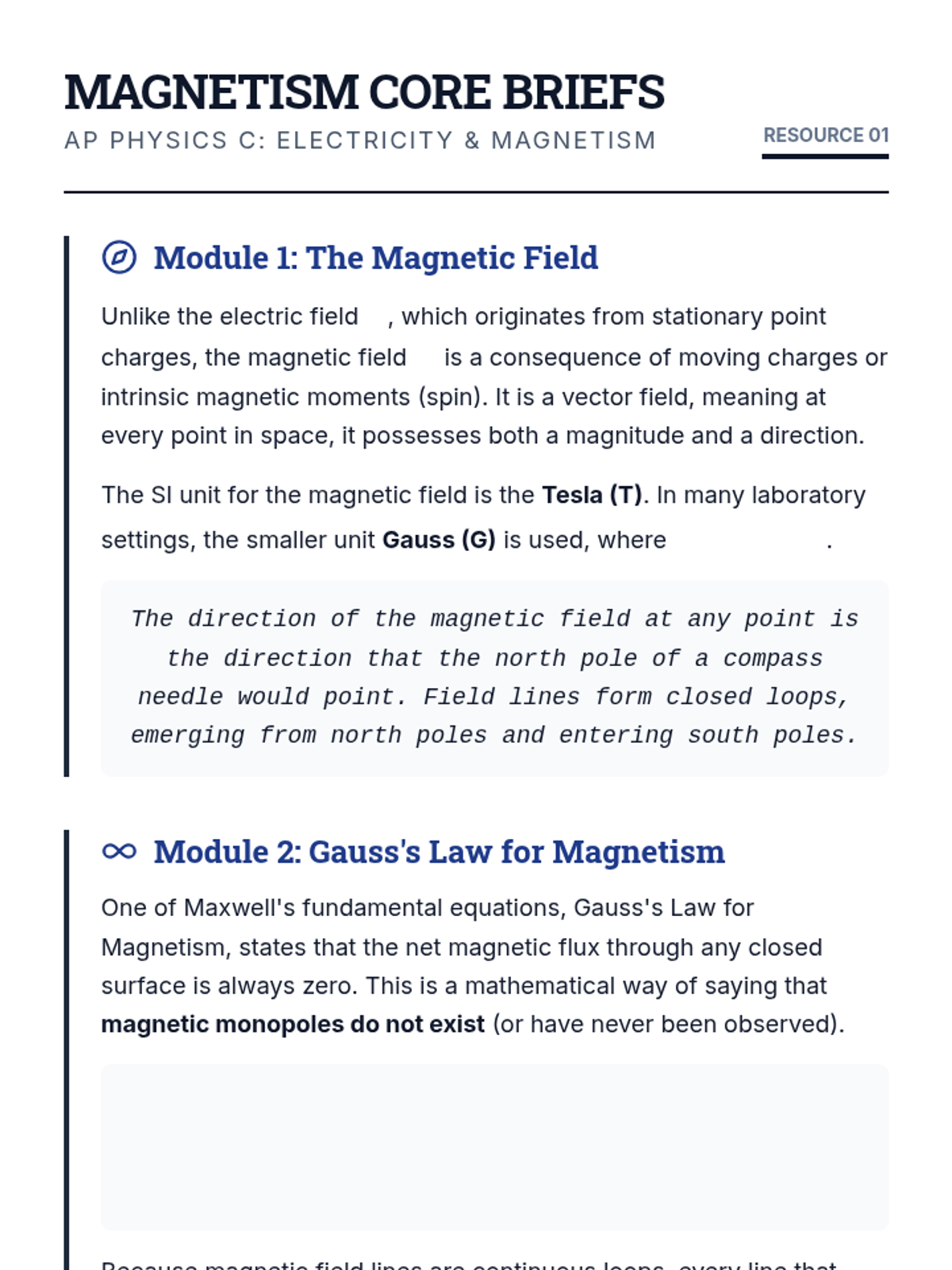
A comprehensive lesson on the nature of magnetic fields, focusing on their vector properties, dipole sources, and the implications of Gauss's Law for magnetism. Students will explore how fields are represented and why magnetic monopoles do not exist.
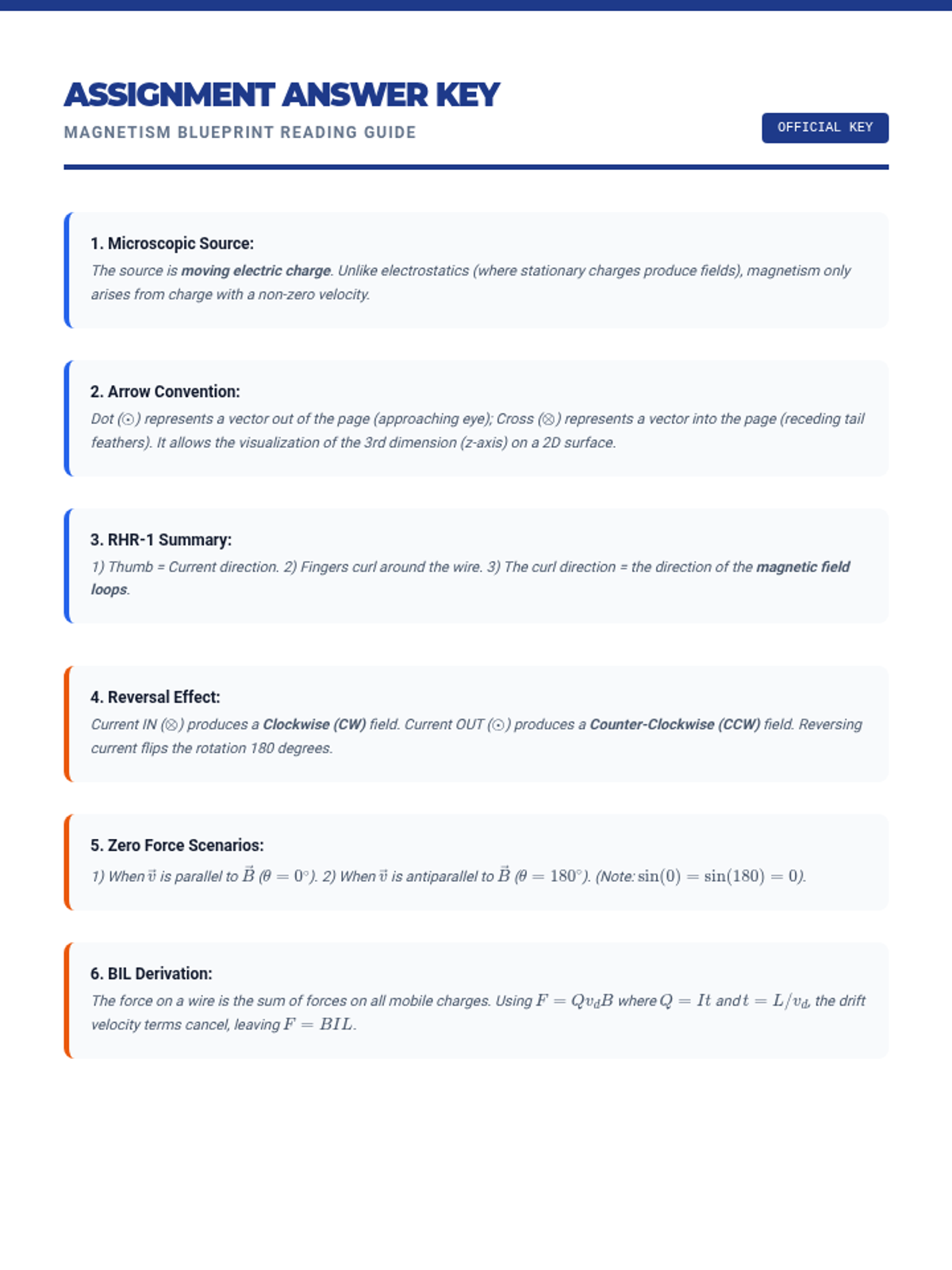
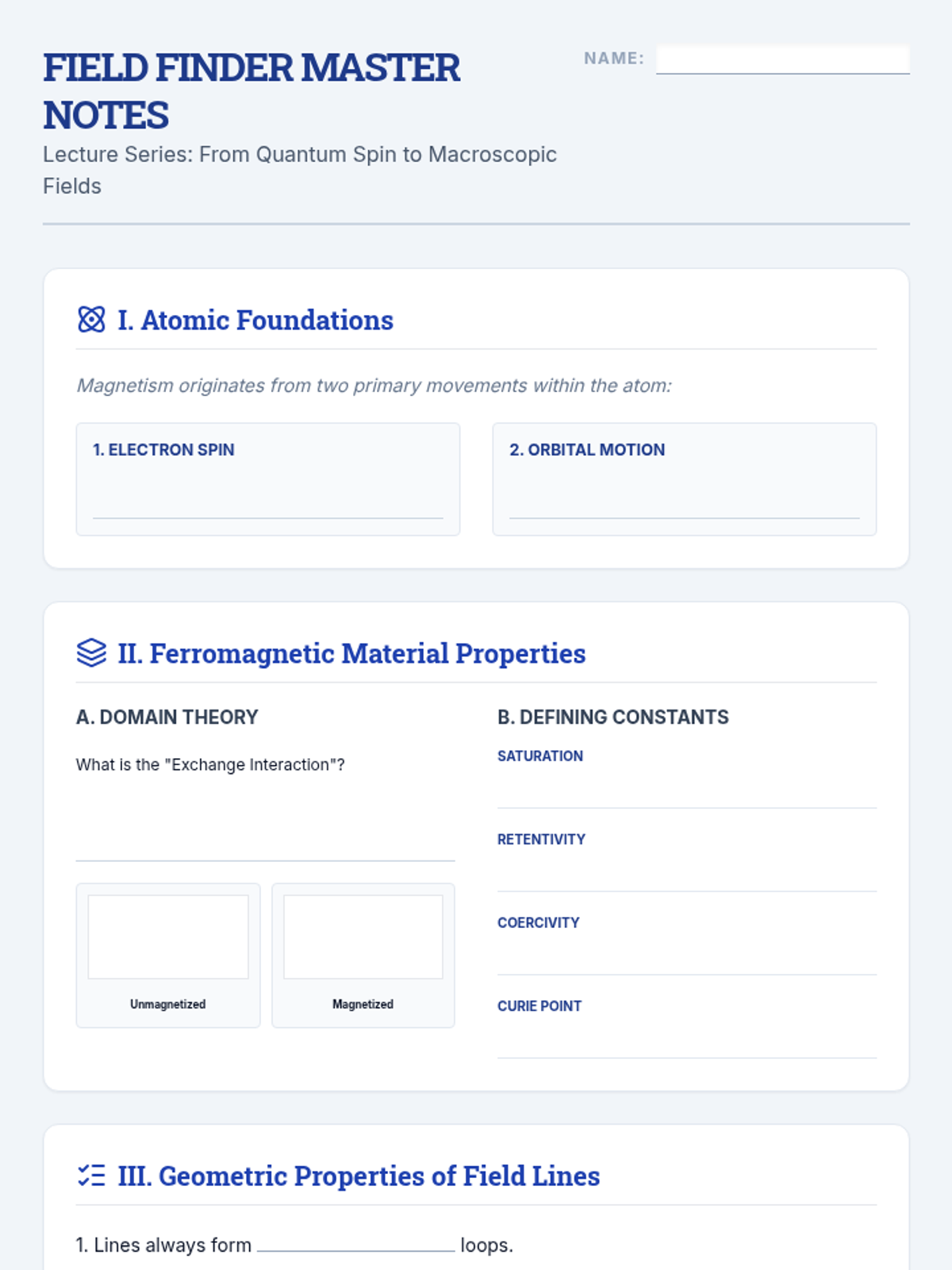
A comprehensive introduction to magnetic fields, Gauss's Law for magnetism, and the properties of magnetic materials tailored for AP Physics C students. Includes conceptual readings on magnetic dipoles, material classification, and the mathematical foundations of magnetic forces.
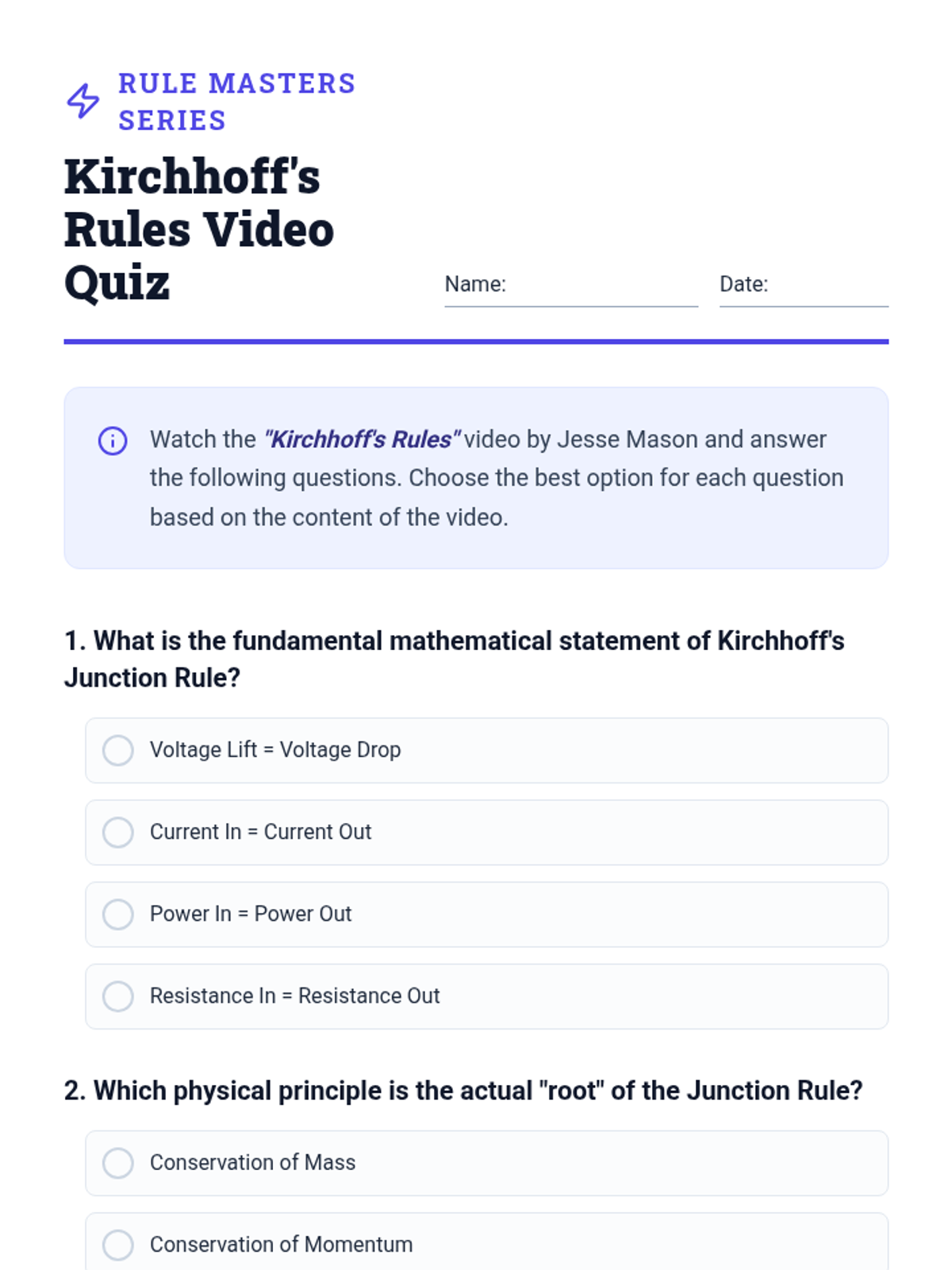
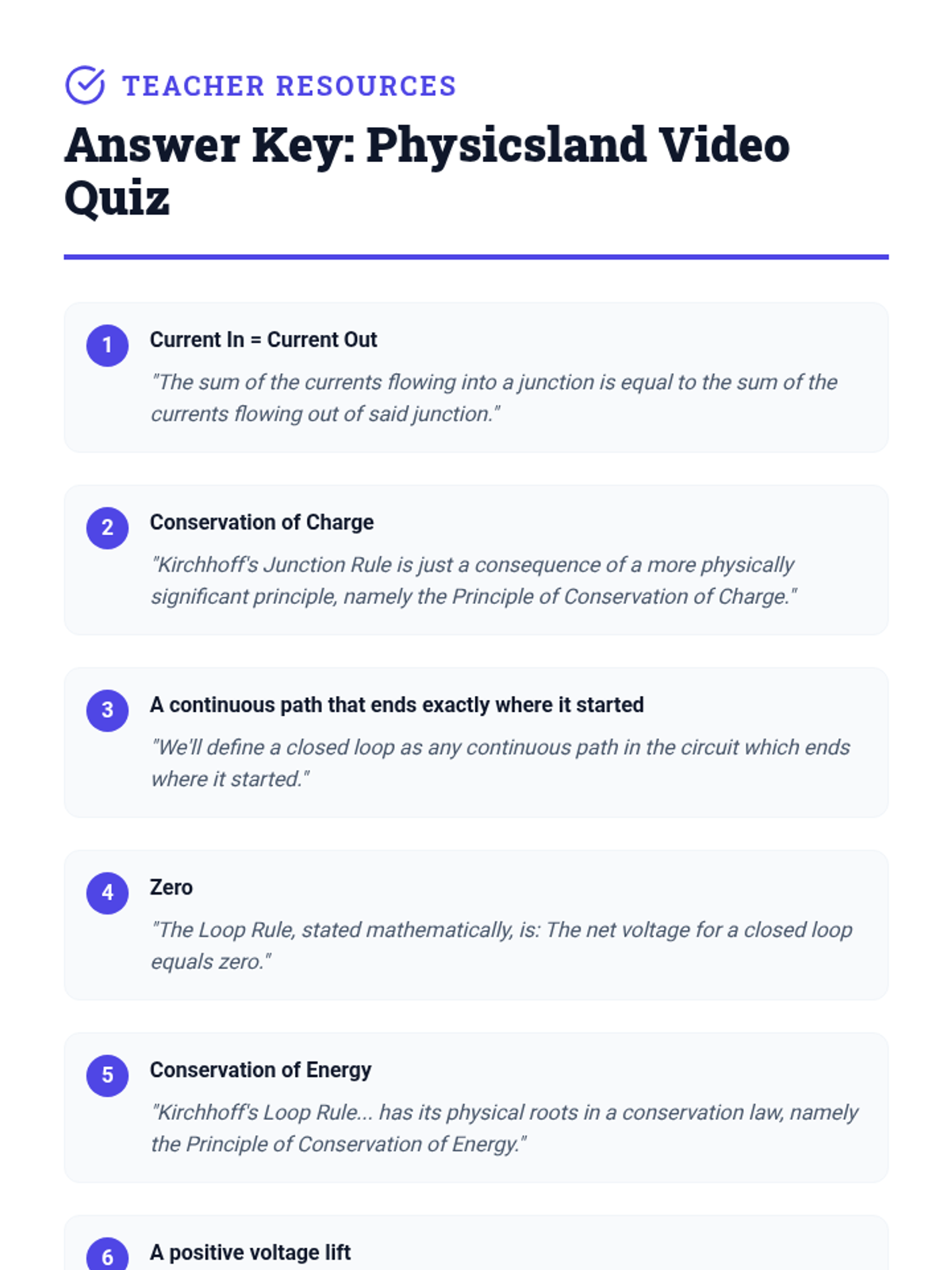
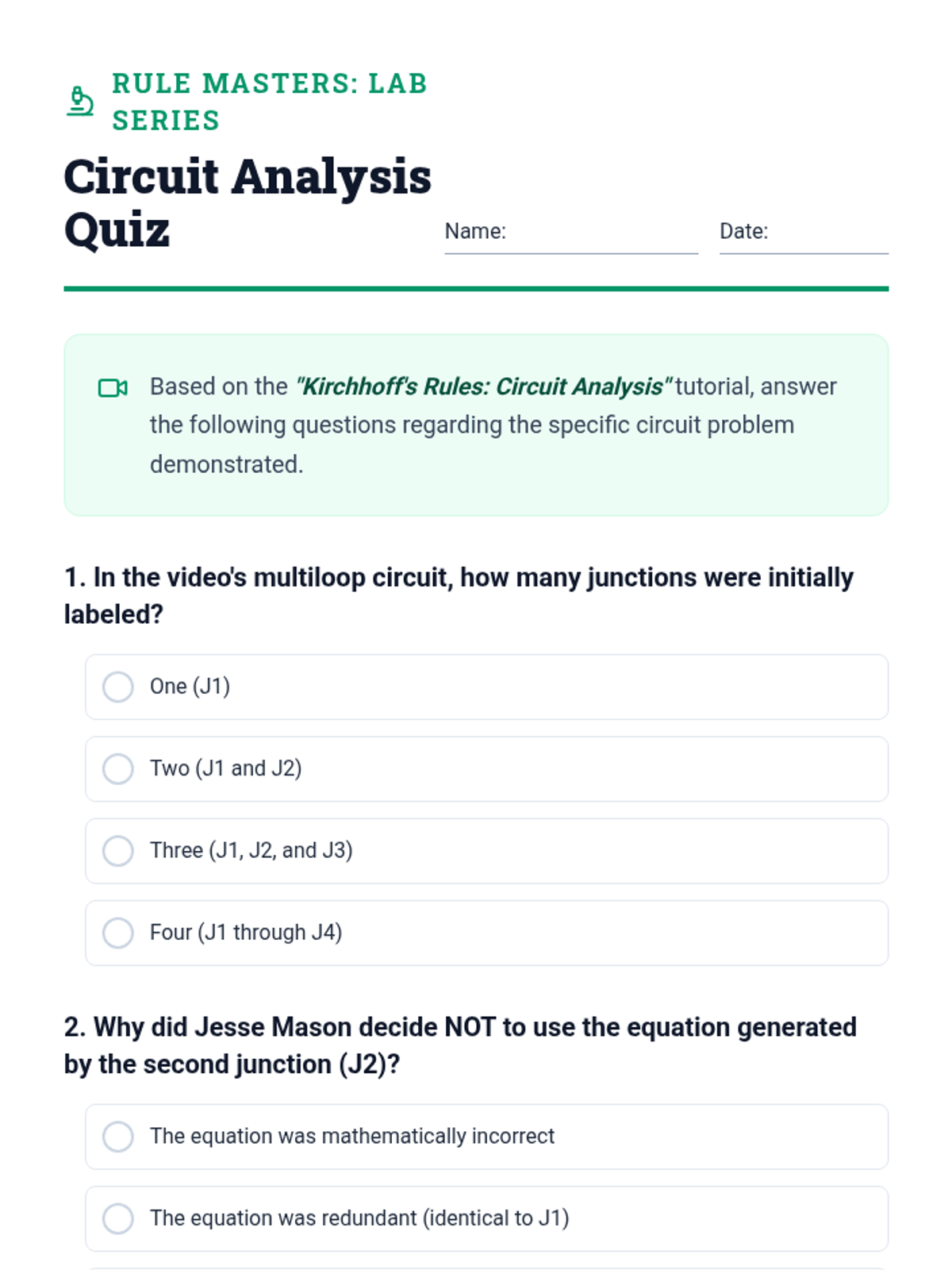
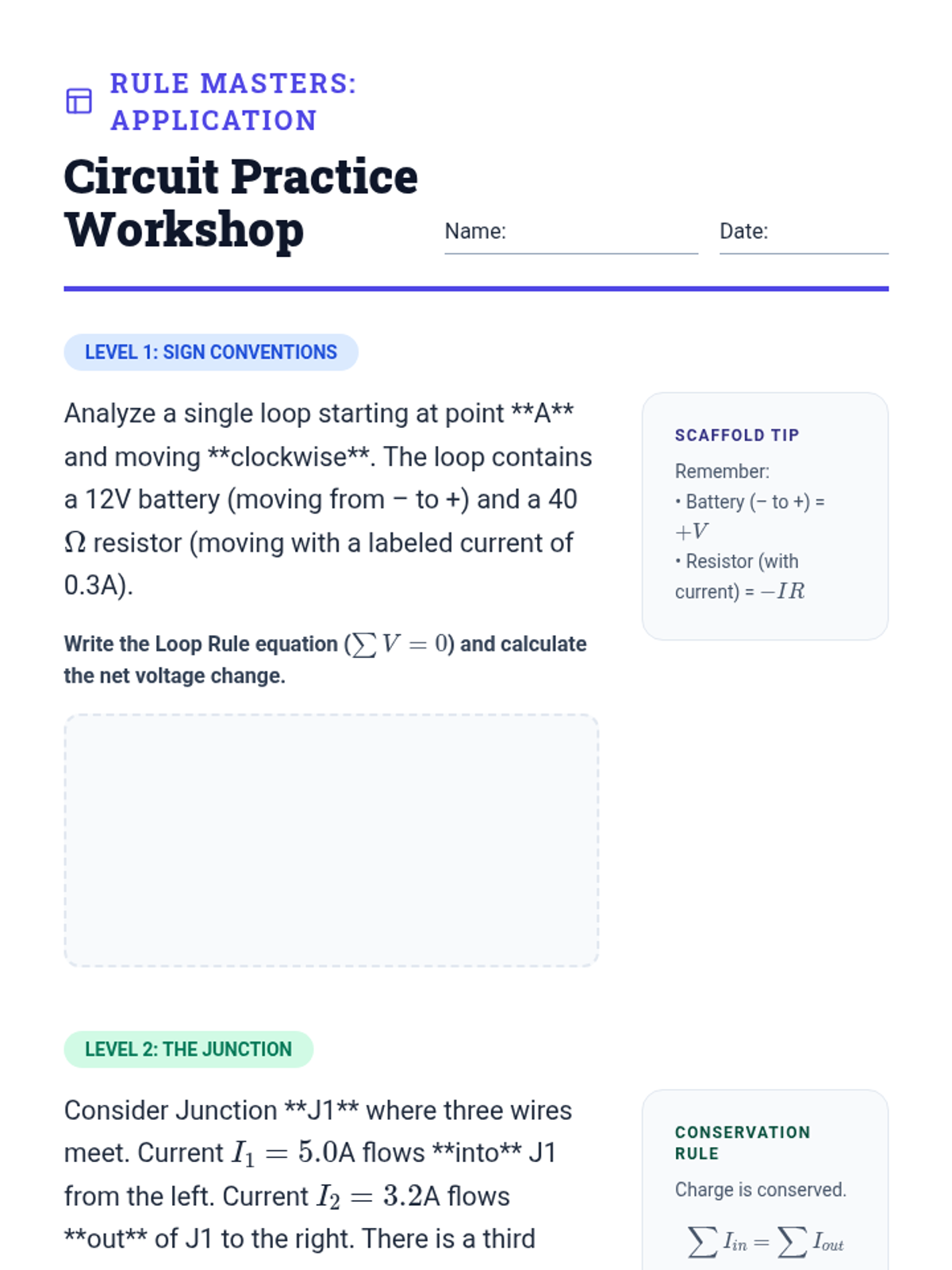
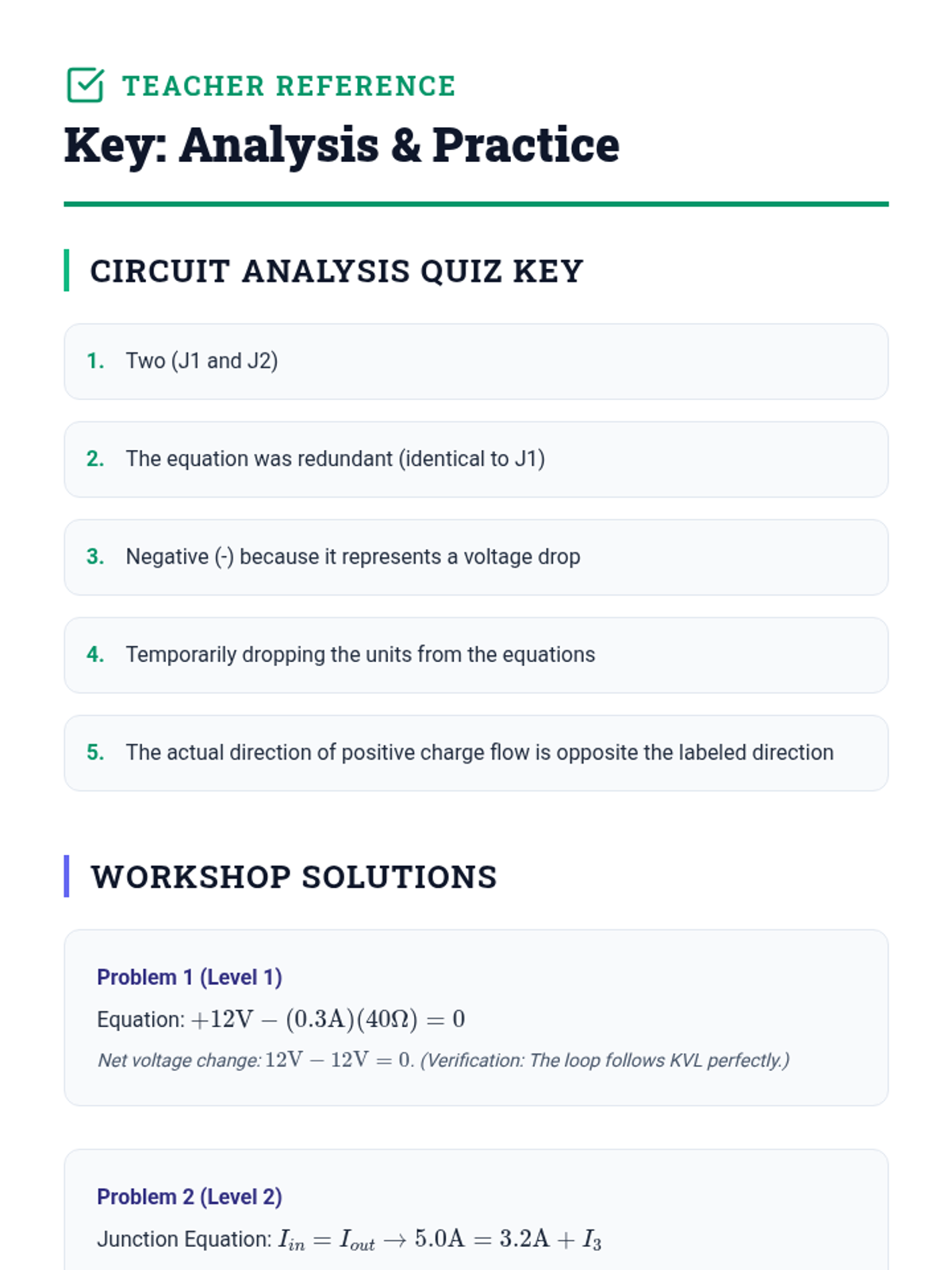
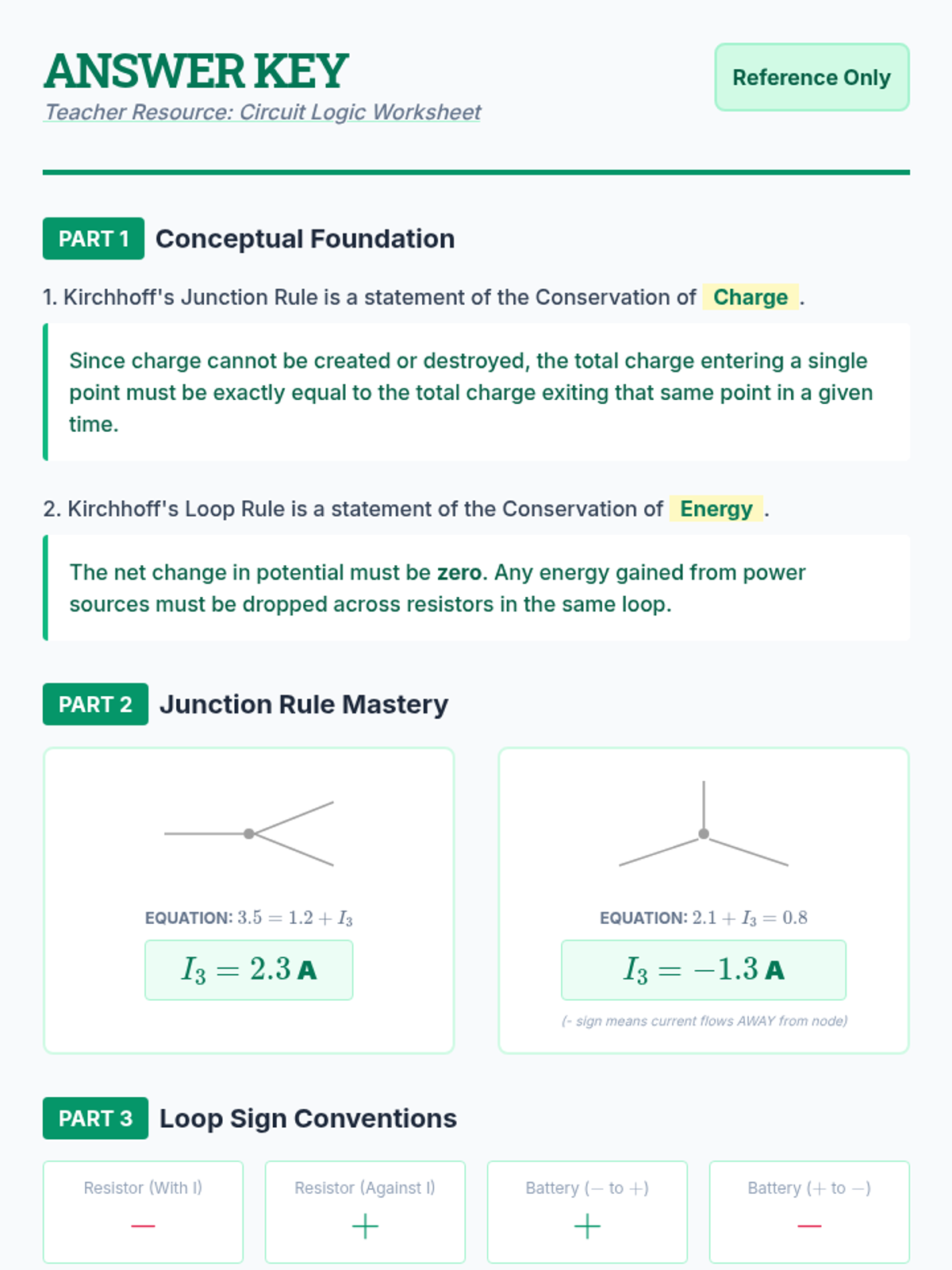
A fundamental exploration of Kirchhoff's Circuit Laws through the lens of conservation principles. Students master the Junction and Loop Rules using clear conventions and visual mapping techniques based on the "Teach Me" physics series.
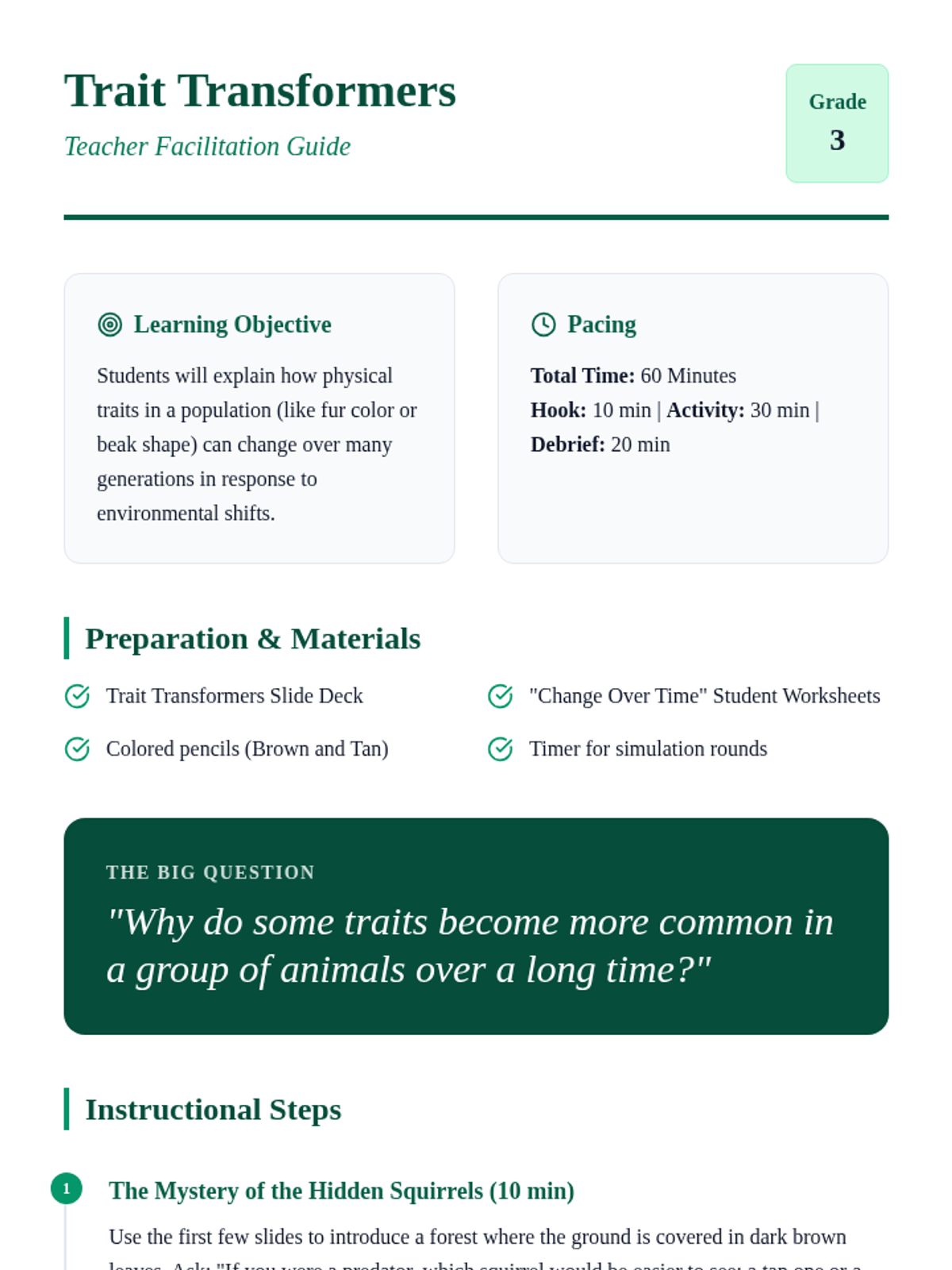
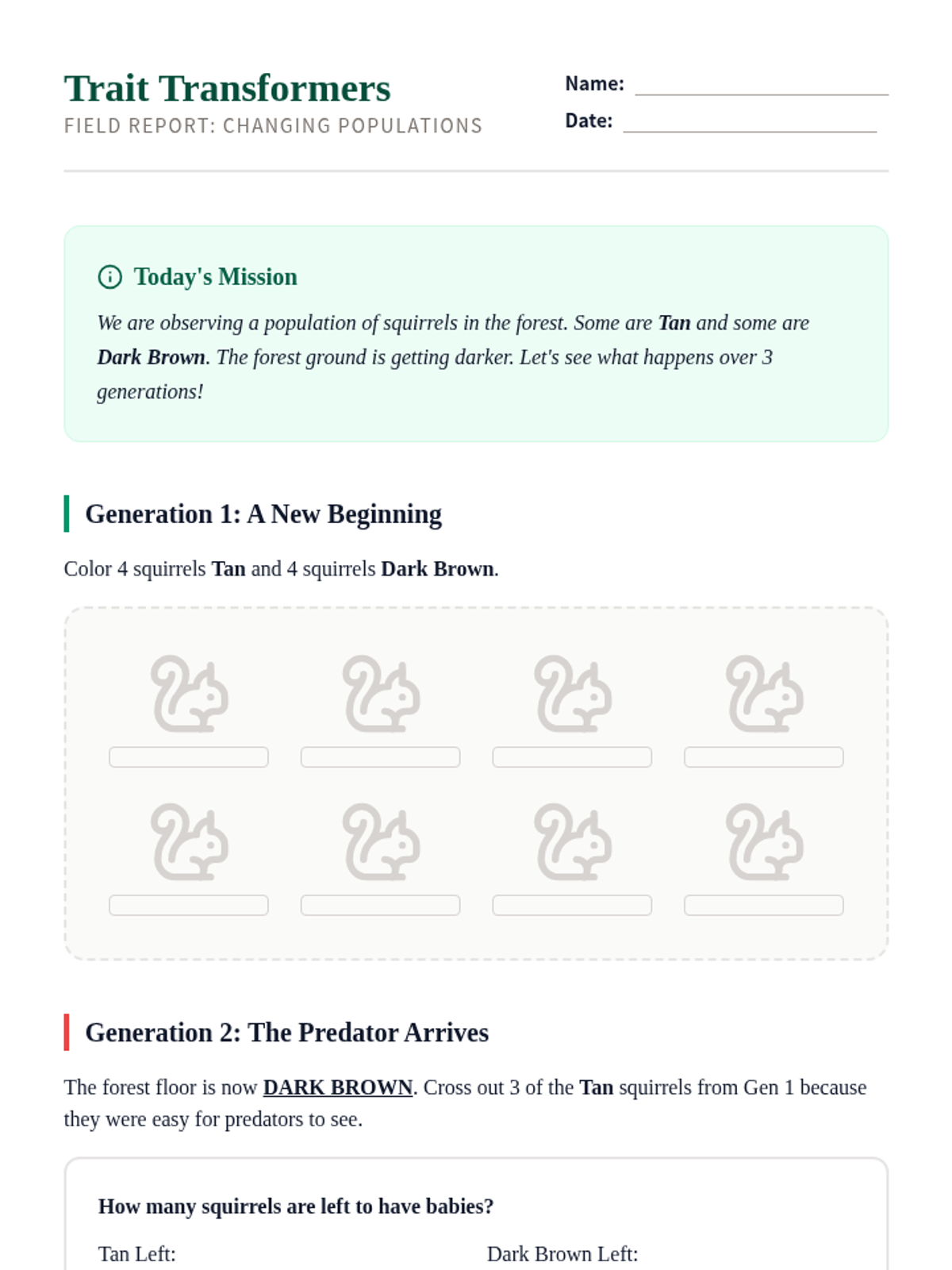
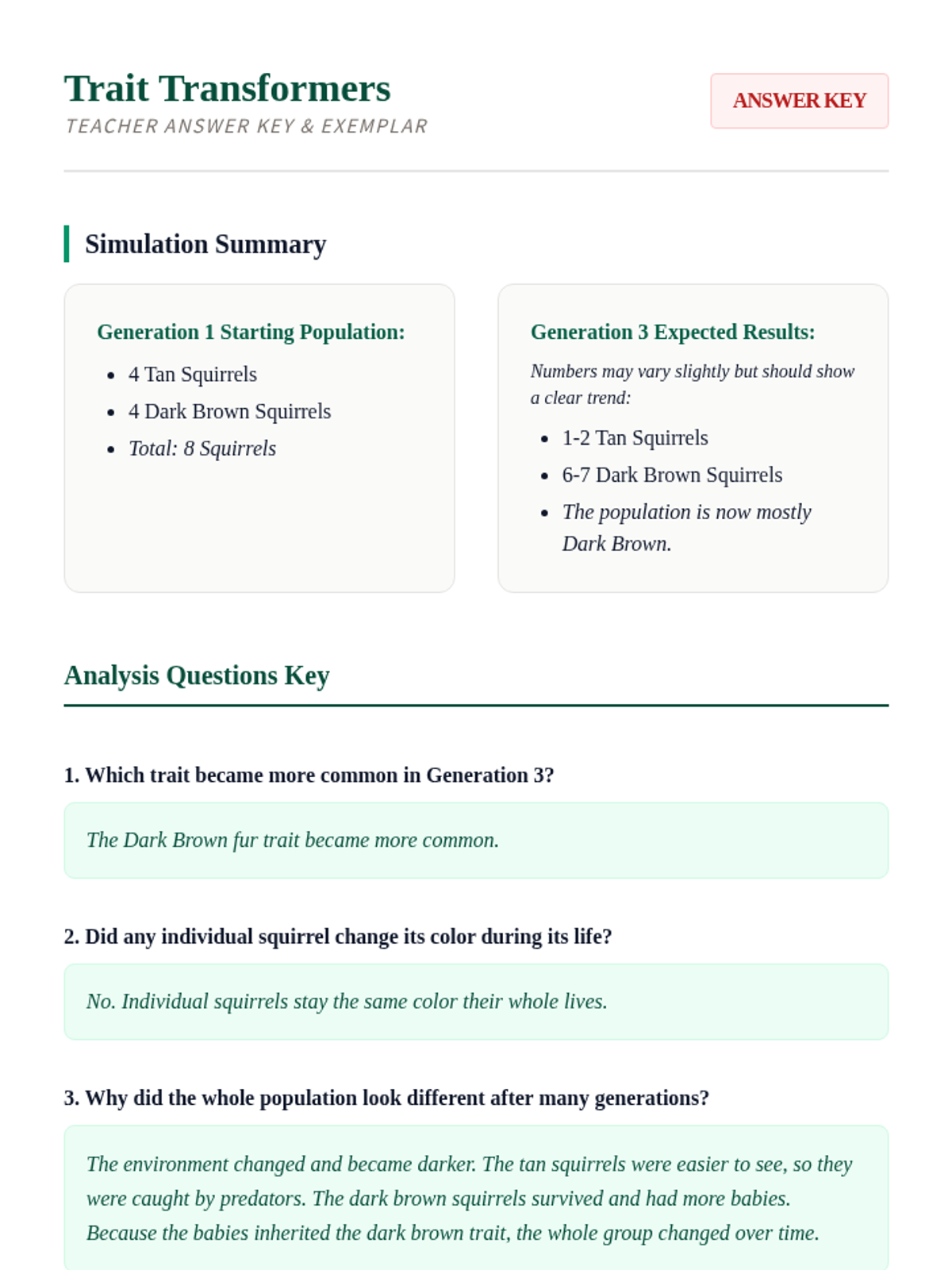
Students explore how physical traits in a population can change over generations. Through observation and modeling, they identify how certain traits become more common when they help an organism survive in its environment.
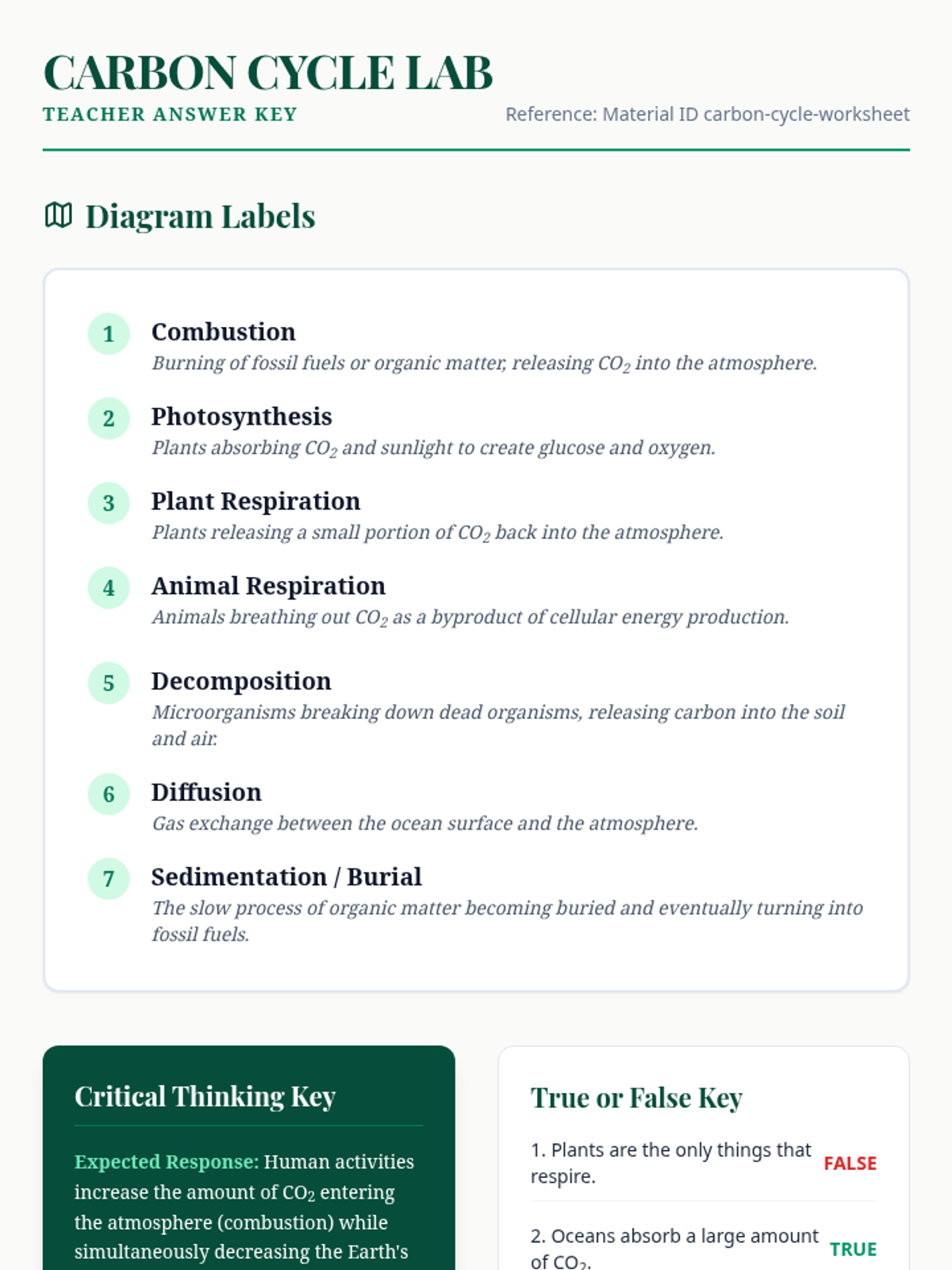
A lesson exploring the movement of carbon through Earth's systems, including photosynthesis, respiration, decomposition, and human impact.
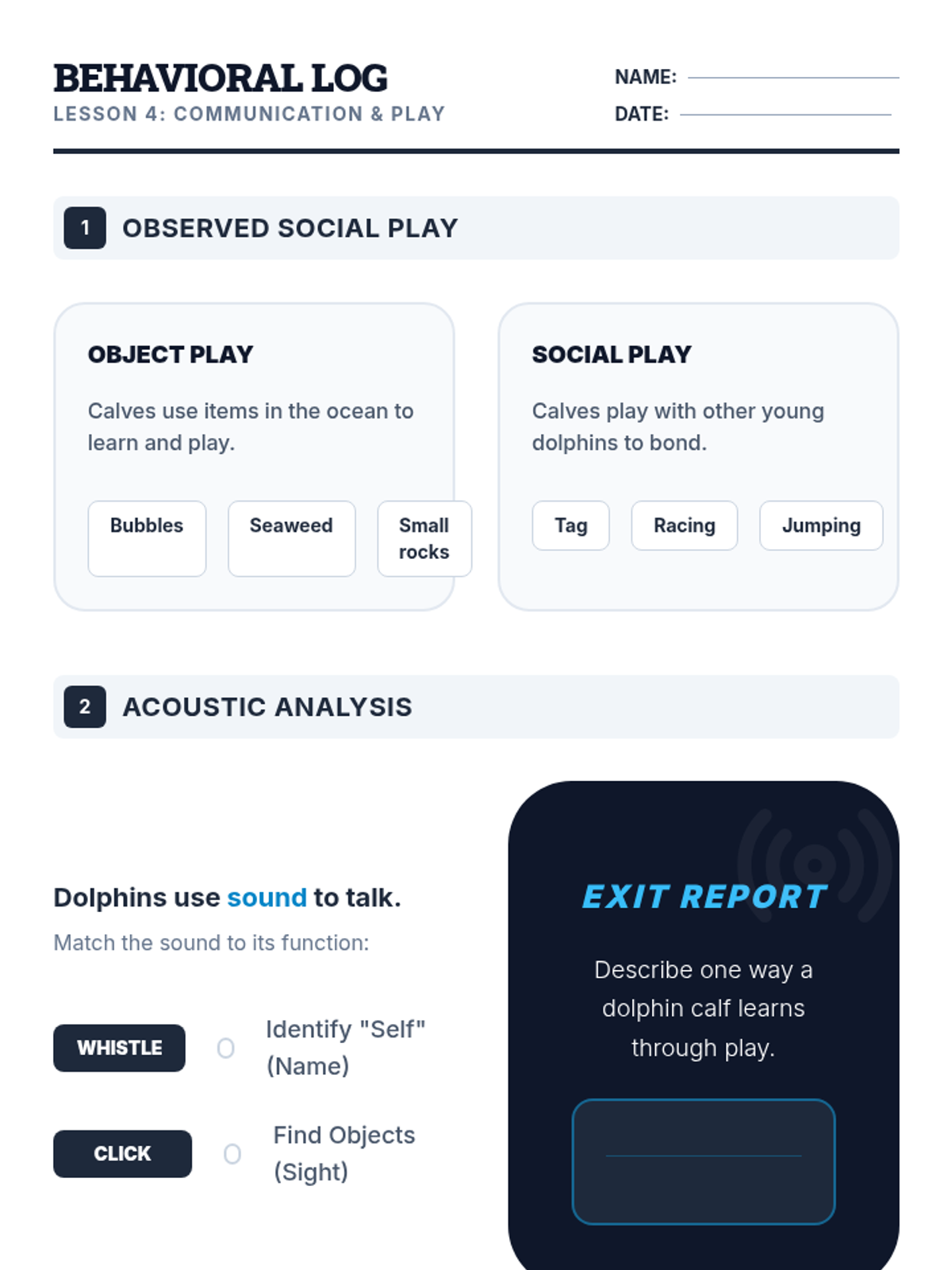
The final lesson focuses on social behavior, communication, and play. Students learn about how dolphins 'talk' with clicks and whistles and how they play with bubbles and sea plants.
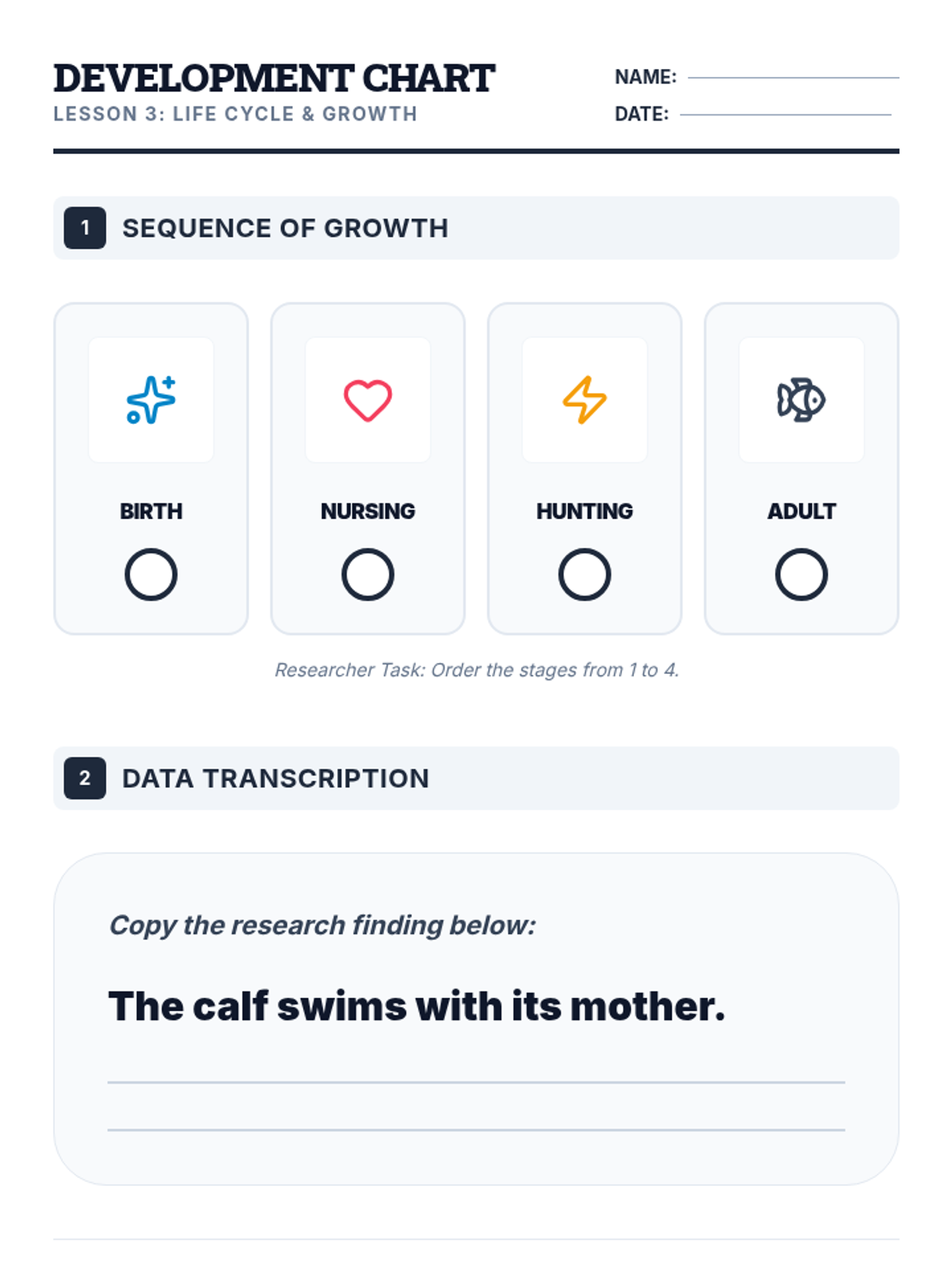
This lesson covers the birth and early growth stages of a dolphin calf, including how they swim close to their mothers (slipstreaming) and how they grow over time.
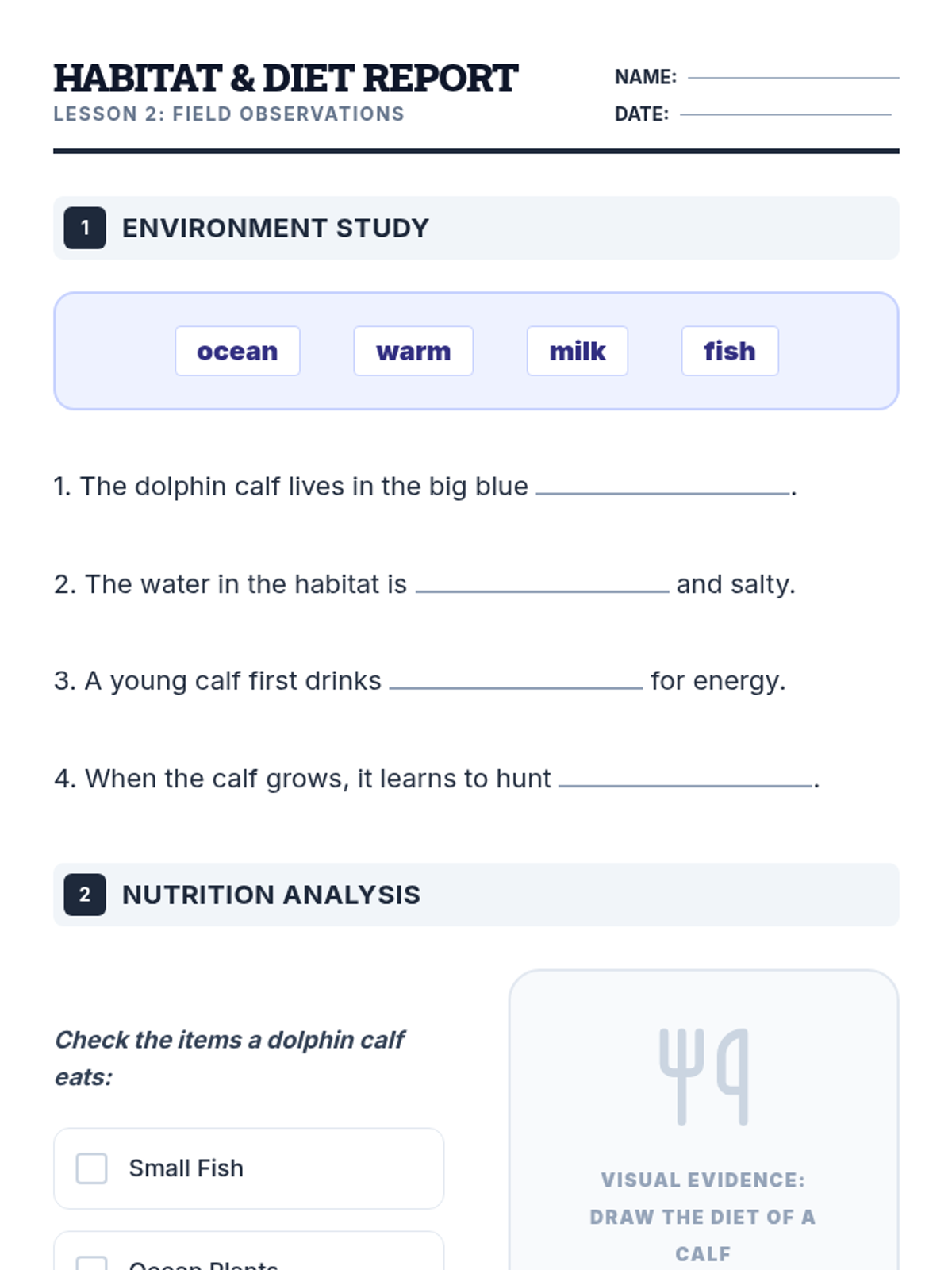
Students explore where baby dolphins live (habitats) and what they eat (diet). The lesson emphasizes the transition from milk to fish and the characteristics of a warm ocean home.
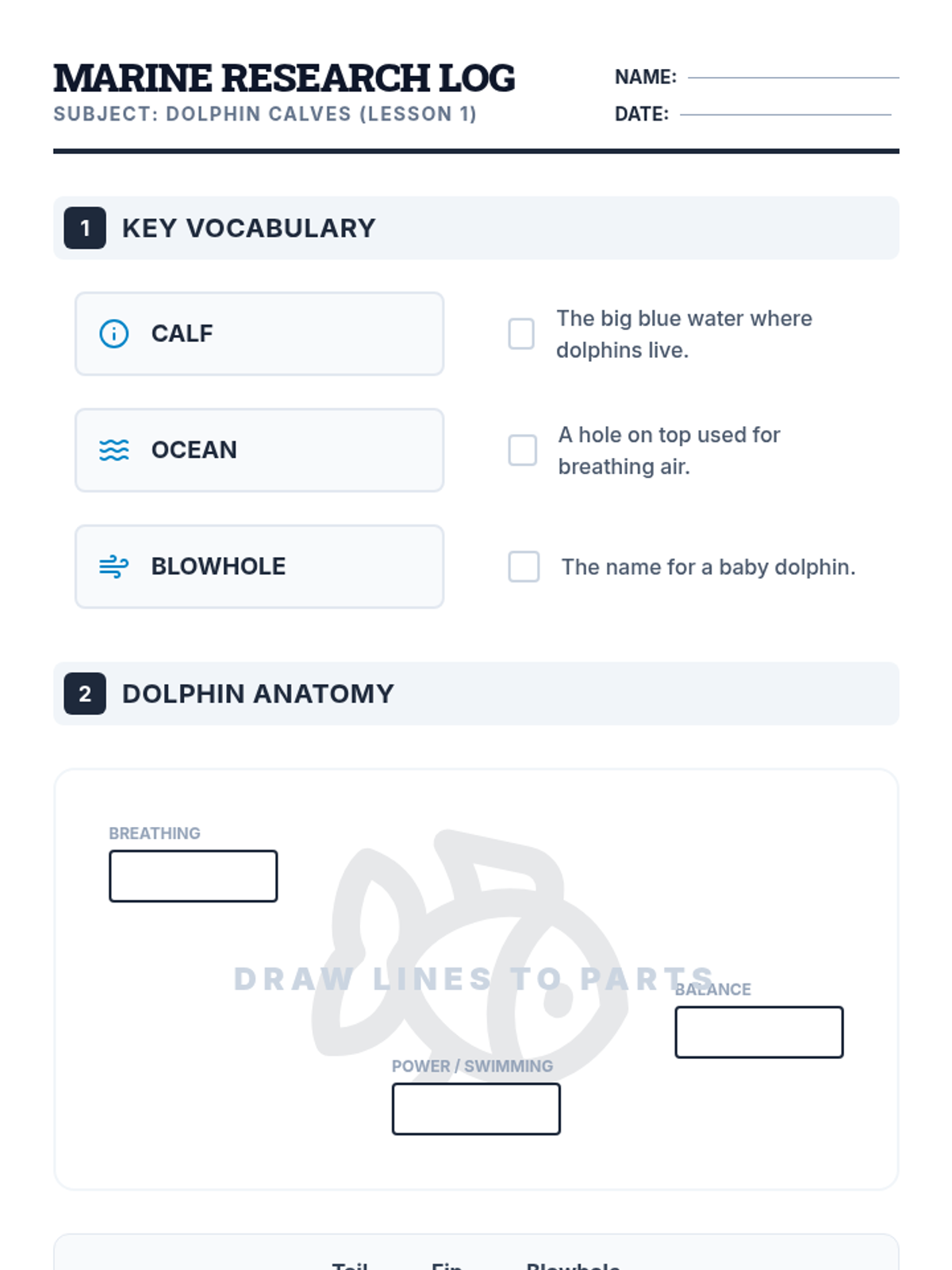
An introduction to baby dolphins (calves), focusing on identifying what they are and comparing them to other animal babies. Students will learn the term 'calf' and basic physical features.
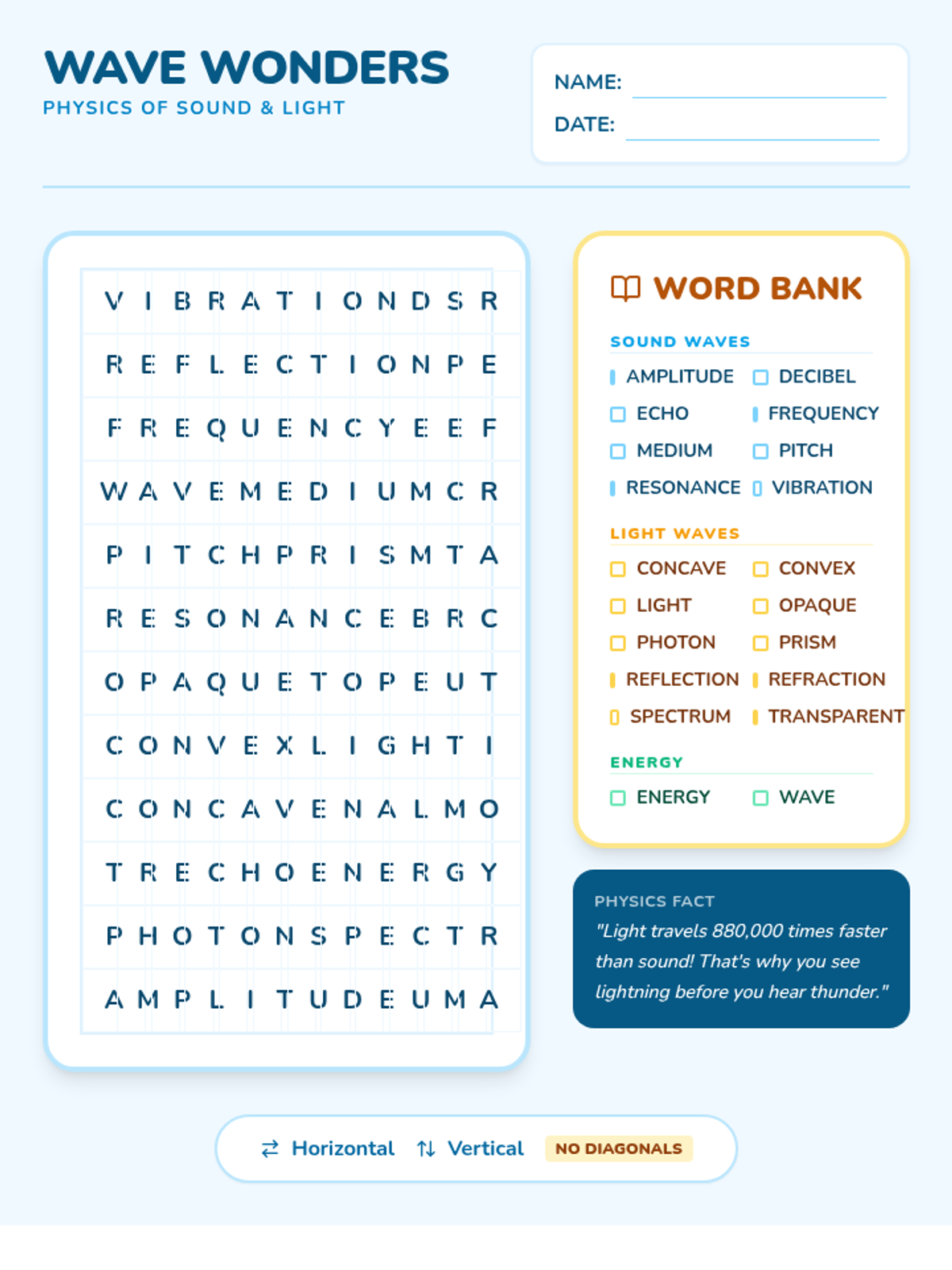
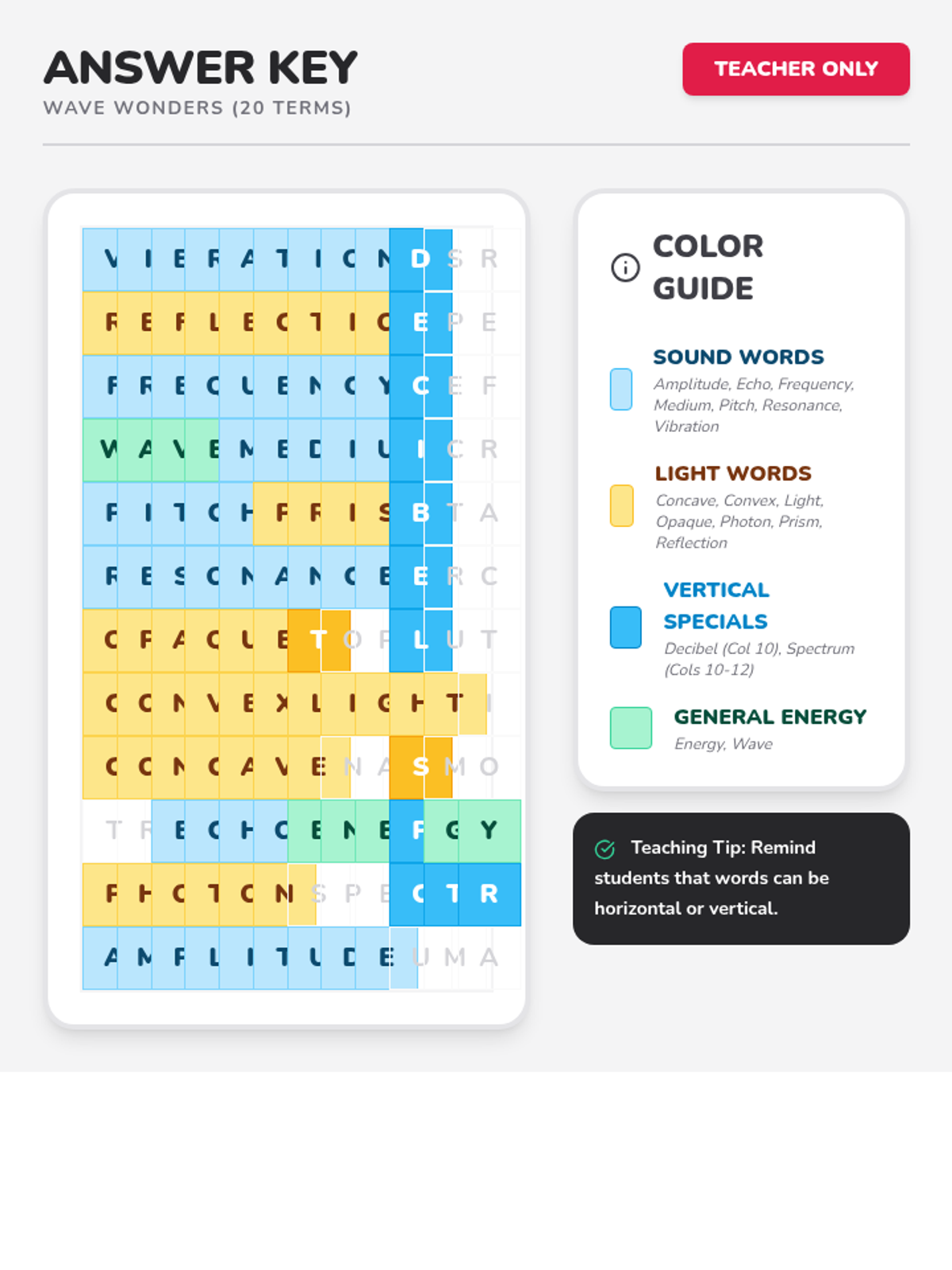
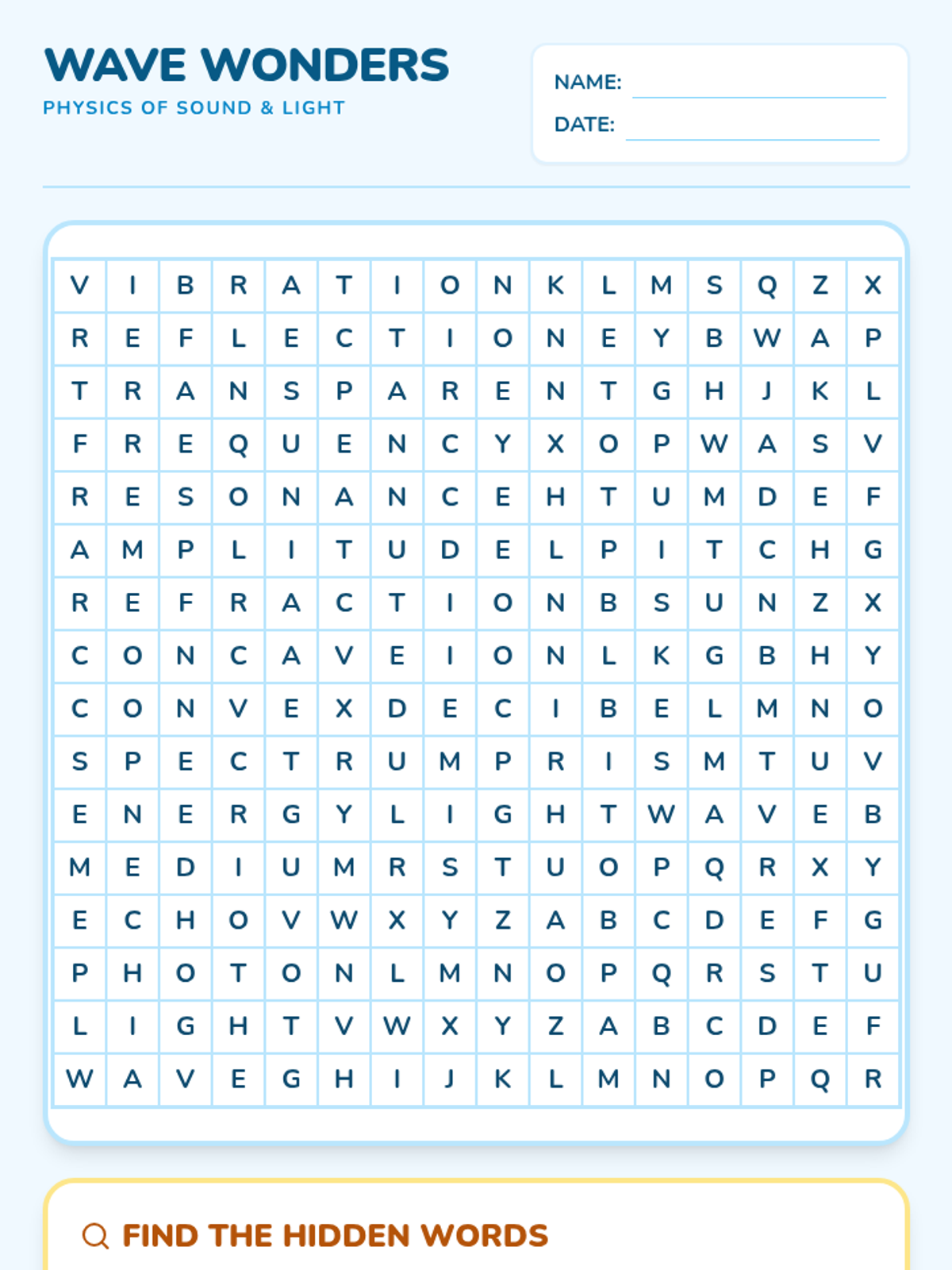
An introductory exploration of the physics of sound and light through vocabulary reinforcement and visual aids.
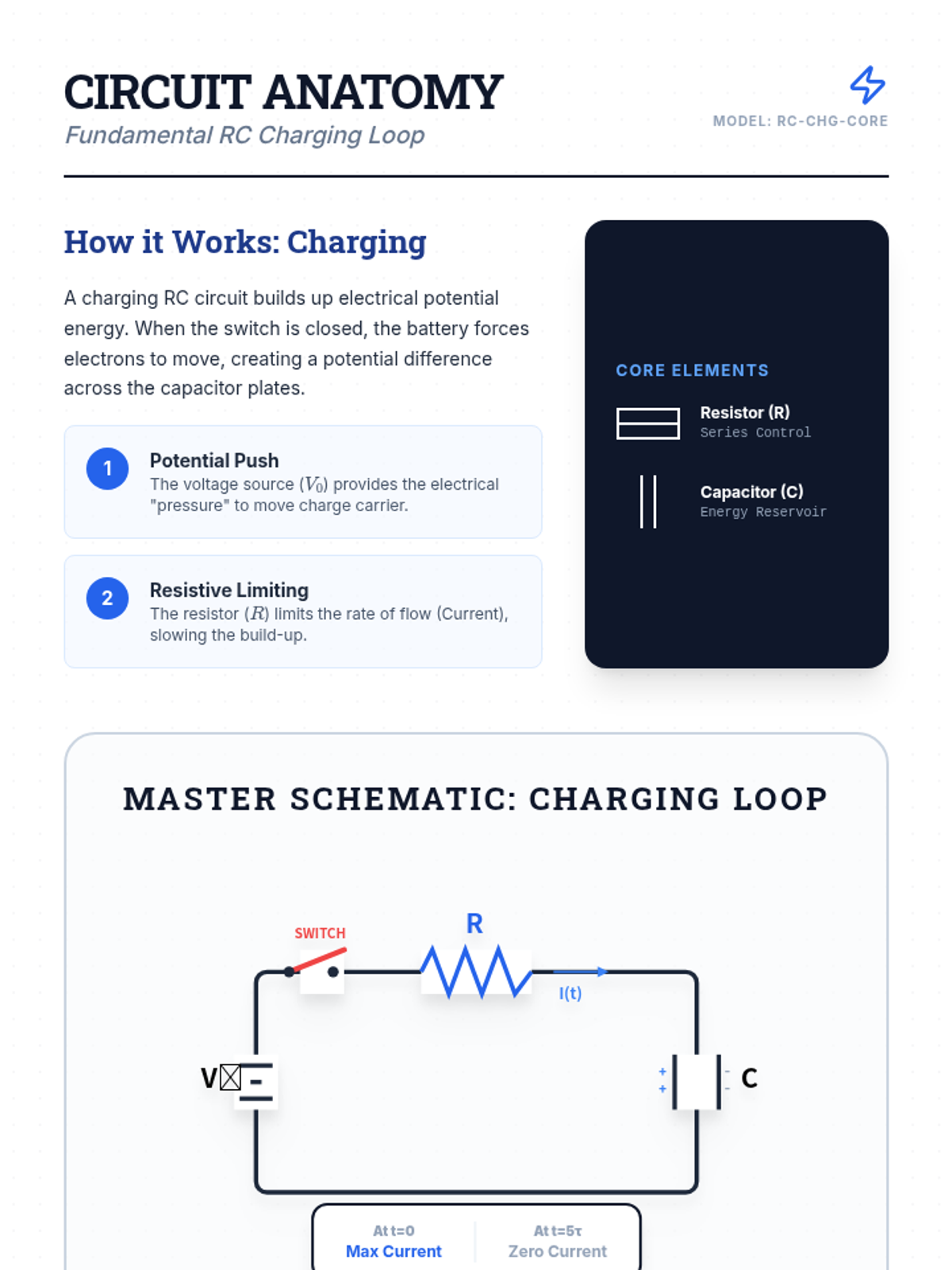
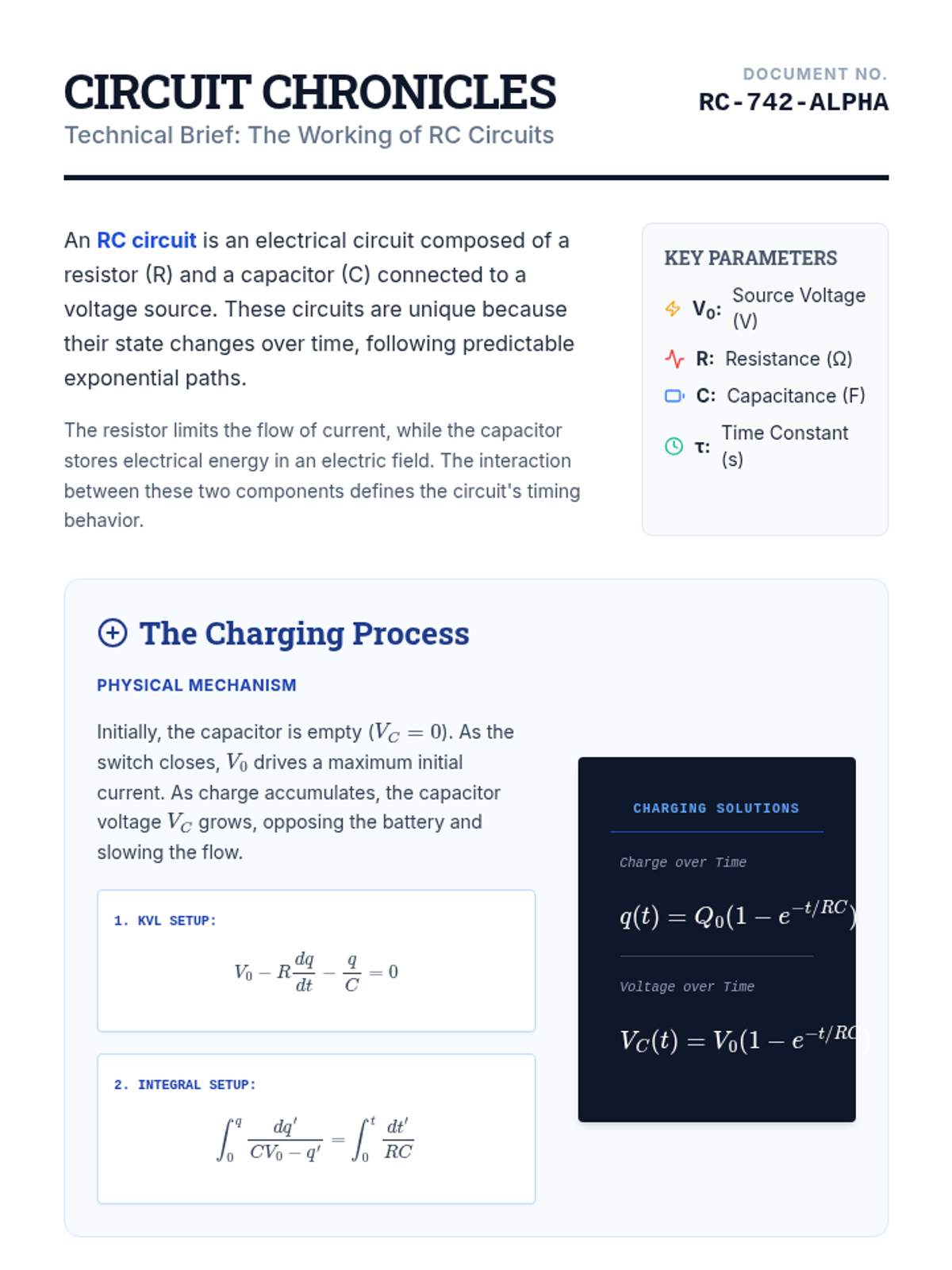
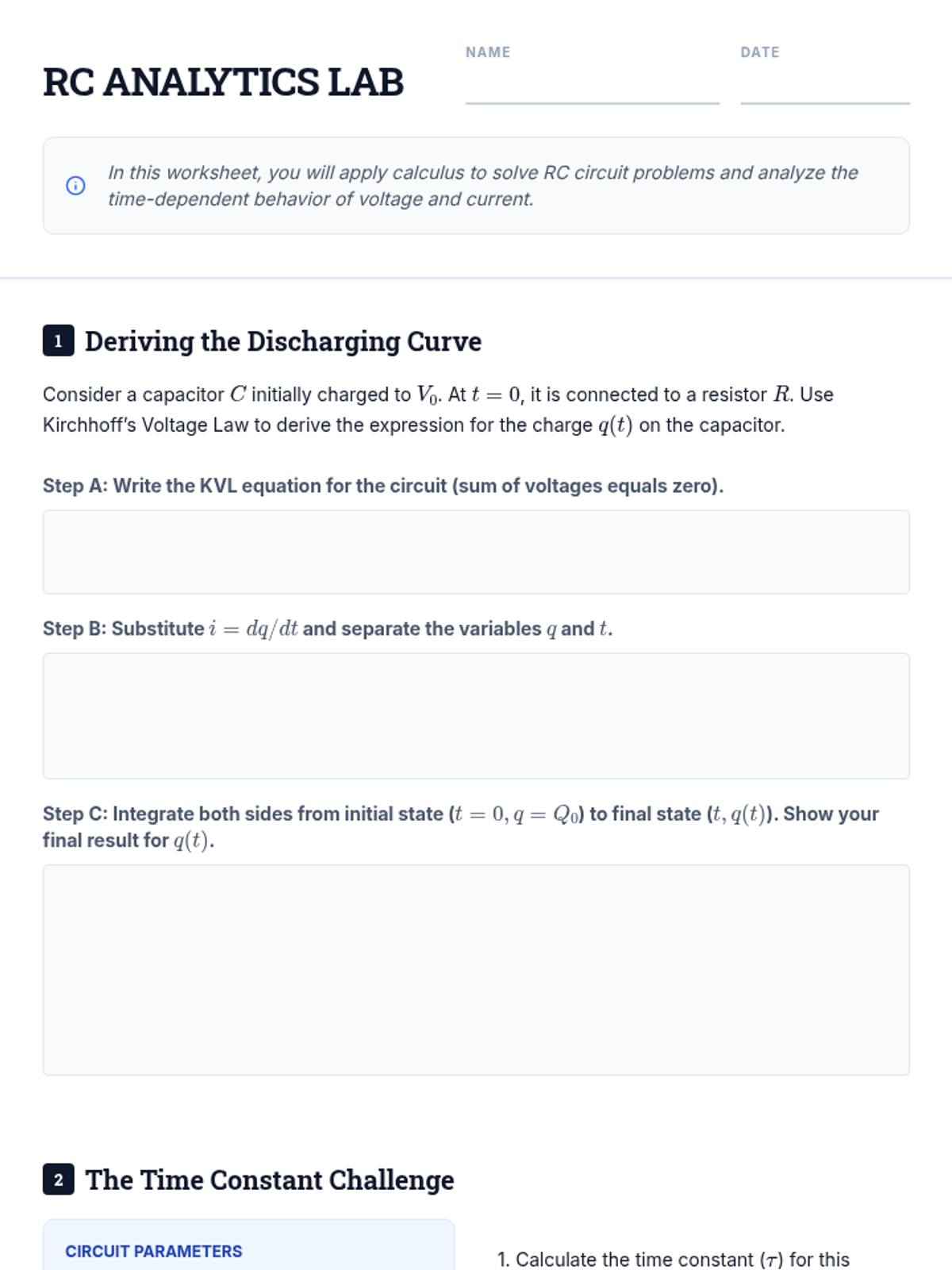
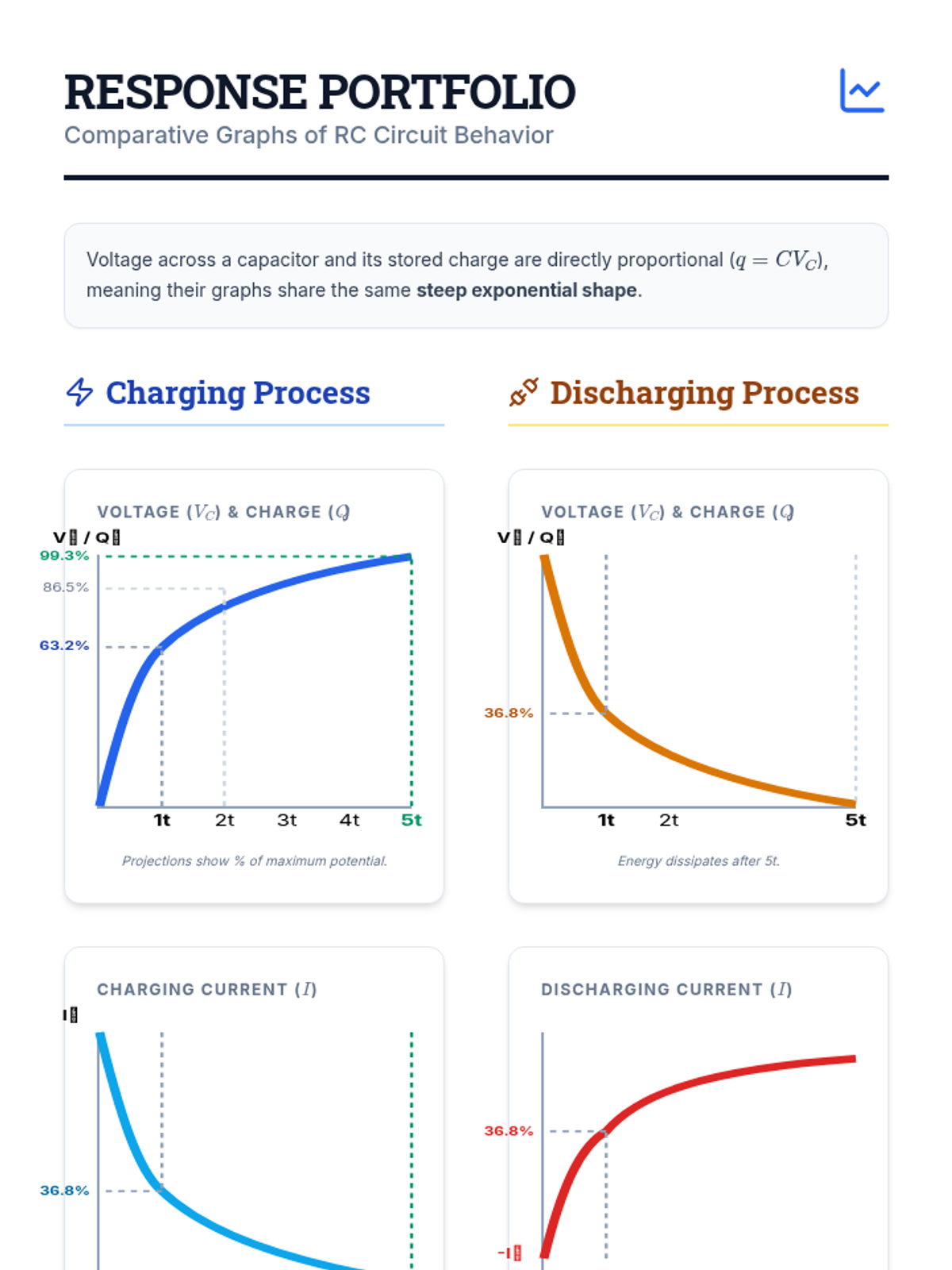
A deep dive into the time-dependent behavior of RC circuits, covering the calculus of charging and discharging, the physical meaning of the time constant, and graphical analysis.
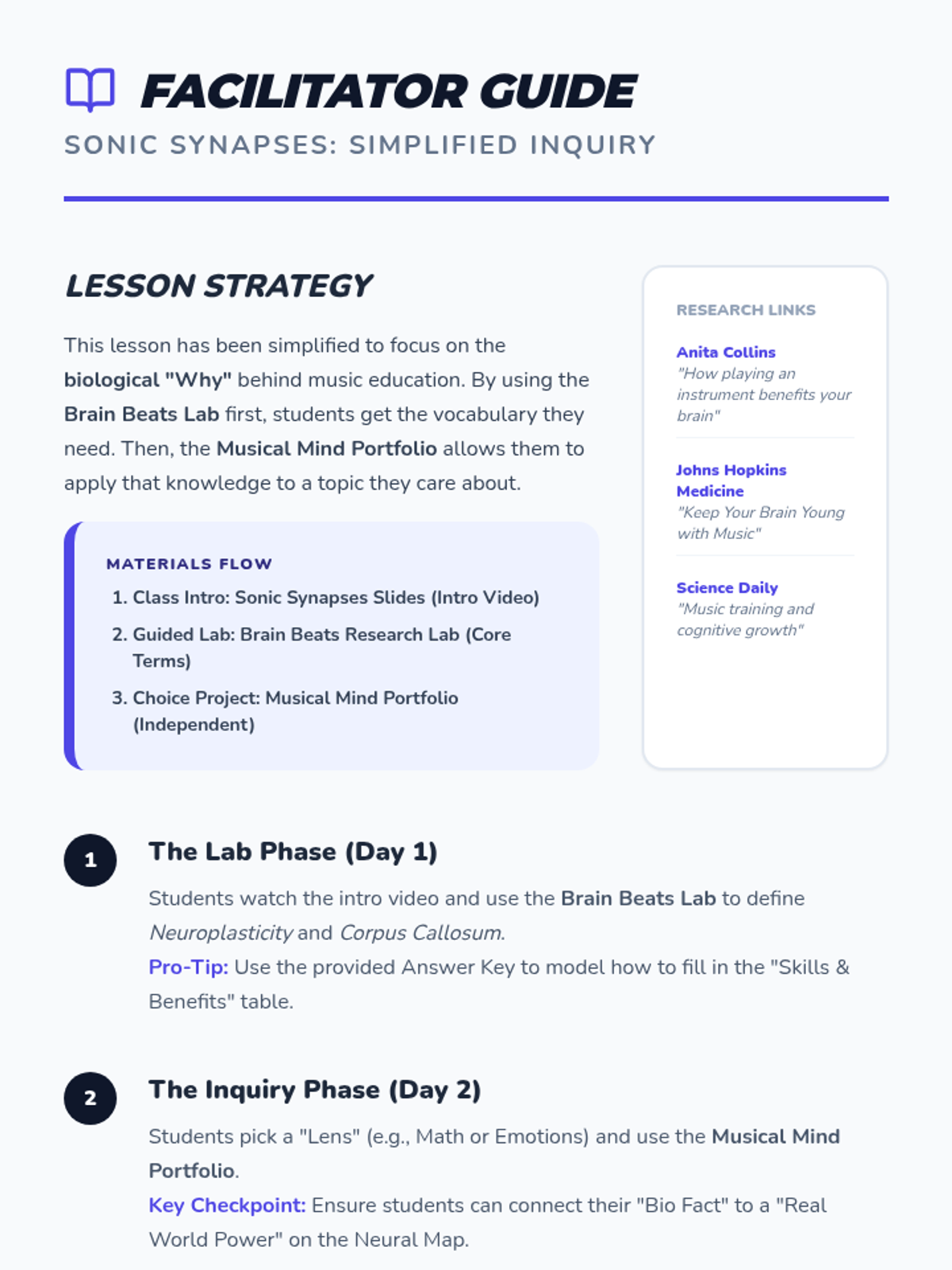
A student-led inquiry project exploring the intersection of music and neuroscience. Students choose their own research path to discover how musical training transforms cognitive development and present their unique findings.
This lesson covers Kirchhoff's Junction and Loop Rules, providing students with the conceptual framework and mathematical tools to analyze complex multi-loop circuits. Students will explore conservation of charge and energy through interactive examples and practice problems.
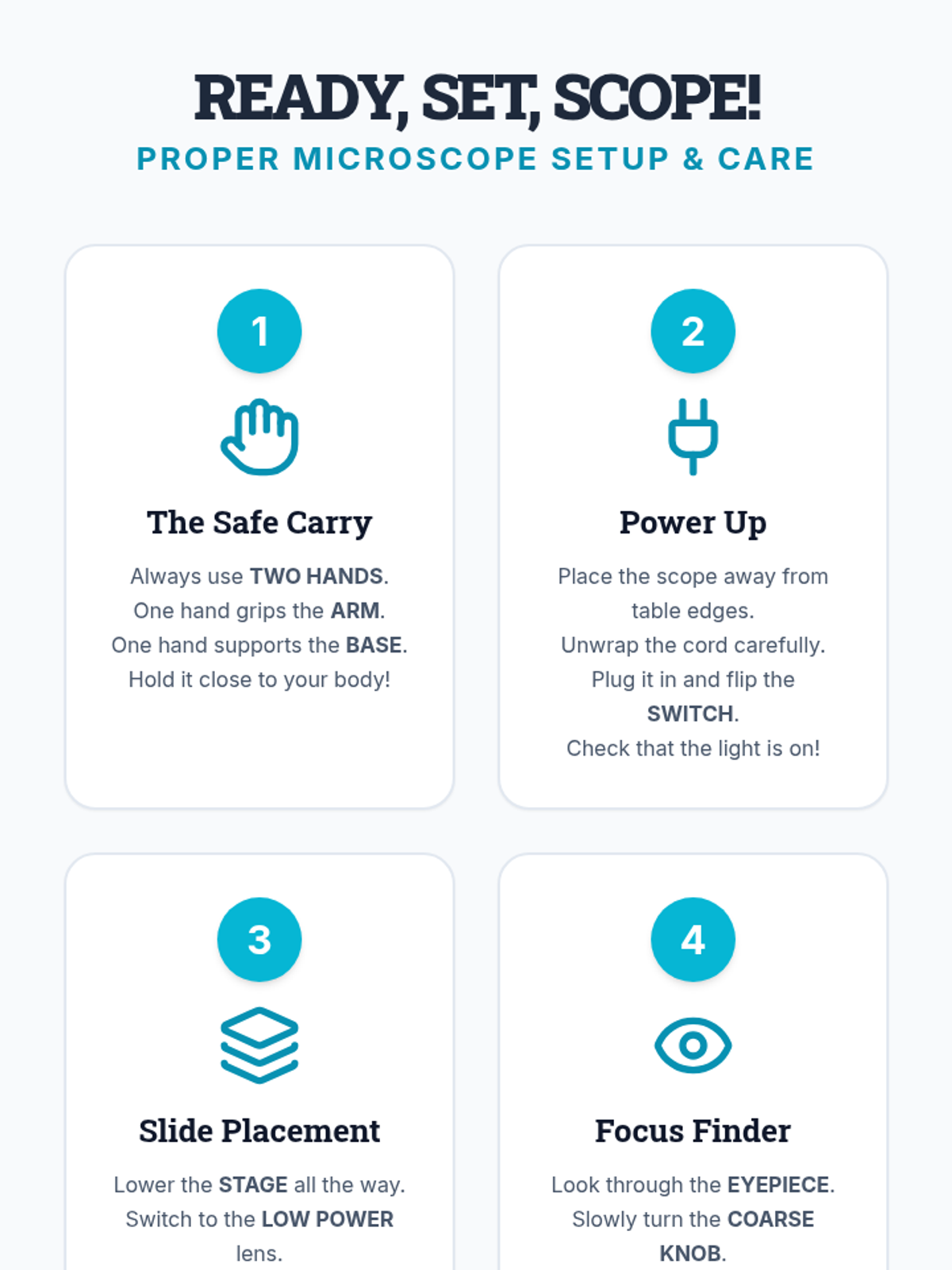
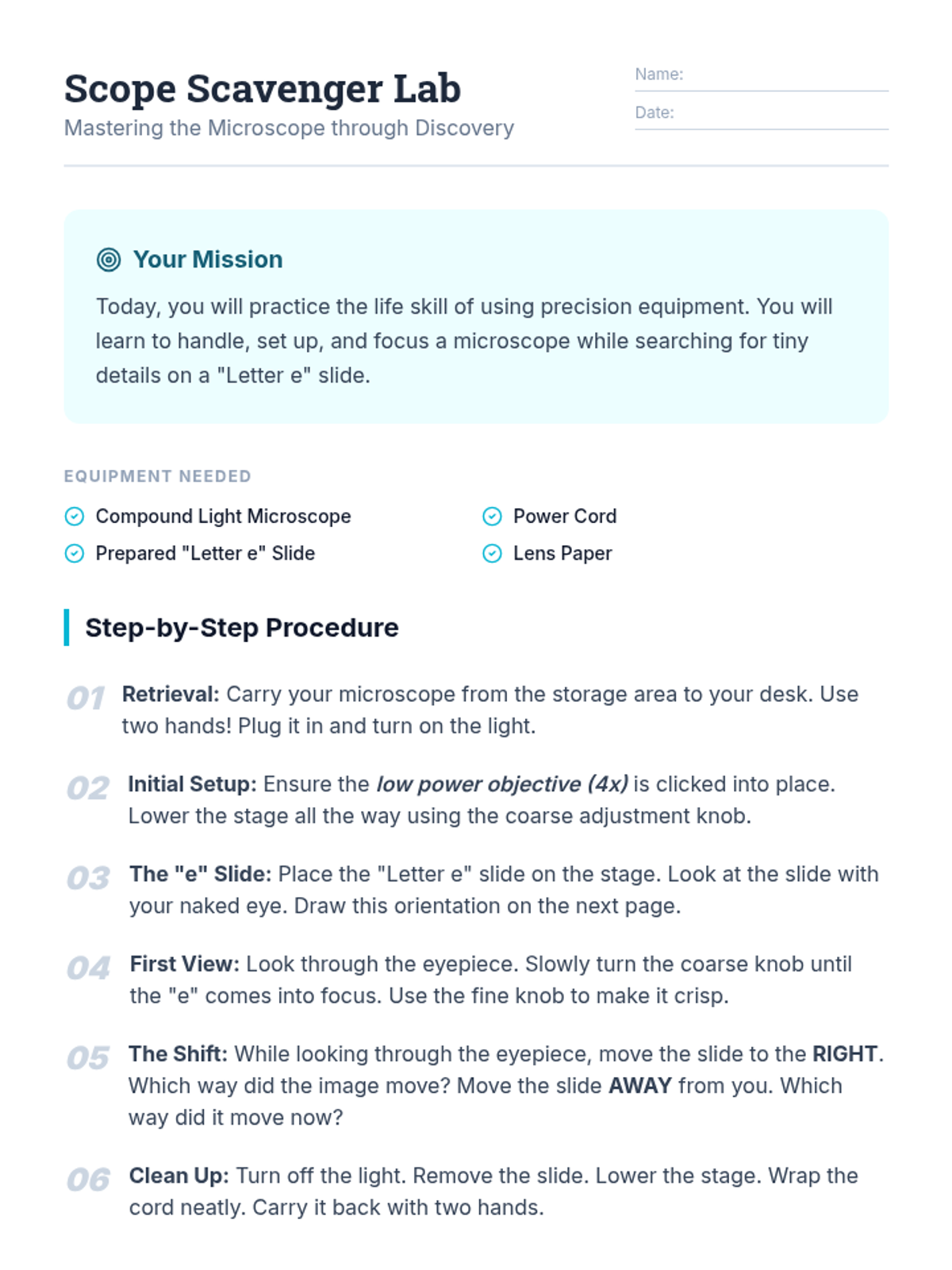
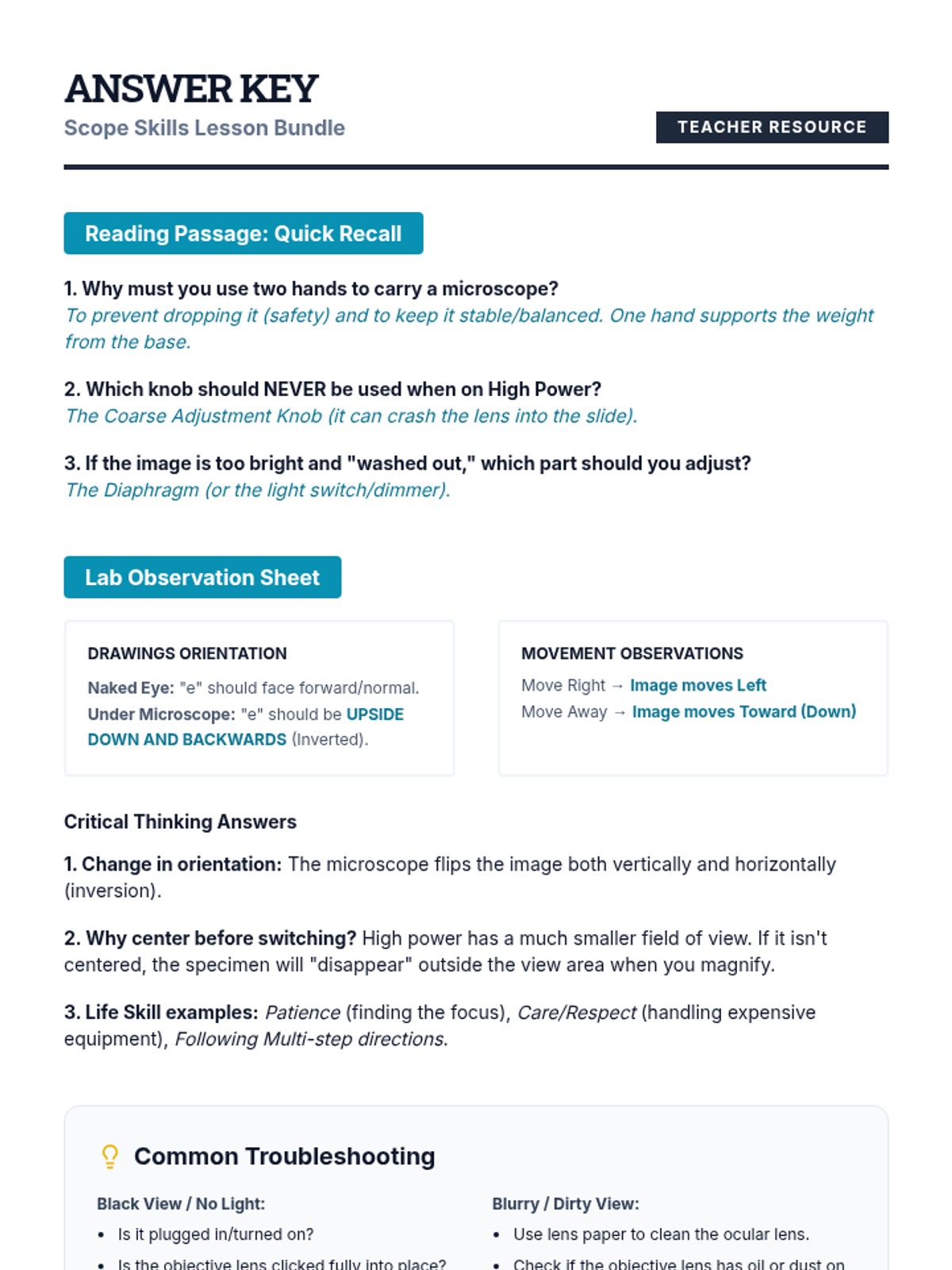
A foundational lesson on compound light microscopes, focusing on parts identification, proper handling, and the step-by-step process of focusing on a specimen. Students develop essential lab safety and precision skills.
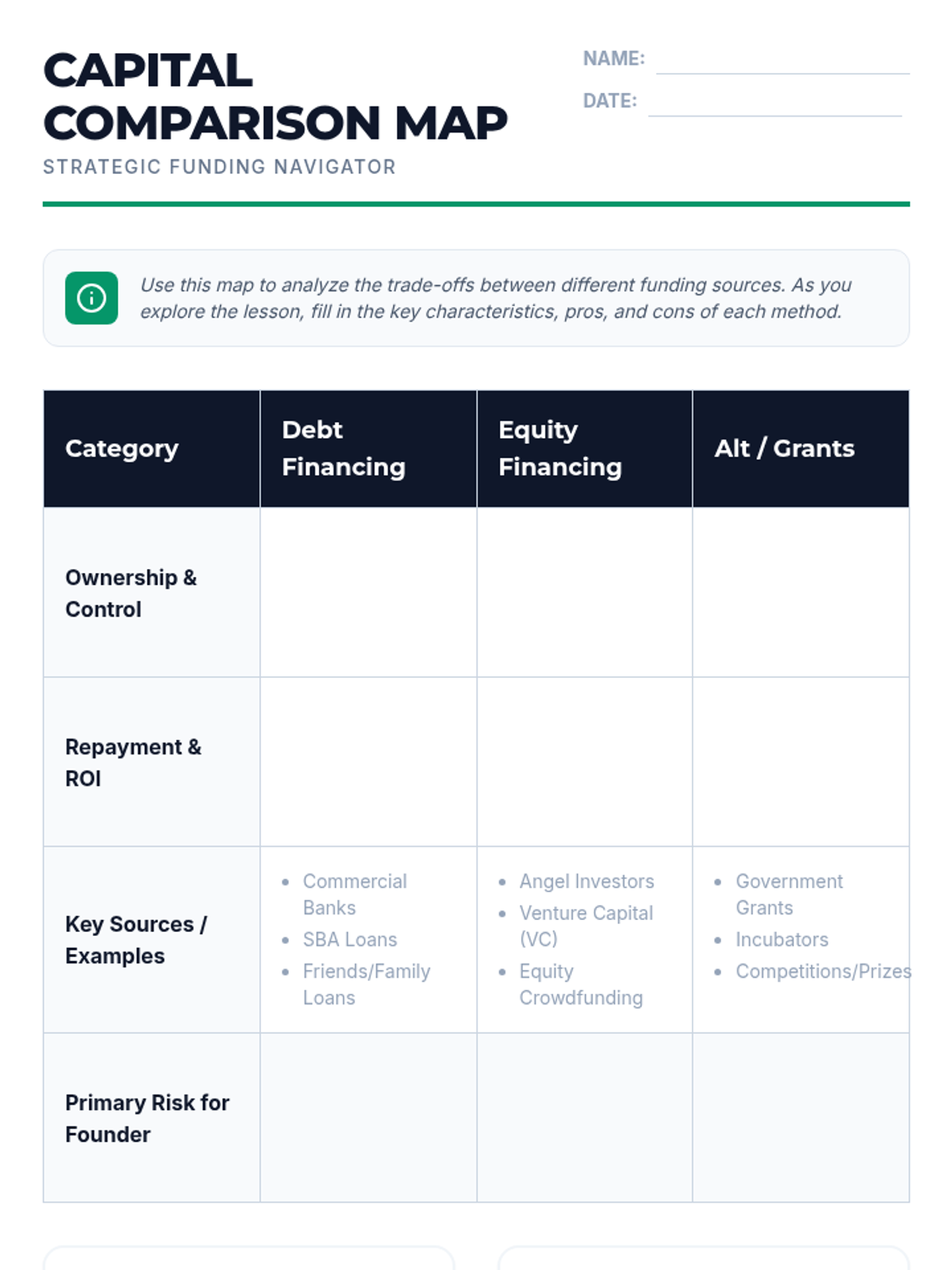
A comprehensive lesson exploring debt financing, equity financing, and alternative funding sources like grants and incubators, helping students understand the strategic trade-offs of each.
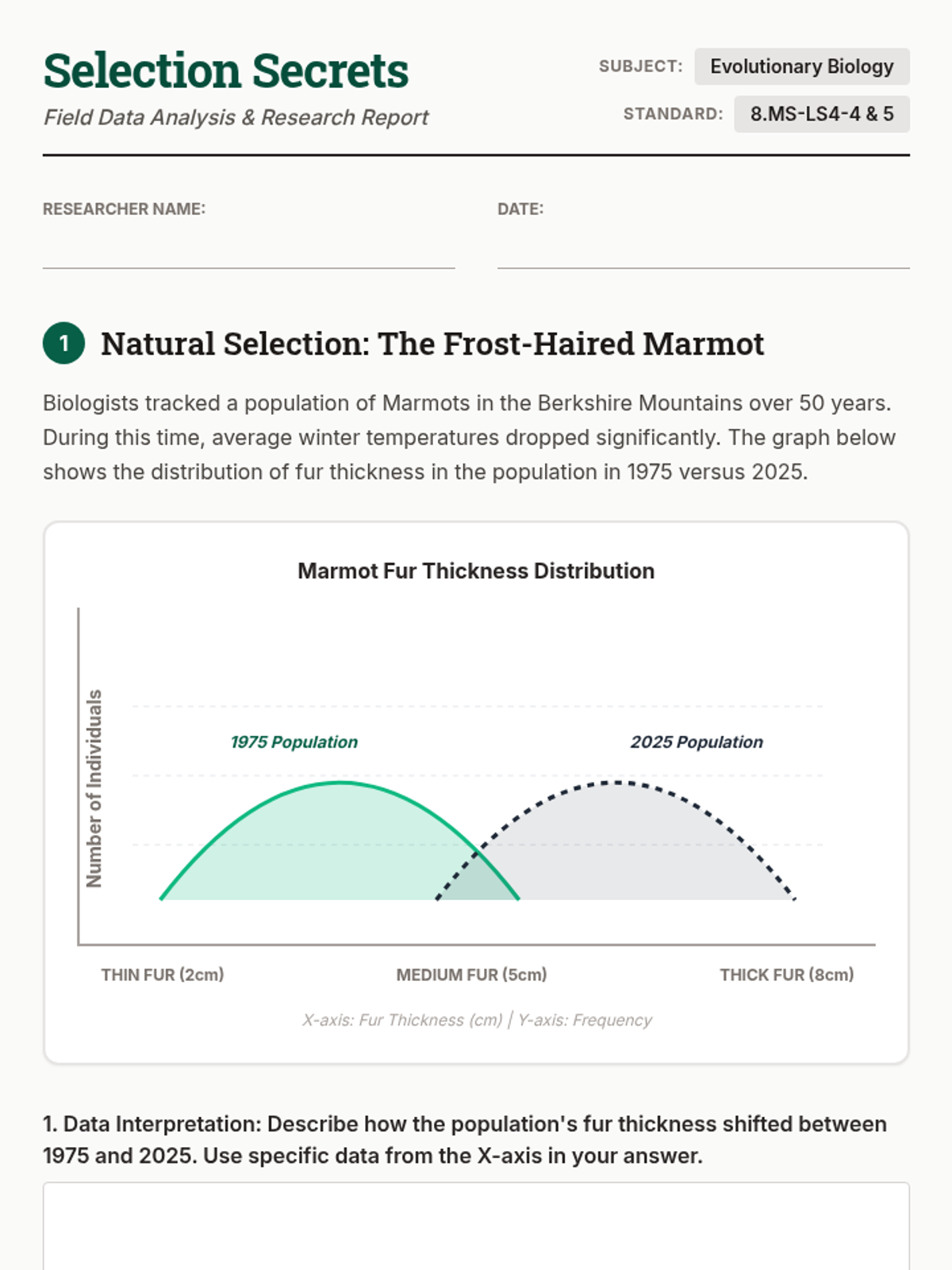
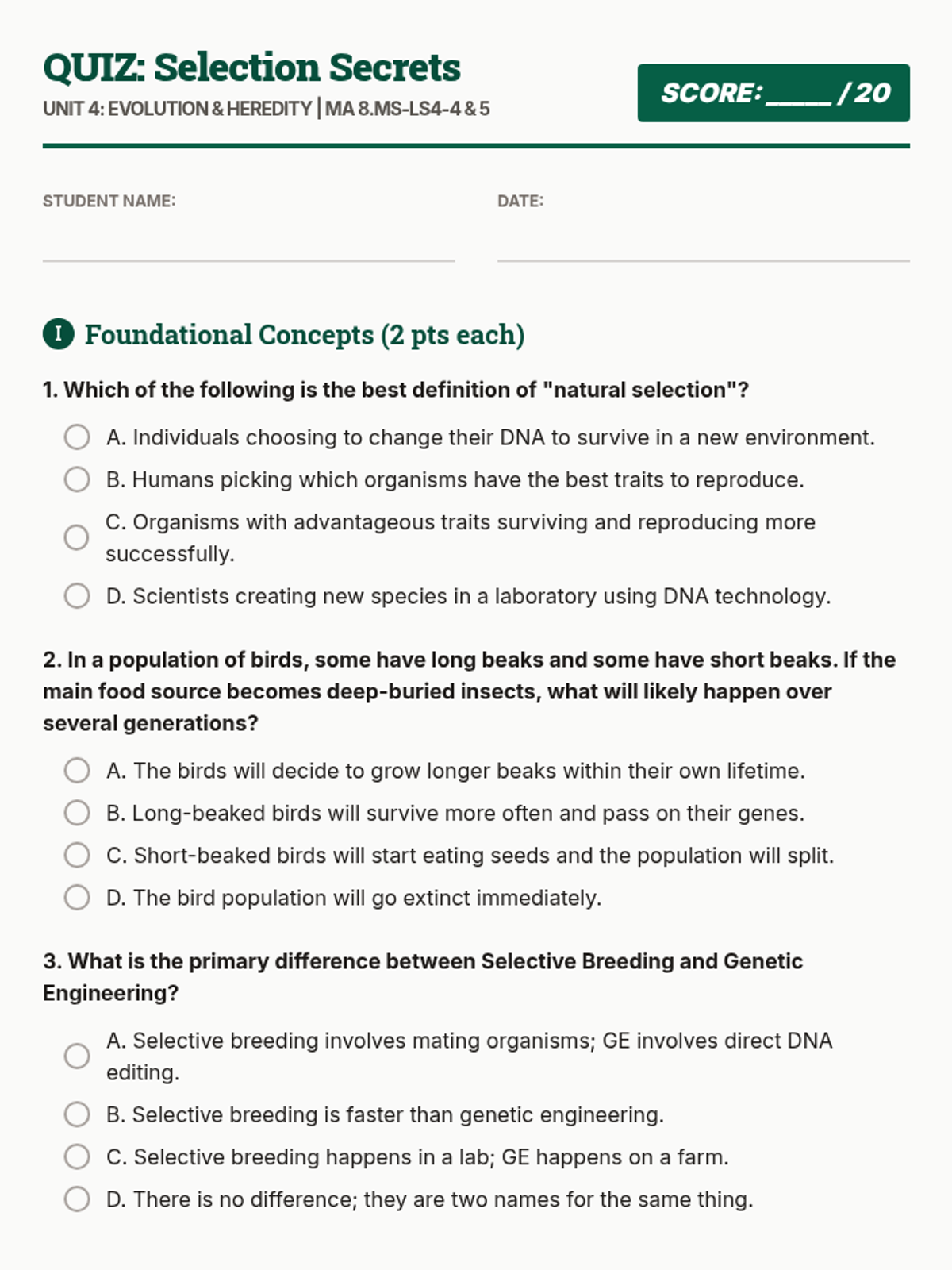
An exploration of natural and artificial selection, focusing on data analysis of trait shifts in populations and human-driven genetic changes. This lesson aligns with Massachusetts 8th-grade life science standards for evolution and heredity.
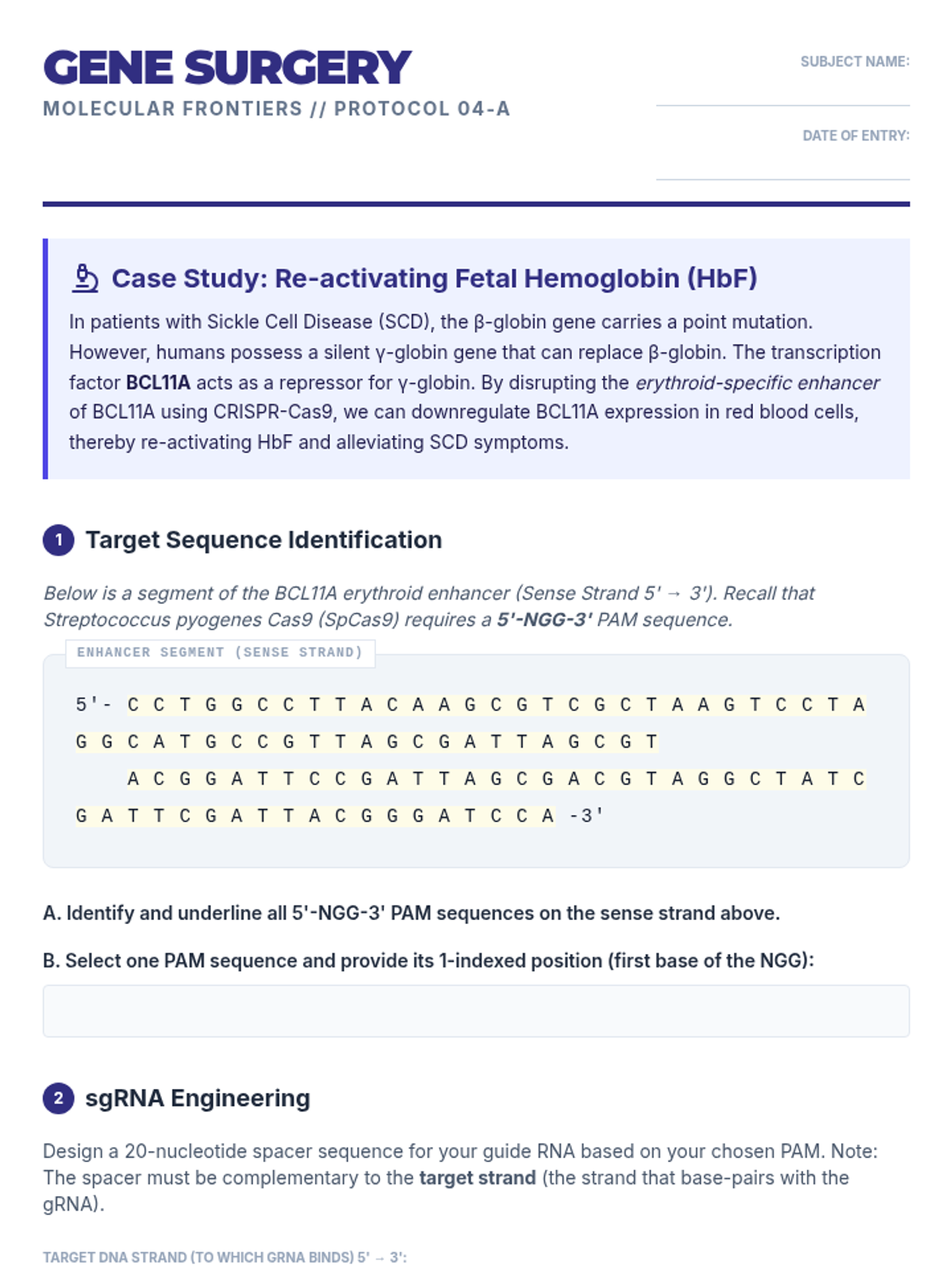
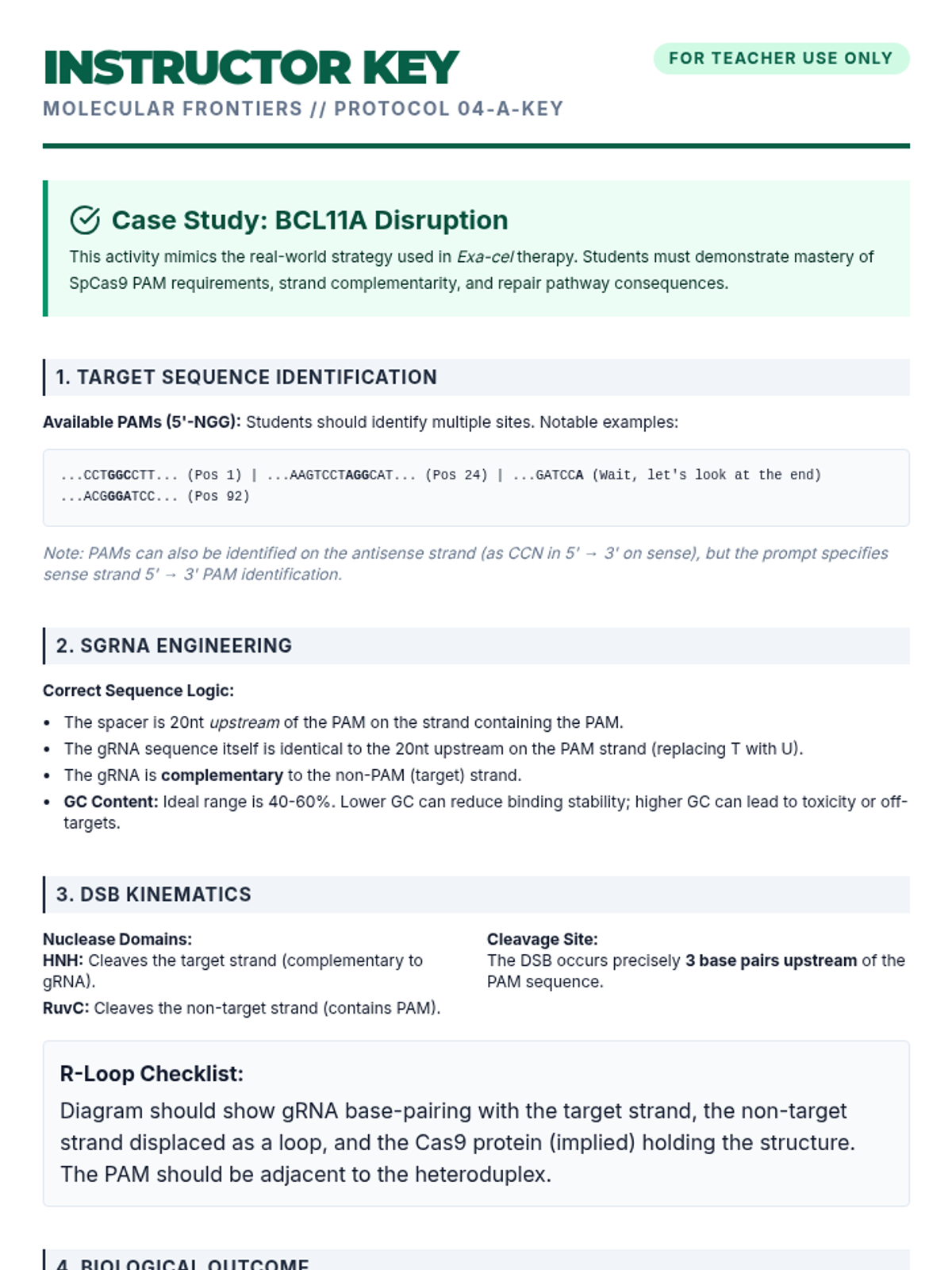
A deep dive into the molecular machinery of CRISPR-Cas9, focusing on the structural biology of Cas9, guide RNA architecture, and the precision of genome editing.
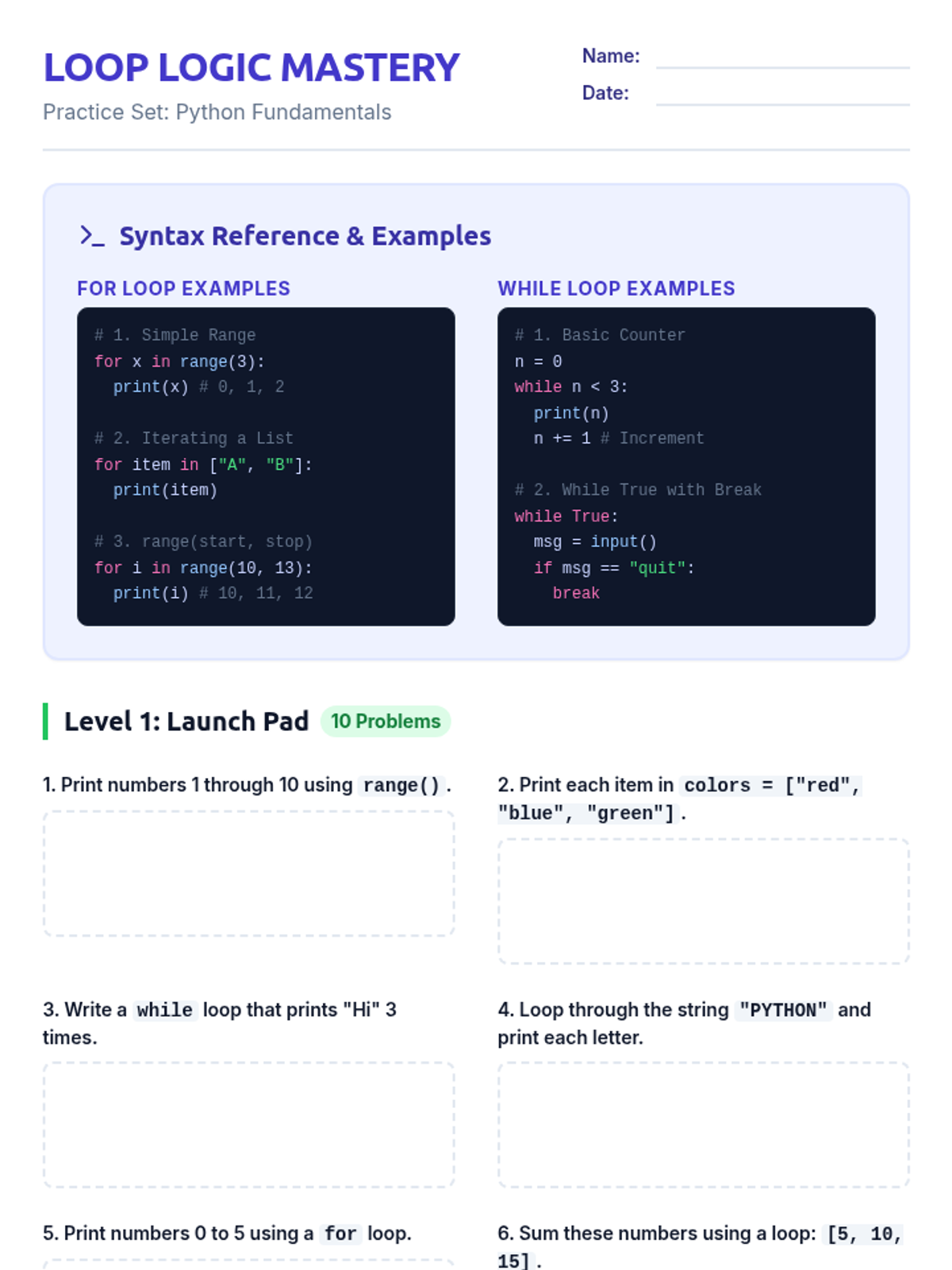
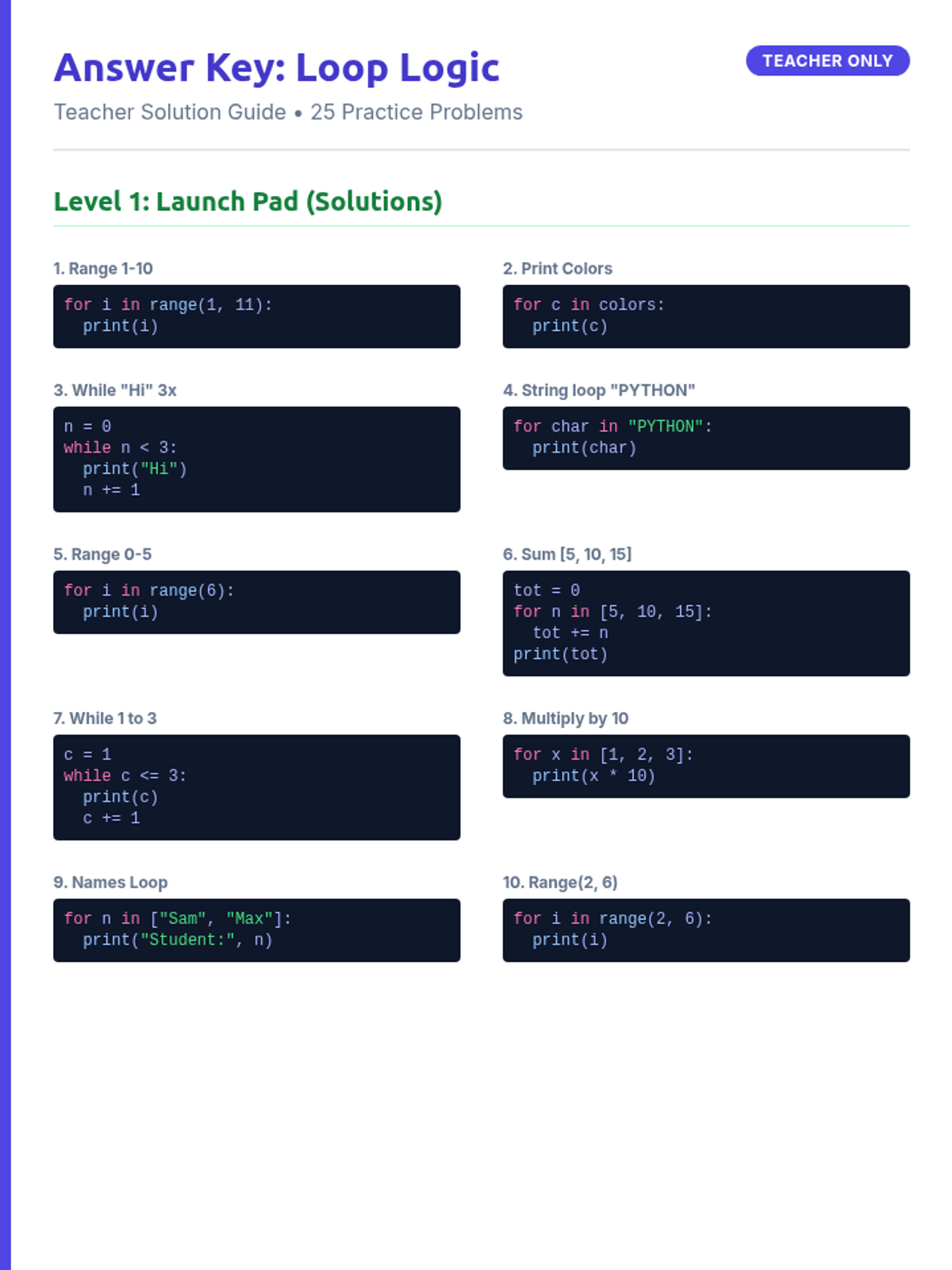
A comprehensive practice set and reference guide for Python for and while loops, designed to prepare students for their upcoming test. Includes introductory, moderate, and challenging problems with a mix of debugging and code creation.
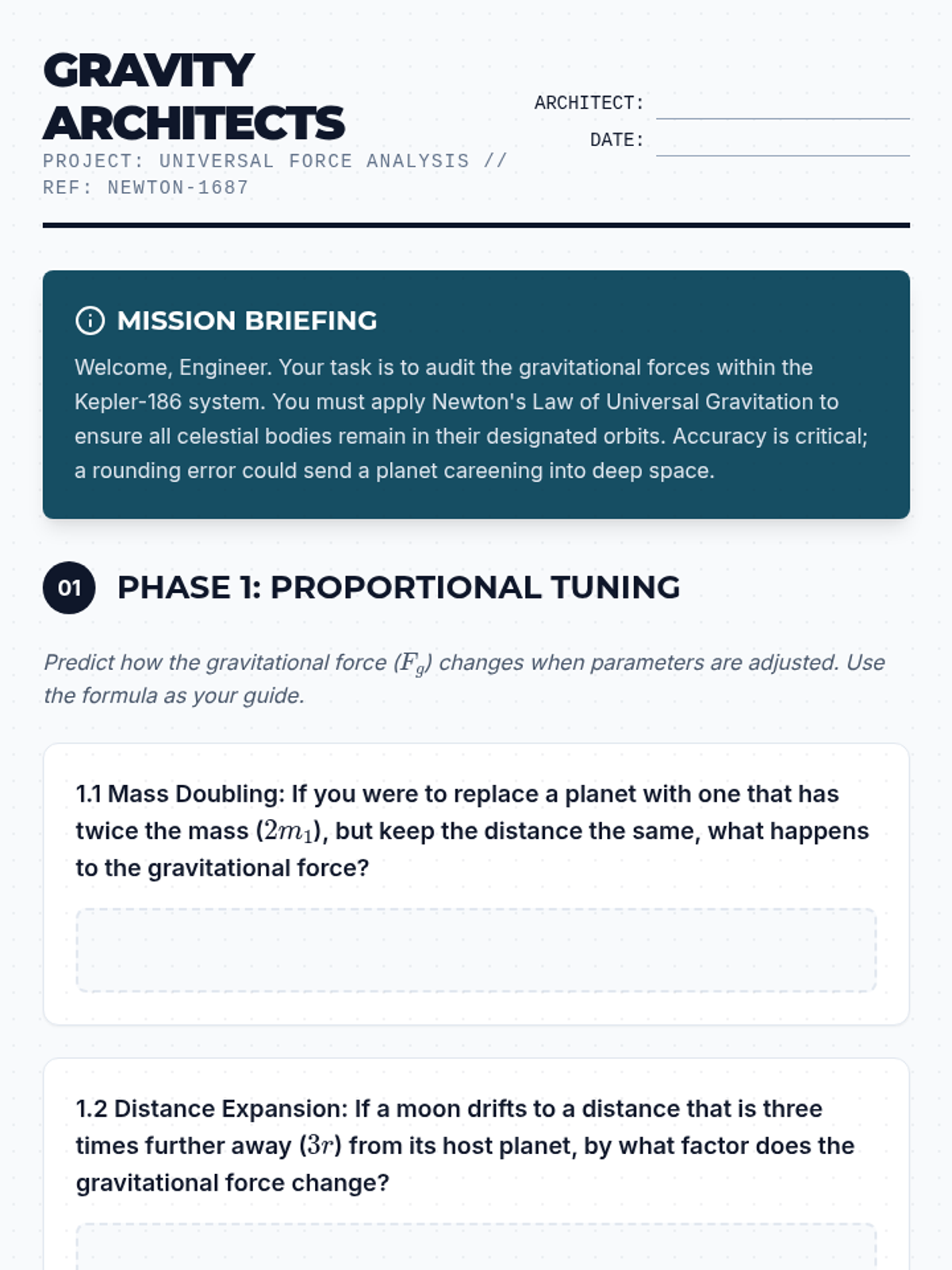
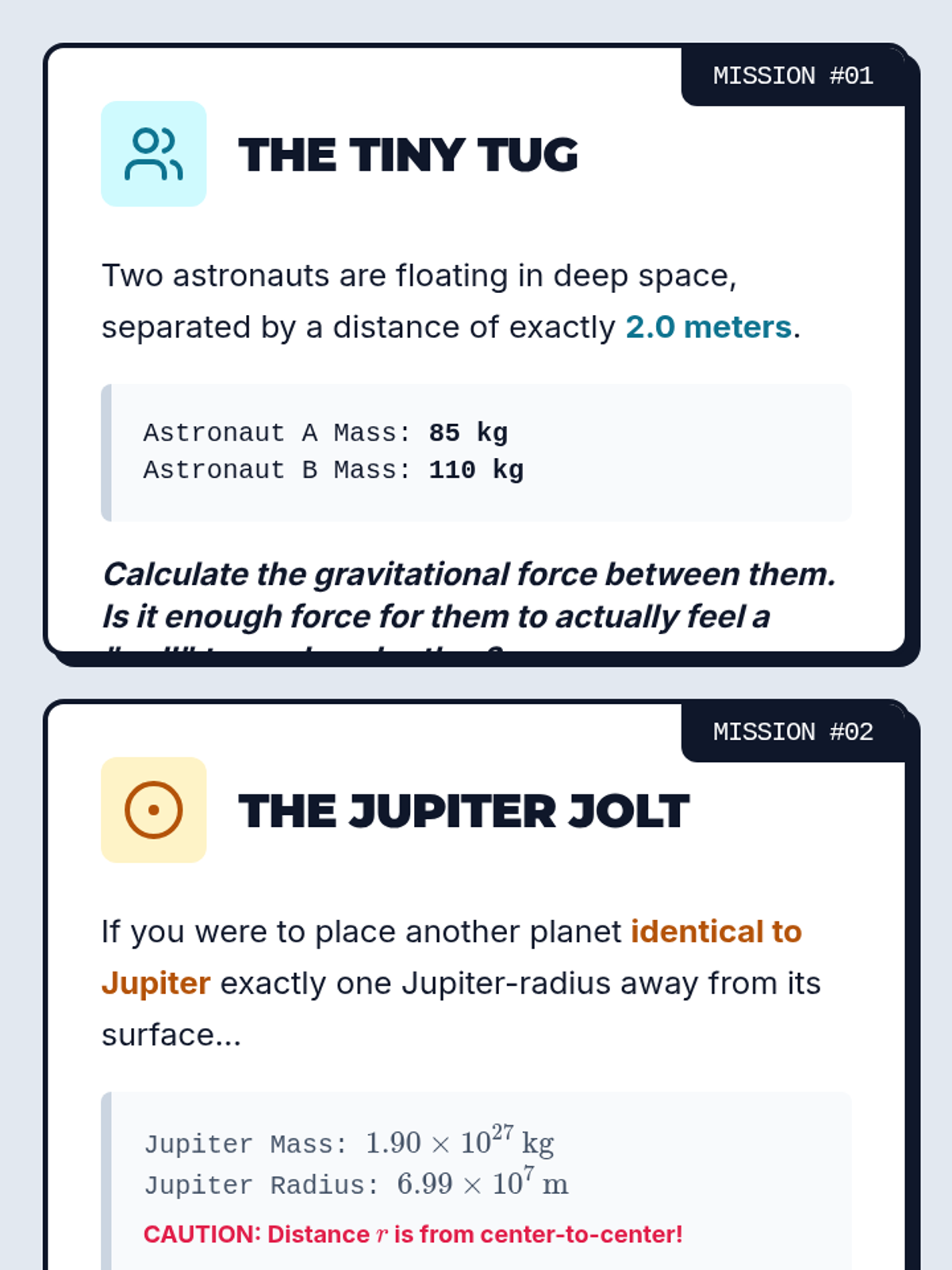
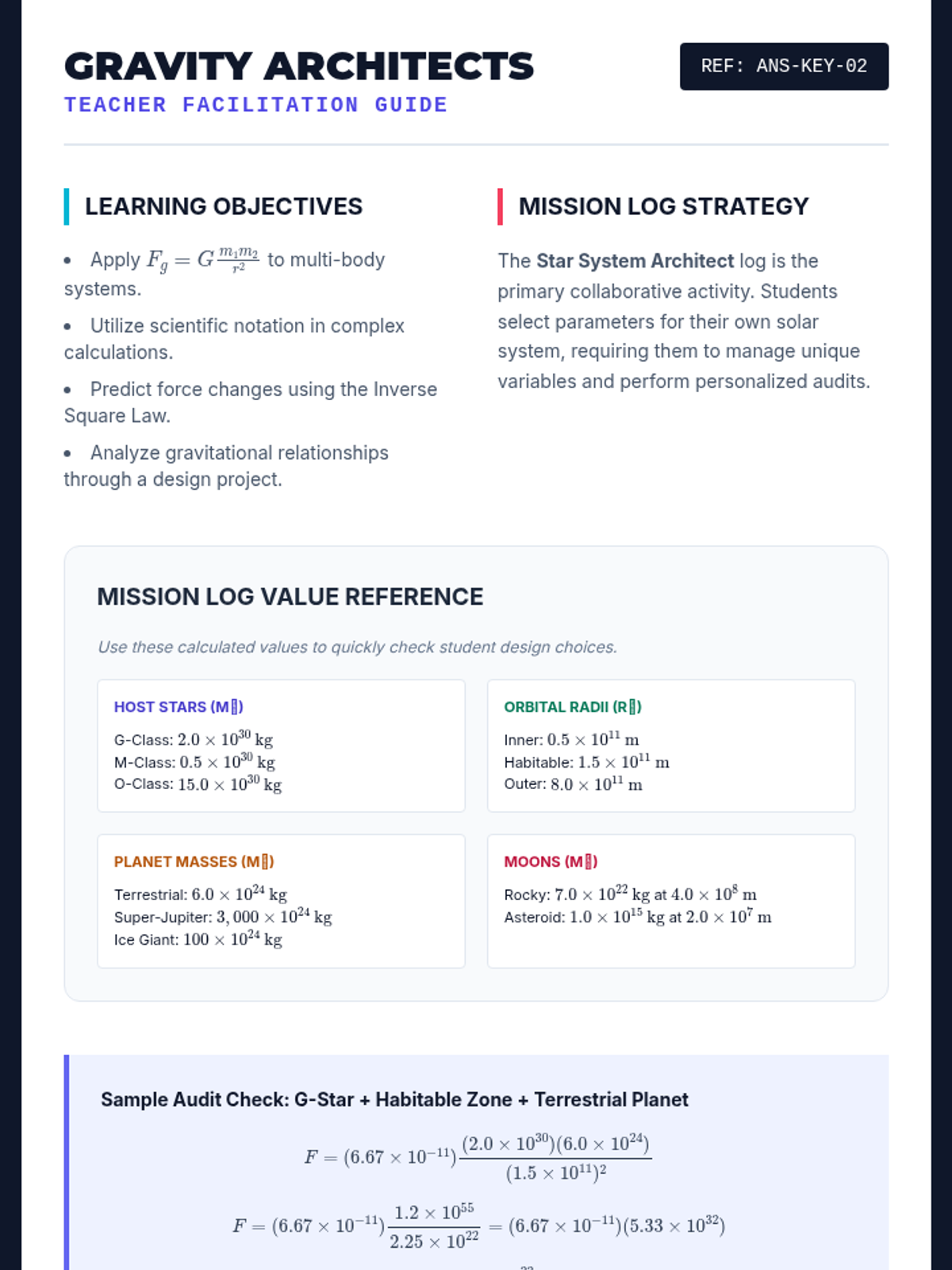
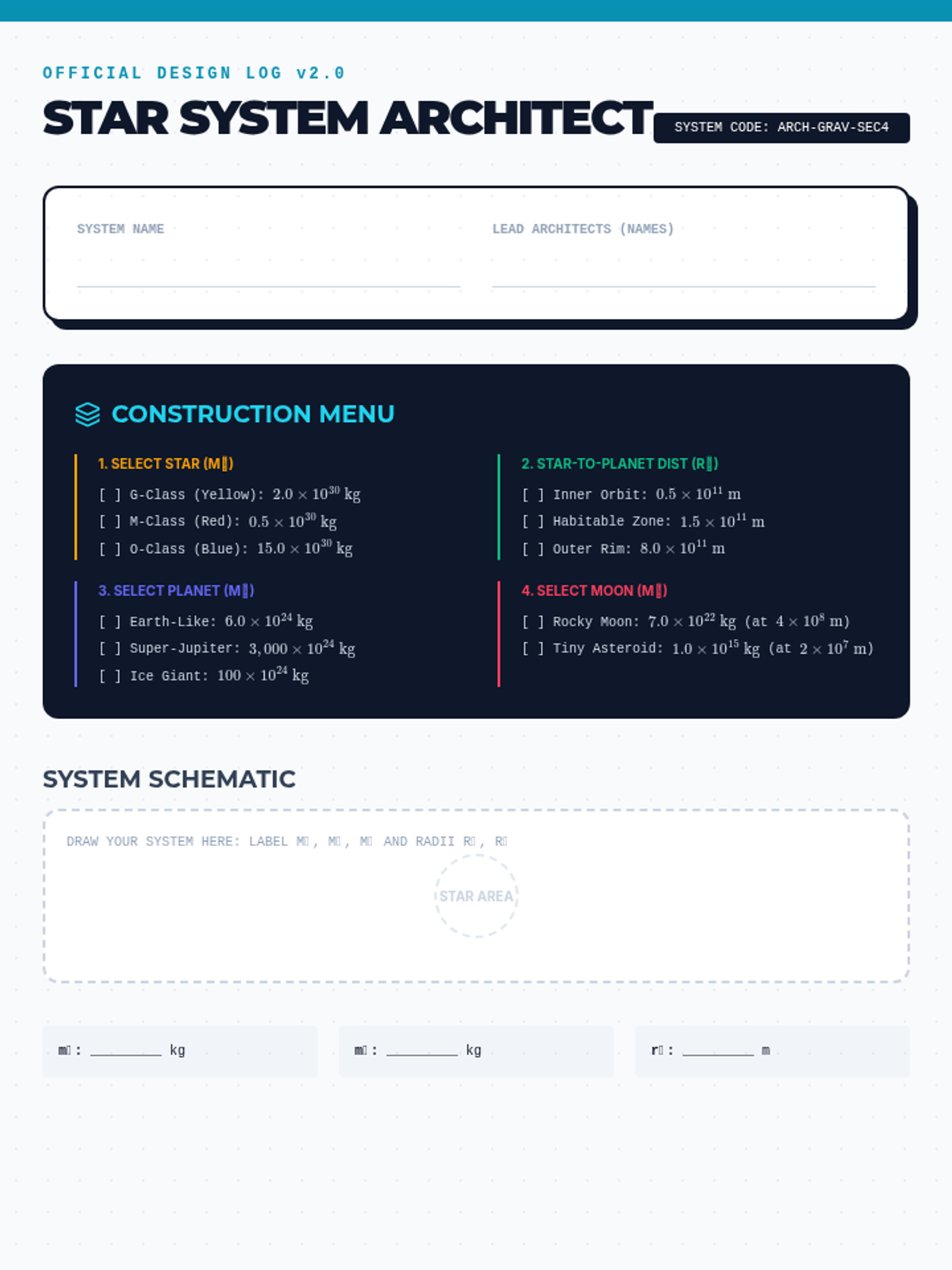
Students step into the role of cosmic engineers to master Newton's Law of Universal Gravitation. They will explore the inverse square law, perform complex calculations using scientific notation, and compare gravitational forces across the solar system.
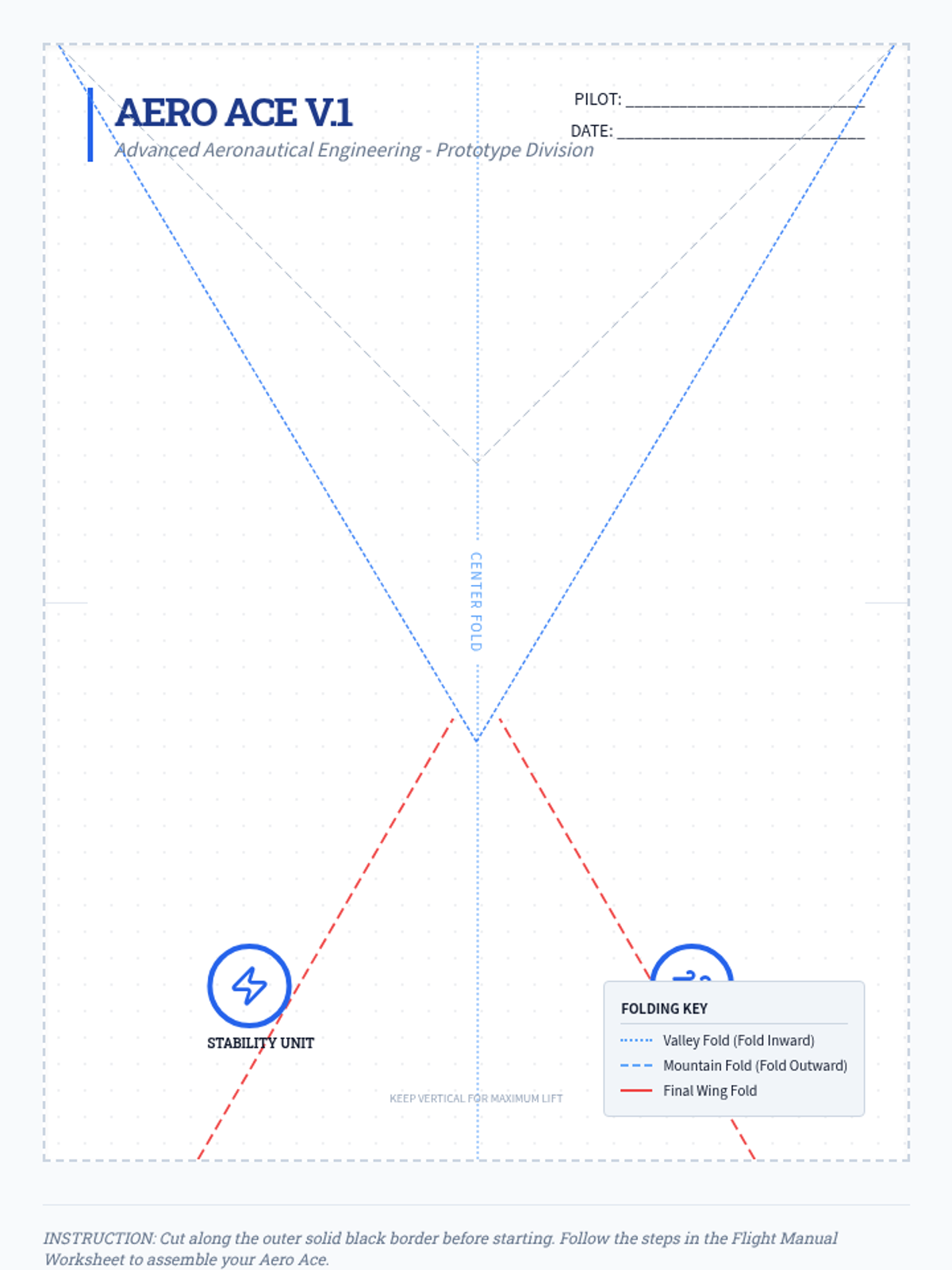
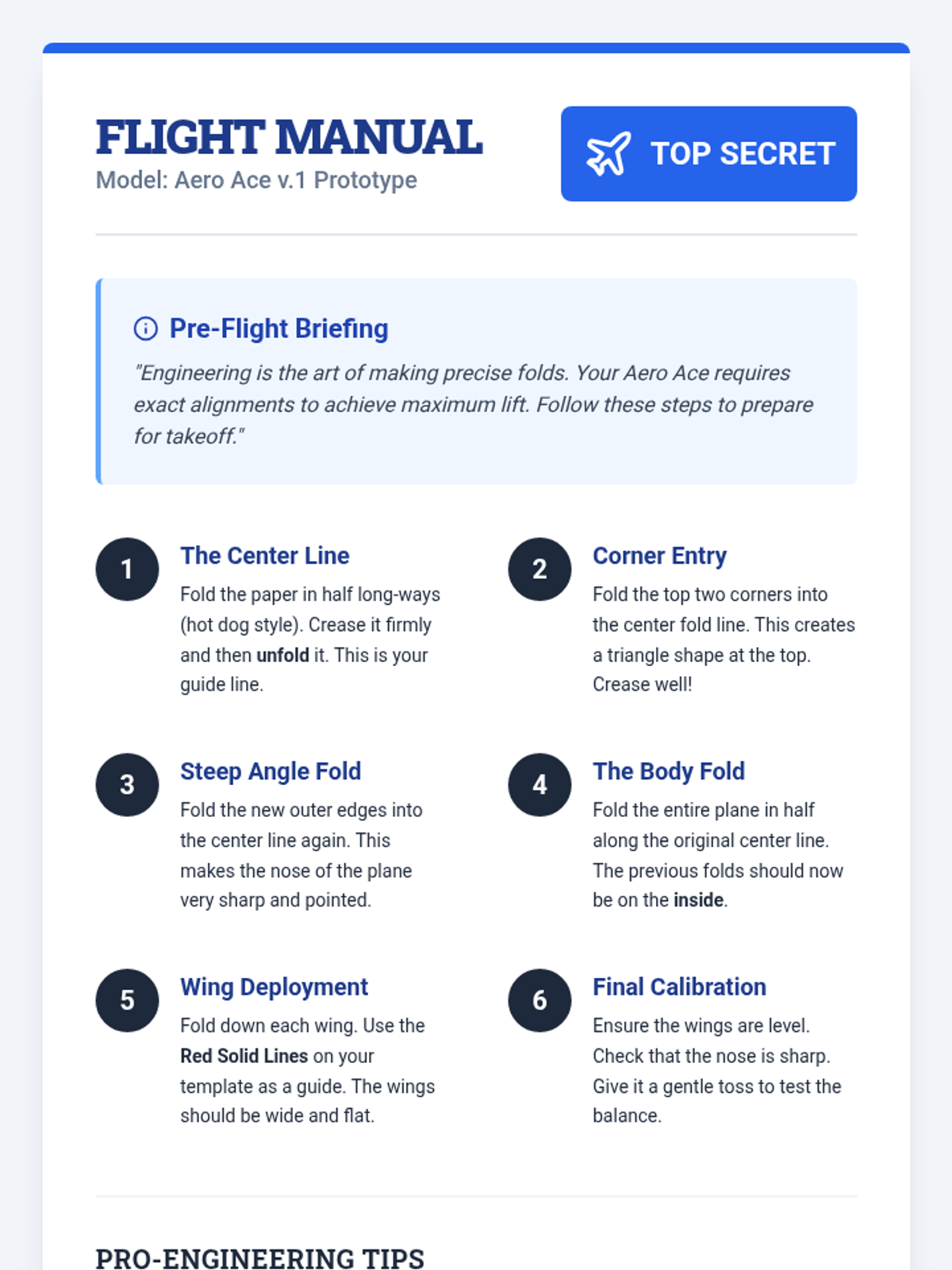
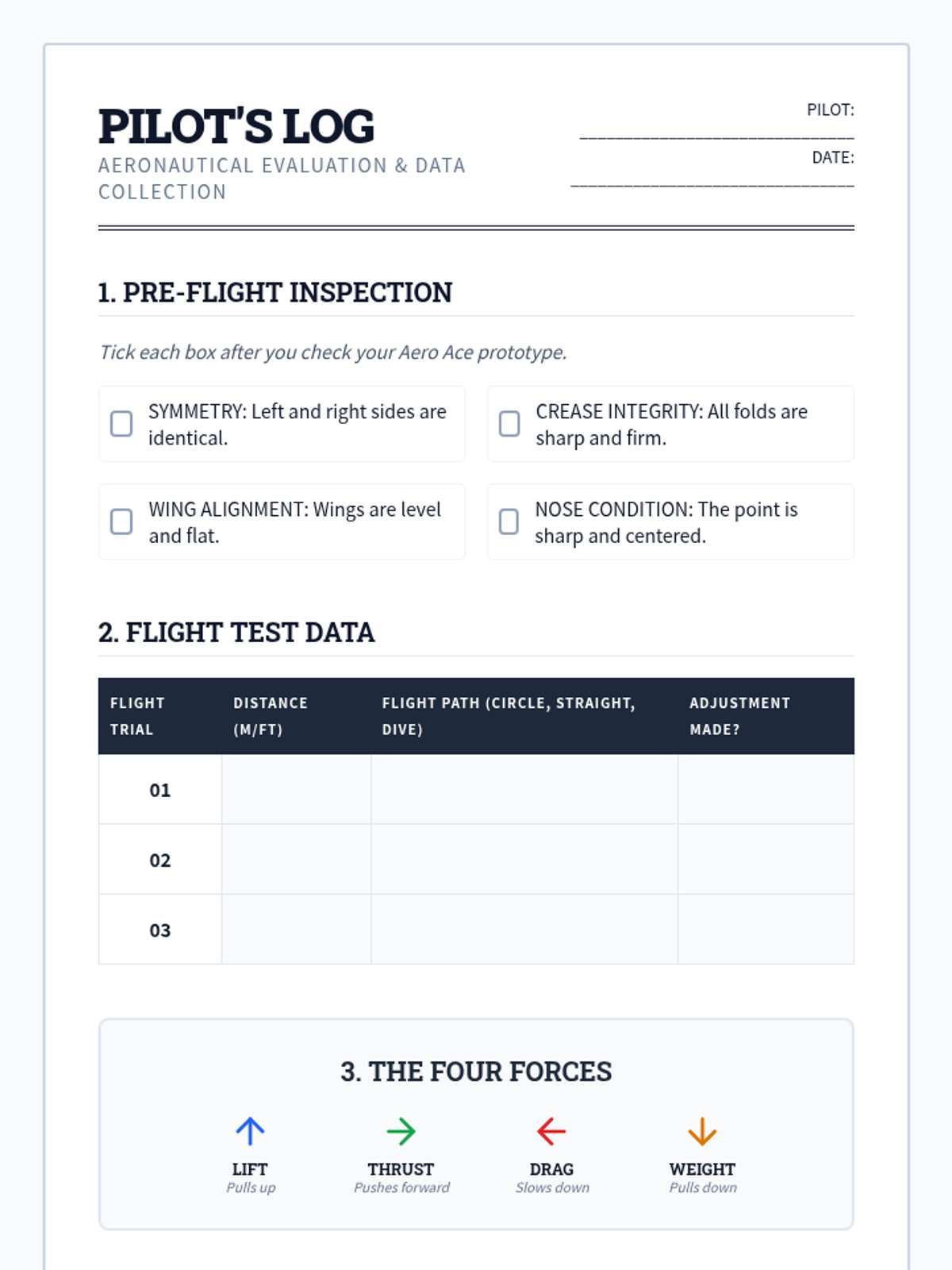
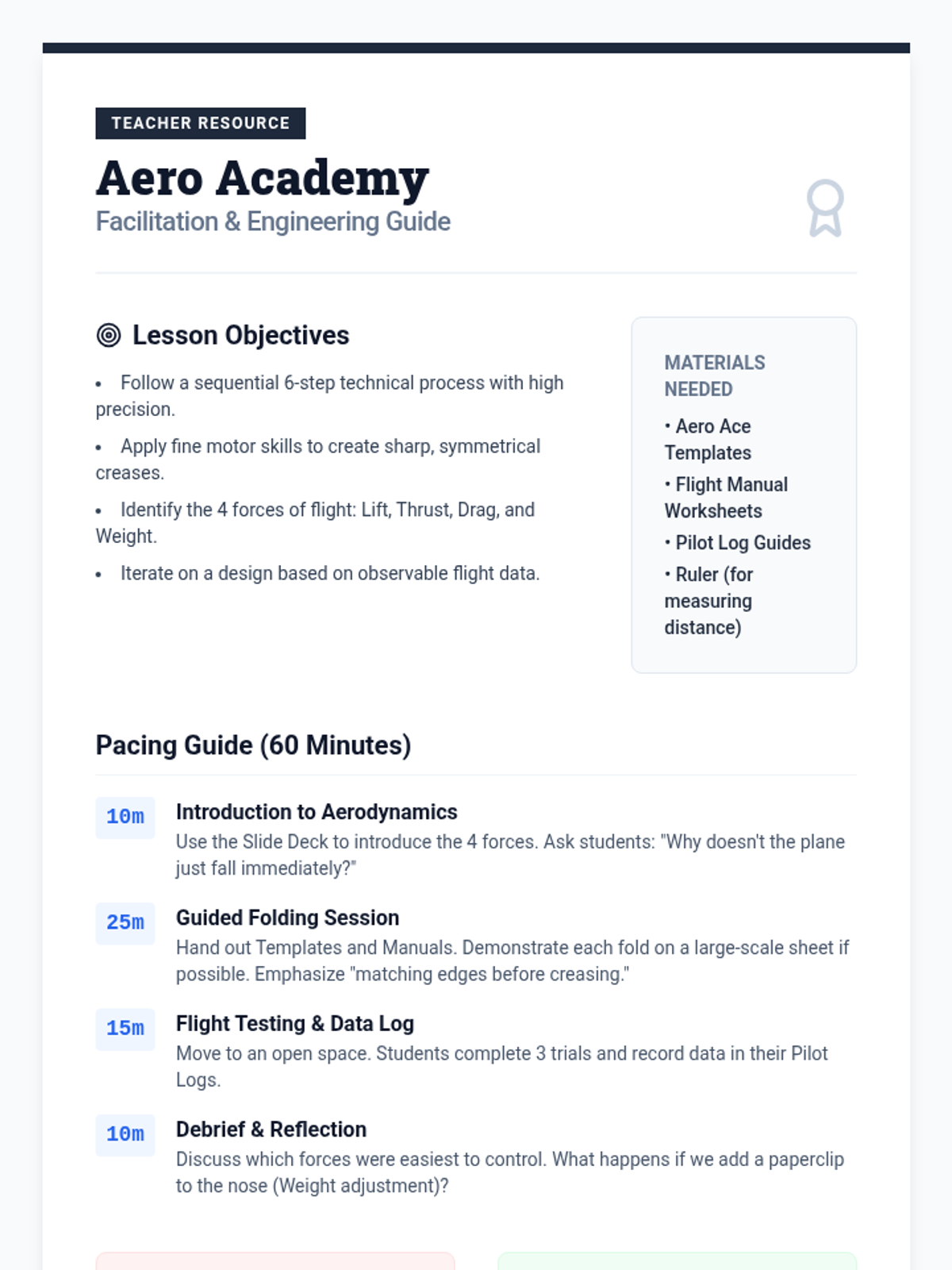
A hands-on engineering lesson where students follow precise directions to fold a high-performance paper airplane while learning the four forces of flight.
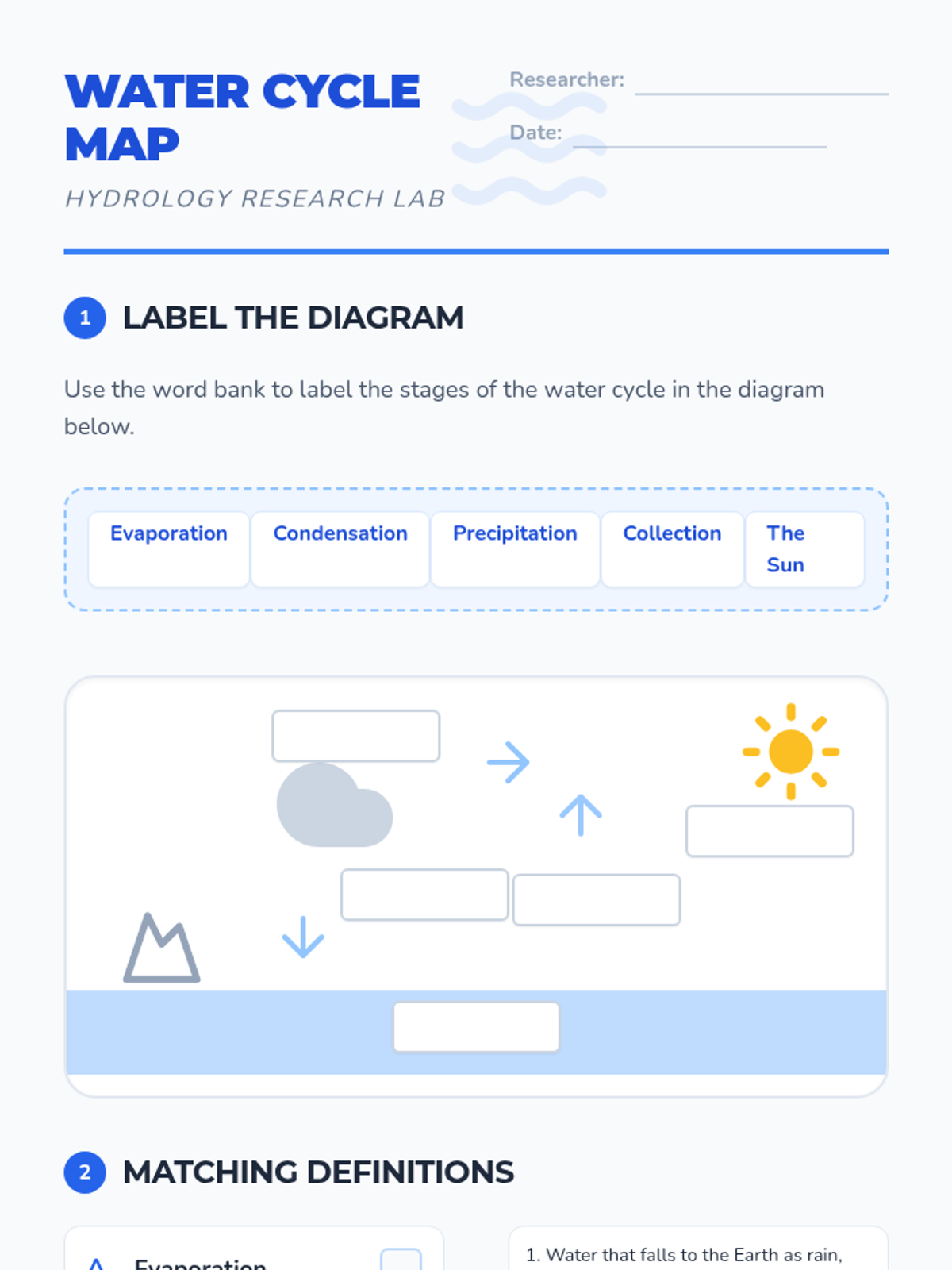
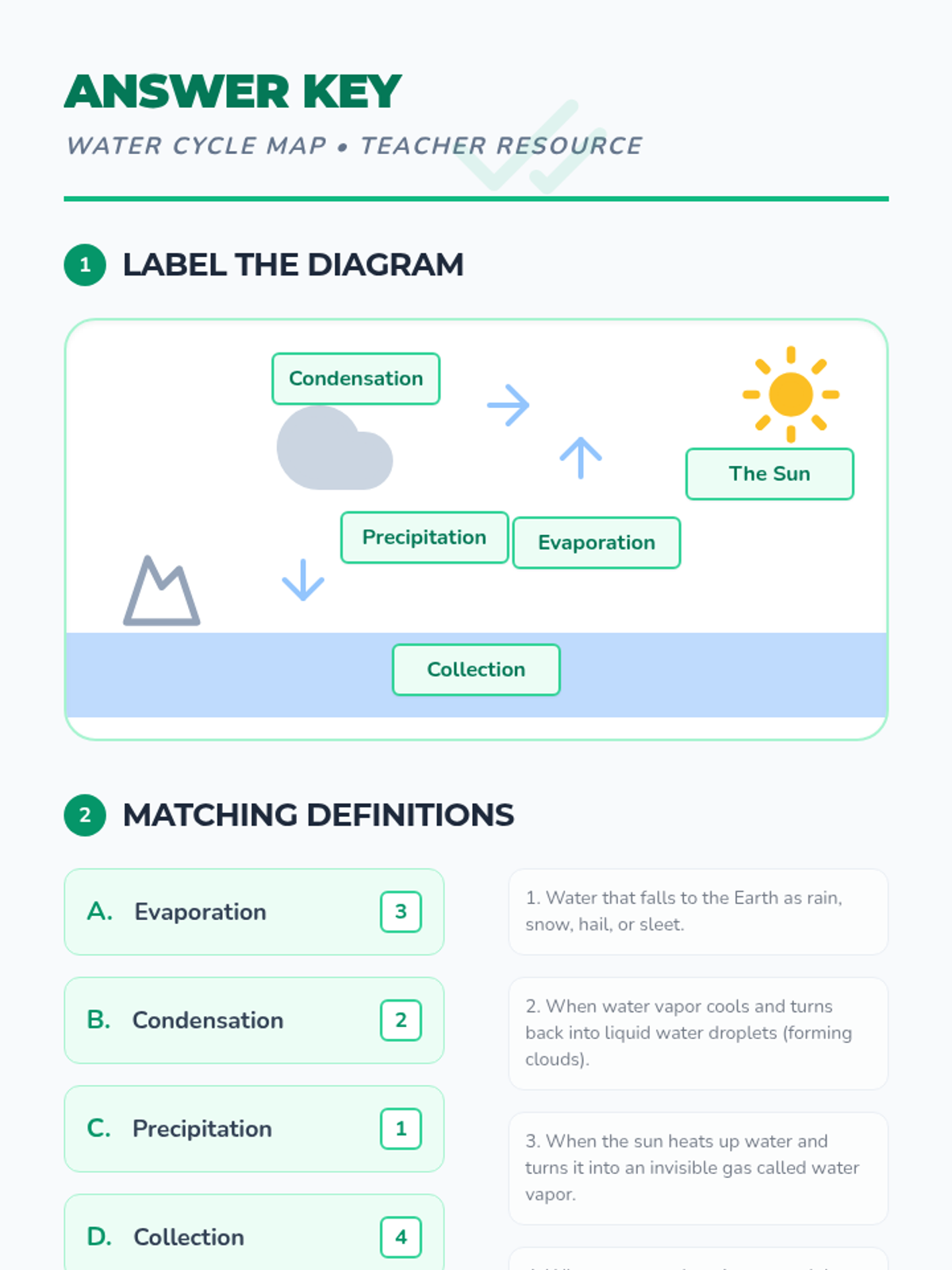
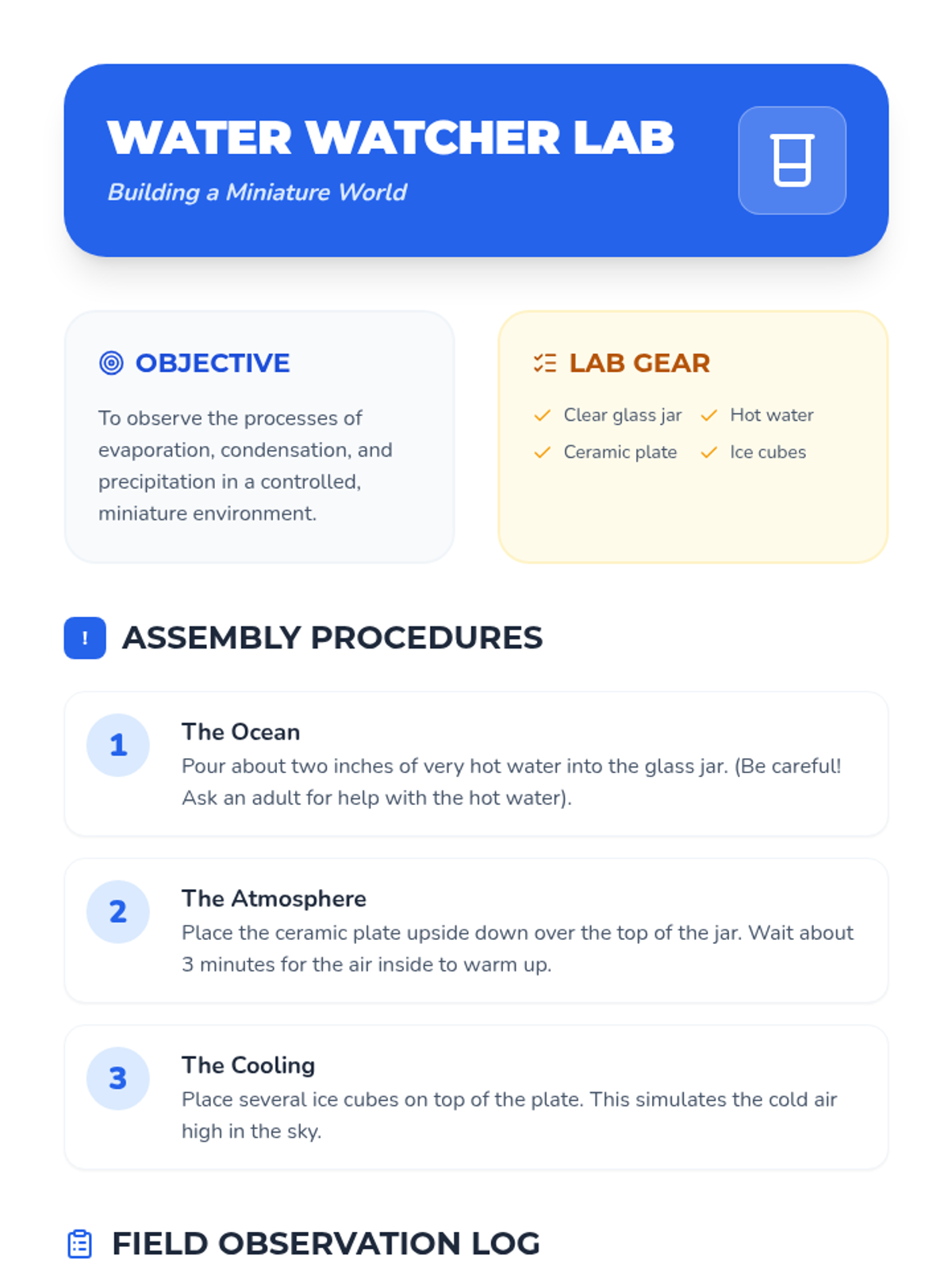
An introductory lesson on the continuous movement of water on, above, and below the surface of the Earth, focusing on the four main stages: evaporation, condensation, precipitation, and collection.
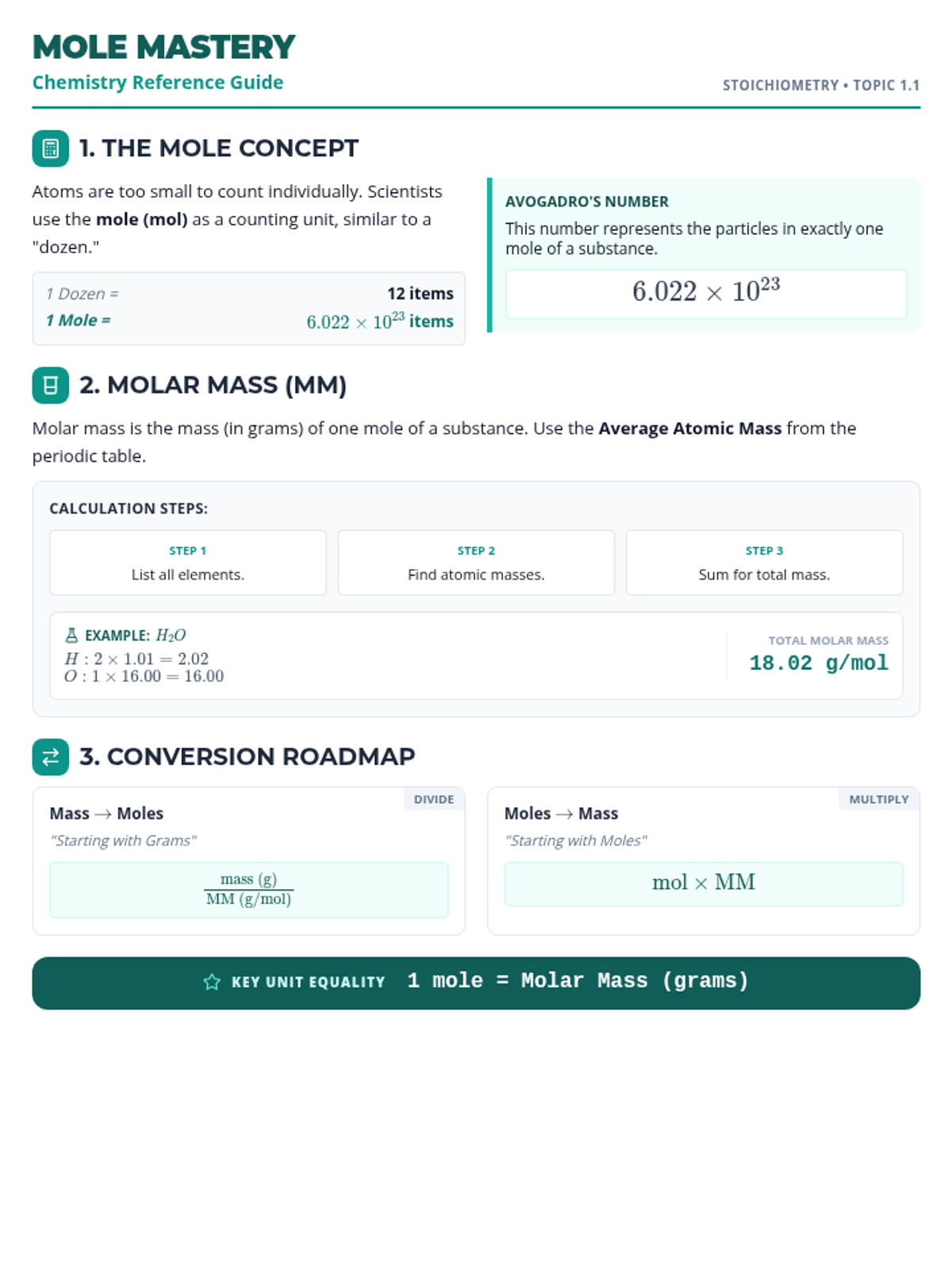
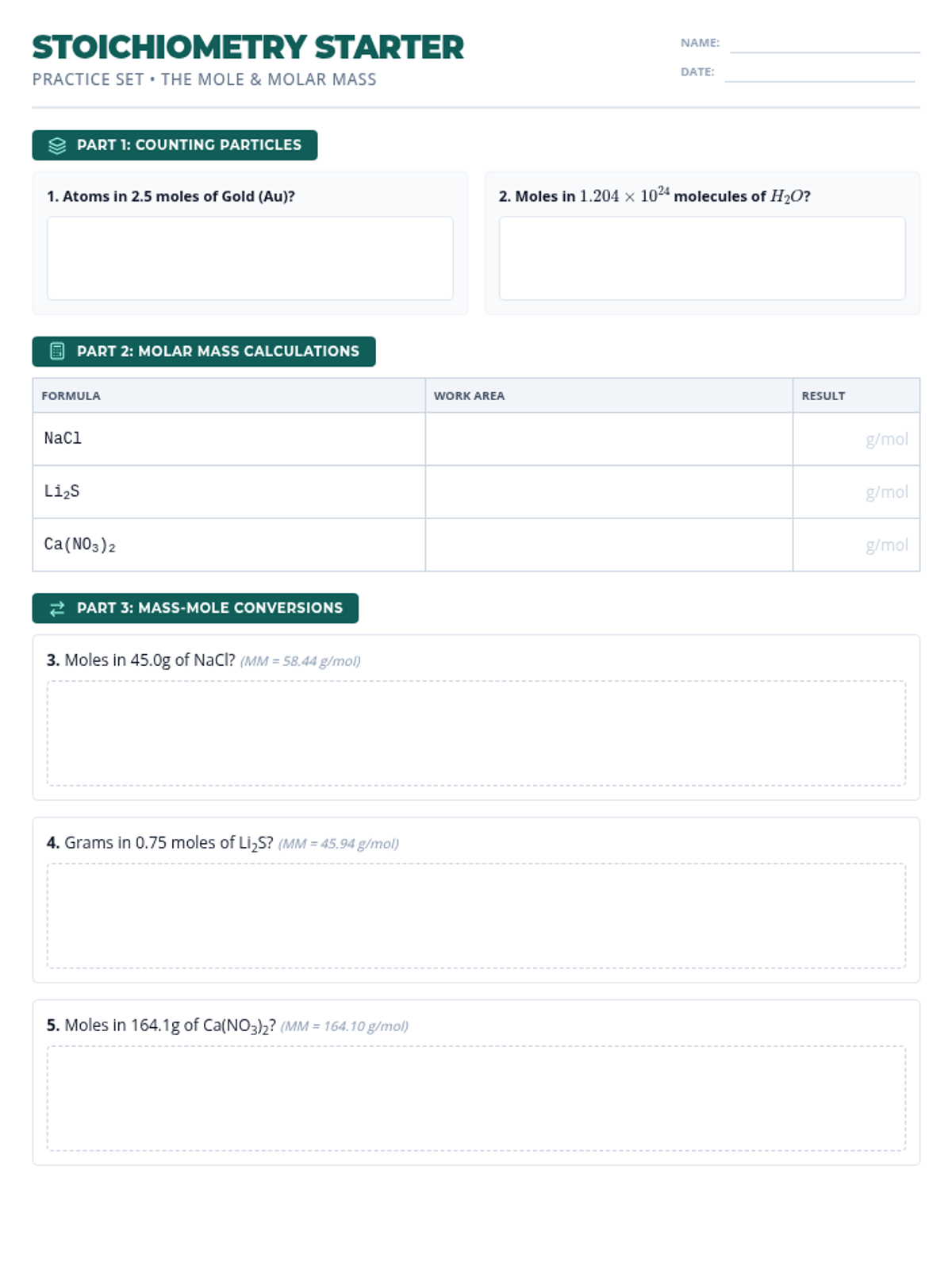
A comprehensive introduction to the mole concept and molar mass, covering Avogadro's number and basic mass-to-mole conversions.
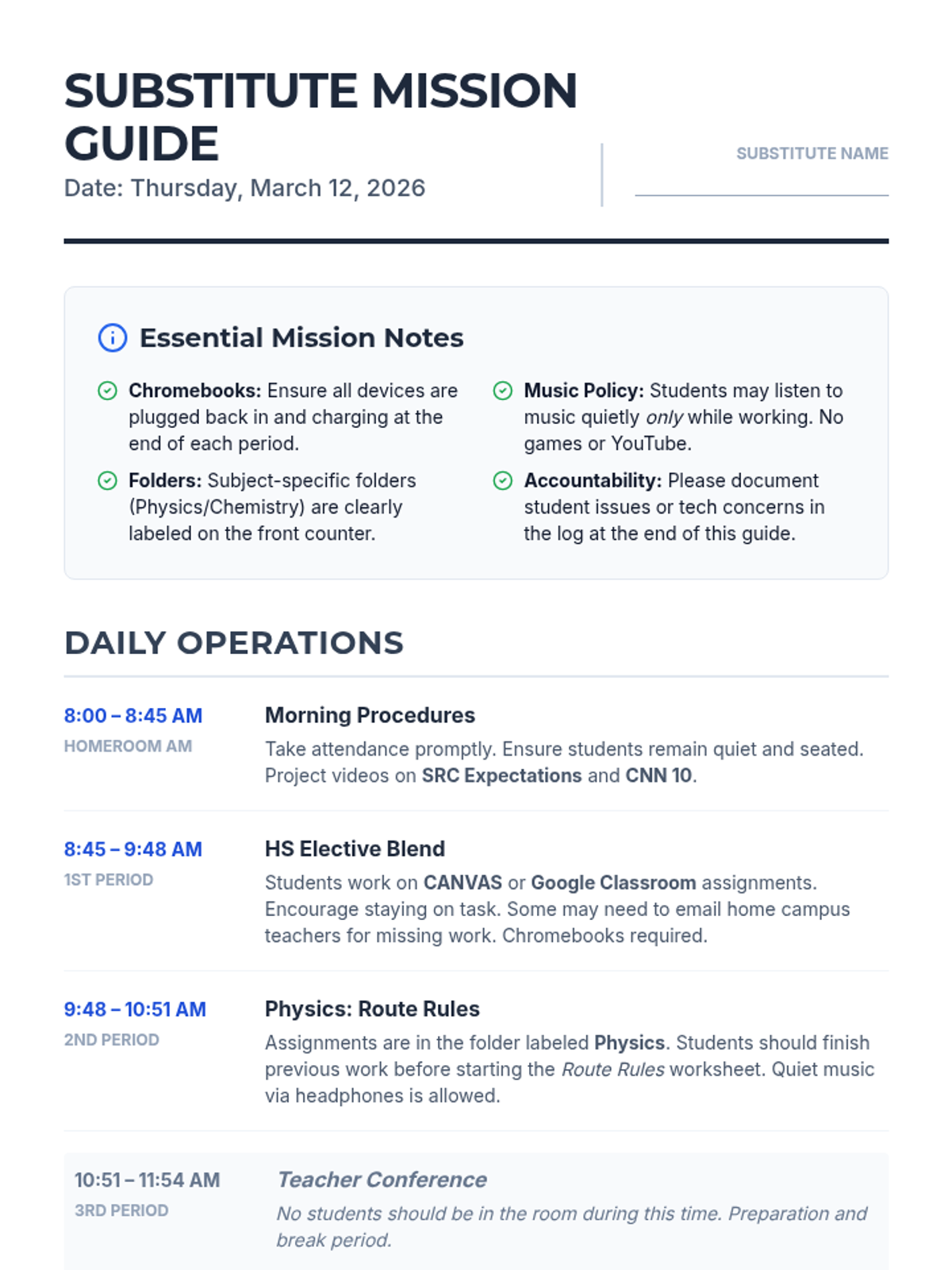
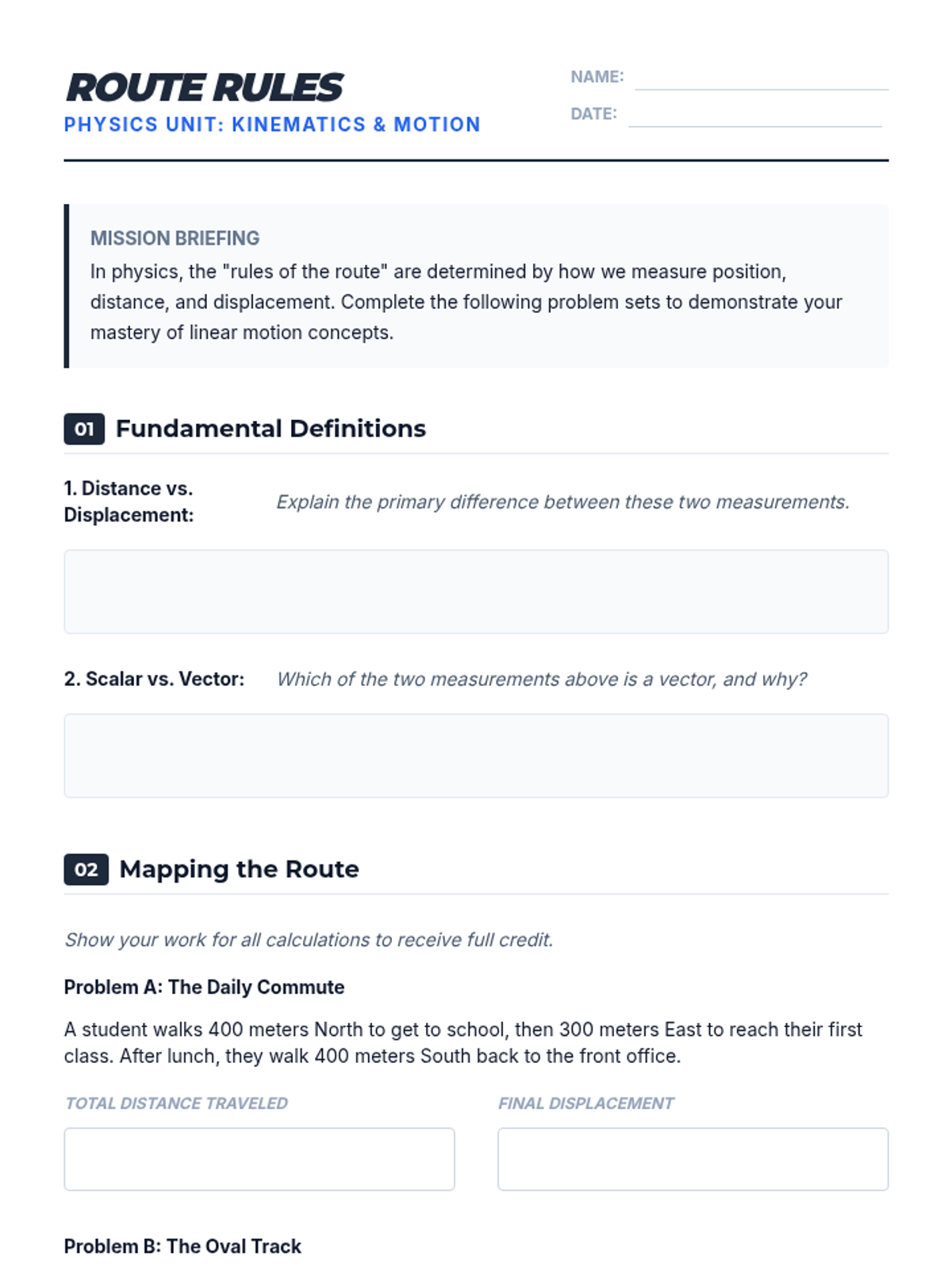
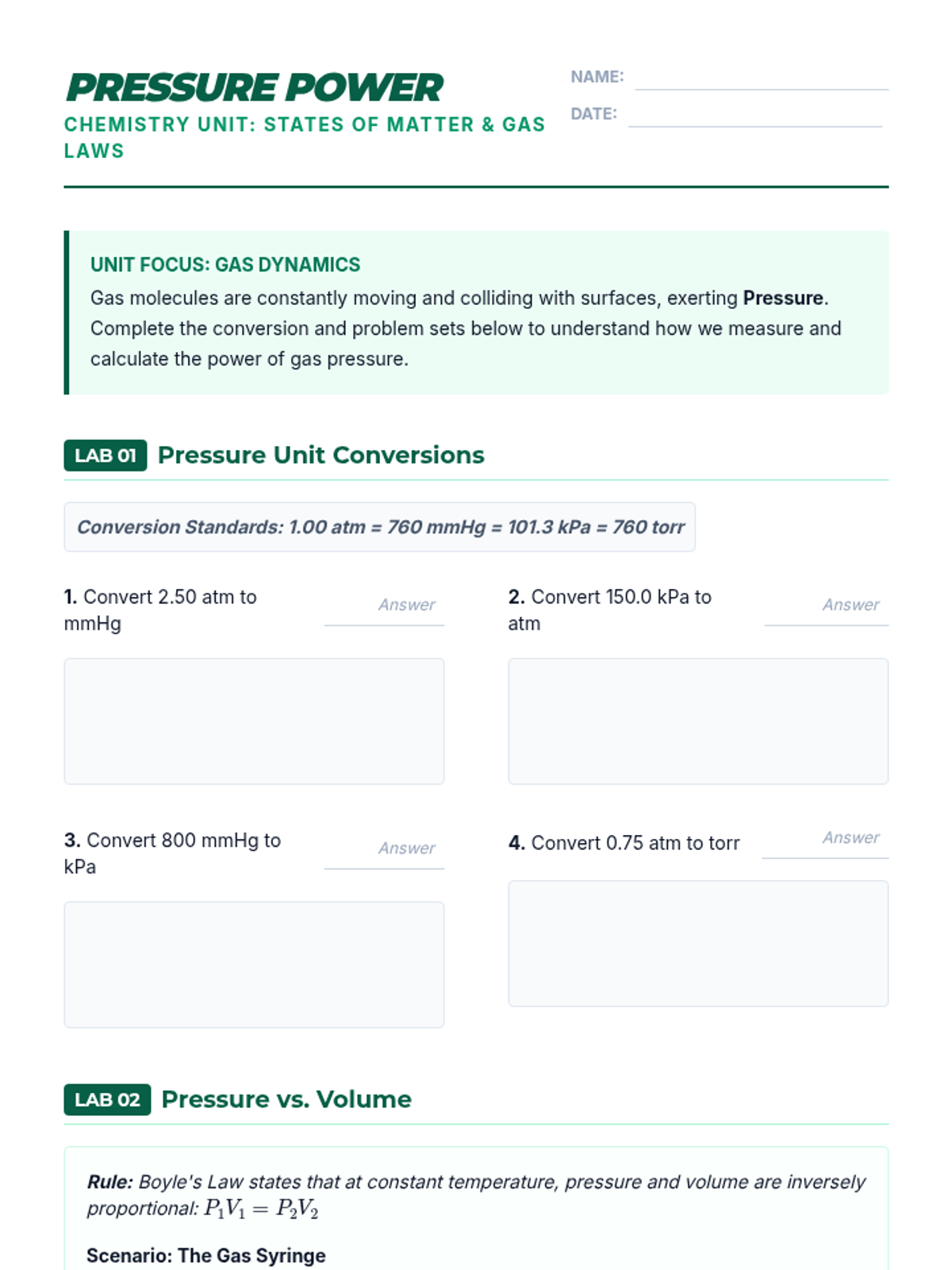
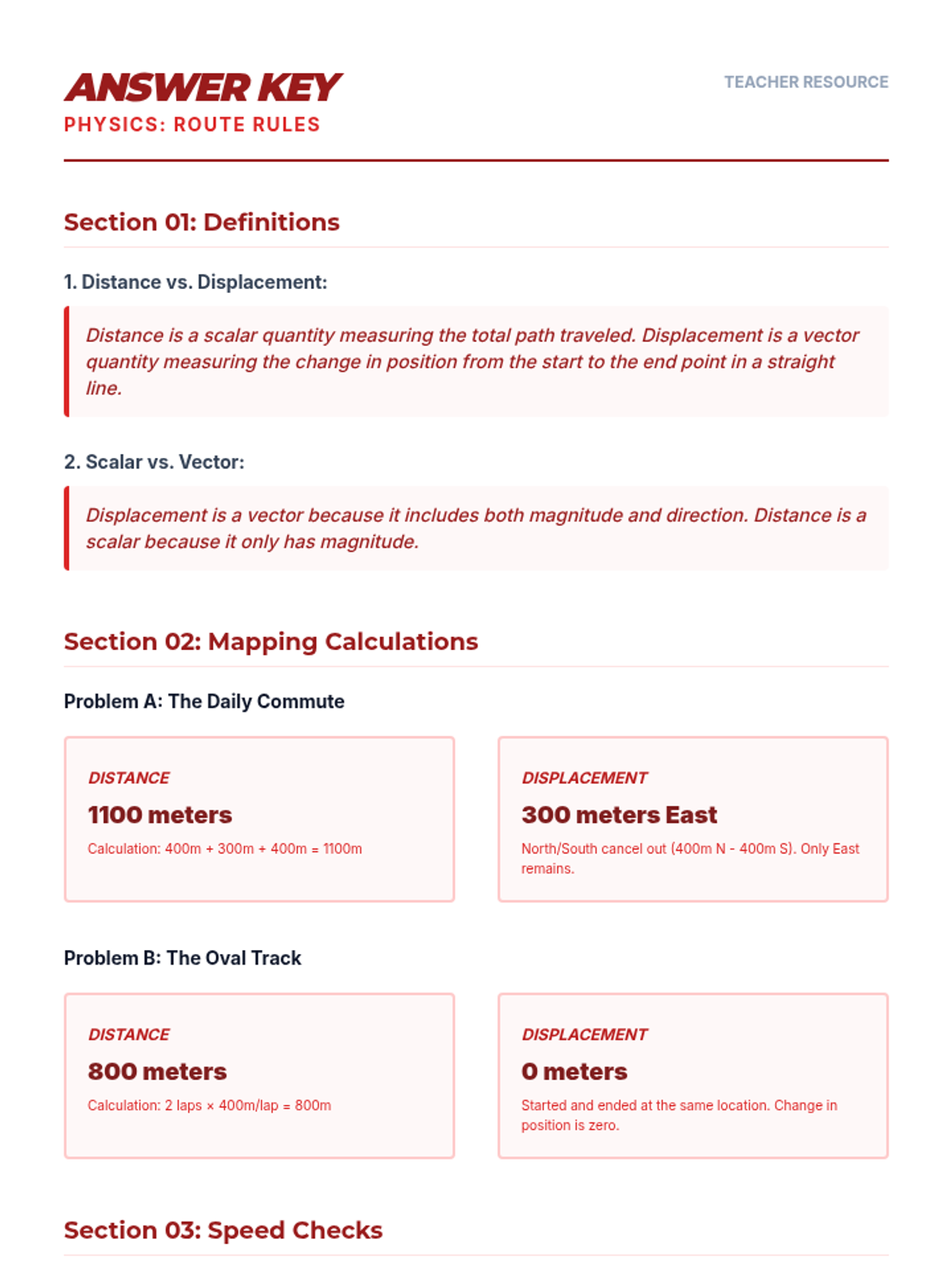
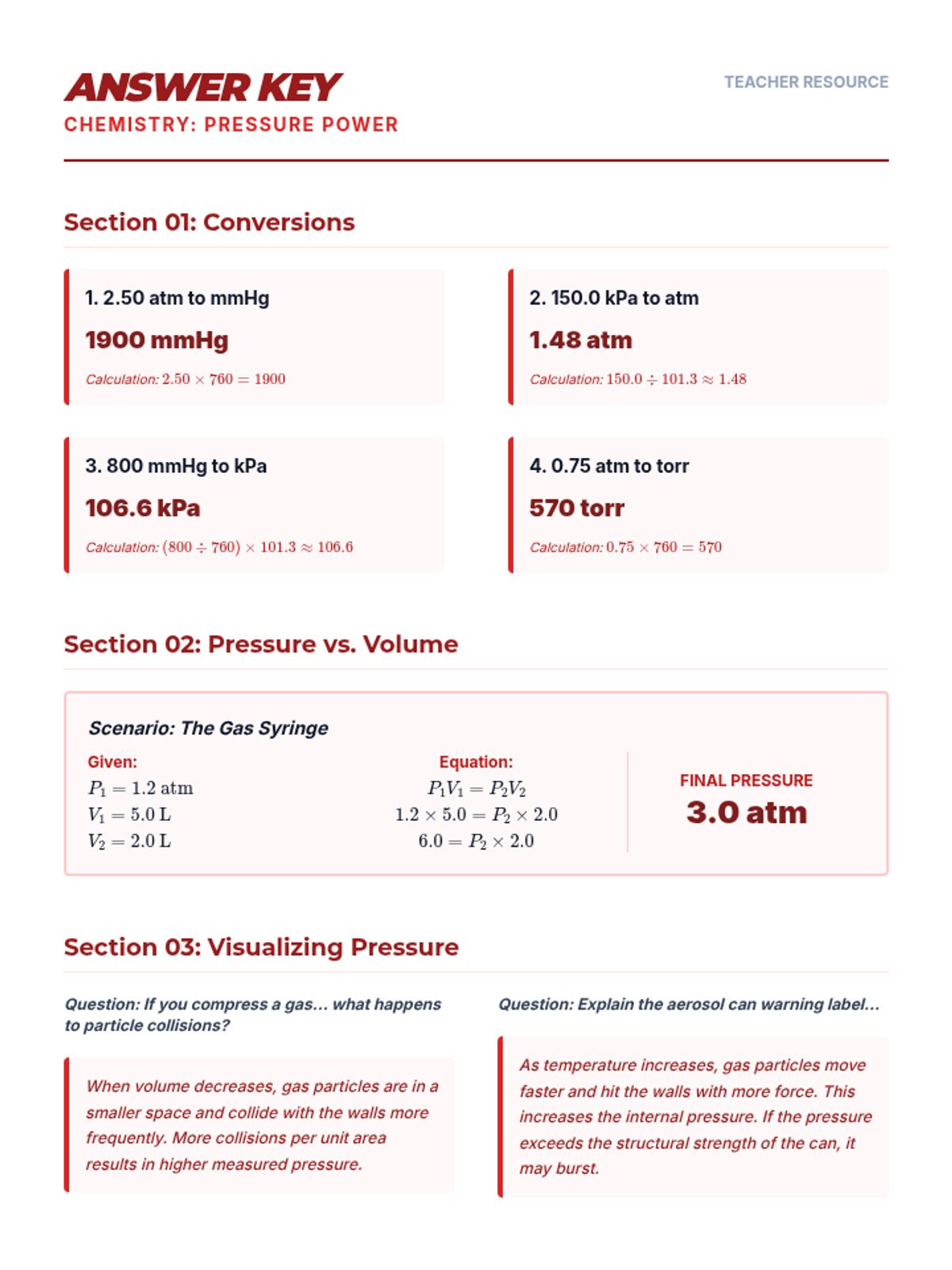
A comprehensive substitute teacher guide for March 12, 2026, including specific science worksheets for Physics and Chemistry periods.
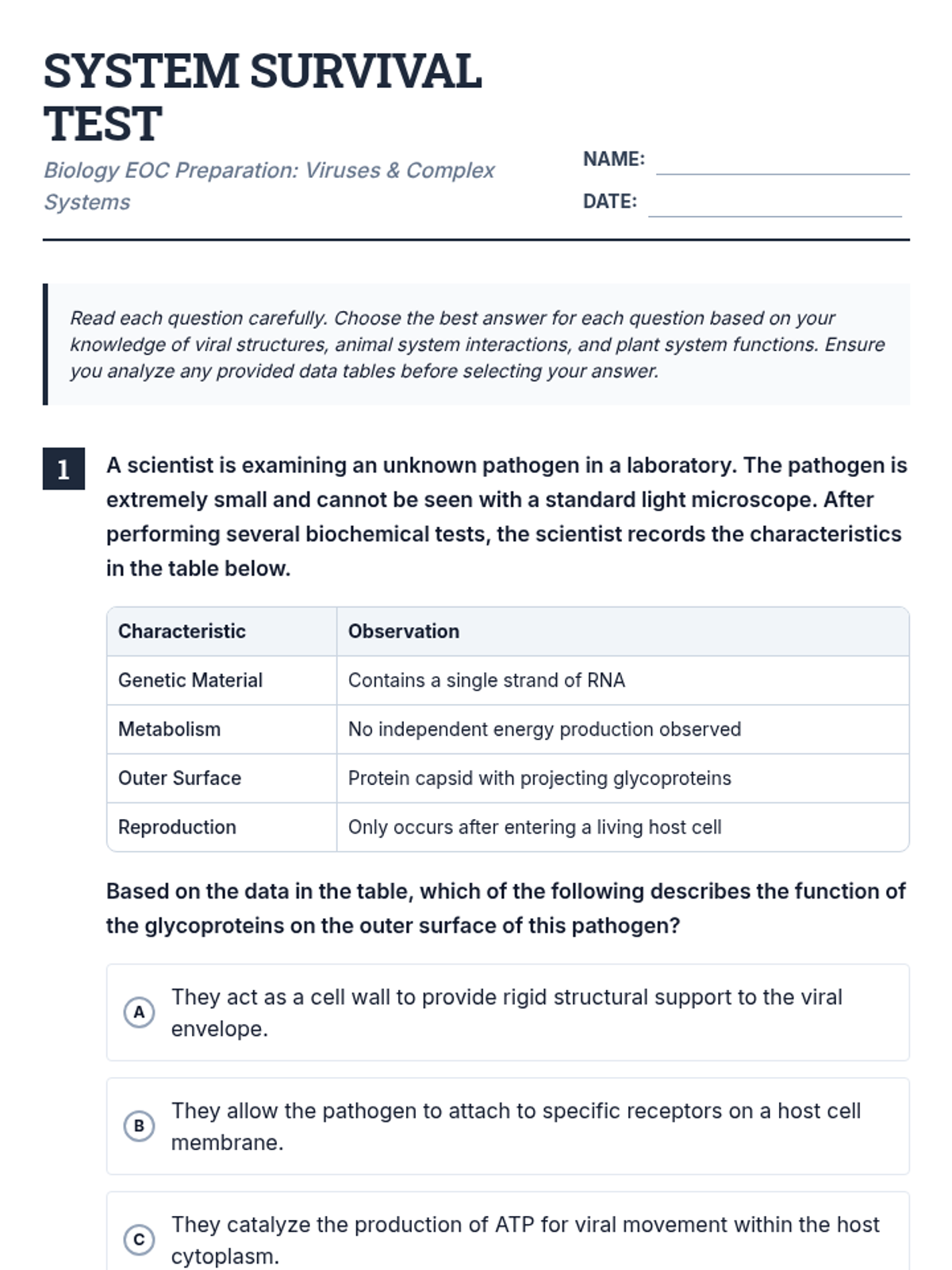
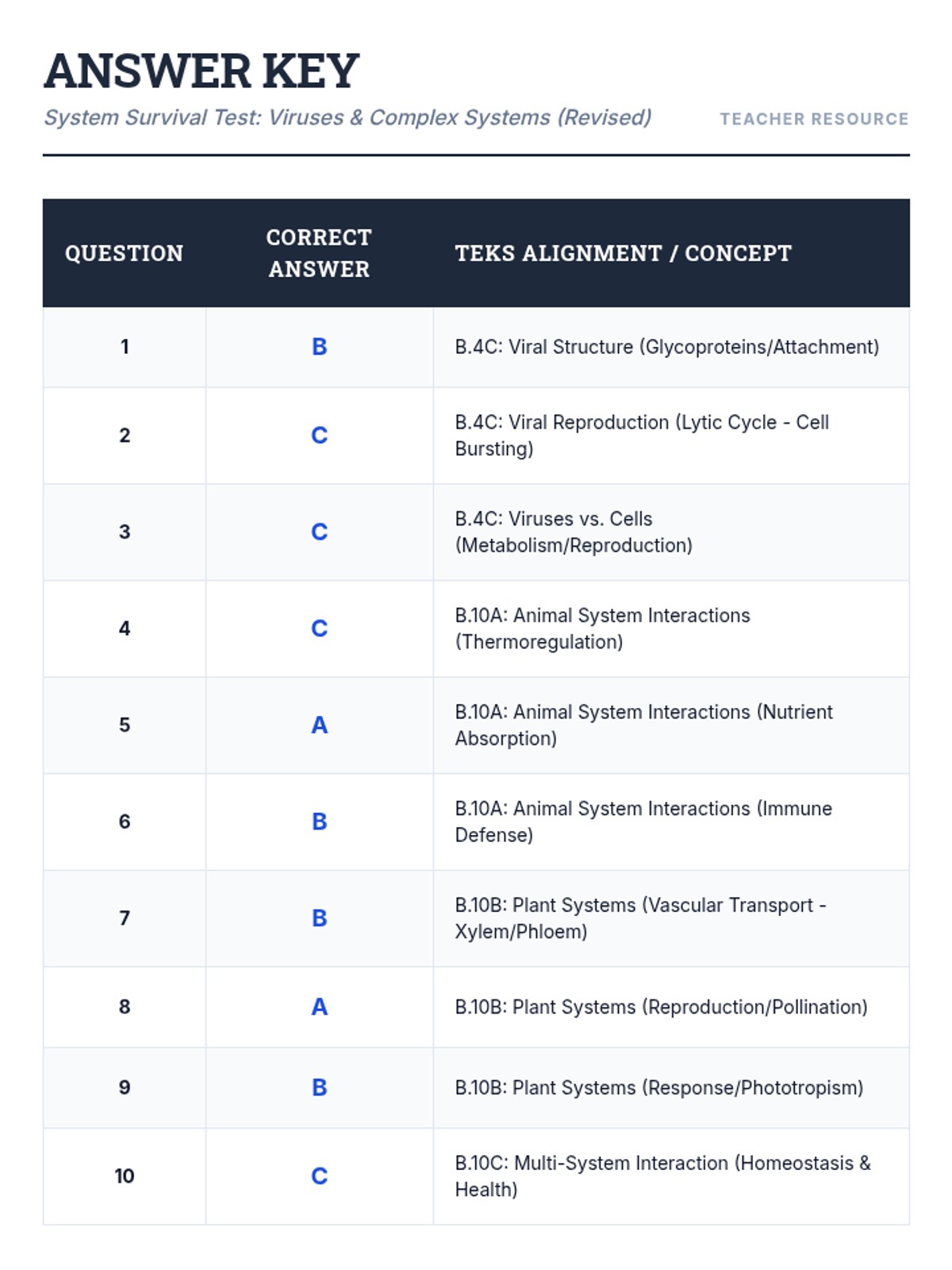
A comprehensive assessment covering the biological complexities of viruses, animal organ systems, and plant tissue systems, designed to mirror the rigor of the STAAR Biology EOC.
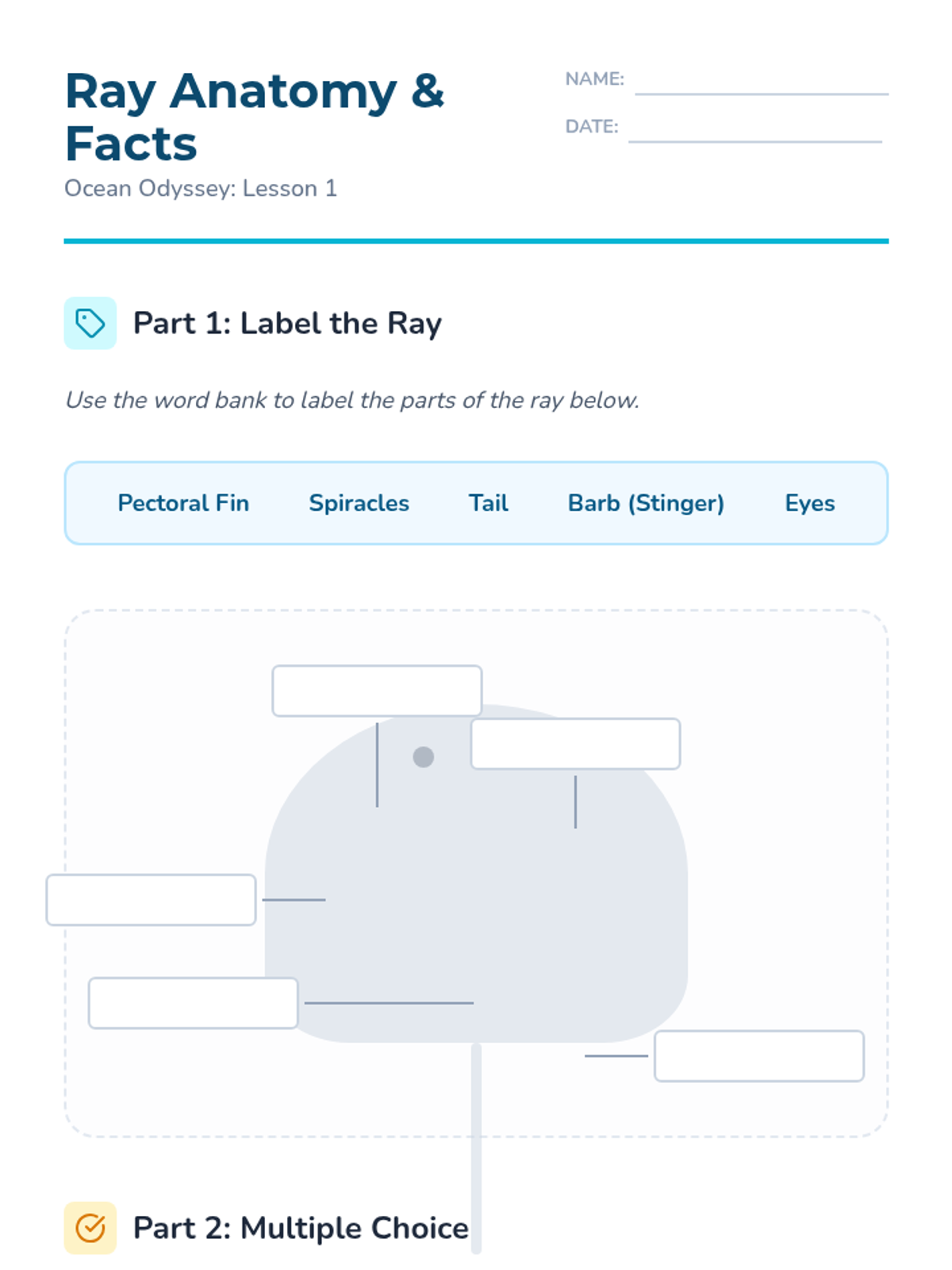
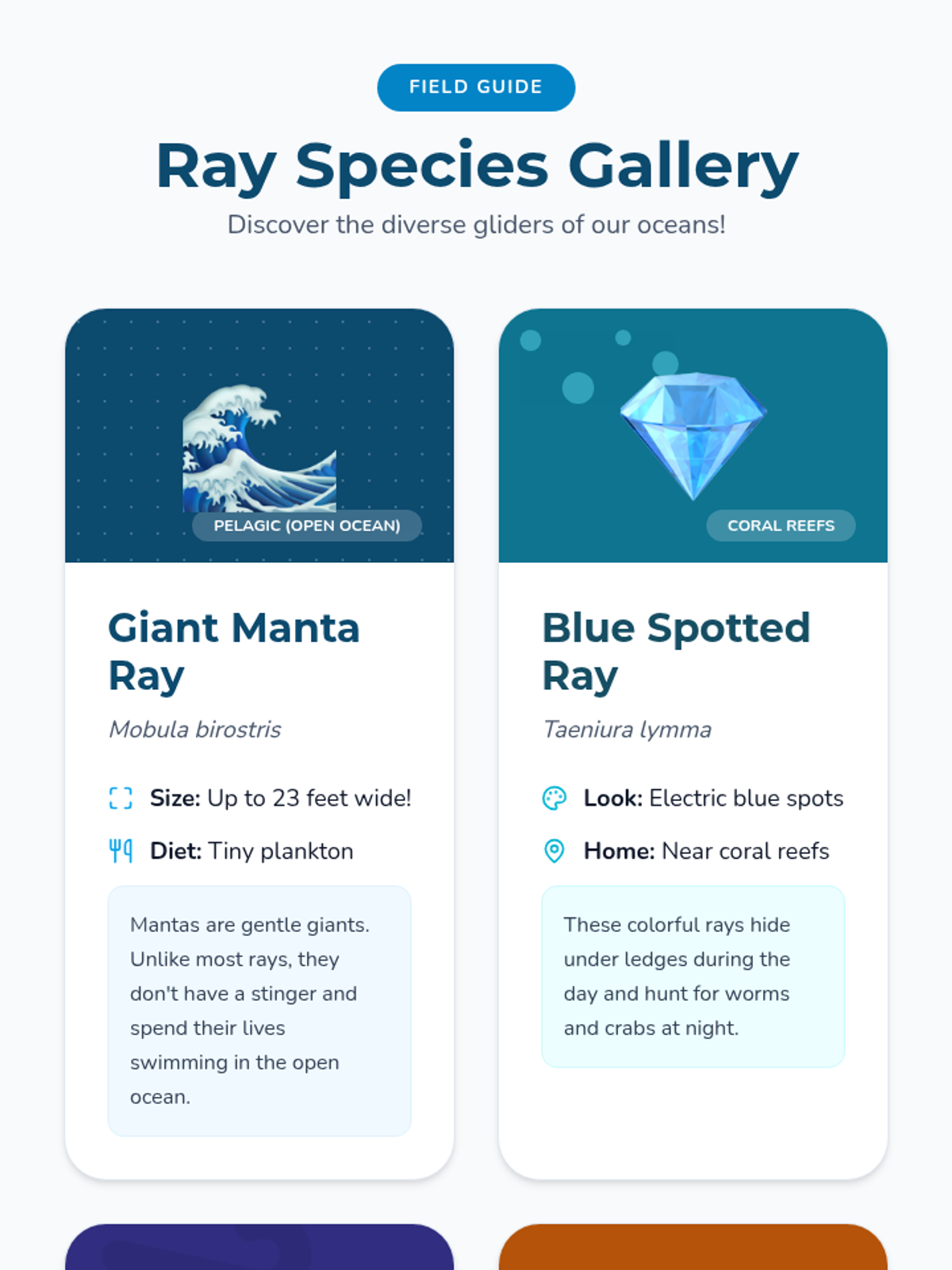
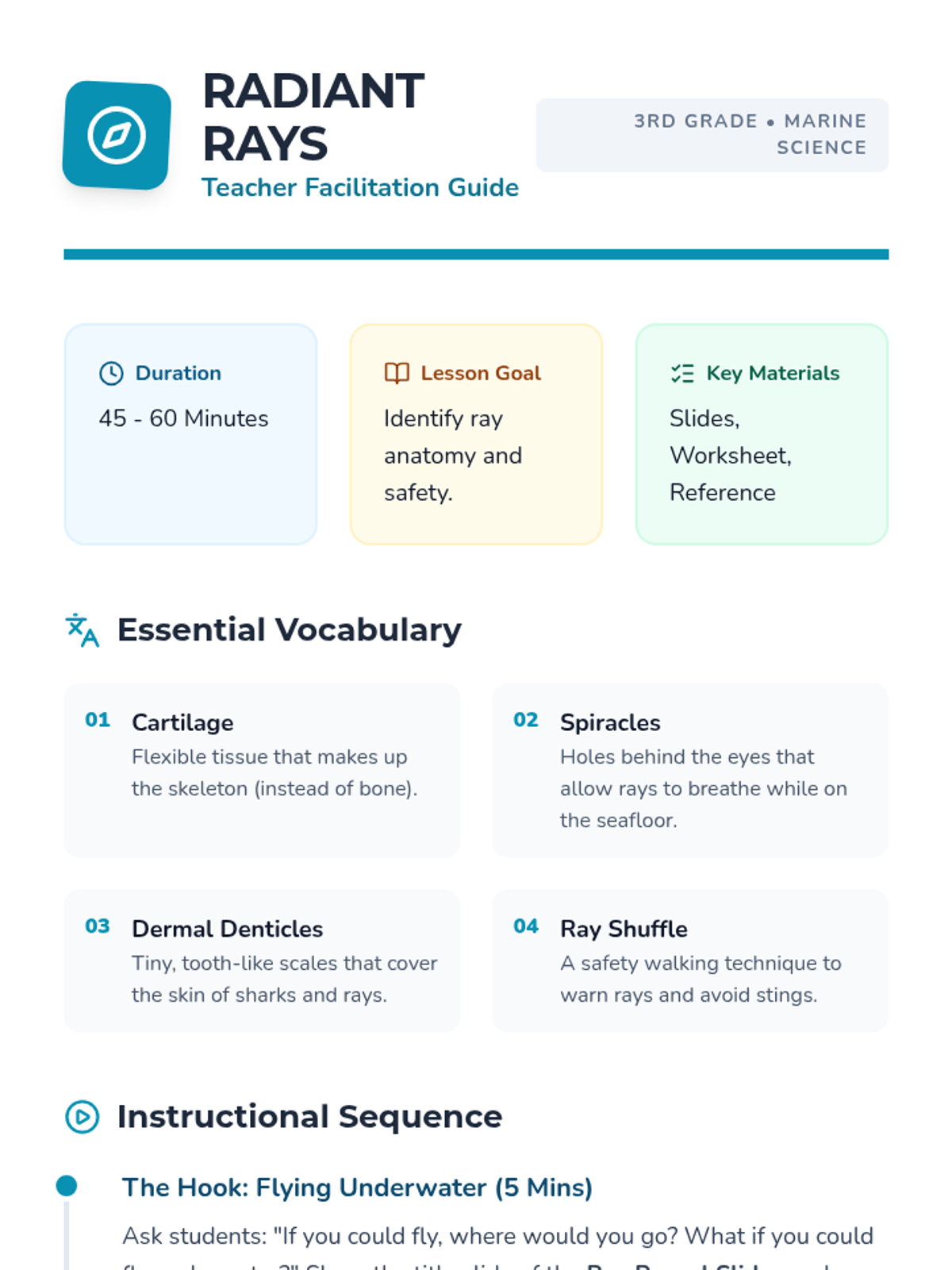
An immersive look into the world of rays, exploring their unique anatomy, diverse species, and fascinating underwater behaviors. Students will learn to identify different types of rays and understand their role in the ocean ecosystem.
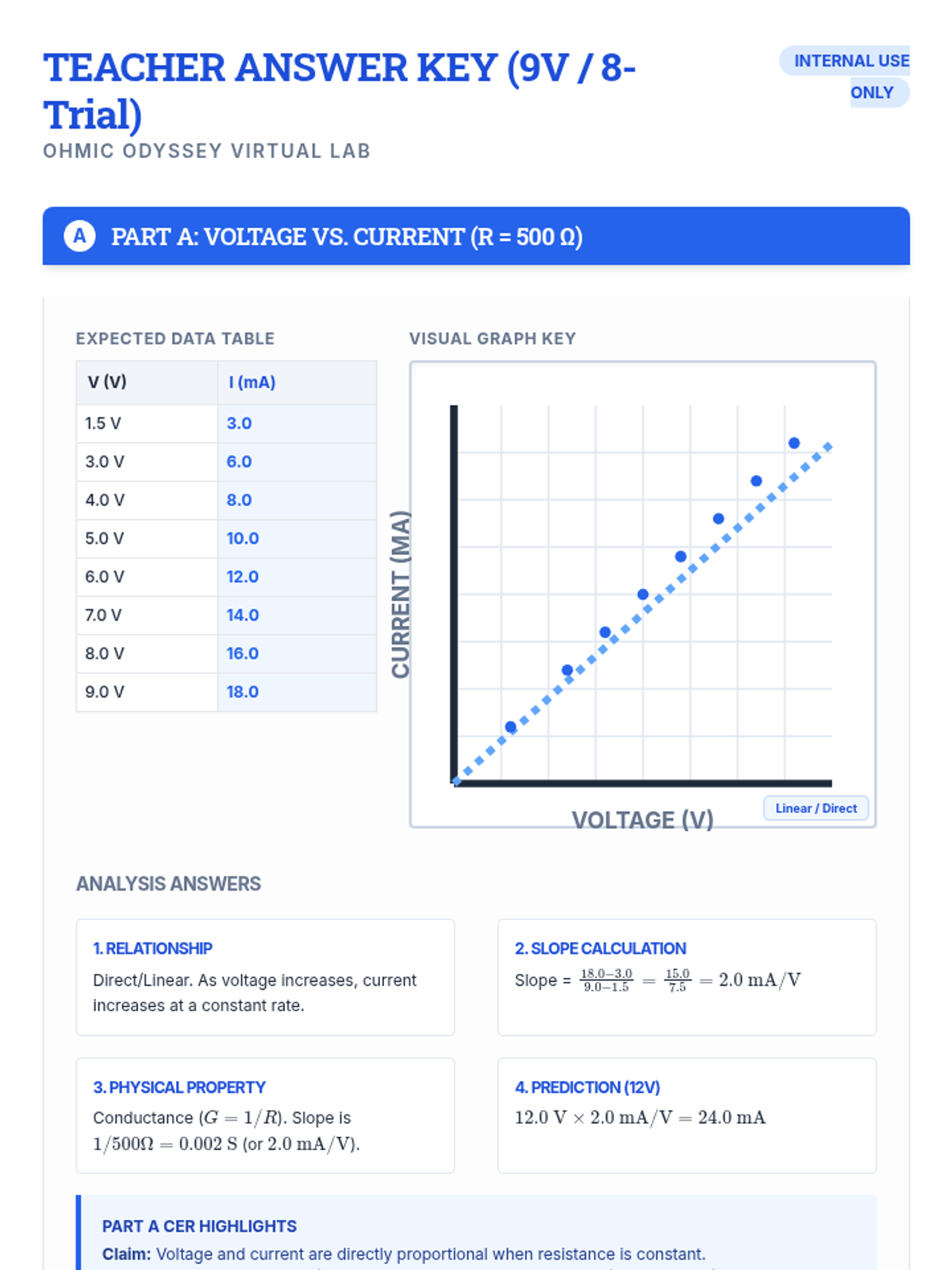
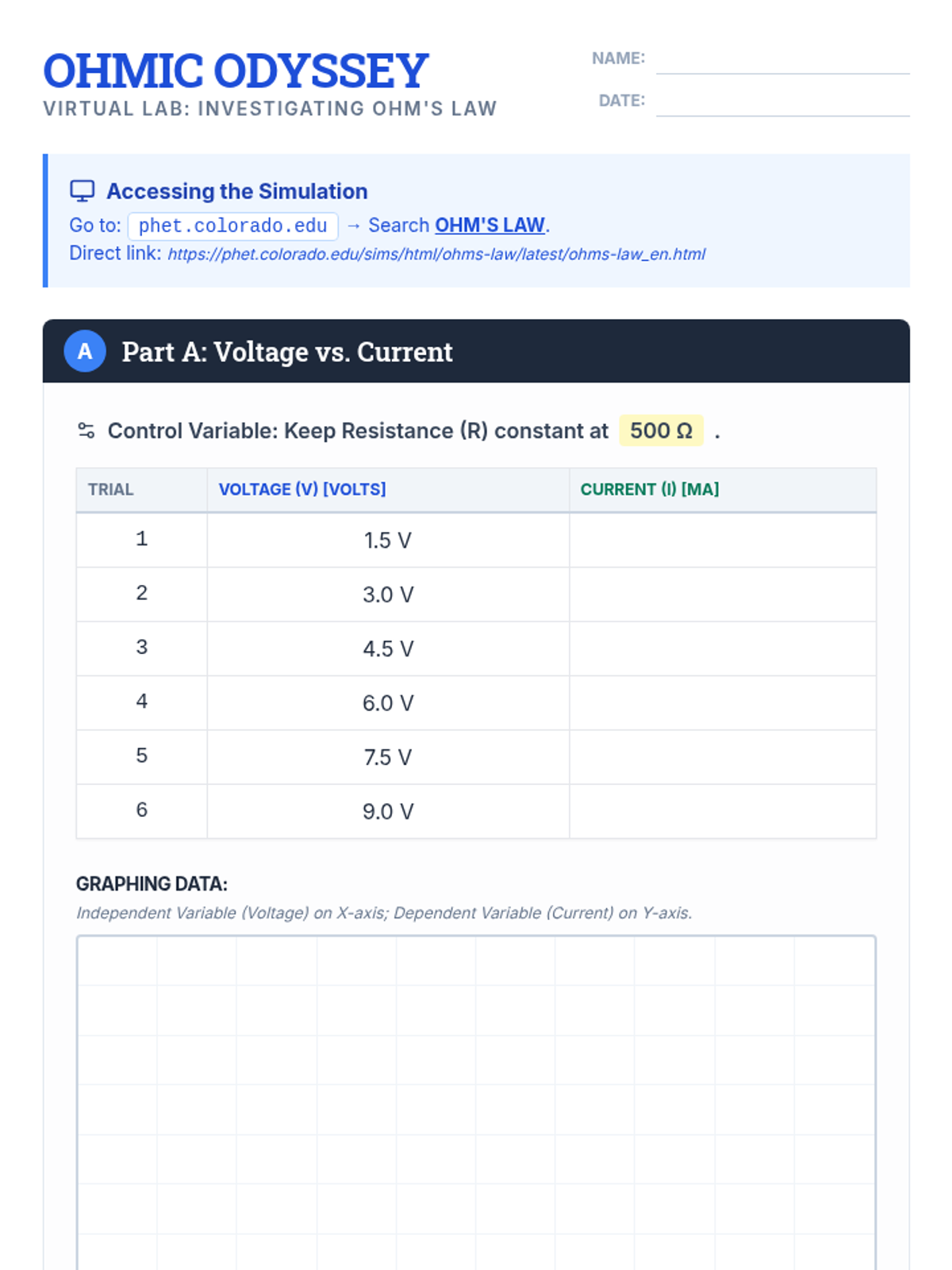
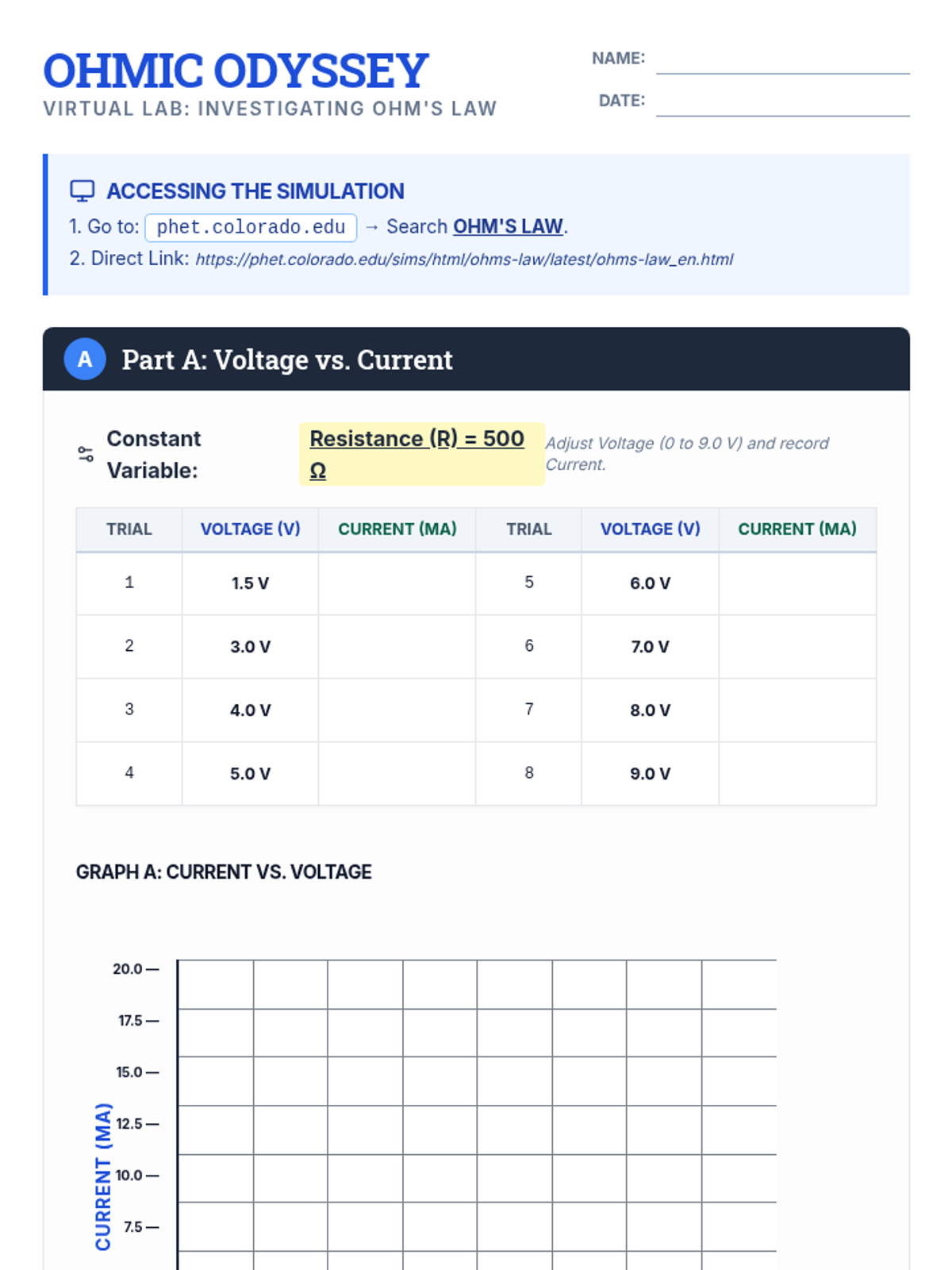
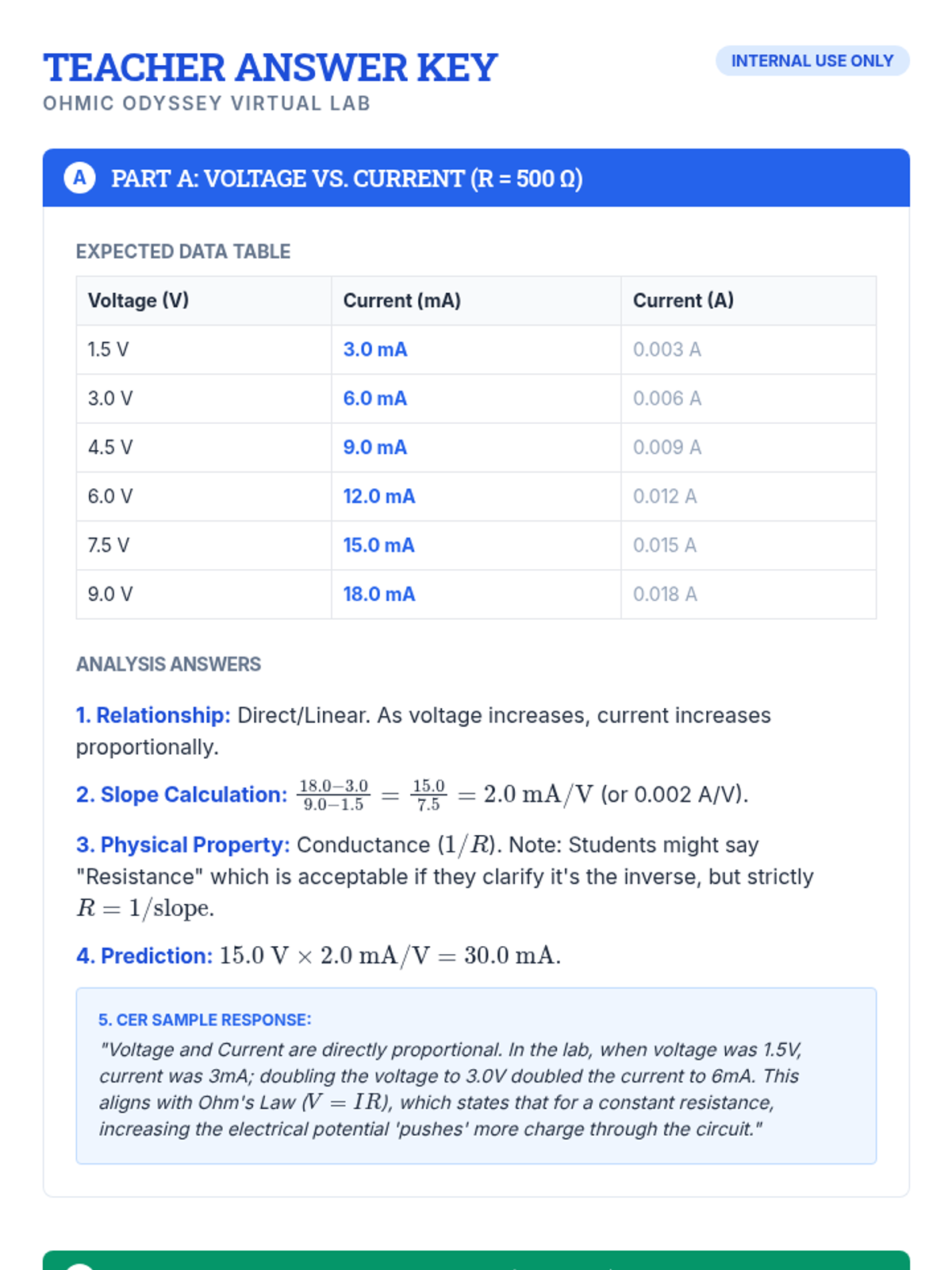
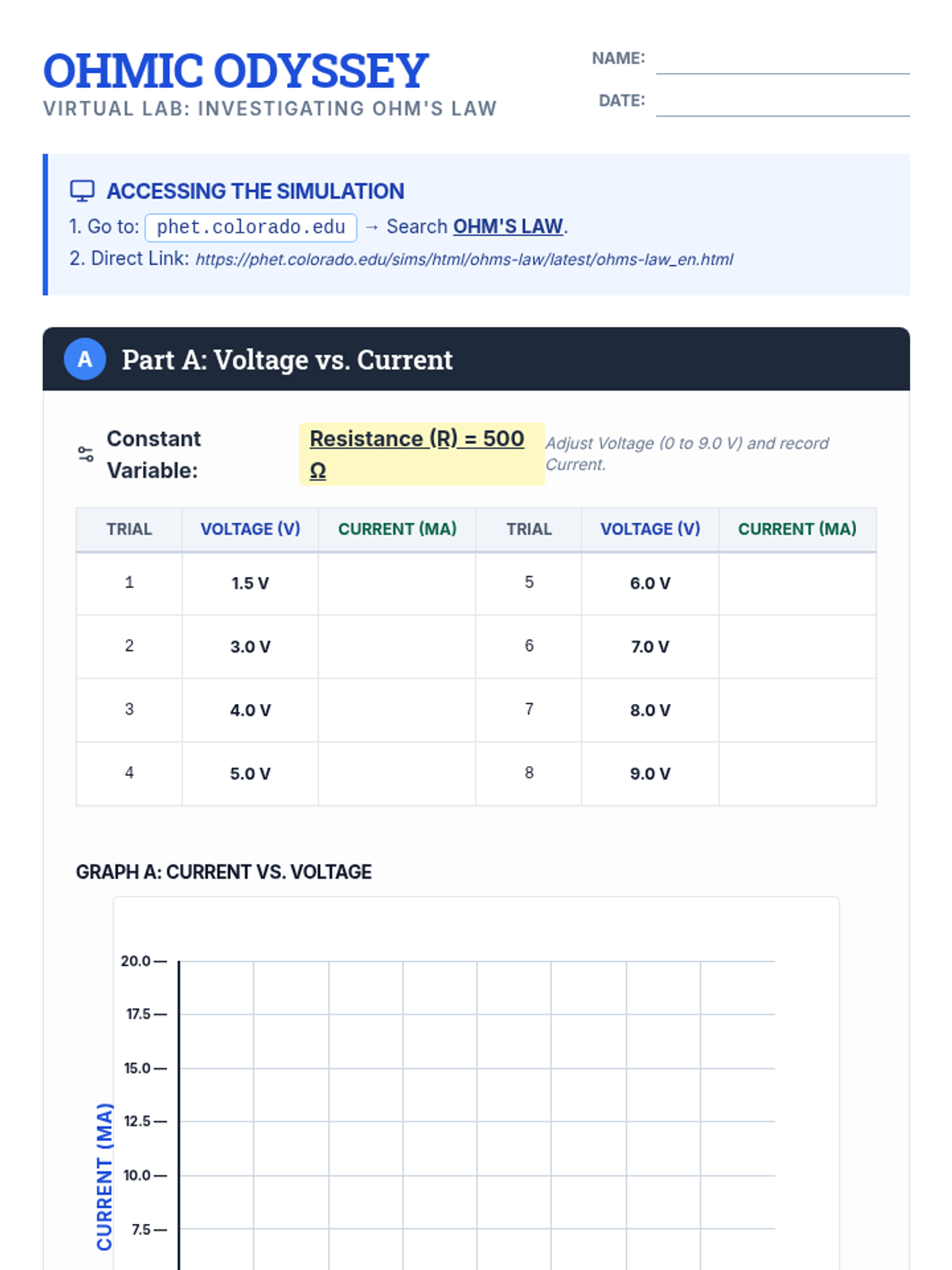
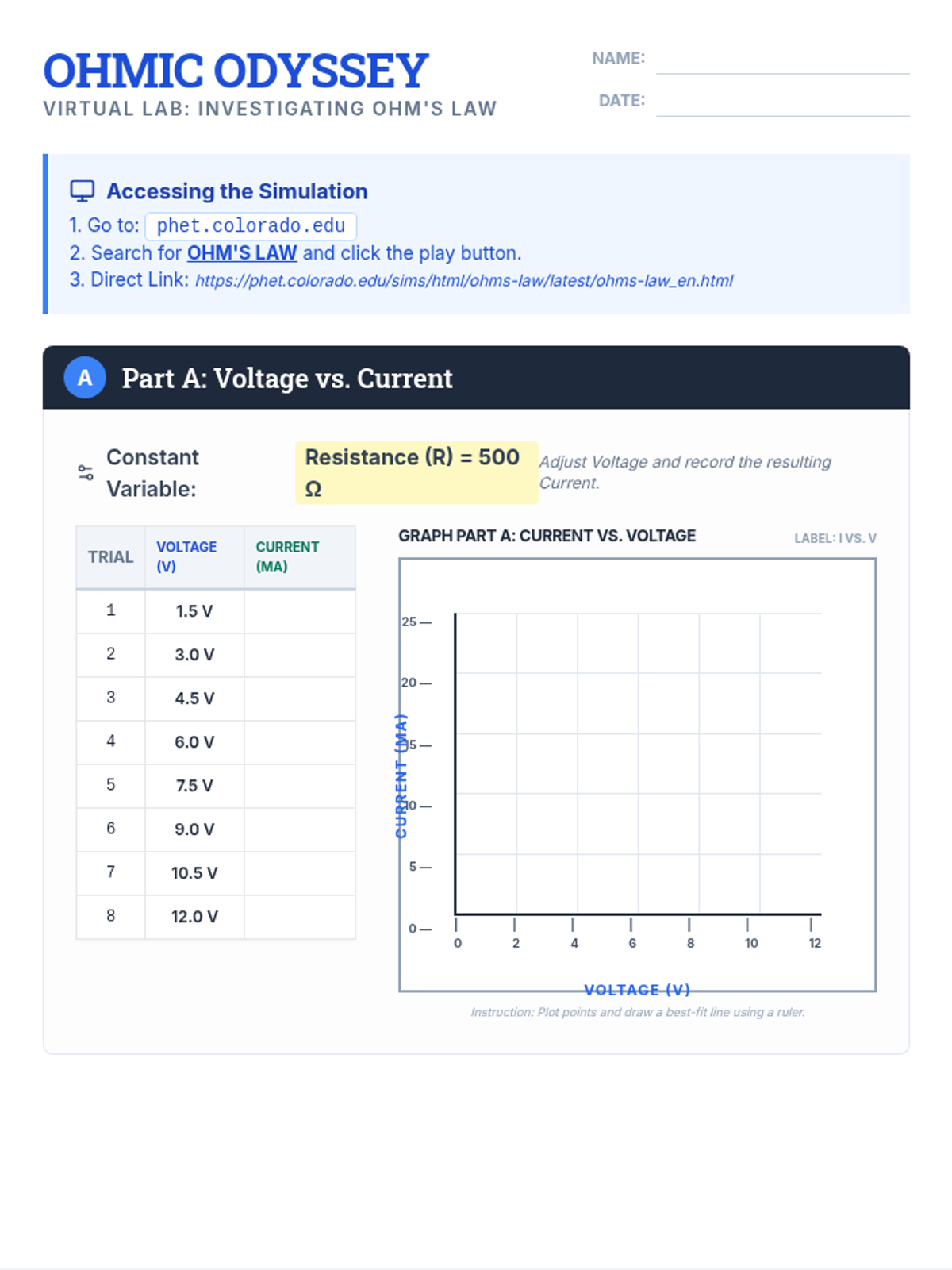
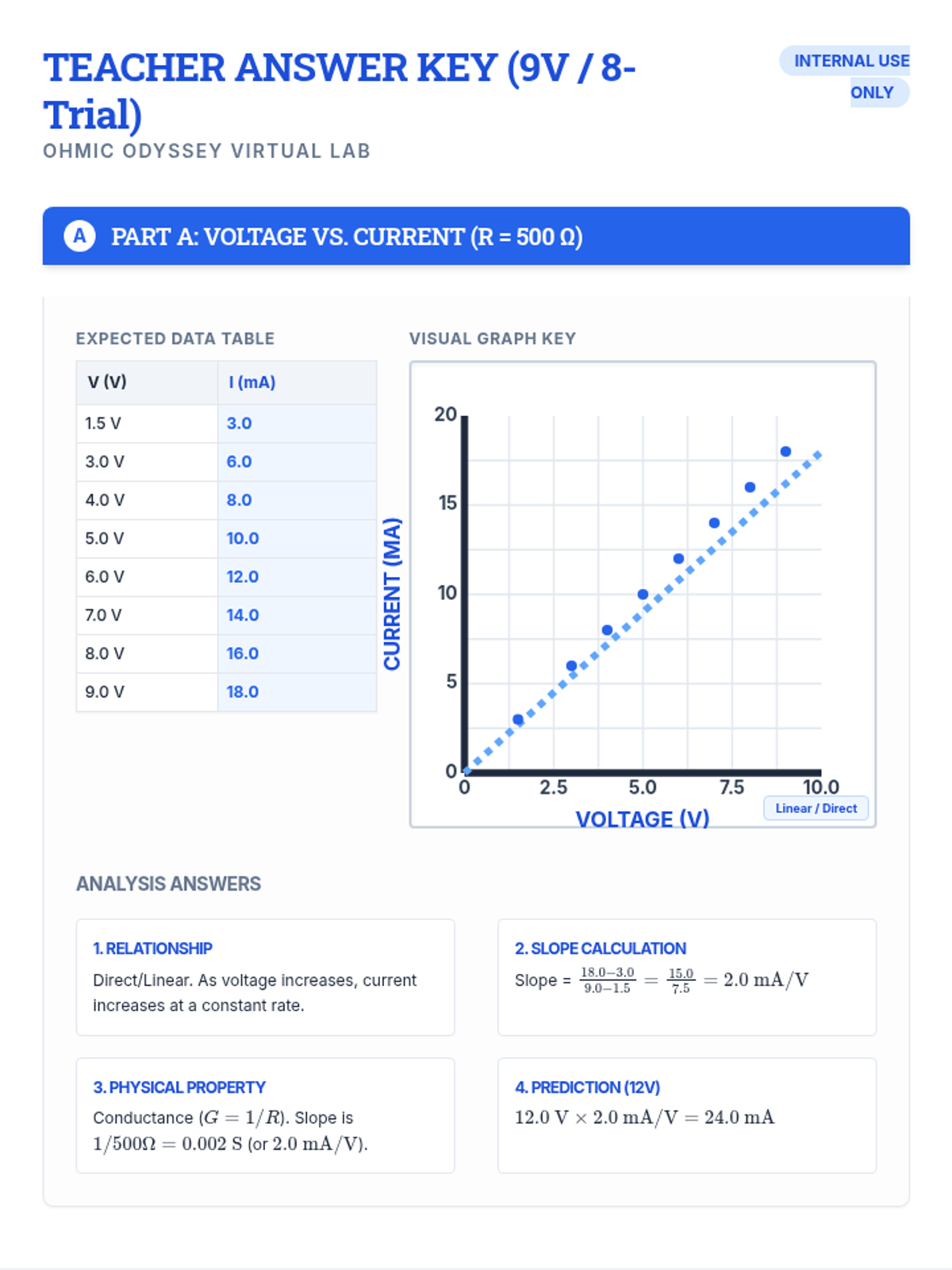
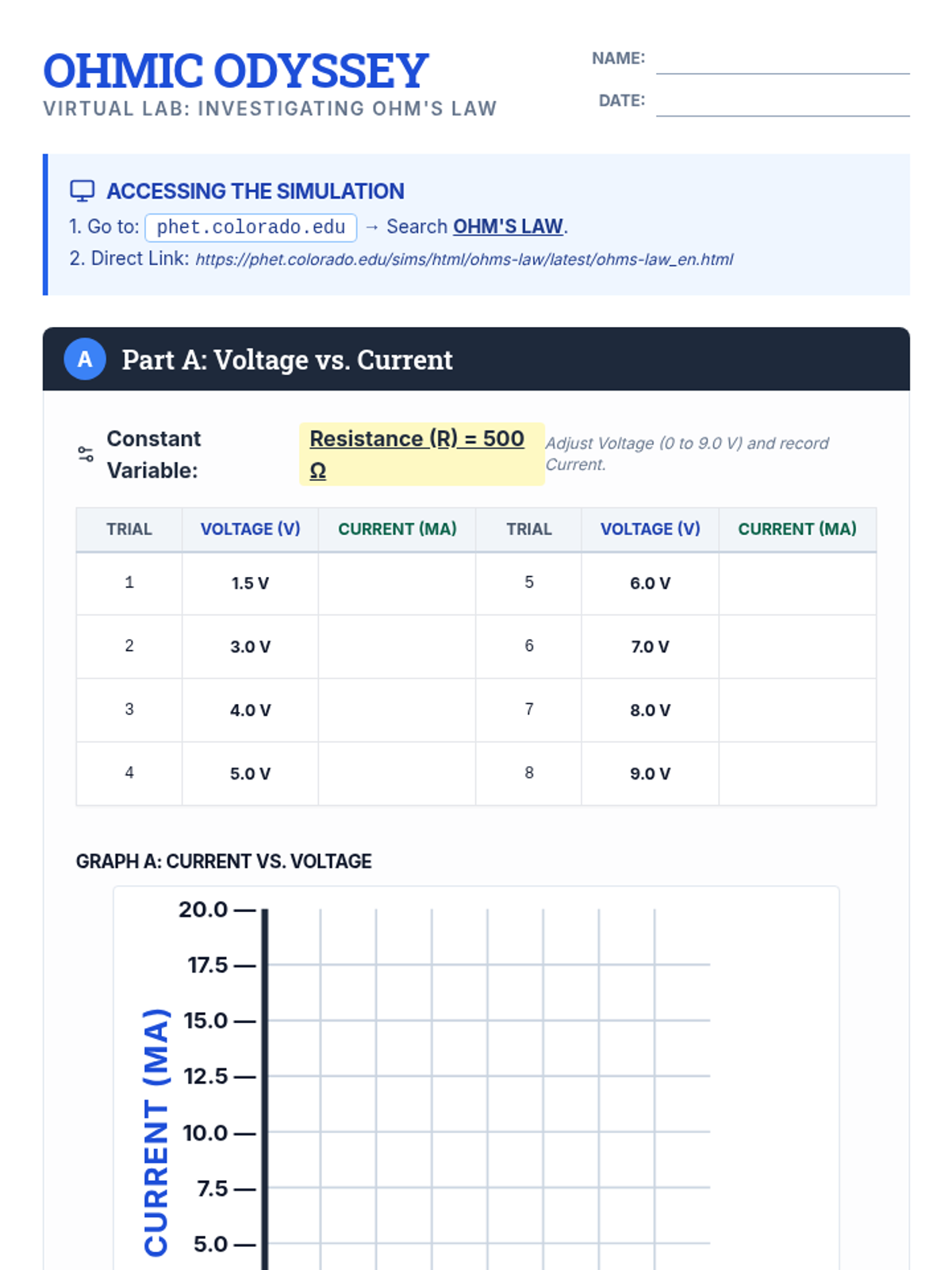
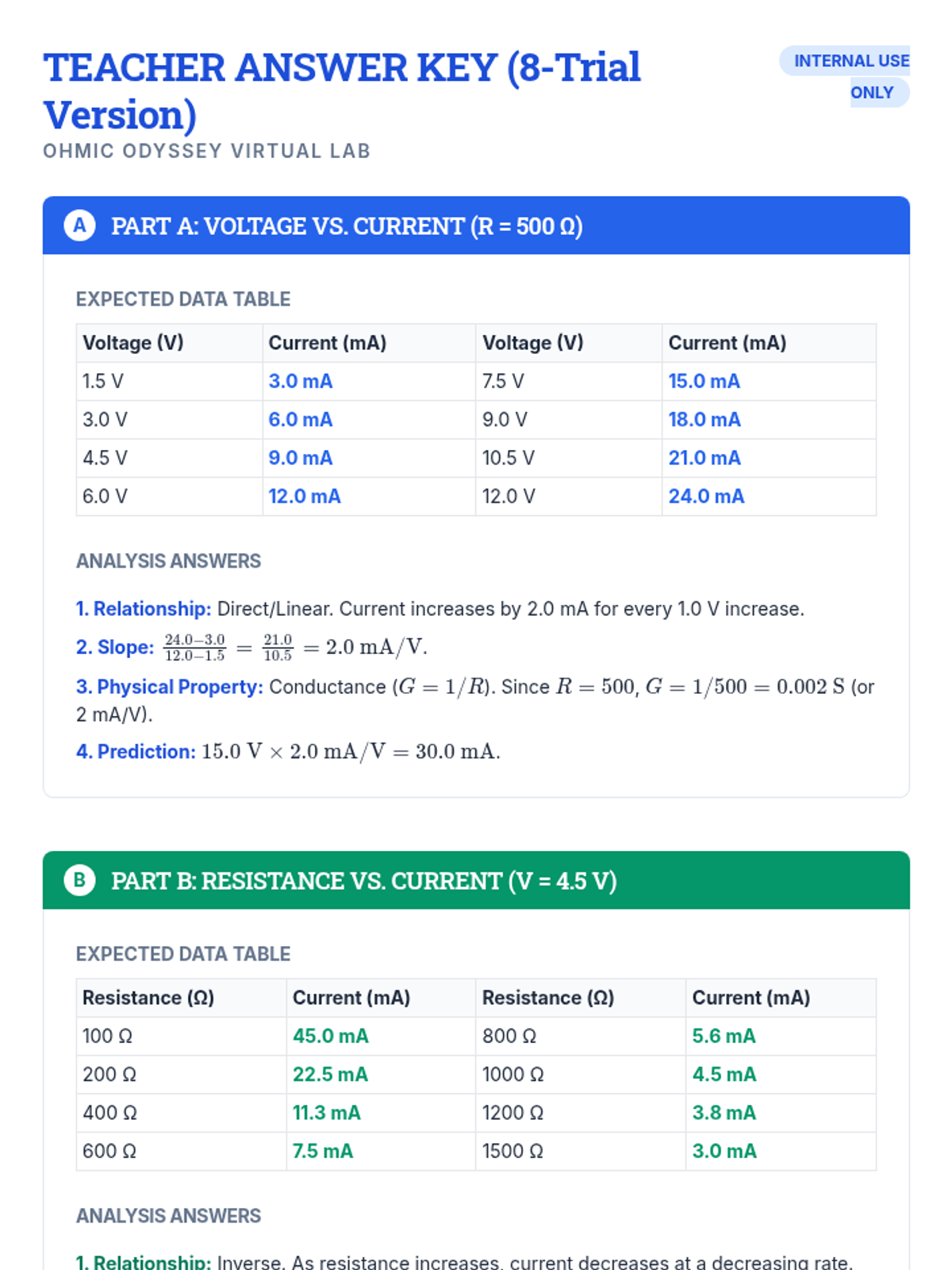
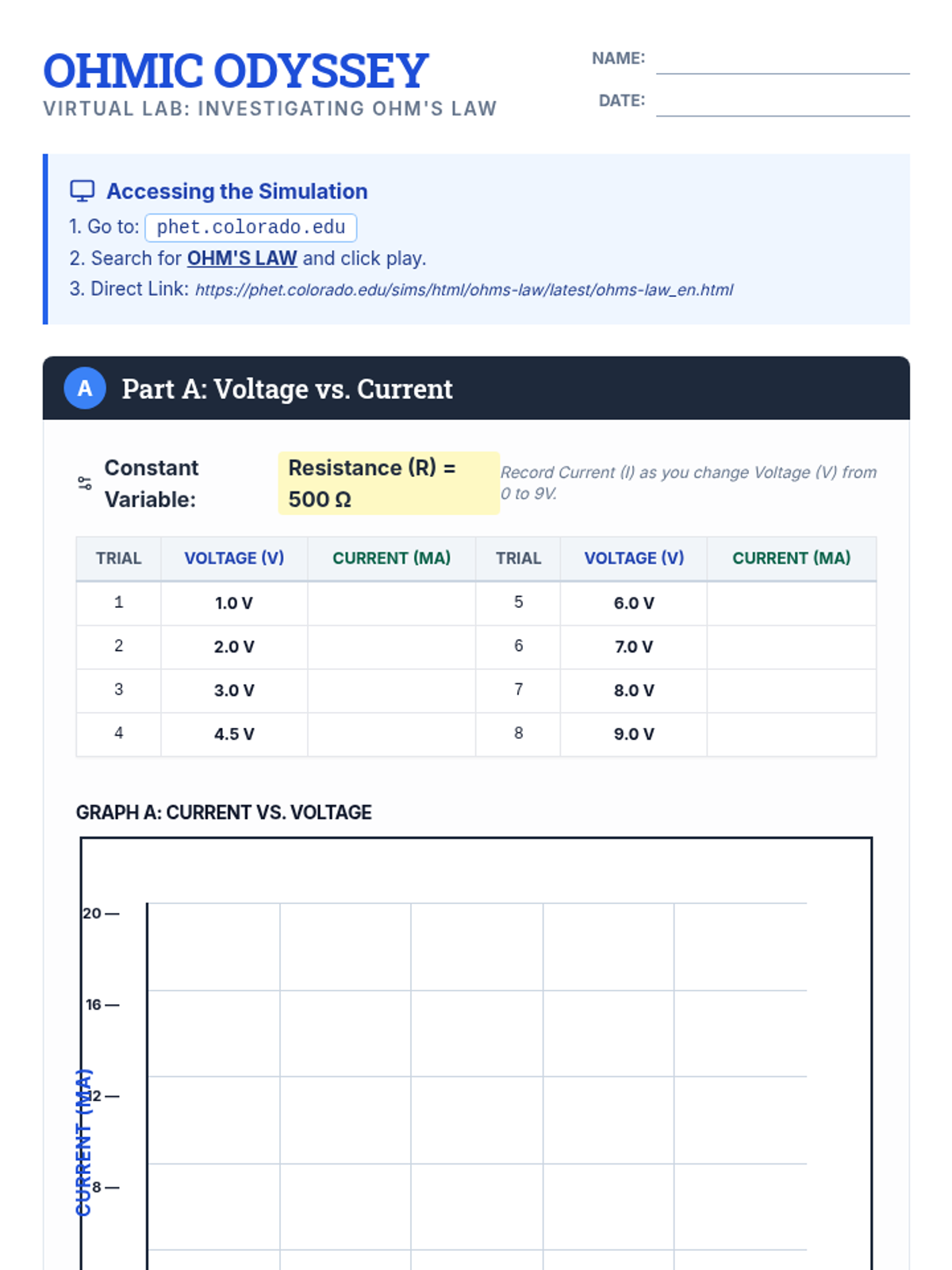
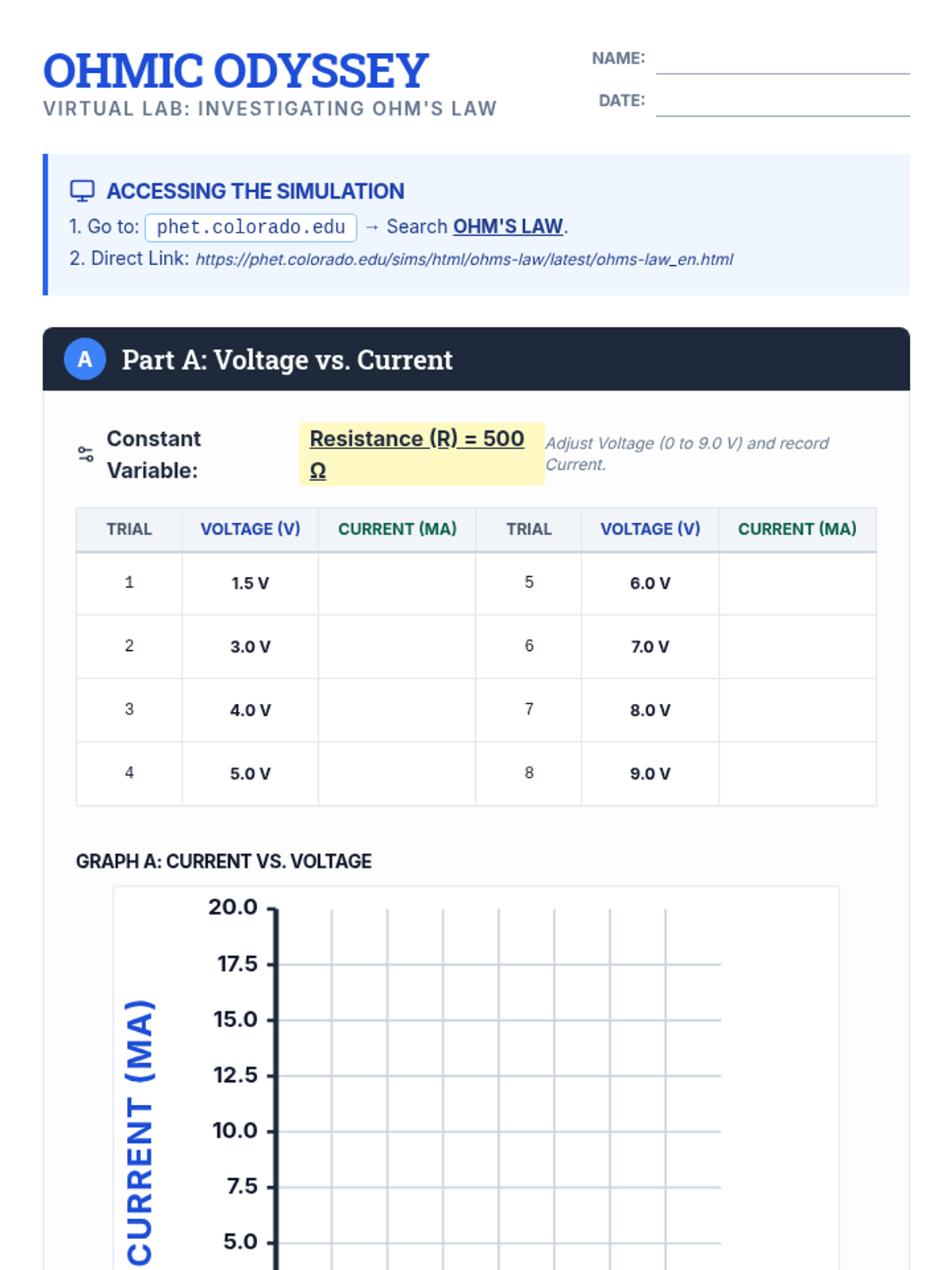
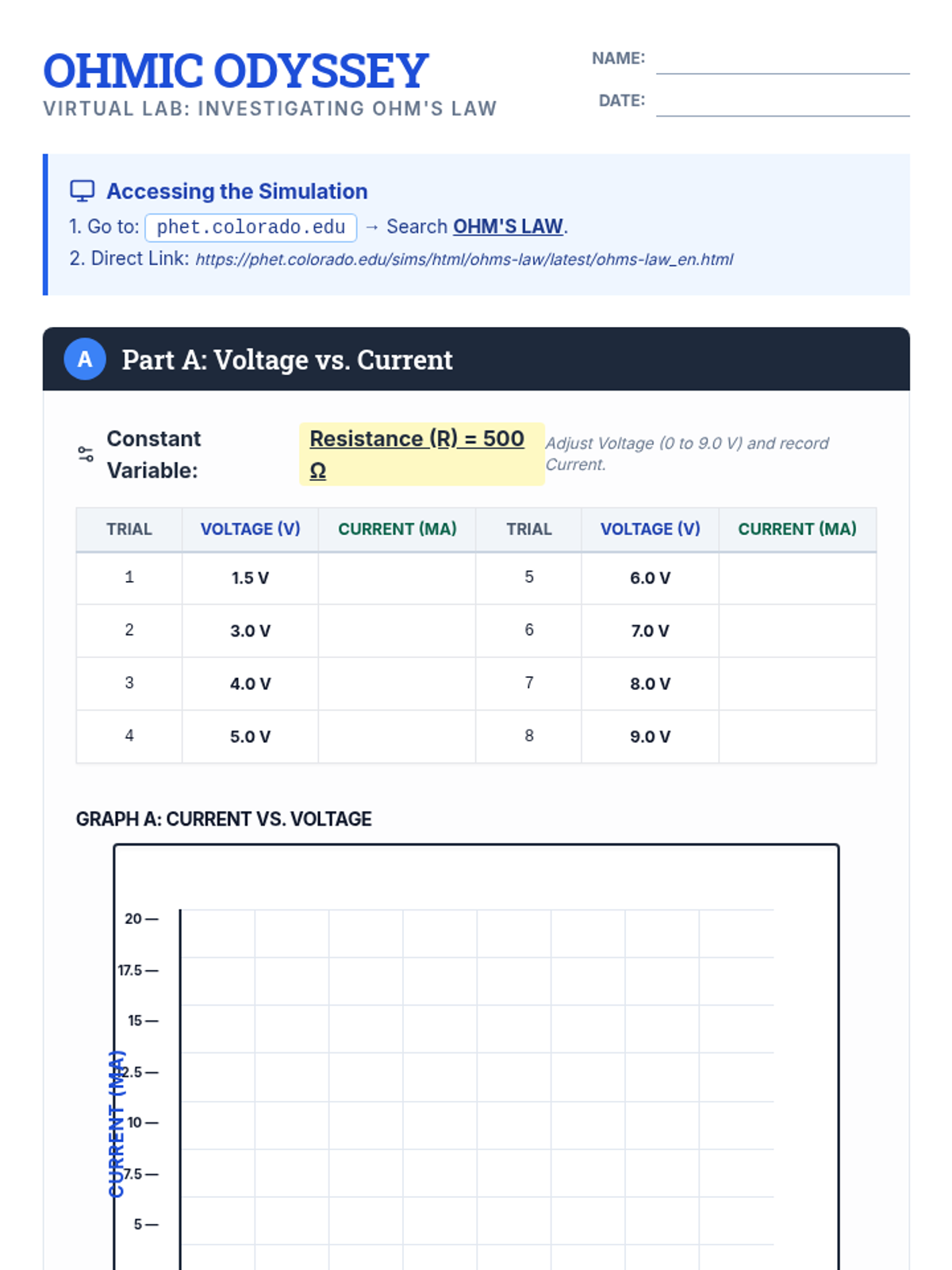
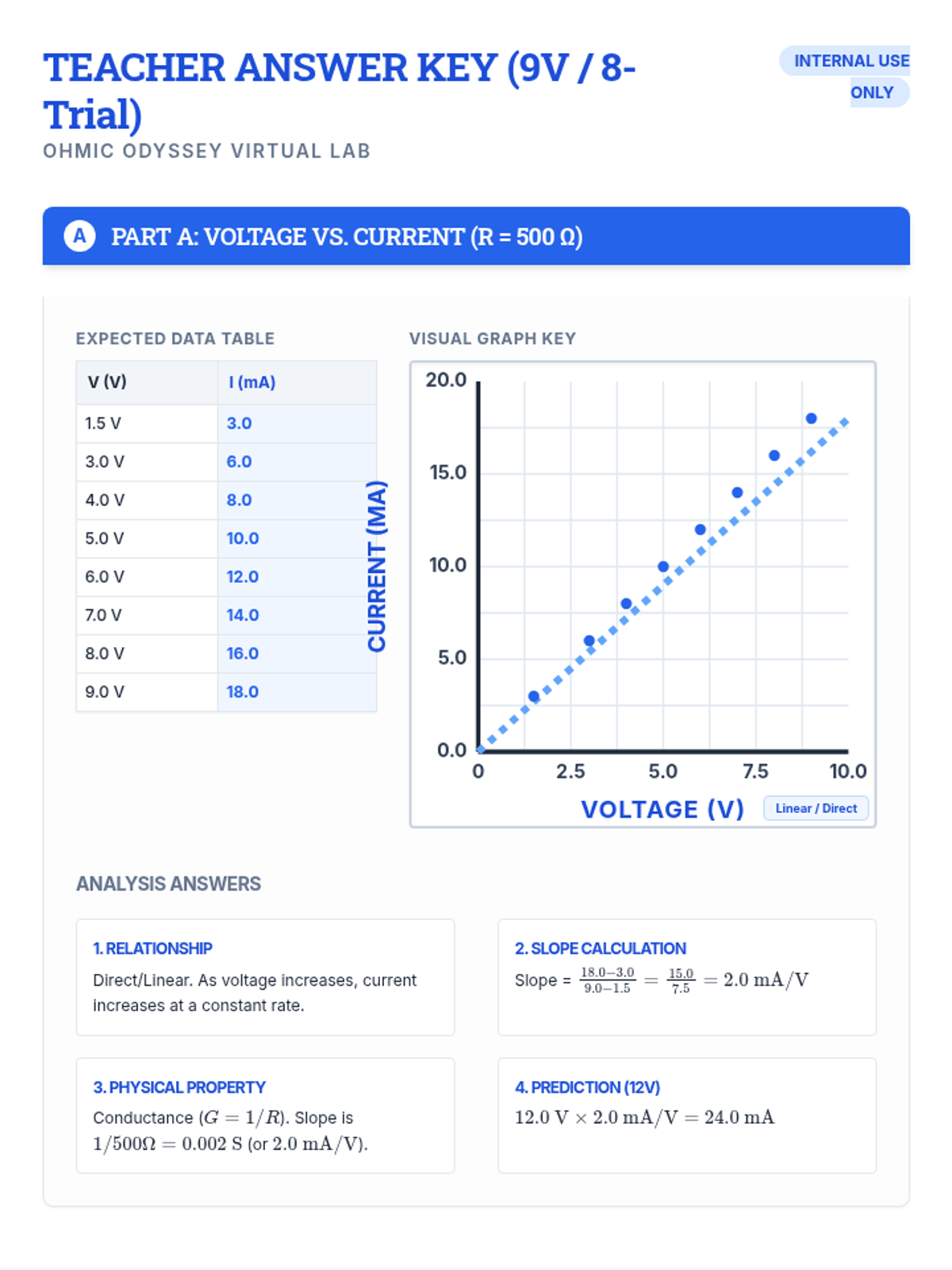
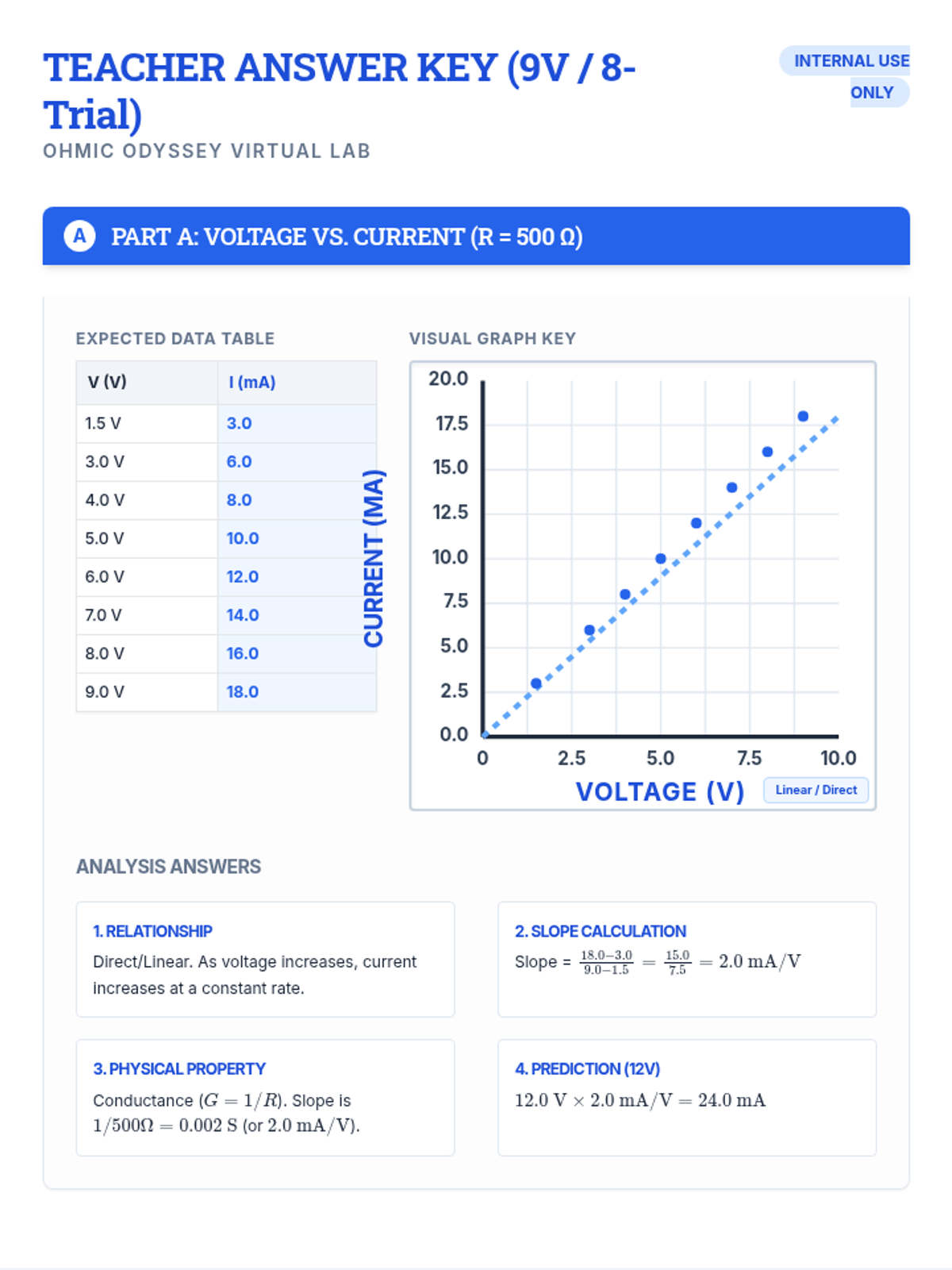
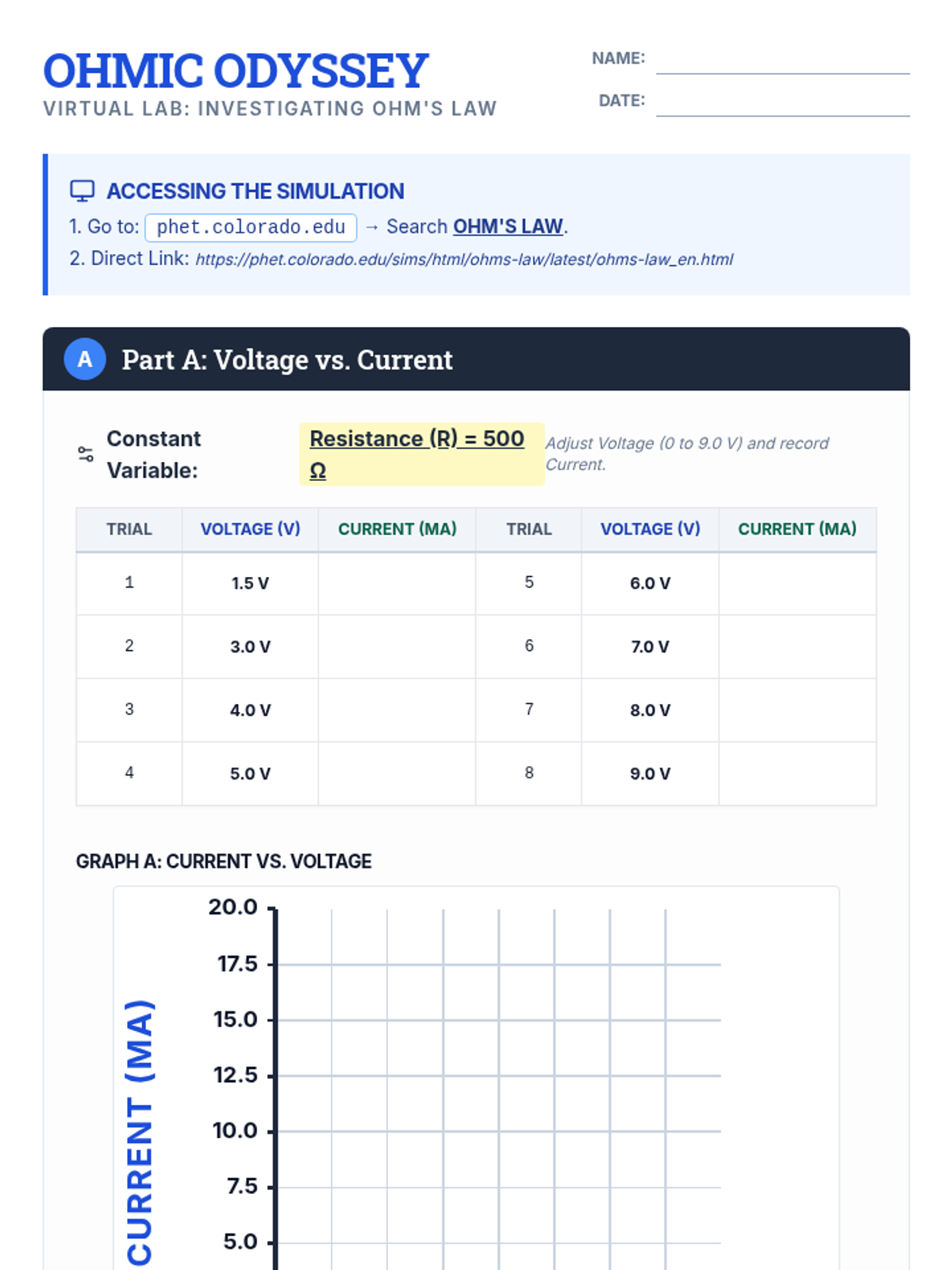
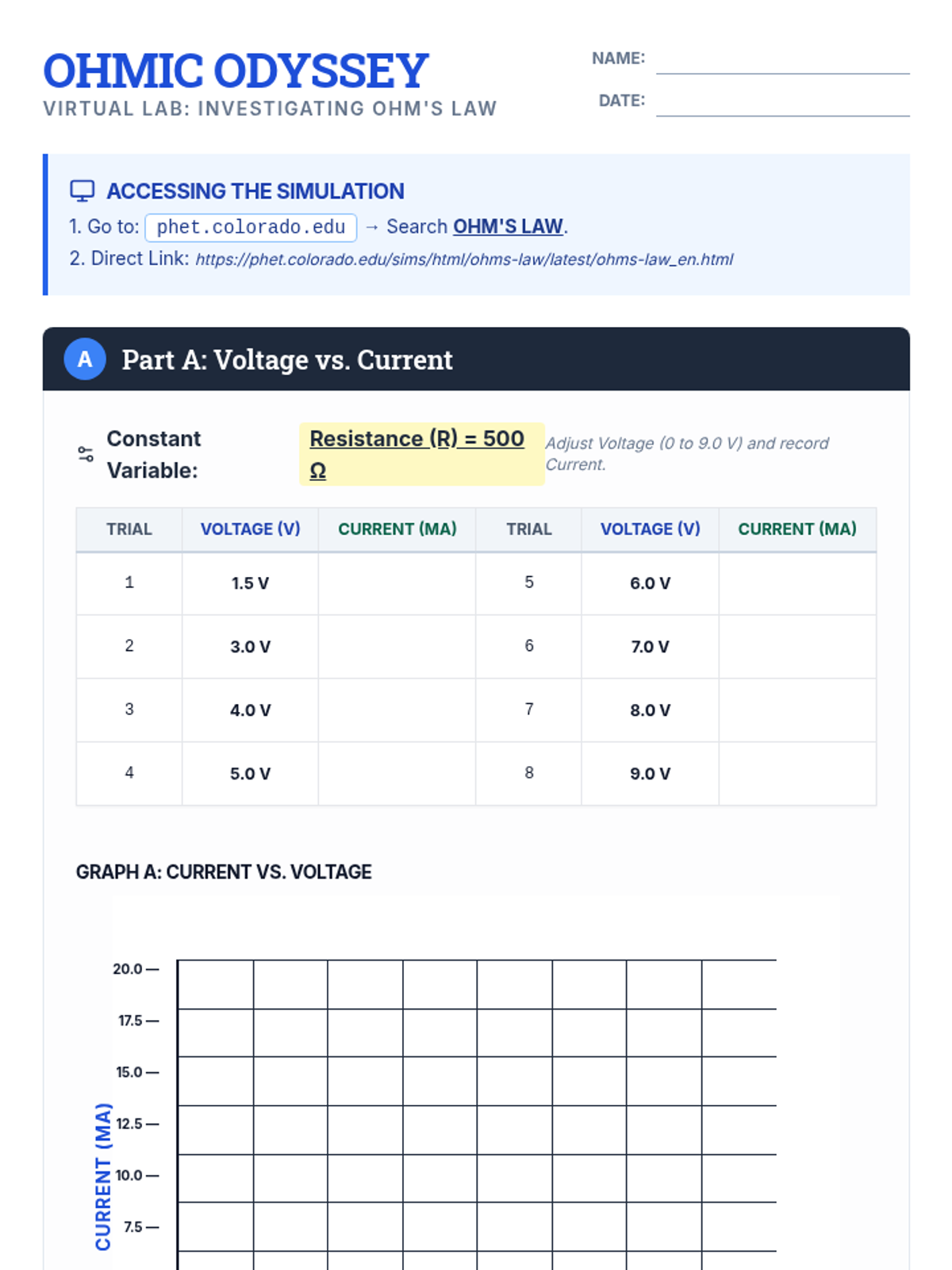
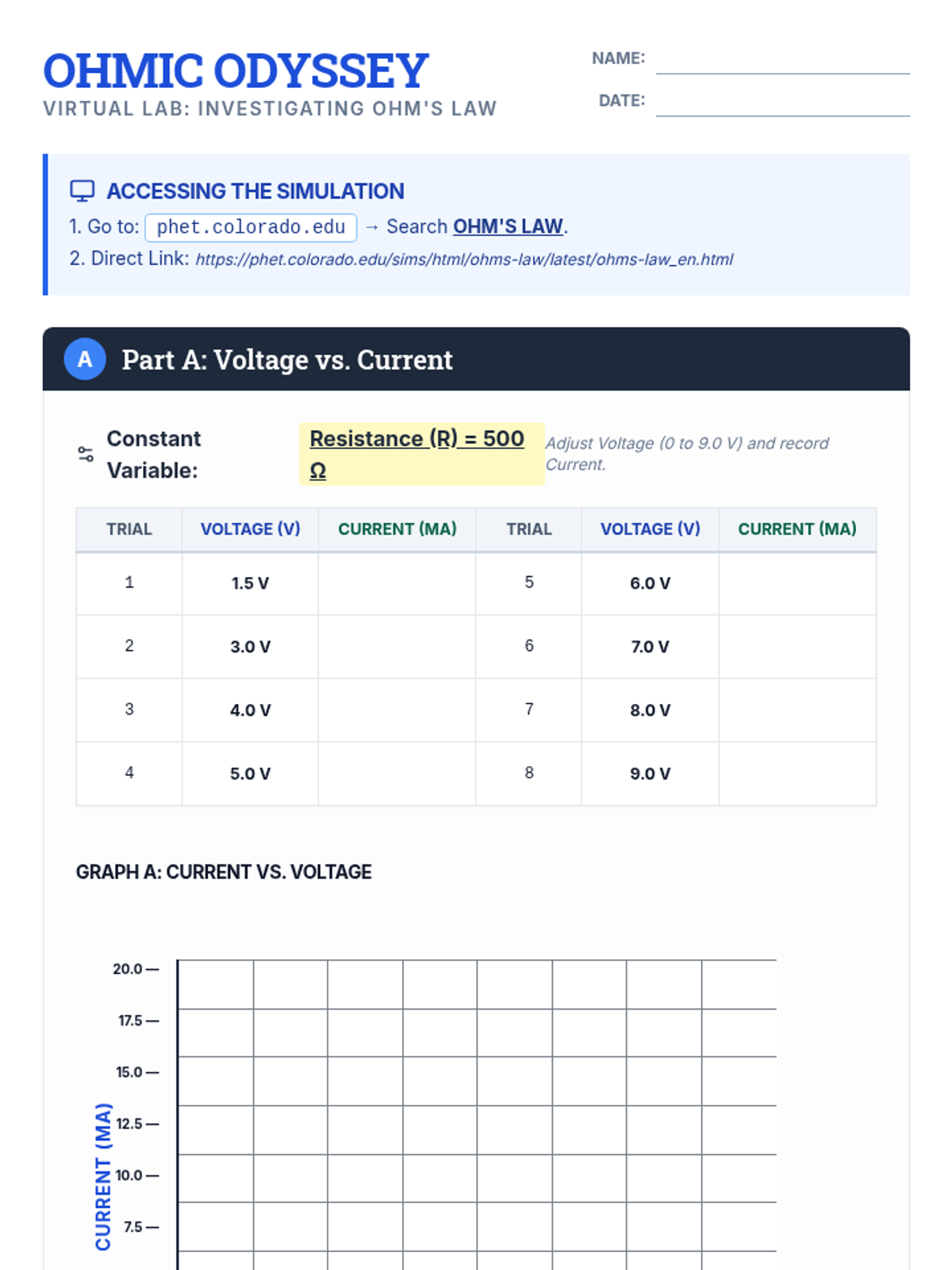
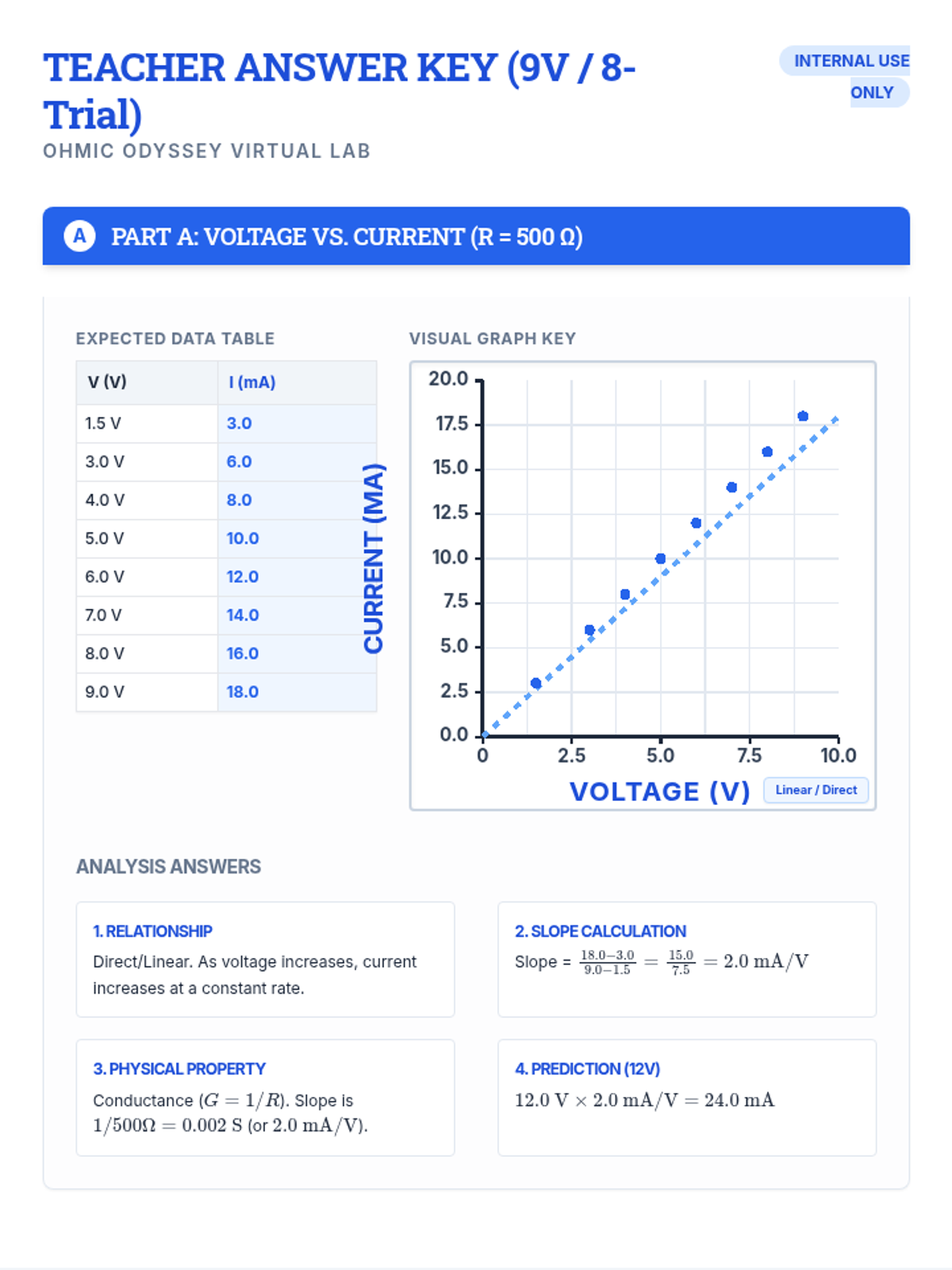
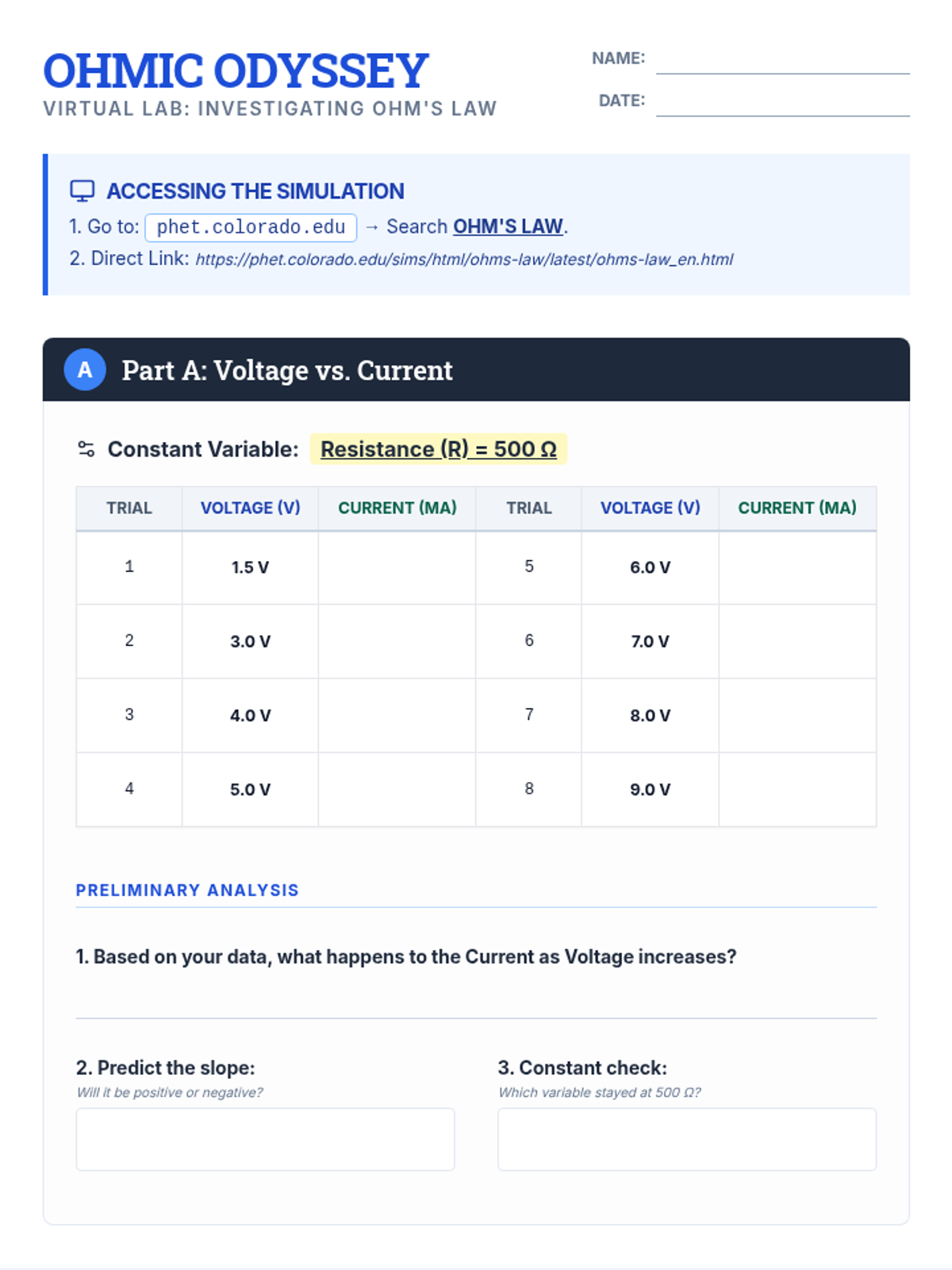
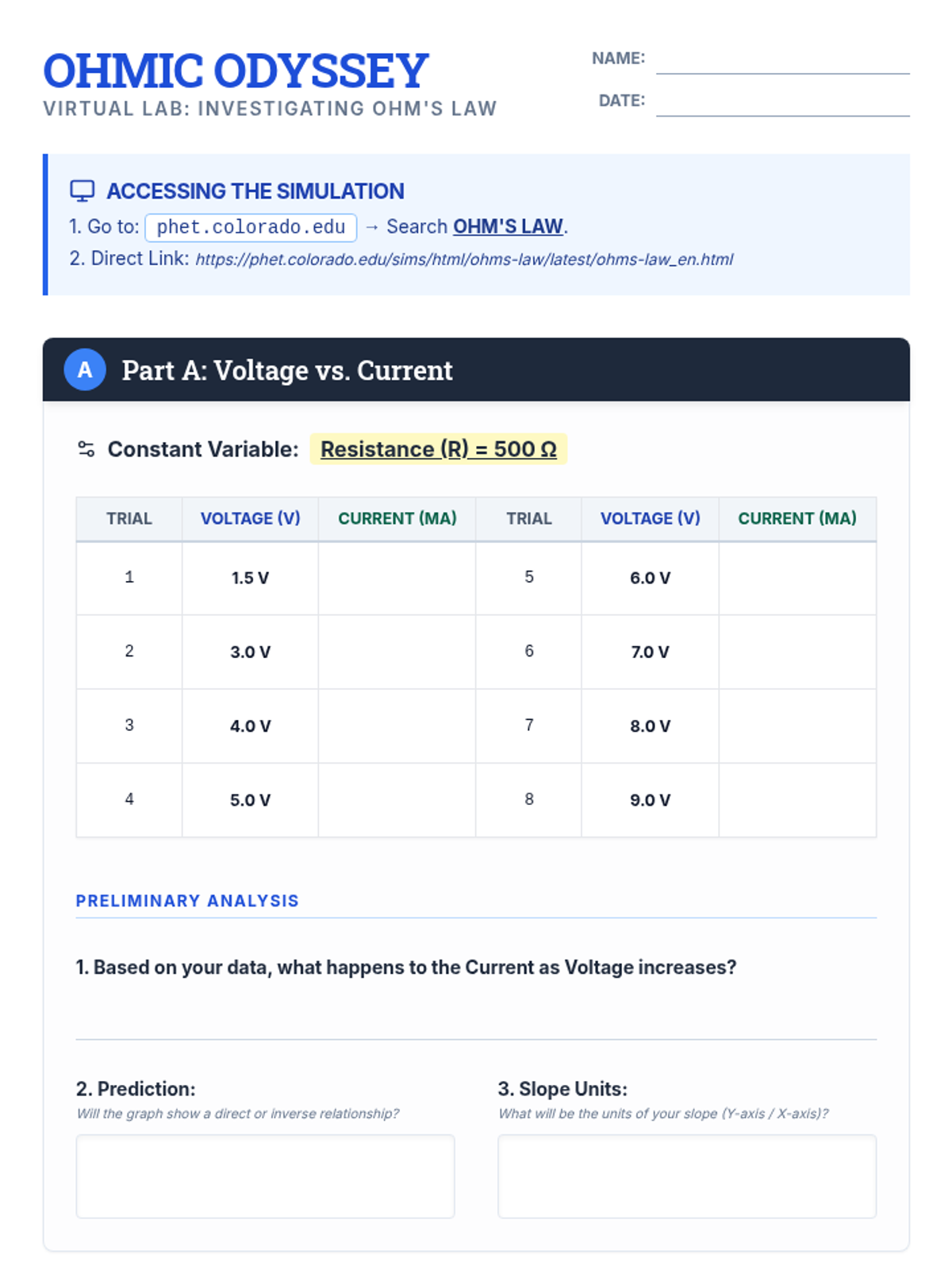
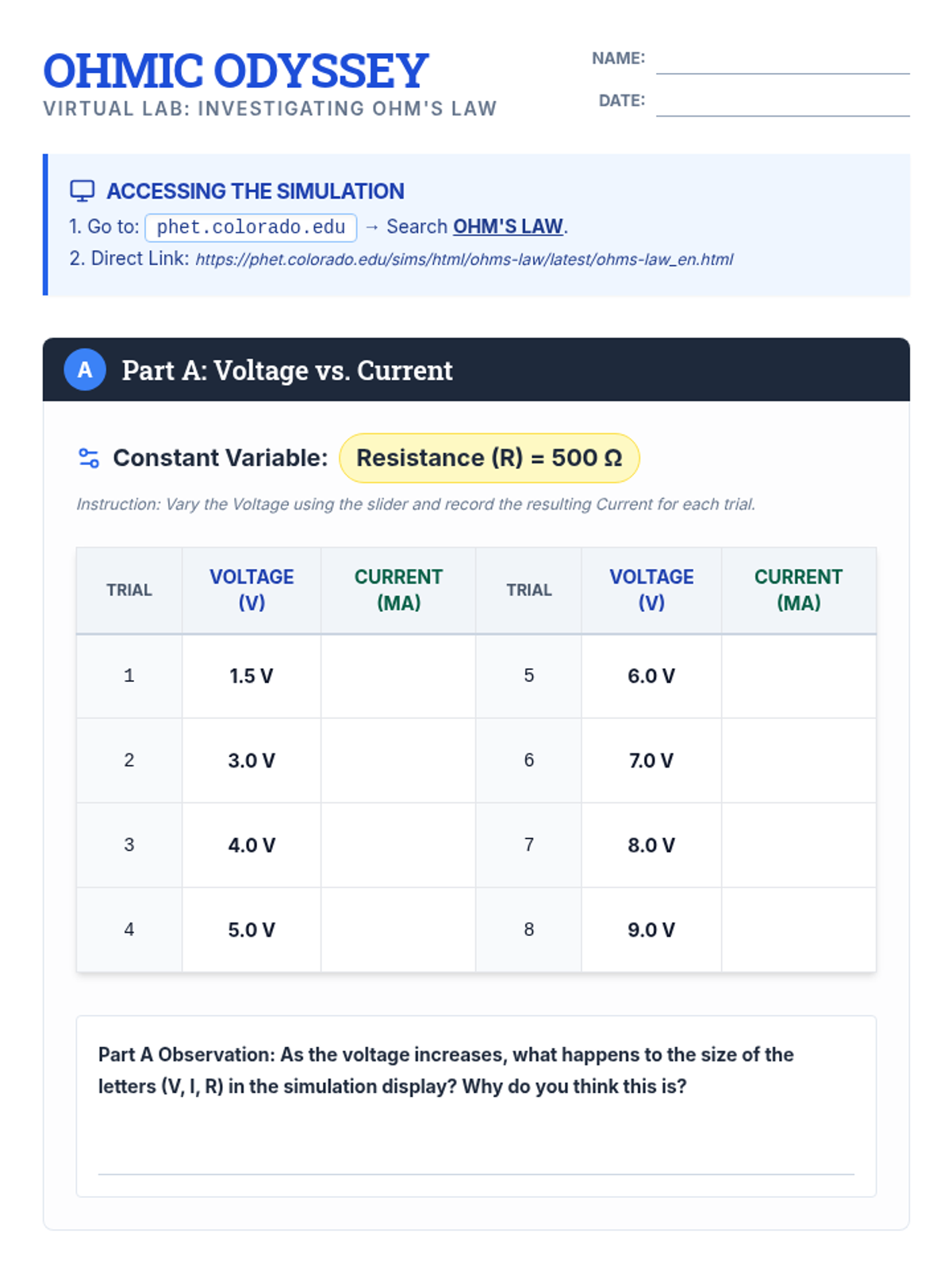
A hands-on virtual lab using the PhET Ohm's Law simulation to investigate the relationships between voltage, current, and resistance. Students collect data, graph results, and use CER to explain their findings.
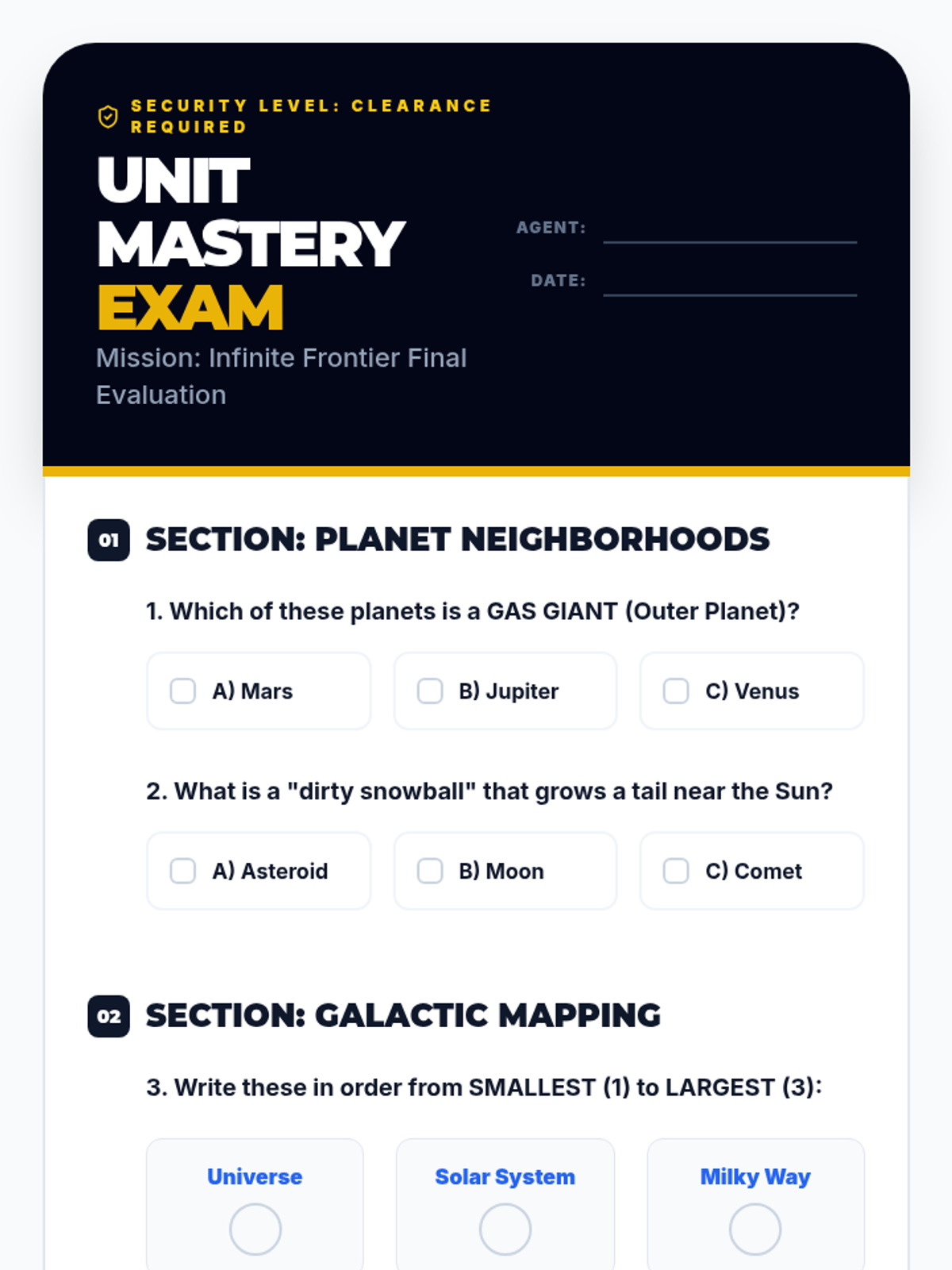
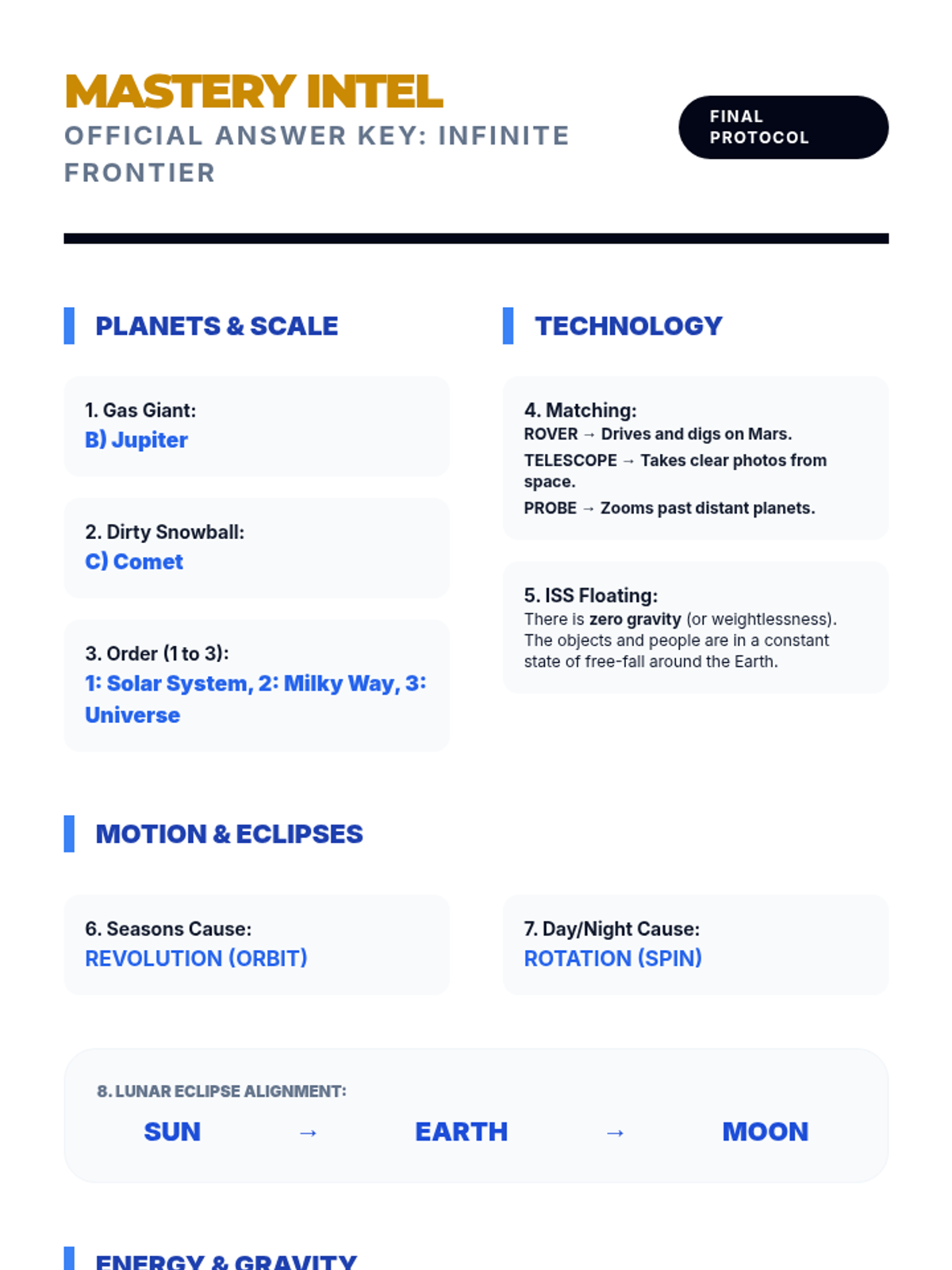
A comprehensive end-of-unit assessment and review lesson for the Infinite Frontier sequence. Includes a multi-topic test and a unit glossary.
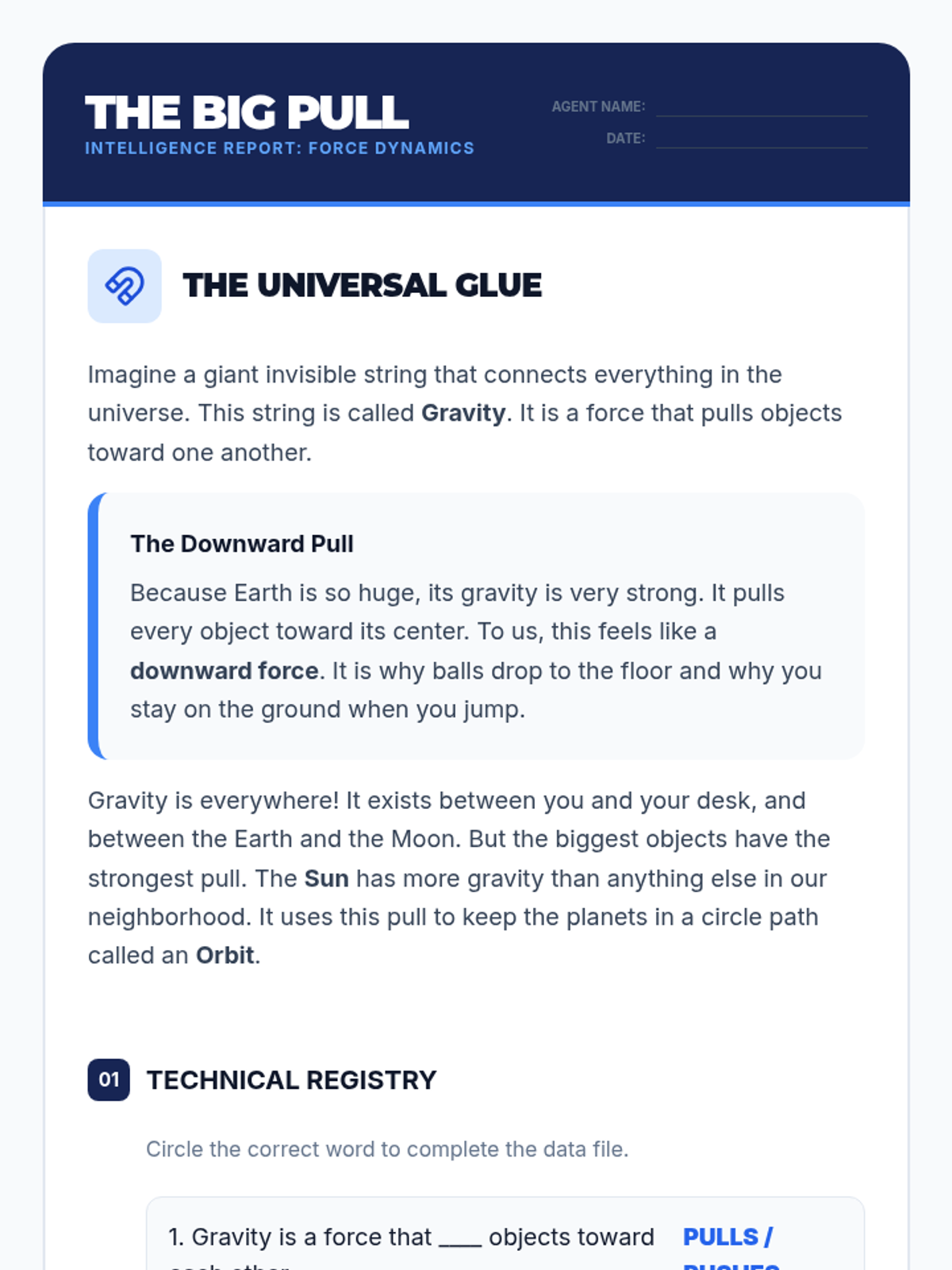
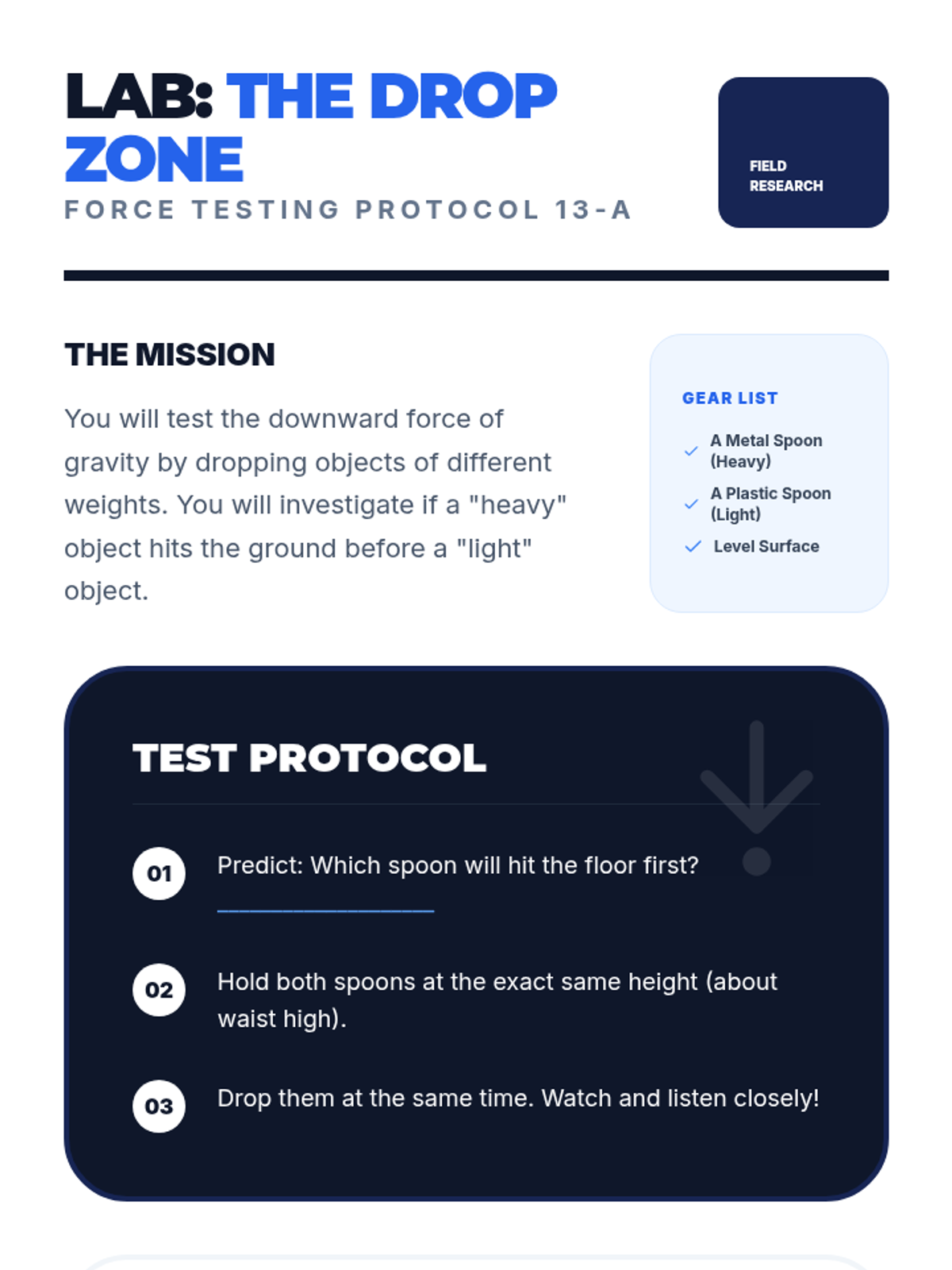
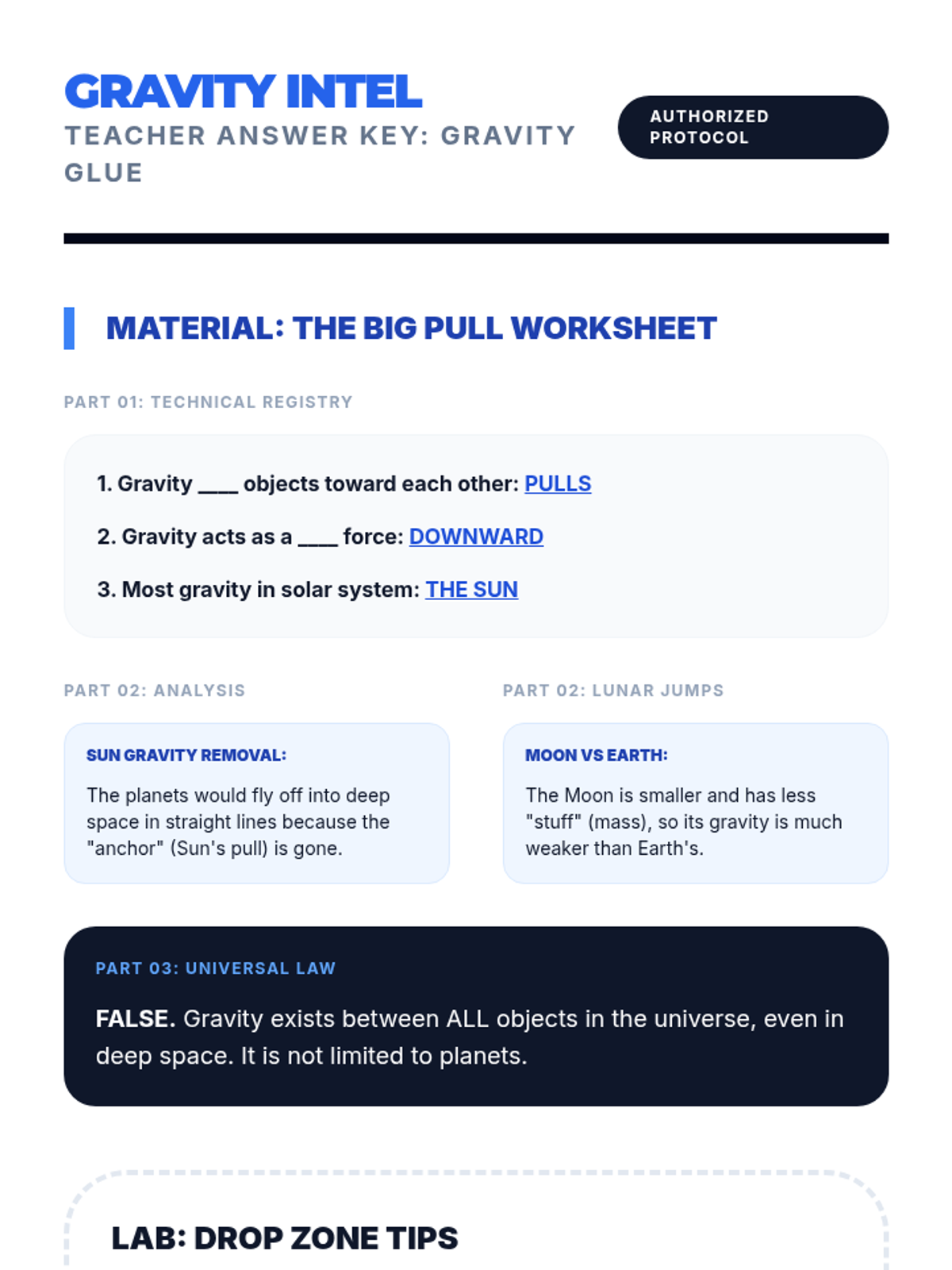
A lesson on the fundamental force of gravity, explaining its role as a downward force on Earth and the invisible "glue" that keeps the planets in orbit around the Sun.
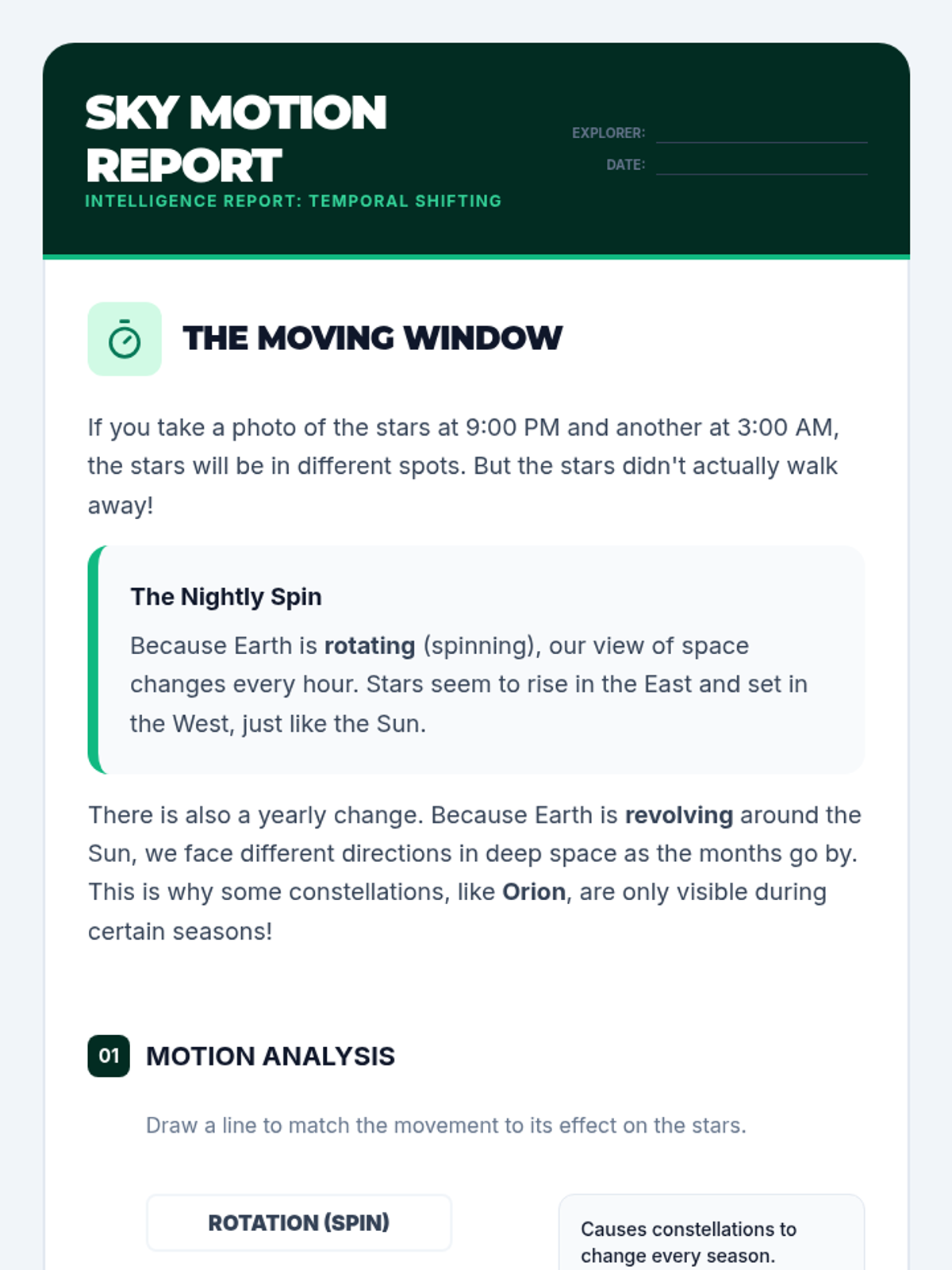
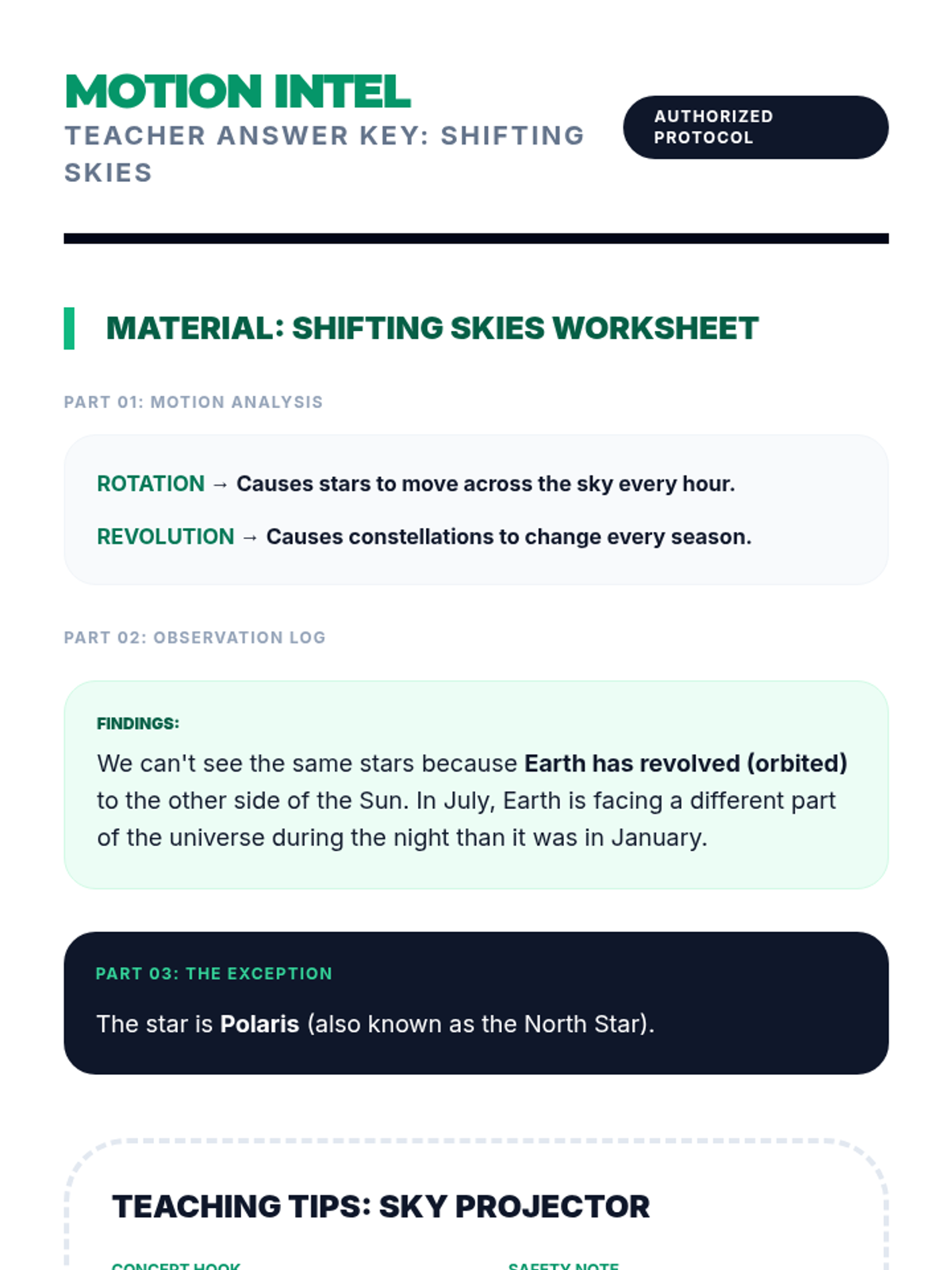
A lesson exploring why the night sky appears to change throughout the night and across different seasons due to Earth's rotation and revolution.
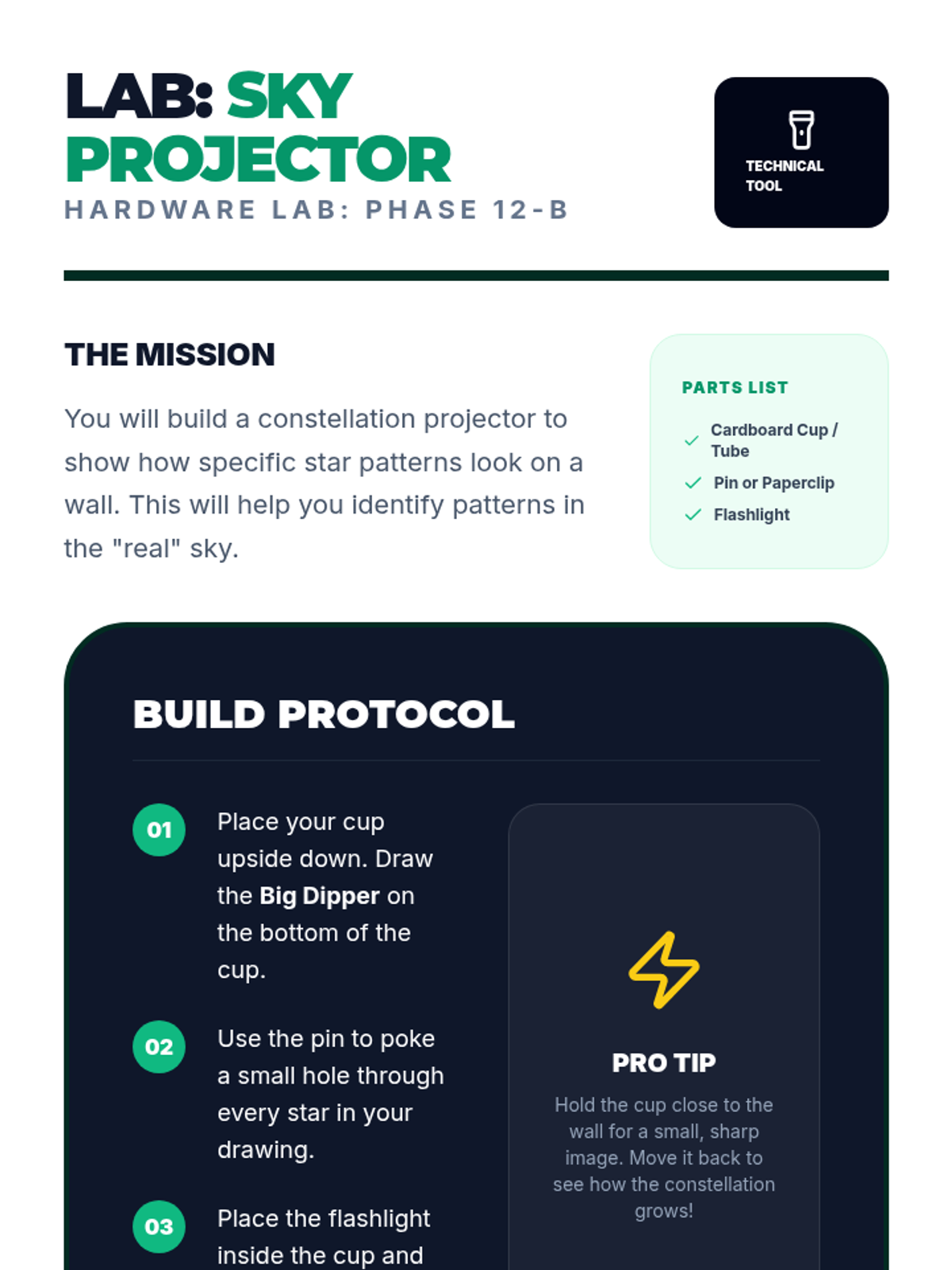
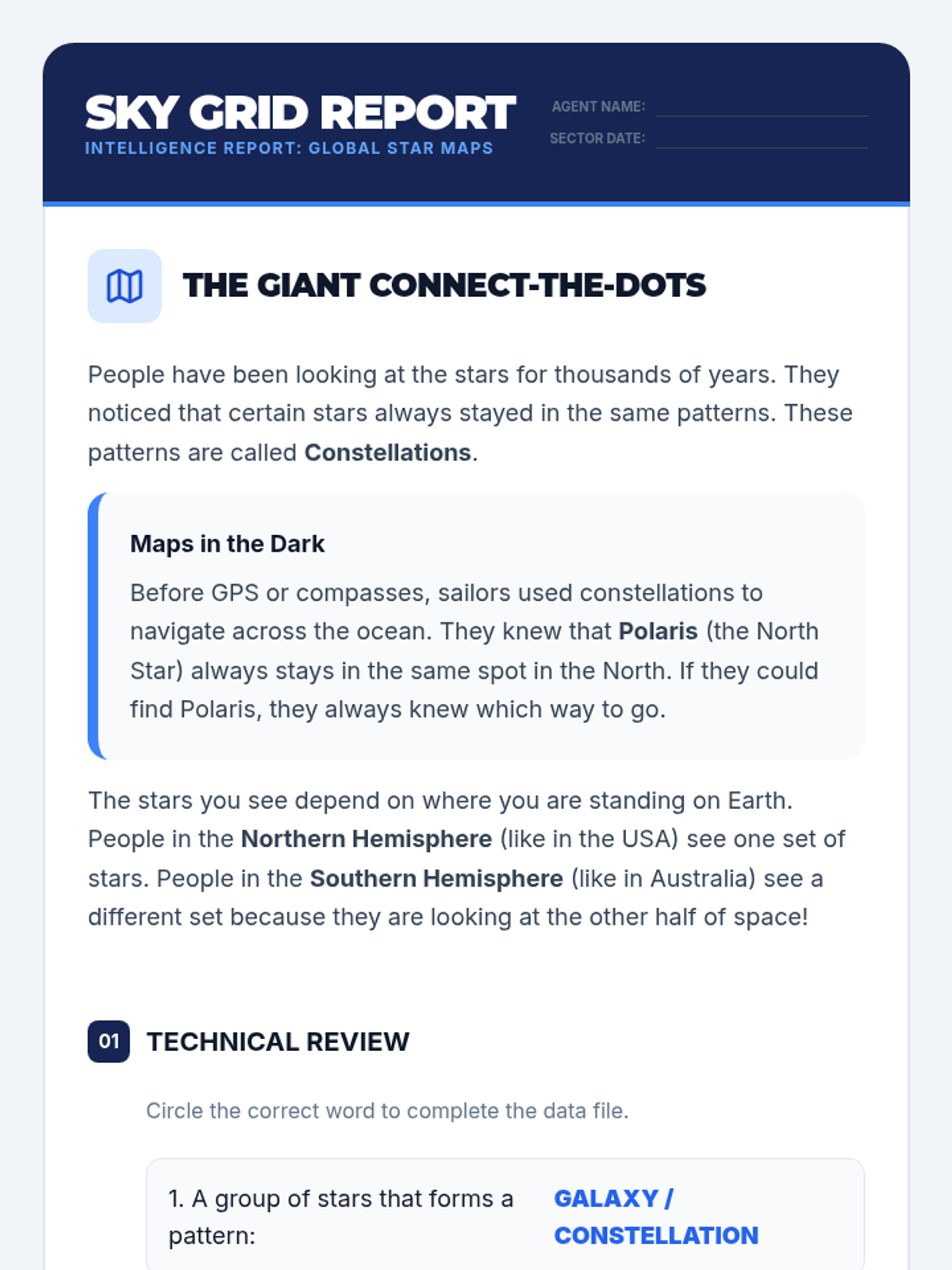
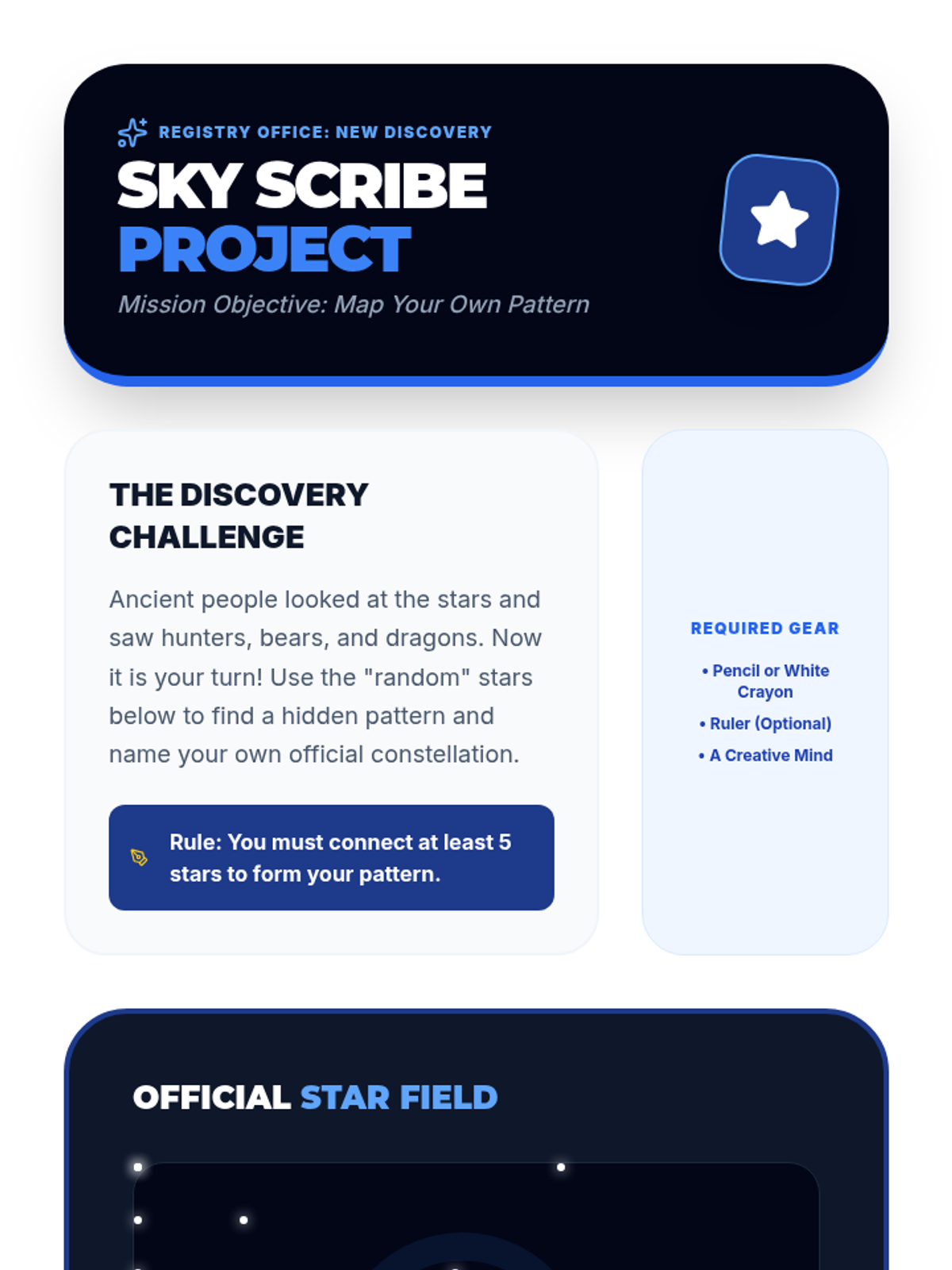
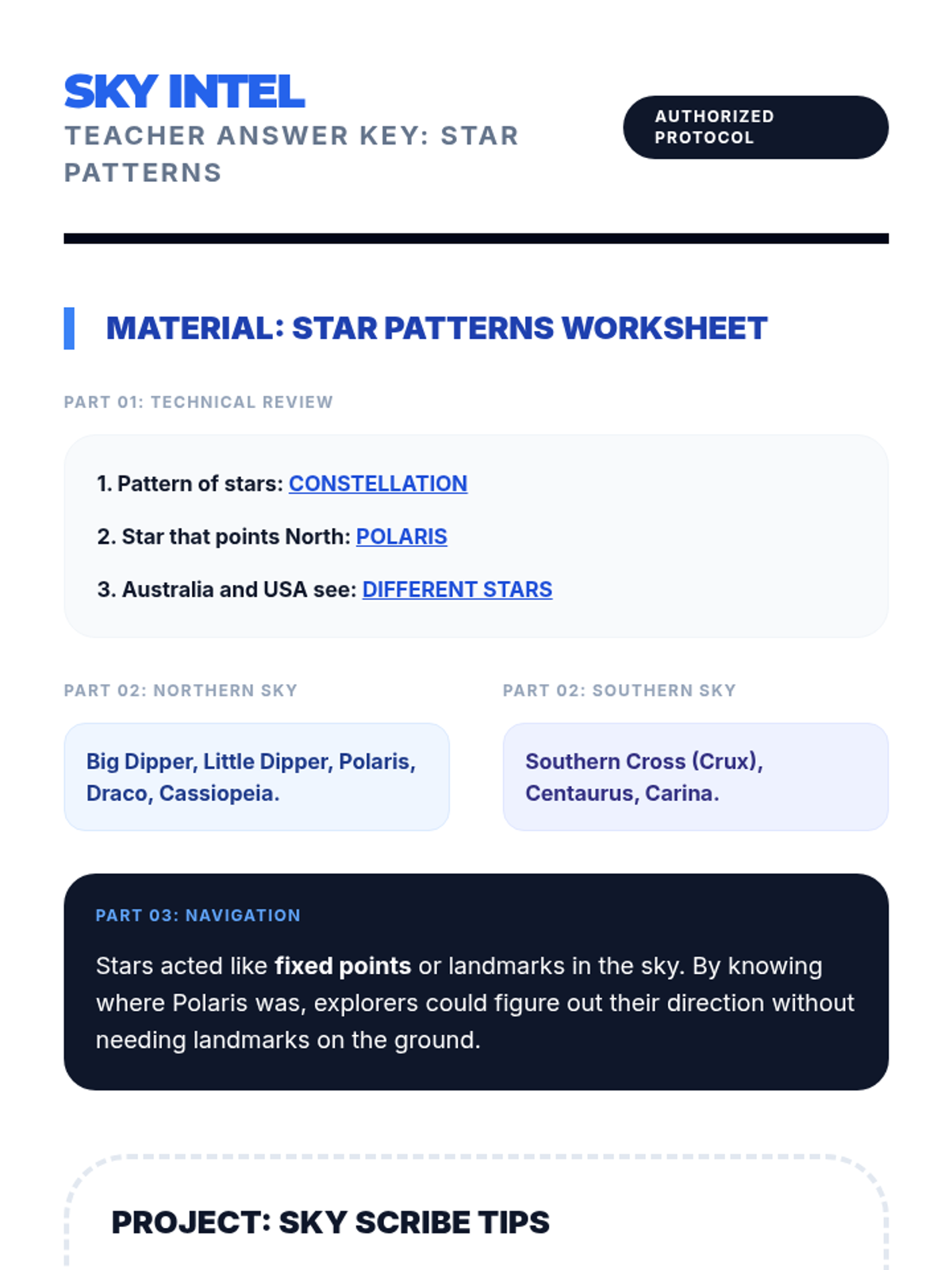
A lesson on constellations, explaining how stars form patterns used for navigation and how the view of the sky changes between the Northern and Southern Hemispheres.