This lesson focuses on sequencing the phases of the water cycle. Students will read an informational text describing the journey of water, identify temporal markers, and use textual evidence to explain the transition between stages.
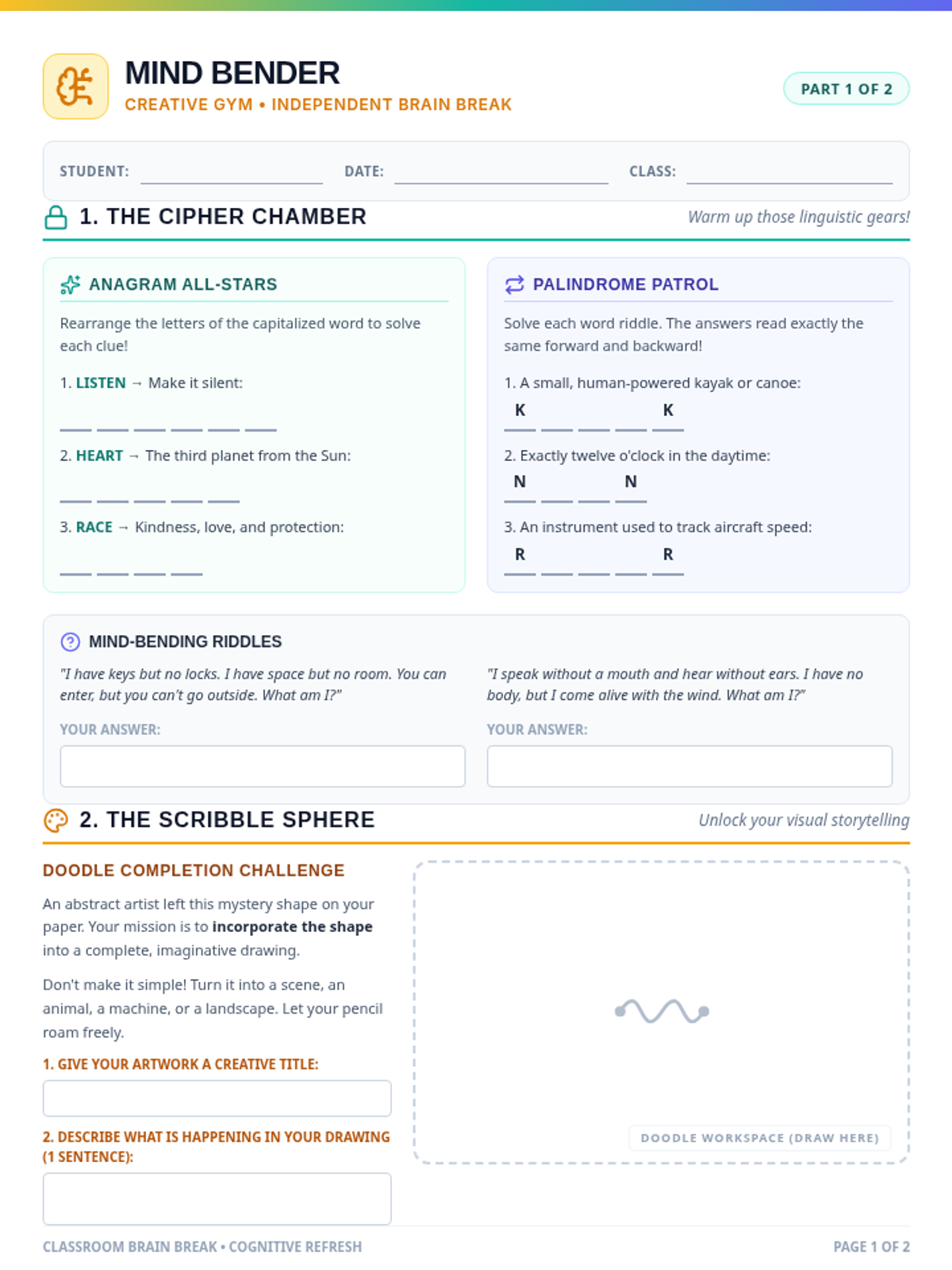
A lesson exploring the components of our solar system, focusing on reading comprehension, sequencing, and identifying key details from informational text.
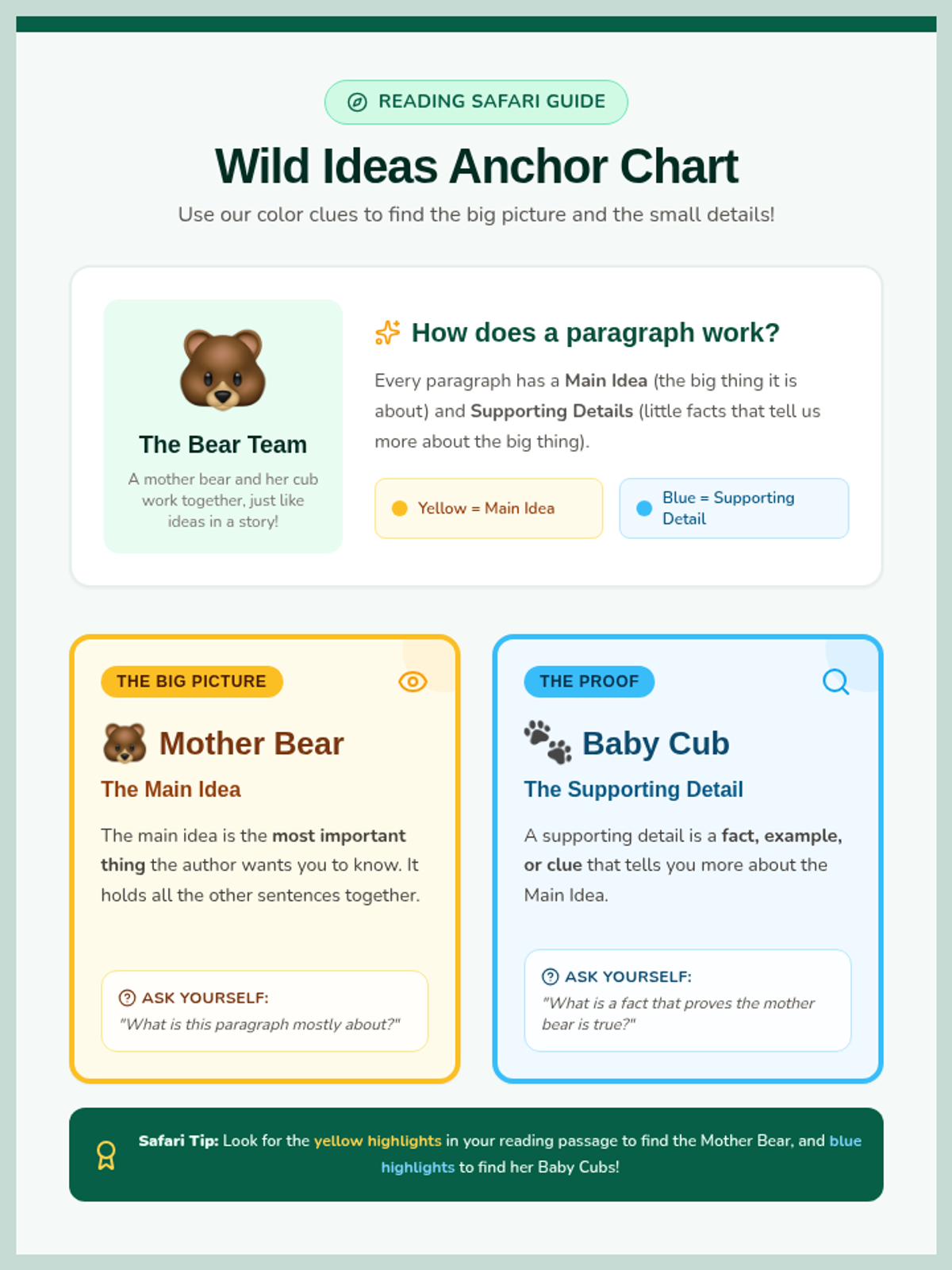
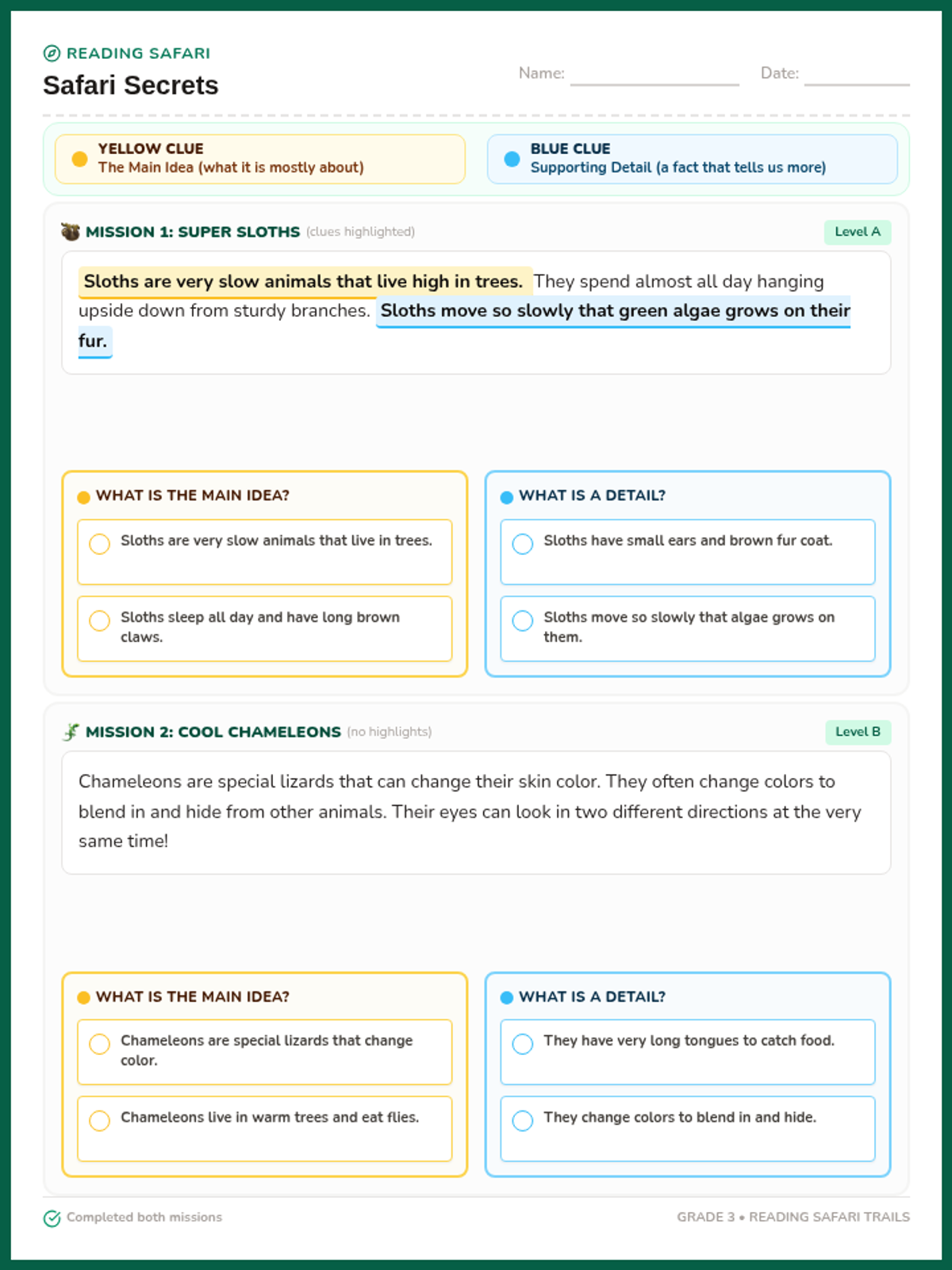
A lesson focused on identifying the main idea and supporting details within biographical texts about famous historical figures, designed for 3rd-grade students with varying reading levels.
A lesson focused on identifying the main idea and supporting details in informational texts about famous early inventors. Students will practice reading short passages and selecting the best main idea and supporting evidence from multiple-choice options.
Students will learn the four distinct stages of a butterfly's life cycle and practice sequencing them in the correct chronological order.
Analyze the distinction between the rights granted to citizens and the responsibilities they hold within a community.
Explore the structure of the U.S. government, focusing on the roles and responsibilities of the Legislative, Executive, and Judicial branches.
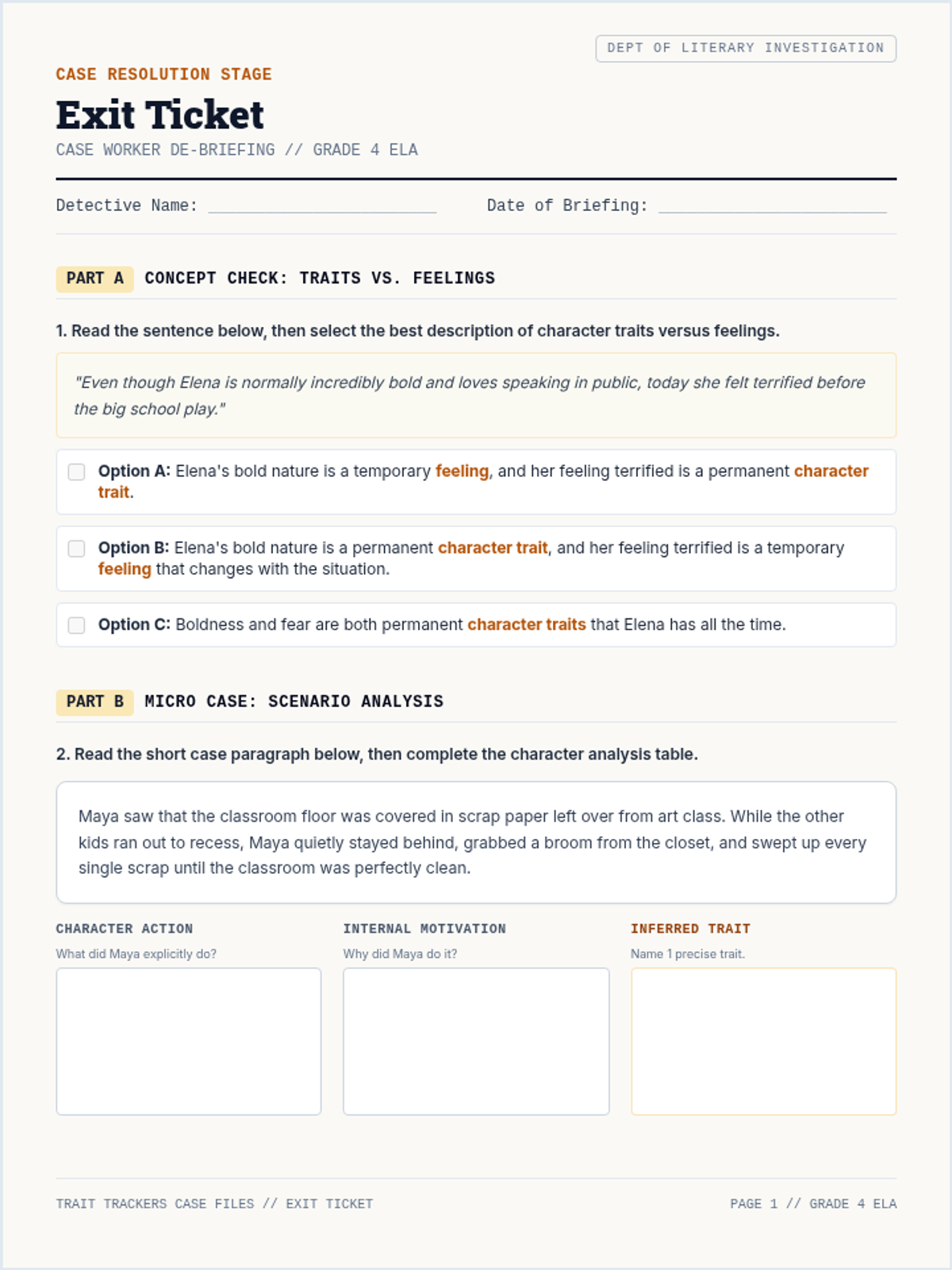
Investigate the different forms of energy and the transition between potential and kinetic energy through real-world examples.
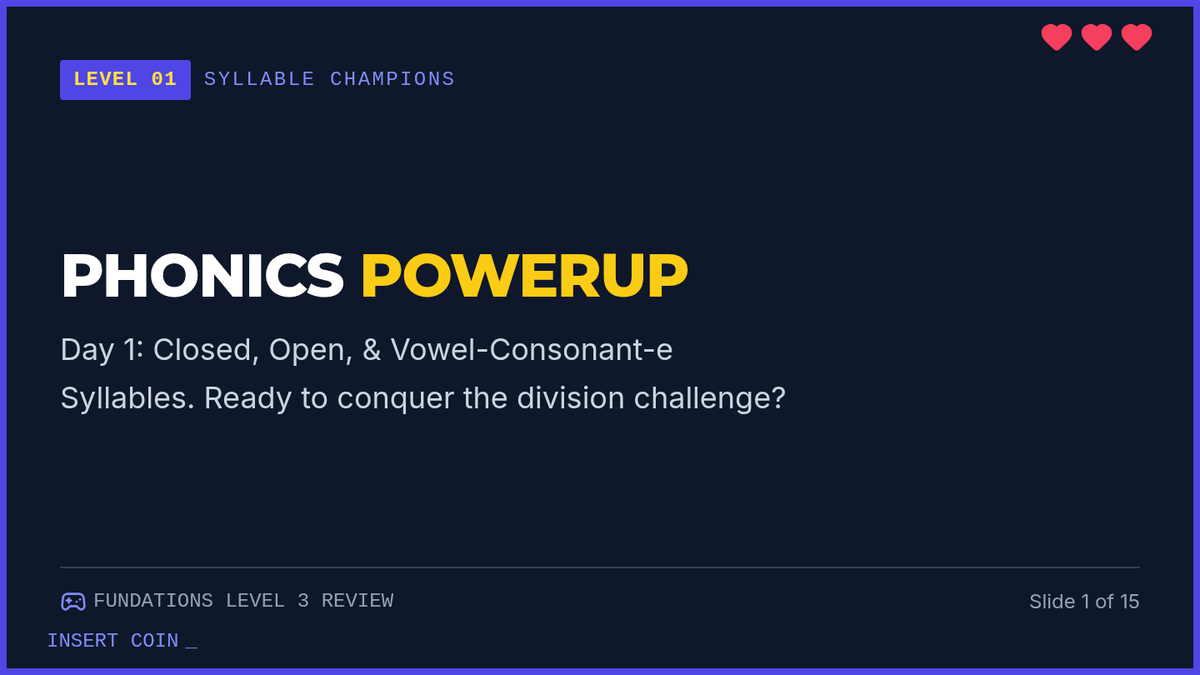
Discover how energy travels through waves, exploring sound, light, and water ripples through visual observations and hands-on mapping.
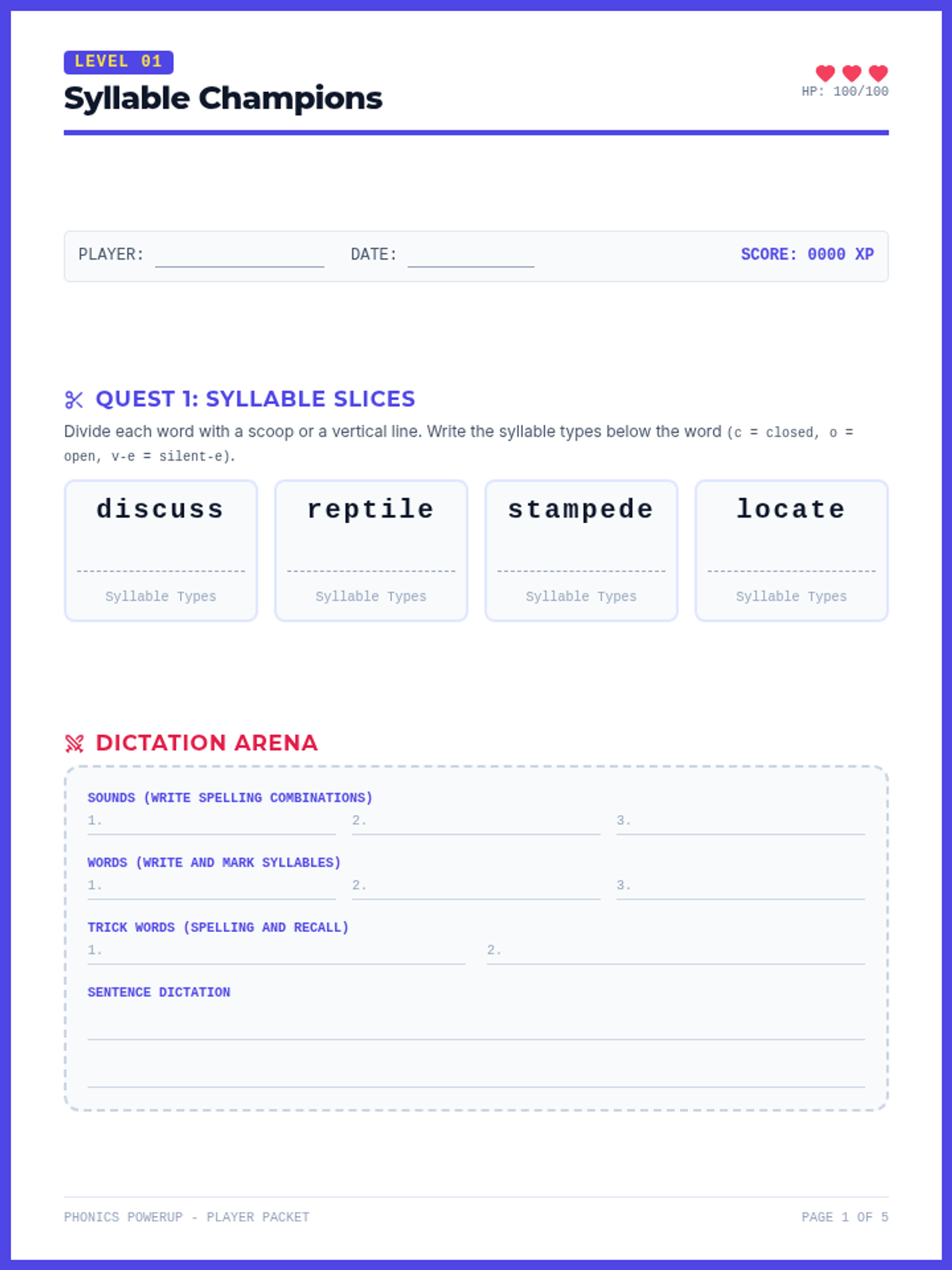
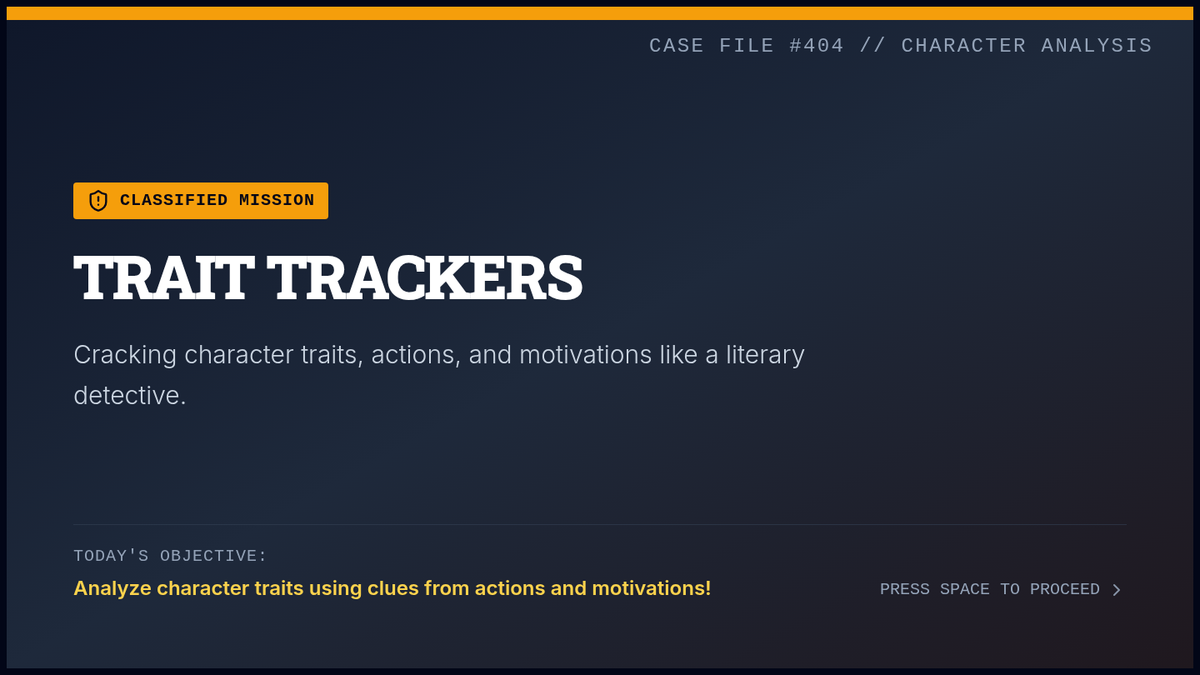
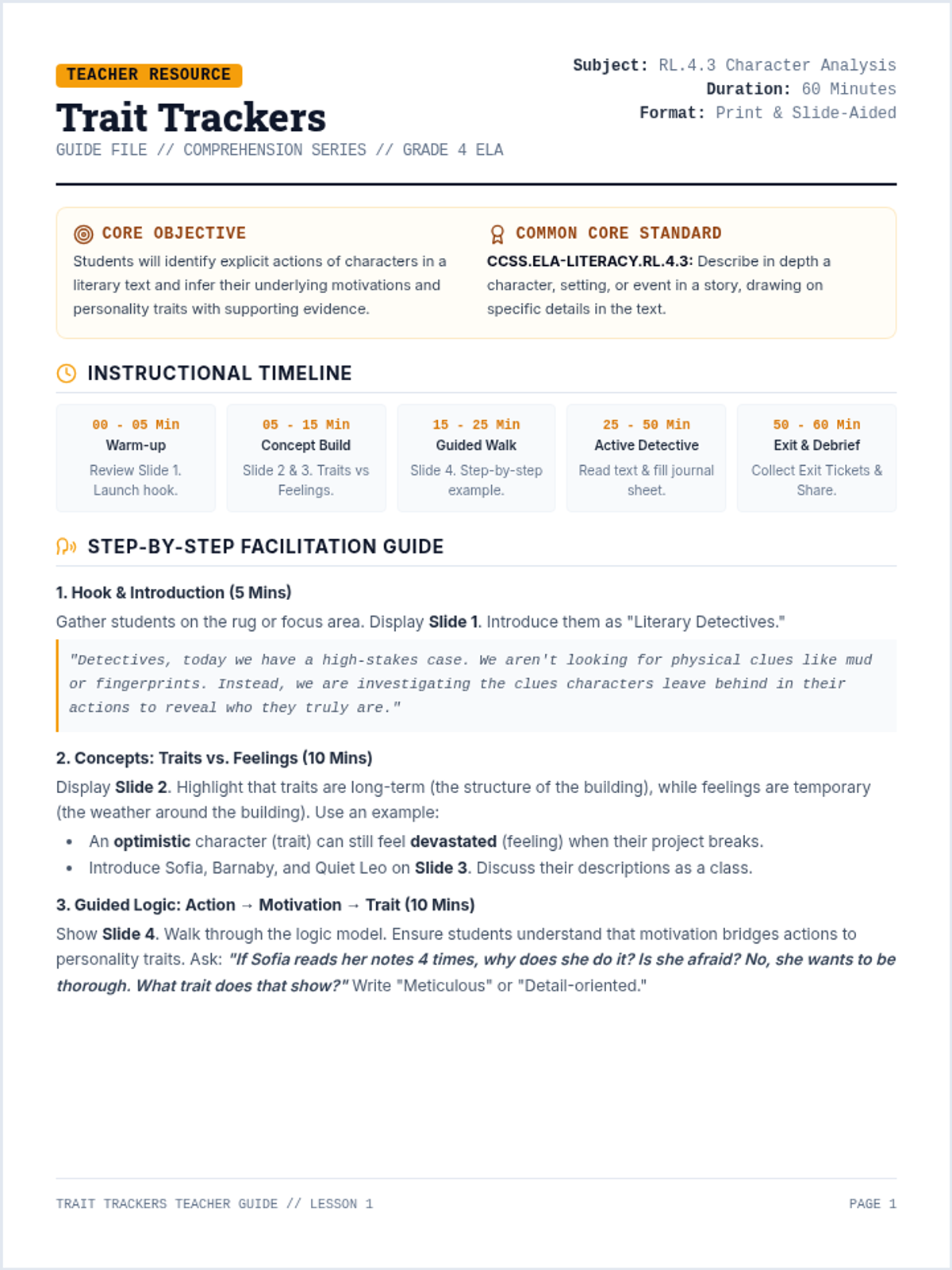
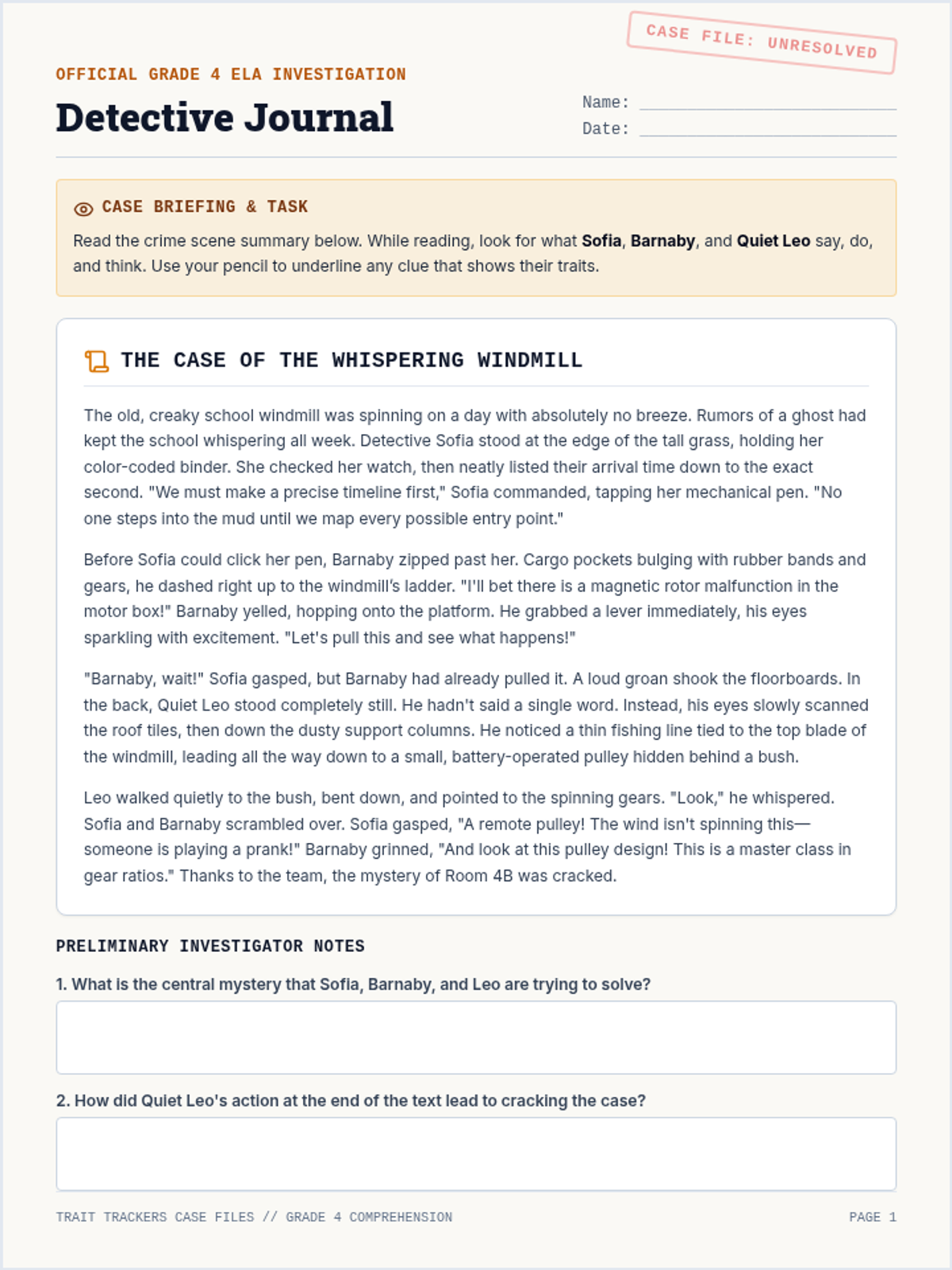
A lesson focused on RL.4.1, teaching students to use explicit details and draw inferences from both traditional literature and realistic fiction through an investigative lens.
Students will explore the differences between chronological and sequential text structures by analyzing short passages about history and everyday processes.
A lesson focused on RI.3.2 (Main Idea and Key Details) using the inspiring biography of Bessie Coleman, featuring tiered reading passages for differentiated instruction.
A focused reading lesson on hydrothermal vents, designed to help students master quoting accurately from a text to support explicit points and inferences.
A focused lesson on identifying the main idea within complex non-fiction texts about North Carolina history, specifically the mystery of the Lost Colony of Roanoke.
Reviewing the edge of the solar system and wrapping up. Reading: Figurative language and theme. Writing: Opinion writing on Pluto and best planetary destinations.
Focusing on the inner and outer planets. Math: Multiplication, division, and multi-step word problems. Writing: Informational planet report.
Focusing on the Moon. Math: Fractions (2, 3, 4, 6, 8). Writing: Informational report on Moon phases.
Focusing on the Sun. Math: Addition and subtraction with regrouping within 1000. Reading: Context clues.
Introduction to the review week focusing on Earth. Math: Area of rectangles and composite figures. Reading: Main idea and details.
A targeted review lesson focused on identifying themes in literature and writing concise summaries that highlight the development of those themes, specifically designed for ILEARN test preparation.
A week-long exploration of the night sky, teaching students how to identify major constellations using patterns and pointer stars. Students will combine scientific observation with creative art projects.