Students explore how light reflects and refracts through lenses to understand human vision and how glasses correct sight. The lesson includes a hands-on 'Lens Lab' where students experiment with convex and concave shapes.
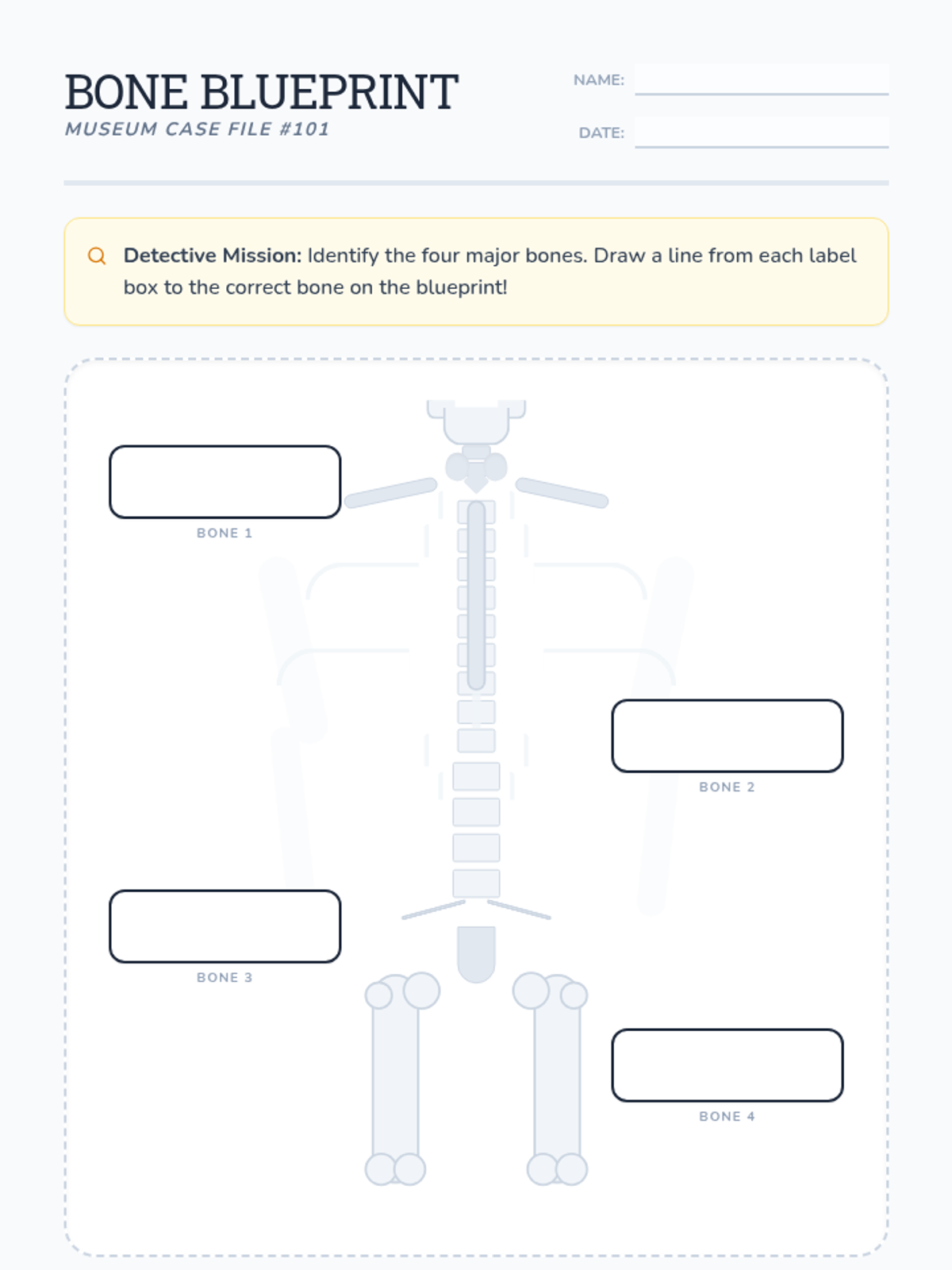
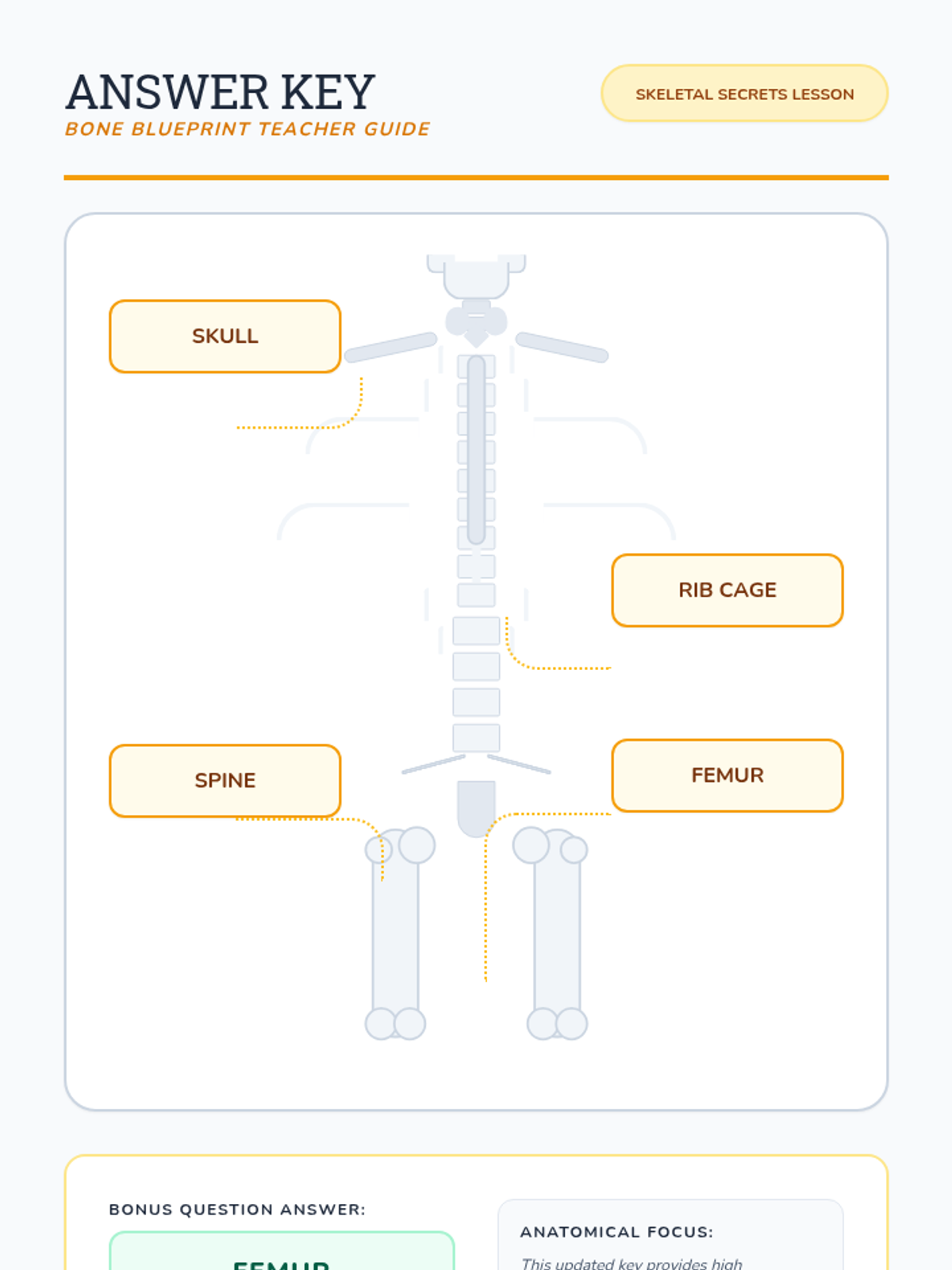
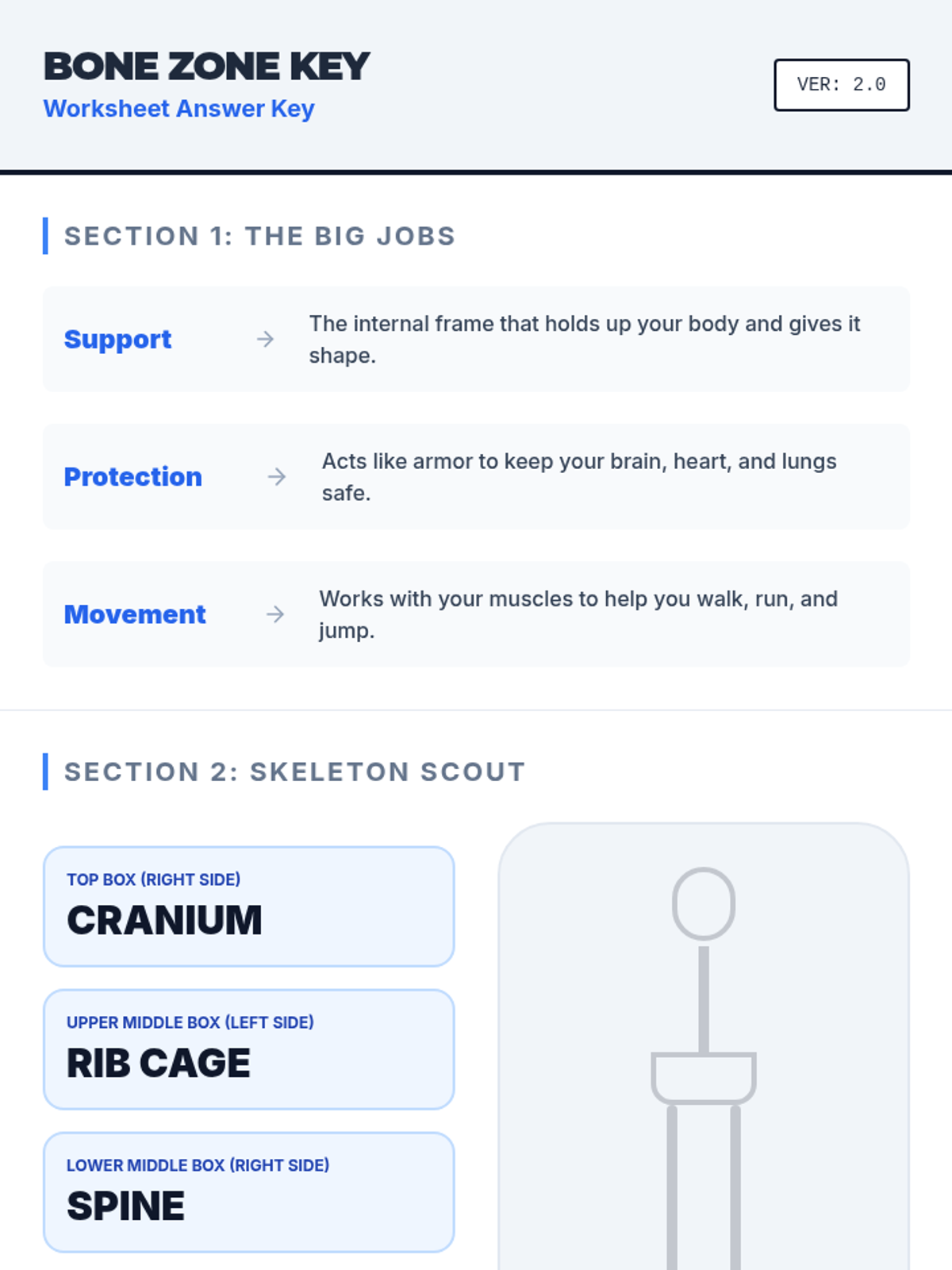
A fun, introductory lesson on the human skeletal system focusing on four major structures: the skull, rib cage, spine, and femur. Students will learn the functions of these bones through a museum-themed presentation and a labeling activity.
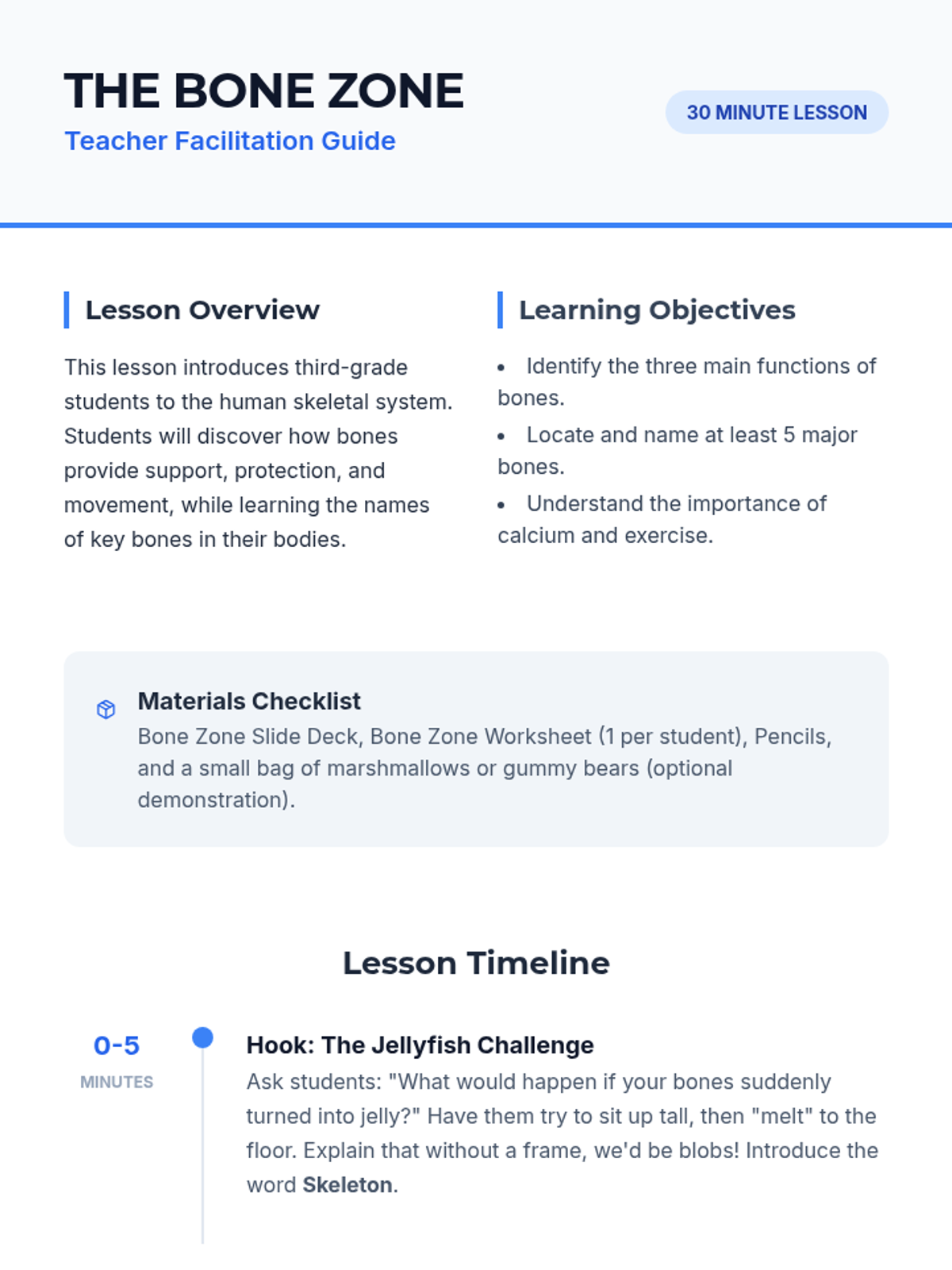
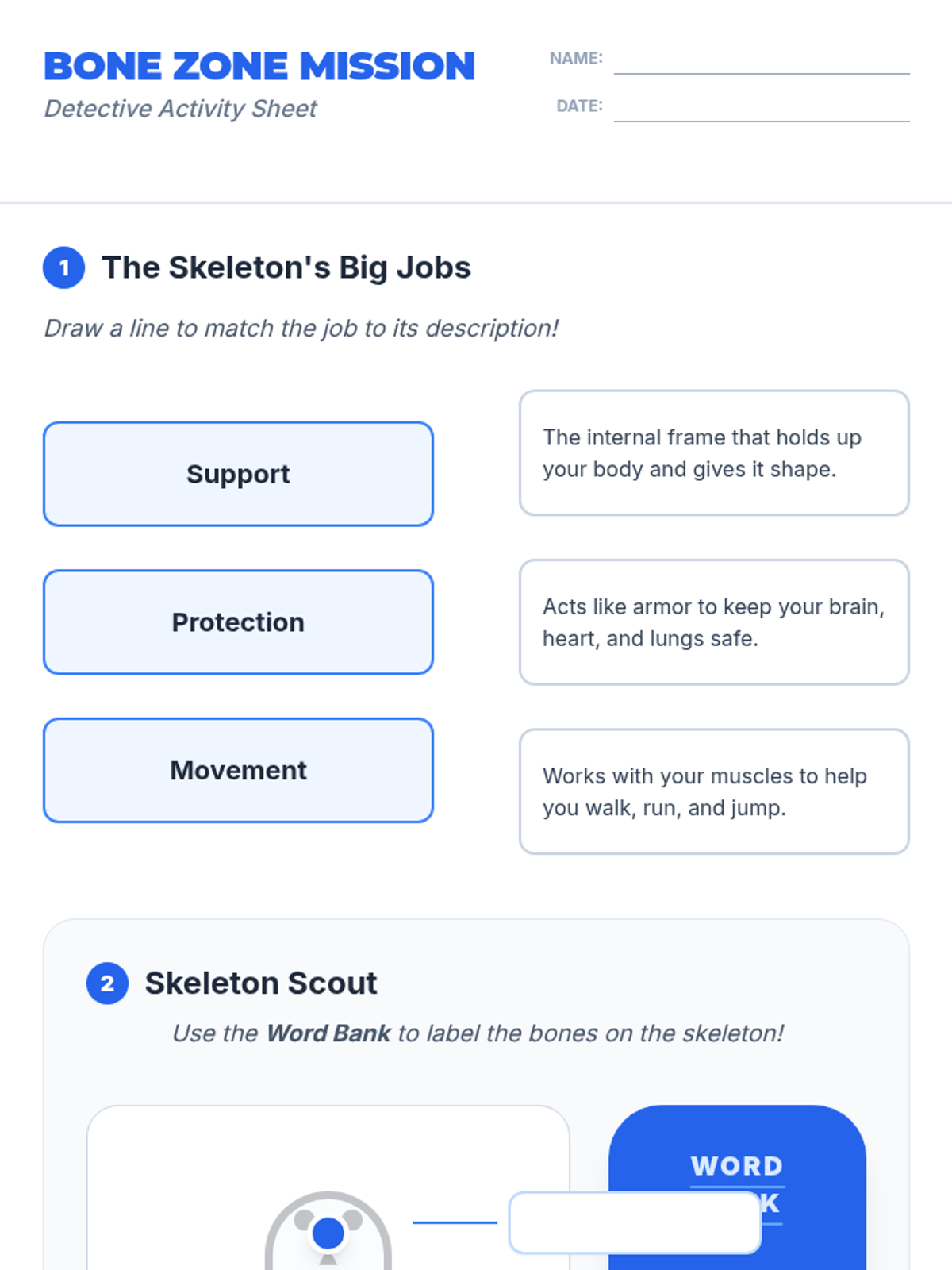
A quick 30-minute introduction to the skeletal system, focusing on its main functions and the names of key bones in the human body. Students will explore how their 'internal frame' helps them move and stay protected.
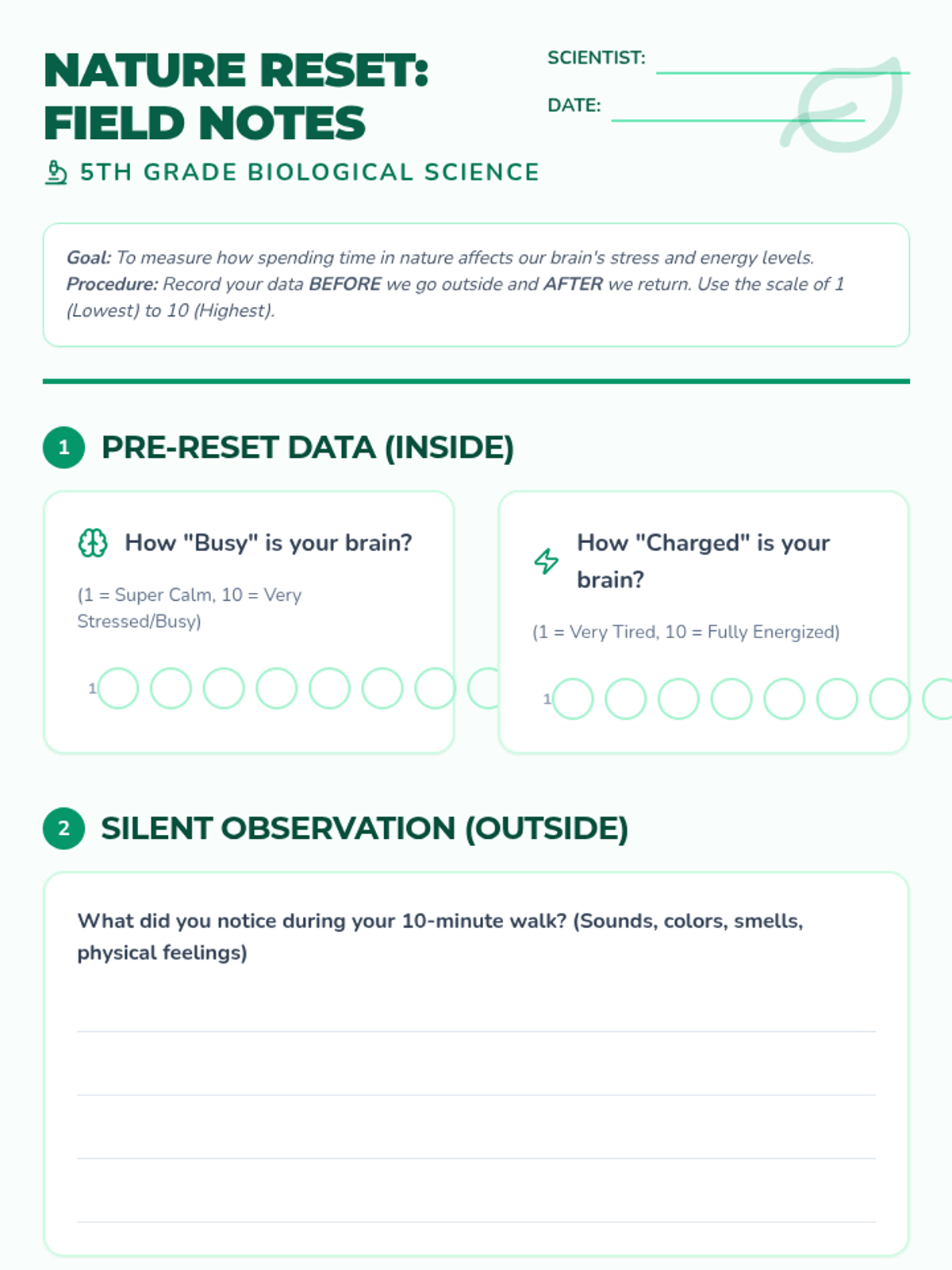
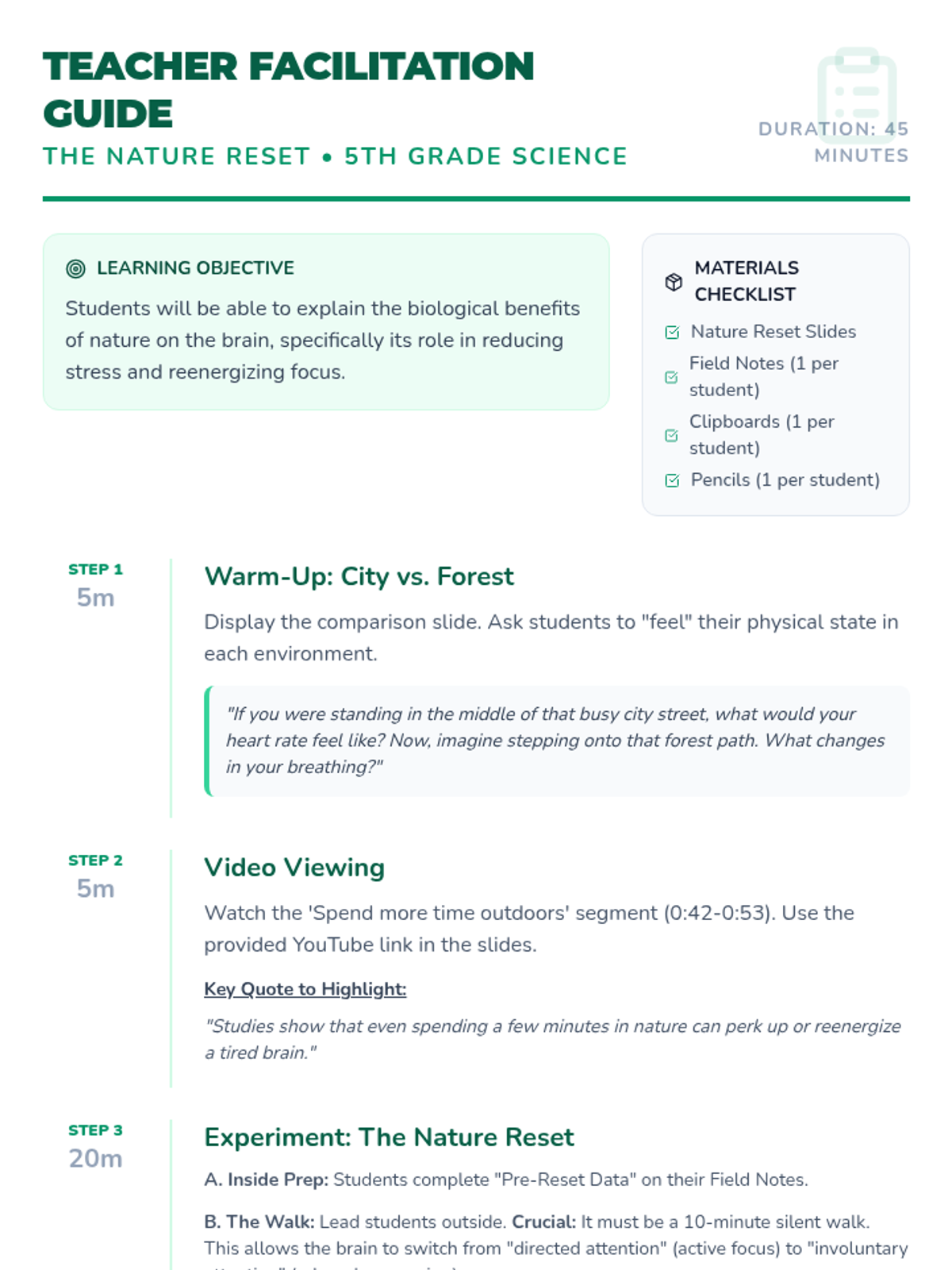
A 5th-grade science lesson exploring the biological impact of nature on the human brain, featuring a hands-on outdoor experiment to measure stress levels.
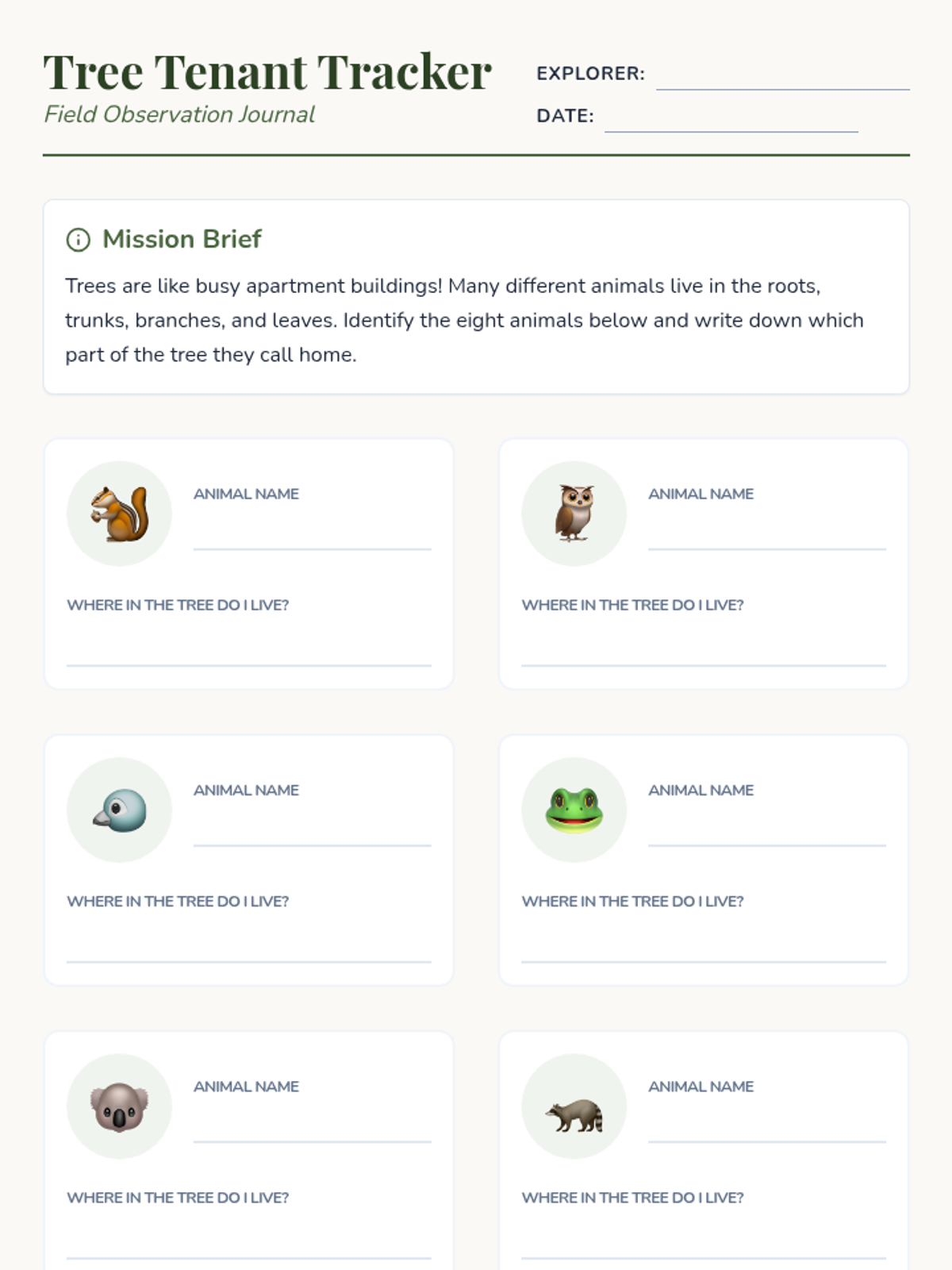
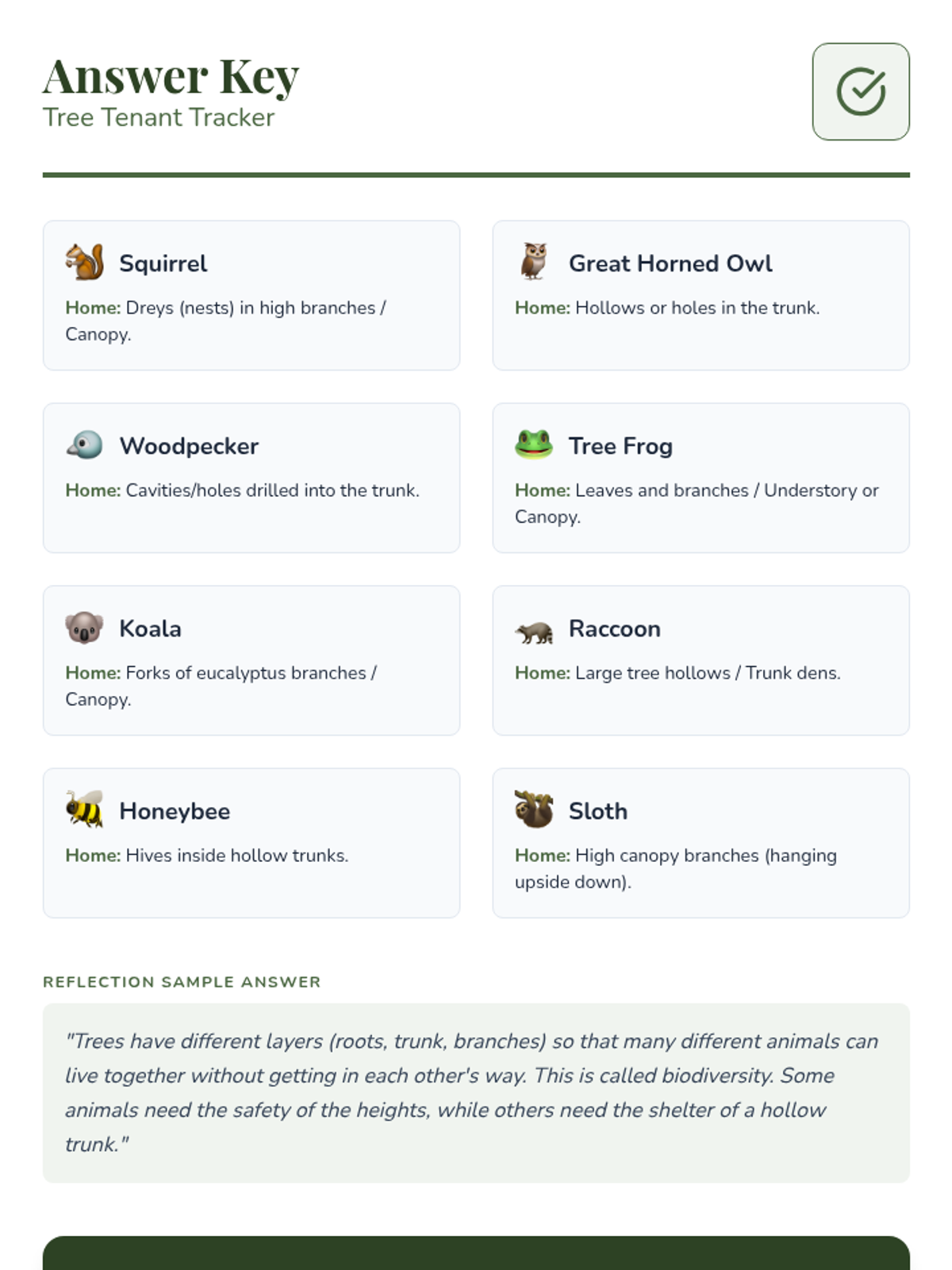
A lesson exploring the diverse animals that call trees their home, focusing on identification and the specific parts of the tree they inhabit.
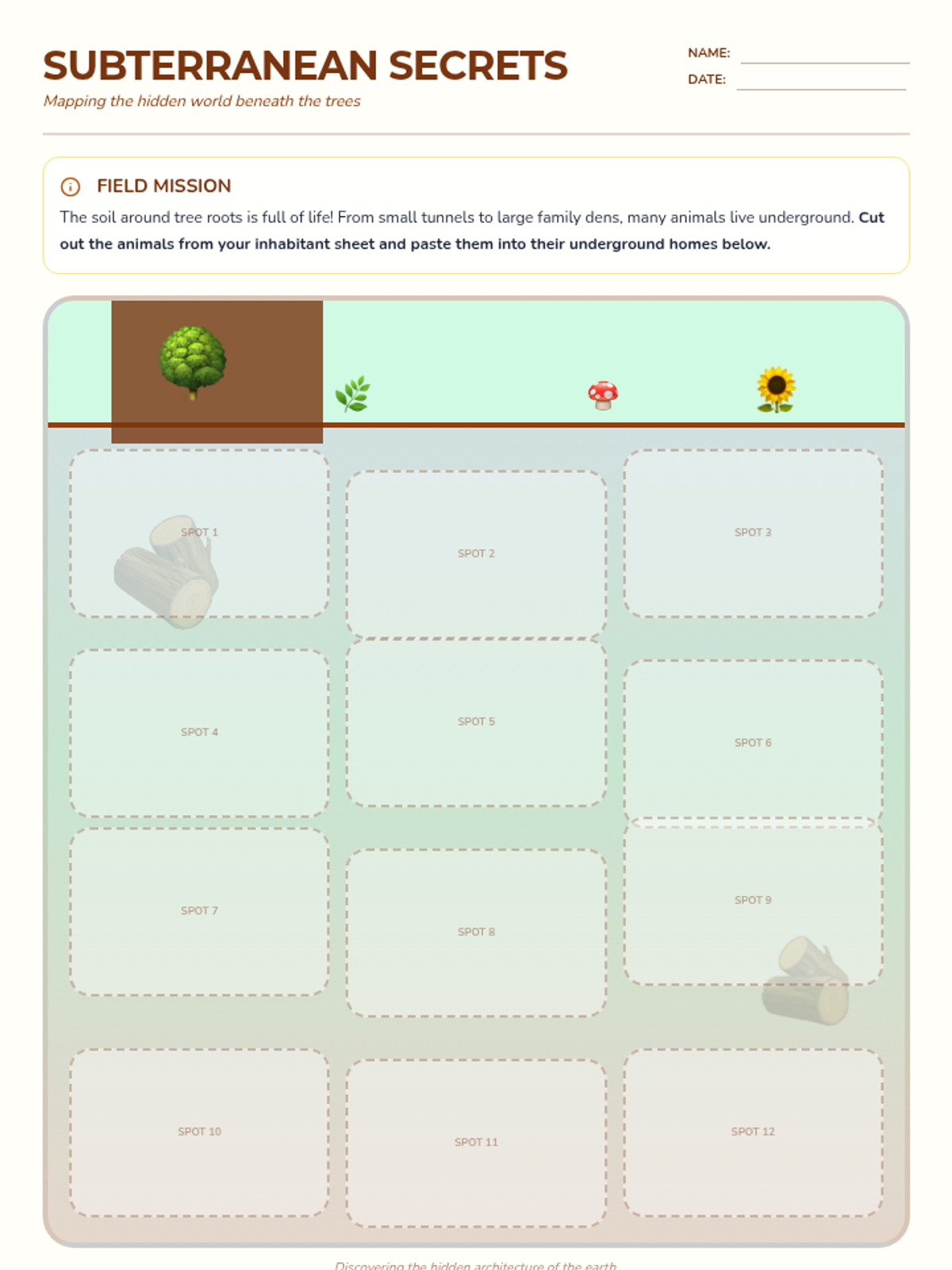
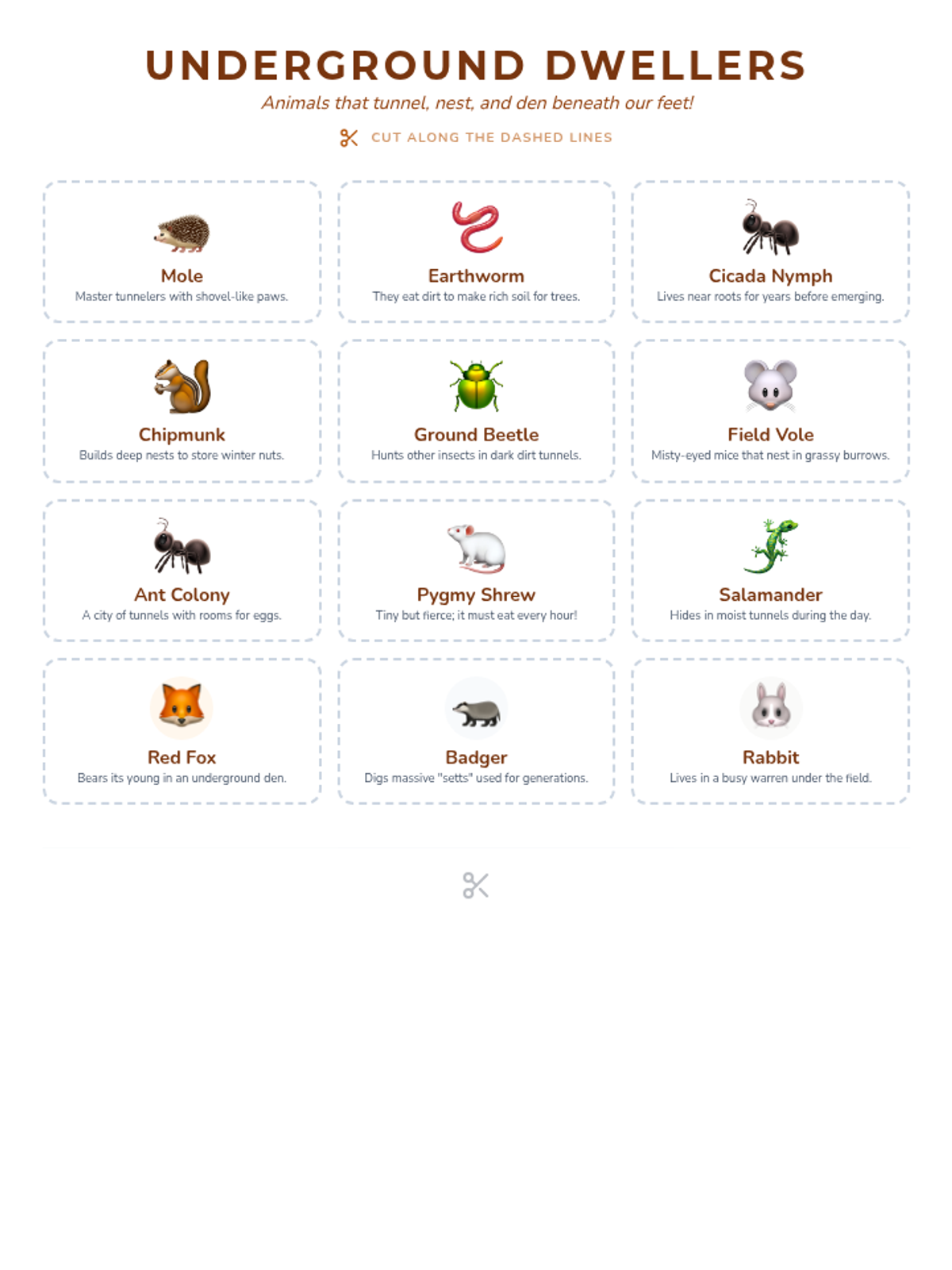
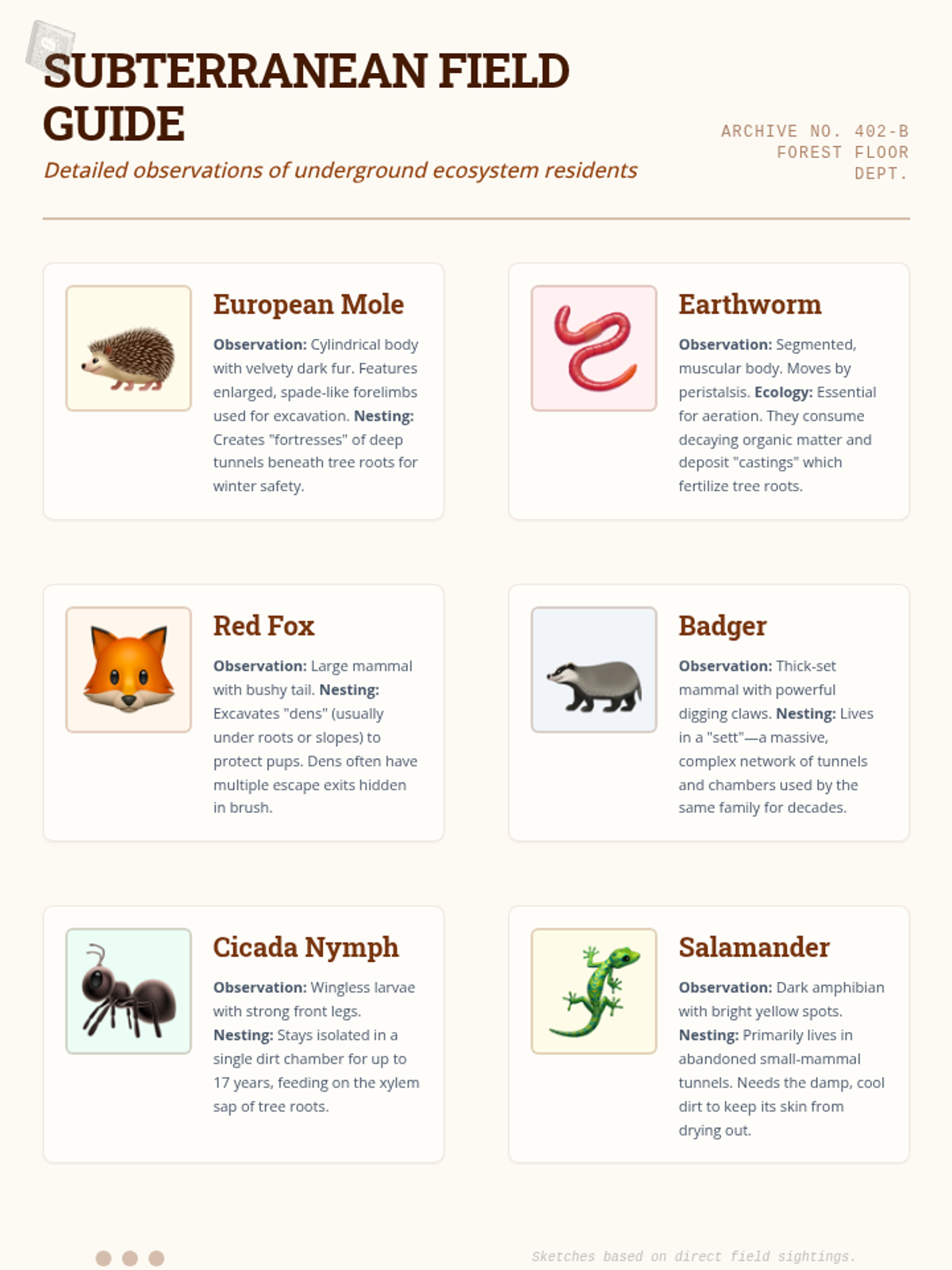
Students explore the ecosystem beneath the forest floor, focusing on animals that create tunnels and live among tree roots.
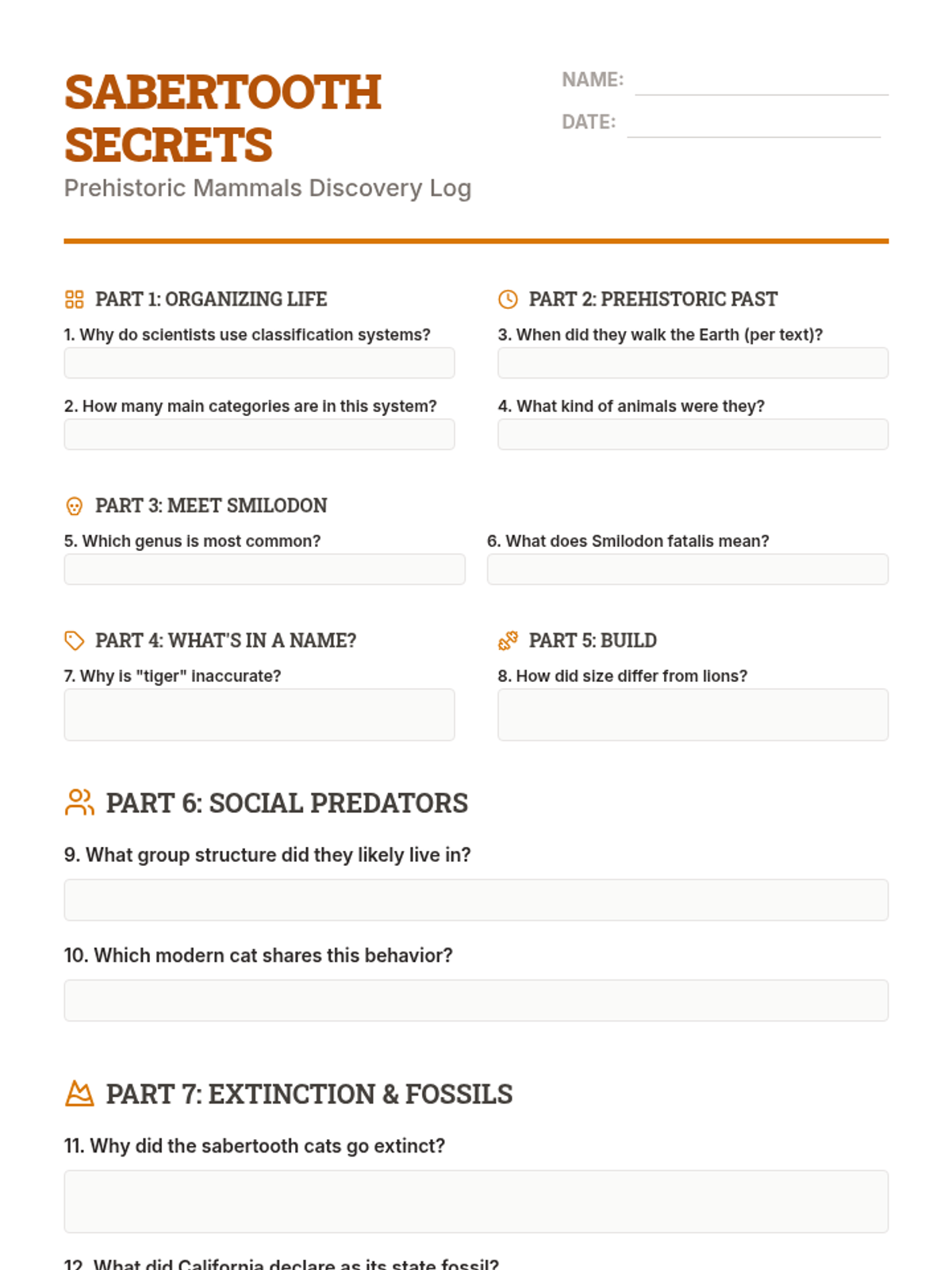
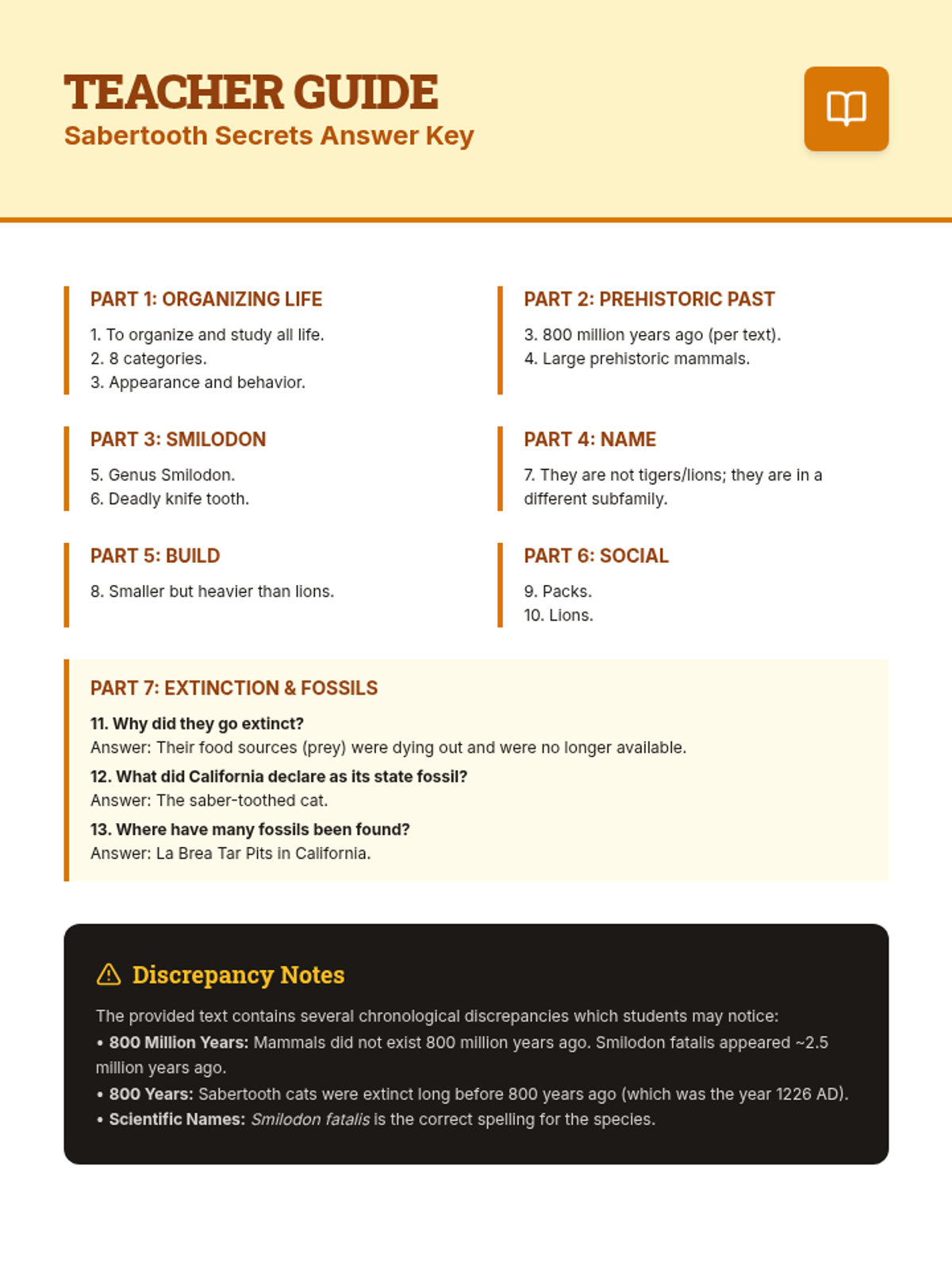
A lesson exploring the characteristics, classification, and social behavior of prehistoric Sabertooth cats.
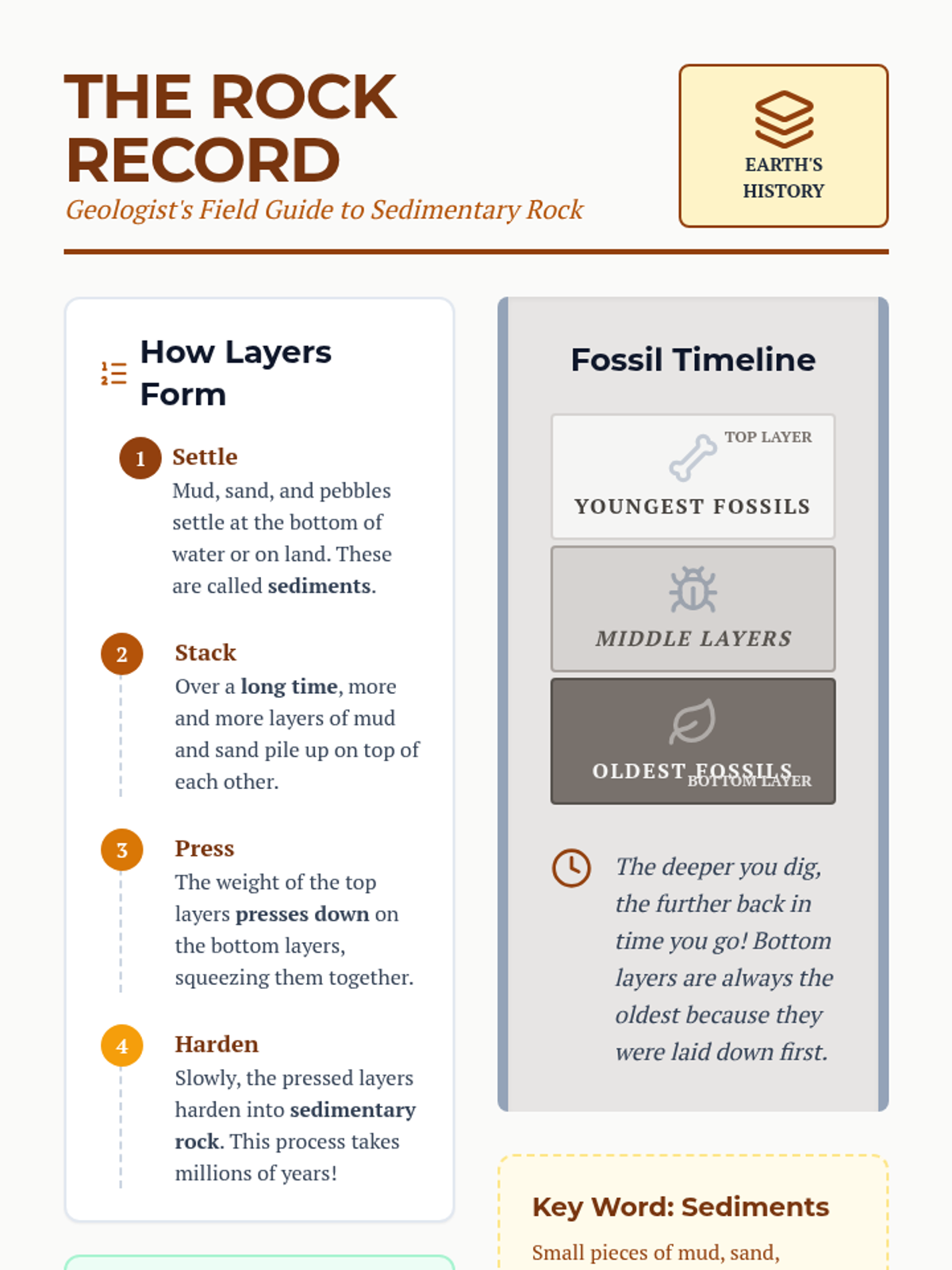
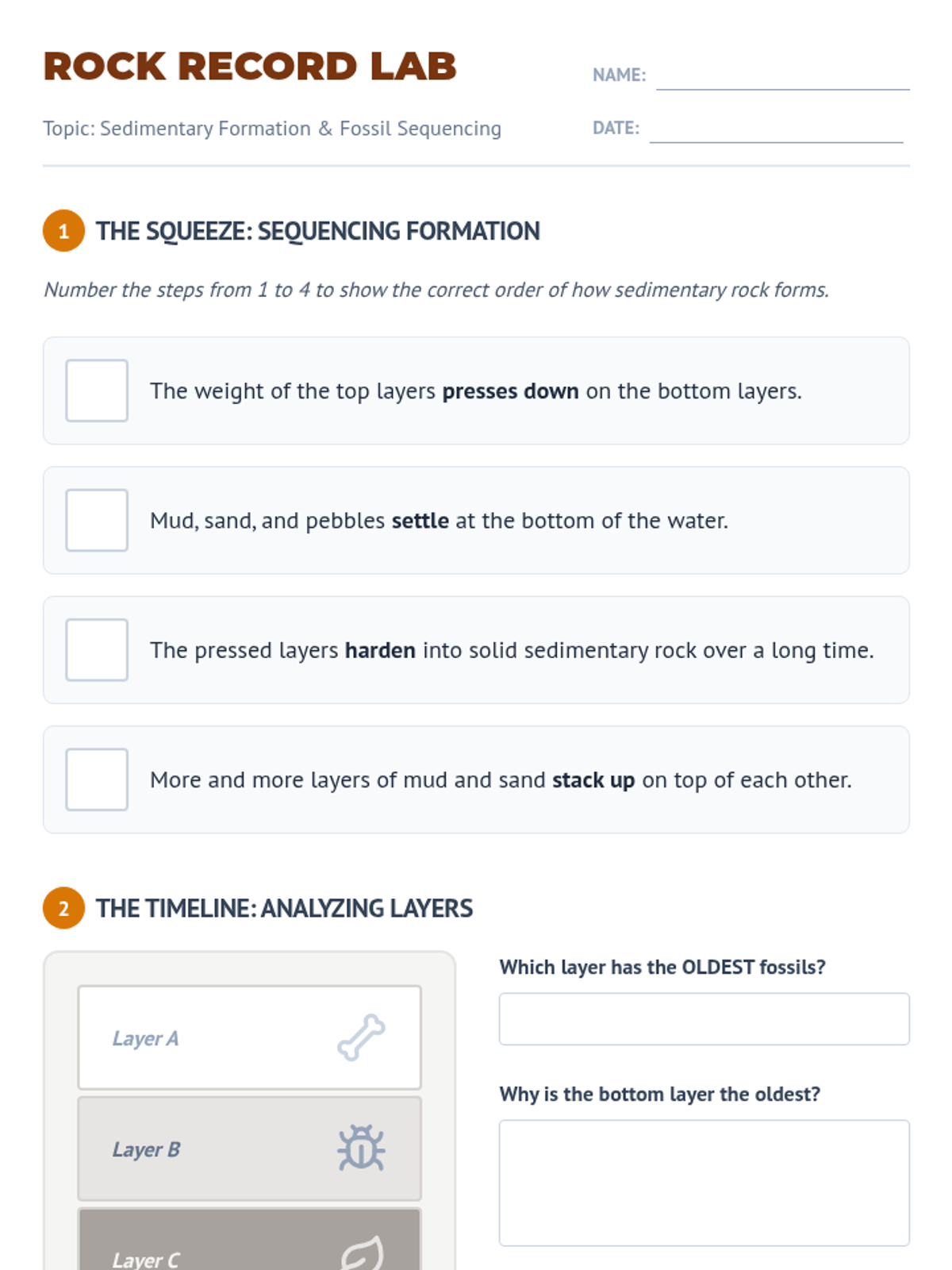
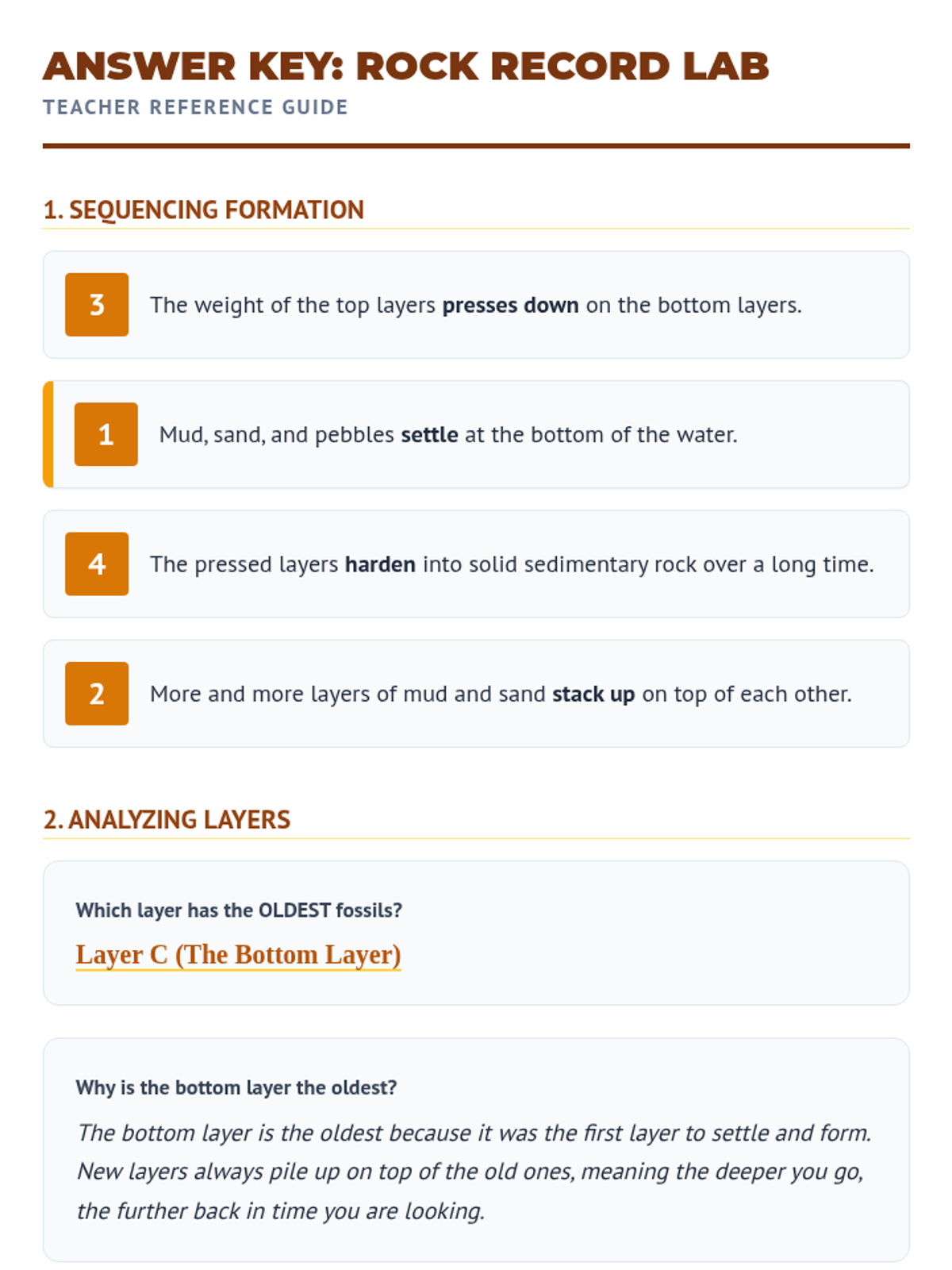
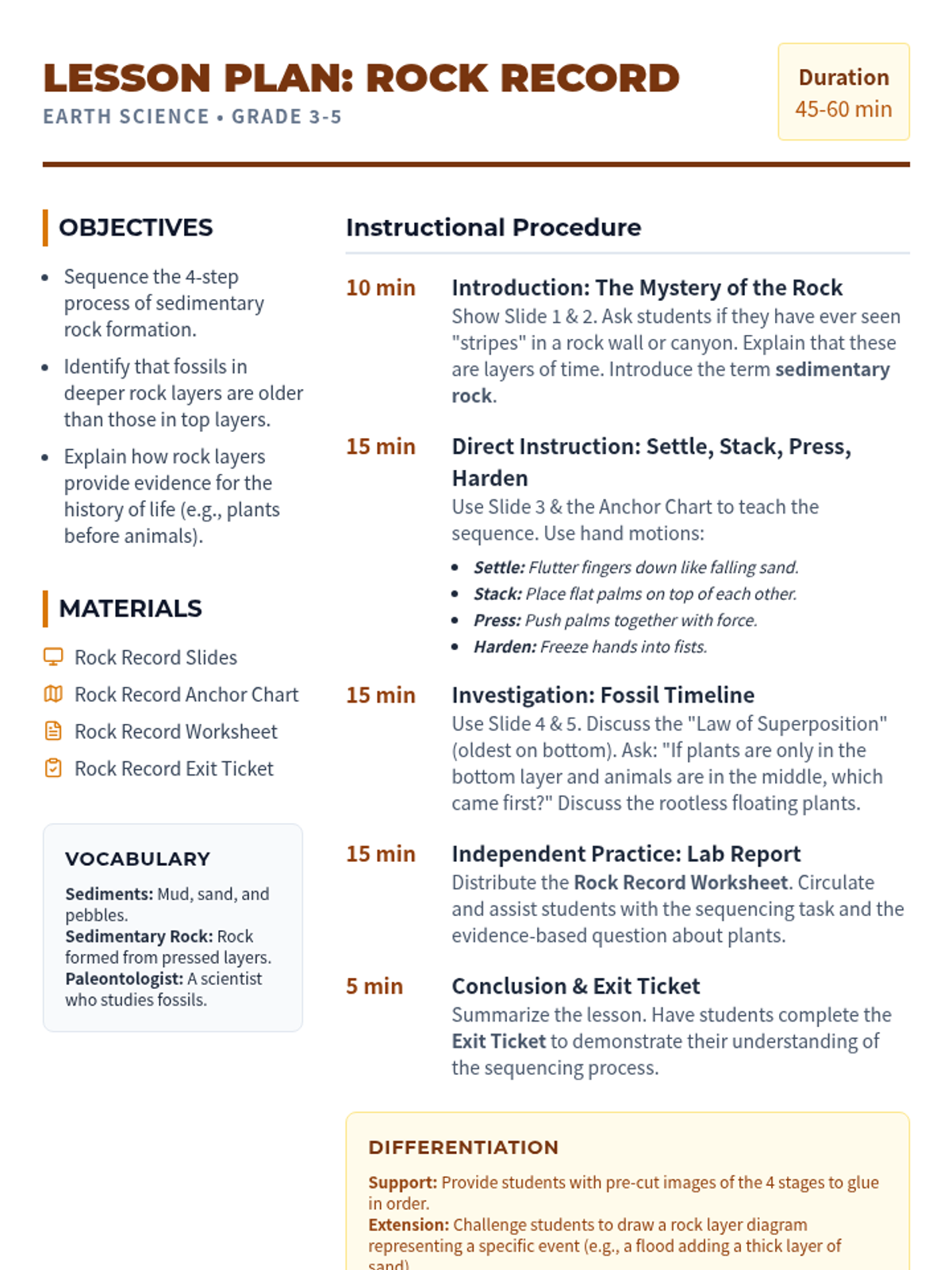
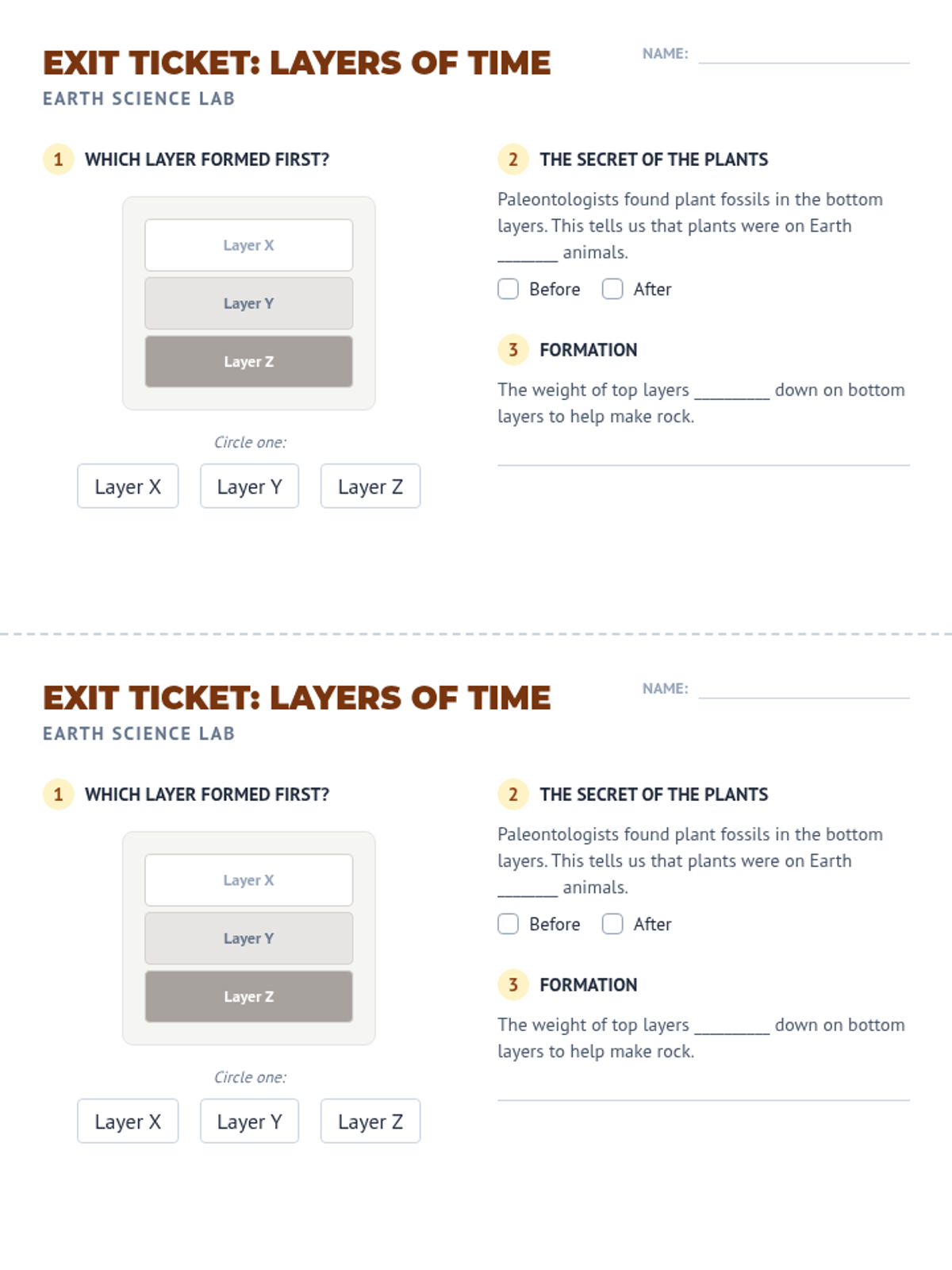
A lesson focused on the formation of sedimentary rocks and how their layers serve as a timeline for life on Earth, specifically focusing on the sequence of formation and fossil aging.
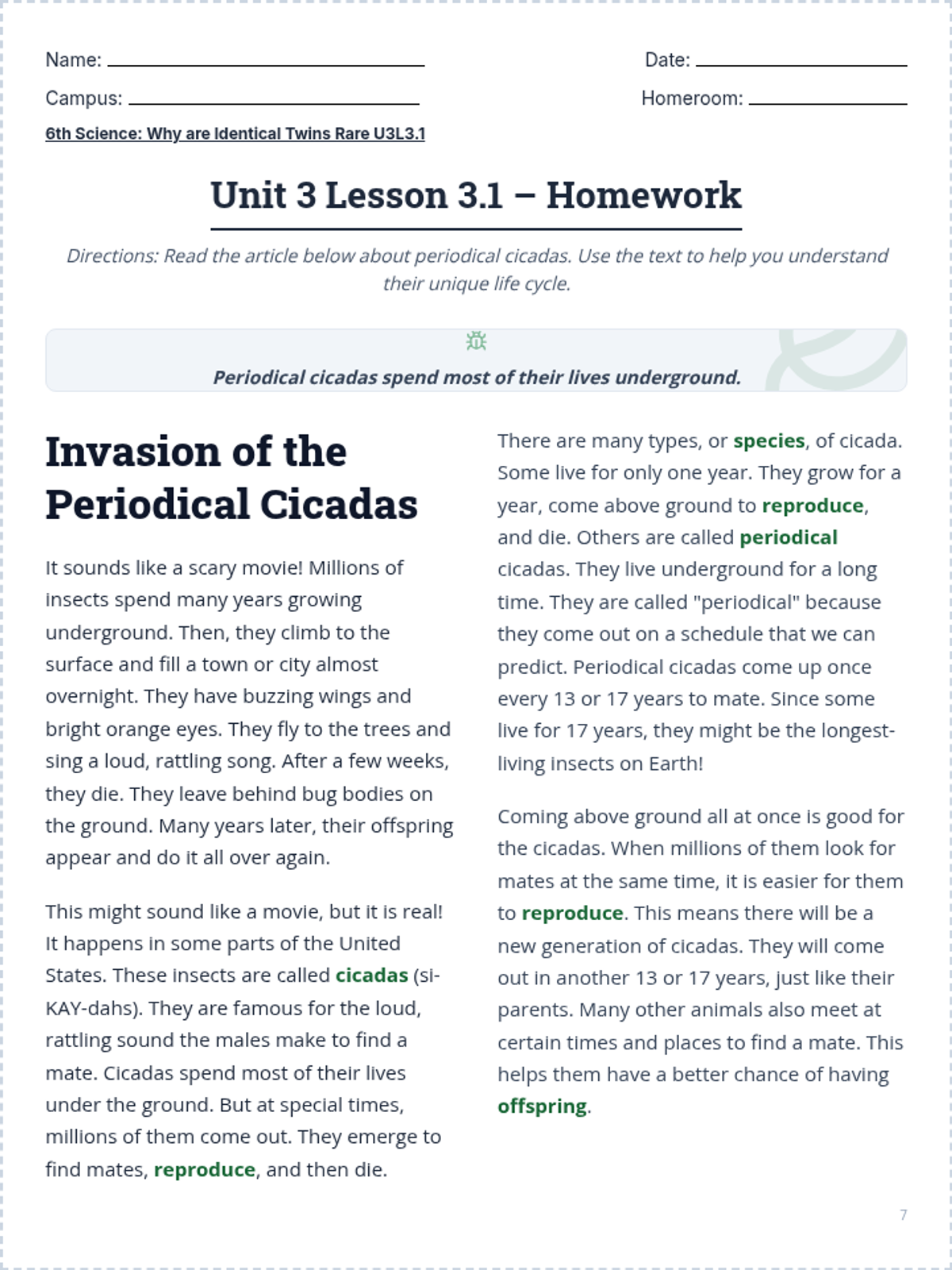
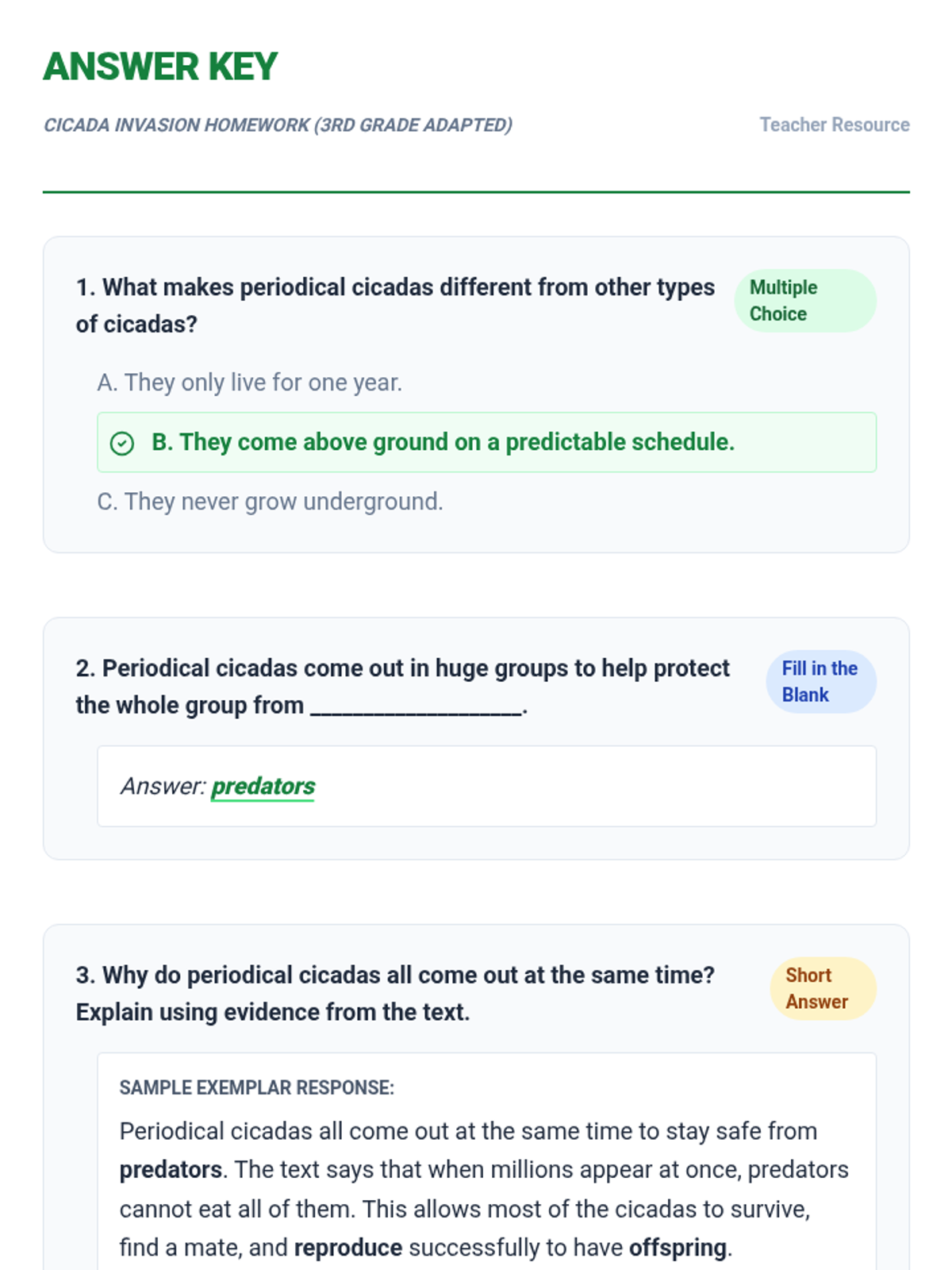
A lesson exploring the unique life cycle of periodical cicadas and how their emergence patterns help them survive and reproduce.
Students explore the fascinating life cycle of periodical cicadas, focusing on their unique 13 and 17-year schedules and how this behavior helps them survive against predators.
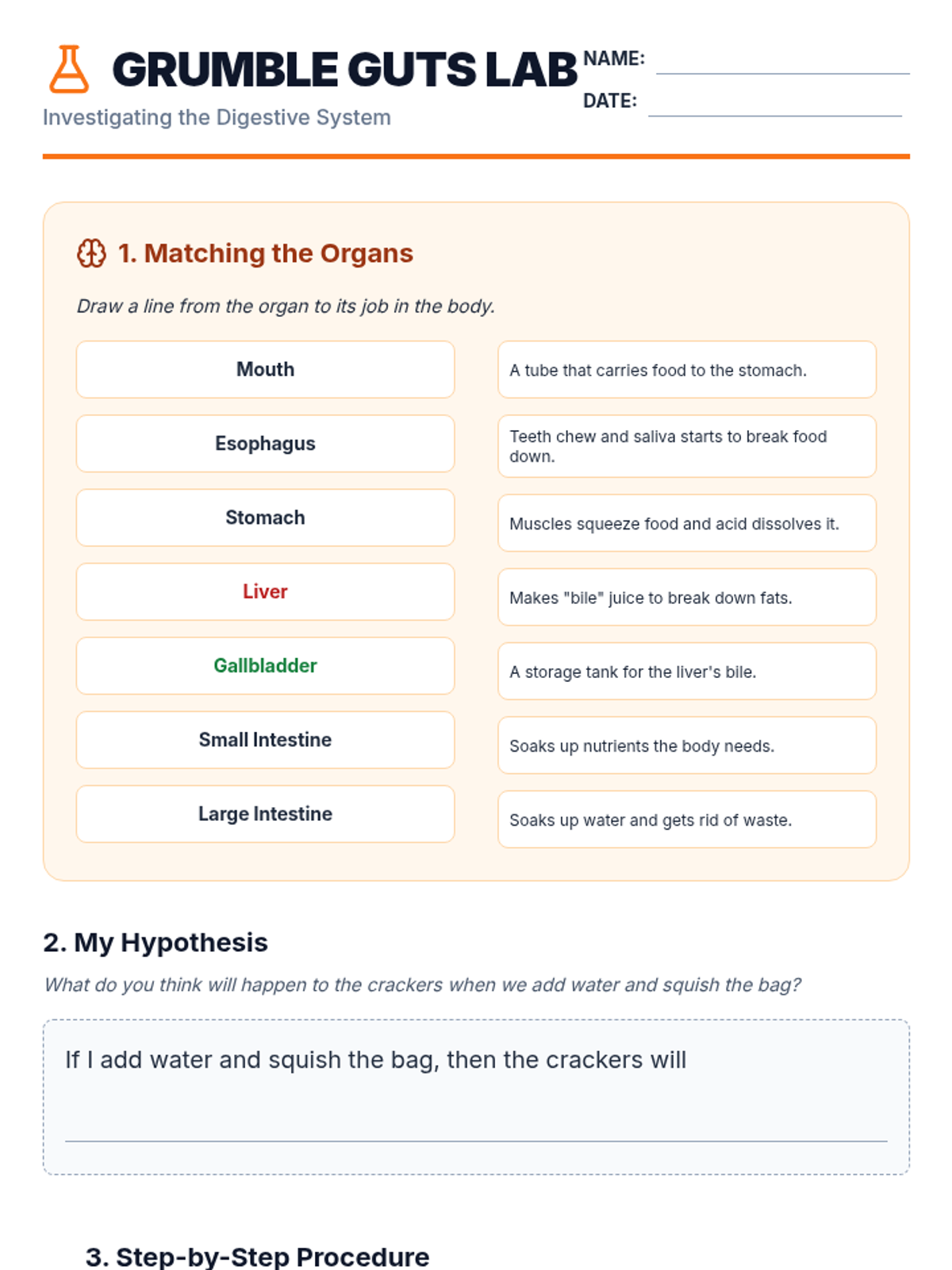
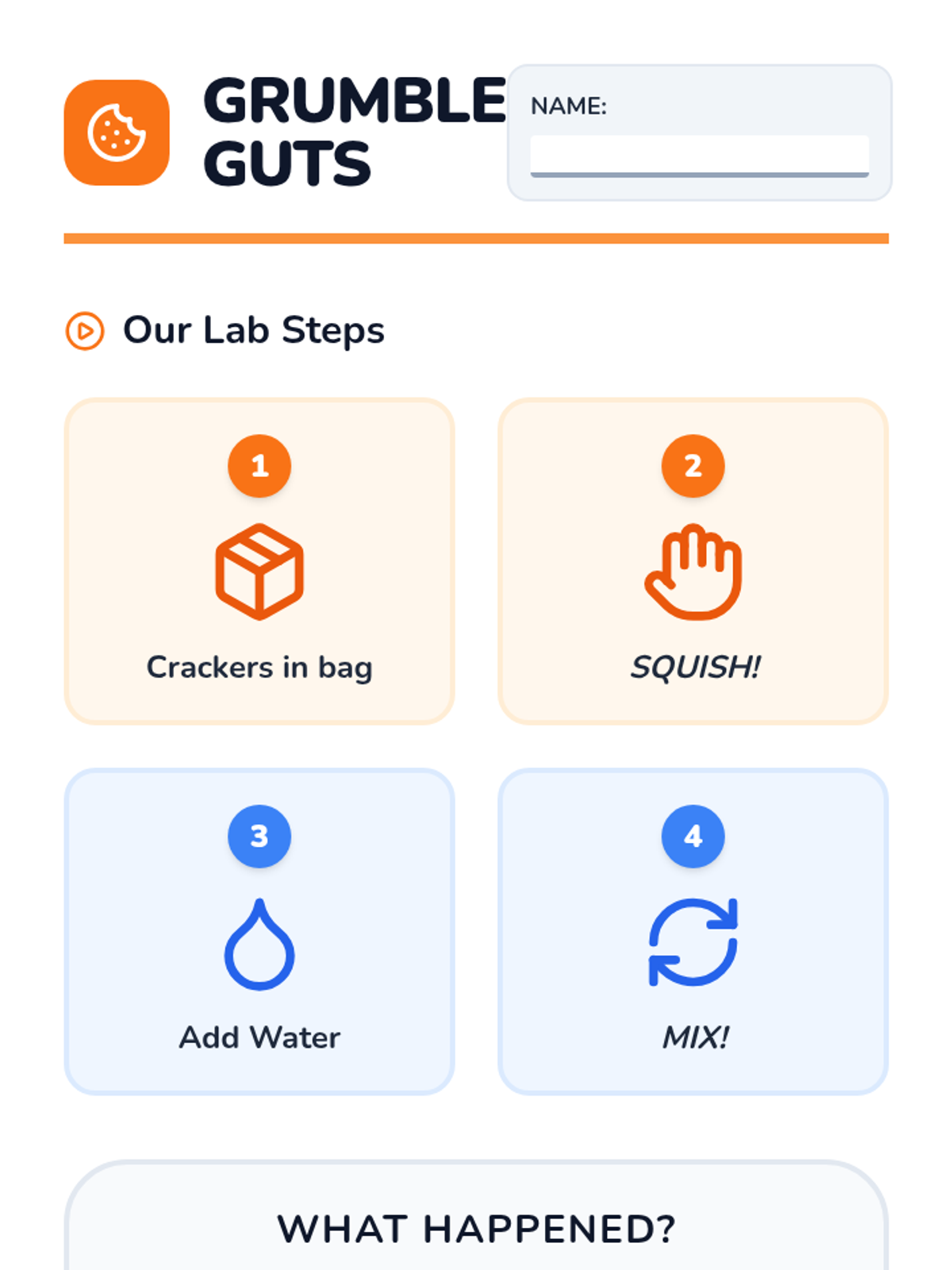
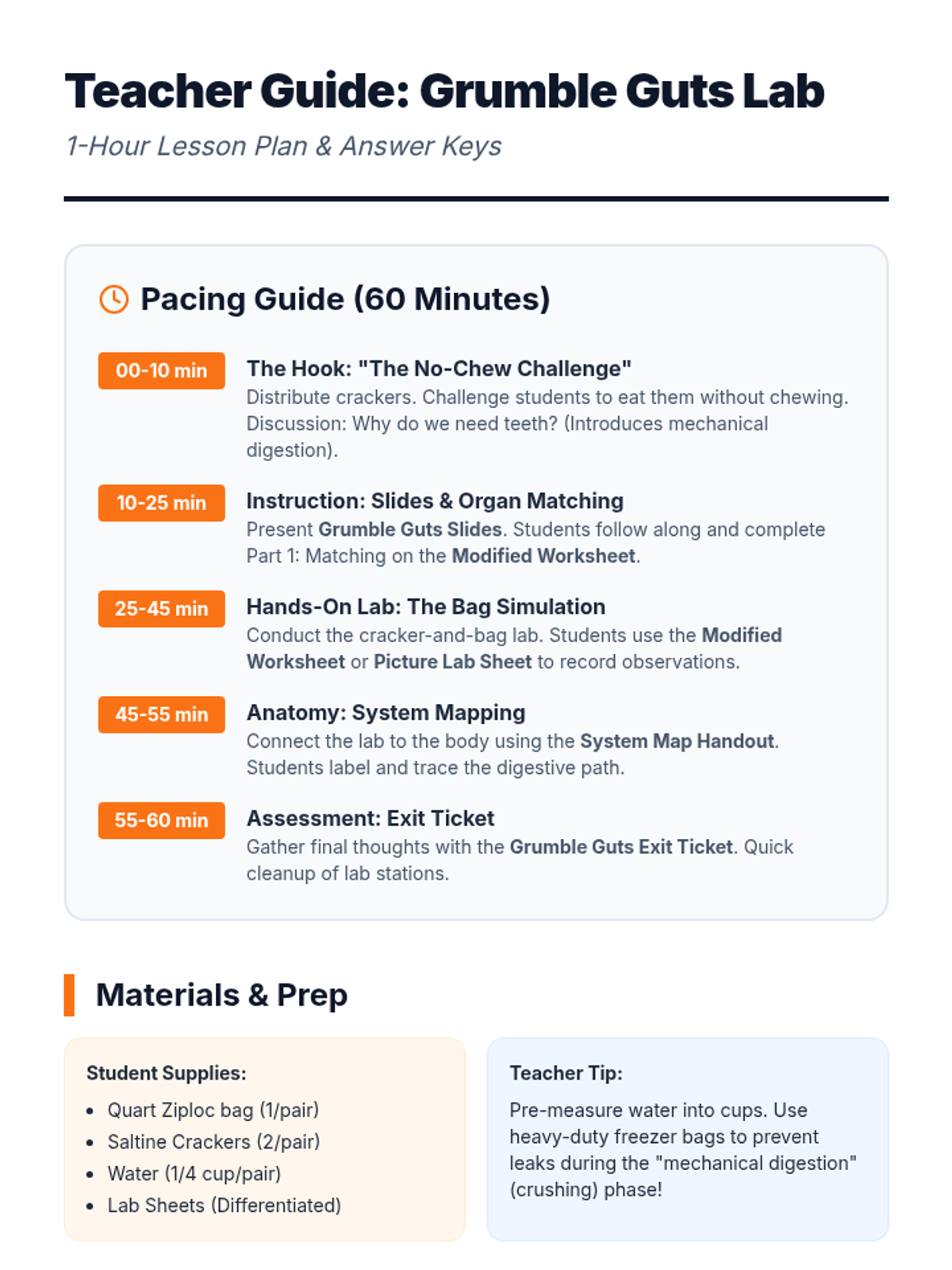
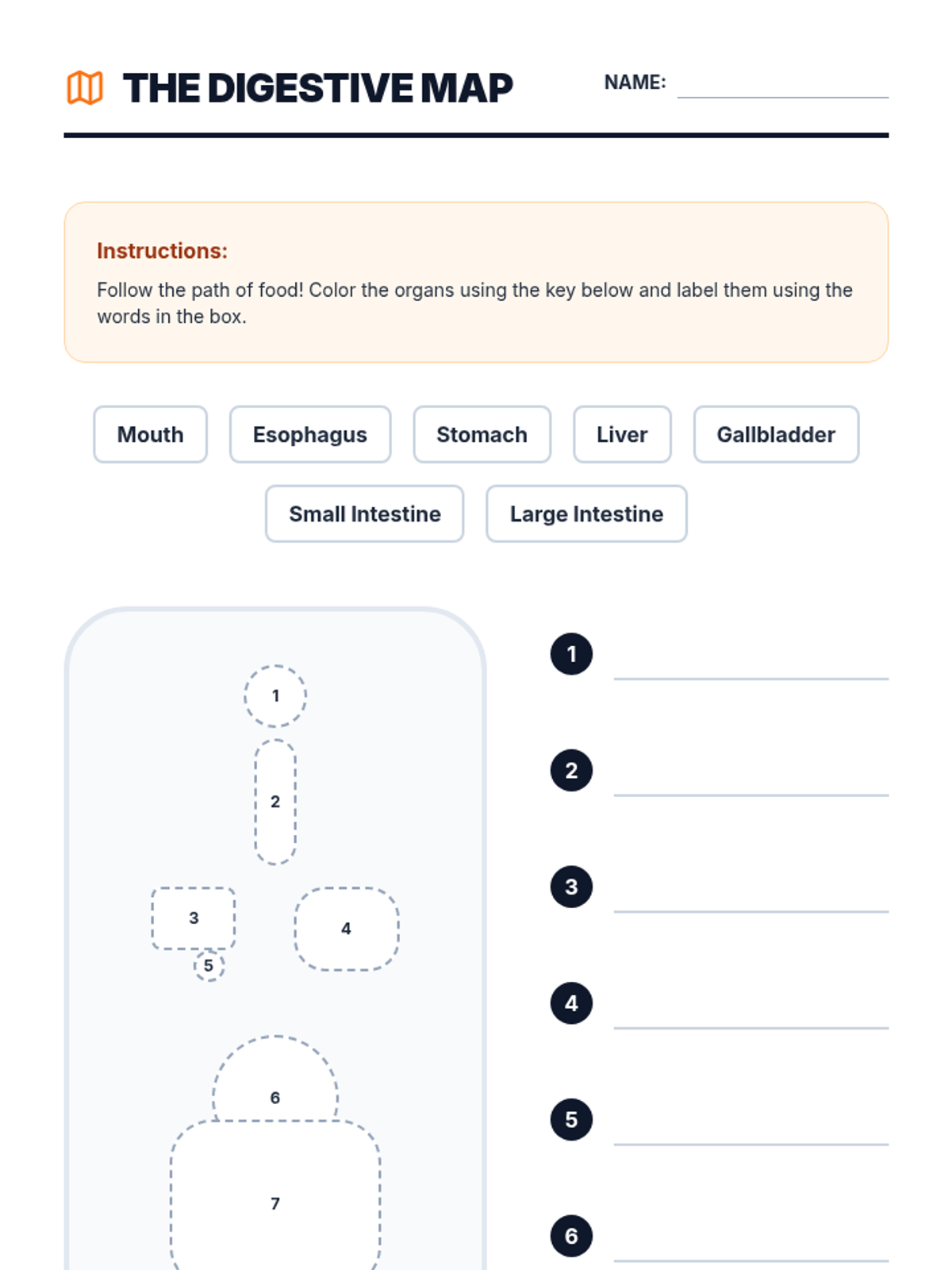
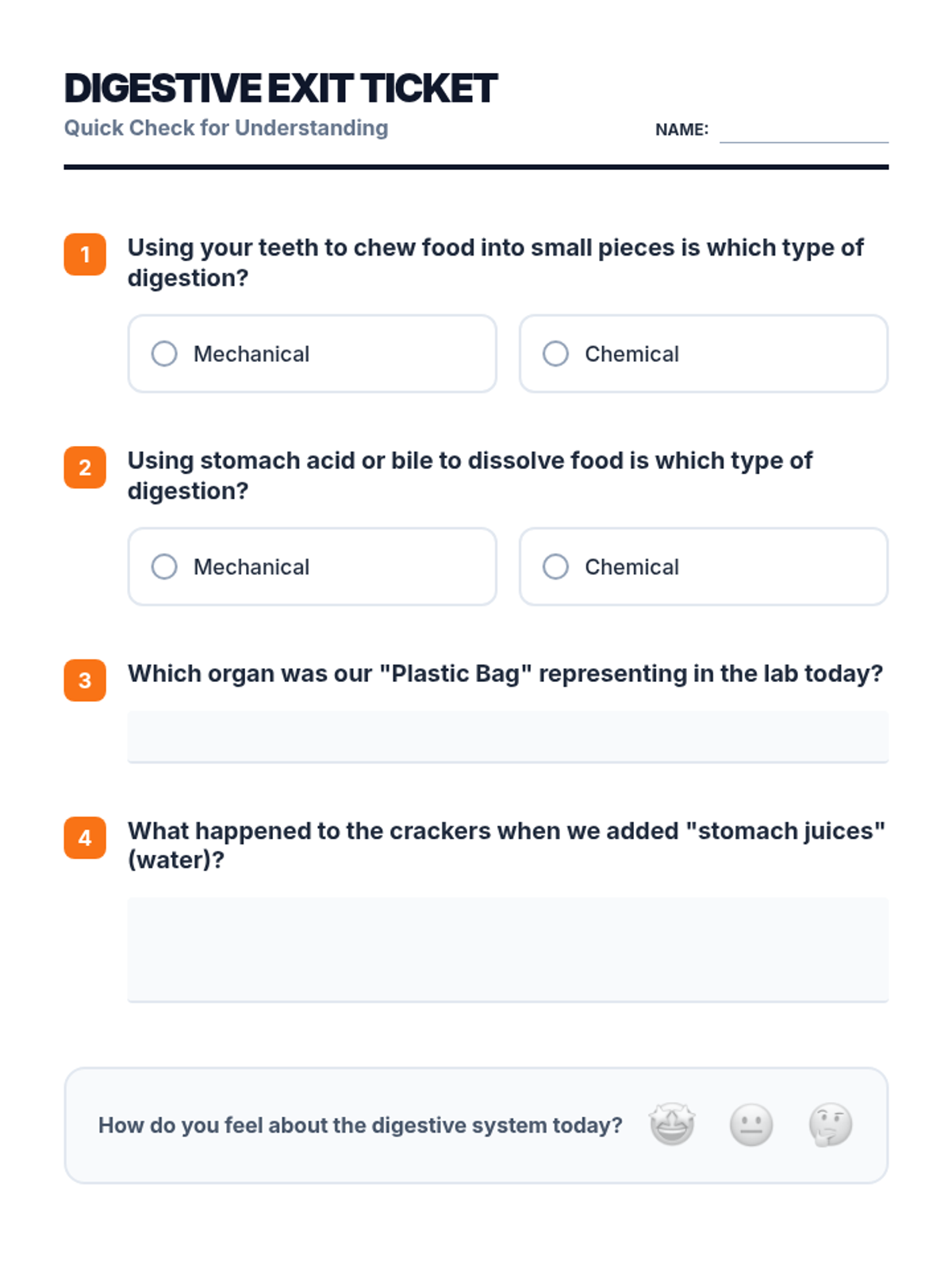
A hands-on science lab using crackers, water, and plastic bags to simulate the digestive process, with differentiated materials for various learner needs.
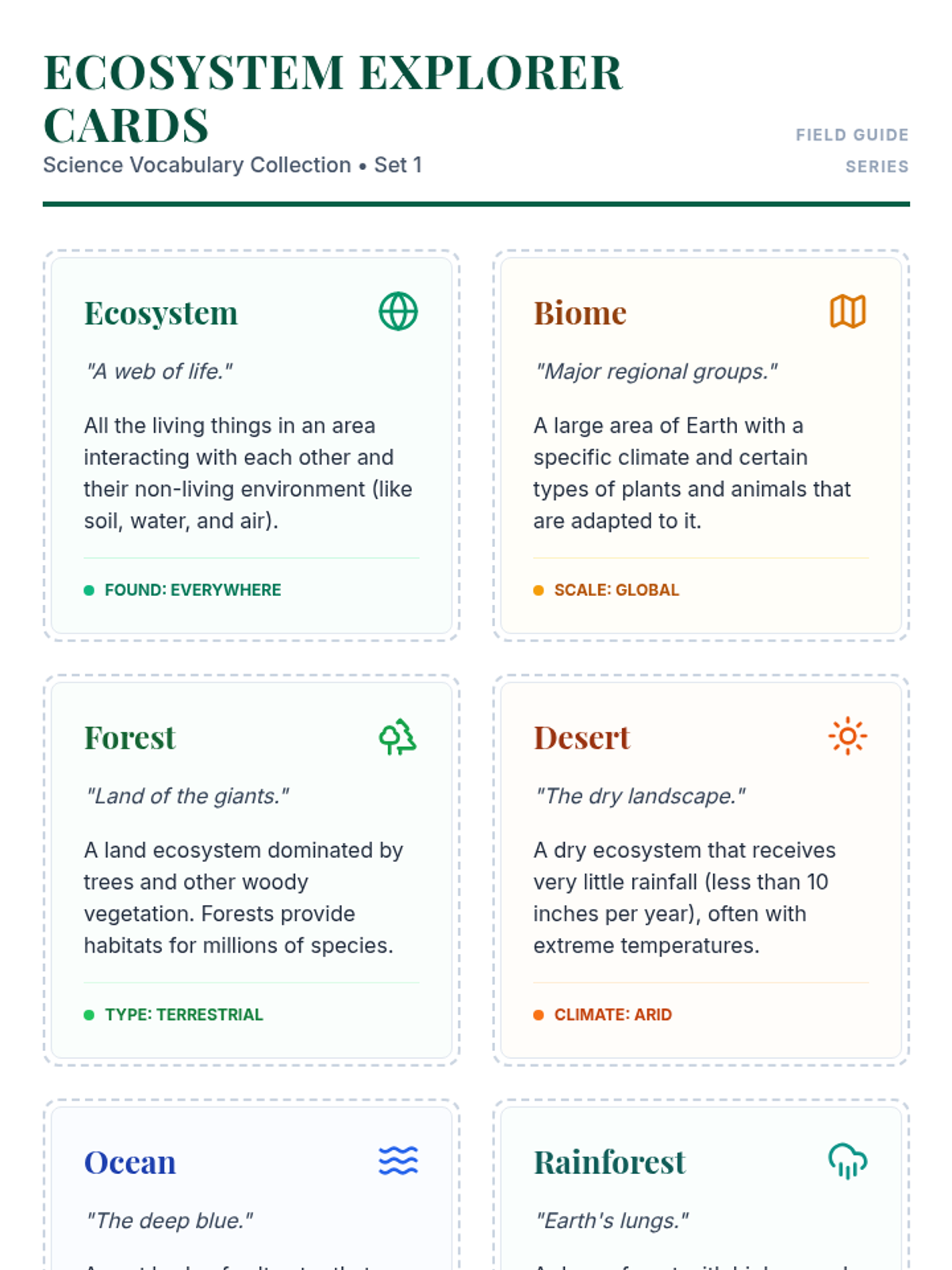
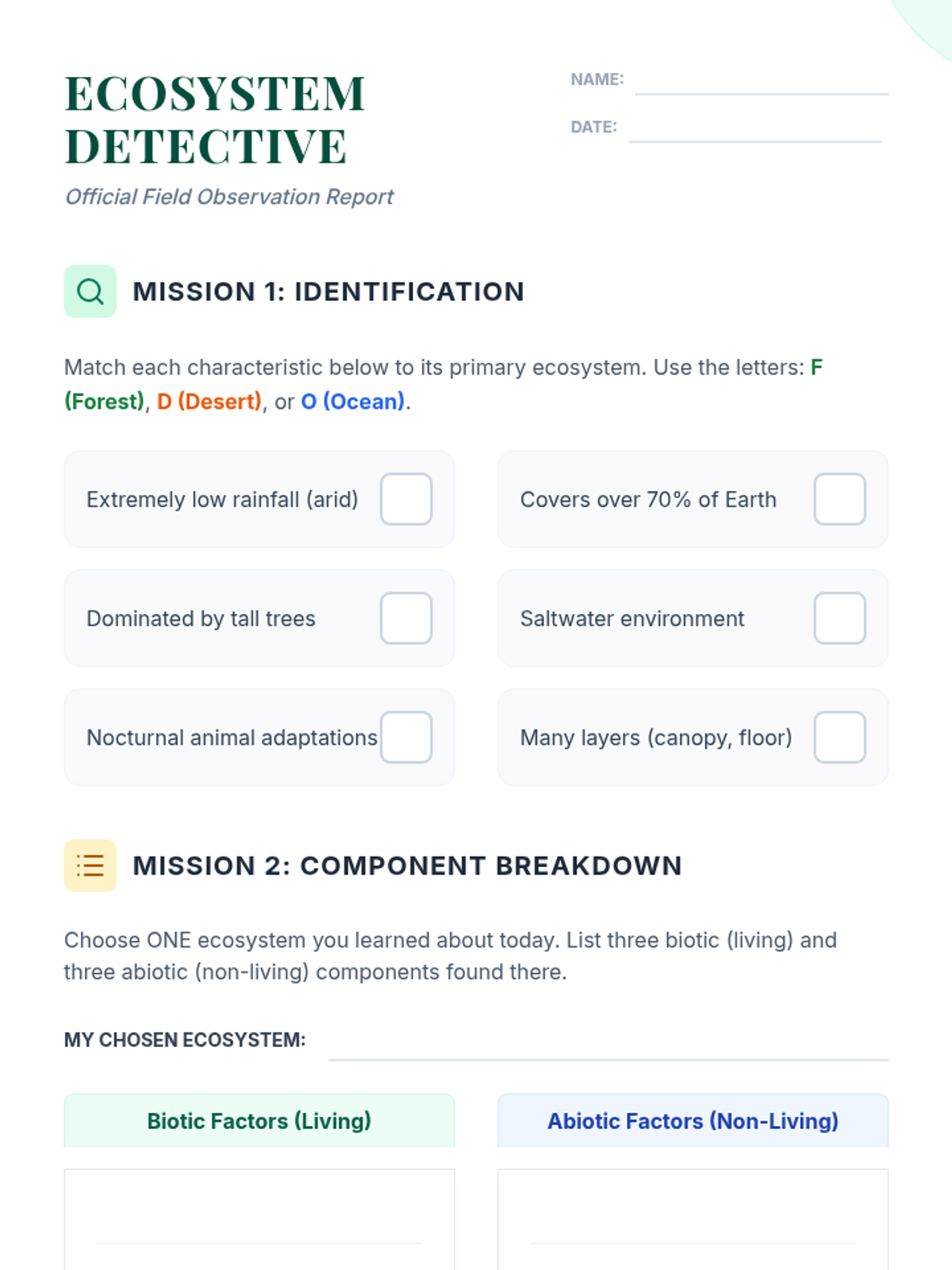
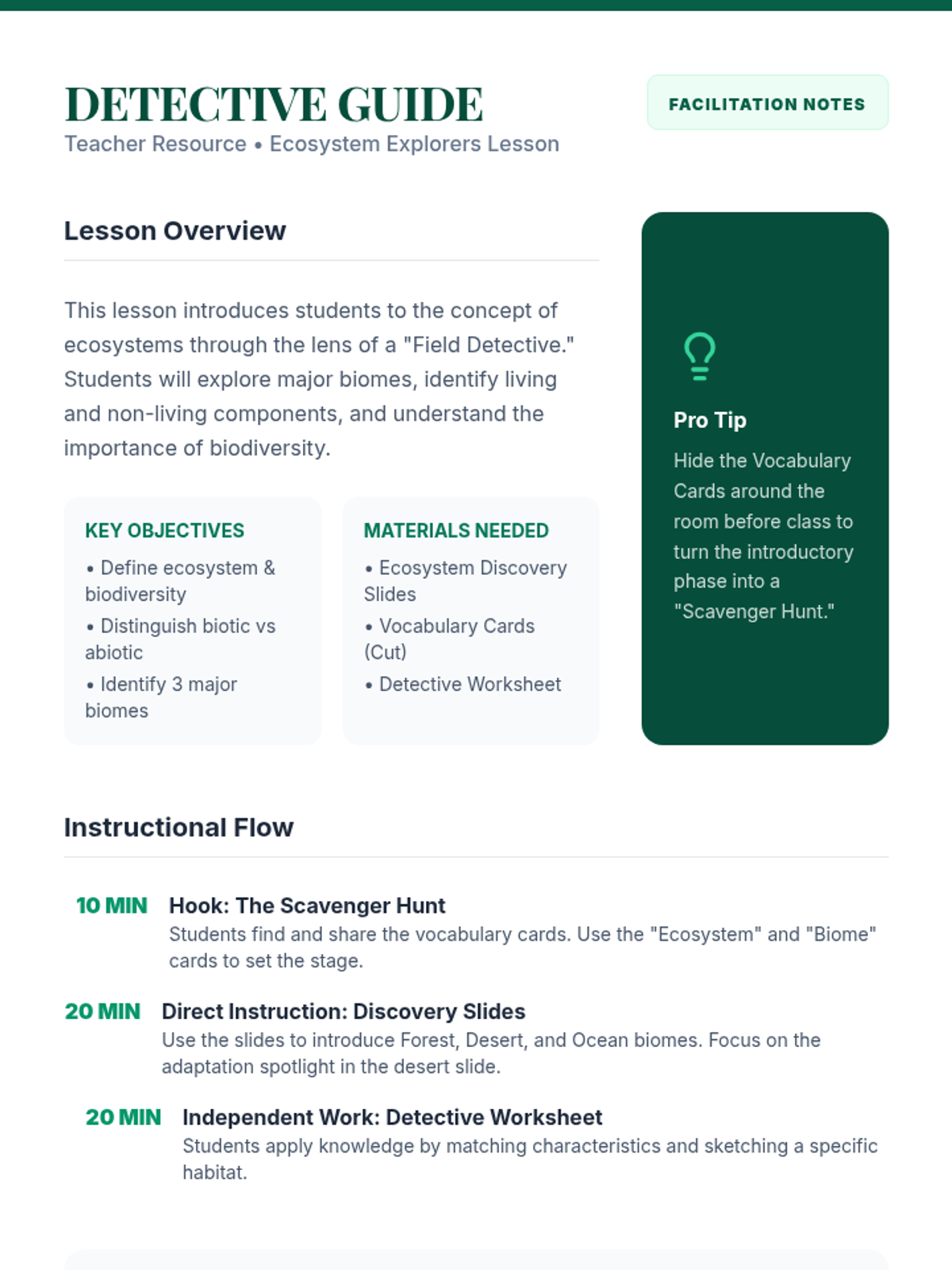
A lesson introducing students to various ecosystems through vocabulary and visual identification. Students will learn the key characteristics of different biomes including forests, deserts, and oceans.
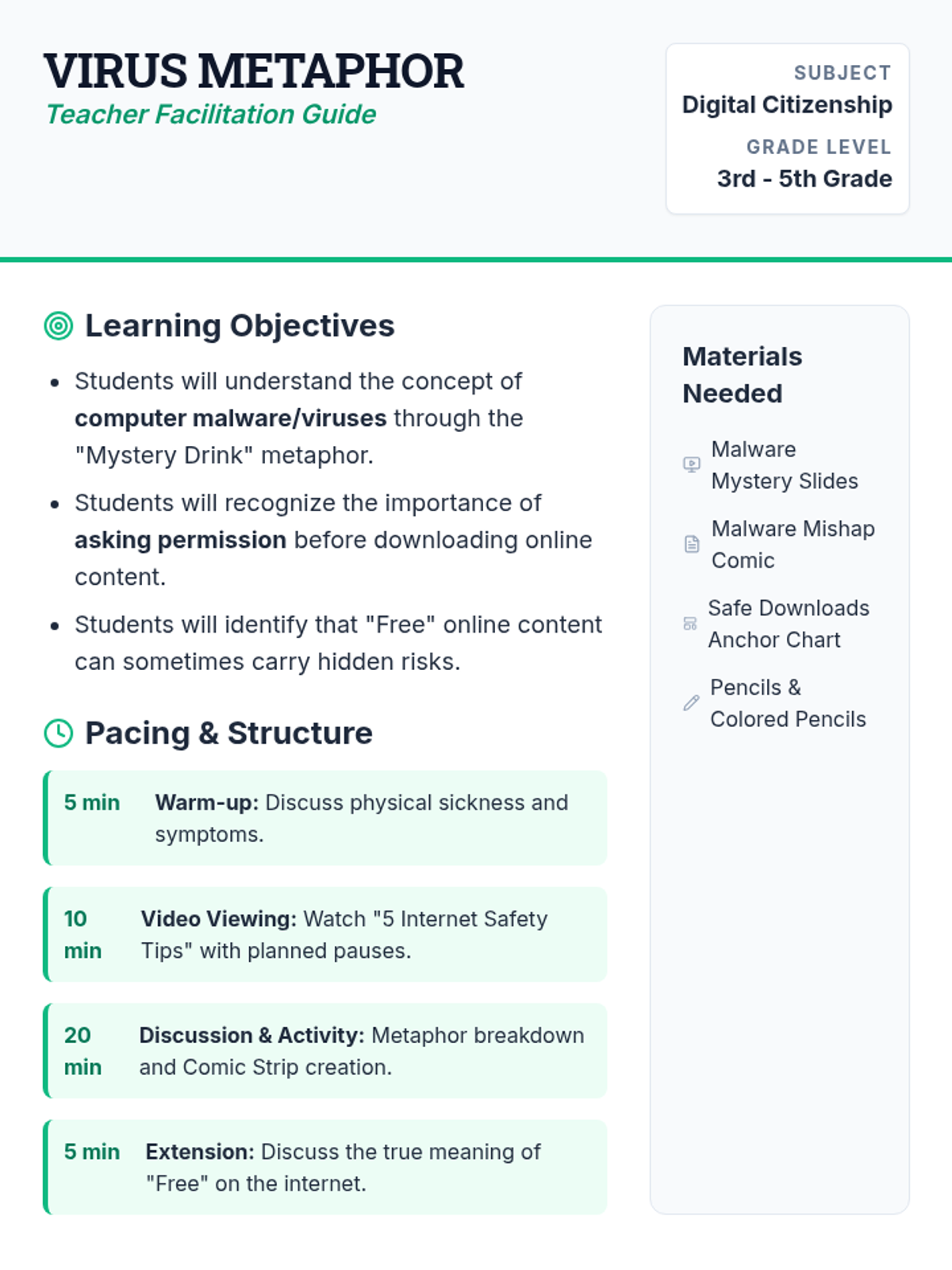
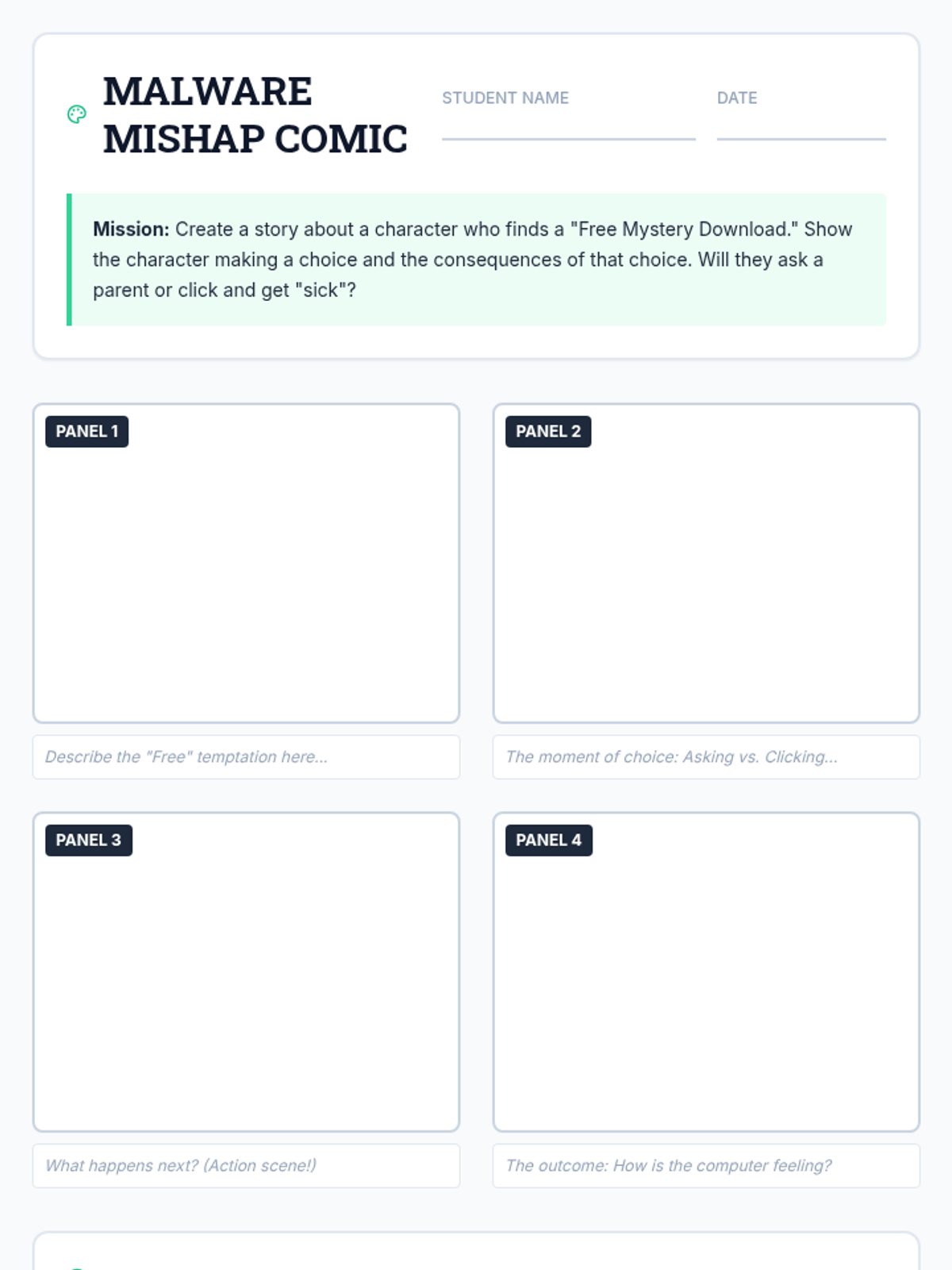
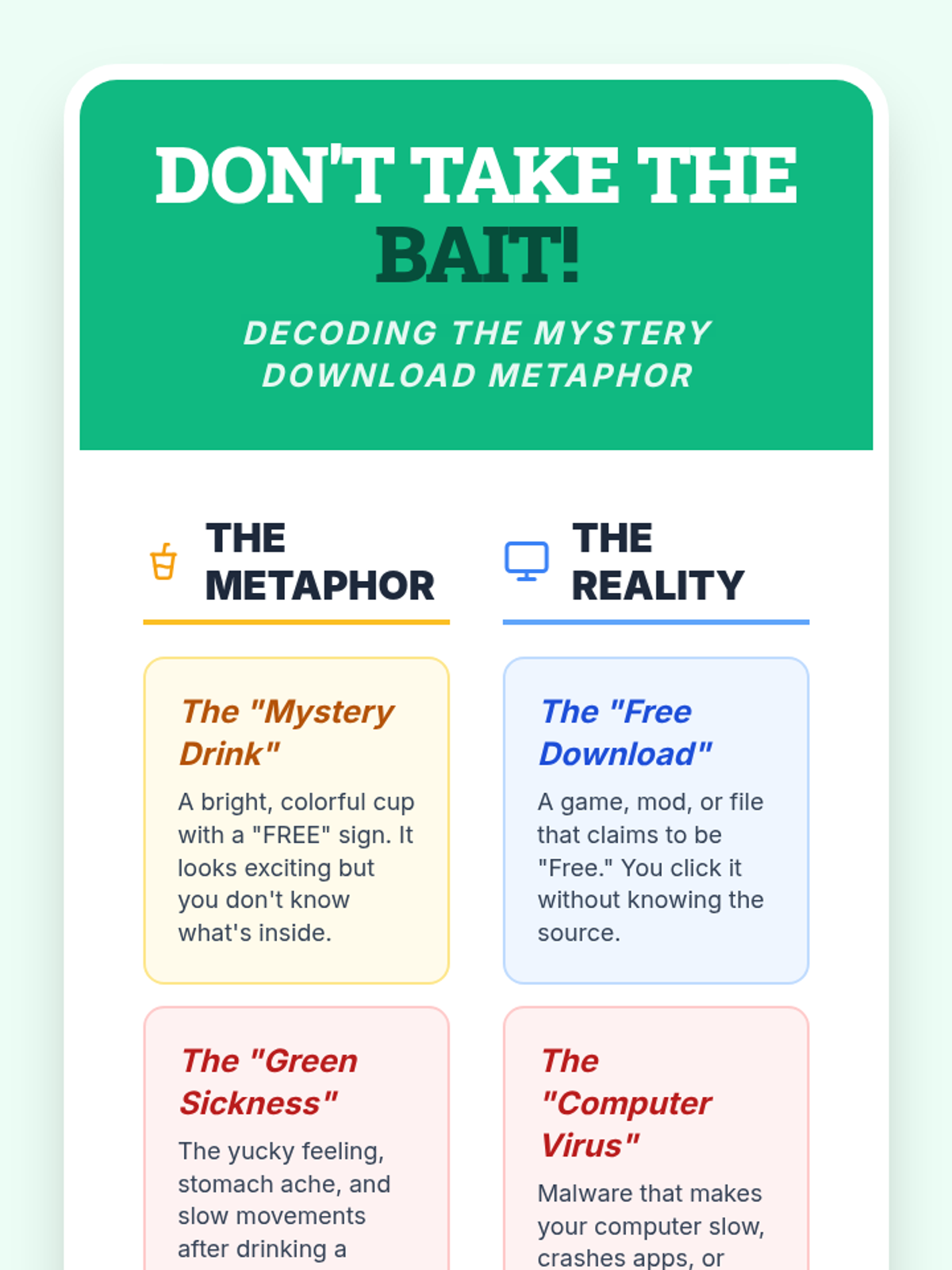
A lesson that uses a 'mystery drink' metaphor to teach students about computer viruses and the critical importance of asking for permission before downloading files from the internet.
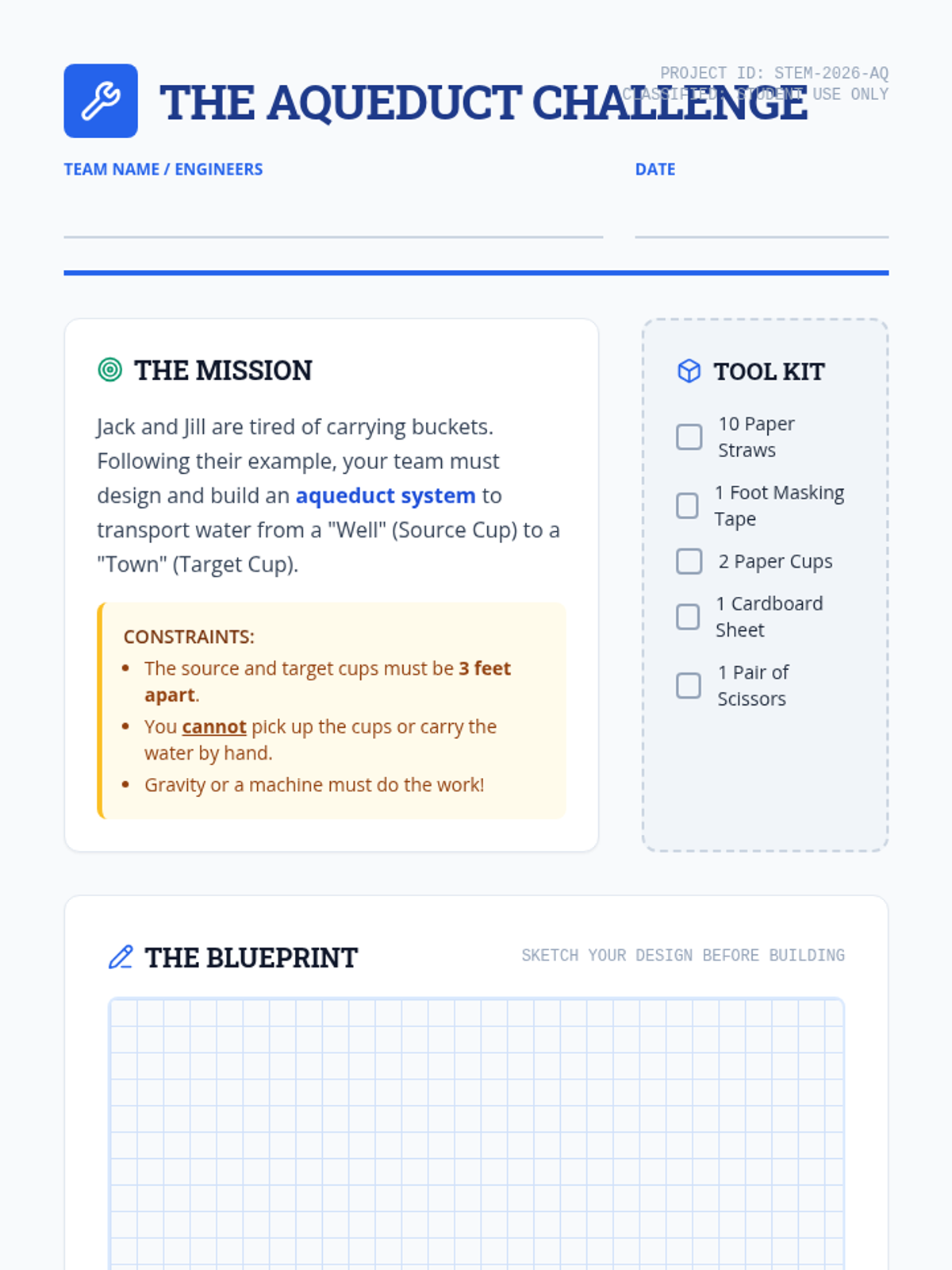
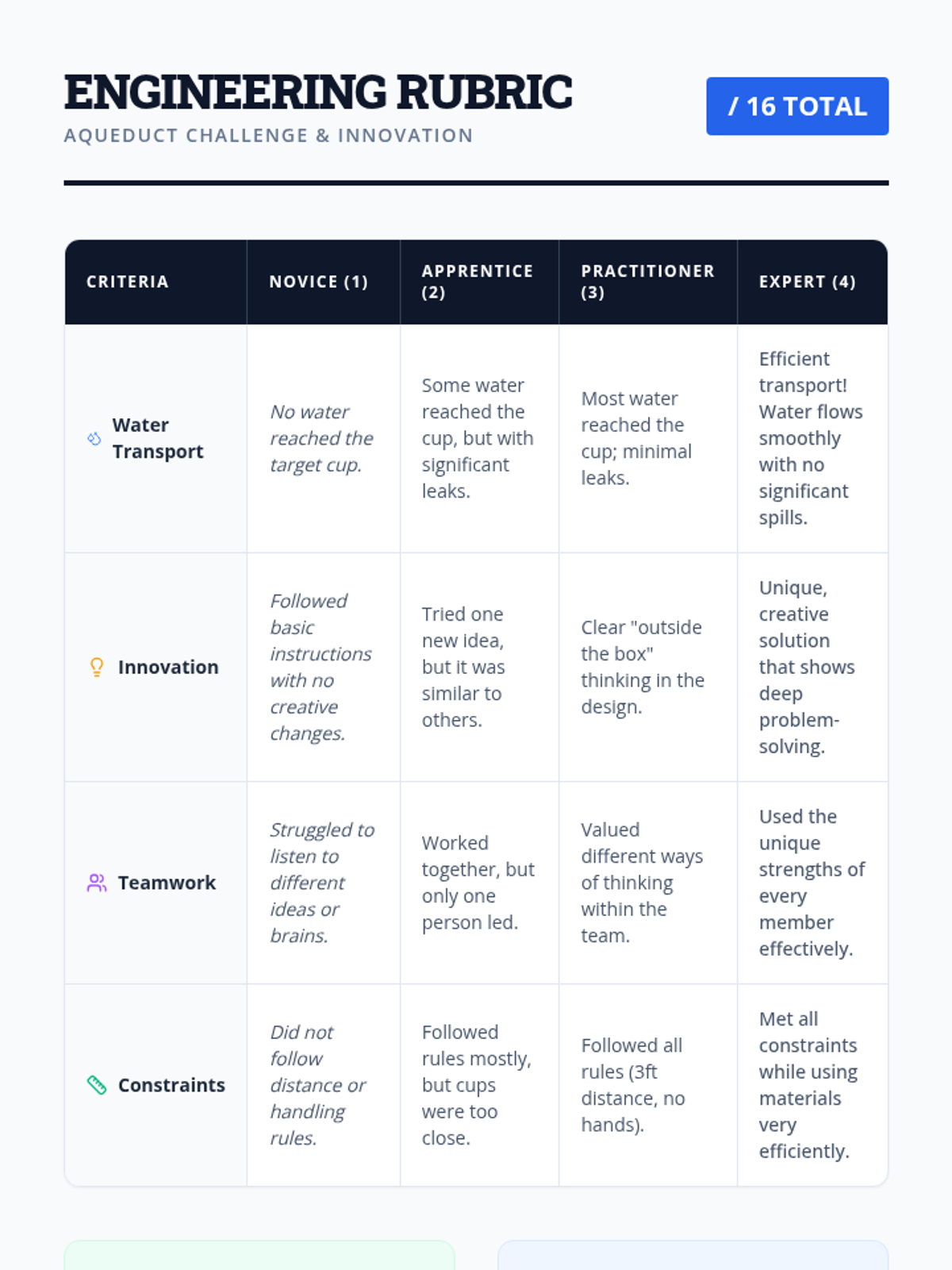
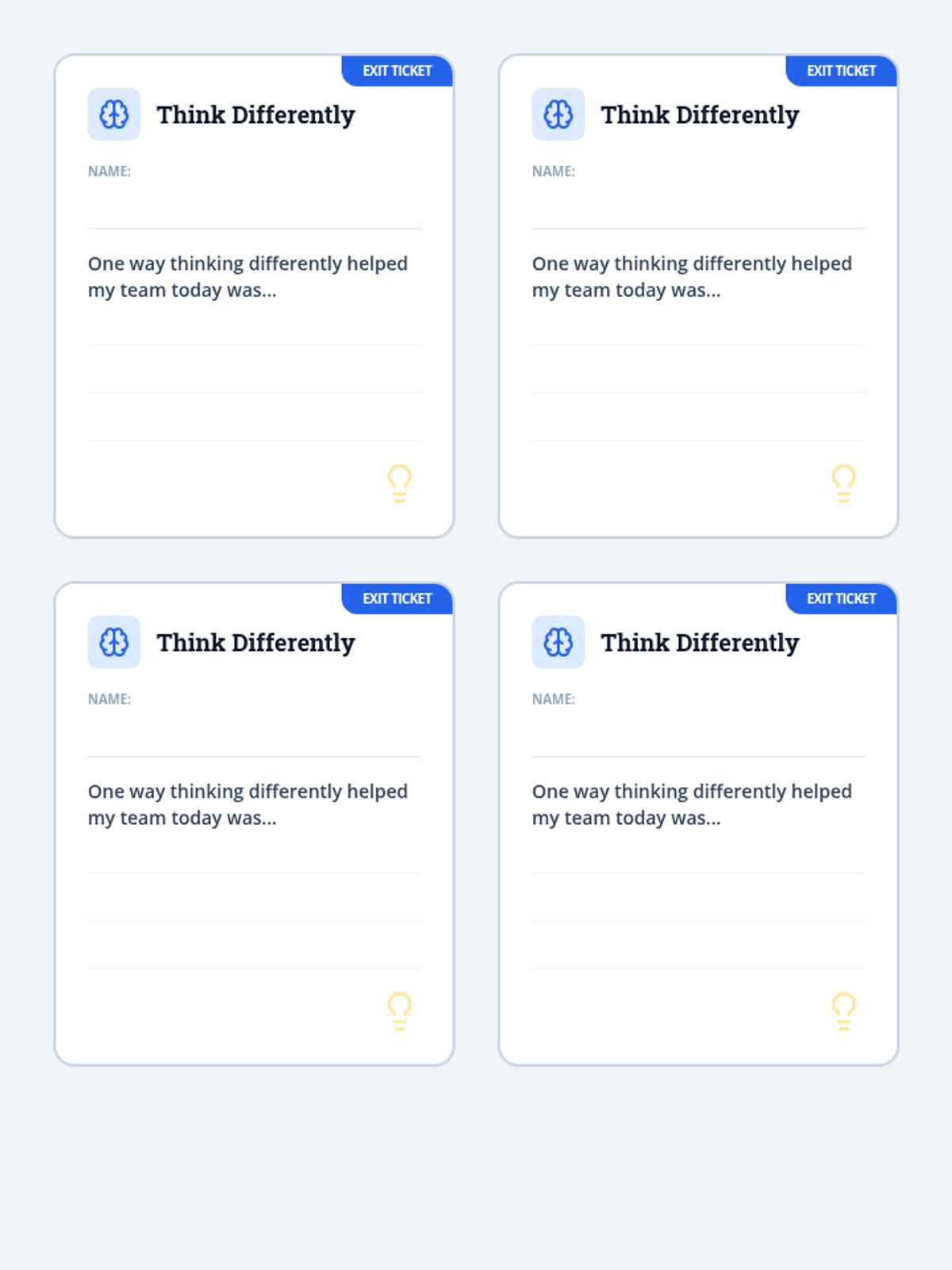
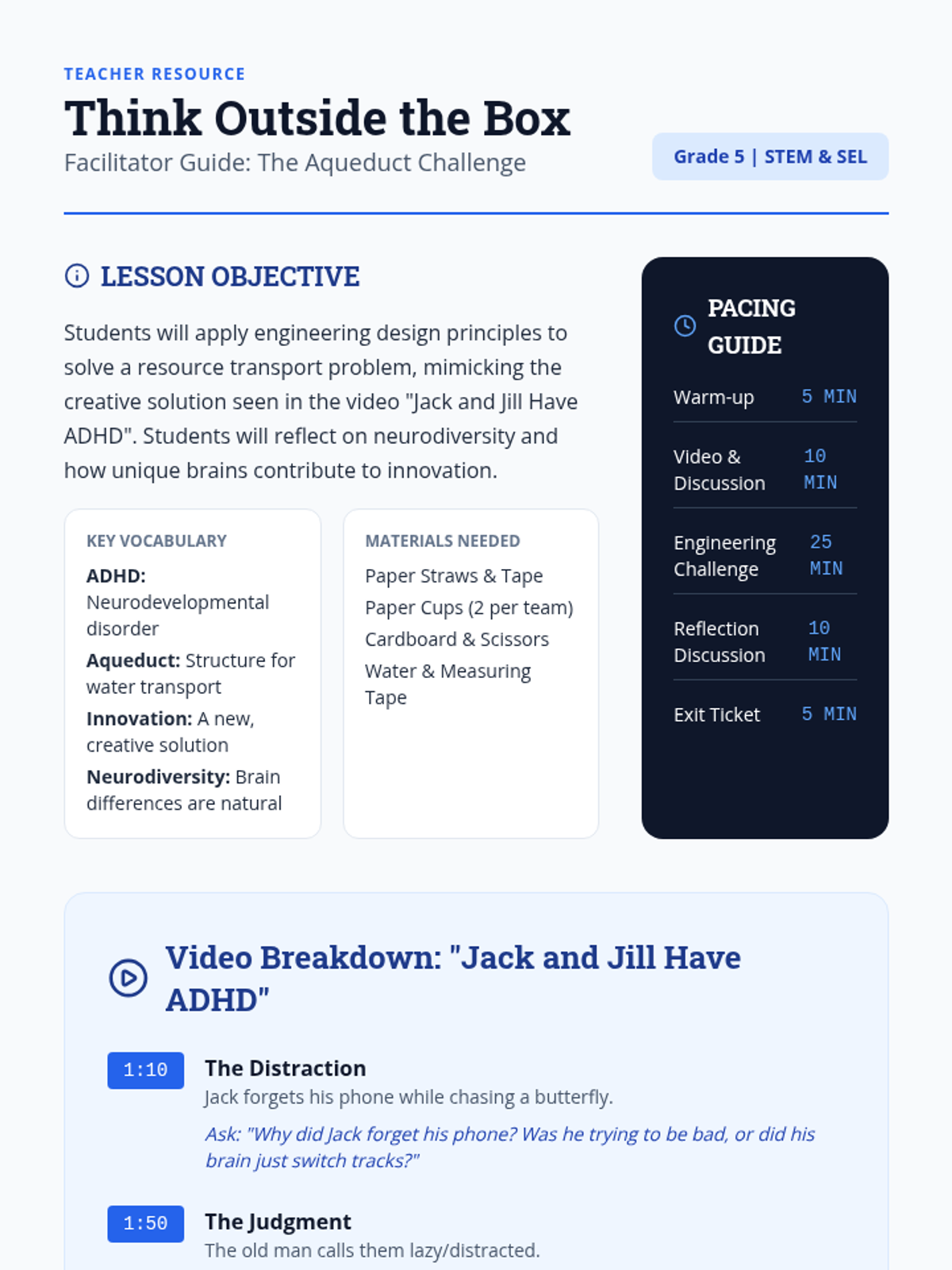
A 5th-grade STEM lesson where students explore the concept of neurodiversity and engineering through the lens of Jack and Jill's creative solution to a water transport problem. Students will design and build their own aqueducts to move water without carrying it, reflecting on how 'thinking outside the box' leads to innovation.
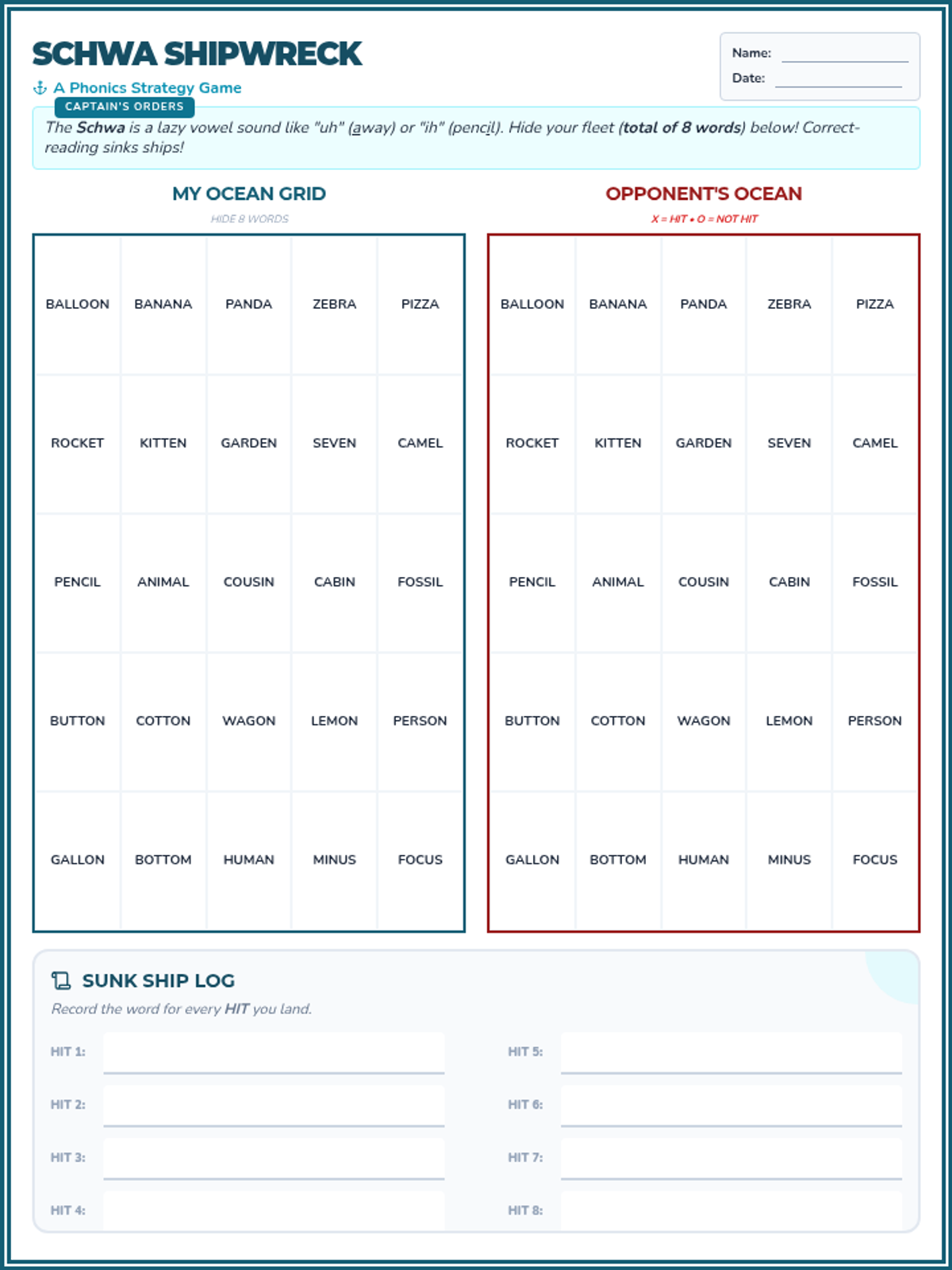
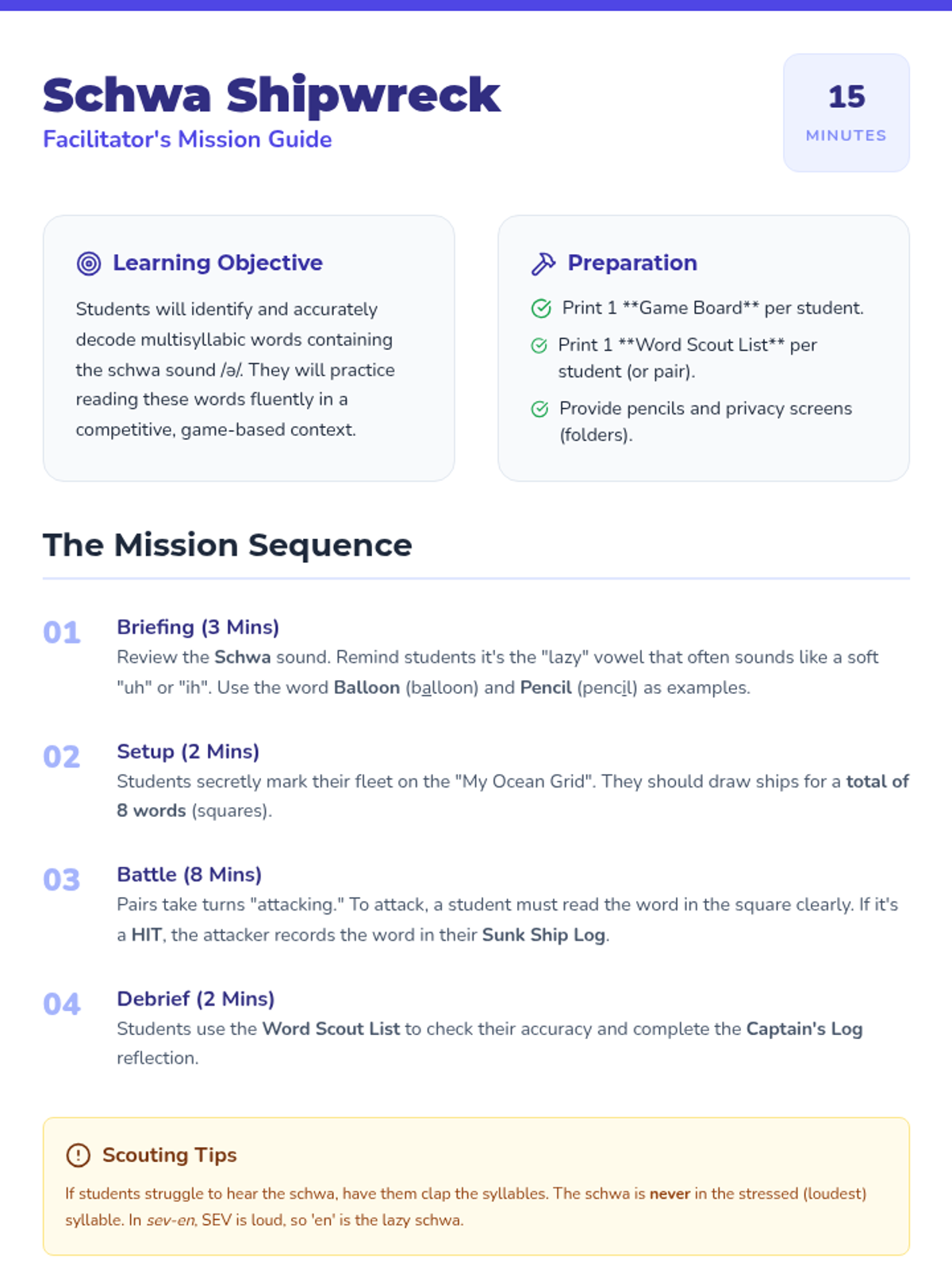
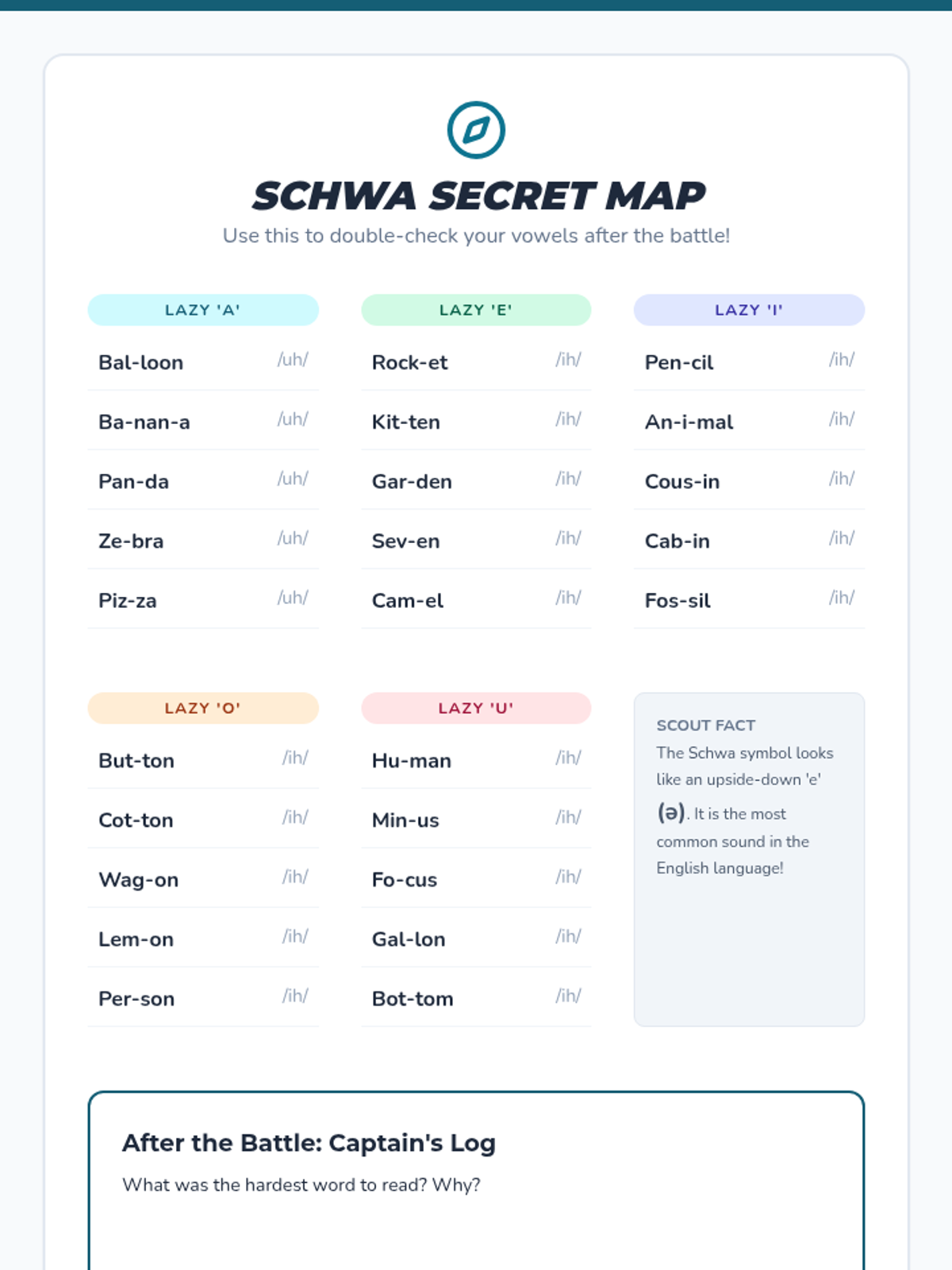
A fun, interactive phonics lesson centered around a 'Battleship' style game where Grade 3 students identify and read multisyllabic words containing the schwa sound. Students practice decoding and identifying the unstressed vowel sound in a nautical-themed setting.
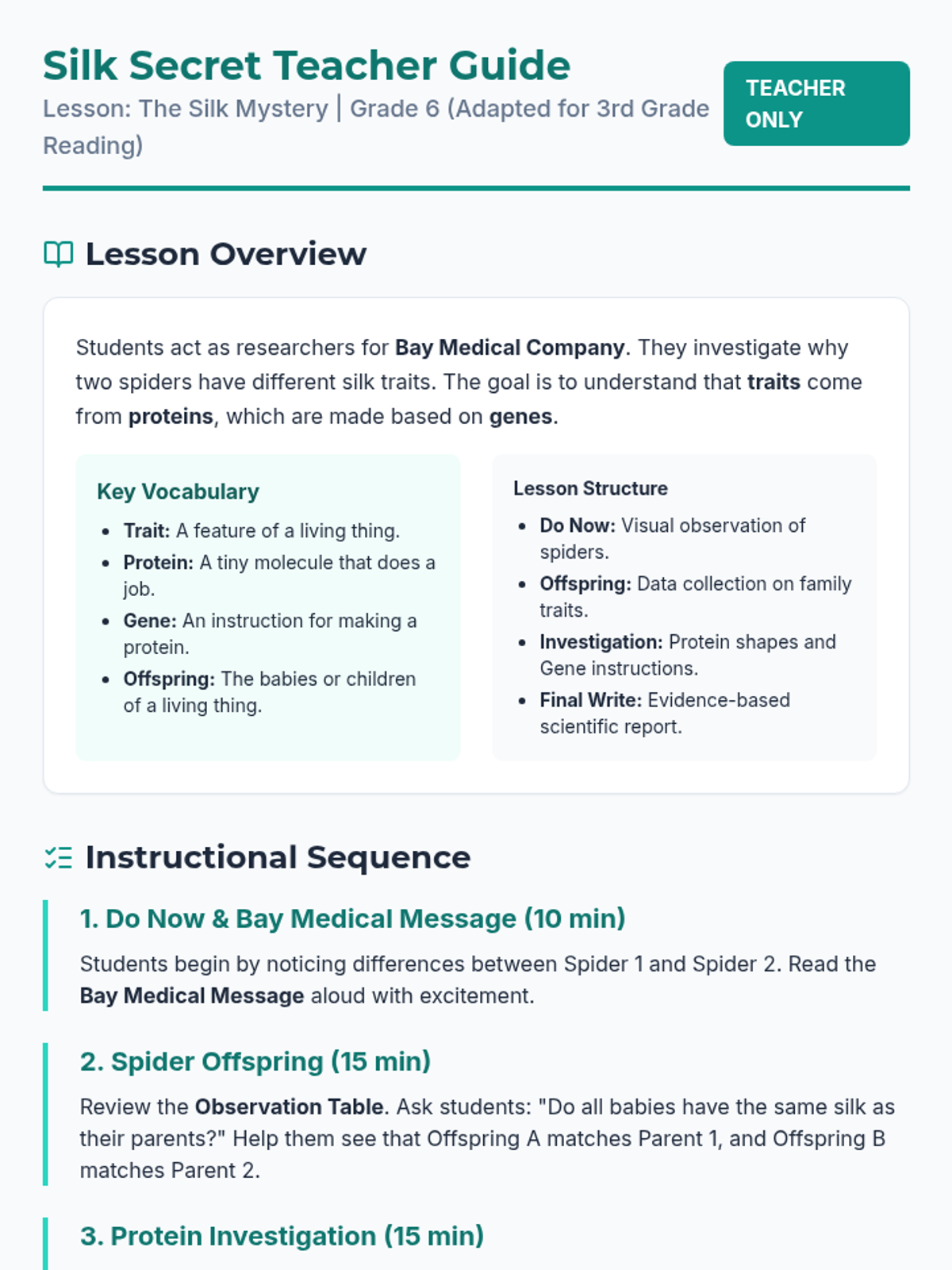
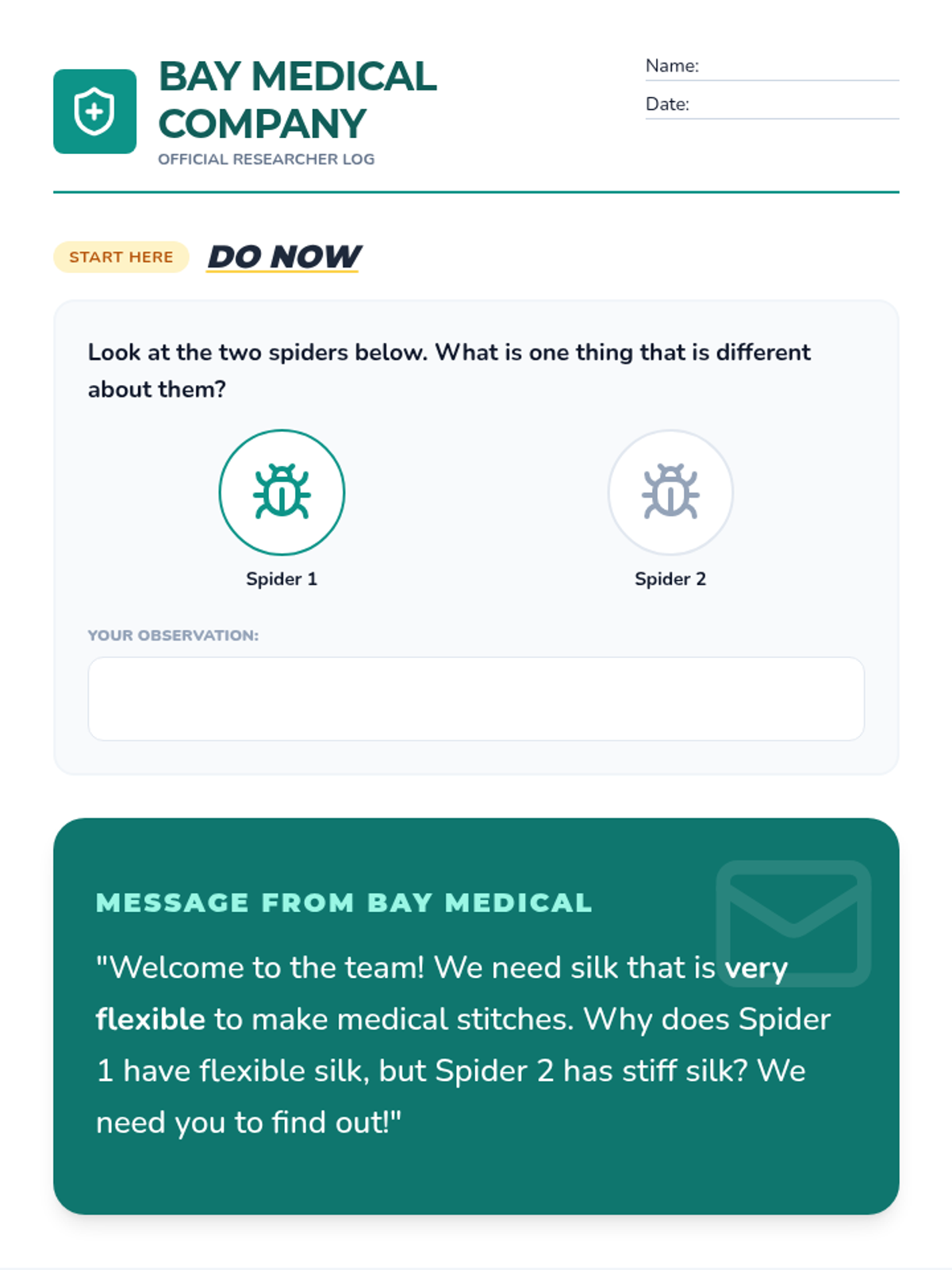
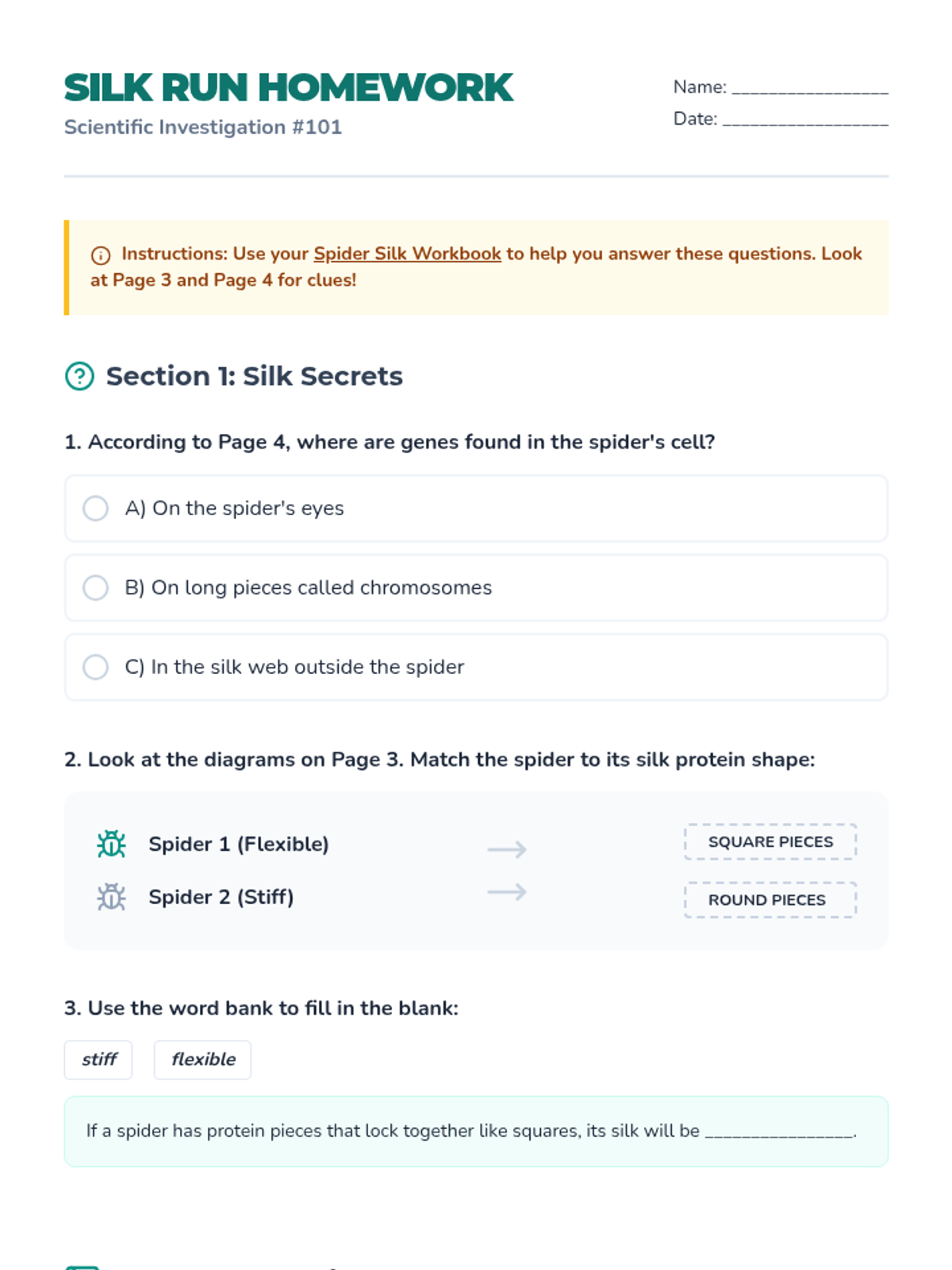
Students investigate why different spiders produce different types of silk by looking at traits, proteins, and genes. This lesson adapts complex genetic concepts for a 3rd-grade reading level.
A 6th-grade science lesson adjusted for a SpEd classroom with a 3rd-grade reading level, focusing on how genes and proteins determine traits like spider silk flexibility and human running ability.
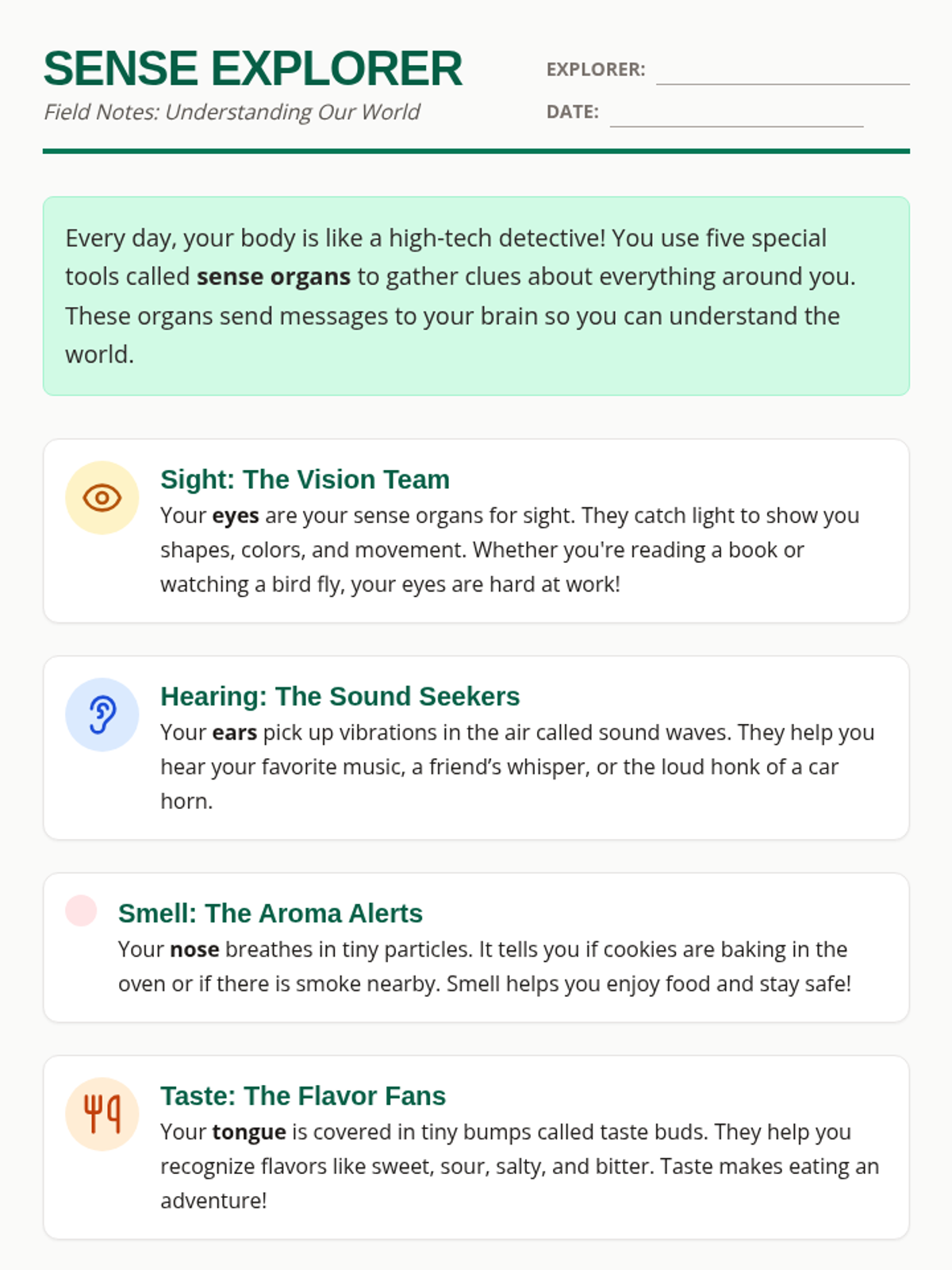
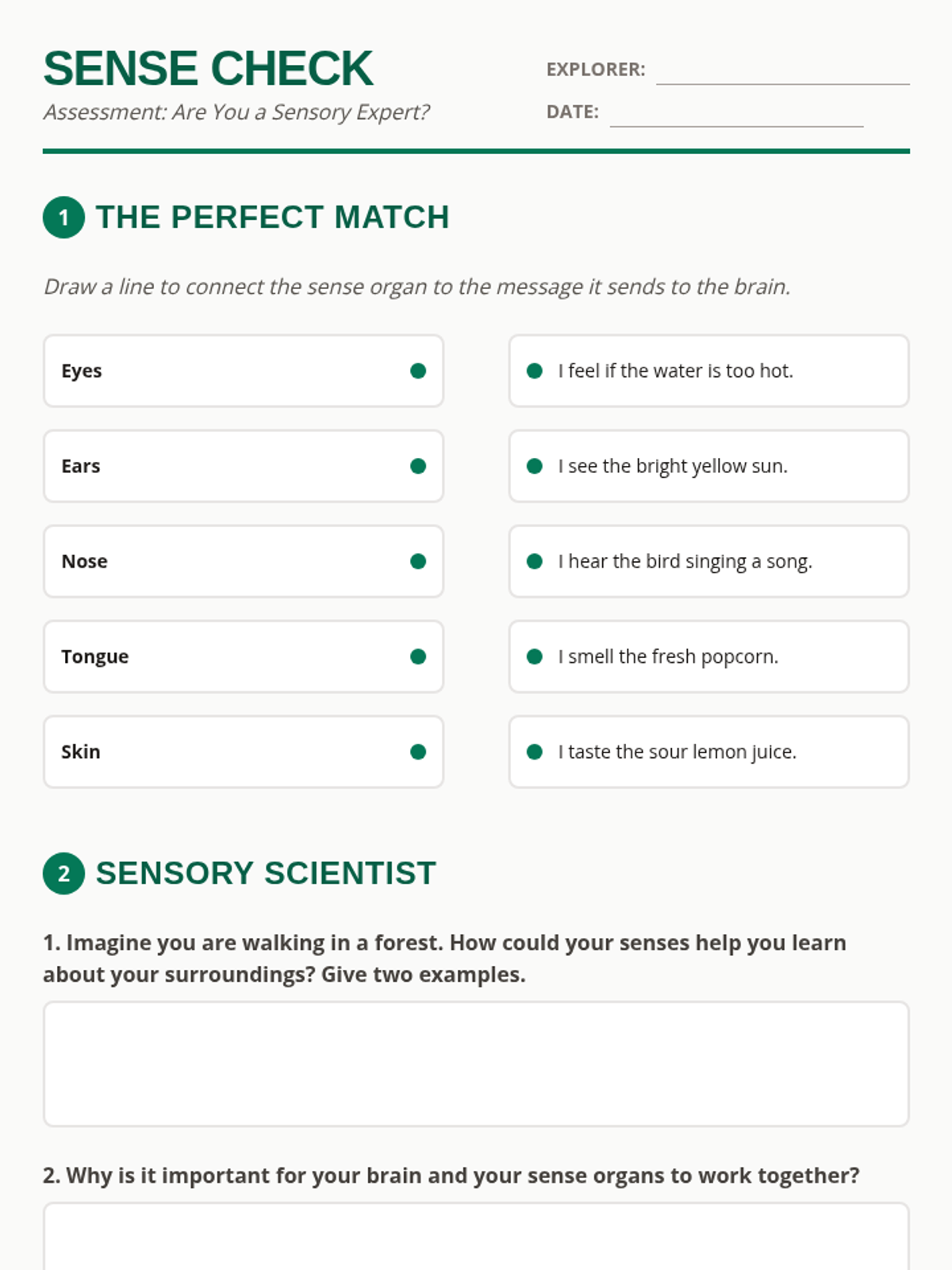
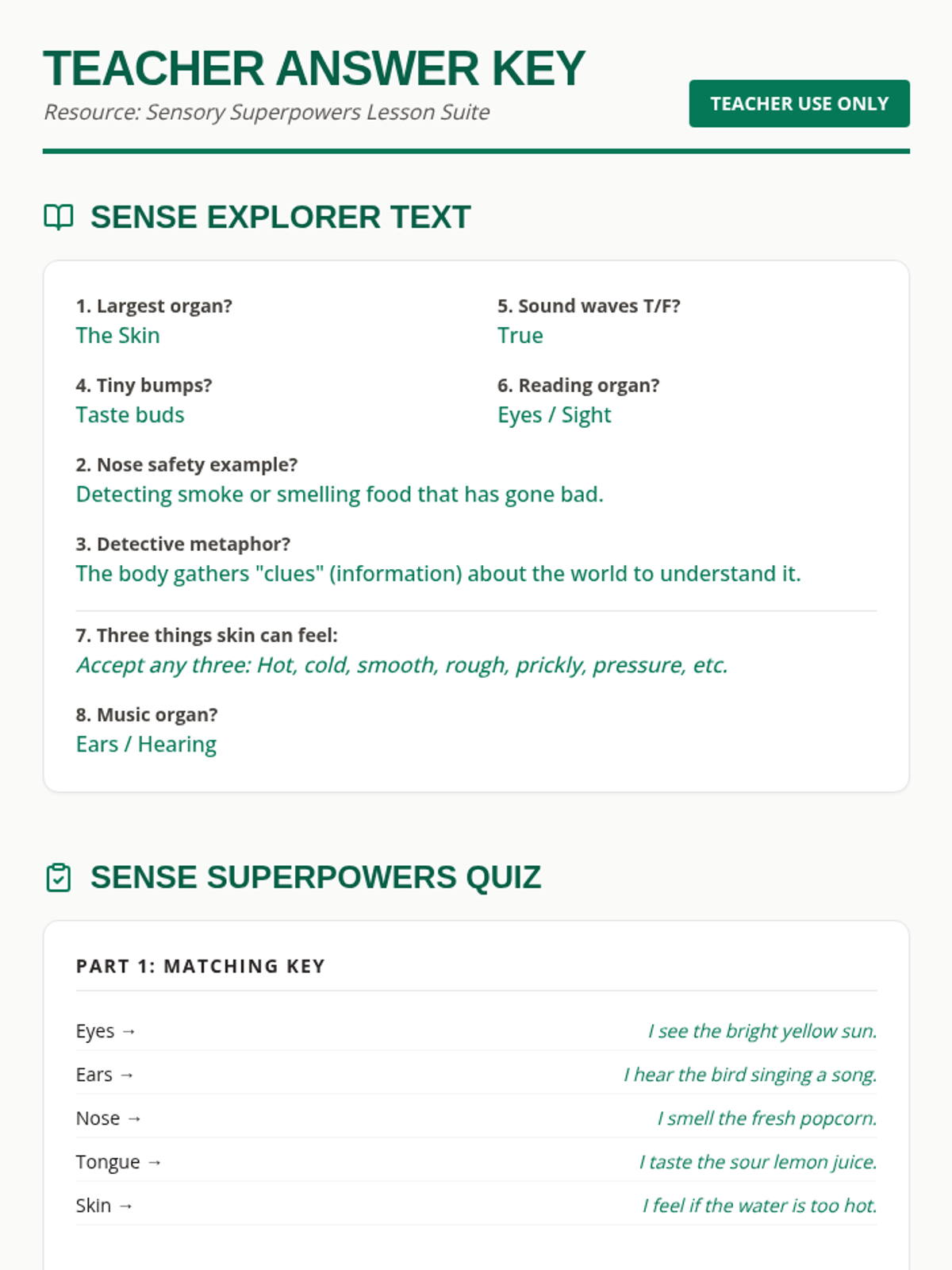
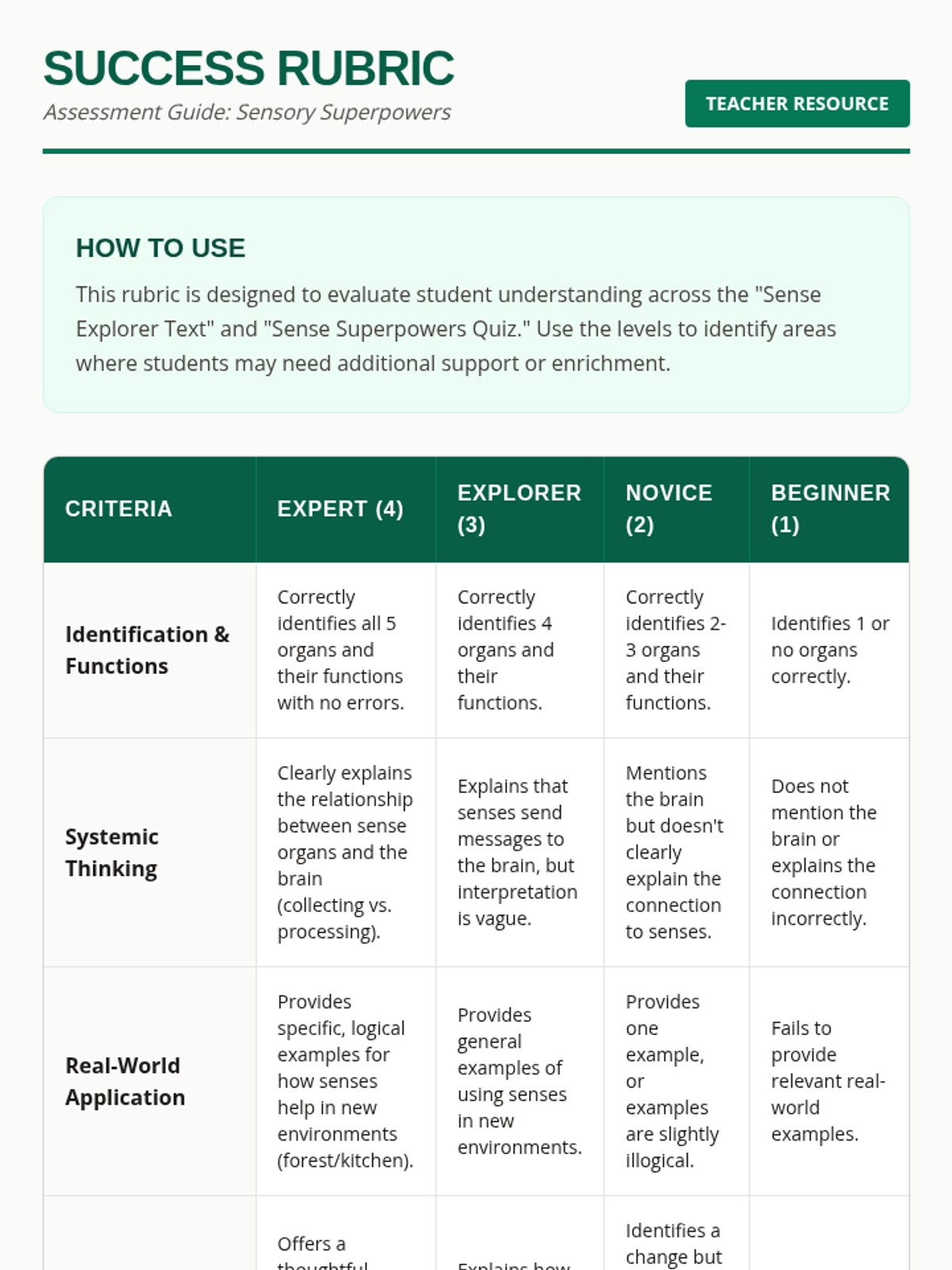
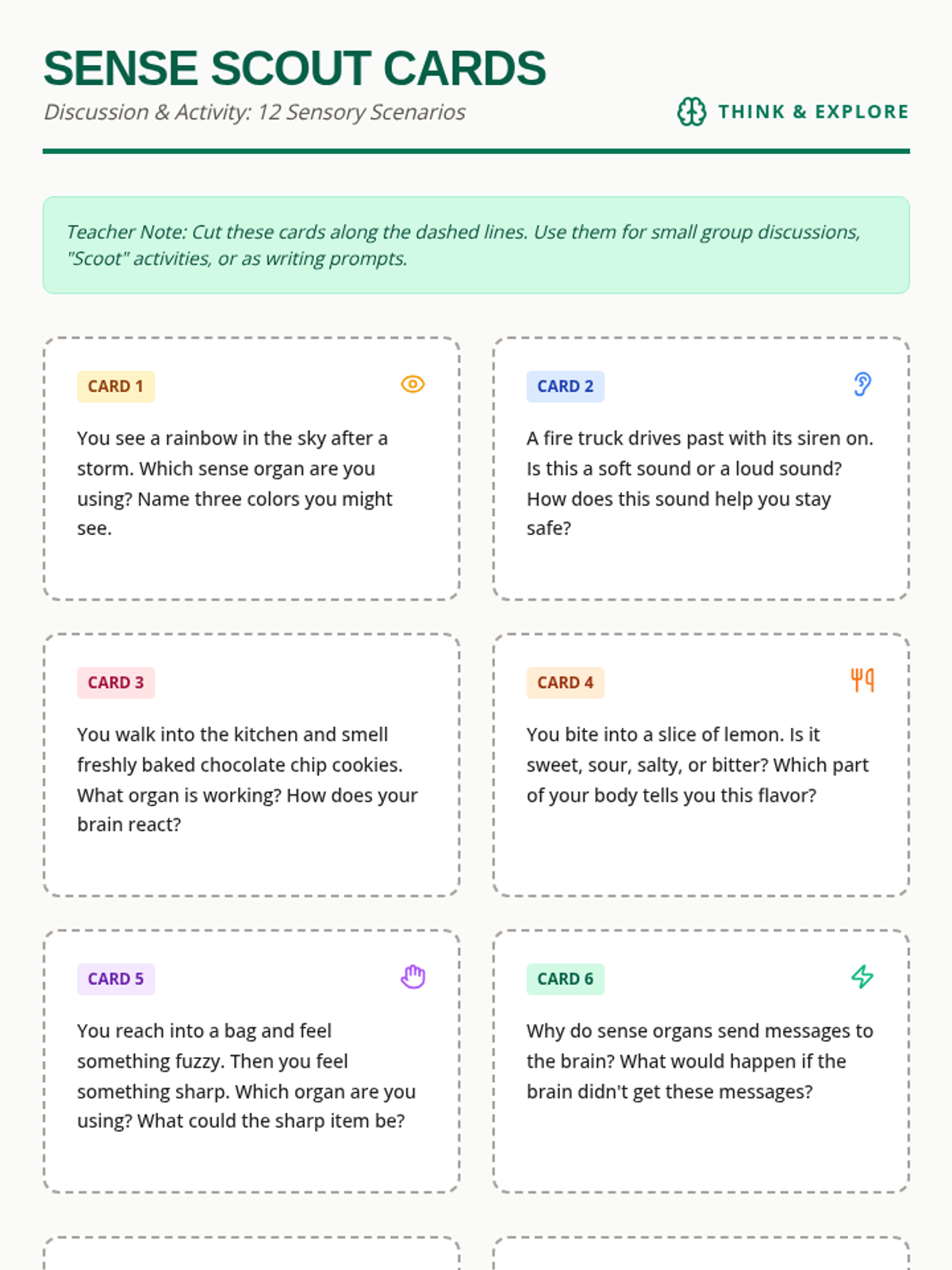
Students will identify the five sense organs and explain how they help humans perceive and interact with the world around them through reading and assessment.
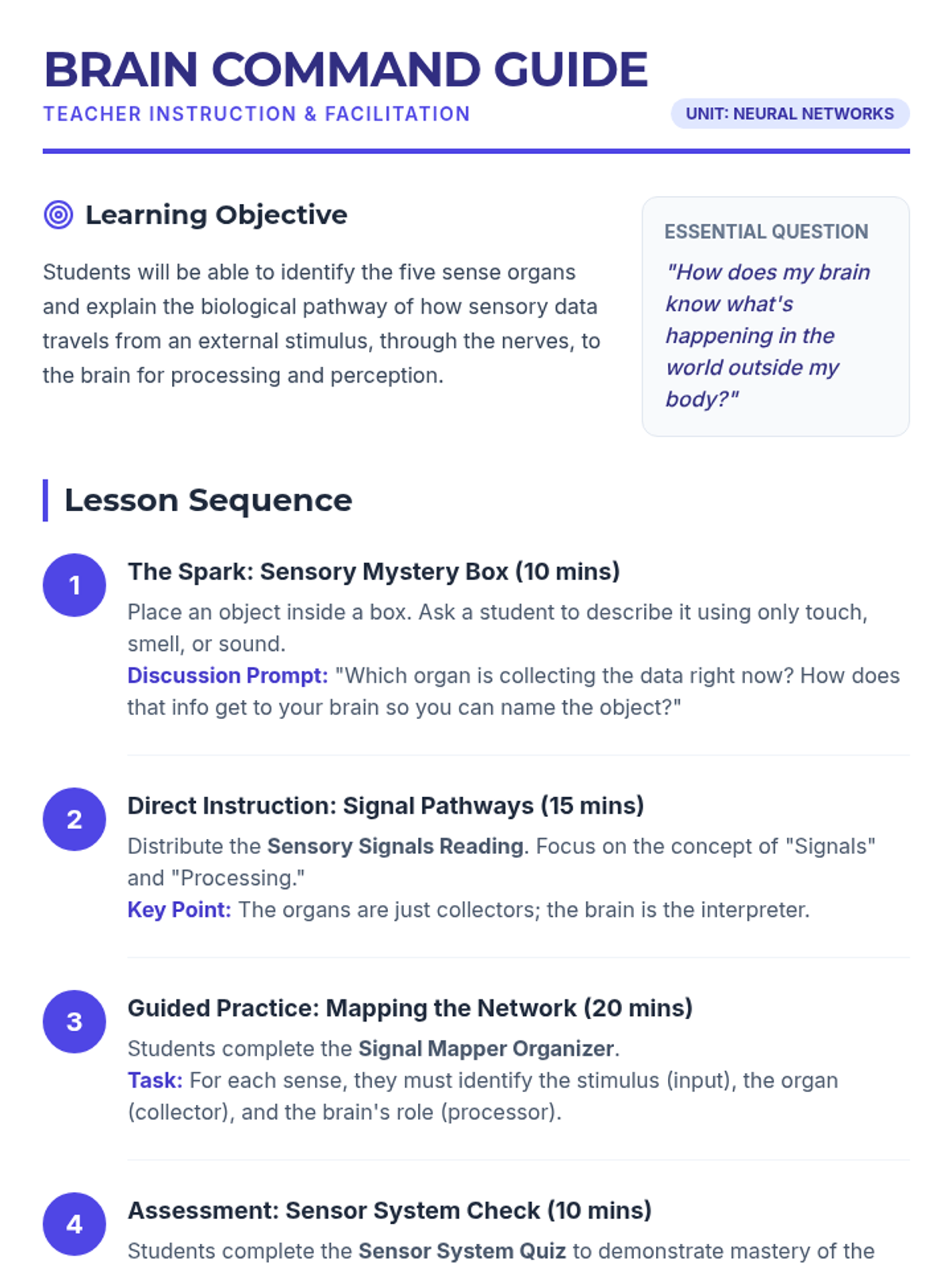
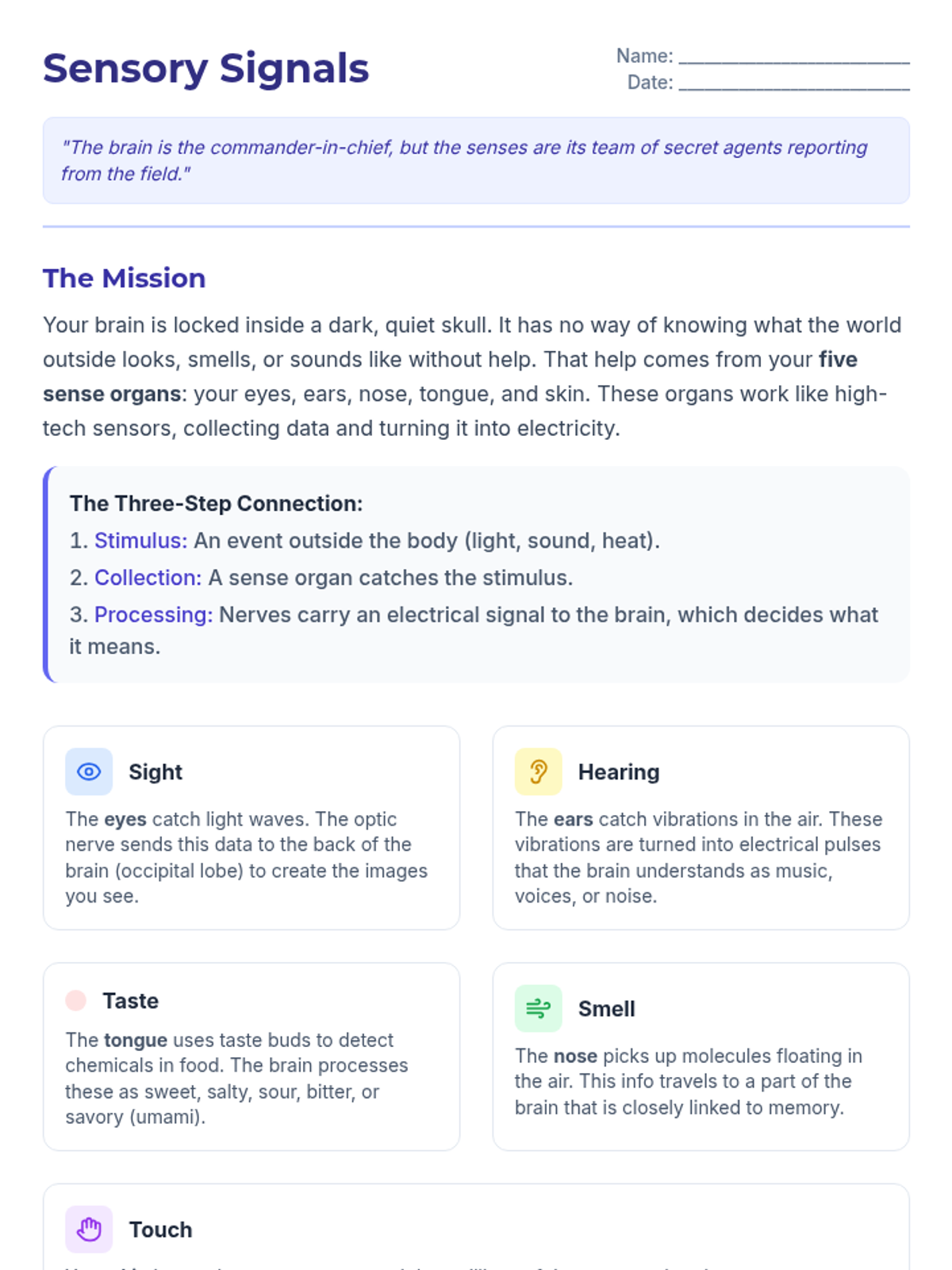
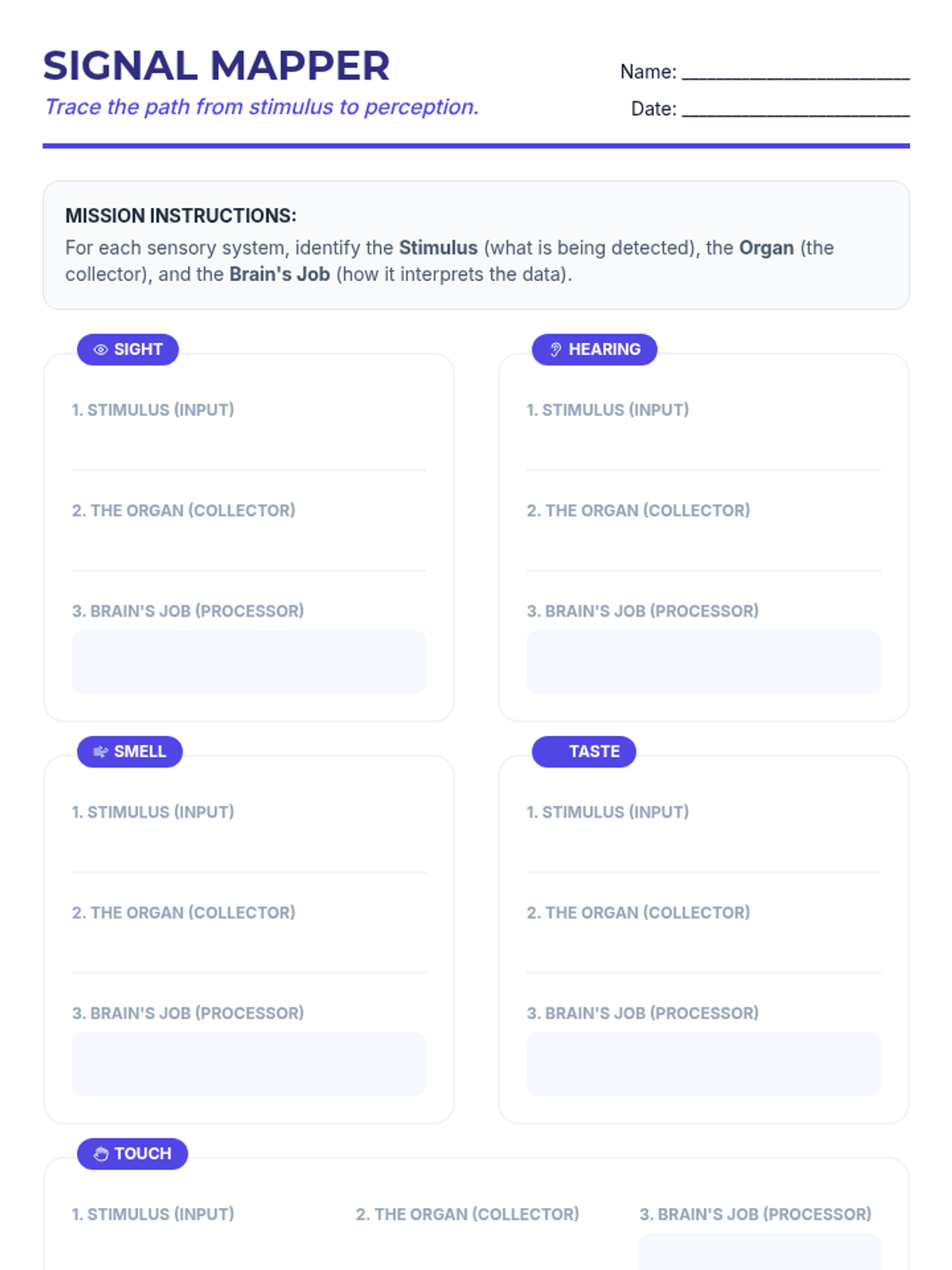
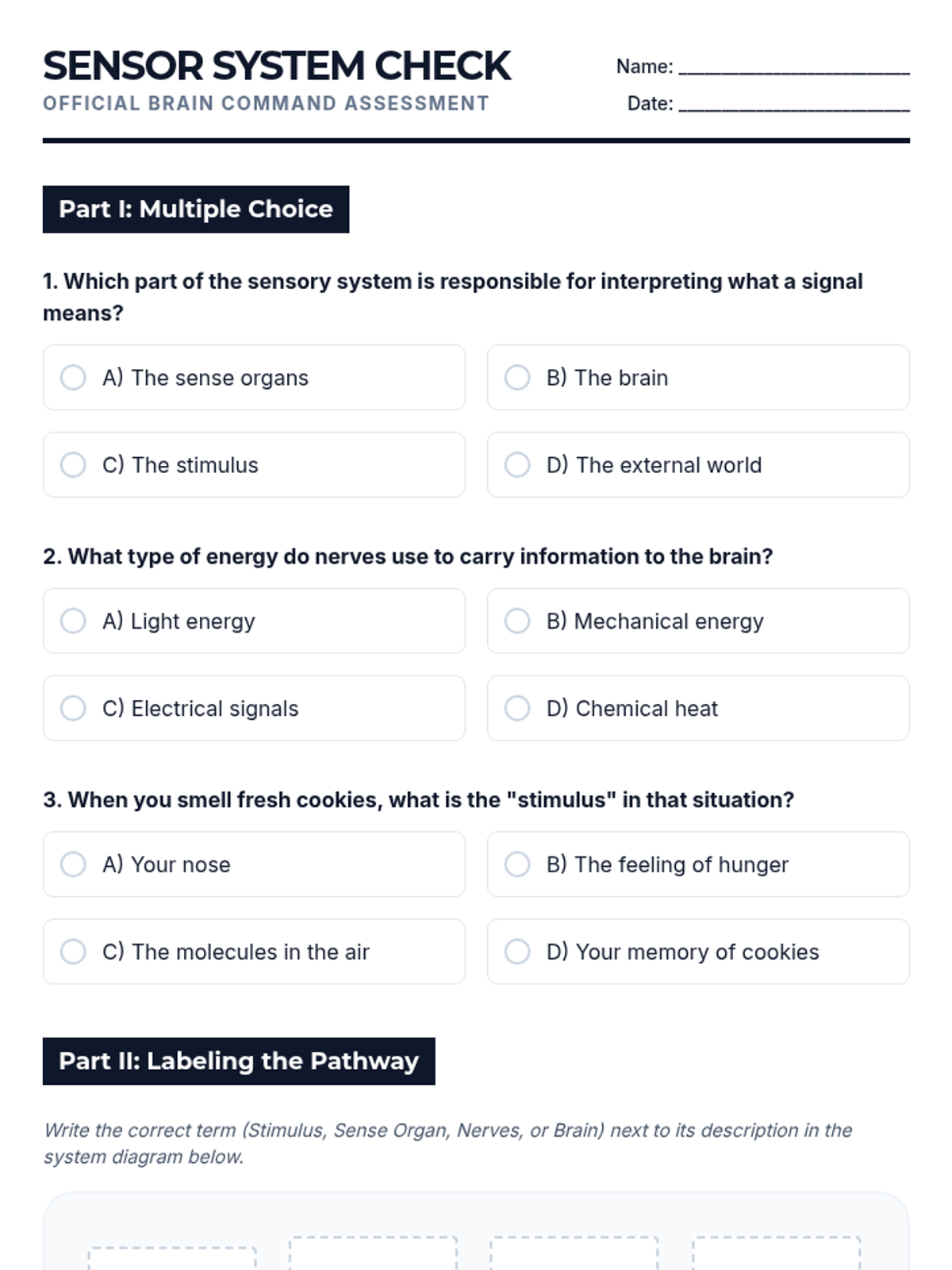
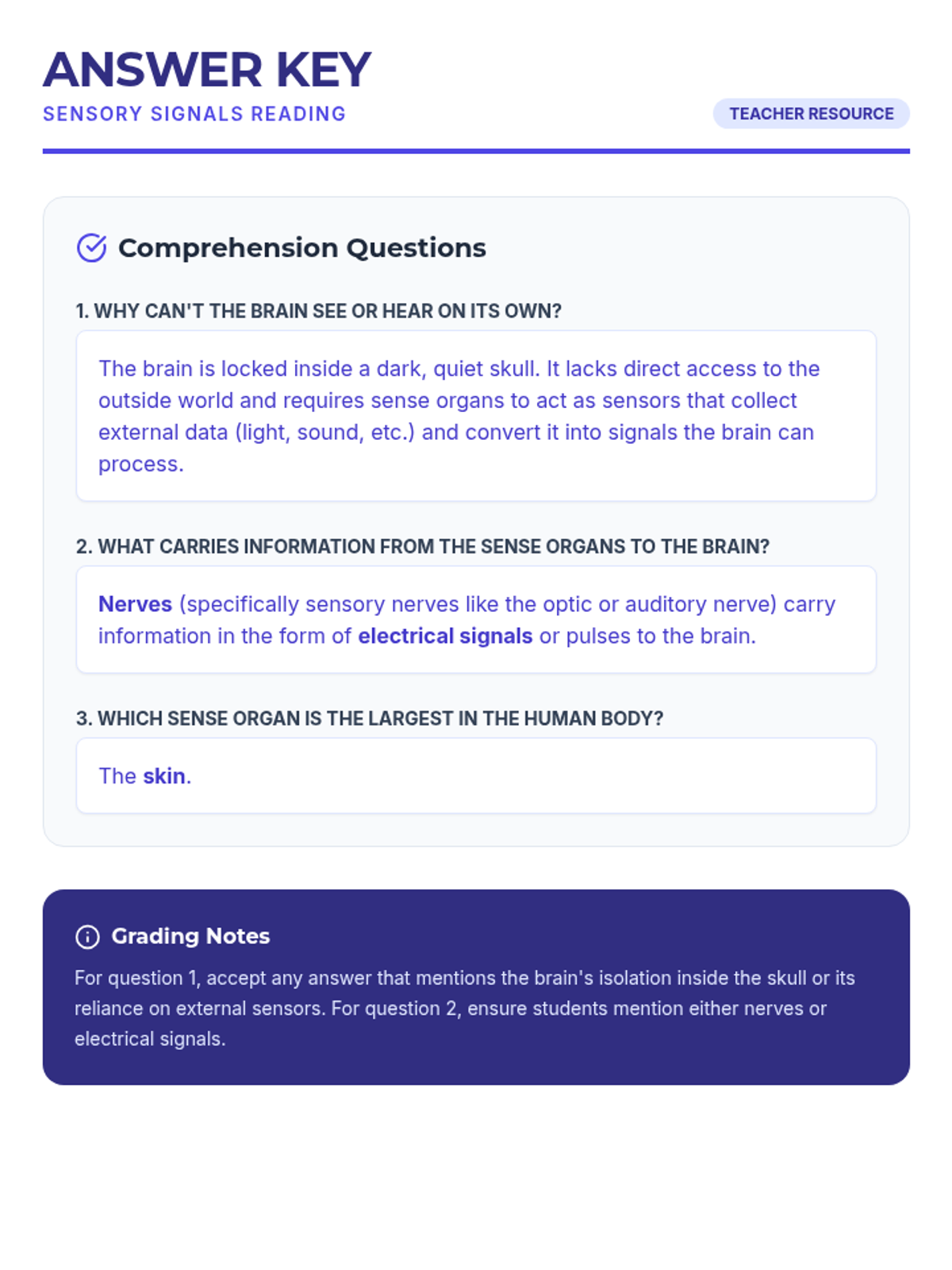
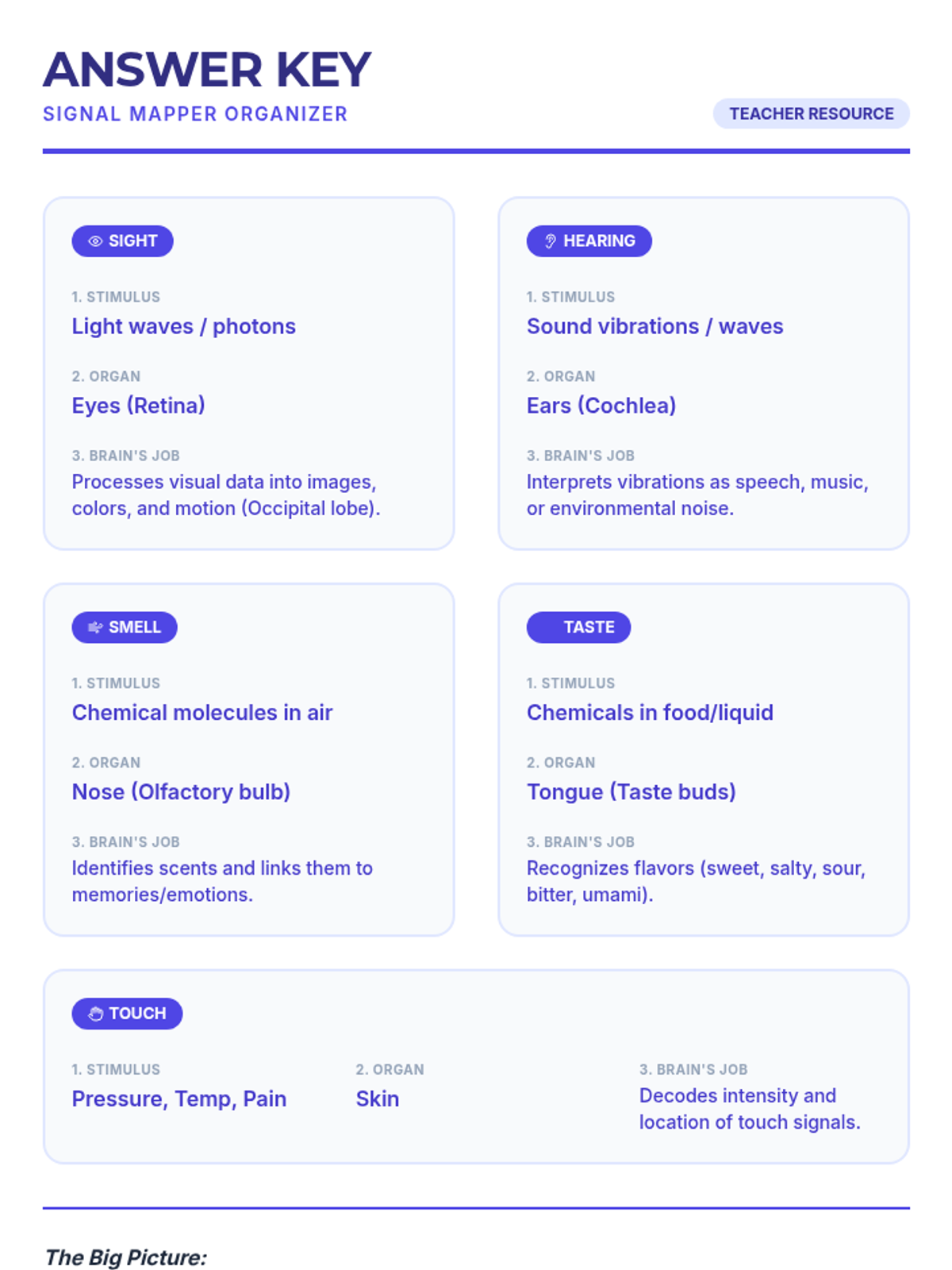
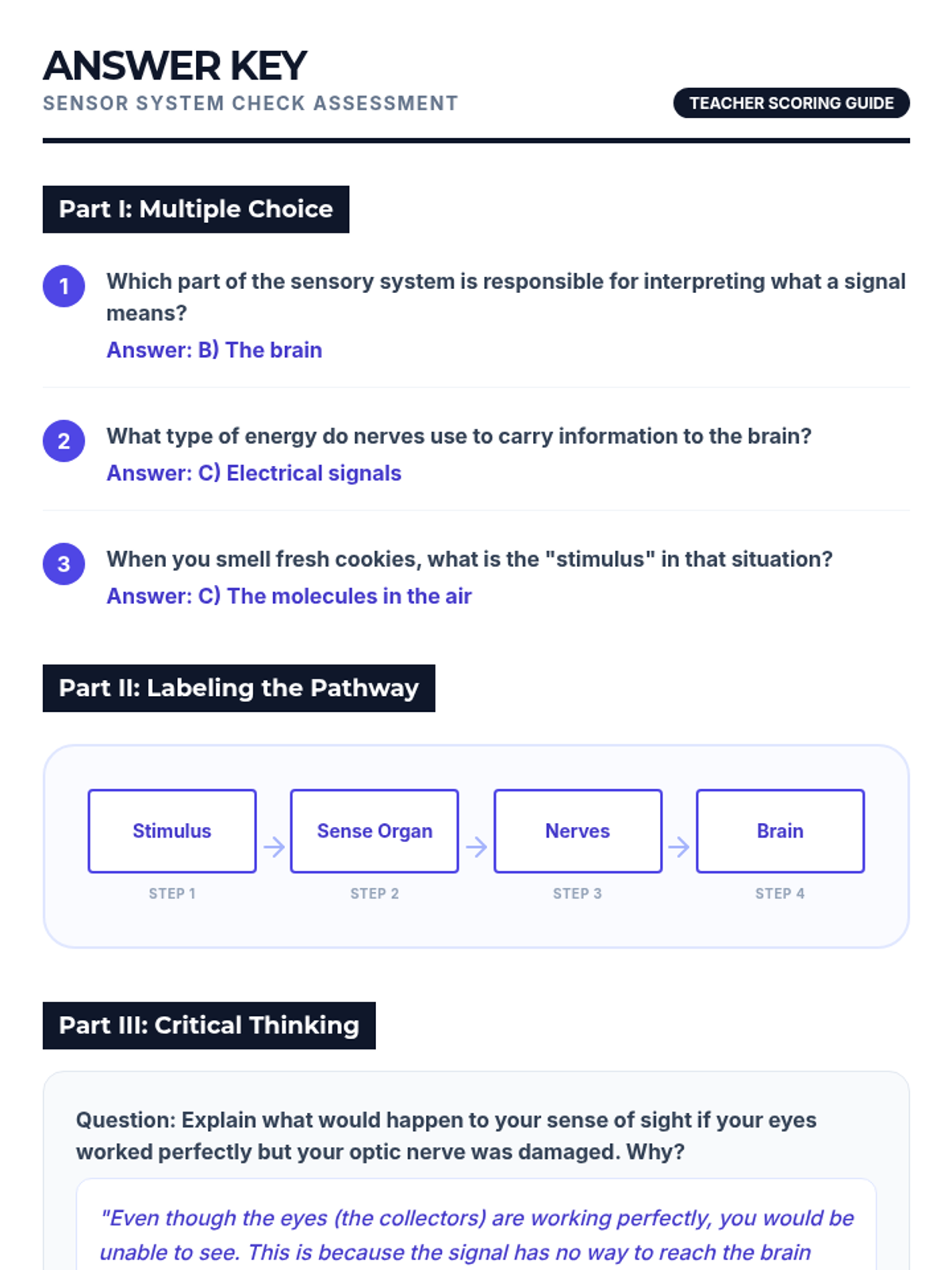
A comprehensive lesson exploring how the five sense organs collect data and send signals to the brain for processing. Students will learn the pathway from stimulus to perception through reading, mapping, and assessment.
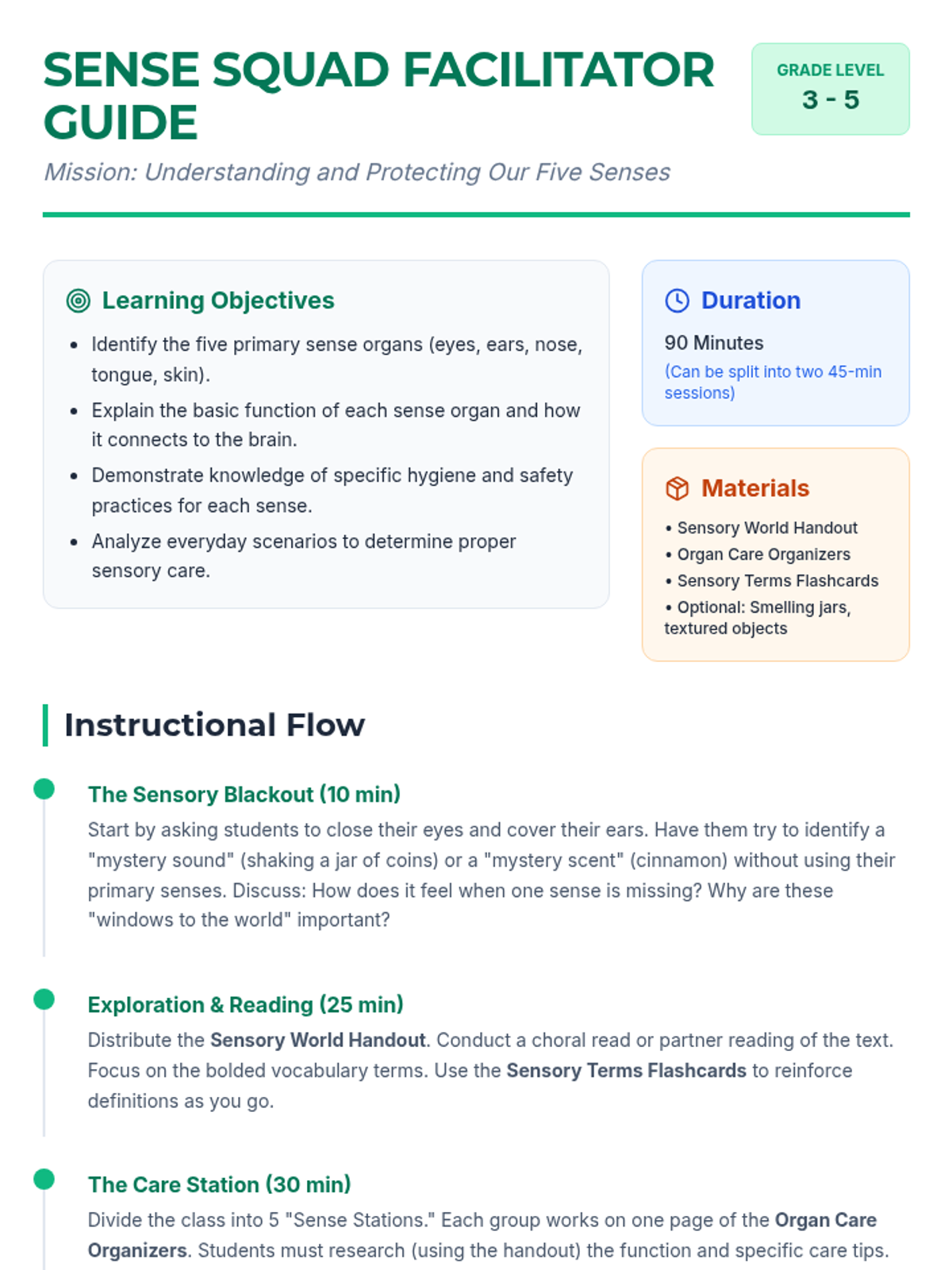
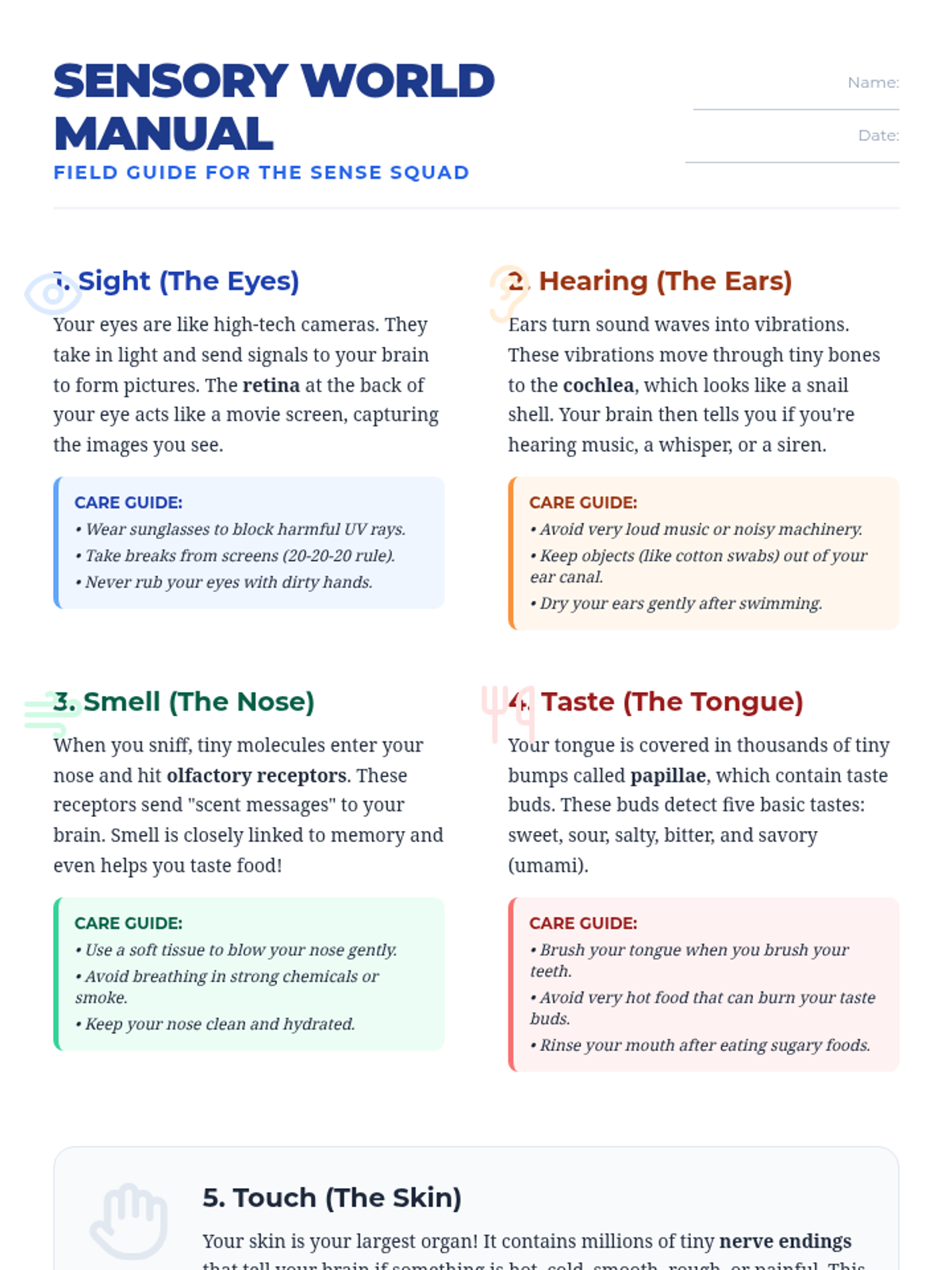
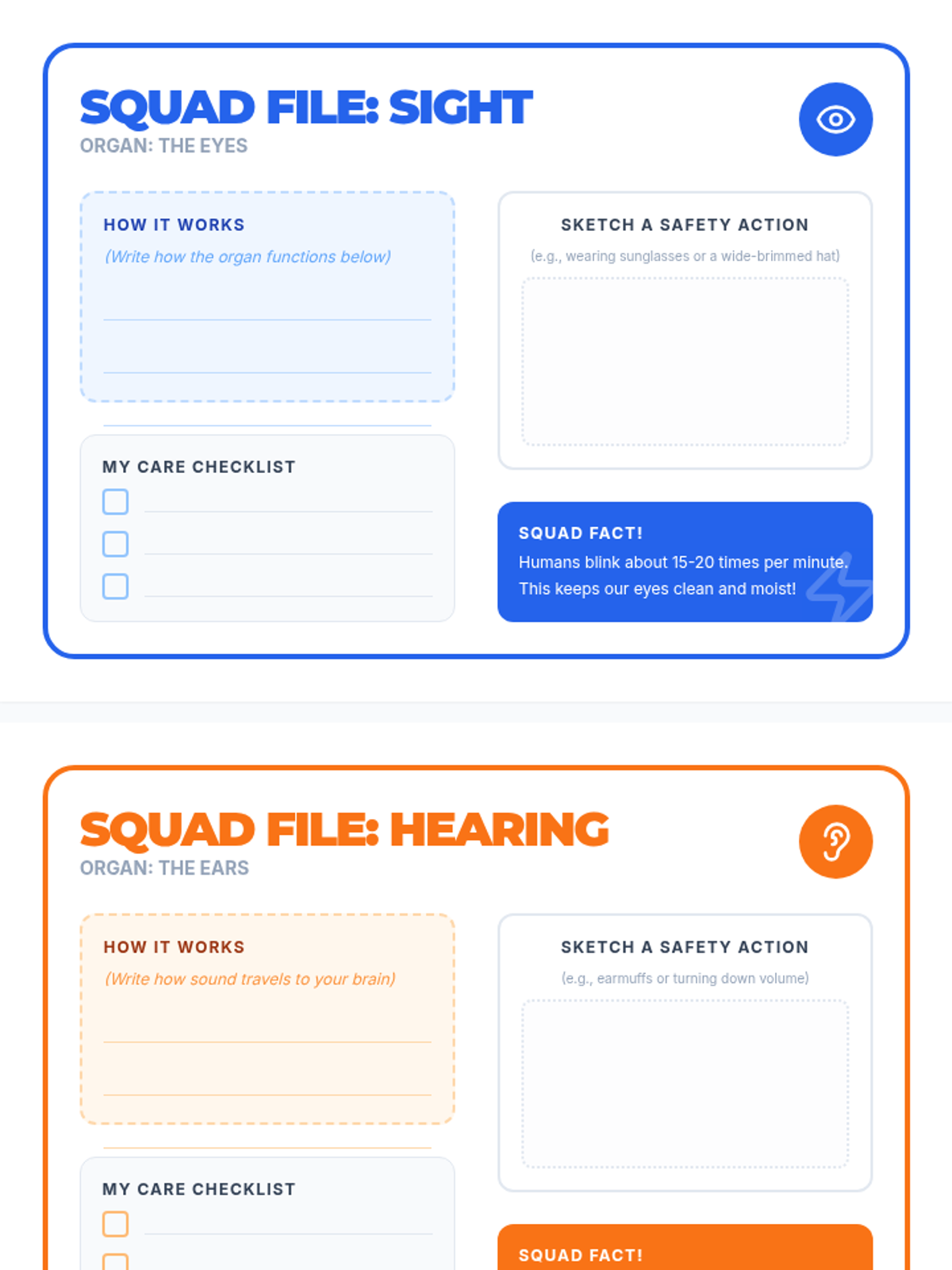
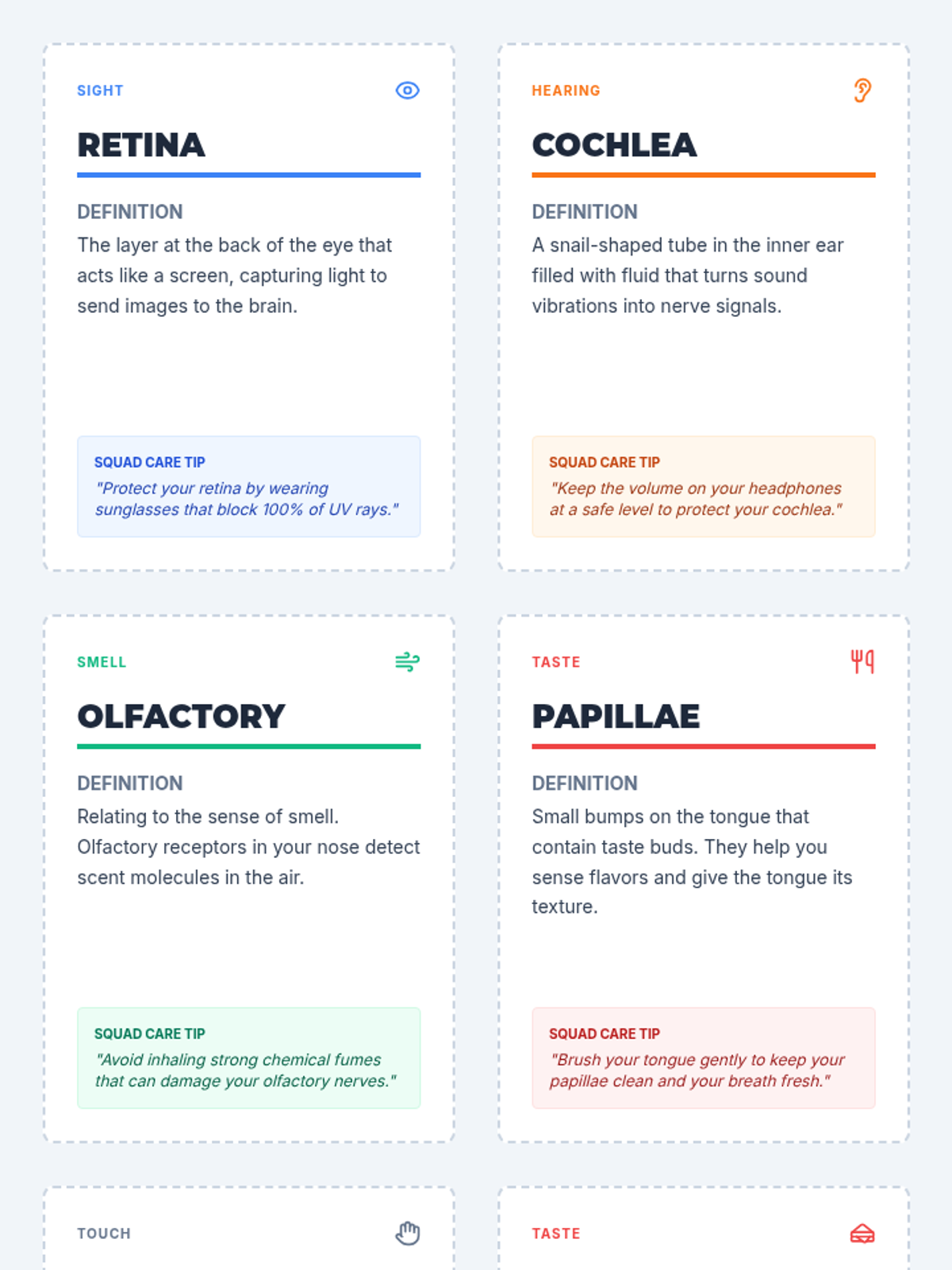
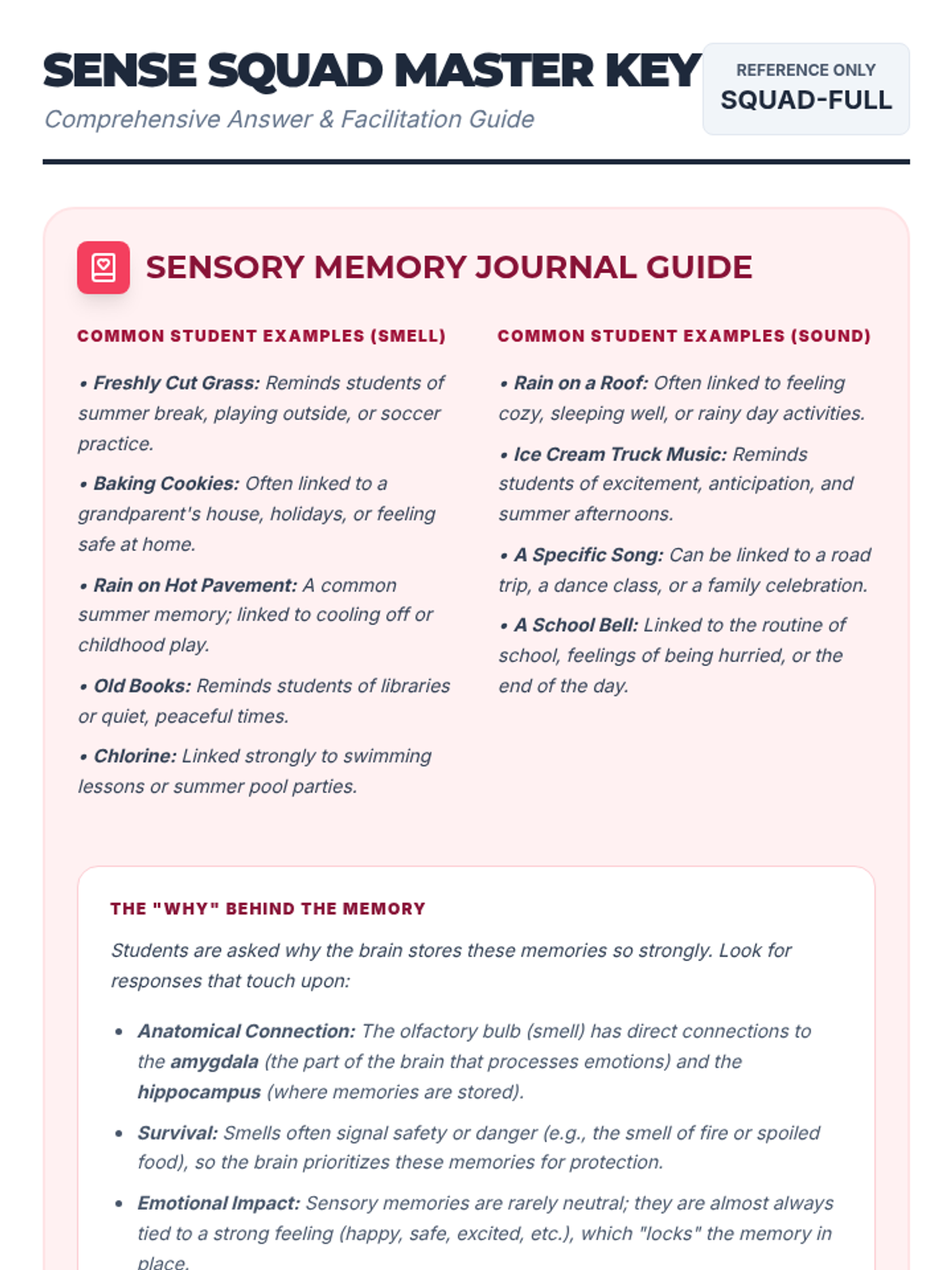
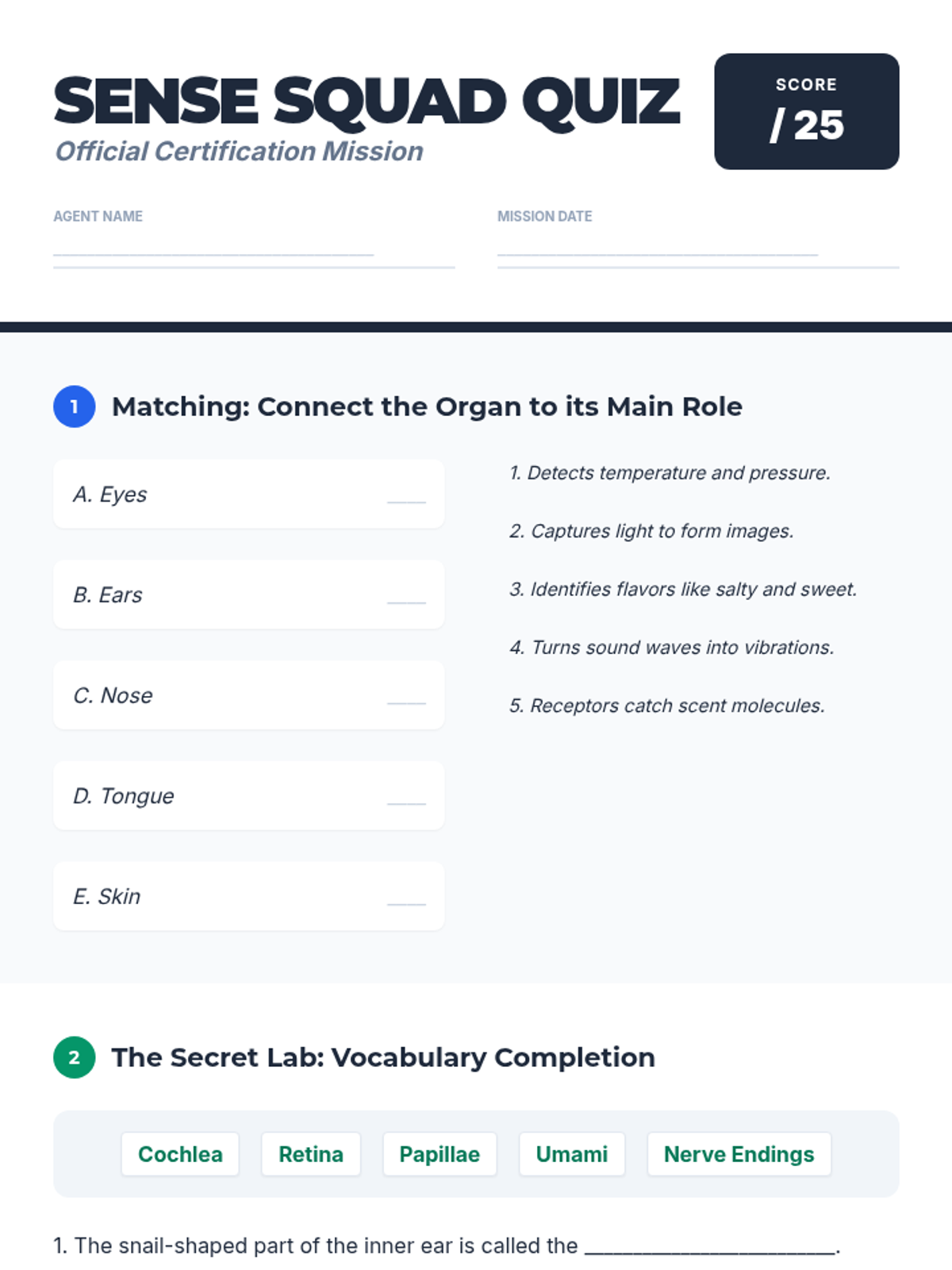
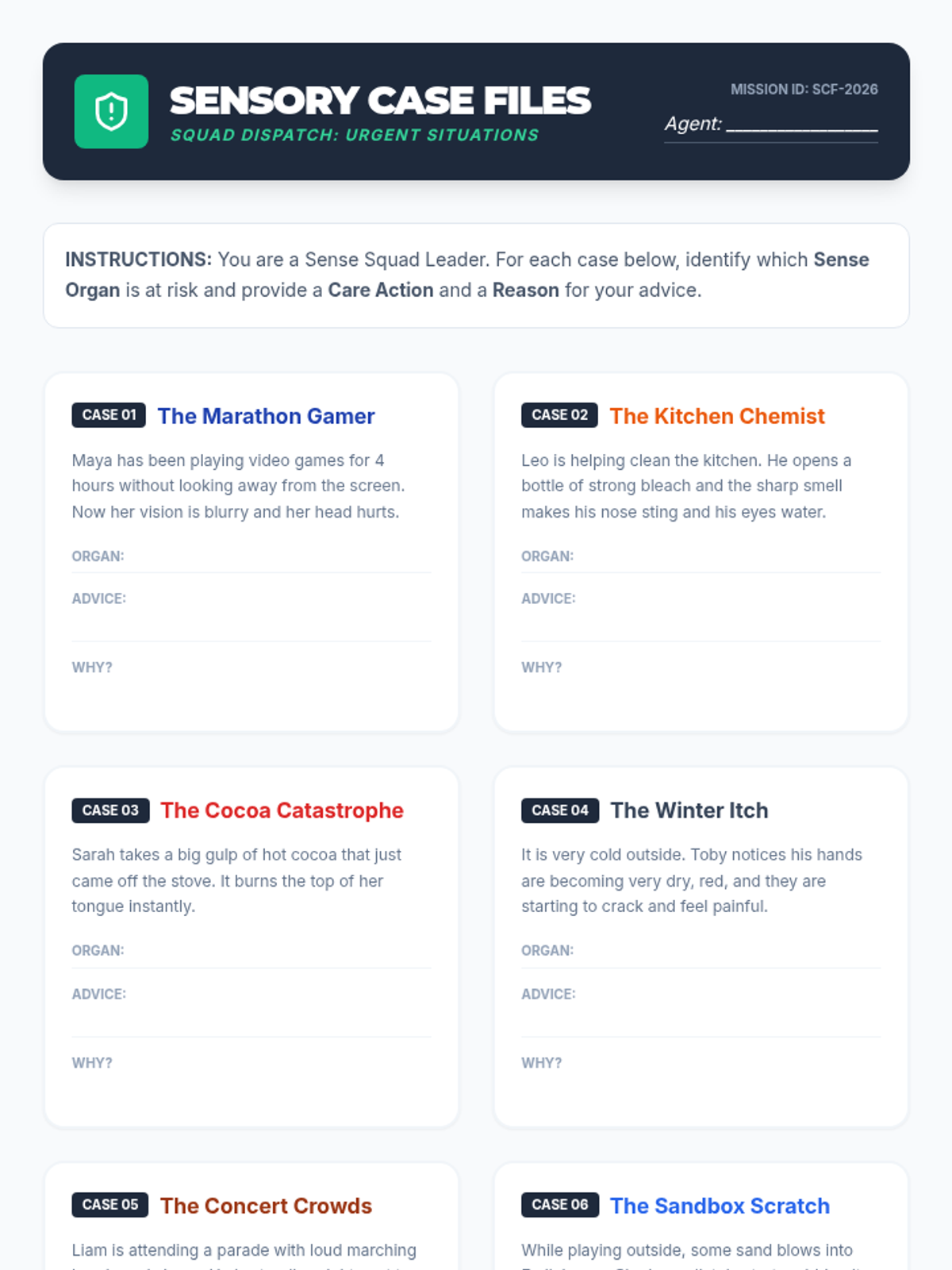
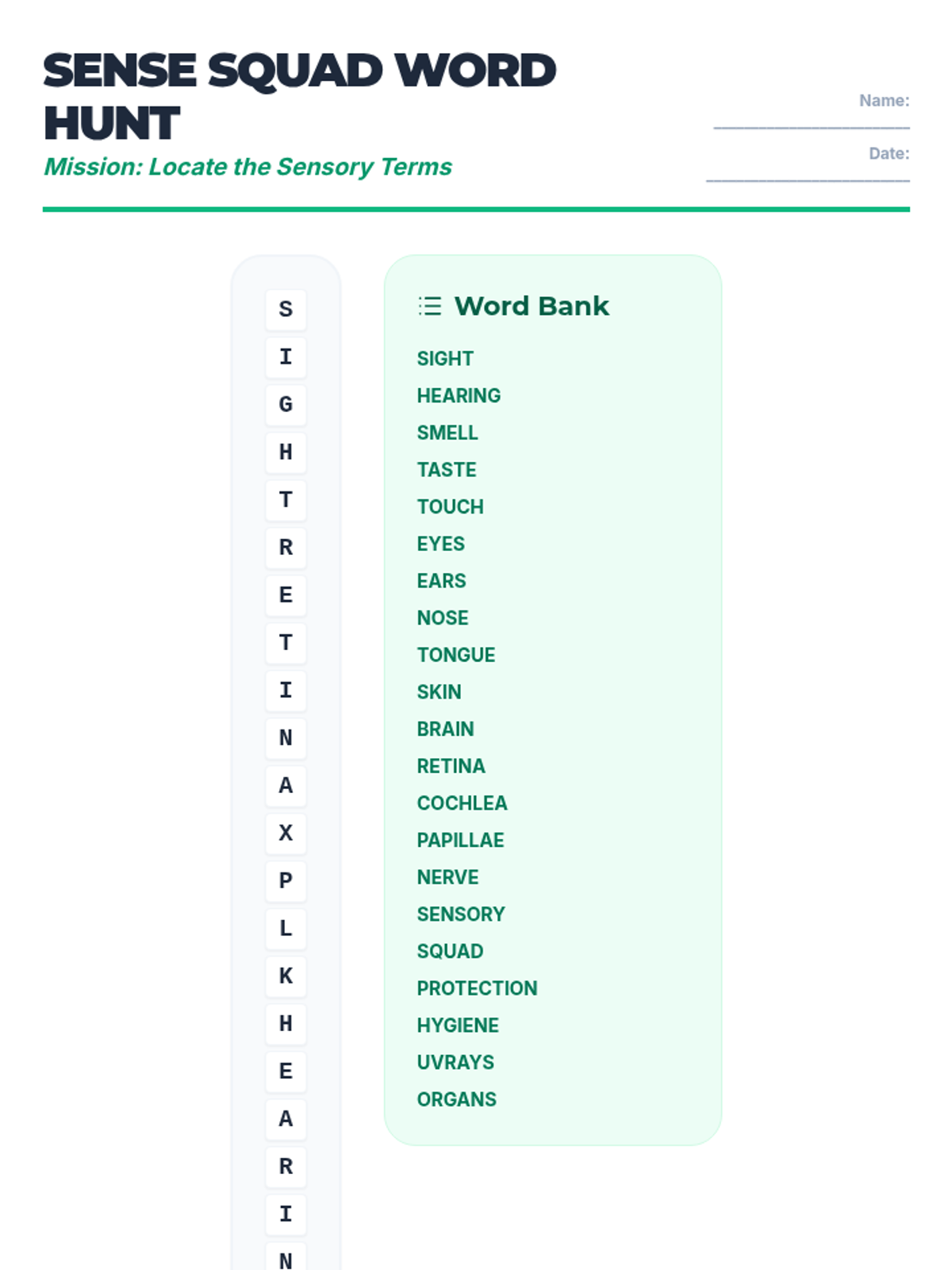
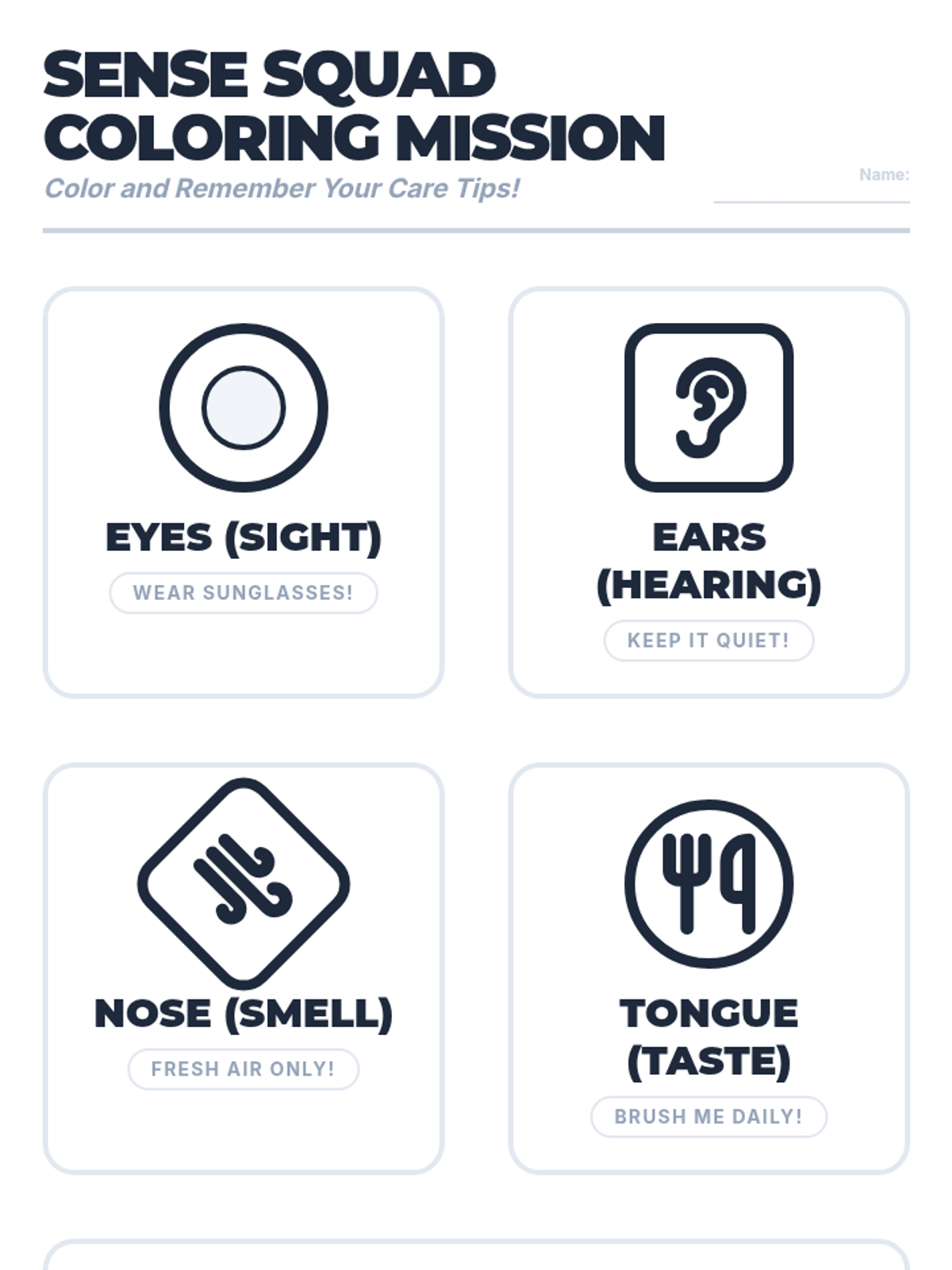
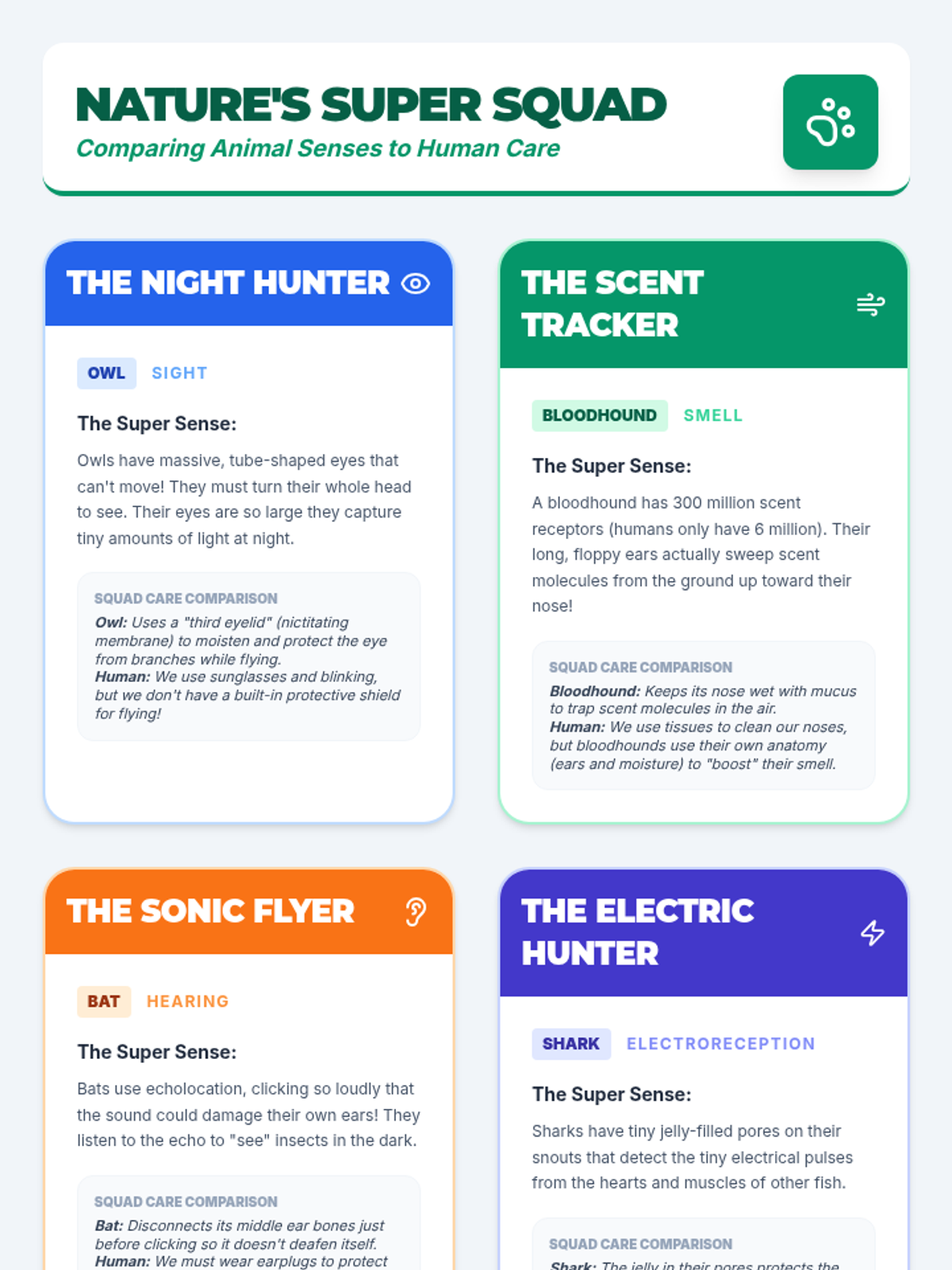
A comprehensive lesson exploring the five human sense organs, their functions, and essential care practices to maintain sensory health.
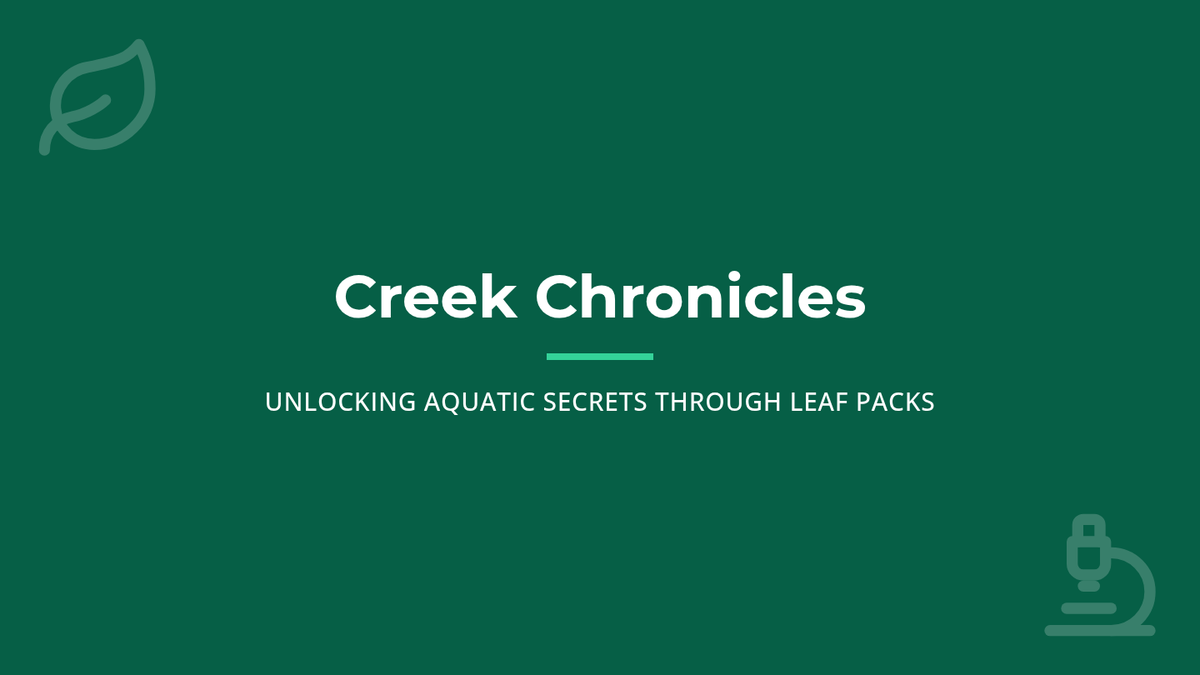
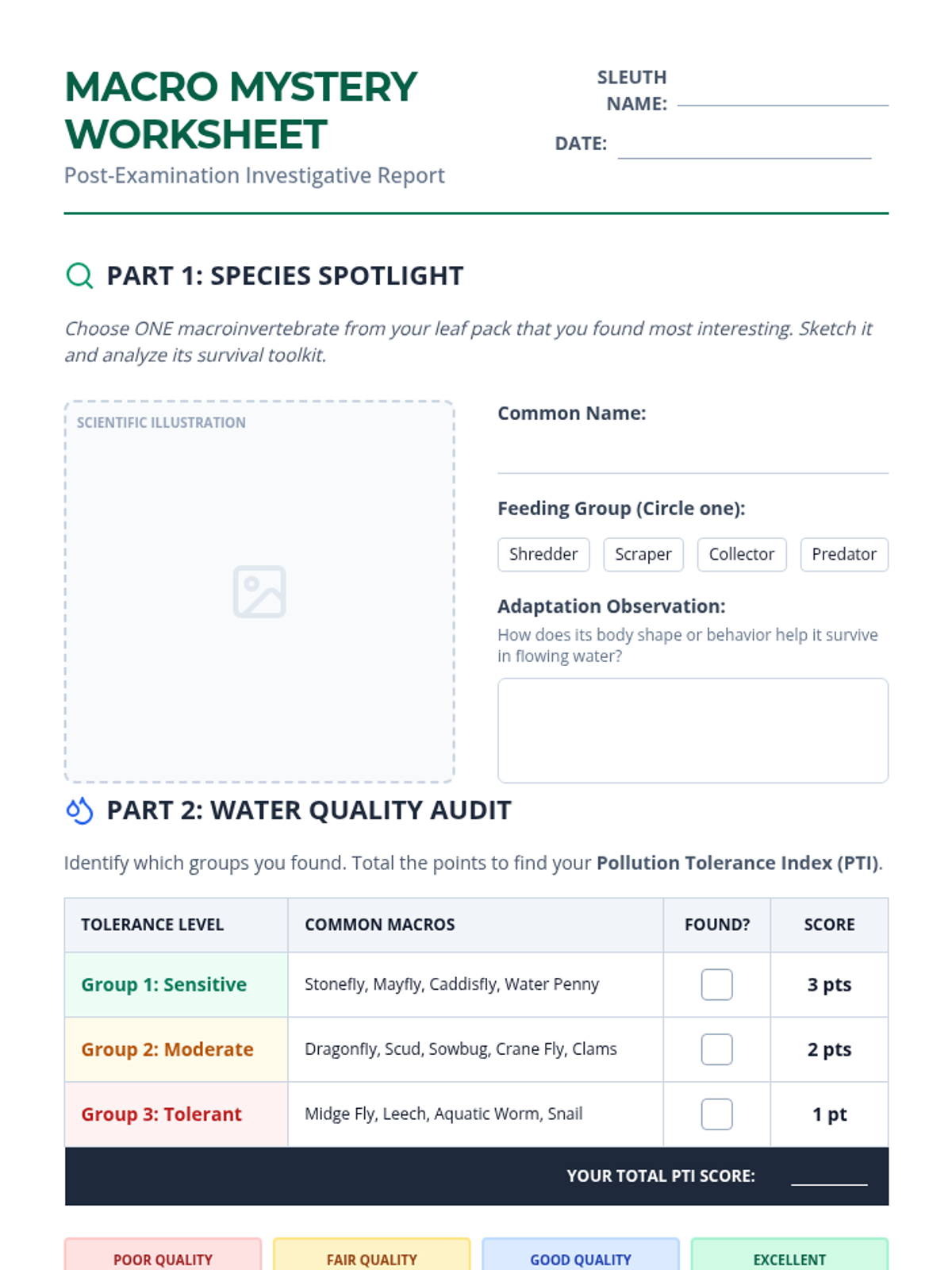
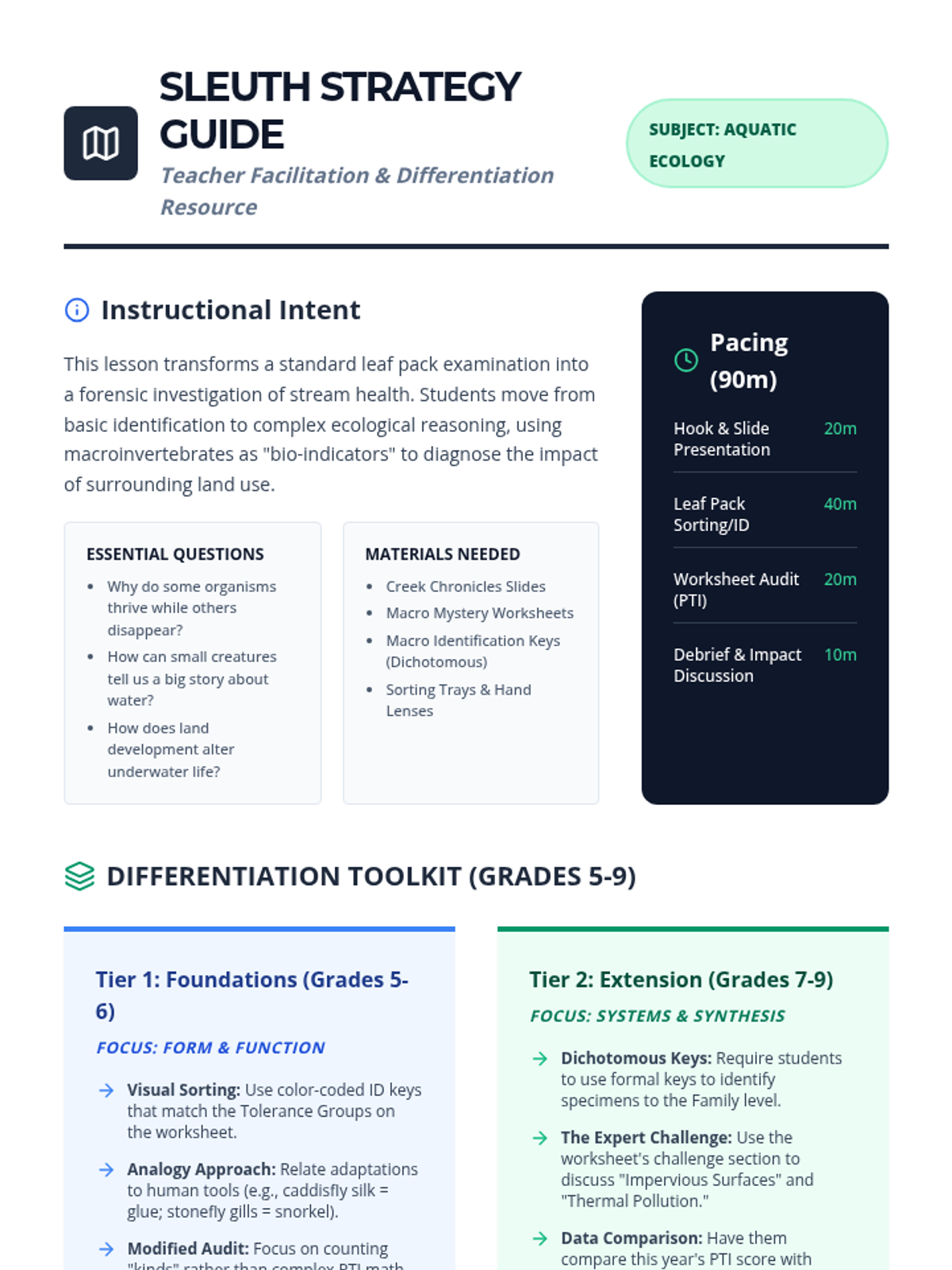
A comprehensive lesson investigating aquatic ecosystems through leaf pack analysis. Students identify macroinvertebrates, explore their specialized adaptations, and evaluate how human activities impact water quality and biodiversity.