Students learn sentence stems and polite protocols for pointing out a logical error during a debate. They practice these in low-stakes partner debates and improv activities.
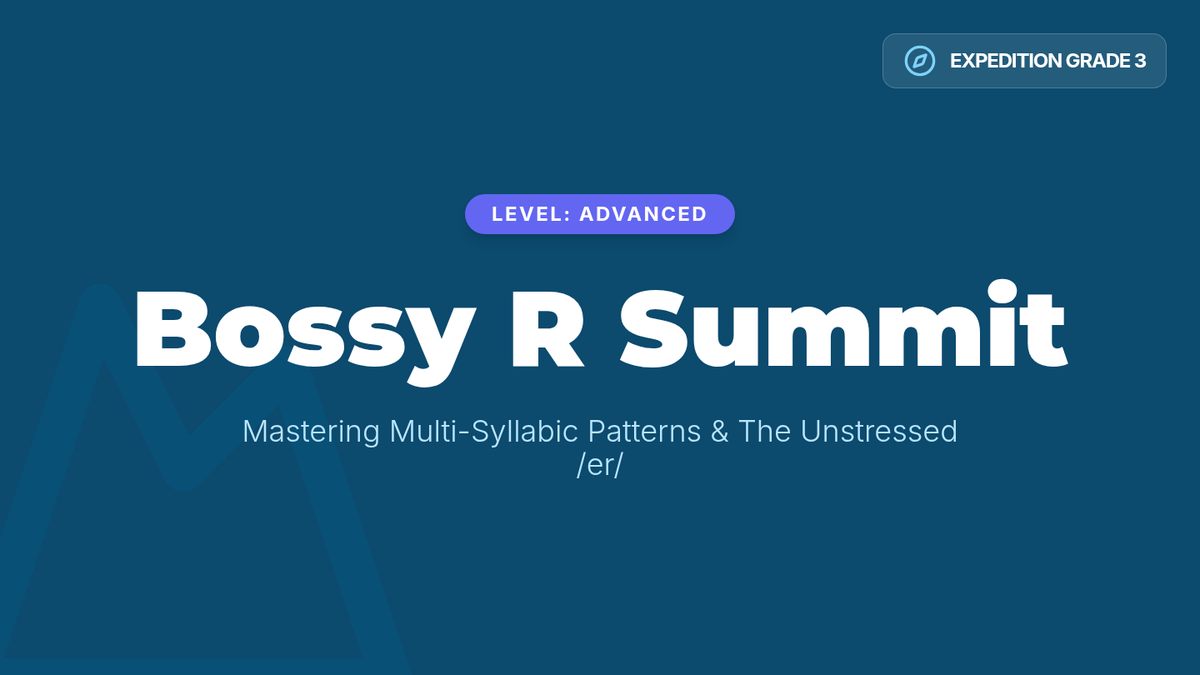
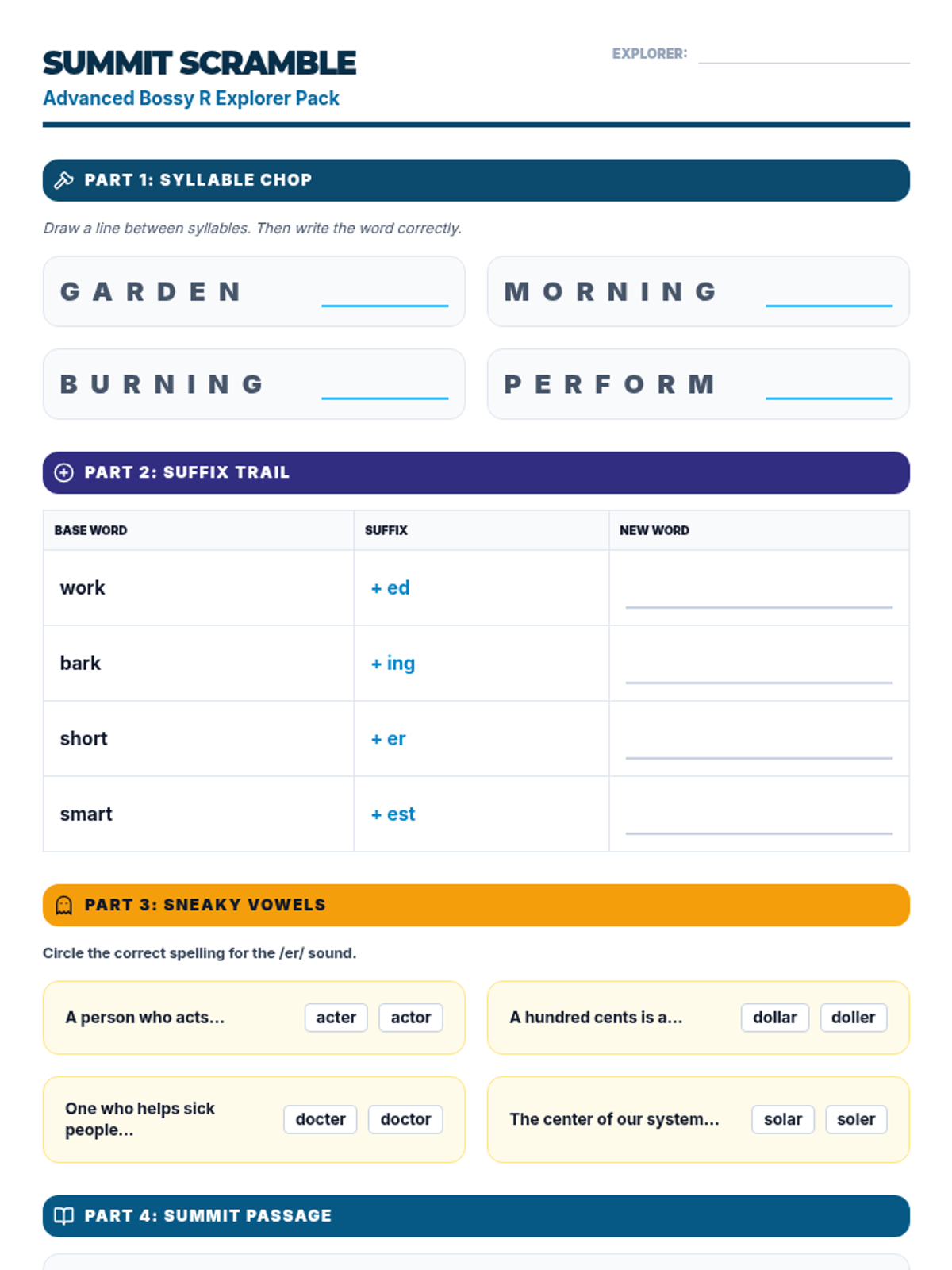
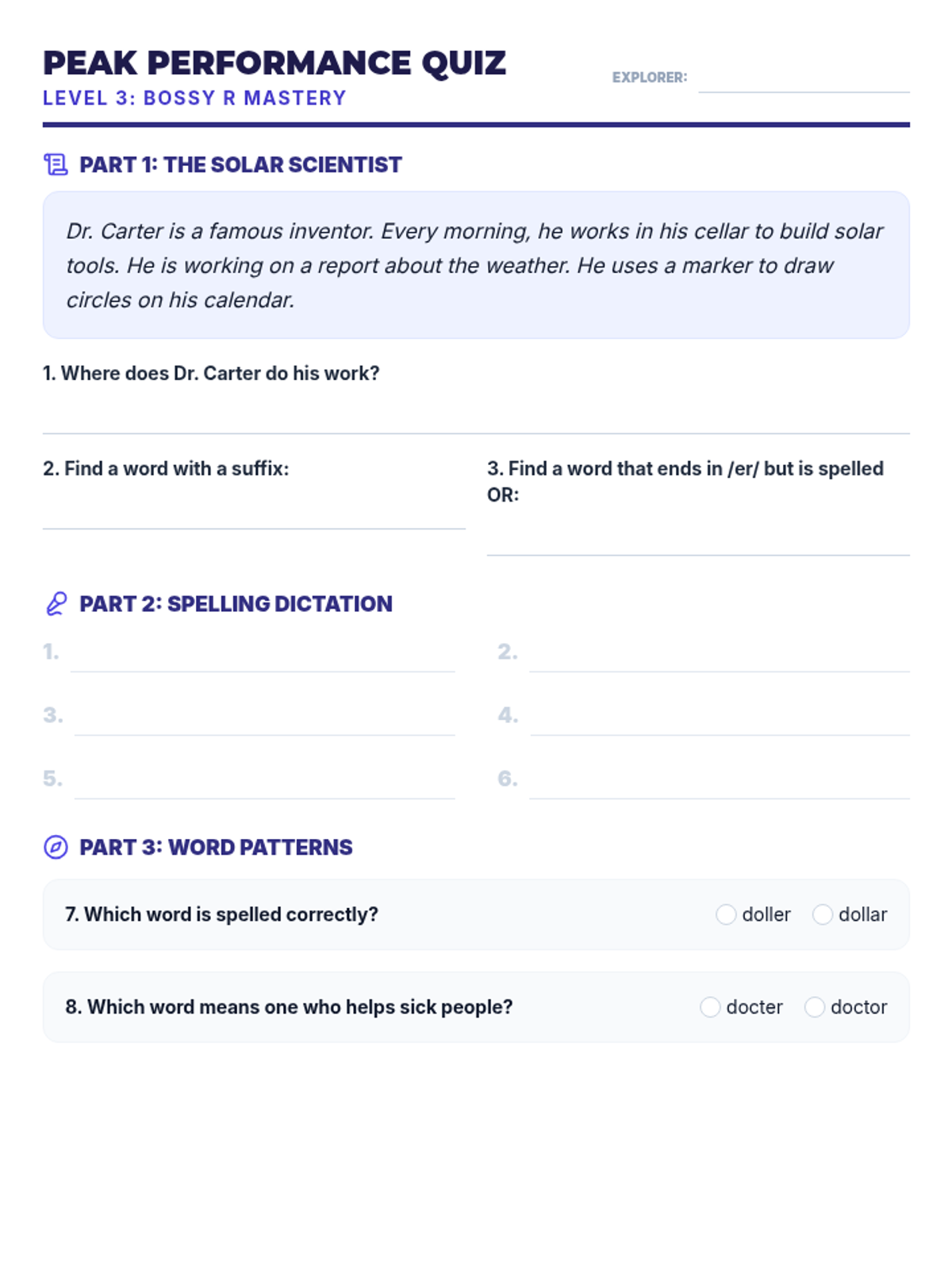
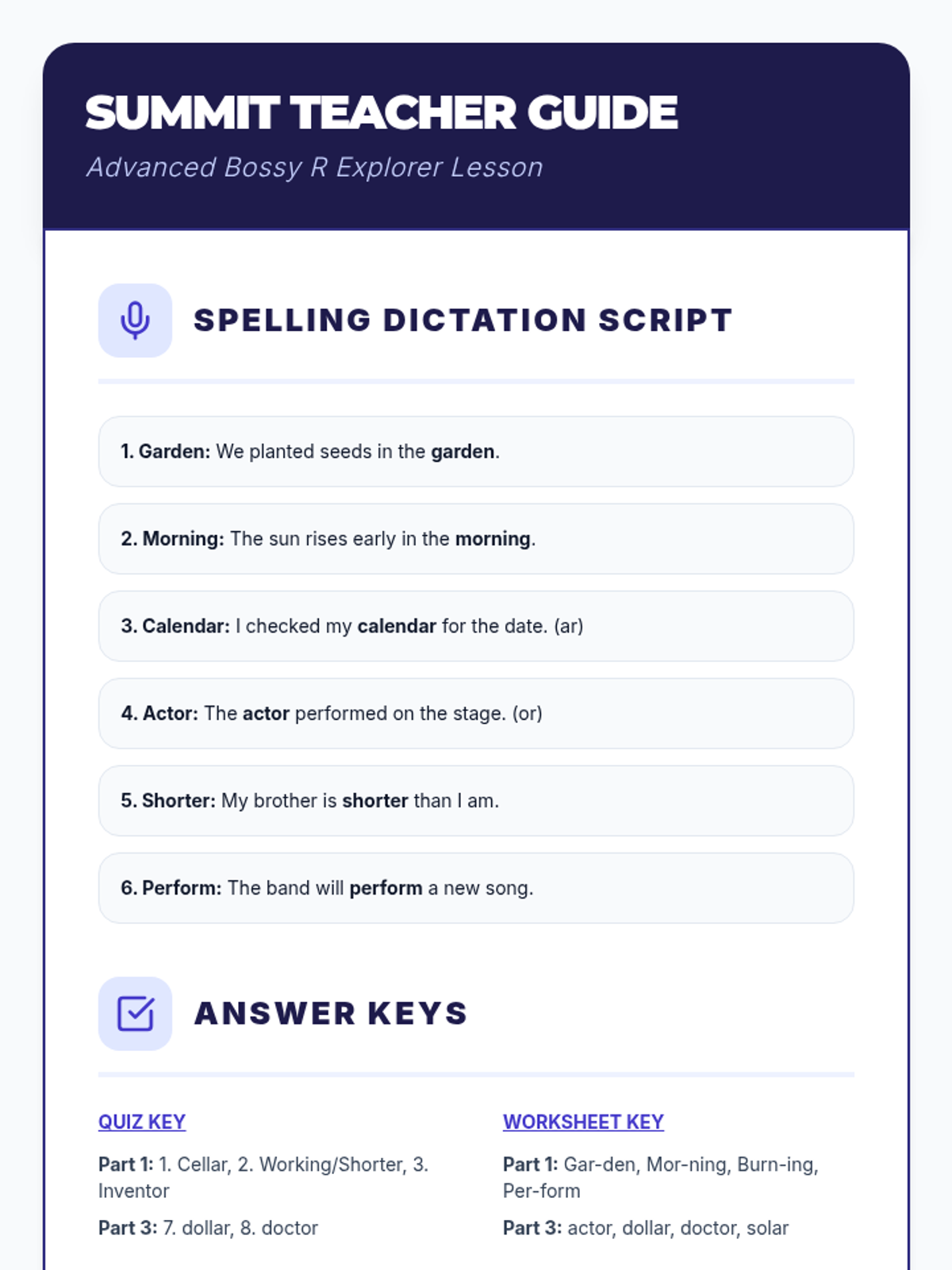
An advanced phonics lesson for 3rd grade focusing on multi-syllabic r-controlled vowel words, unstressed vowel sounds (ar, or as /er/), and adding suffixes to r-controlled base words.
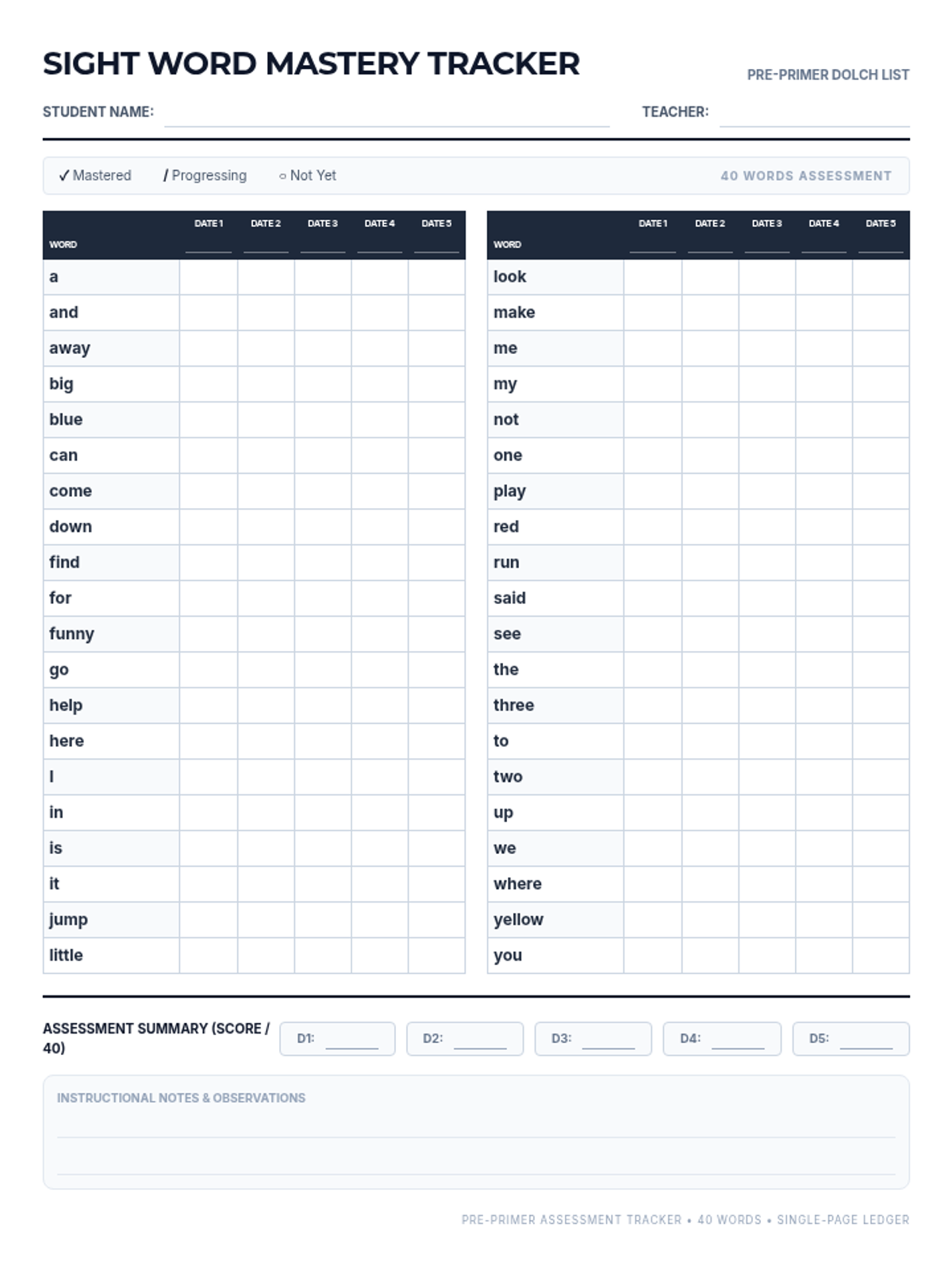
A focused tool for tracking progress on Pre-Primer Dolch sight words, designed for easy assessment and data collection.
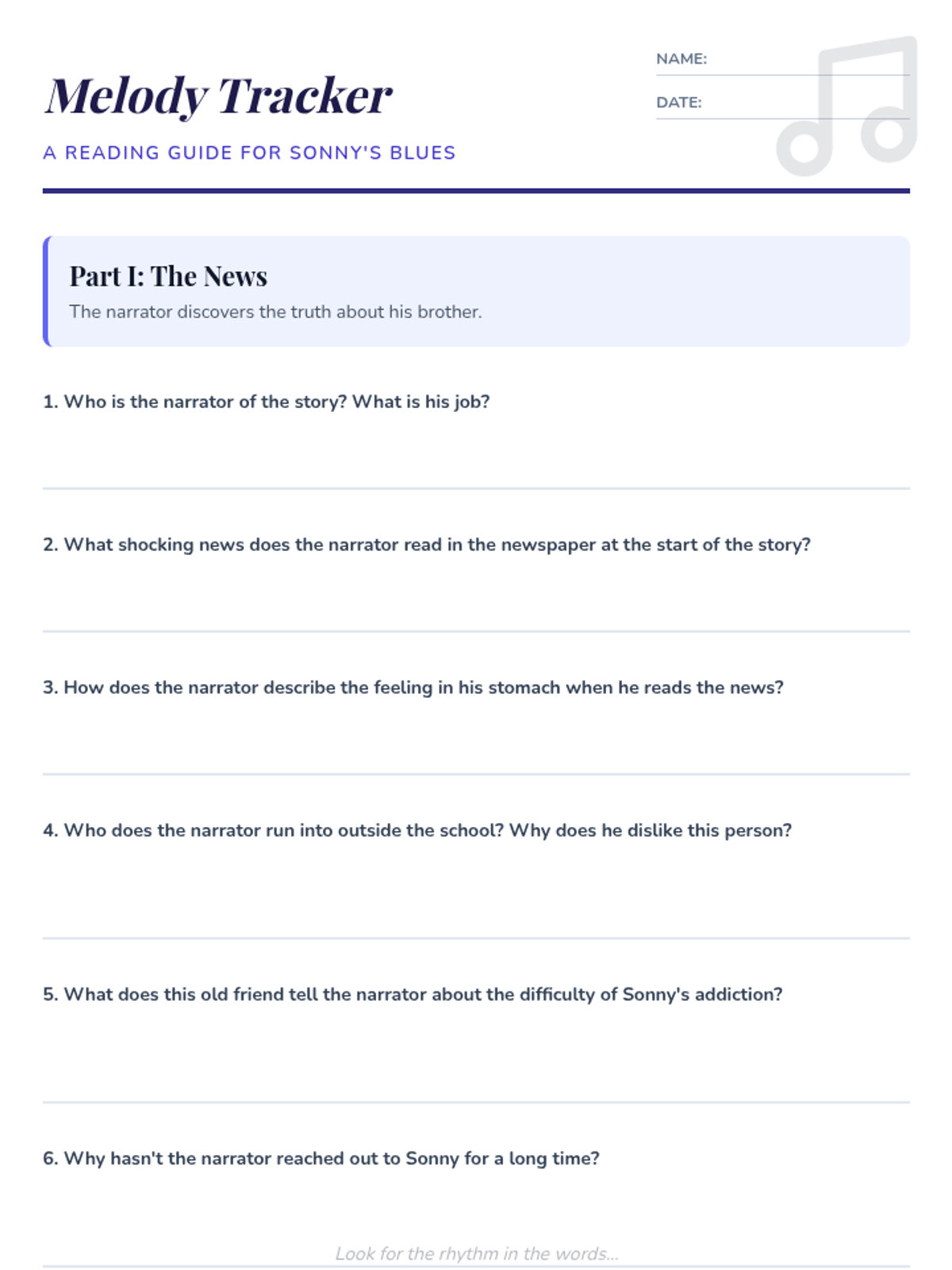
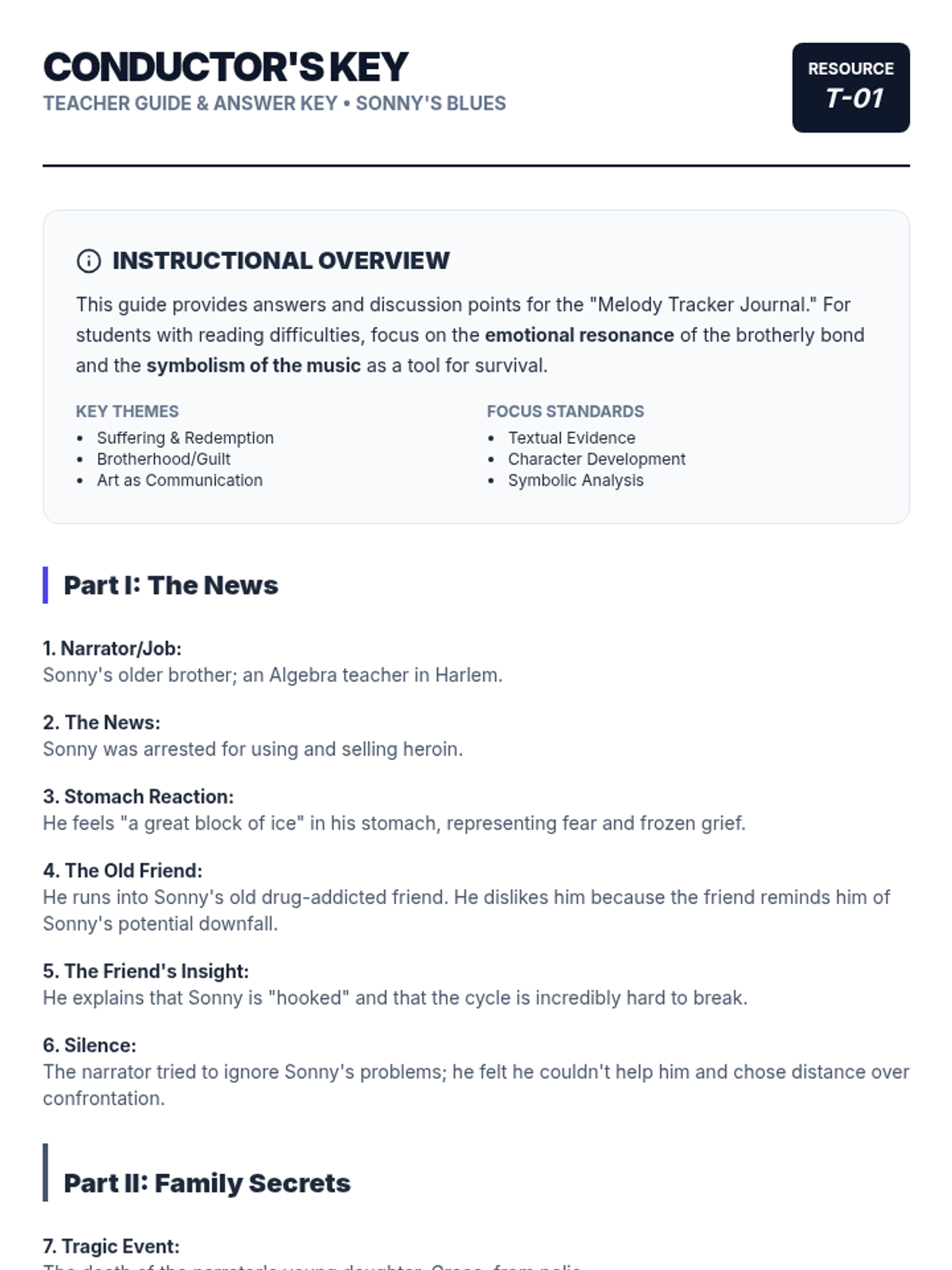
A deep dive into James Baldwin's 'Sonny's Blues,' focusing on character dynamics, the symbolism of jazz, and the redemptive power of art in 1950s Harlem.
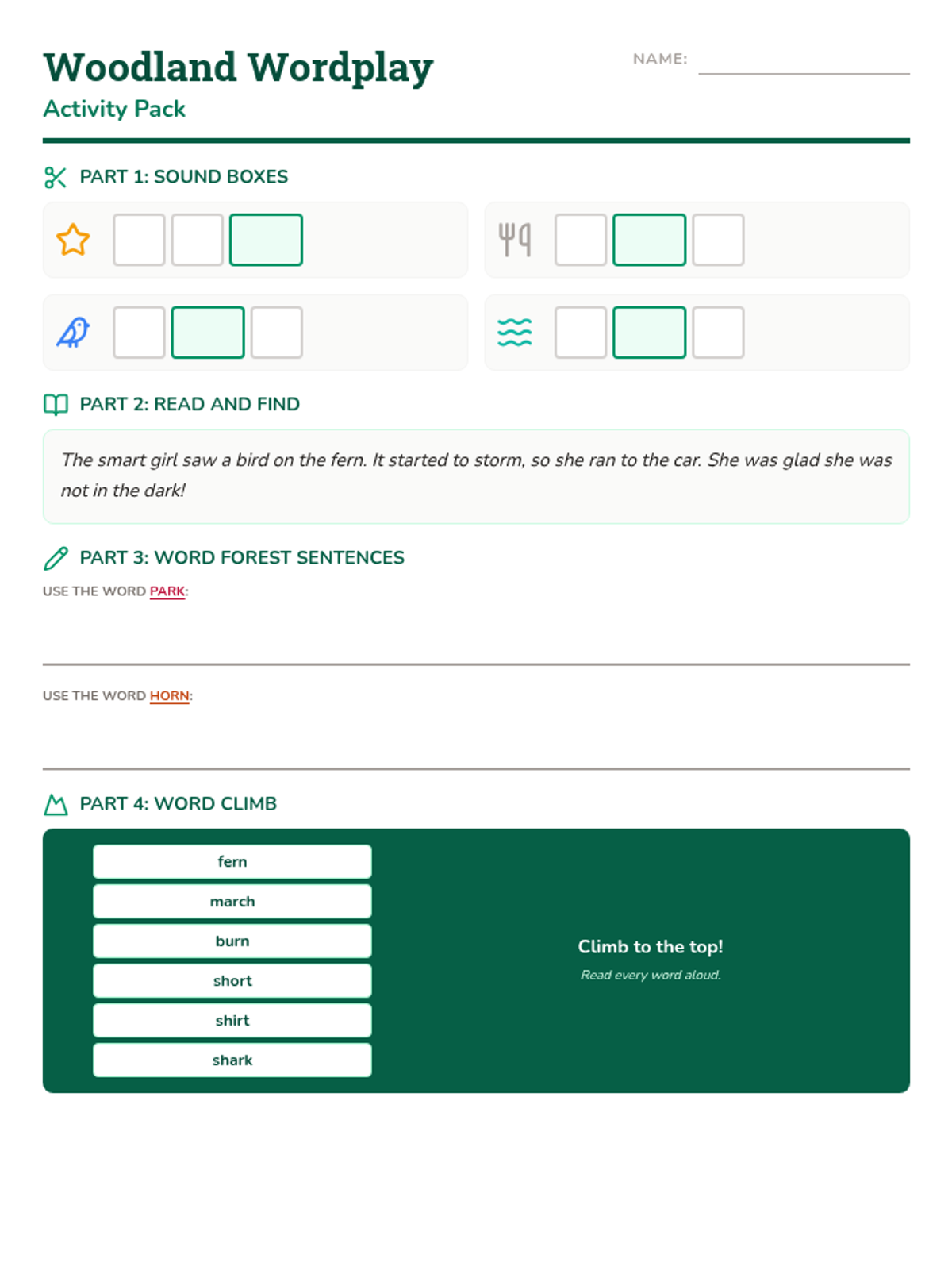
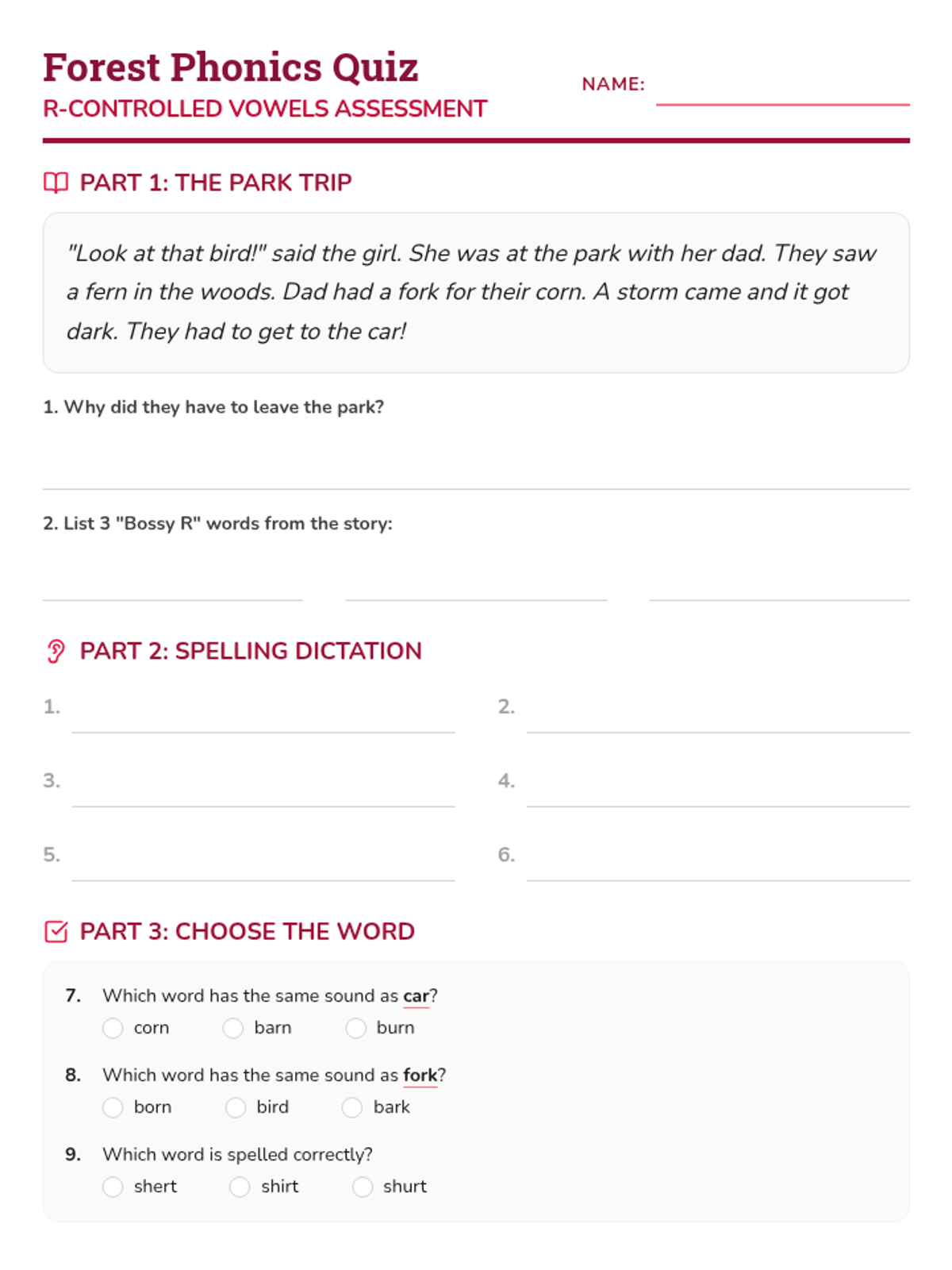
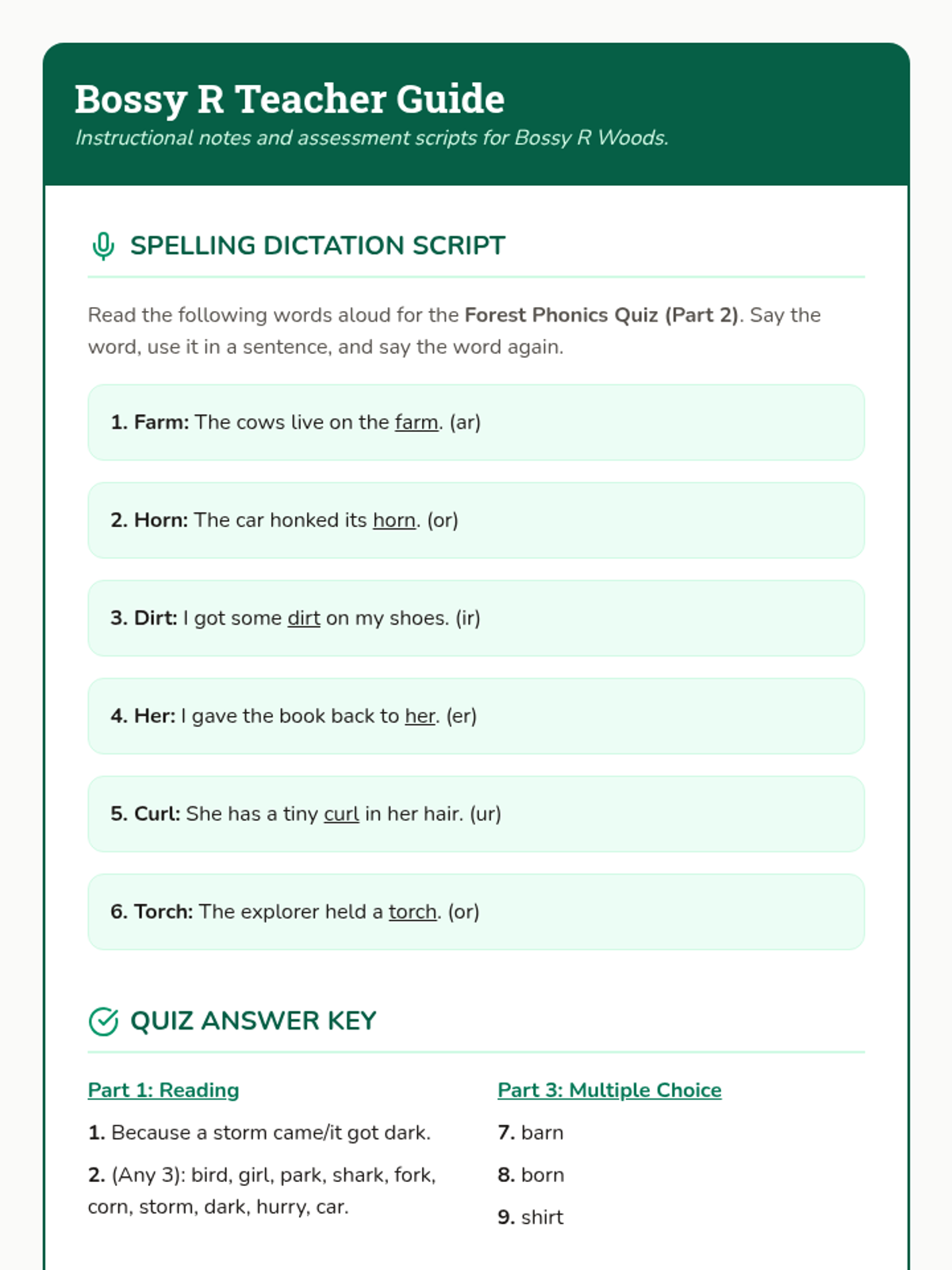
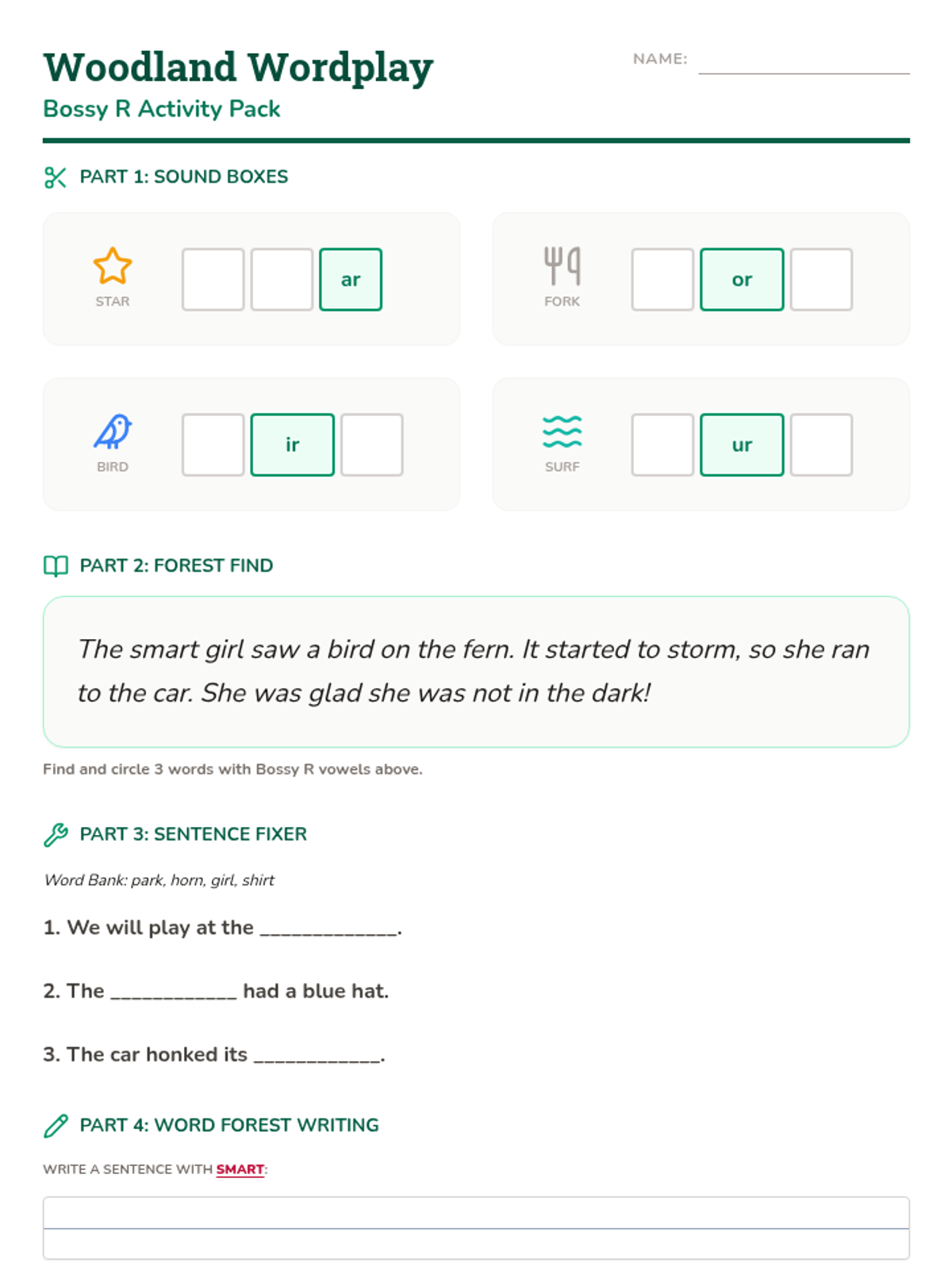
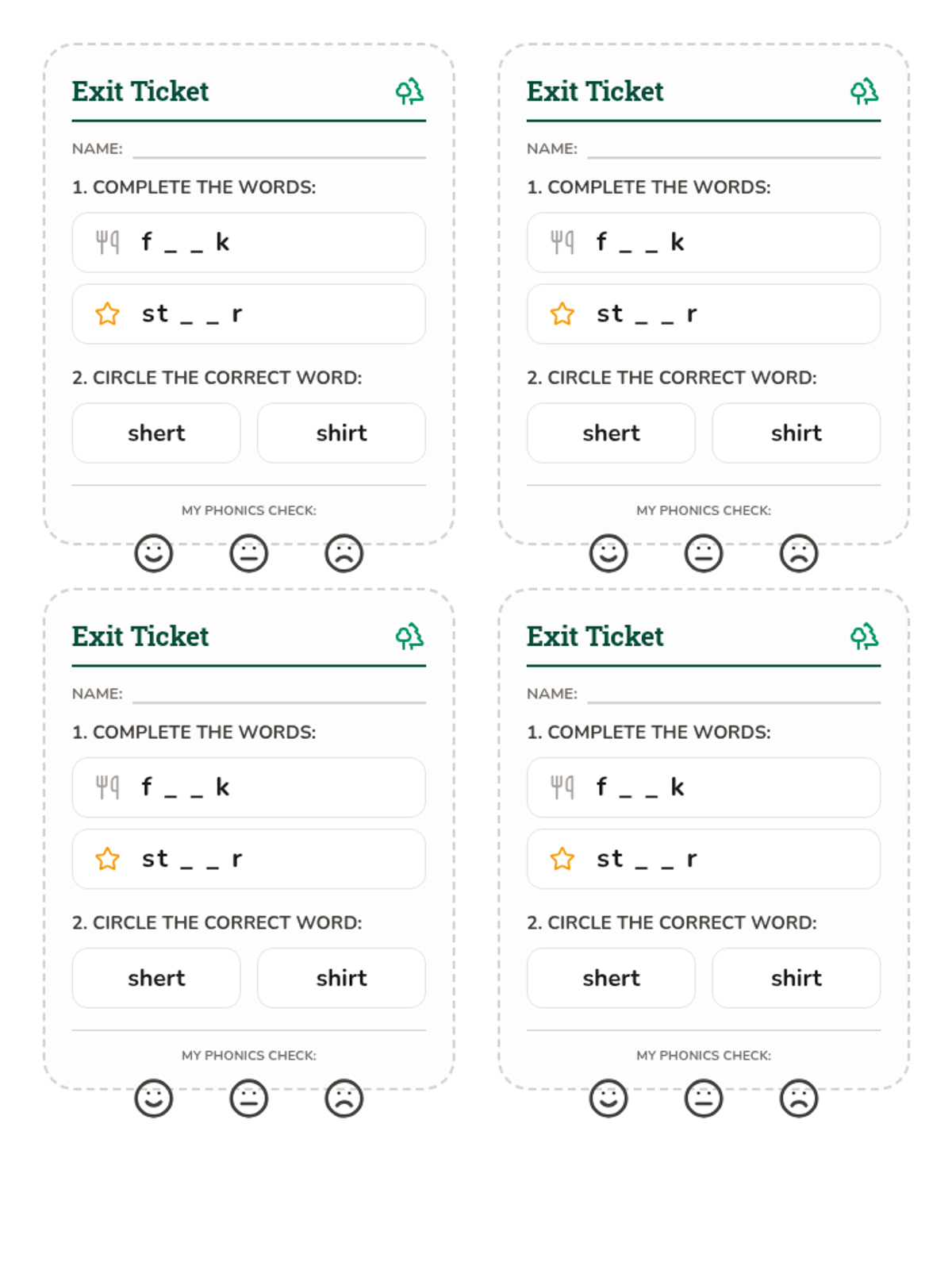
A comprehensive phonics lesson introducing the five r-controlled vowels (ar, er, ir, or, ur) through interactive forest-themed instruction and practice.
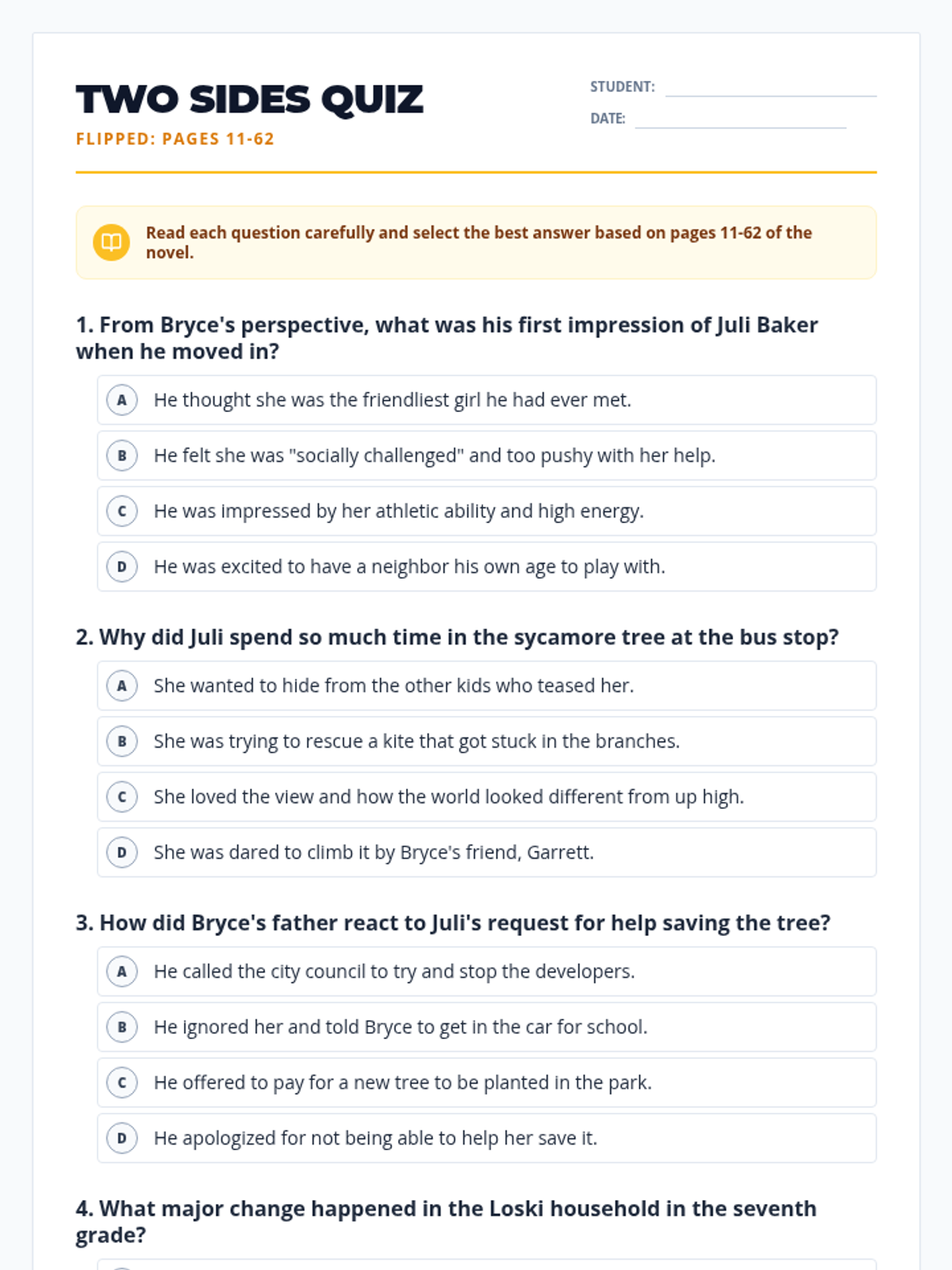
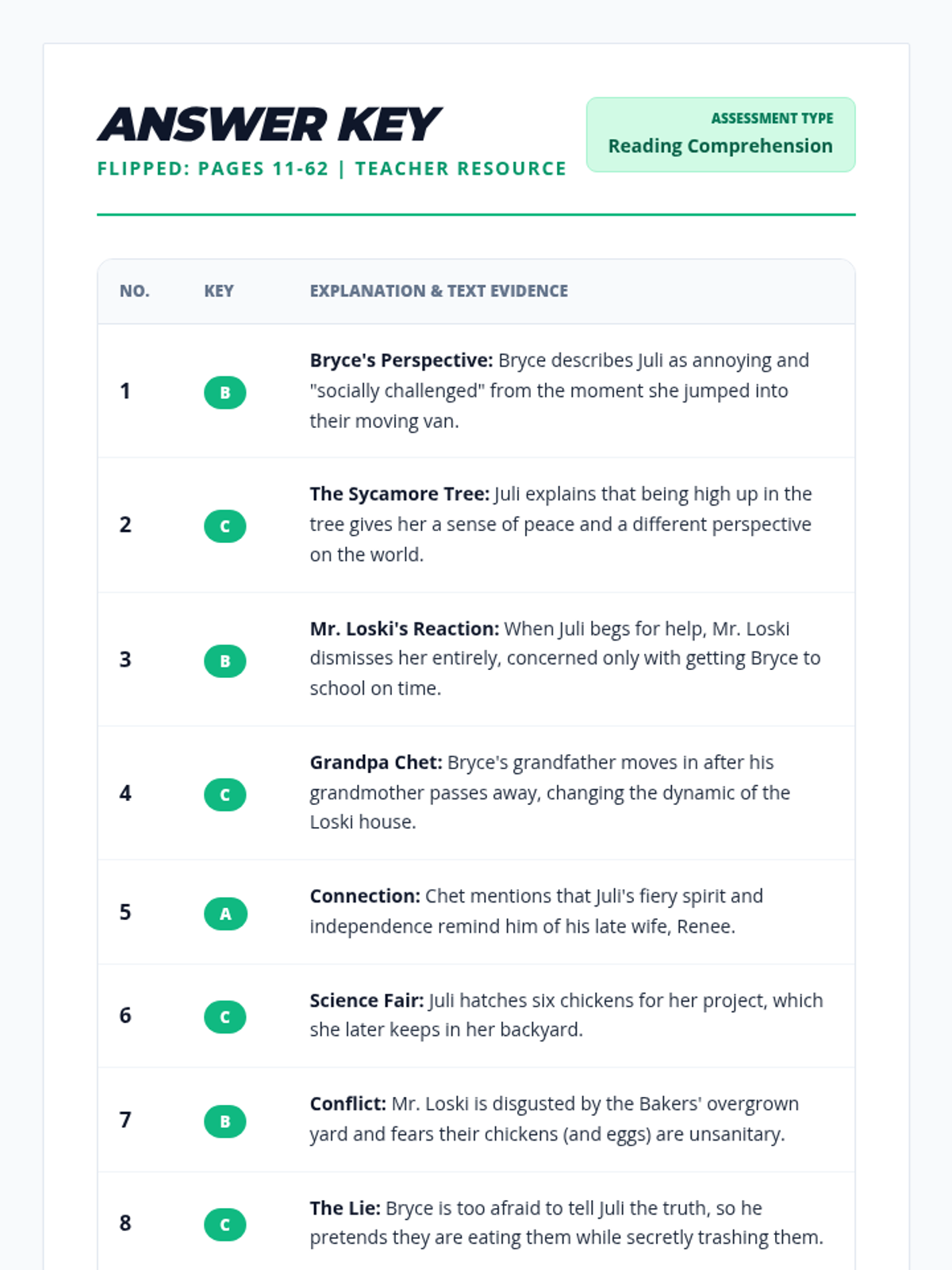
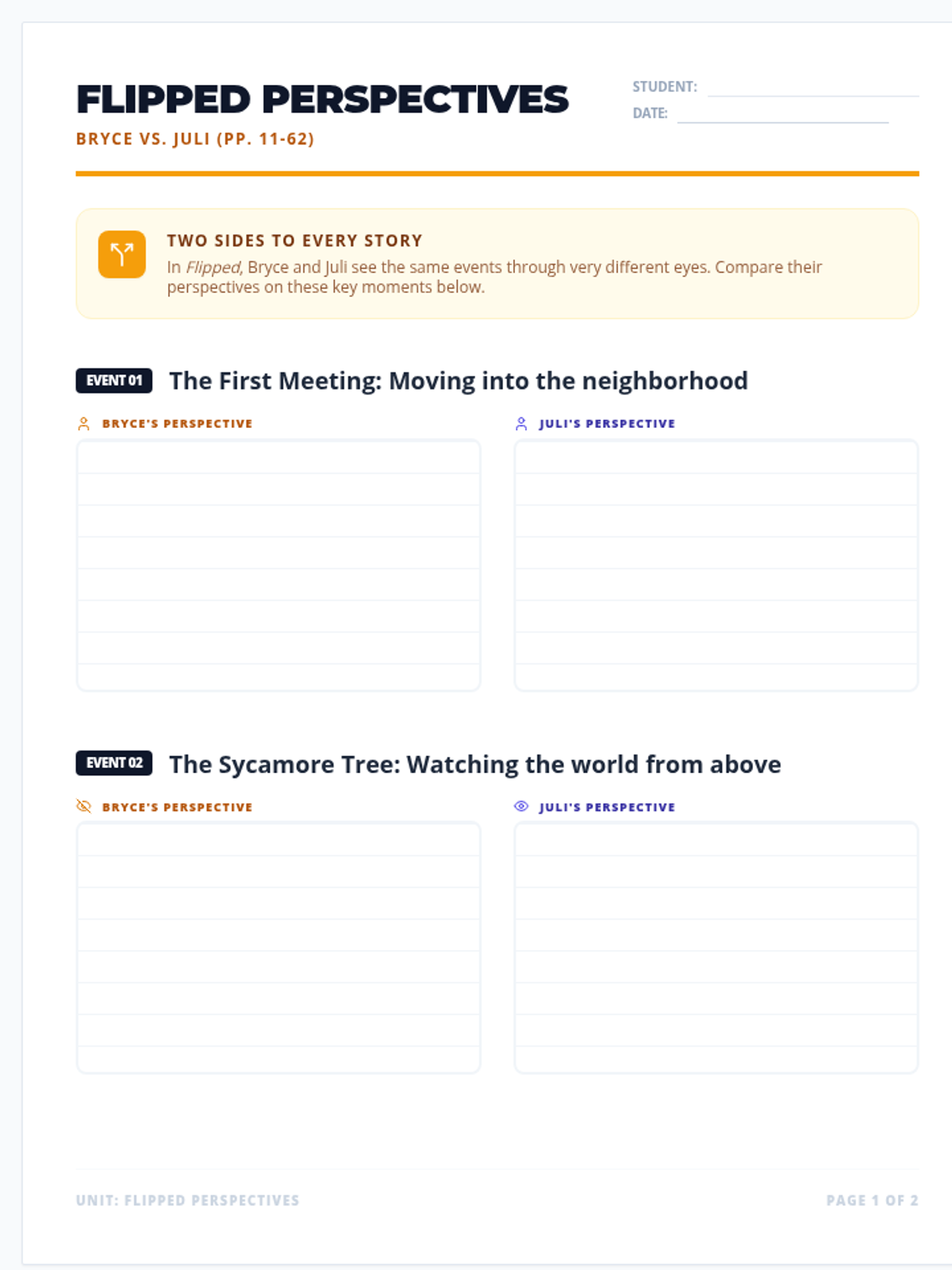
A comprehension assessment focused on the initial chapters of 'Flipped' by Wendelin Van Draanen, exploring dual perspectives, character motivations, and key plot points between Bryce and Juli.
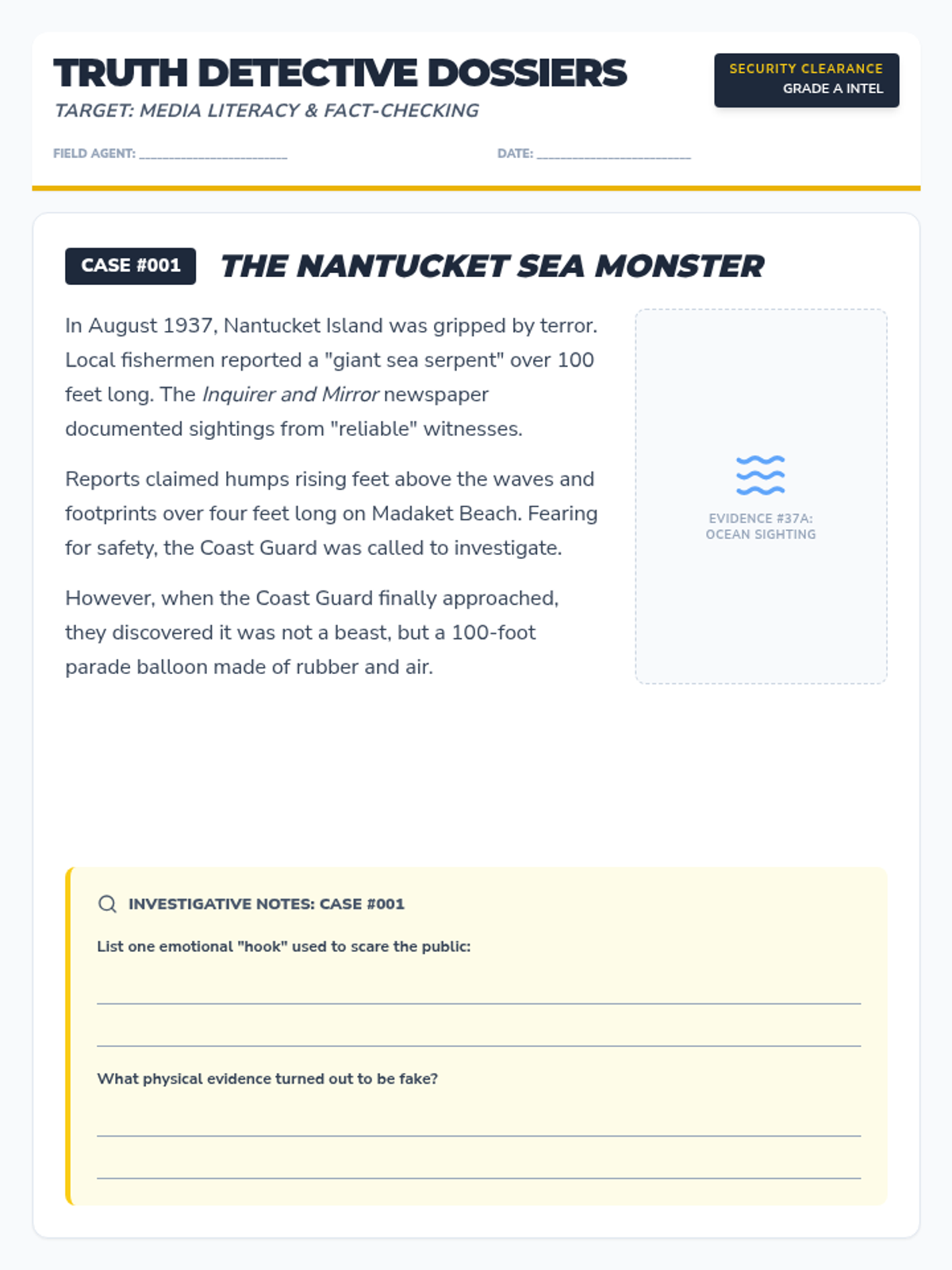
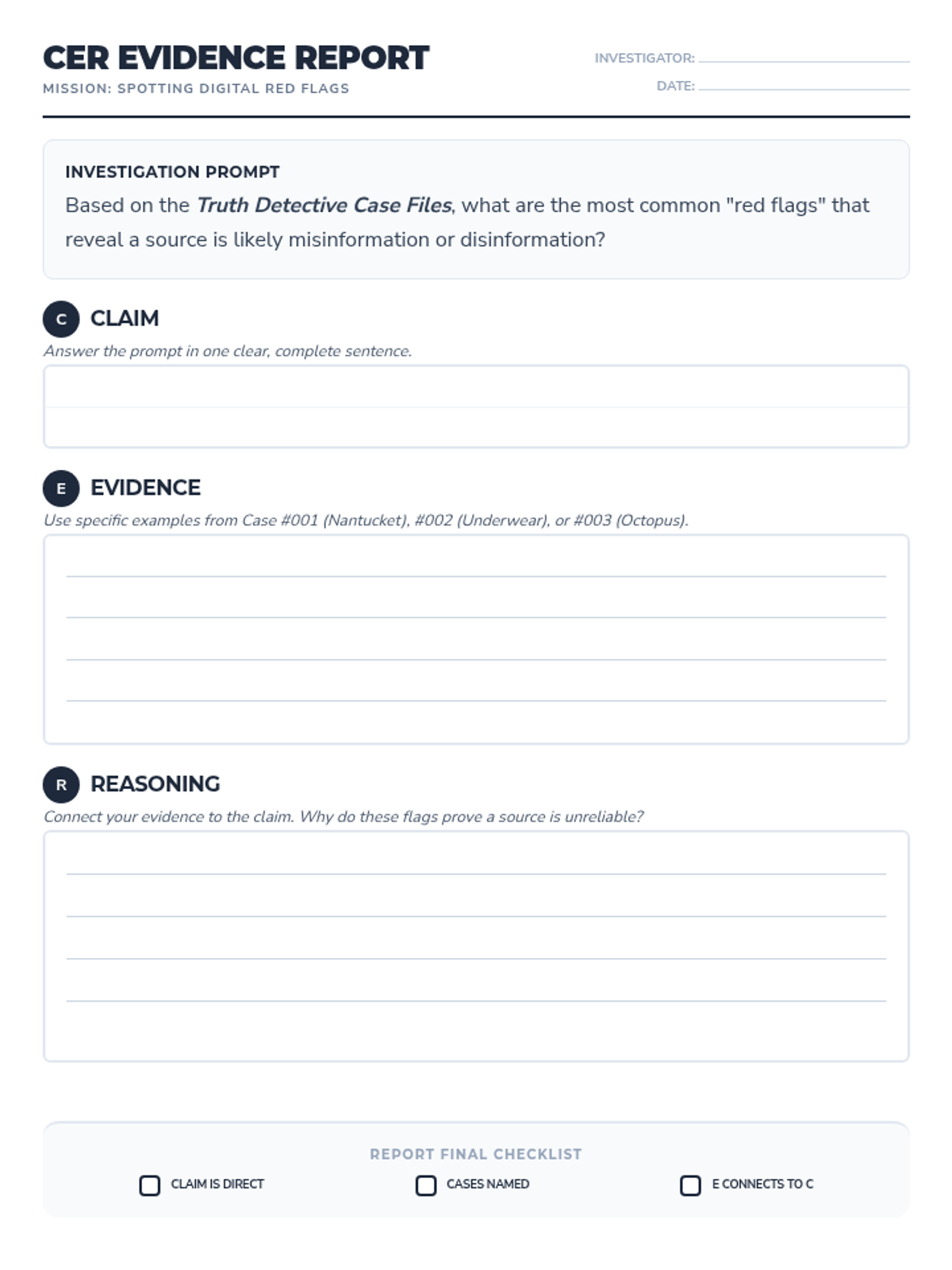
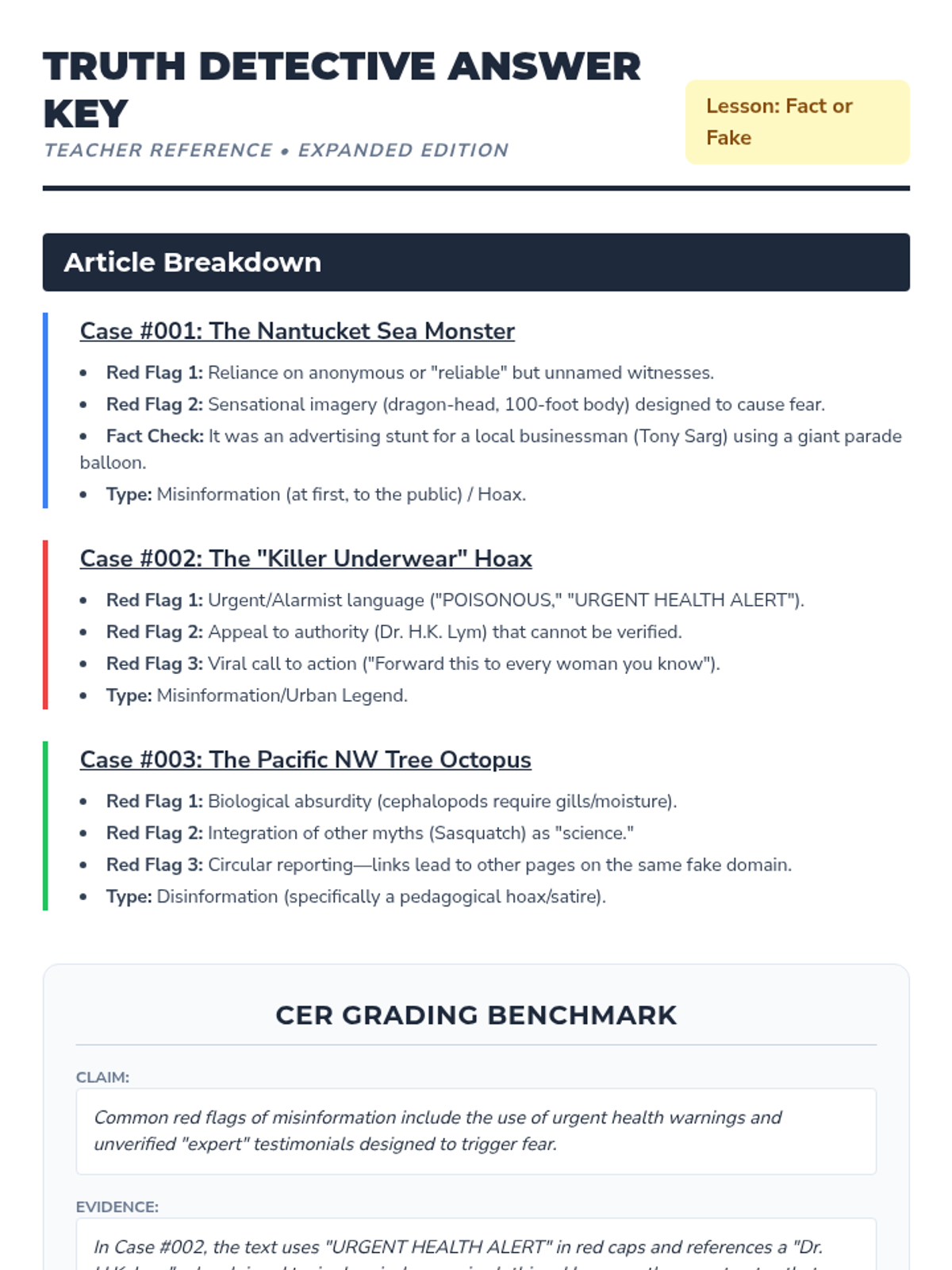
A lesson focused on identifying misinformation and disinformation through short case studies, culminating in a CER (Claim, Evidence, Reasoning) paragraph about spotting digital red flags.
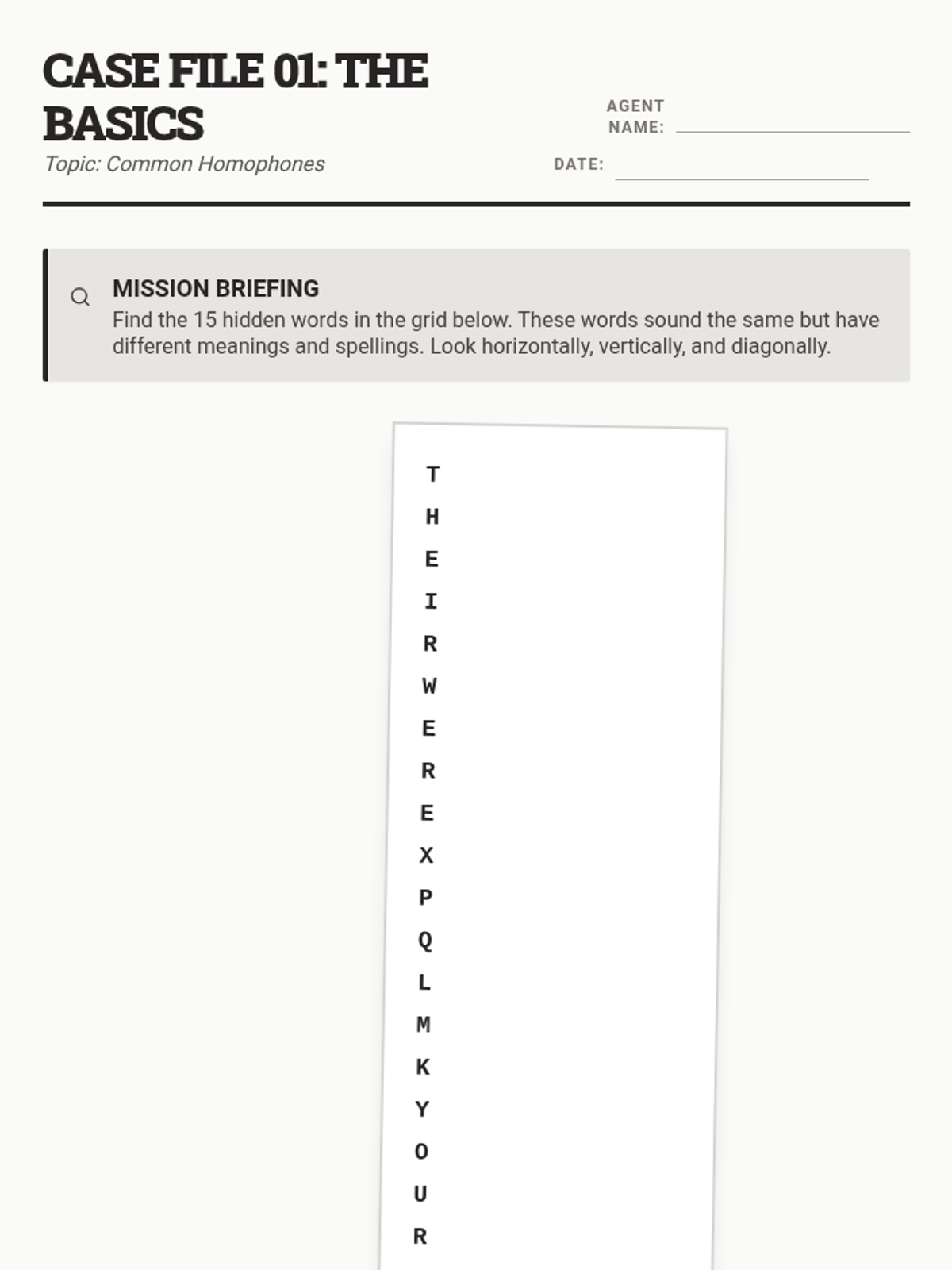
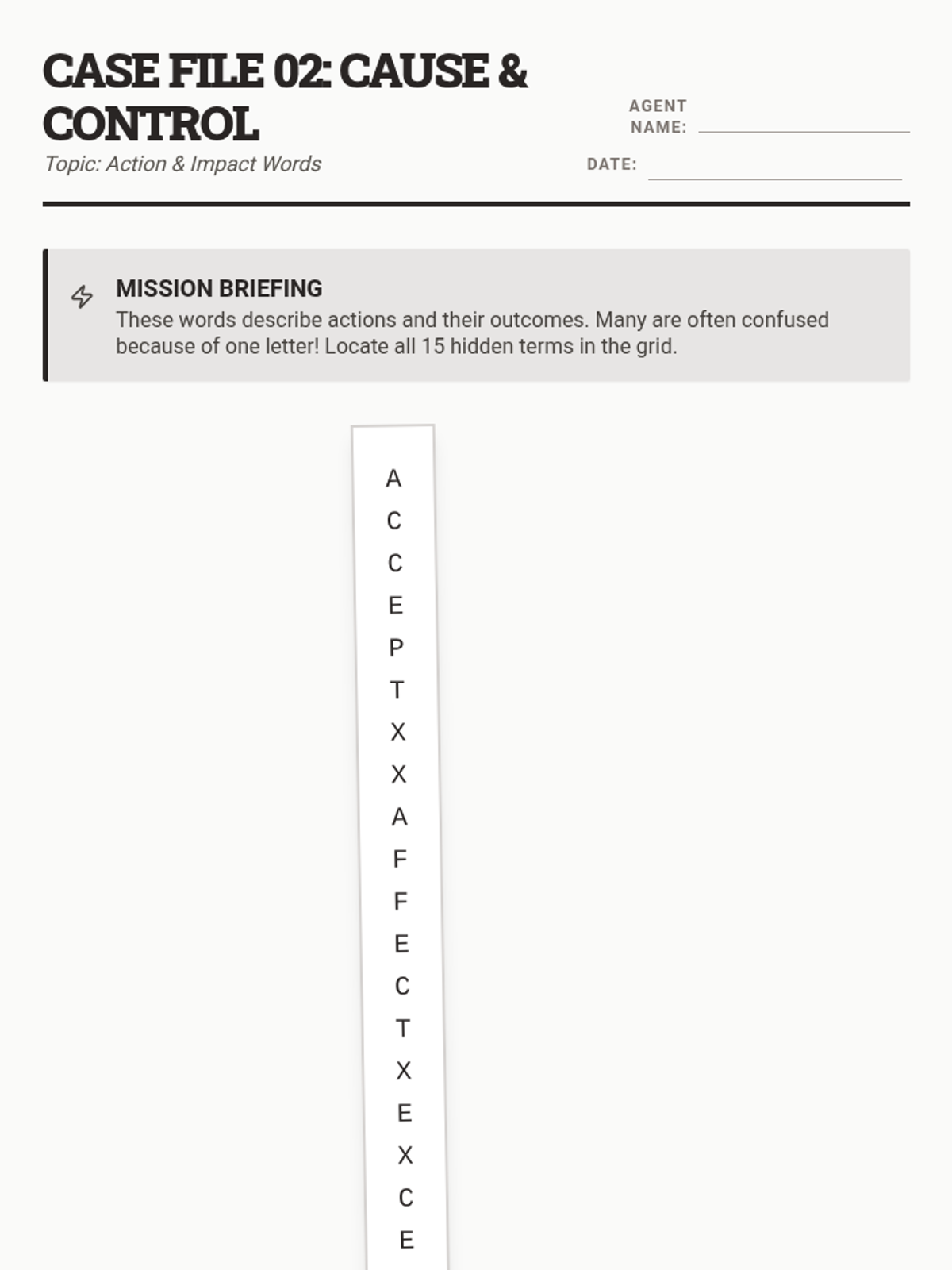
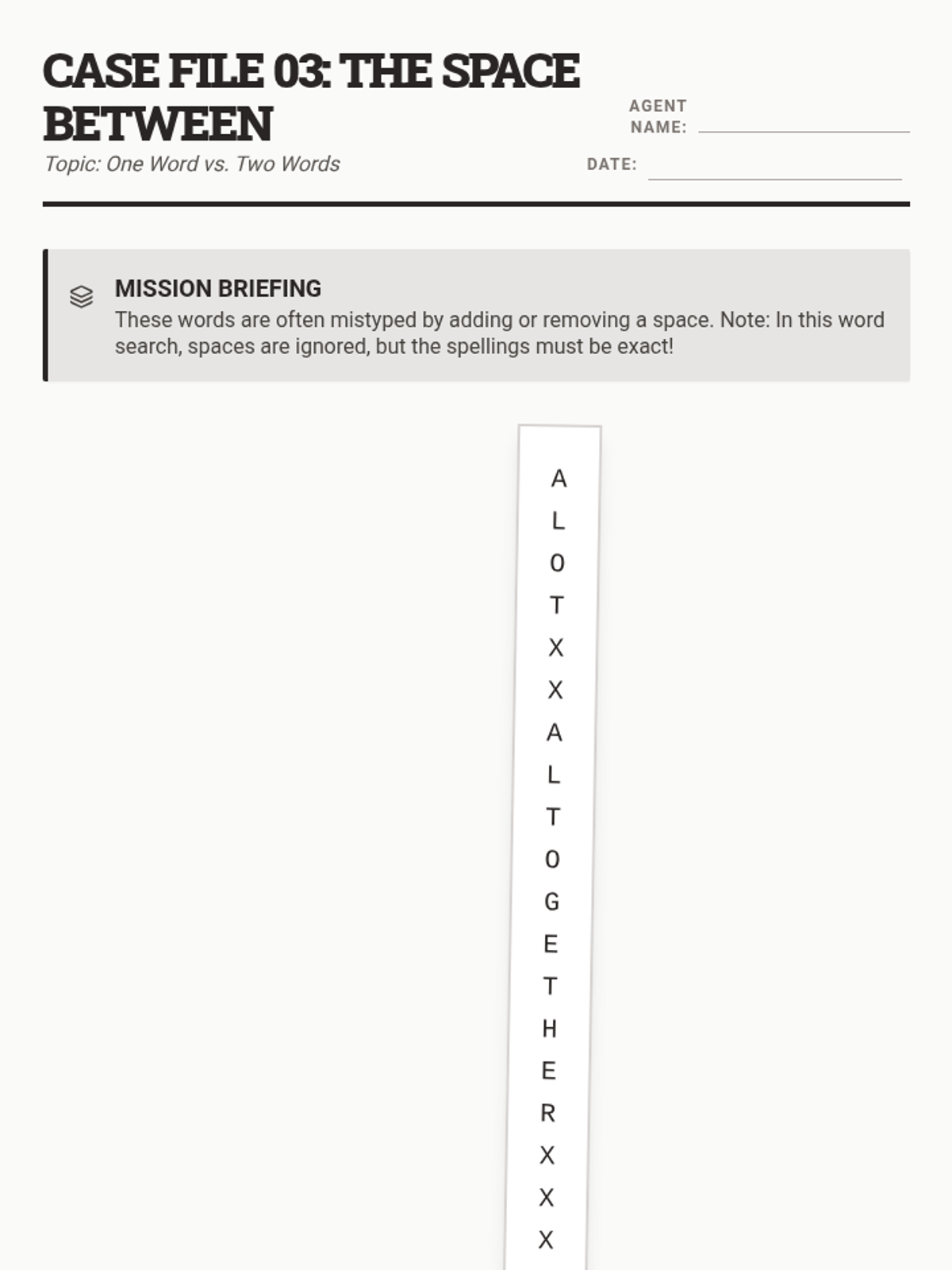
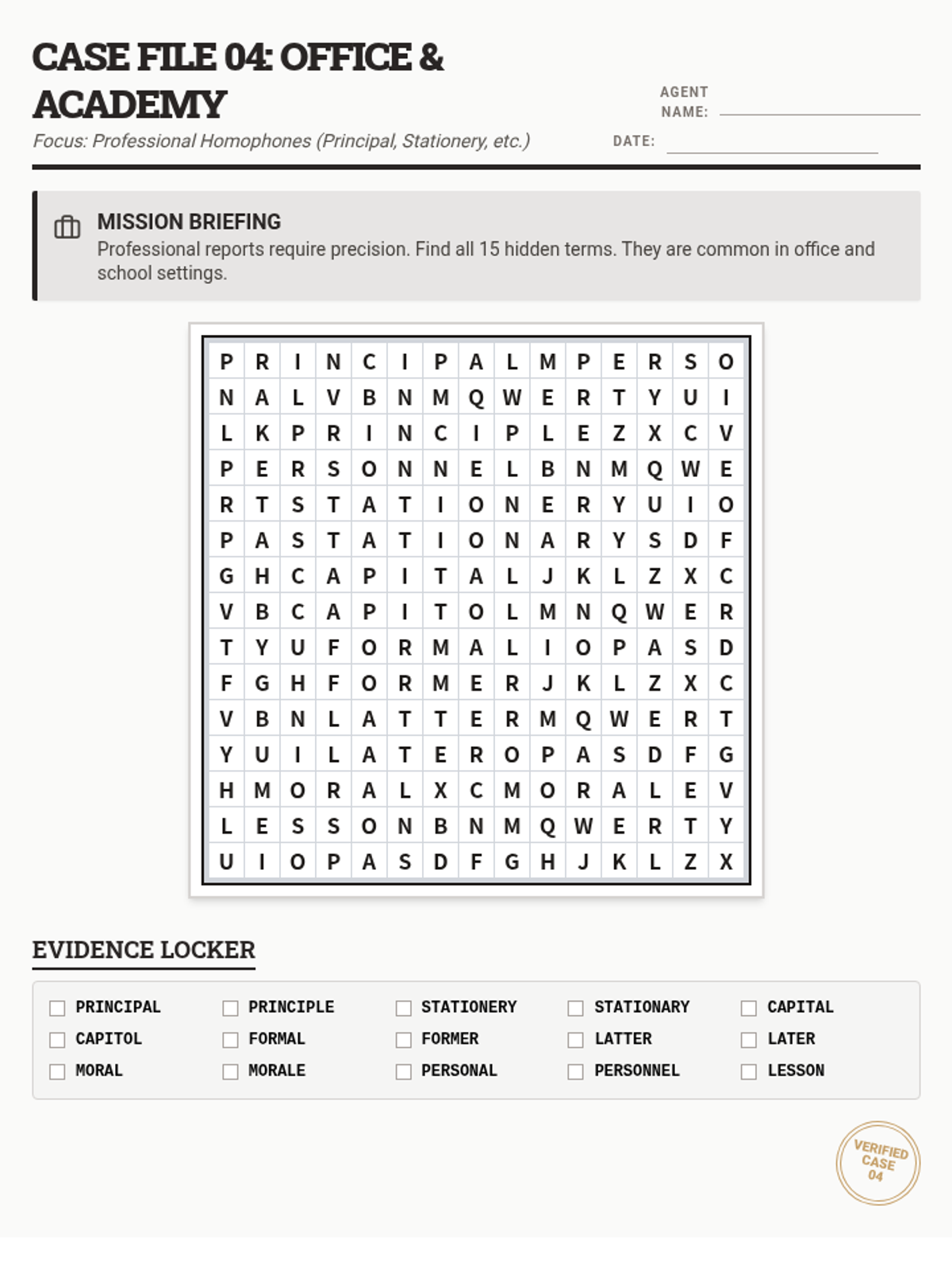
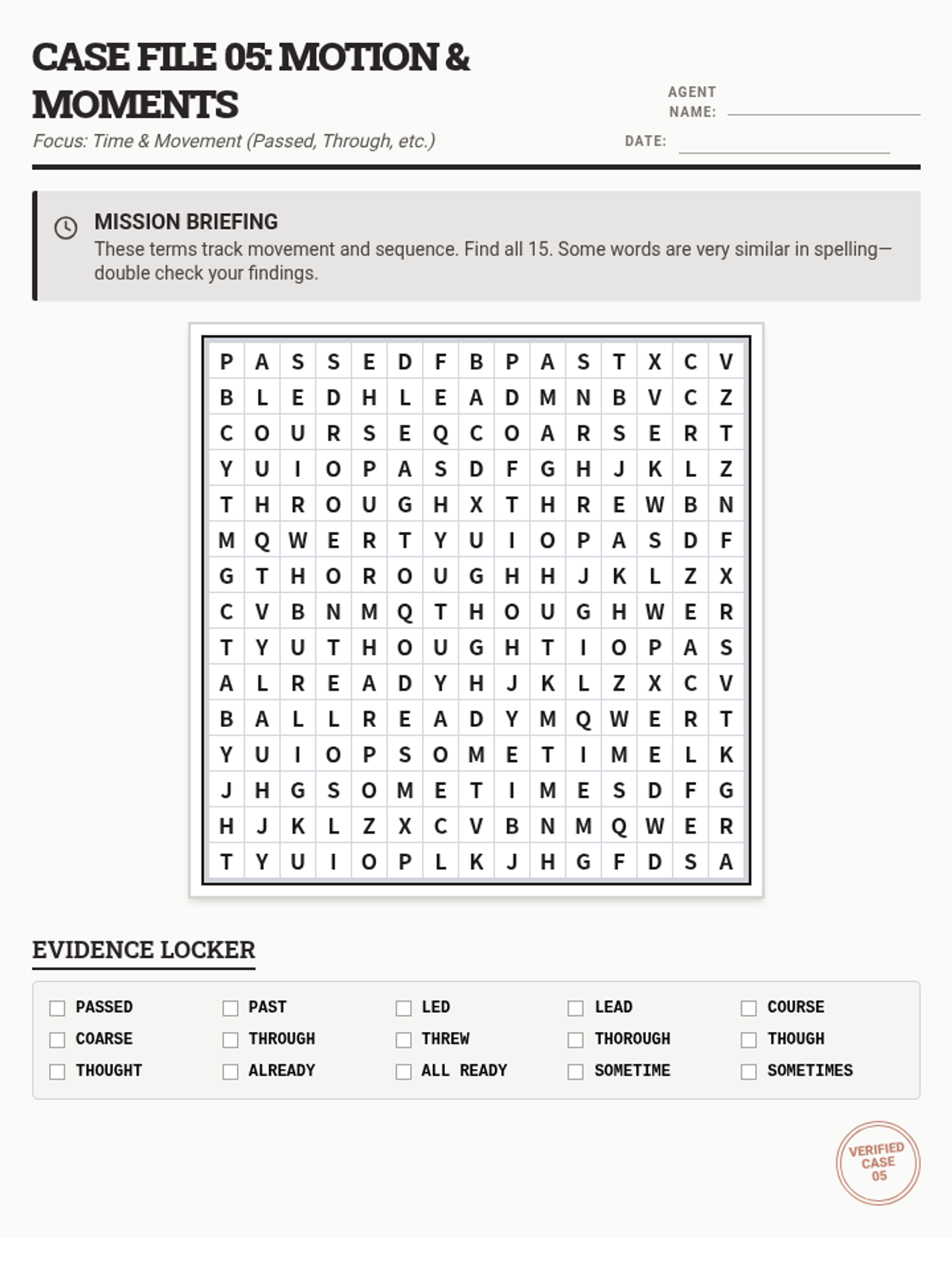
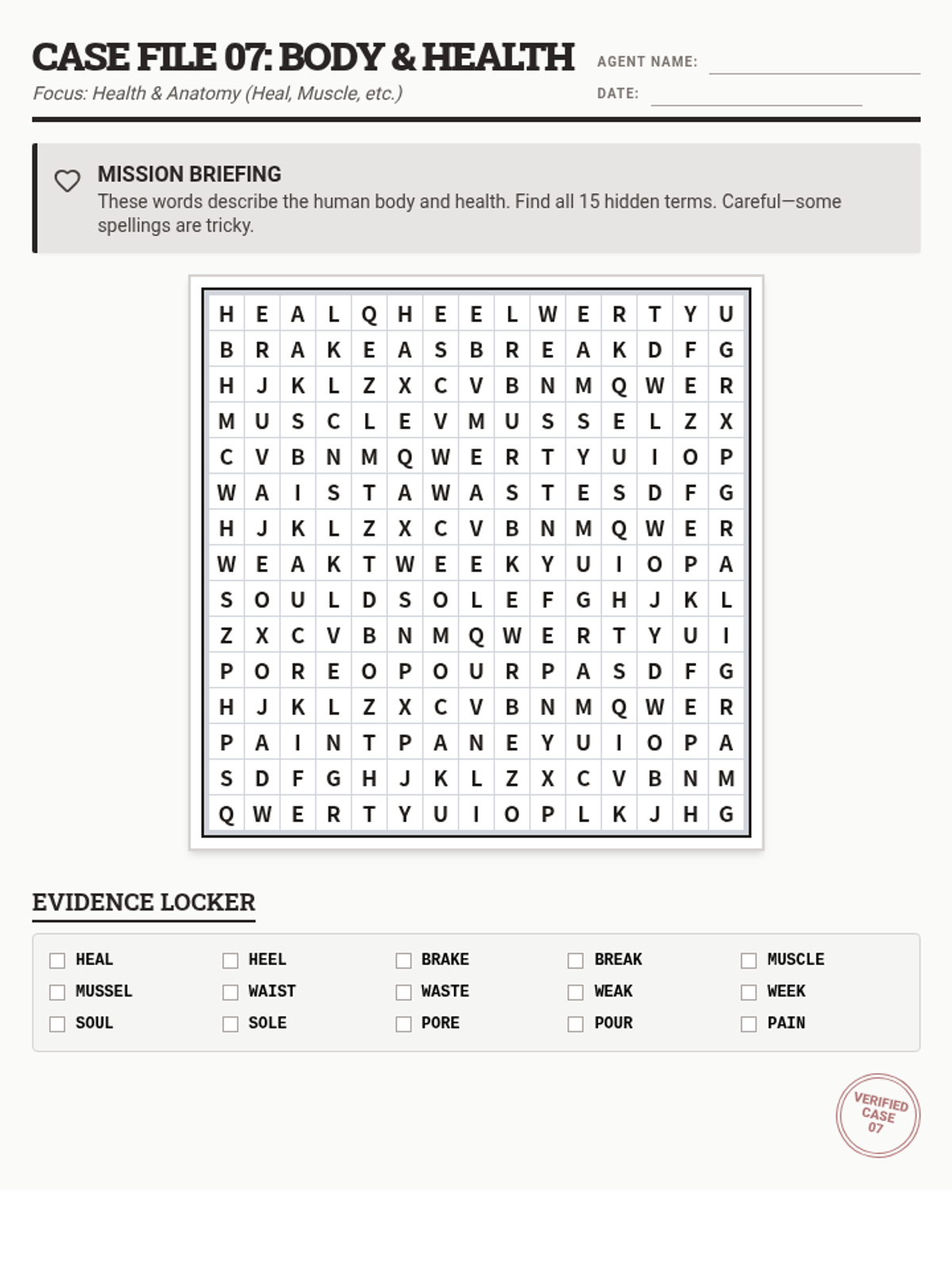
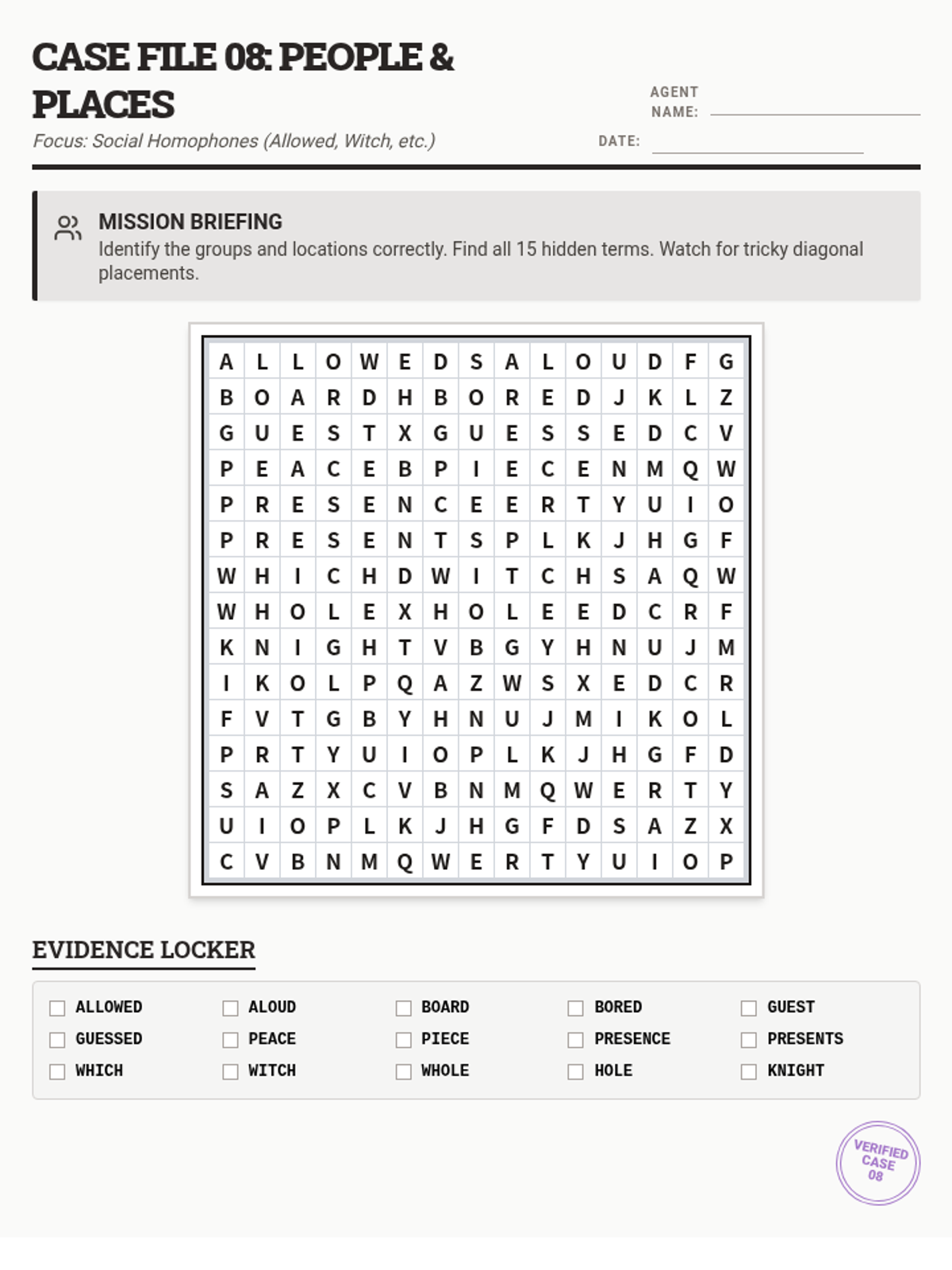
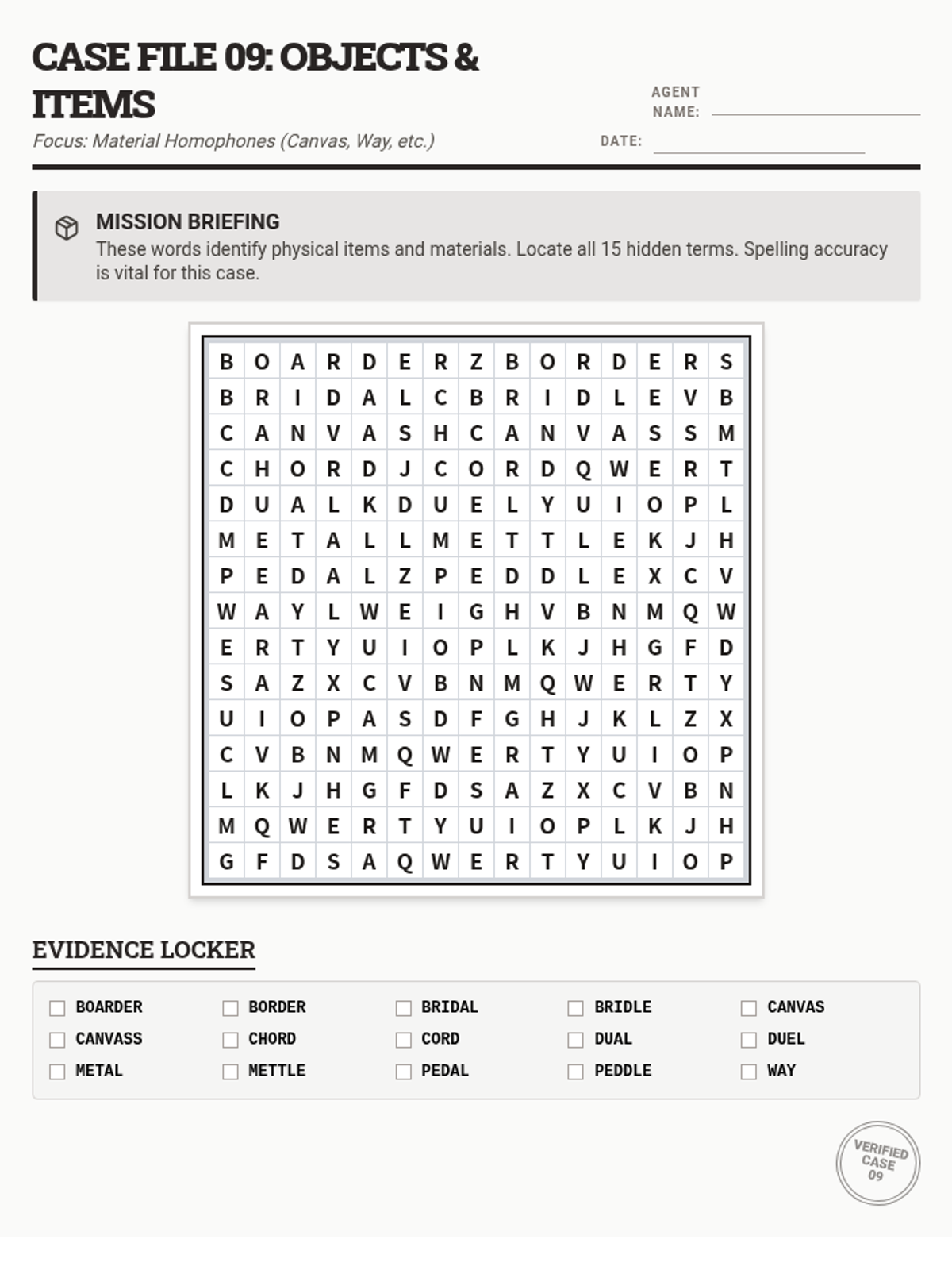
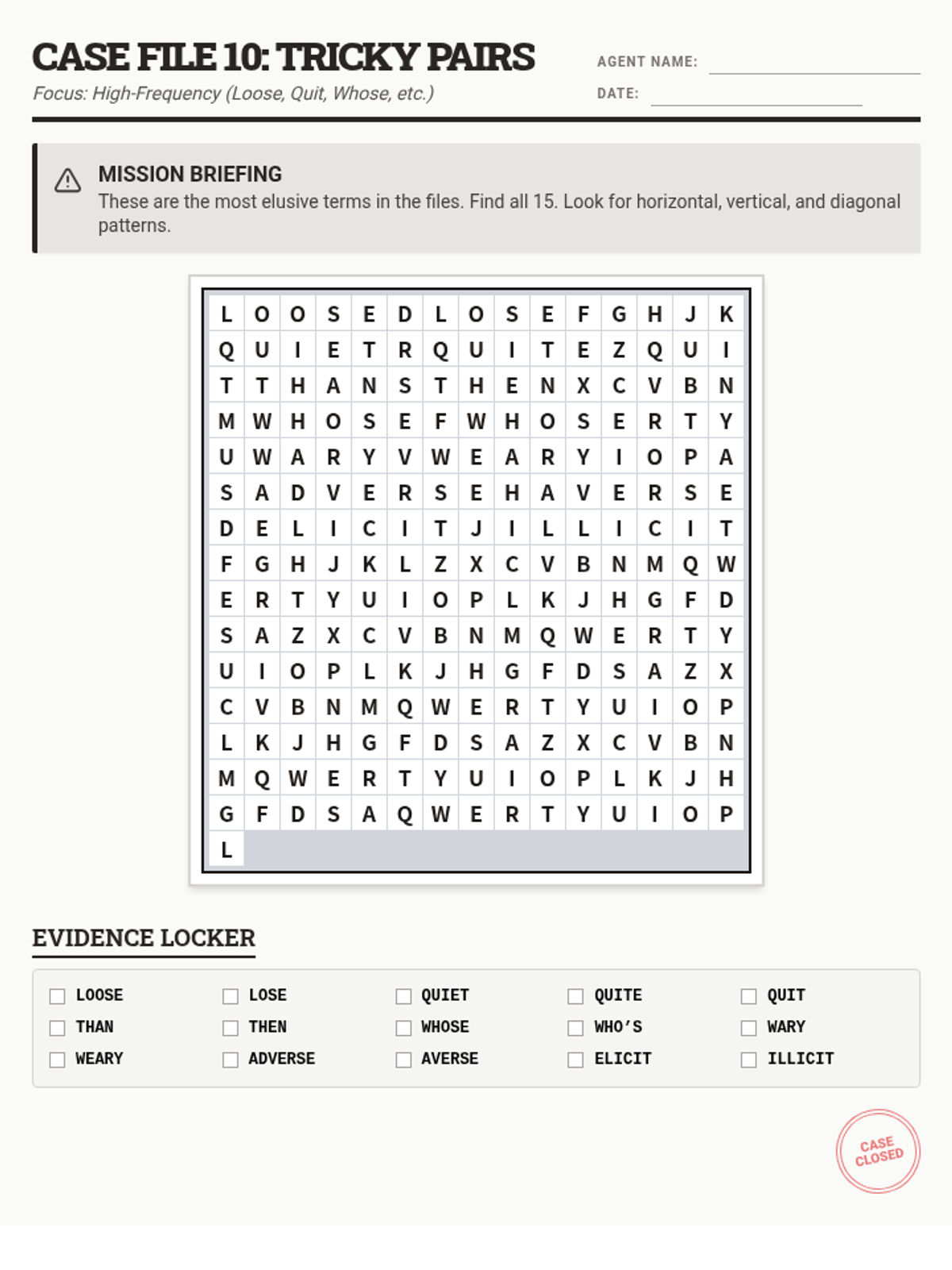
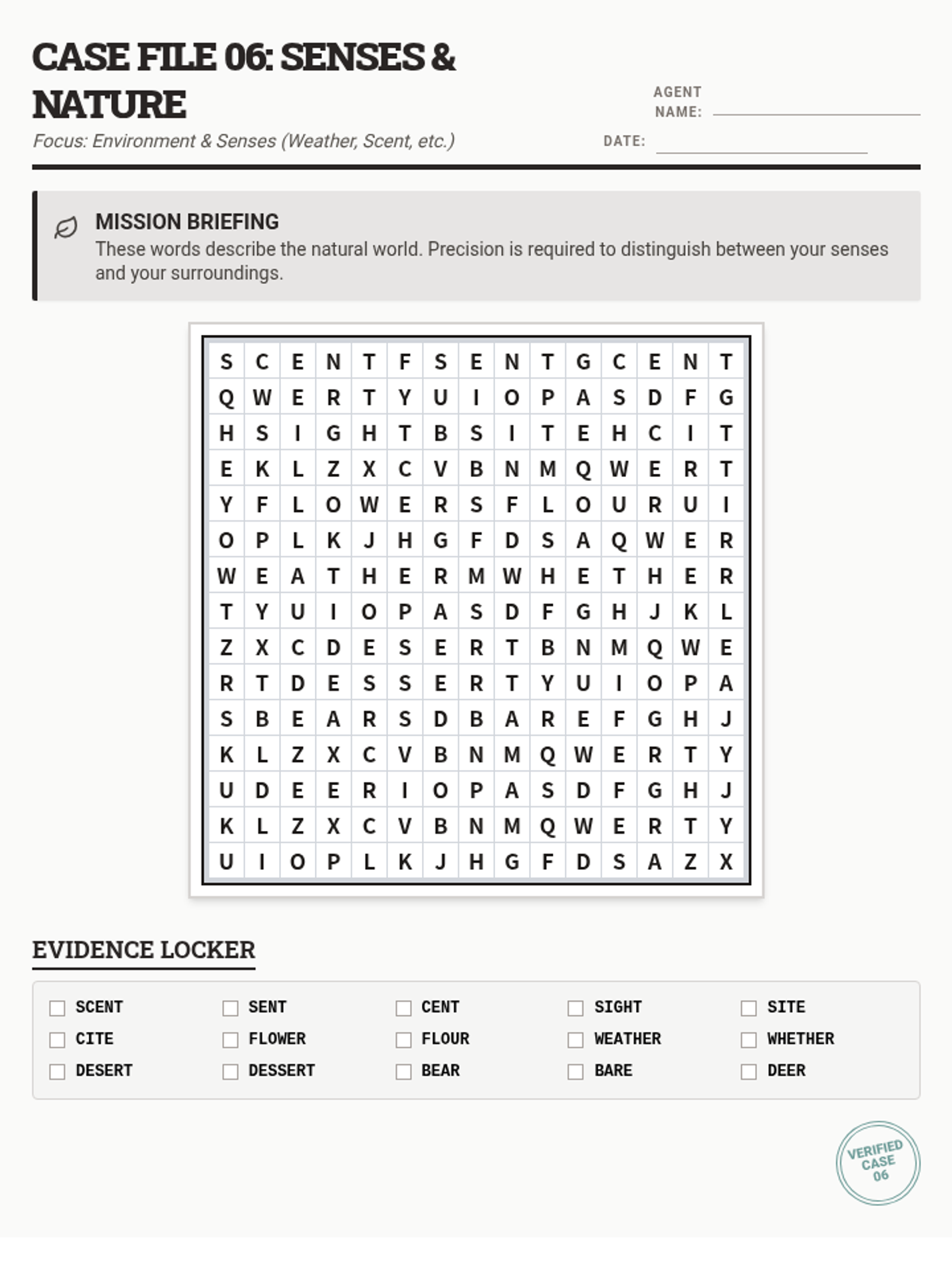
A comprehensive collection of 10 word search puzzles focusing on commonly confused words (homophones and near-homophones). Designed to improve vocabulary recognition and spelling through engaging "Case File" themed activities.
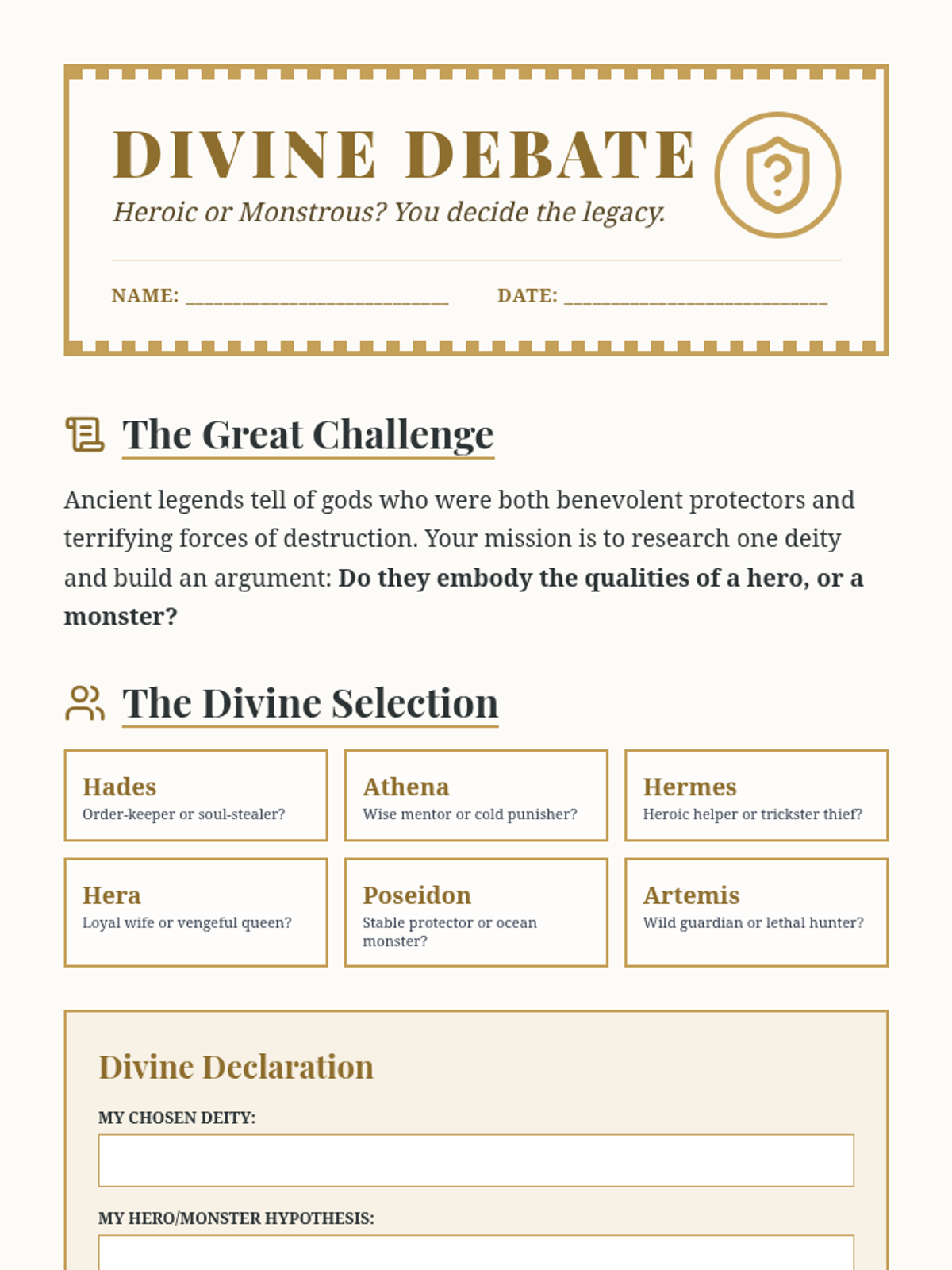
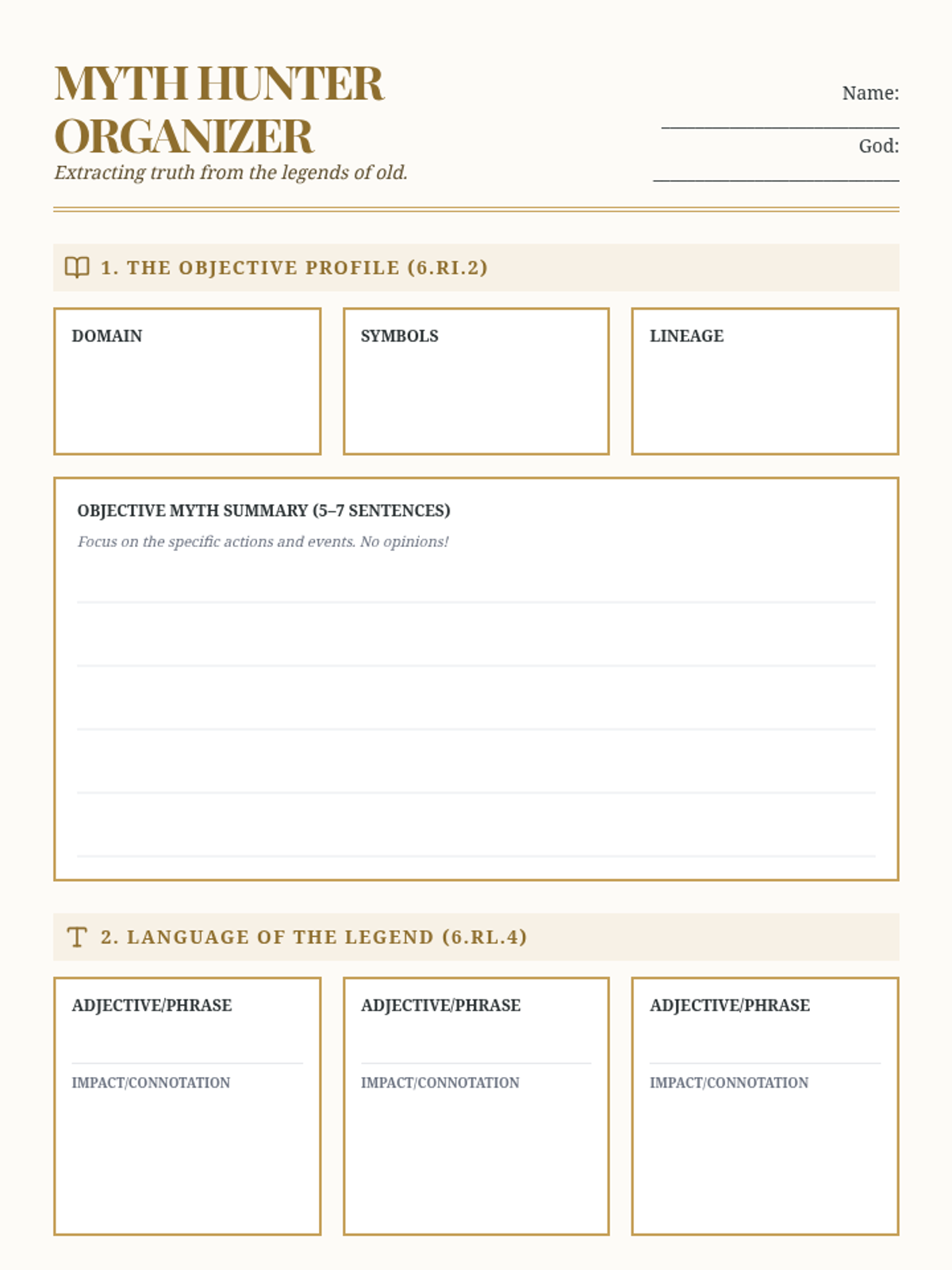
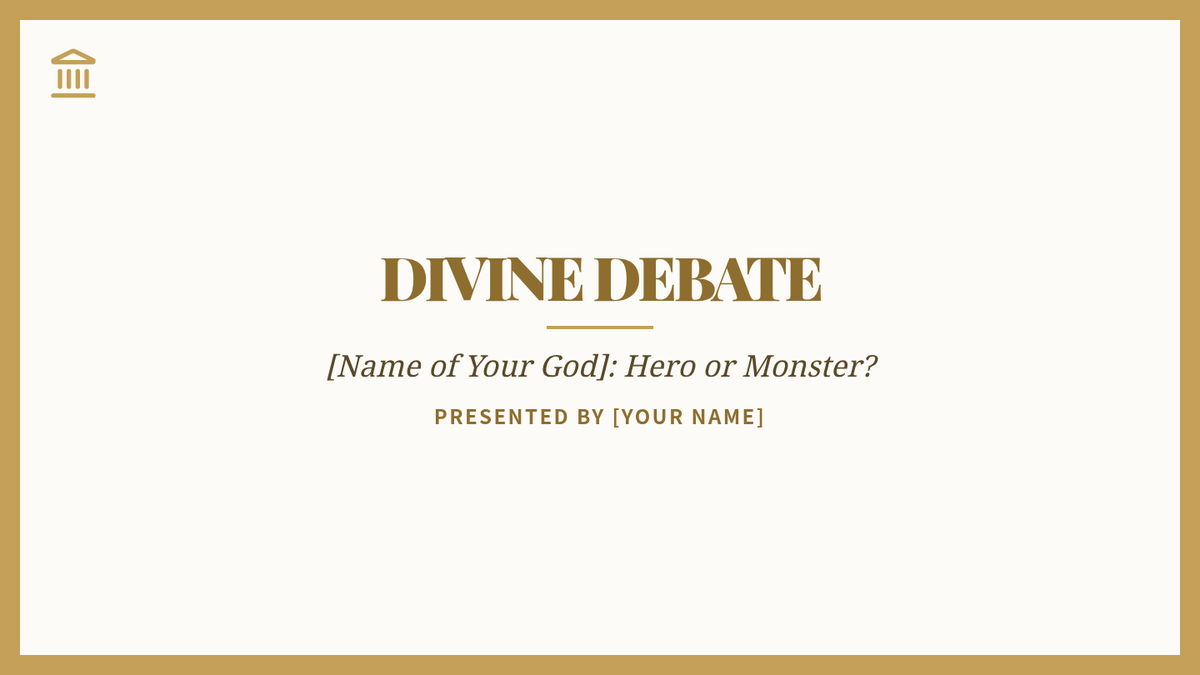
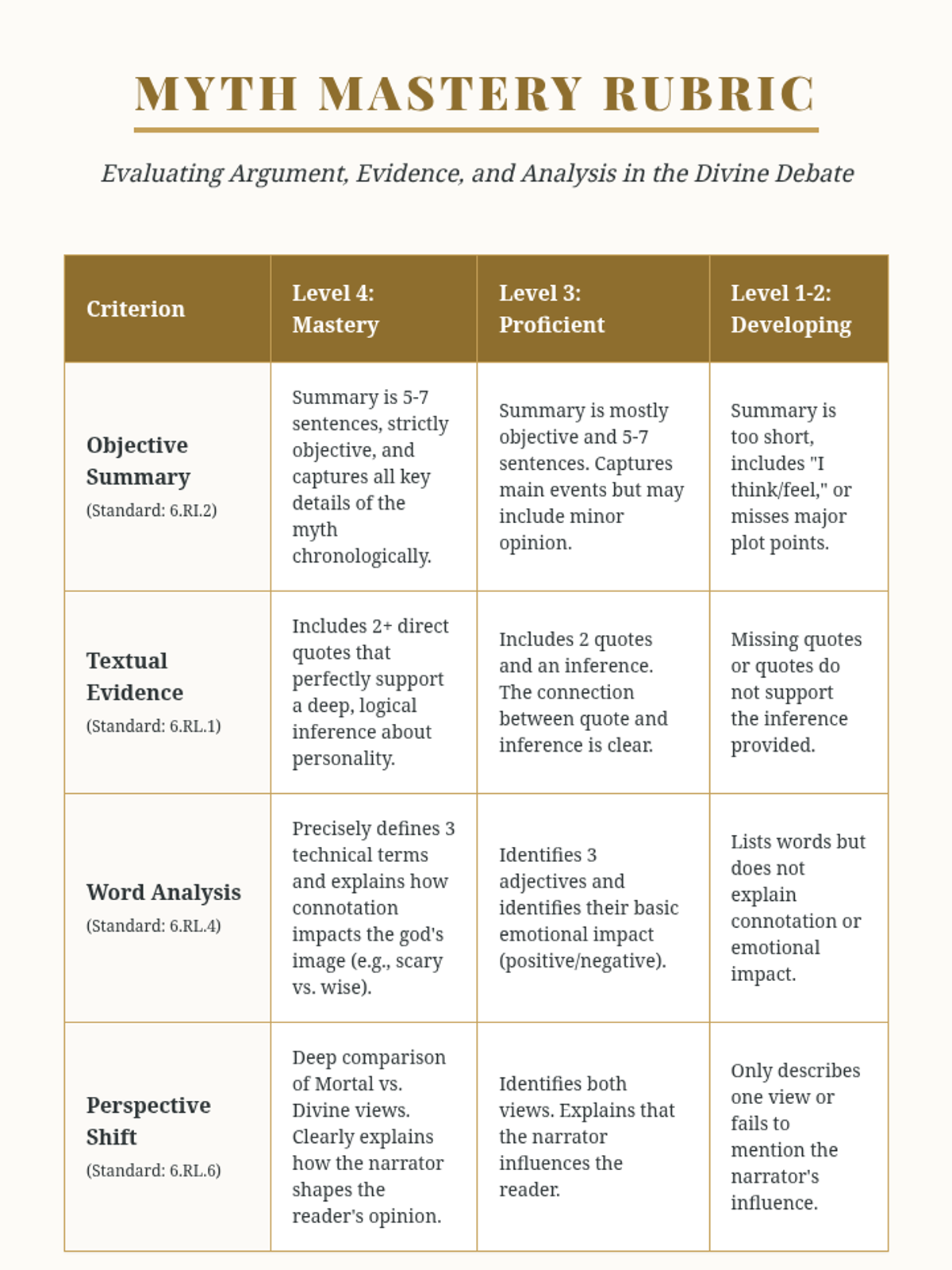
Students research a Greek deity to argue whether they embody 'Heroic' or 'Monstrous' qualities using textual evidence and perspective analysis. The lesson focuses on CCSS standards for summarizing, analyzing word choice, and identifying narrative perspective.
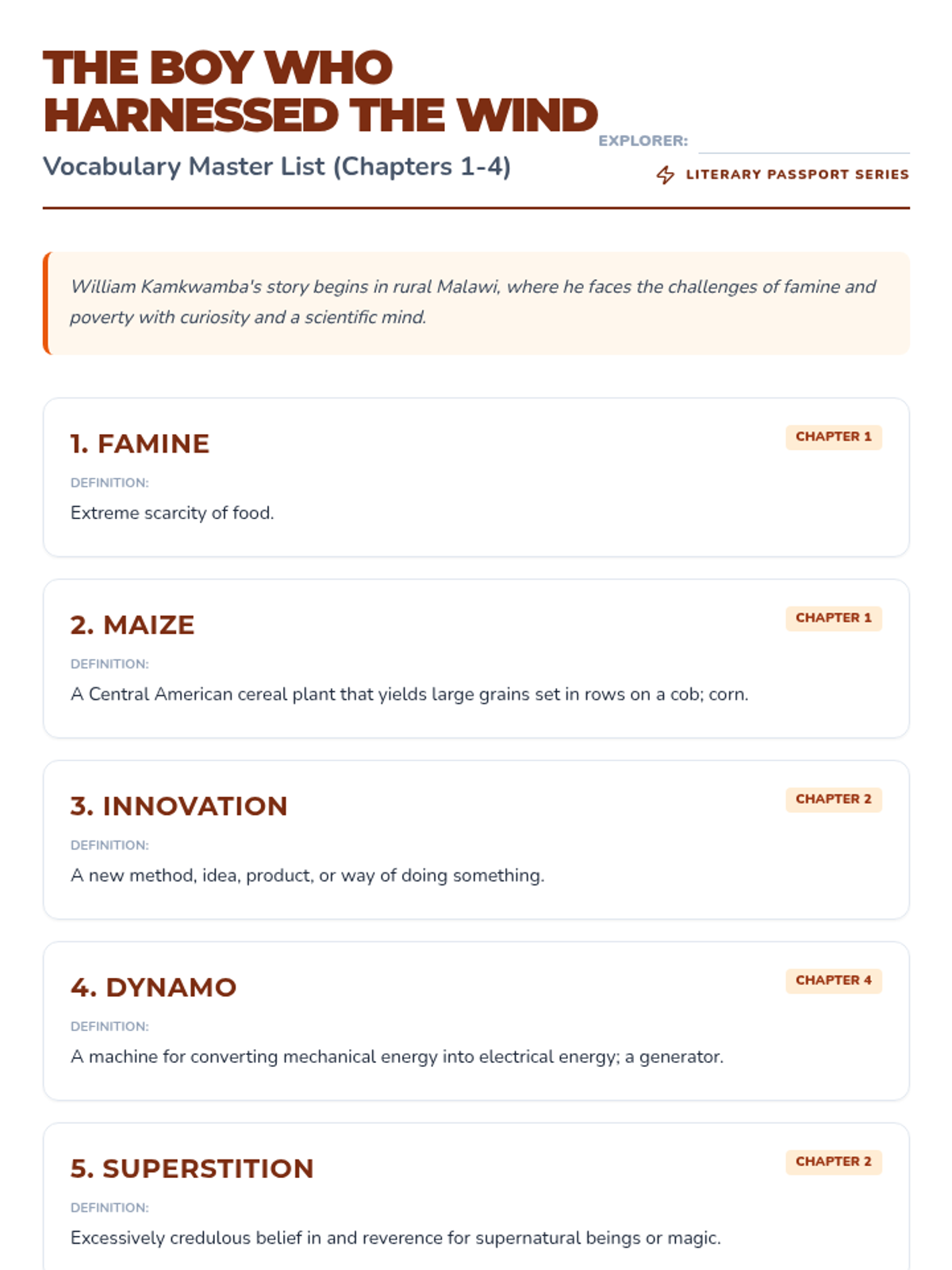
Vocabulary study for the first four chapters of William Kamkwamba's memoir about building a windmill in Malawi.
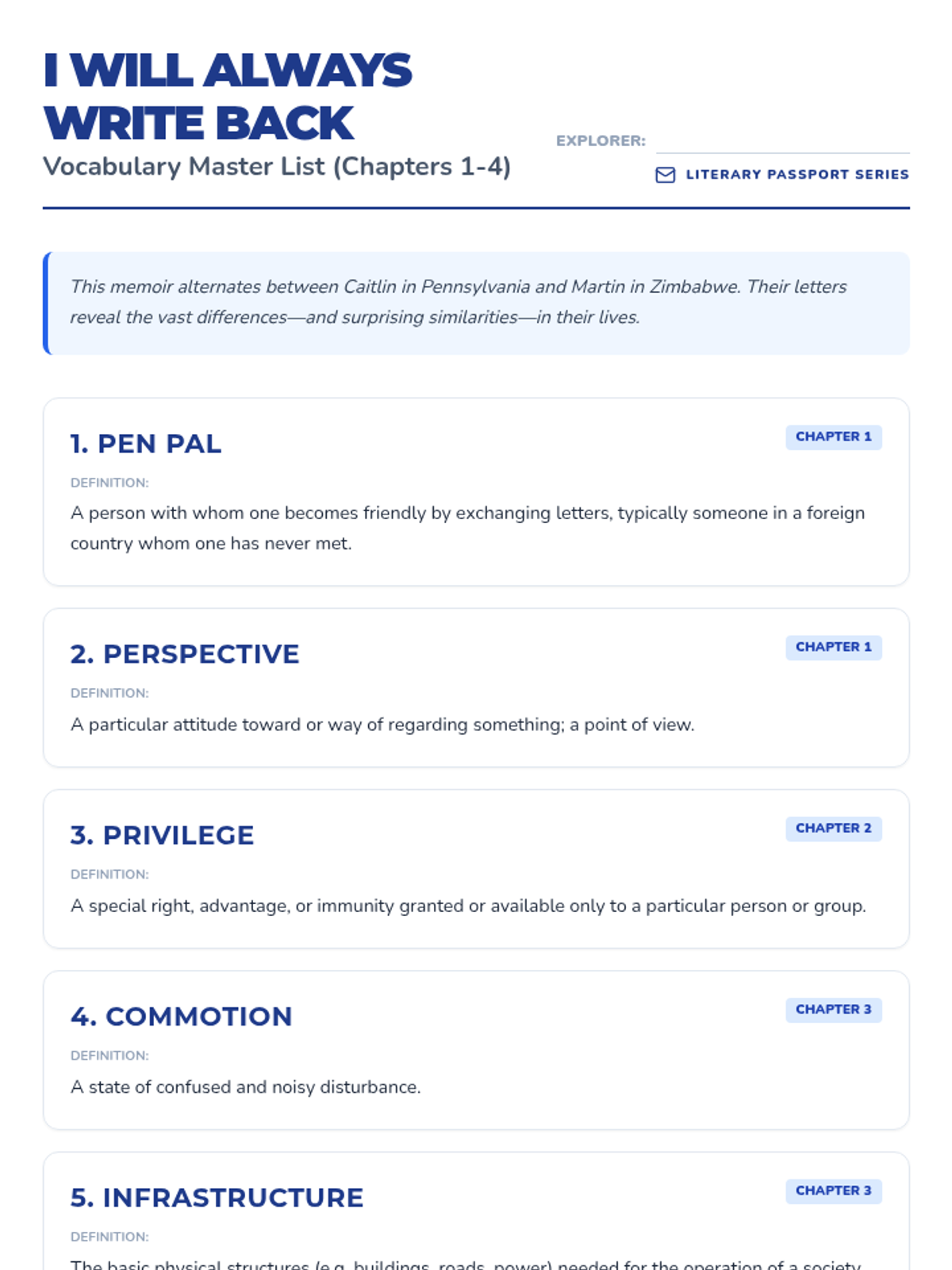
Vocabulary study for the first four chapters of the dual-narrative memoir about a life-changing pen pal relationship.
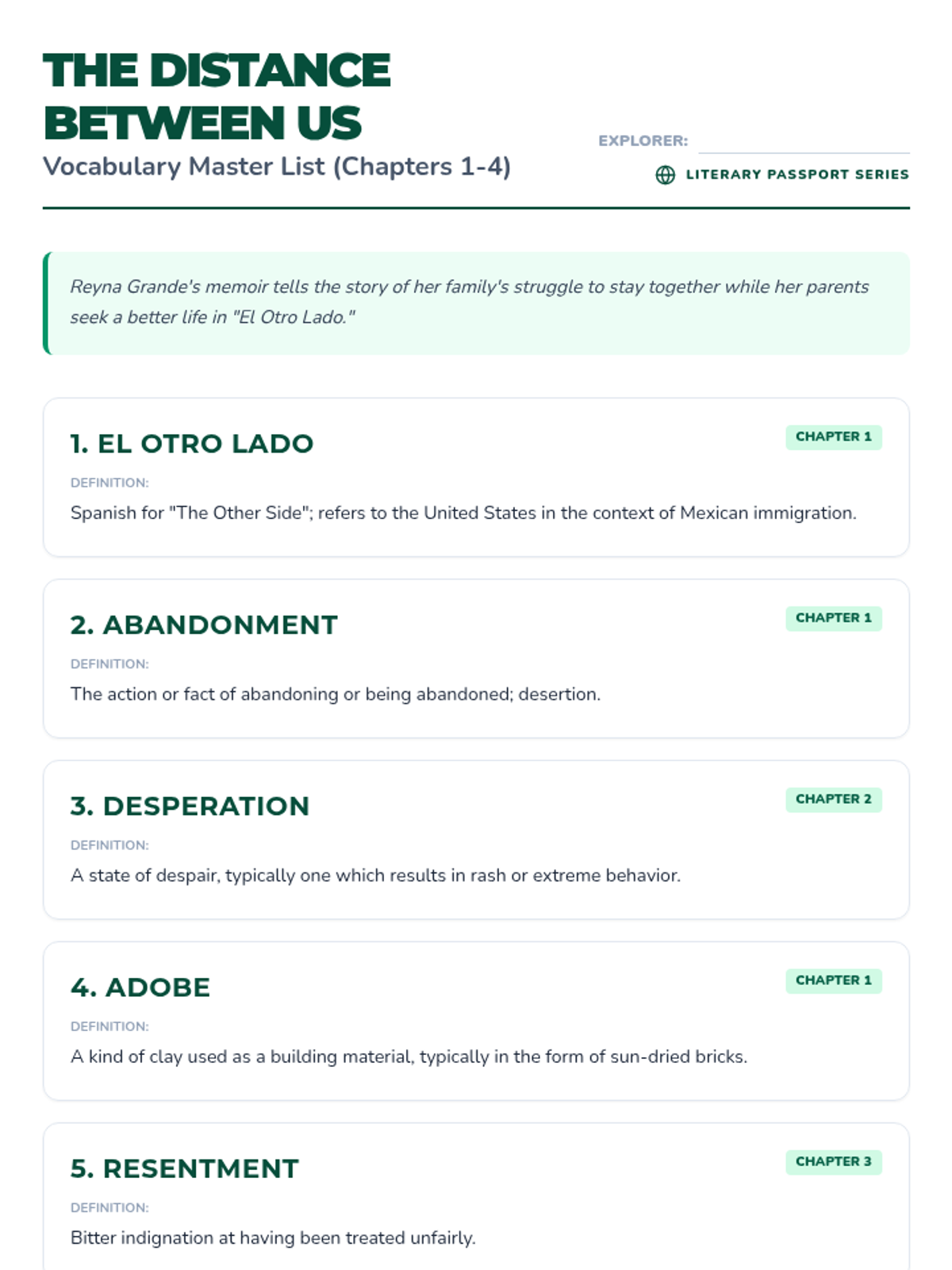
Vocabulary study for the first four chapters of Reyna Grande's memoir about her journey from Mexico to the United States.
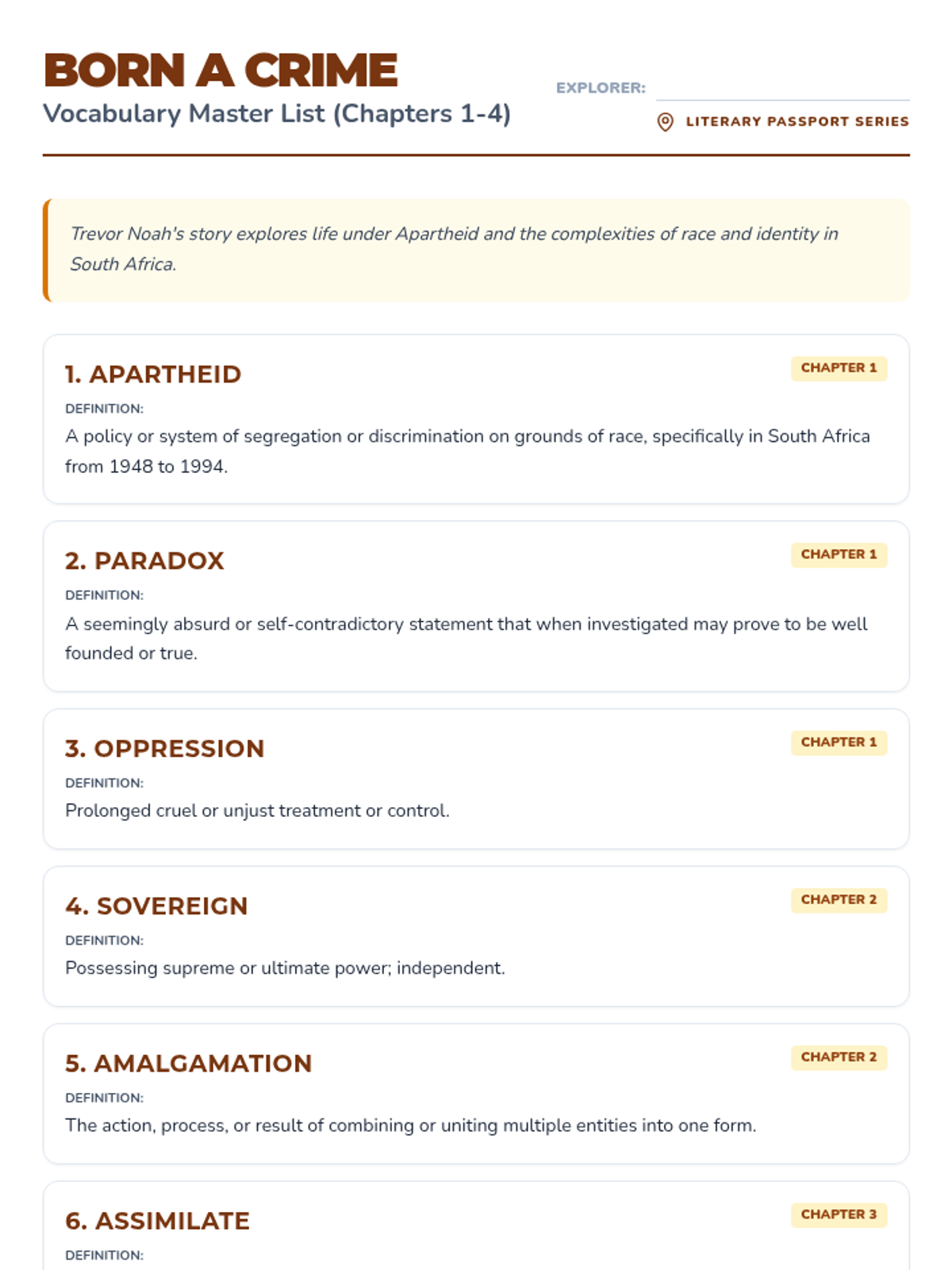
Vocabulary study for the first four chapters of Trevor Noah's memoir about growing up in apartheid-era South Africa.
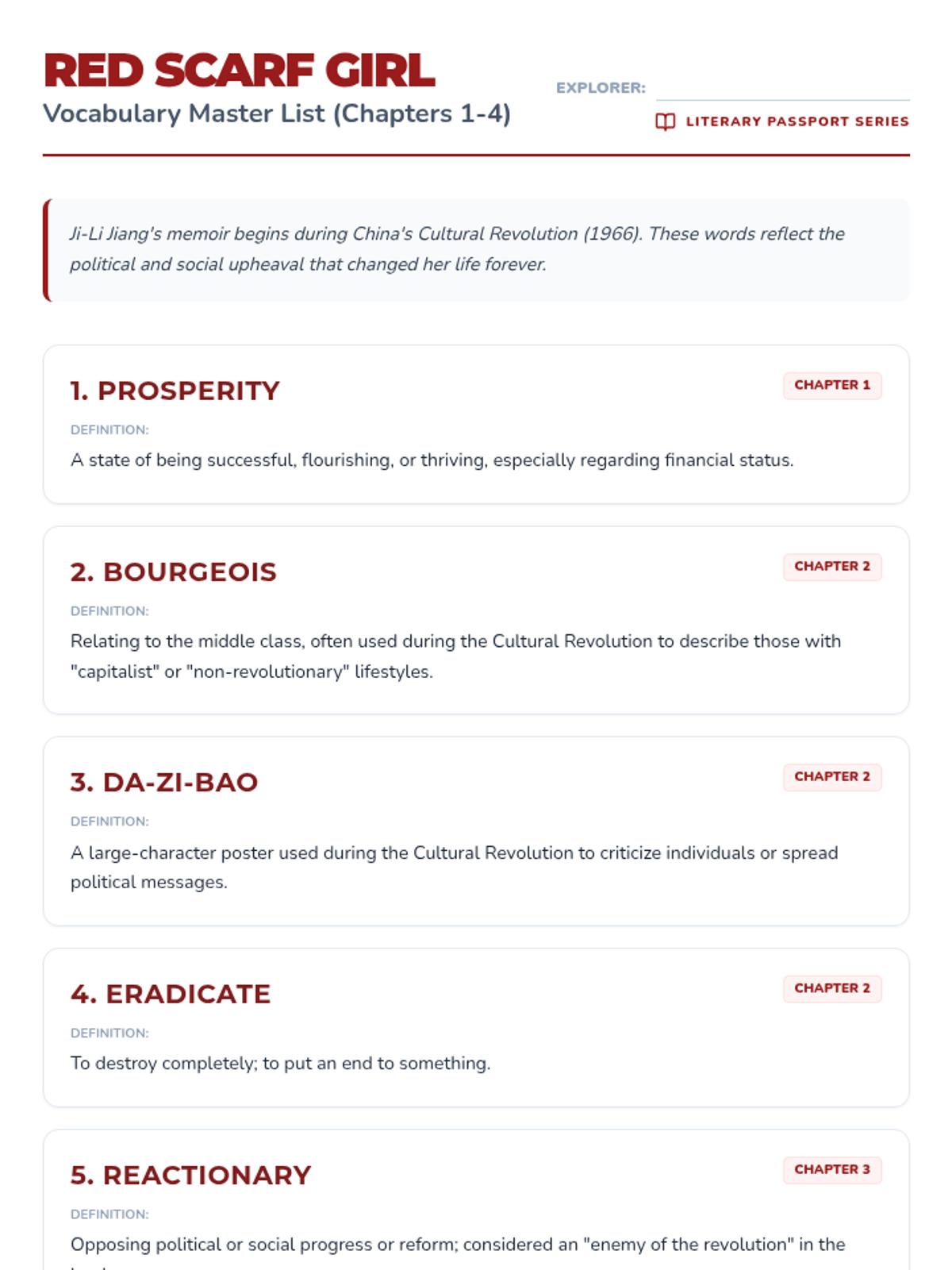
Vocabulary study for the first four chapters of Ji-Li Jiang's memoir about the Cultural Revolution in China.
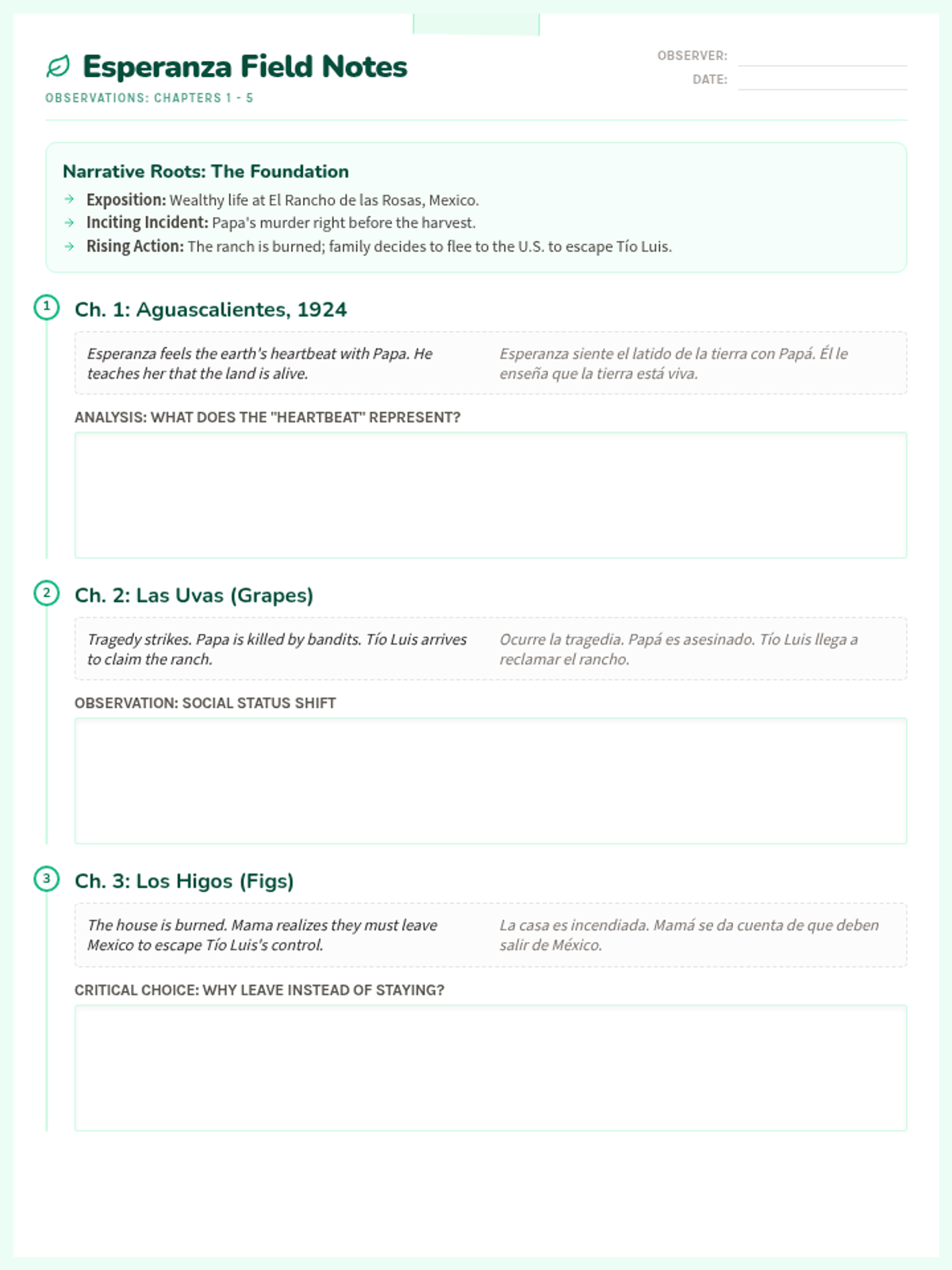
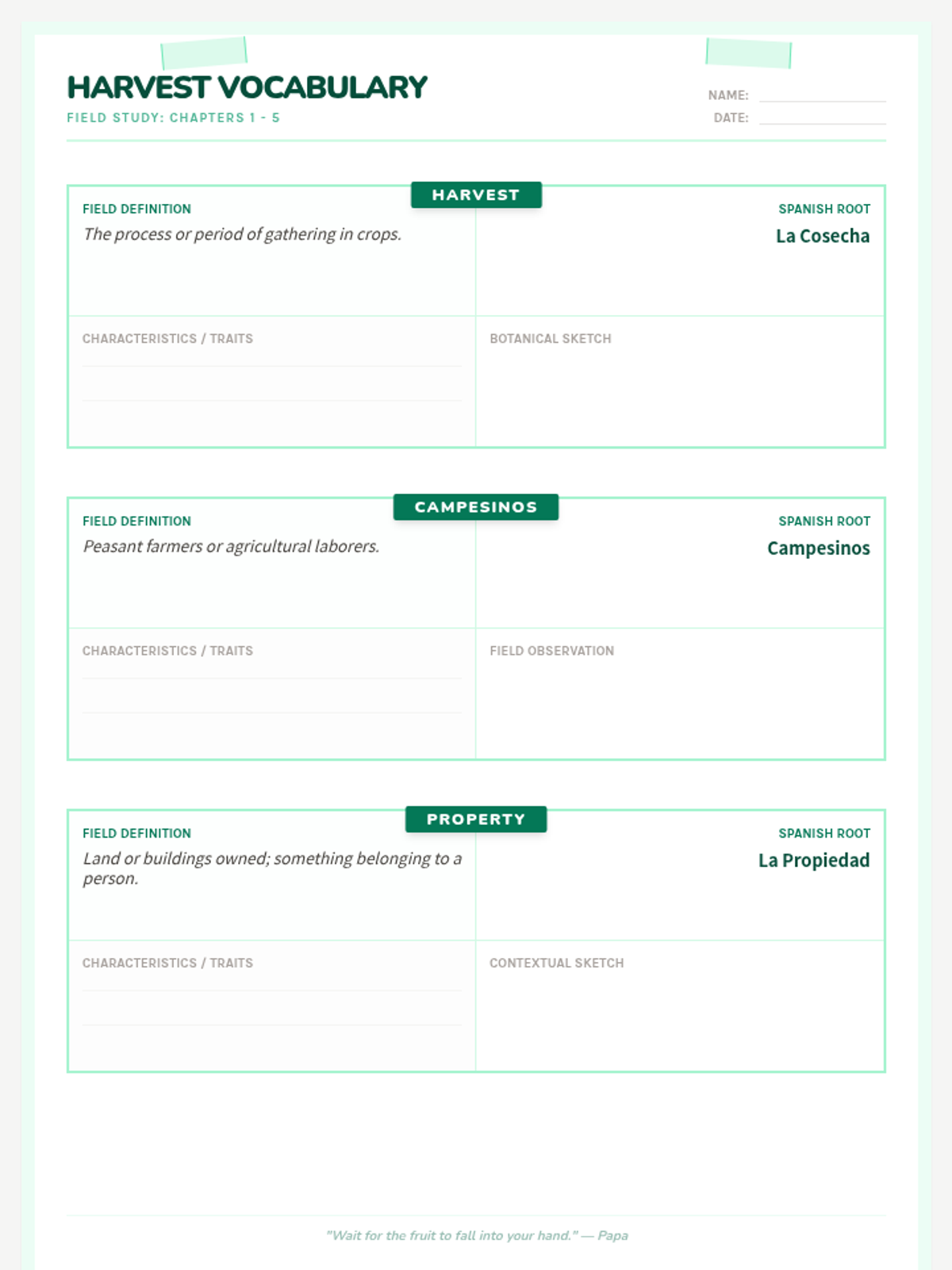
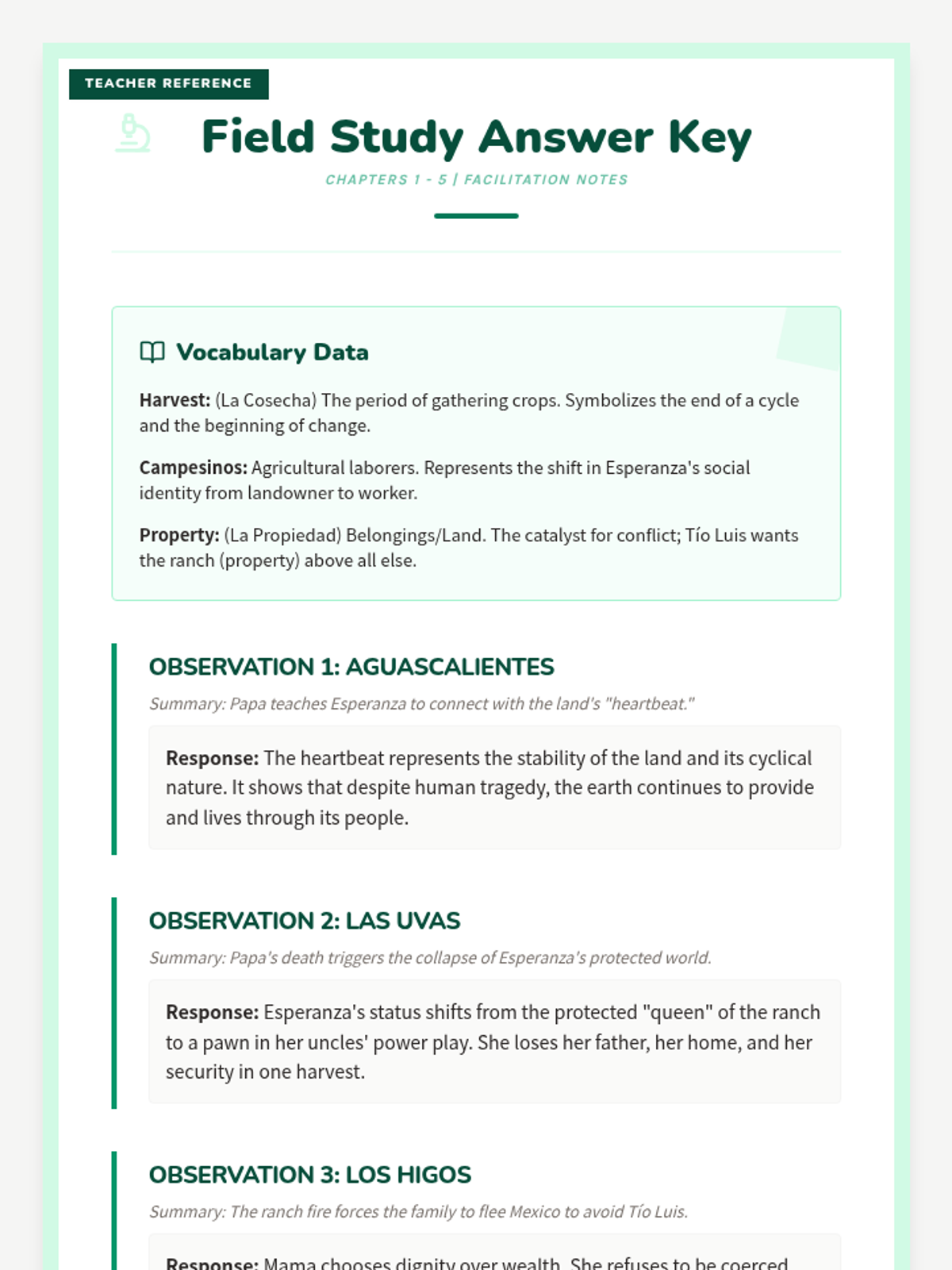
An exploration of the first five chapters of Esperanza Rising, focusing on the dramatic shift from luxury to labor and the beginning of Esperanza's migration journey.
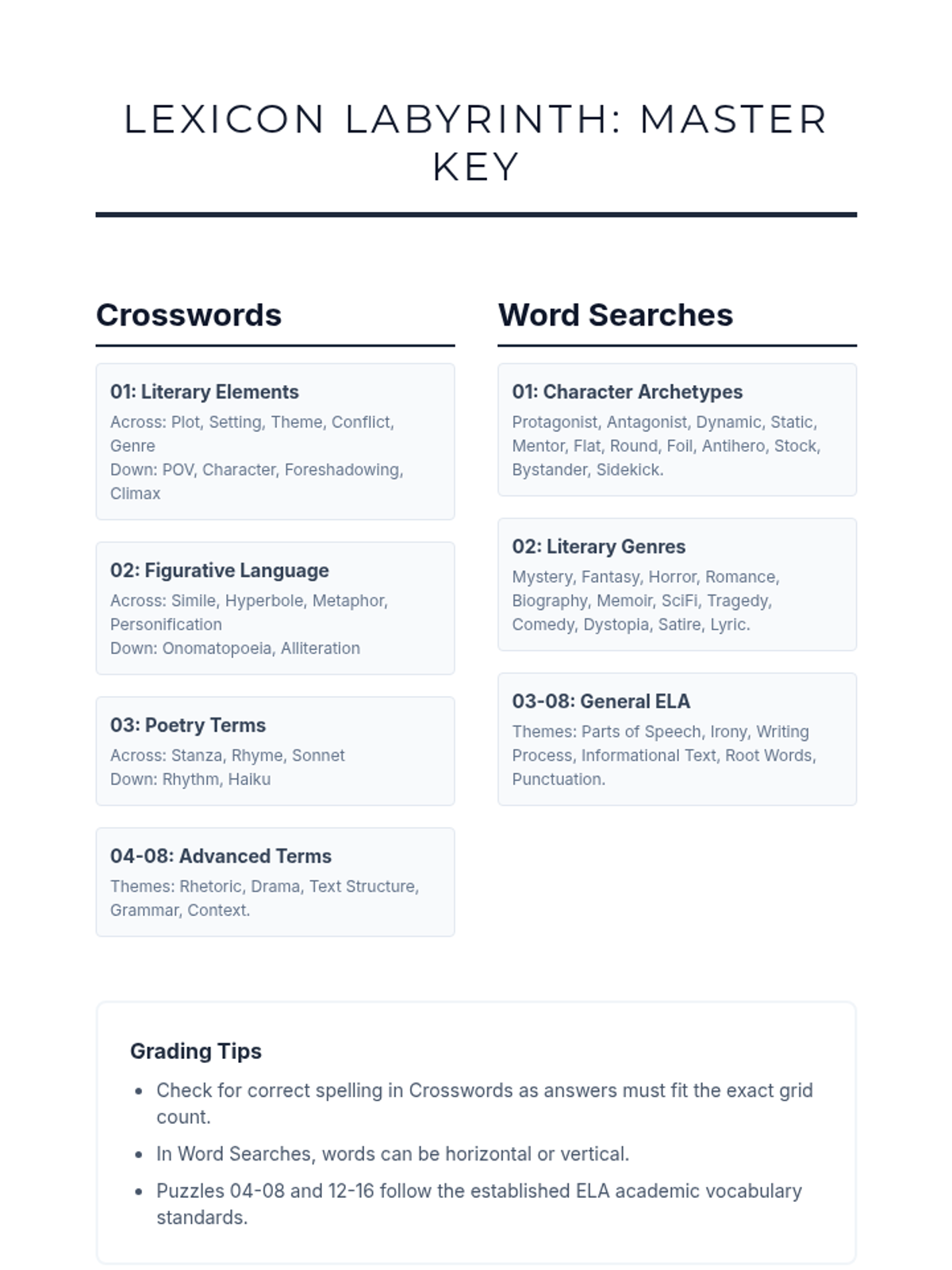
A comprehensive set of vocabulary-building puzzles focused on essential ELA academic terms, covering literary elements, figurative language, rhetorical devices, and more.
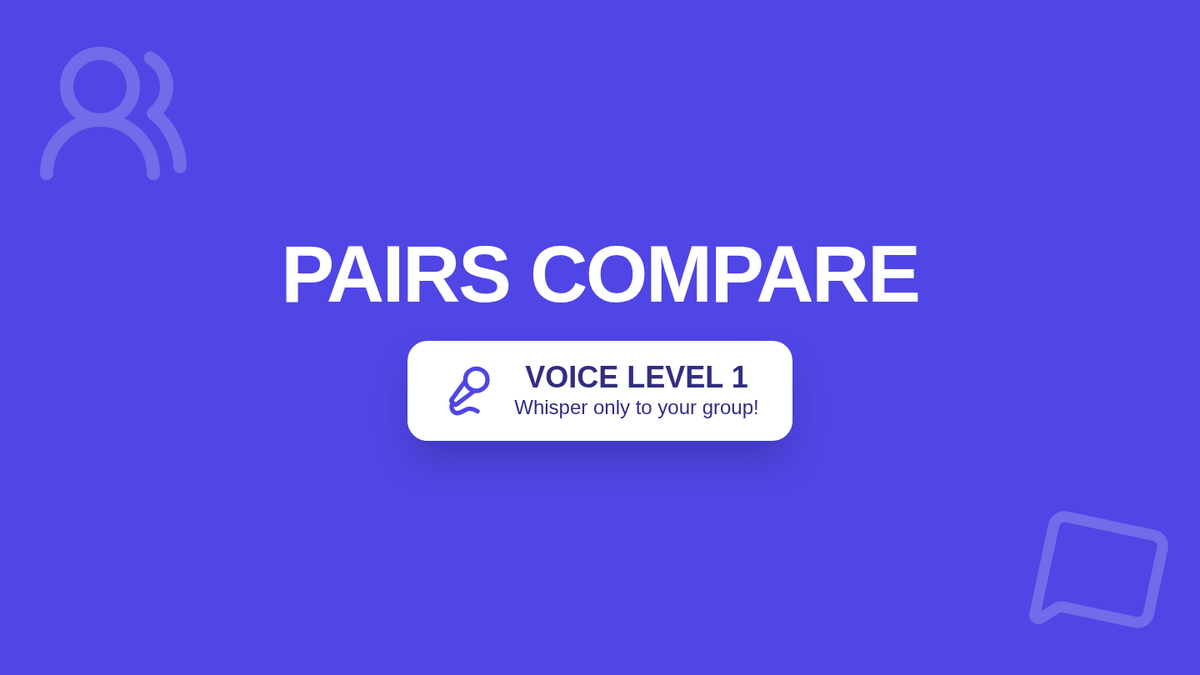
A collaborative "Pairs Compare" activity where students work in teams of four to share keywords, locate evidence, and synthesize final answers on index cards.
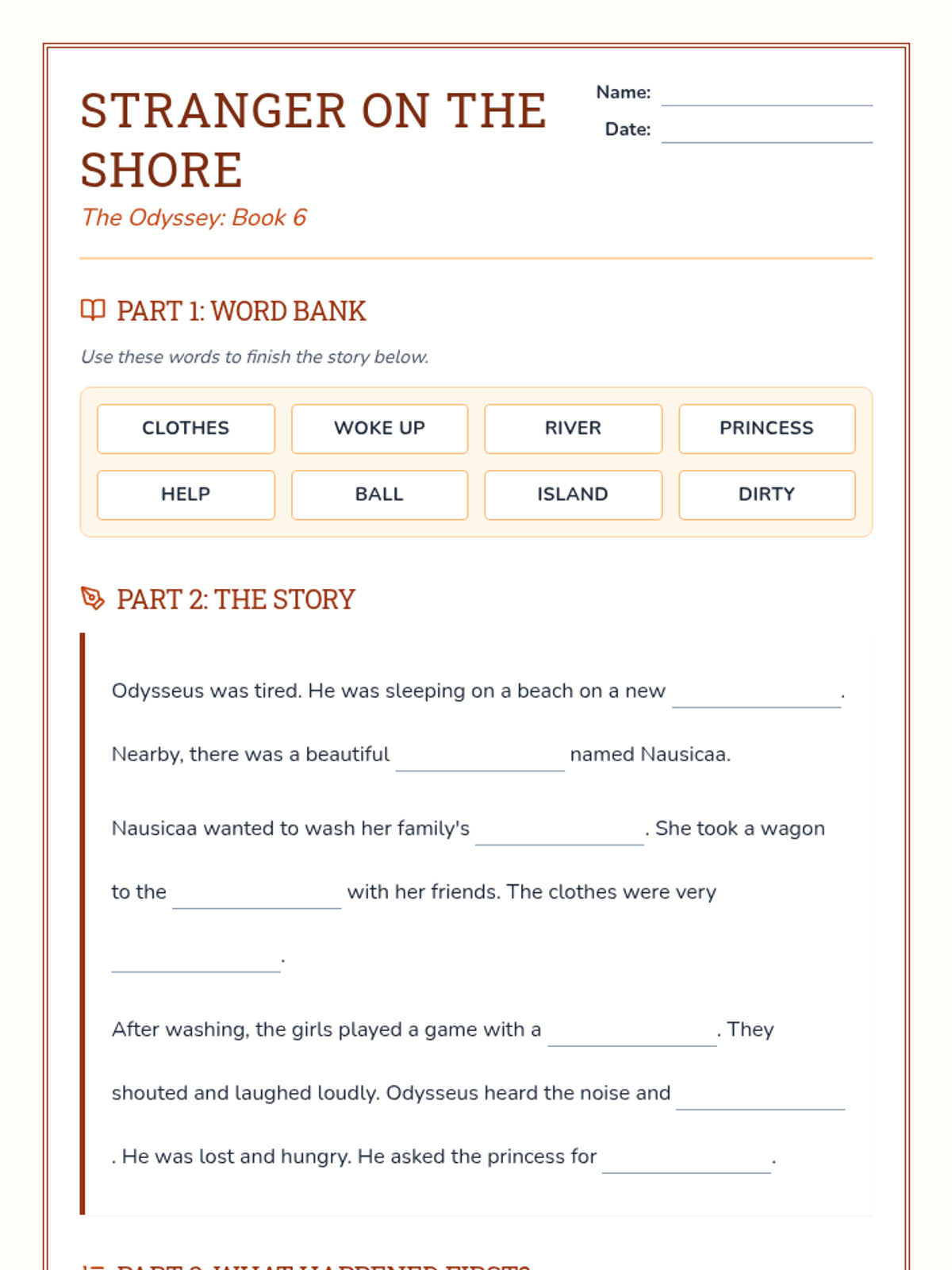
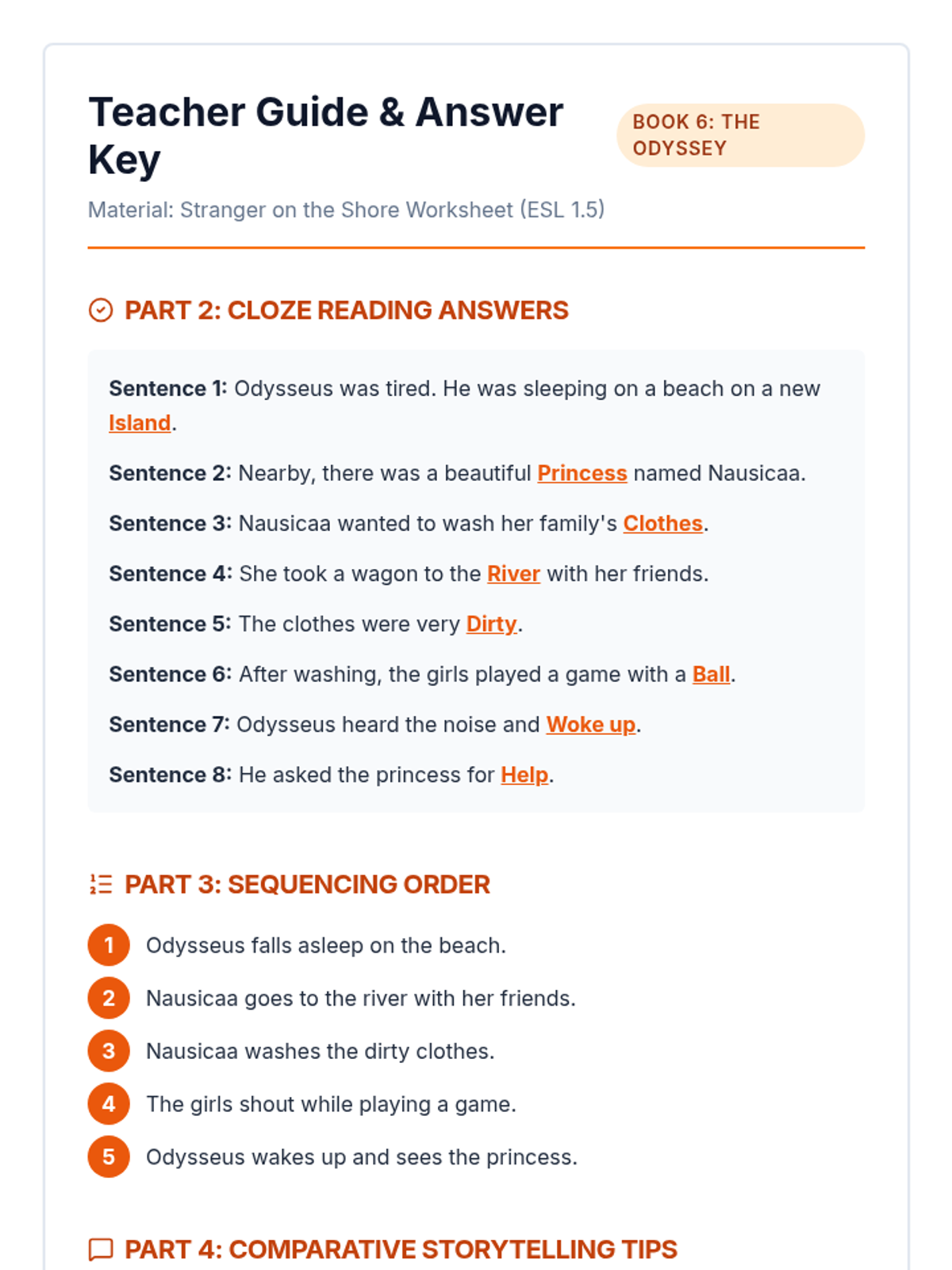
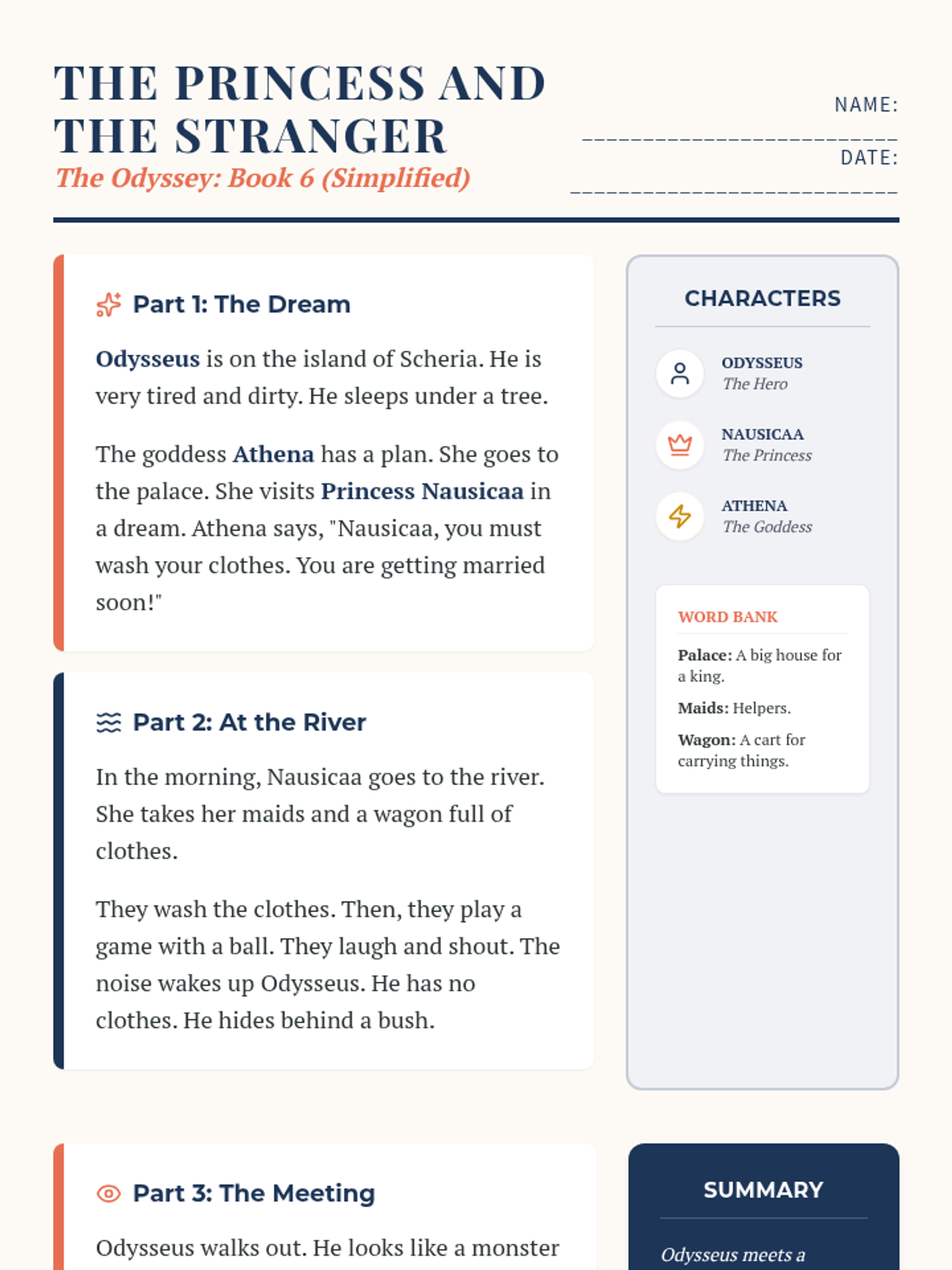
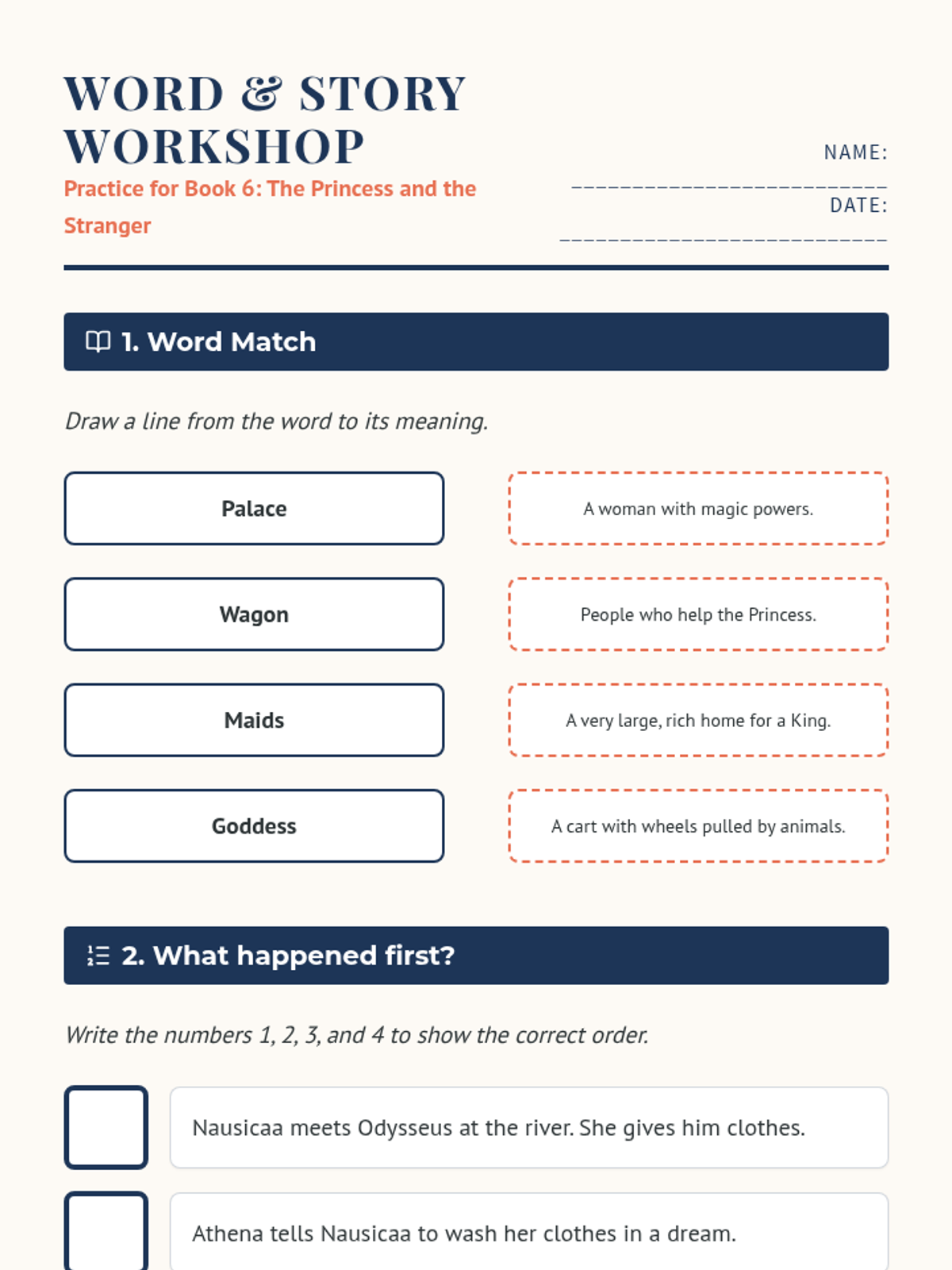
A simplified introduction to Book 6 of The Odyssey for ESL learners, focusing on the encounter between Odysseus and Nausicaa through cloze reading, sequencing, and comparative reflection.
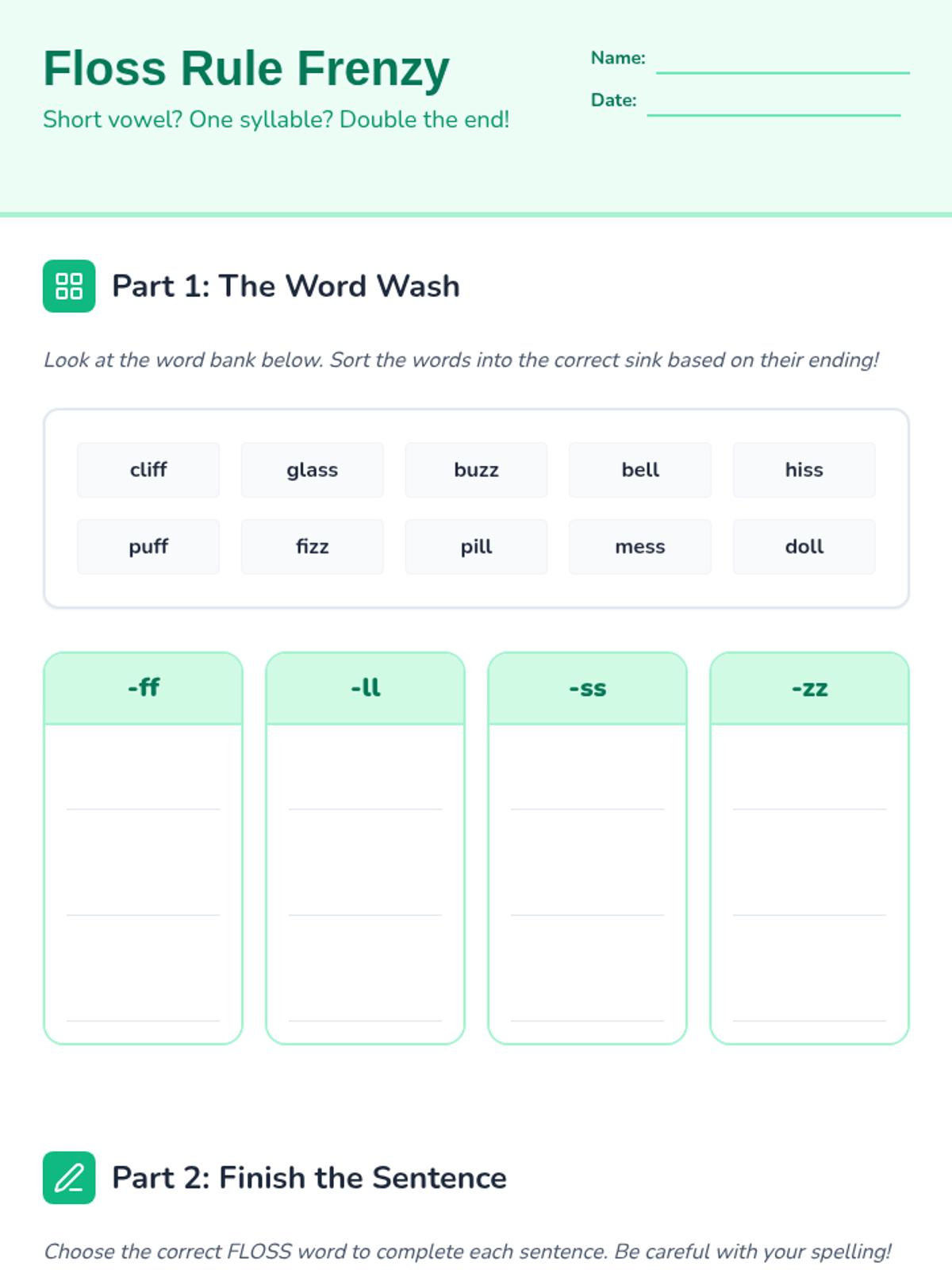
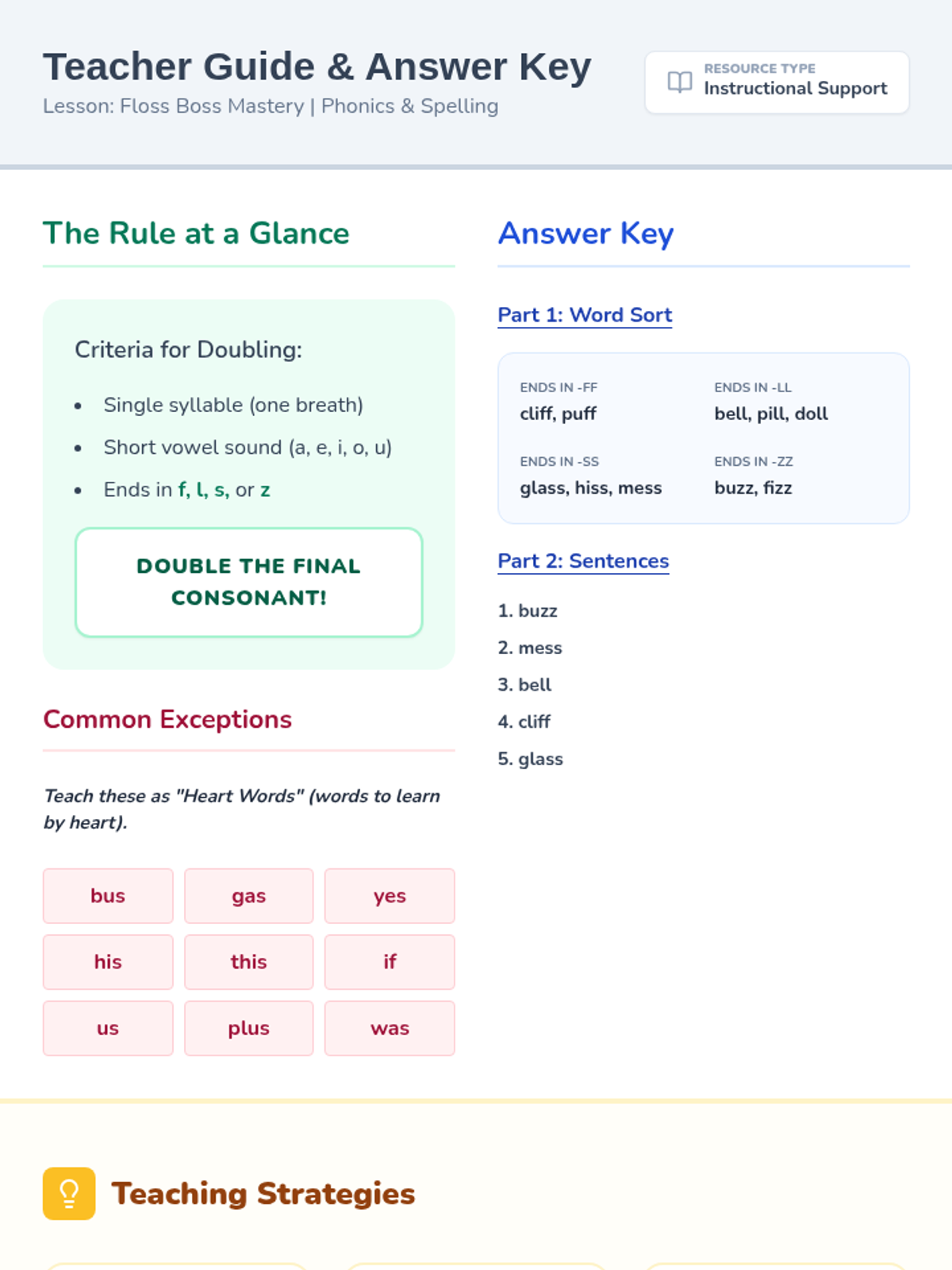
A phonics lesson for 2nd graders focusing on the FLOSS rule (doubling f, l, s, and z at the end of short vowel words). Students will learn to identify, sort, and spell words following this pattern.
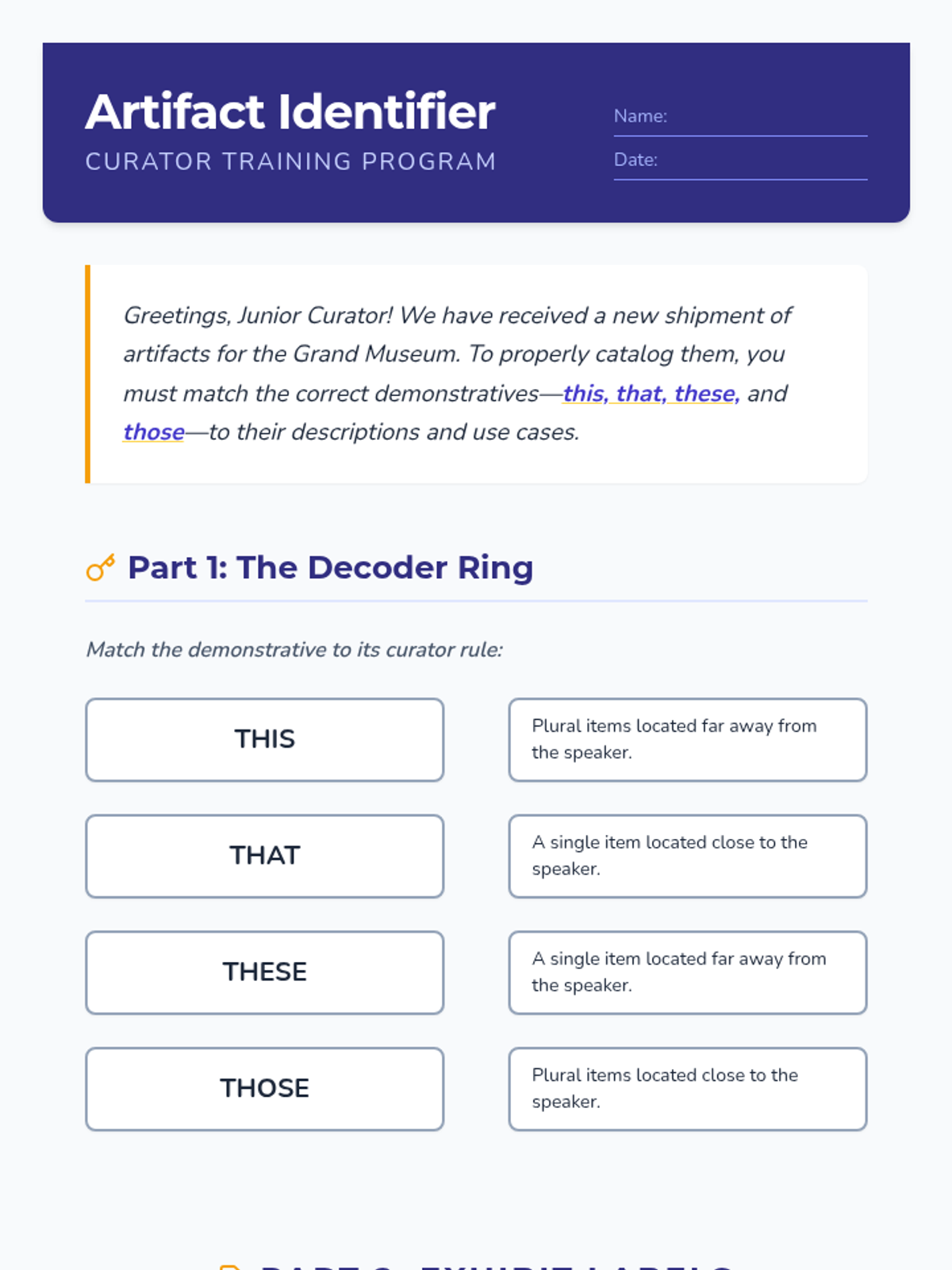
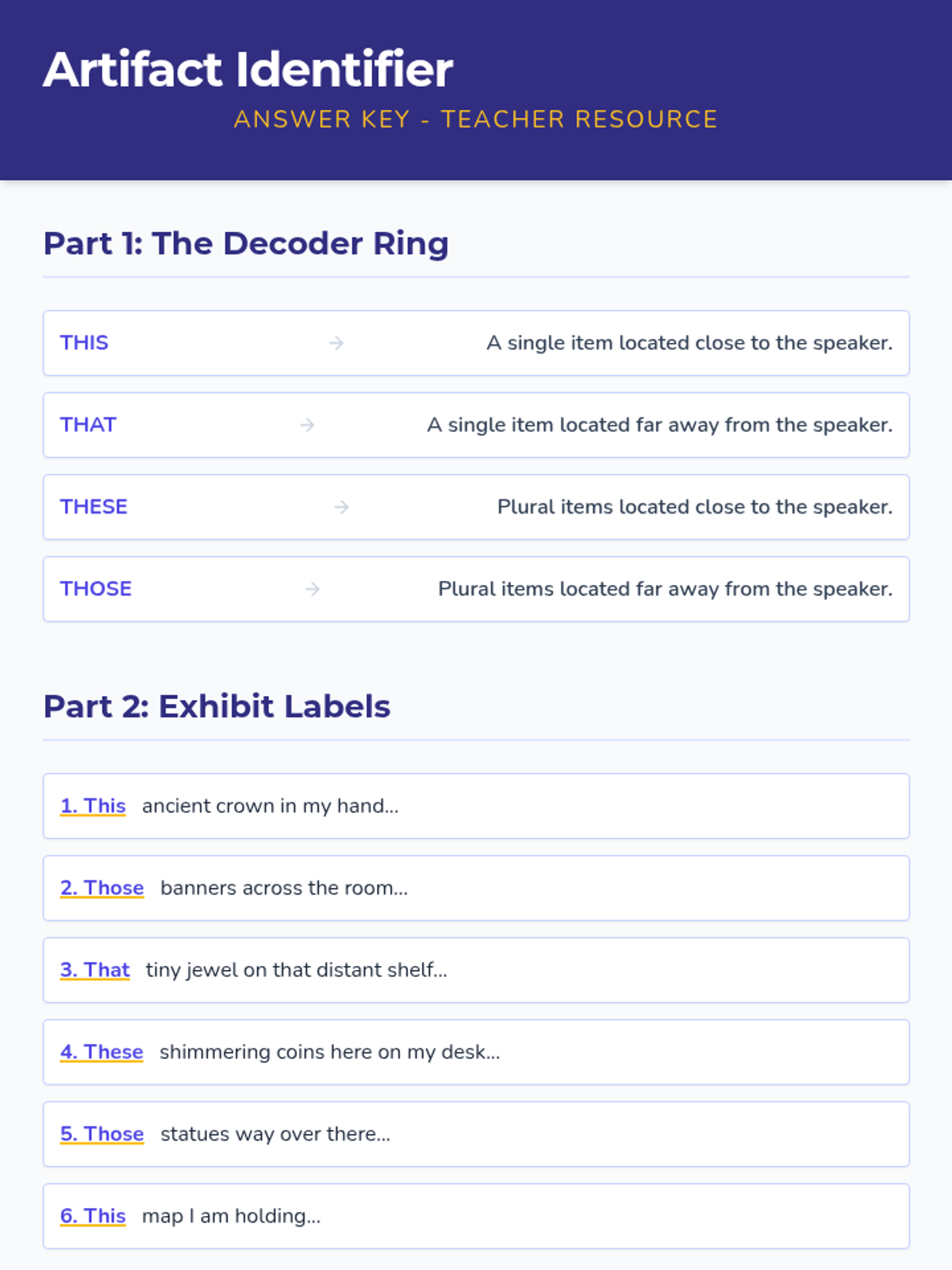
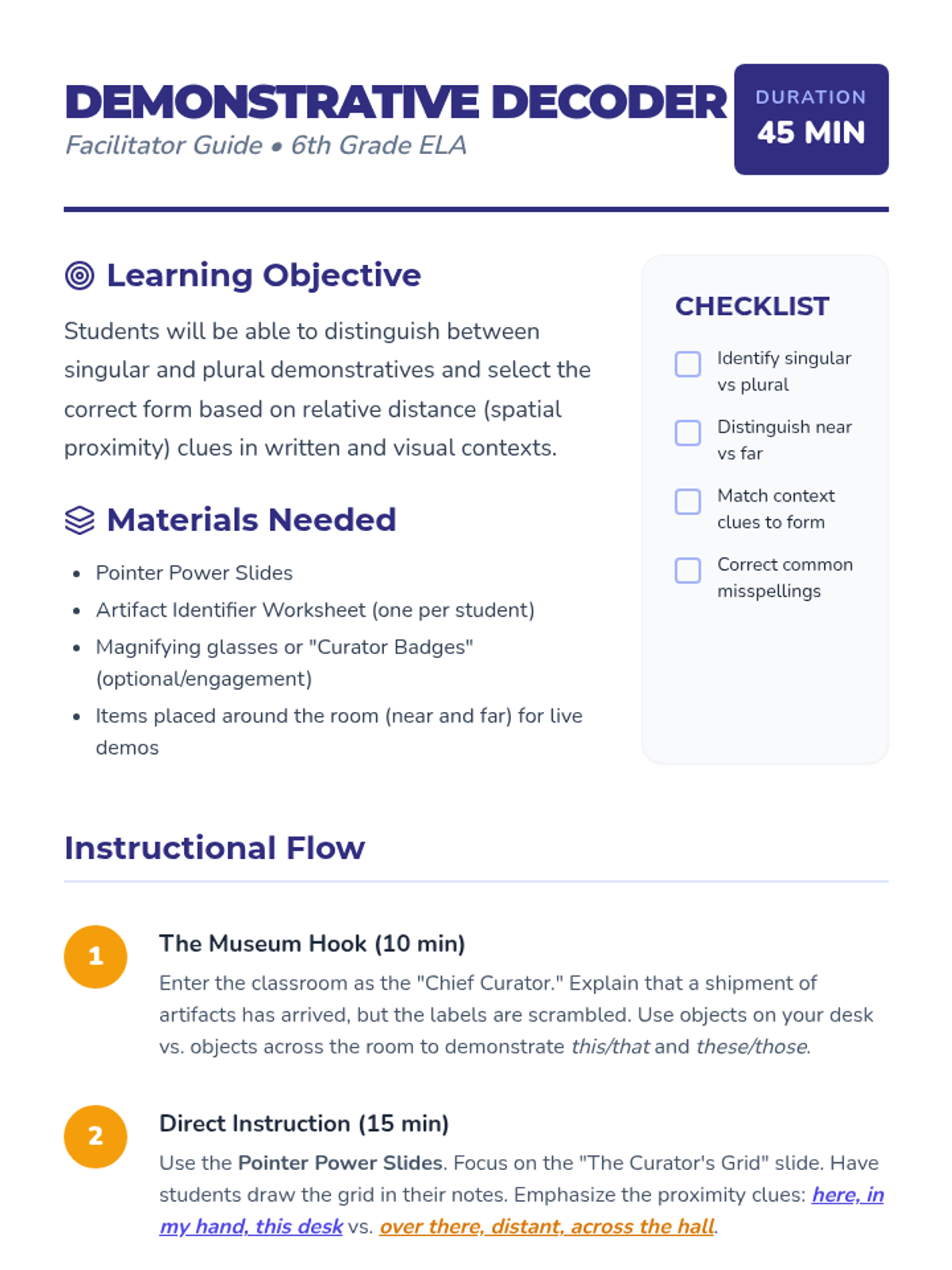
A lesson focused on mastering demonstratives (this, that, these, those) through the lens of a museum curator identifying artifacts. Students will learn the distinctions between singular/plural and near/far usage.
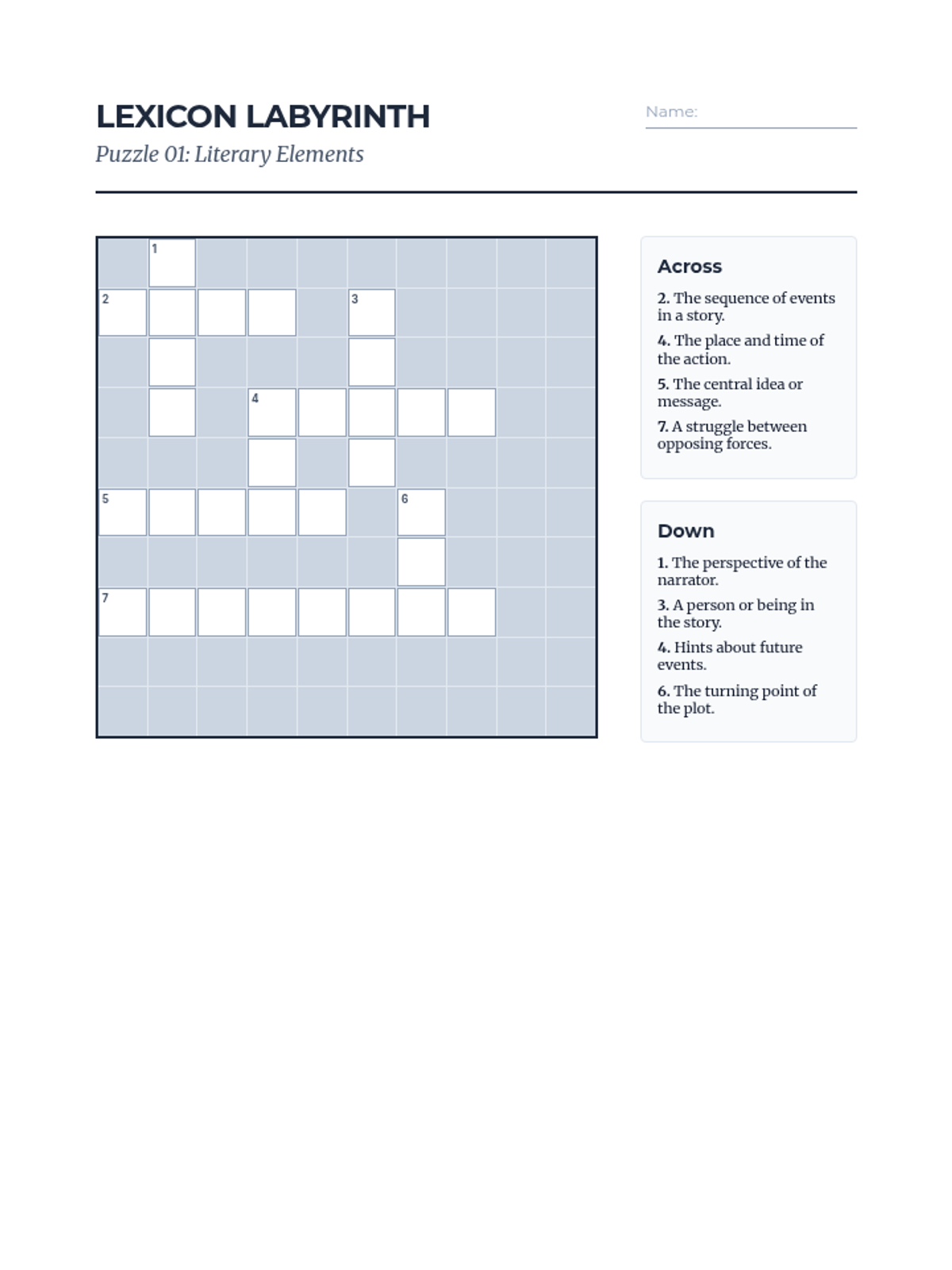
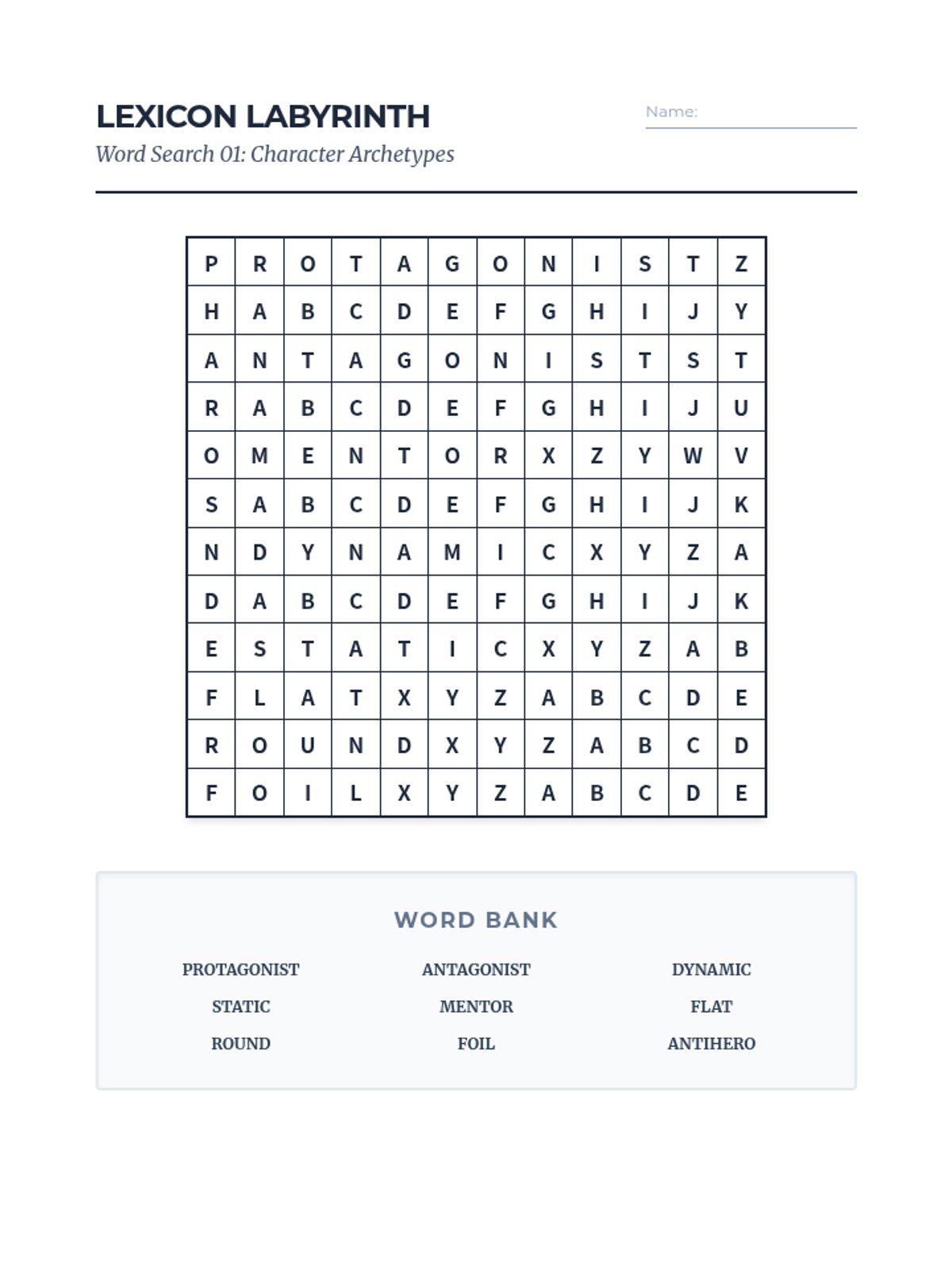
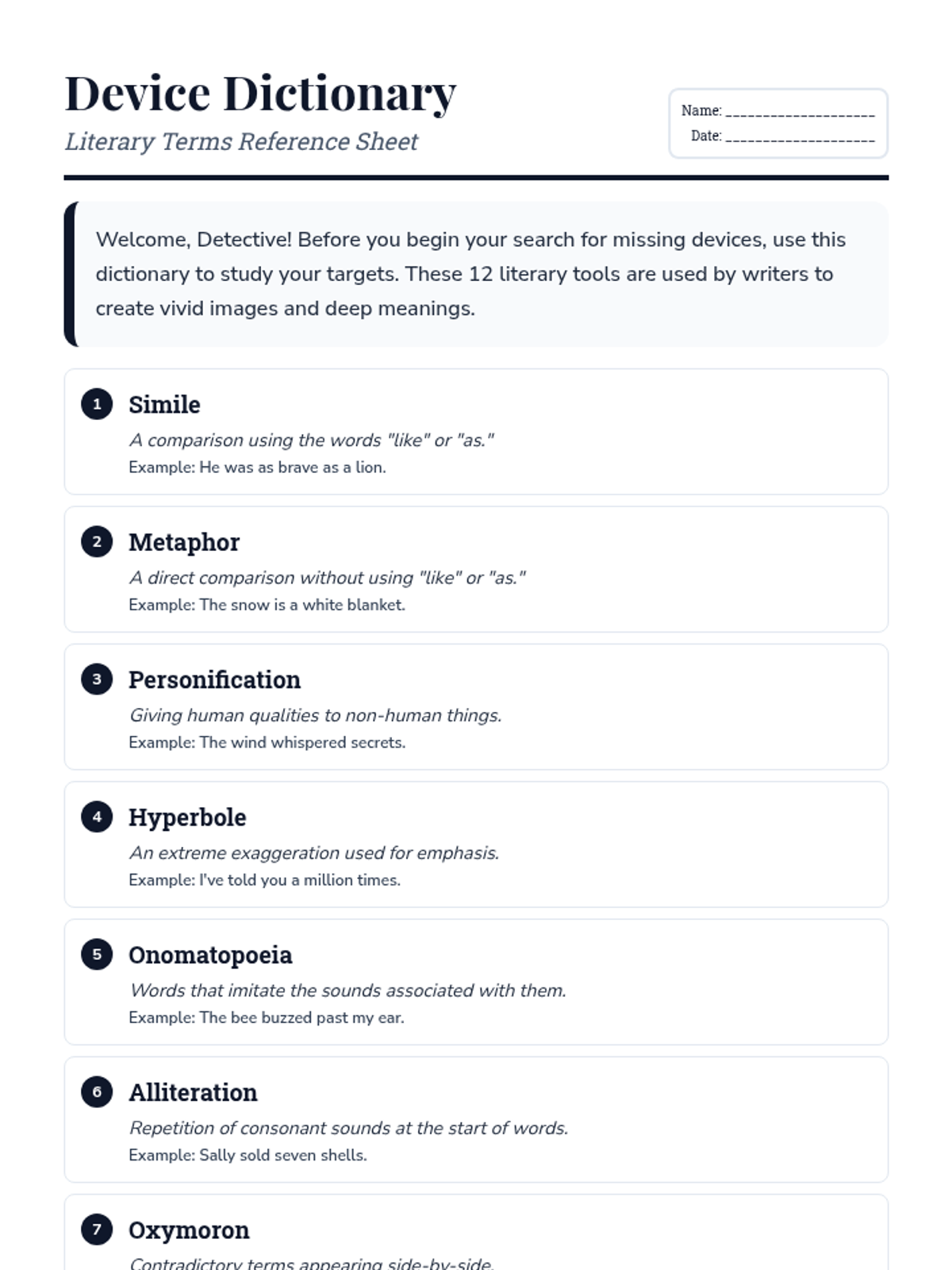
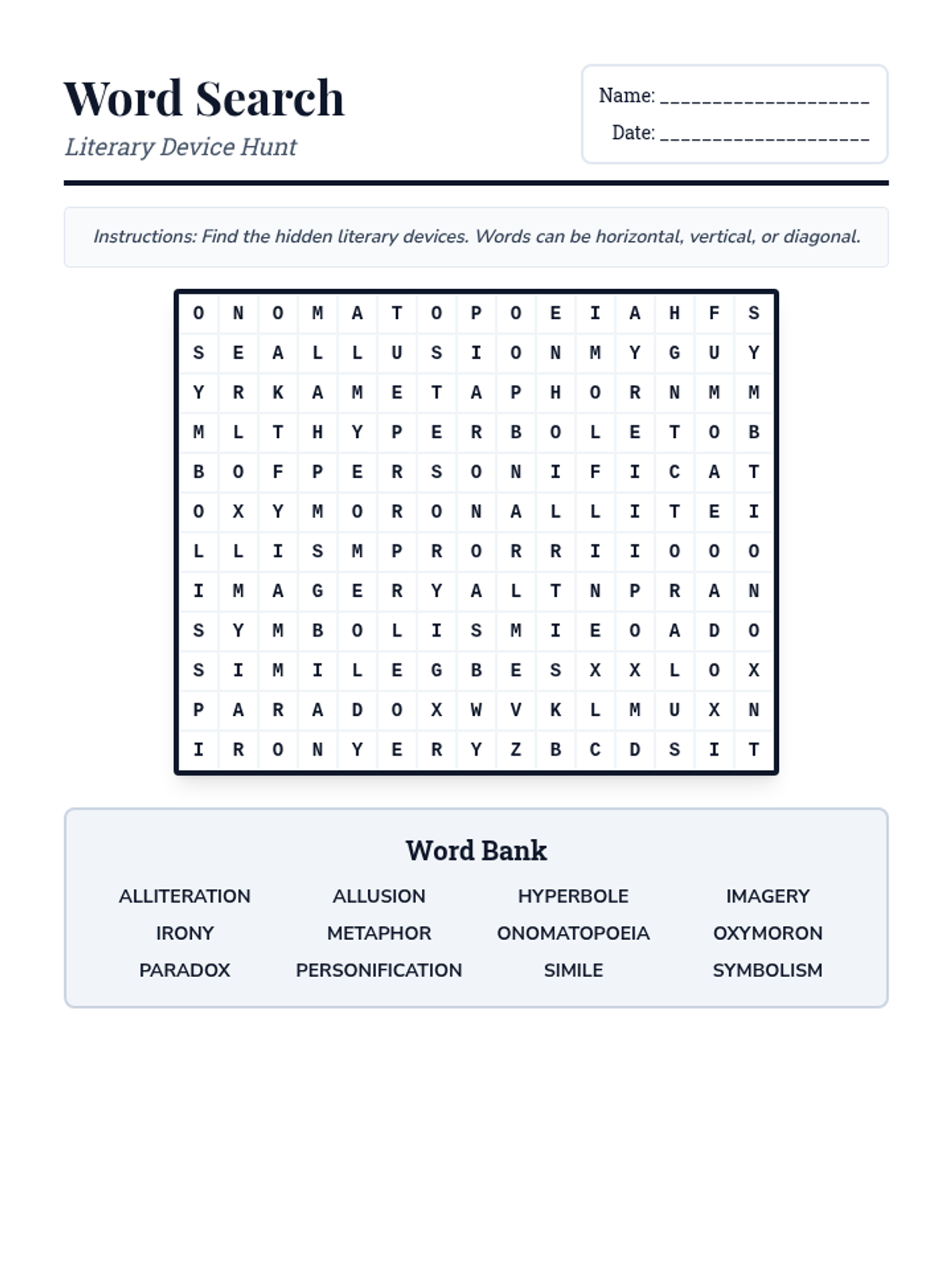
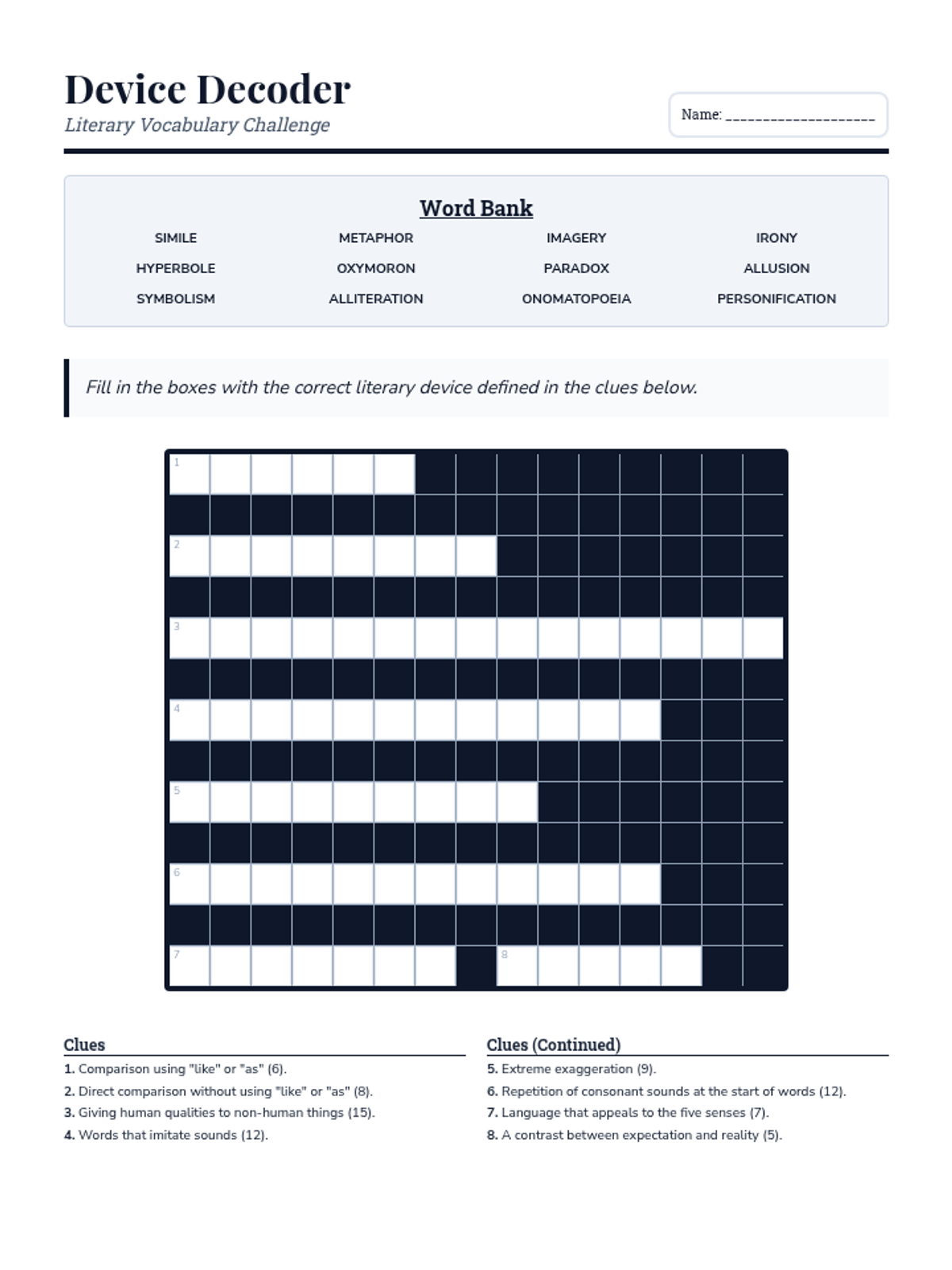
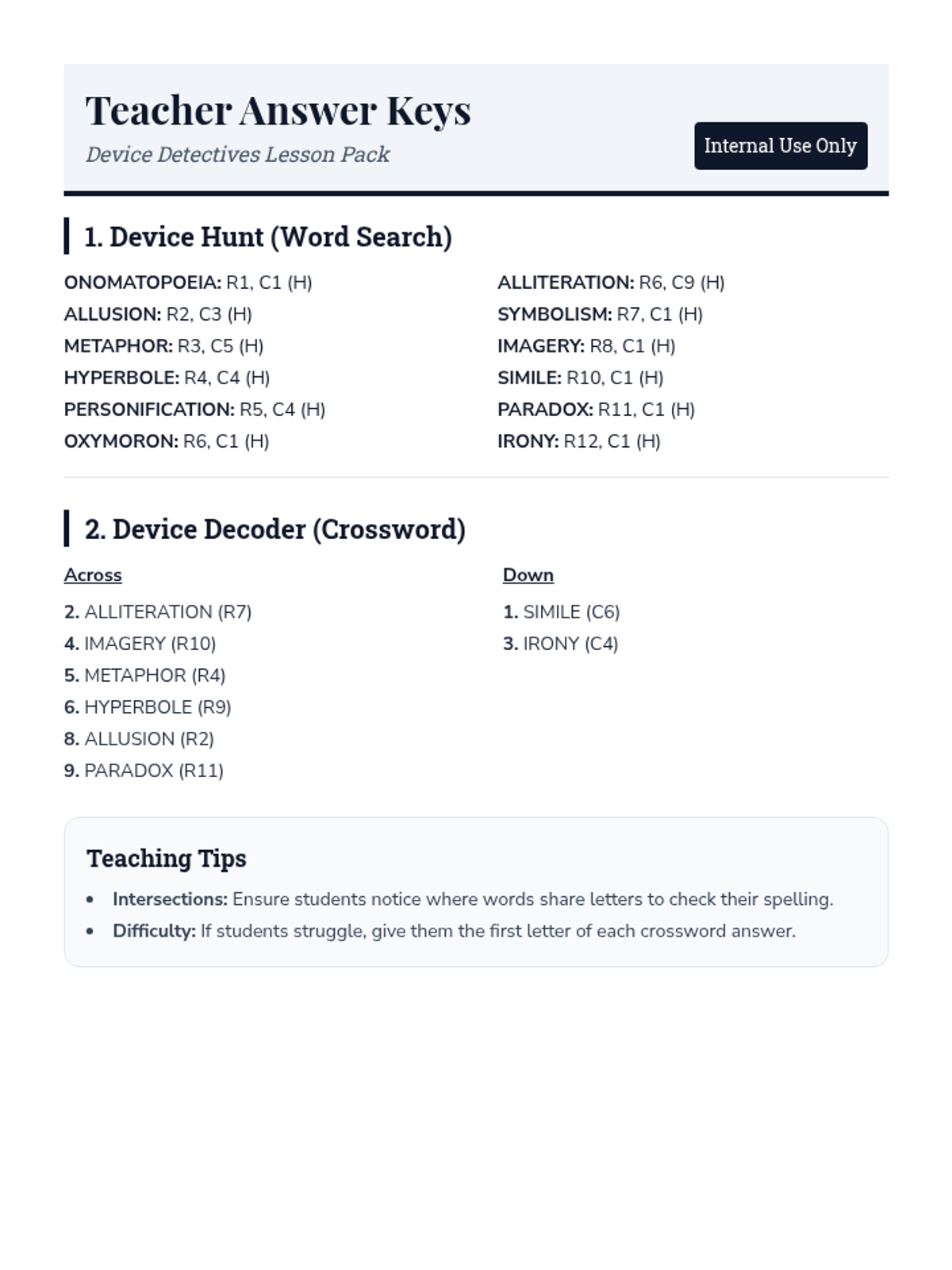
An introductory lesson focusing on identifying and defining common literary devices through engaging puzzles and reference materials.
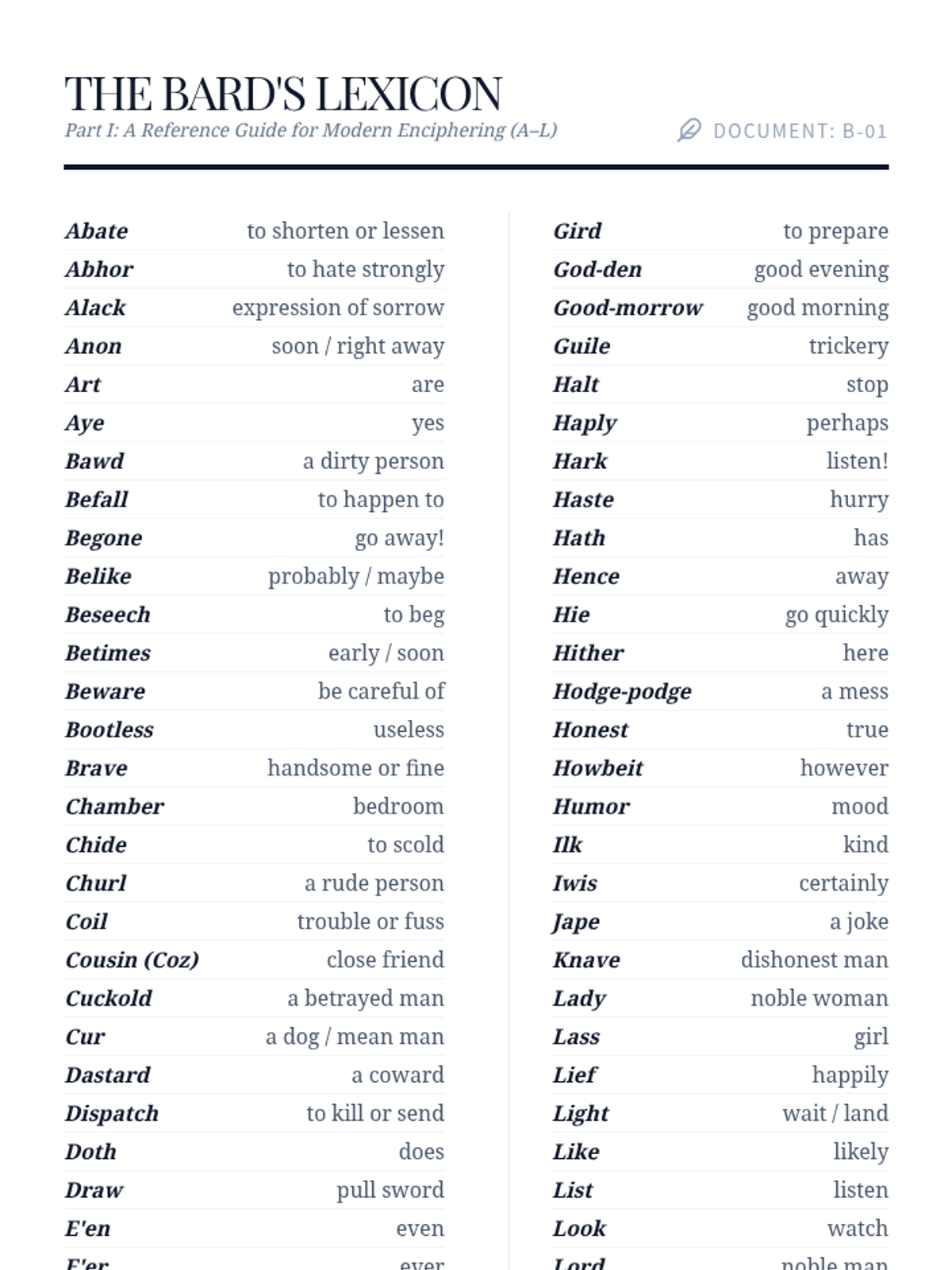
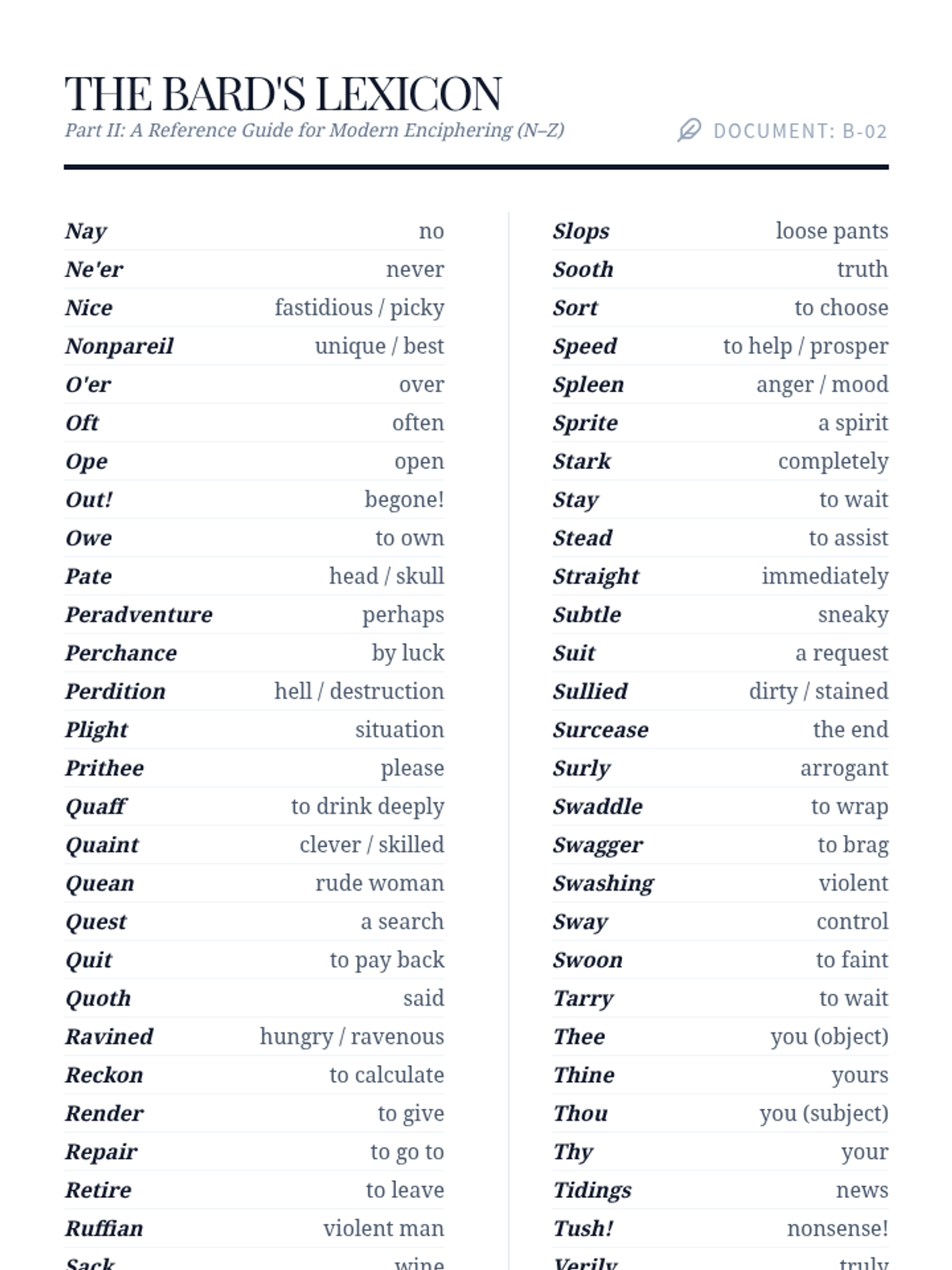
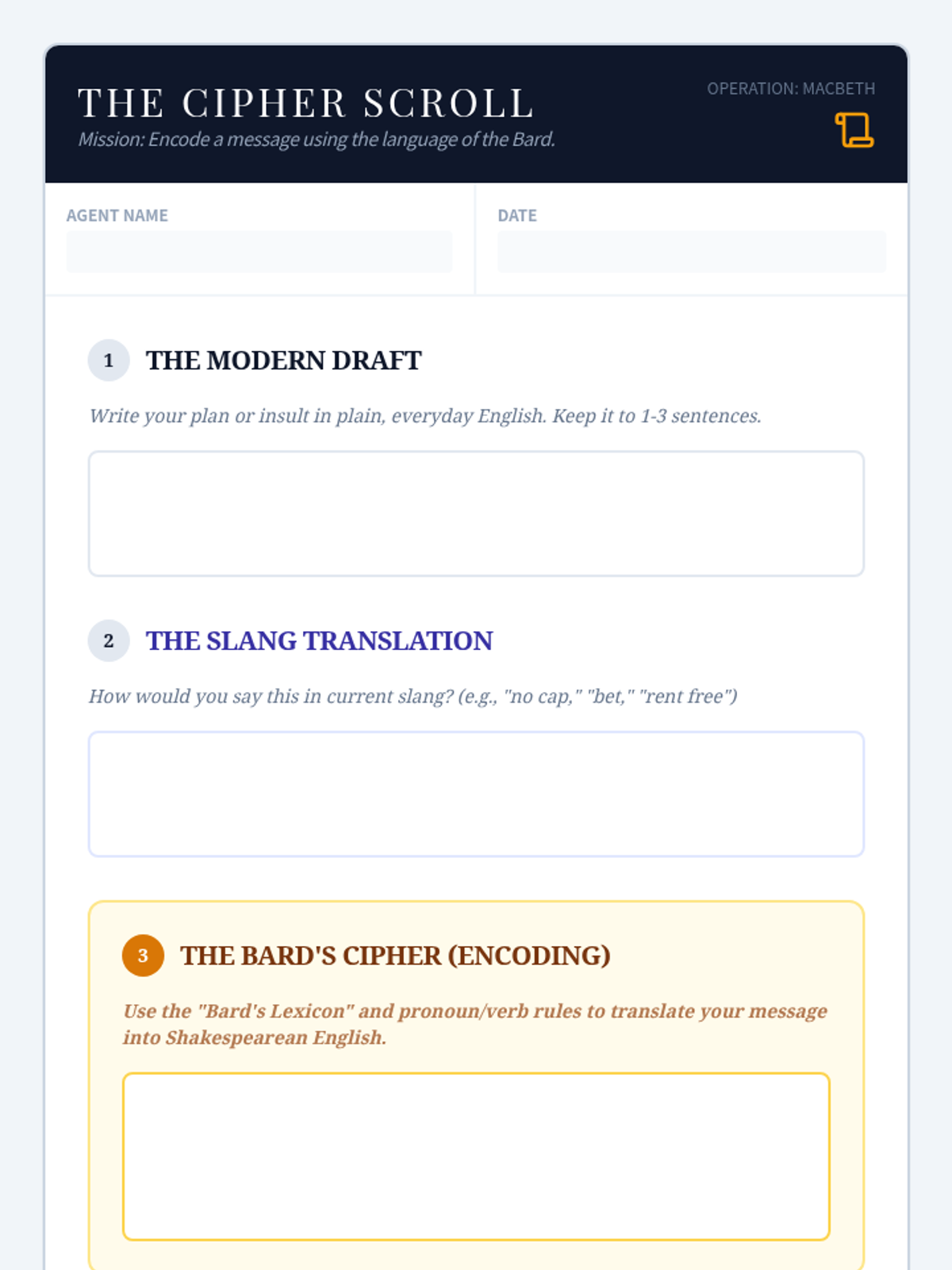
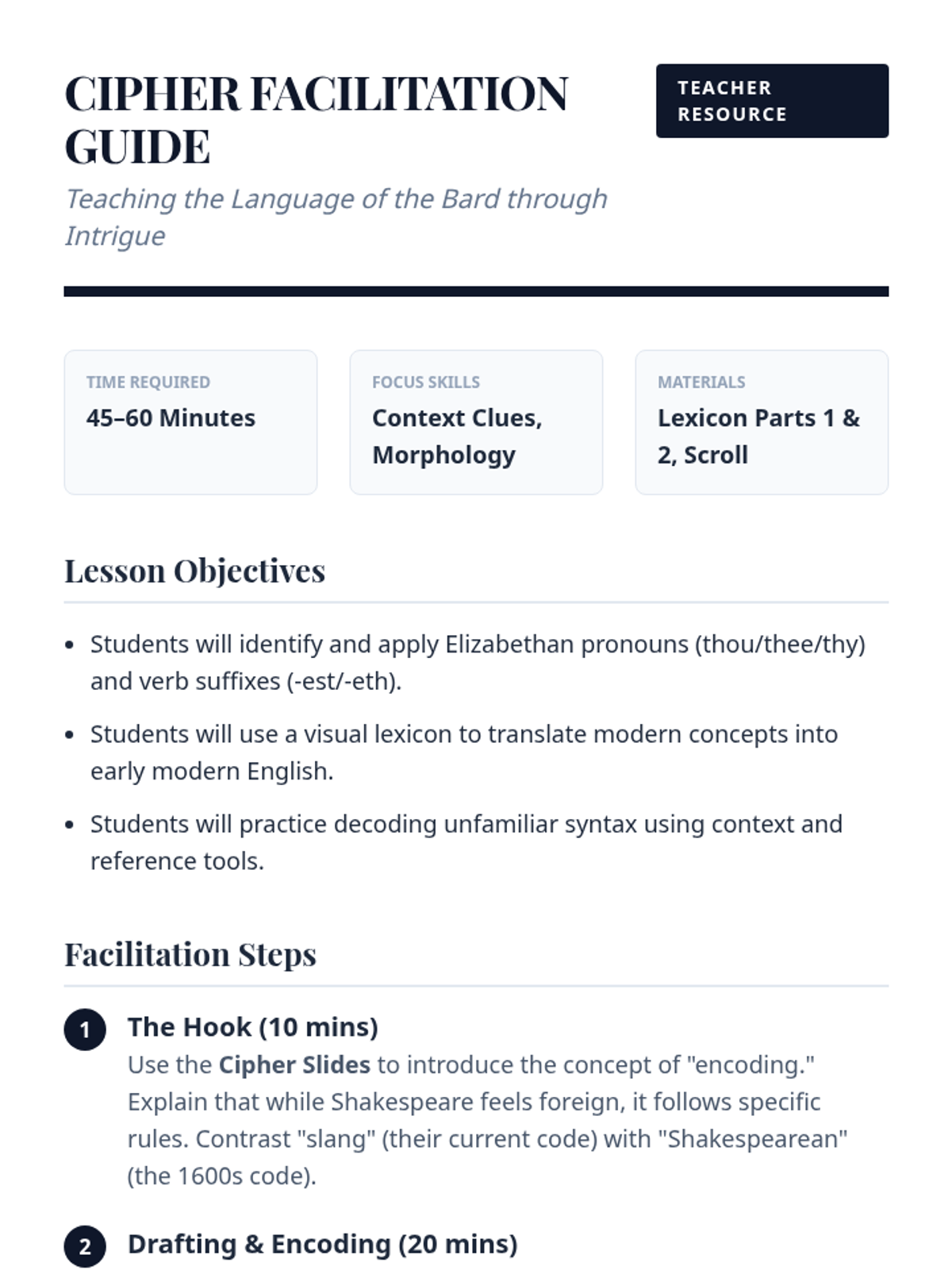
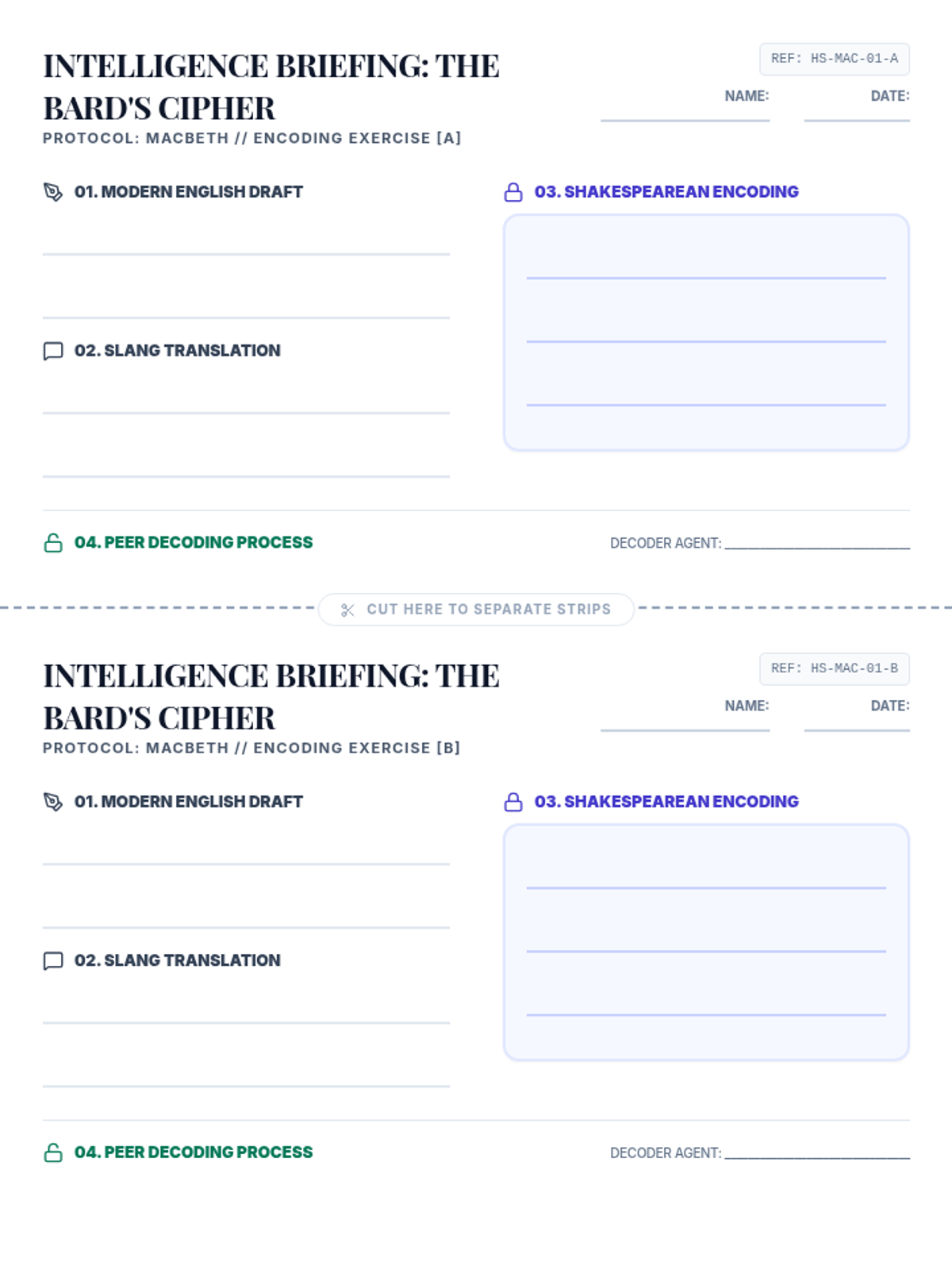
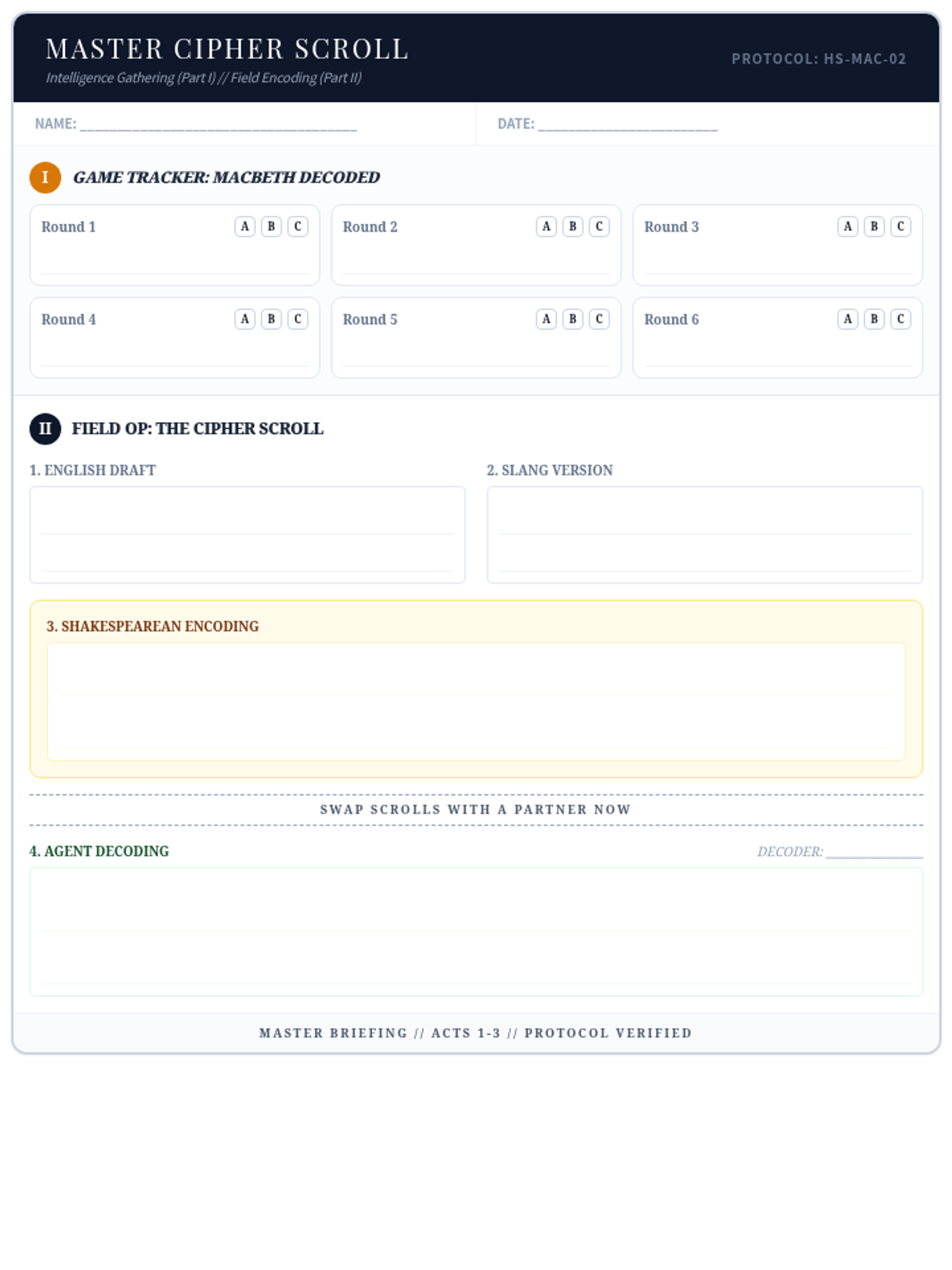
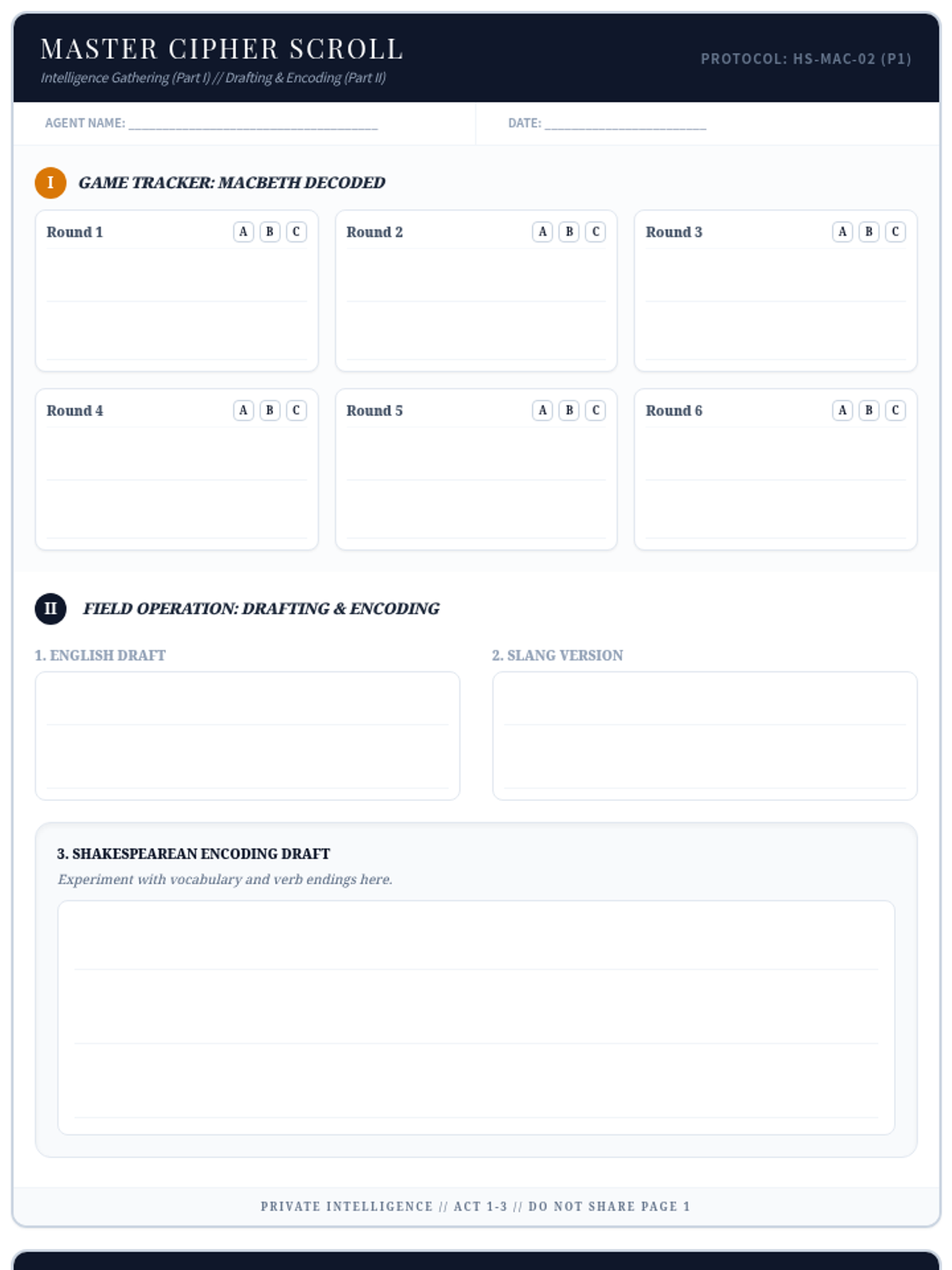
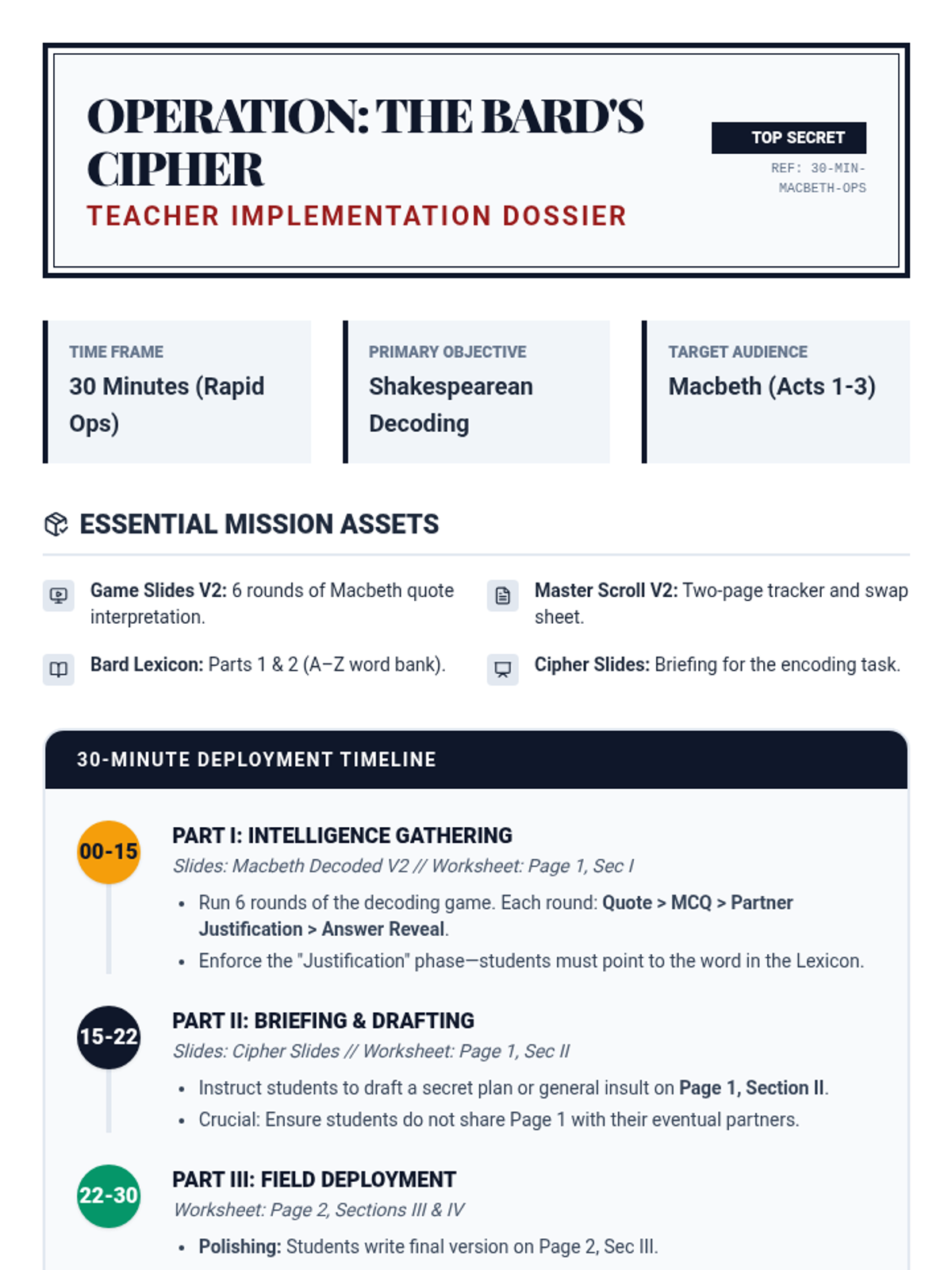
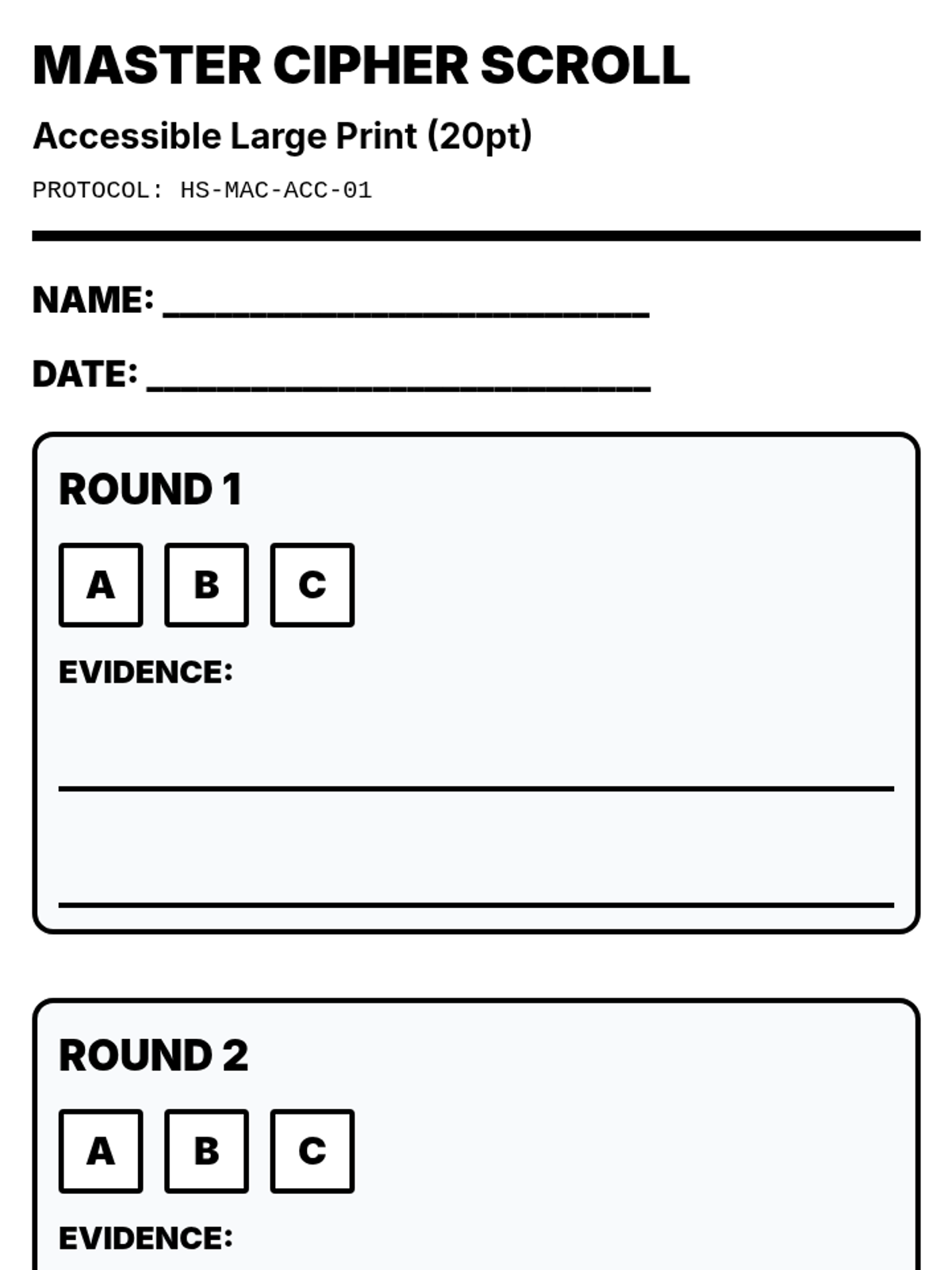
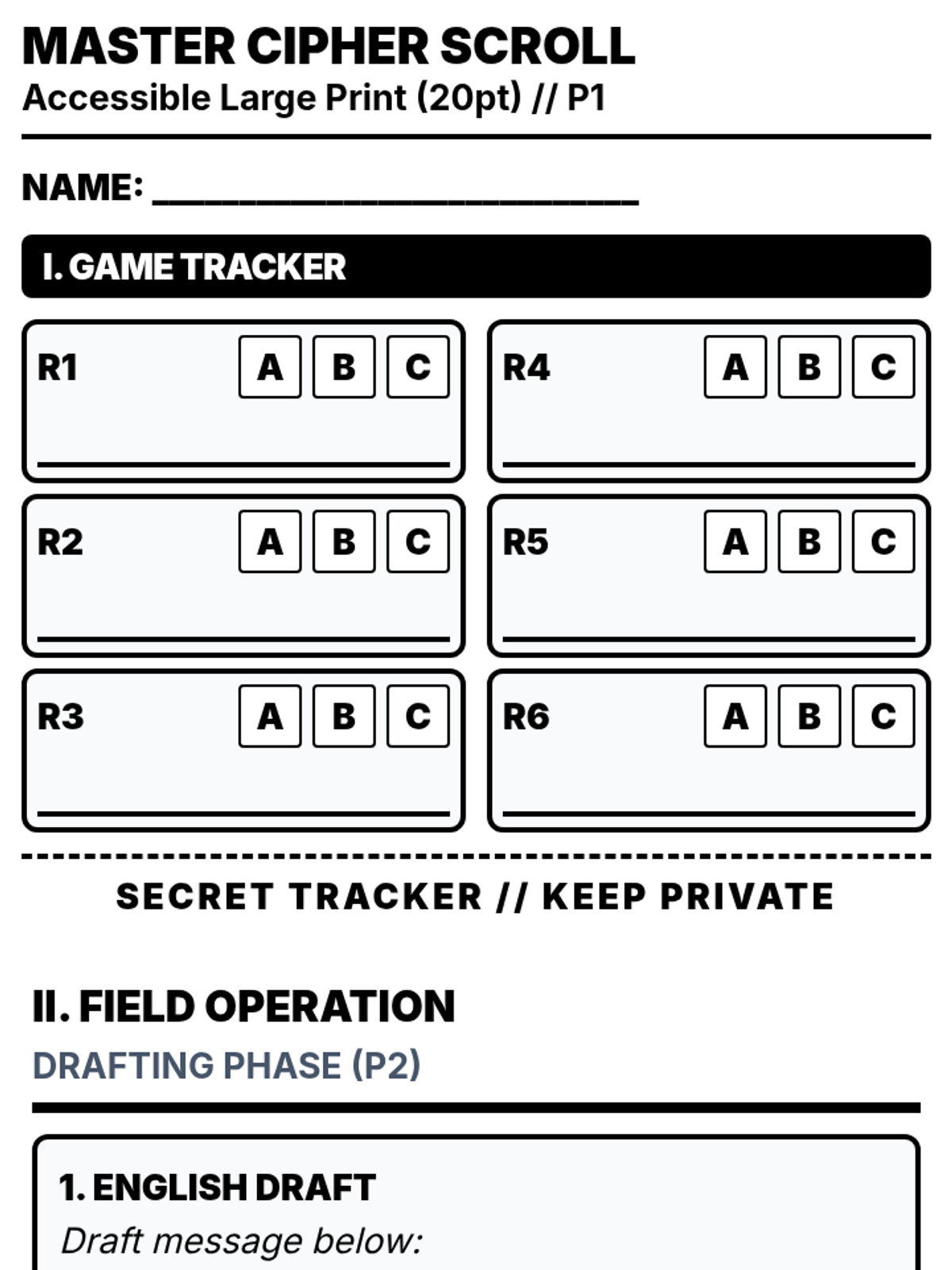
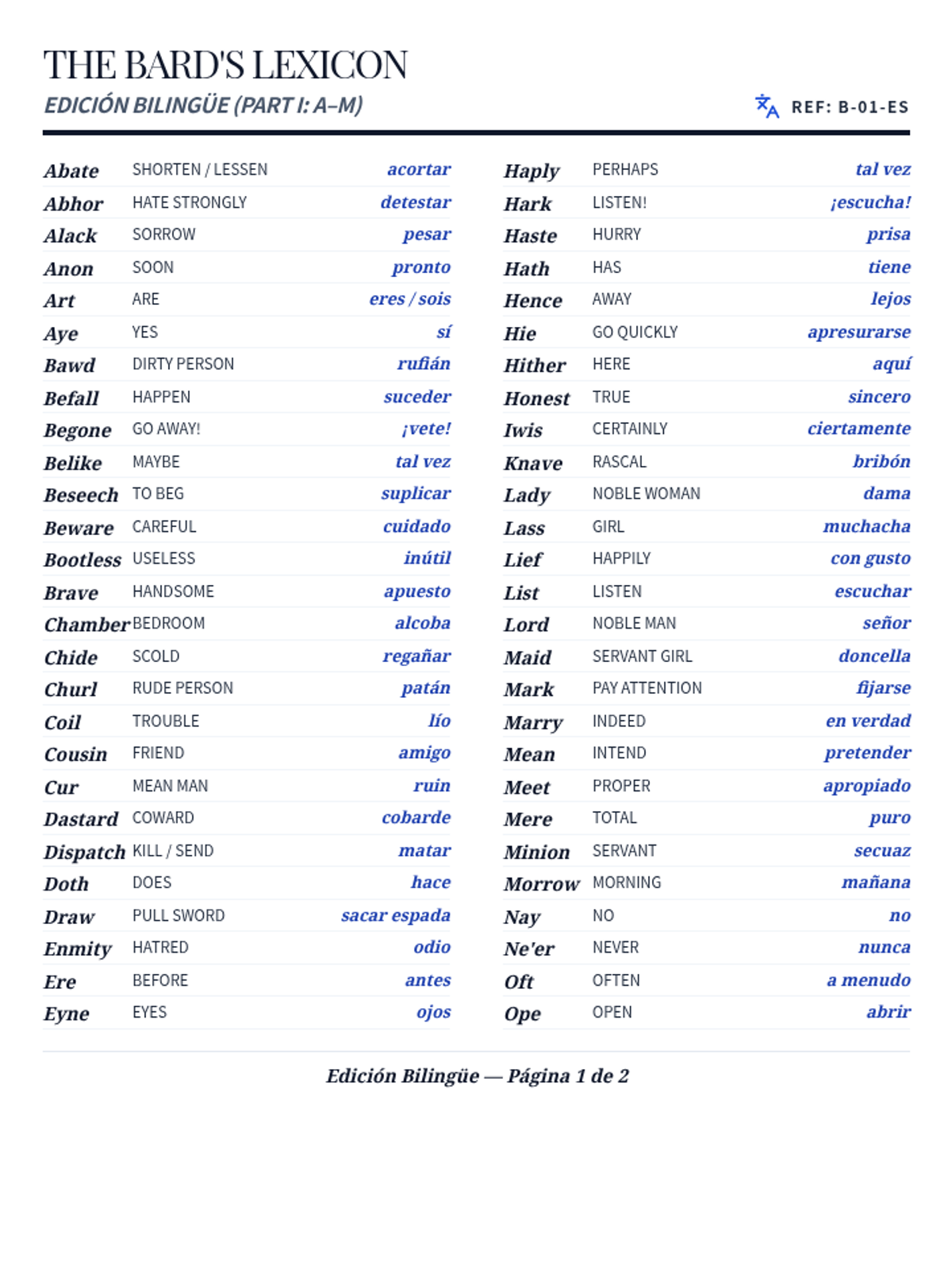
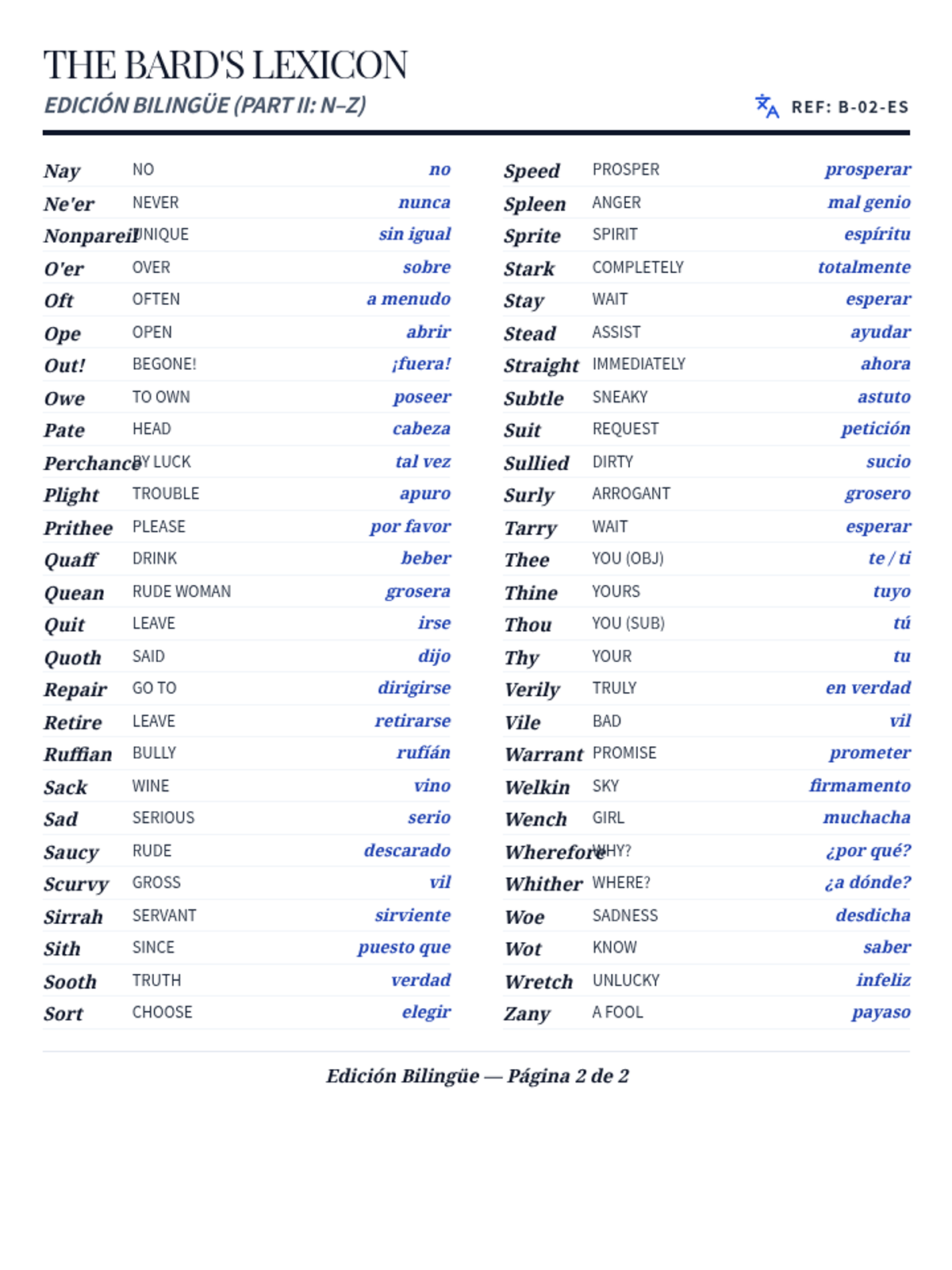
A hands-on activity where students learn to decode and encode Shakespearean language by writing secret messages or insults, then swapping them with peers to translate.
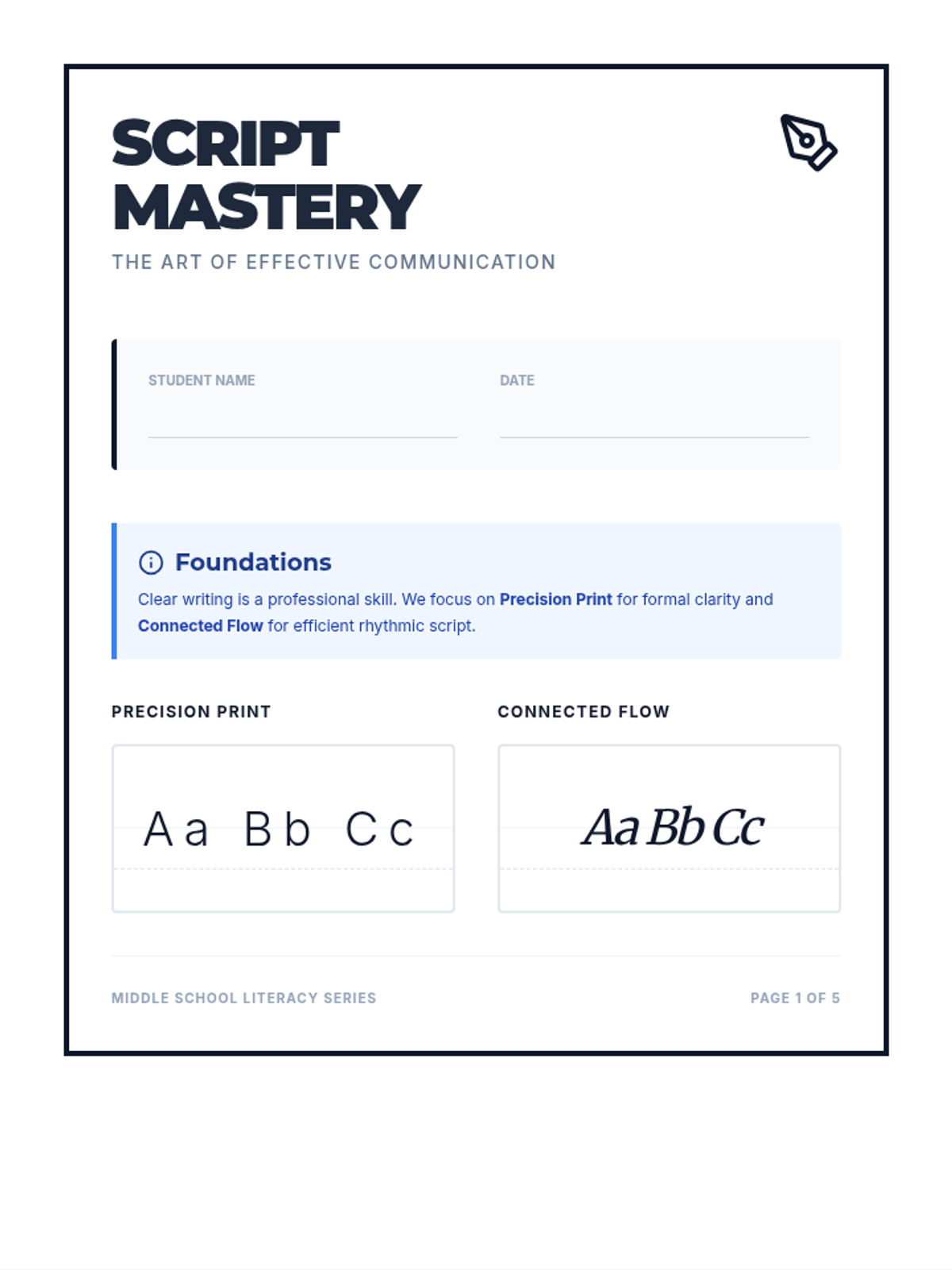
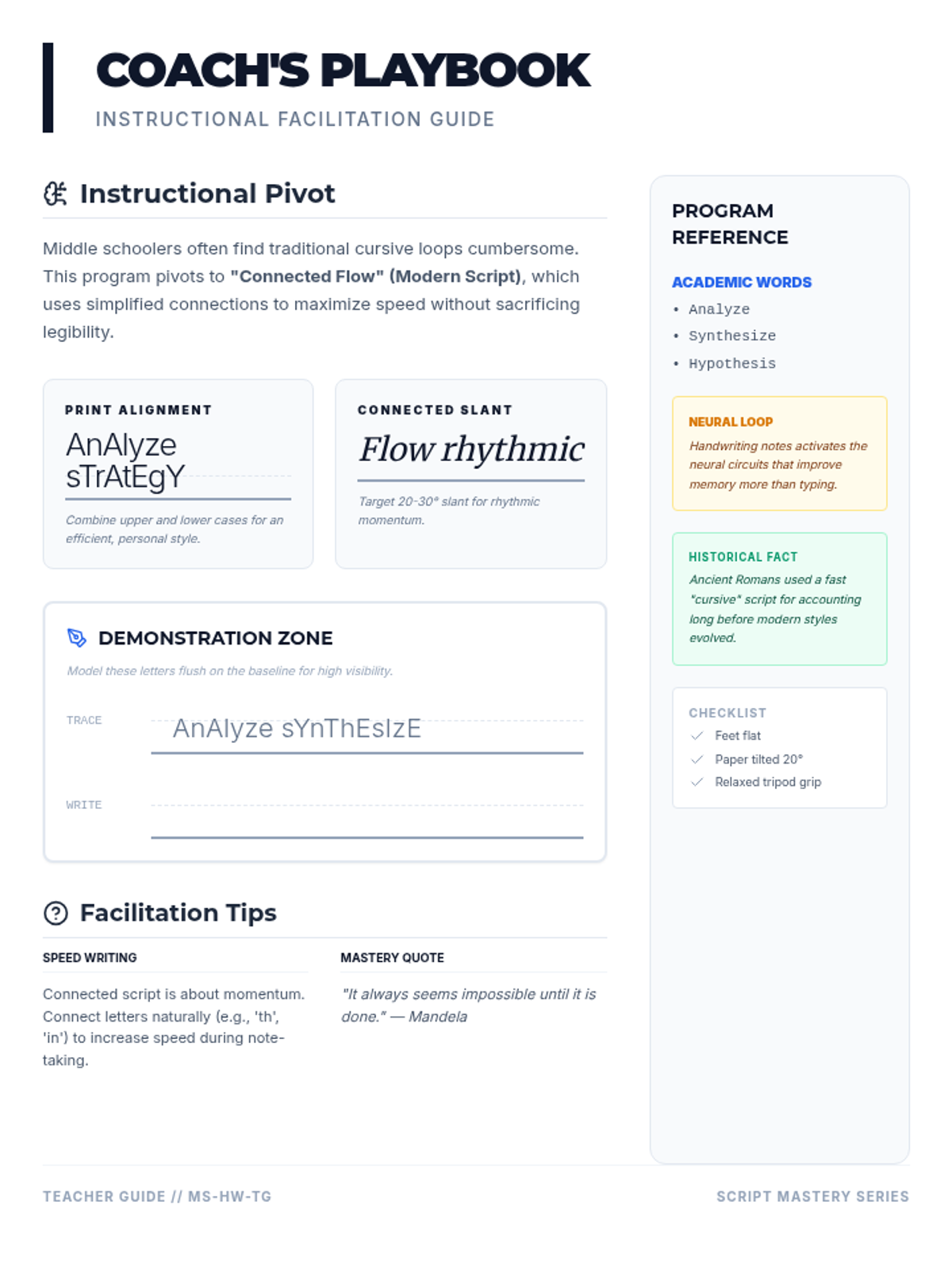
A comprehensive handwriting improvement program for middle school students, blending print and cursive techniques using engaging academic and motivational content.
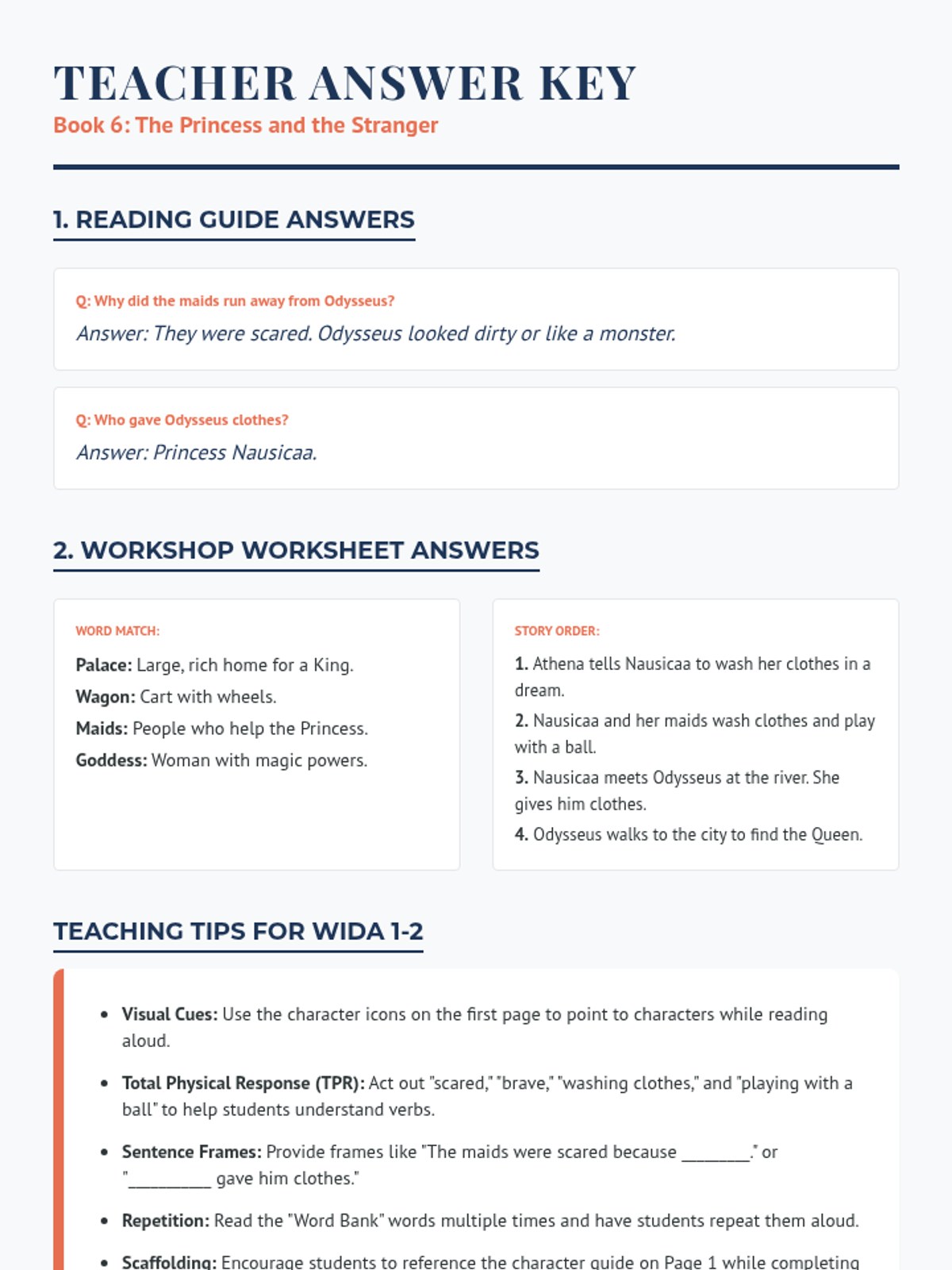
A simplified exploration of Book 6 of Homer's Odyssey, designed for WIDA Level 1-2 ELL students. The lesson focuses on key characters, basic plot sequencing, and essential vocabulary through a high-interest narrative.
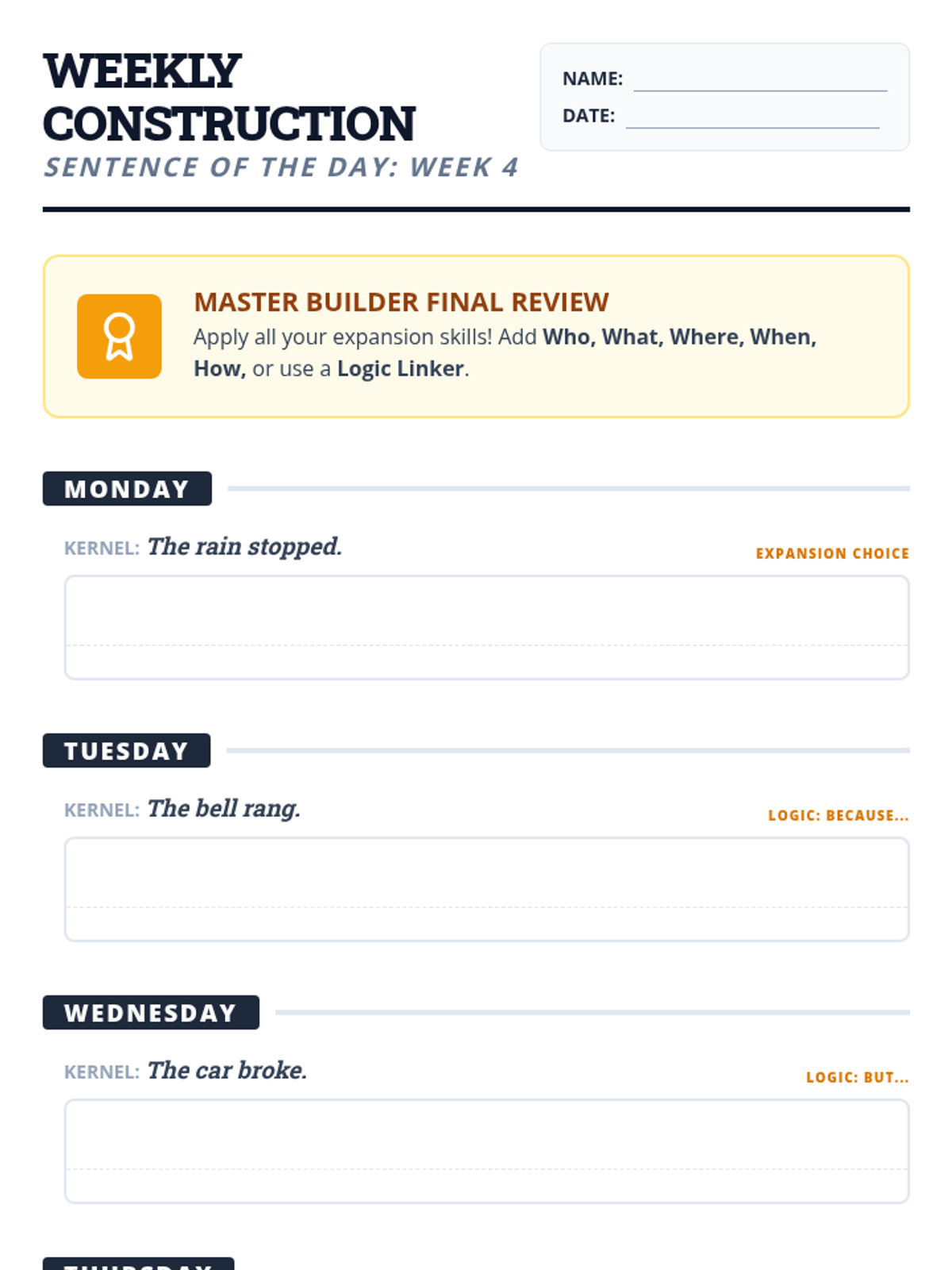
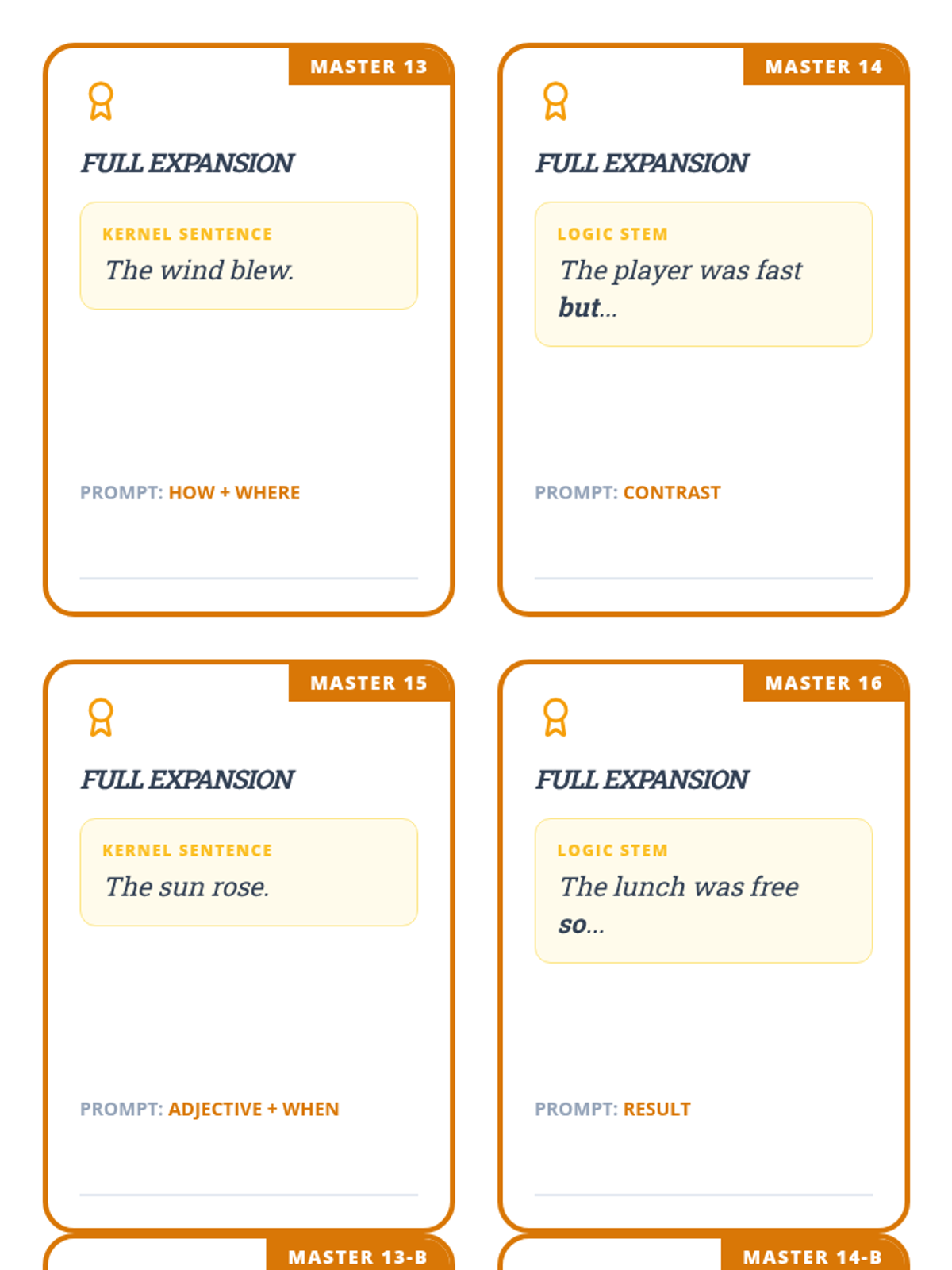
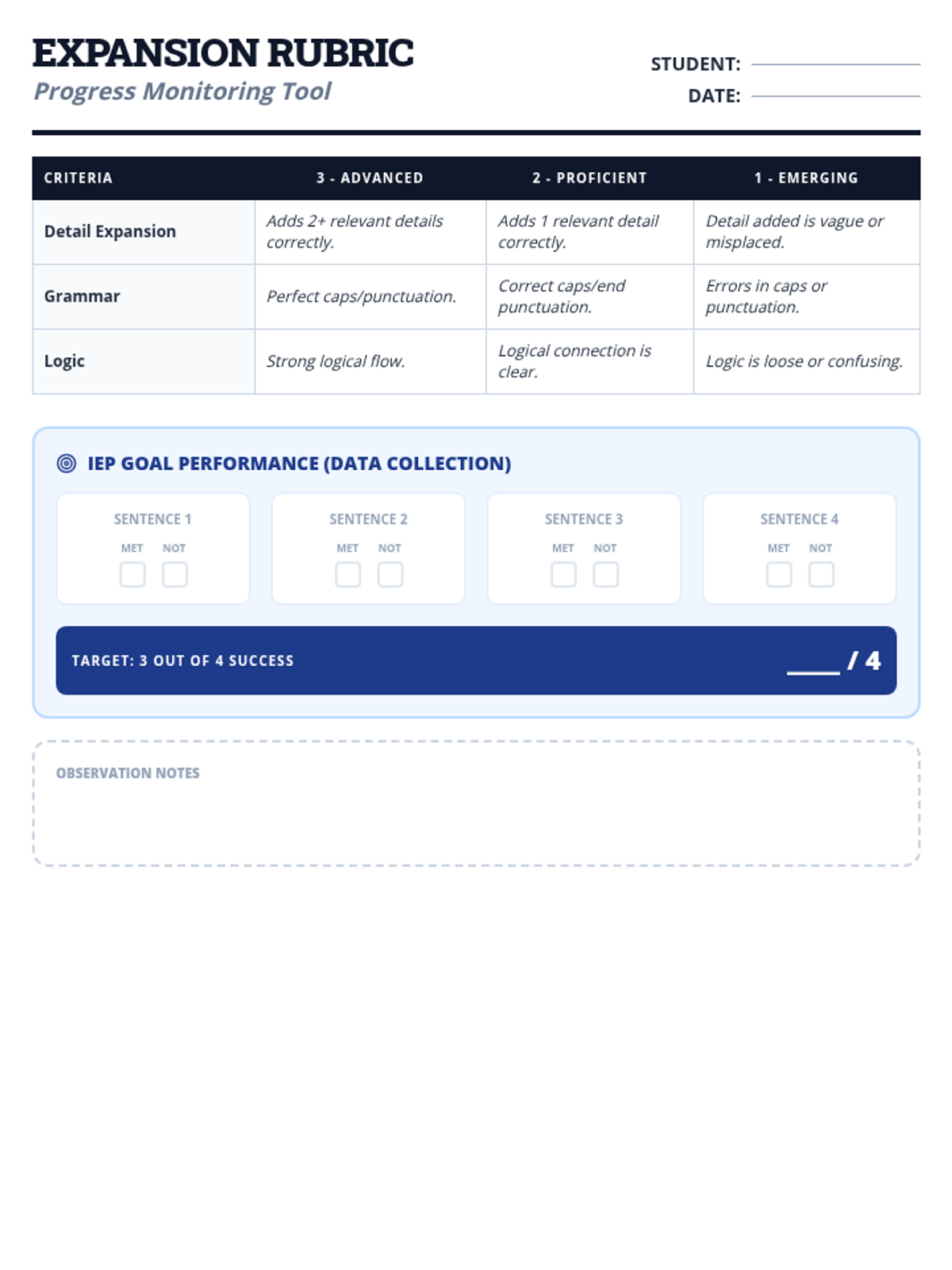
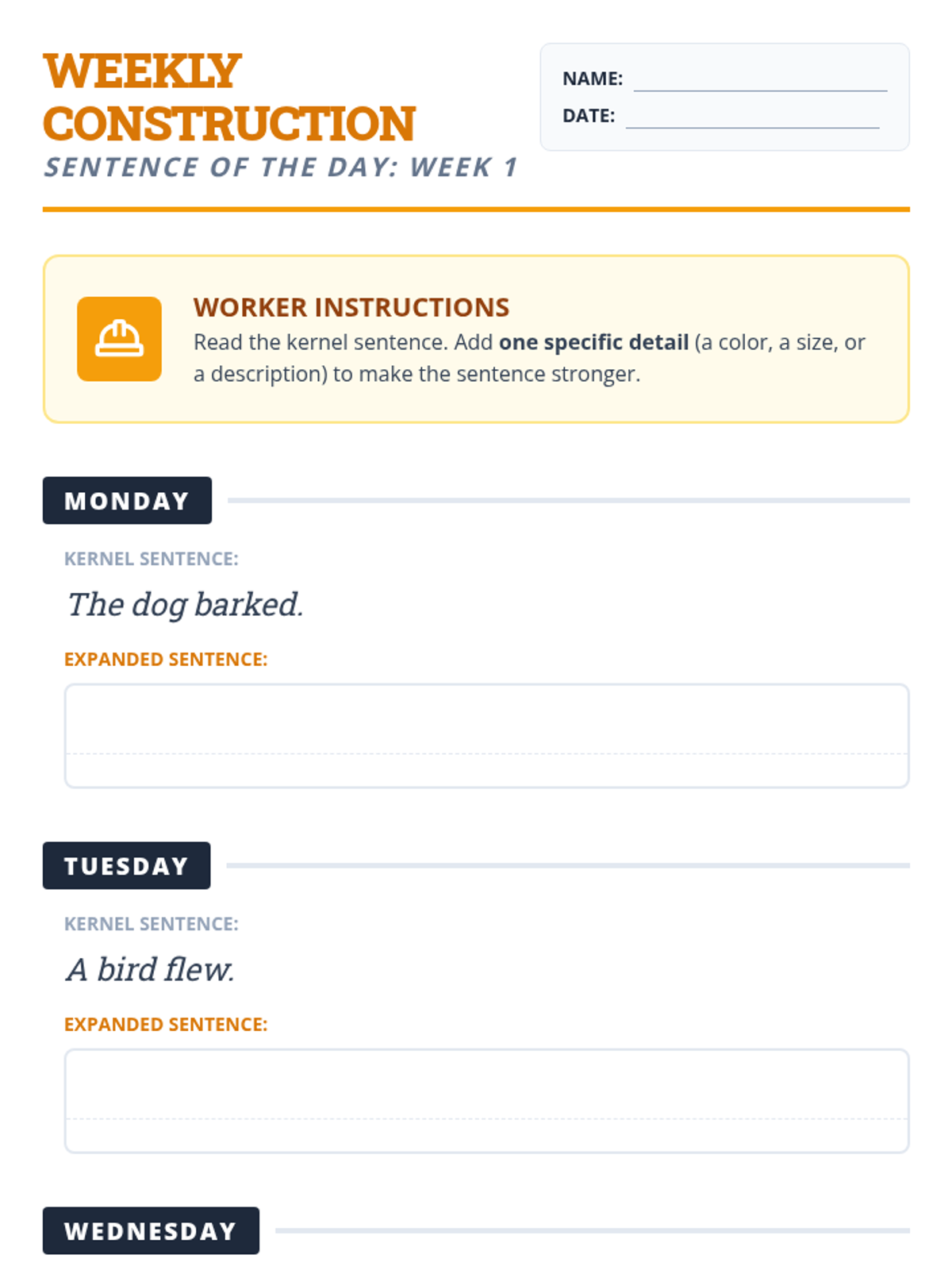
The final review lesson where students apply all previous strategies (adjectives, situational details, and logical conjunctions) to create complex and polished sentences.
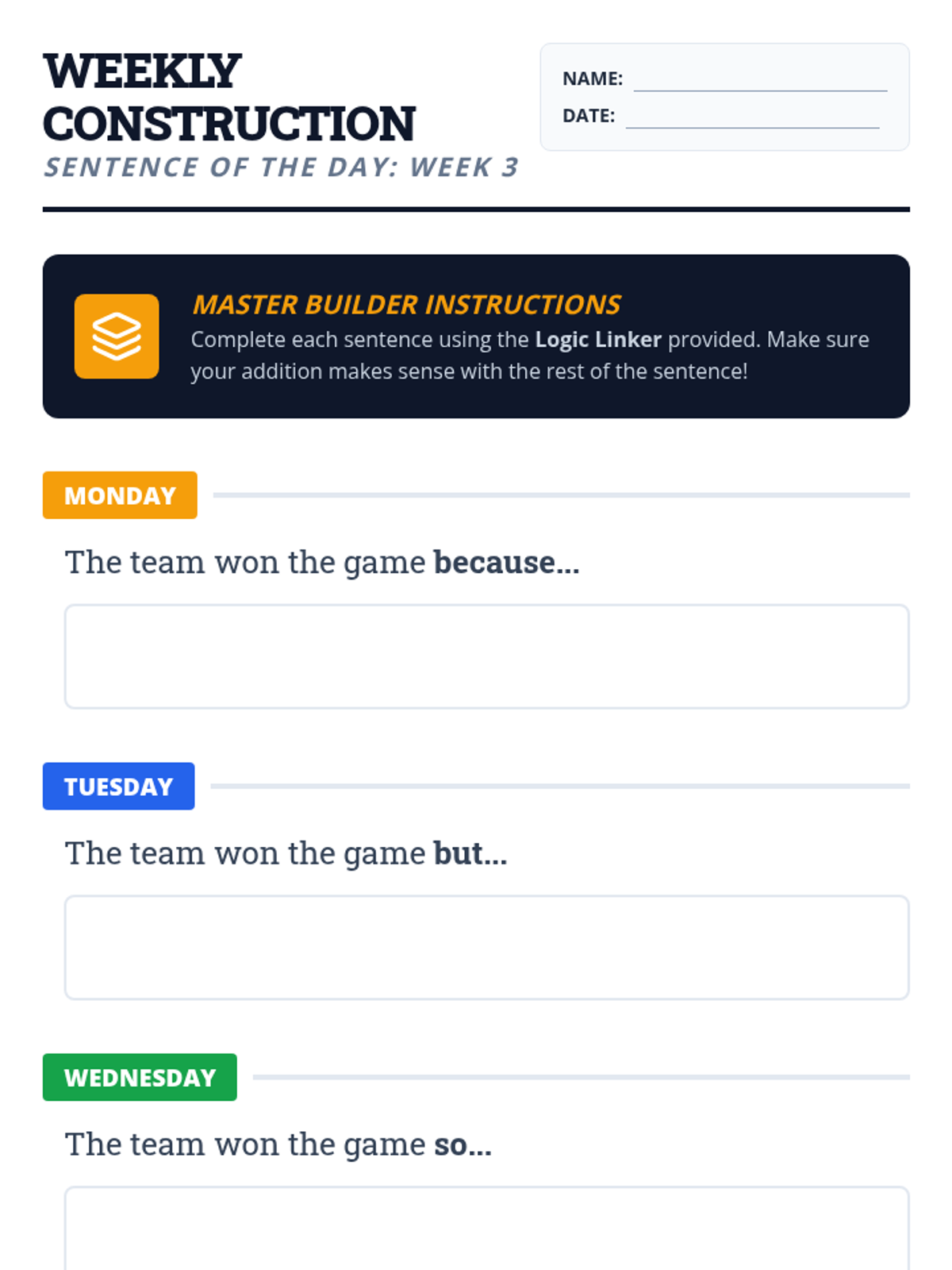
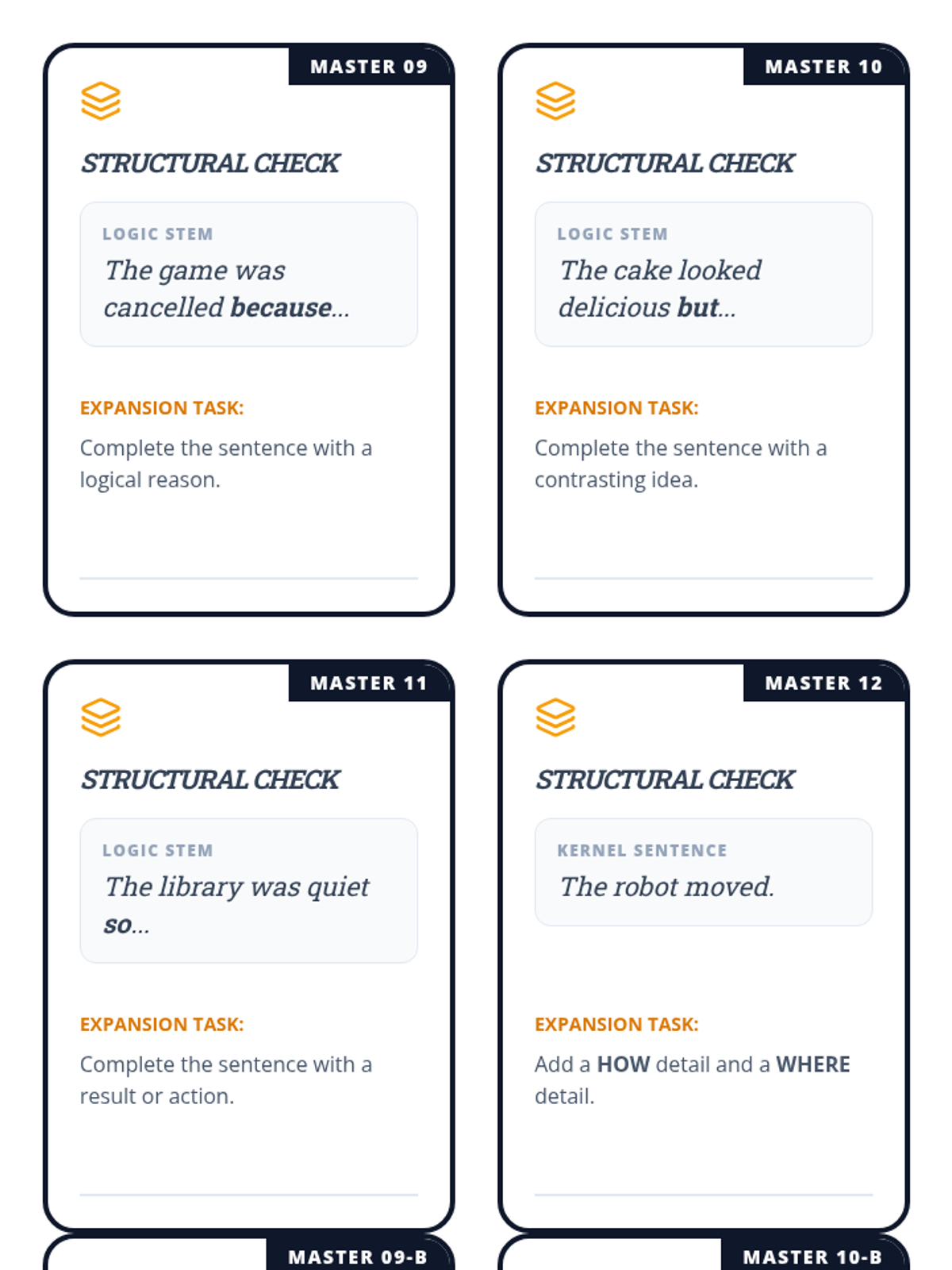
The final lesson focuses on using 'Because, But, So' to expand sentences logically and demonstrate deeper reasoning and detail.
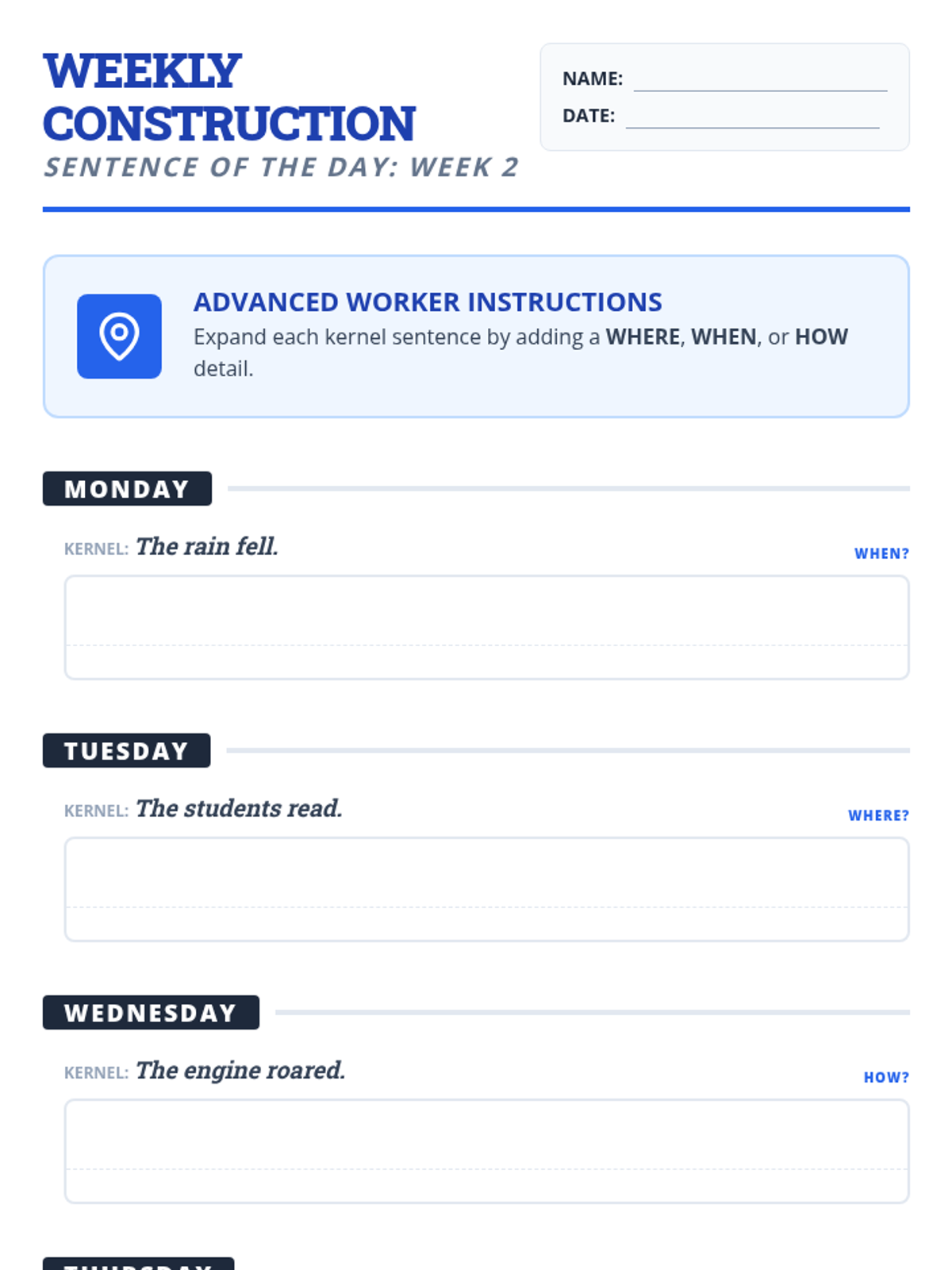
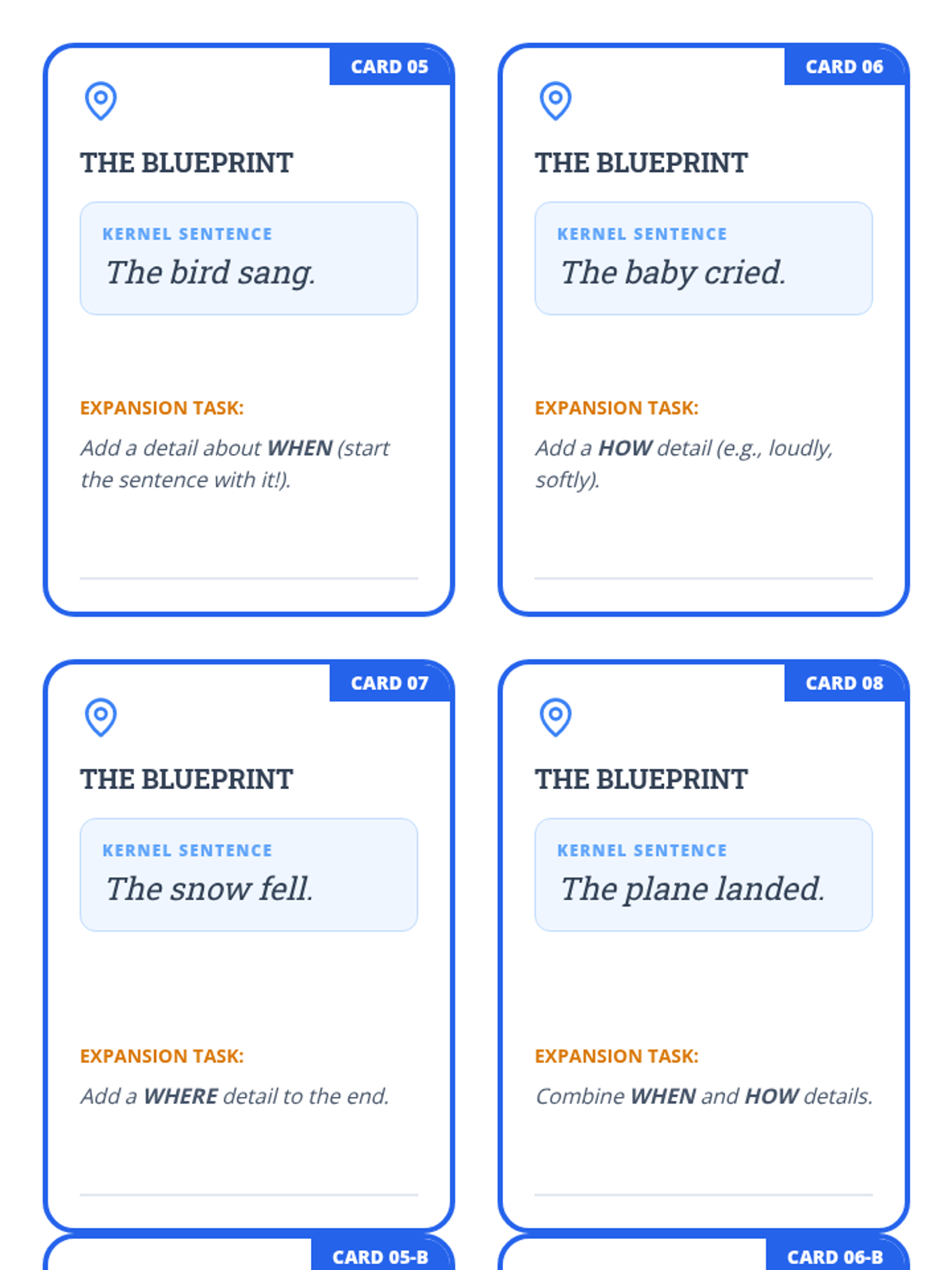
In this lesson, students learn to add situational details to their sentences using 'Where', 'When', and 'How' question words.
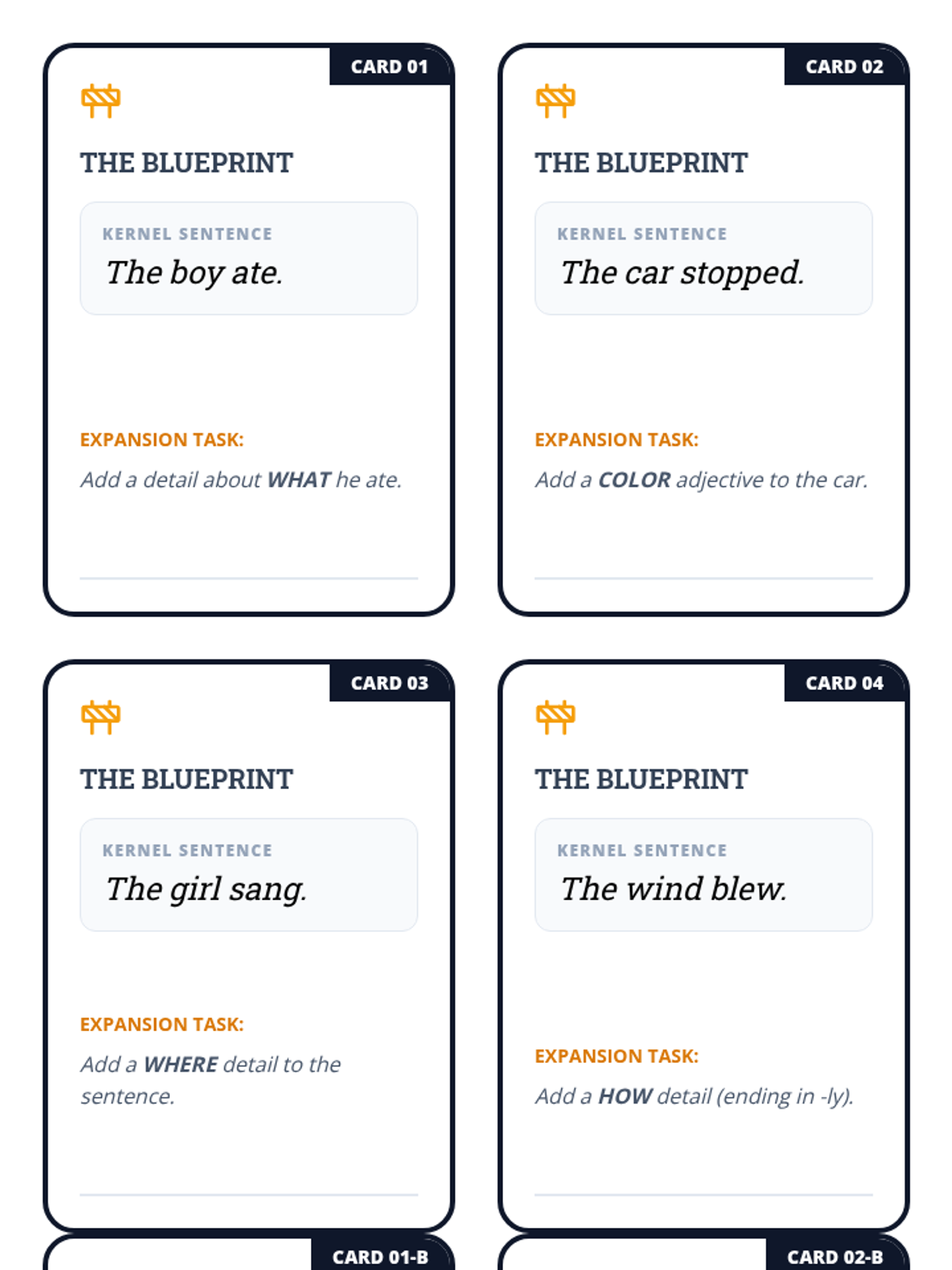
This lesson introduces the concept of a complete sentence versus a fragment and begins basic sentence expansion using 'Who' and 'What' details.
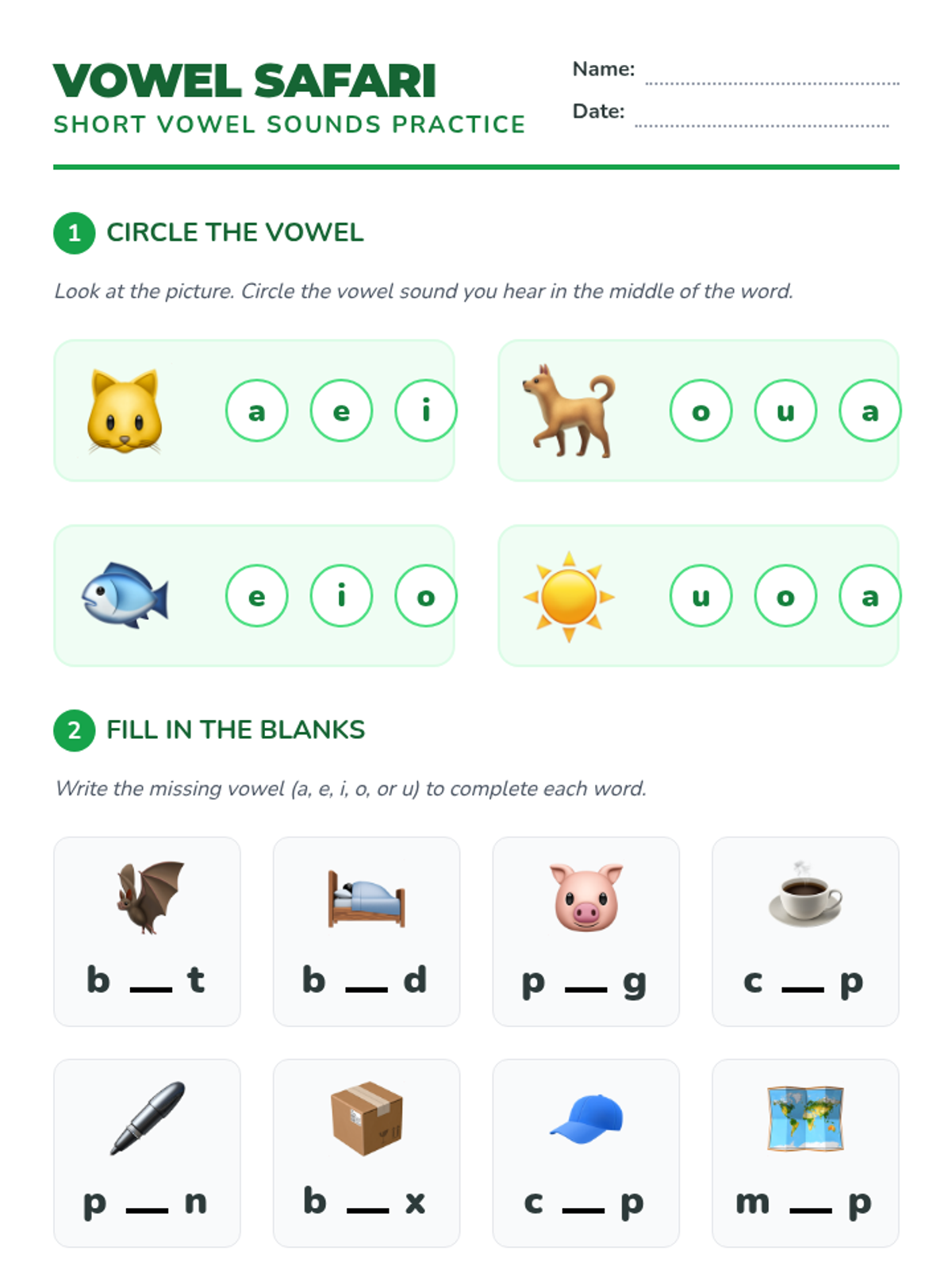
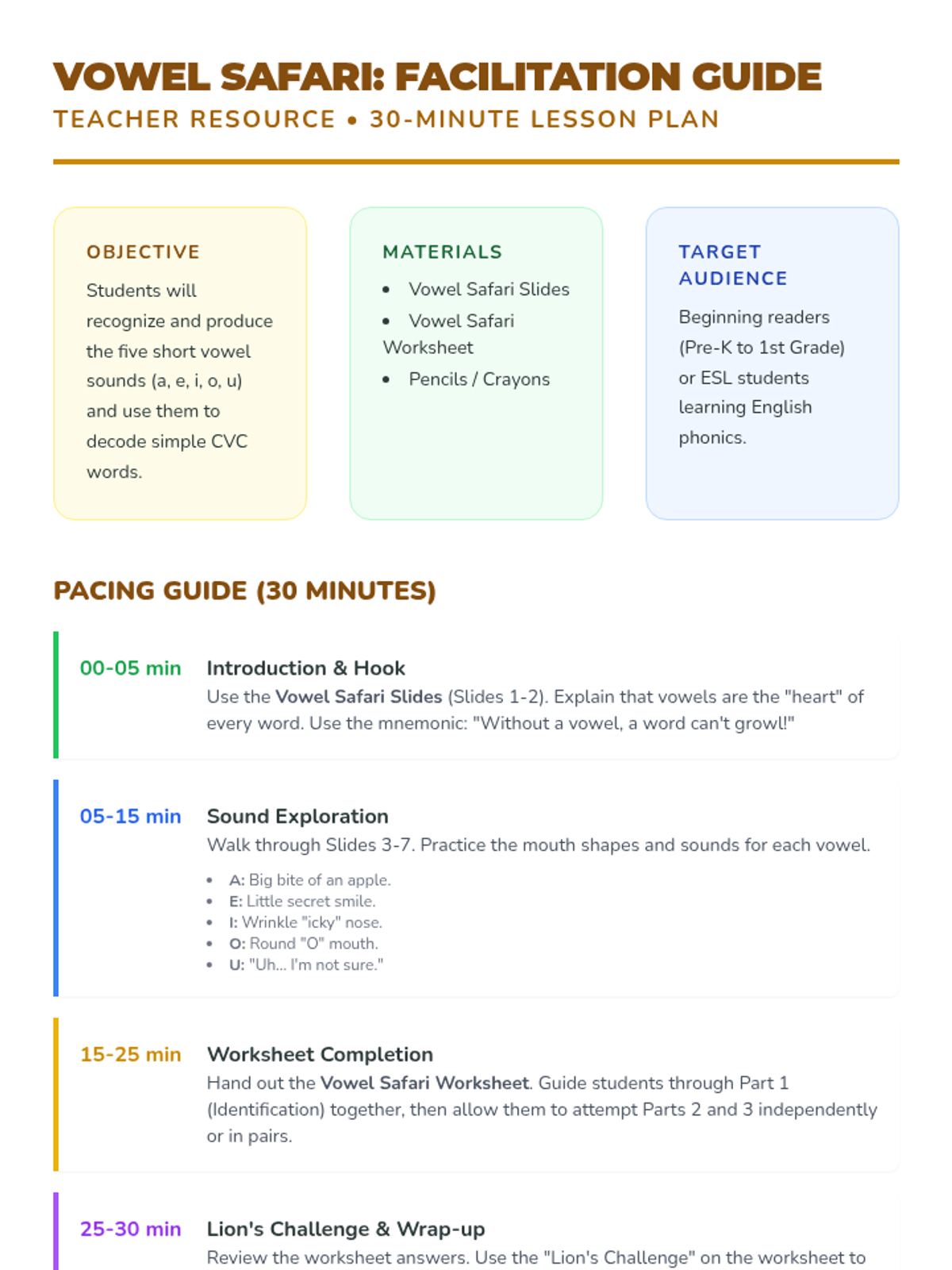
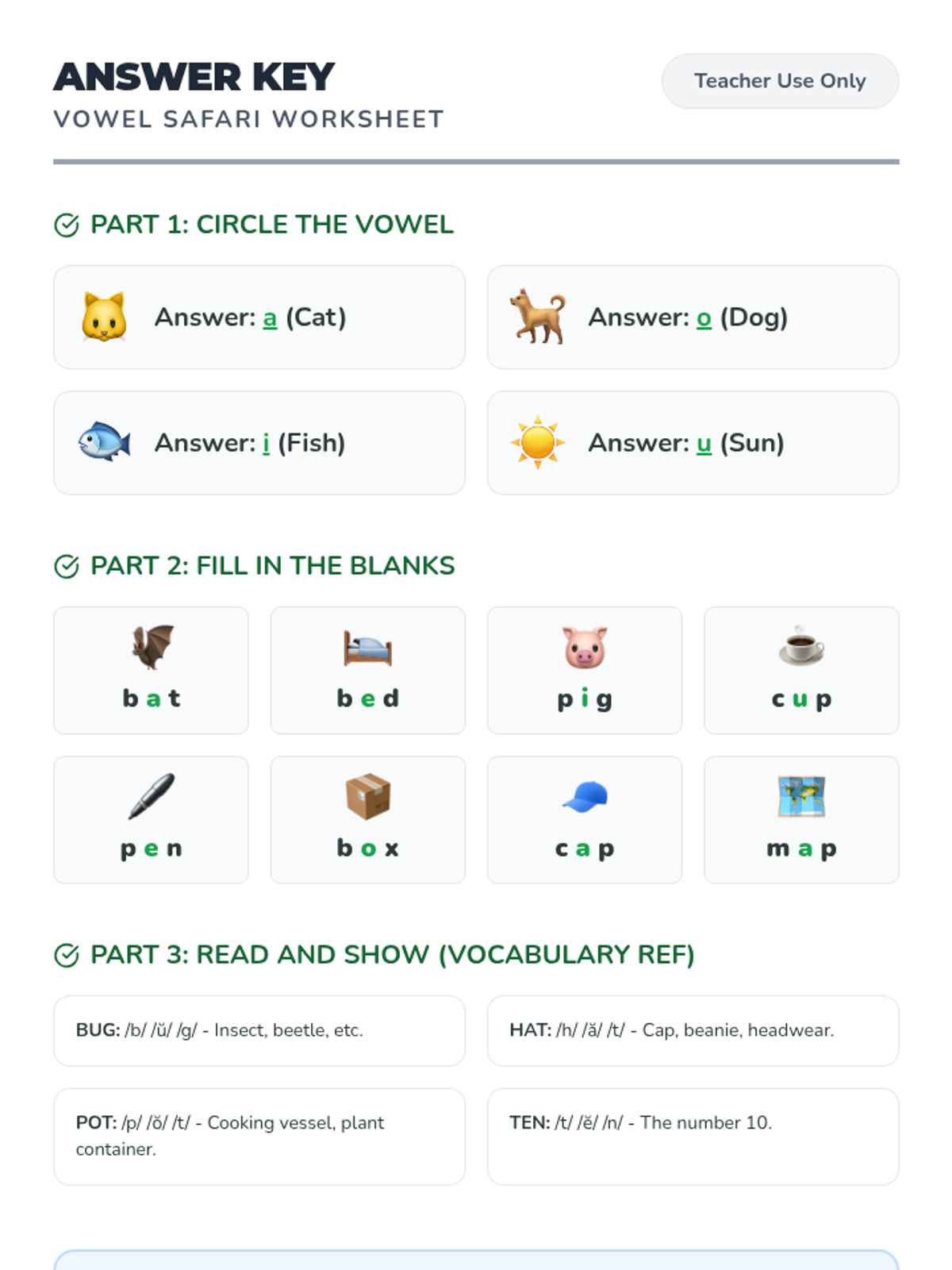
A foundational lesson introducing the five short vowel sounds (a, e, i, o, u) through visual associations and CVC word practice. Students will identify, trace, and write simple words to build phonemic awareness.
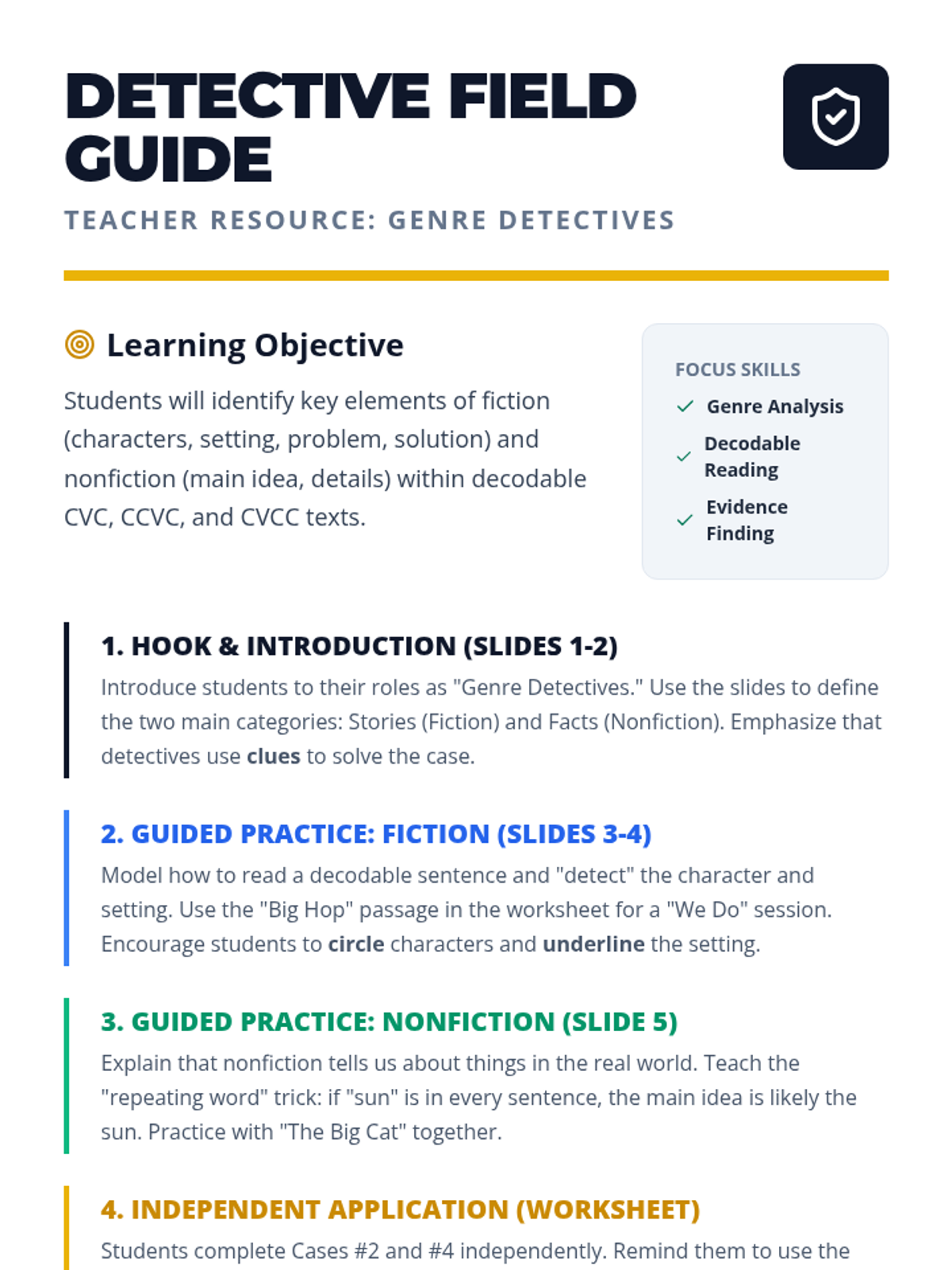
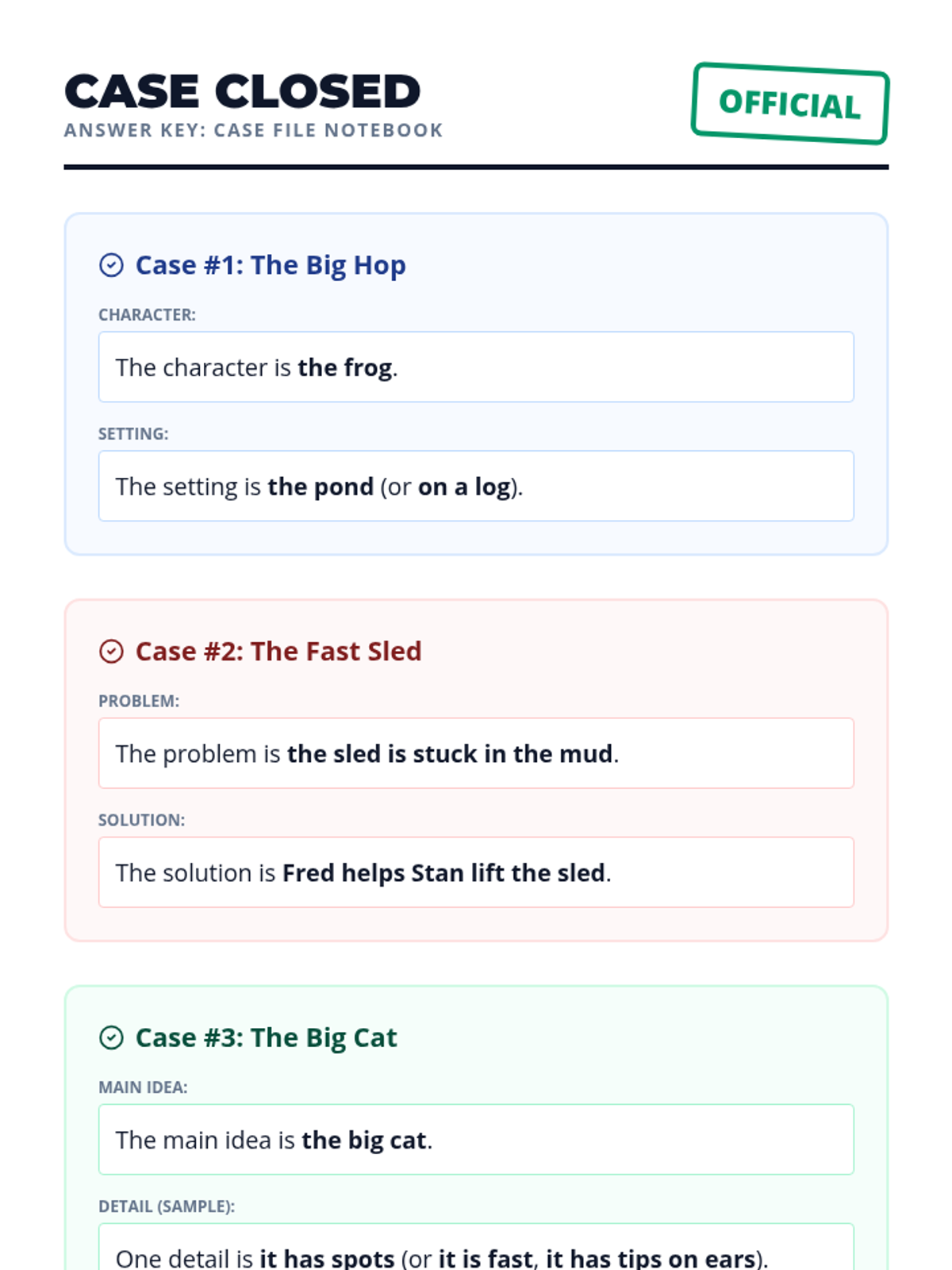
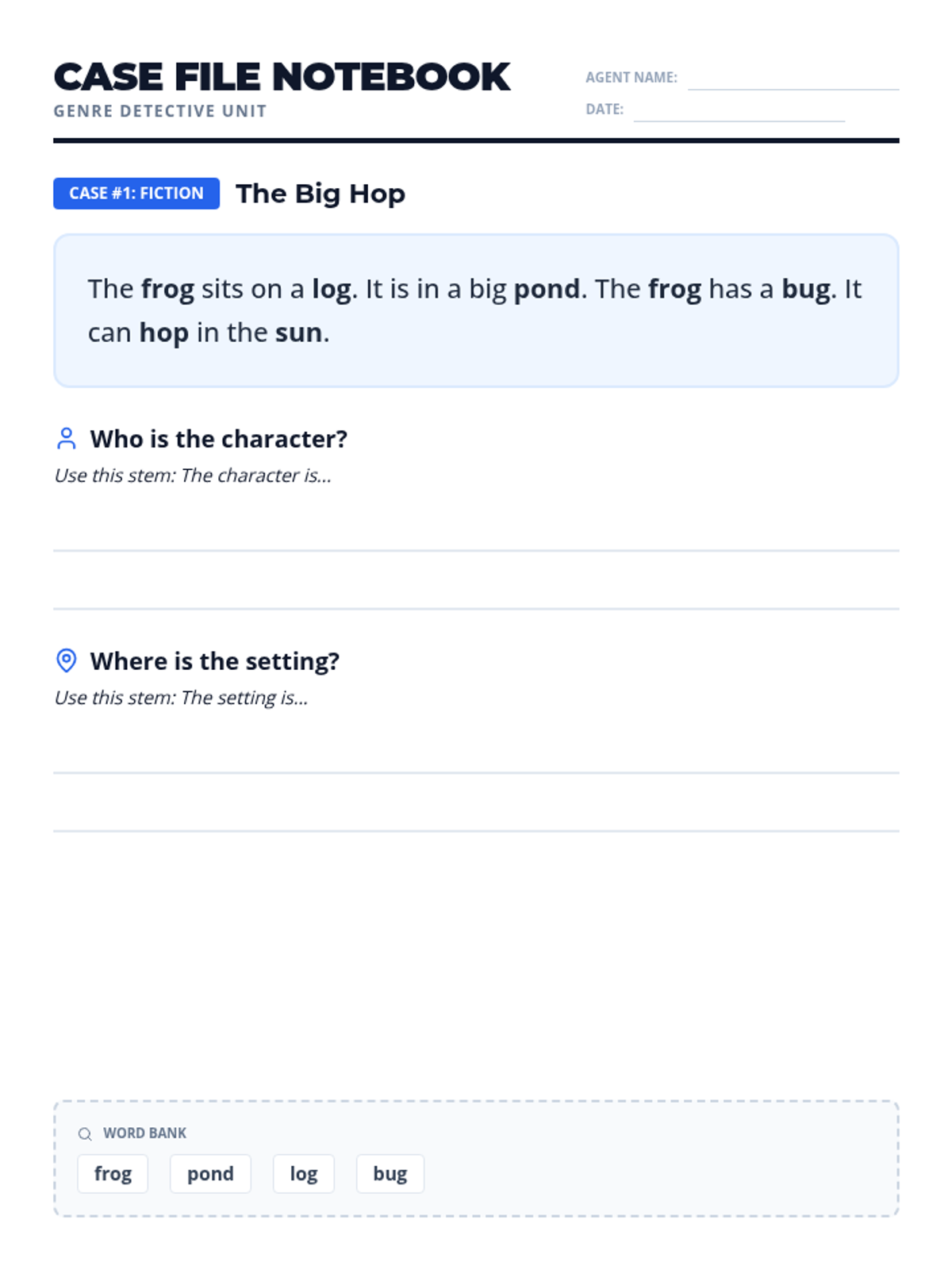
A lesson focused on identifying characters, setting, problem, and solution in fiction, and main idea and details in nonfiction using decodable text.
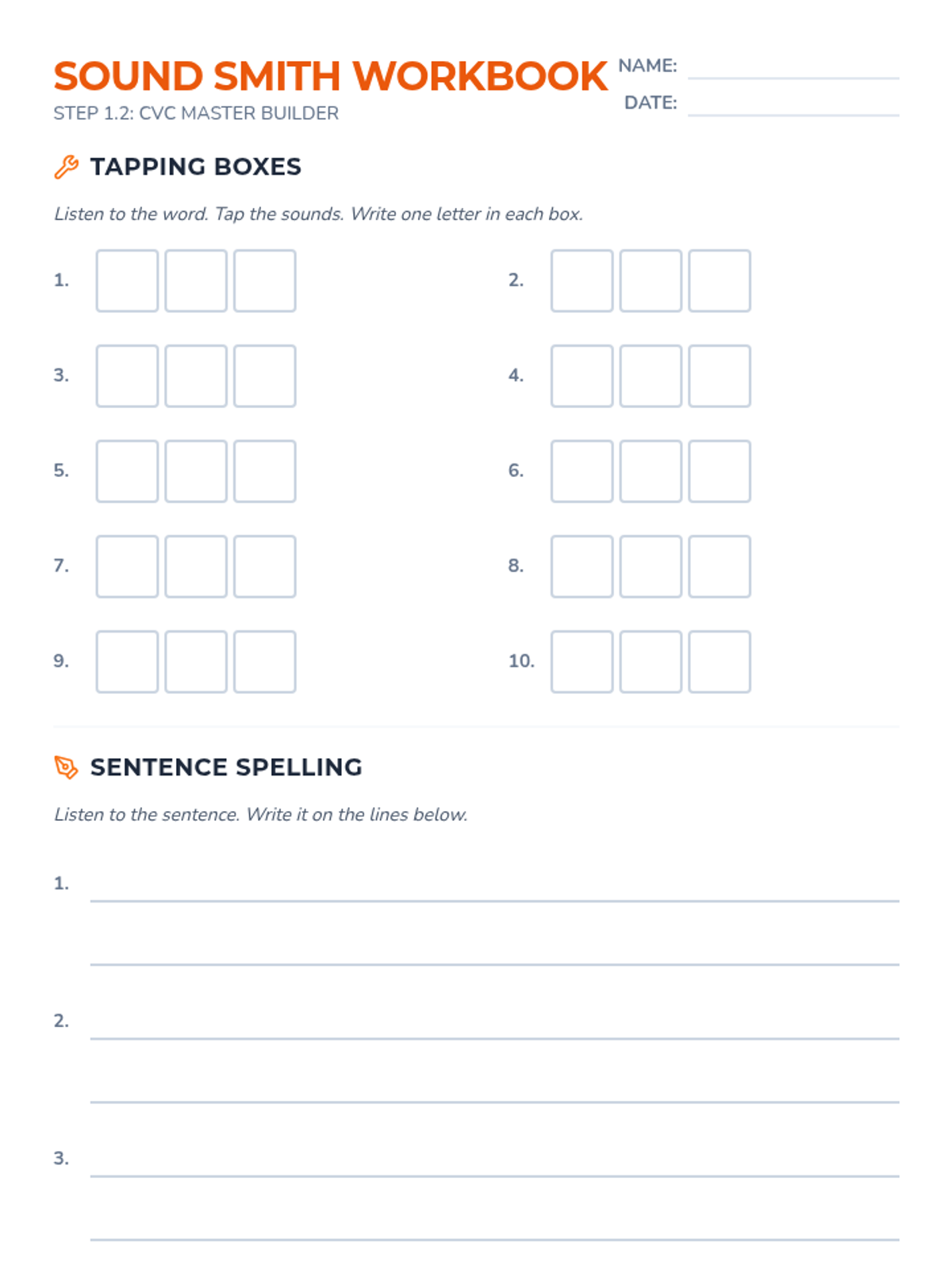
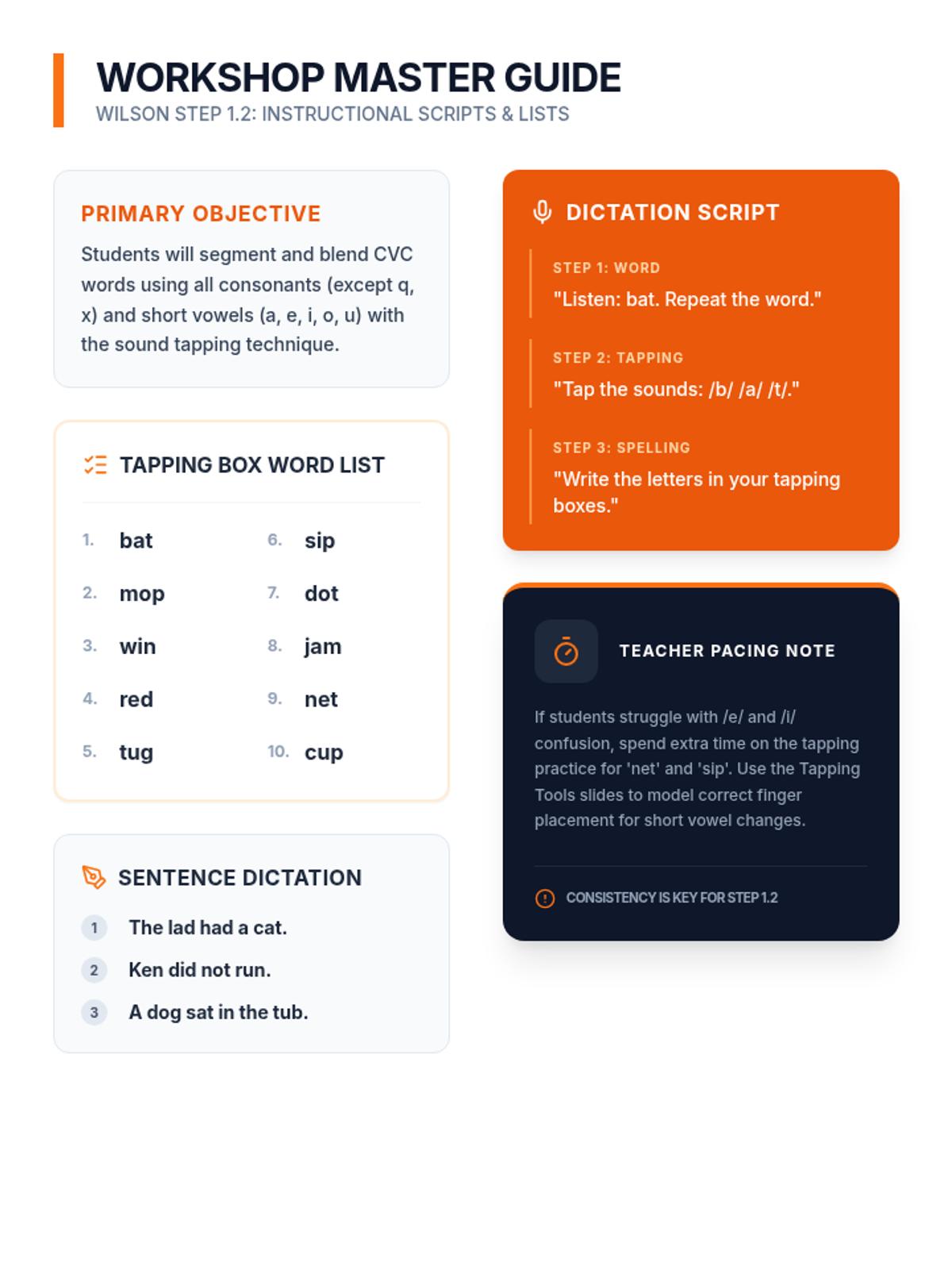
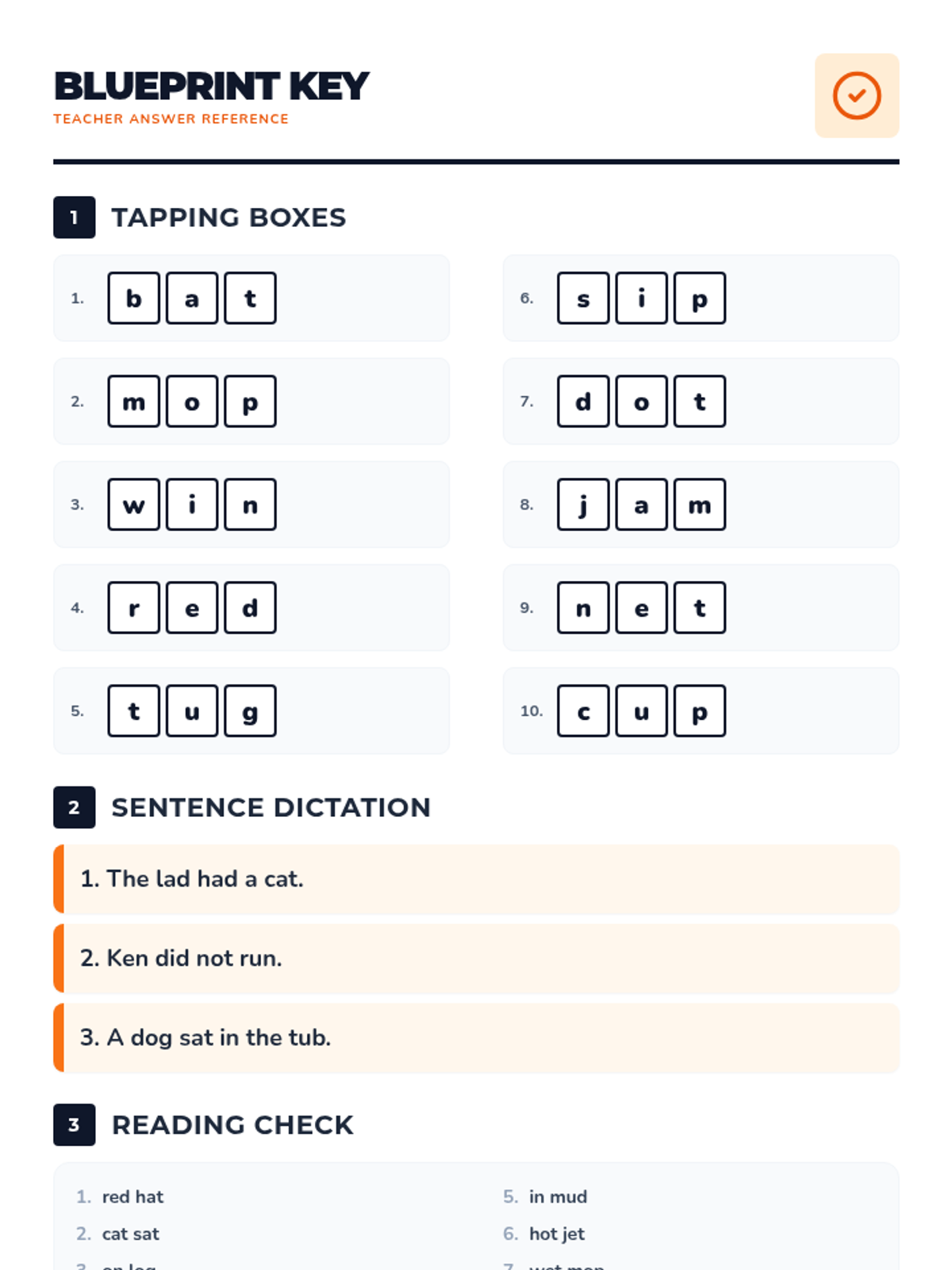
A foundational lesson on Wilson Step 1.2 focusing on CVC word segmenting, blending, and sentence construction using sound tapping techniques.
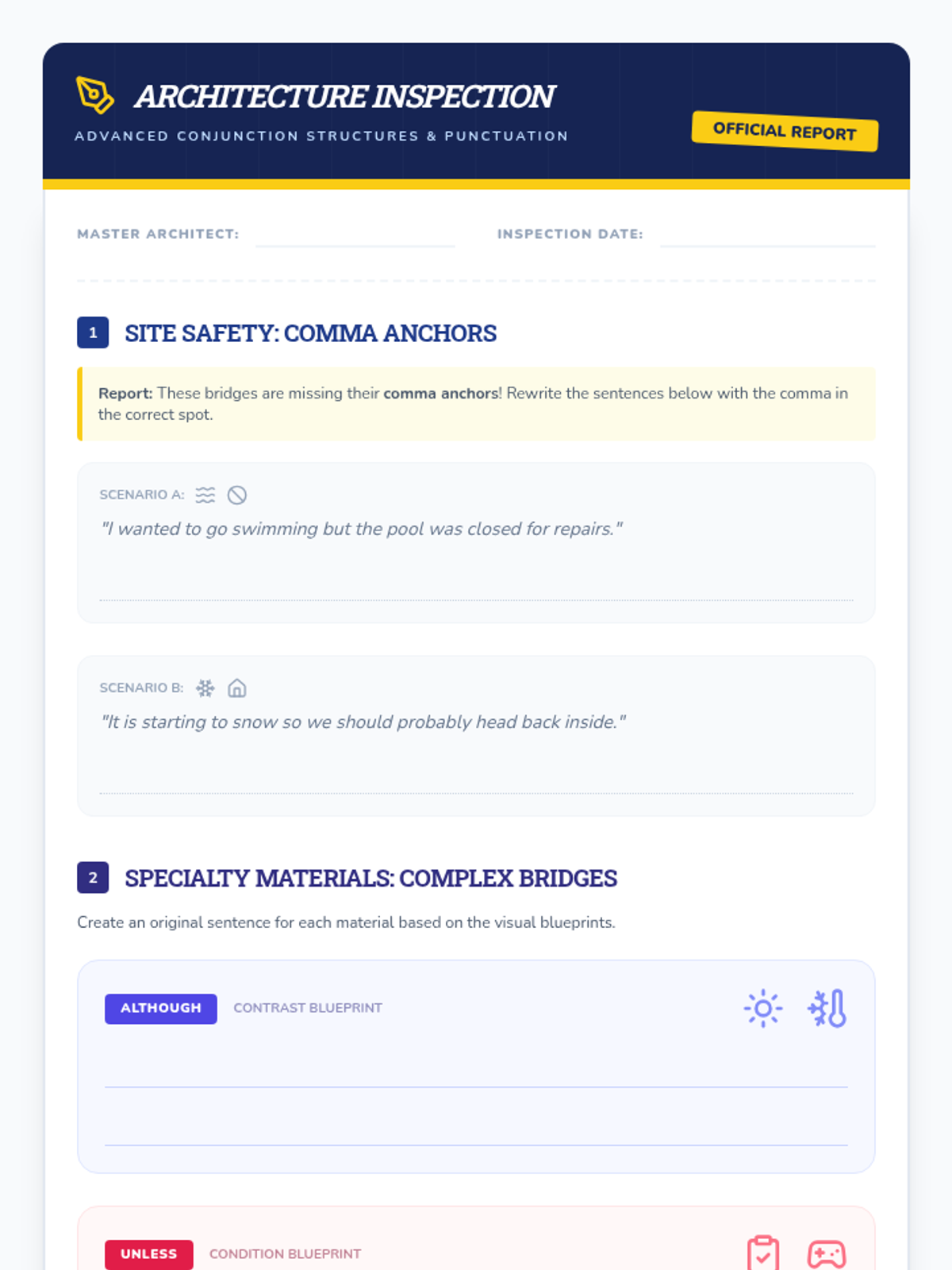
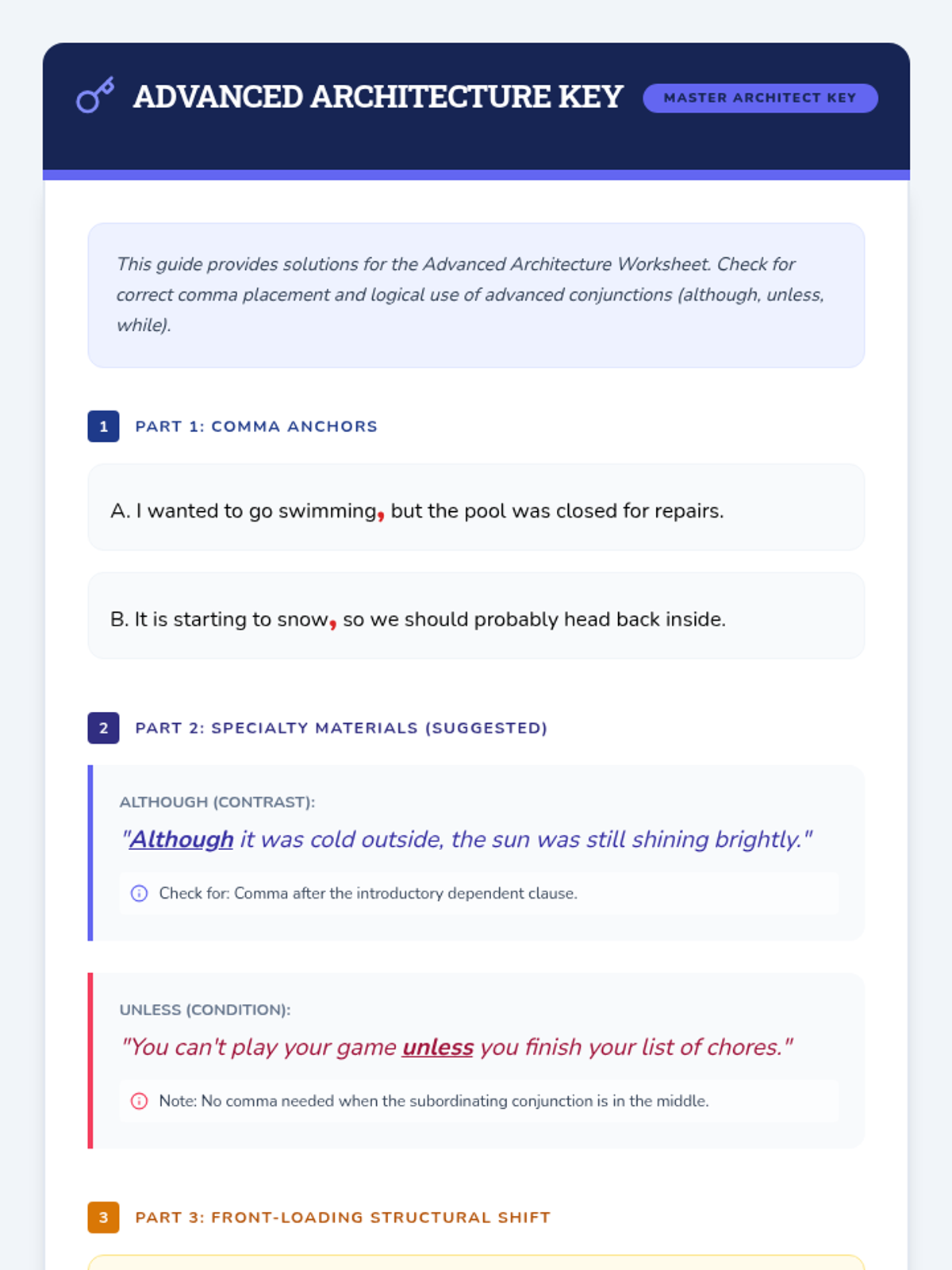
A follow-up lesson focusing on complex sentence structures, including comma placement in compound sentences and starting sentences with subordinating conjunctions. Introduces advanced conjunctions like 'although', 'while', and 'unless'.
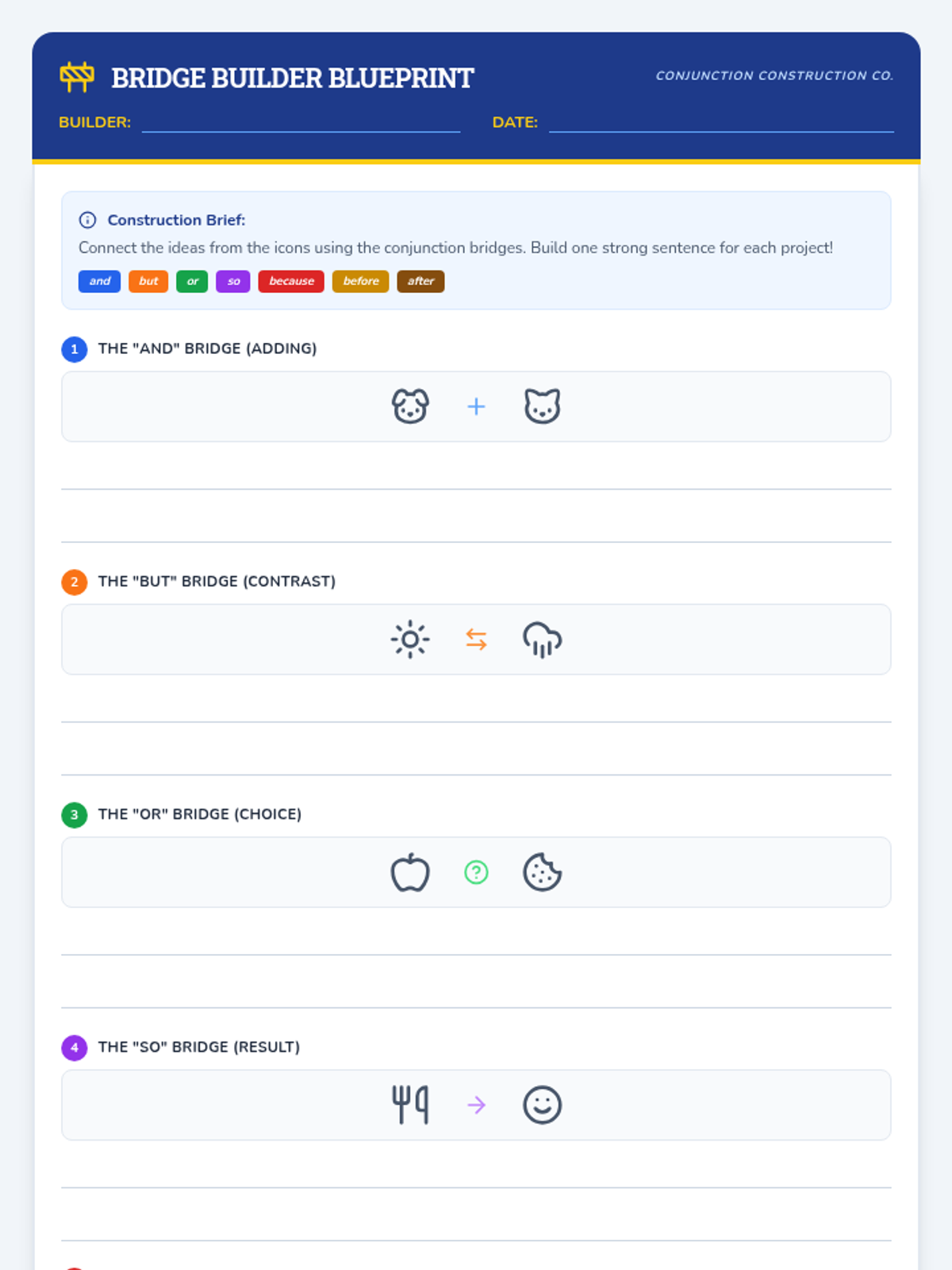
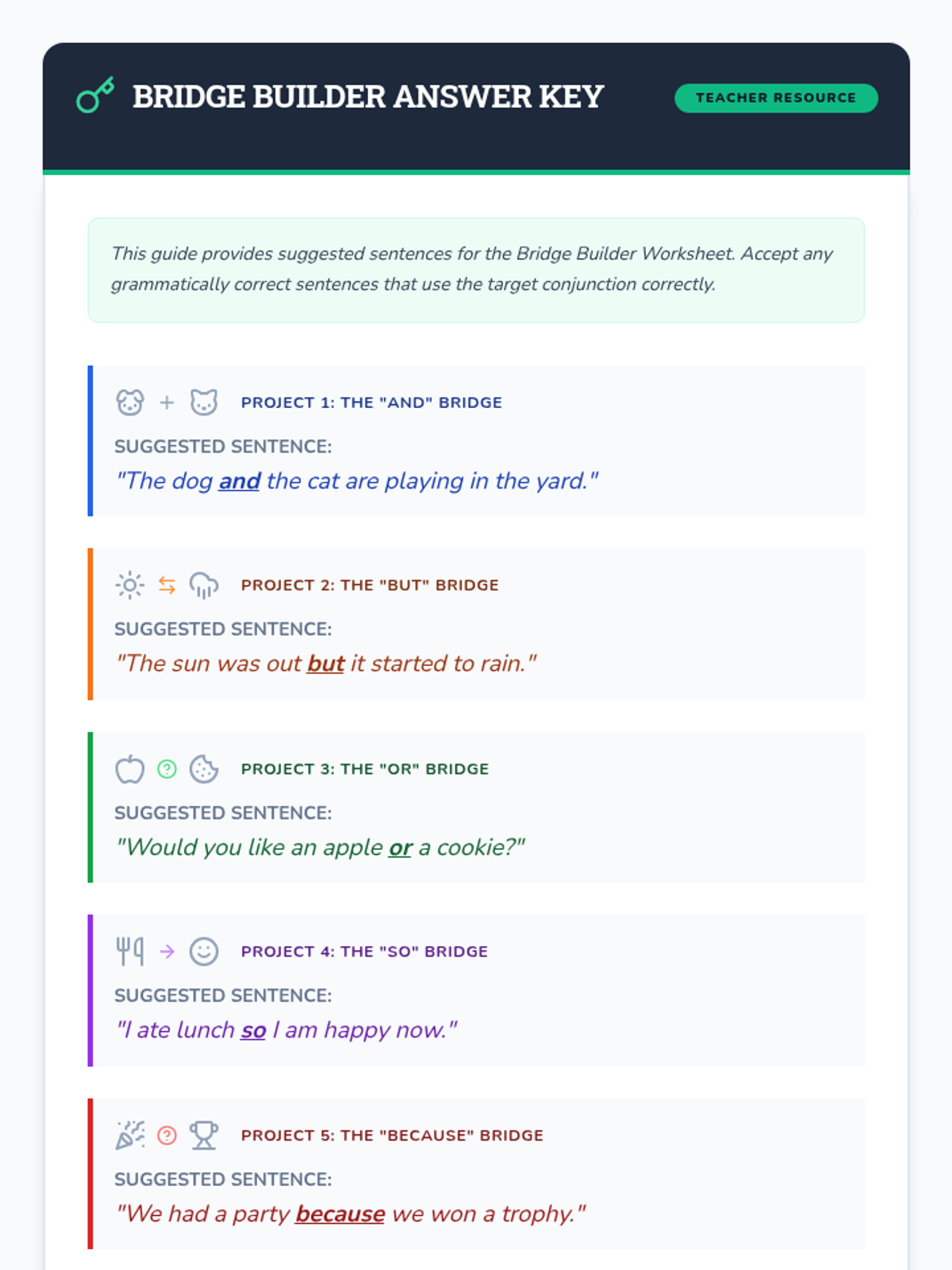
A lesson on using coordinating and subordinating conjunctions to build complex sentences. Students learn to use conjunctions as 'bridges' to connect their ideas together clearly.
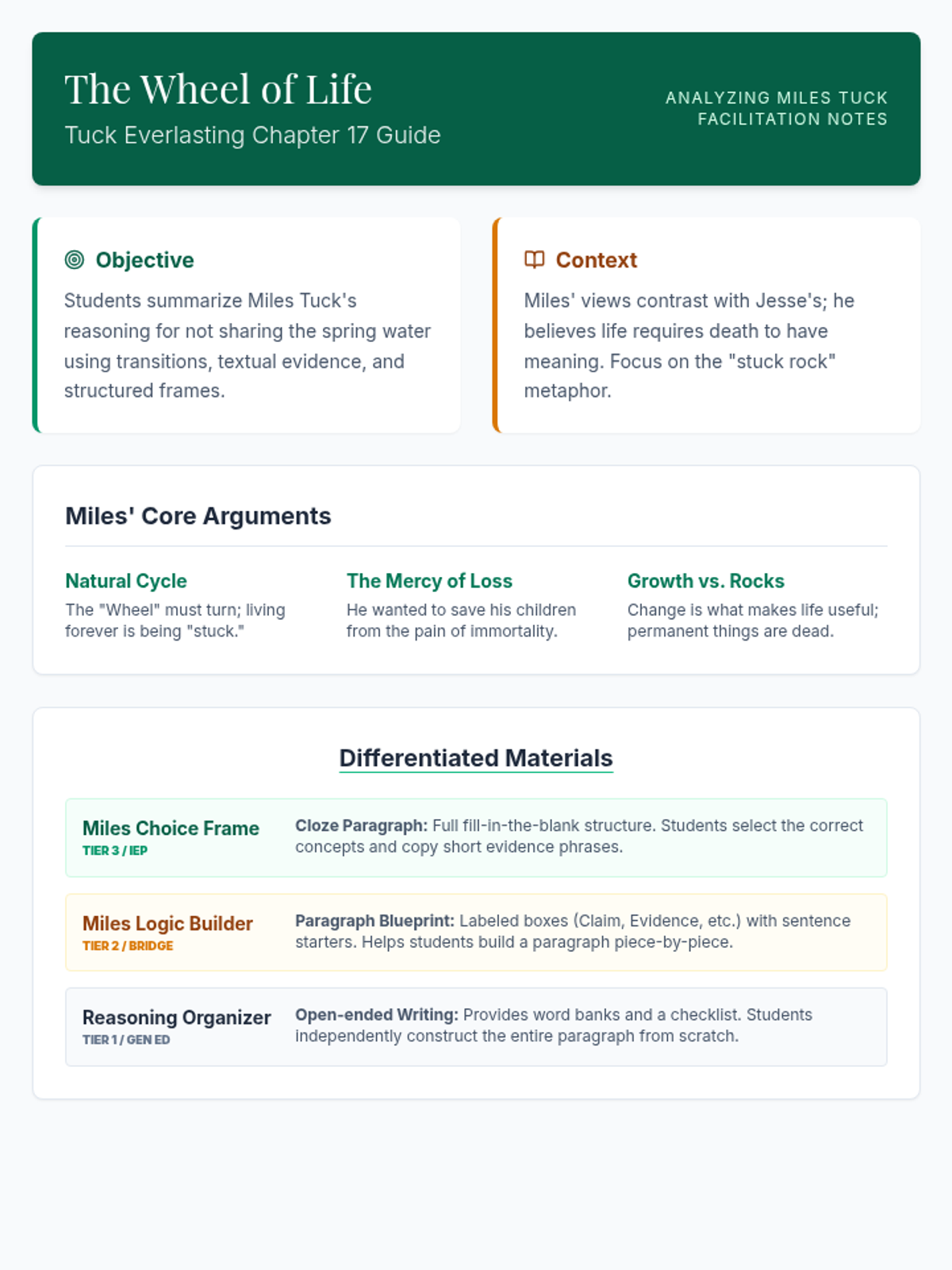
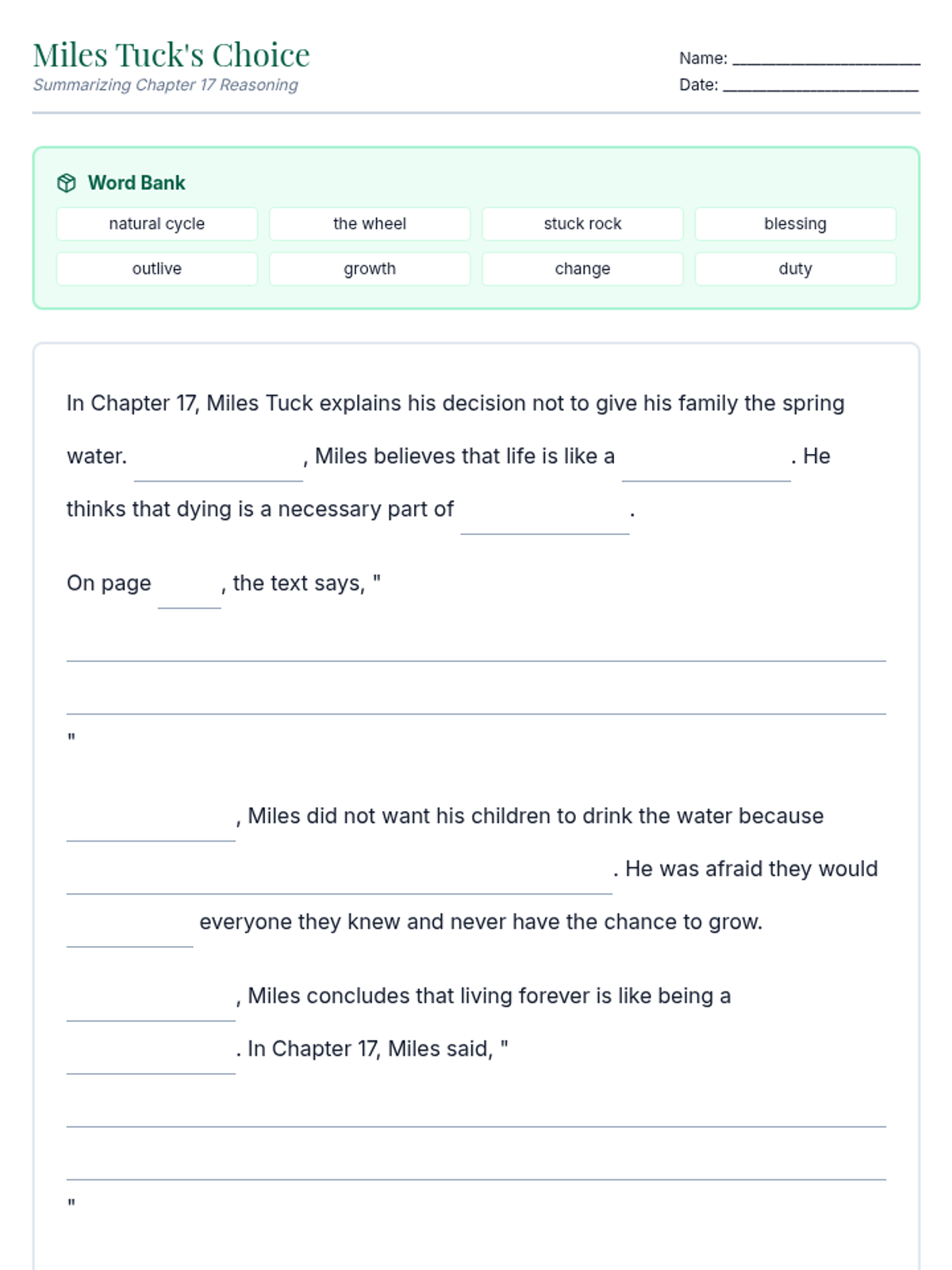
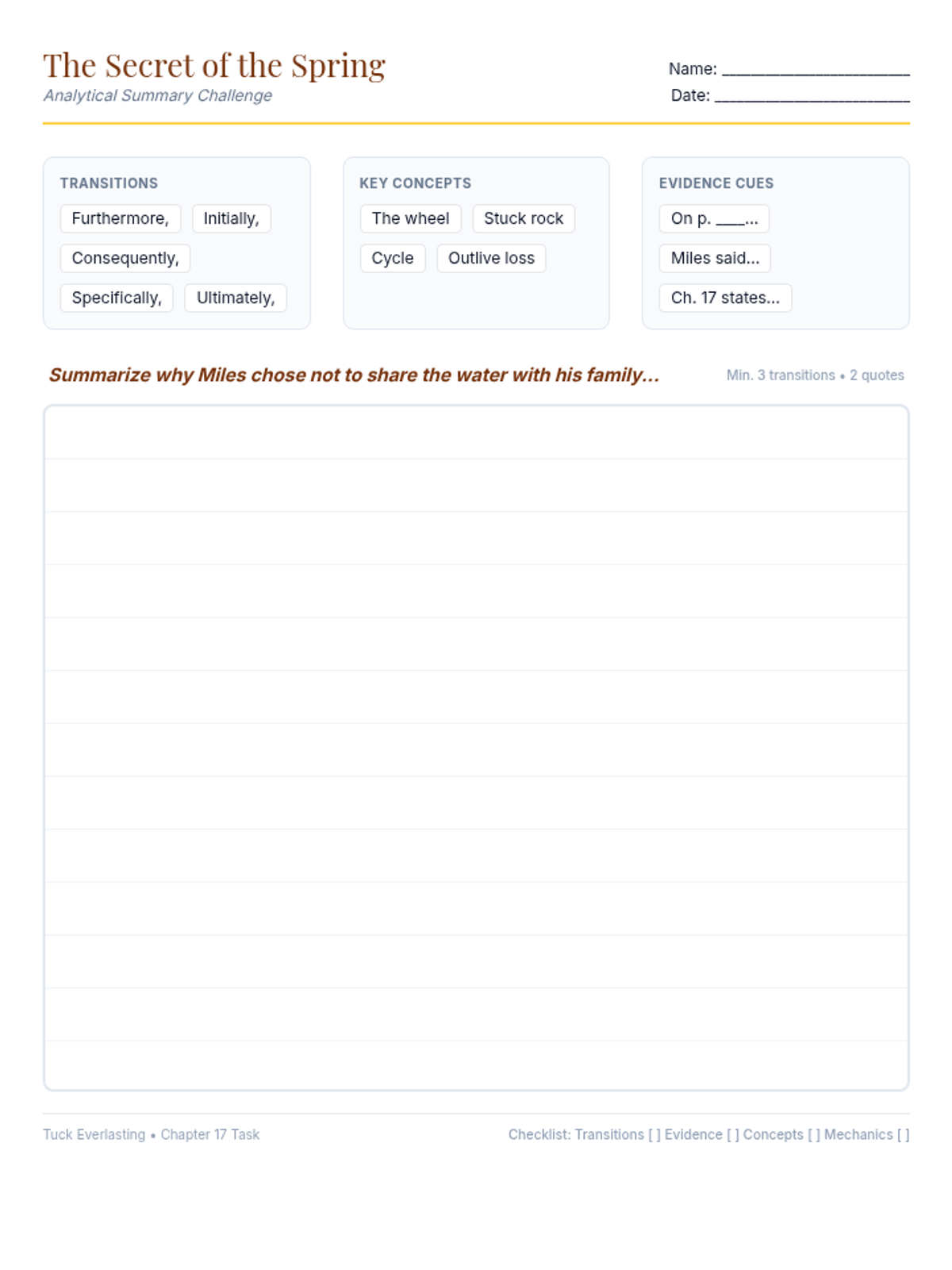
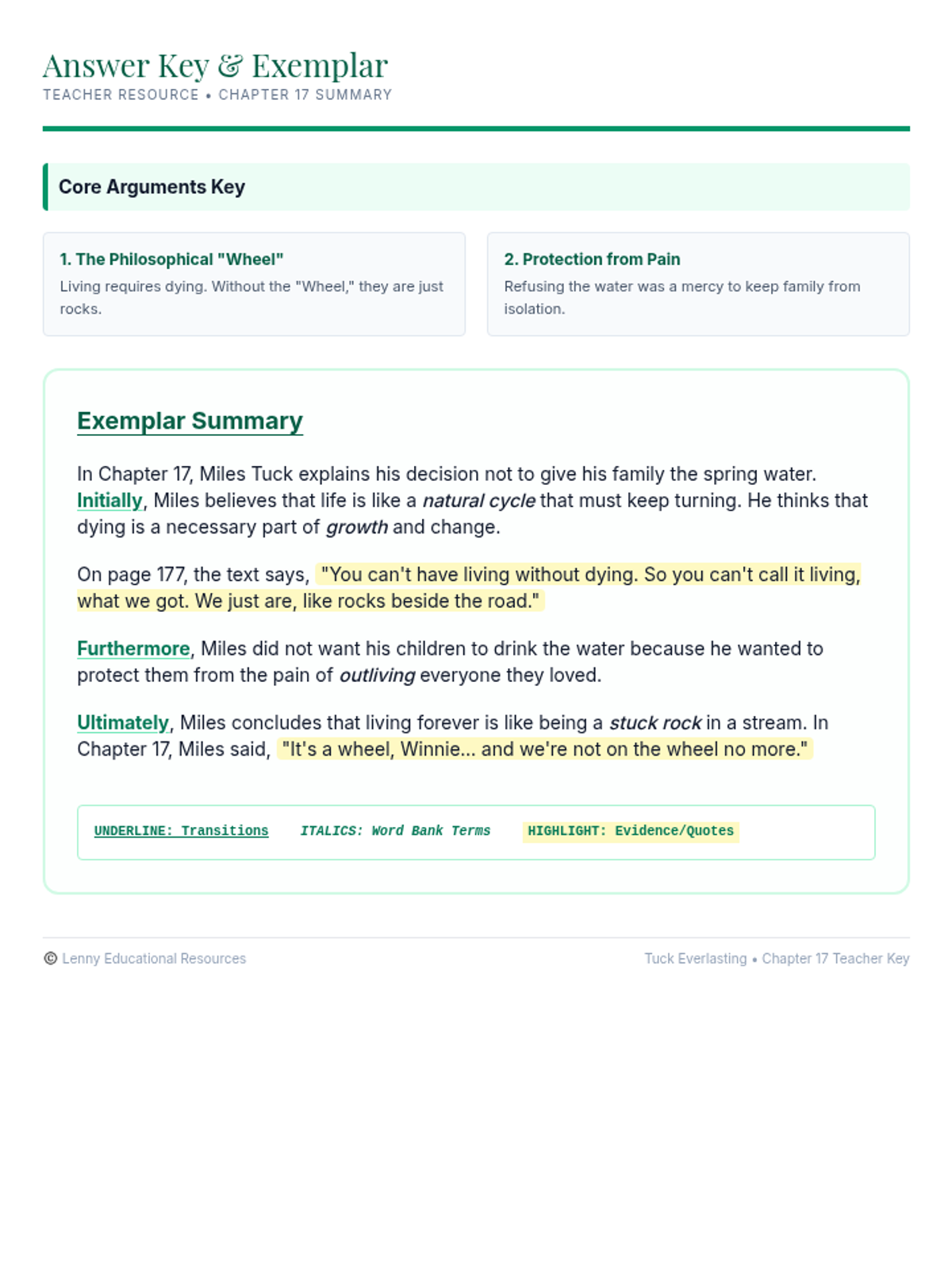
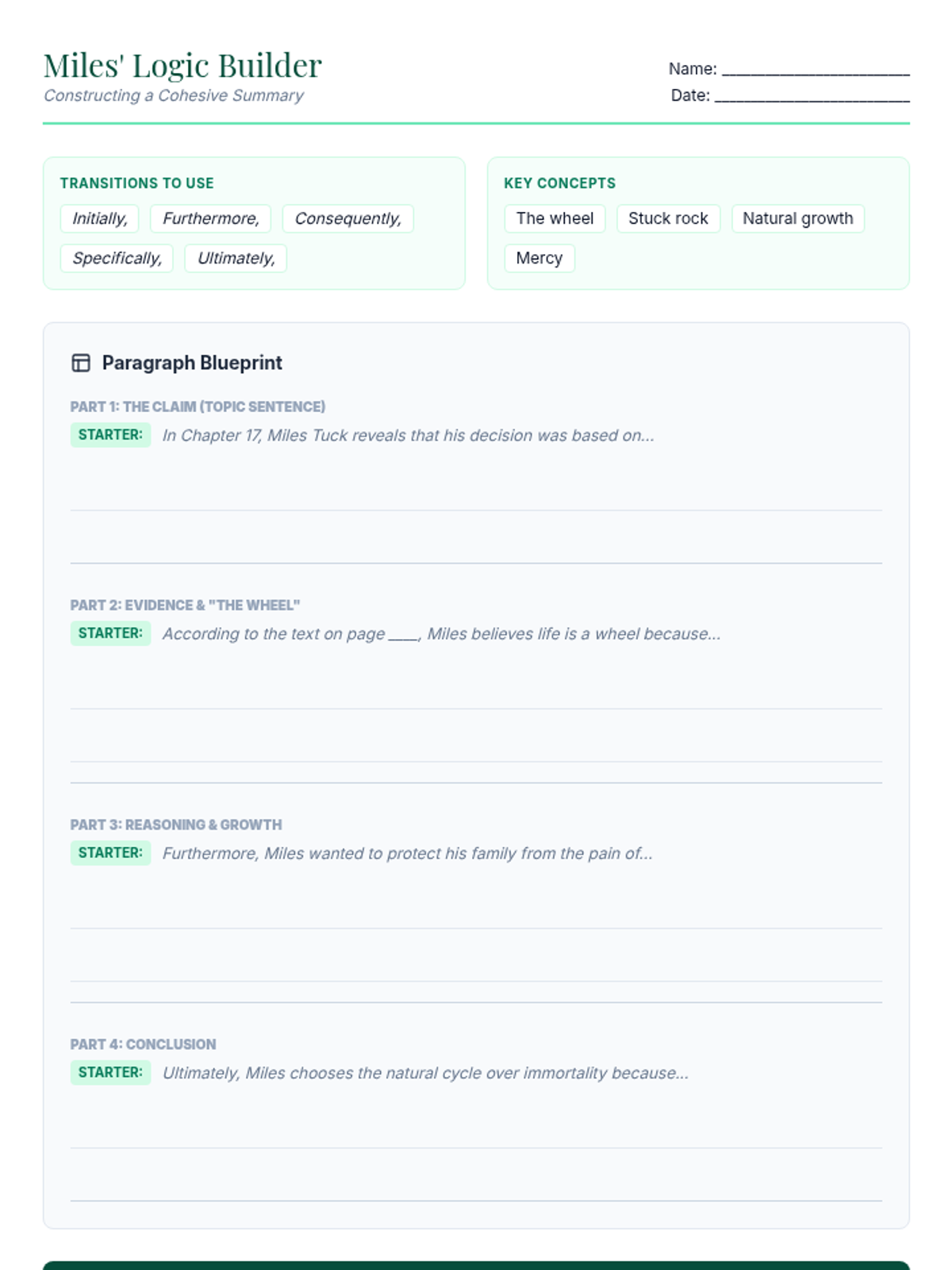
A lesson focused on Chapter 17 of Tuck Everlasting, where students analyze Miles Tuck's complex reasoning for not giving his family the spring water. Students will use transitions and textual evidence to construct a cohesive summary.
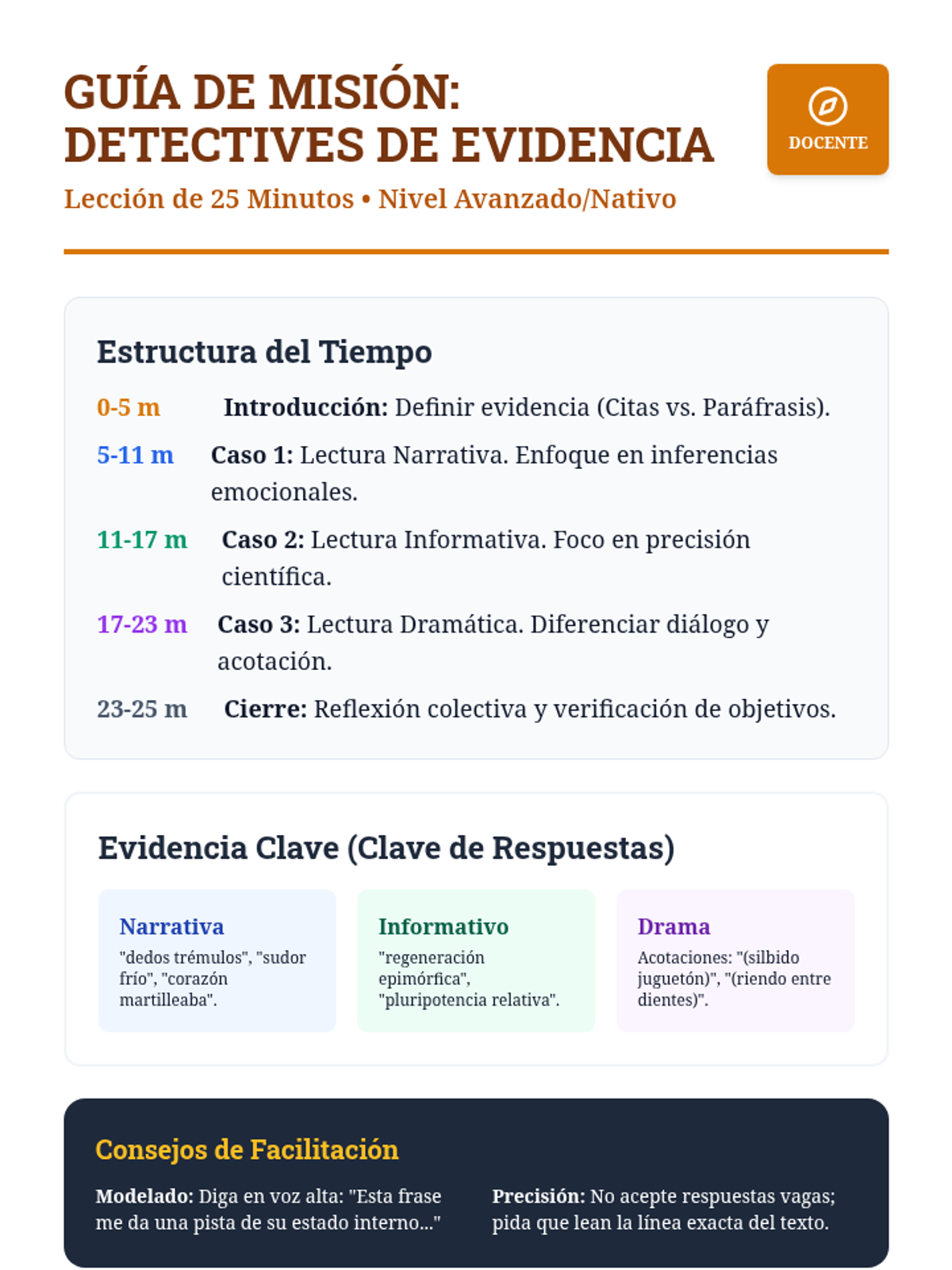
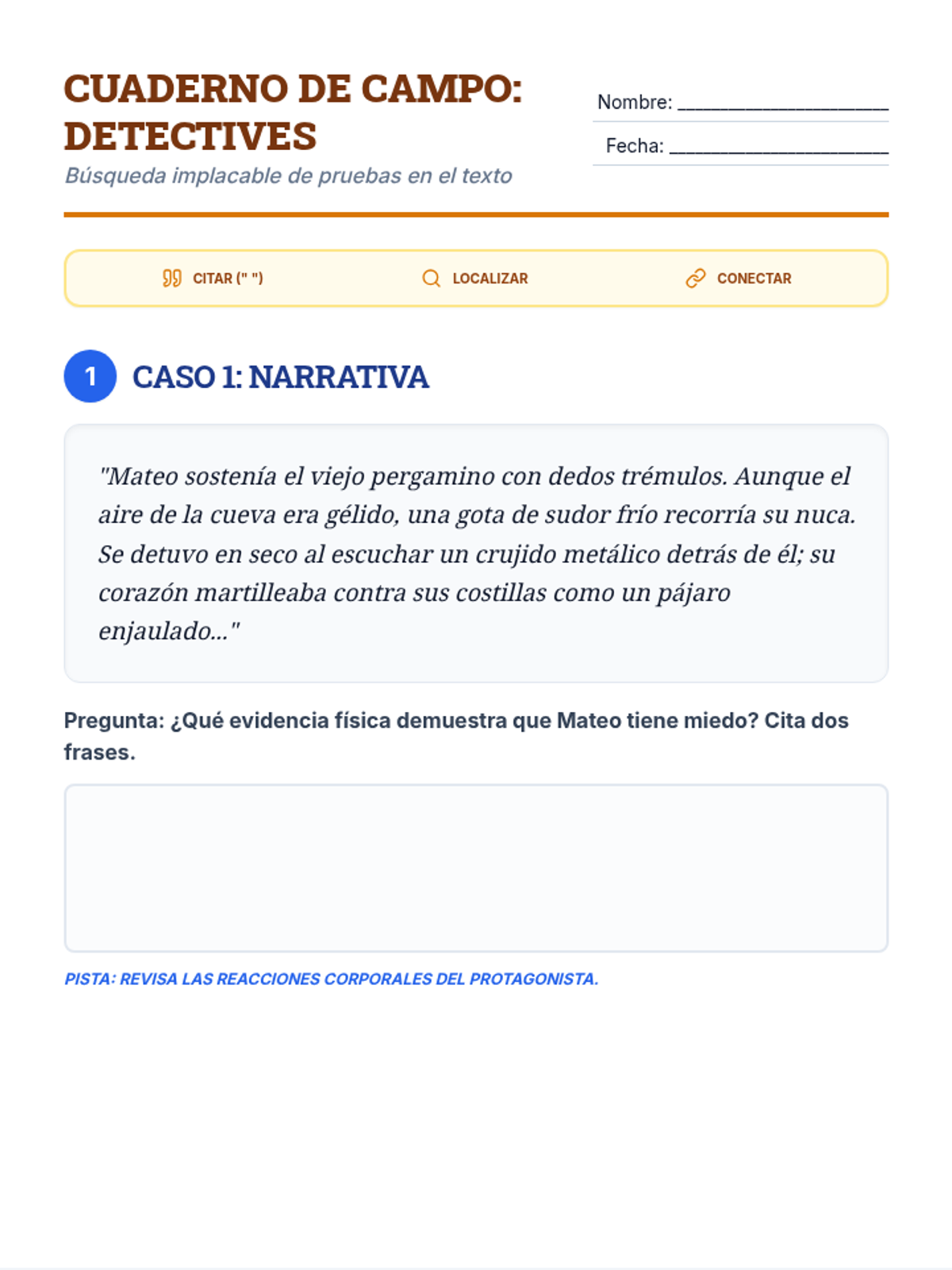
Una lección guiada de 25 minutos para estudiantes avanzados o nativos sobre cómo utilizar la evidencia del texto para respaldar respuestas, utilizando tres géneros distintos: narrativa, informativo y dramático.
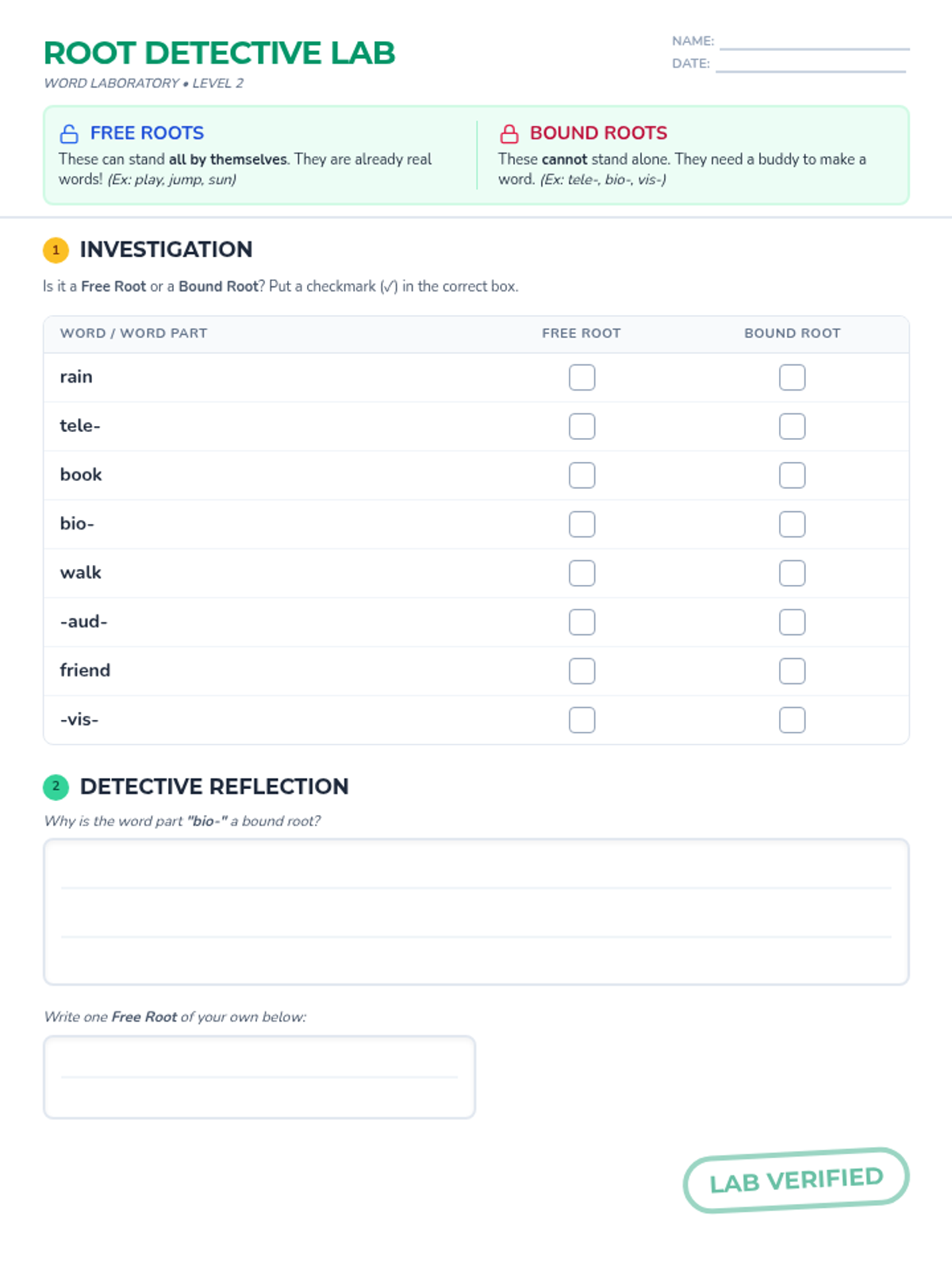
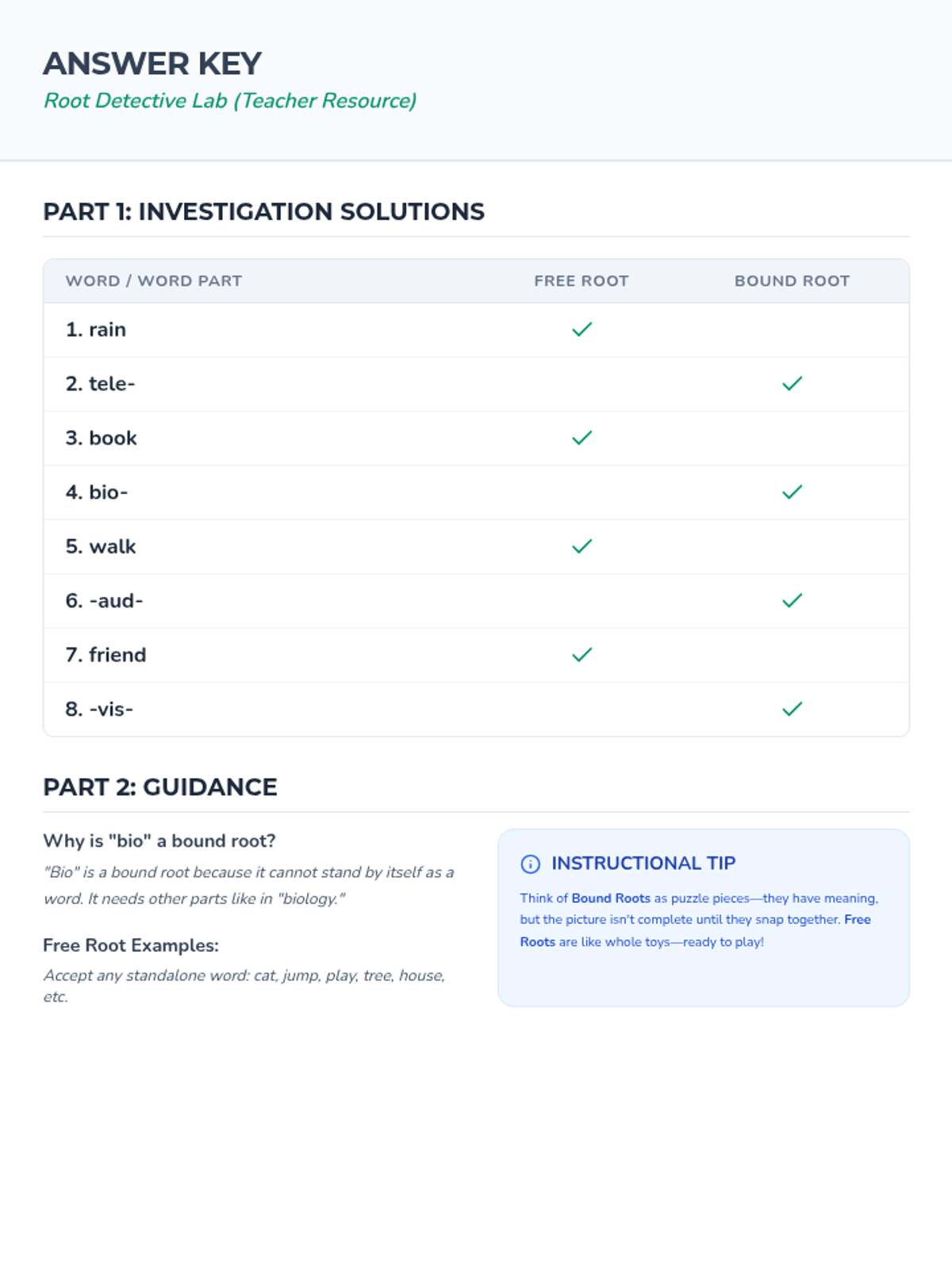
An introduction to the building blocks of language, teaching second graders the difference between words that can stand alone (free roots) and those that need a 'buddy' (bound roots).
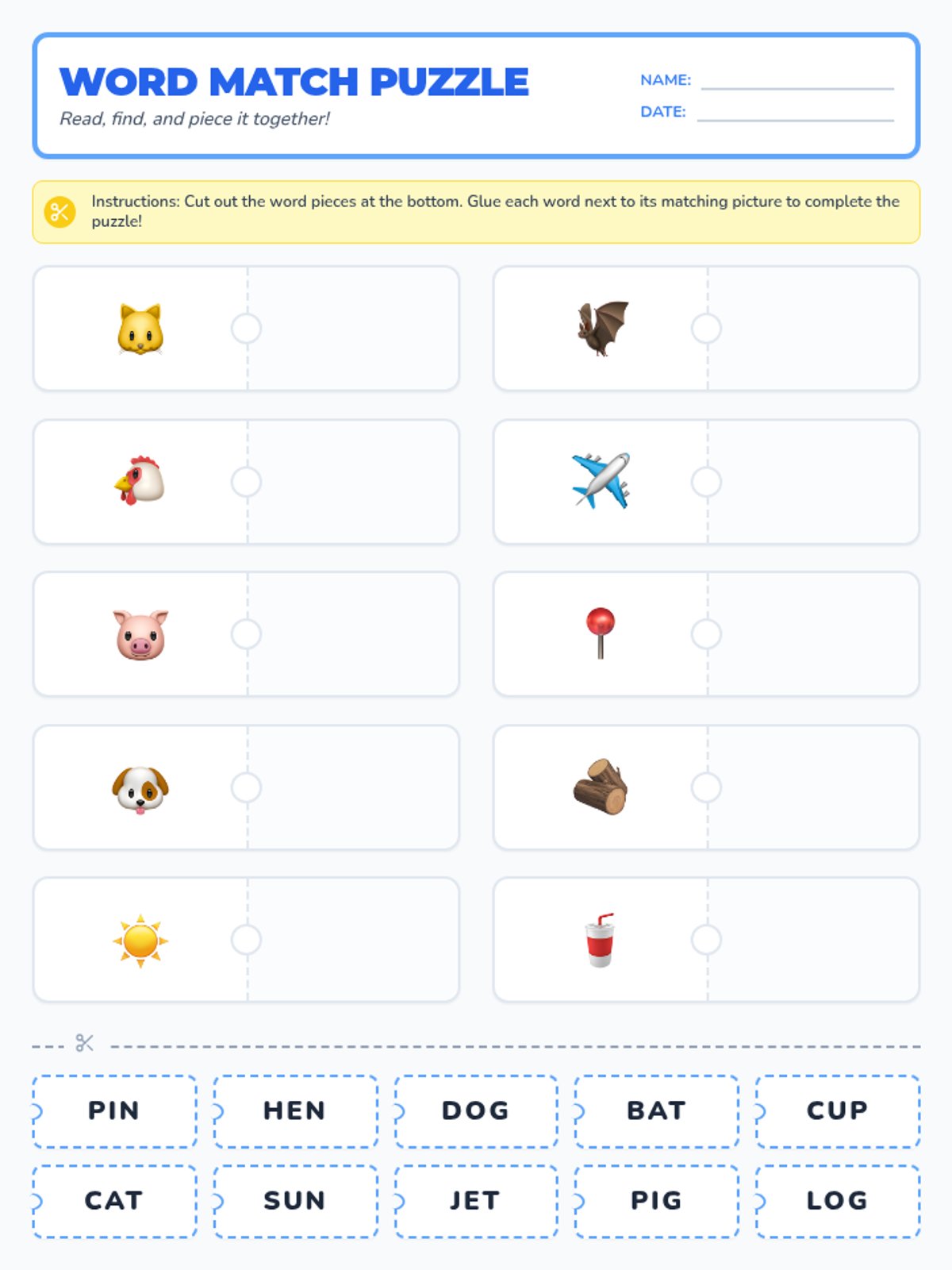
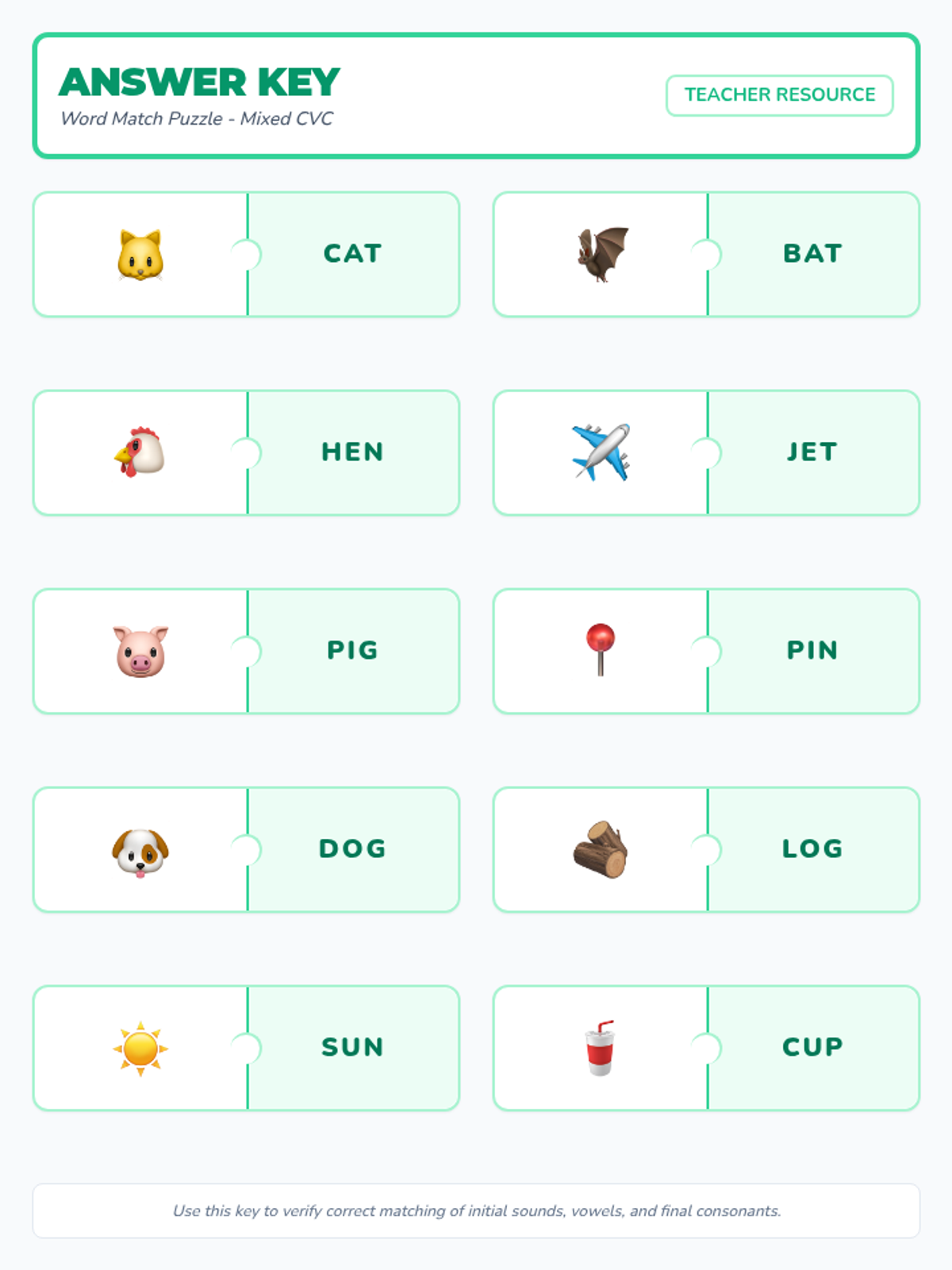
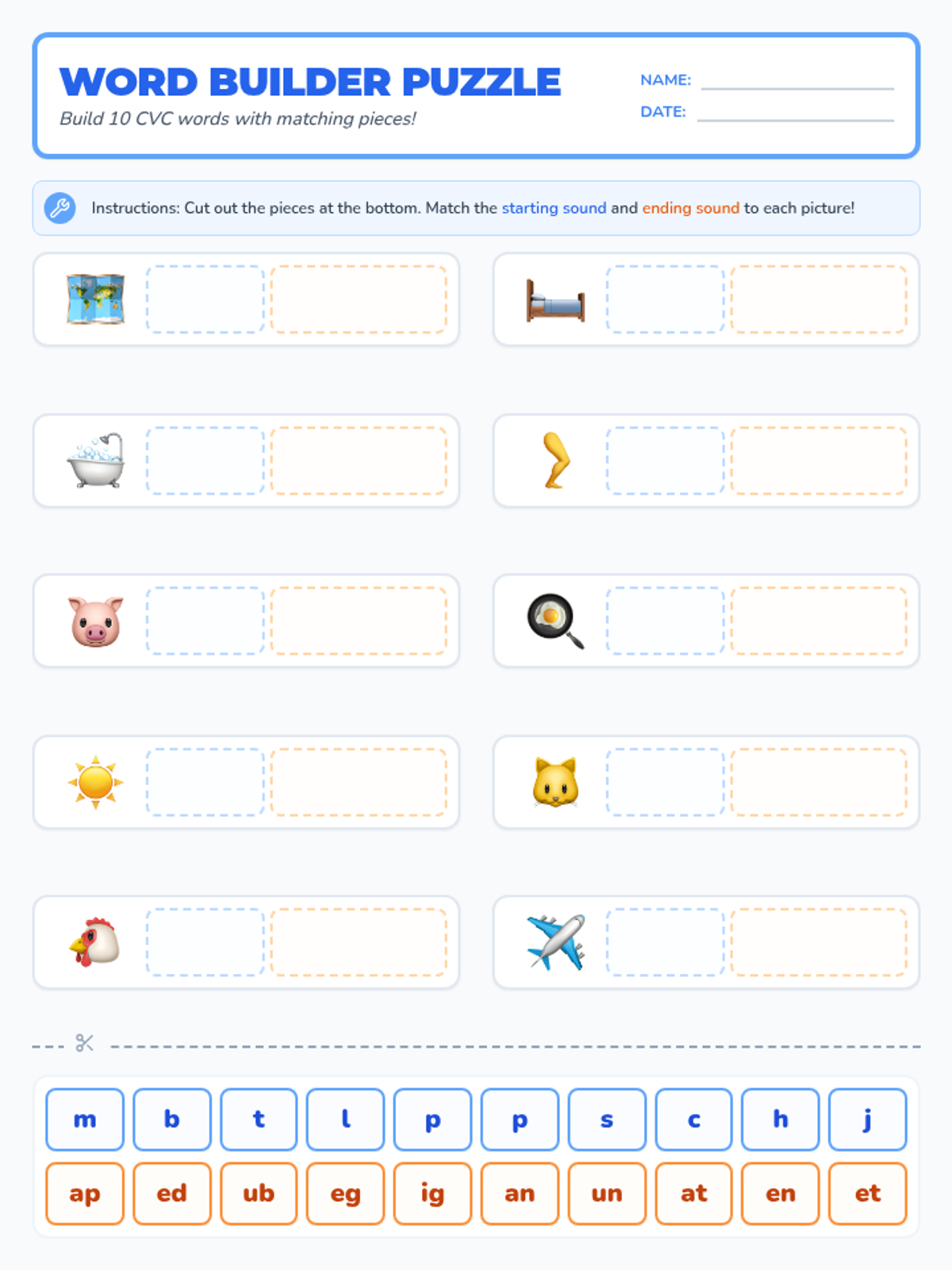
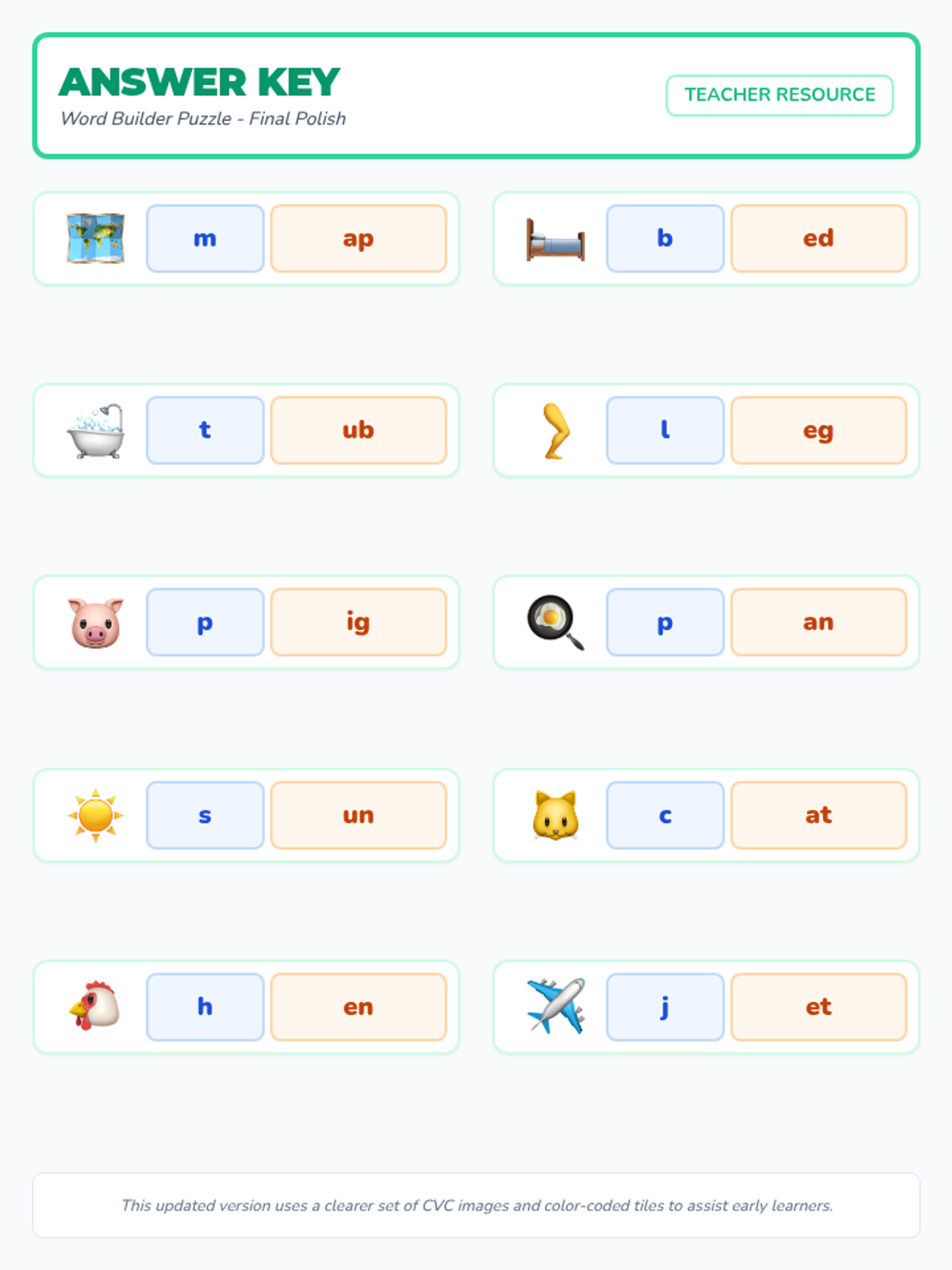
Students practice identifying and matching CVC words to pictures through an engaging cut-and-paste puzzle activity.
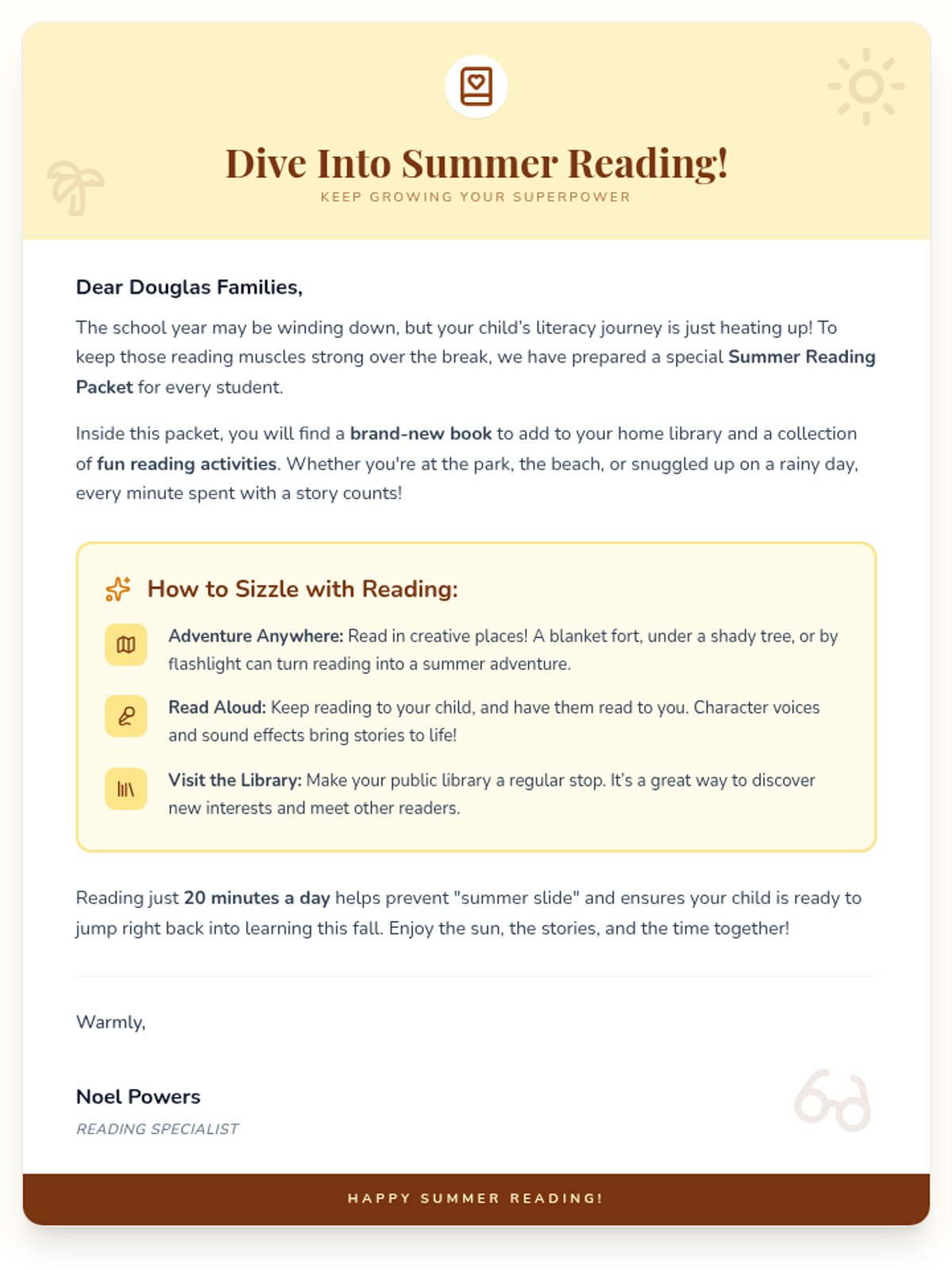
A collection of resources to encourage and track reading progress over the summer break for K-3 students, including a parent letter and activity suggestions.
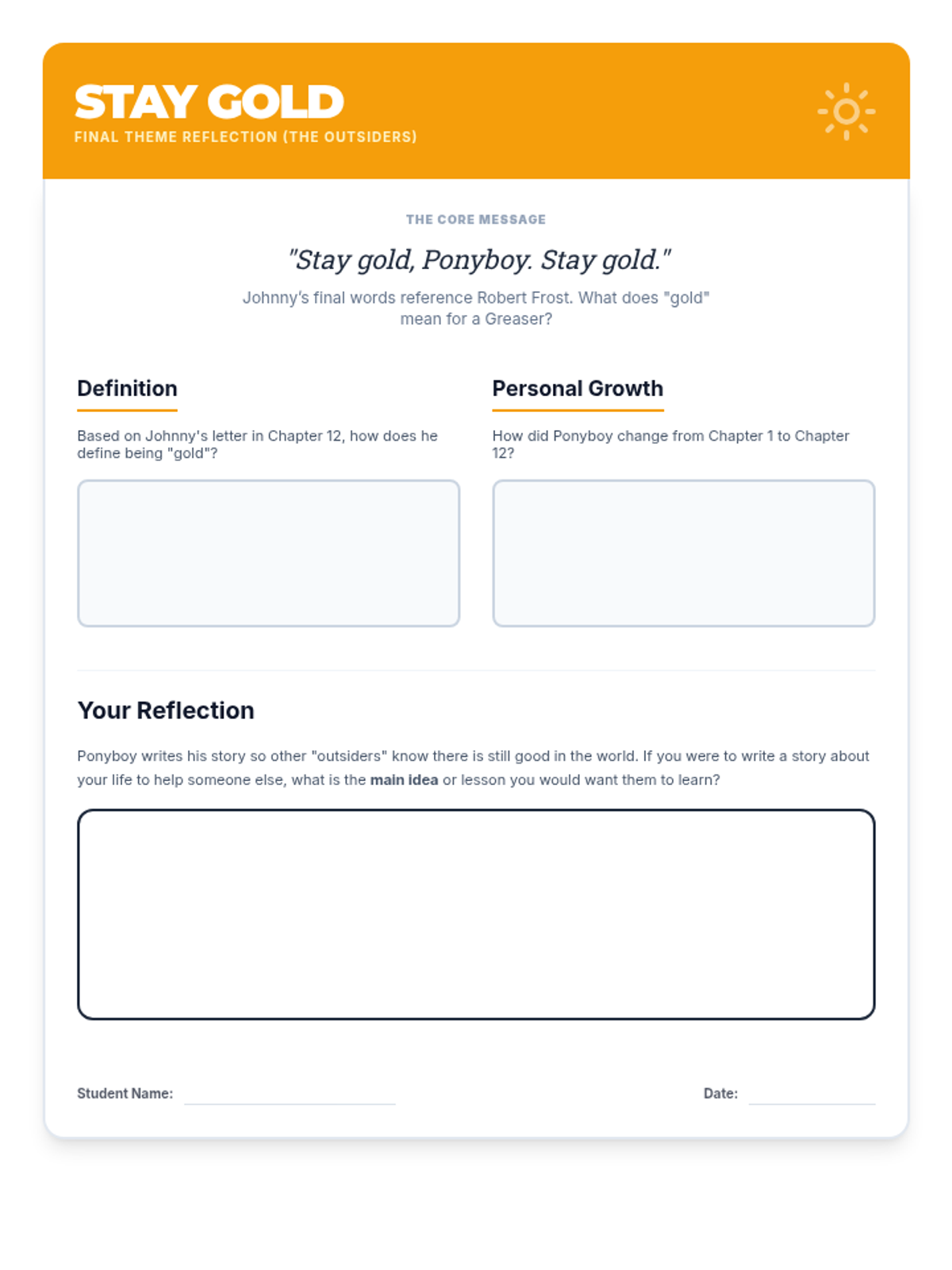
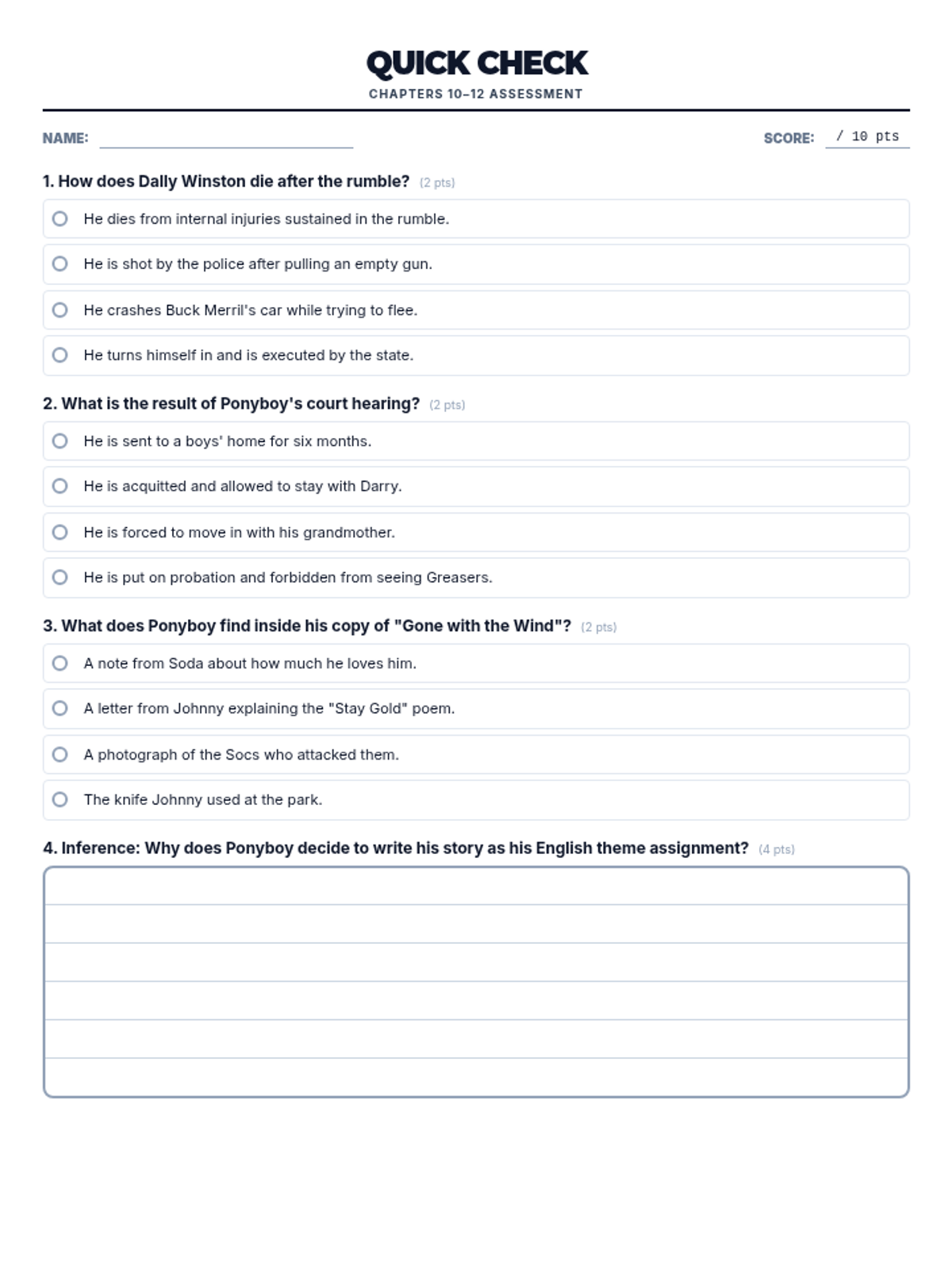
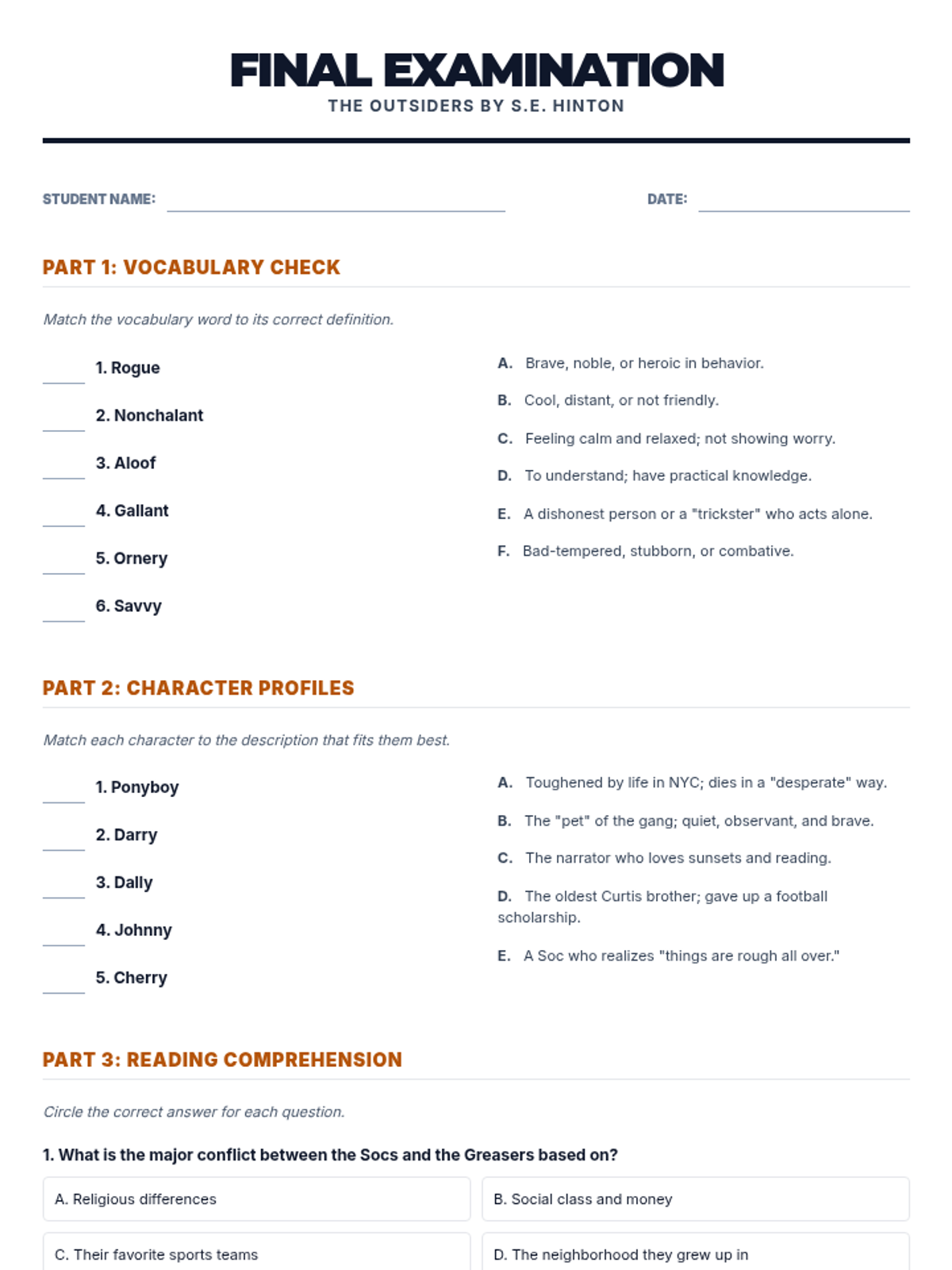
Concludes the novel with Ponyboy's recovery and the realization behind his English theme. Students synthesize themes of identity and 'staying gold' through final reflections.