A comprehensive middle school morphology lesson focused on the prefix un-. Students master 25 high-level vocabulary words and practice deciphering complex context clues and structural word elements.
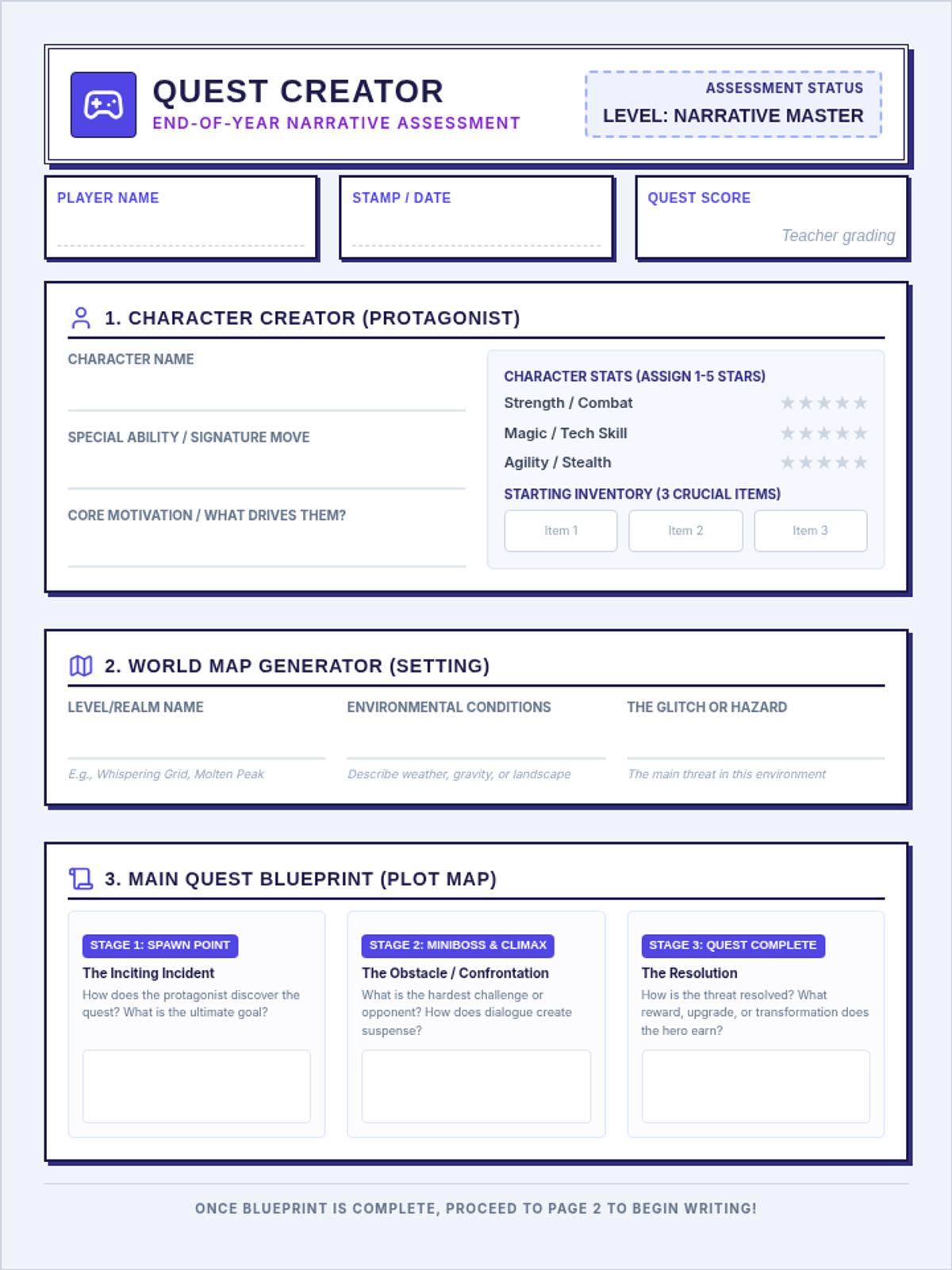
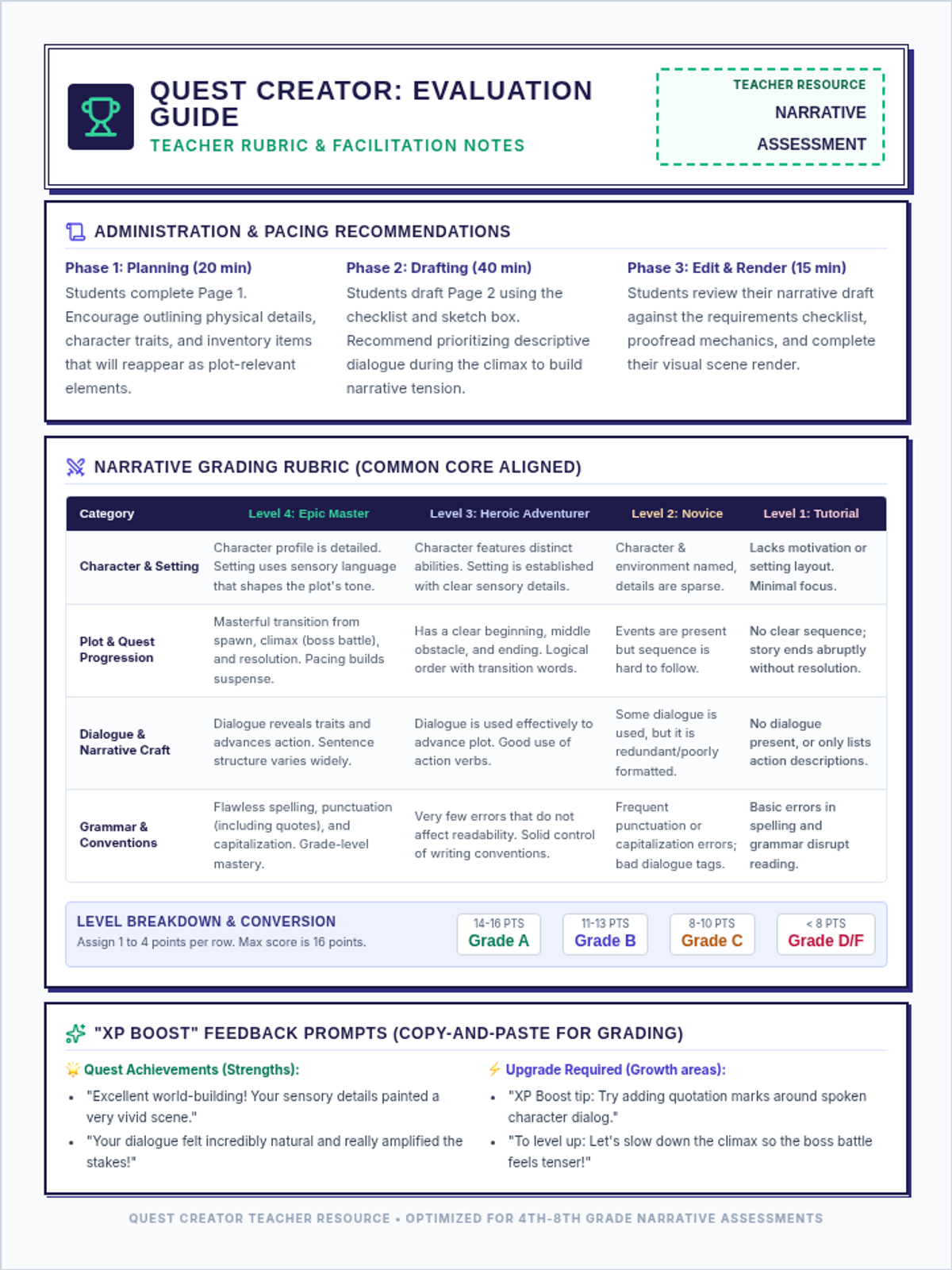
An end-of-year narrative writing assessment where students design their own video game character, setting, and quest, then write an engaging adventure story based on their creation.
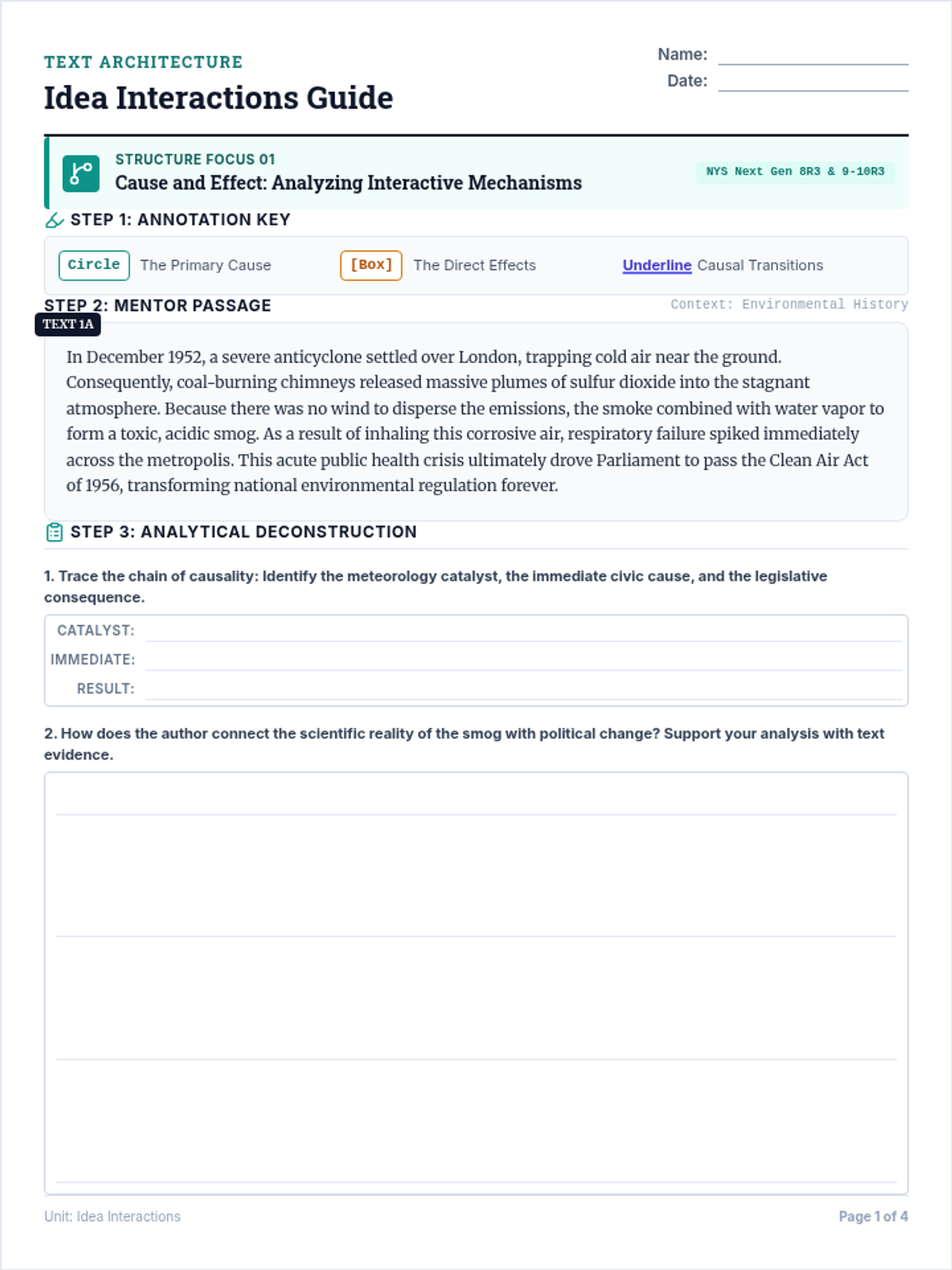
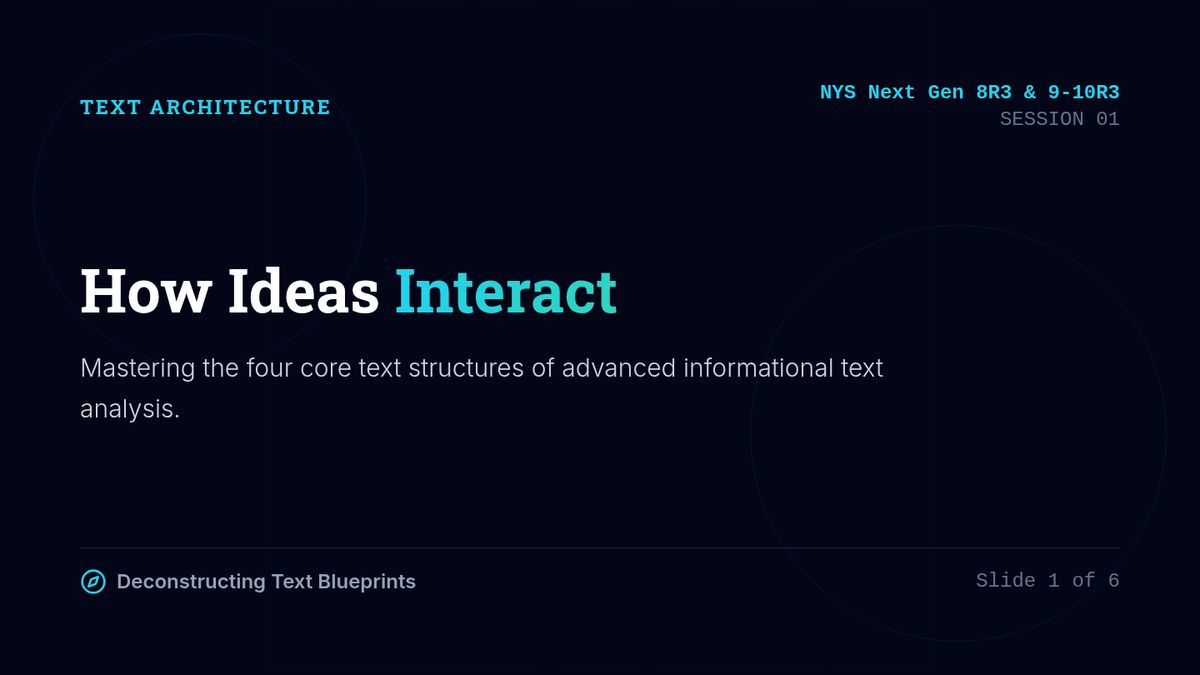
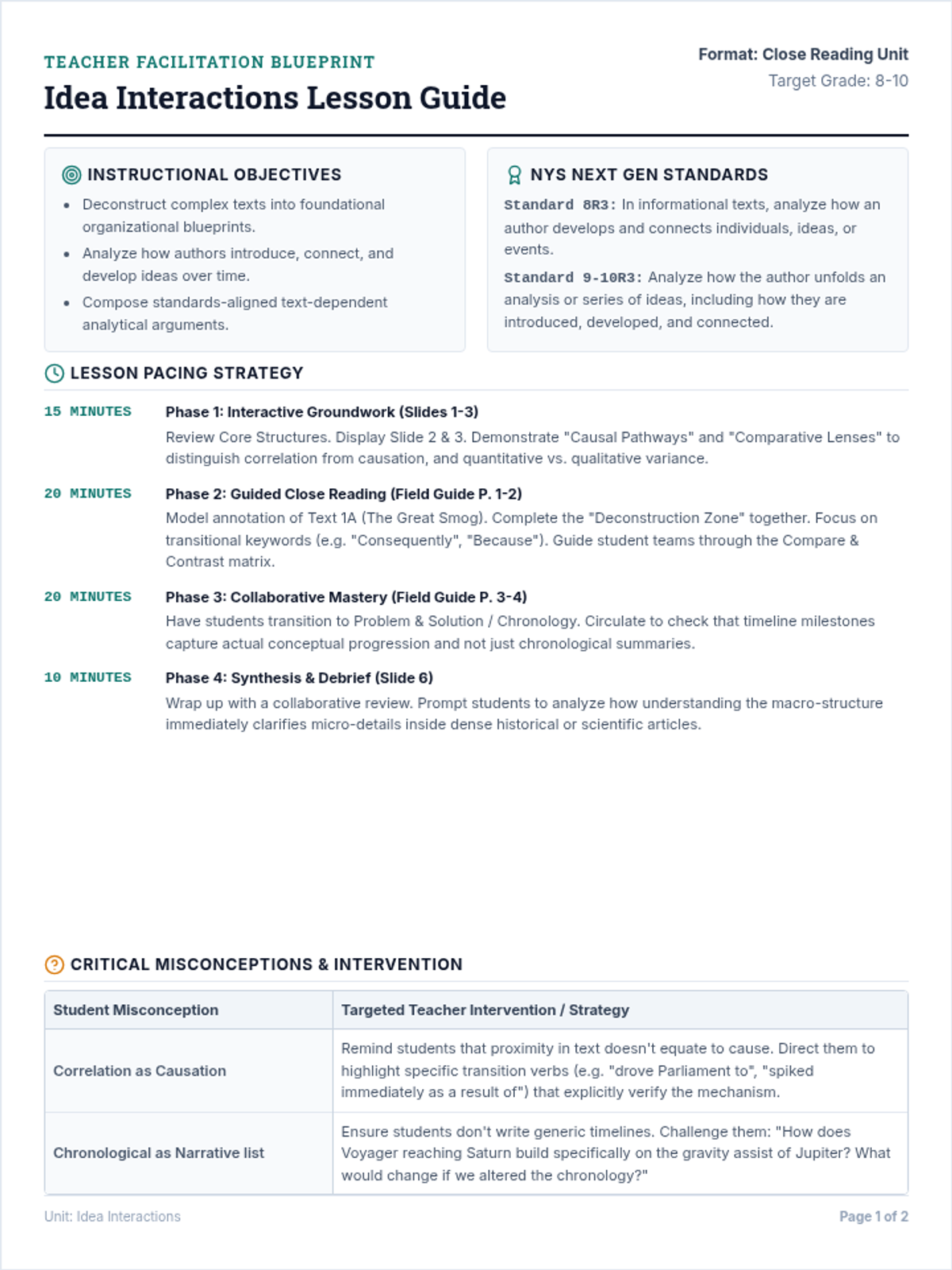
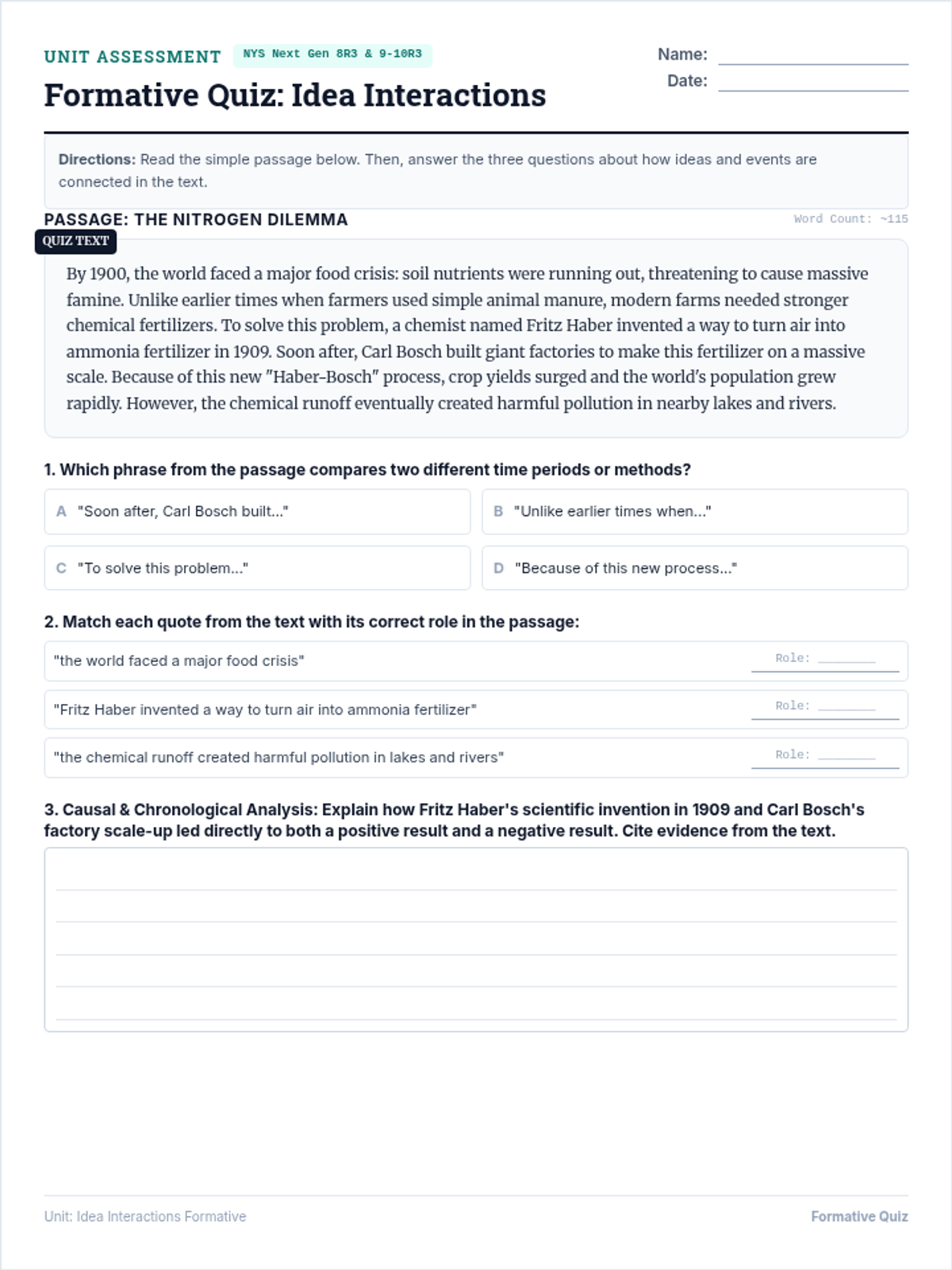
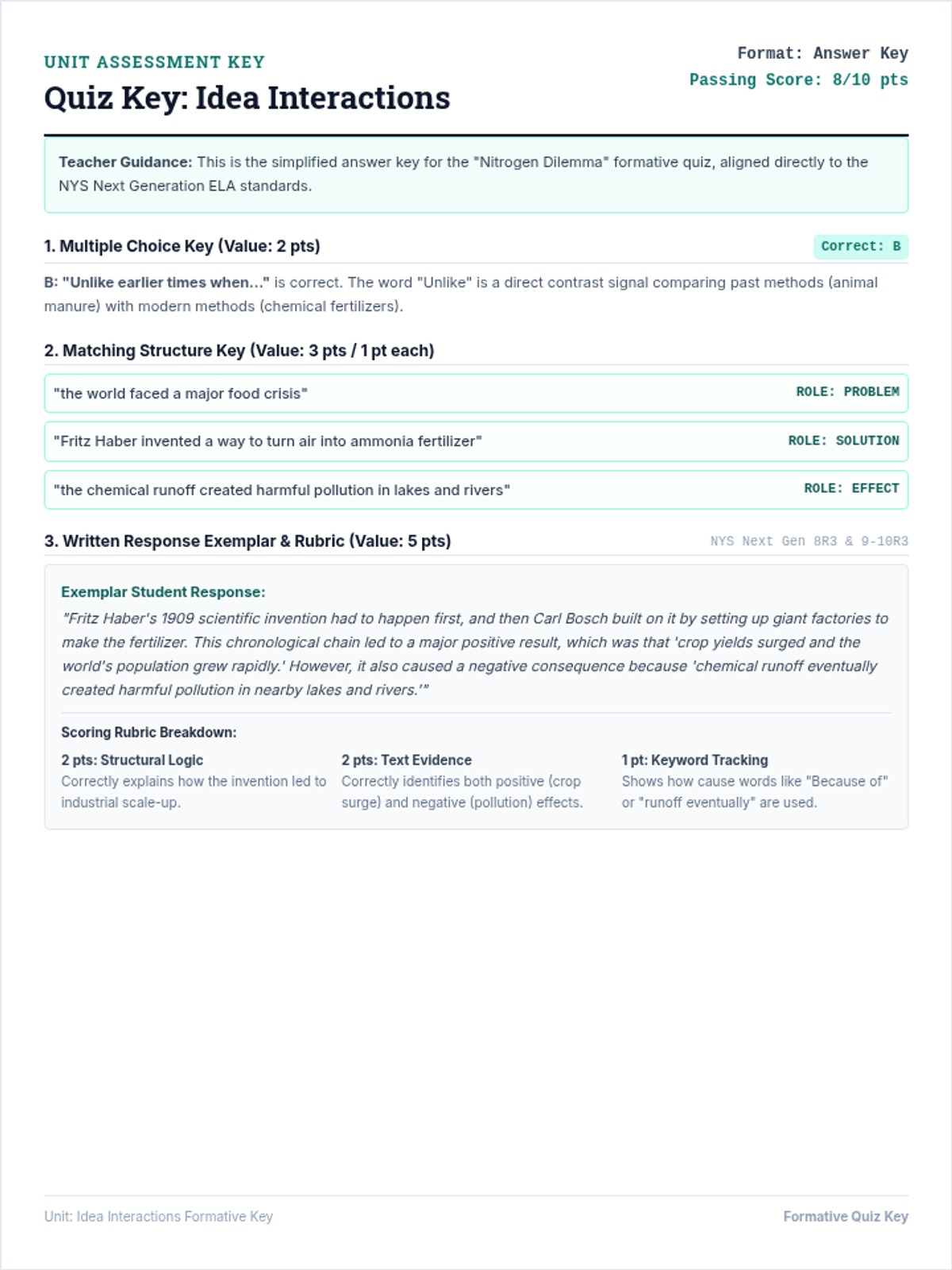
A rigorous, standards-aligned lesson focused on teaching students how ideas, events, and concepts interact in complex informational texts using four major organizational structures.
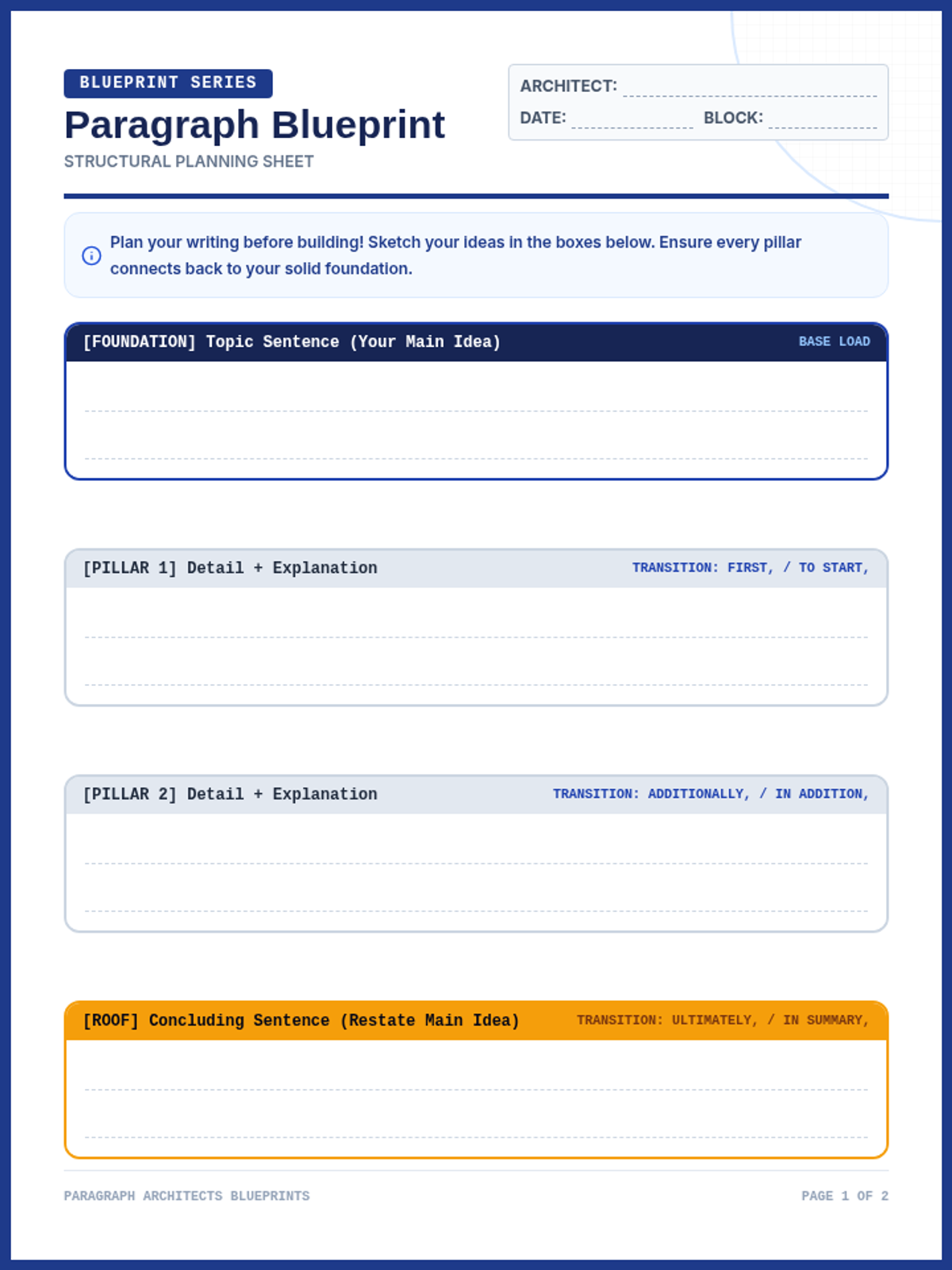
A structural writing lesson guiding students to build organized, cohesive paragraphs with topic sentences, concrete evidence, and transitions.
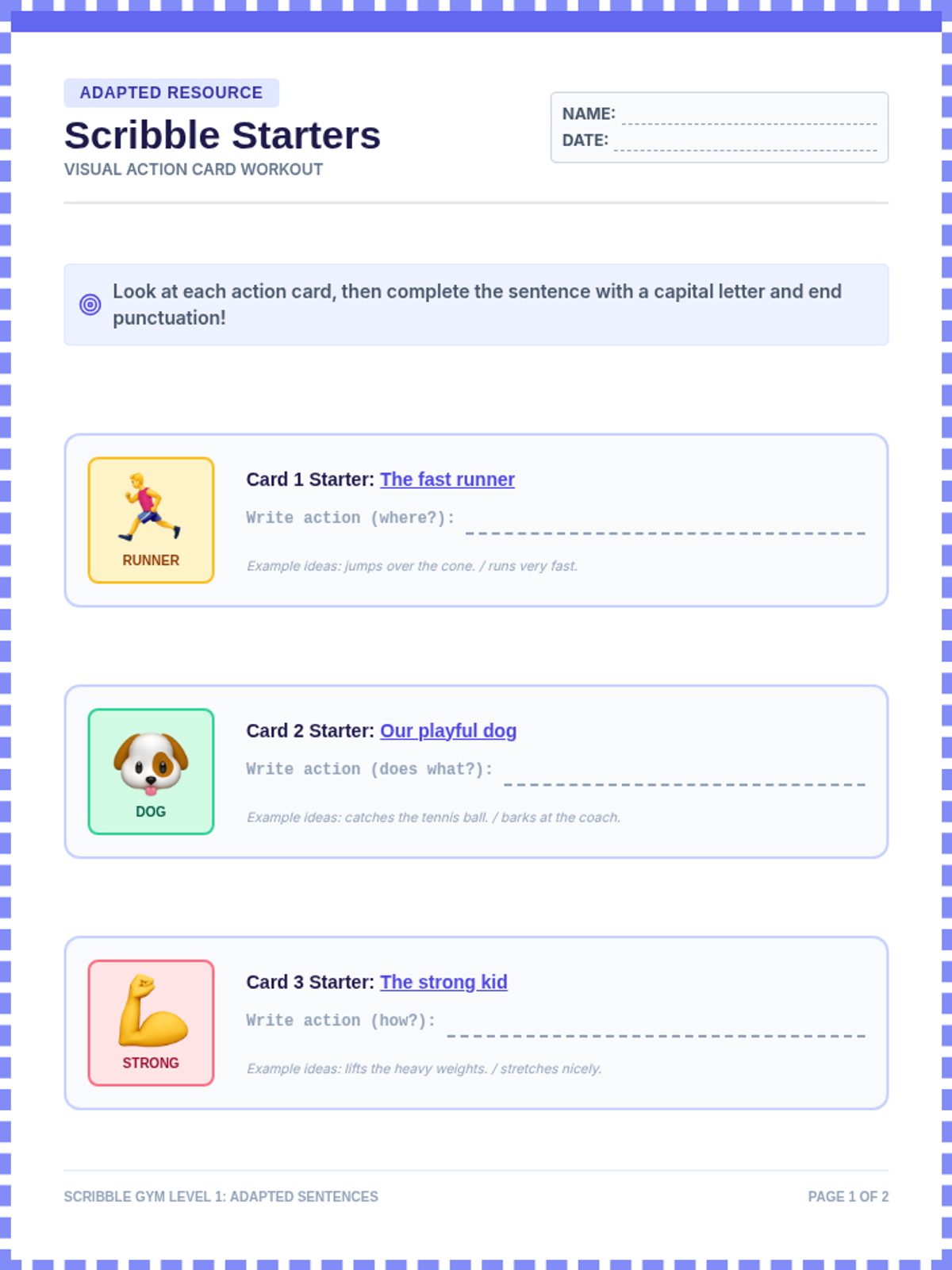
A foundational lesson focused on mastering capitalization, punctuation, and constructing complete simple and compound sentences.
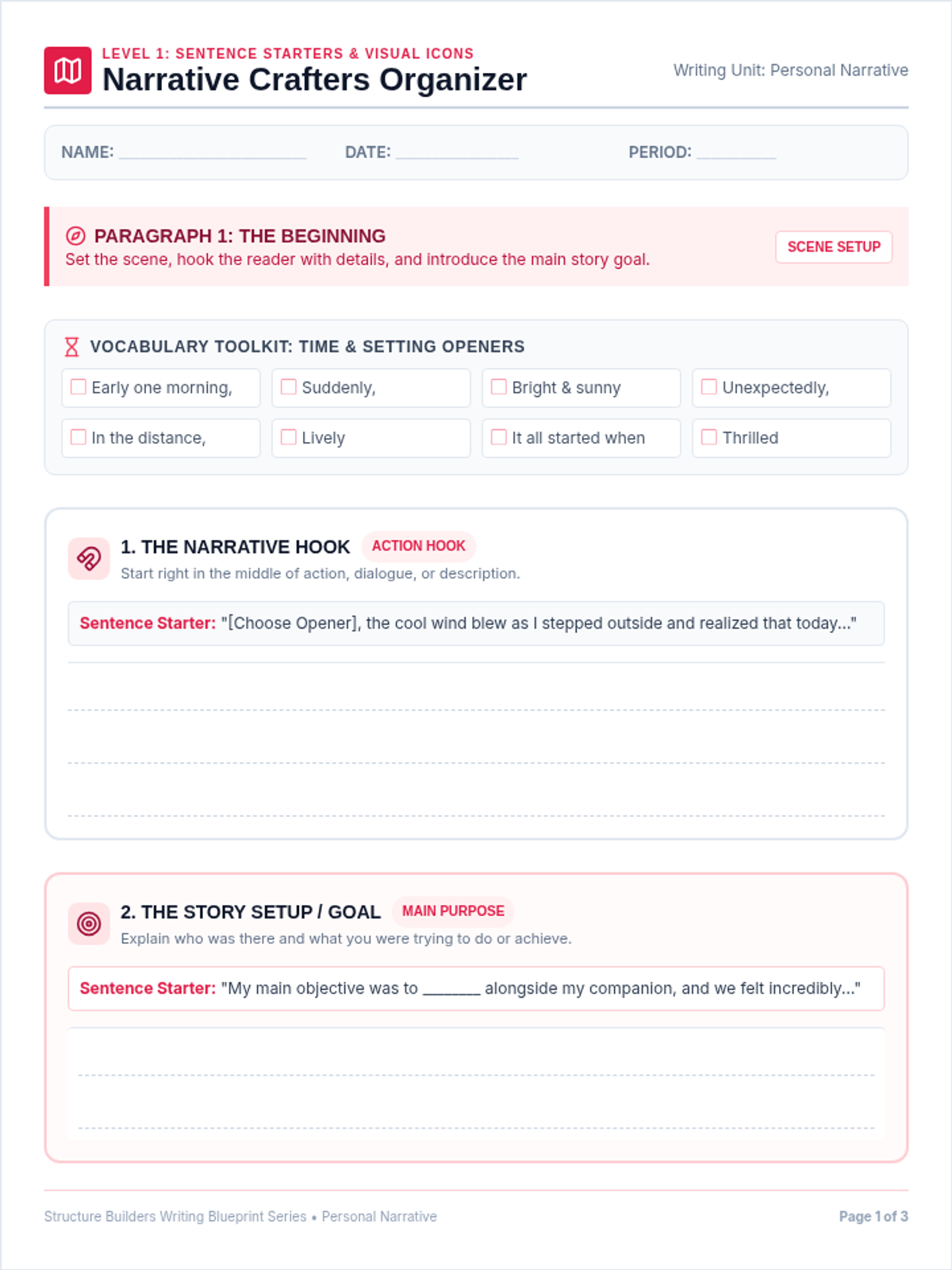
A structured approach to writing a three-paragraph personal narrative. Students develop a clear beginning, middle, and end, using sensory details, transition words, and self-assessment checklists.
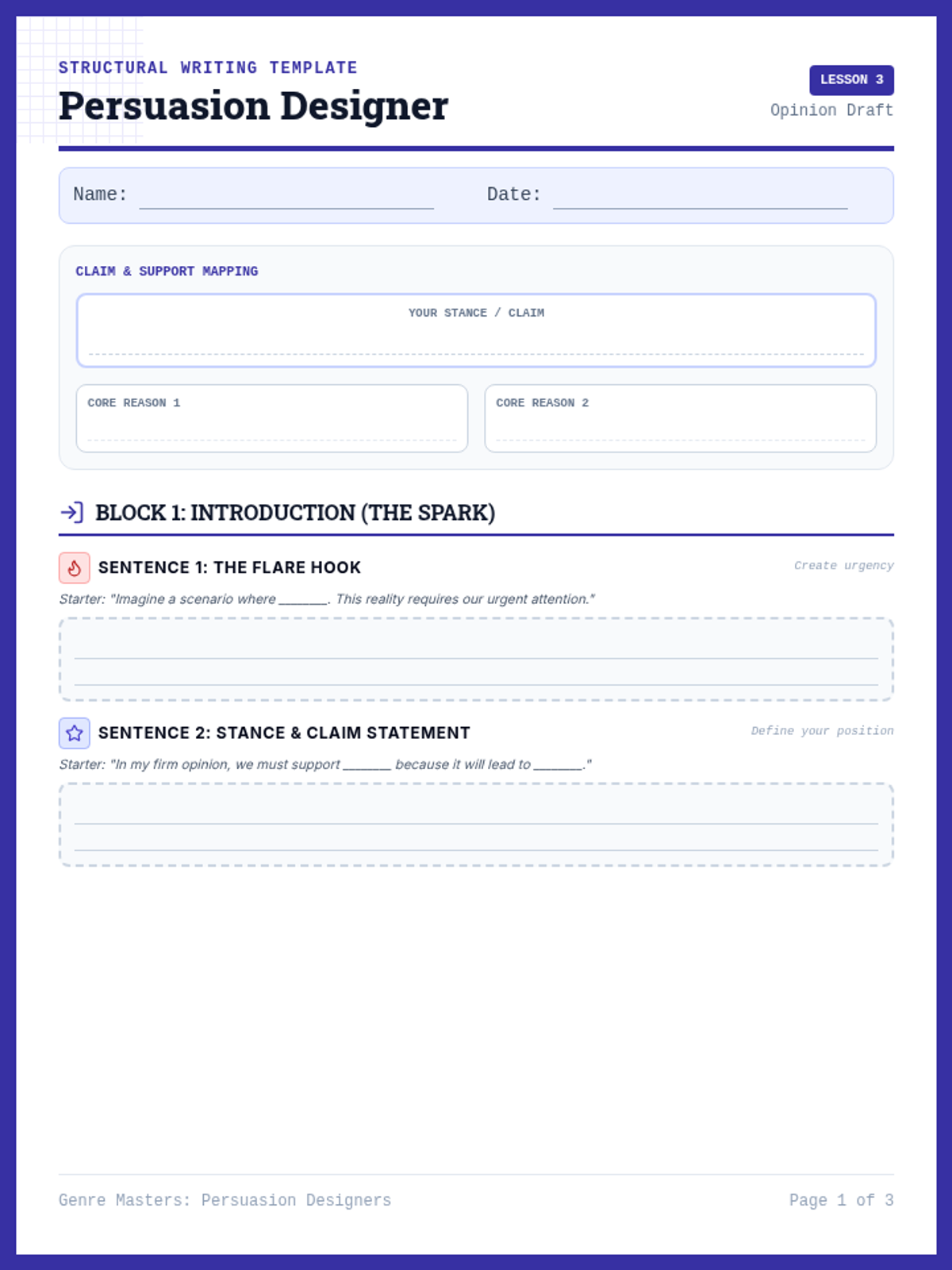
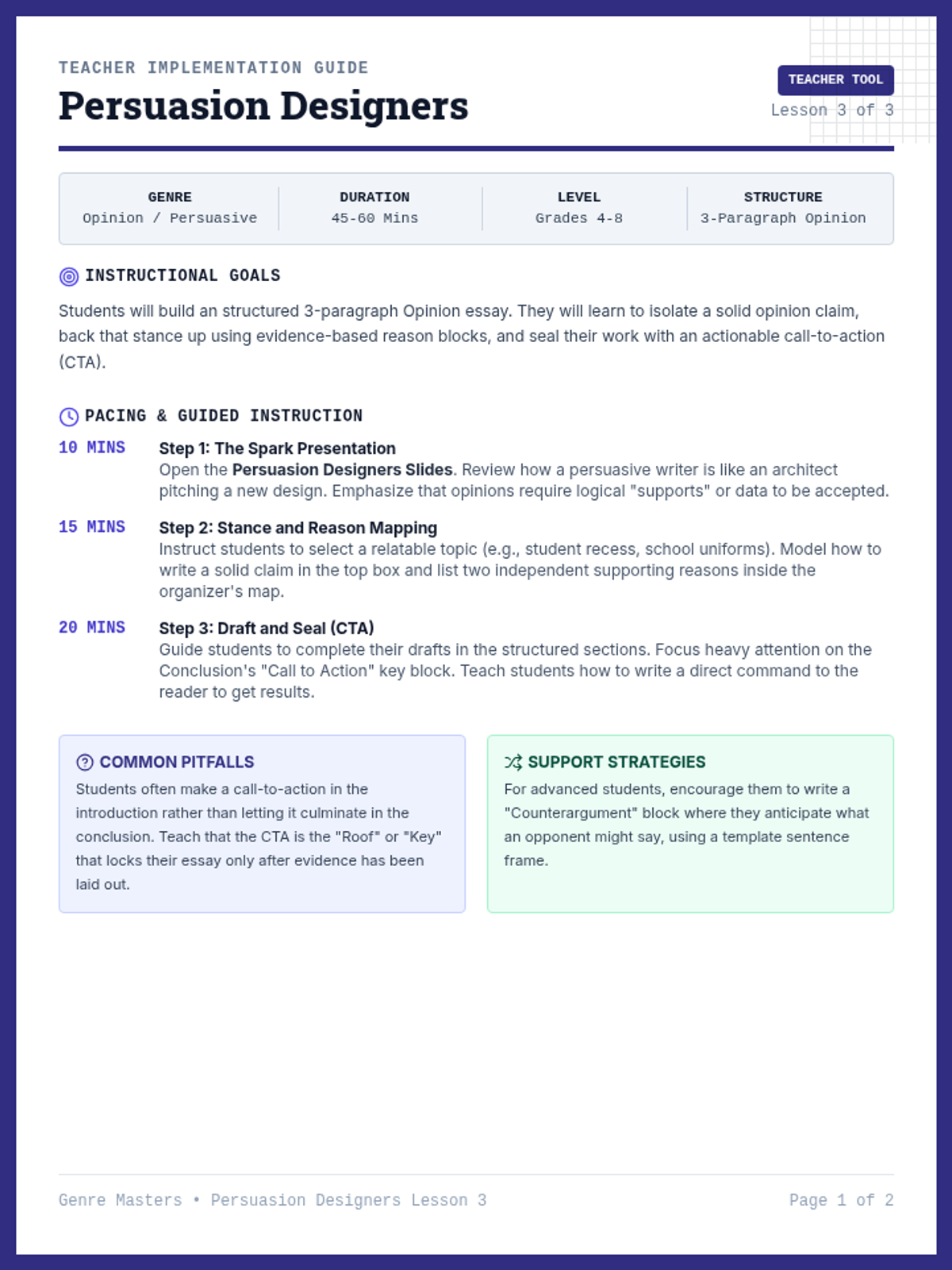
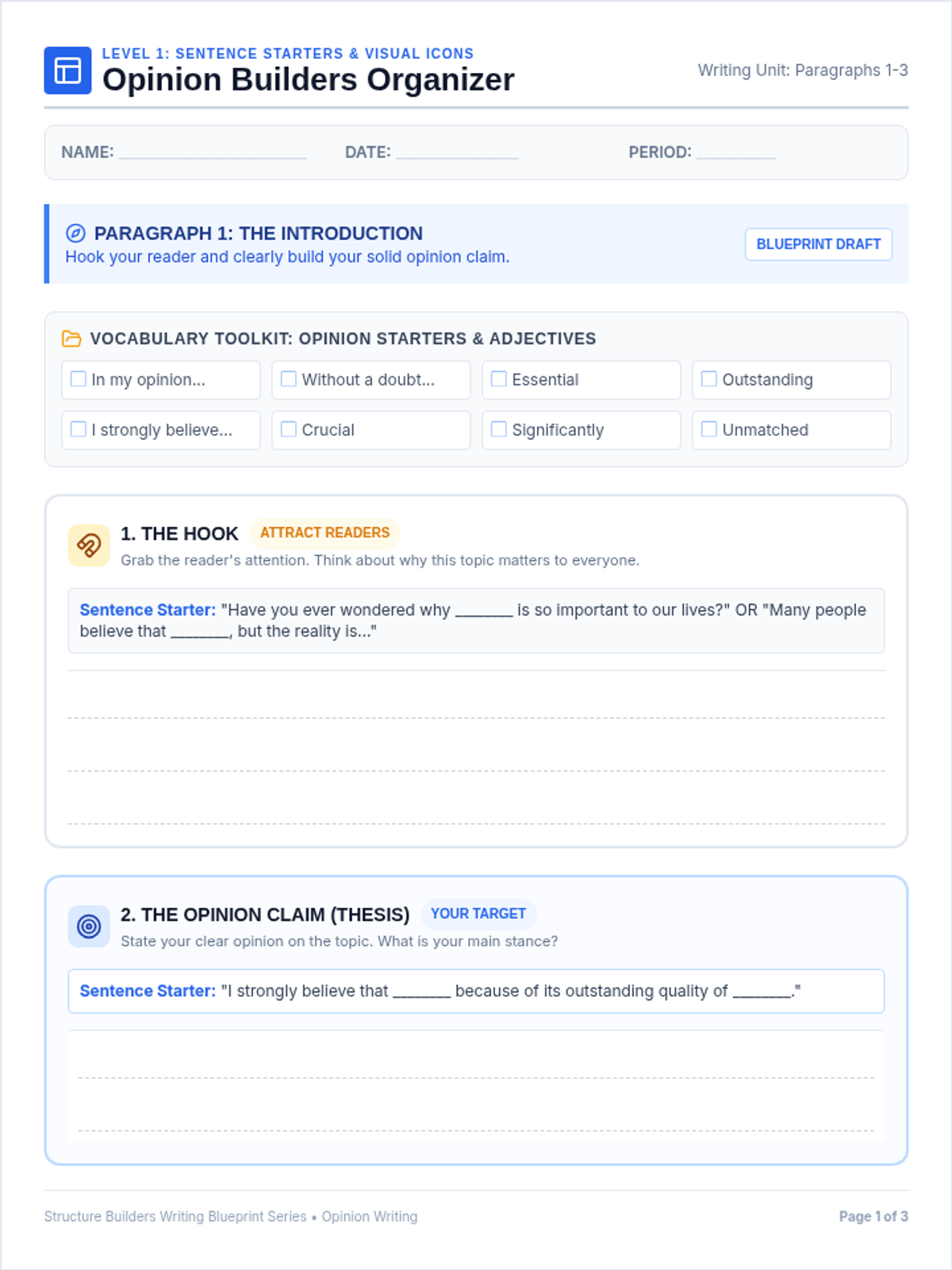
Students structure powerful opinions using a 3-paragraph template. They leverage strong emotional hooks, evidence-based reason body blocks, and persuasive call-to-action conclusions.
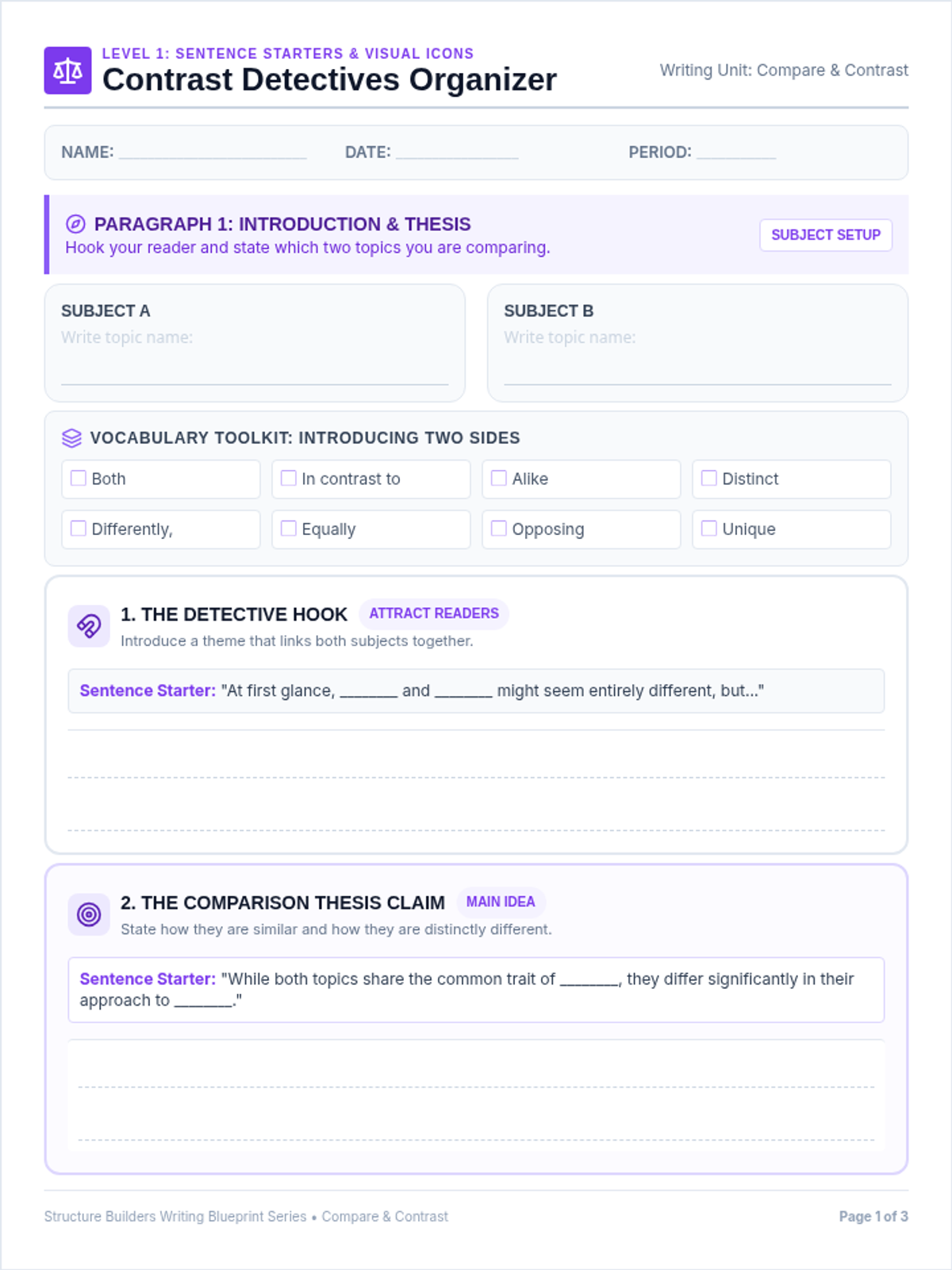
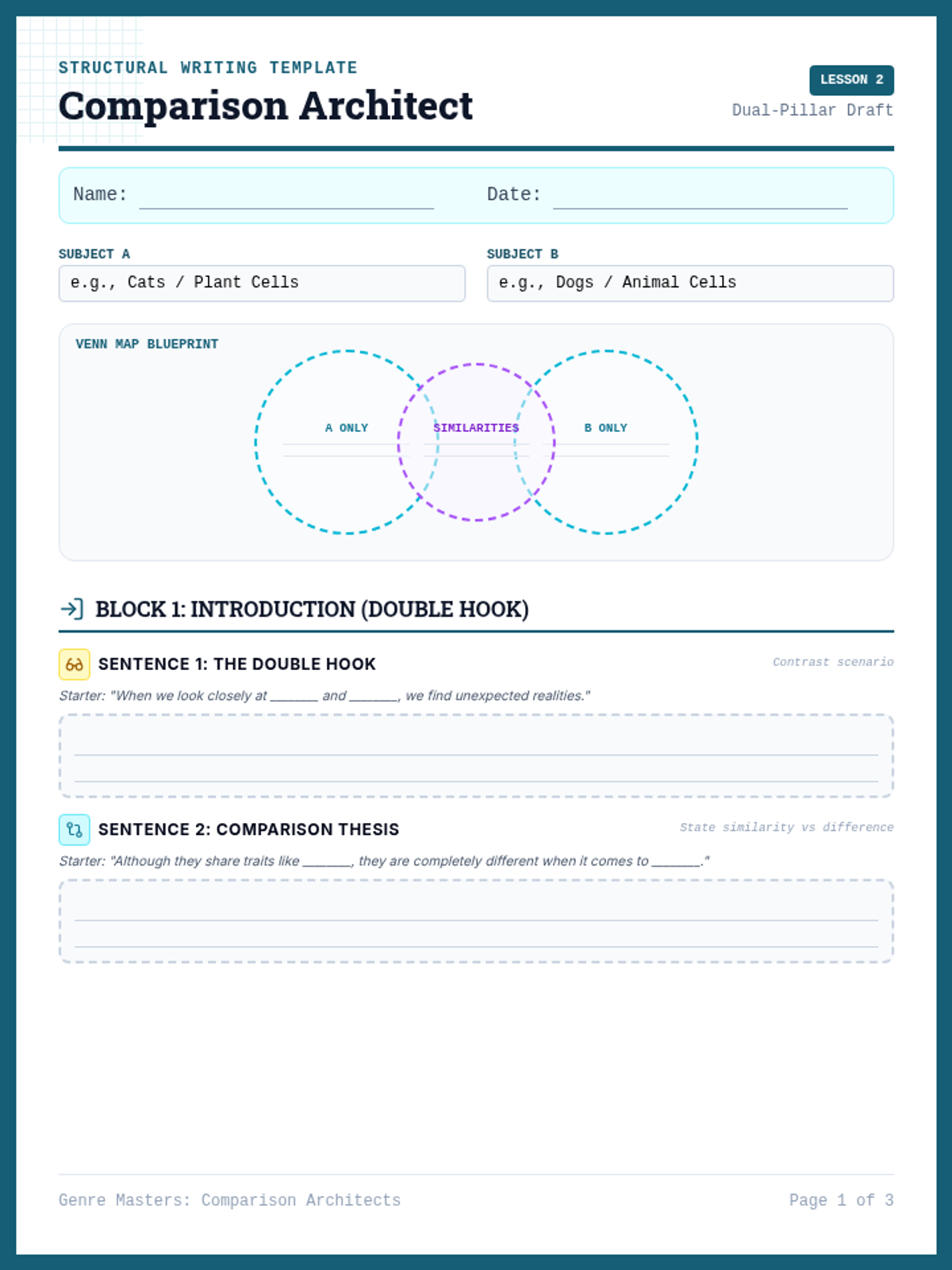
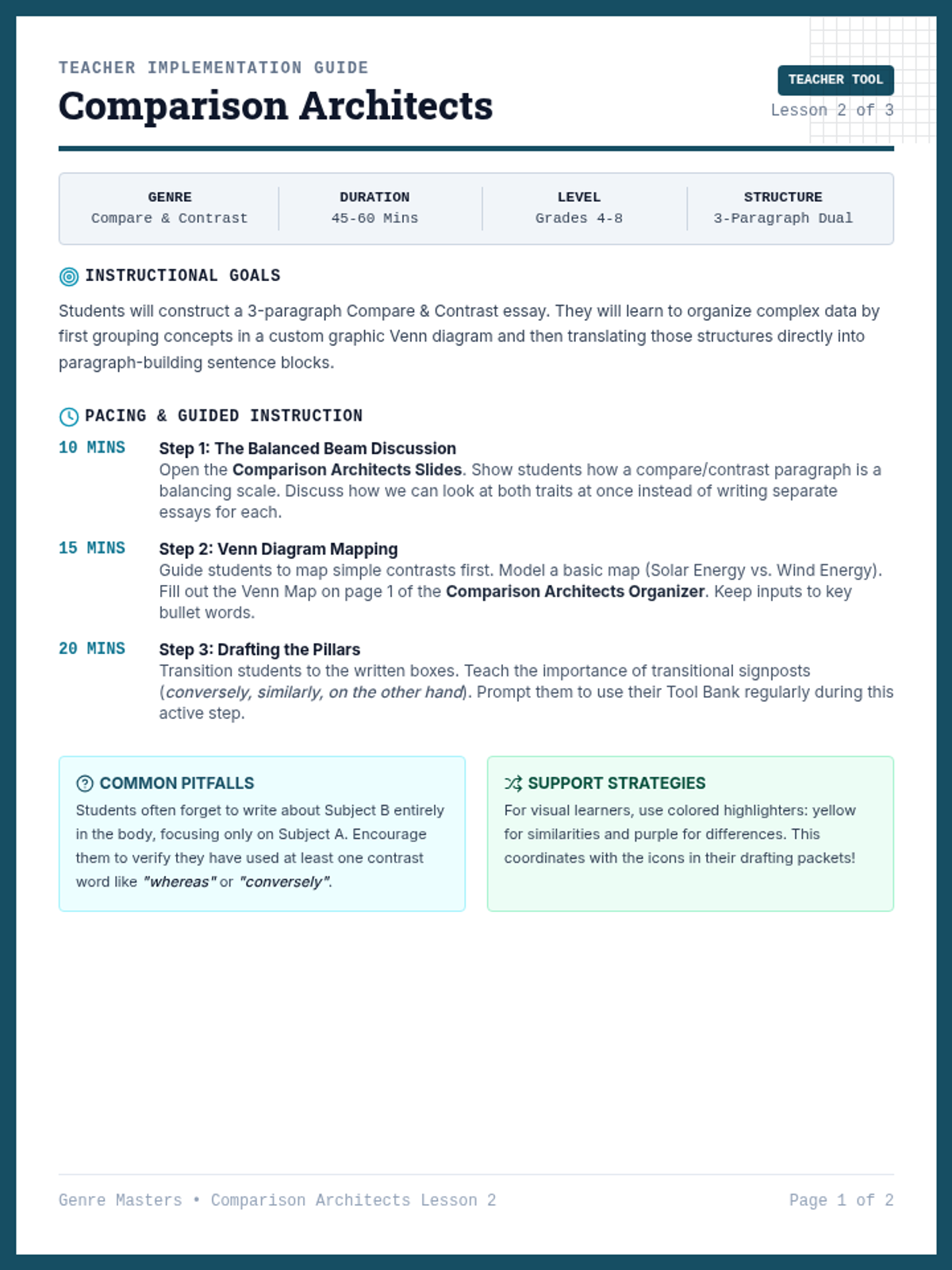
A step-by-step lesson for comparing and contrasting two topics in a three-paragraph format. Students utilize customized sentence frames, comparative word banks, and structured organizers with visual prompts.
Students learn to contrast and compare two topics using a structured 3-paragraph format. A dual-column layout, custom Venn diagrams, and comparison word banks guide them through similarities and differences.
A guided lesson focusing on drafting a three-paragraph opinion essay. Students learn to express a clear claim, back it up with evidence, and write a strong concluding summary using custom sentence frames, interactive word banks, and visual icon prompts.
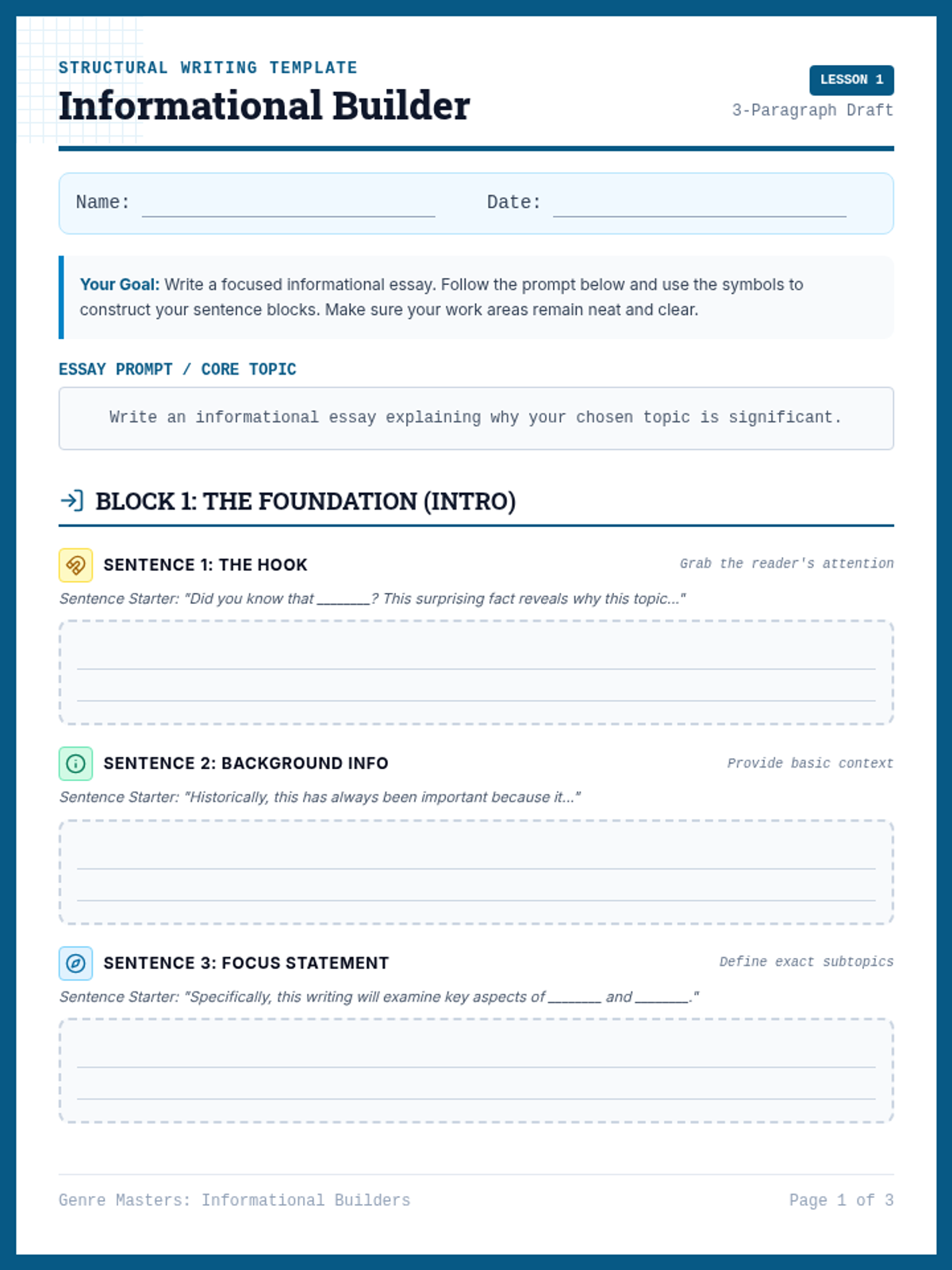
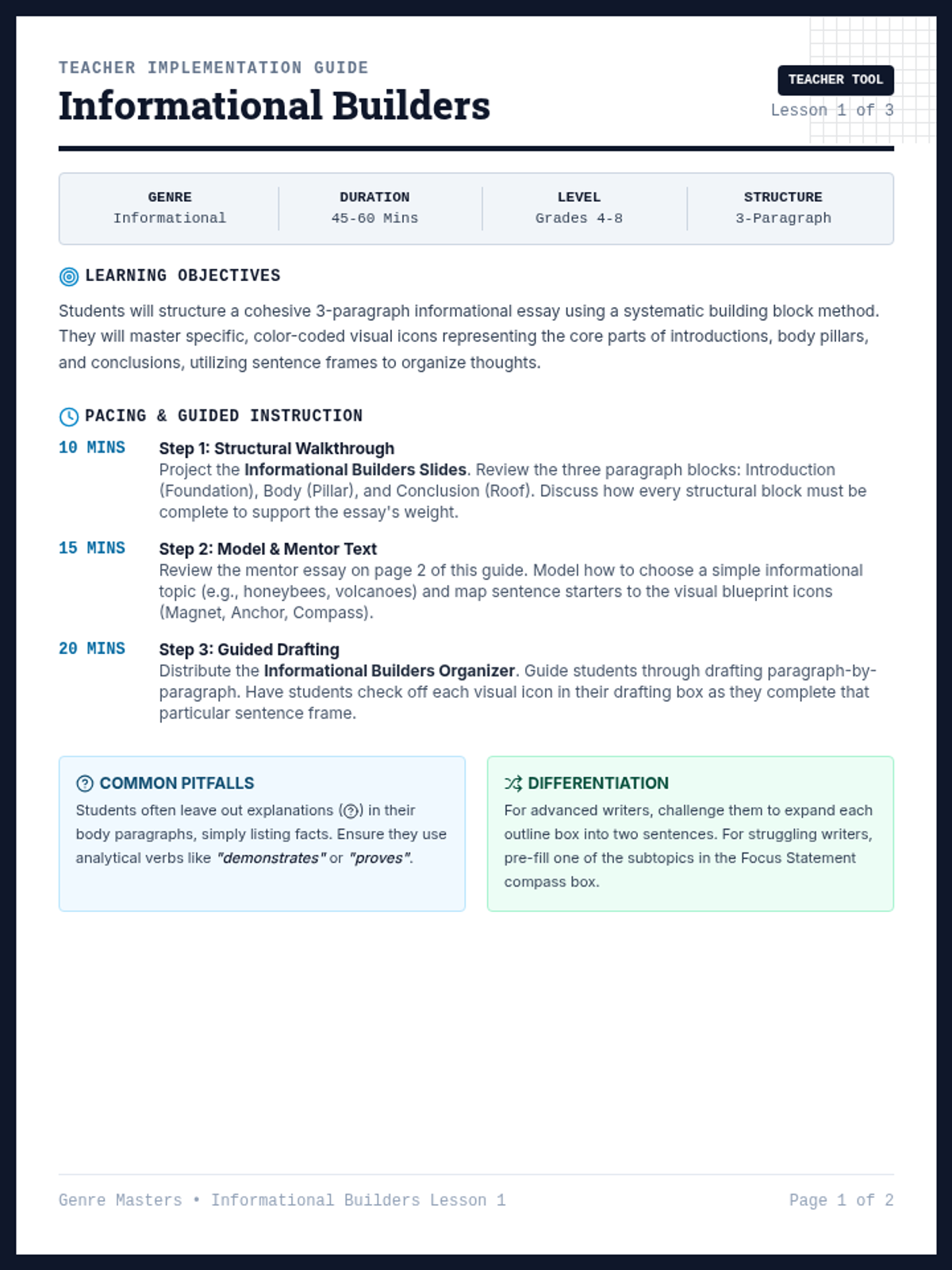
Students master the highly structured 3-paragraph informational essay. They use visual icons, word banks, and fill-in-the-blank sentence starters to build a rock-solid introduction, body, and conclusion paragraph.
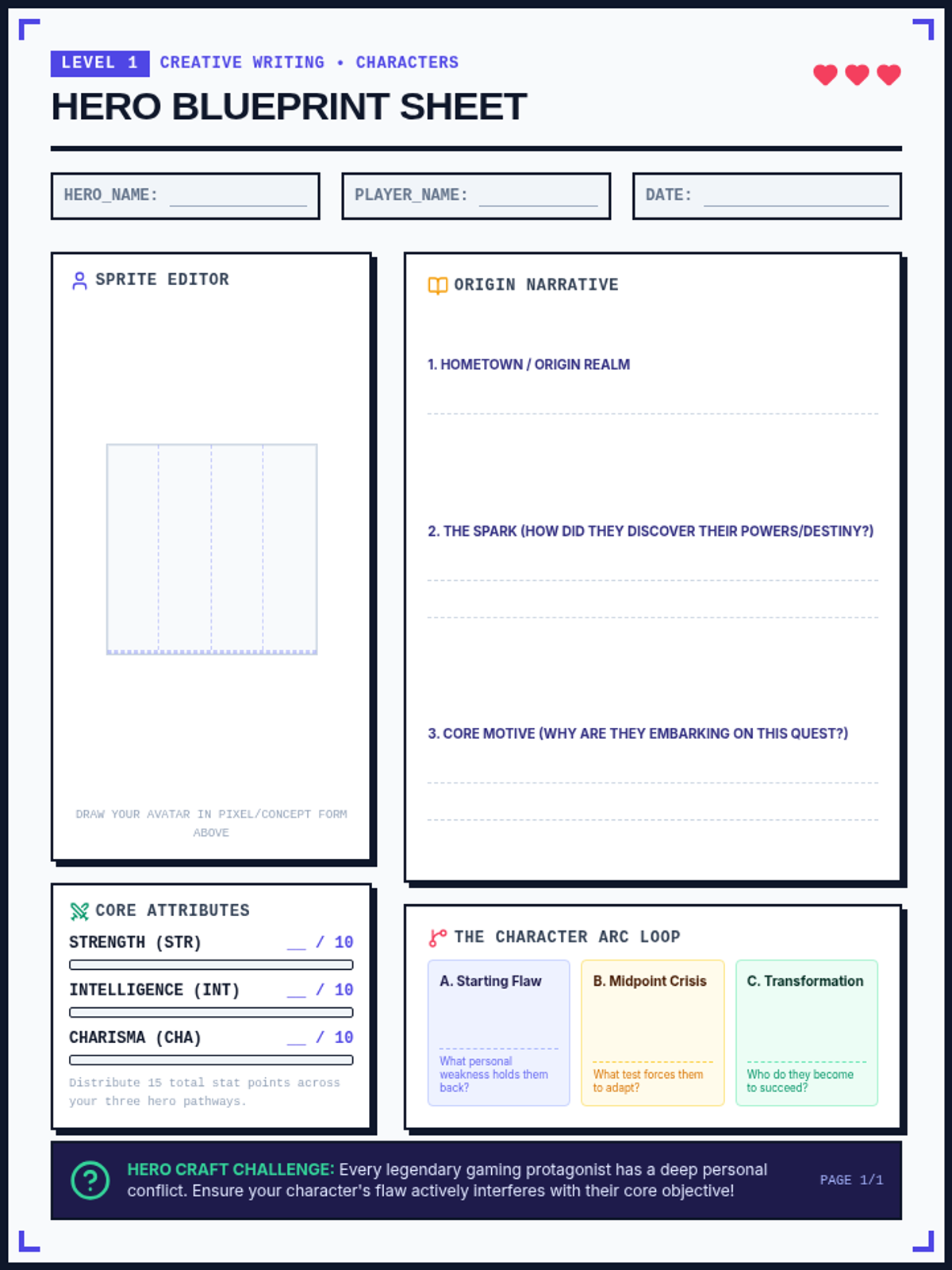
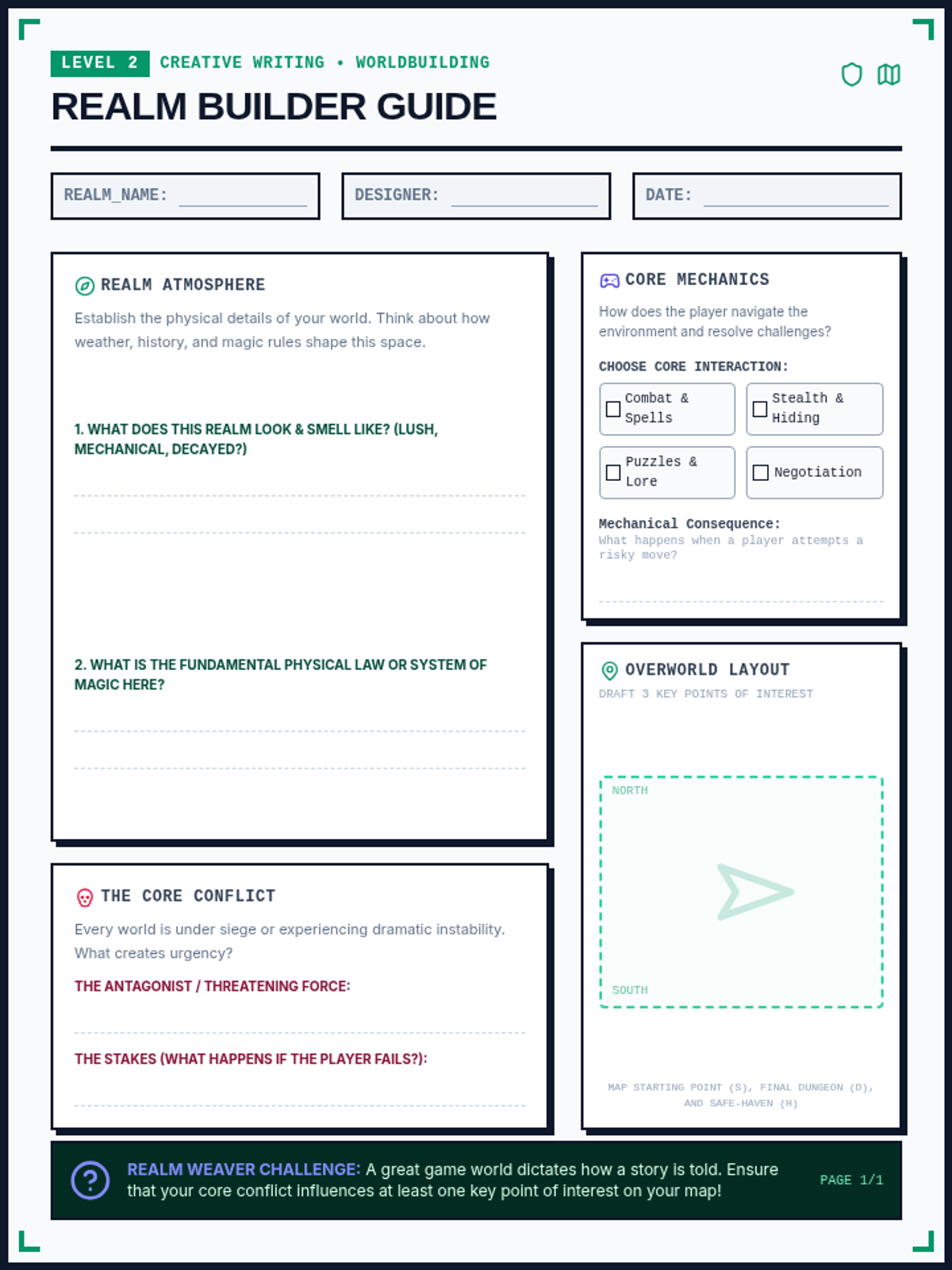
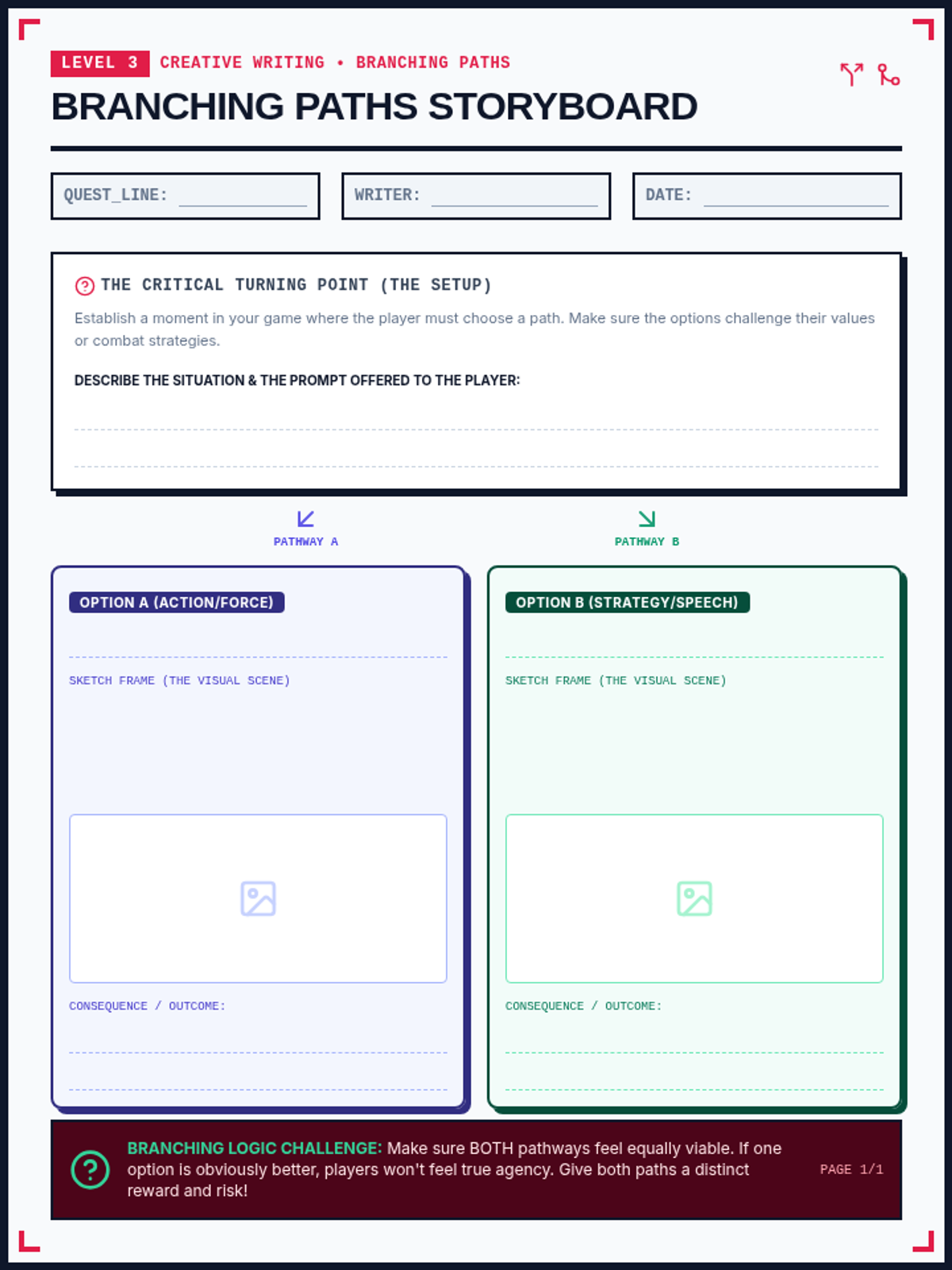
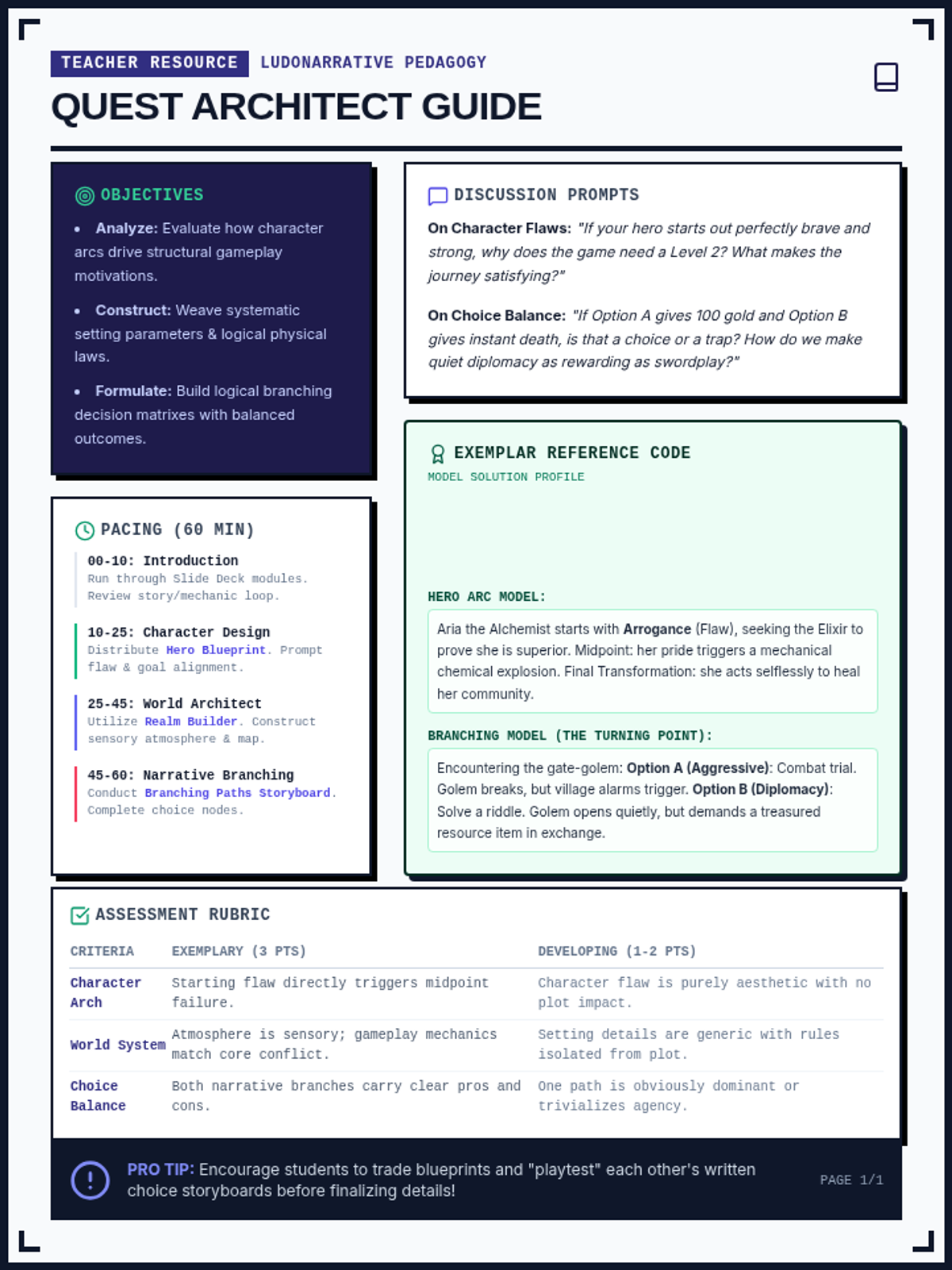
A comprehensive game design lesson focusing on creative writing and narrative architecture. Students learn how to build worlds, draft compelling character arcs, and design branching choice pathways through a series of structured worksheets, guided slides, and educator resources.
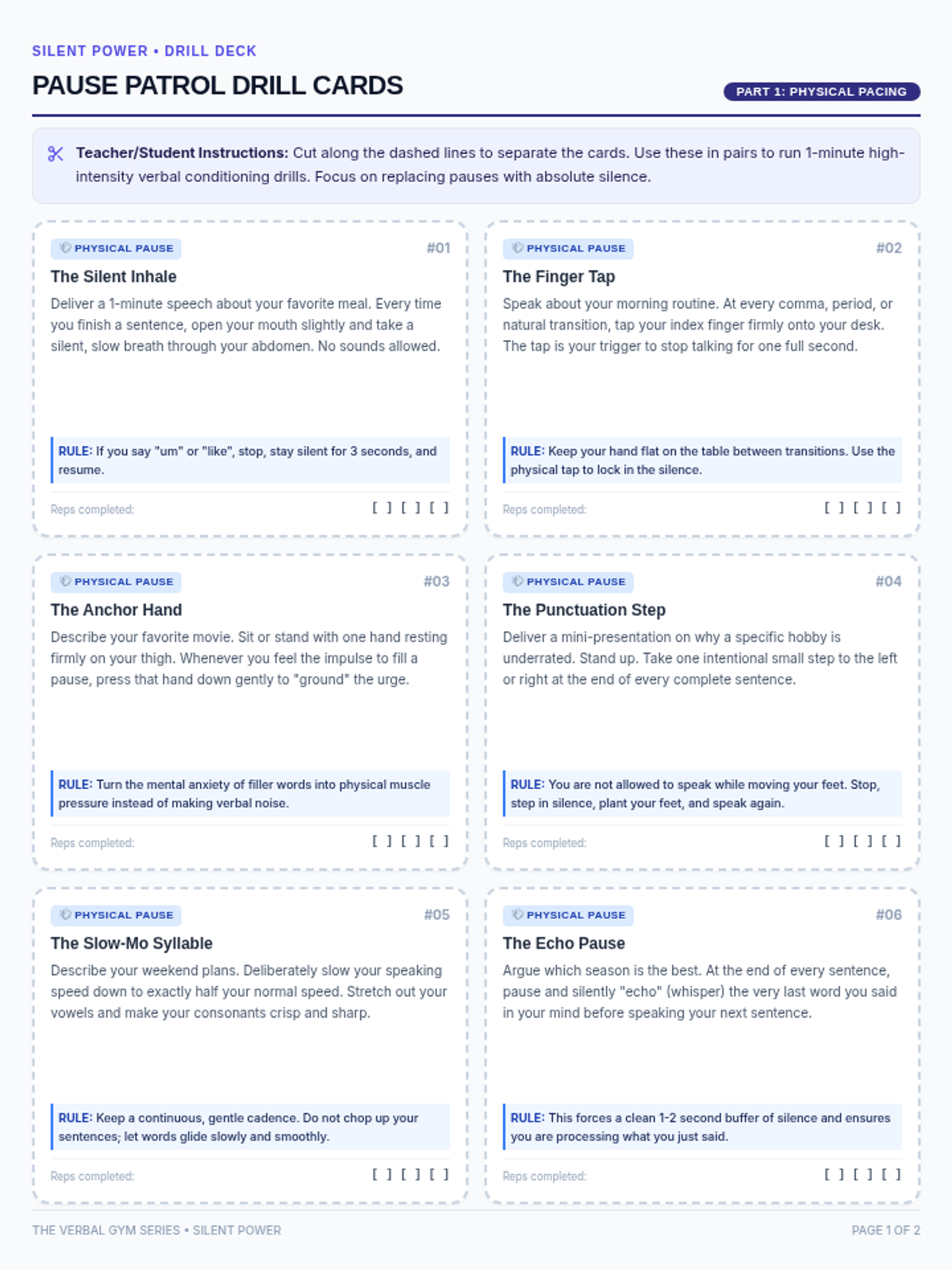
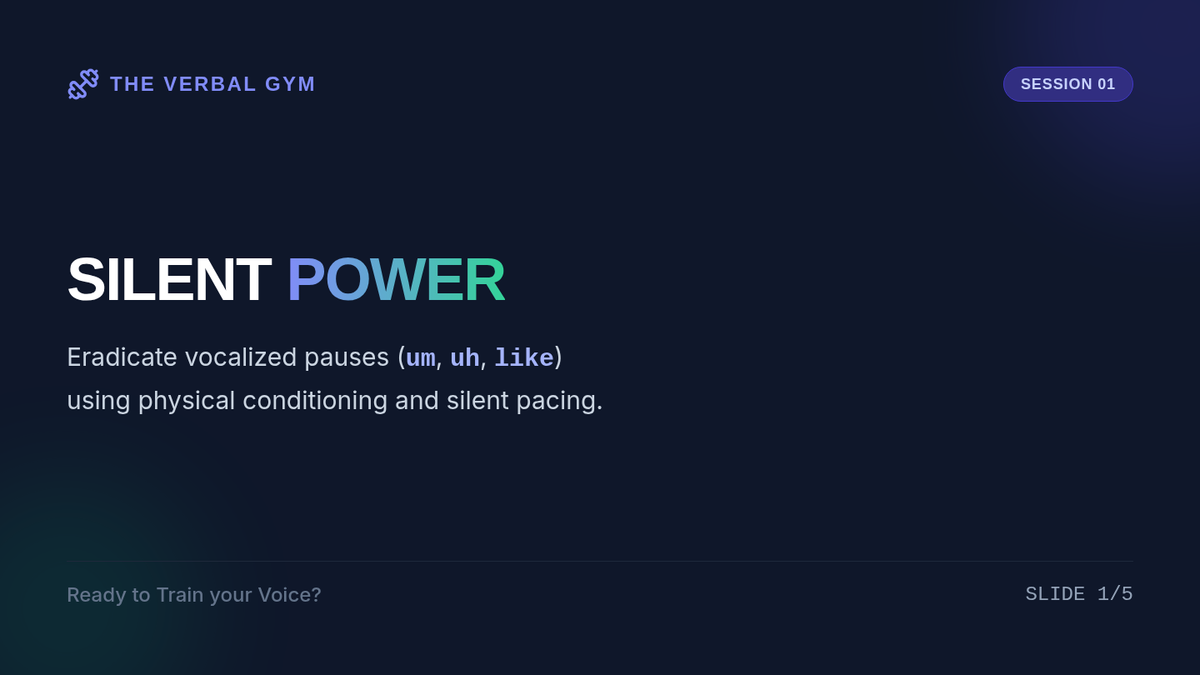
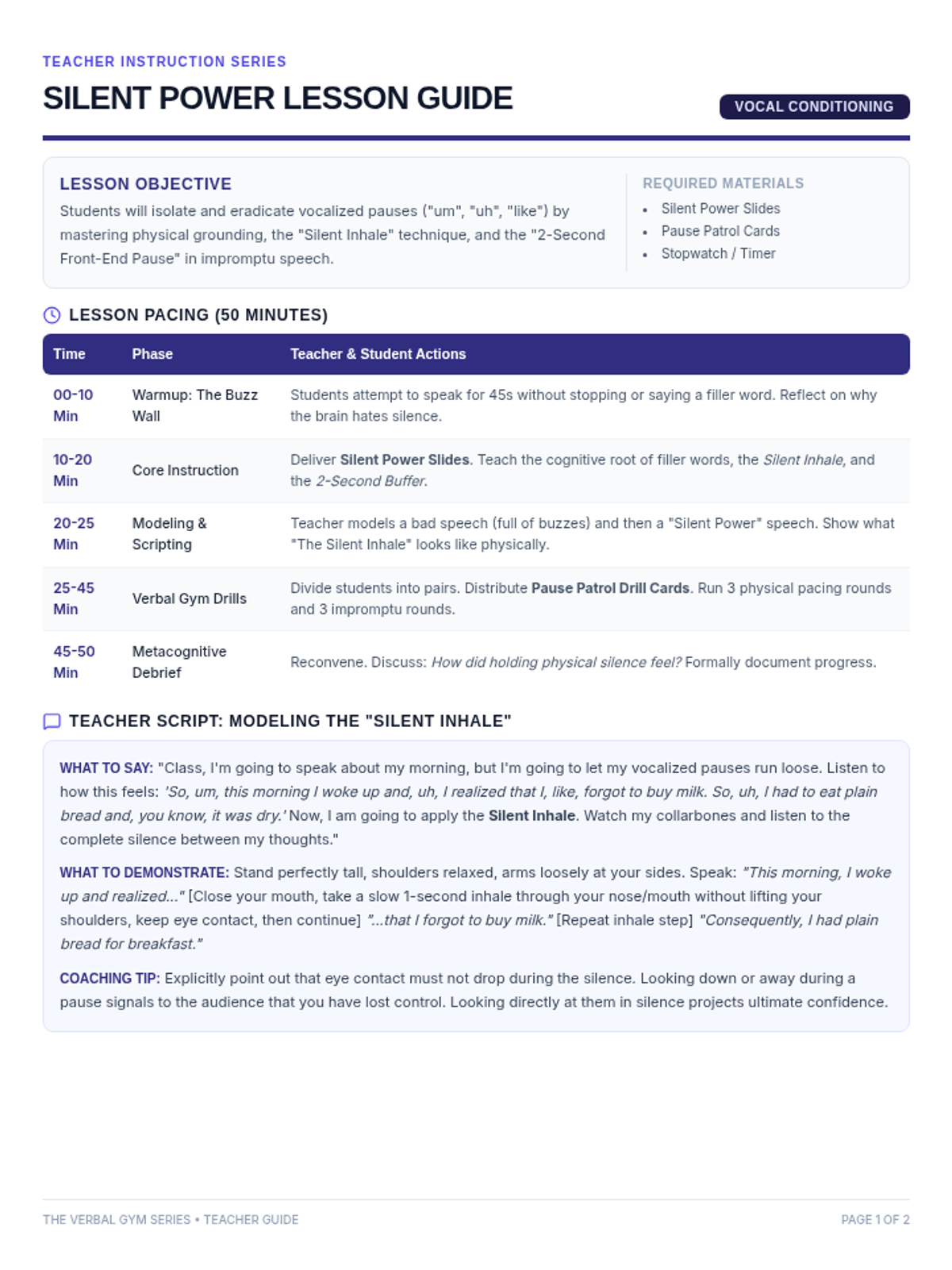
A high-energy, speech-conditioning lesson designed to eradicate vocalized pauses ('um', 'uh', 'like') through physical pacing drills and unscripted impromptu speaking challenges.
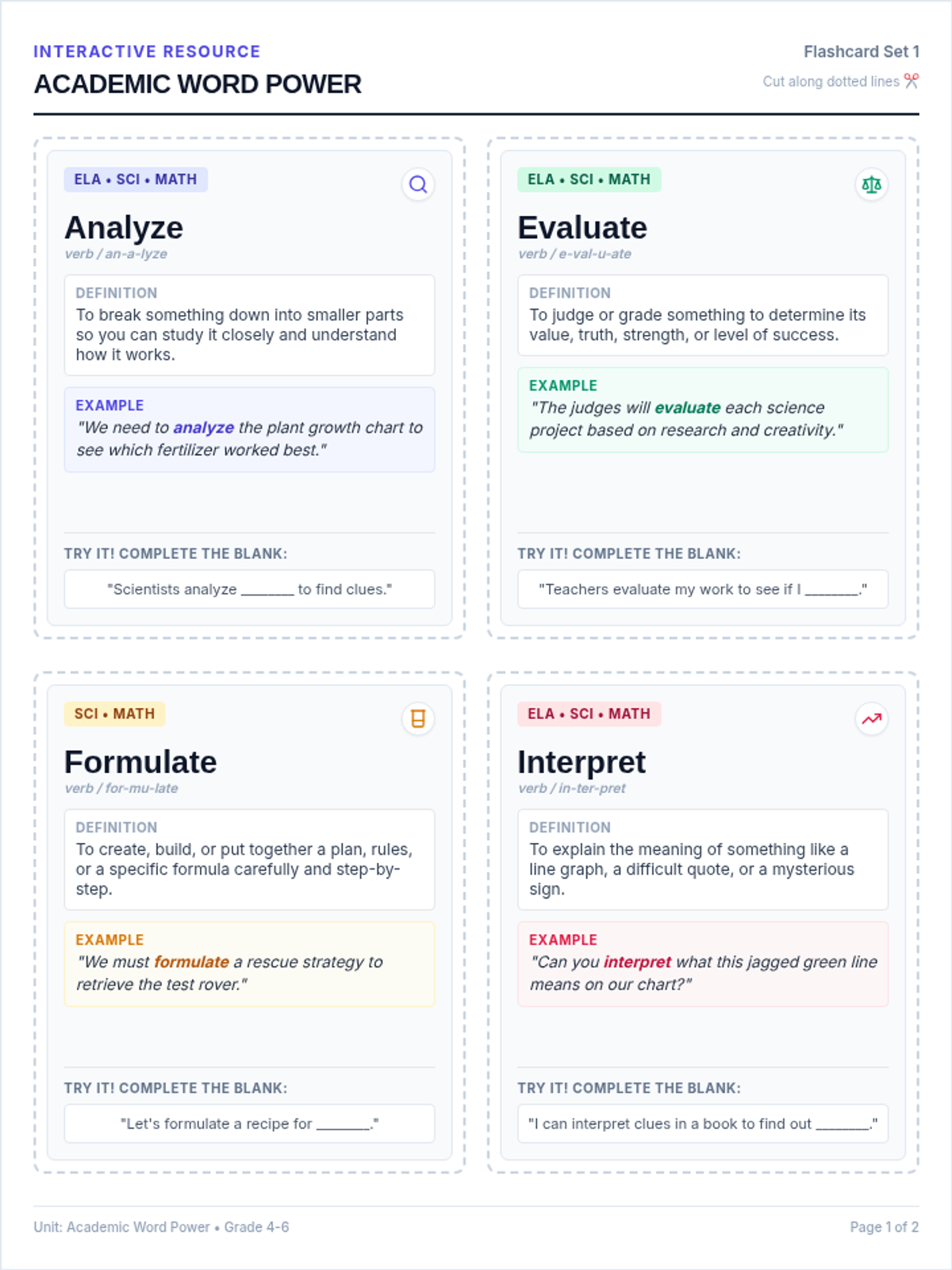
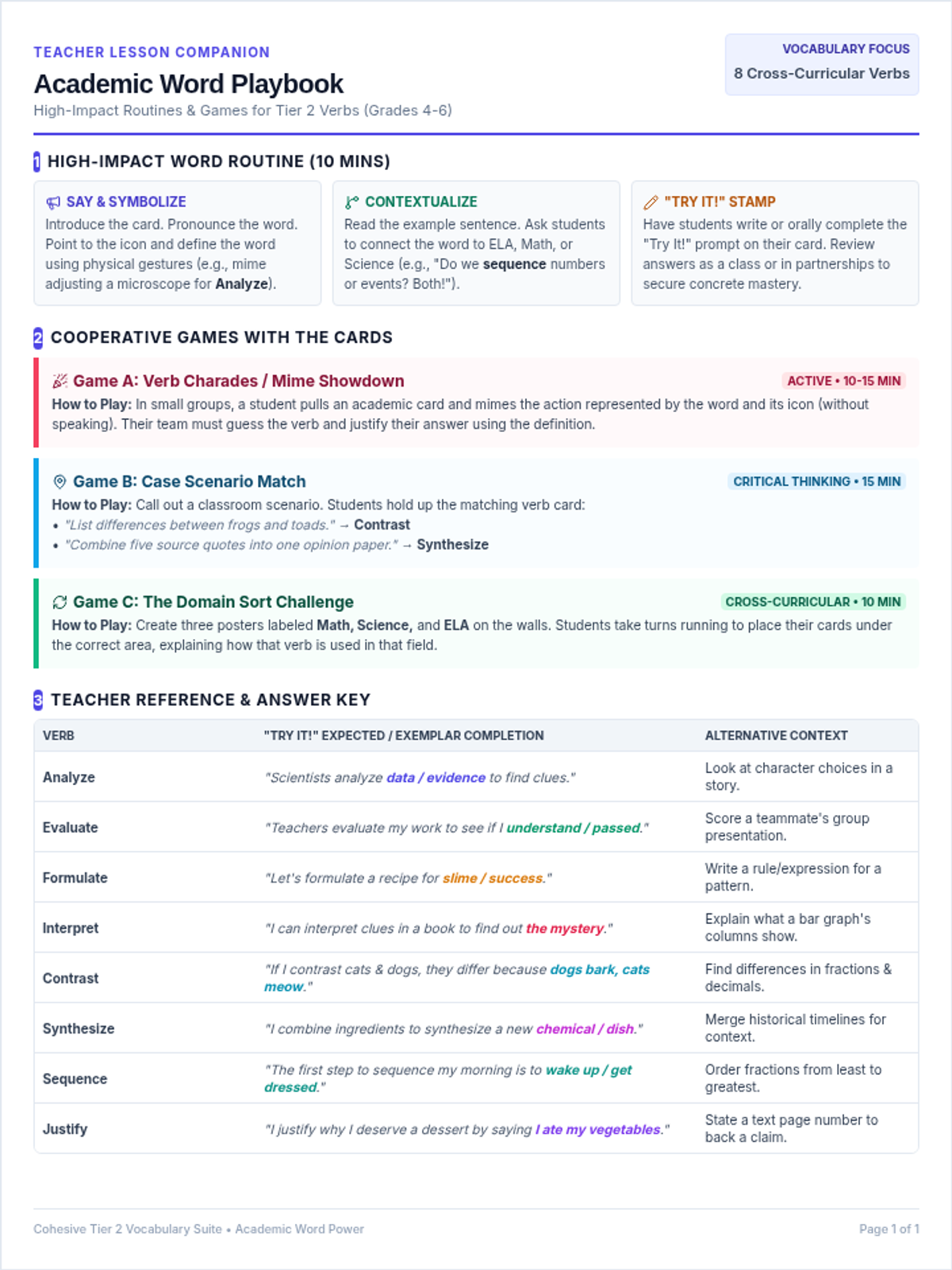
A high-impact Tier 2 vocabulary lesson teaching critical academic verbs used across ELA, Math, and Science, supported by simplified visual symbols.
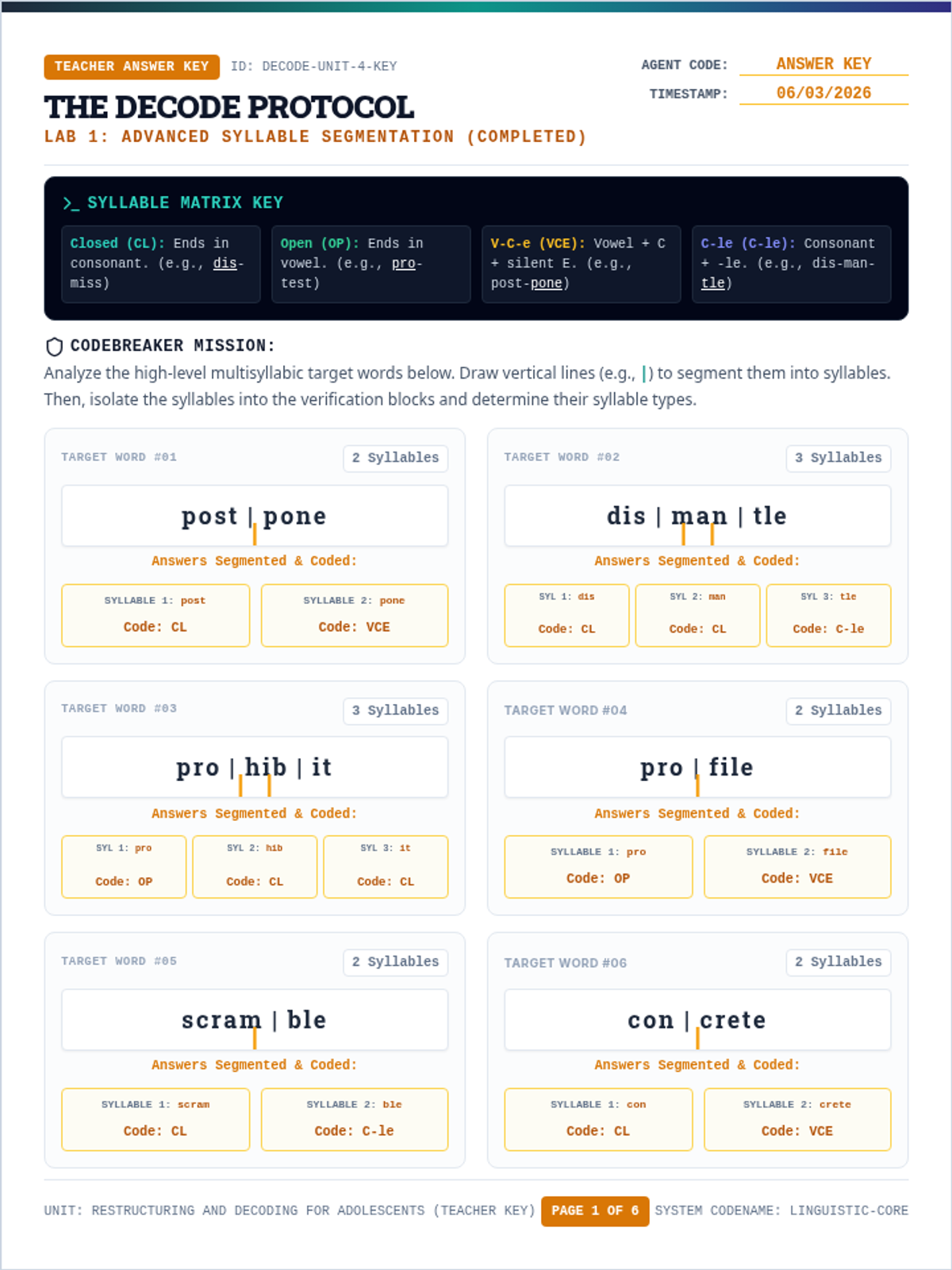
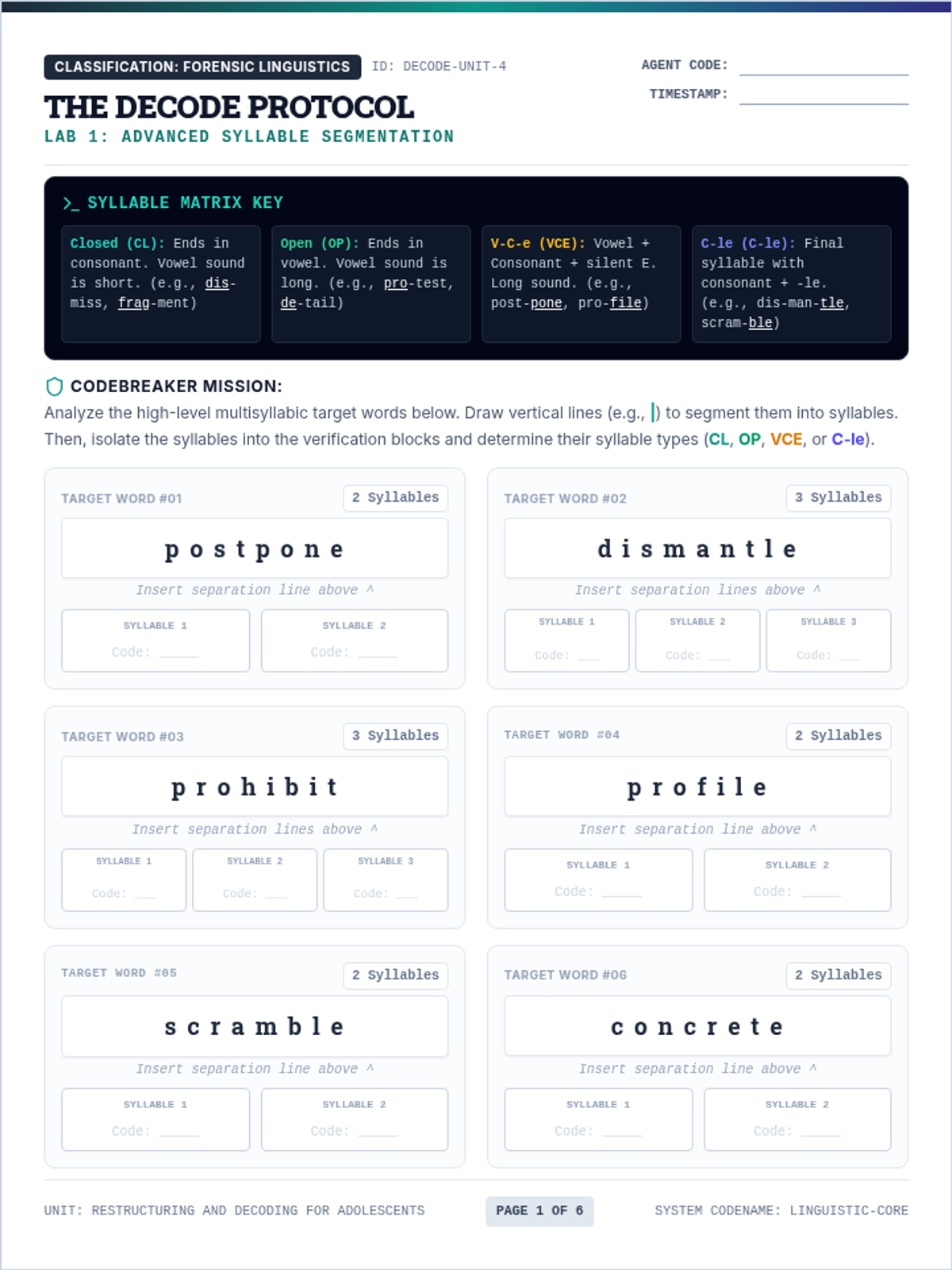
A comprehensive phonics and syllable review unit focusing on vowel teams, r-controlled vowels, syllable division, and affix-based word building. Includes a multi-page student review packet and a corresponding teacher answer key.
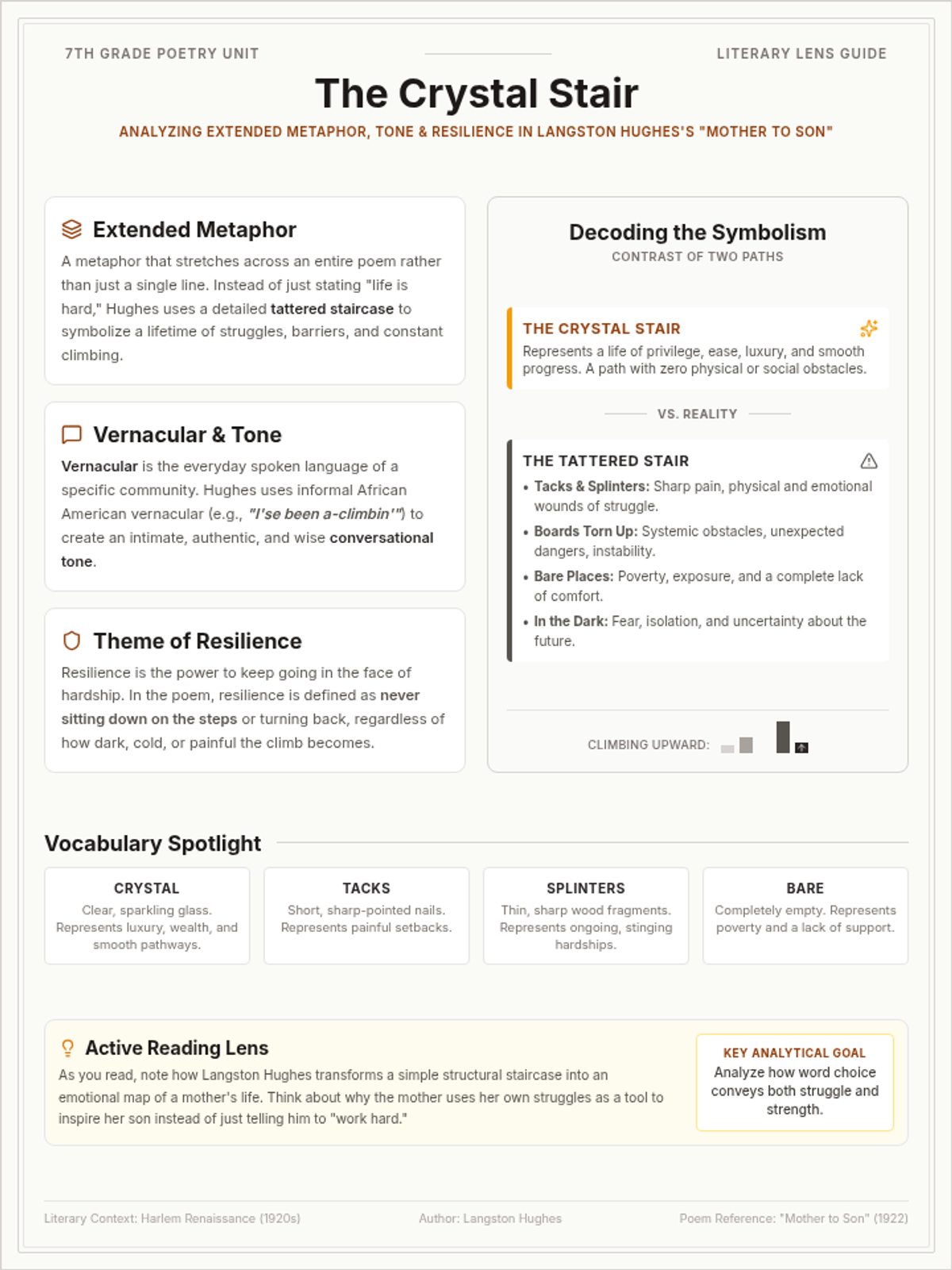
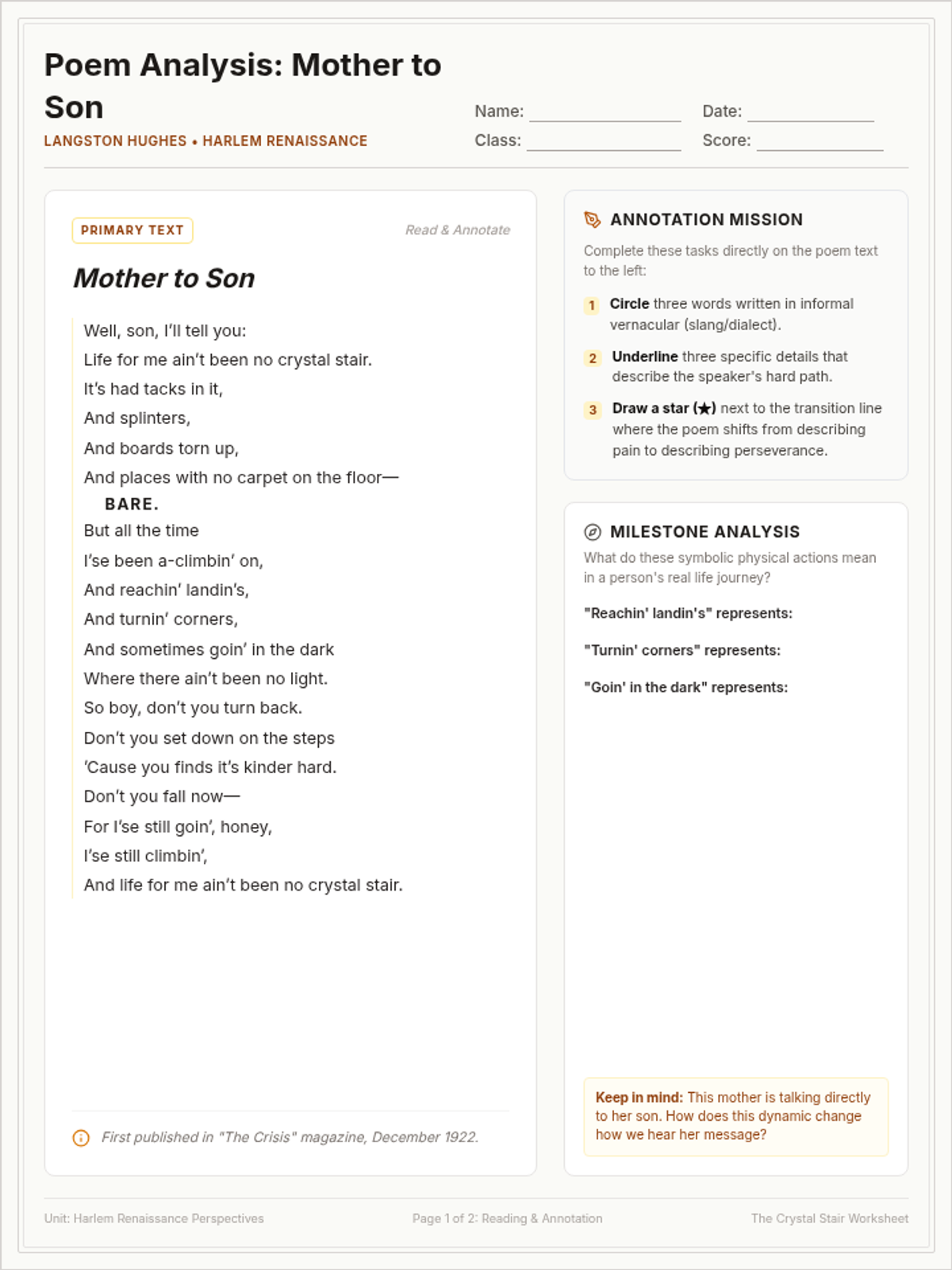
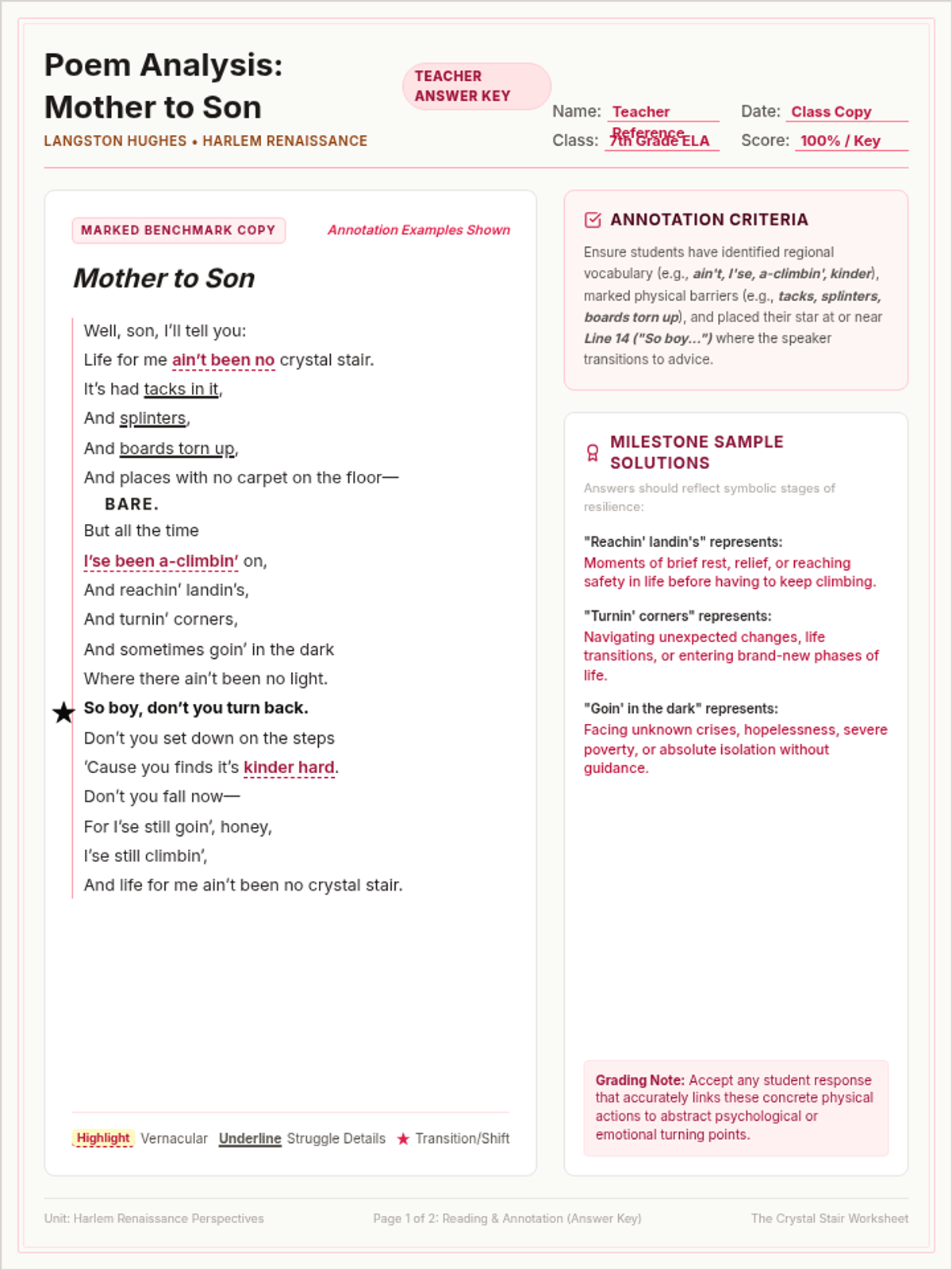
A comprehensive poetry analysis lesson exploring Langston Hughes's 'Mother to Son' with a focus on metaphor, resilience, and tone. Students will dissect the symbolic staircase and apply key themes to their understanding of historical and personal perseverance.
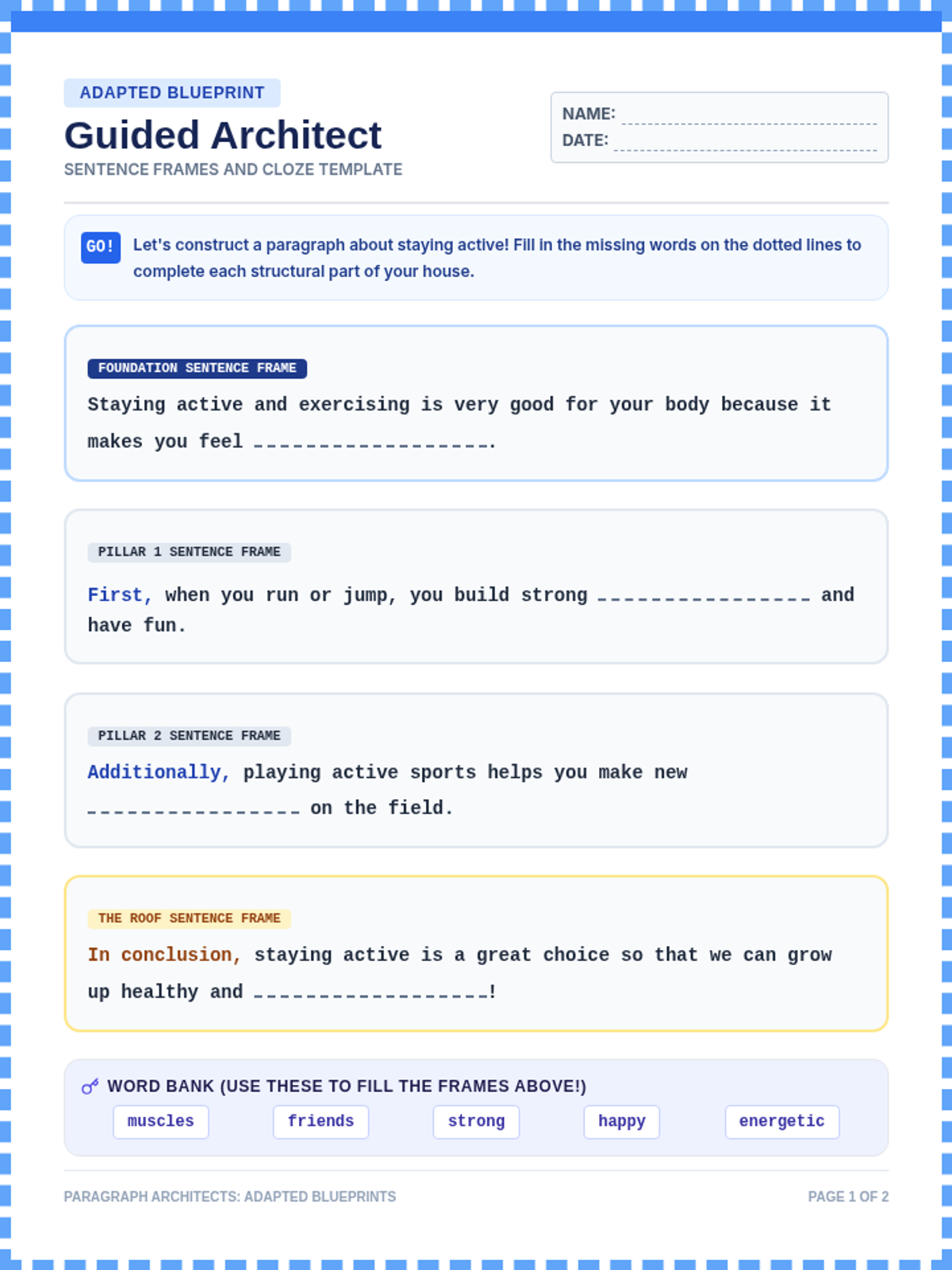
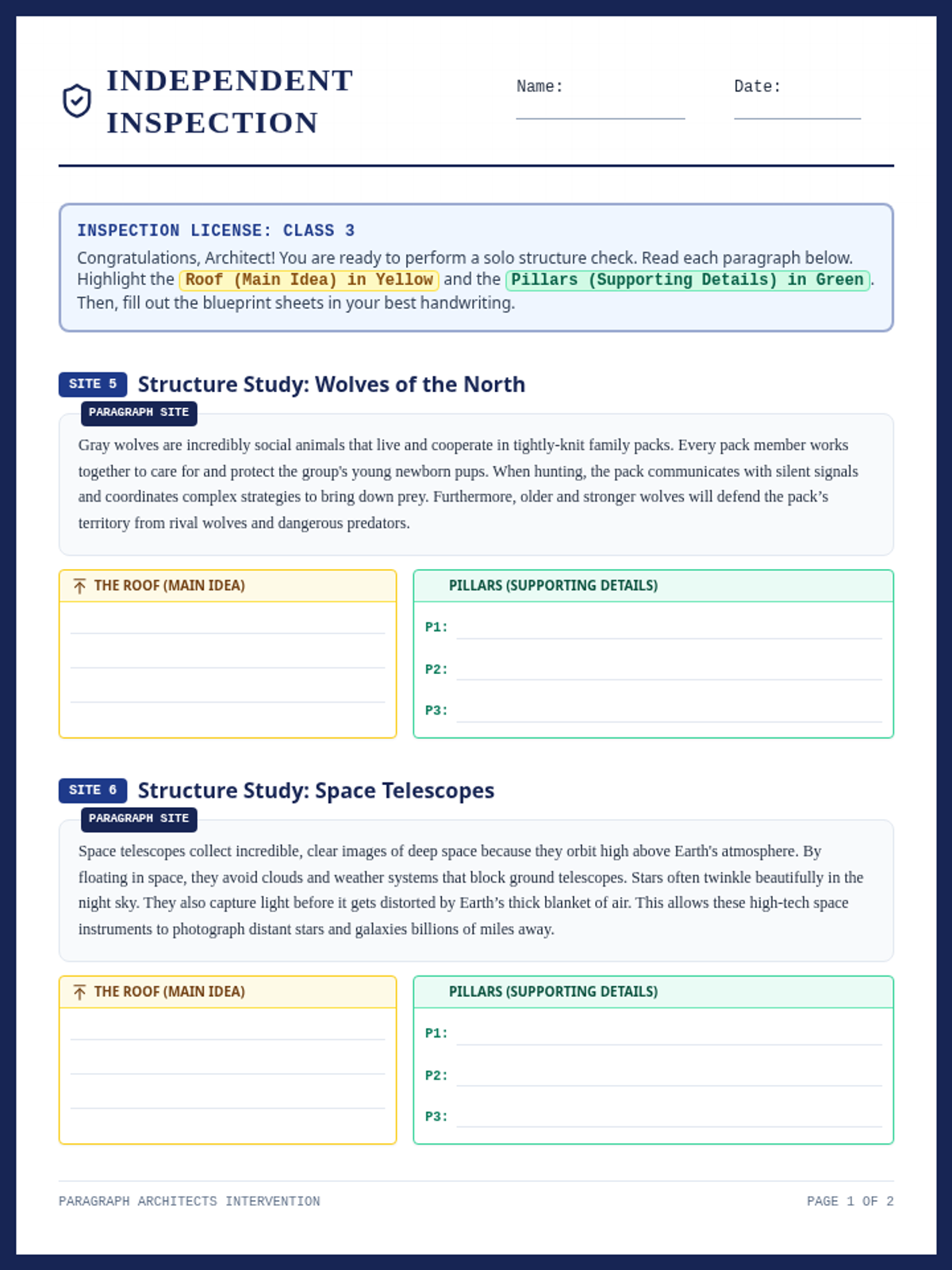
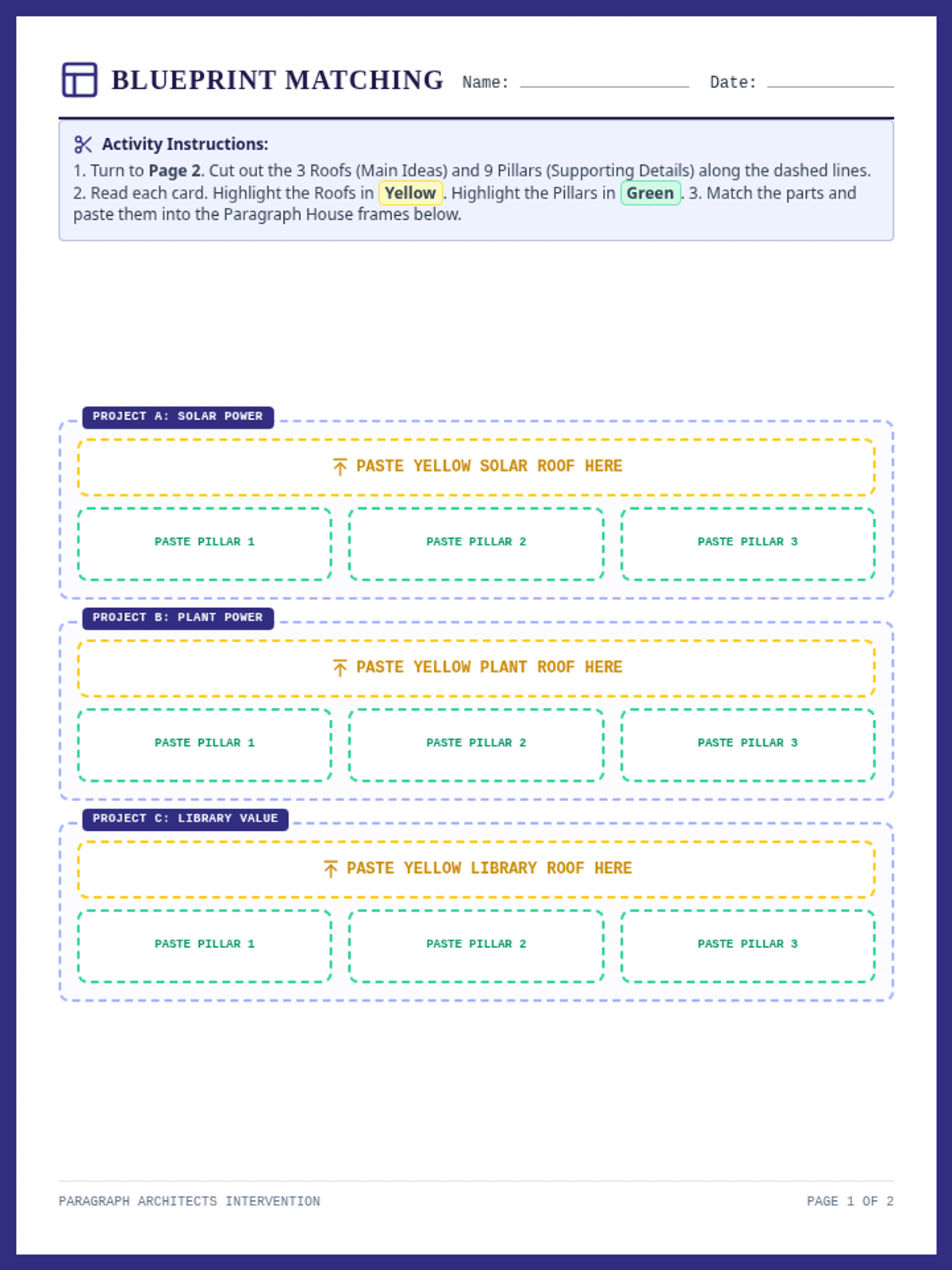
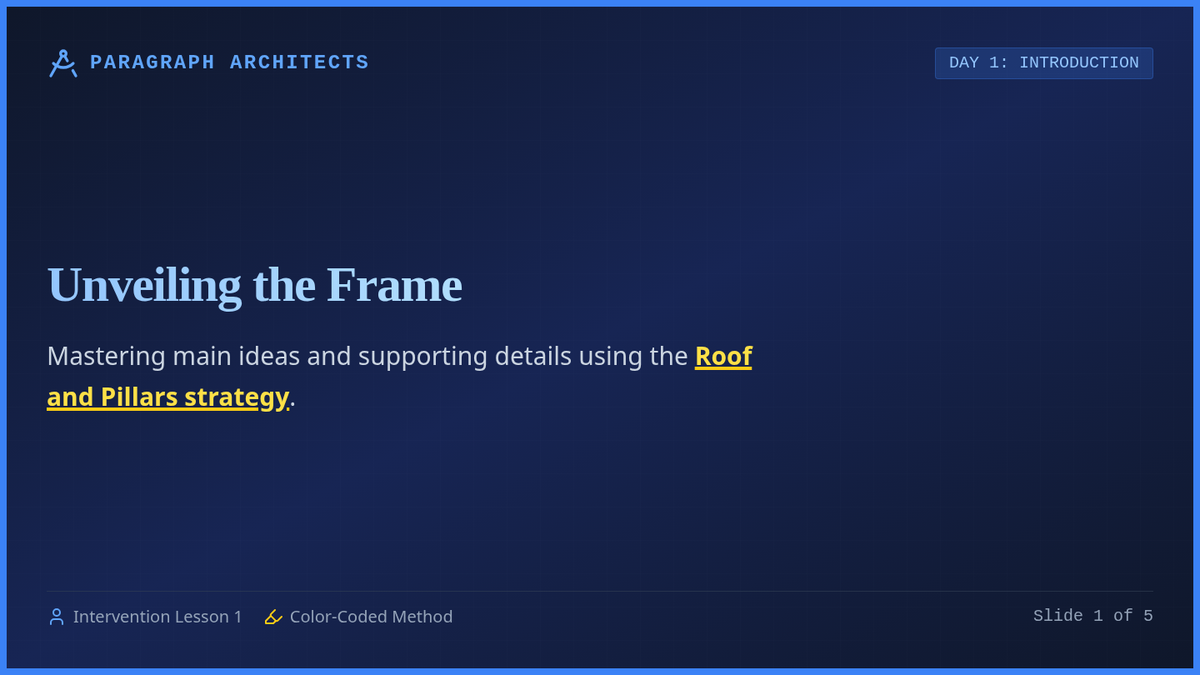
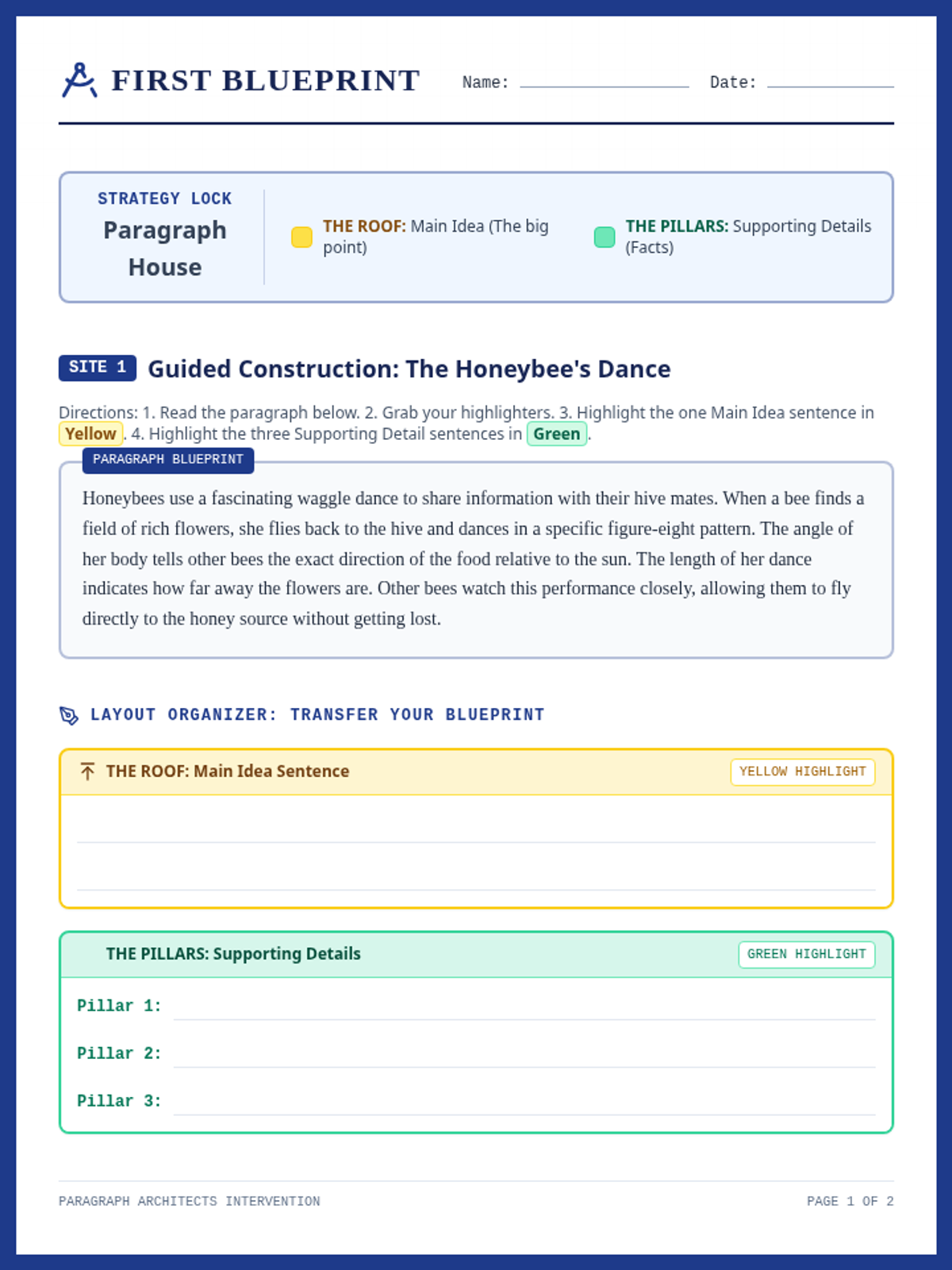
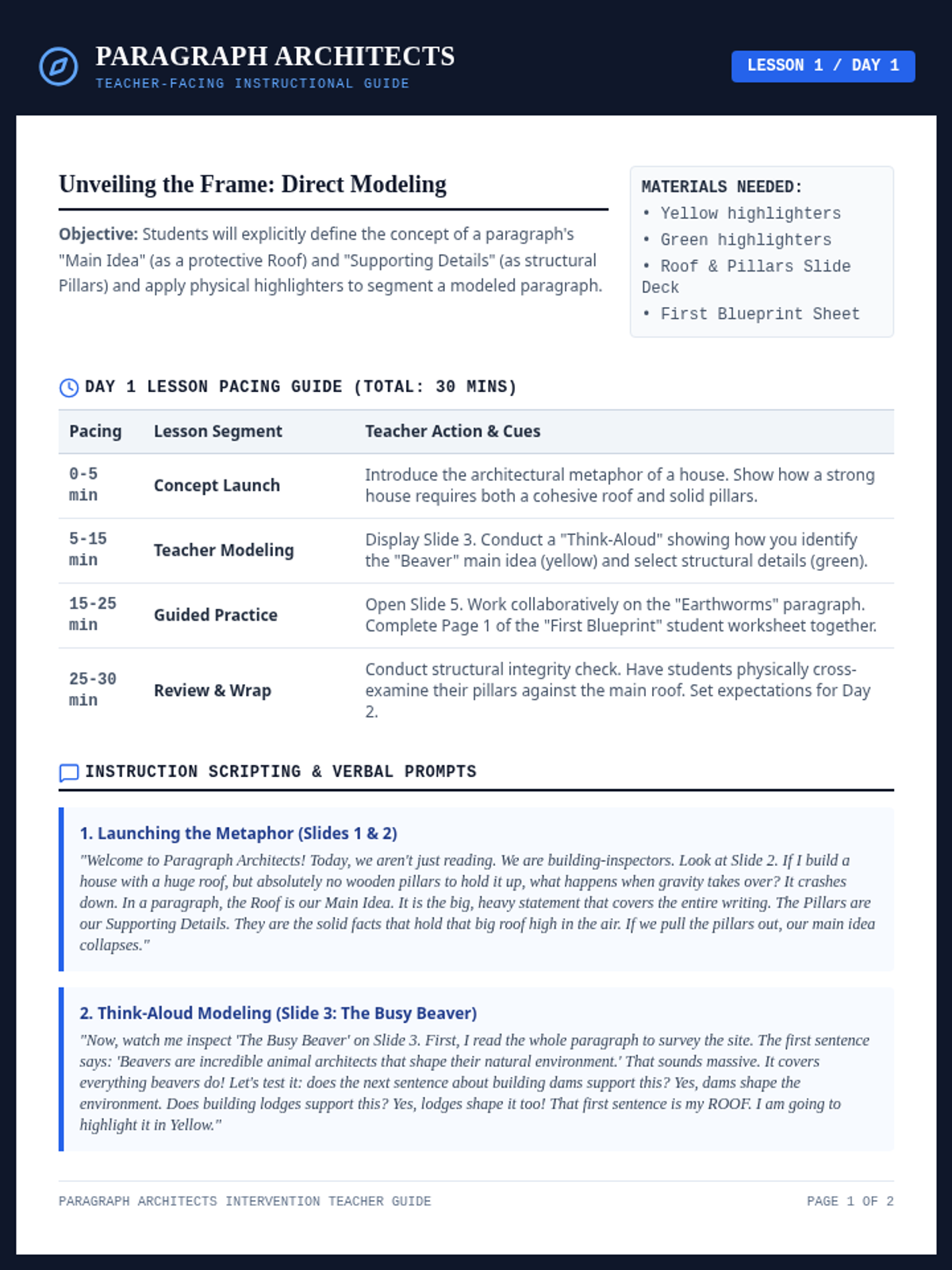
An explicit modeling lesson focusing on introducing the 'Roof' (Main Idea) and 'Pillars' (Supporting Details) concept. Students learn paragraph structure and watch live highlighting demonstrations.
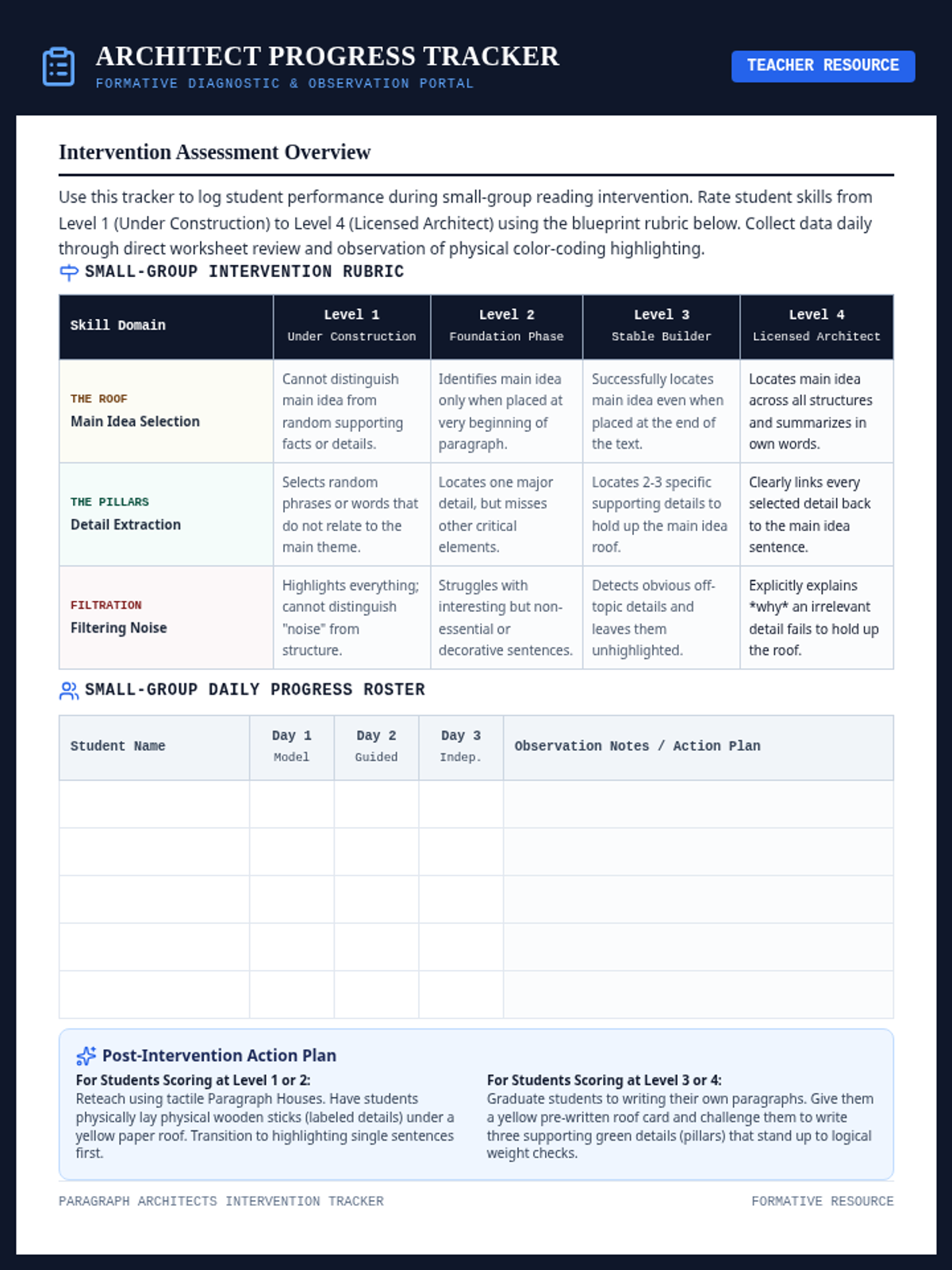
Day 3 focuses on independent execution and performance monitoring. Students independently read, highlight, and analyze paragraph structures to demonstrate mastery, followed by a collaborative review.
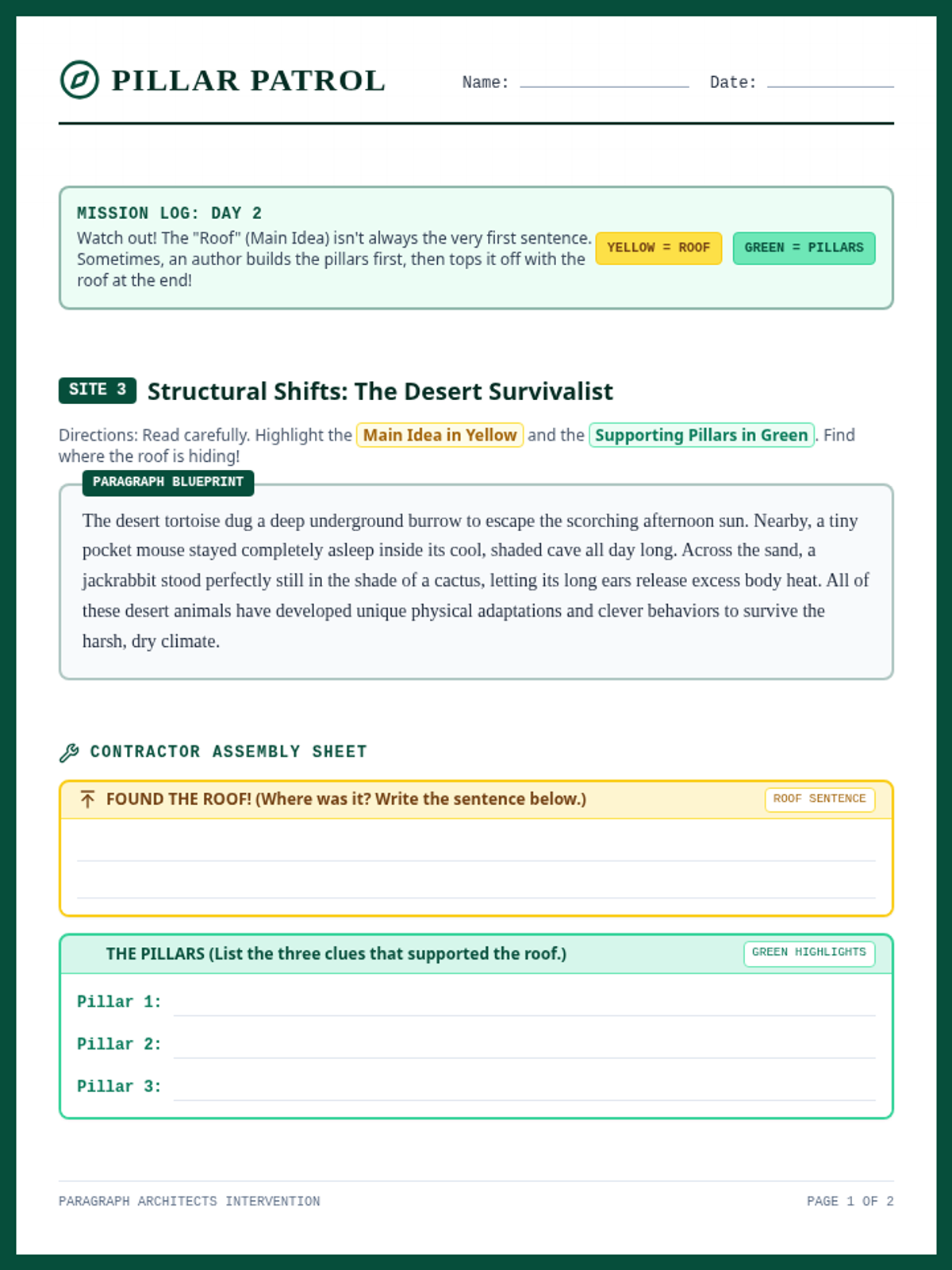
Day 2 transitions to guided practice with fading scaffolds. Students collaborate to highlight and unpack paragraphs, learning to distinguish between critical supporting details and interesting but non-essential information.
Day 1 of the intervention focuses on explicit teacher modeling of the 'Roof' (Main Idea) and 'Pillars' (Supporting Details) concept. Students learn how a paragraph is built, watch a live highlighting demonstration, and participate in highly guided practice using physical highlighters.
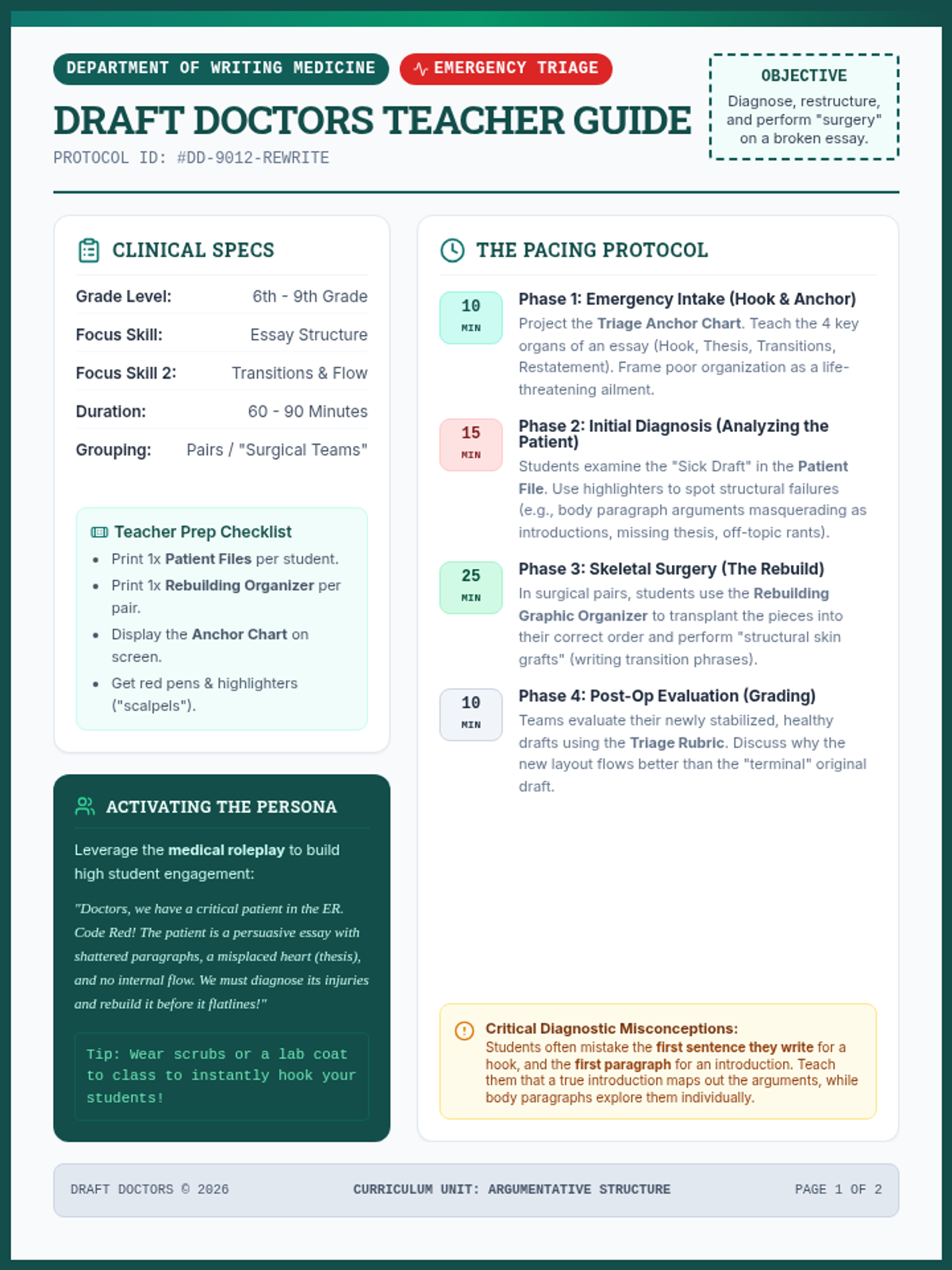
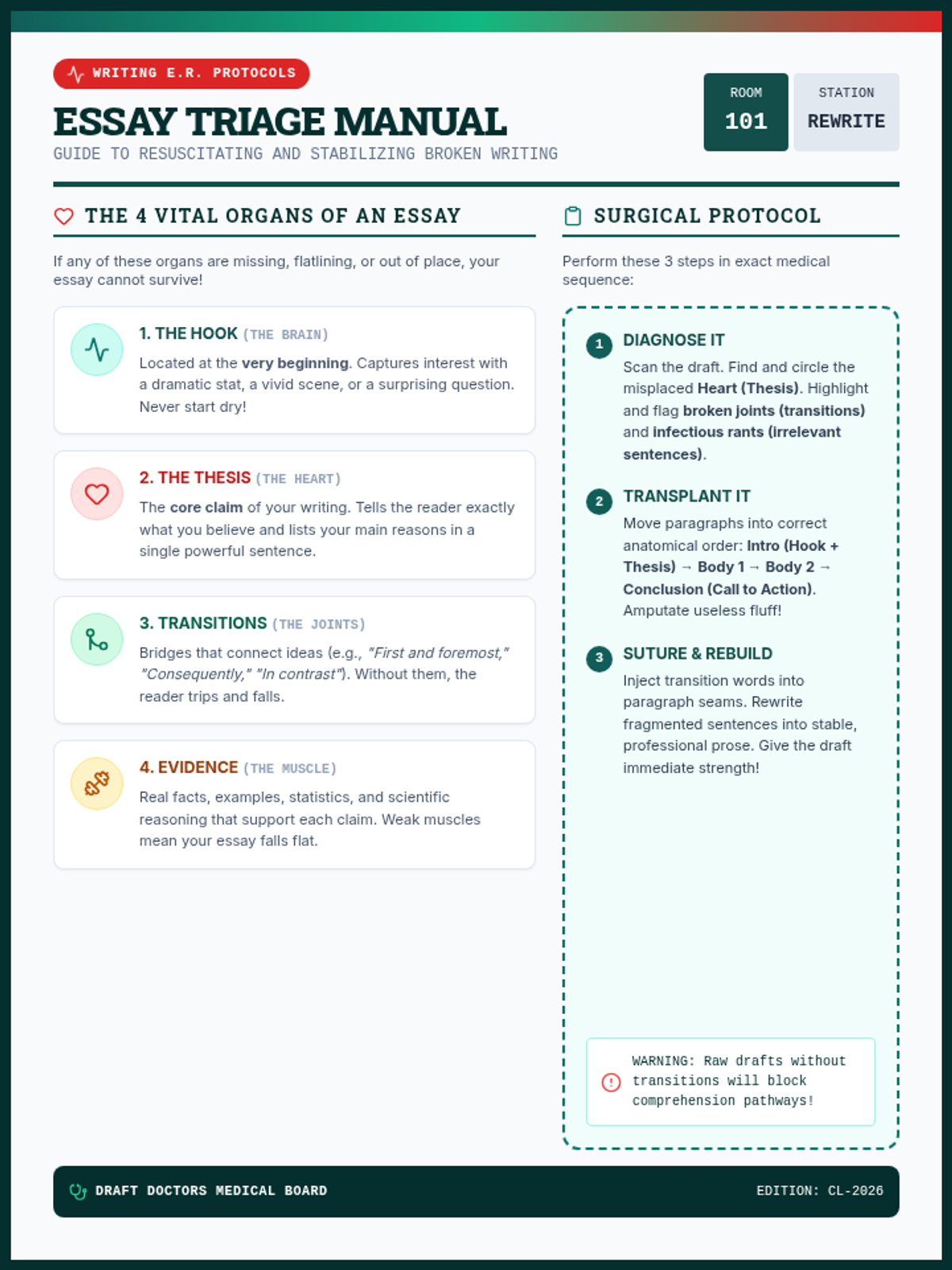
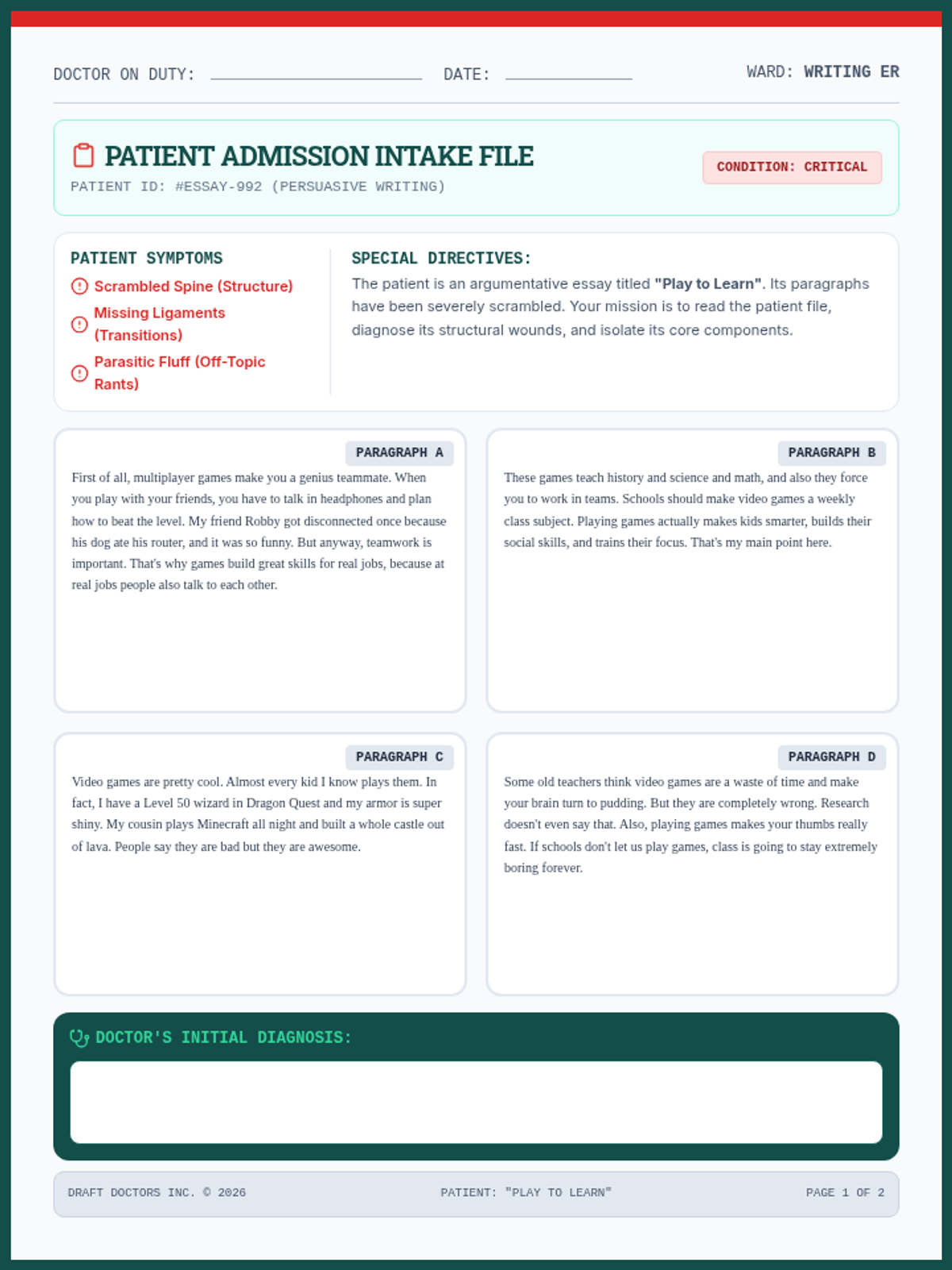
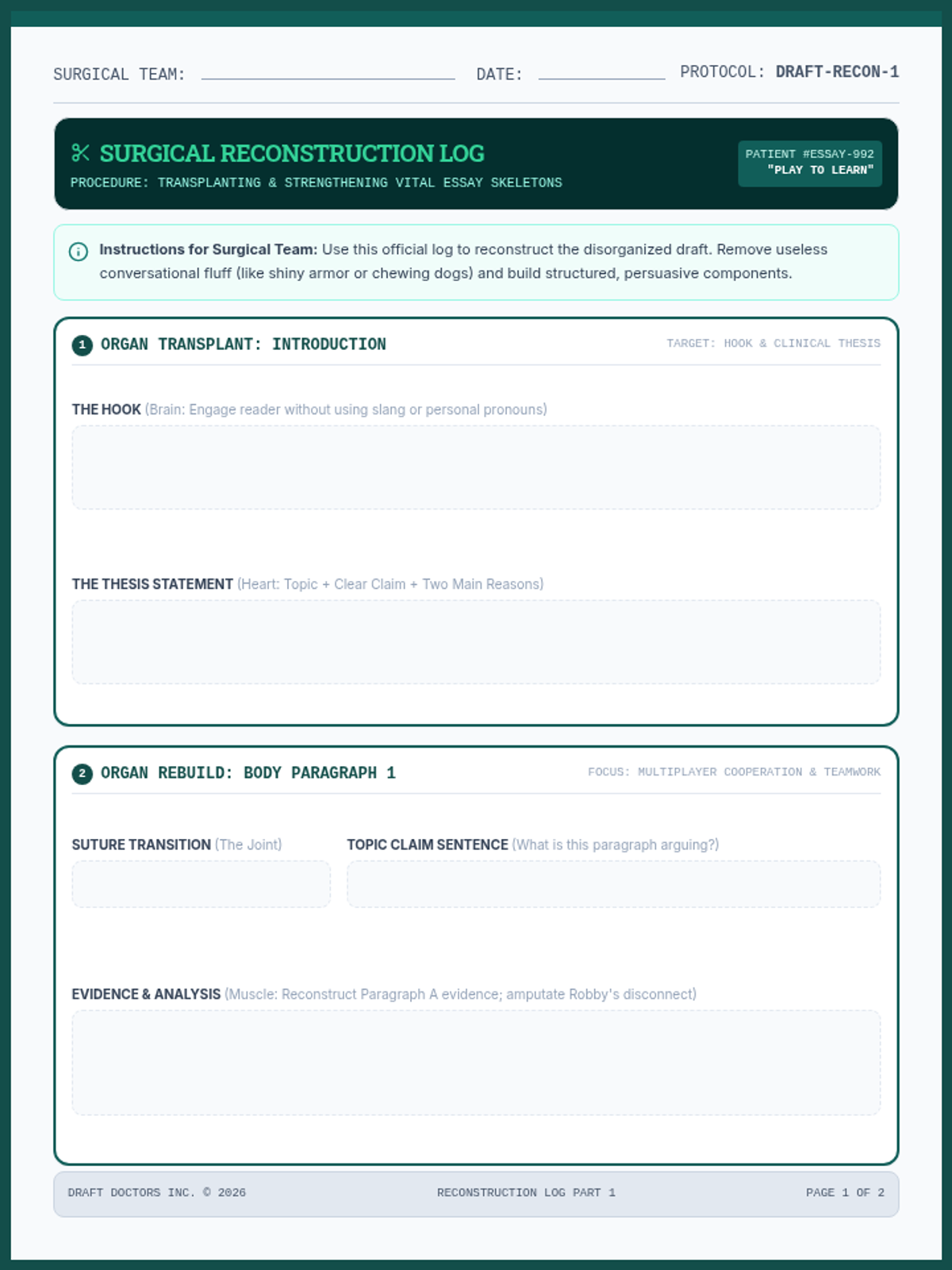
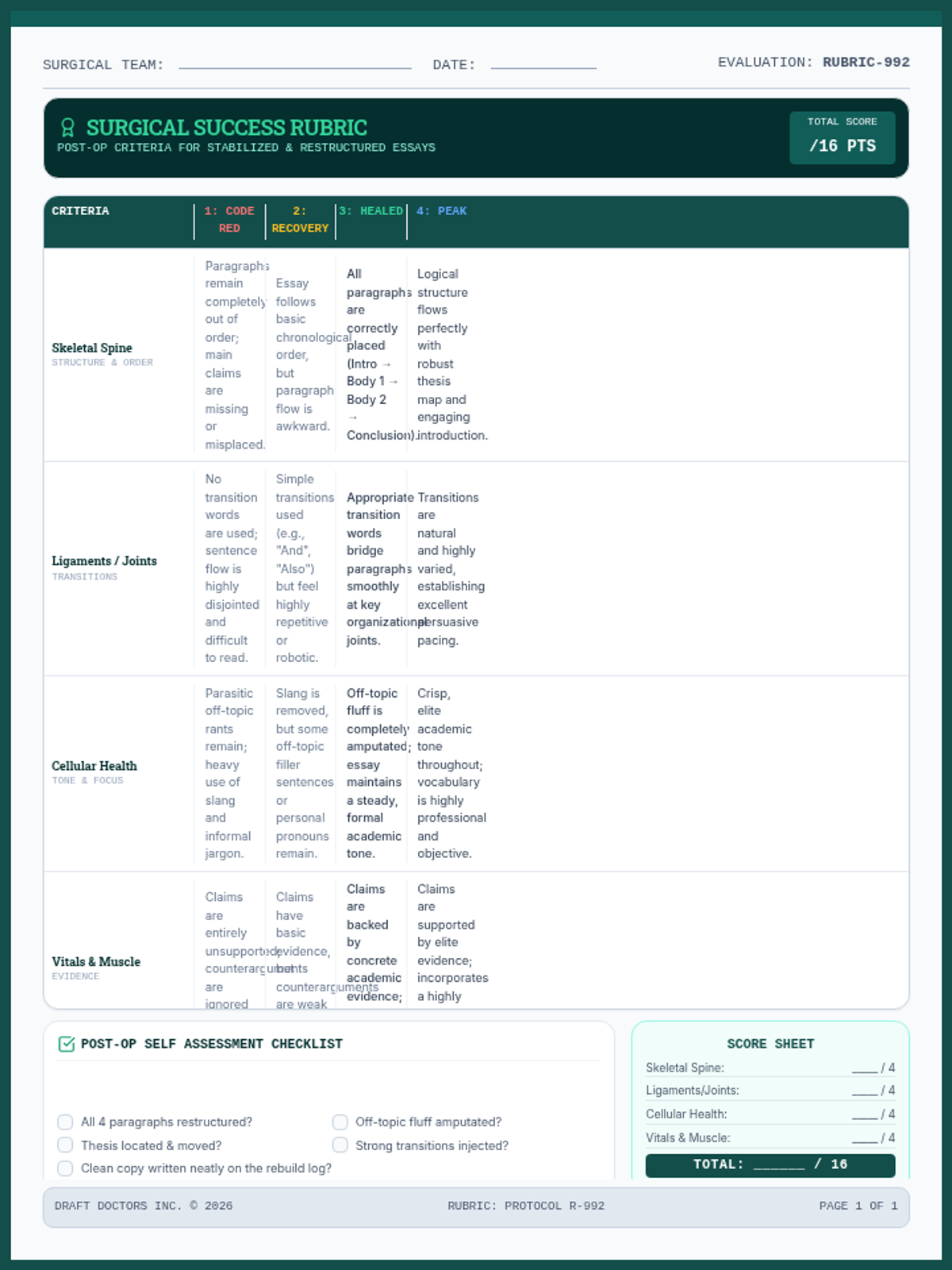
An immersive, medical-themed lesson where students act as 'Draft Doctors' to diagnose, triage, and perform surgery on a poorly organized, weak persuasive essay. Students learn paragraph structure, logical flow, and transition-building through a structured, clinical approach.
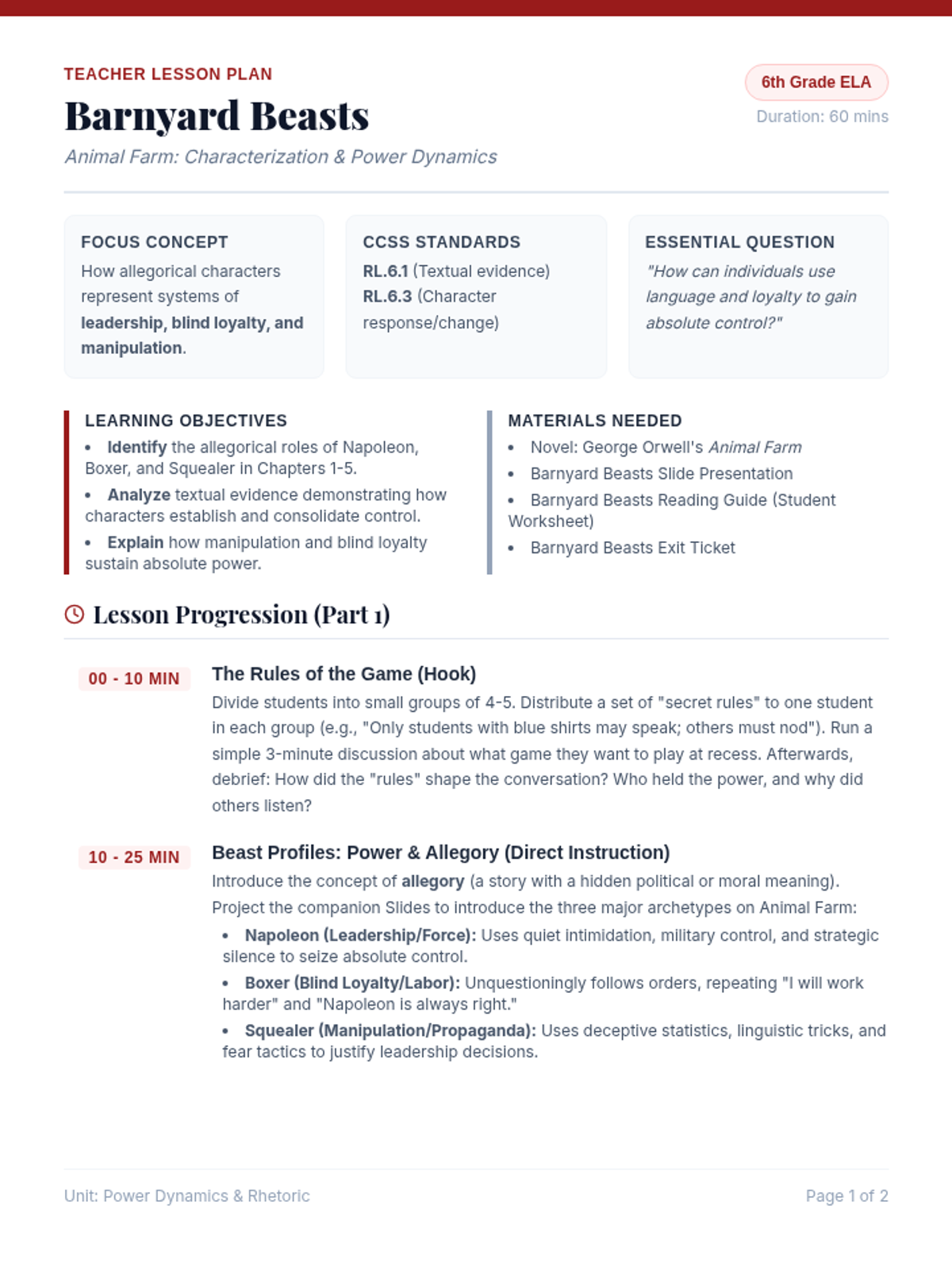
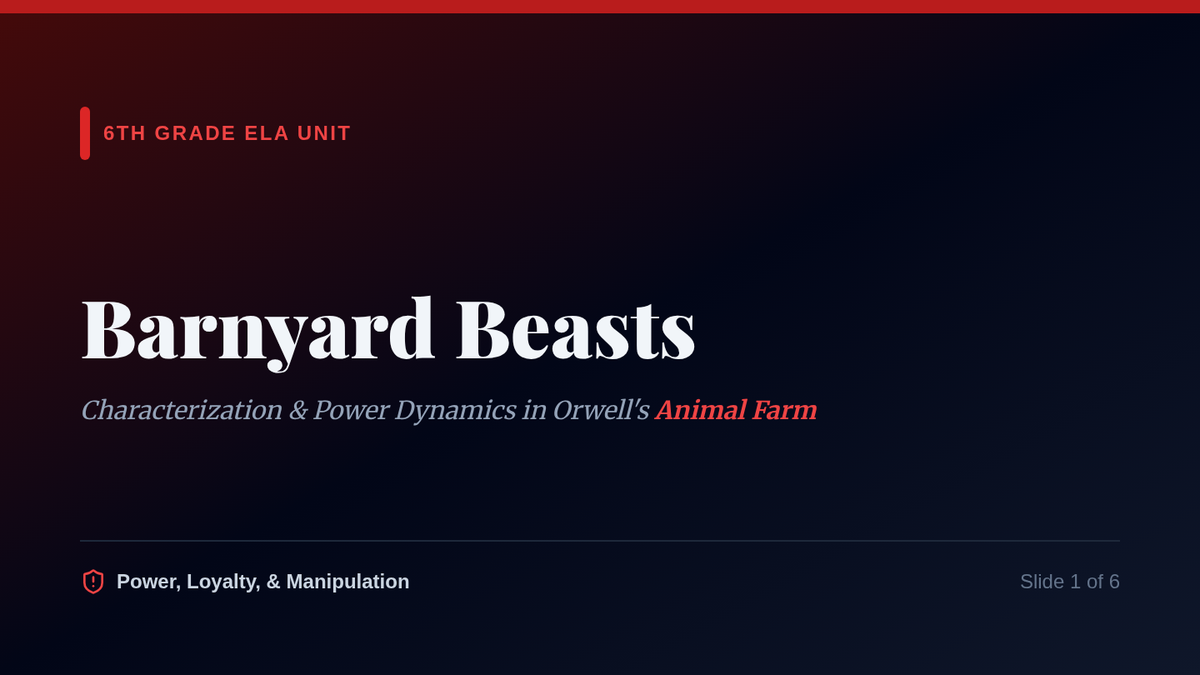
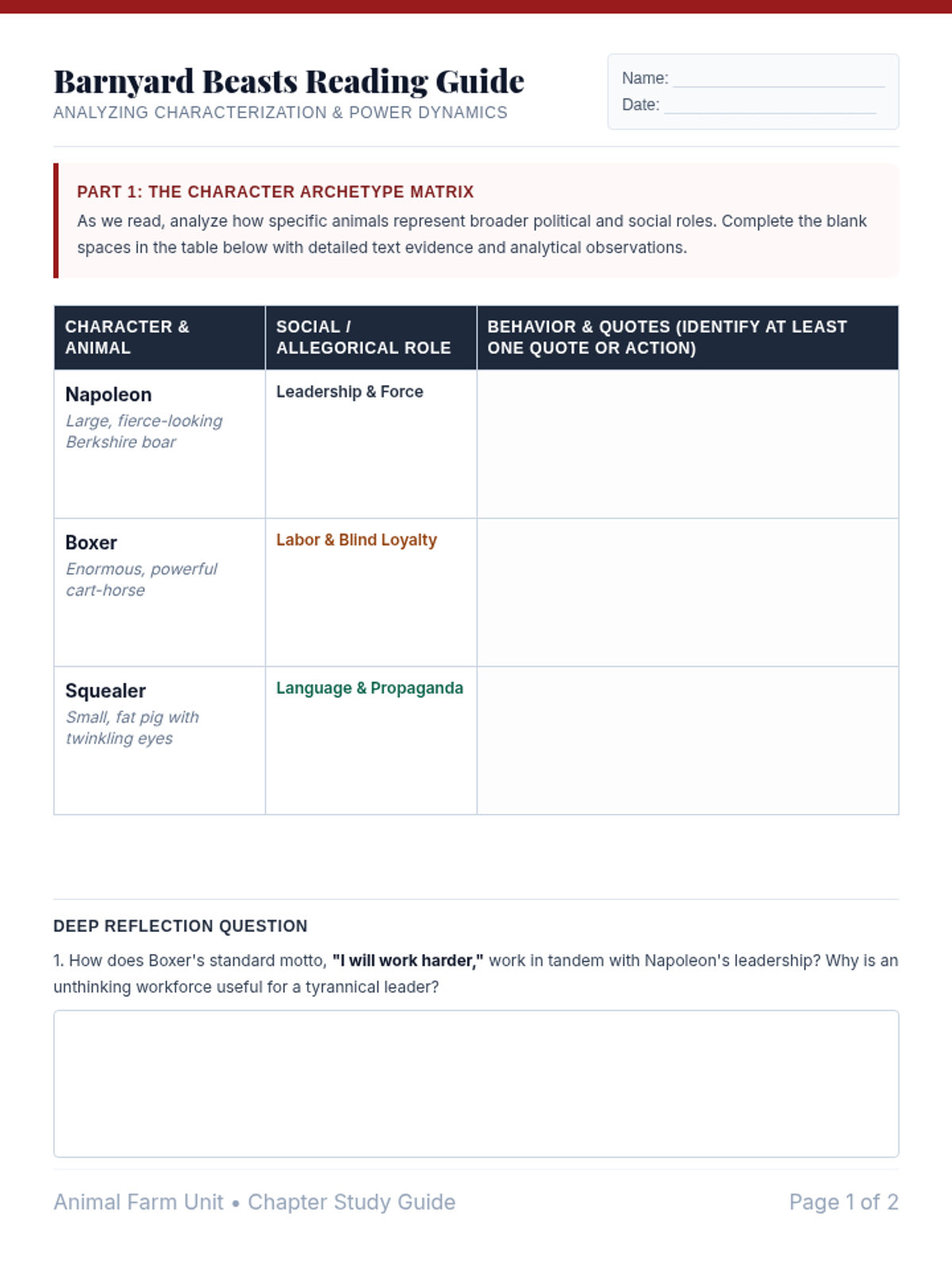
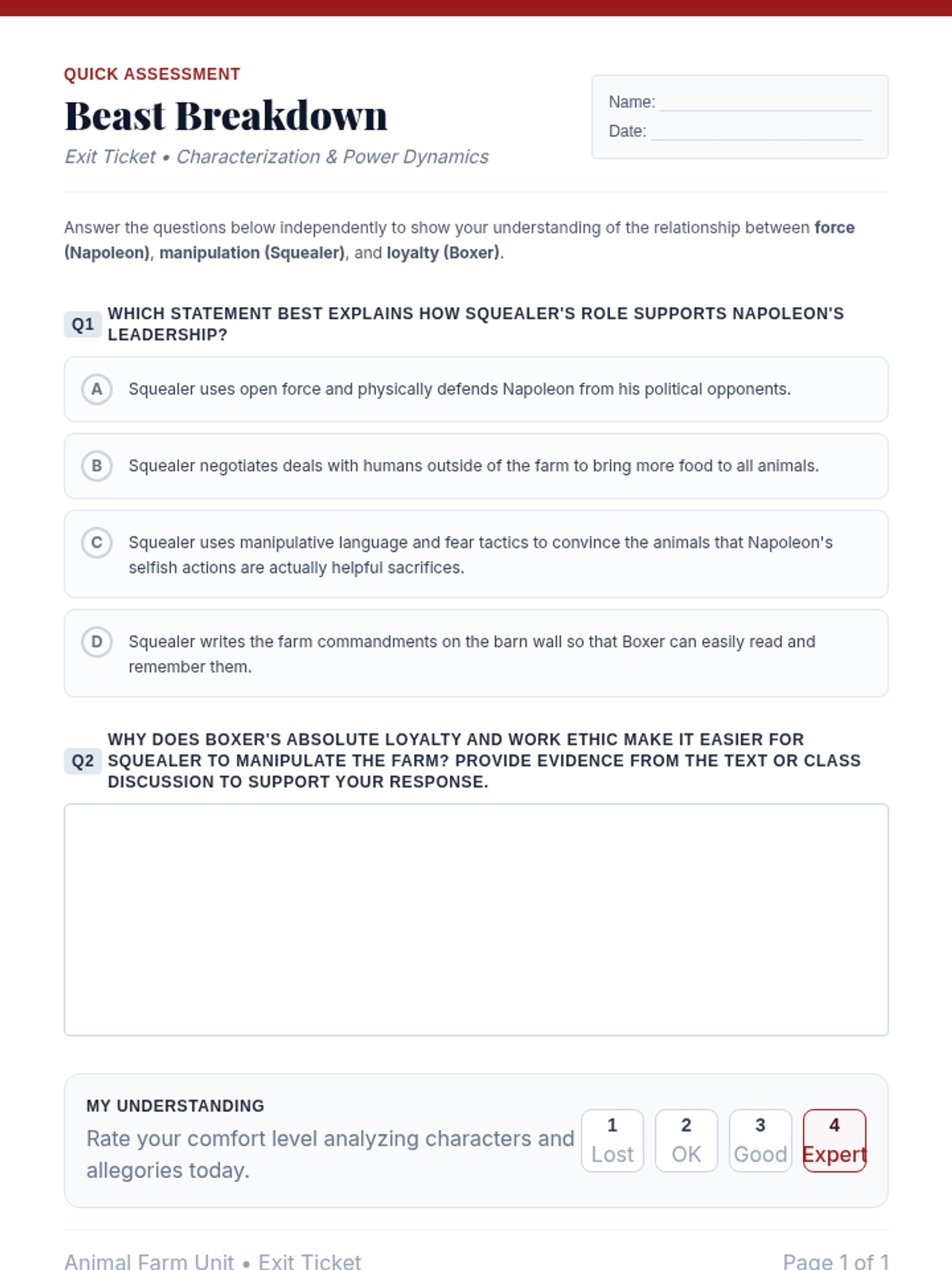
A comprehensive 6th-grade ELA lesson analyzing characterization and power dynamics in George Orwell's Animal Farm. Students investigate how specific characters represent leadership, blind loyalty, and manipulation, and how these roles shape the power structure of the farm.
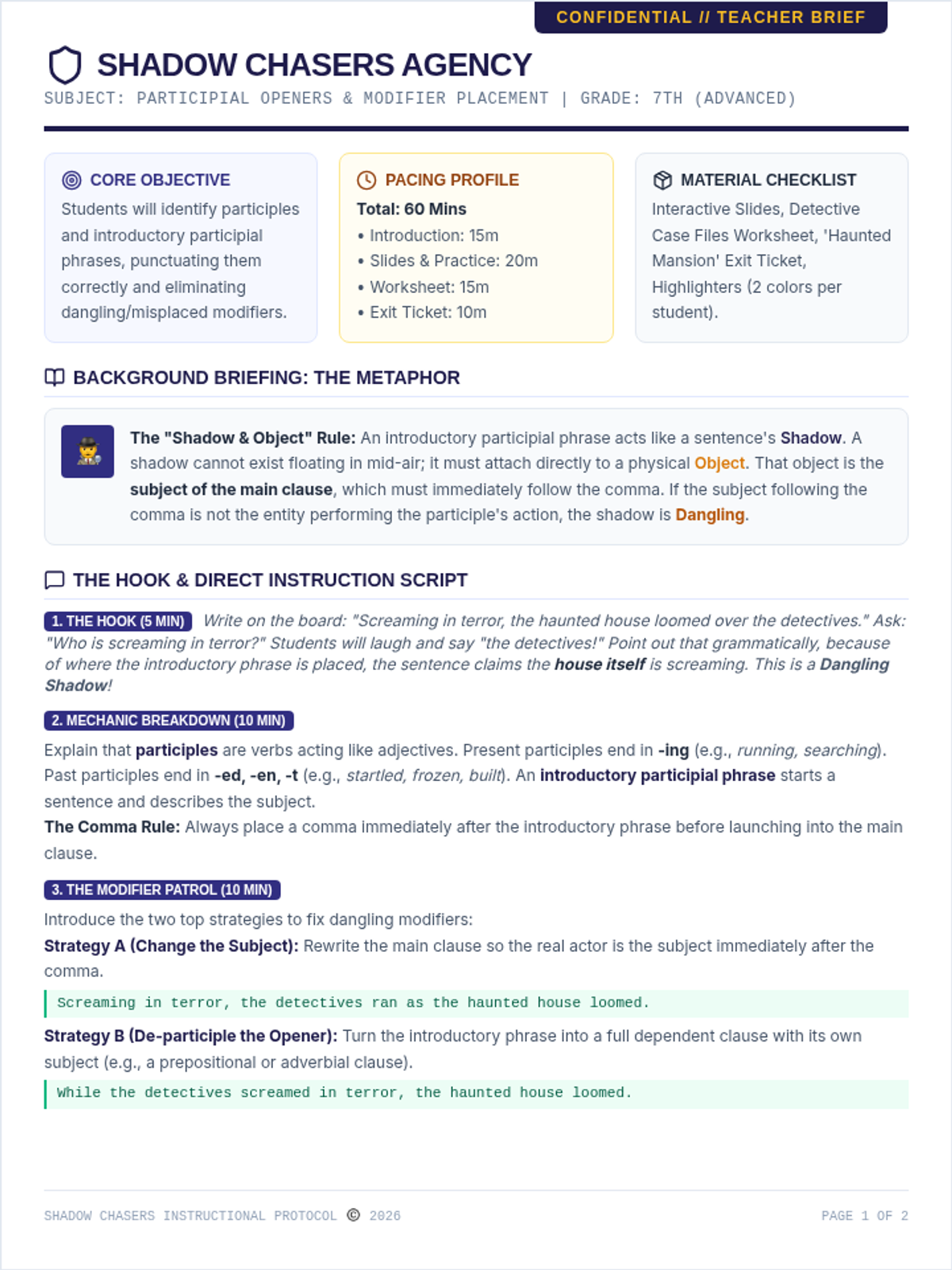
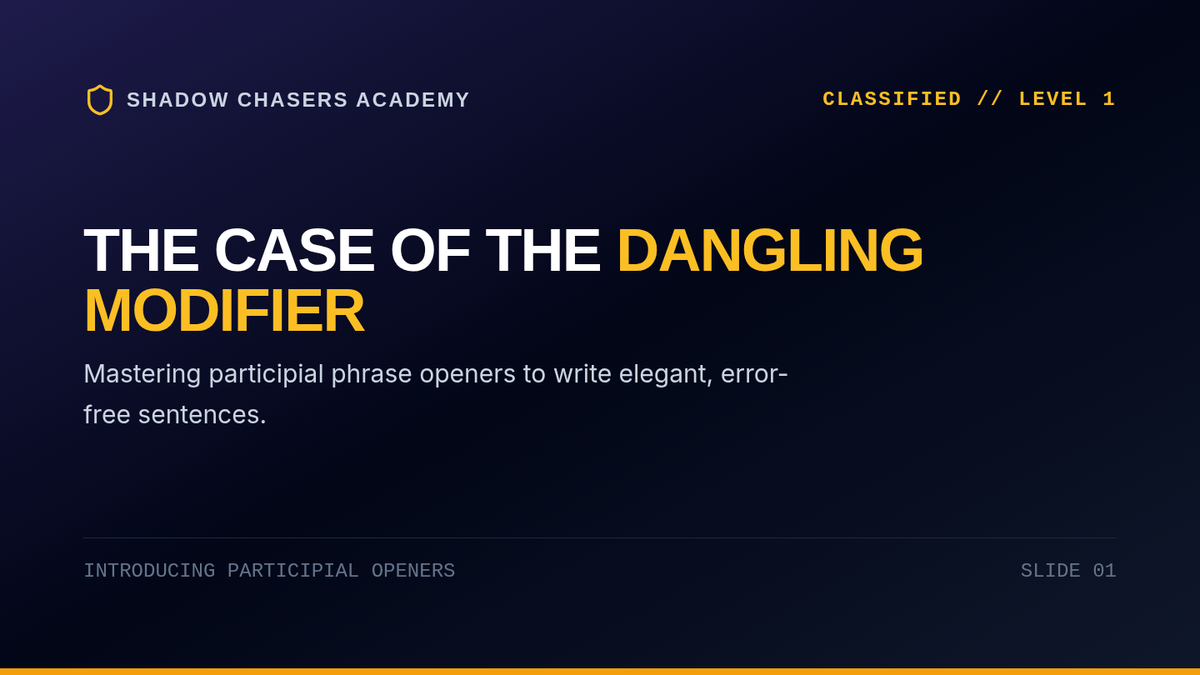
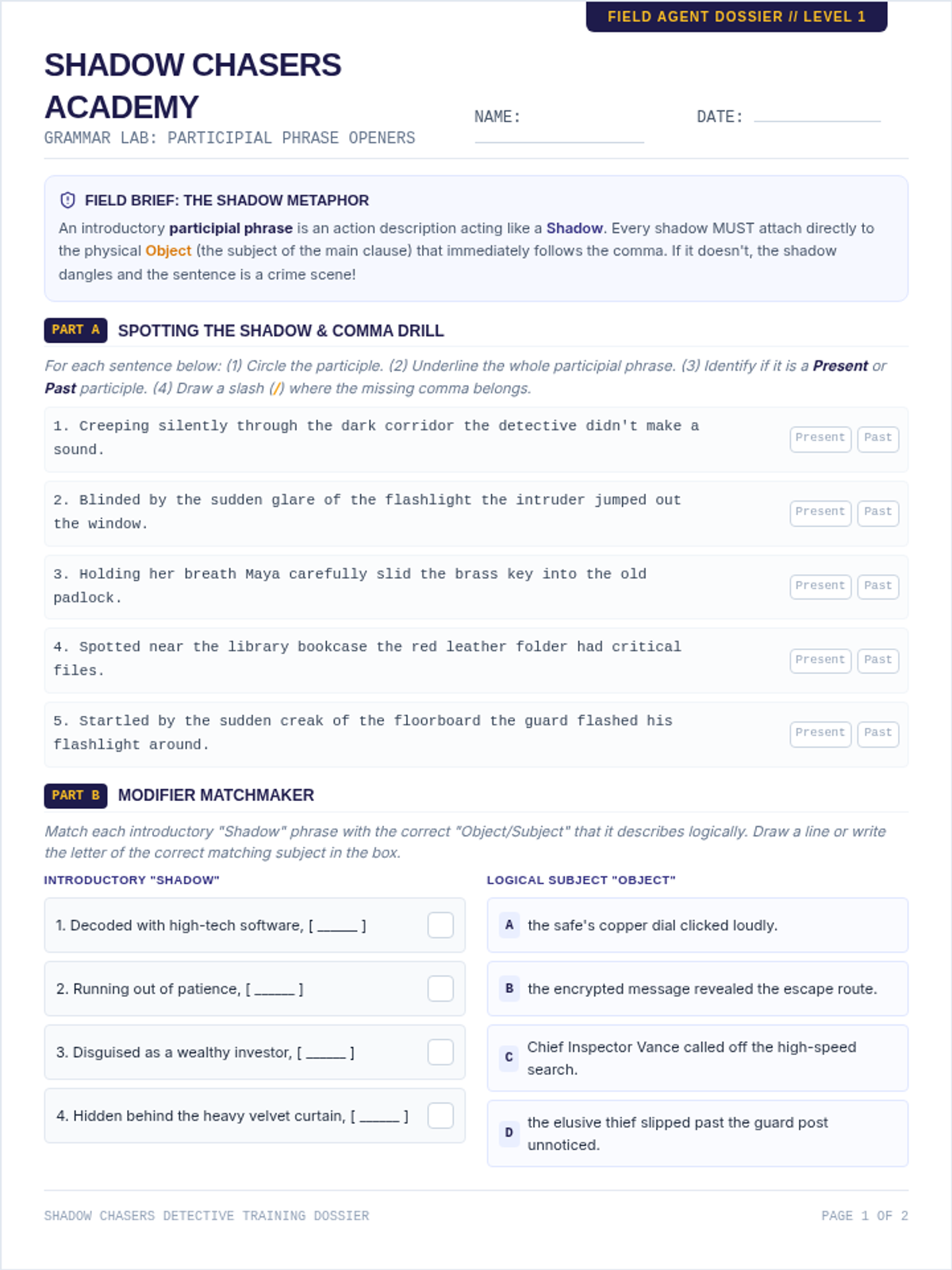
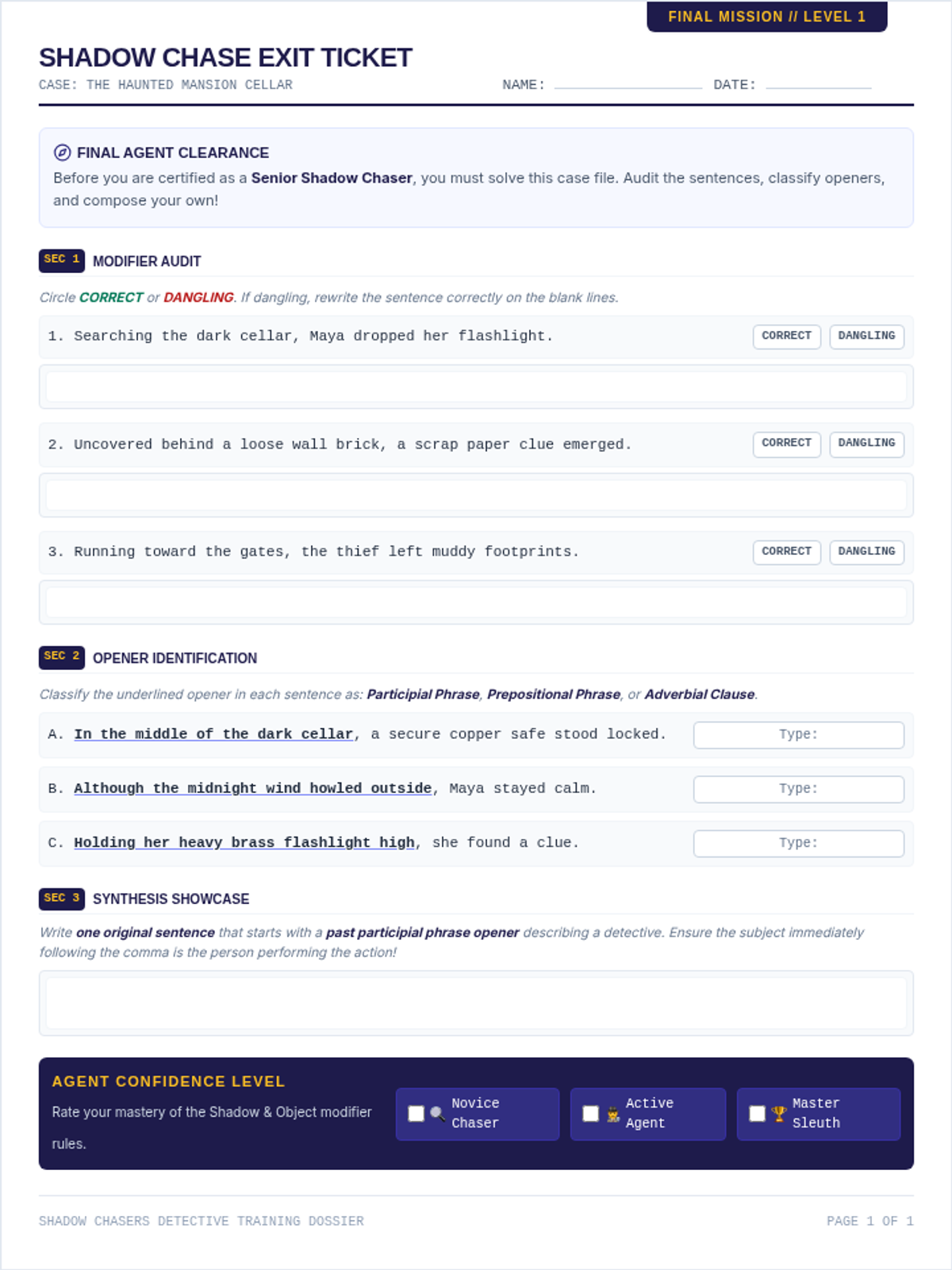
A comprehensive grammar lesson for advanced 7th graders that uses a 'Shadow Chasers' detective theme to master participial phrase openers and eliminate dangling modifiers. Students learn to match introductory participle modifiers (shadows) with their correct subjects (objects).
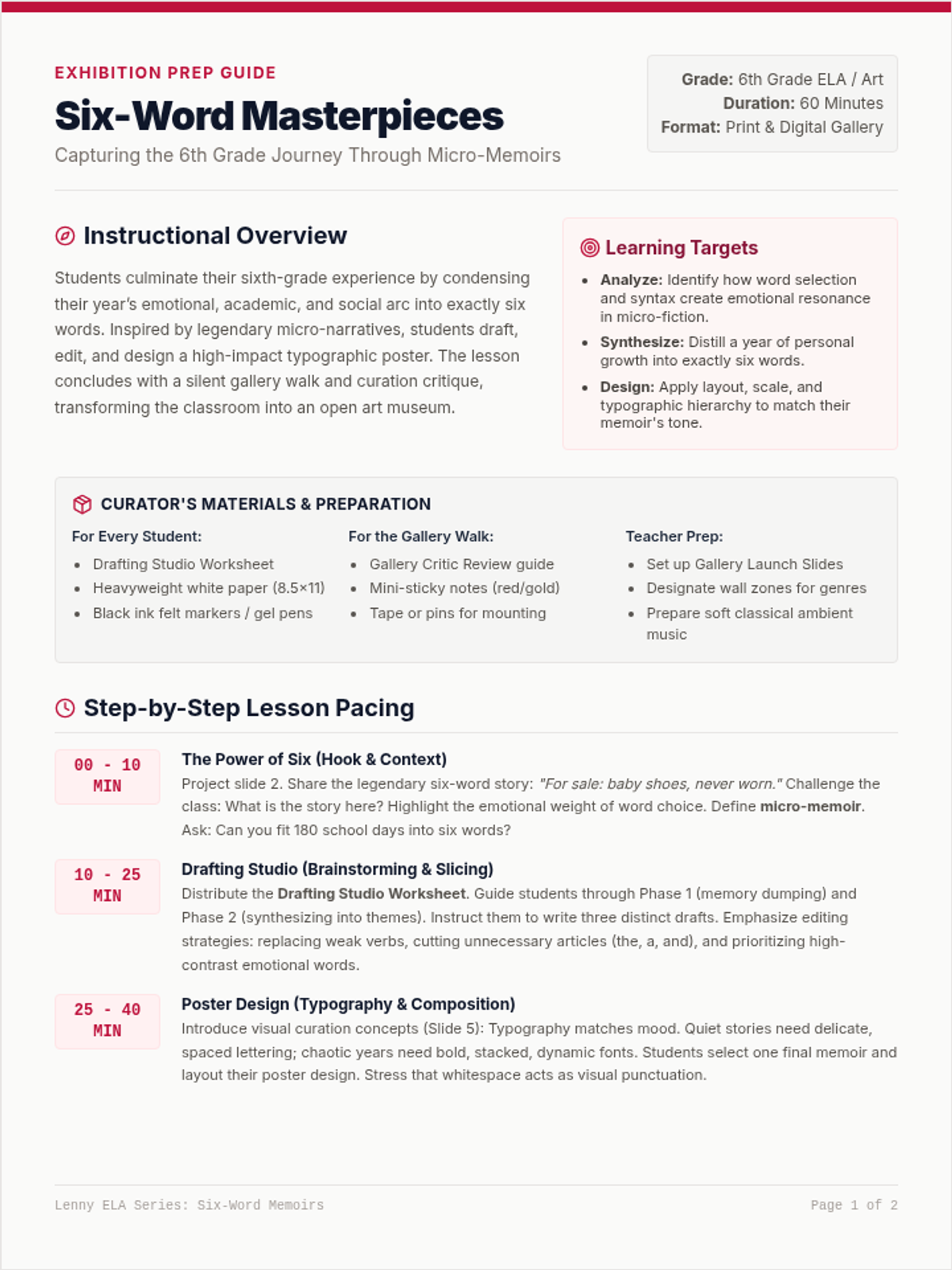
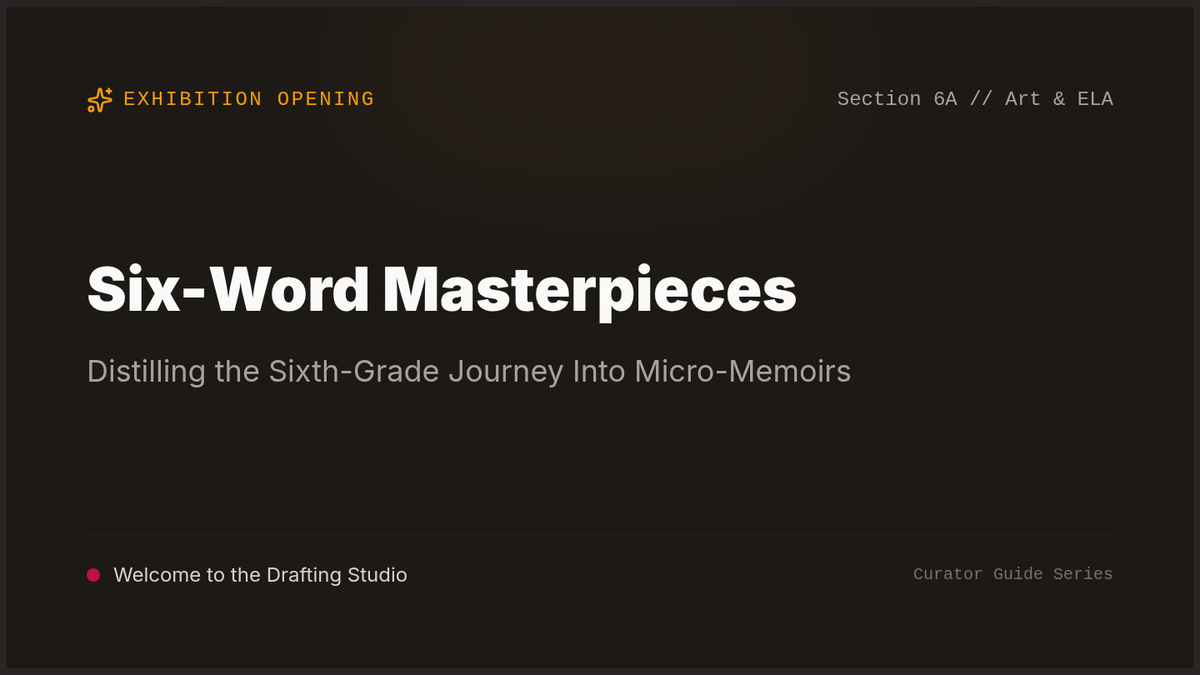
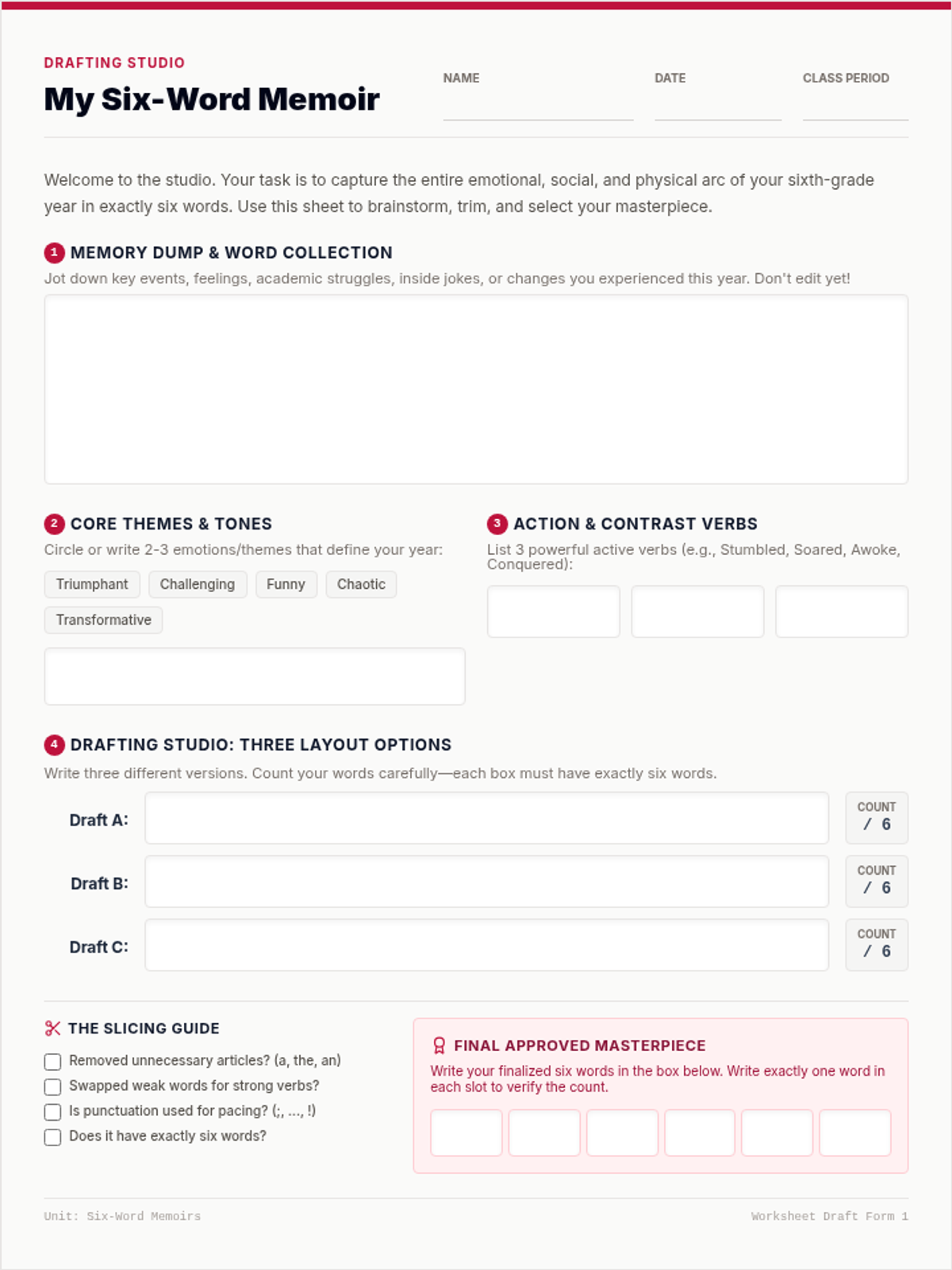
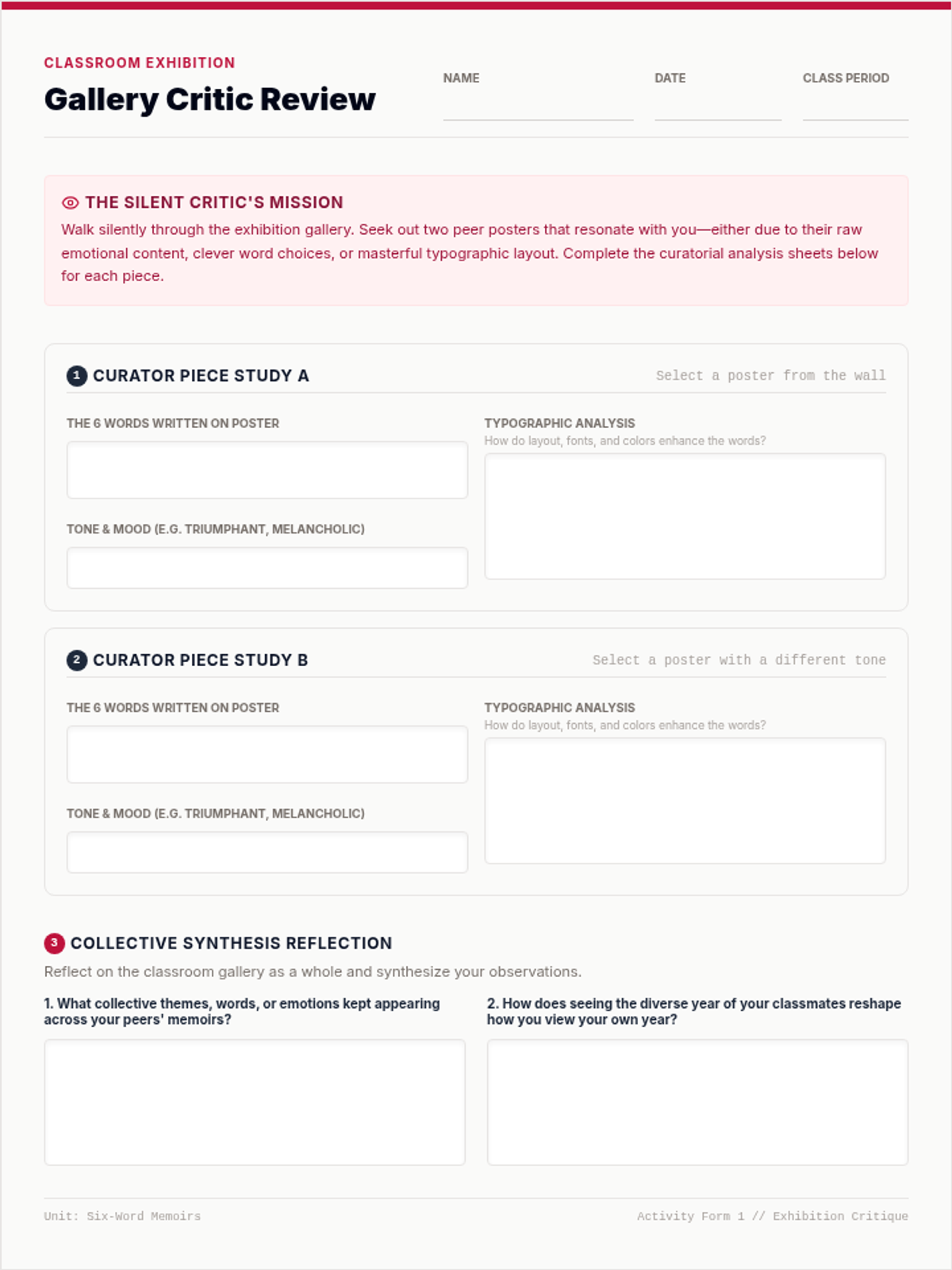
Students distill their entire sixth-grade experience into exactly six words, designing a gallery-worthy memoir poster and participating in a reflective classroom exhibition.
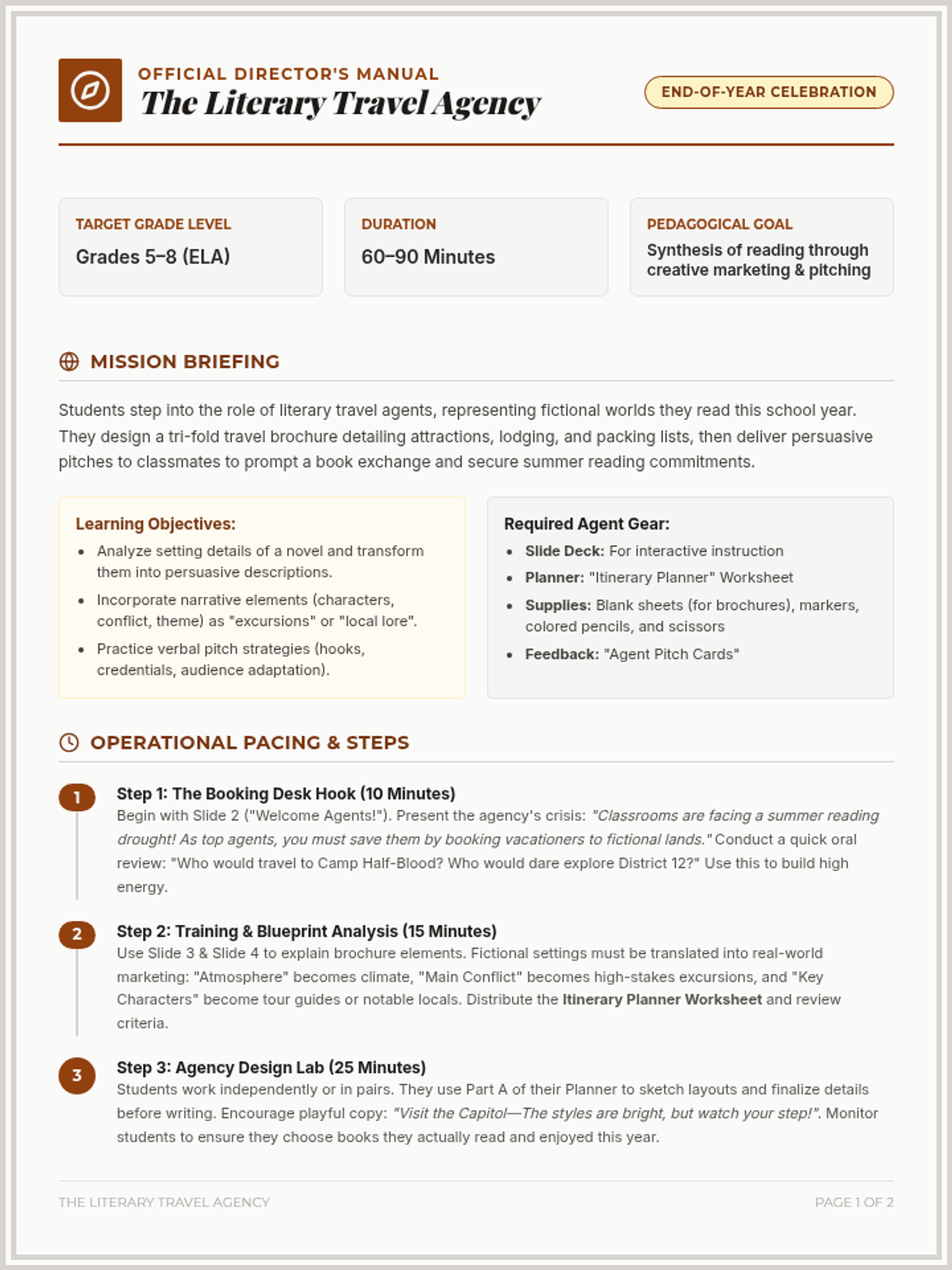
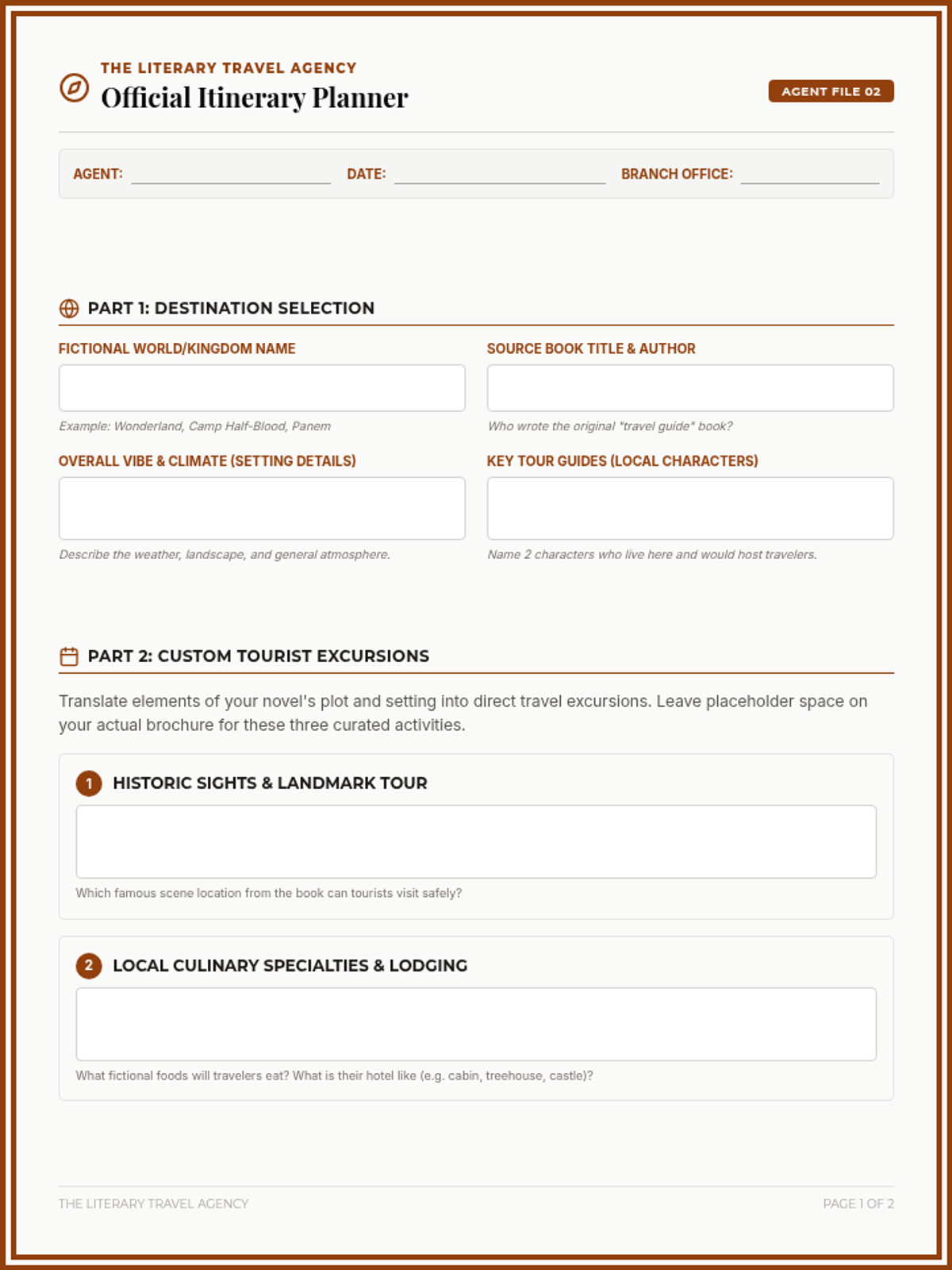
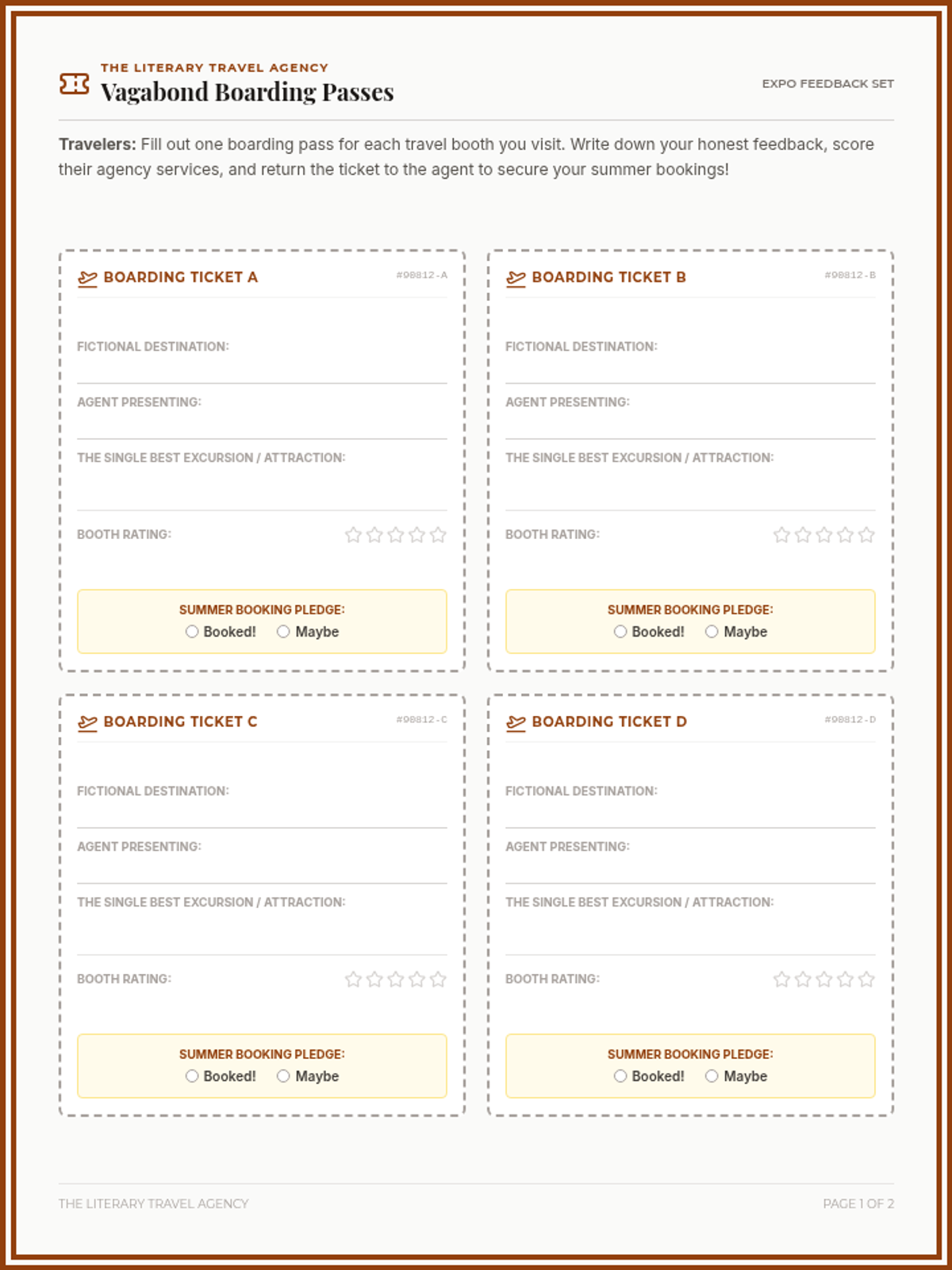
A celebratory end-of-year English Language Arts lesson where students step into the role of literary travel agents, designing promotional brochures and pitching fictional book worlds to classmates to boost summer reading.
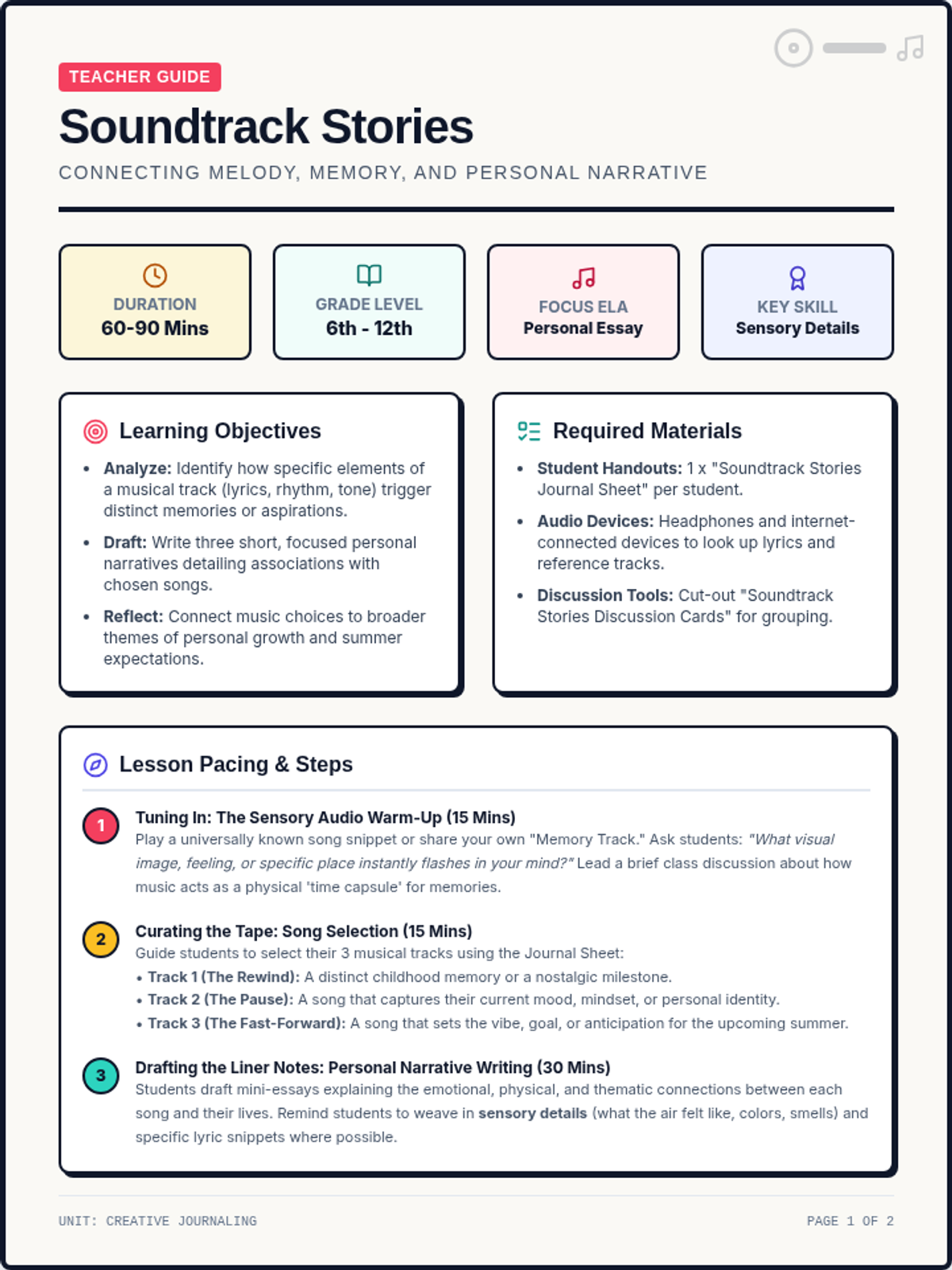
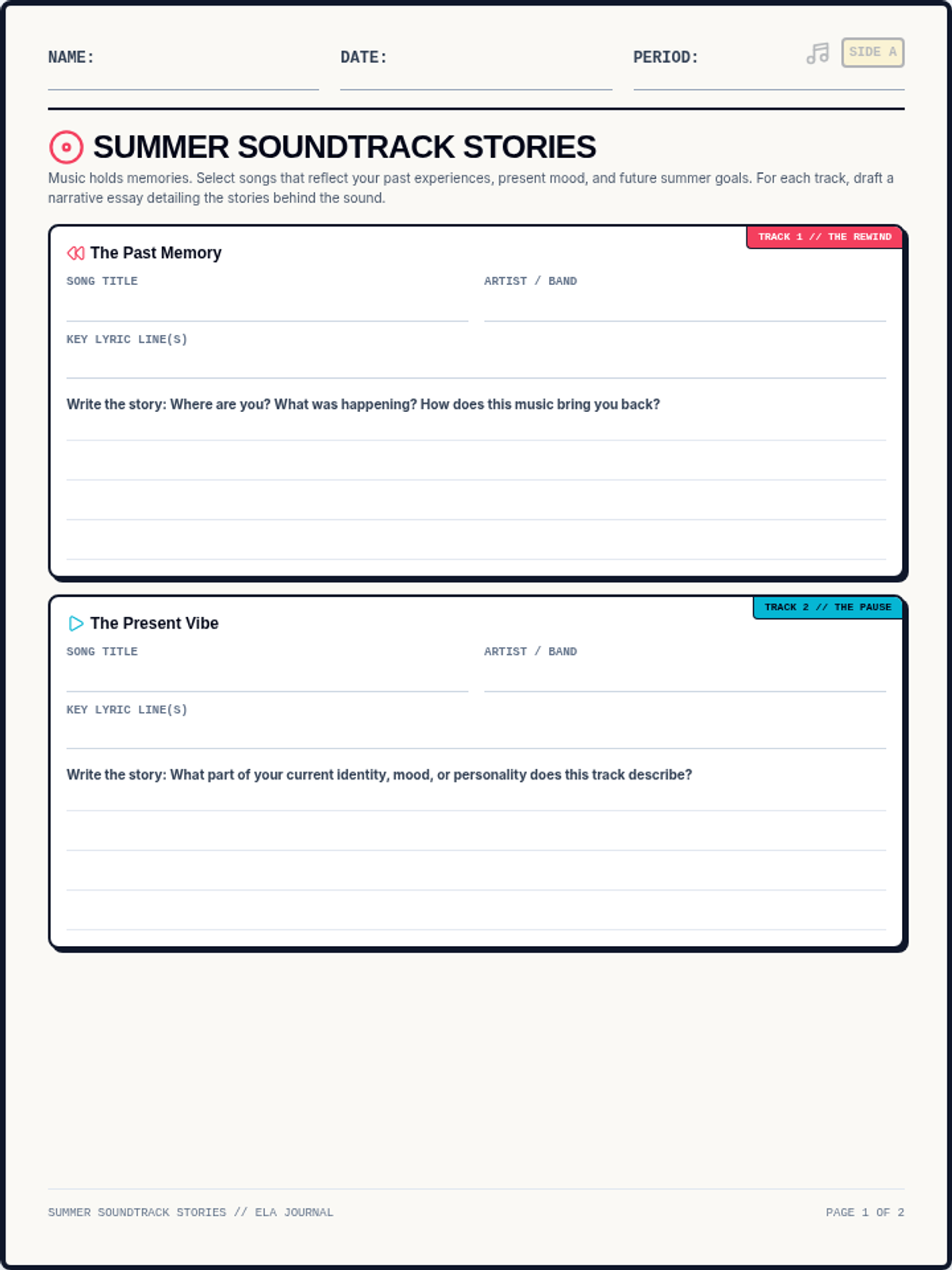
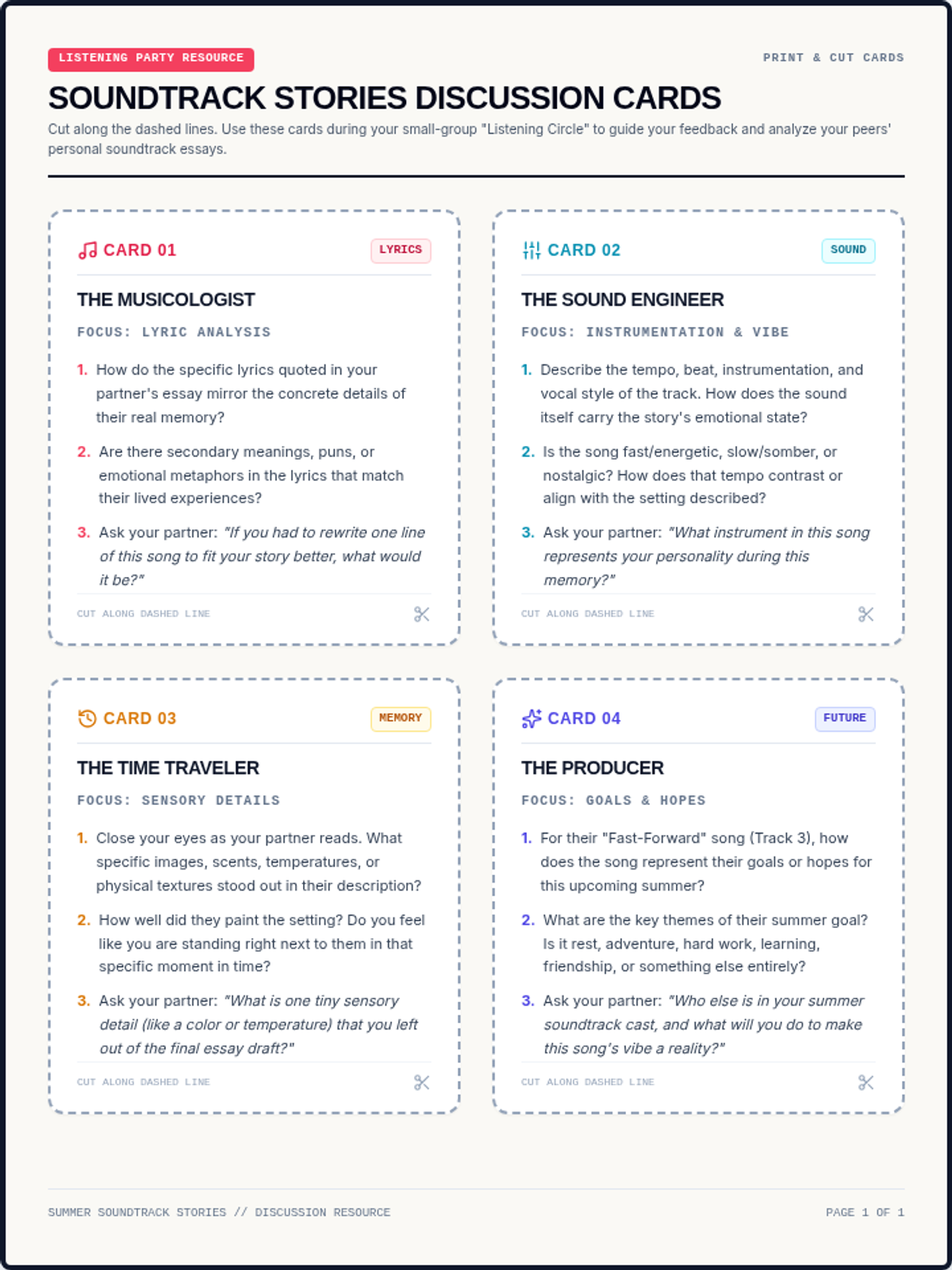
A creative writing lesson where students select three personal songs representing past memories or future summer goals and draft short personal essays connecting music to their lives.
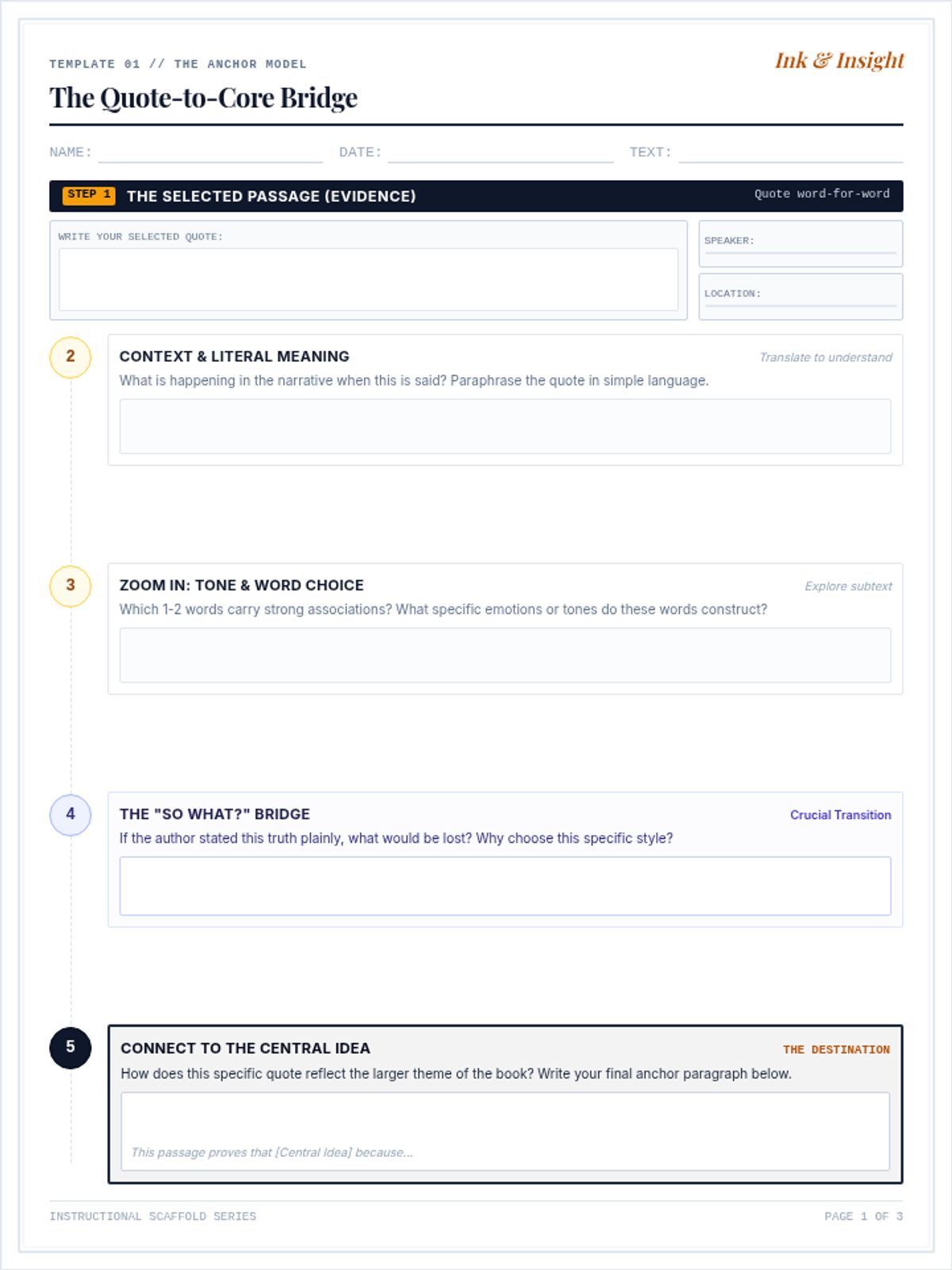
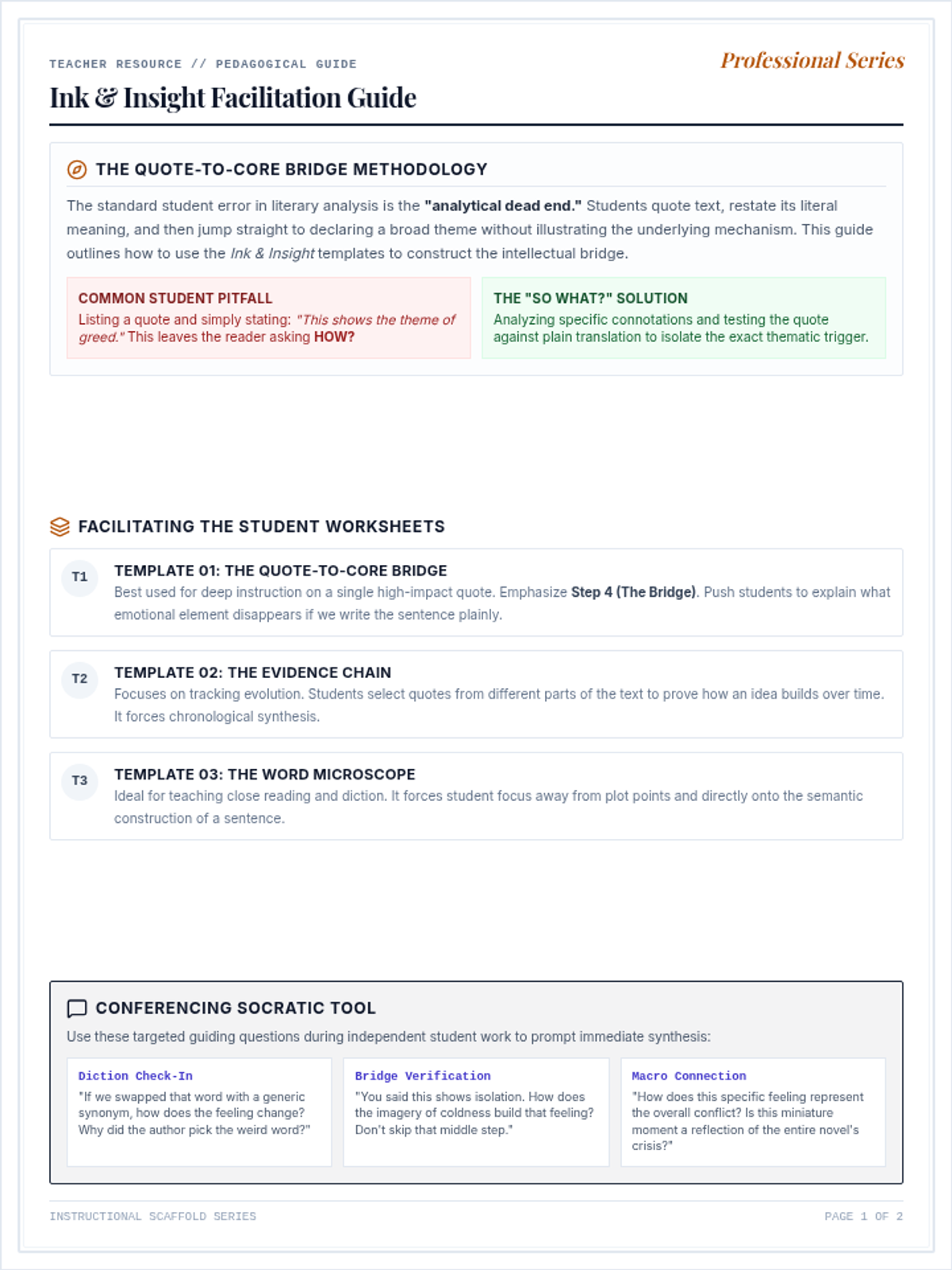
A comprehensive literary analysis lesson focusing on connecting textual evidence directly back to a central idea. This lesson equips students with structured templates and a teacher guide to bridge the gap between quote dissection and thematic analysis.
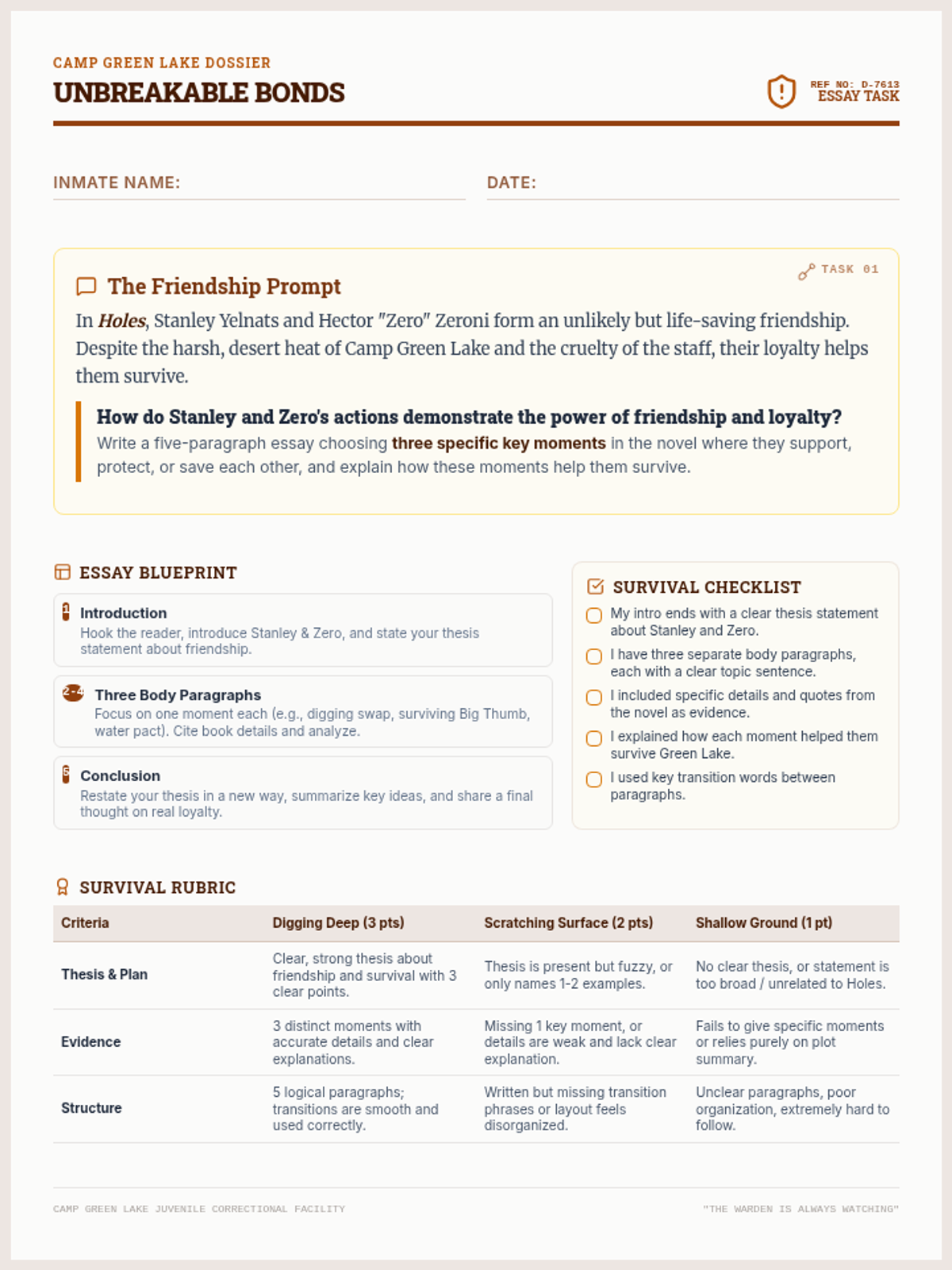
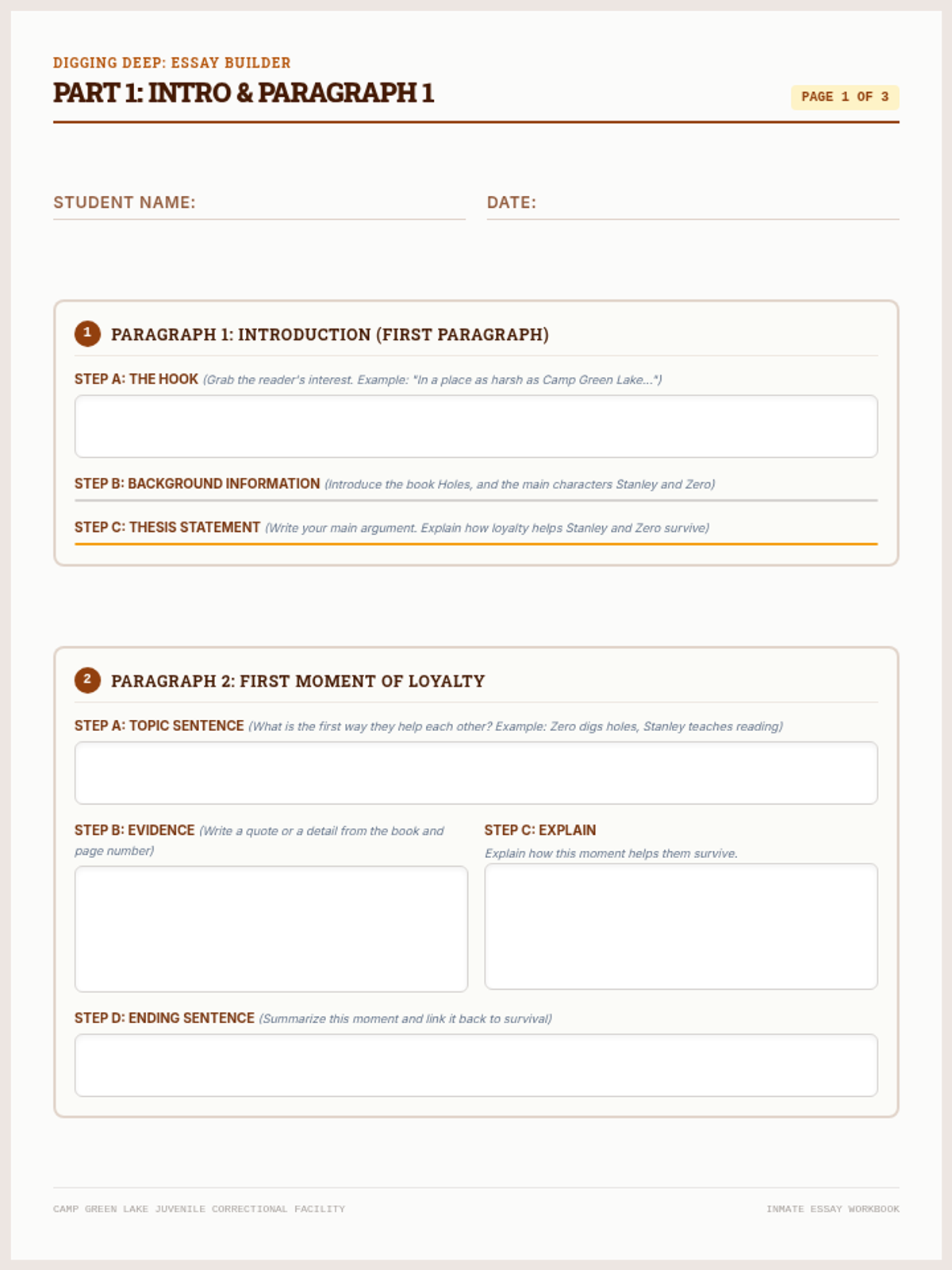
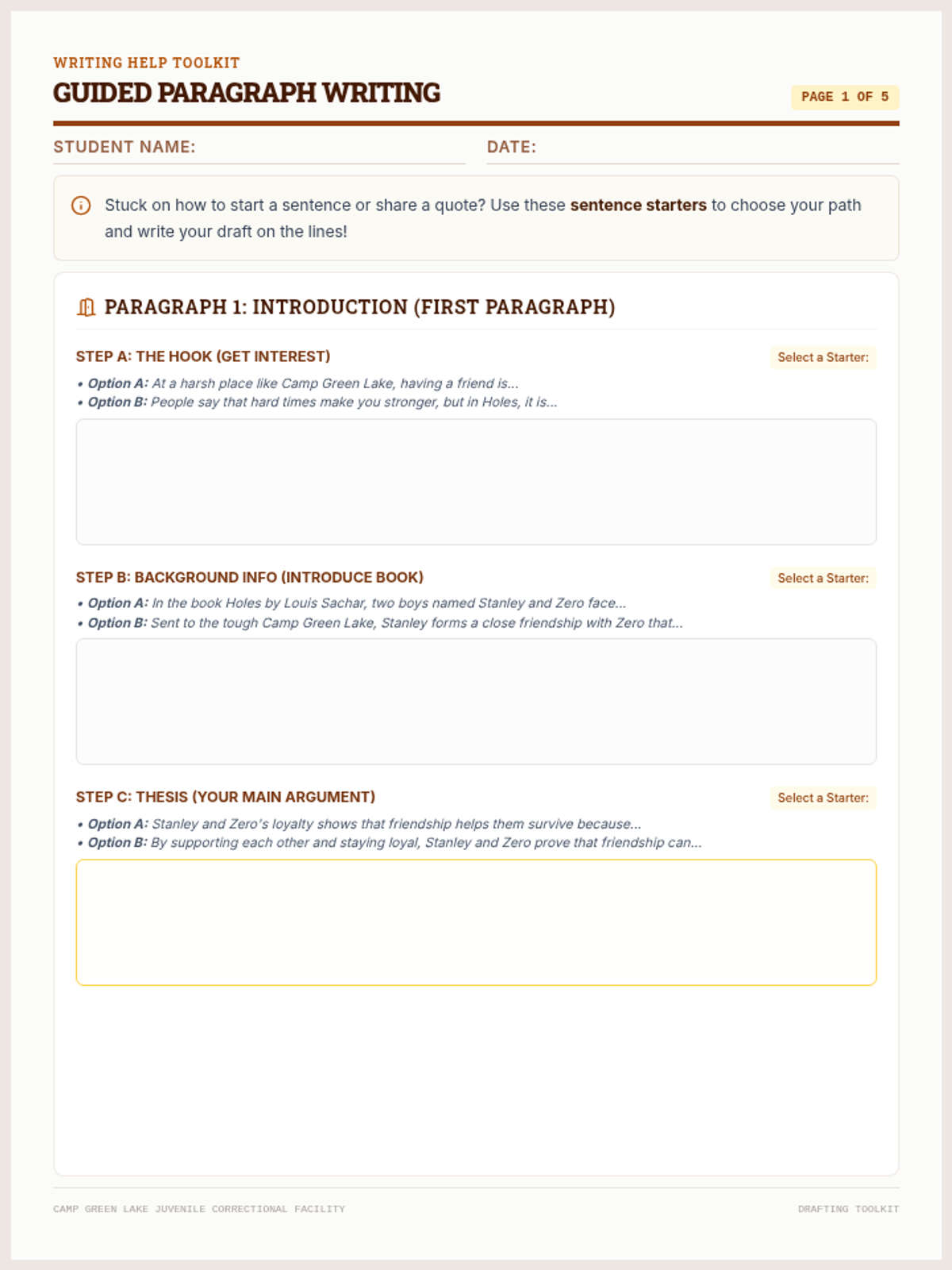
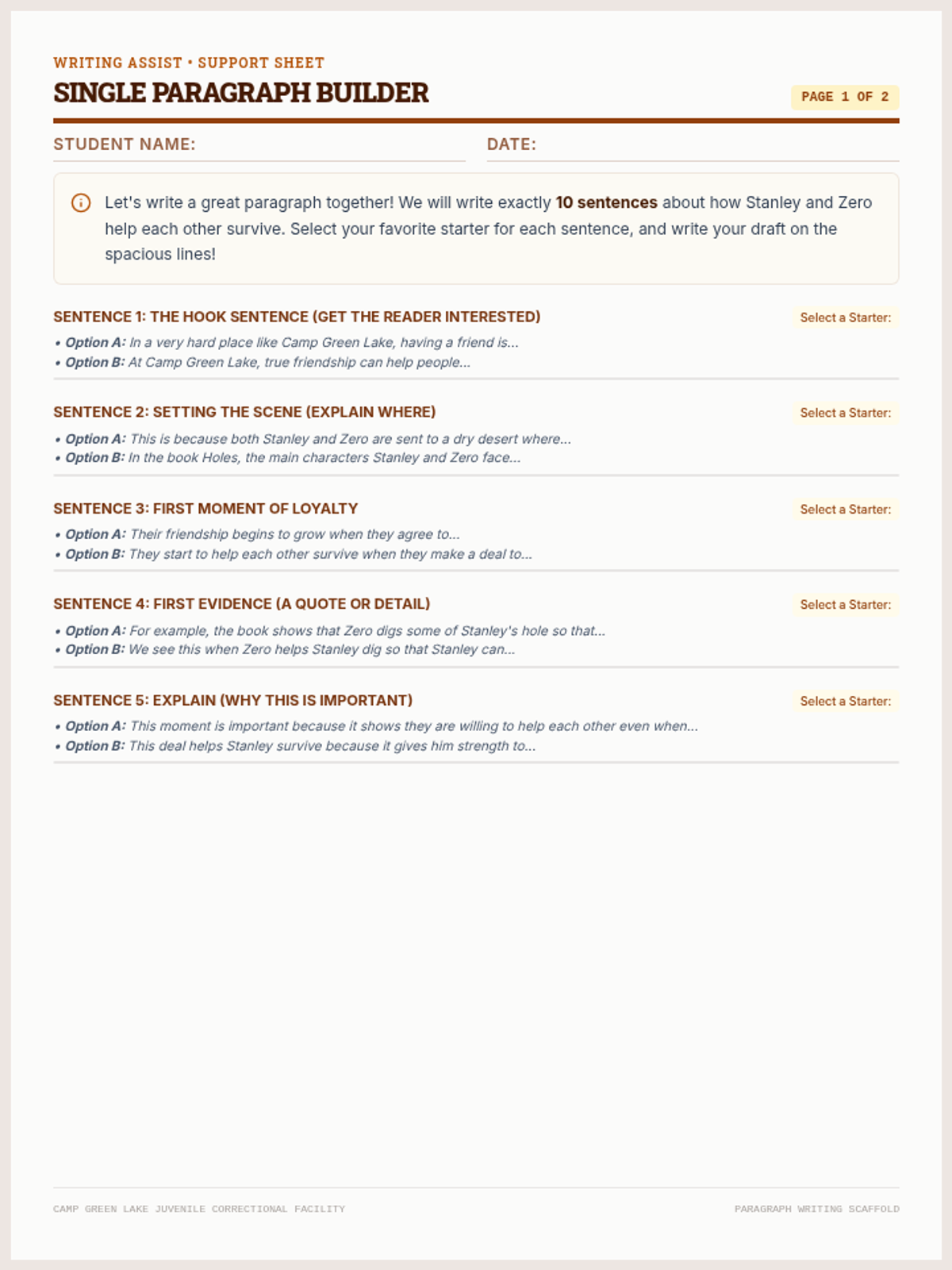
A structured writing unit for Holes by Louis Sachar focusing on the theme of friendship and loyalty. Students analyze Stanley and Zero's relationship and compose a five-paragraph essay using scaffolds, graphic organizers, and sentence frames.
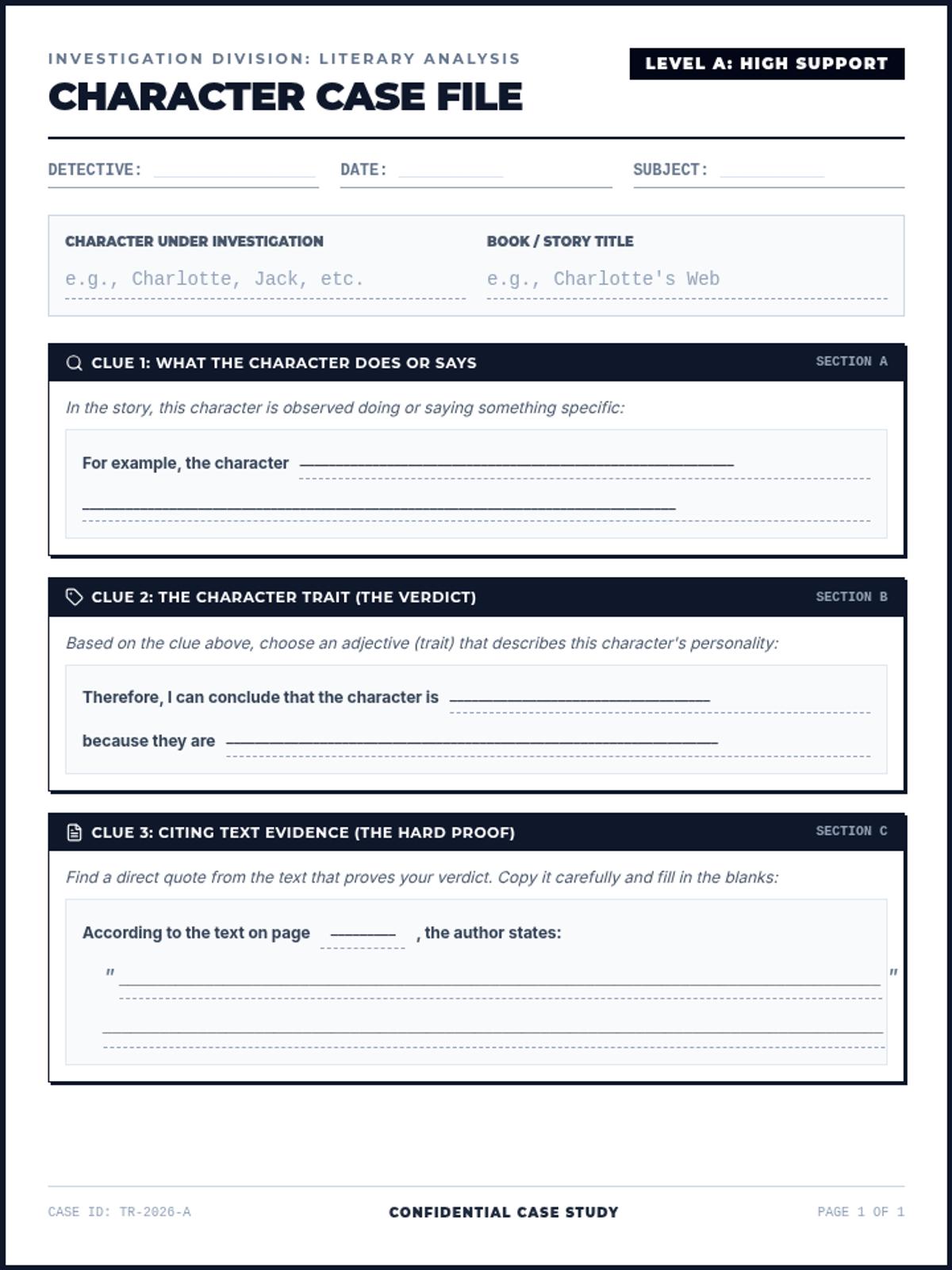
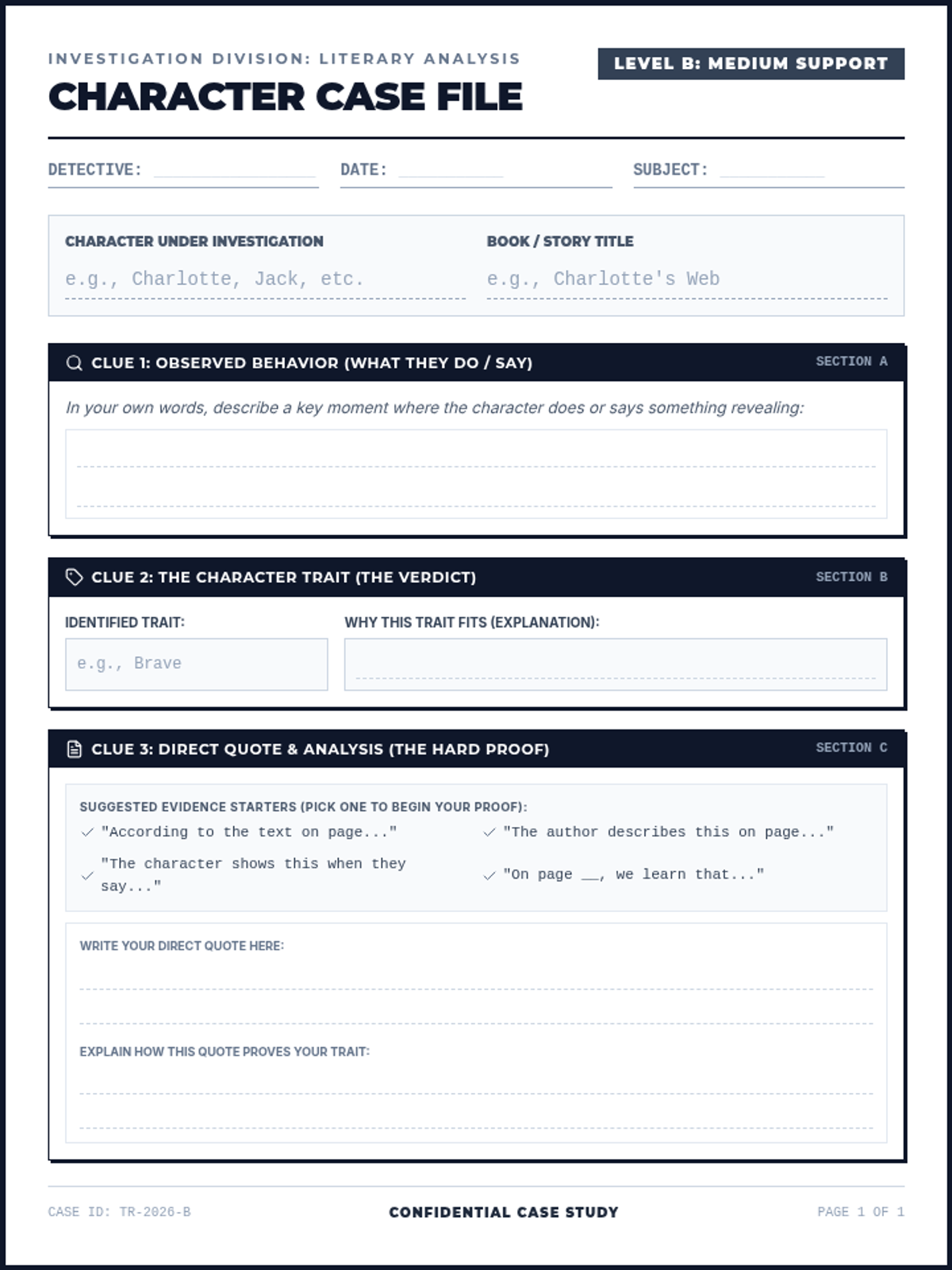
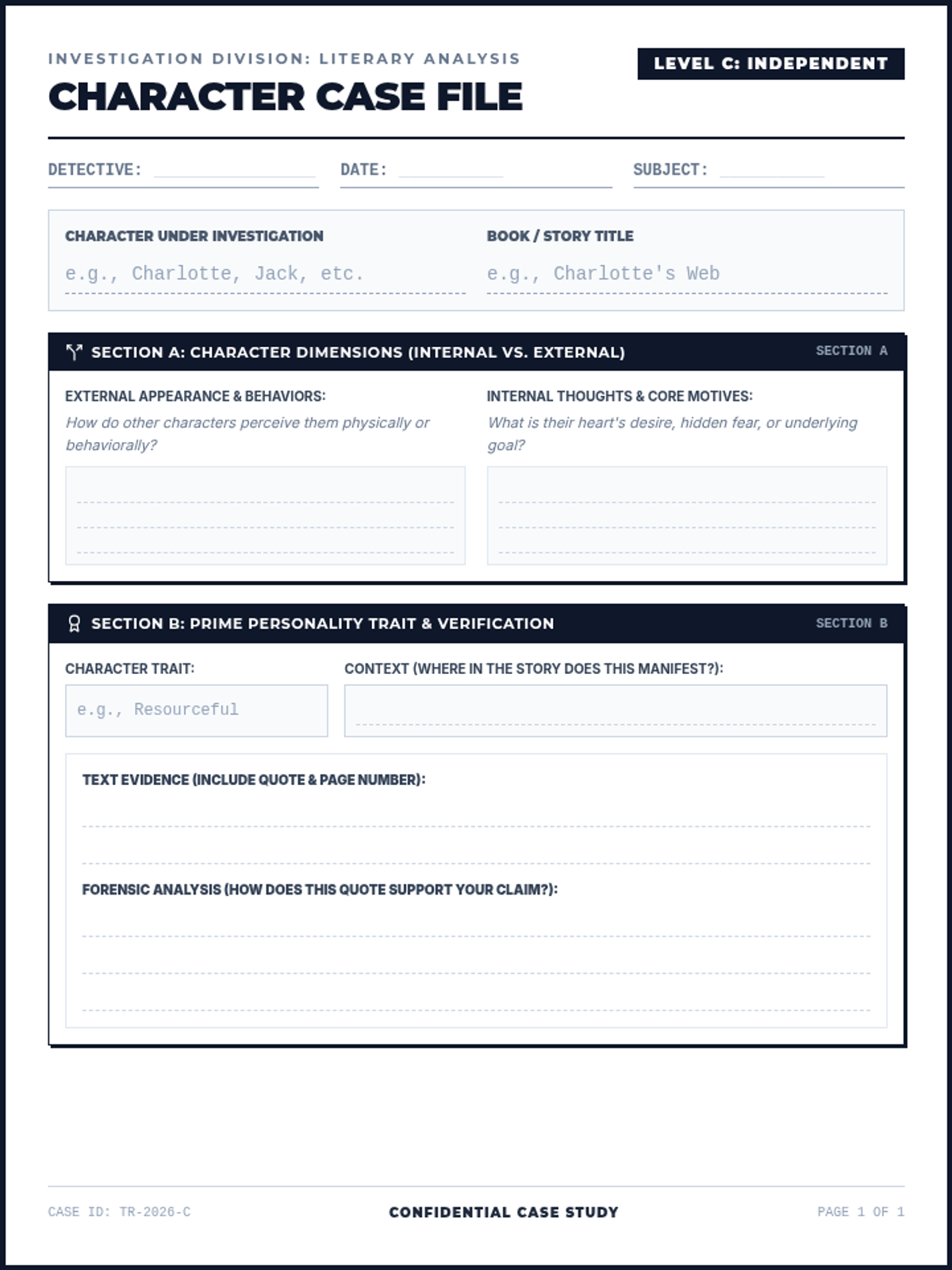
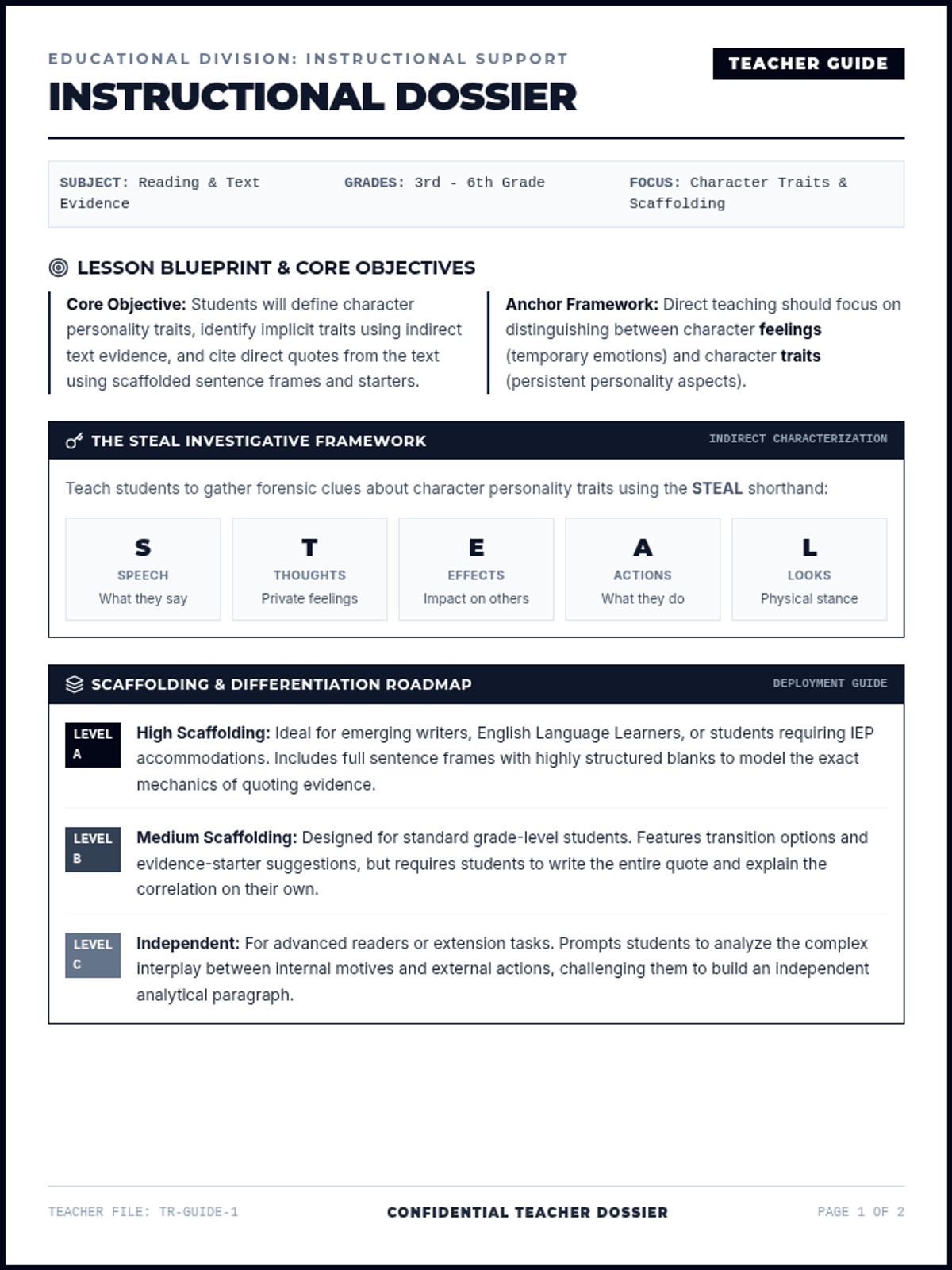
A comprehensive lesson and set of scaffolded graphic organizers designed to help students analyze character traits and master citing text evidence. Includes high, medium, and low levels of scaffolding to differentiate instruction.
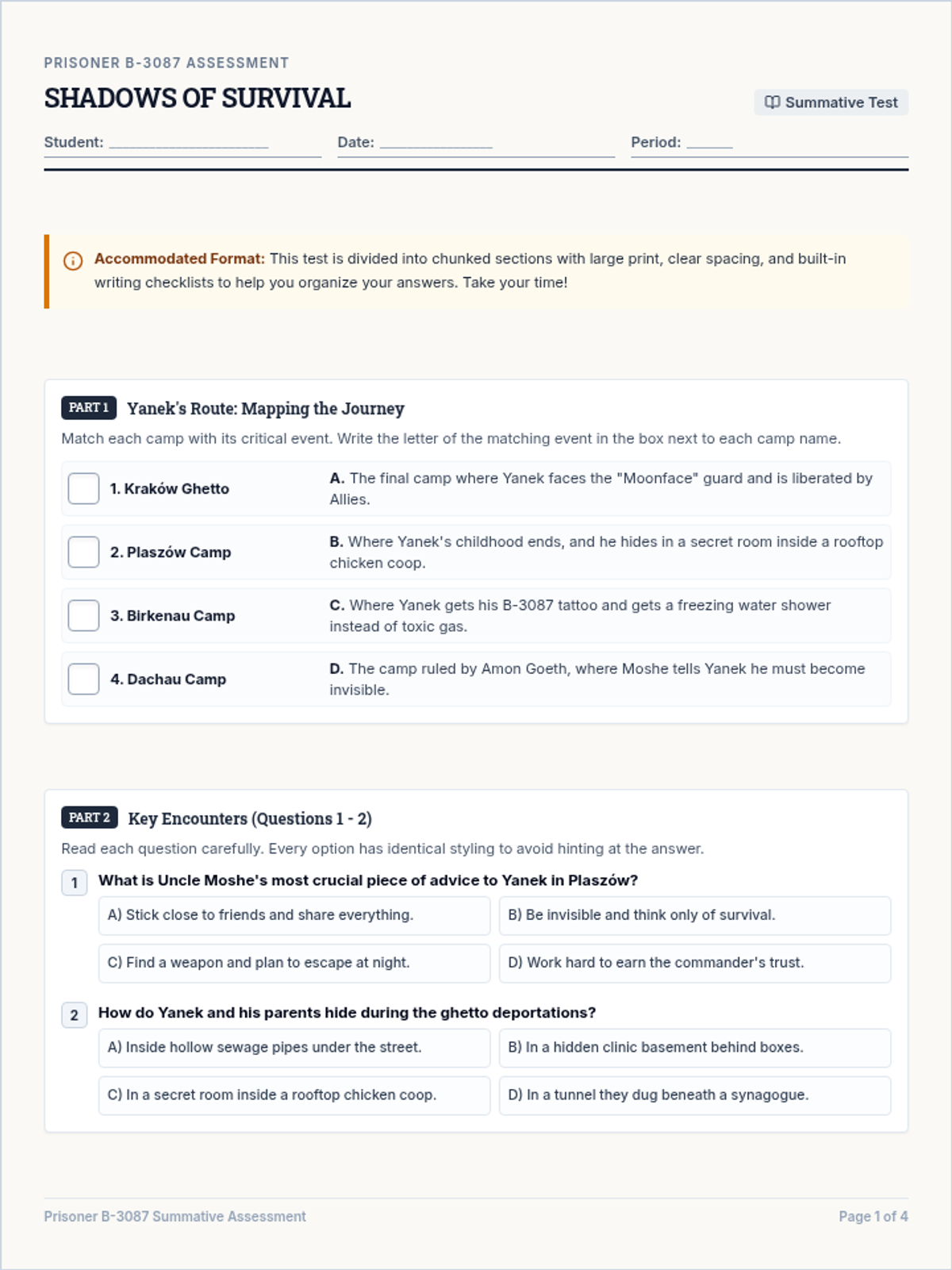
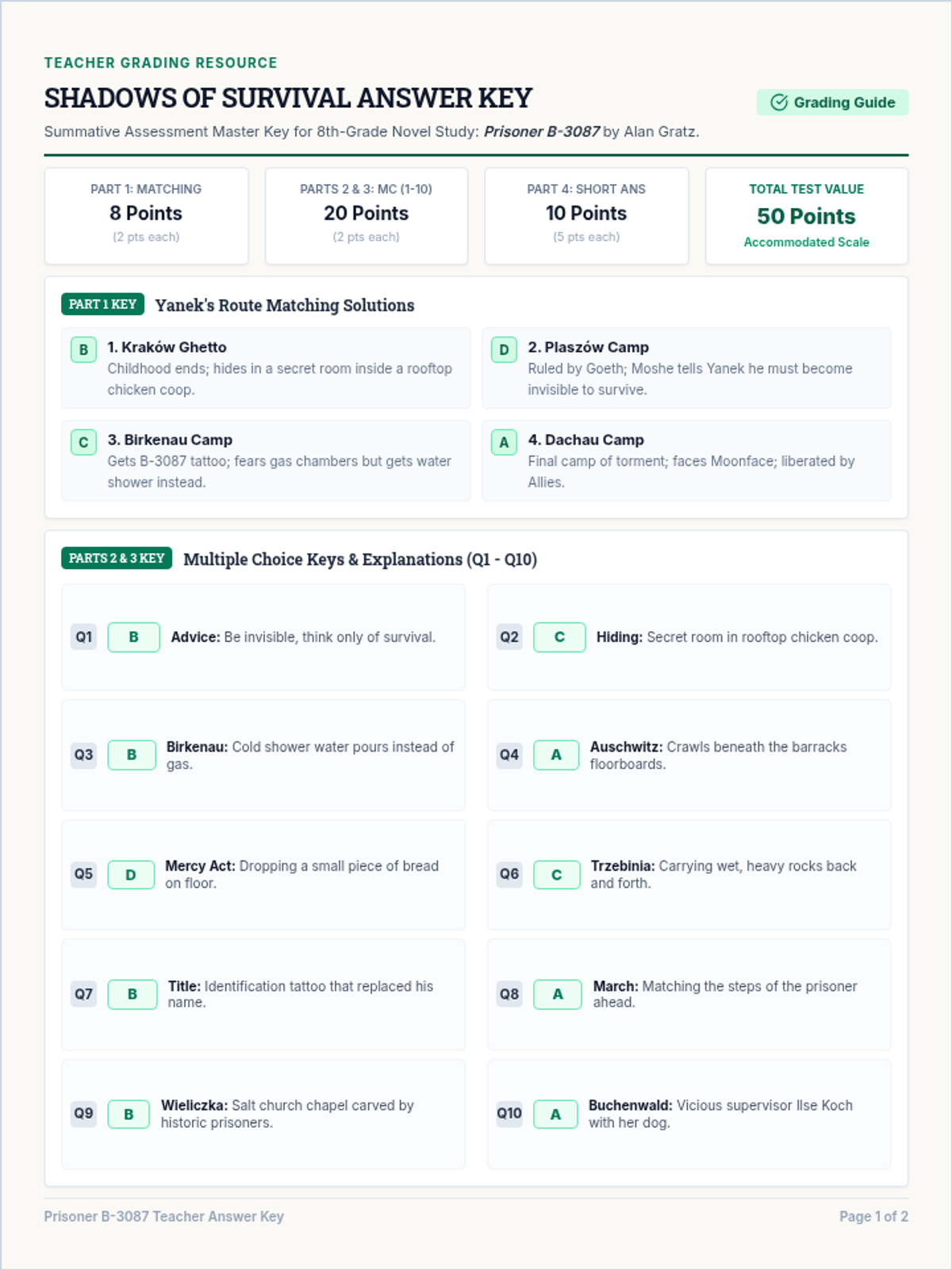
A comprehensive 8th-grade summative assessment pack for Alan Gratz's historical novel 'Prisoner B-3087'. Features a student-facing test engineered with standard Special Education accommodations—including chunked sections, generous layout spacing, and structured graphic organizers—alongside a detailed teacher answer key and grading guide.
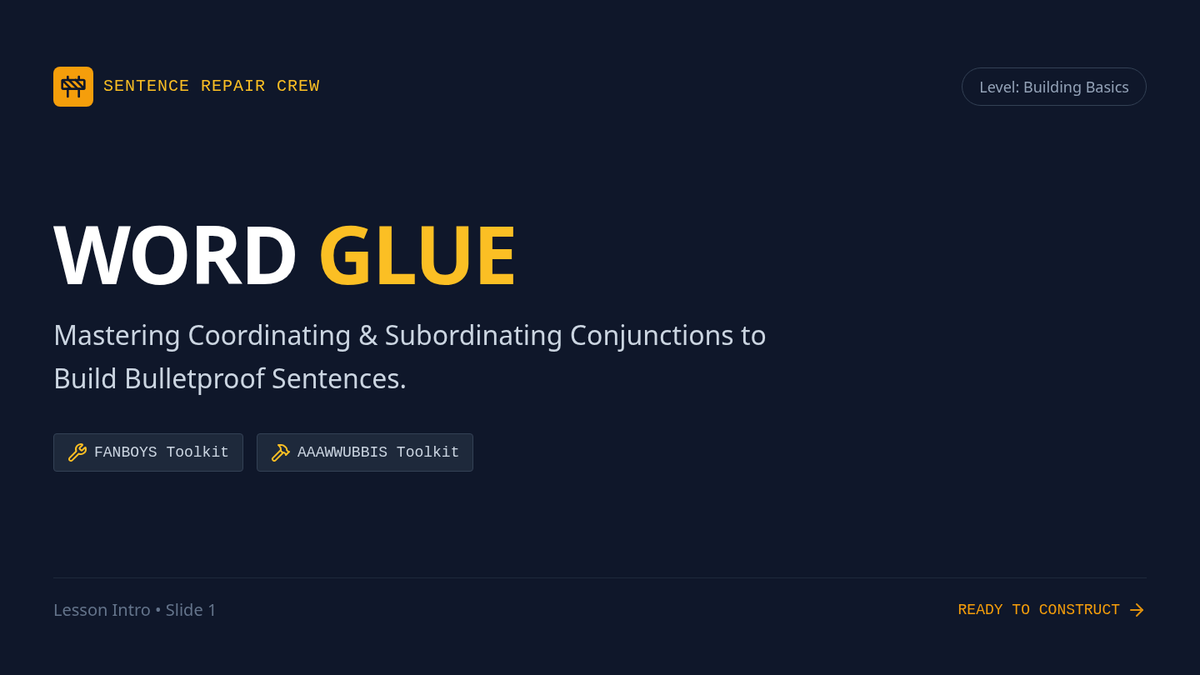
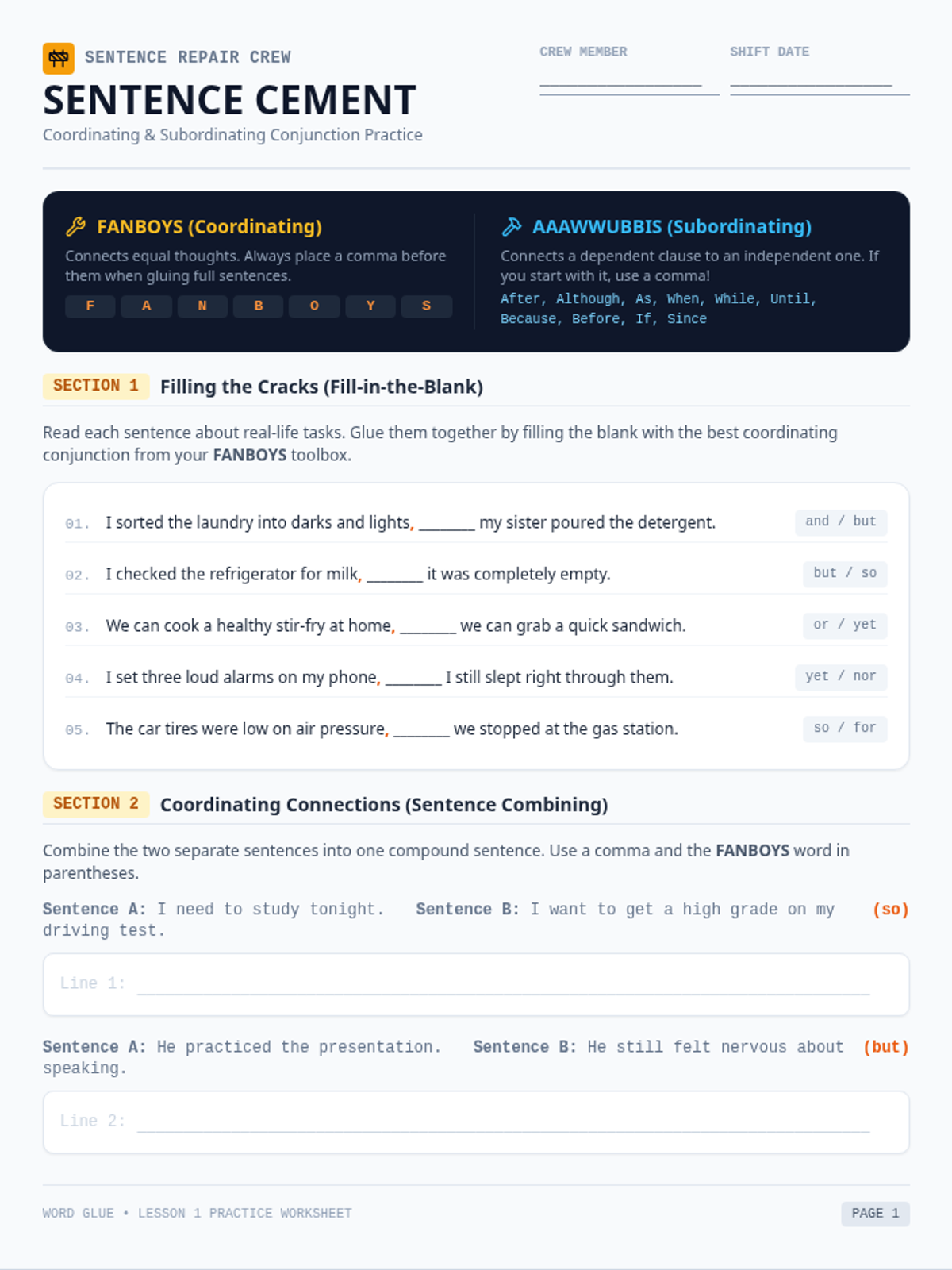
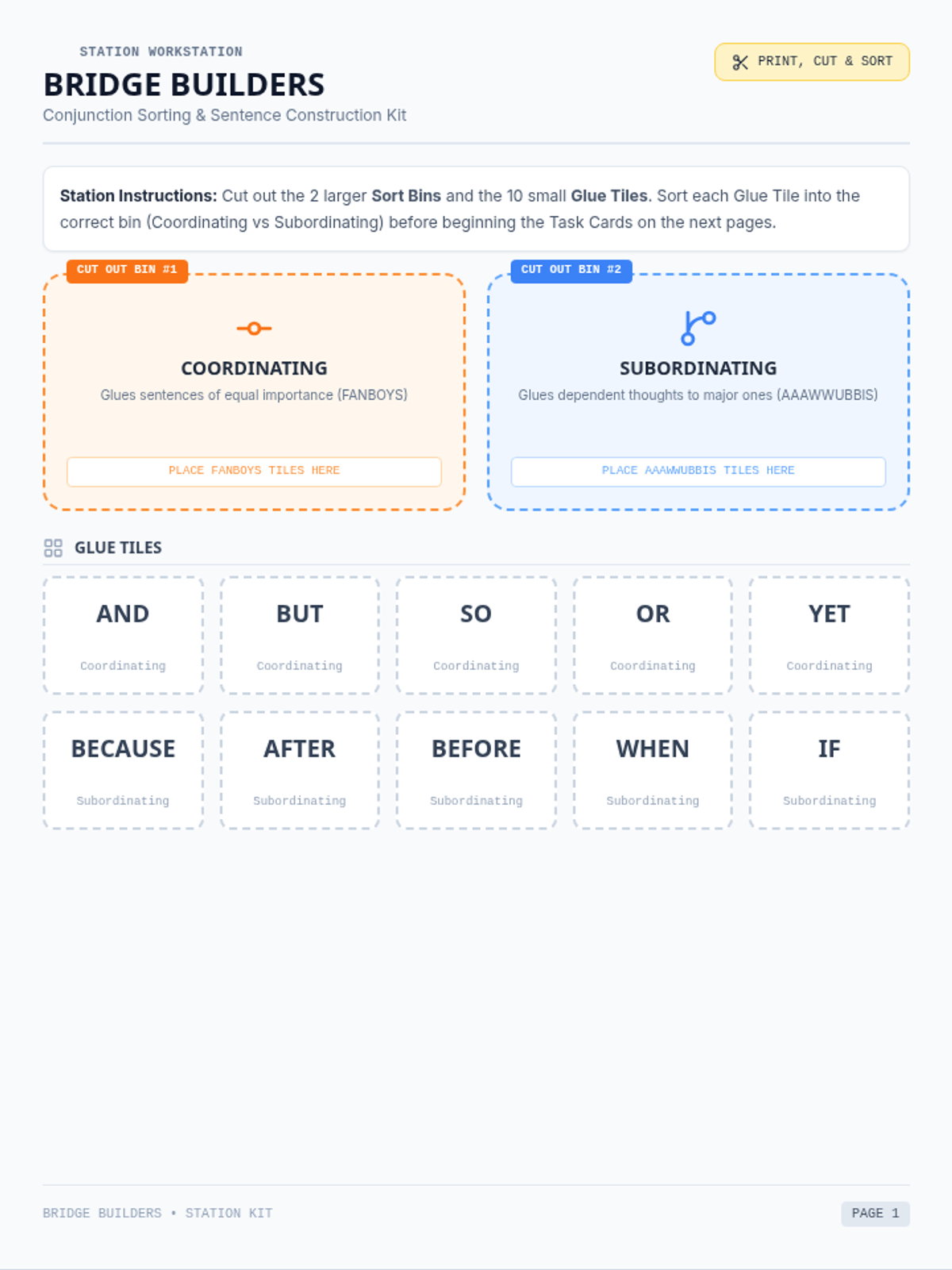
A construction-themed lesson designed to master coordinating and subordinating conjunctions using visual cues, hands-on activities, and real-world daily life contexts.
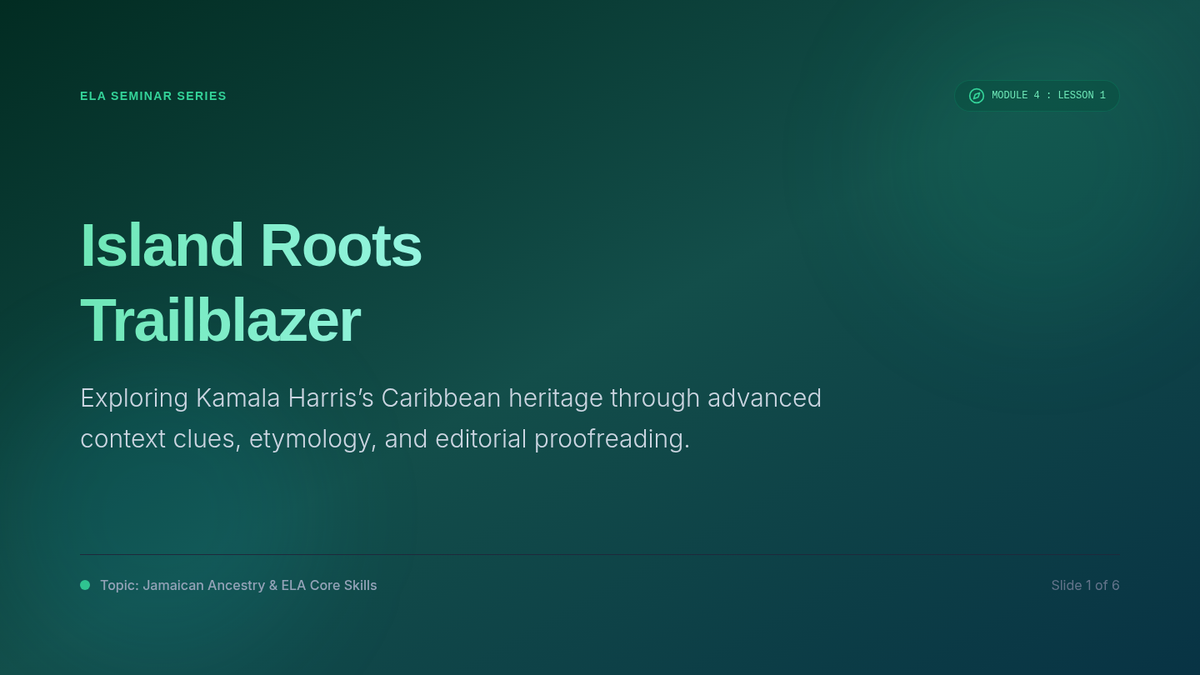
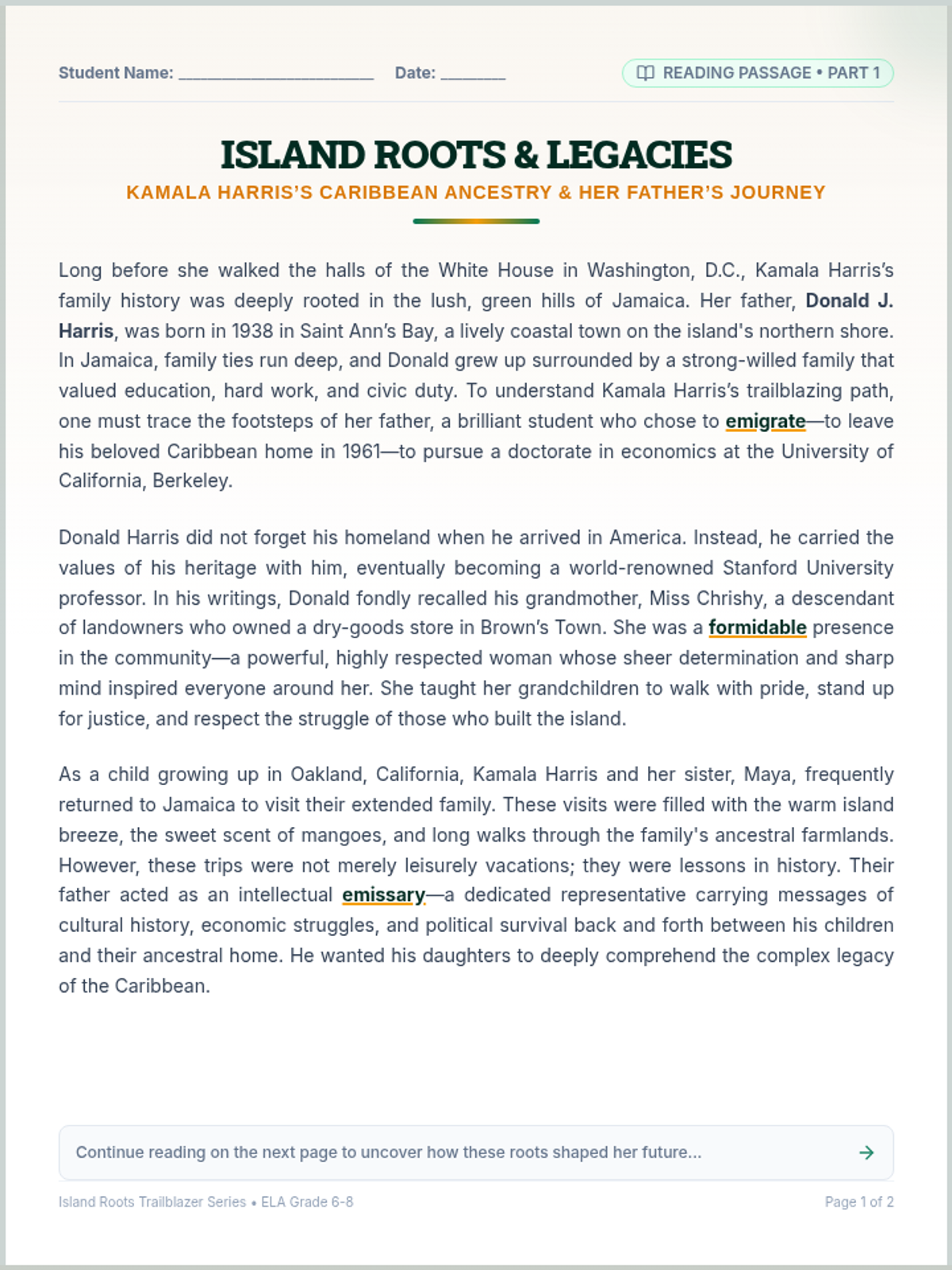
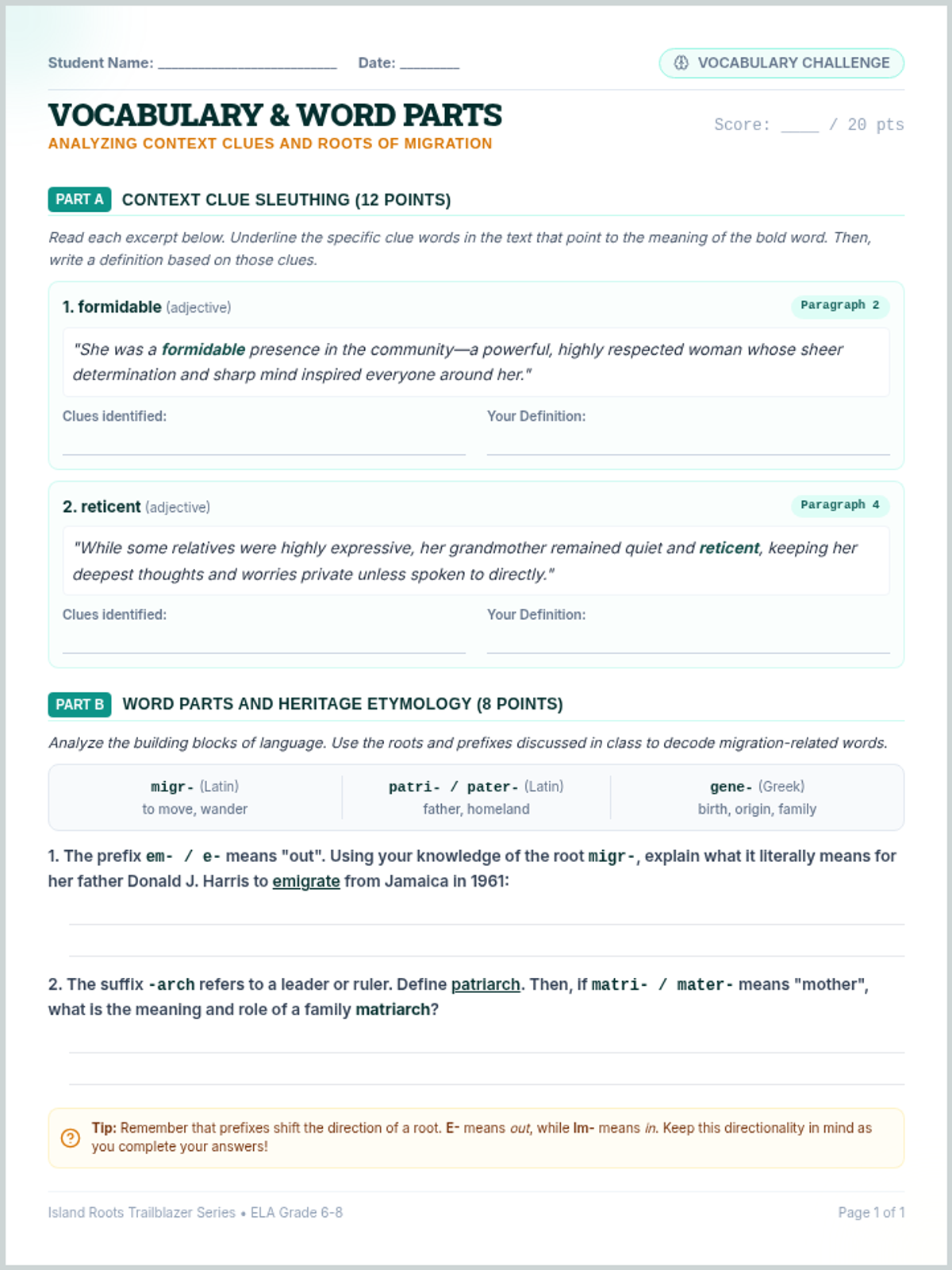
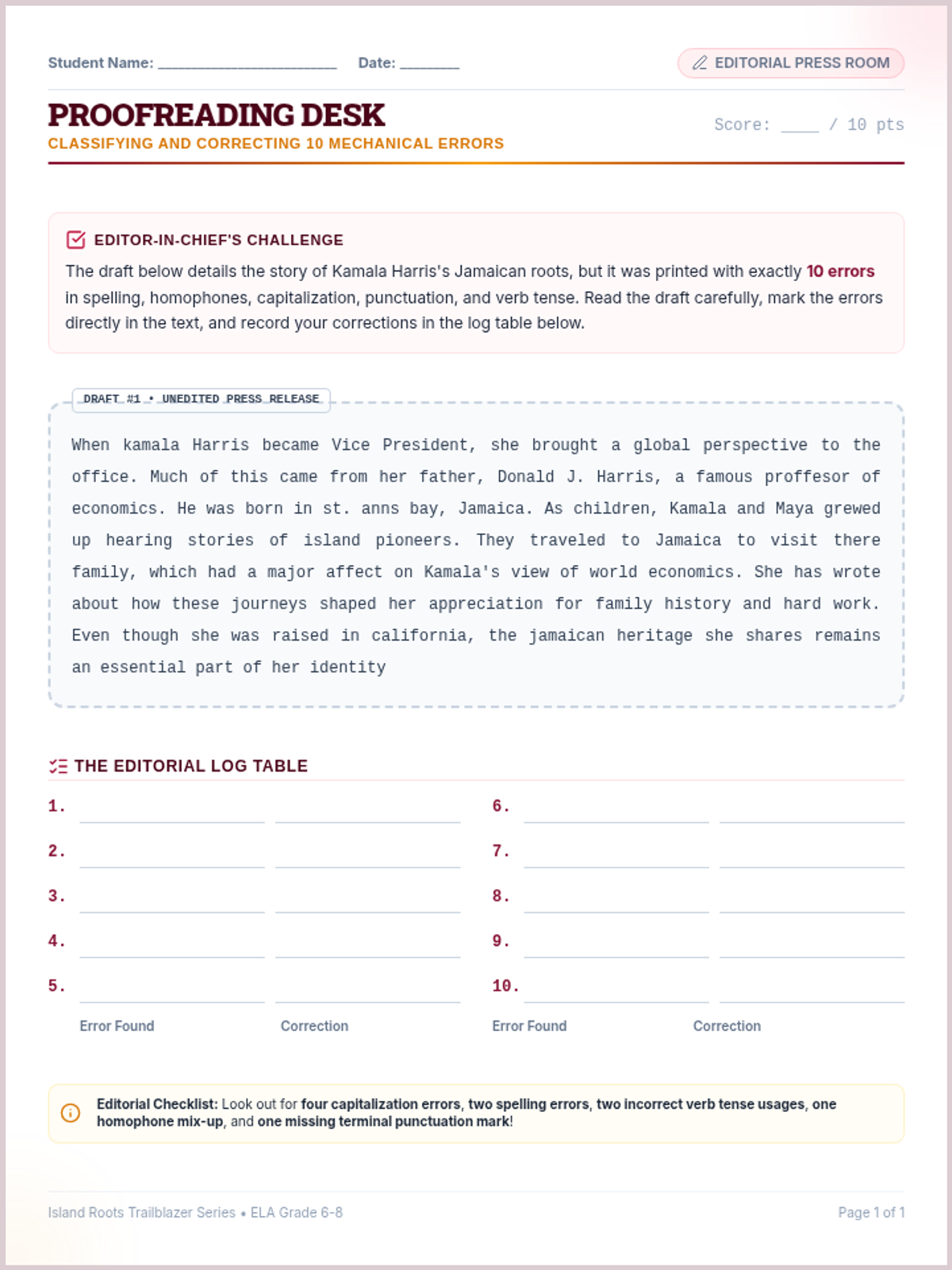
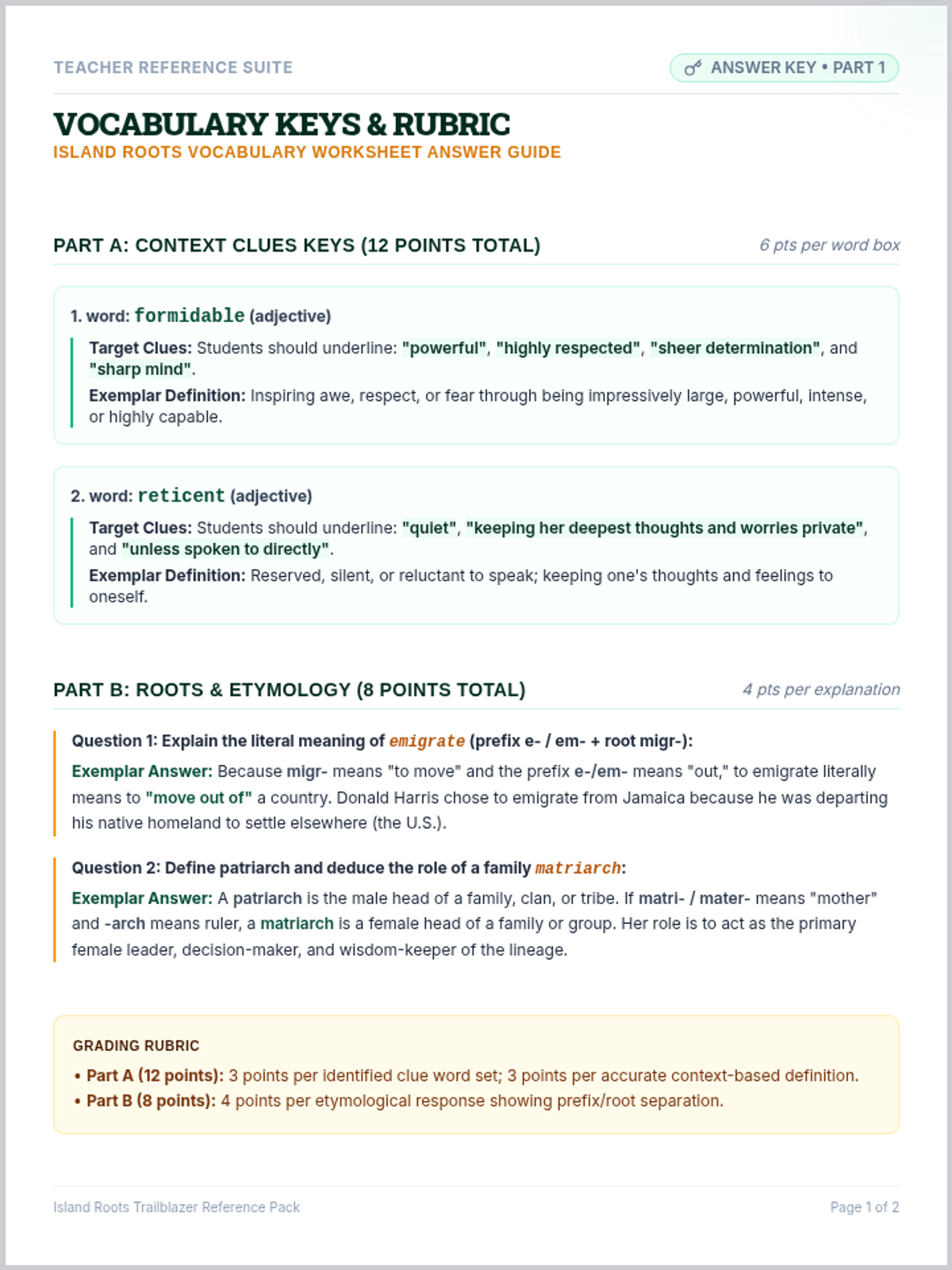
A comprehensive middle-grade ELA lesson centering on Kamala Harris's Jamaican ancestry, tracing how her father's migration from Jamaica shaped her life and worldview. The lesson integrates rigorous context clue exploration, etymology studies of migration-related roots, and a hands-on proofreading editing activity.
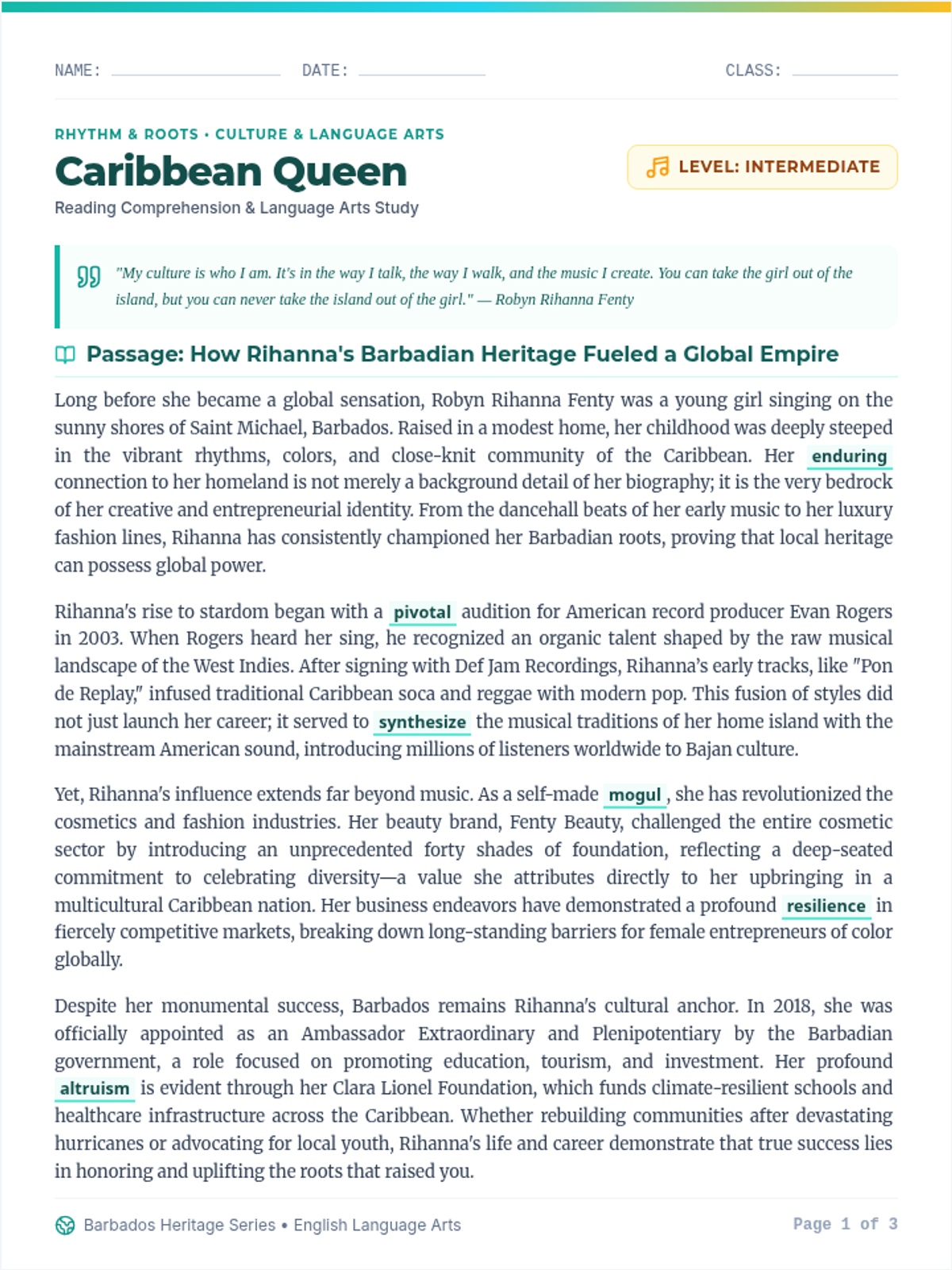
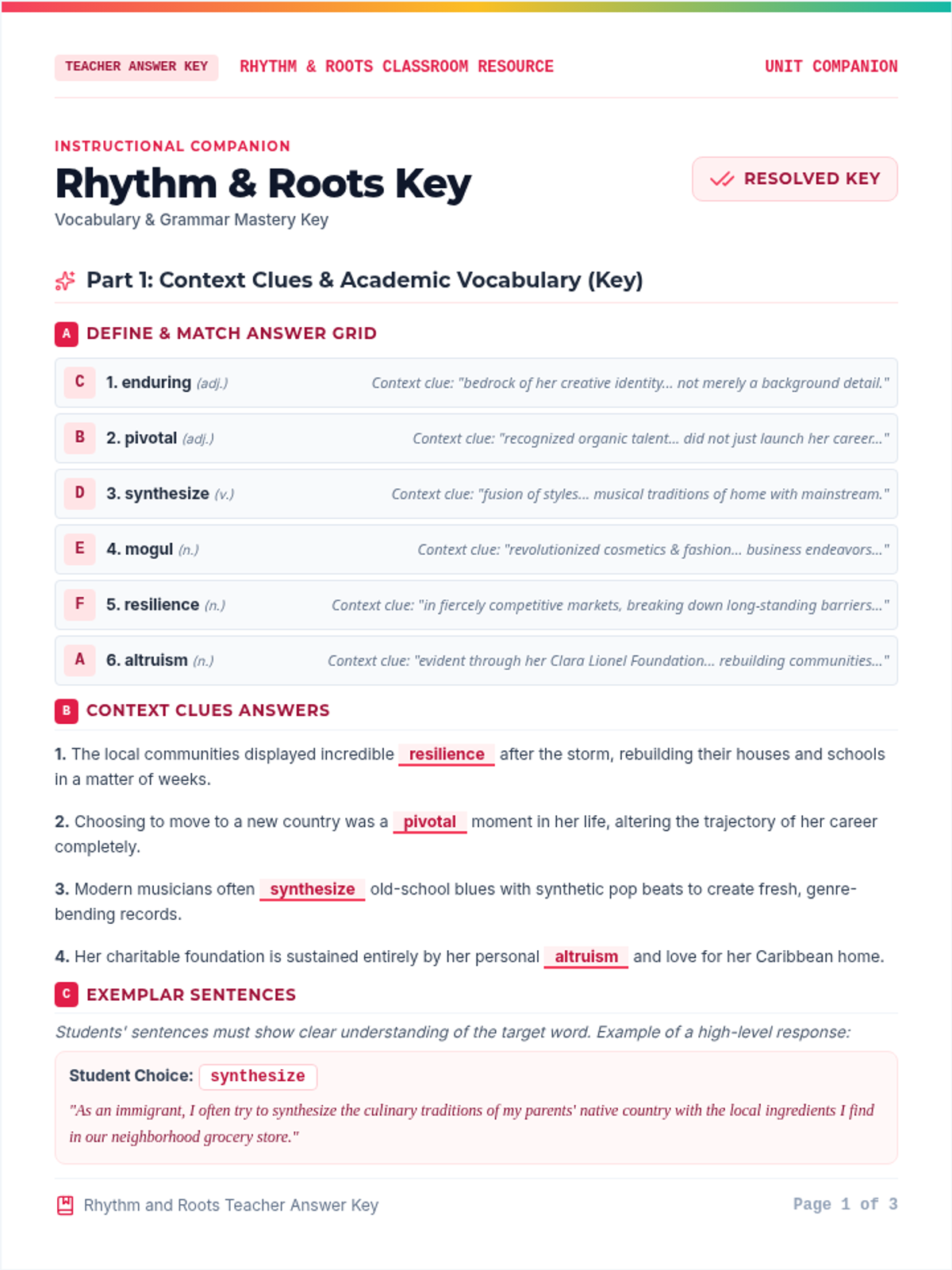
A comprehensive reading comprehension and language arts lesson centered on Rihanna's Barbadian heritage, exploring culture, industry, and grammar.
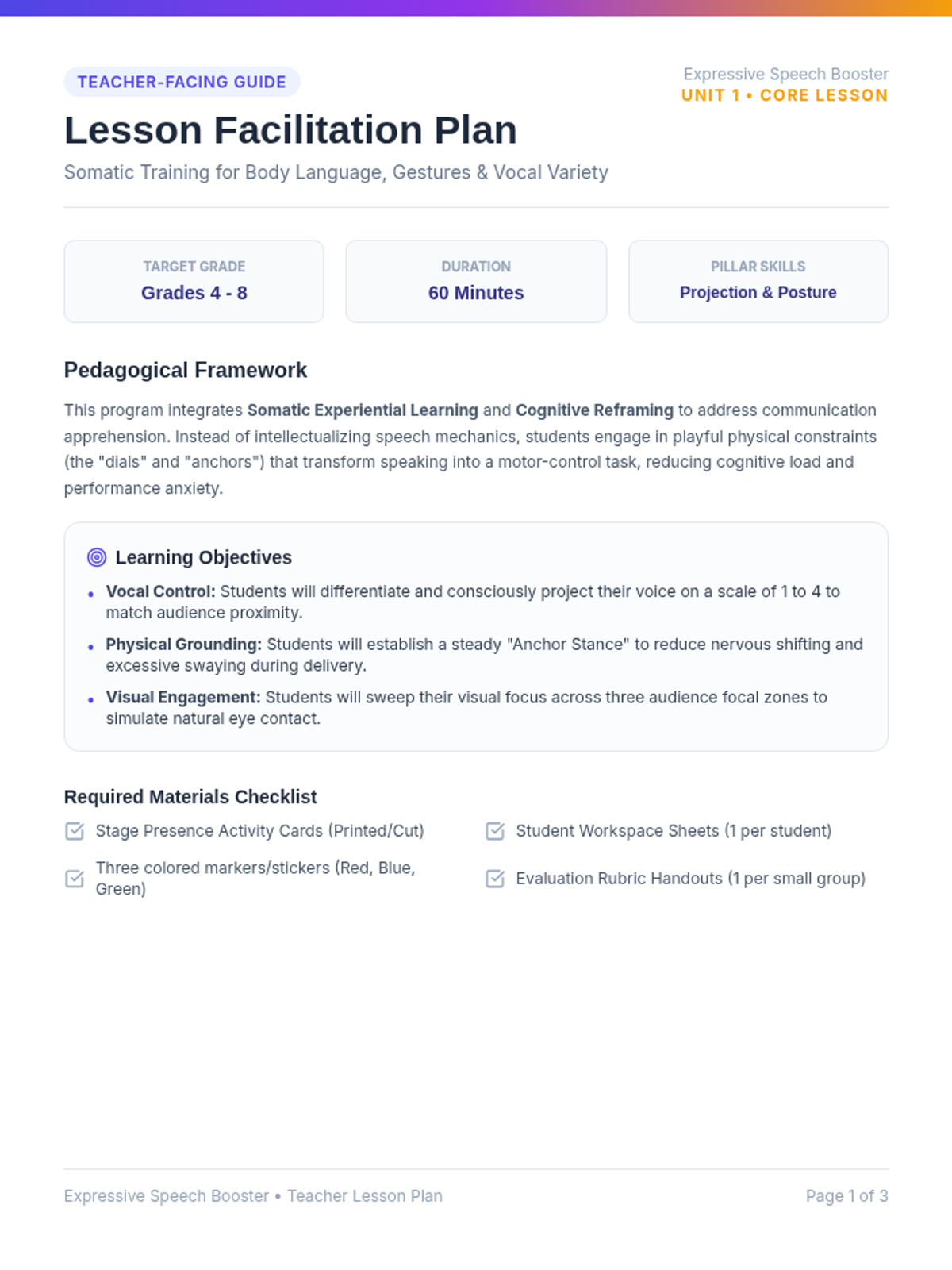
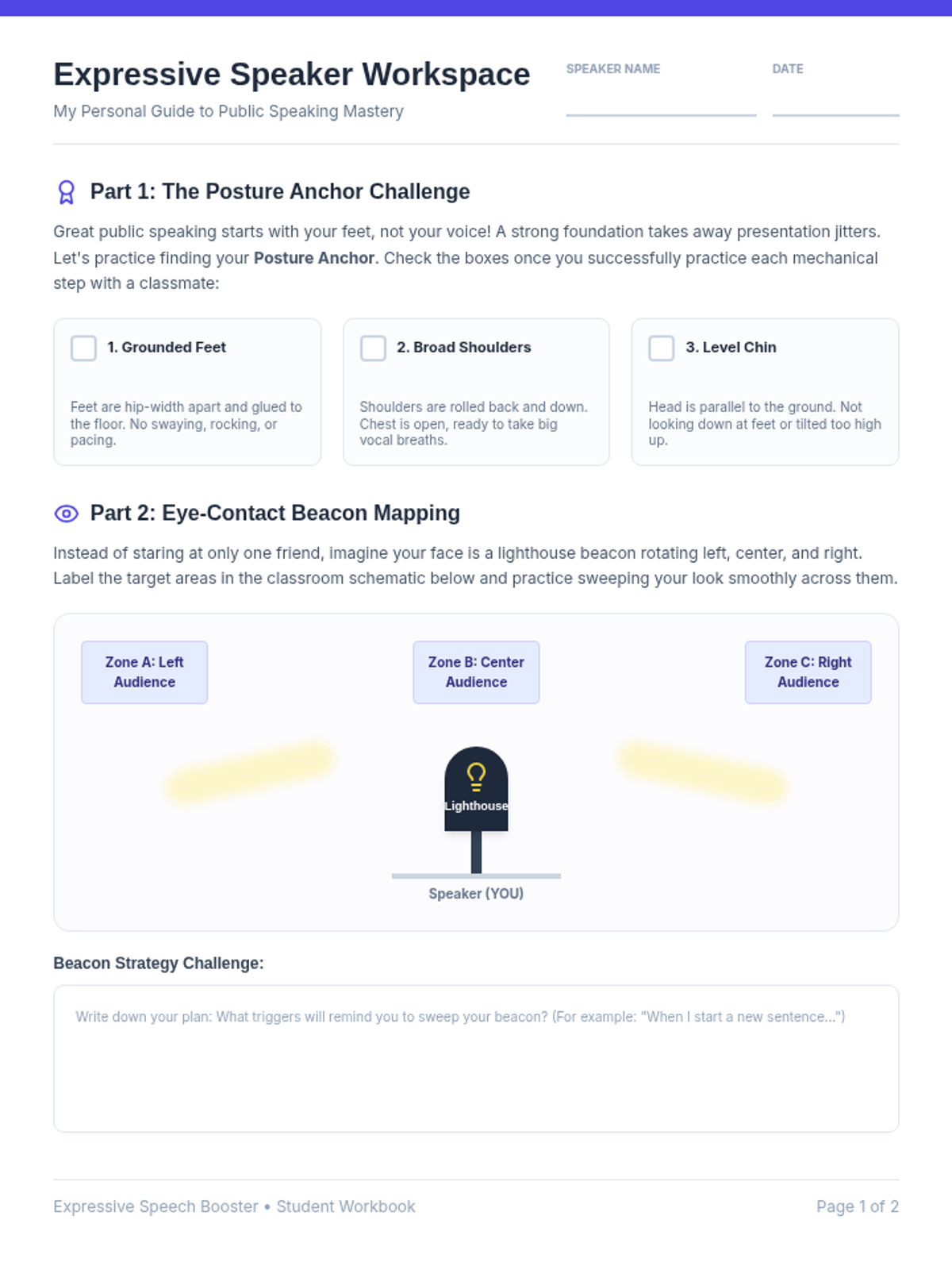
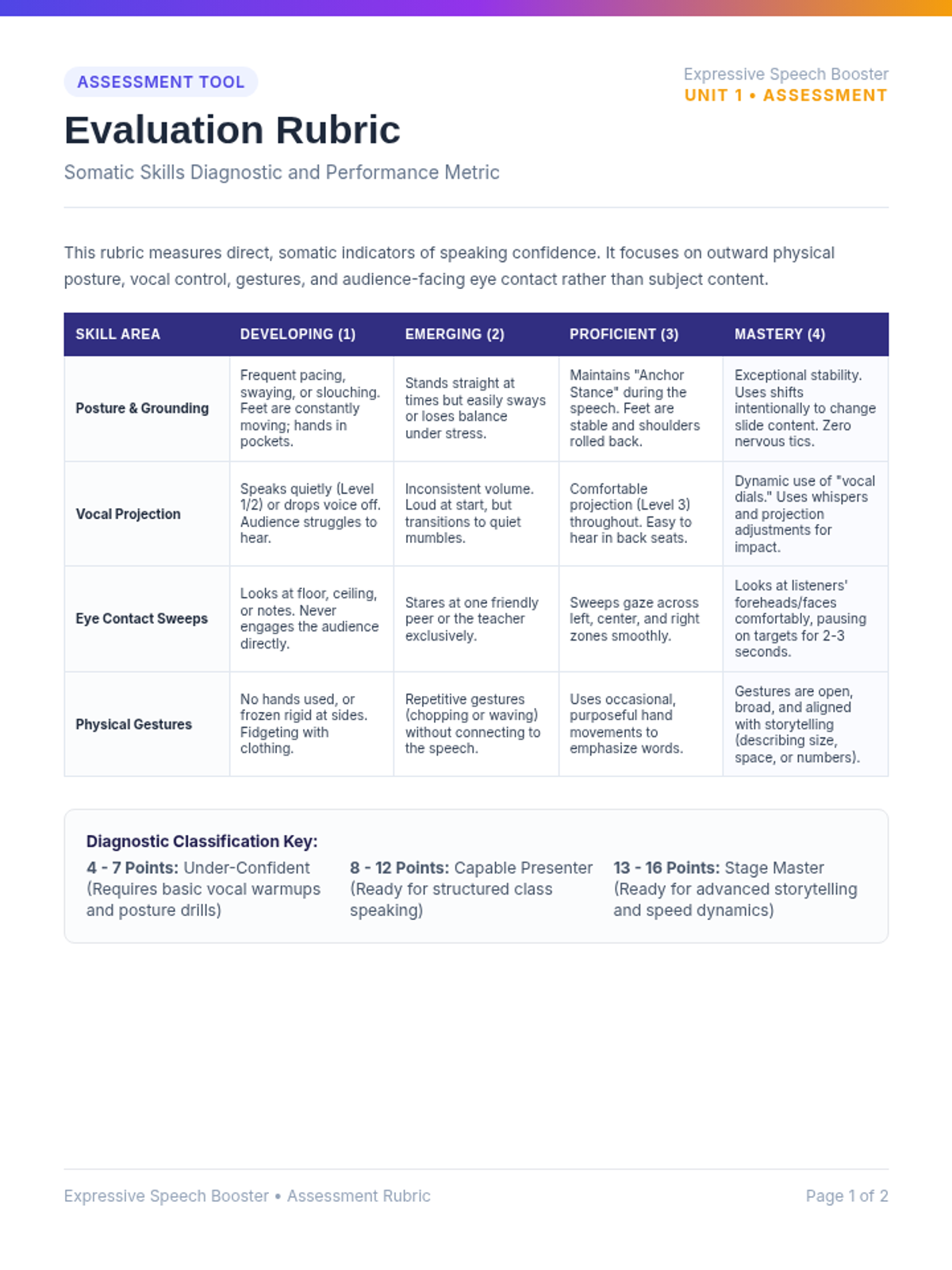
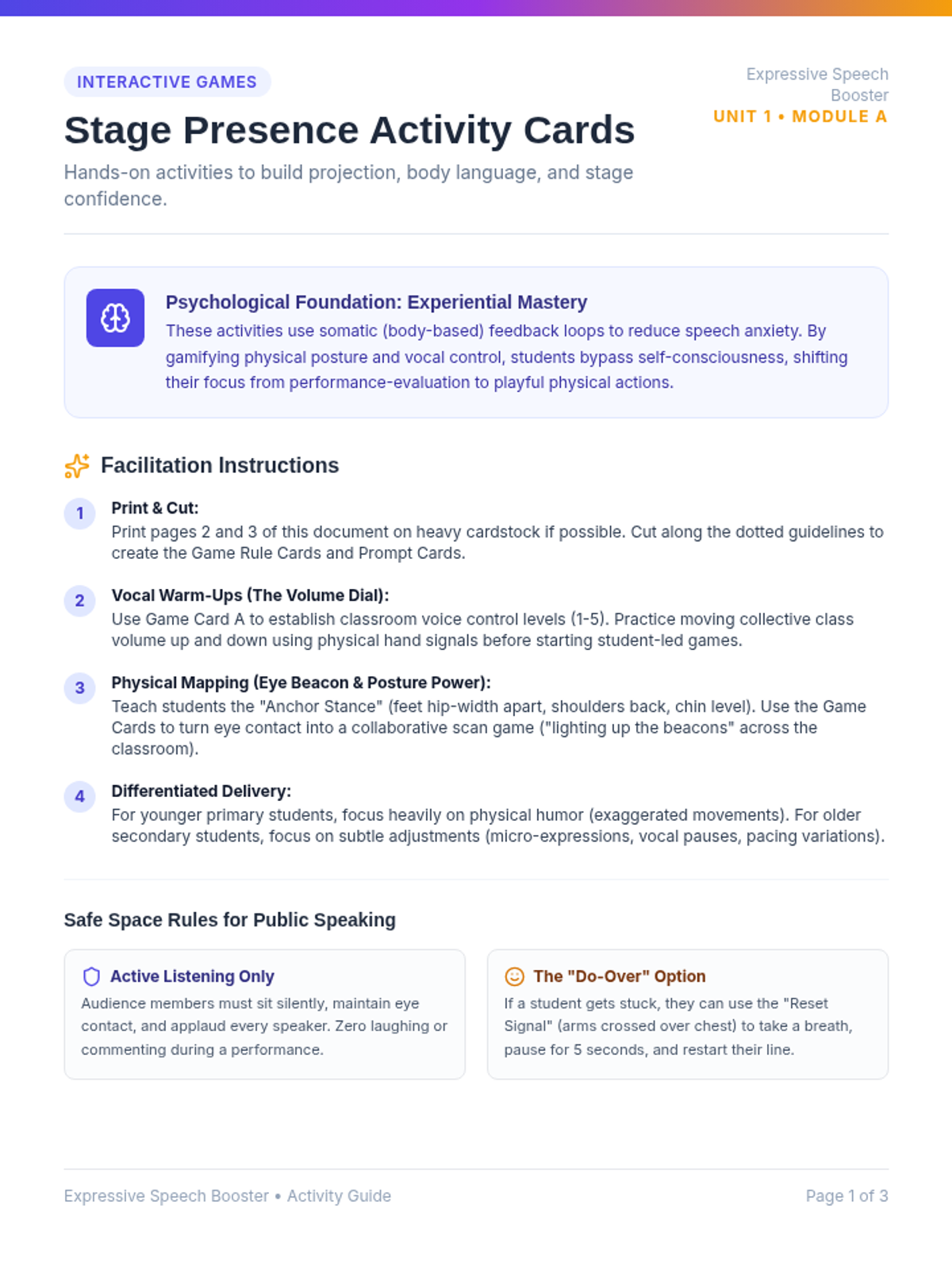
A comprehensive training module for primary and middle school students to master public speaking, body language, and vocal projection through interactive games, structural worksheets, and professional rubrics.
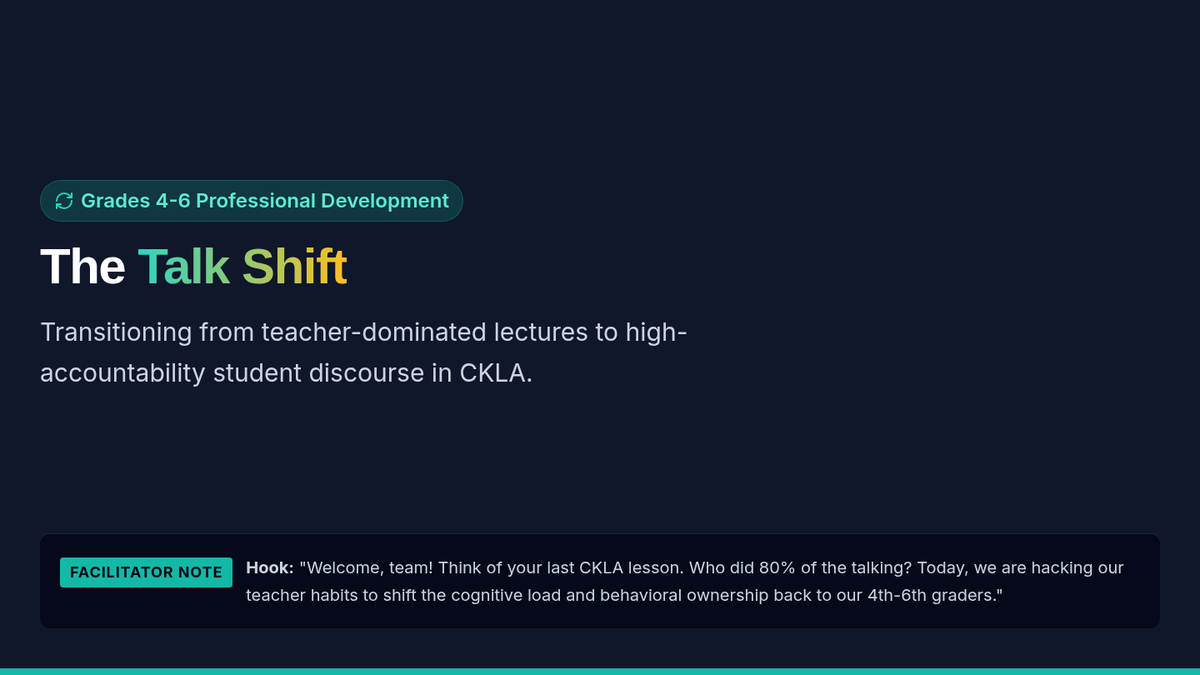
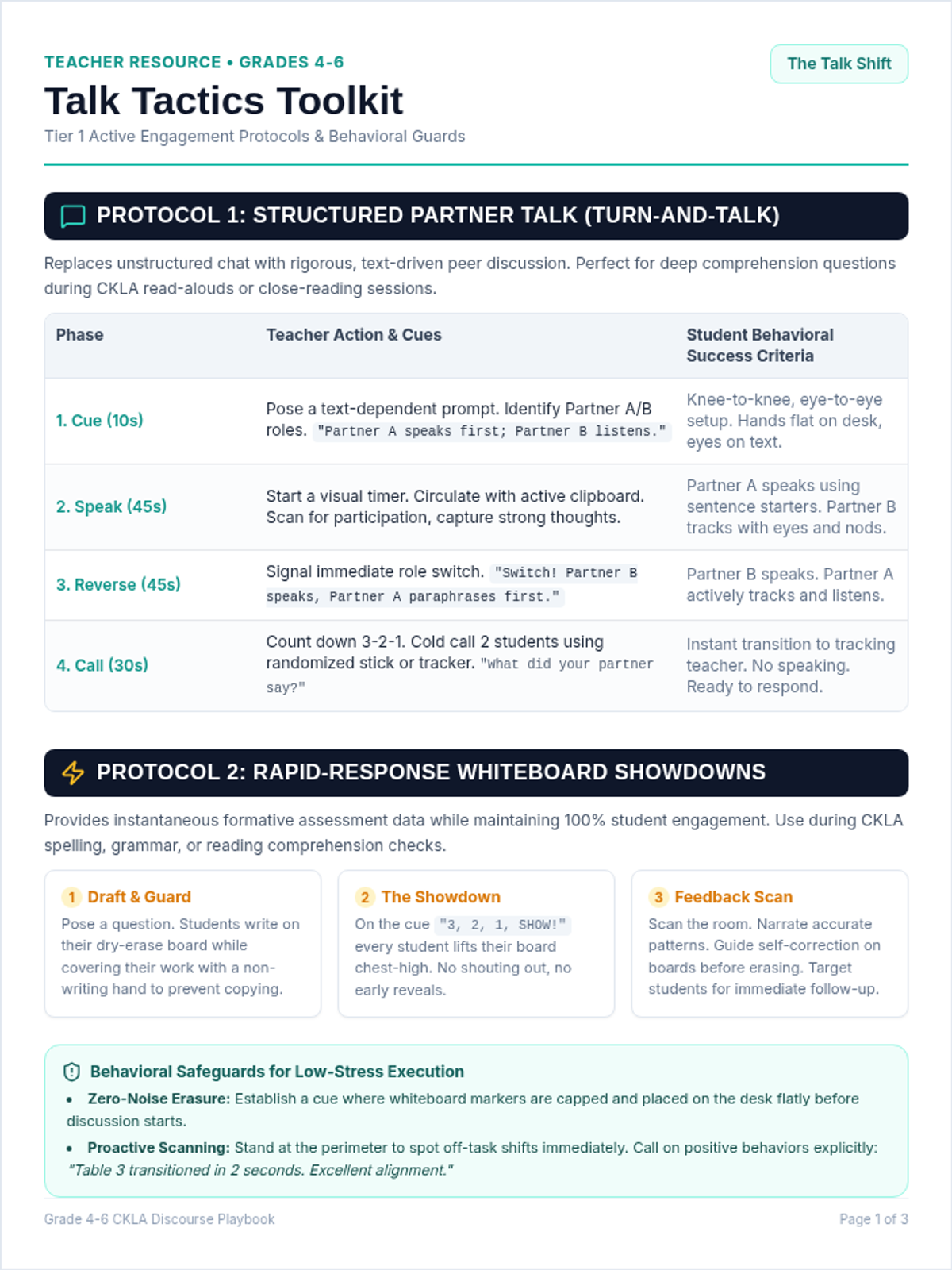
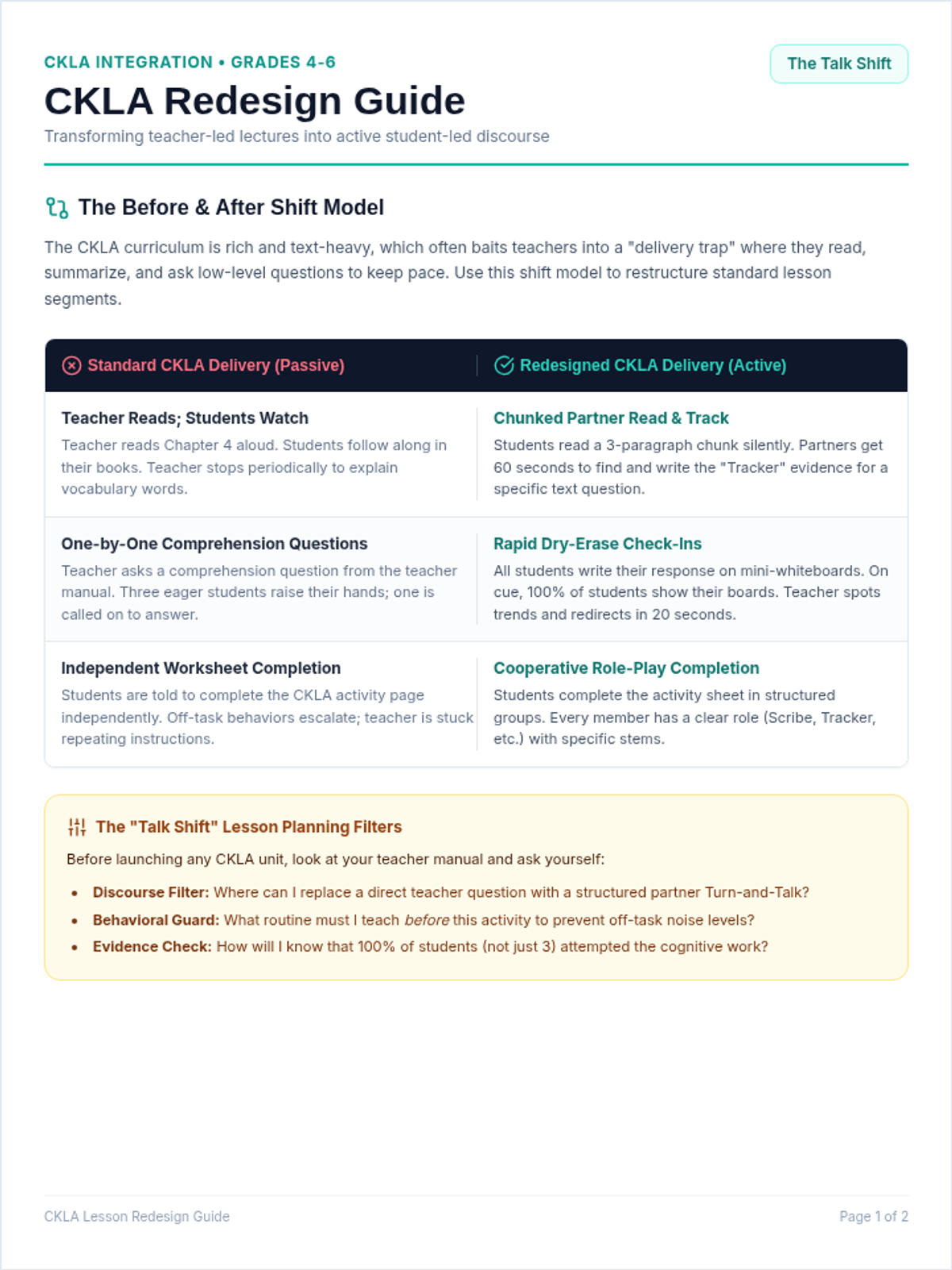
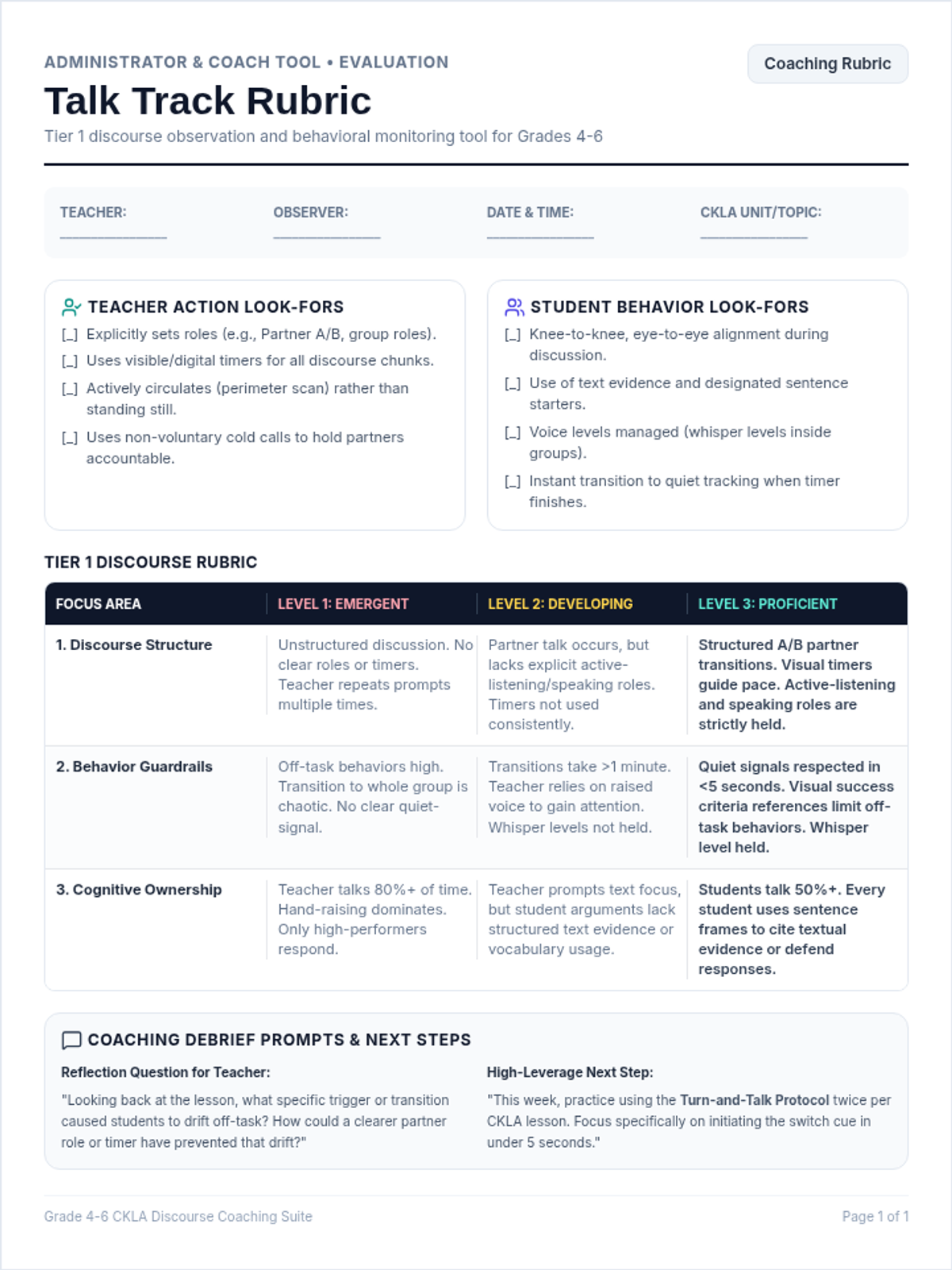
A comprehensive professional development module for grades 4-6 educators to transition from teacher-dominated lectures to structured, highly accountable, and engaging student-to-student discourse within the CKLA curriculum, backed by proactive behavior management strategies.
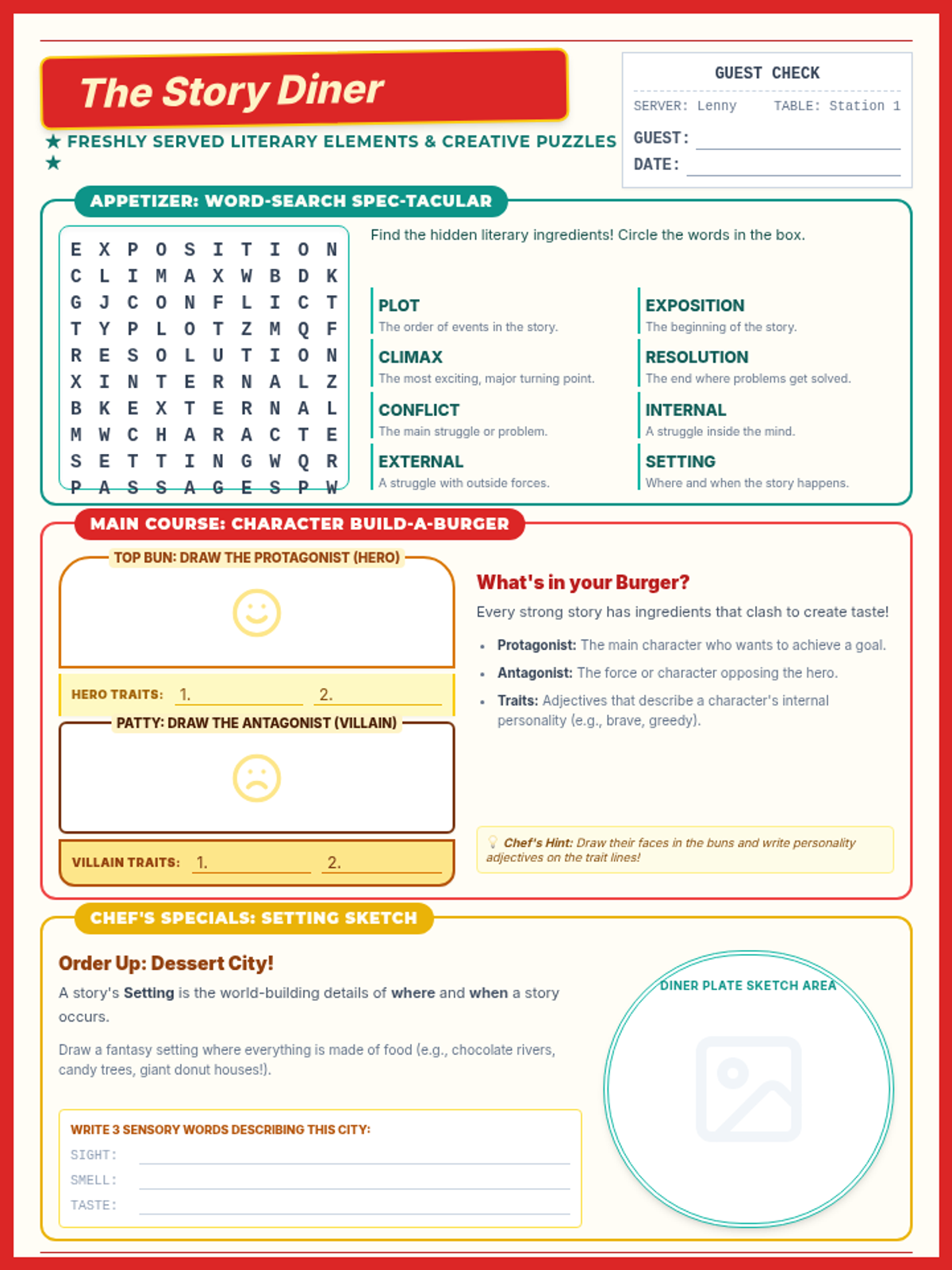
A restaurant-themed interactive station lesson designed to help English learners review key literary elements like plot, character, conflict, and theme through fun, self-directed menu puzzles.
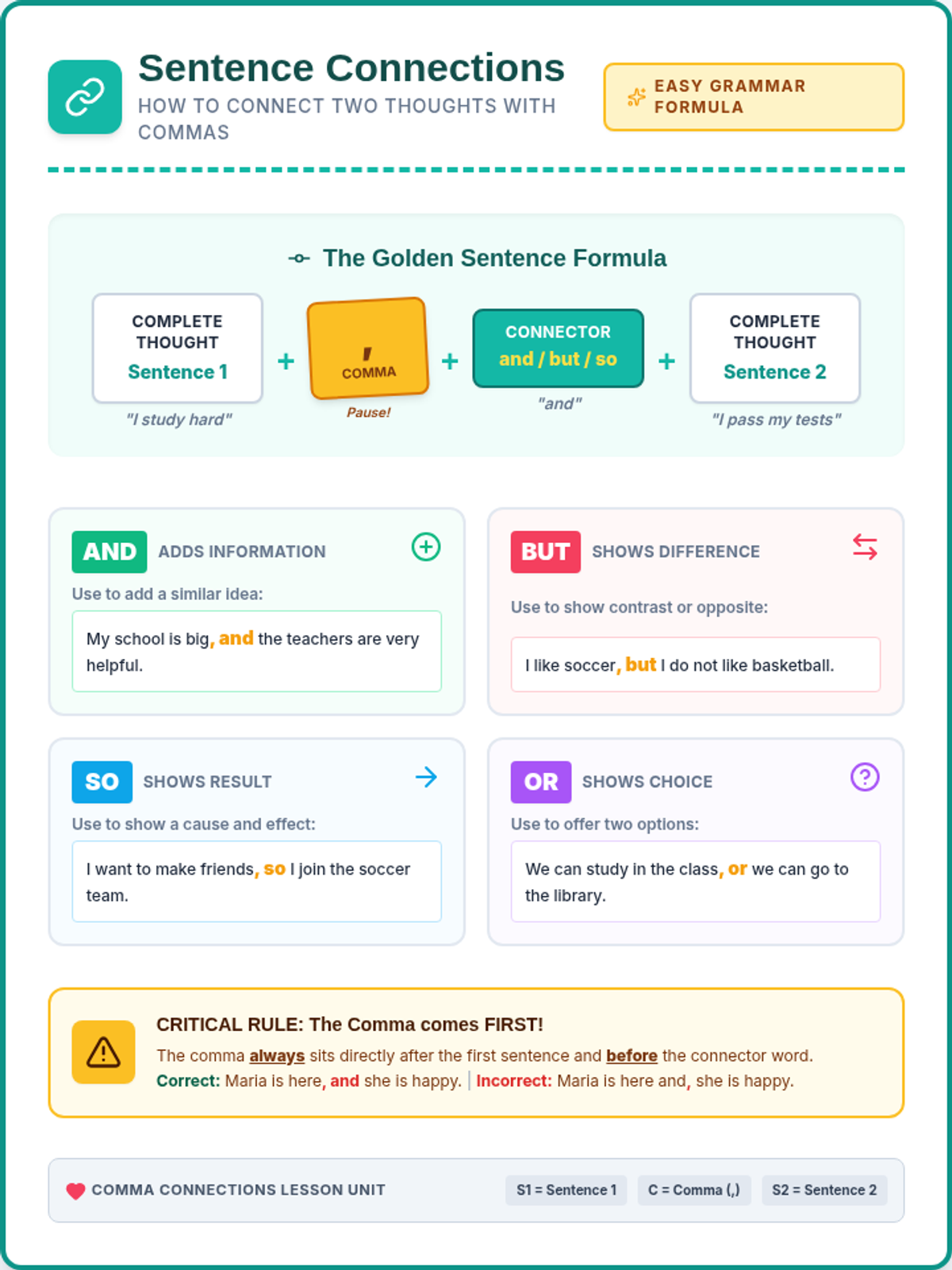
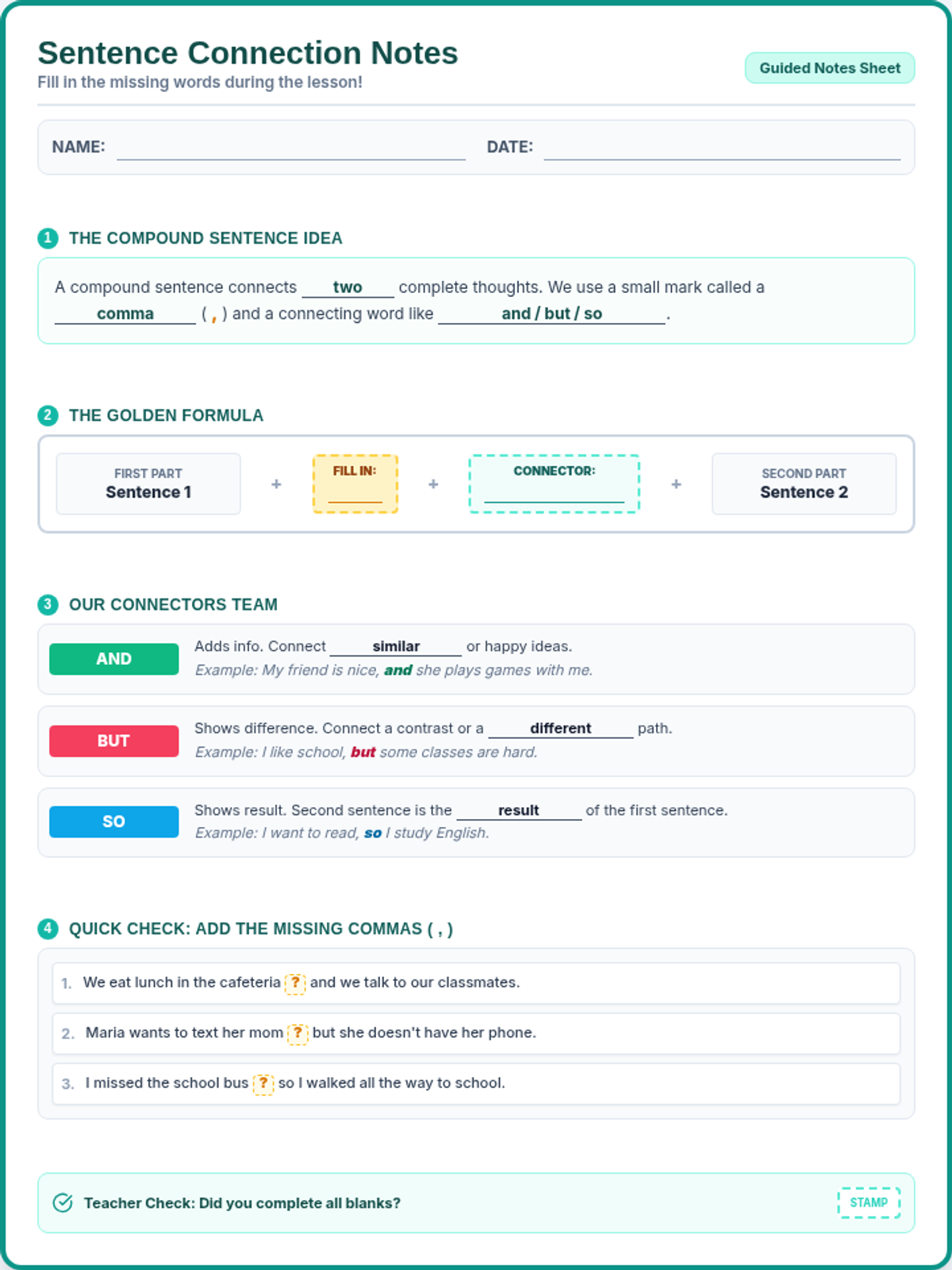
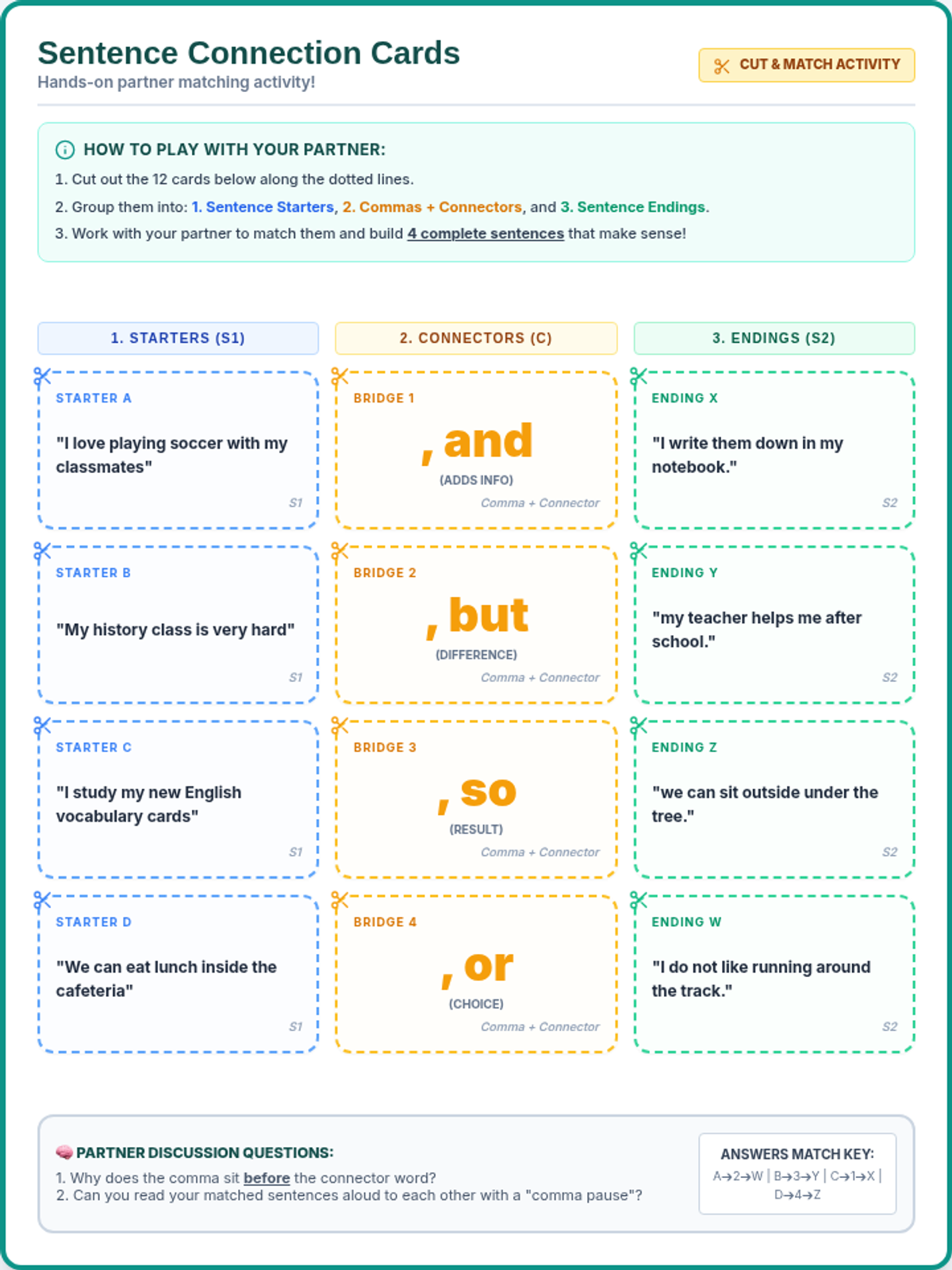
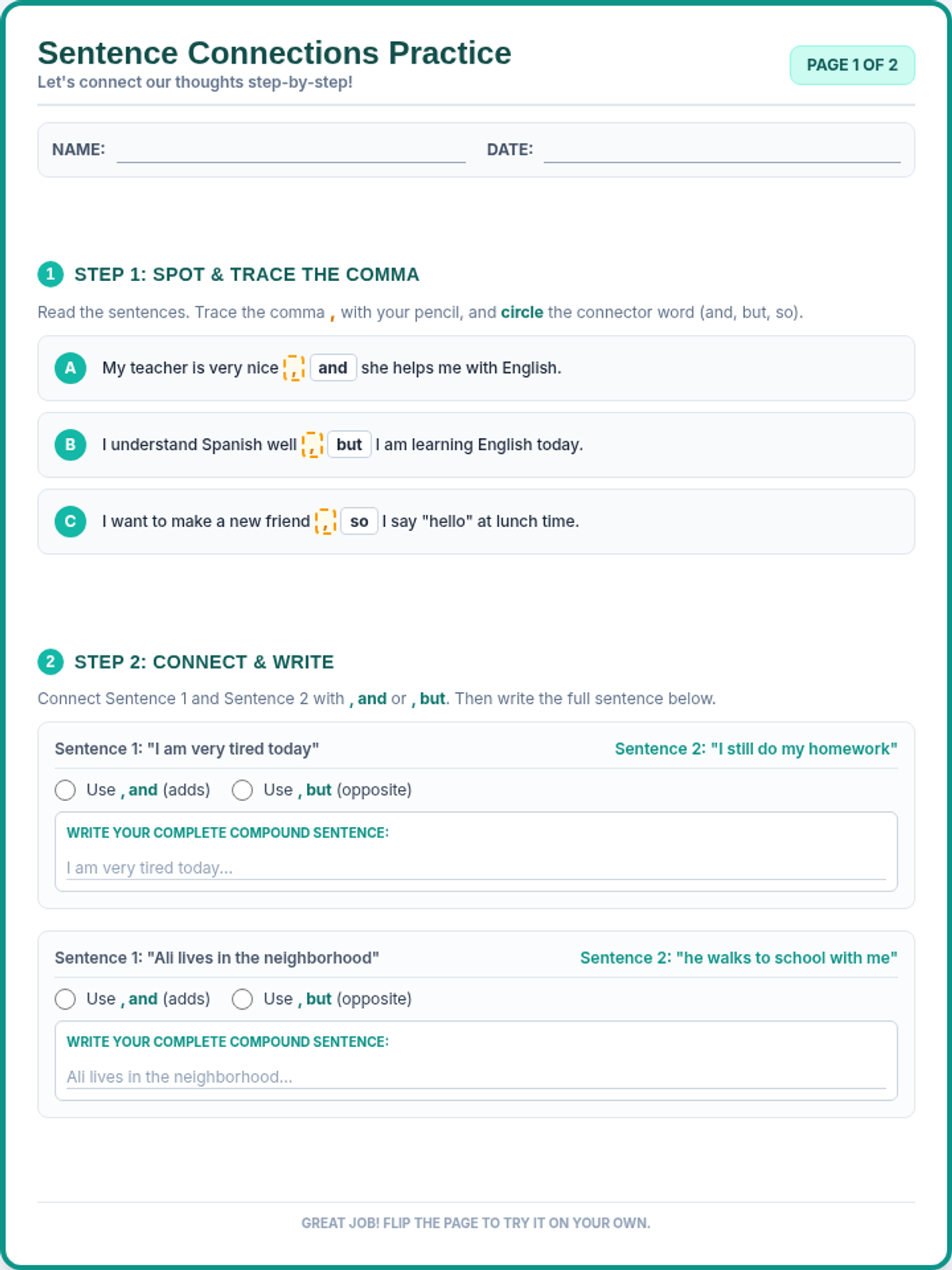
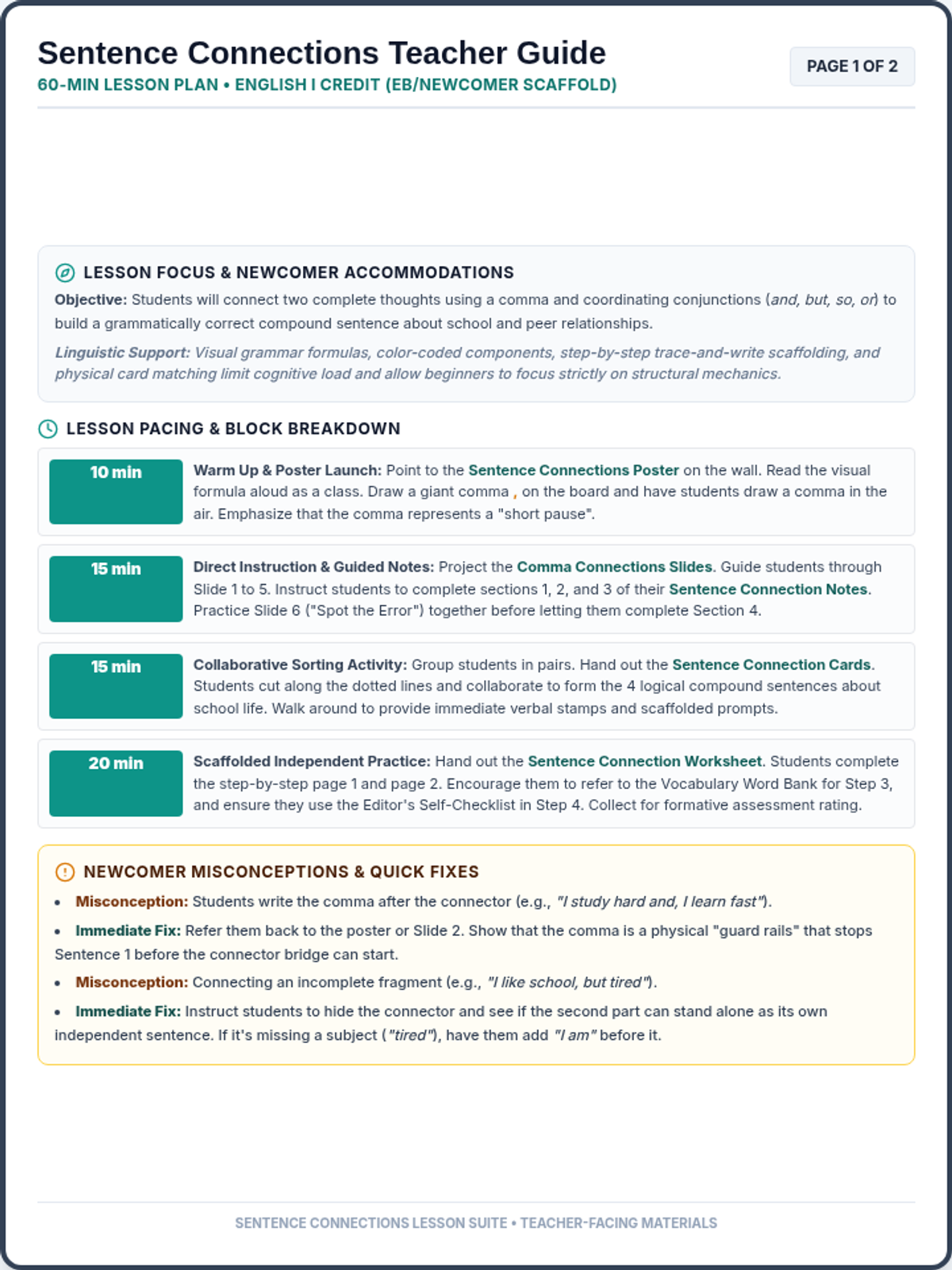
A highly scaffolded 60-minute grammar lesson for EB/Newcomer students to master commas in compound sentences. Uses visual formulas, highly accessible language, and hands-on practice built around school and relationships.
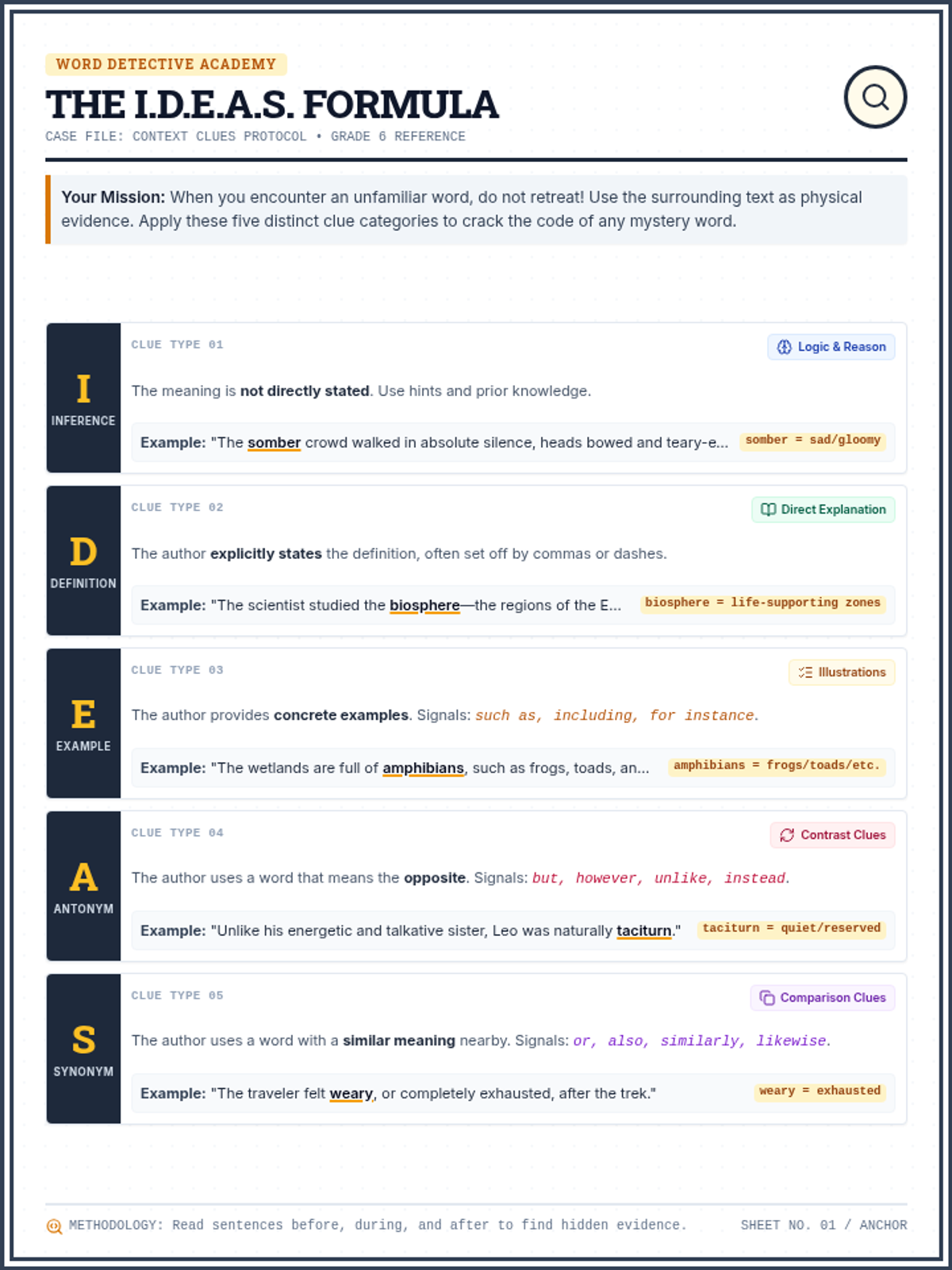
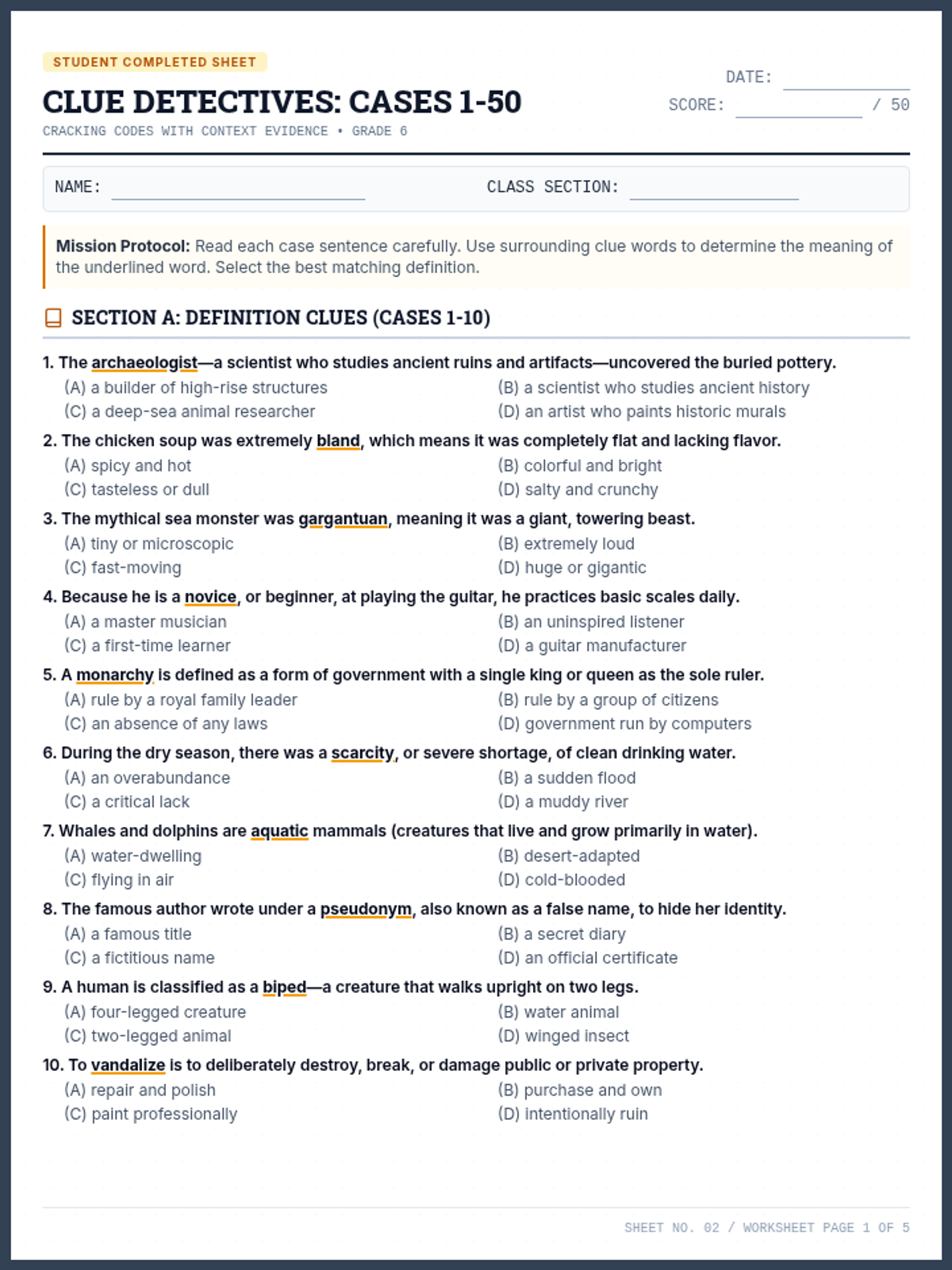
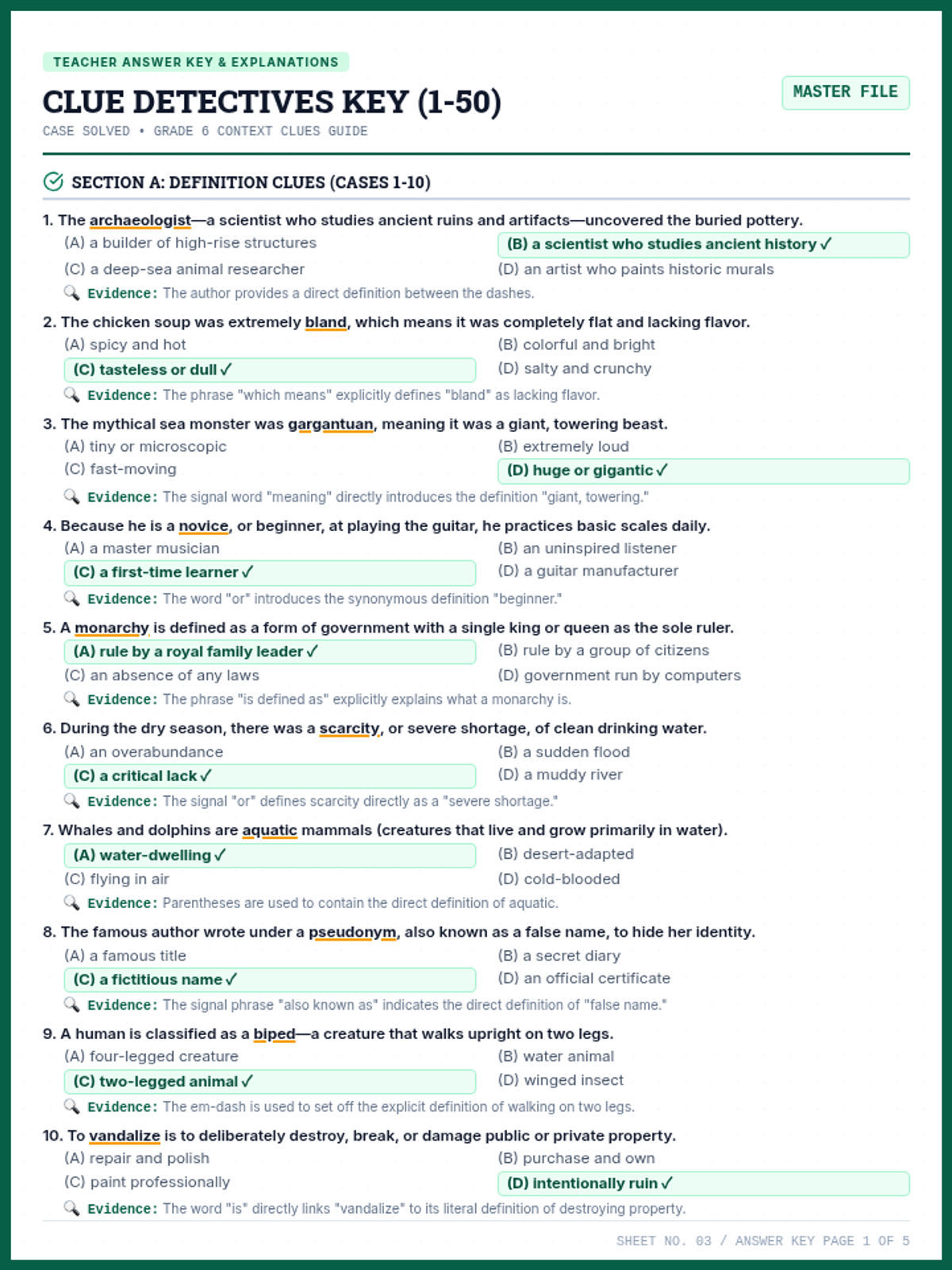
A comprehensive 6th-grade lesson on using context clues to decipher unfamiliar words. Students learn the IDEAS strategy (Inference, Definition, Example, Antonym, Synonym) and practice applying it across 50 targeted questions.
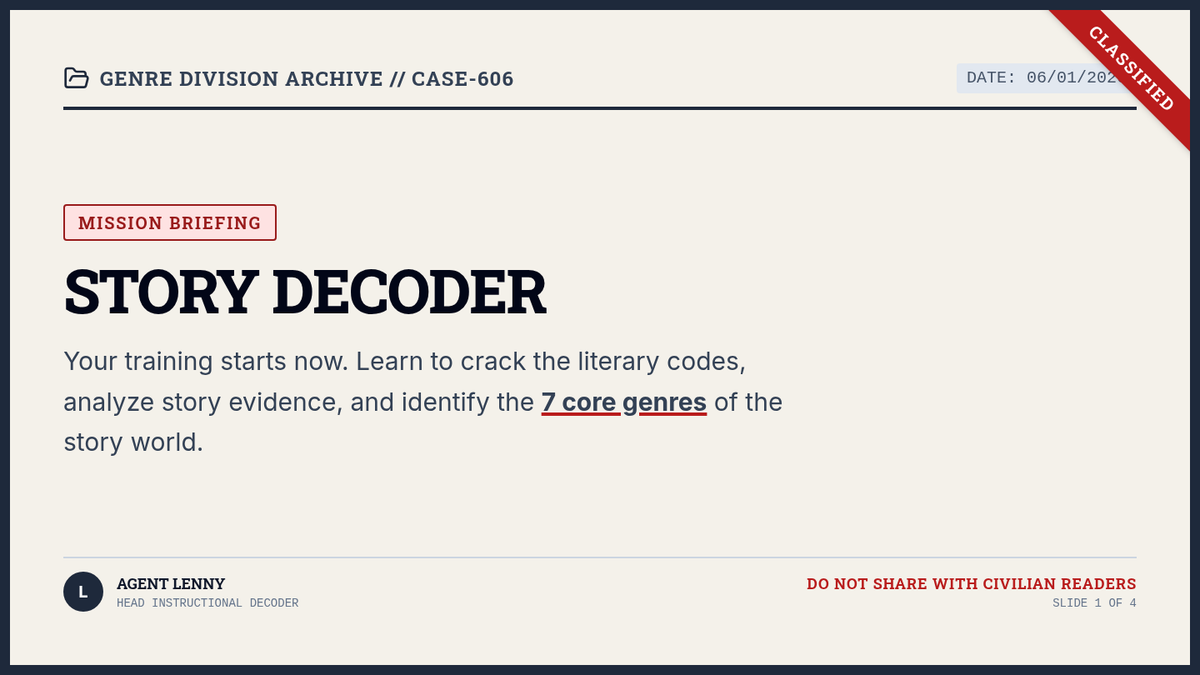
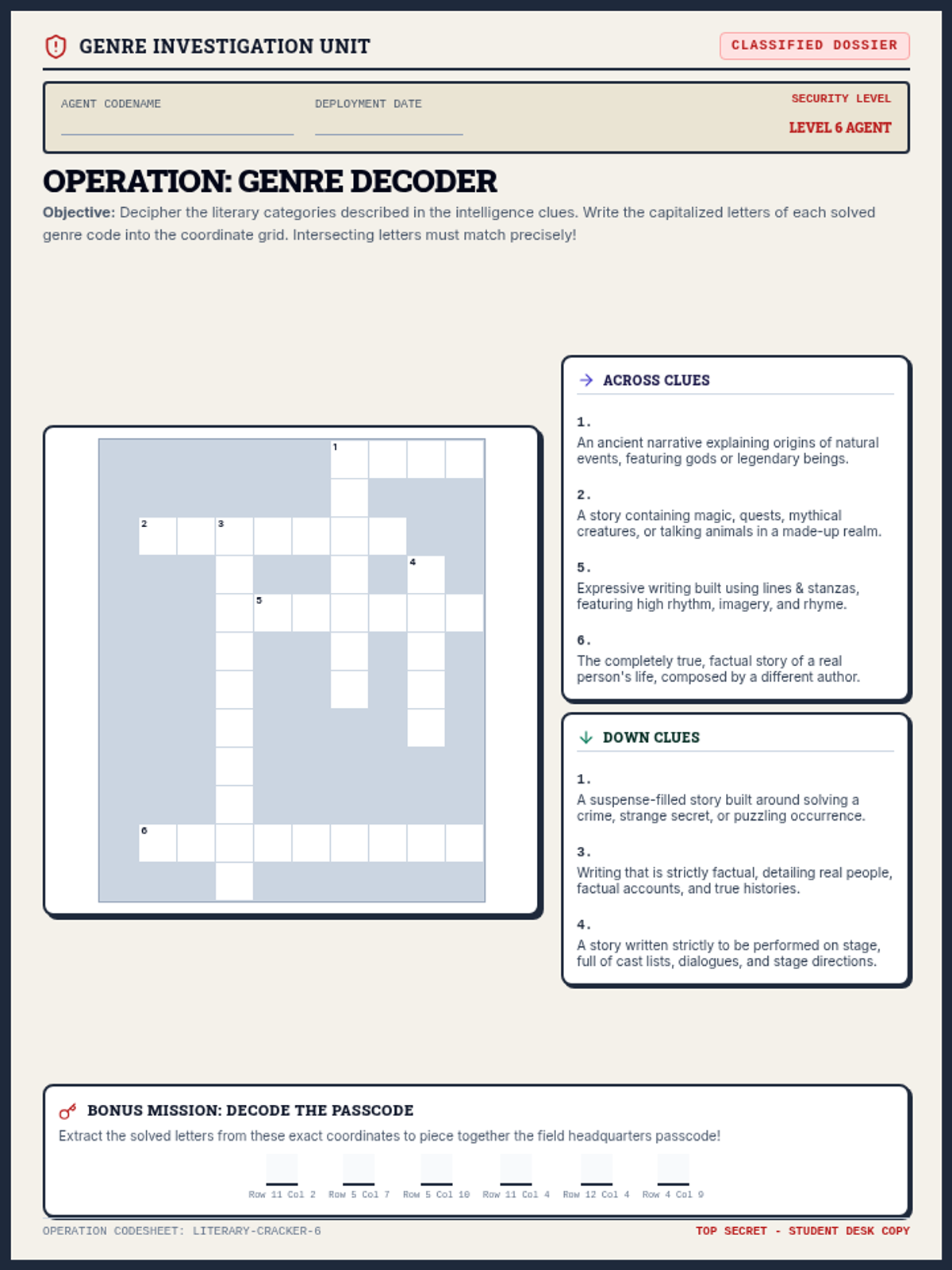
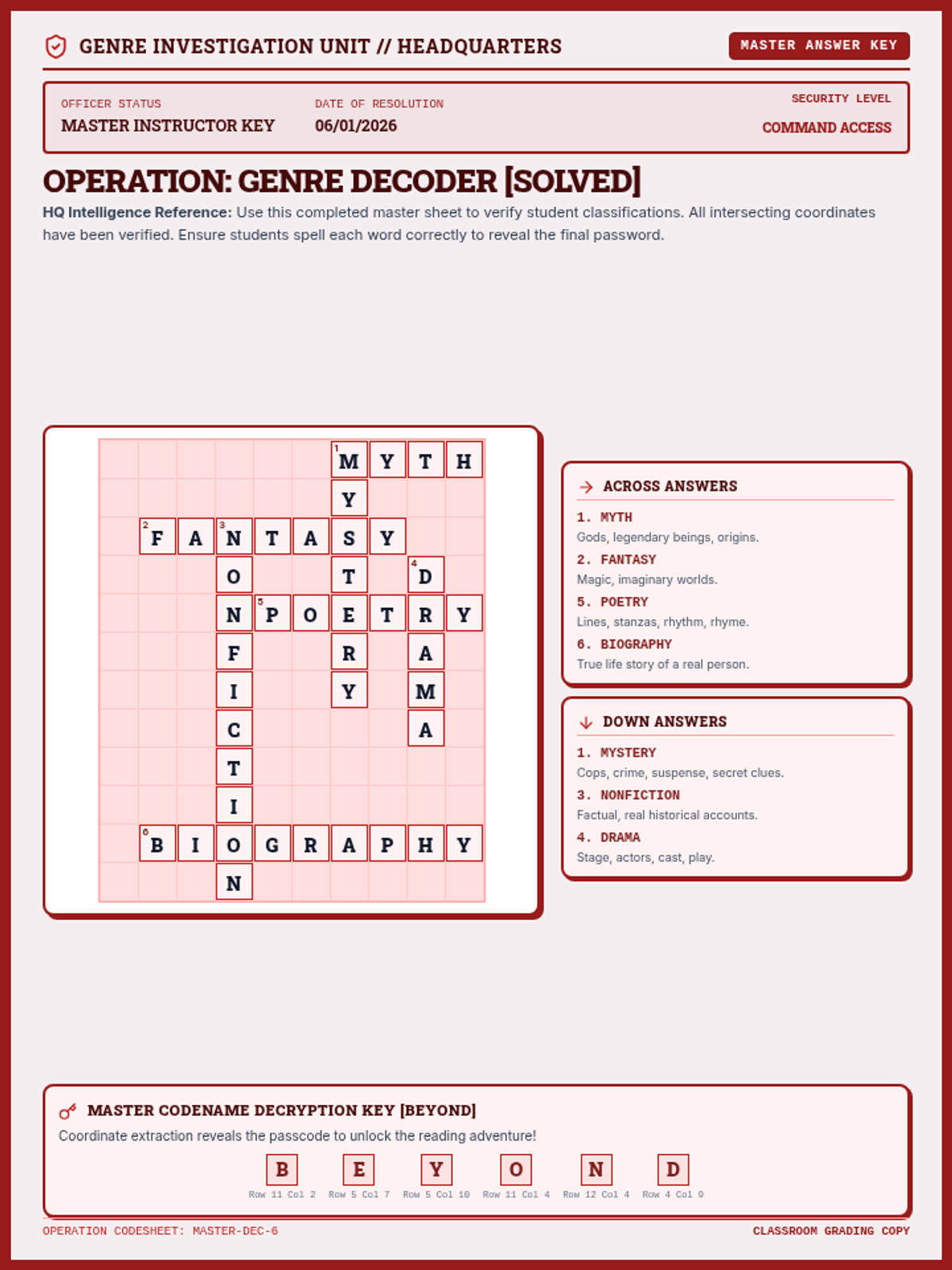
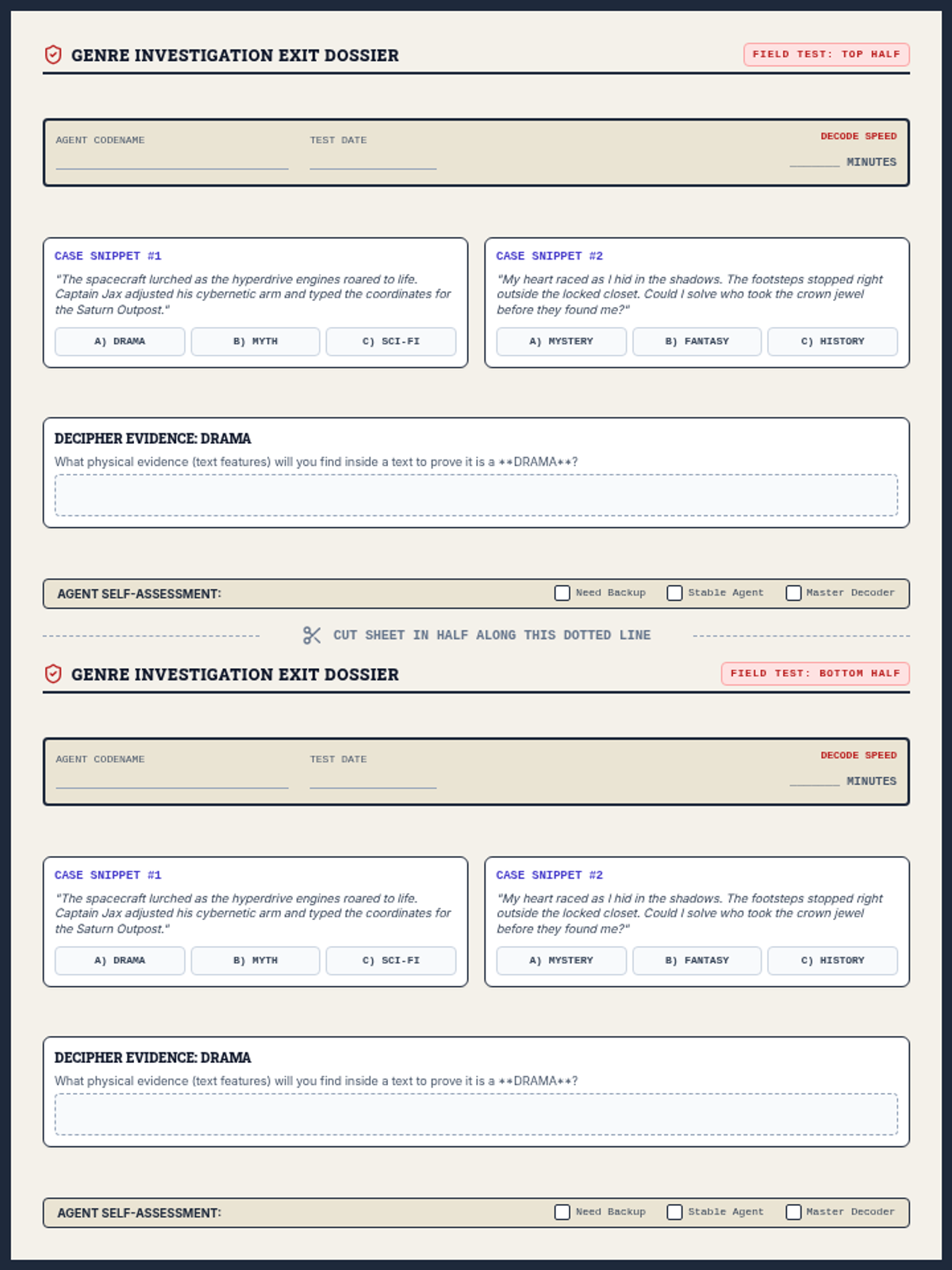
An engaging mini-lesson introducing 6th graders to literary genres through interactive decoding. Includes slides, a creative crossword puzzle, an answer key, and an exit ticket.
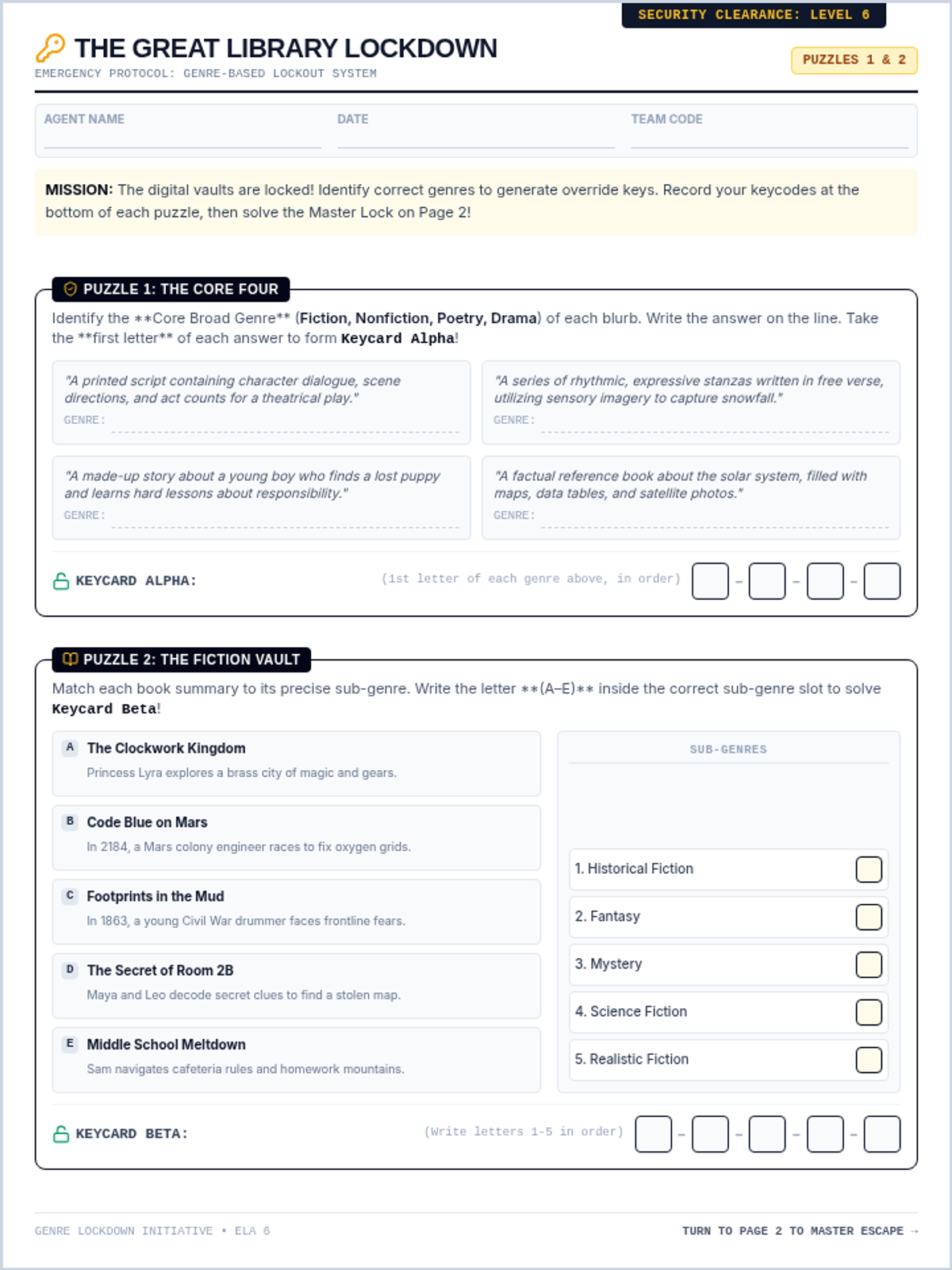
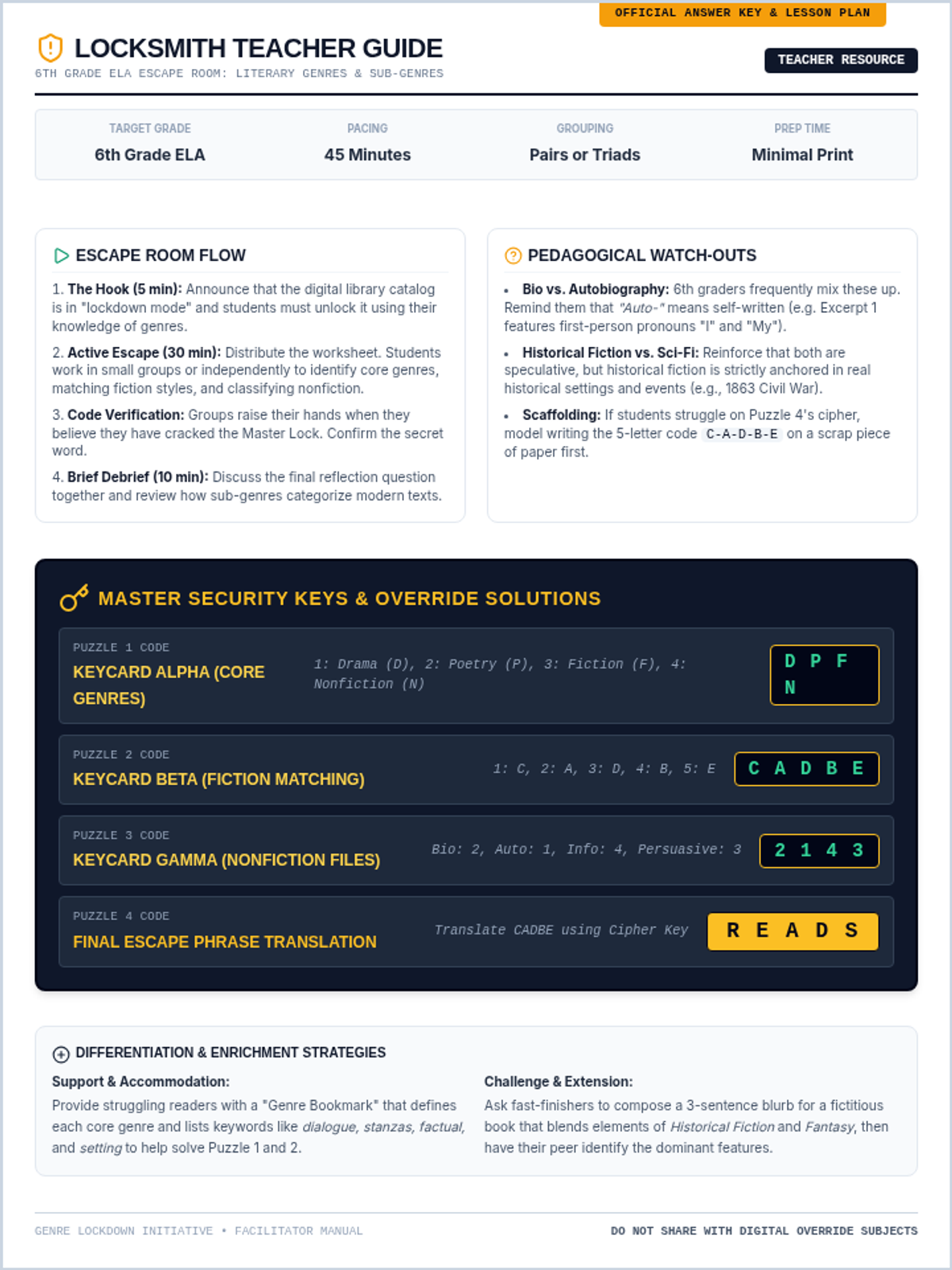
An engaging 6th-grade ELA lesson where students solve literary genre puzzles and crack codes to unlock a virtual library door, reinforcing their understanding of fiction, nonfiction, poetry, and drama sub-genres.