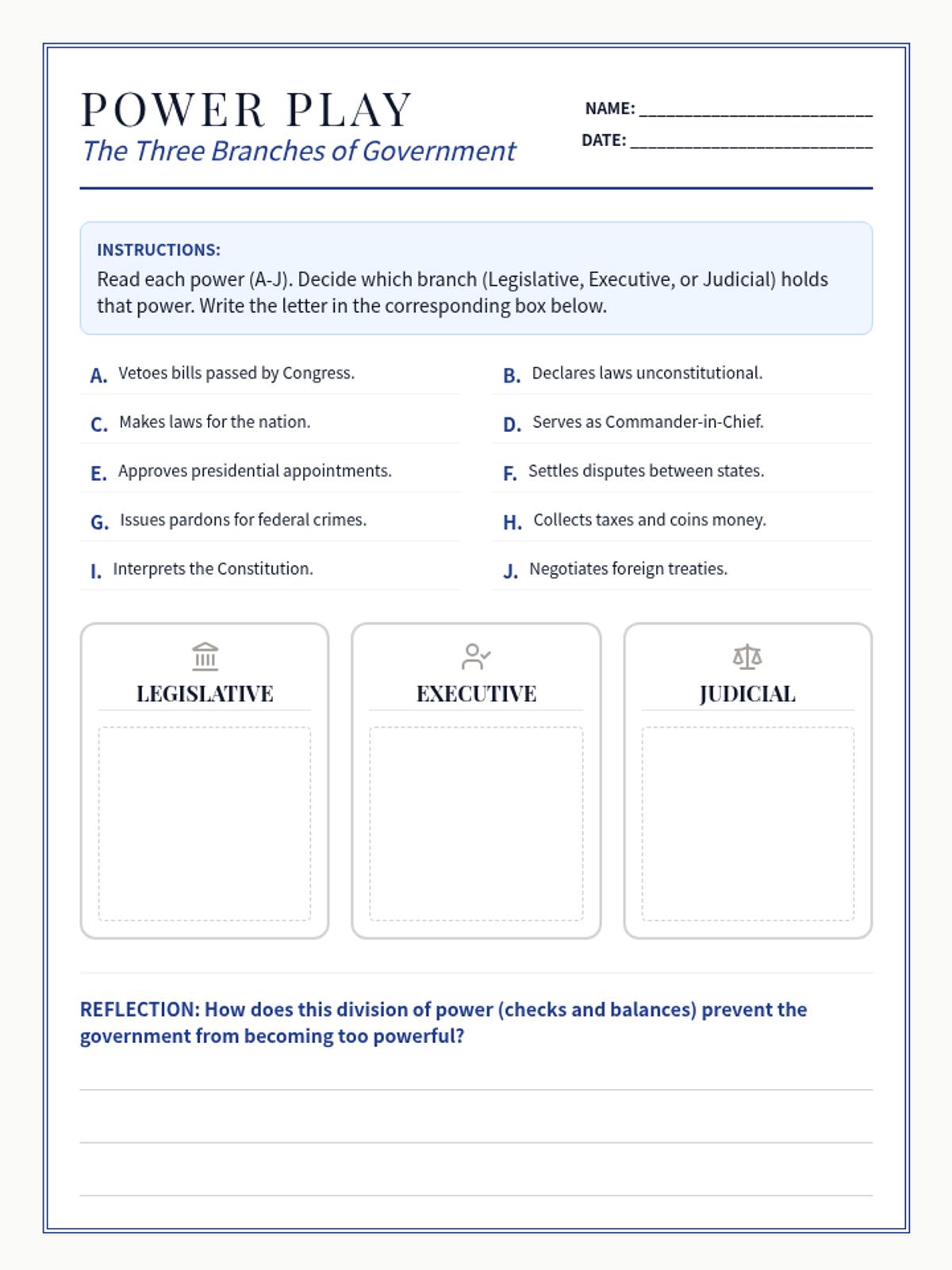
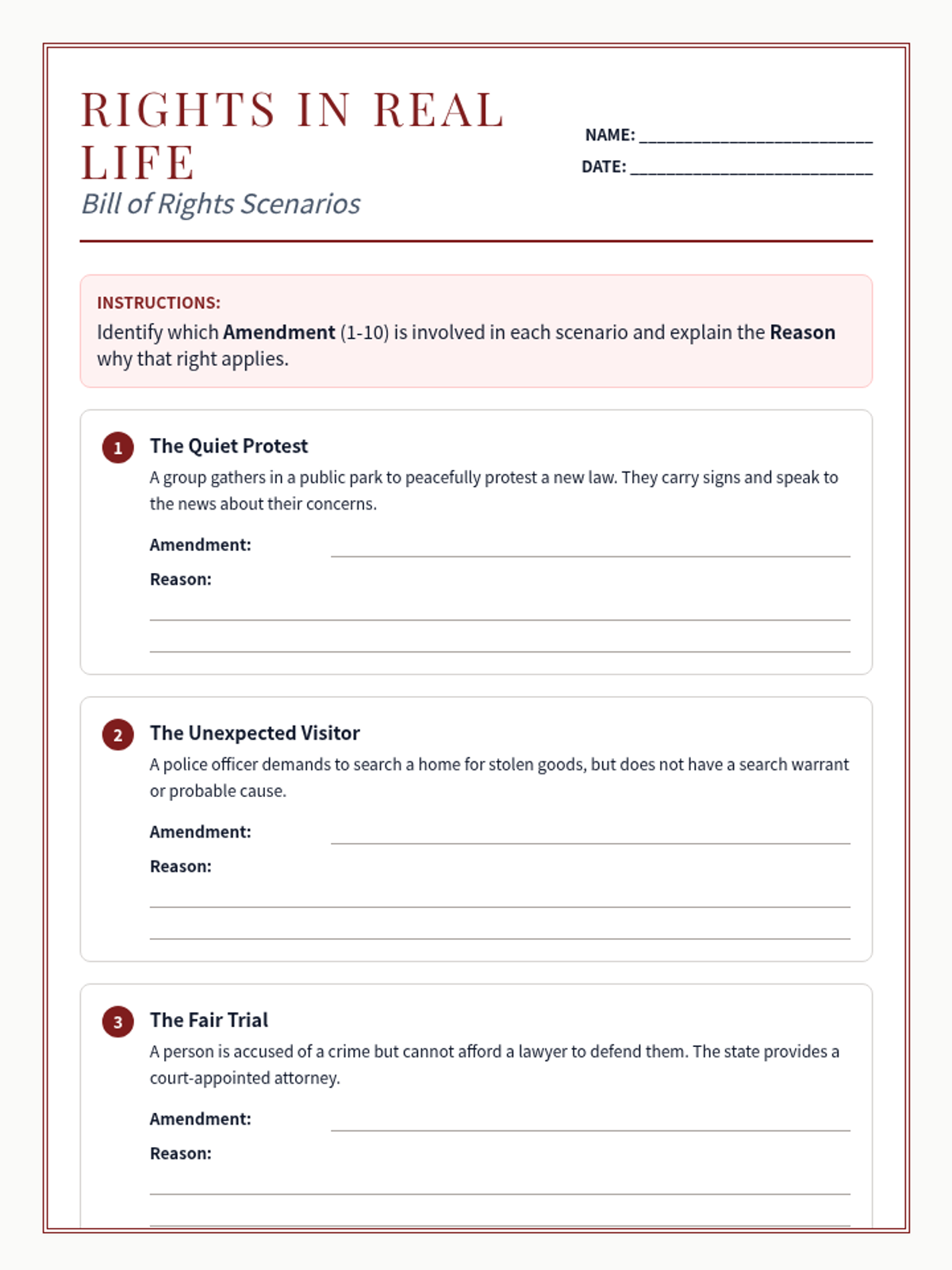
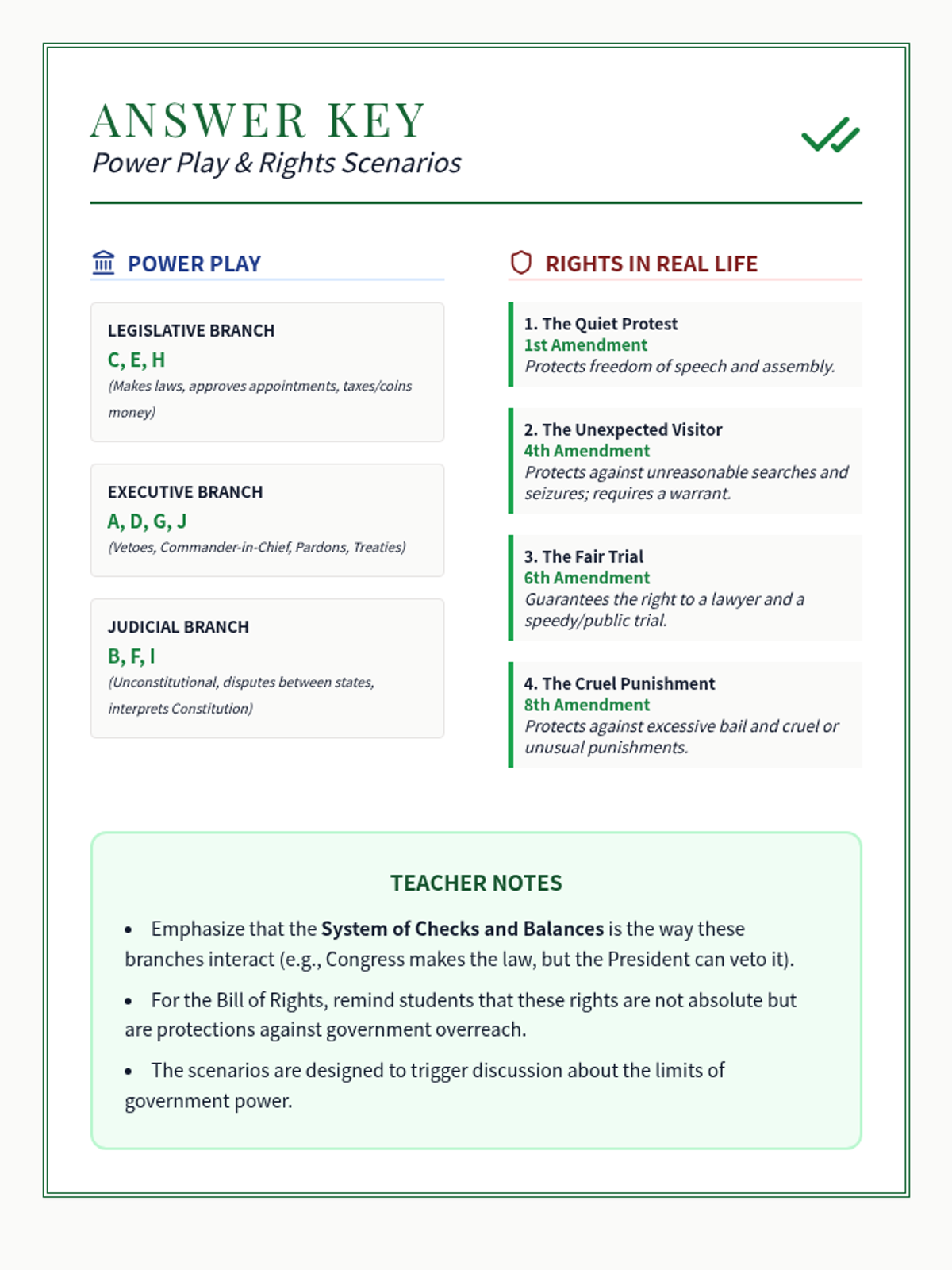
A comprehensive 6th-grade civics lesson on the Three Branches of Government, exploring the roles, responsibilities, and the system of checks and balances that keeps them in equilibrium.
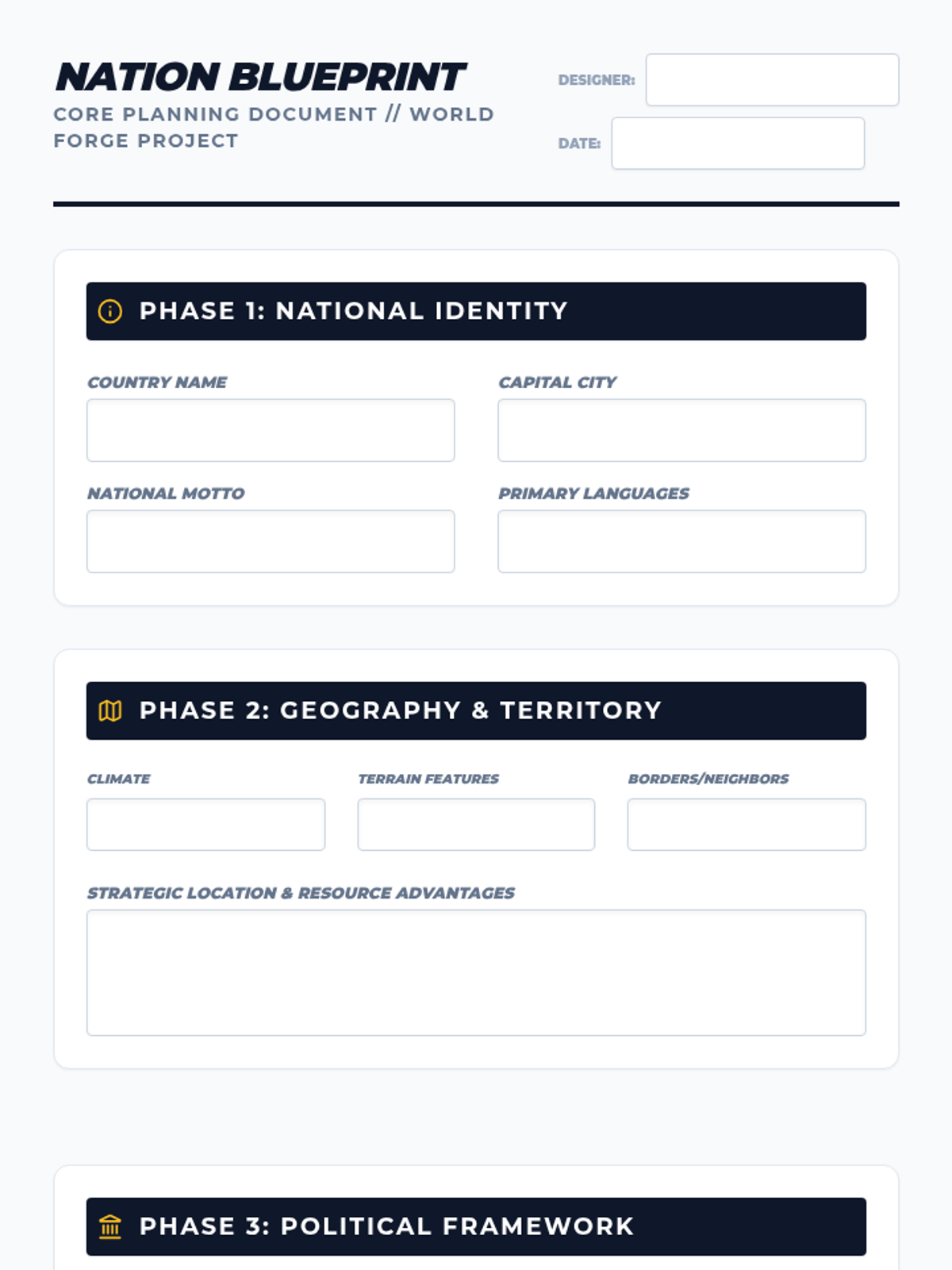
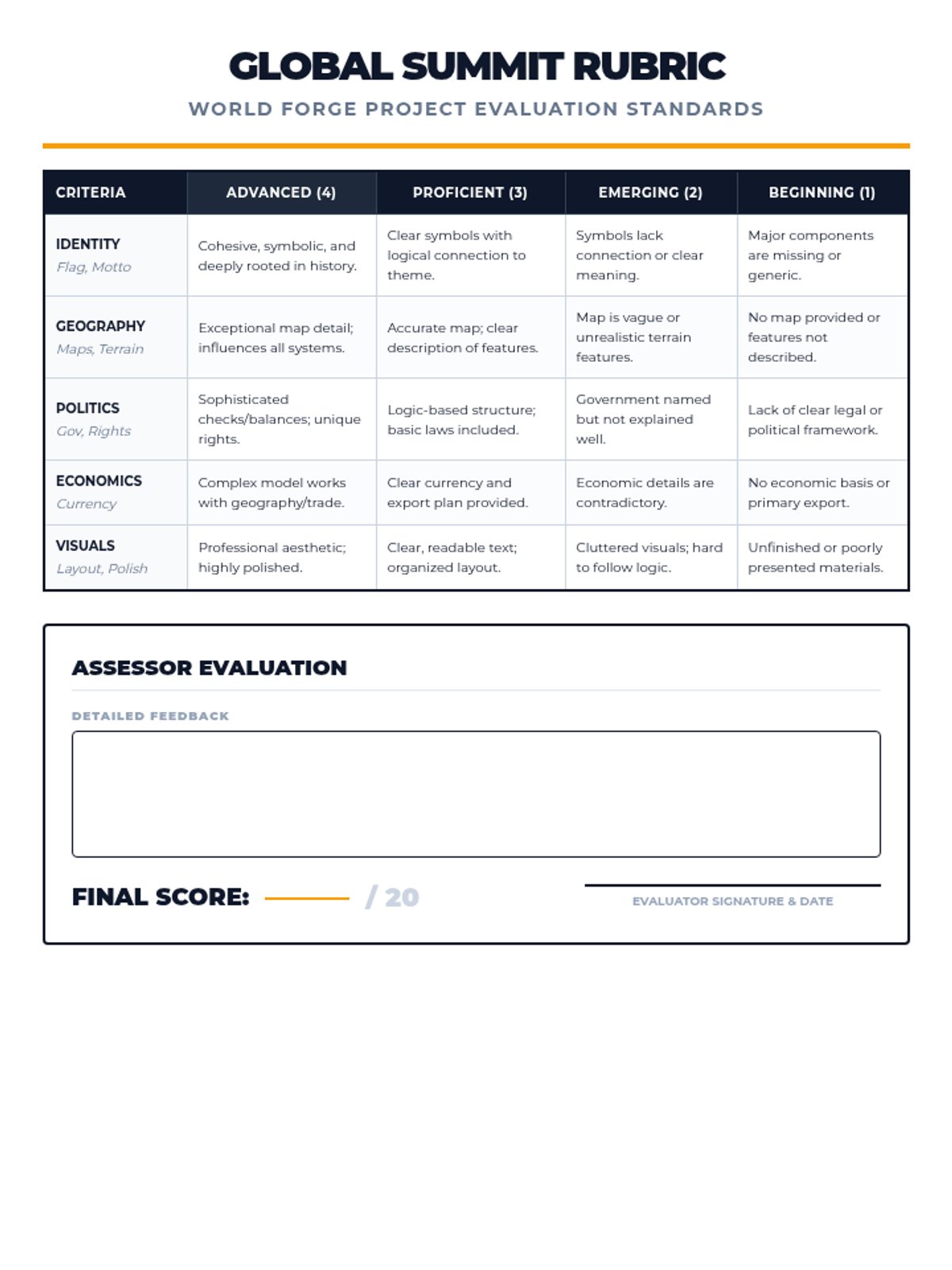
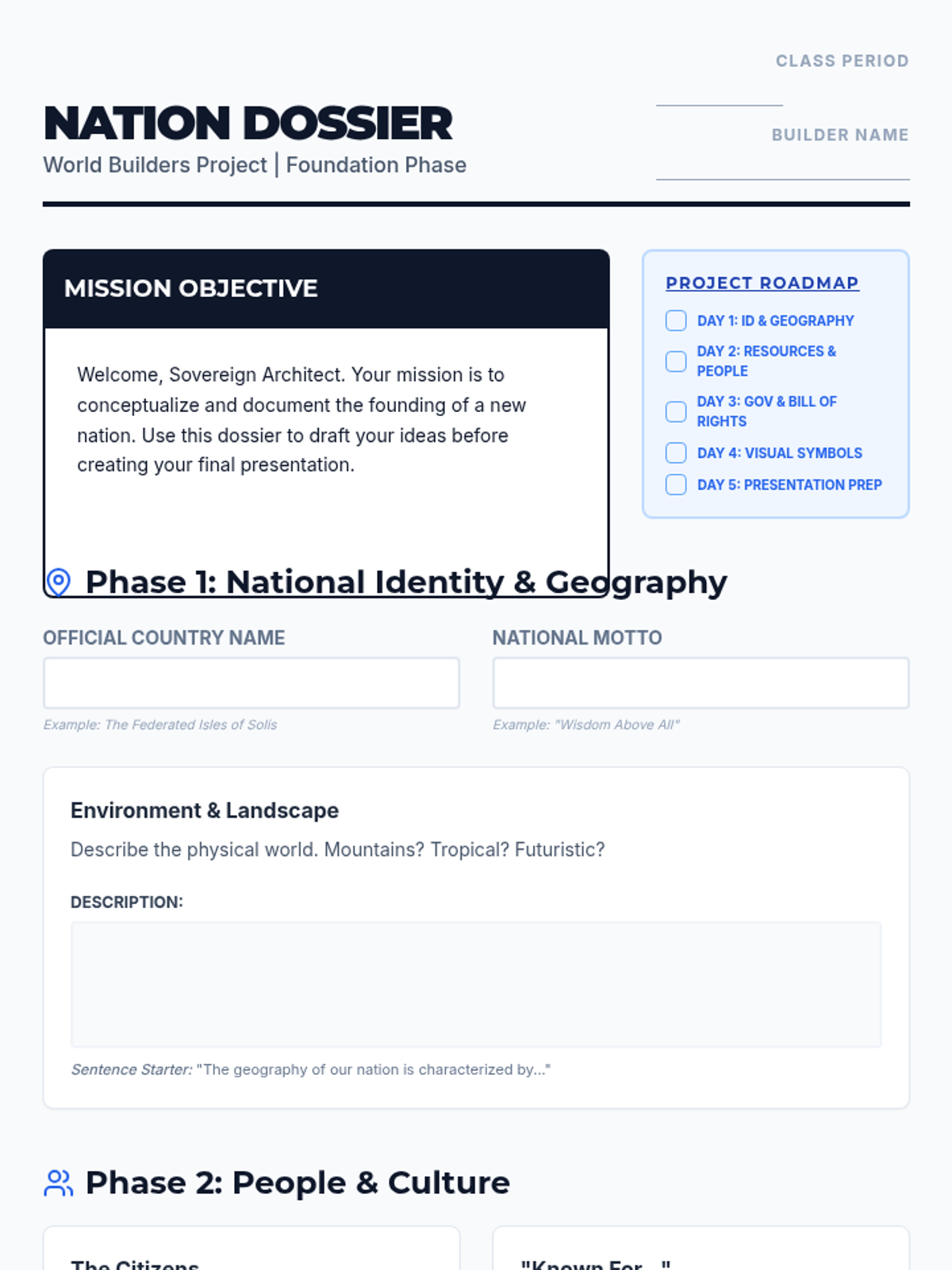
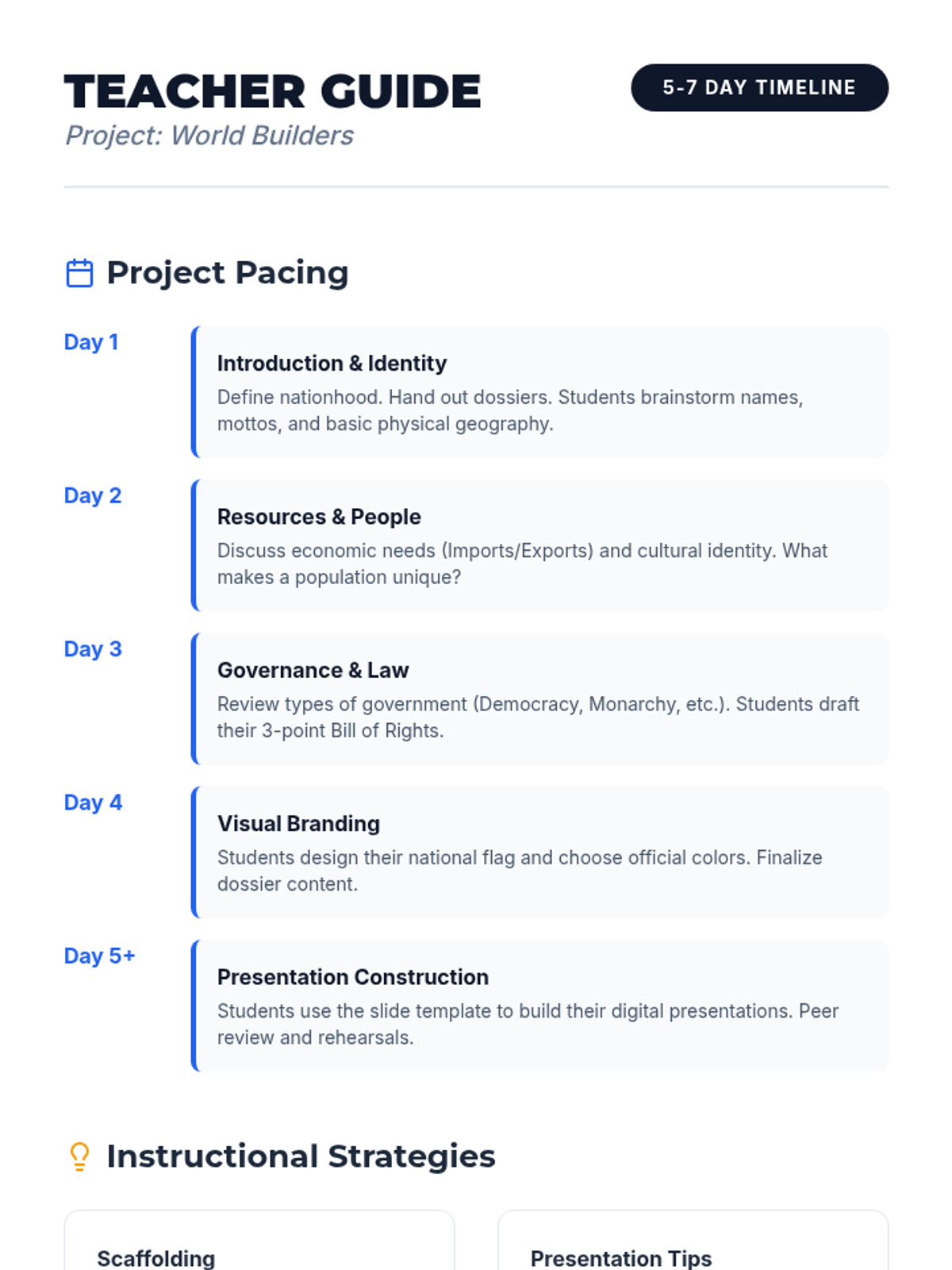
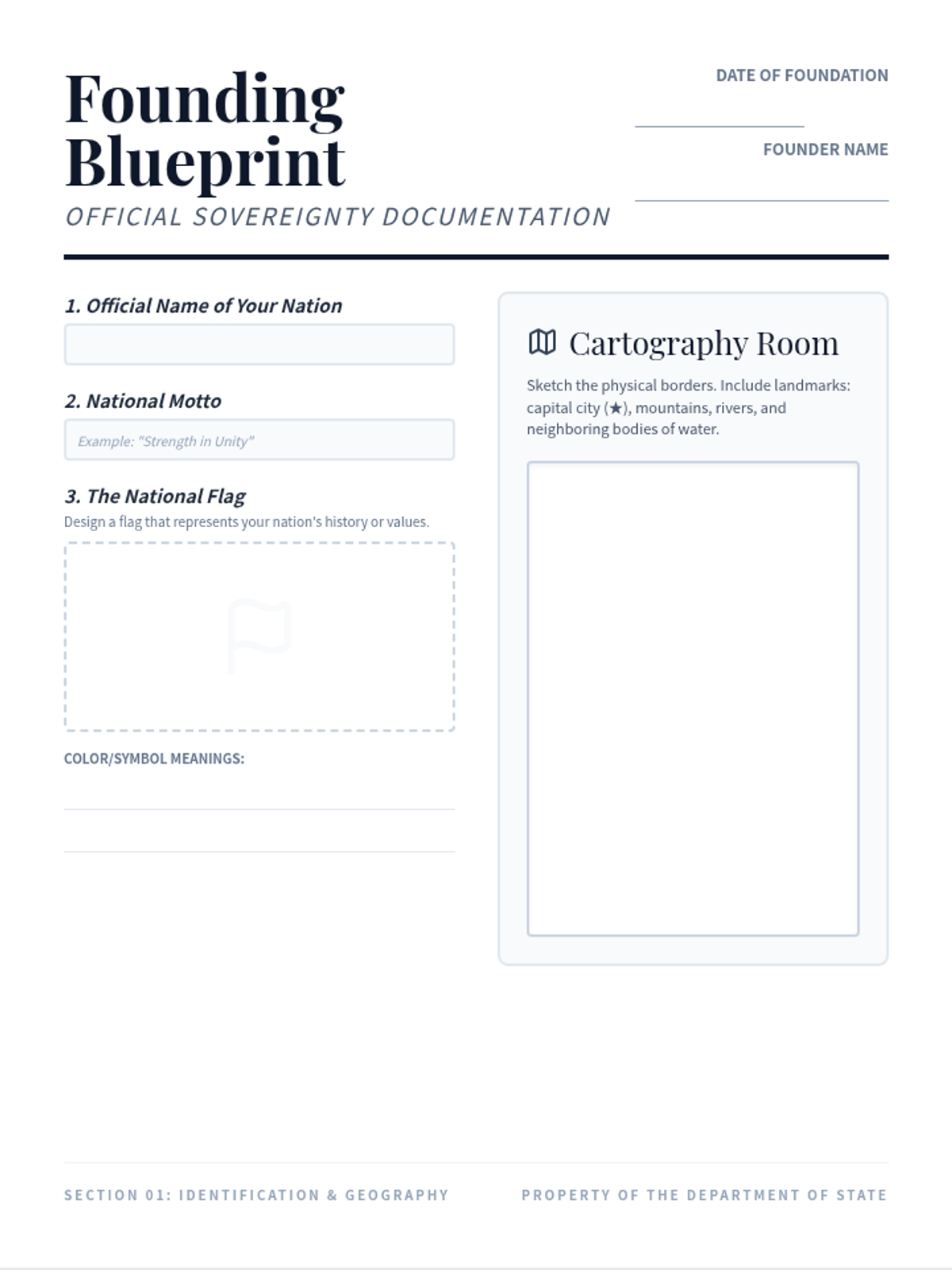
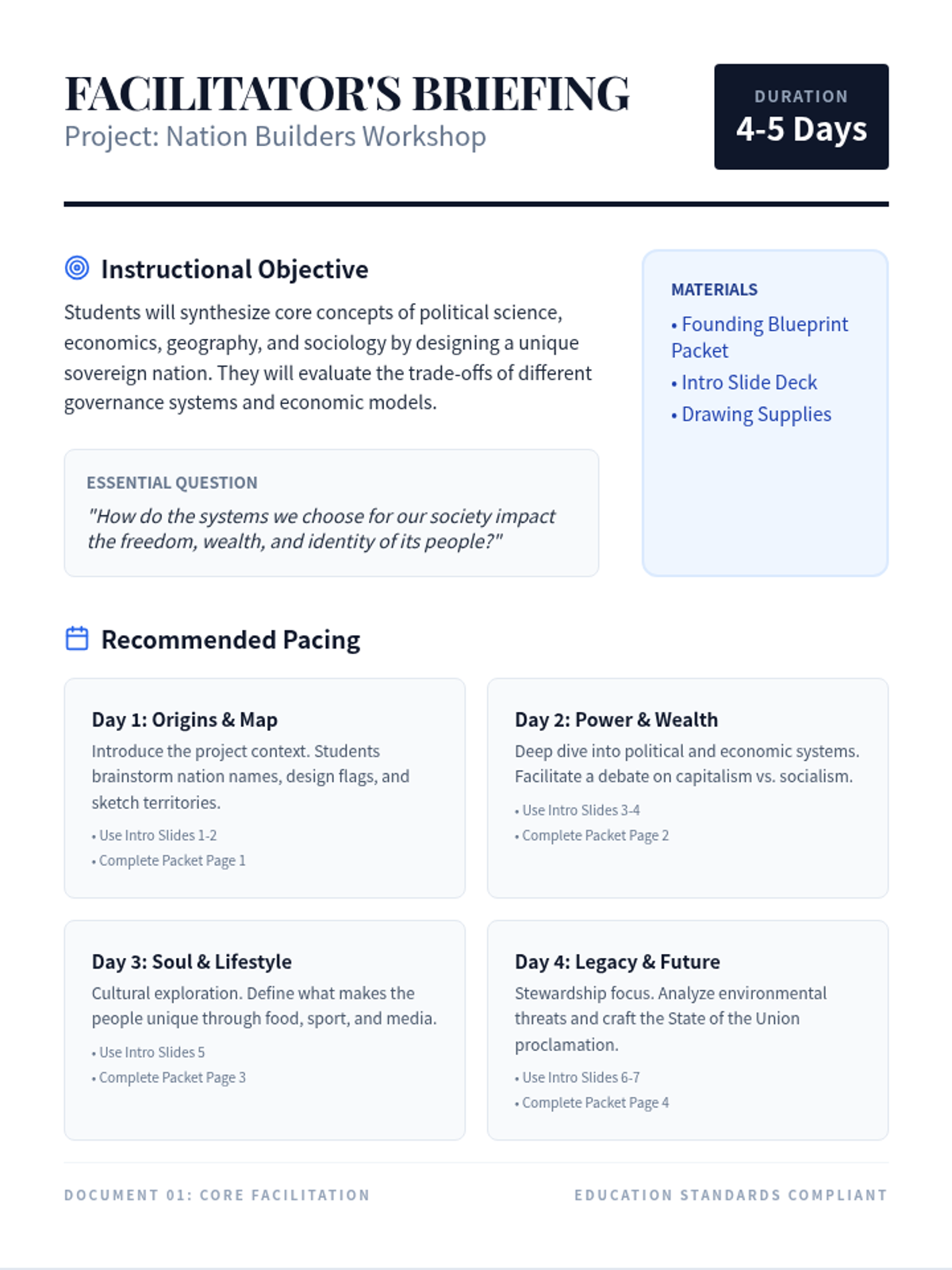
A comprehensive project where students design every aspect of a new nation, from its geography and government to its economy and culture. This lesson provides the instructional framework and examples needed for students to build a logical and cohesive country model.
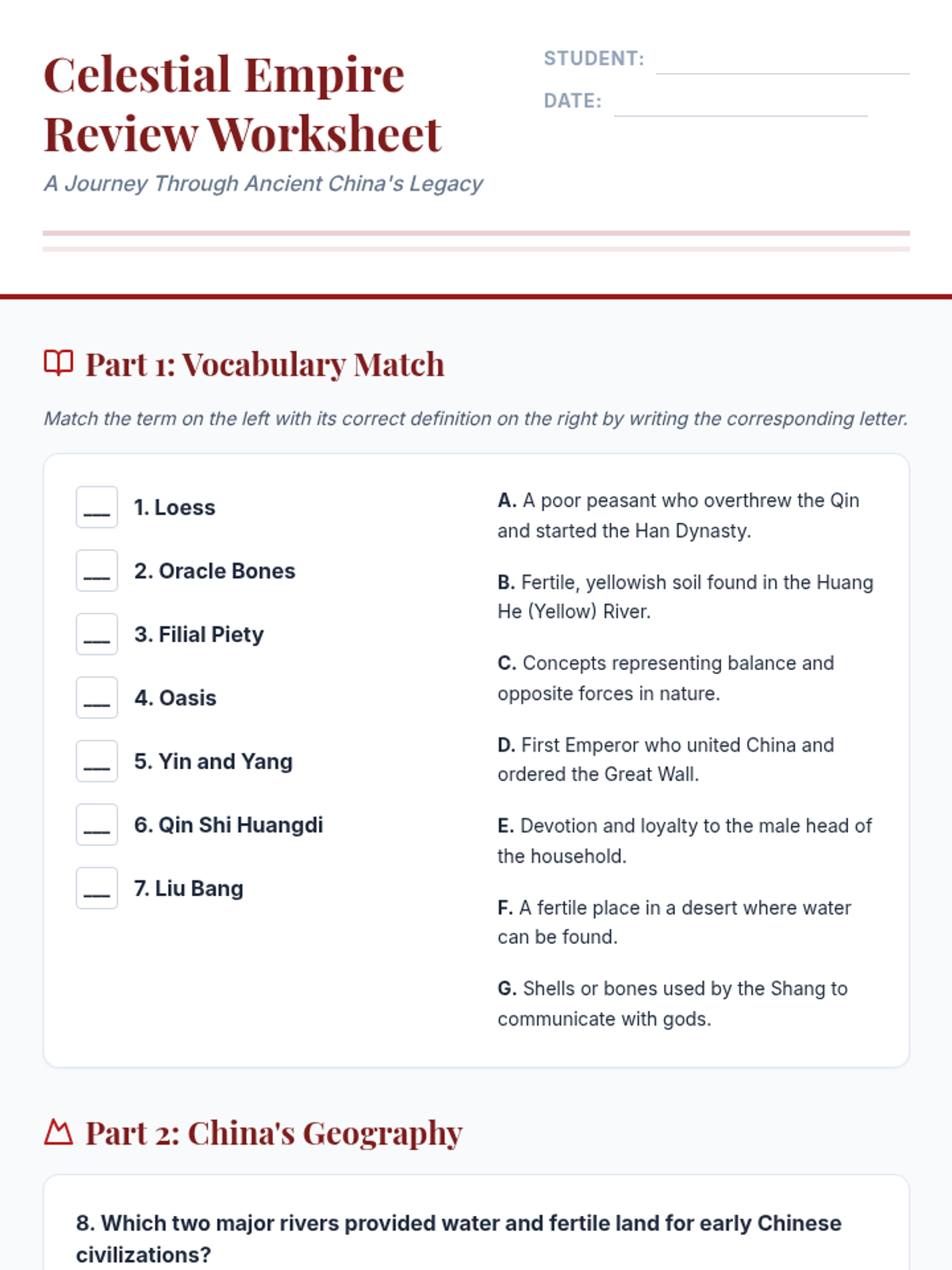
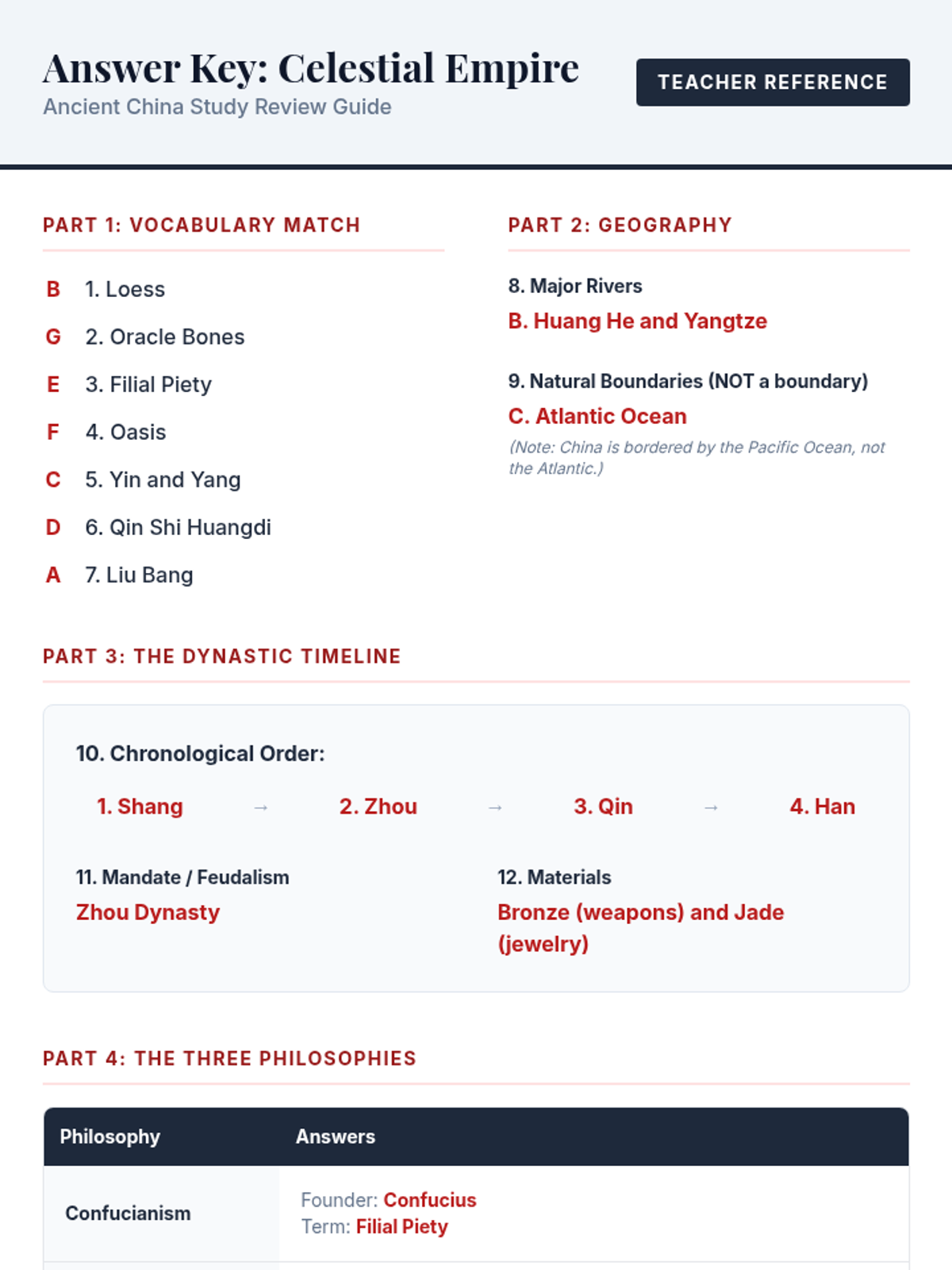
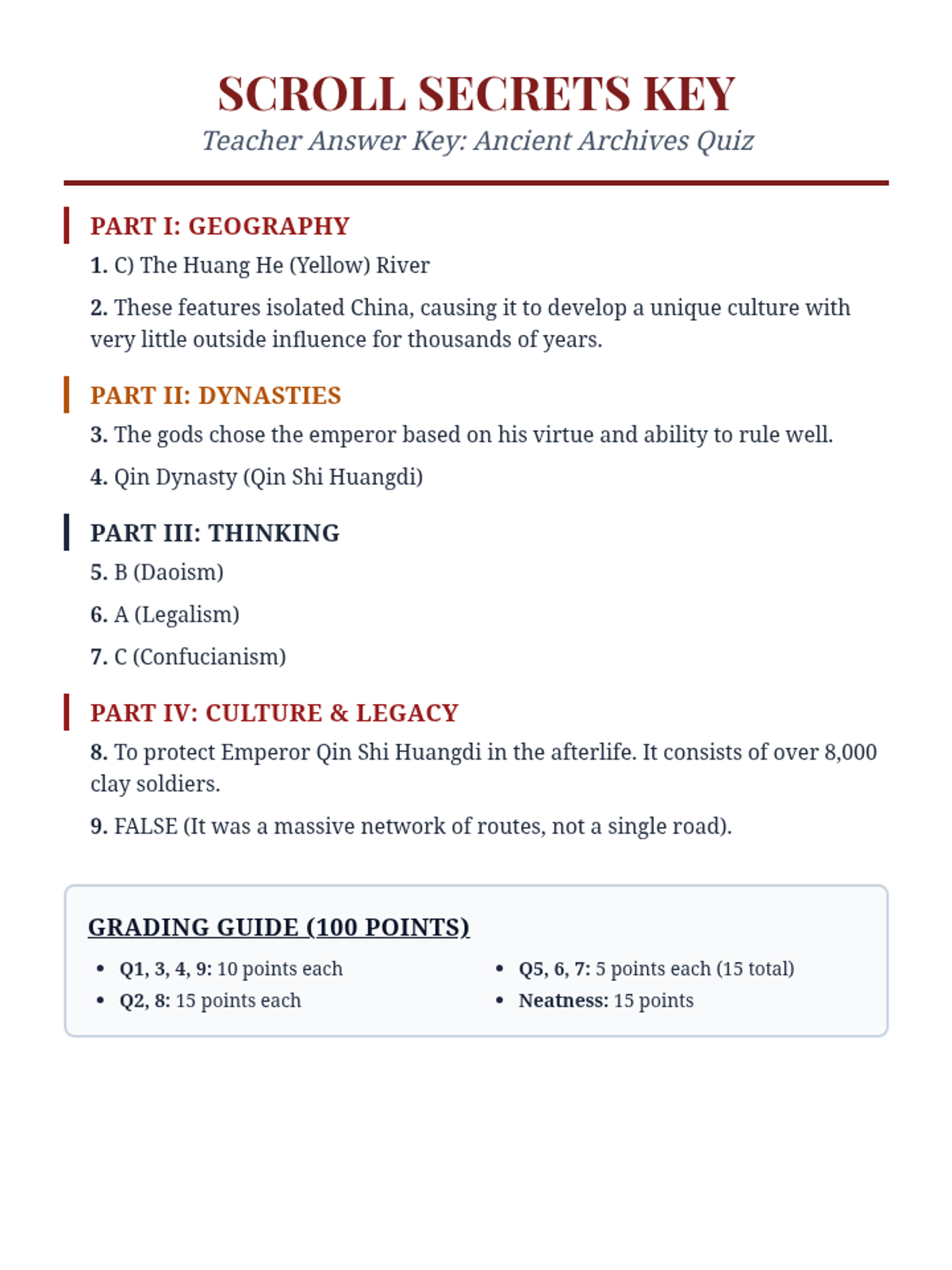
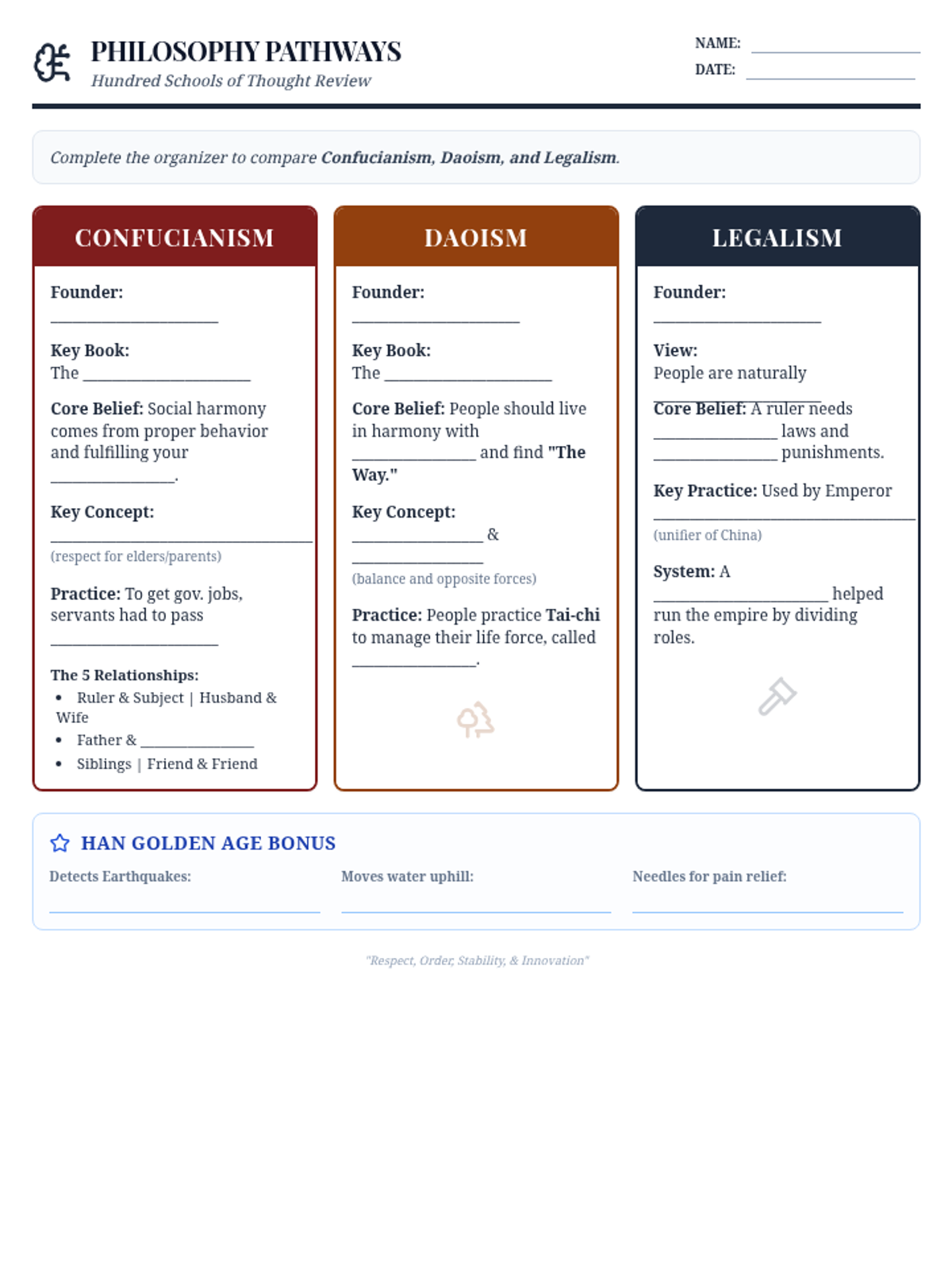
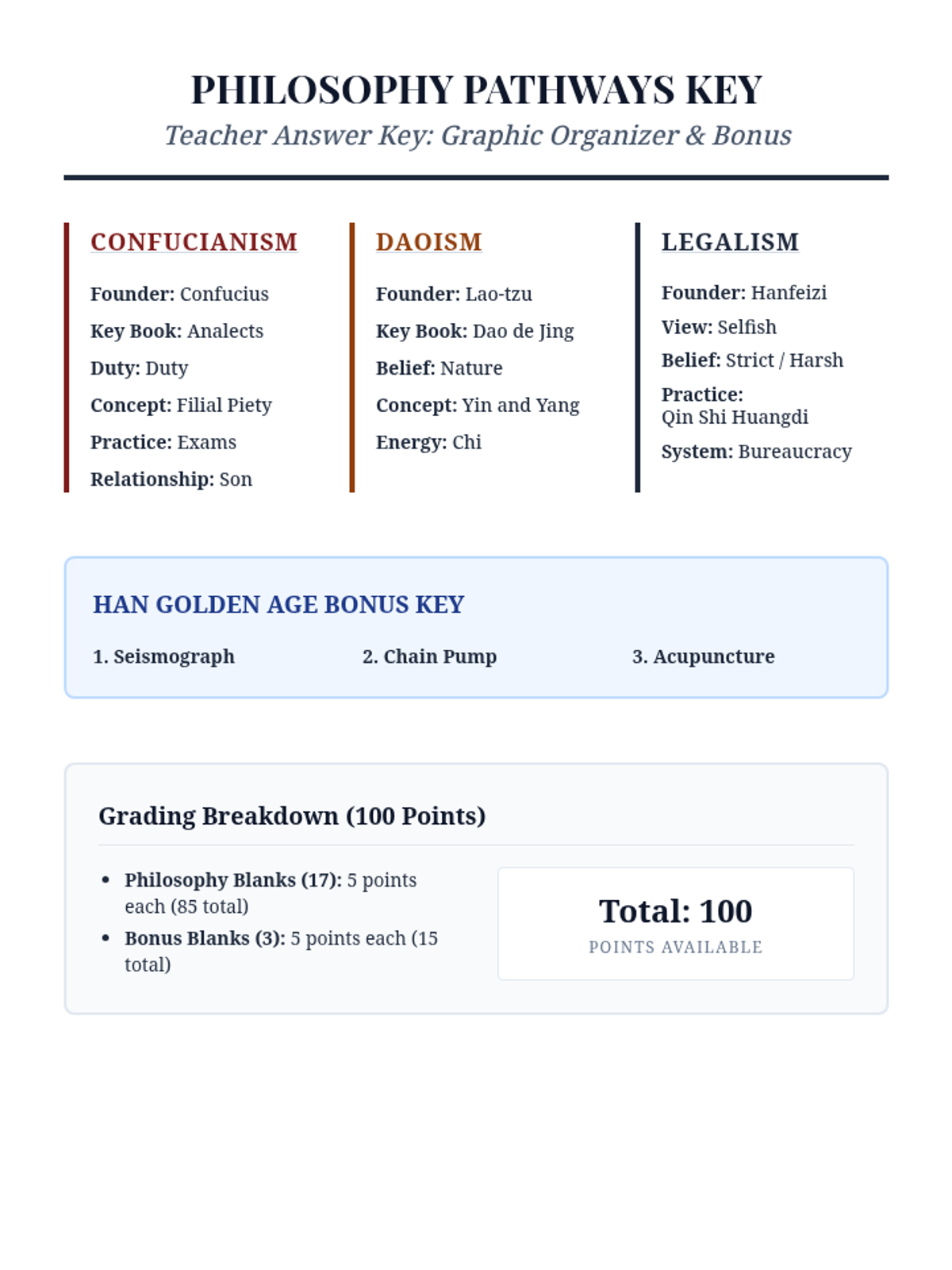
A comprehensive study guide and answer key covering the geography, dynasties, and philosophies of Ancient China, from the Shang to the Han Dynasty.
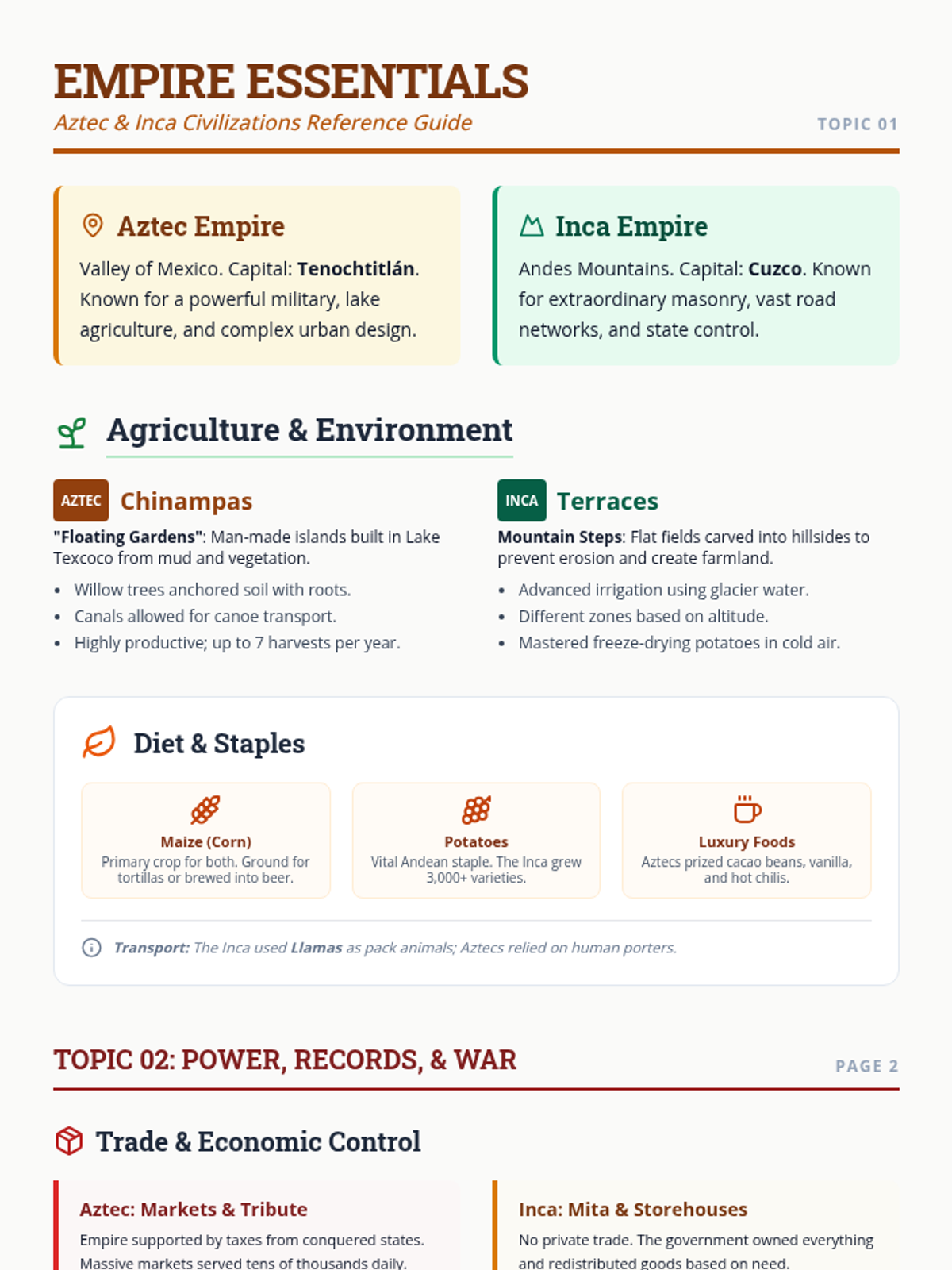
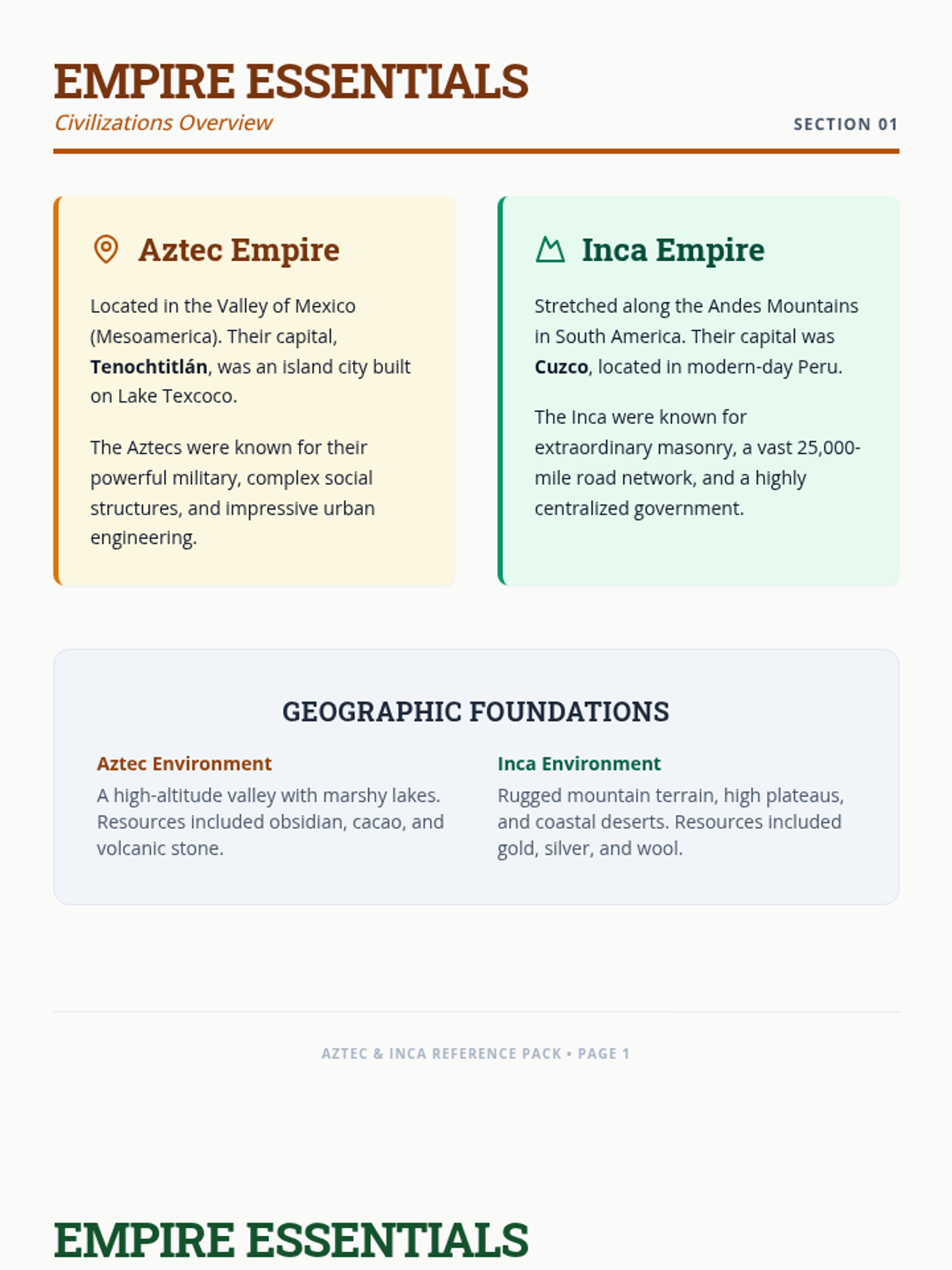
A comprehensive lesson exploring the Aztec and Inca civilizations through their agriculture, governance, and spiritual lives, leading up to the Spanish conquest.
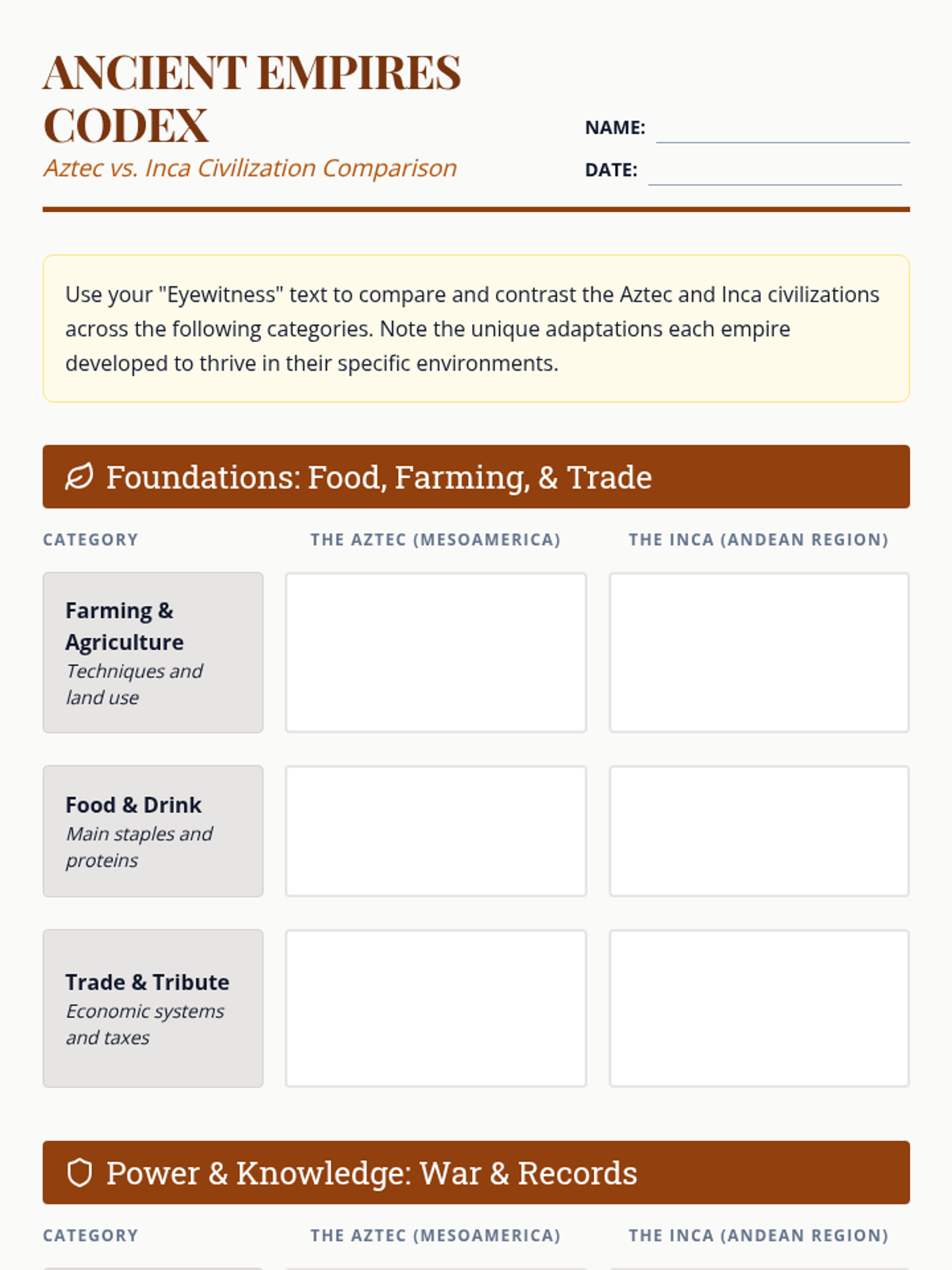
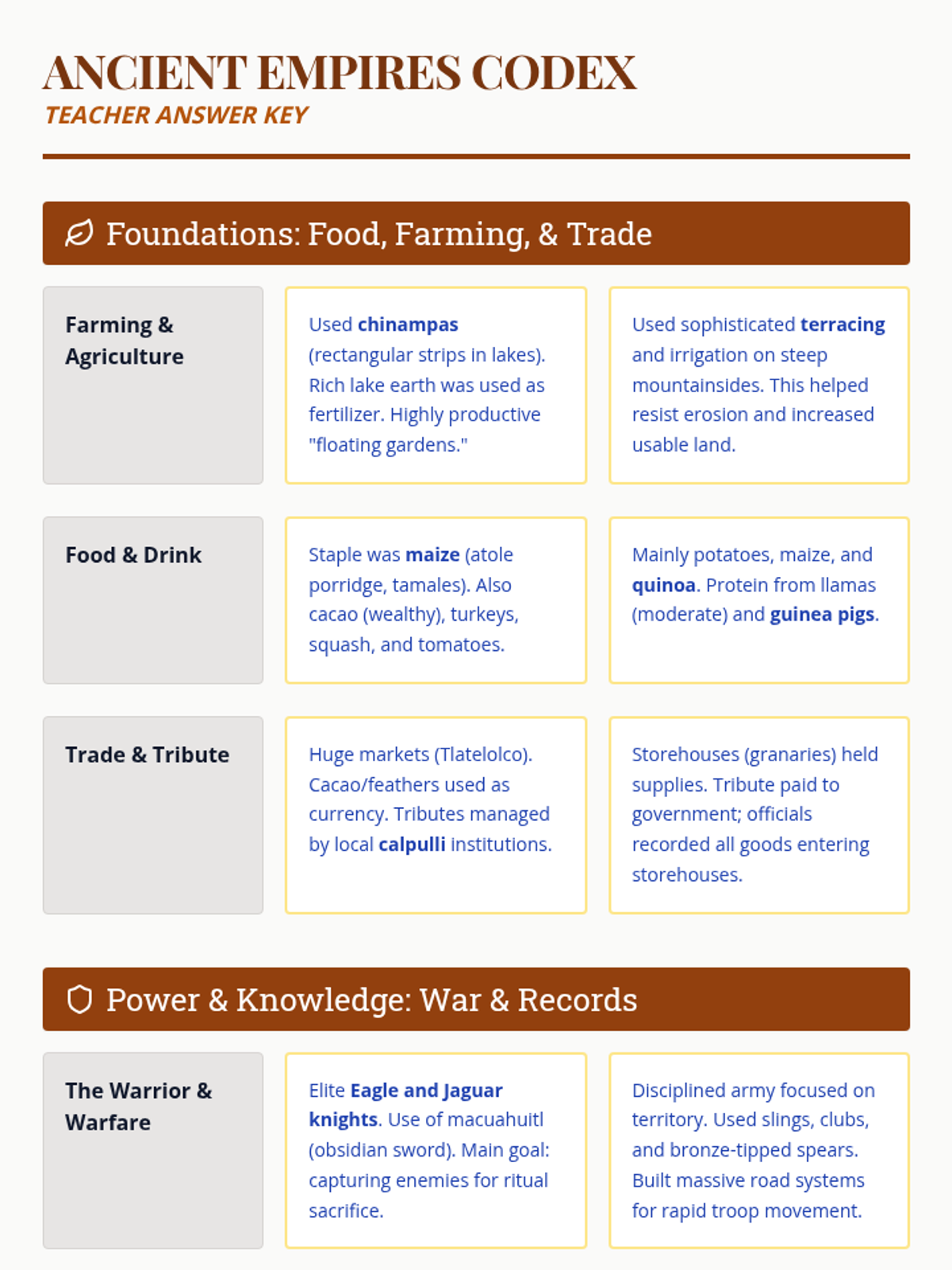
A comprehensive comparison of the Aztec and Inca civilizations, focusing on their unique cultural, social, and political structures as documented in historical eyewitness accounts.
Students conceptualize, design, and present a new nation, integrating knowledge of political science, physical geography, and sociology.
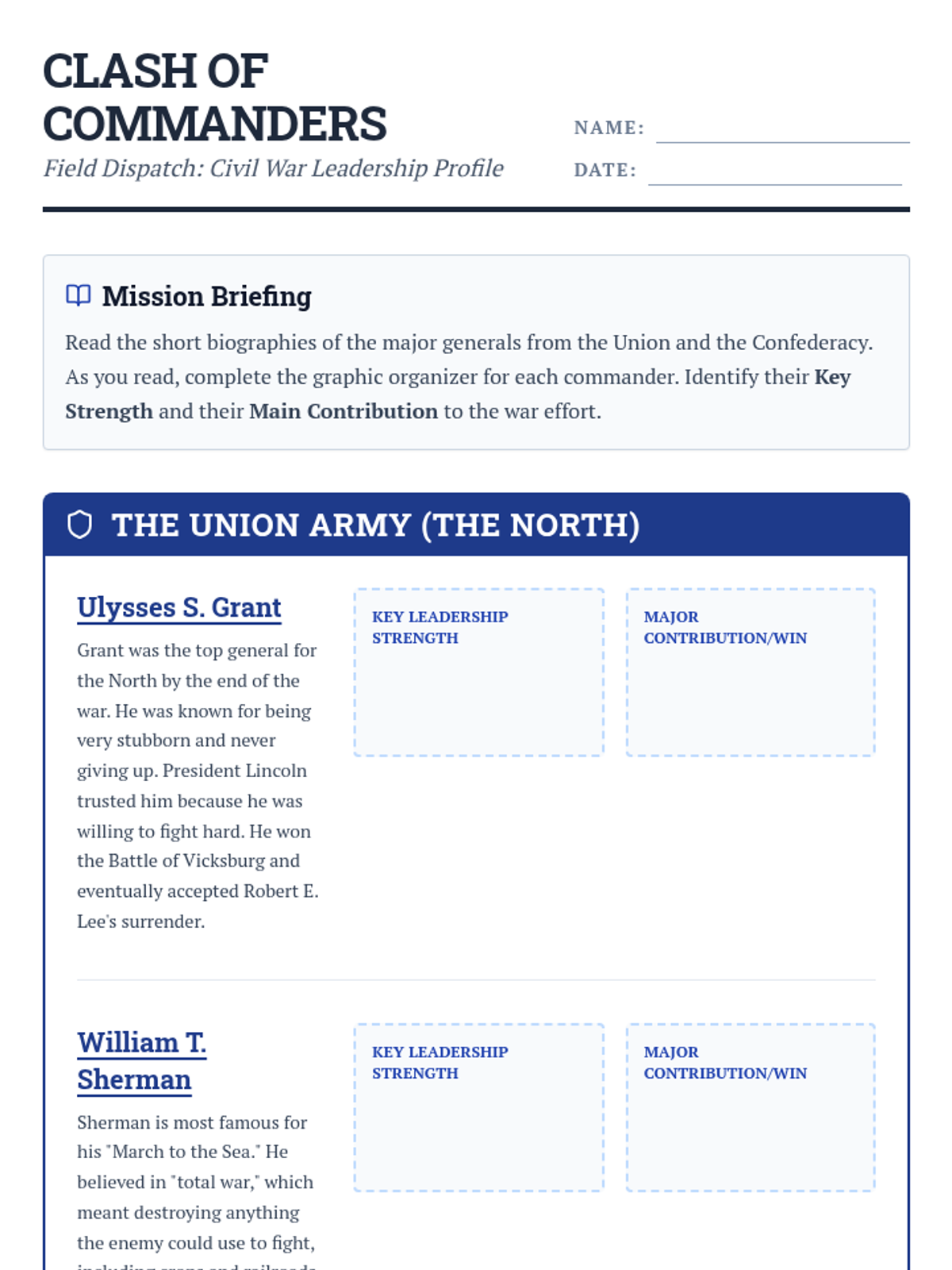
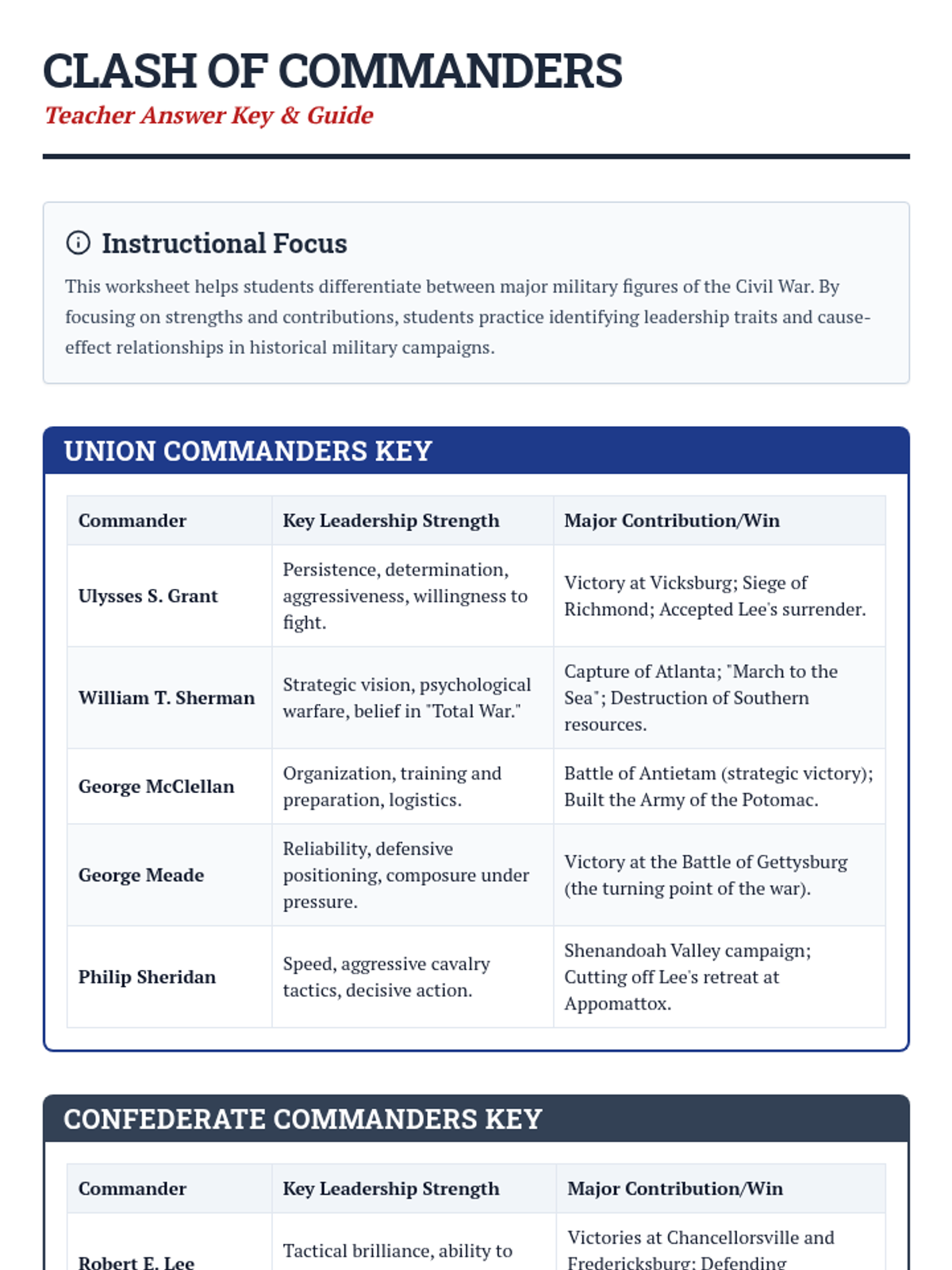
A lesson exploring the leadership, strategies, and impact of the top 5 Union and Confederate generals during the American Civil War through biographical analysis and graphic organizers.
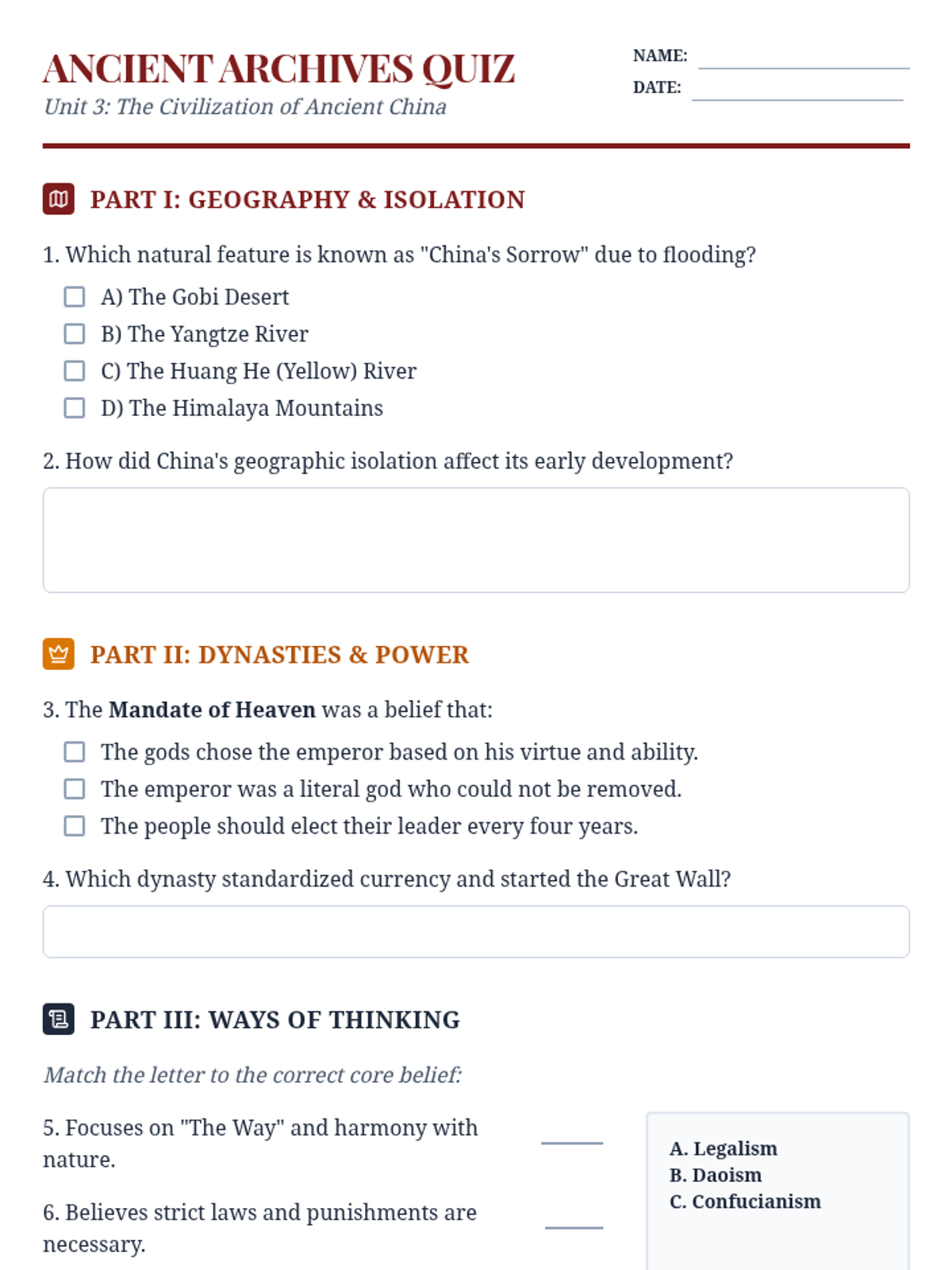
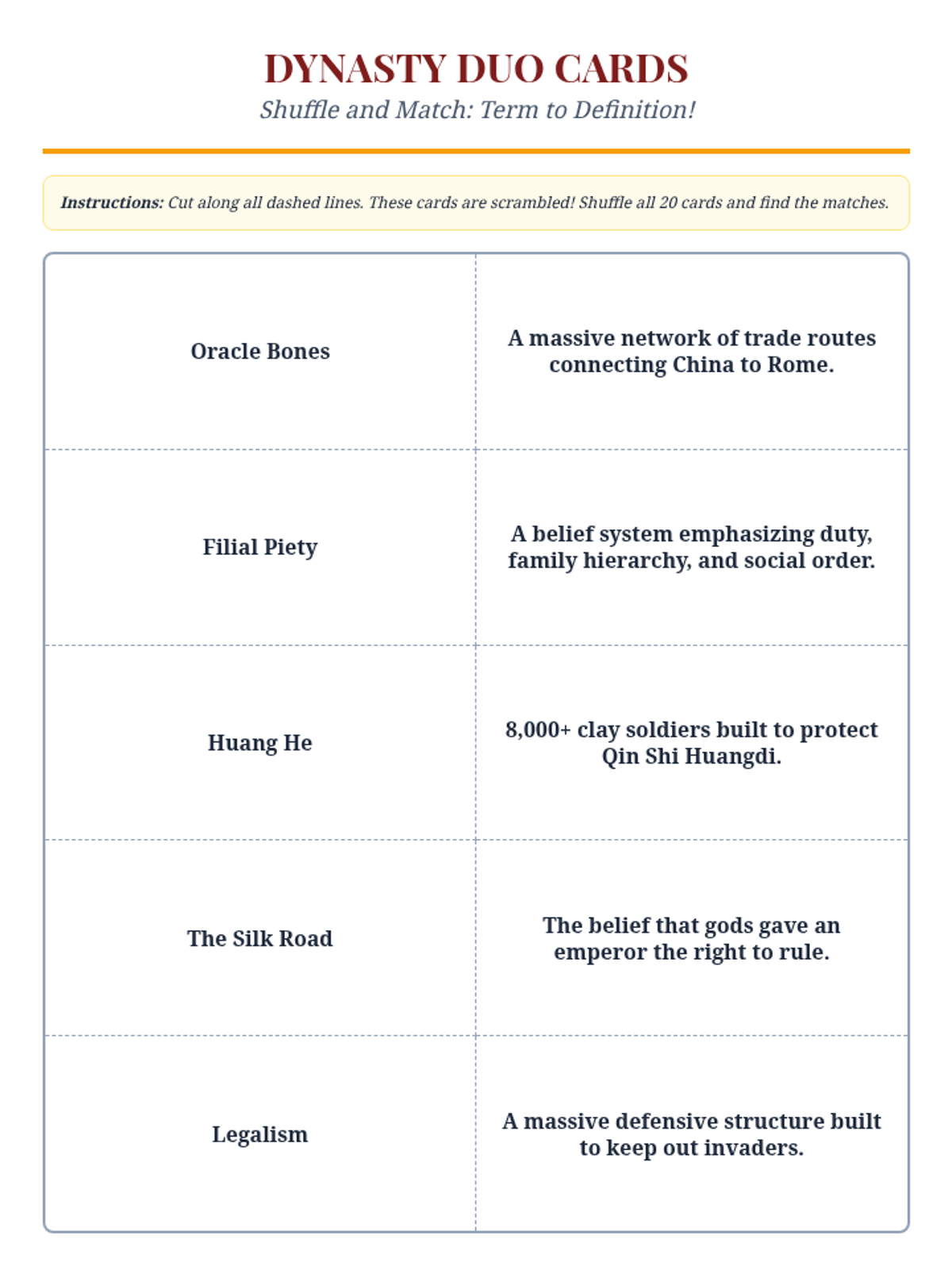
A comprehensive review lesson on Ancient China for 6th grade students, covering geography, dynasties, philosophies, and major historical landmarks.
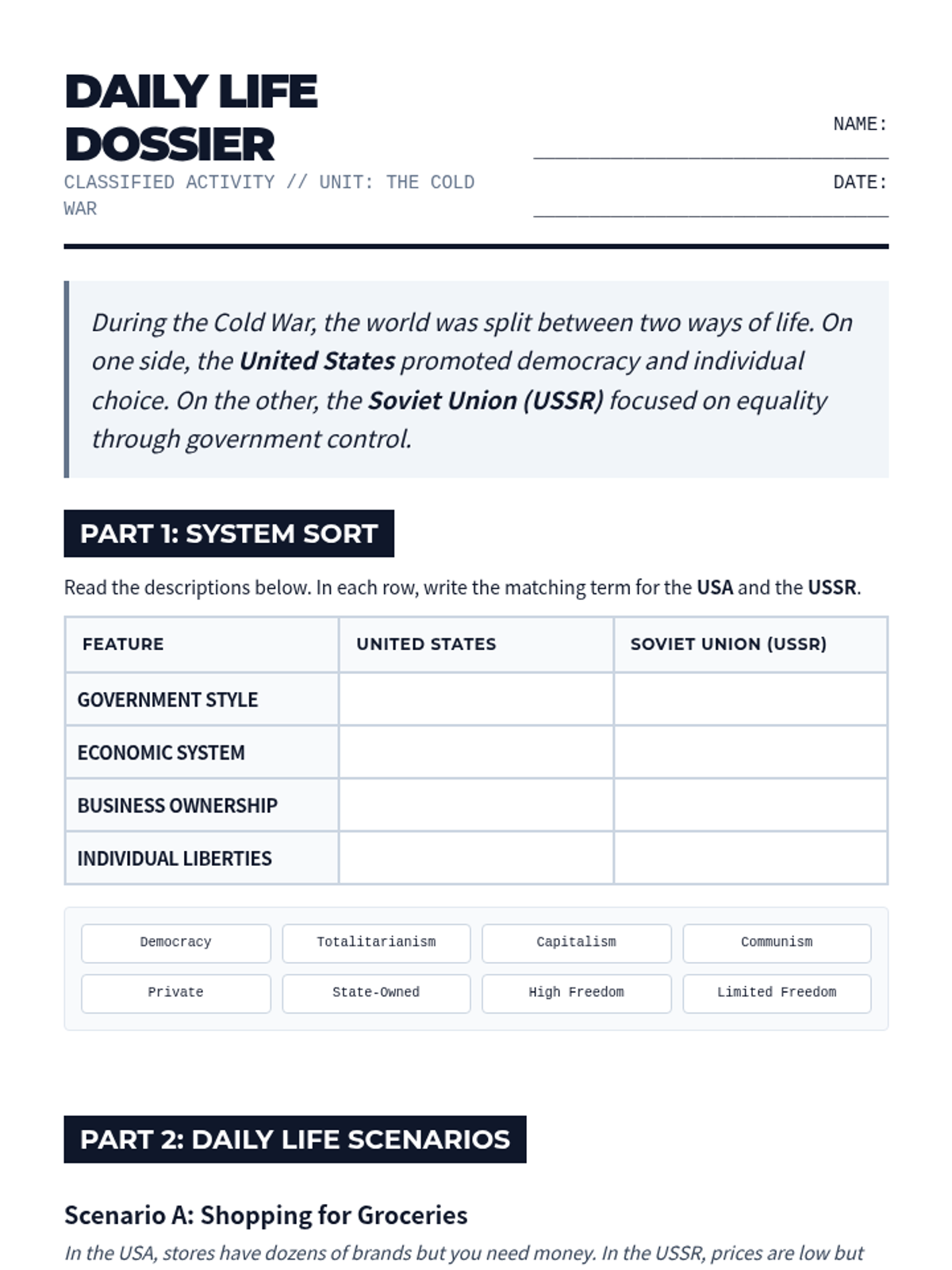
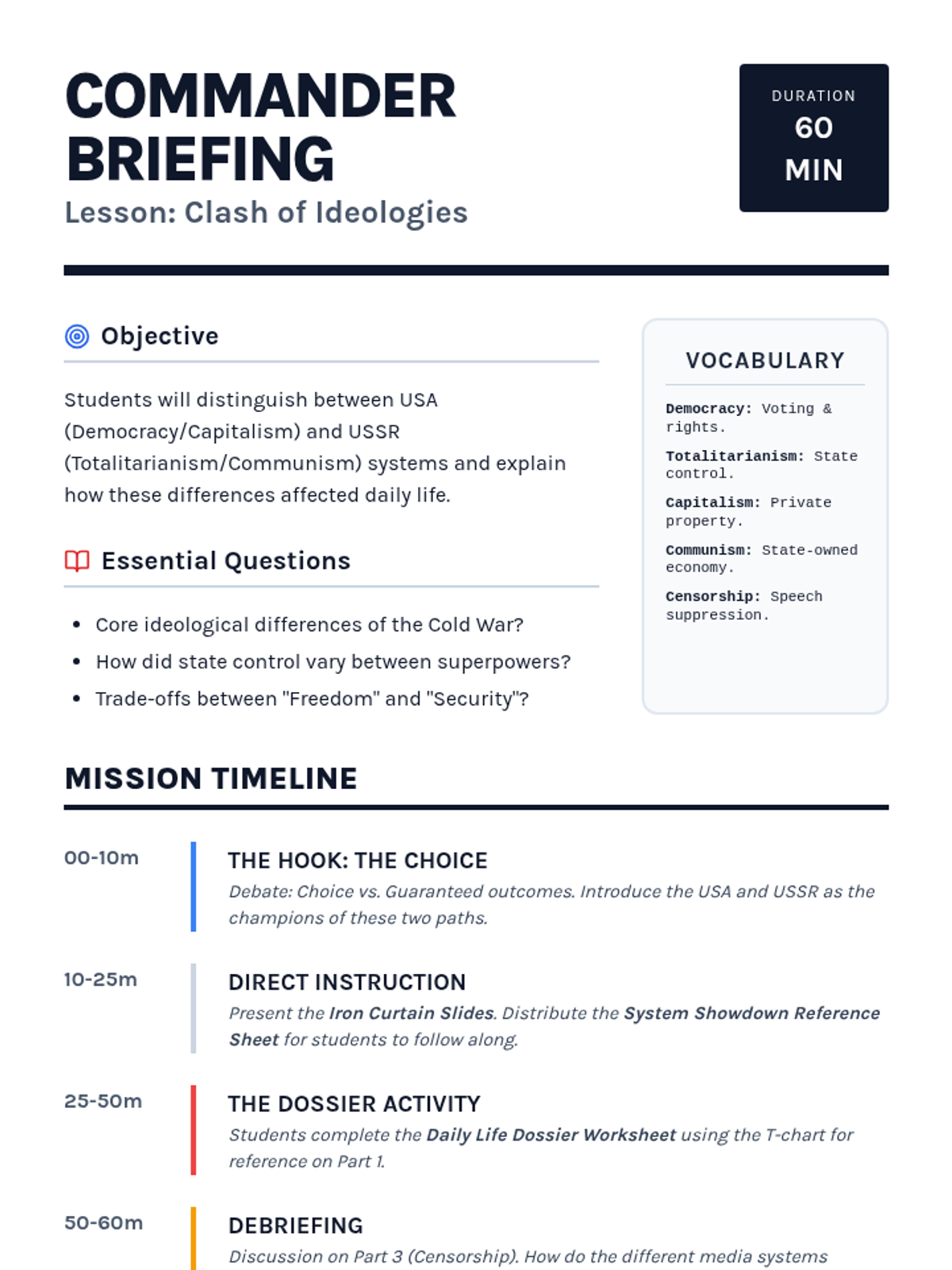
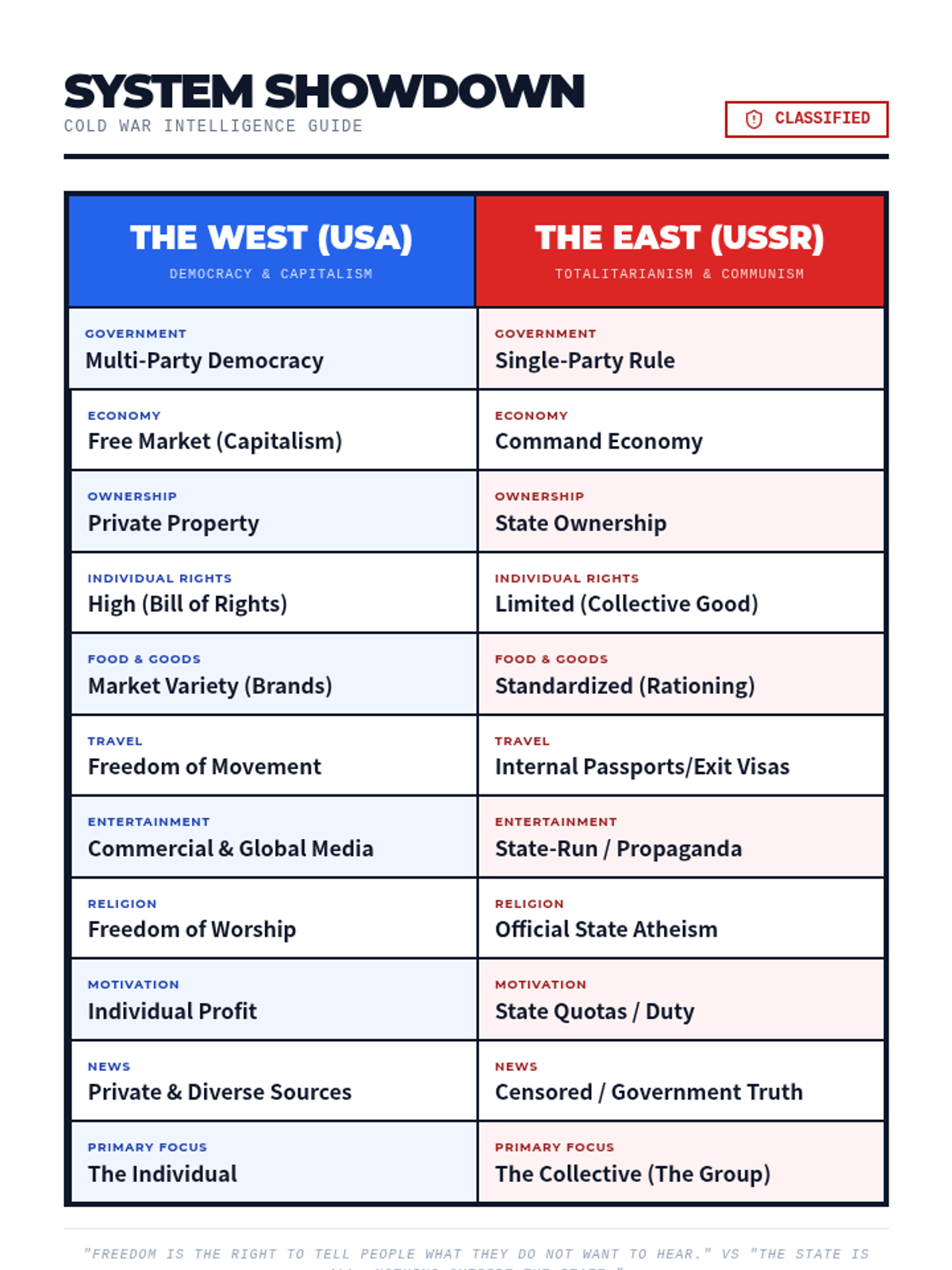
A comparative study of the government structures, economic systems, and daily life in the United States and the Soviet Union during the Cold War era. Students will analyze the fundamental differences between democracy/capitalism and communism/totalitarianism.
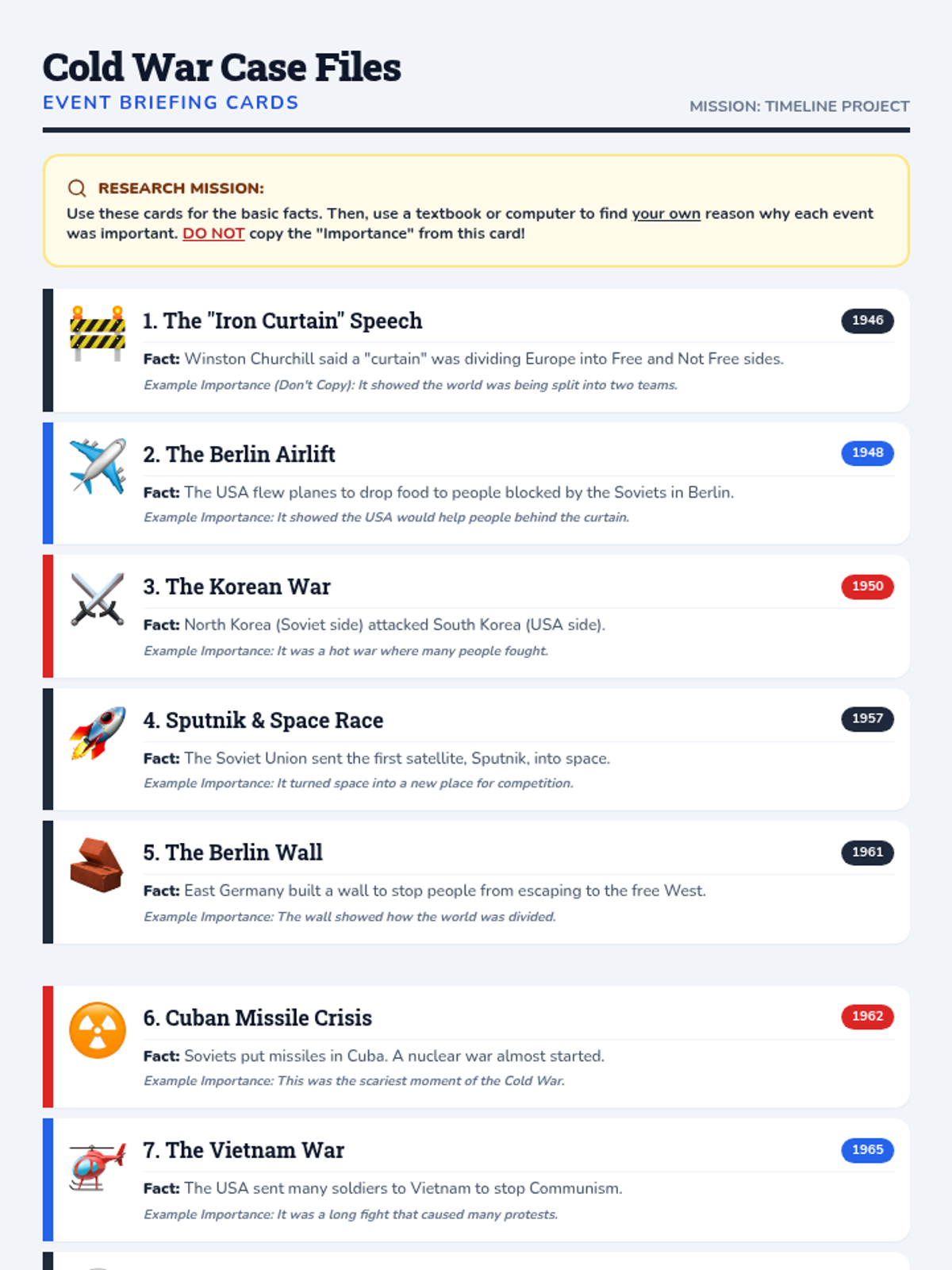
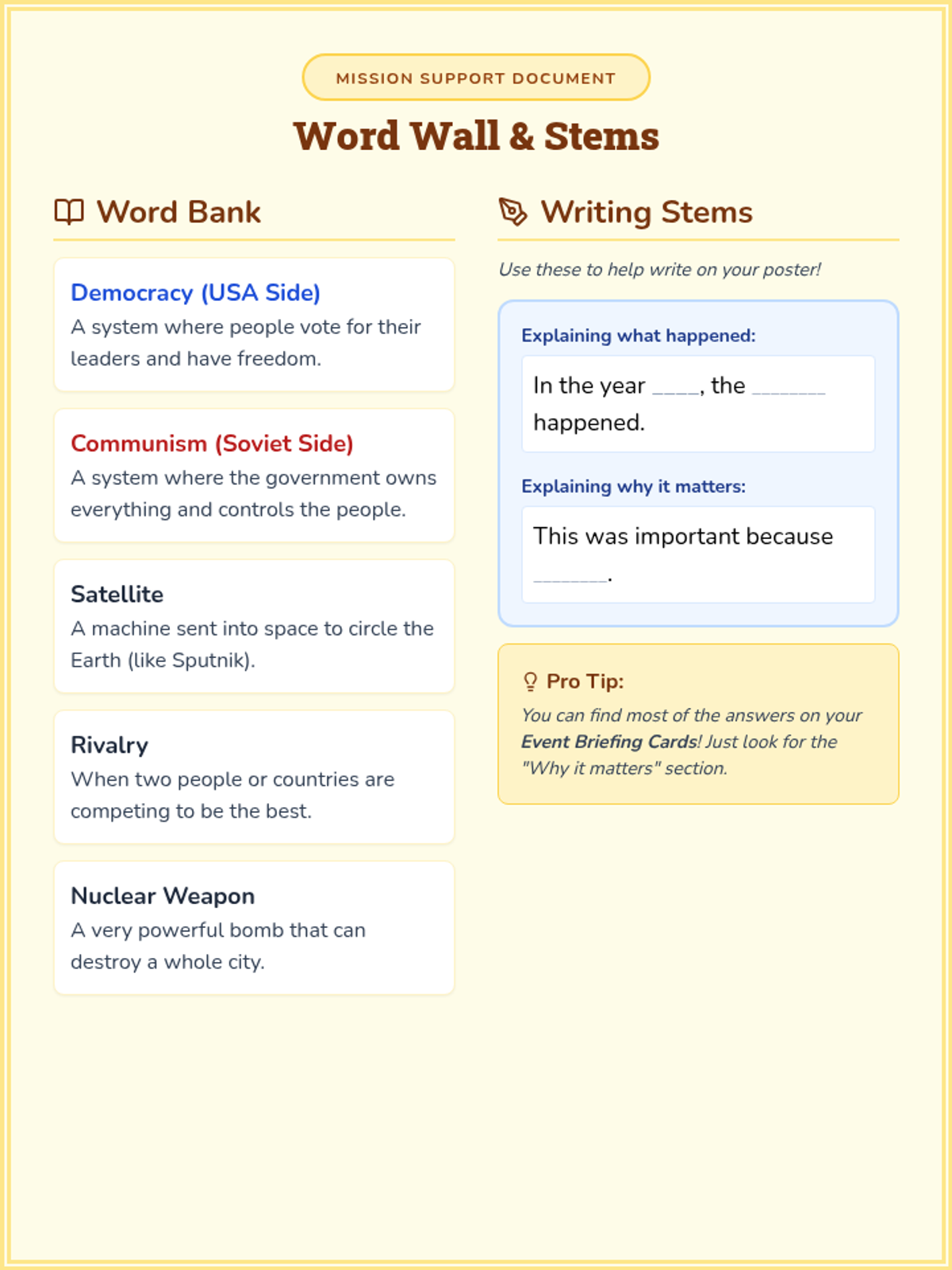
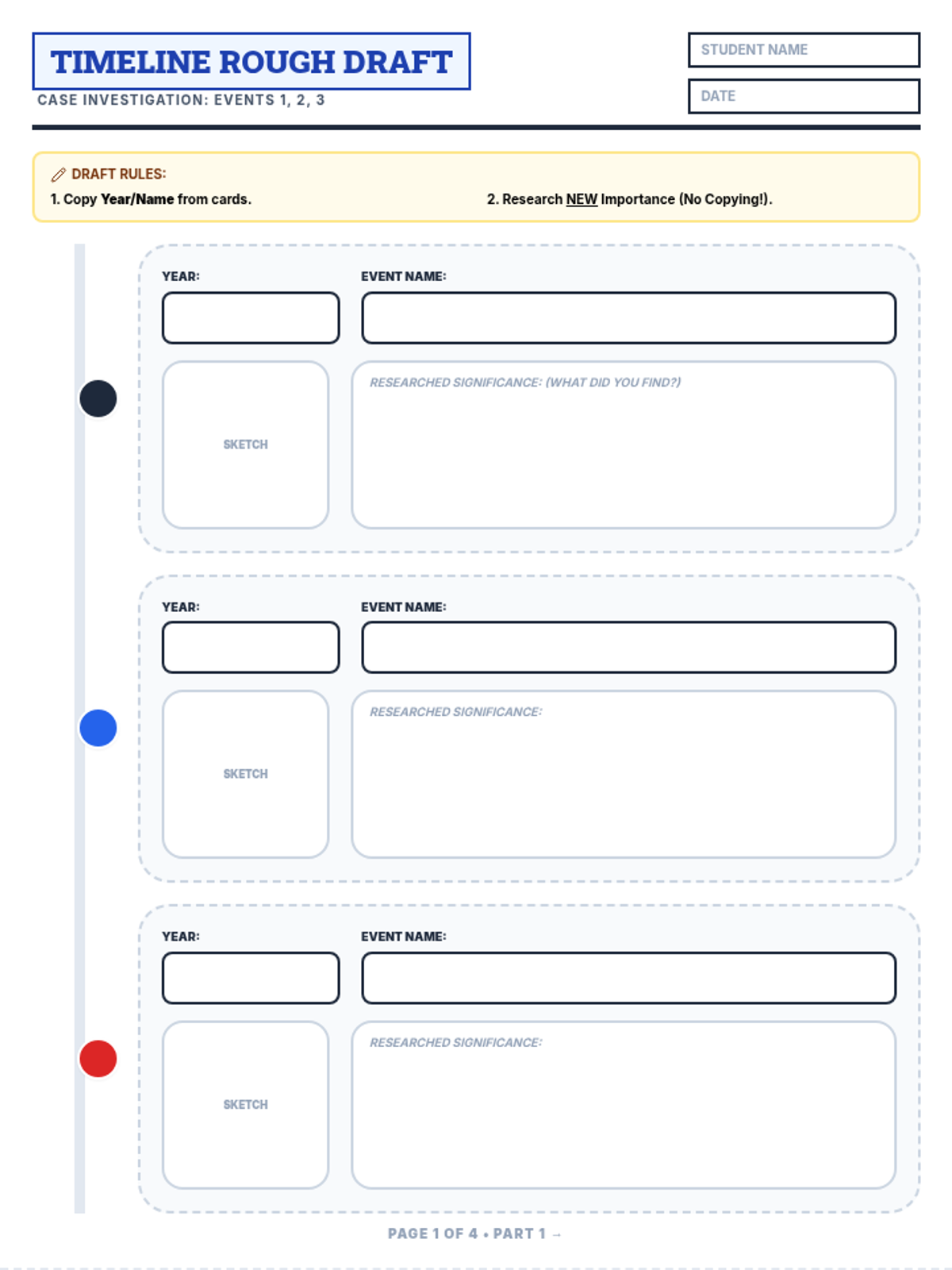
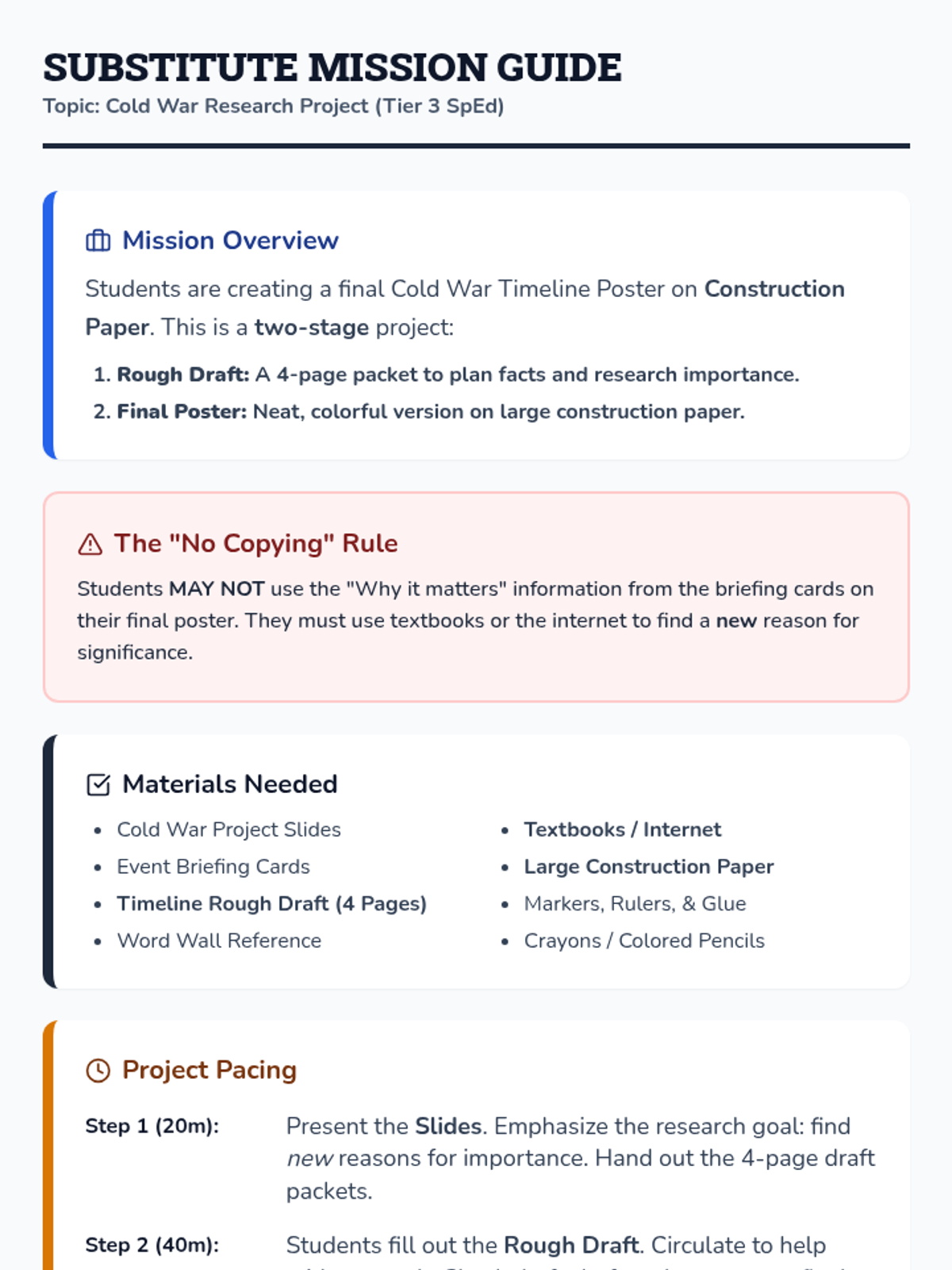
A simplified project-based lesson on the Cold War designed for Tier 3 Special Education students. Students use a 'Case File' approach to build a timeline of 10 major events with provided stems and visual supports.
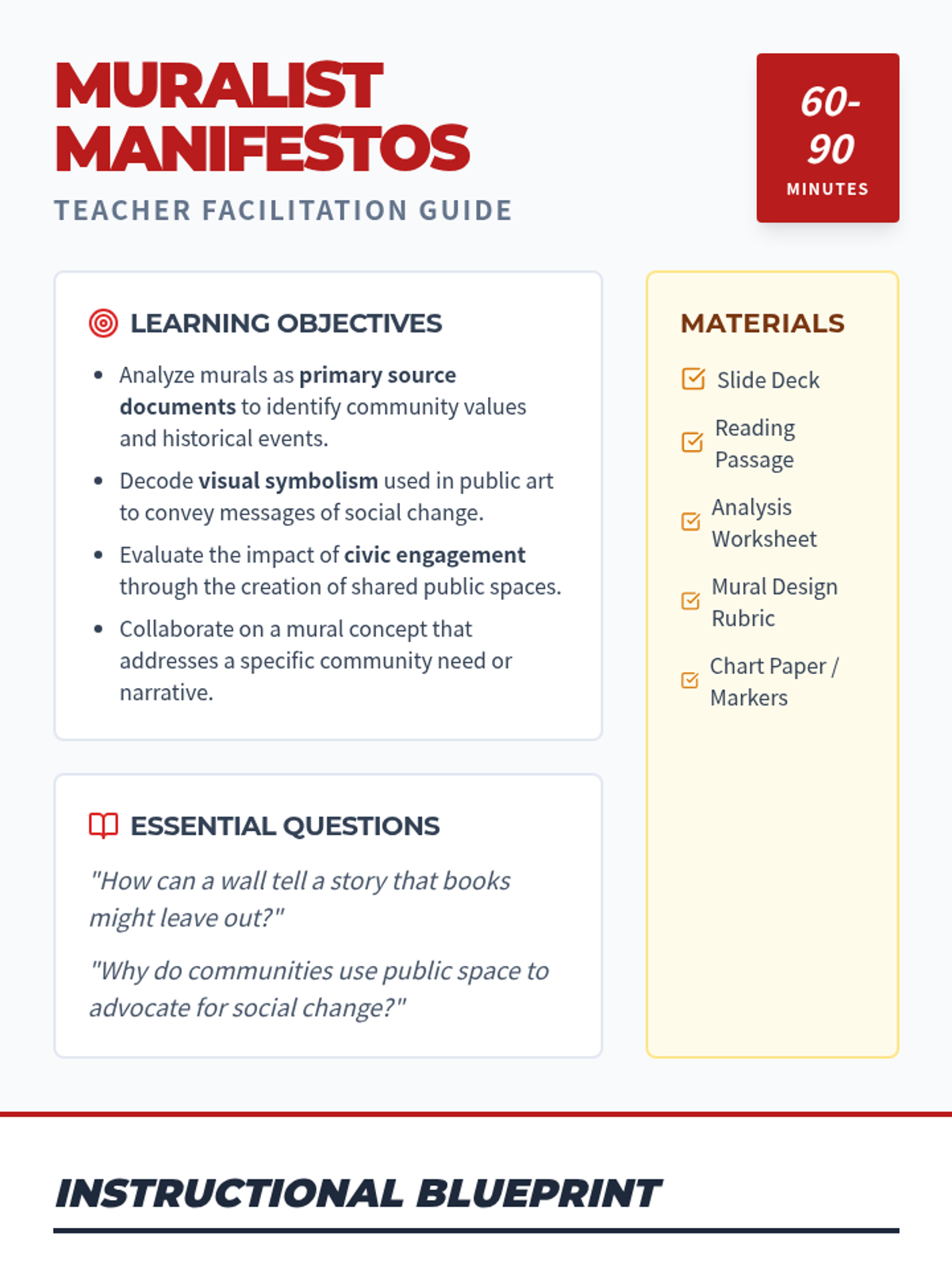
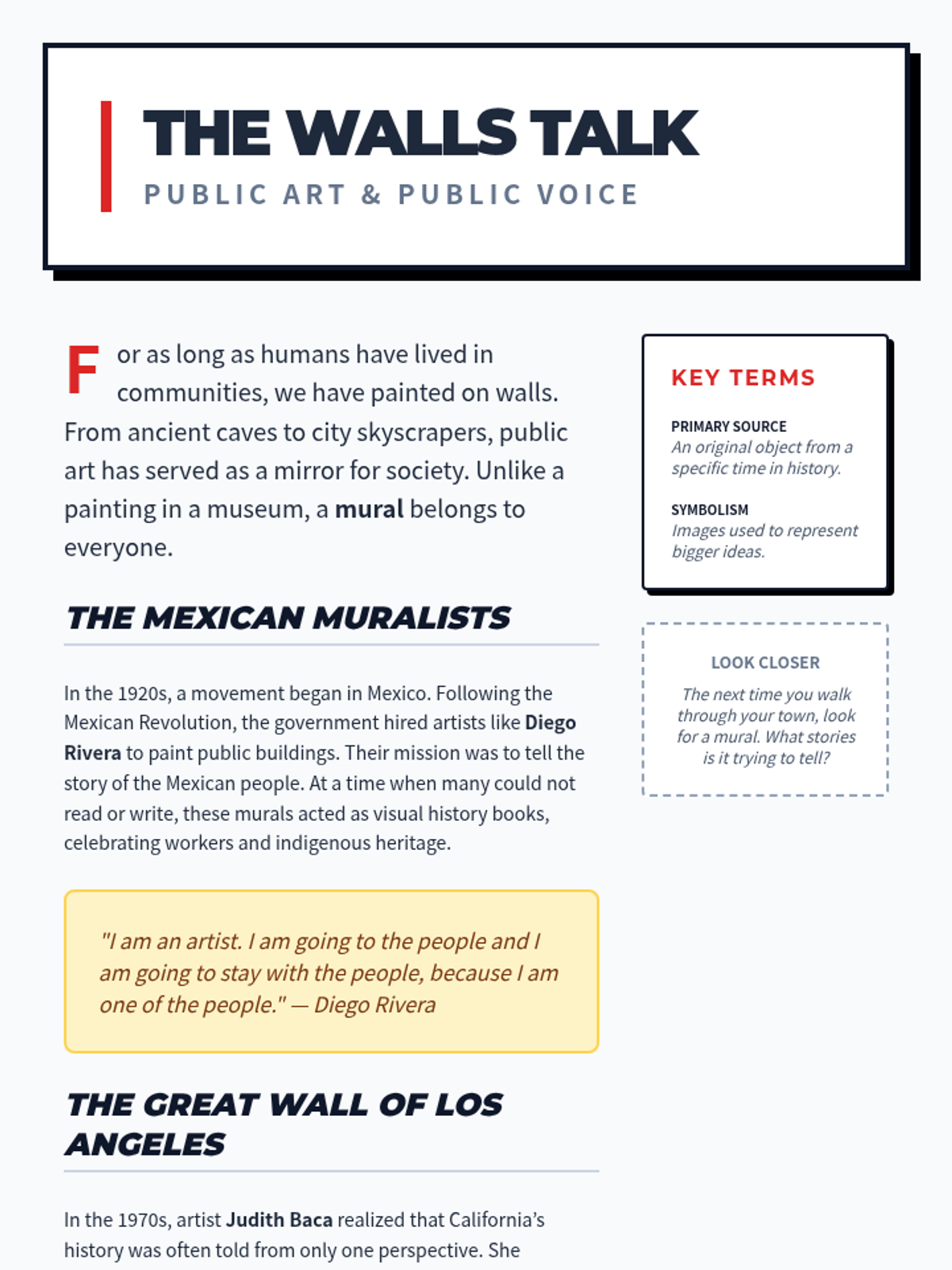
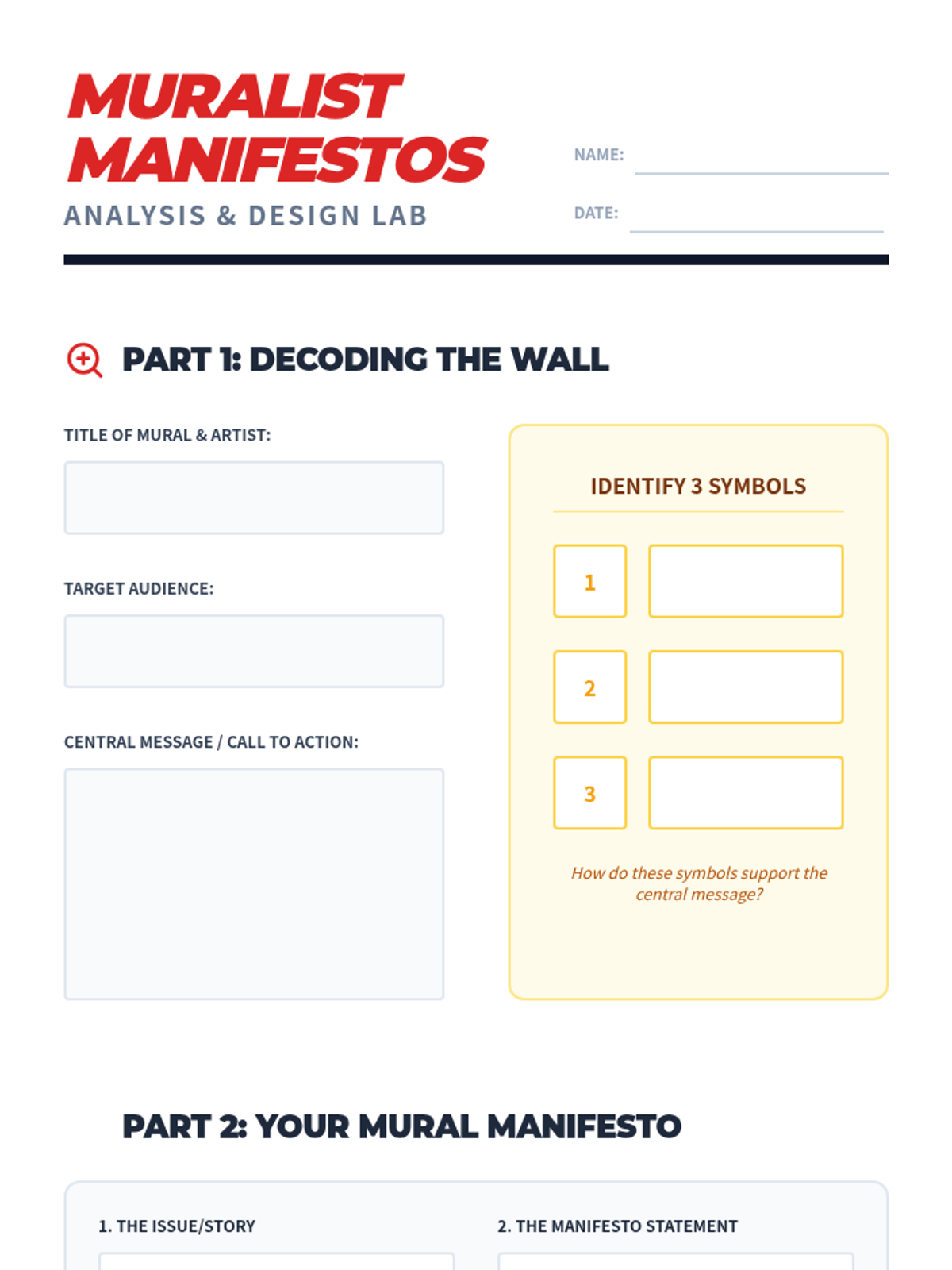
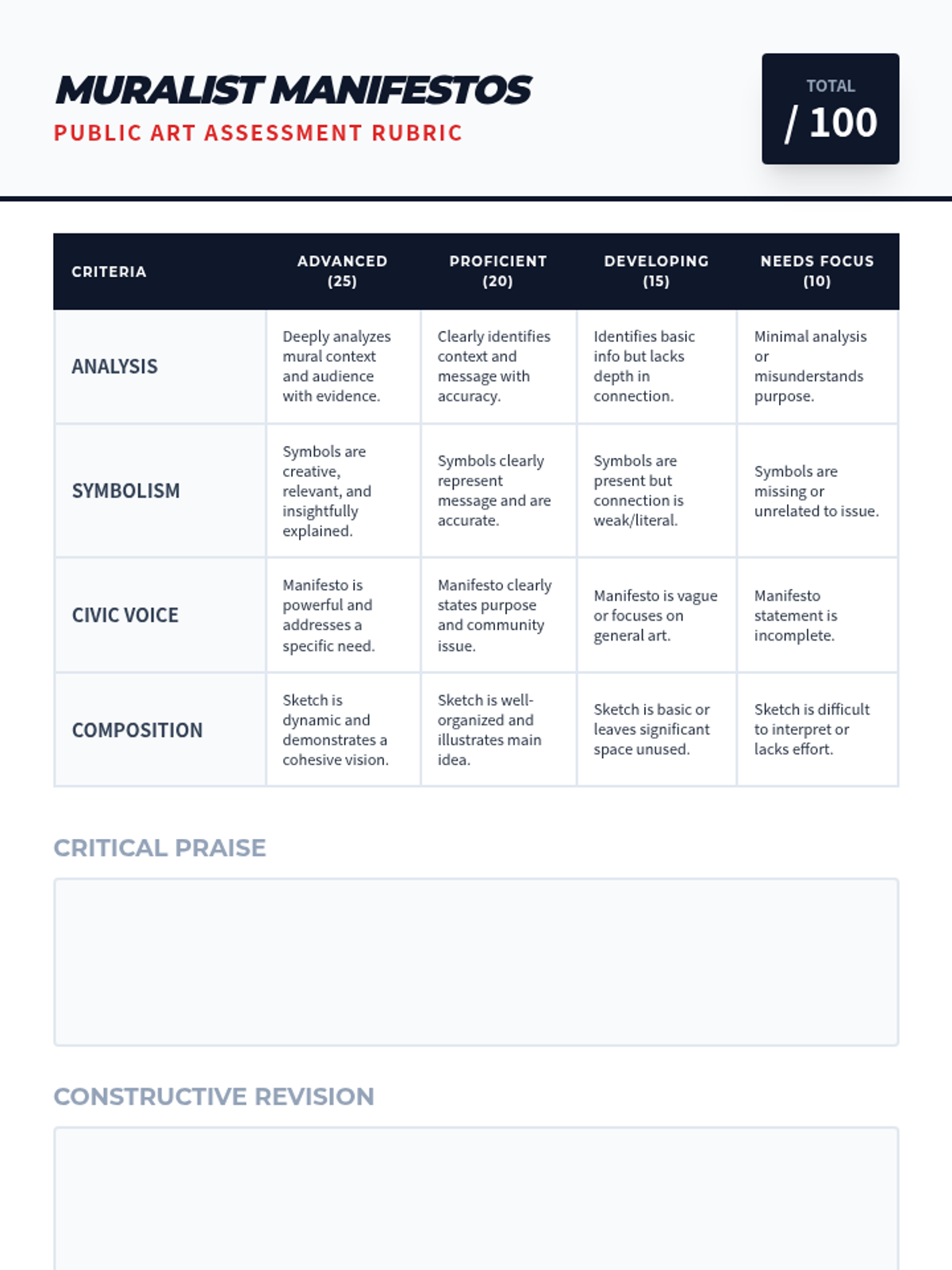
A comprehensive social studies lesson exploring the power of public art. Students analyze murals as primary sources to understand community history and civic advocacy, culminating in a collaborative mural design project.
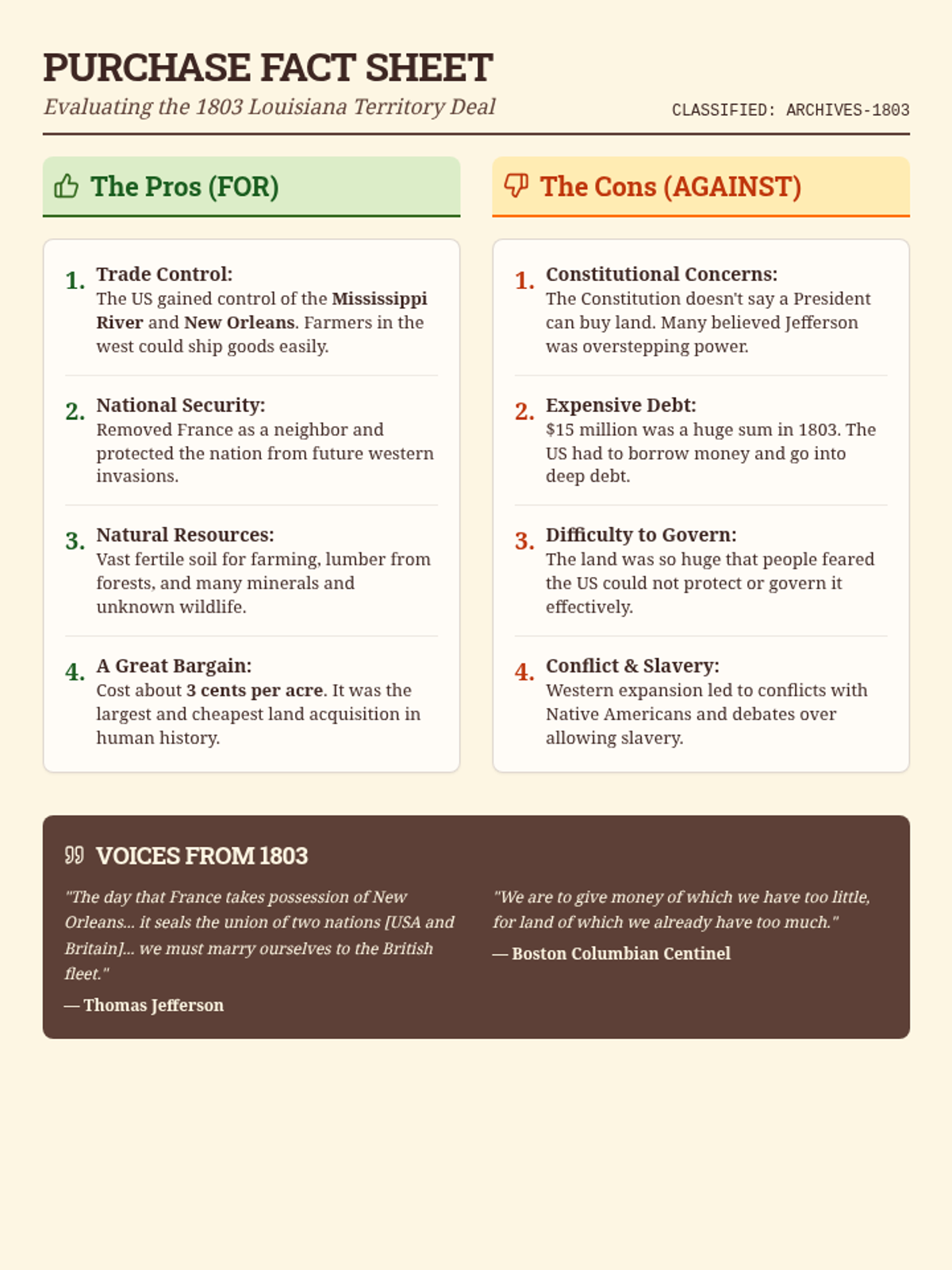
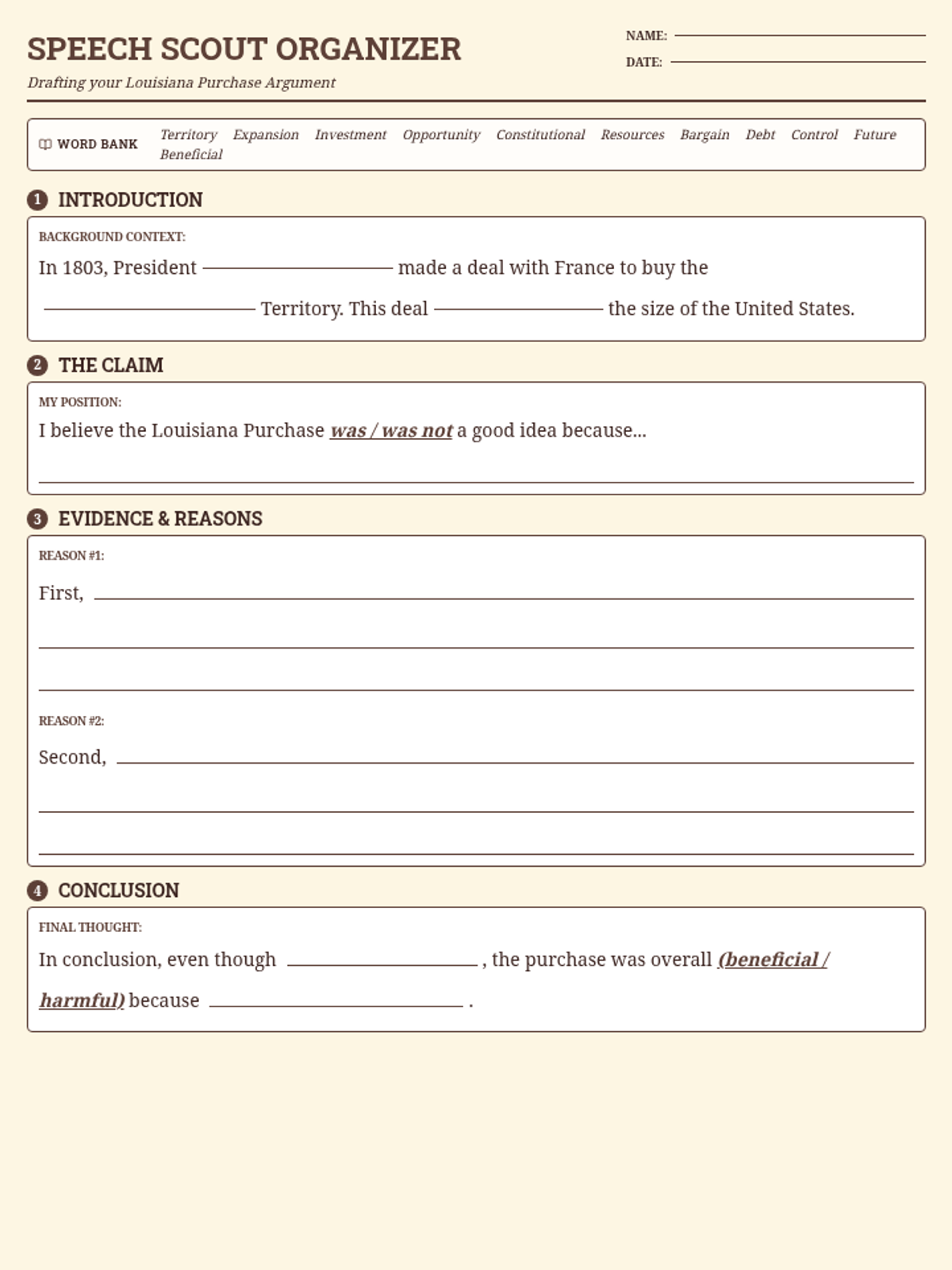
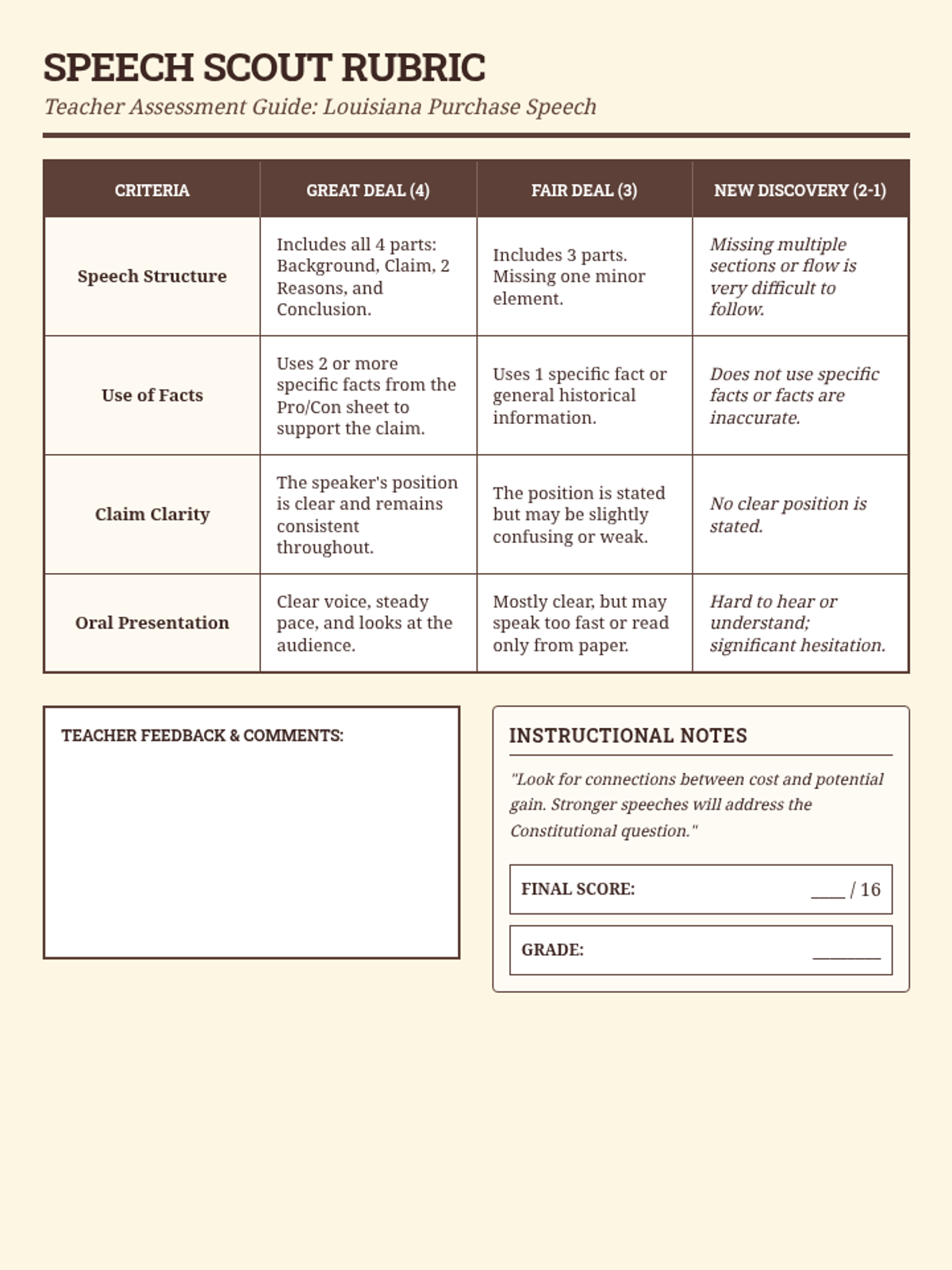
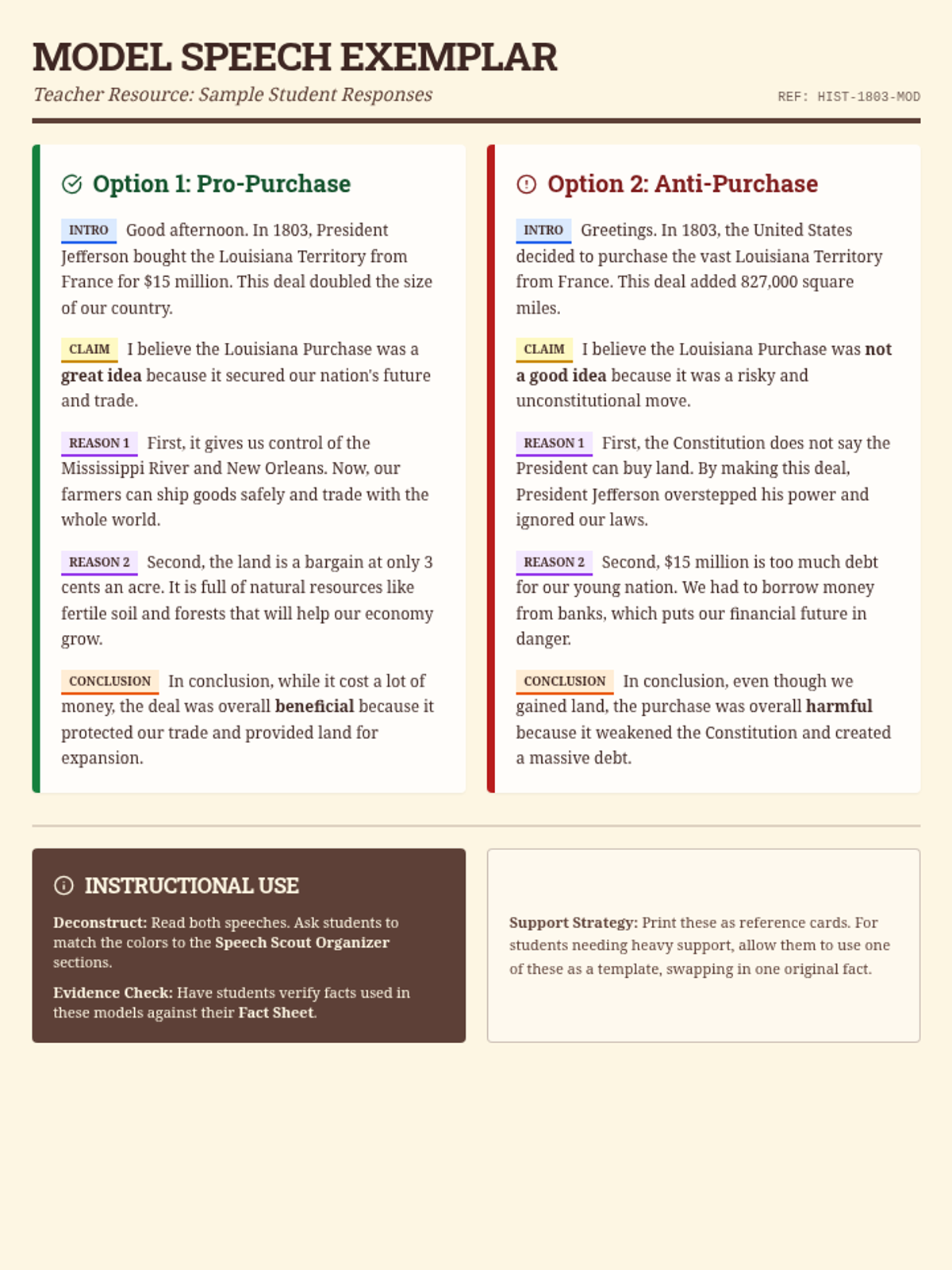
A lesson focused on evaluating the Louisiana Purchase through a short speech. Students use primary source facts to build a claim, support it with reasons, and present their perspective on the 1803 land deal.
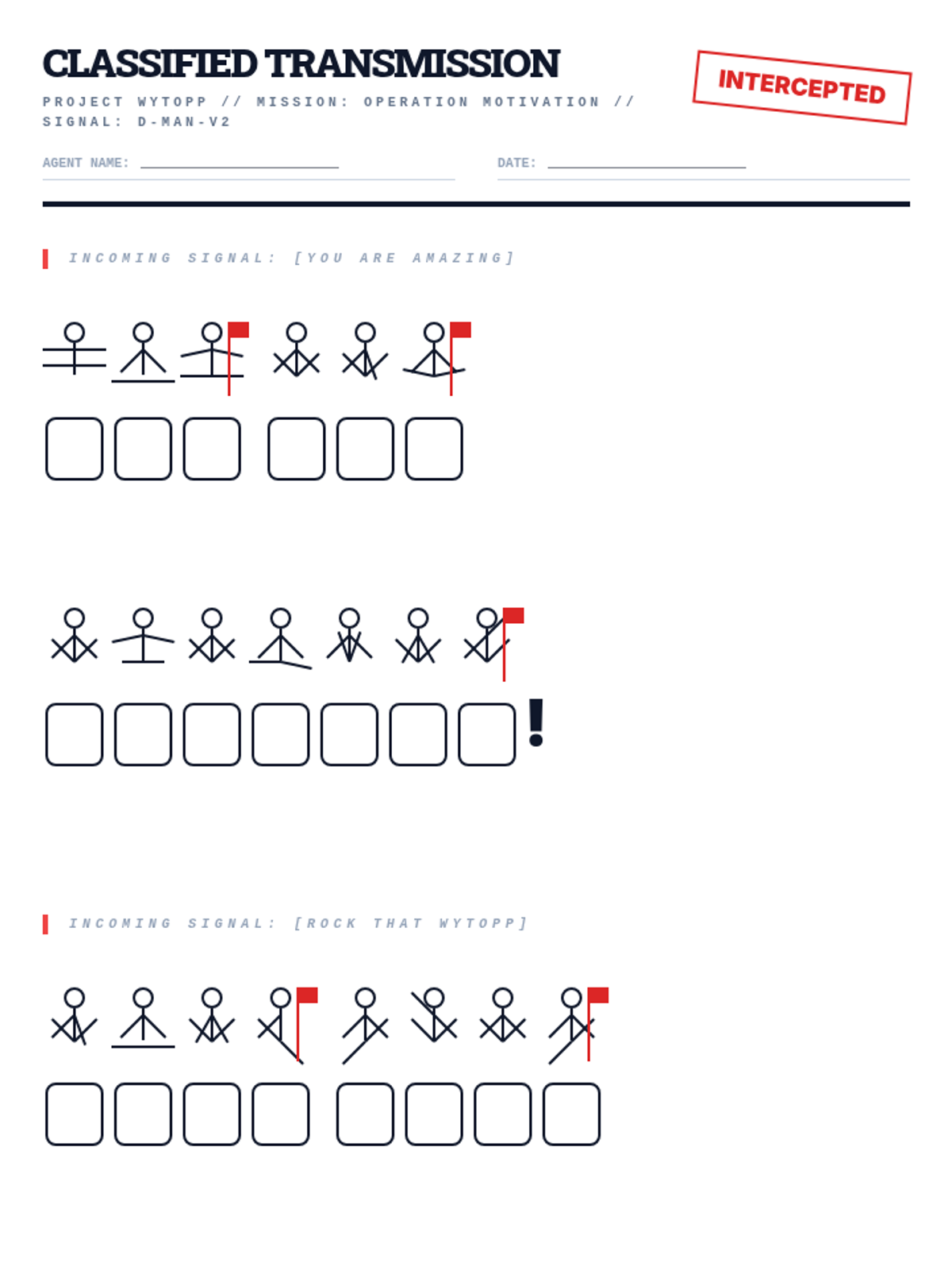
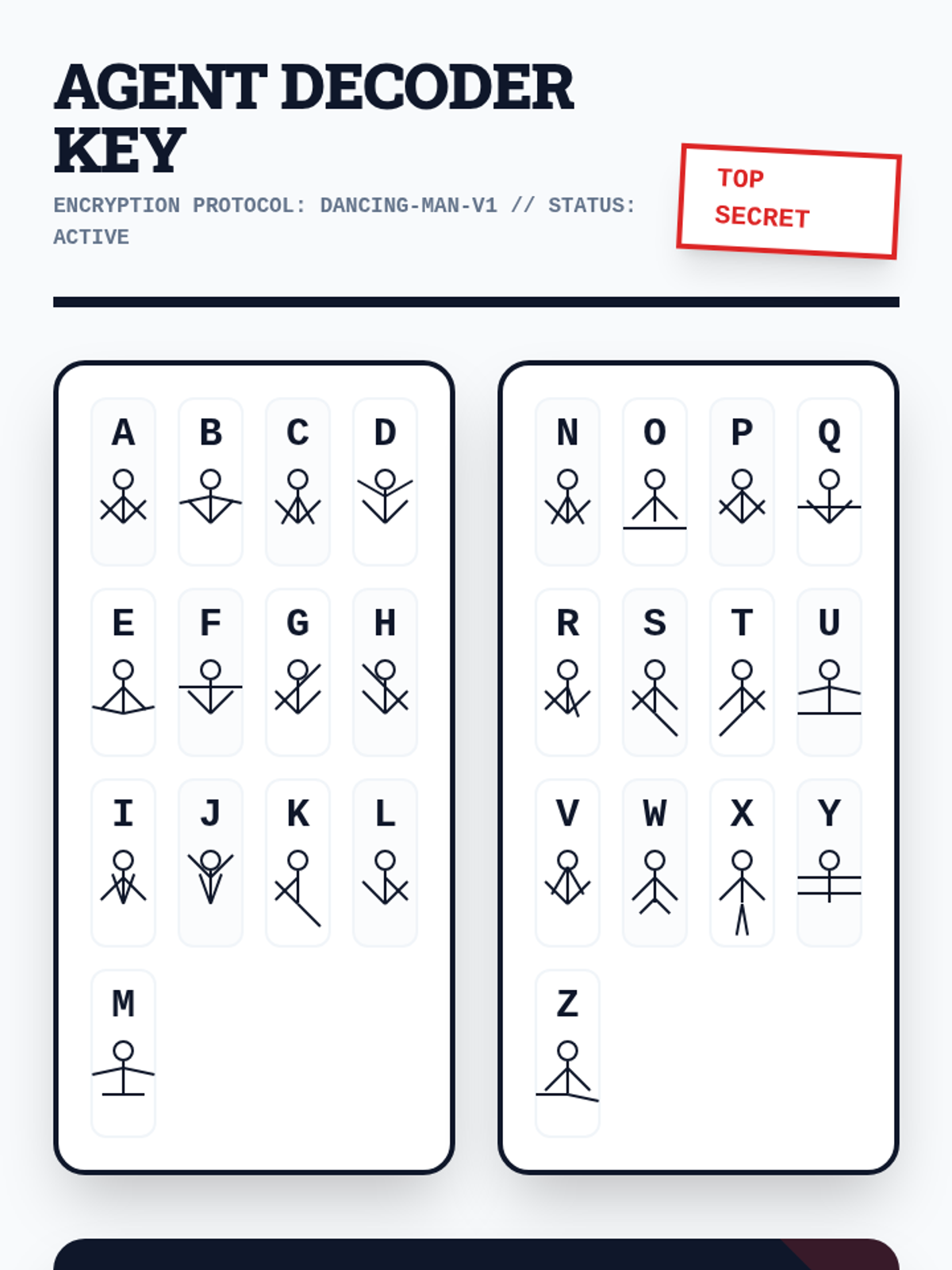
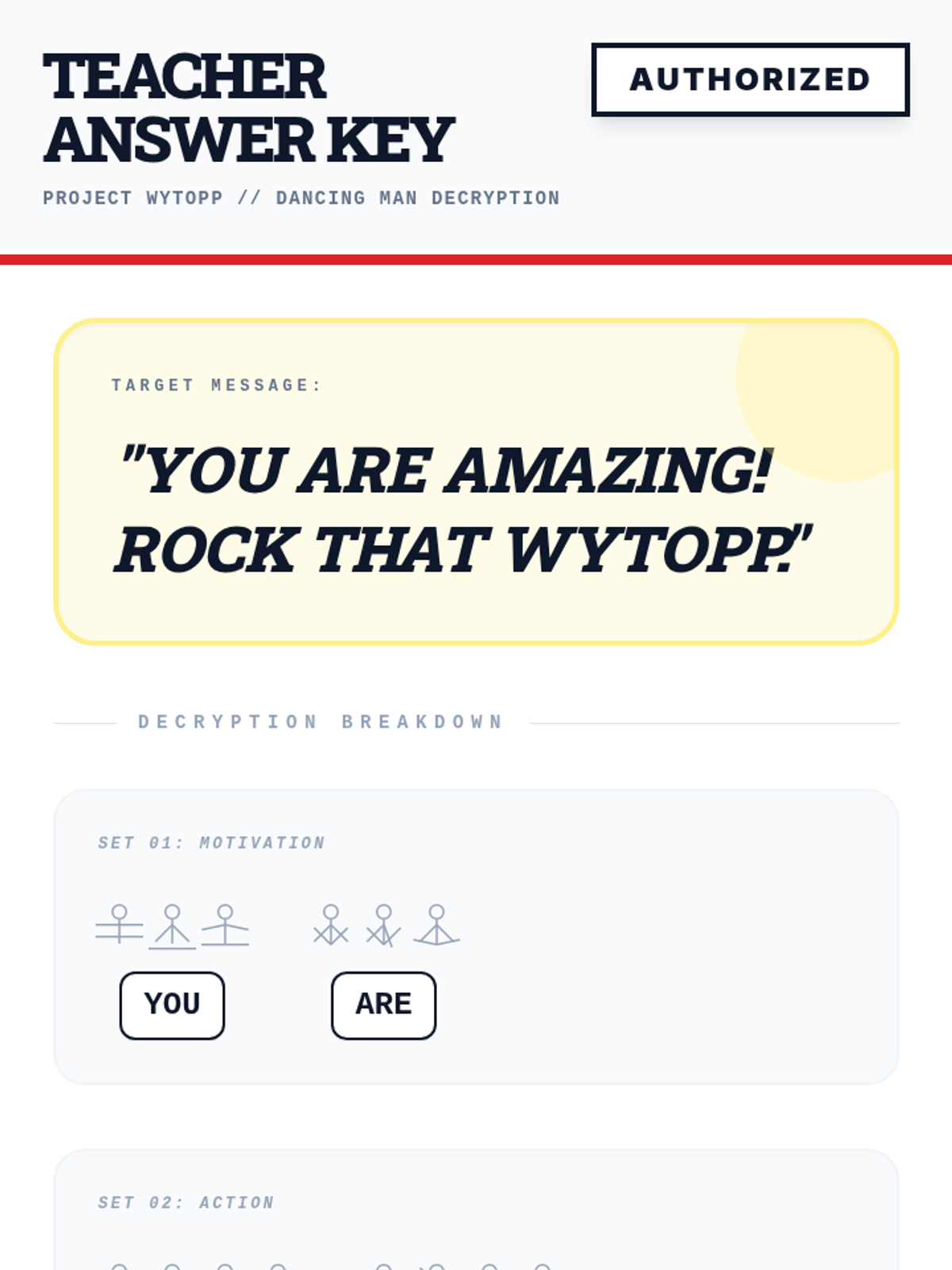
A high-energy lesson on cryptography and the history of the Enigma machine, designed to motivate students before the WYTOPP state assessment. Students learn about substitution ciphers and decode a secret message of encouragement.
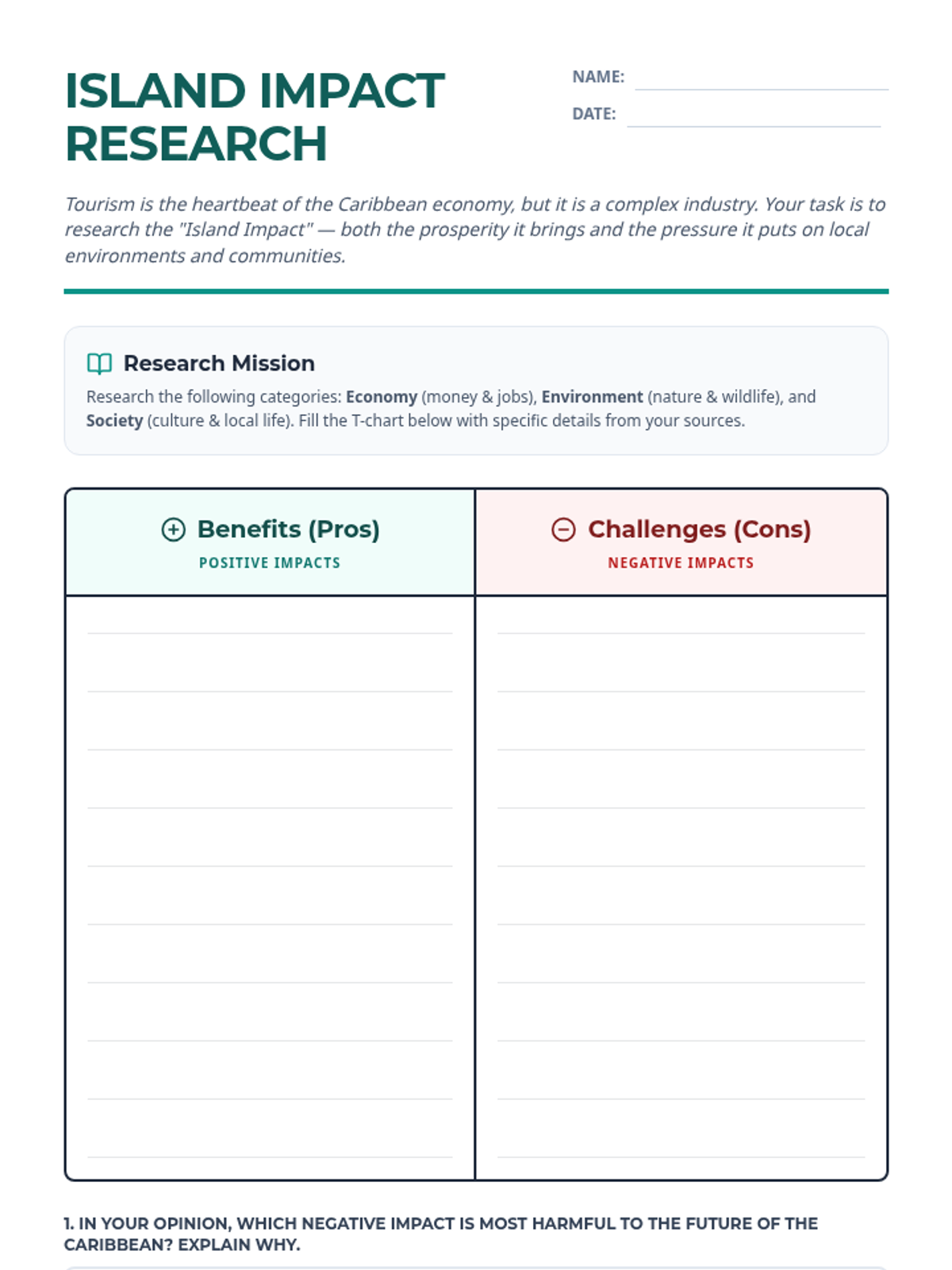
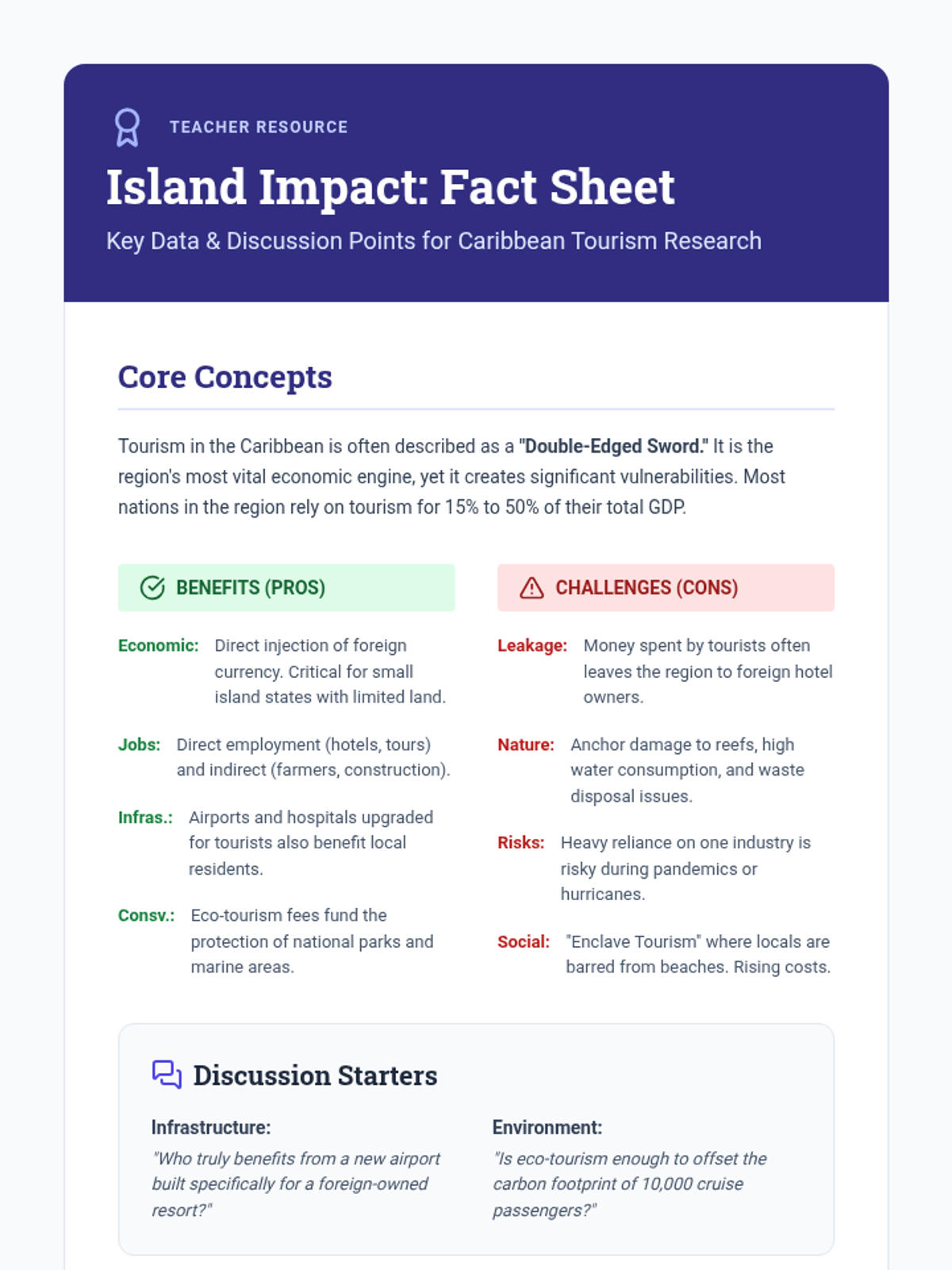
A research-based lesson exploring the complex economic, environmental, and social impacts of tourism in the Caribbean region. Students will investigate both the vital benefits and the significant challenges posed by the tourism industry.
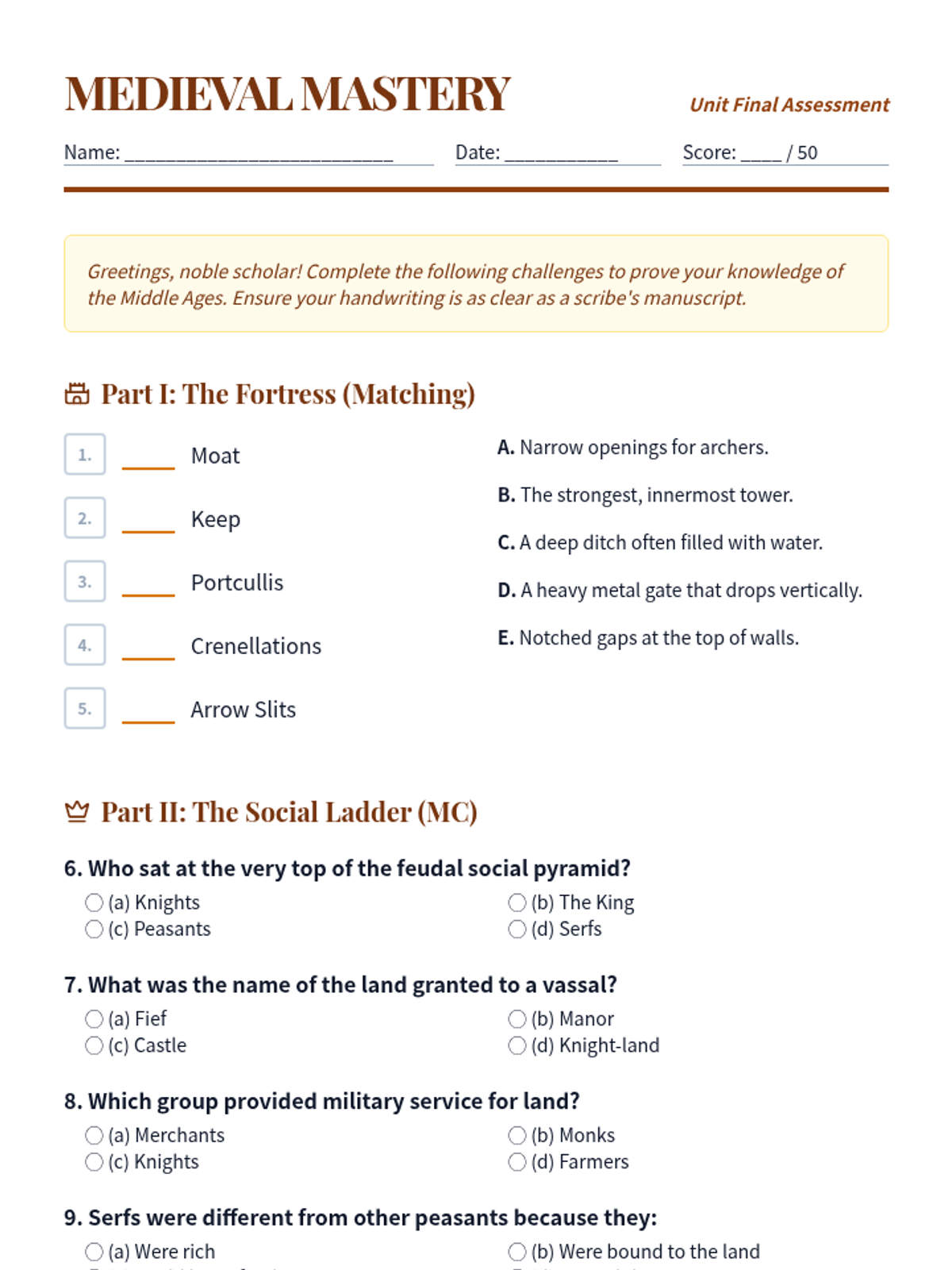
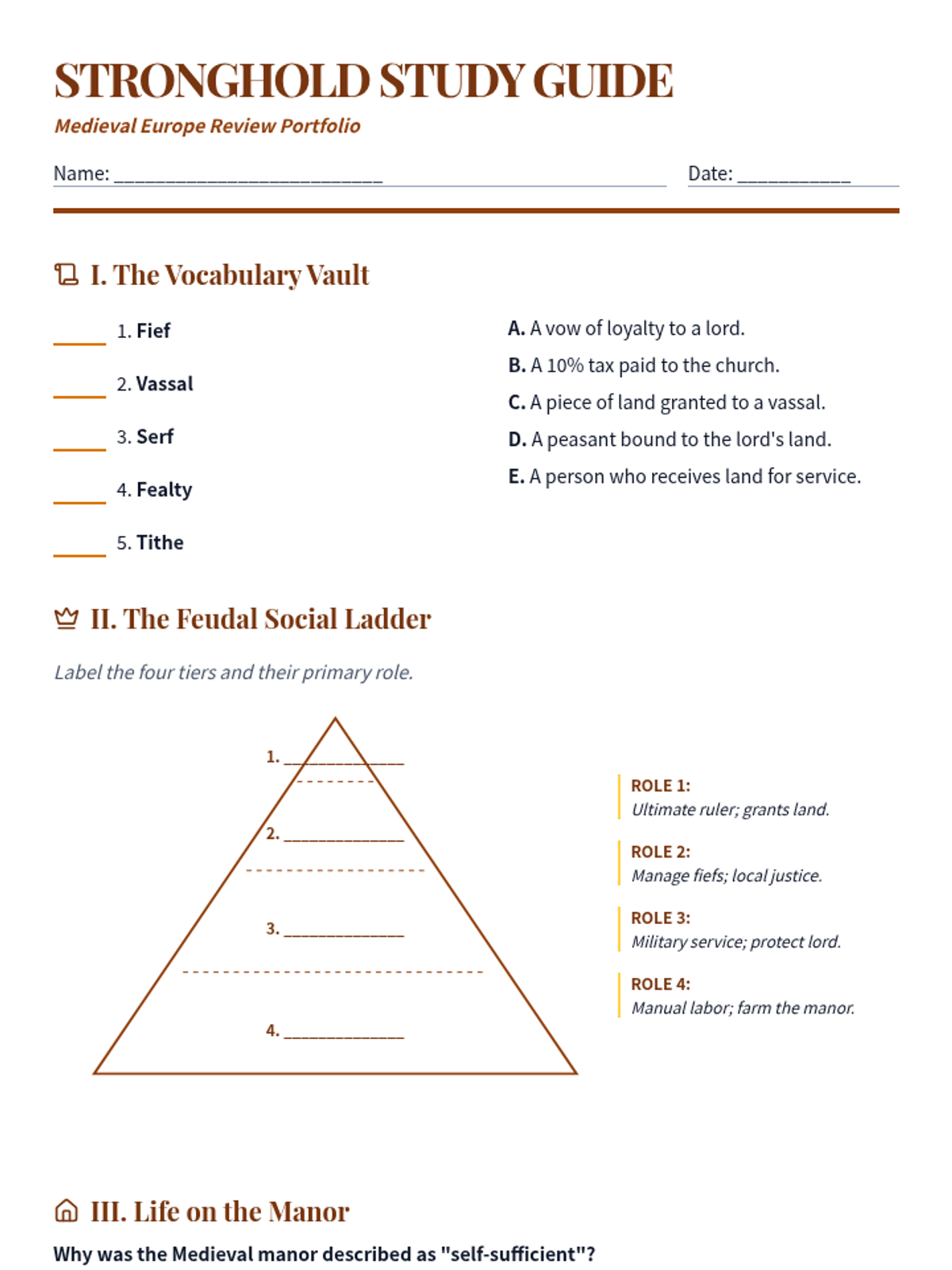
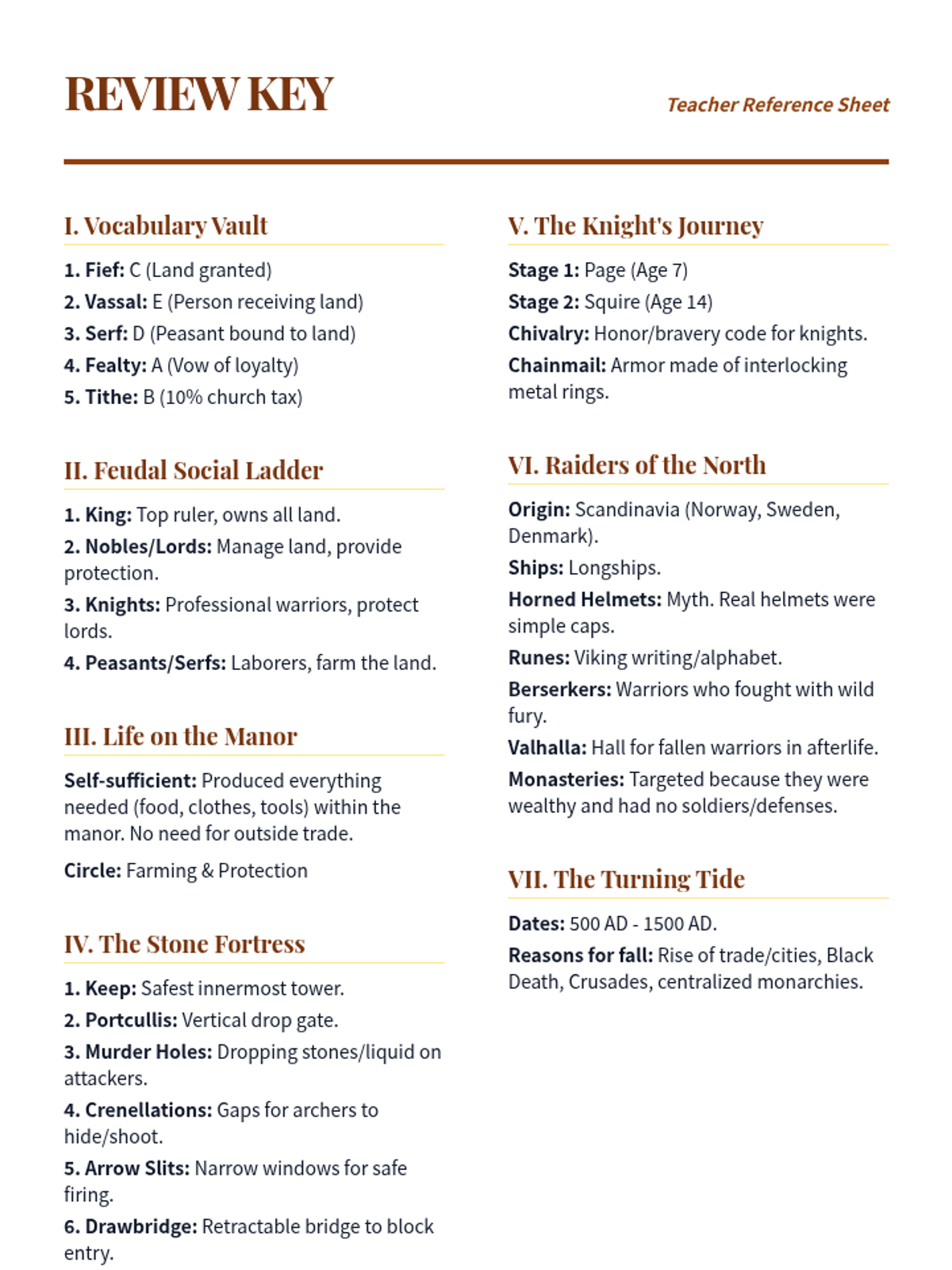
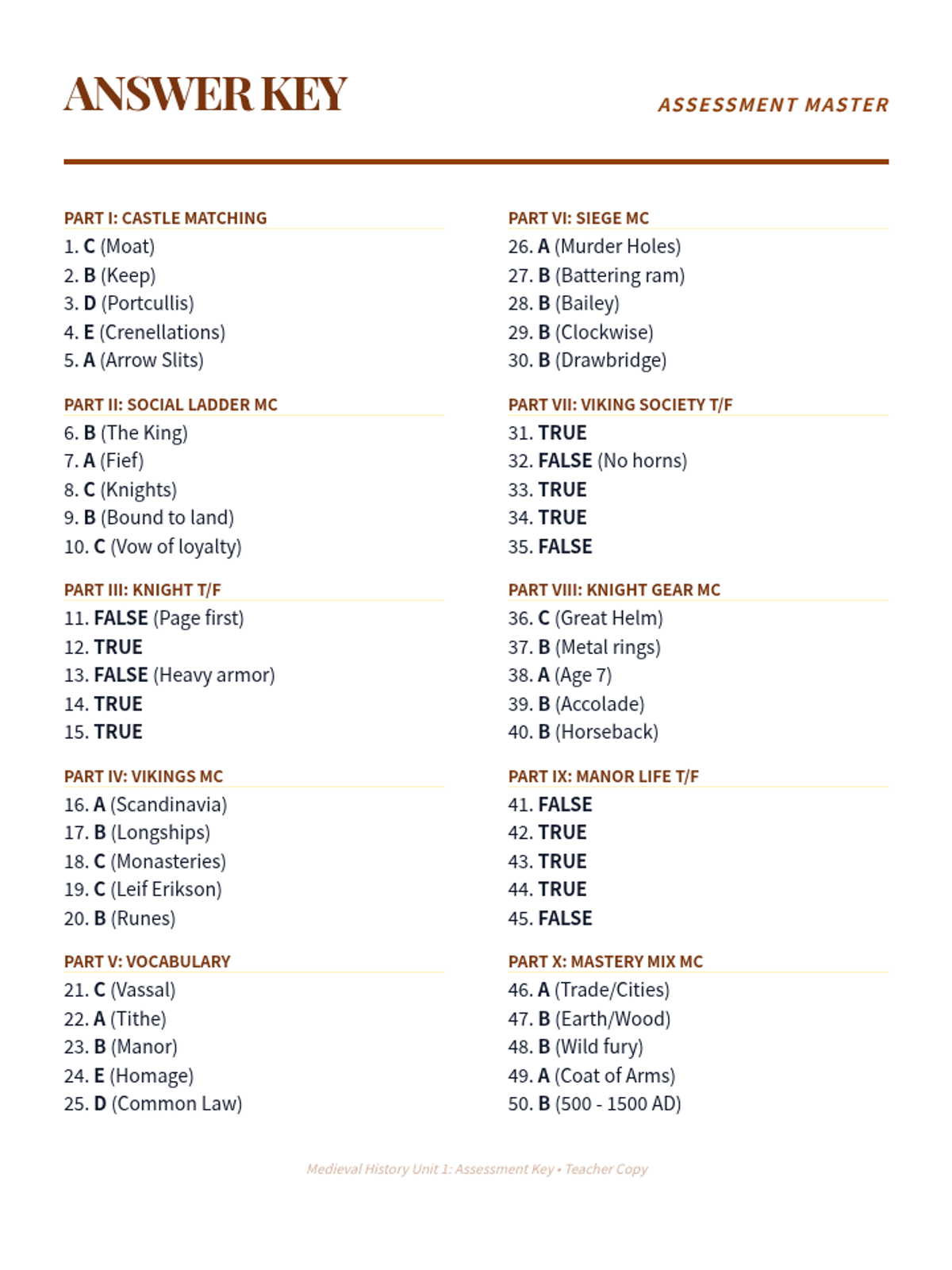
A comprehensive assessment covering the core pillars of Medieval European society, including the feudal hierarchy, the life of knights, Viking incursions, and the architectural defenses of castles.
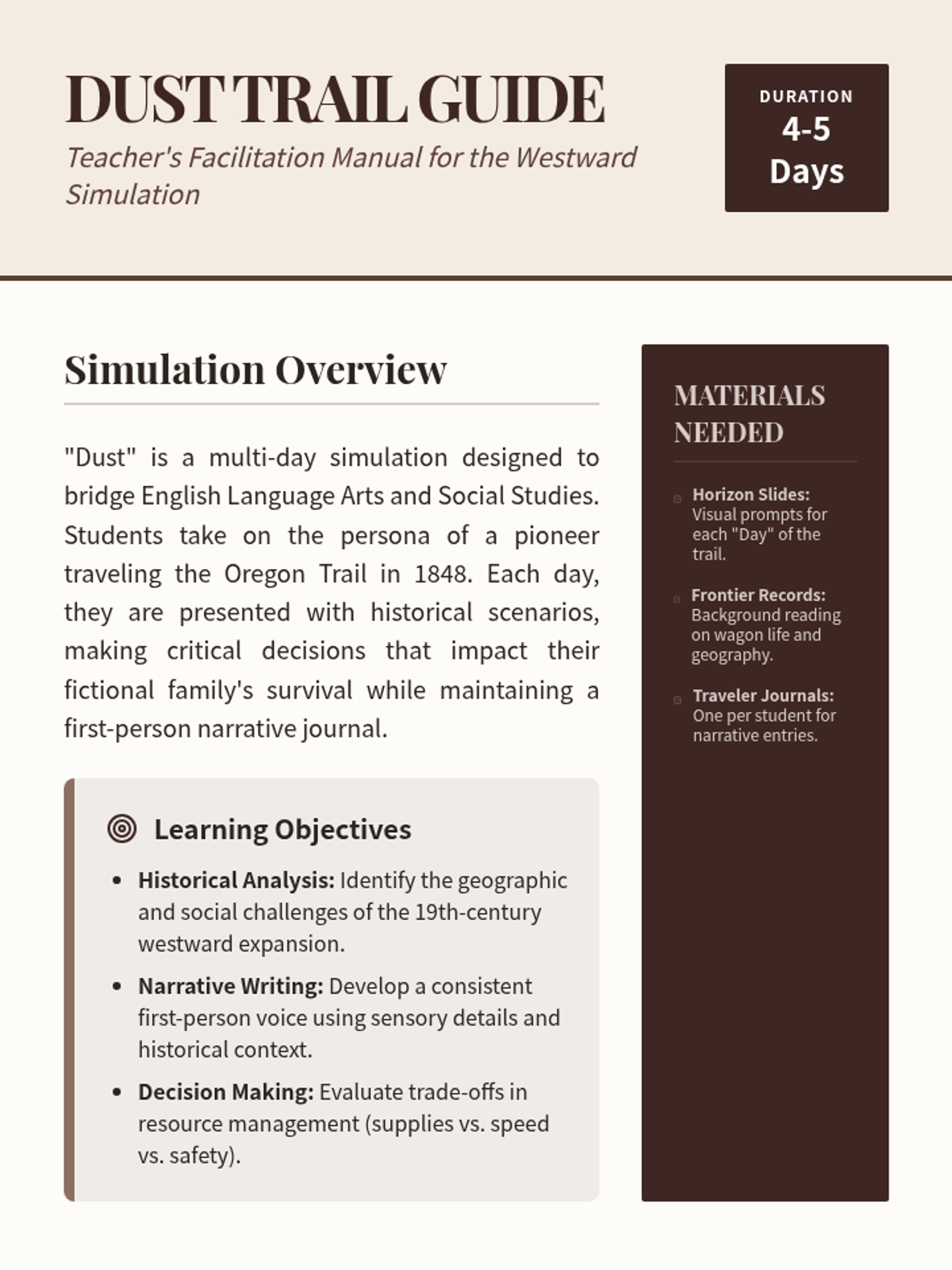
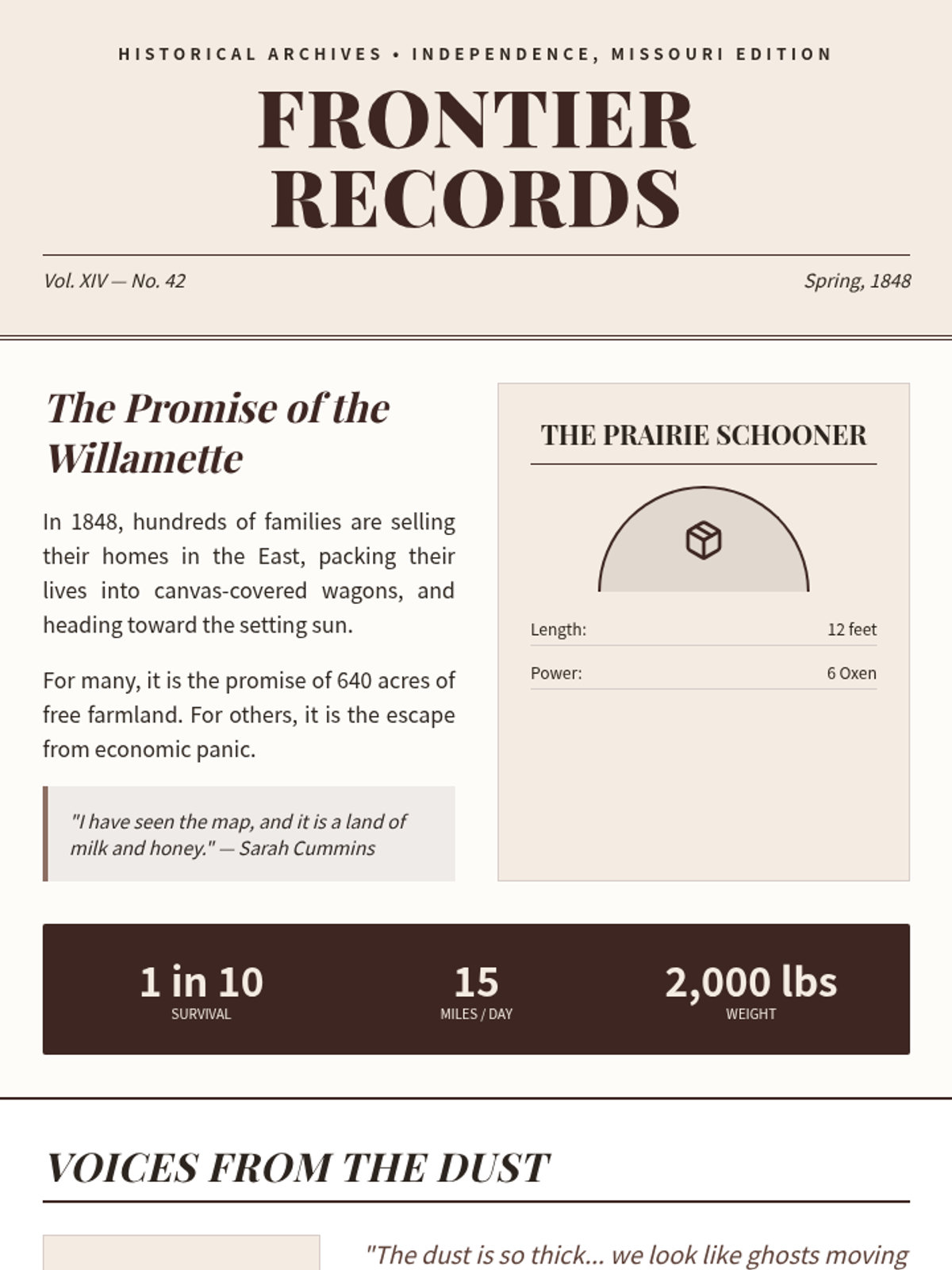
An immersive simulation where students experience the hardships and hopes of 19th-century westward expansion through first-person narrative writing and historical analysis.
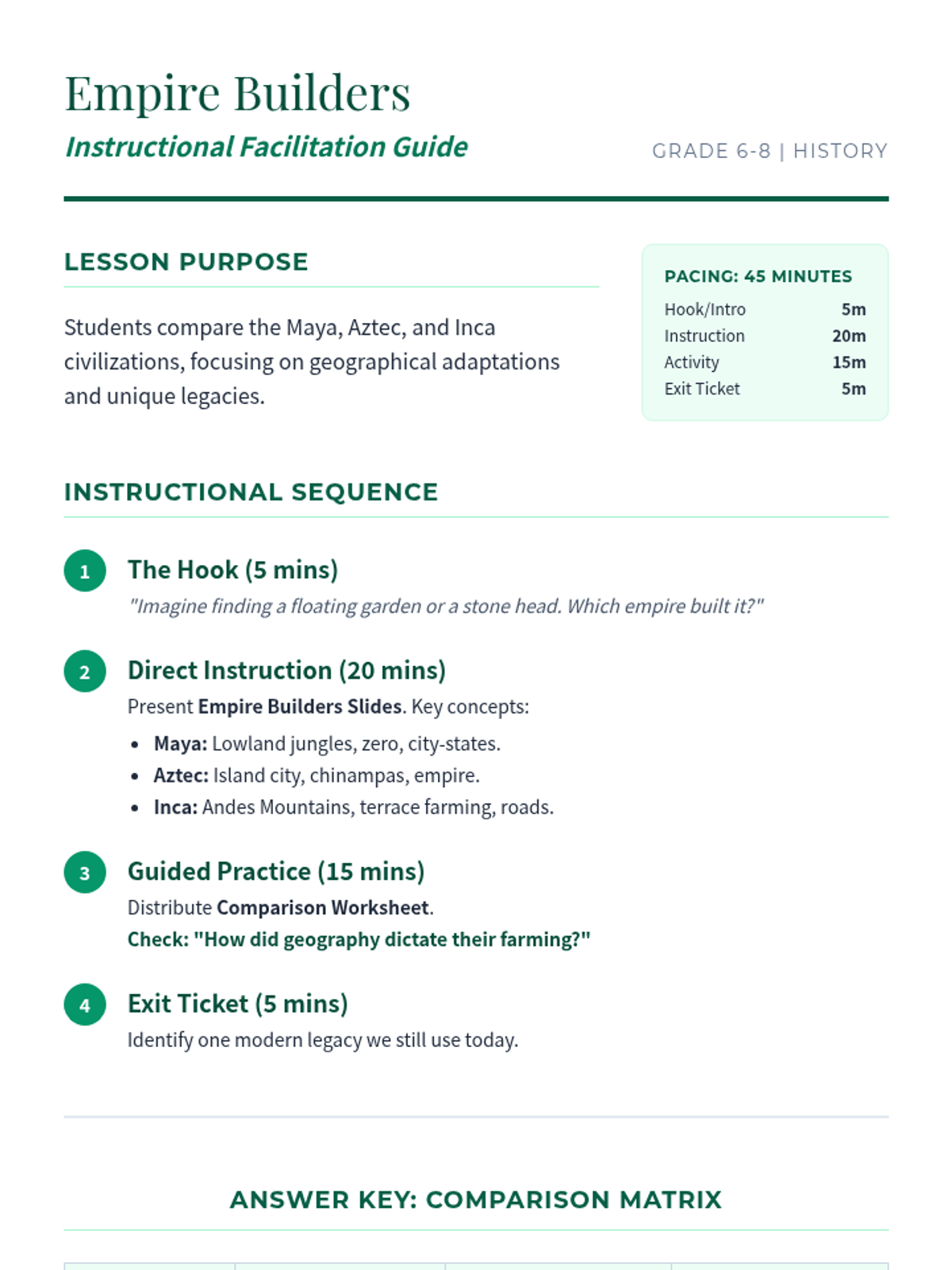
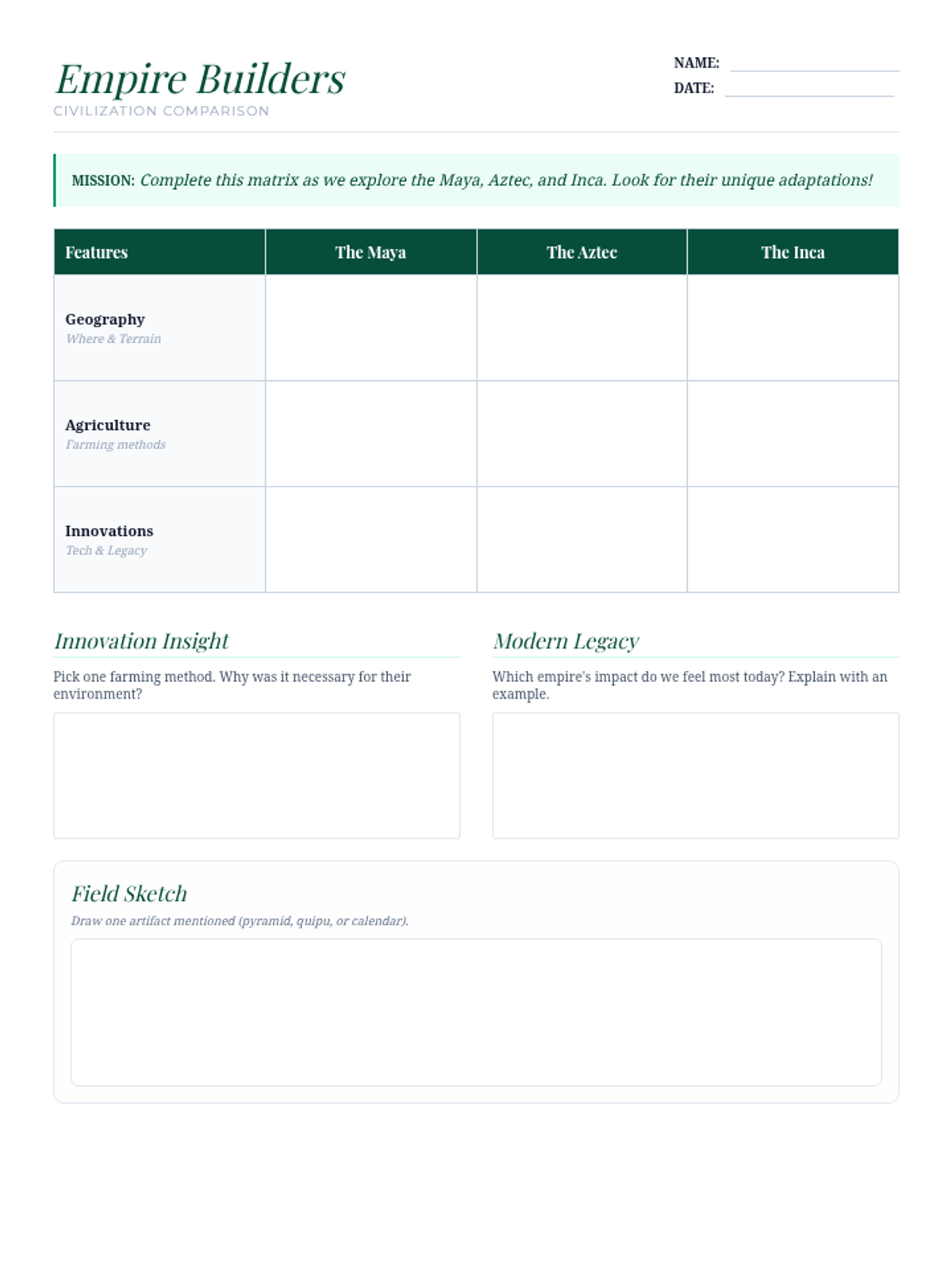
A comprehensive 45-minute lesson comparing the Mayan, Aztec, and Incan civilizations, focusing on their unique achievements, social structures, and geographical adaptations.
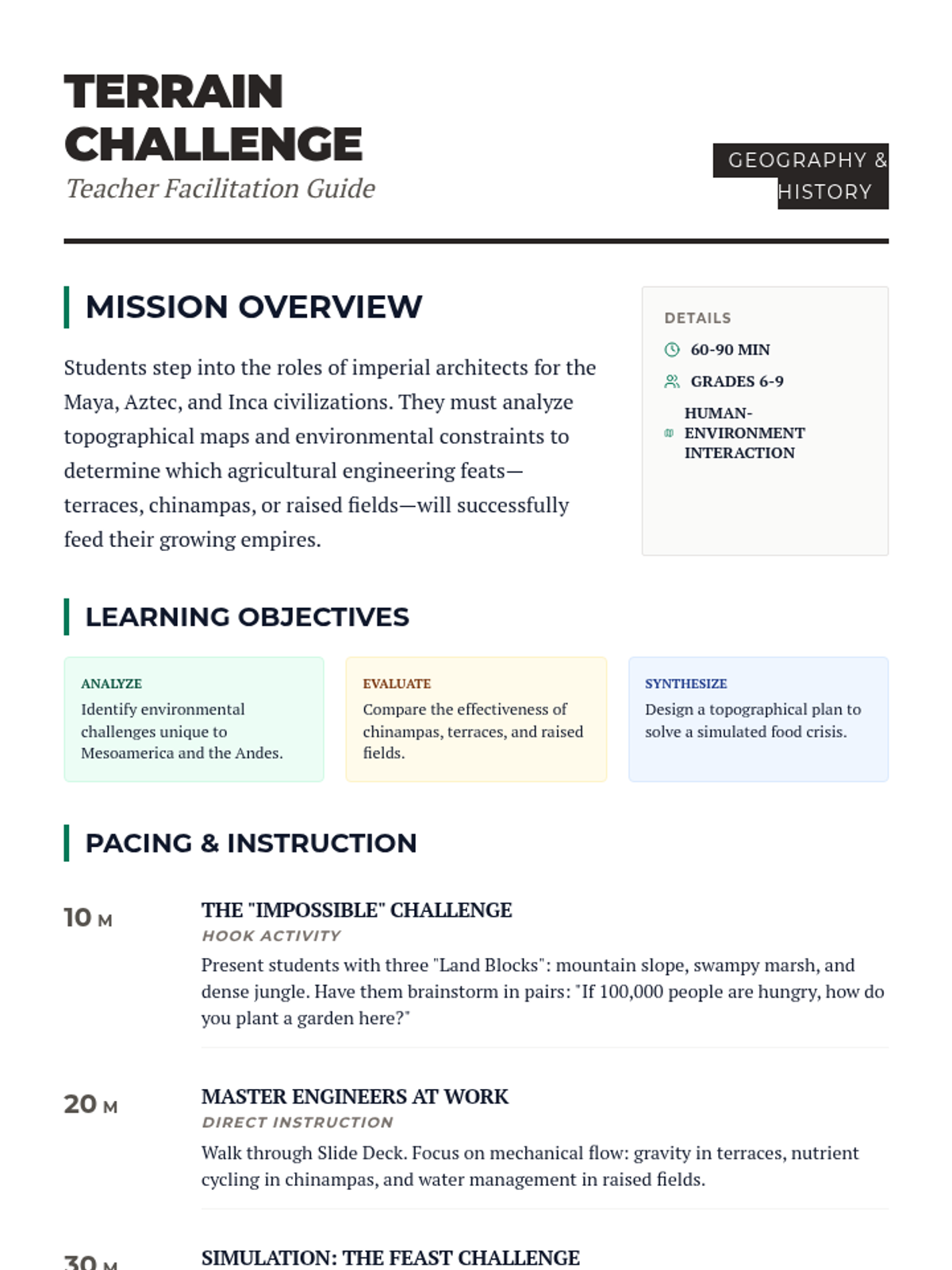
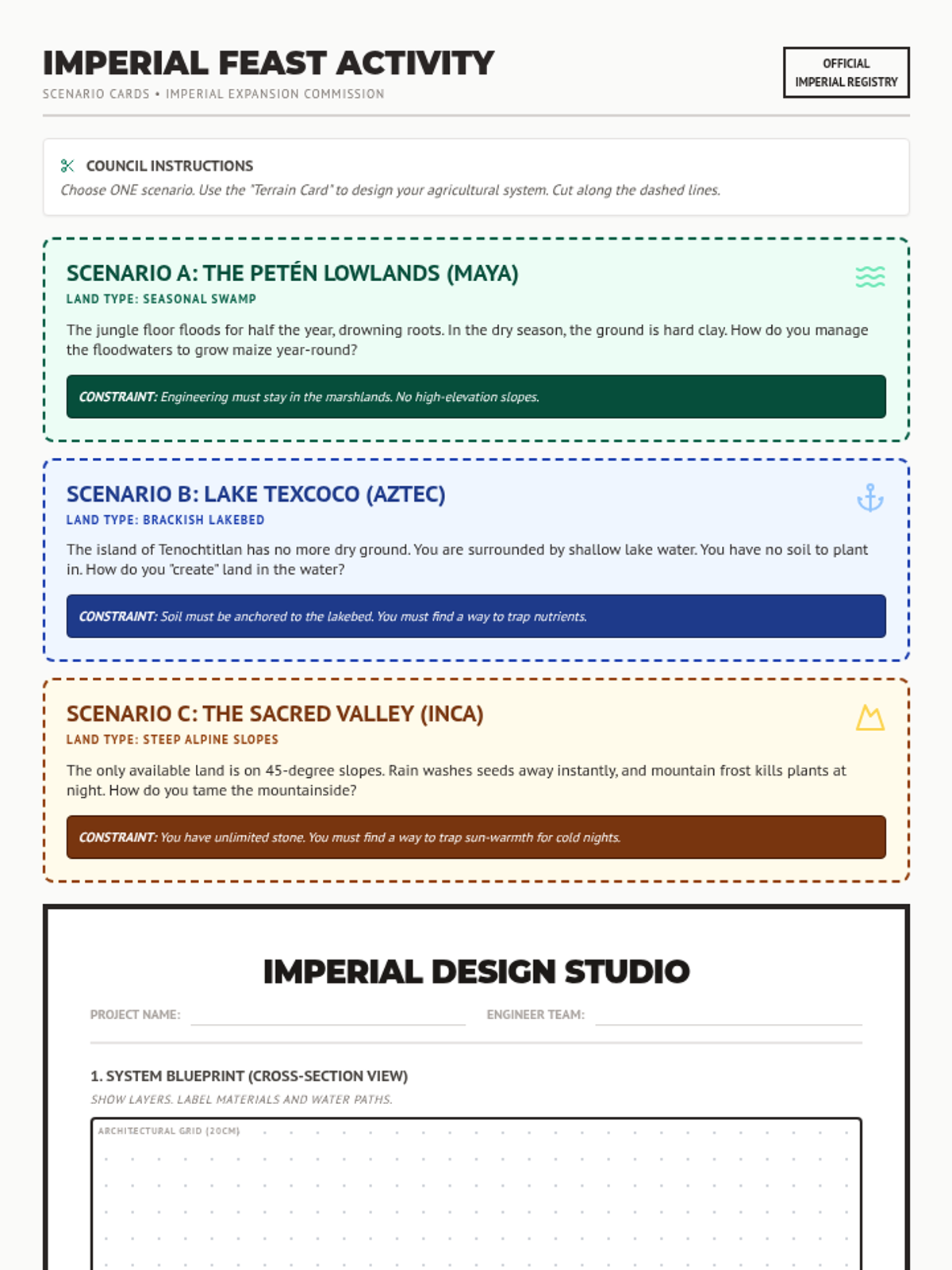
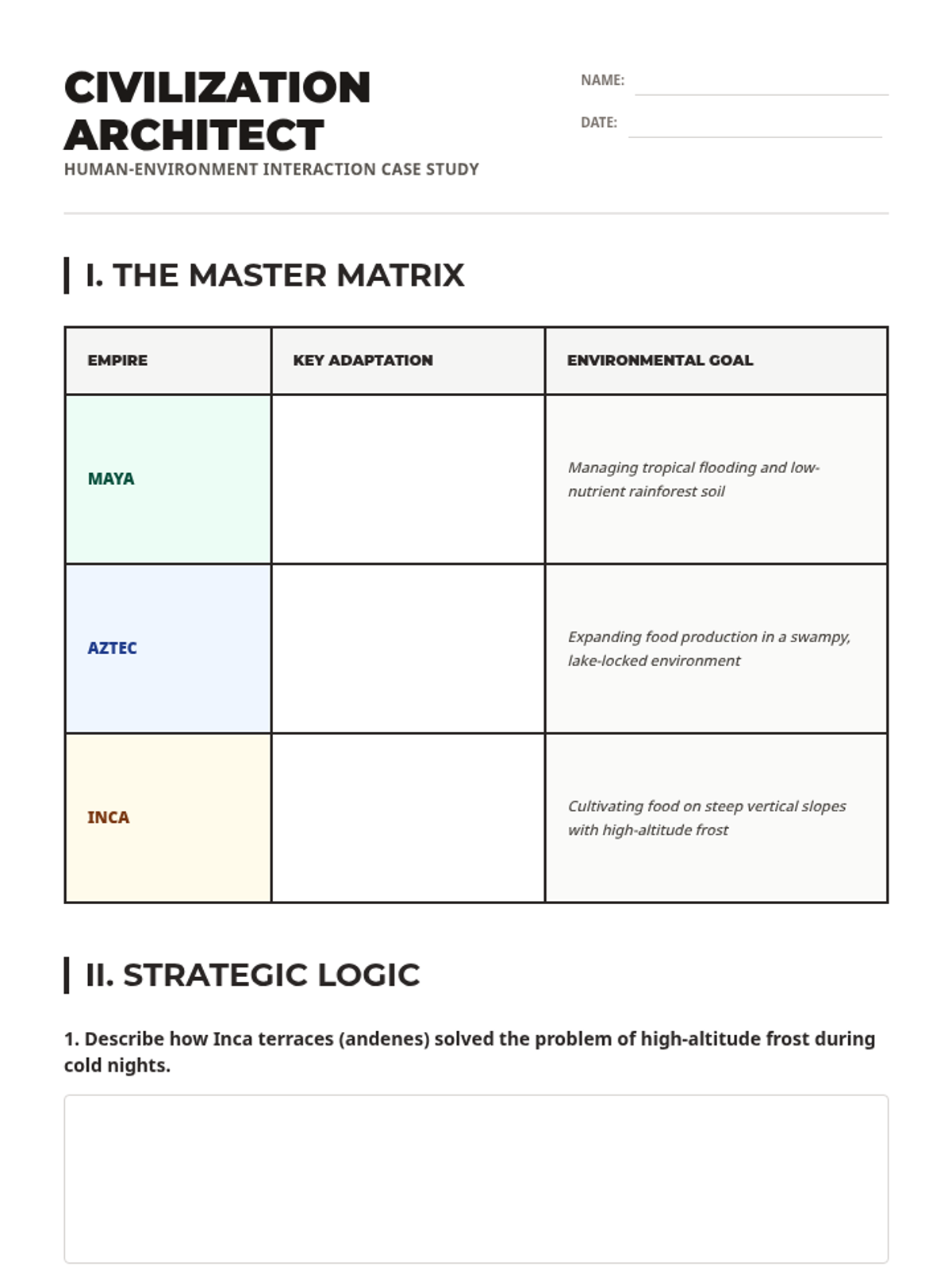
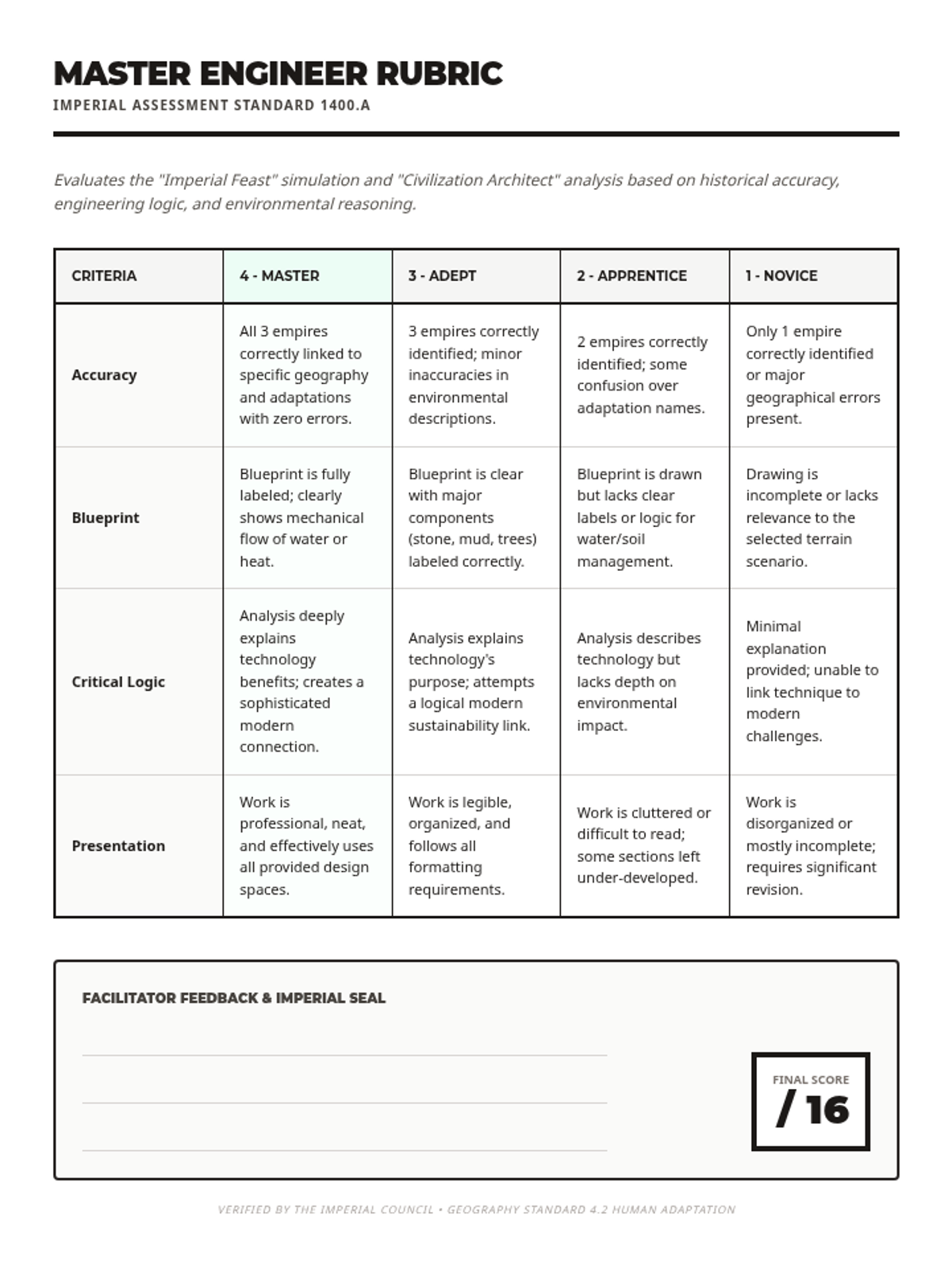
An immersive geography and history lesson where students analyze the environmental adaptations of the Maya, Aztec, and Inca. Through simulation and analysis, students explore how these civilizations engineered their landscapes to sustain large populations.
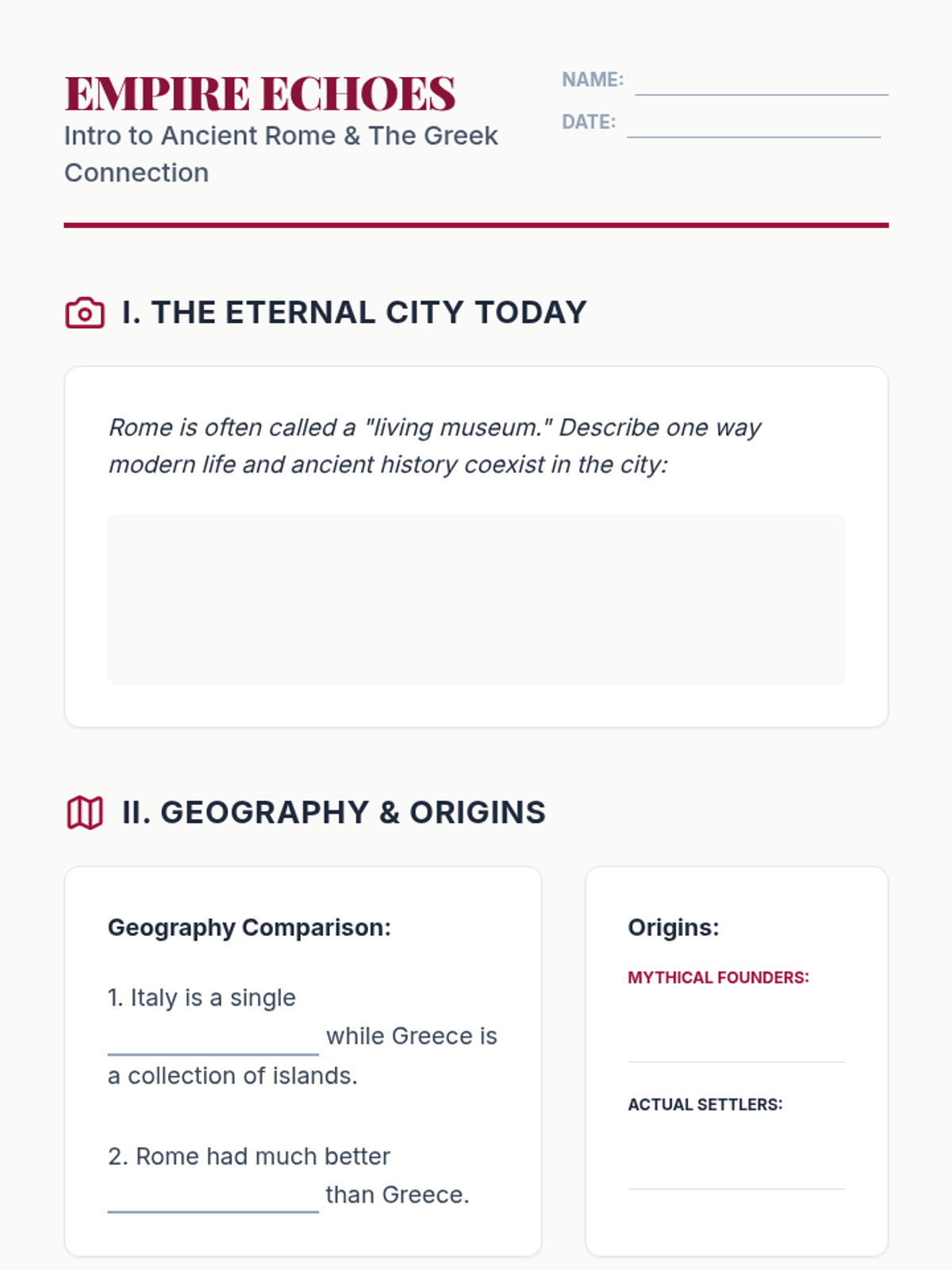
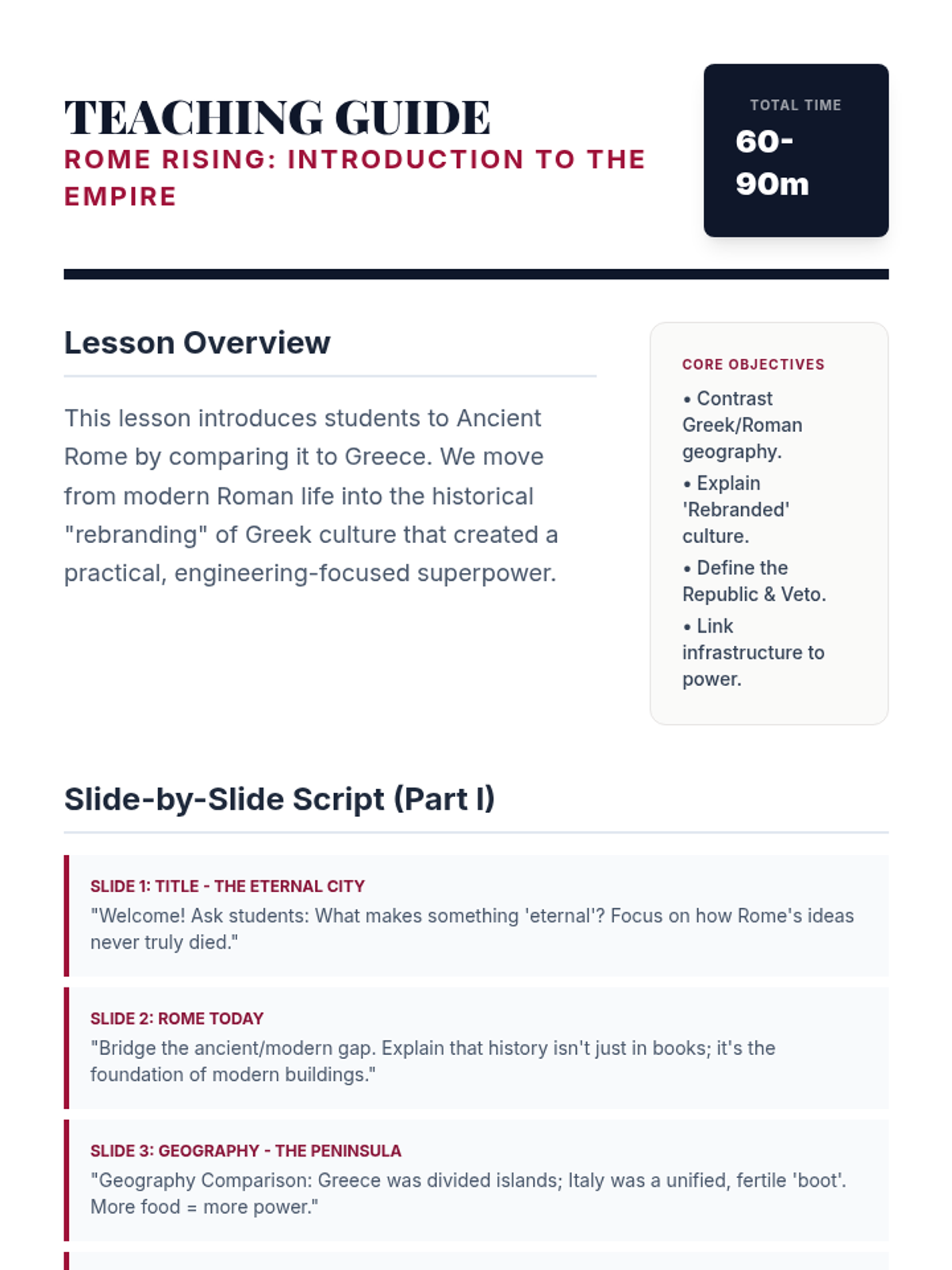
A comprehensive introduction to Ancient Rome, exploring its geographic roots, legendary origins, and deep cultural connections to Ancient Greece while examining the city's enduring legacy in the modern world.
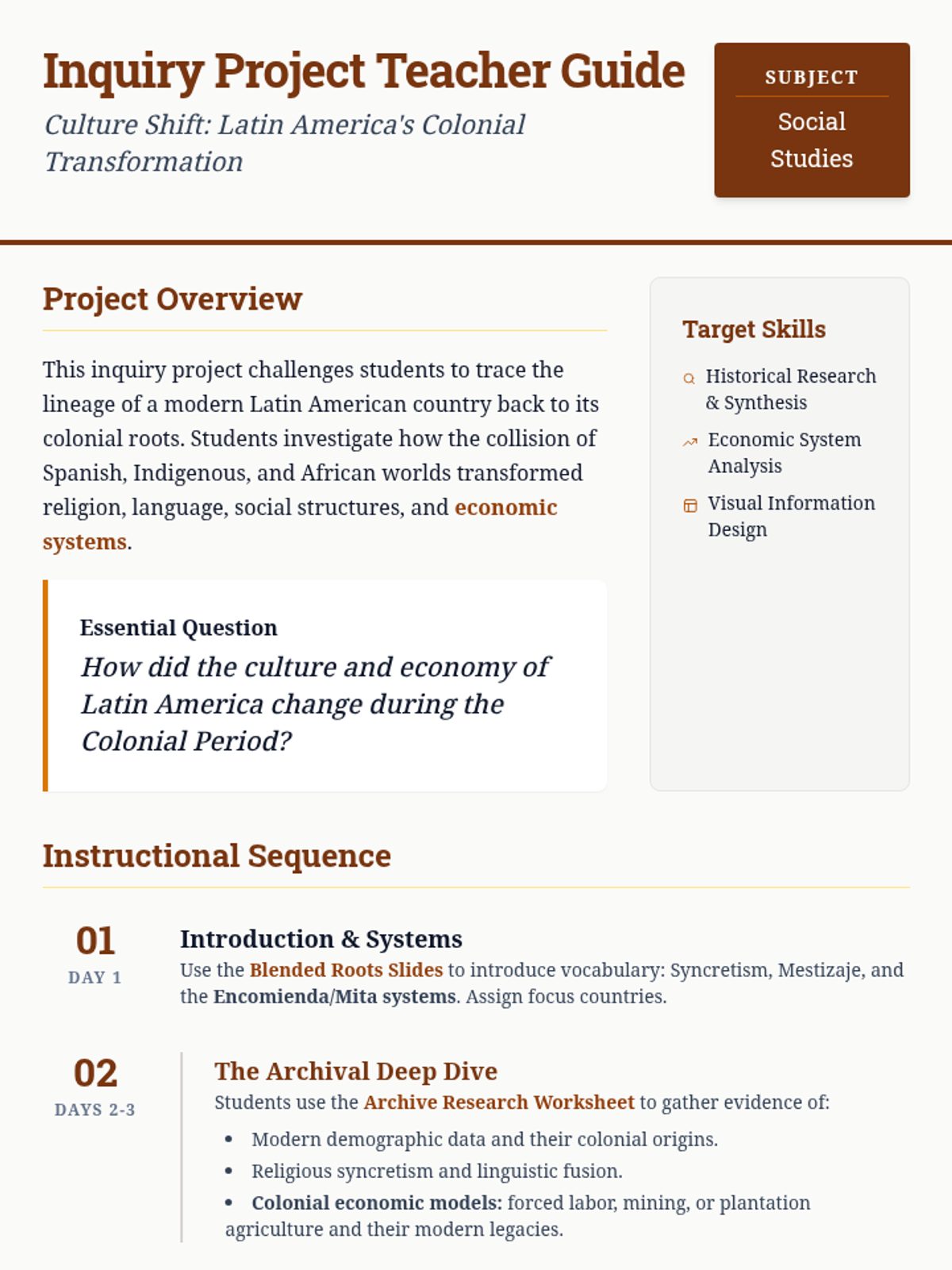
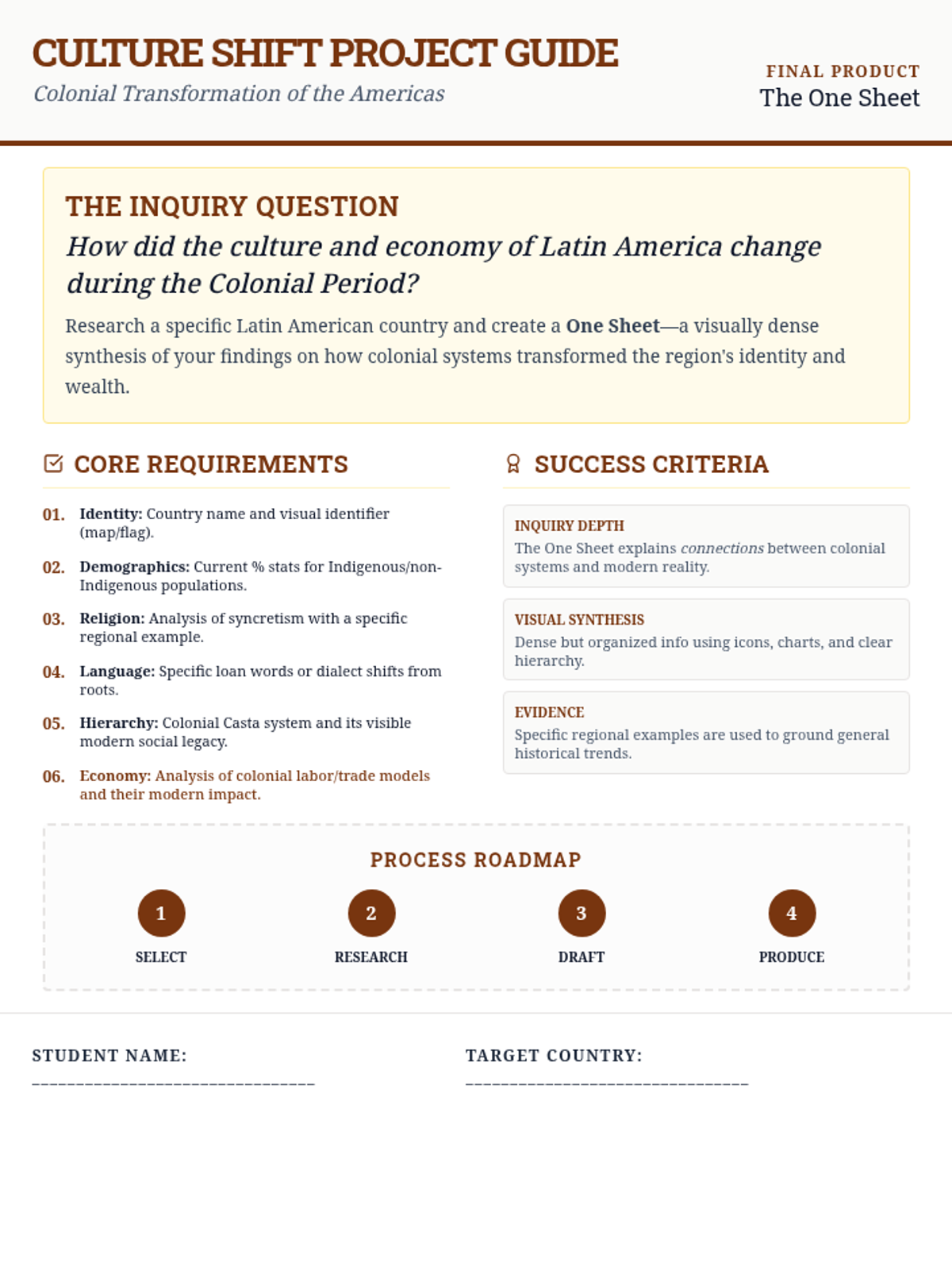
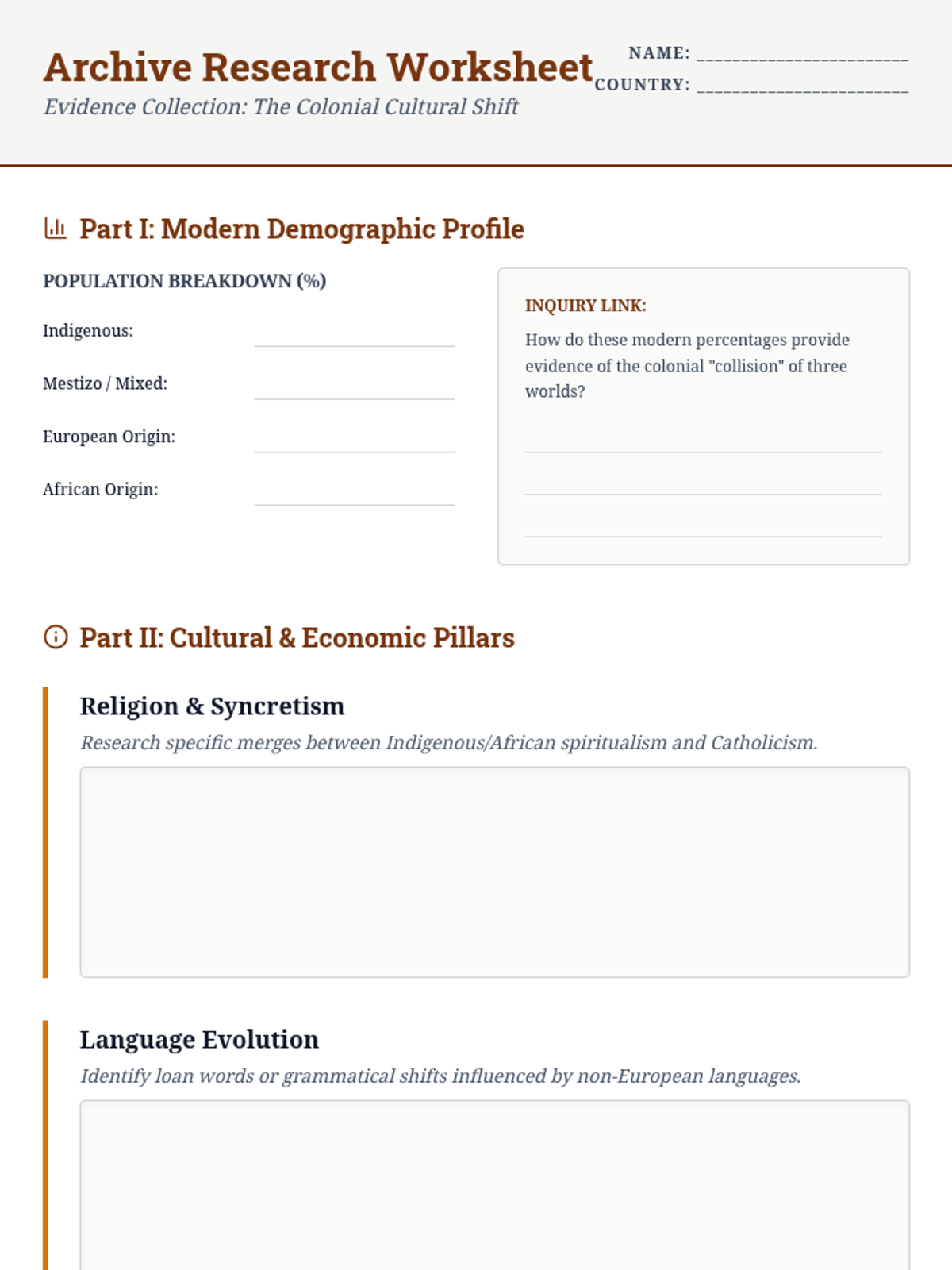
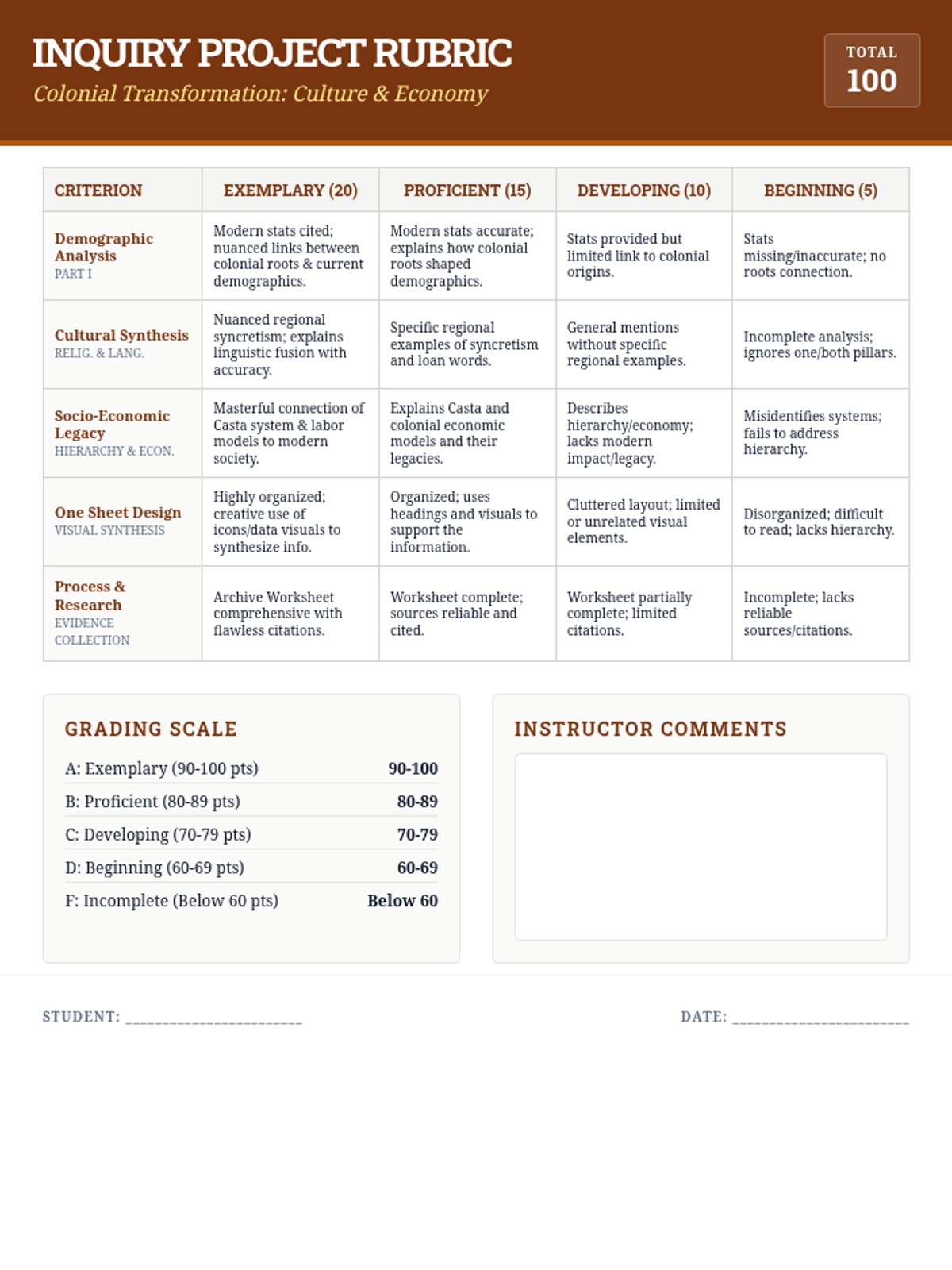
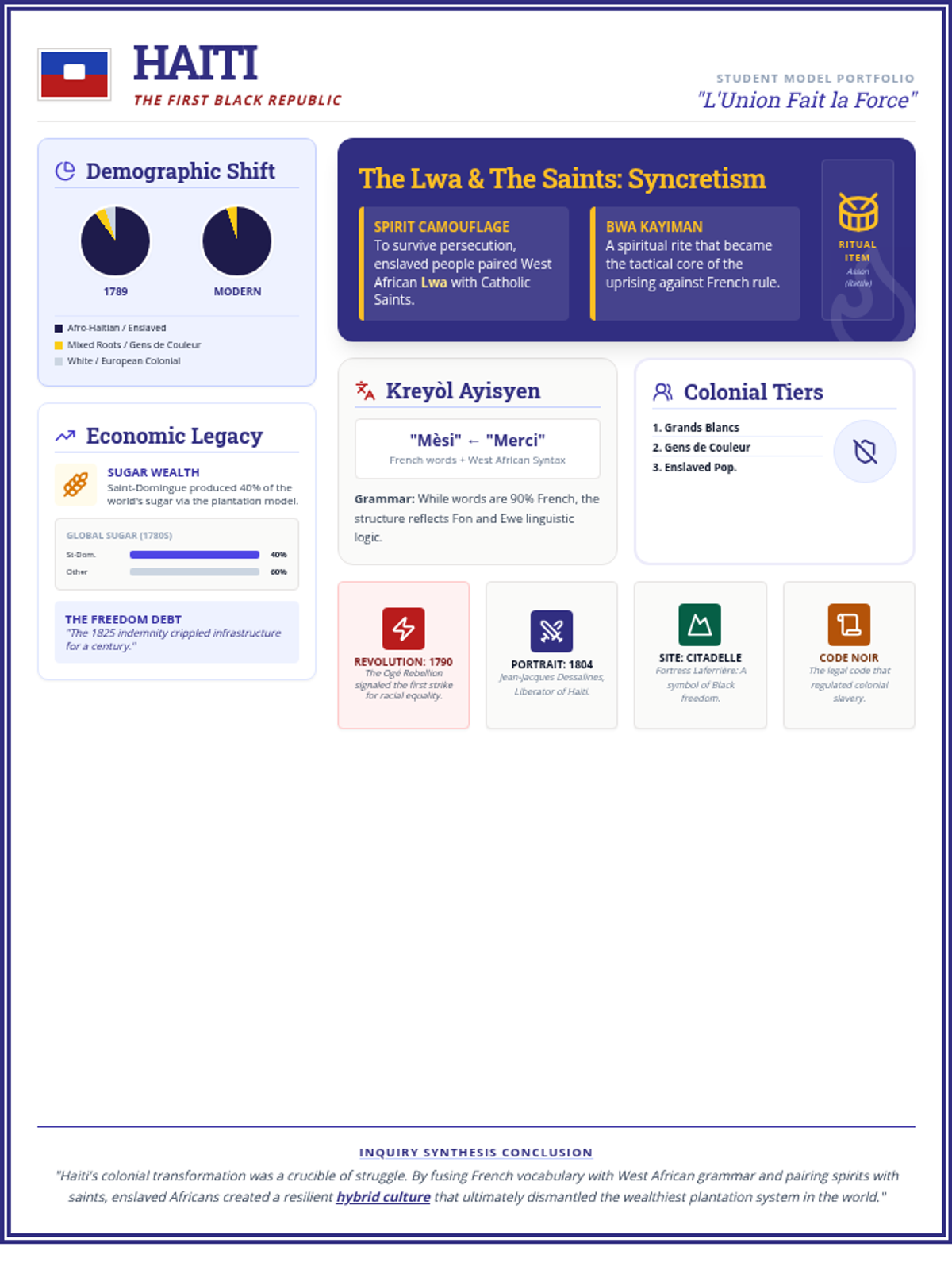
An inquiry-based project where students research the cultural transformation of a Latin American country during the colonial era, focusing on the blending of Spanish, Indigenous, and African influences in religion, language, and social structures.
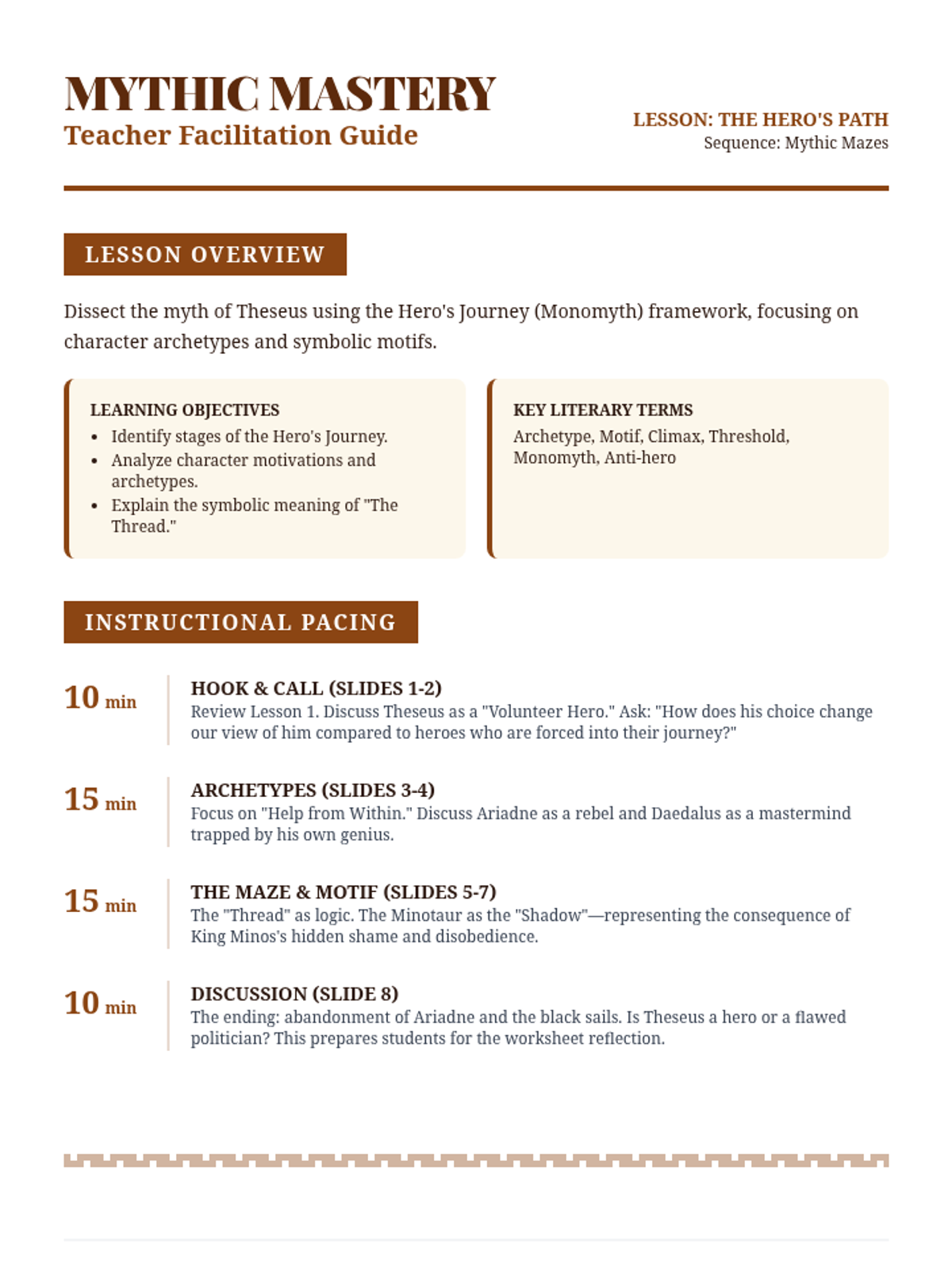
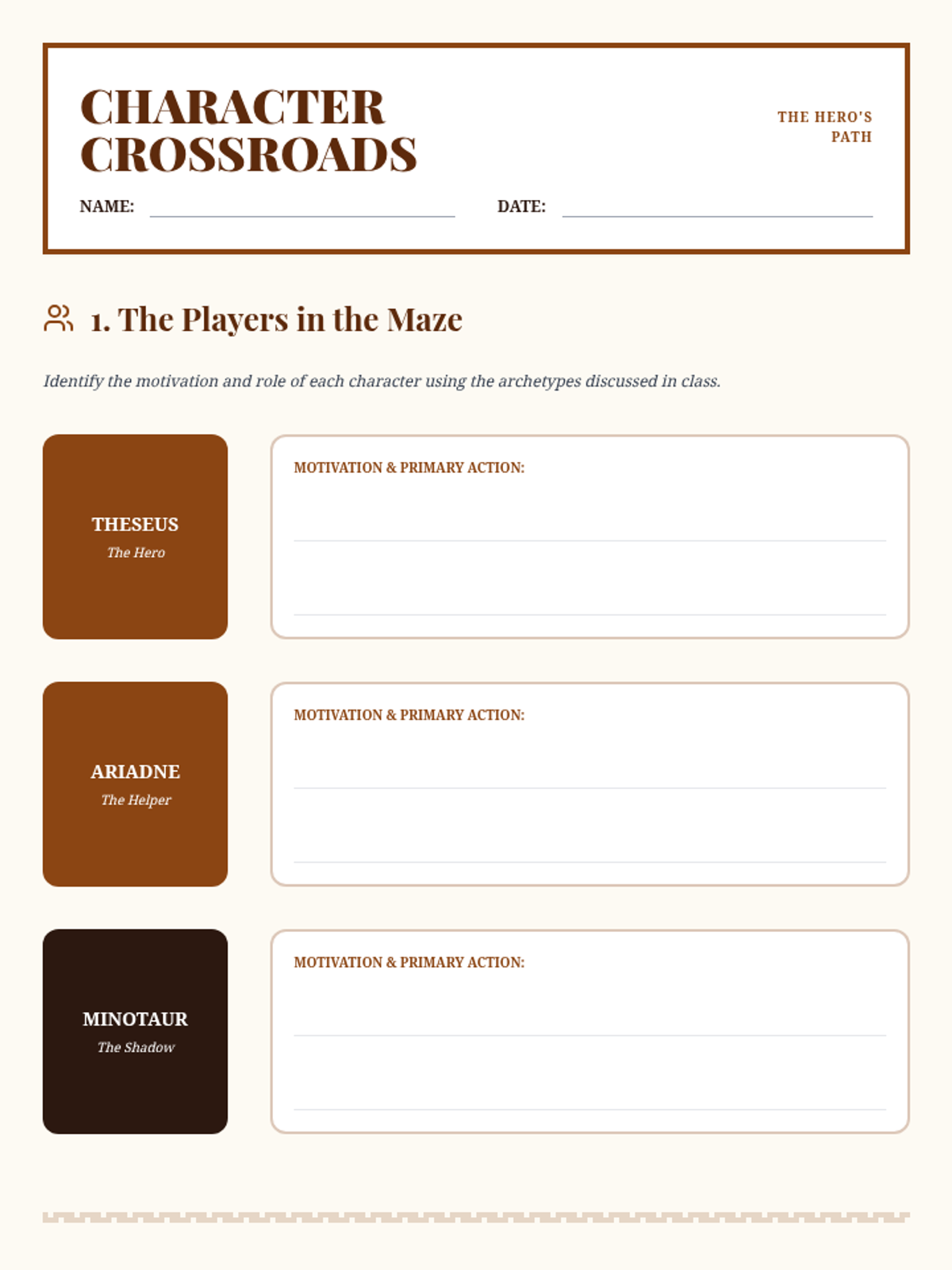
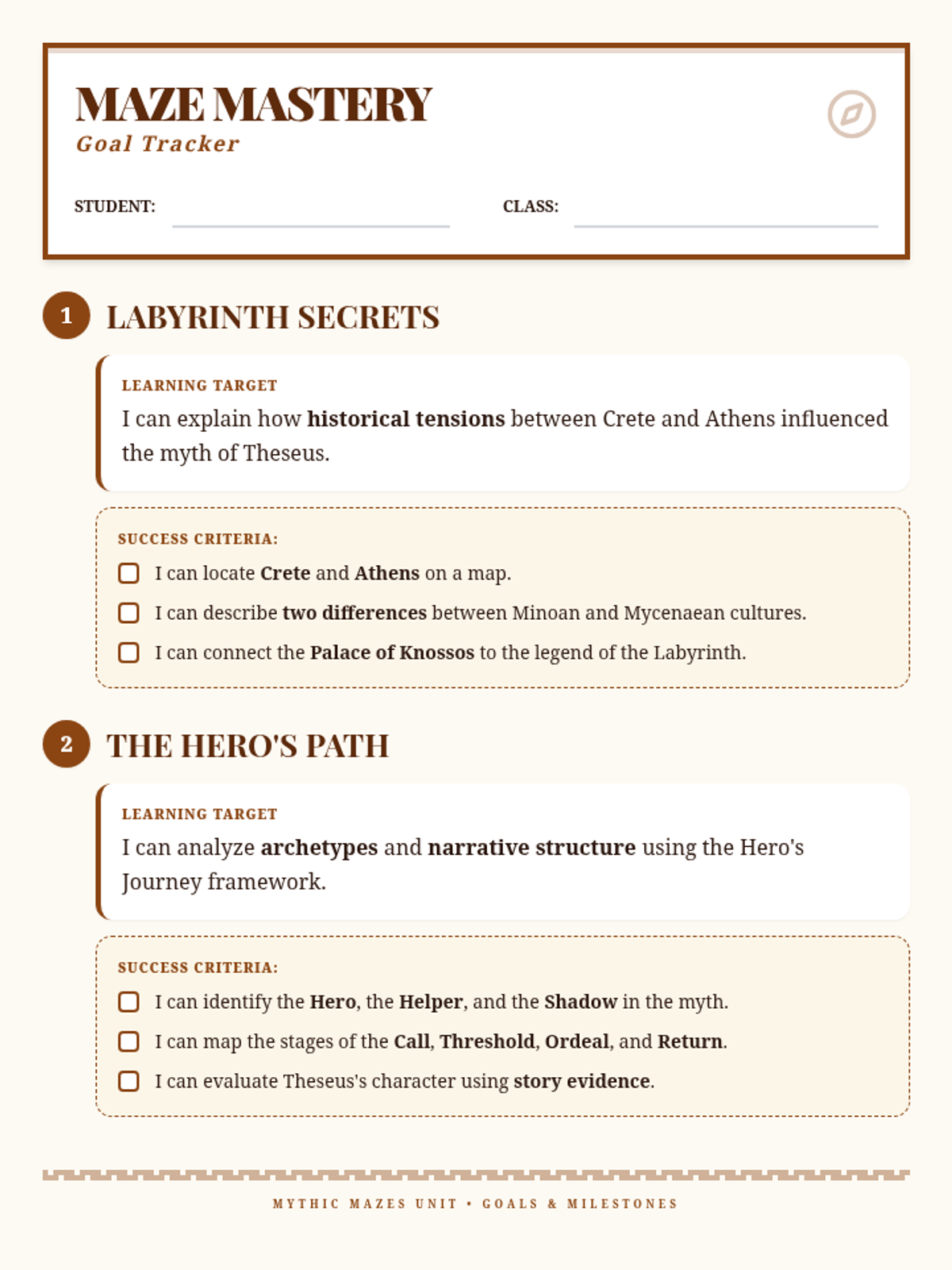
Focuses on the narrative arc of the Theseus myth, analyzing character motivations and the stages of the Hero's Journey.
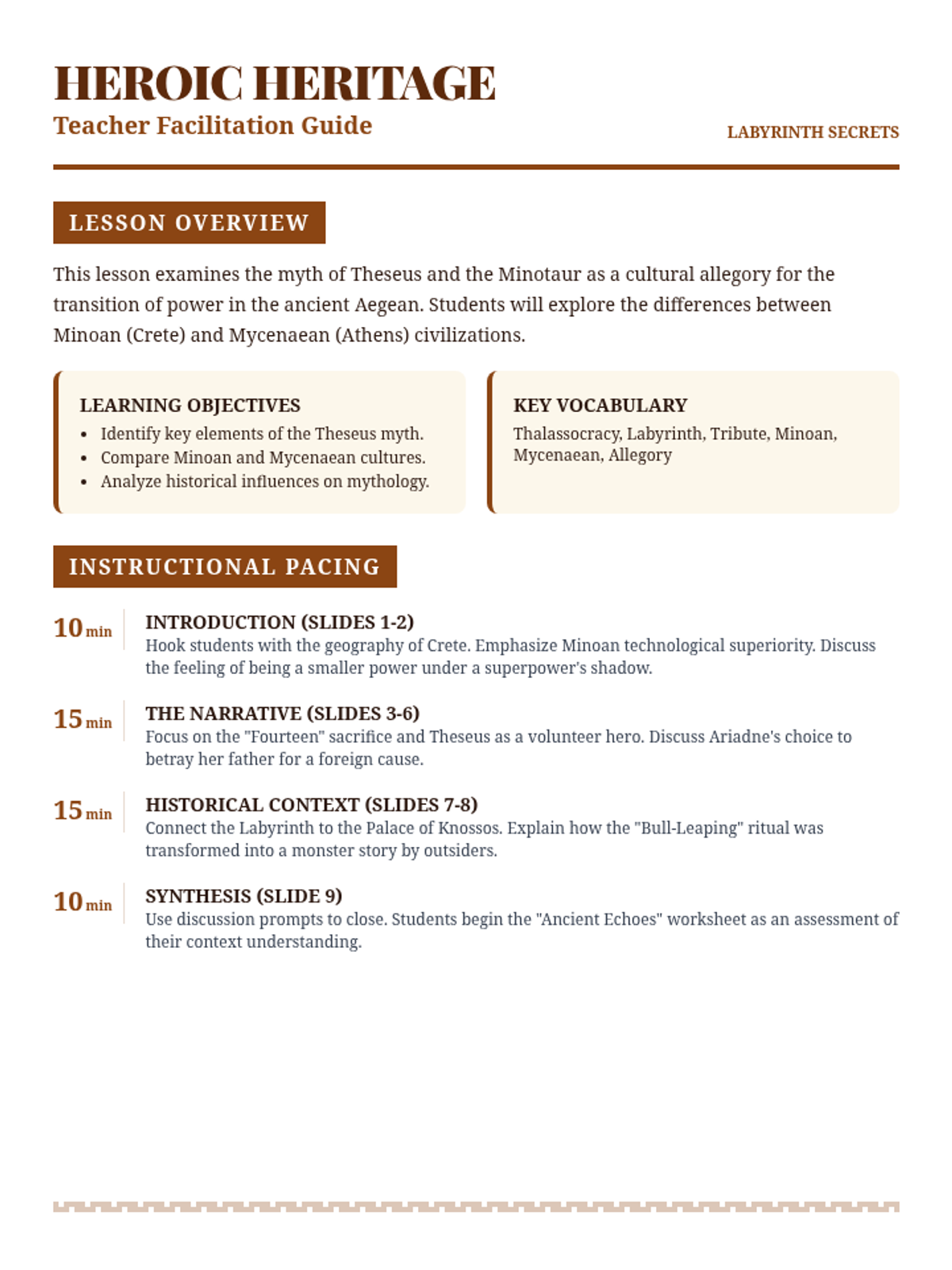
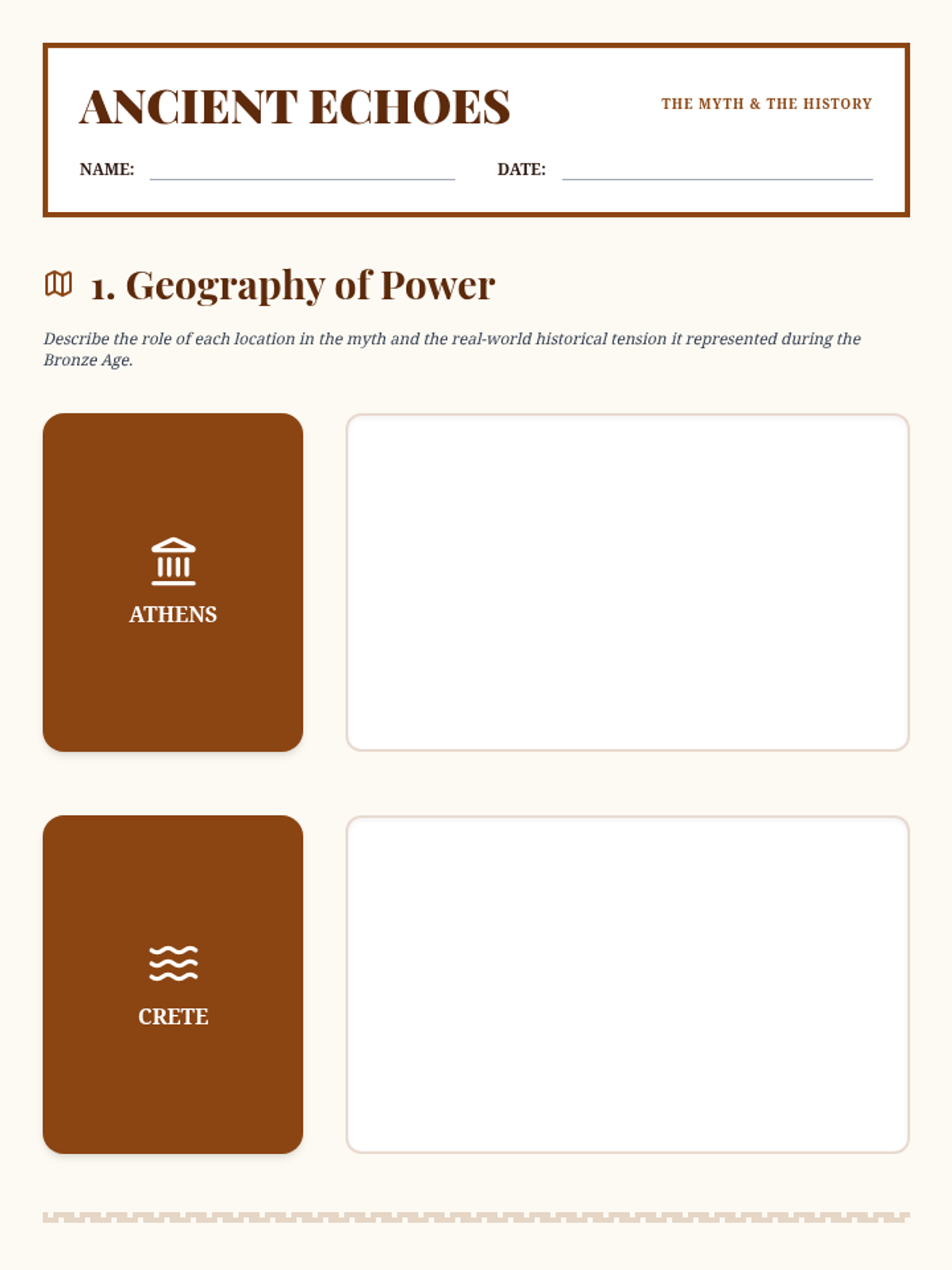
A deep dive into the myth of Theseus and the Minotaur, focusing on the historical and cultural tensions between Crete and Athens in Ancient Greece.
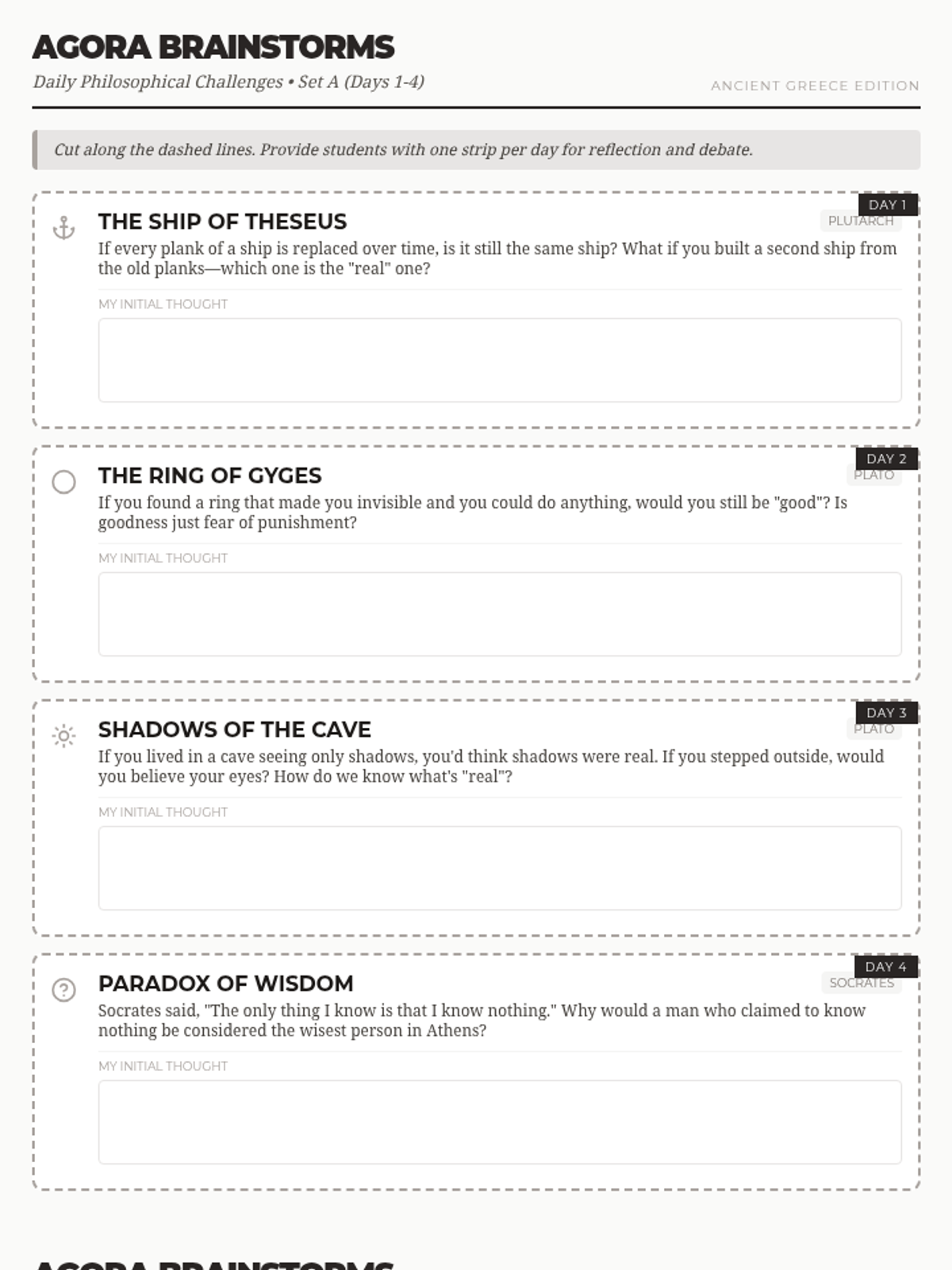
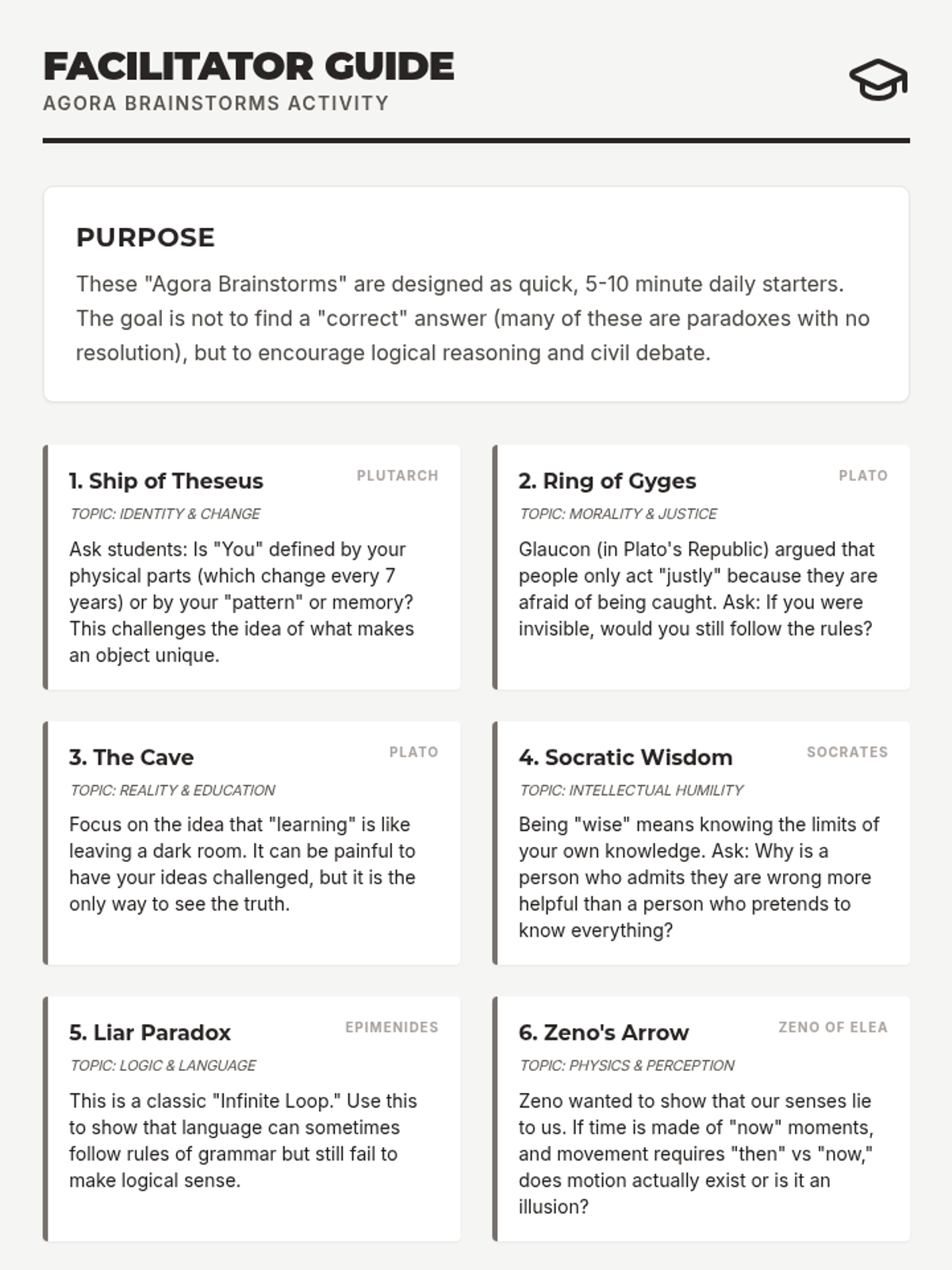
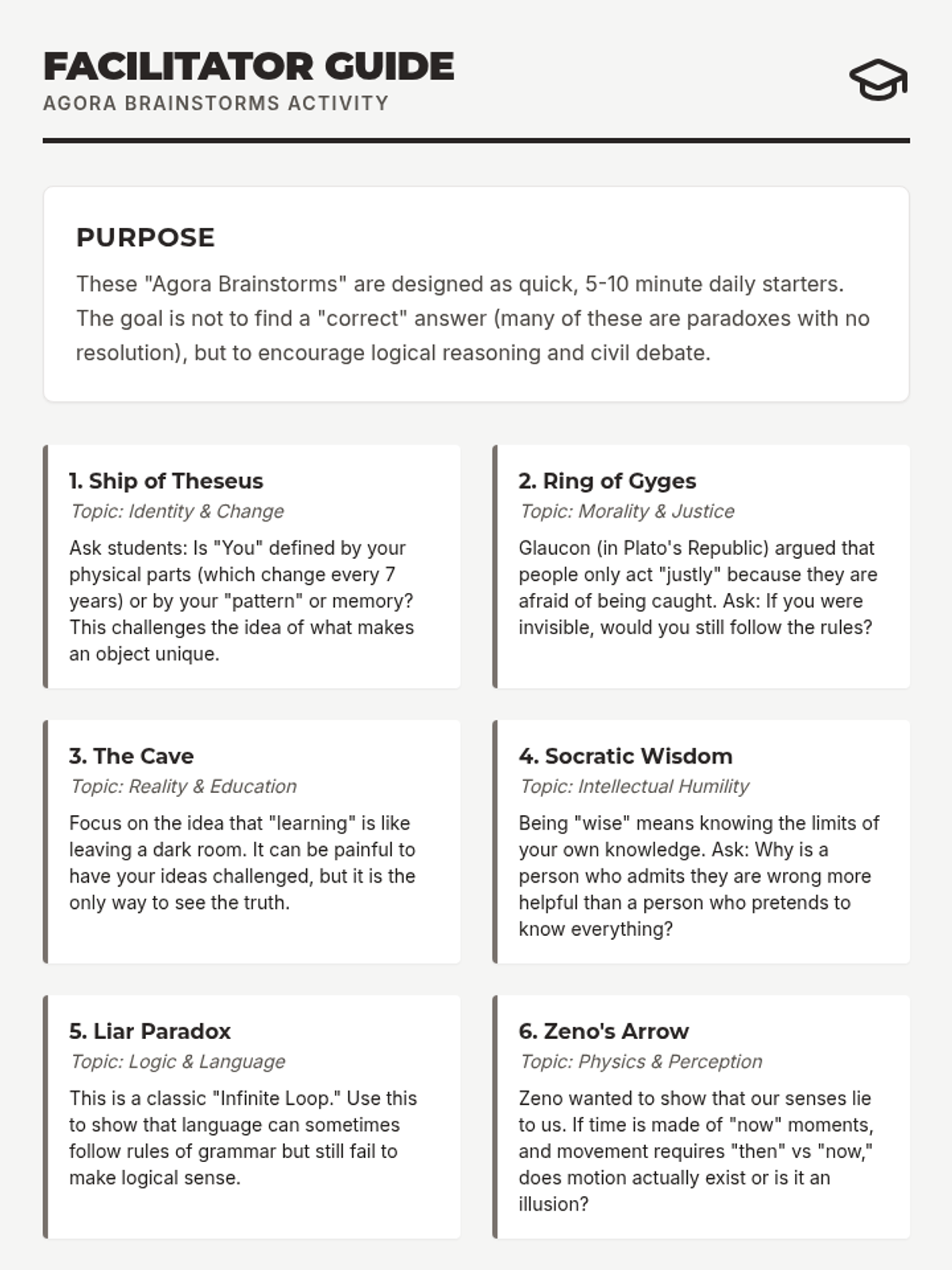
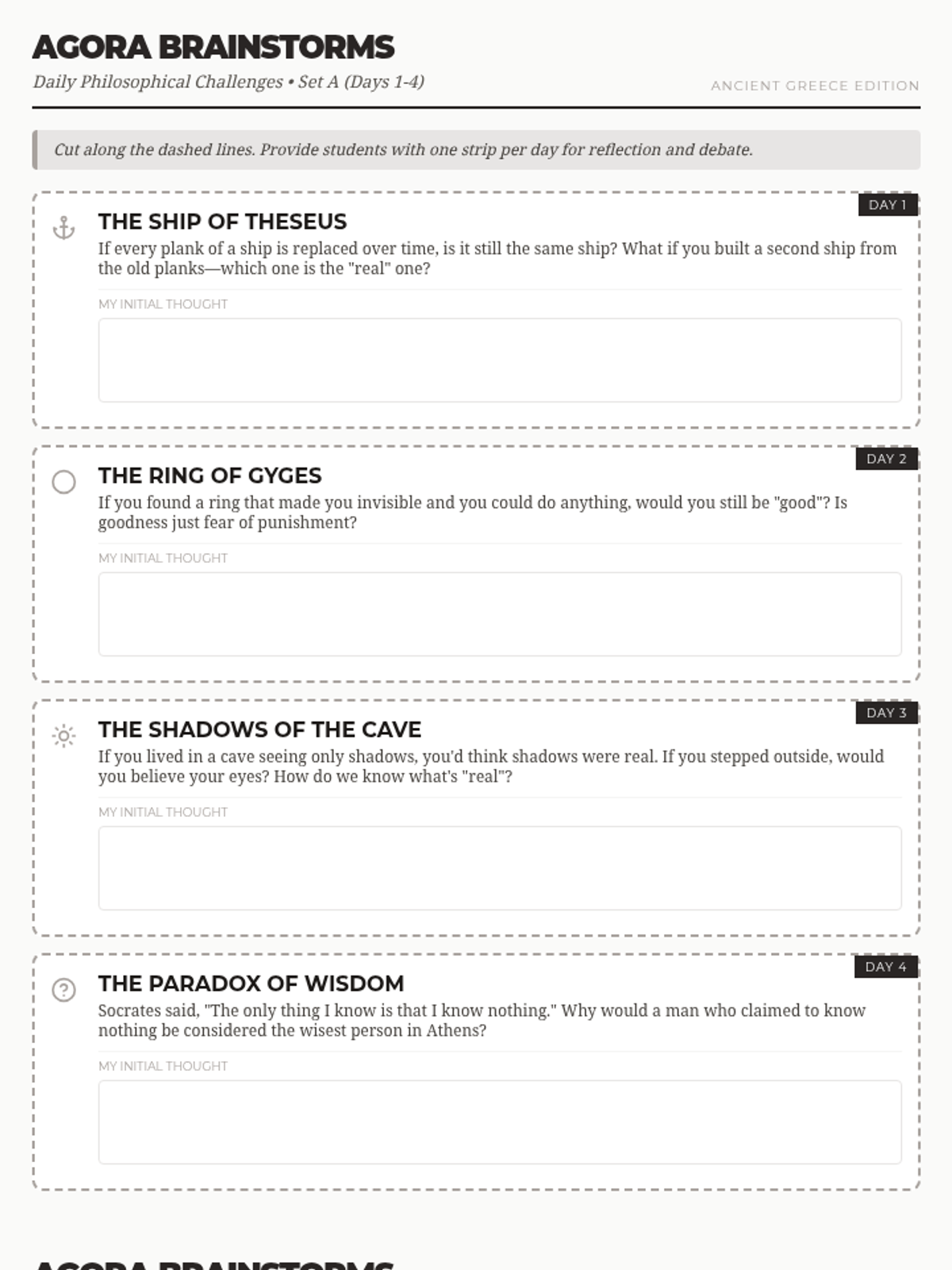
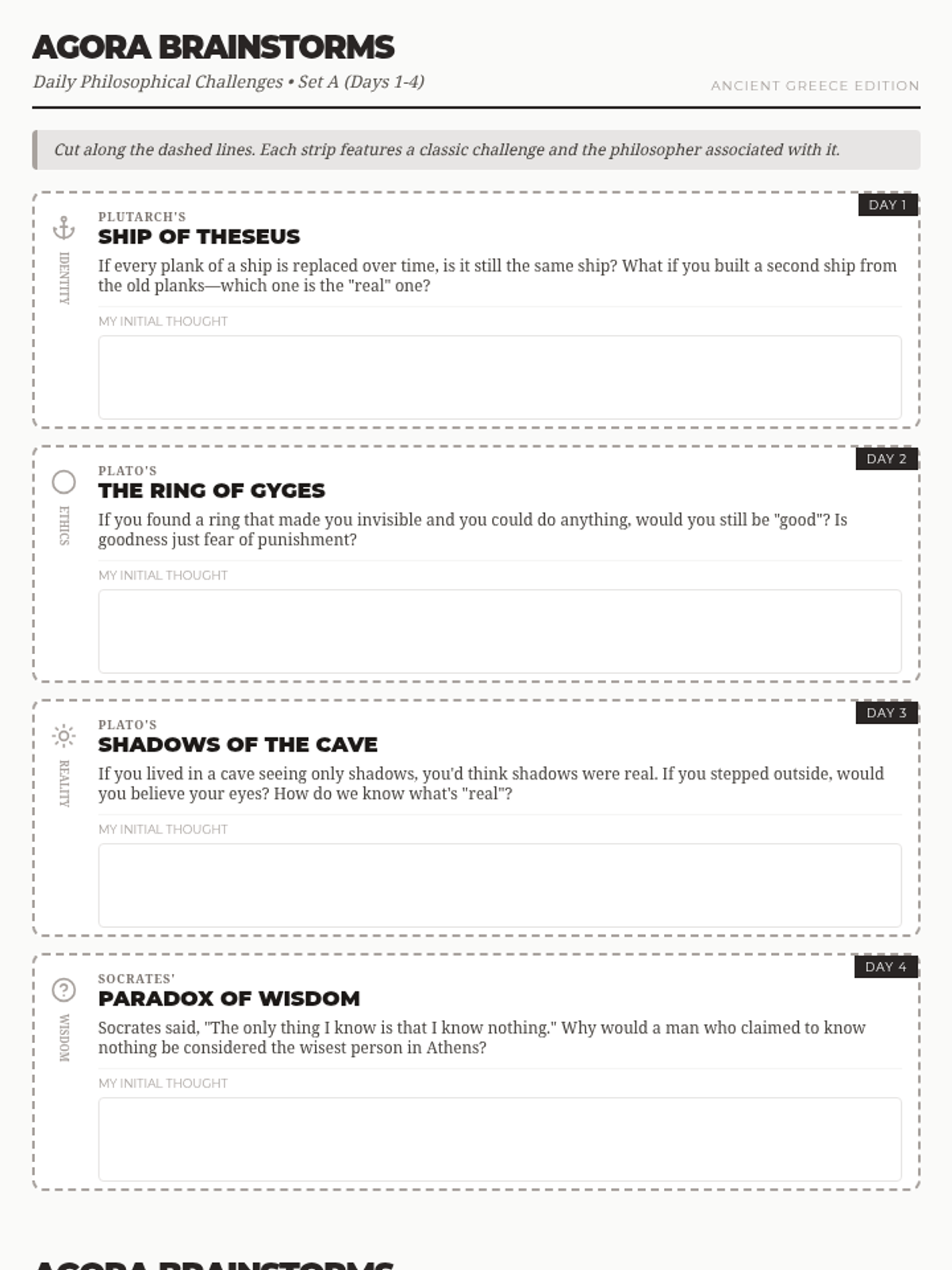
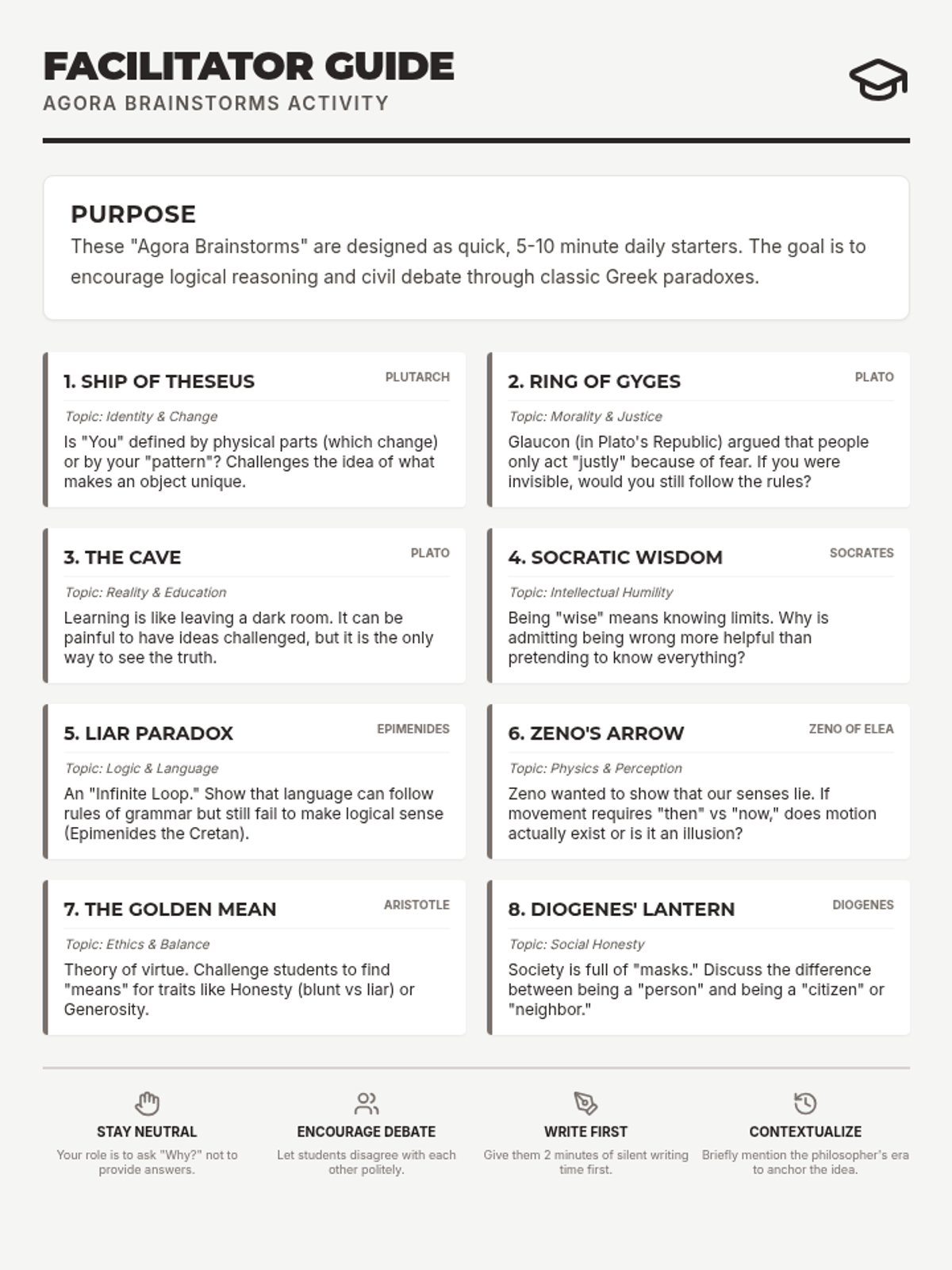
A series of daily philosophical challenges inspired by Ancient Greek paradoxes and thought experiments, designed to spark critical thinking and classroom debate.
An immersive project-based lesson where students step into the role of national founders. They will synthesize concepts of geography, political science, economics, and environmental stewardship to build a functioning society from the ground up.
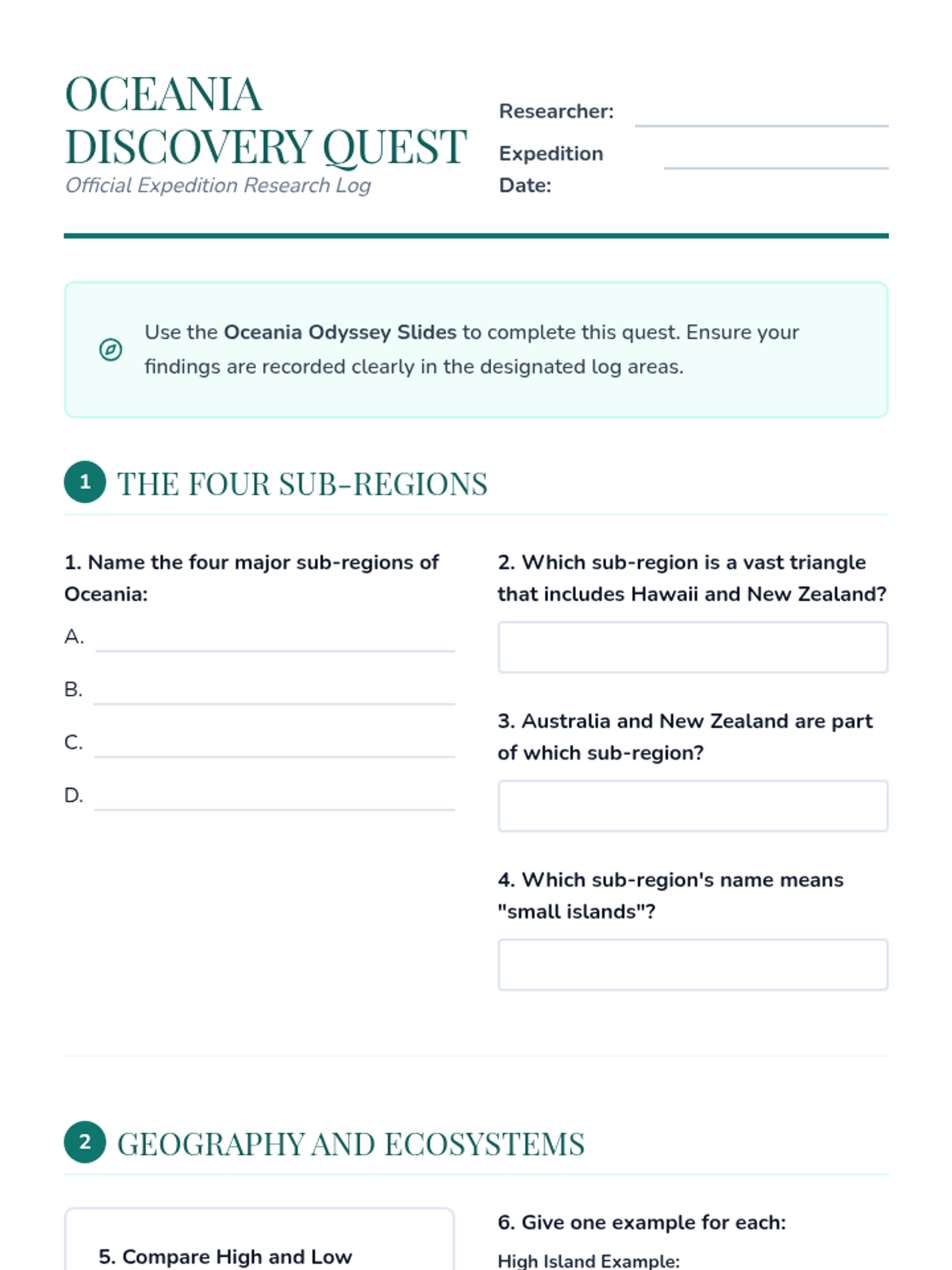
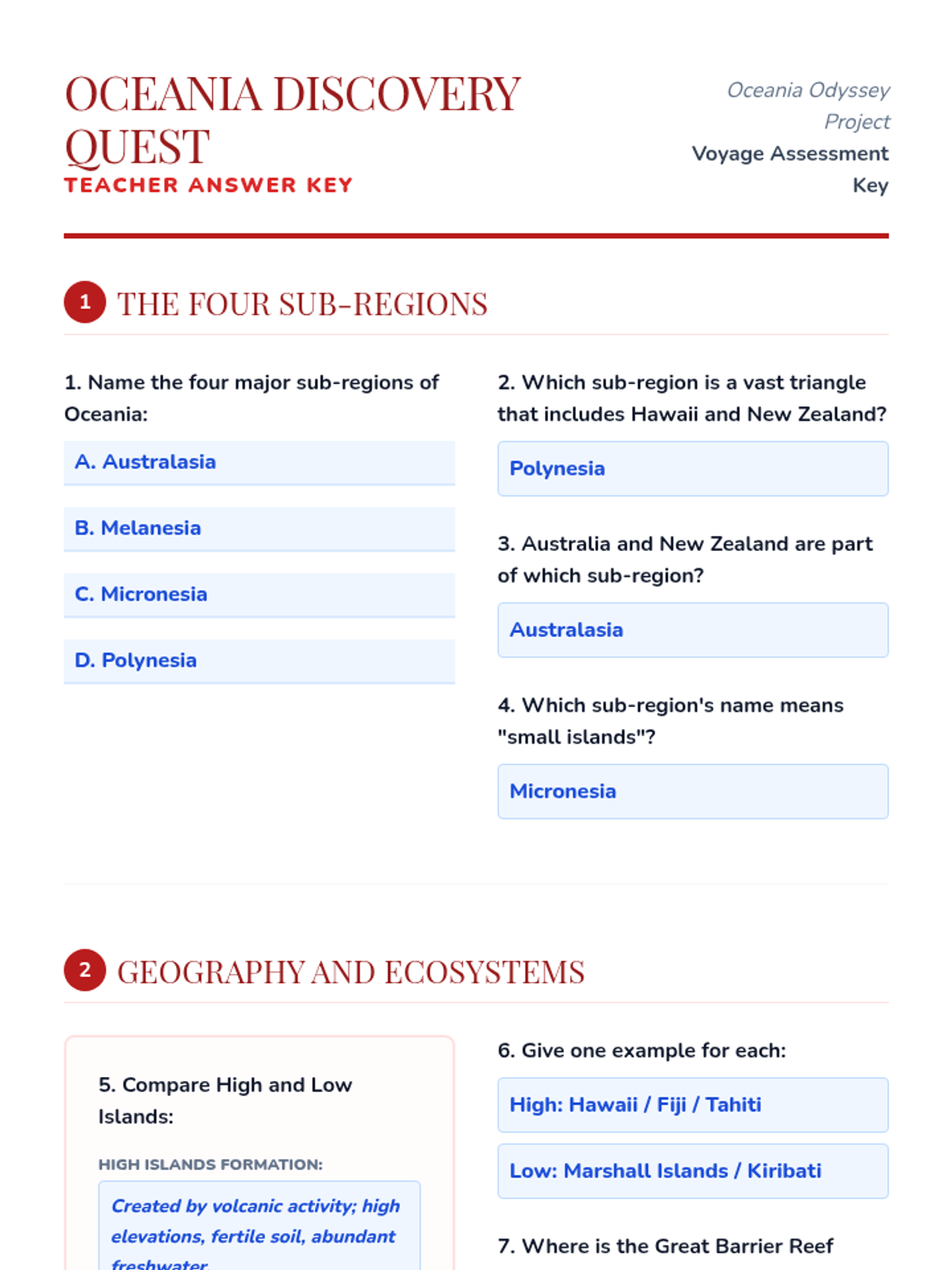
A comprehensive project exploring the Oceania region through its geography, history, and modern environmental challenges. Students use a detailed slide deck to complete a 20-question discovery quest.
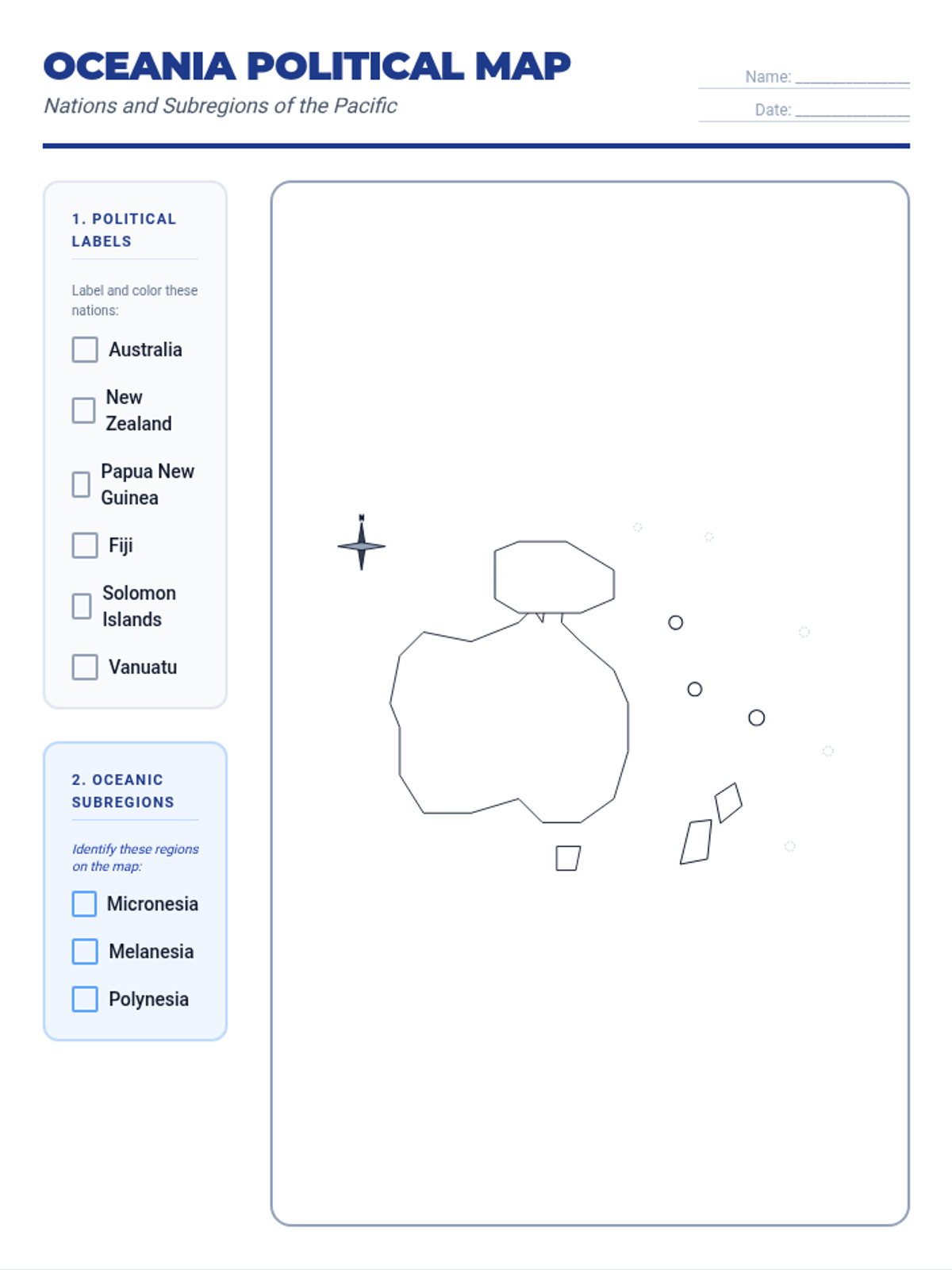
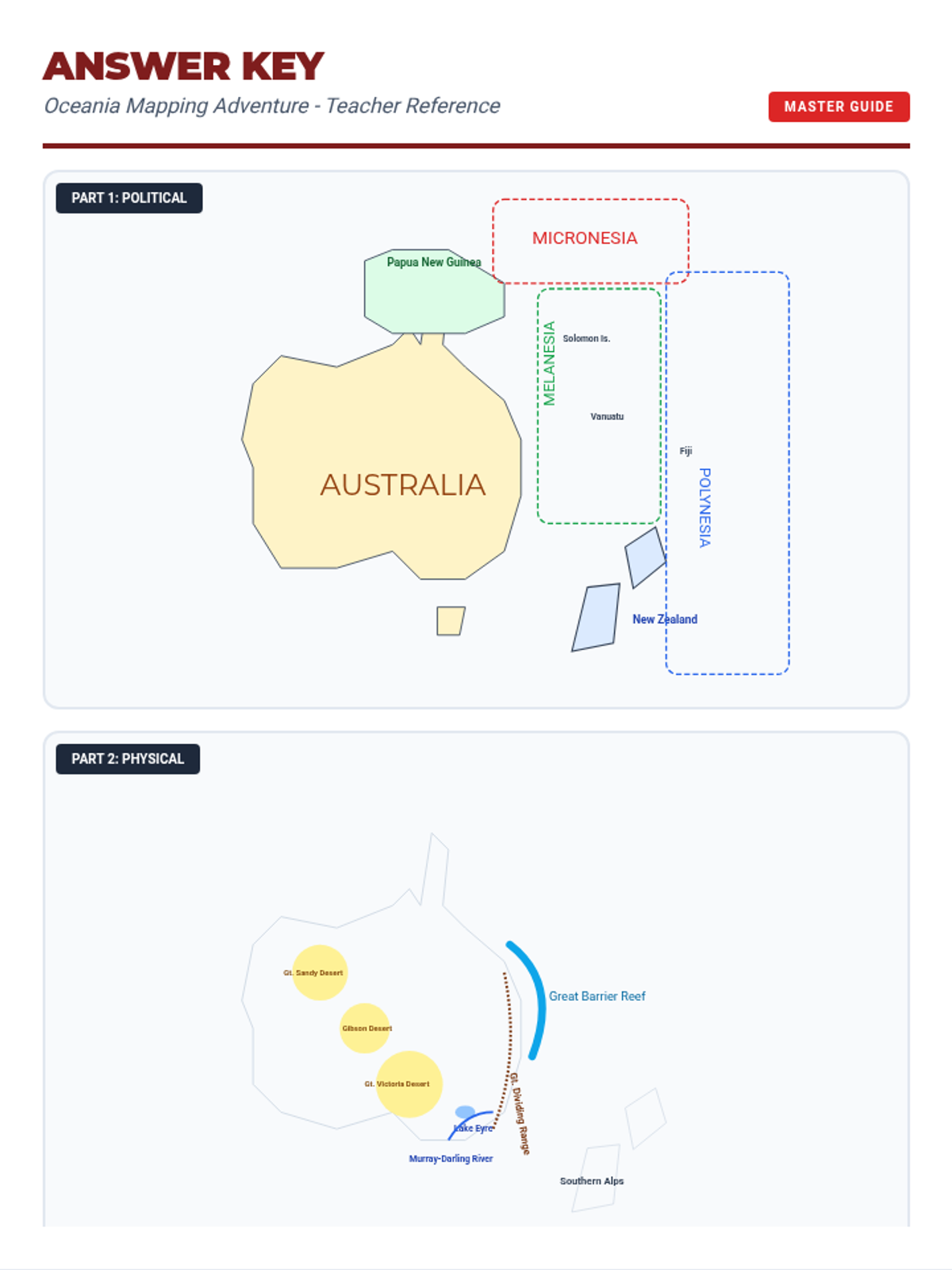
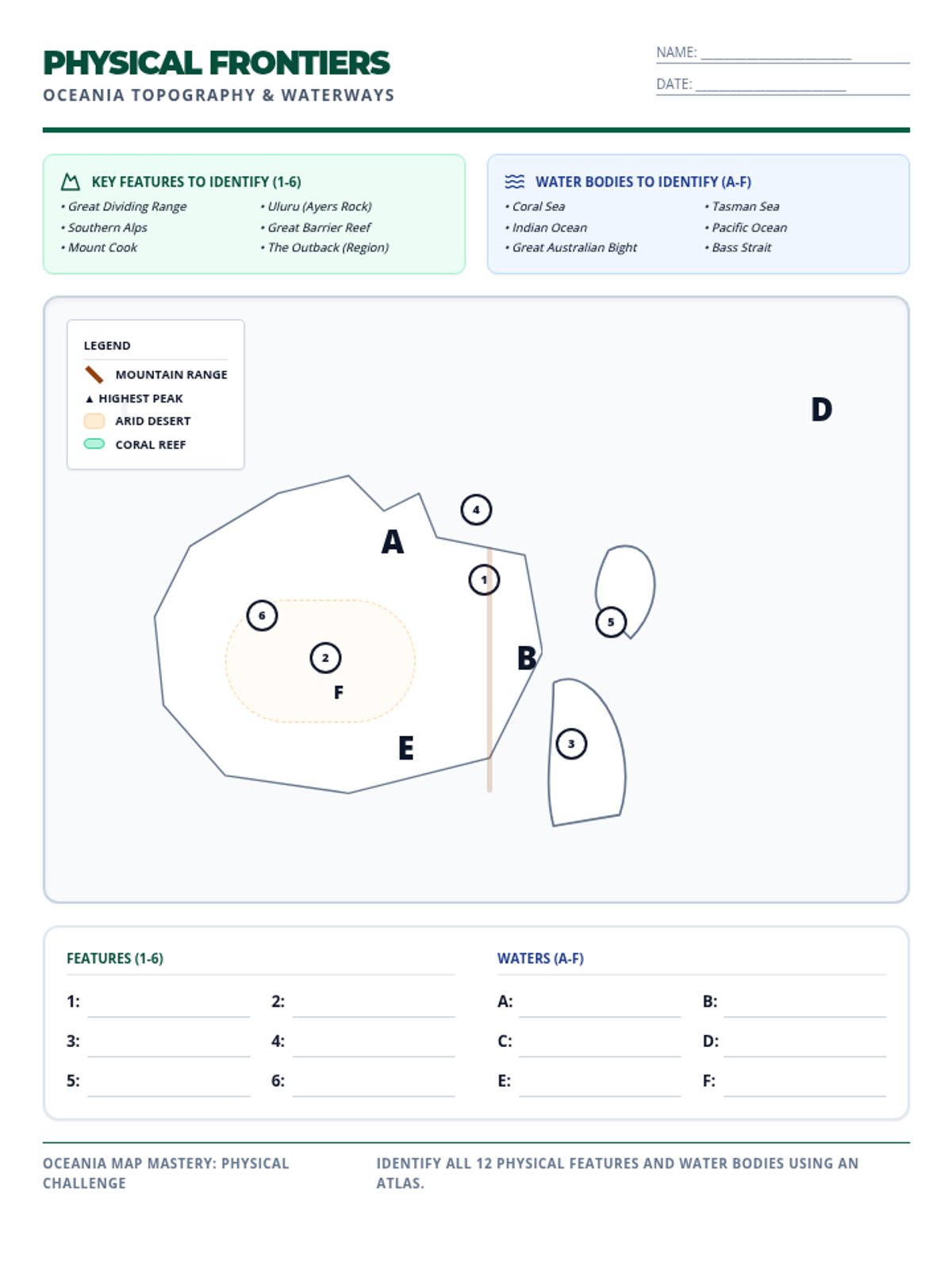
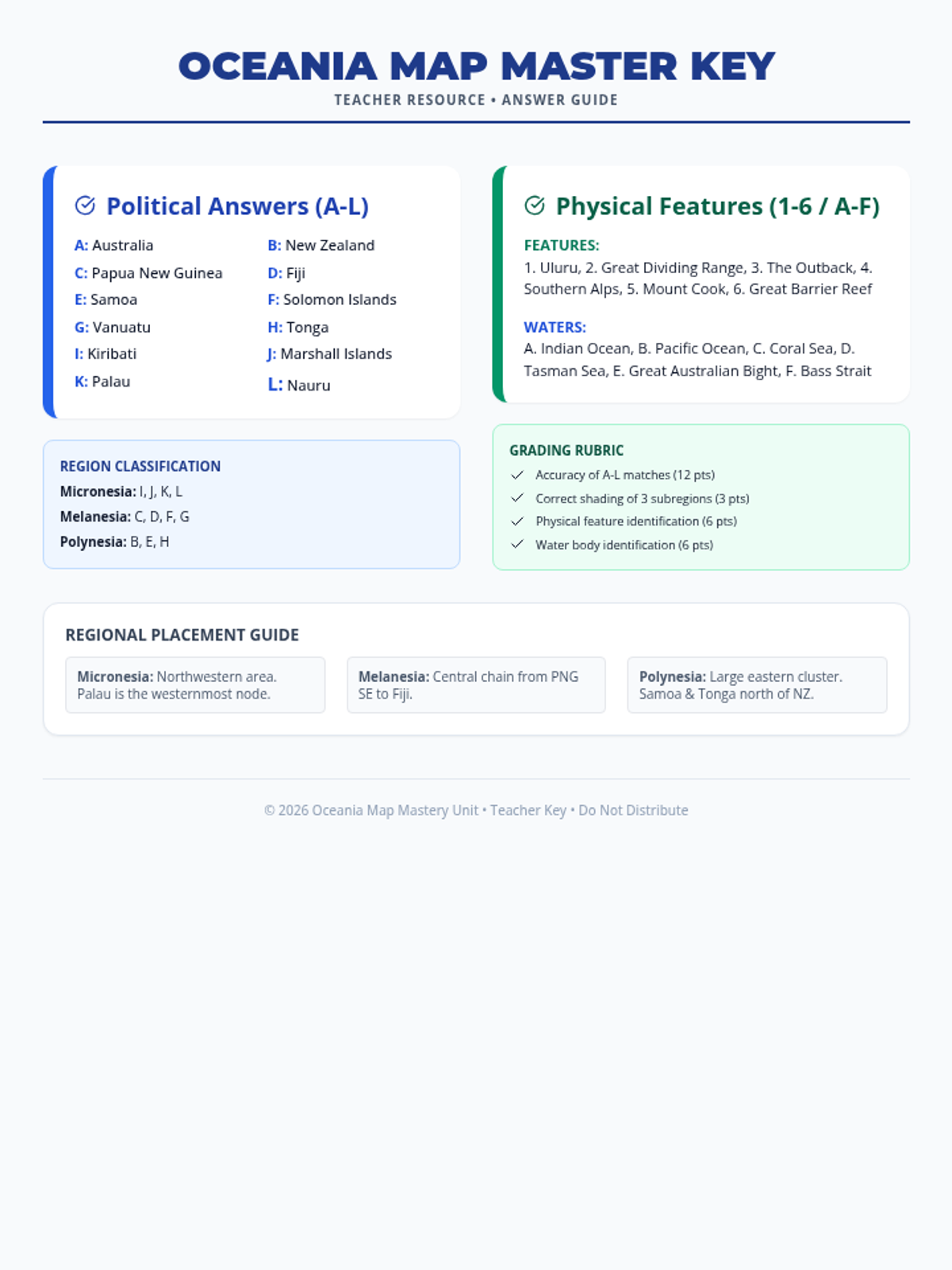
A hands-on cartography lesson where students explore the political boundaries and physical geography of Oceania through labeling and coloring.
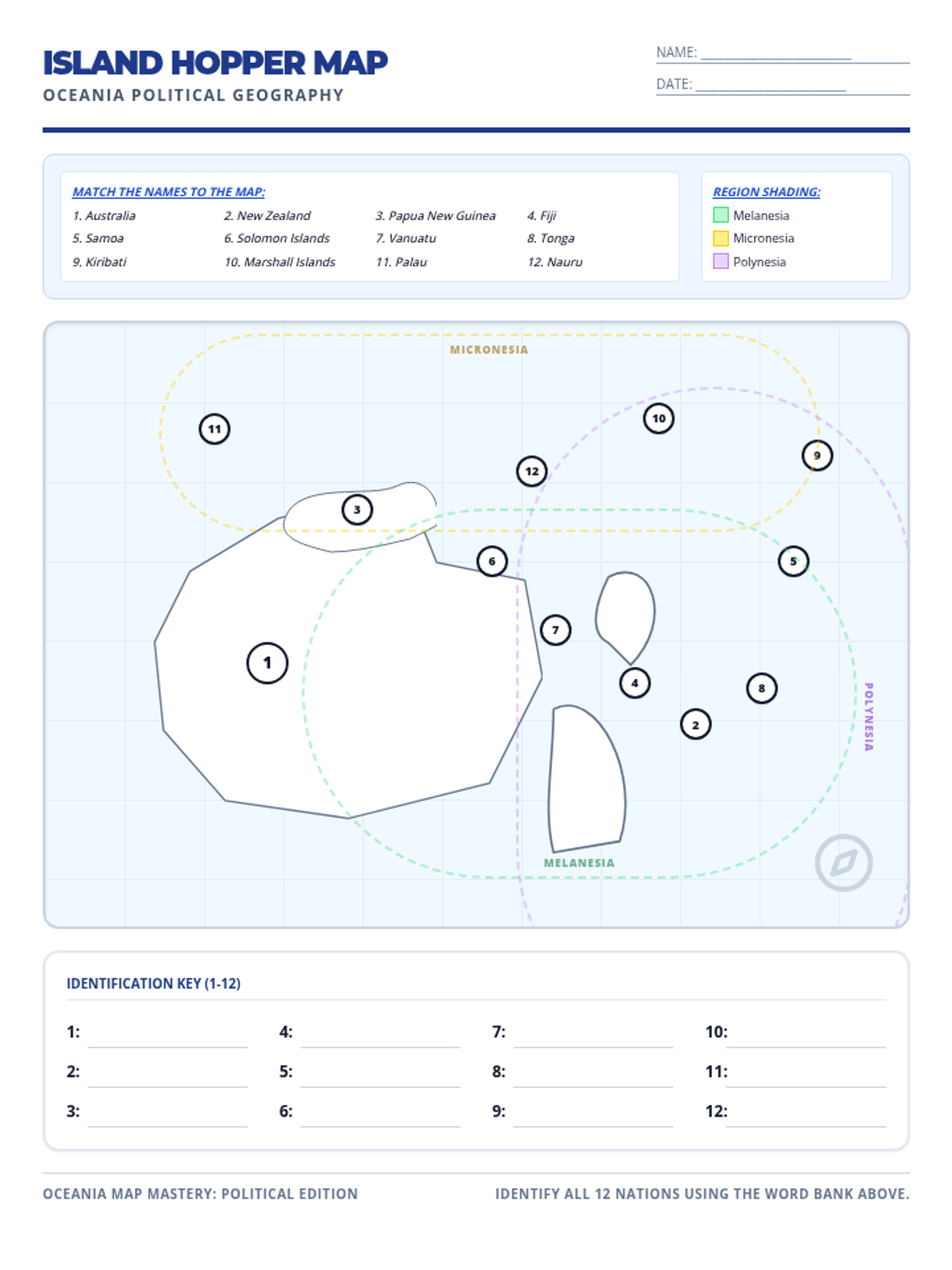
A comprehensive mapping unit focused on the geography of Oceania. Students identify and label major subregions, island nations, and significant physical features across the Pacific.
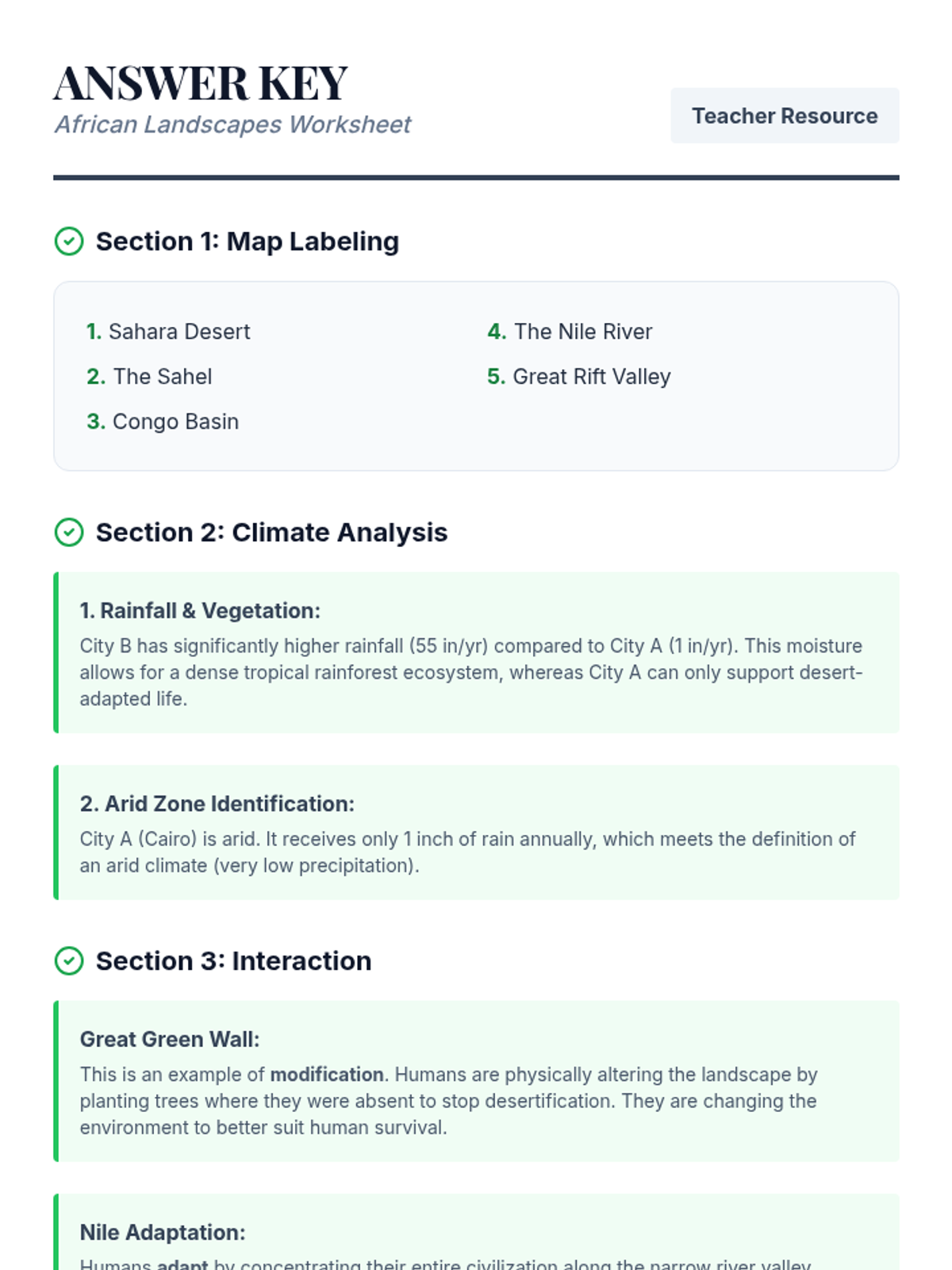
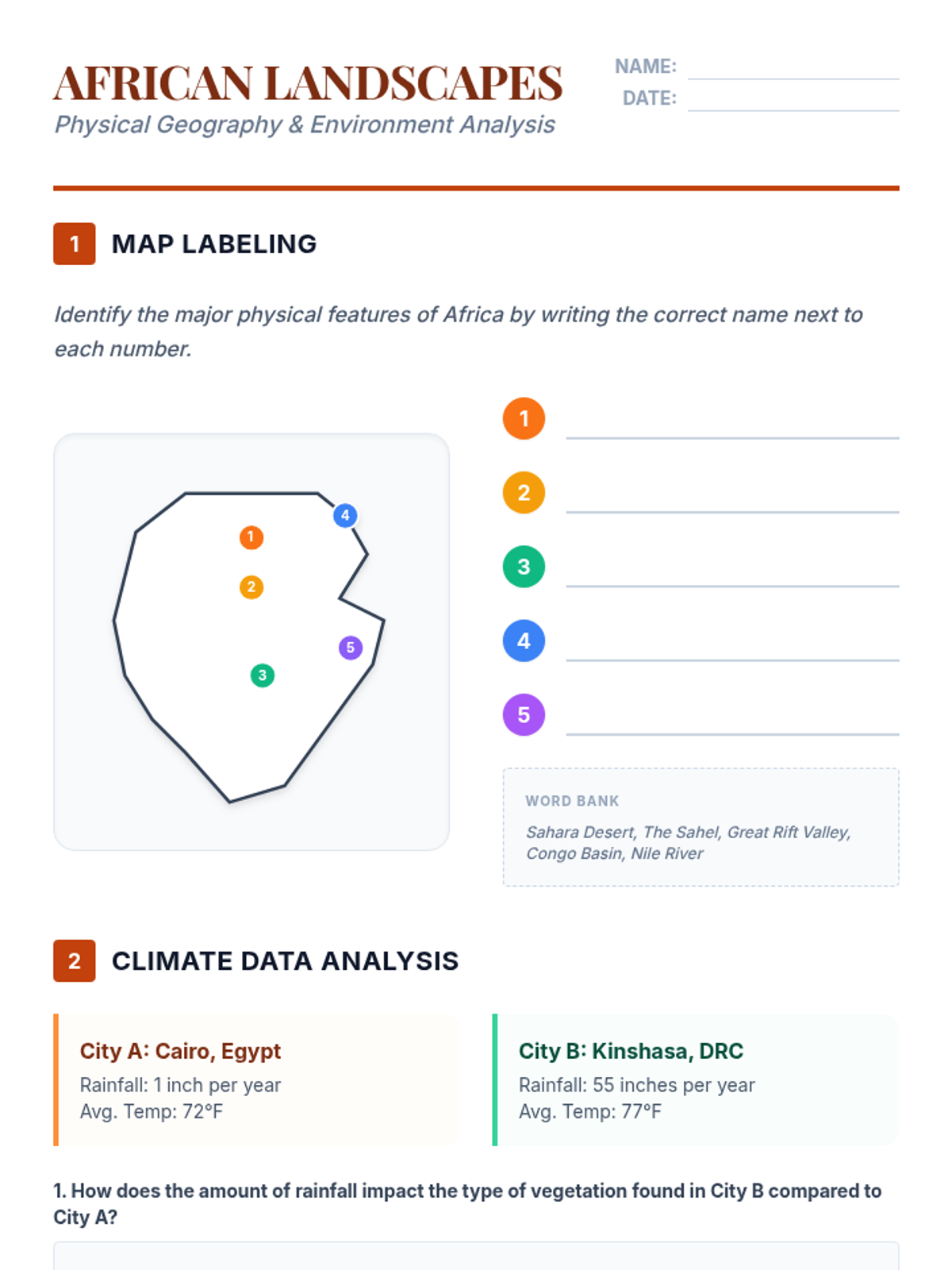
This lesson explores the diverse physical regions of Africa, including the Sahara, the Sahel, and Sub-Saharan landscapes, focusing on climate patterns and the relationship between humans and their environment.
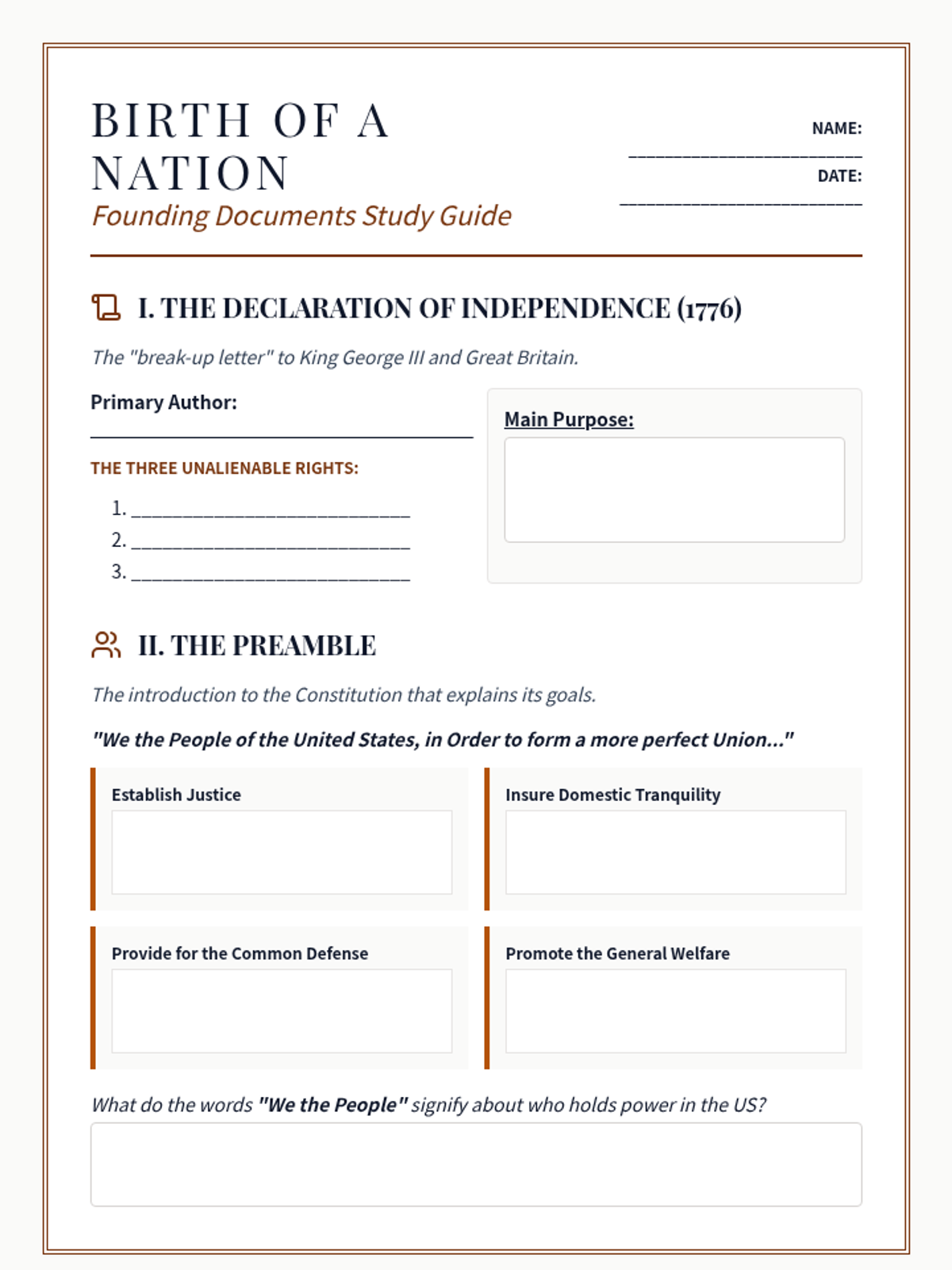
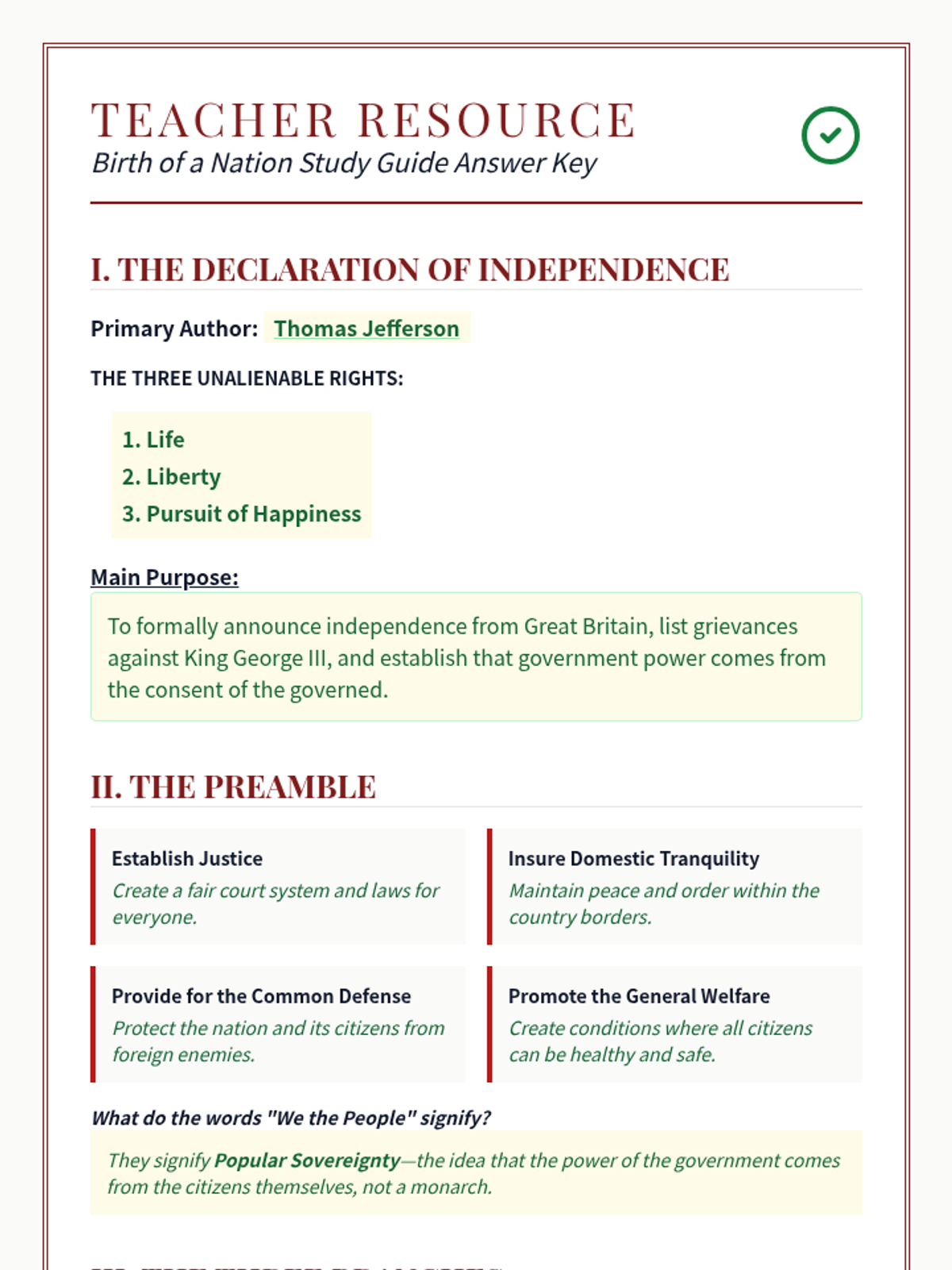
A comprehensive review of the foundational documents that shaped Early America, including the Declaration of Independence, the Preamble, and the US Constitution.