Students explore the purpose of persuasive writing, analyze a mentor text to identify the author's claim, and distinguish between facts and opinions.
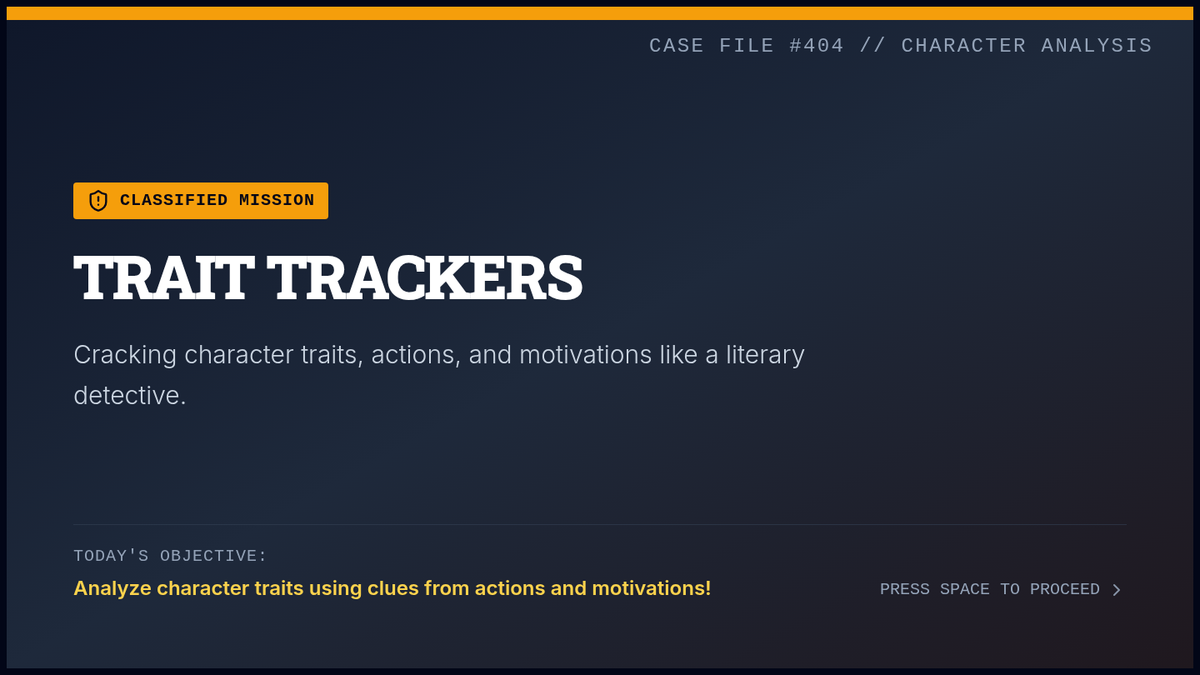
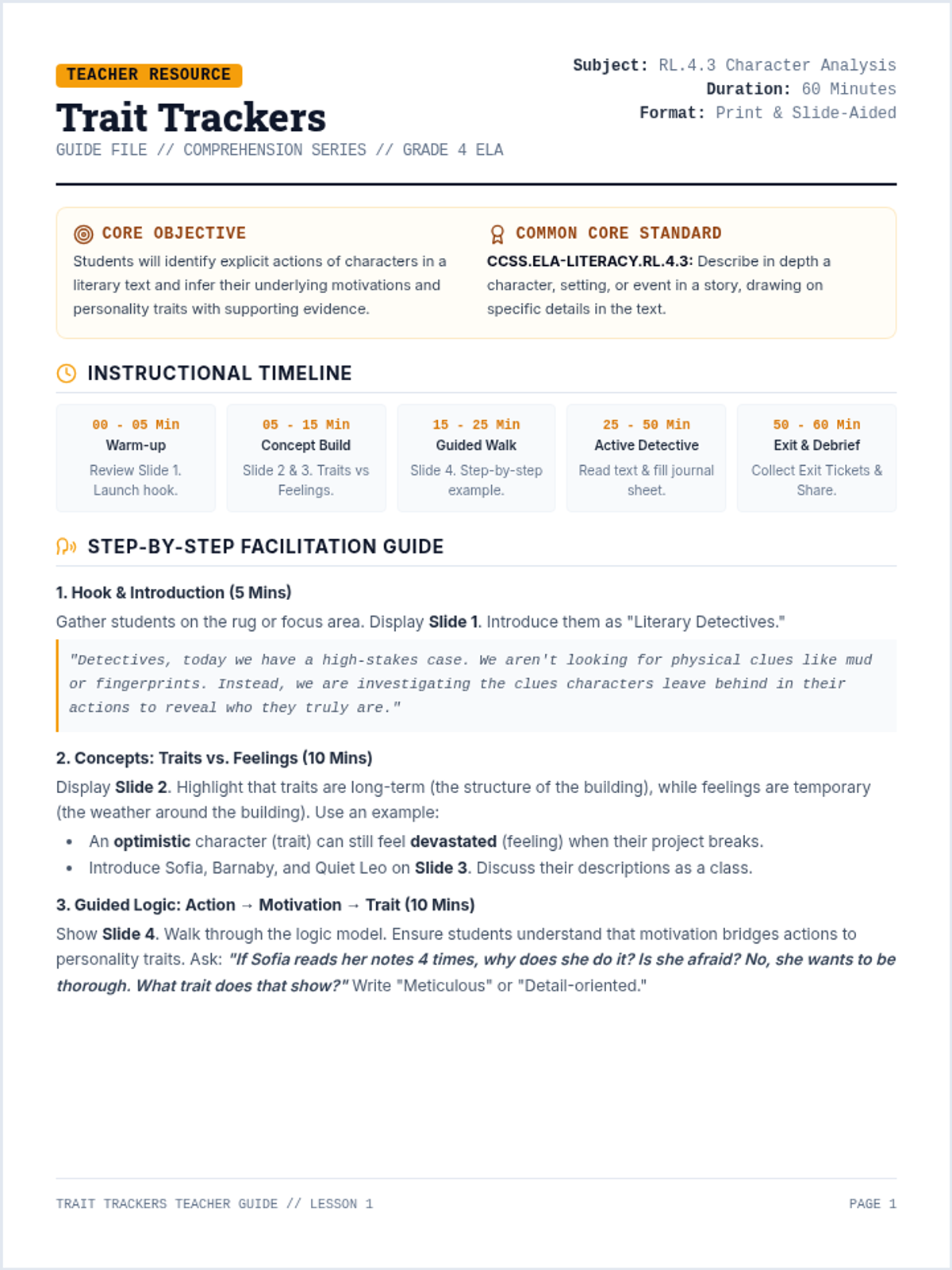
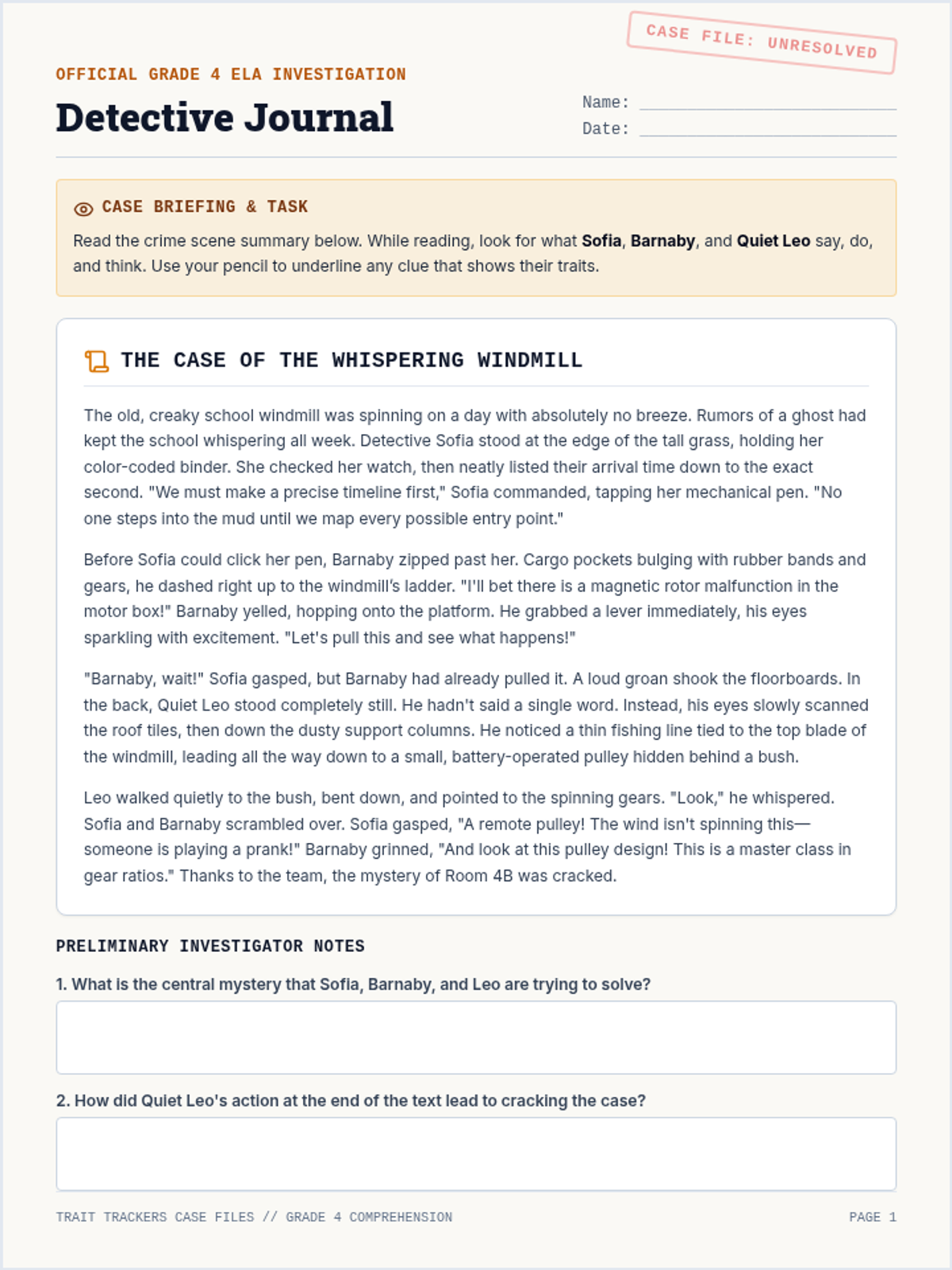
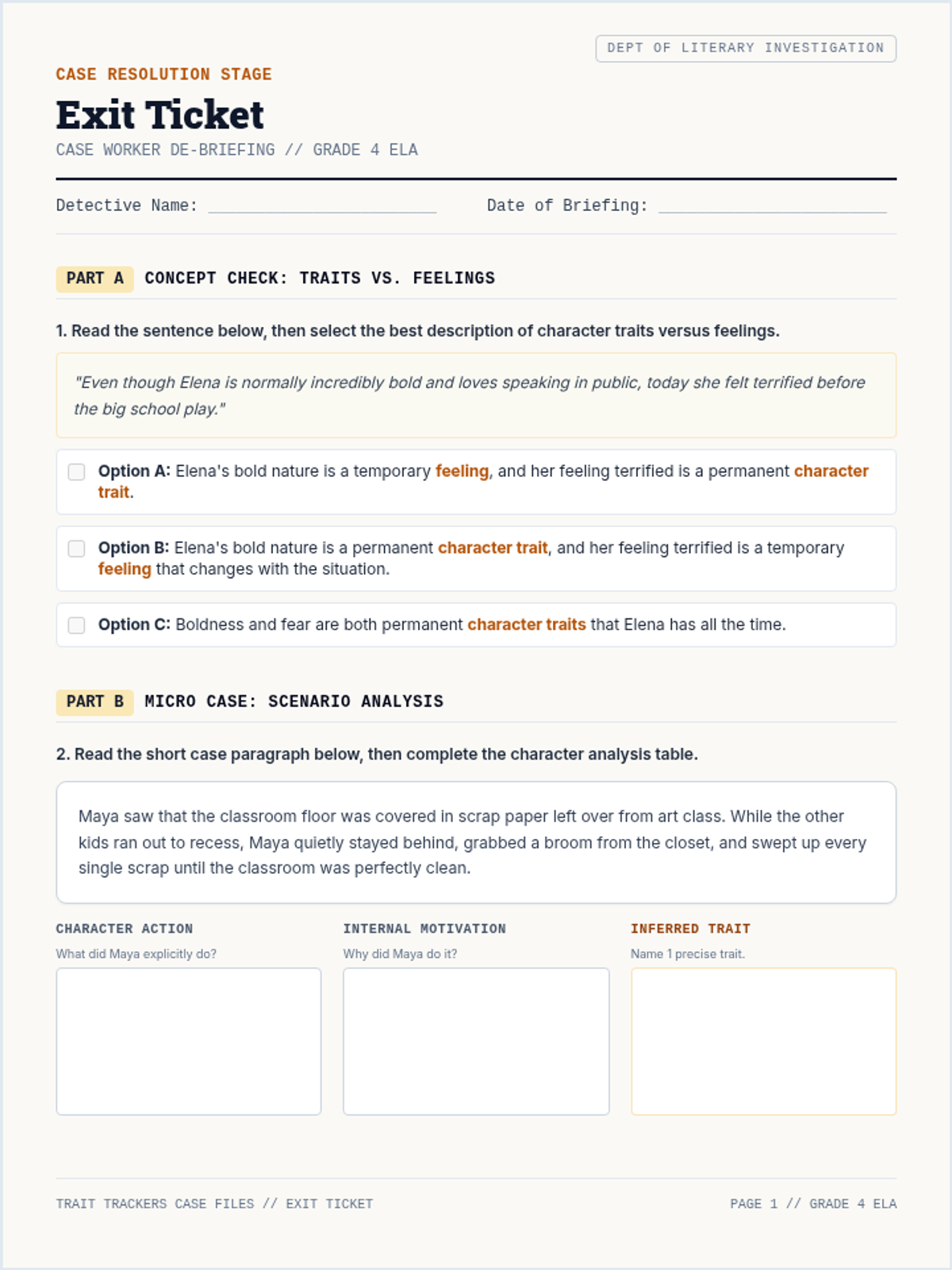
A high-engagement 4th-grade ELA lesson on character analysis, where students become literary detectives to crack character traits, motivations, and actions using textual evidence.
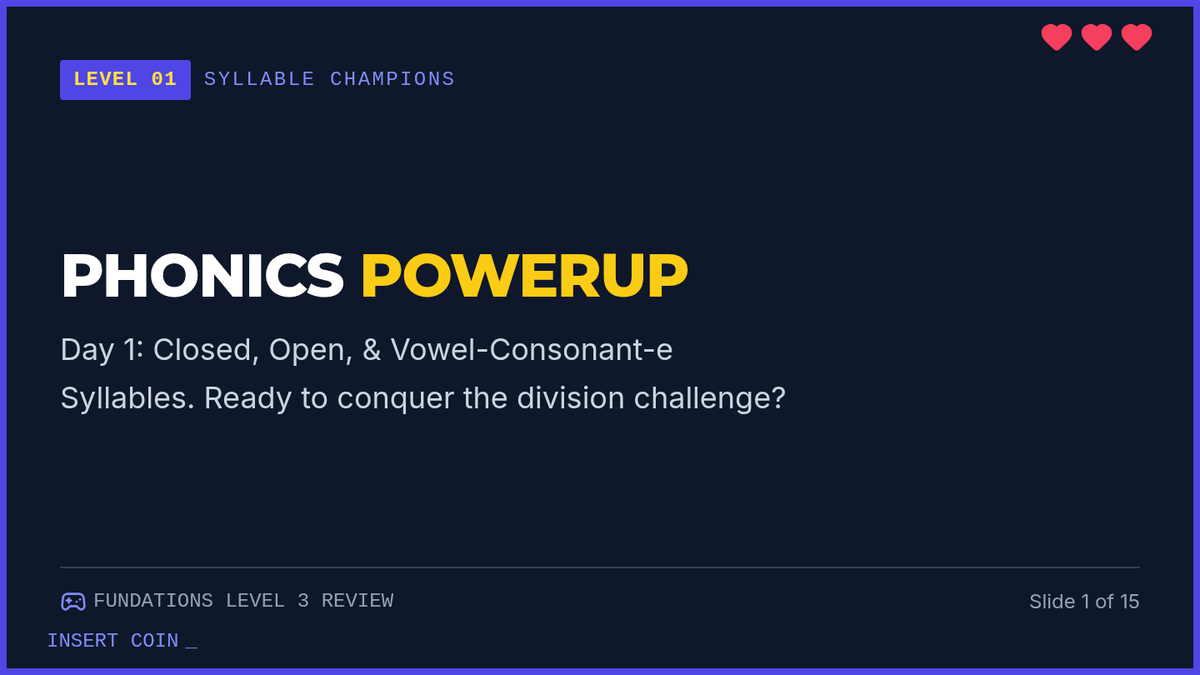
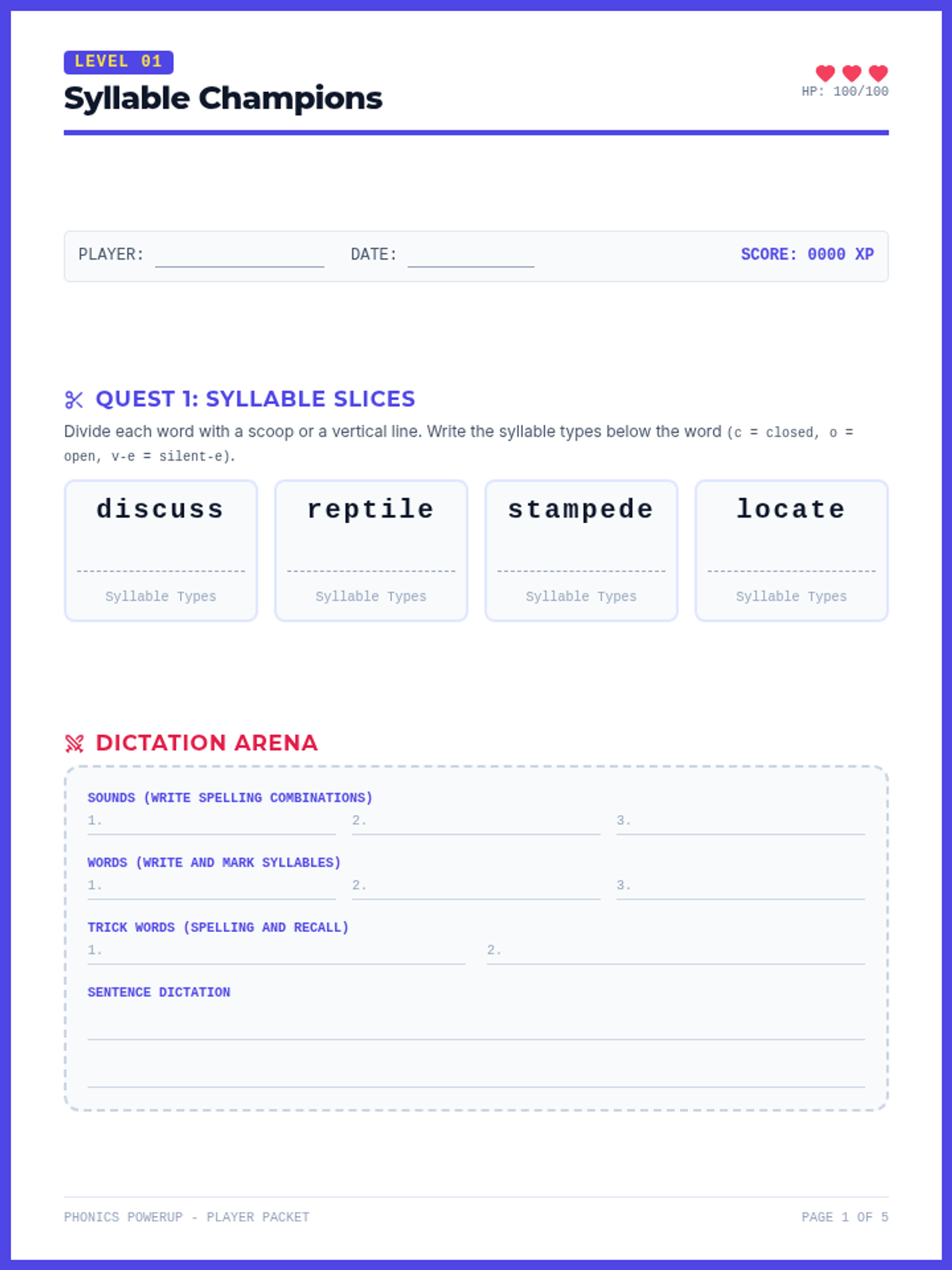
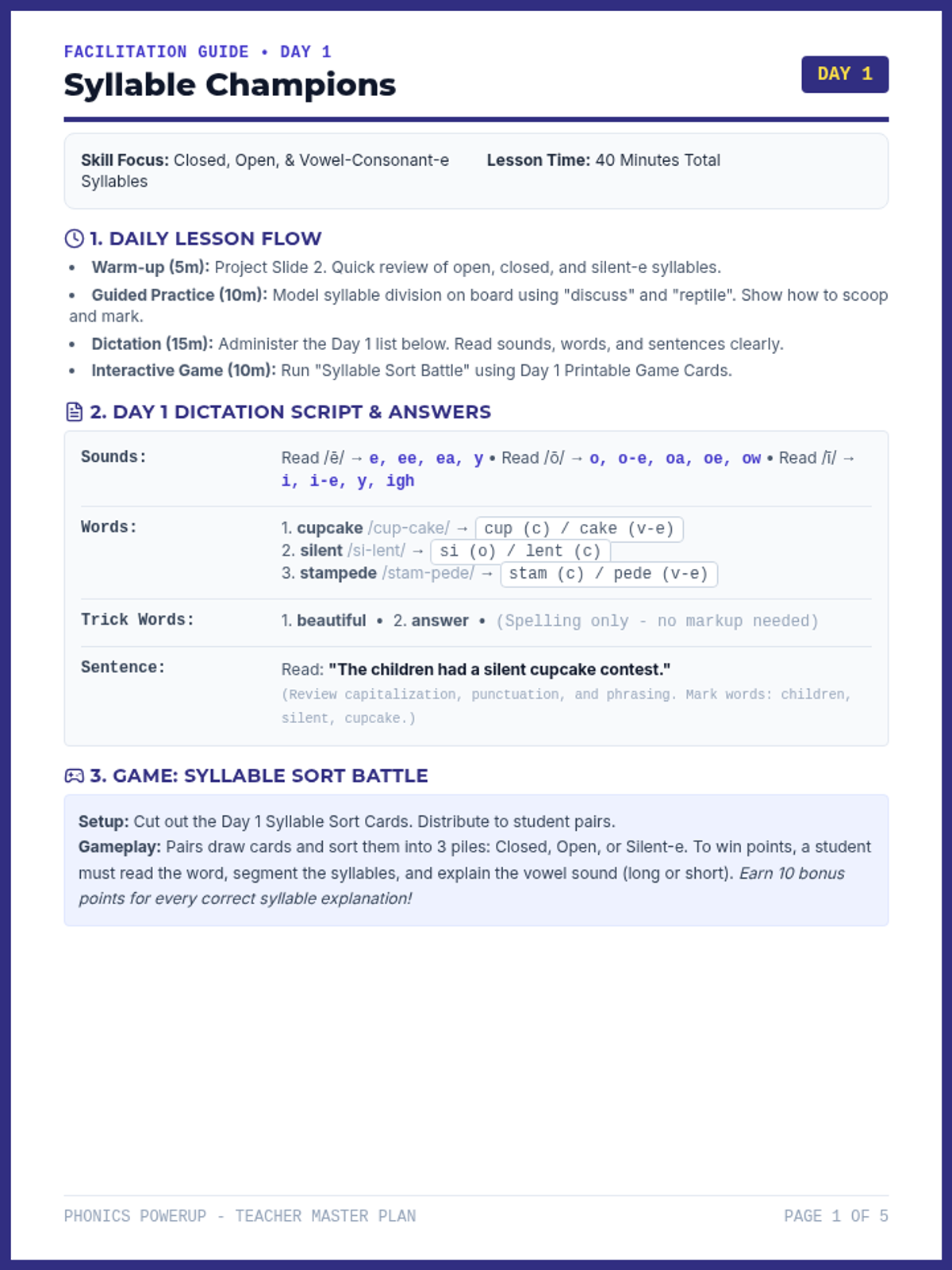
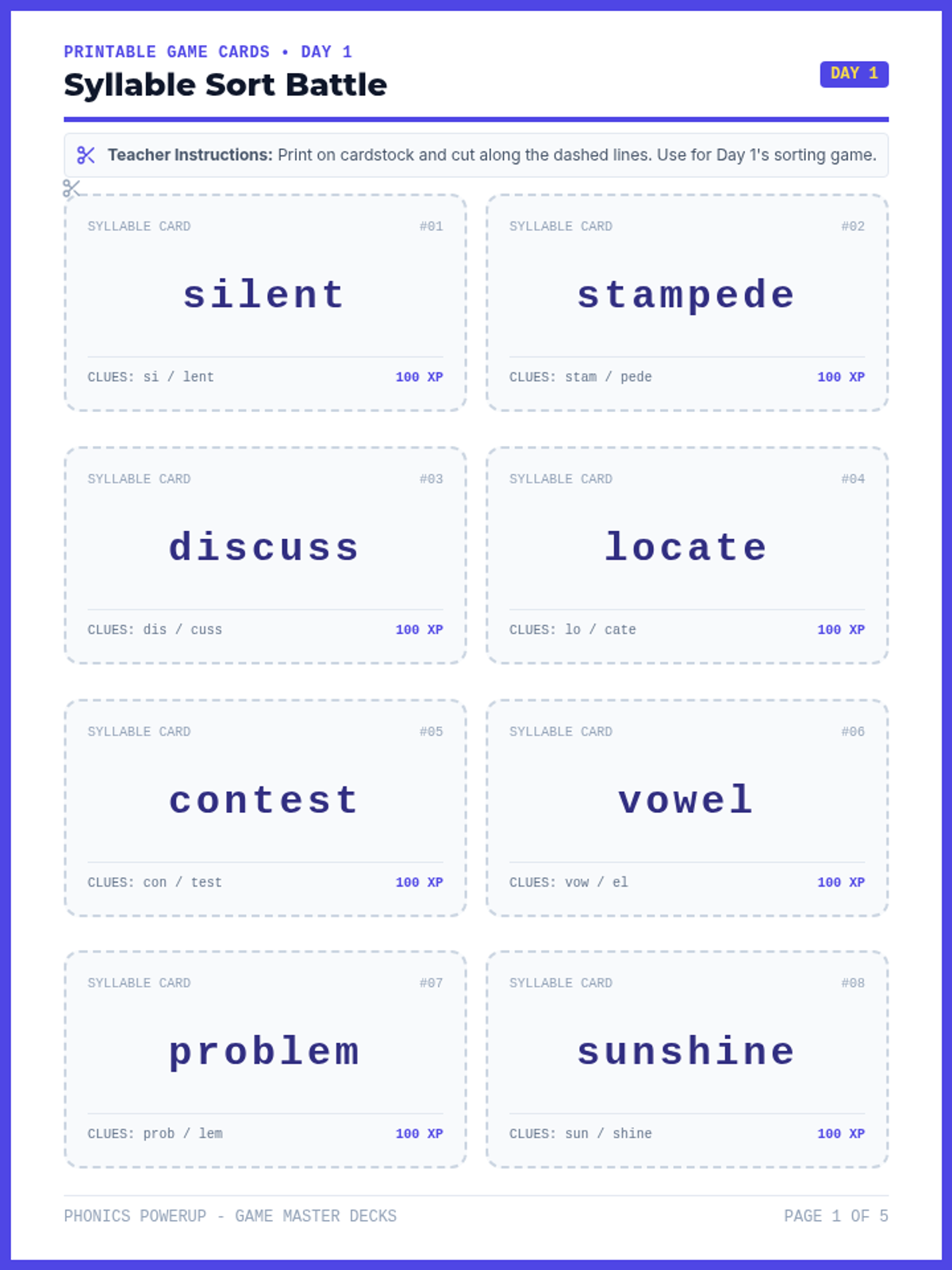
A comprehensive 5-day review of Fundations Level 3 skills (Units 1-9), focusing on suffix rules, syllable division, dictation, and interactive spelling games. Includes visual slides, a printable student packet, a teacher script, and interactive game cards.
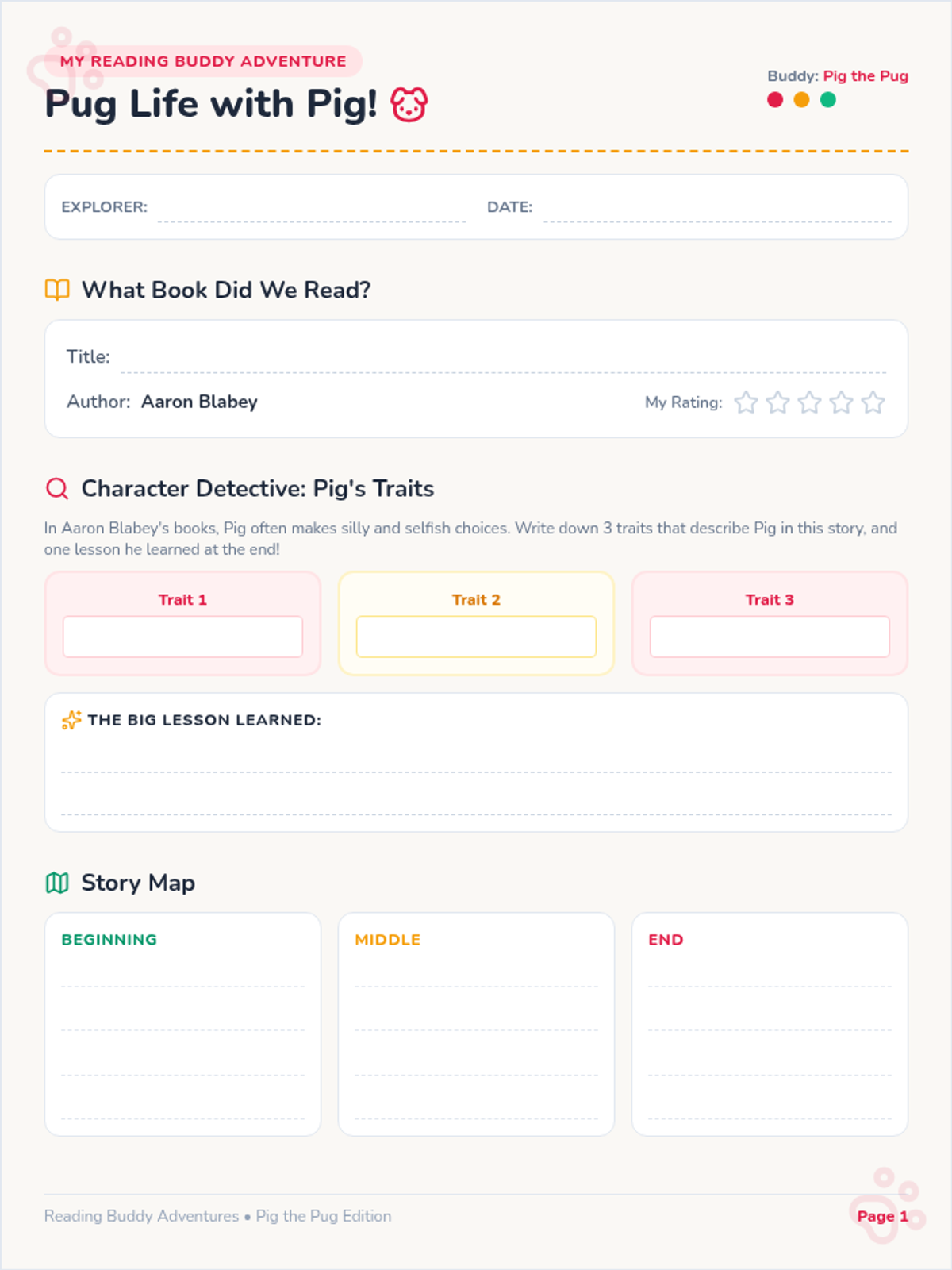
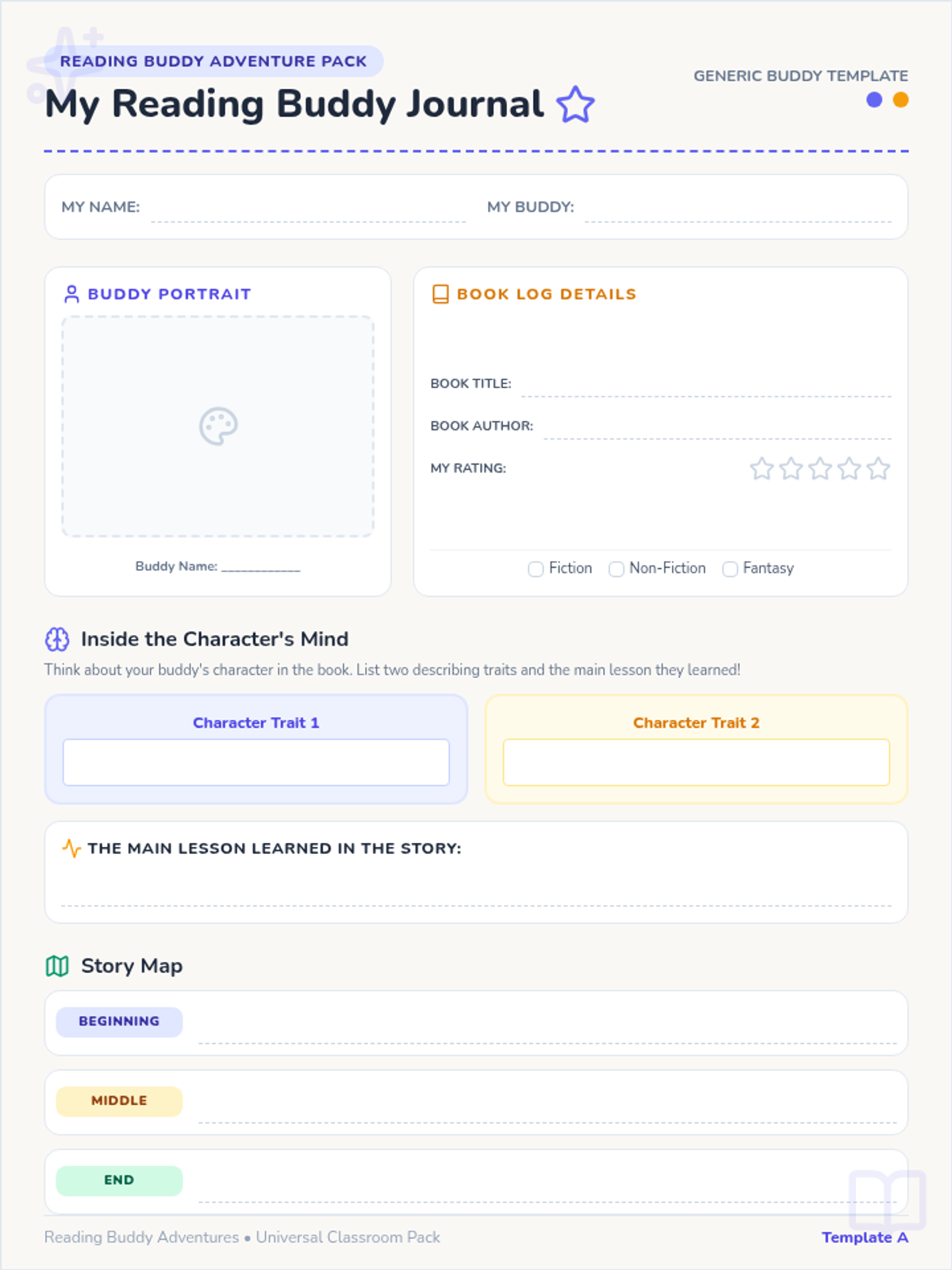
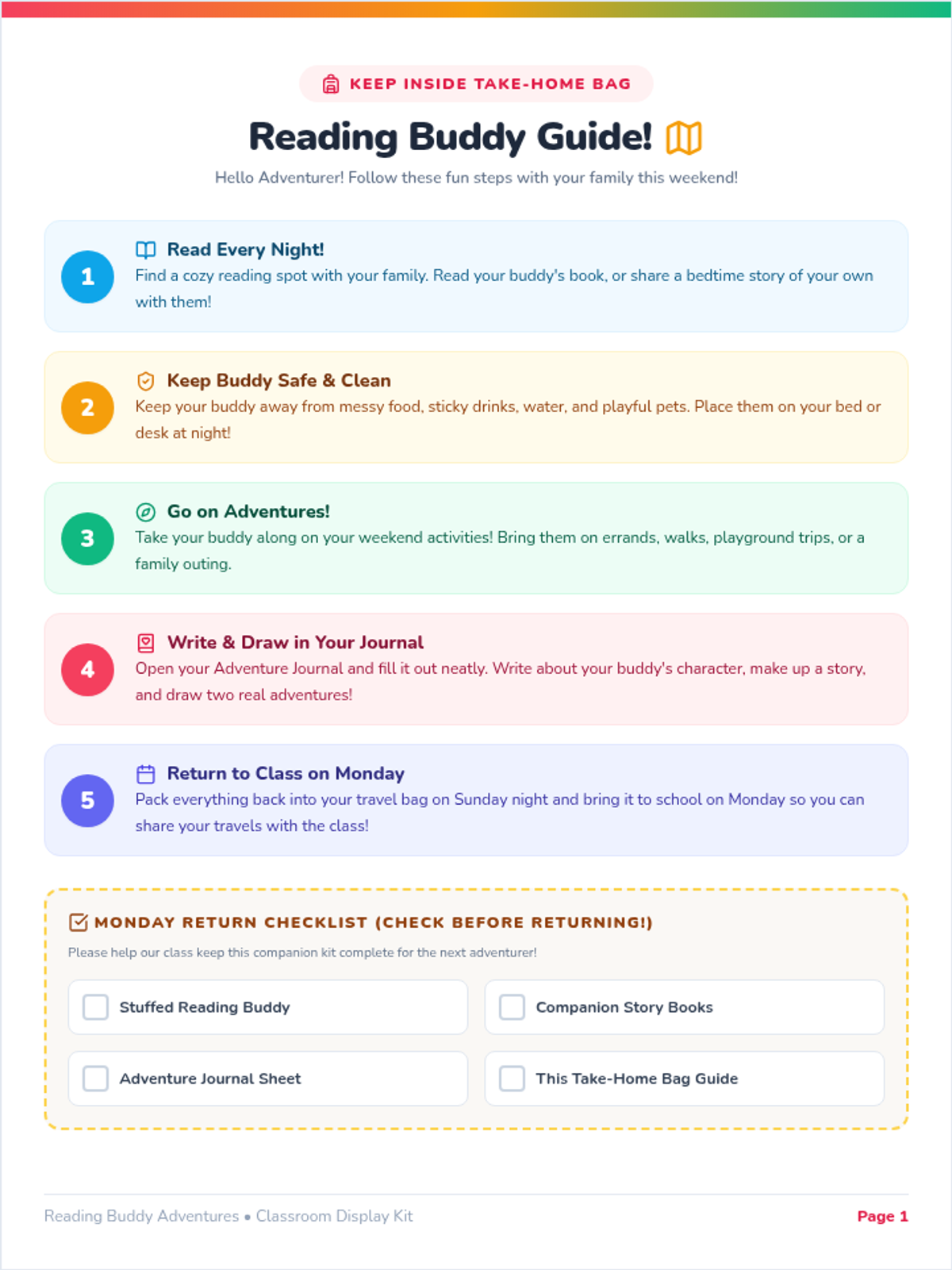
A magical reading initiative where students take home a stuffed book character (starting with Pig the Pug) along with companion books. They read the books, document character traits, write imaginative stories, and keep an interactive travel journal of their real-world adventures with their buddy.
A targeted set of practice materials for the Grade 3 Language standards: L.3.4 (Unknown and Multiple-Meaning Words) and L.3.5.a (Literal and Nonliteral Meanings). Includes a student test booklet and teacher answer key.
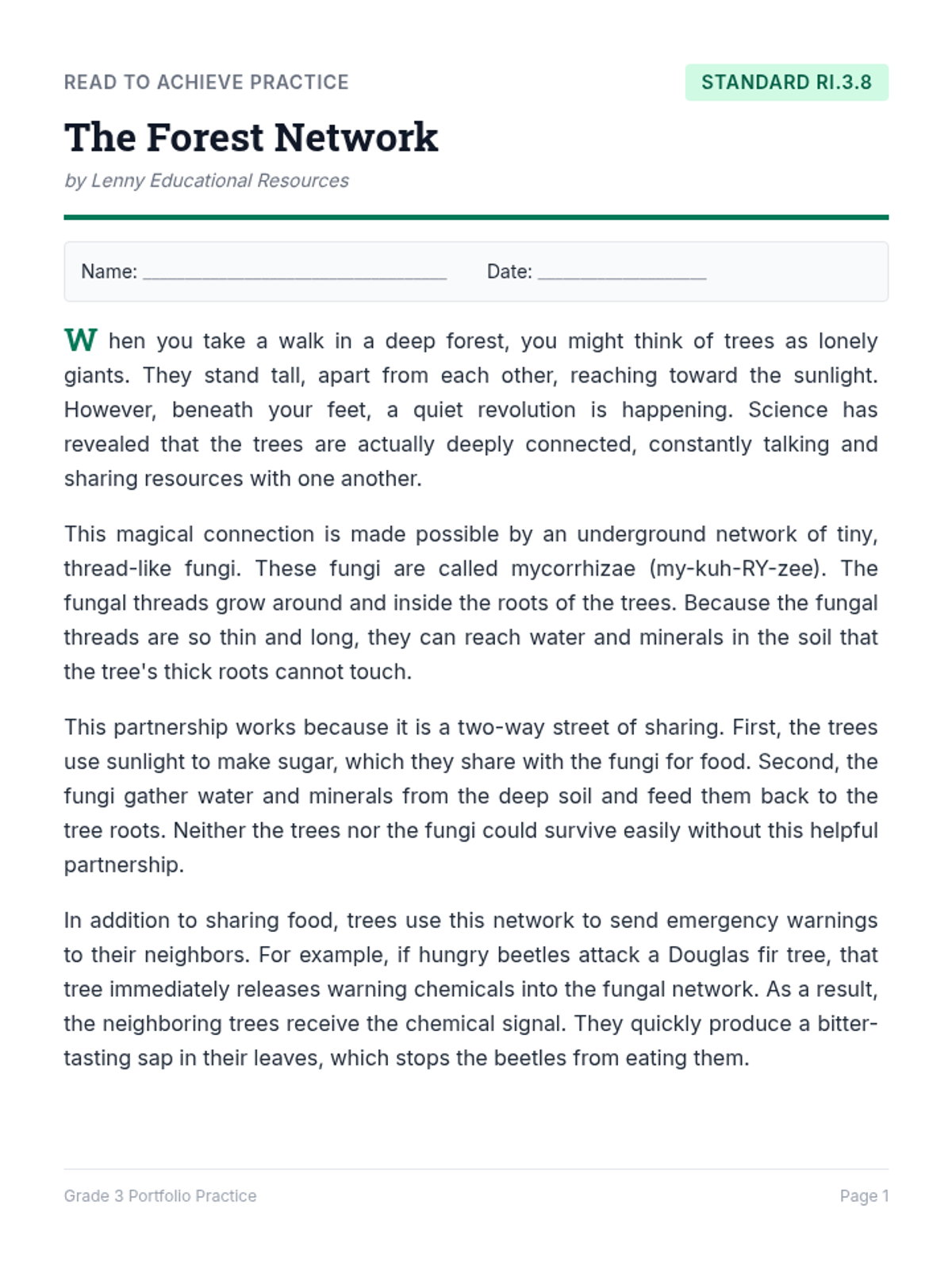
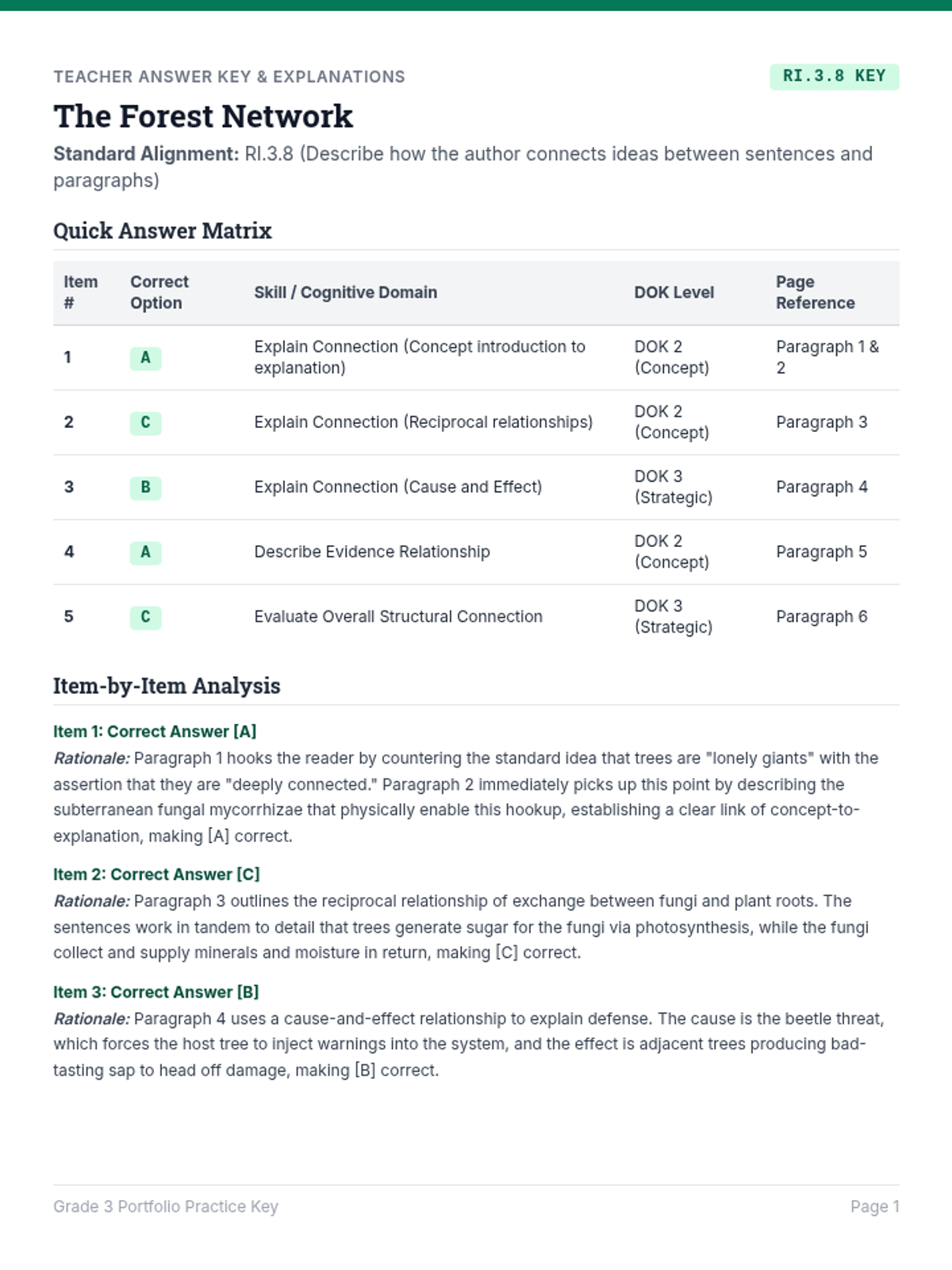
A targeted set of practice materials for the Grade 3 Informational Text standards: RI.3.1 (Evidence), RI.3.2 (Main Idea), RI.3.3 (Relationships), RI.3.4 (Academic/Domain Words), and RI.3.8 (Author's Points/Connections). Includes a comprehensive student test booklet and teacher answer key.
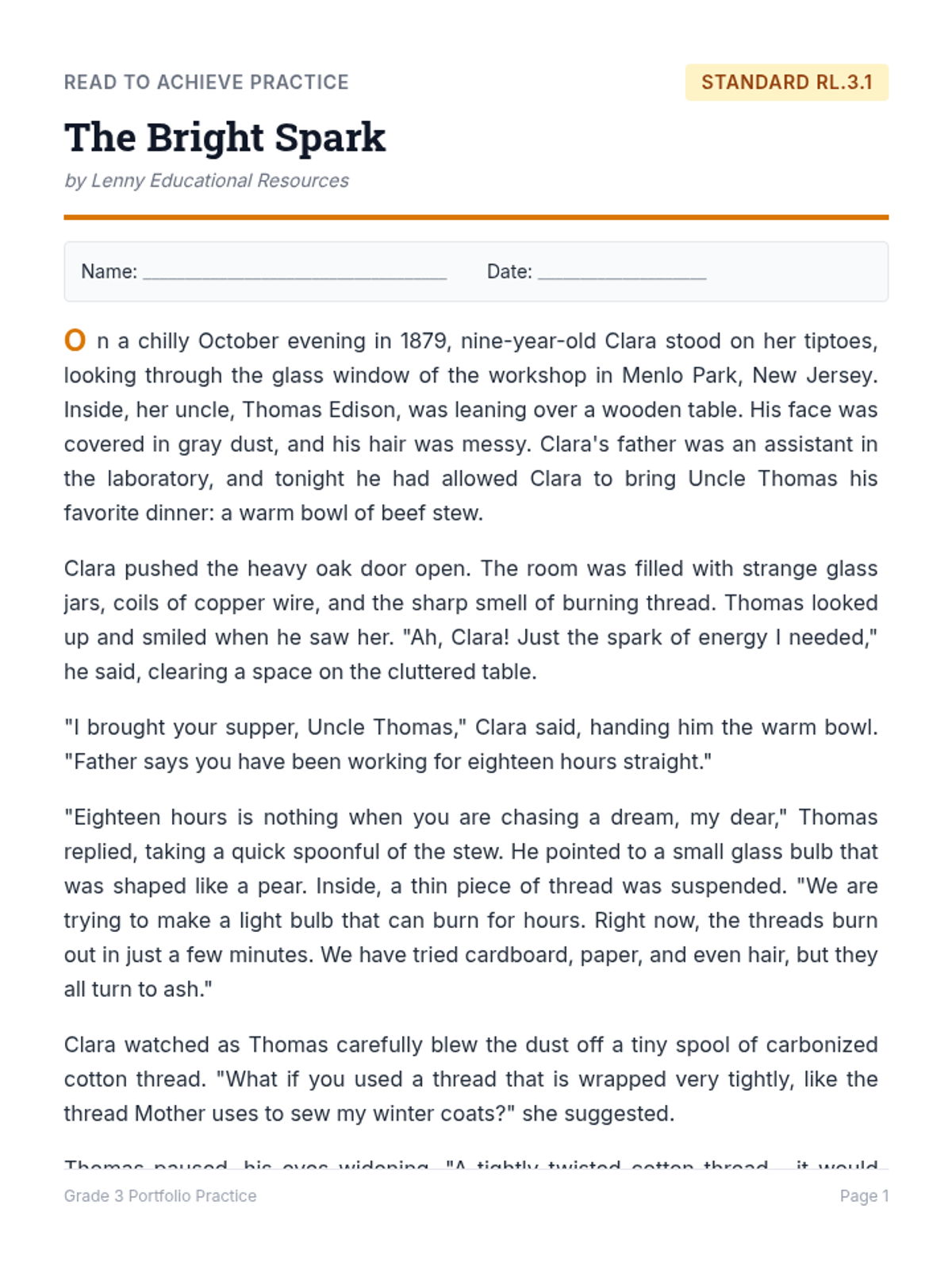
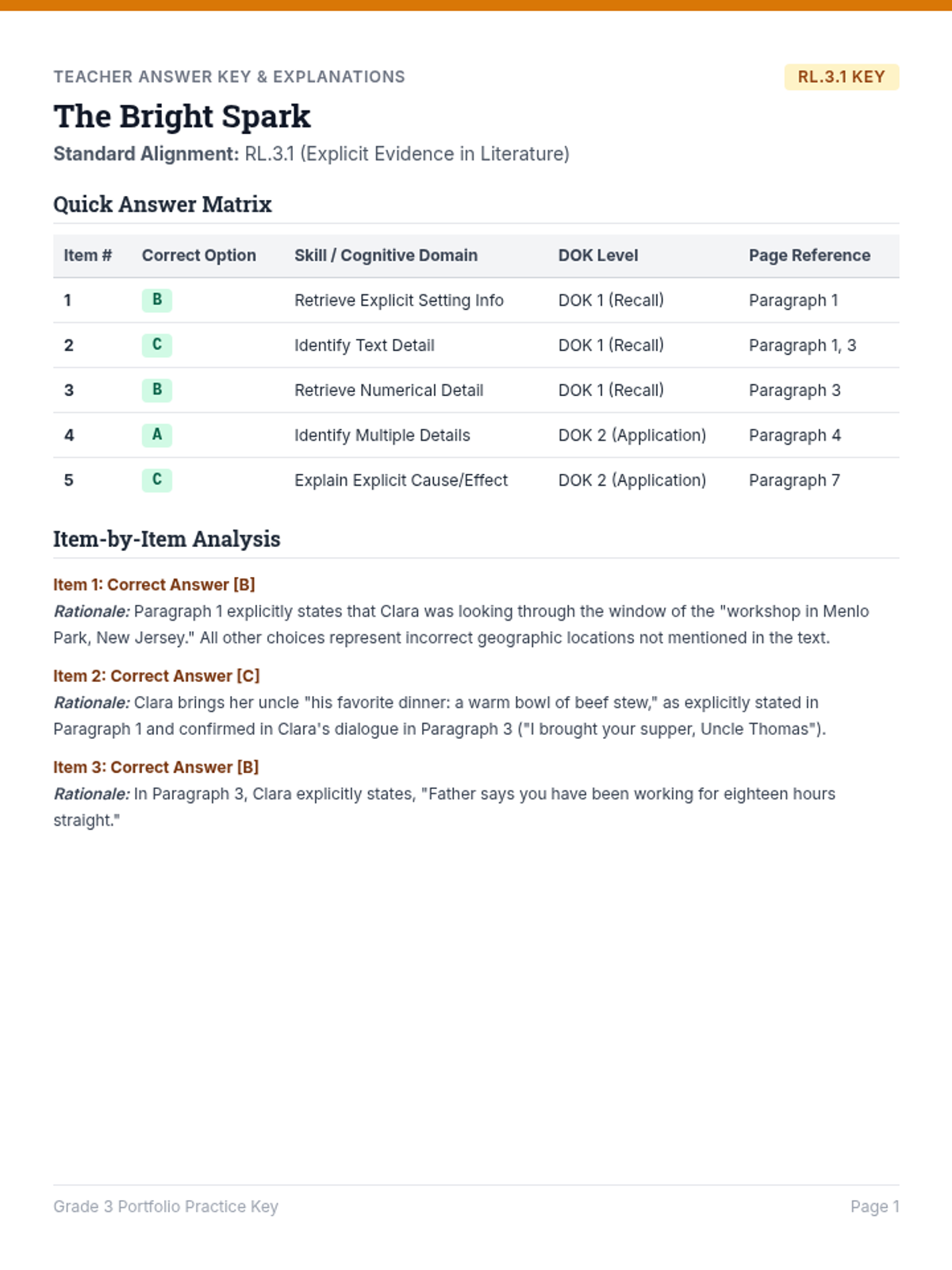
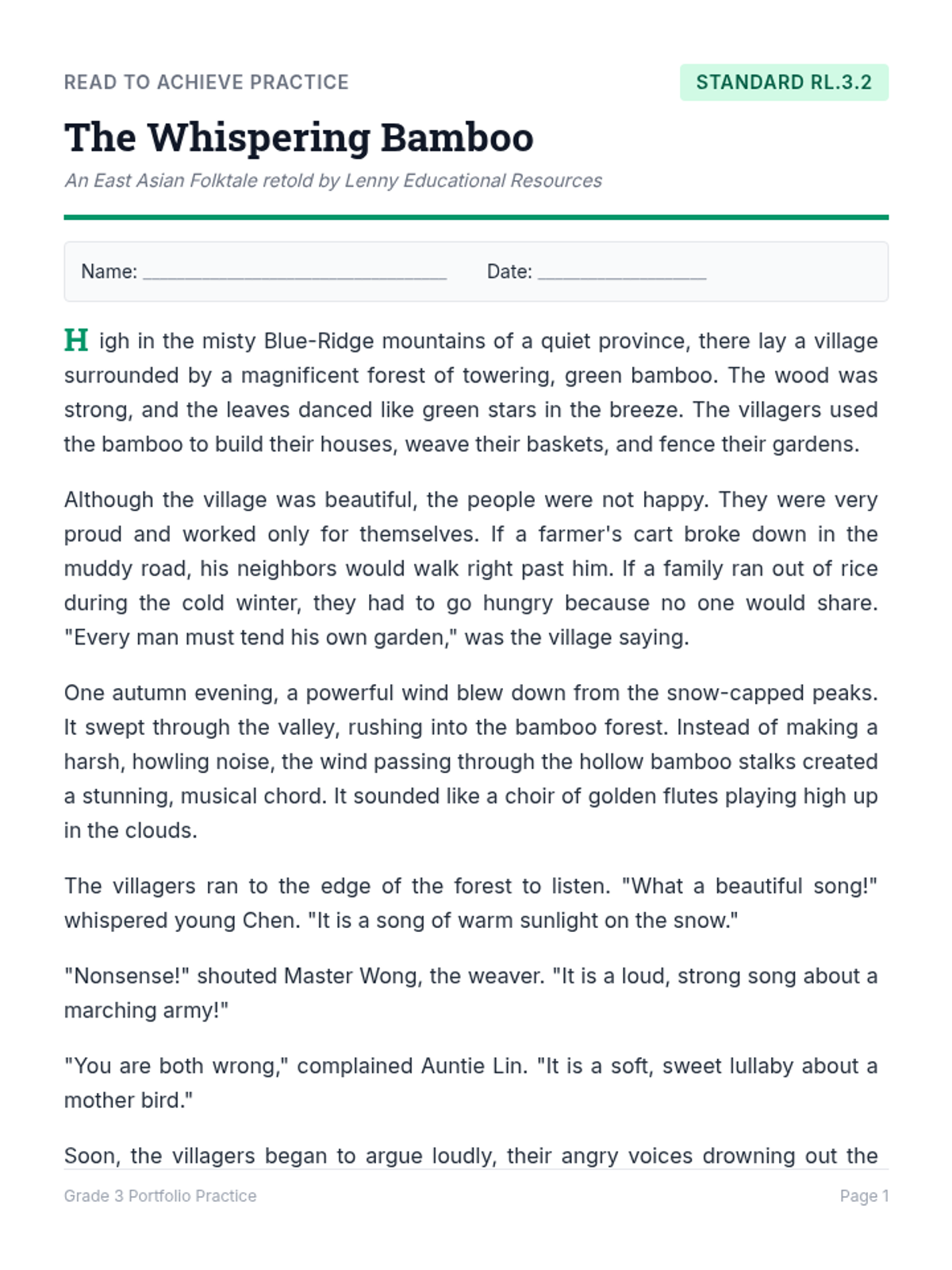
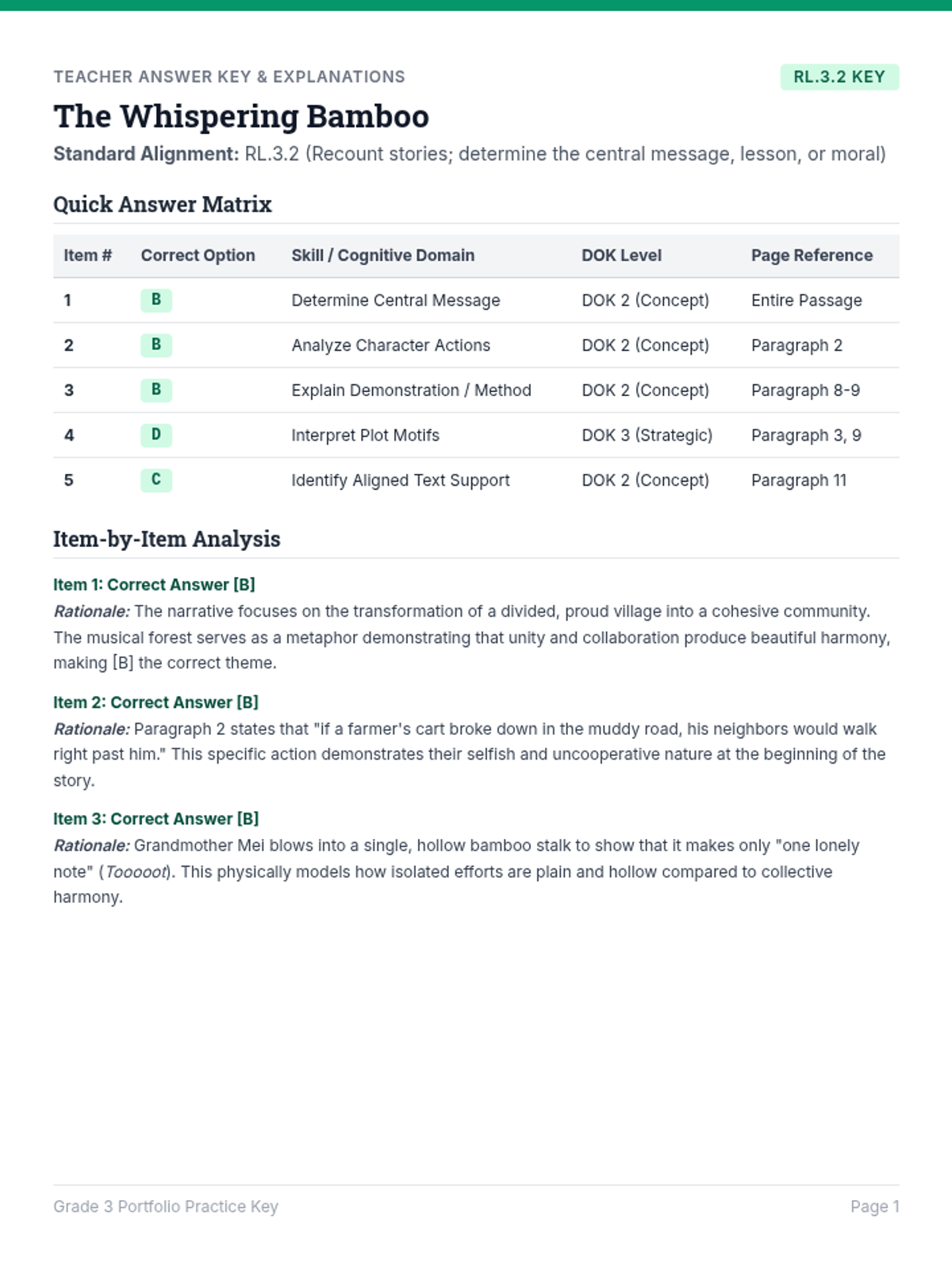
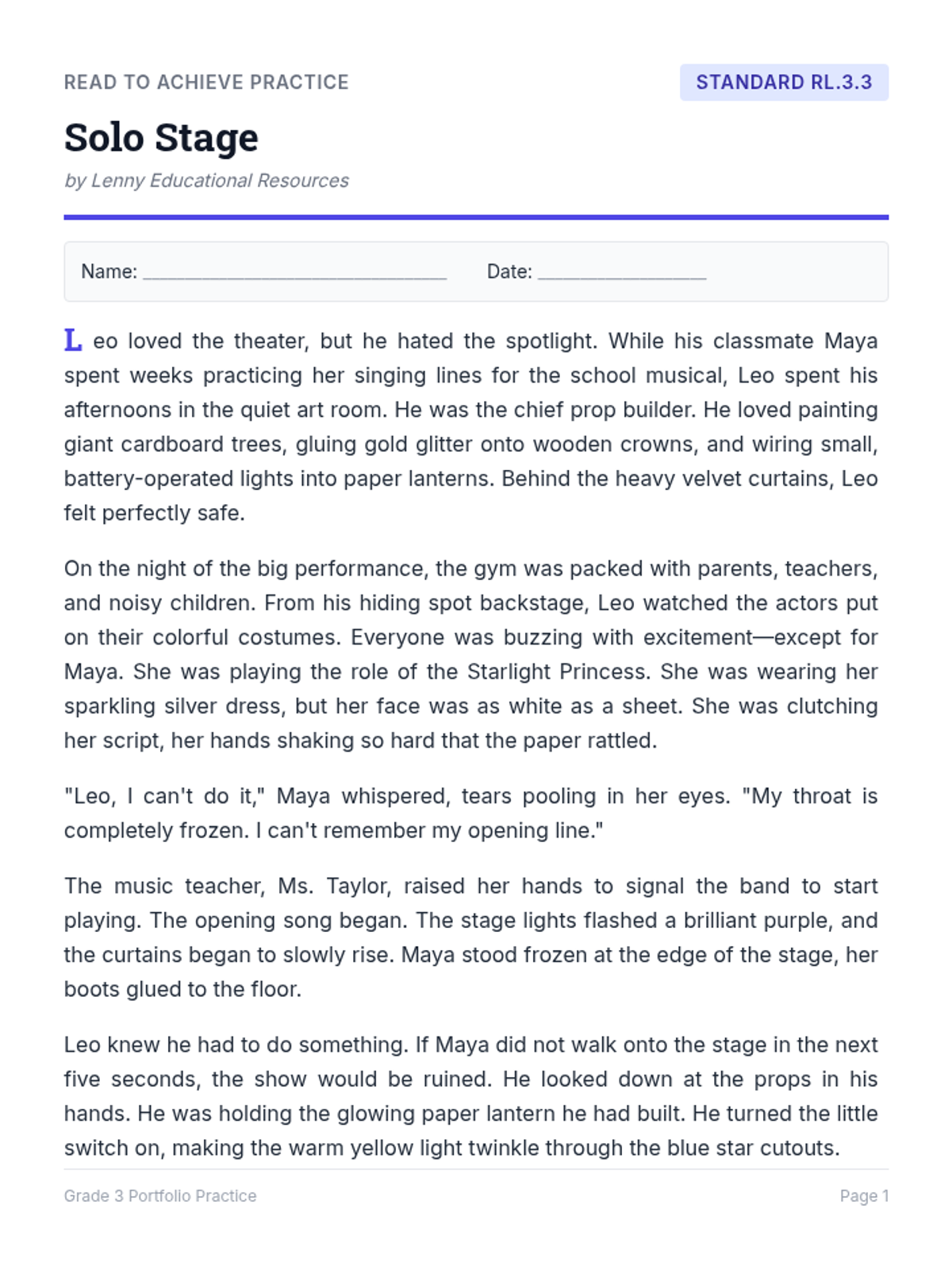
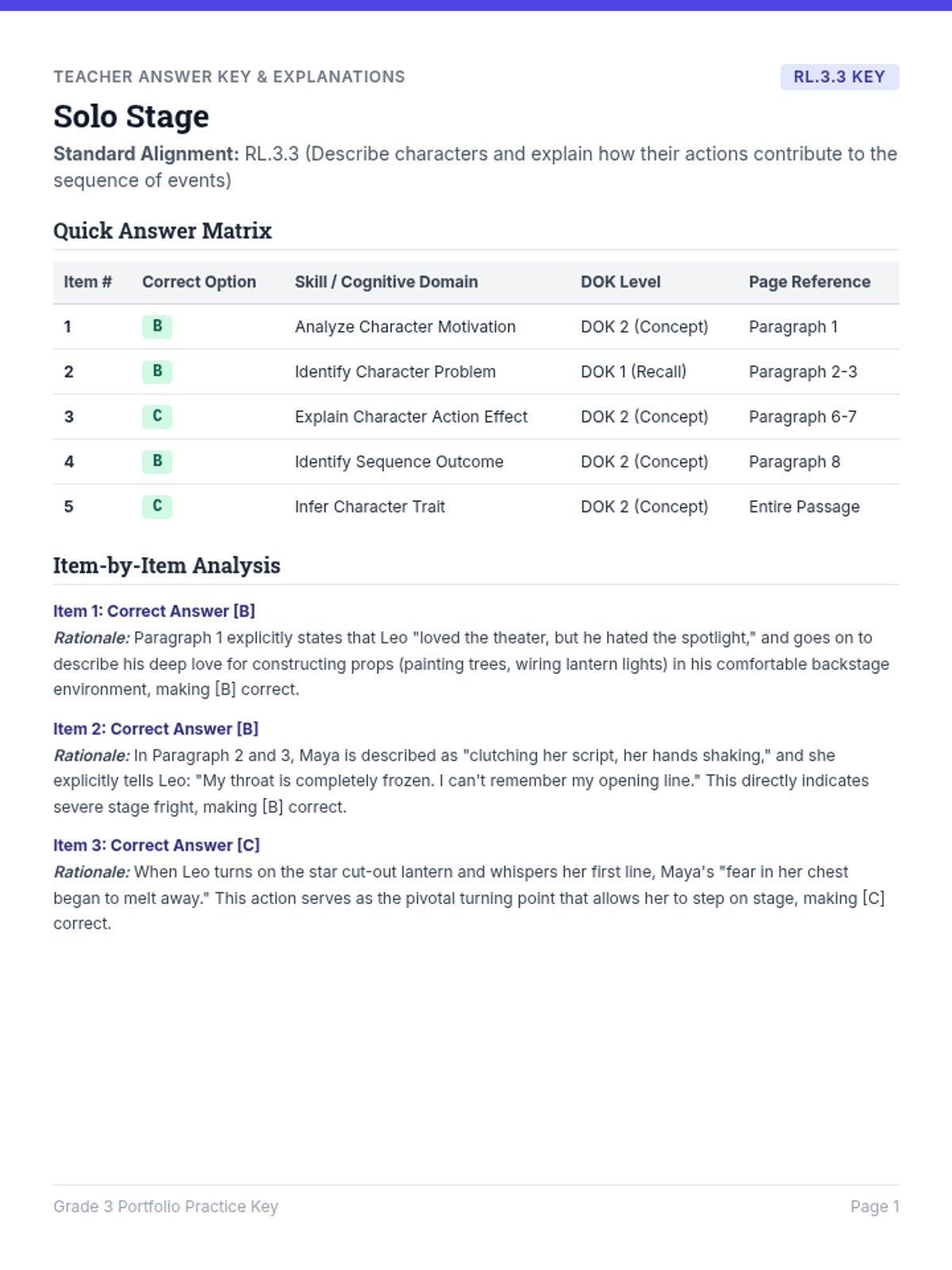
A targeted set of practice materials for the Grade 3 Literature standards: RL.3.1 (Explicit Evidence), RL.3.2 (Central Message/Moral), RL.3.3 (Character Contributions), and RL.3.4 (Words and Phrases in Context). Includes a comprehensive student test booklet and teacher answer key.
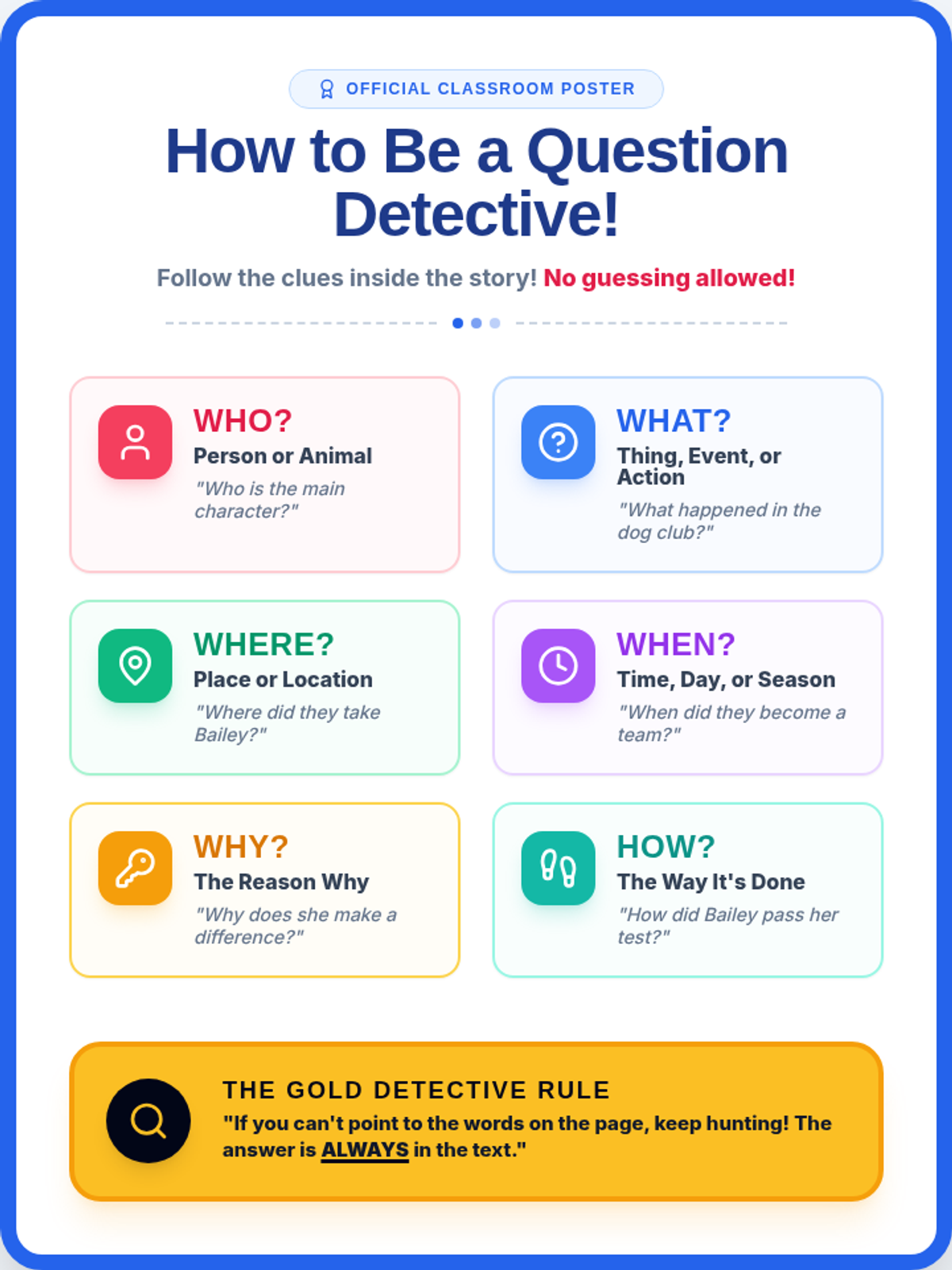
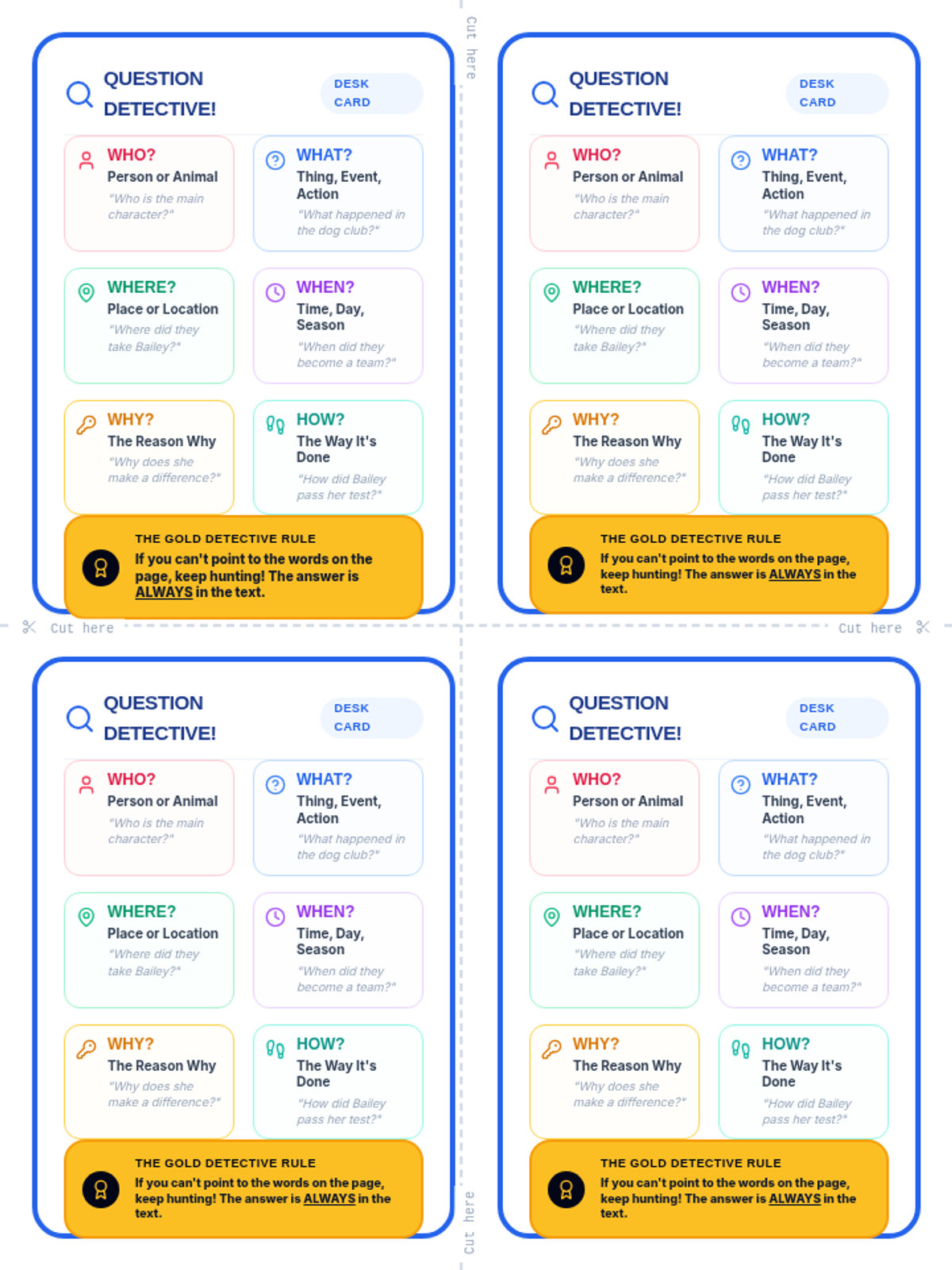
A collection of visual resources to help students locate text evidence and answer key comprehension questions using the 5Ws and How framework.
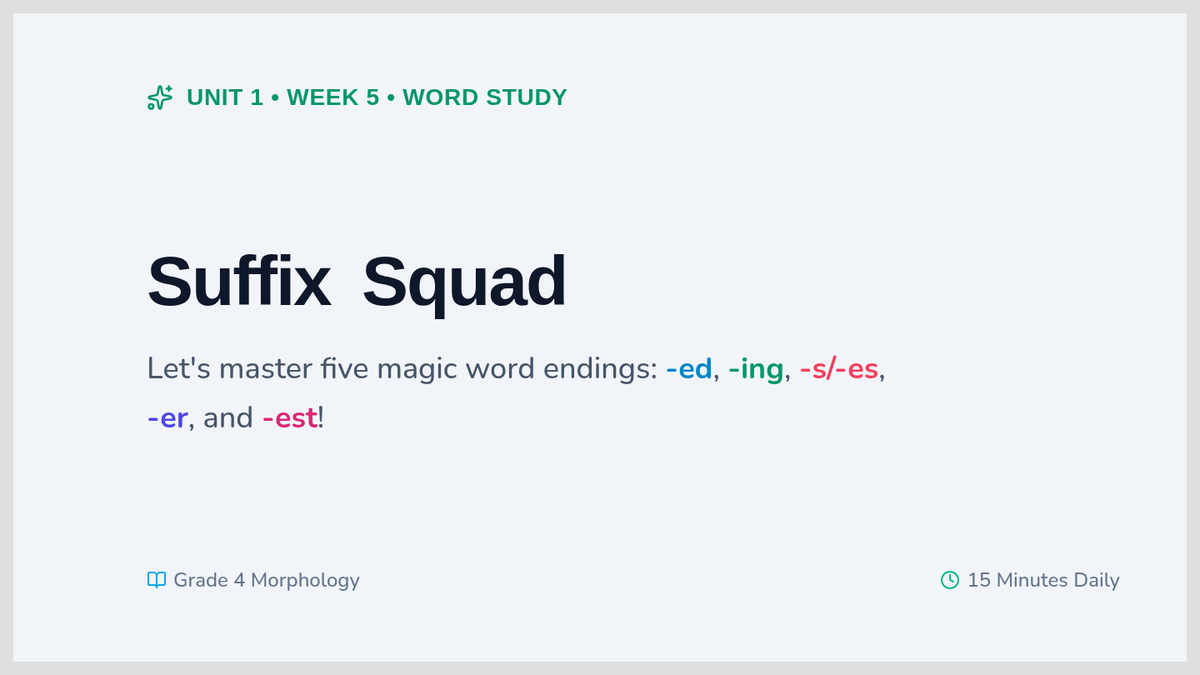
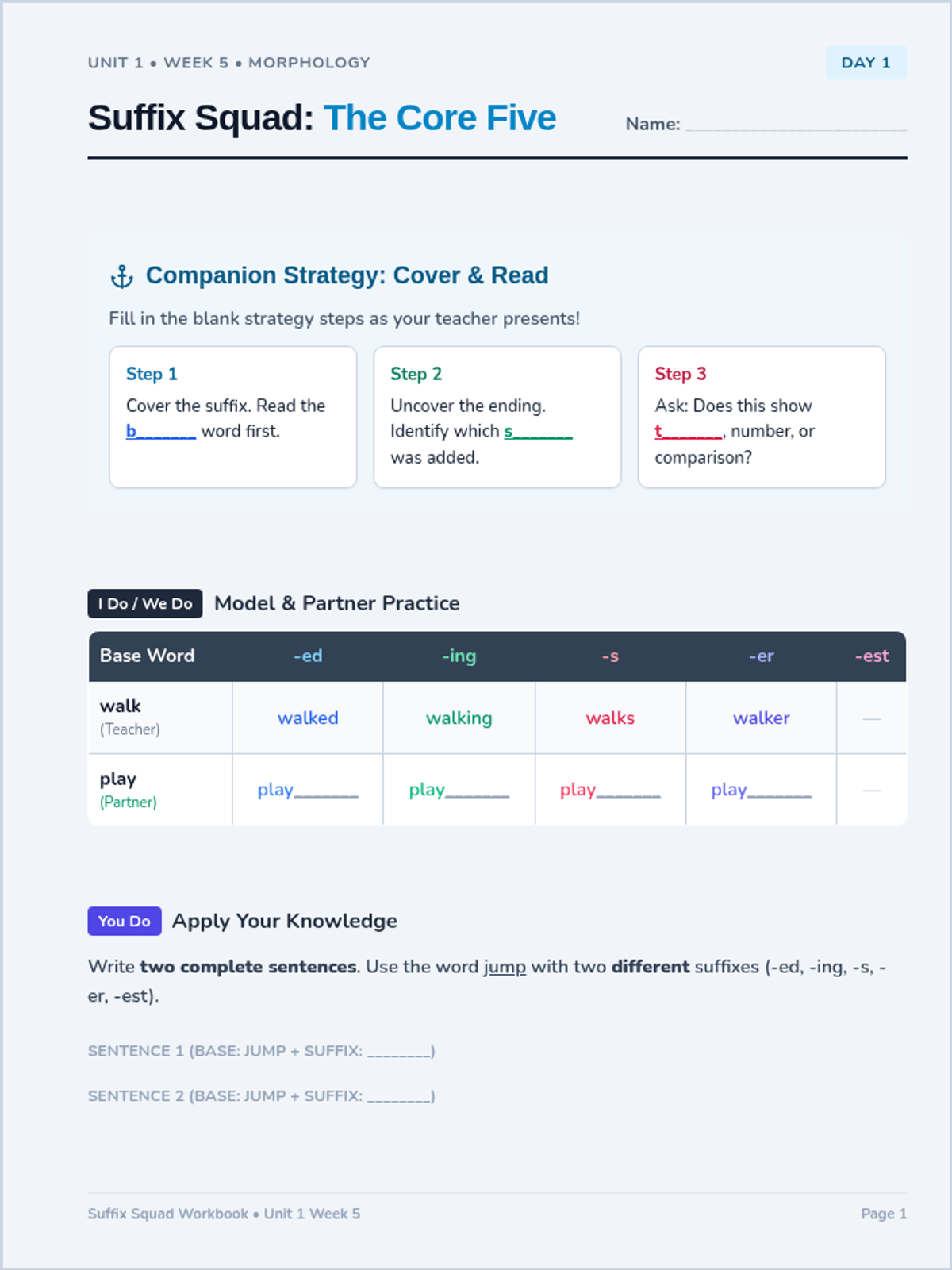
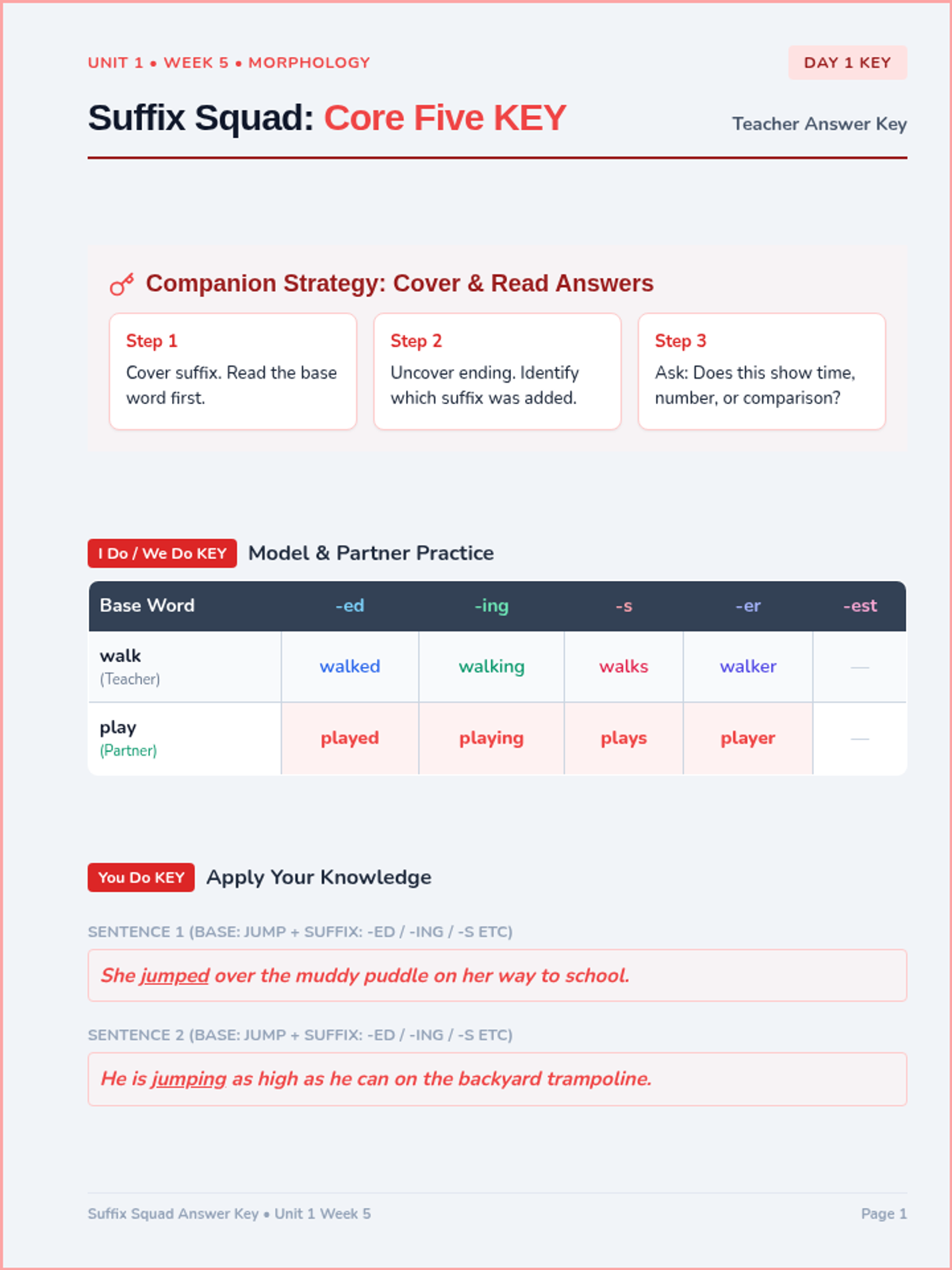
A comprehensive 5-day morphology unit for 4th grade focusing on the inflectional suffixes -ed, -ing, -s/-es, -er, and -est, including spelling rules, pluralization, comparative usage, and cumulative review.
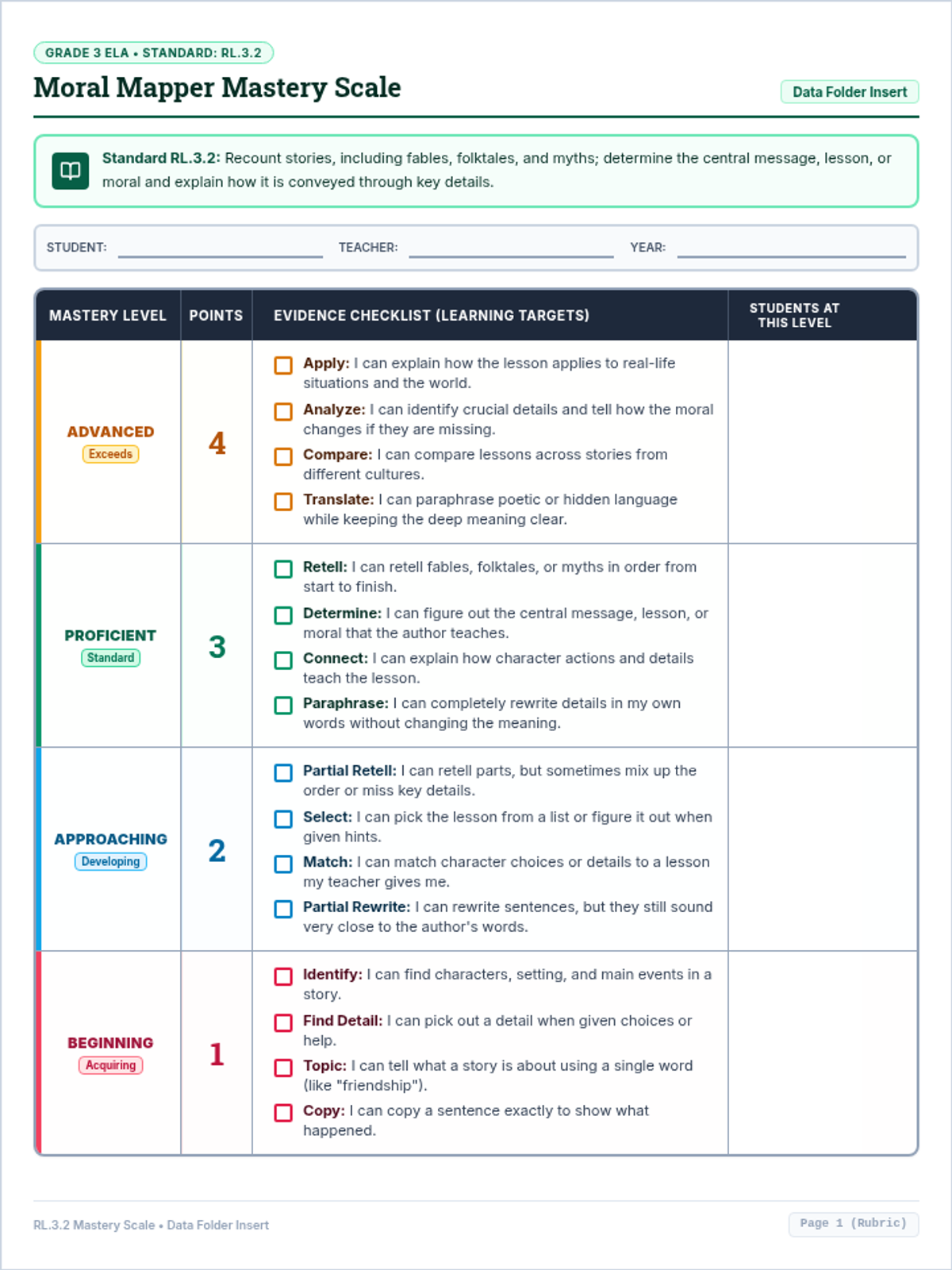
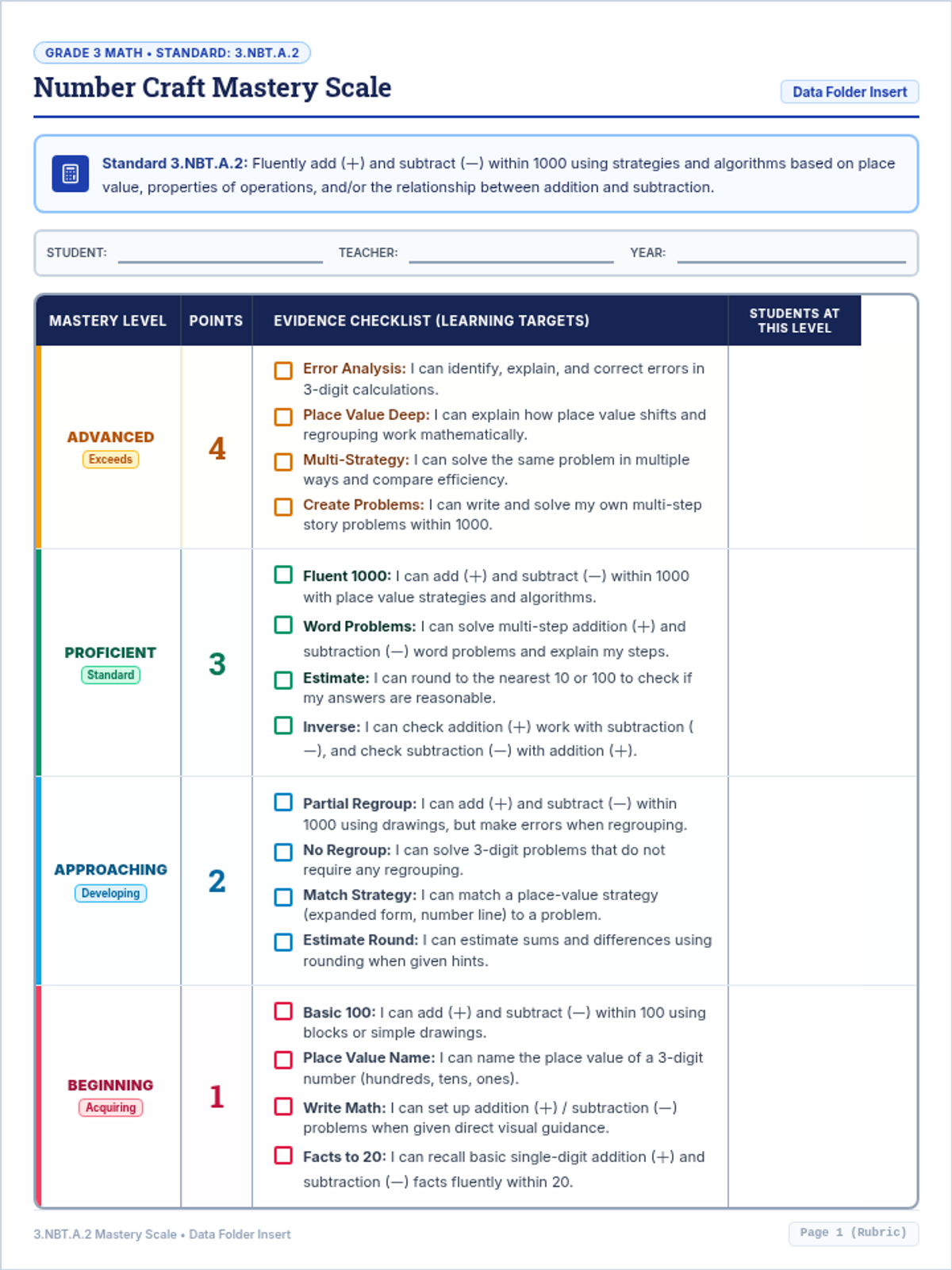
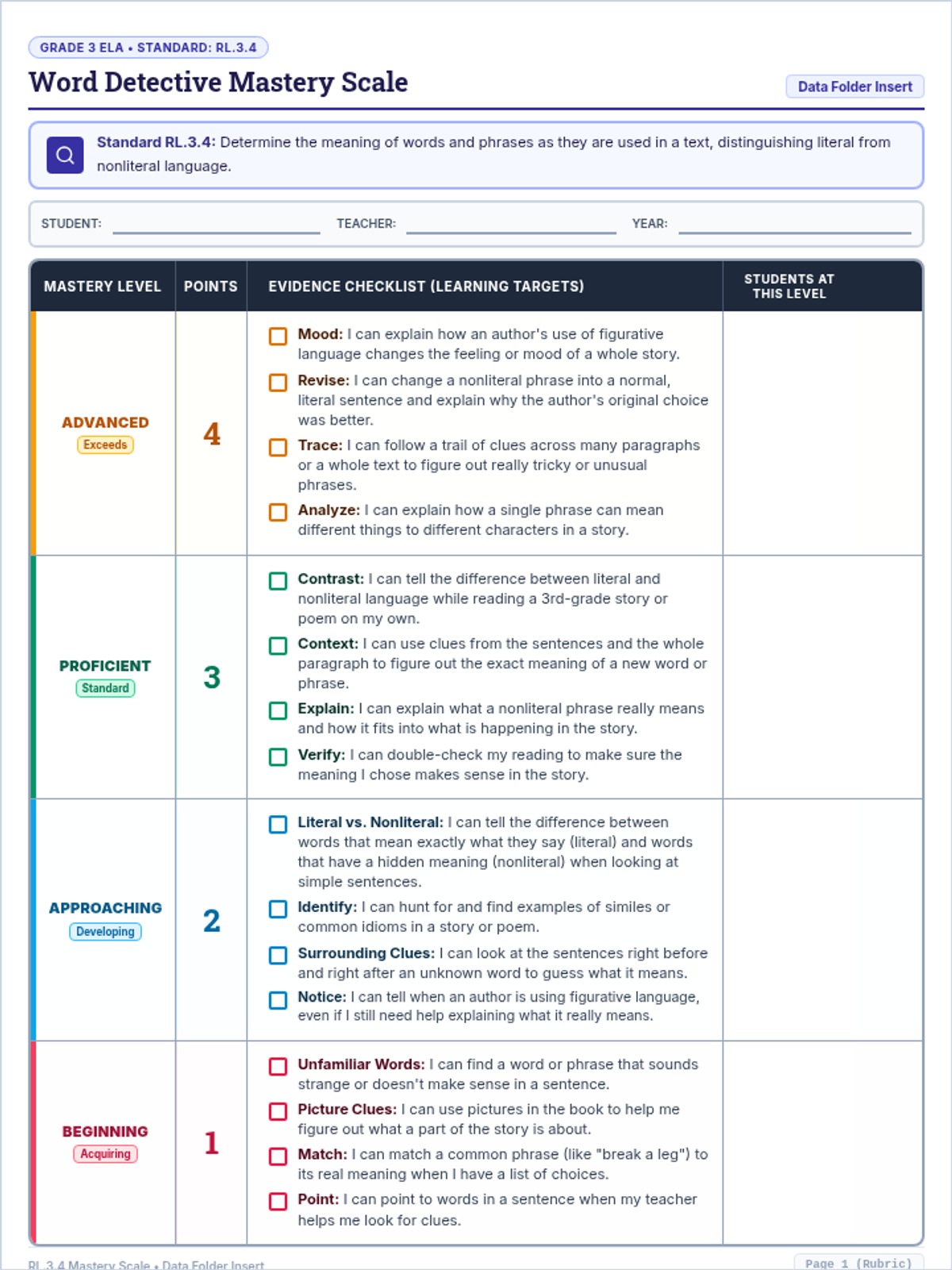
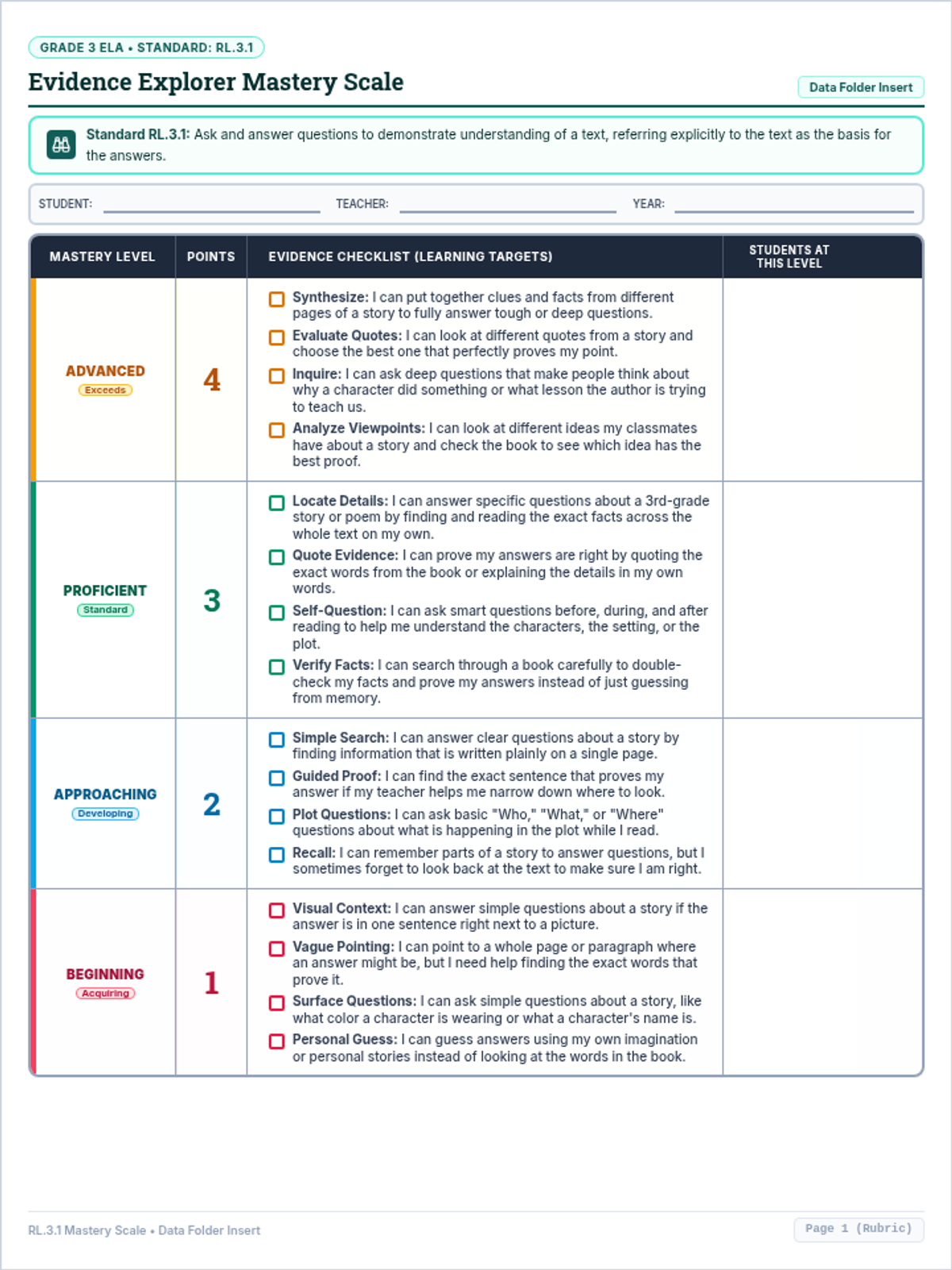
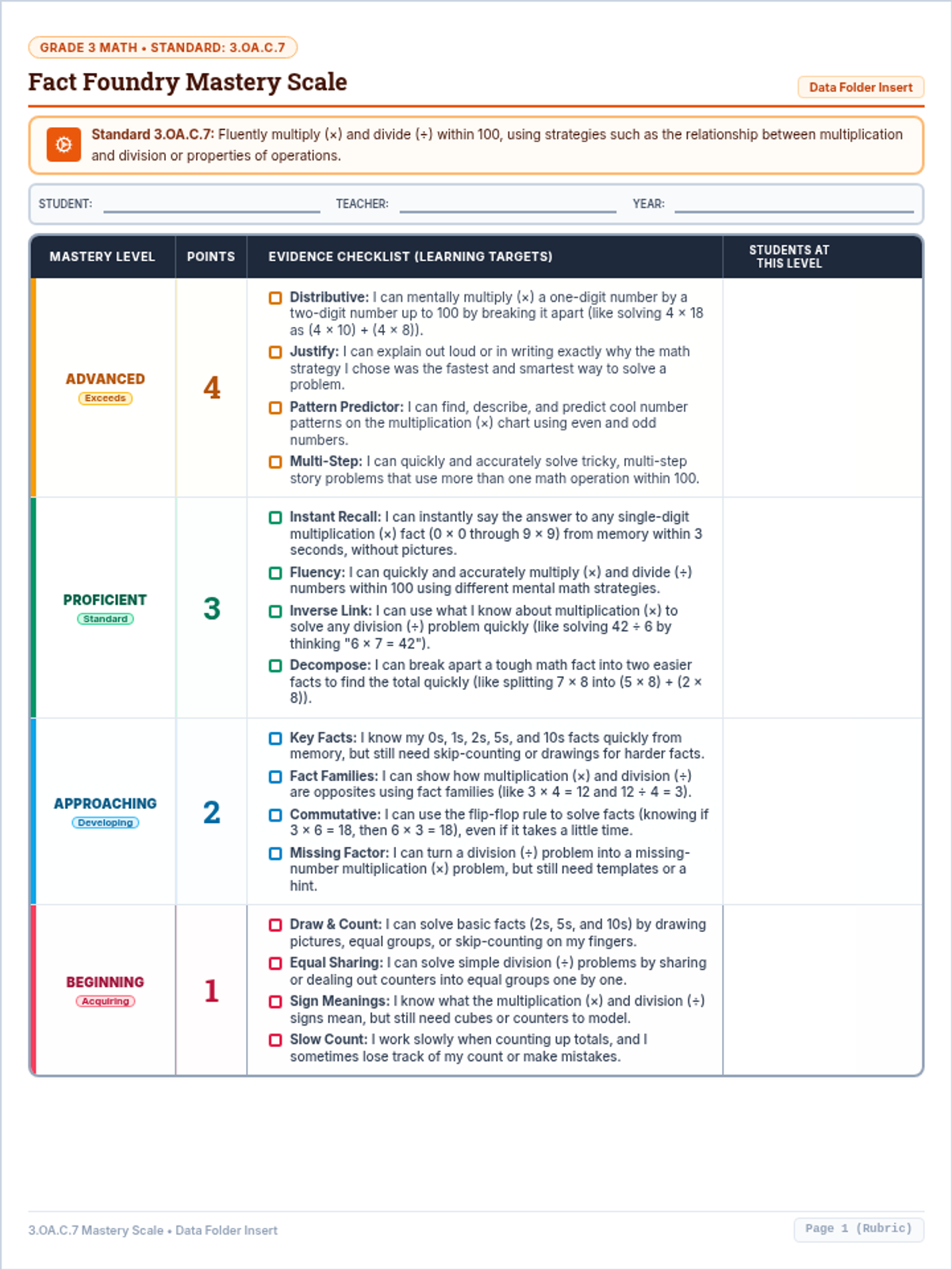
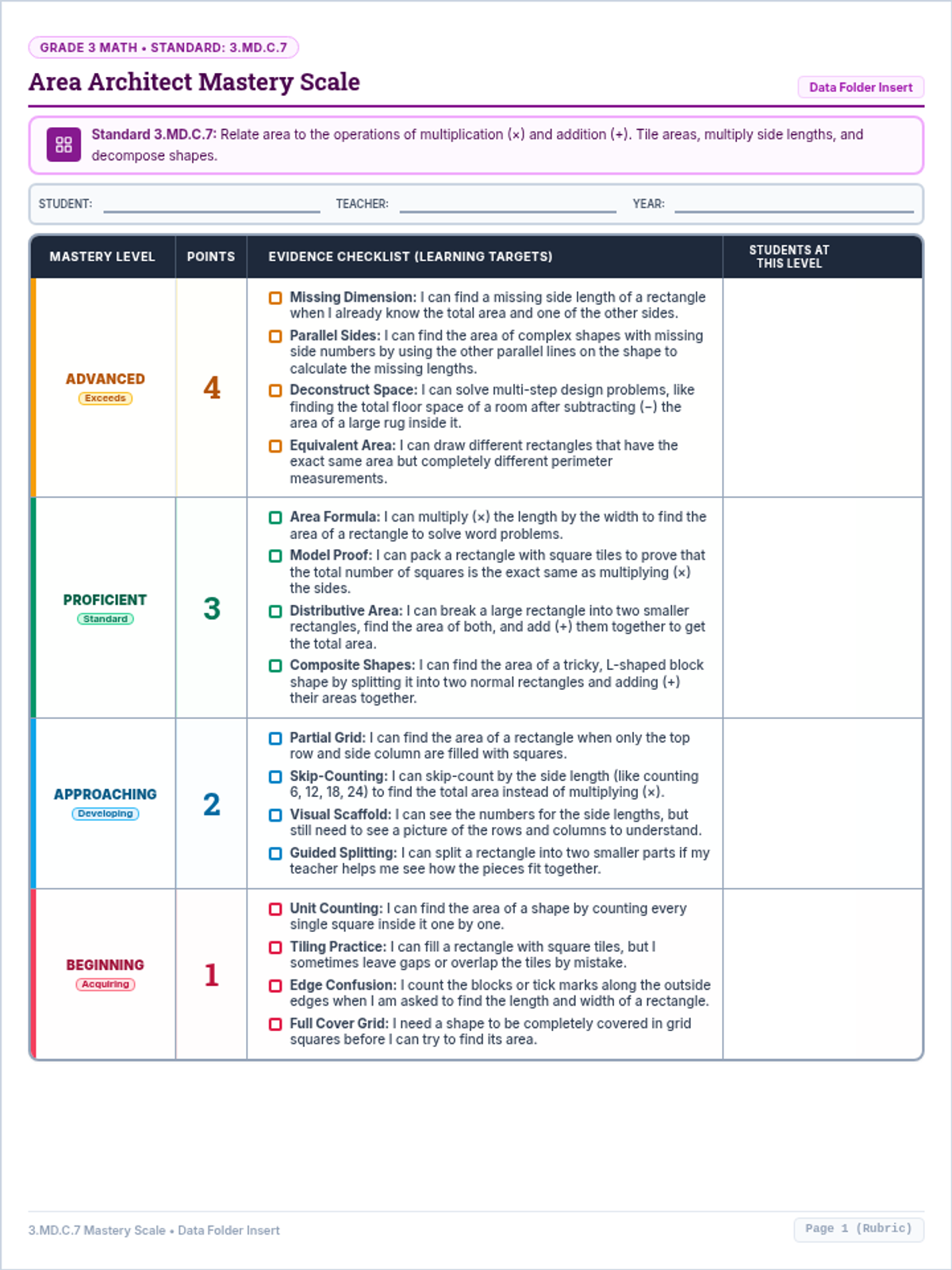
A collection of beautifully designed, compact data folder inserts featuring proficiency scale charts and progress tracking logs for Grade 3 standards.
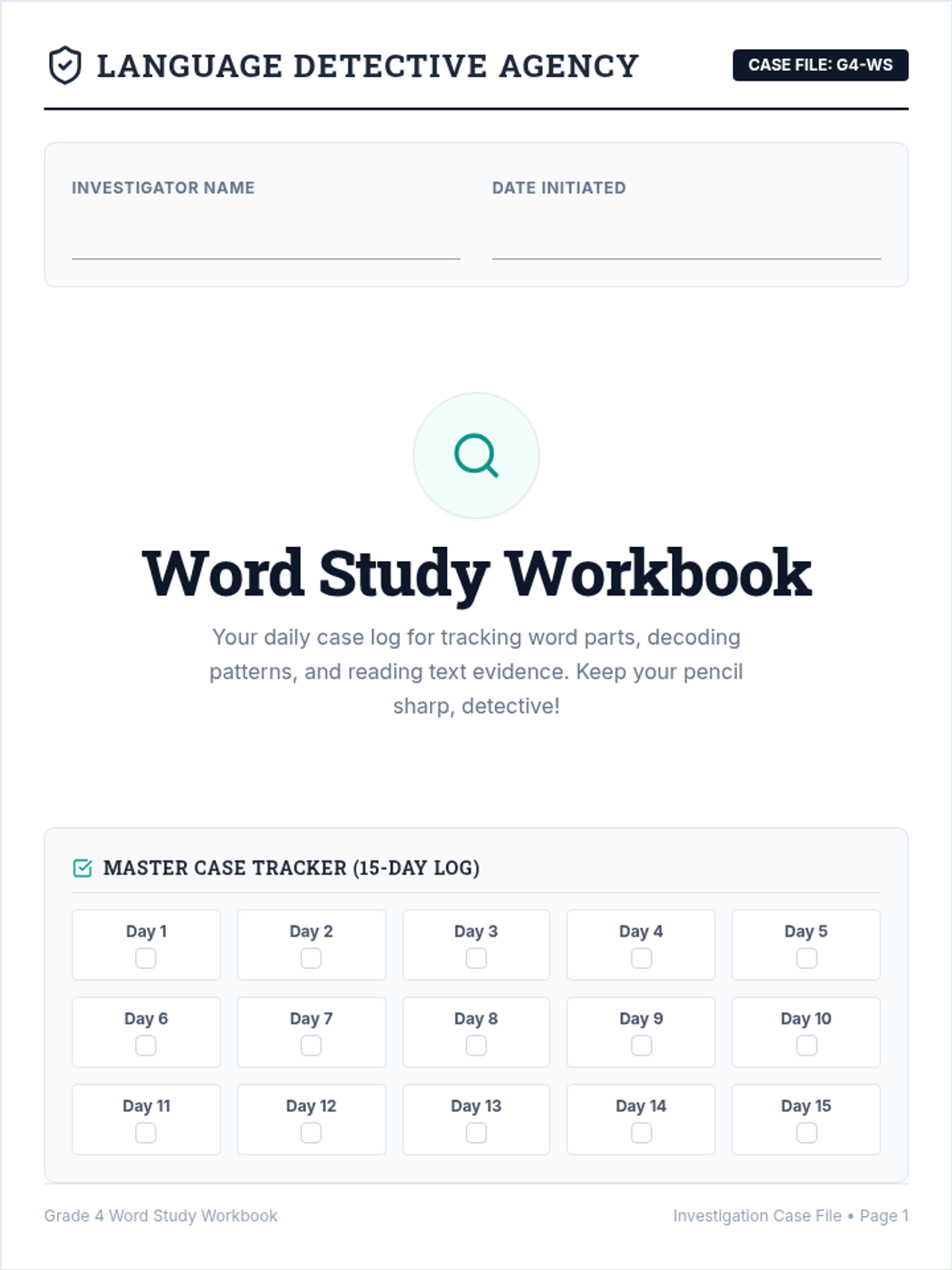
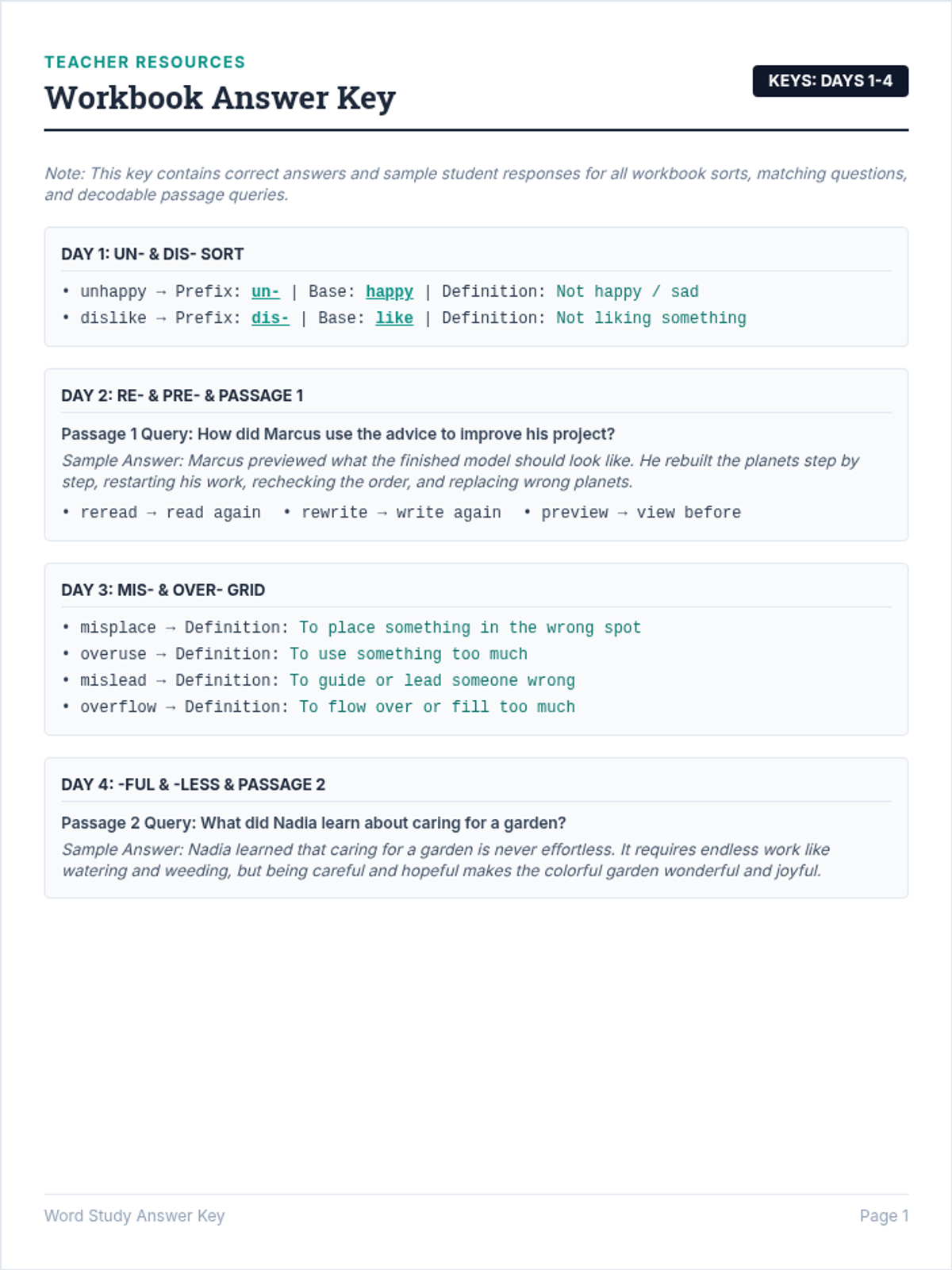
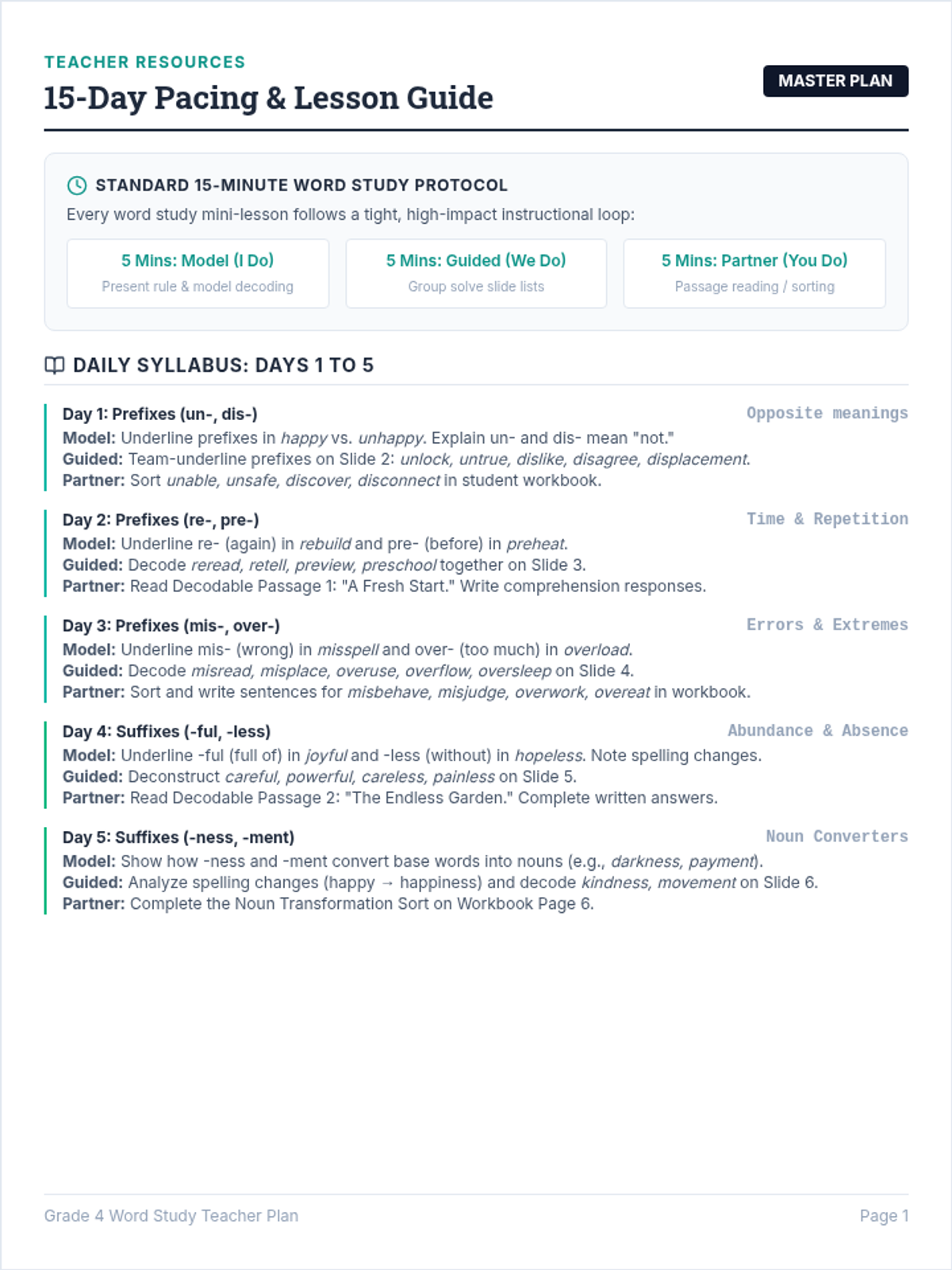
A comprehensive 15-day word study unit for Grade 4 focused on prefixes, suffixes, Latin roots, compound words, homophones, synonyms/antonyms, and context clues. Includes a master slide deck and a complete student workbook.
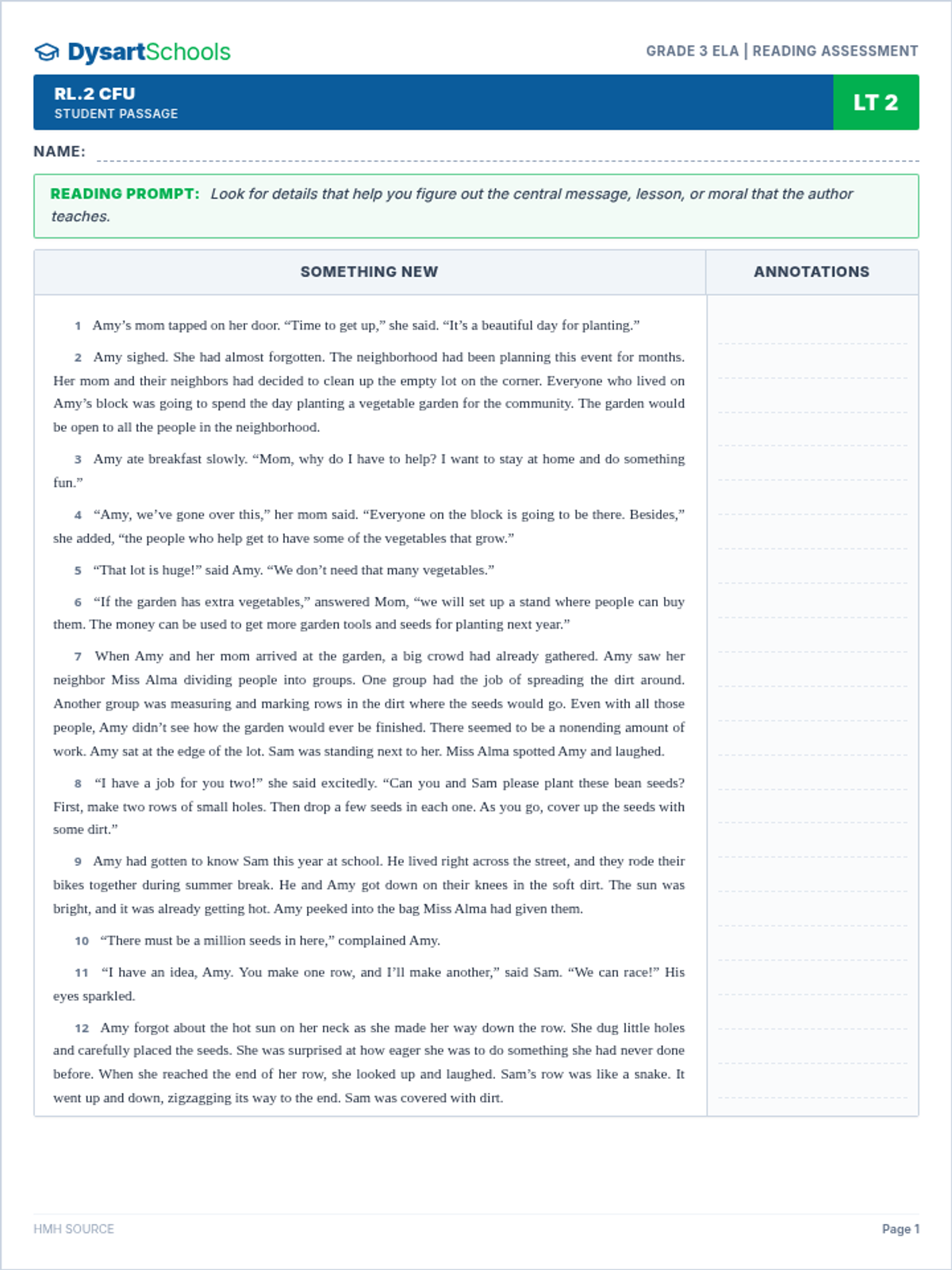
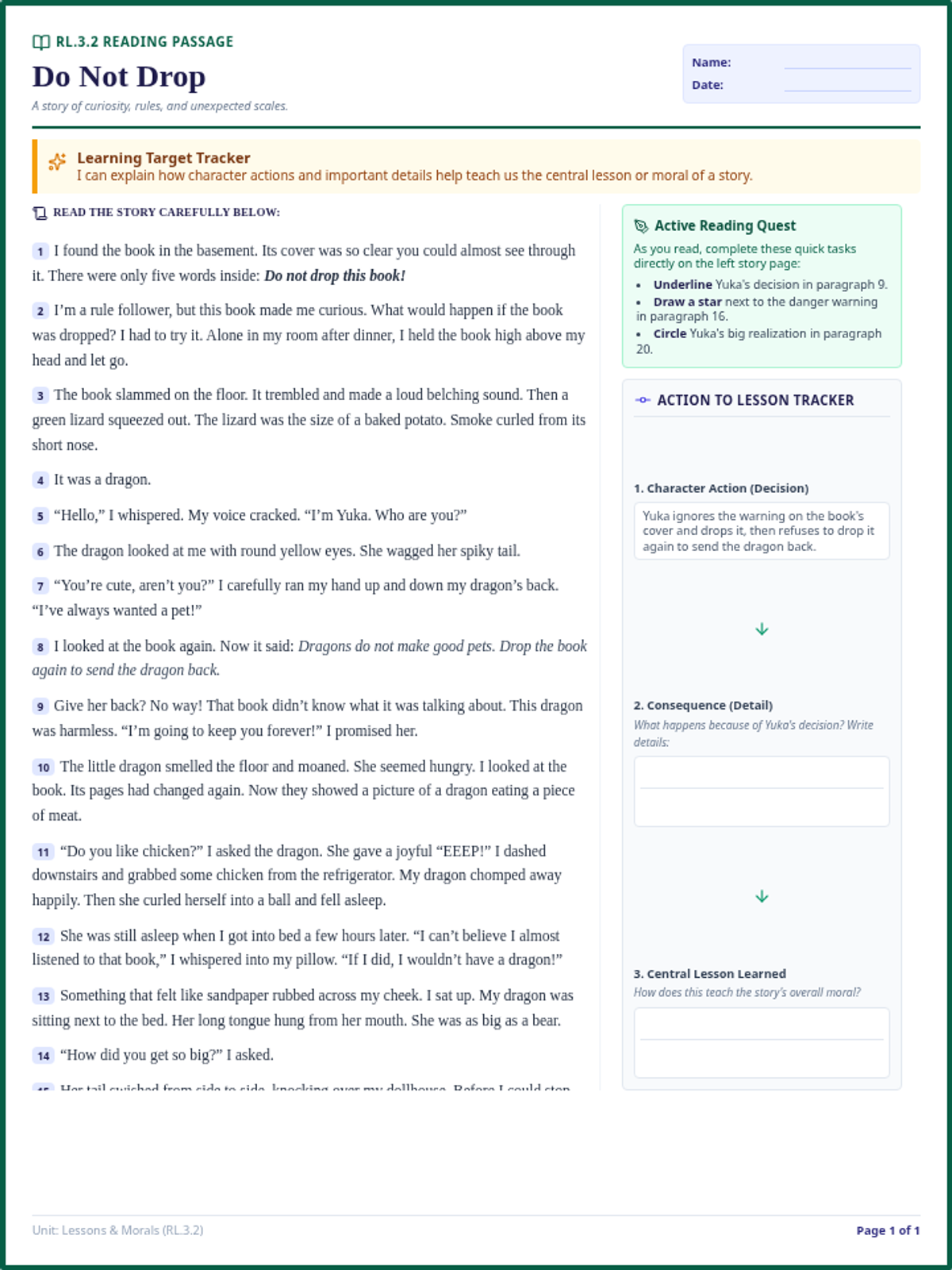
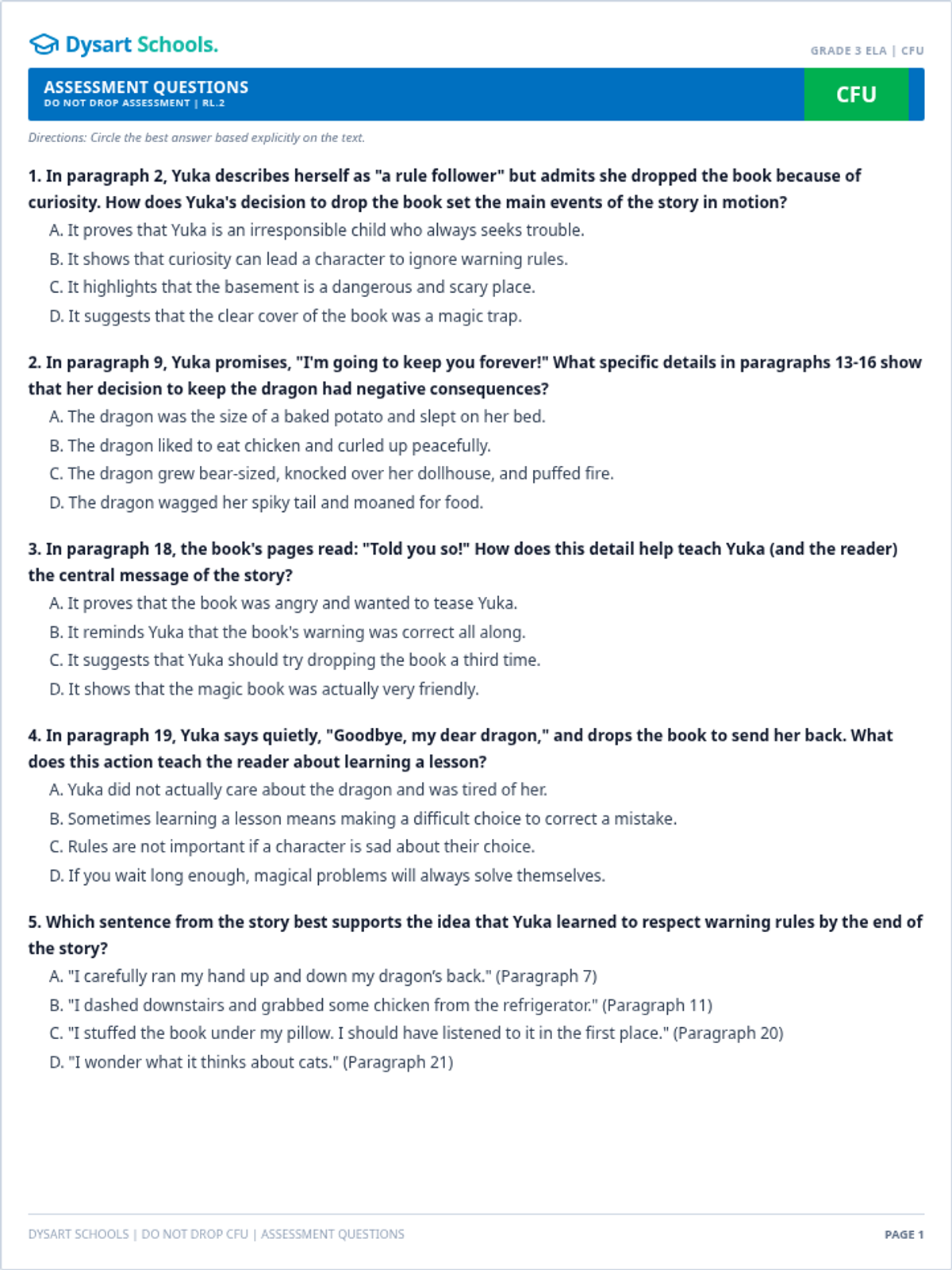
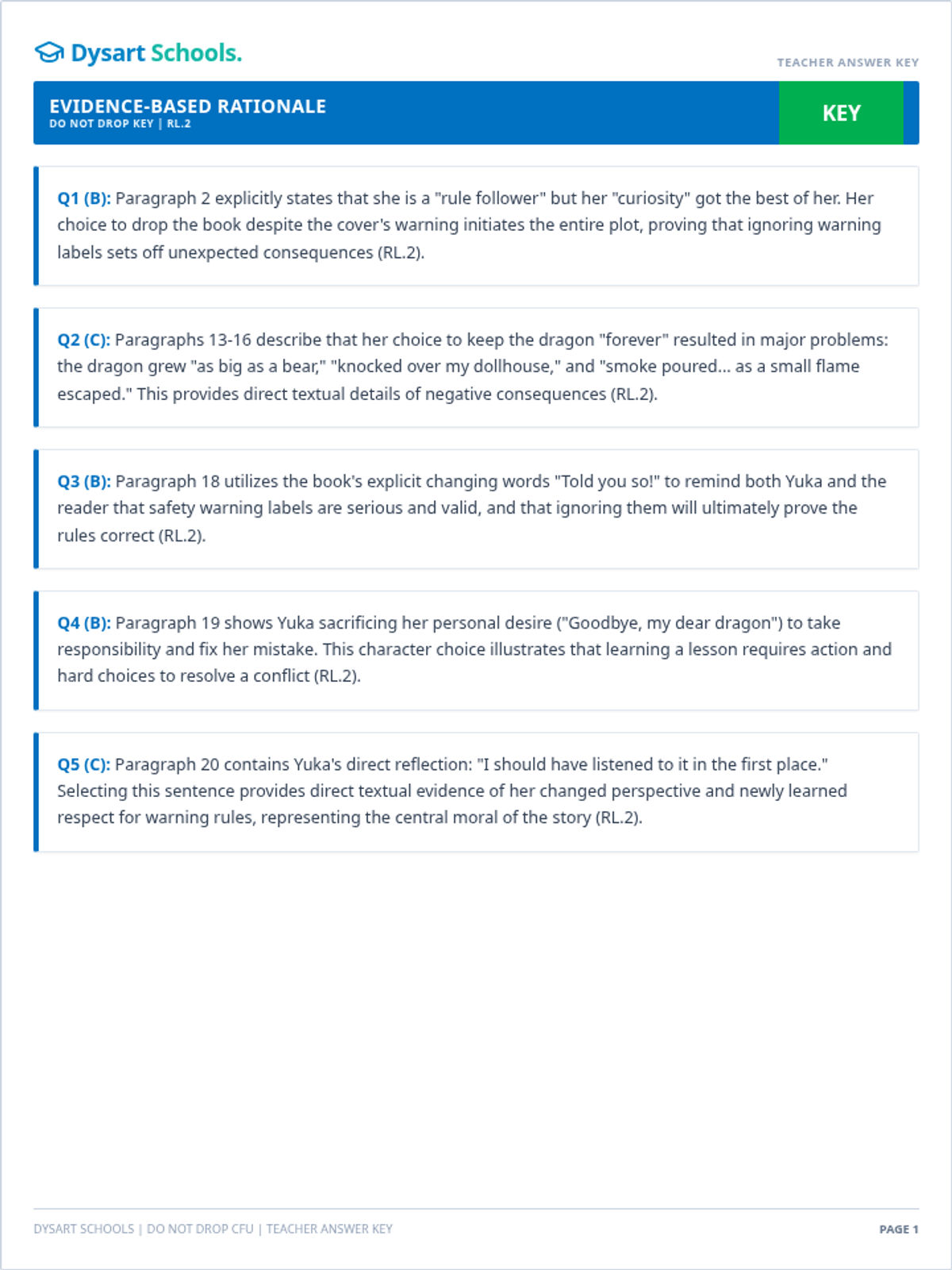
A third-grade reading comprehension lesson focused on standard RL.2 (learning target: explaining how character actions and details teach the lesson/moral) using the story "Do Not Drop". Students analyze Yuka's choices and their consequences to discover the story's core lesson.
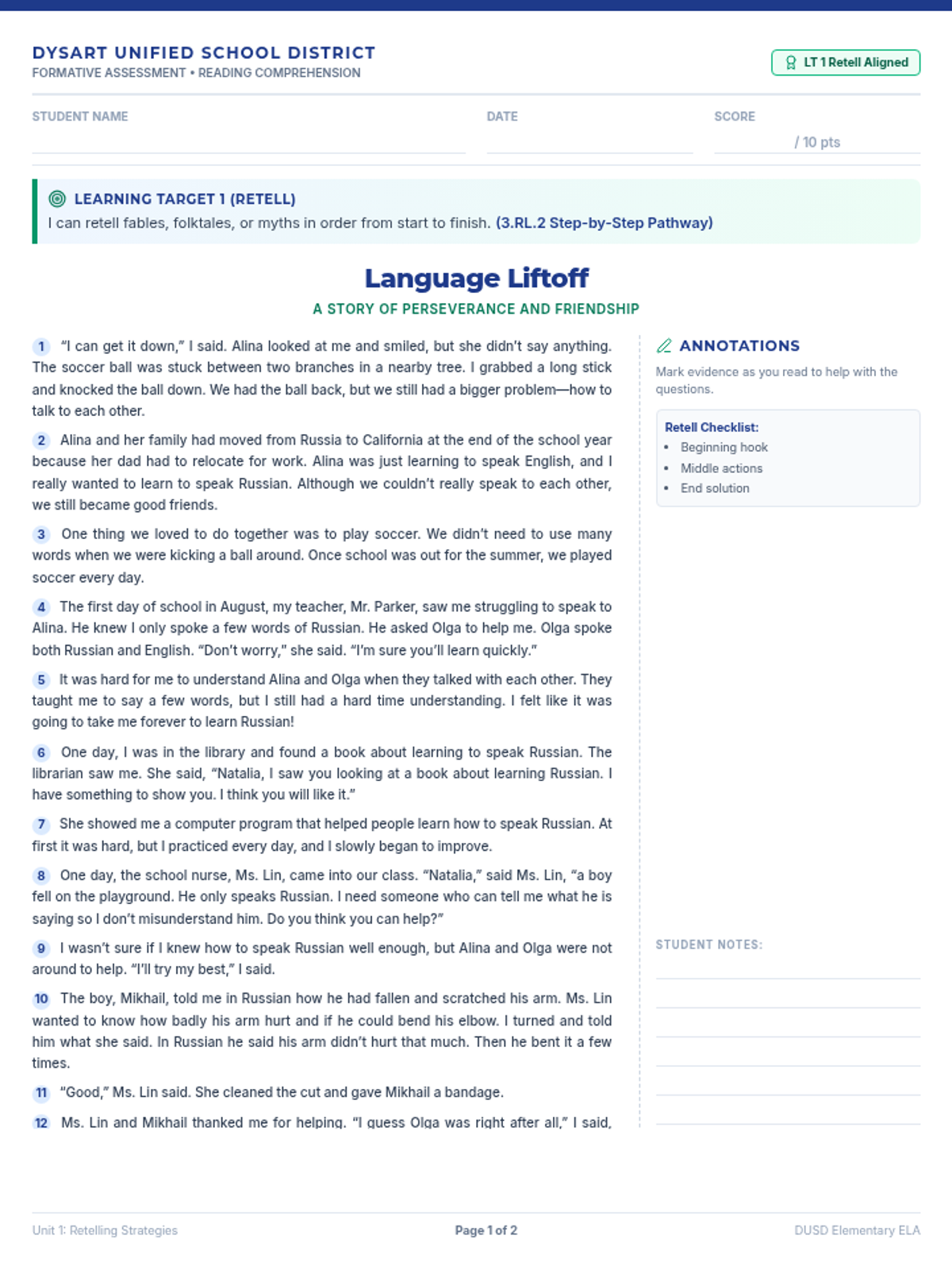
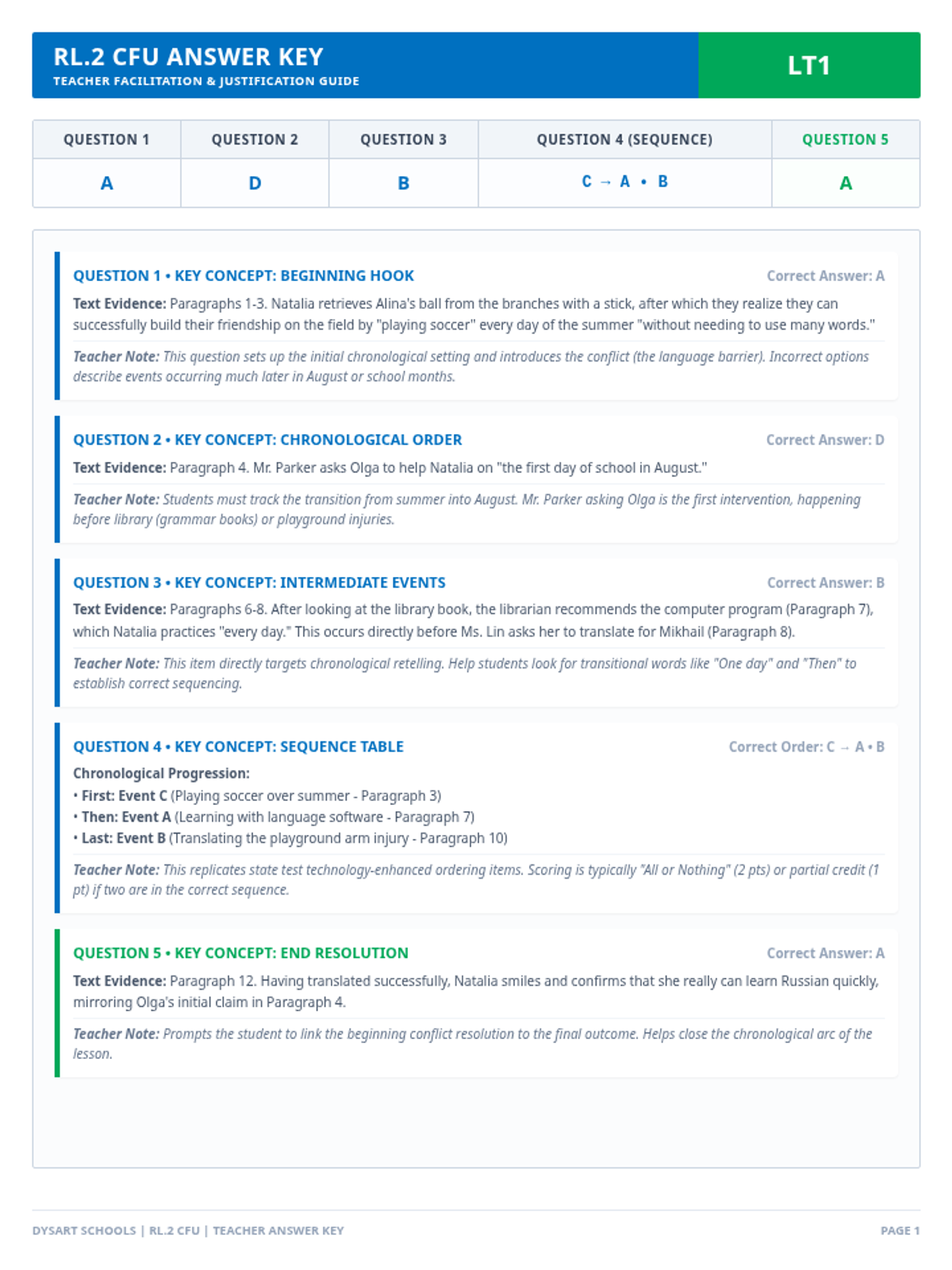
A formative assessment lesson targeting chronological retelling (3.RL.2) using the realistic fiction passage 'Language Liftoff' with a Dysart-themed blue and green styling.
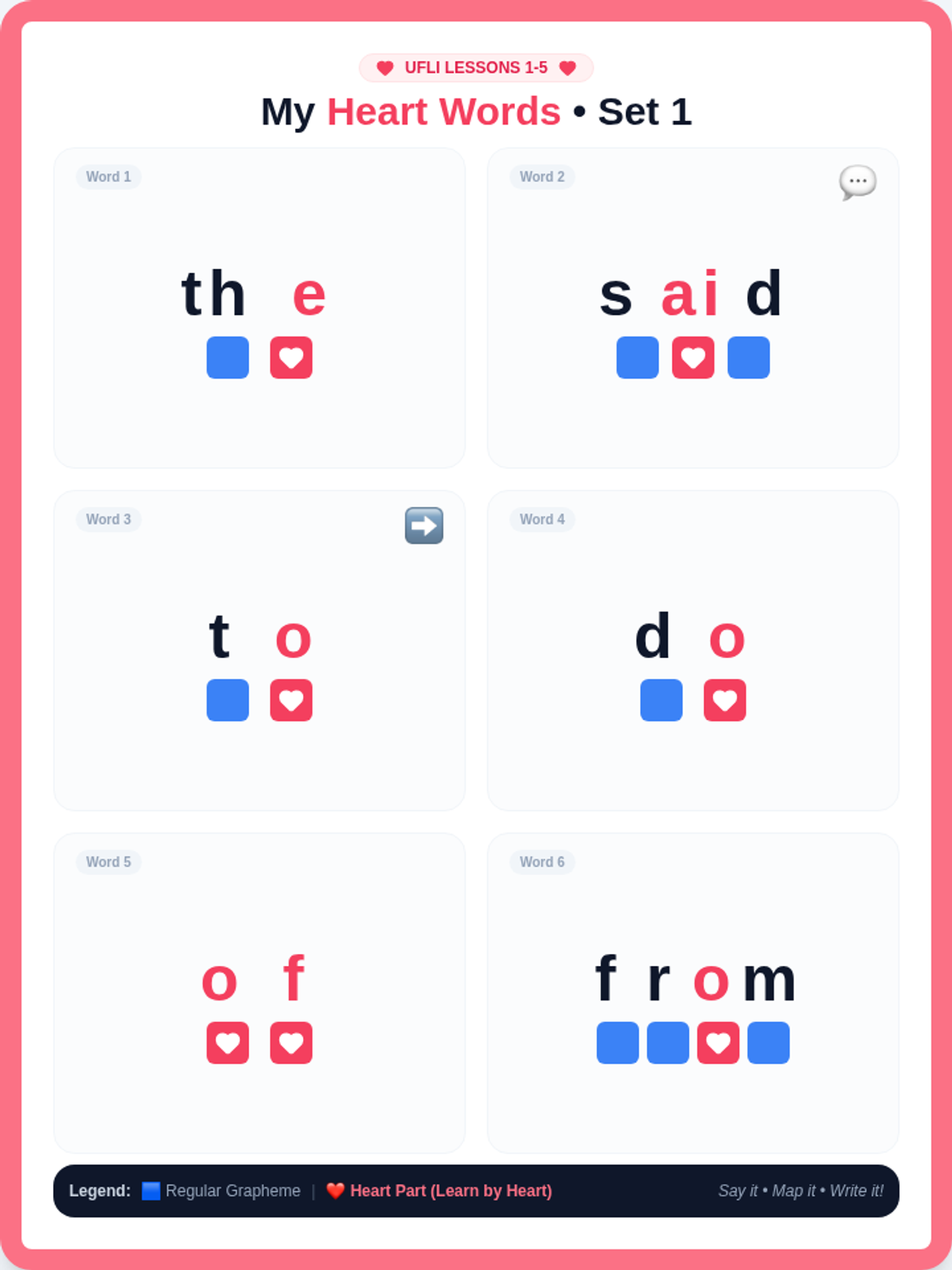
A collection of visual anchor charts and posters for UFLI foundations heart words, designed to support students in orthographic mapping with clear visuals and phonetic cues.
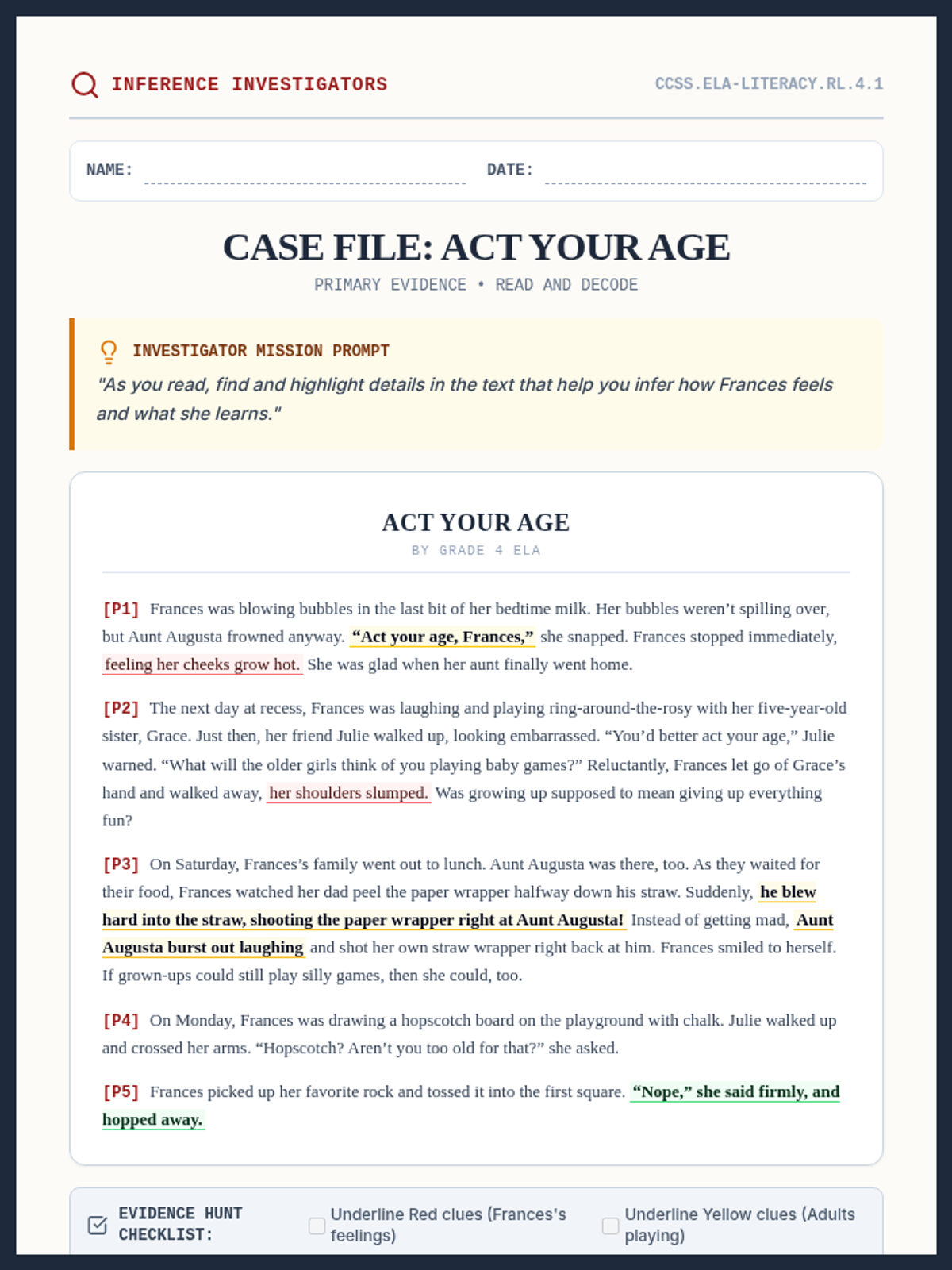
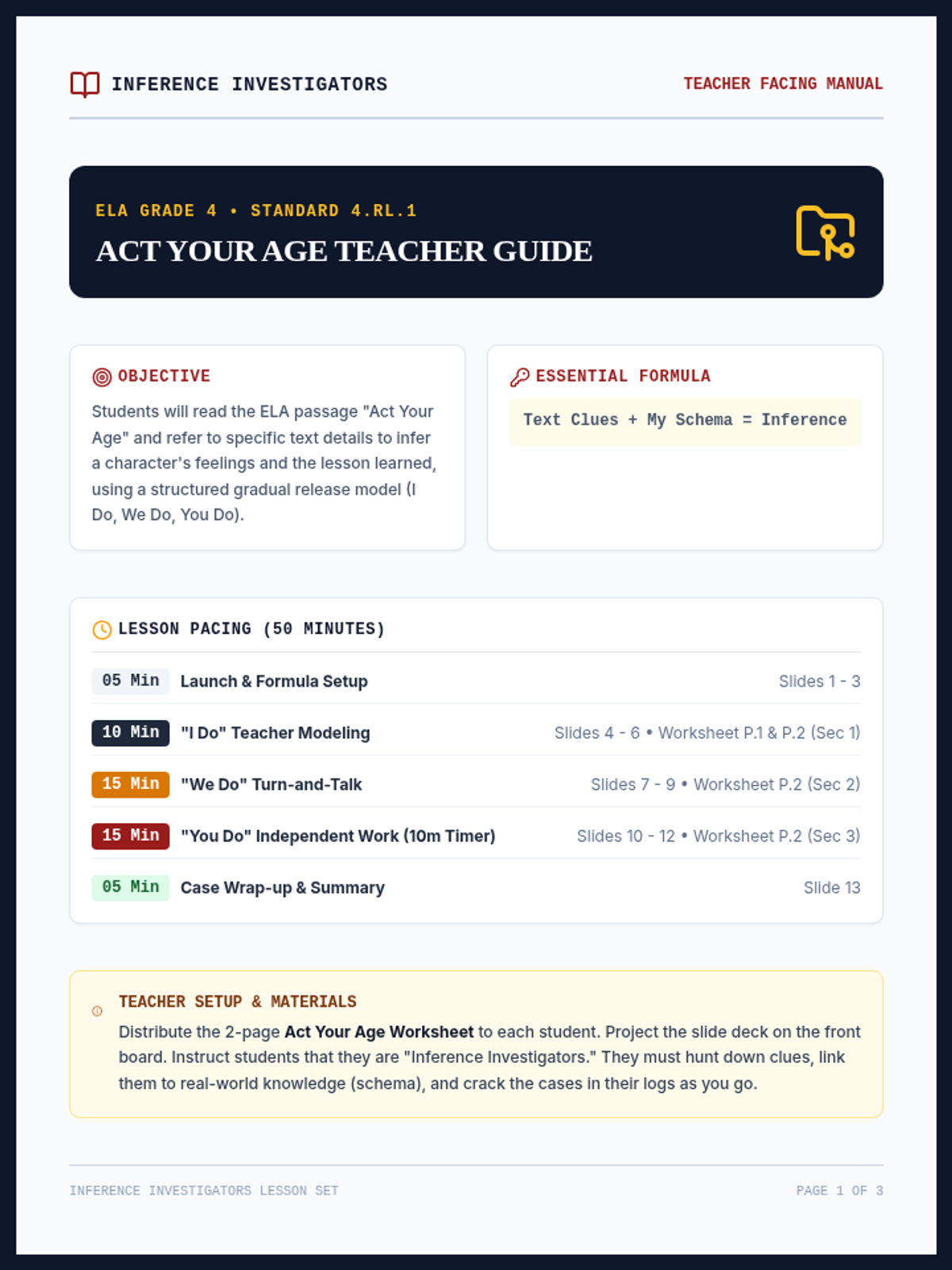
An engaging, detective-themed 4th Grade ELA lesson designed to teach students how to make text-based inferences using the story 'Act Your Age'. Follows an interactive 'I Do, We Do, You Do' gradual release model with class-wide discussion and turn-and-talk prompts.
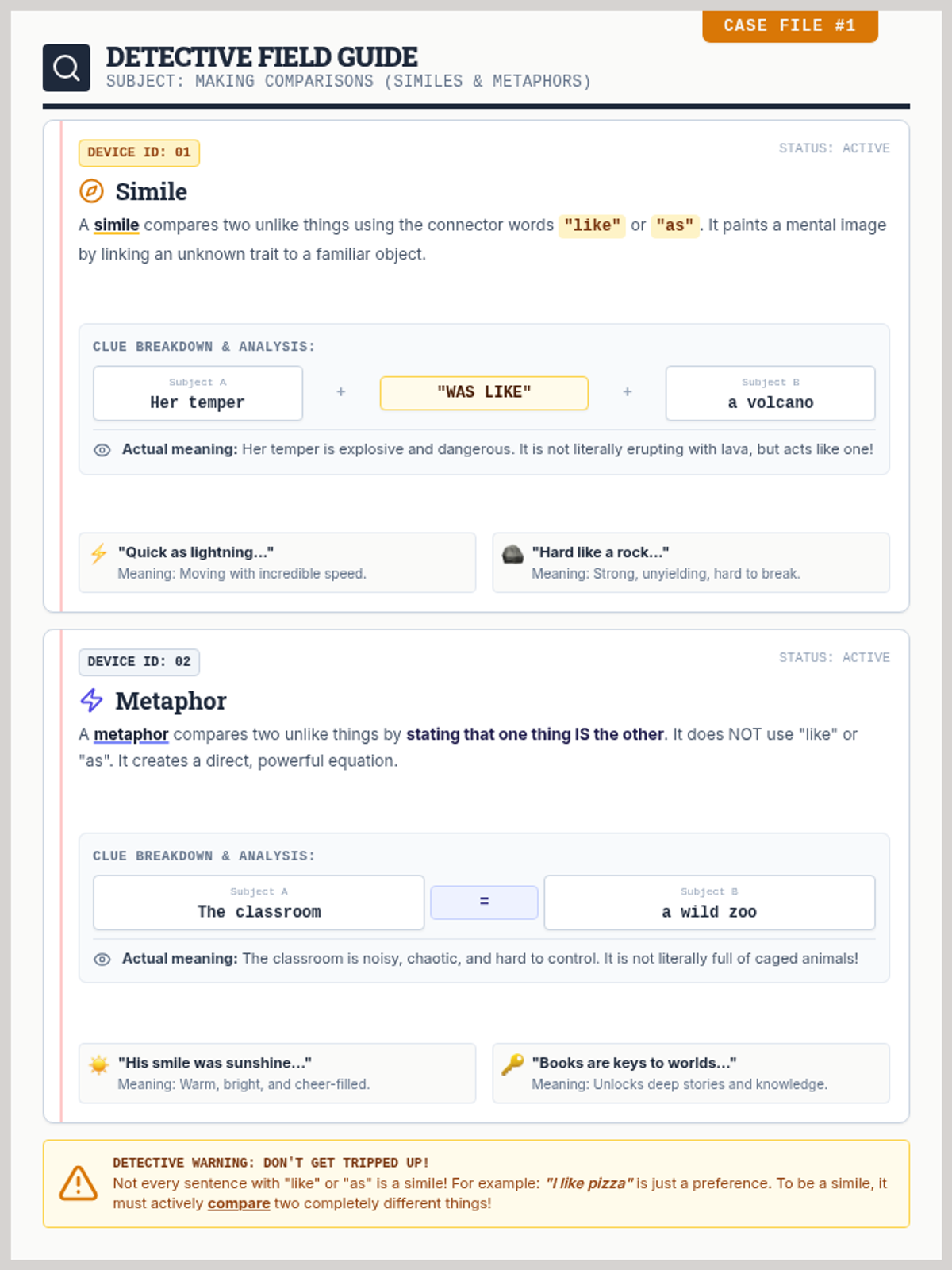
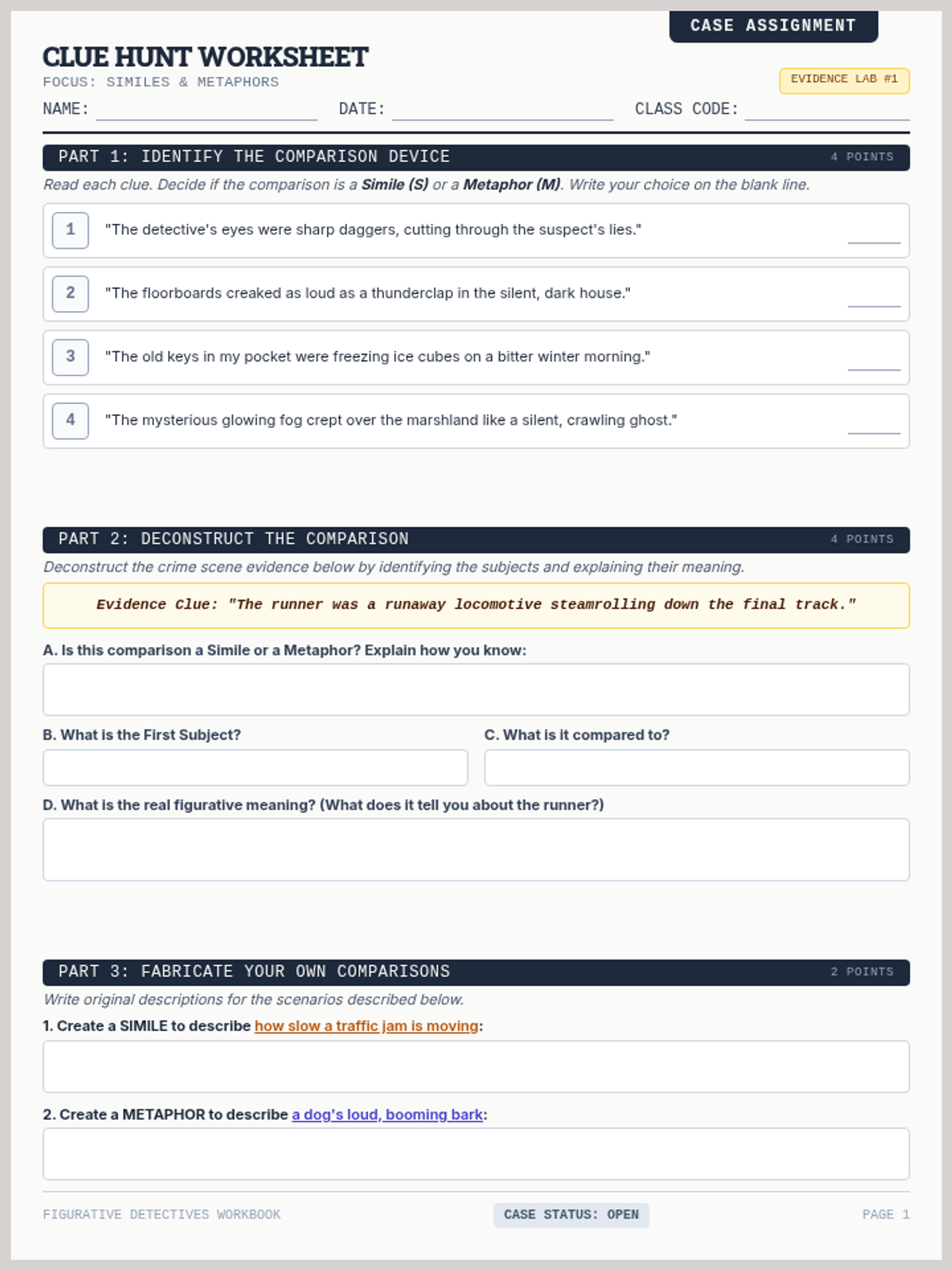
A comprehensive fourth-grade figurative language unit styled as a detective case file. Students act as 'word detectives' tracking down similes, metaphors, idioms, and alliteration through engaging visual guides, targeted clue hunts, and reading passage investigations.
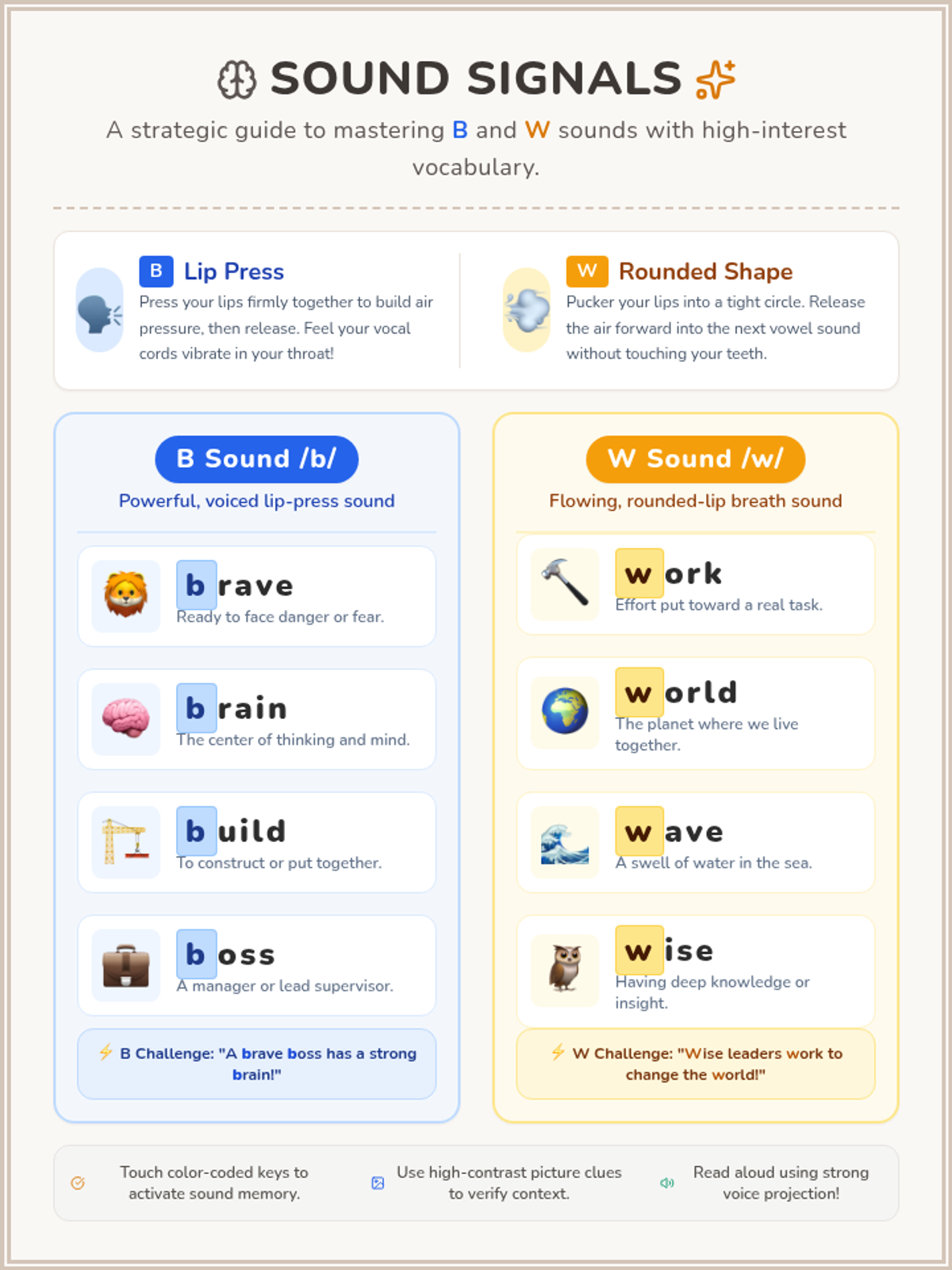
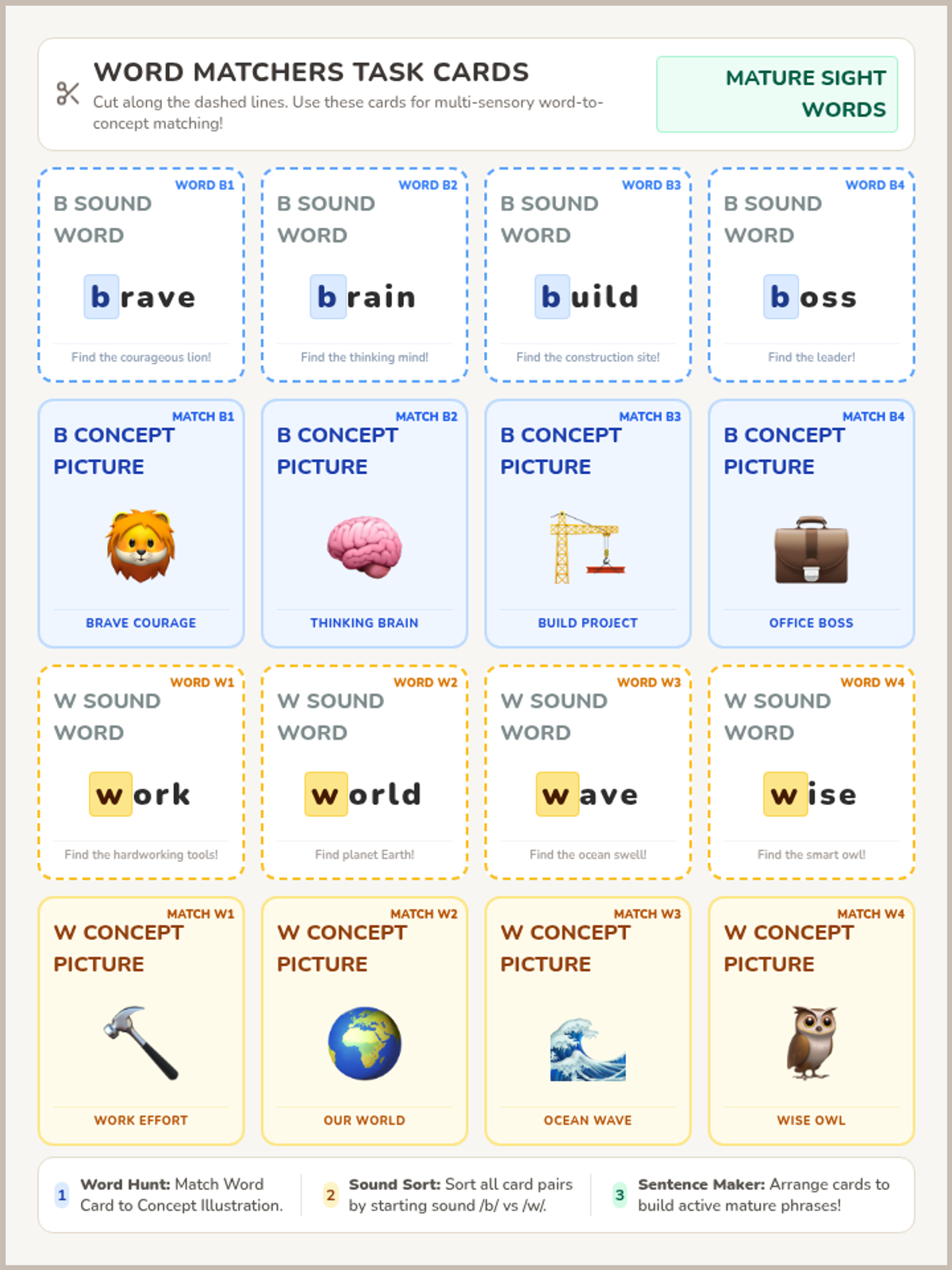
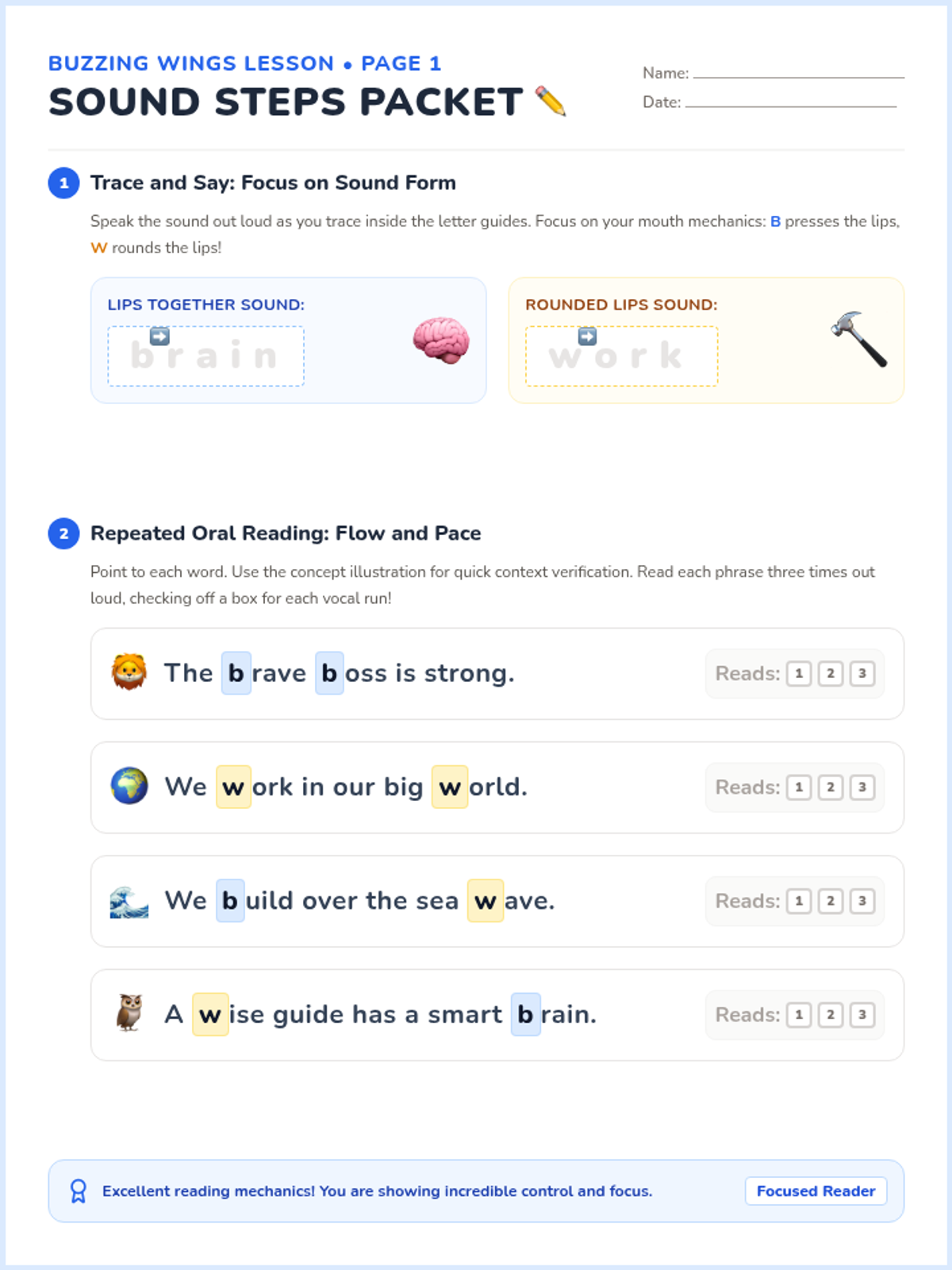
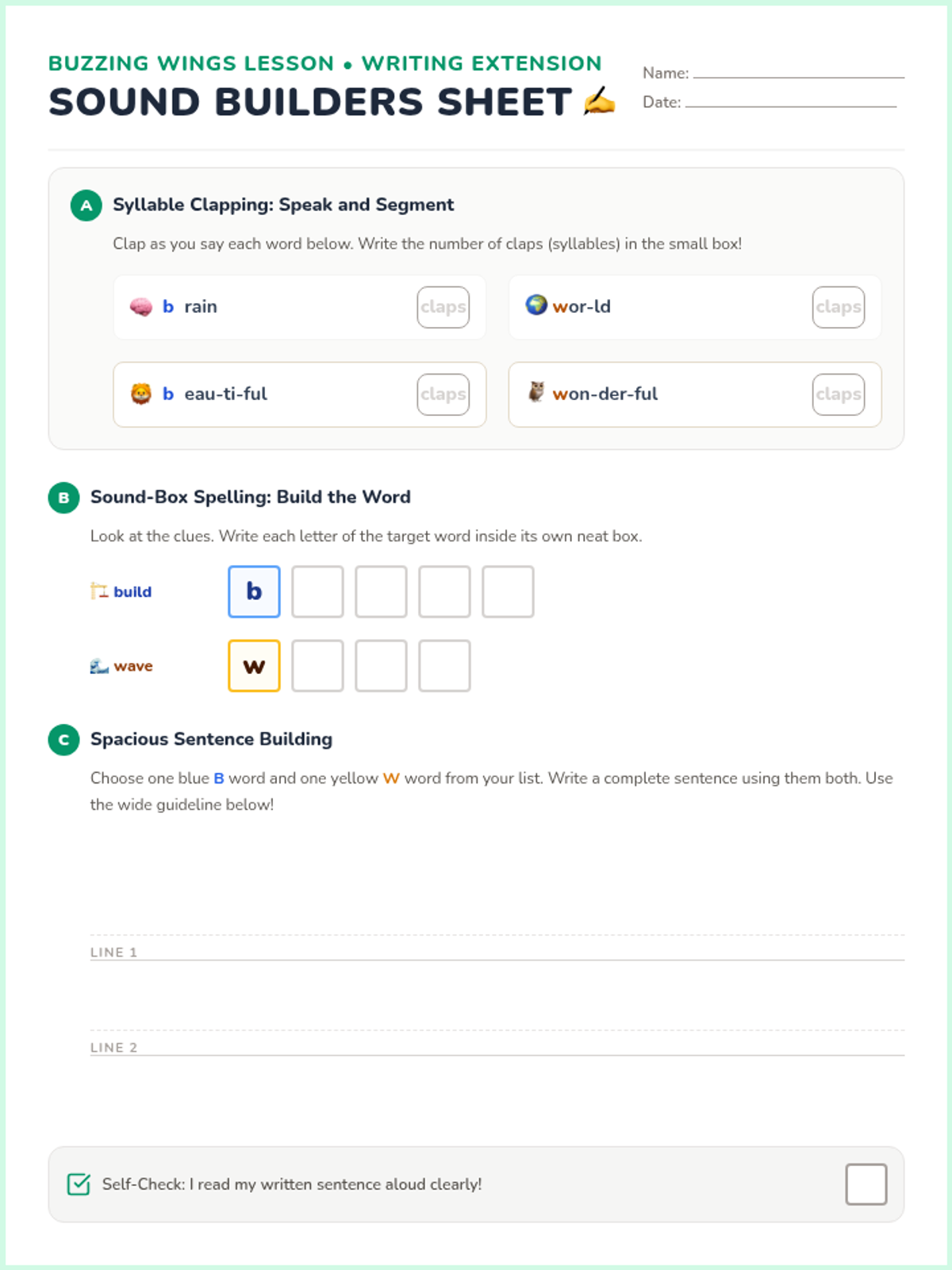
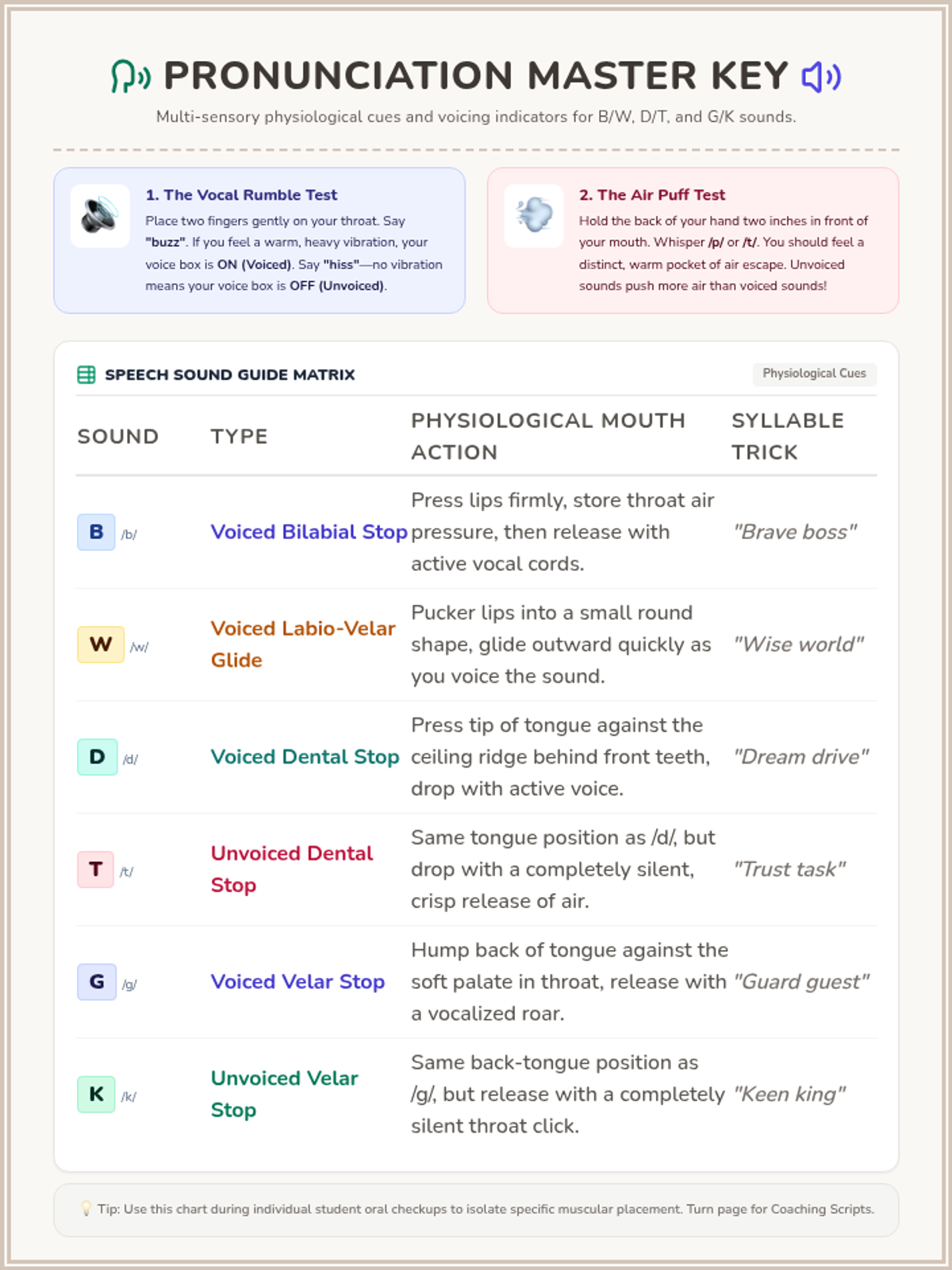
An hour-long structured reading lesson focusing on B and W letter-sound association and common sight words. Designed with dyslexia-friendly spacing, color-coded highlights, and picture scaffolding to support struggling oral readers.
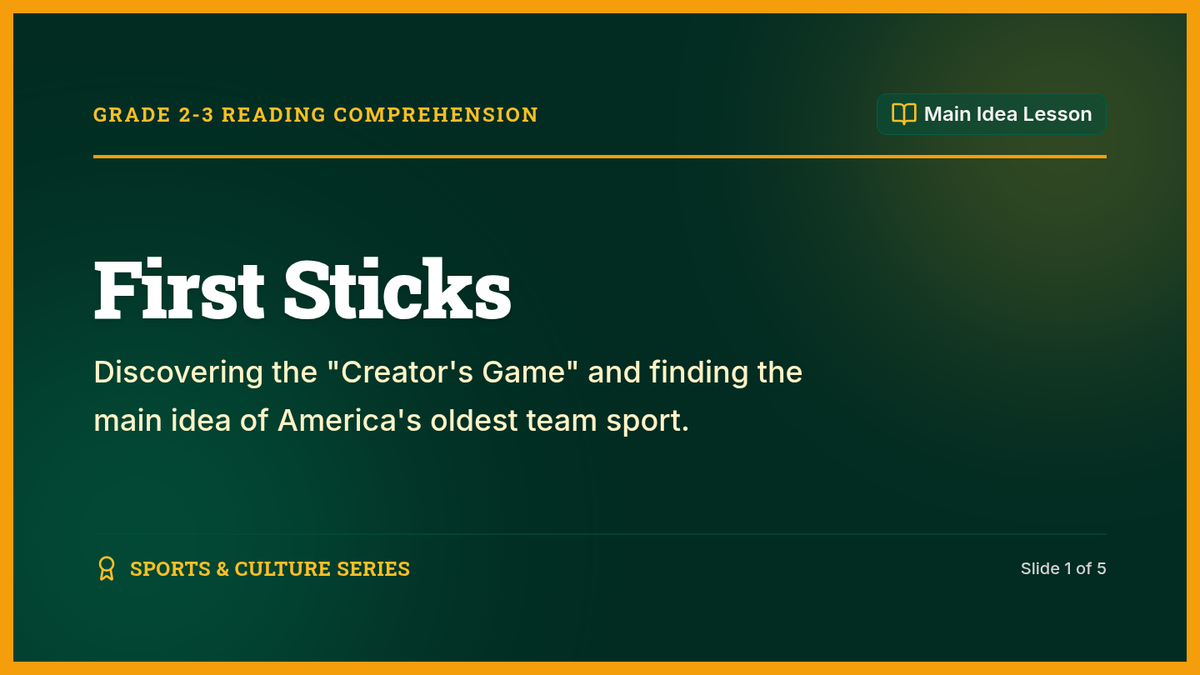
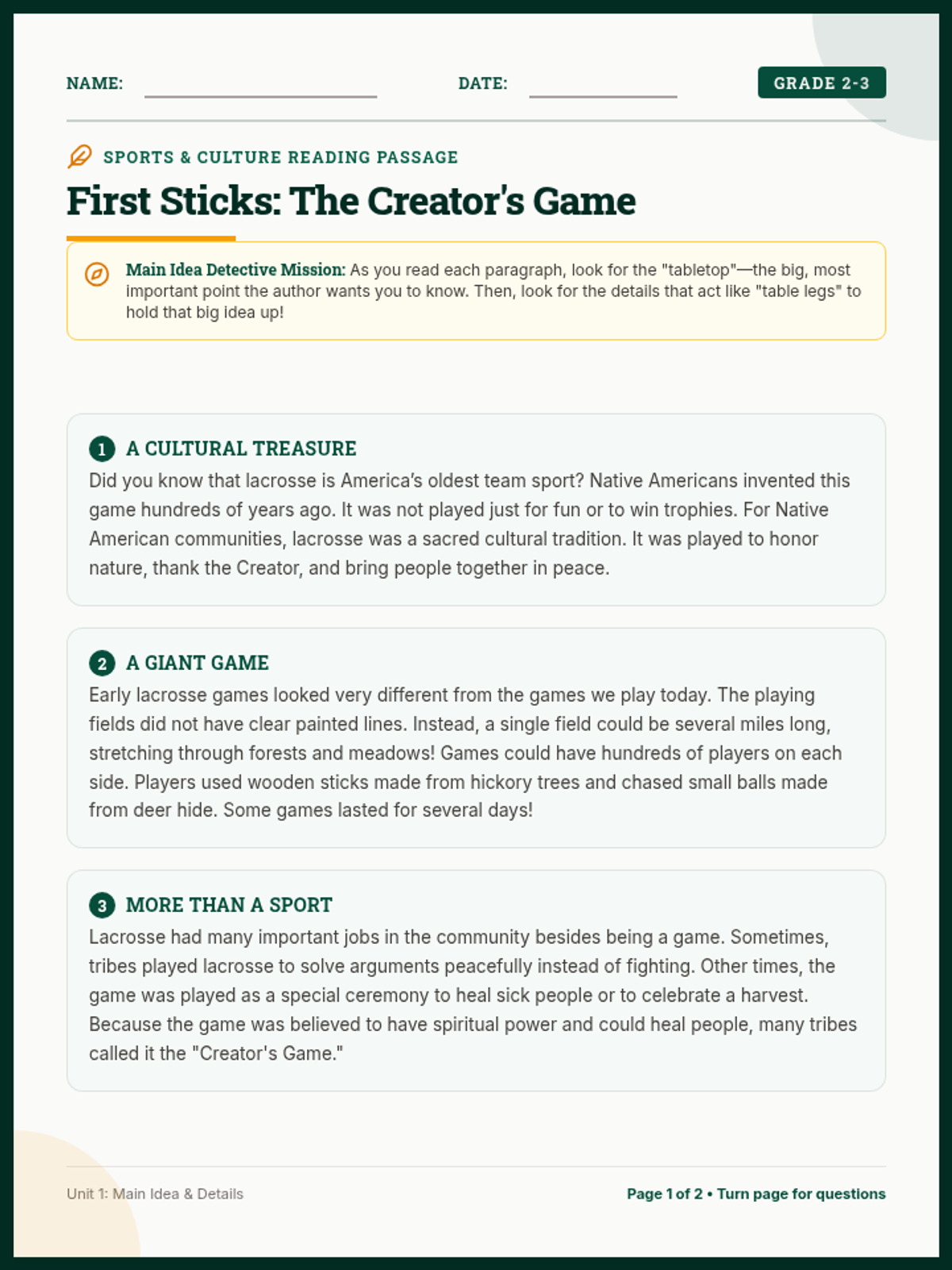
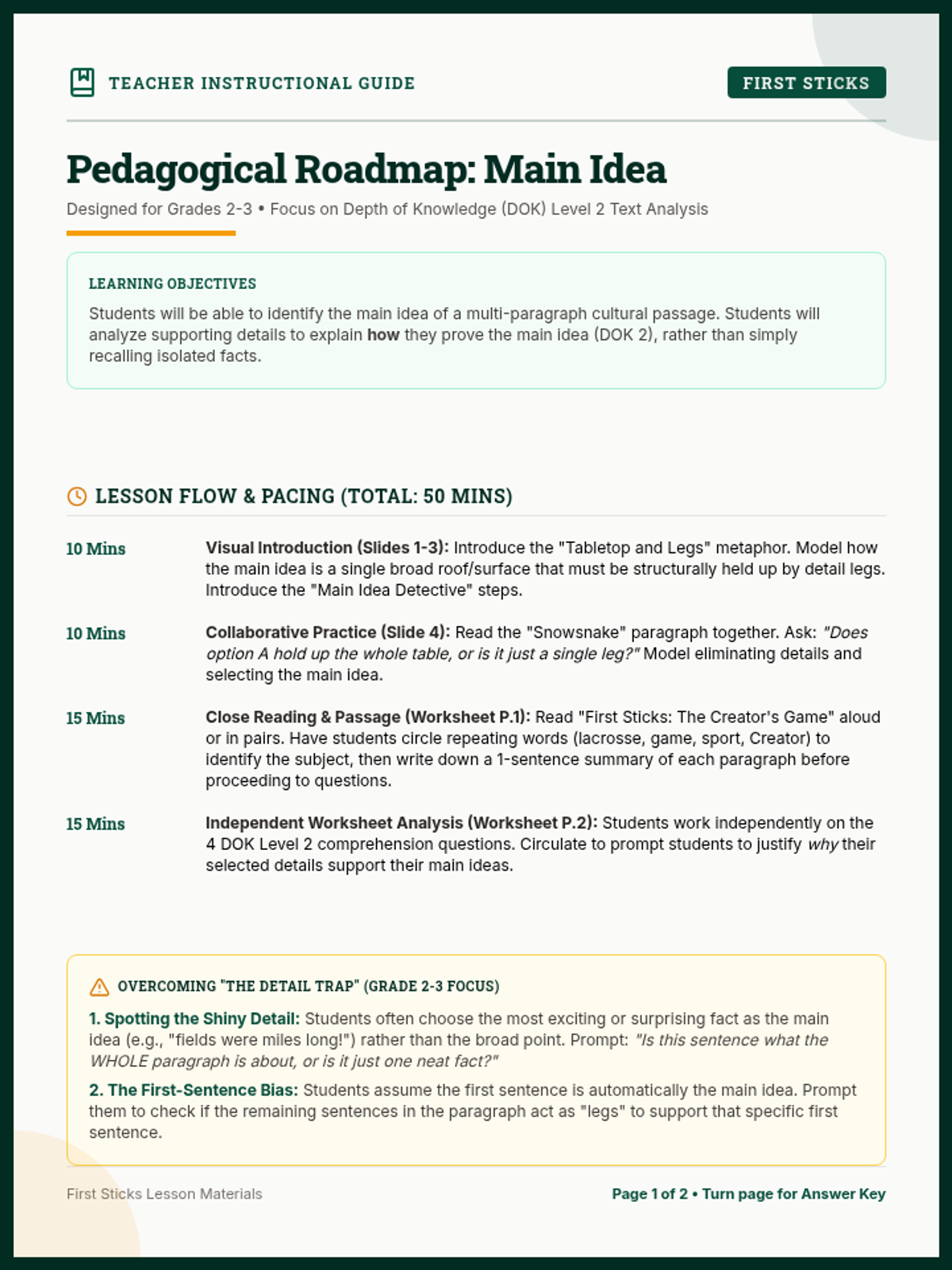
A reading comprehension lesson for Grades 2-3 focusing on finding the main idea and supporting details. Students explore the cultural history of lacrosse, known as the 'Creator's Game,' through a structured passage, hands-on slides, and DOK Level 2 analysis.
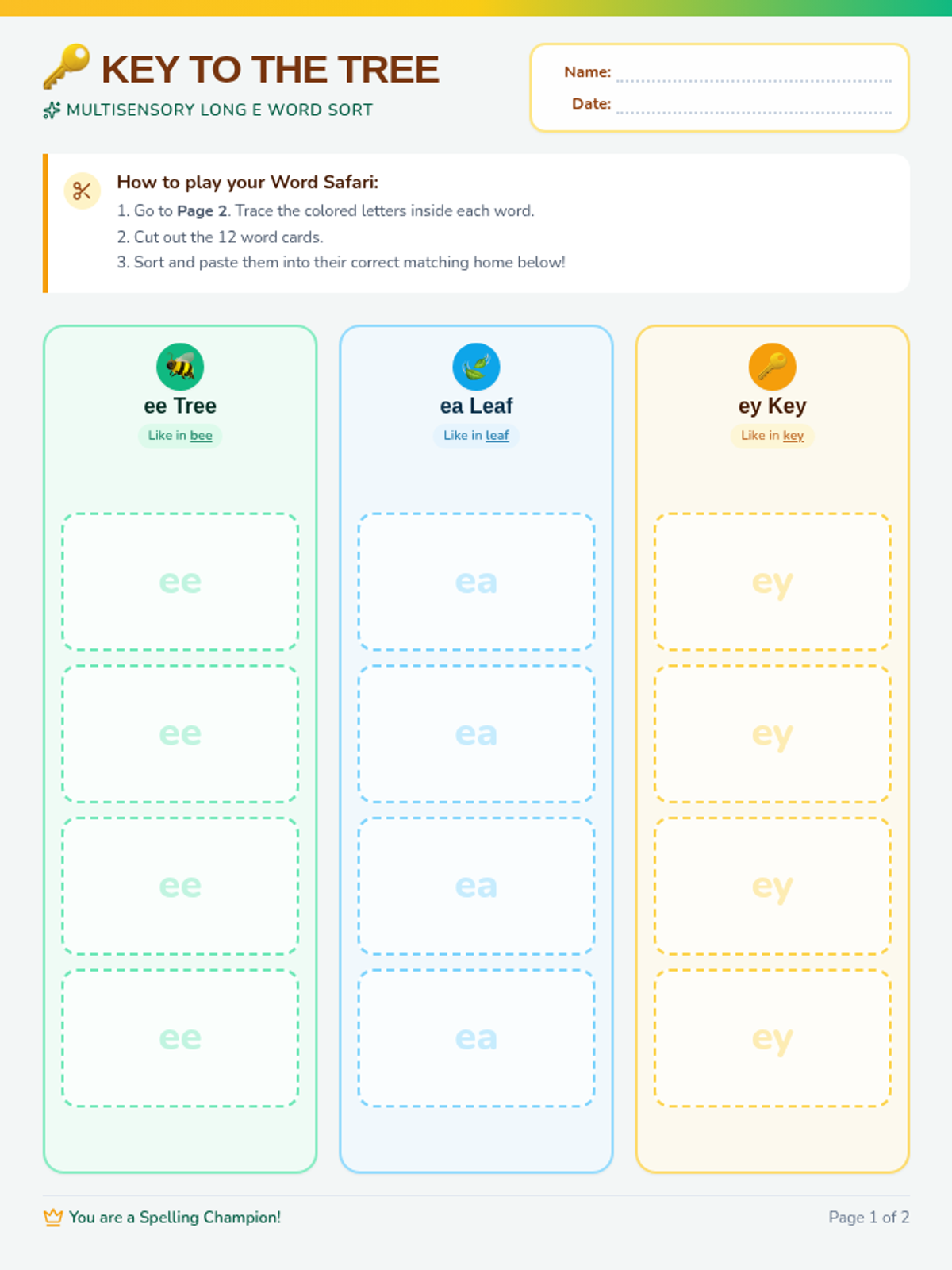
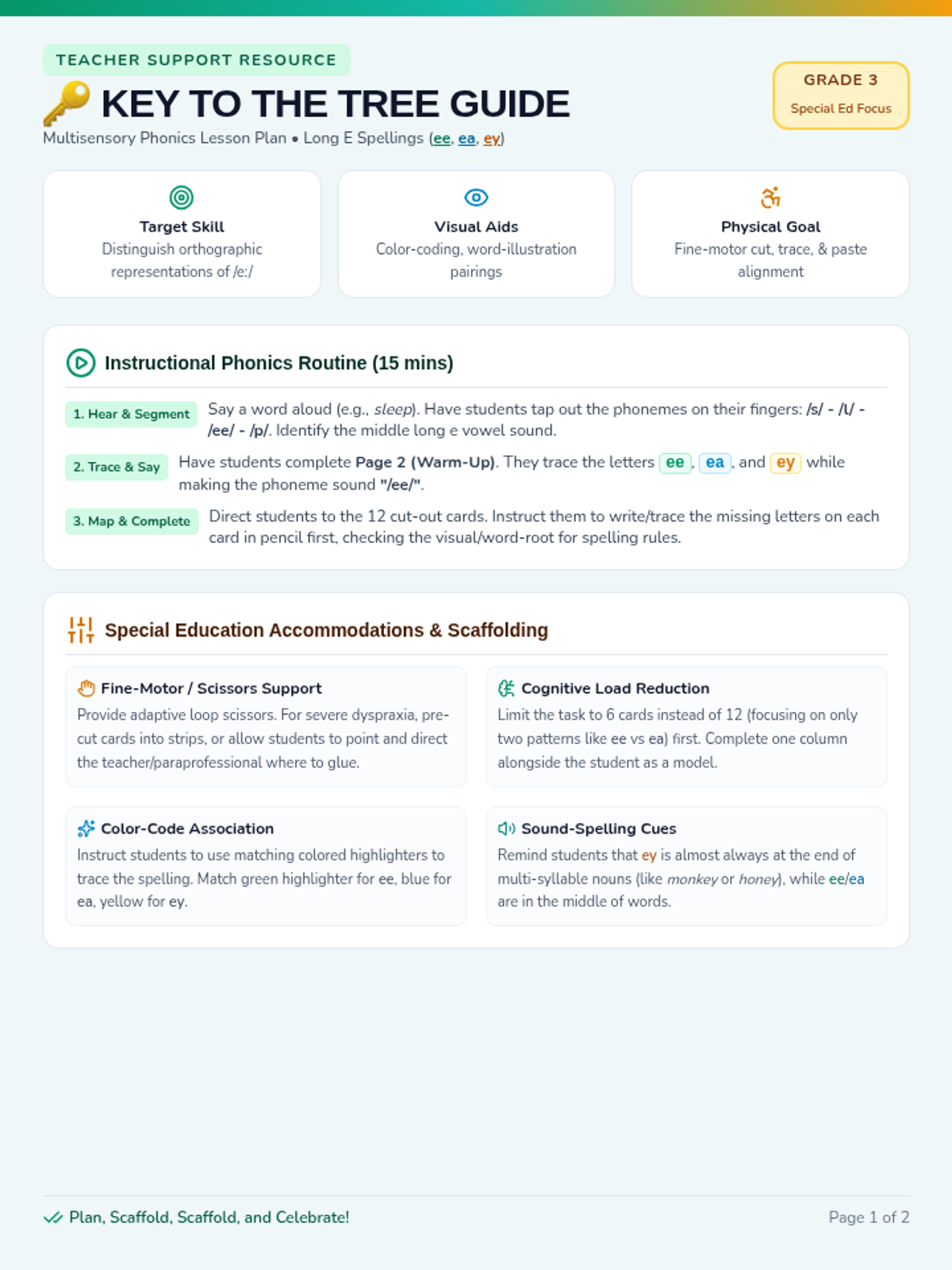
A spelling lesson focusing on long e spelling patterns (ey, ee, ea) designed for third-grade special education students with multisensory, hands-on activities, color-coded word cards for cutting, and structured pasting boards.