A neuroscience and music appreciation lesson where students explore how the brain reacts to patterns, expectations, and resolution in music through the 'Brain DJ' mapping activity.
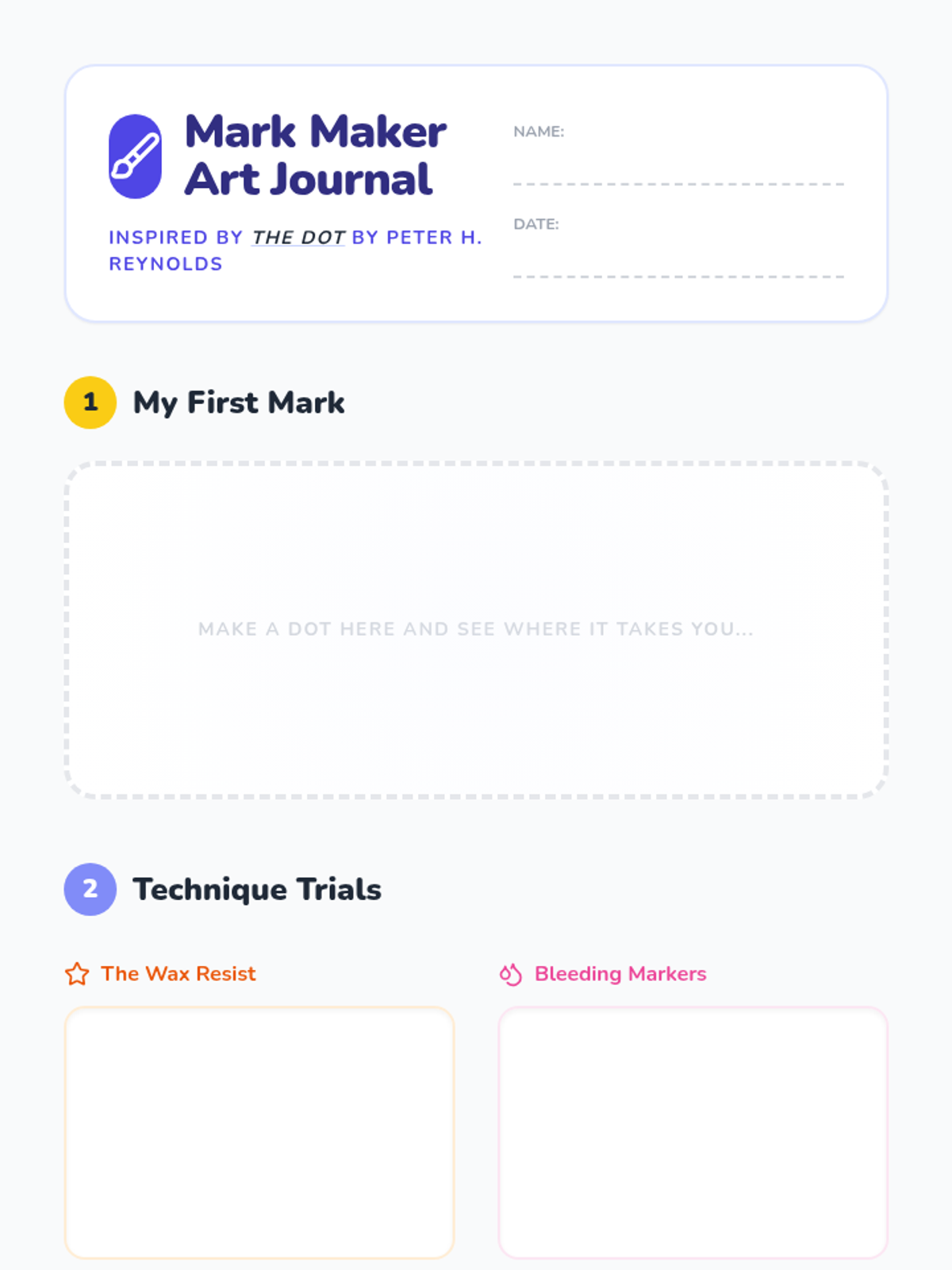
A vibrant art lesson for 4th-5th graders exploring primary colors through the lens of a 'Color Lab', featuring the work of Piet Mondrian and hands-on mixing experiments.
A block-building music lesson where students 'craft' rhythms, 'survive' rapid direction changes, and explore Orff percussion through a pixelated world theme. Includes singing, dancing, and body percussion activities.
A high-energy, low-pressure 15-minute music lesson designed to engage disengaged students and build vocal confidence through rhythm and stealth games. This lesson moves from non-verbal rhythmic games to collective vocalizing to bypass the fear of singing.
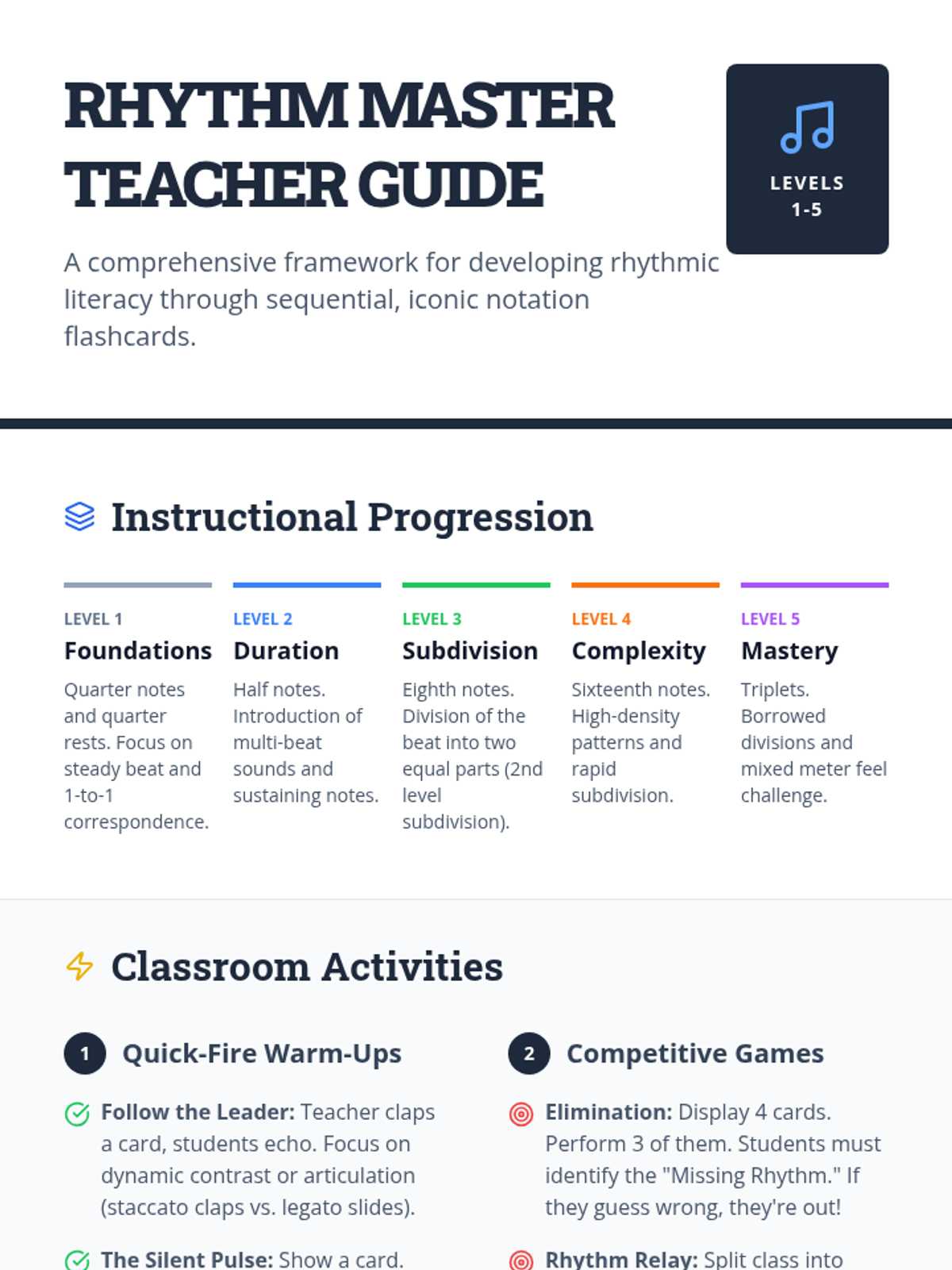
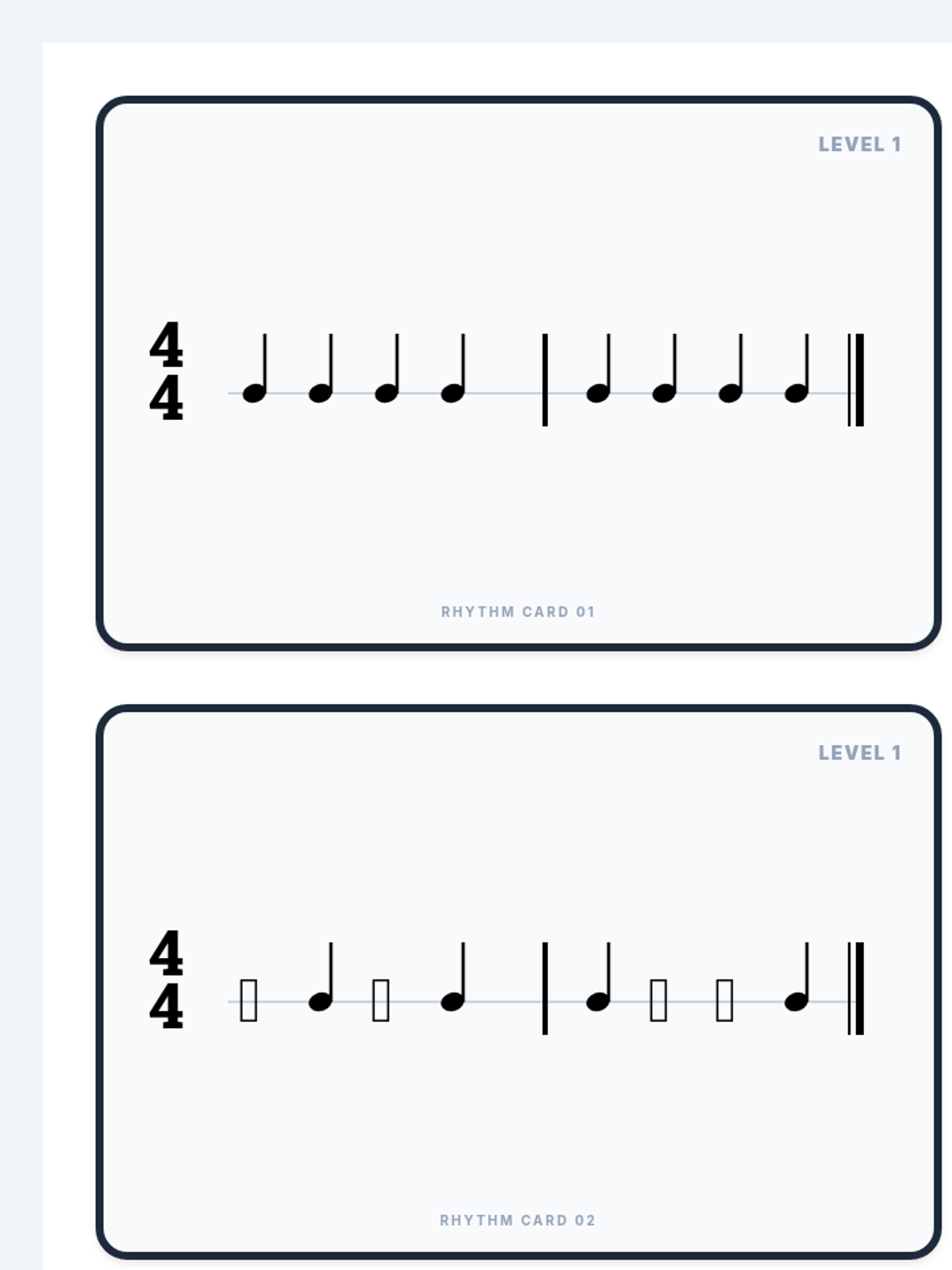
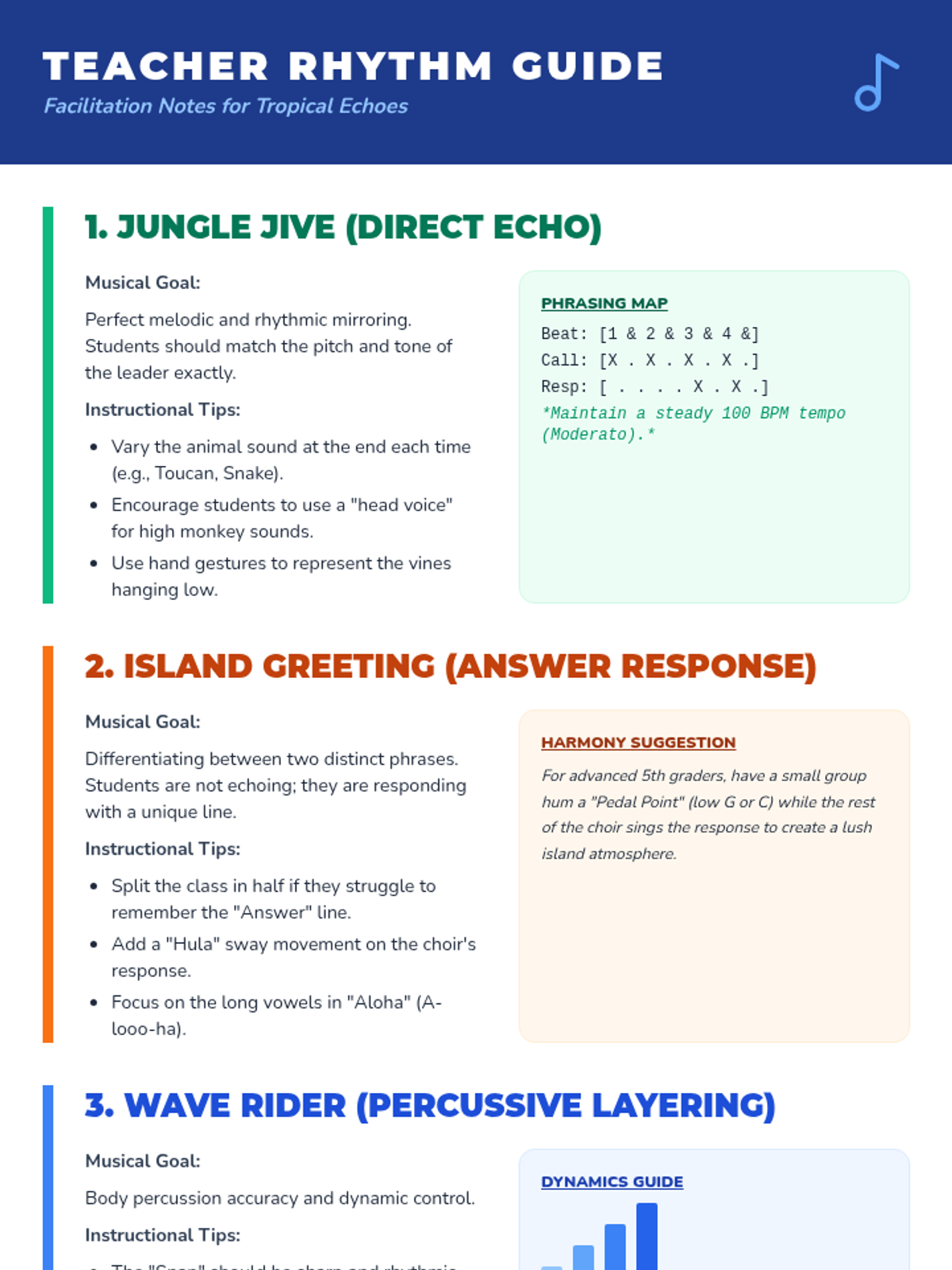
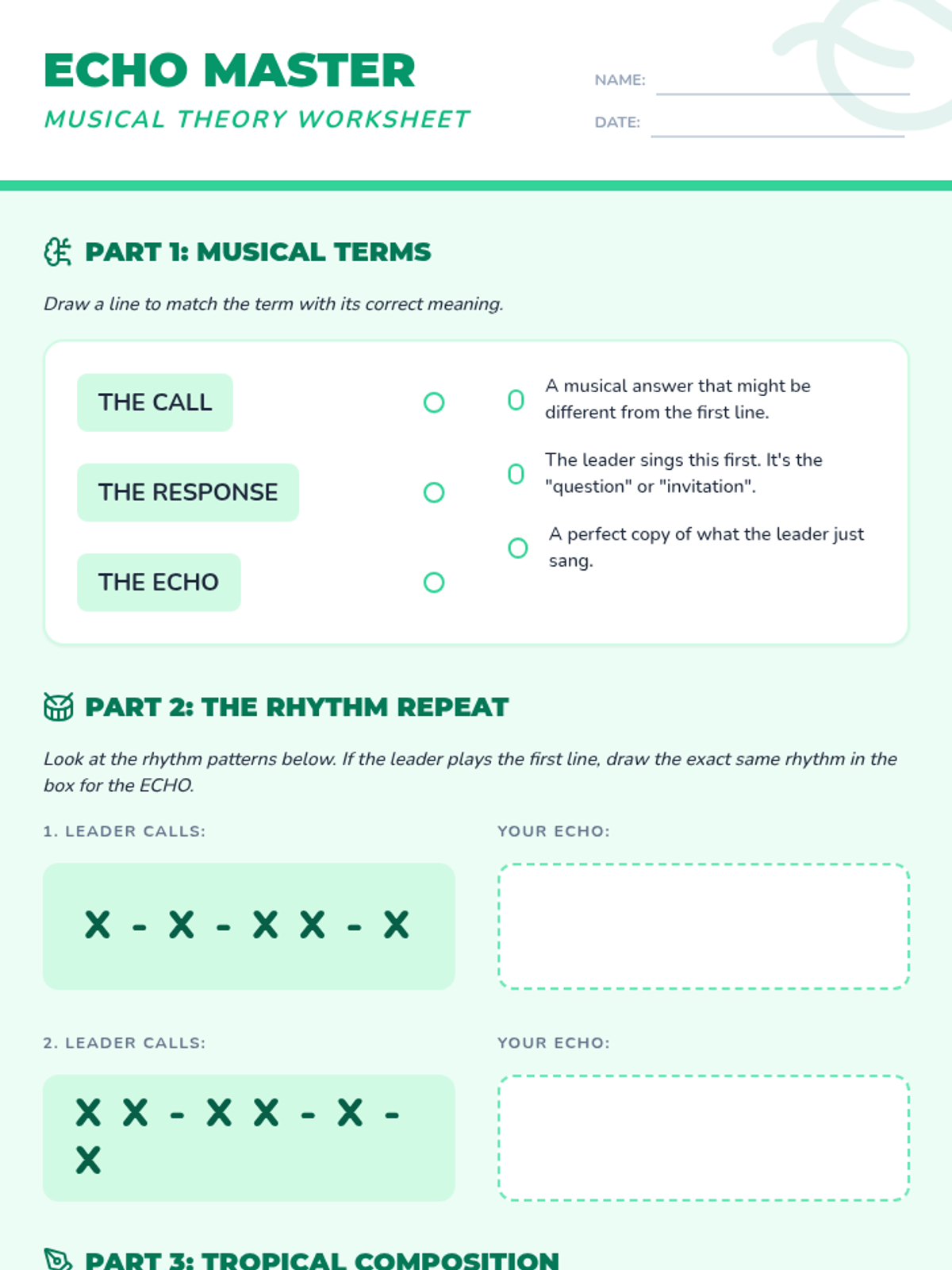
A high-energy rhythm lesson for 3rd graders exploring quarter notes, eighth notes, and rests through a jungle safari theme. Students learn to read, perform, and compose rhythms using animal-inspired movements and percussion.
A short, impactful drama lesson centered around a school assembly script about Ruby Bridges. Students explore themes of bravery and segregation through performance, visual storytelling, and personal reflection.
A 45-minute exploration of how Valentine's Day art has evolved from medieval manuscripts to modern pop art, followed by a creative design activity.
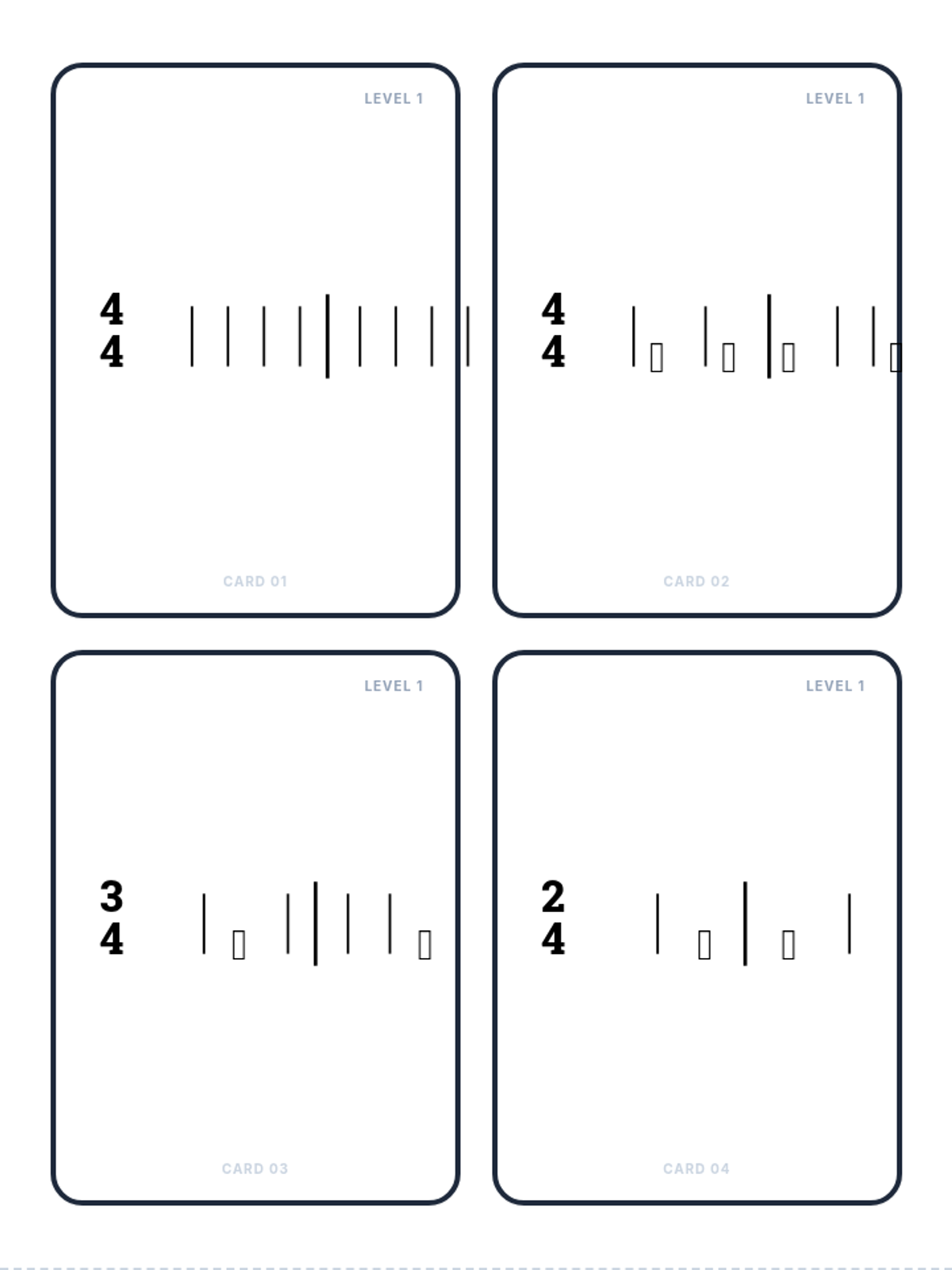
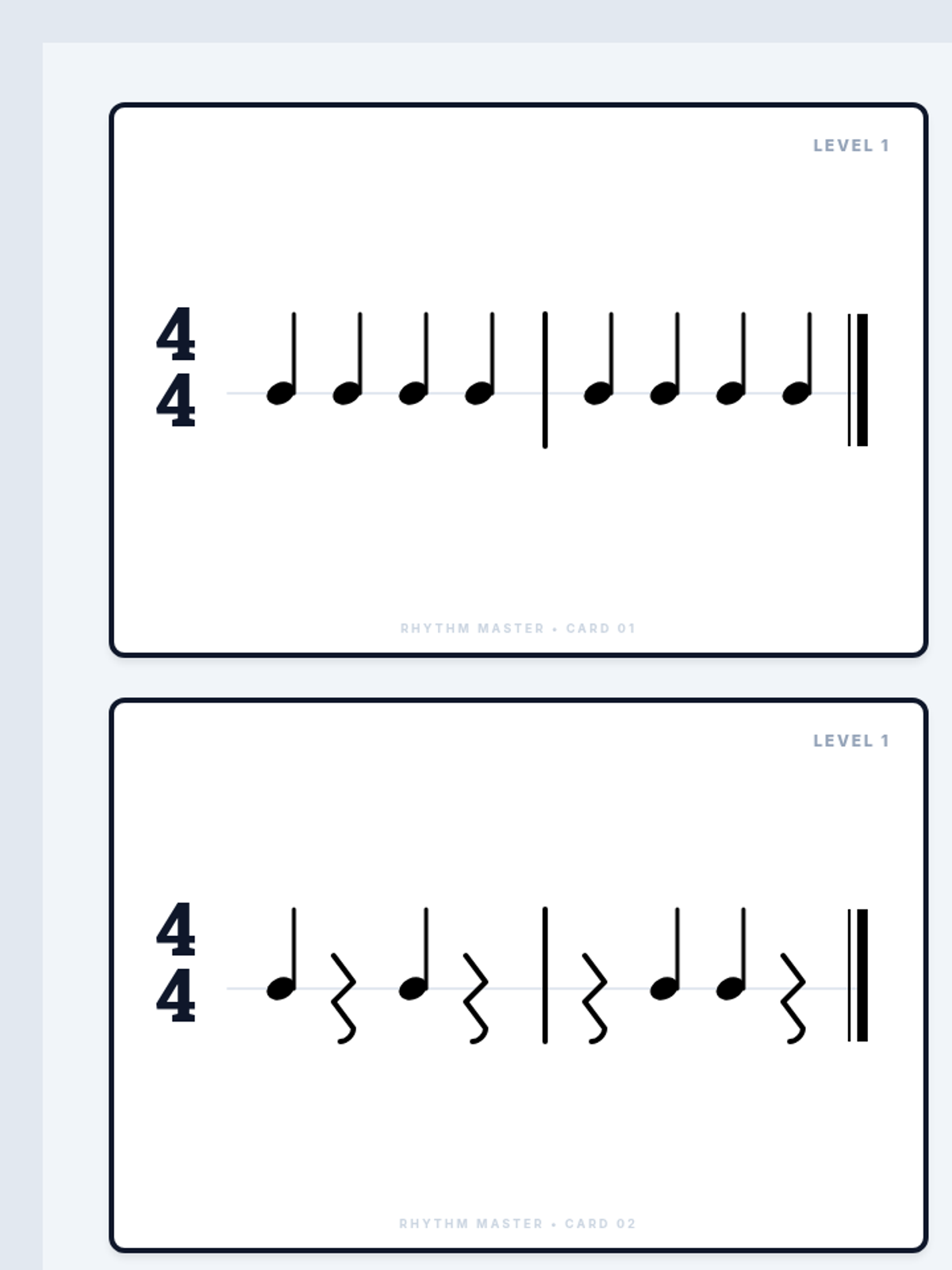
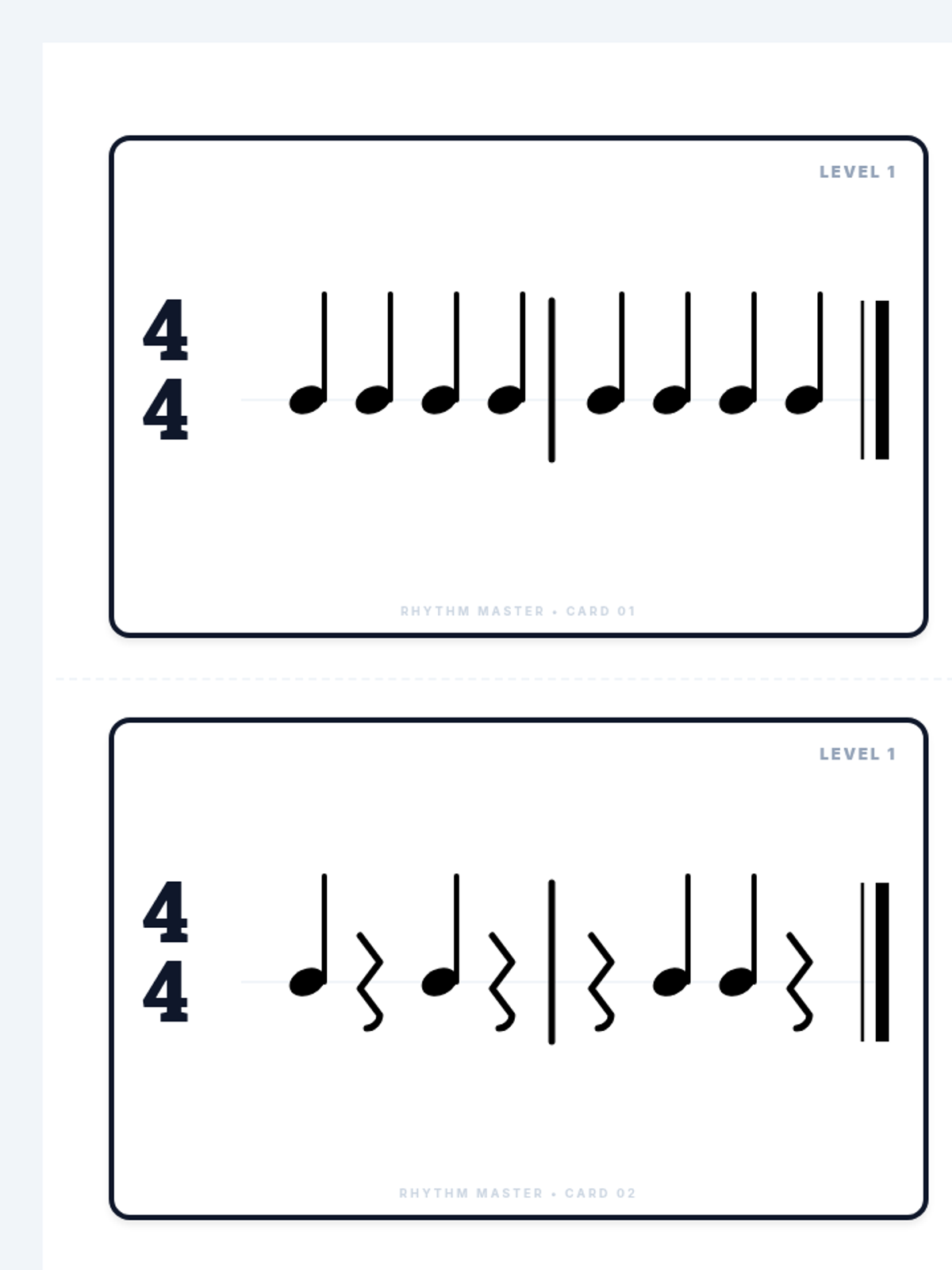
An interactive, game-based lesson where students use body percussion to perform quarter notes, eighth notes, and quarter rests at varying tempos.
A comprehensive lesson on the art of storyboarding for short videos, teaching students how to translate their creative visions into structured visual plans. Students will learn the key elements of a storyboard and practice planning their own video production.
Students will explore the iconic art and architecture of Southwestern Europe, specifically focusing on France, Italy, and Spain. They will analyze the significance of landmarks like the Mona Lisa and the Colosseum before creating a historical postcard to demonstrate their understanding of the region's cultural heritage.
Students explore the history and technique of Roman and Byzantine mosaics, culminating in the creation of a modern icon using paper tesserae. The lesson connects ancient preservation methods to modern visual communication.
Students will explore the historical setting of Independence Hall through art, focusing on the visual details of the Assembly Room as depicted in the video 'The Declaration of Independence for Kids.' They will apply their observations to create a detailed drawing or diorama of the signing event.
A cross-curricular Art and Science lesson where students explore visual textures and patterns of dangerous marine animals through video observation, texture rubbings, and collage creation.
A music and science integration lesson where students analyze animal classifications and write their own verses for the 'Animal Song' using AABB rhyme schemes.
Students explore the biological and historical significance of natural pigments through the lens of squid ink, culminating in an art activity using coffee or tea to mimic the classic 'Sepia' color.
A hands-on art and science lesson where students explore the anatomical structures of fungi through clay modeling and painting, using visual references from nature.
A cross-curricular Art and Science lesson where students explore the concept of 'Magnificent Desolation' by creating moonscapes using high-contrast materials after watching Apollo 11 footage.
Students explore the science and art of animation by creating a 13-frame cyclical storyboard that loops seamlessly, inspired by the mechanics of a zoetrope.
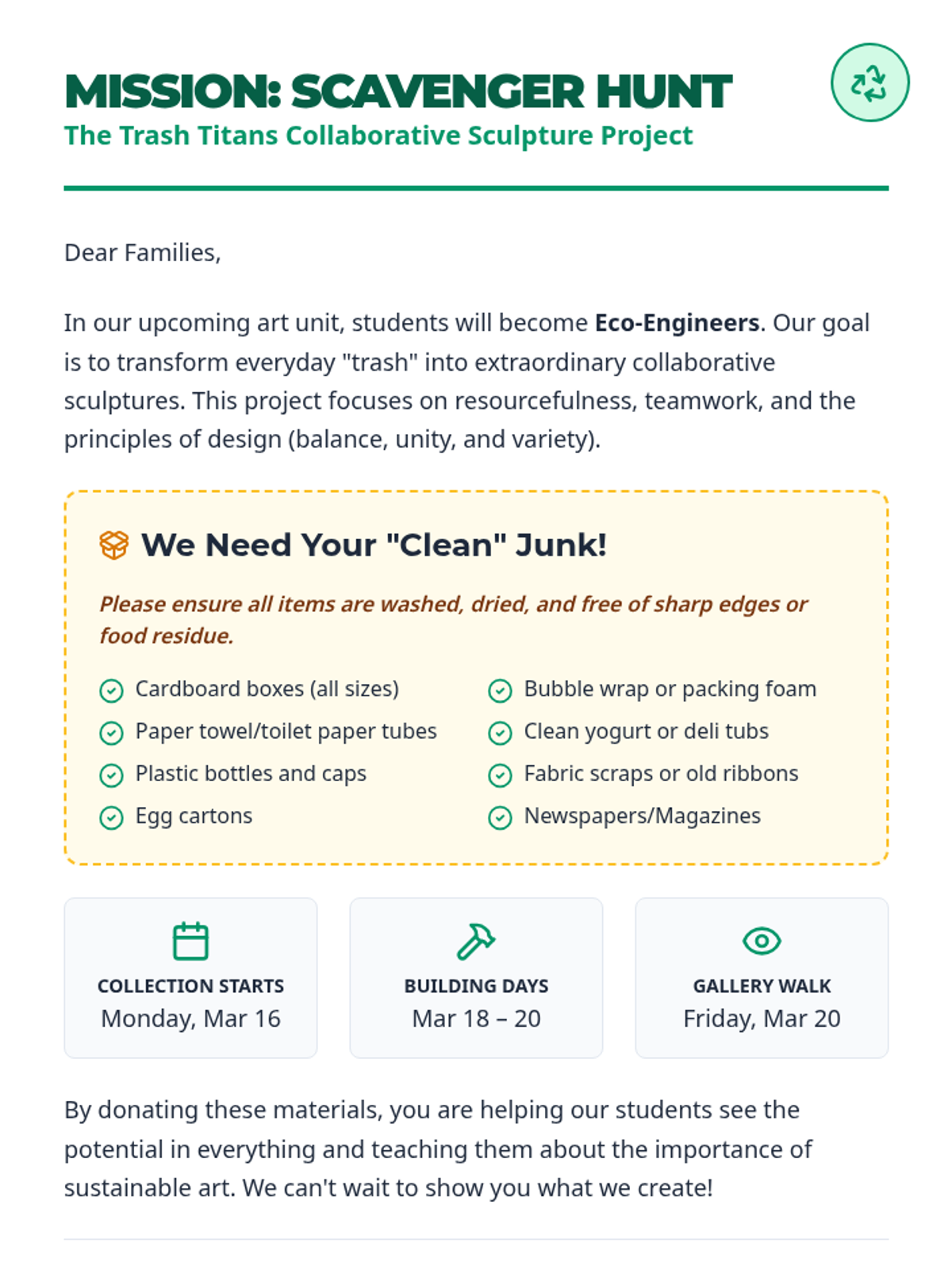
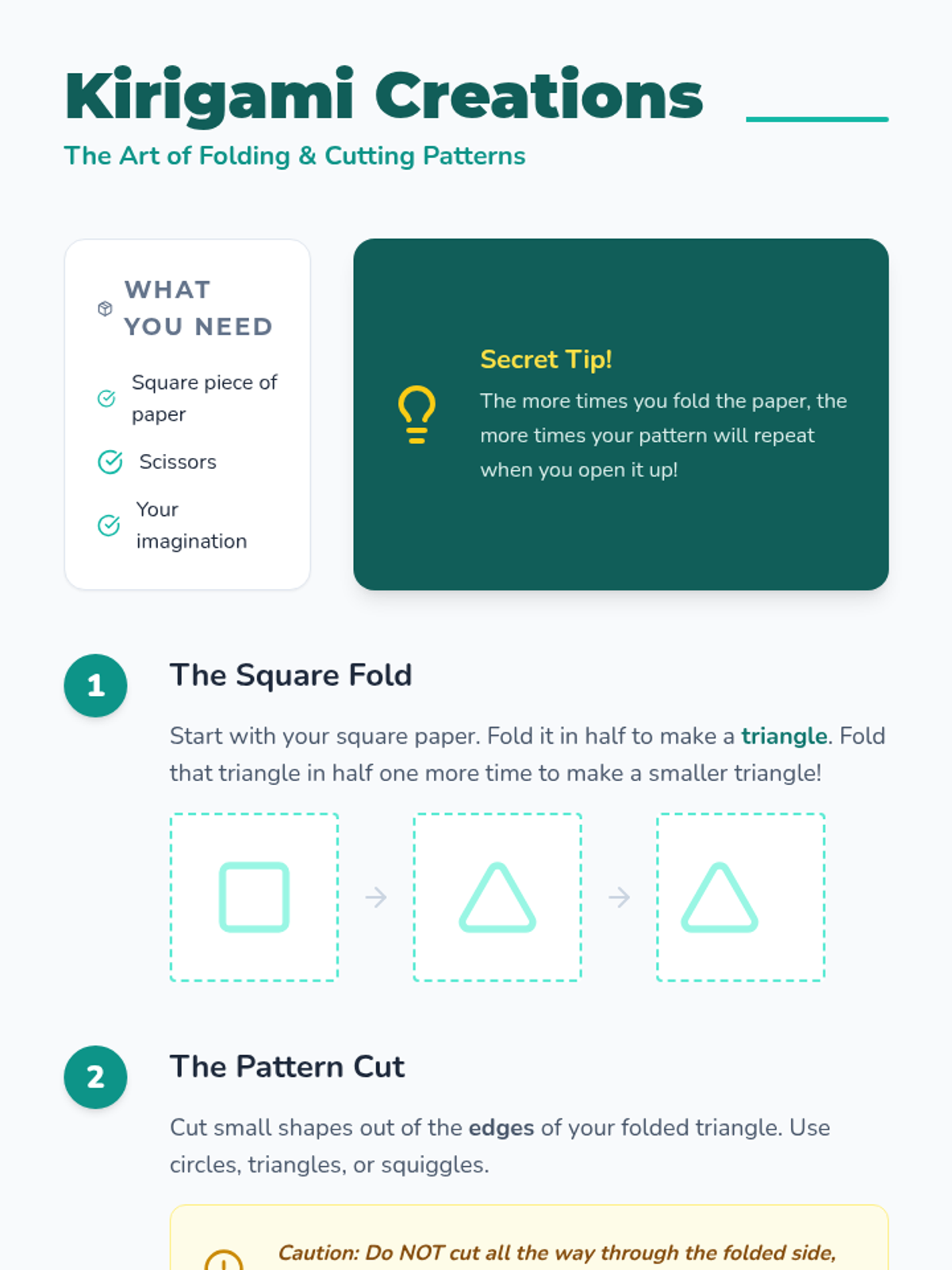
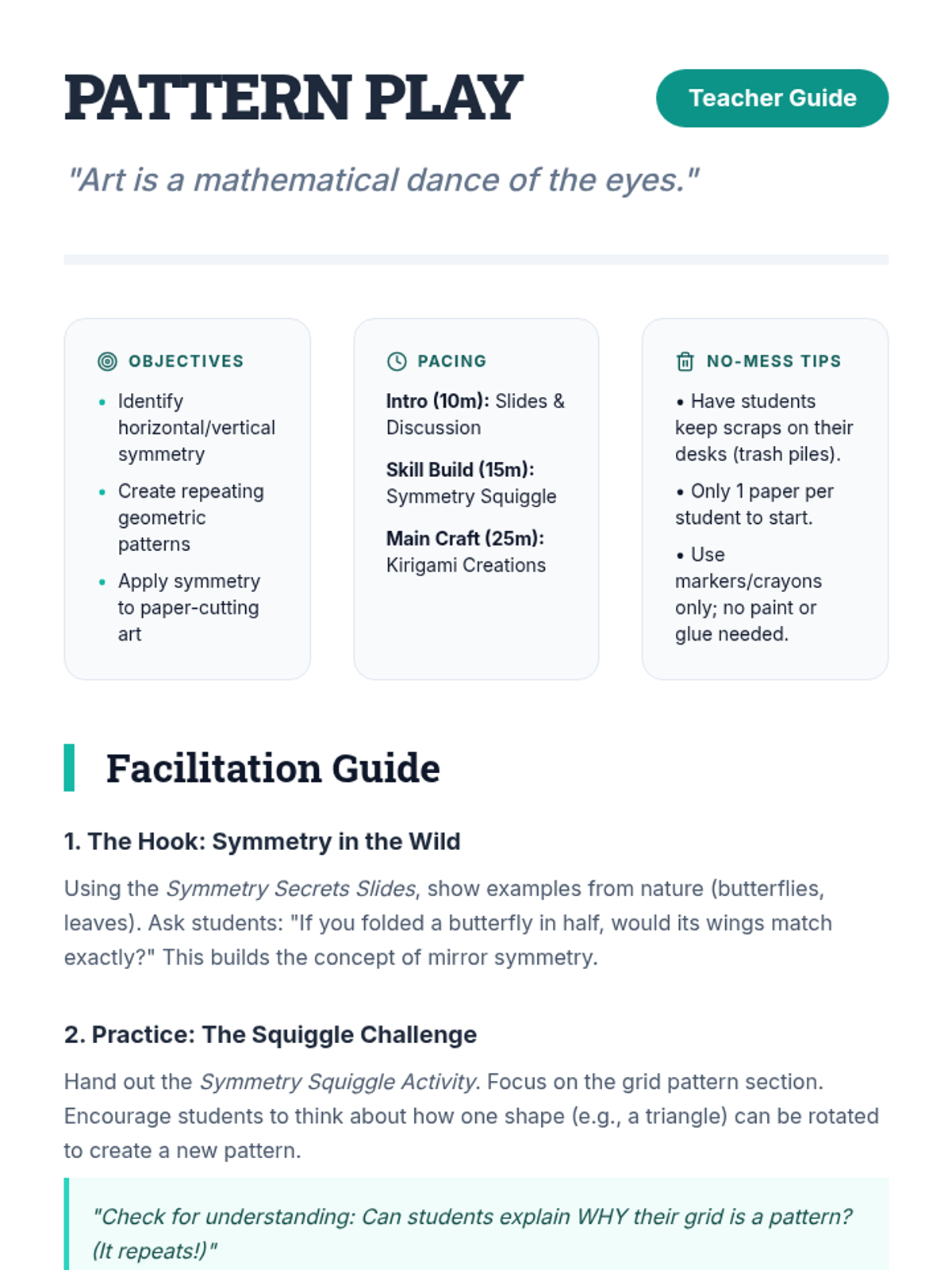
A creative art lesson focused on positive and negative space through the lens of Kirigami snowflake cutting. Students create a dual-image composition using both their snowflake and the leftover scraps to explore spatial relationships.
A music lesson where students compose and perform a new verse for 'Going Green Song' about environmental issues in their own school.
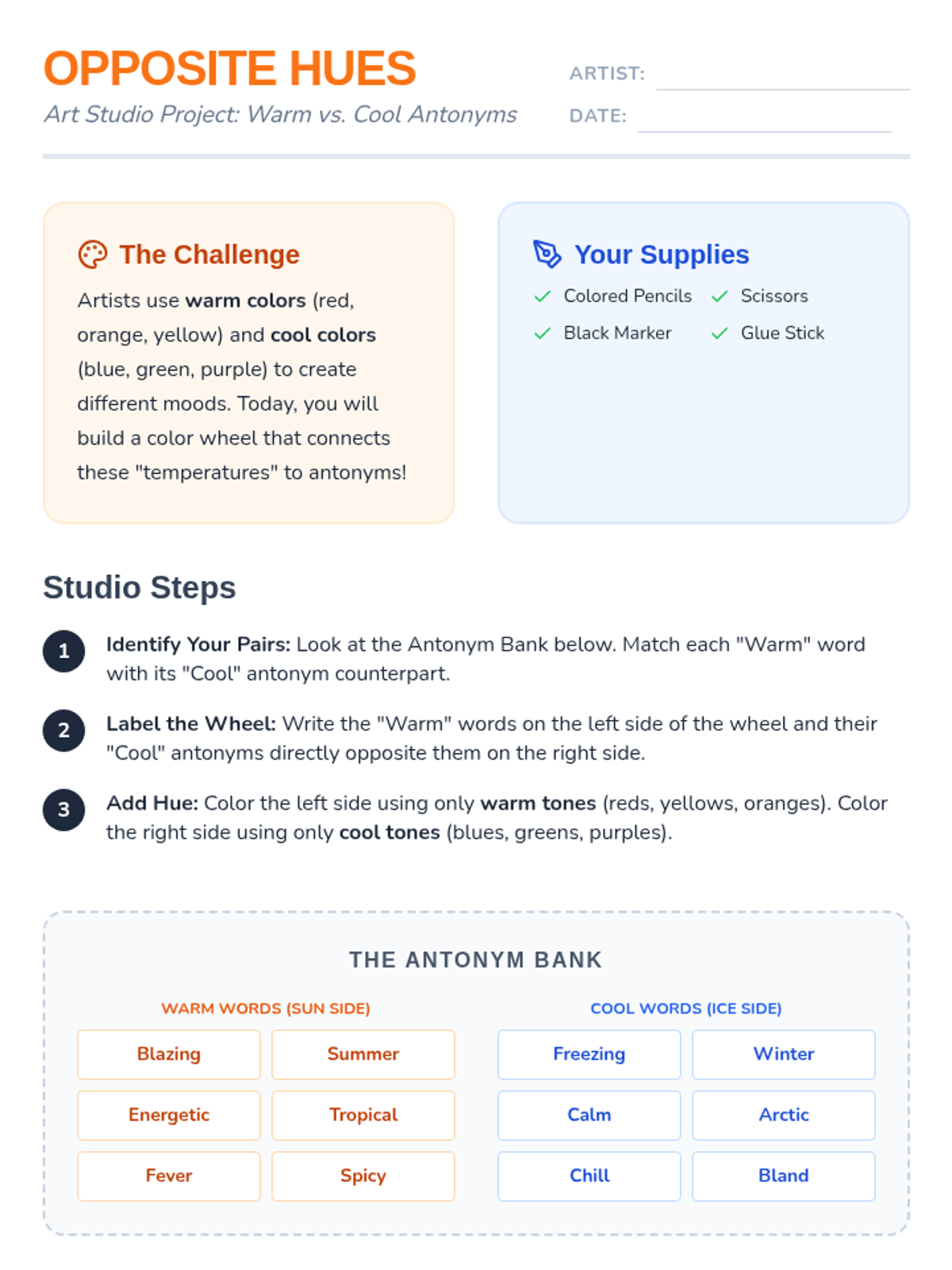
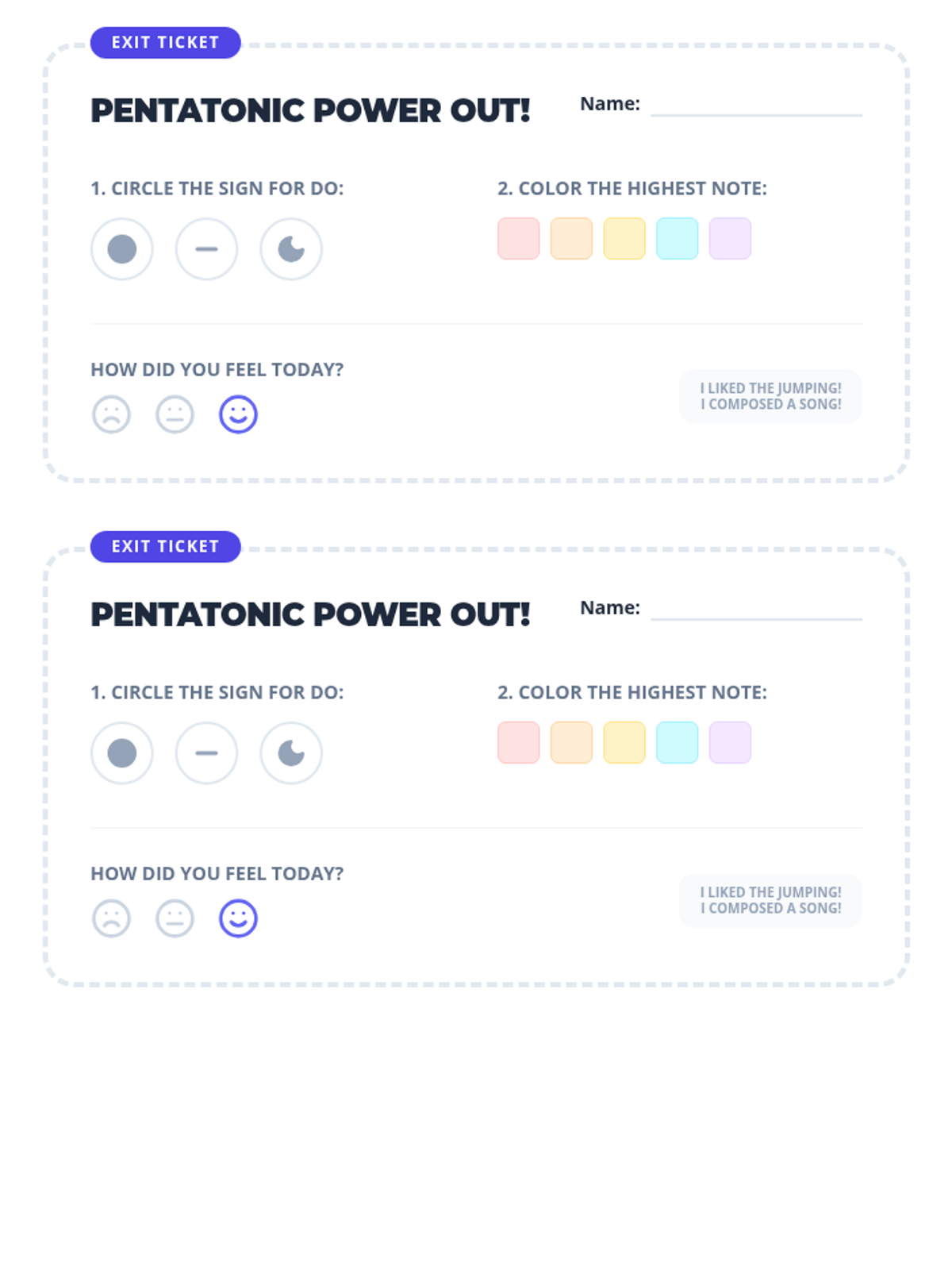
A music theory lesson for 3rd and 4th graders focused on identifying the 'tonic' (the home note) and understanding the concept of musical resolution using patterns and expectations.
Students explore how the brain uses patterns and expectations to process music, learning about the 'tonic' and 'resolution' through a rhythmic composition game.
A music and literacy lesson where elementary students learn about musical resolution by connecting it to narrative arcs in stories. Students will use the concept of the 'tonic' note to create soundscapes for specific story prompts.
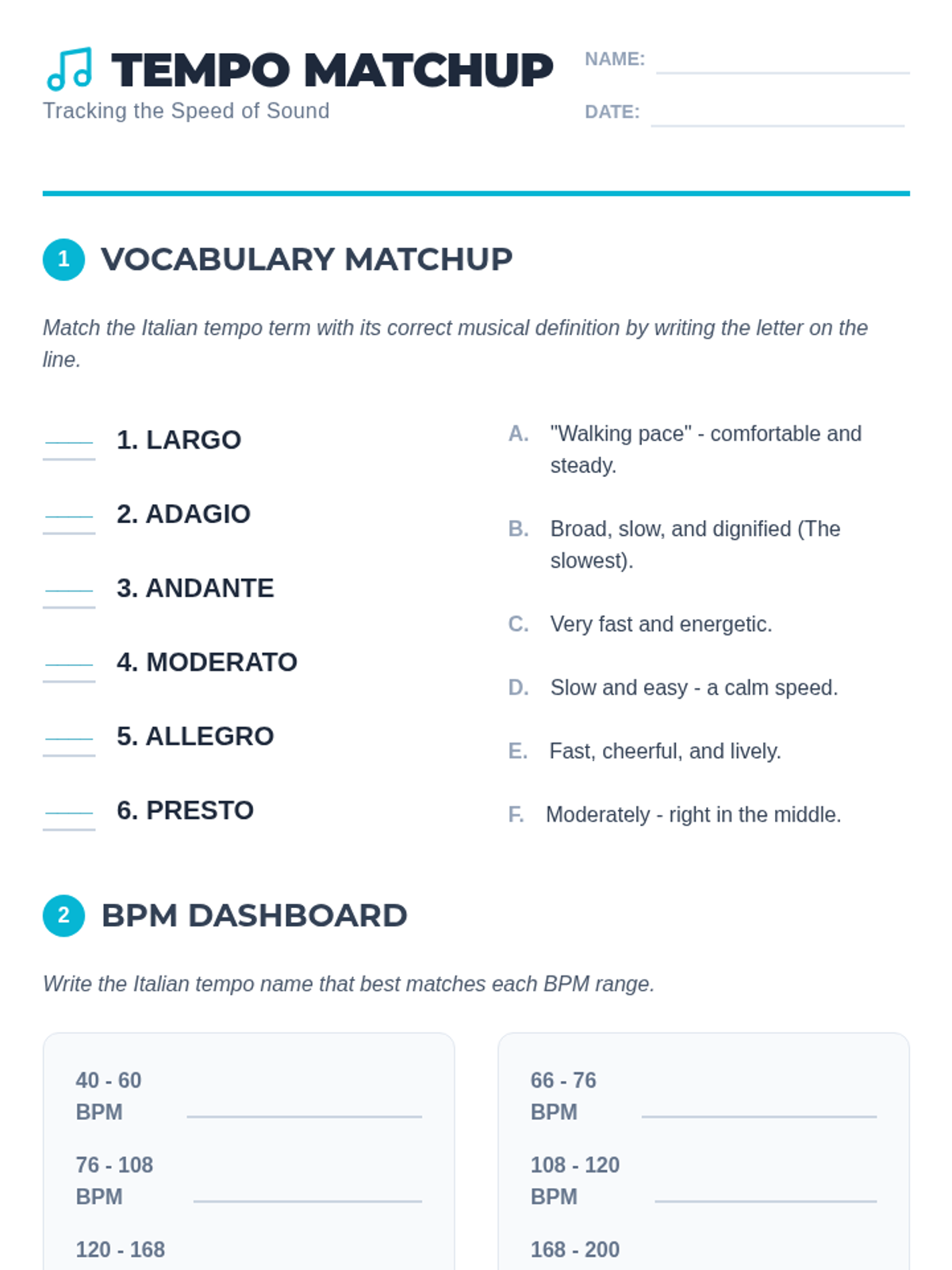
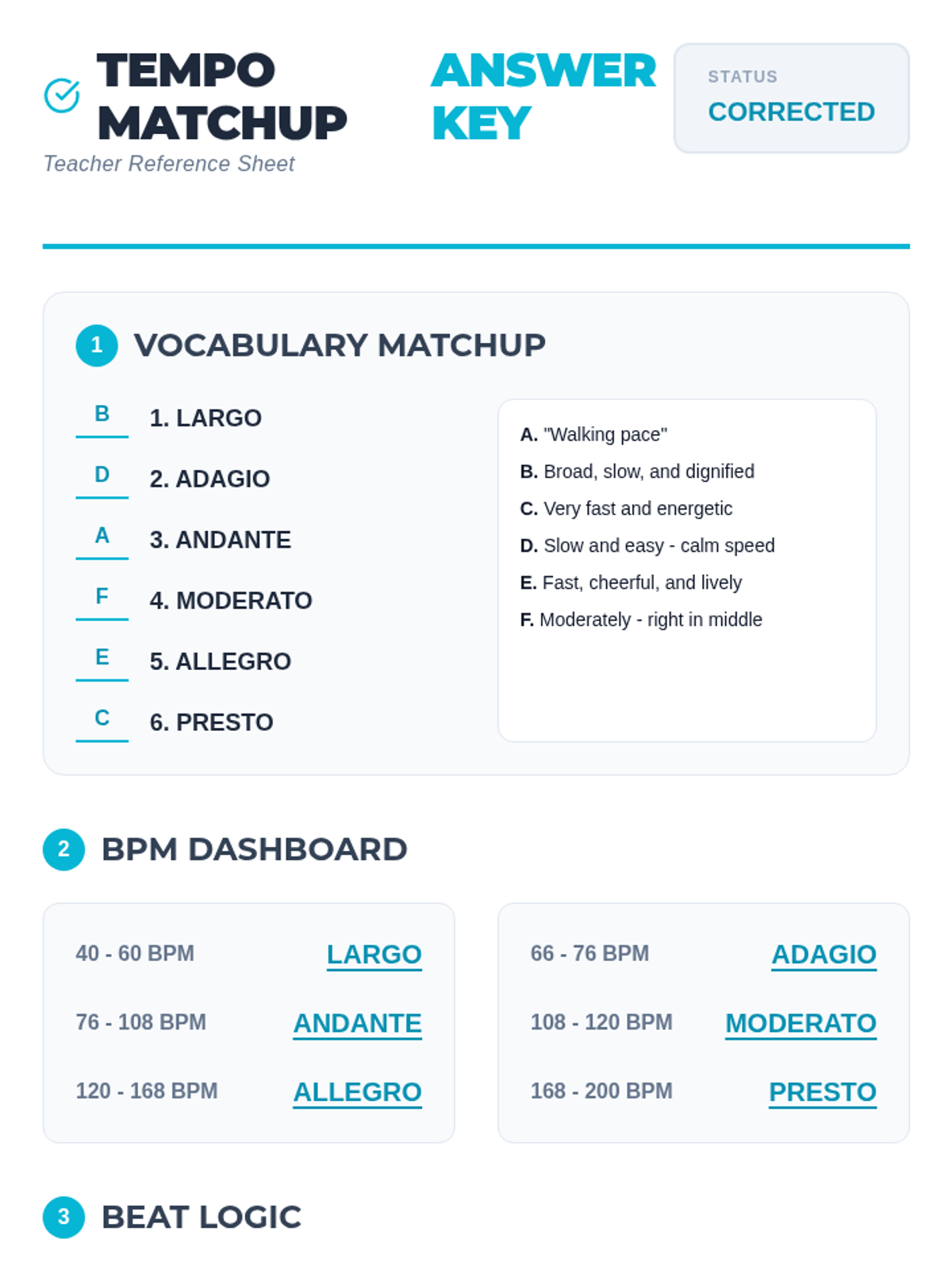
Students explore the concept of tempo and rhythm through a catchy song about the solar system, using rhythm sticks to match shifting speeds.
A fun, interactive music lesson where students use a balloon analogy to understand how vocal folds create different pitches and how breath control changes volume. Includes a slide presentation, a comprehensive teacher guide, and a student activity sheet.
An art and science integration lesson where students explore the Aurora Borealis through scientific inquiry and chalk pastel landscapes. Students learn about Earth's magnetic field and solar particles before recreating the shimmering sky.
An integrated Art and Science lesson for 2nd-4th grade focusing on bioluminescence and high-contrast art. Students explore the 'Midnight Zone' of the ocean through the lens of the Anglerfish, culminating in a scratch-art activity that mimics the glowing lure against a dark background.
Students explore how physical action and decisions drive story and reveal character traits without using words, featuring a 'Silent Scenes' activity and a video analysis.
A lesson where students explore visual storytelling techniques by analyzing camera angles and comic 'gutters' through video analysis and creative production.