Students explore the interaction between the geosphere and biosphere by calculating temperature drops at various altitudes on Mount Kilimanjaro, linking mathematics (rates and negative numbers) with atmospheric science.
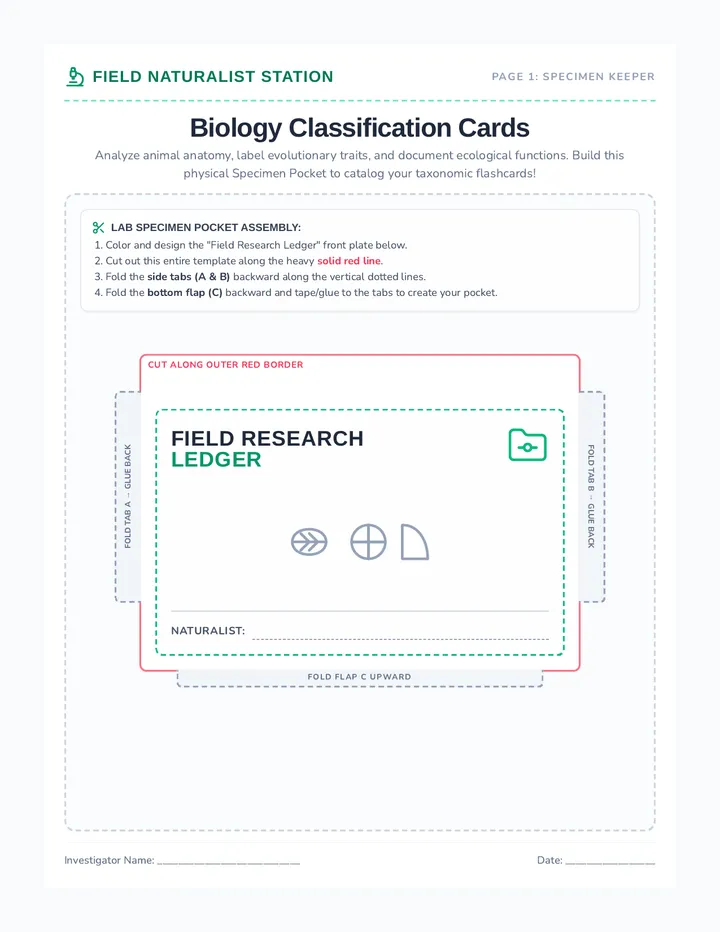
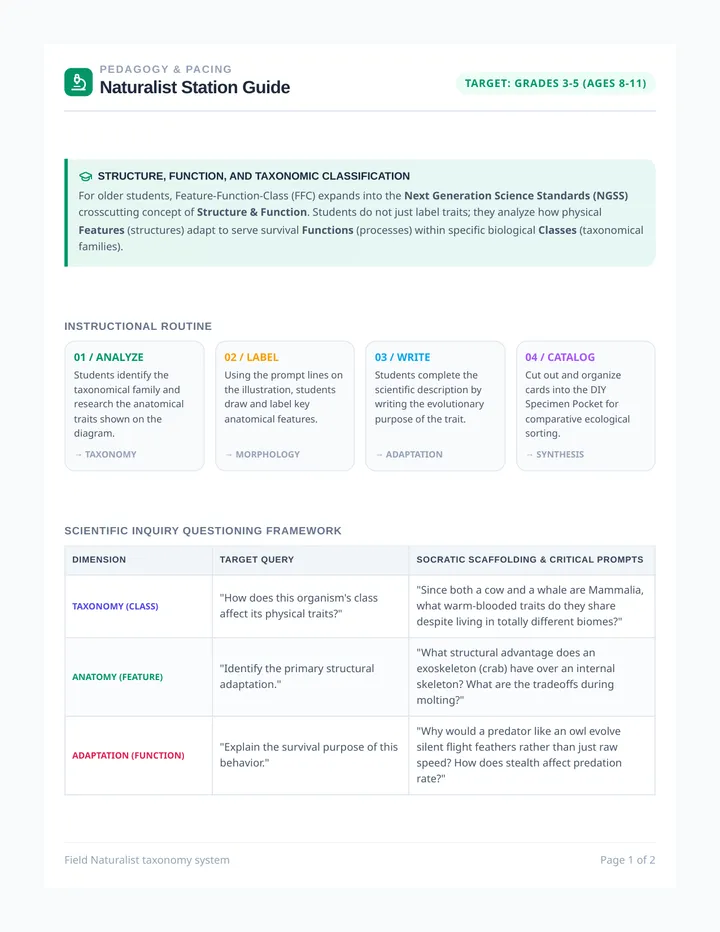
A comprehensive lesson on structural and behavioral adaptations across various biomes, including specialized survival strategies like hibernation, migration, camouflage, and mimicry.
An introductory exploration of Earth's diverse biomes, focusing on the ocean, rainforest, and grassland ecosystems. Students learn to identify key characteristics and express personal preferences based on ecological traits.
A foundational lesson exploring how energy moves through ecosystems, focusing on trophic levels, the 10% rule, and the complex connections in terrestrial and aquatic food webs.
Teachers learn to break complex tasks into smaller, manageable steps using classroom routines and Iowa Core standards as examples.
A creative project where students design and build a 3D biome model in a box, then document their scientific findings.
Students explore the essential methods of purifying water through hands-on experimentation. They will learn the roles of physical filtration and phase changes (evaporation) in removing contaminants from water samples.
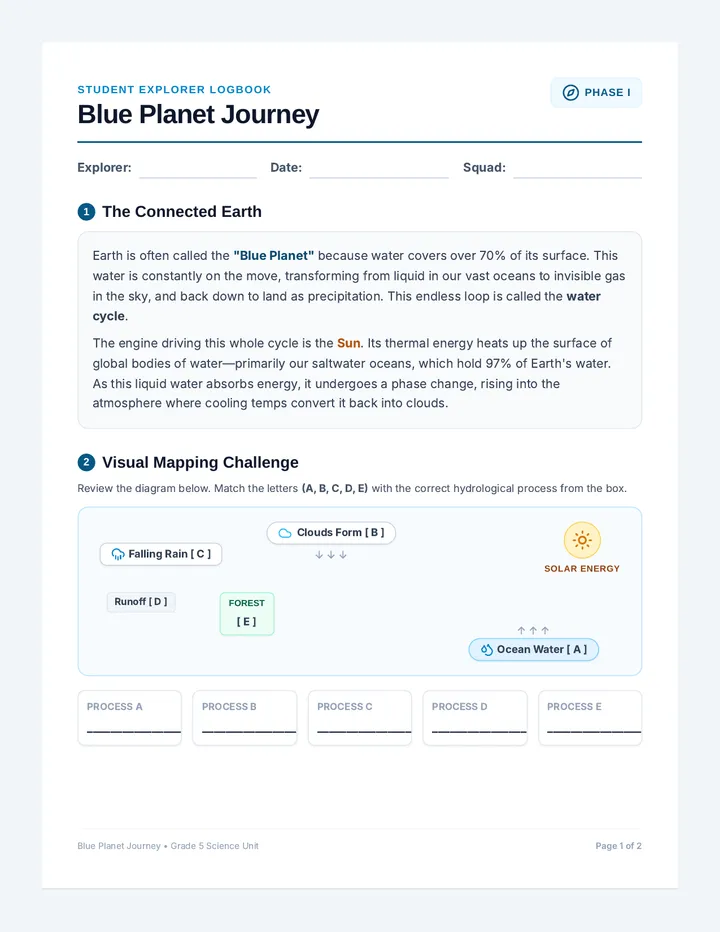
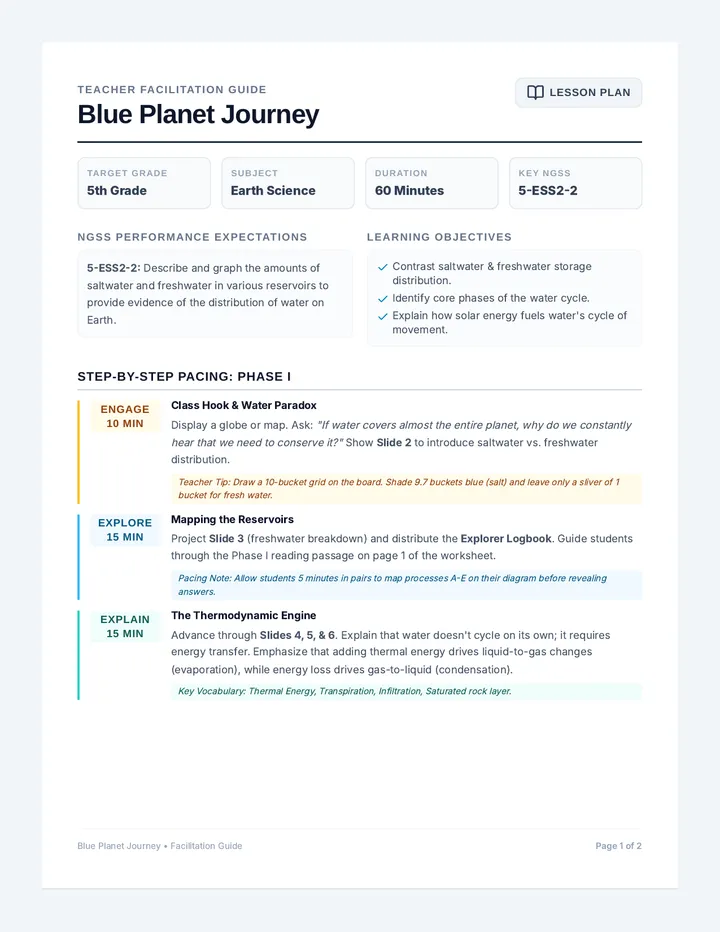
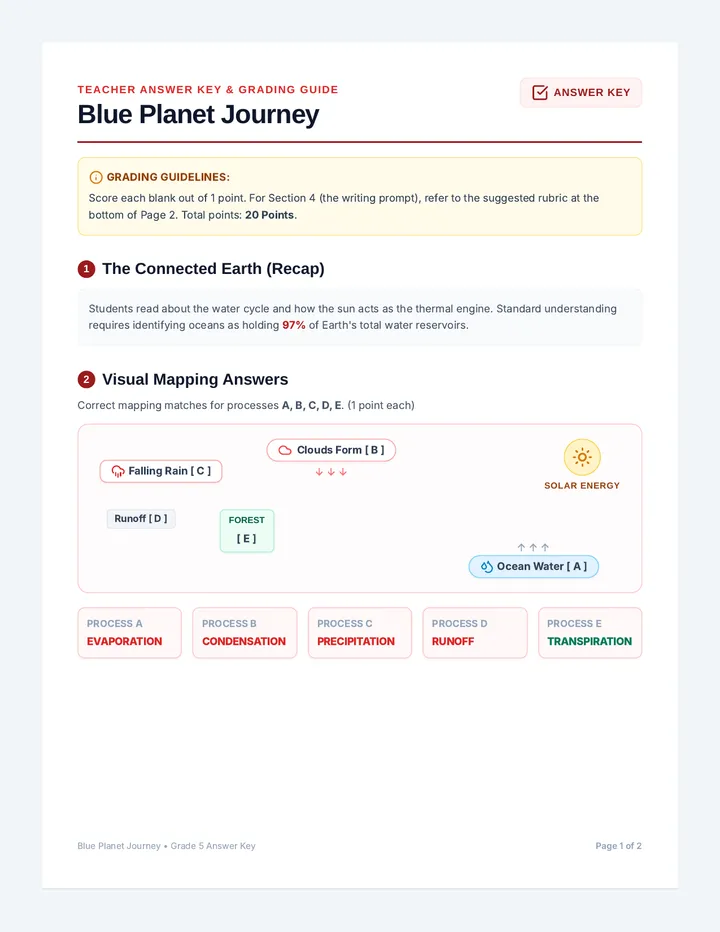
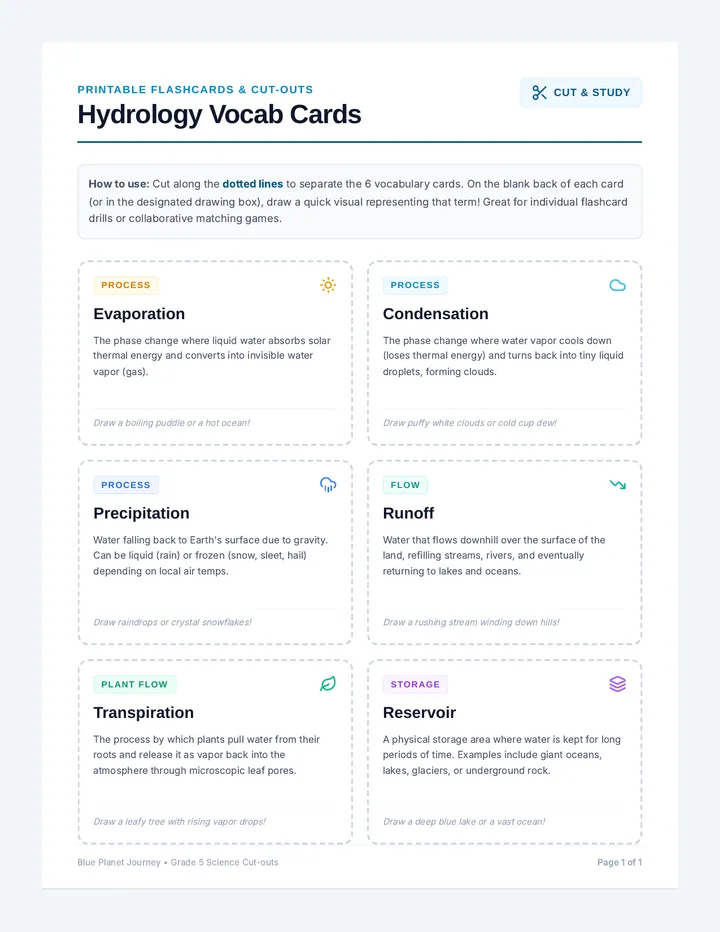
A lesson exploring the continuous movement of water on Earth through a detailed diagram of the water cycle, focusing on the roles of energy and gravity.
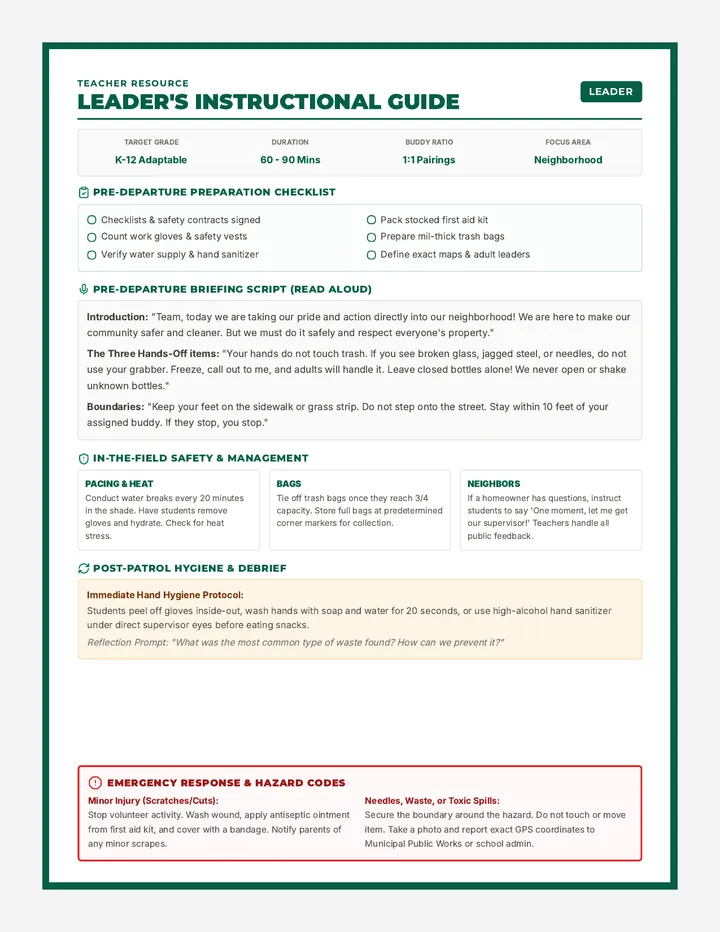
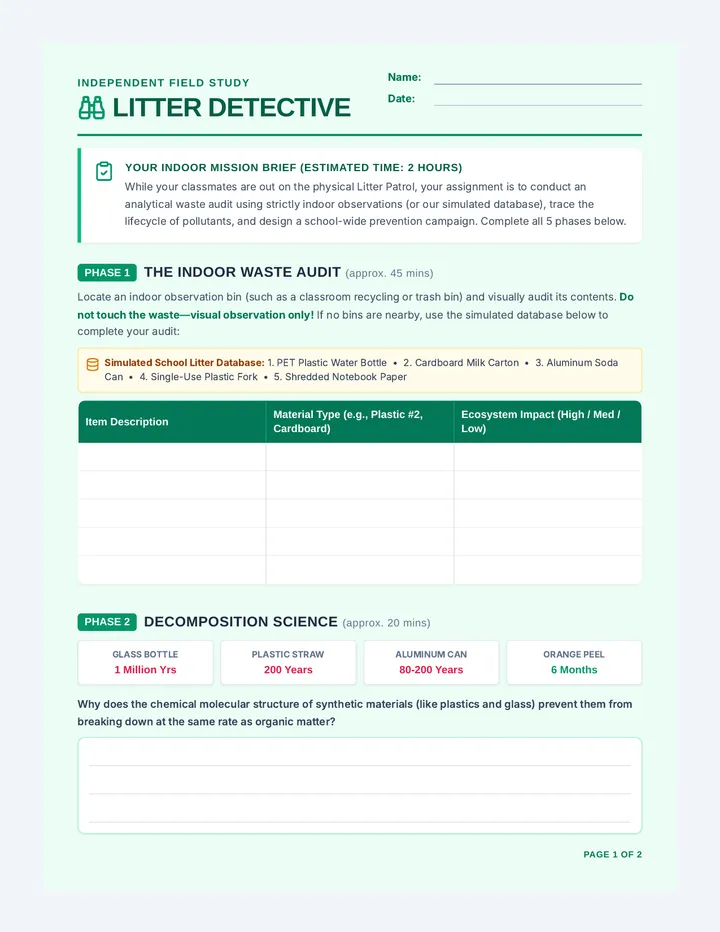
An introductory lesson on waste management and recycling where students practice sorting materials and learning key environmental vocabulary.
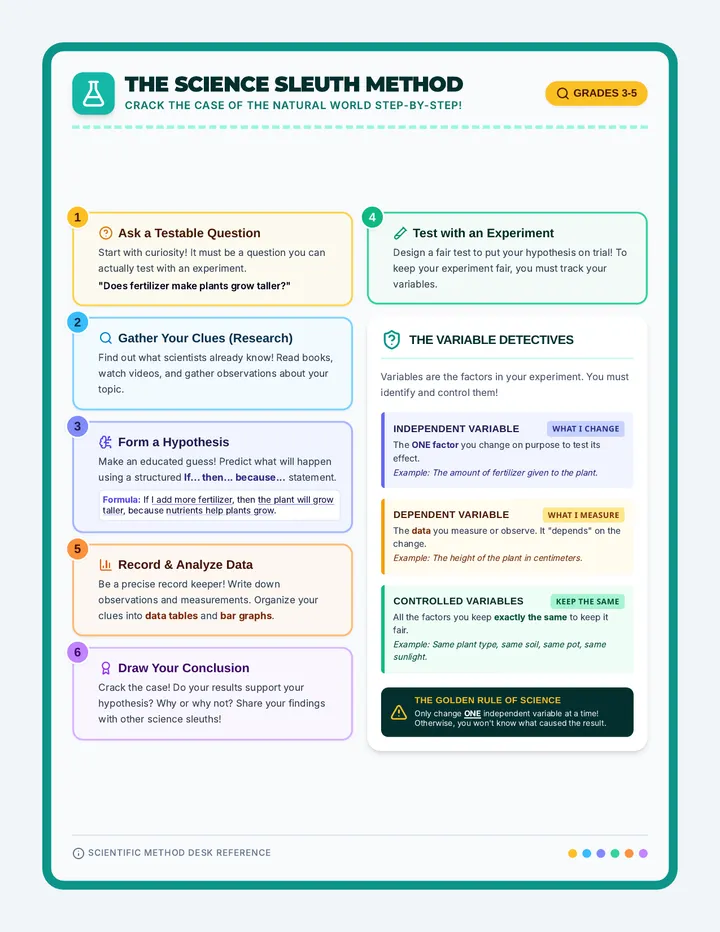
A foundational lesson on the Scientific Method, covering definitions, steps, variables, and data collection methods.
A collaborative jigsaw activity where students become experts on different renewable energy sources before teaching their peers and synthesising their knowledge.
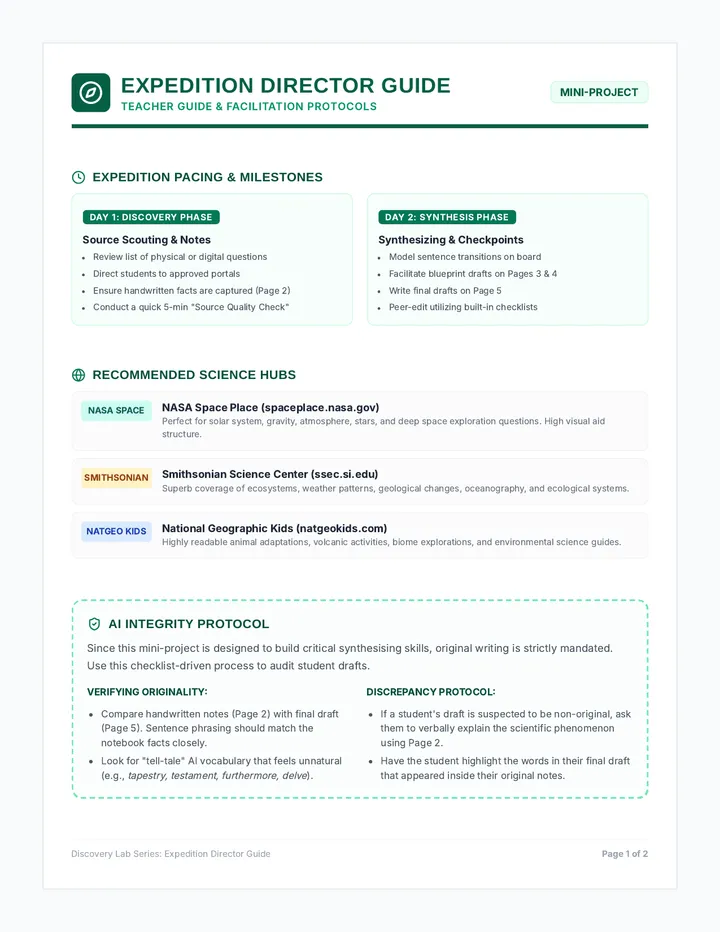
A comprehensive environmental science project broken into manageable phases, from research to final presentation. Students investigate global environmental challenges and propose solutions through a 'mission-based' framework.
A lesson exploring the impact of invasive yellow crazy ants on Christmas Island's ecosystem and the innovative biocontrol methods used to manage them.
A research-focused lesson where students step into the shoes of a wildlife biologist to document the physical traits, habitats, and behaviors of a mammal of their choice.
A lesson focused on simple, actionable steps students can take to reduce energy consumption at home and school.
A comprehensive STEM project choice unit designed for 7th-grade students to explore various scientific and engineering topics through self-directed learning and creative output.