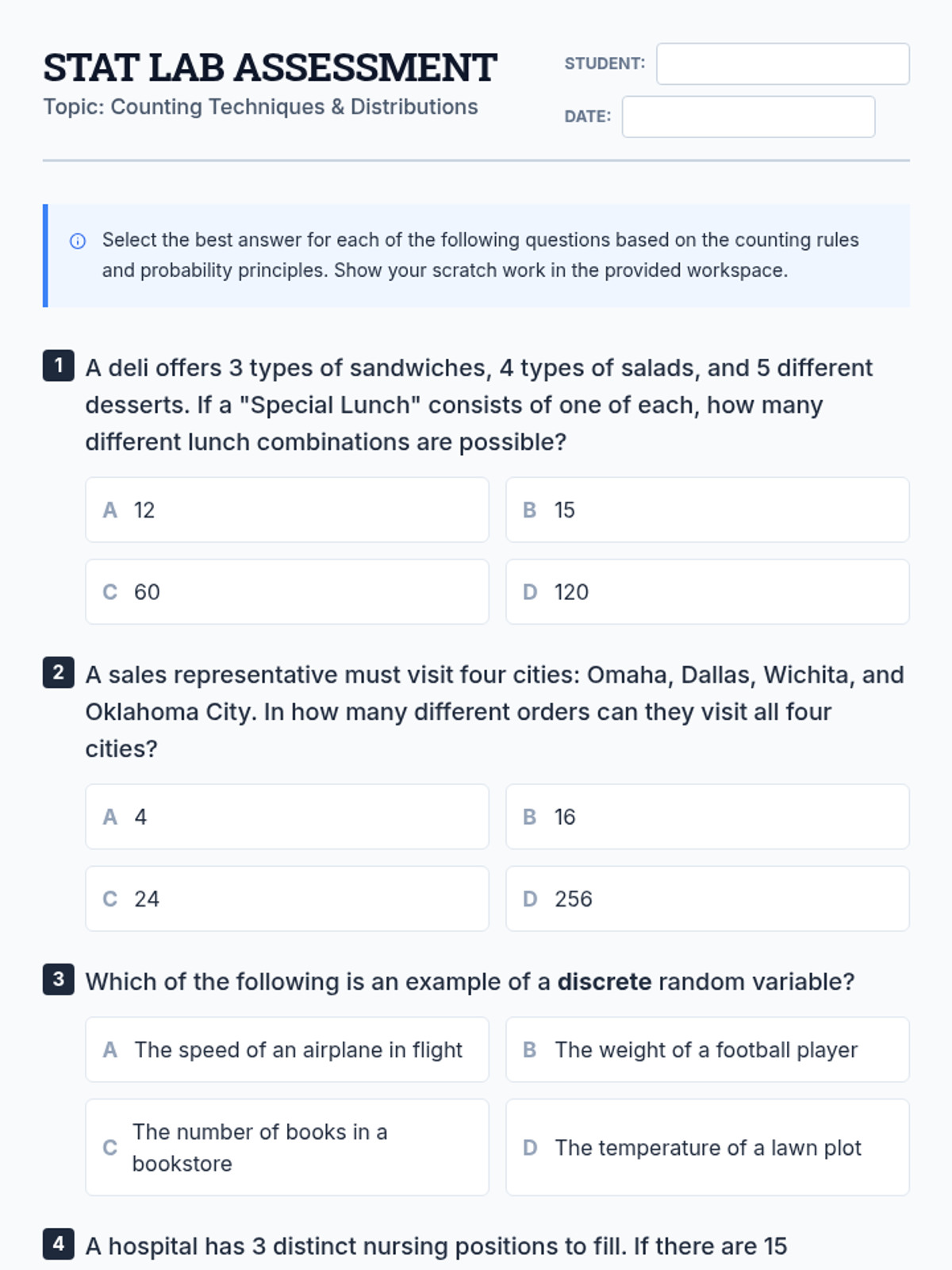
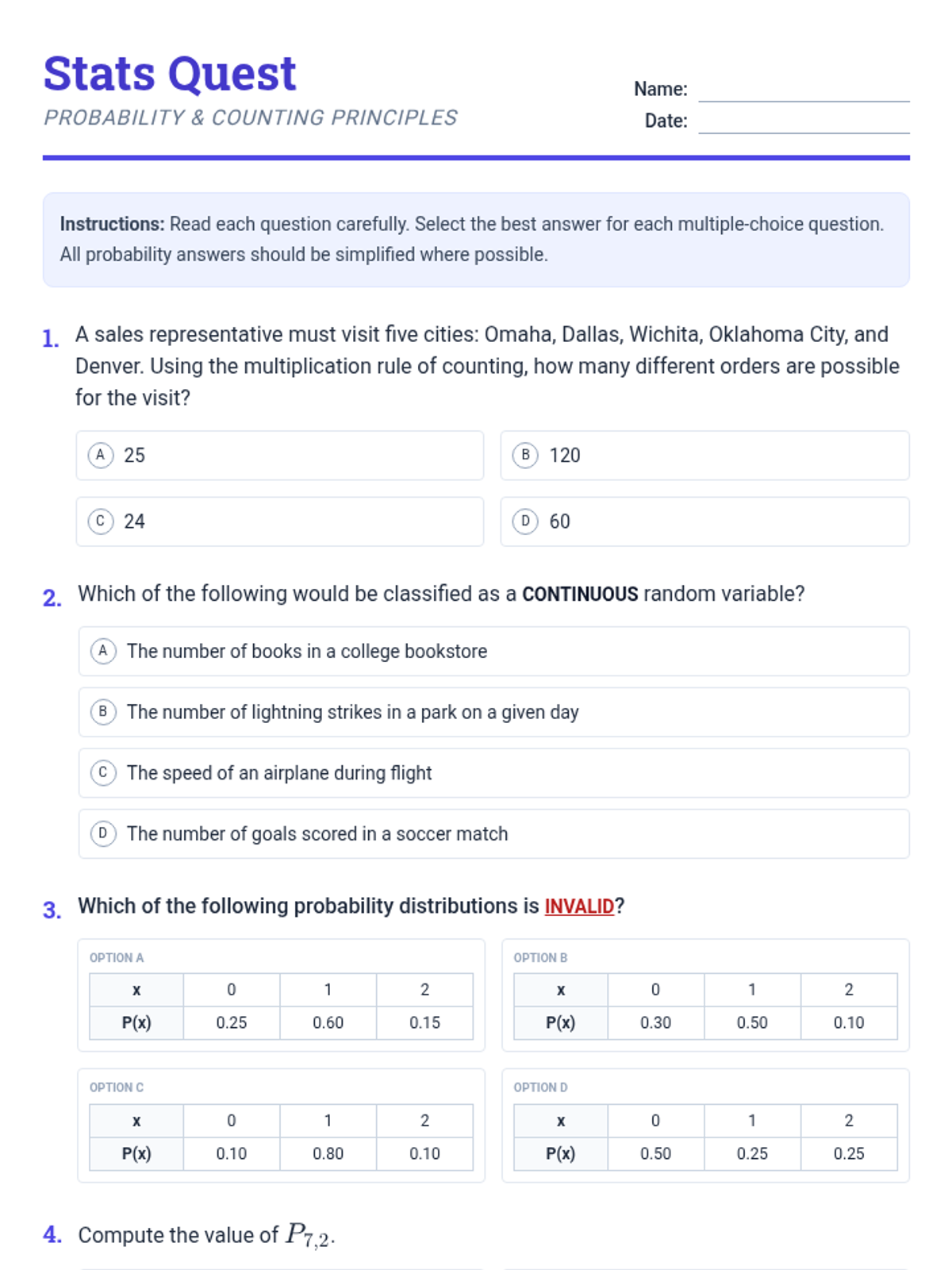
Graduate students learn to optimize stratified sampling designs using Neyman allocation. This lesson focuses on minimizing variance under budget constraints by distributing sample sizes based on stratum-specific variance and cost.
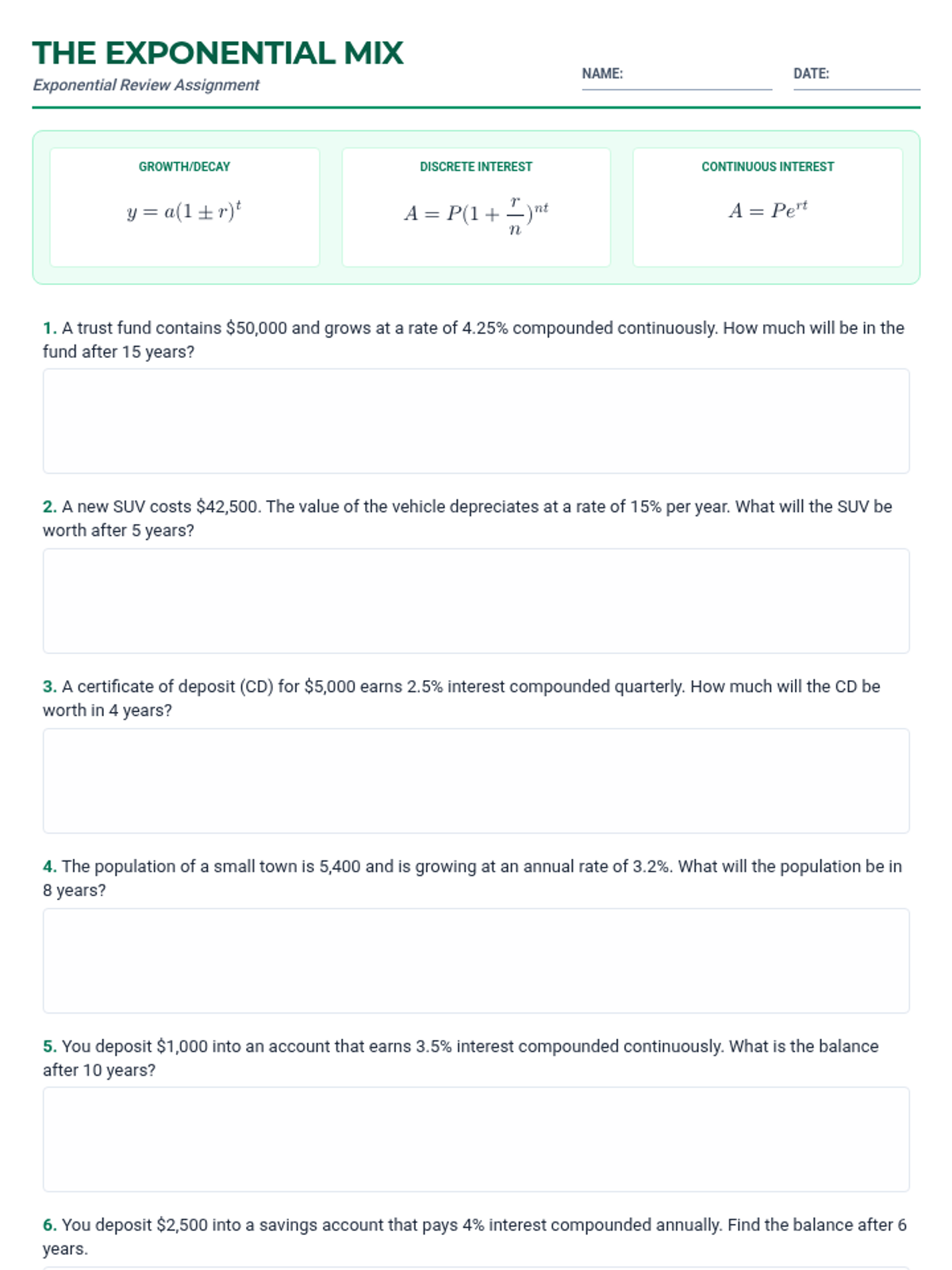
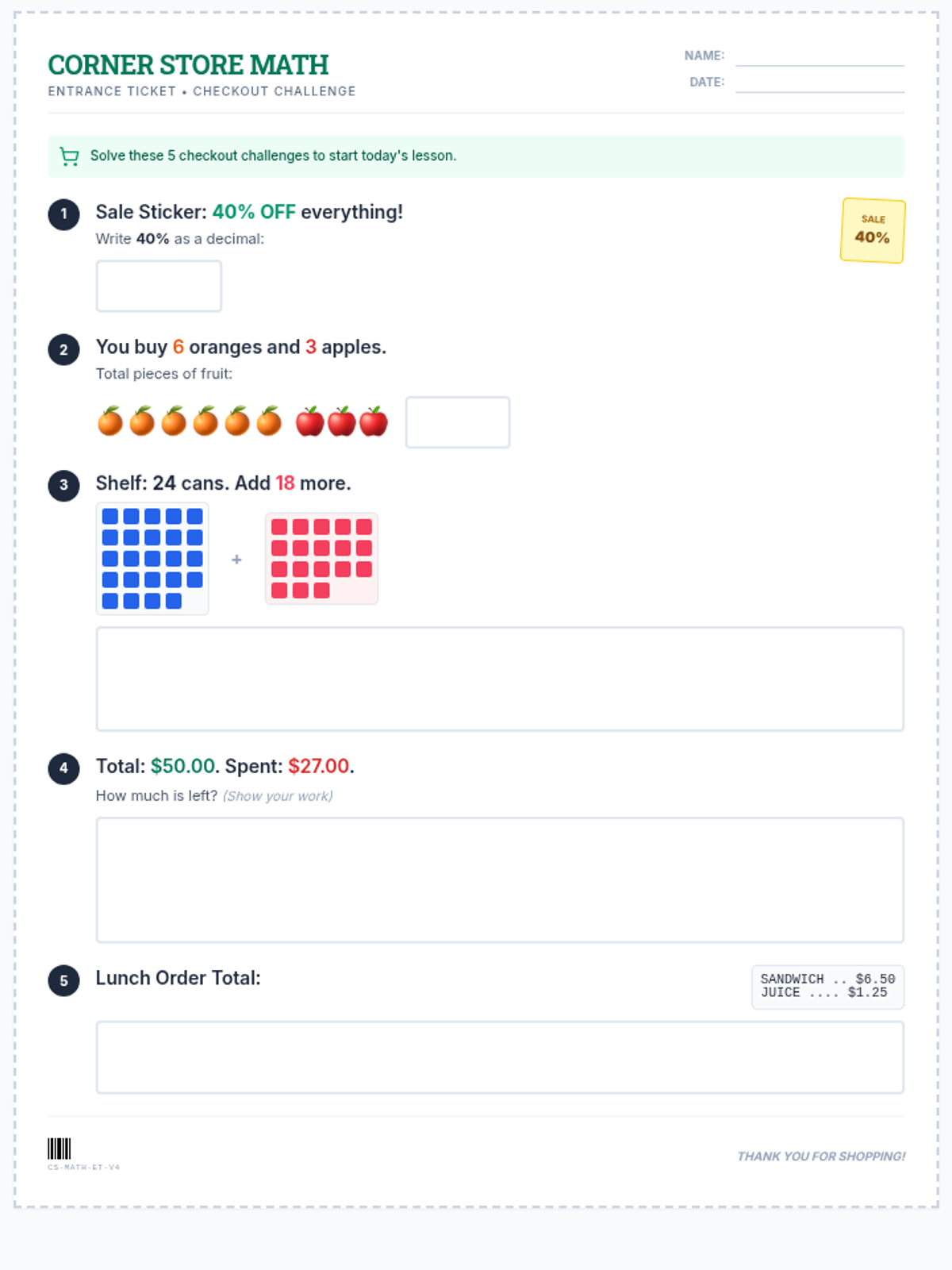
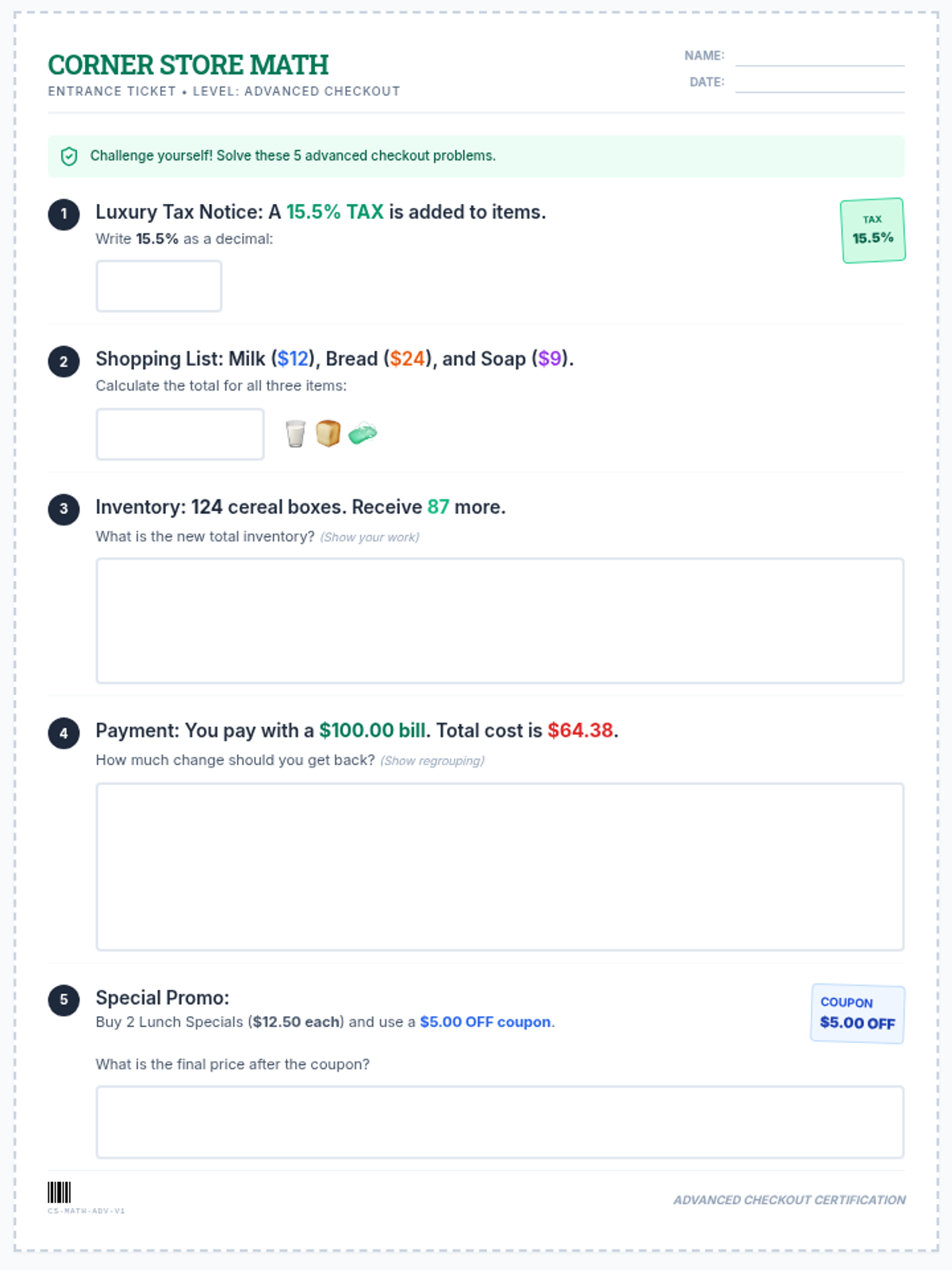
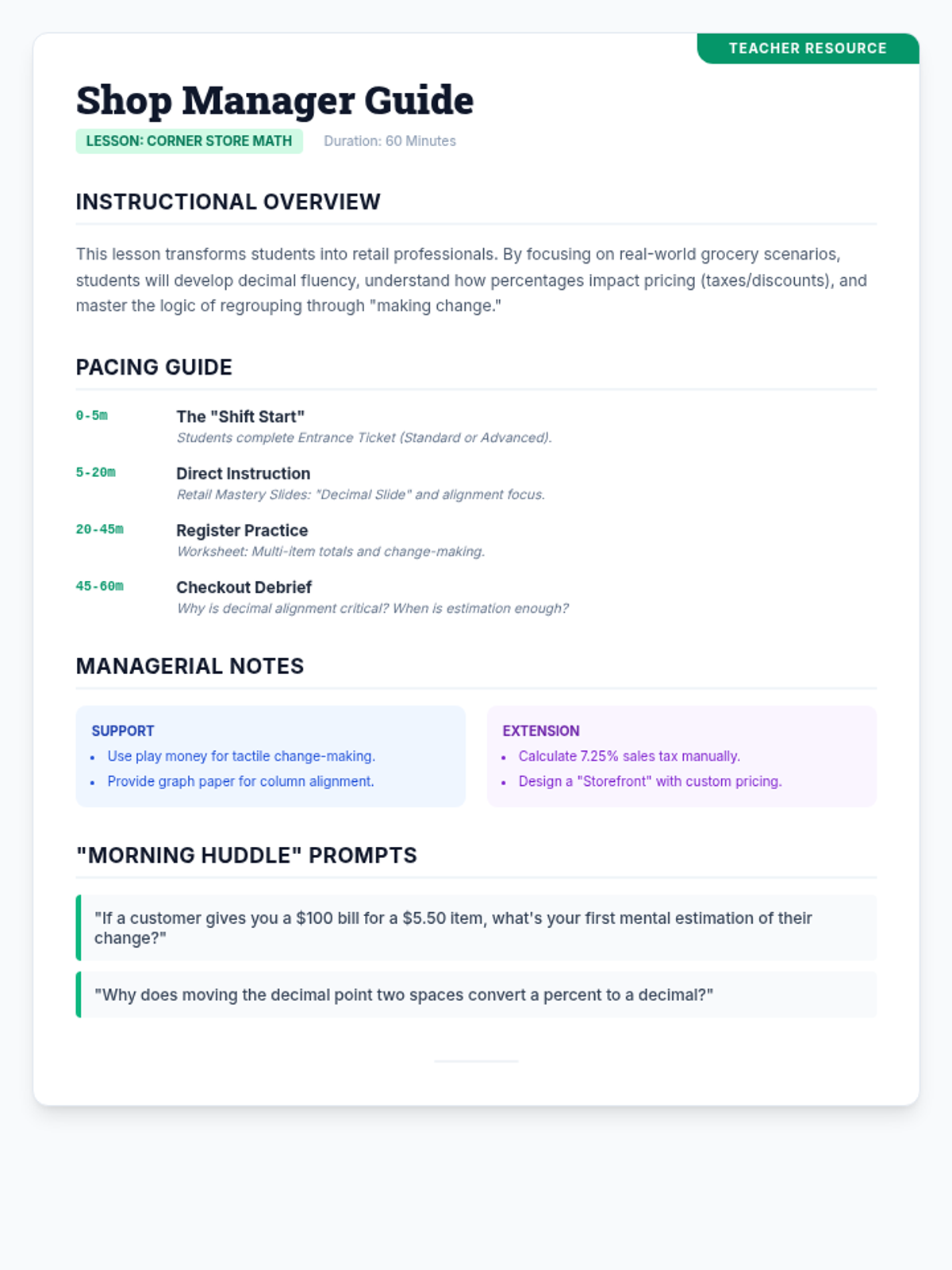
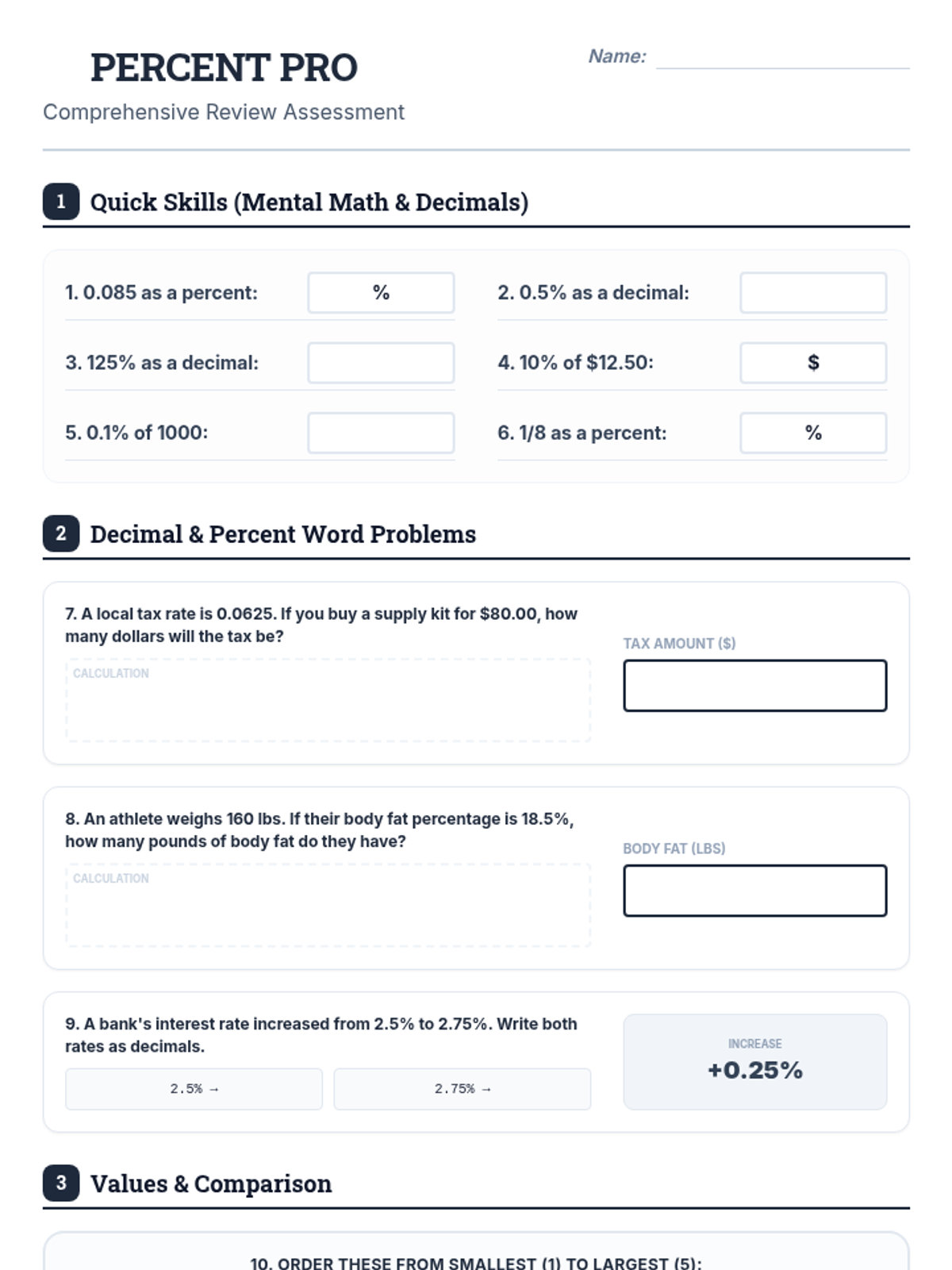
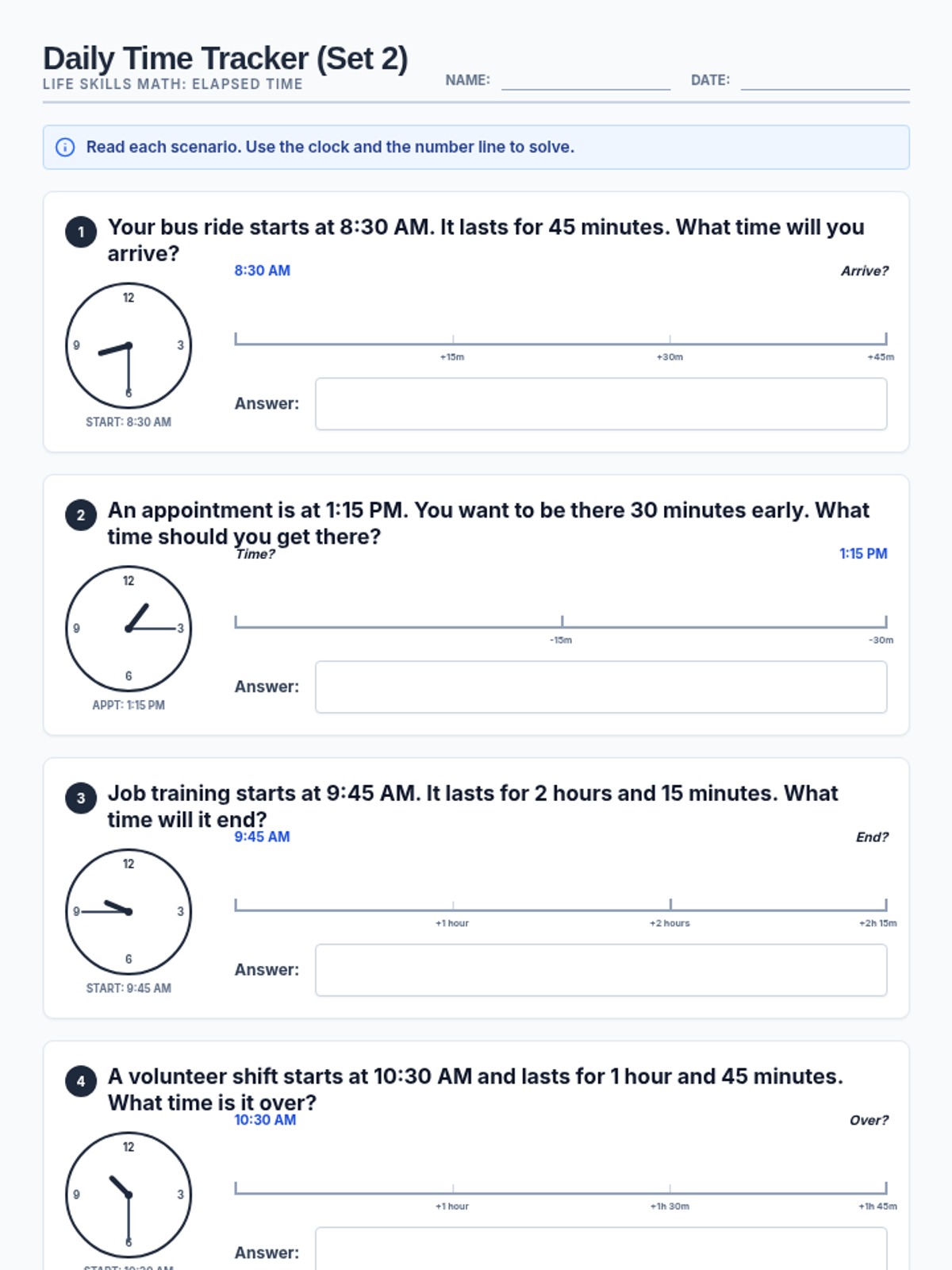
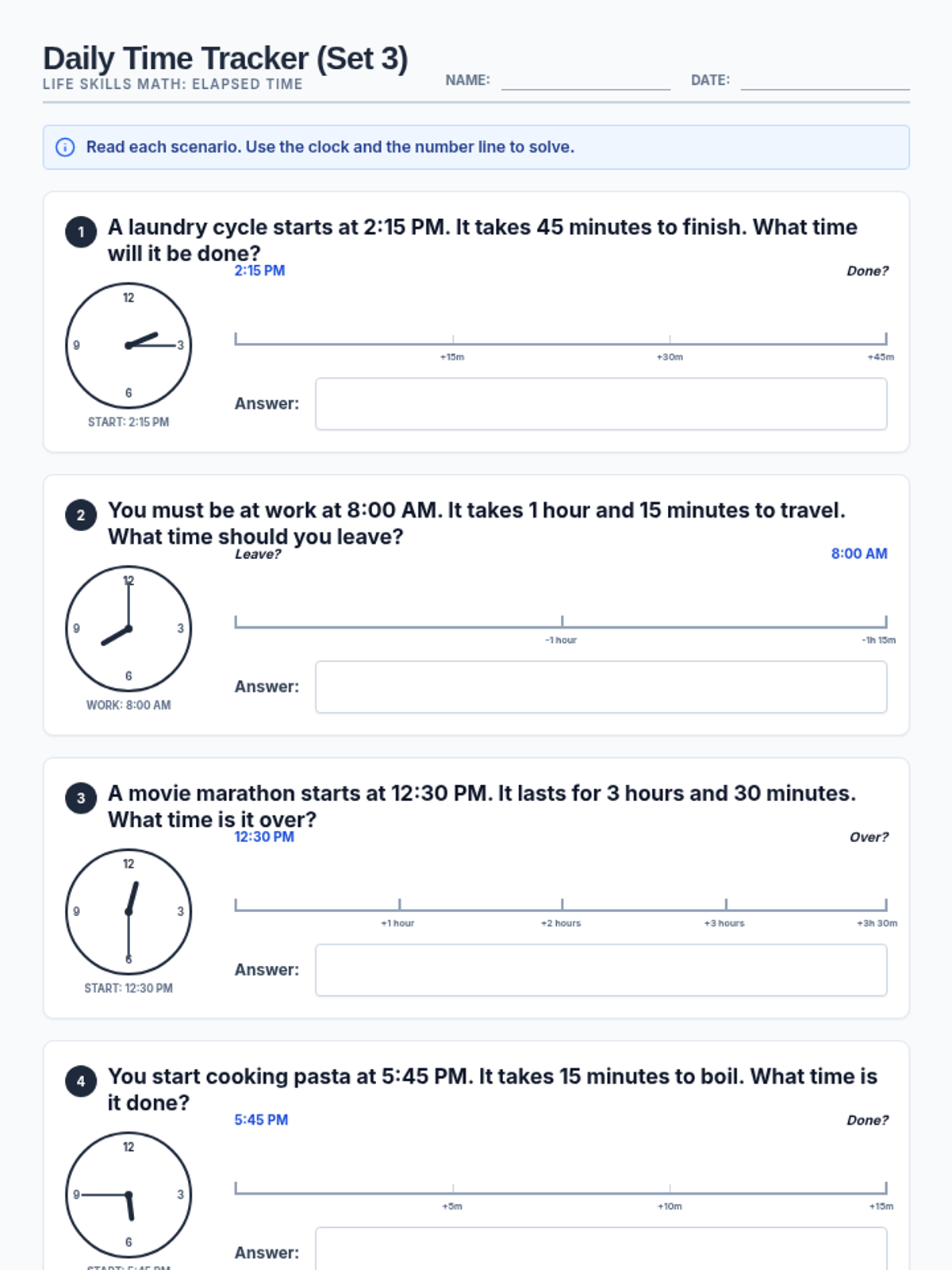
A comprehensive review lesson that synthesizes all the skills learned in the Real World Math series. Students will complete a final assessment covering multi-digit operations, decimals, fractions, and percentages through a variety of workplace and financial scenarios.
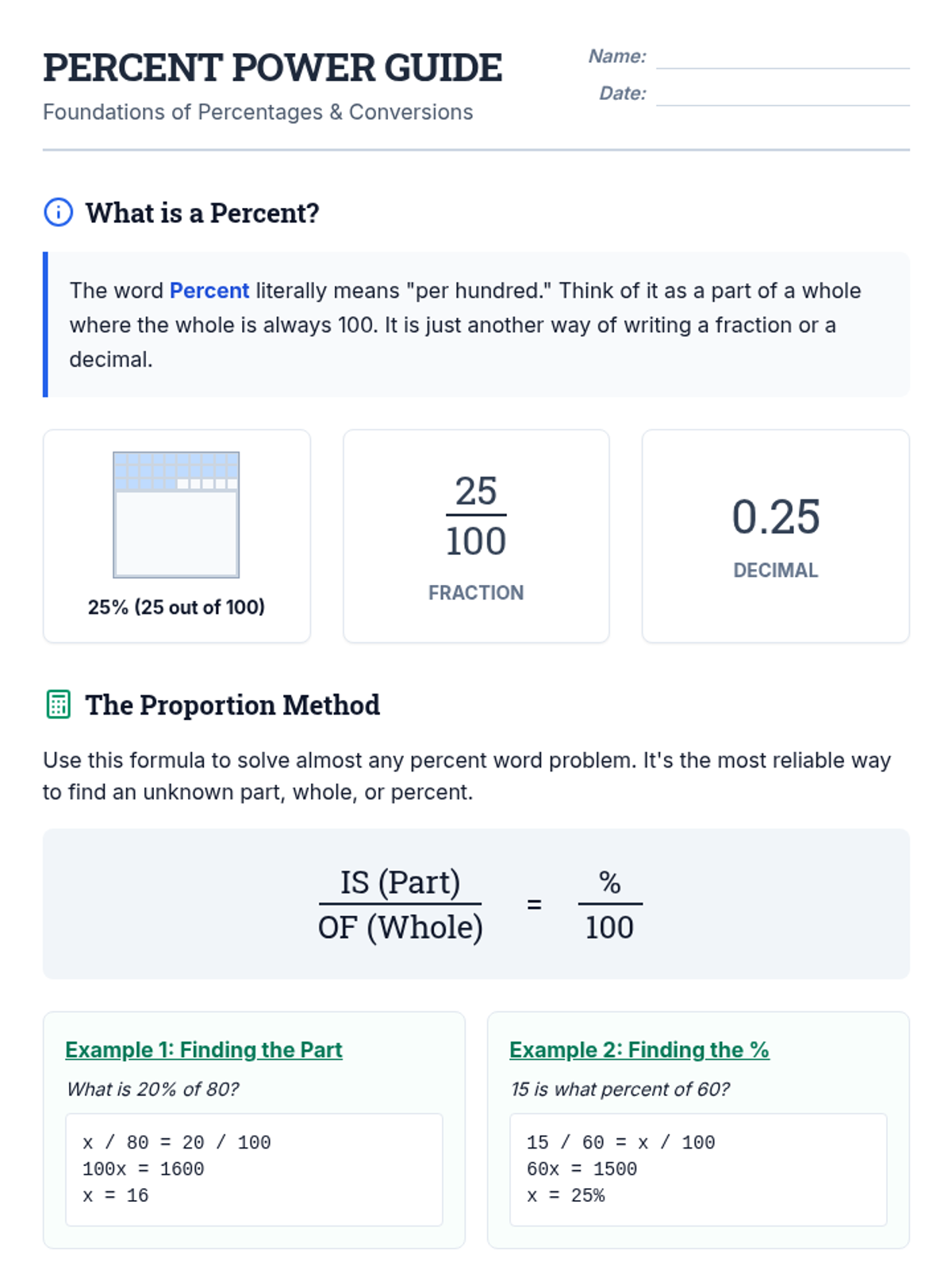
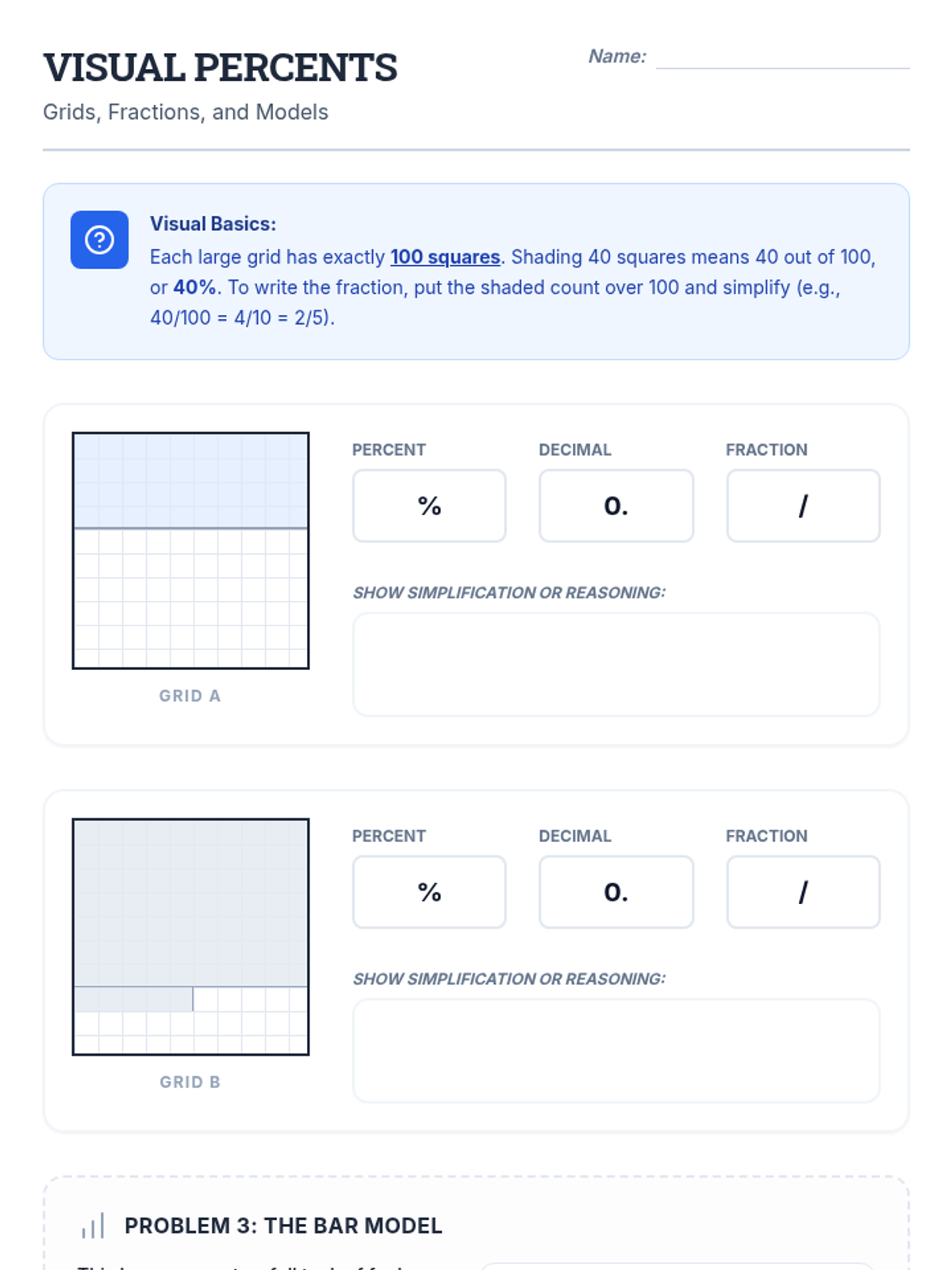
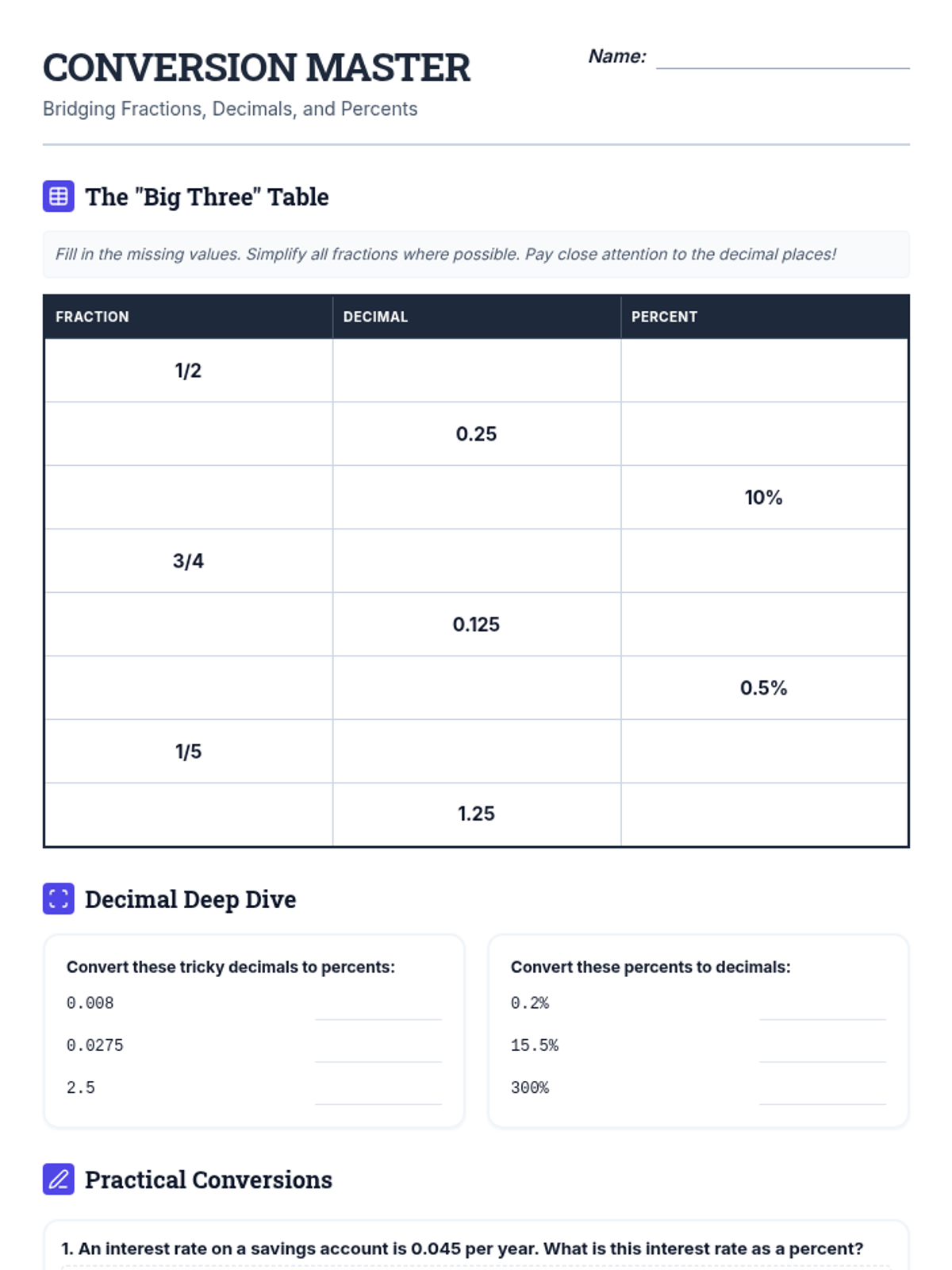
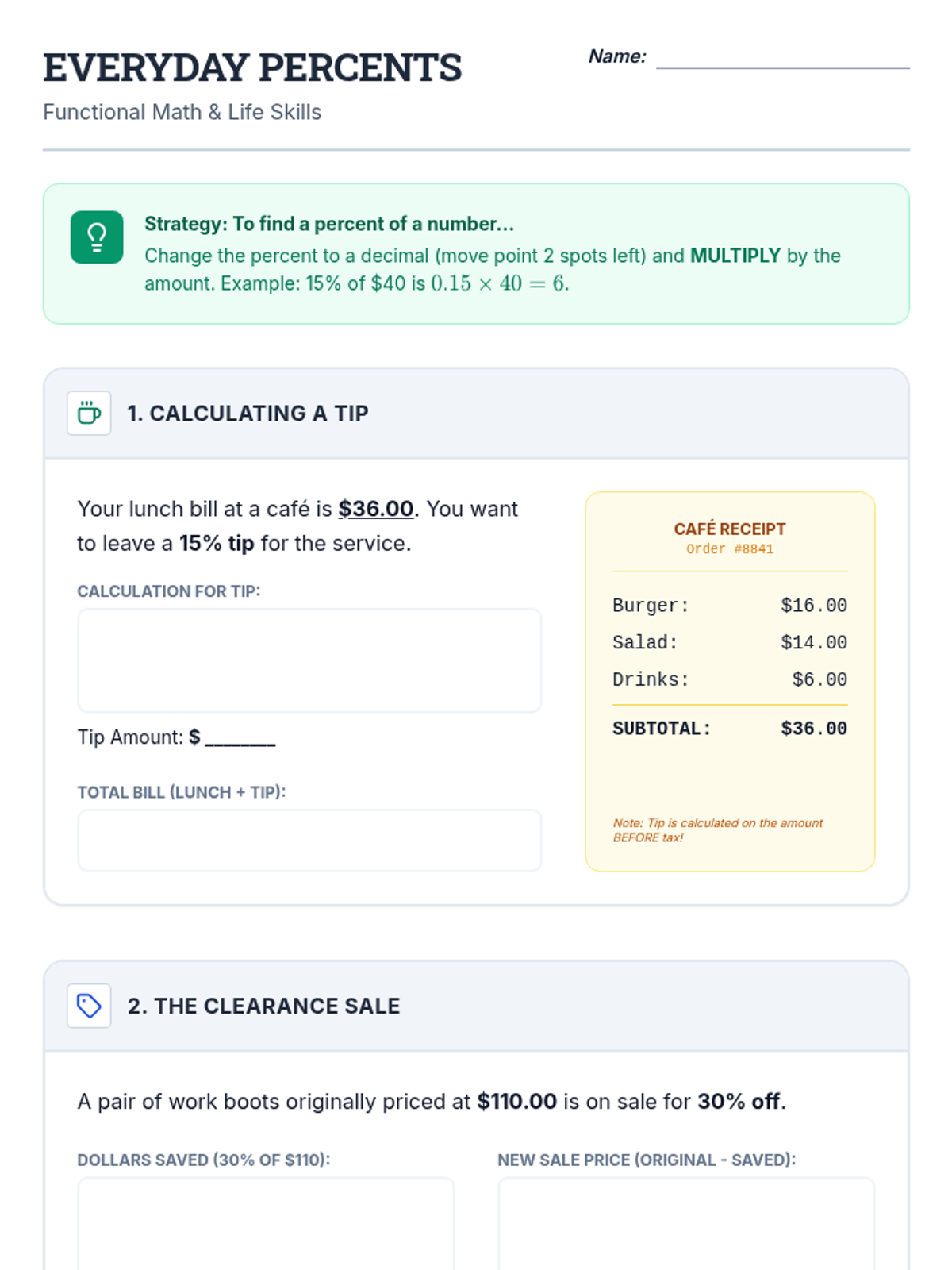
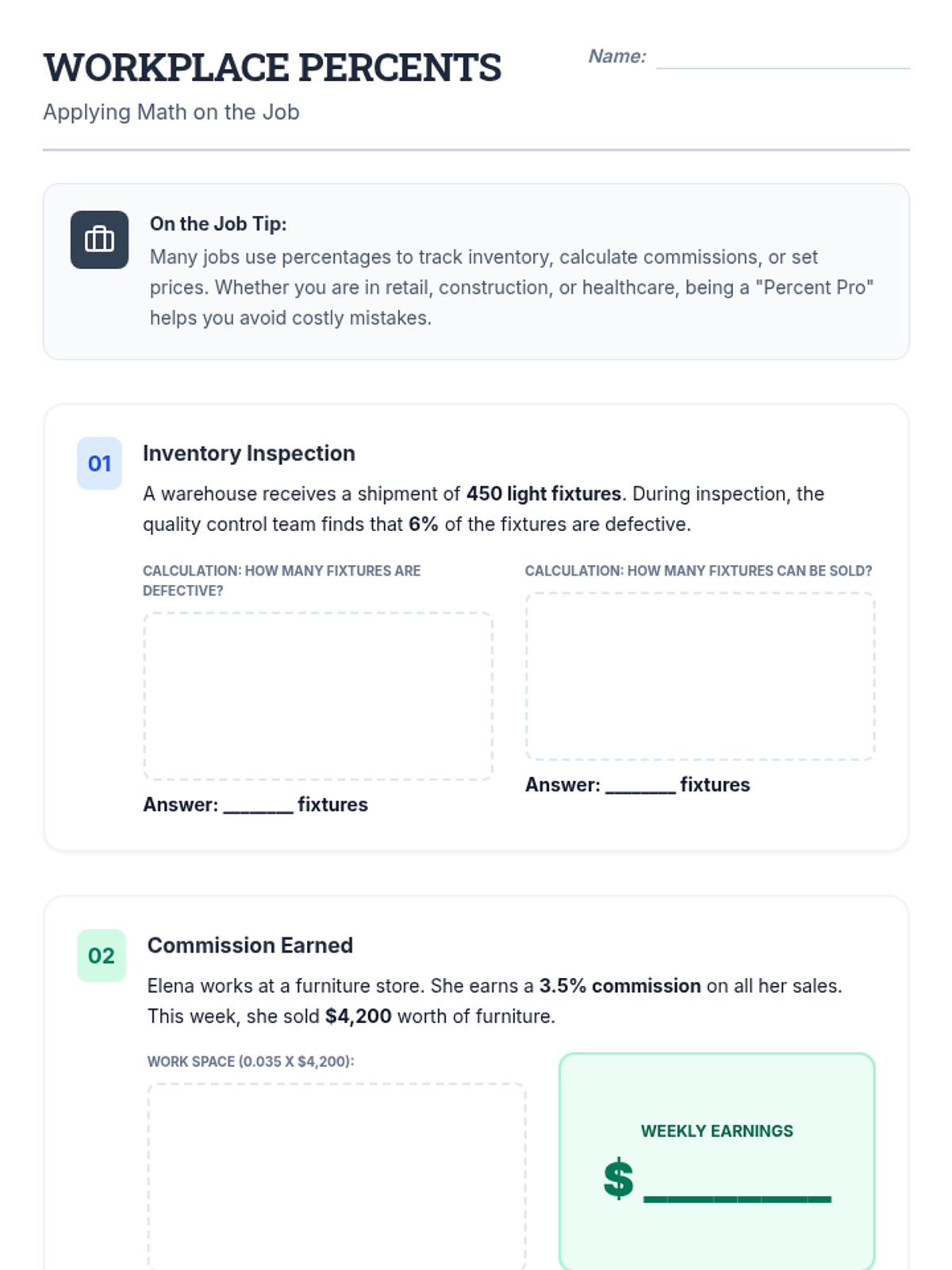
Understanding the power of percentages in finance and data. Students will solve for parts, wholes, and percentages in contexts like sales tax, interest rates, discounts, and performance statistics.
Developing a strong grasp of fractions in practical contexts such as construction, cooking, and time management. This lesson covers simplifying, adding/subtracting with unlike denominators, and multiplying/dividing fractions.
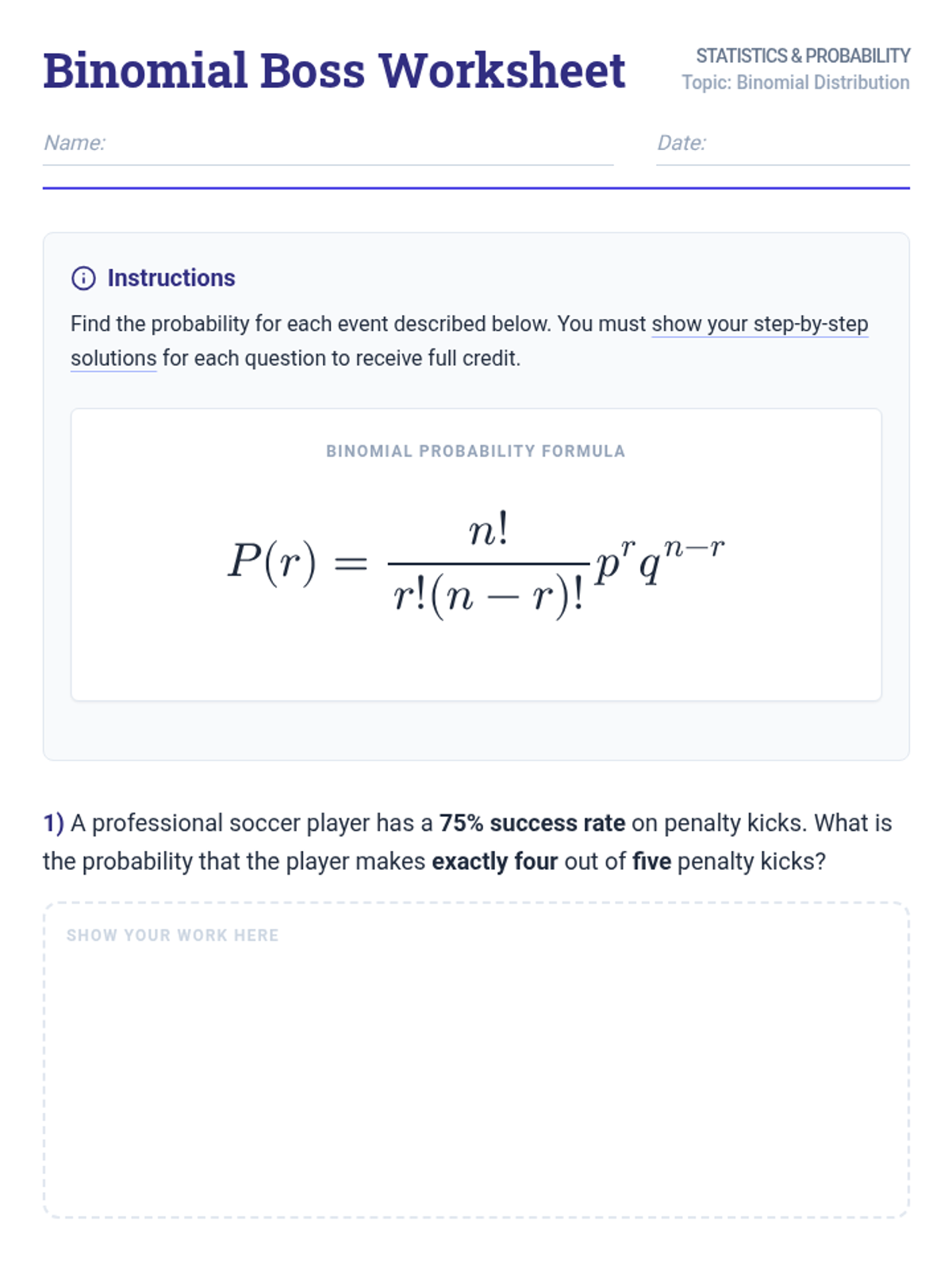
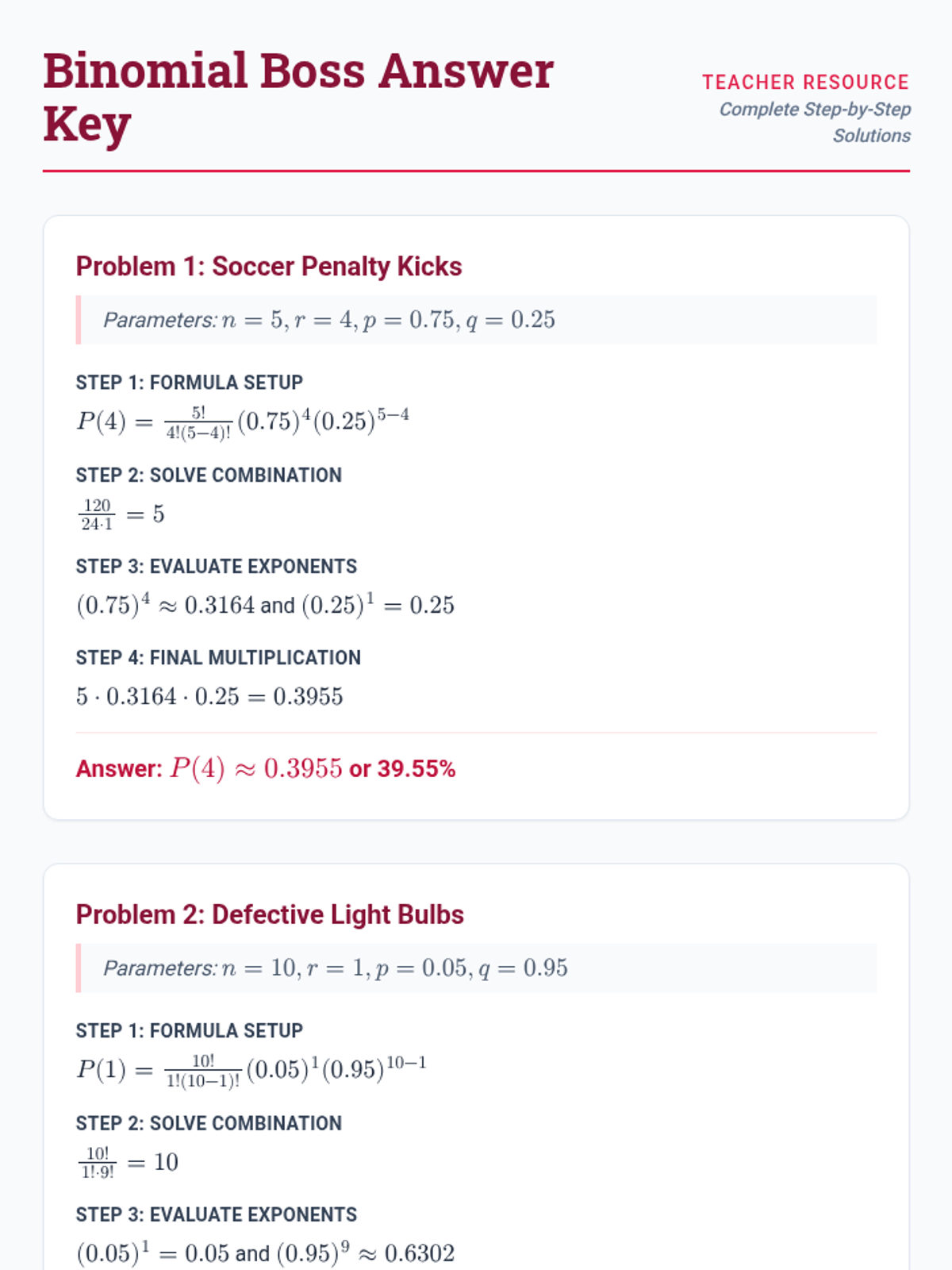
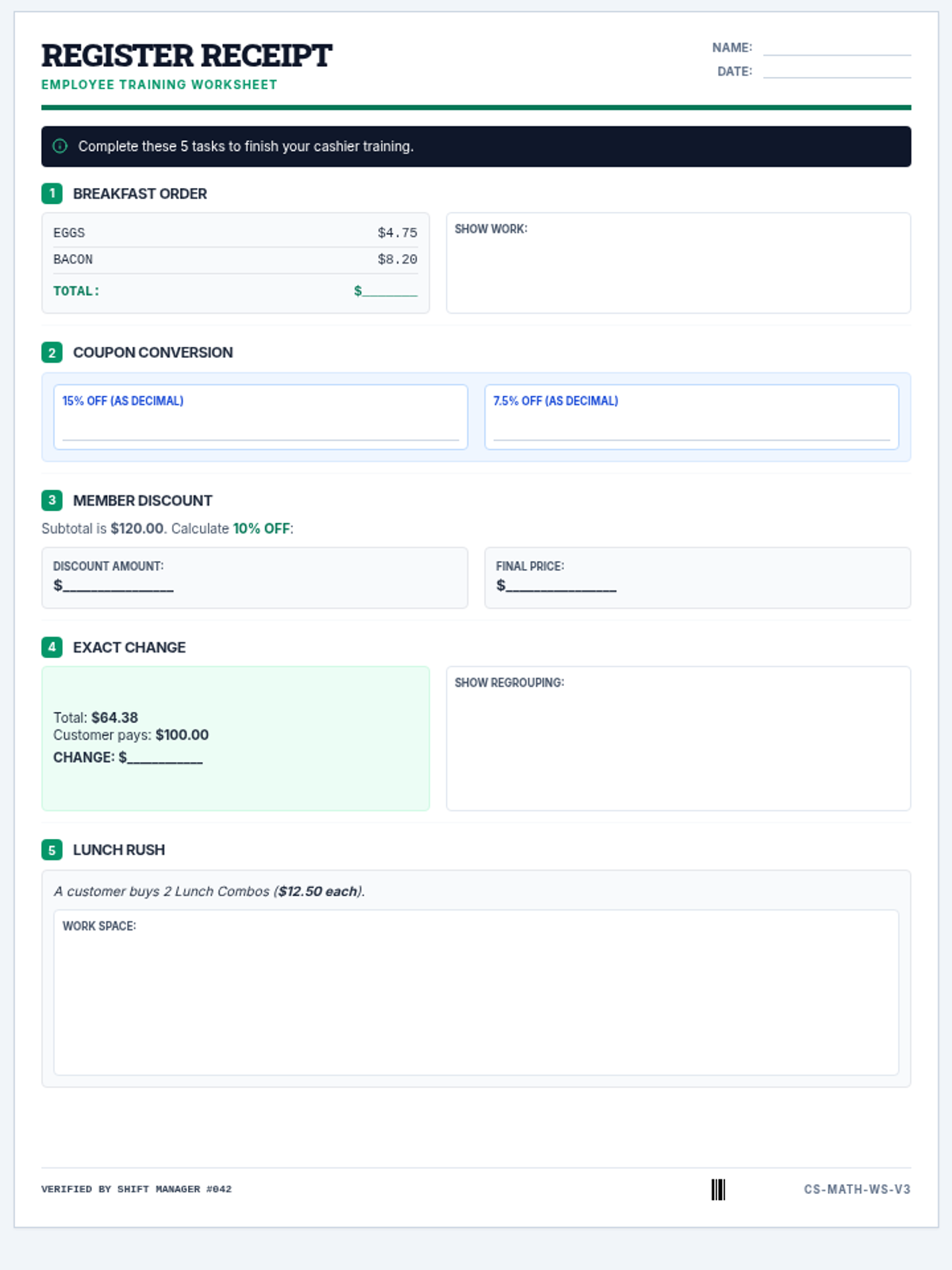
Mastering decimals through the lens of currency and precise measurements. Students learn to add, subtract, multiply, and divide decimals to calculate unit prices, handle cash transactions, and interpret technical specifications.
A foundational lesson on multi-digit multiplication and division focused on workplace budgeting and large-scale inventory management. Students will practice these operations through realistic scenarios like calculating monthly revenue and distributing supplies across departments.
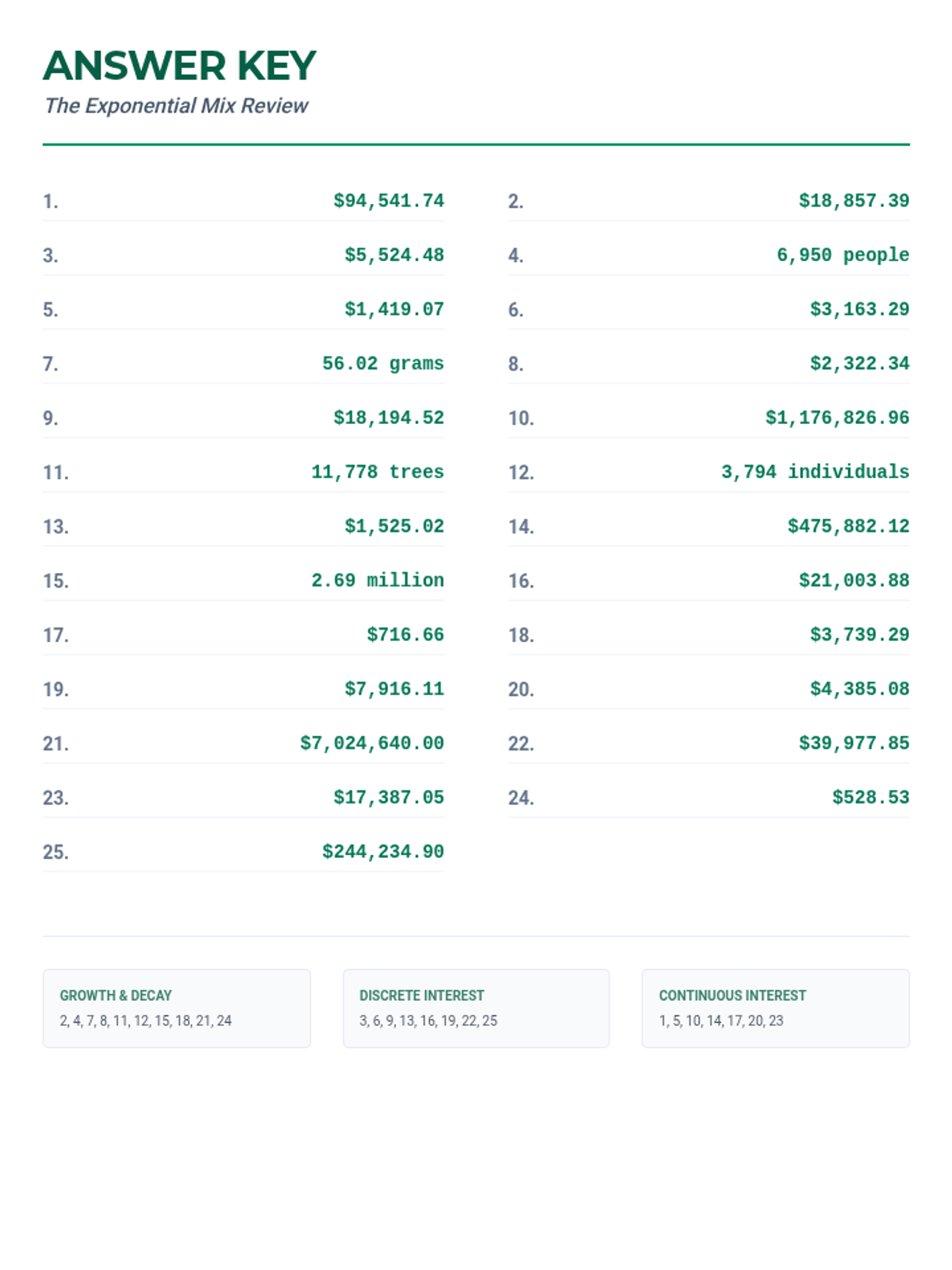
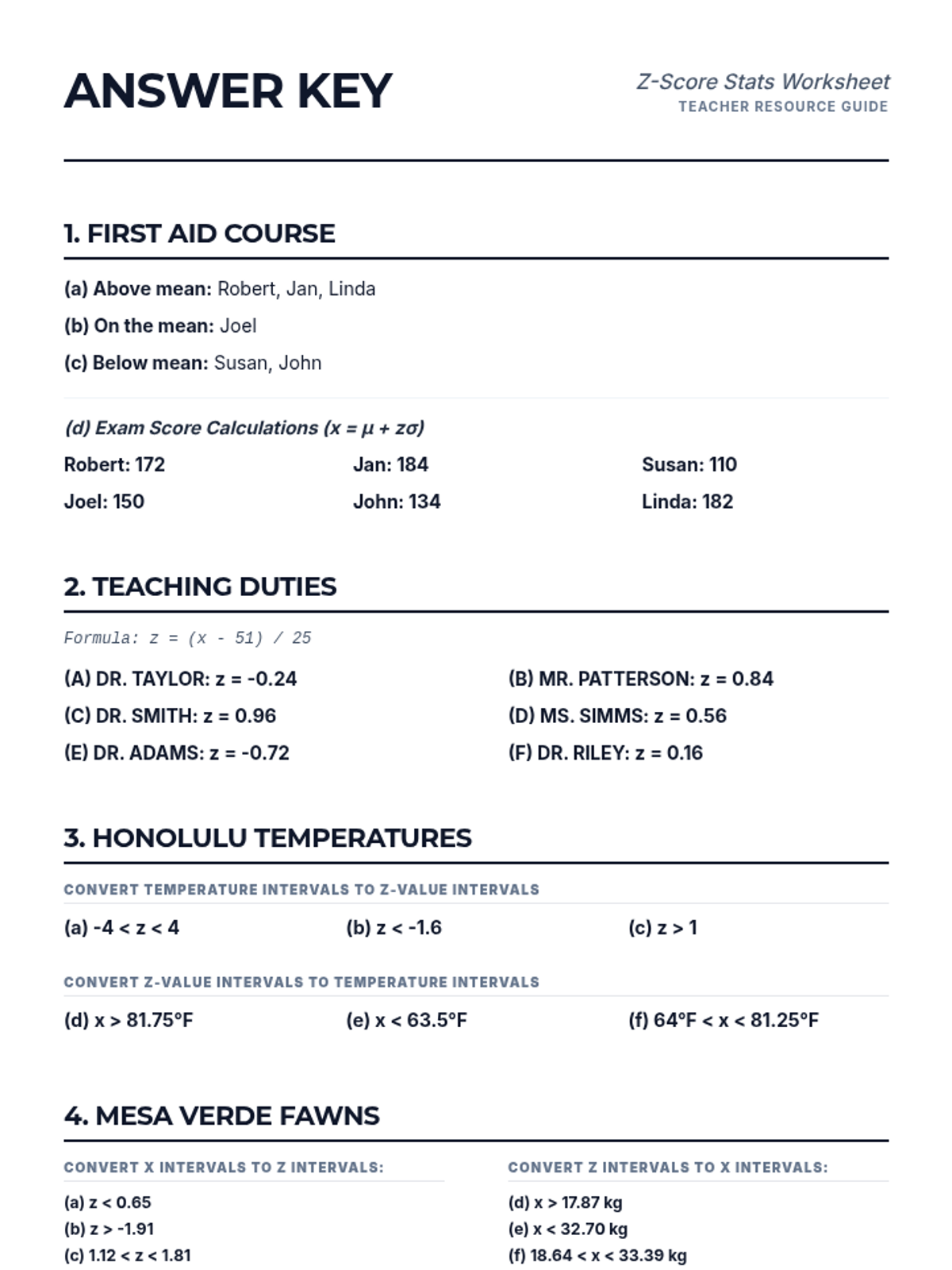
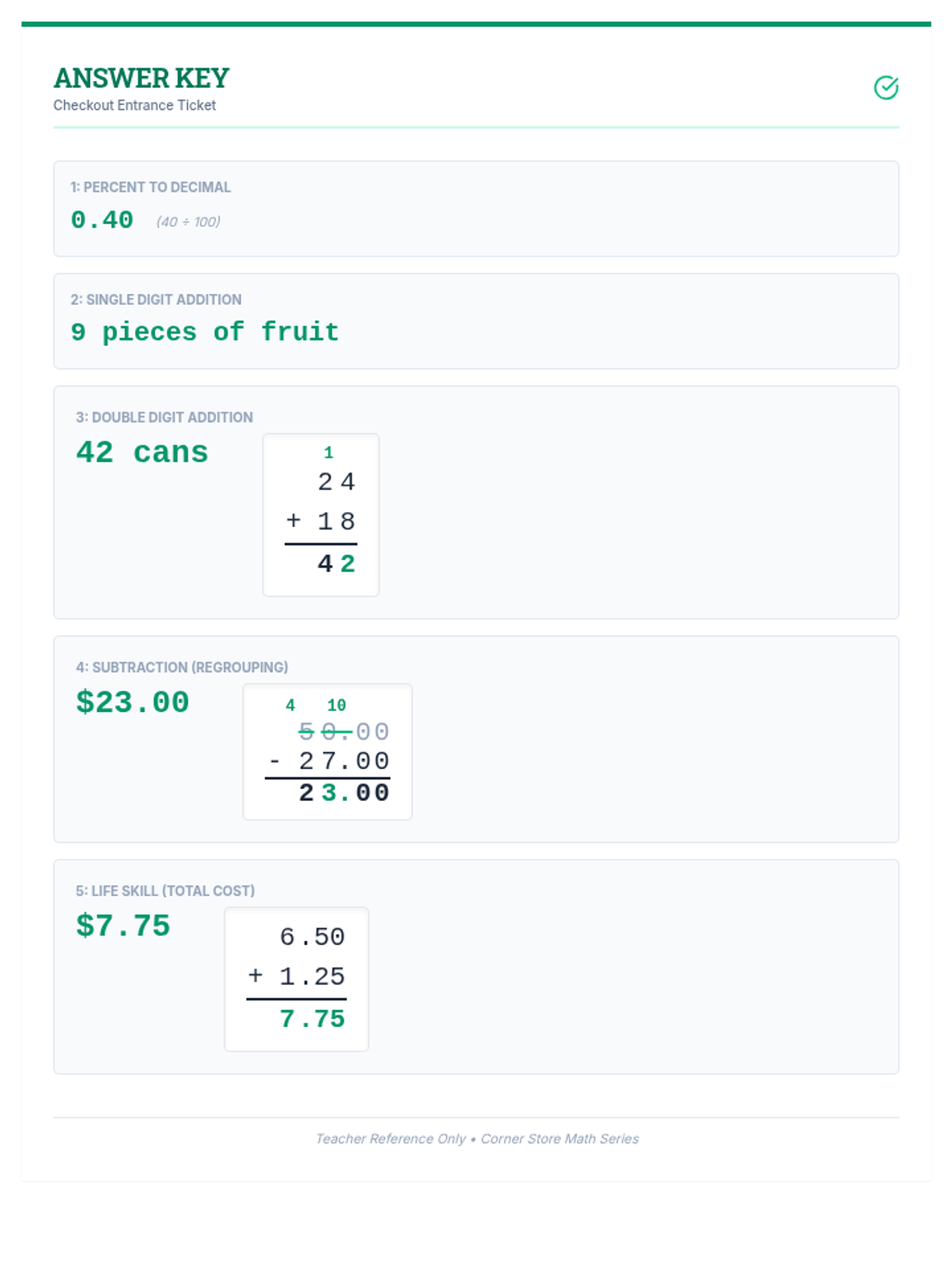
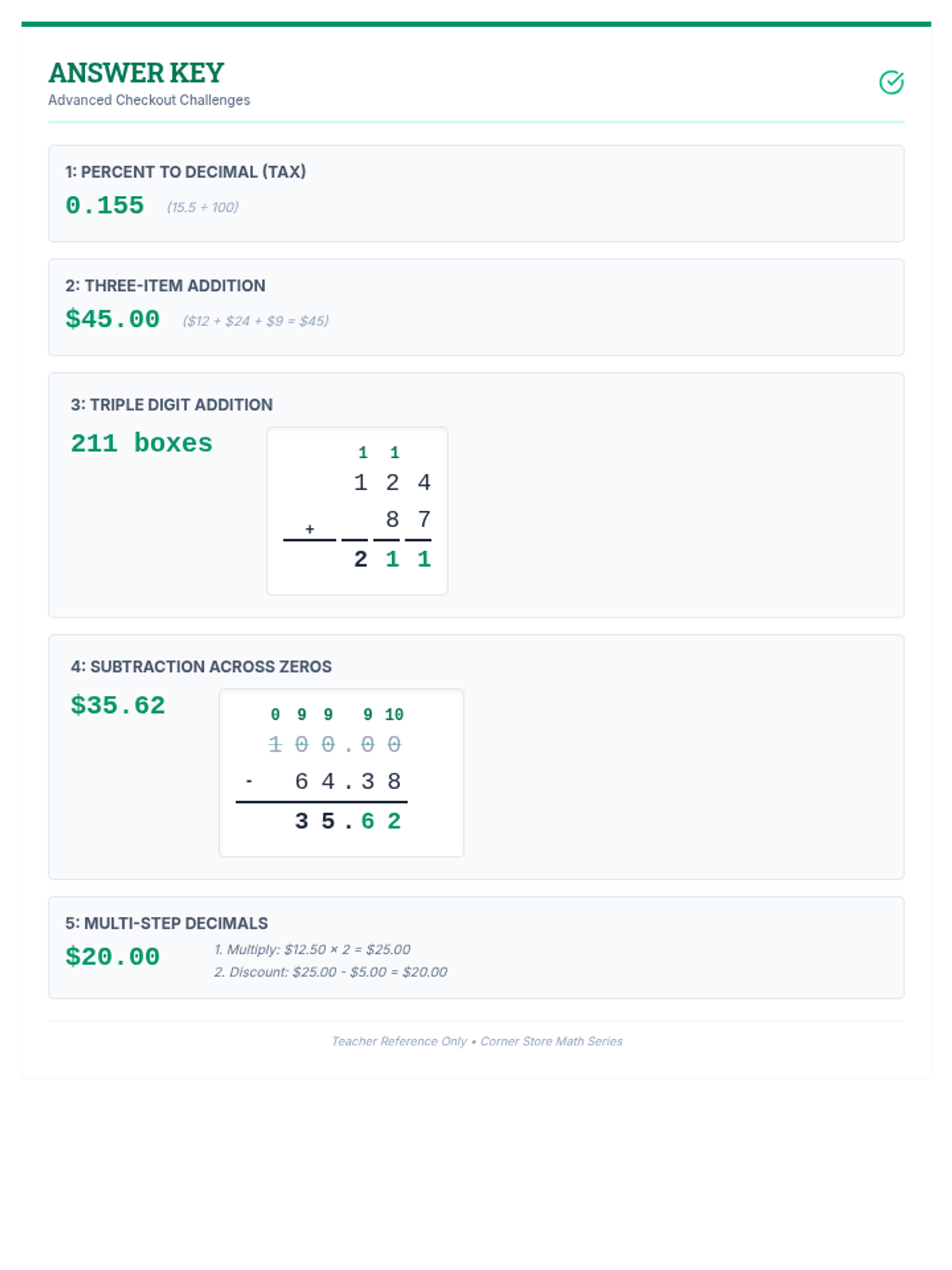
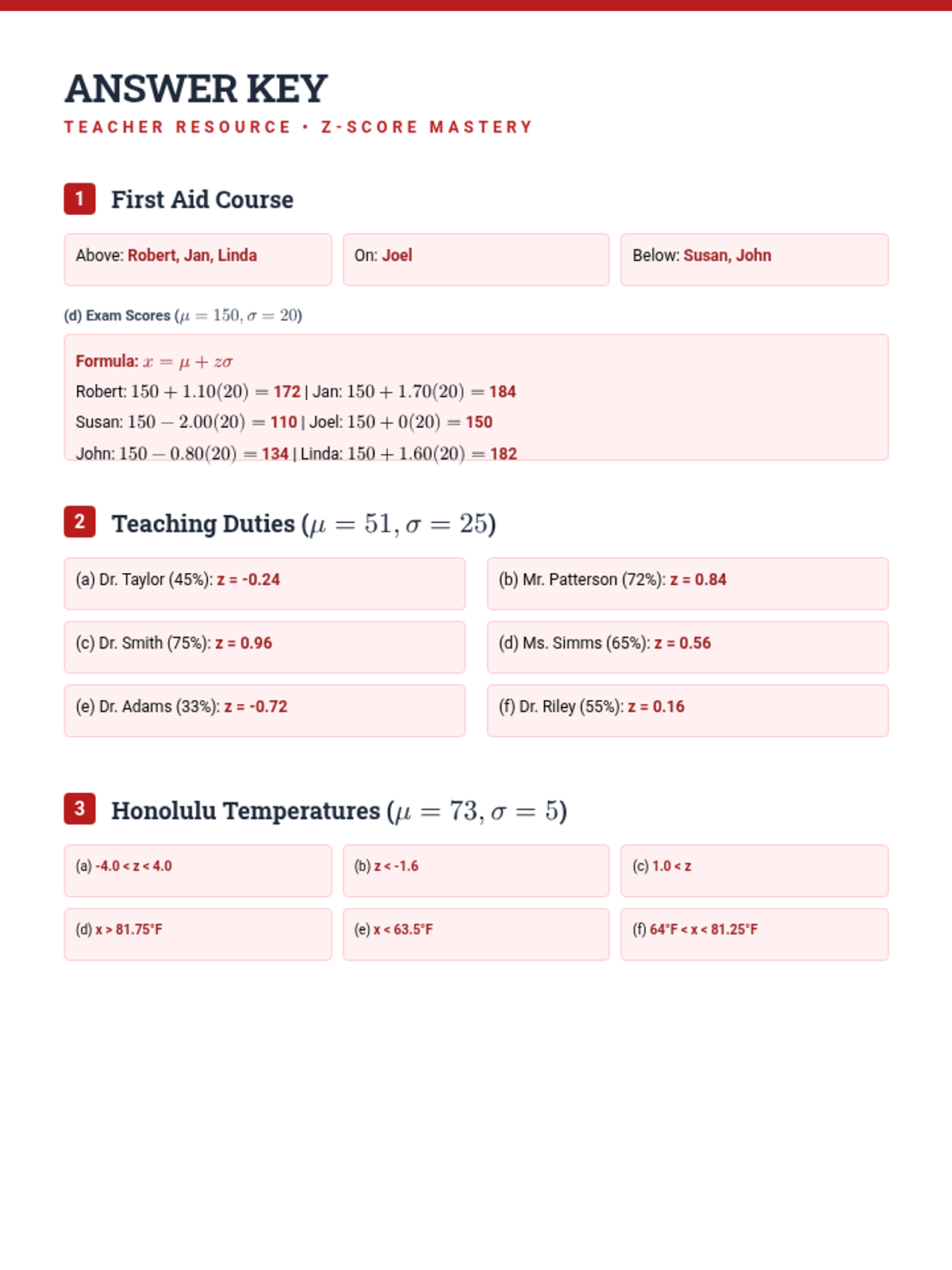
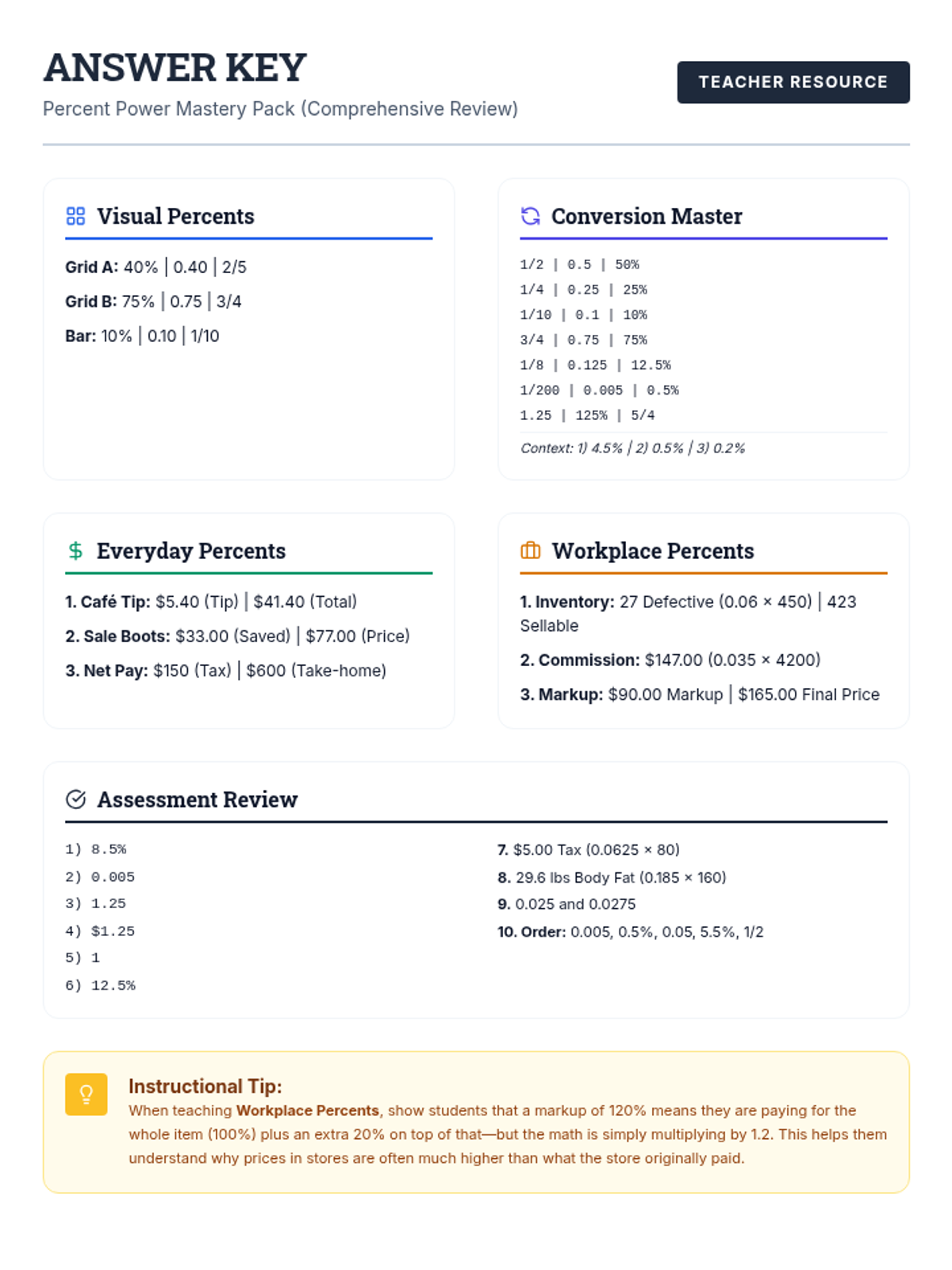
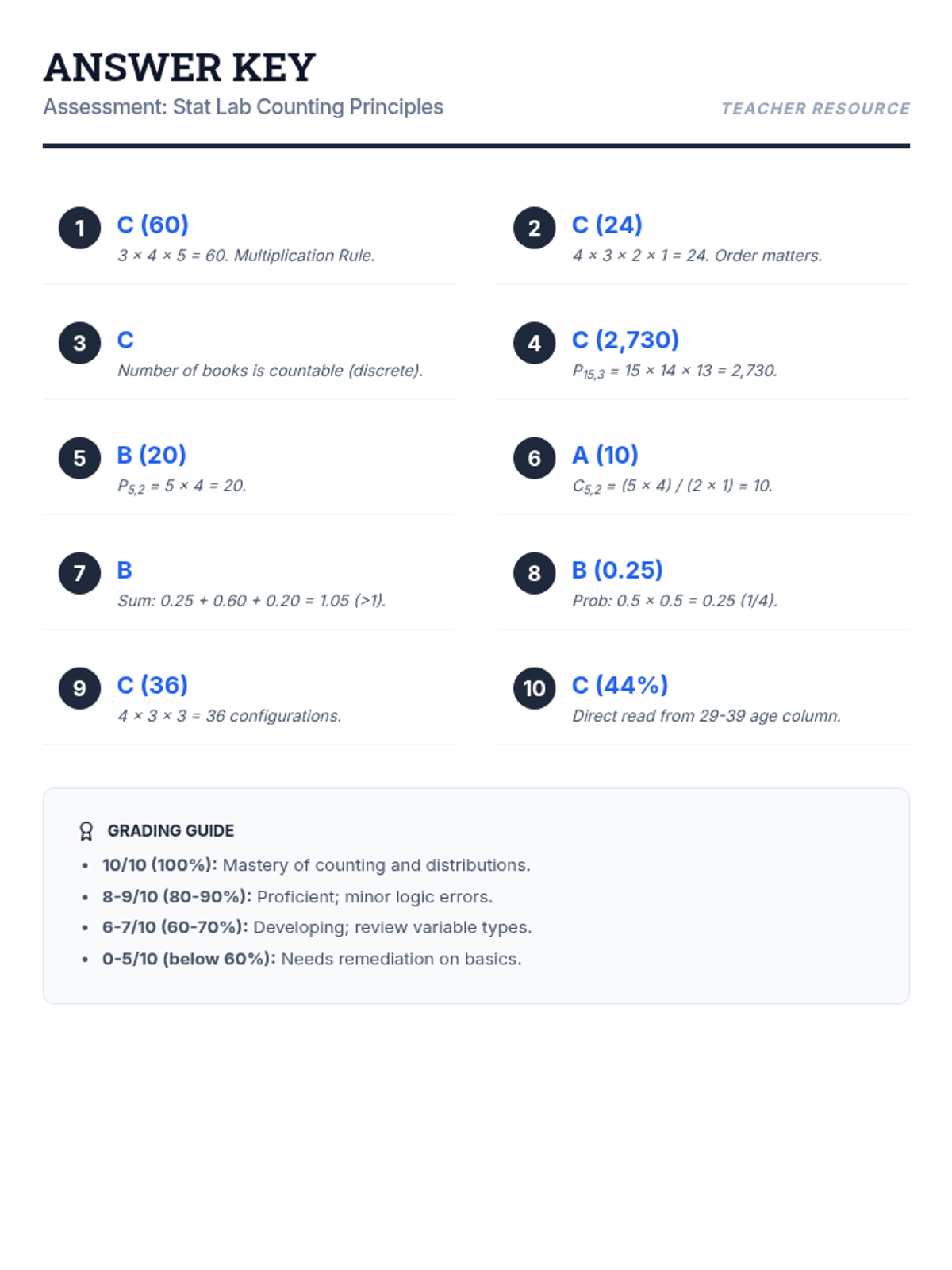
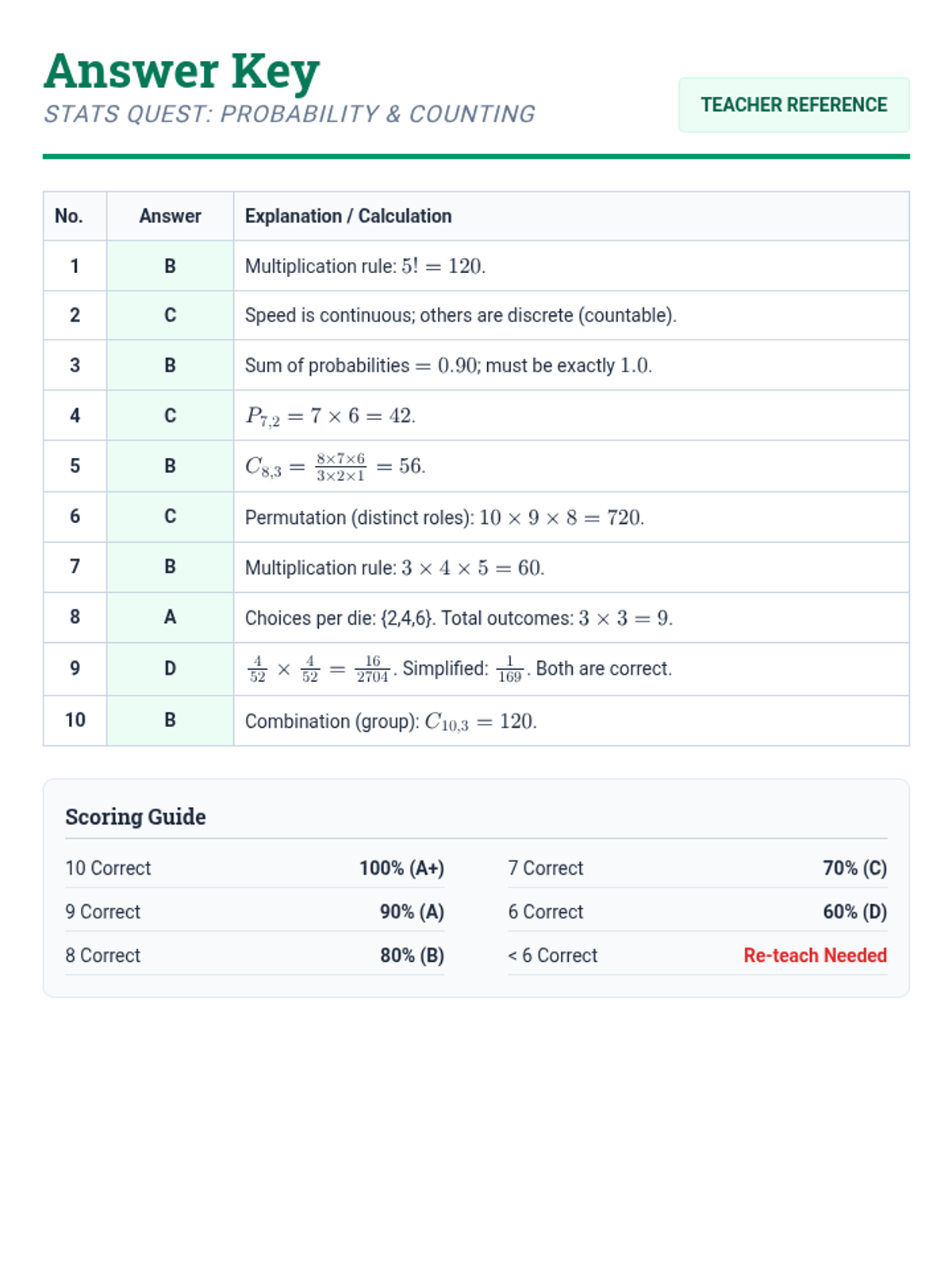
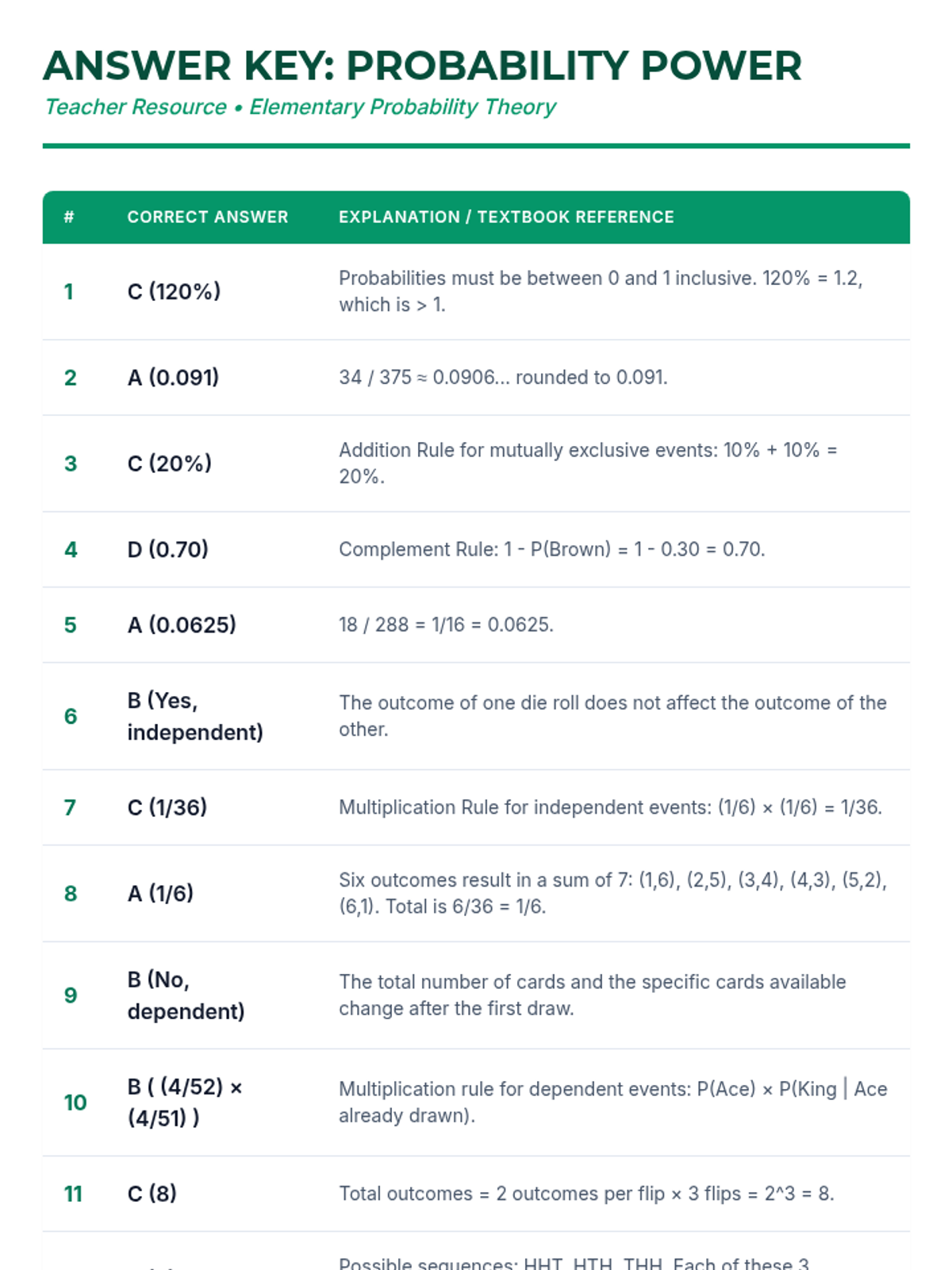
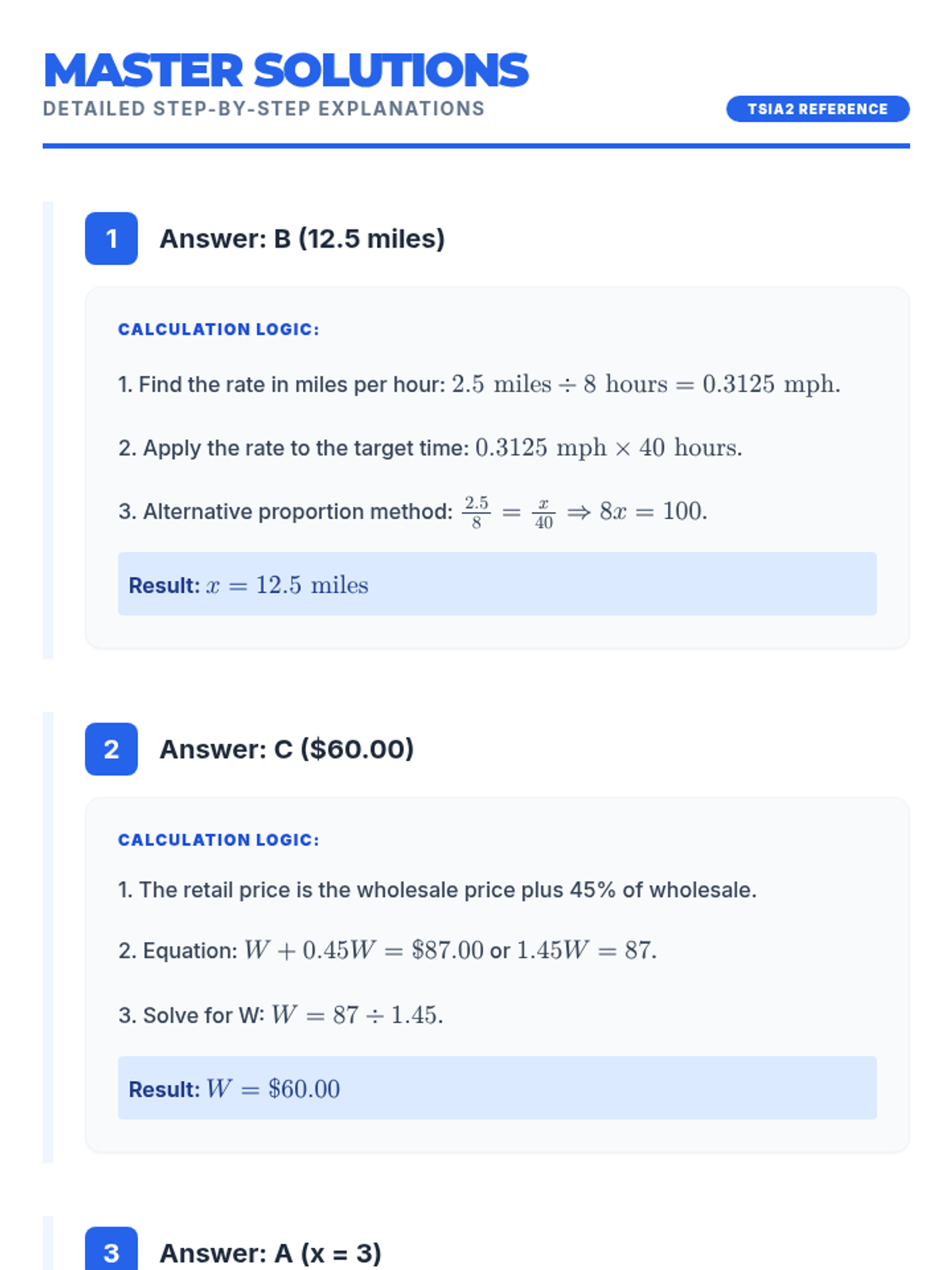
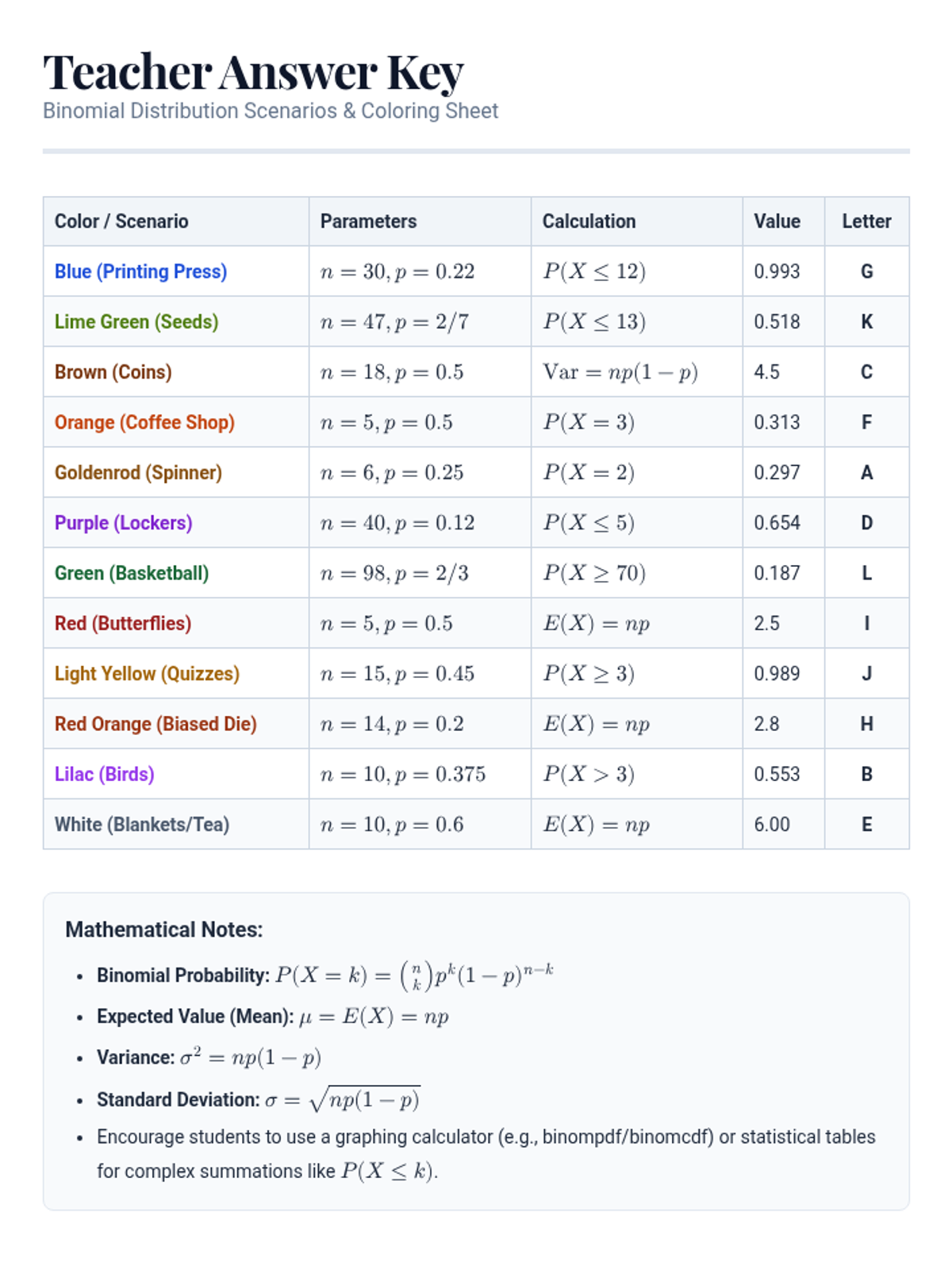
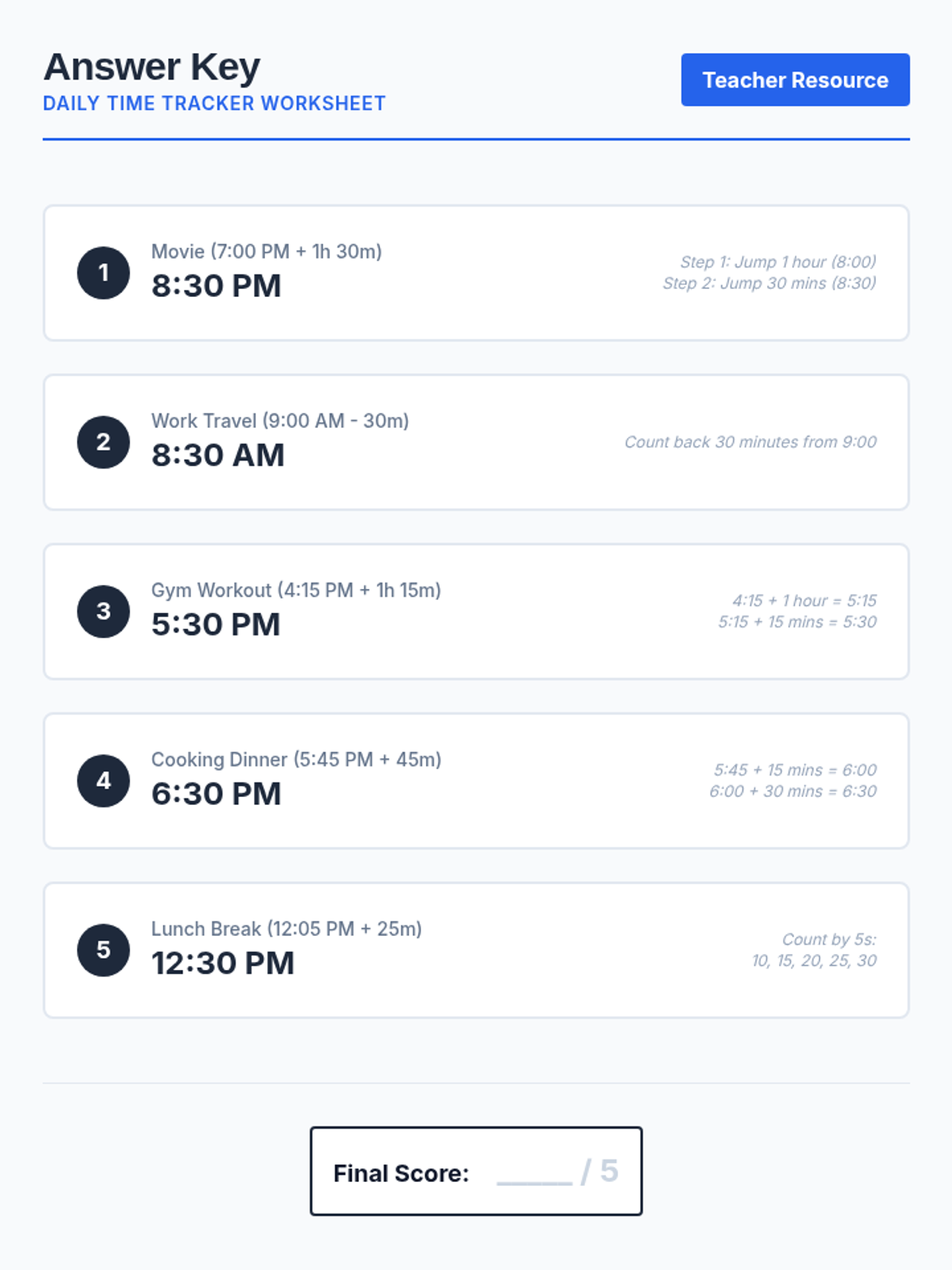
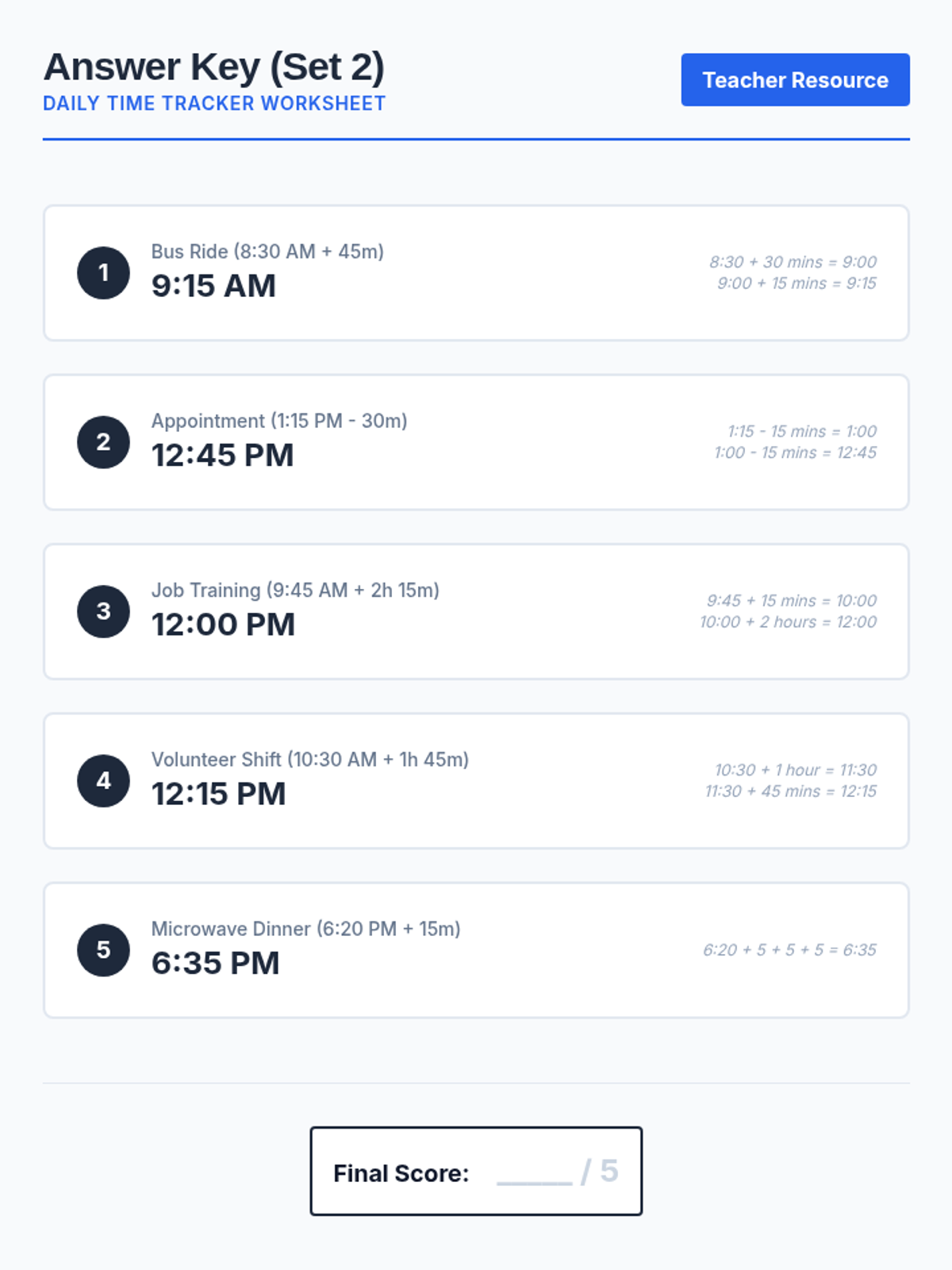
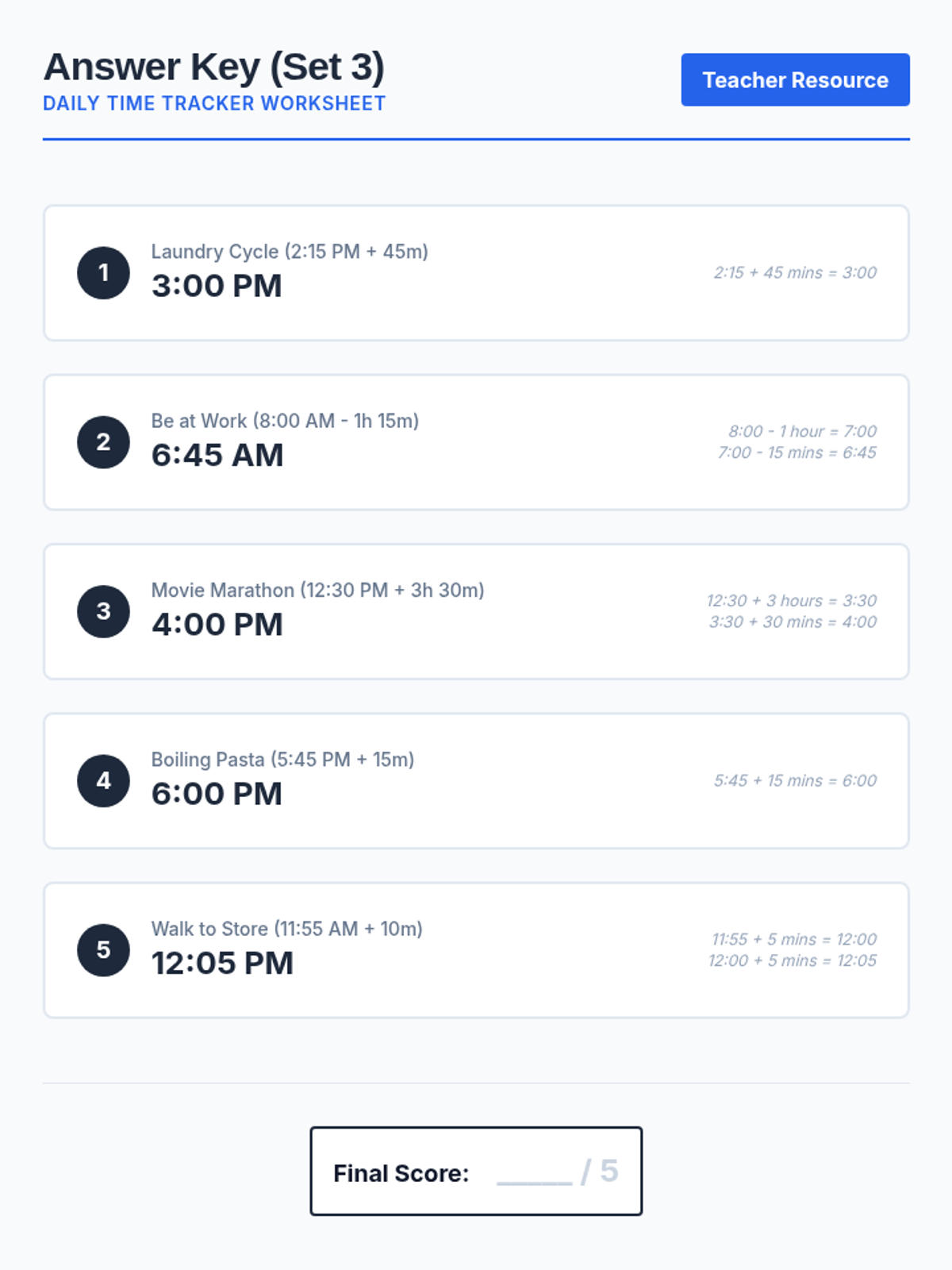
Teacher answer keys for the Real World Math series.
Instructional slides for the Real World Math series.
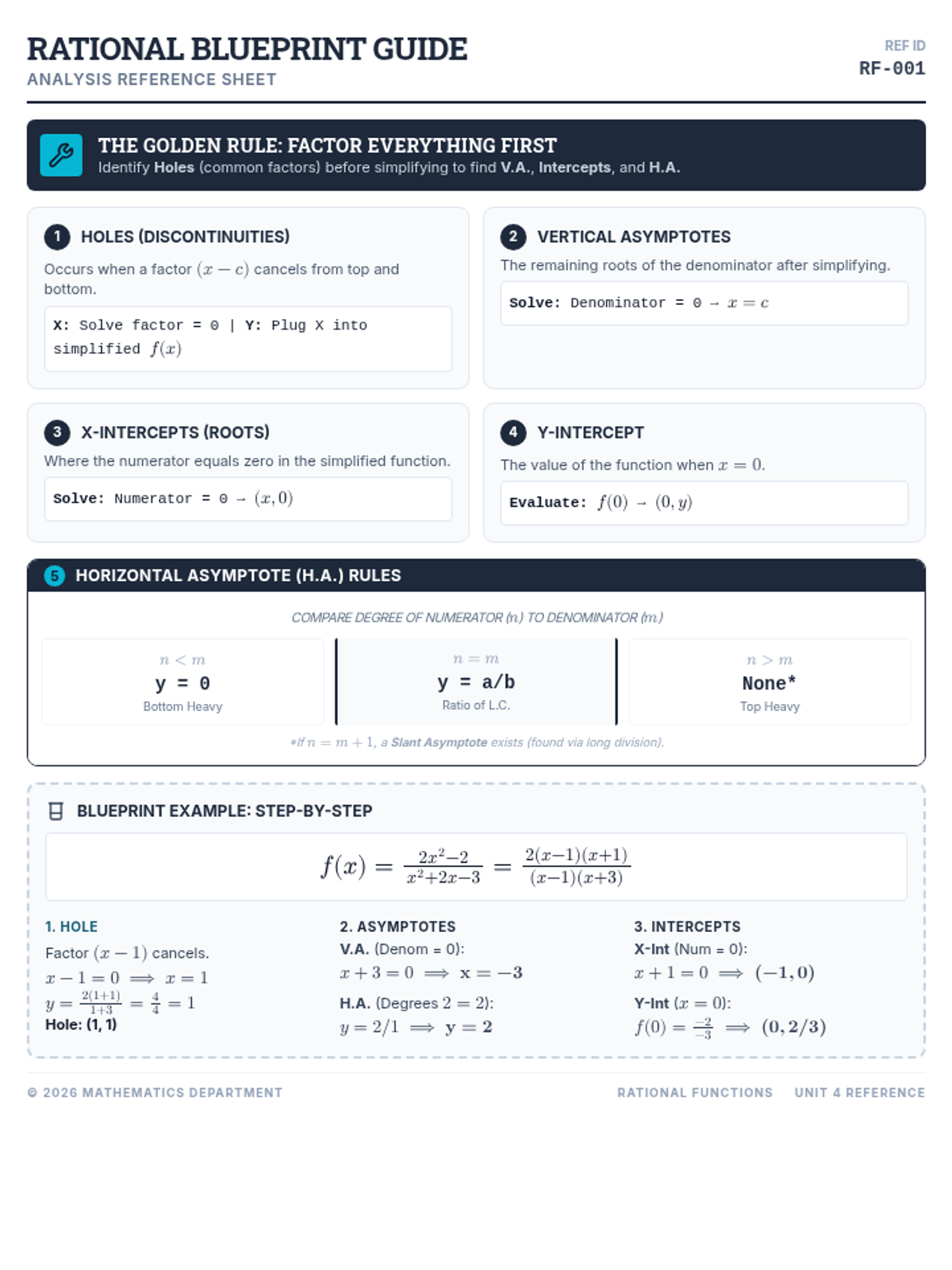
Master the art of solving real-world rational function equations, focusing on clinical drug concentration models and rate-based applications. Students will learn to translate verbal scenarios into rational equations and apply algebraic techniques to find precise solutions.
Une leçon complète sur le calcul intégral appliqué à l'économie, couvrant l'intégration par parties, l'indice de Gini et les surplus du consommateur et du producteur.
A comprehensive assessment and reference set for Tier 1 plumbing apprentices covering essential trade mathematics, including offsets, volumes, and conversions.
A practical math lesson for adult students focusing on calculating a 20% tip at restaurants using the bill amount multiplied by 0.20.
A maritime-themed lesson exploring trigonometry through the lens of the Titanic's maiden voyage. Students master unit circle coordinates and trigonometric values using historical figures and navigation scenarios.
A comprehensive assessment and review on fundamental trigonometric identities, including Pythagorean, reciprocal, sum/difference, and double angle formulas. Students will decode mathematical relationships through a spy-themed dossier.
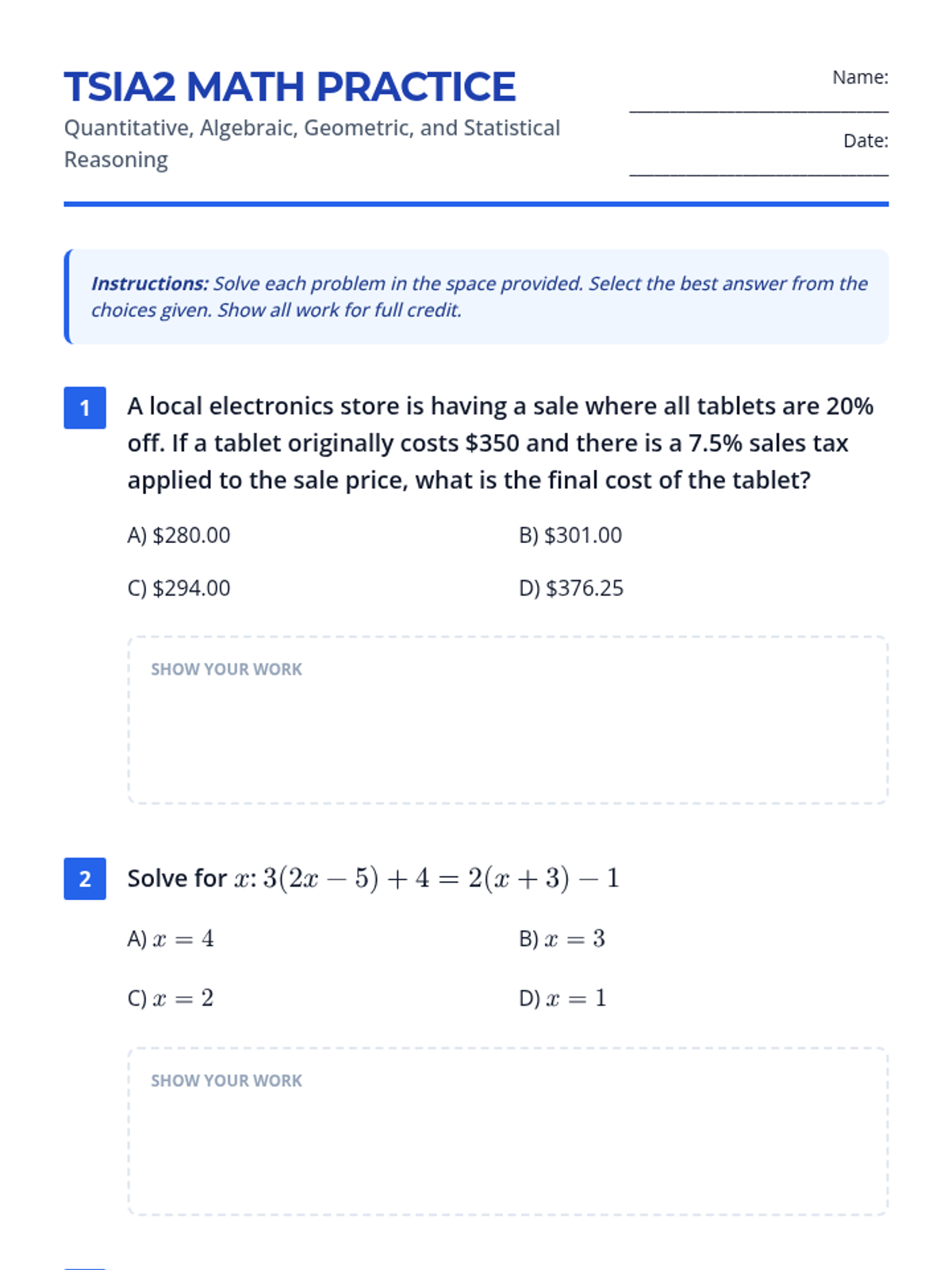
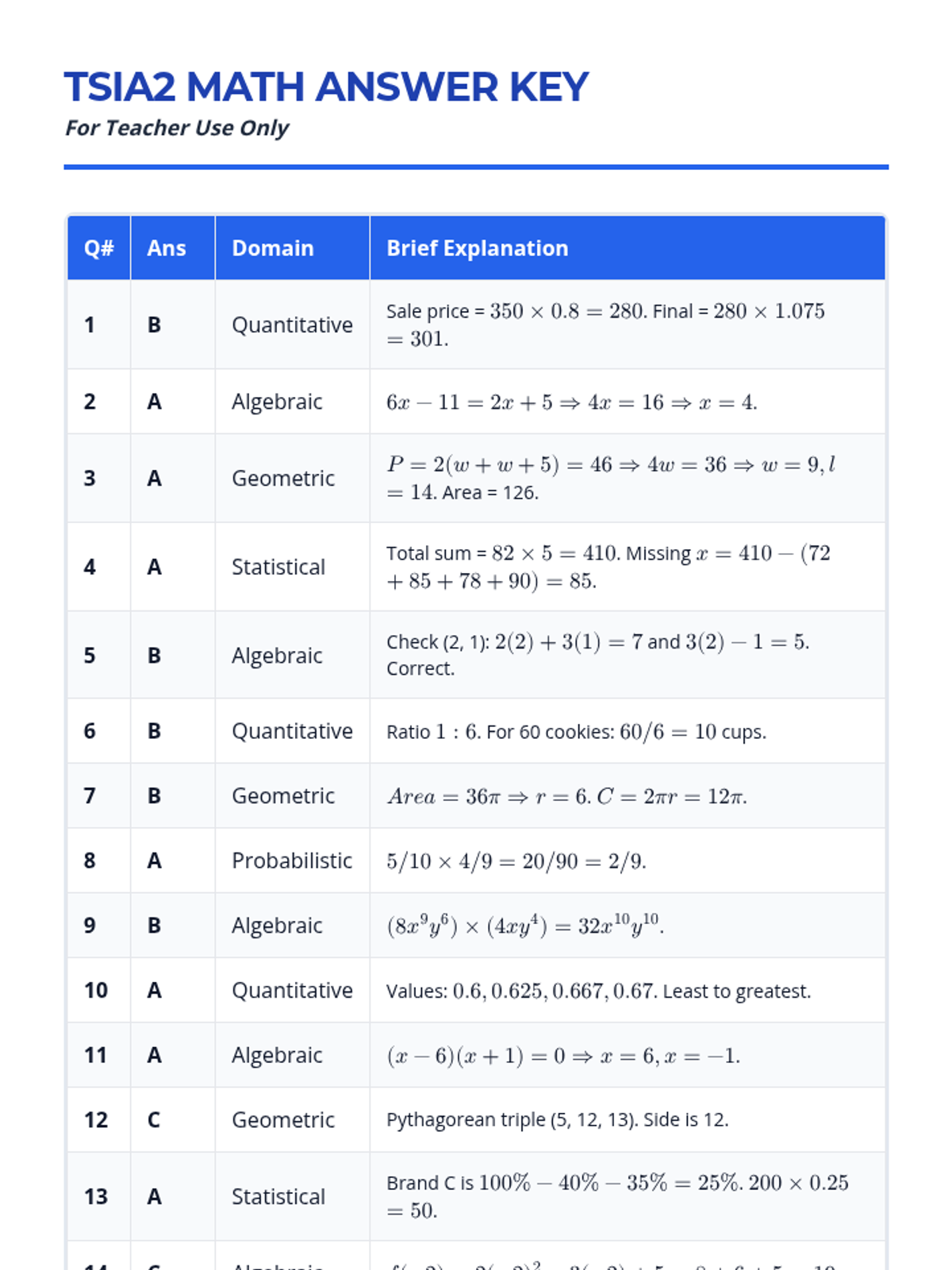
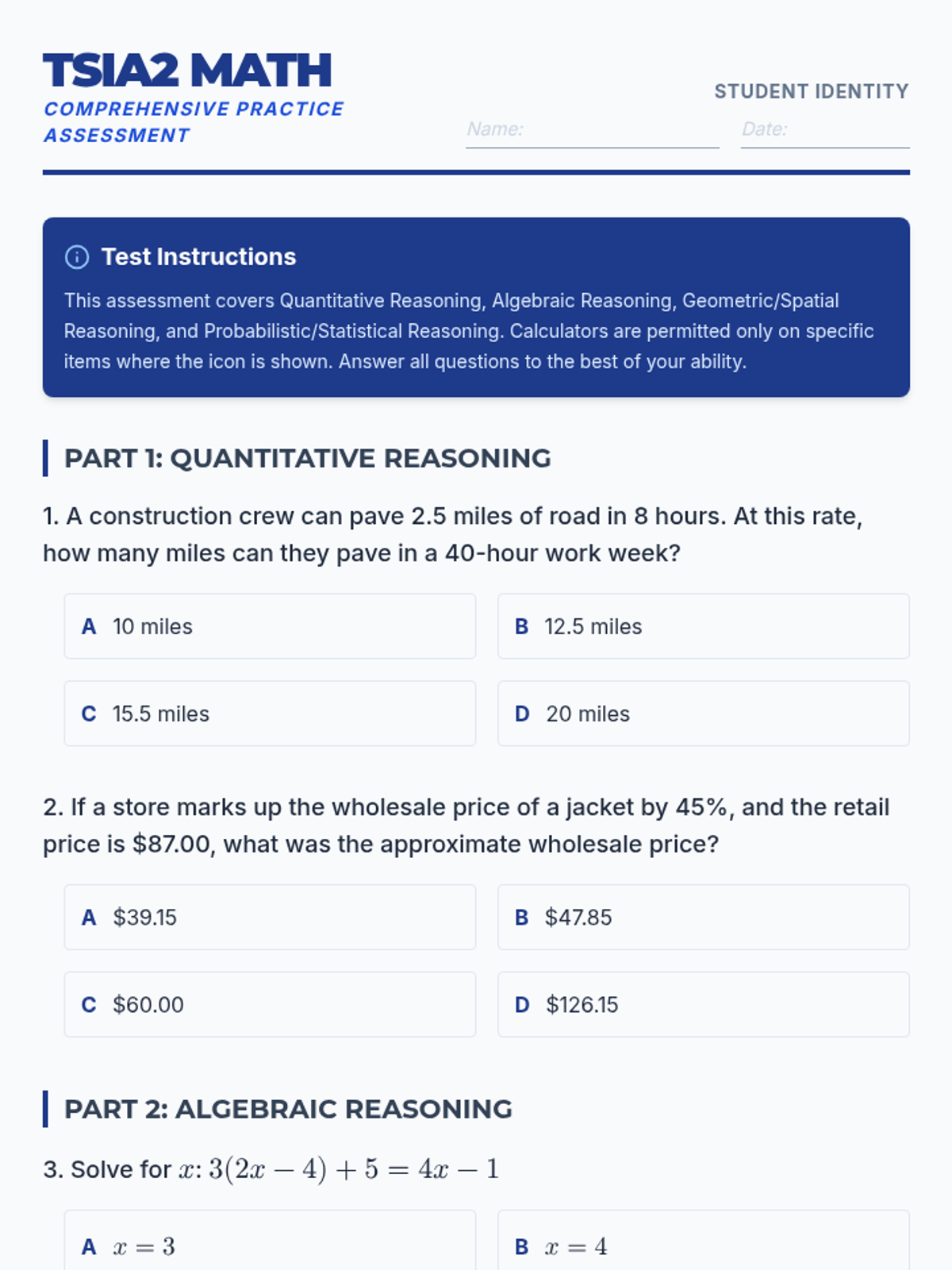
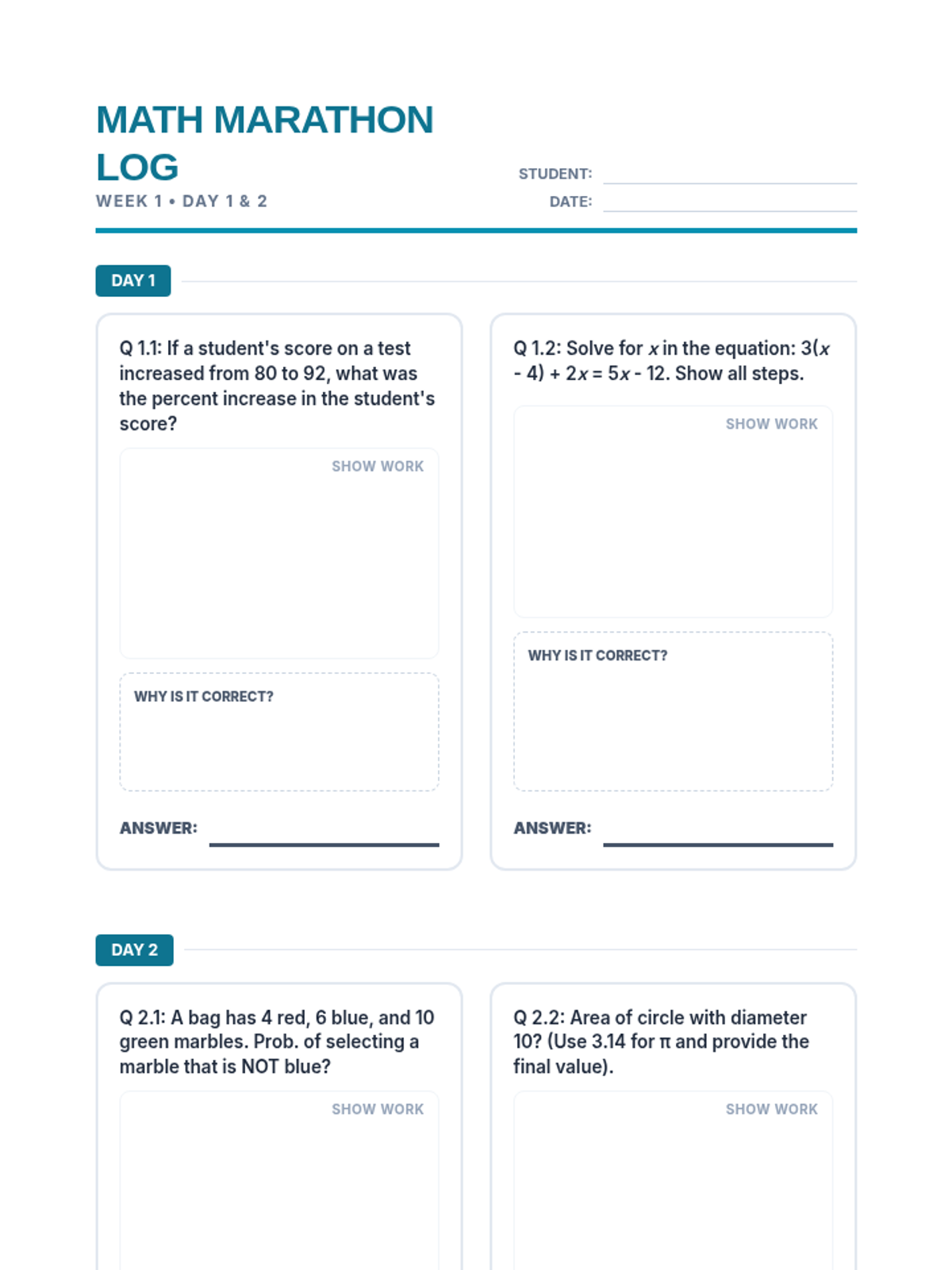
A comprehensive practice session for the TSIA2 Math exam, focusing on quantitative reasoning, algebraic reasoning, geometry, and statistics.
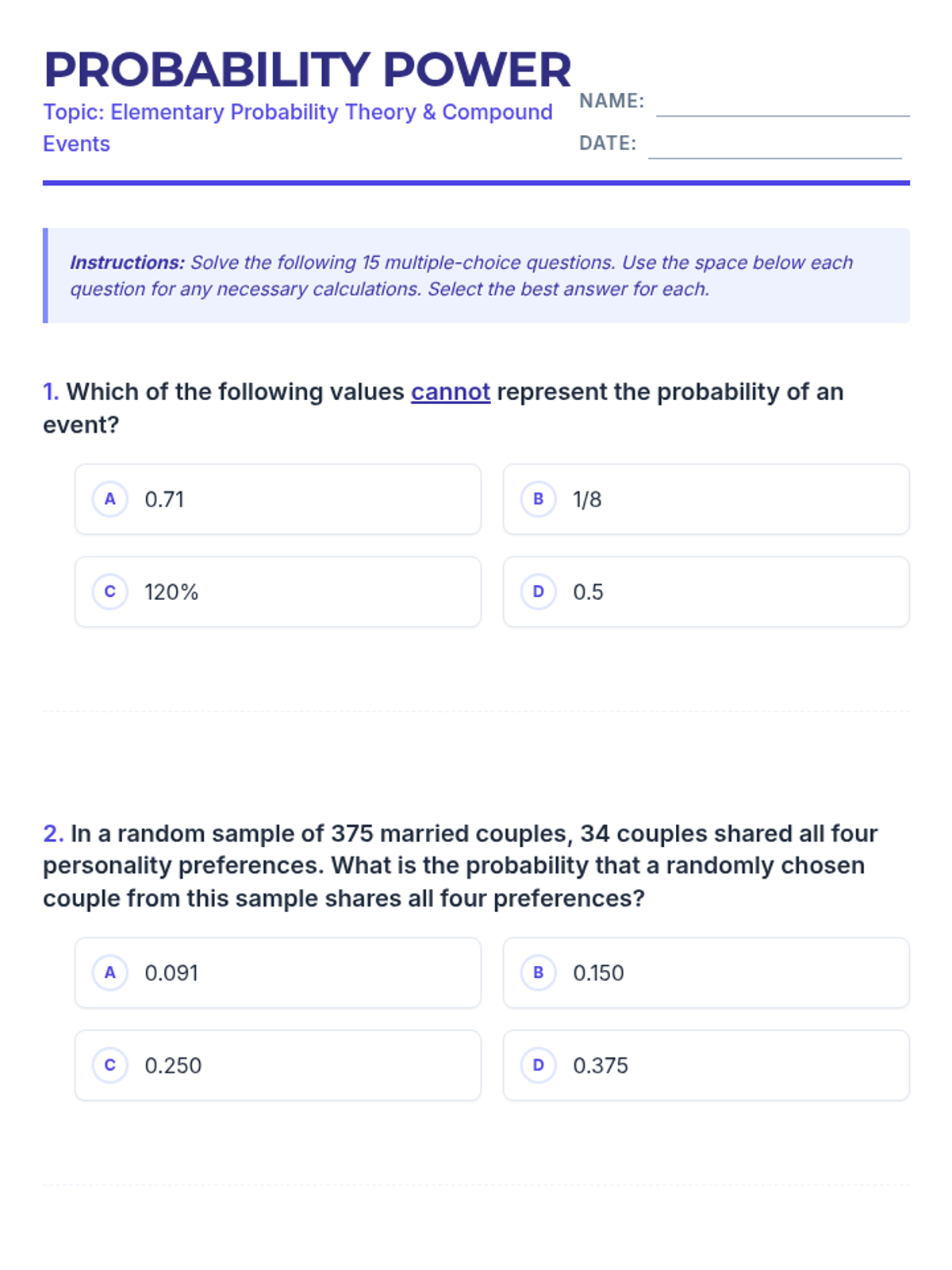
A comprehensive 20-question practice test covering all four TSIA2 Math domains: Quantitative Reasoning, Algebraic Reasoning, Geometry, and Probability and Statistics.
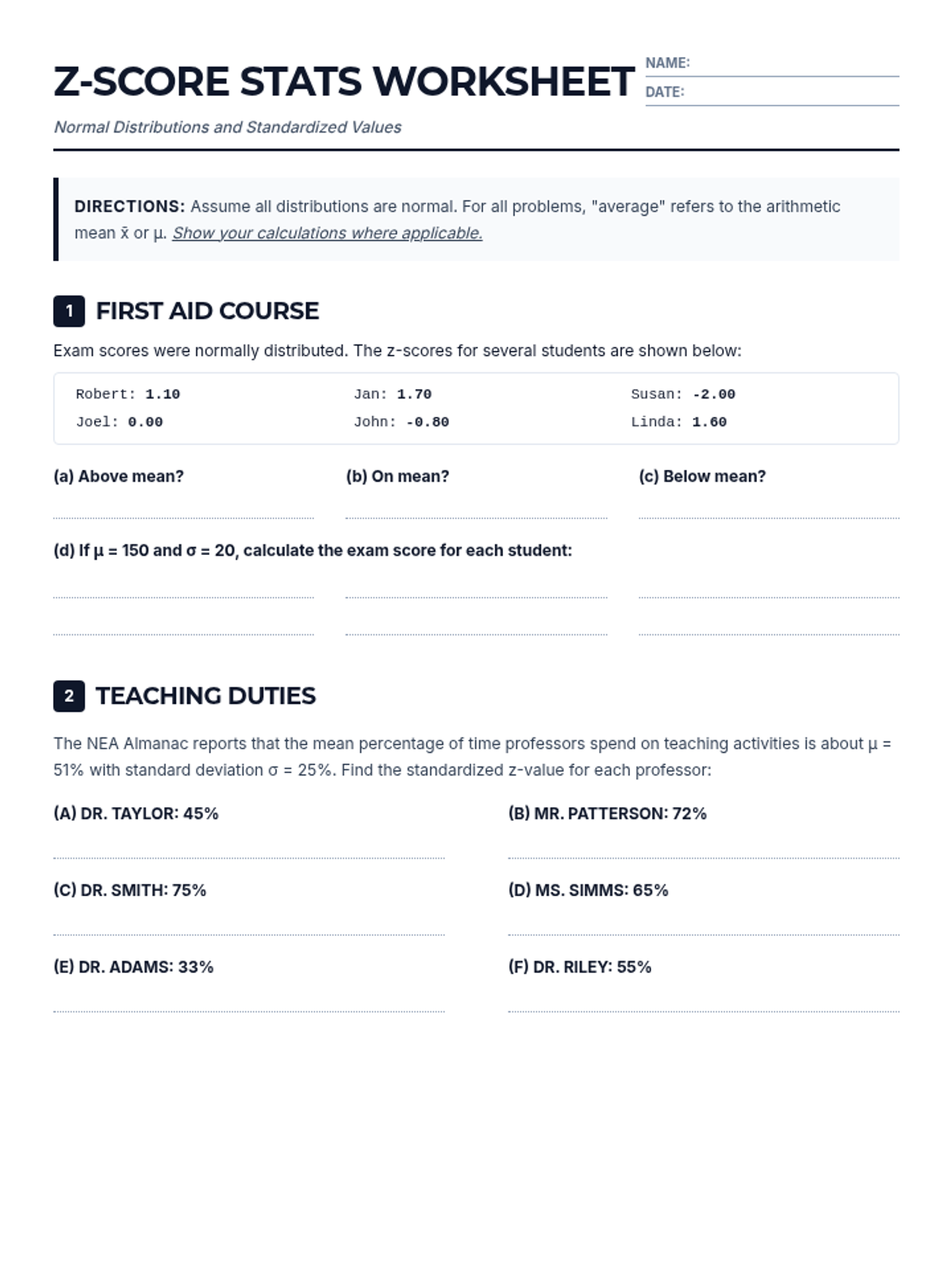
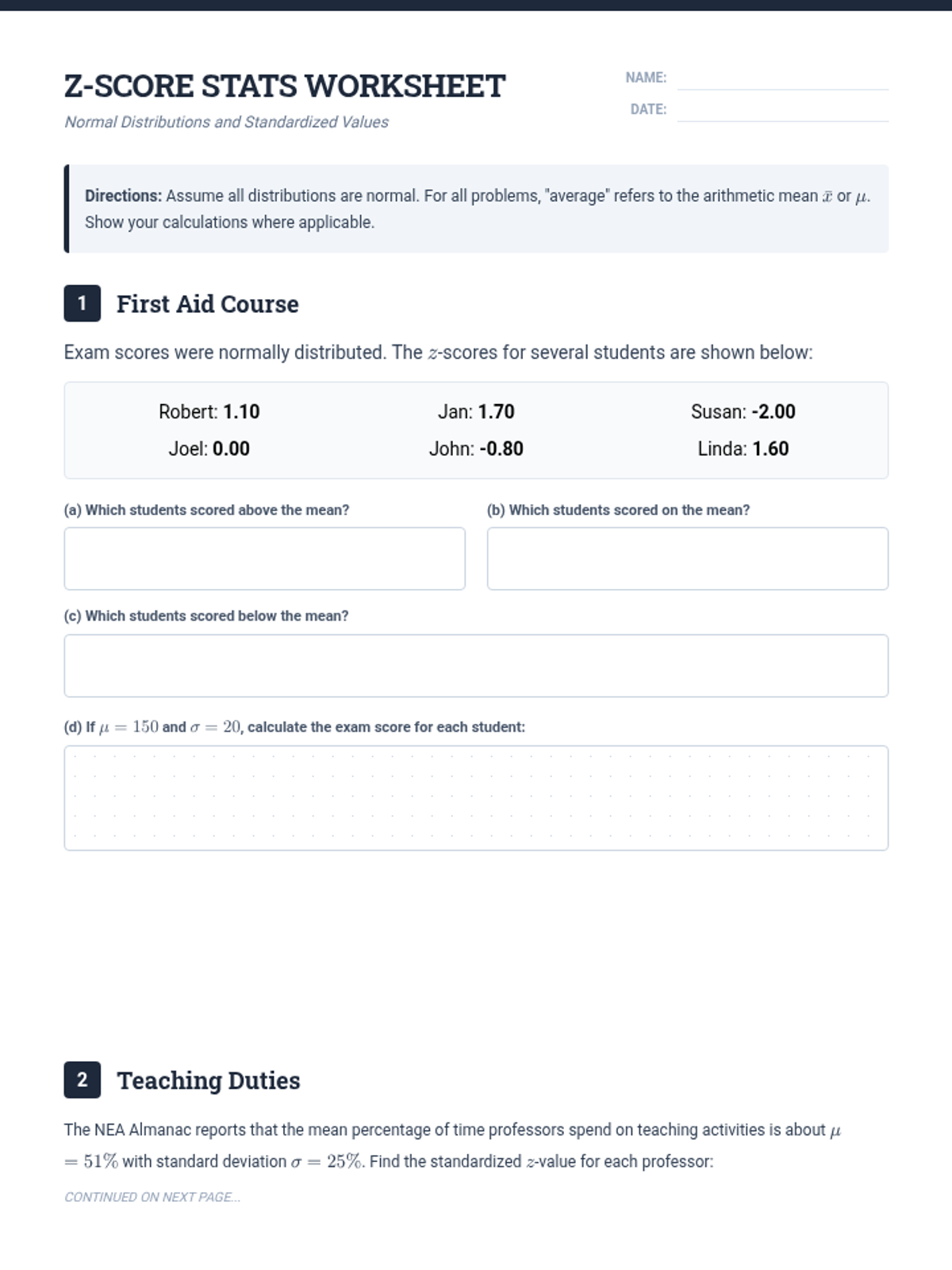
A comprehensive introduction to the normal distribution, focusing on the empirical rule and calculating probabilities using z-score tables. Students will learn to visualize data distributions and find areas under the curve.
A collection of resources focused on foundational arithmetic operations for older learners, utilizing a professional and mature aesthetic.
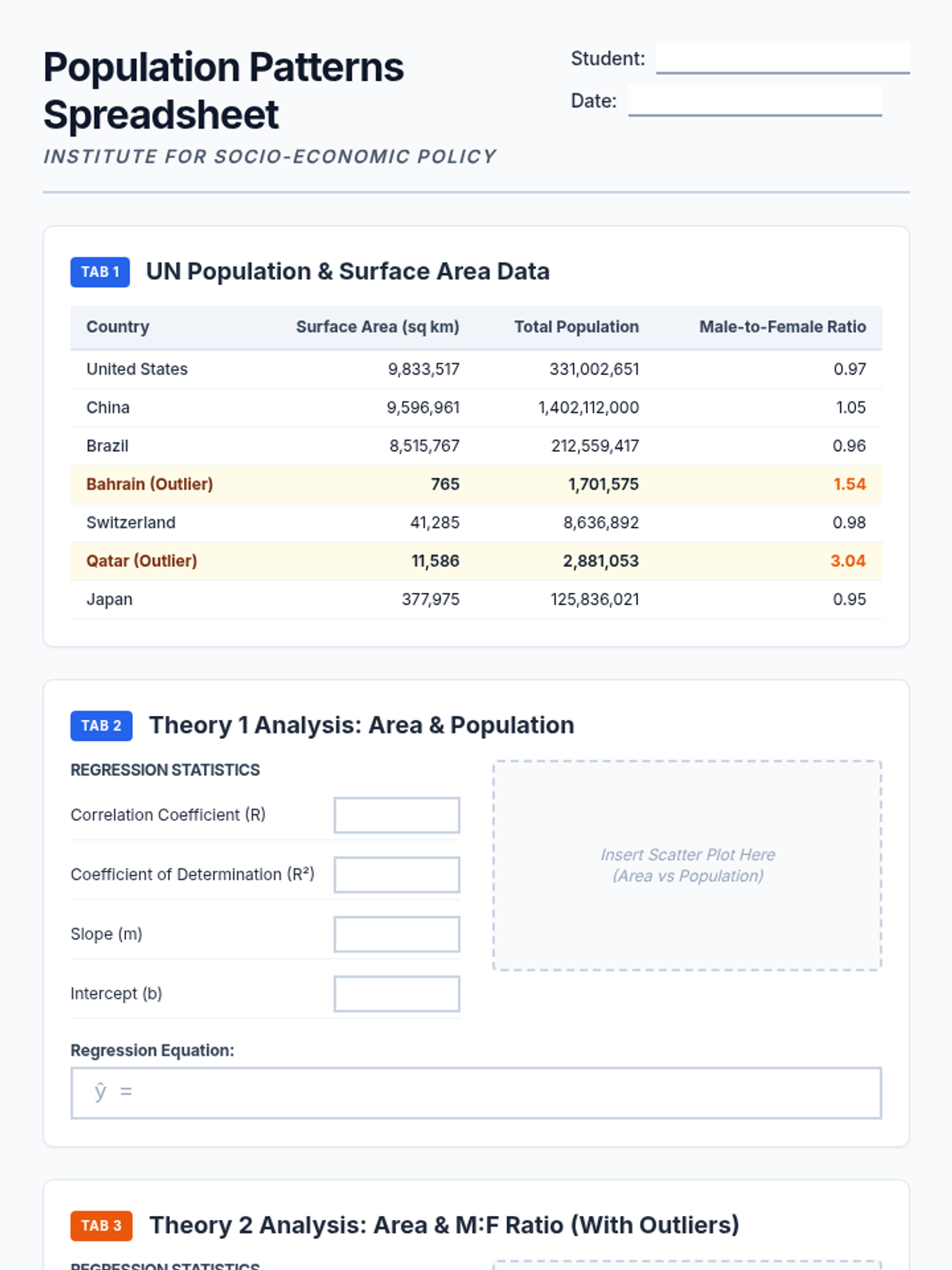
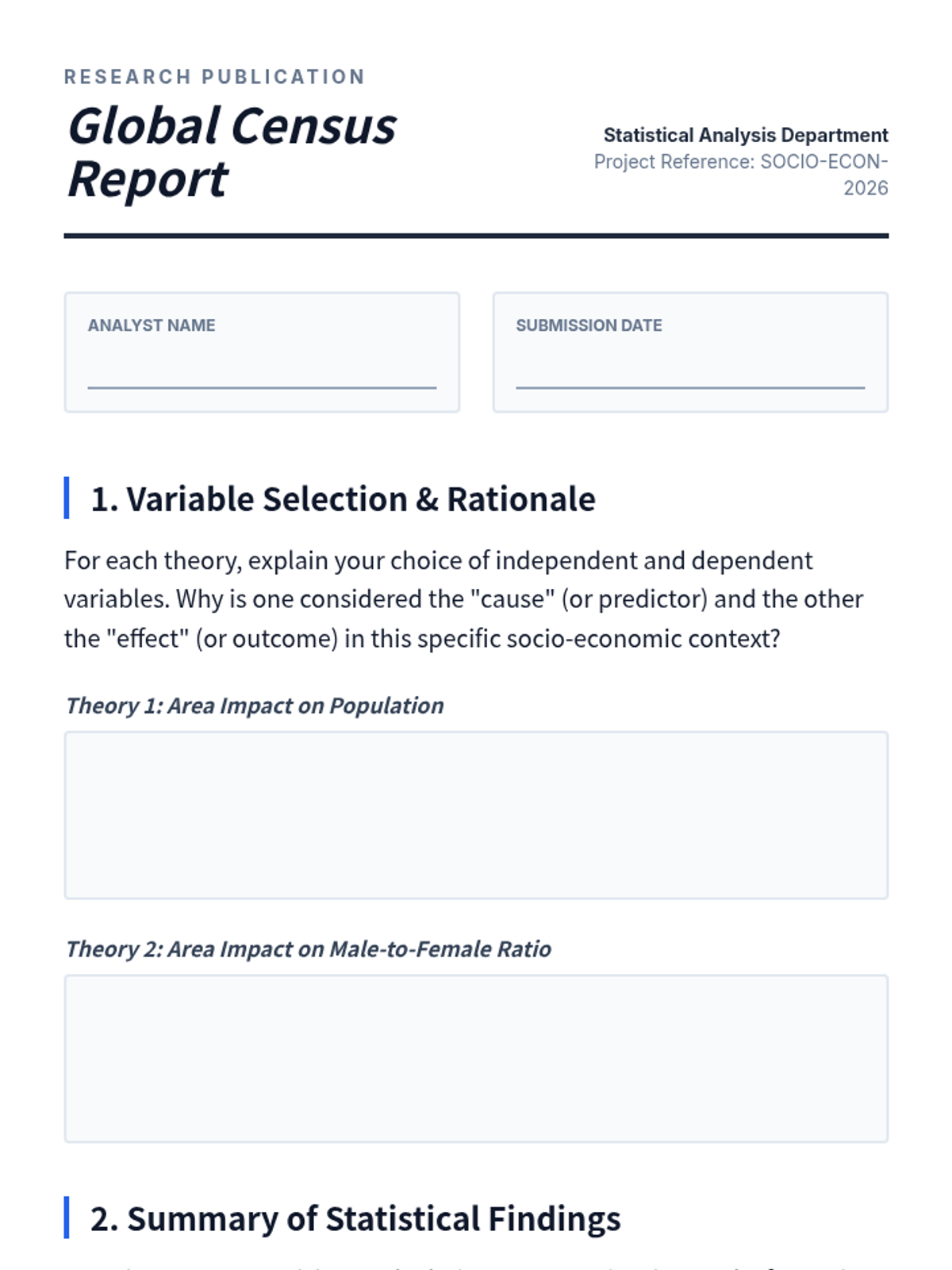
A comprehensive lesson focused on performing and interpreting linear regression analysis using real-world UN population and surface area data. Students will learn to identify variables, evaluate the impact of outliers, and draw conclusions based on correlation coefficients.
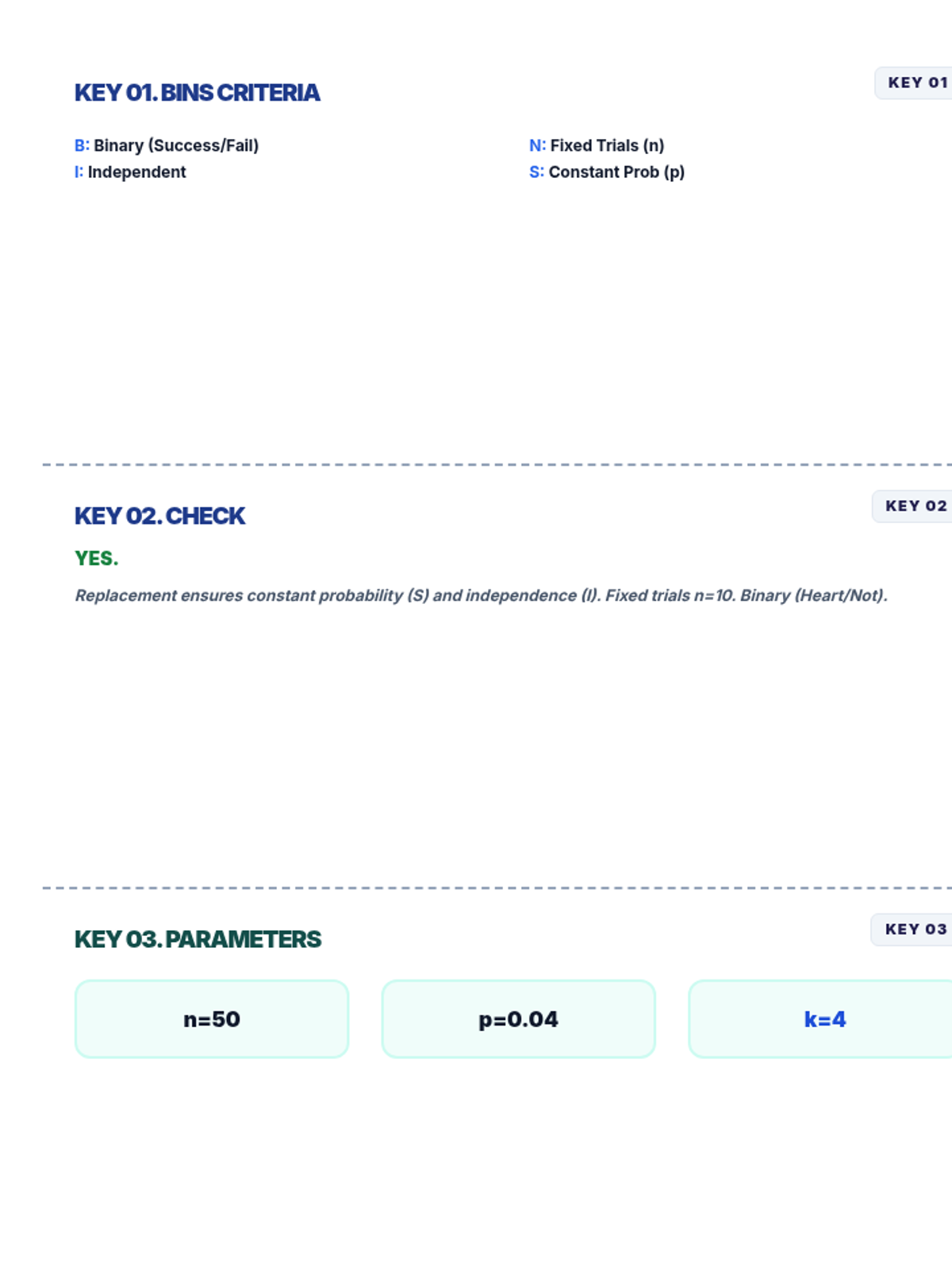
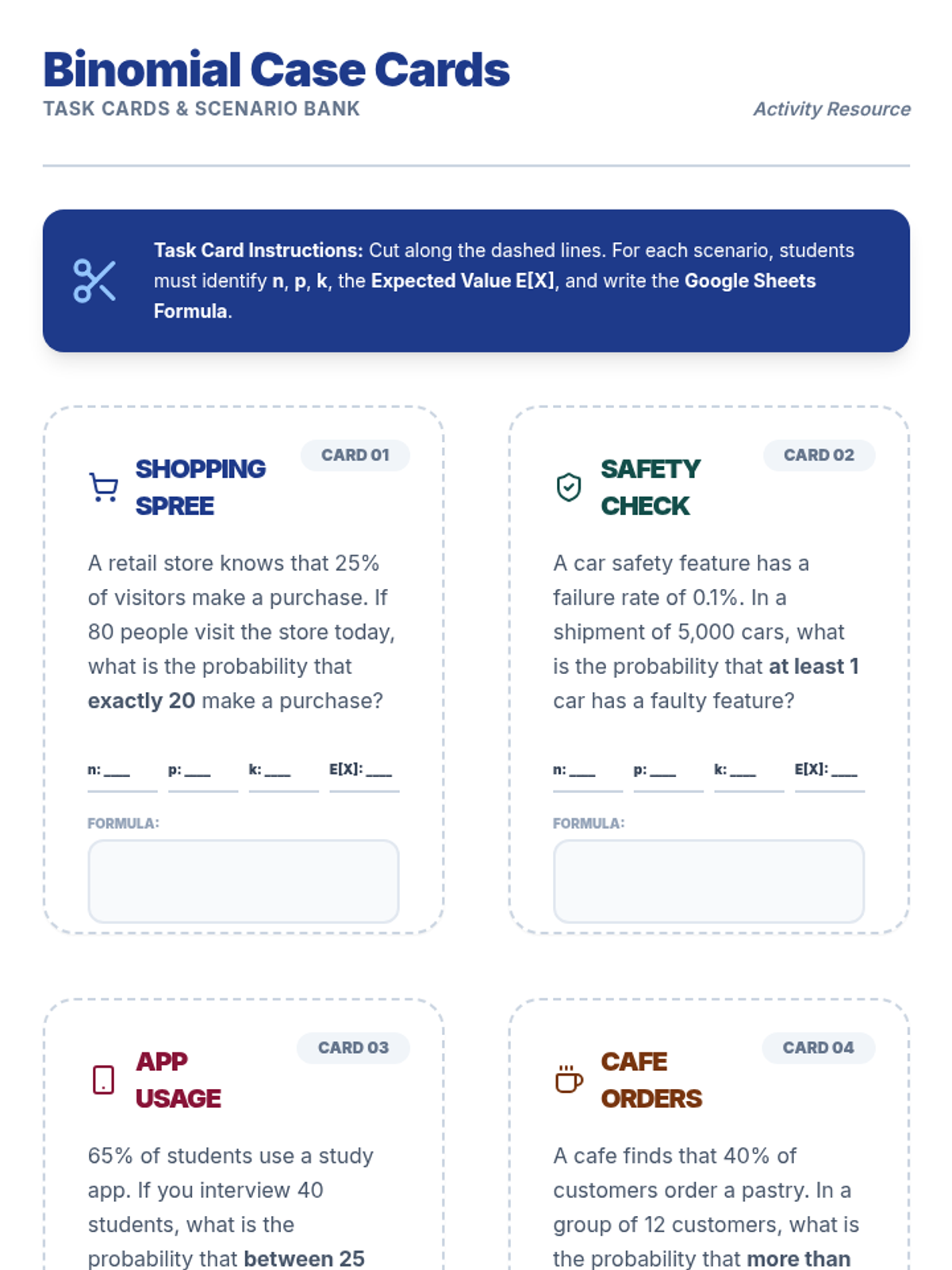
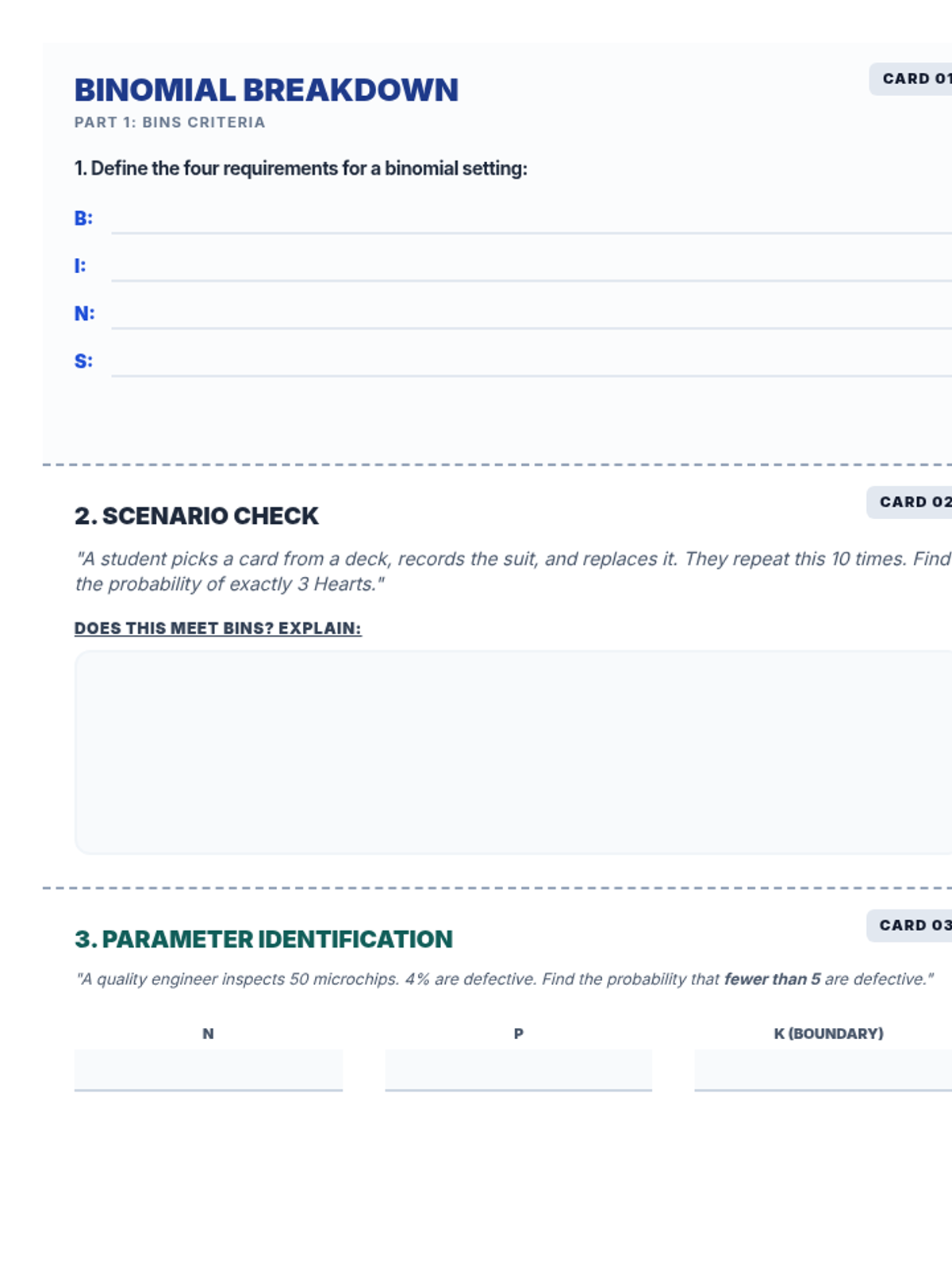
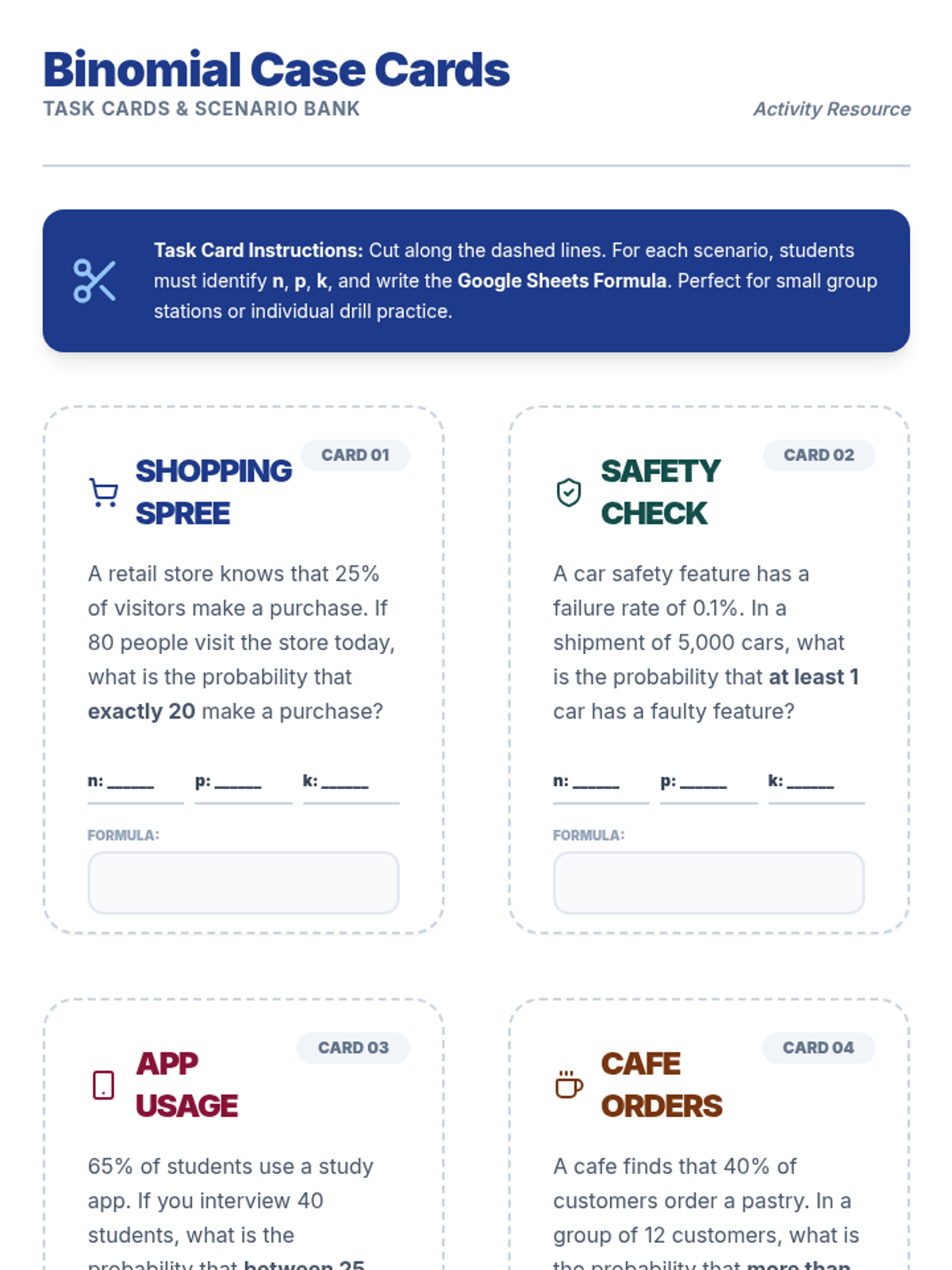
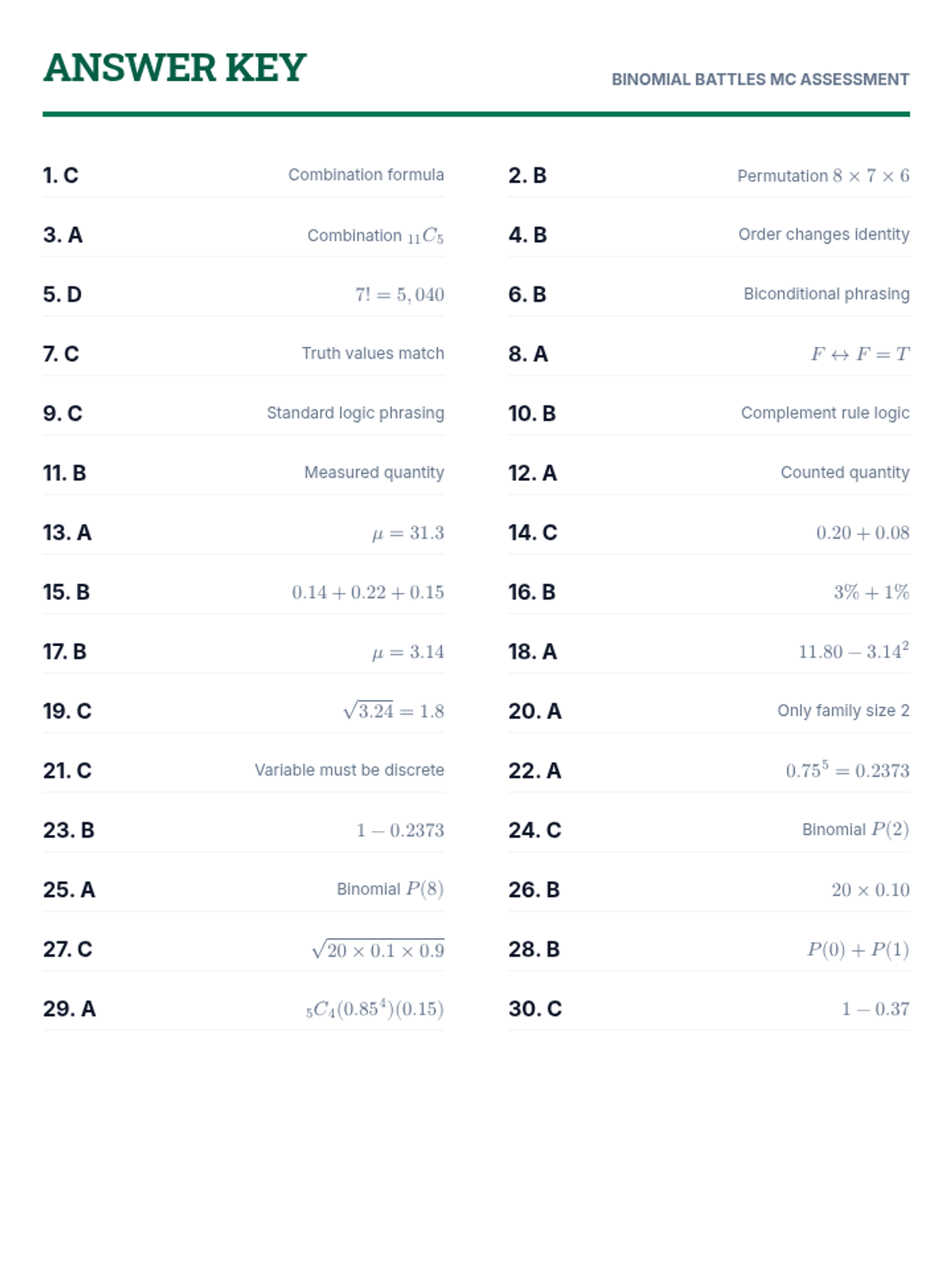
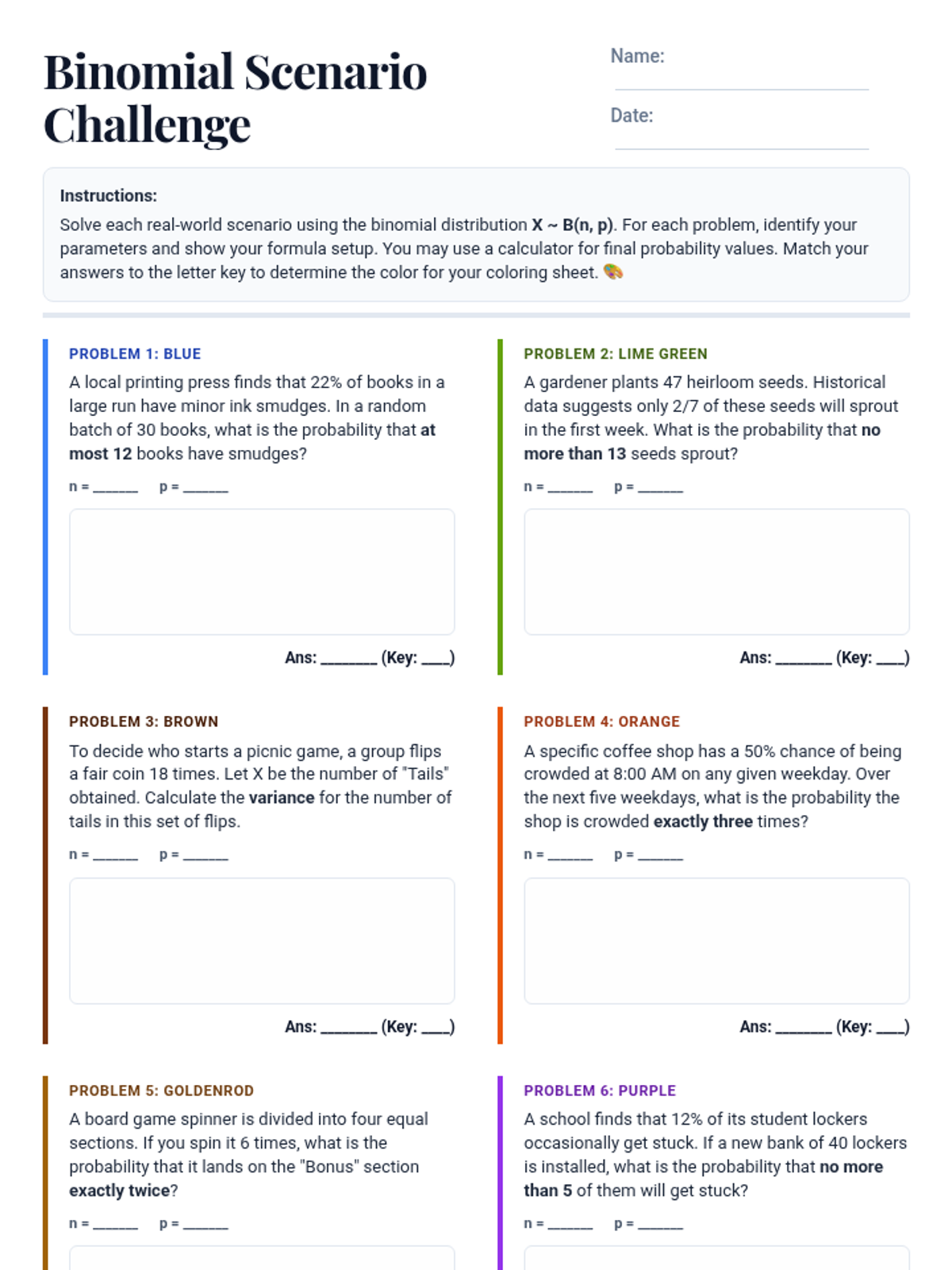
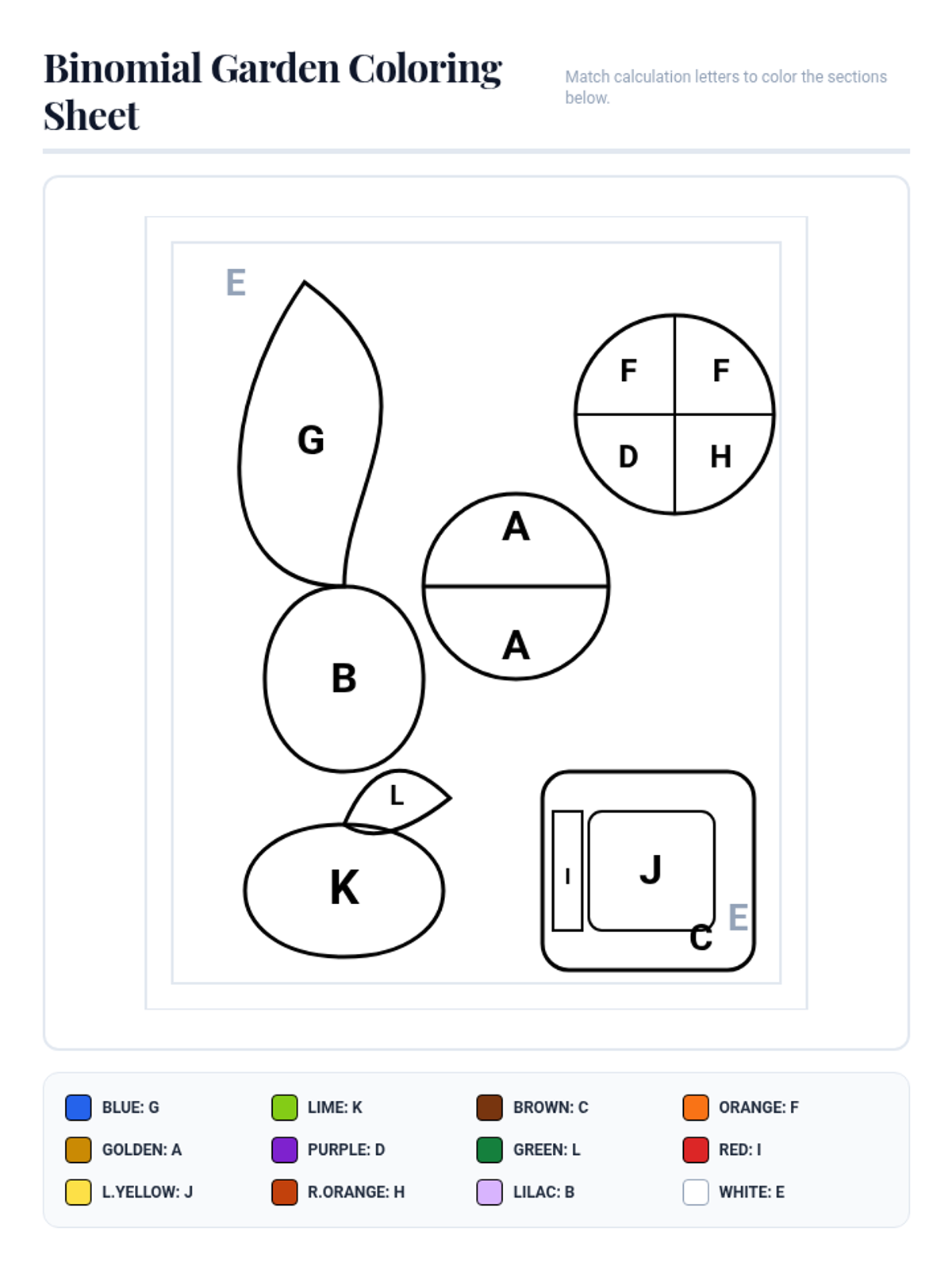
A lesson focused on calculating the mean, variance, and standard deviation of binomial probability distributions in real-world contexts.
A lesson on constructing and analyzing probability distributions for discrete random variables based on collected samples or simulations, aligned with TEKS S.5(C).
Cette séance de mathématiques appliquées guide les élèves de SEGPA dans l'agrandissement d'une affiche promotionnelle pour leur mini-entreprise, en utilisant la proportionnalité et le produit en croix pour passer du format A4 au format raisin.
A Tier 2 intervention lesson focusing on using probability and expected value to analyze real-world decisions in medical testing, product quality, and sports strategy. Students use decision trees and justification templates to move from calculations to reasoned arguments.
A targeted small group intervention lesson focused on using probability to make and analyze real-world decisions in sports and medicine. Students will use expected value and tree diagrams to justify strategies like pulling a hockey goalie or interpreting medical tests.
A Tier 2 intervention lesson focused on distinguishing statistical significance (p-values) from practical significance (effect size) when evaluating data reports. Students learn to critically analyze headlines and data claims through scaffolded examples and structured comparison activities.
A targeted small-group lesson where students use string and unit circle models to discover that radian measure is equivalent to arc length when the radius is one.
A targeted Tier 2 intervention lesson focusing on constructing two-way frequency tables, calculating conditional probabilities, and testing for independence using a color-coded blueprint approach.
A targeted small group intervention lesson focused on using simulations to determine statistical significance in randomized experiments. Students will analyze experimental data and use guided reasoning templates to connect simulation results to practical conclusions.
A targeted Tier 2 intervention lesson focused on distinguishing between correlation and causation through investigative scenarios, lurking variable identification, and sorting activities.
A Tier 2 small group intervention lesson focused on distinguishing correlation from causation through the lens of media headline analysis. Students use a 'detective' framework to identify lurking variables and evaluate claims.