This lesson uses a construction-themed approach to help 4th graders decode complex narratives. Students will use visual scaffolding to identify characters, setting, plot, and theme through explicit instruction and hands-on activities.
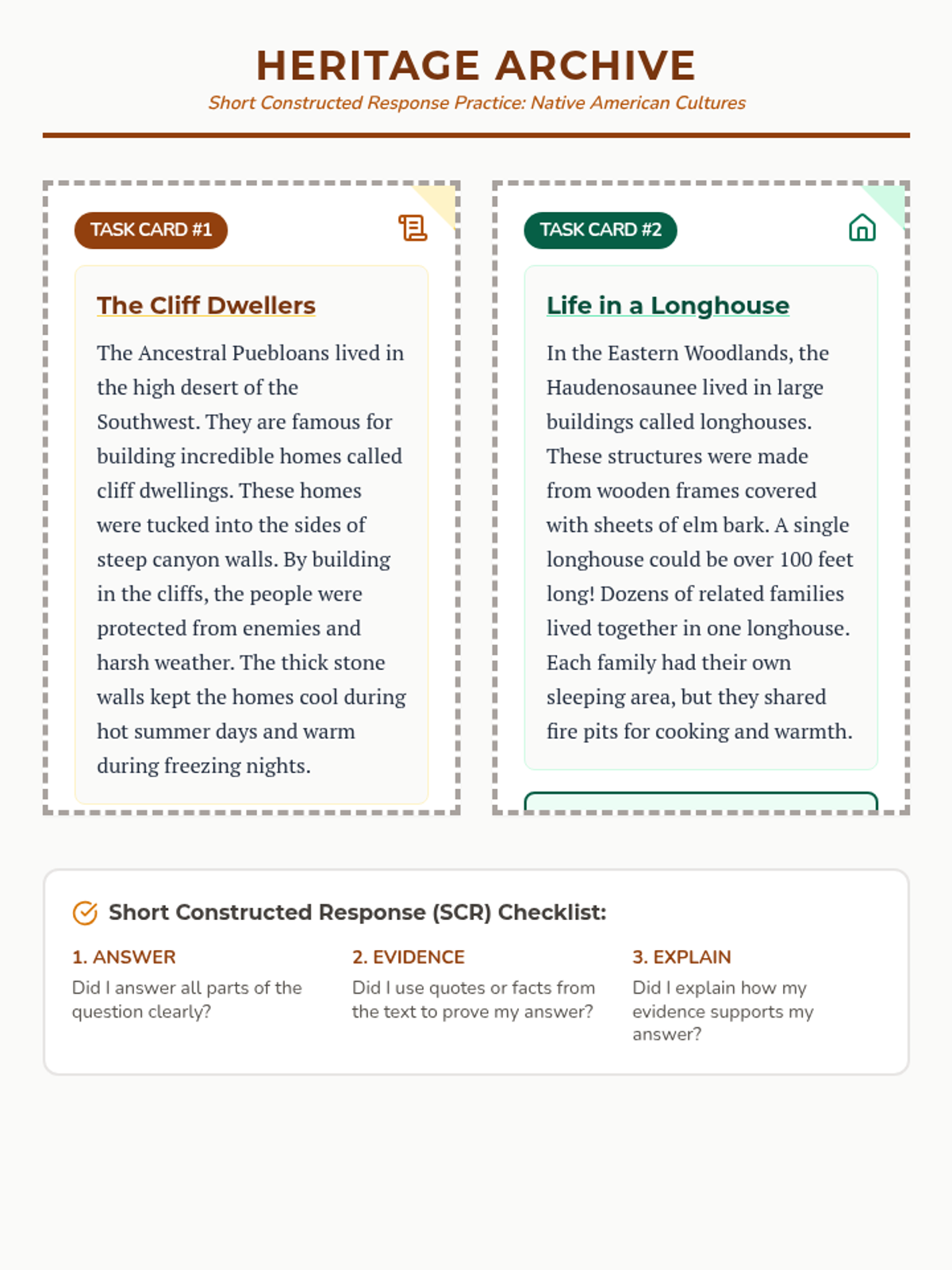
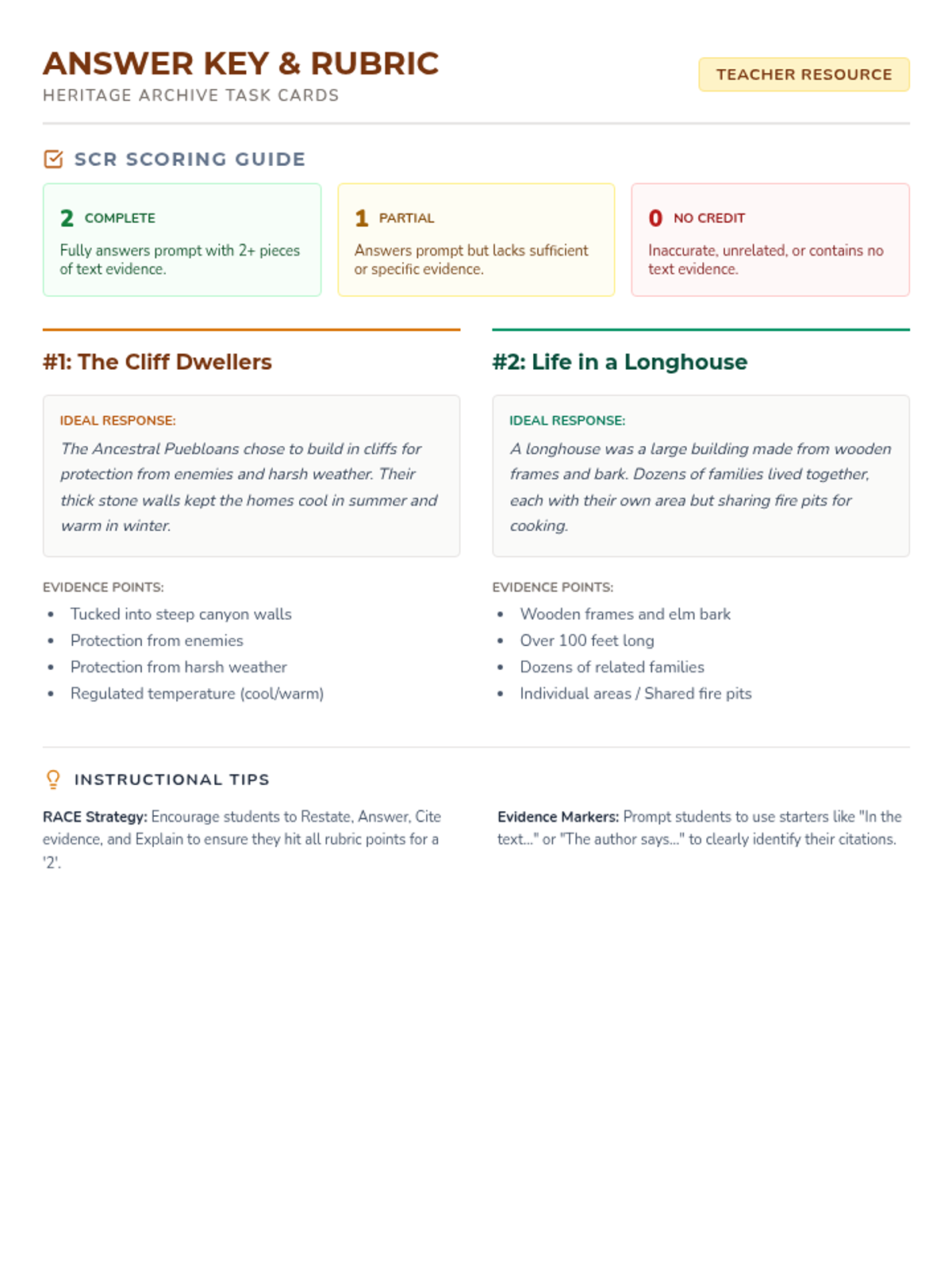
A short lesson focusing on practicing short constructed responses (SCR) using informational texts about the Ancestral Puebloans and the Haudenosaunee. Students read short passages, identify key details, and write evidenced-based responses.
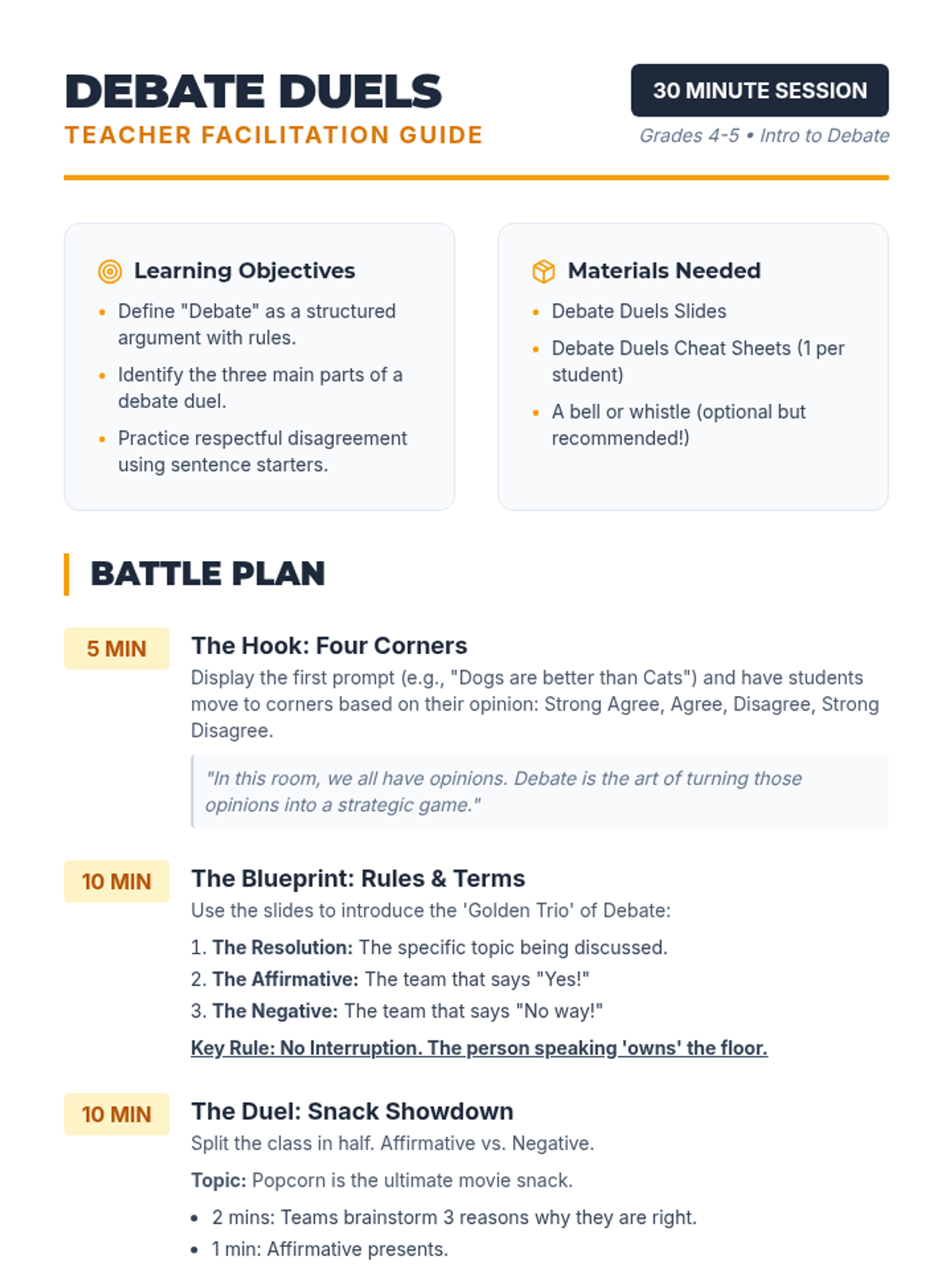
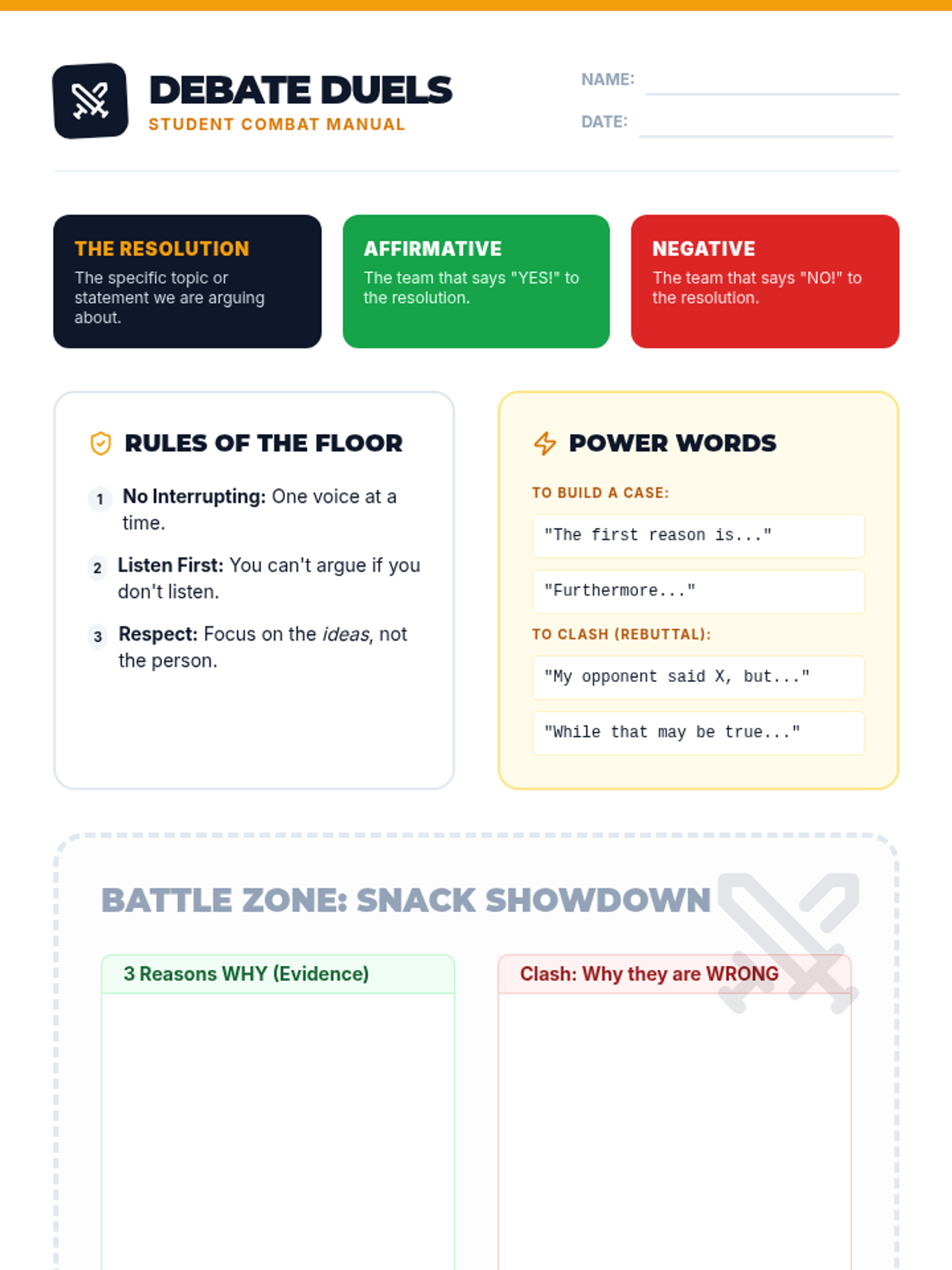
An introductory lesson for 4th and 5th graders to the world of competitive debate, focusing on structure, rules, and respectful disagreement through high-energy activities.
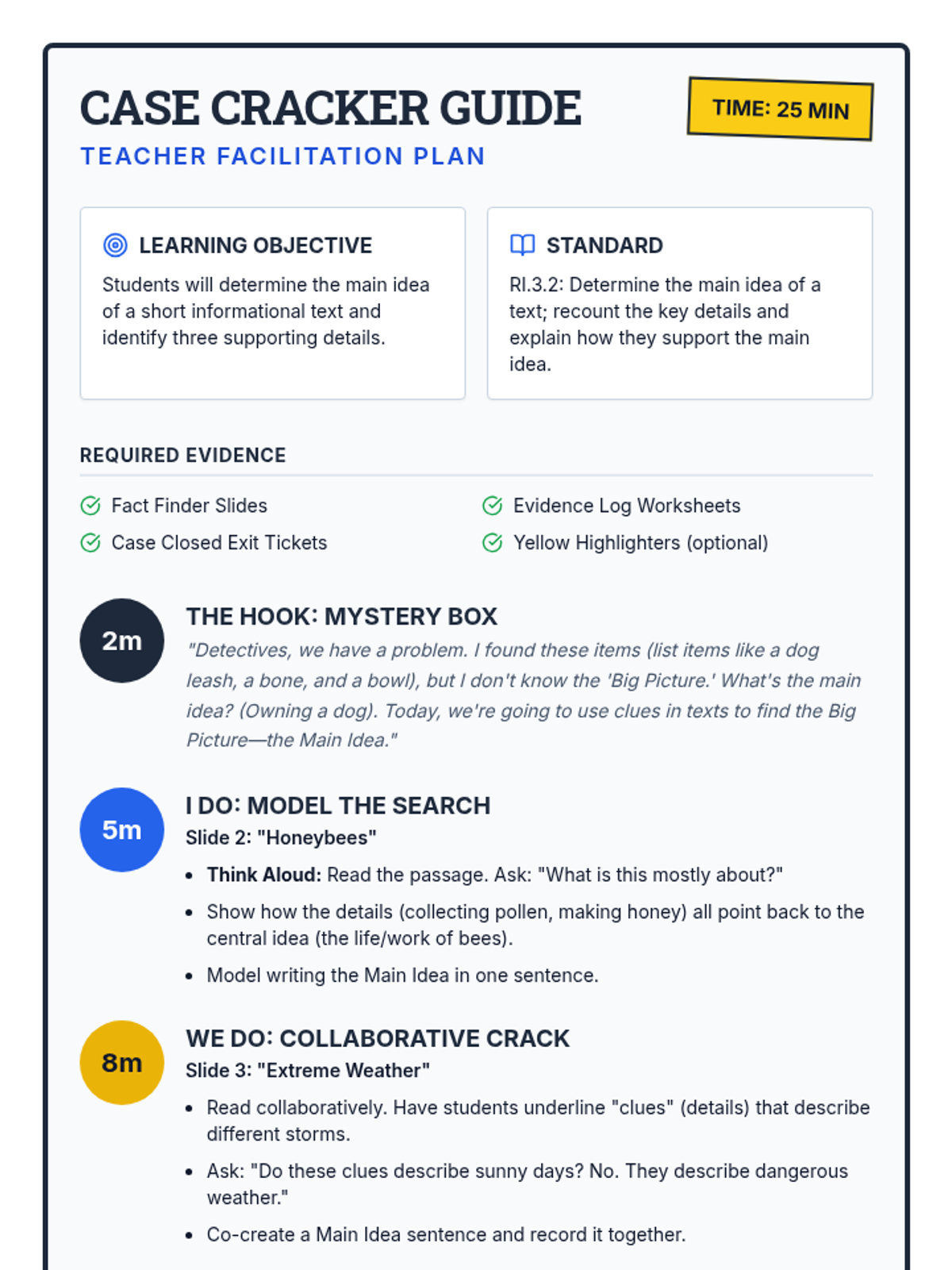
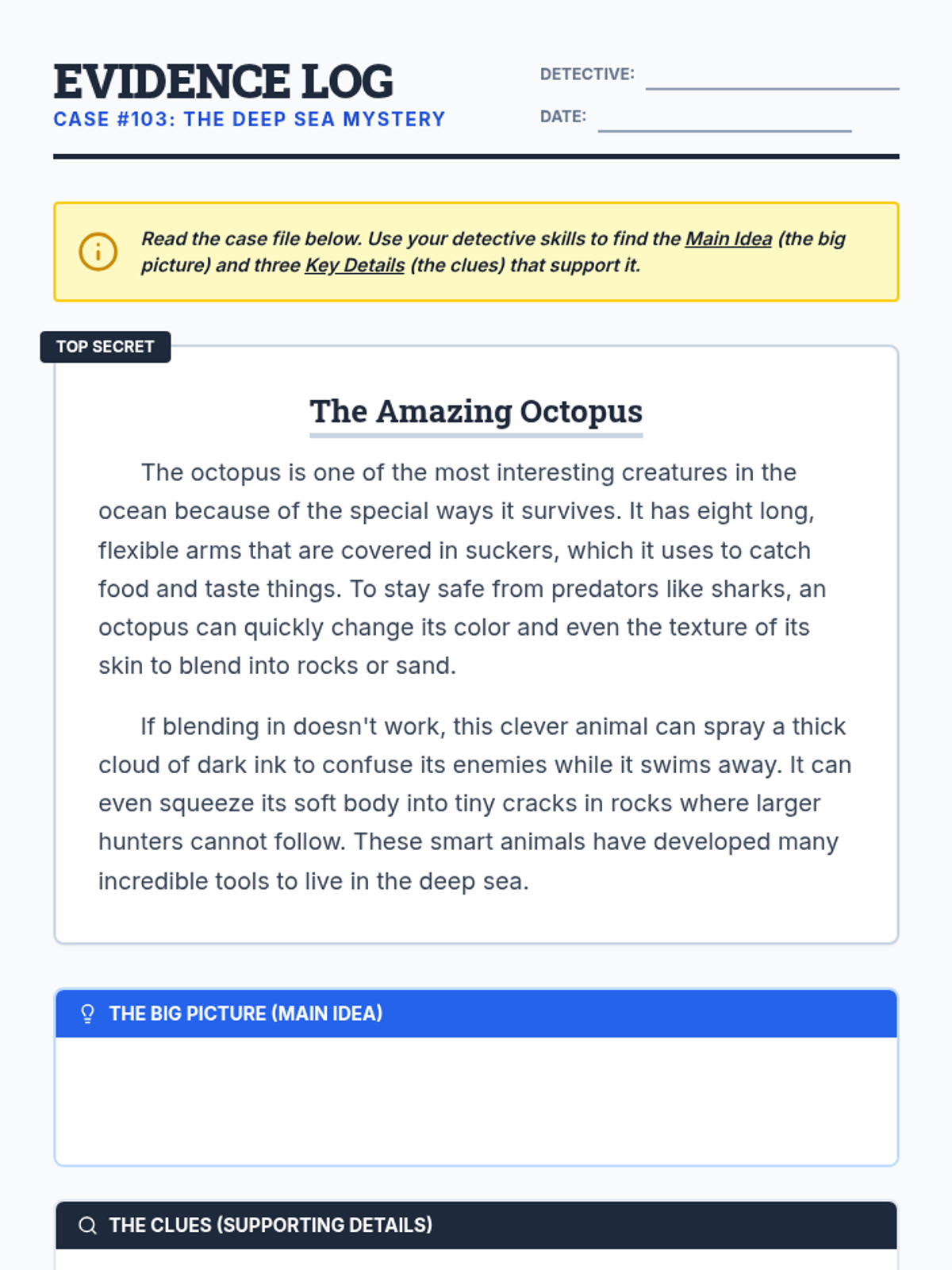
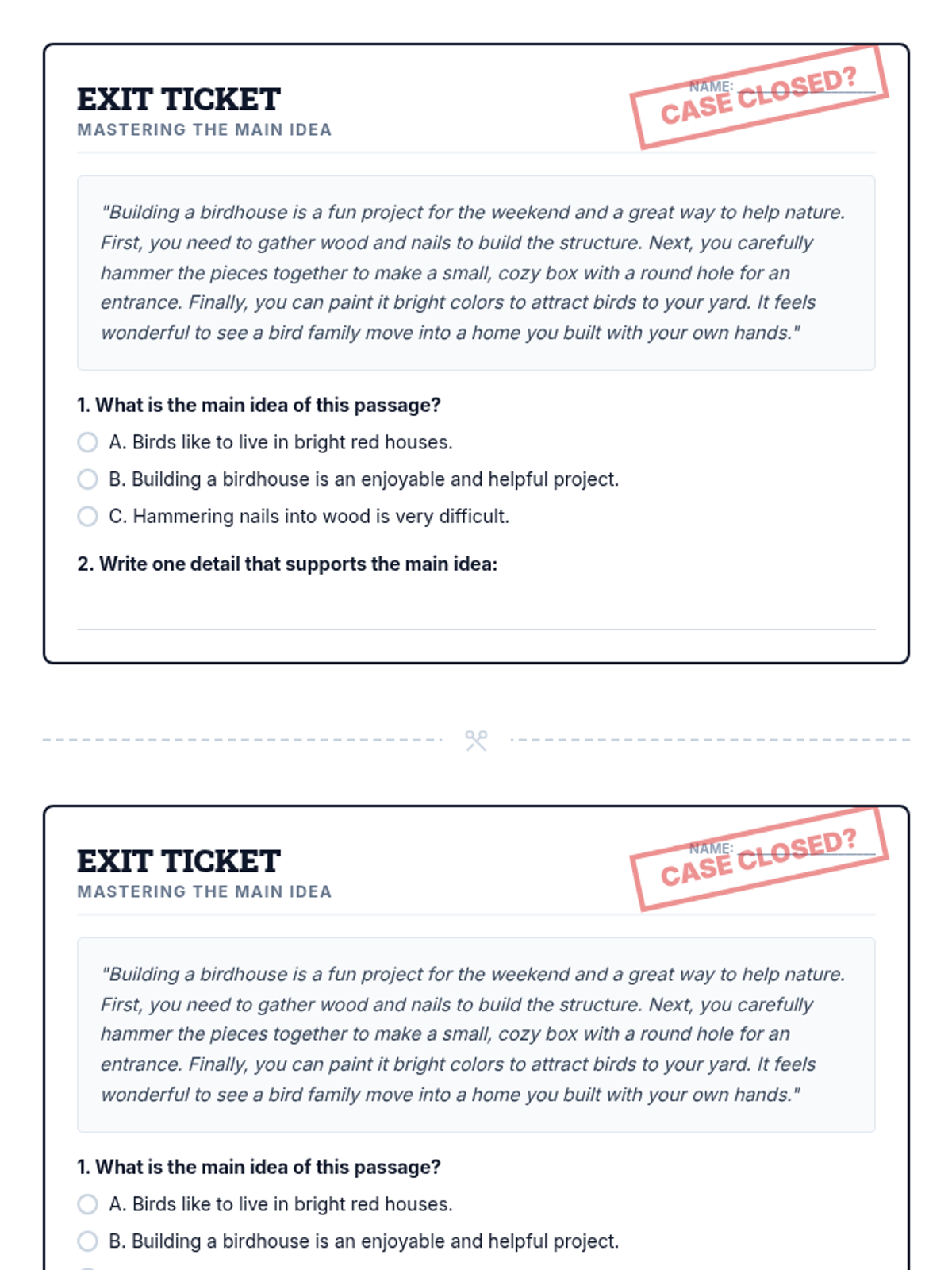
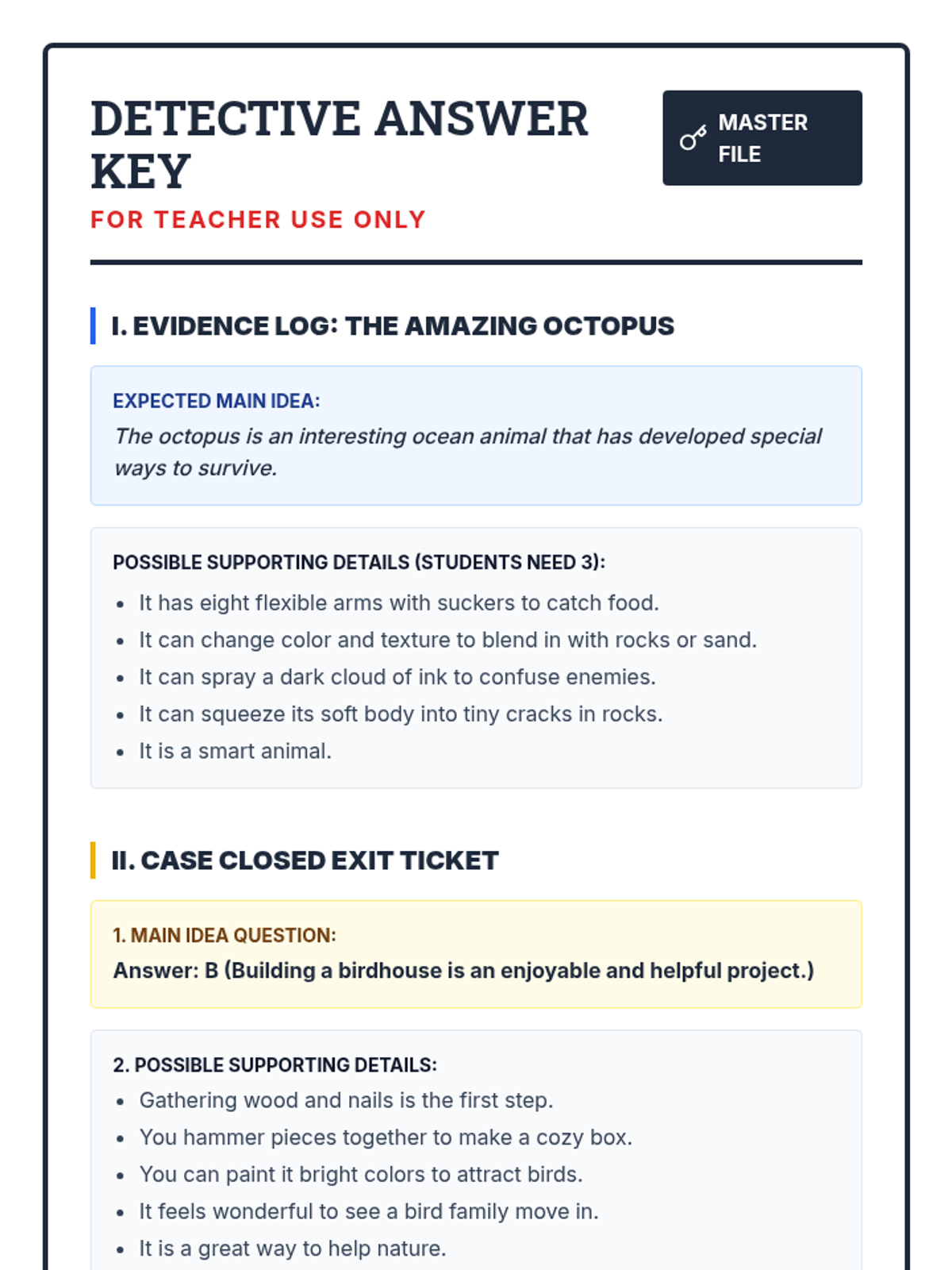
A fast-paced 25-minute small group lesson focusing on identifying main ideas and supporting details using a detective-themed 'Case Files' approach. Includes guided modeling, collaborative practice, and independent application.
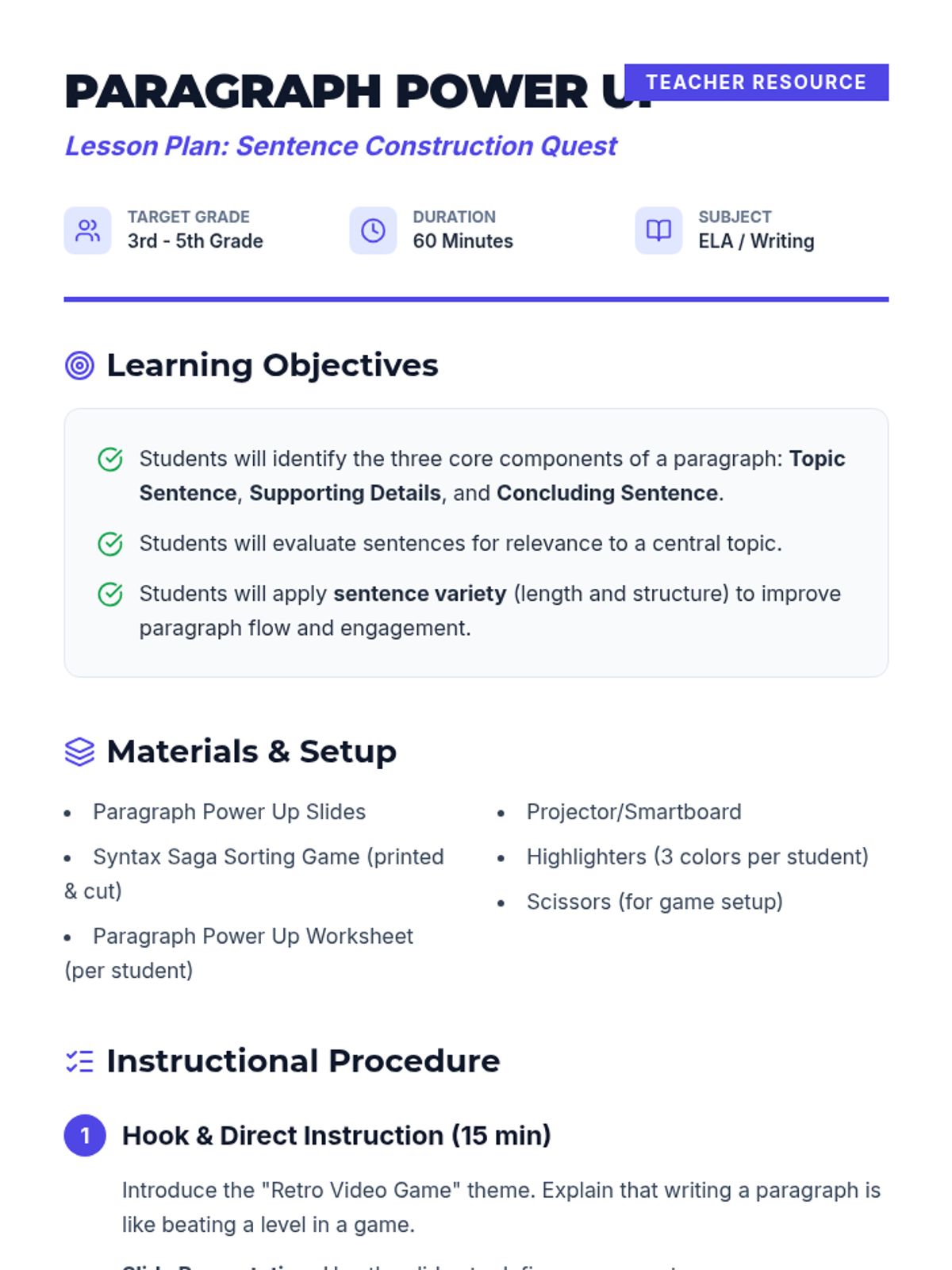
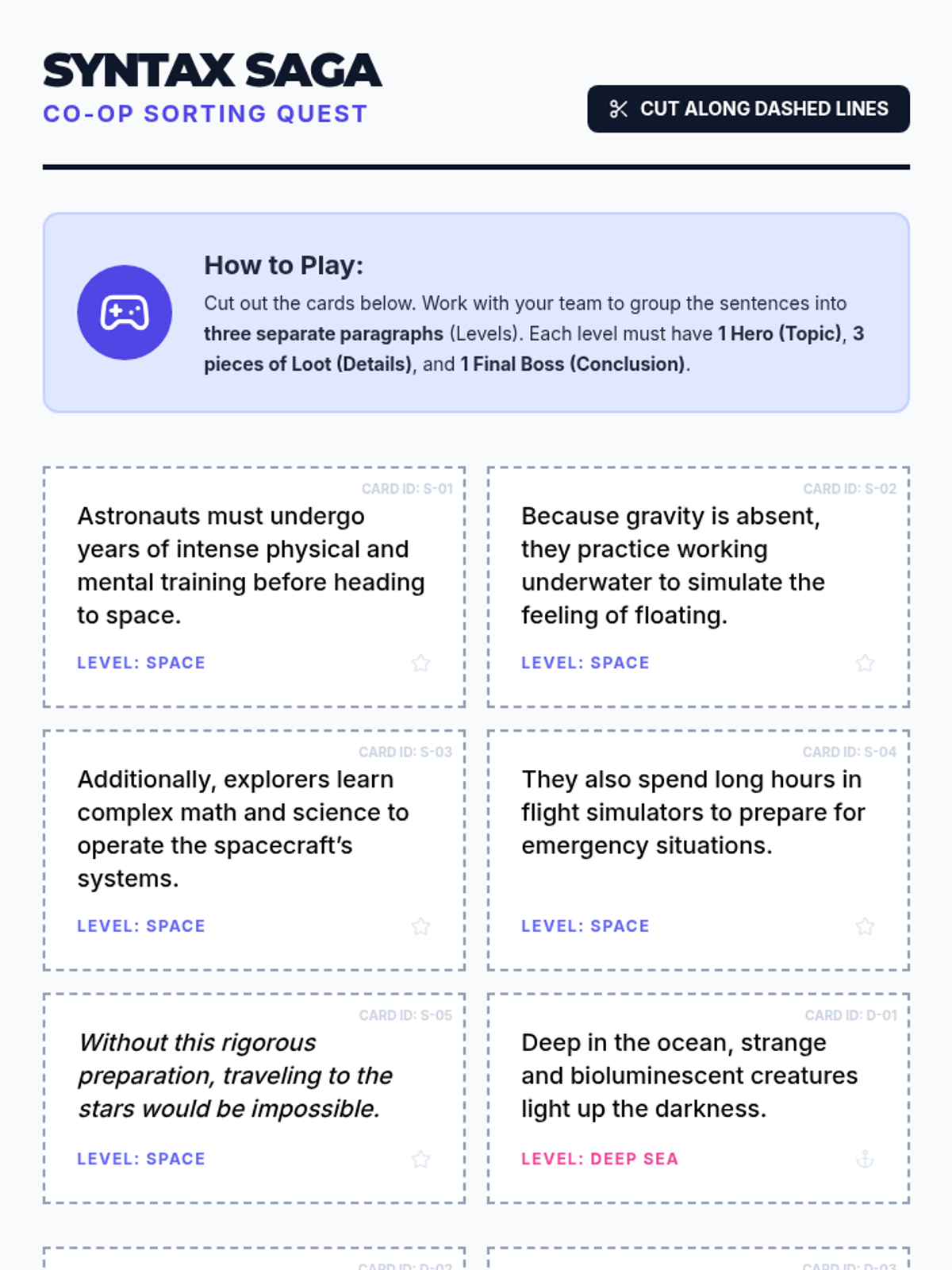
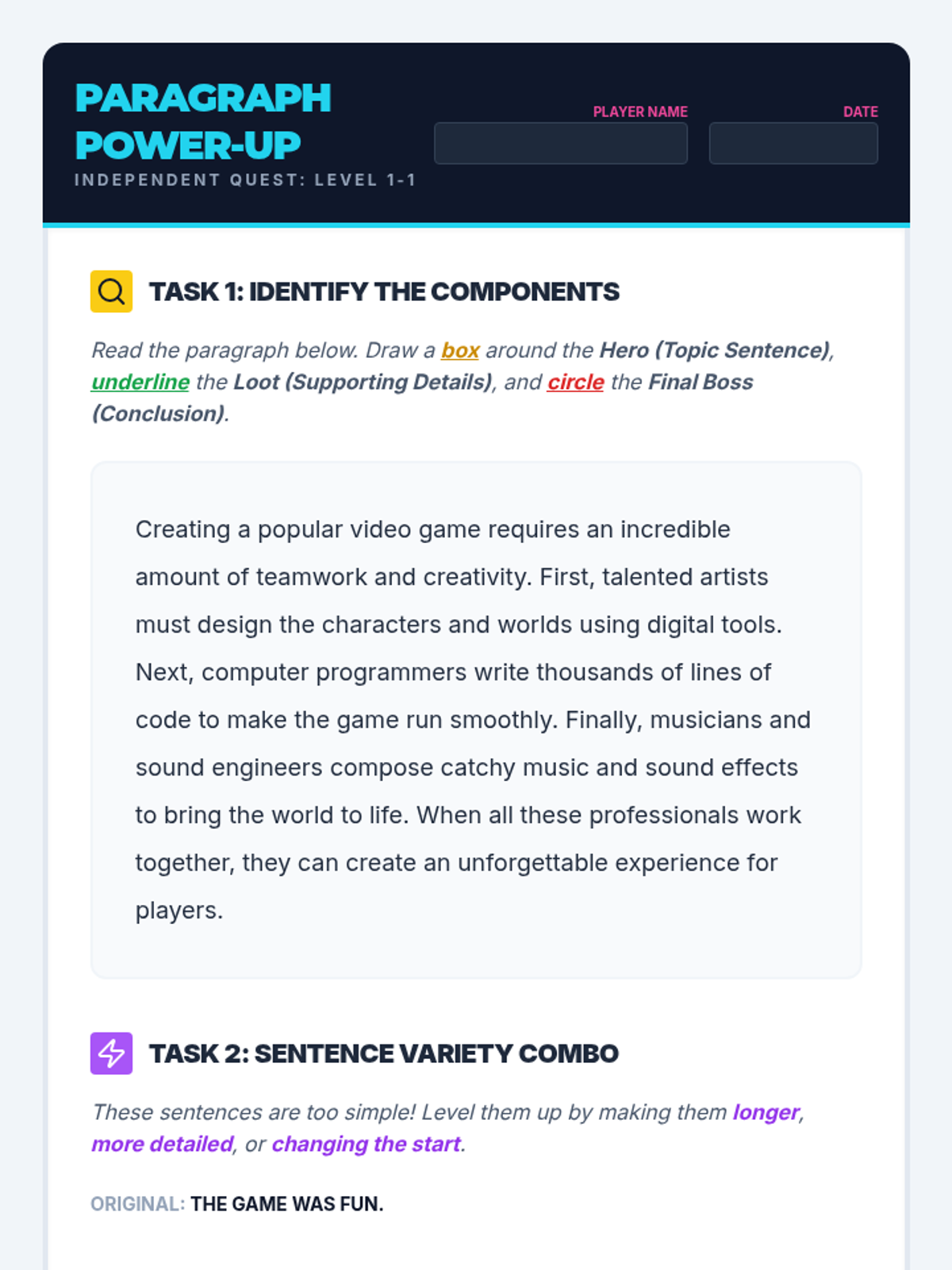
A comprehensive lesson designed to help 3rd-5th grade students master the art of paragraph construction through a fun, retro video game theme. Students will learn about sentence variety, topic sentences, and supporting details through interactive slides, a card-based game, and scaffolded practice.
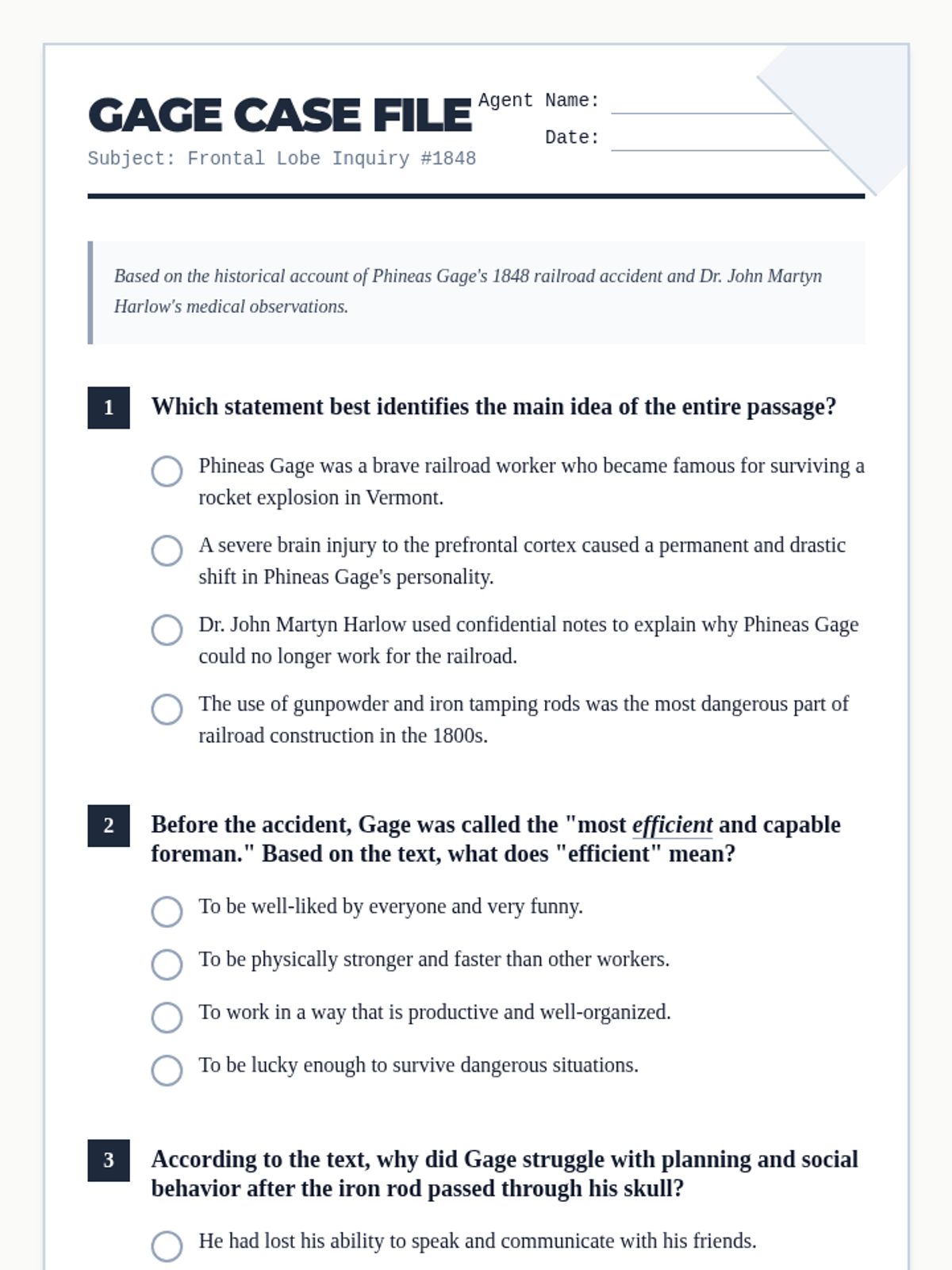
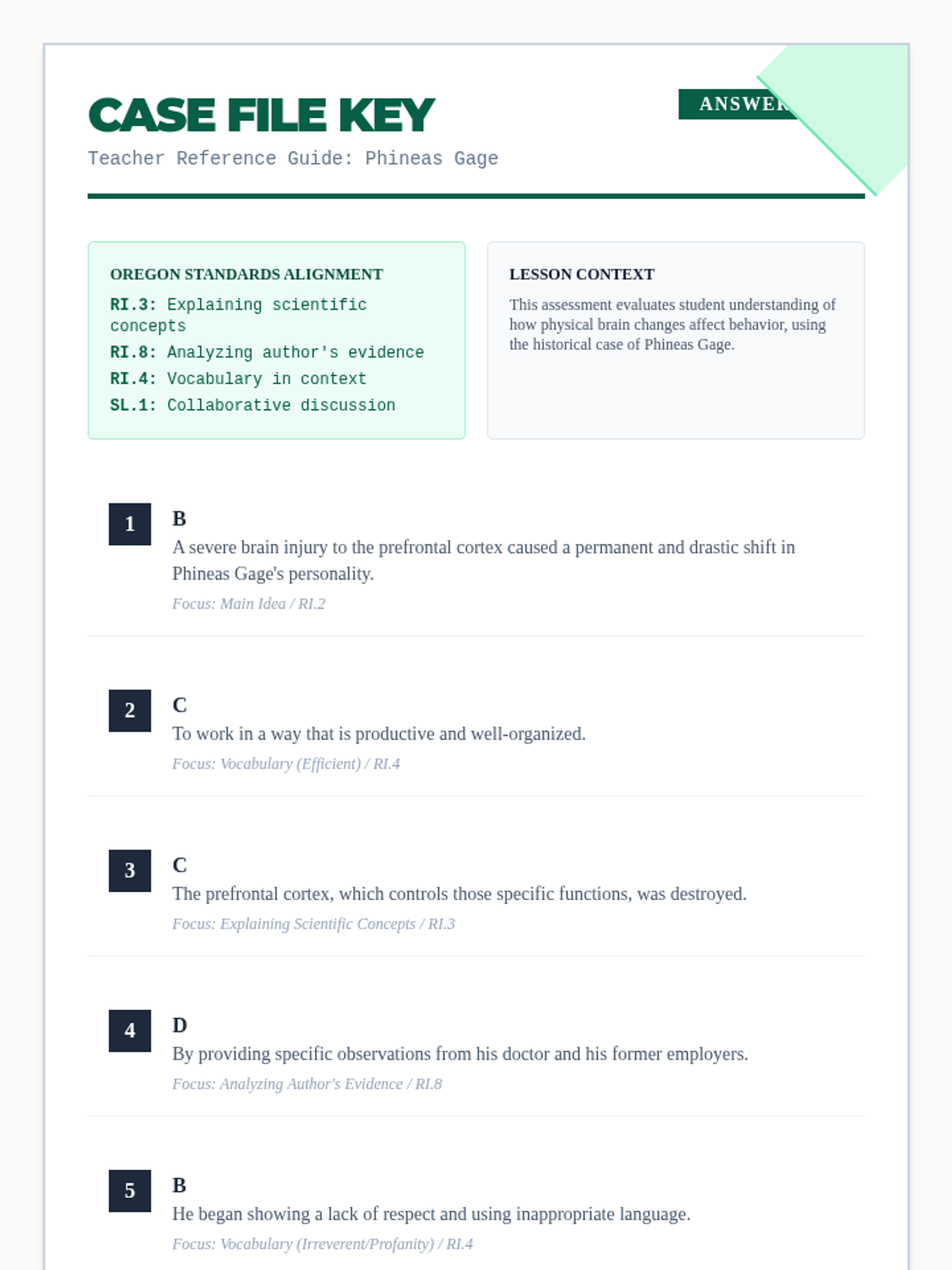
A lesson exploring the famous case of Phineas Gage to understand the connection between brain structure and personality, meeting Oregon learning standards for reading informational text.
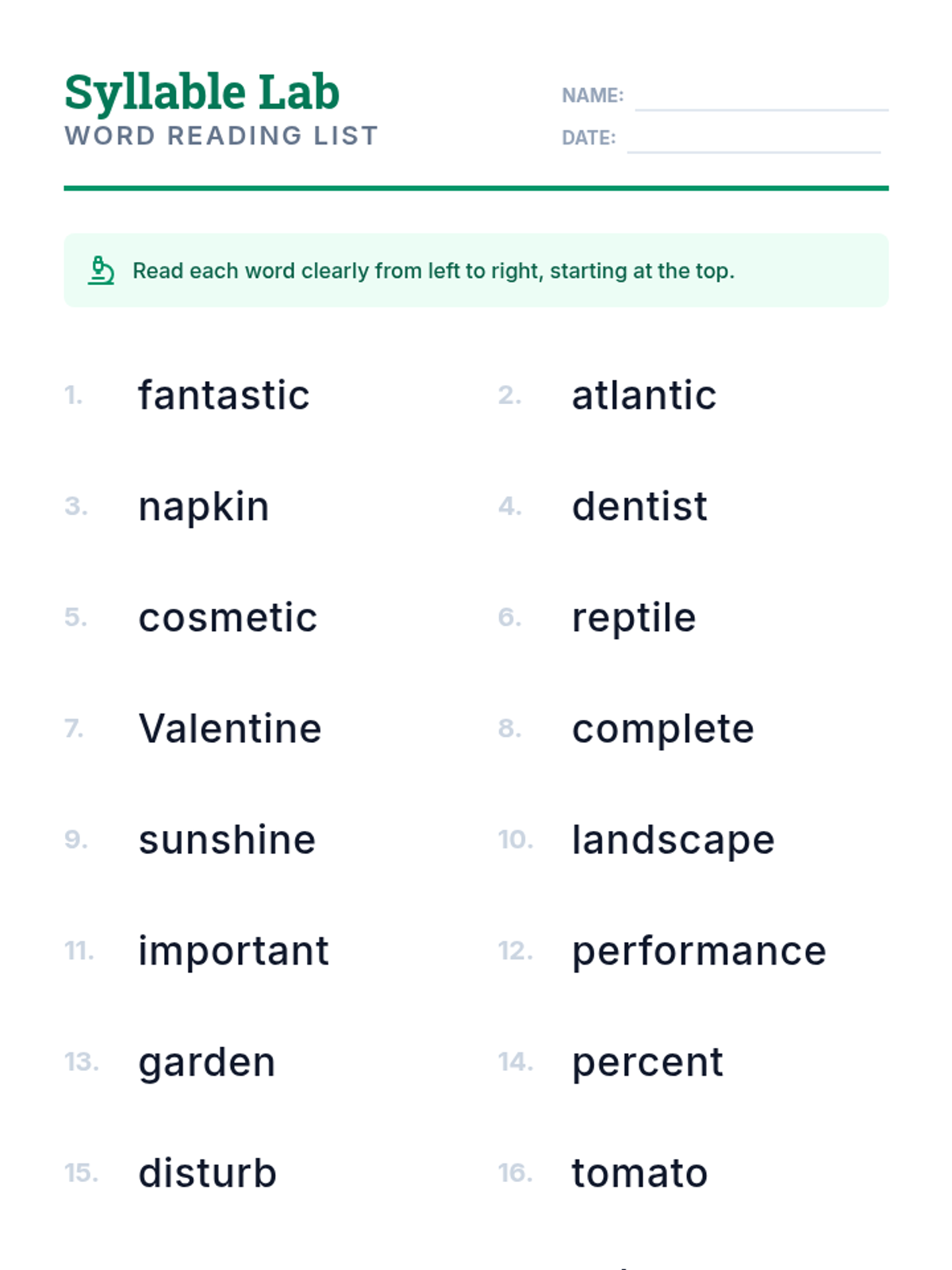
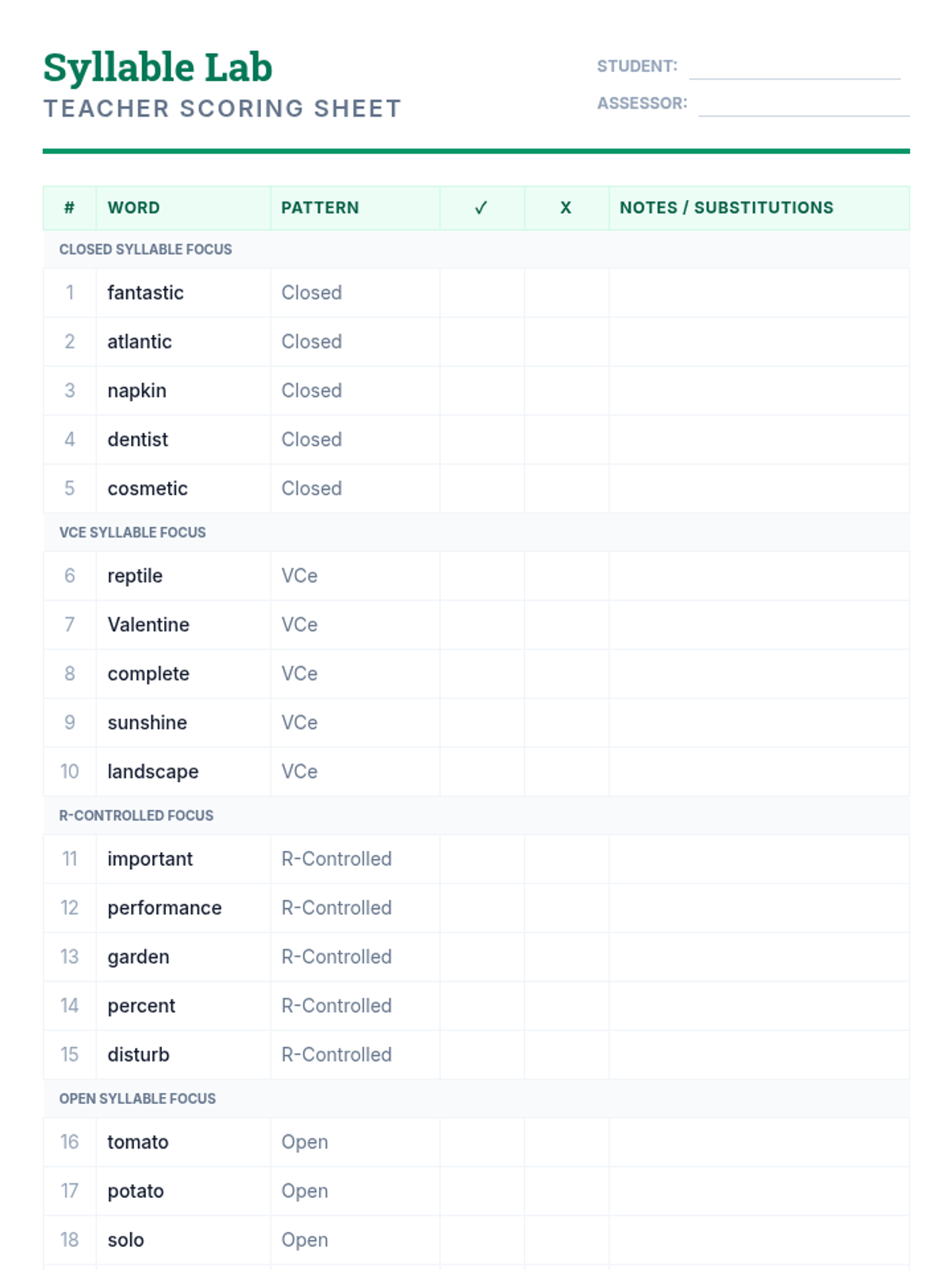
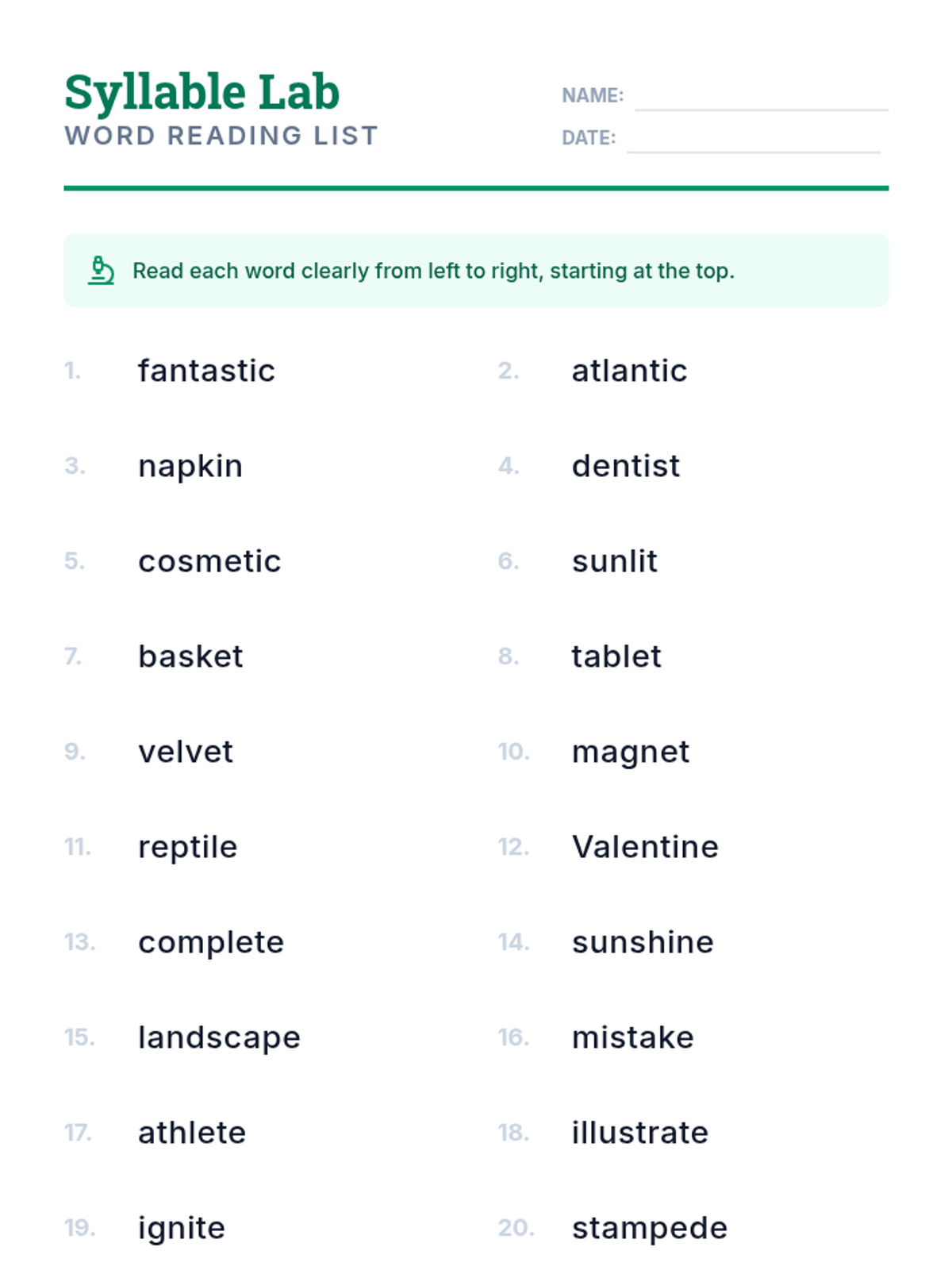
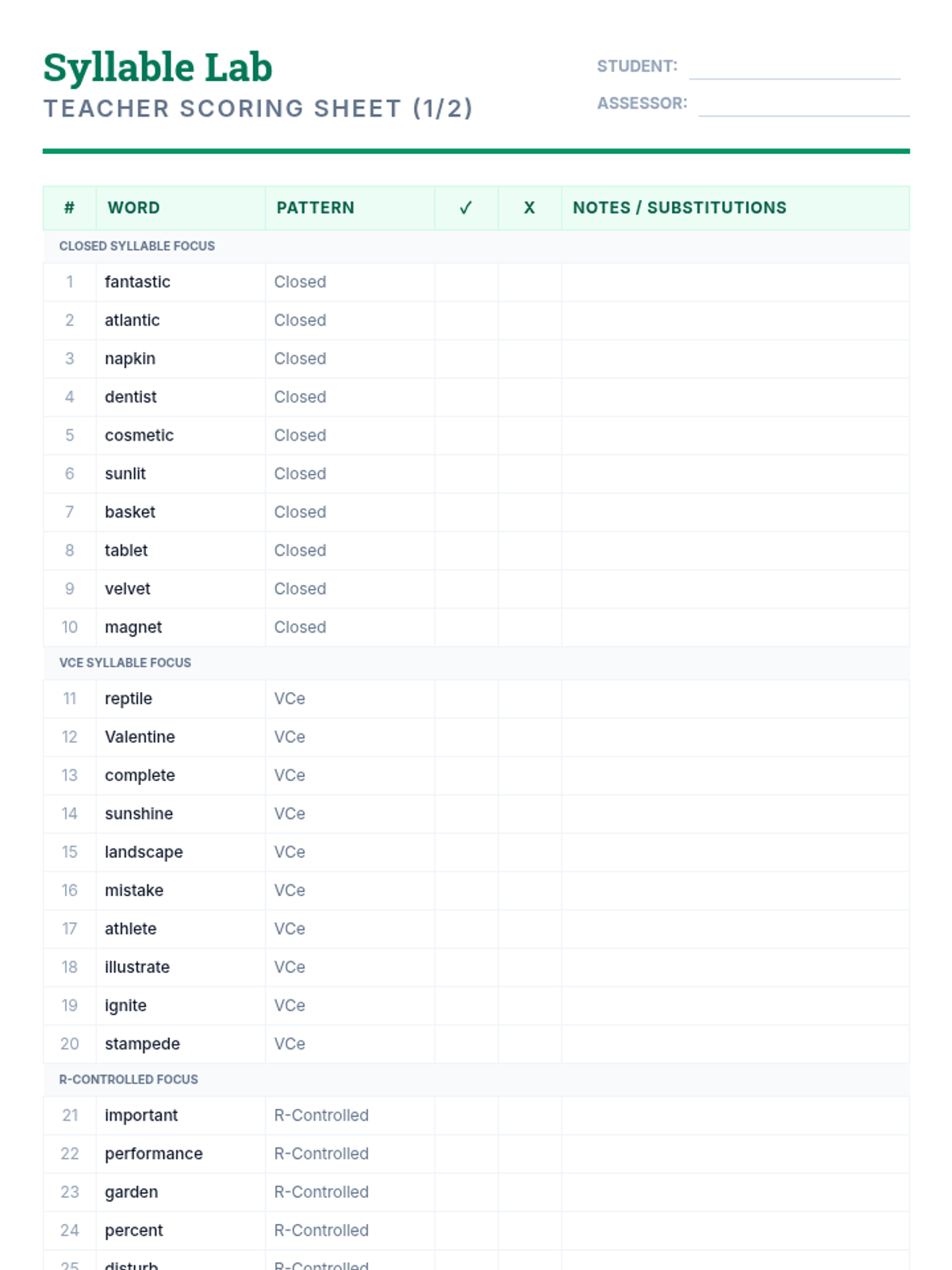
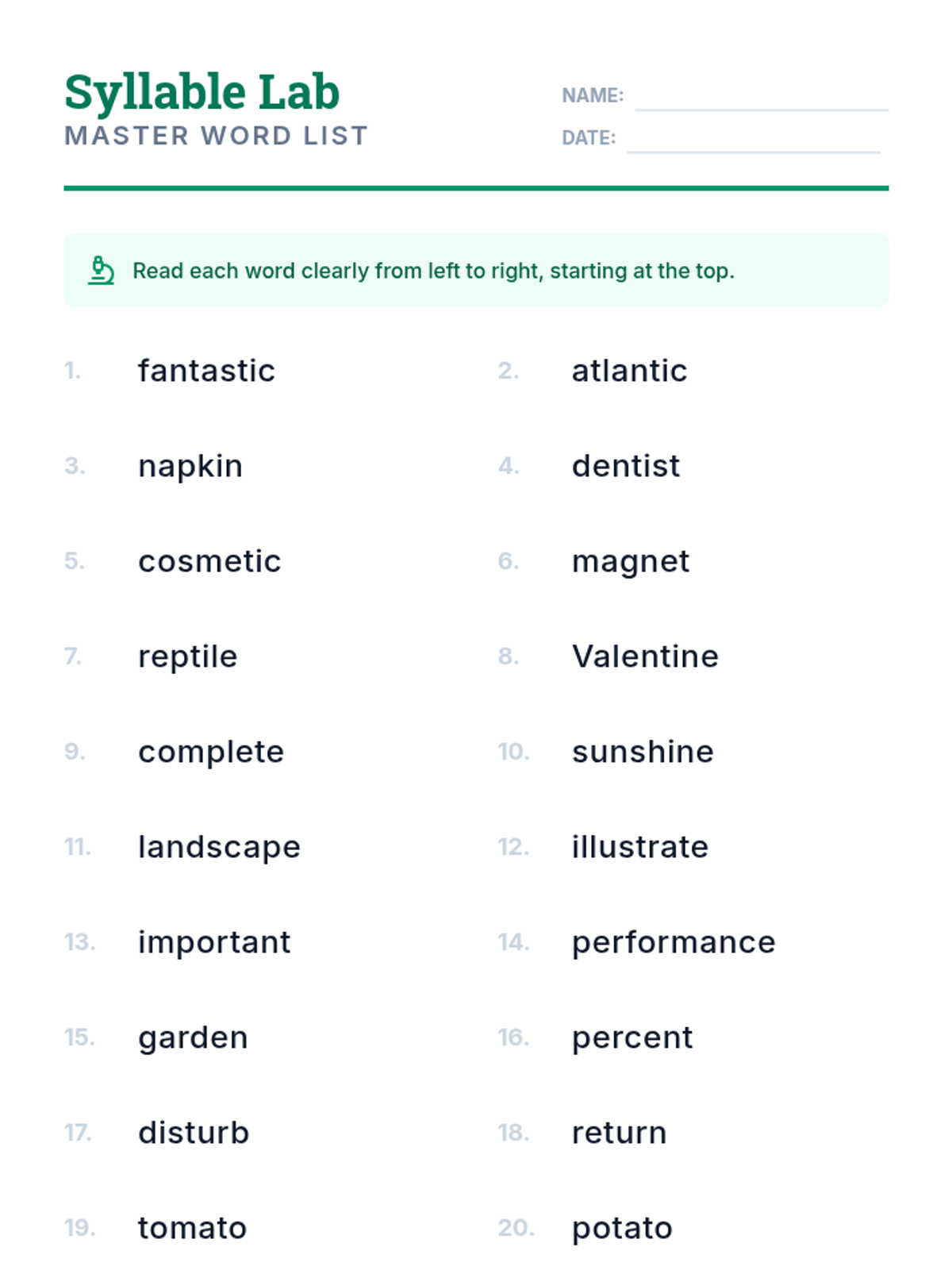
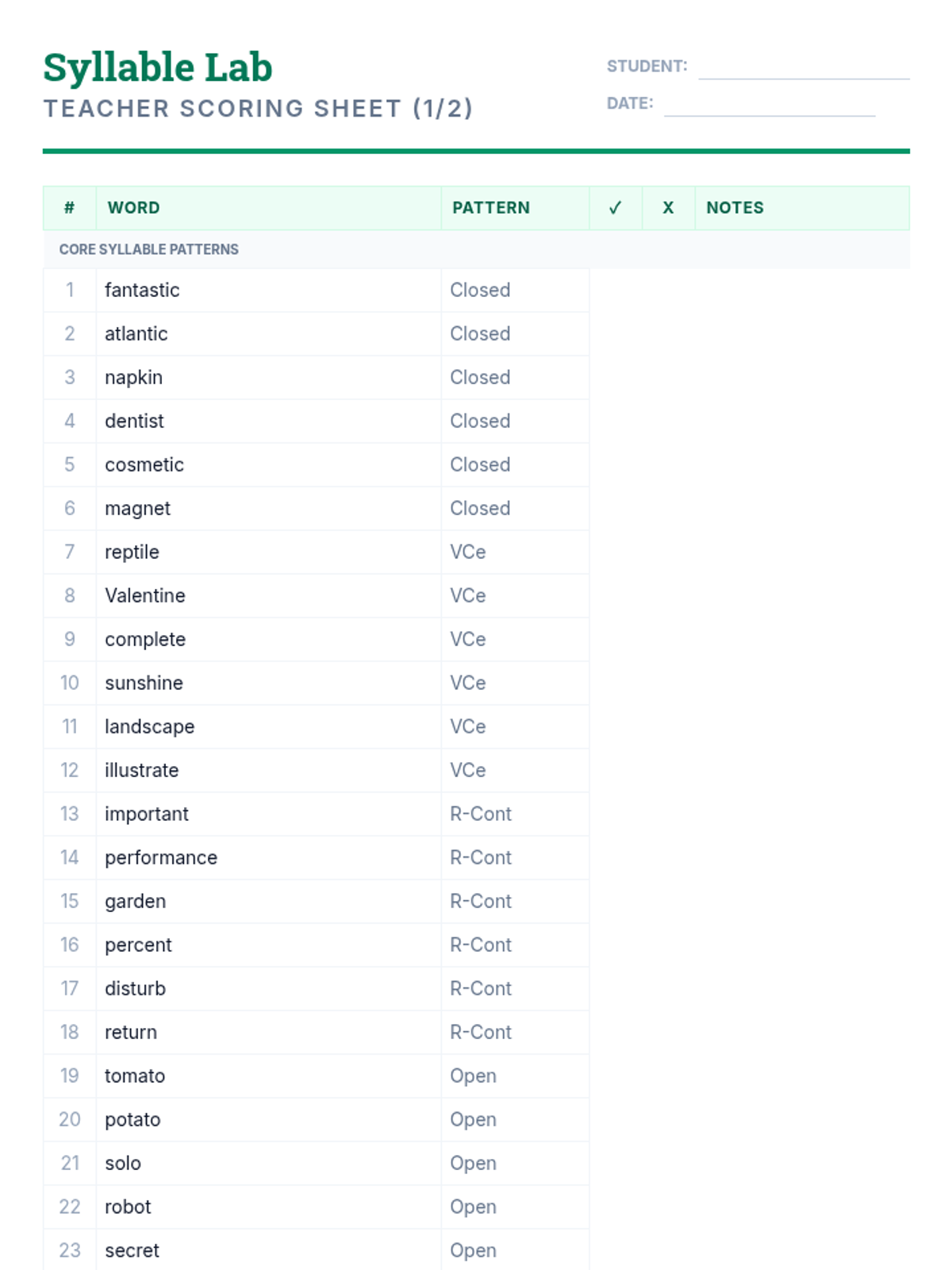
A comprehensive assessment focusing on decoding 2-3 syllable words across various syllable patterns including closed, VCe, r-controlled, open, and vowel teams.
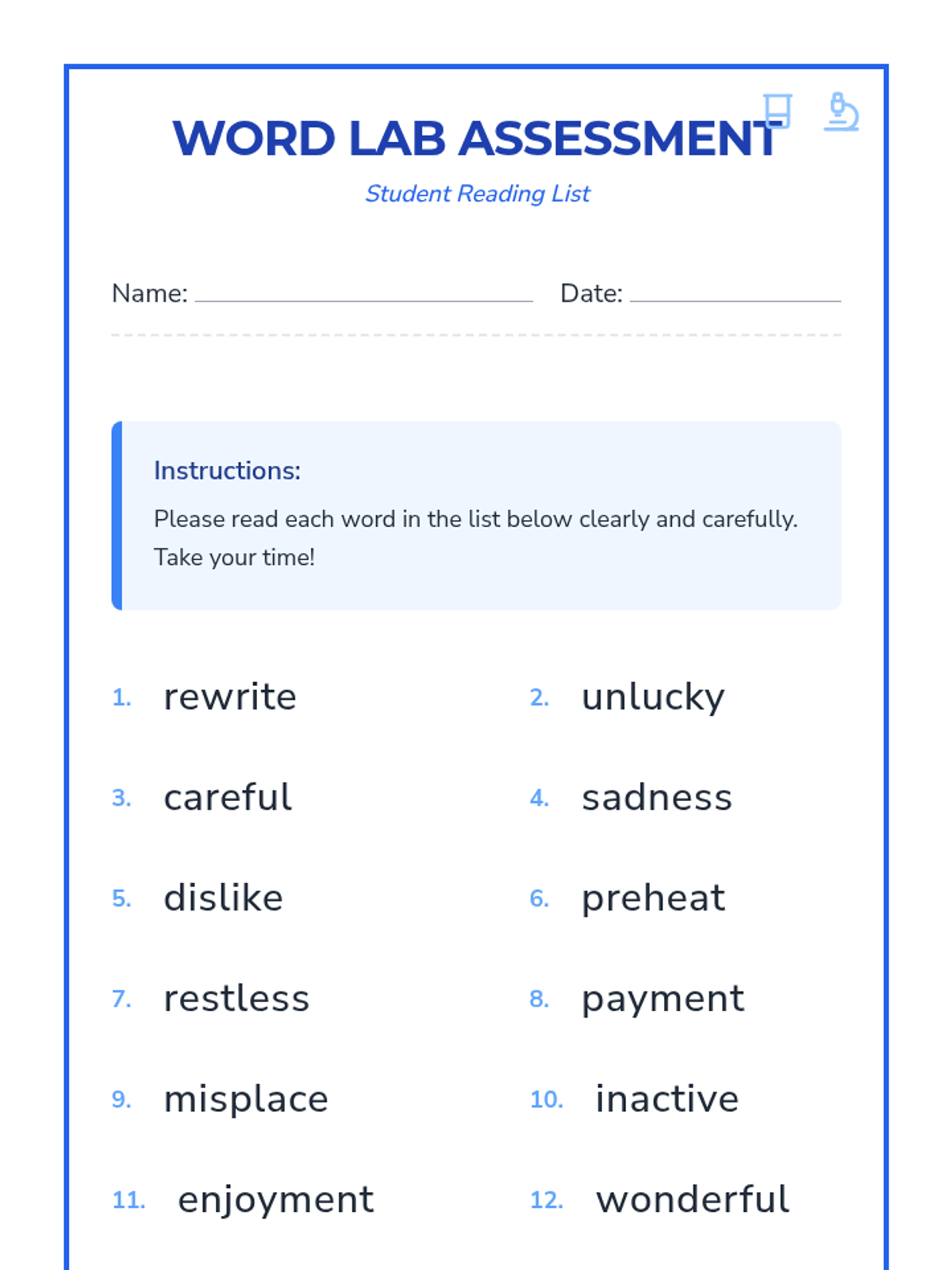
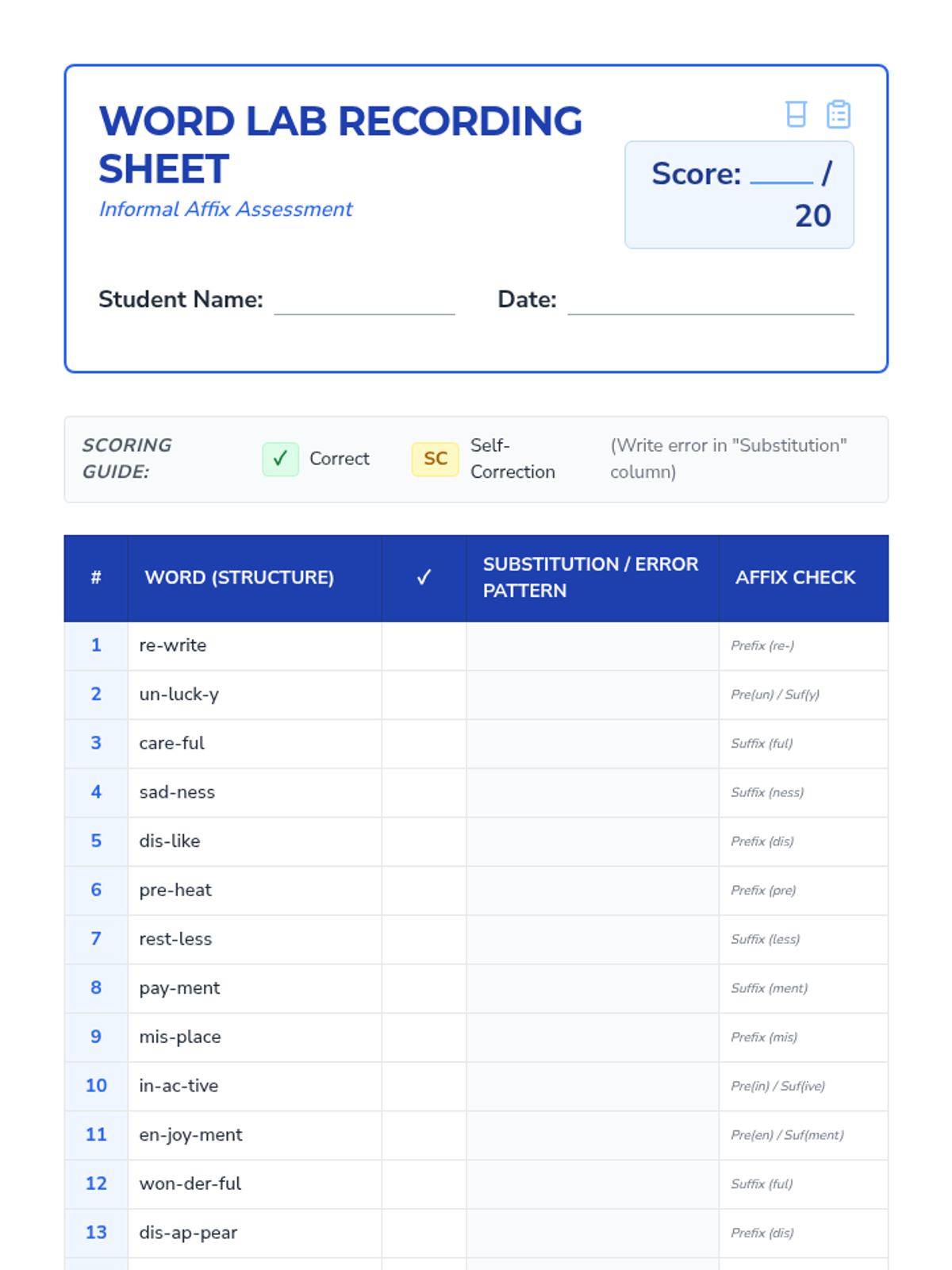
This lesson provides an informal assessment for students to demonstrate their ability to read 2-3 syllable words containing common prefixes and suffixes. It includes a student-facing word list and a corresponding teacher recording sheet.
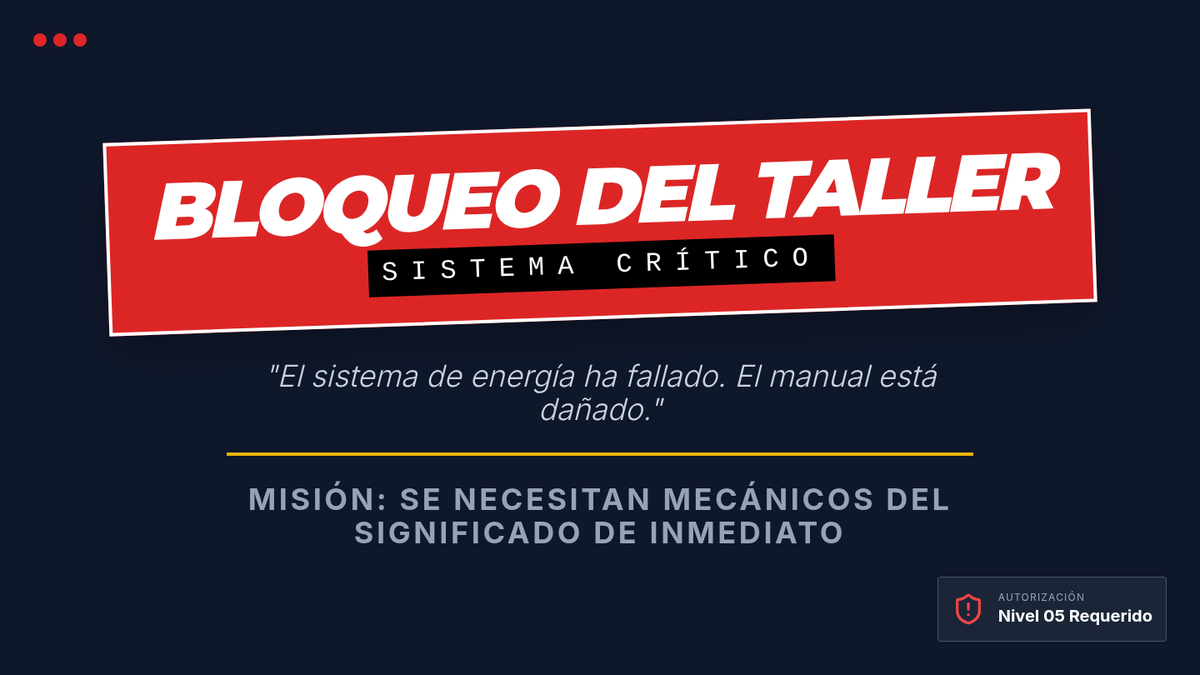
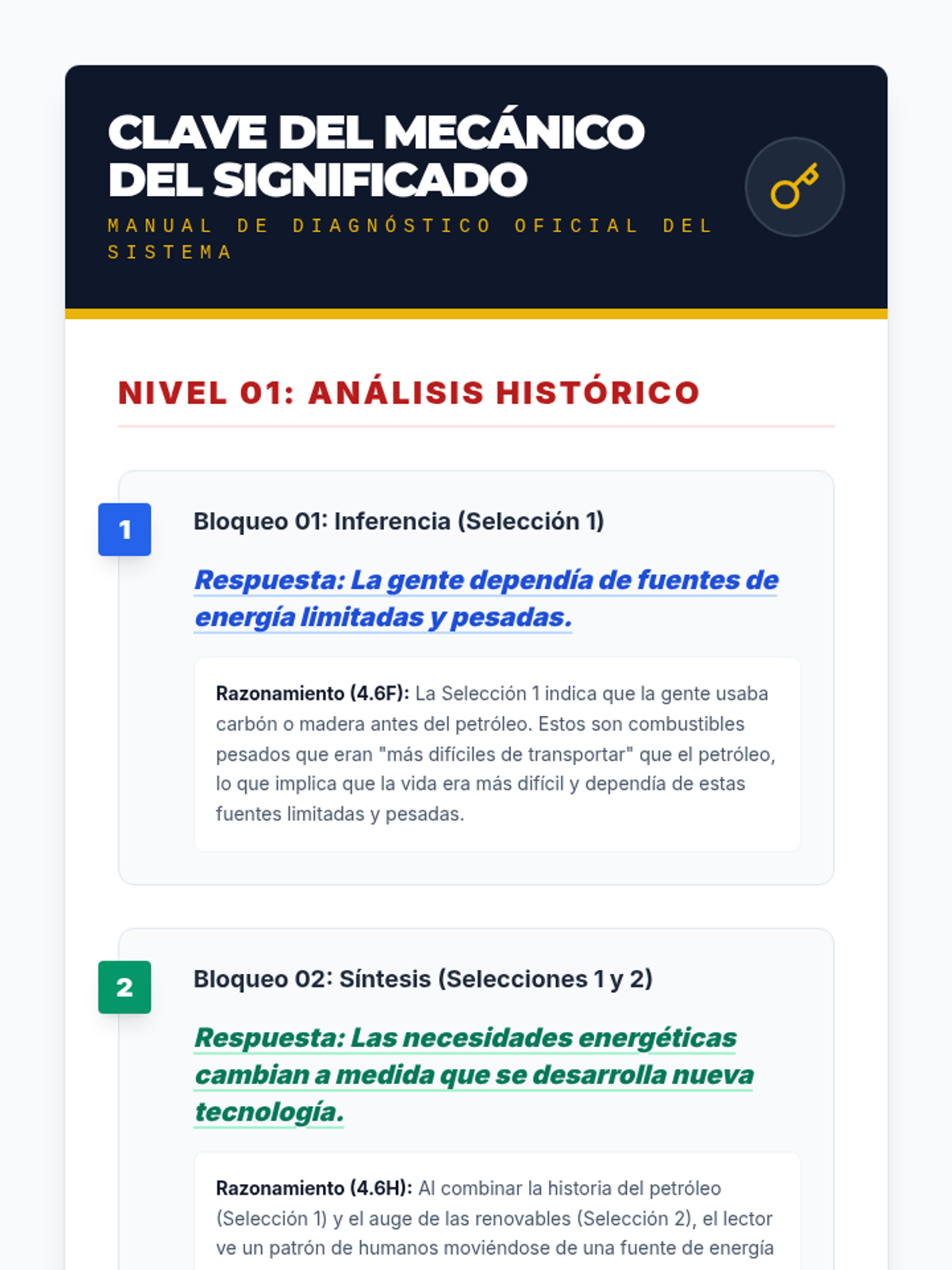
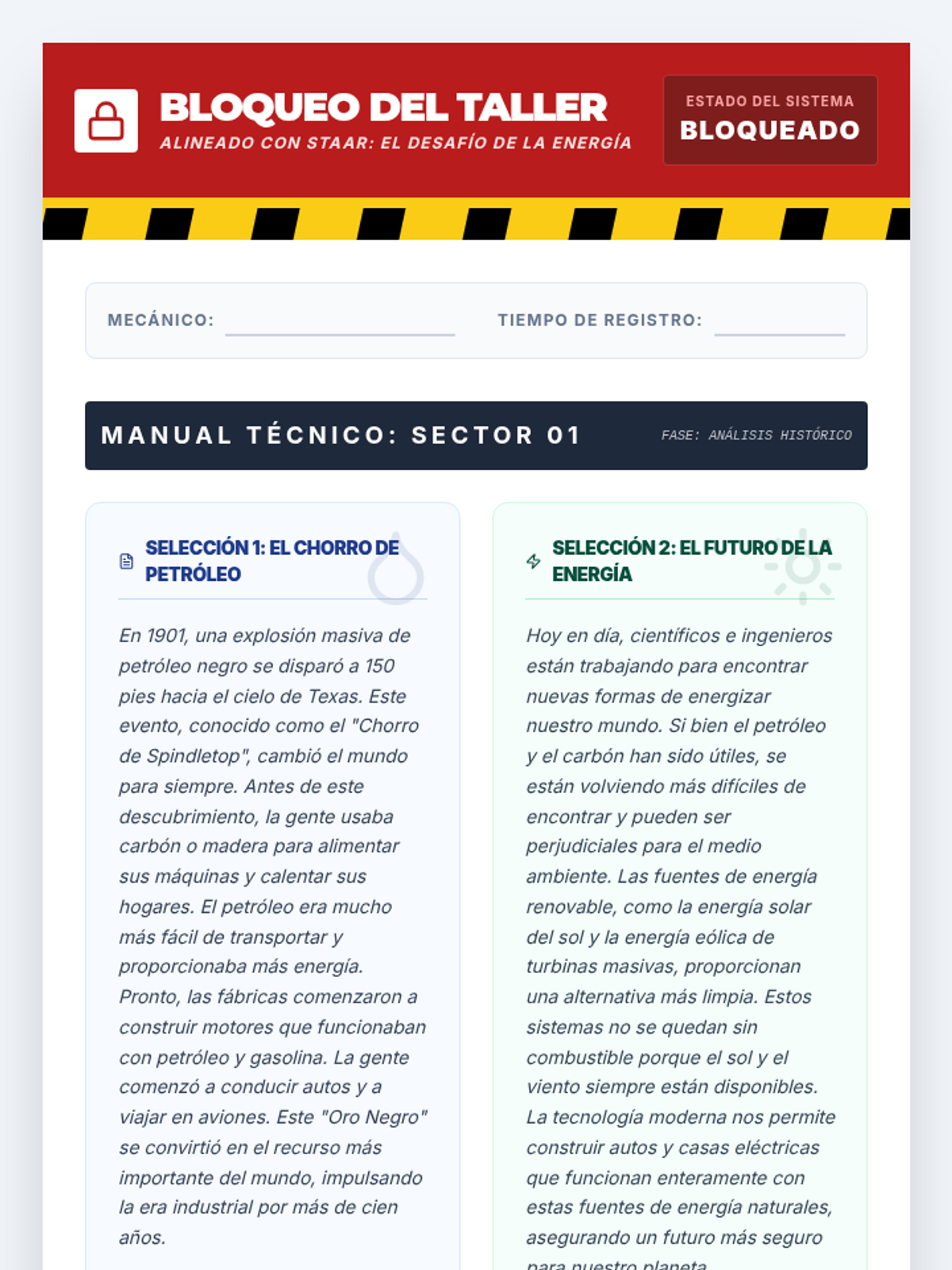
Una misión de simulación de alta intensidad donde los estudiantes deben resolver acertijos de comprensión lectora (inferencia y síntesis) para 'desbloquear' un taller de energía después de un fallo crítico del sistema.
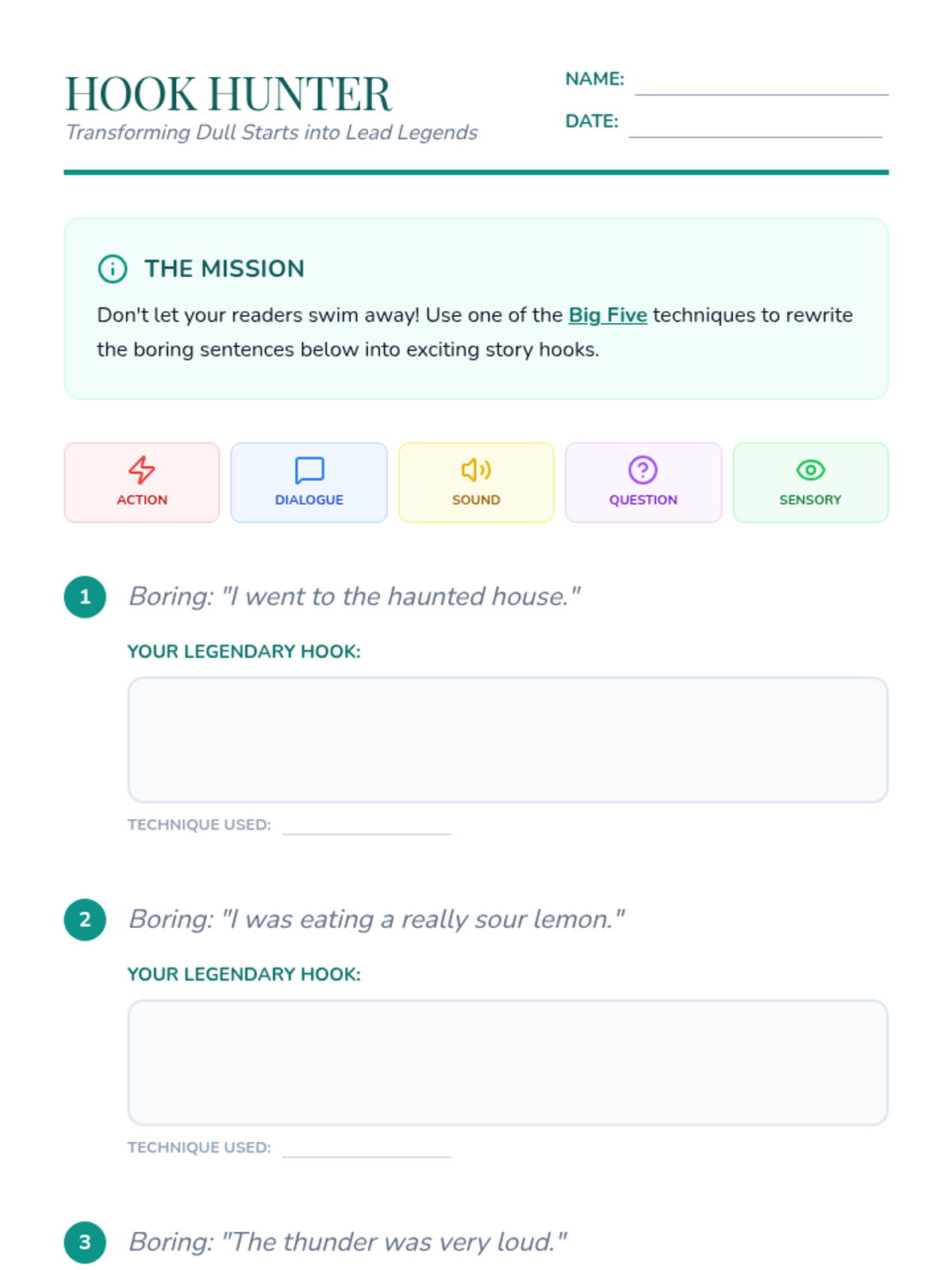
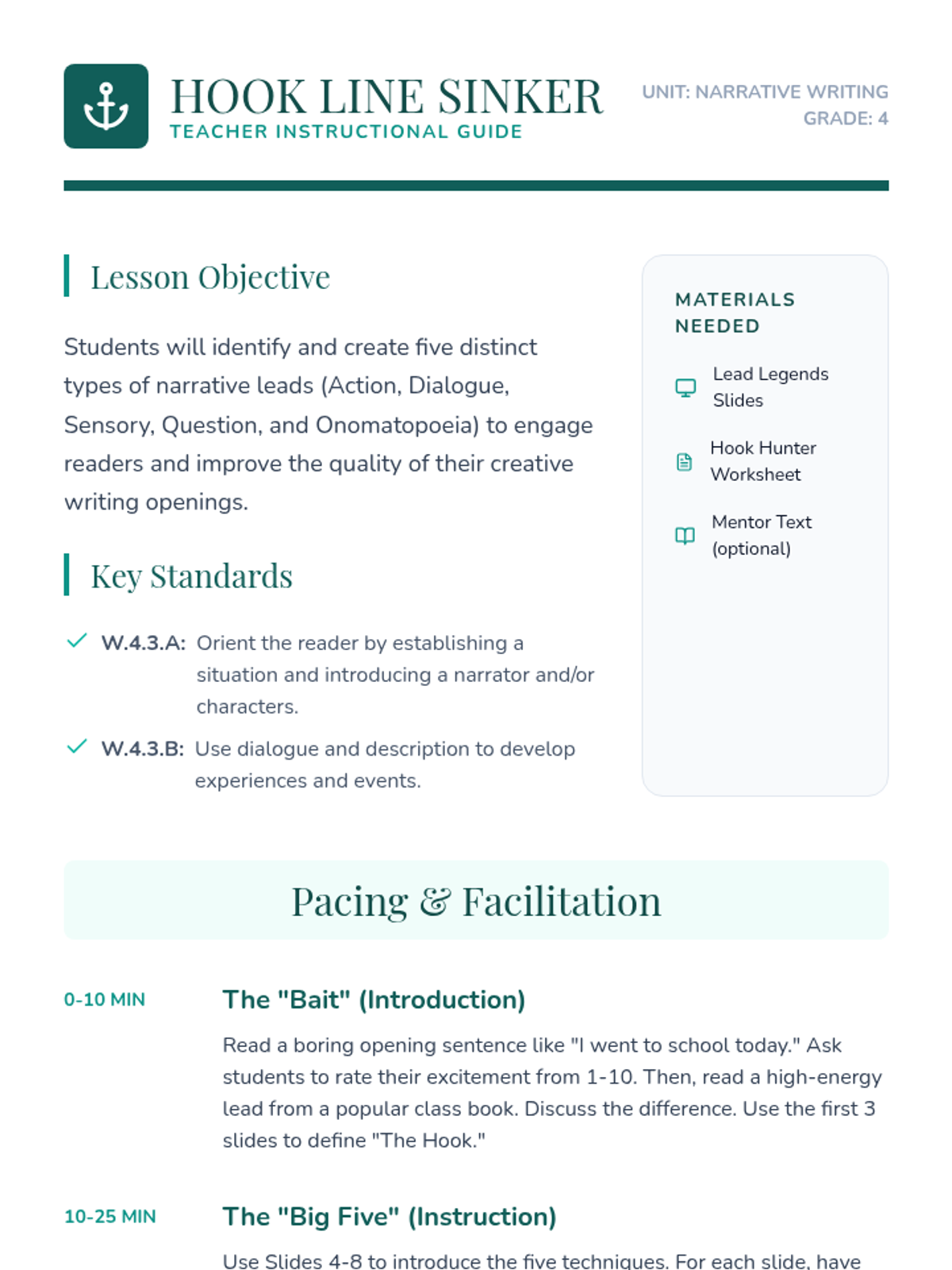
A lesson focused on teaching 4th-grade students how to write engaging narrative leads using five specific techniques: Action, Dialogue, Sensory Details, Questions, and Onomatopoeia. Students will analyze examples and practice transforming dull openings into exciting hooks.
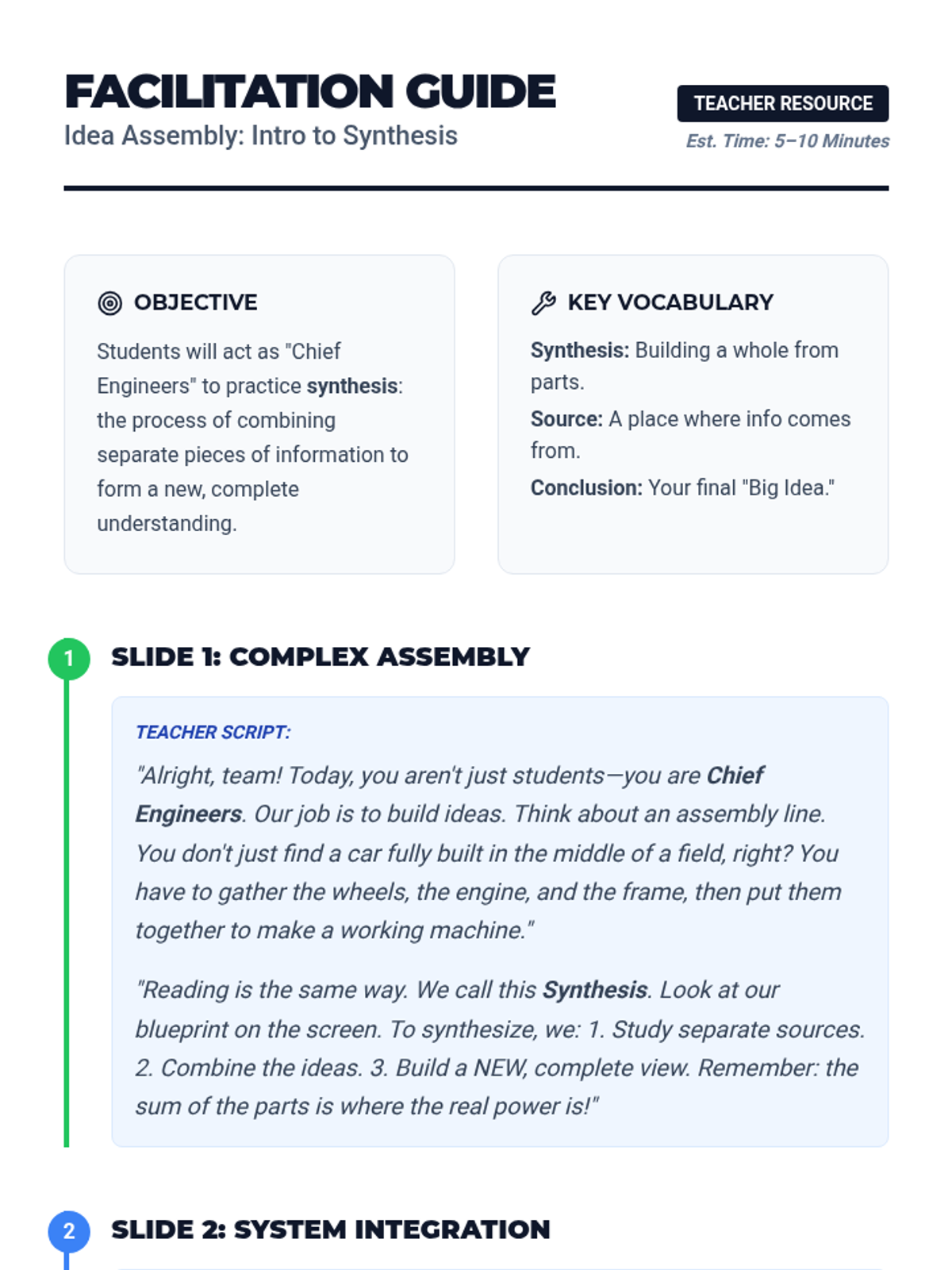
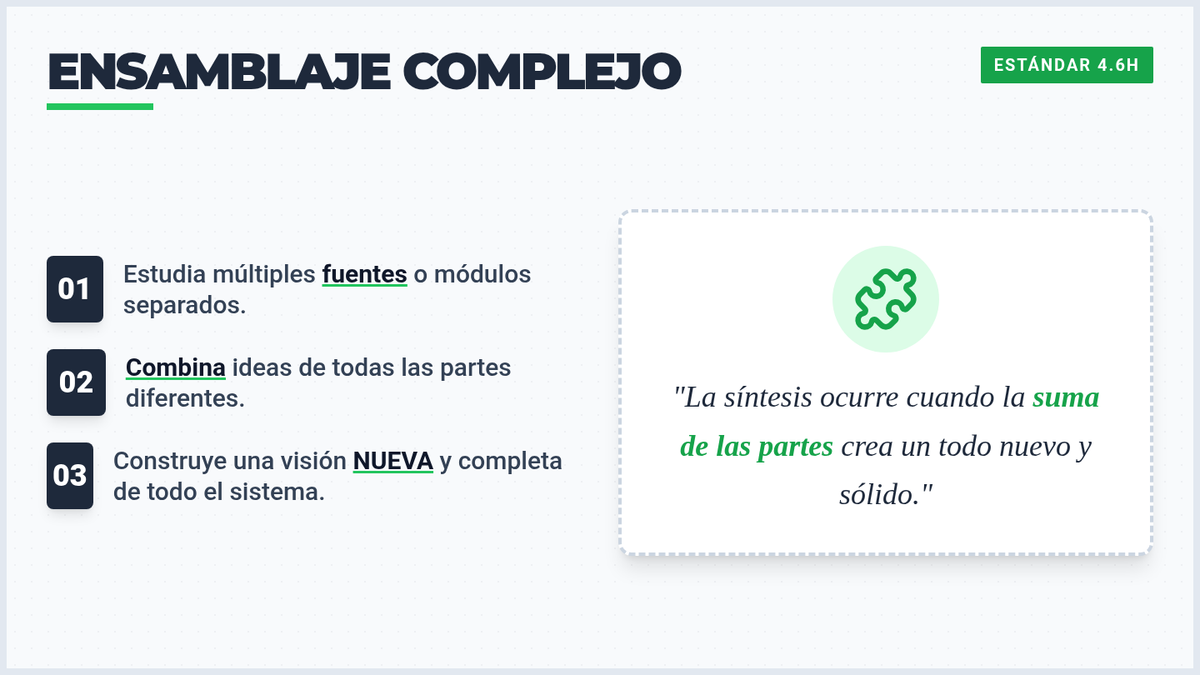
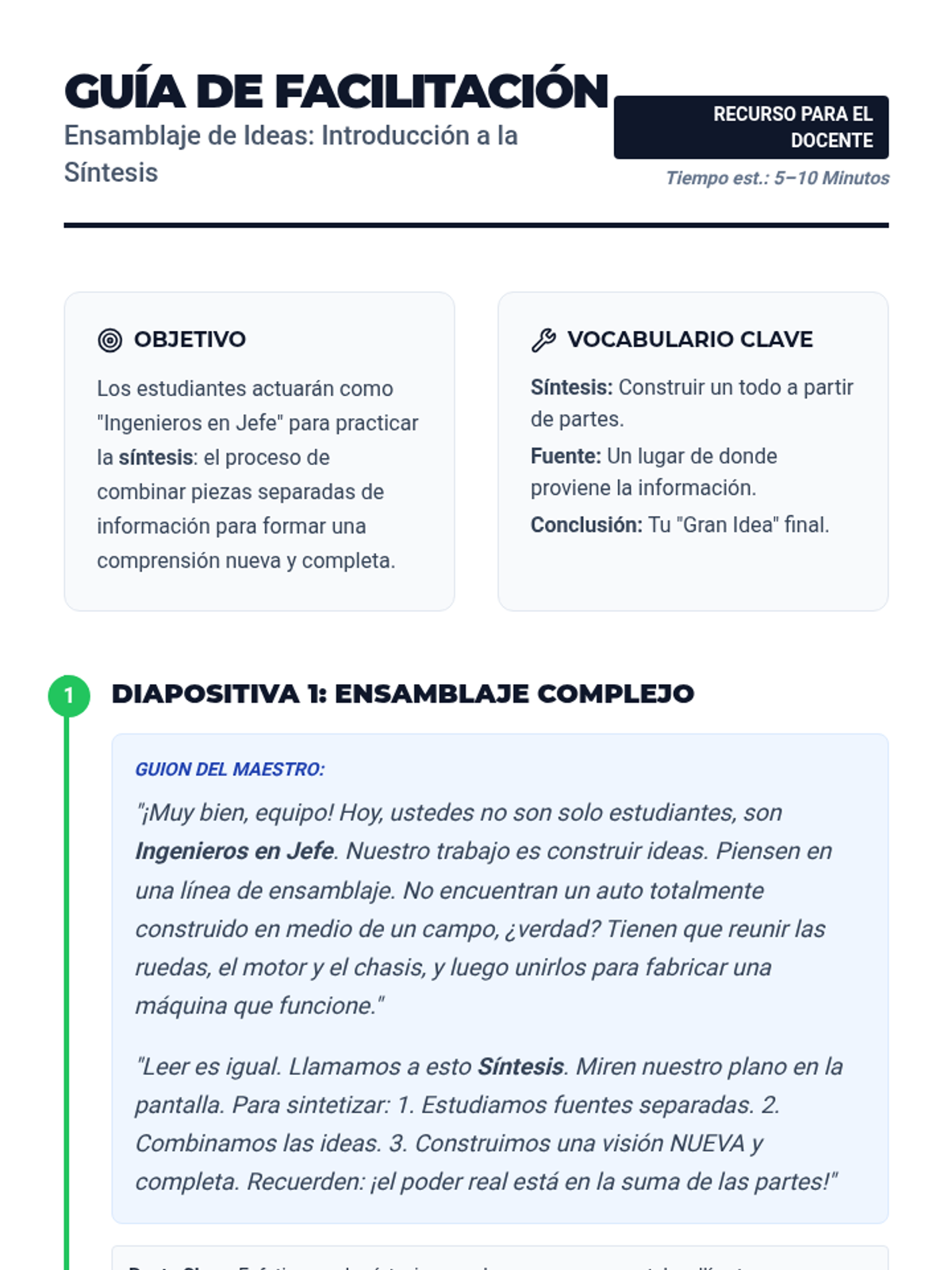
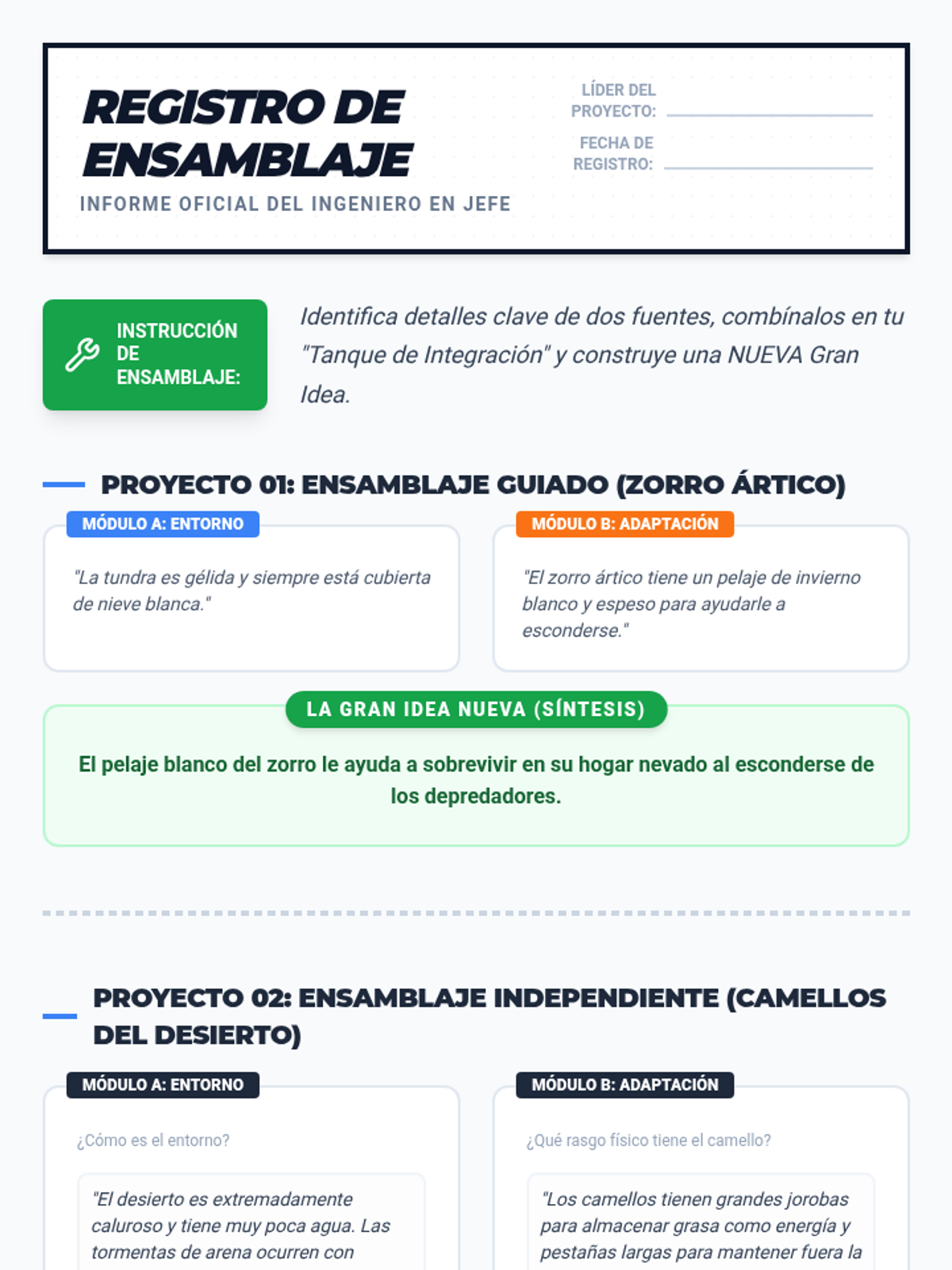
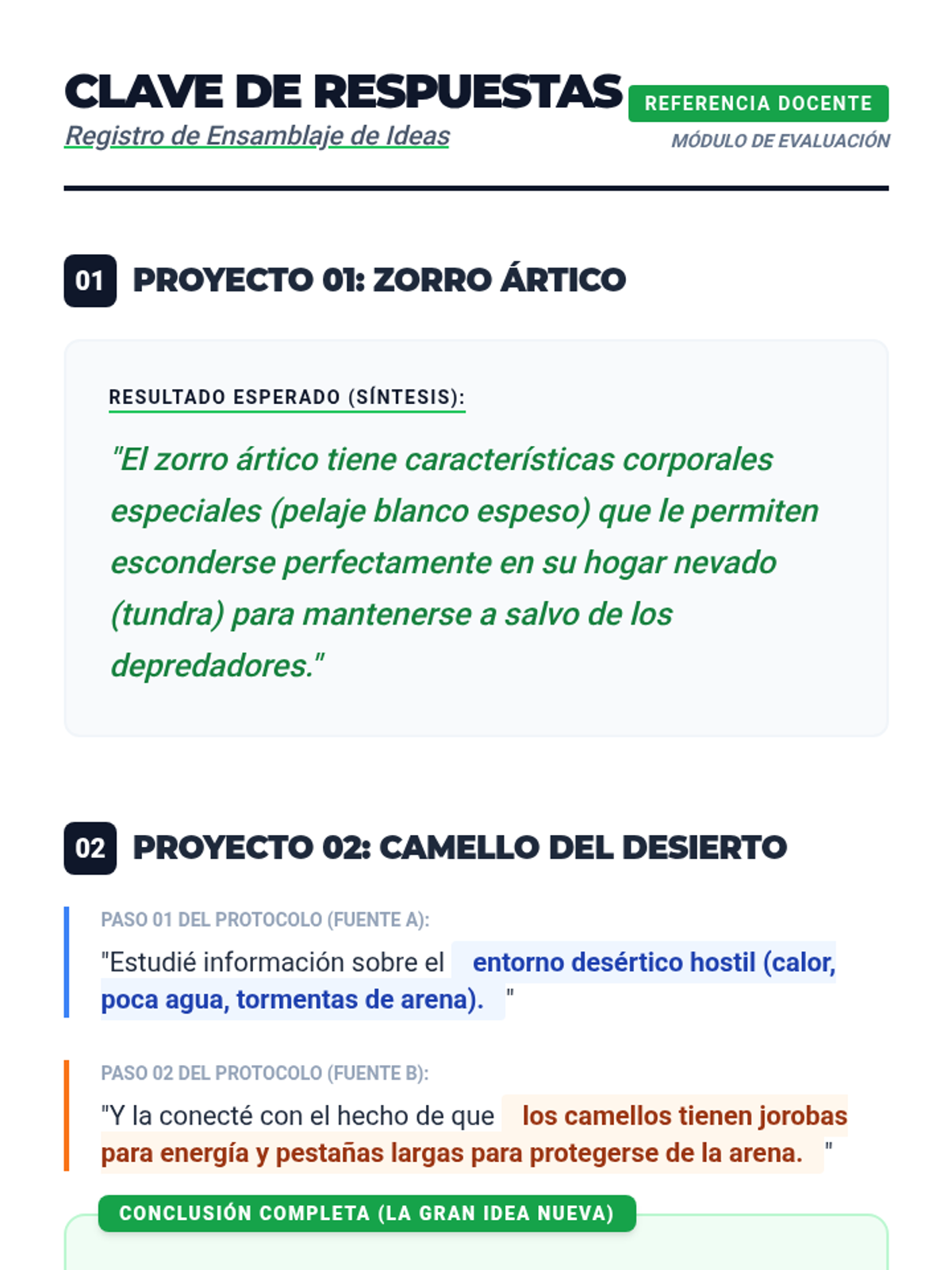
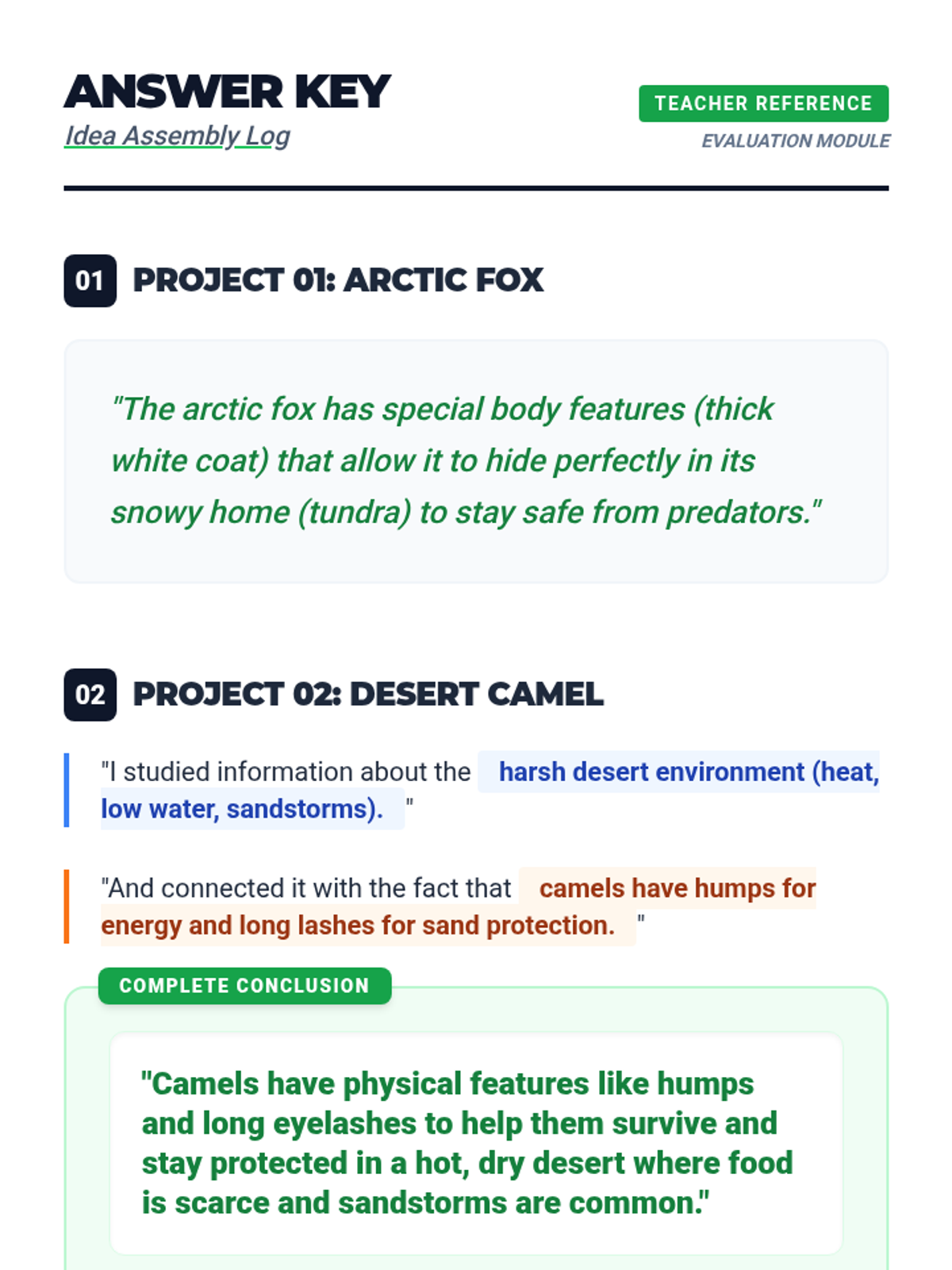
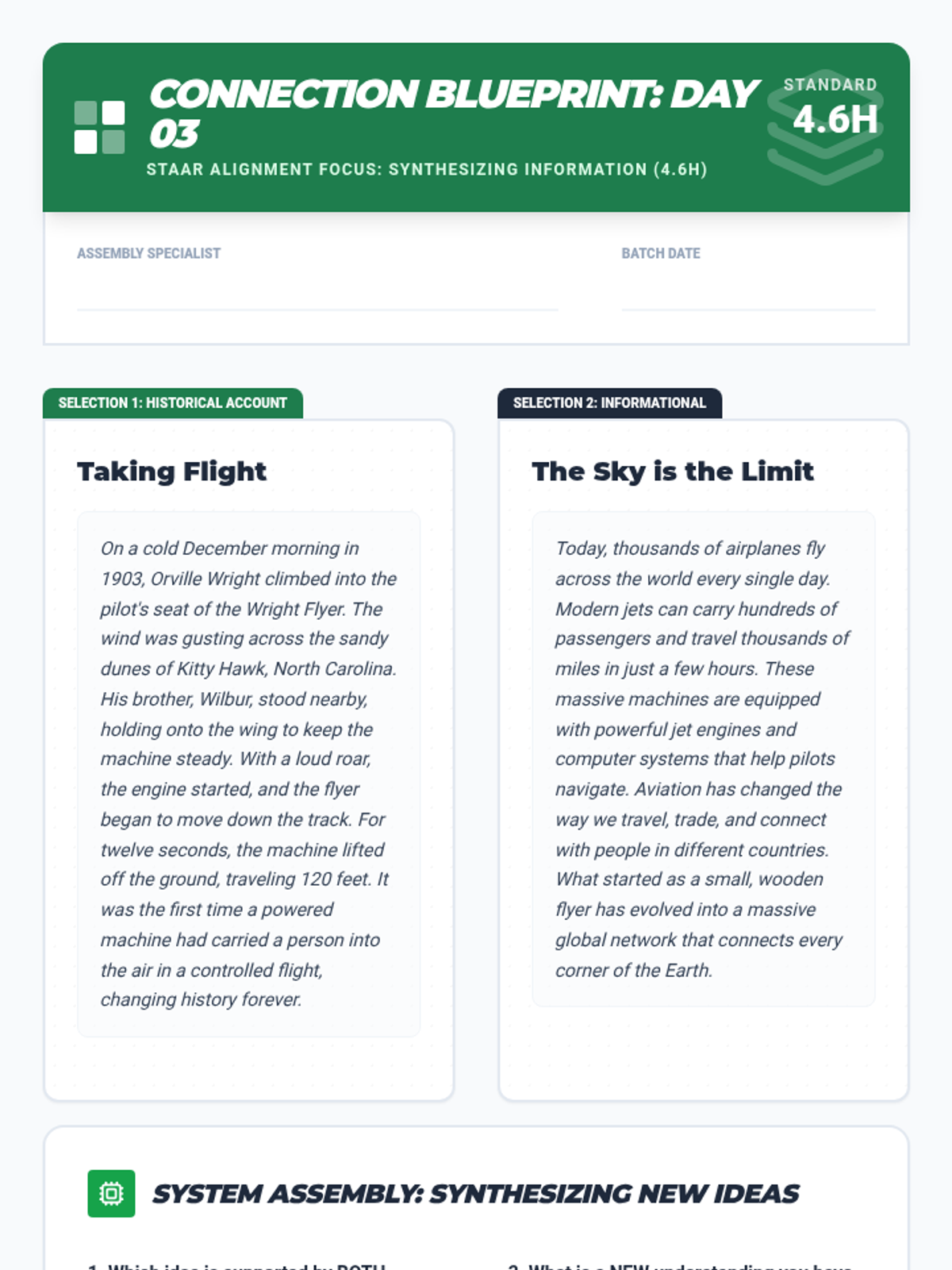
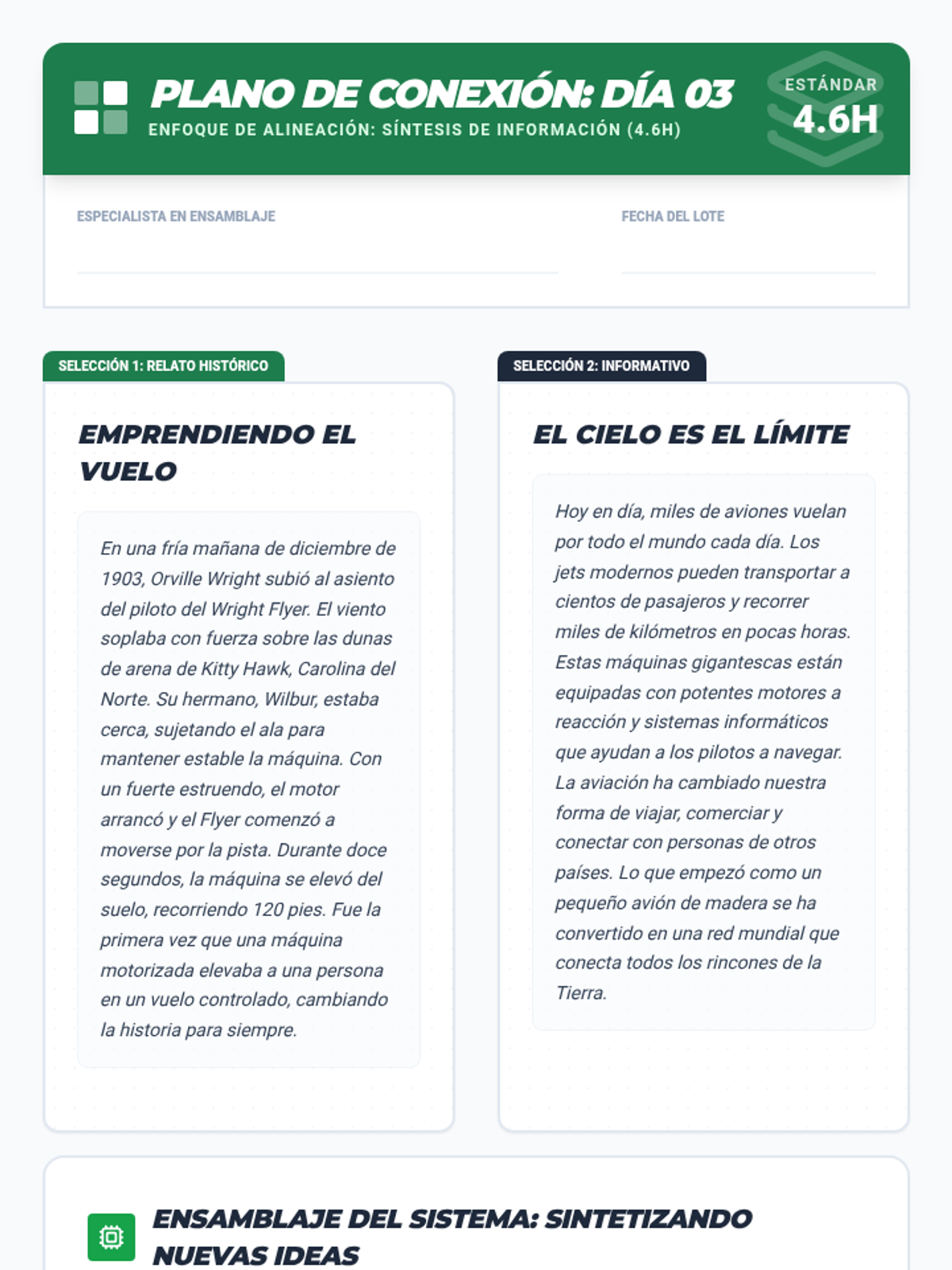
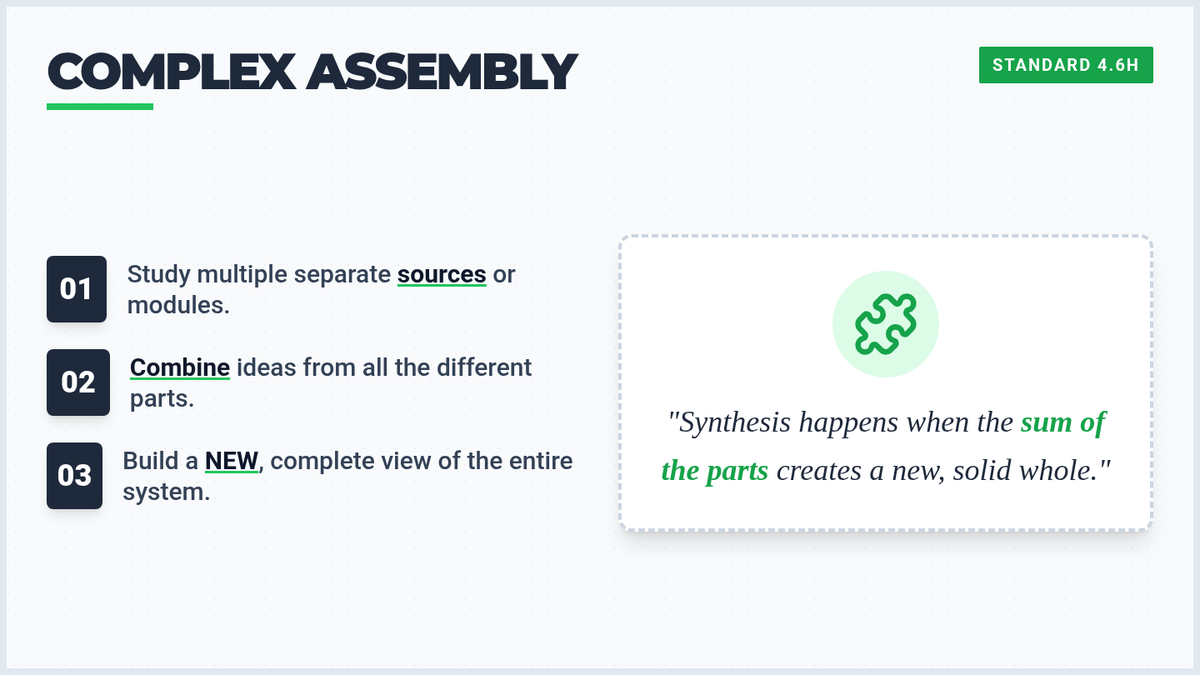
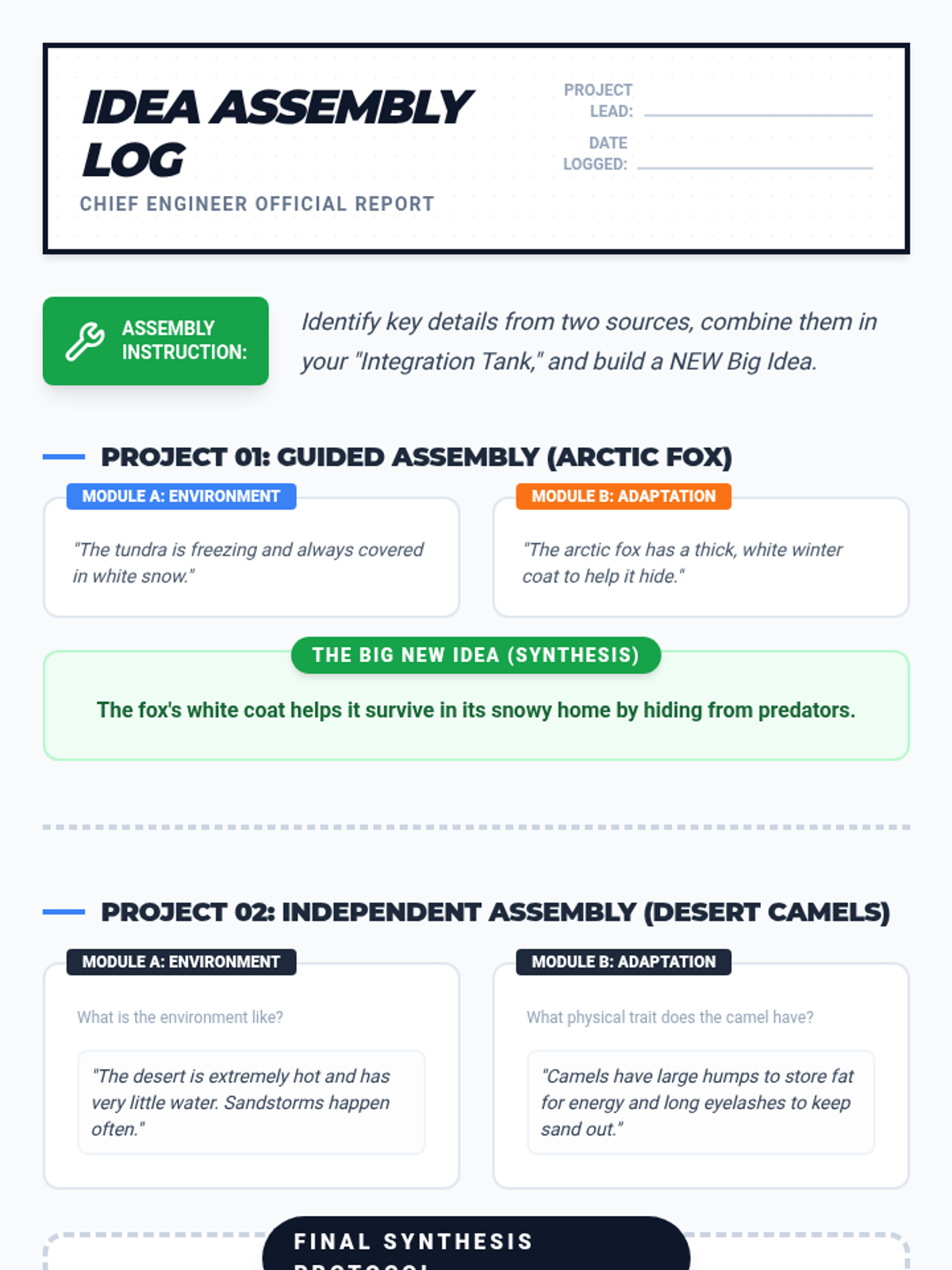
A short 5-10 minute introduction to synthesis (in English and Spanish) where students act as "Chief Engineers" to assemble separate pieces of information into a new, complete idea. Includes slides, facilitation guides, logs, and answer keys.
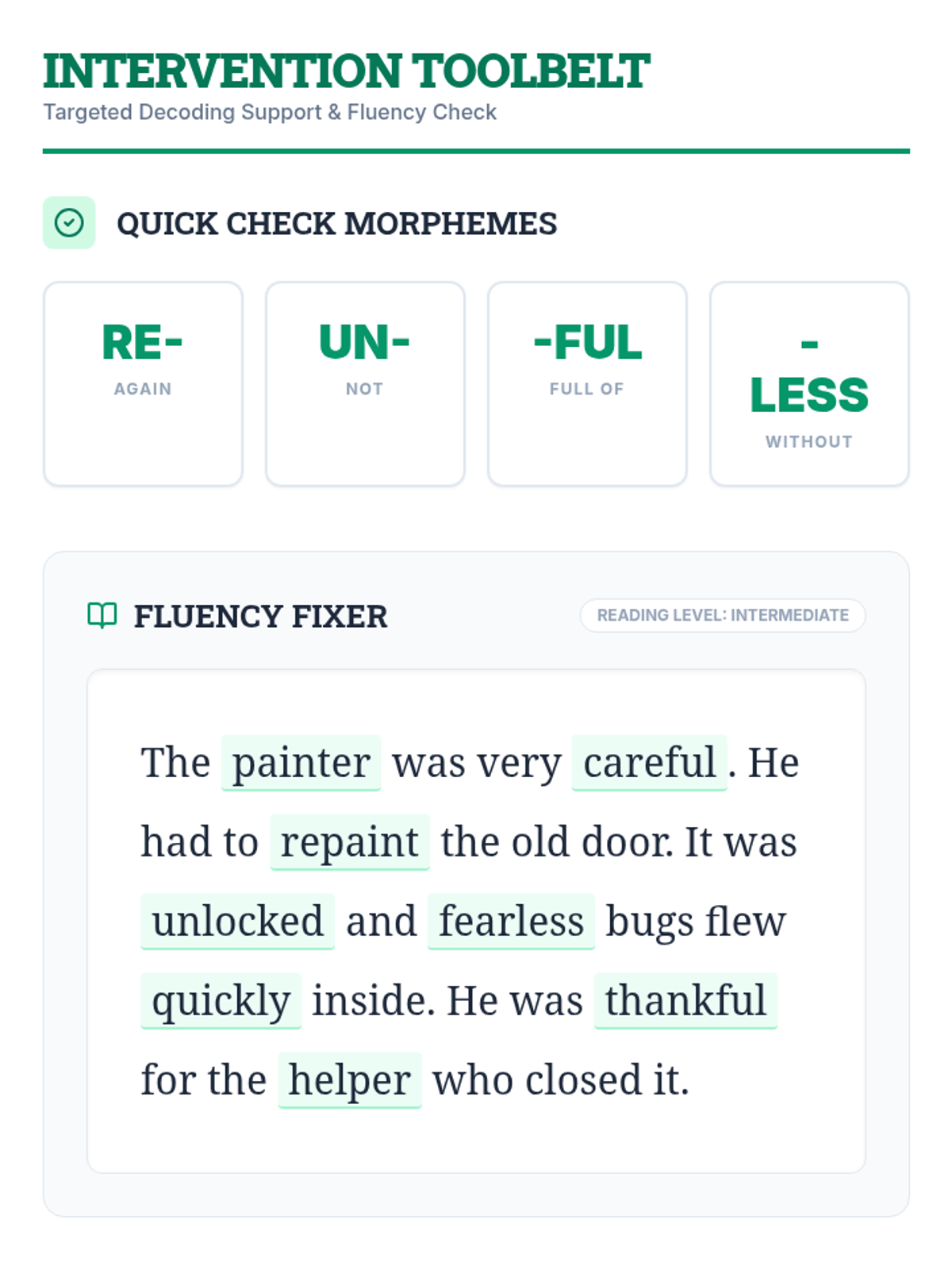
Targeted small group intervention materials and fluency practice for students needing extra support with morphological decoding.
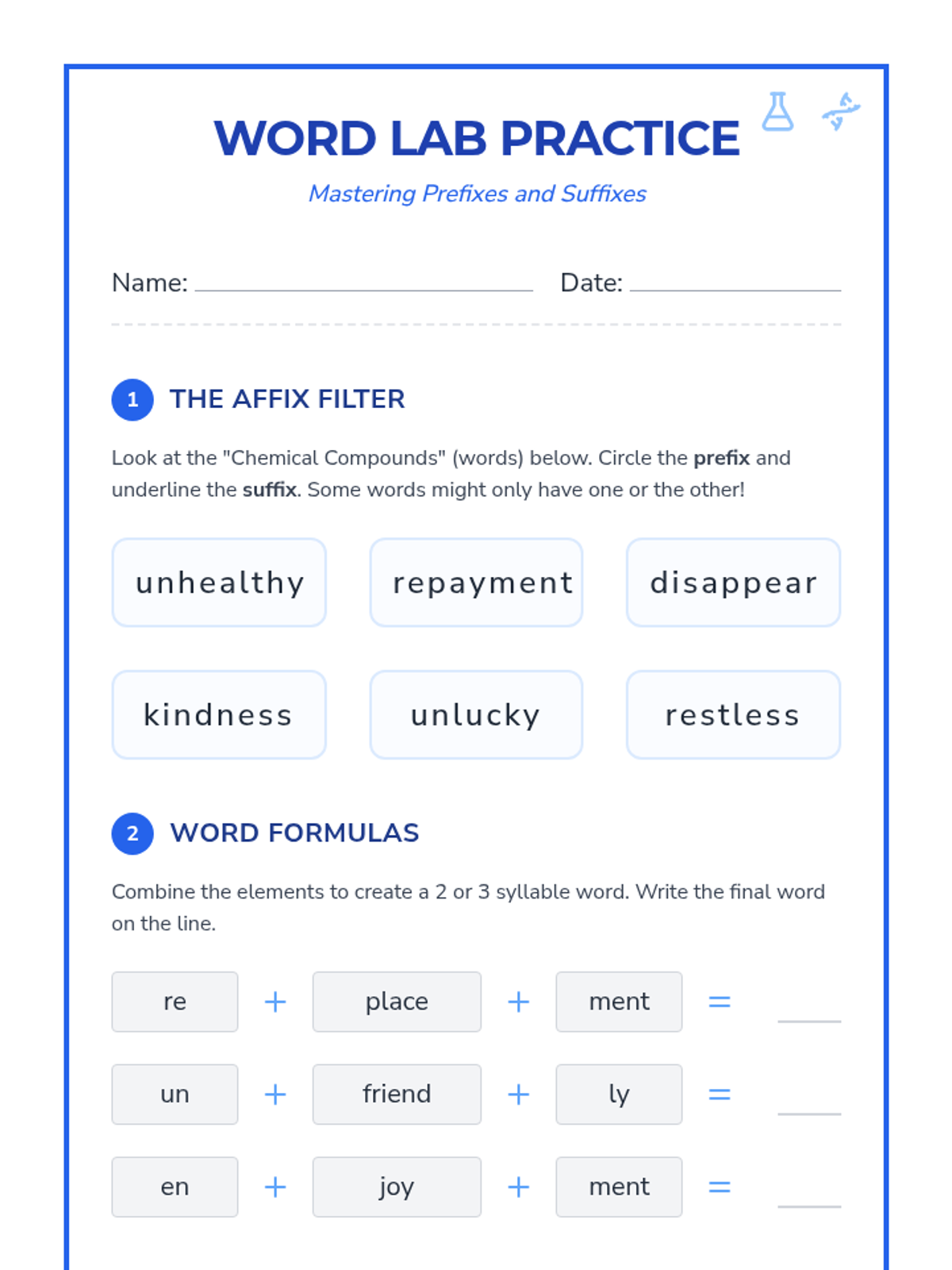
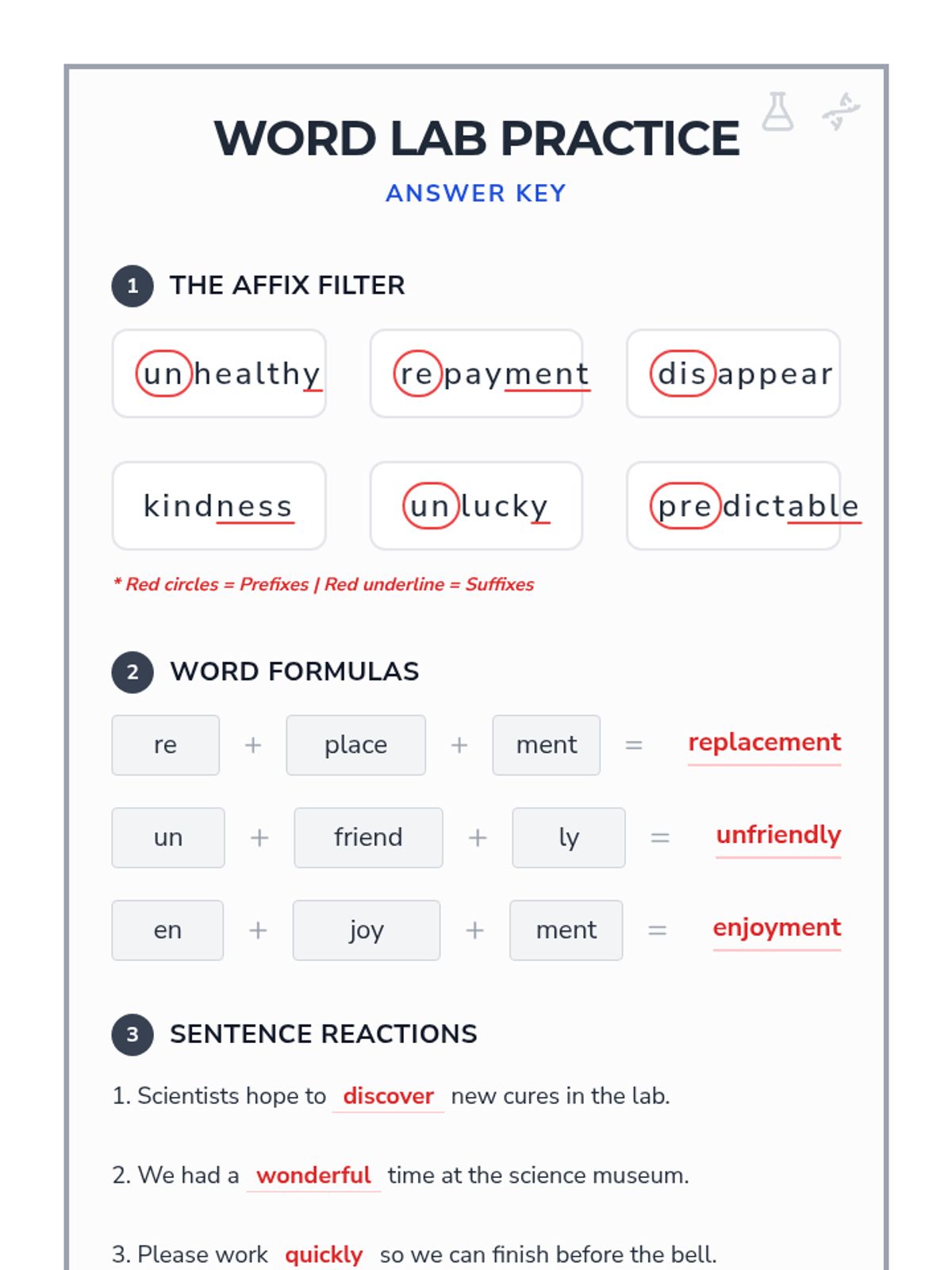
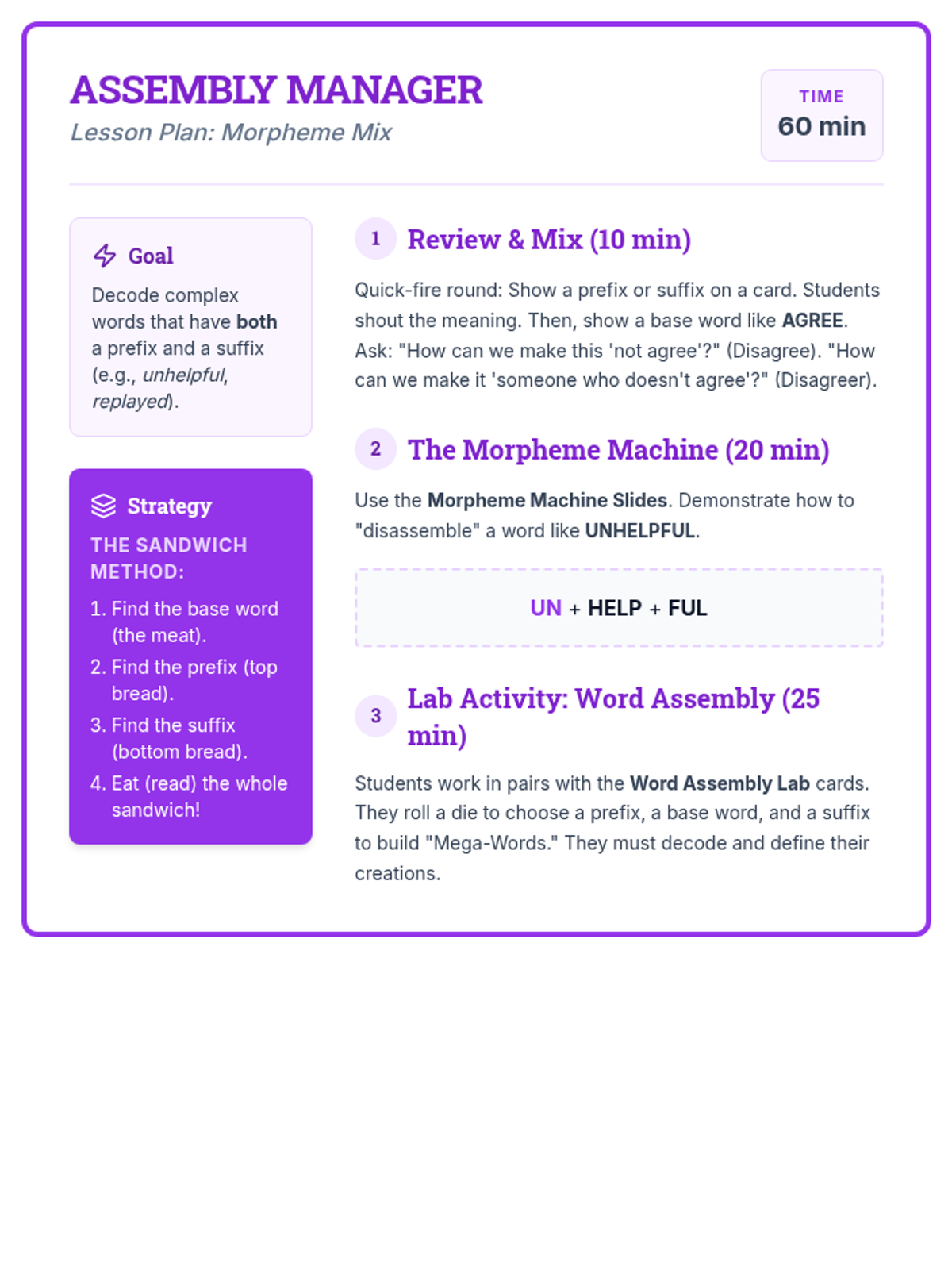
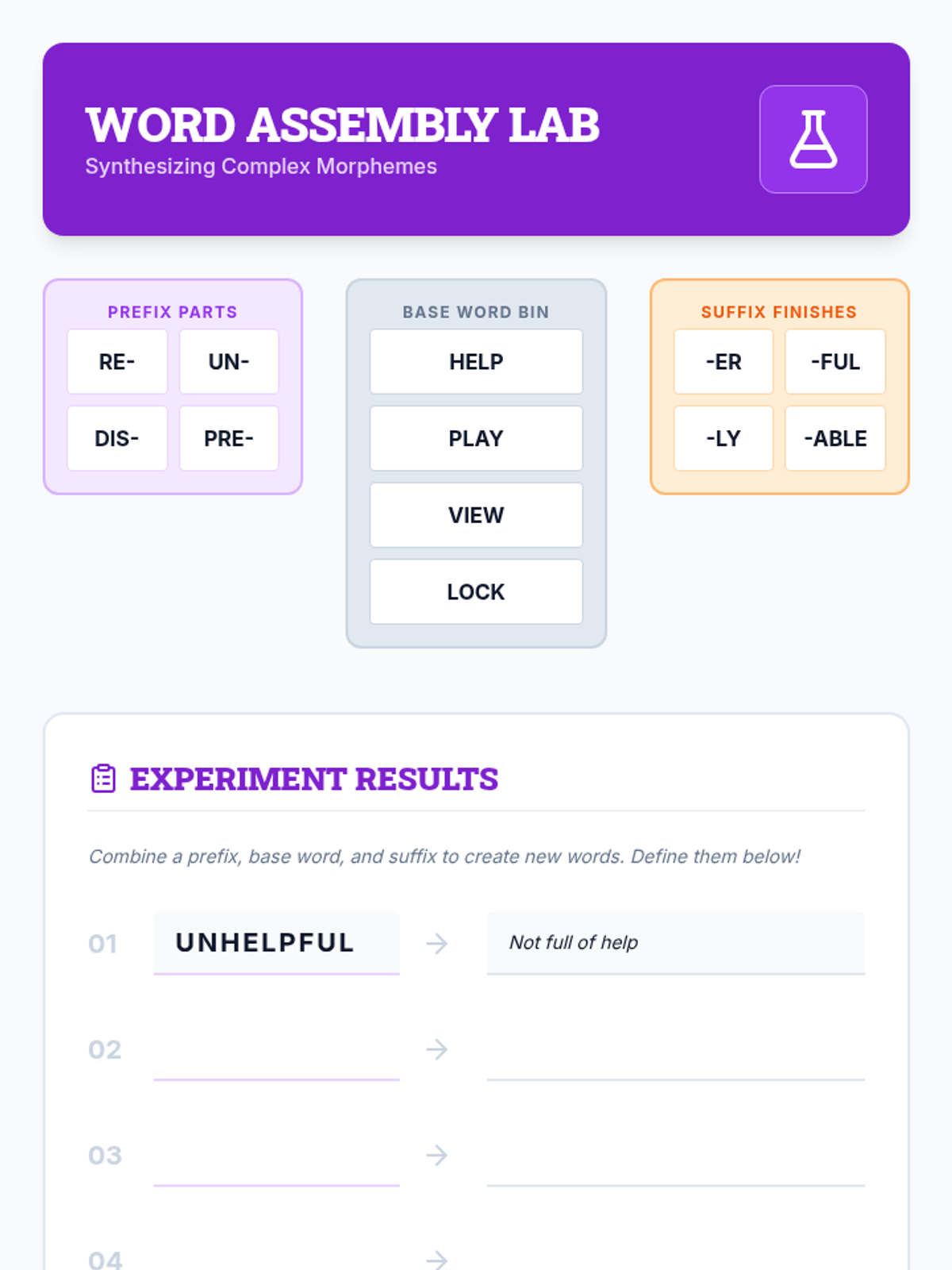
Synthesizes prefix and suffix knowledge to decode complex, multisyllabic words through structural analysis.
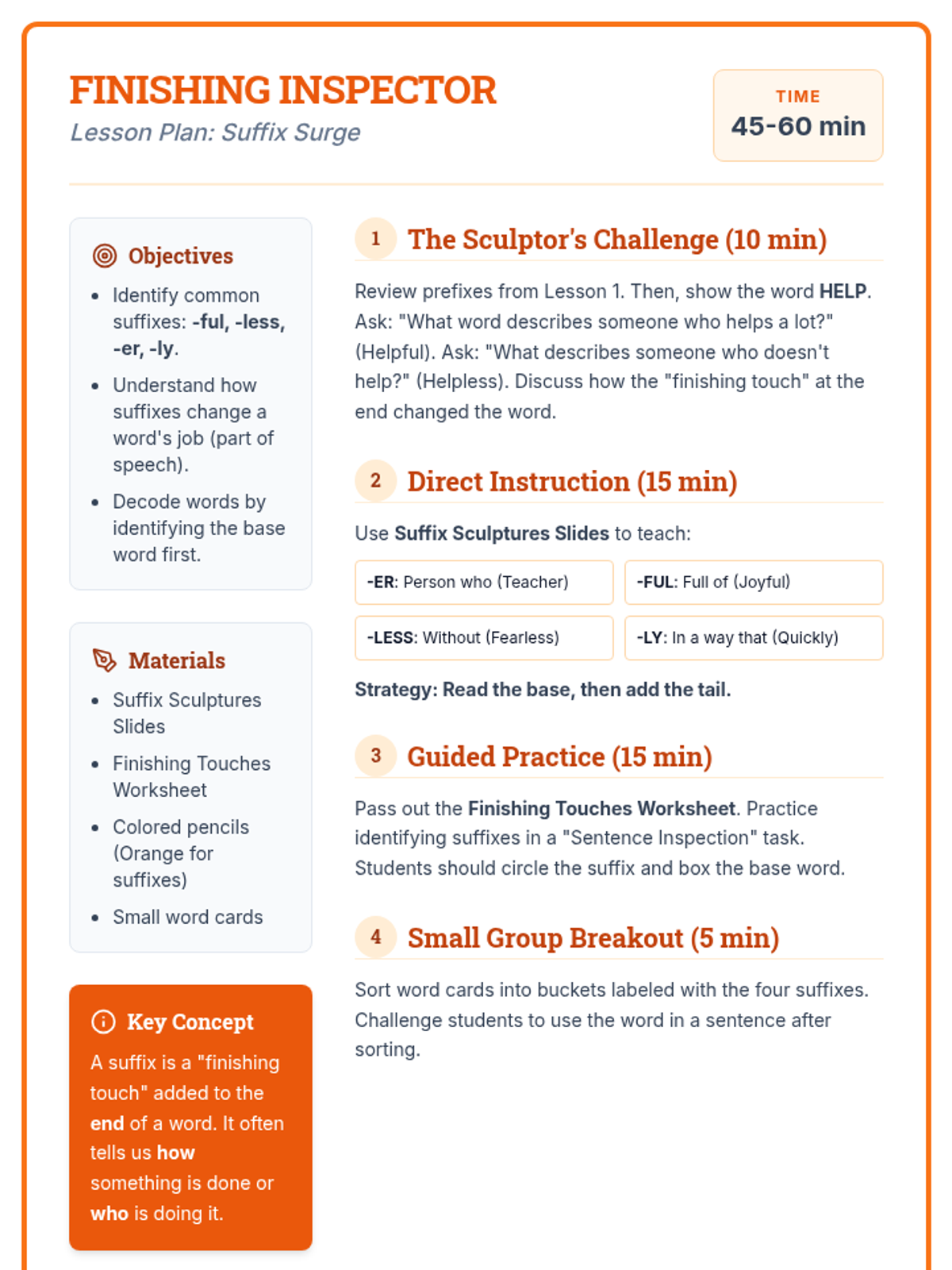
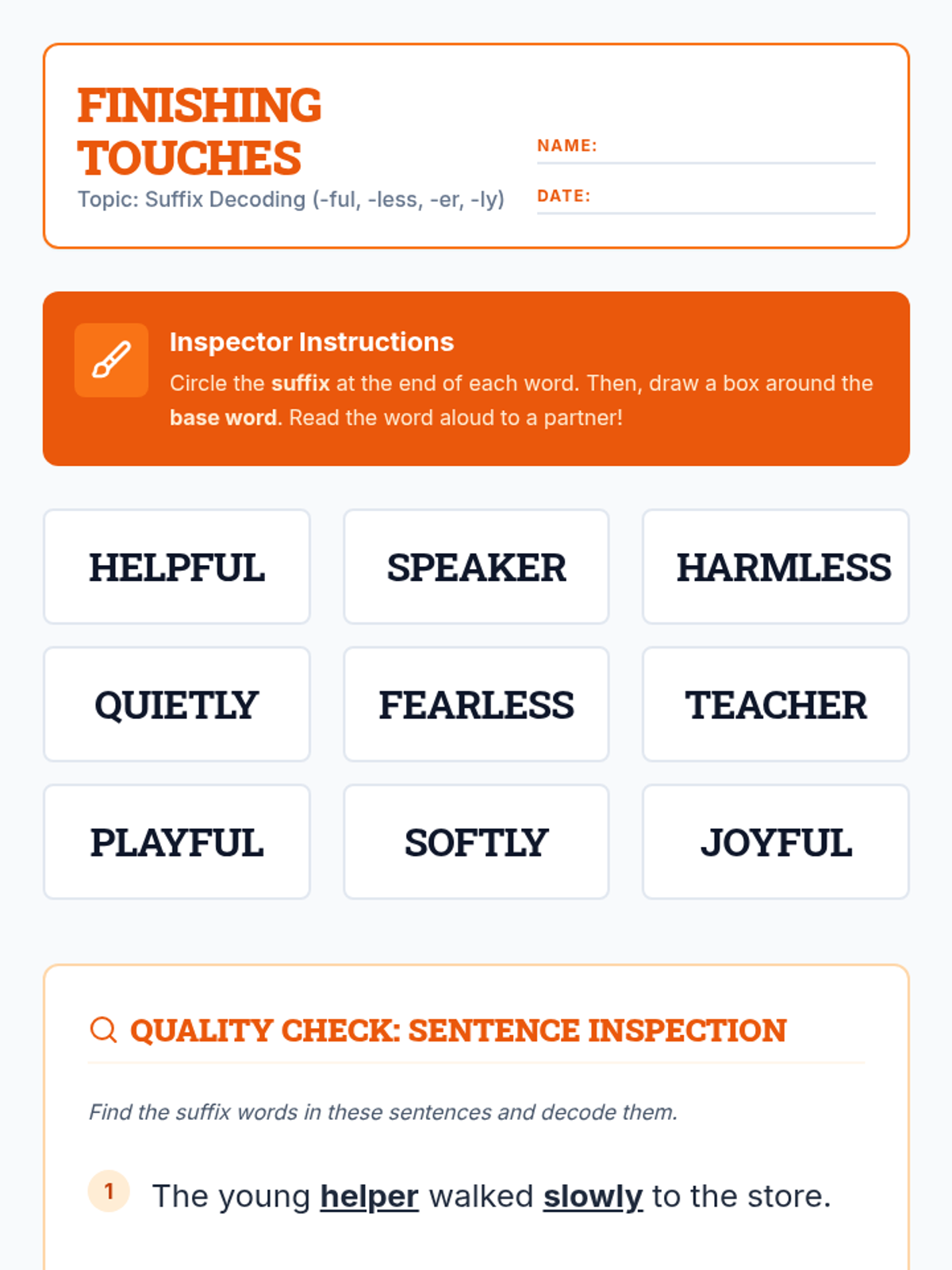
Explores common suffixes (-ful, -less, -er, -ly) and how they modify the function and meaning of base words.
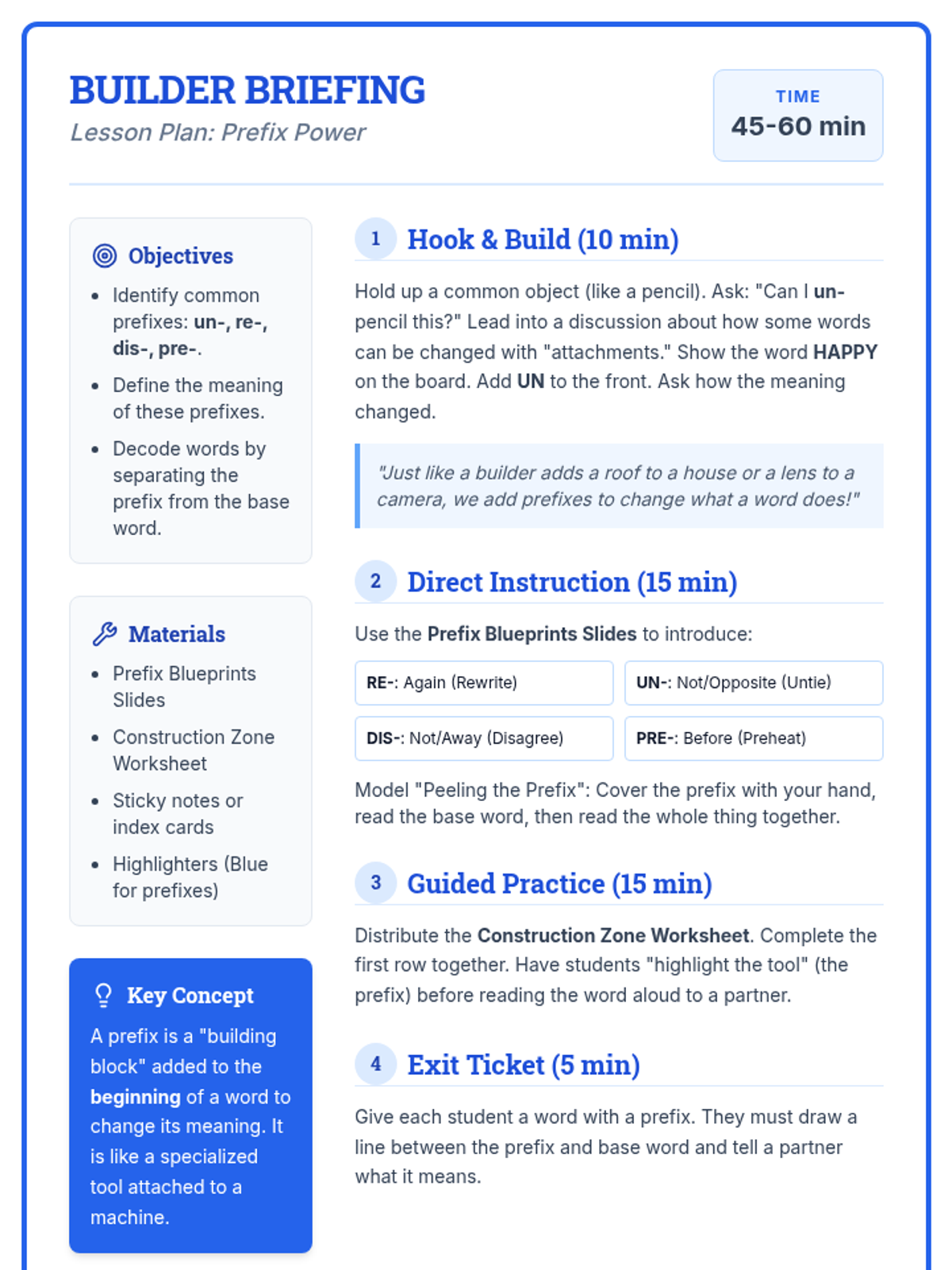
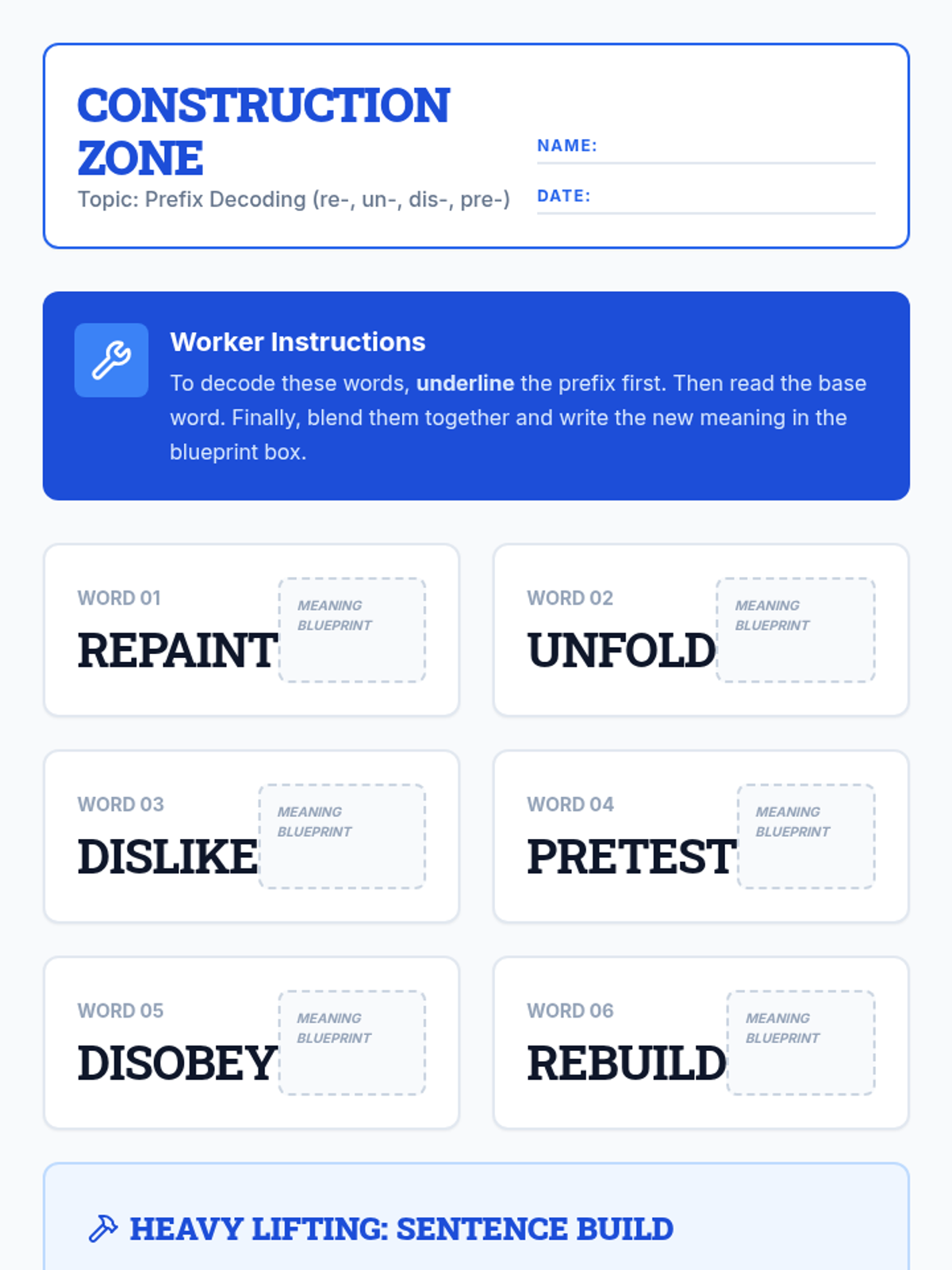
Introduces the concept of prefixes as word 'attachments' that change meaning, specifically focusing on re-, un-, dis-, and pre-.
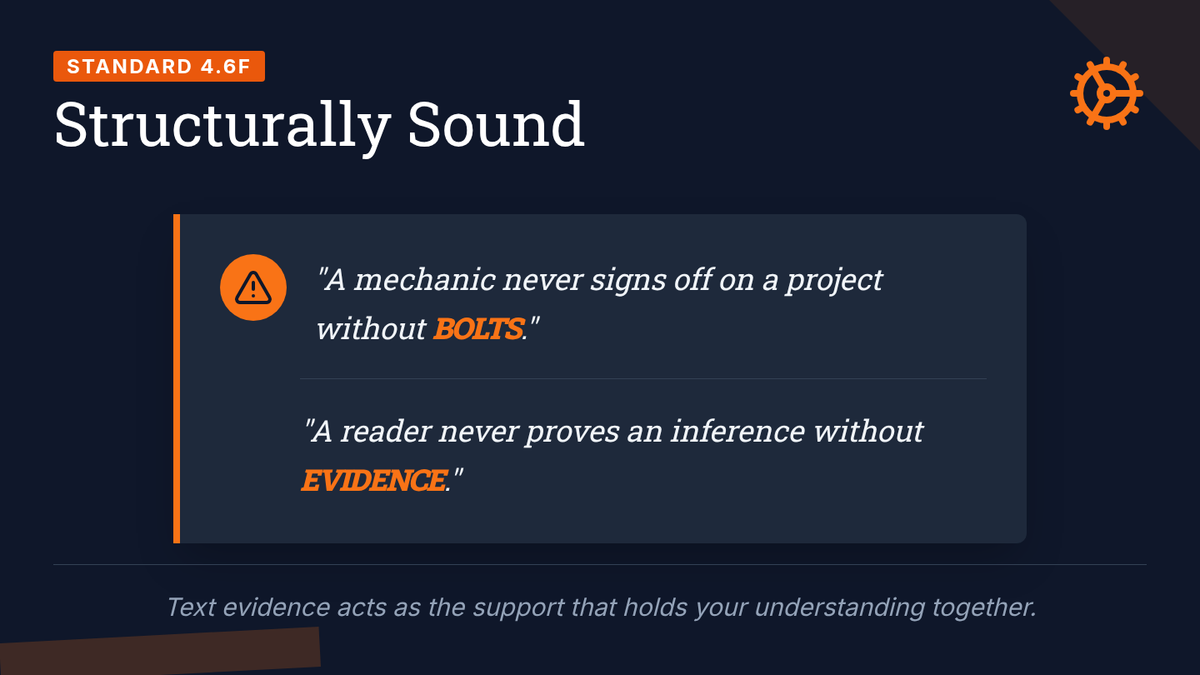
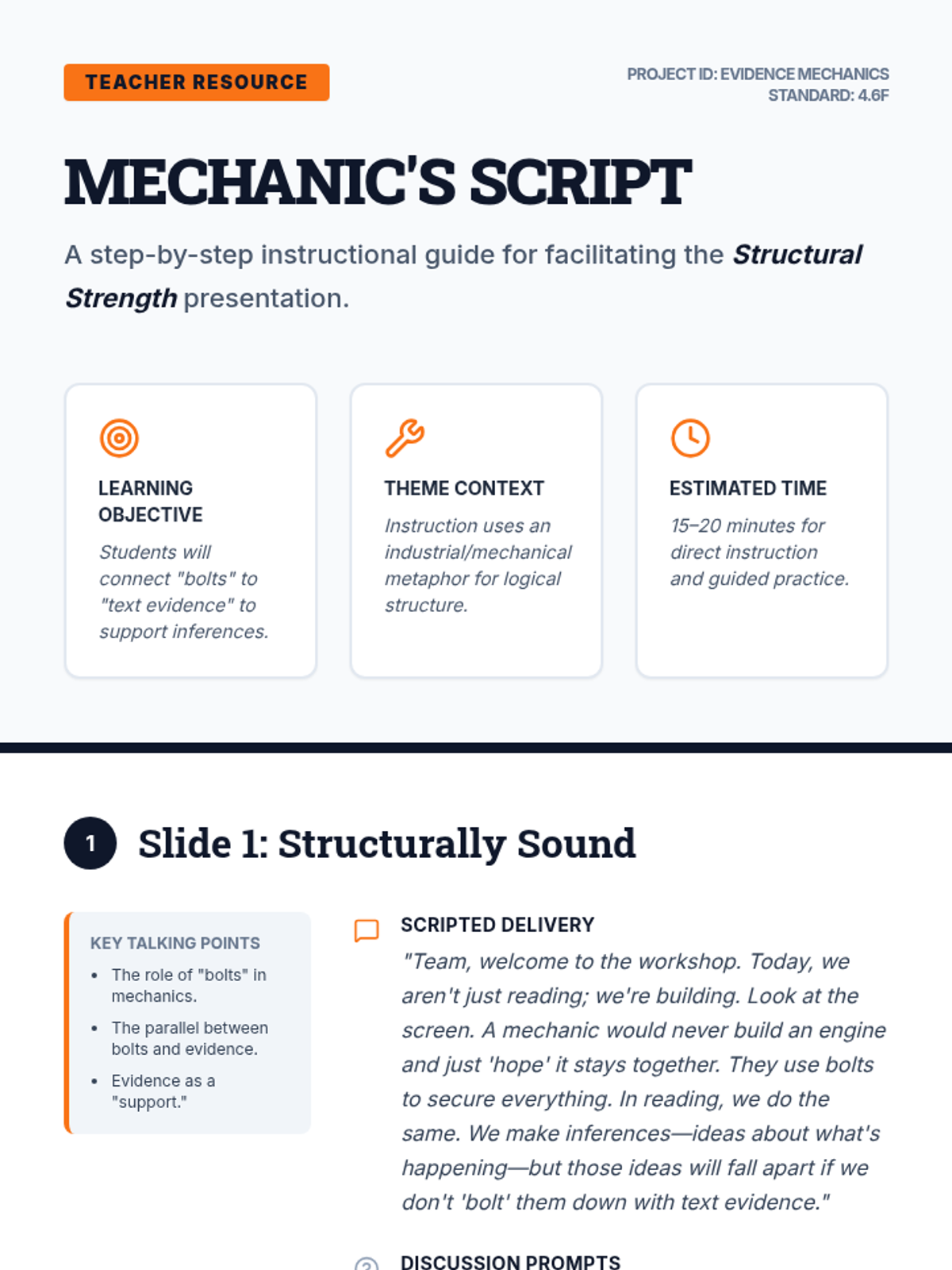
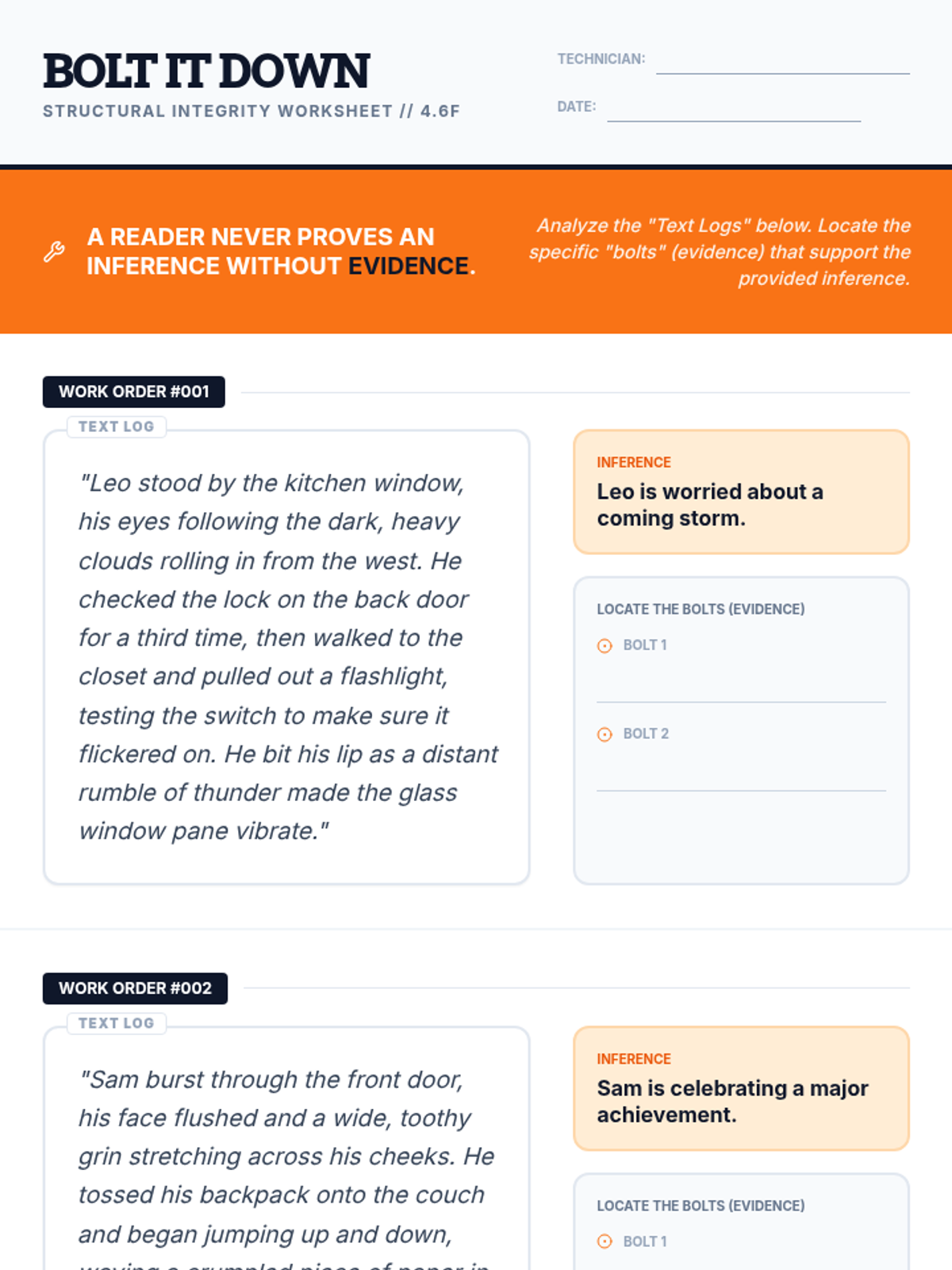
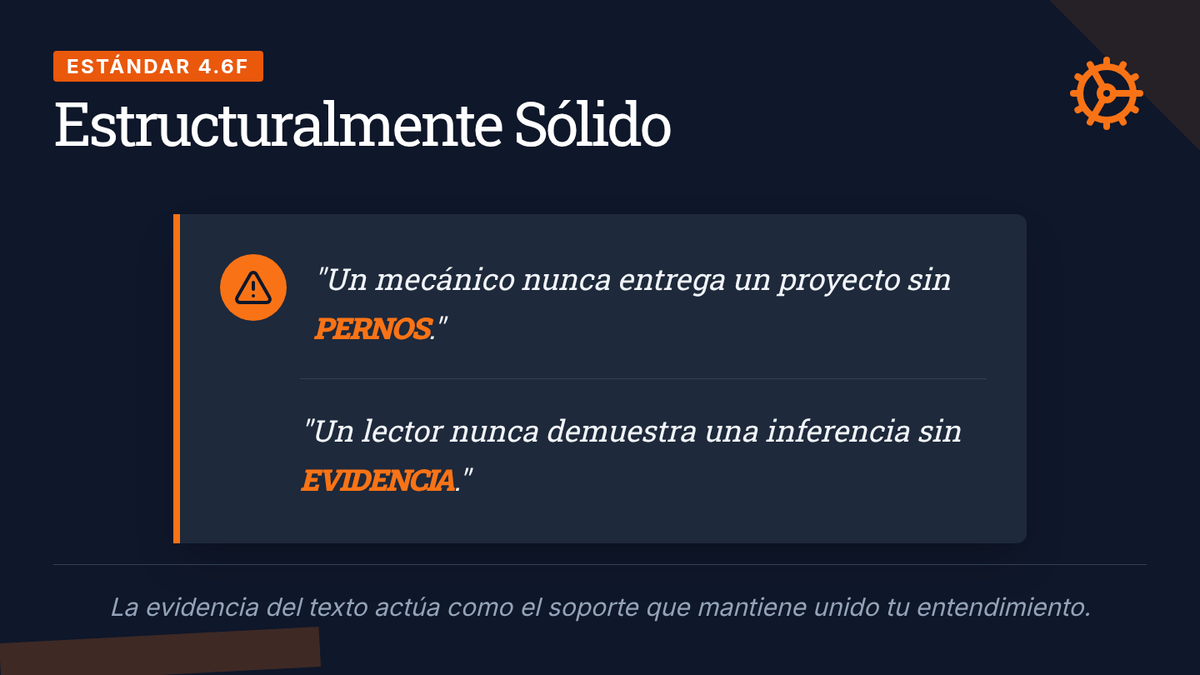
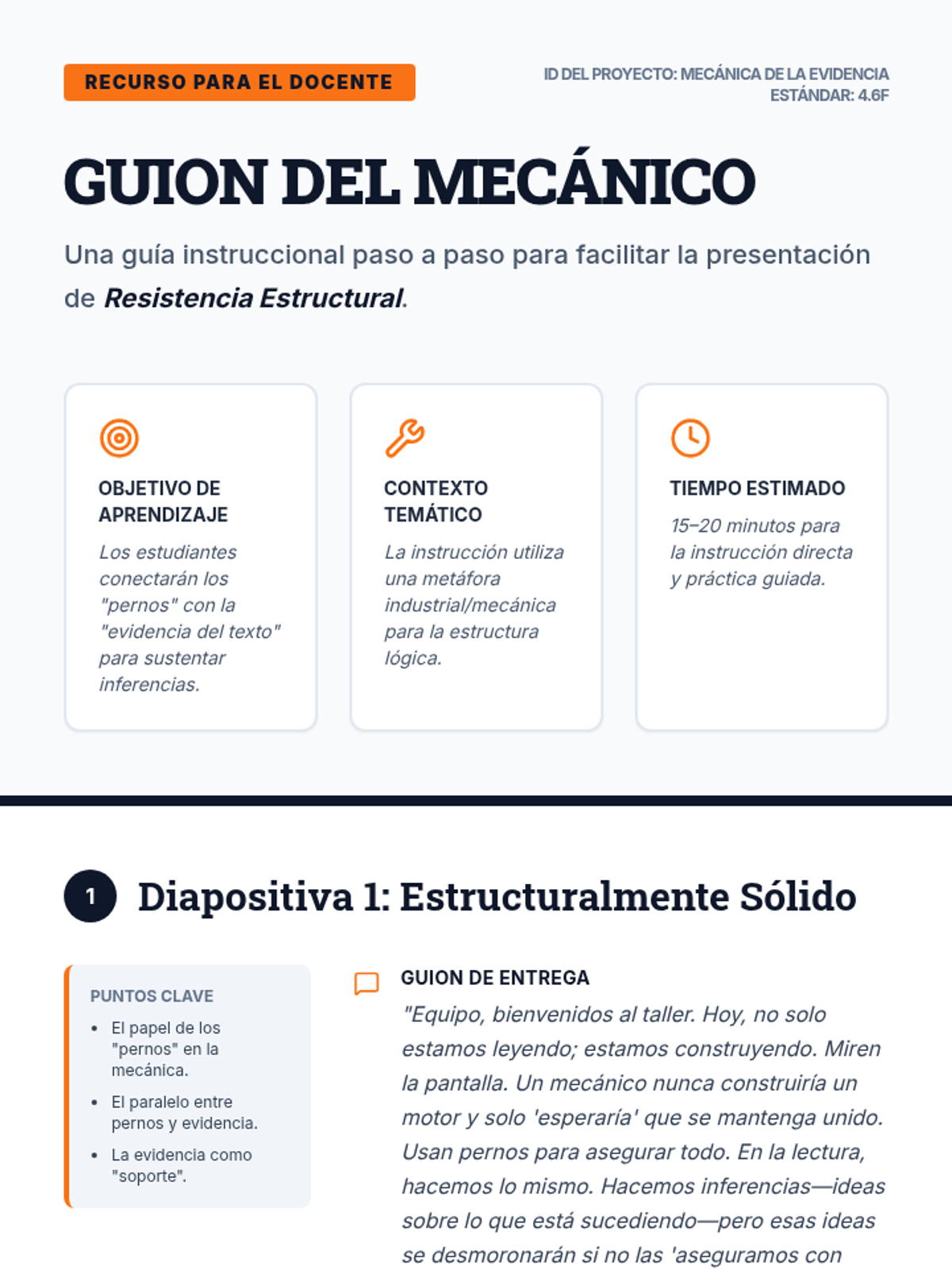
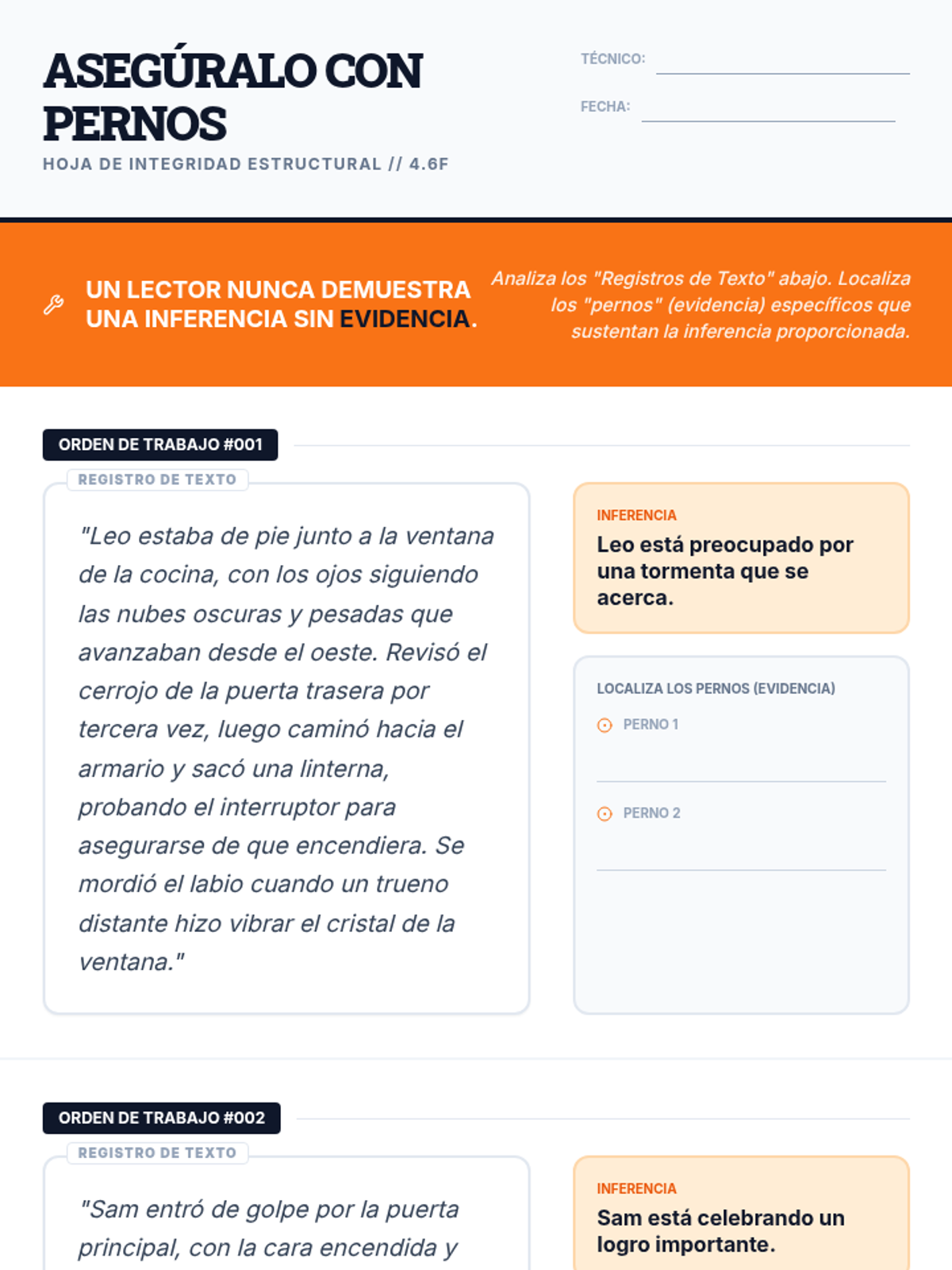
A lesson focused on using the 'bolts and structure' metaphor to teach students how to identify and use text evidence to support inferences. Students learn to see evidence as the essential hardware that prevents their ideas from falling apart.
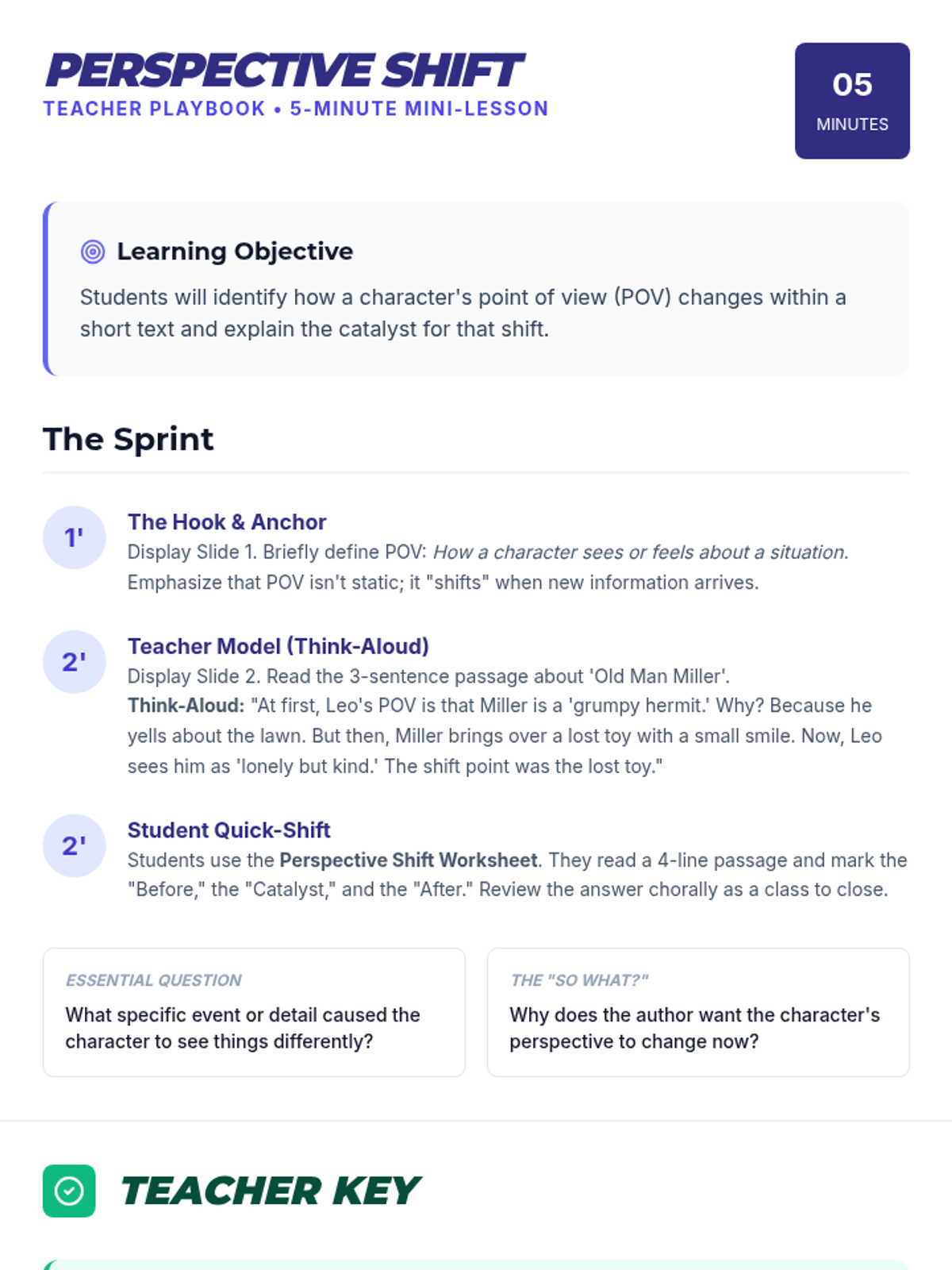
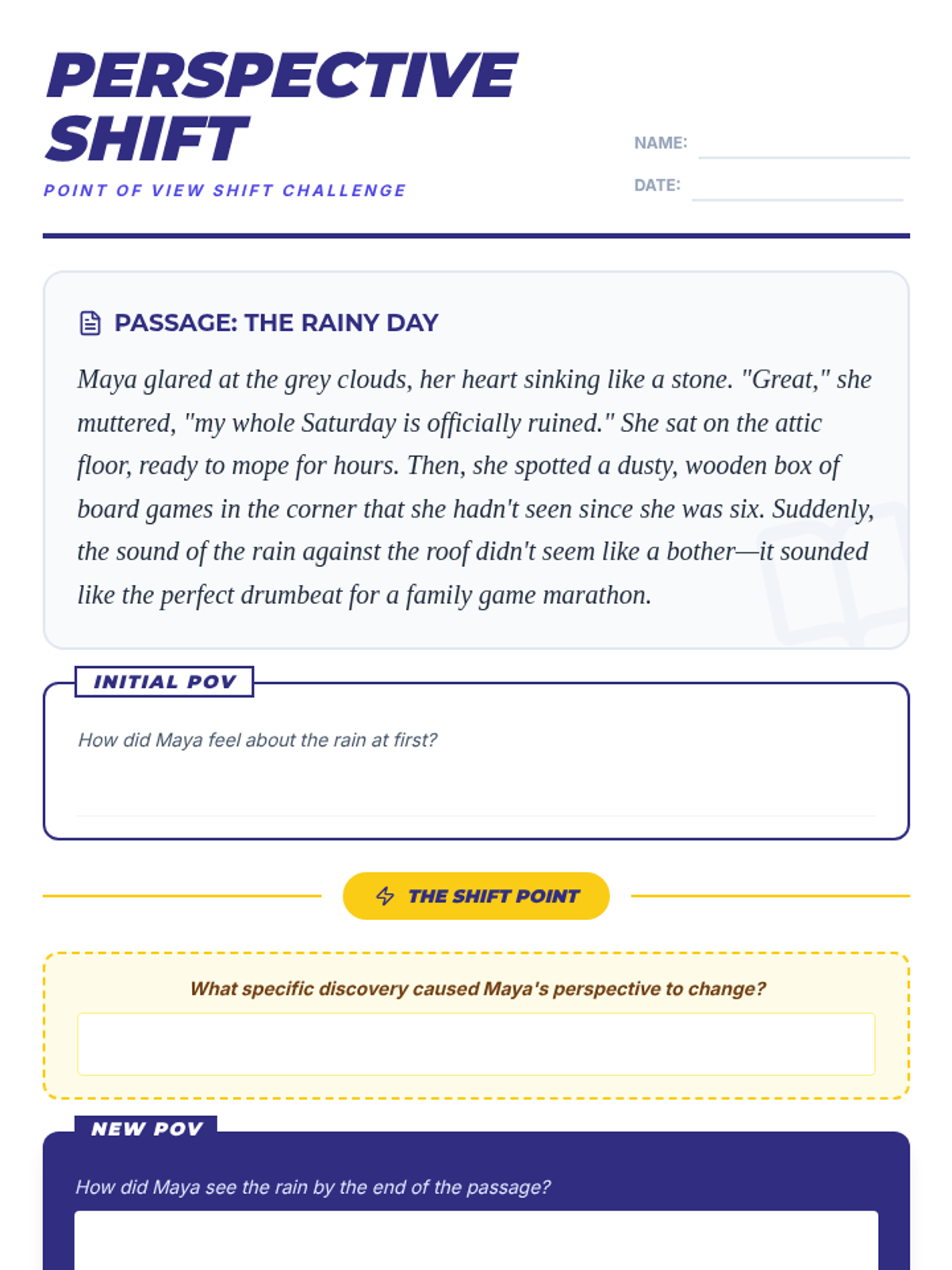
A lightning-fast 5-minute mini-lesson focusing on identifying and analyzing shifts in a character's point of view through a short narrative model.
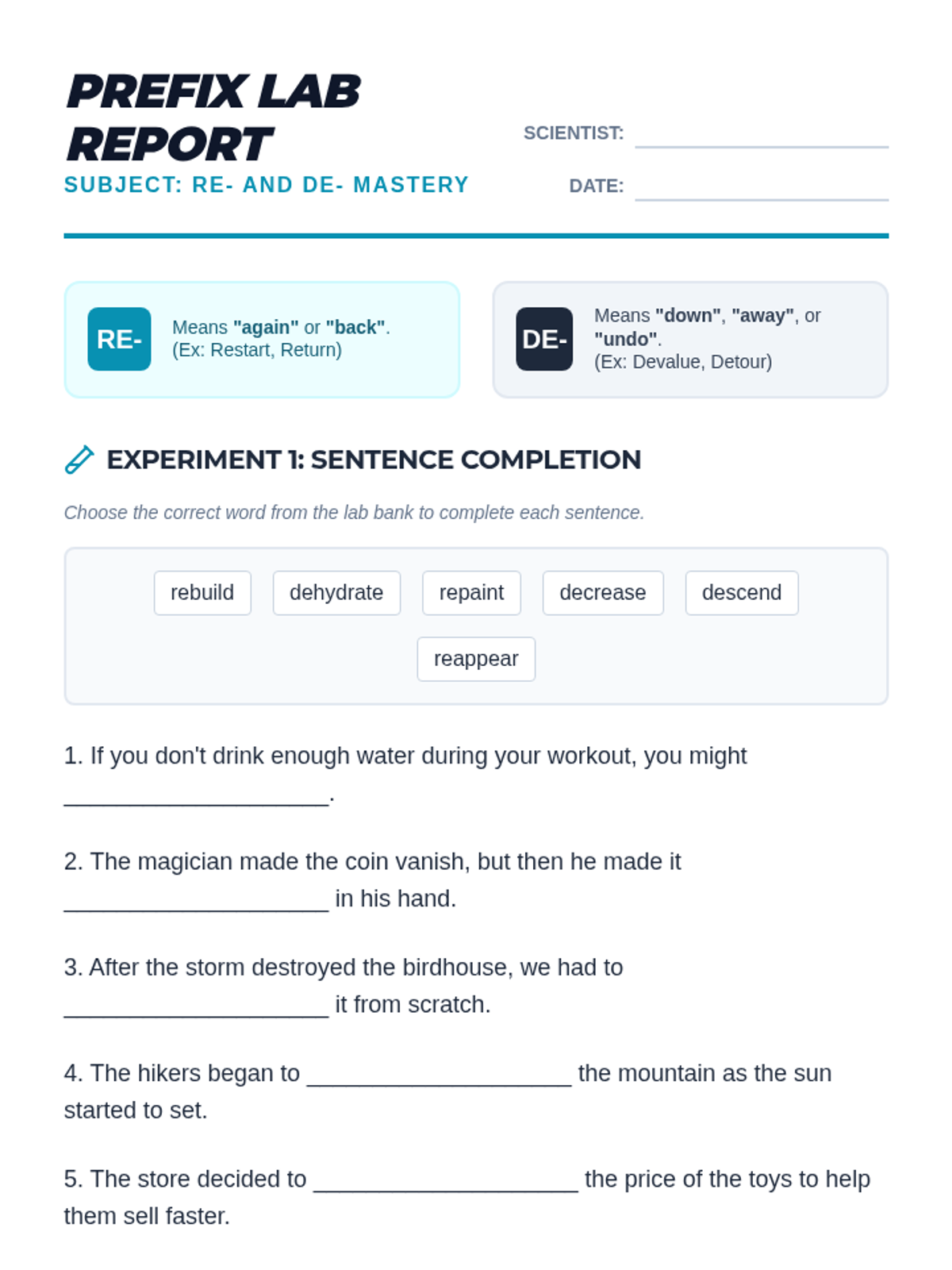
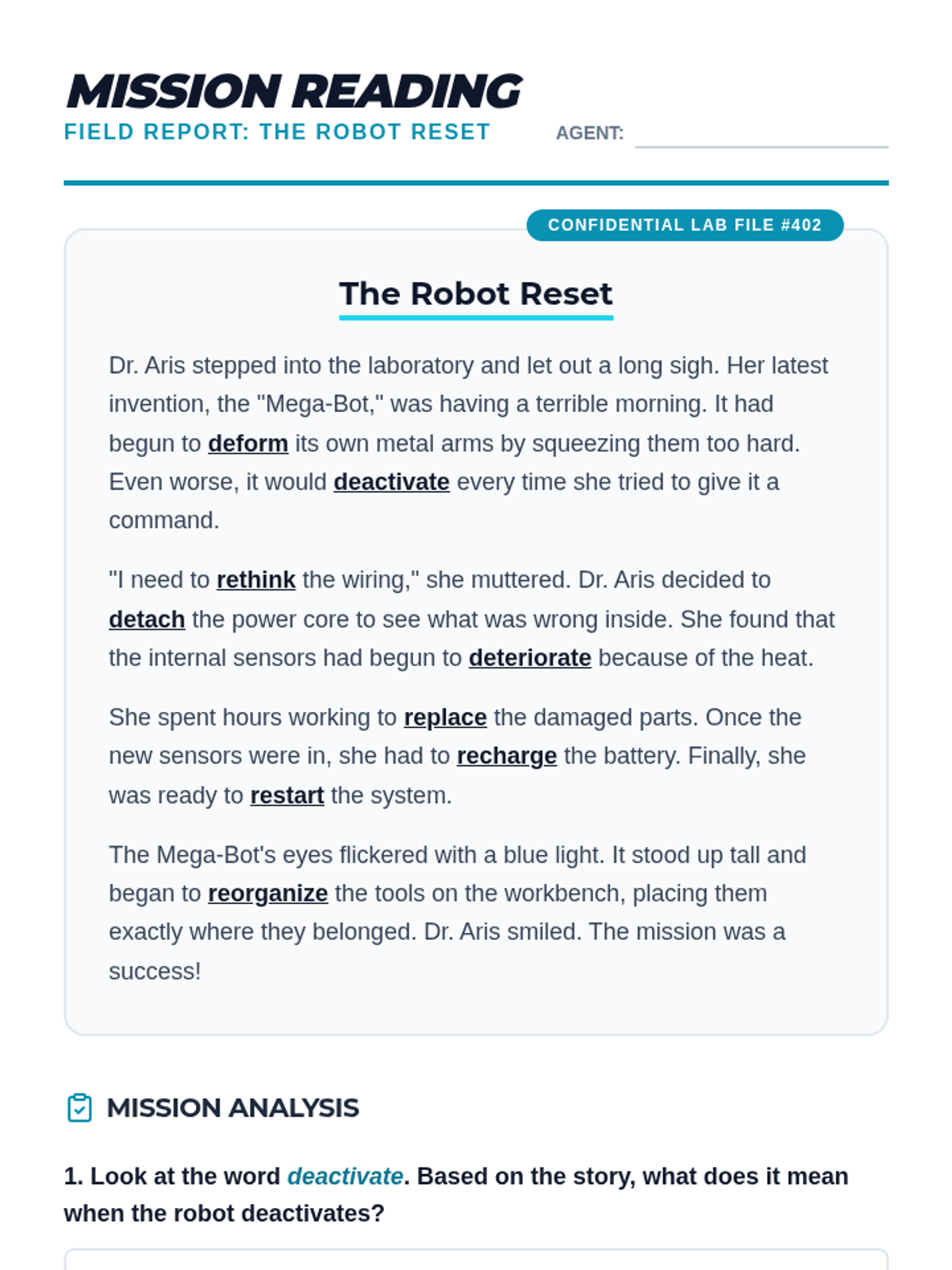
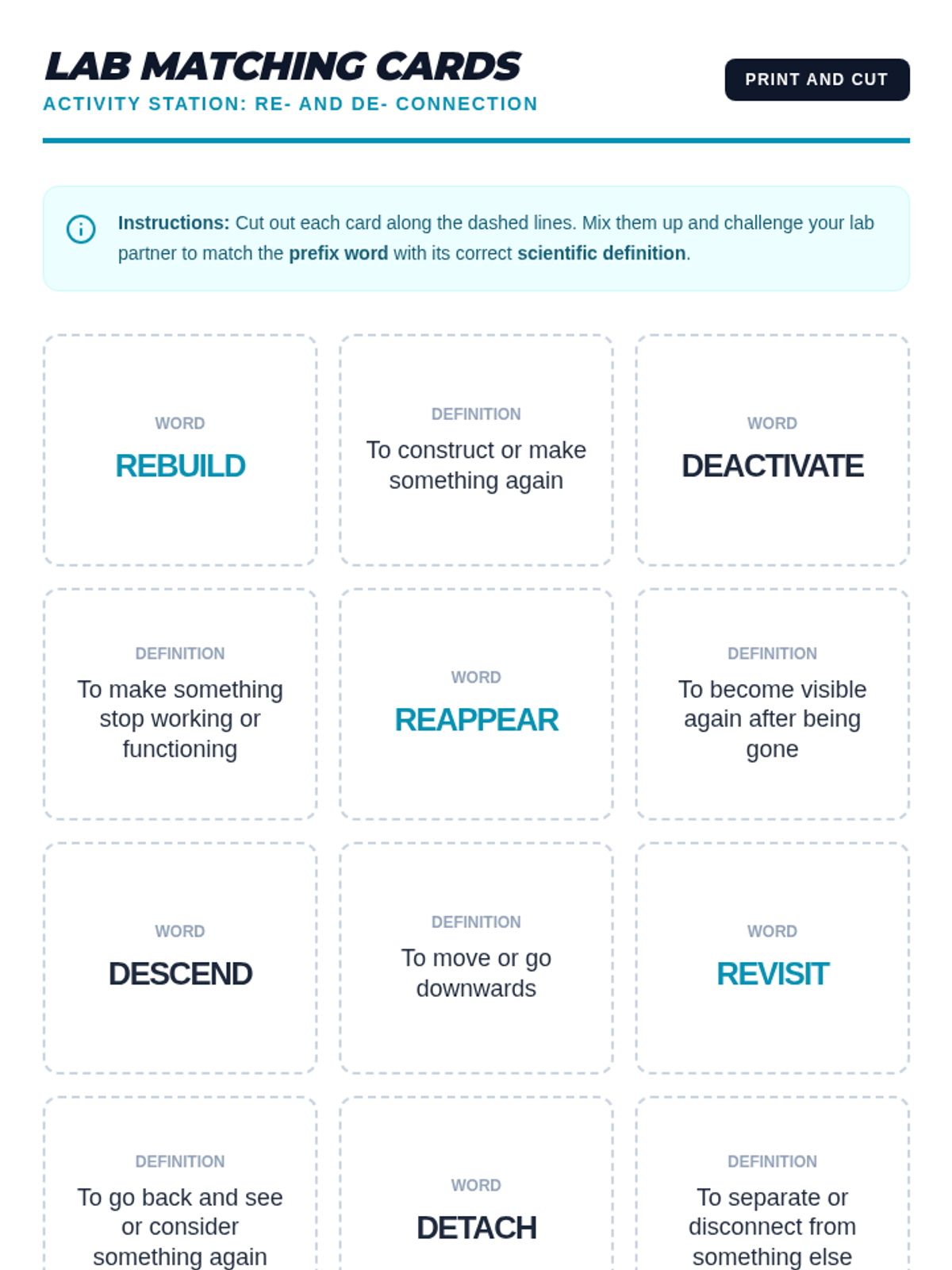
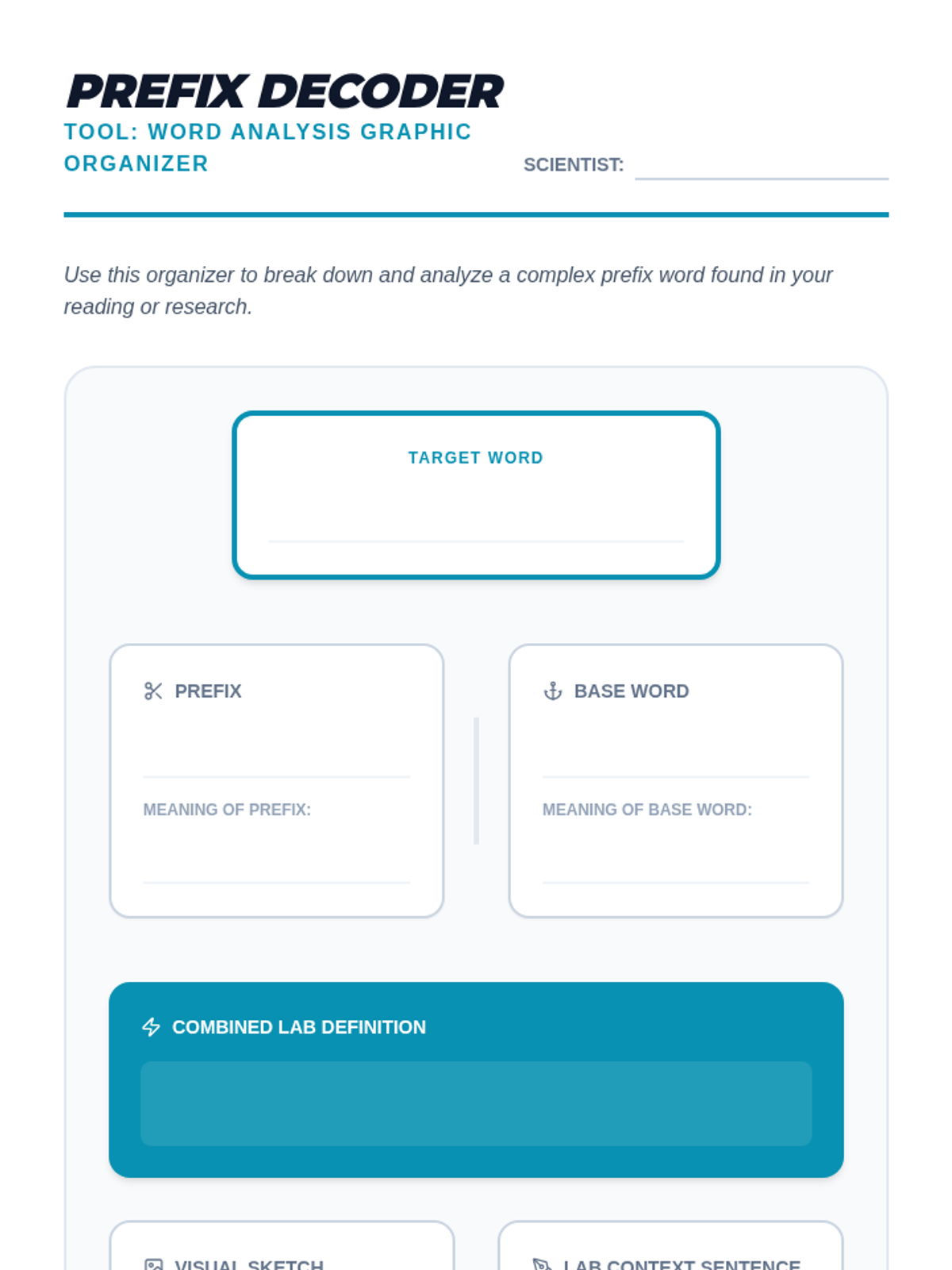
A comprehensive lesson on the prefixes 're-' and 'de-', featuring guided instruction, word analysis, reading comprehension, and interactive matching activities set in a 'Prefix Lab' theme.
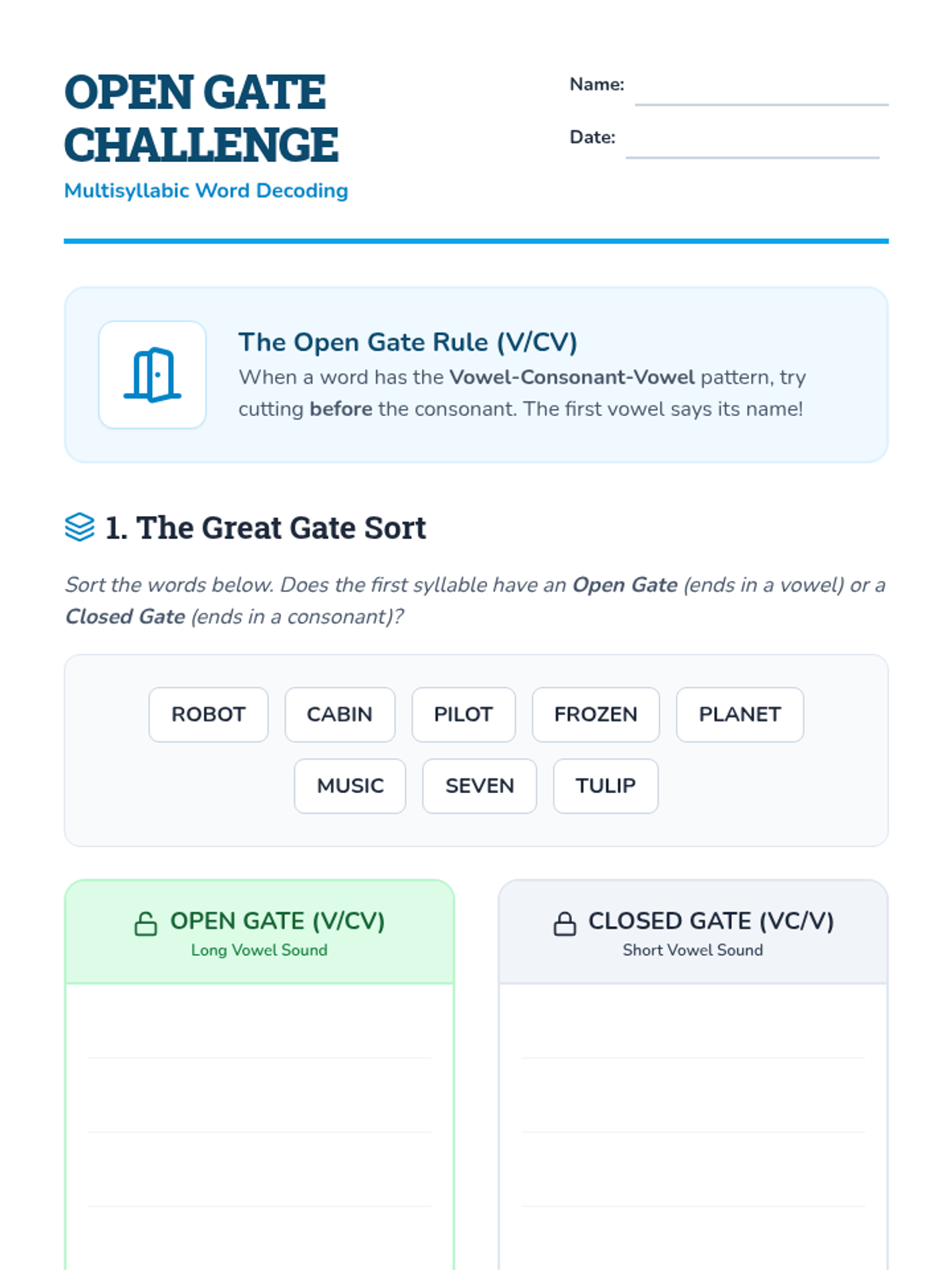
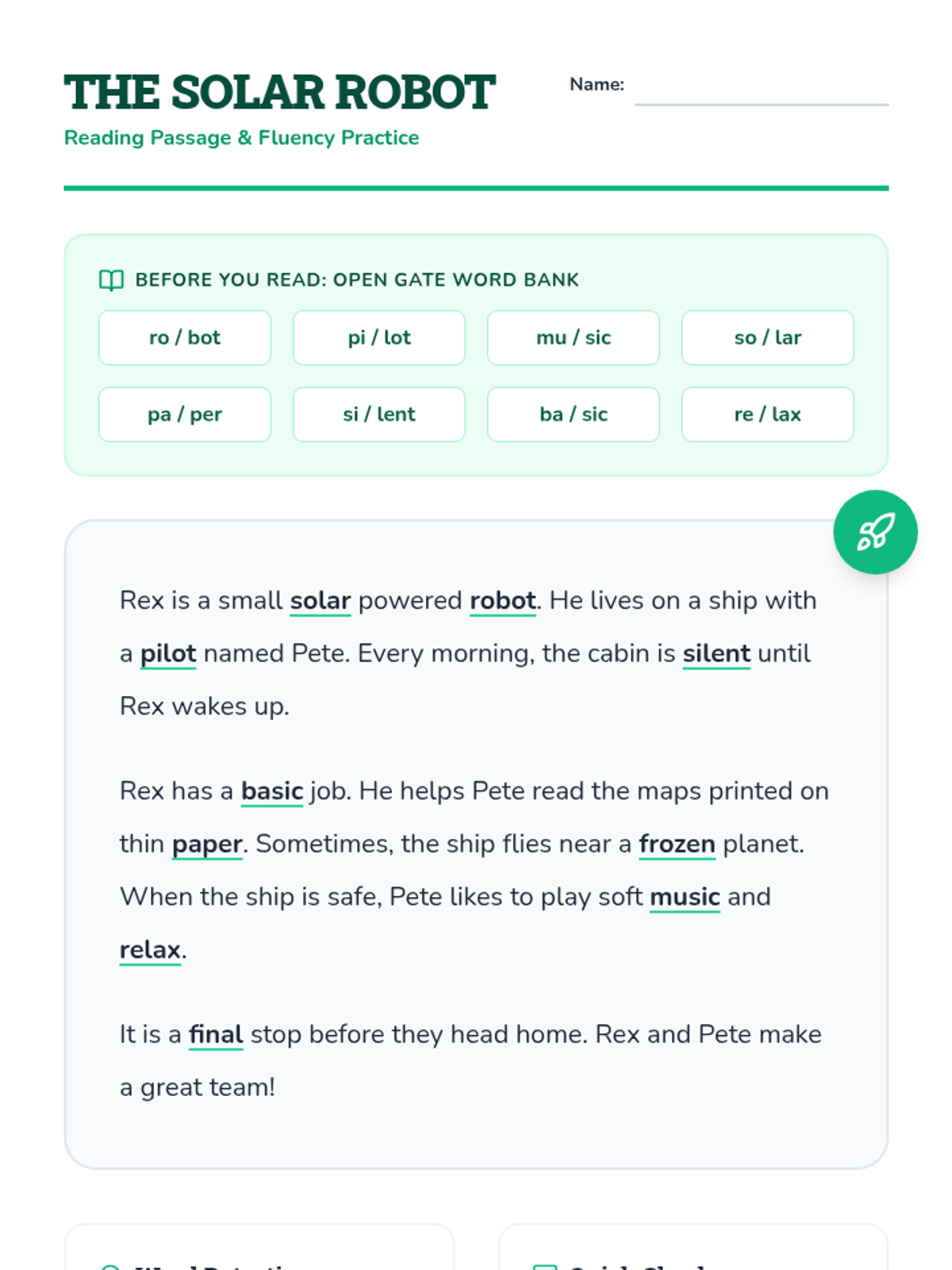
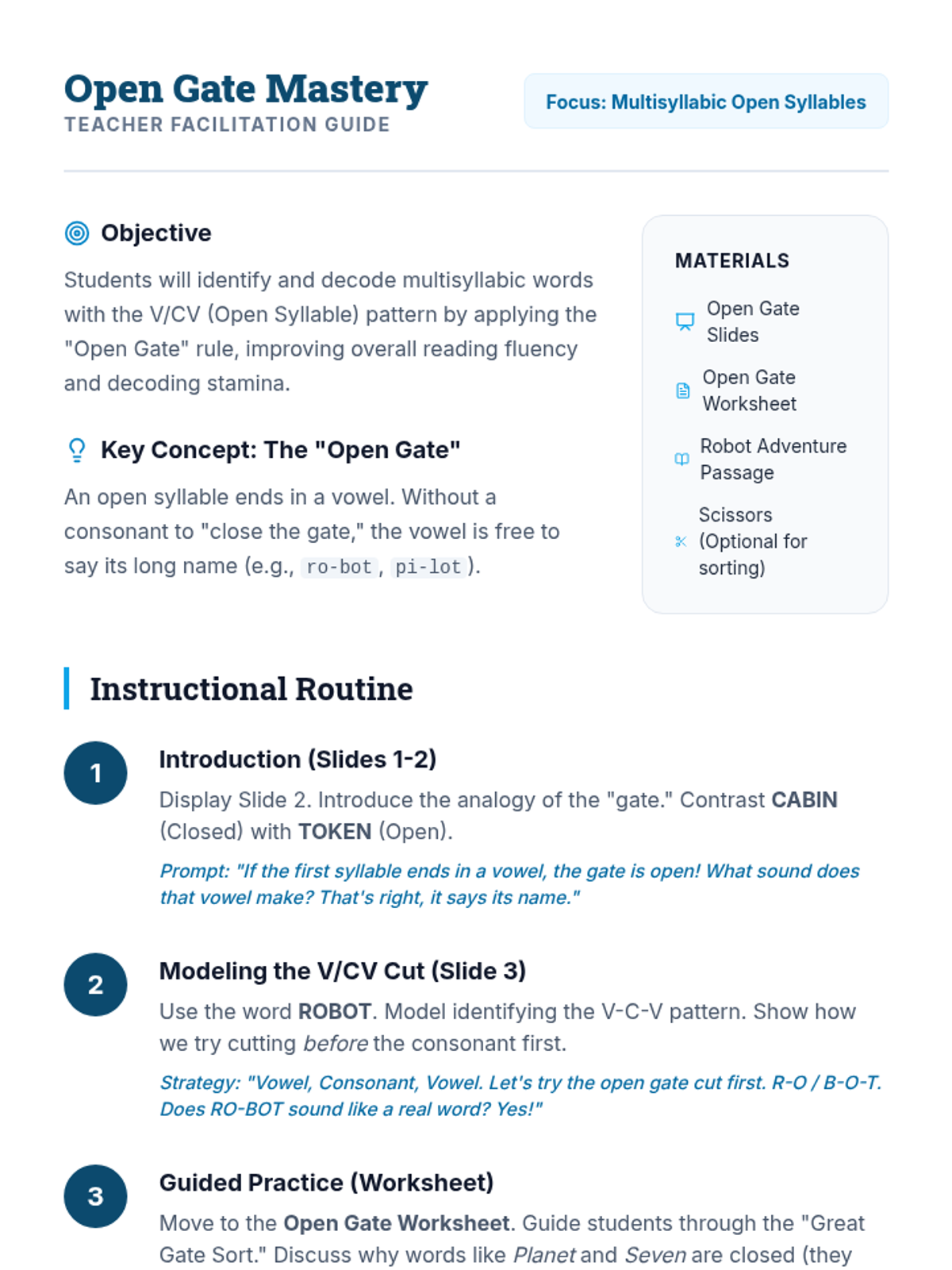
This lesson focuses on identifying and decoding multisyllabic words containing open syllables. Students will learn the 'open gate' rule to improve their reading fluency and word-solving stamina.
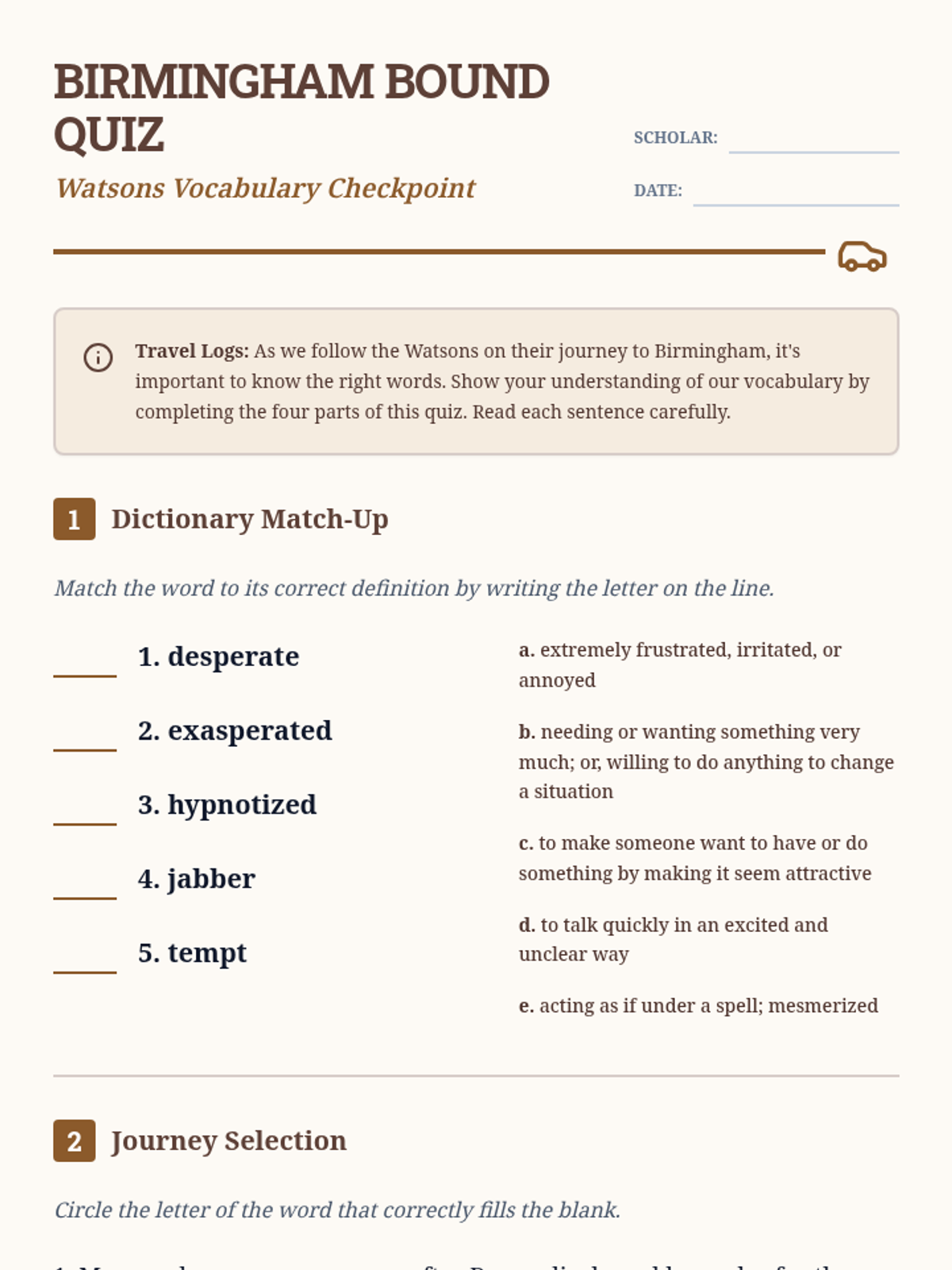
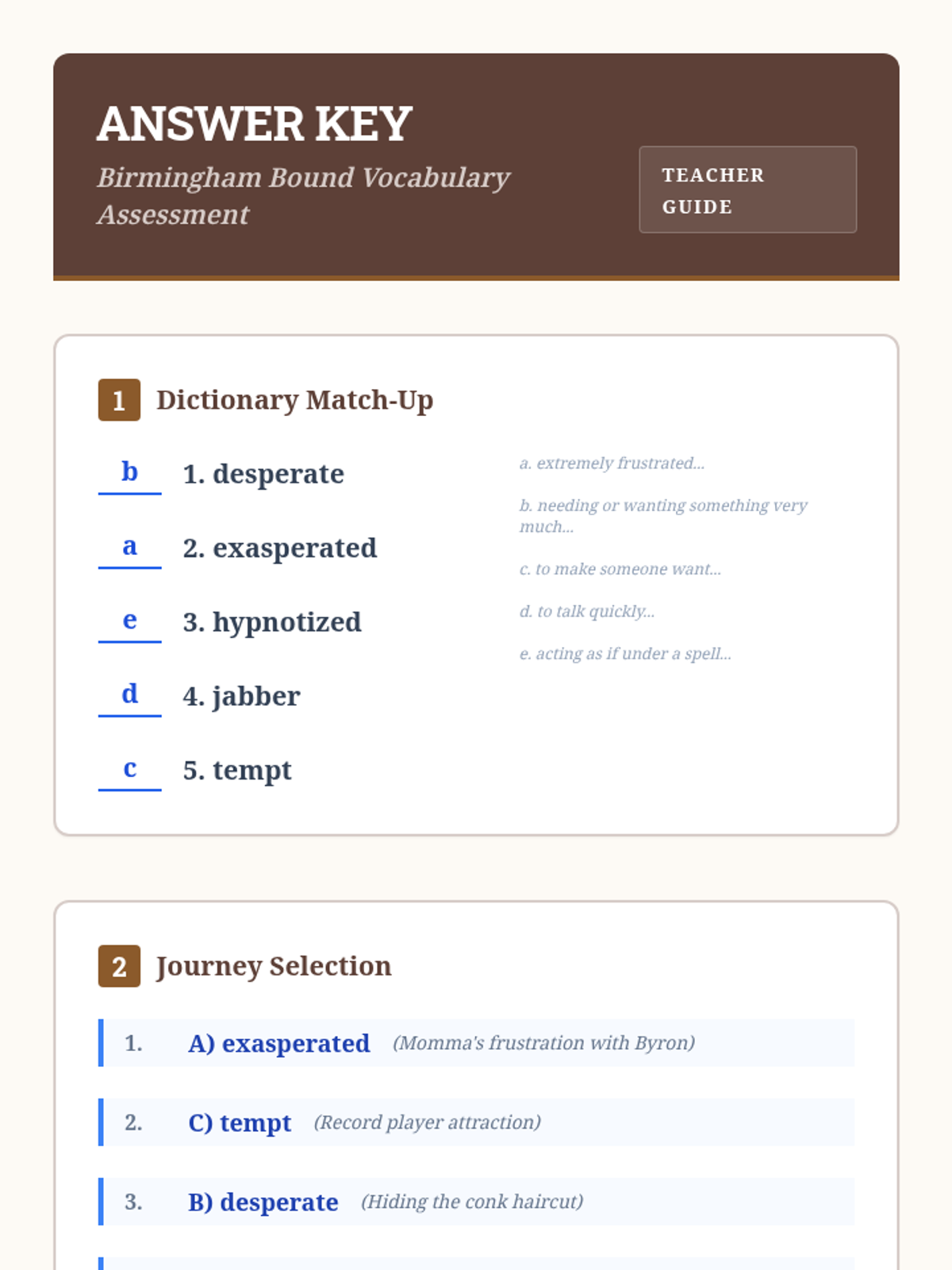
A vocabulary assessment for the novel 'The Watsons Go to Birmingham – 1963' focused on the words desperate, exasperated, hypnotized, jabber, and tempt. Designed with accessibility and clear character context for scholars.
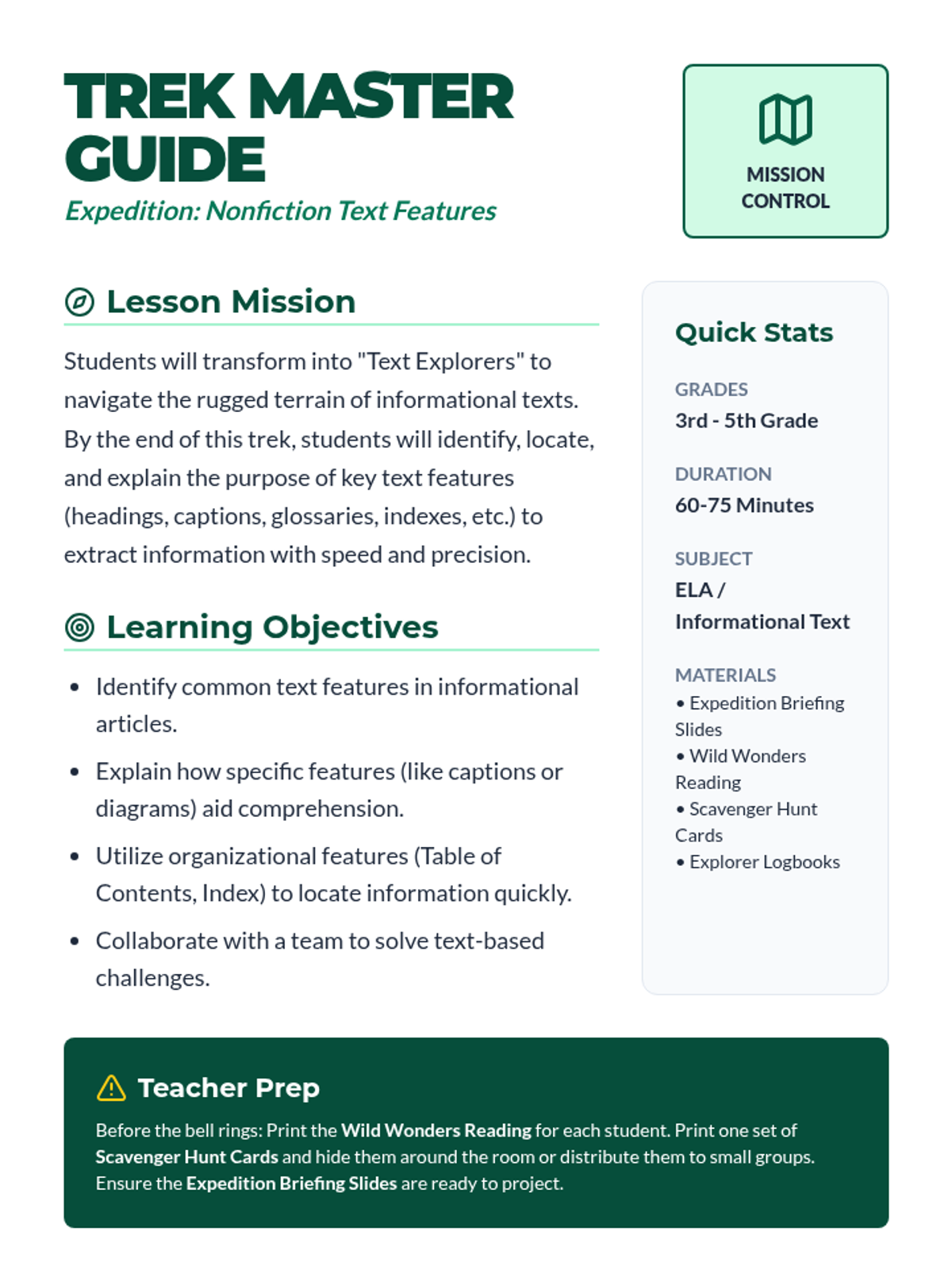
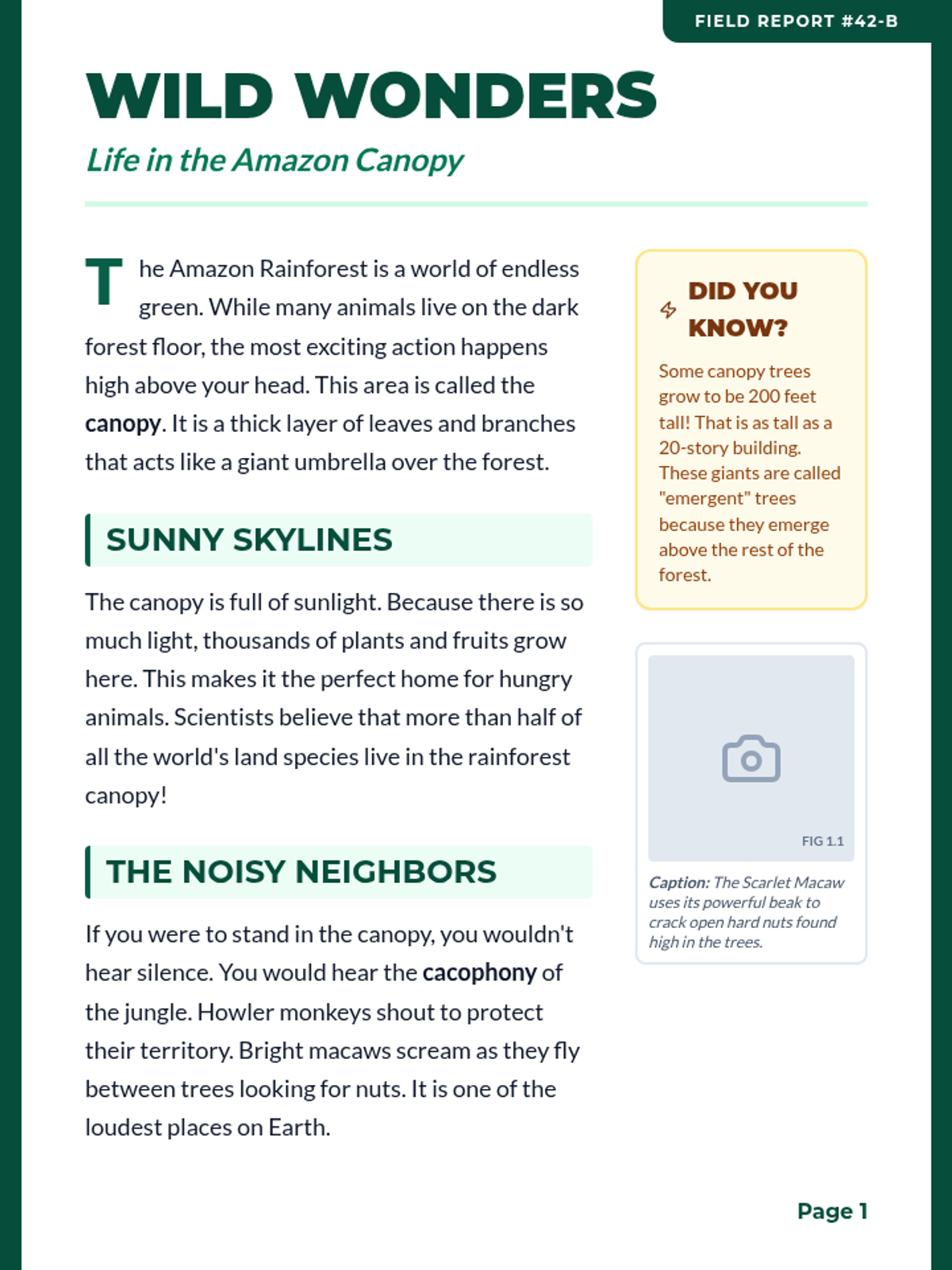
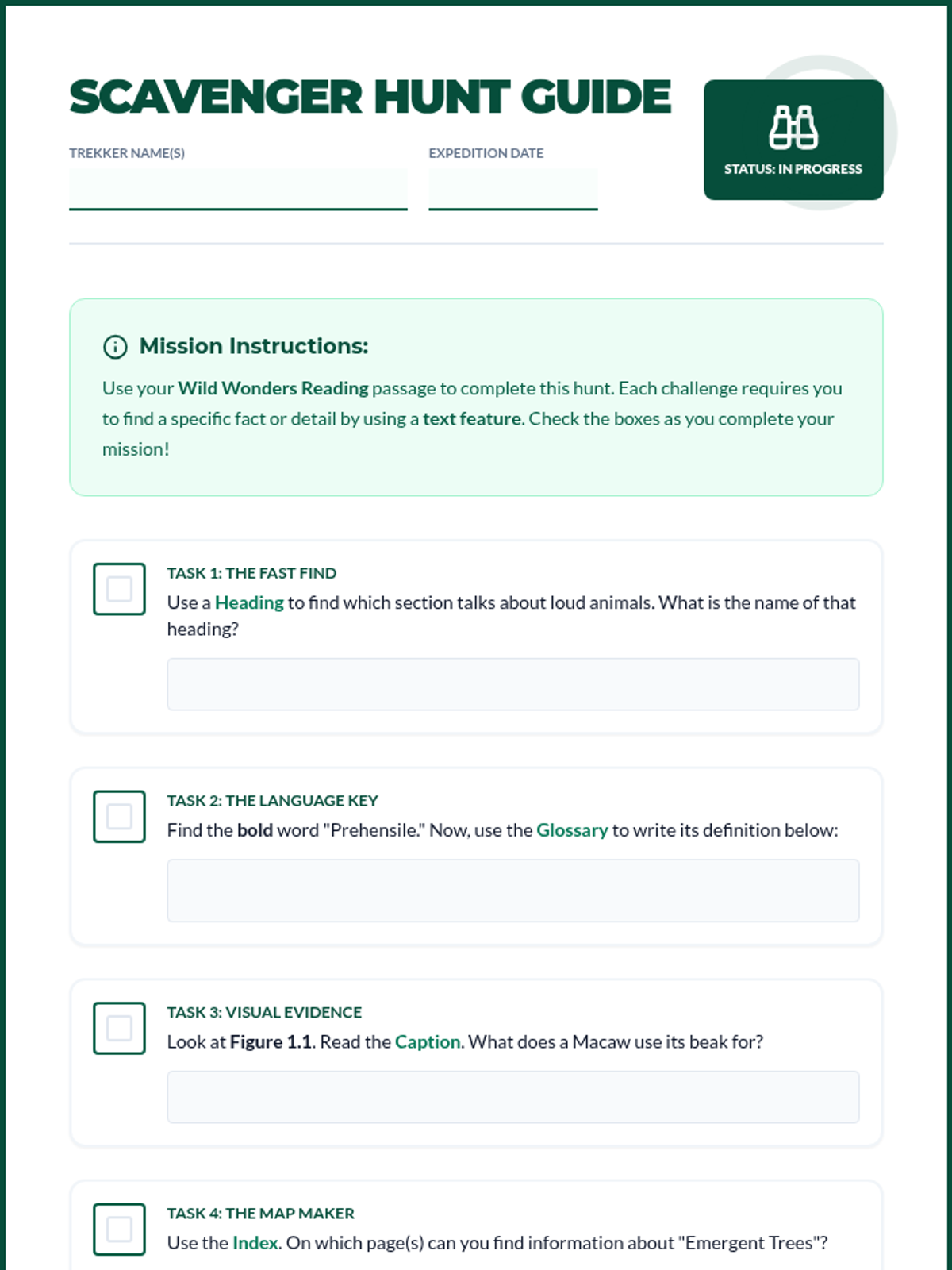
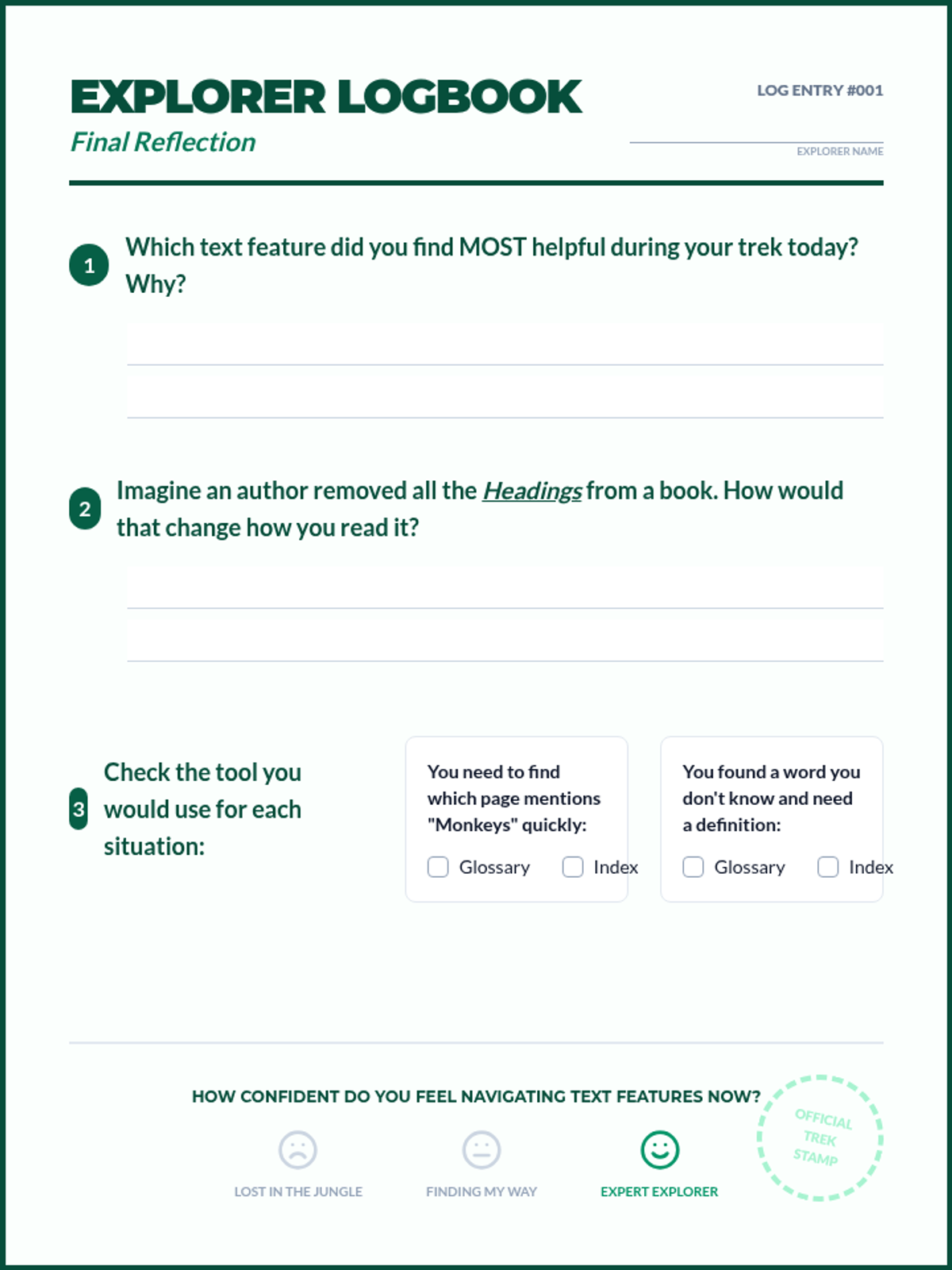
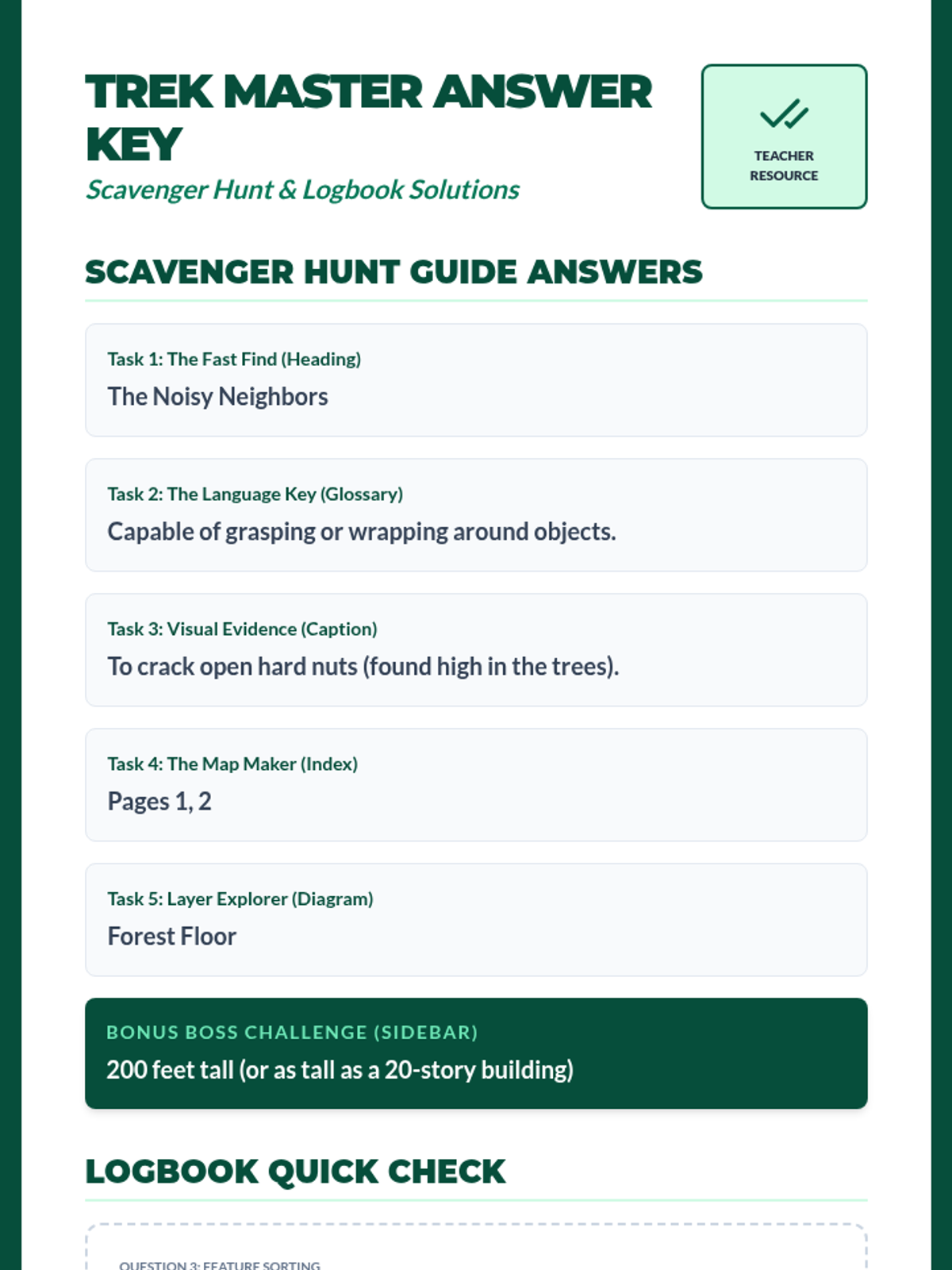
An expedition-themed lesson where students master nonfiction text features through a hands-on scavenger hunt and collaborative analysis. Students act as 'text explorers' to navigate headings, captions, and indexes to find information efficiently.
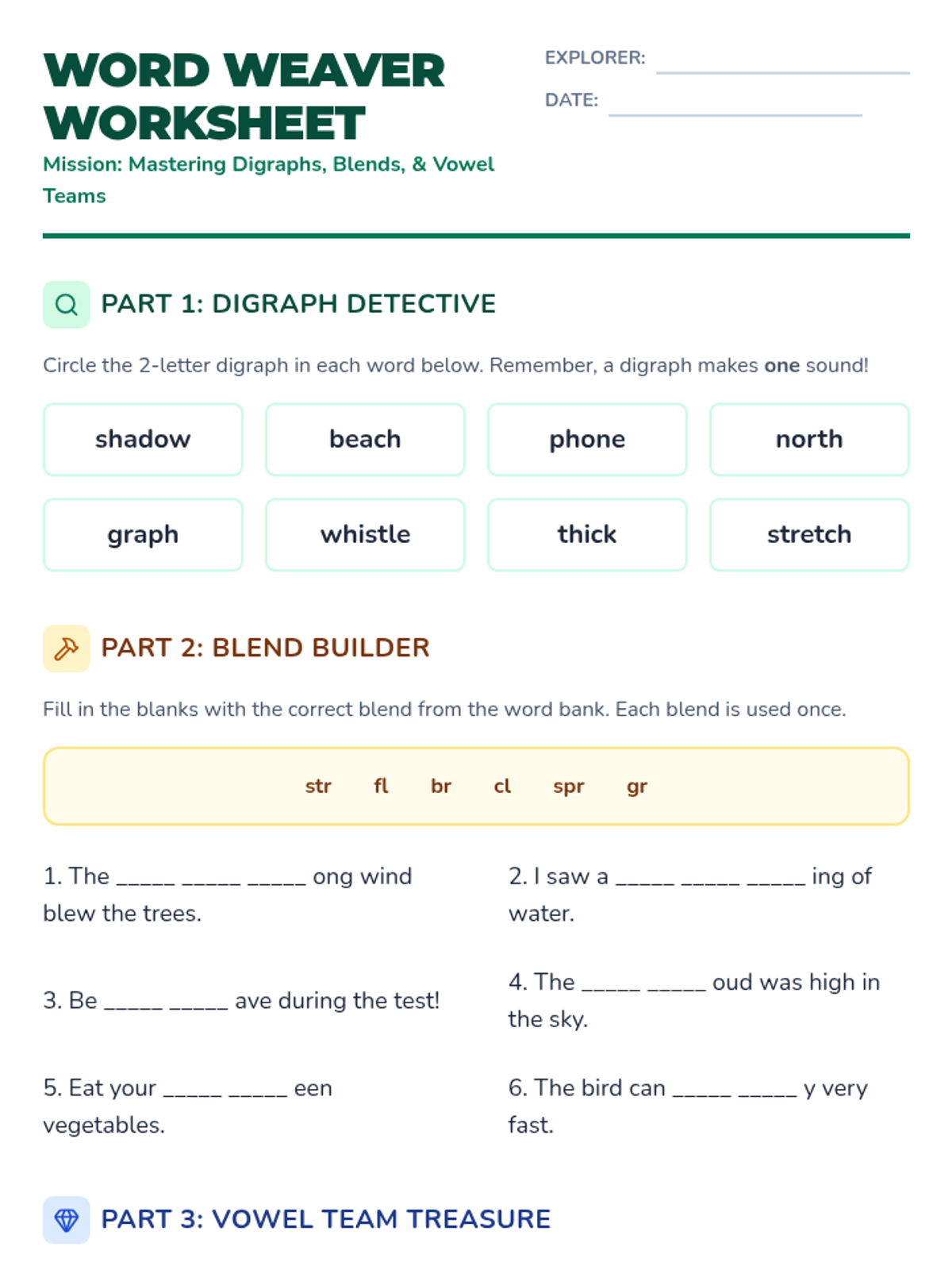
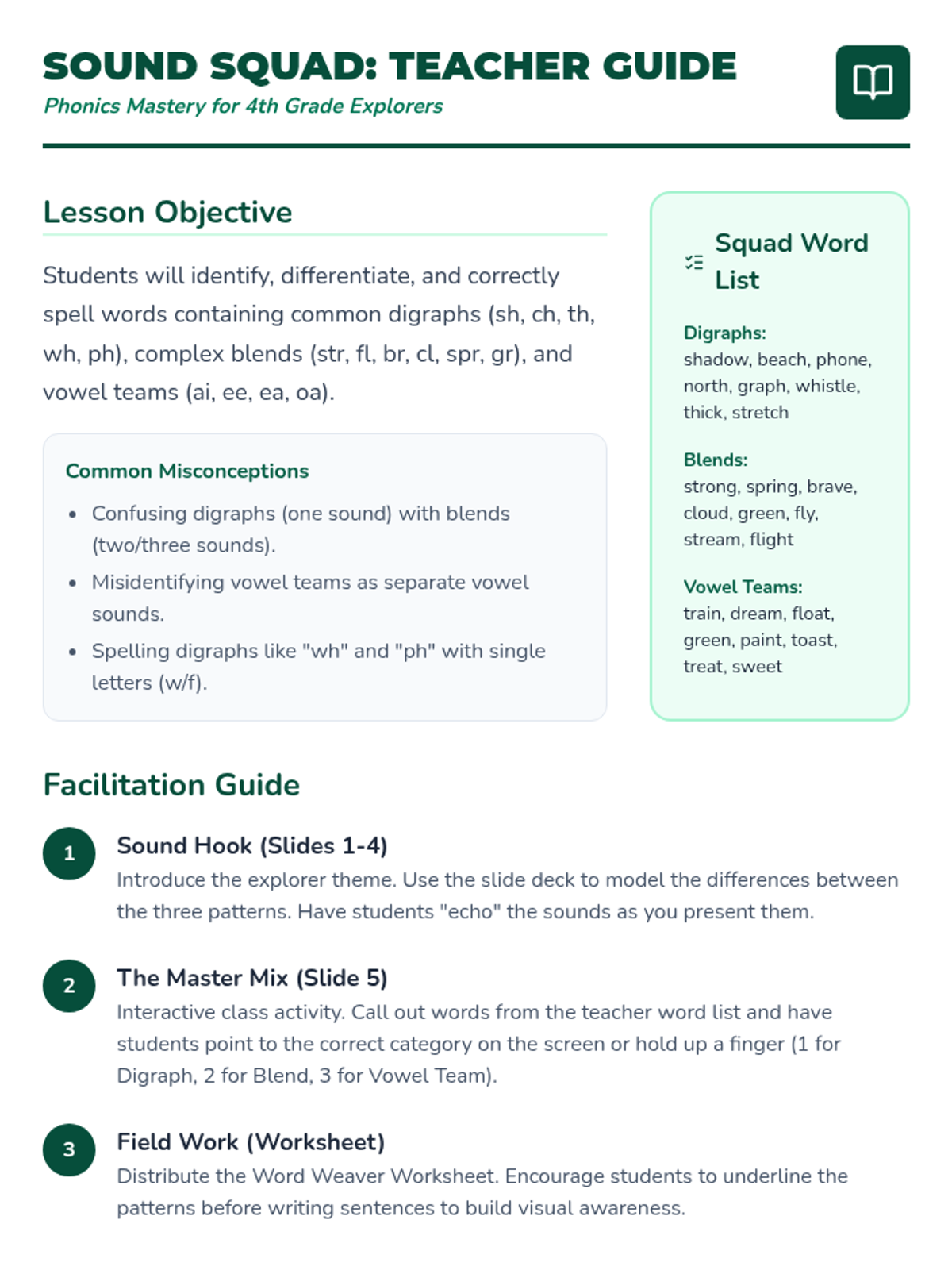
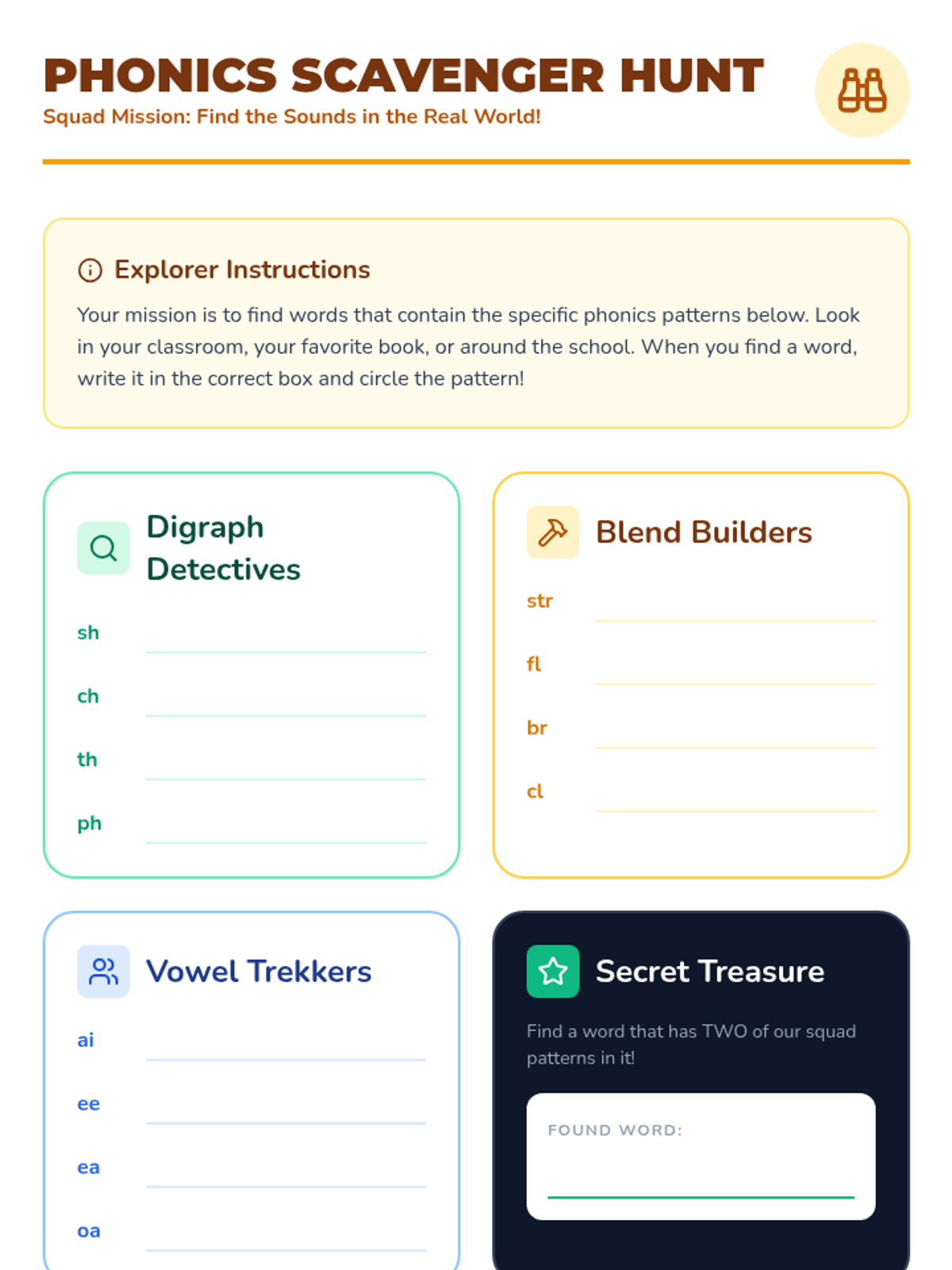
A comprehensive lesson focused on mastering complex phonics patterns including digraphs, blends, and vowel teams for 4th-grade students. This lesson uses an explorer-themed approach to engage students in word study.