A foundational grammar lesson for Kindergarten students focusing on the correct identification and production of the pronoun 'she' through direct instruction, visual modeling, and interactive practice.
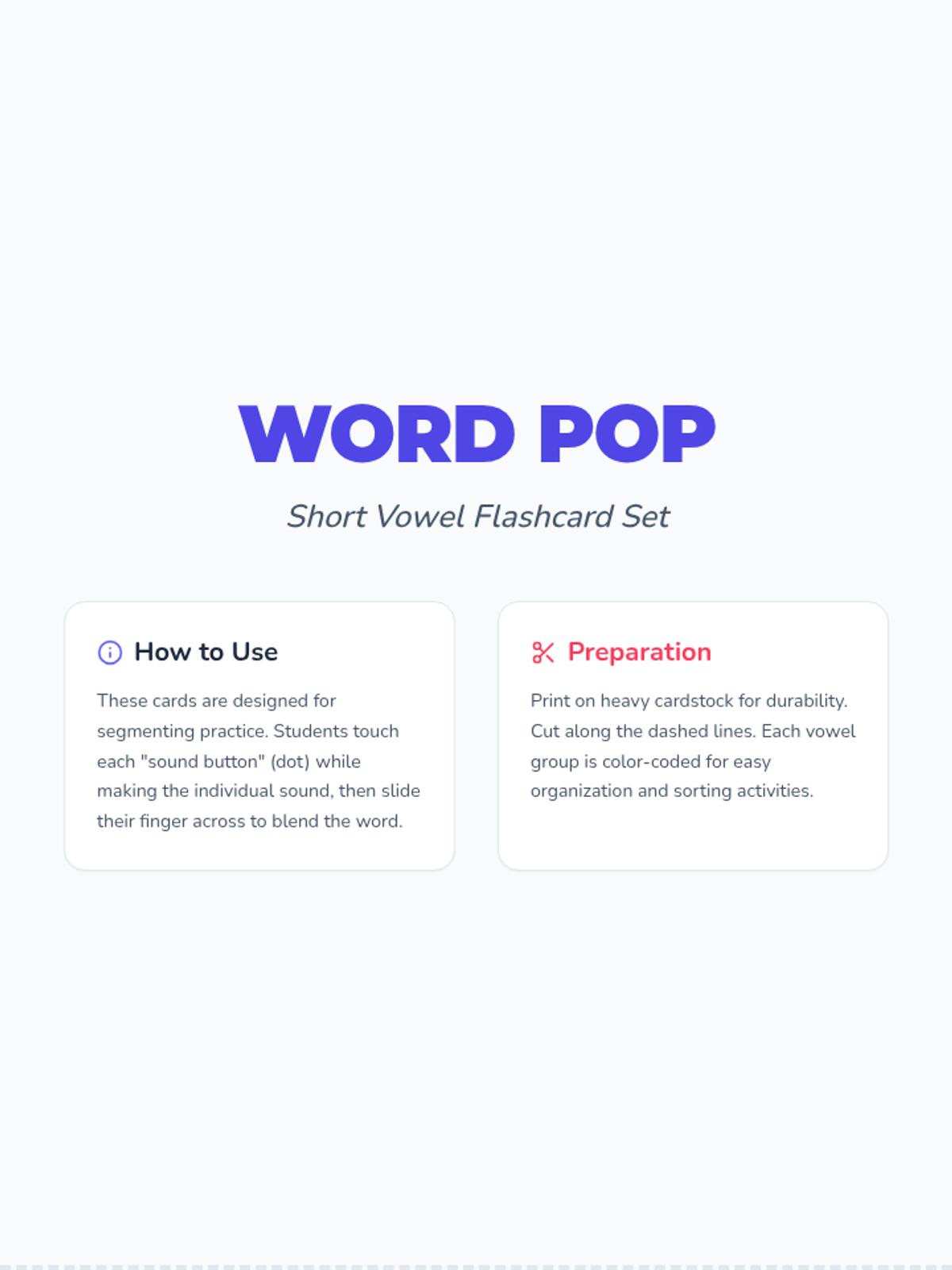
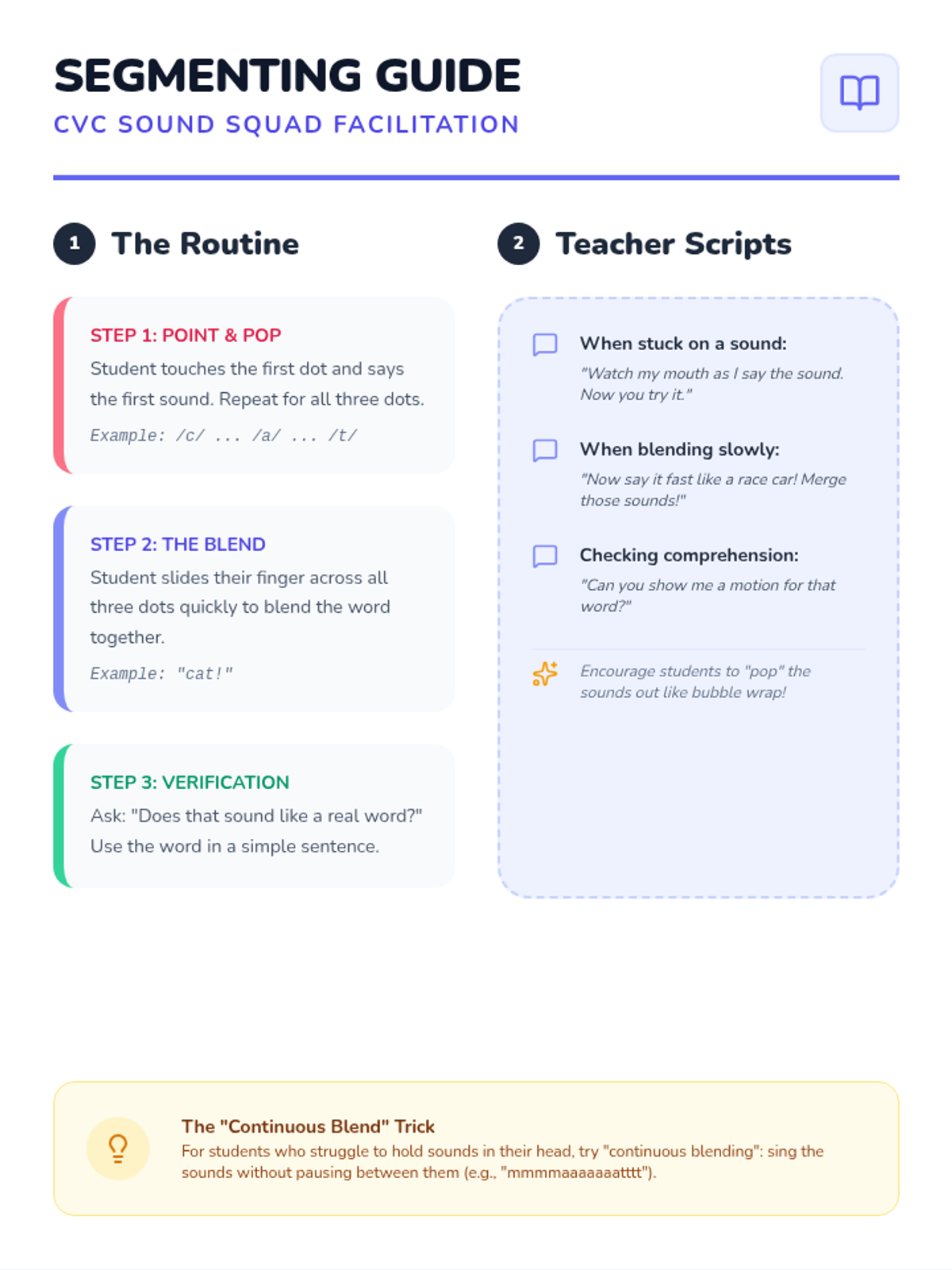
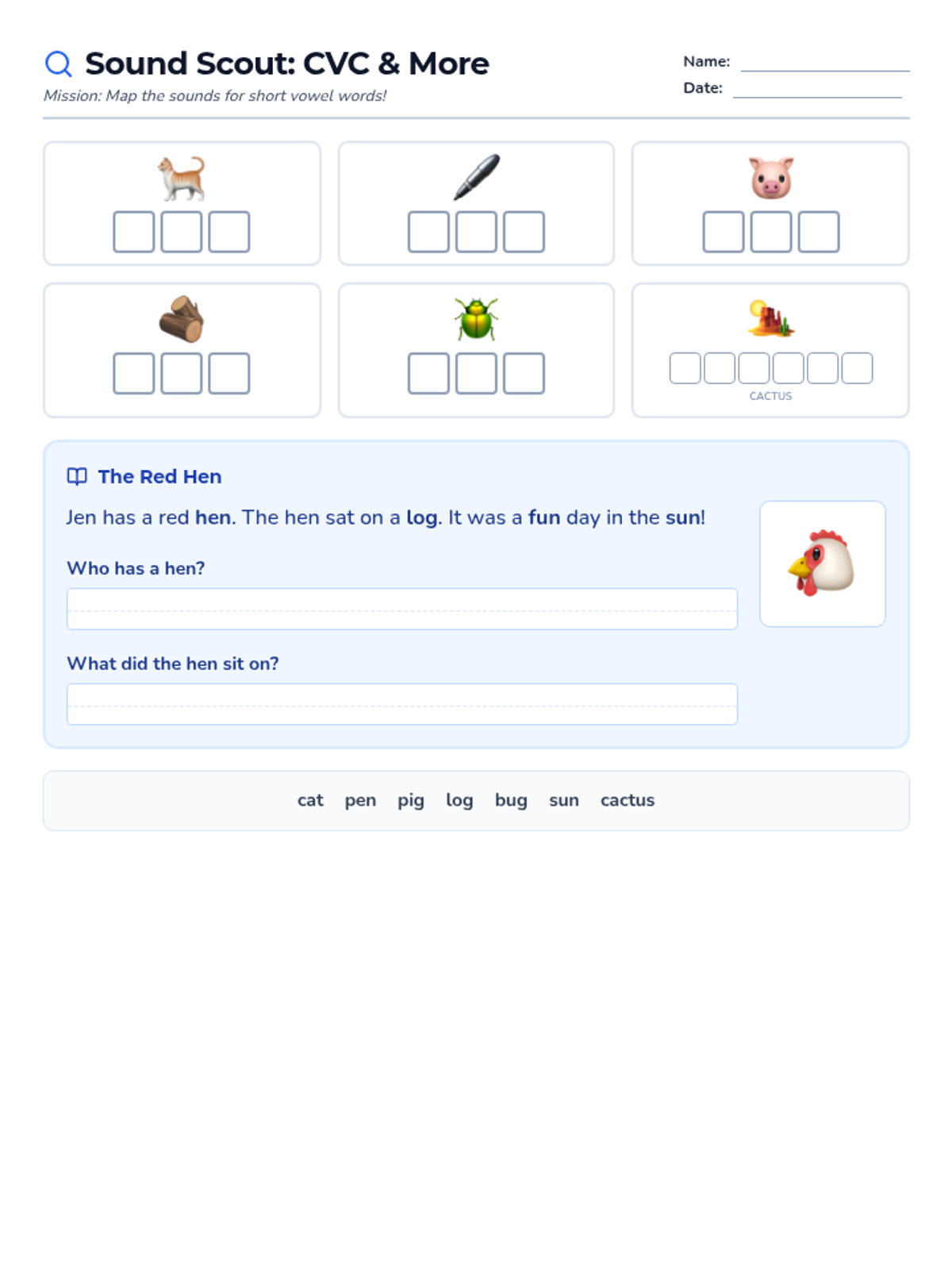
A foundational phonics lesson focused on segmenting and blending CVC words using short vowel sounds. Includes hands-on flashcards and a teacher facilitation guide for small group instruction.
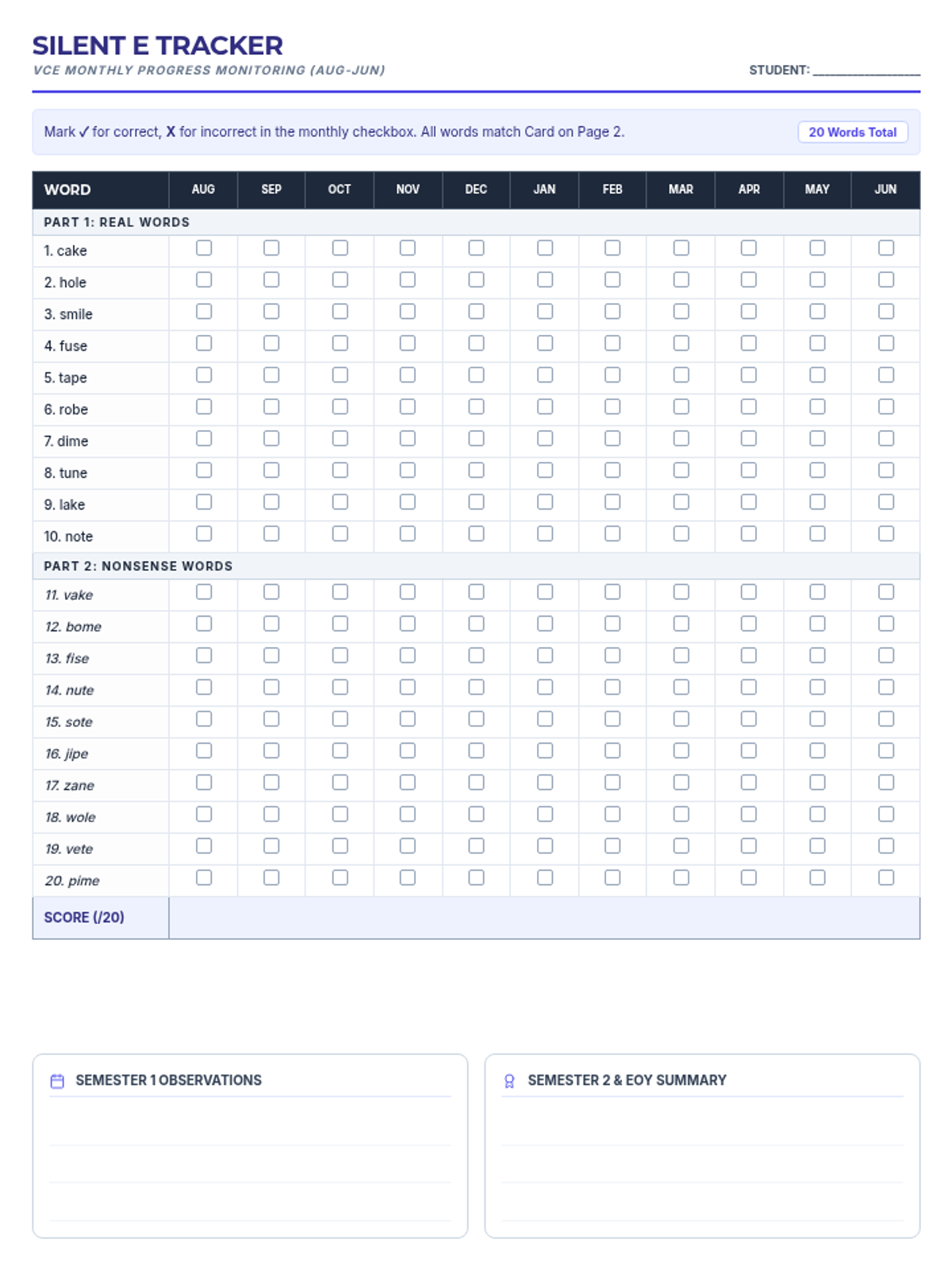
A set of resources for monthly progress monitoring of the Vowel-Consonant-e (Silent E) spelling pattern, including a comprehensive teacher tracker and a student-facing reading card.
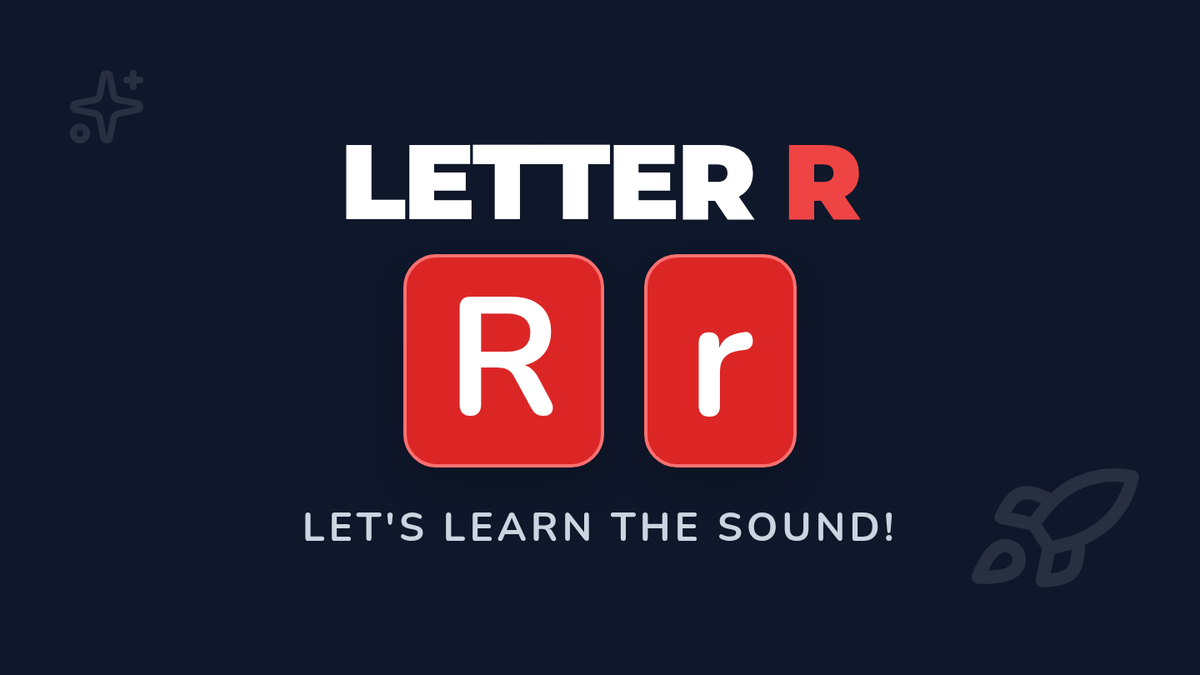
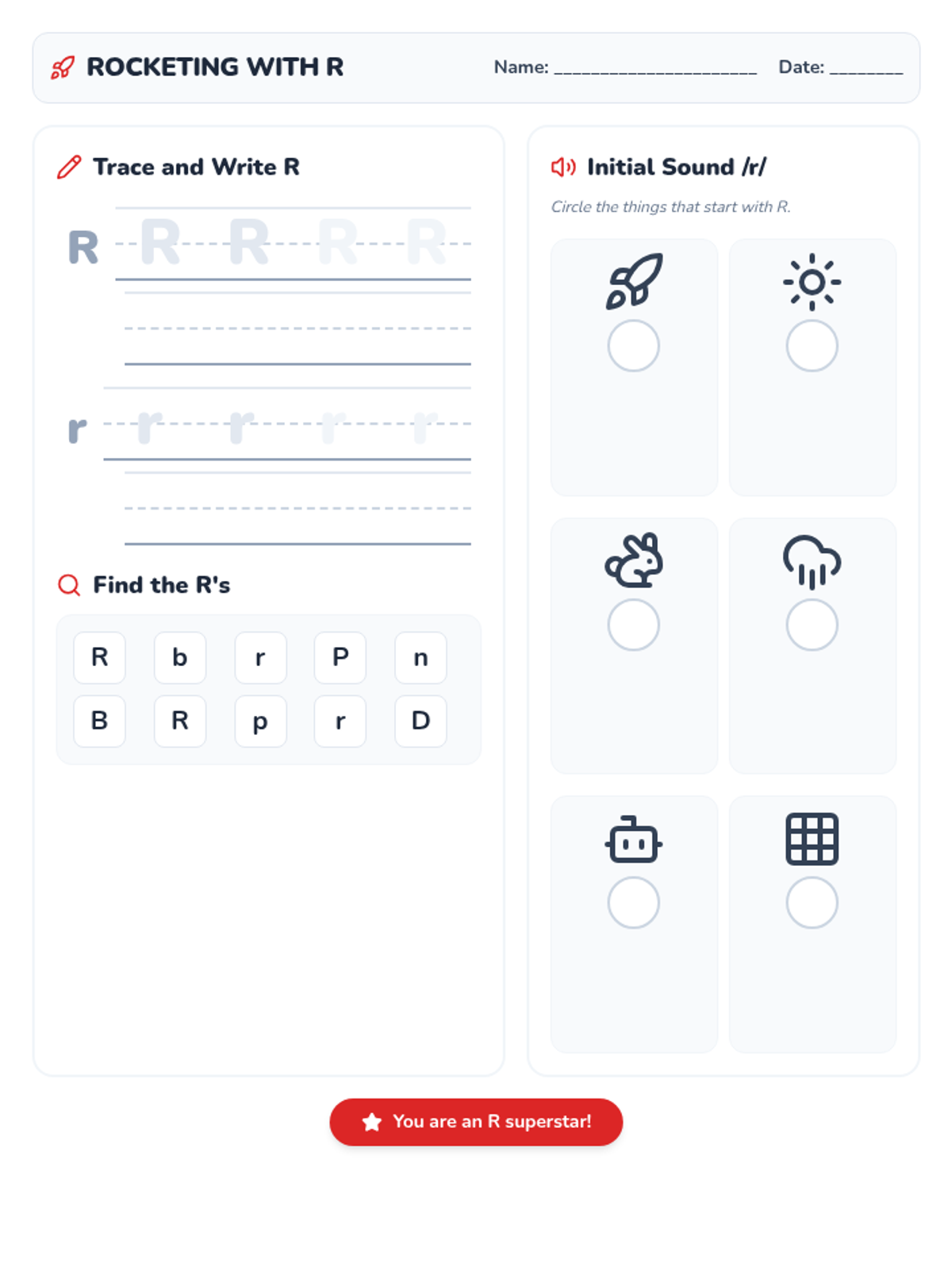
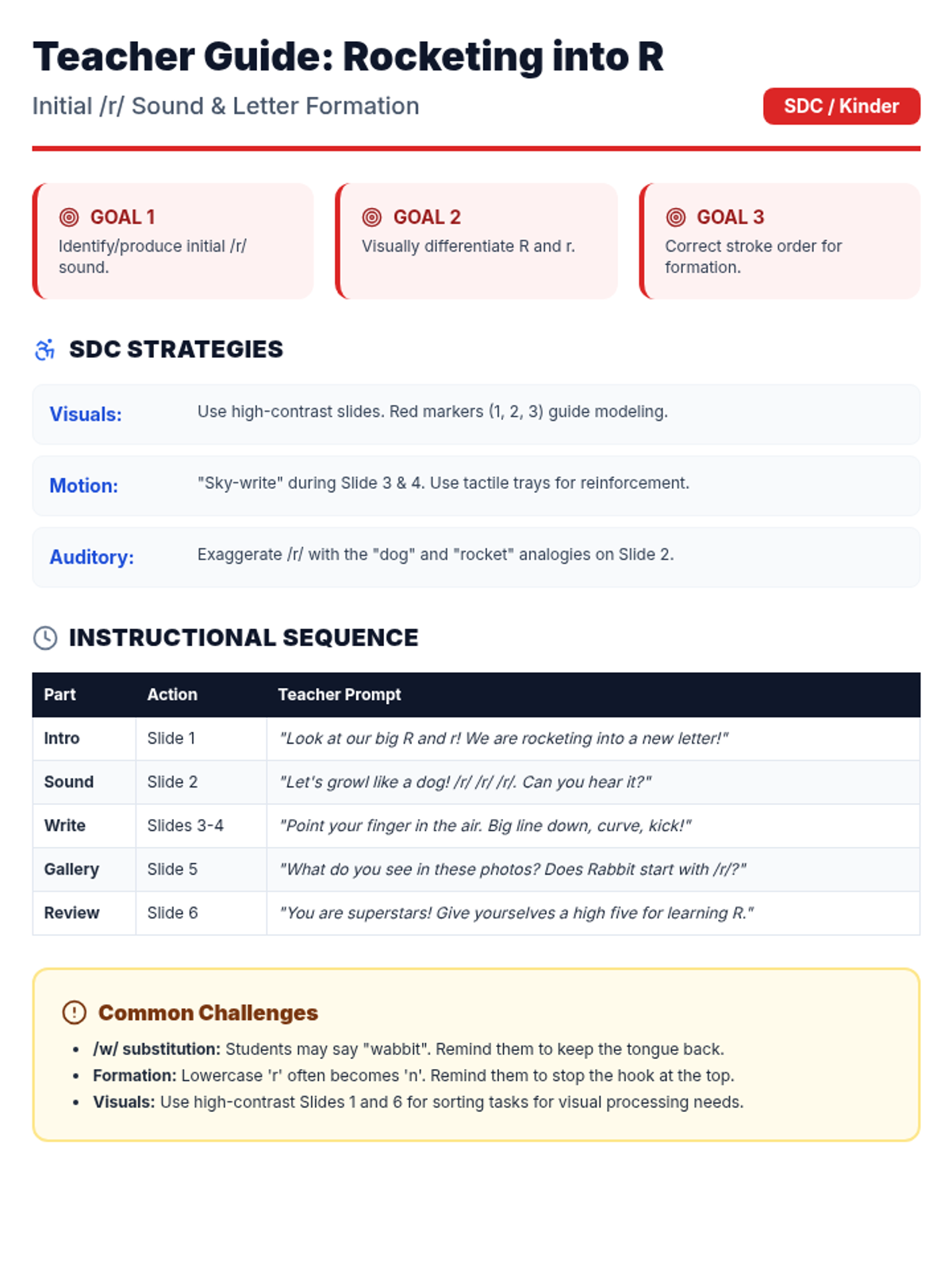
An introductory lesson on the initial /r/ sound and letter formation (Rr) designed for early learners, featuring high-contrast visuals and engaging rocket-themed practice.
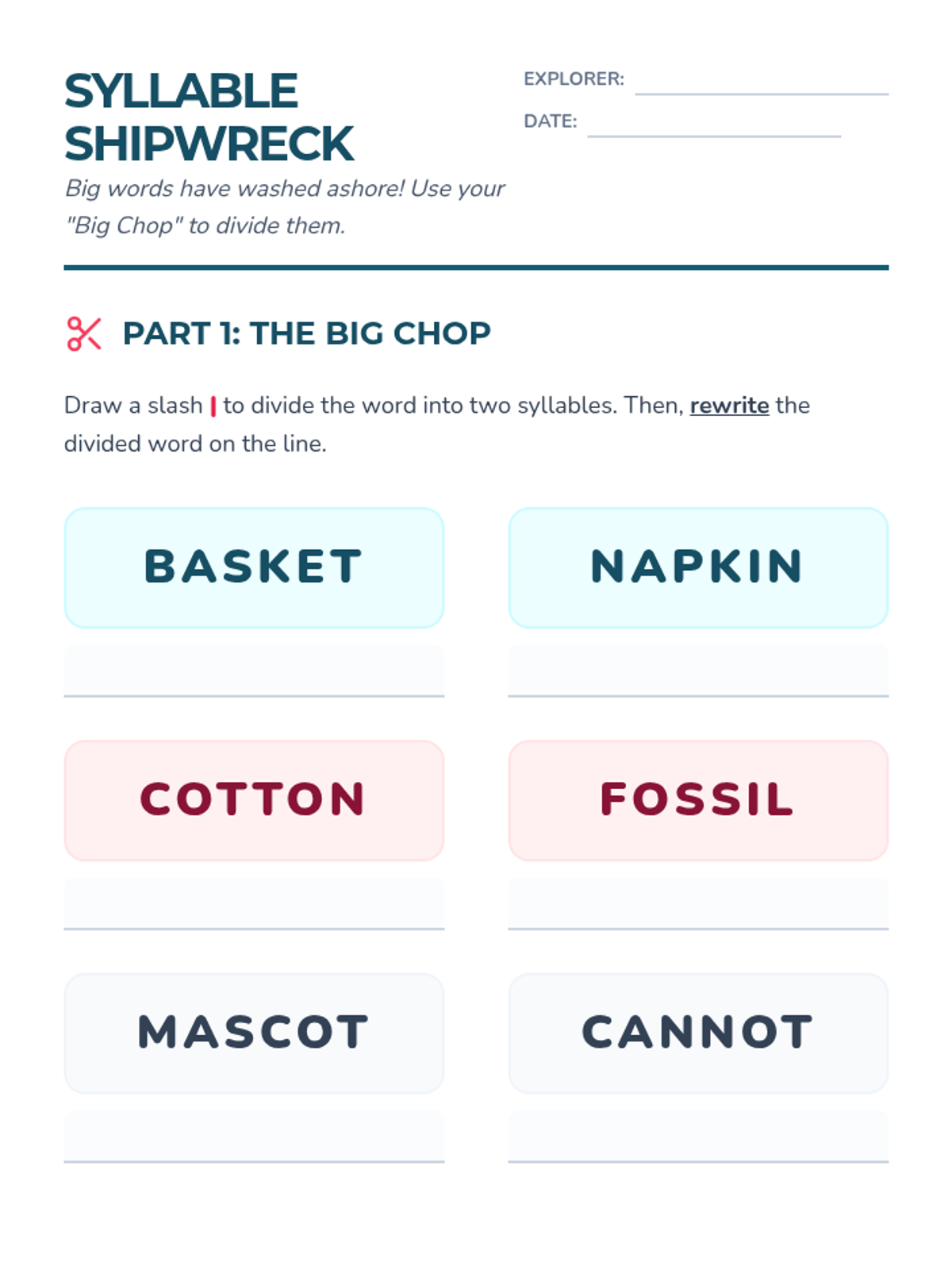
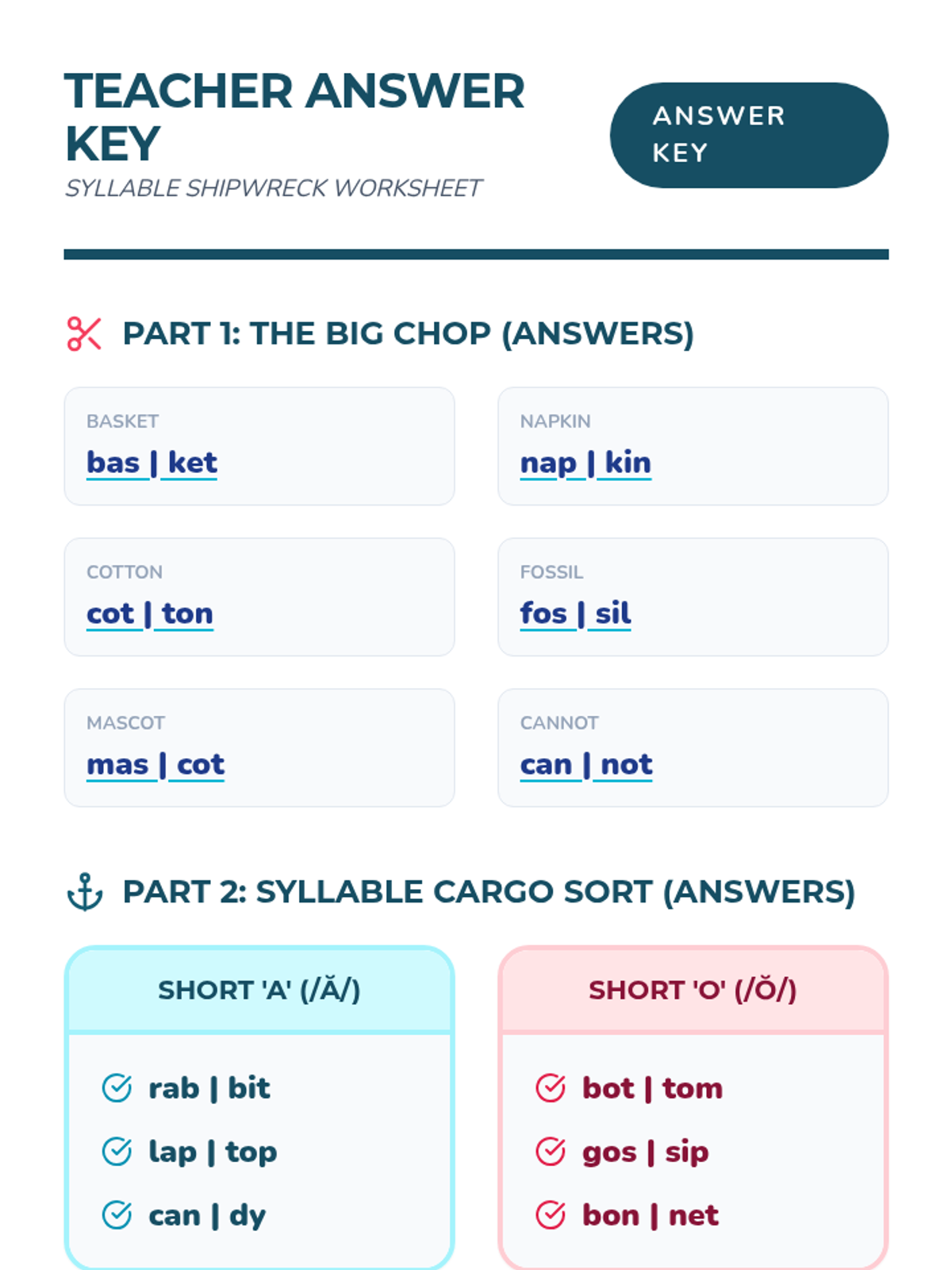
A lesson focused on decoding multisyllabic words with short 'a' and 'o' vowel sounds. Teaches the VCCV syllable division rule and provides practice with "chopping" words.
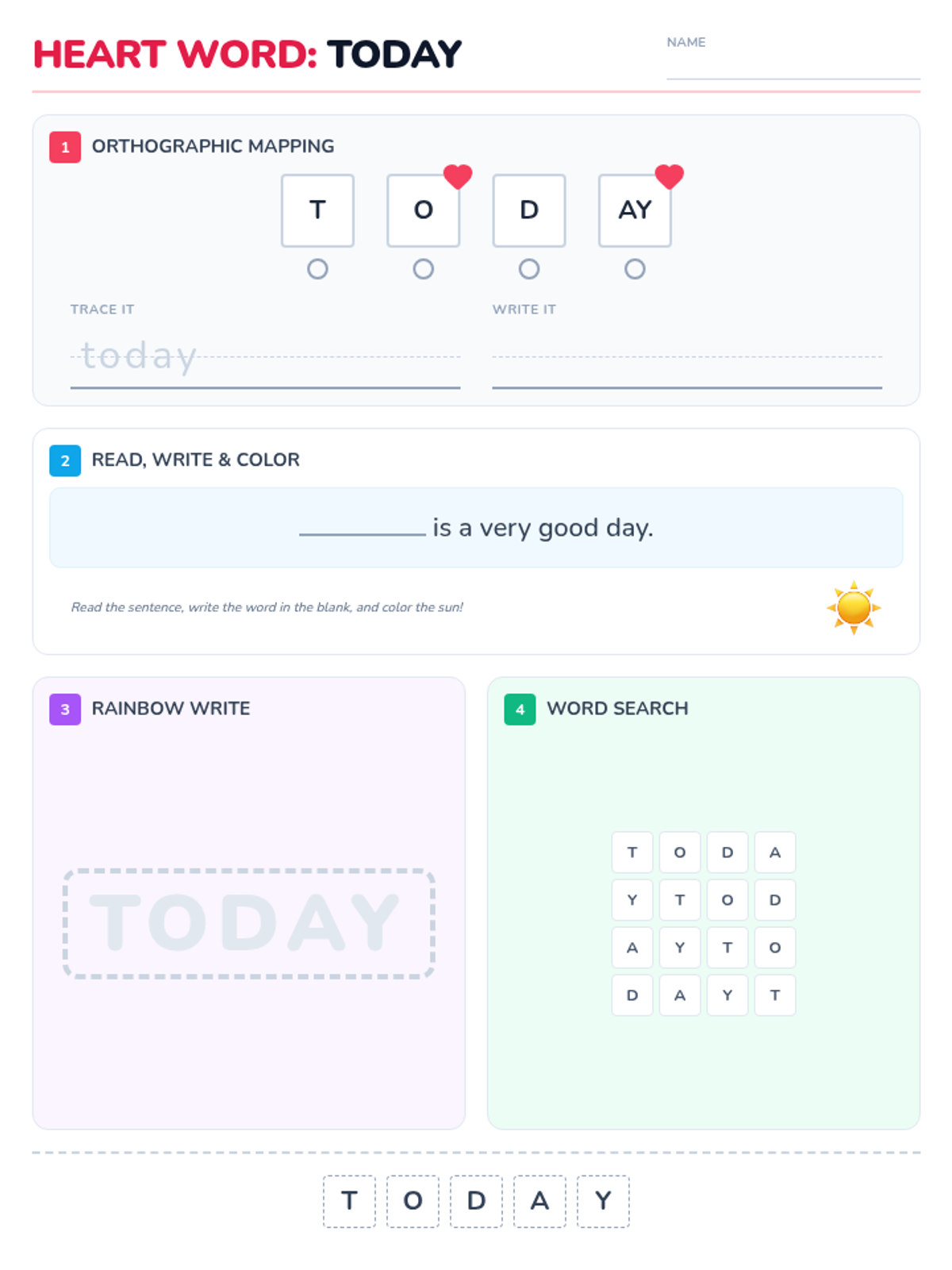
The final set of heart word practice pages covering time and place concepts like 'Today', 'Above', 'Again', and 'Always'.
Focusing on words for people and common actions like 'Friend', 'Because', 'Woman', and 'People', these pages provide deep orthographic practice.
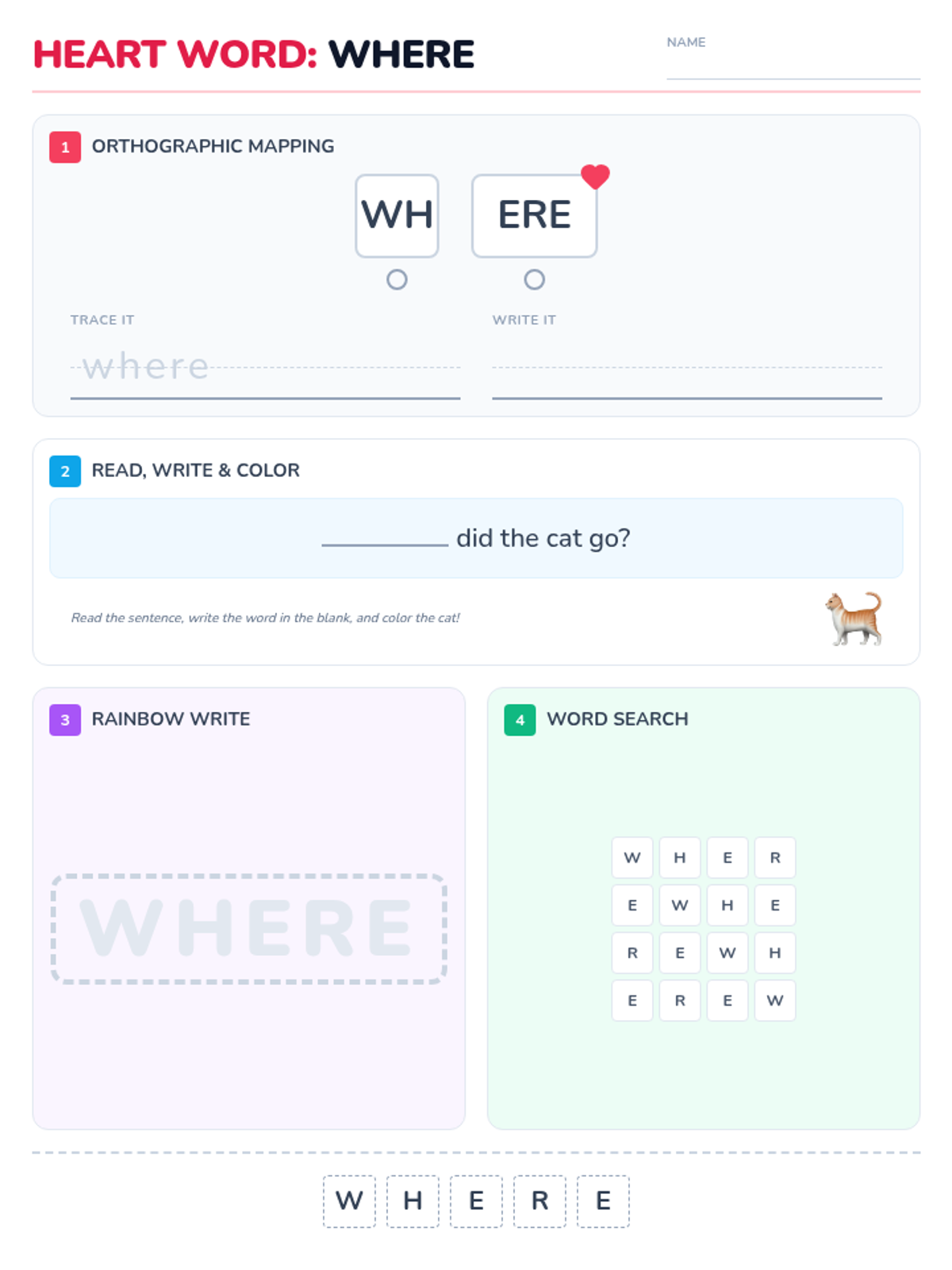
Practice pages for tricky high-frequency words such as 'Where', 'One', 'Two', and 'Does', continuing the UFLI-aligned mapping and word building.
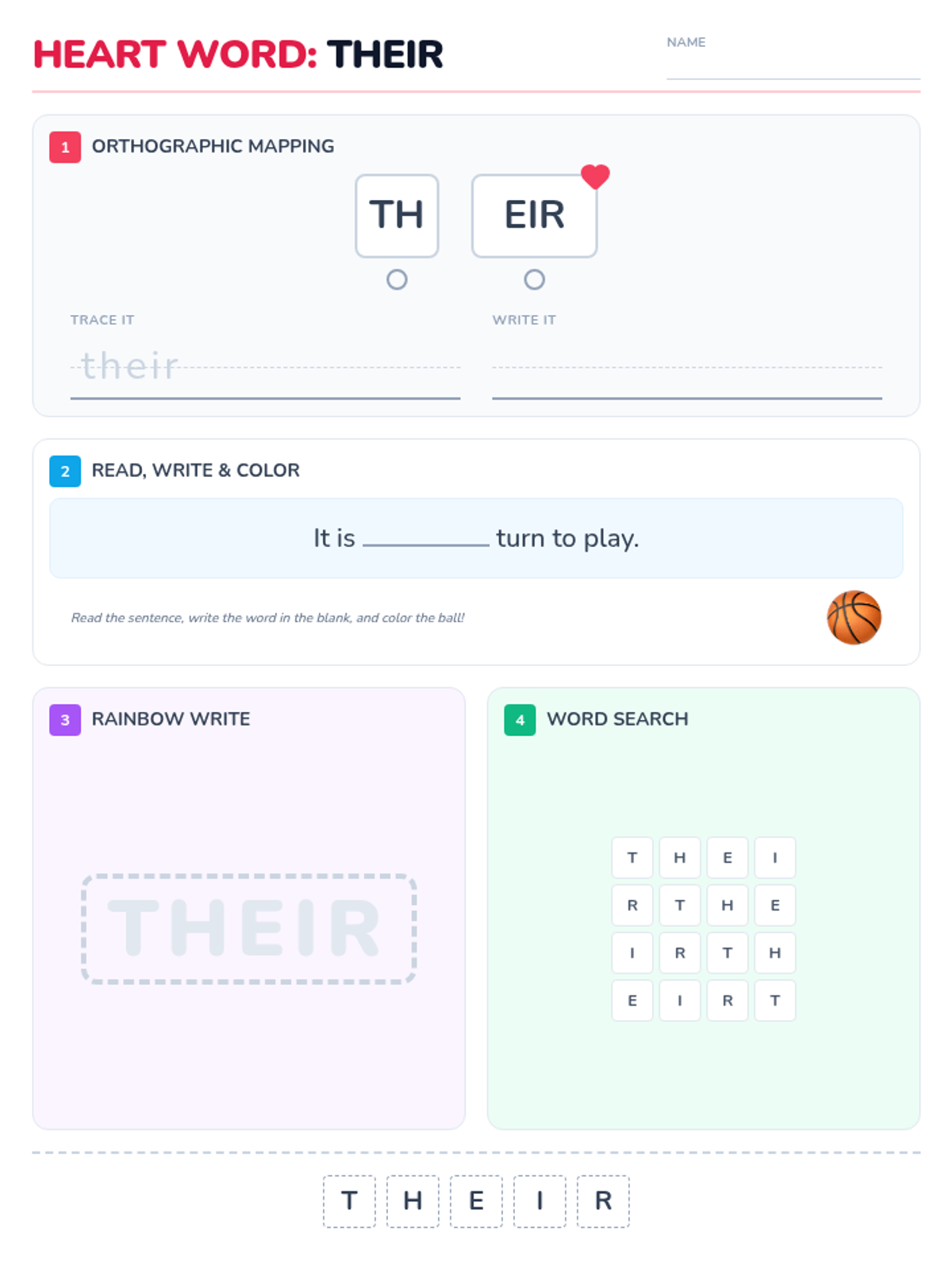
A set of heart word practice pages focusing on words related to direction, quantity, and common verbs, including 'Their', 'Were', 'Talk', and the '-ould' family.
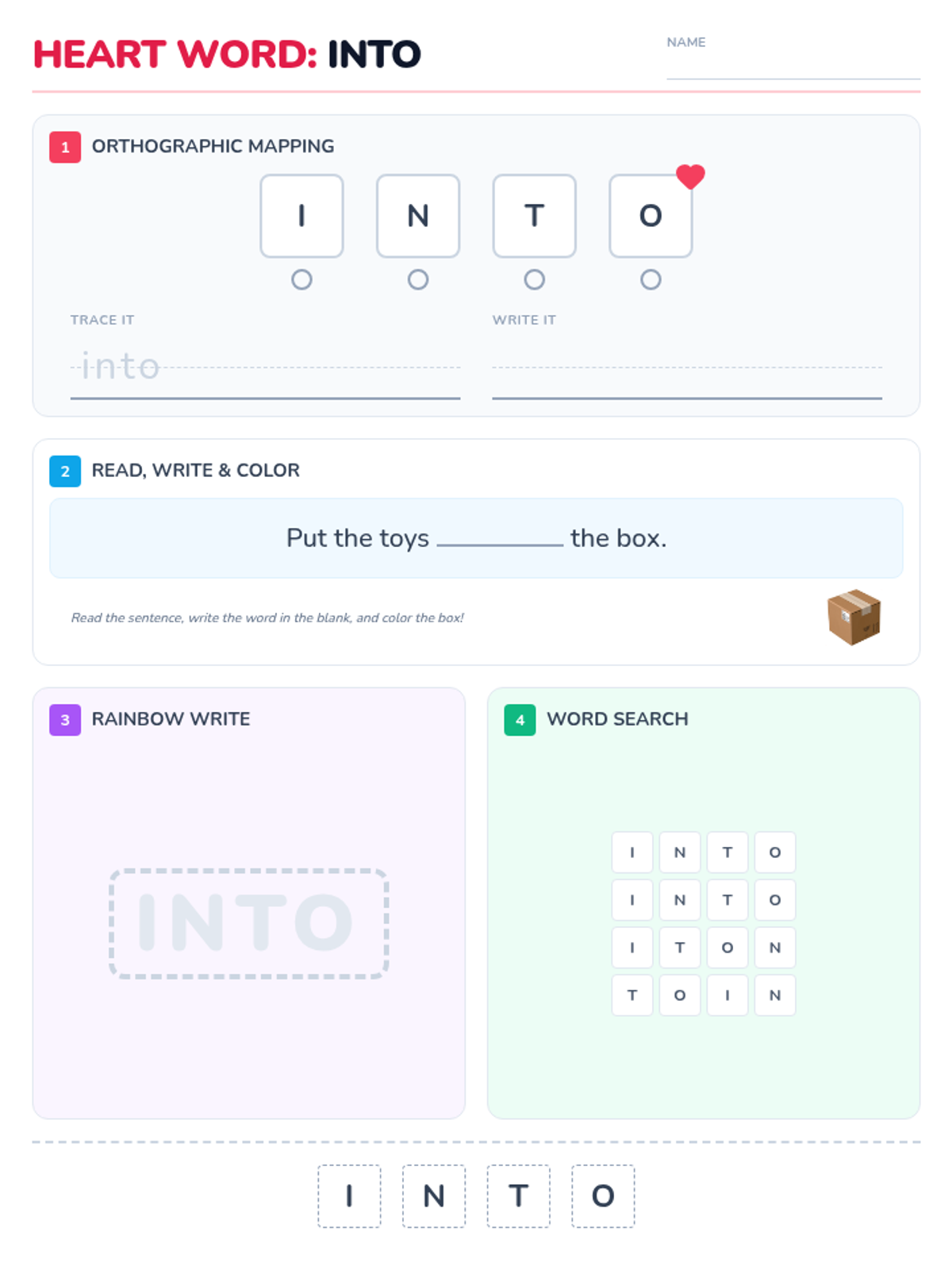
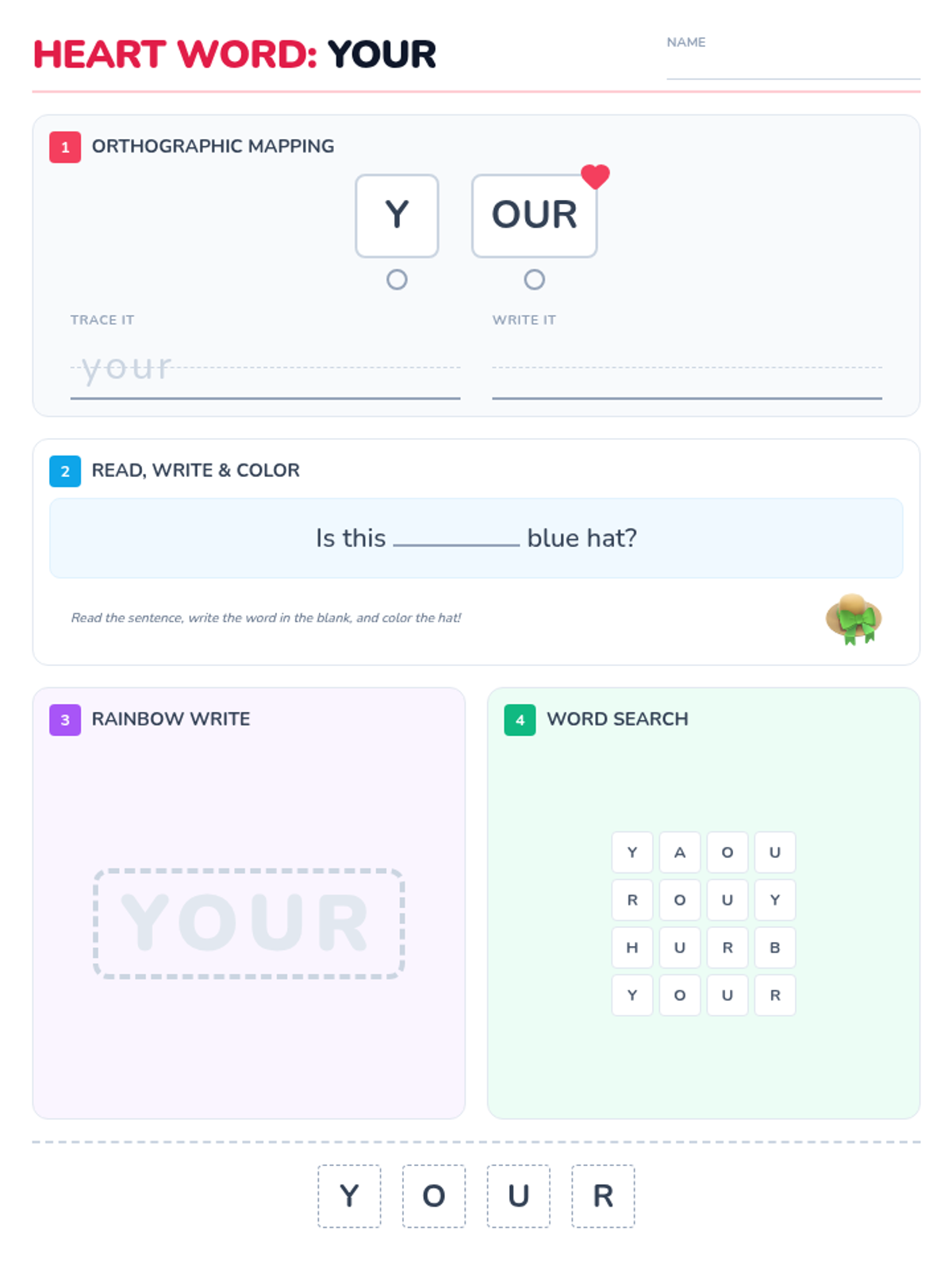
The first set of heart word practice pages focusing on common high-frequency words with irregular parts, including 'Your', 'Want', 'Go', and others. Each page includes mapping, tracing, writing, and word-building activities.
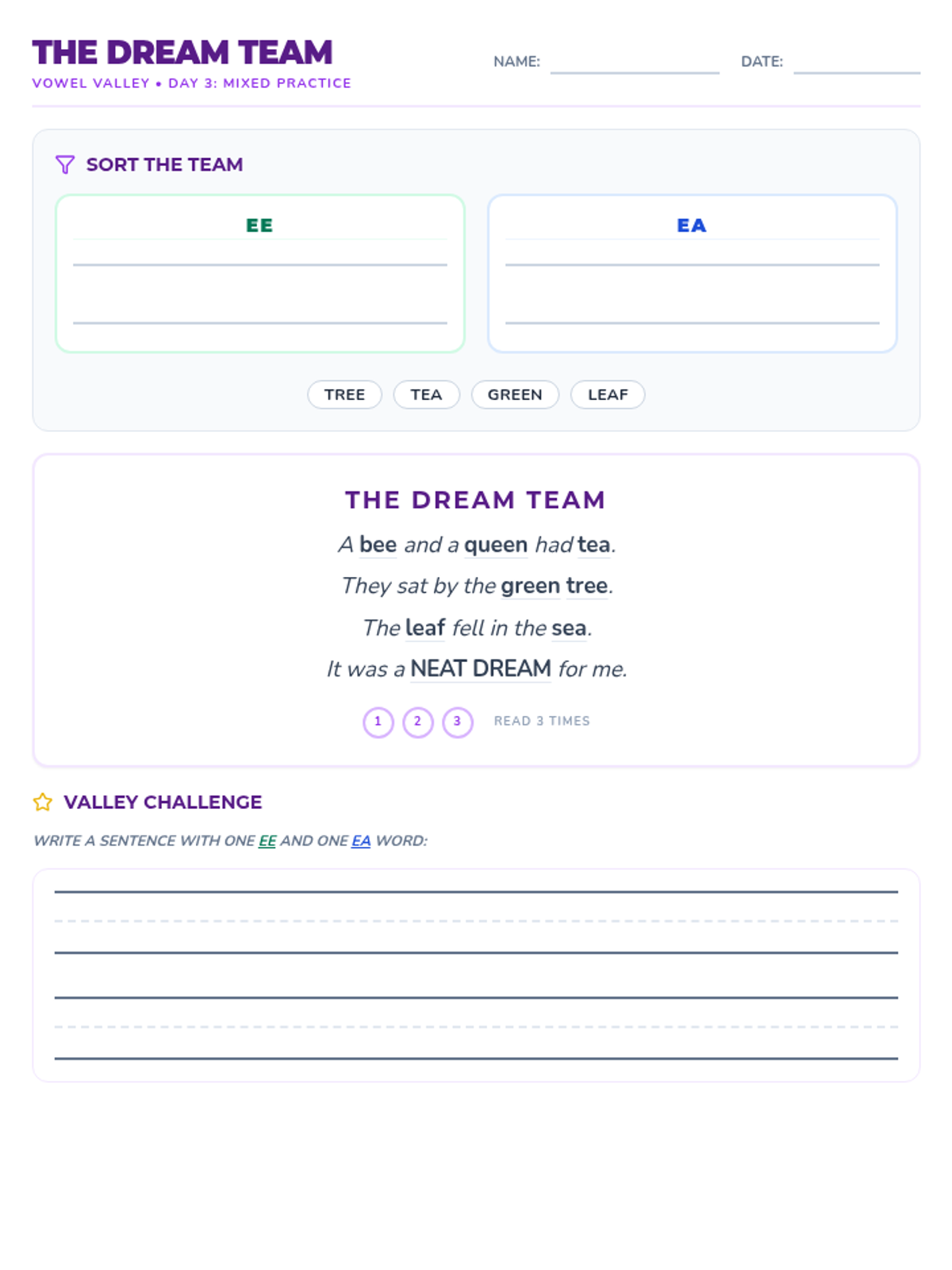
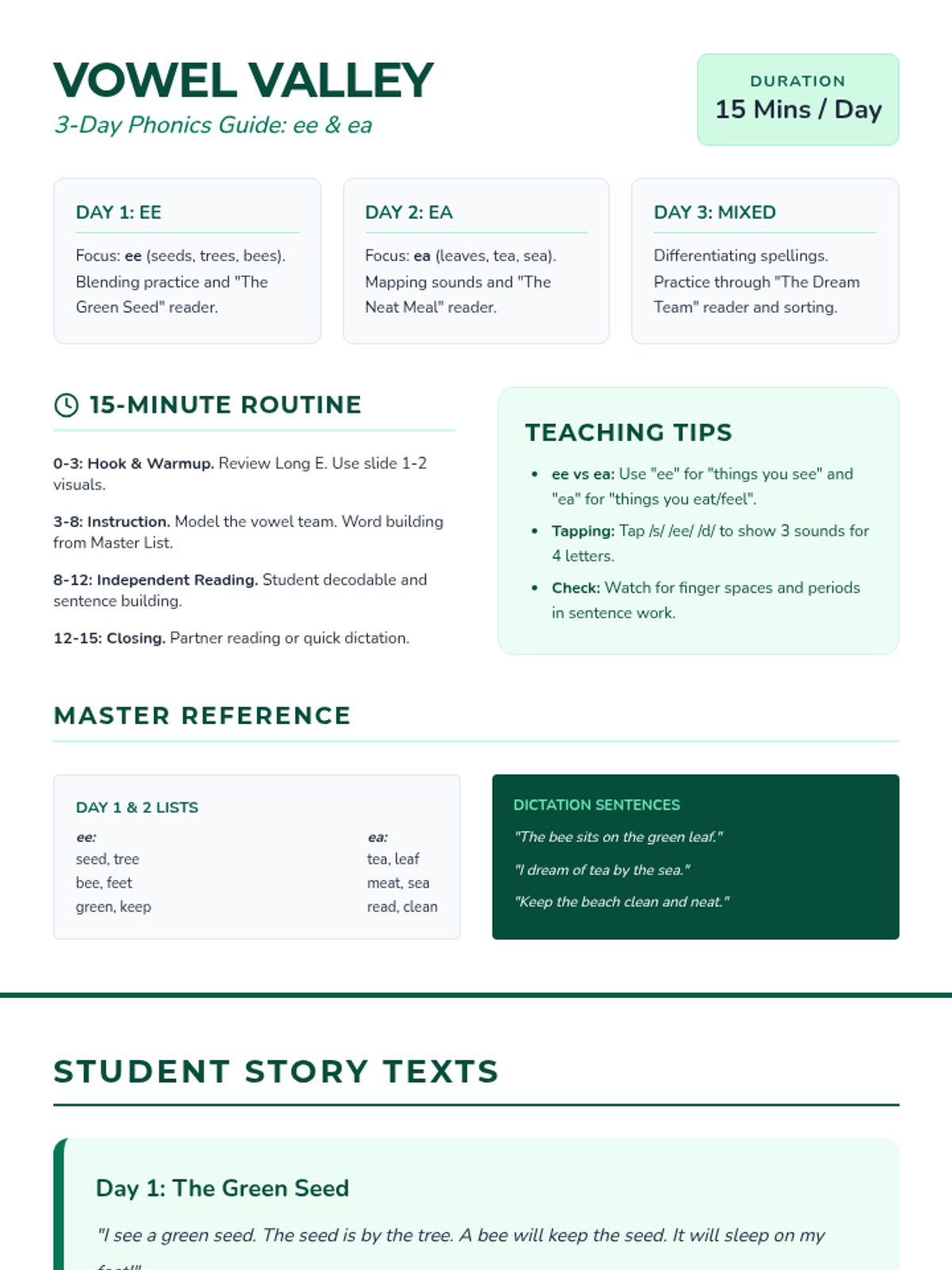
Day 3 provides mixed practice for both 'ee' and 'ea' vowel teams, challenging students to differentiate between the two spellings in context while building complex sentences.
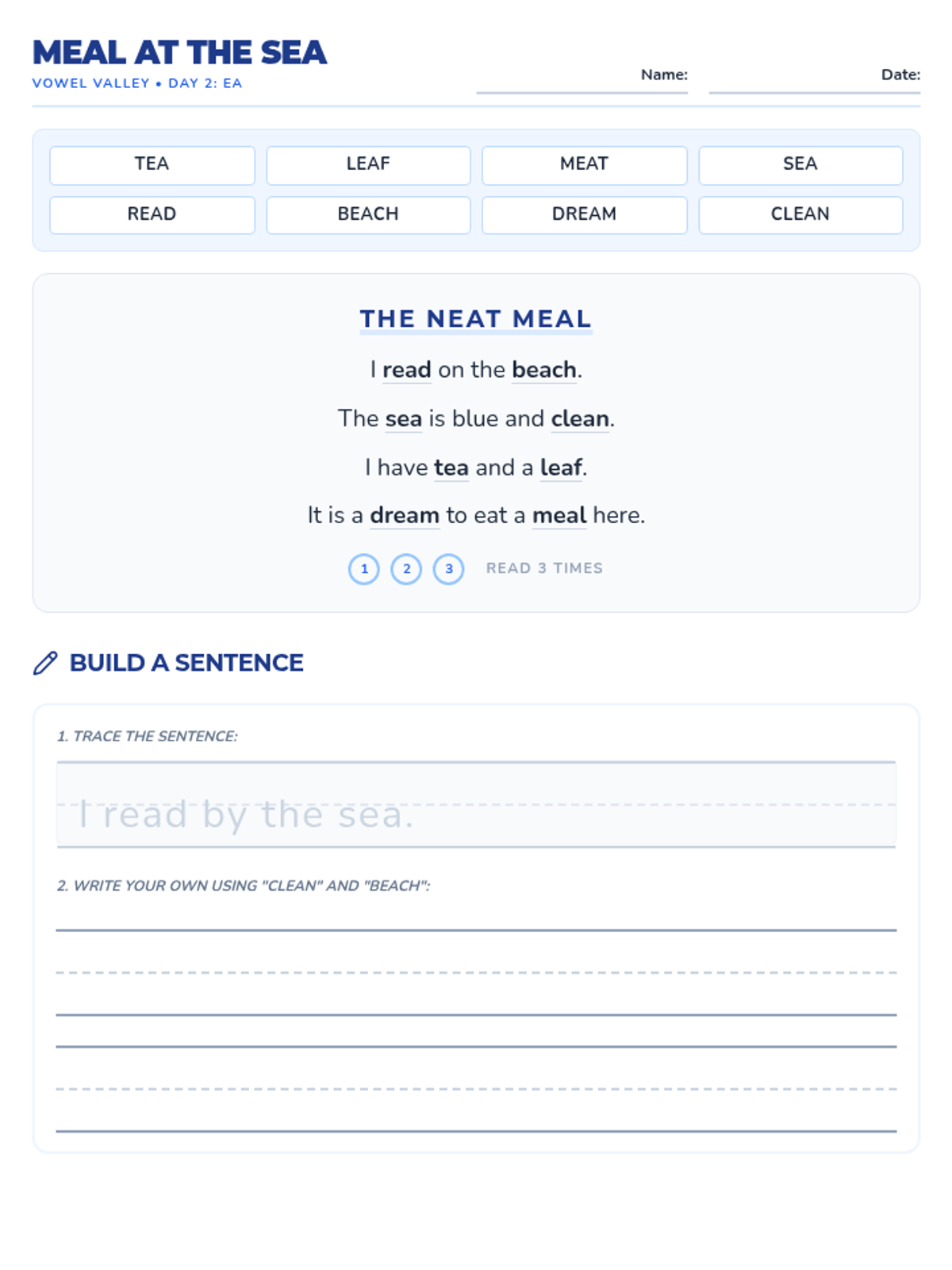
Day 2 introduces the 'ea' vowel team with a focus on nature and meals, featuring words like leaf, tea, and sea. Students engage in word mapping and decodable reading.
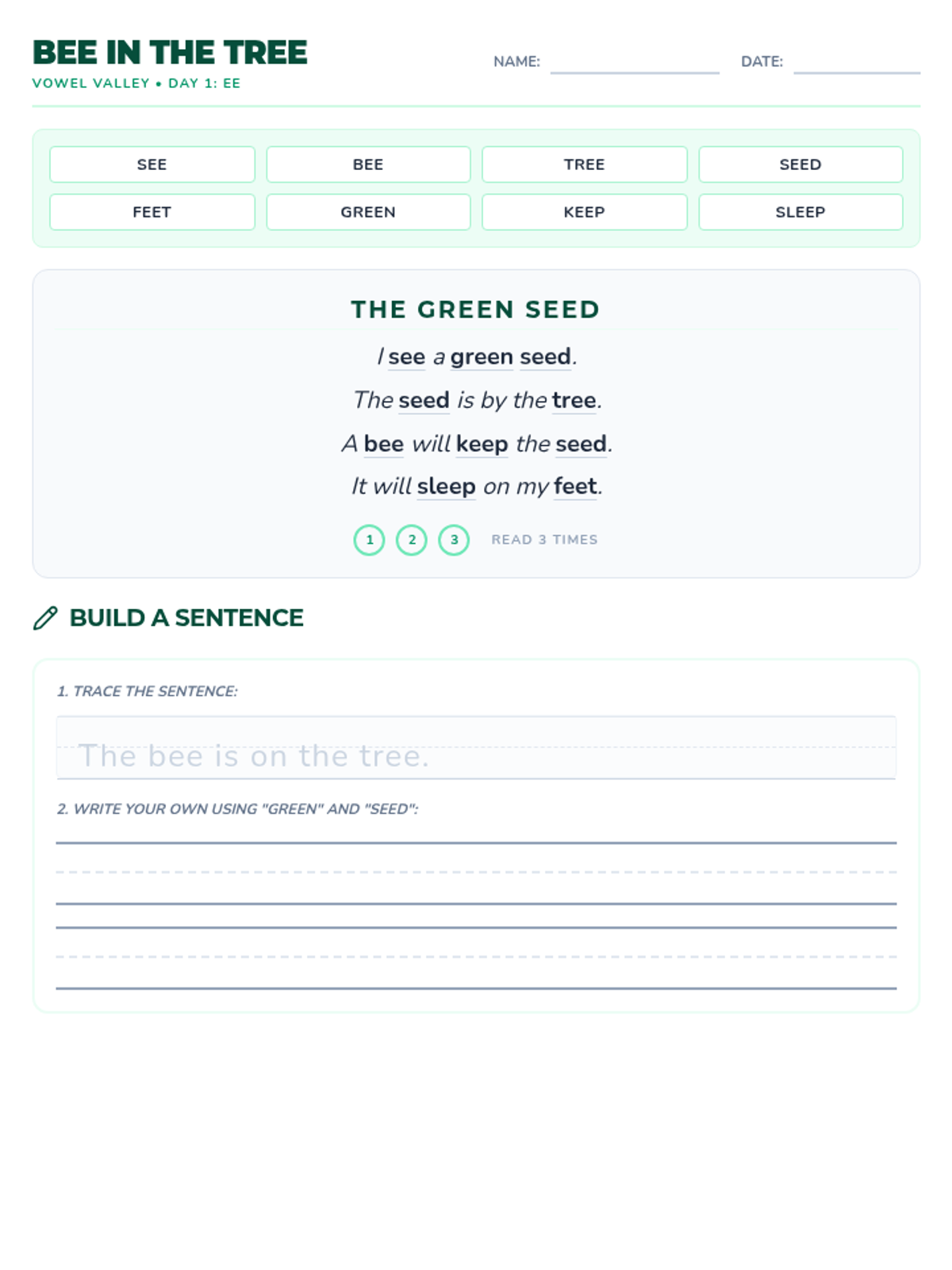
Day 1 focuses on the 'ee' vowel team using garden-themed vocabulary like seeds, trees, and bees. Students practice phonemic awareness, word blending, and sentence construction.
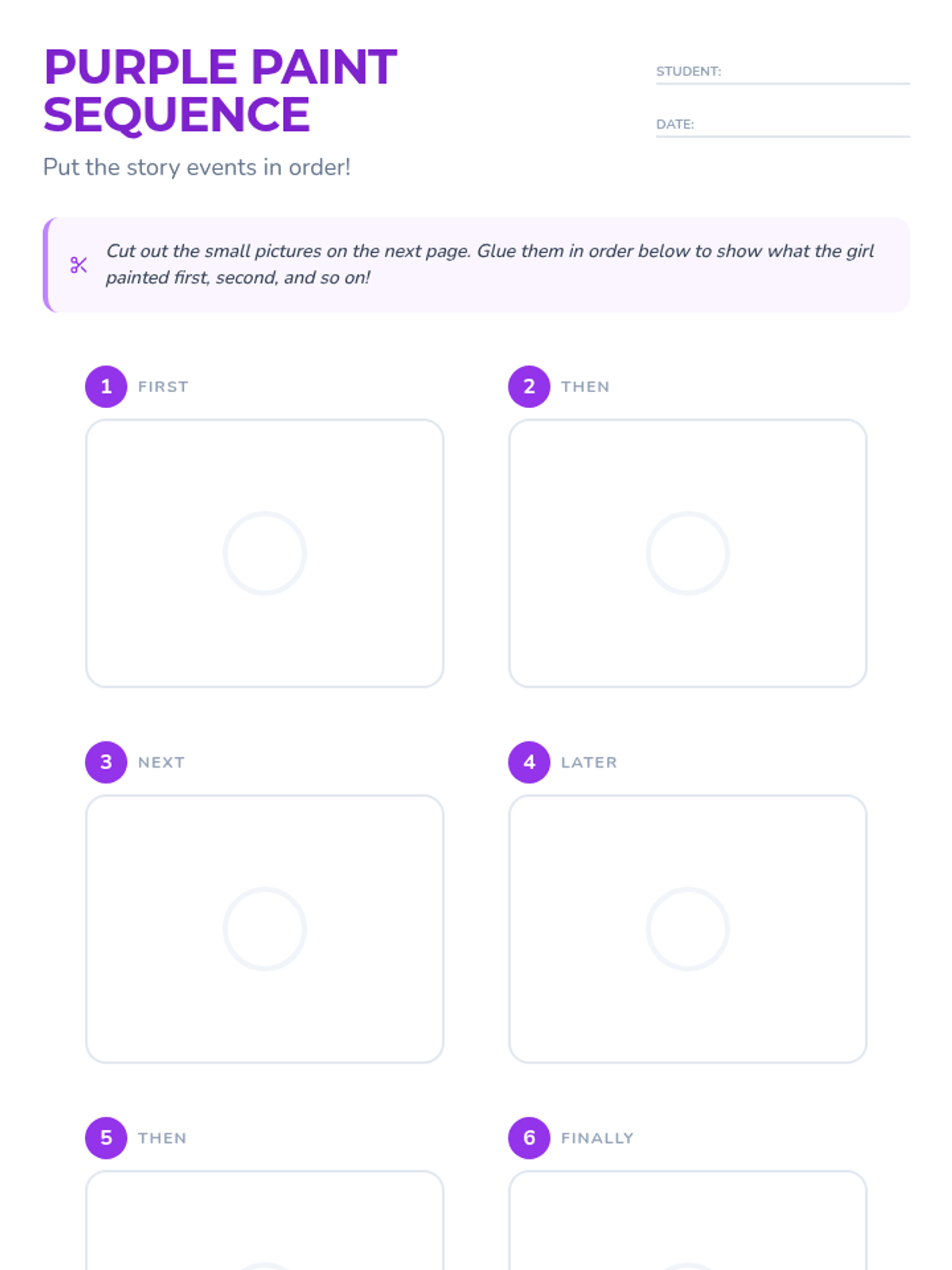
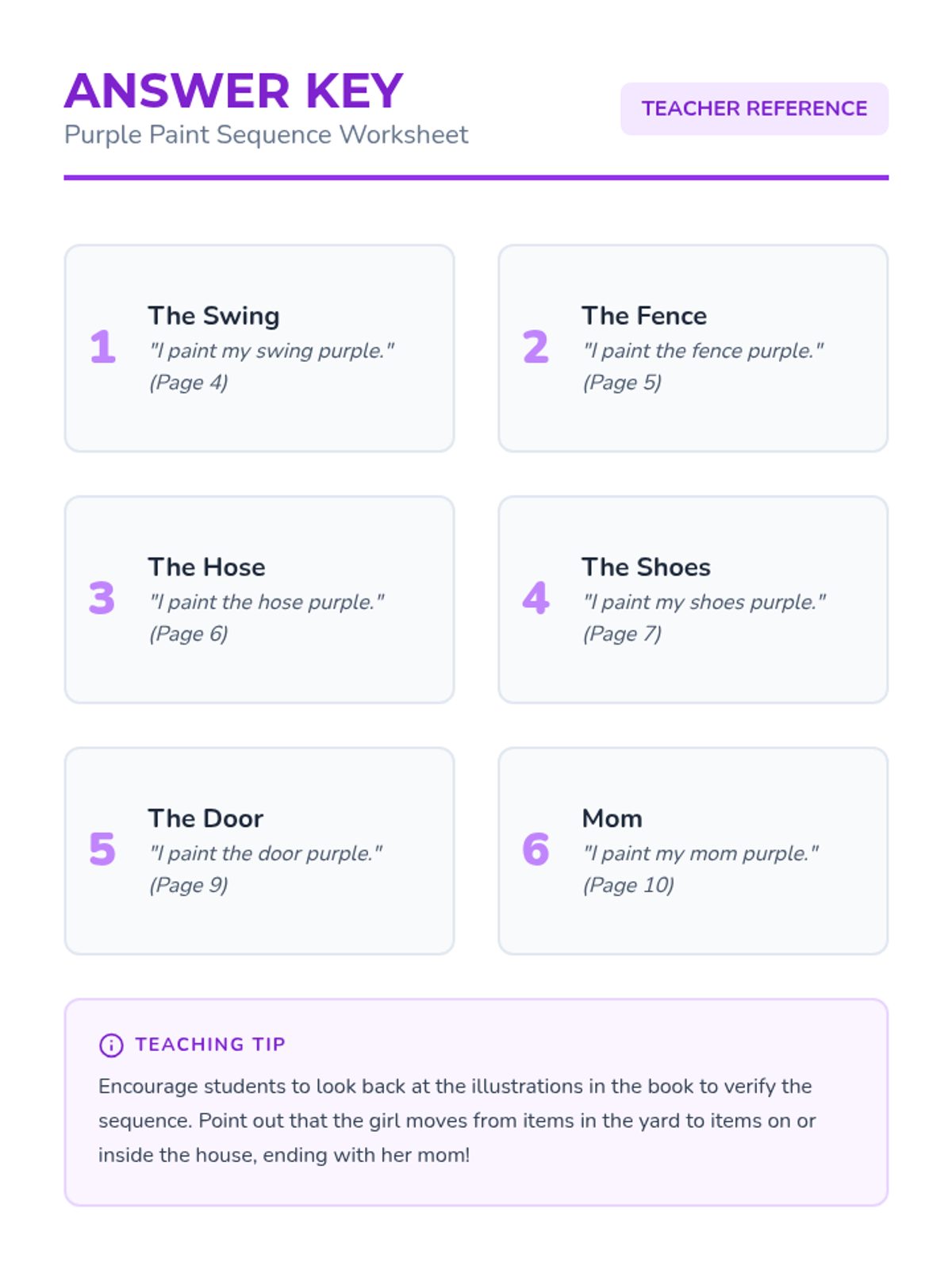
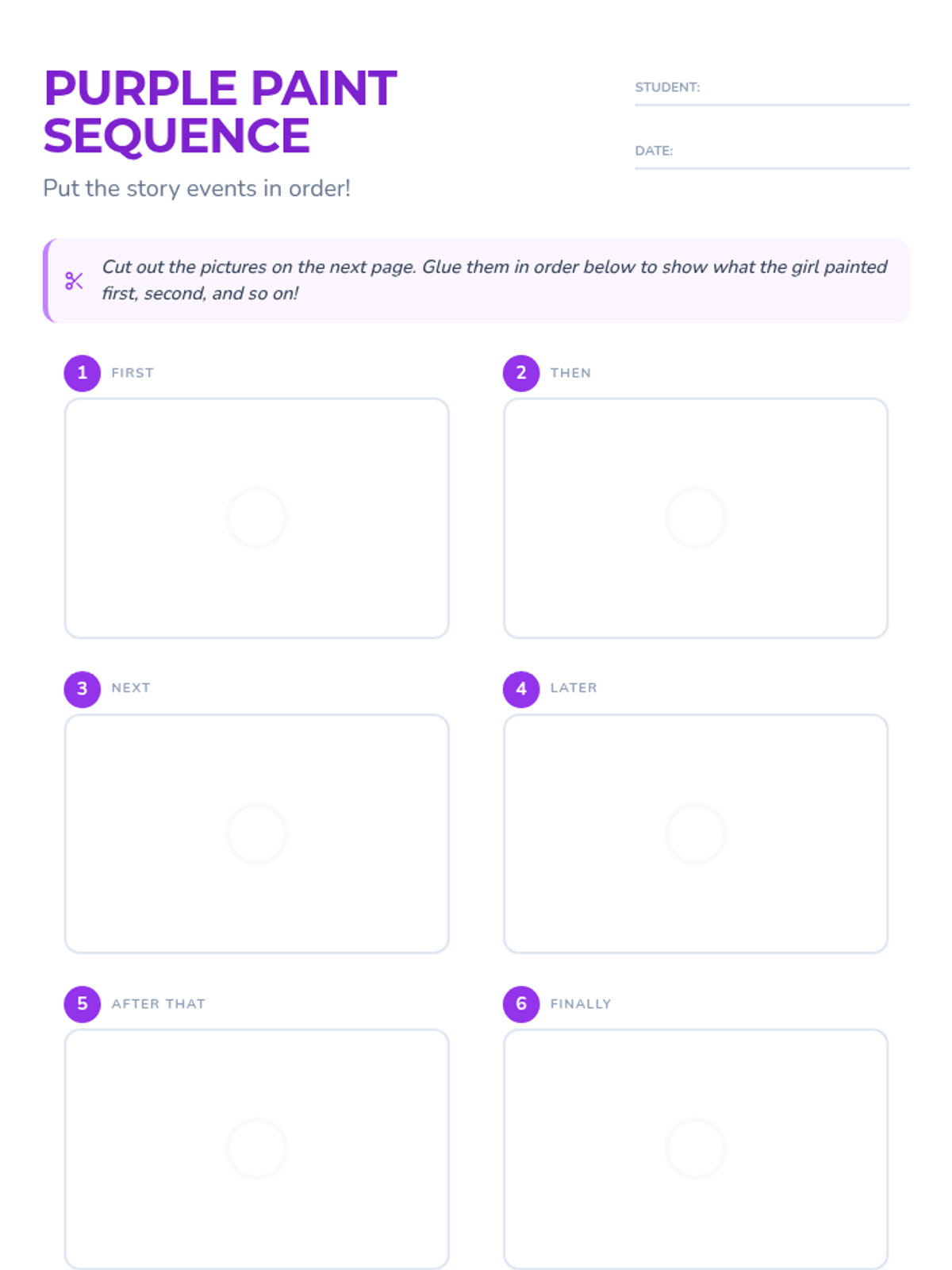
A lesson focused on sequencing events from the humorous story 'Paint It Purple'. Students will identify the order of objects the girl paints throughout the book.
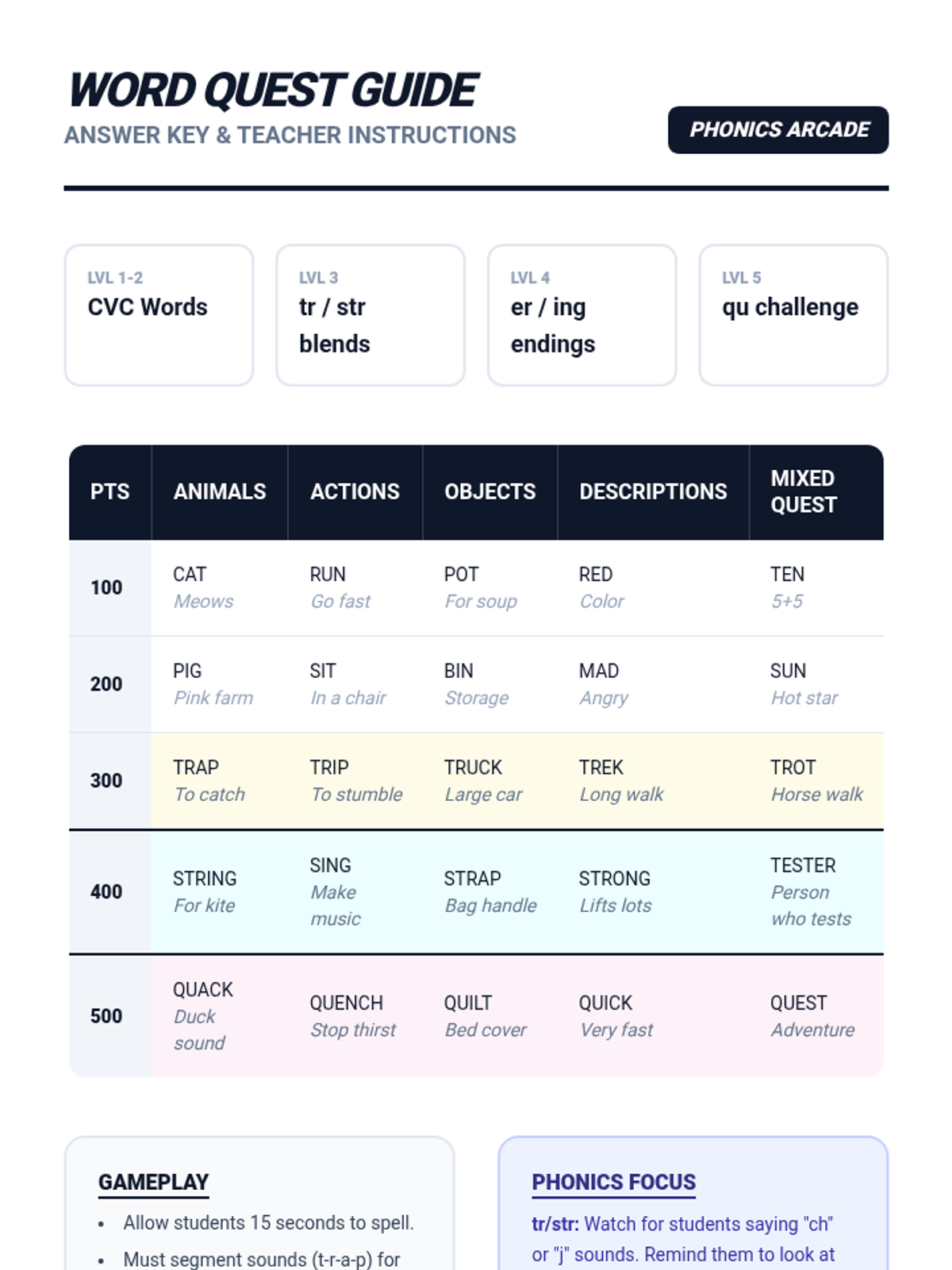
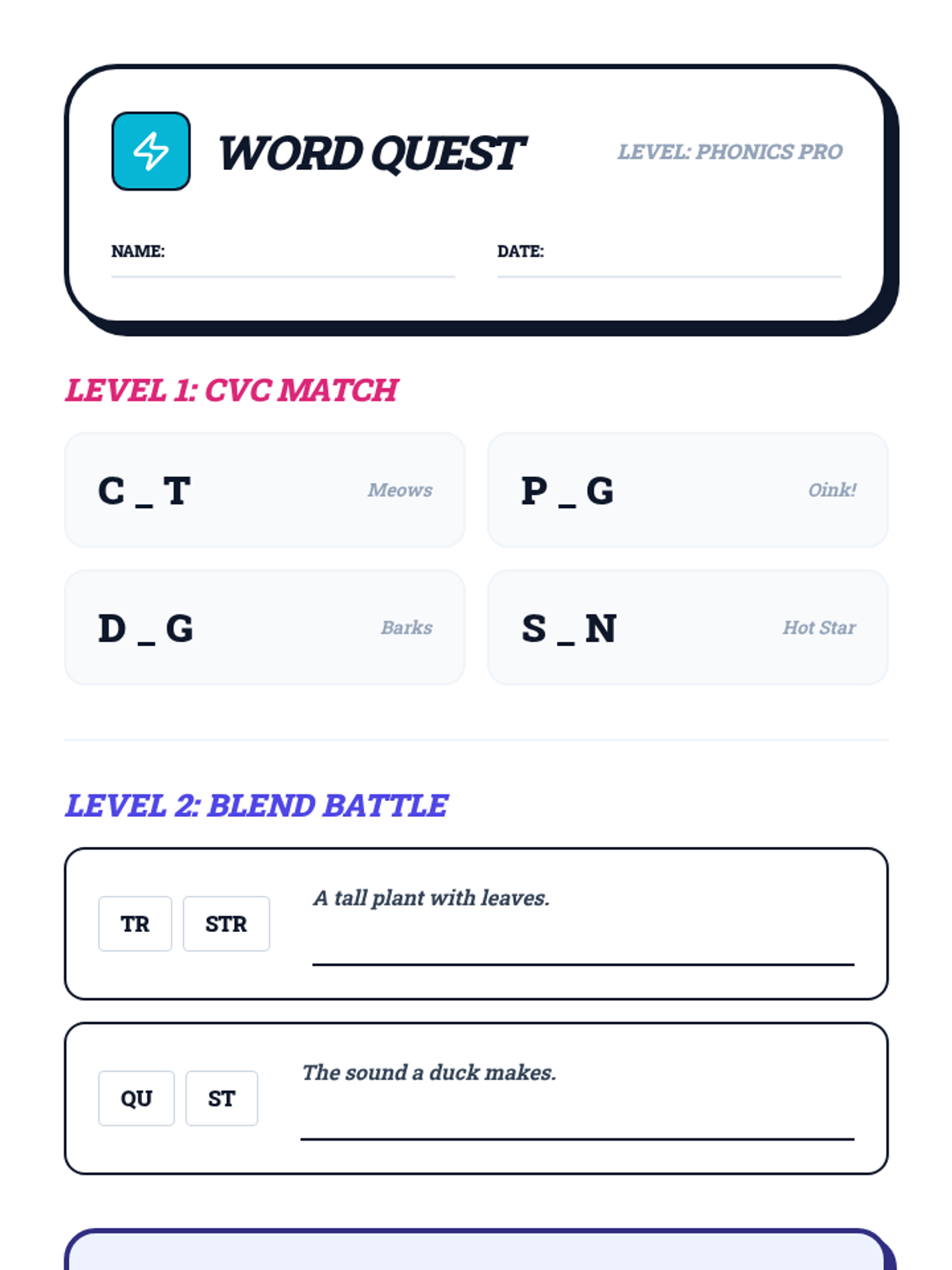
A high-energy, arcade-themed phonics game where students master CVC words and progress to complex consonant blends like str, tr, er, ing, and qu. Students will identify, read, and write words to earn points in a competitive or collaborative setting.
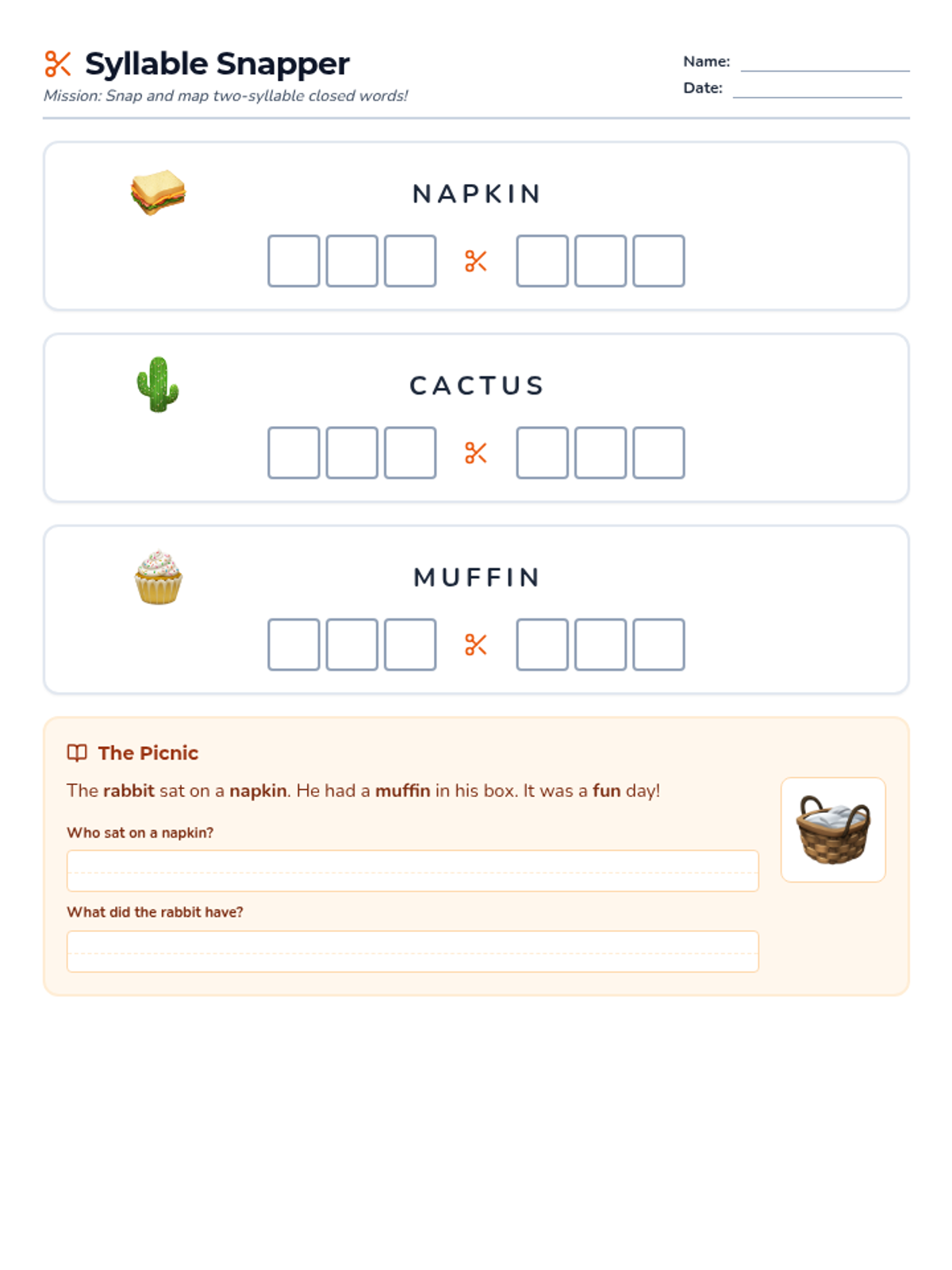
A foundational phonics lesson focused on decoding one and two-syllable closed words. Students practice phoneme-grapheme mapping with Elkonin boxes and build fluency through targeted reading passages.
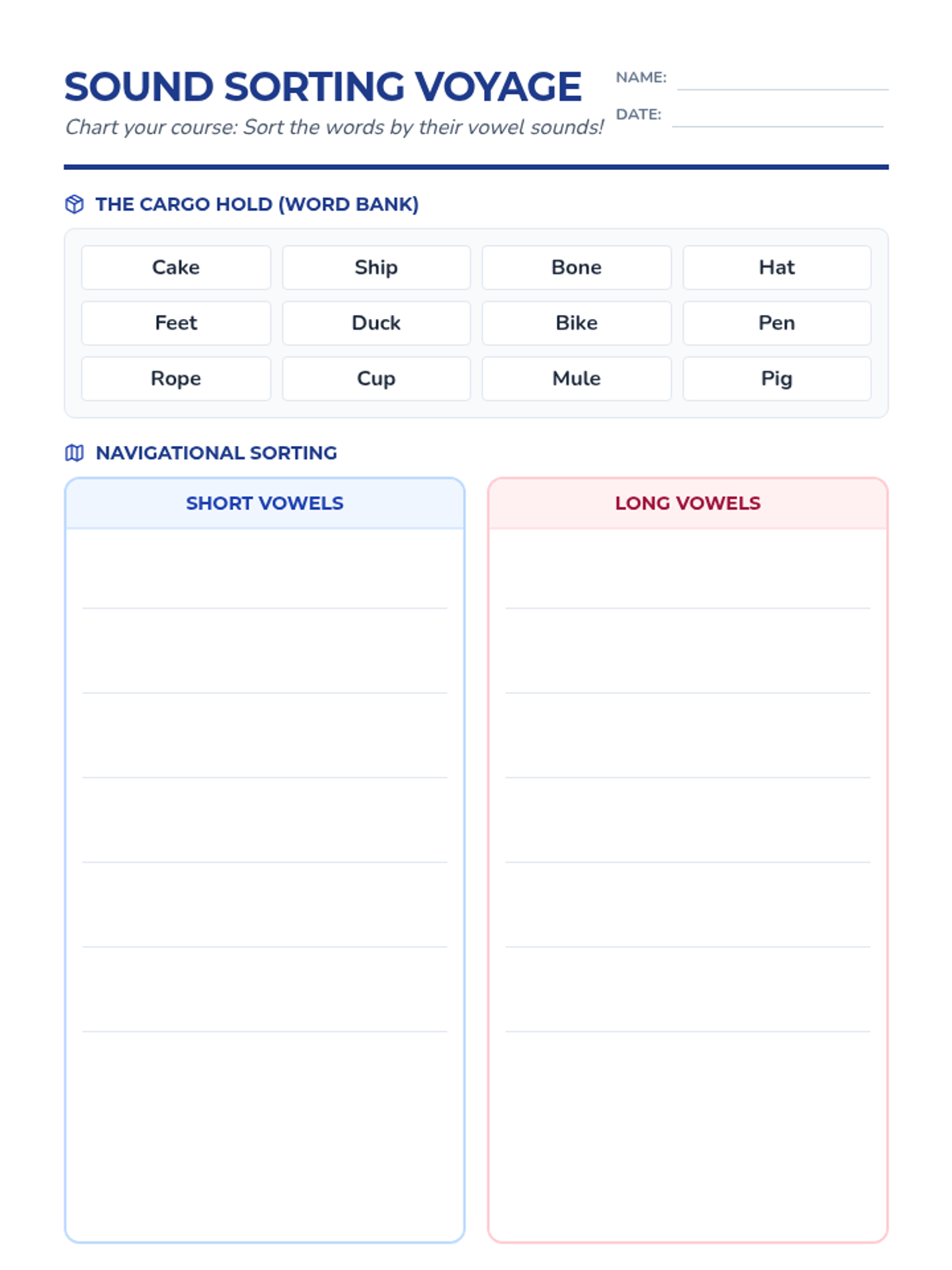
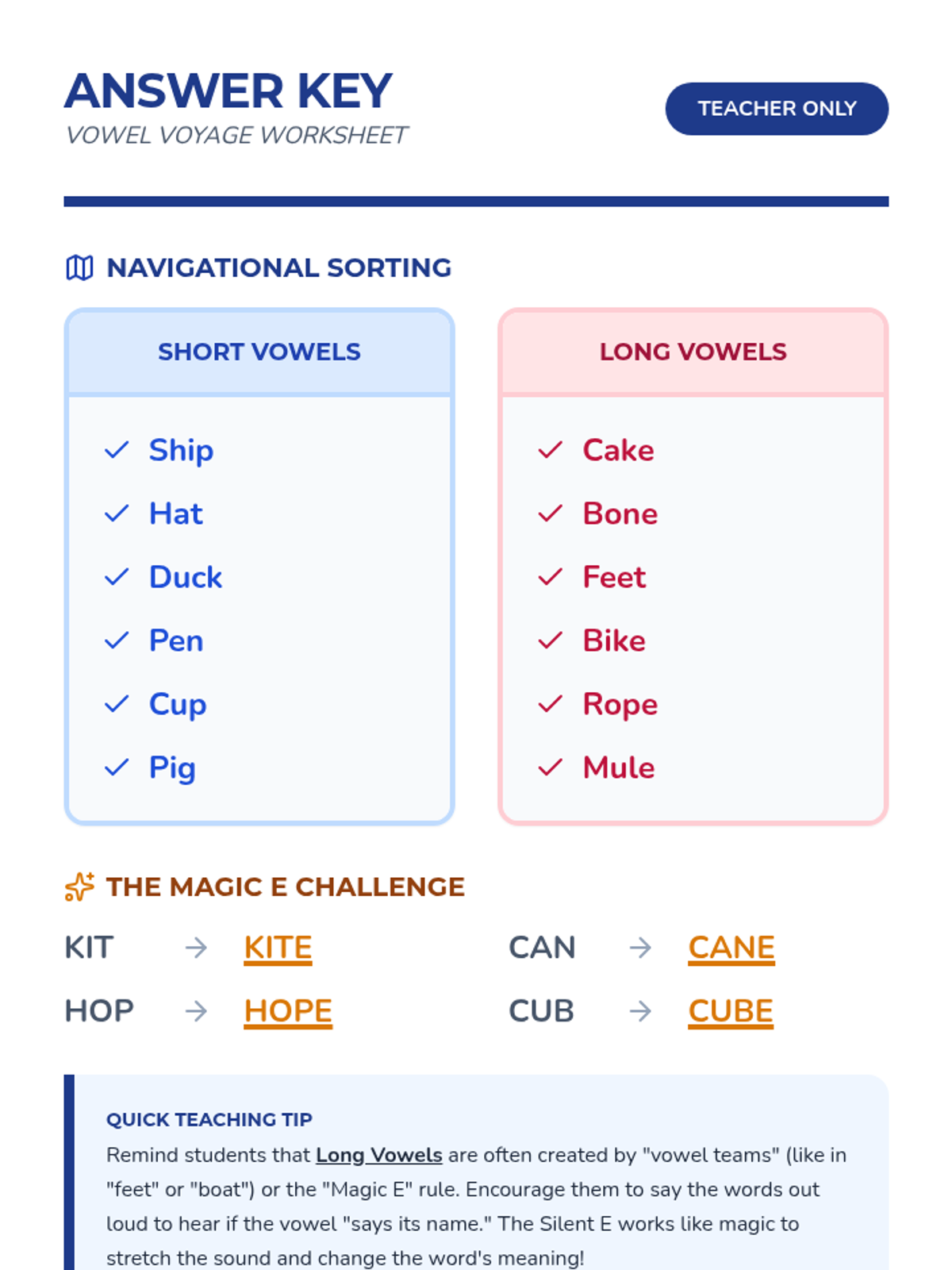
A lesson exploring the differences between short and long vowel sounds through a nautical-themed voyage. Includes direct instruction on vowel patterns and interactive practice.
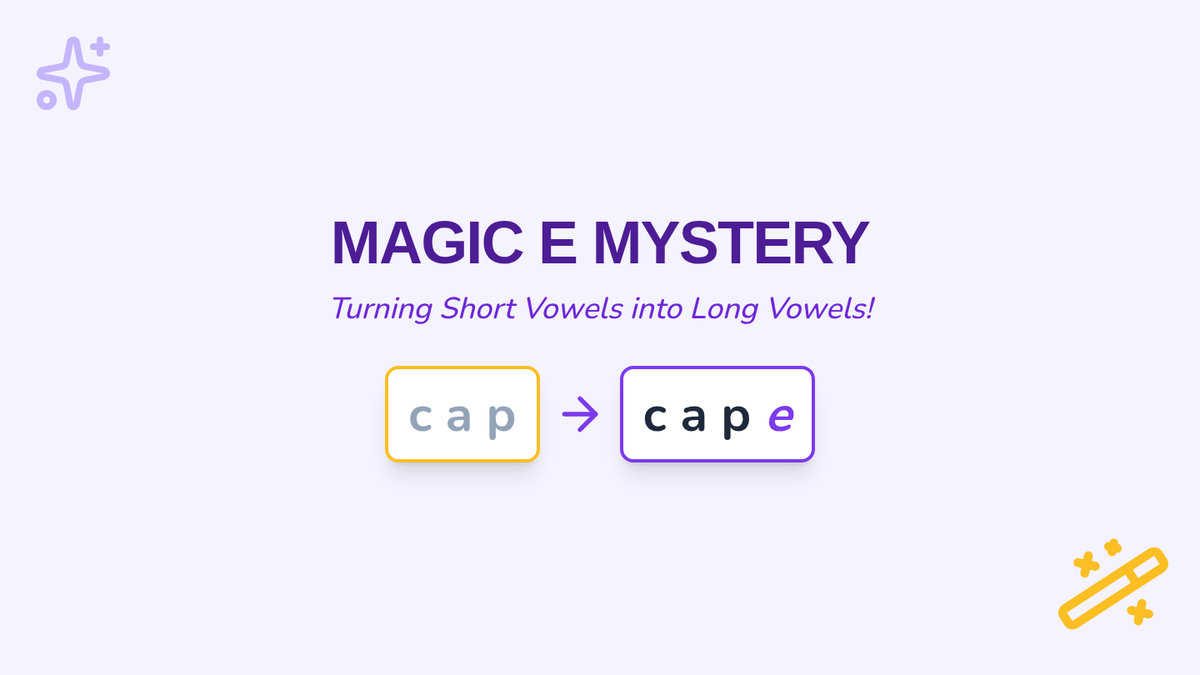
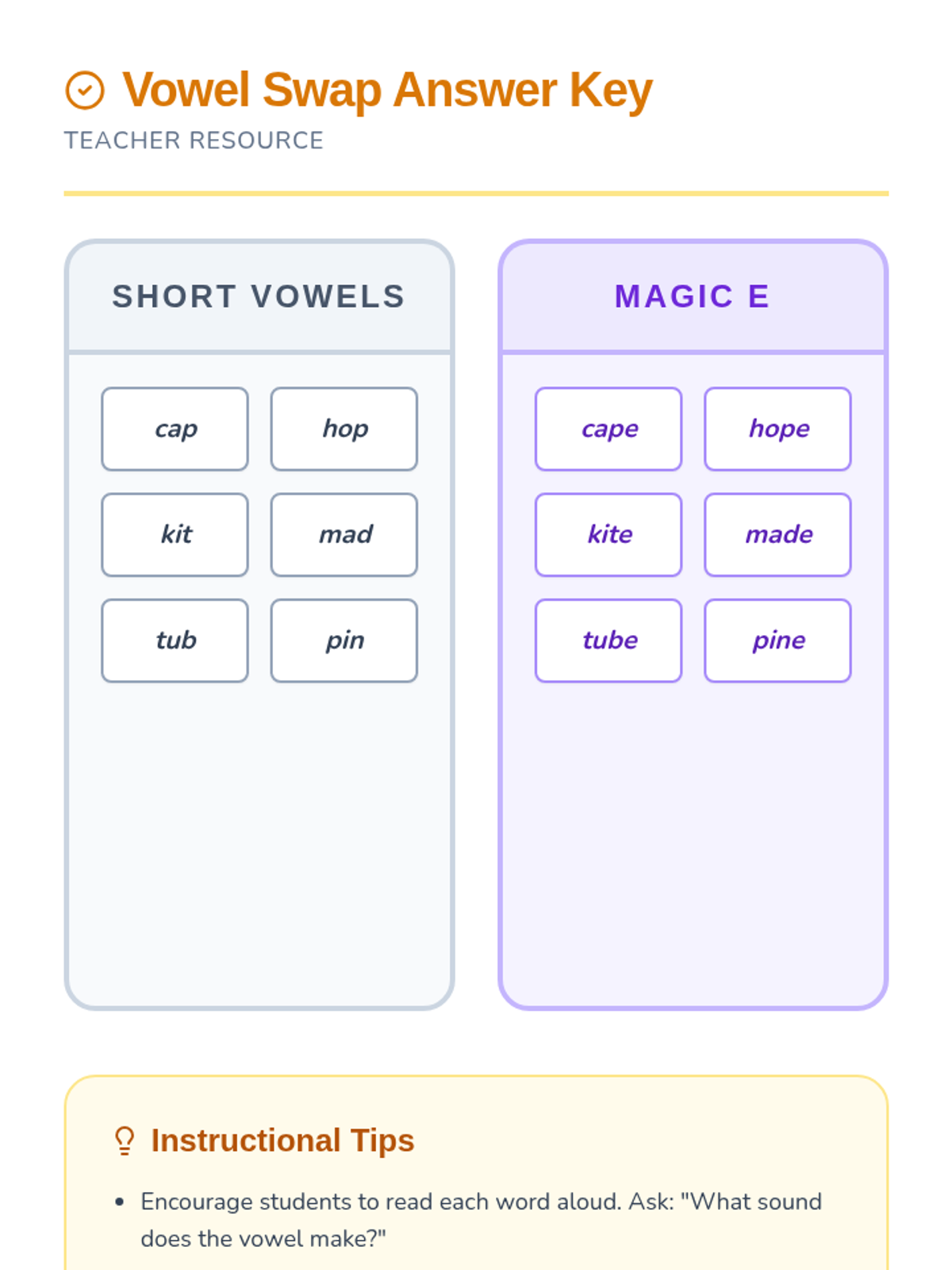
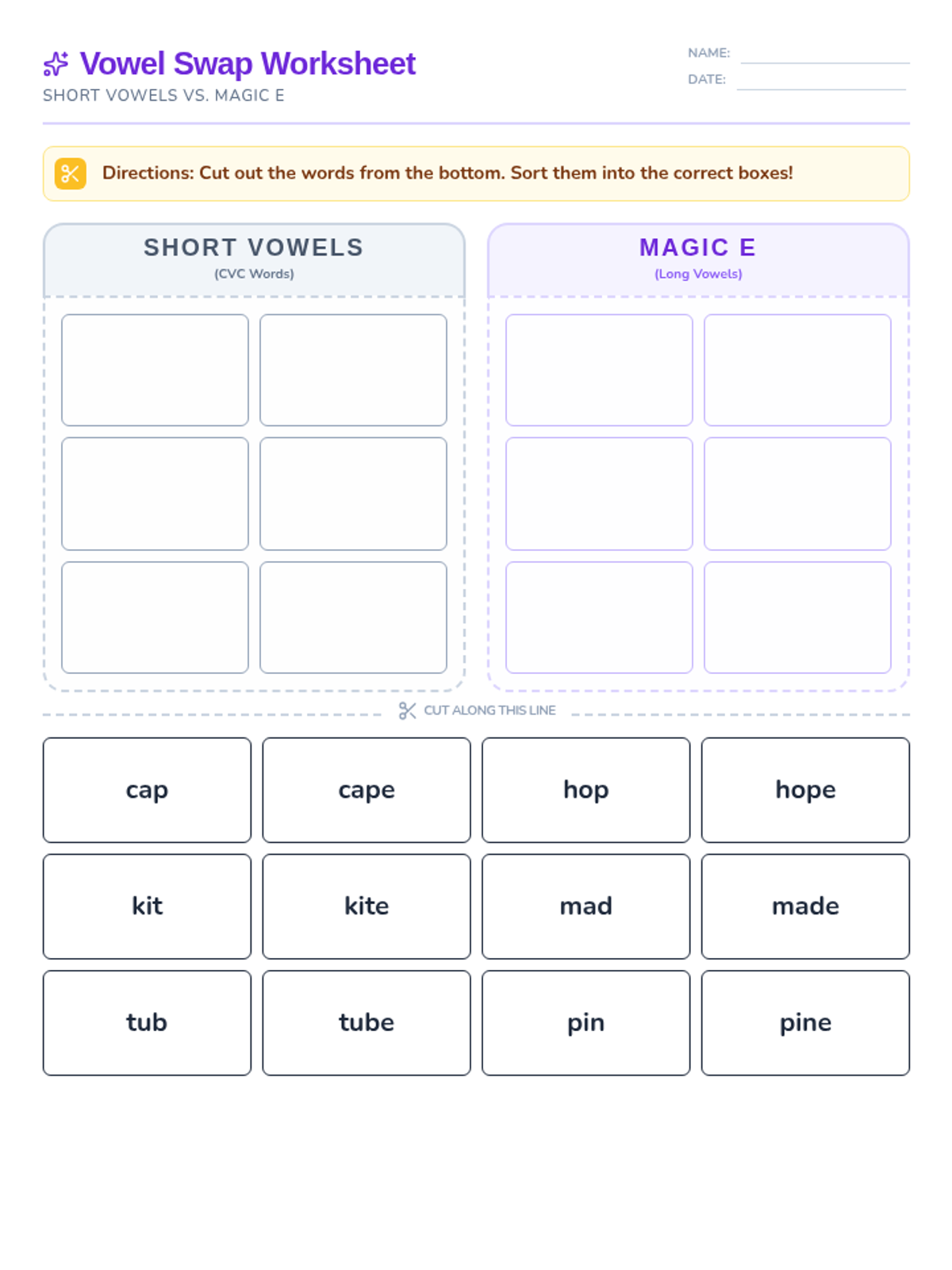
A phonics lesson focusing on the silent 'e' rule. Students will learn how the addition of an 'e' at the end of a word changes a short vowel sound into a long vowel sound through instructional slides and a cut-and-paste sorting activity.
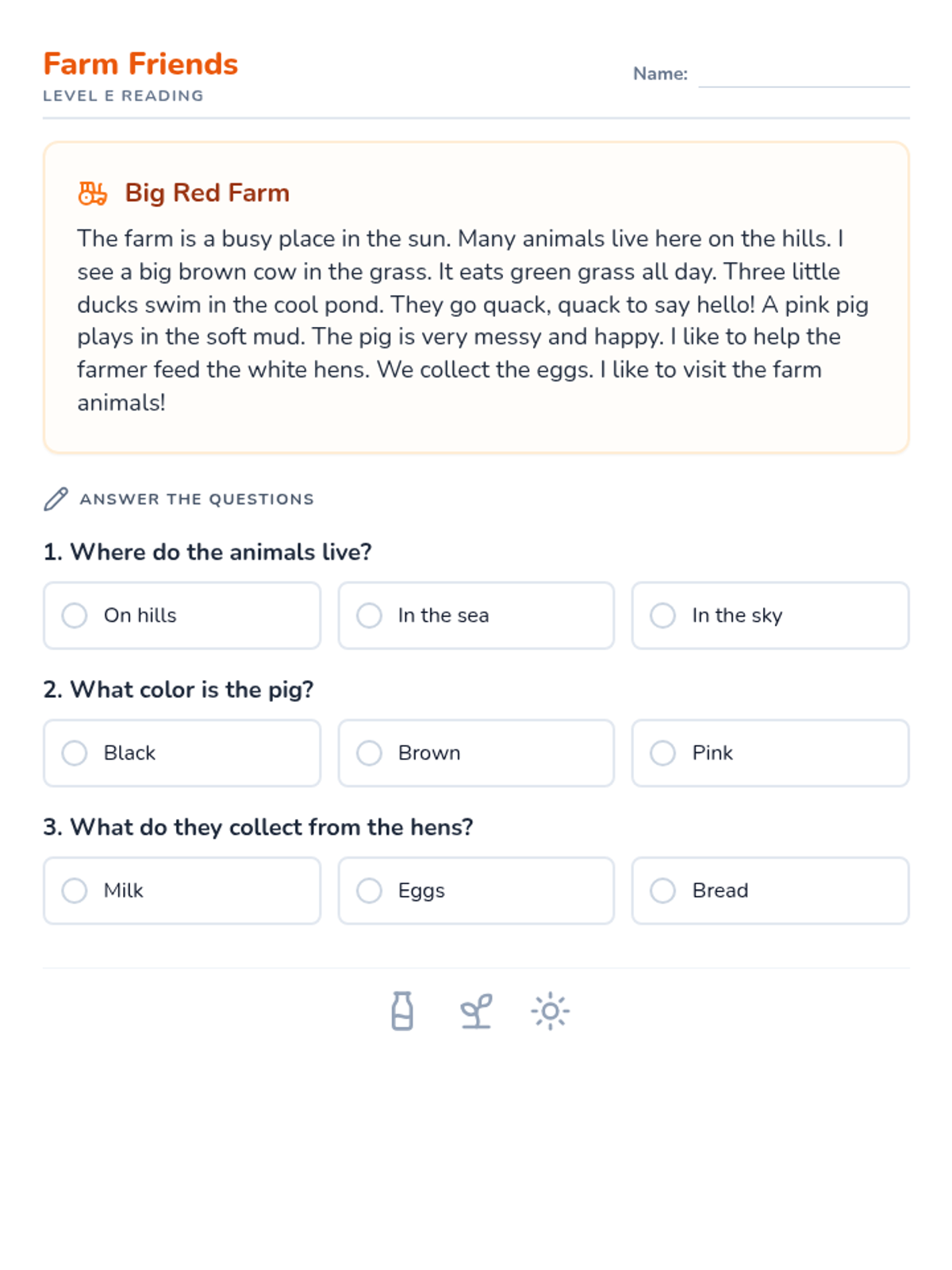
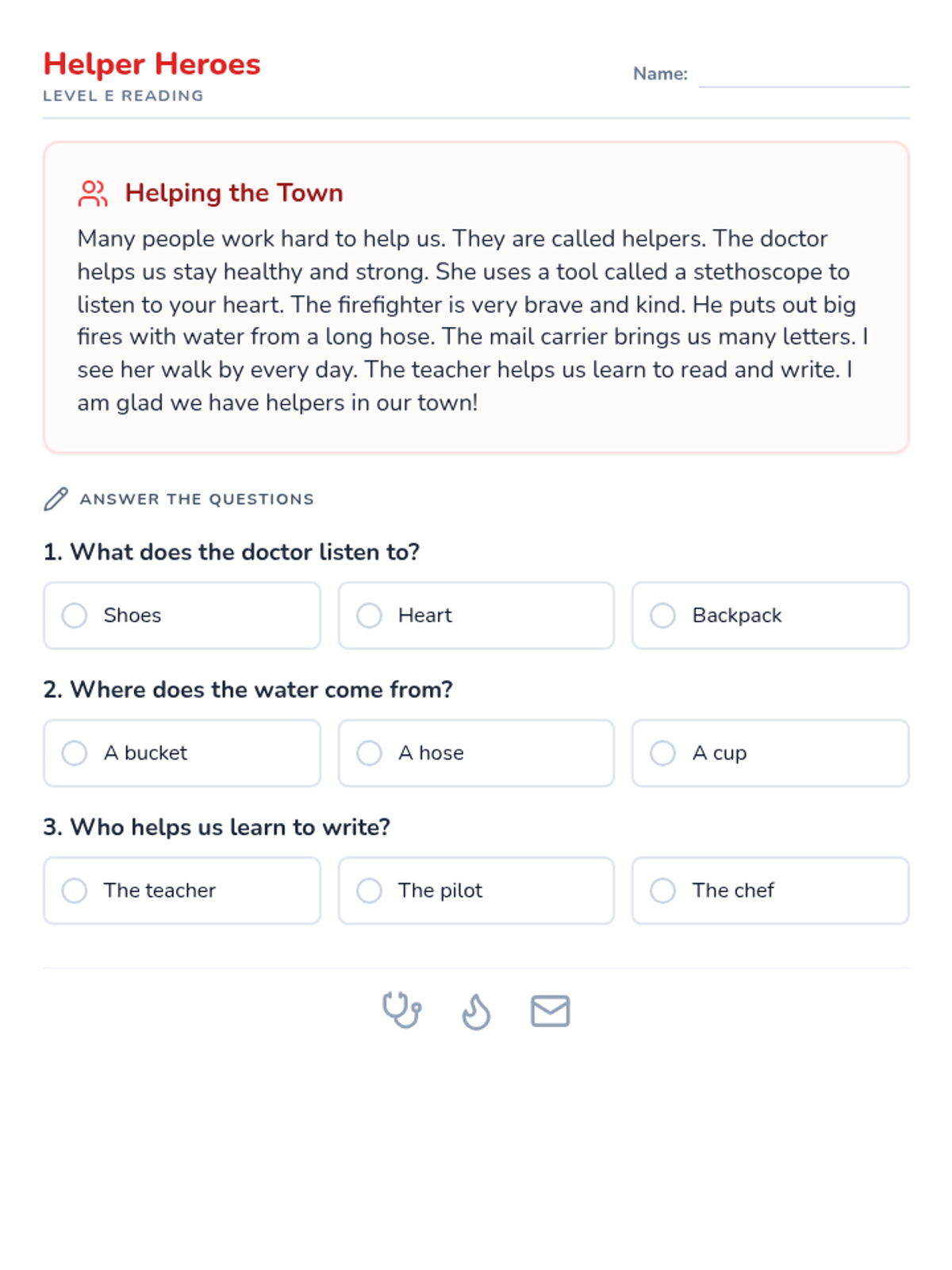
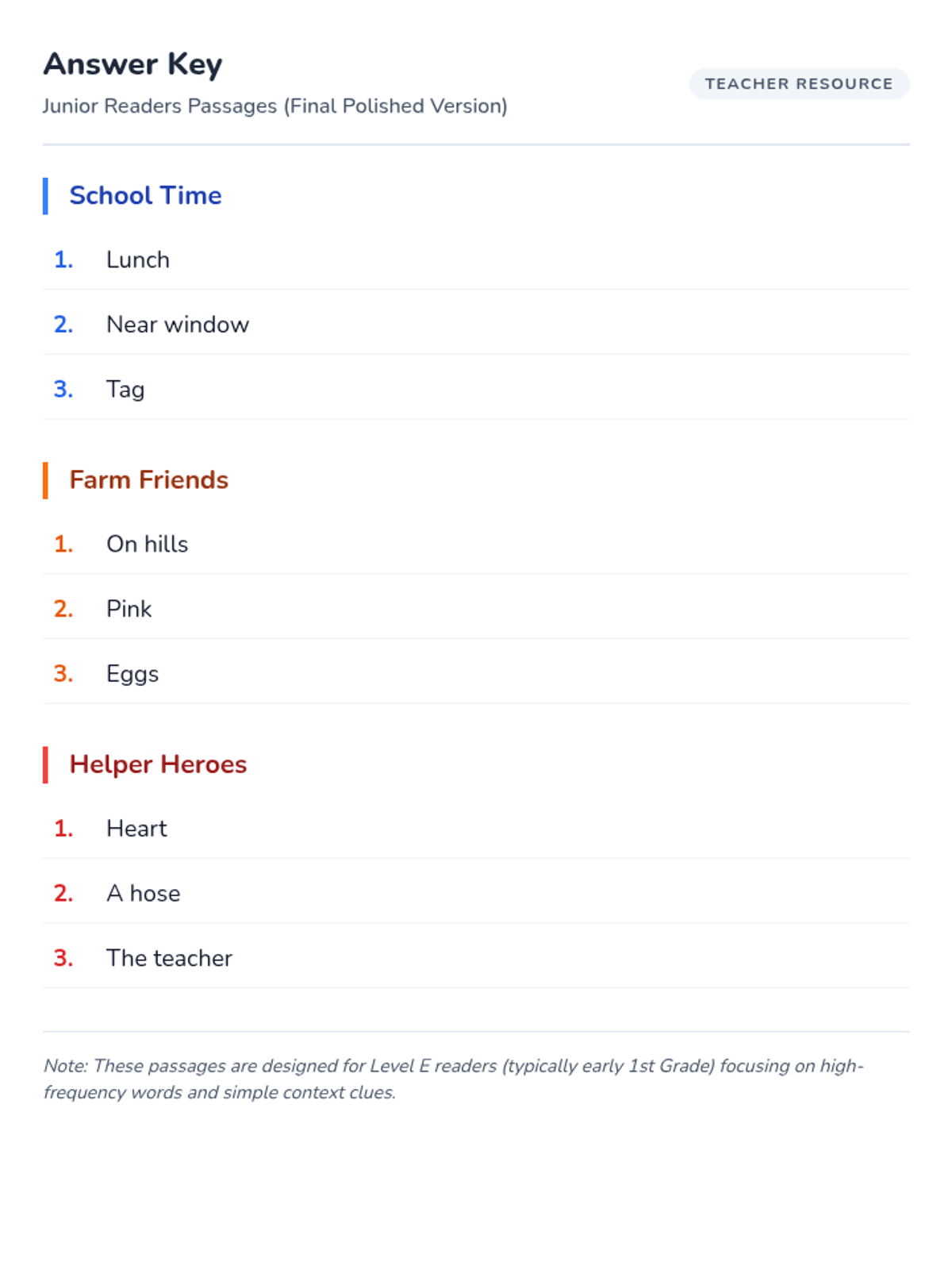
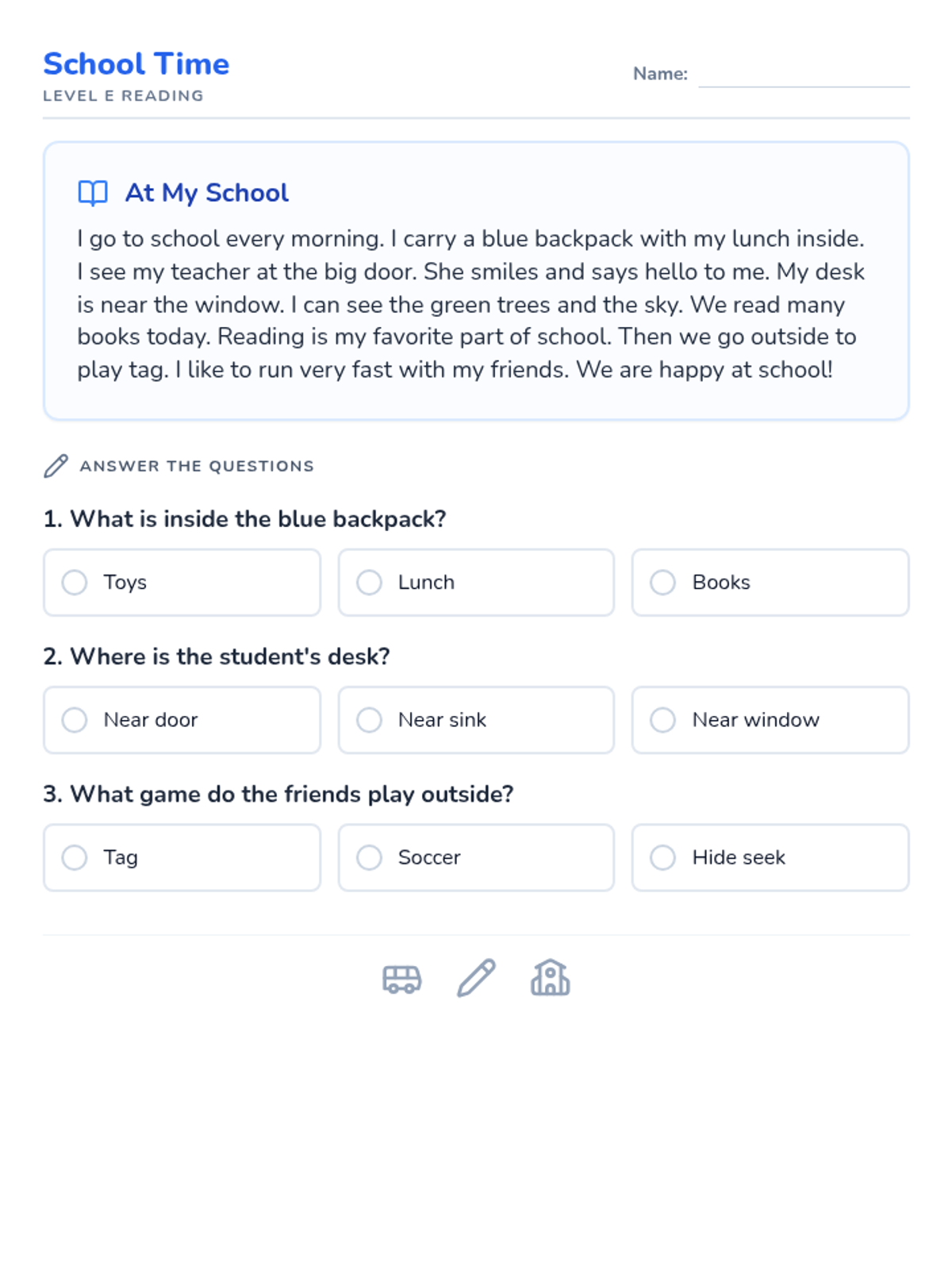
A collection of Level E reading passages and comprehension questions focused on foundational topics like school, farm life, and community roles.
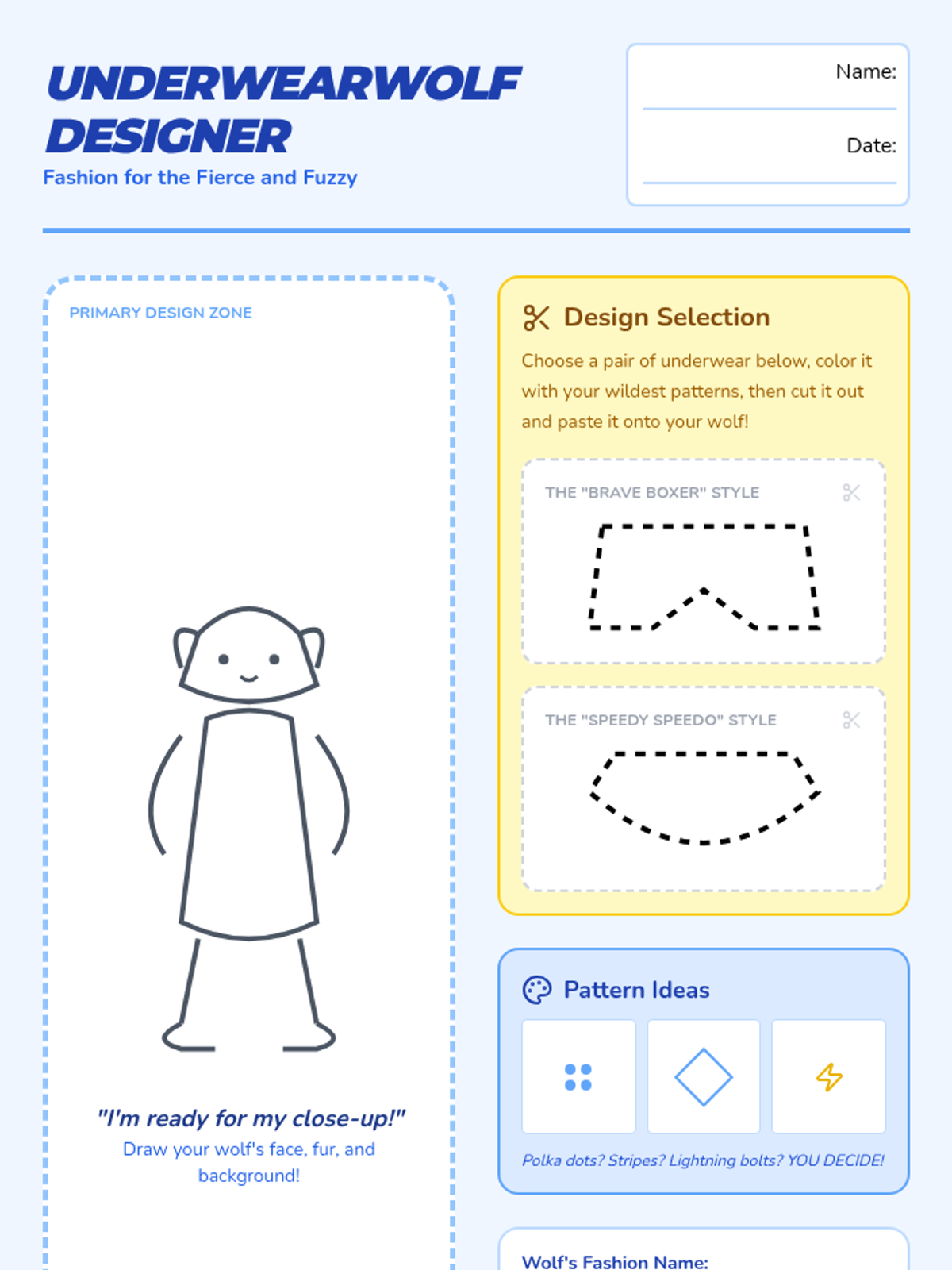
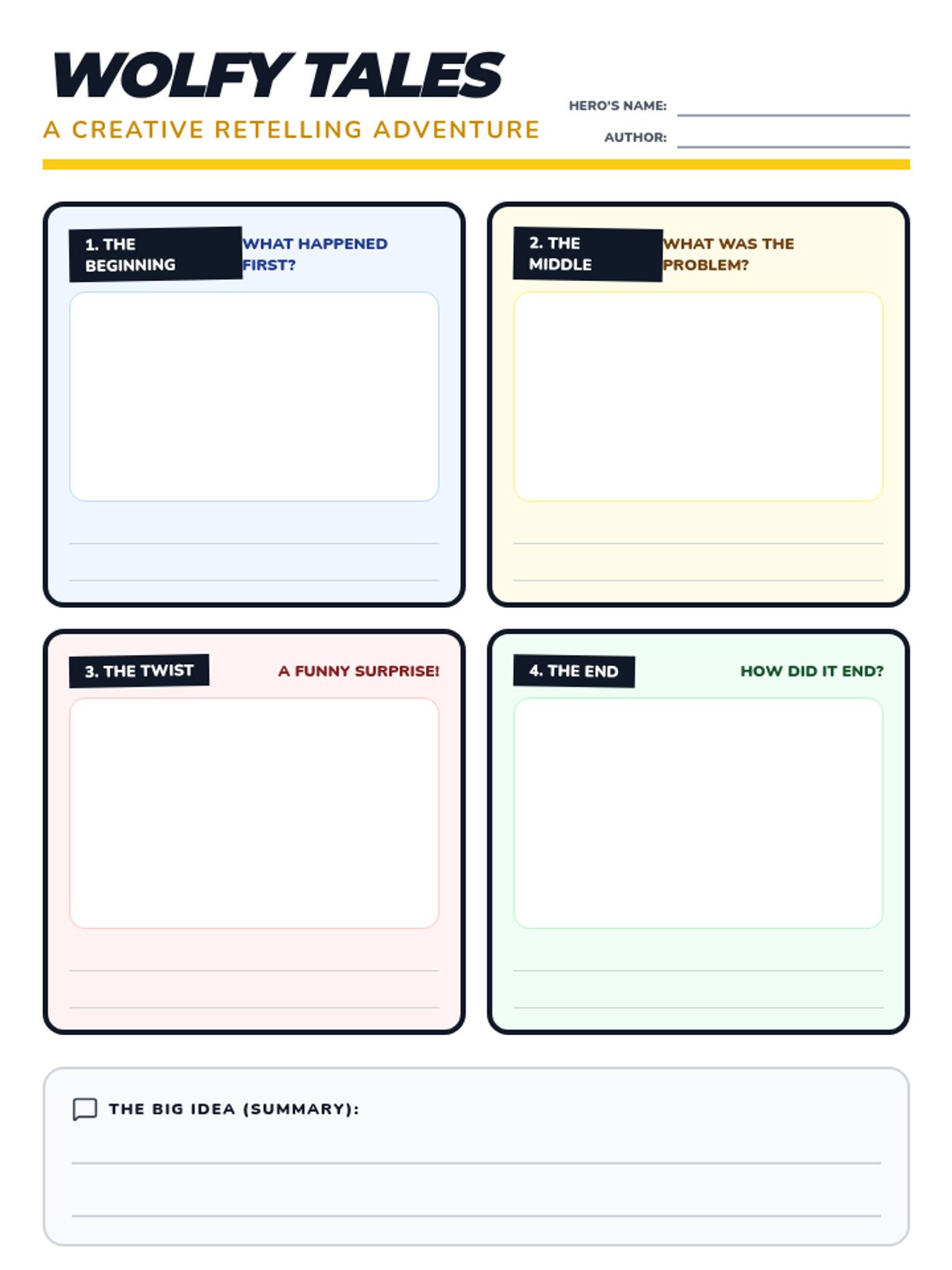
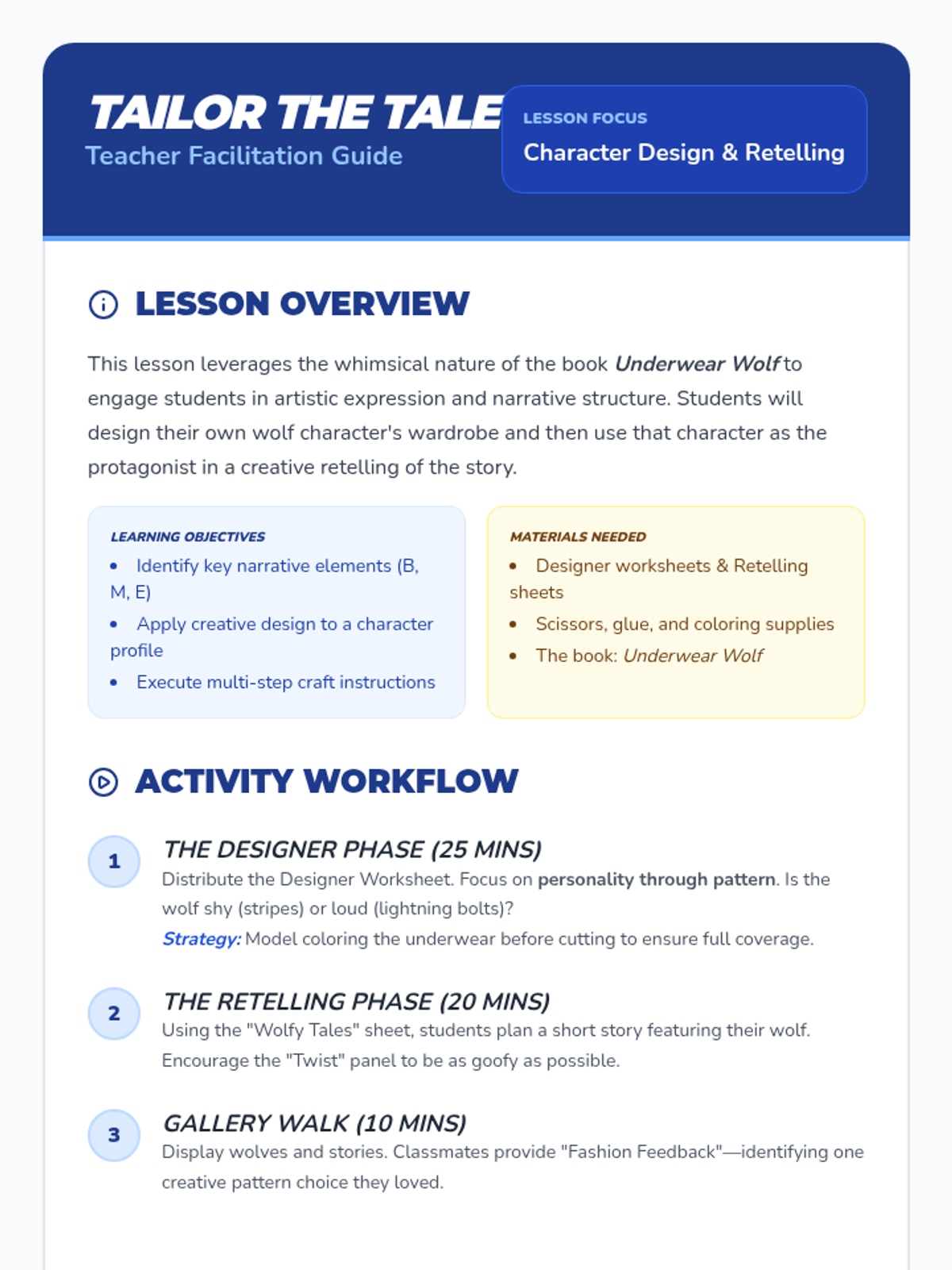
A playful lesson centered on the book 'Underwear Wolf', focusing on character design through a creative craft and story retelling through comic-style illustration. Students explore fashion for a wolf and reimagine his forest adventures.
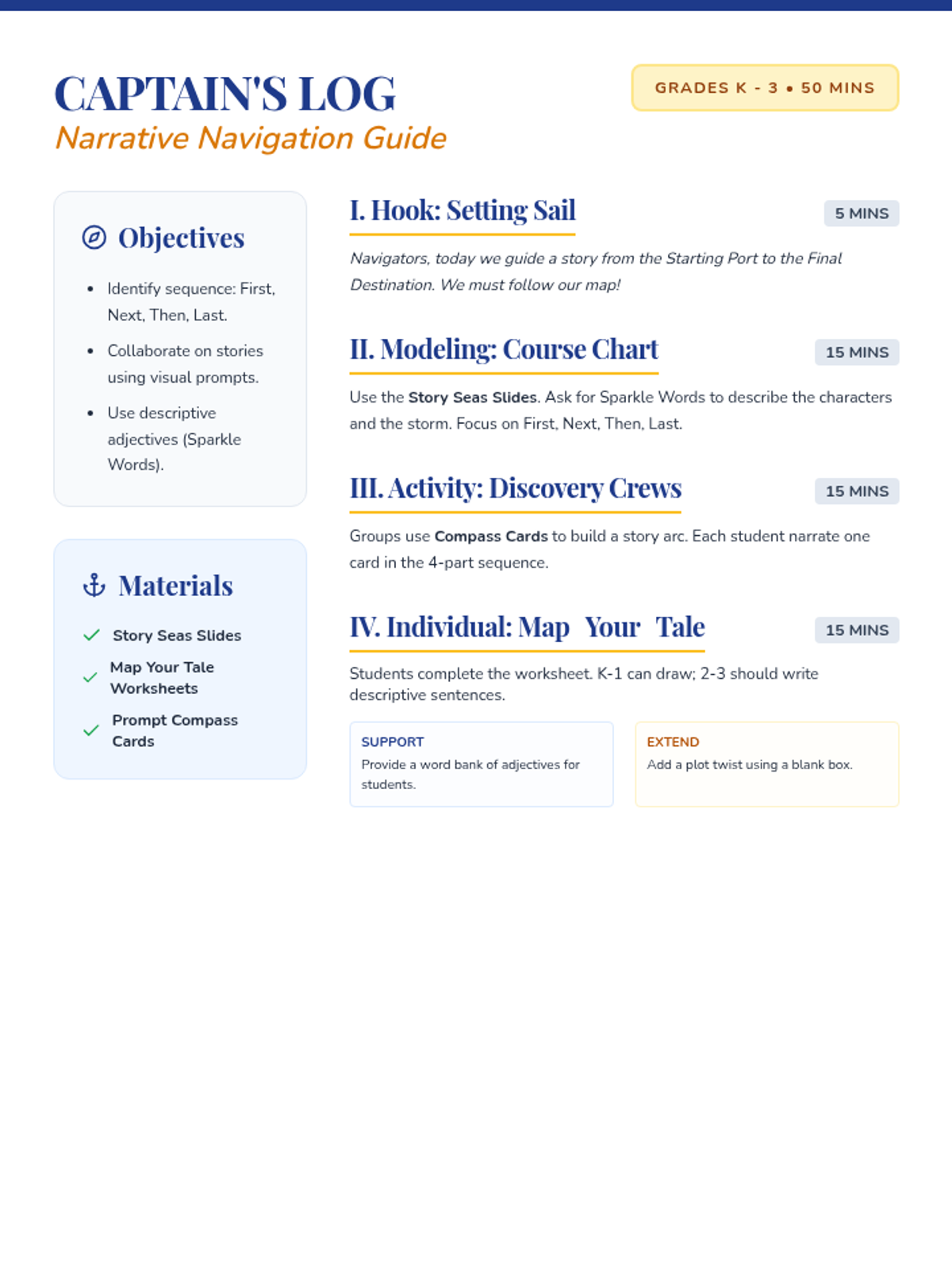
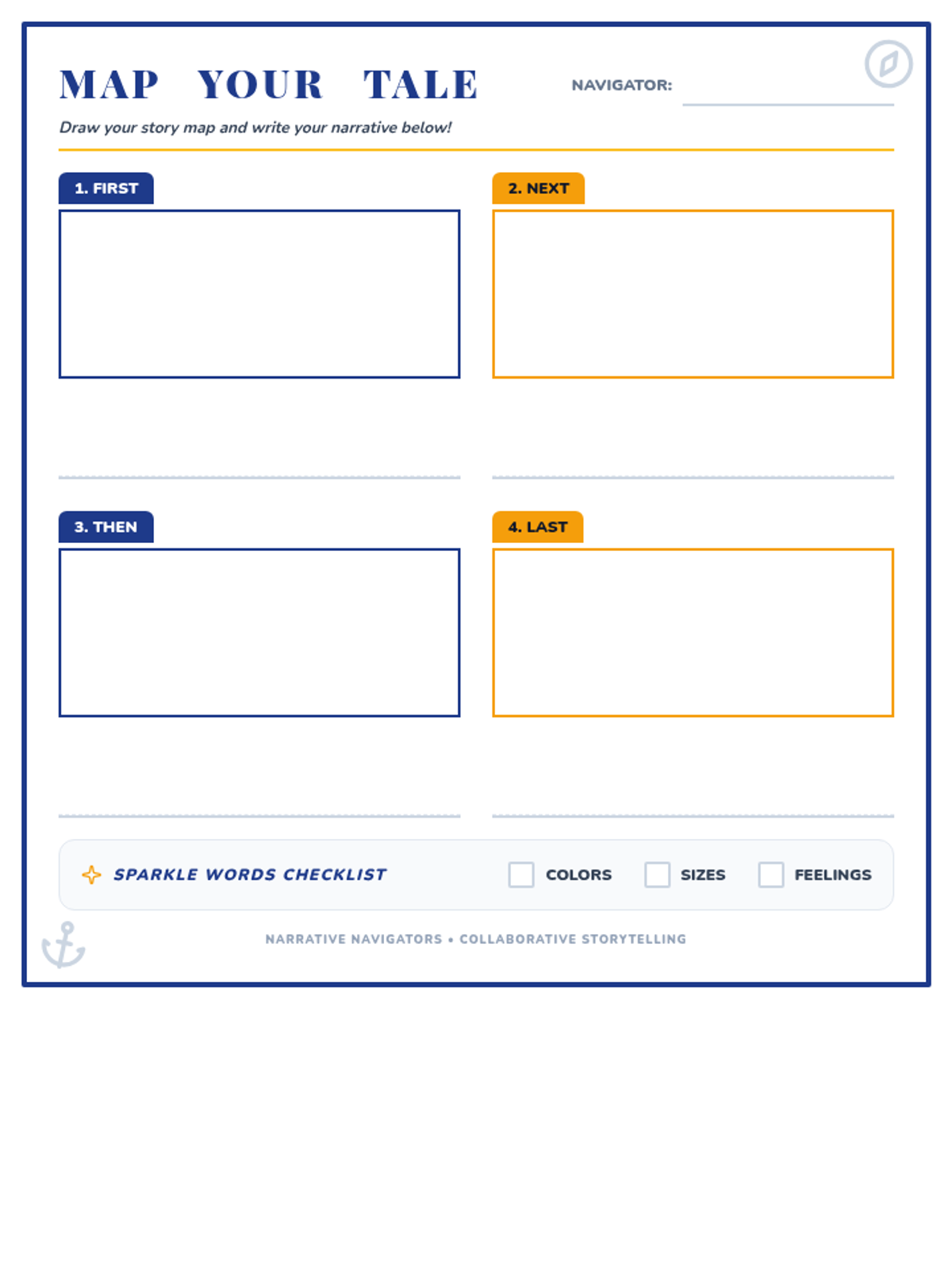
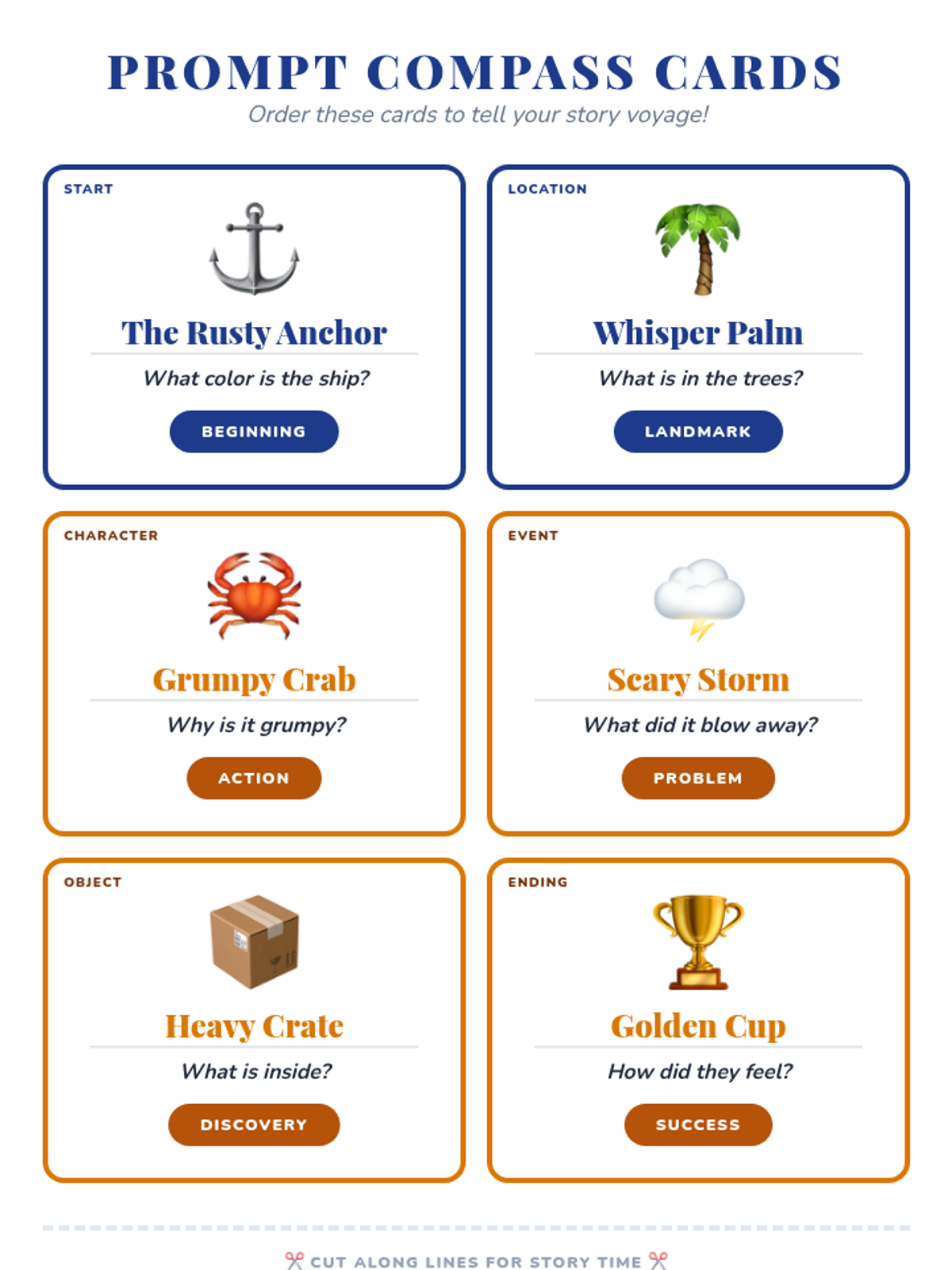
A collaborative storytelling lesson where students use visual prompts to navigate through the elements of a story, focusing on sequencing and descriptive language.
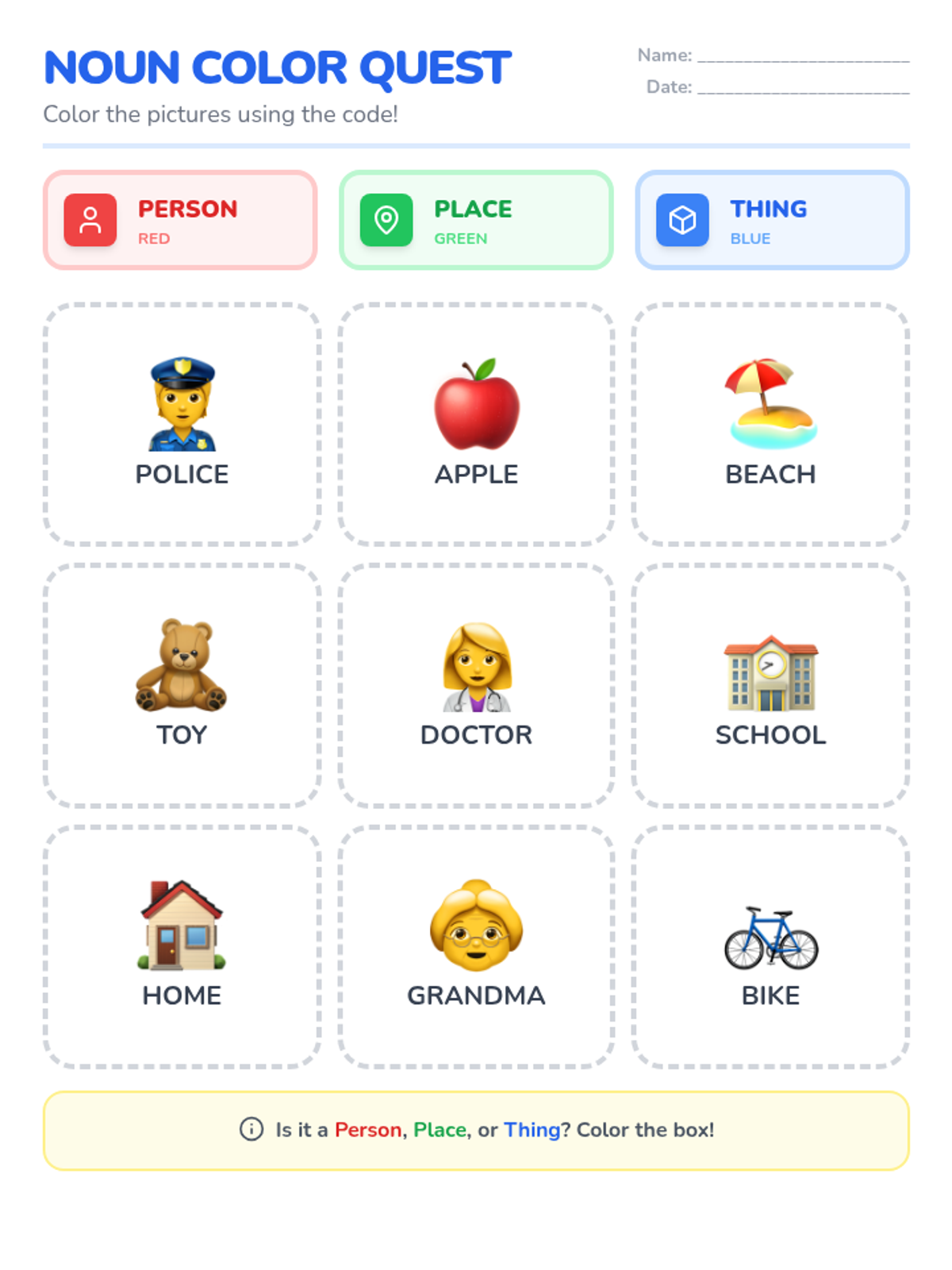
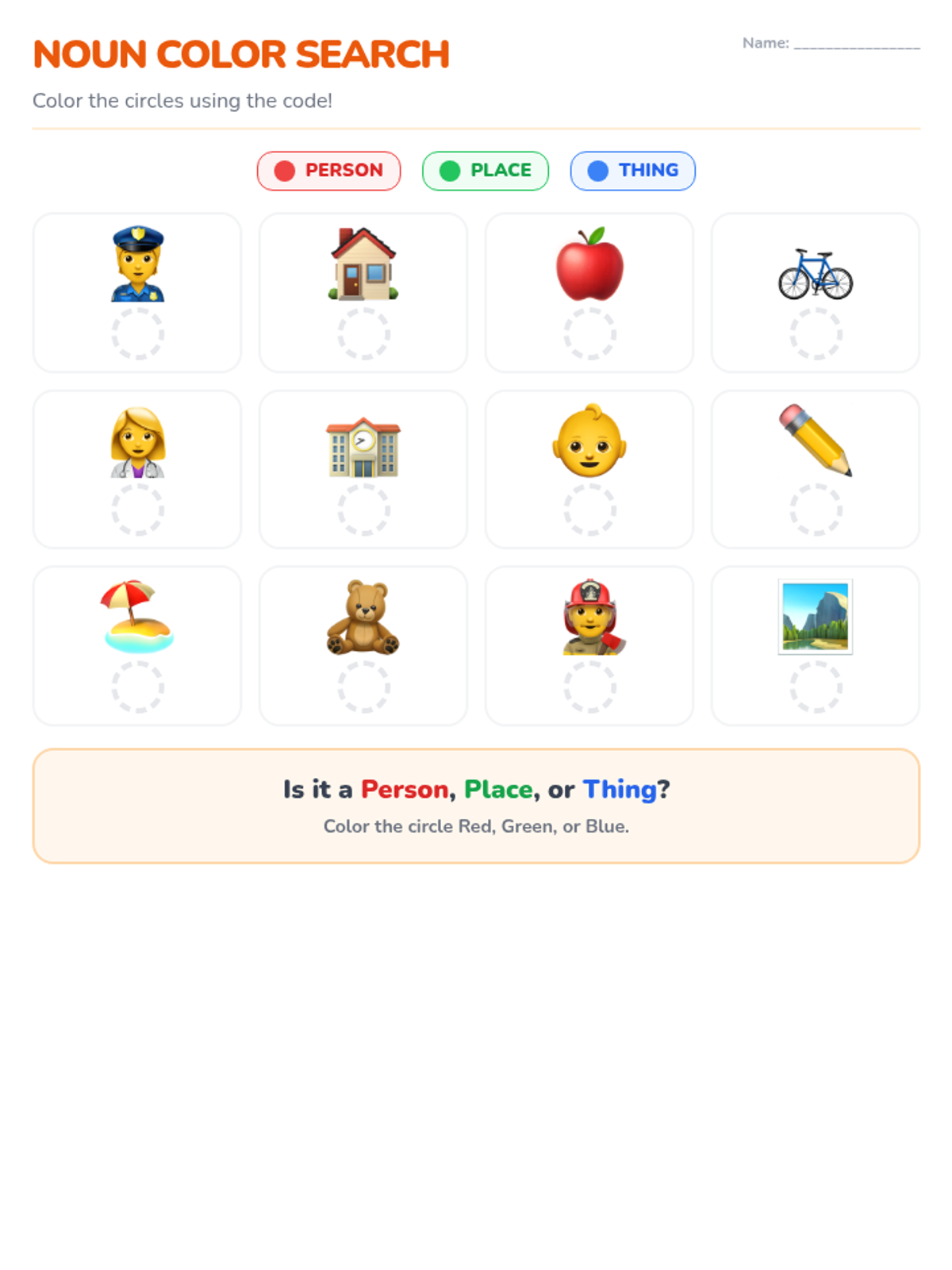
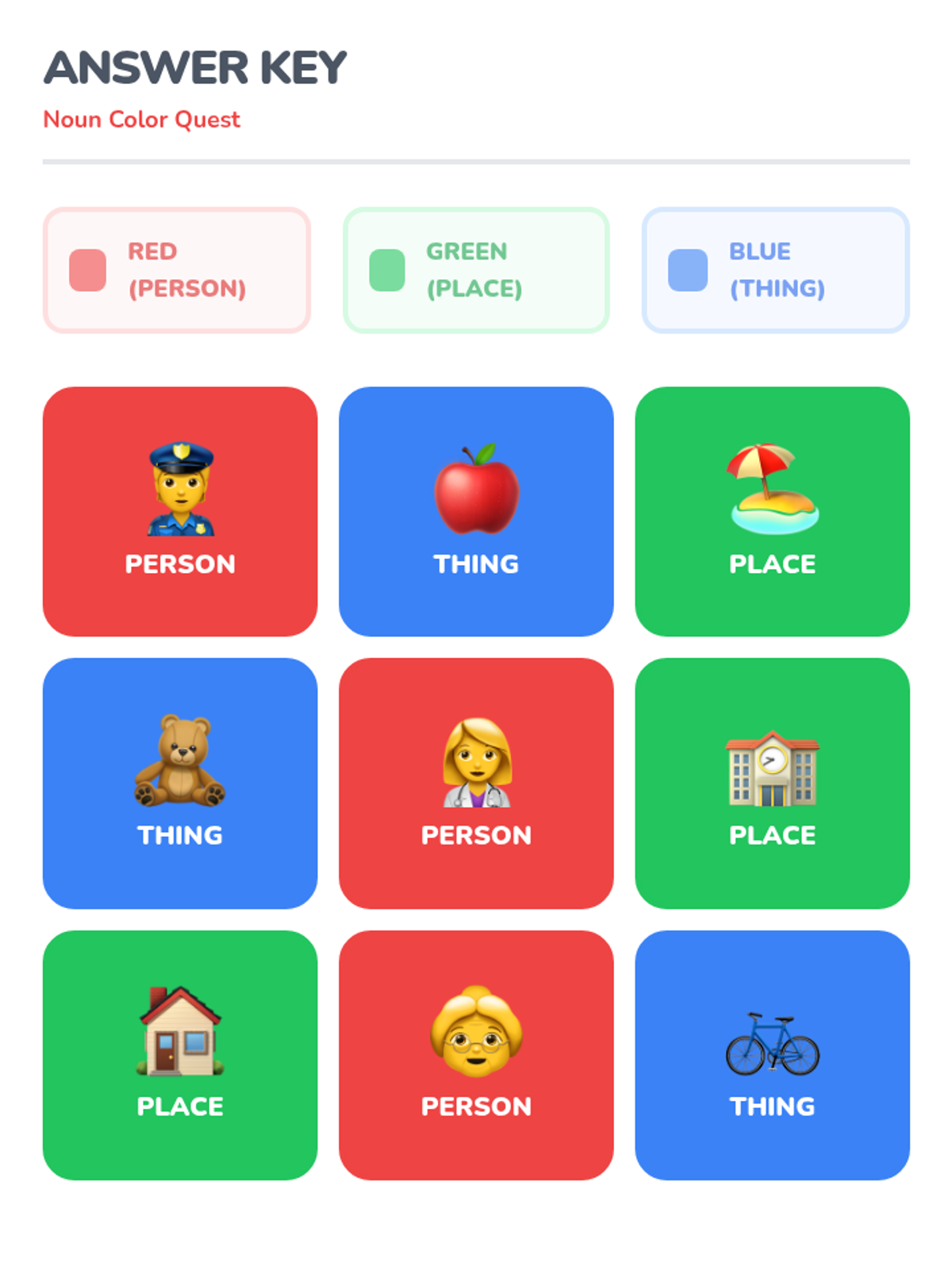
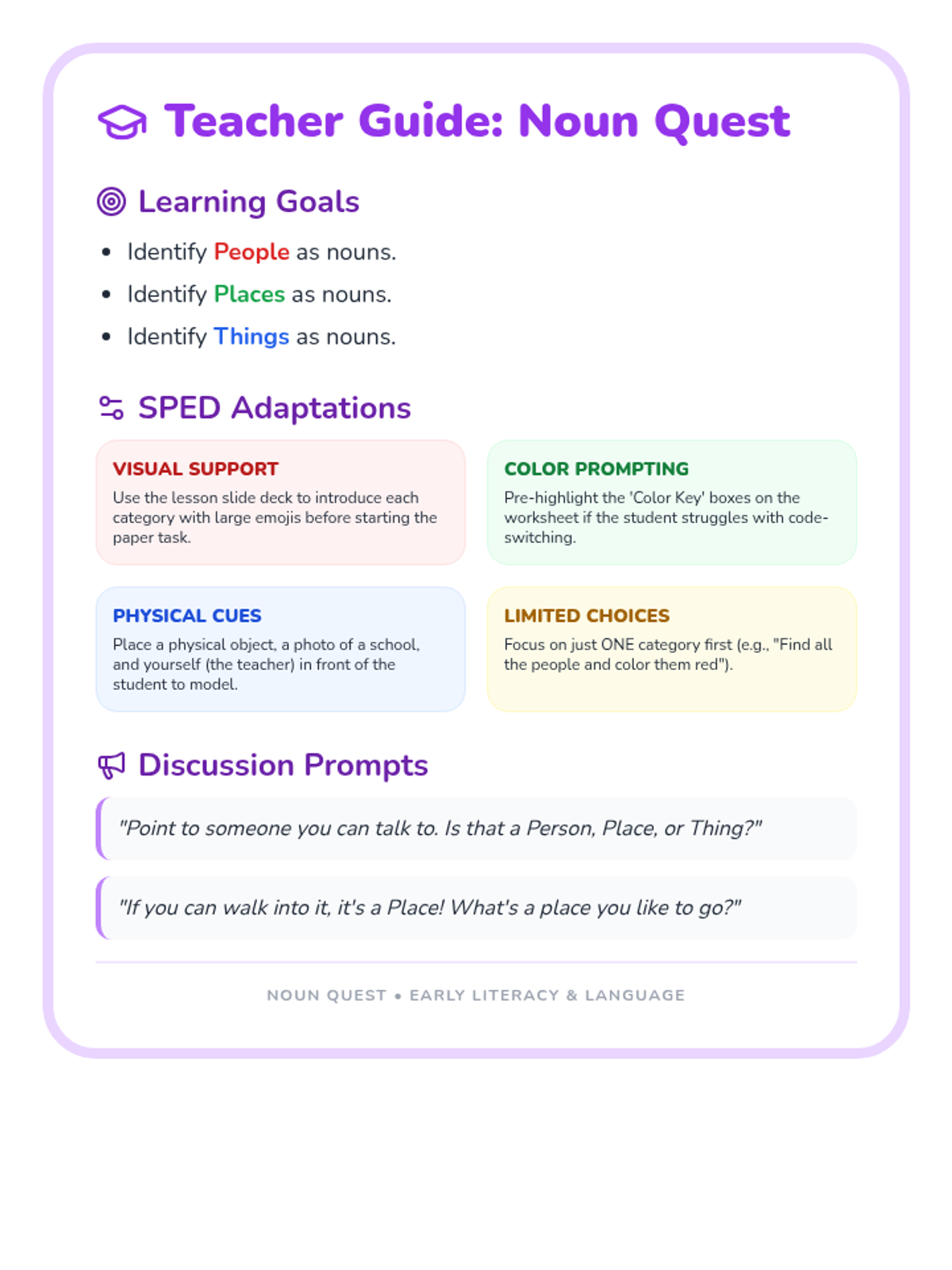
A foundational lesson for Pre-K and Kindergarten students to identify nouns as people, places, and things through visual cues and coloring activities.
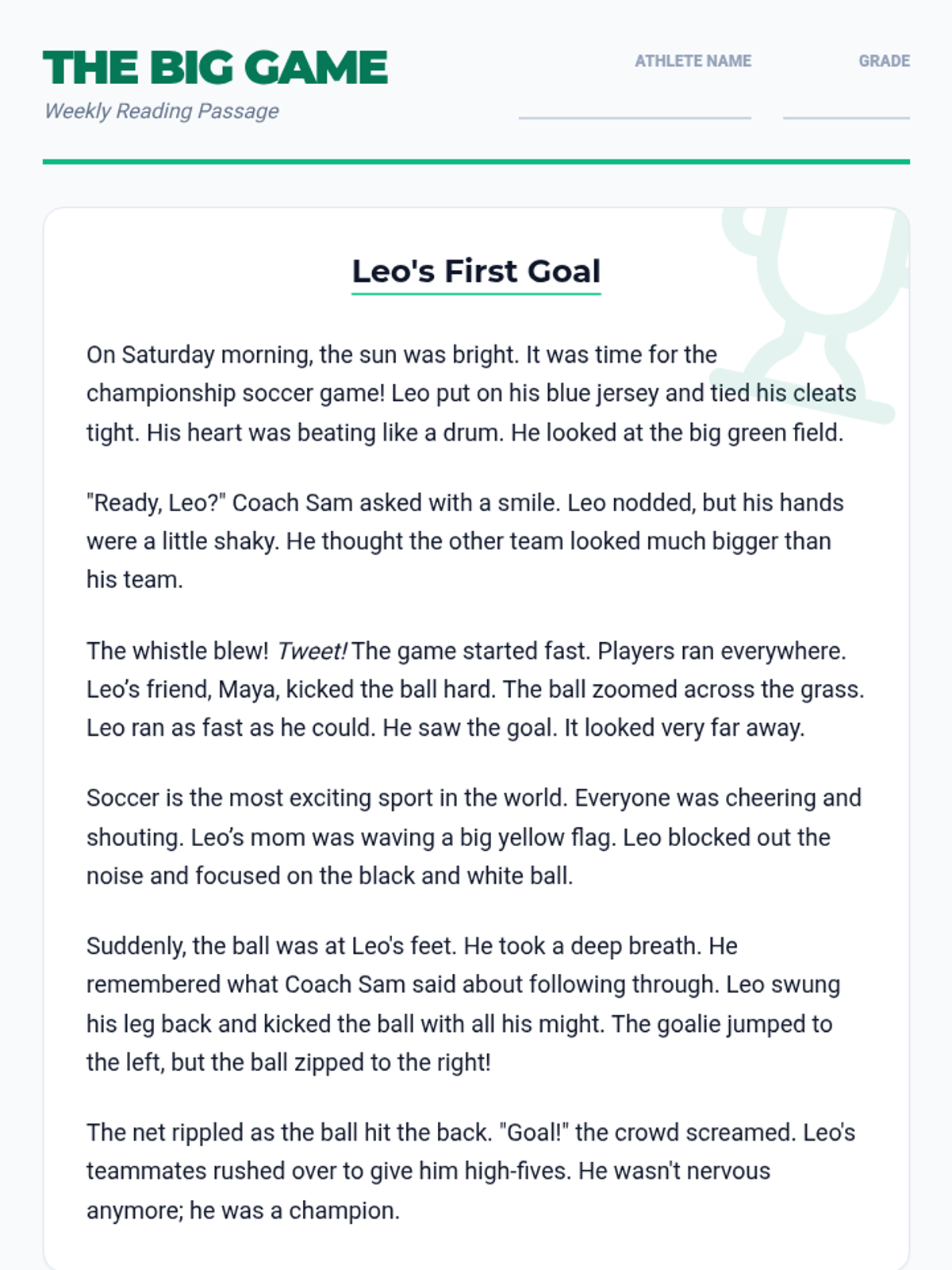
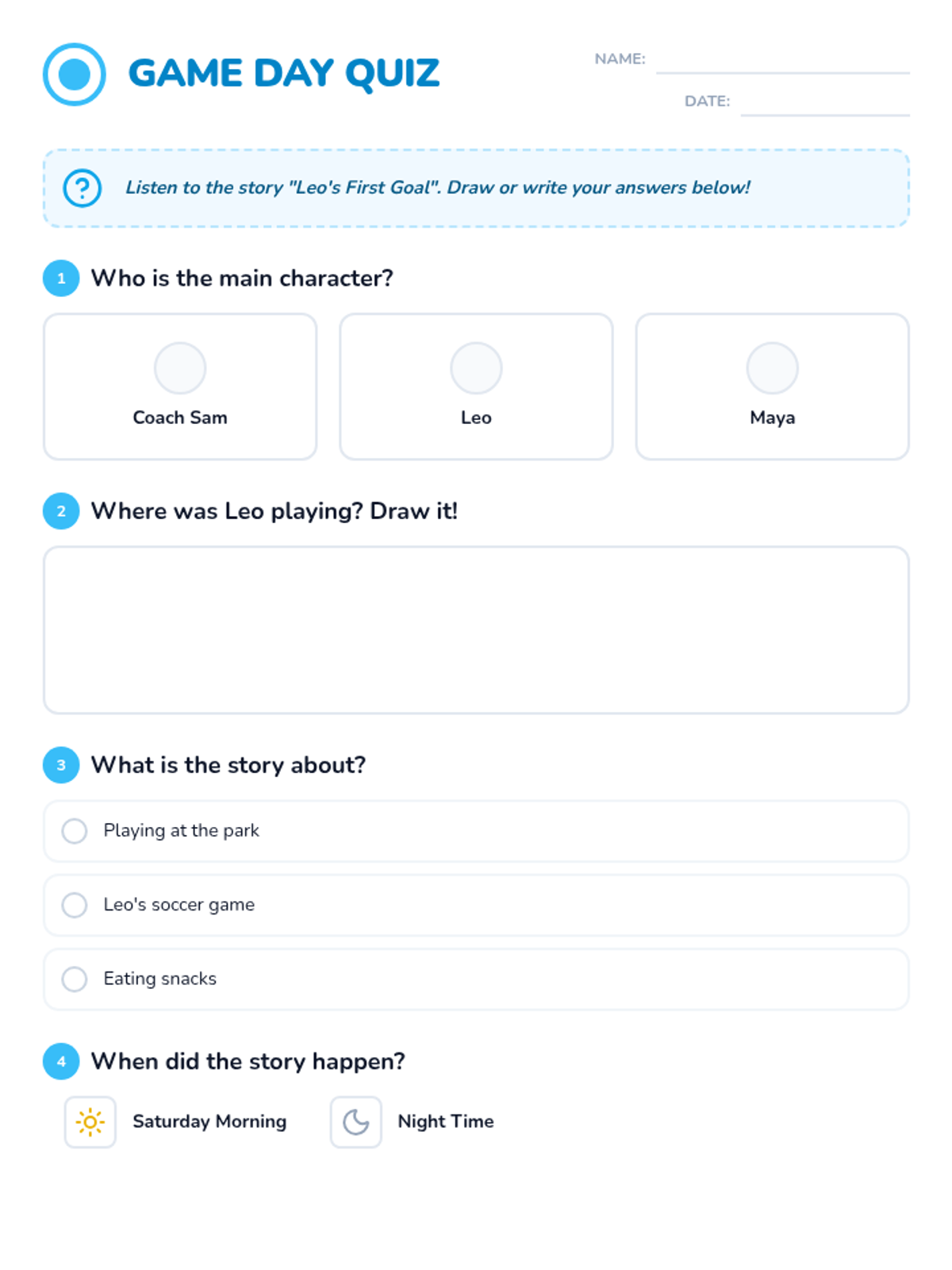
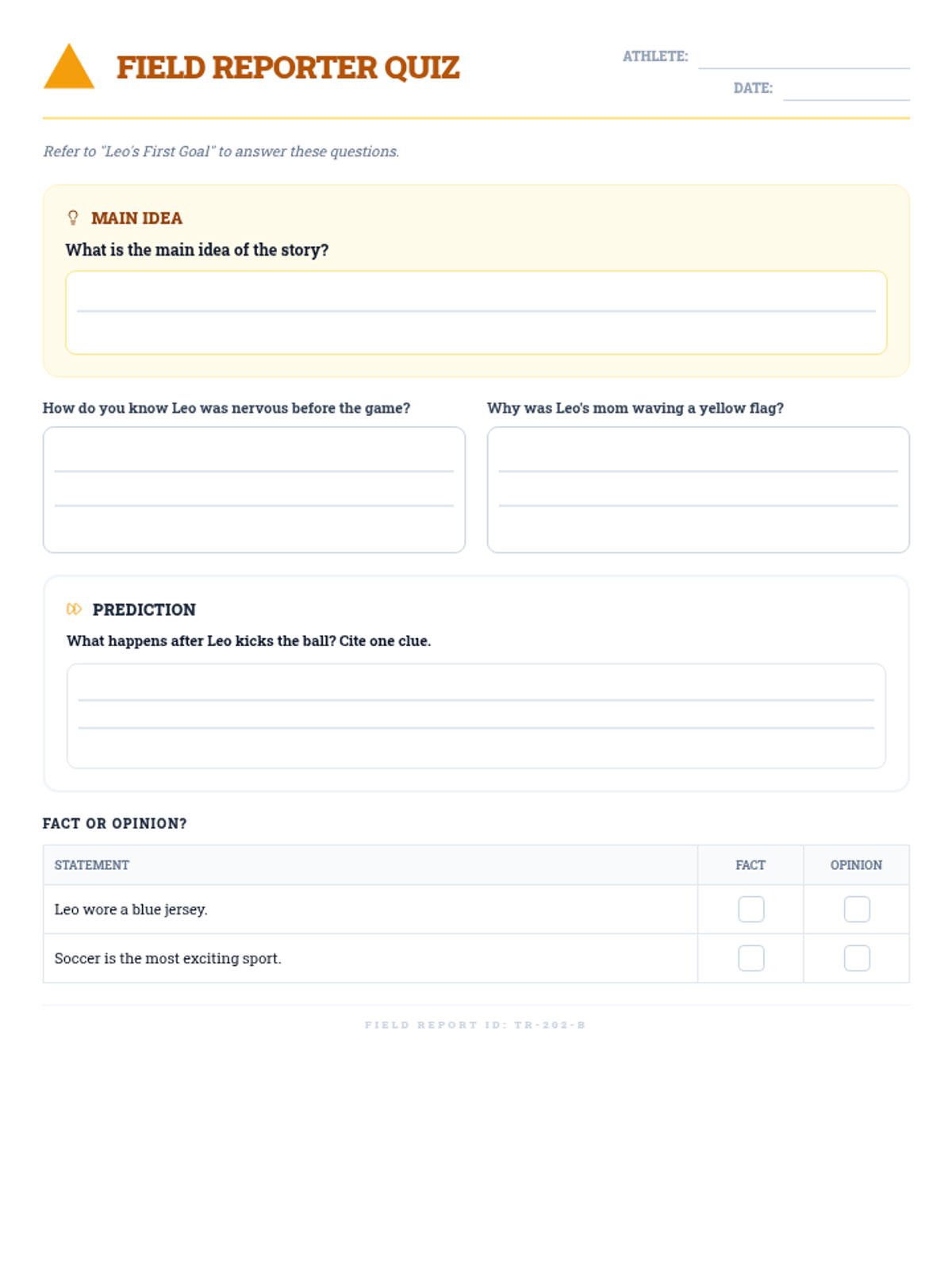
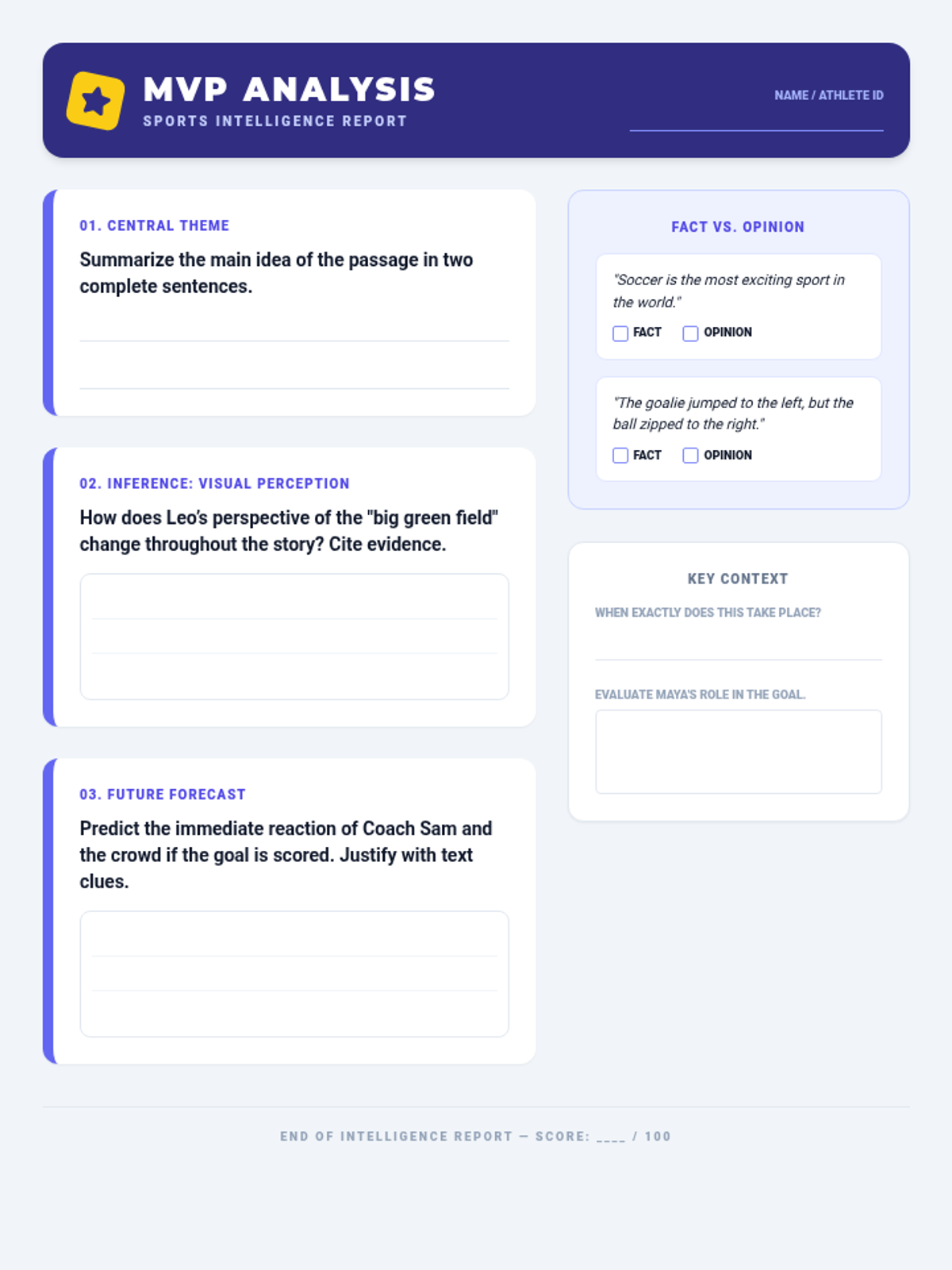
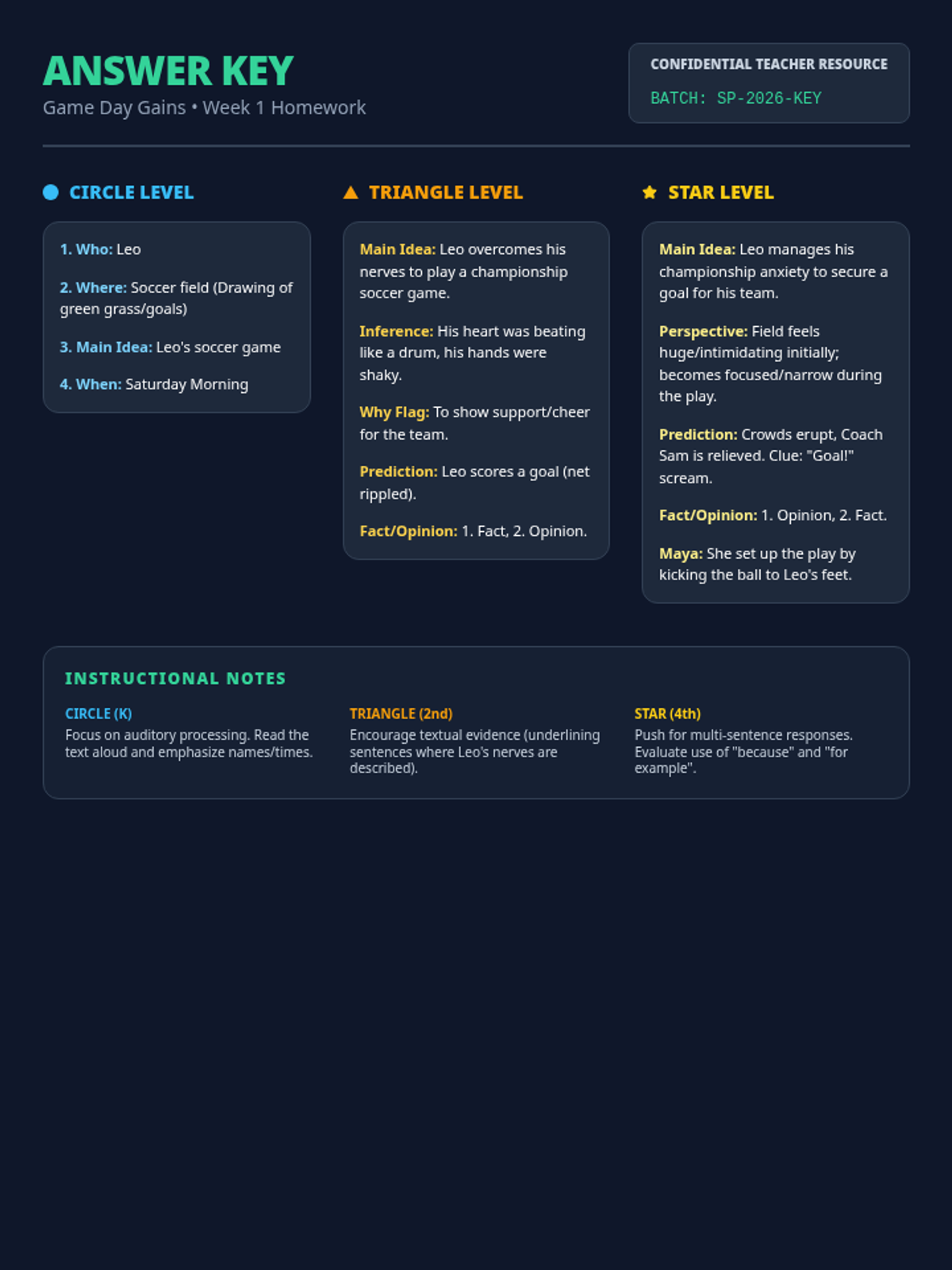
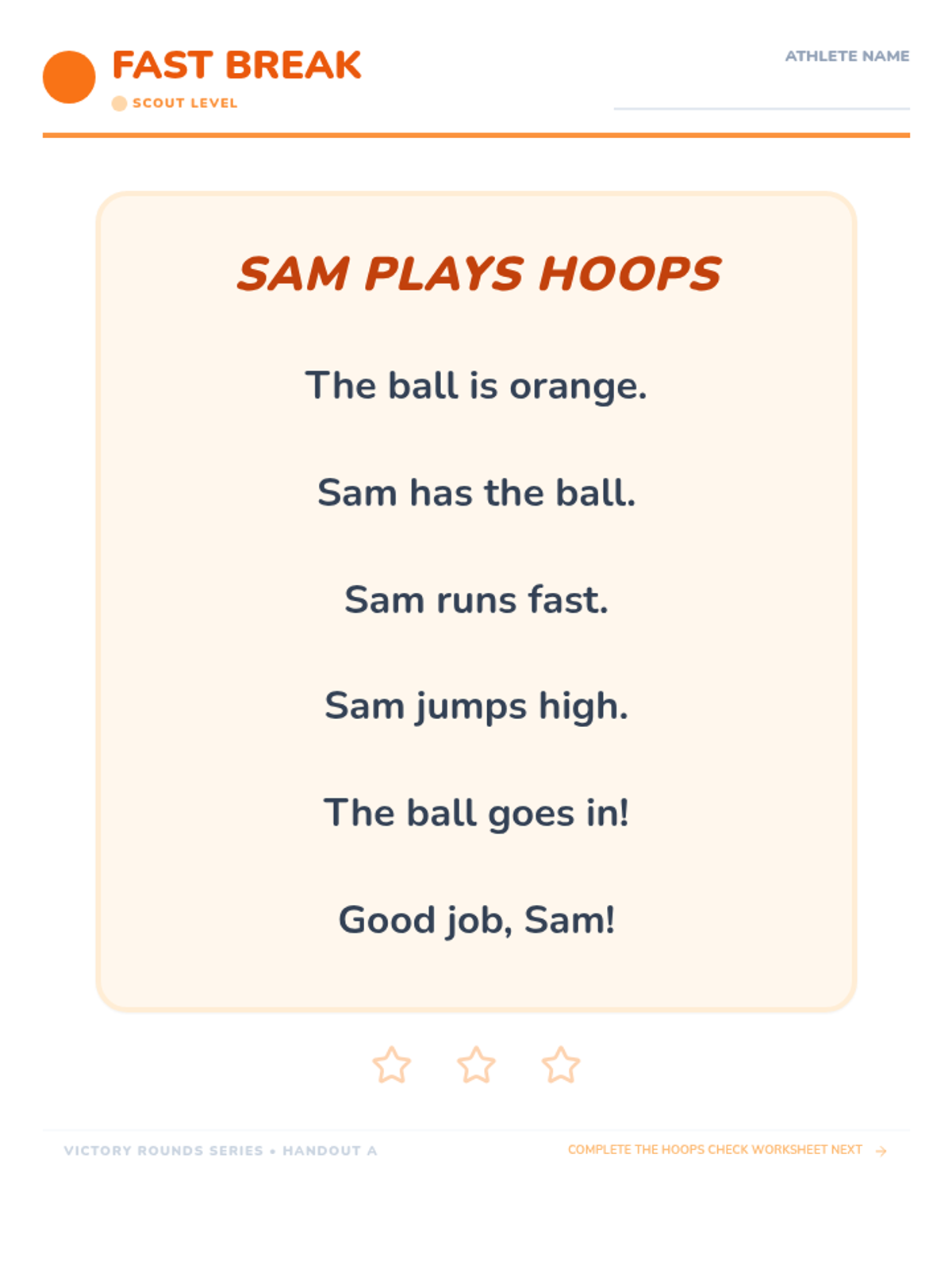
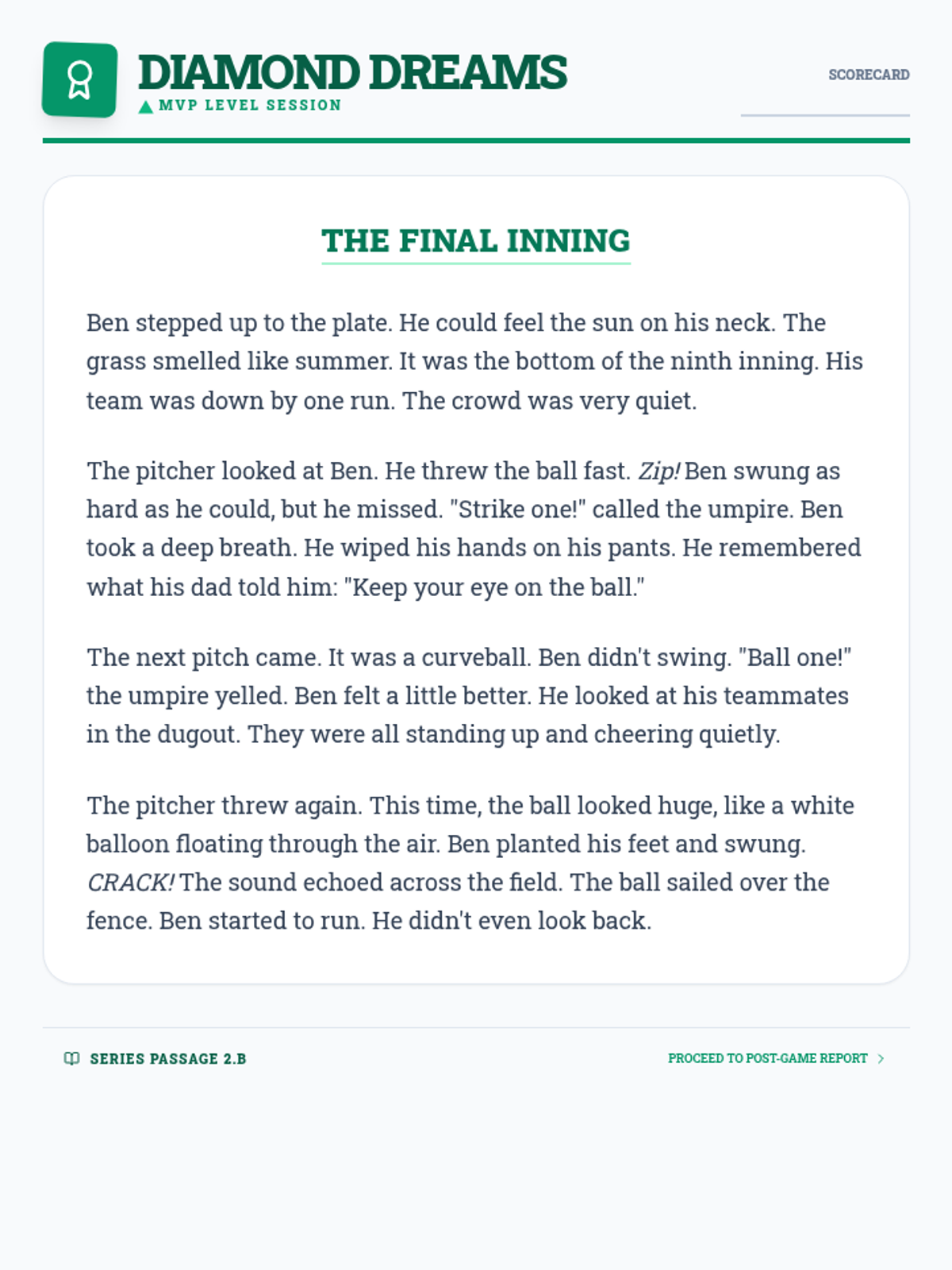
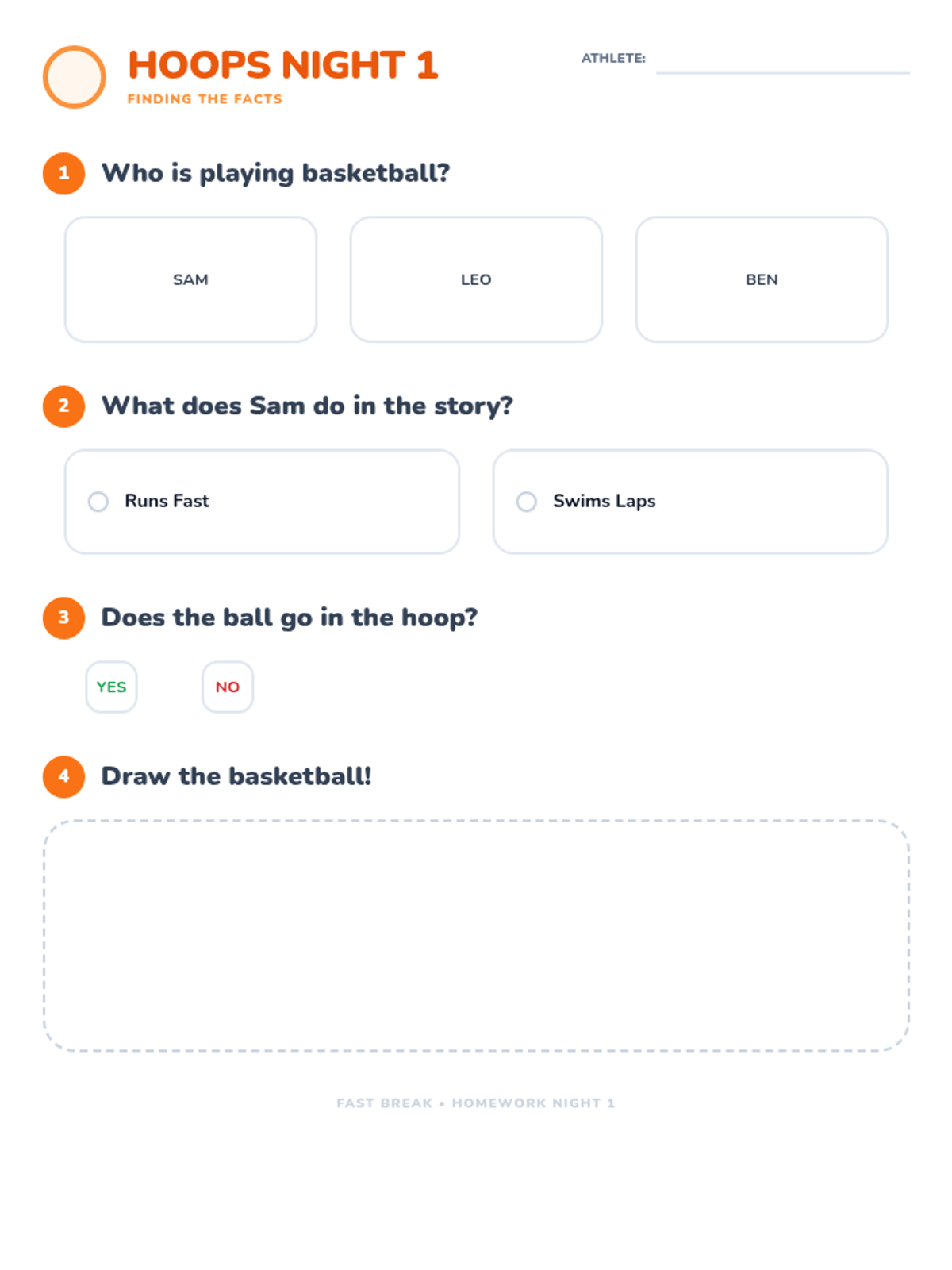
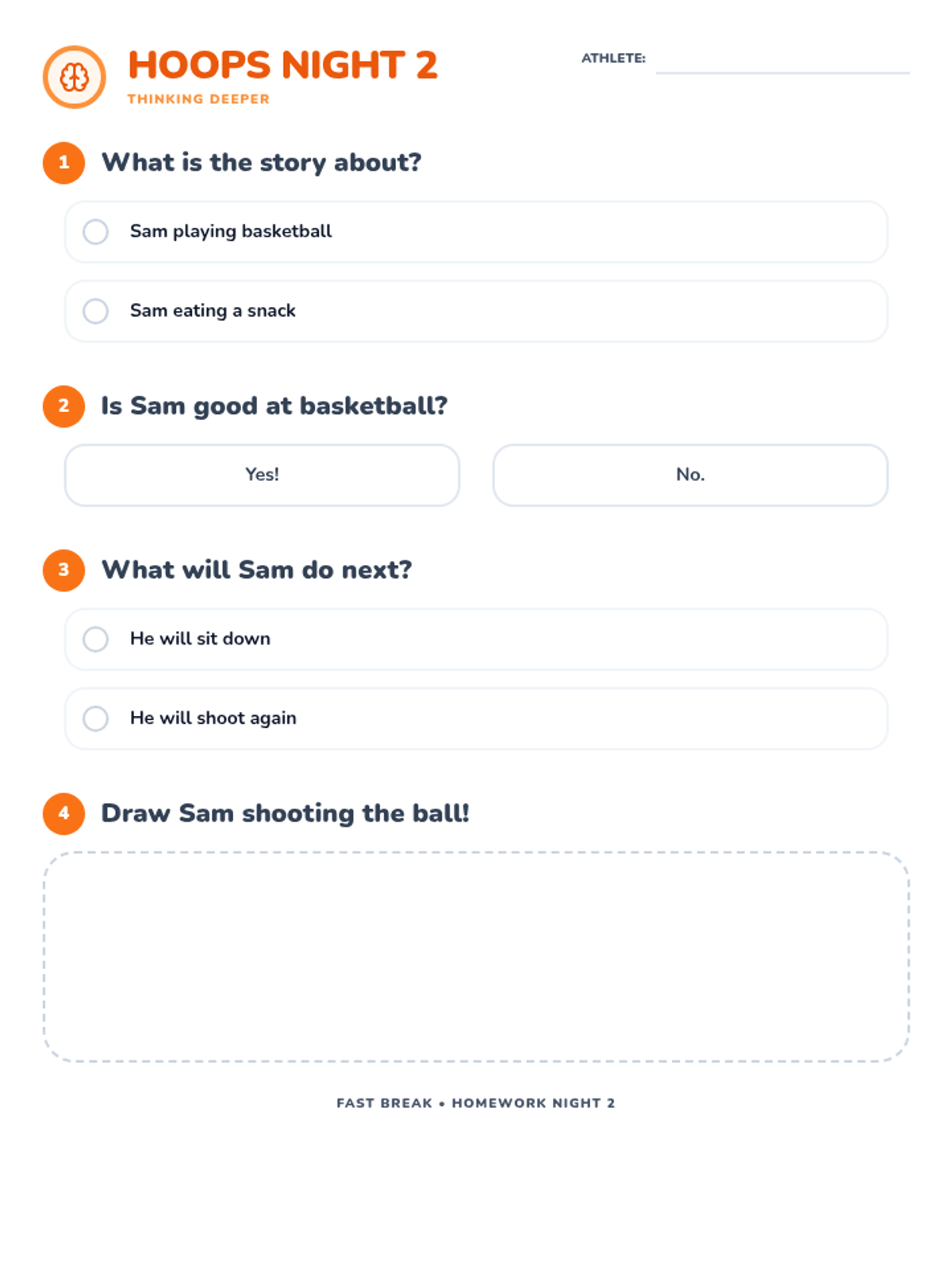
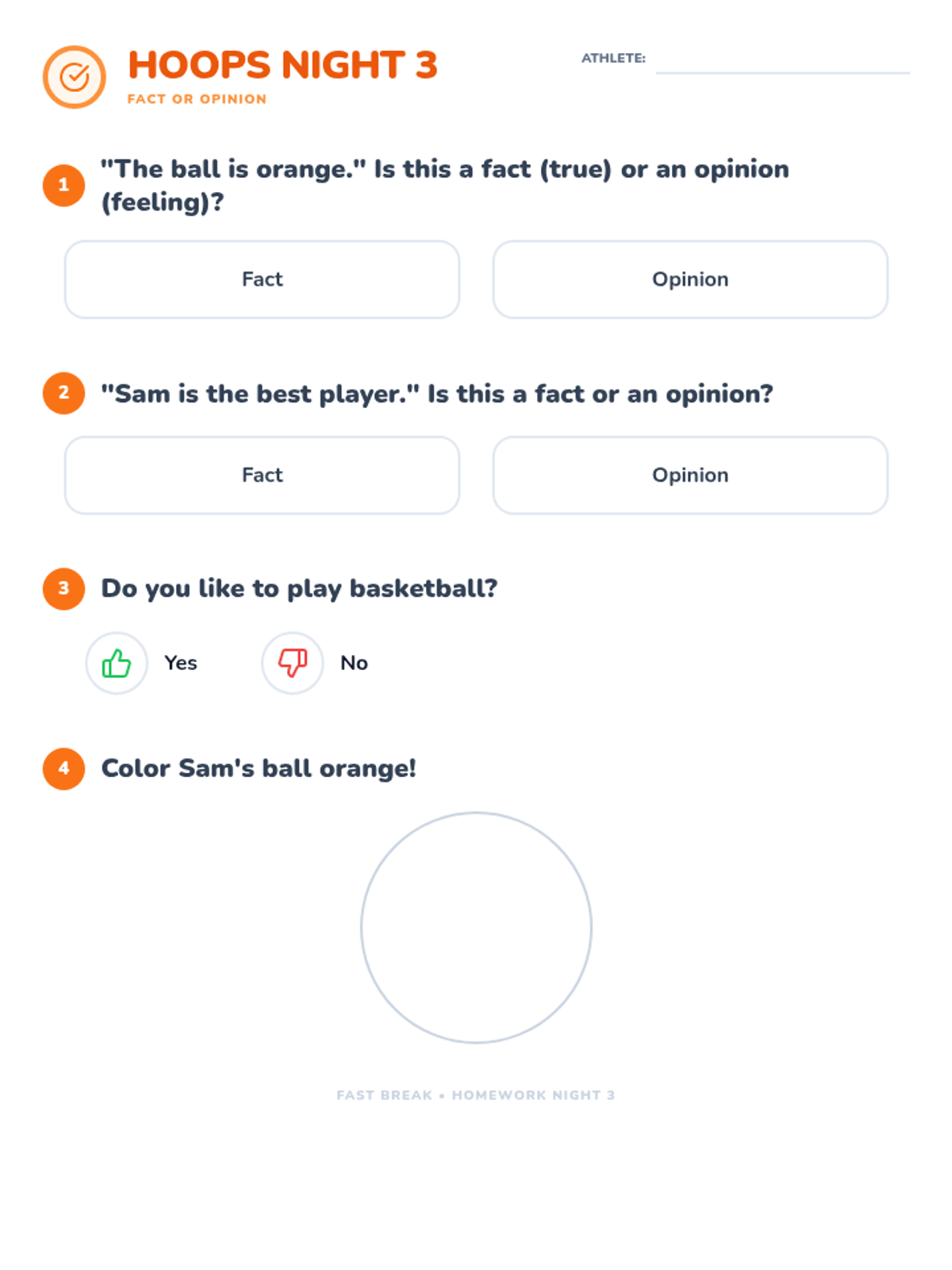
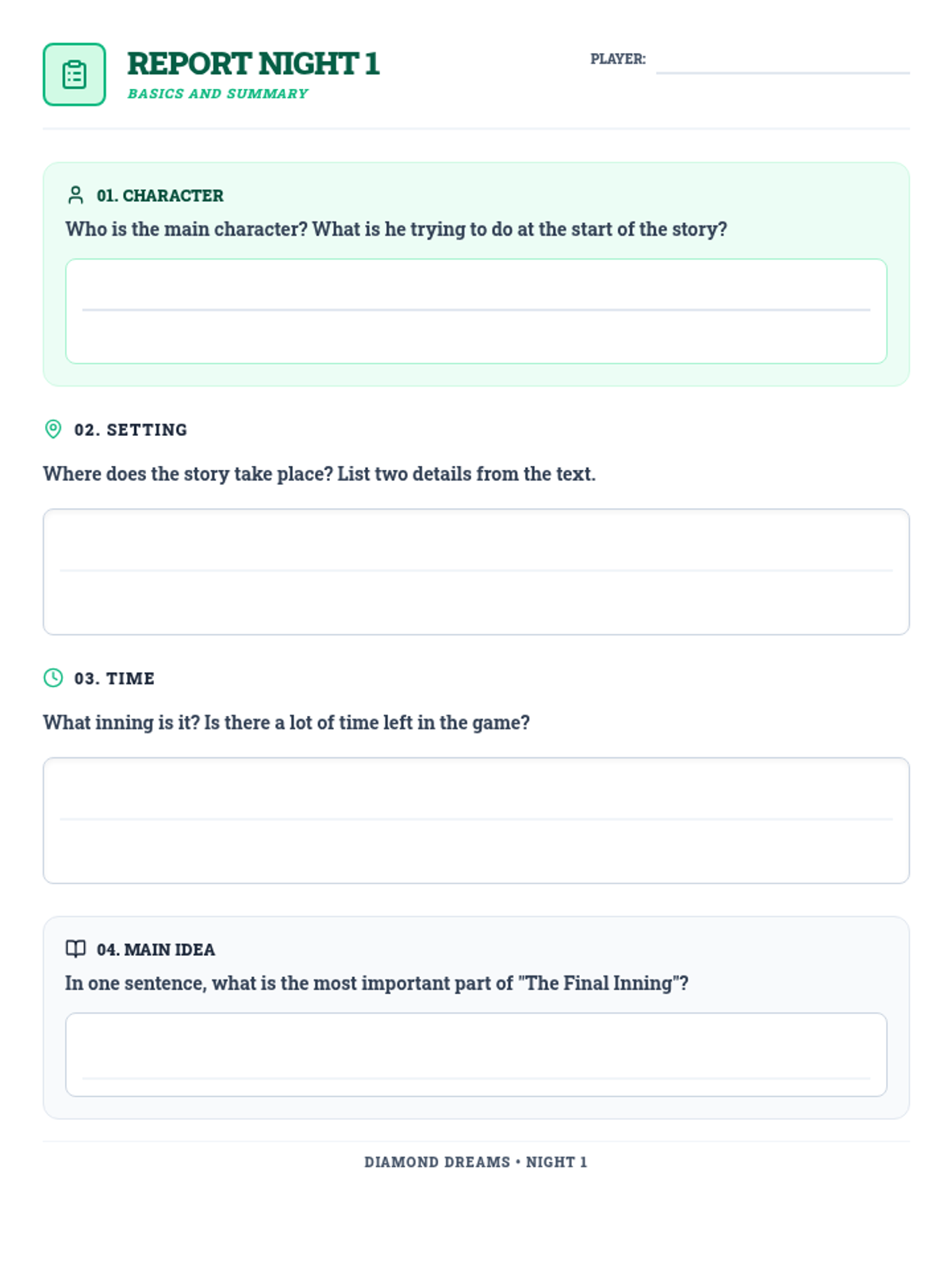
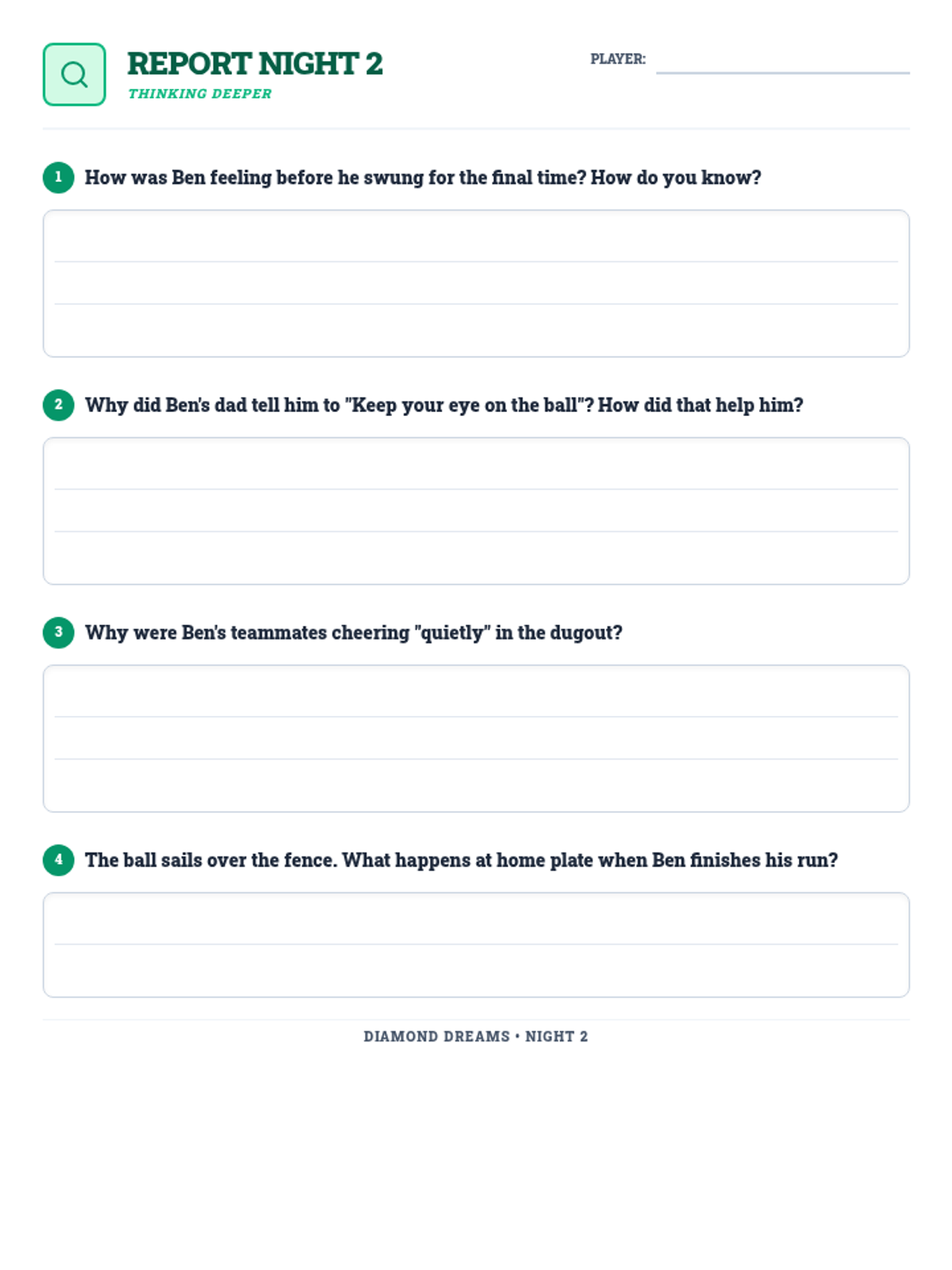
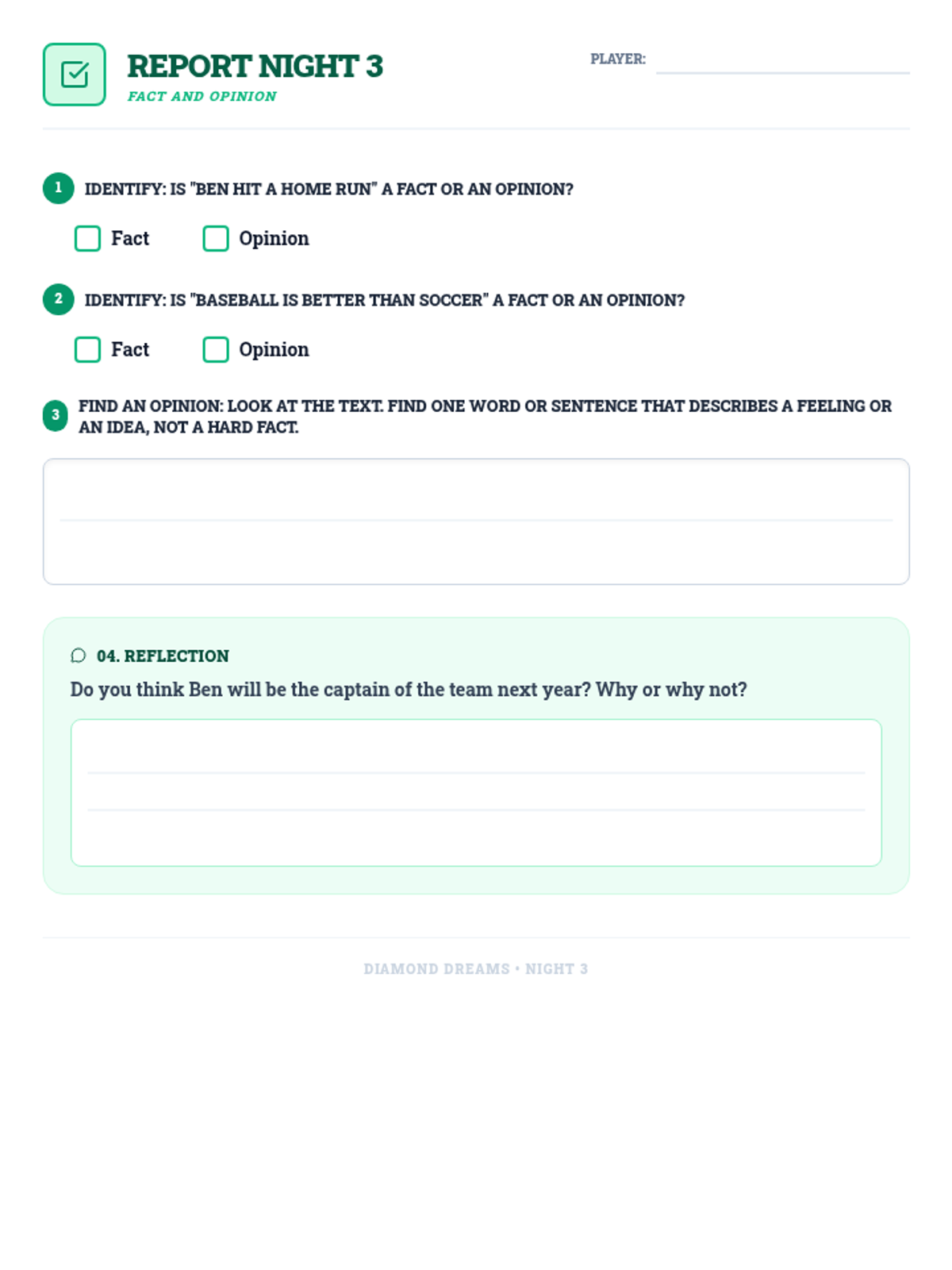
A set of multi-level reading comprehension materials focused on a sports theme, suitable for a week of homework or differentiated classroom use.
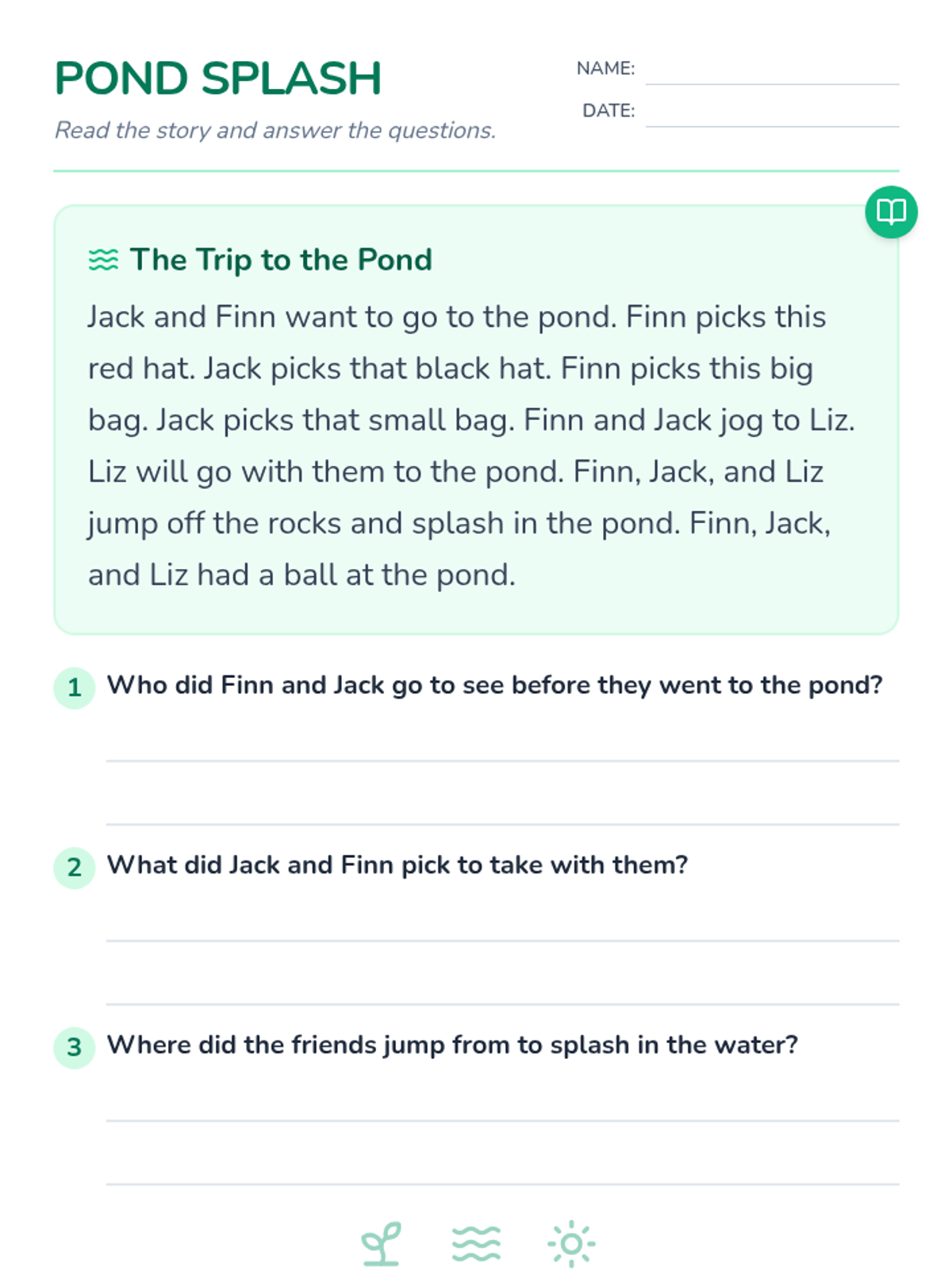
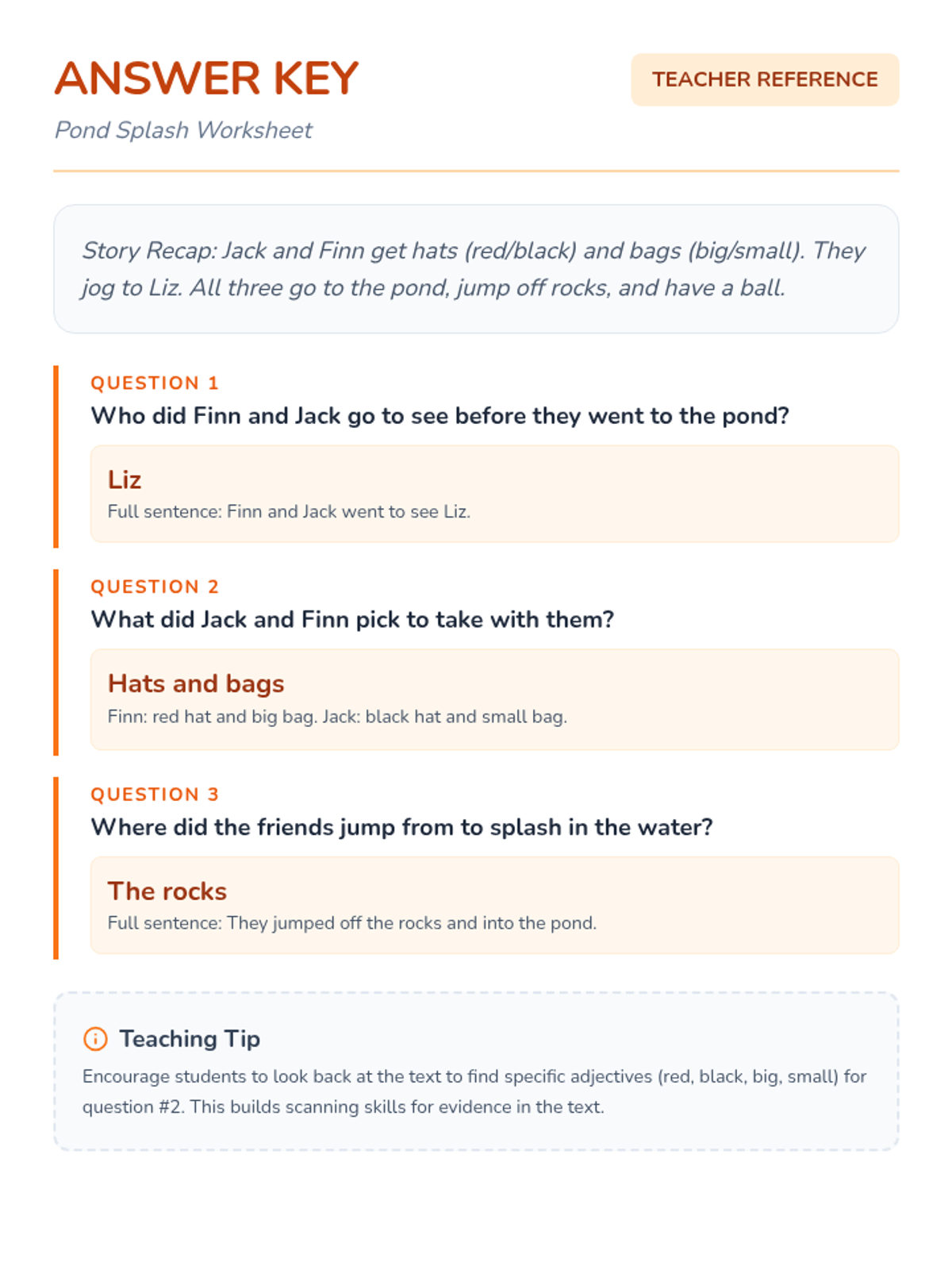
A reading comprehension lesson centered on a short story about friends visiting a pond, focusing on identifying key details using 'Wh' questions.
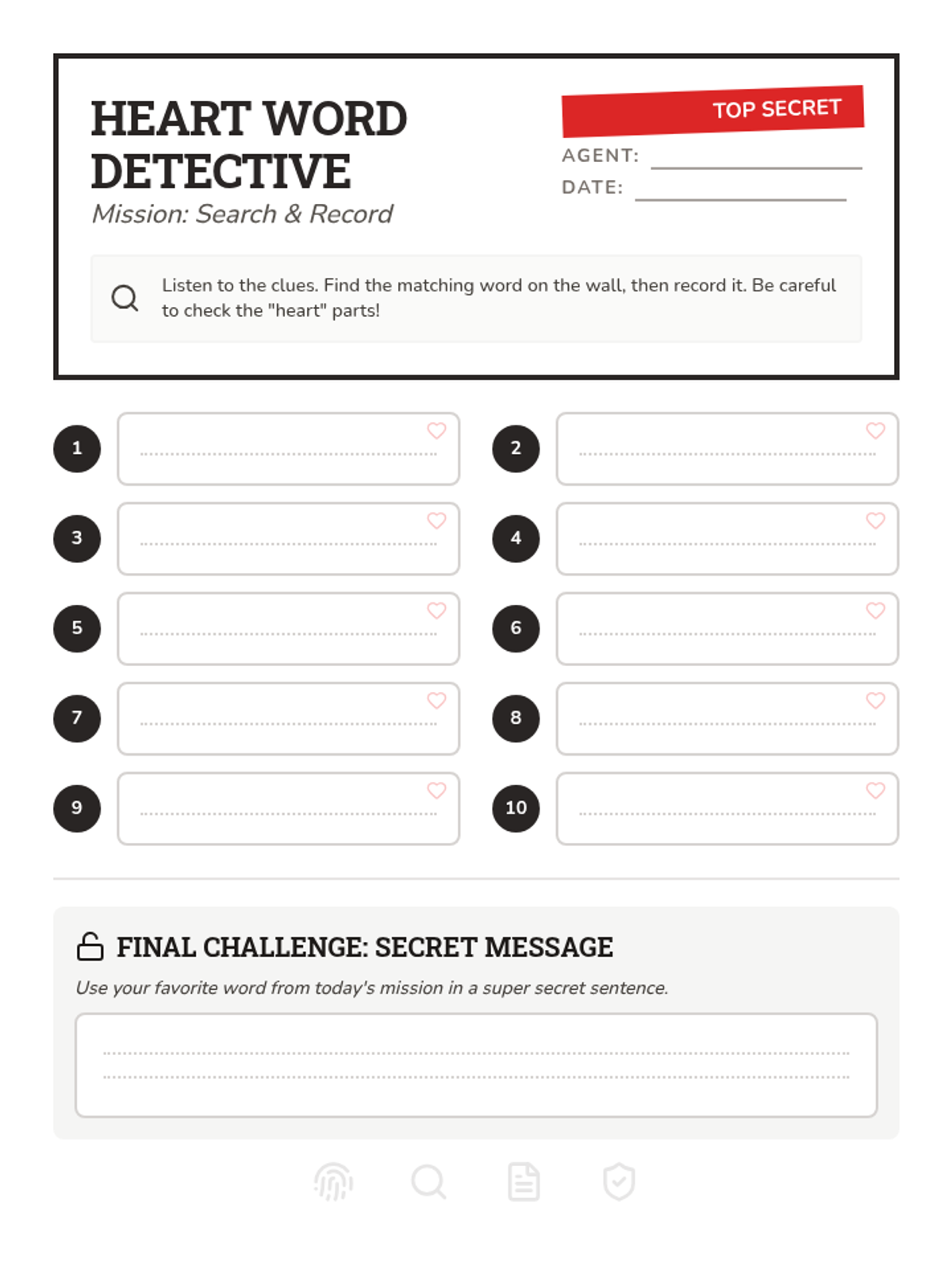
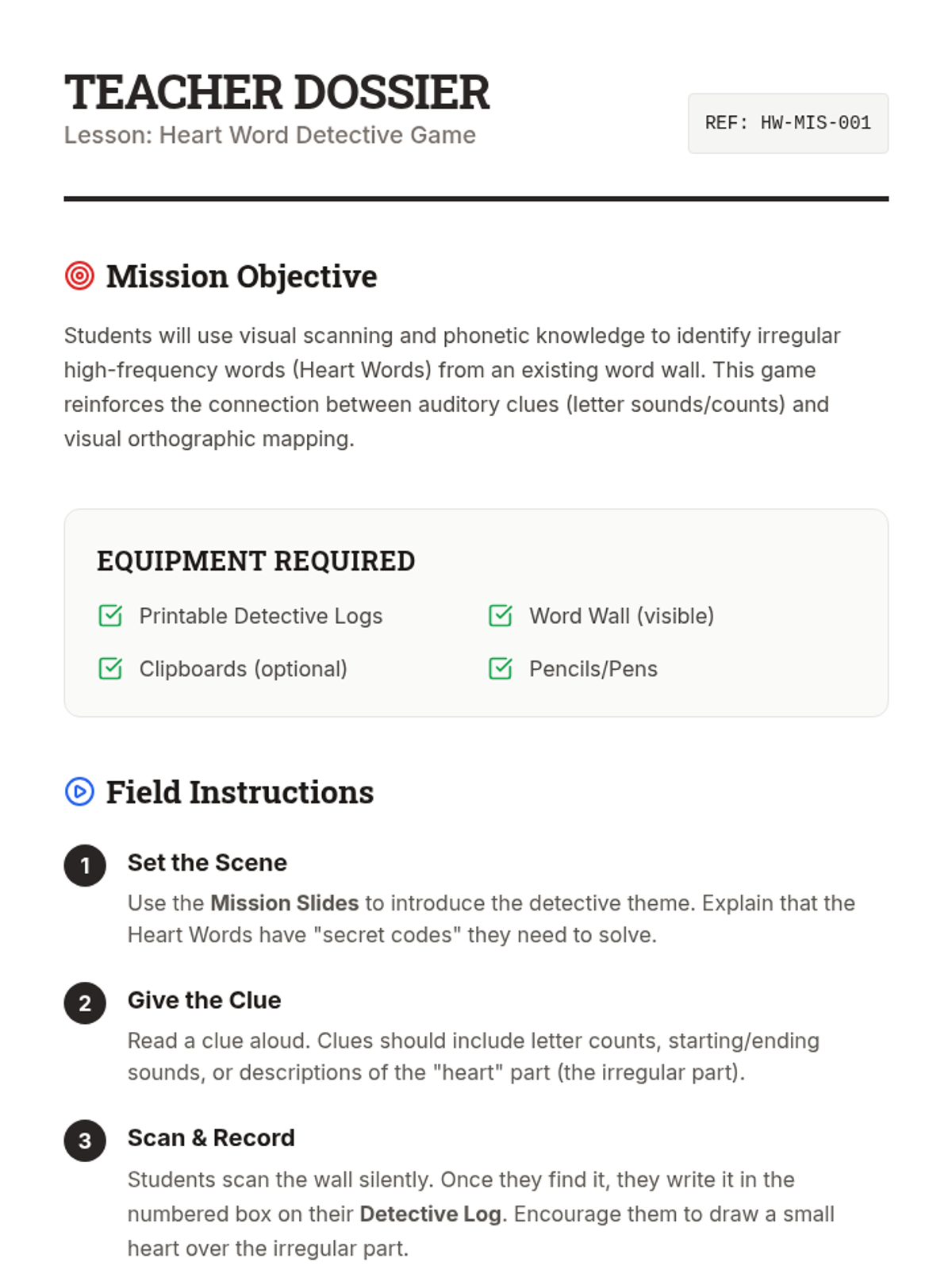
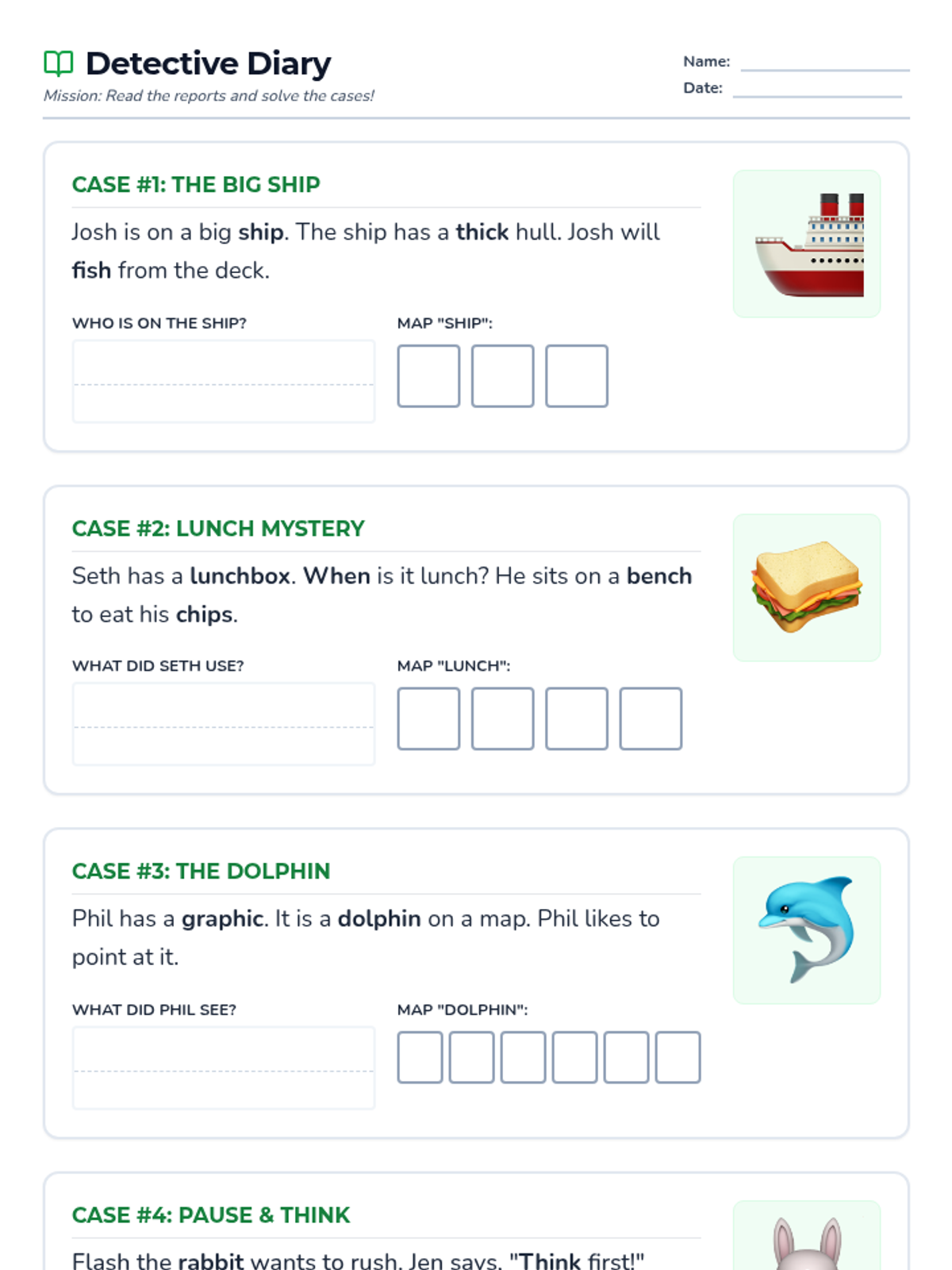
A whole-group game where students use their classroom word wall to solve word mysteries and practice spelling irregular heart words. Students become 'Heart Word Detectives' to find words based on teacher clues.
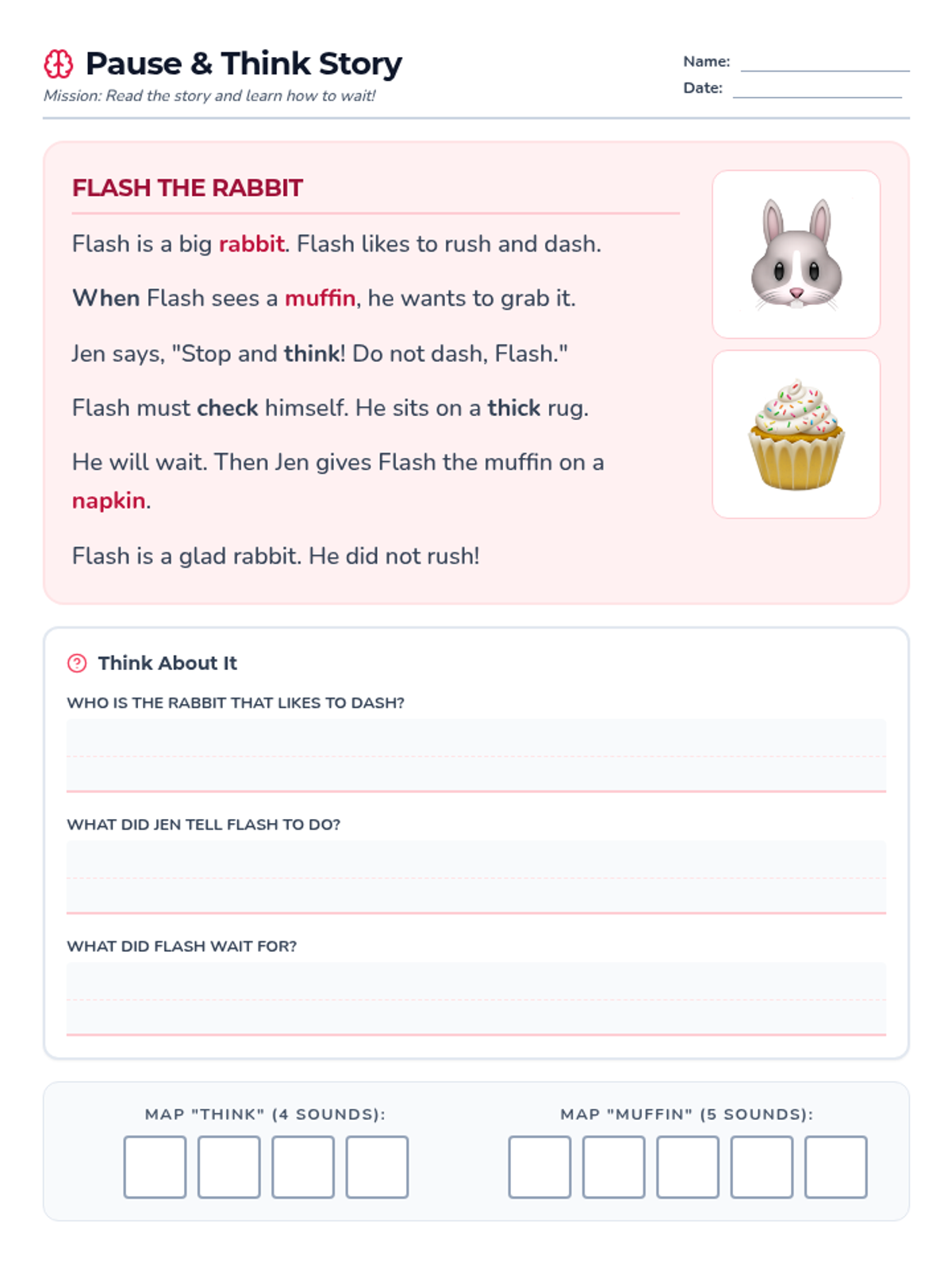
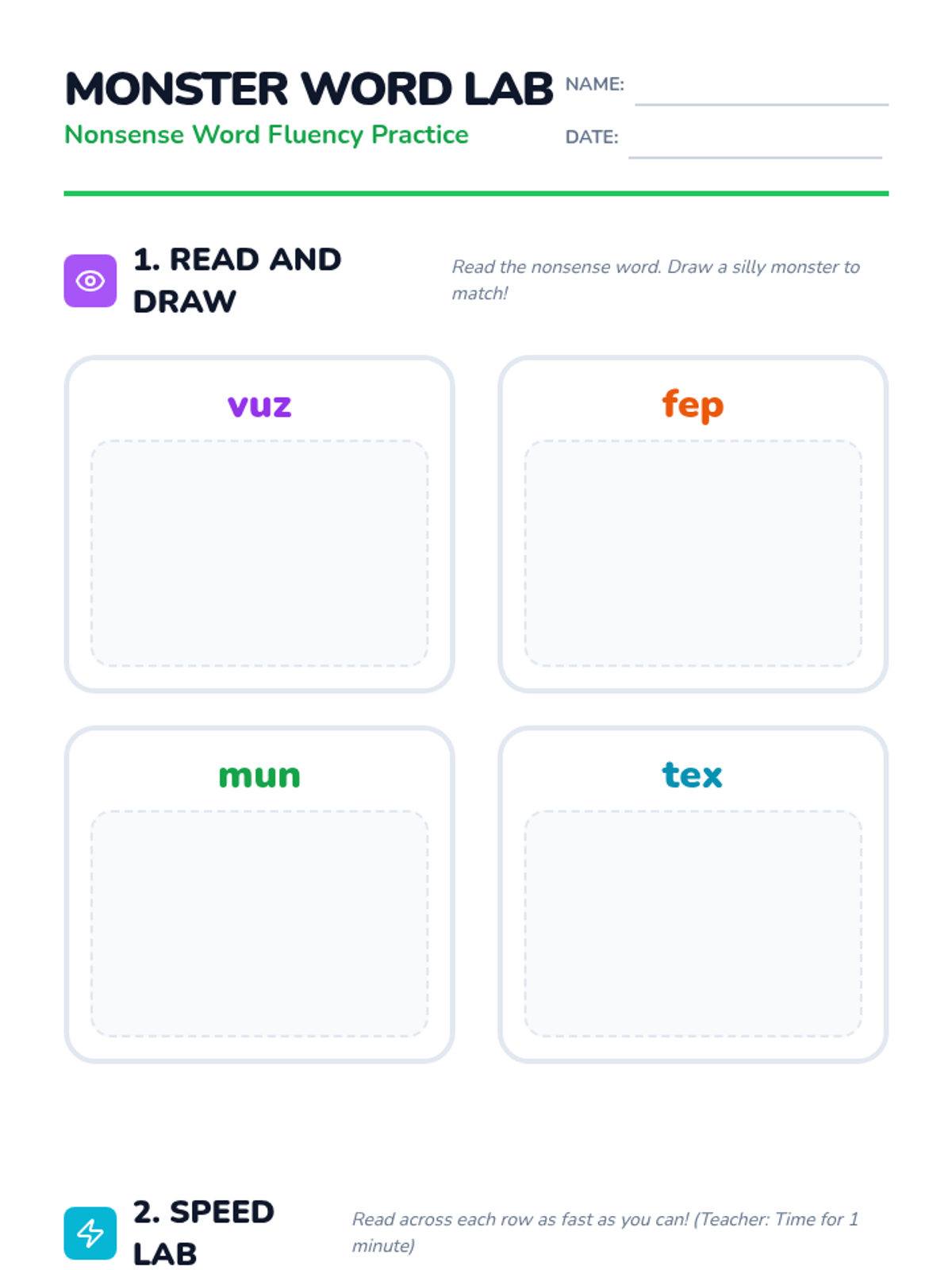
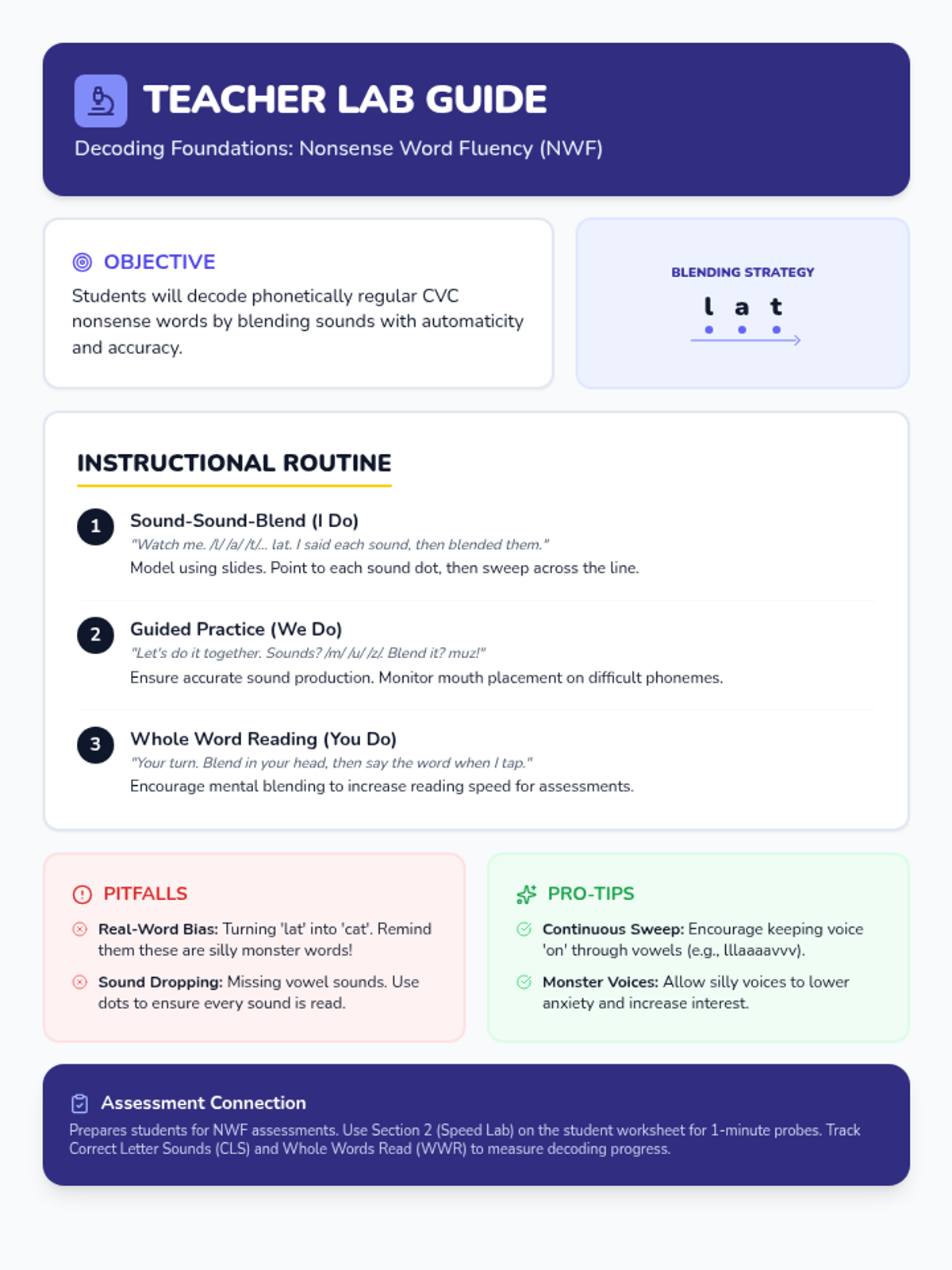
A foundational lesson focused on Nonsense Word Fluency (NWF) using CVC words. Students practice blending individual sounds into 'silly' words through a playful Monster Lab theme to build decoding automaticity.
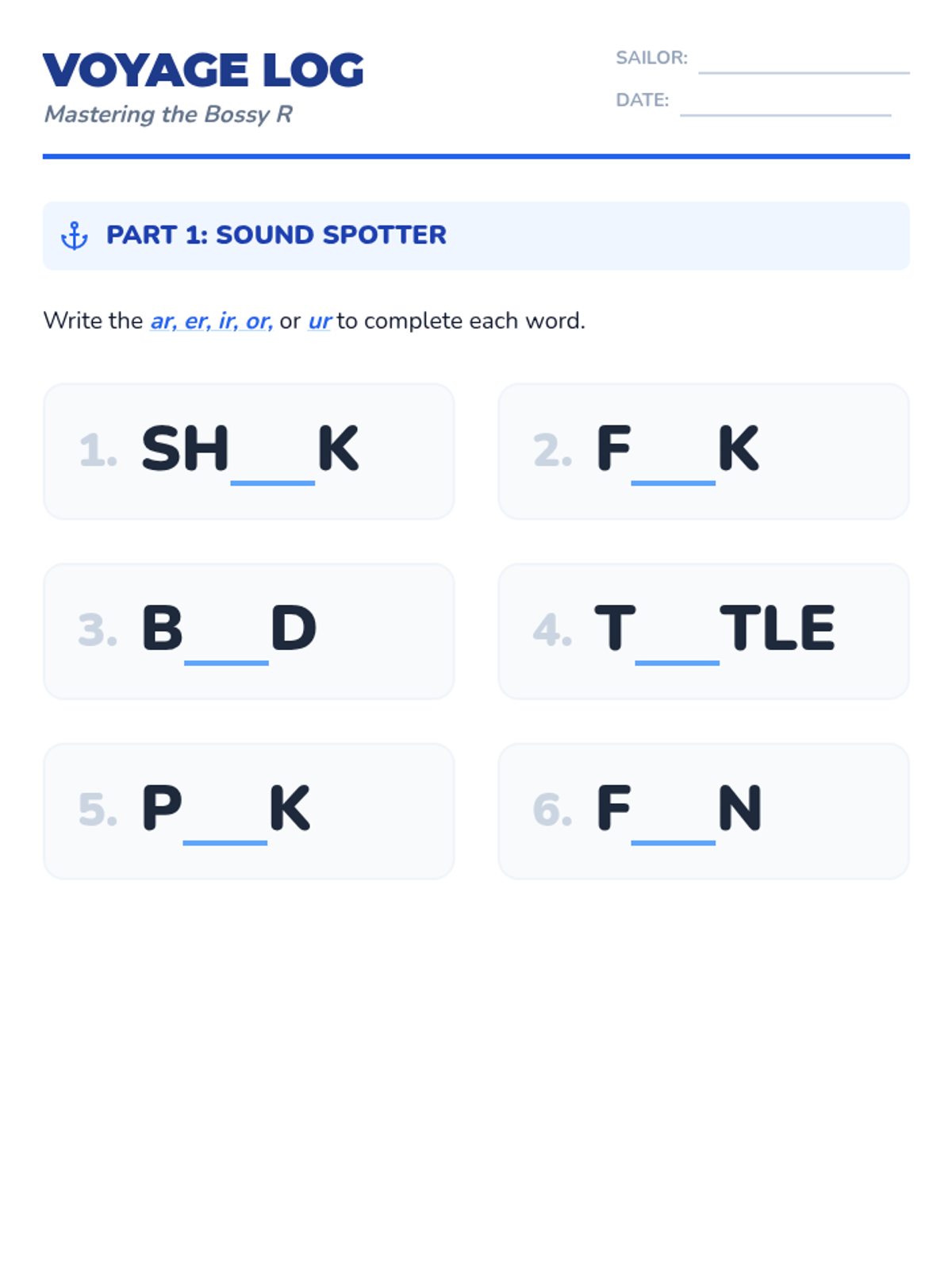
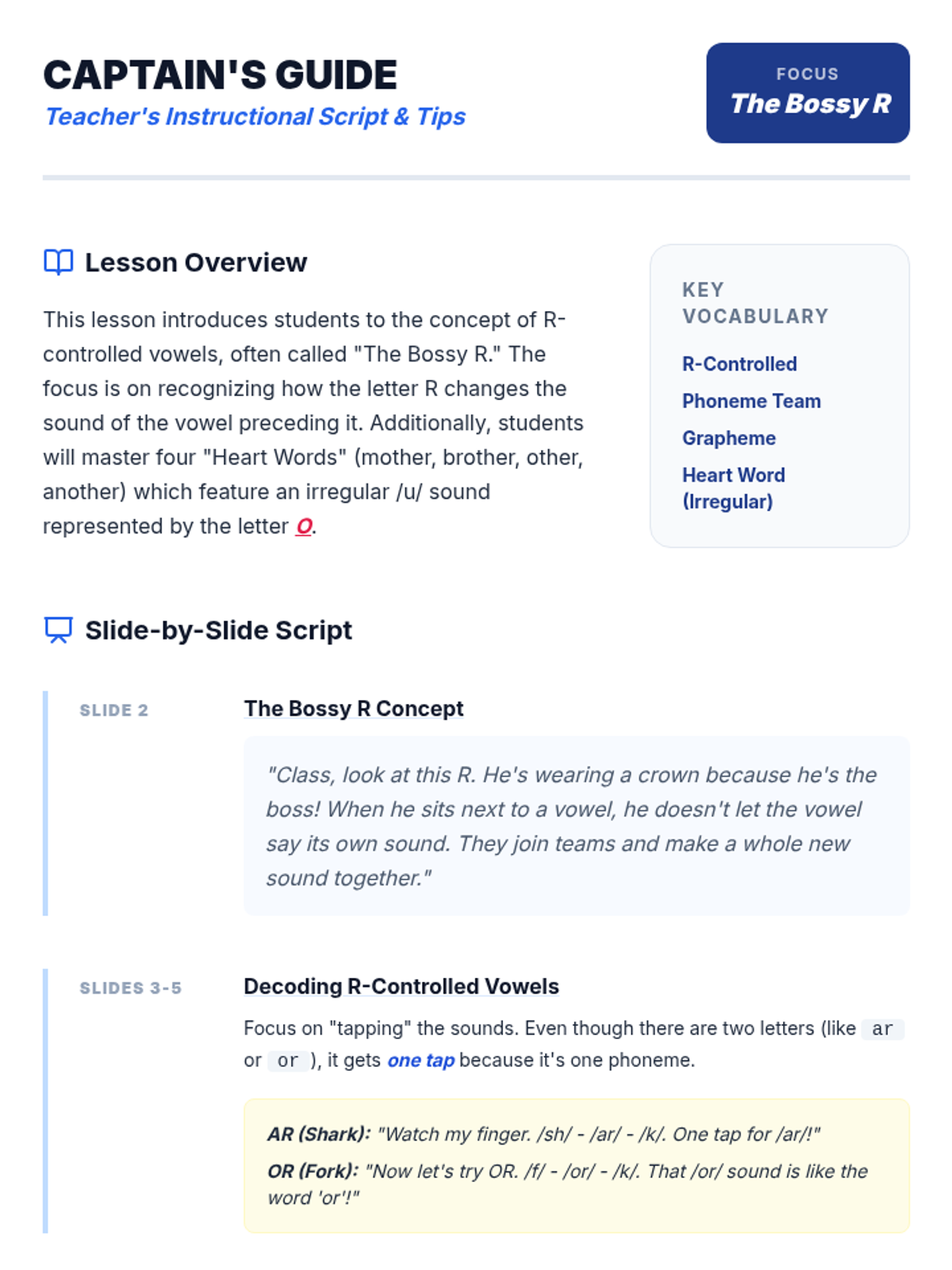
A high-energy nautical adventure focusing on mastering all R-controlled vowels and specific high-frequency heart words through guided decoding and practice sentences.
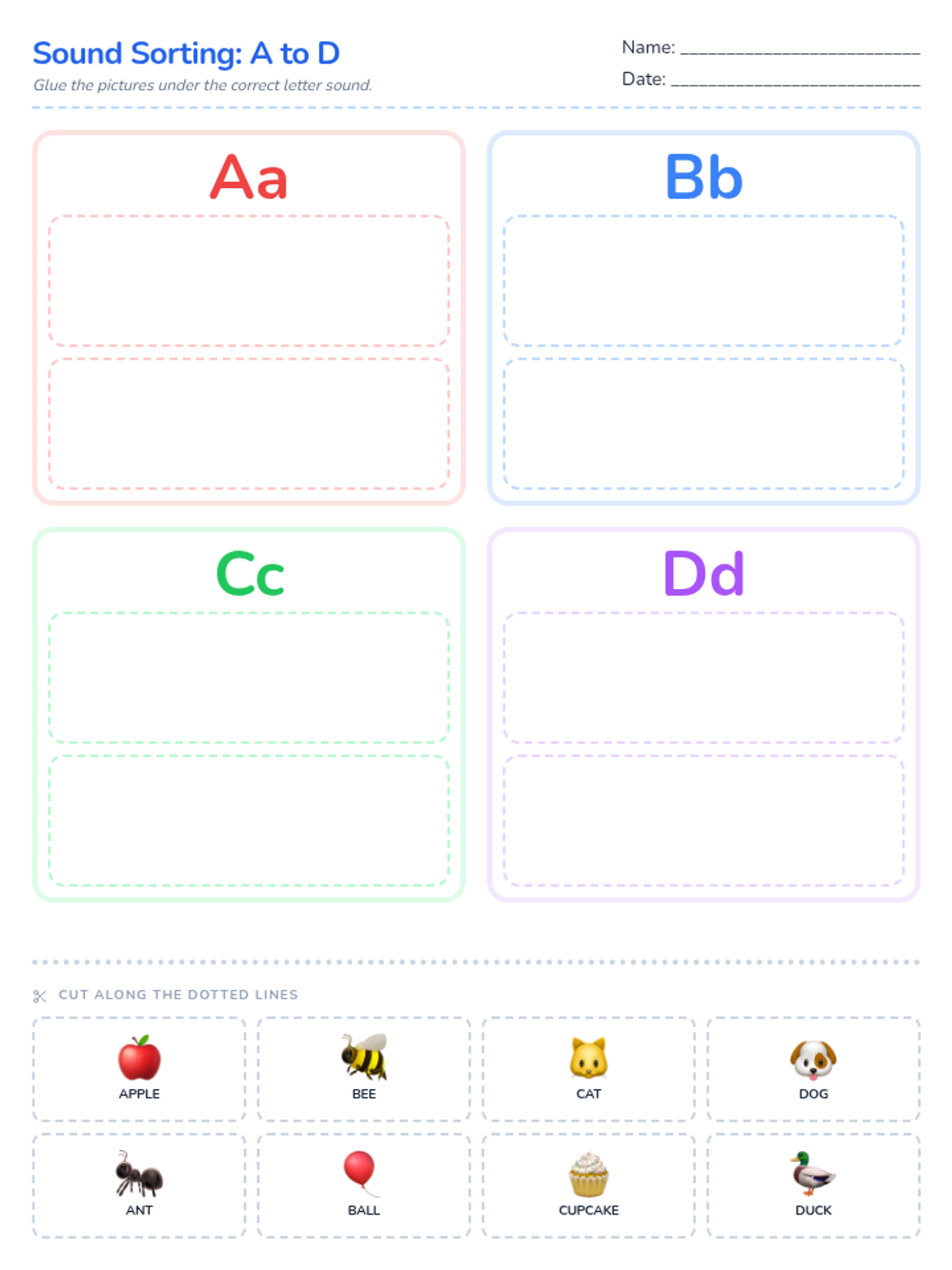
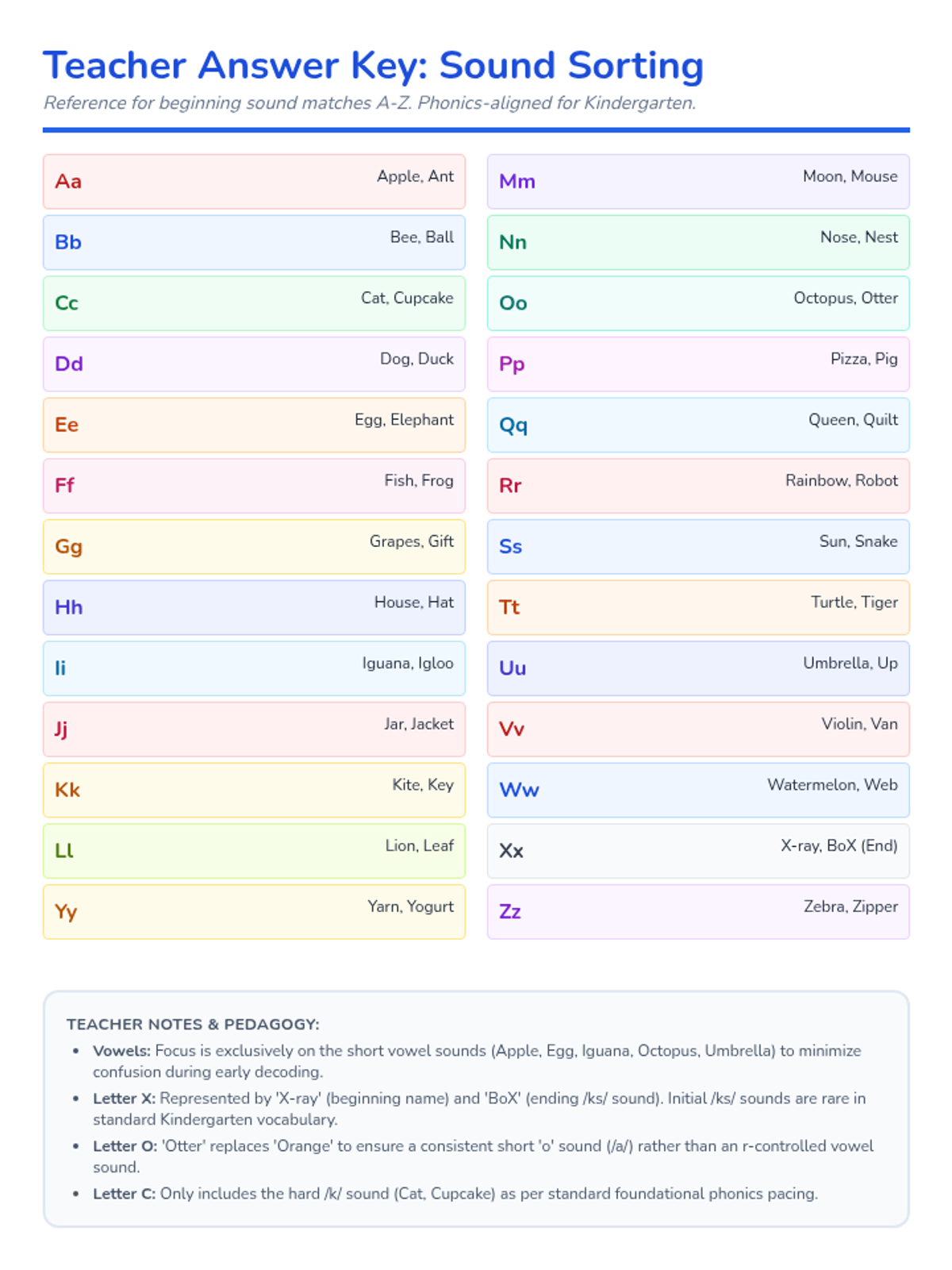
A foundational phonics lesson focusing on identifying beginning sounds for all 26 letters of the alphabet, specifically designed with visuals to support Multilingual Learners.
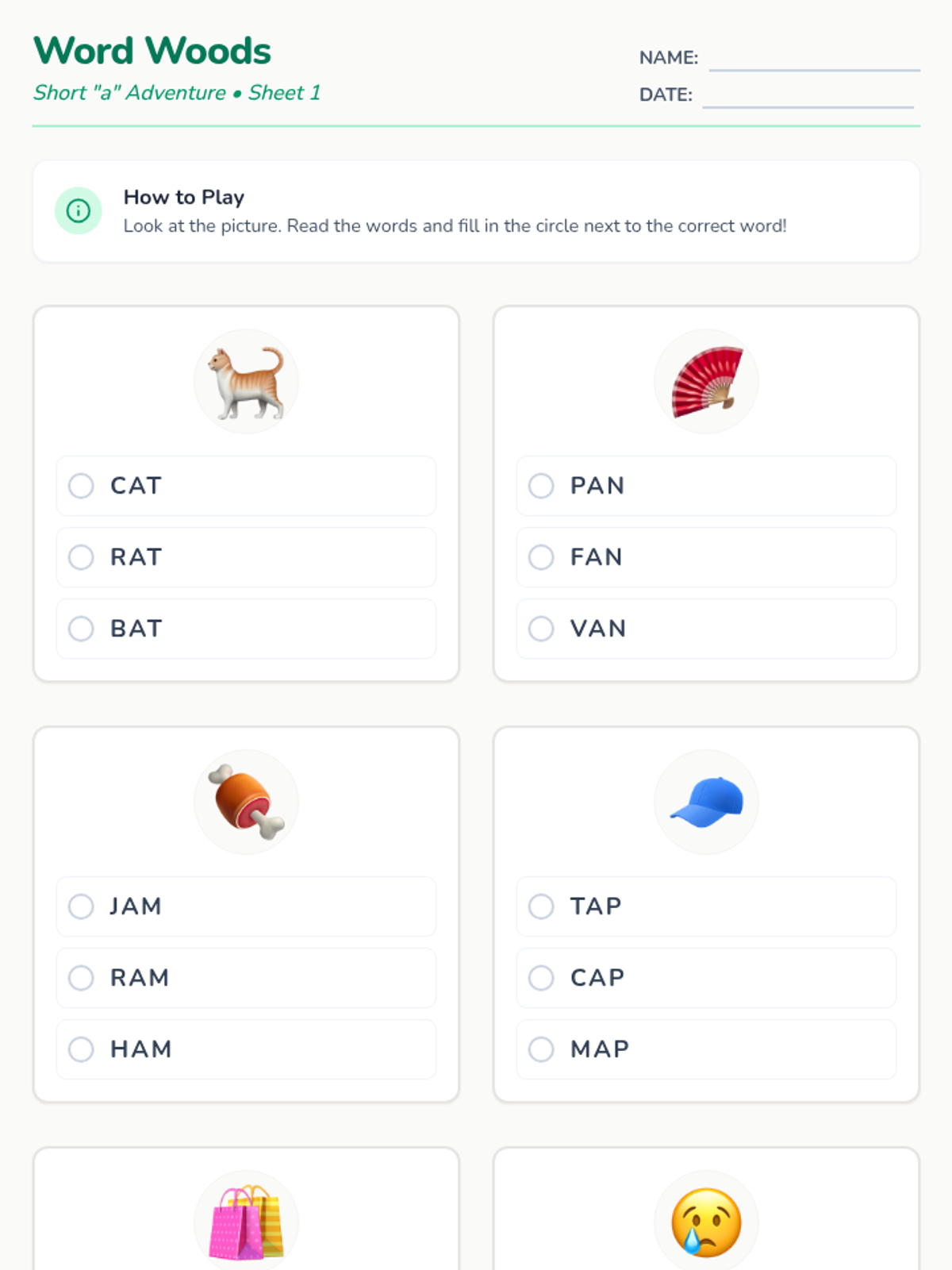
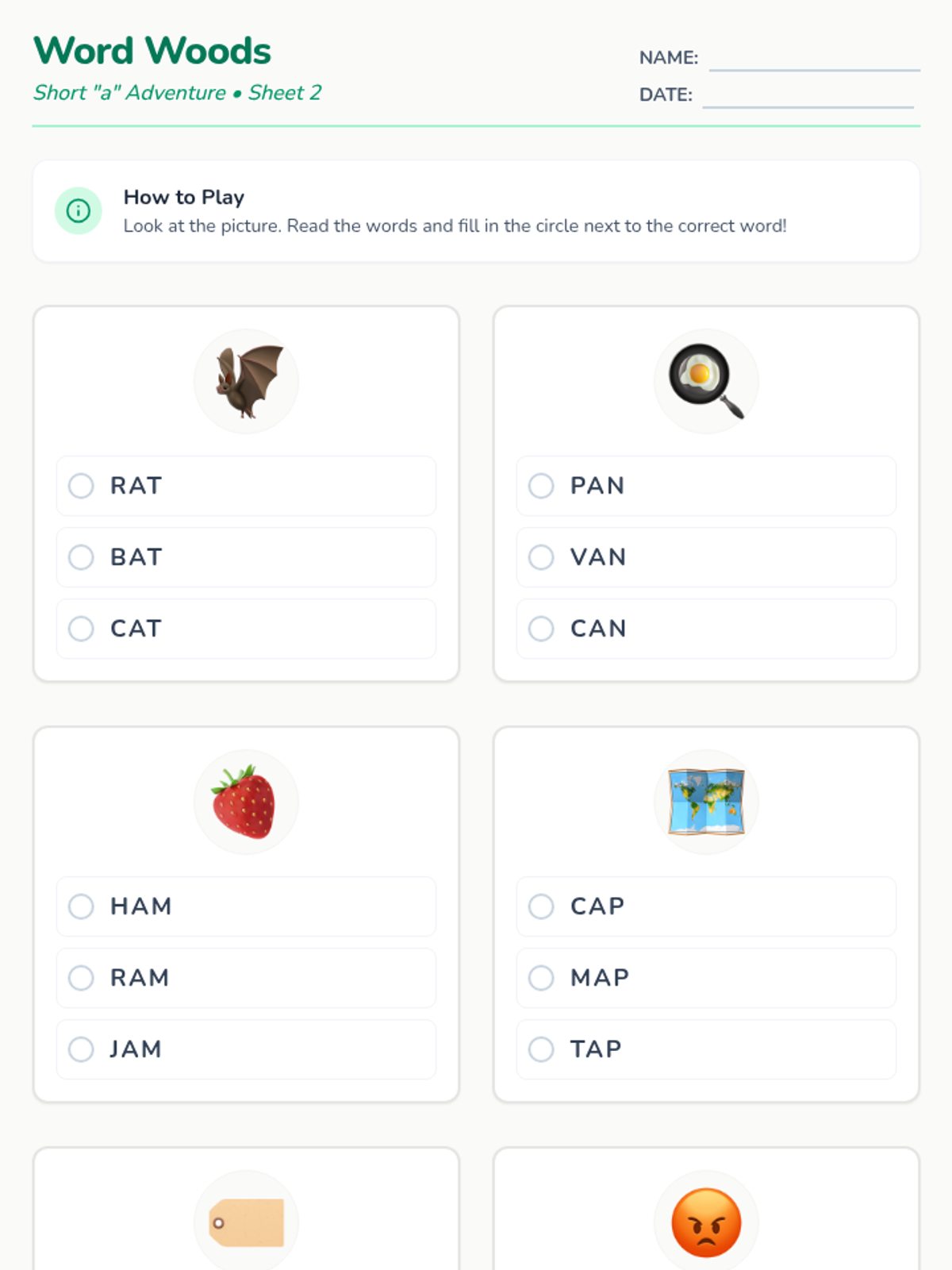
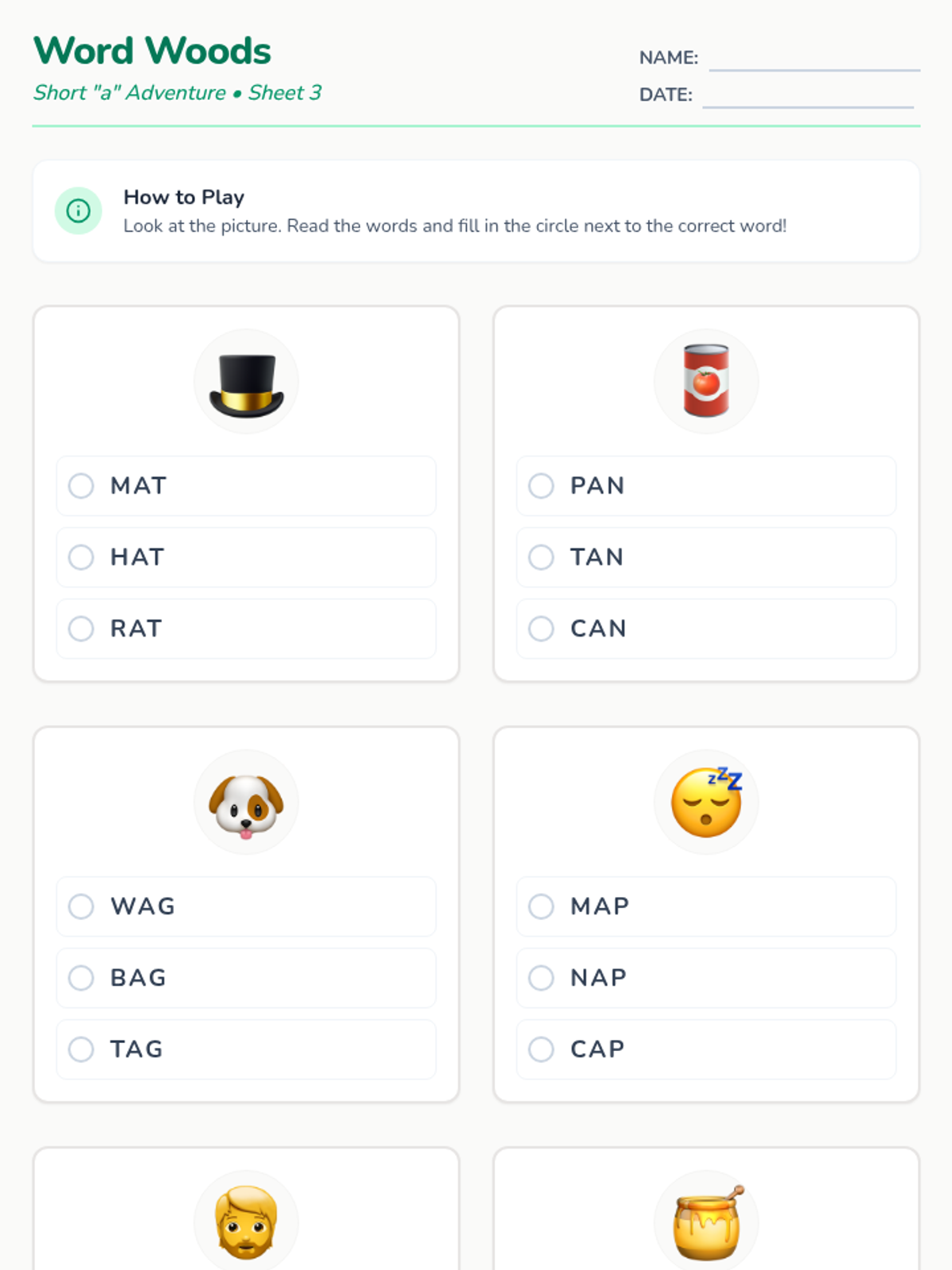
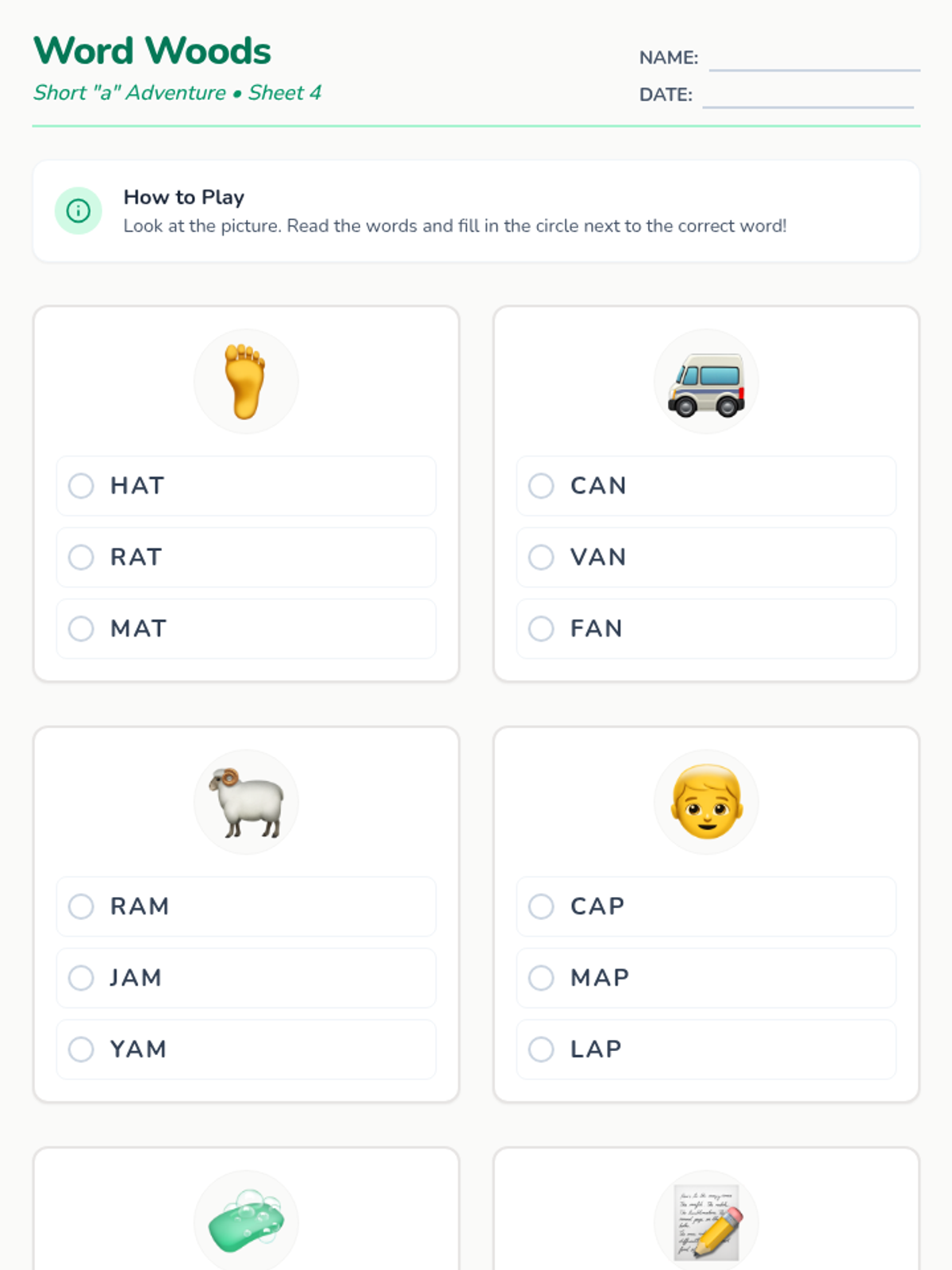
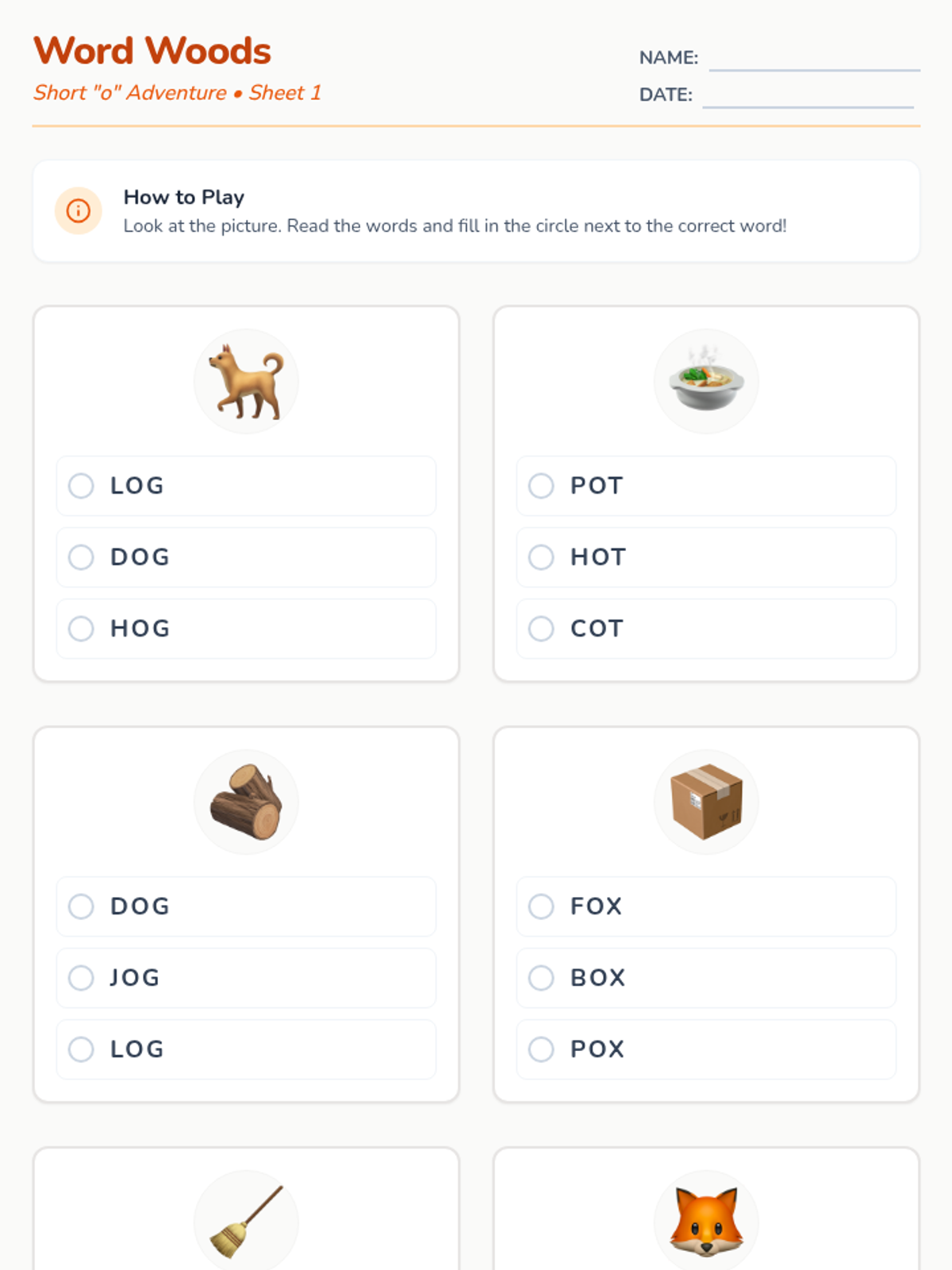
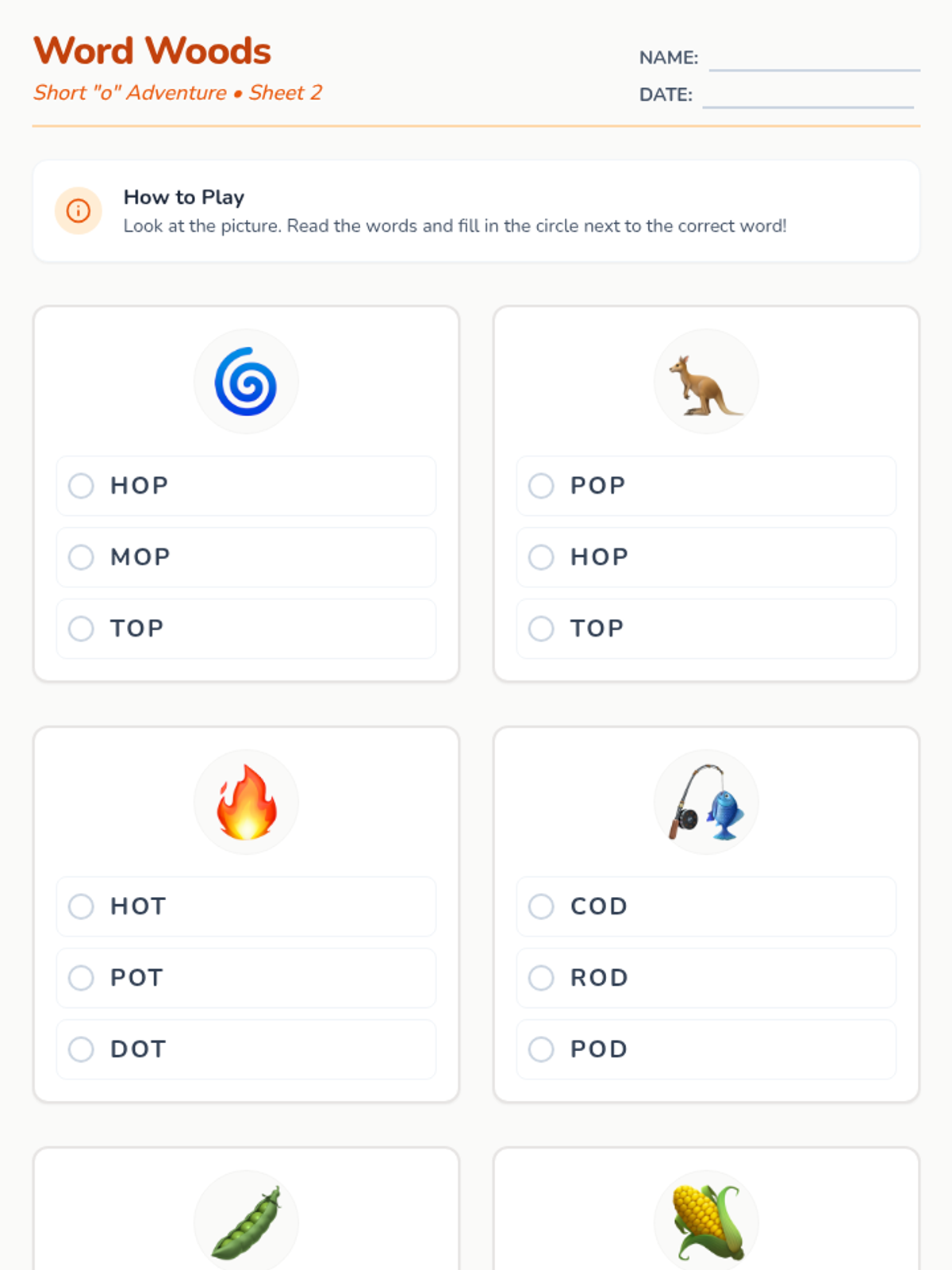
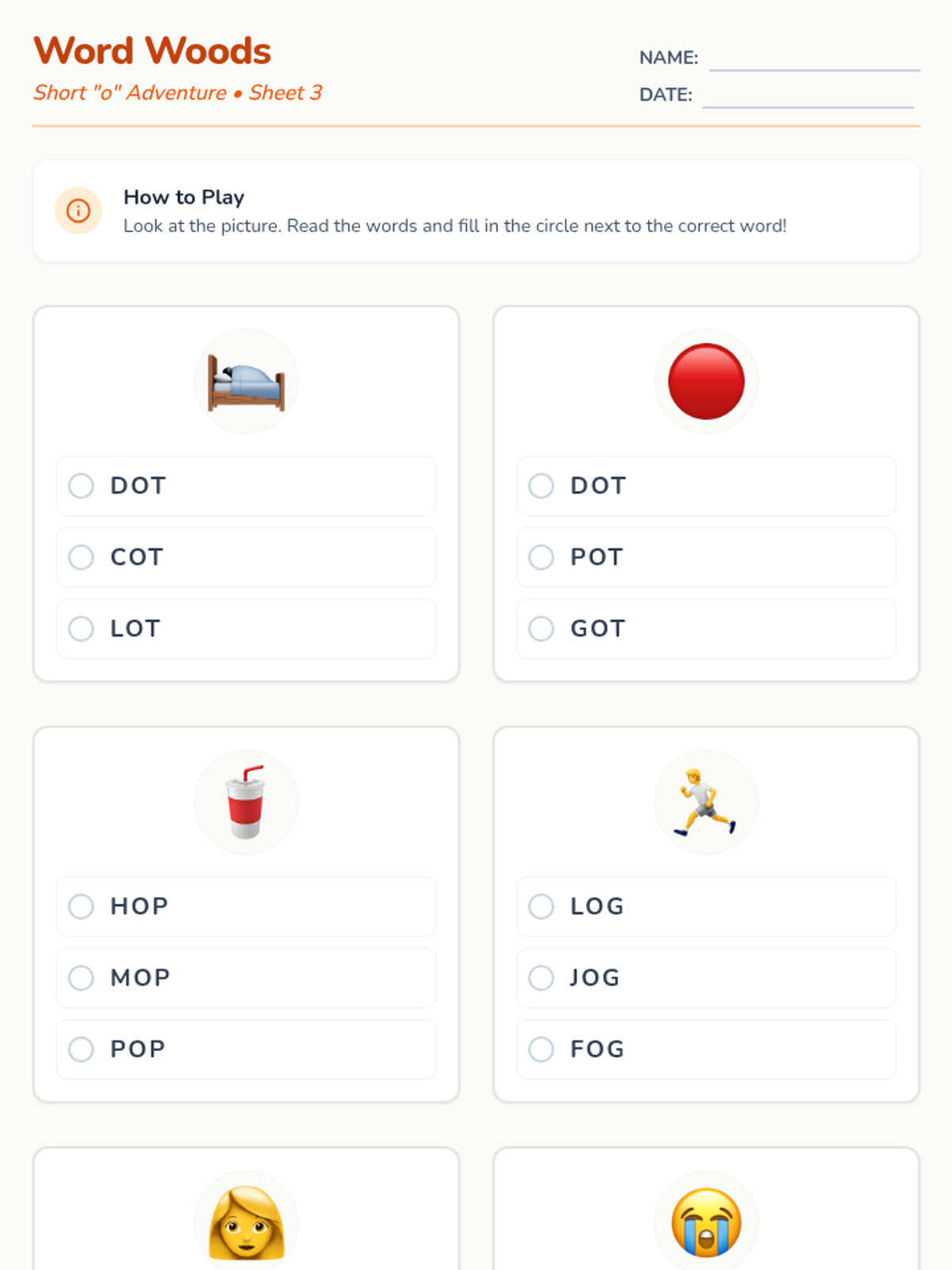
A series of worksheets focusing on short 'a' and 'o' CVC words through engaging picture-matching activities in a forest setting.
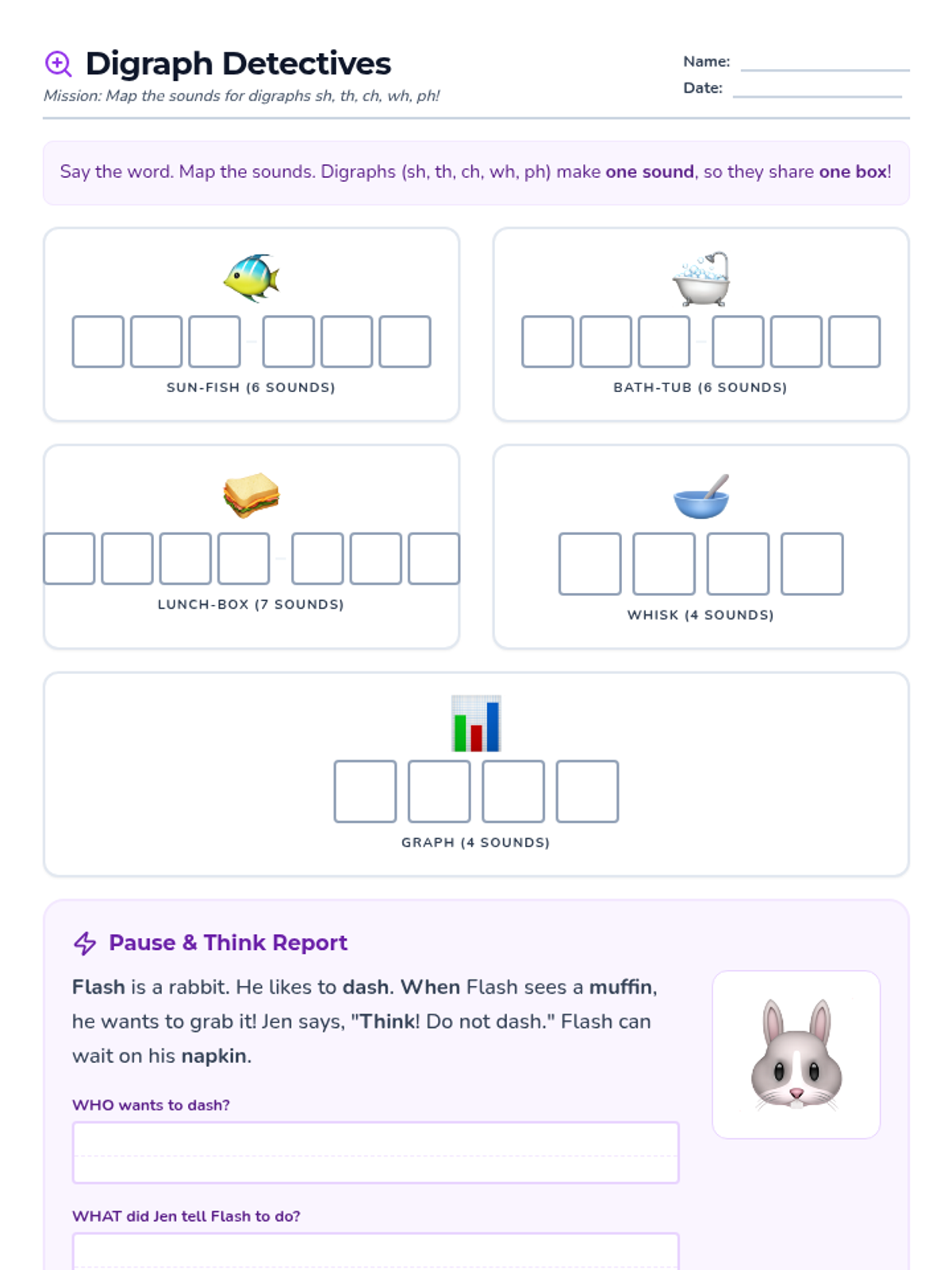
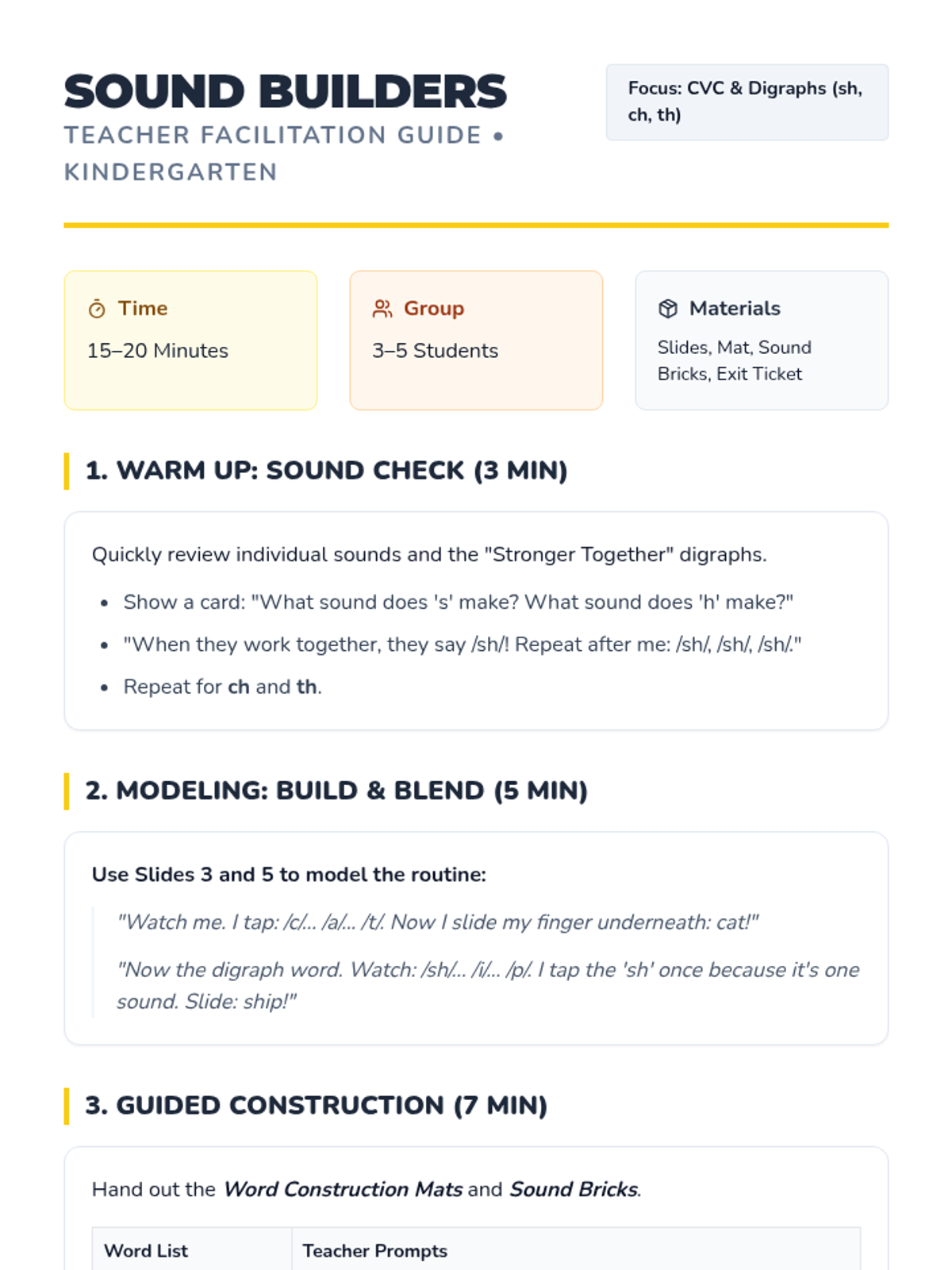
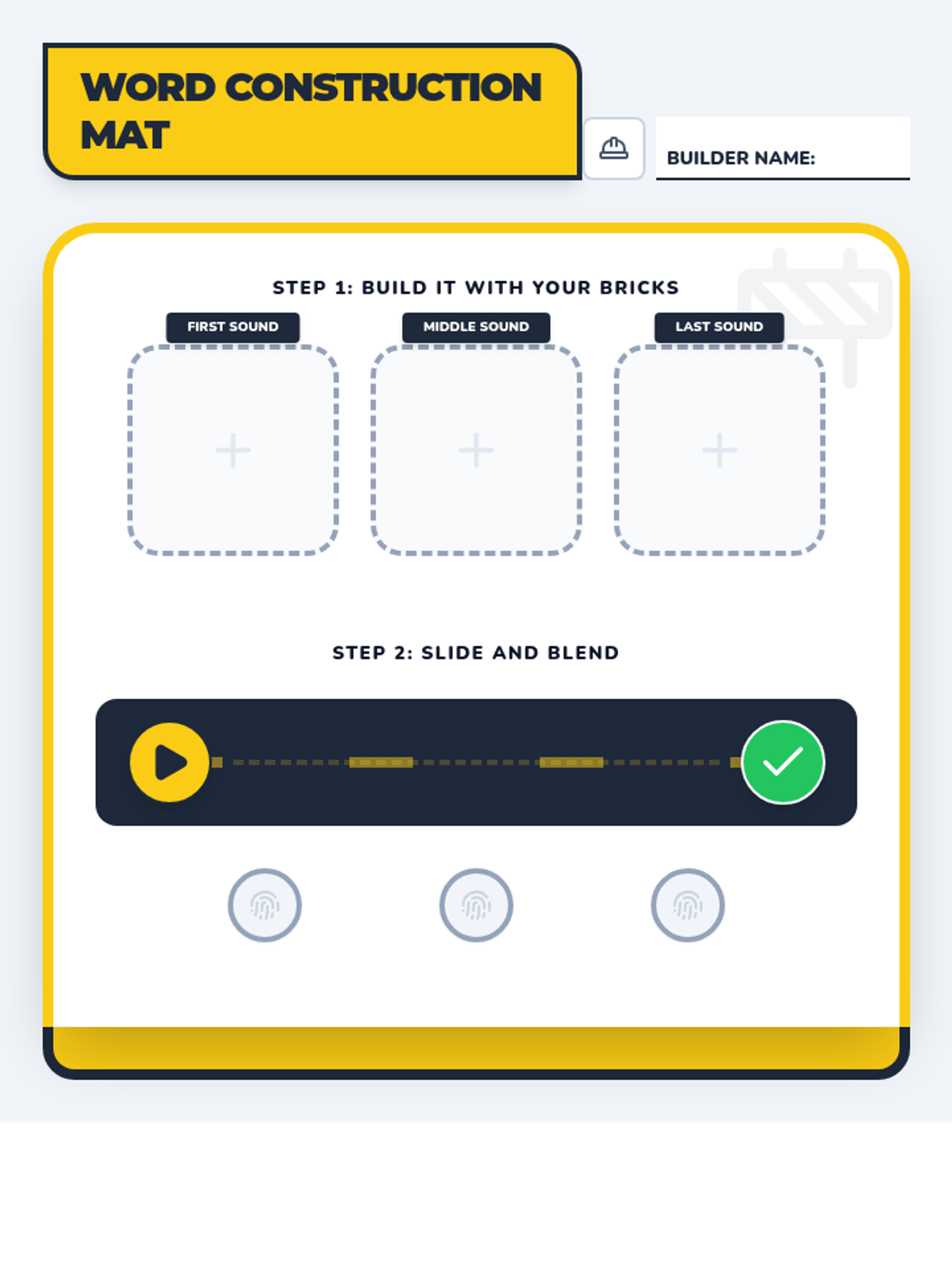
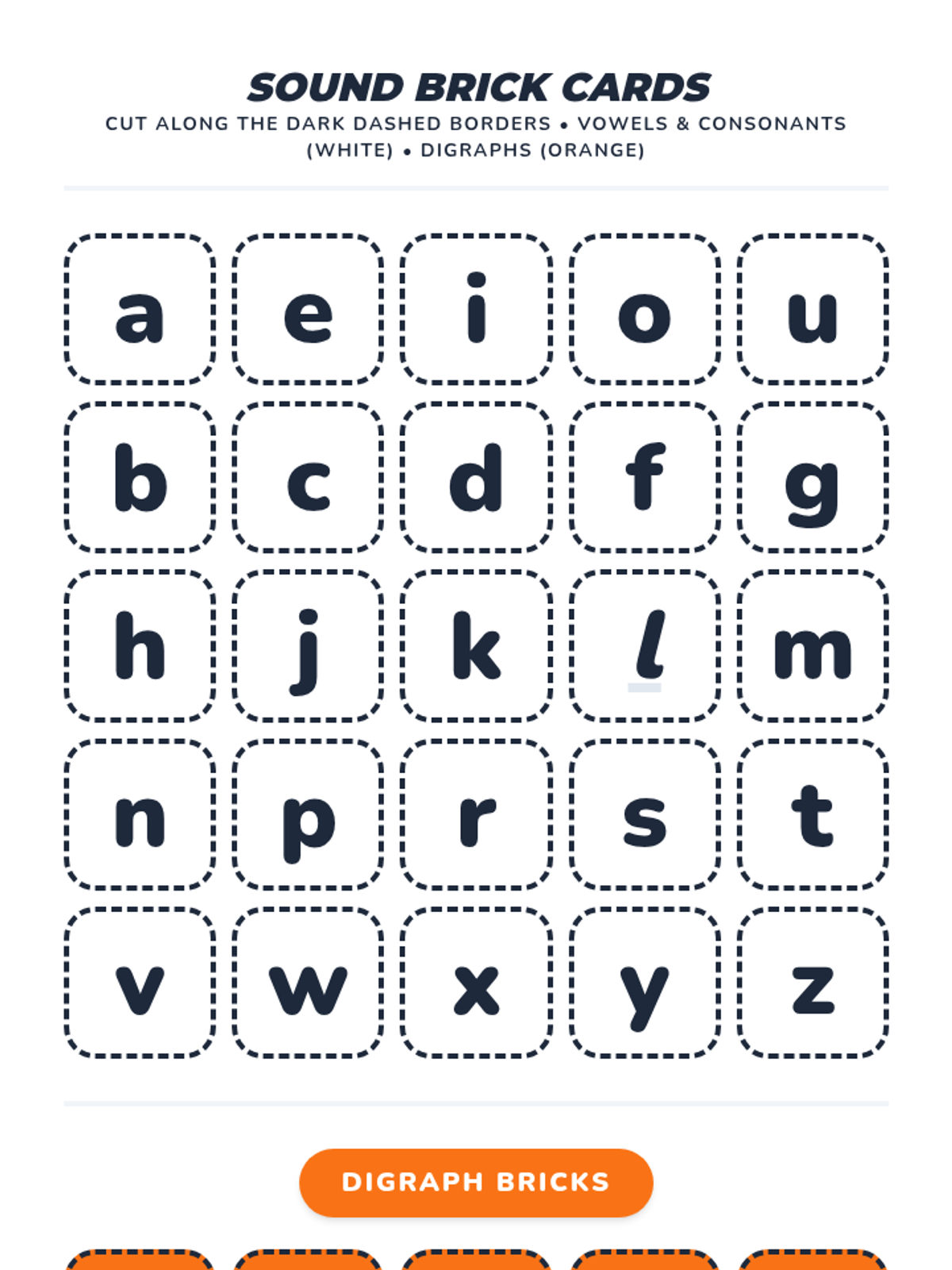
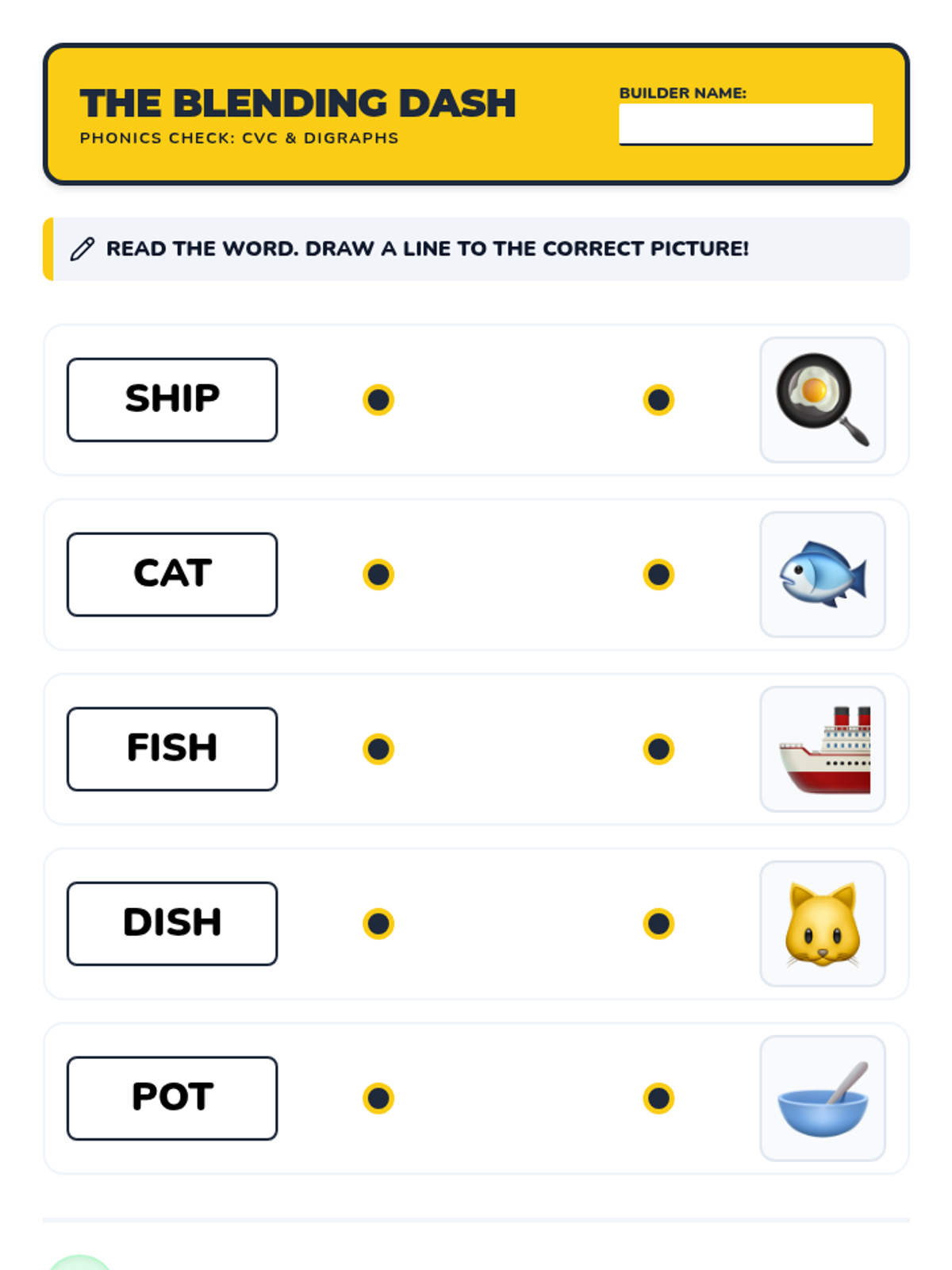
A multi-sensory small group lesson focusing on blending CVC words and common digraphs (sh, ch, th) using a 'Sound Builders' construction theme.
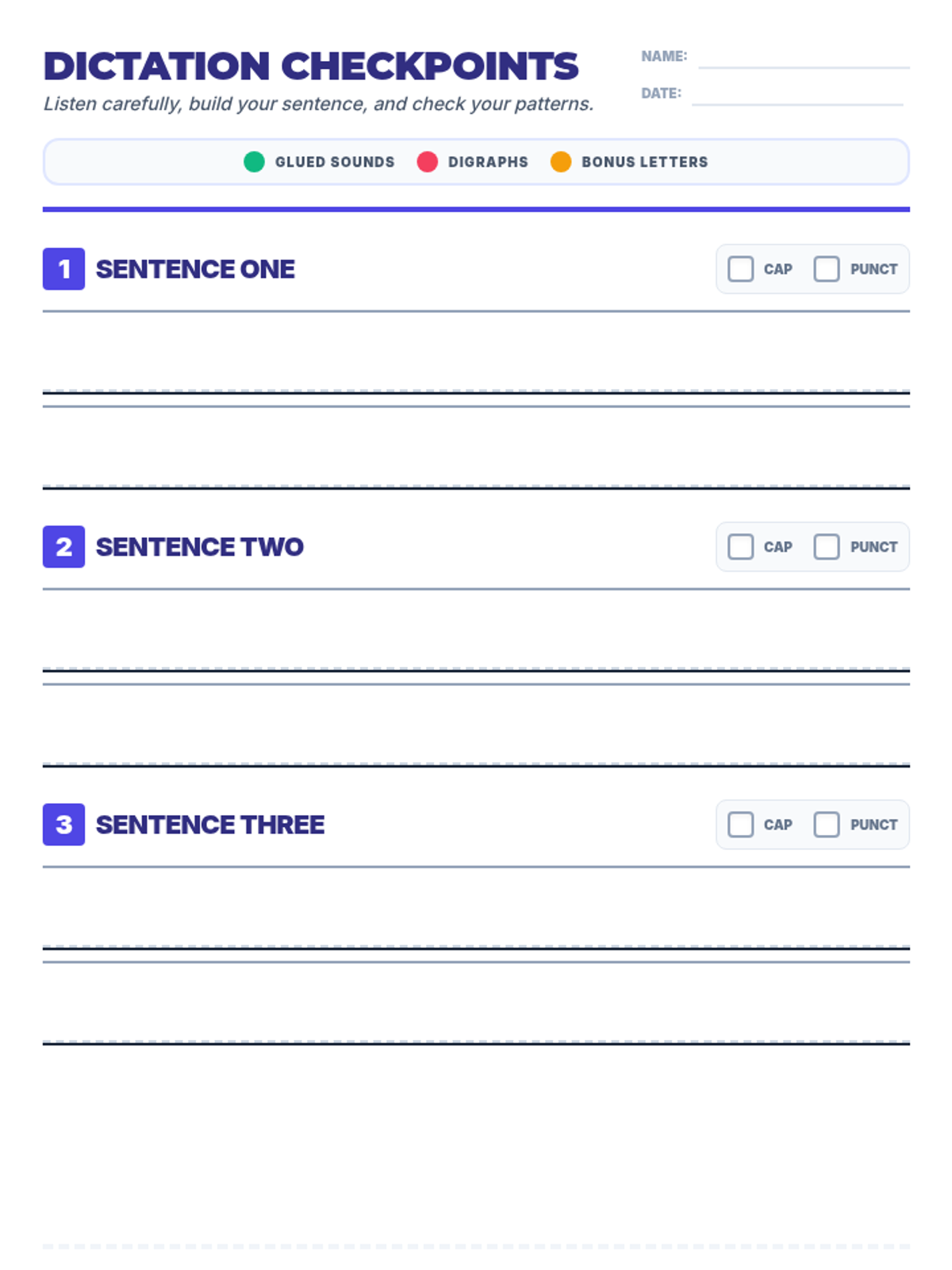
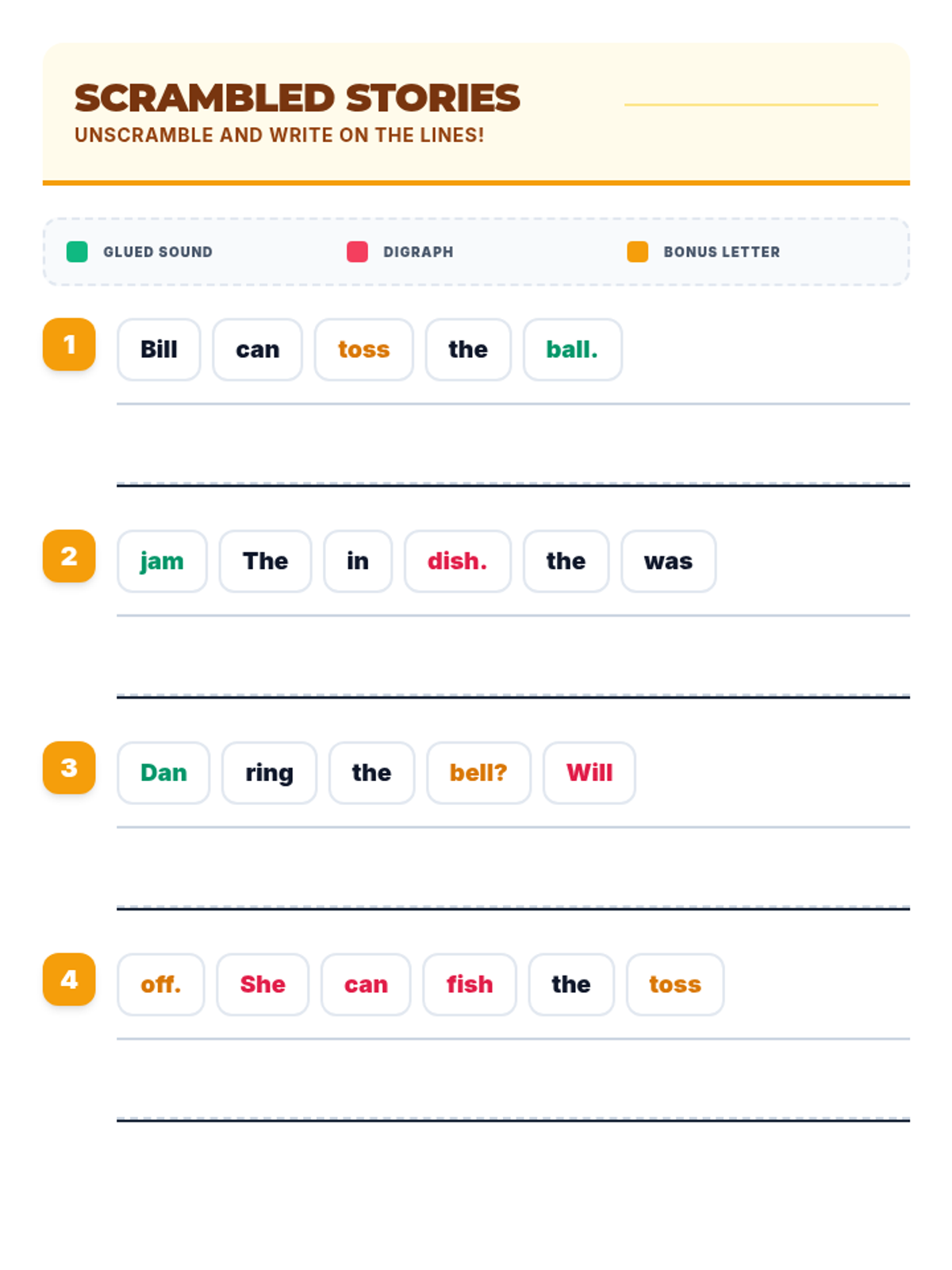
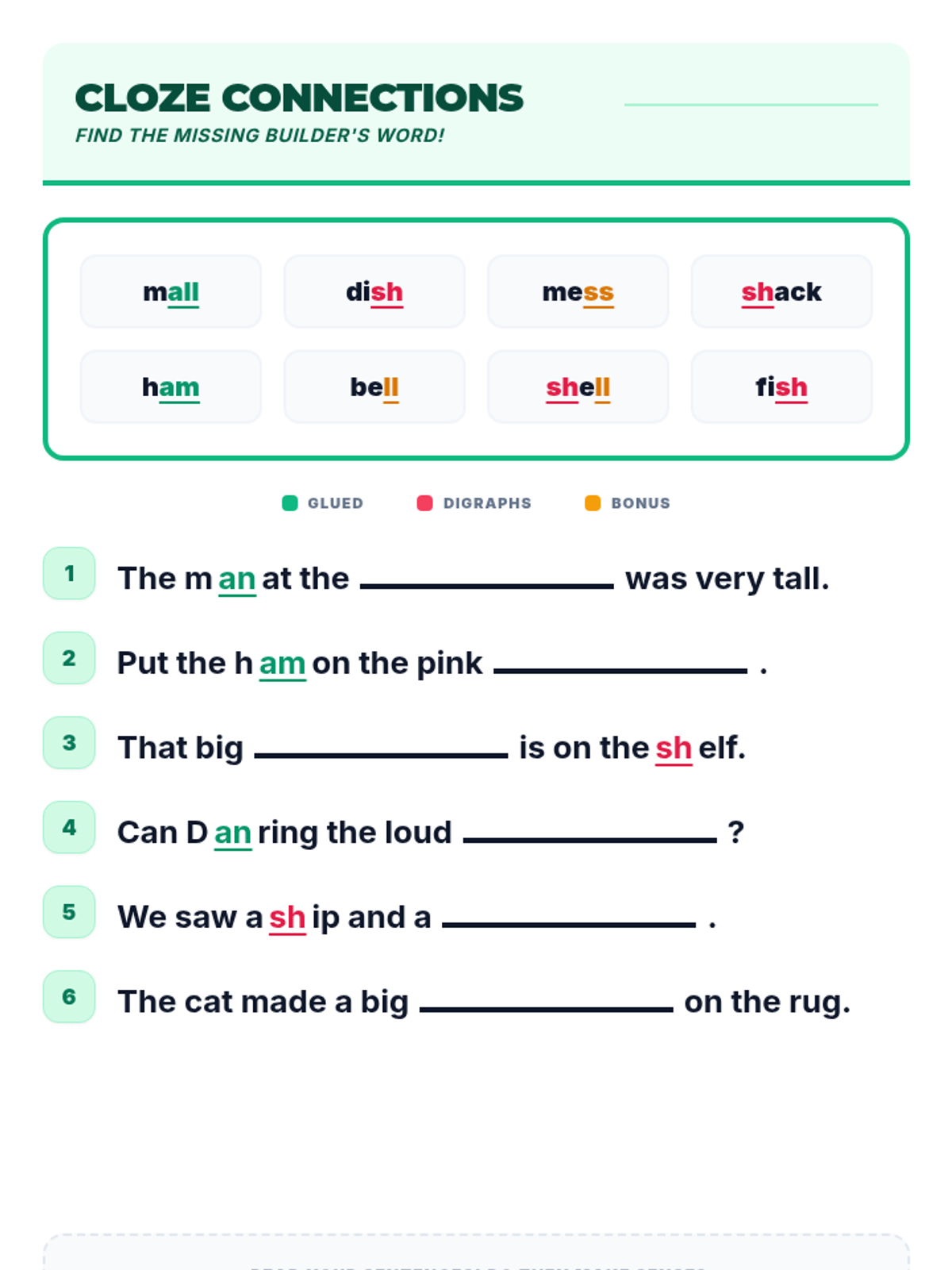
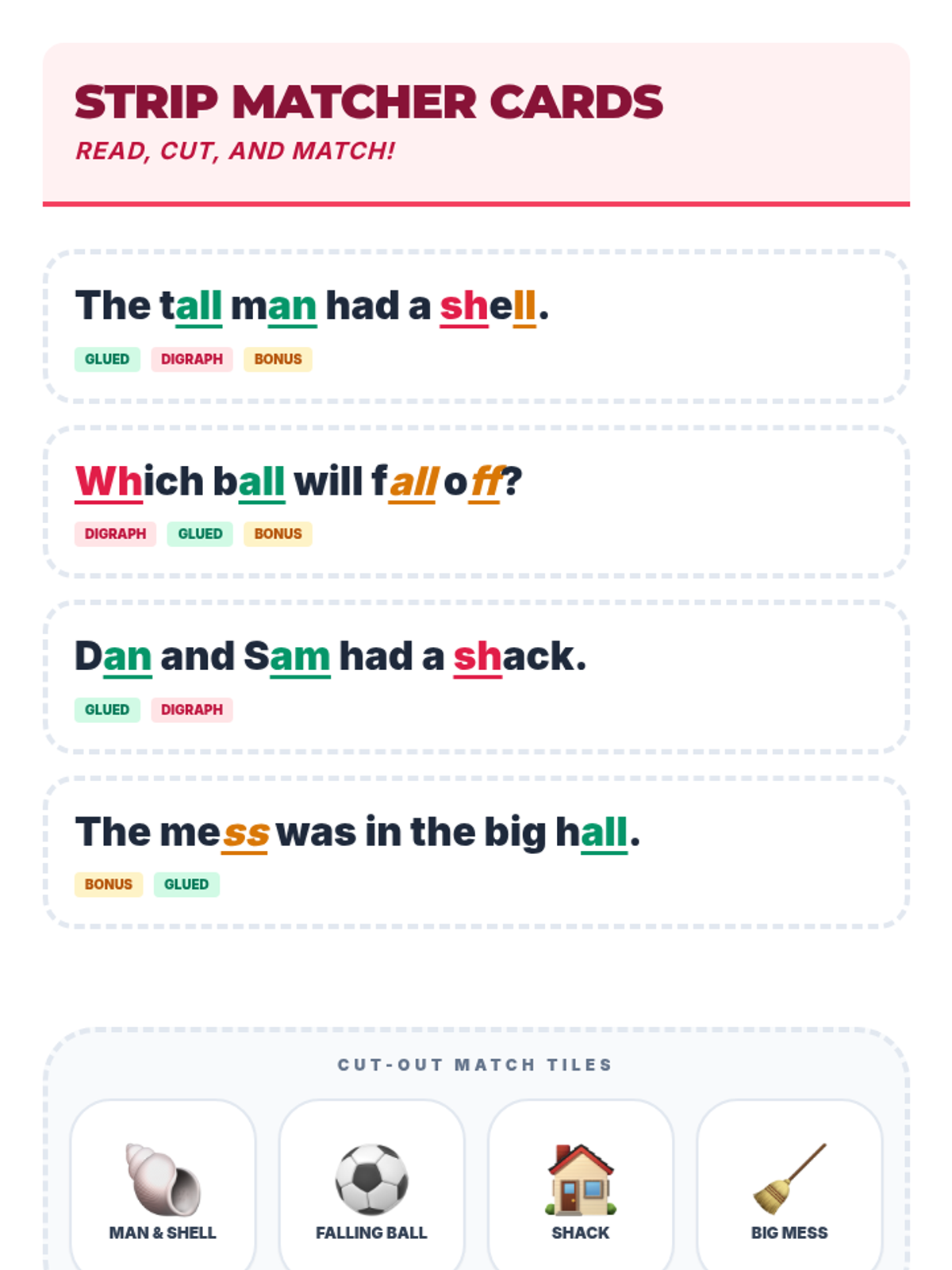
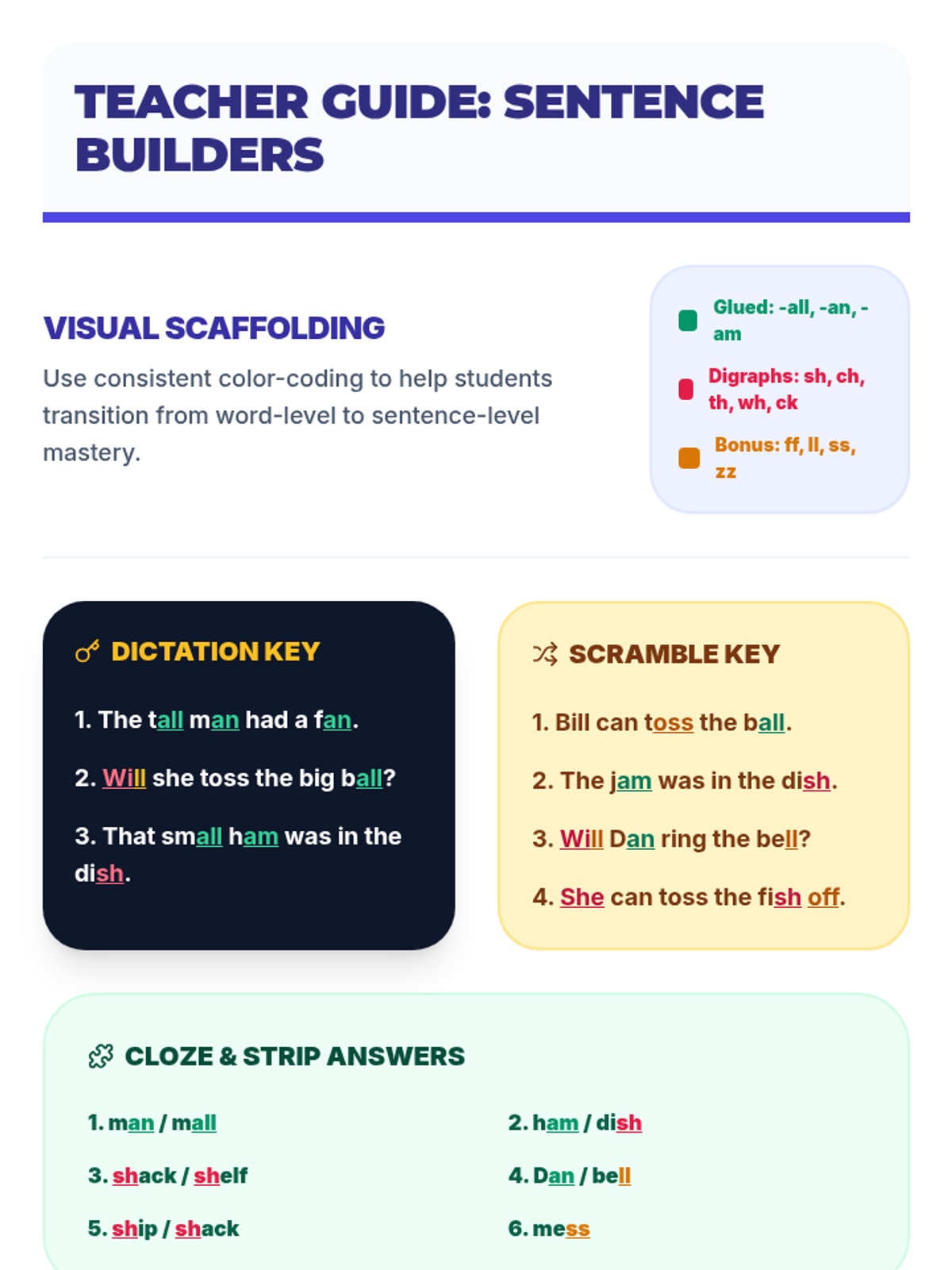
A comprehensive lesson designed to help students master sentence construction using target phonics patterns including -all, -an, -am, digraphs, short vowels, and bonus letters through dictation, scrambles, and cloze activities.
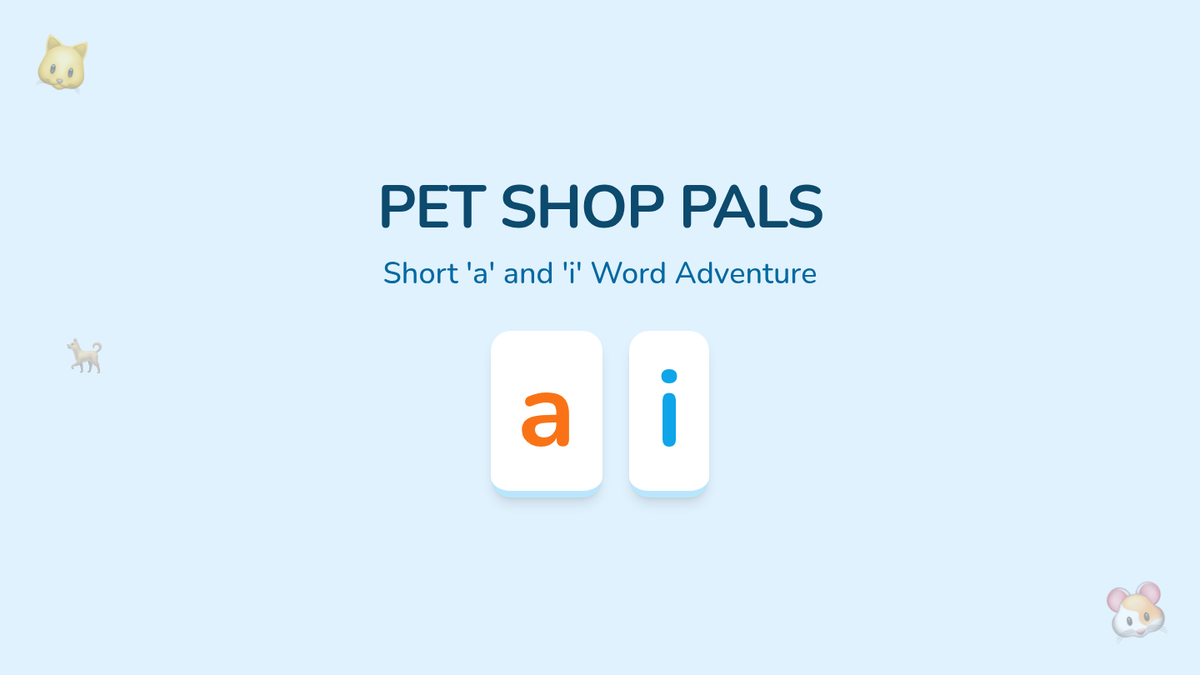
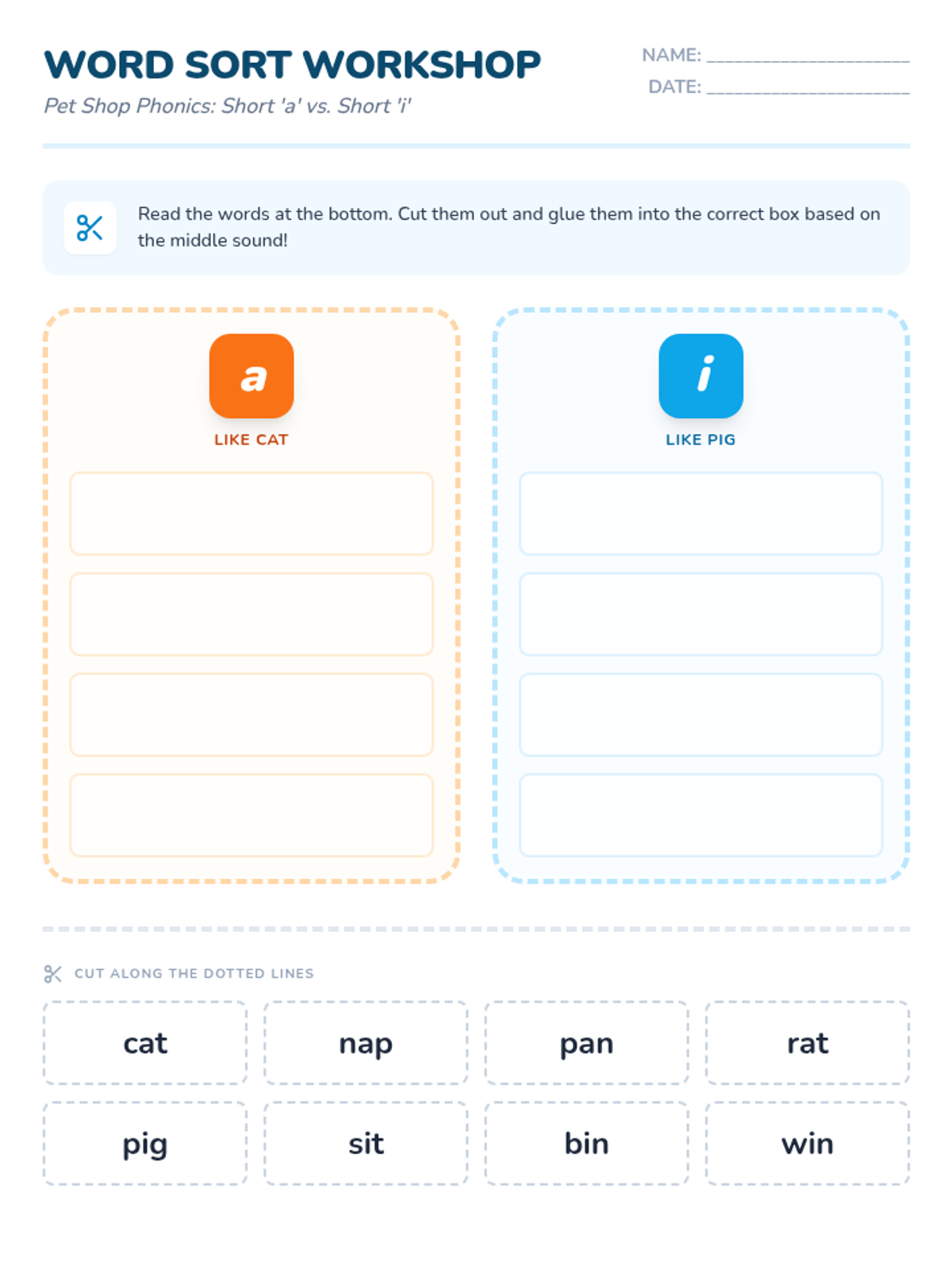
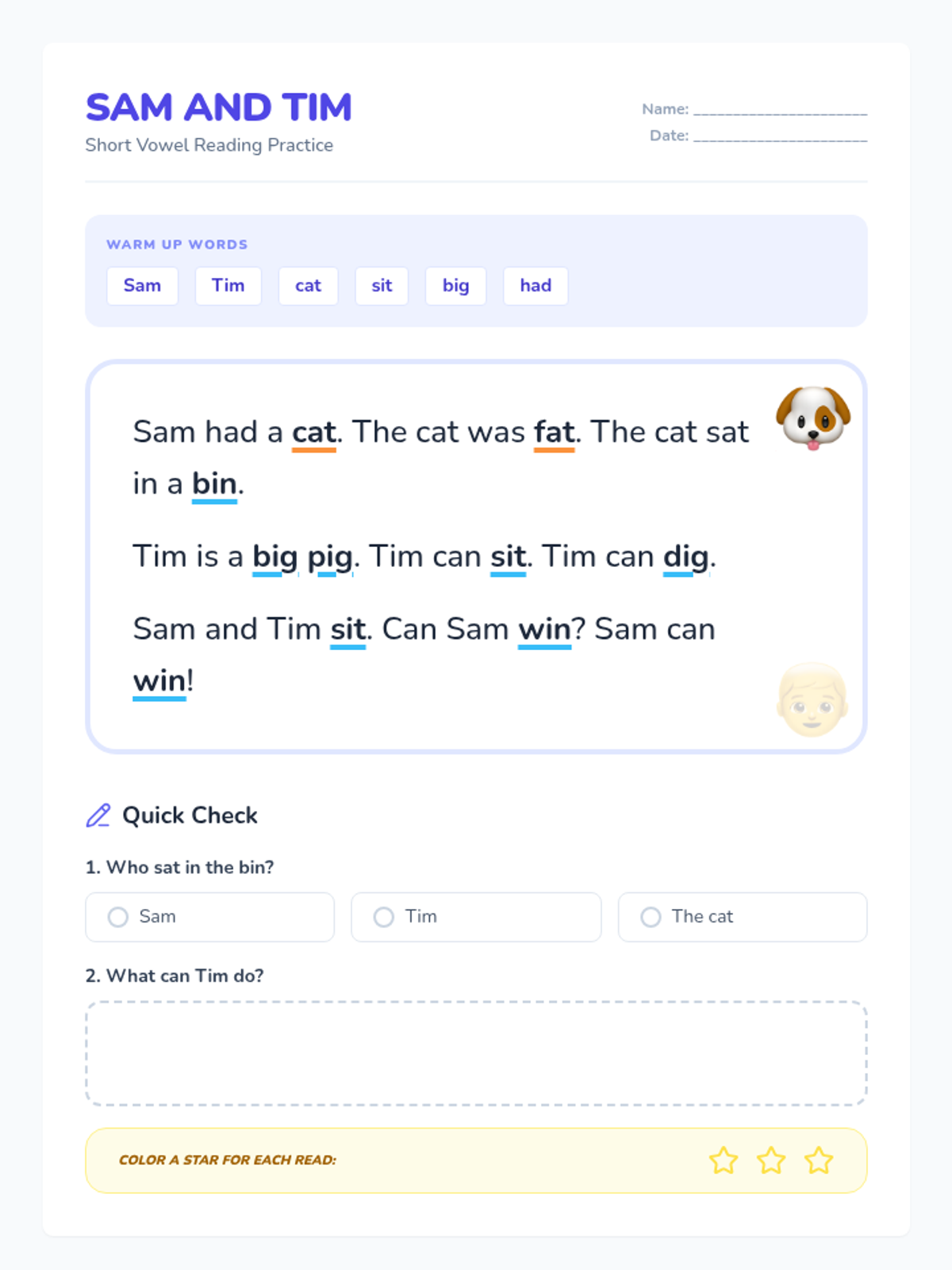
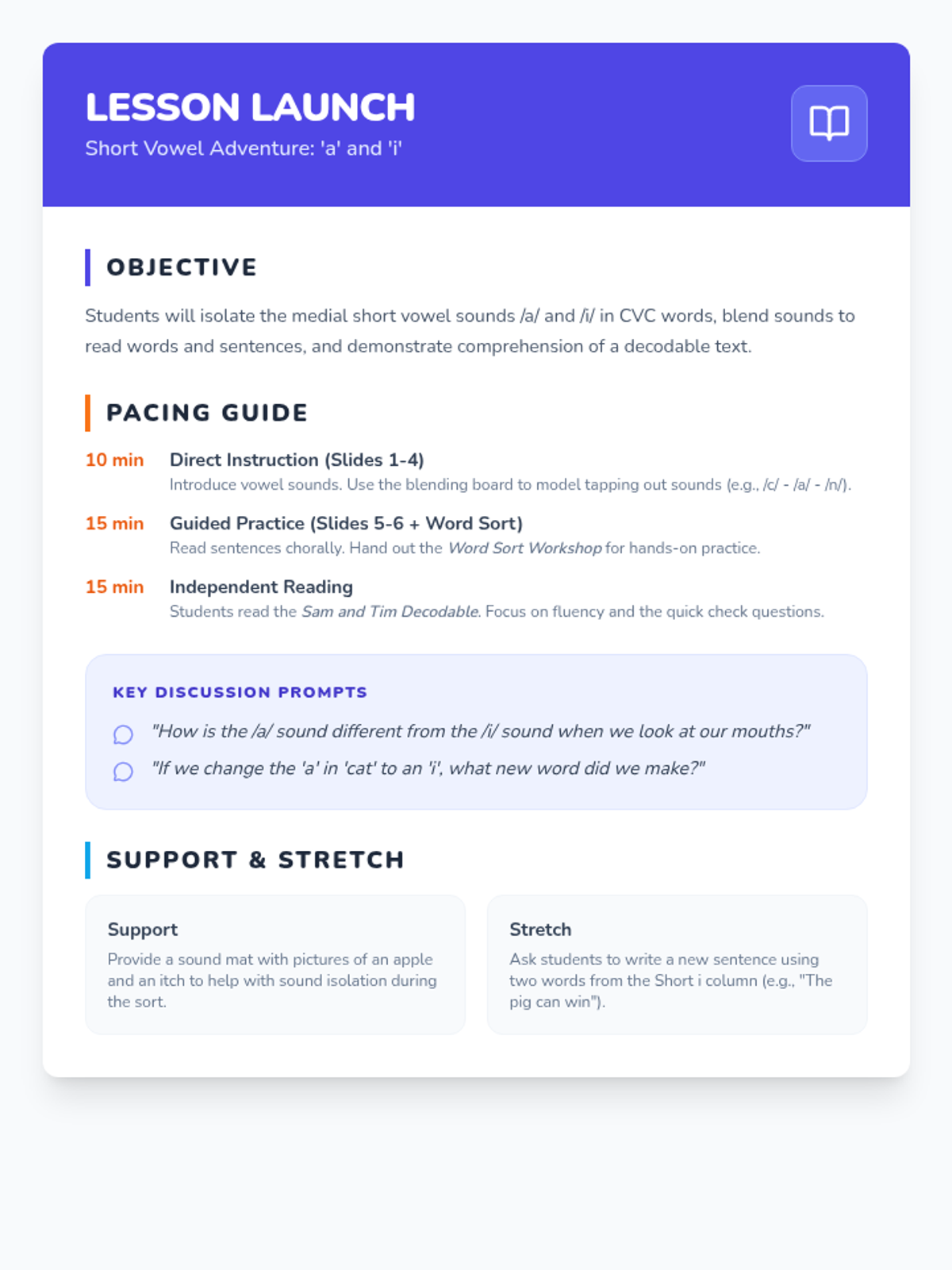
A focused lesson on short 'a' and 'i' CVC words, featuring sound isolation, blending exercises, and a decodable story about two pet shop friends.
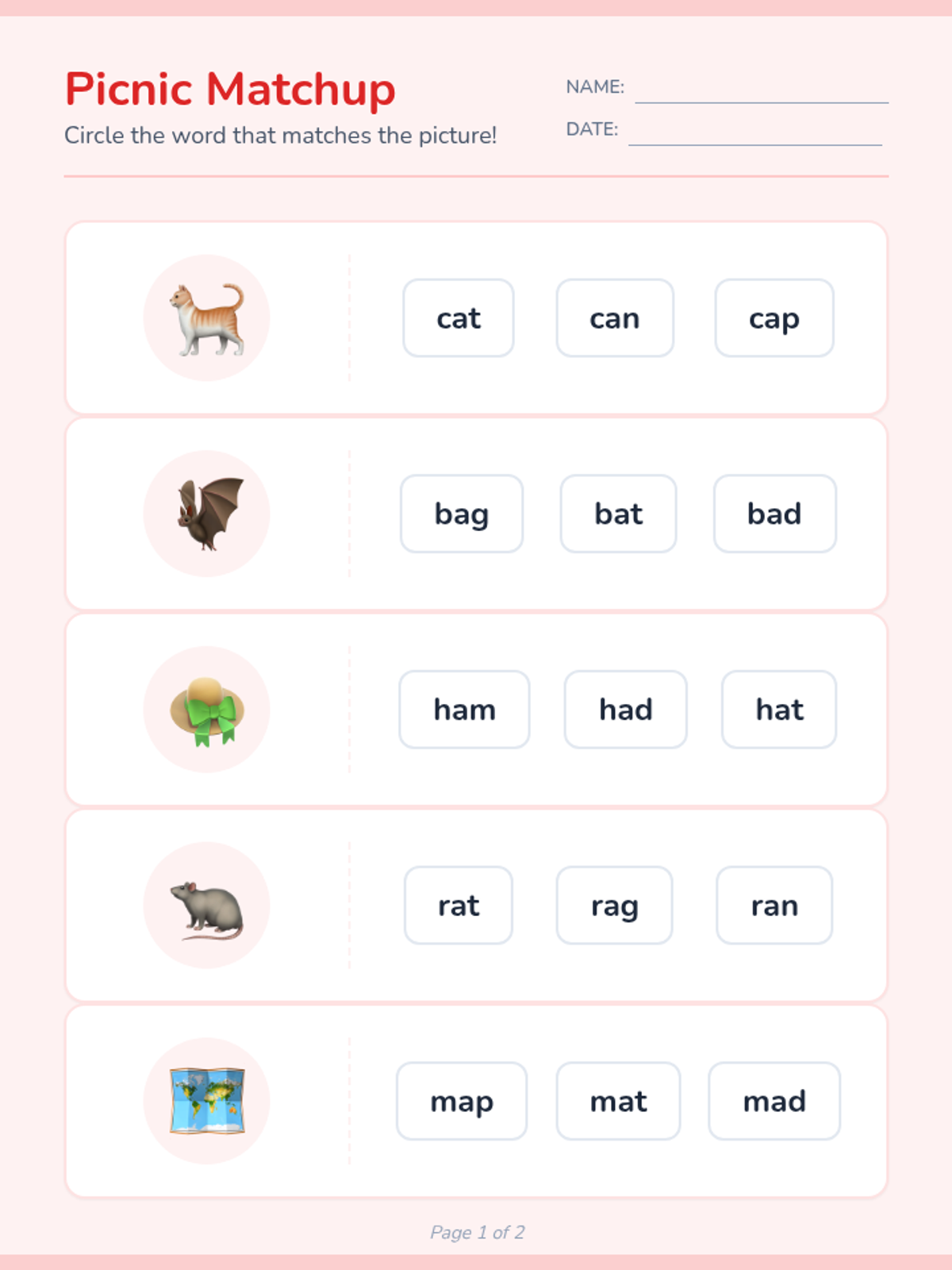
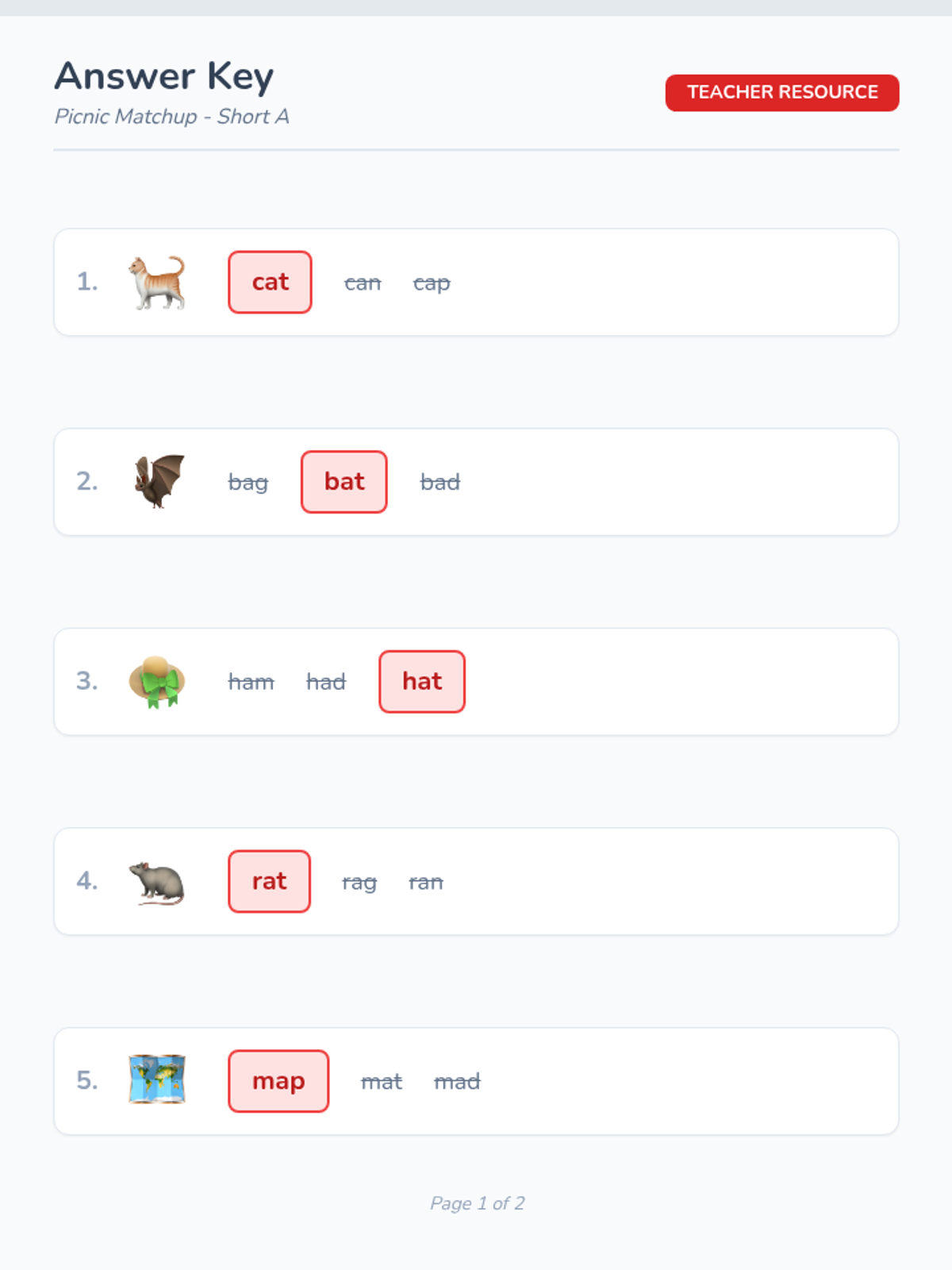
A foundational phonics lesson focused on identifying and reading CVC words with the short 'a' vowel sound through visual matching and word recognition.
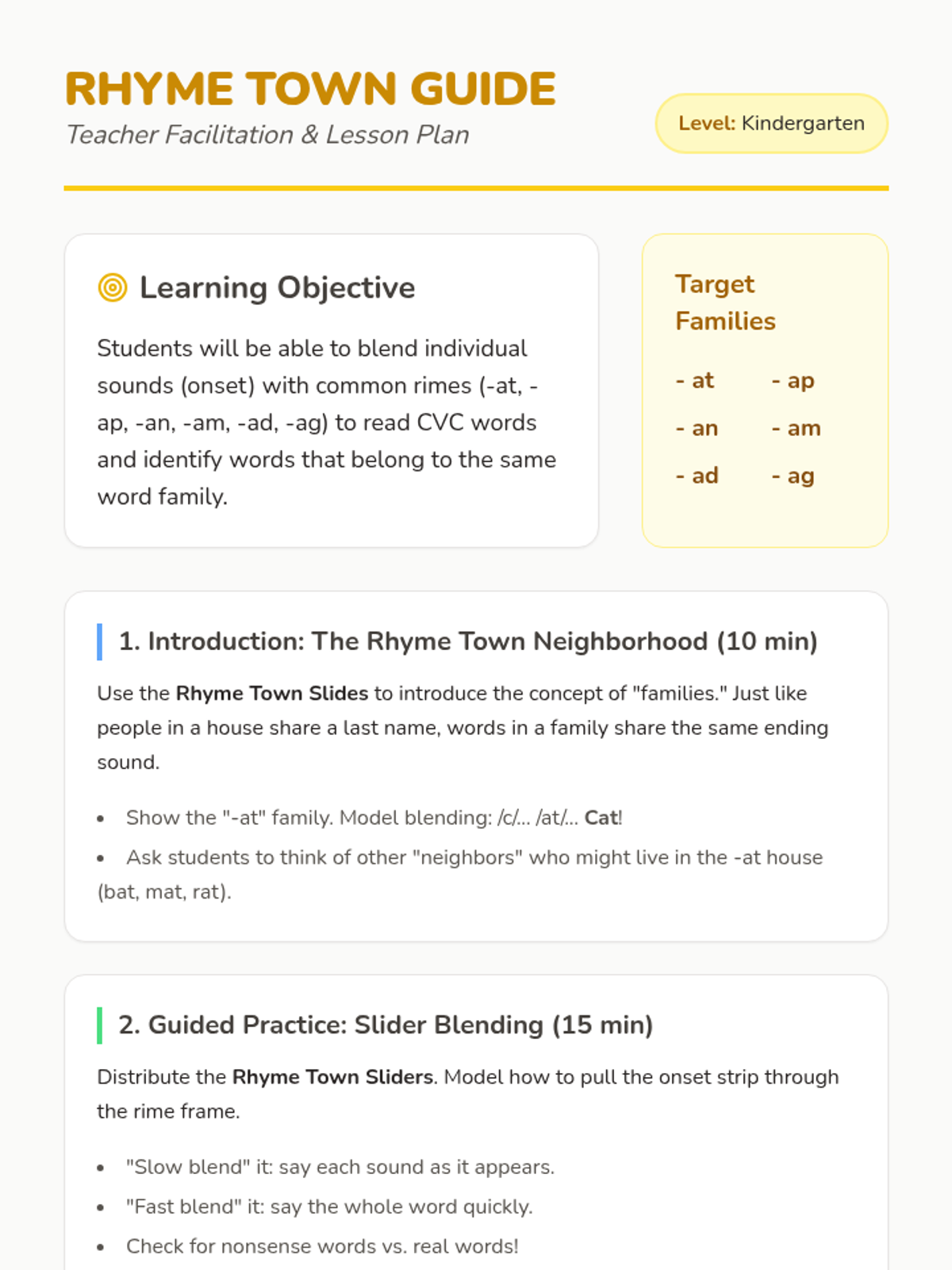
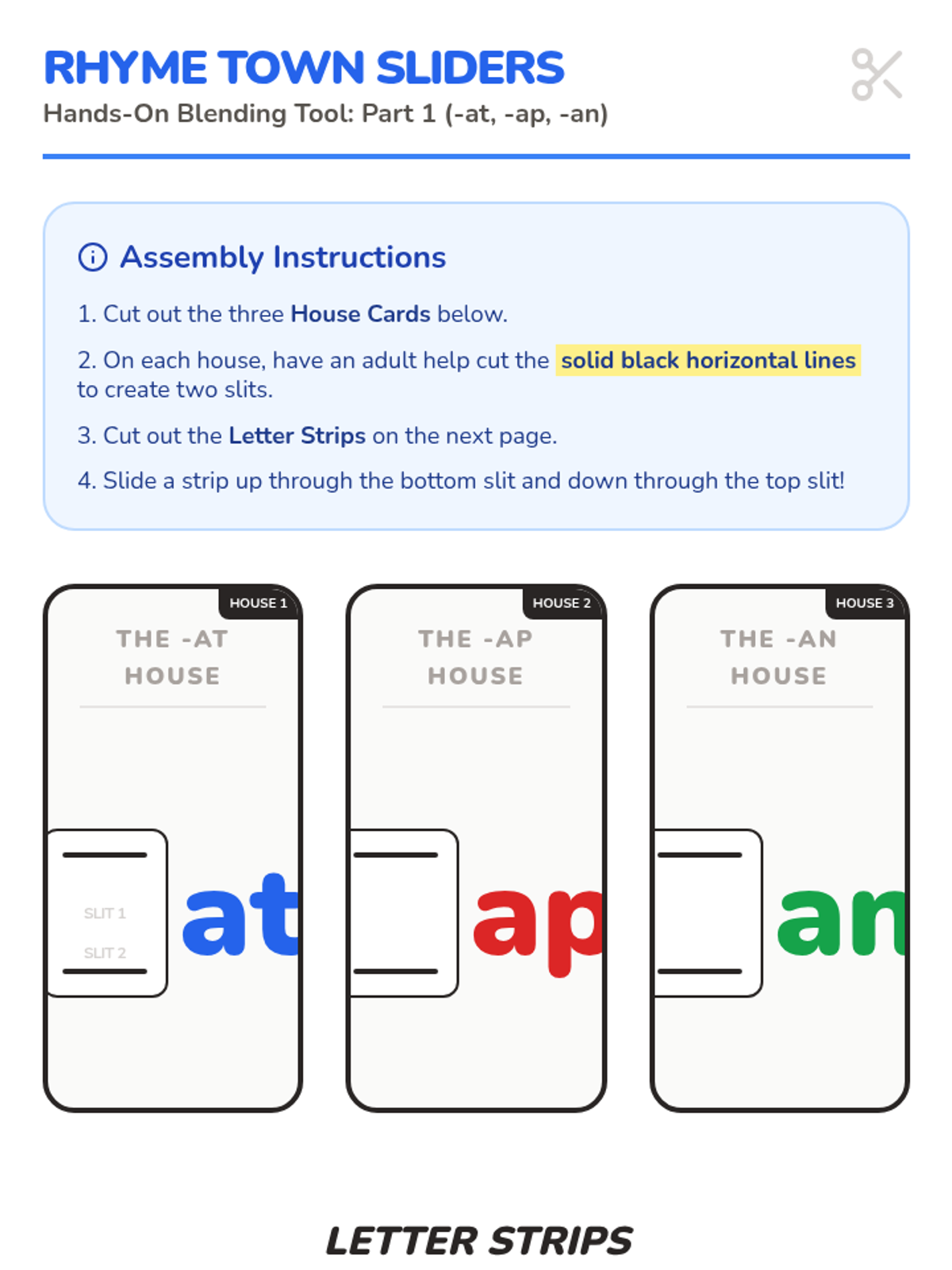
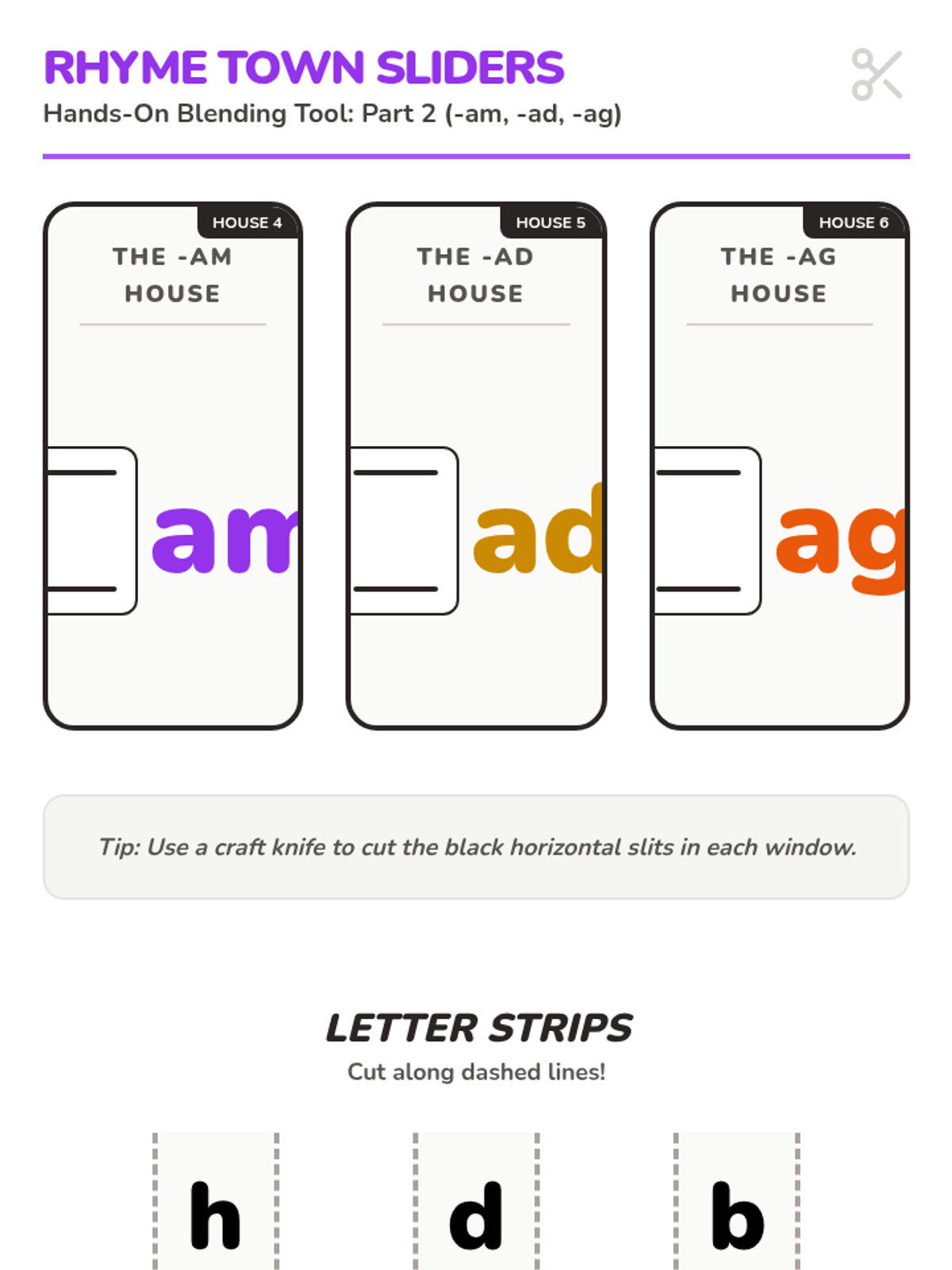
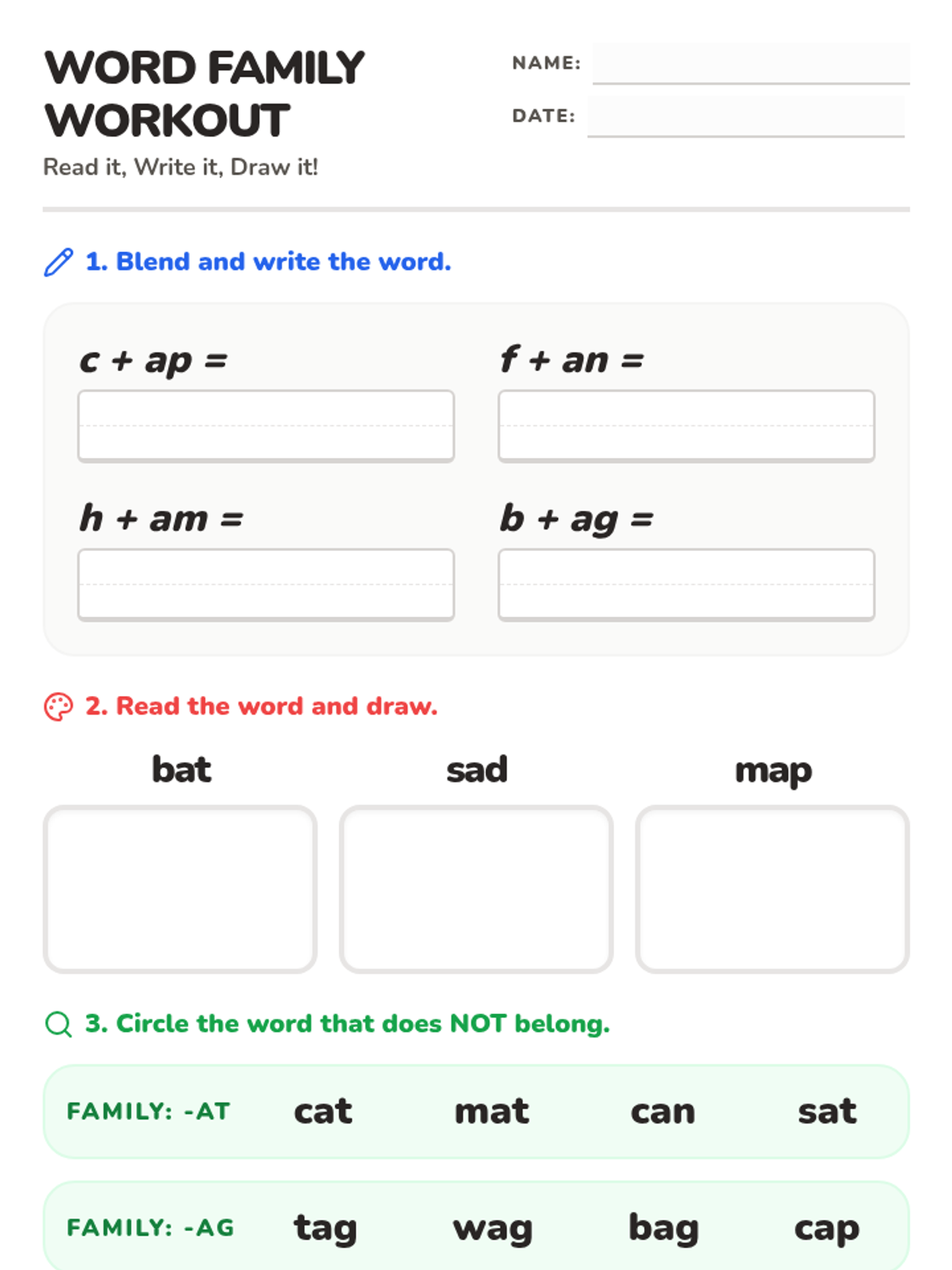
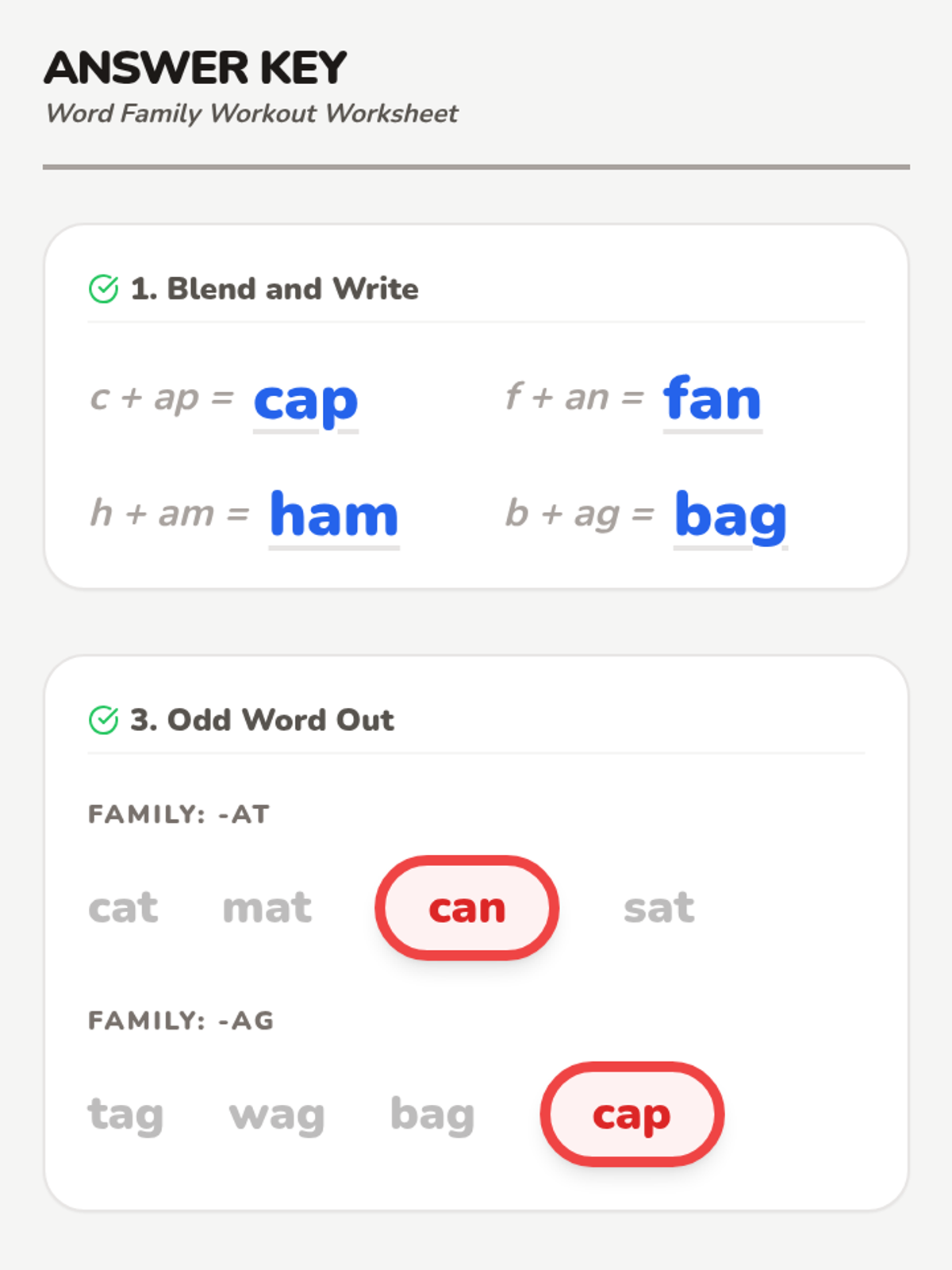
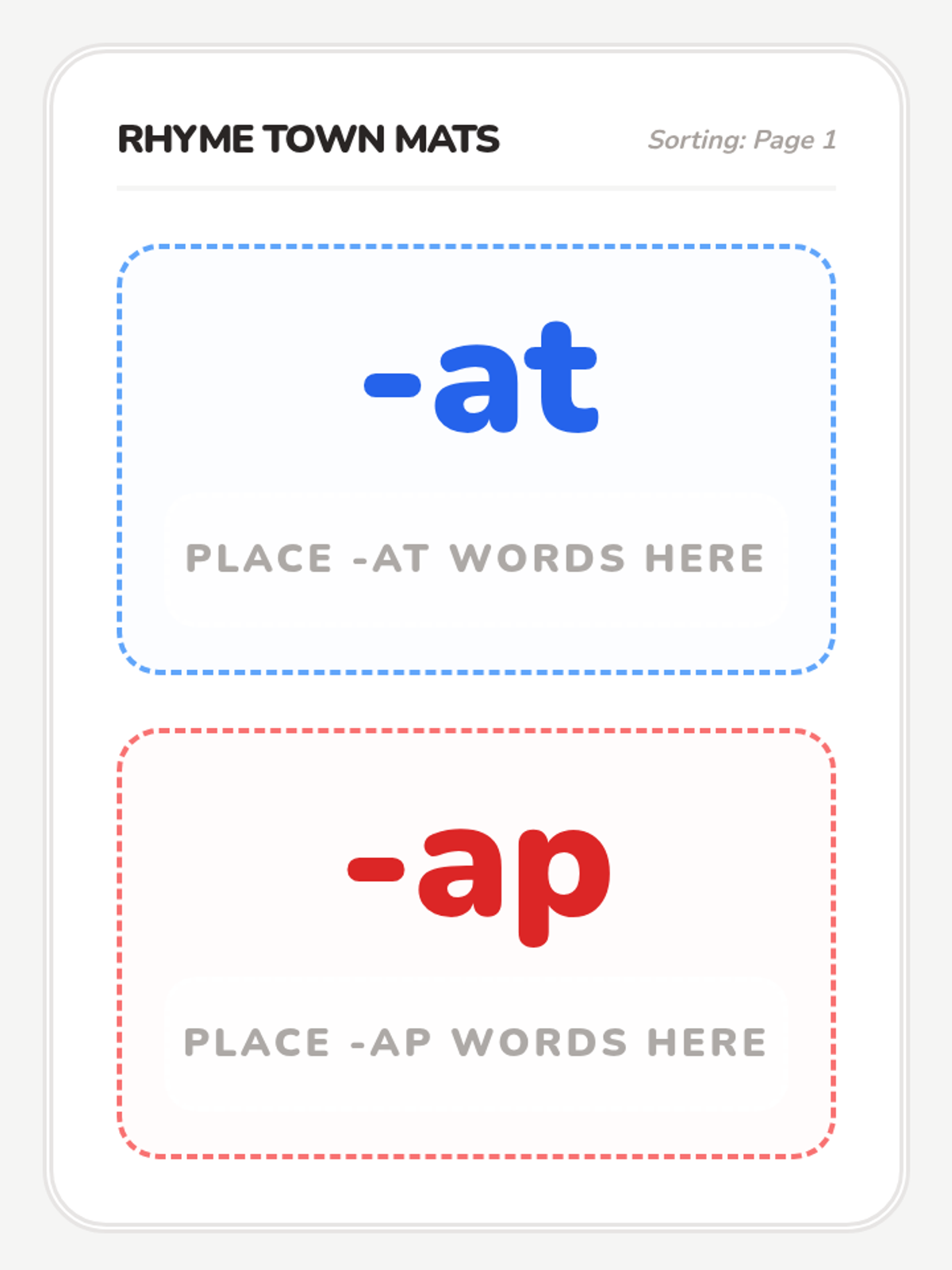
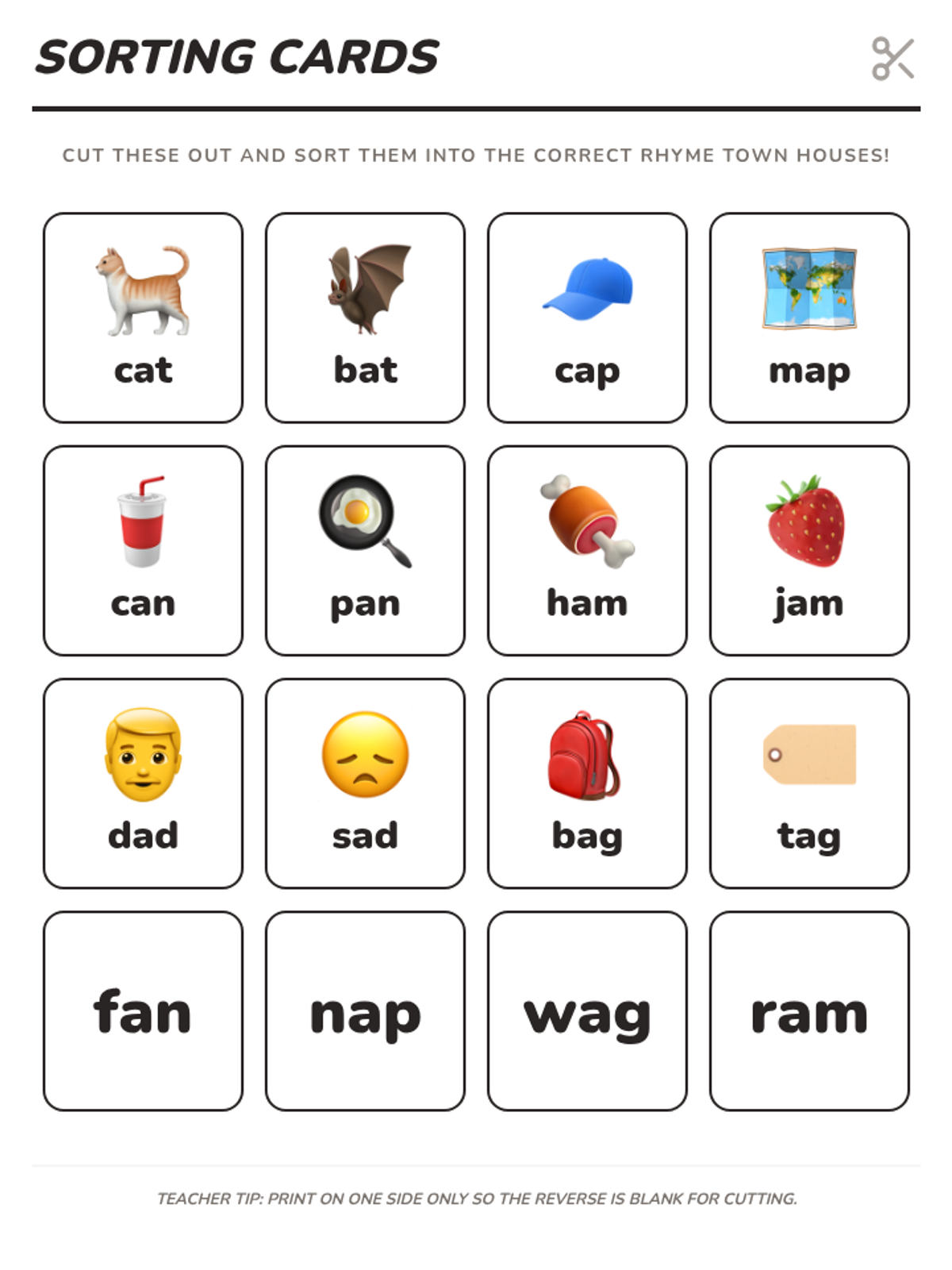
A comprehensive introduction to short 'a' word families (-at, -ap, -an, -am, -ad, -ag) through guided blending, hands-on center rotations, and independent practice.
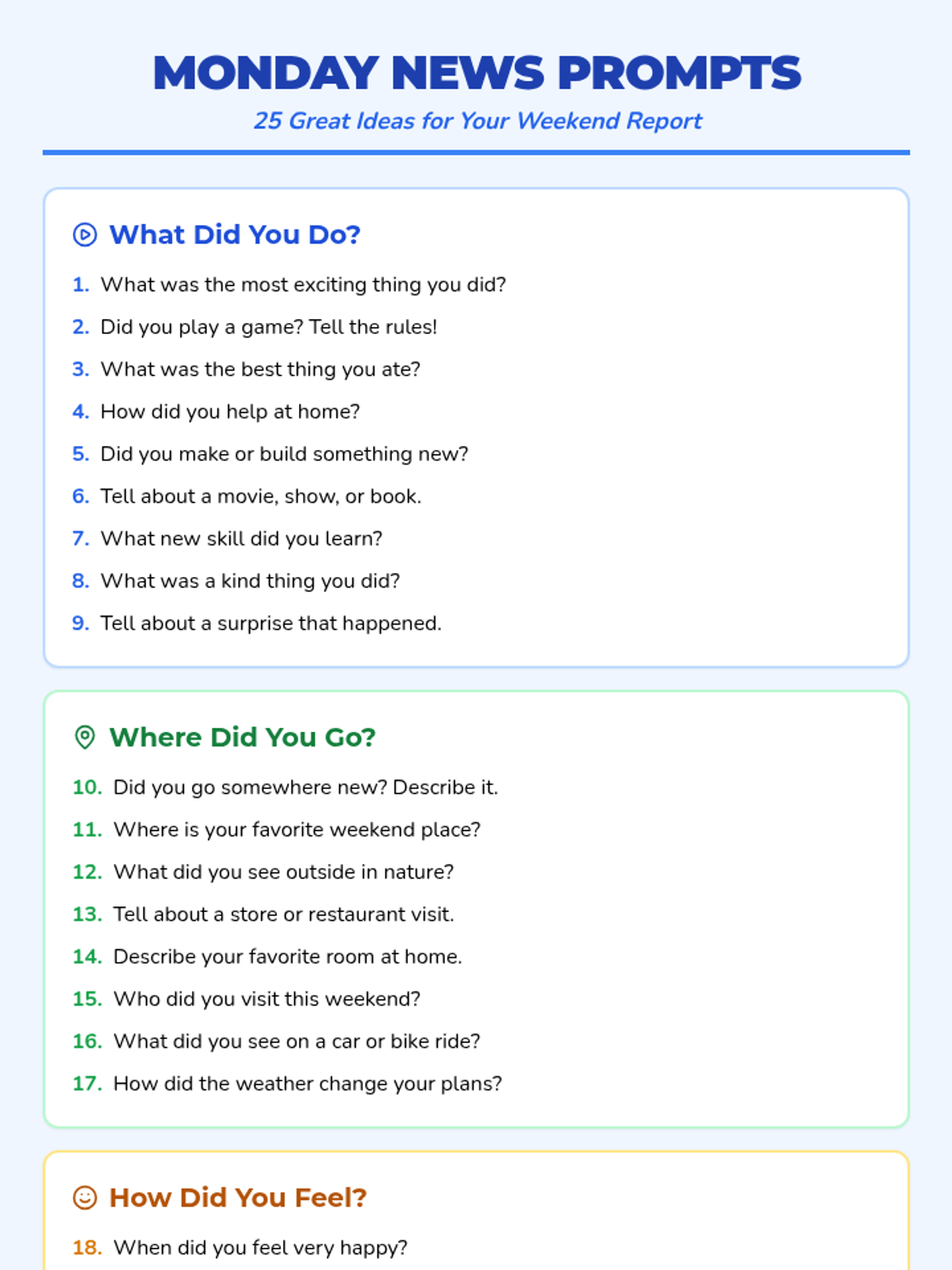
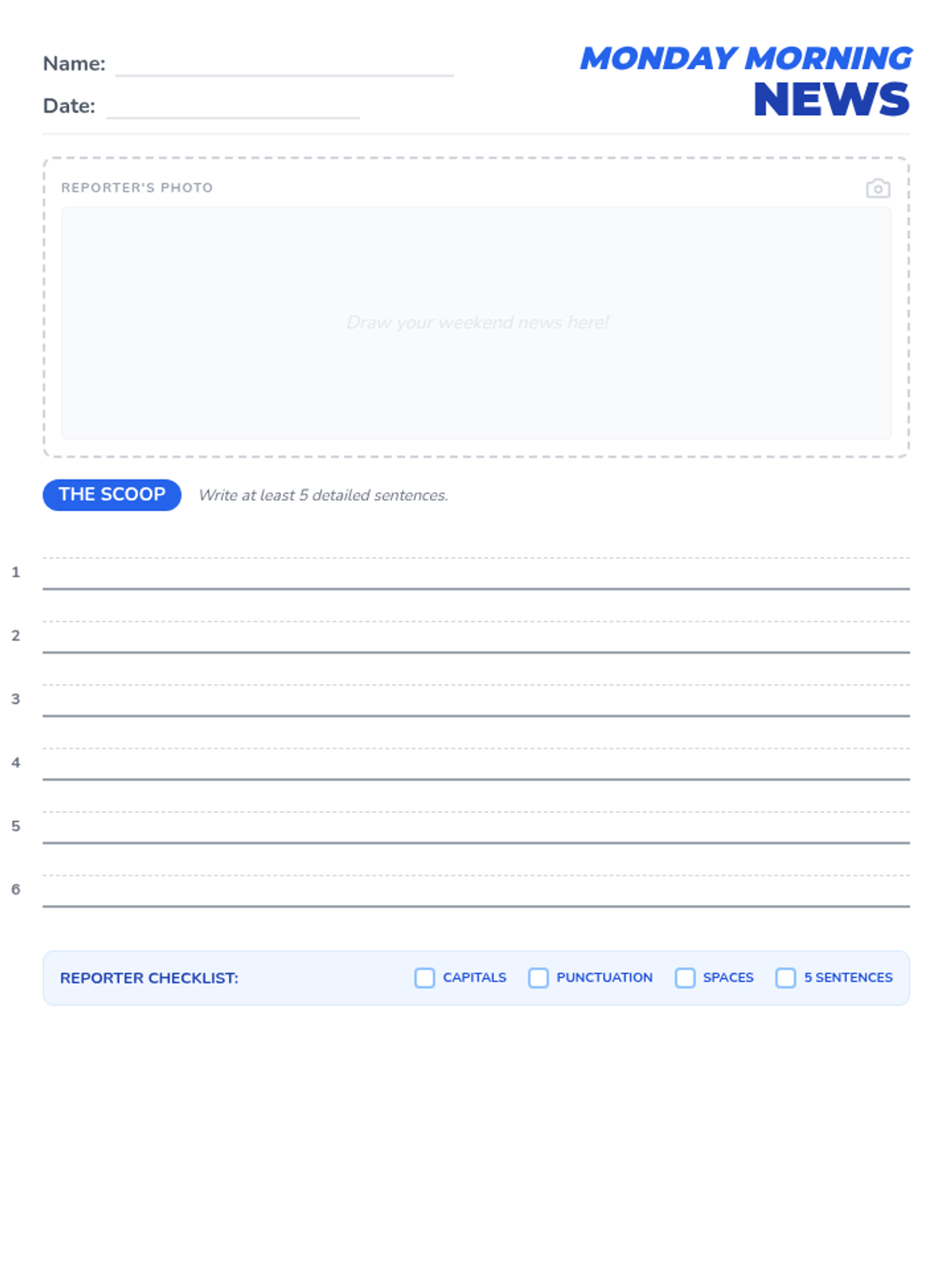
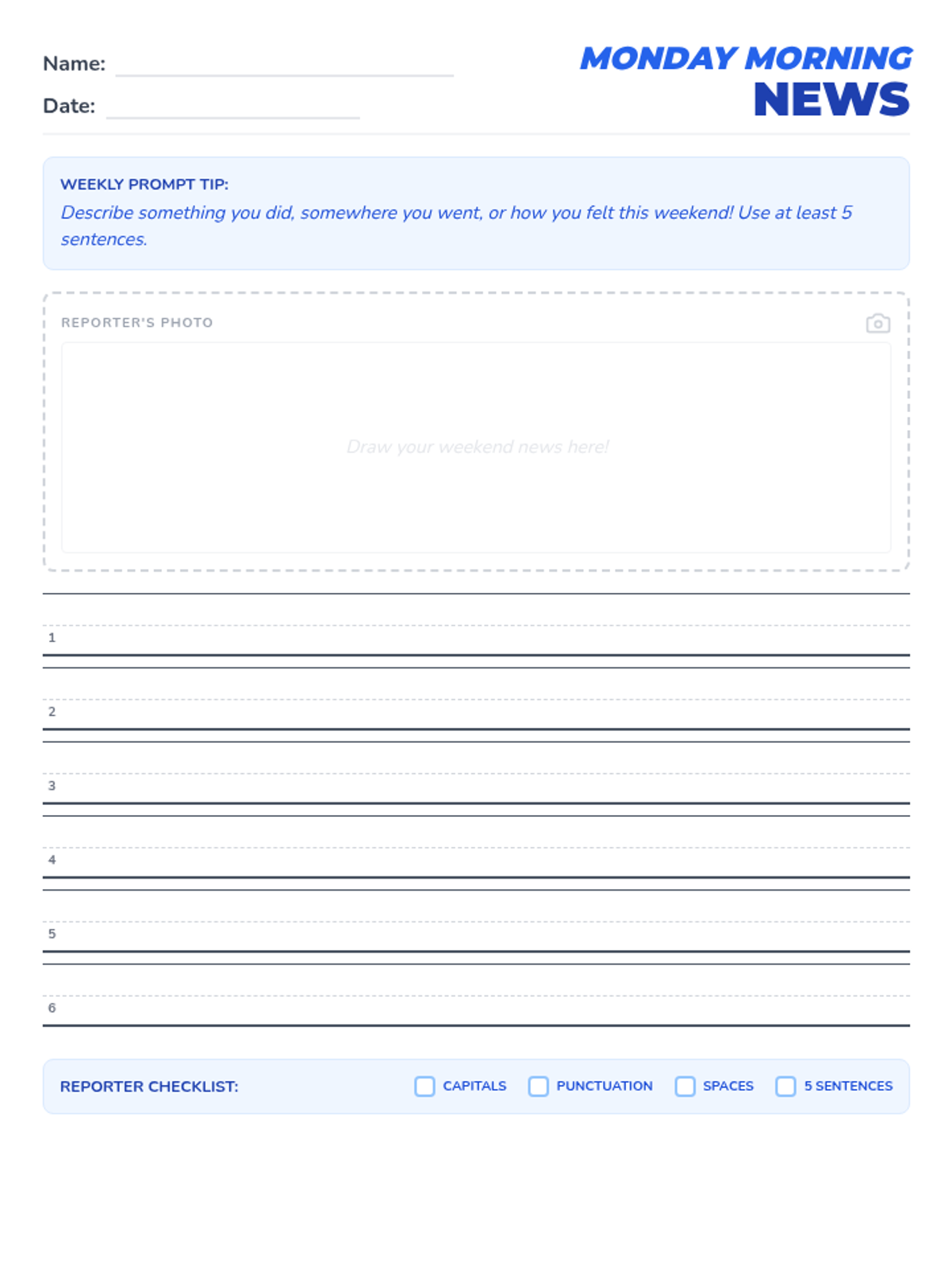
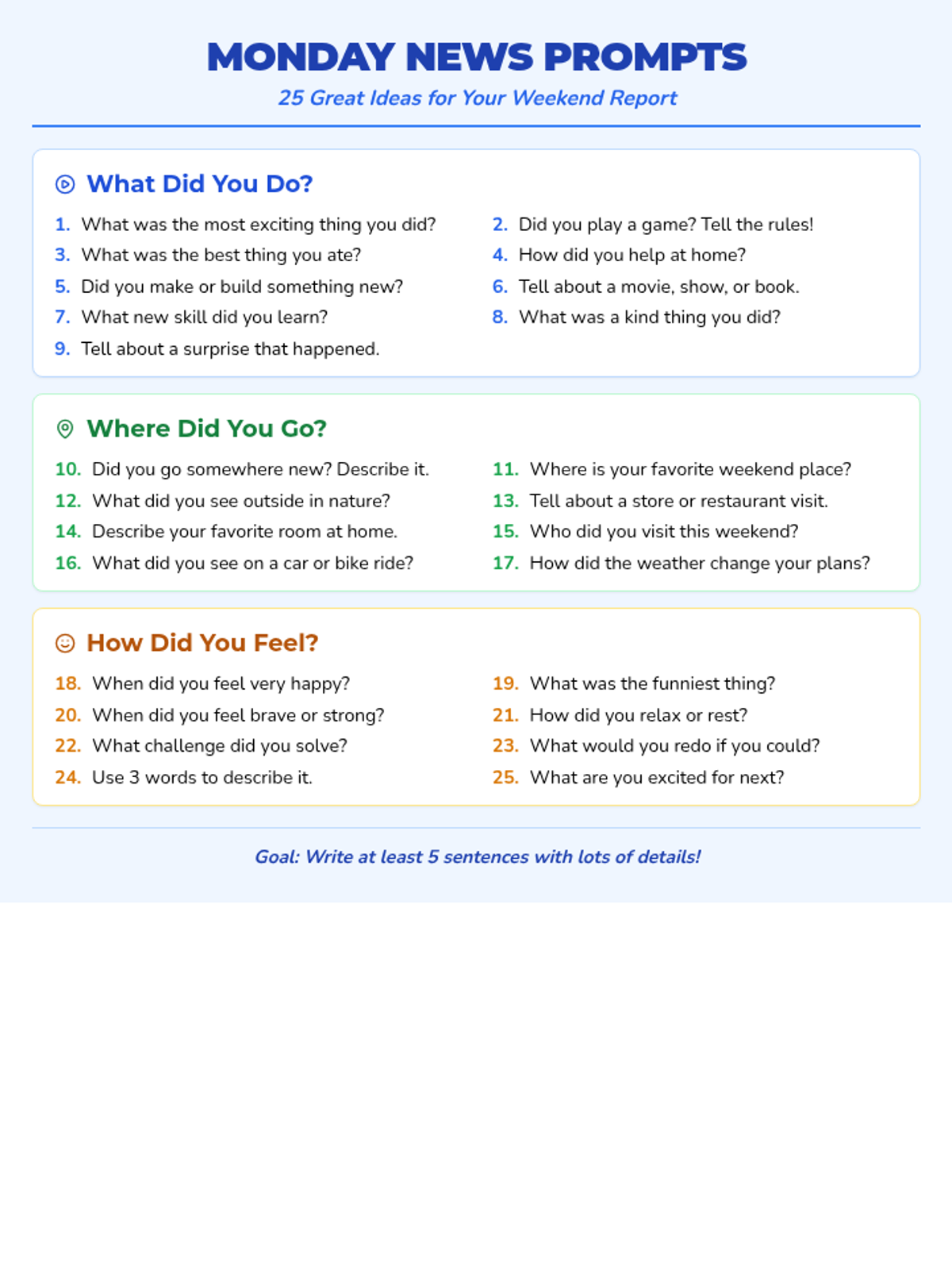
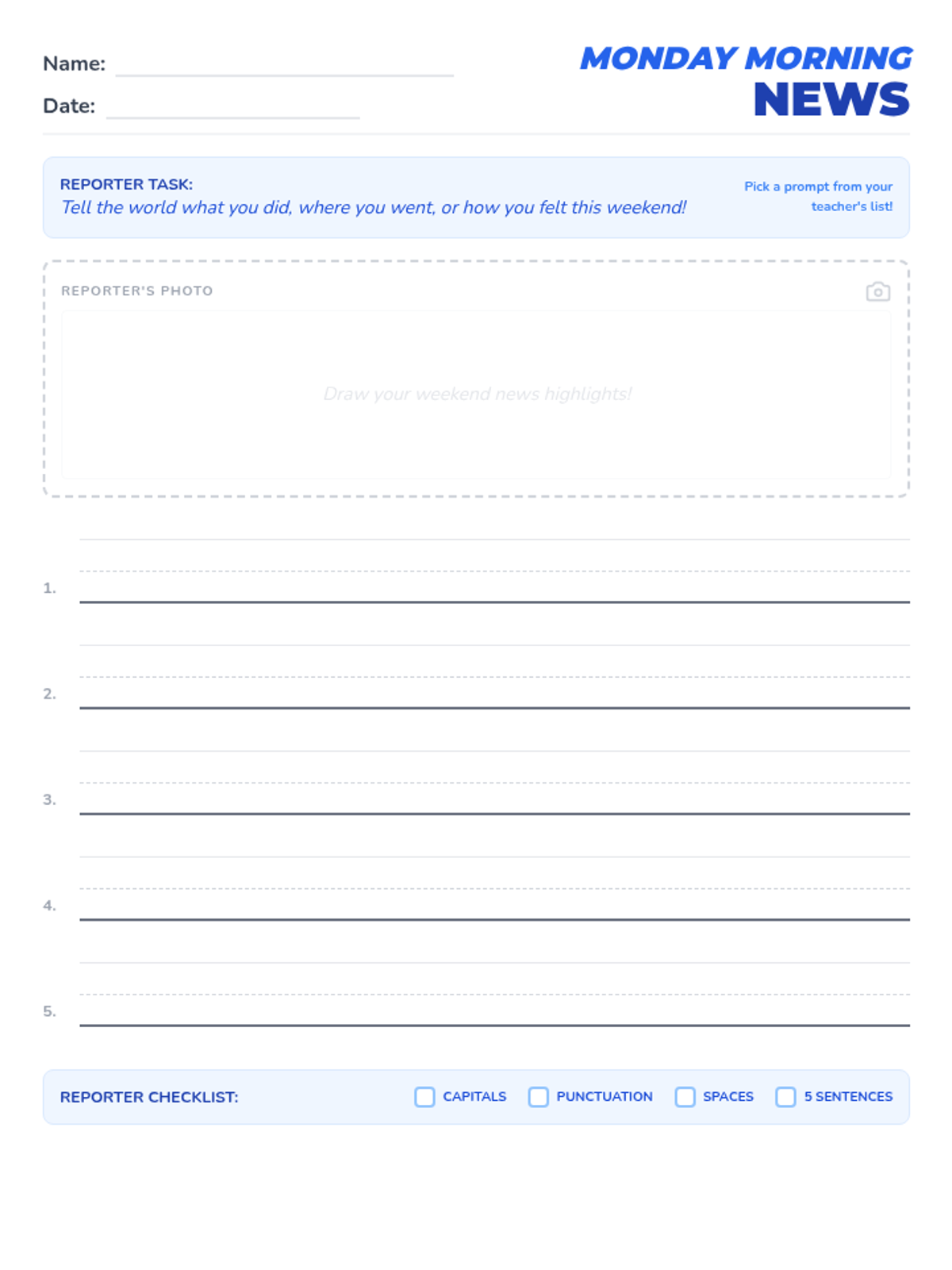
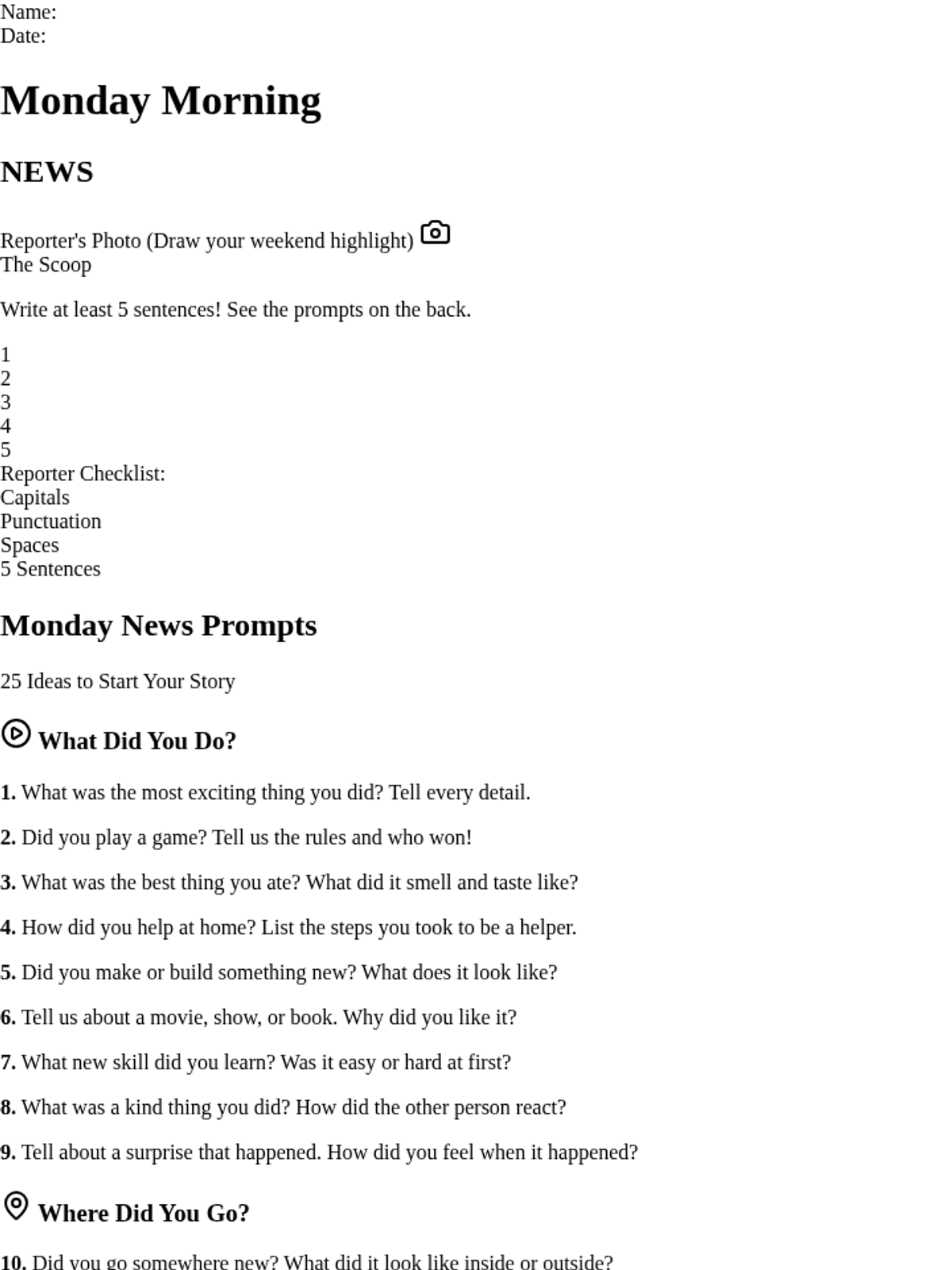
A Monday morning writing routine where students reflect on their weekend activities through descriptive journaling. Students use open-ended prompts to develop their narrative writing skills and share personal experiences with their peers.
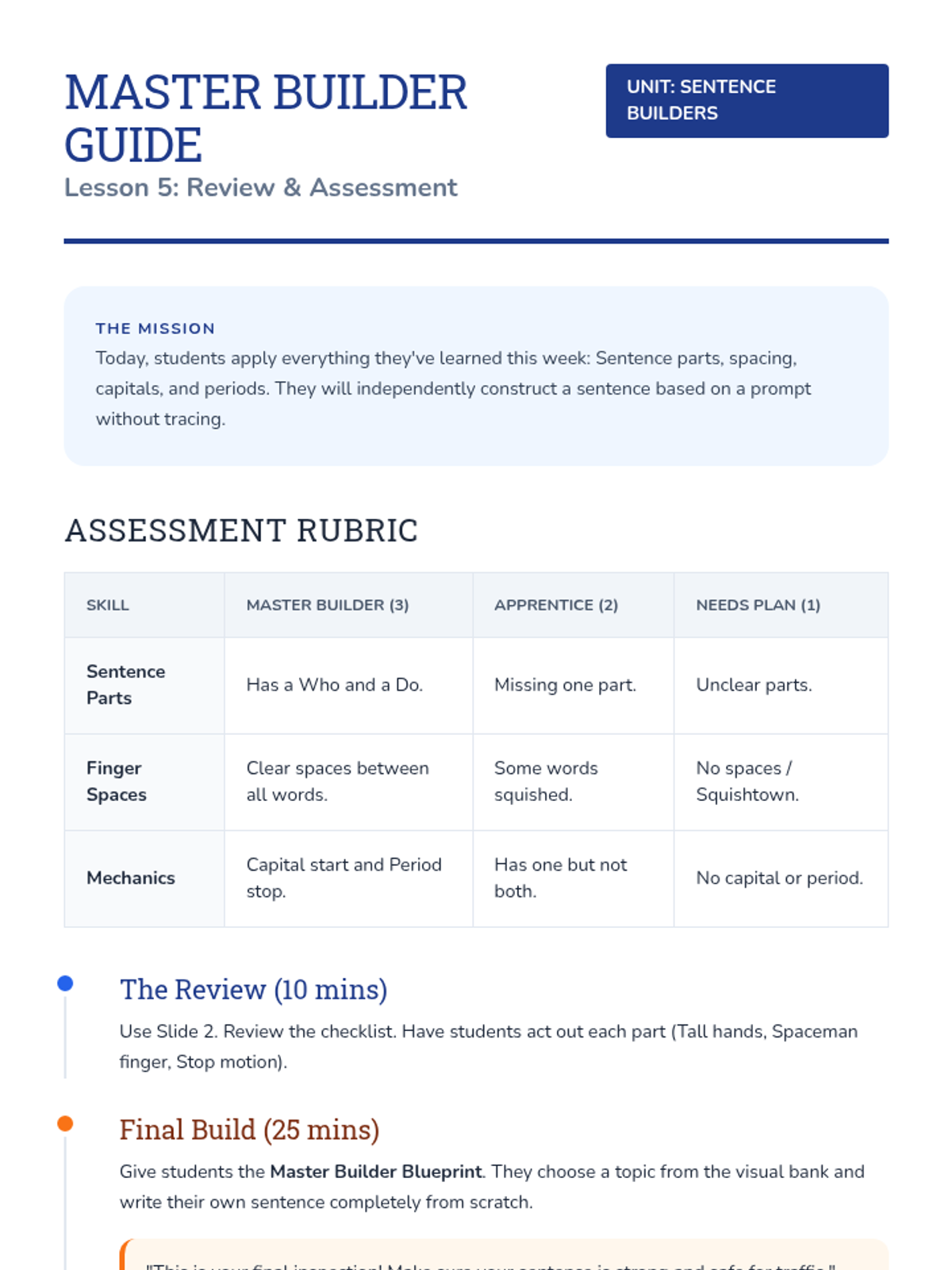
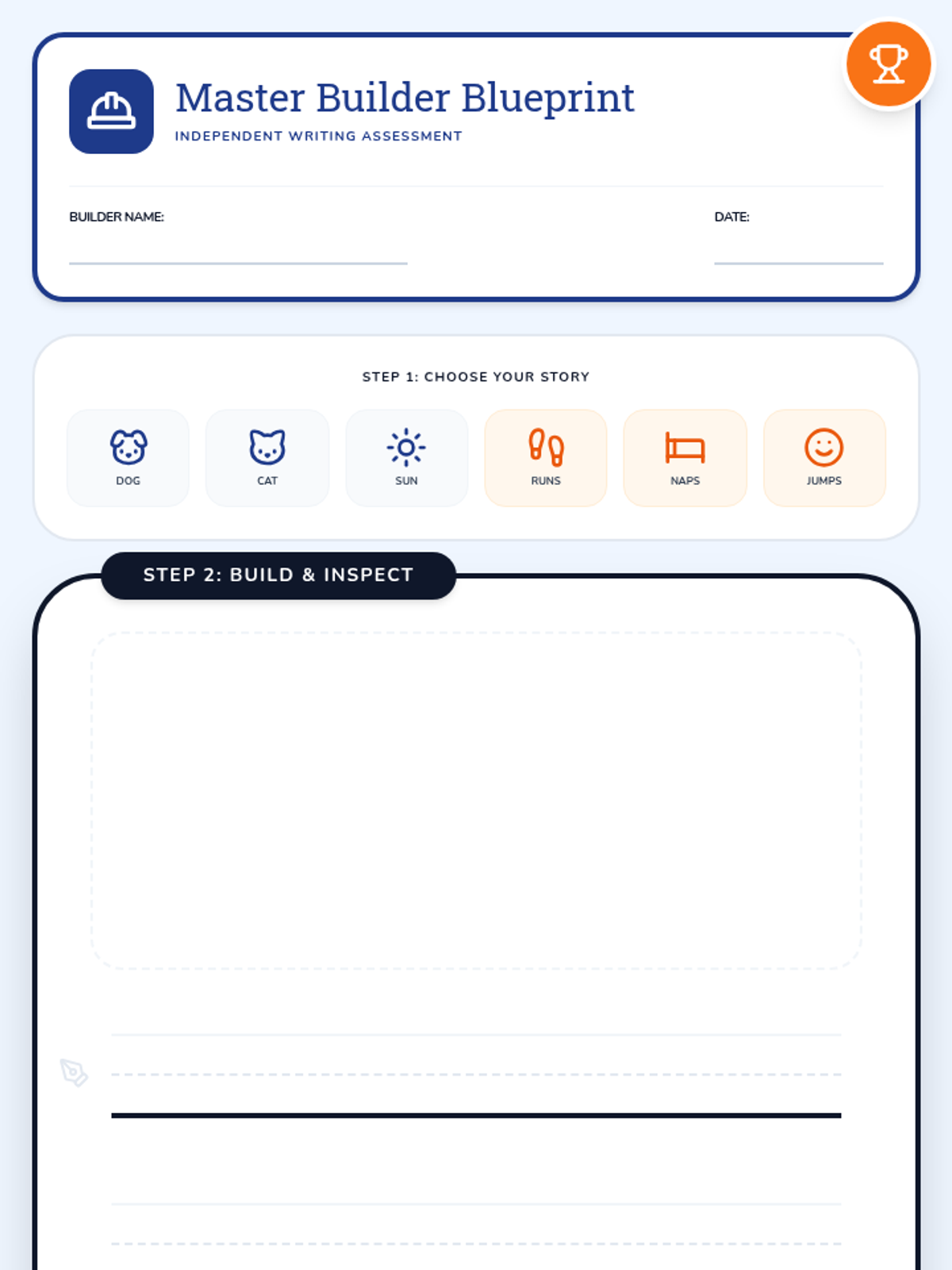
A final review and assessment where students independently construct, write, and check a complete sentence using all the skills learned.
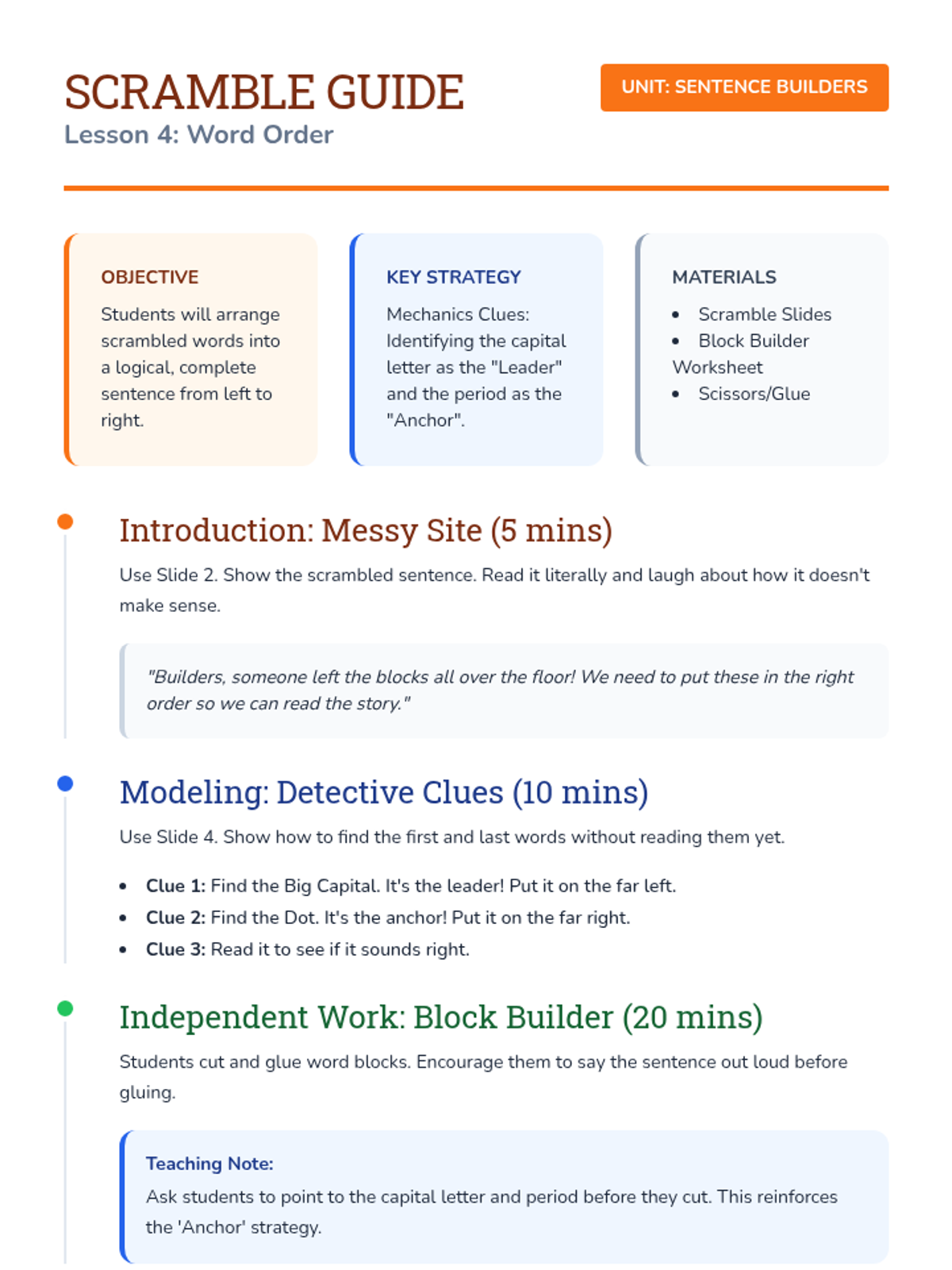
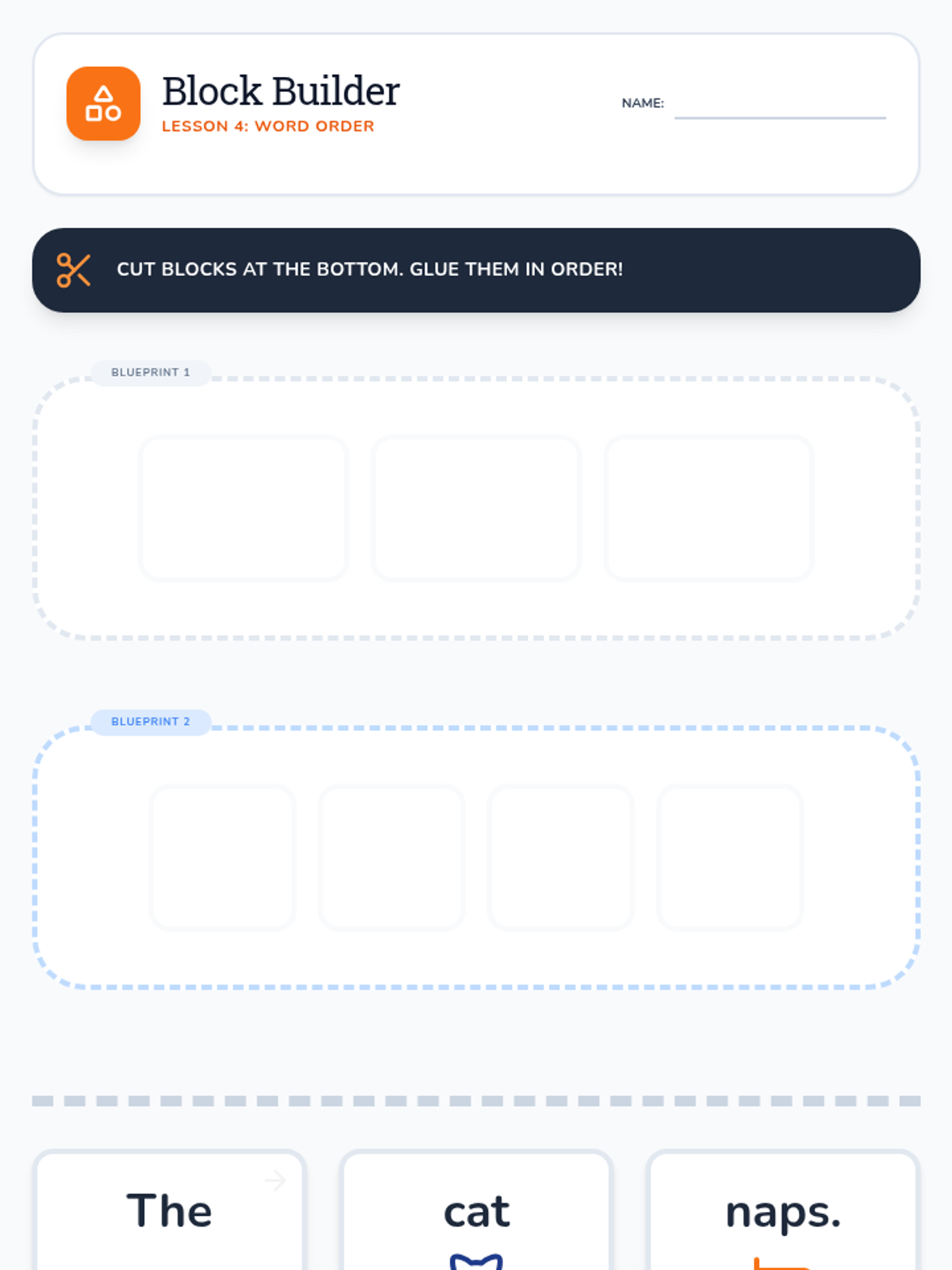
Students practice organizing words in the correct order to make sense, working with scrambled sentences and visual word banks.
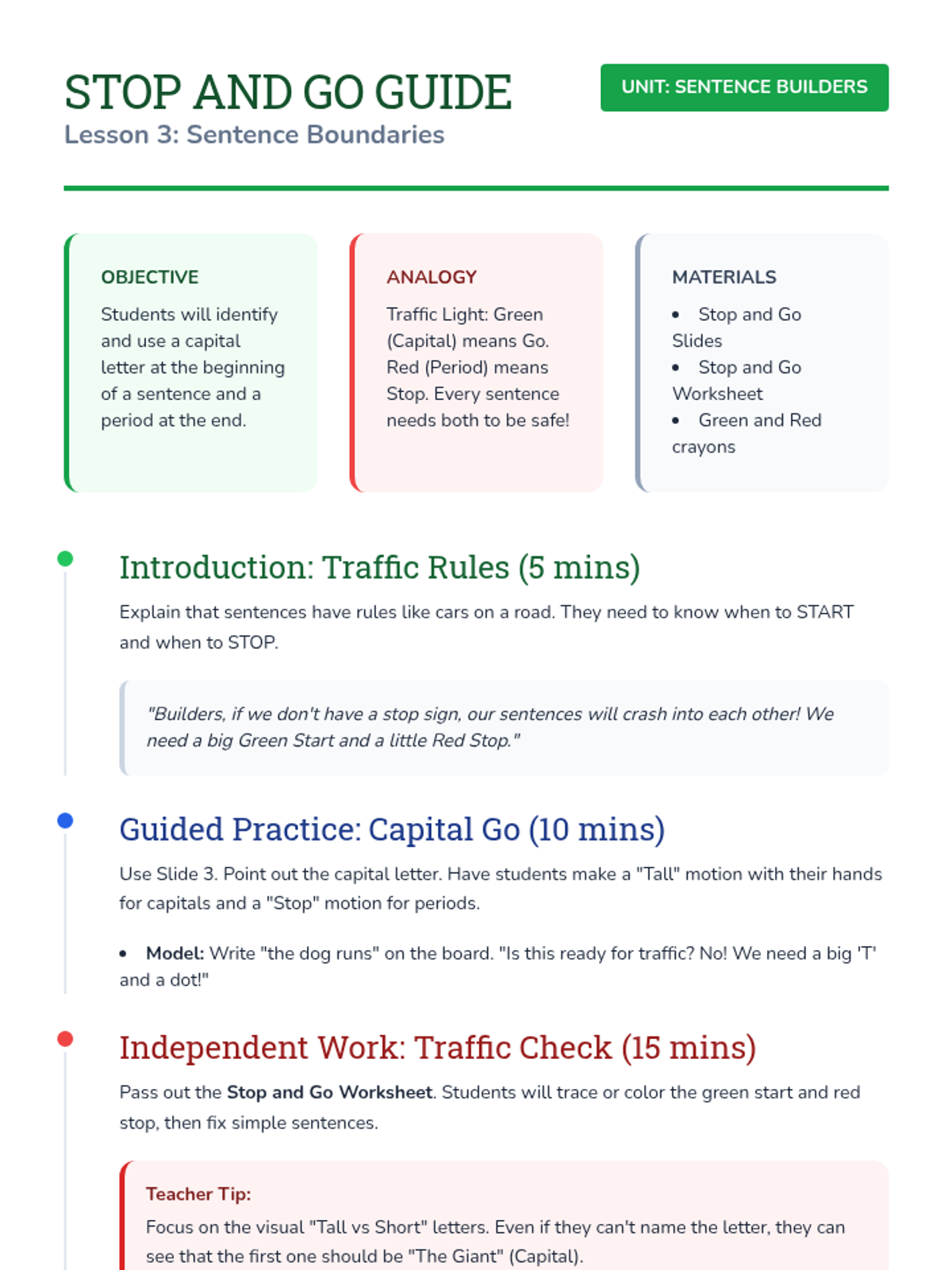
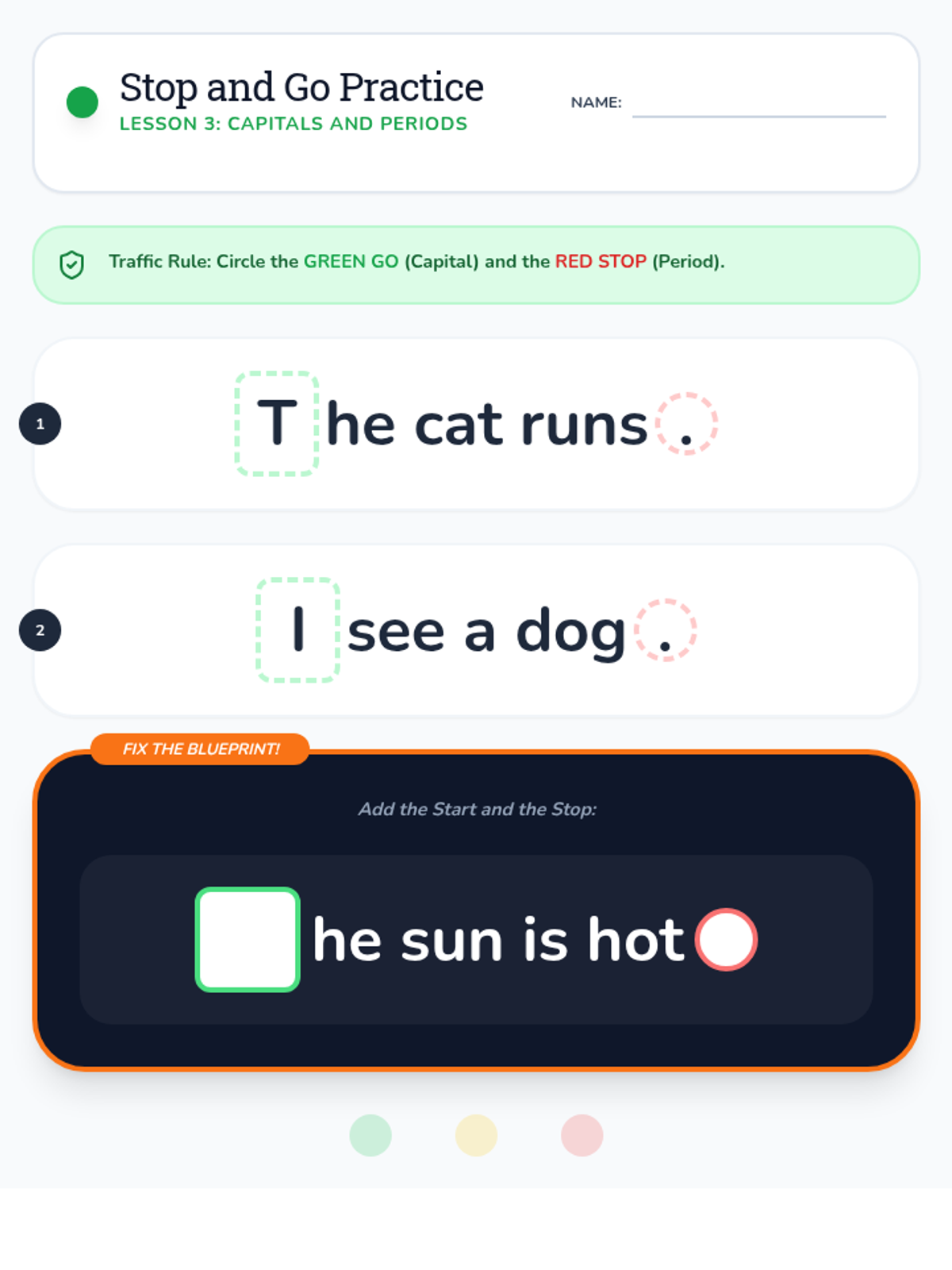
Focuses on sentence boundaries: starting with a capital letter and ending with a period. Students use the traffic light analogy (Green for Go, Red for Stop).
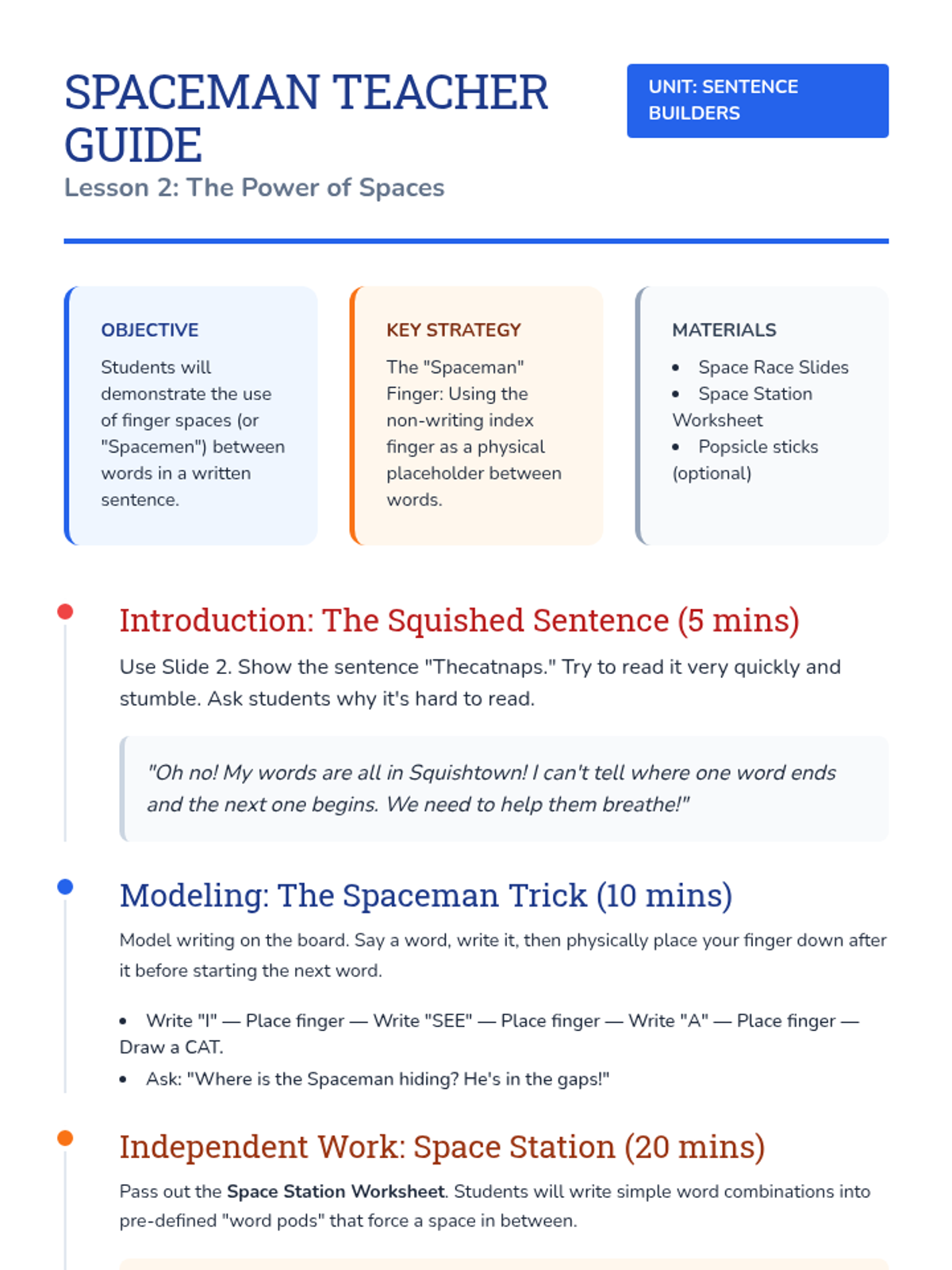
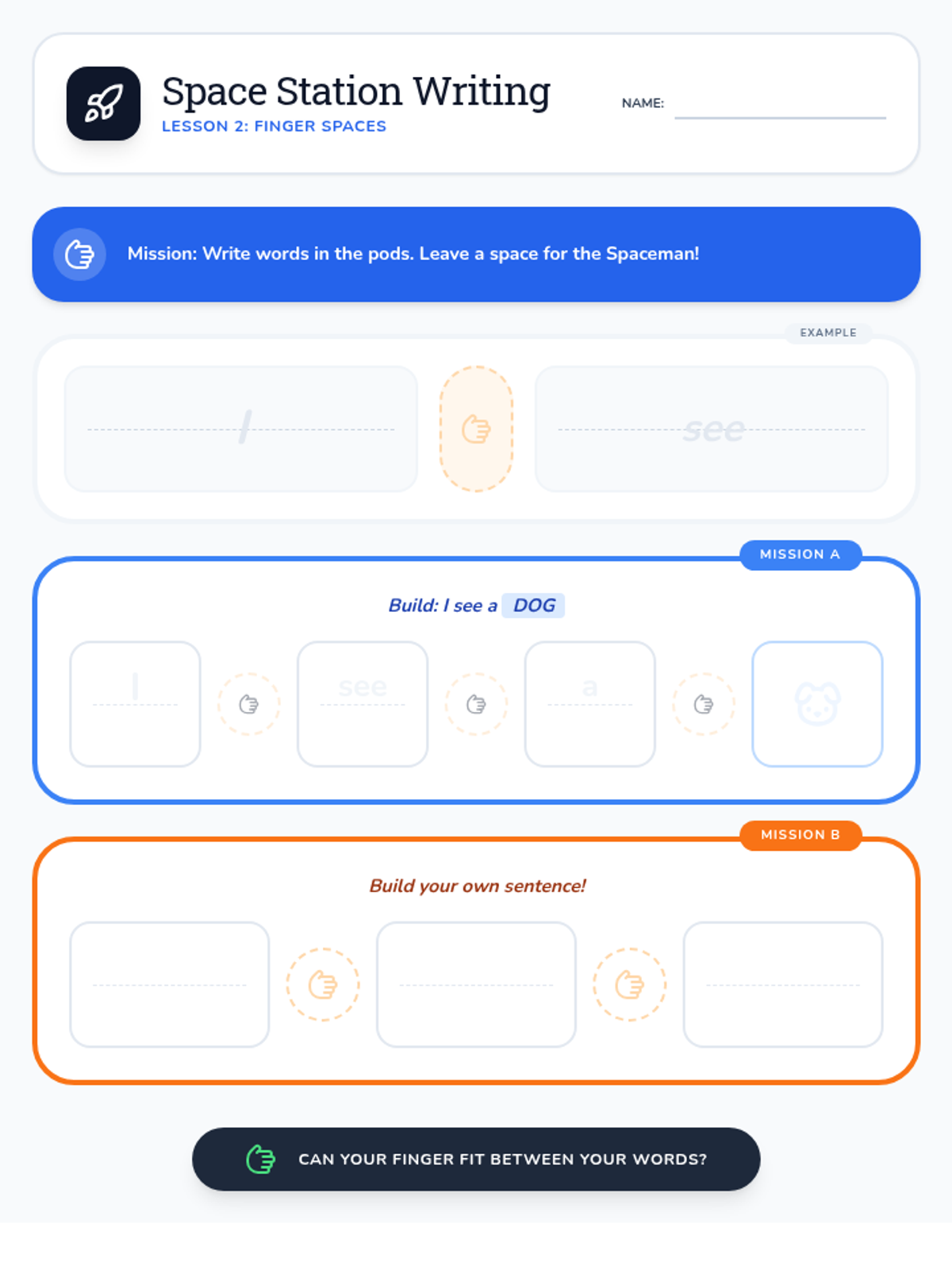
Teaches the importance of finger spaces between words to make writing readable. Students practice placing a "spaceman" or finger between word blocks.
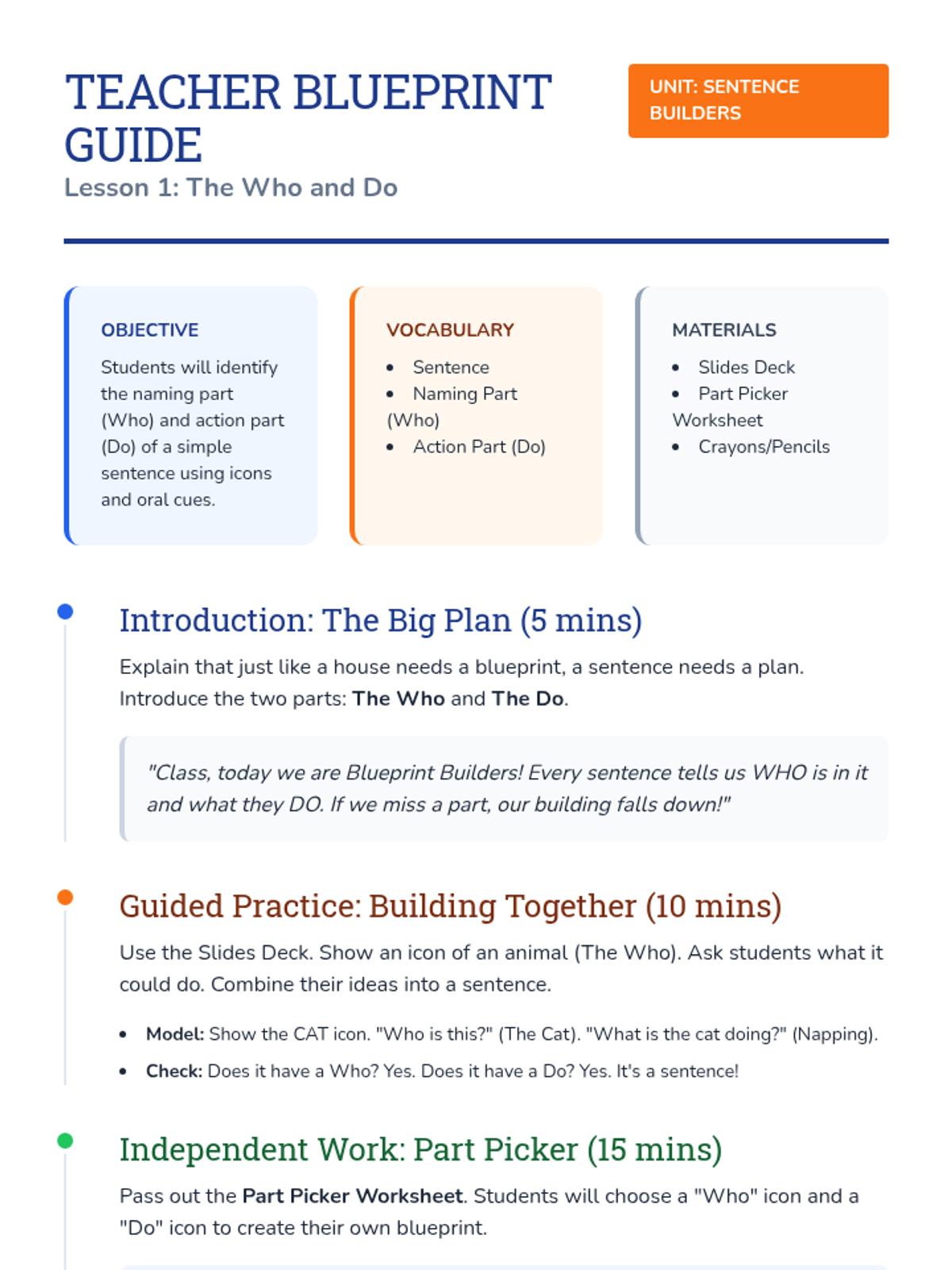
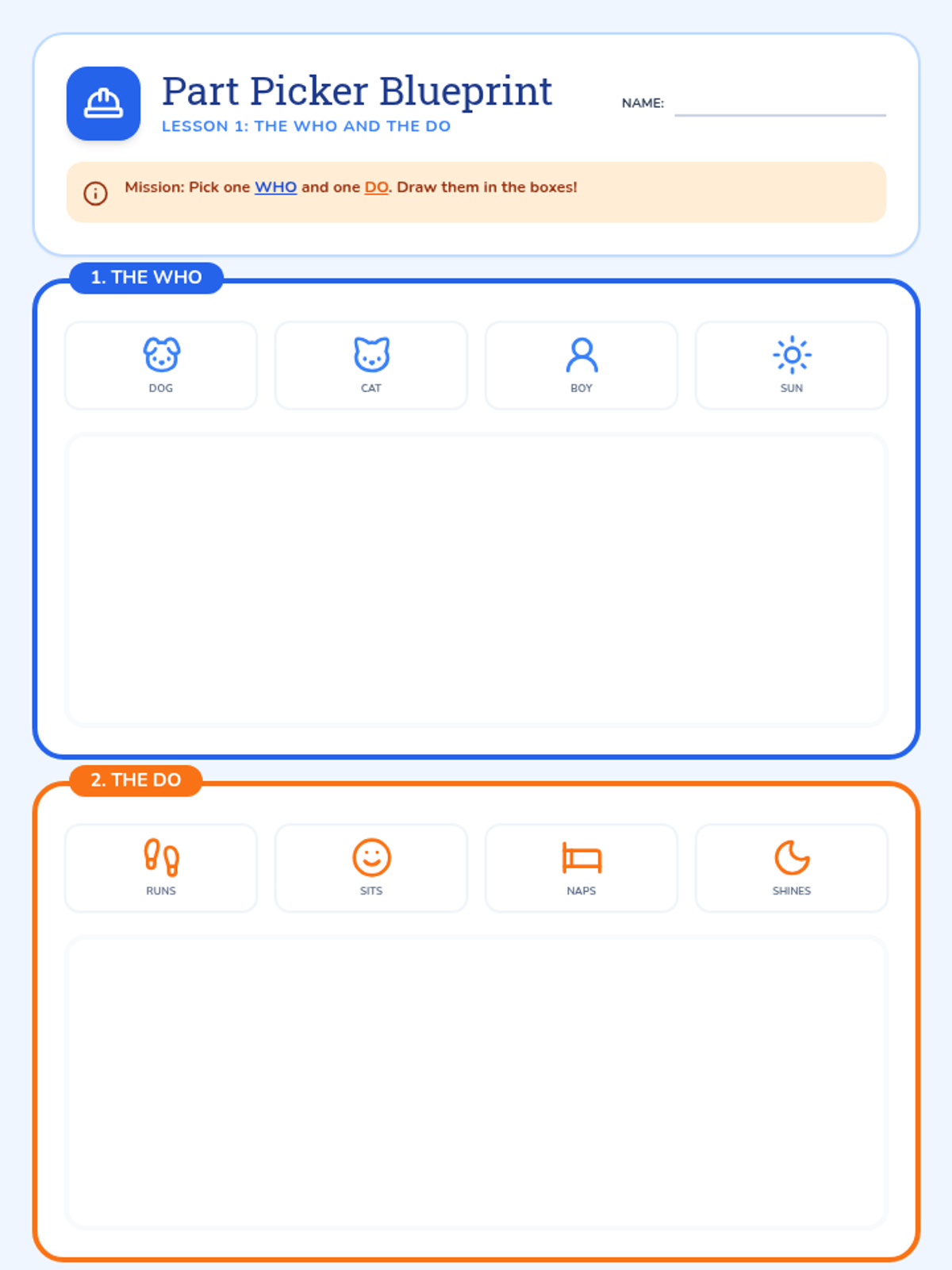
Introduces the two core parts of a sentence: the naming part (Who) and the action part (Do). Students learn to combine these orally and in simple written forms using icons.