Students explore the sense of hearing by transforming ordinary paper cups into 'Sound Detectors.' They learn about vibrations, practice focused listening, and play a mystery sound matching game to distinguish between loud and quiet sounds.
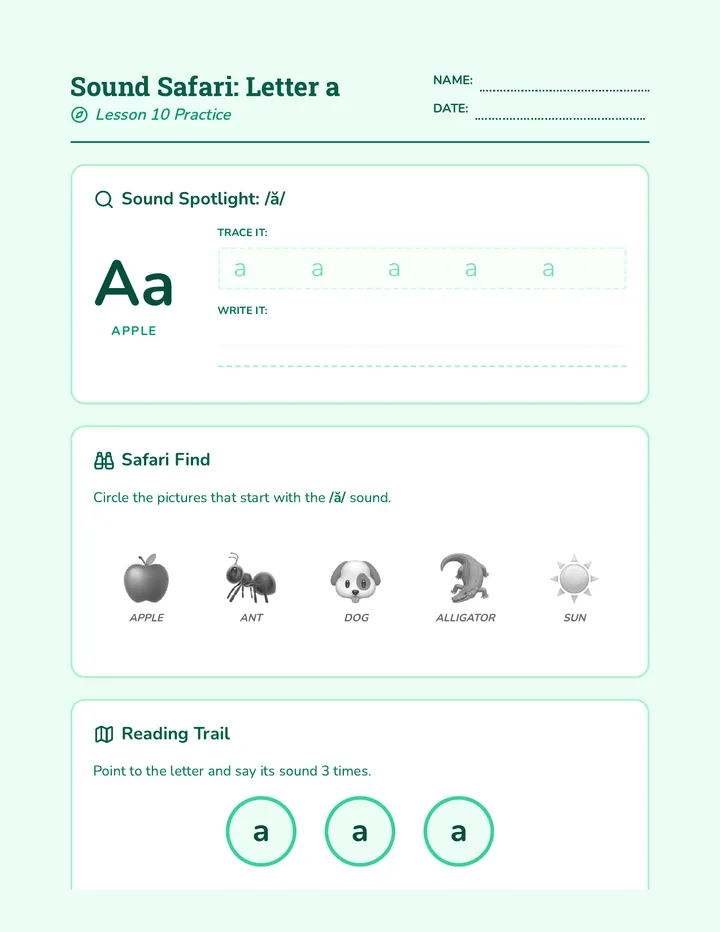
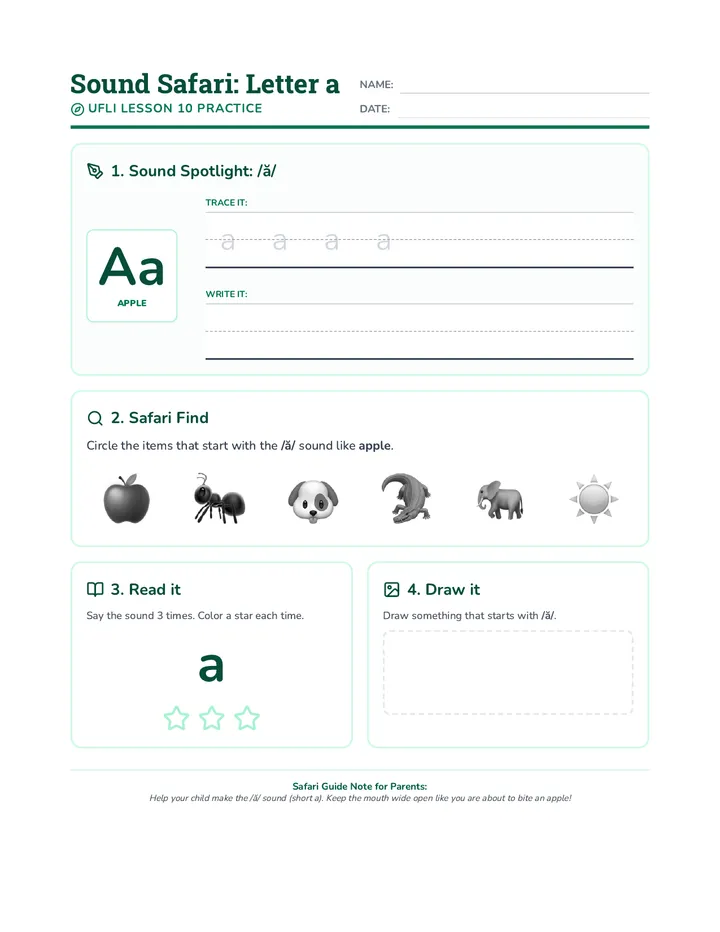
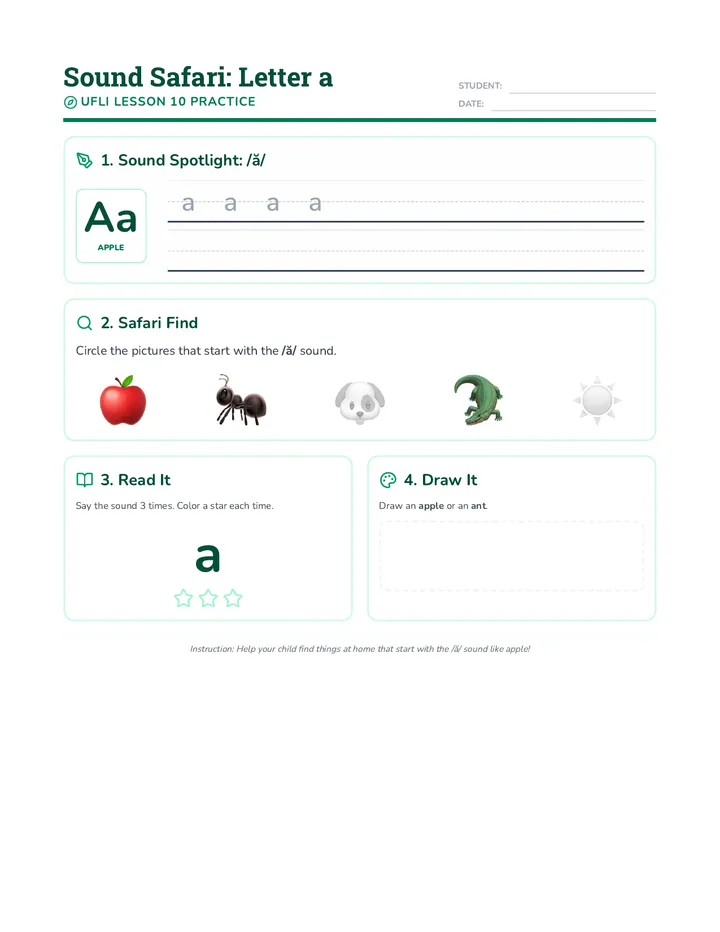
A comprehensive series of take-home practice worksheets for Kindergarten students following the UFLI Foundations scope for Alphabet Knowledge. Each worksheet focuses on a single letter-sound correspondence with activities for letter formation, decoding, encoding, and simple sentence reading.
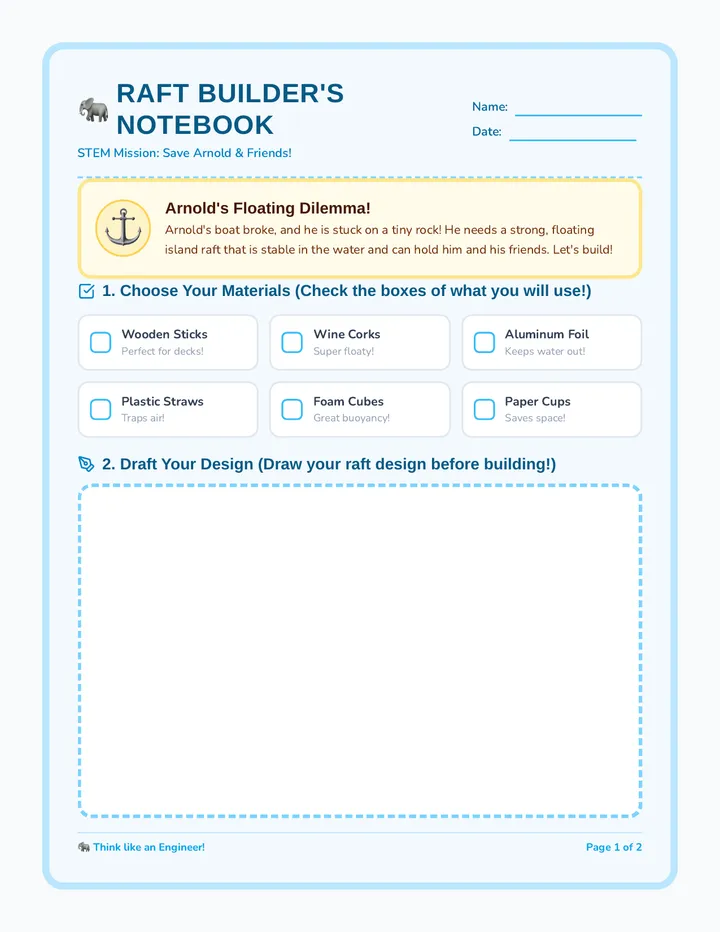
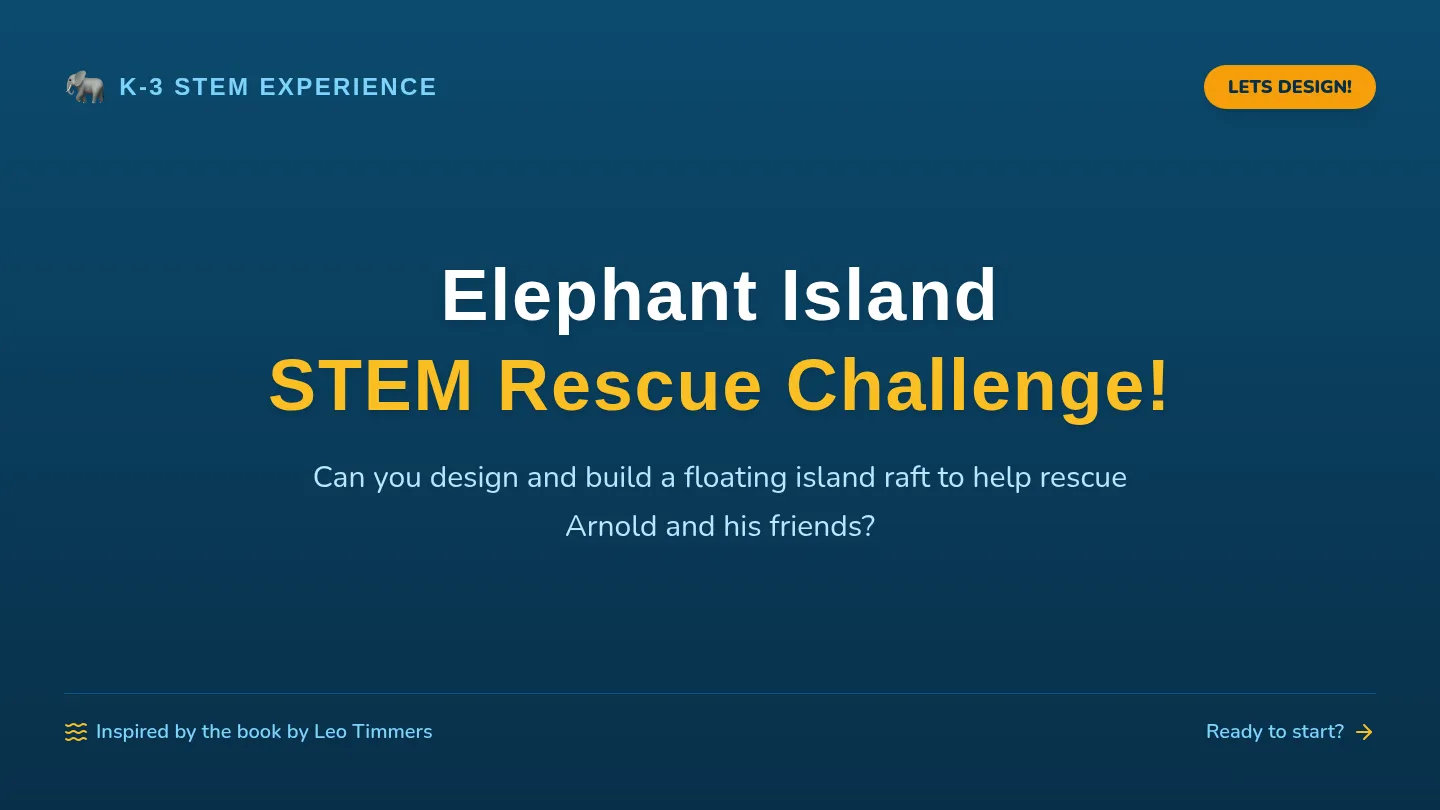
An interactive STEM challenge and read-aloud experience based on Leo Timmers' 'Elephant Island'. Students design and build floating island rafts to rescue Arnold and his friends.
A 5-slide visual presentation for projection in the classroom to guide the read-aloud, introduce the STEM raft challenge, show materials, and lead the final reflection.
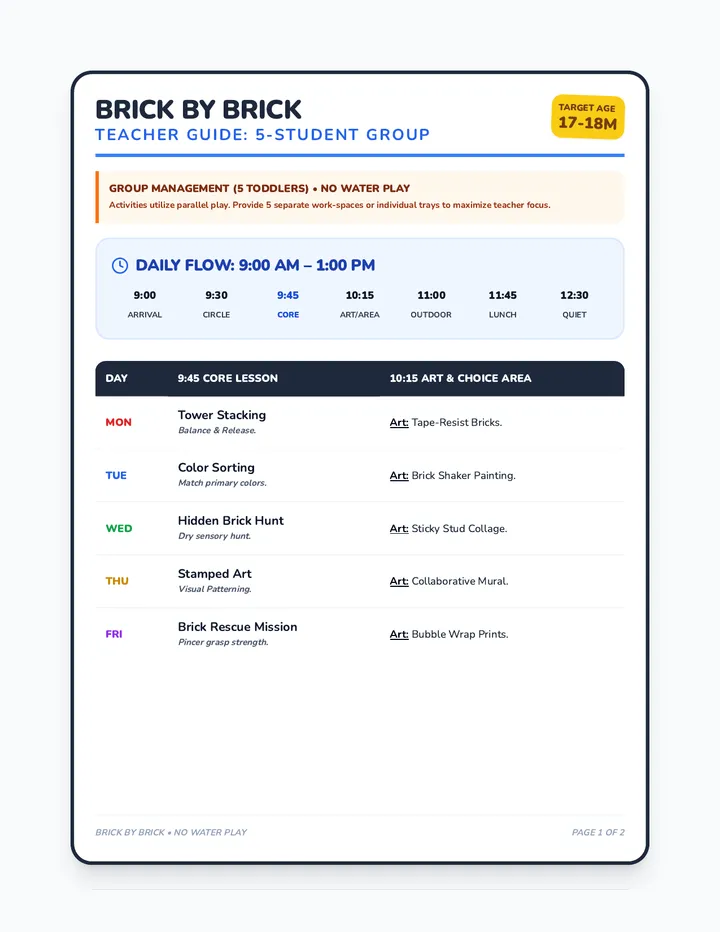
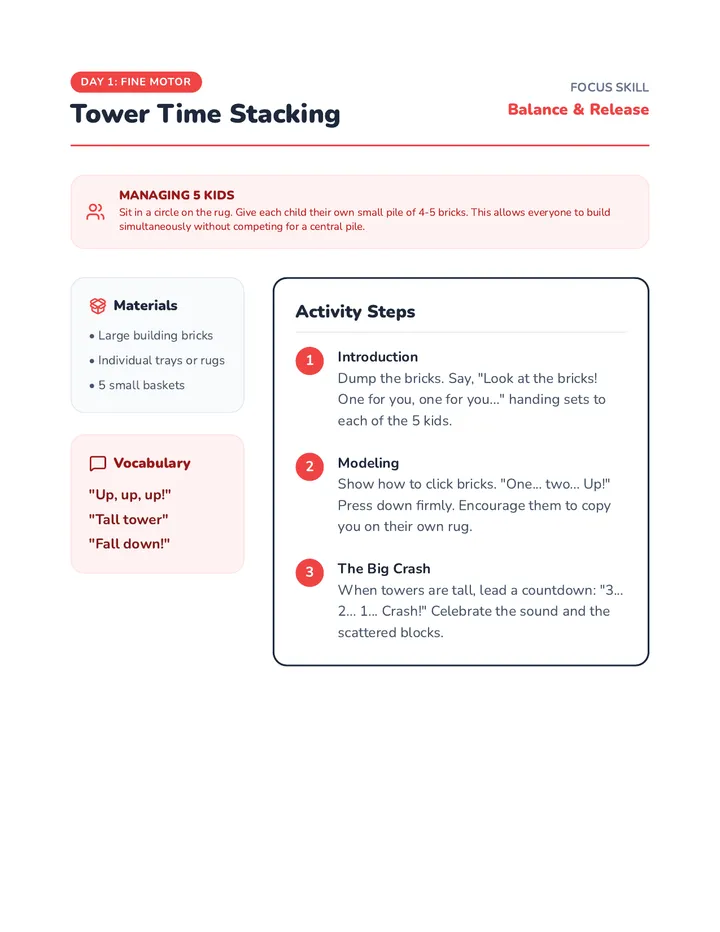
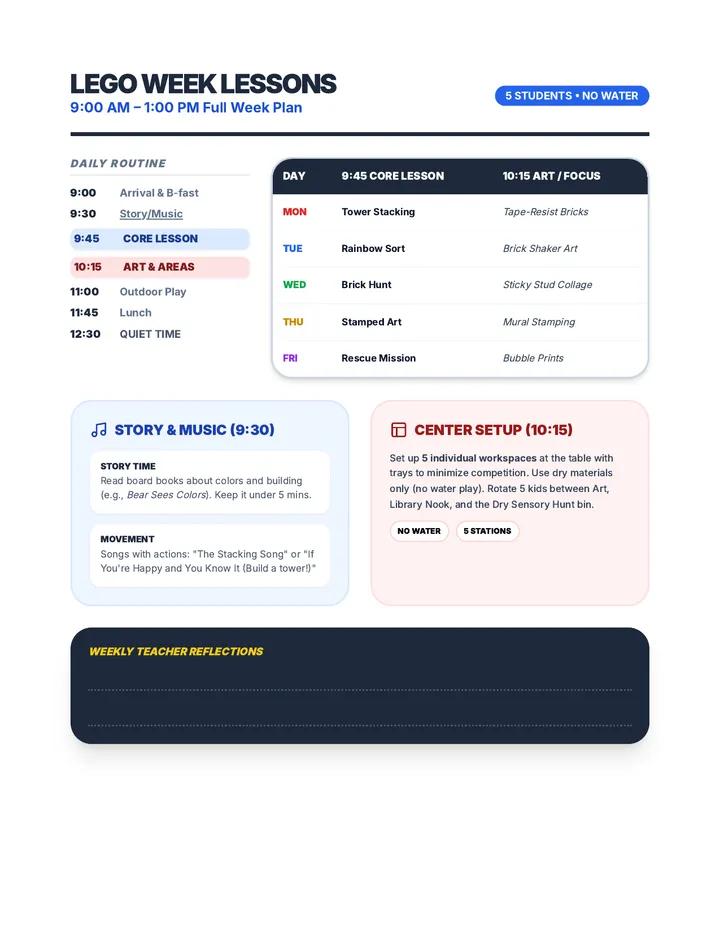
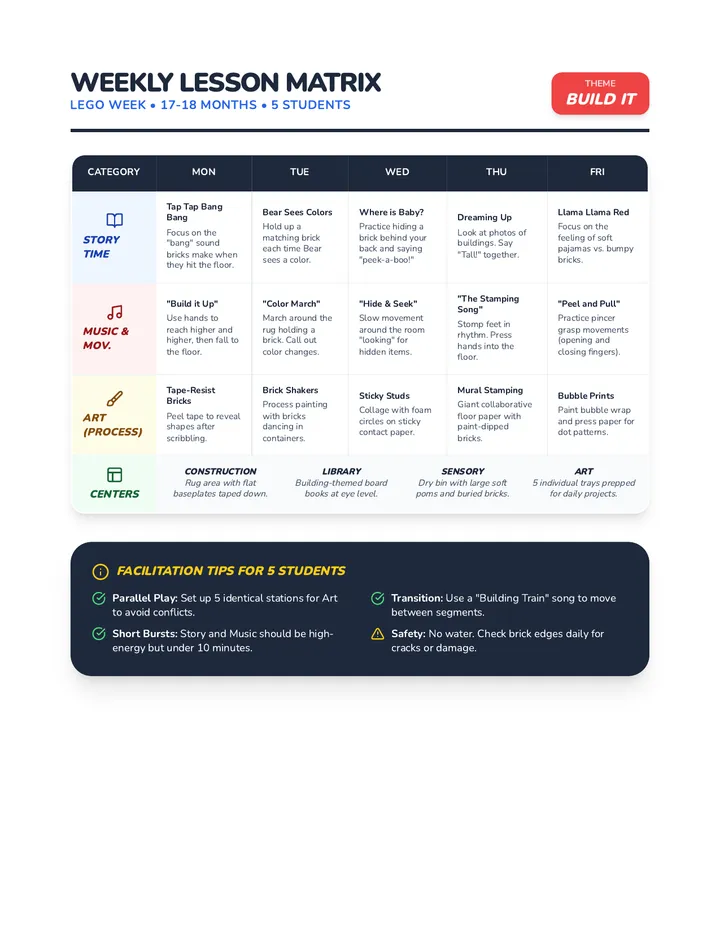
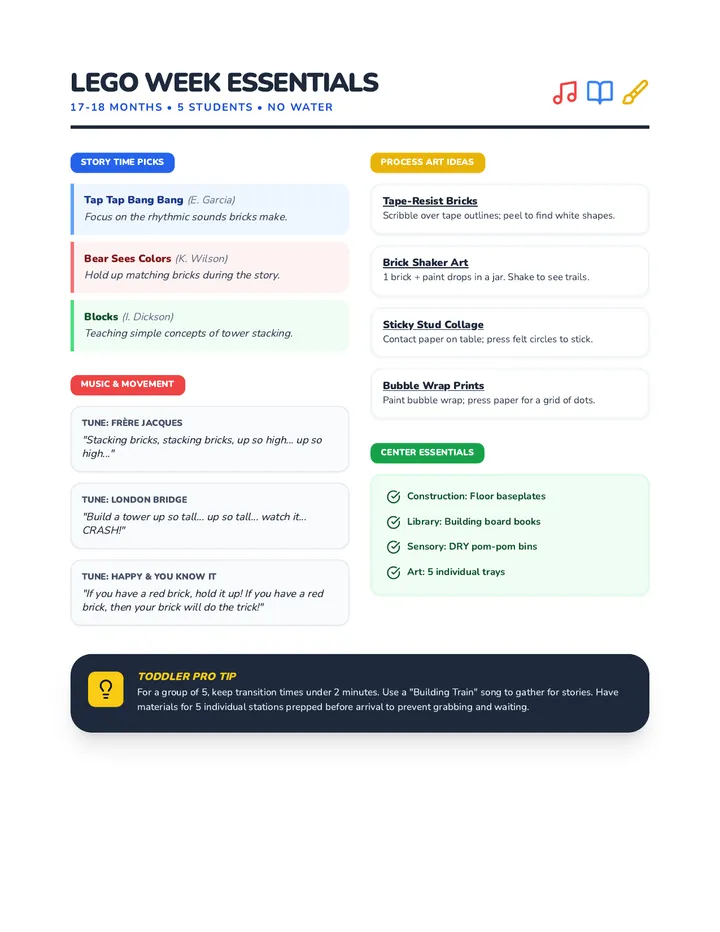
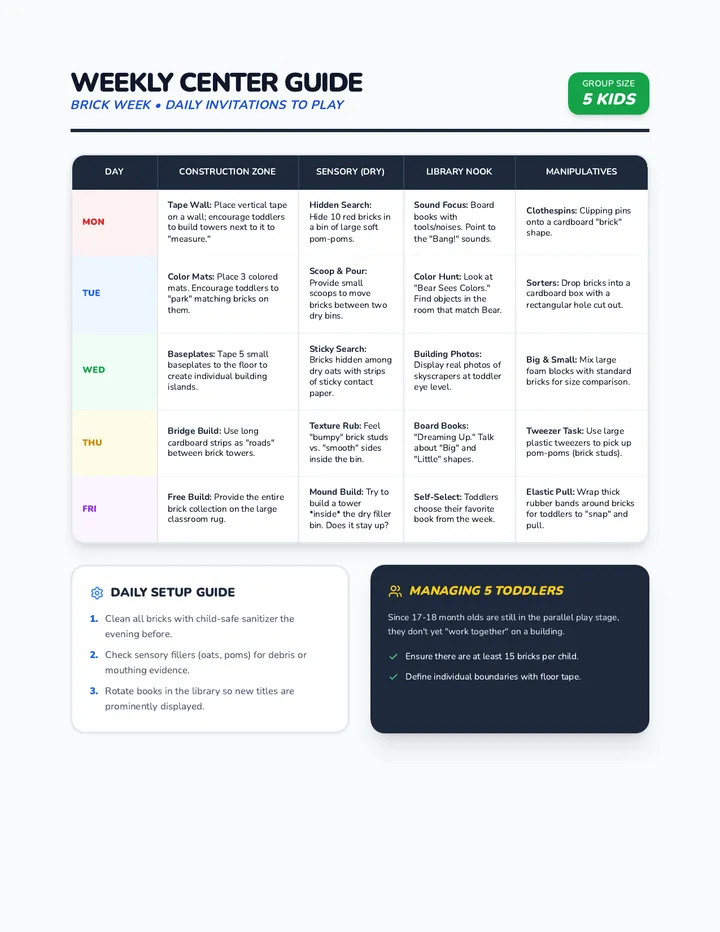
A collection of comprehensive week-long curricula for toddlers aged 17-18 months. Each themed week focuses on developmental play, sensory exploration, and fine motor skills for a group of 5 students with zero water play.
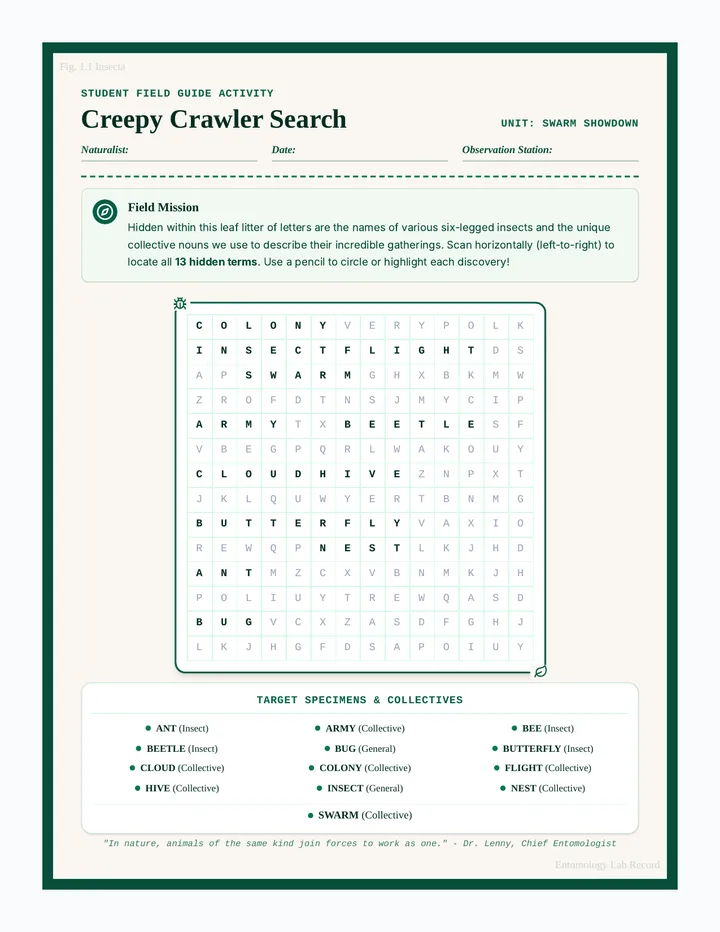
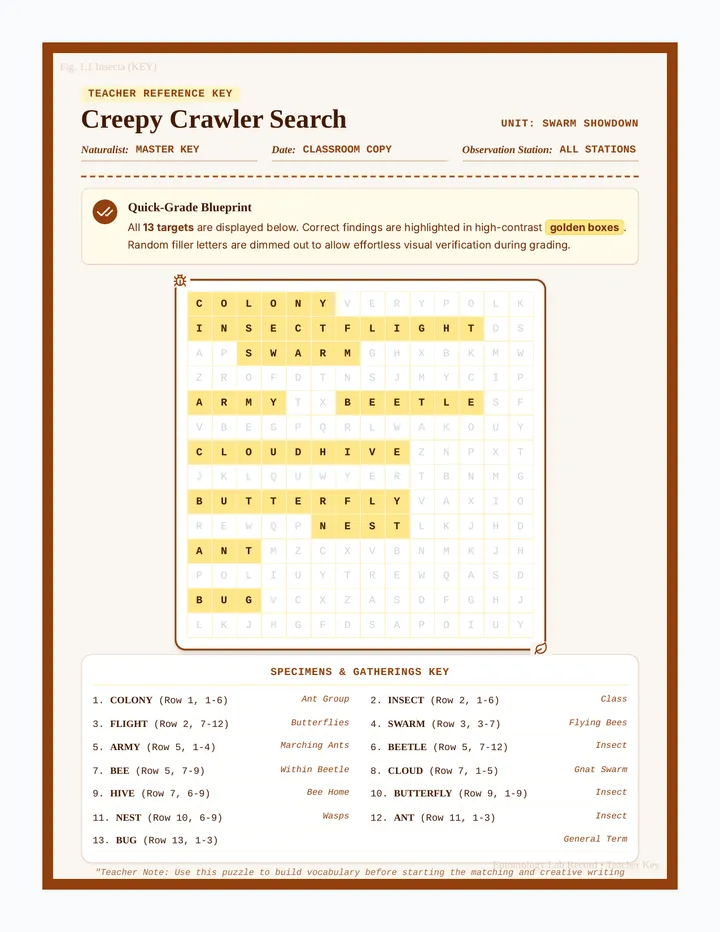
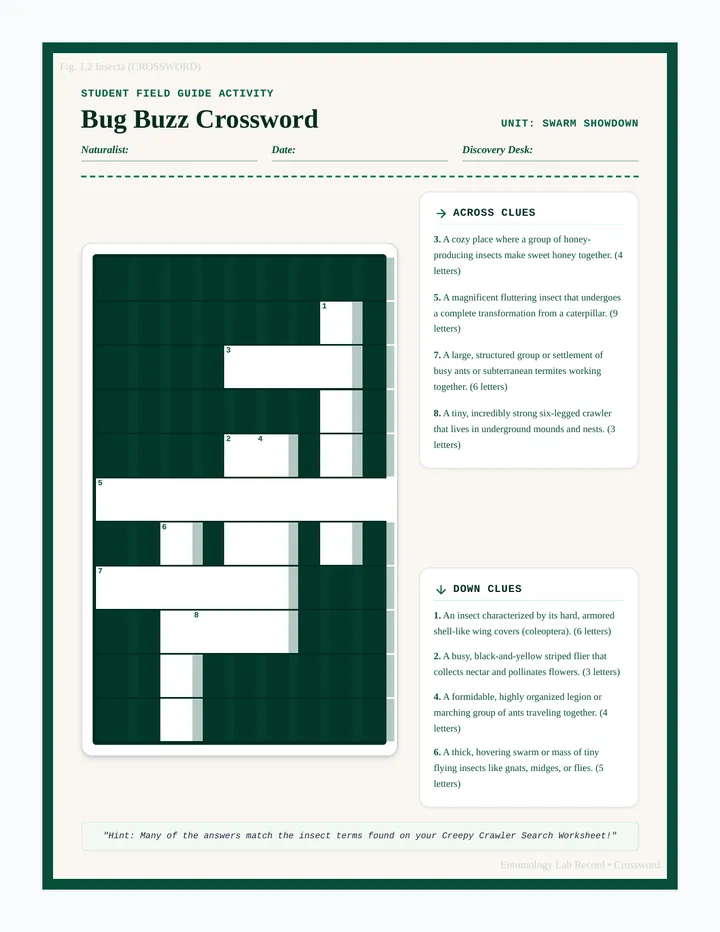
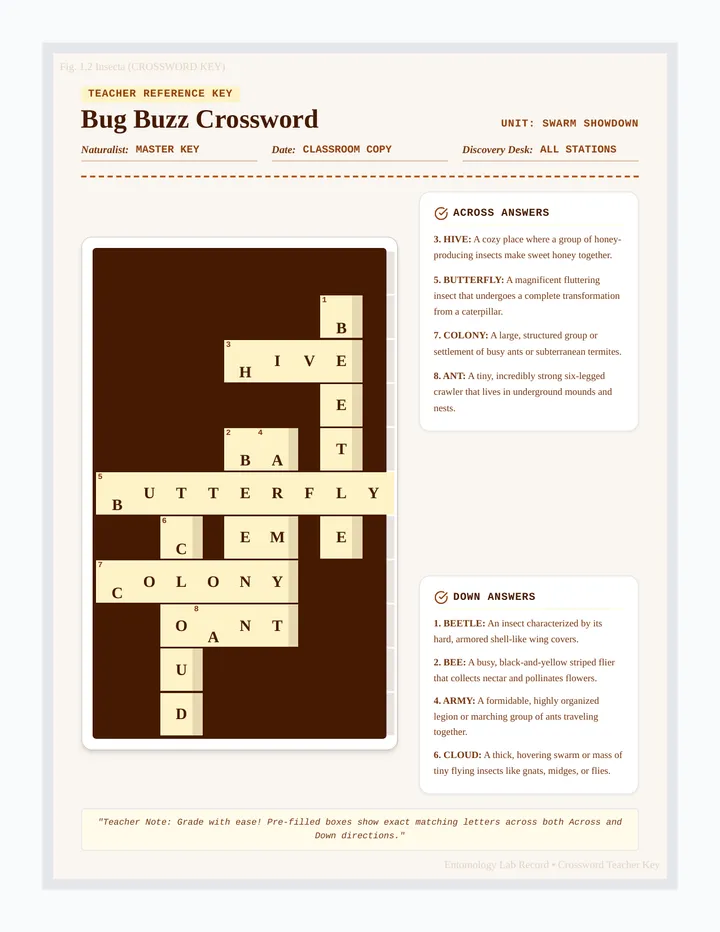
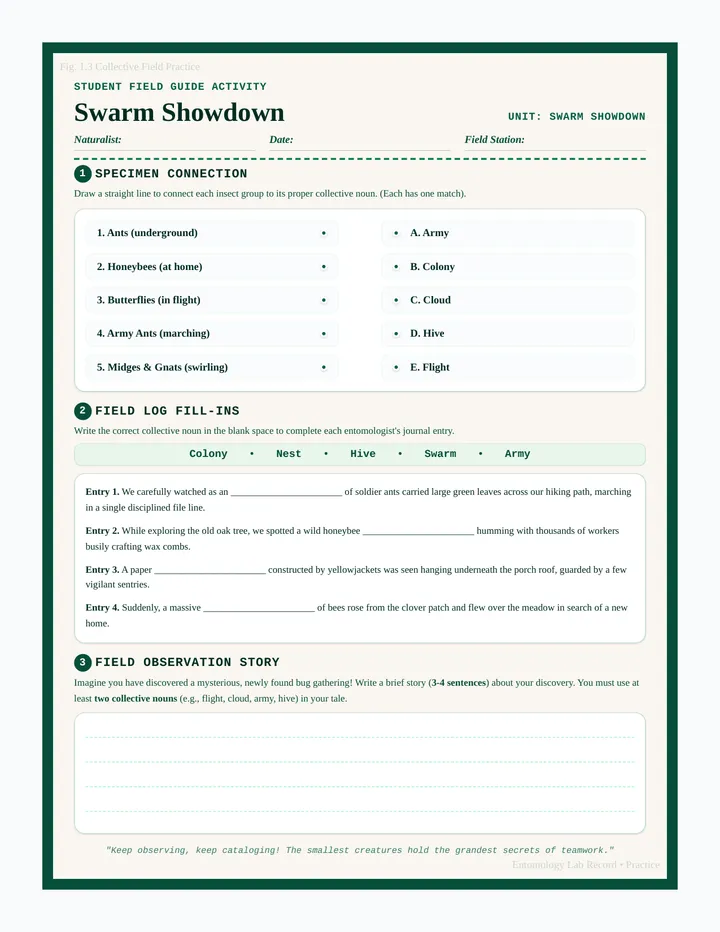
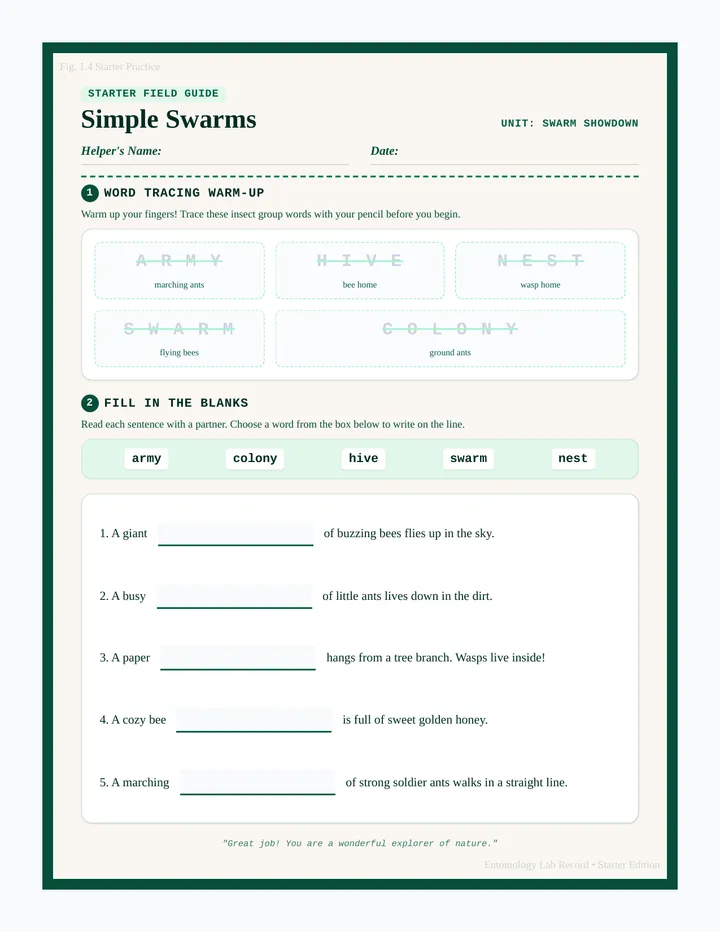
An engaging lesson on insect collective nouns and terminology, featuring a word search, crossword, and hands-on matching and writing activities exploring how bugs gather in groups.
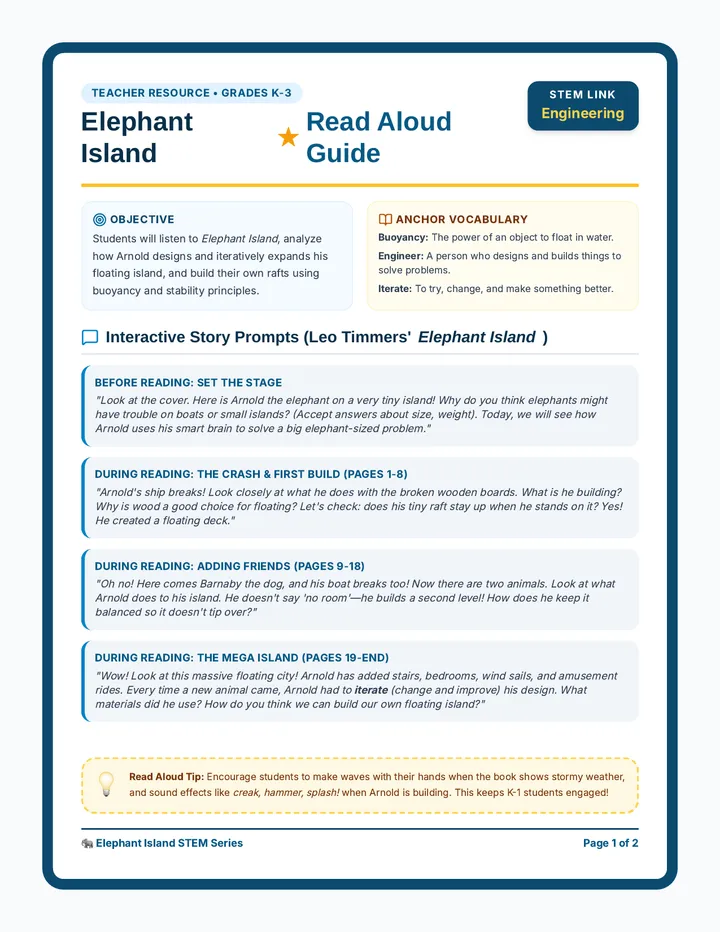
A 2-page teacher facilitation guide containing preparation tips, key vocabulary, interactive prompts for during/after reading 'Elephant Island', and a step-by-step STEM challenge plan.
A high-energy exploration of the most powerful explosions in history and the cosmos, designed for advanced kindergarten learners. This sequence investigates the physics of energy release through volcanoes, asteroids, and stars.
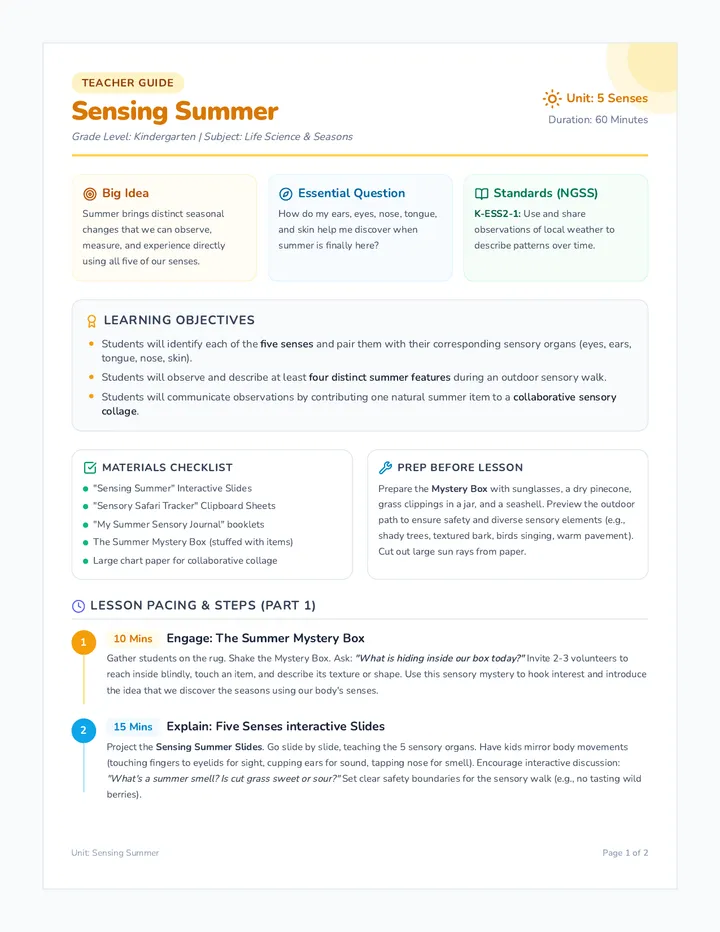
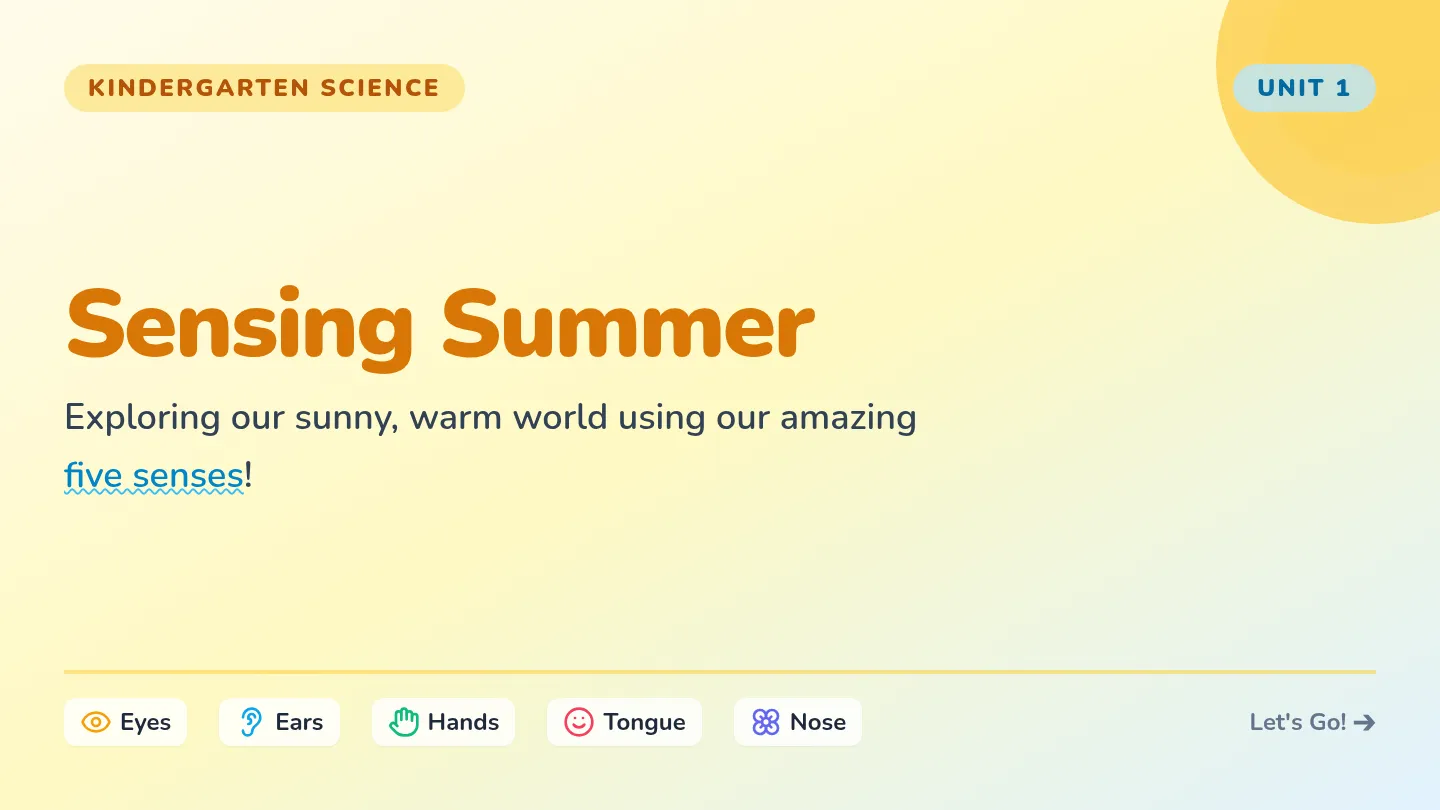
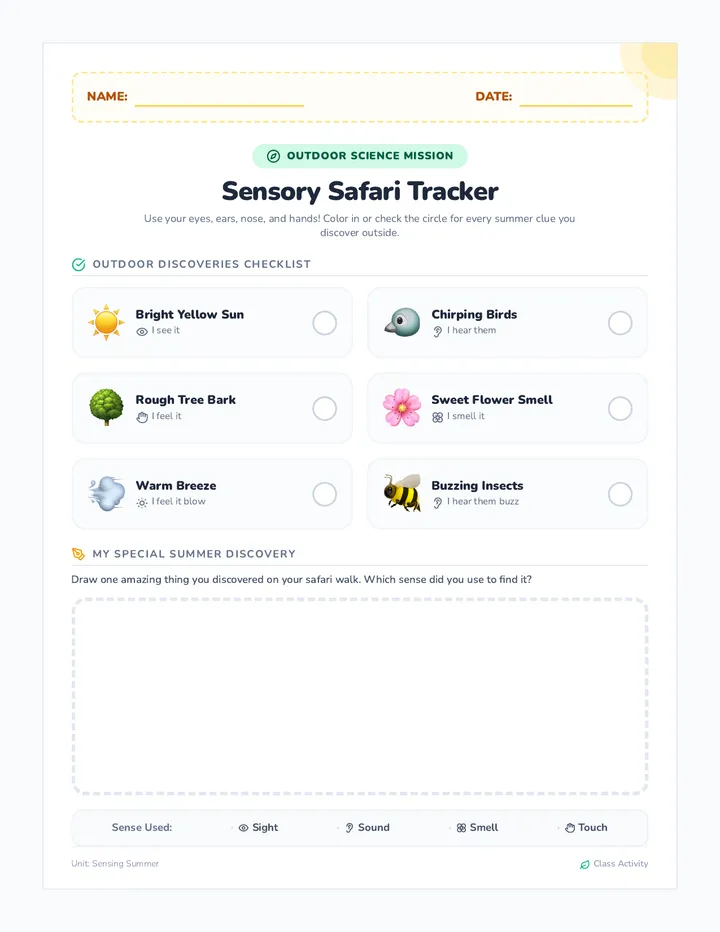
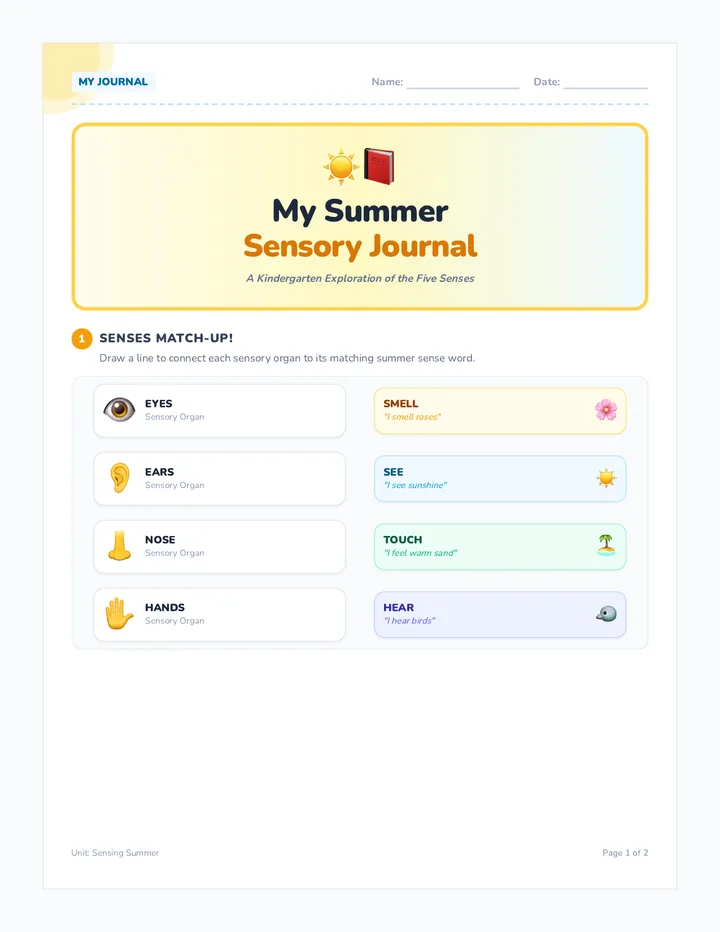
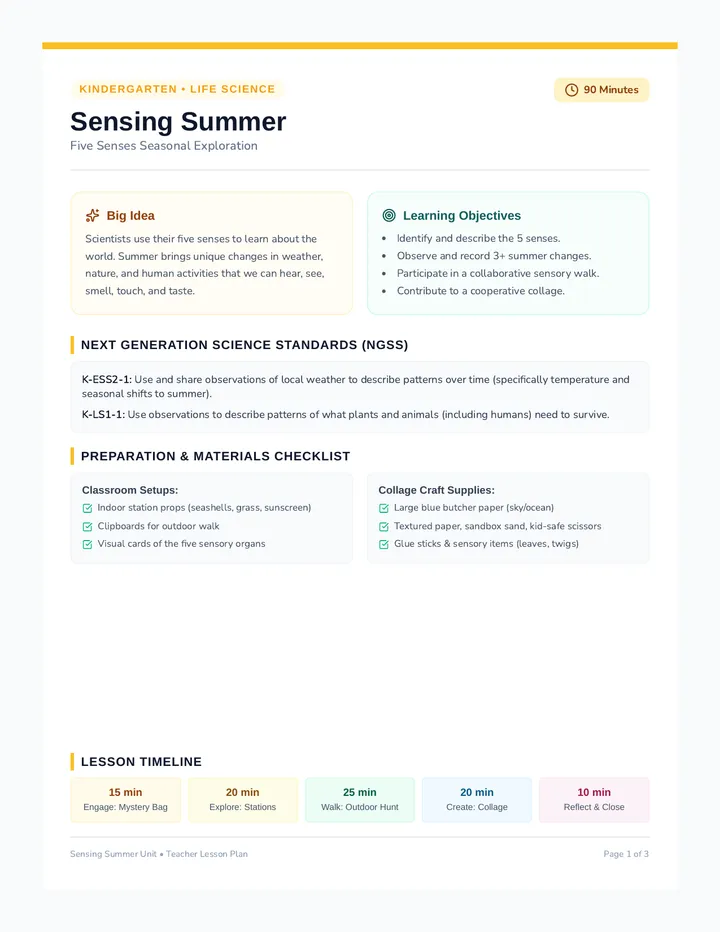
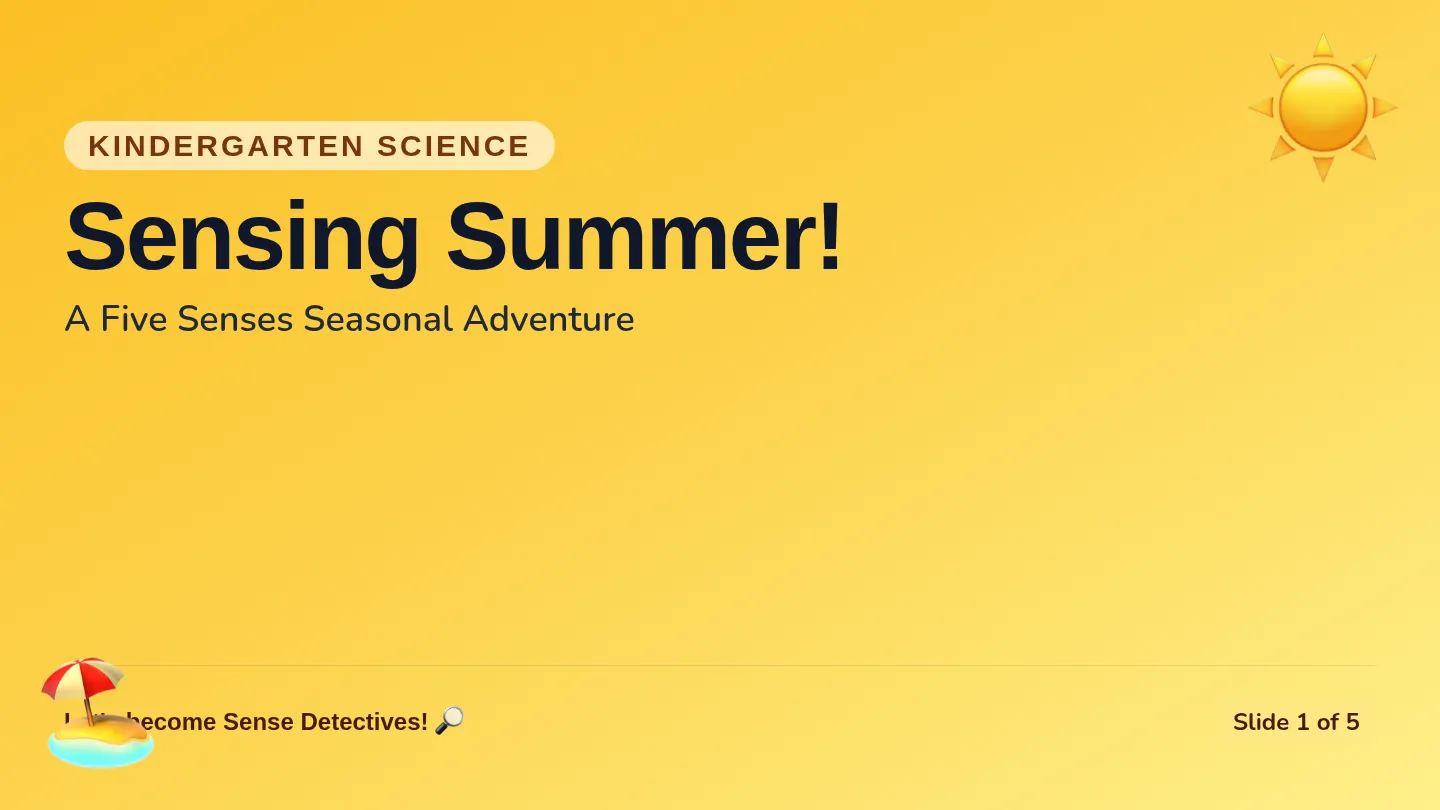
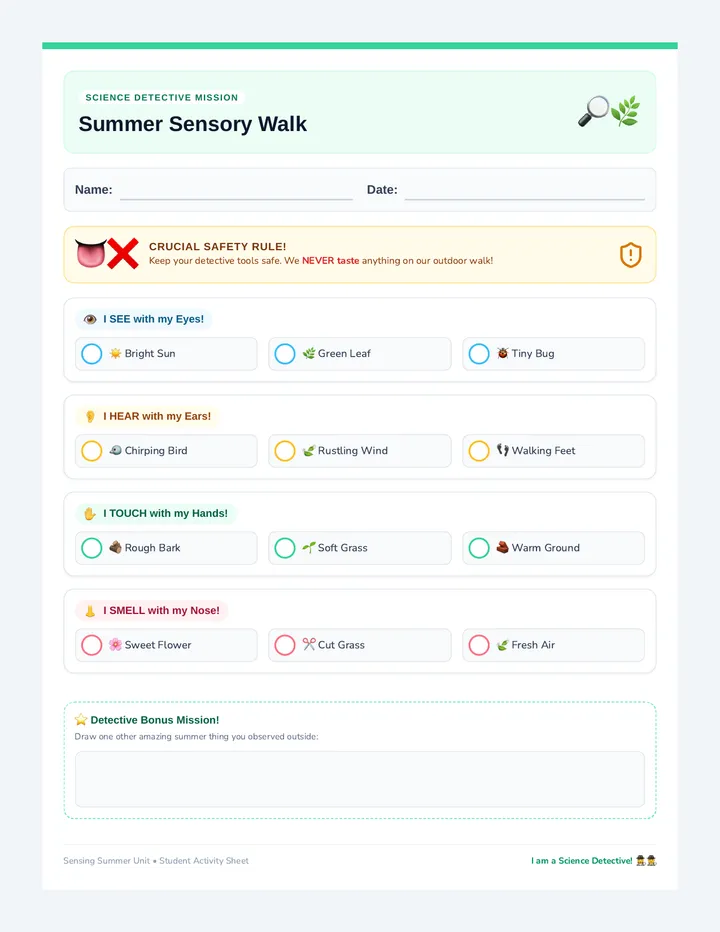
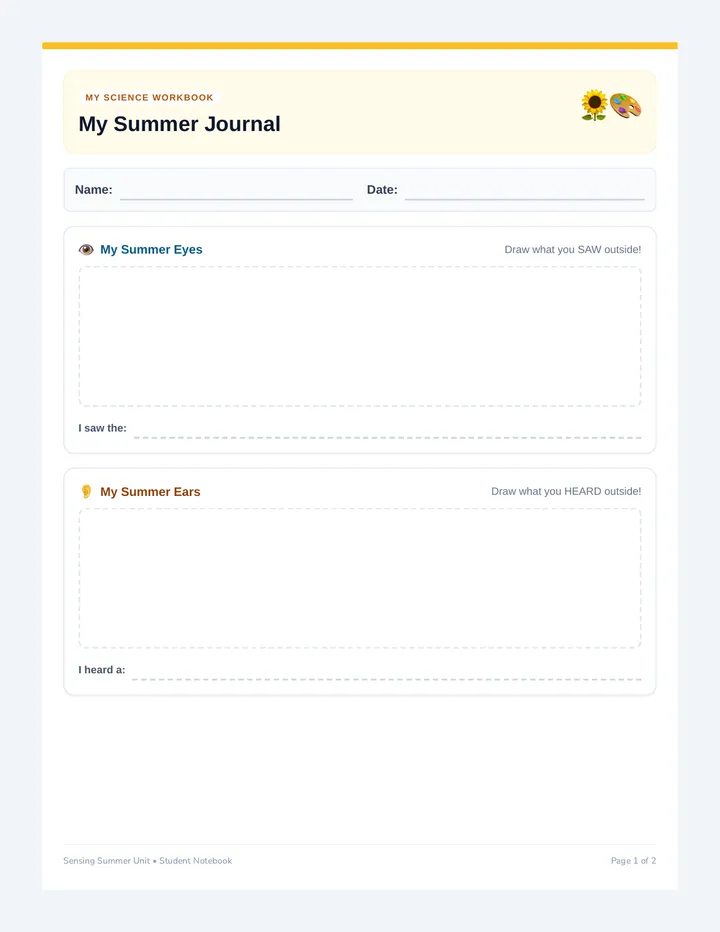
A comprehensive kindergarten science lesson where students explore summer using their five senses. The lesson includes a teacher guide, interactive slides, an outdoor sensory walk checklist, and a reflective sensory journal.
A 2-page student worksheet for K-3 students to plan, sketch, test, and reflect on their mini-island raft design. Includes custom icons, clear checkboxes, and spacious drawing boxes.
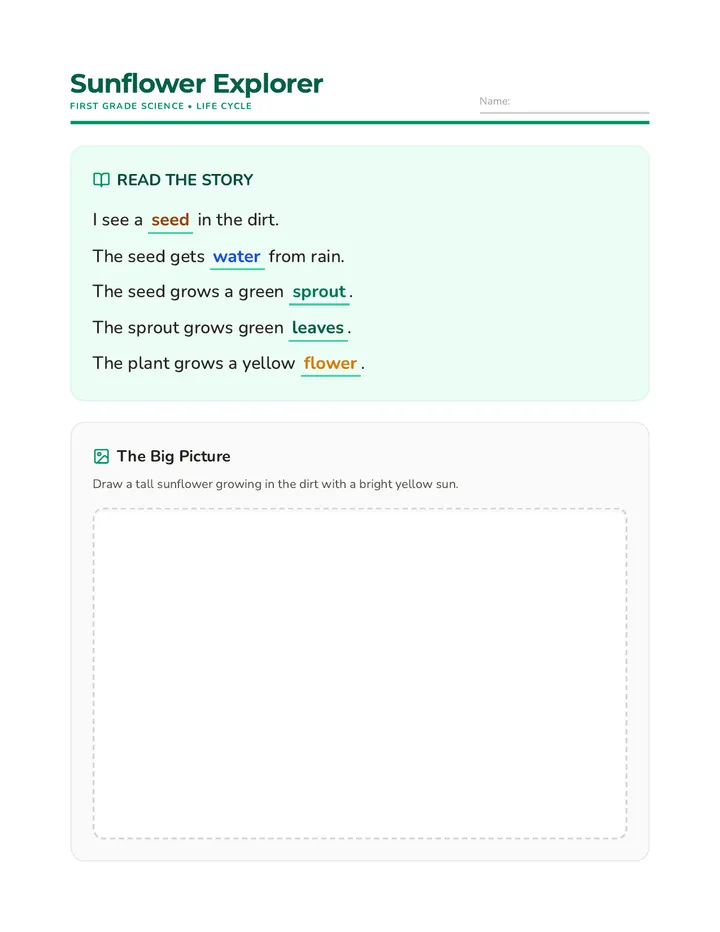
A comprehensive collection of introductory science modules for first-grade emergent readers, covering biology, meteorology, physics, and earth science through simple, repetitive text and engaging activities.
An interactive sensory science lesson where kindergarteners explore the seasonal changes of summer using their five senses through classroom discovery, an outdoor sensory walk, and journal reflections.
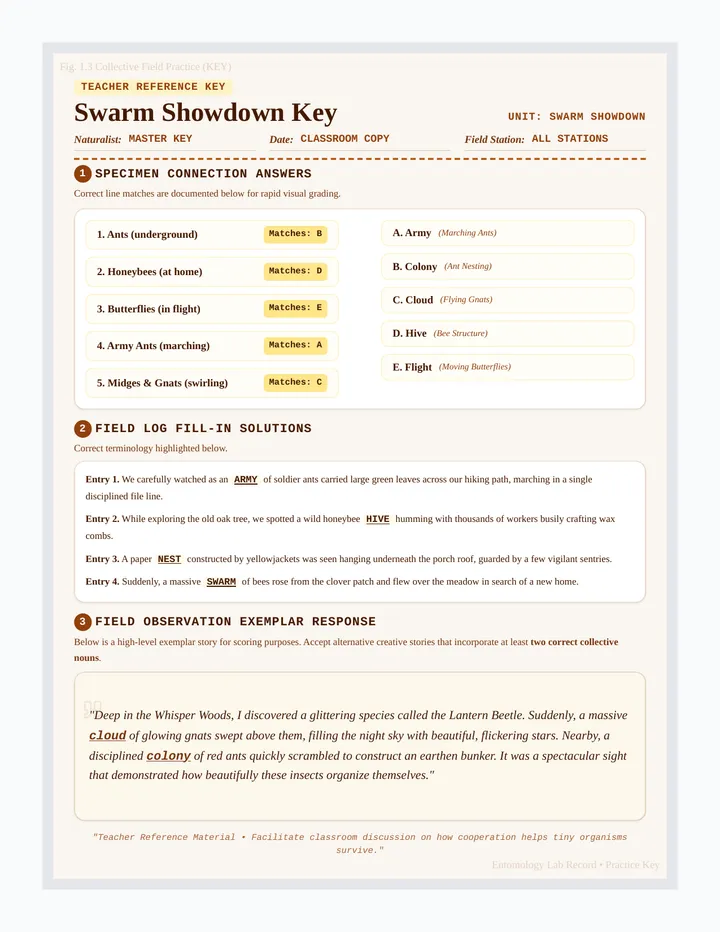
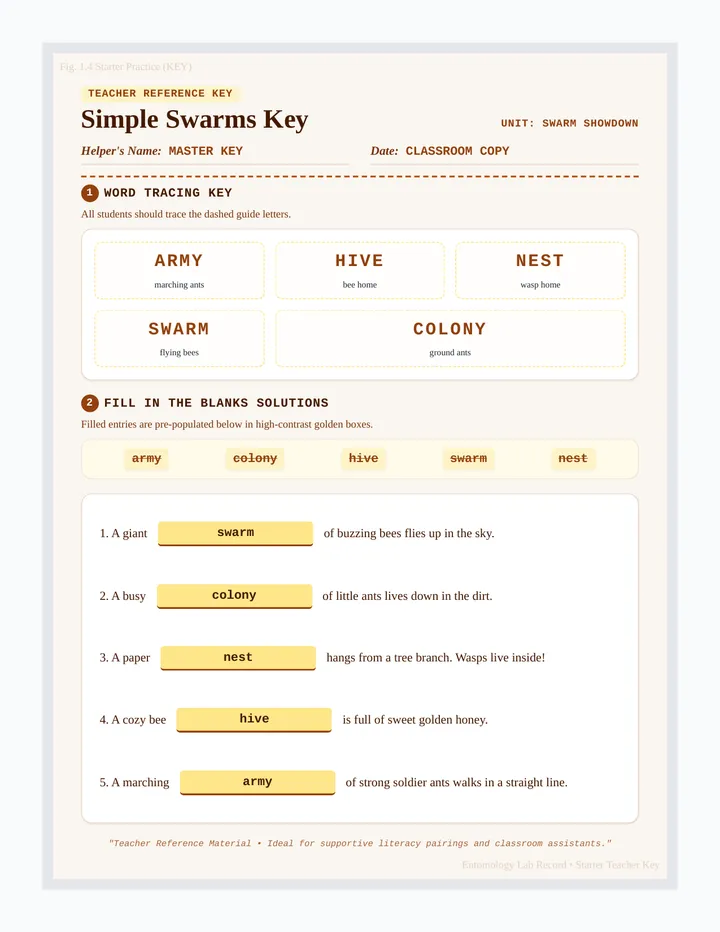
The teacher answer key for the Swarm Showdown Practice Worksheet, featuring correct matching answers, filled-in entries, and an exemplar student response for the creative writing prompt.