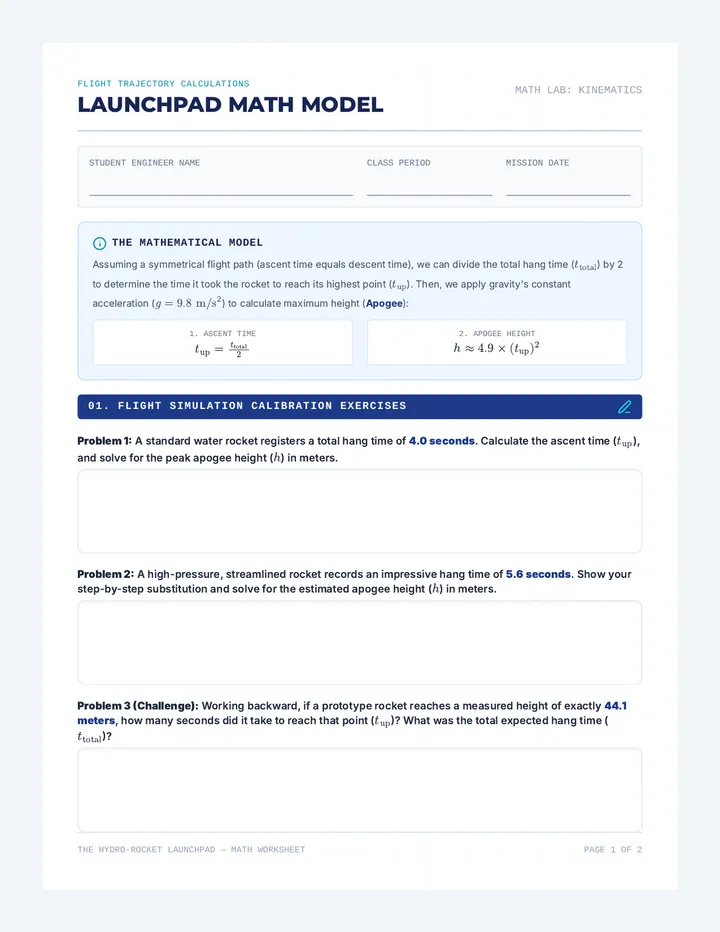
A hands-on exploration of force using air rockets, where kindergarteners learn about pushes and how the strength of a push changes an object's motion.
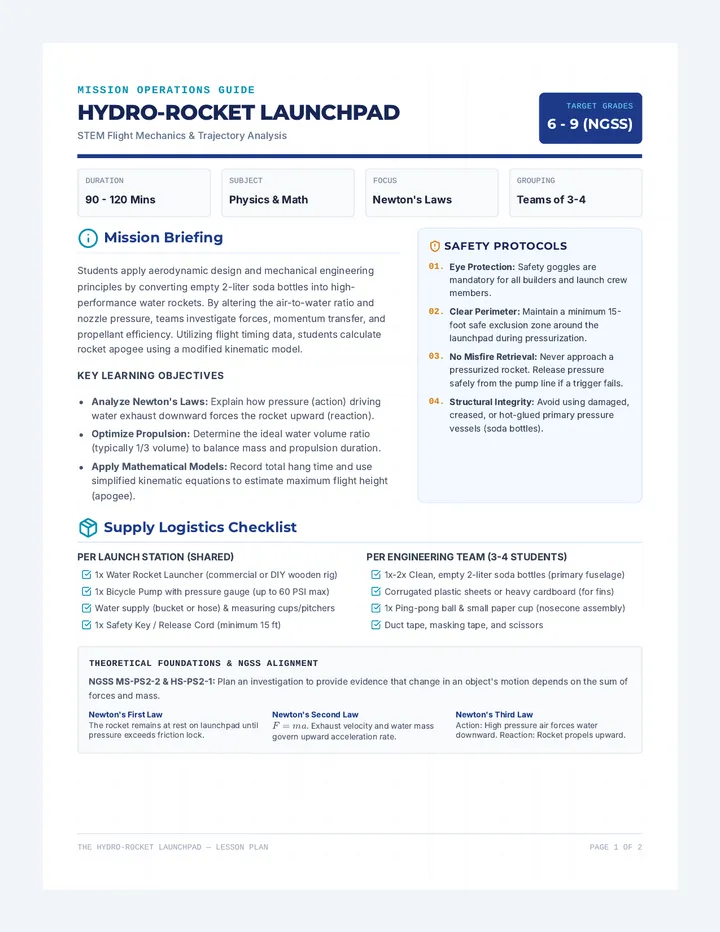
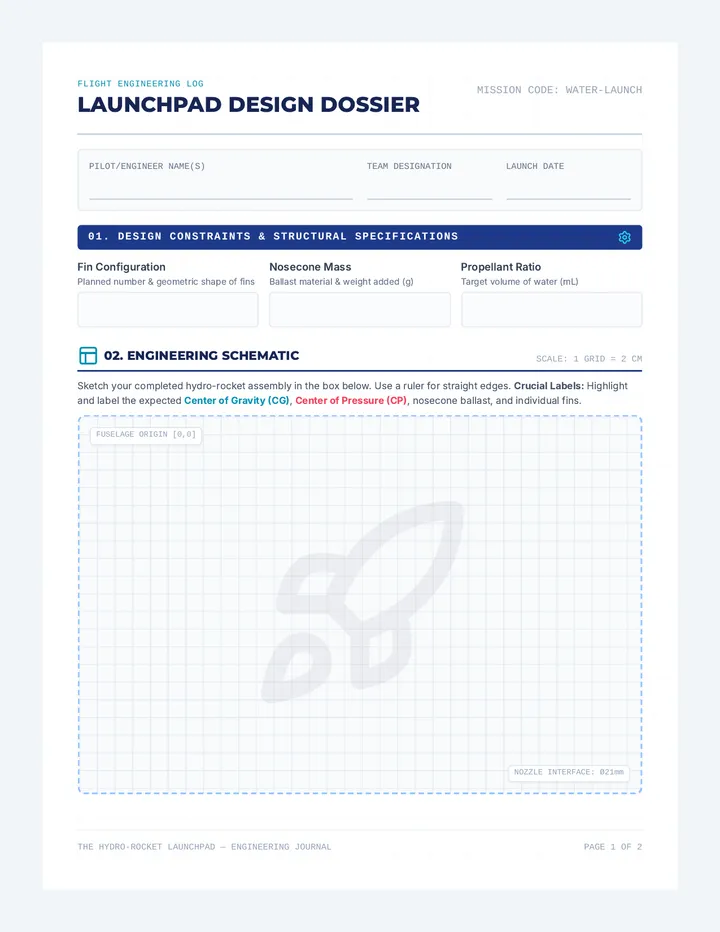
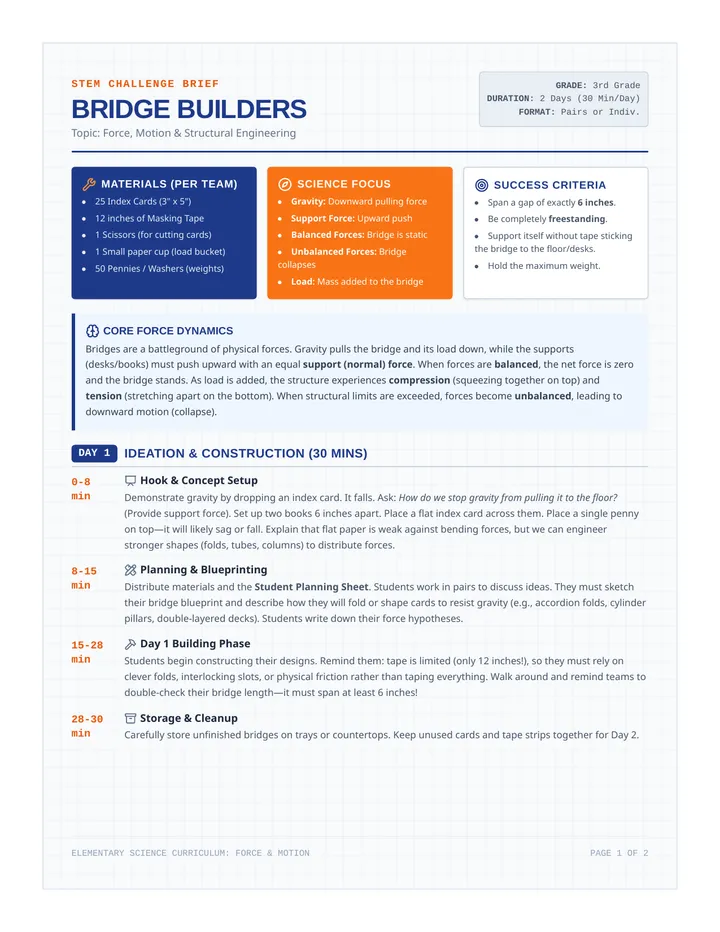
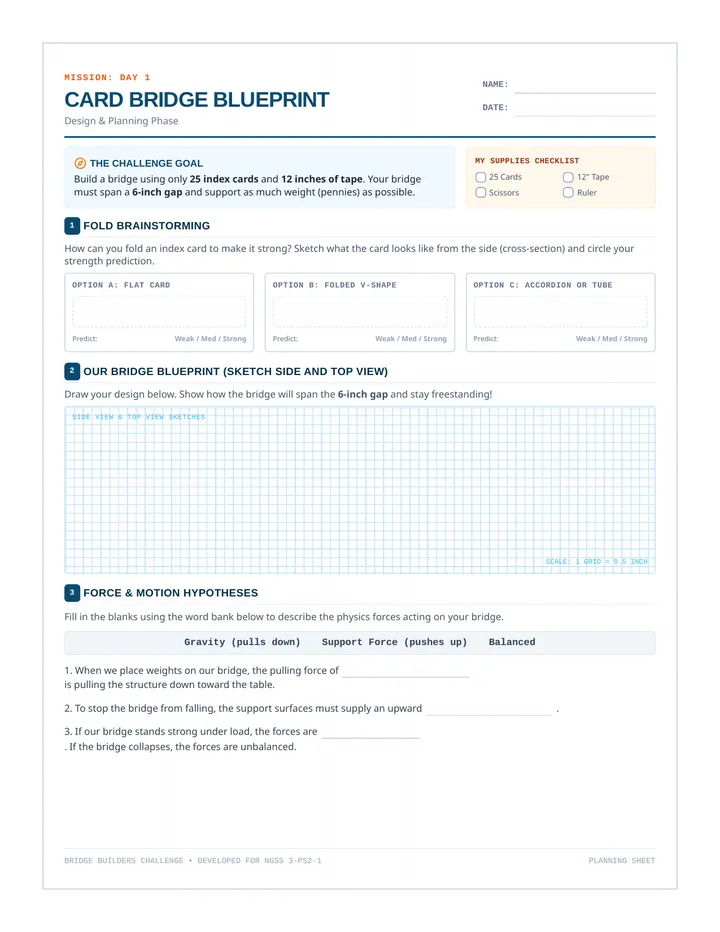
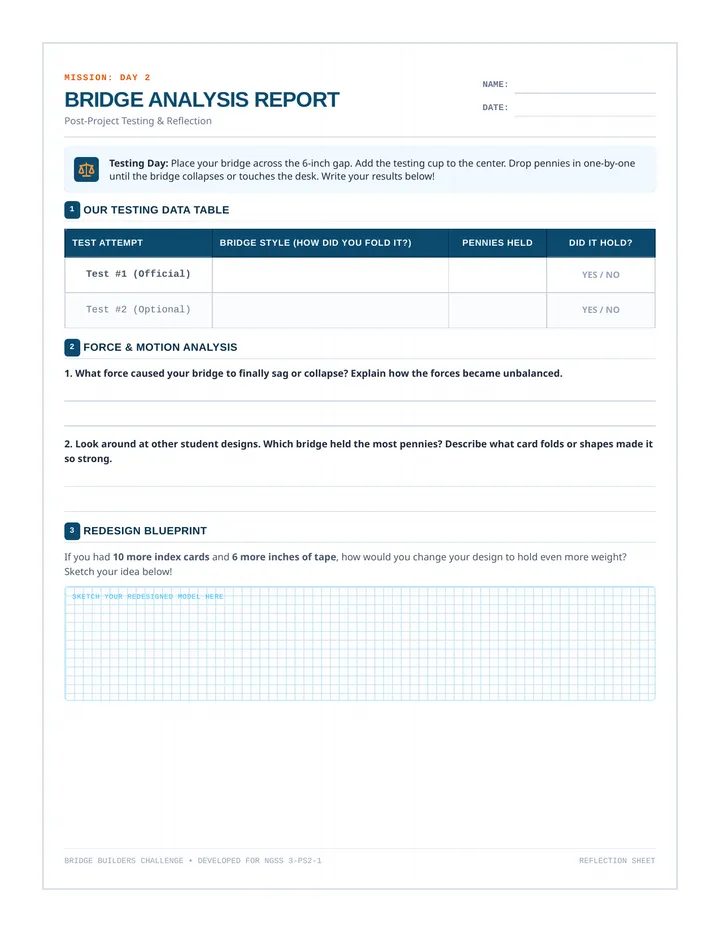
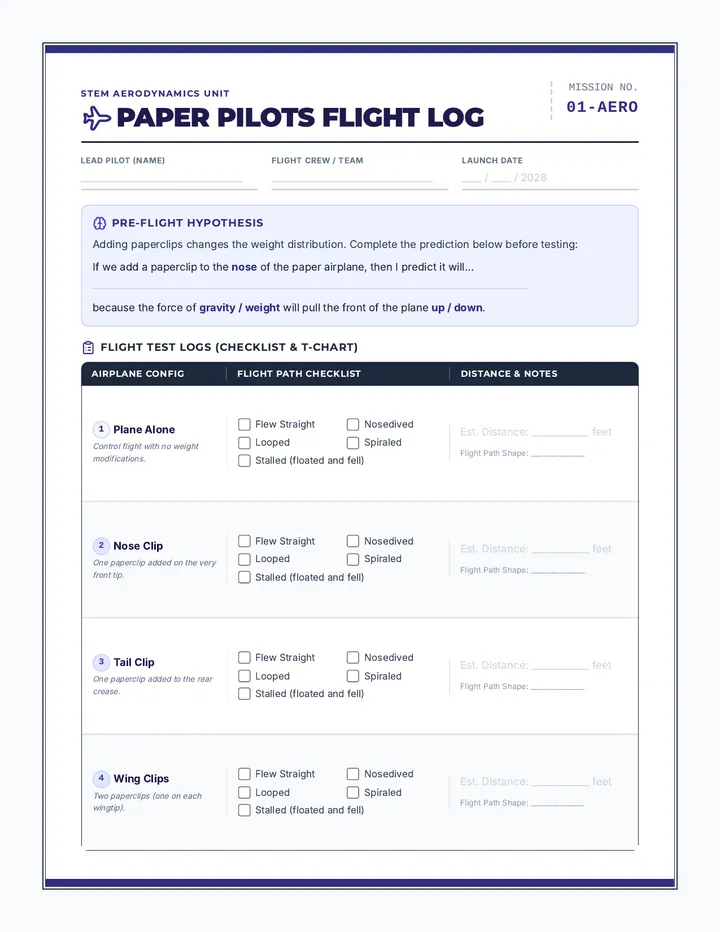
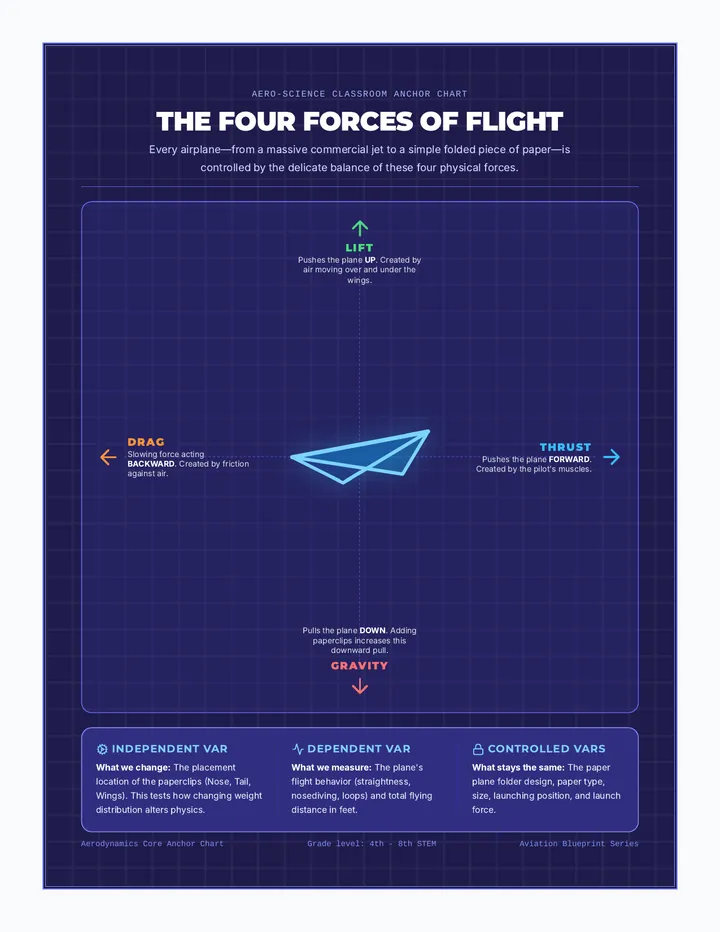
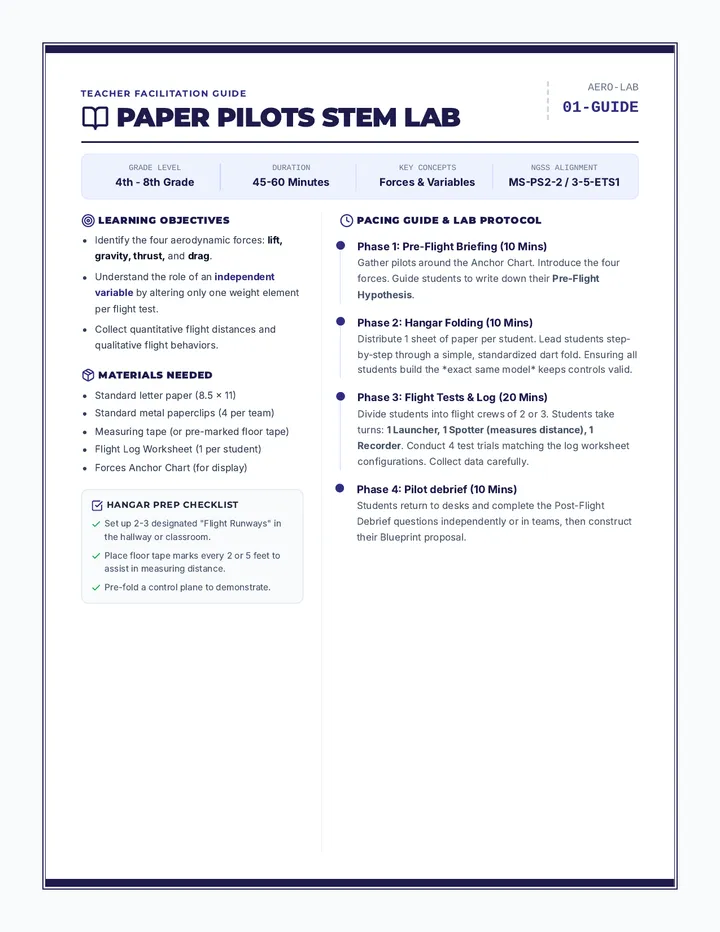
A 4-day hands-on engineering challenge where students design and build a device that demonstrates Newton's three laws of motion using low-cost recycled materials. Students progress through research, blueprinting, prototyping, testing, and a final reflection on the physics at play.
An introductory lesson on Python operators designed for 8th-grade students with ADHD and math challenges. The lesson focuses on conceptual understanding through visual analogies and 'Code Command' mission-based tasks, minimizing complex mental arithmetic.
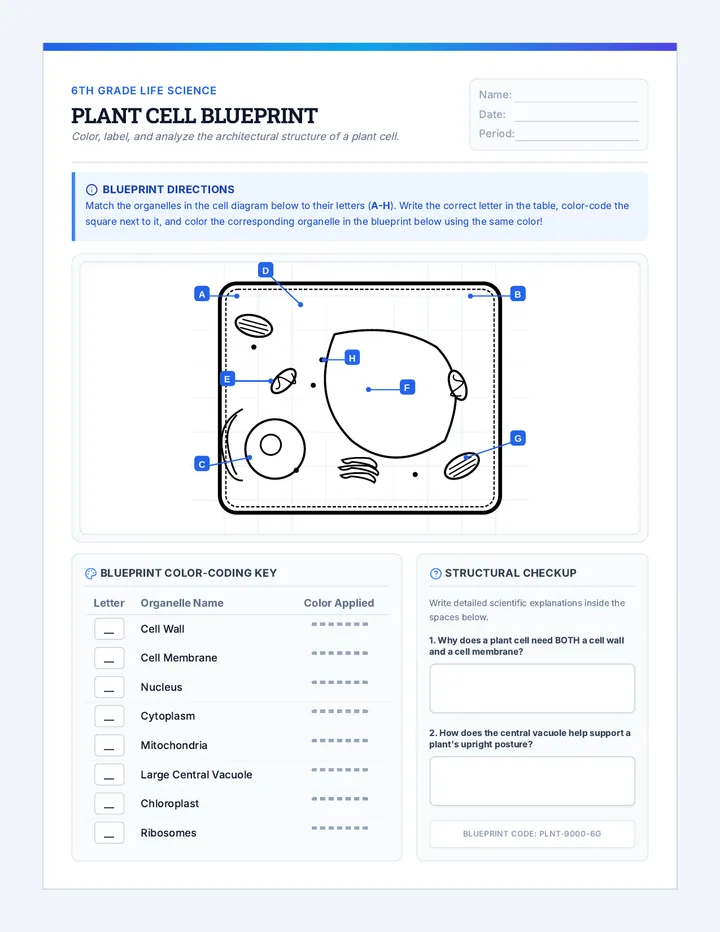
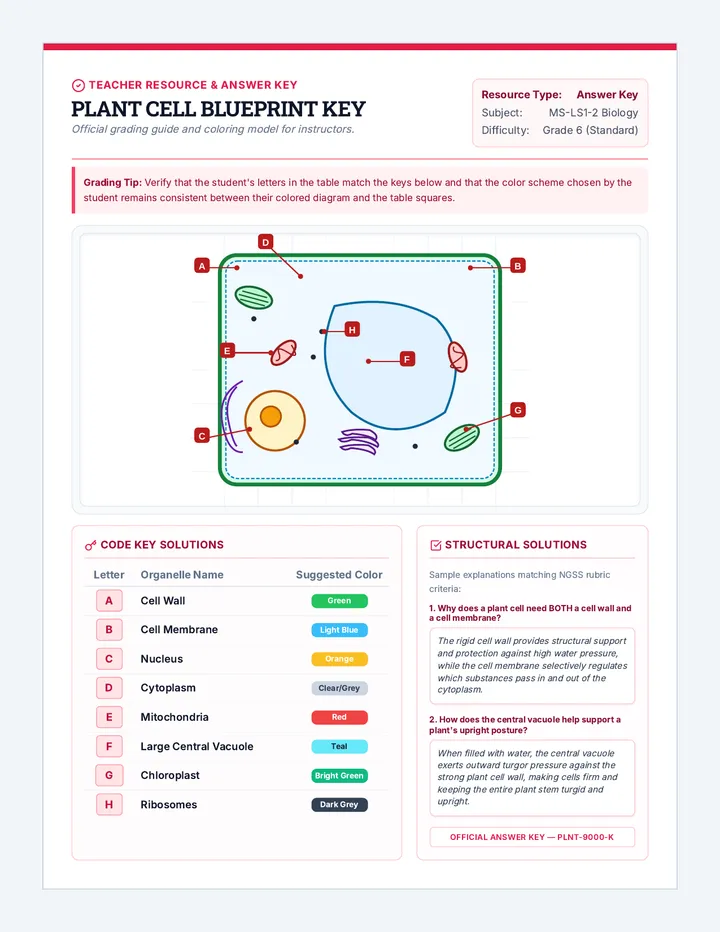
An introductory lesson for kindergarteners to understand that all living things are made of tiny "building blocks" called cells. Students will learn the basic differences between plant and animal cells through stories, sorting, and coloring.
Students will learn to distinguish between living and nonliving things by identifying key characteristics like growth and basic needs. The lesson includes a visual presentation, a hands-on sorting worksheet, and an outdoor exploration guide.
A foundational science lesson for Kindergarteners covering plant anatomy and the essential requirements for plant growth through simple reading passages and visual aids.
A deep dive into the major human body systems, focusing on how they interact to keep us alive and moving. Students will explore the skeletal, muscular, respiratory, circulatory, and digestive systems through collaborative activities.
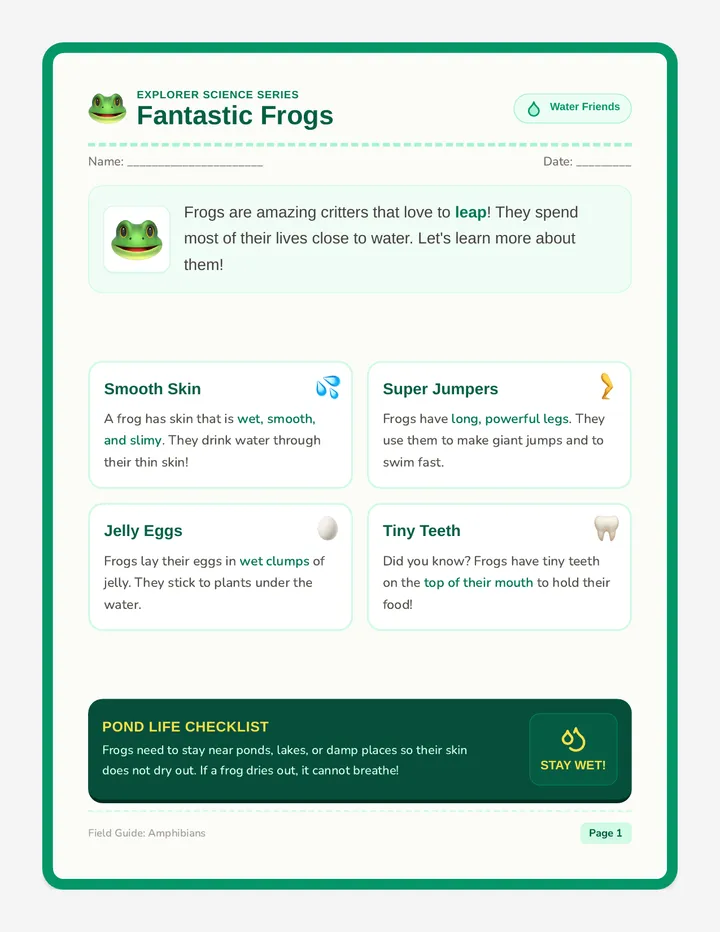
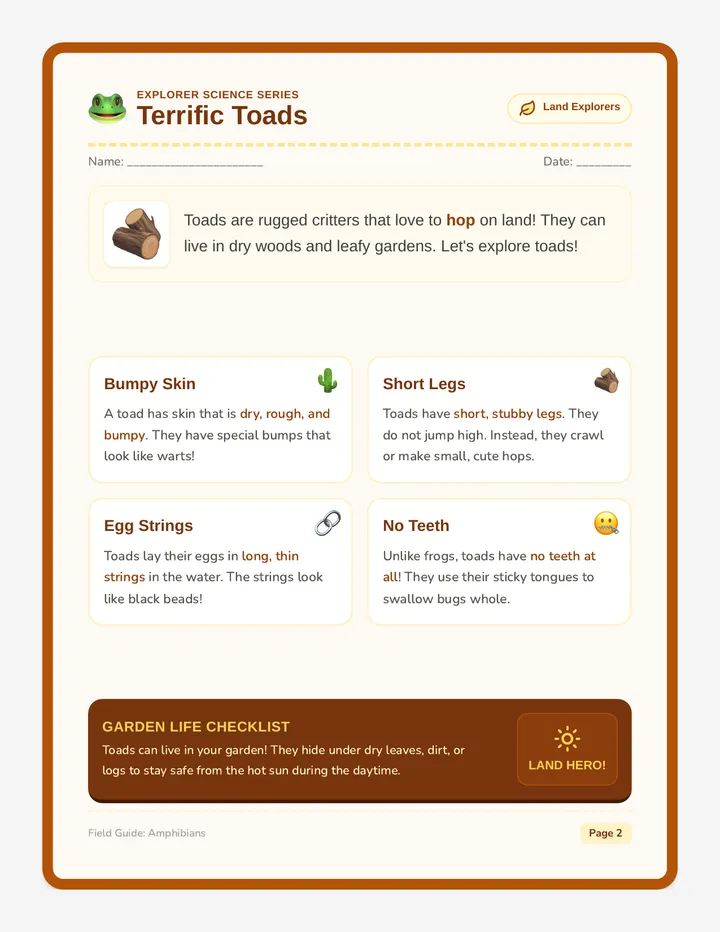
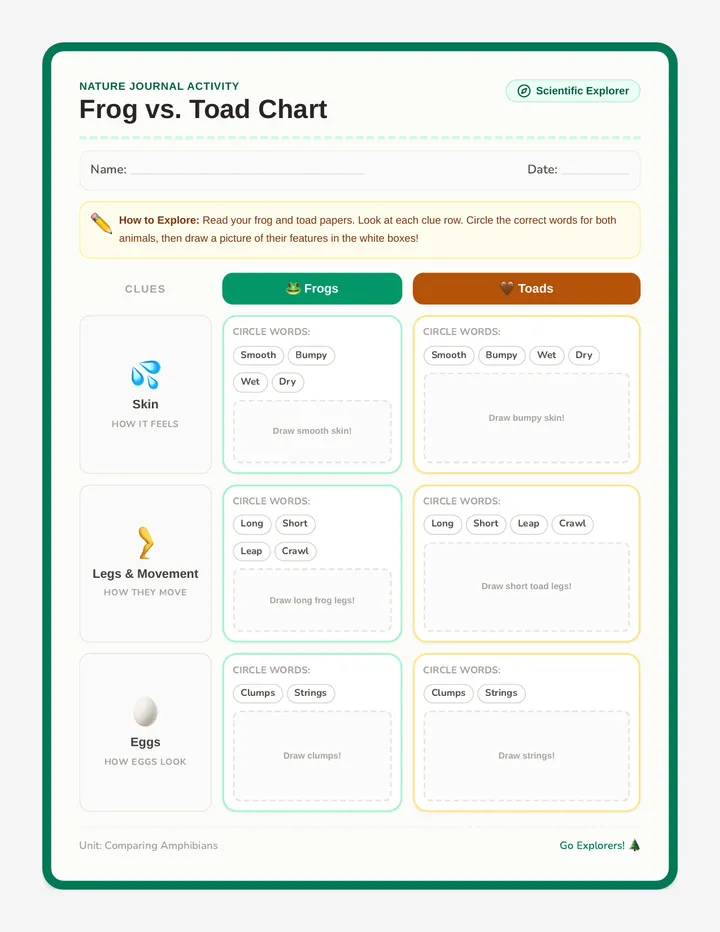
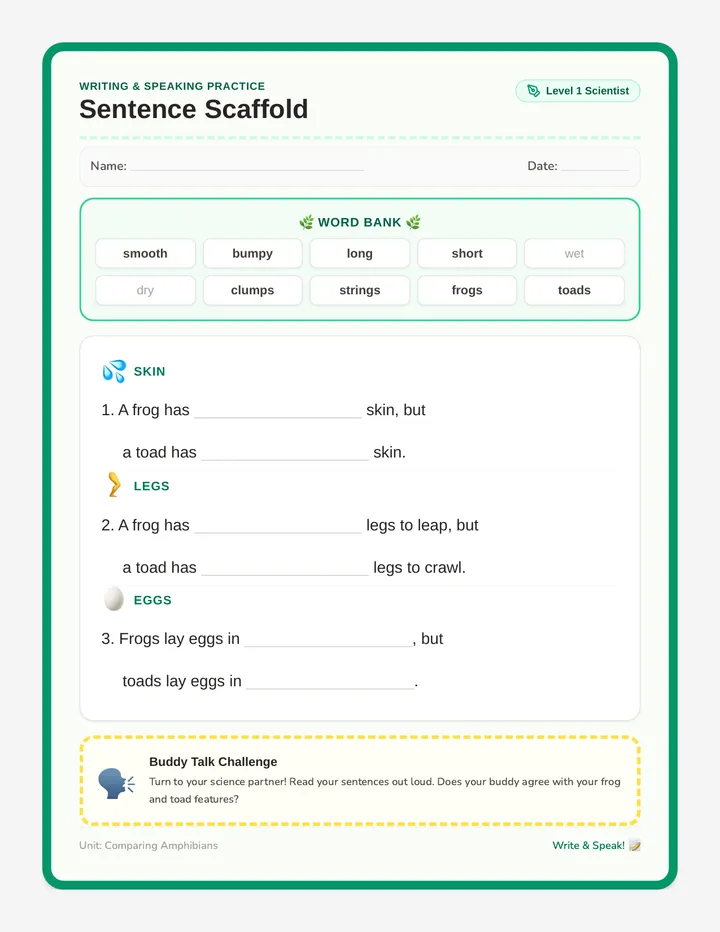
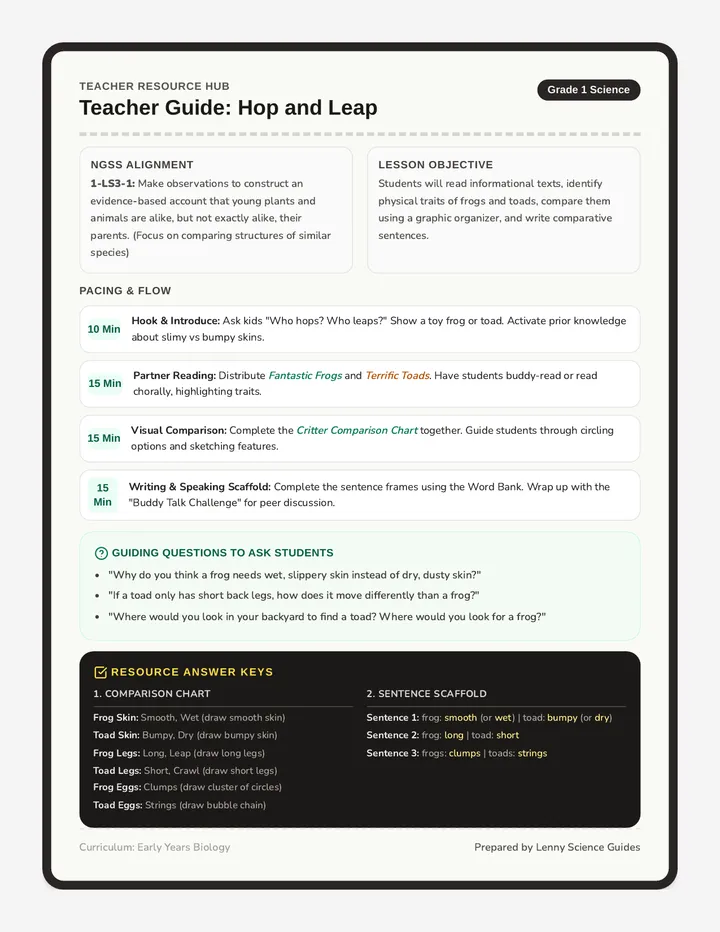
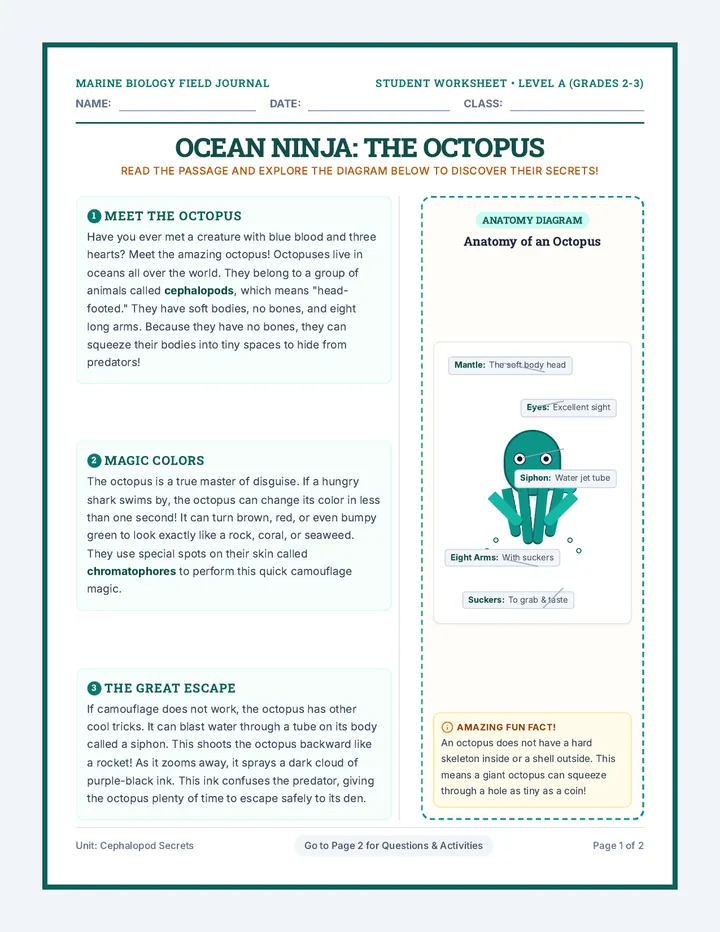
A lesson focused on animal characteristics and habitats, helping students build descriptive vocabulary.
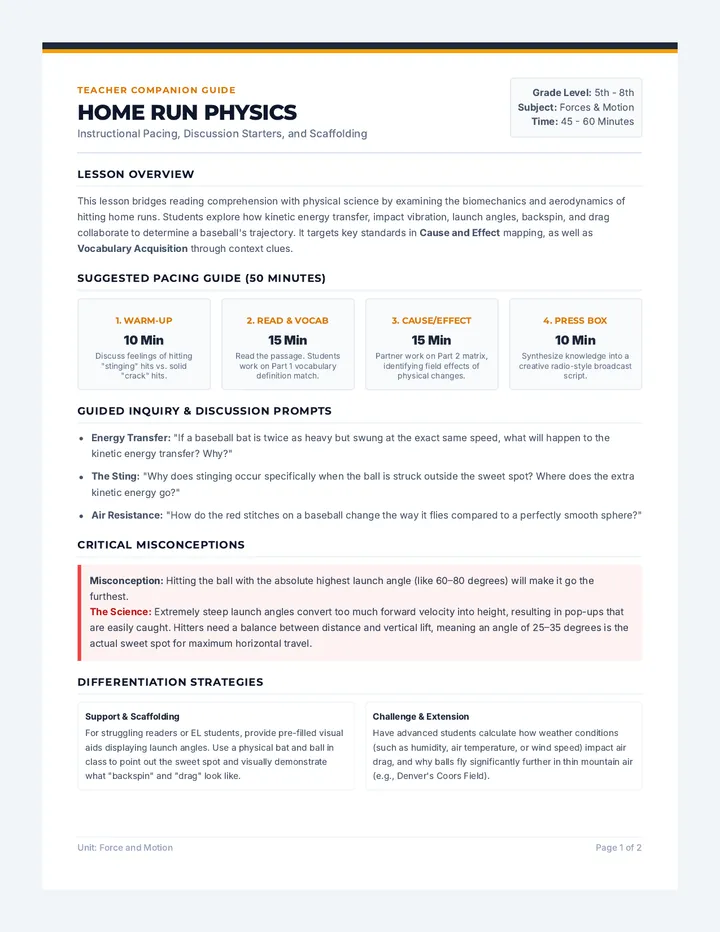
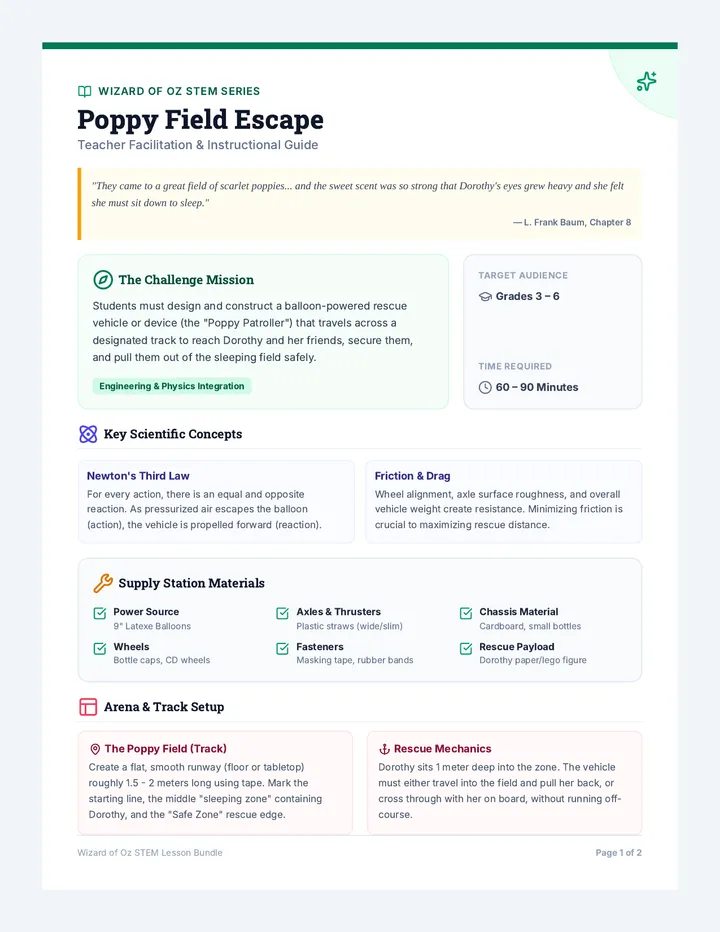
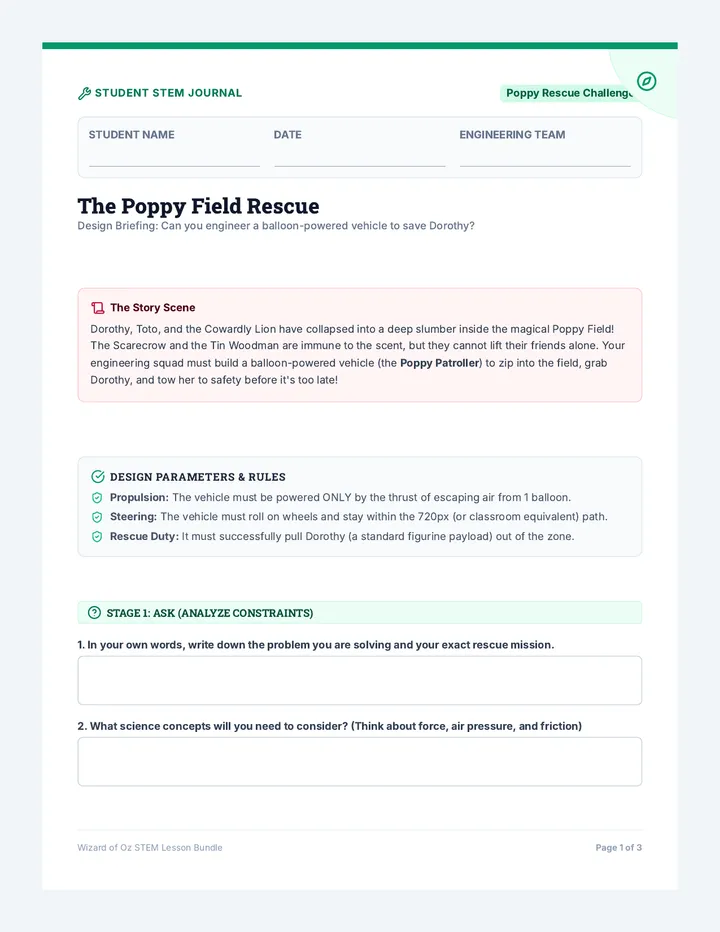
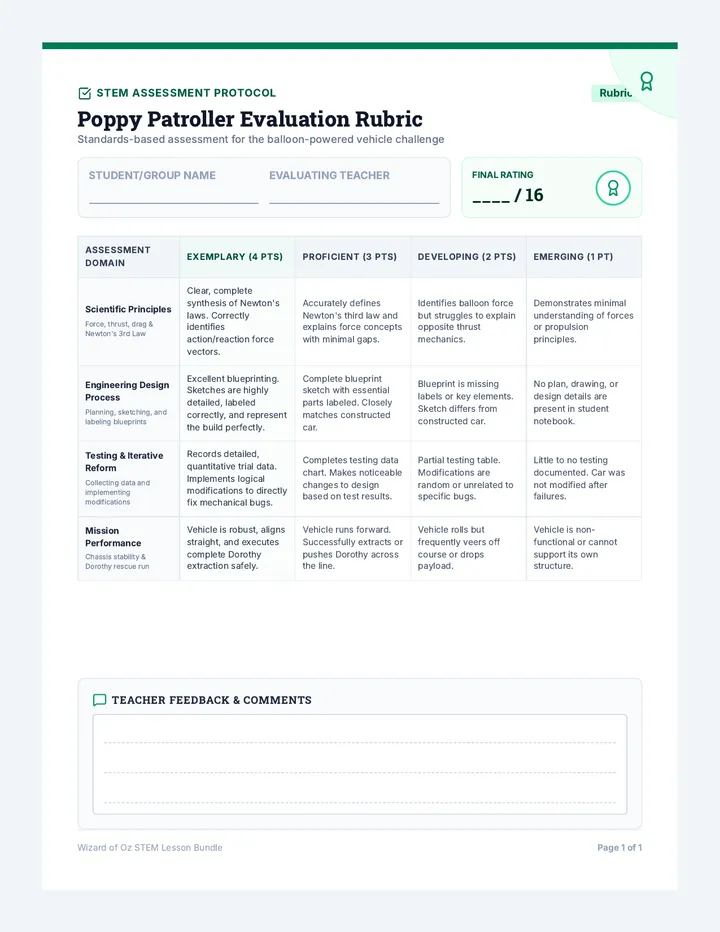
An interactive exploration of Newton's Laws of Motion through hands-on experimentation with balloon-powered rockets. Students will investigate how force impacts distance and velocity.
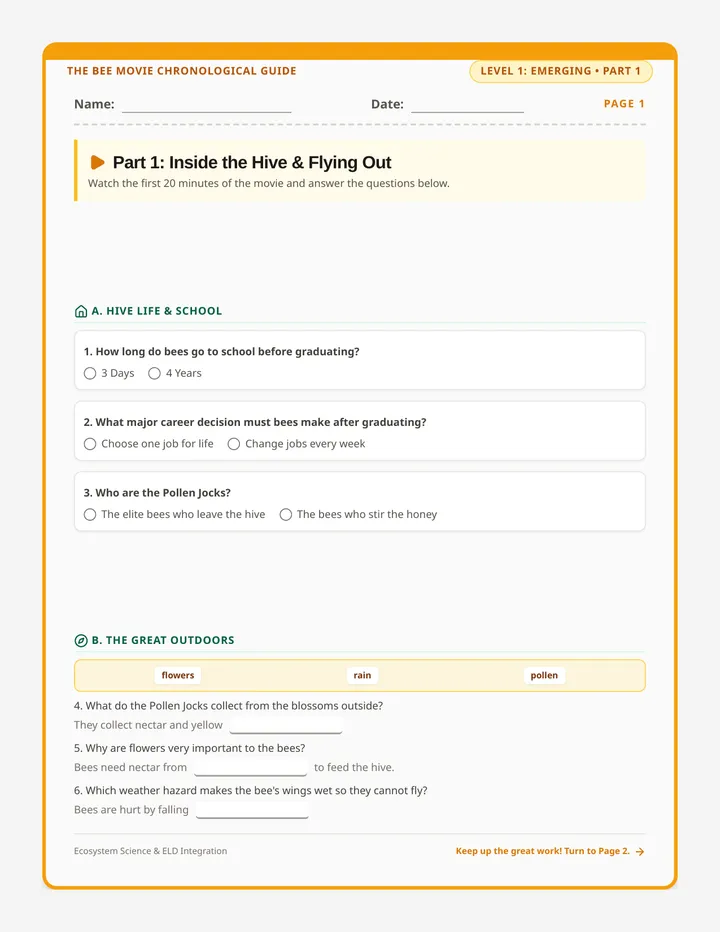
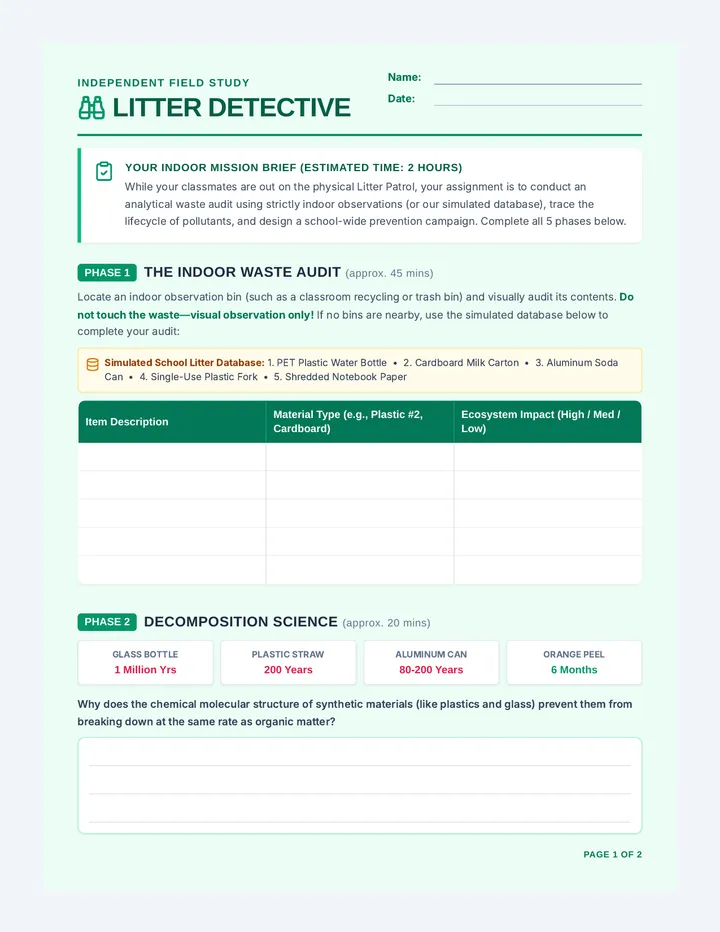
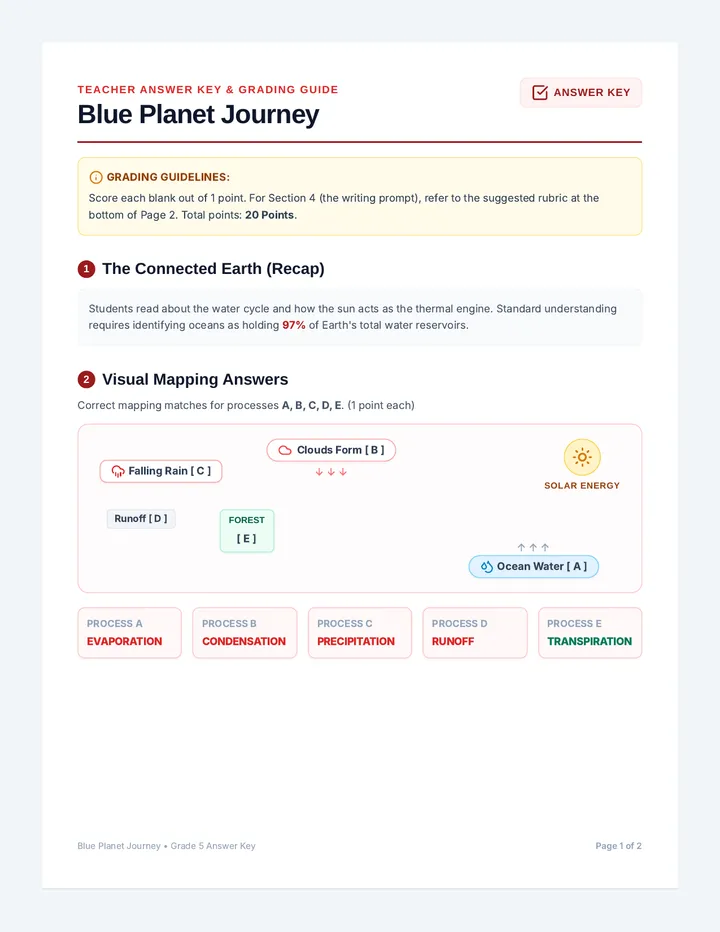
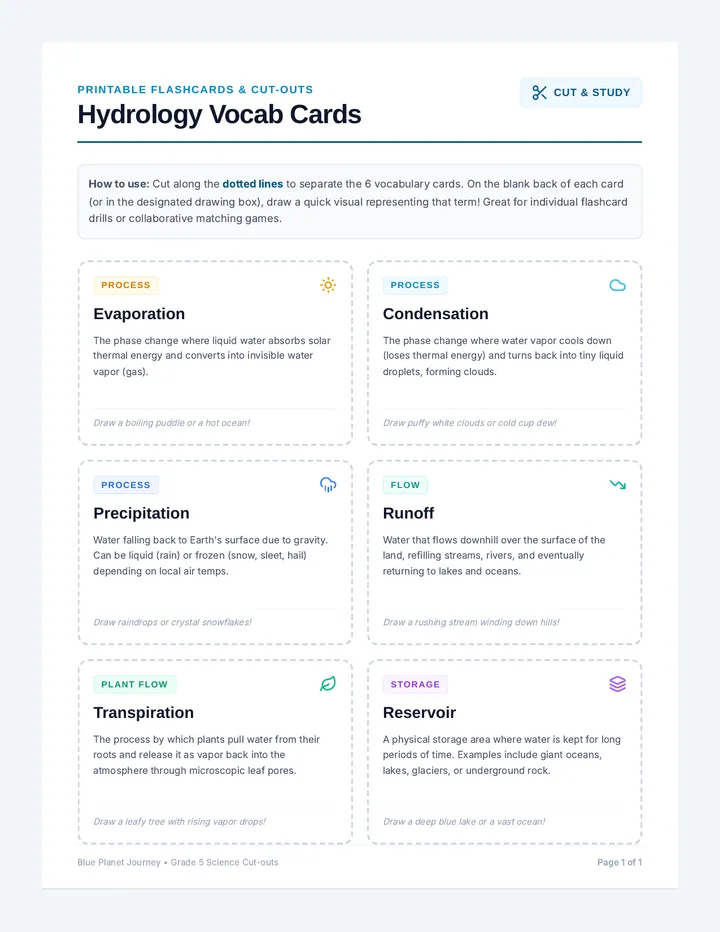
A comprehensive 5th grade STAAR Science prep lesson covering the water cycle, weather patterns, and the solar system through diagram analysis and hands-on review.
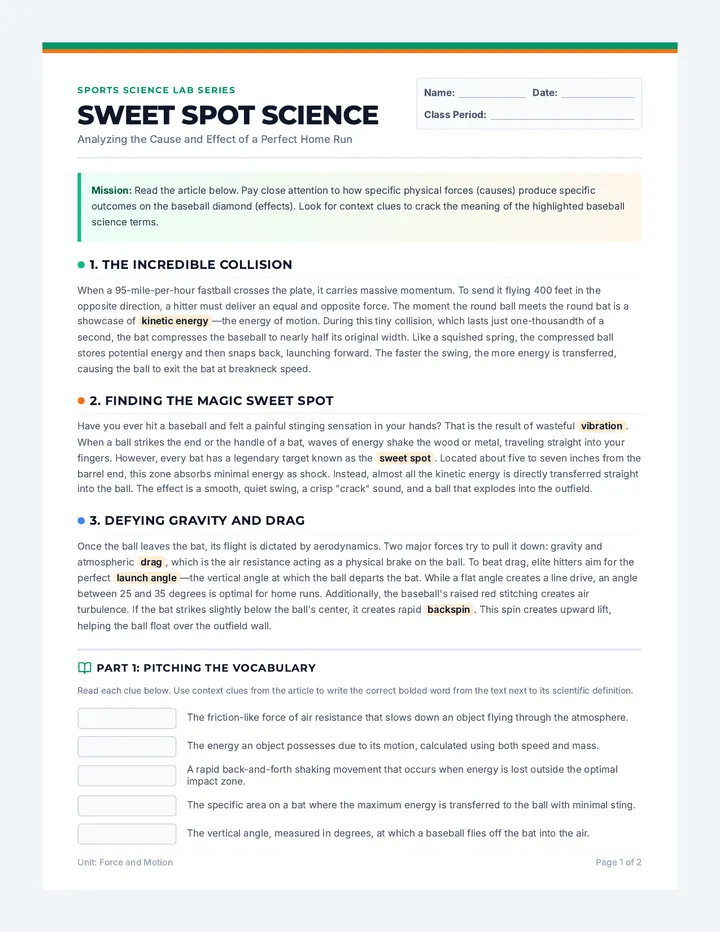
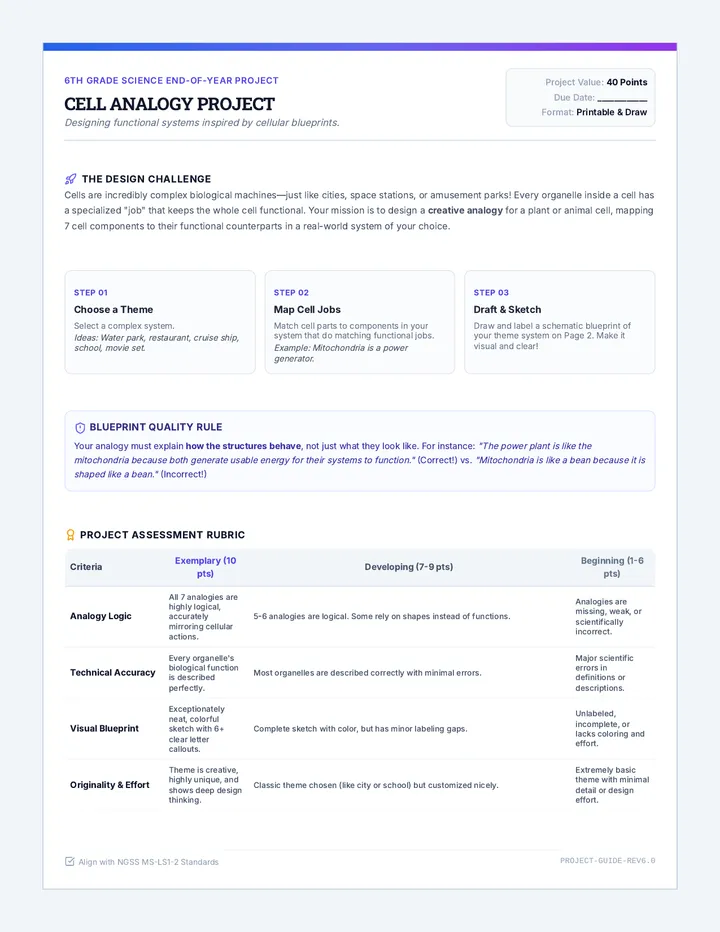
A comprehensive 8th-grade STAAR review lesson focusing on Newton's Laws, force, motion, and energy calculations. Students will engage with lab scenarios, visual models, and practice questions aligned to Texas TEKS 8.6A, 8.6B, and 8.6C.
A culminating session of light-based games and challenges designed to reinforce concepts of illumination and shadow in a fun, active format.
Students apply their knowledge of shadows to create shadow puppets and perform short group stories using light as a medium.
An exploration of shadow formation where students use flashlights to manipulate the size and shape of shadows by moving light sources.
Students explore the concept of illumination using glowsticks to discover how light makes the invisible visible in a dark classroom environment.
An engaging 'Guess Who' style game where students use descriptive language and biological traits to identify mystery animals. Focuses on classification, habitats, and physical characteristics.
A comprehensive 75-minute college-level lecture exploring the anatomy and physiology of the human digestive system, covering the GI tract wall, organ functions, accessory organs, and the principles of nutrition.
A streamlined 45-minute cow eye dissection lab designed for 8th-grade students to identify key anatomical structures and their functions.
The capstone week where students synthesize their knowledge of solar energy, wind, and water to explain regional climate variations and master the MCAS Open Response CER strategy.
Students dive into the 'Great Ocean Conveyor Belt,' analyzing how surface winds and density differences (temperature and salinity) drive oceanic circulation and transport heat around the globe.
An exploration of atmospheric pressure and the Coriolis effect, focusing on how air moves from high to low pressure to create global wind belts and how these winds influence regional weather patterns.
Students investigate how differential heating of Earth's surface by the sun creates the initial energy imbalance that drives all weather and climate, practicing CER to explain the relationship between latitude and solar intensity.
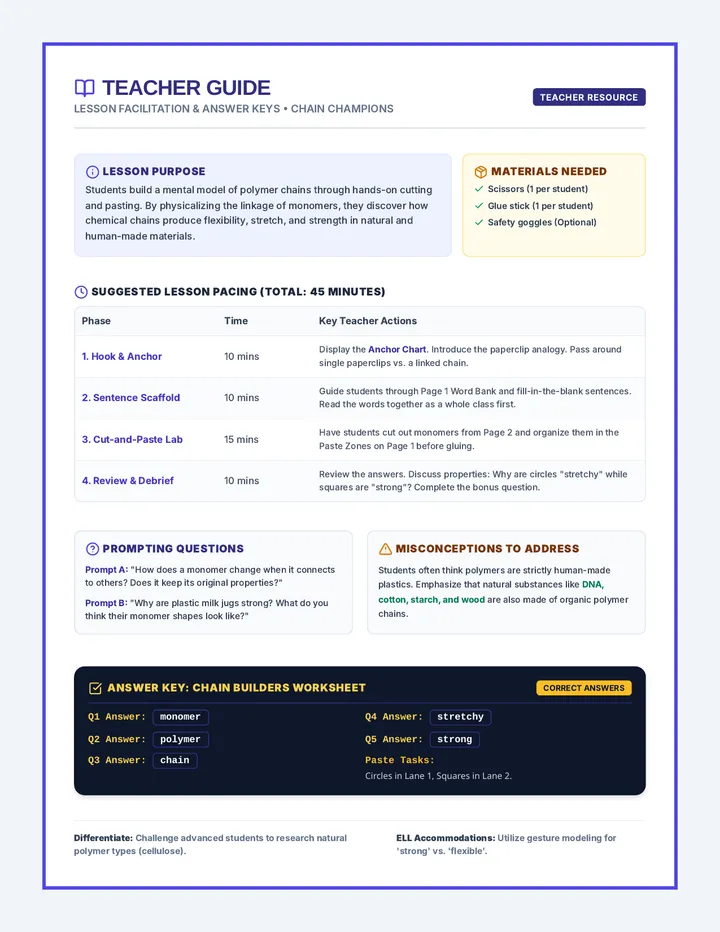
An in-depth exploration of electromagnetism focusing on the relationship between electric currents and magnetic fields, featuring the Biot-Savart Law, Ampere's Law, and the Lorentz Force.
A comprehensive lesson on the nature of magnetic fields, focusing on their vector properties, dipole sources, and the implications of Gauss's Law for magnetism. Students will explore how fields are represented and why magnetic monopoles do not exist.
In this lesson, students analyze the 'brain rot' phenomenon through a scientific lens, focusing on how short-form media impacts the brain's reward system. Students engage with new vocabulary, watch a targeted video, and participate in a mediated debate about their digital habits.
A hands-on exploration of thermal energy transfer through convection and freezing point depression experiments. Students observe how density and temperature interact in water and how salt affects the melting process of ice.
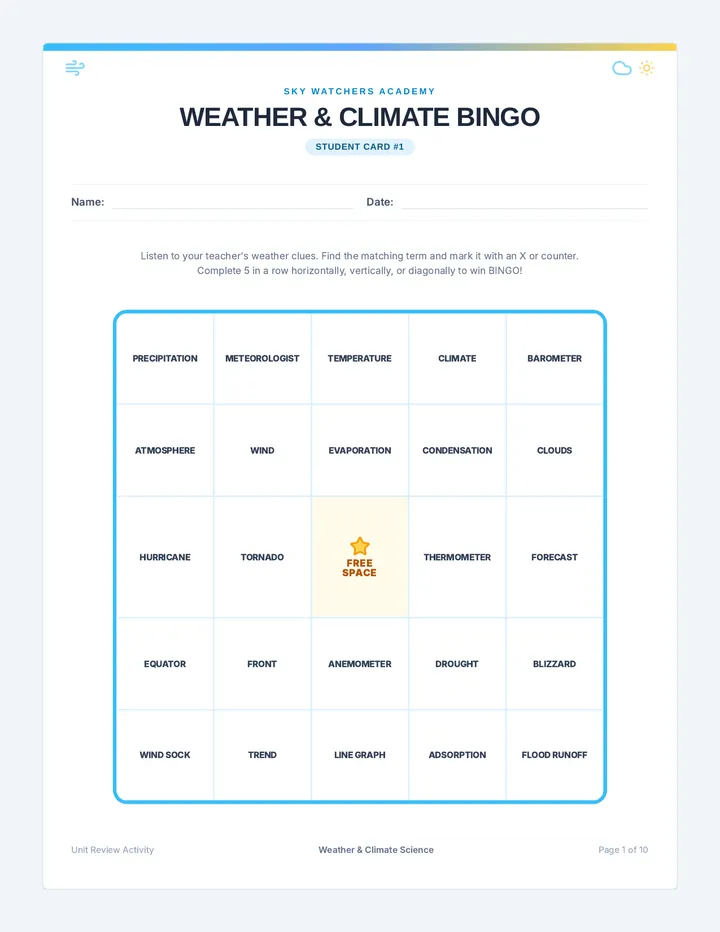
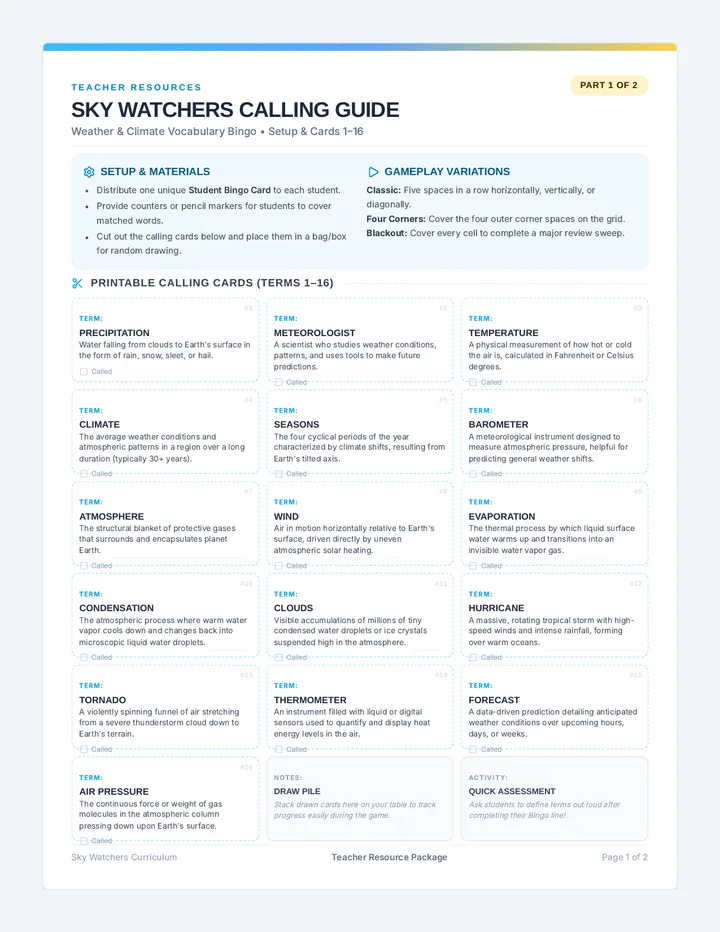
An introductory lesson for Kindergarten students to explore the world of weather through the lens of a meteorologist. Students analyze mystery photos, listen to the story of 'Curious Sofia,' and begin a class-wide weather tracking routine.
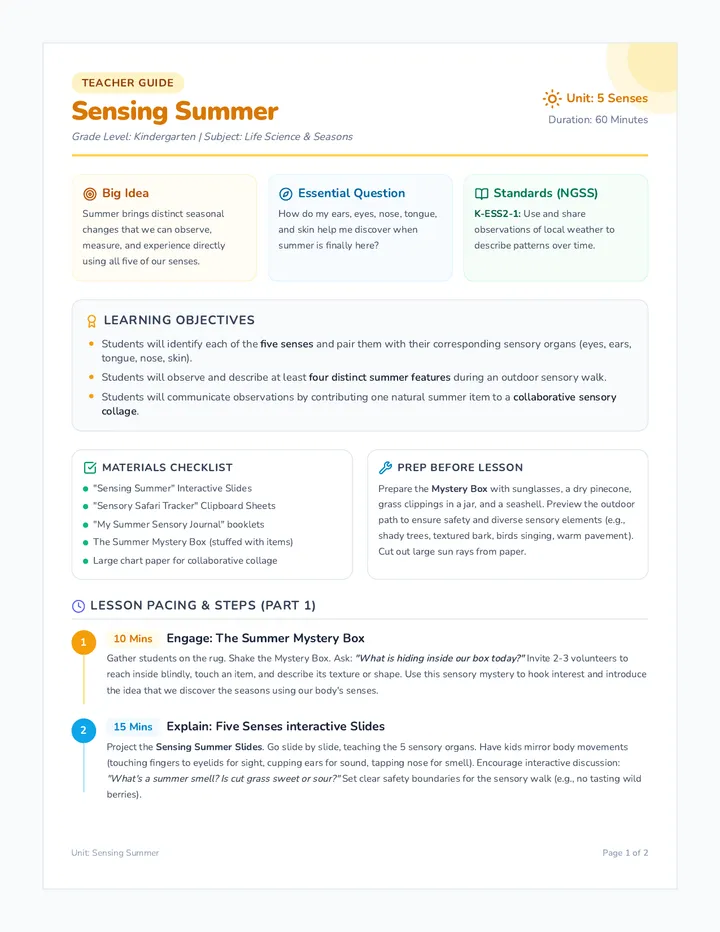
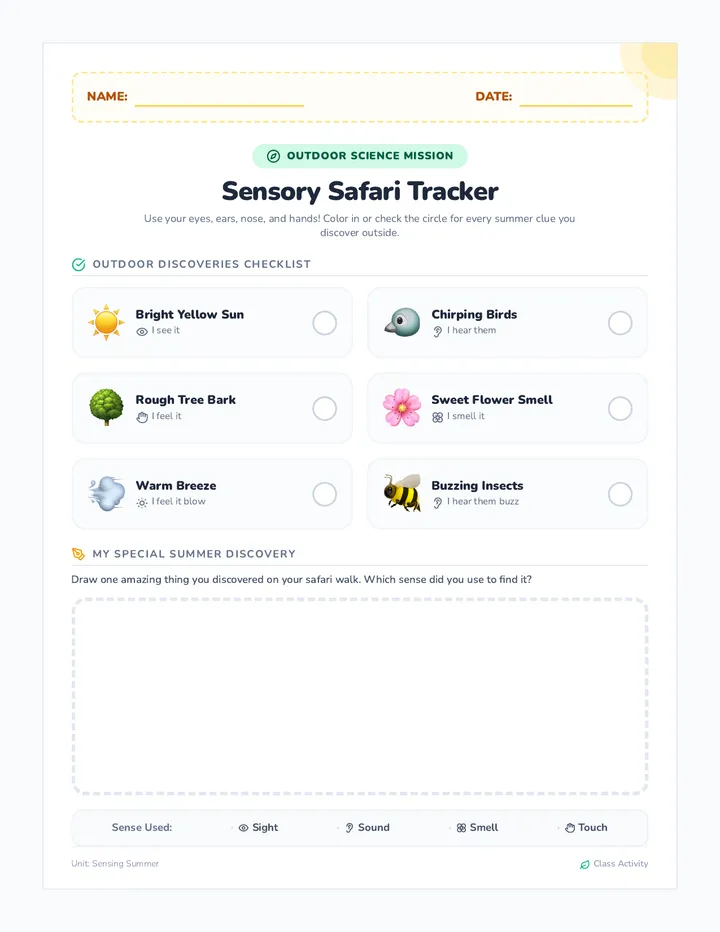
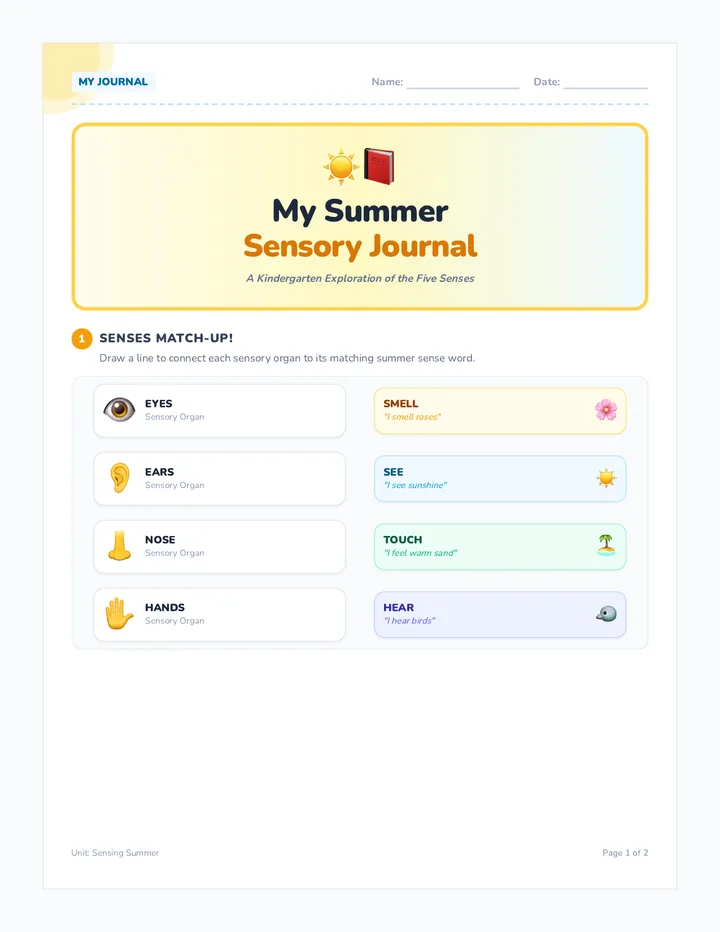
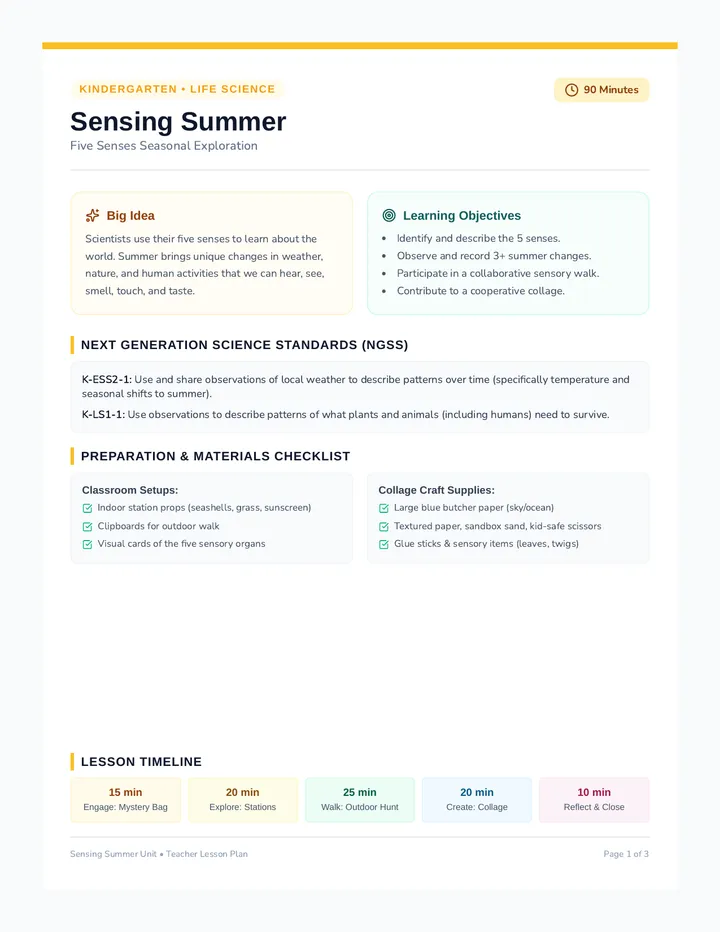
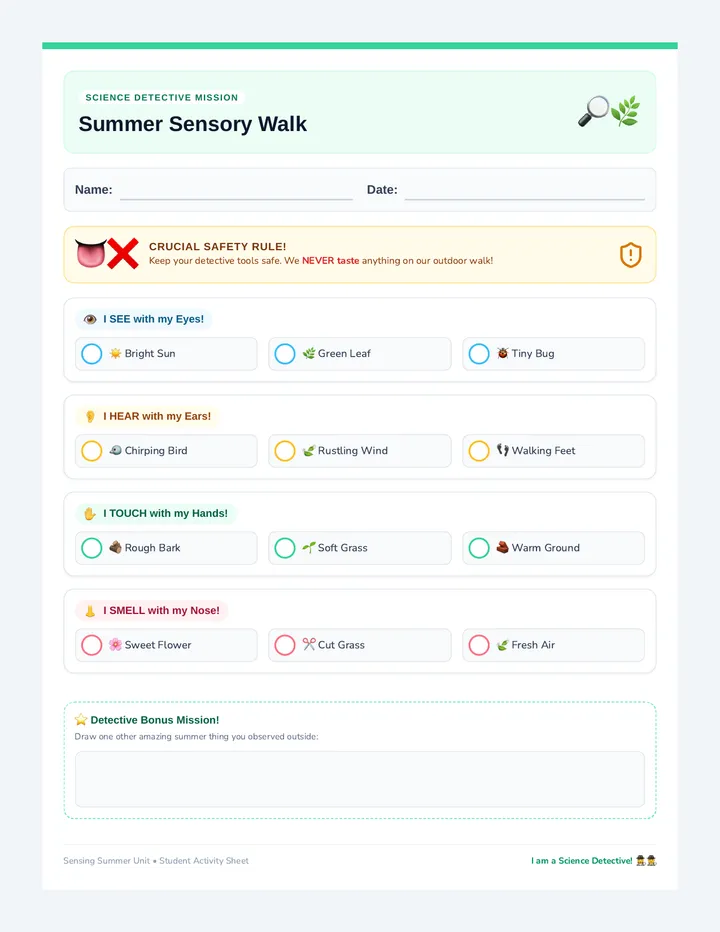
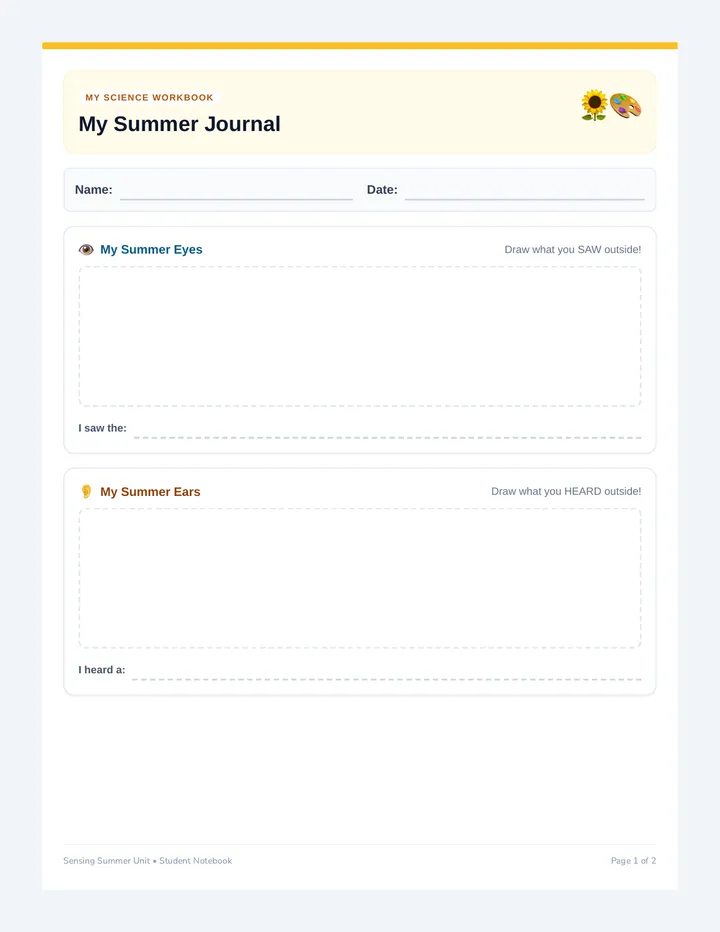
In this introductory lesson, Kindergarten students embark on a scientific journey to discover their five senses. Through a mystery box activity and collaborative discussion, they begin to explore how they use sight, hearing, smell, taste, and touch to understand the world around them.