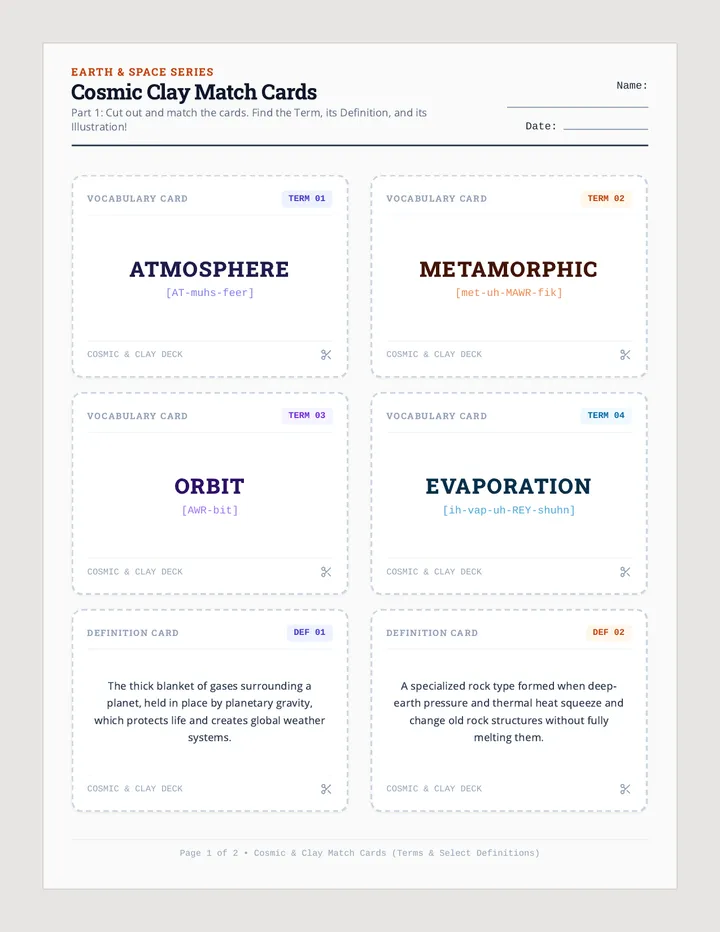
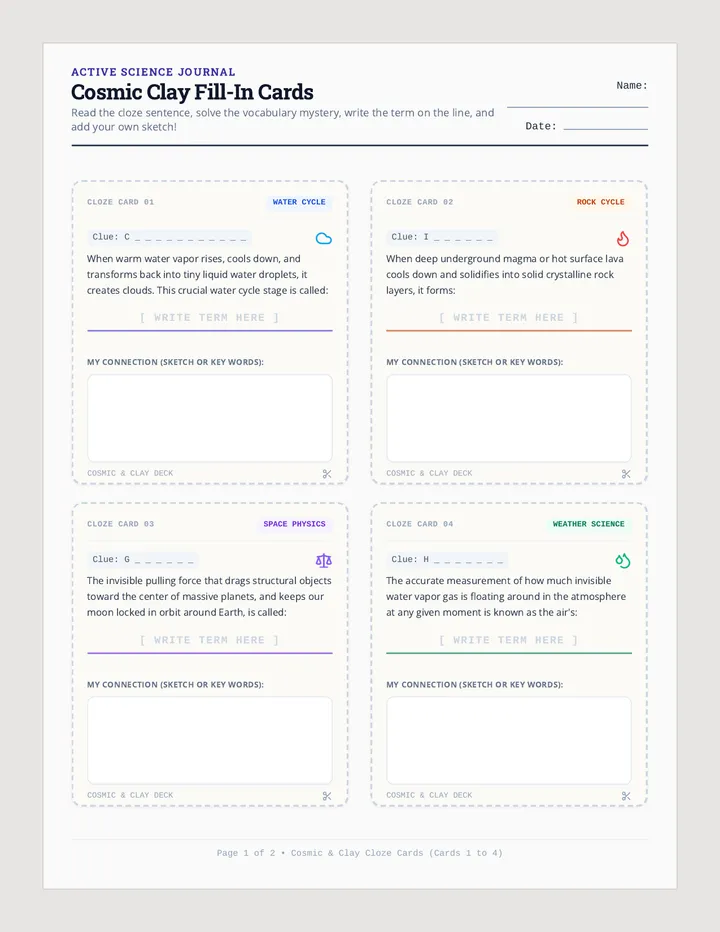
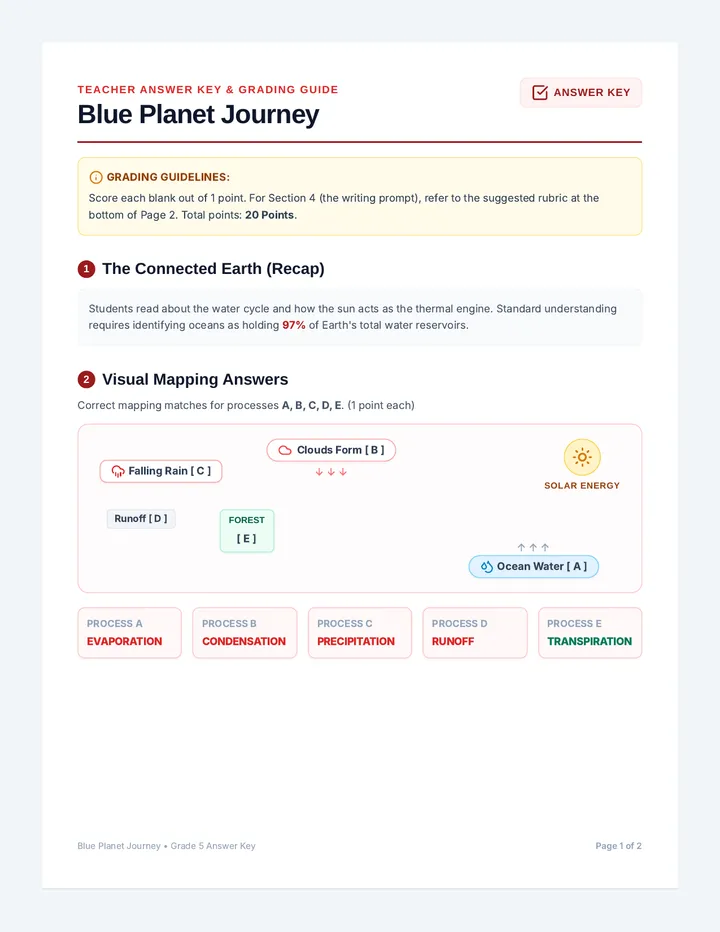
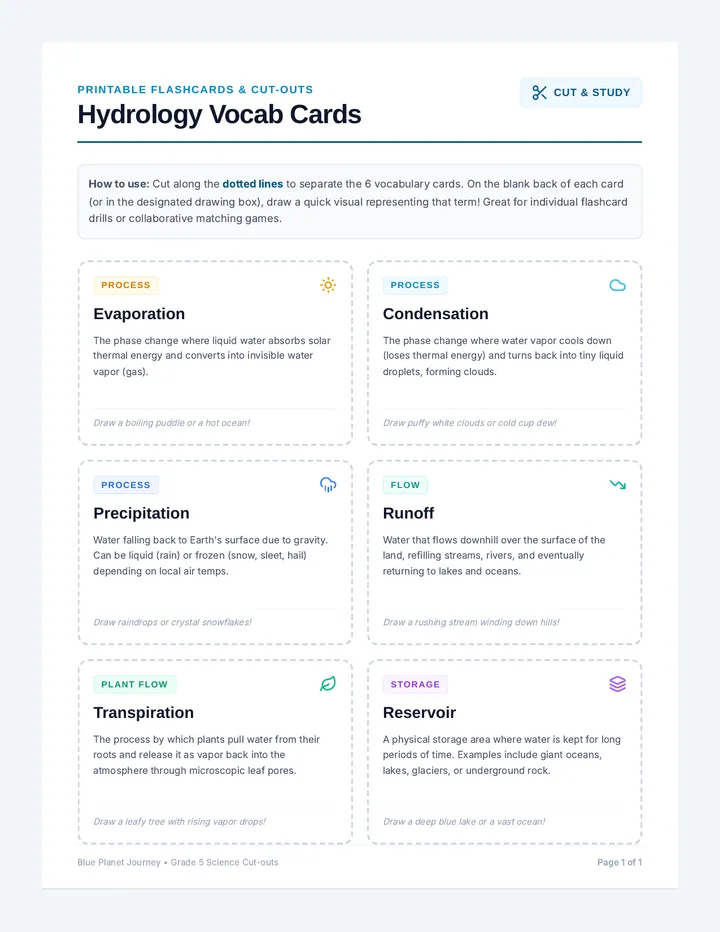
A comprehensive 5th grade STAAR Science prep lesson covering the water cycle, weather patterns, and the solar system through diagram analysis and hands-on review.
Students explore variables and loops through dance game scoring systems, combo streaks, and repeating choreography patterns.
Students learn the basics of computational thinking, focusing on algorithms and sequencing by designing dance routines and step sequences.
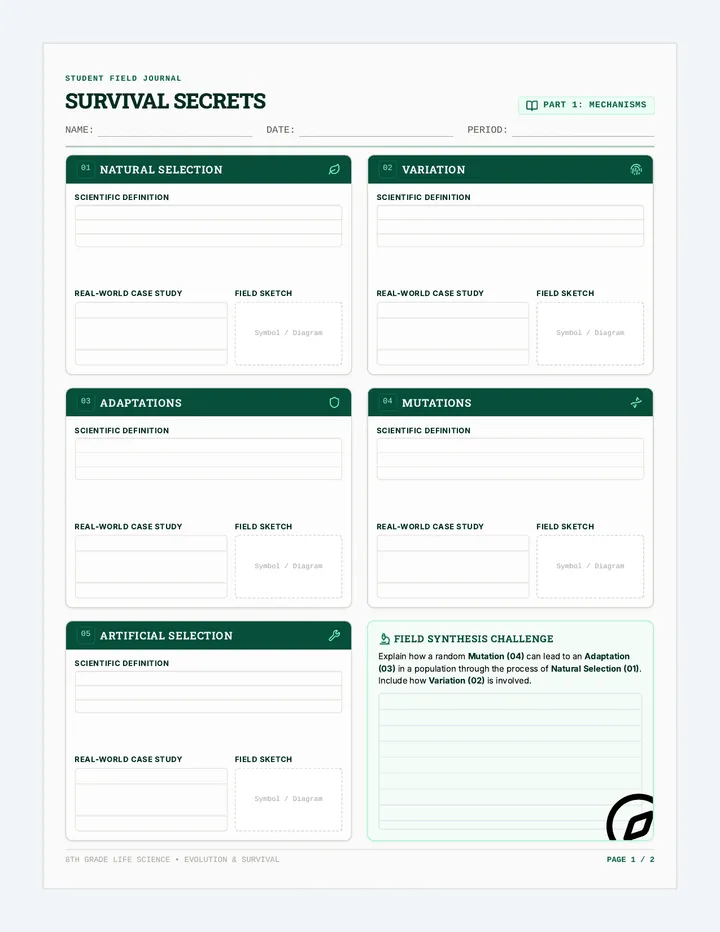
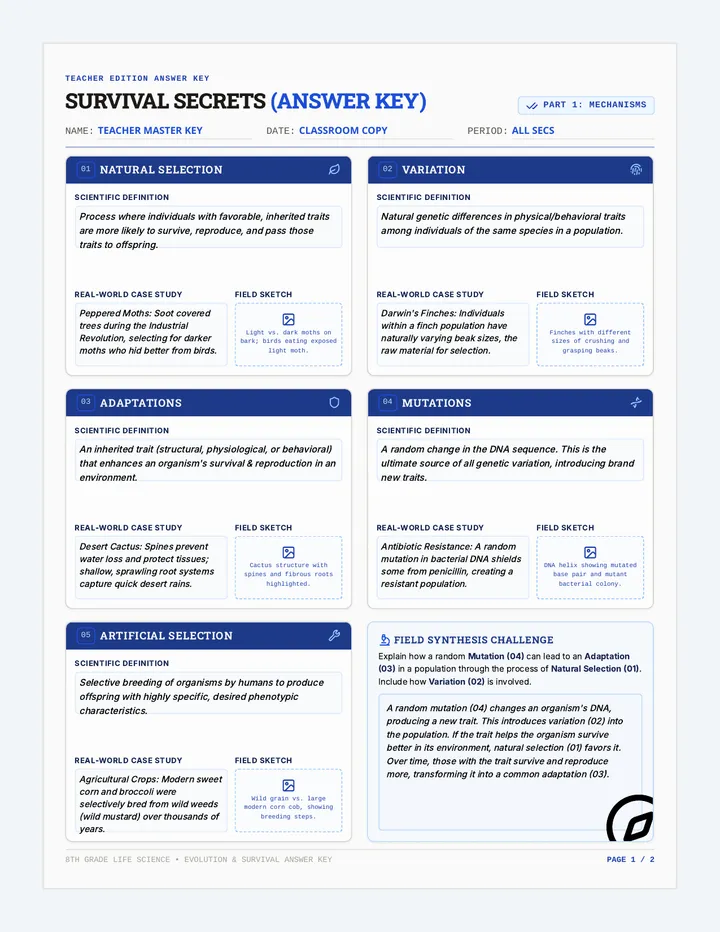
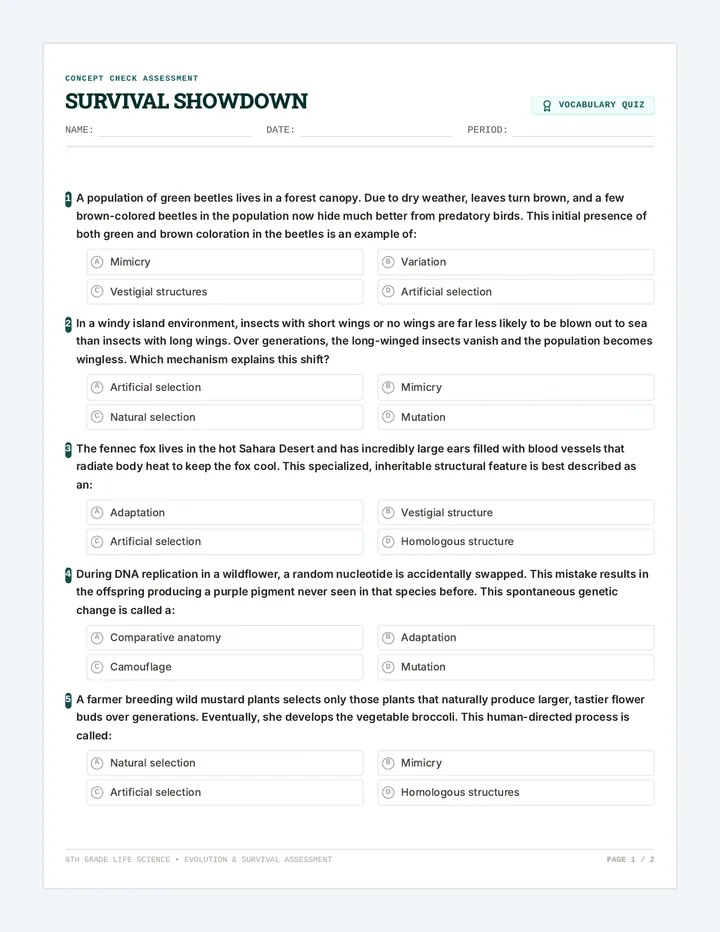
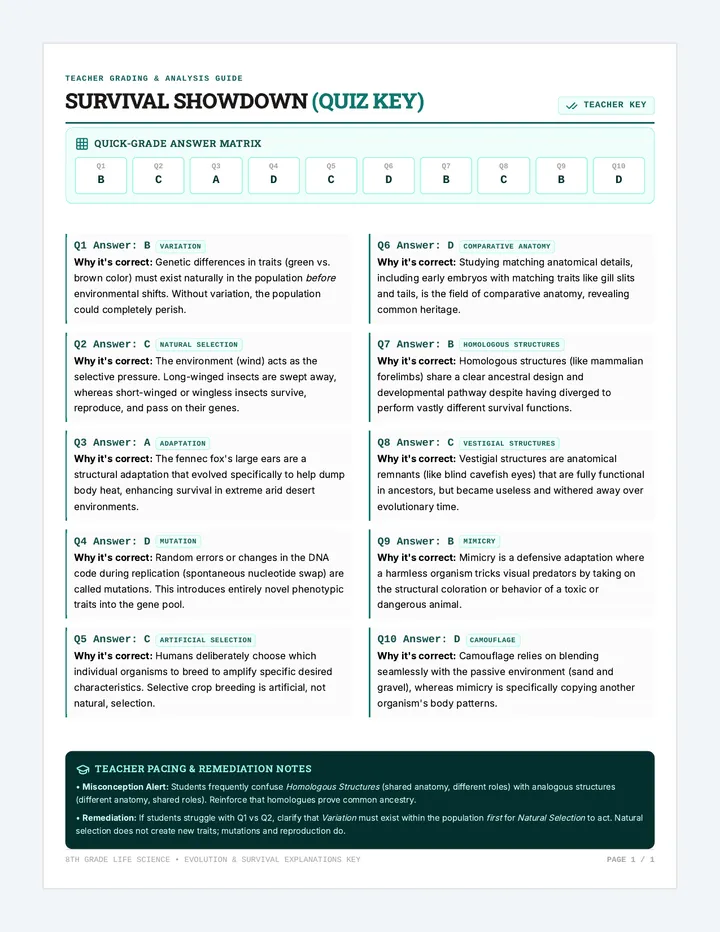
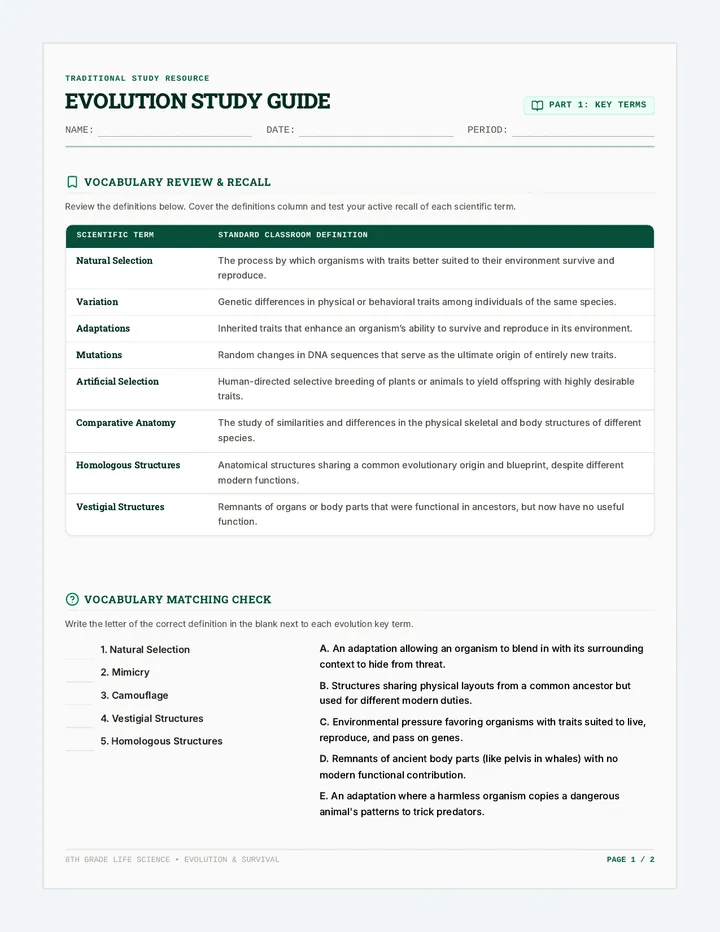
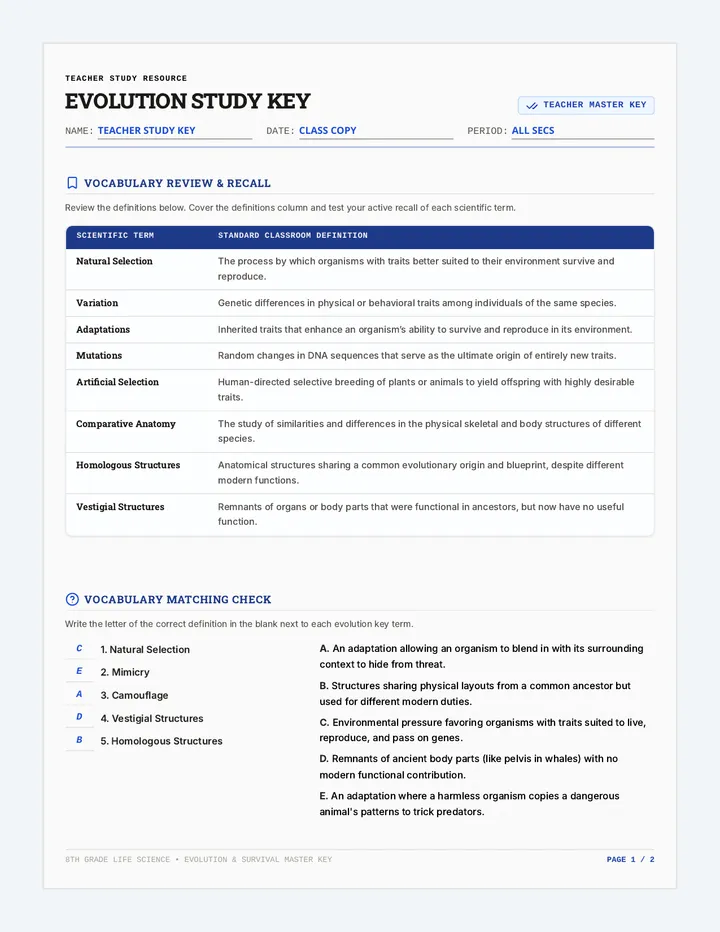
This lesson uses the familiar concept of Pokémon evolution to teach special education students about biological adaptations and natural selection. Students will explore how traits help organisms survive in different environments and design their own adapted creatures.
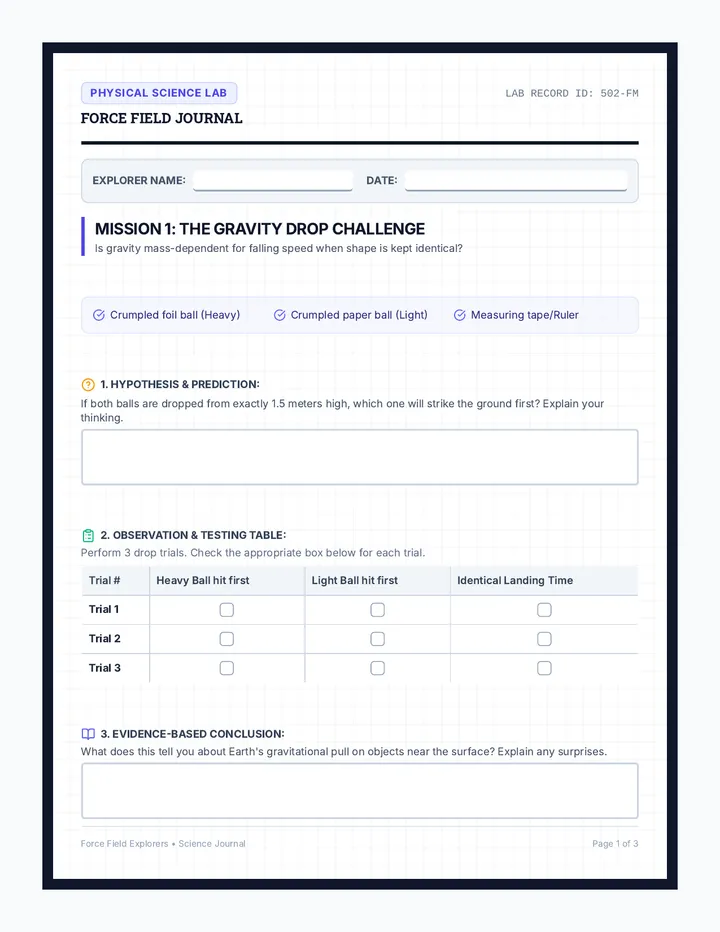
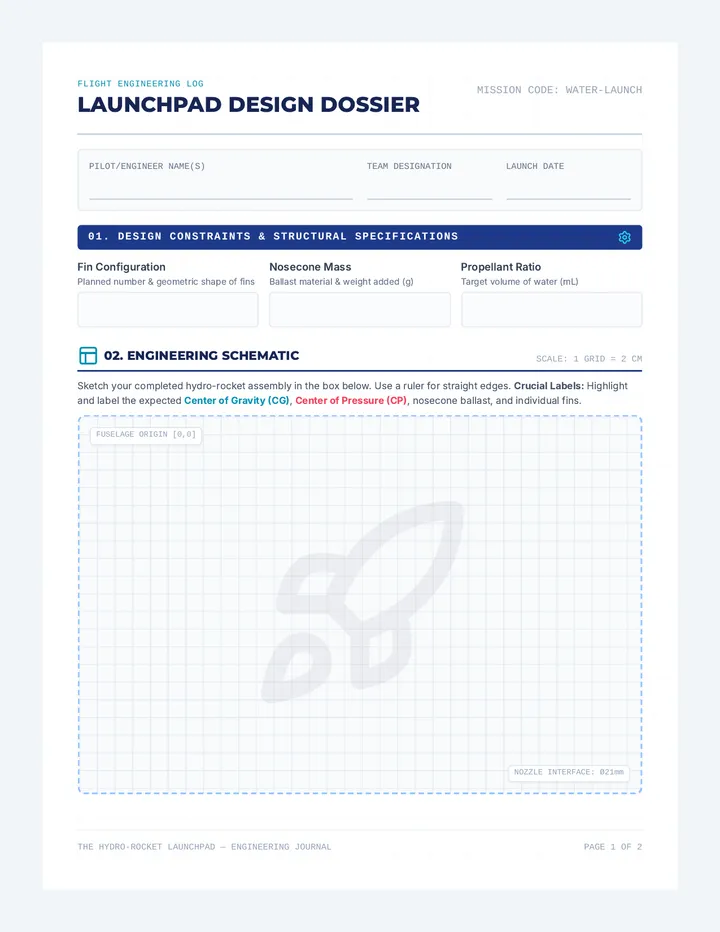
A 4-day hands-on engineering challenge where students design and build a device that demonstrates Newton's three laws of motion using low-cost recycled materials. Students progress through research, blueprinting, prototyping, testing, and a final reflection on the physics at play.
An introductory lesson on Python operators designed for 8th-grade students with ADHD and math challenges. The lesson focuses on conceptual understanding through visual analogies and 'Code Command' mission-based tasks, minimizing complex mental arithmetic.
Explore the magic of soil texture with Applejack! This lesson teaches students how to identify sand, silt, and clay, and how to master the soil texture triangle to classify different types of earth.
A hands-on exploration of force using air rockets, where kindergarteners learn about pushes and how the strength of a push changes an object's motion.
A foundational science lesson for Kindergarteners covering plant anatomy and the essential requirements for plant growth through simple reading passages and visual aids.
A comprehensive lesson for 5th graders exploring how plants create their own food through photosynthesis and their role as producers in energy pyramids. Students will analyze experimental data and practice identifying consumer levels in food webs.
A deep dive into the major human body systems, focusing on how they interact to keep us alive and moving. Students will explore the skeletal, muscular, respiratory, circulatory, and digestive systems through collaborative activities.
A lesson focused on animal characteristics and habitats, helping students build descriptive vocabulary.
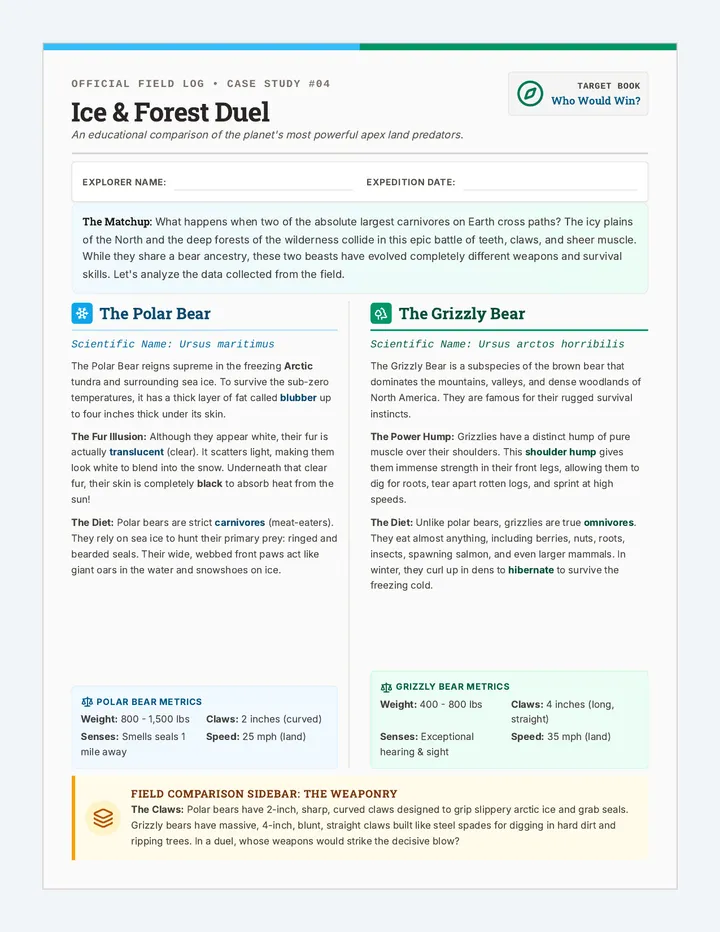
This lesson focuses on comparing the world's largest mammal, the blue whale, with some of the world's smallest mammals. Students will use the provided informational text and conduct their own research to create a comparative report.
A hands-on exploration of surface tension using paperclips and water. Students challenge the law of gravity by making metal float and then investigate what breaks the 'skin' of water.
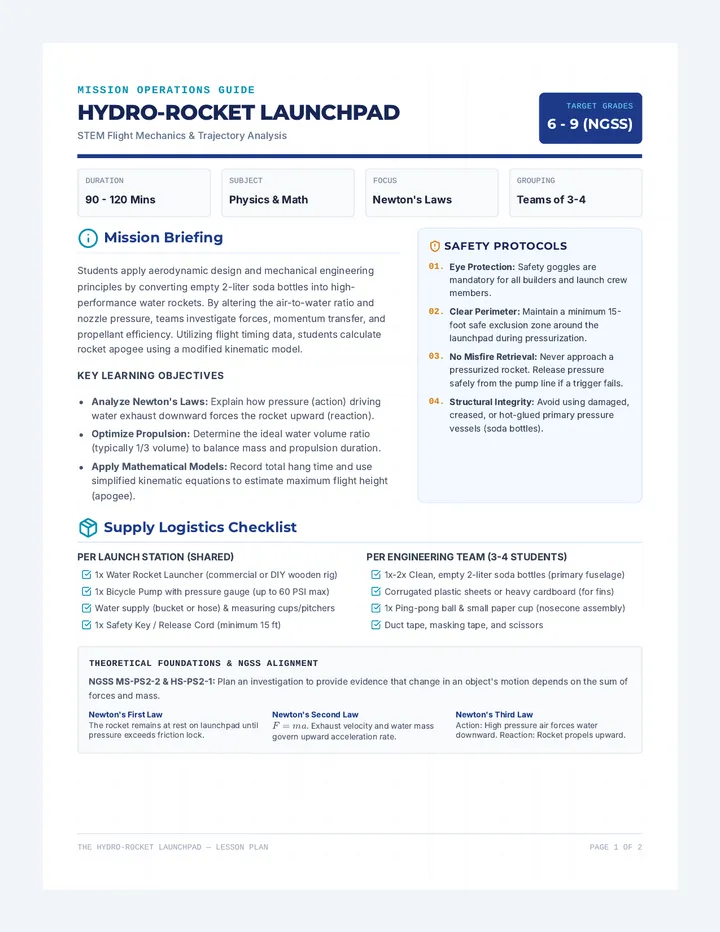
An interactive exploration of Newton's Laws of Motion through hands-on experimentation with balloon-powered rockets. Students will investigate how force impacts distance and velocity.
A focused exploration of human skin anatomy, teaching students to identify and describe the three primary layers: epidermis, dermis, and hypodermis. Students will investigate the unique functions and structures within each layer through visual aids and matching activities.
An immersive solar system scavenger hunt where students act as space explorers gathering vital planetary data through QR-coded task cards or pre-vetted intel sheets.
A comprehensive lesson exploring solar system organization, planet properties, and the celestial interactions between the sun, Earth, and moon through modeling and data analysis.
A comprehensive MCAS prep lesson focusing on 5th-grade Life and Earth Science standards, featuring data analysis, investigation scenarios, and open-response practice.
A comprehensive AzSCI prep lesson for 5th grade covering ecosystems, matter and energy, and Earth systems through diagram analysis and hands-on review.
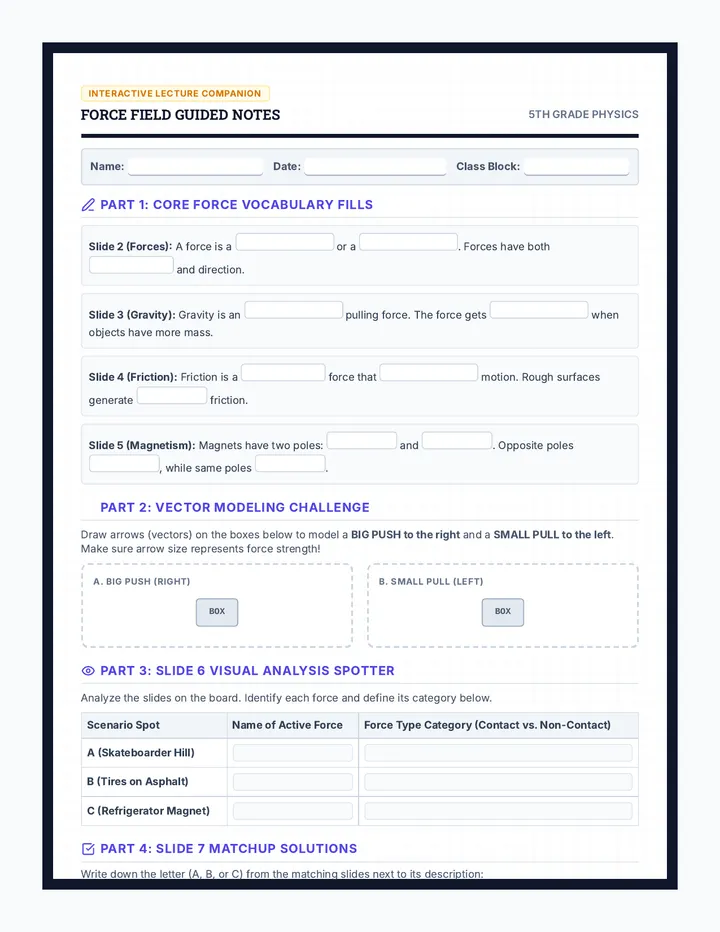
A comprehensive 8th-grade STAAR review lesson focusing on Newton's Laws, force, motion, and energy calculations. Students will engage with lab scenarios, visual models, and practice questions aligned to Texas TEKS 8.6A, 8.6B, and 8.6C.
Fifth grade students act as environmental engineers to model energy flow in Montana ecosystems. They identify roles within food webs and predict the impacts of population changes on biological communities.
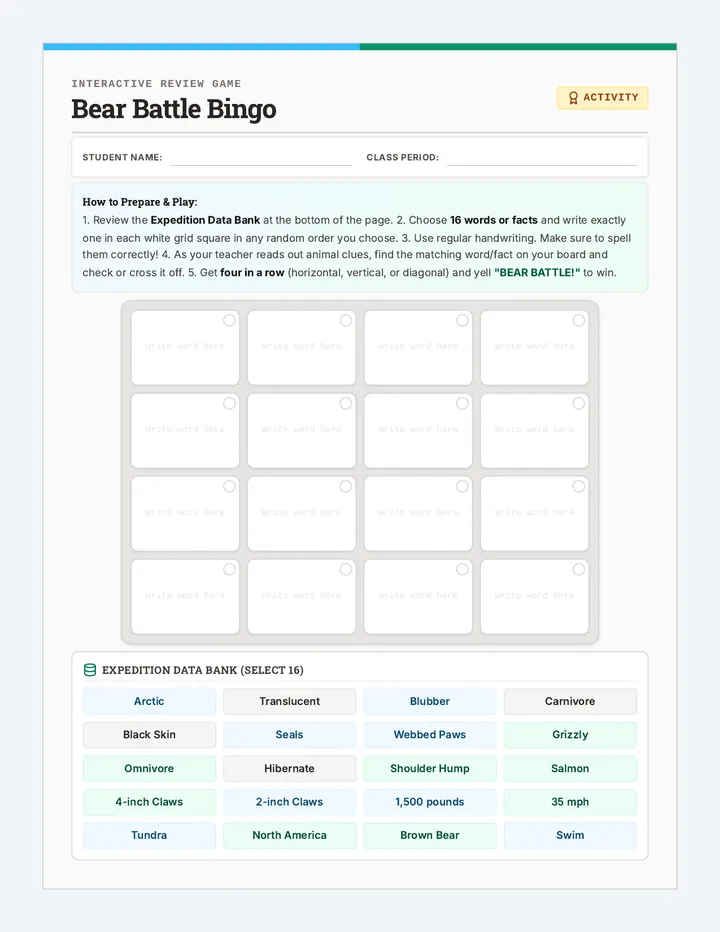
An engaging 'Guess Who' style game where students use descriptive language and biological traits to identify mystery animals. Focuses on classification, habitats, and physical characteristics.
A comprehensive 75-minute college-level lecture exploring the anatomy and physiology of the human digestive system, covering the GI tract wall, organ functions, accessory organs, and the principles of nutrition.
An informative unit for 5th graders exploring the history and physics of roller coasters, from early Russian ice slides to modern g-force engineering.
An informative unit for 5th graders exploring the growing problem of space junk, the science of orbital mechanics, and innovative solutions for cleaning up Earth's orbit.
An informative unit for 5th graders exploring the history of chocolate from ancient Mayan rituals to the modern candy industry, featuring a creative design task and a research essay.