Students investigate how the angle of sunlight affects heat intensity and biodiversity using a flashlight-and-globe simulation. They compare the direct light at the equator to the spread-out light at the poles to understand global climate patterns.

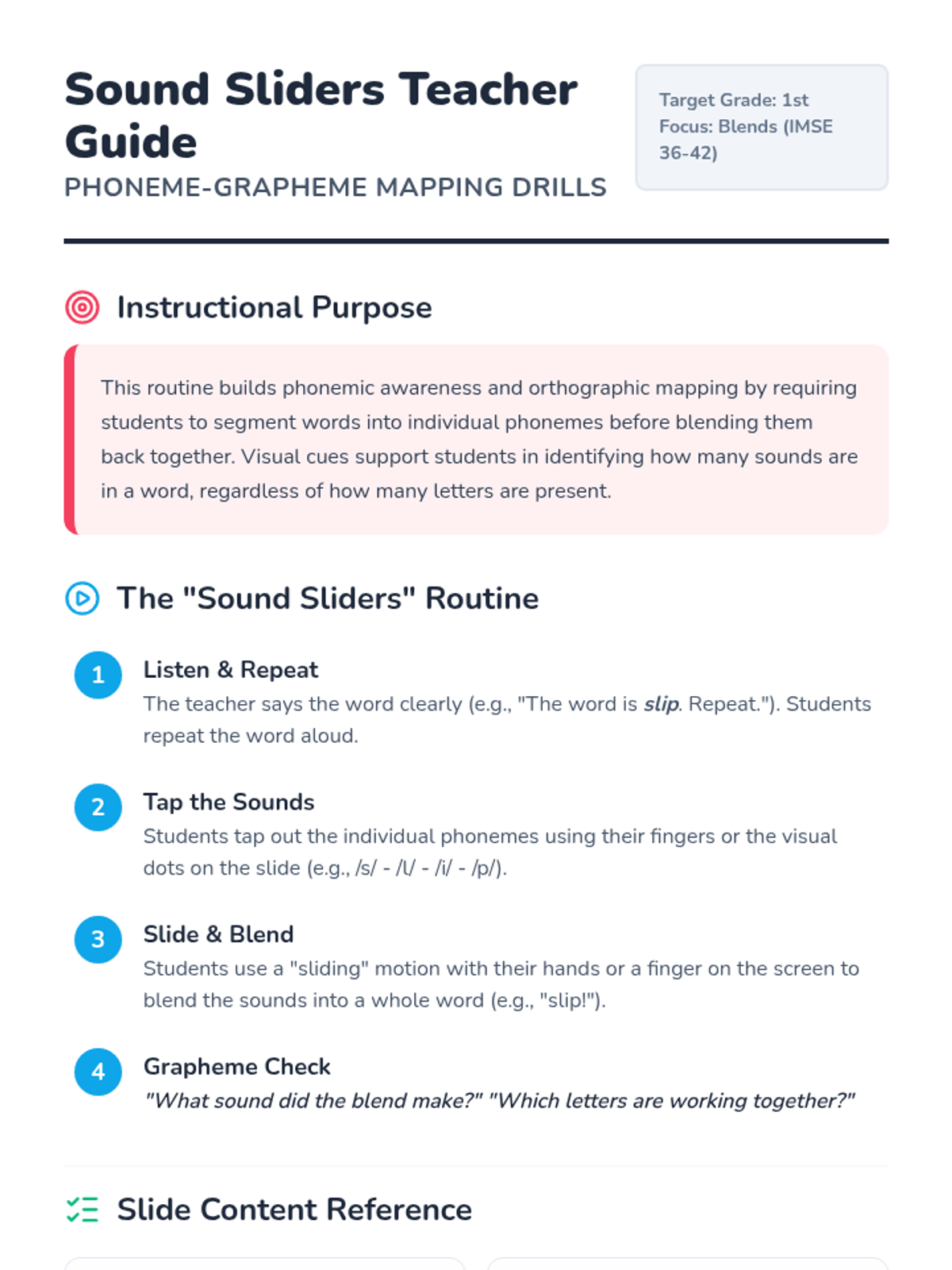
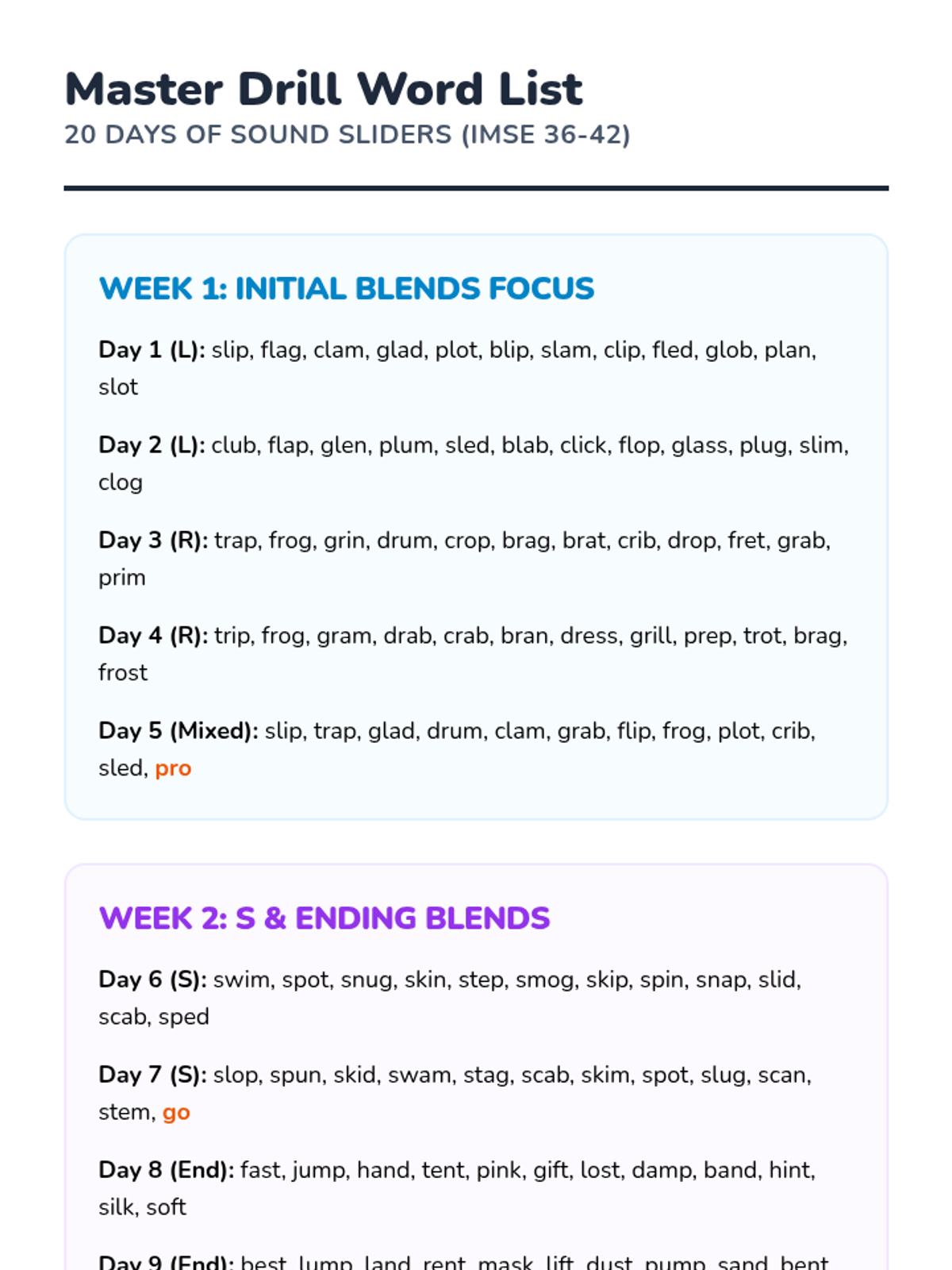
The final week of Sound Sliders drills focusing on Open Syllables and comprehensive Blend review.
The third week of Sound Sliders drills focusing on Mixed Blends and Glued Sounds (-ng, -nk) with daily 12-word practice sets.
The second week of Sound Sliders drills focusing on S-Blends and Ending Blends with daily 12-word practice sets.
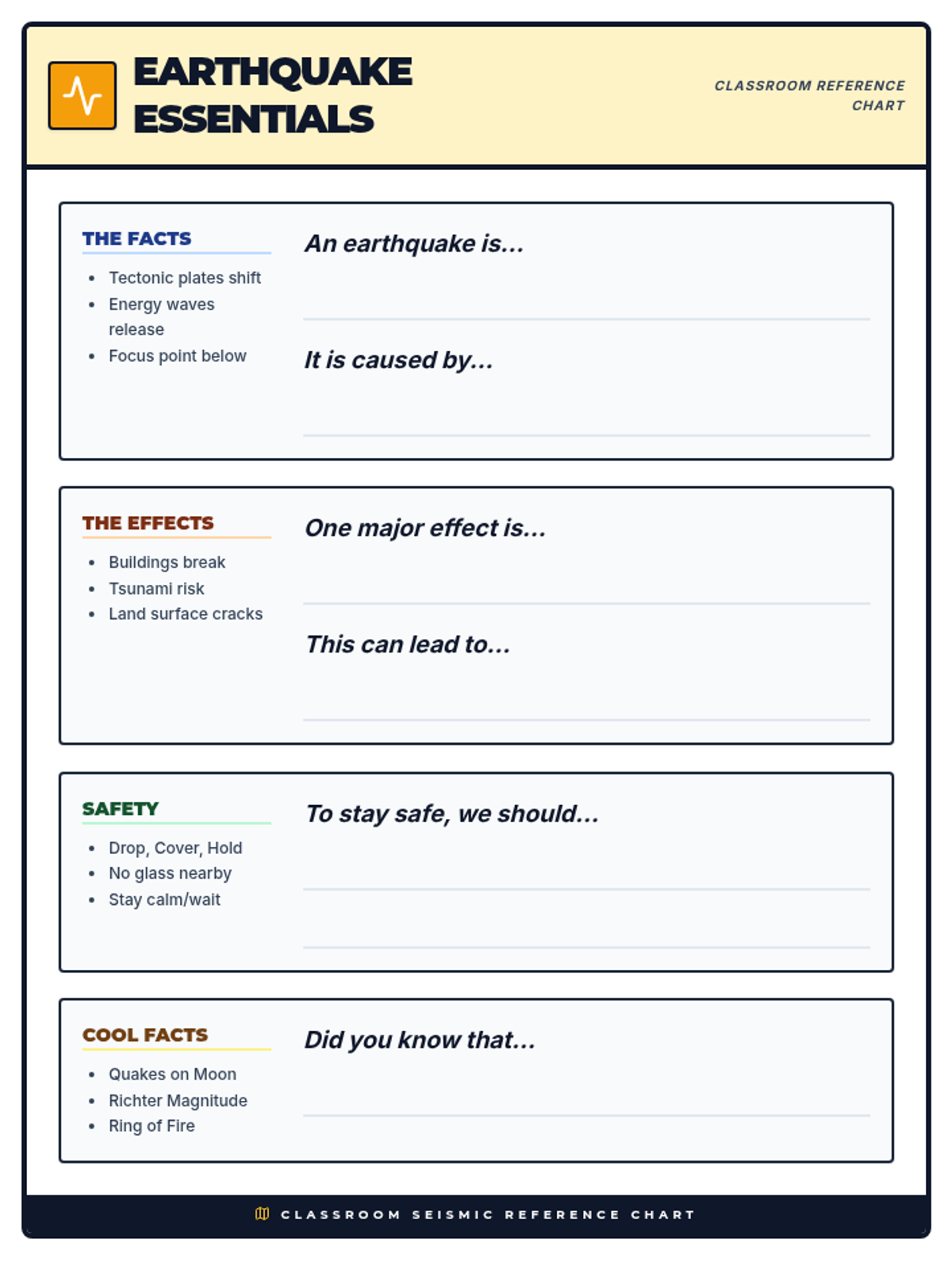
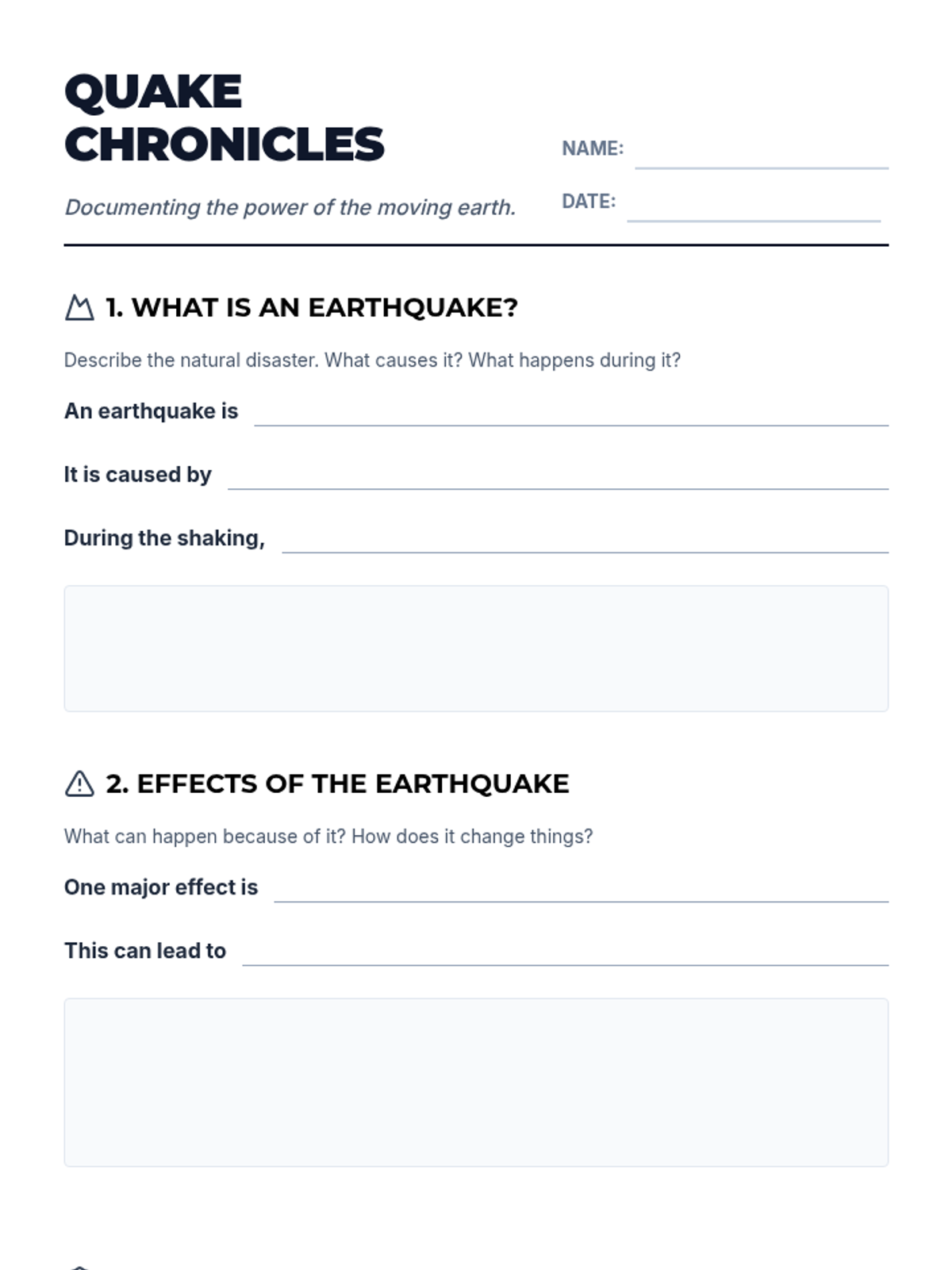
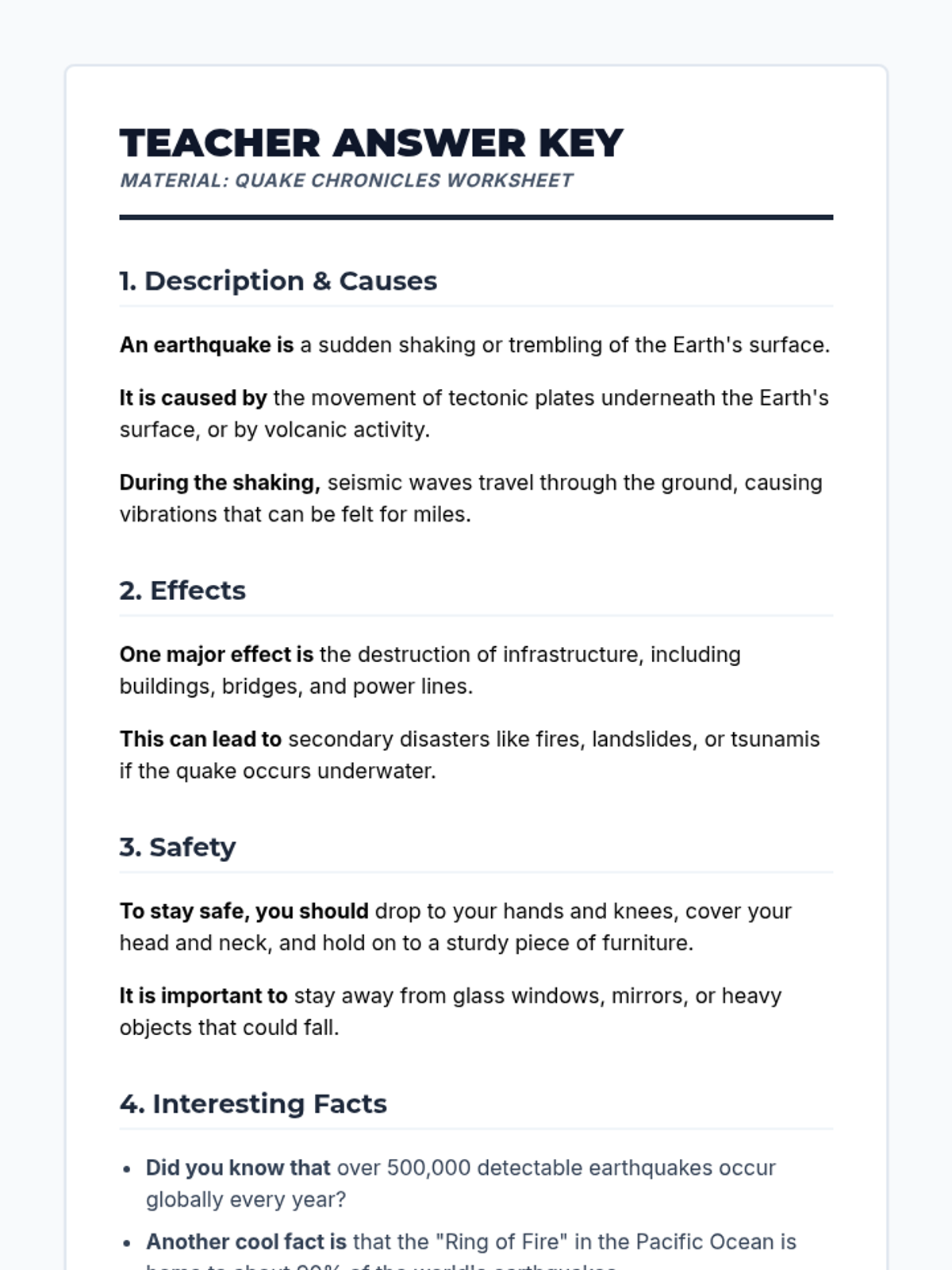
A comprehensive lesson on earthquakes, covering their causes, effects, safety protocols, and fascinating seismic facts using sentence starters to support student writing.
The first week of Sound Sliders drills focusing on initial L-Blends and R-Blends with daily 12-word practice sets.
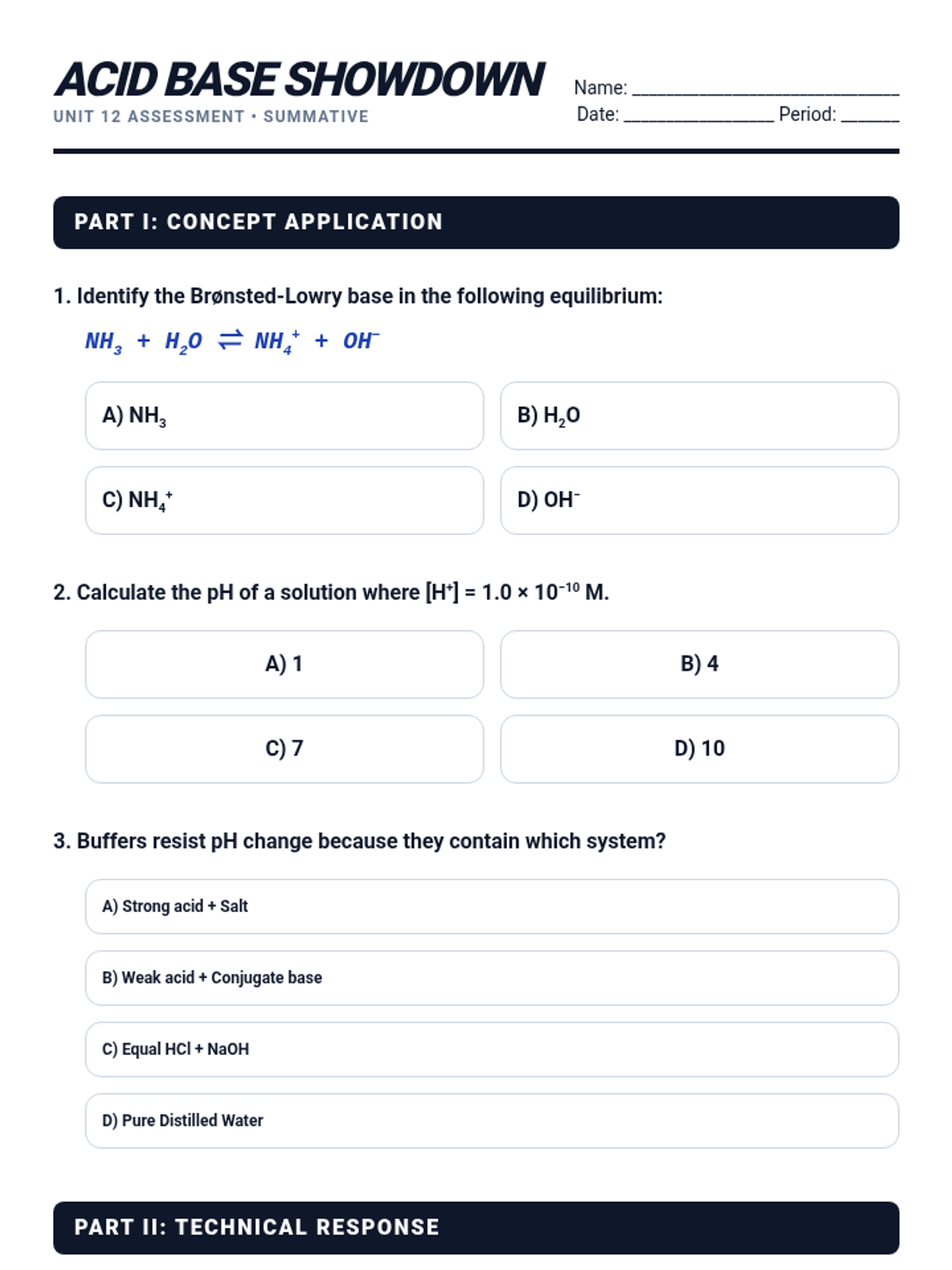
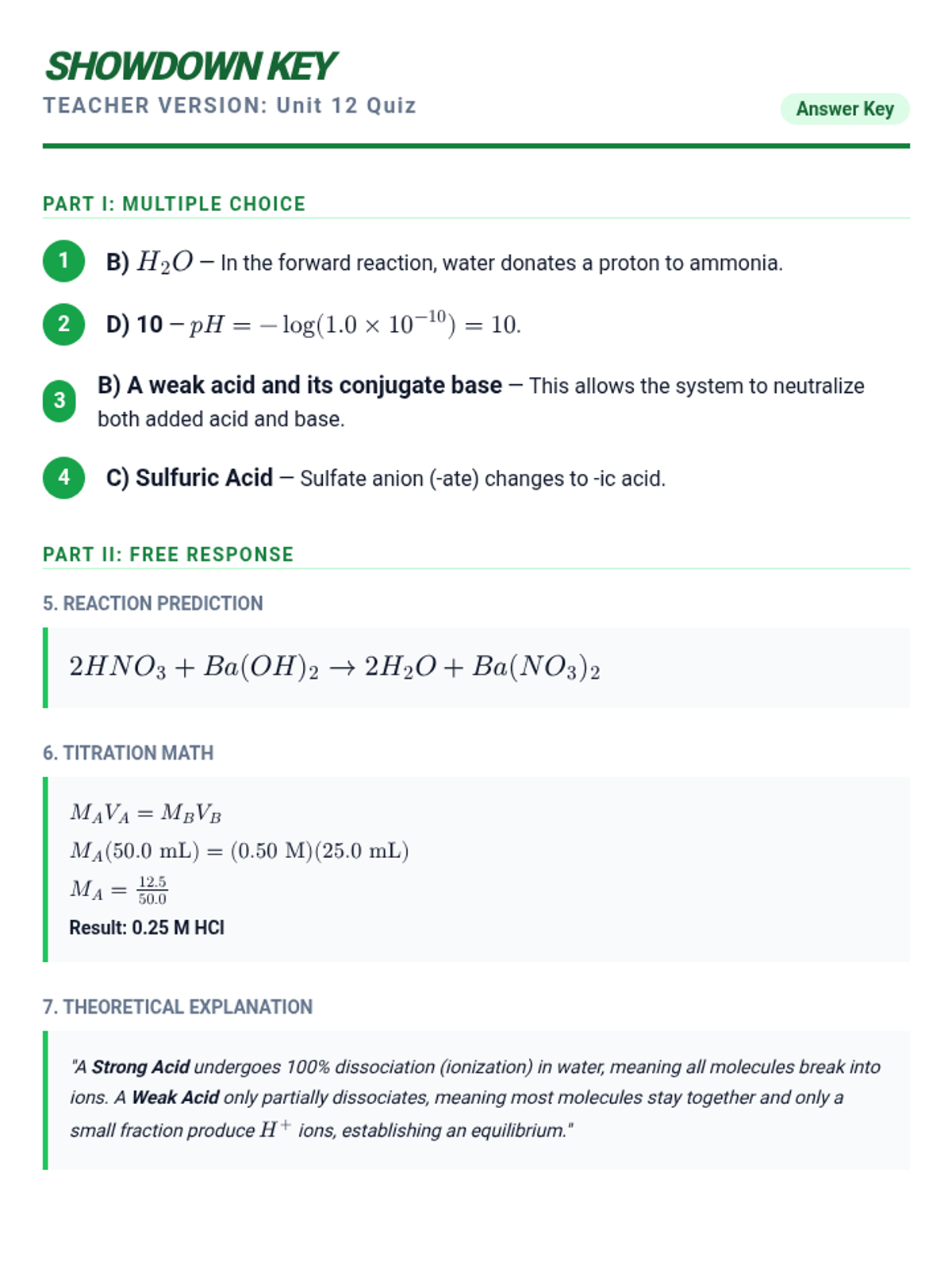
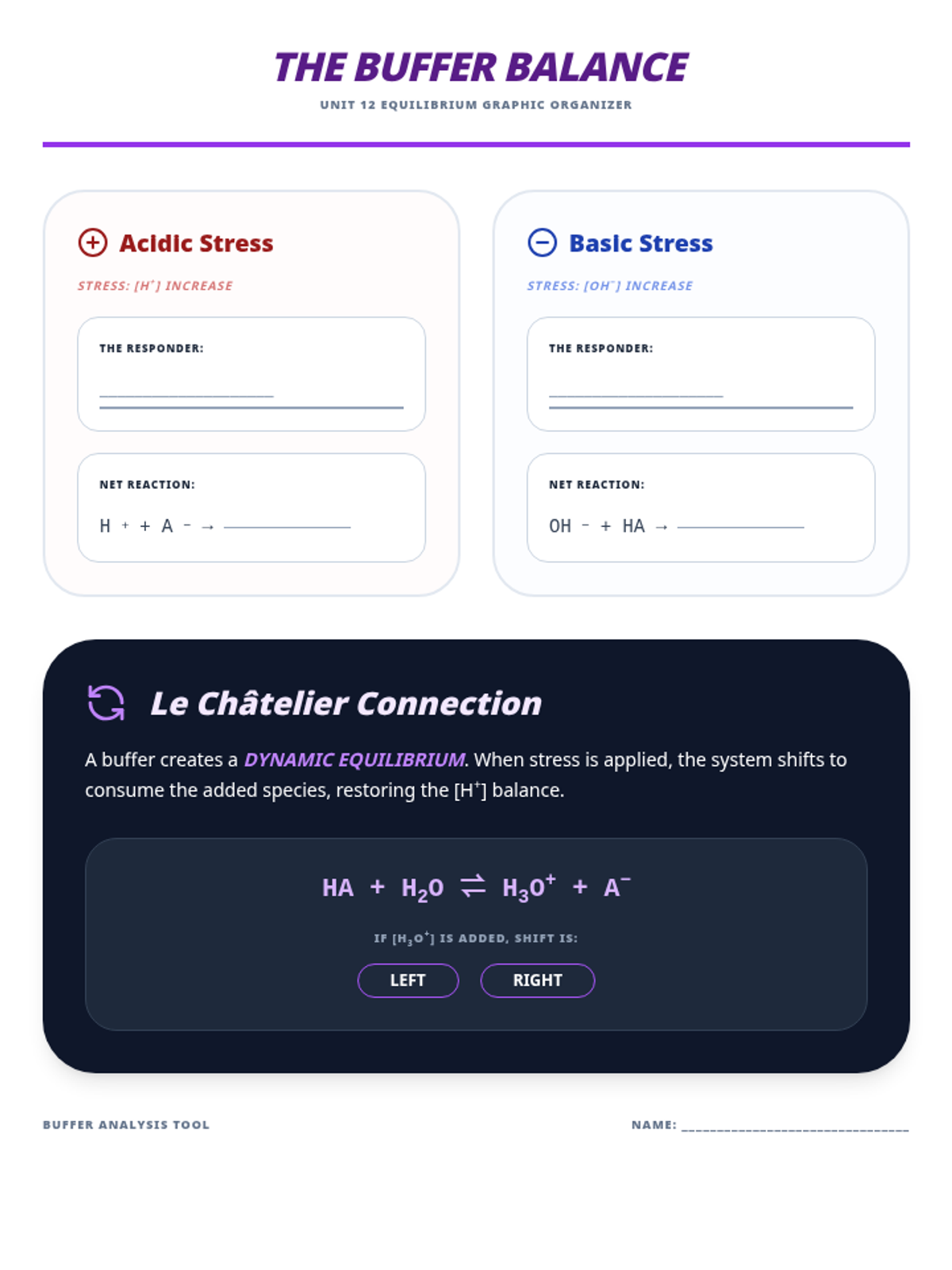
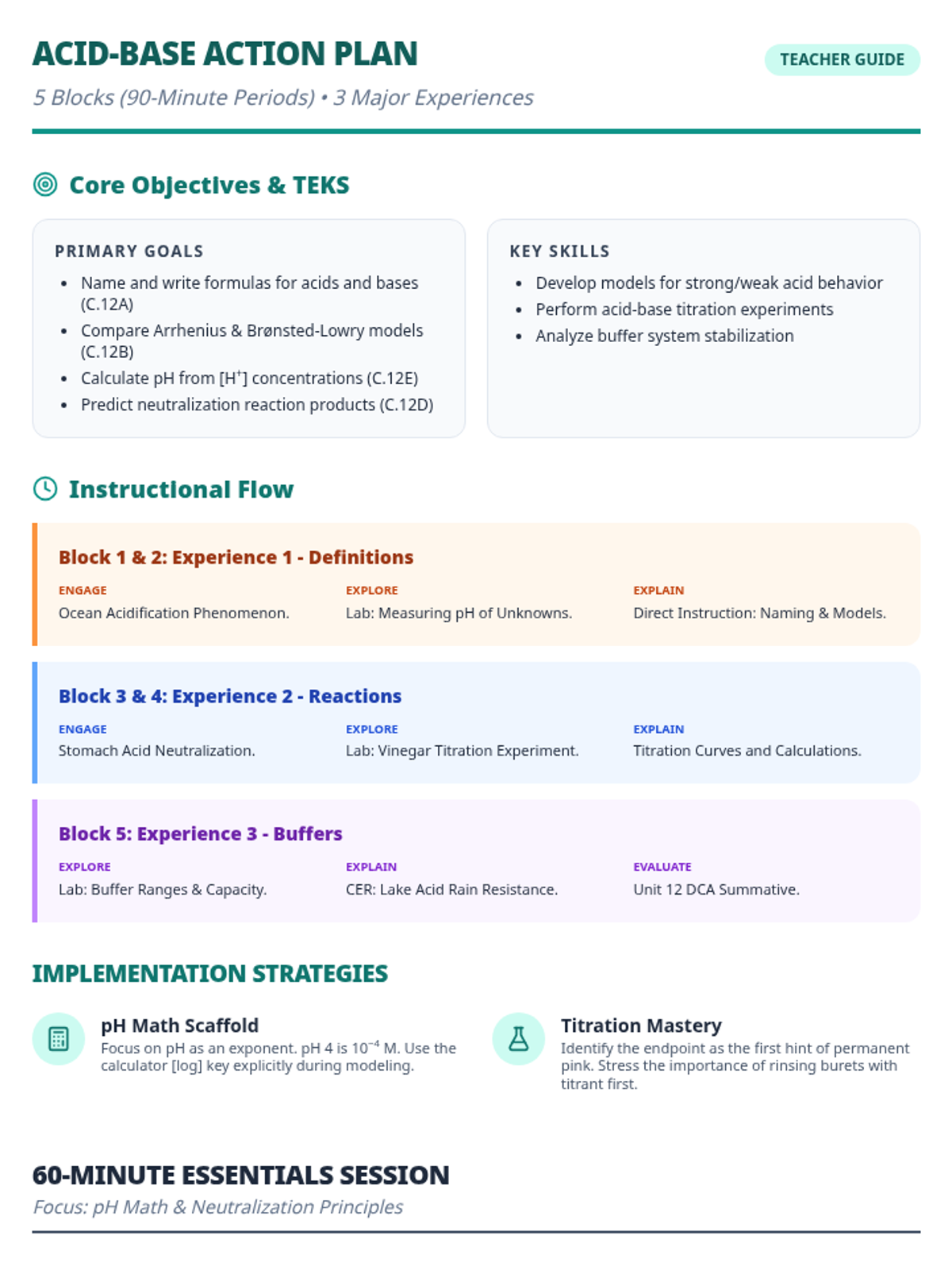
Explores the equilibrium of buffer solutions and concludes with a summative assessment of the unit.
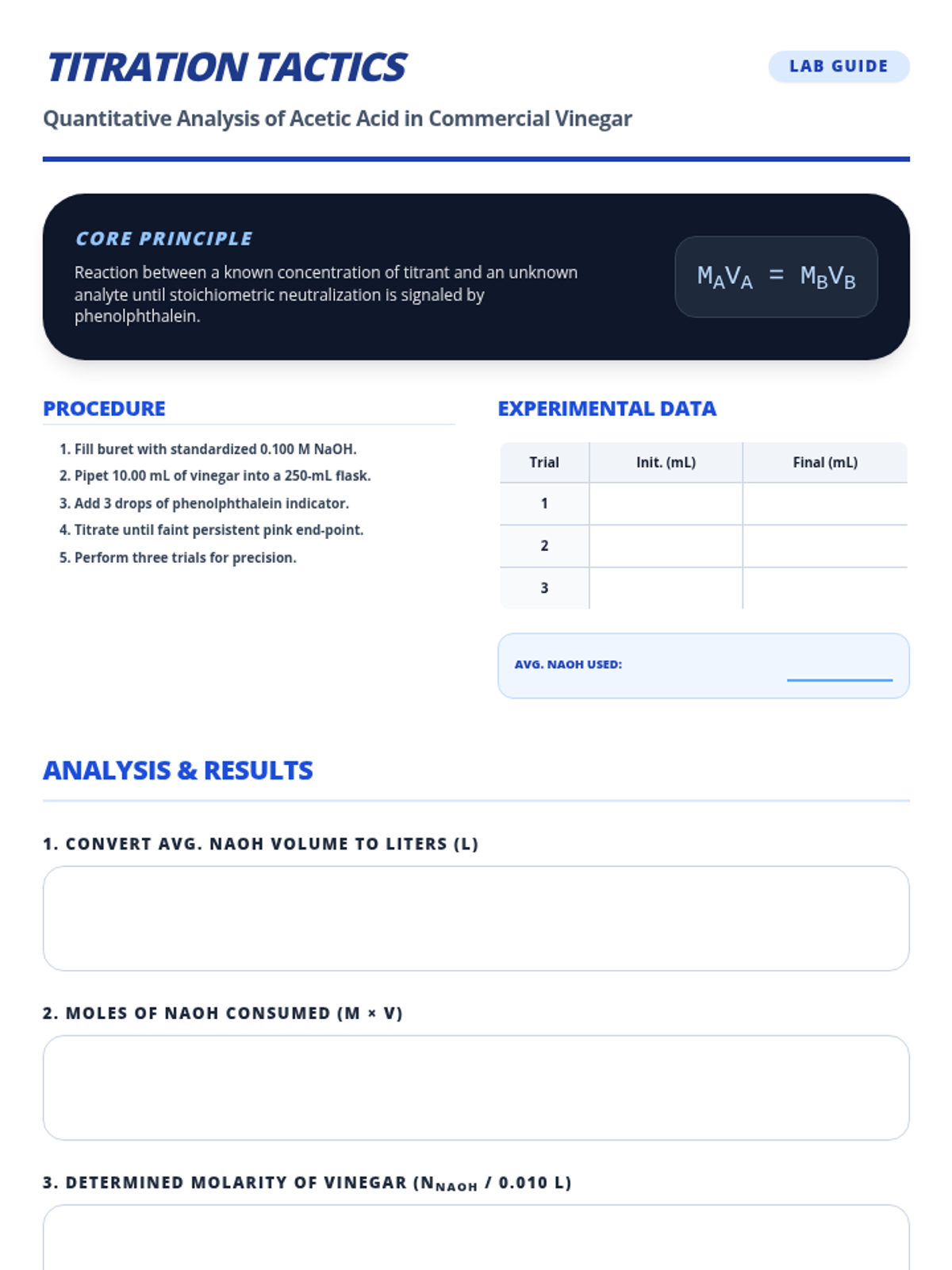
Focuses on neutralization reactions, predicting products, and performing titration experiments to determine unknown concentrations.
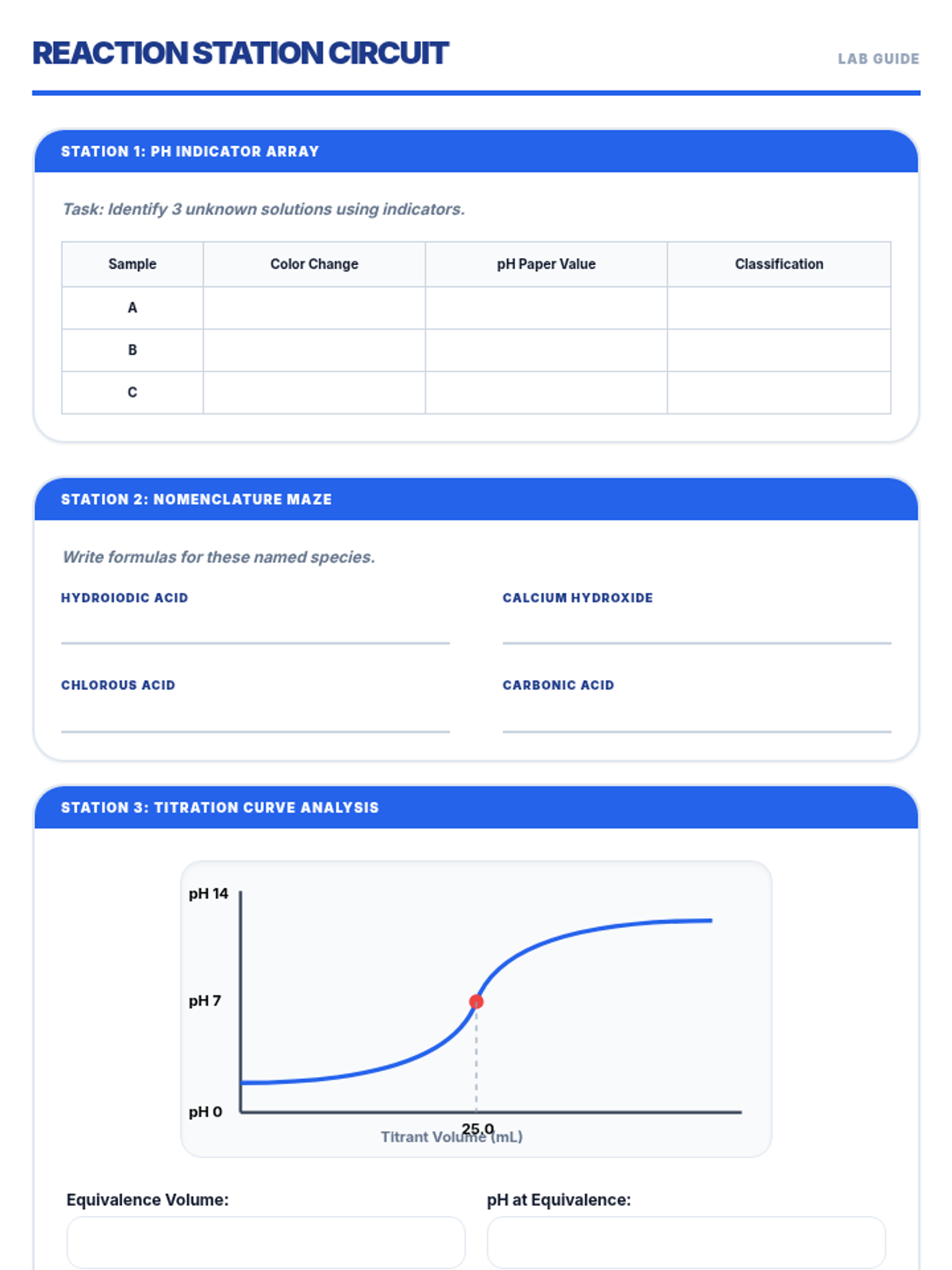
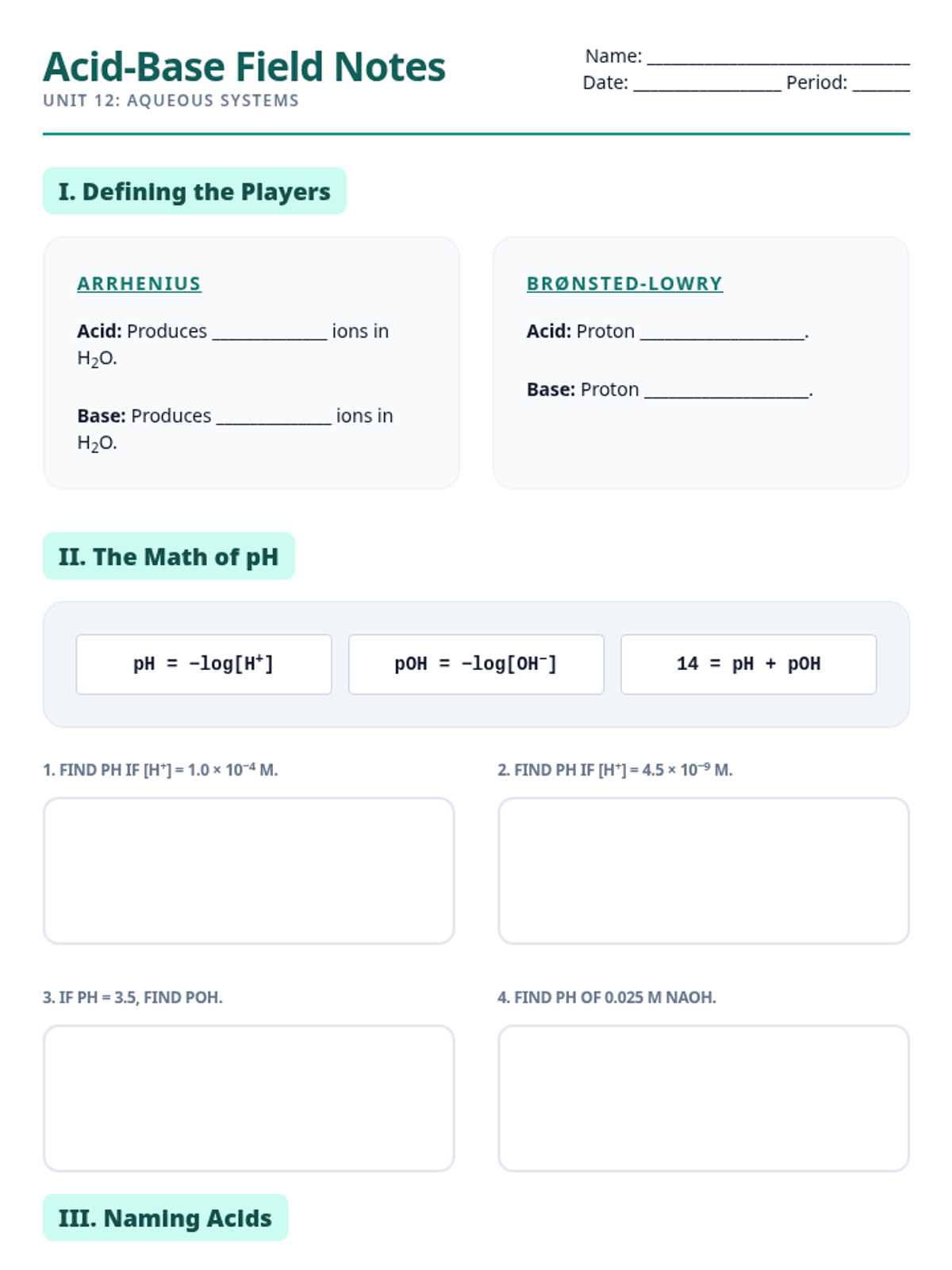
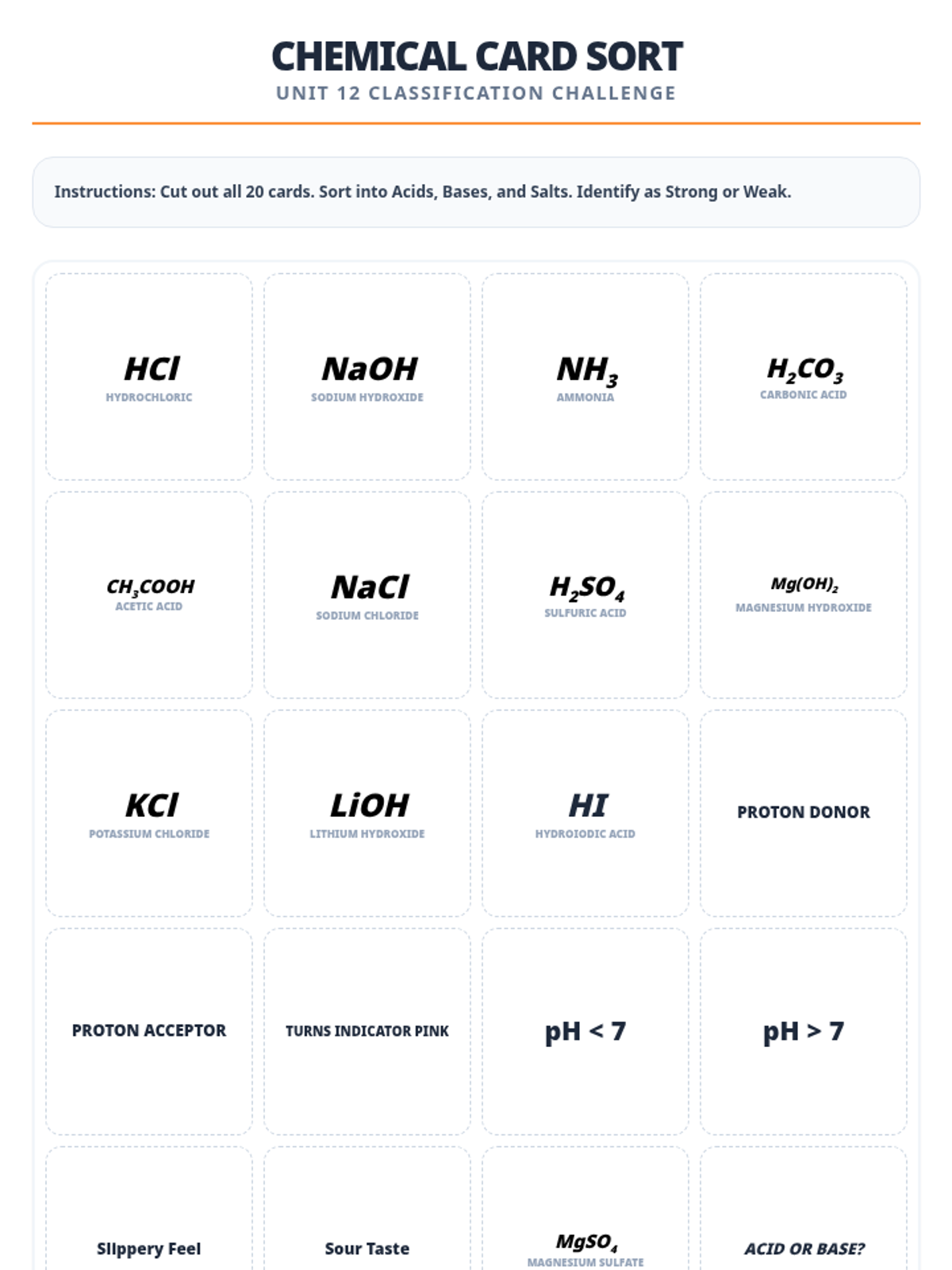
Students define acids and bases using Arrhenius and Brønsted-Lowry models, learn naming conventions, and master pH/pOH calculations.
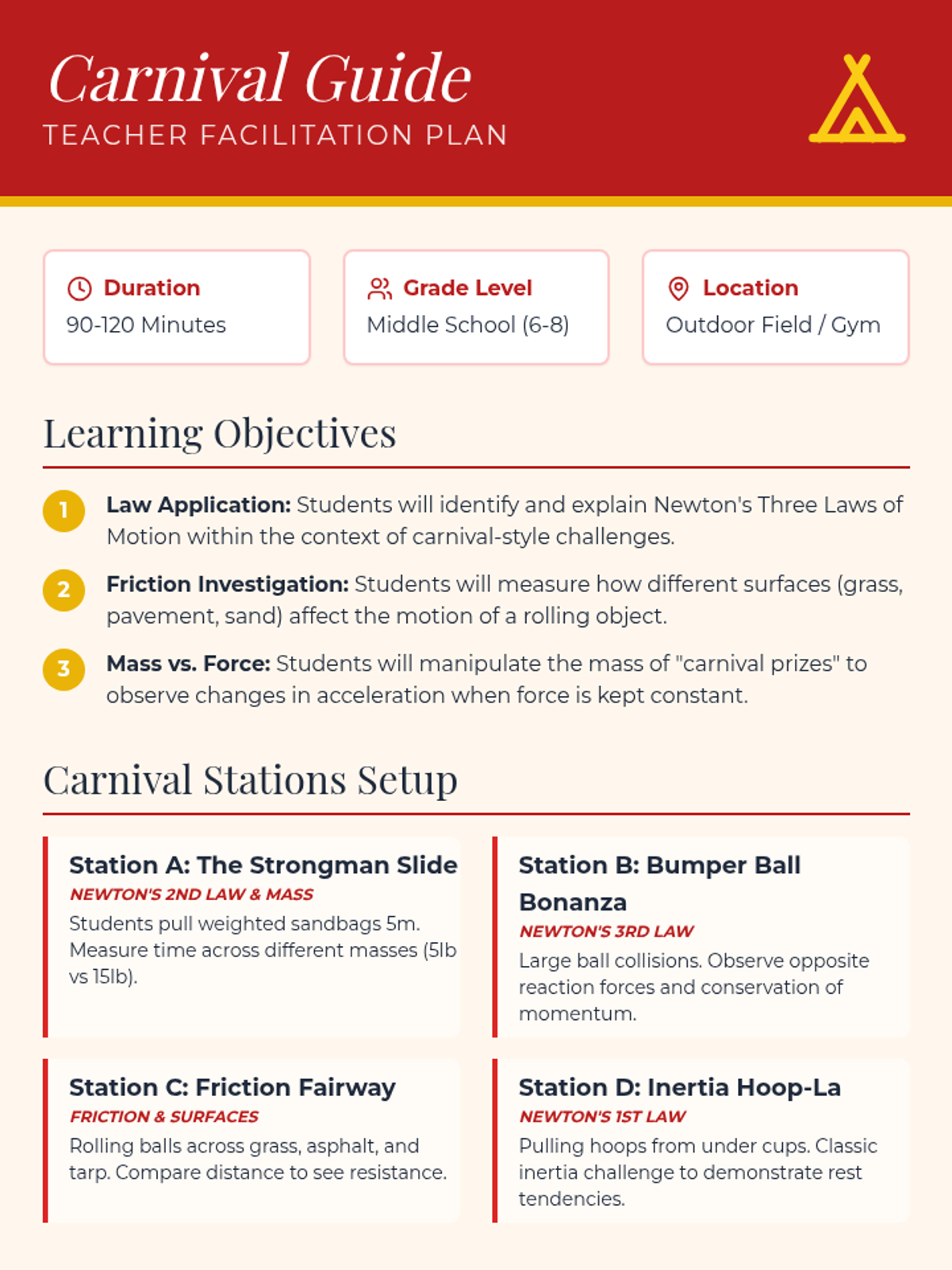
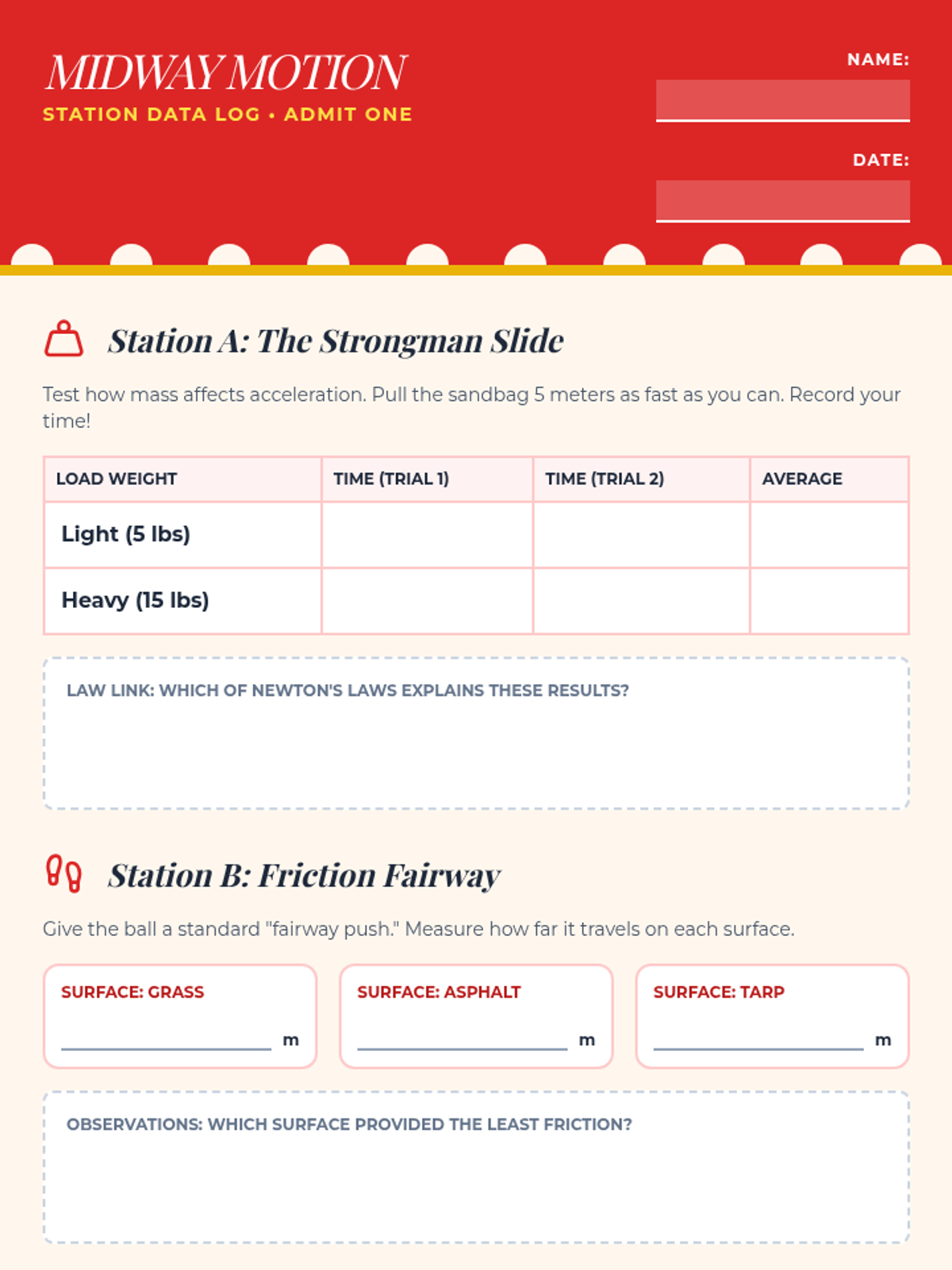
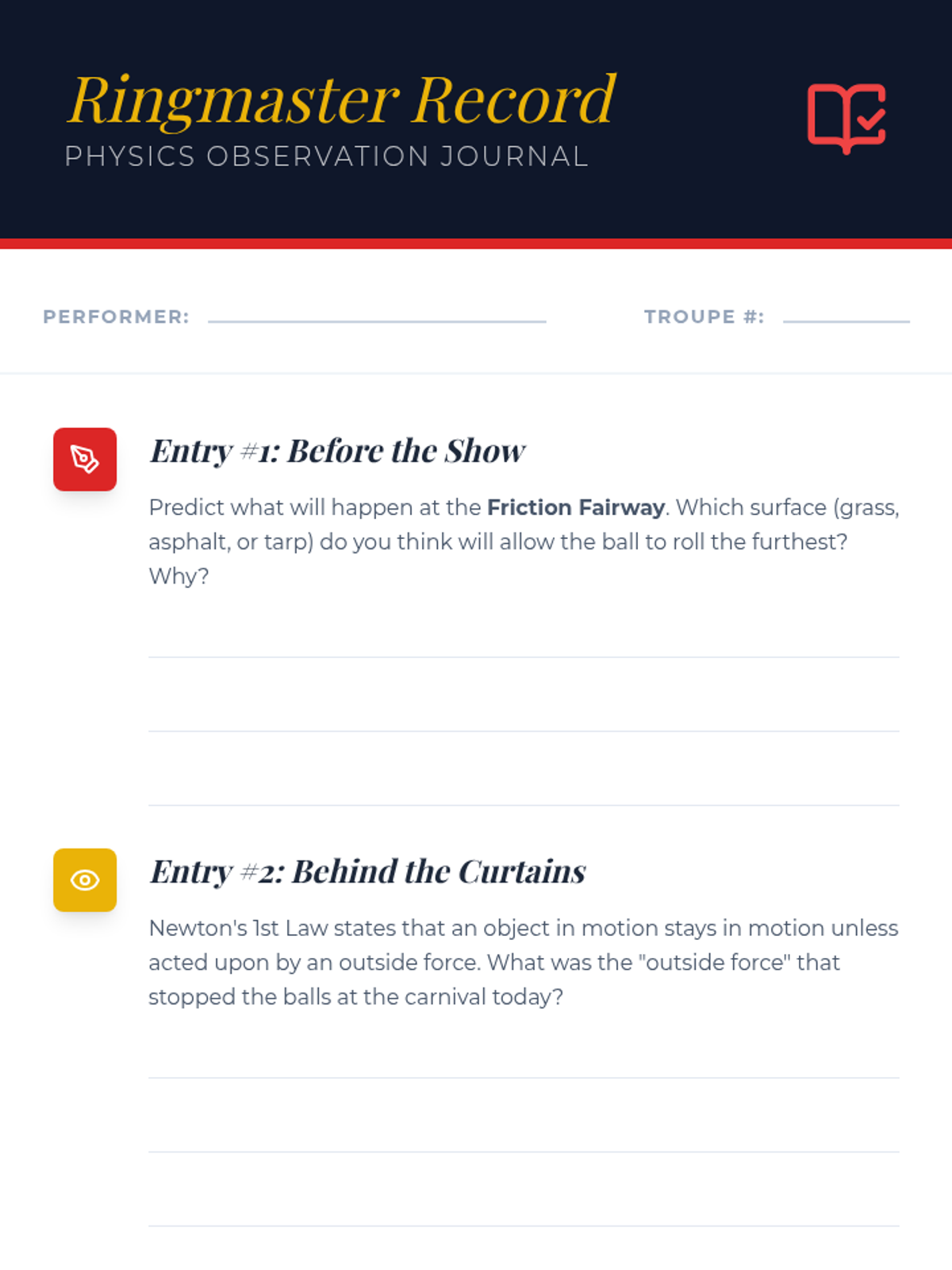
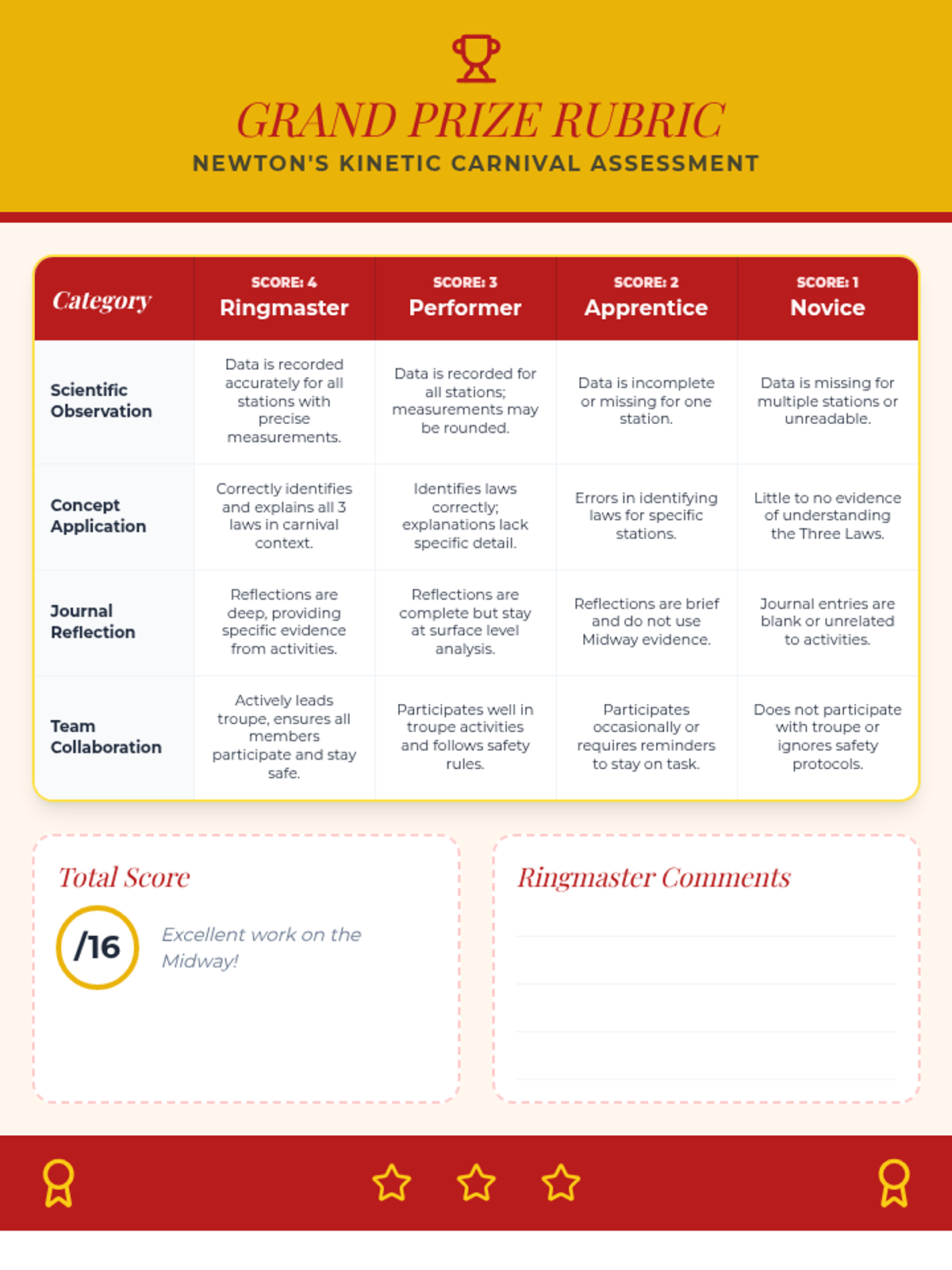
An outdoor physics experience where students investigate Newton's Laws of Motion, friction, and mass through carnival-themed physical activities and experiments.
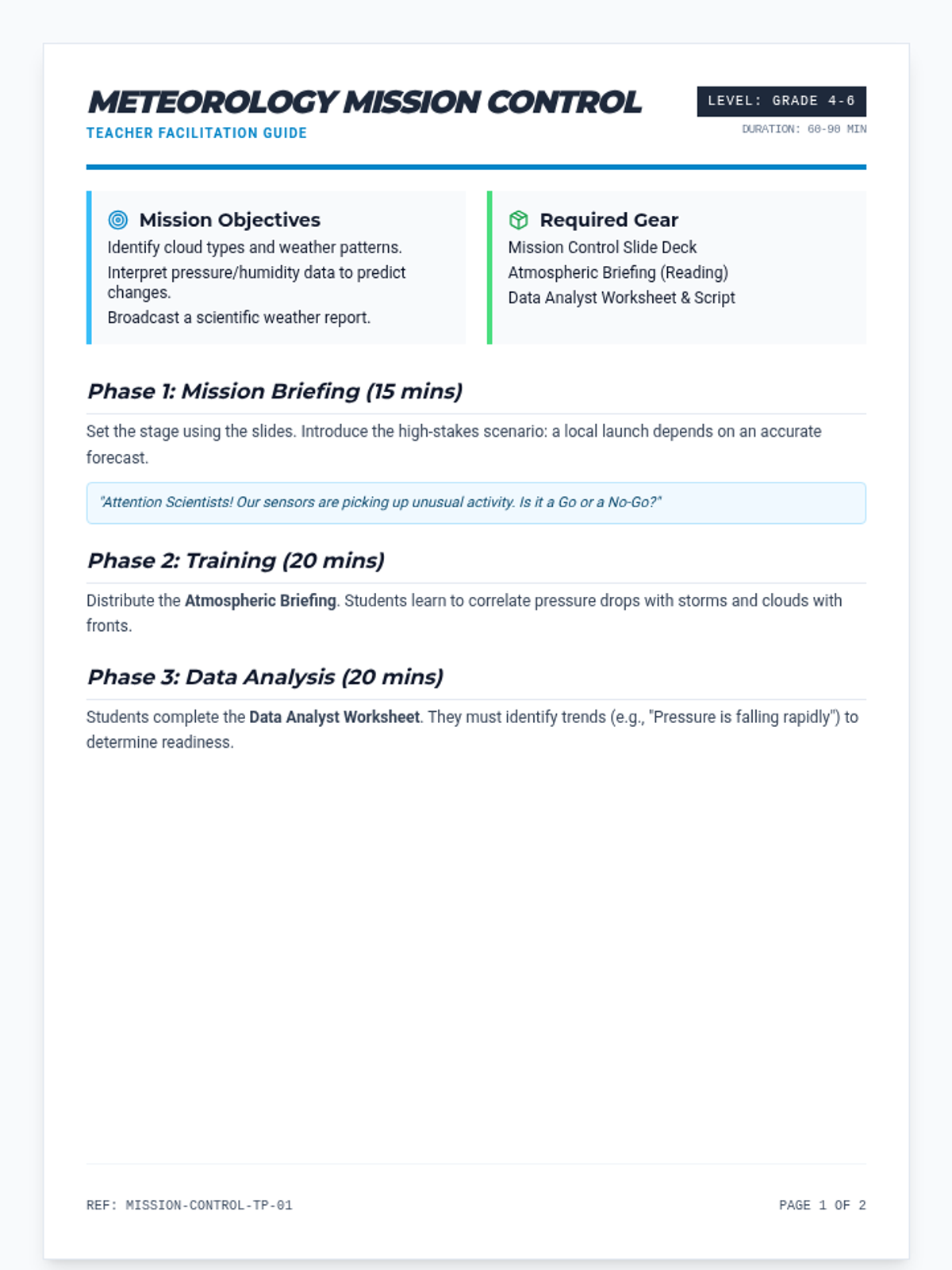
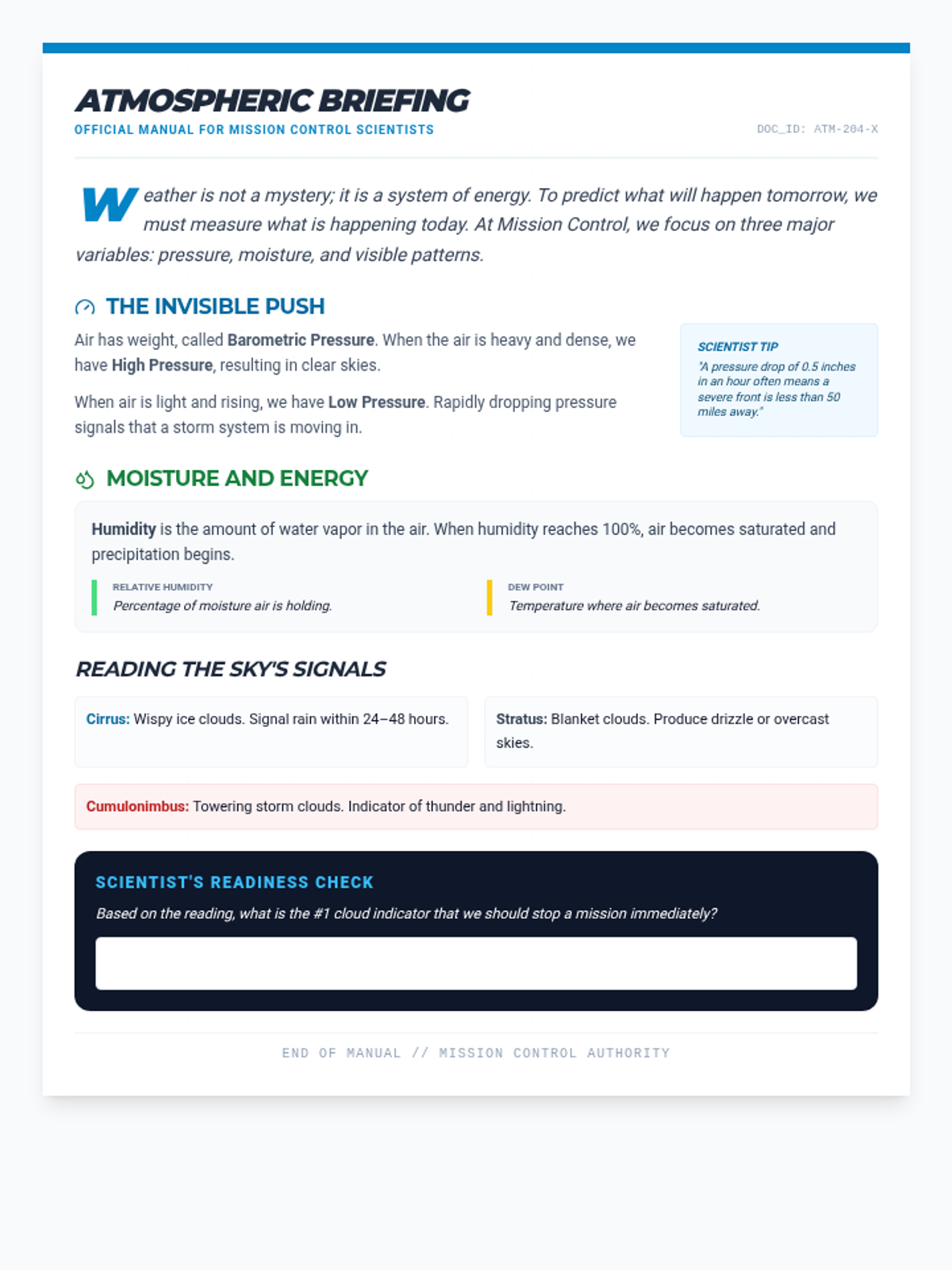
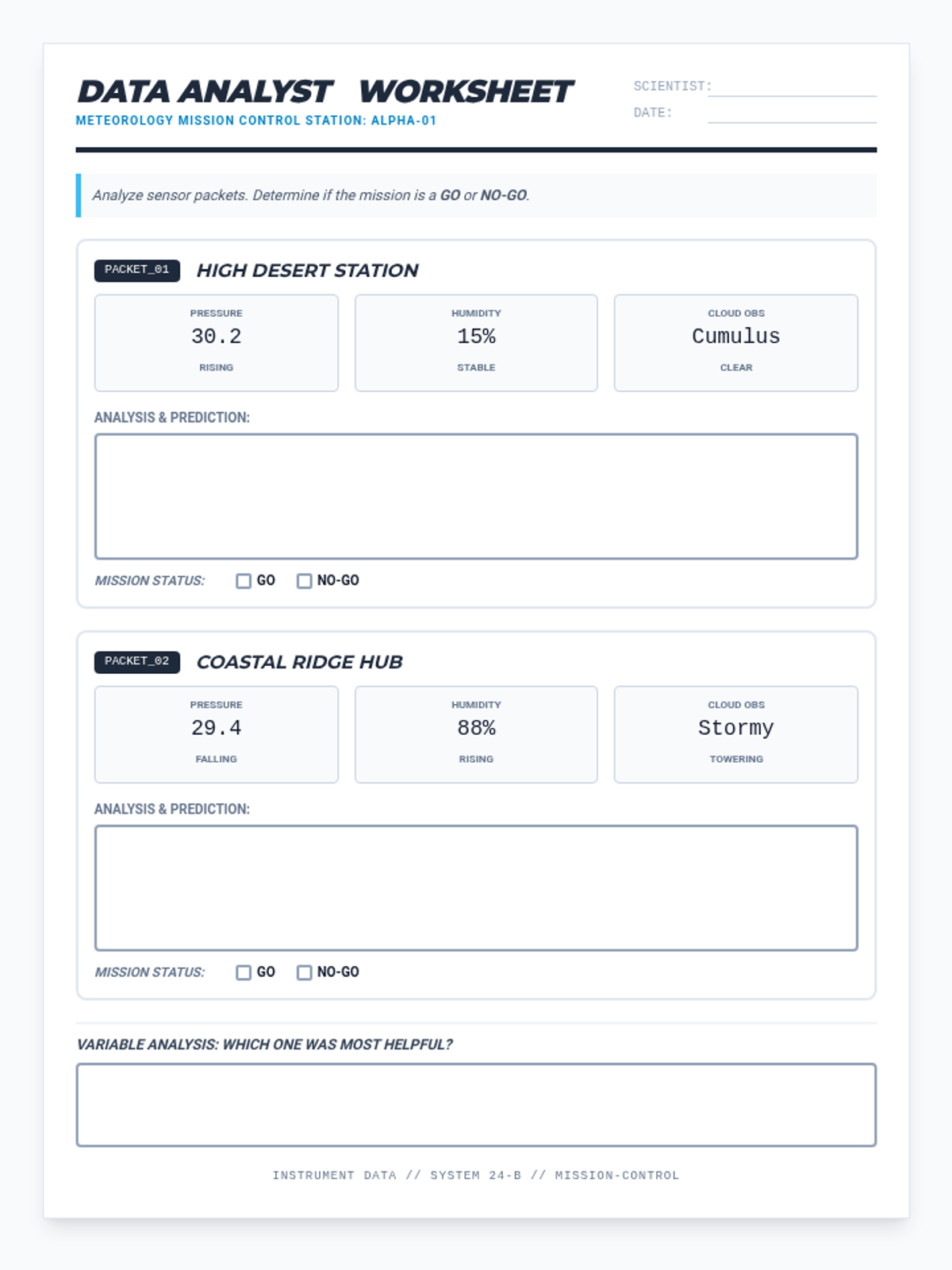
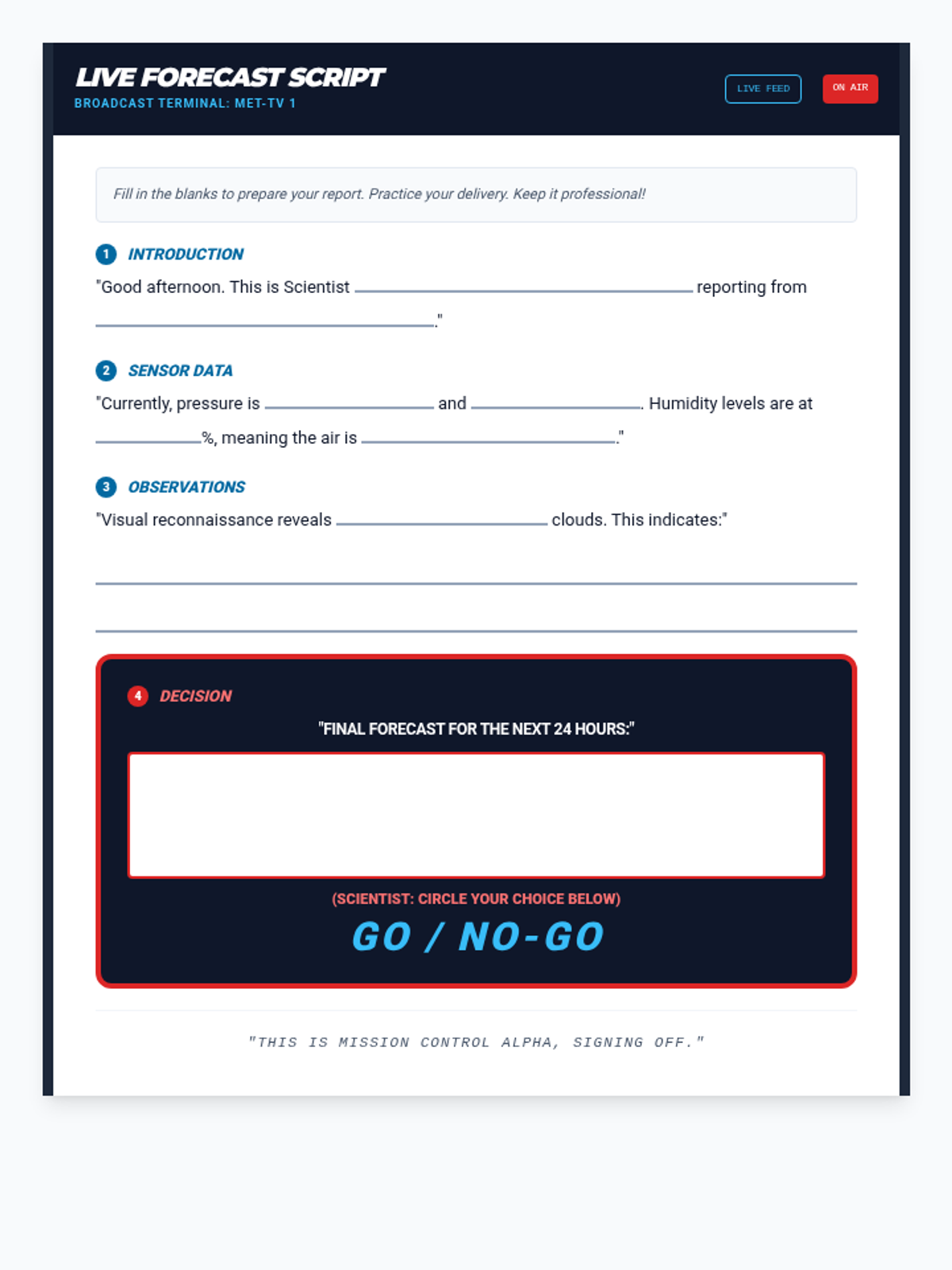
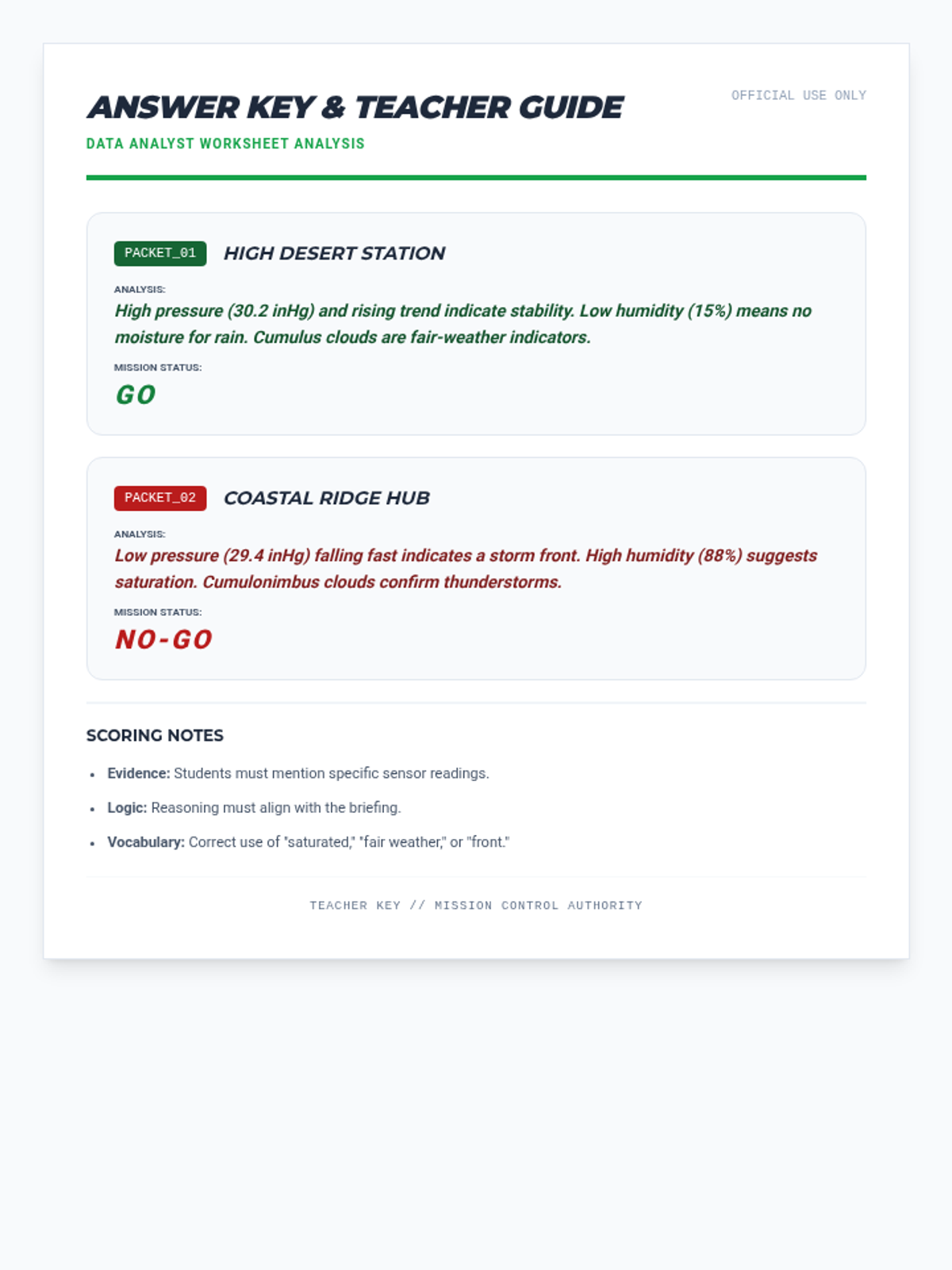
A high-energy meteorology lesson where students act as atmospheric scientists at a mission control center, analyzing real-world data and cloud patterns to broadcast a live weather forecast.
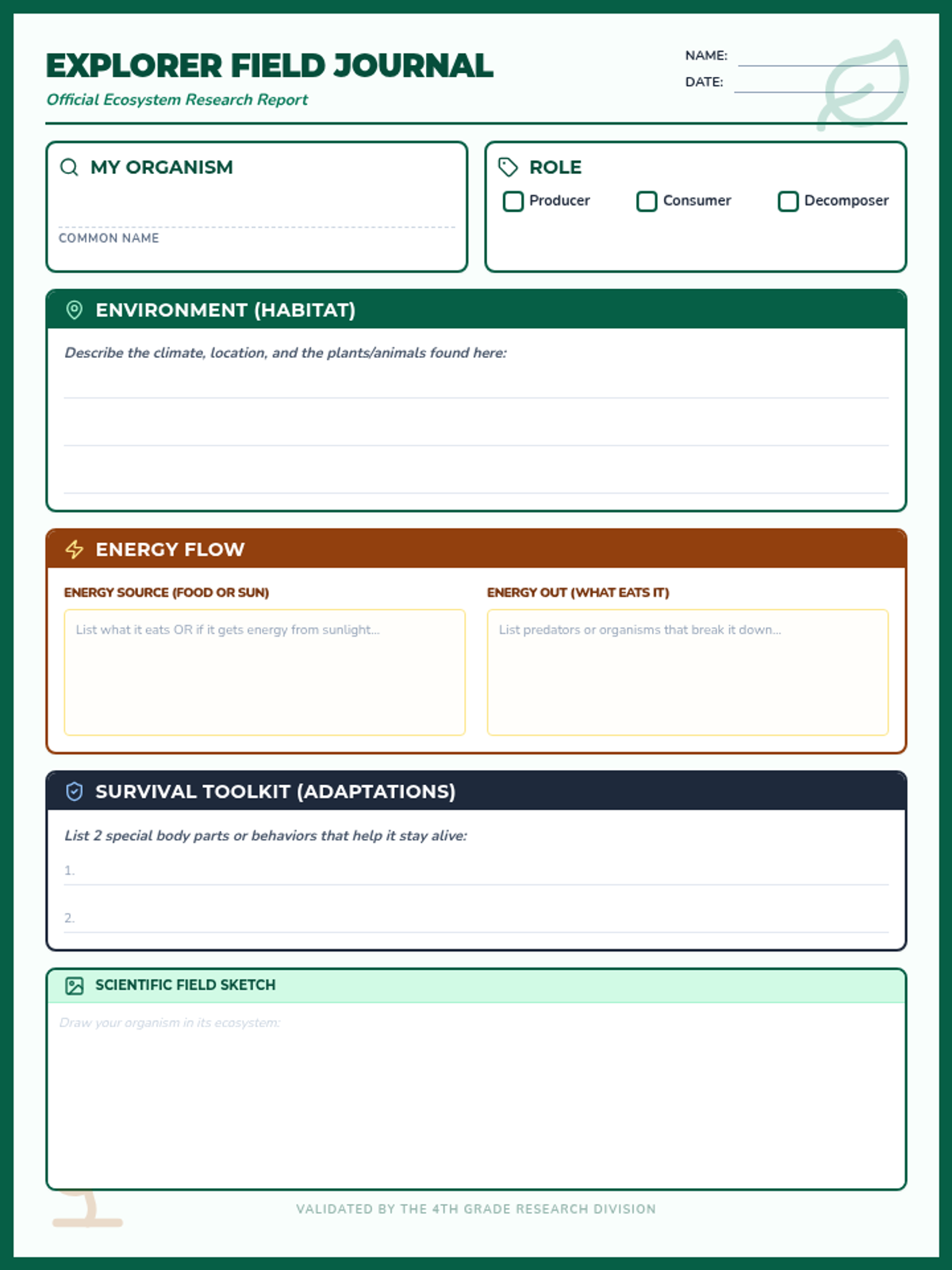
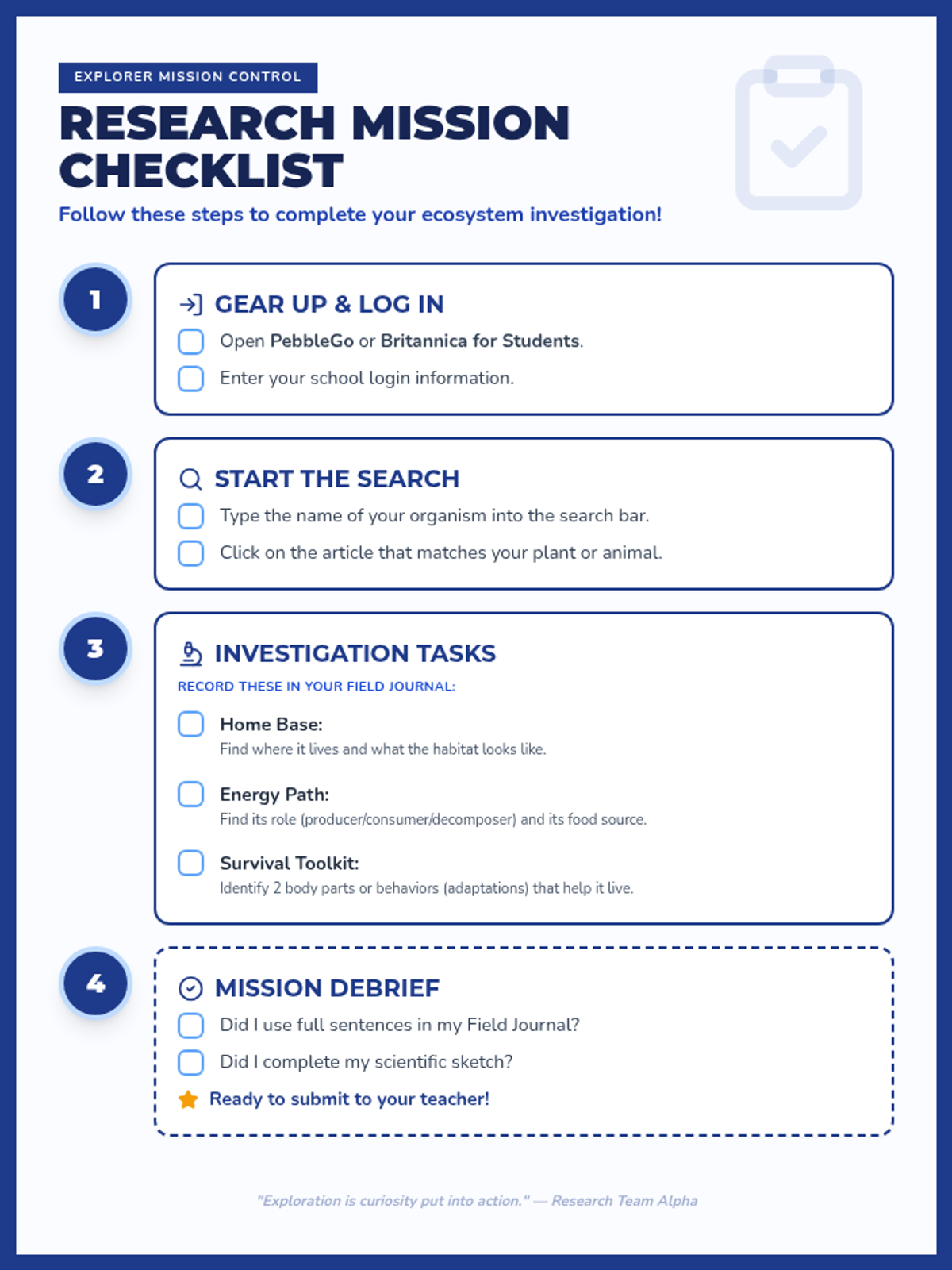
Students act as field researchers to investigate a specific organism's role in its ecosystem using digital research tools.
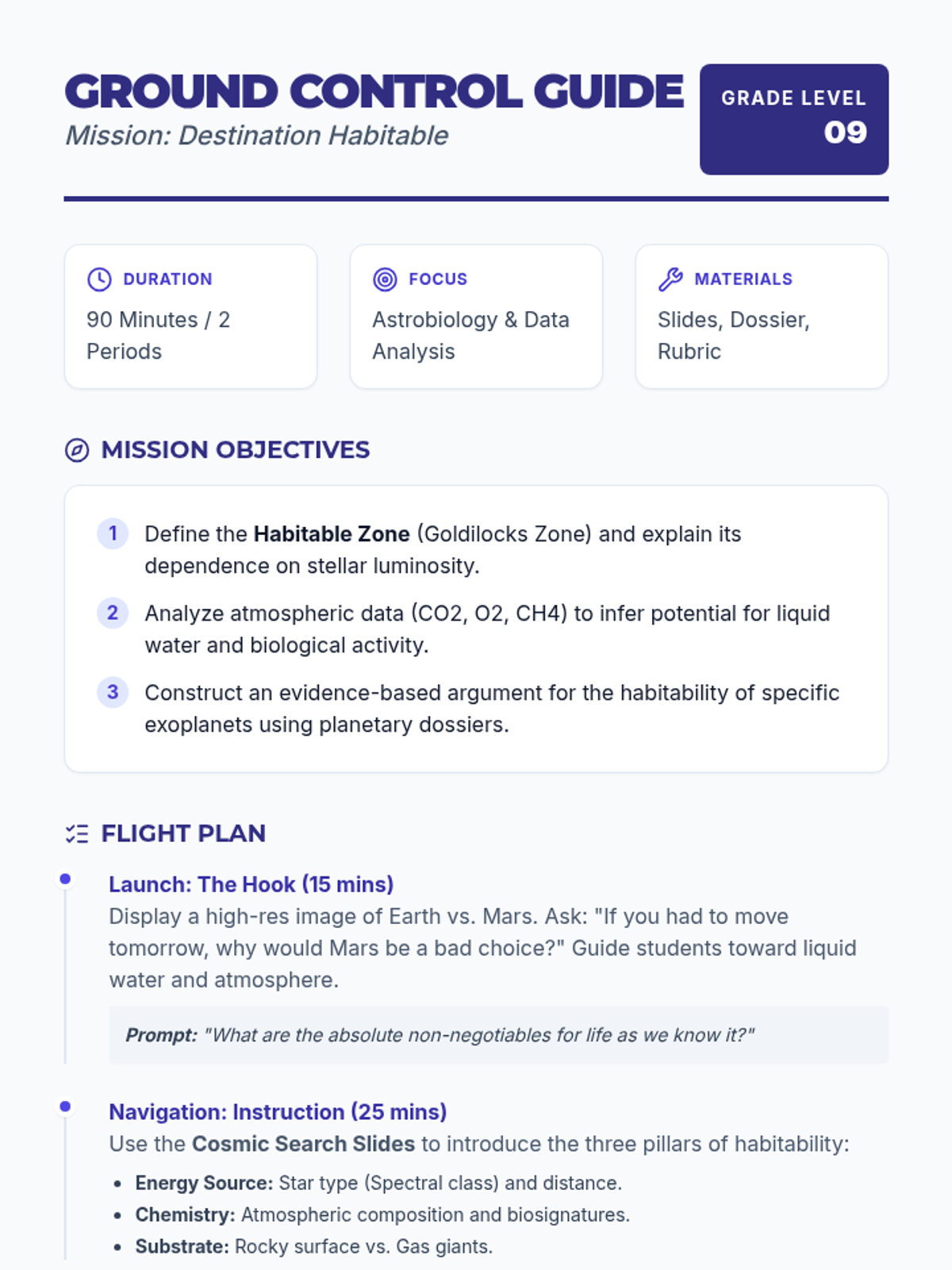
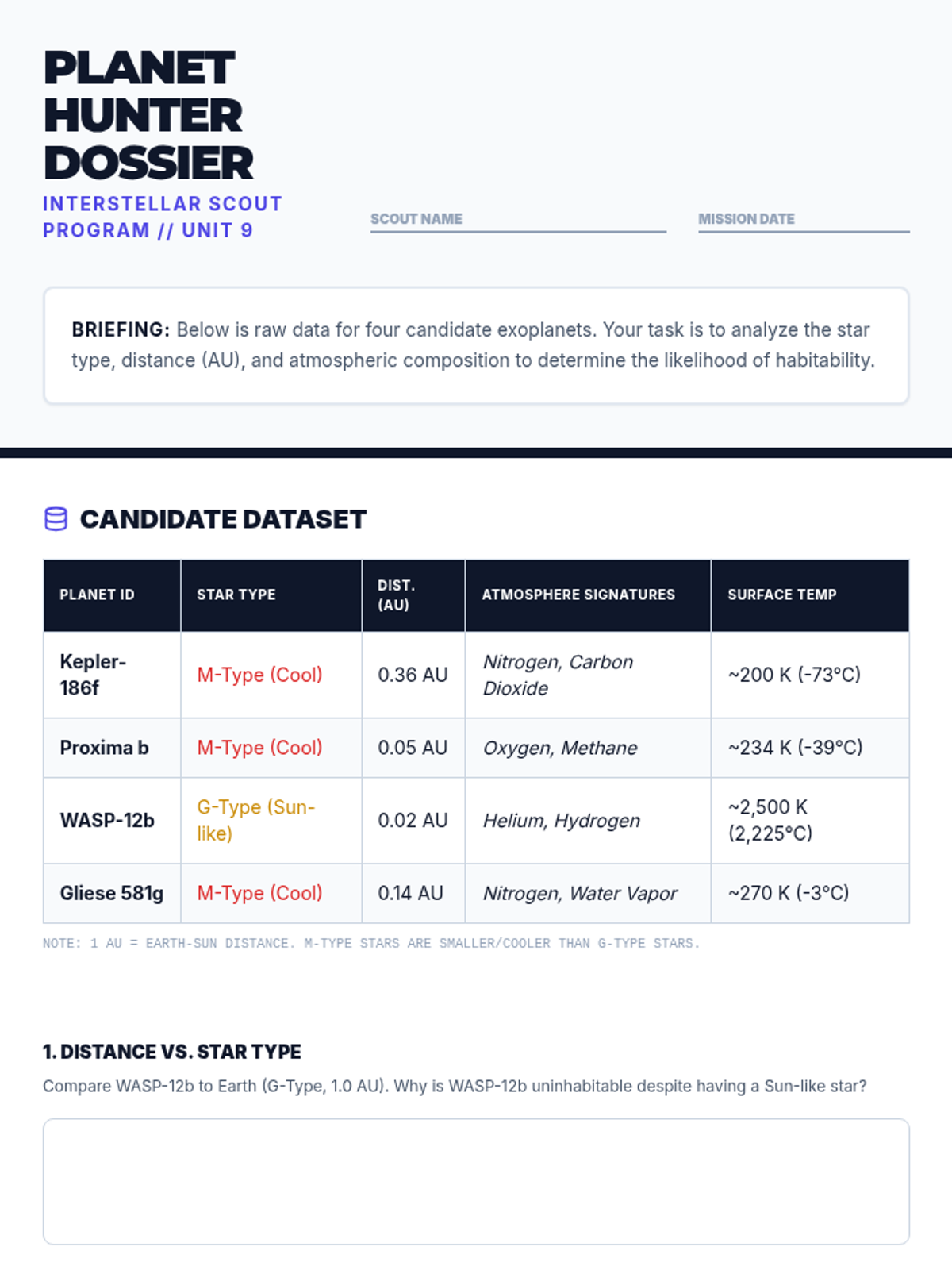
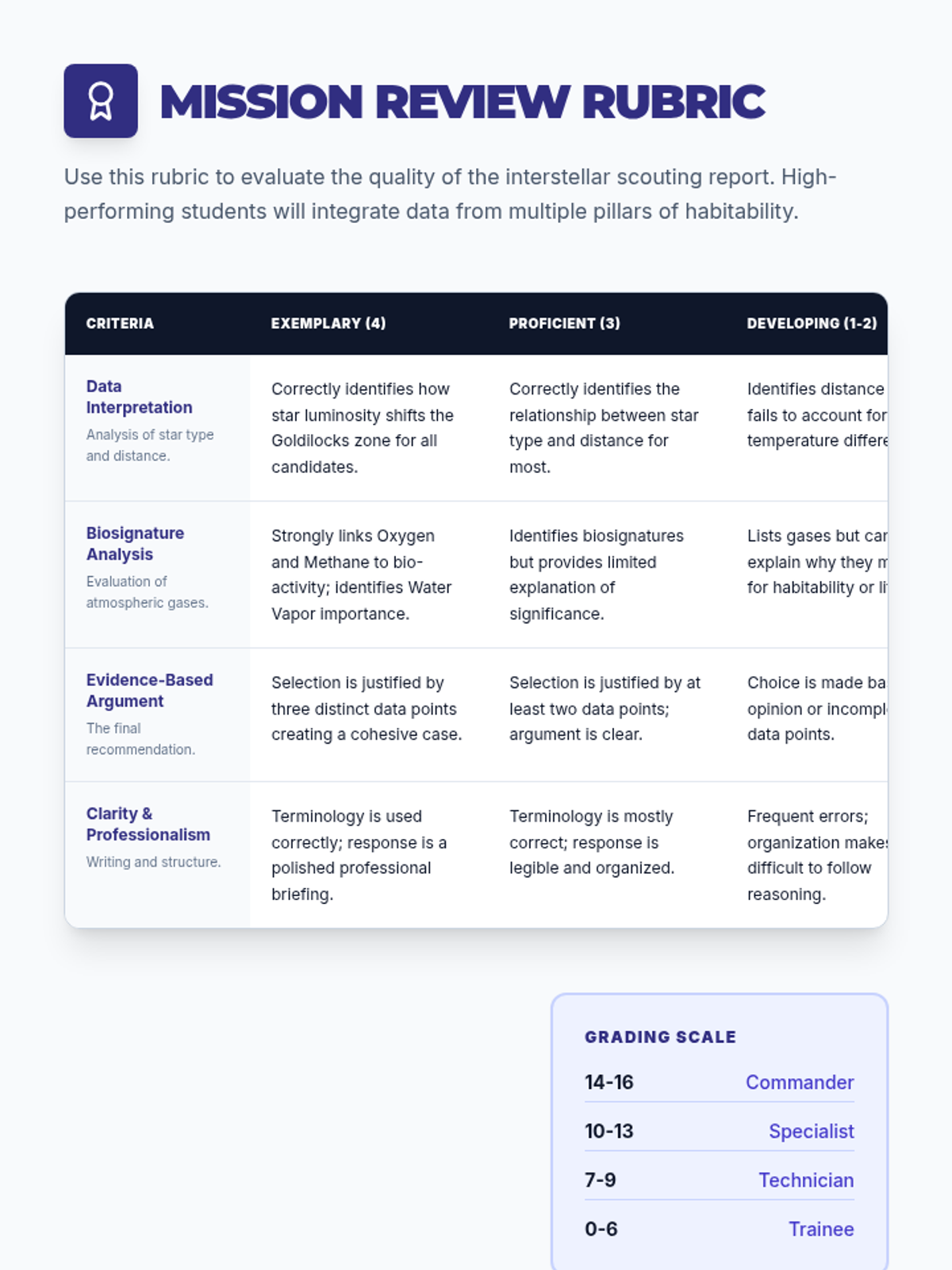
A high-school science lesson where students act as planetary scouts, analyzing exoplanet data to determine habitability and arguing for the best candidate for life beyond Earth.
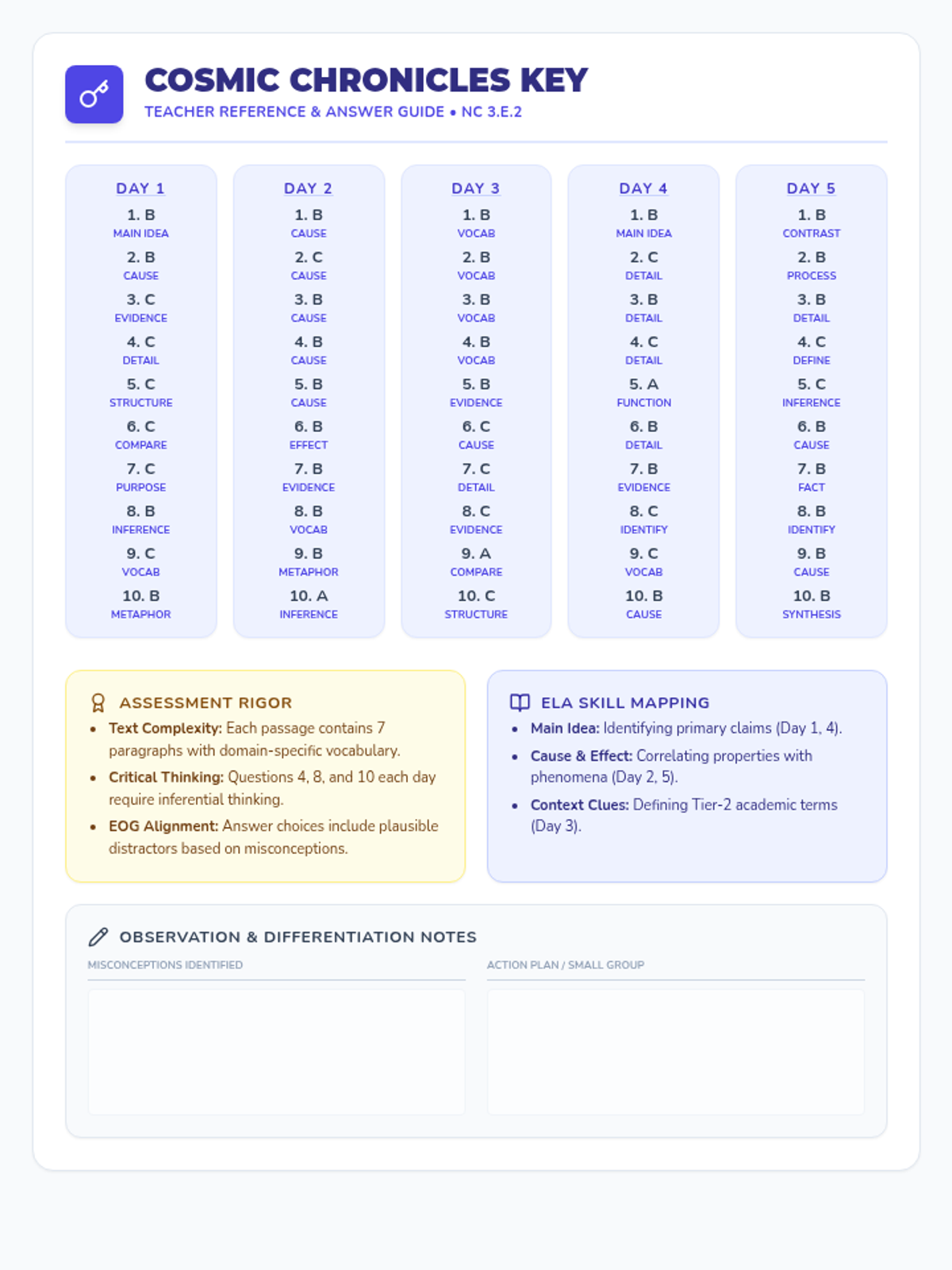
A week-long exploration of our solar system (NC 3.E.2) integrated with ELA skills like main idea, cause and effect, and context clues. Students will analyze the Earth, Moon, and planets through daily reading passages and 10-question assessments.
A comprehensive exploration of ecosystems and biomes, focusing on the interactions between biotic and abiotic factors, the flow of energy through food webs, and the impact of environmental changes on organism survival. Students will investigate how energy and matter move through nature's blueprint.
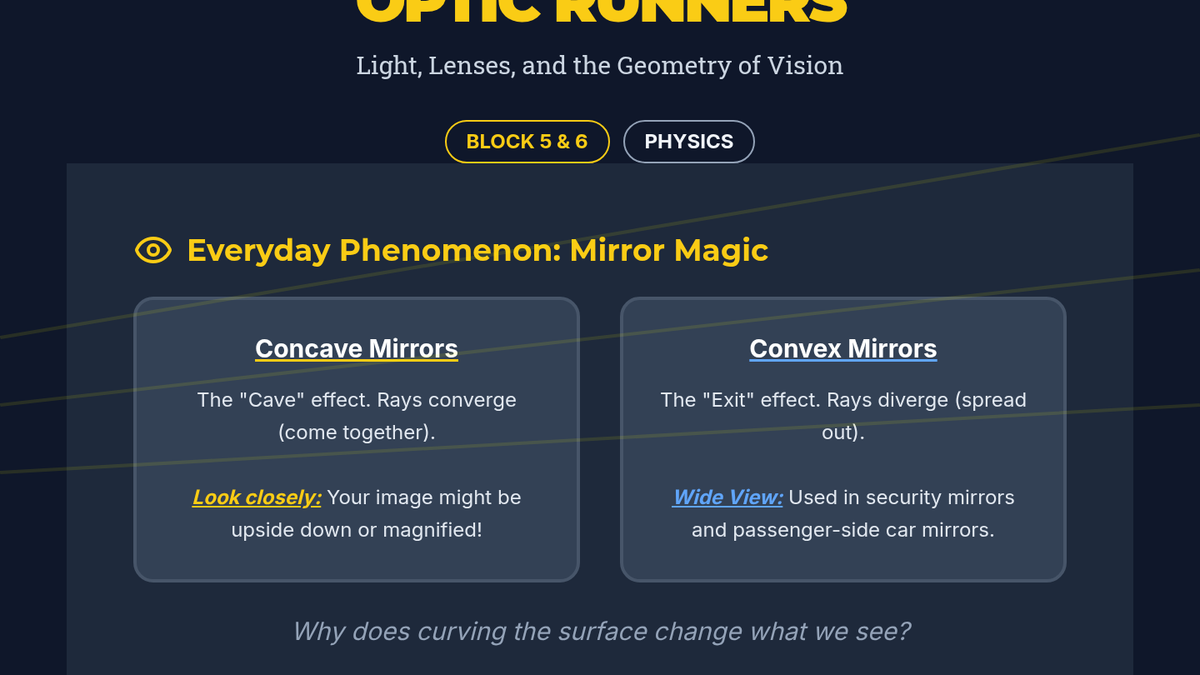
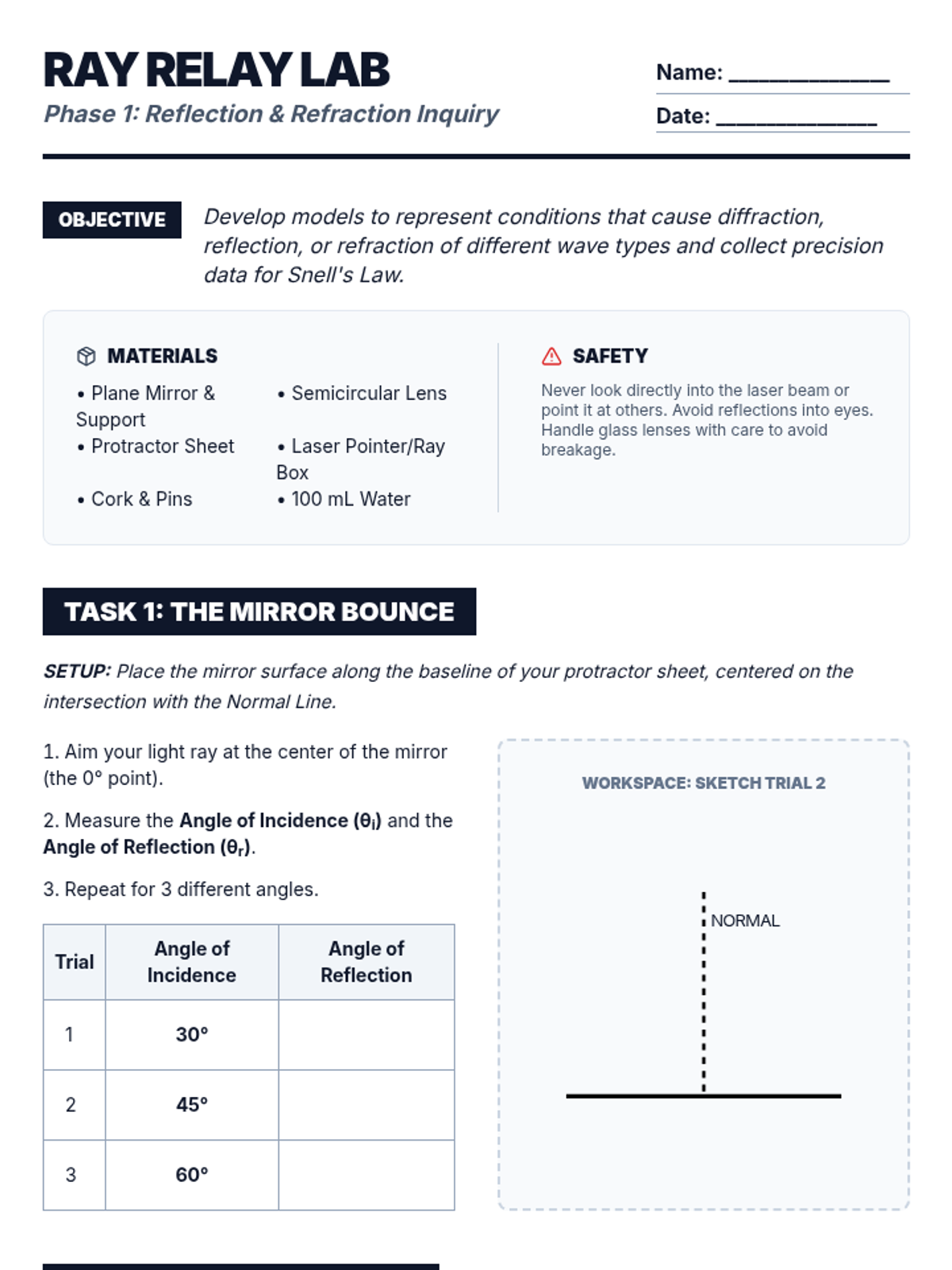
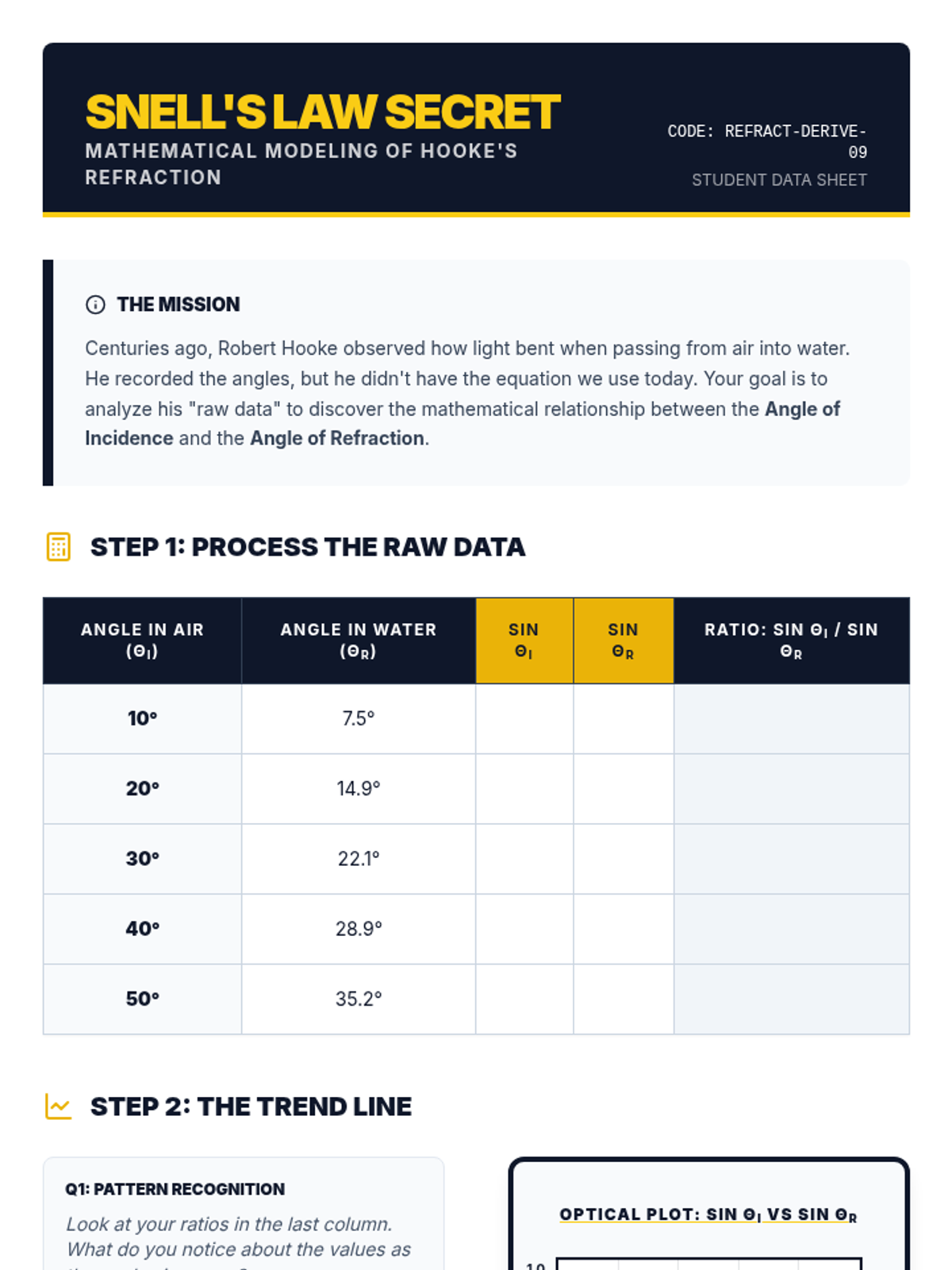
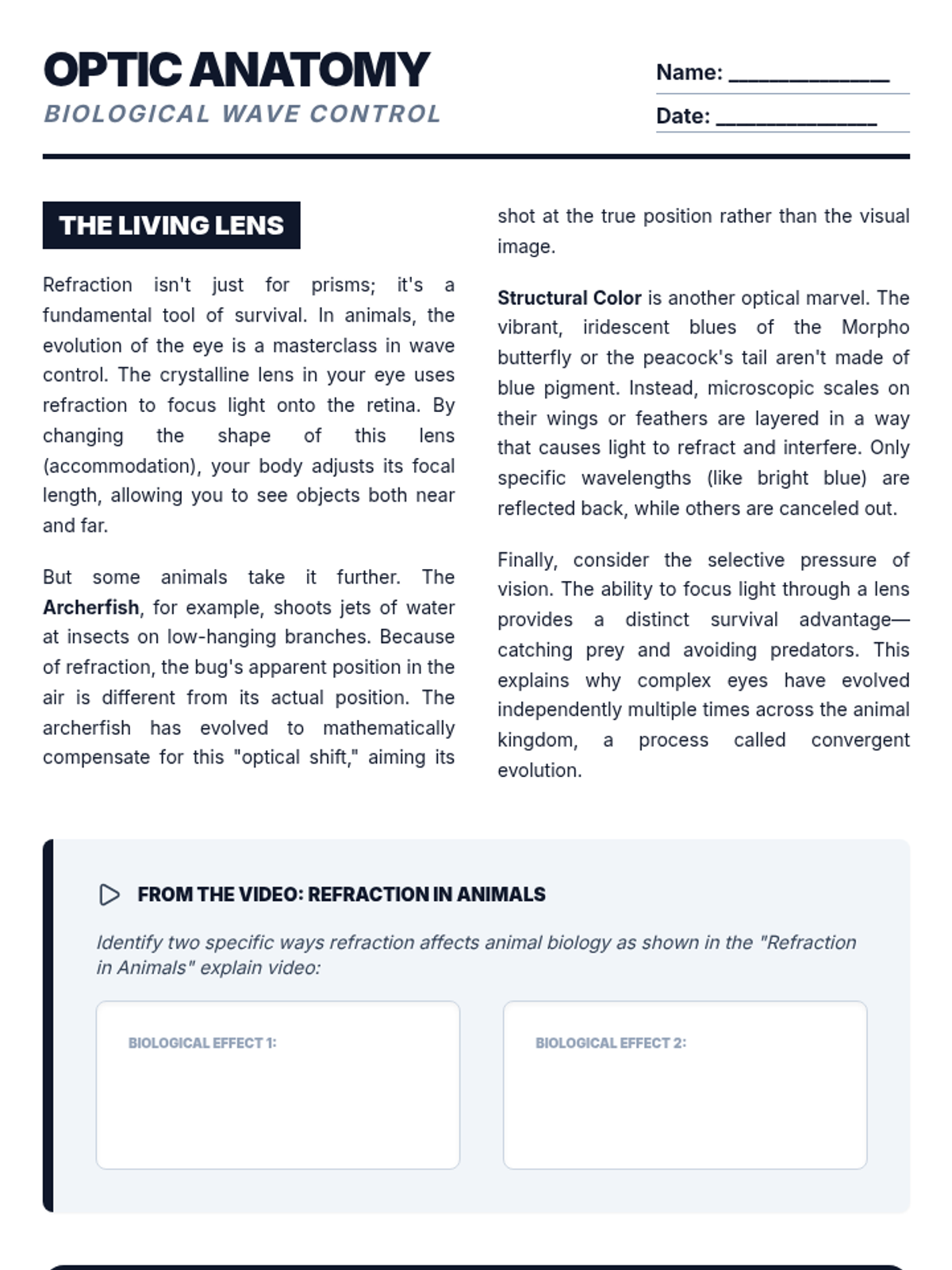
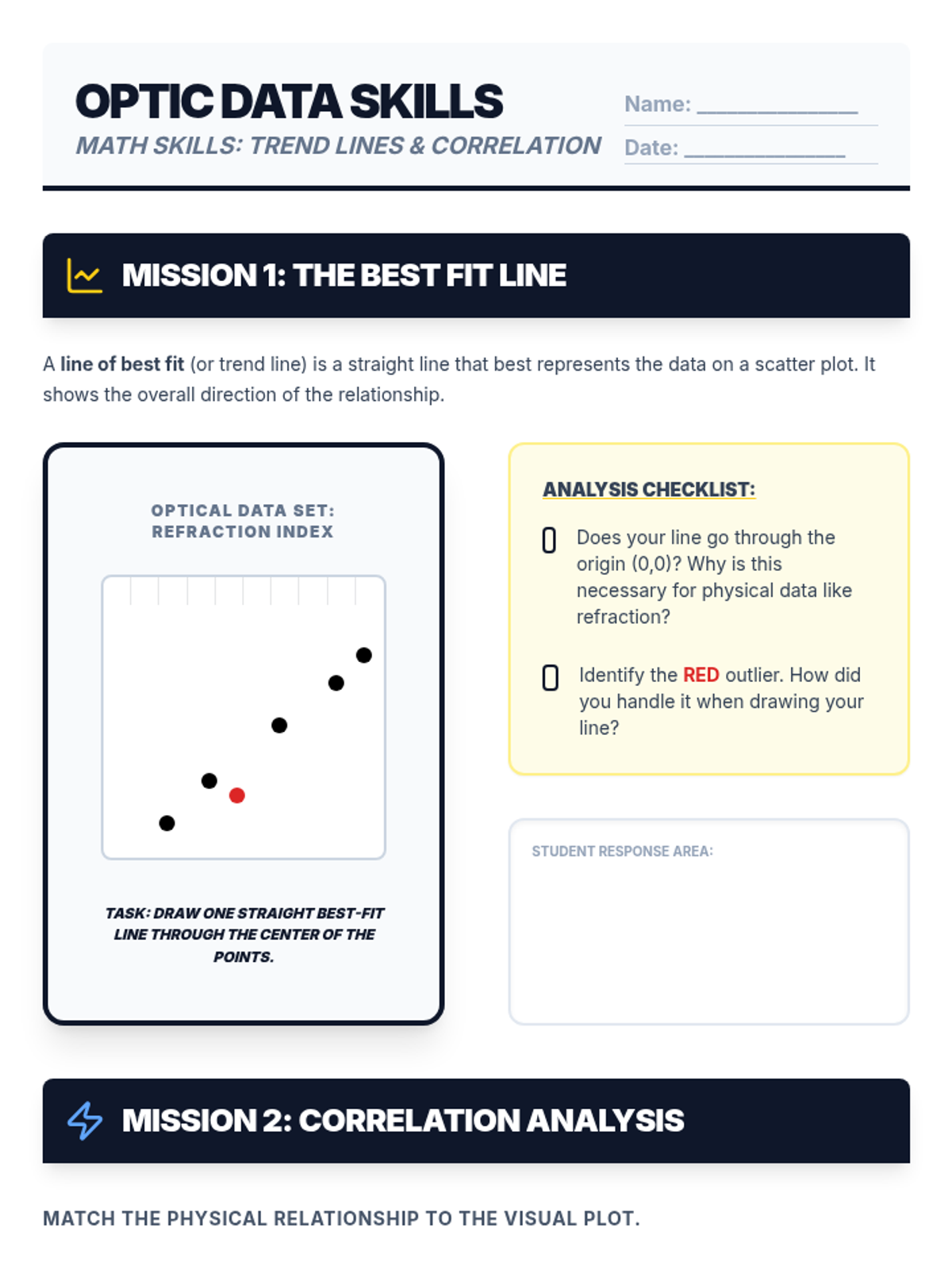
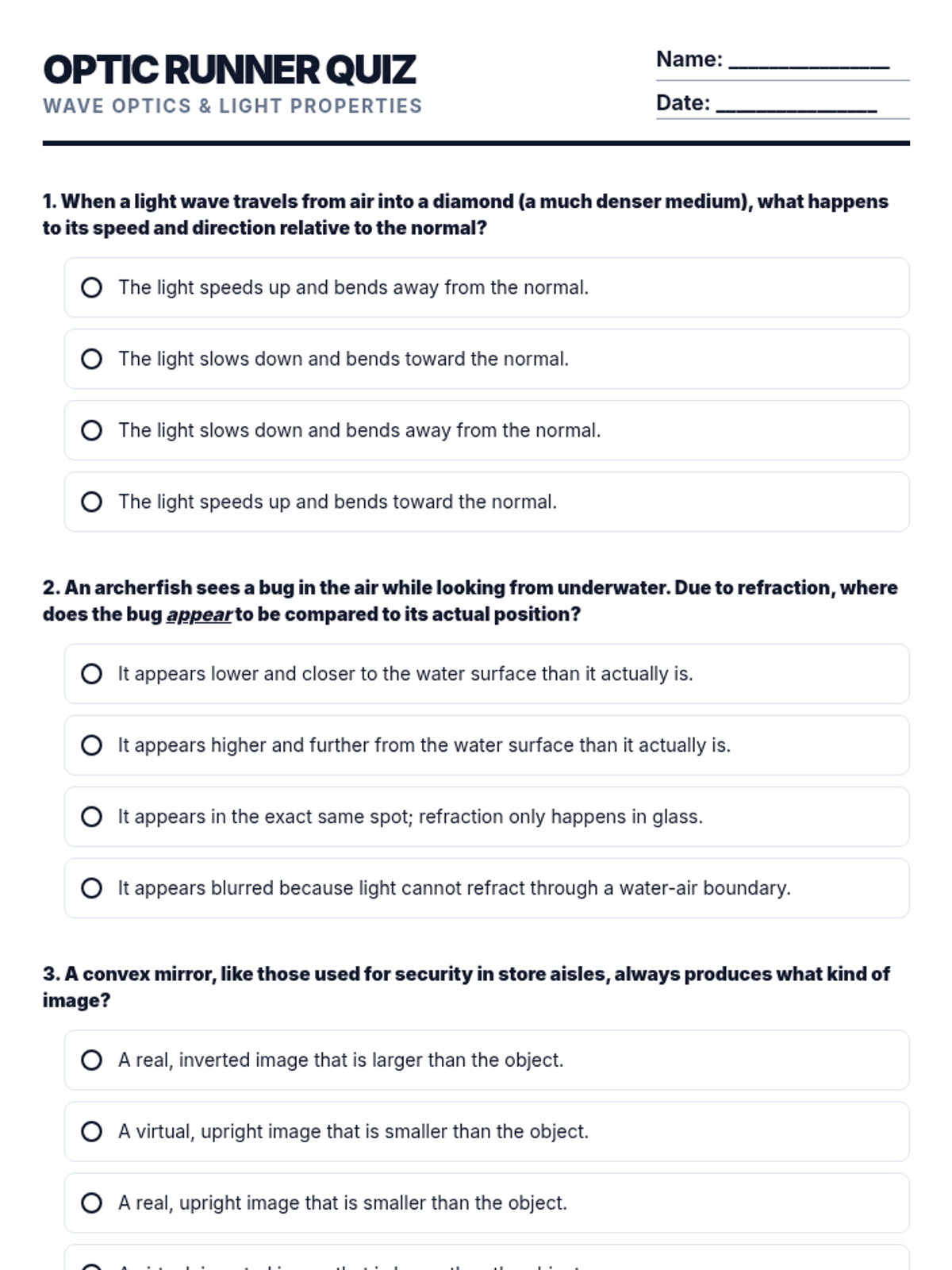
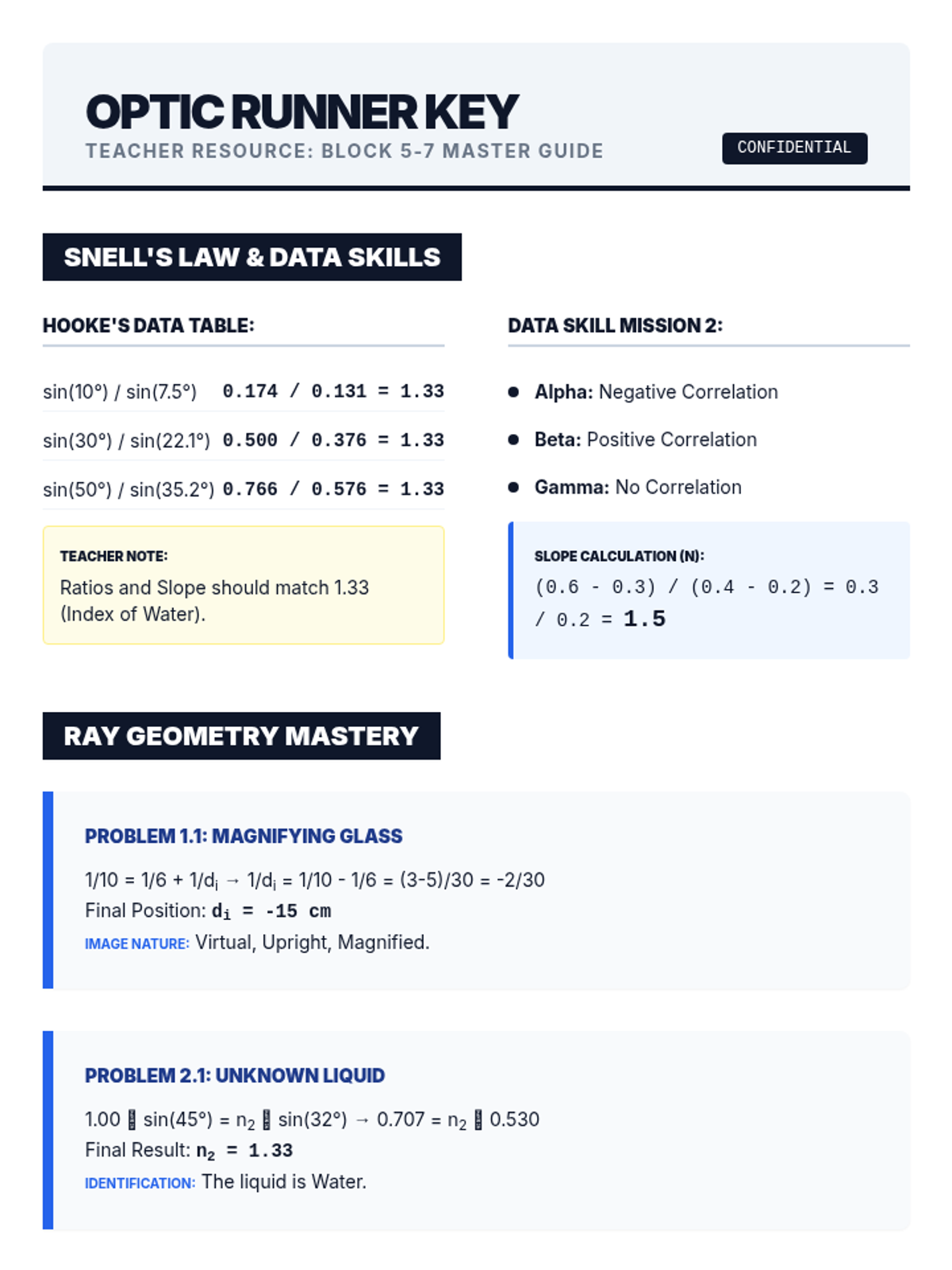
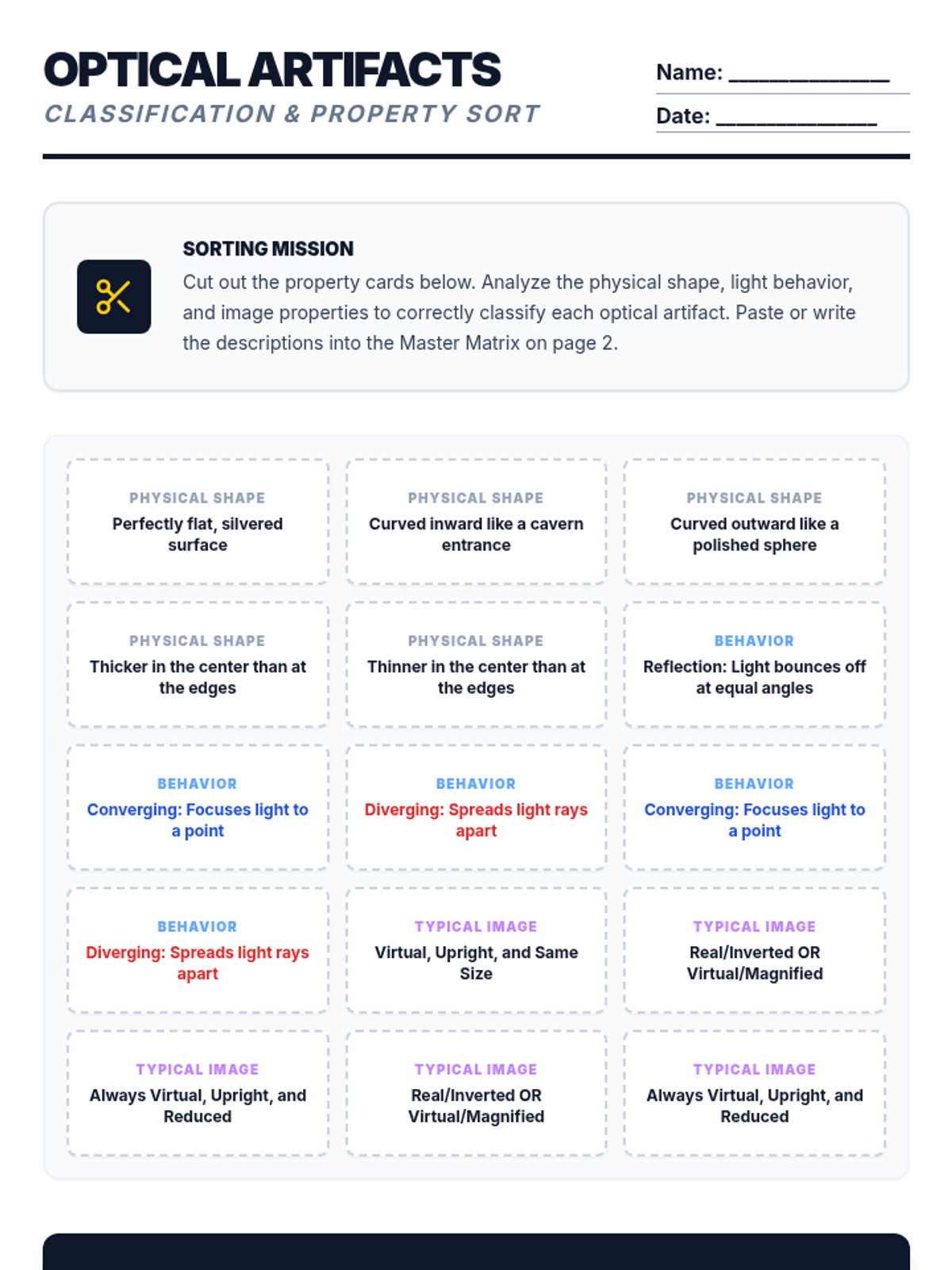
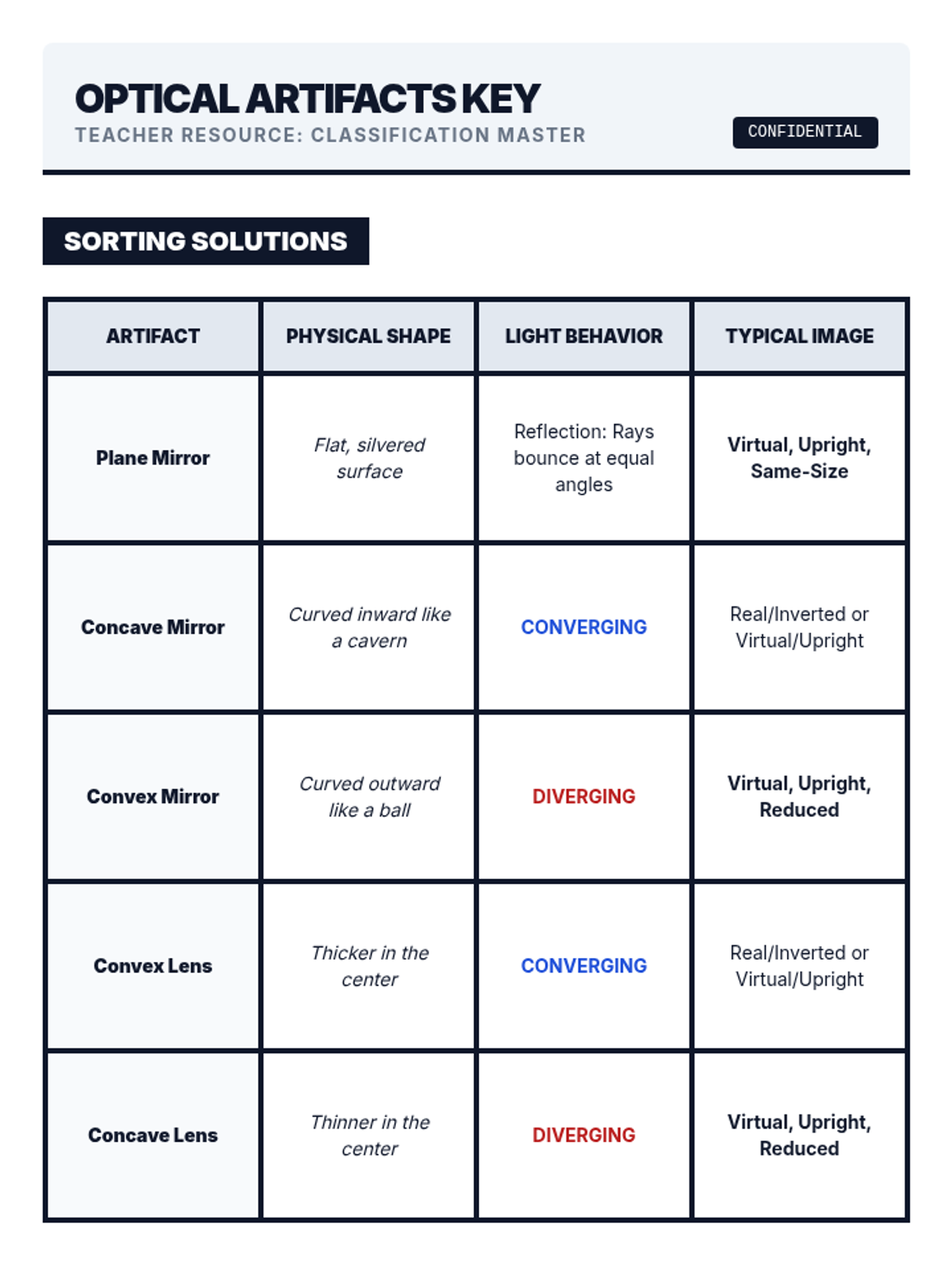
An exploration of light behavior including reflection, refraction, and diffraction. Students develop mathematical models like Snell's Law and analyze the biological impacts of wave optics in animals.
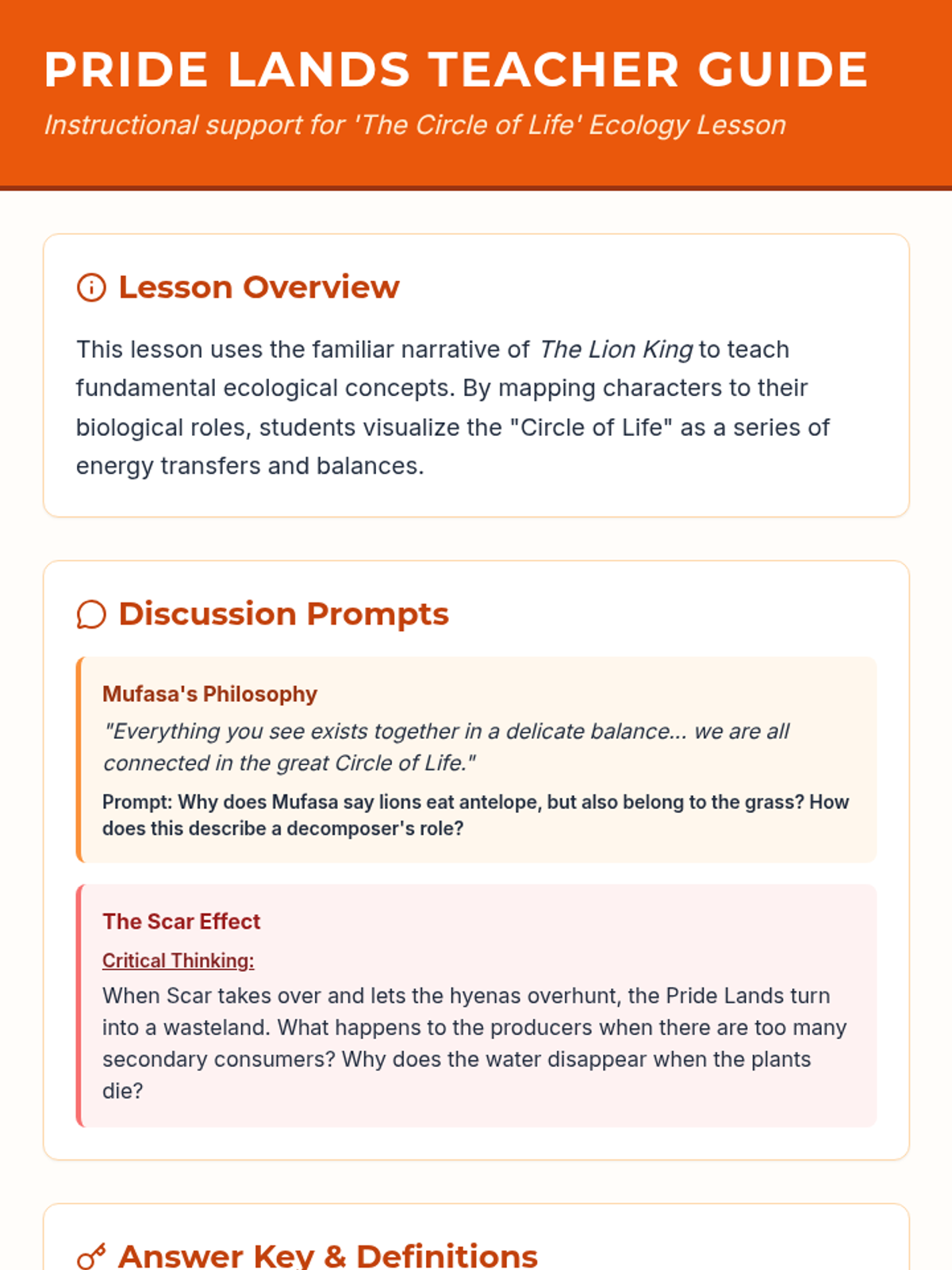
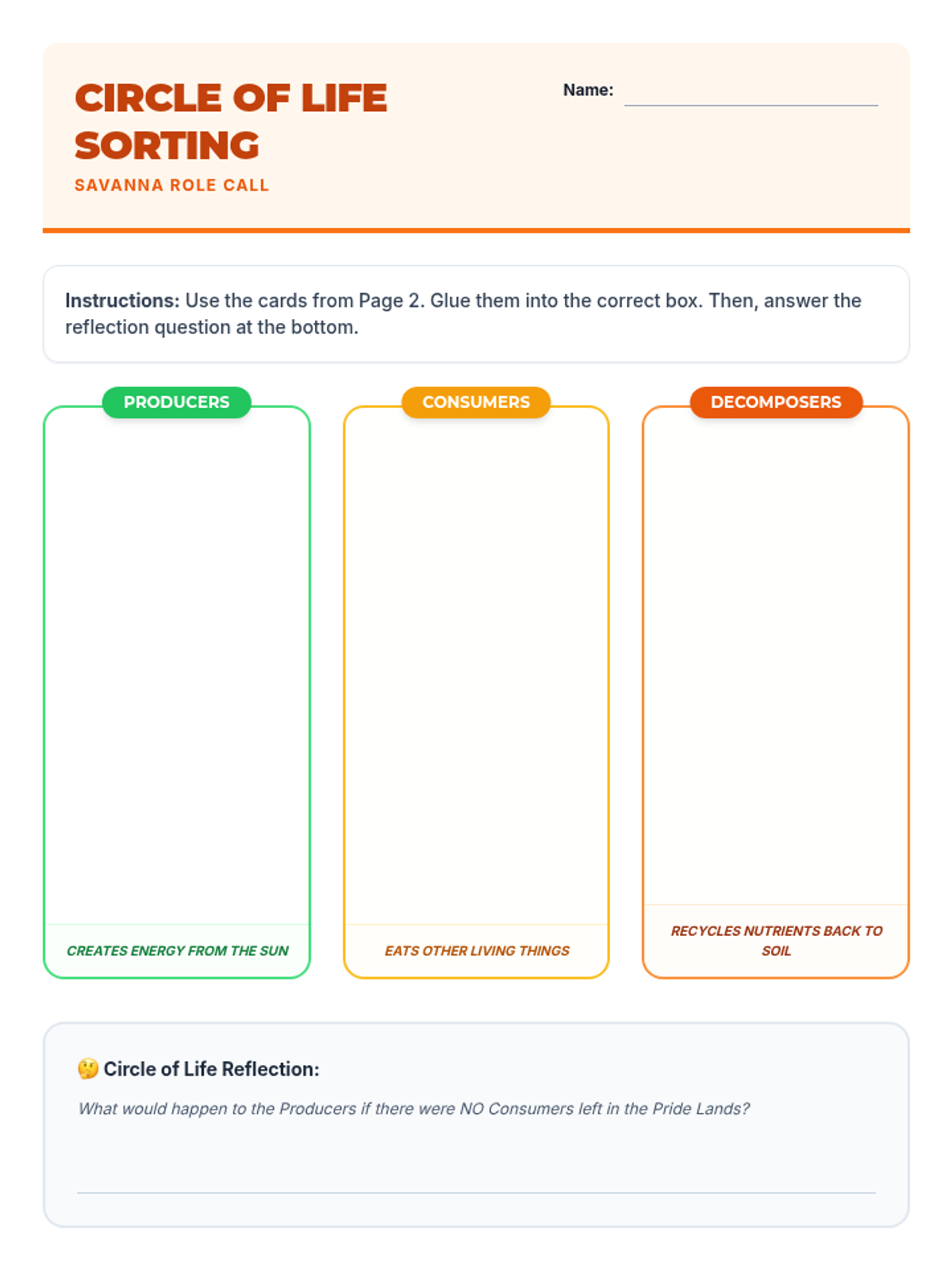
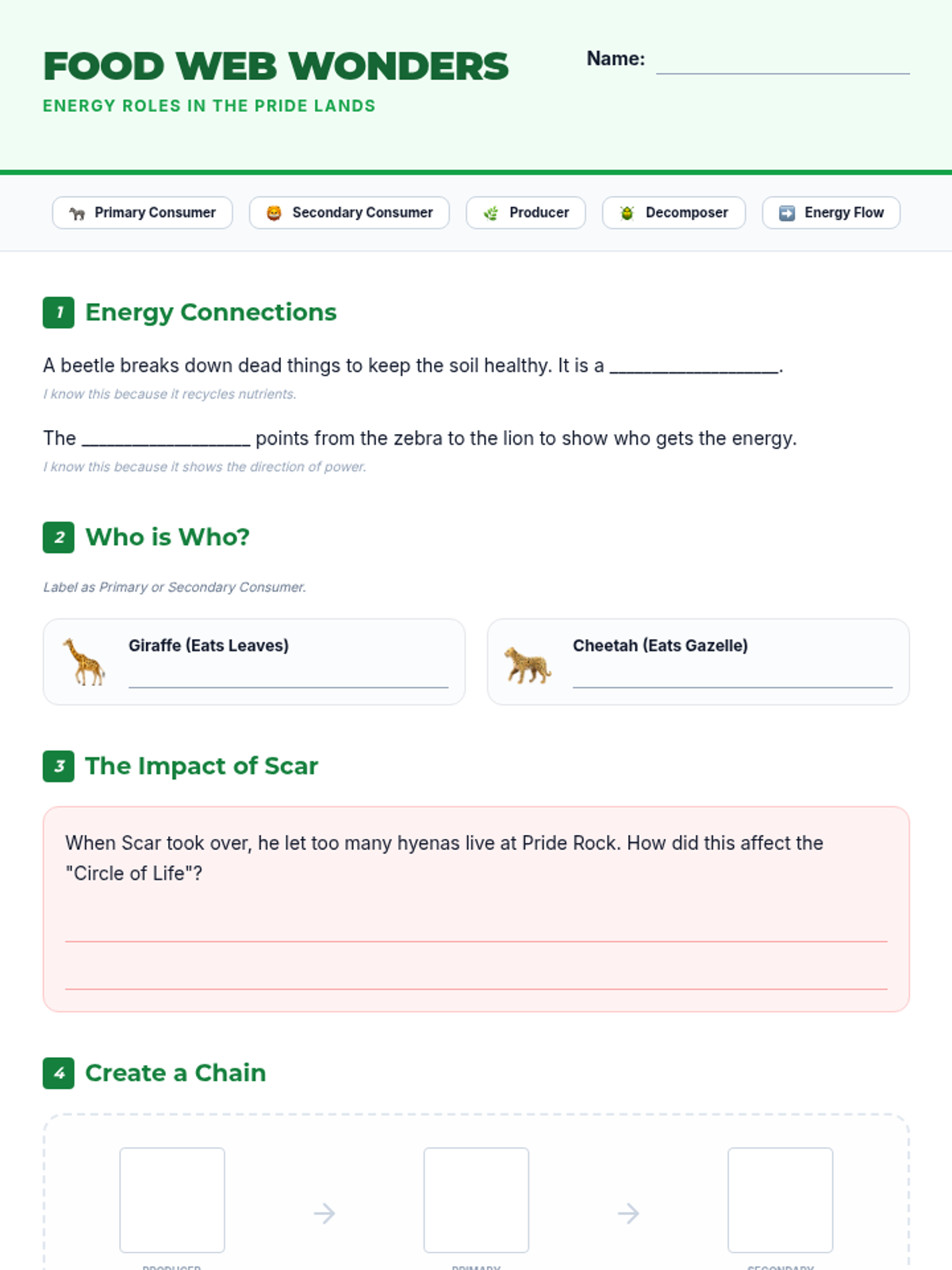
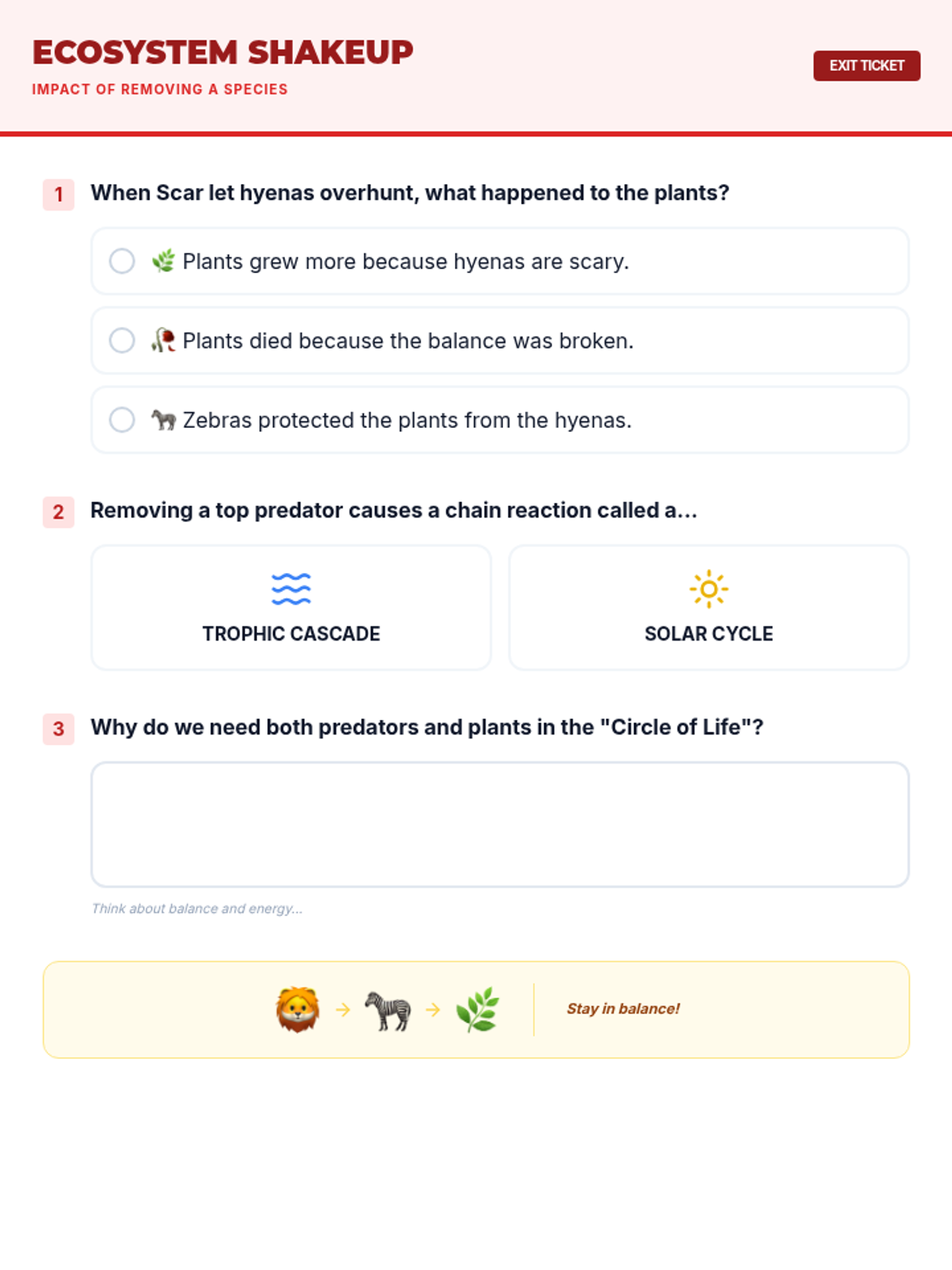
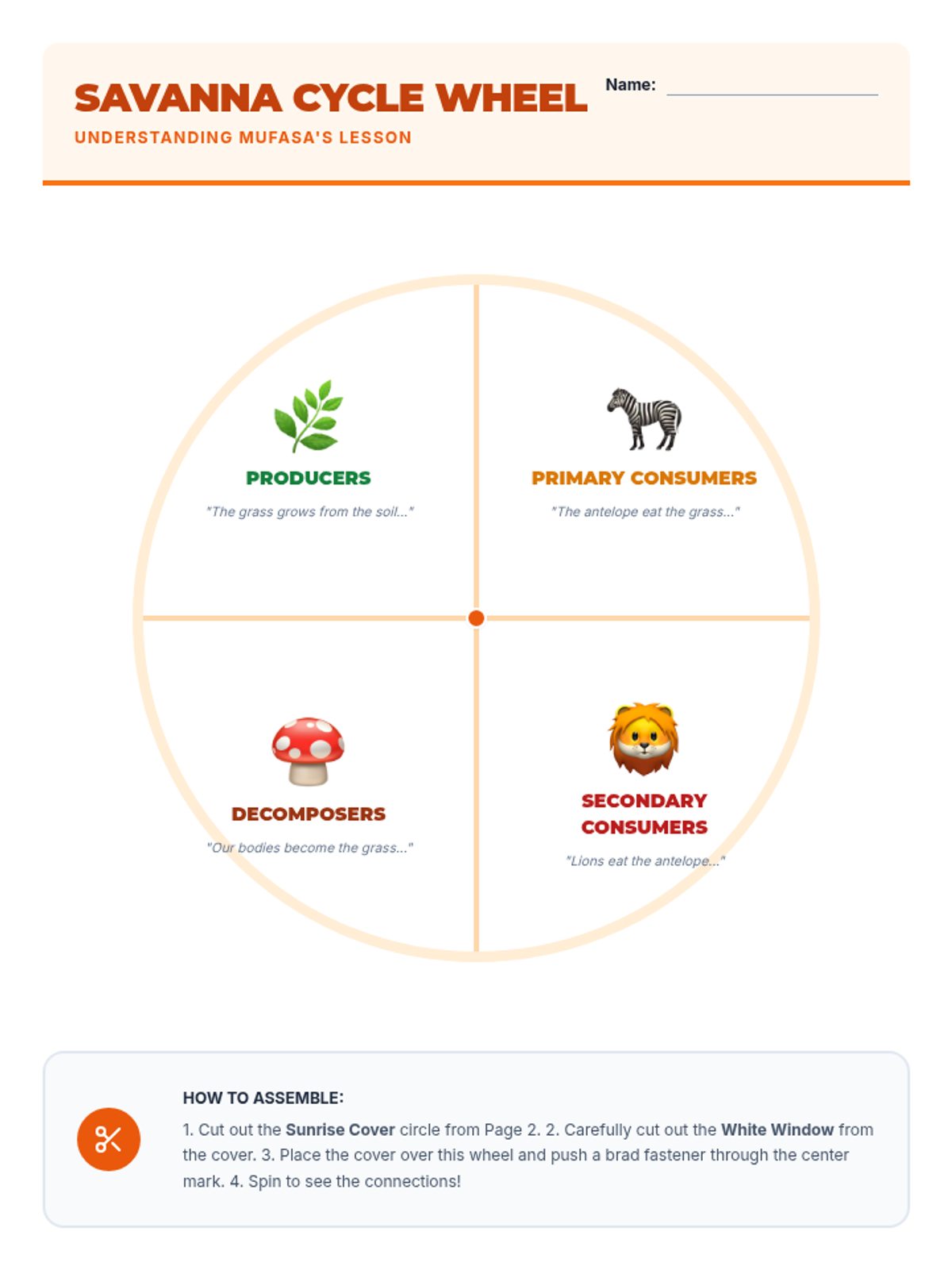
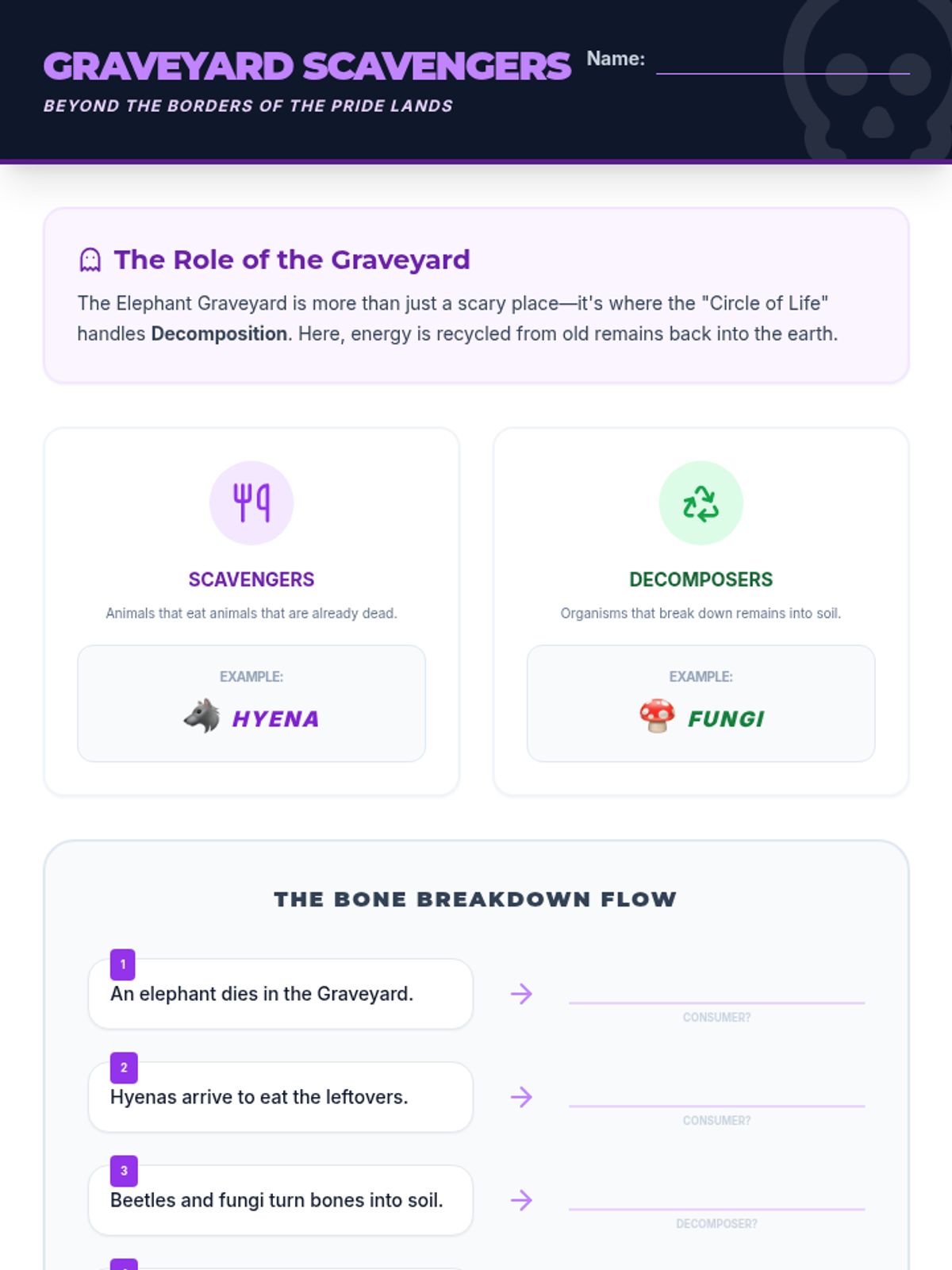
Students identify producers, consumers, and decomposers within the African savanna, construct food chains, and analyze how the removal of a top predator or a change in leadership (like the transition from Mufasa to Scar) affects the ecosystem.
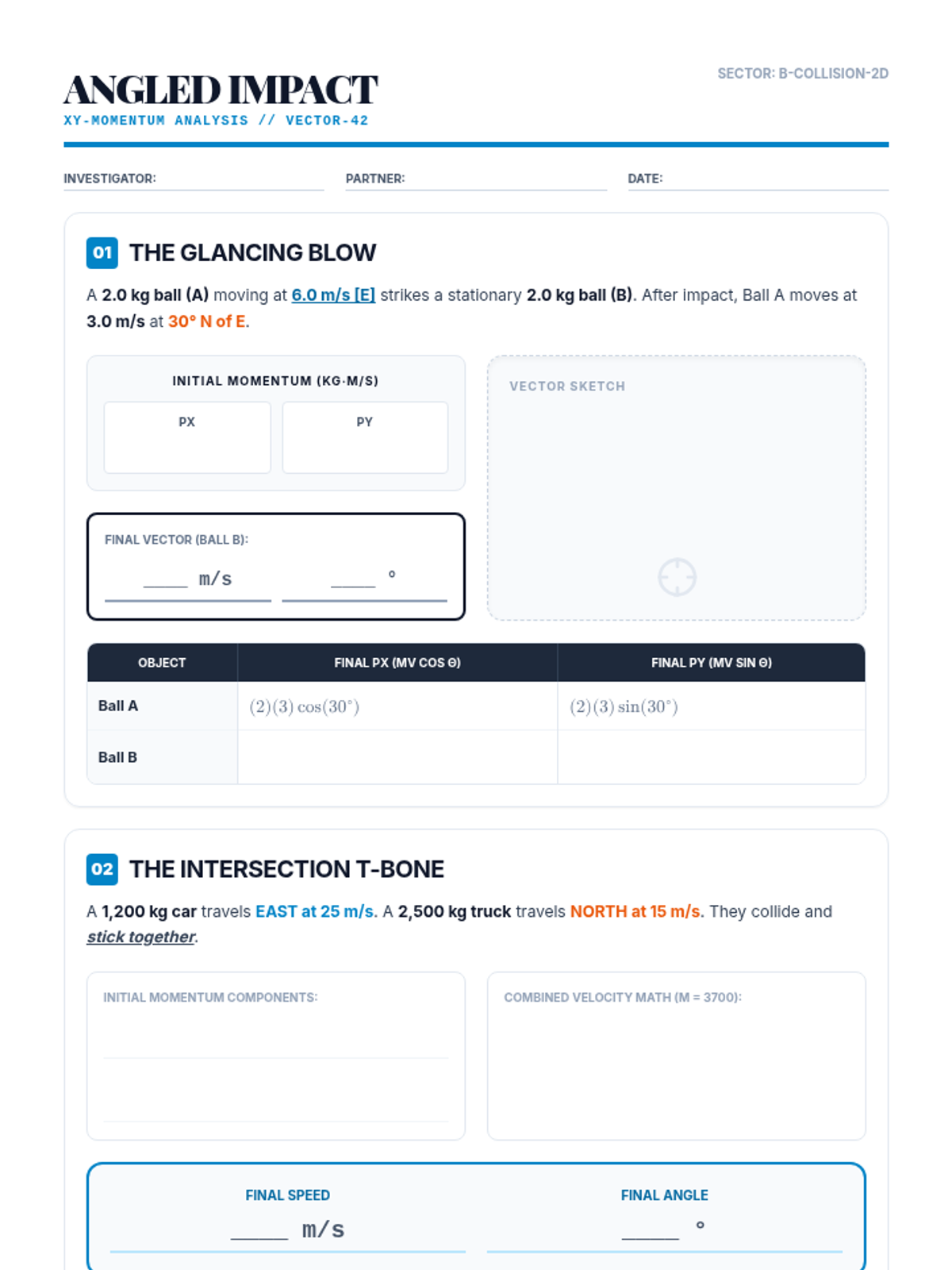
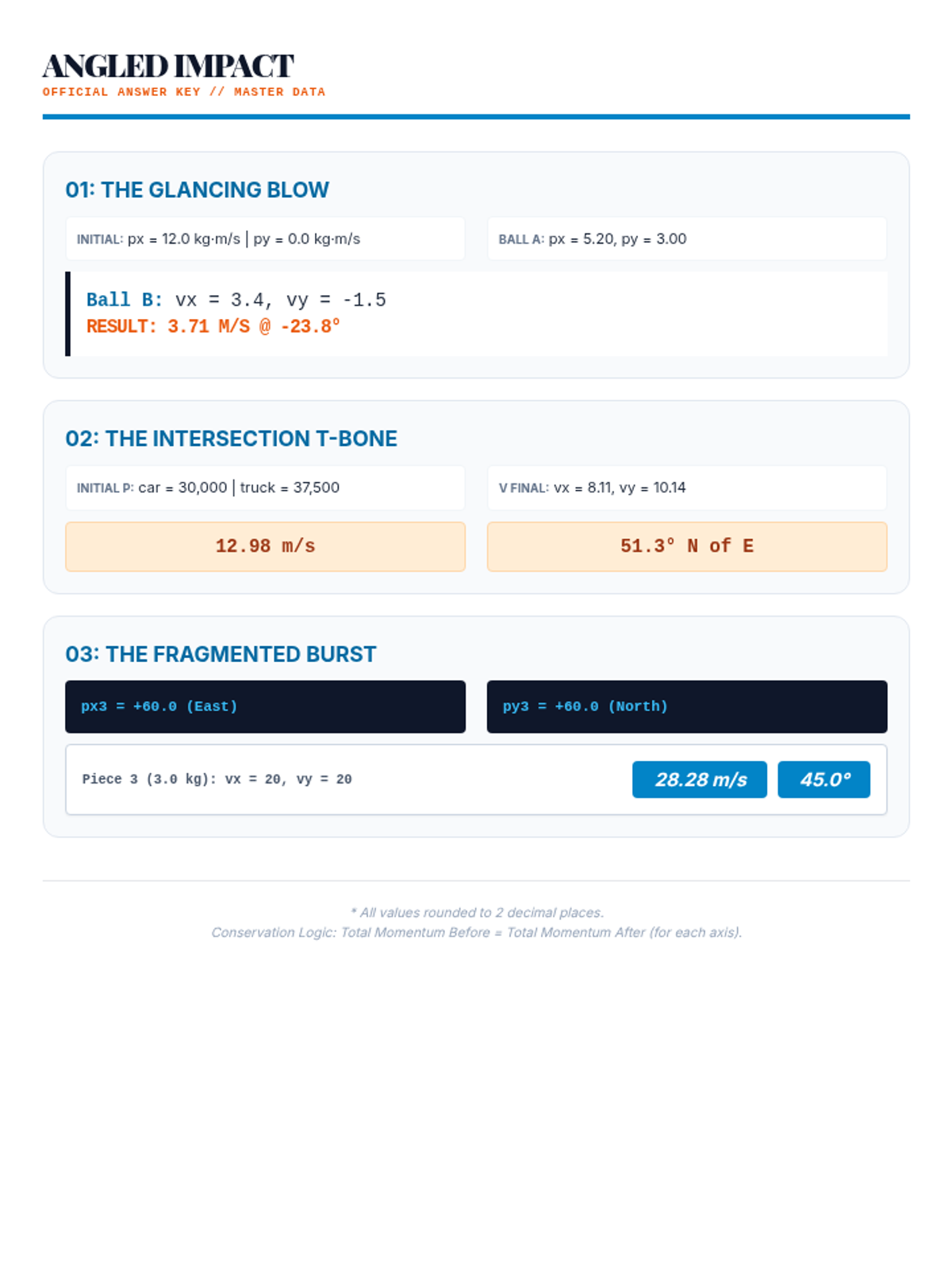
An exploration of momentum conservation in two dimensions, using vector components to solve collision problems.
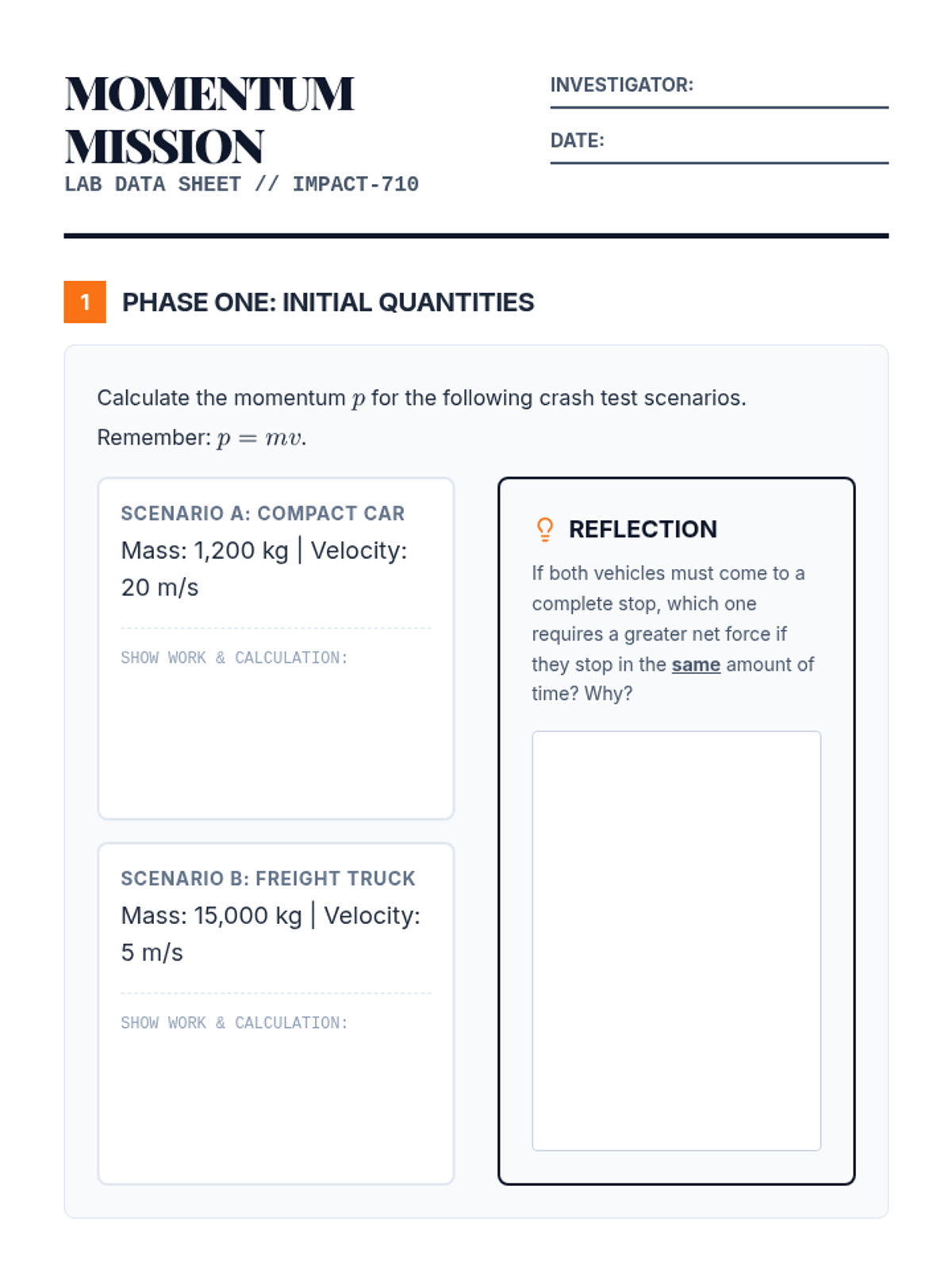
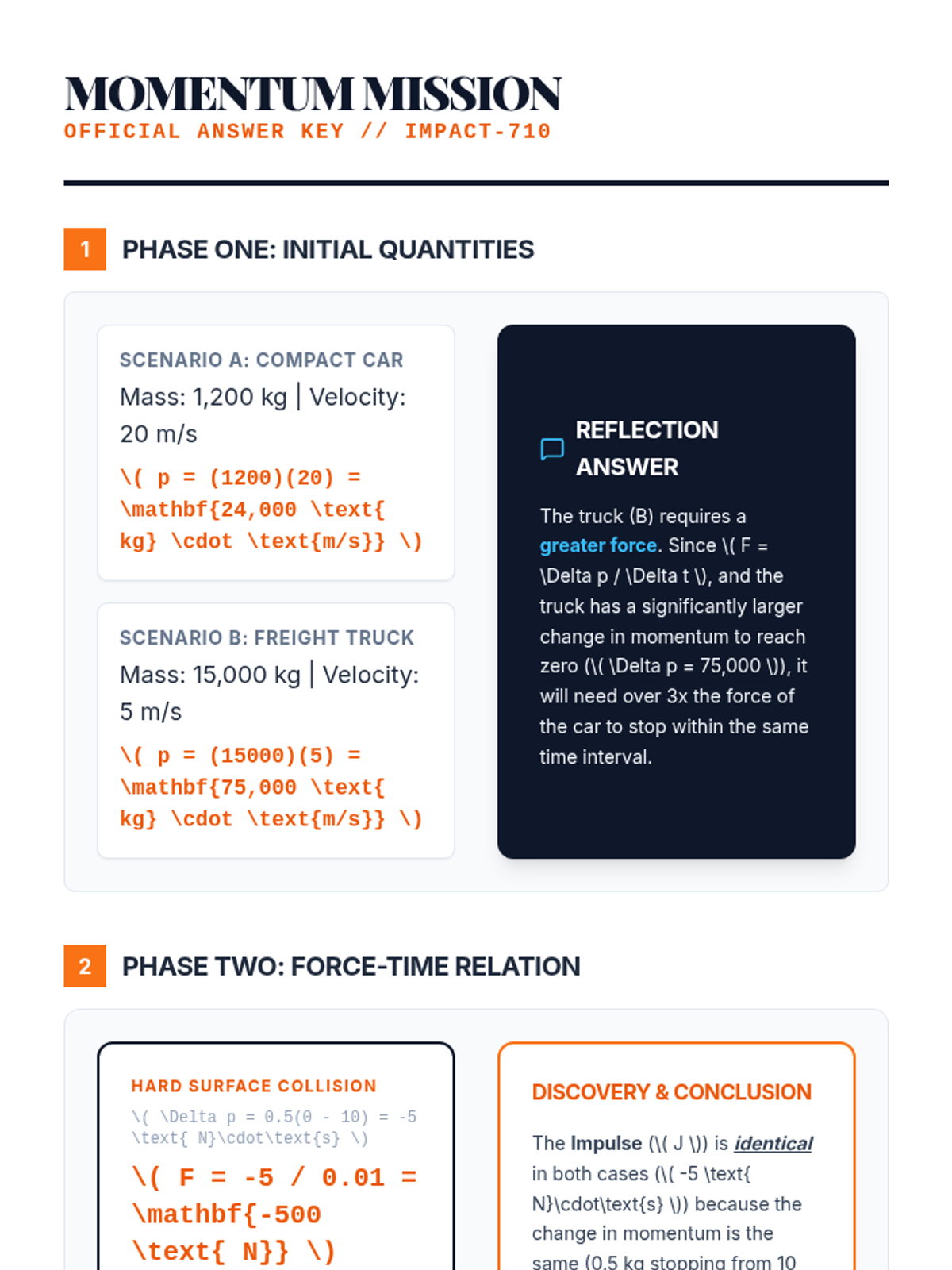
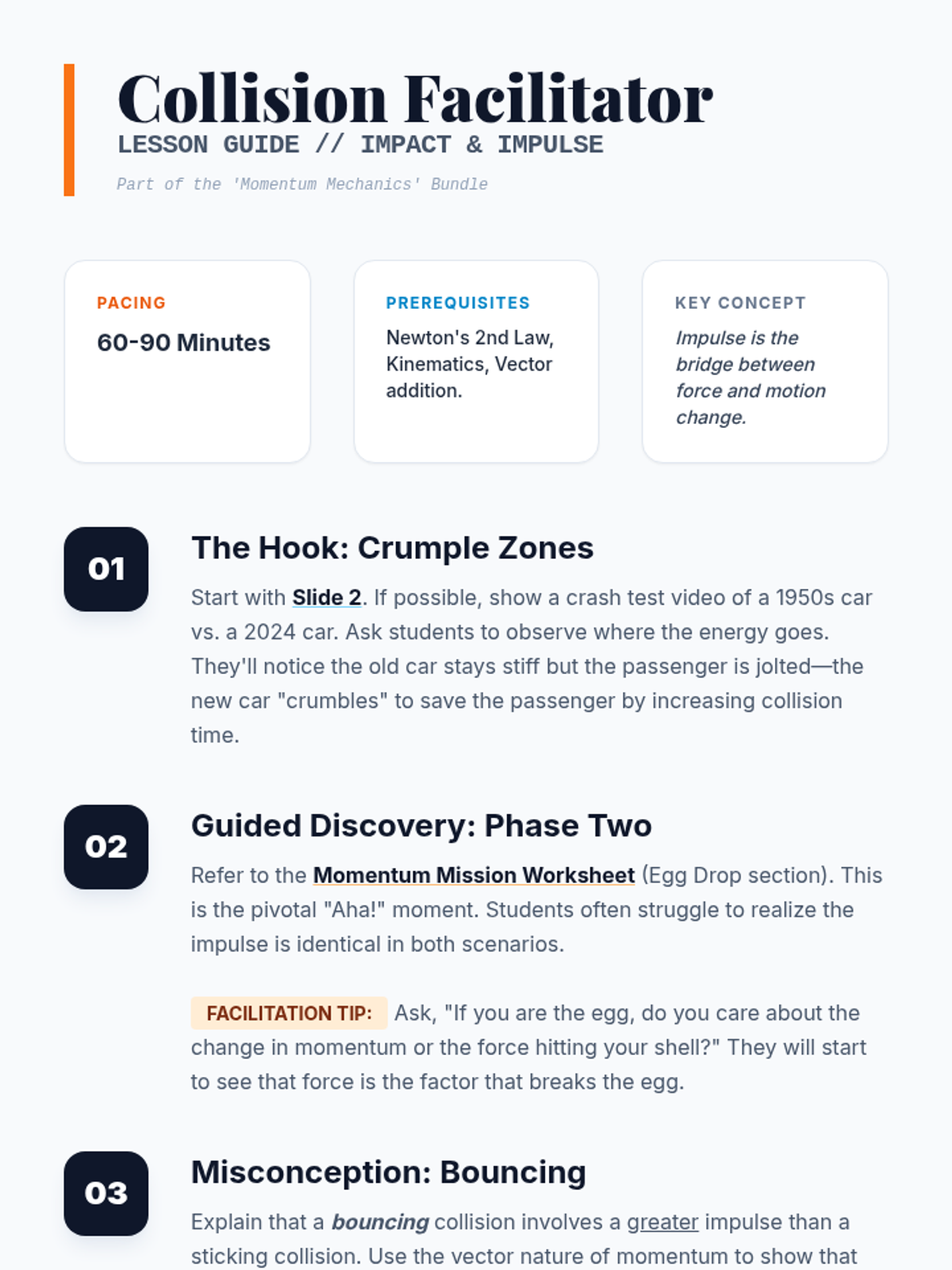
Students explore the relationship between force, time, and change in momentum through guided inquiry and data analysis.
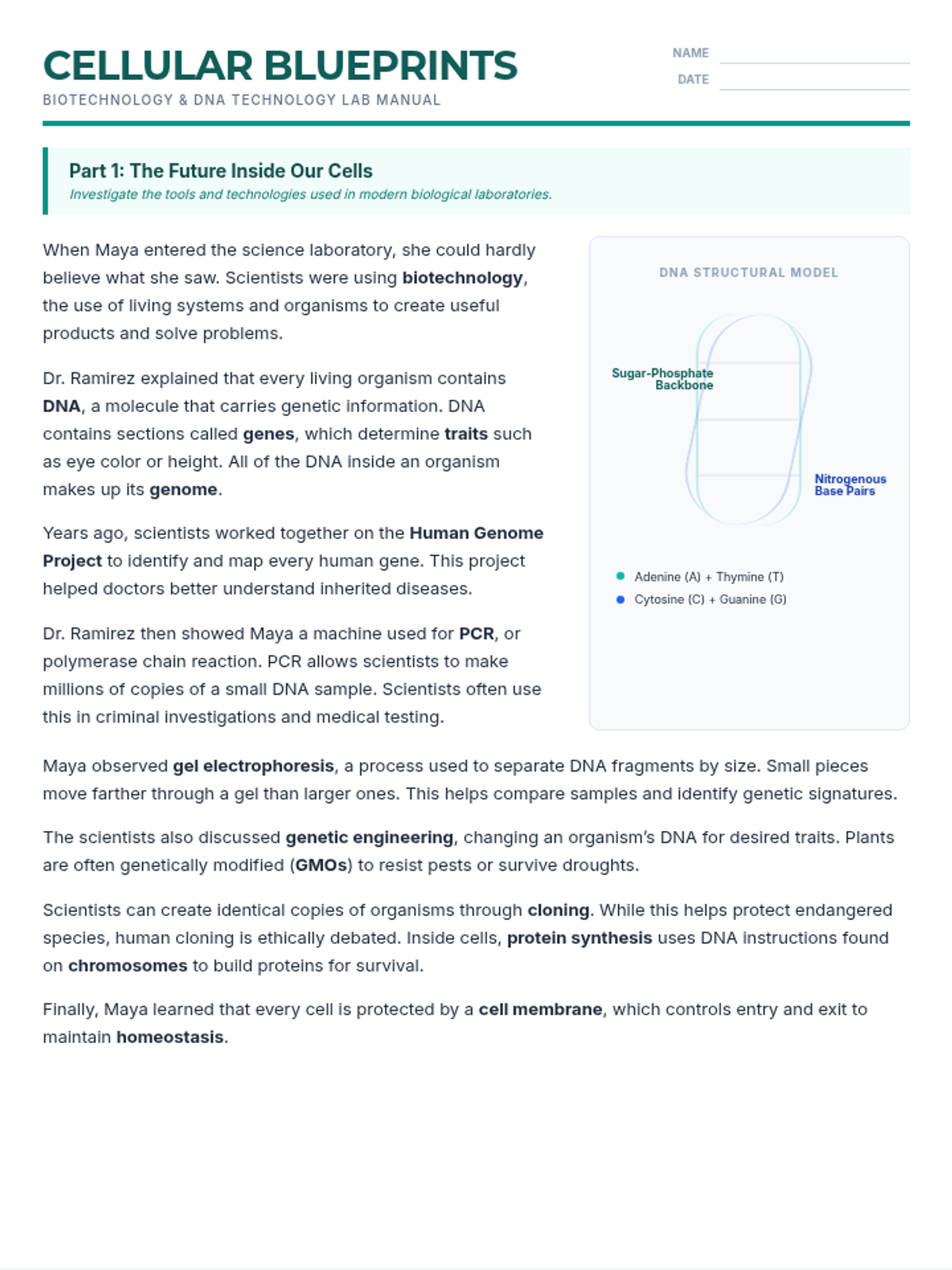
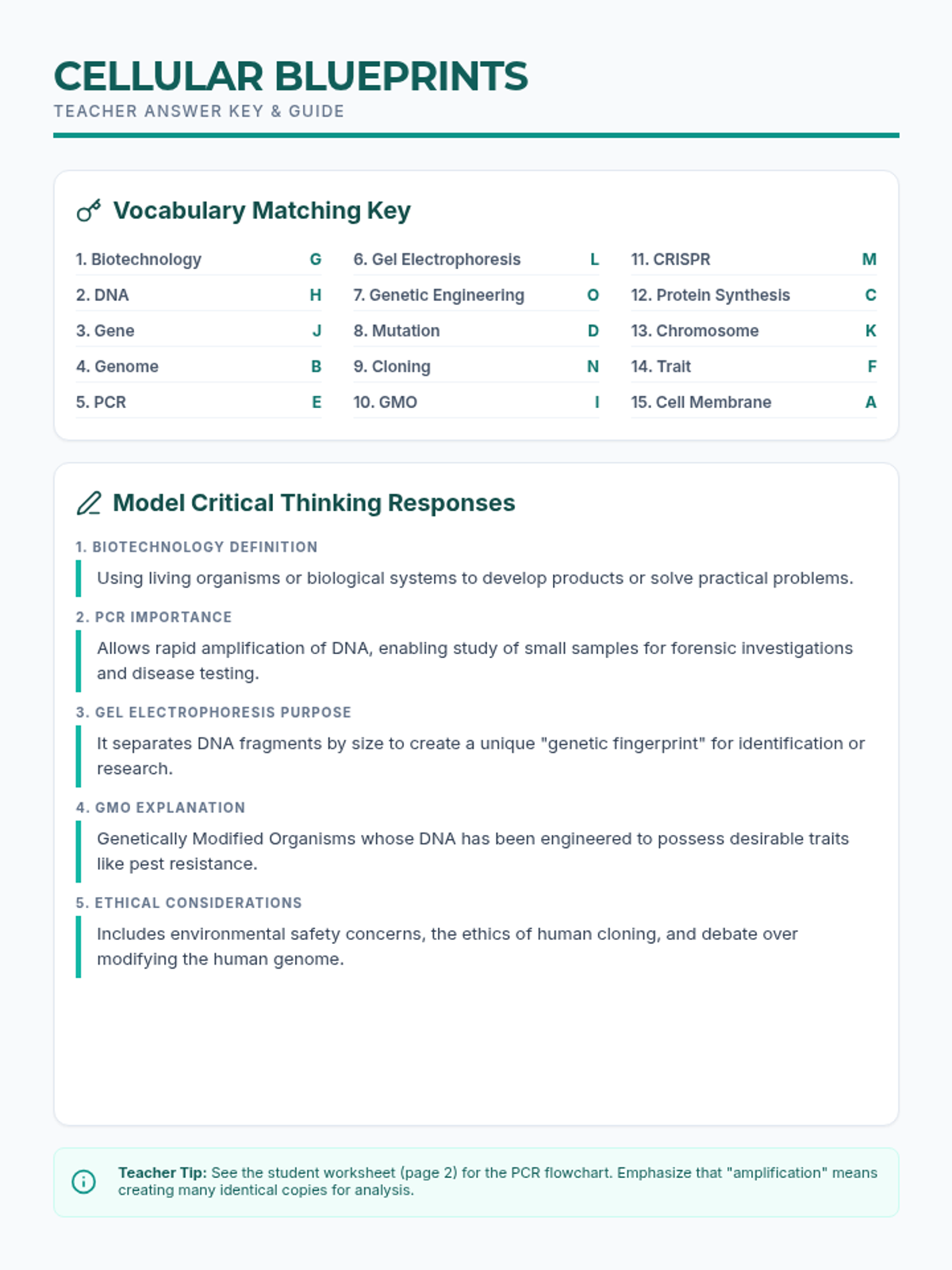
A comprehensive exploration of biotechnology, DNA technology, and genetic engineering through reading, visual diagrams, and vocabulary practice.
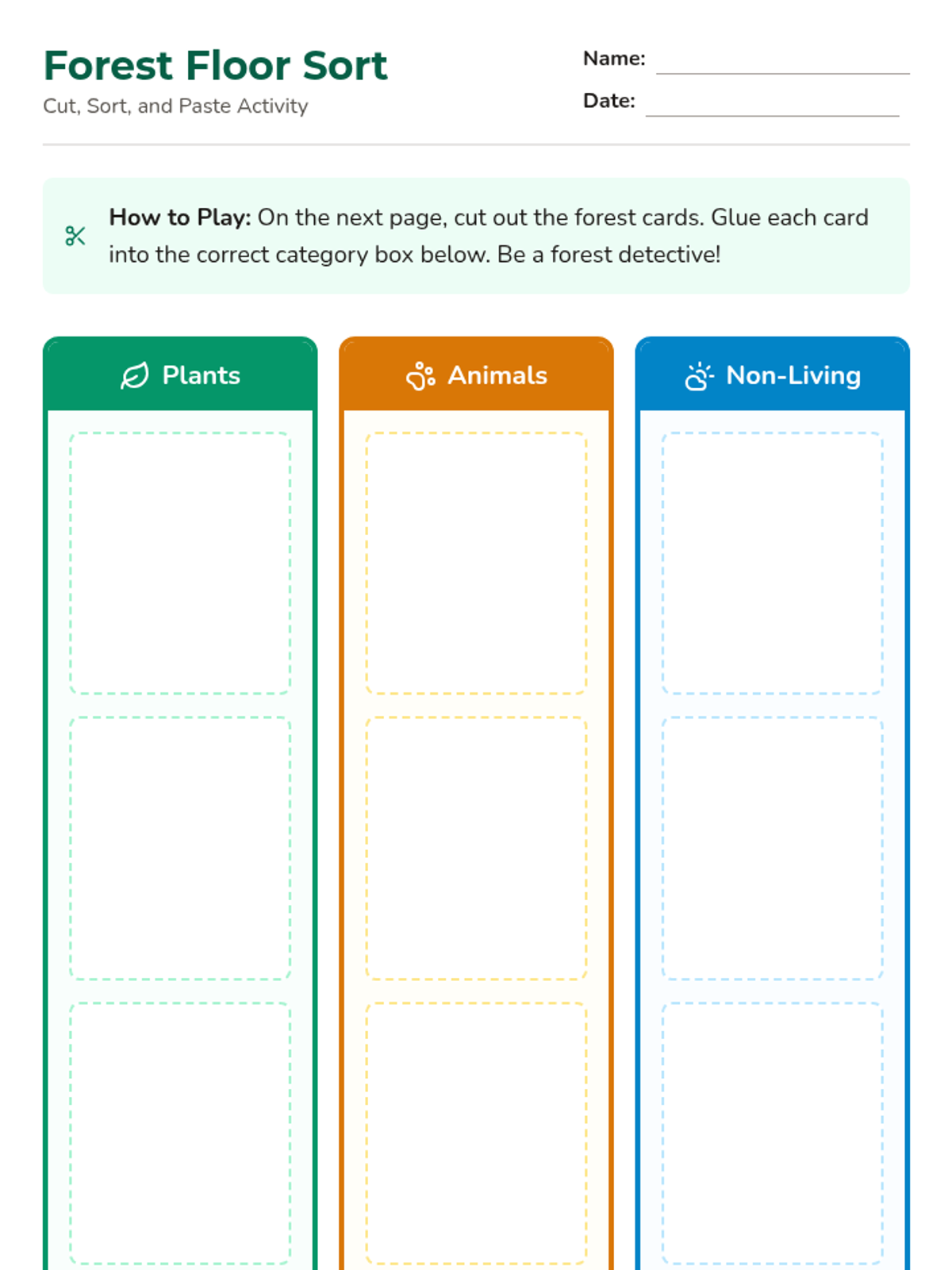
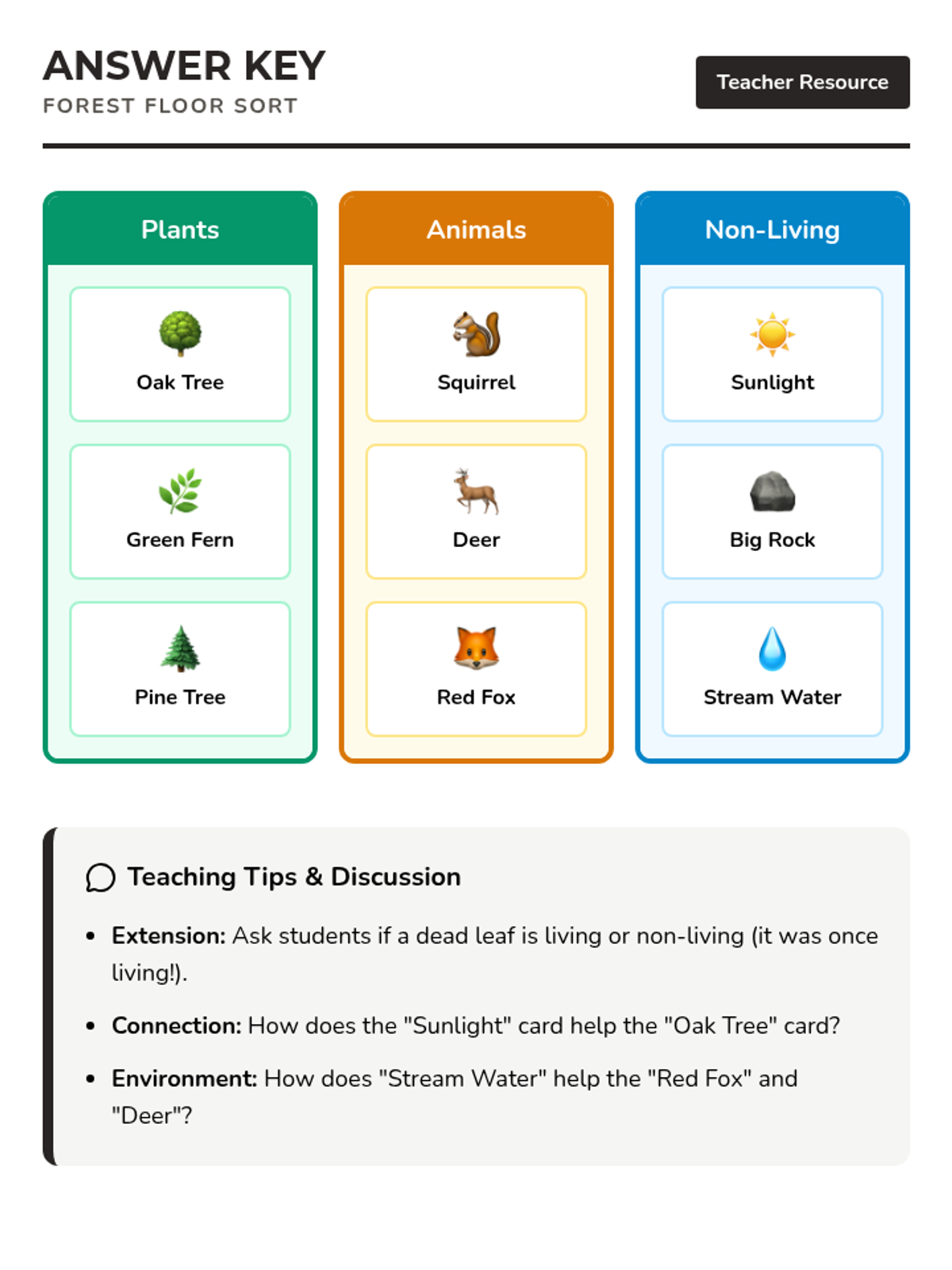
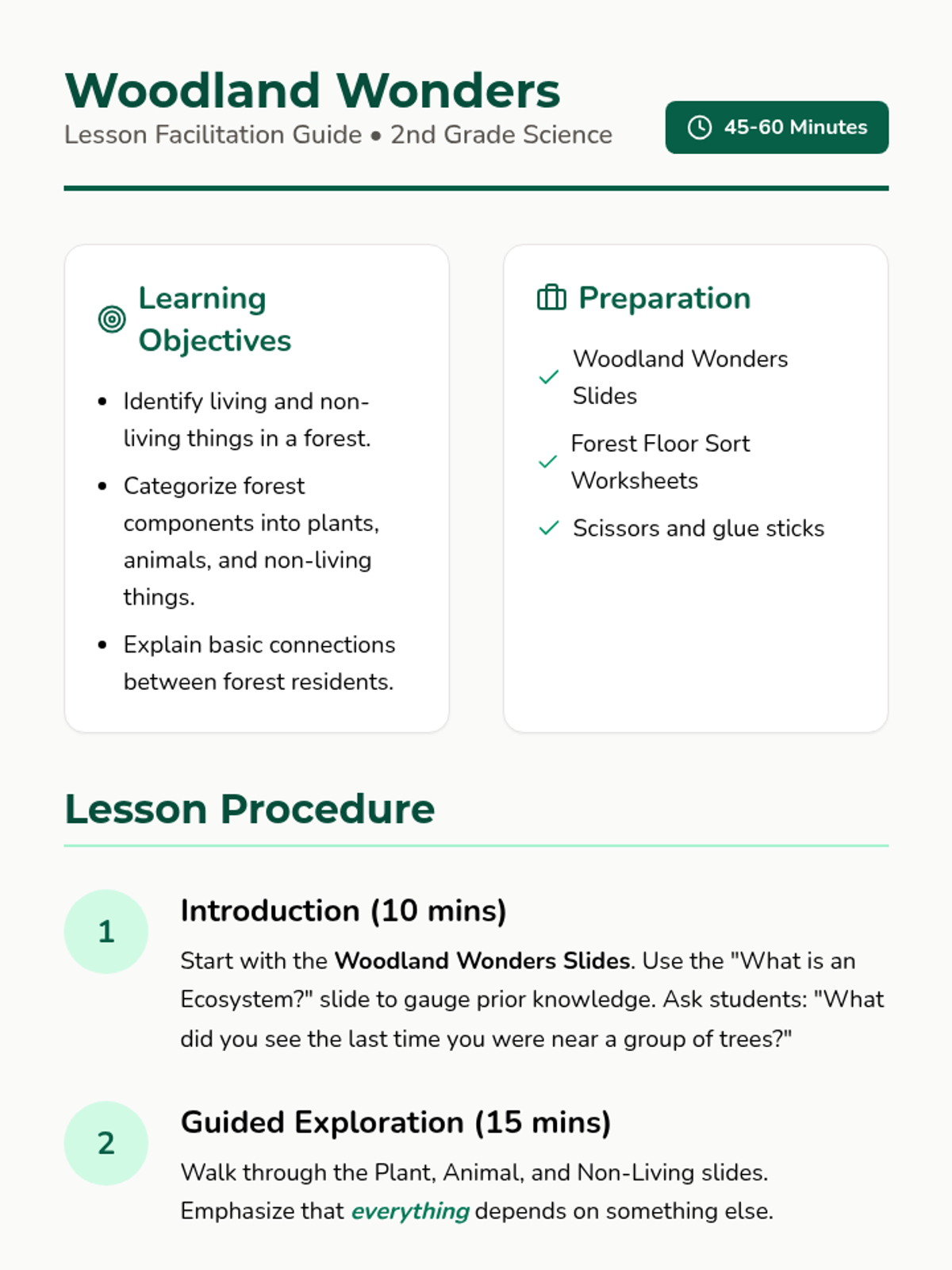
An introductory lesson on the forest ecosystem where students identify and categorize living and non-living components. Students will explore the roles of plants, animals, and the environment in a woodland setting.
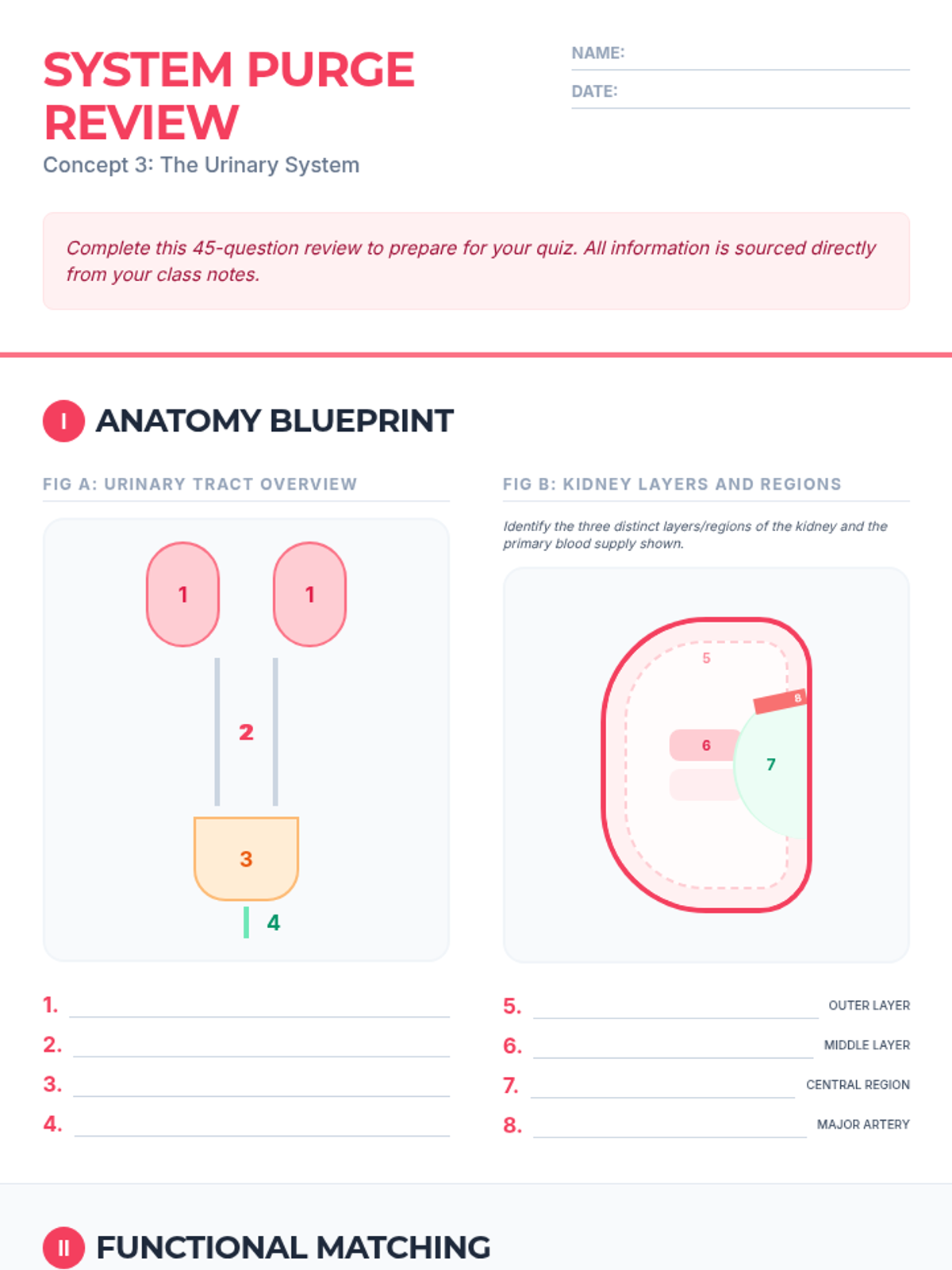
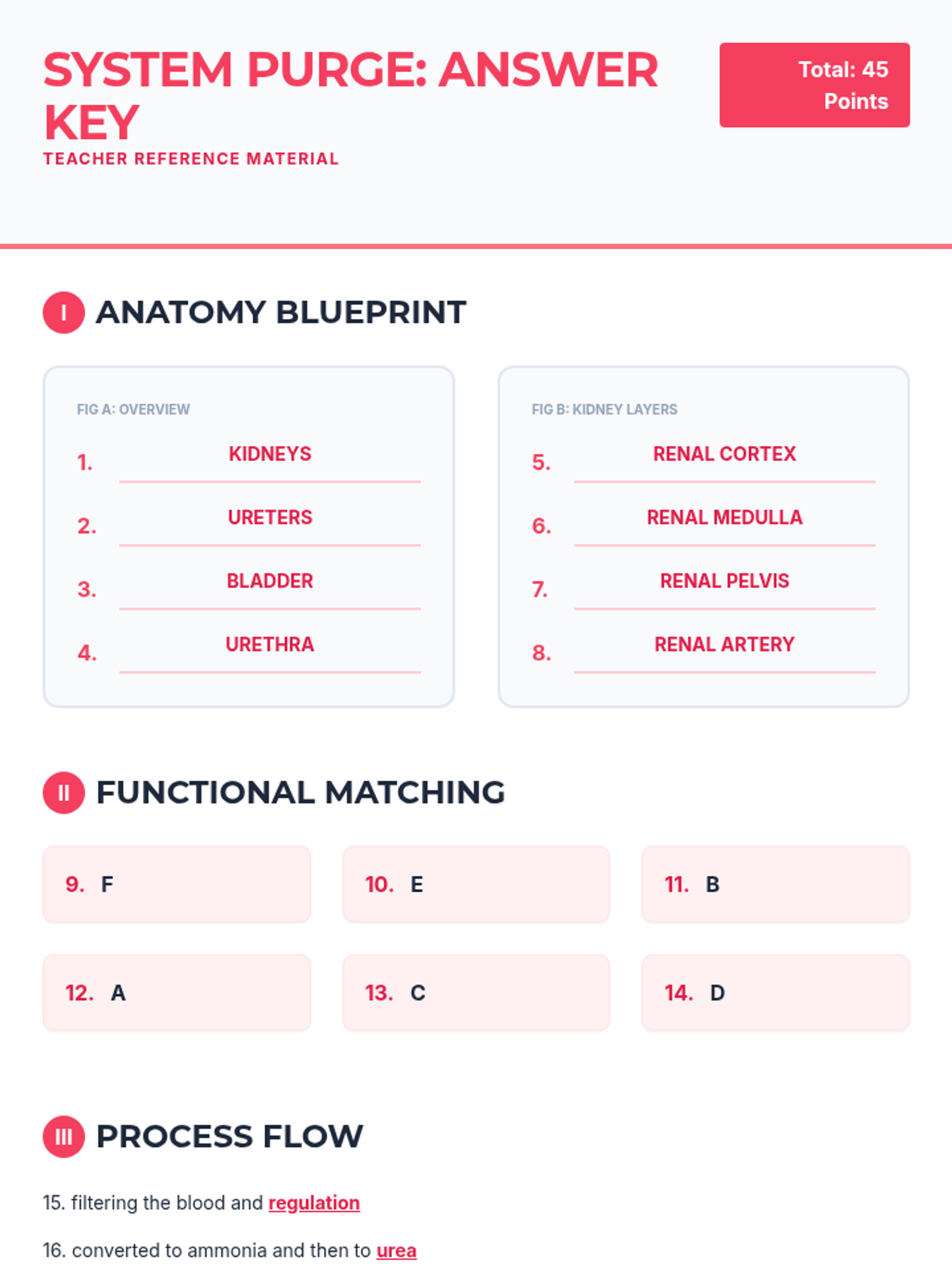
A comprehensive review of the urinary system based on Concept 3 notes, focusing on kidney structure, nephron function, and systemic regulation.
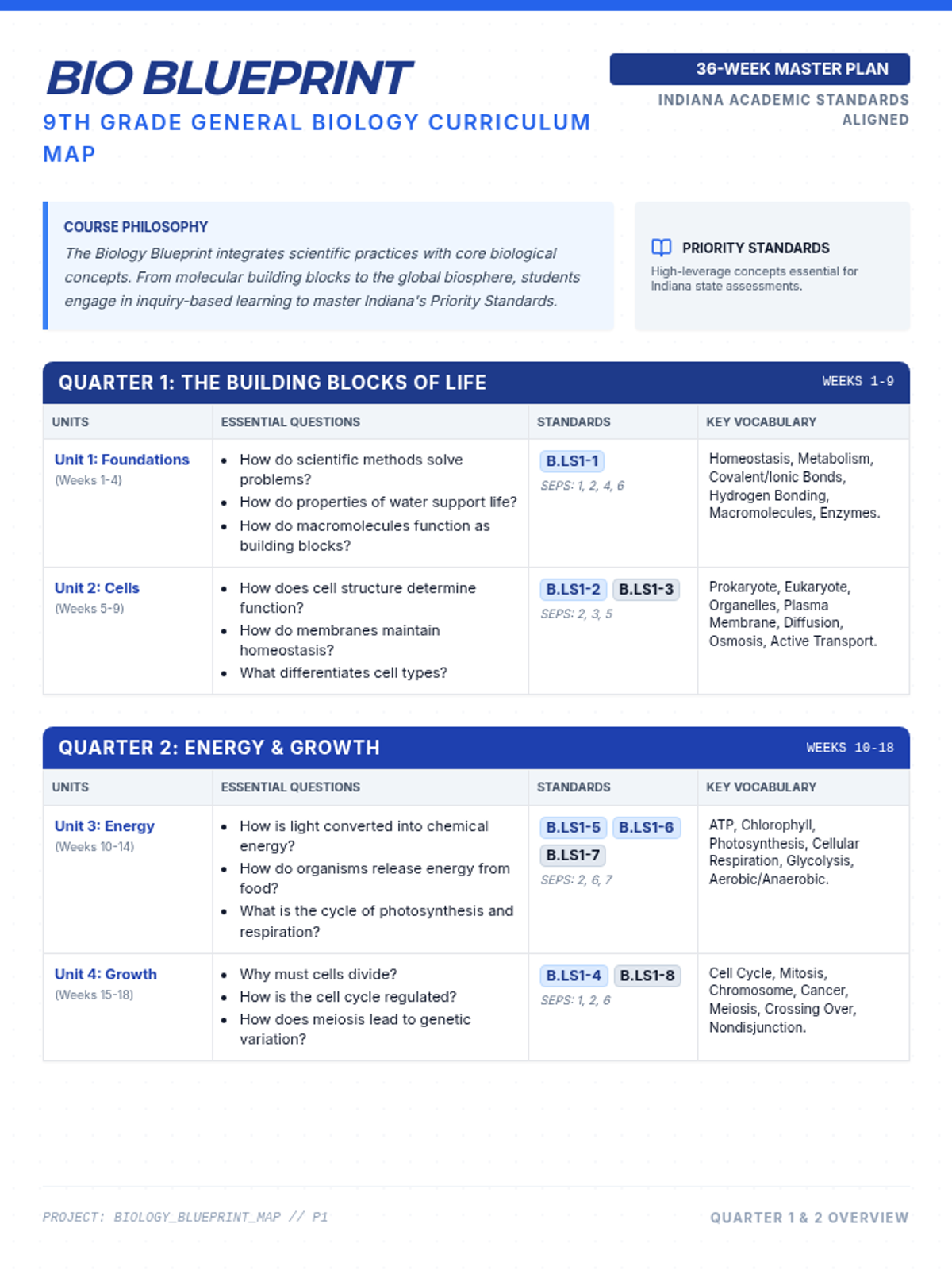
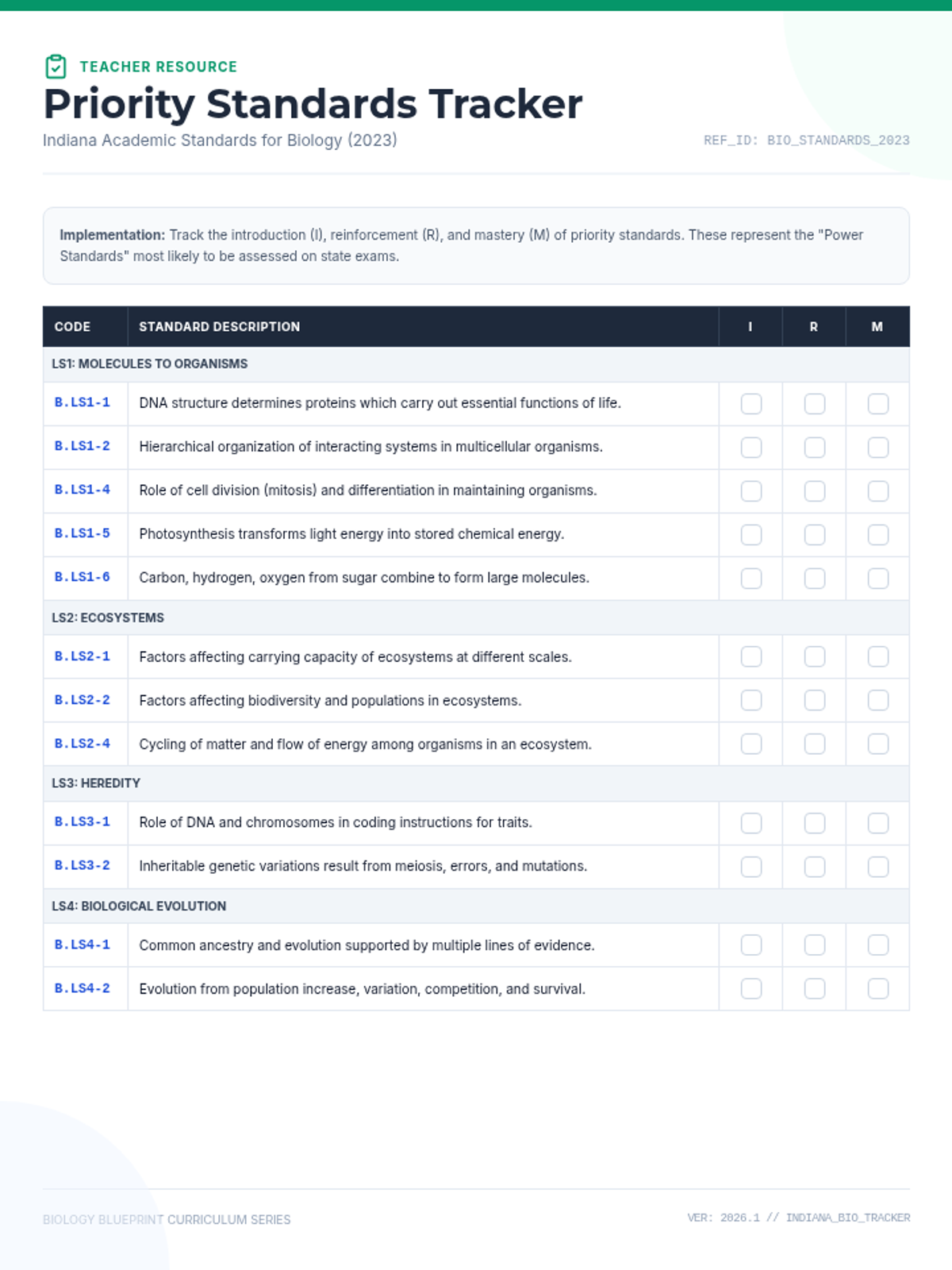
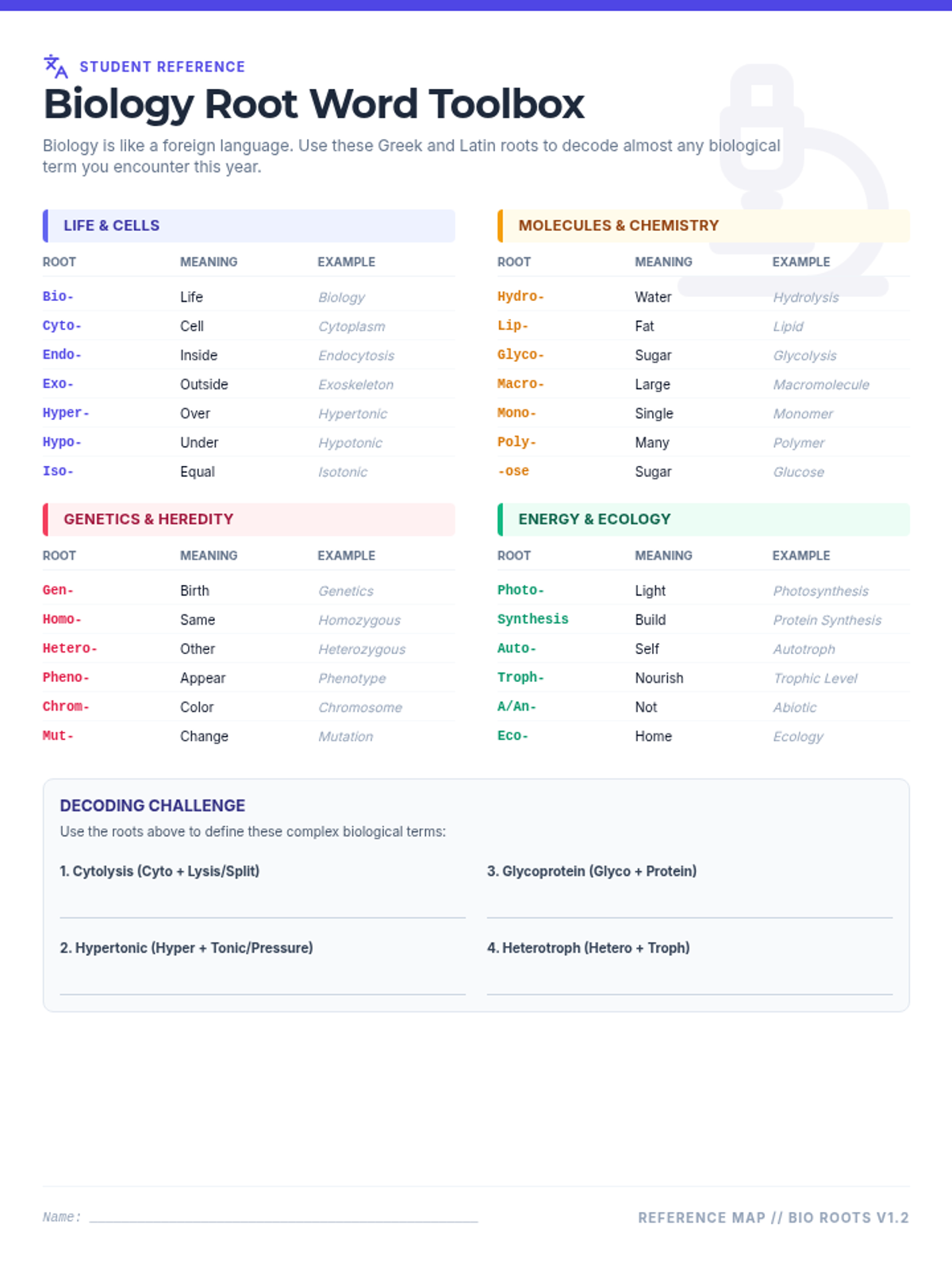
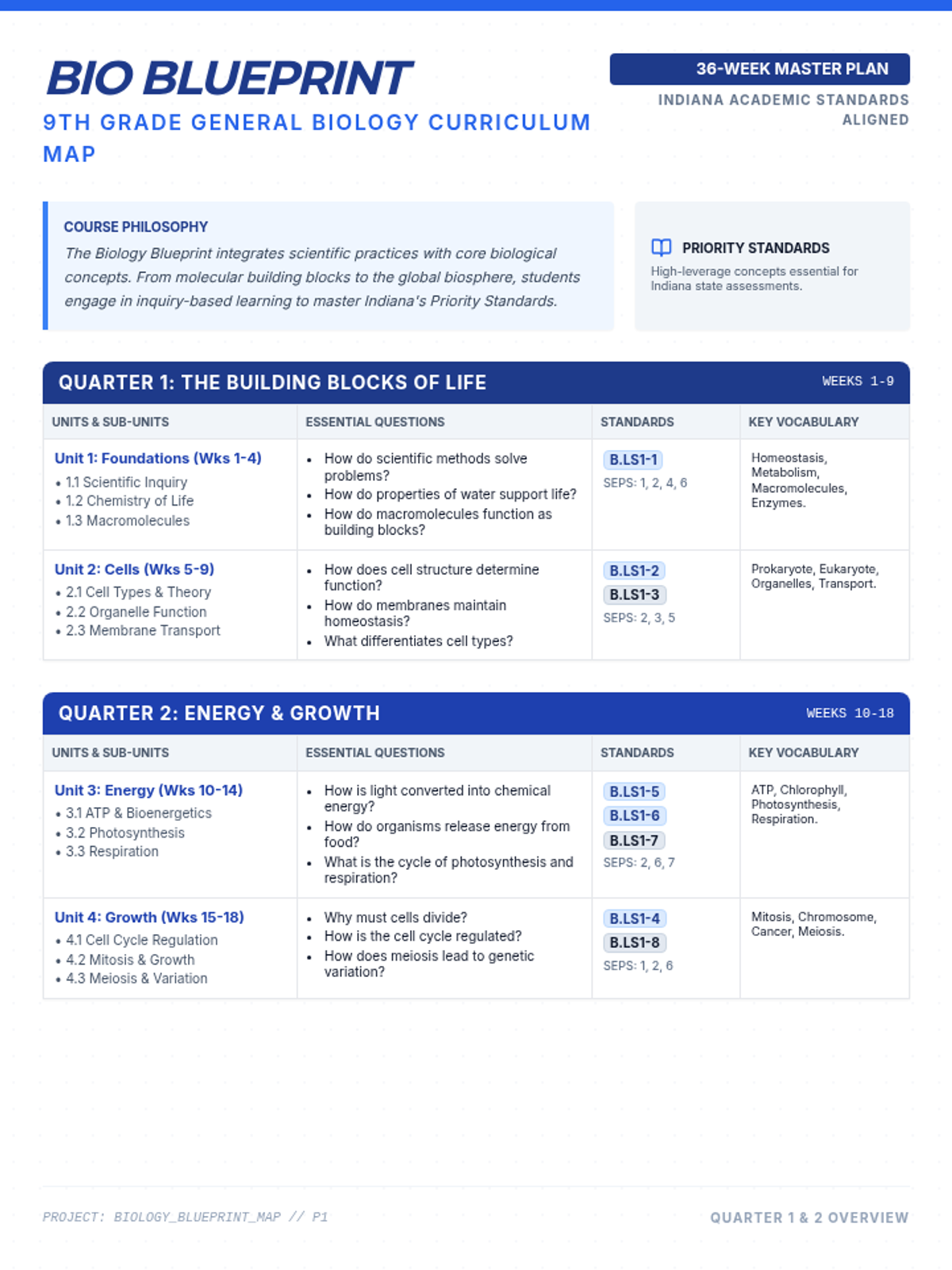
A foundational module containing the comprehensive year-long curriculum map, standards alignment documents, and essential vocabulary resources for 9th-grade biology.