Introduces the Socratic Method and the concept of philosophy through critical inquiry and the "Hotdog" debate.
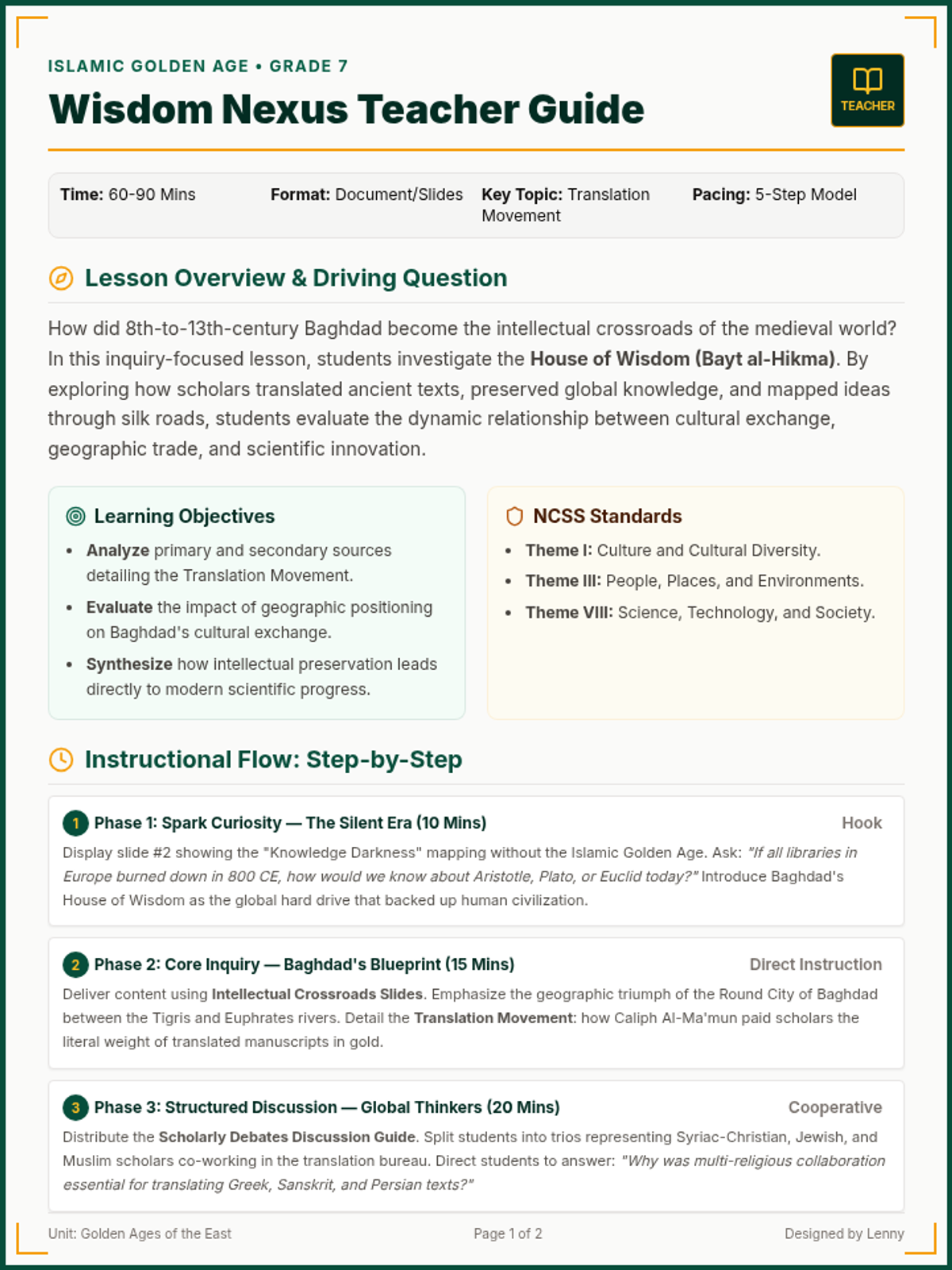
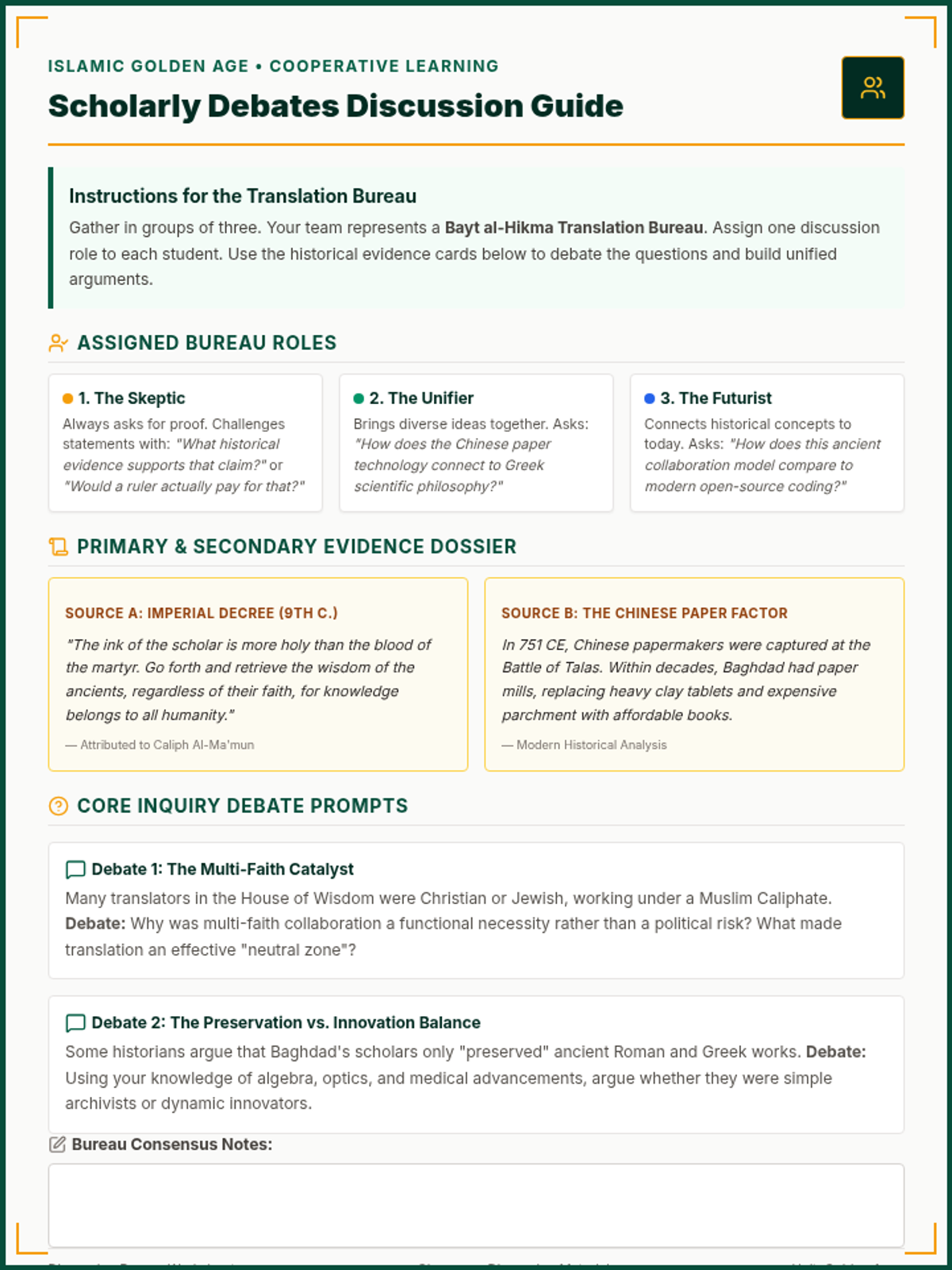
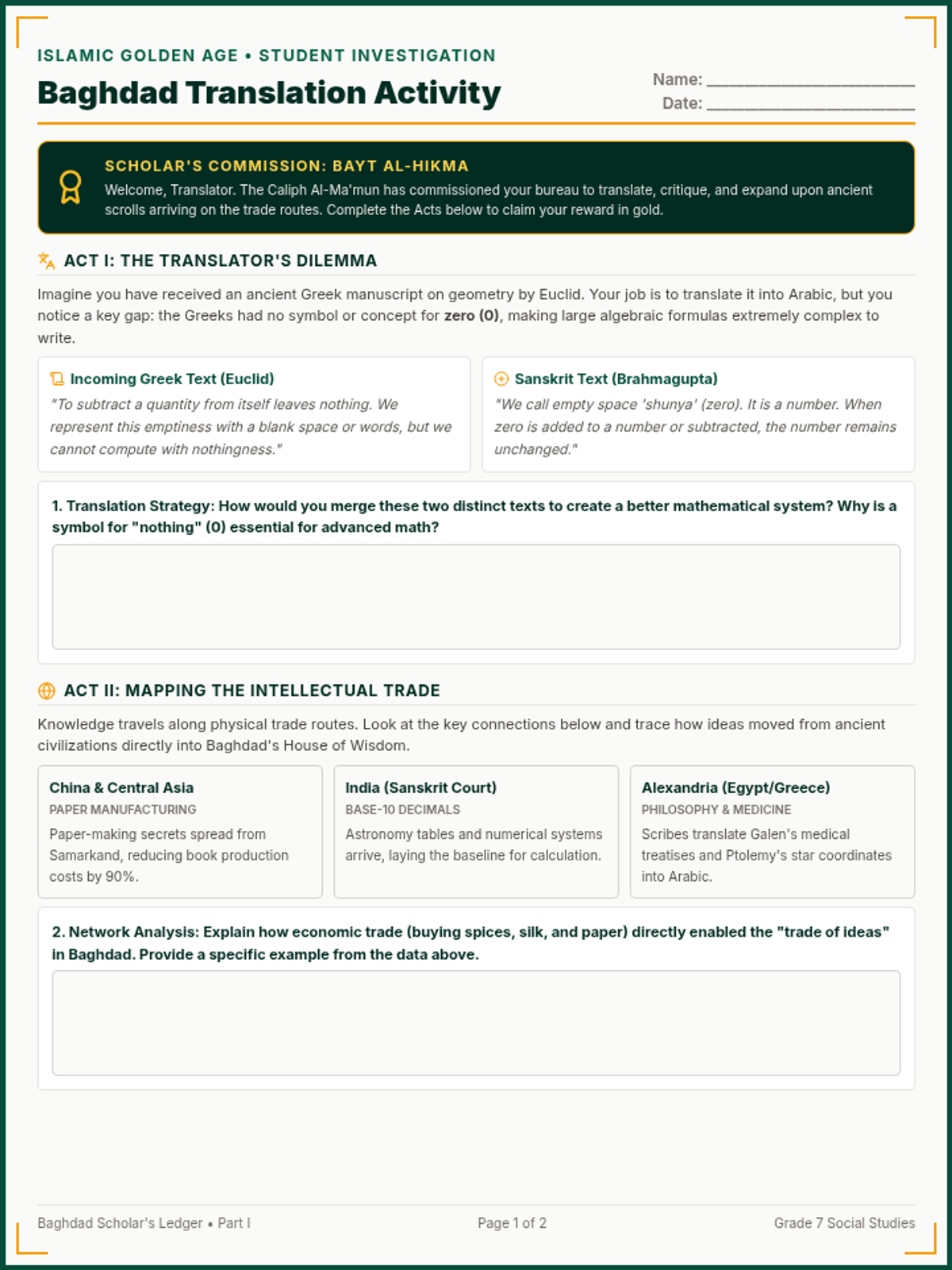
A 7th-grade history investigation into how Baghdad became the center of global learning during the Islamic Golden Age through translation, trade, and cultural preservation.
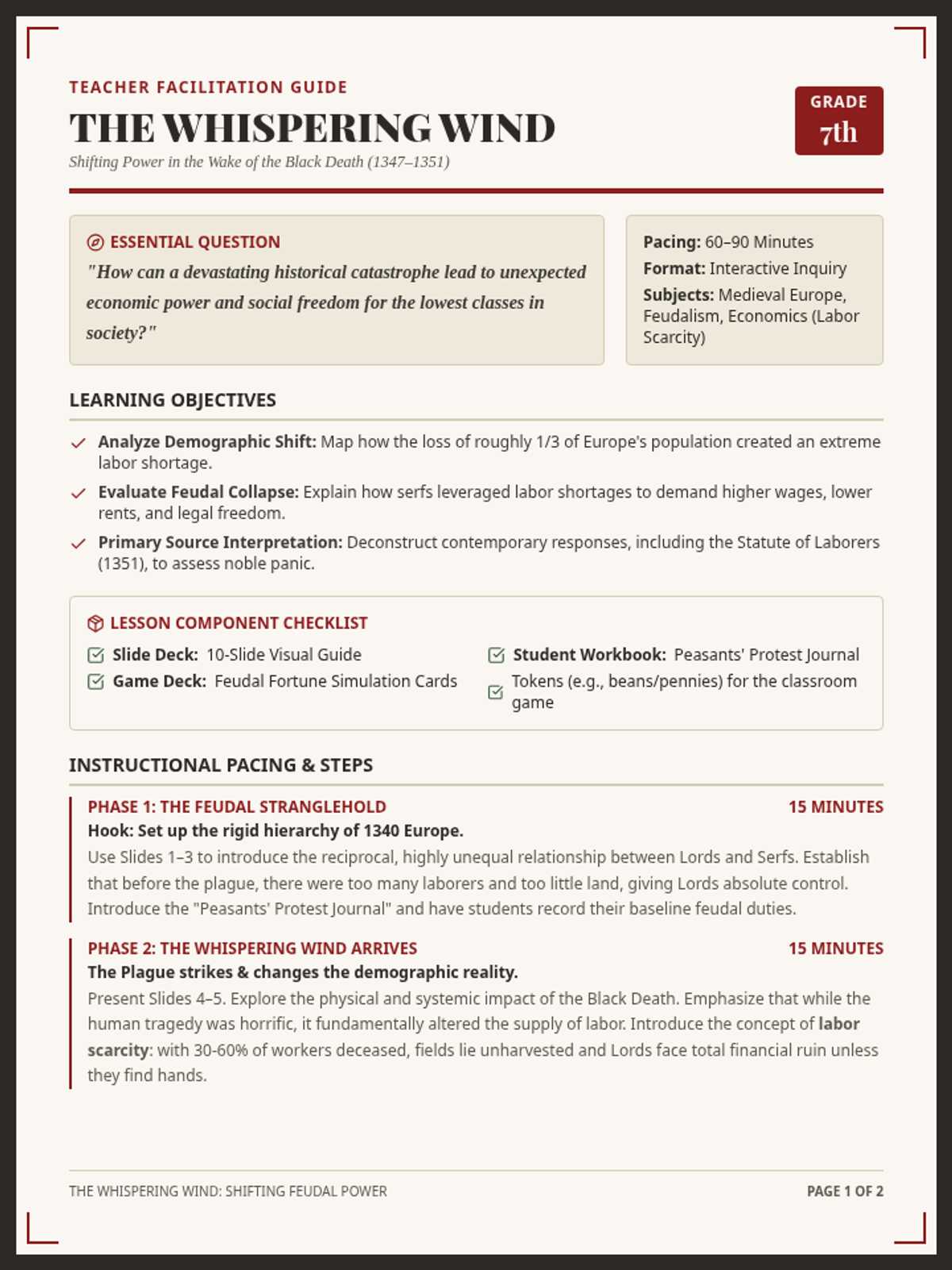
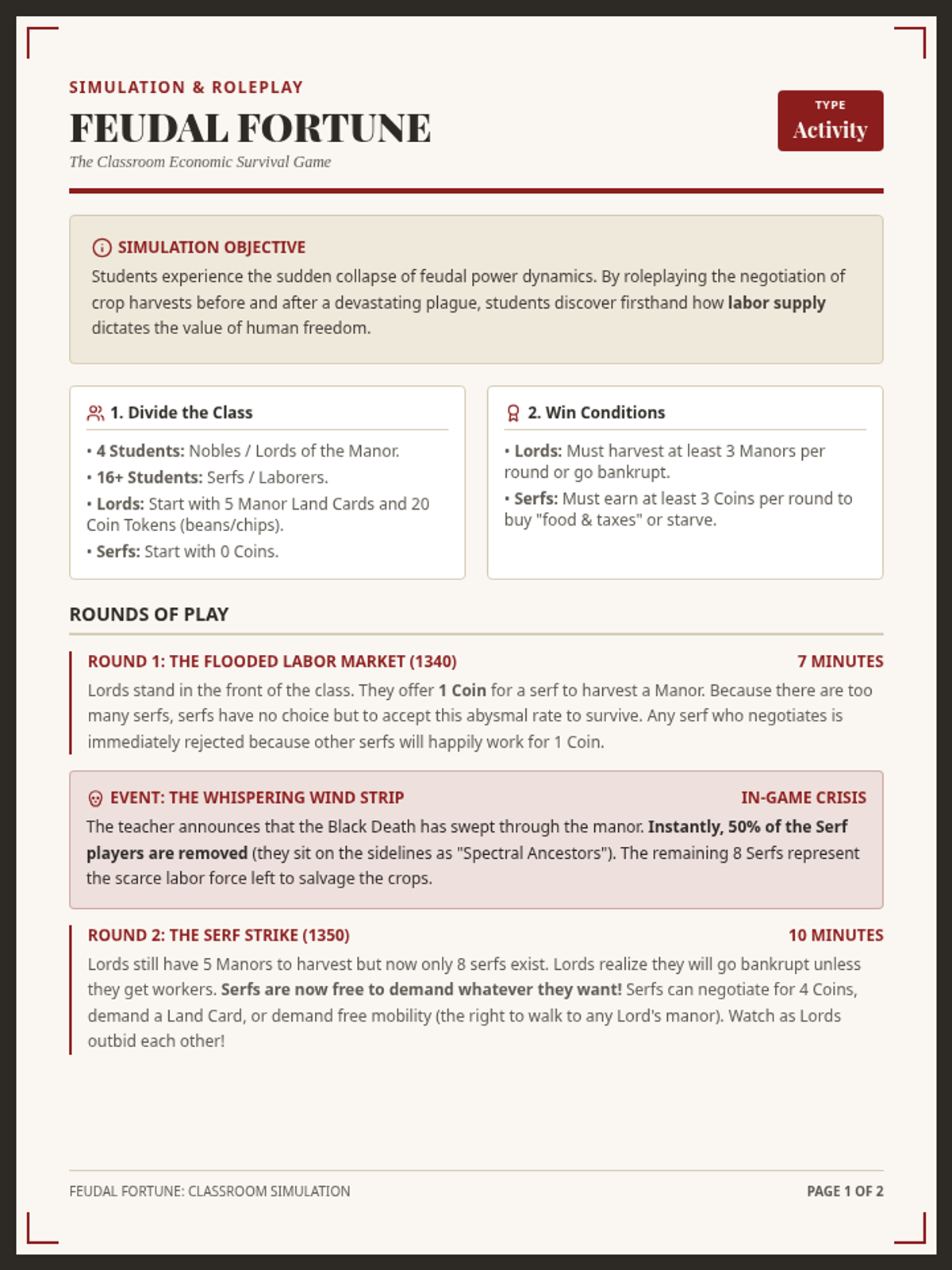
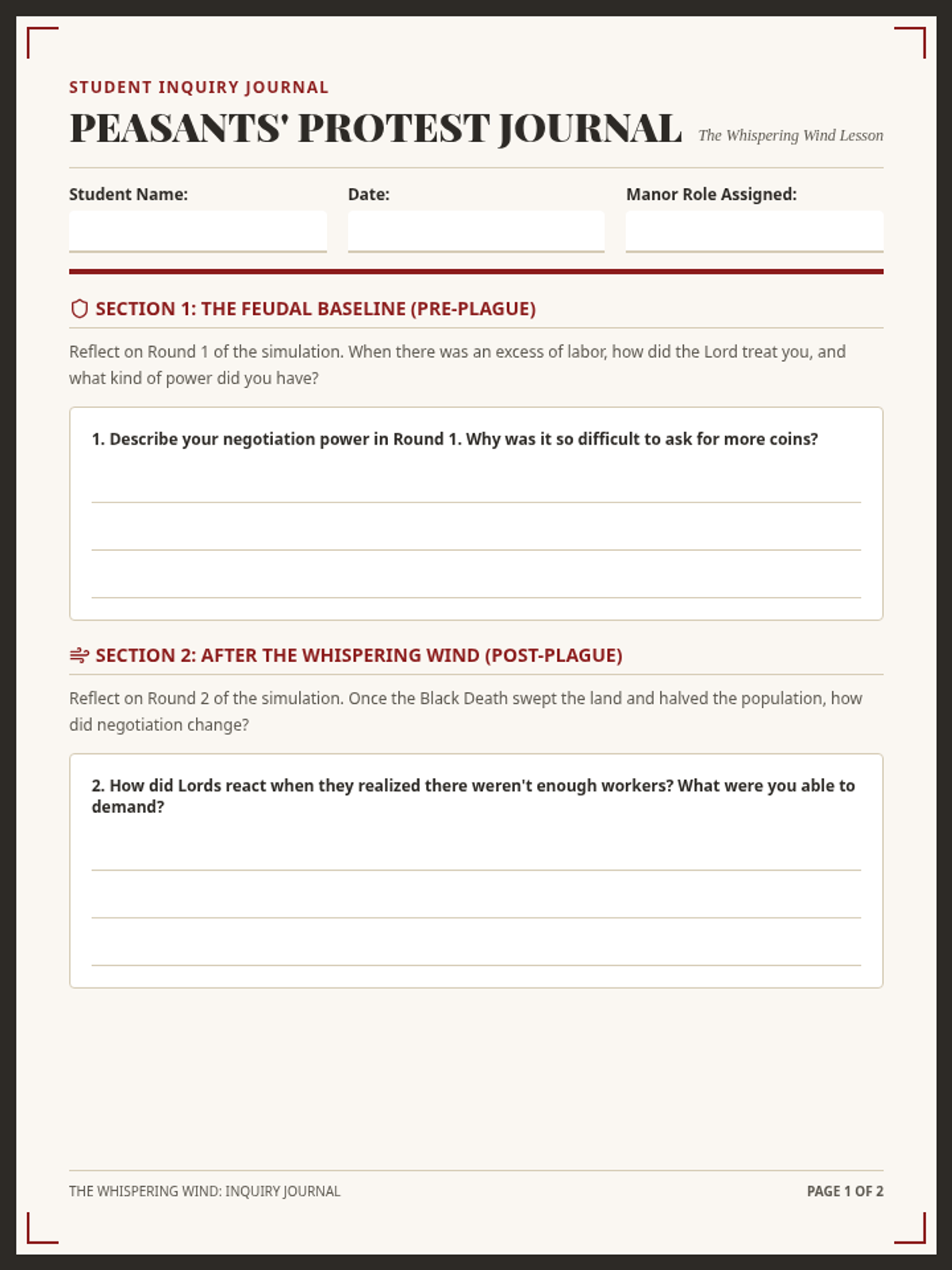
An inquiry-based lesson exploring how the demographic crisis of the 14th-century Black Death disrupted feudal structures in Europe. Students analyze labor scarcity, roleplay economic shifts, and evaluate primary sources to understand how catastrophe led to working-class empowerment.
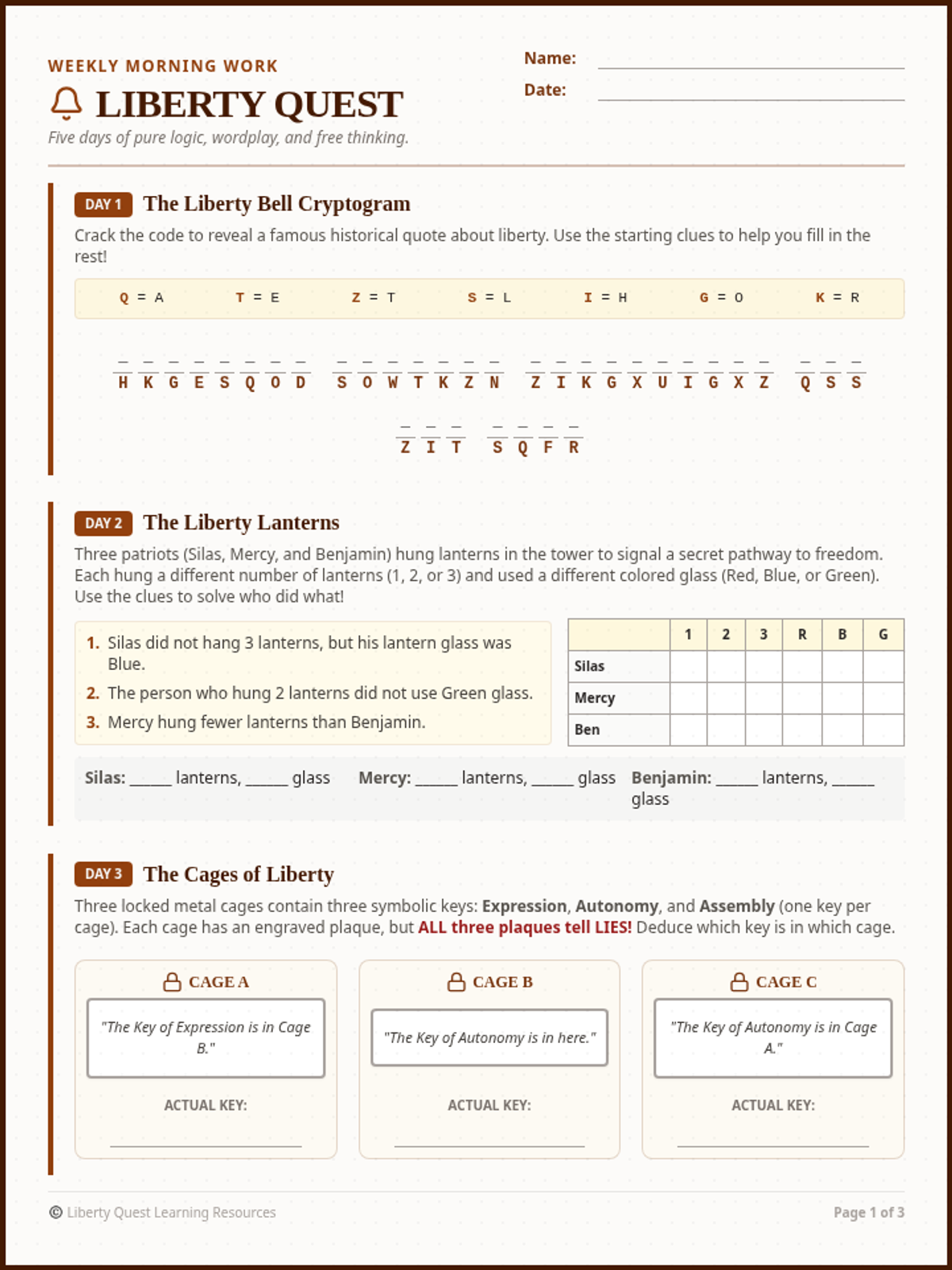
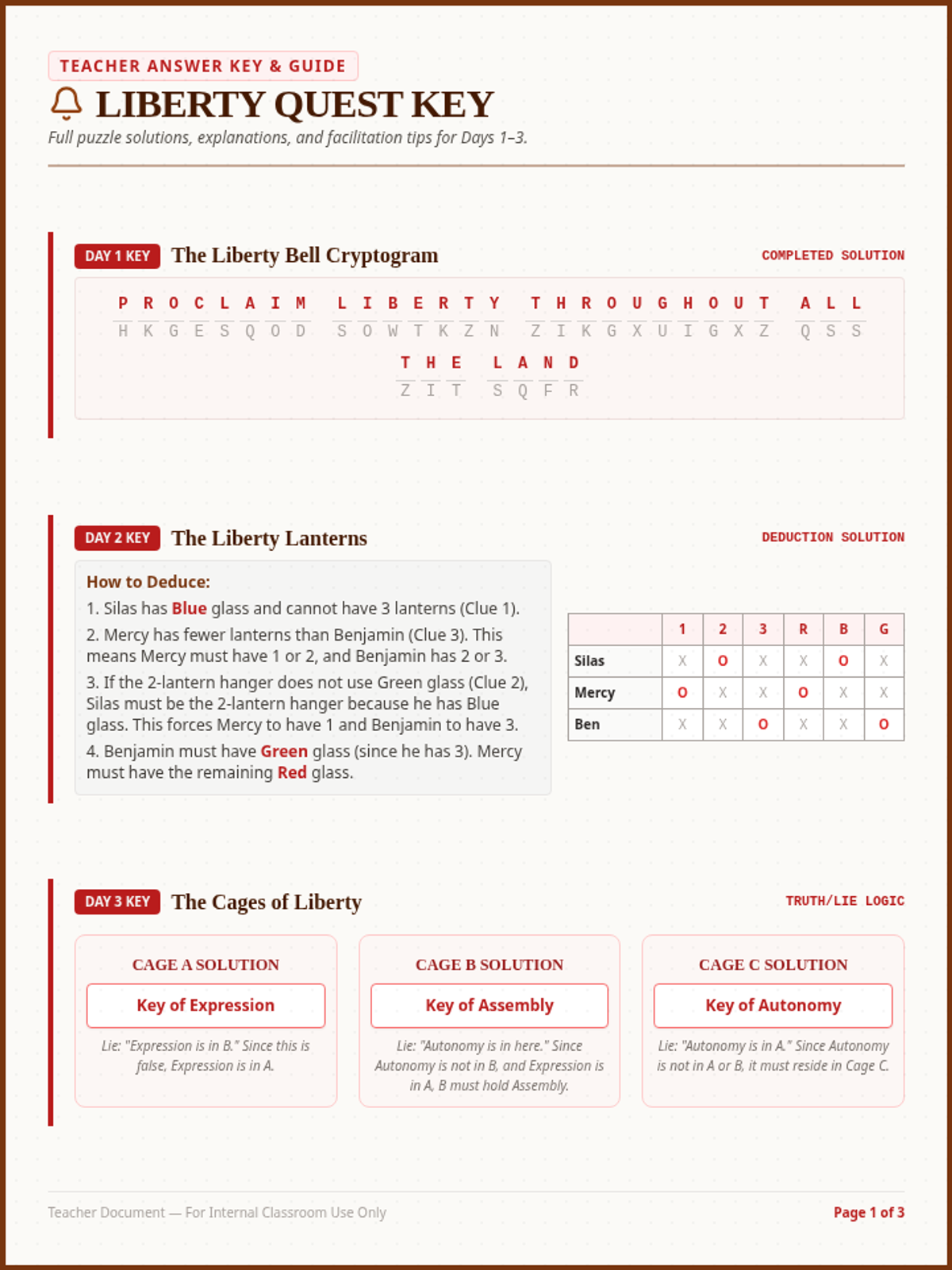
A 5-day daily warm-up packet based on logic puzzles and wordplay themed around liberty and freedom. Focuses on critical thinking and non-numerical deduction.
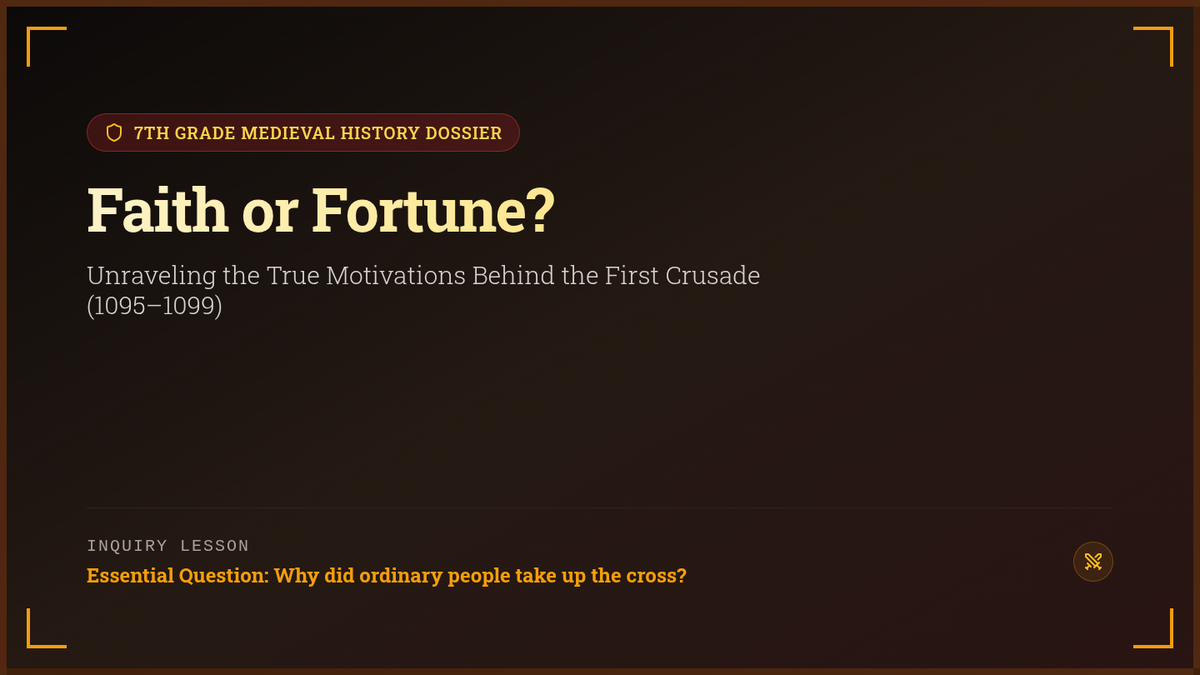
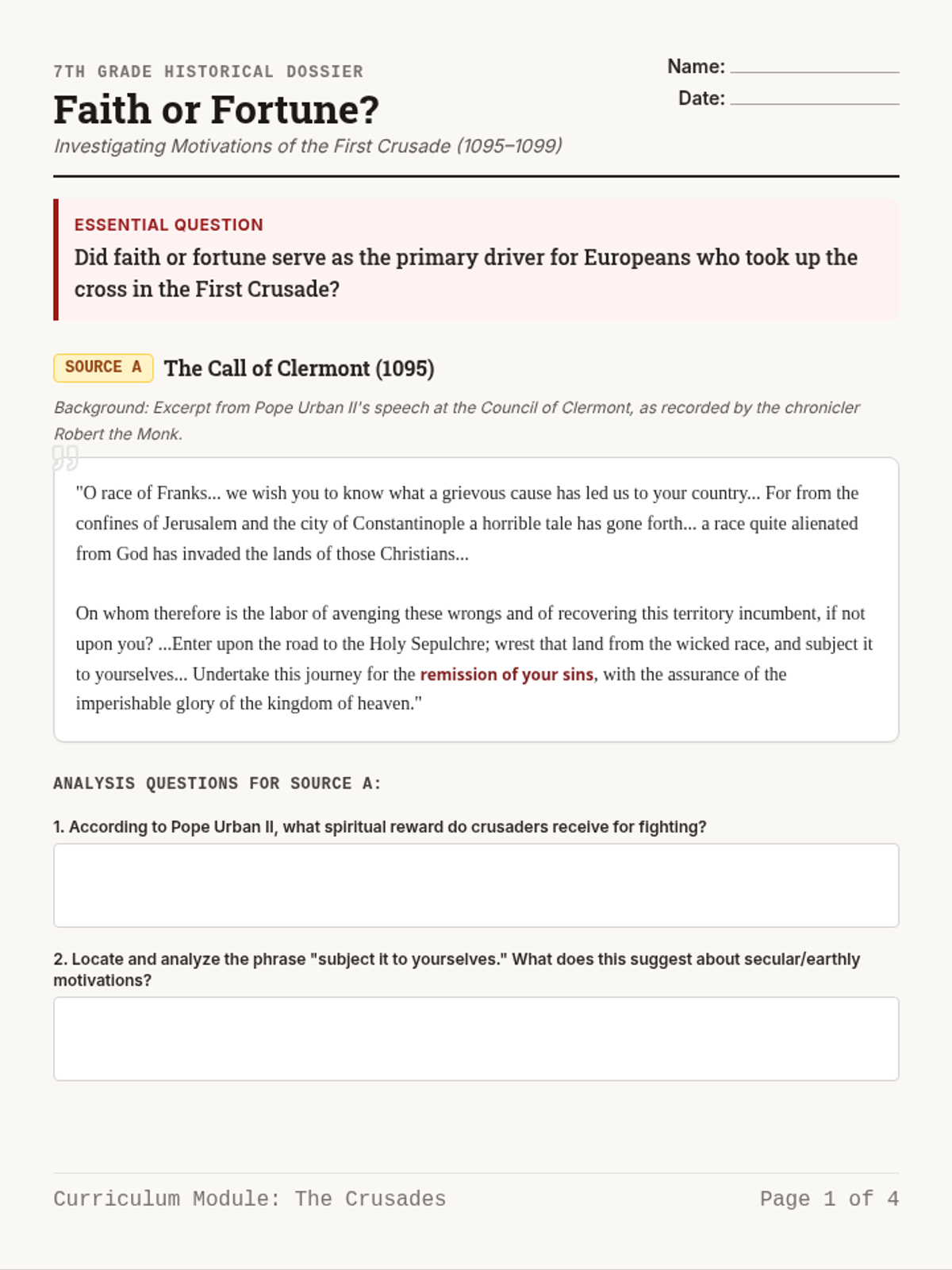
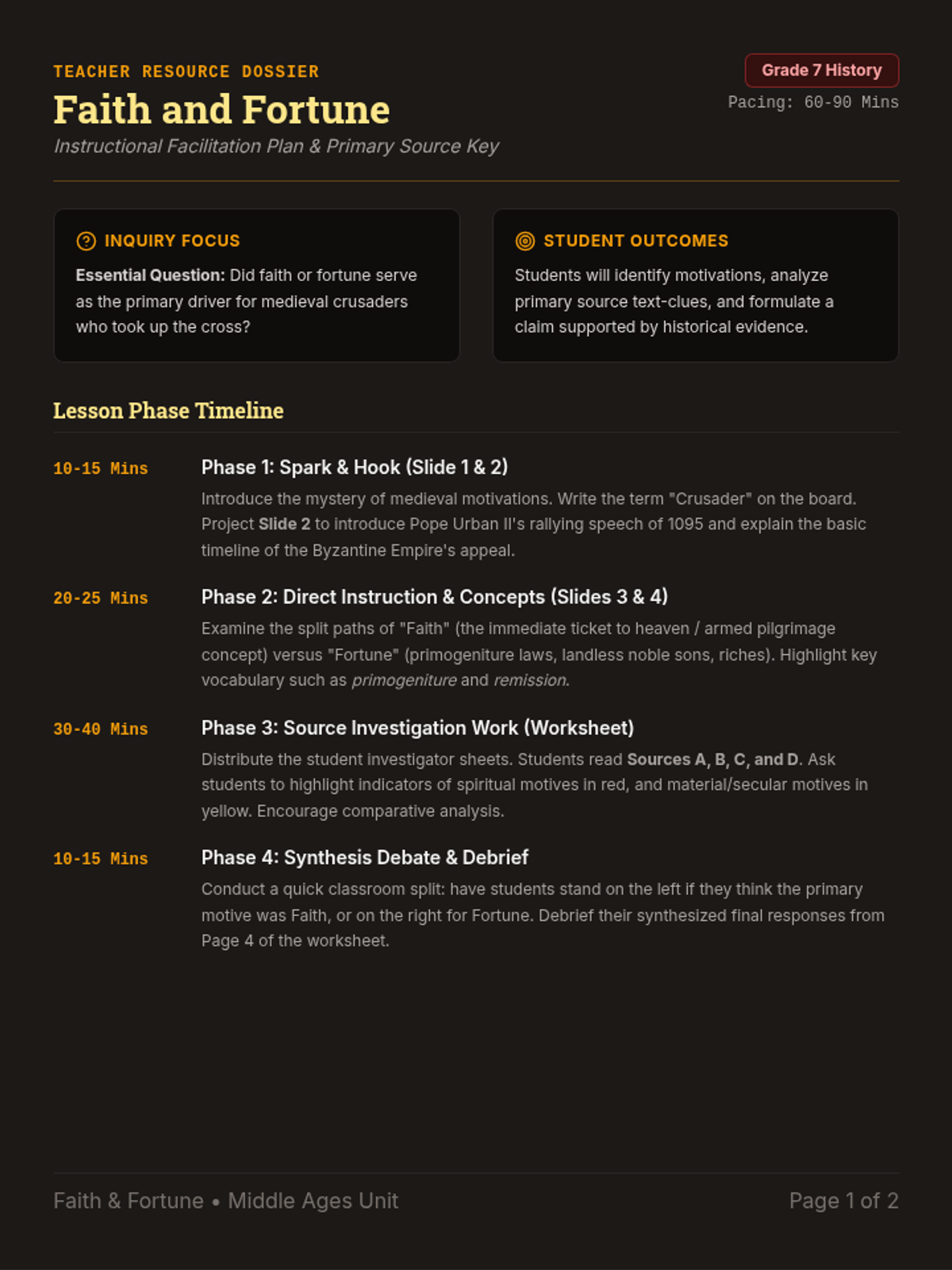
A deep dive into the religious and secular motivations of the First Crusade, prompting 7th-grade historians to analyze primary sources and debate whether spiritual devotion or material wealth was the primary driver for medieval crusaders.
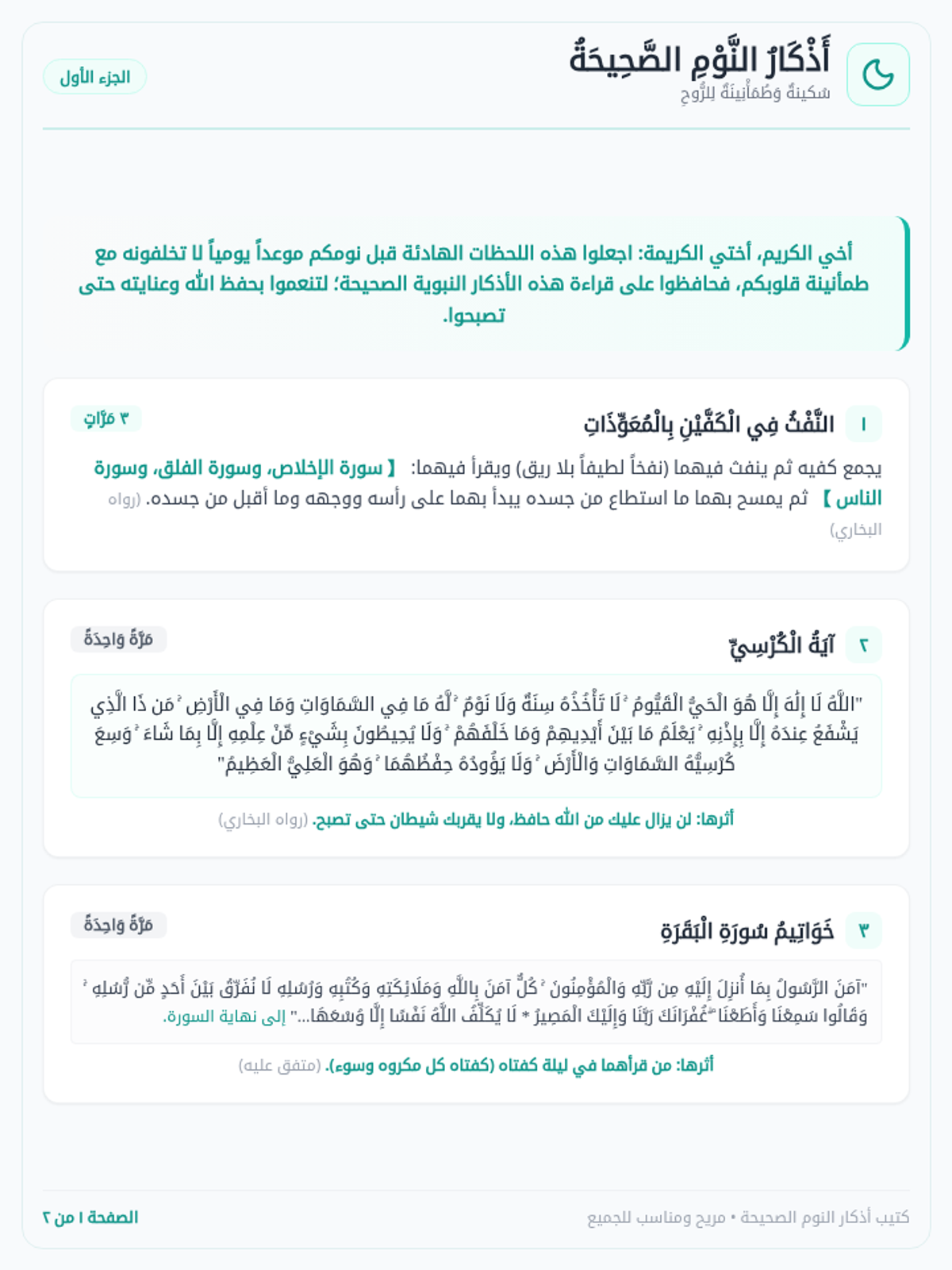
أذكار النوم الصحيحة من السنة النبوية الشريفة مصممة بأسلوب عصري وألوان مهدئة للعين (الرمادي والتركواز الفاتح) لتسهيل القراءة والتصفح اليومي قبل النوم.
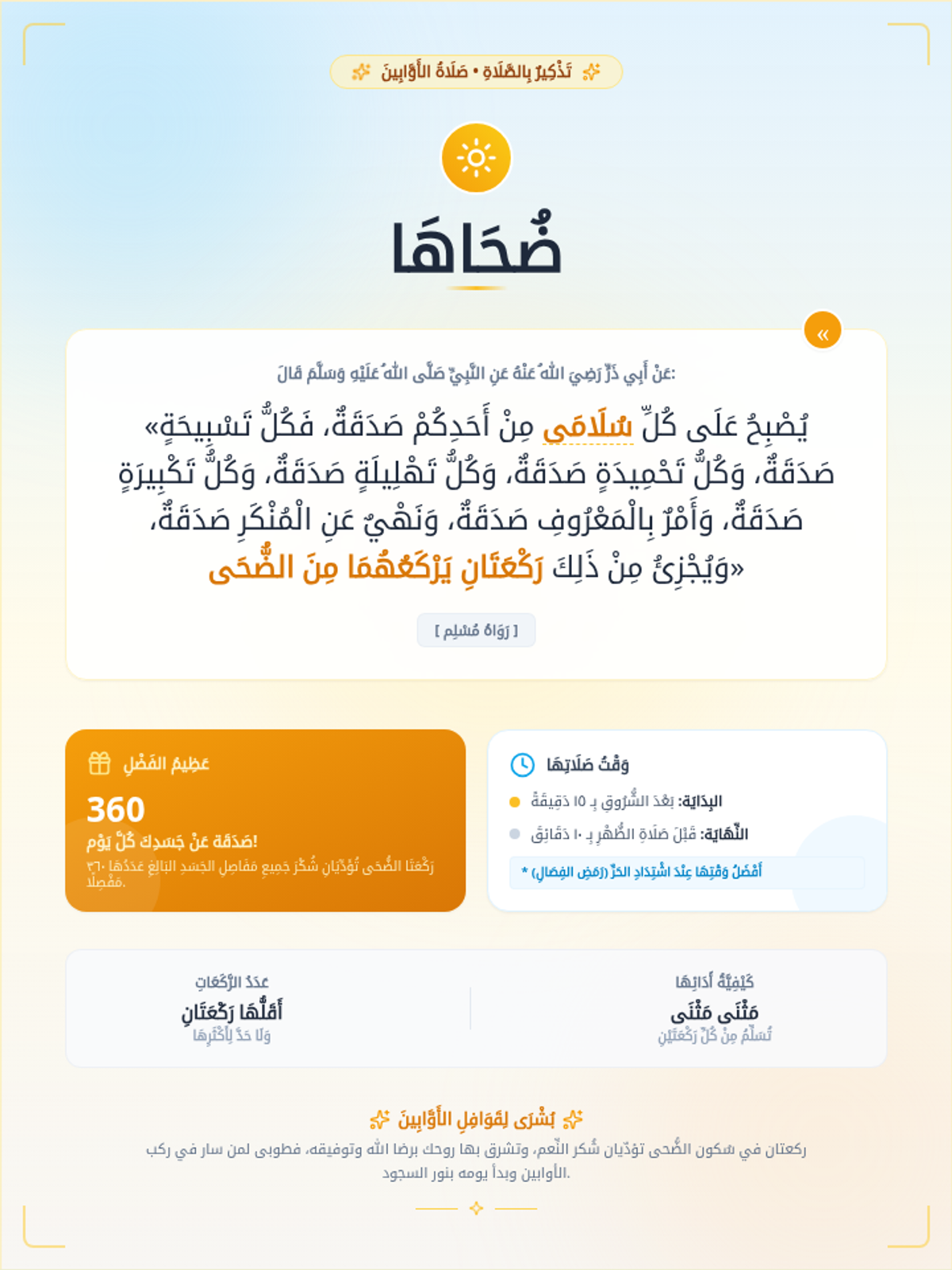
A lesson focusing on daily spiritual habits, providing beautifully designed reminder cards and resources for students and teachers to cultivate consistent worship.
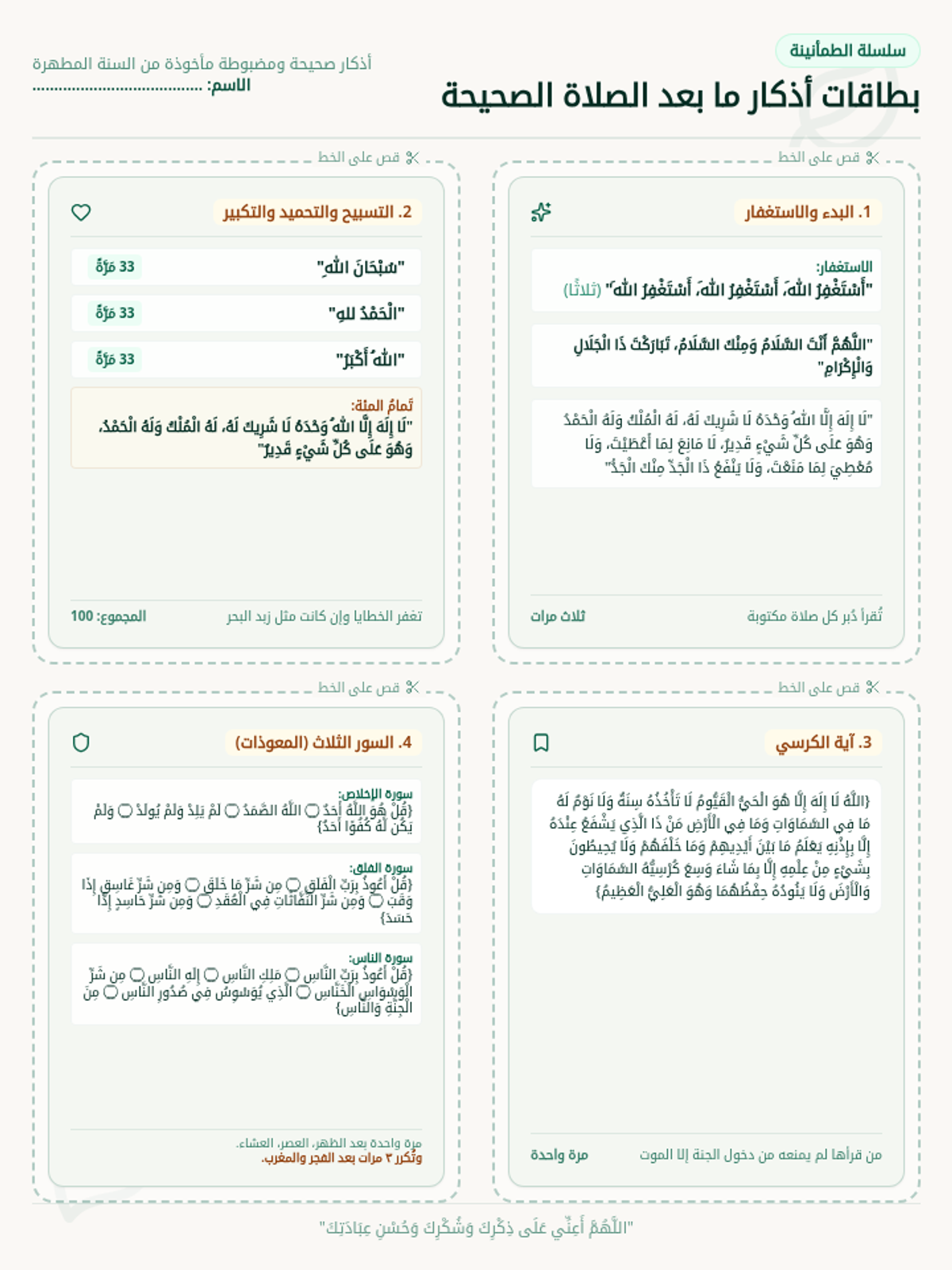
مجموعة تعليمية مصممة لمساعدة الطلاب على حفظ وتطبيق أذكار ما بعد الصلاة اليومية بيسر وطمأنينة.
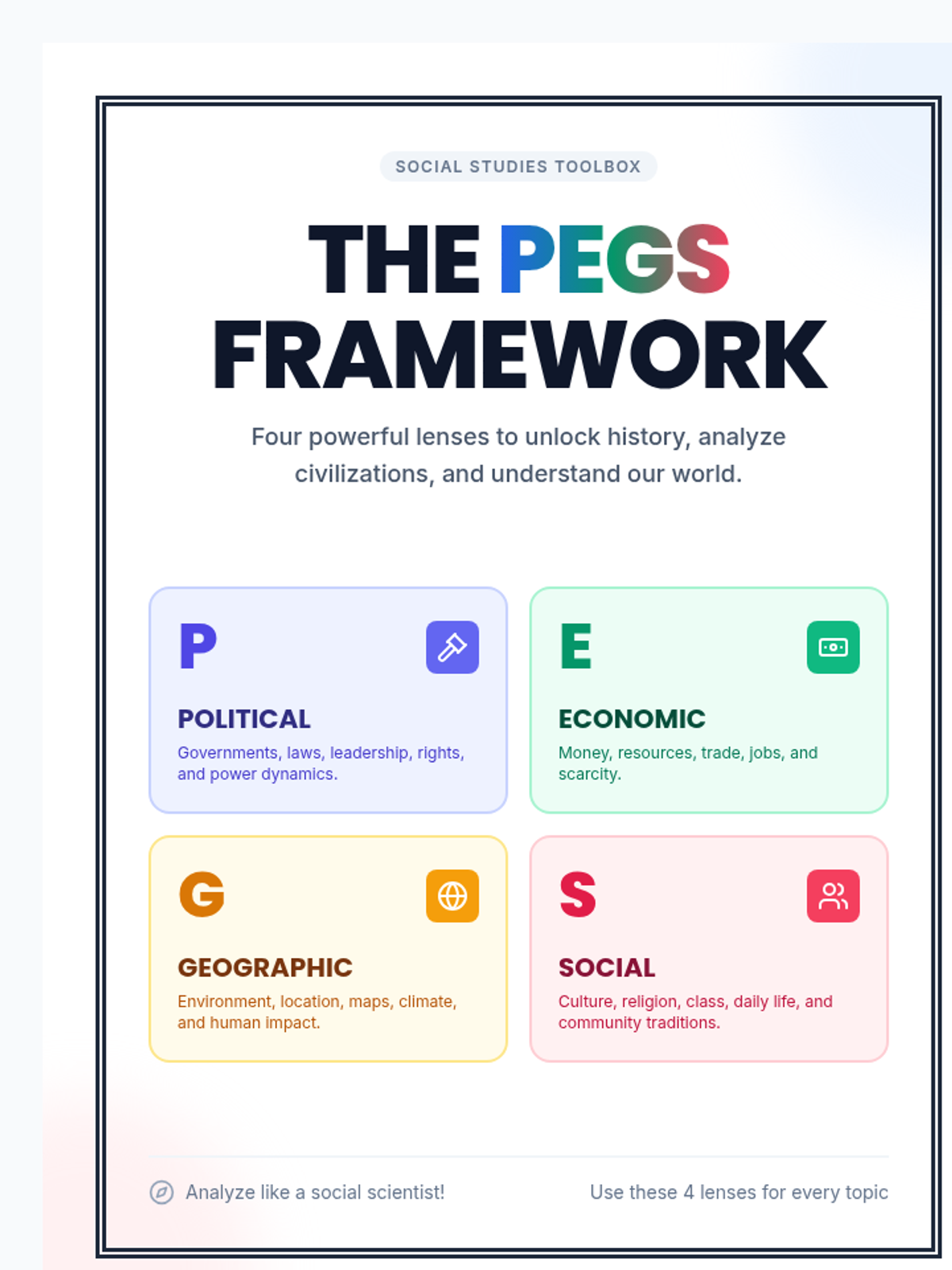
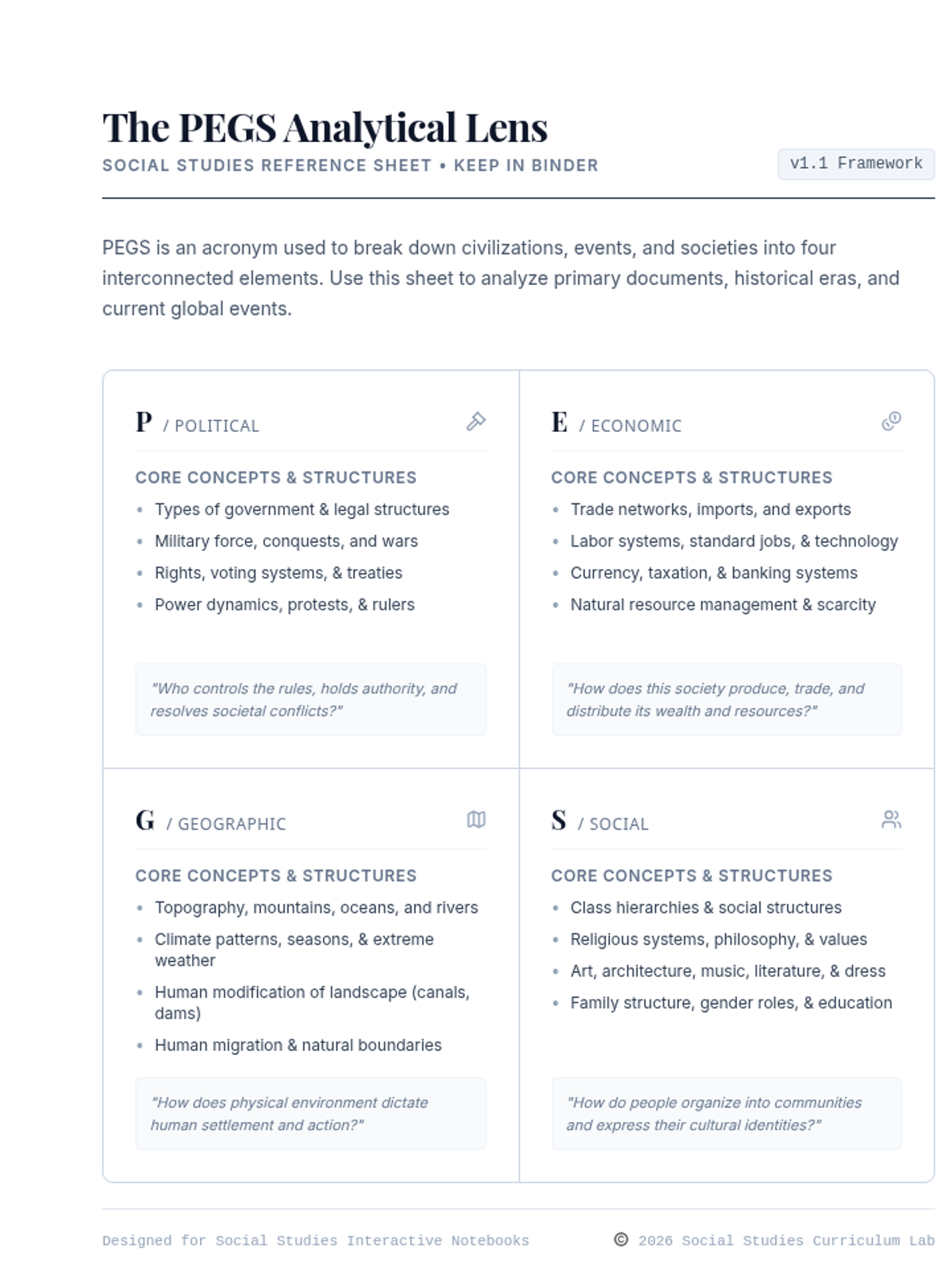
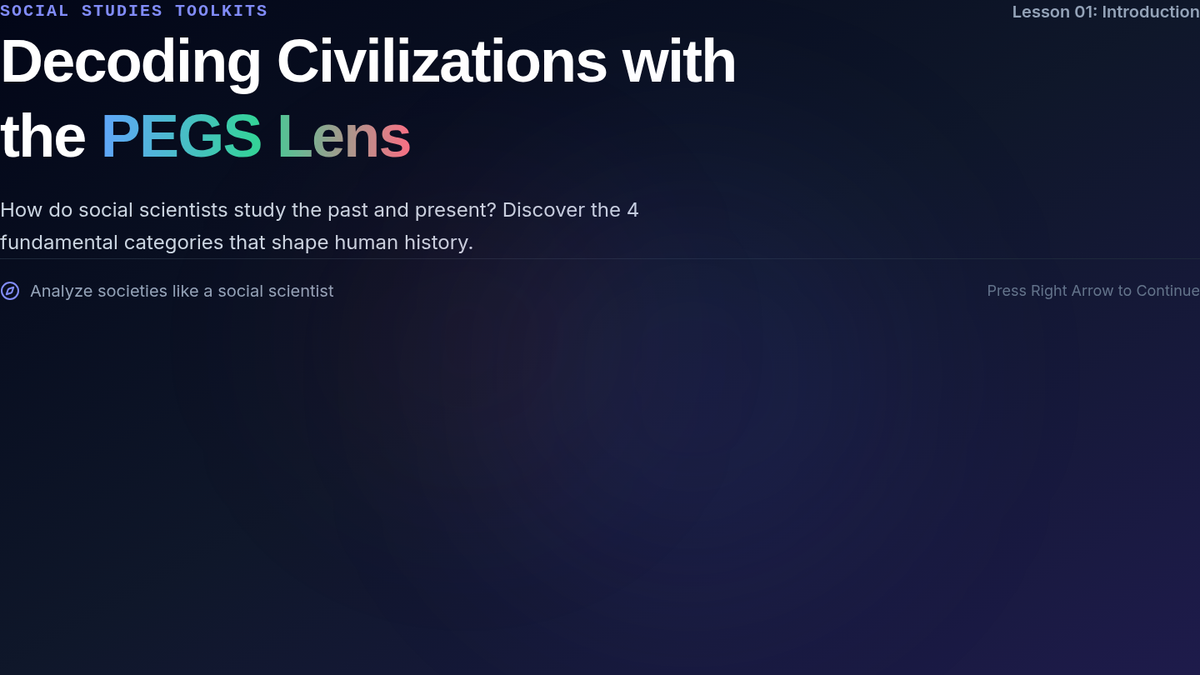
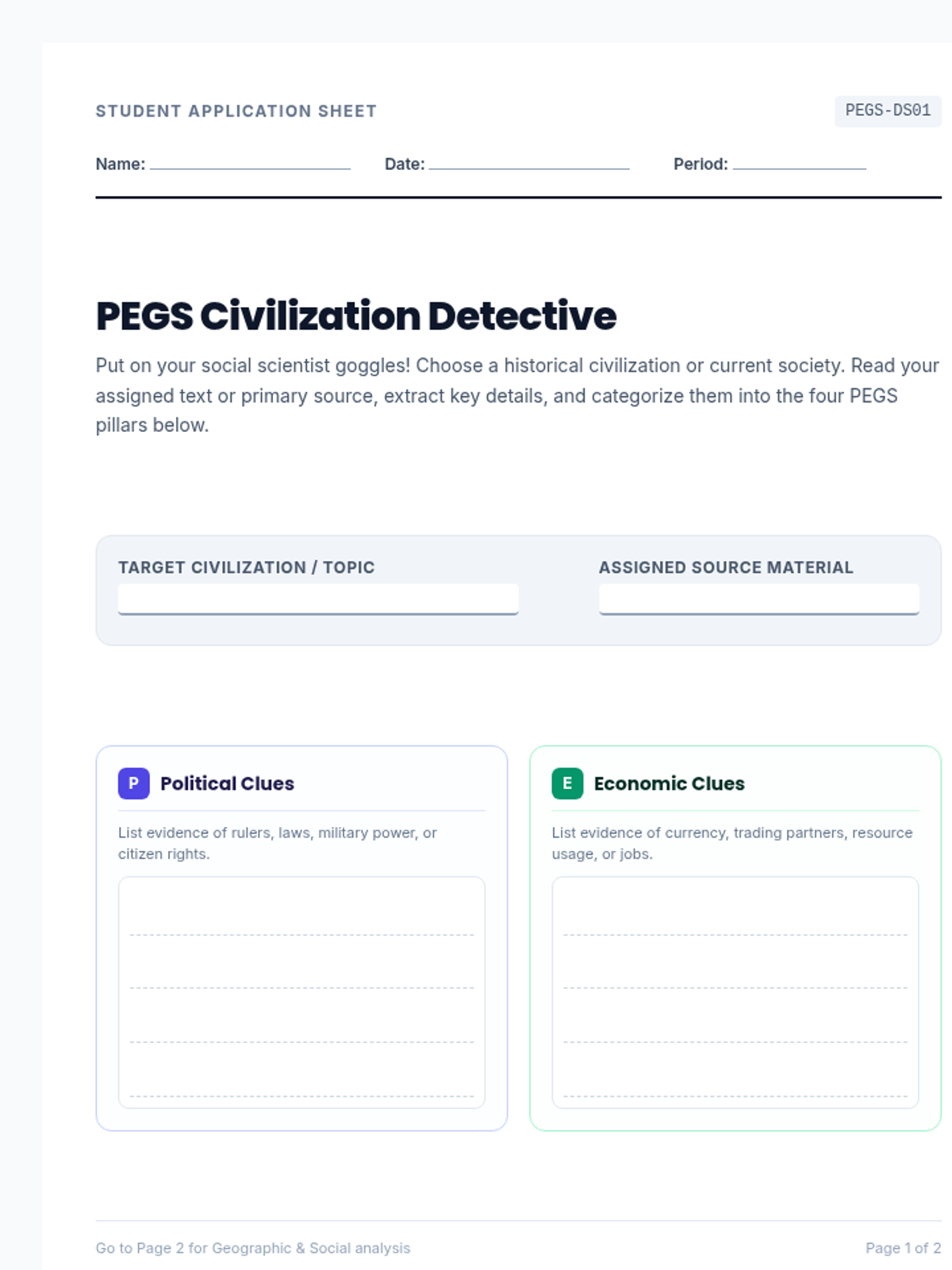
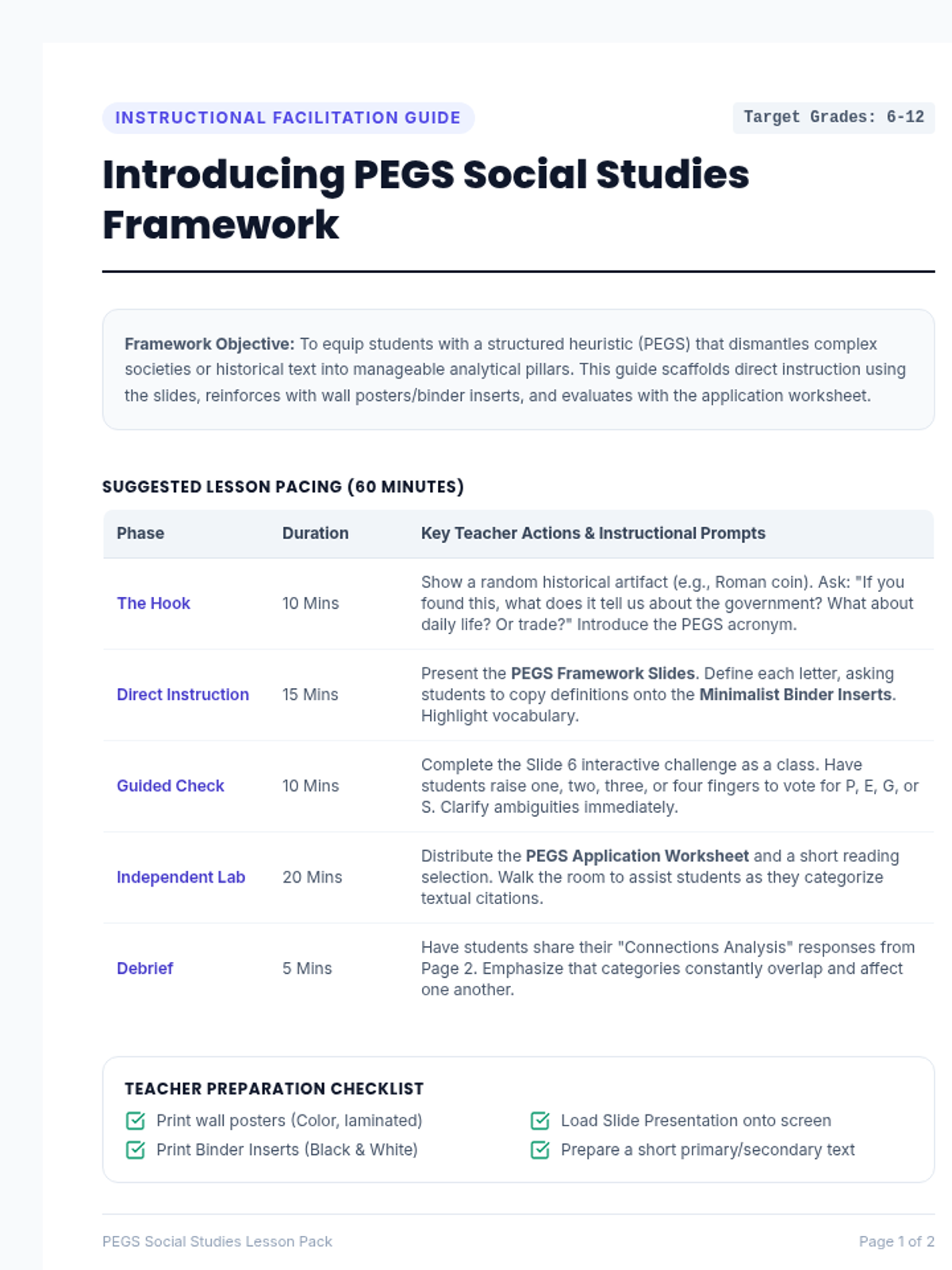
A comprehensive lesson plan and visual asset kit introducing the PEGS (Political, Economic, Geographic, Social) framework for social studies analysis. Includes vibrant illustrated wall posters, elegant minimalist binder inserts, educational slides, a student application worksheet, and a teacher's facilitation guide.
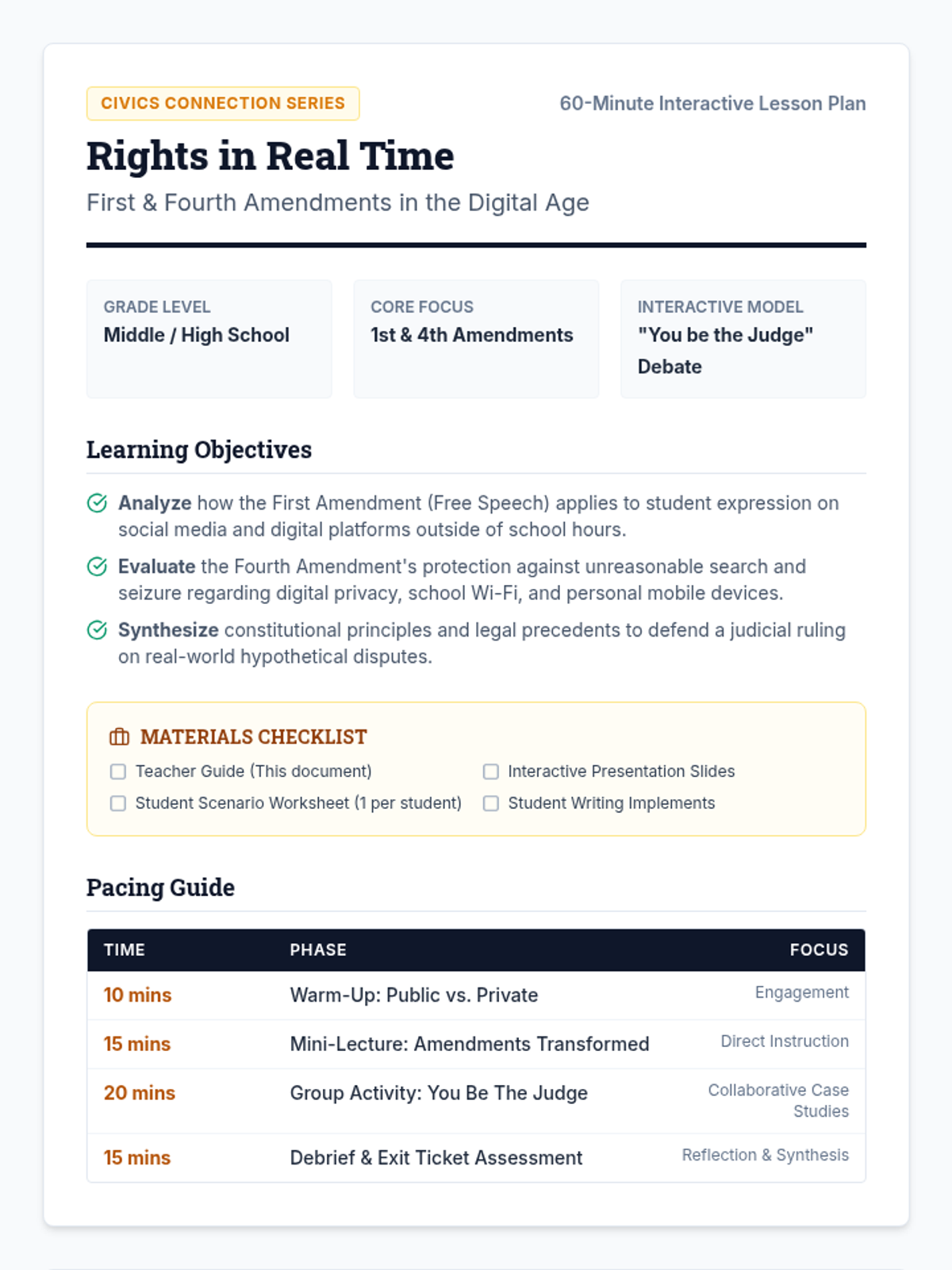
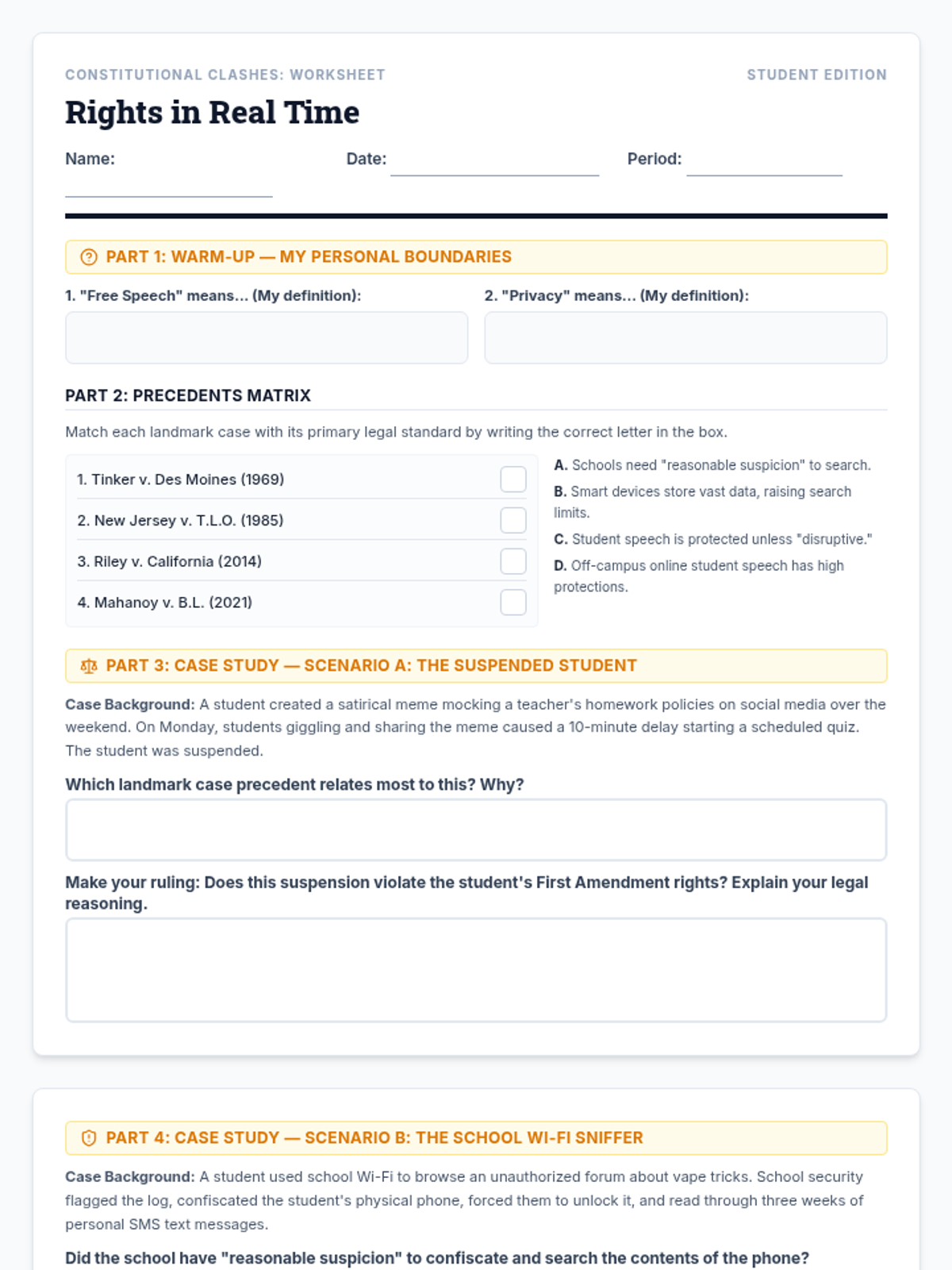
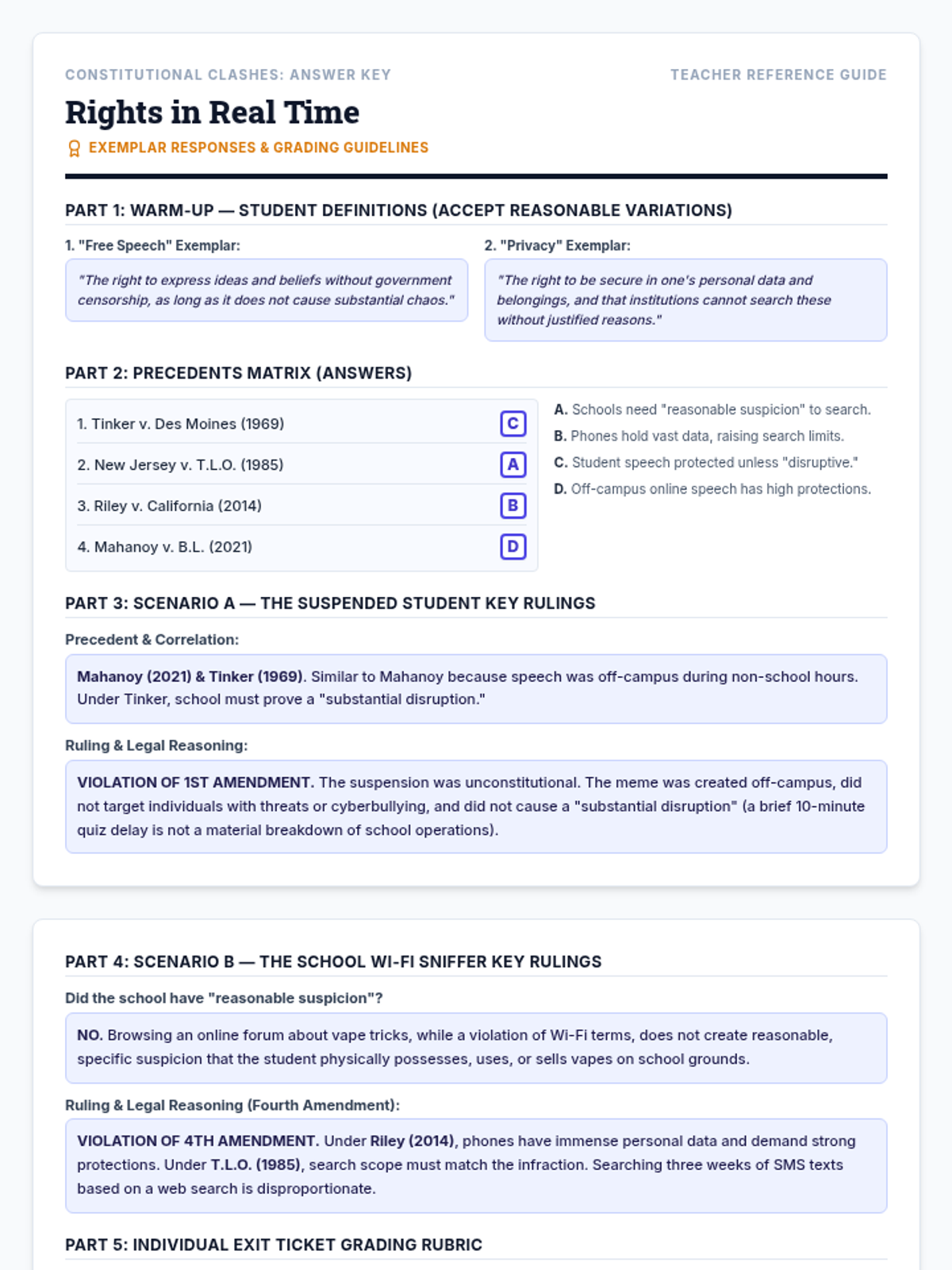
A 60-minute interactive civics lesson connecting the First and Fourth Amendments to modern scenarios, containing a teacher guide, presentation slides, student worksheet, and answer key.
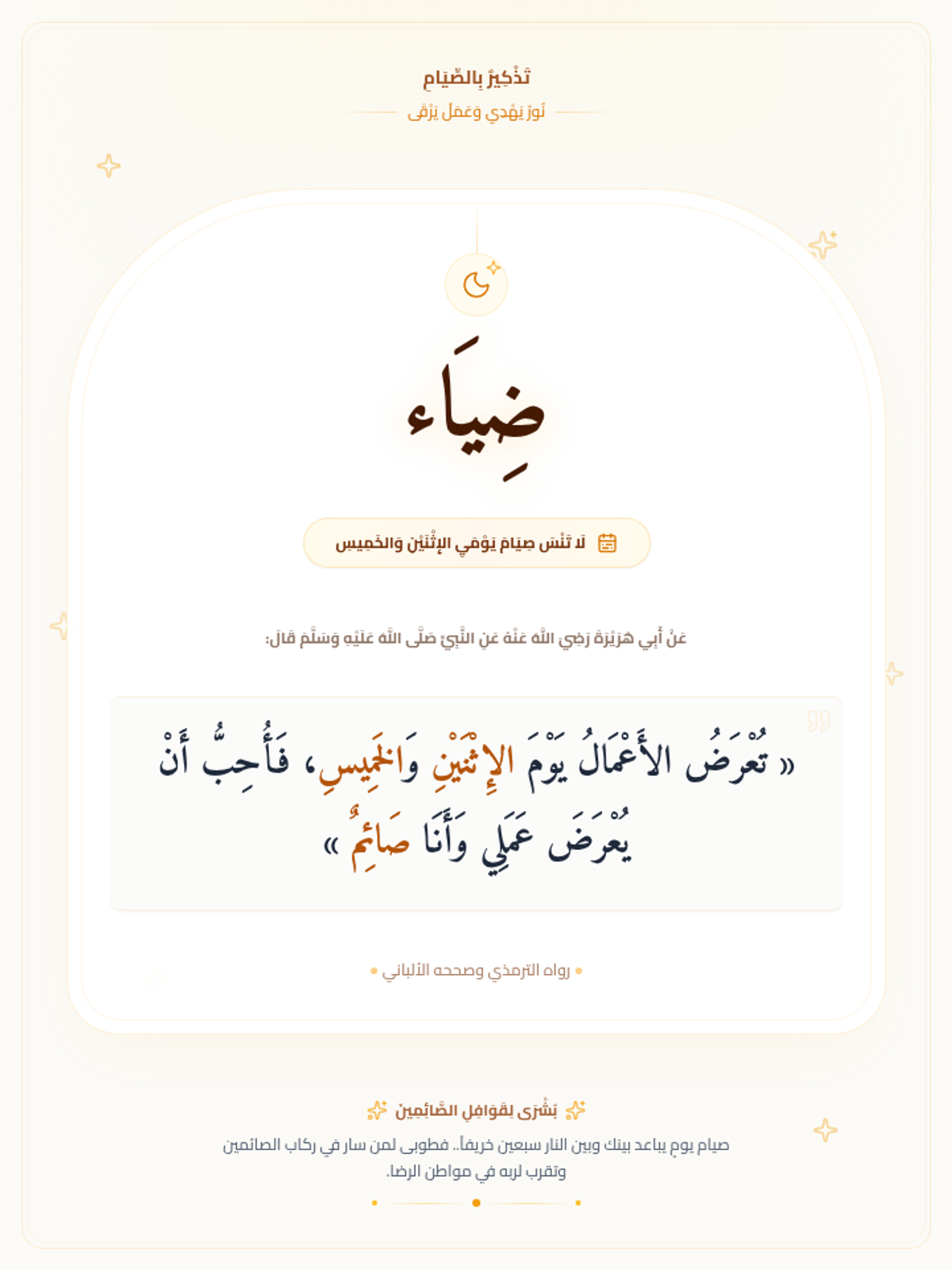
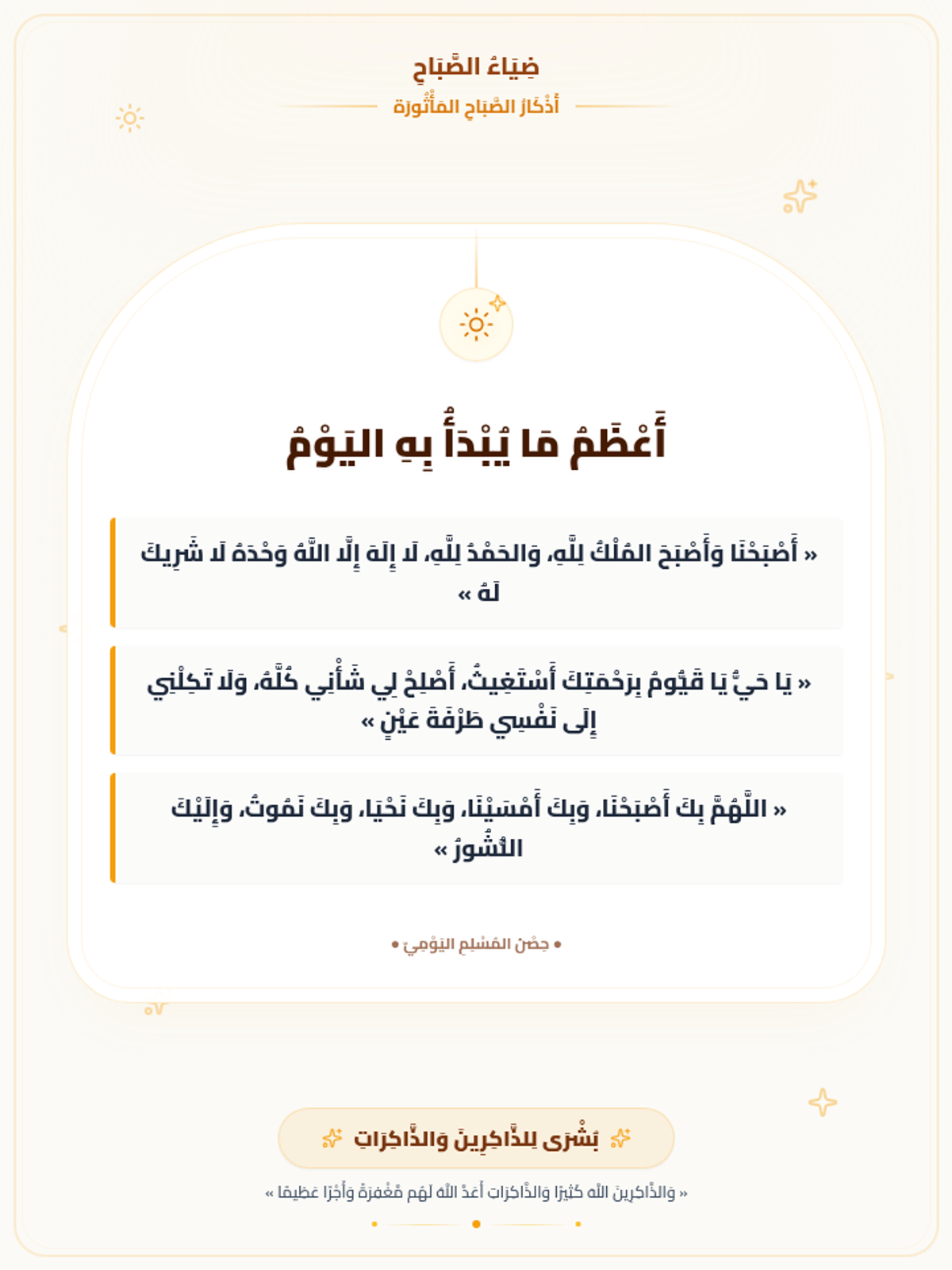
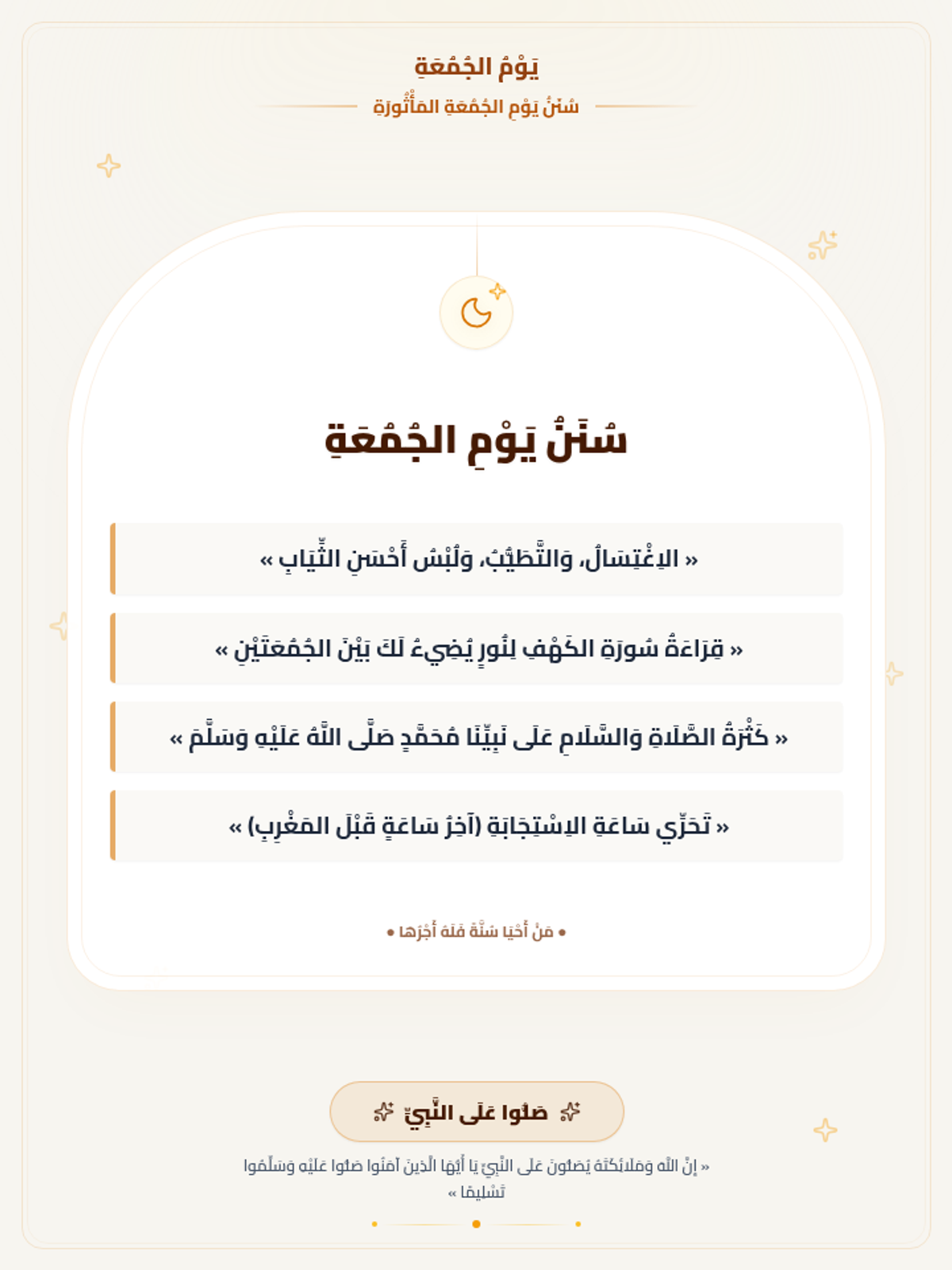
A premium, cohesive collection of beautifully designed spiritual and religious reminders for daily, weekly, and seasonal practices, featuring high-contrast connected Arabic typography, elegant arches, and glowing celestial themes.
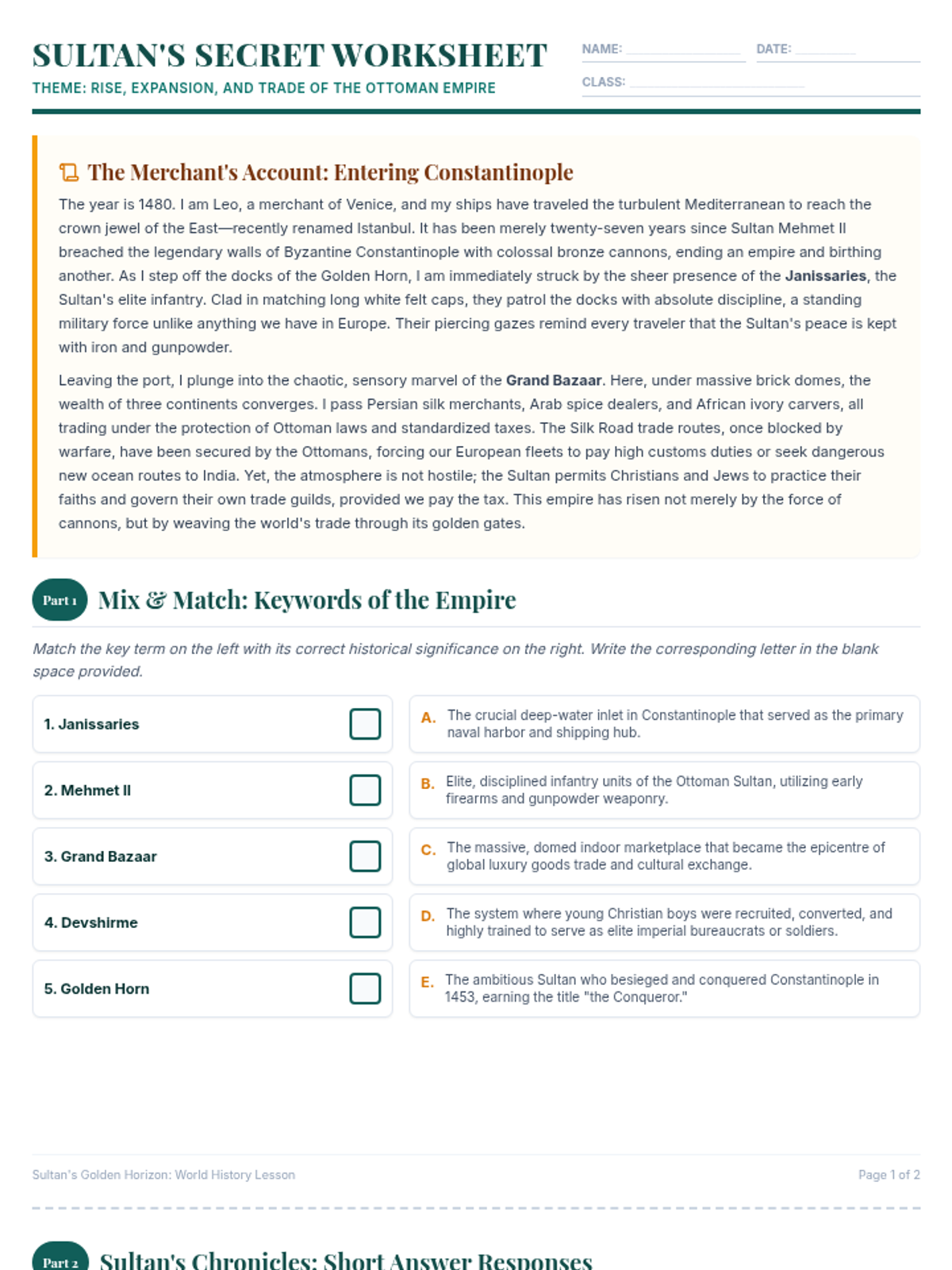
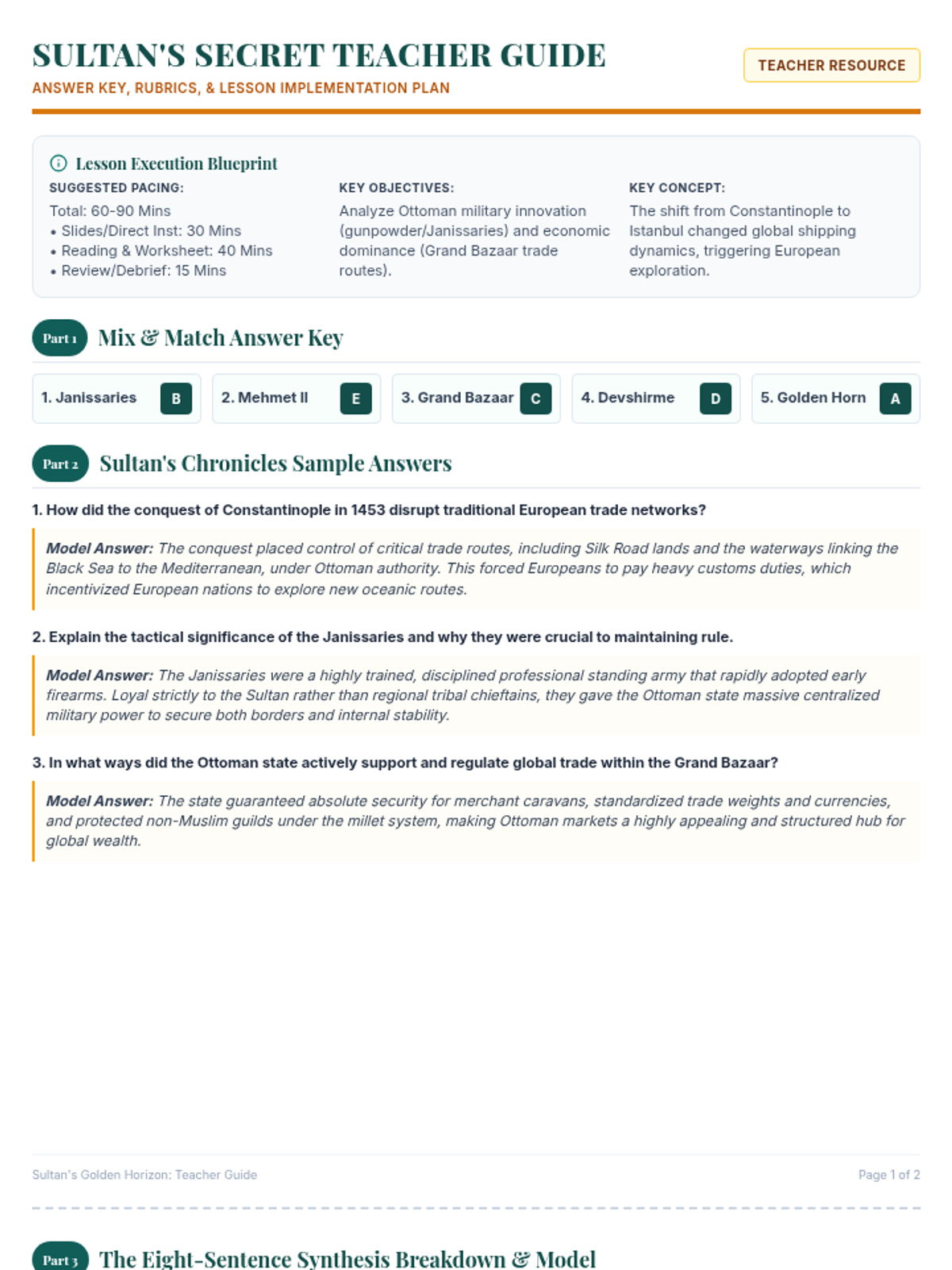
A comprehensive history lesson exploring the rise, military expansion, trade networks, and cultural exchange of the Ottoman Empire through a rich historical story, slide presentations, and structured student synthesis activities.
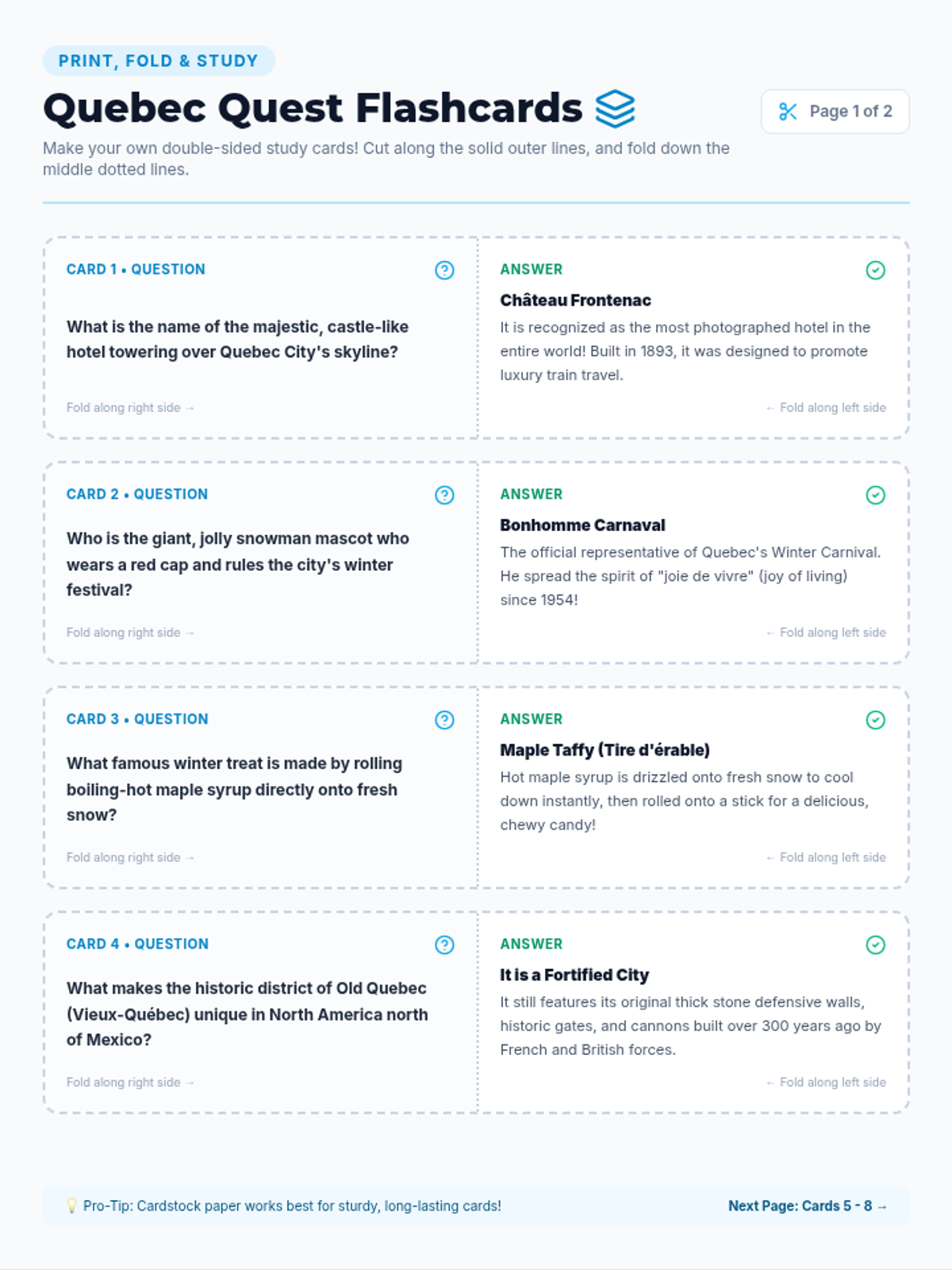
An engaging cultural exploration of Quebec City's history, landmarks, and culinary traditions for middle schoolers. Includes a matching worksheet, a comprehensive answer key, and printable fold-and-glue study flashcards.
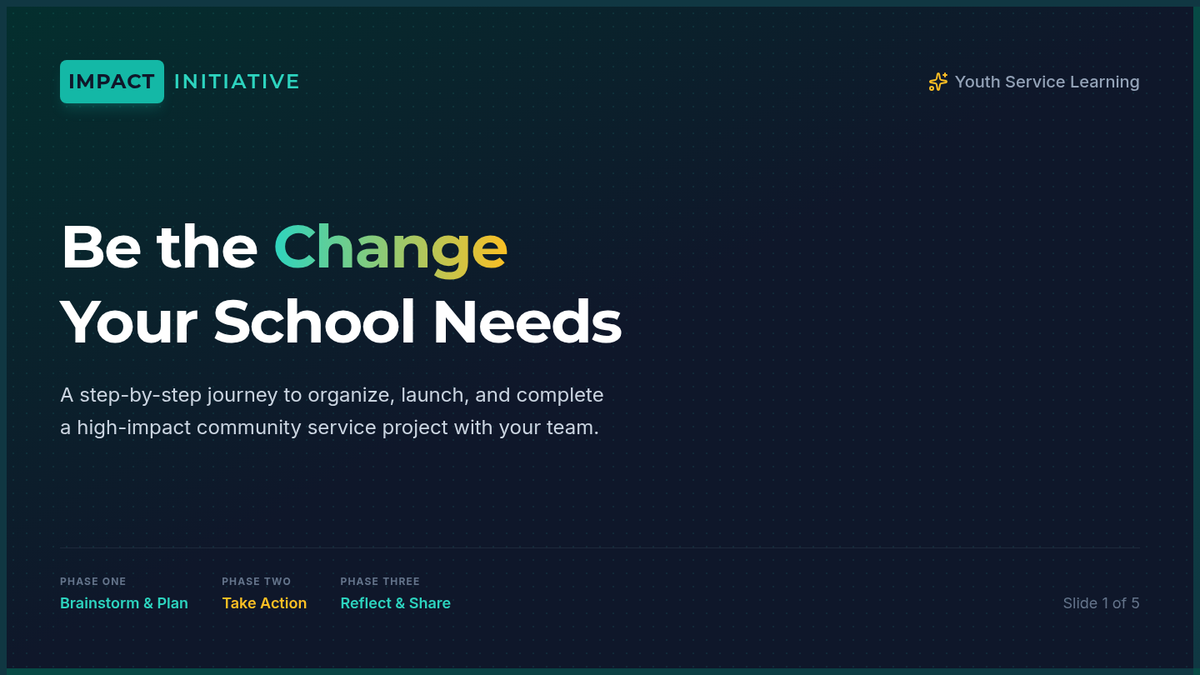
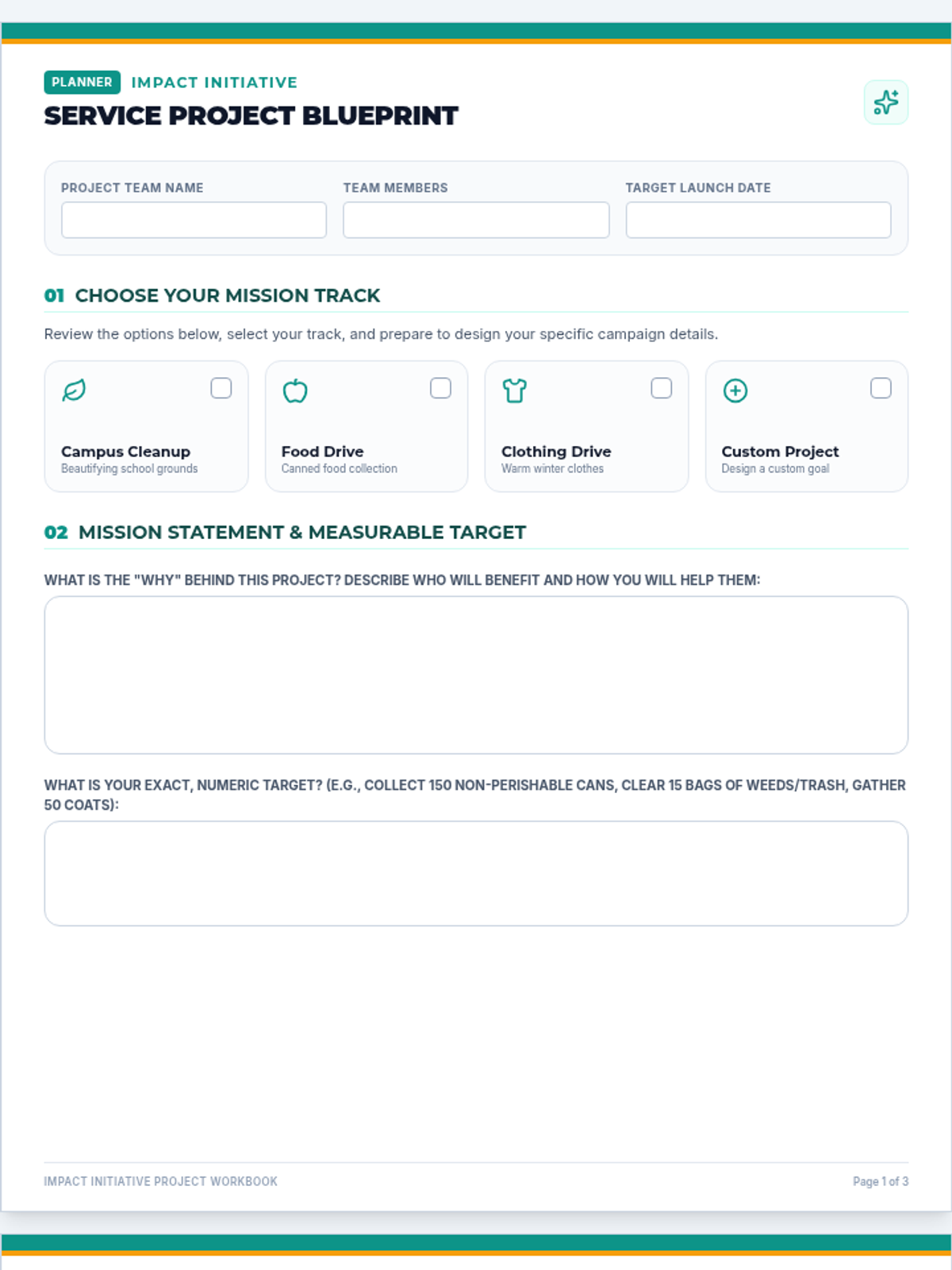
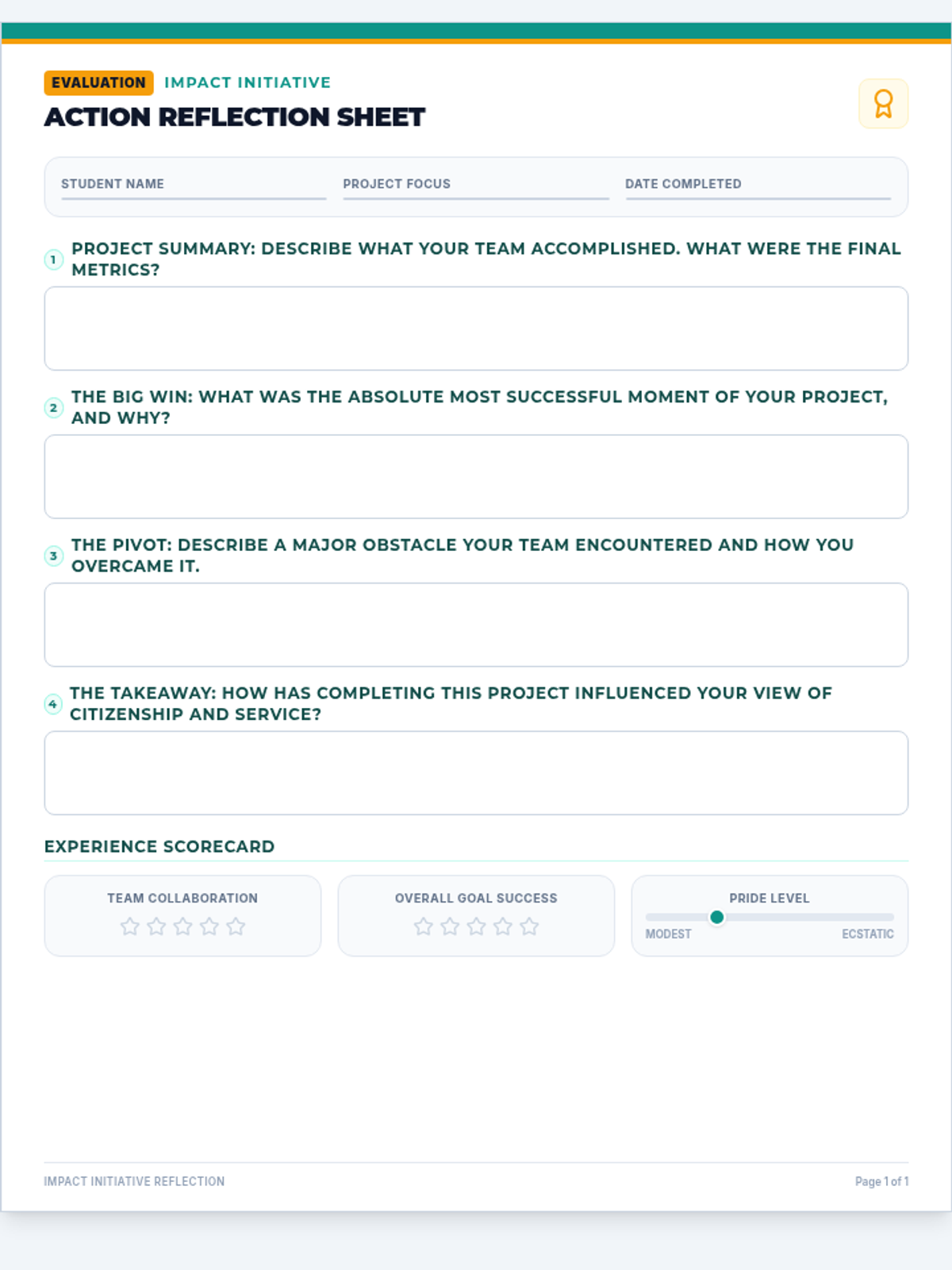
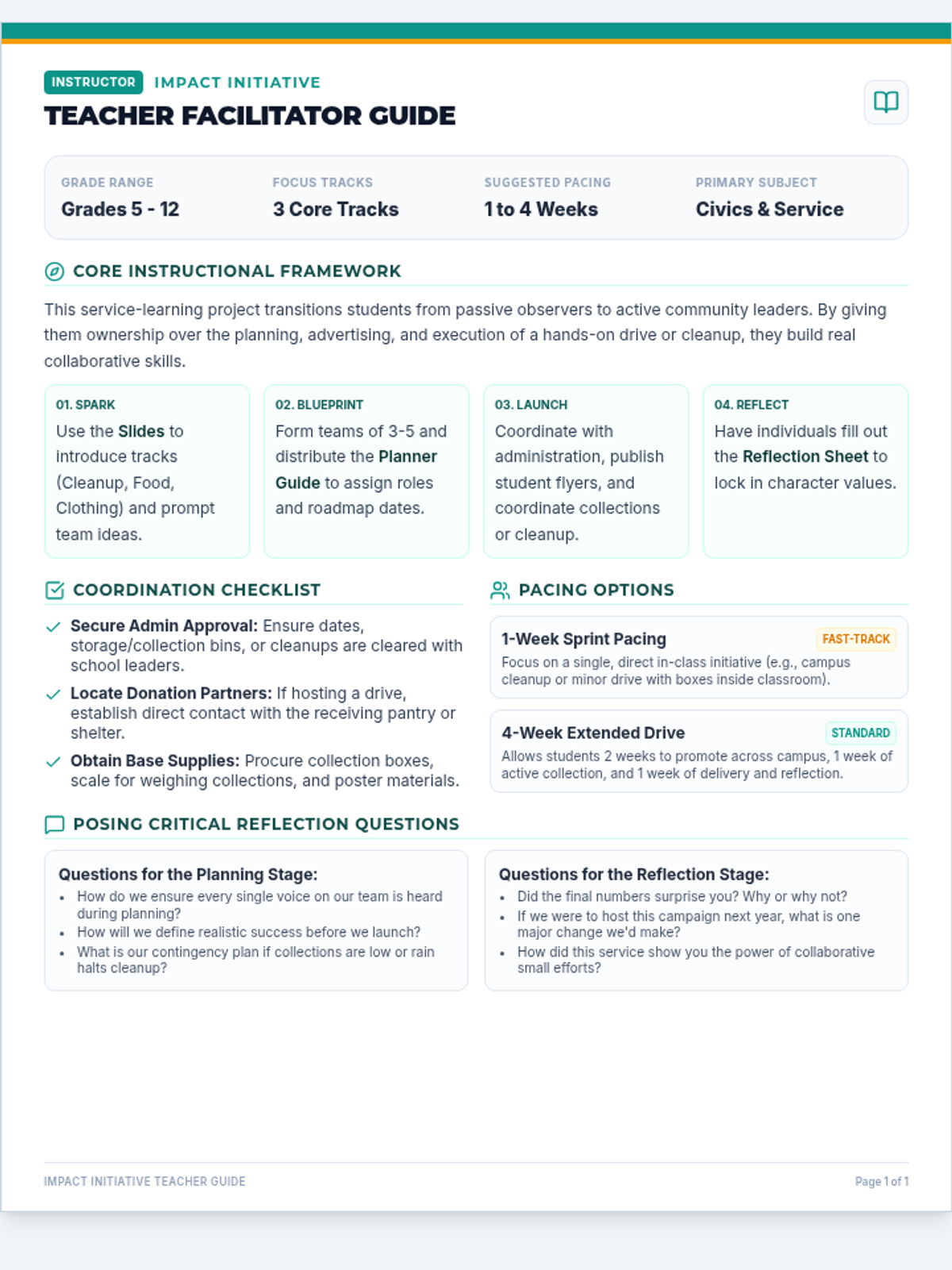
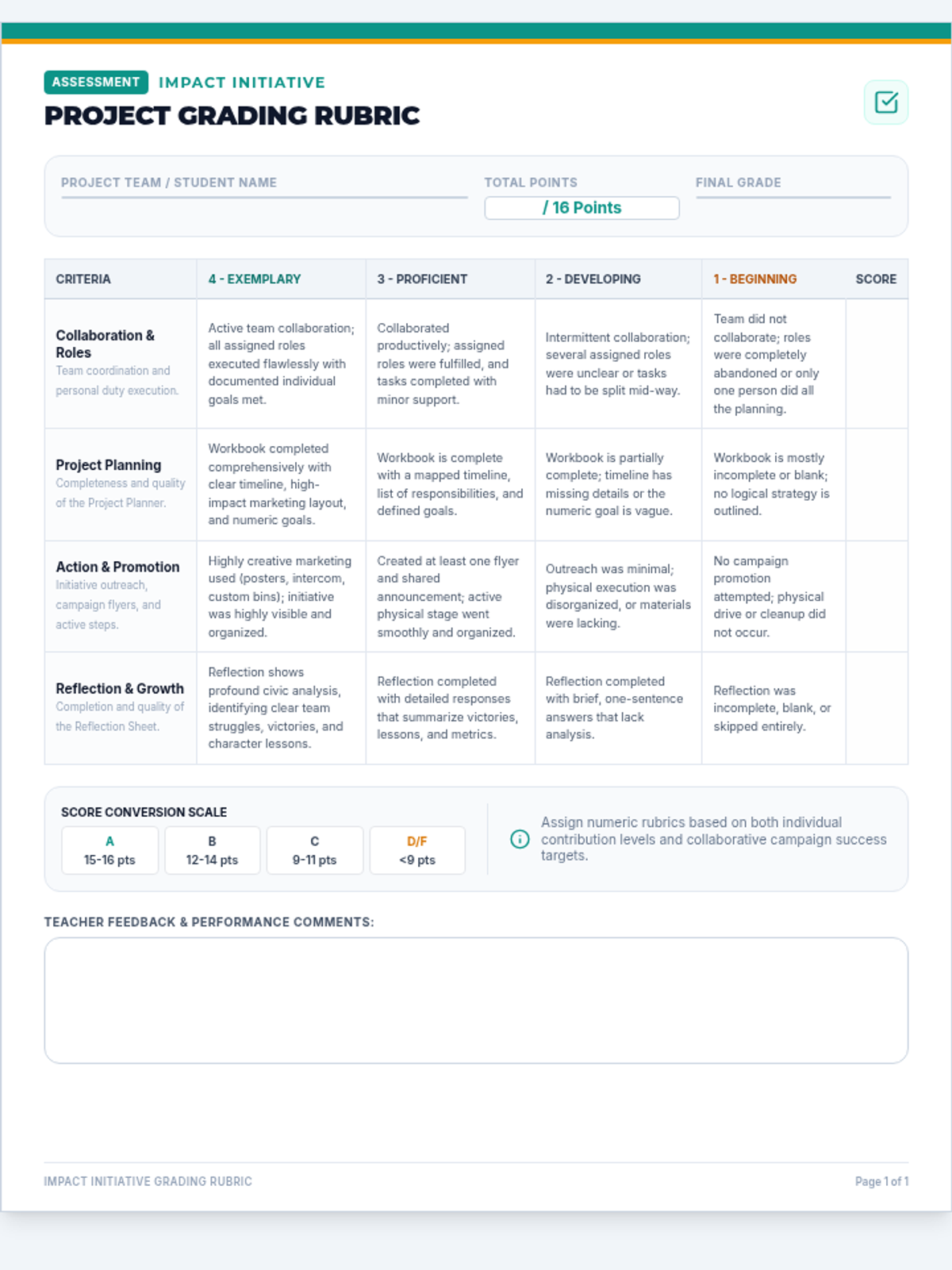
A service-learning lesson where students plan, execute, and reflect on a community service project of their choice (school campus cleanup, food drive, or clothing drive). It includes interactive presentation slides, a step-by-step project planning guide, a simplified reflection worksheet, and a teacher facilitation guide.
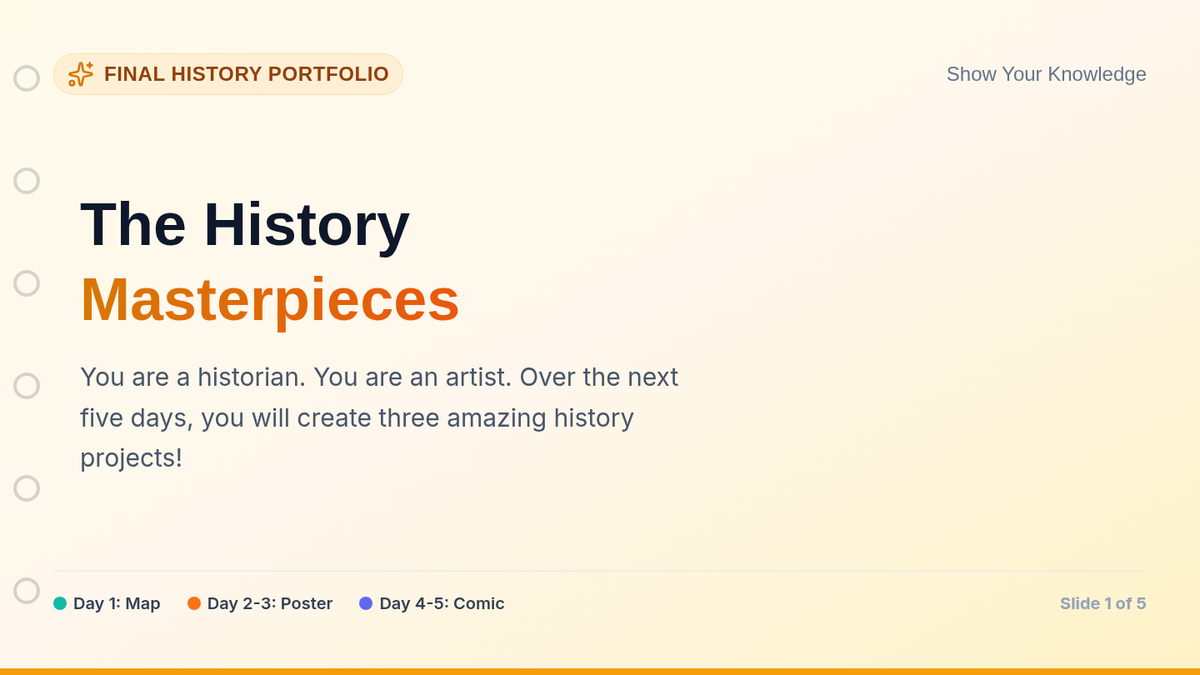
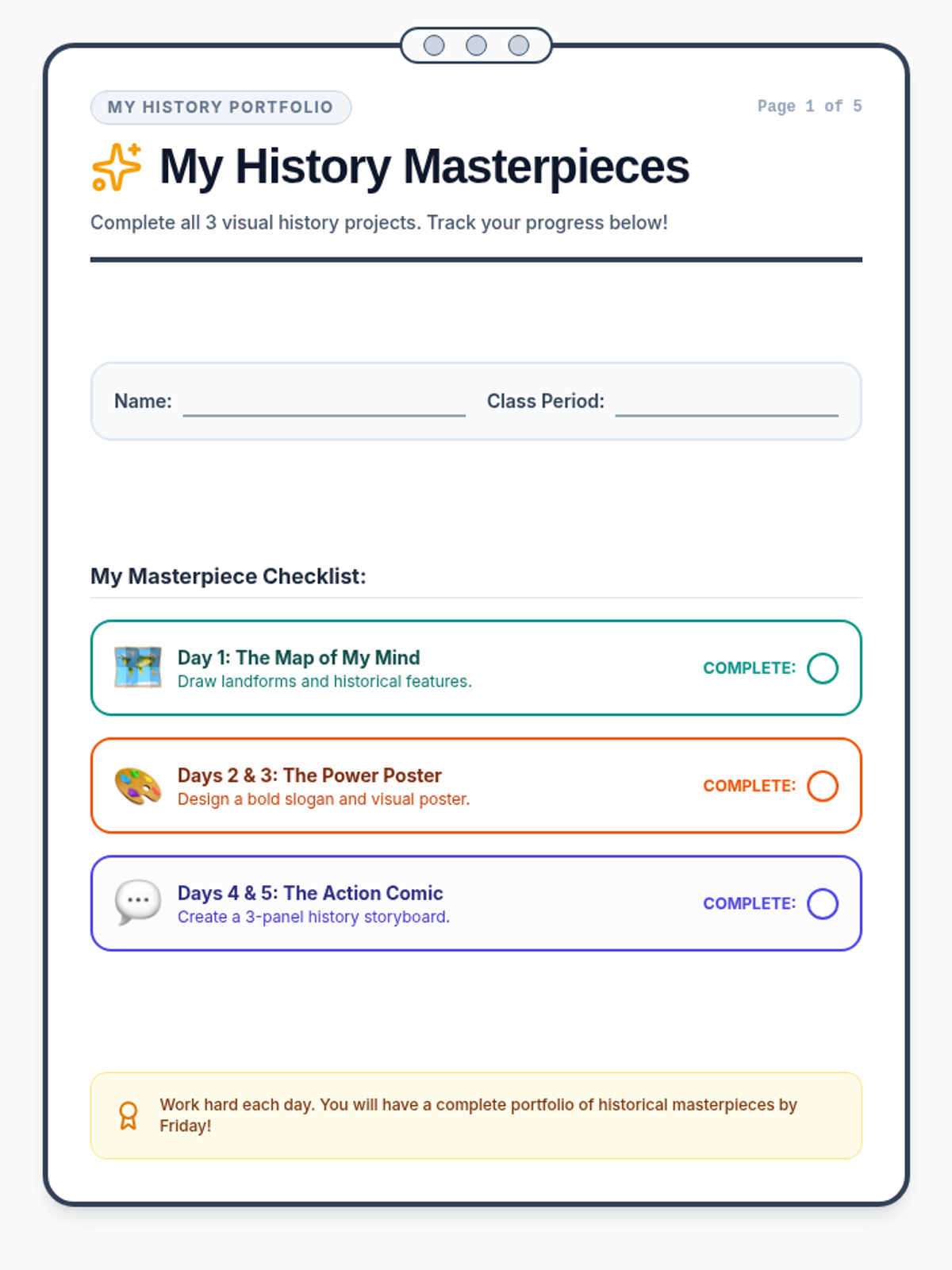
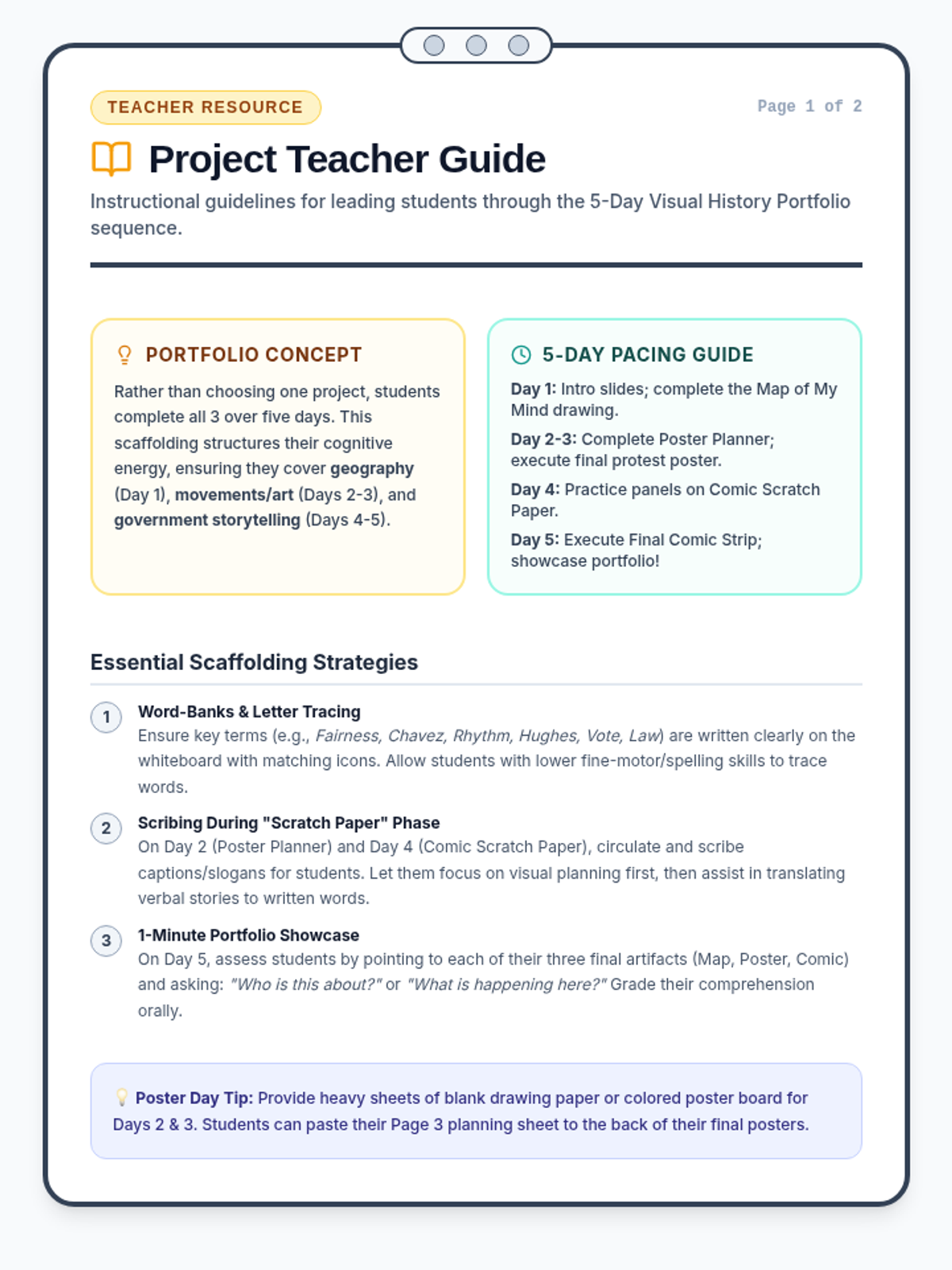
A scaffolded final project lesson where students express their historical knowledge of geography, the Farmers' Movement, government, or the Harlem Renaissance through three visual project pathways: a mind map, a protest poster, or a storyboard comic.
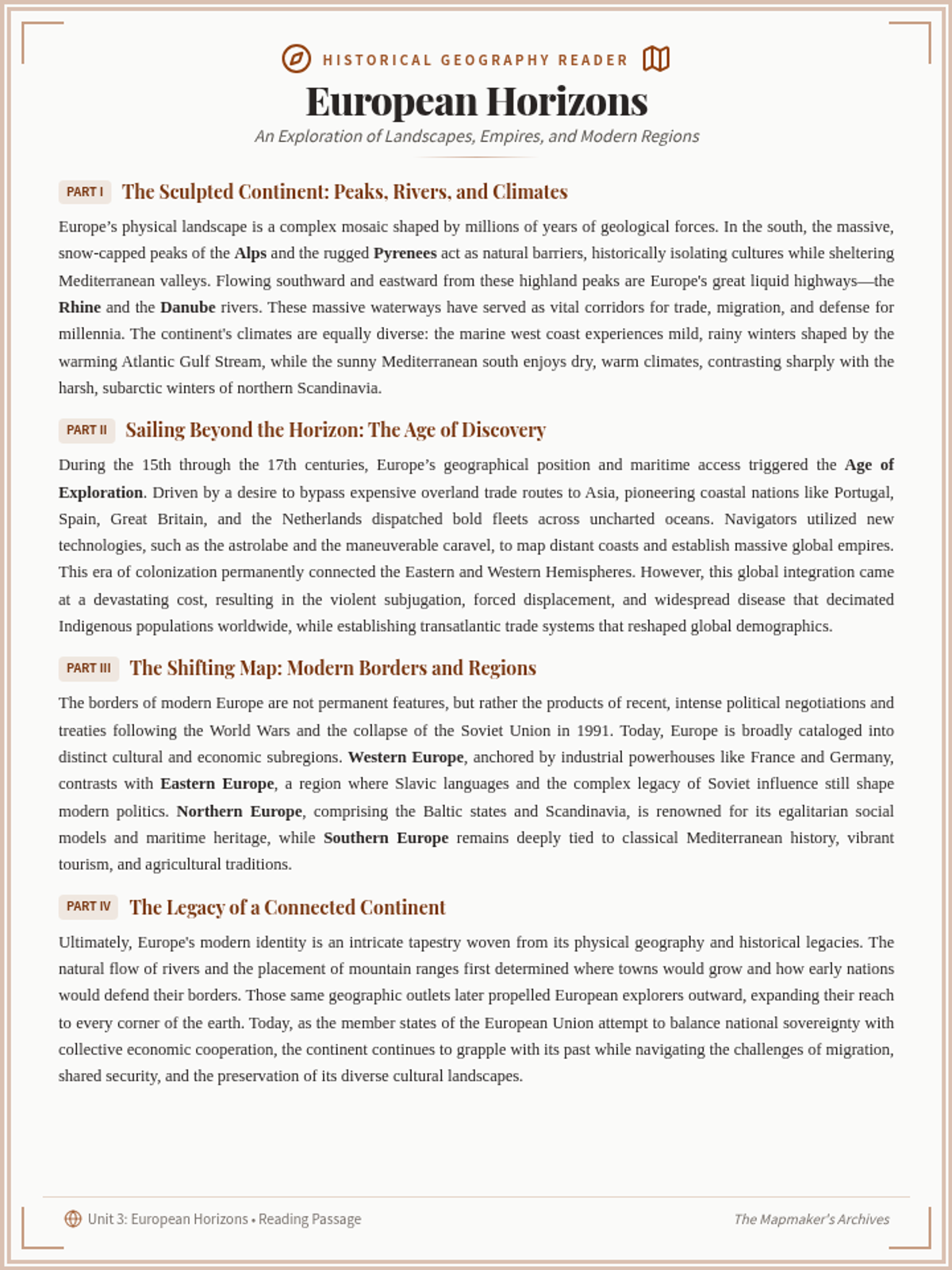
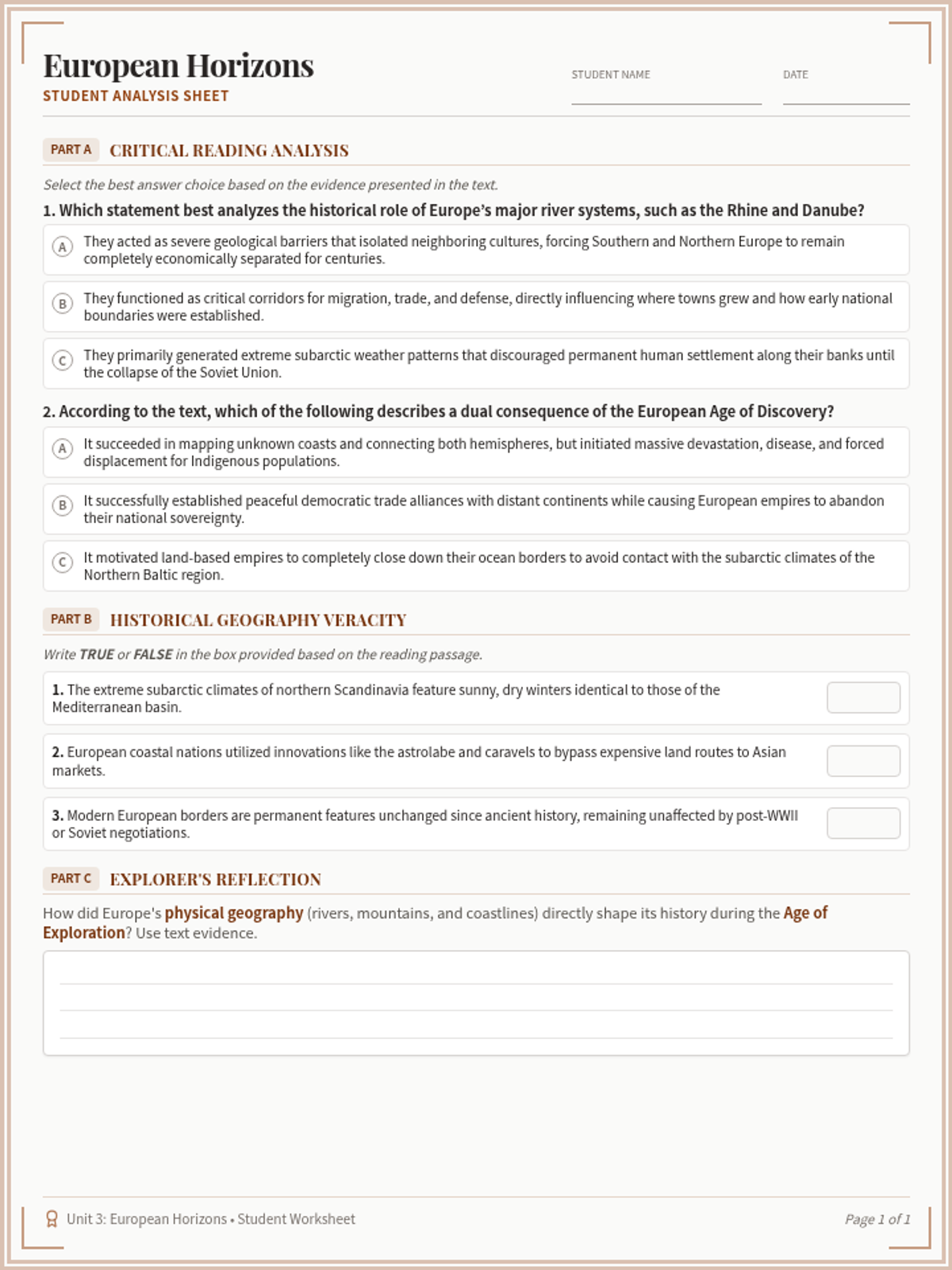
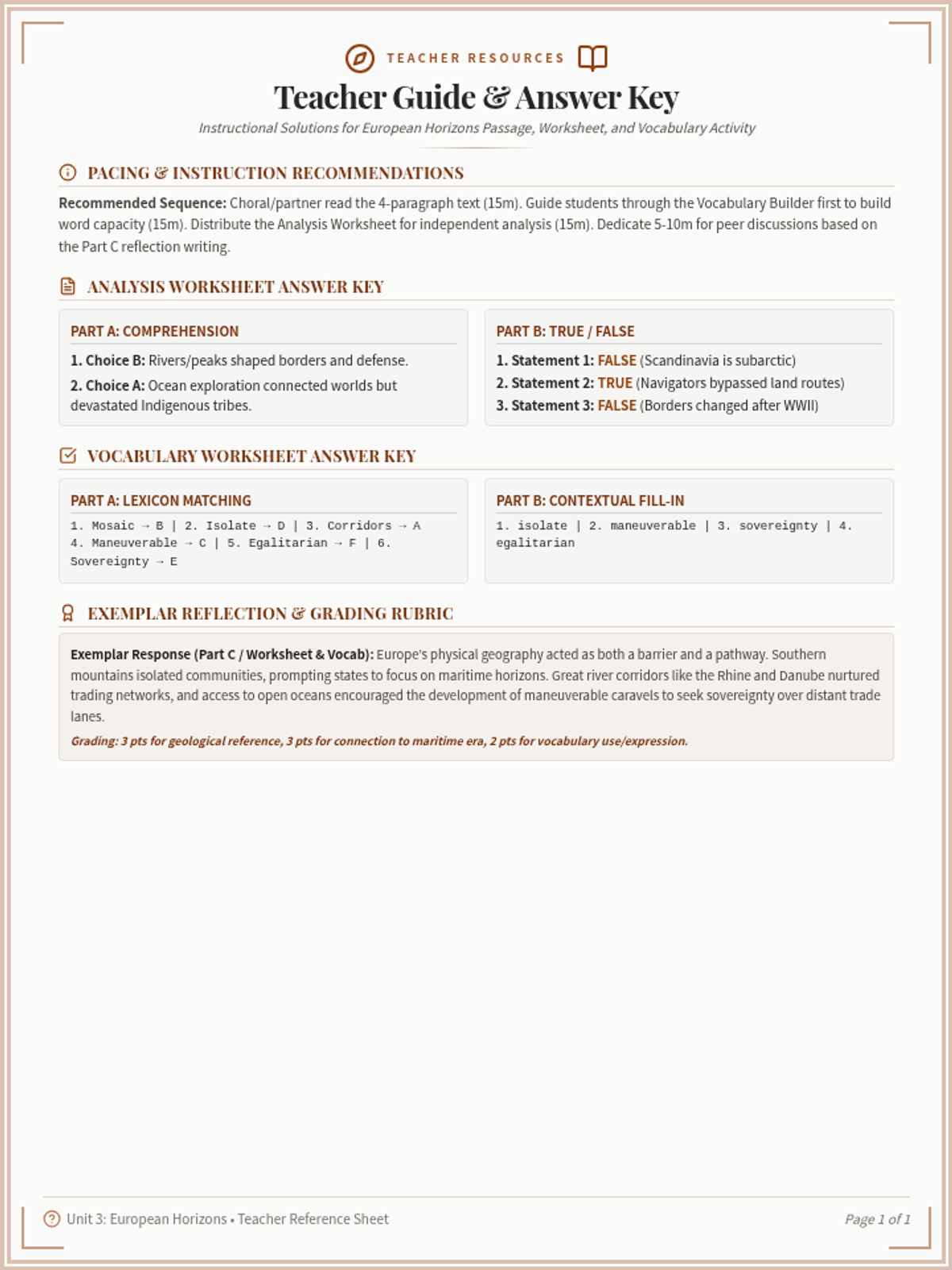
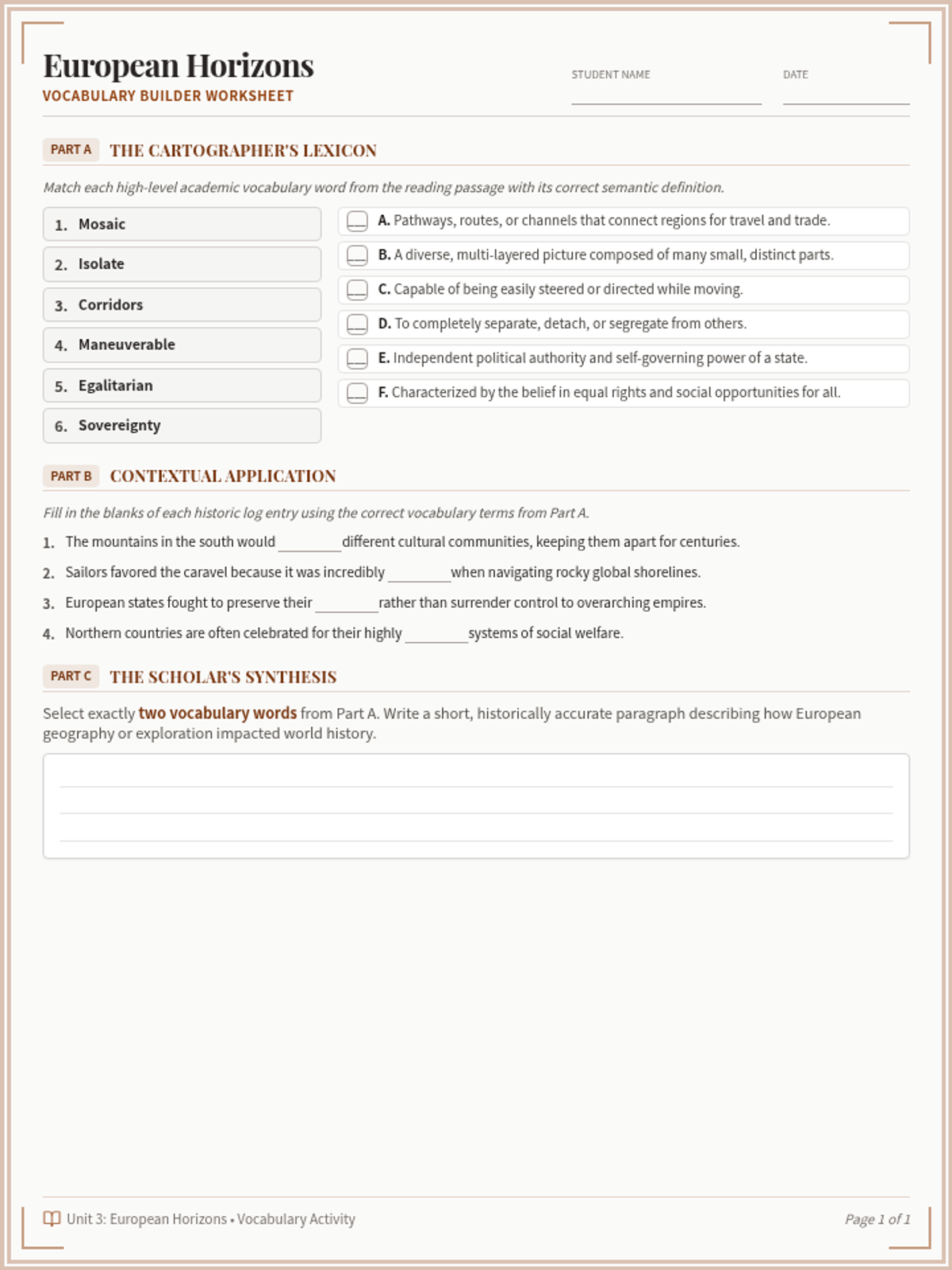
An in-depth study of Europe's diverse physical landscapes, the global legacy of its Age of Exploration, and the cultural regions that define the continent today.
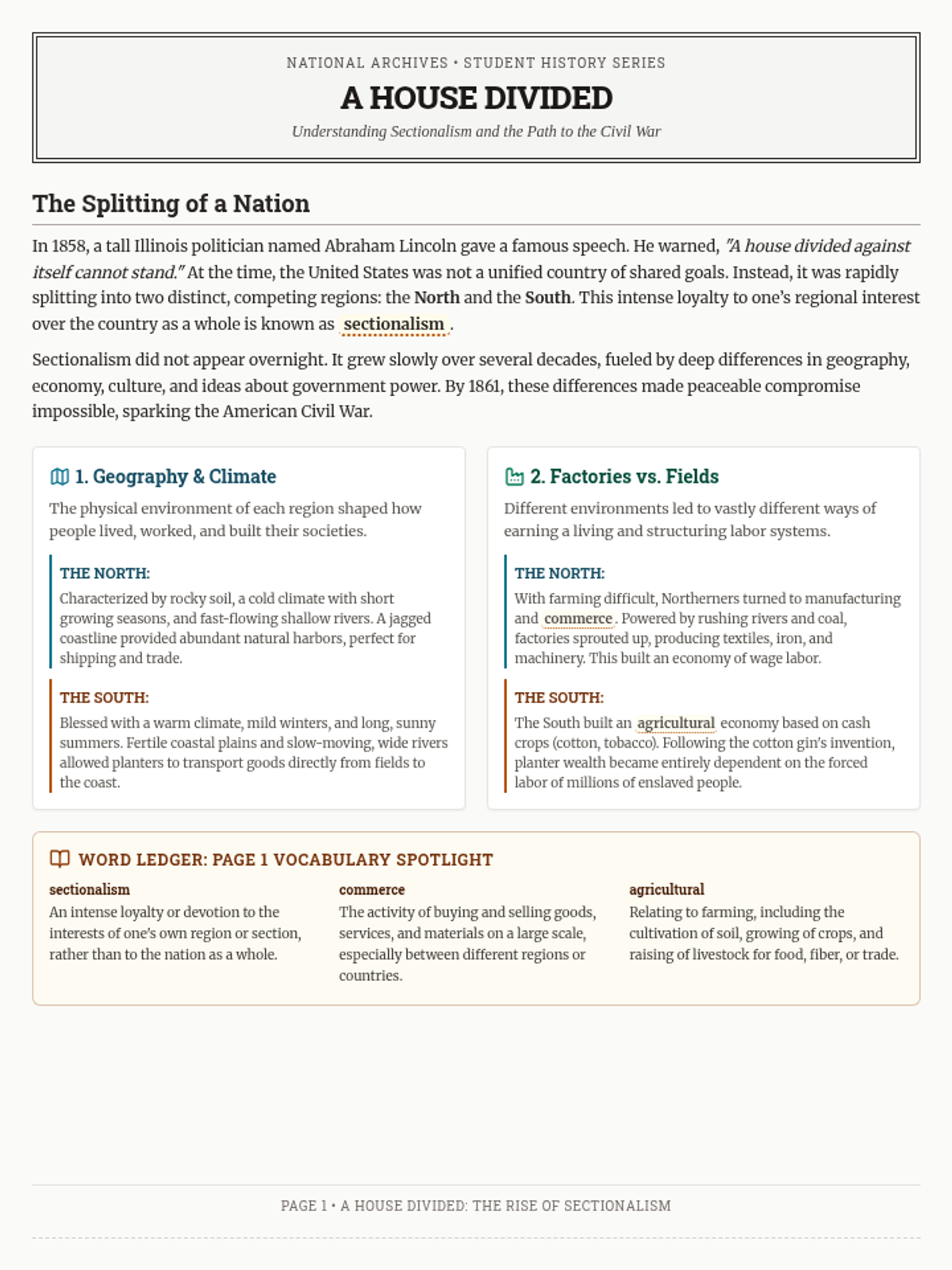
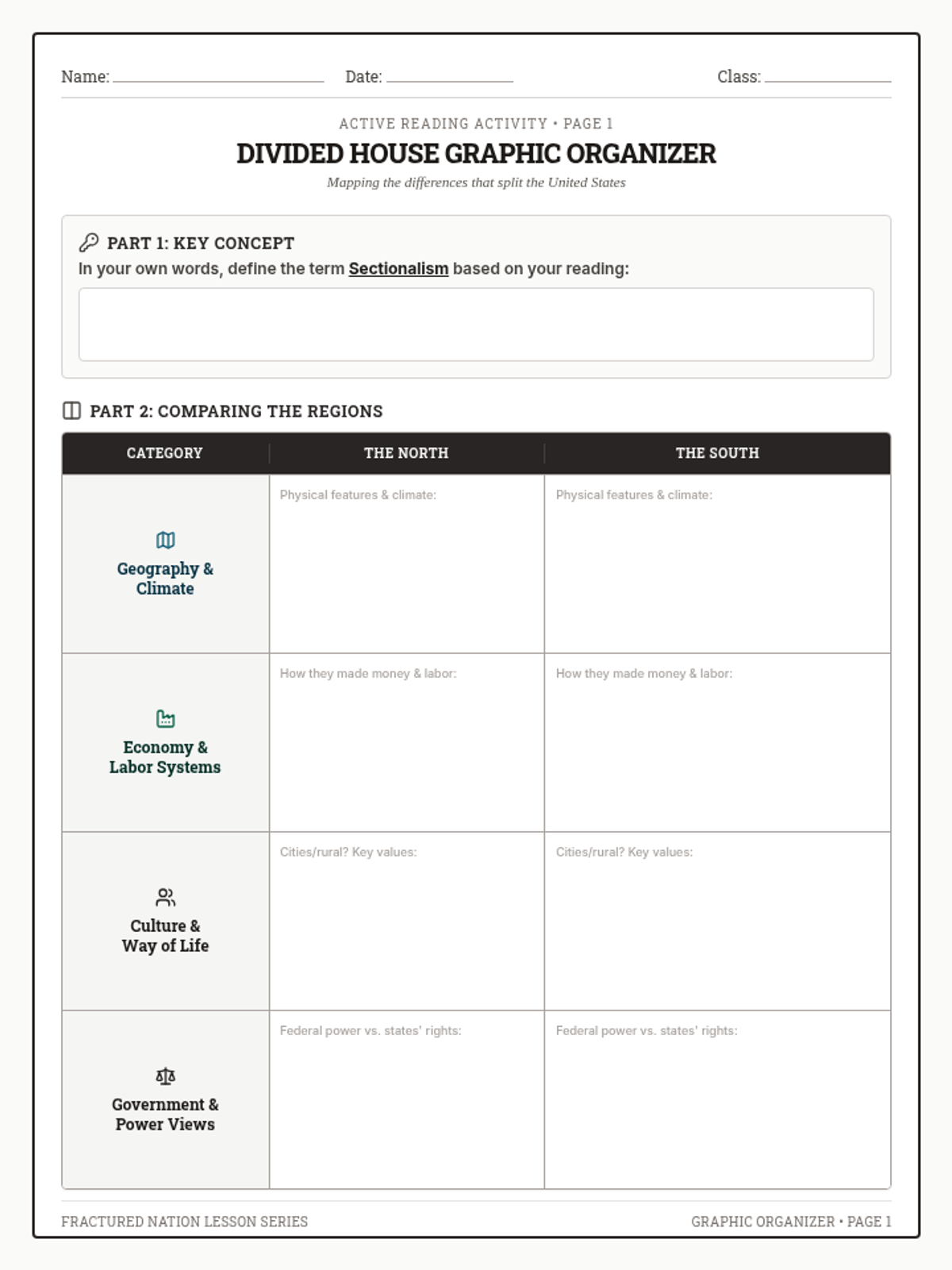
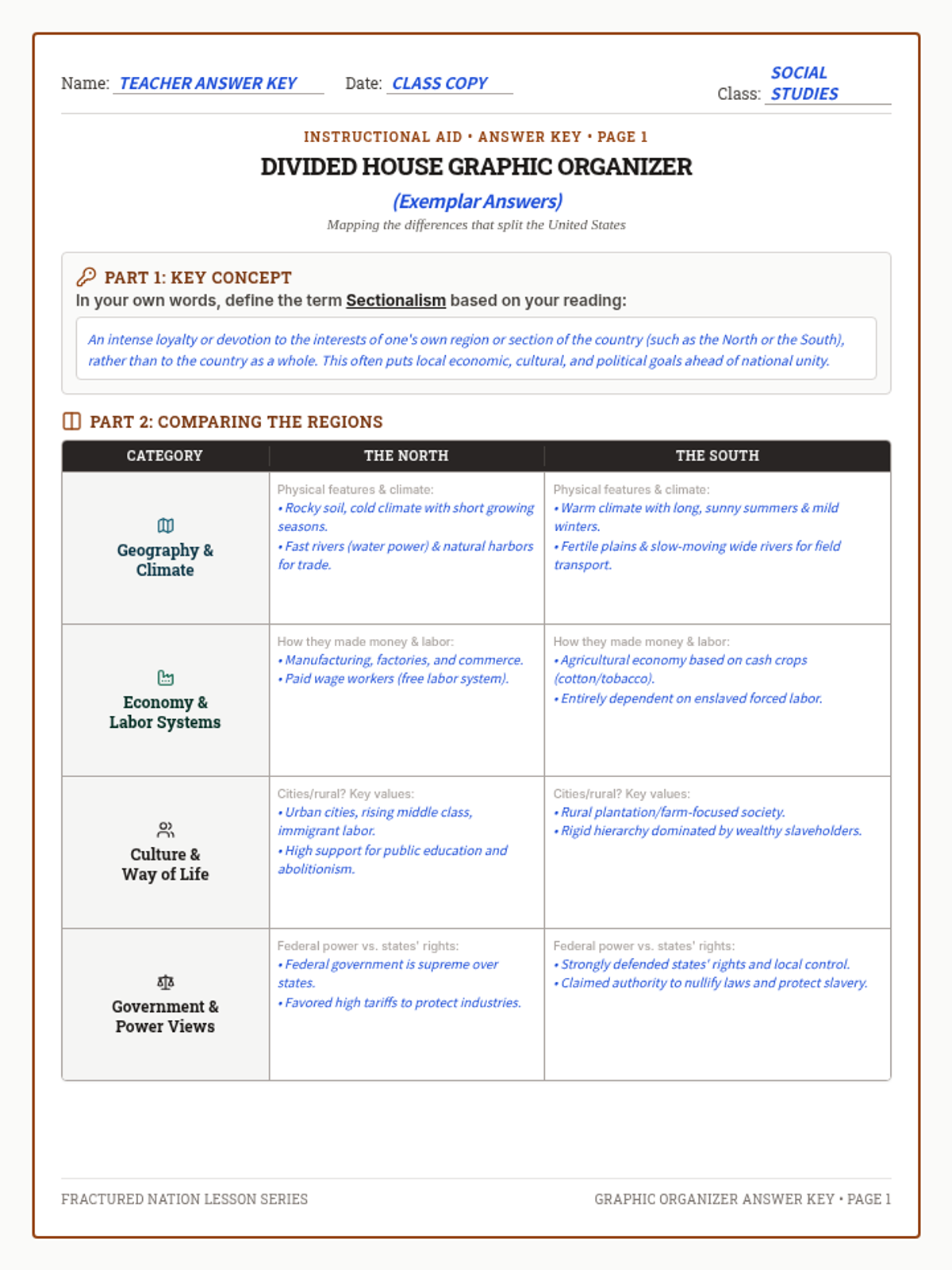
A middle school social studies lesson exploring how Sectionalism became a major long-term cause of the American Civil War. Students analyze the geographic, economic, cultural, and political differences between the North and South, culminating in a graphic organizer activity.
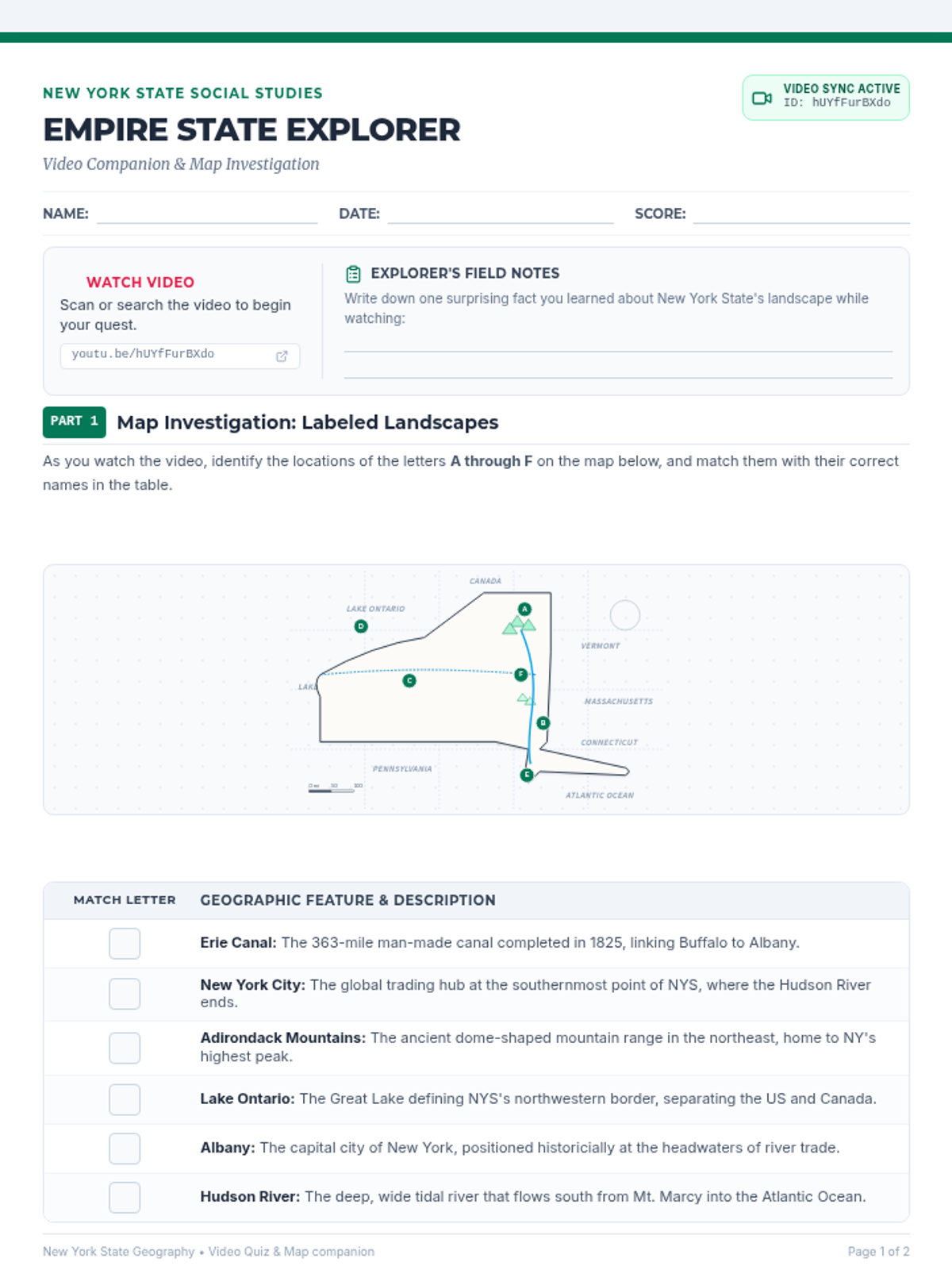
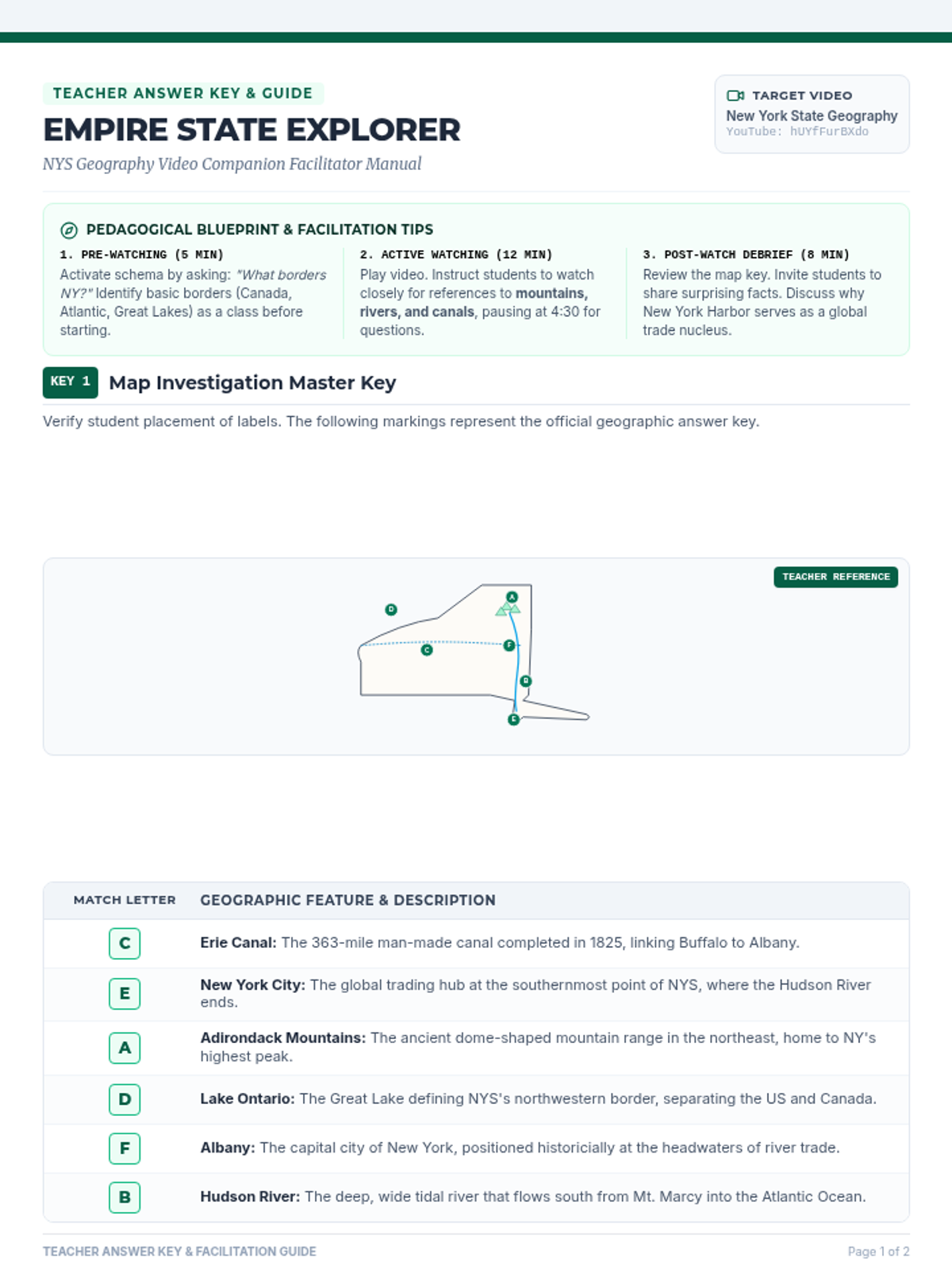
An engaging exploration of New York State's physical features, waterways, and major cities, centered around an educational video guide. Includes a student map activity, multiple-choice quiz, and a detailed teacher answer key.
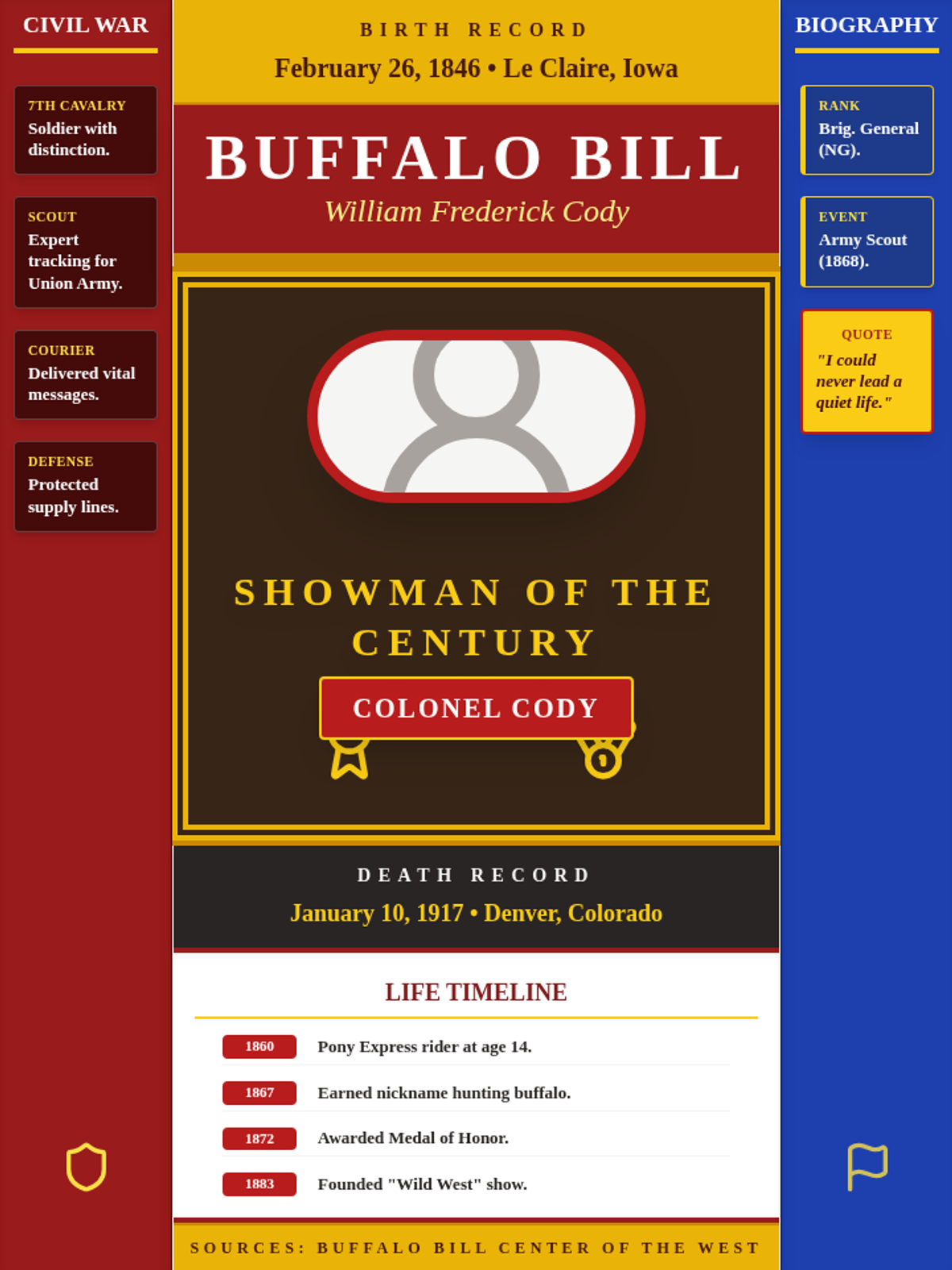
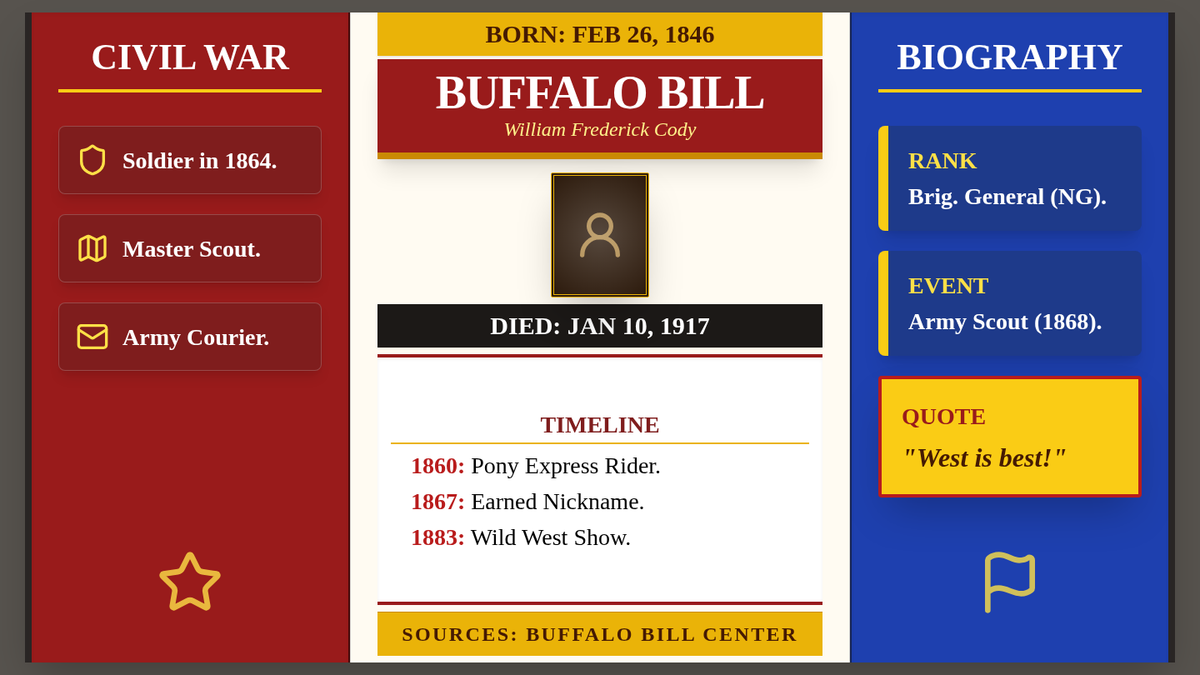
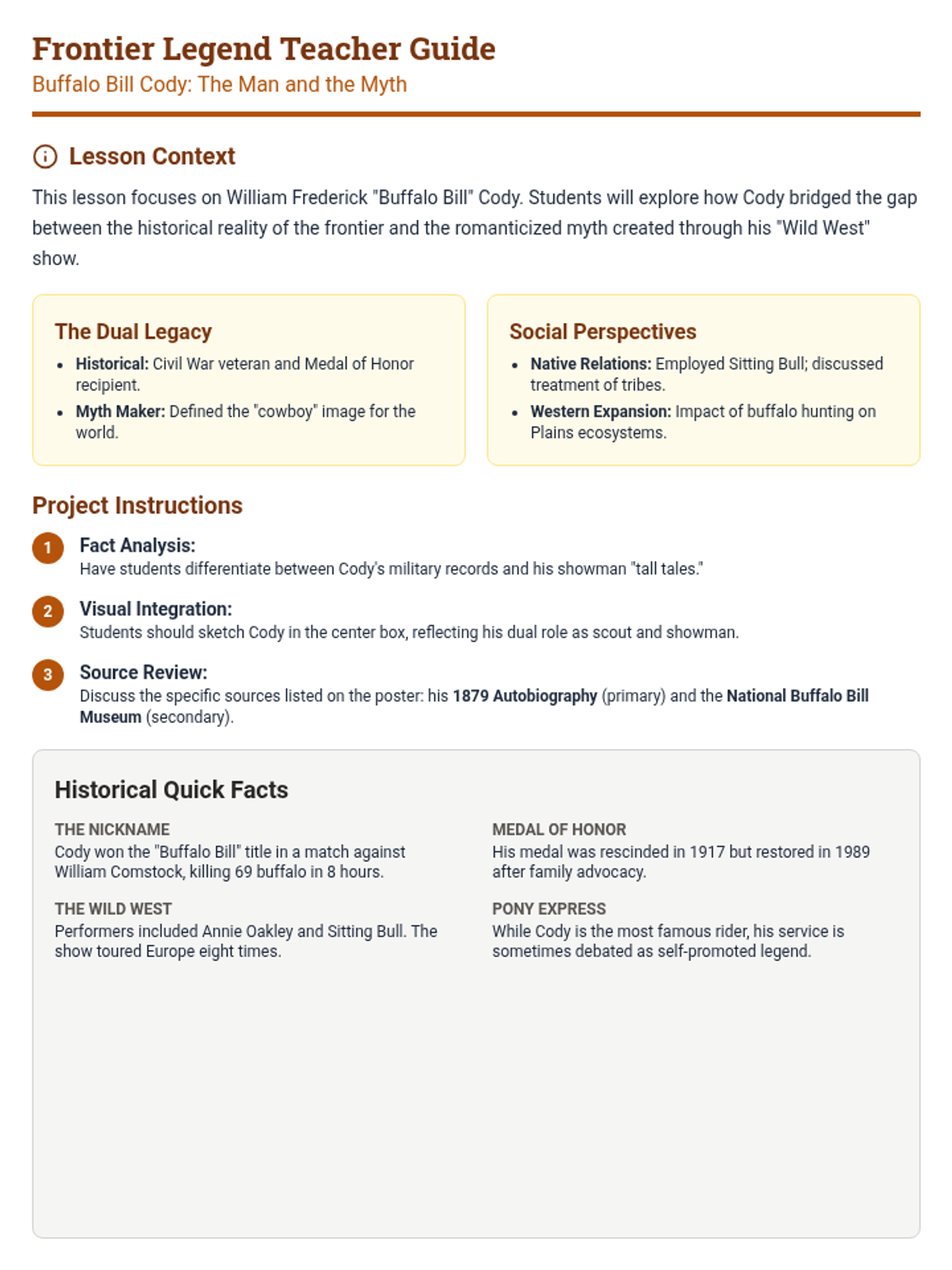
A lesson exploring the life and contributions of Buffalo Bill Cody, featuring a simulated trifold presentation board for historical analysis.
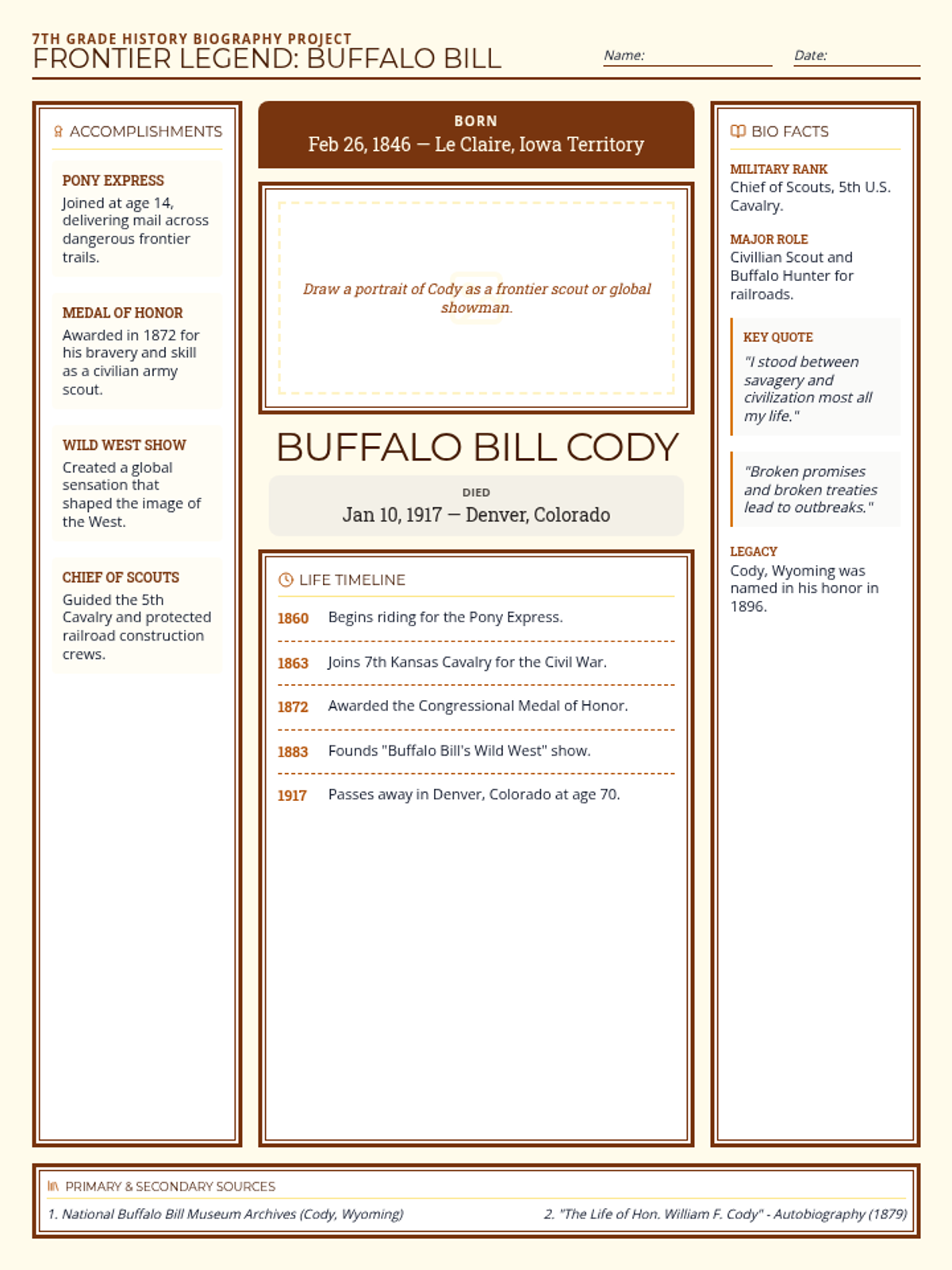
A comprehensive lesson exploring the life, legacy, and cultural impact of William Frederick 'Buffalo Bill' Cody through a structured biographical project. Students analyze primary facts and accomplishments to construct a trifold-style poster.
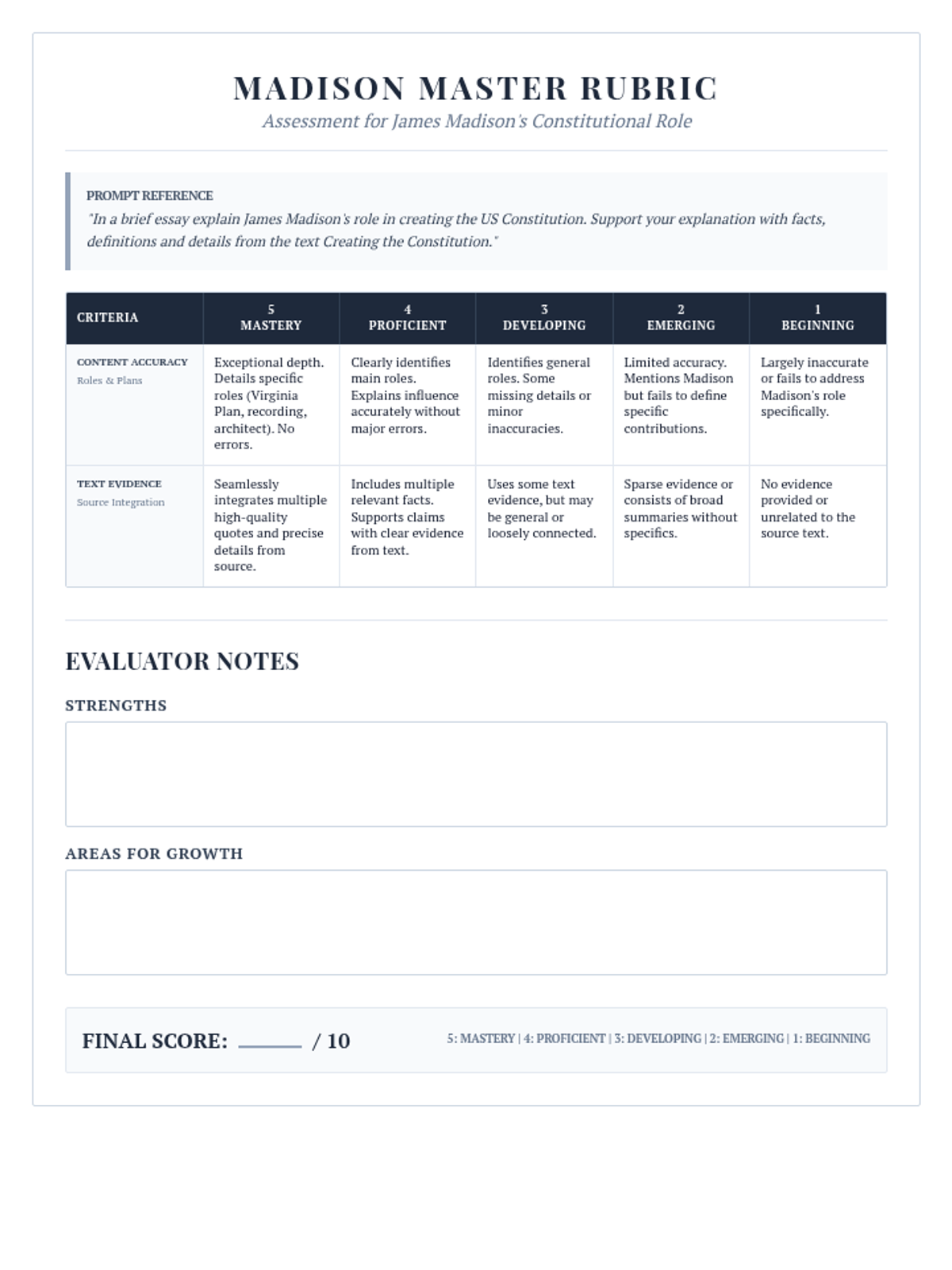
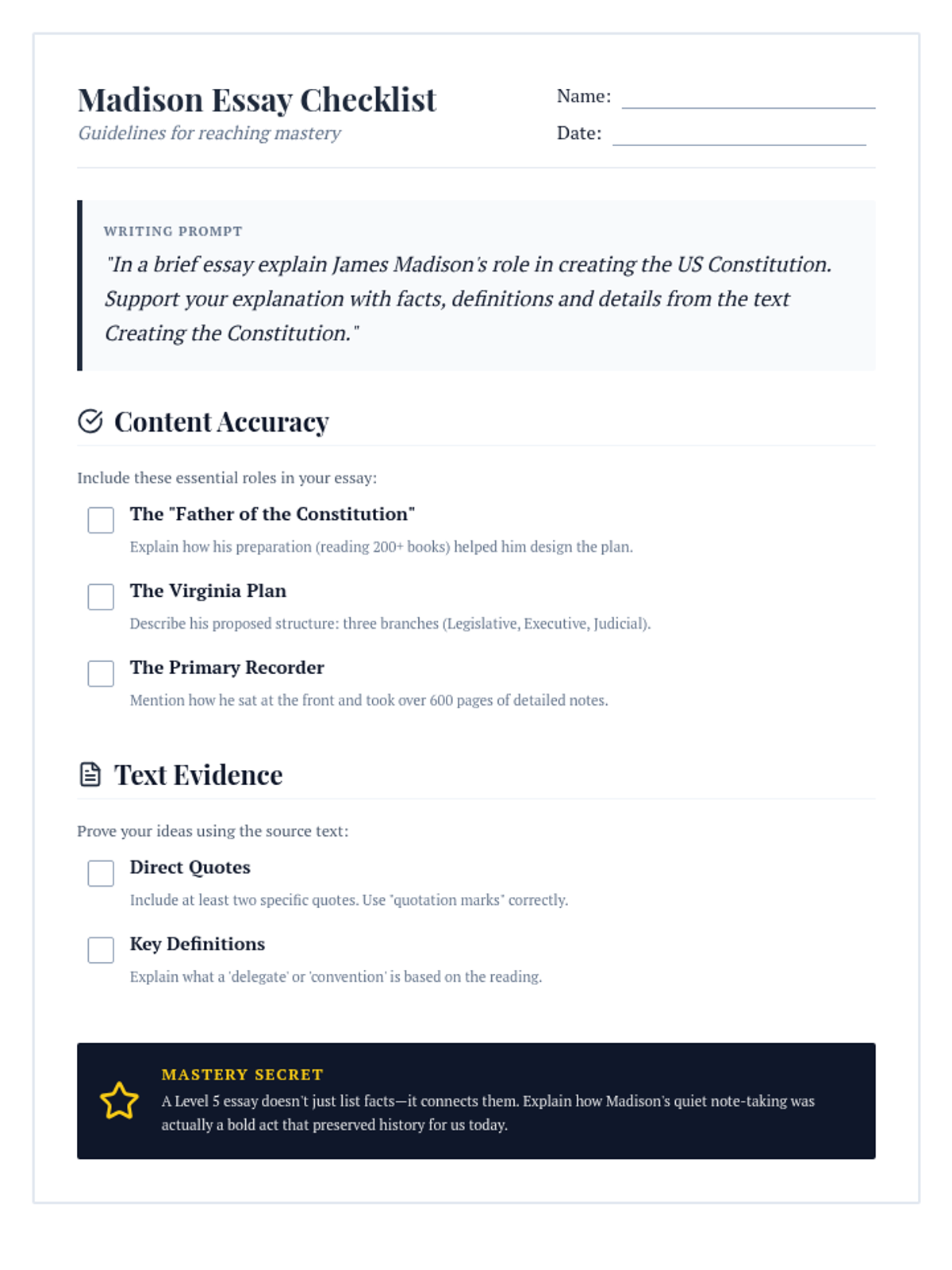
A lesson focused on James Madison's pivotal role in the Constitutional Convention, assessing students' ability to synthesize historical texts into clear, evidenced-based essays.
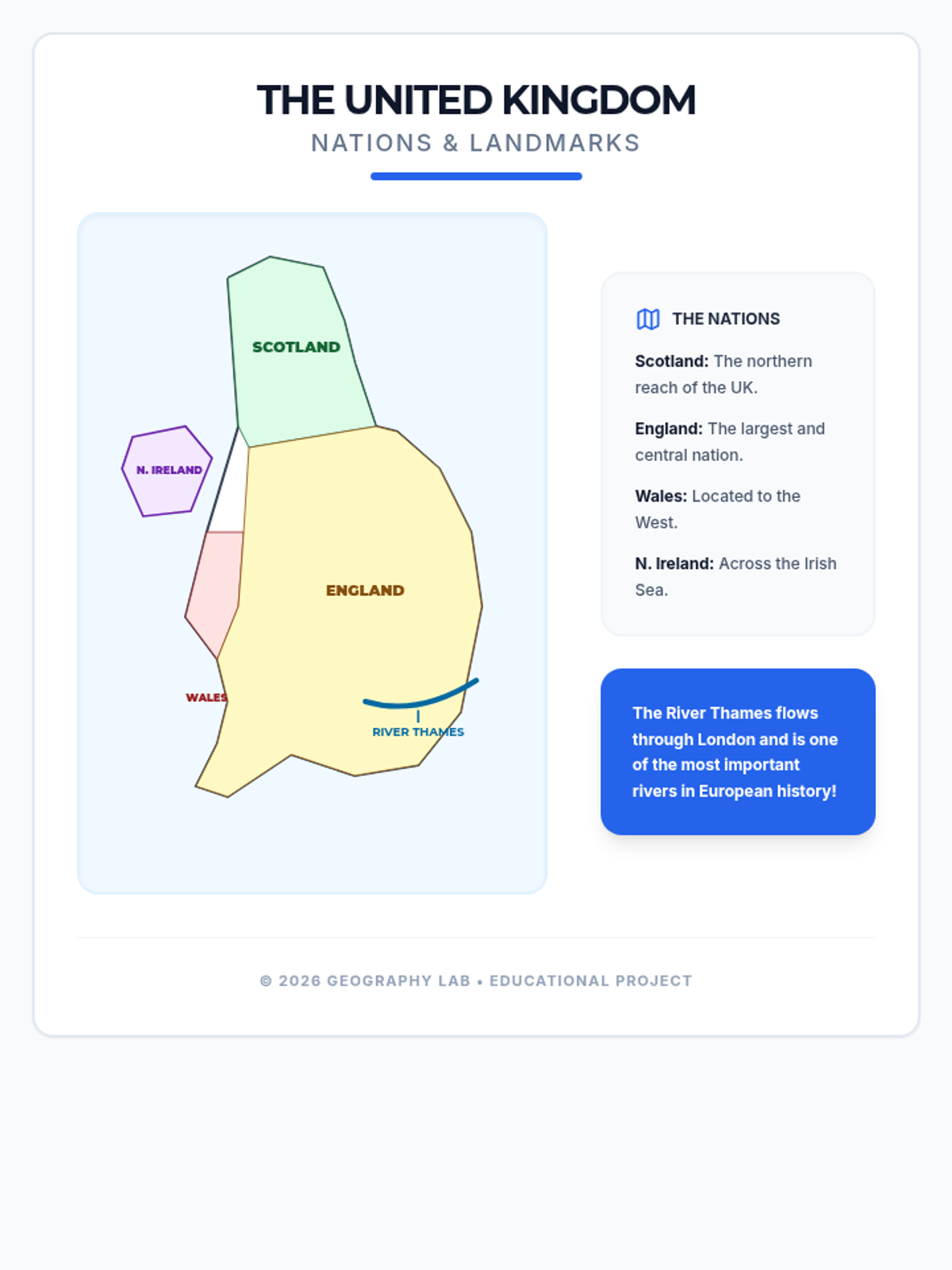
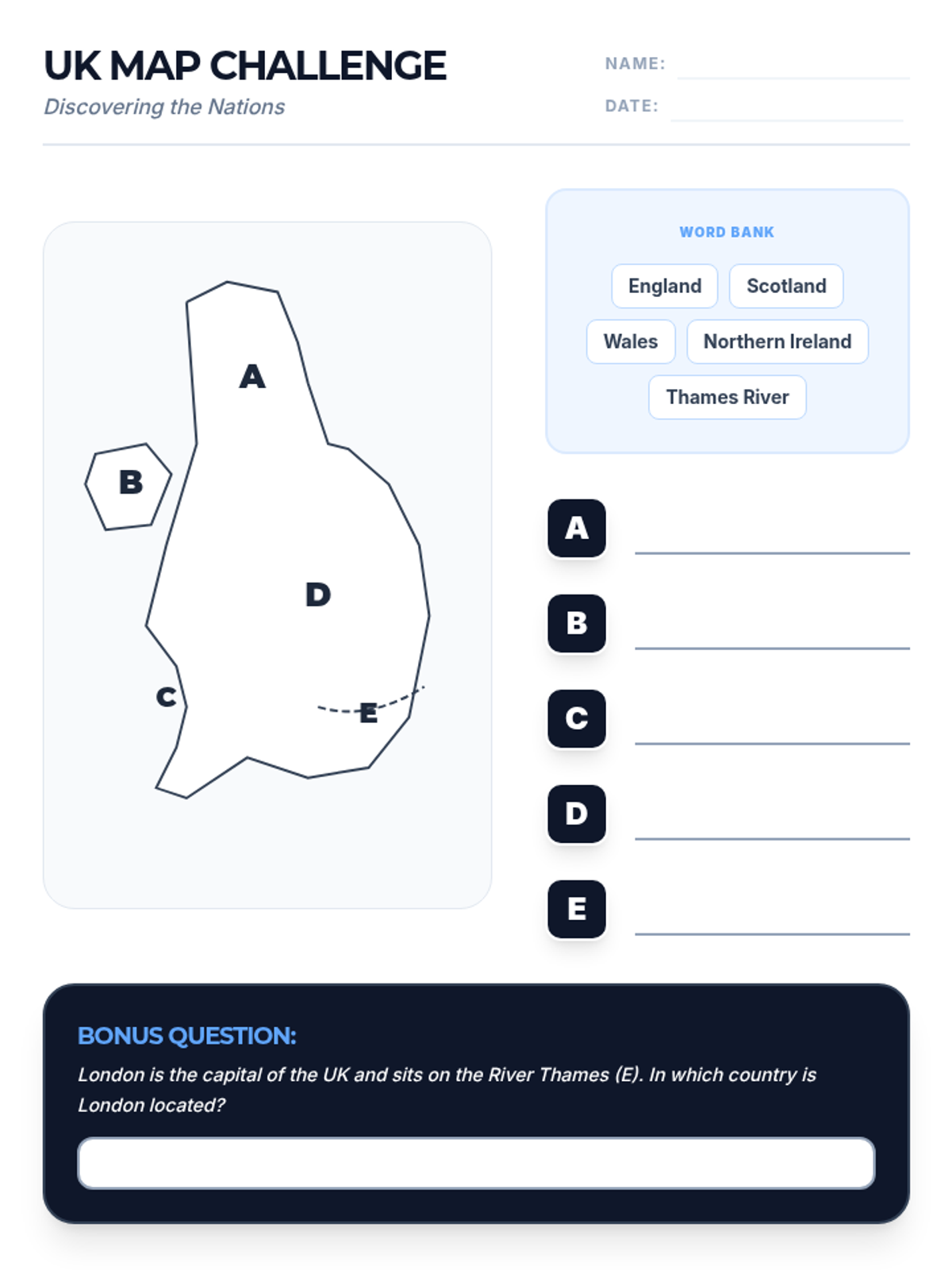
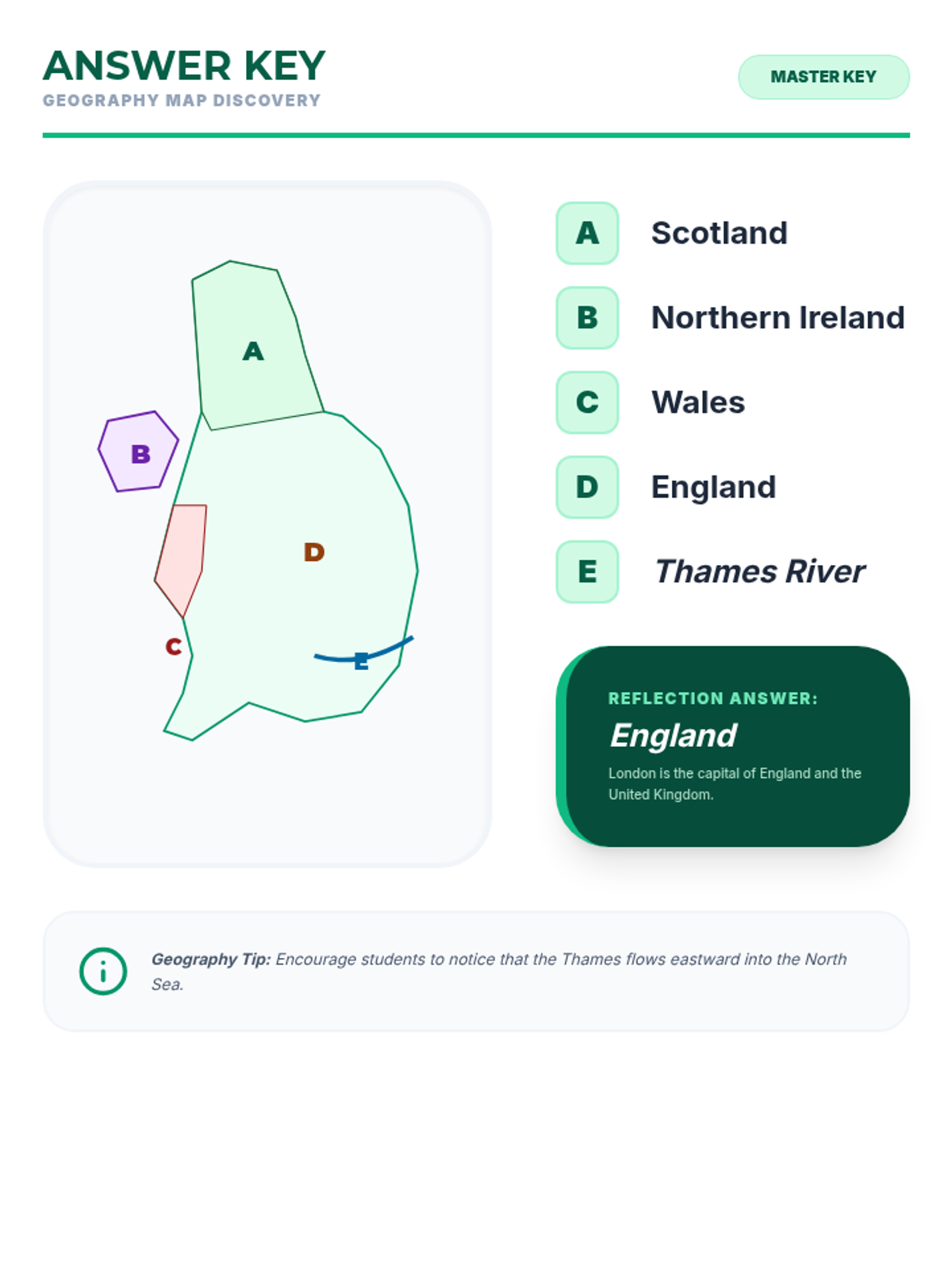
An introductory exploration of the United Kingdom's geography, focusing on its four constituent countries and major landmarks like the River Thames.
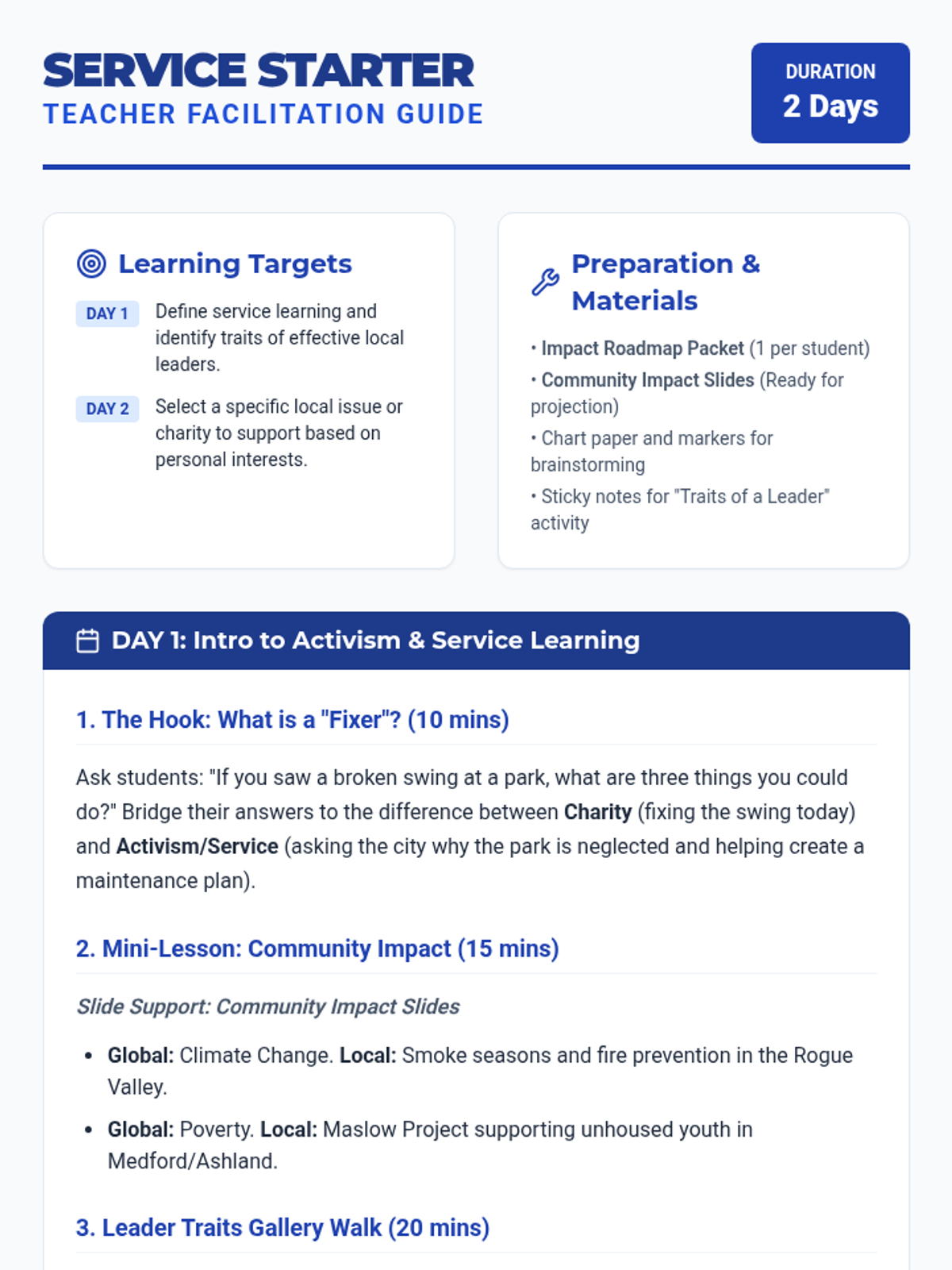
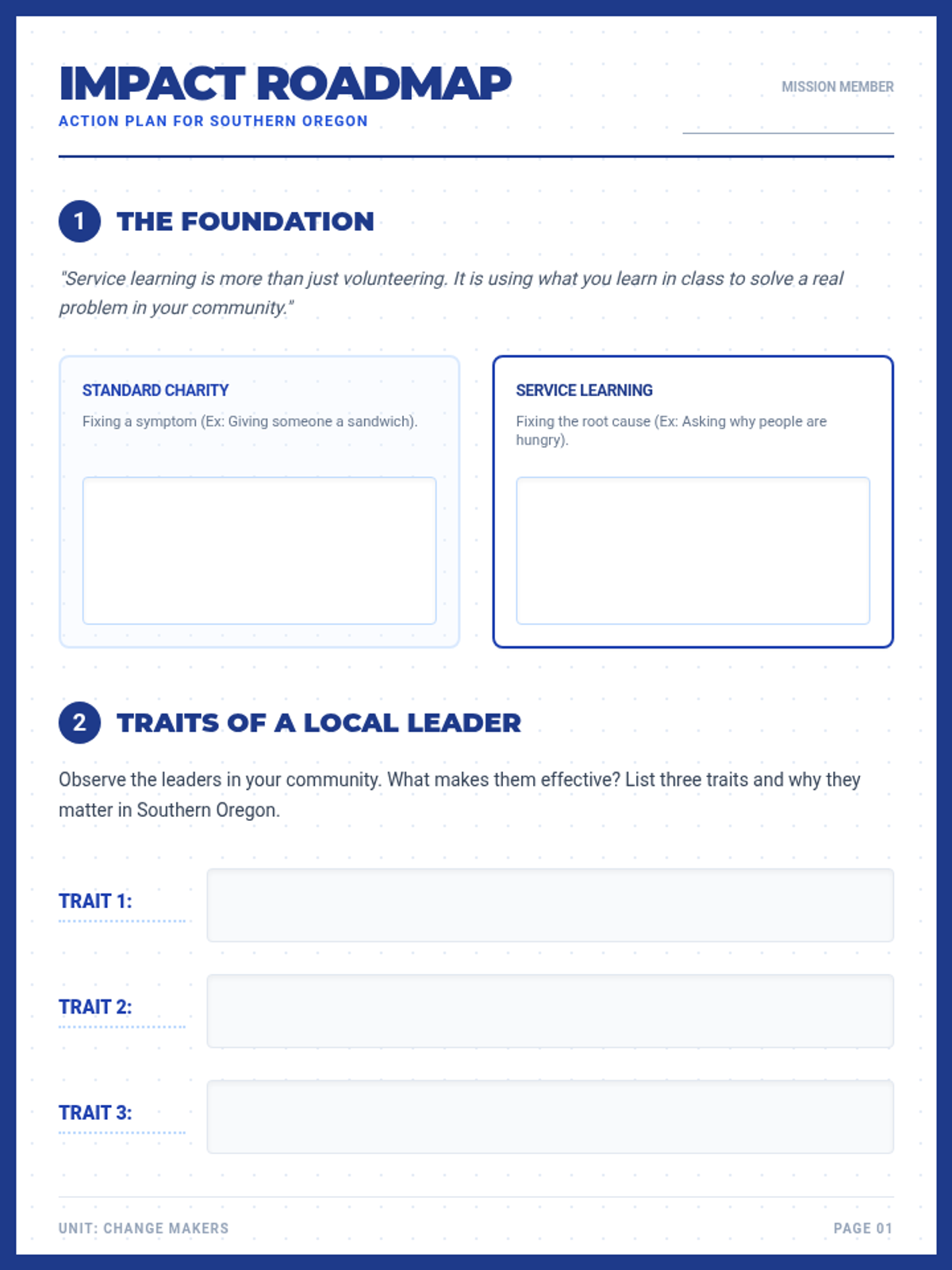
A two-day introductory lesson on service learning and community activism, focusing on defining impact and selecting local causes in Southern Oregon.
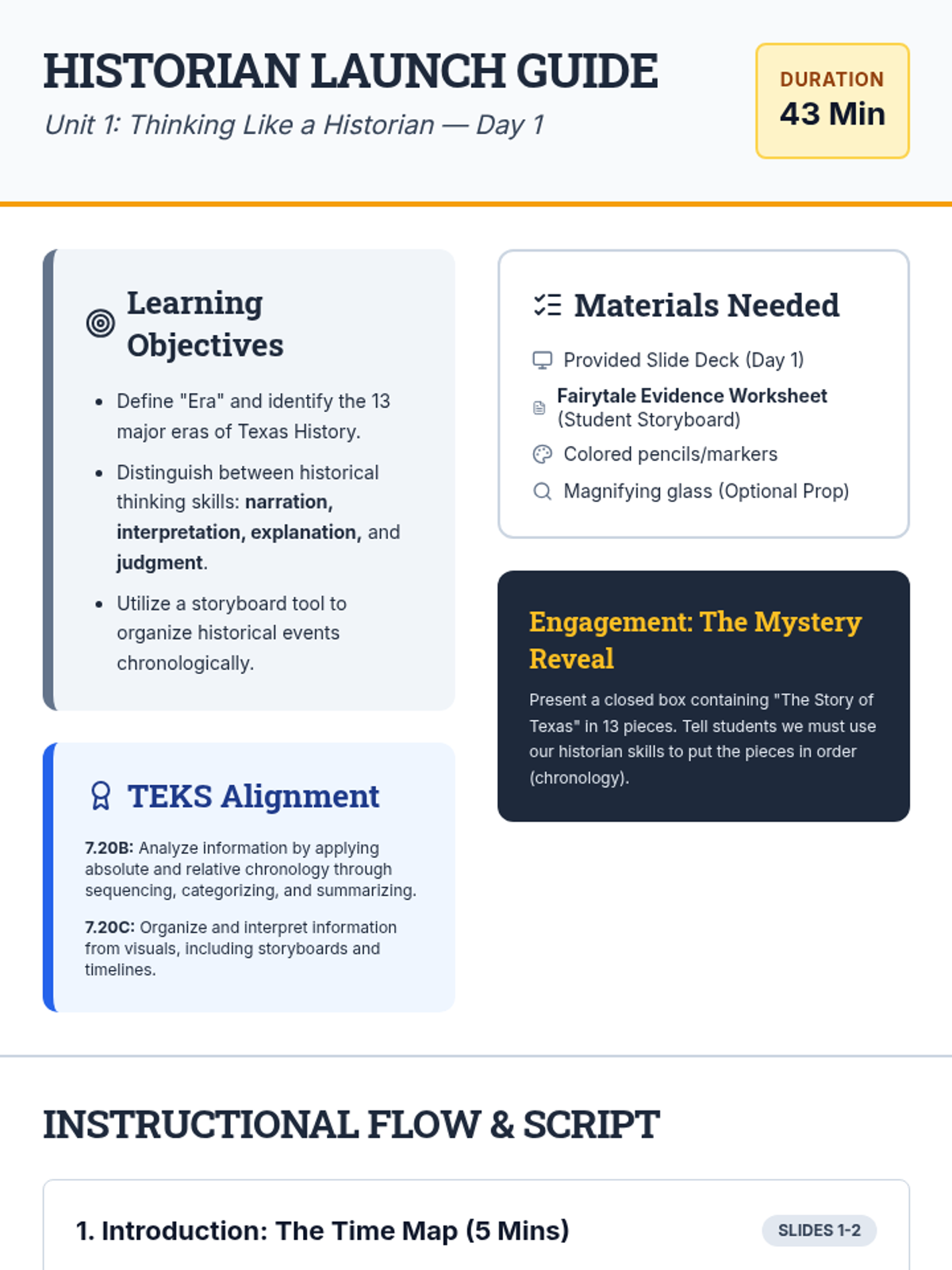
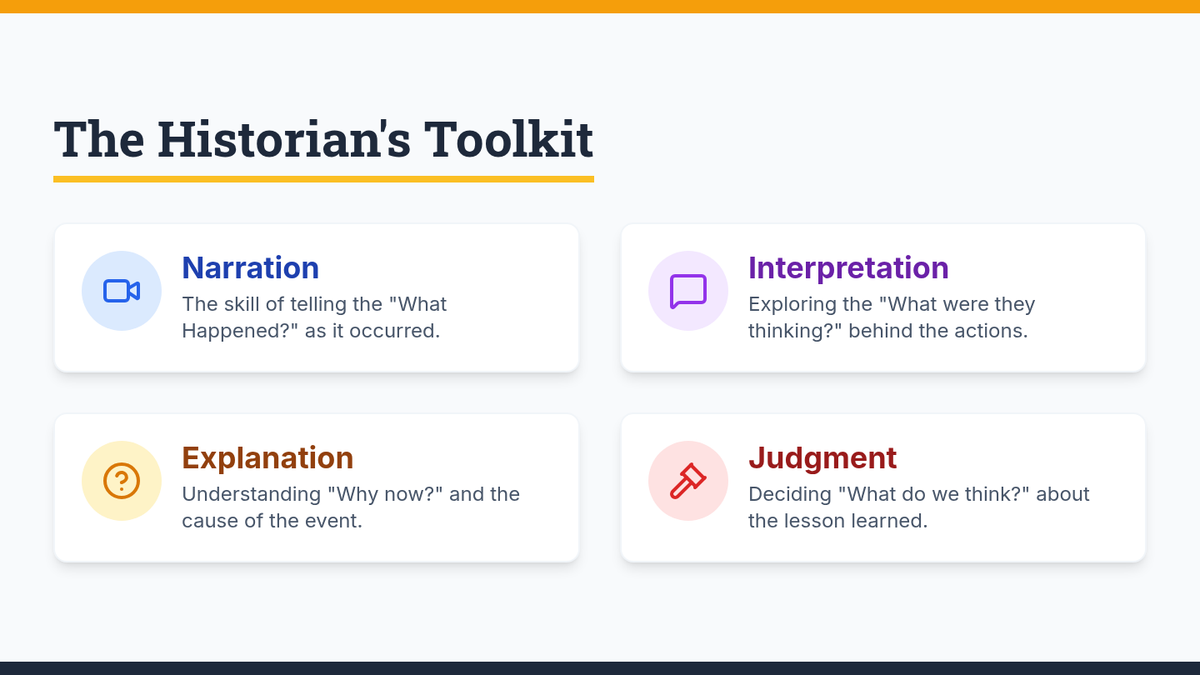
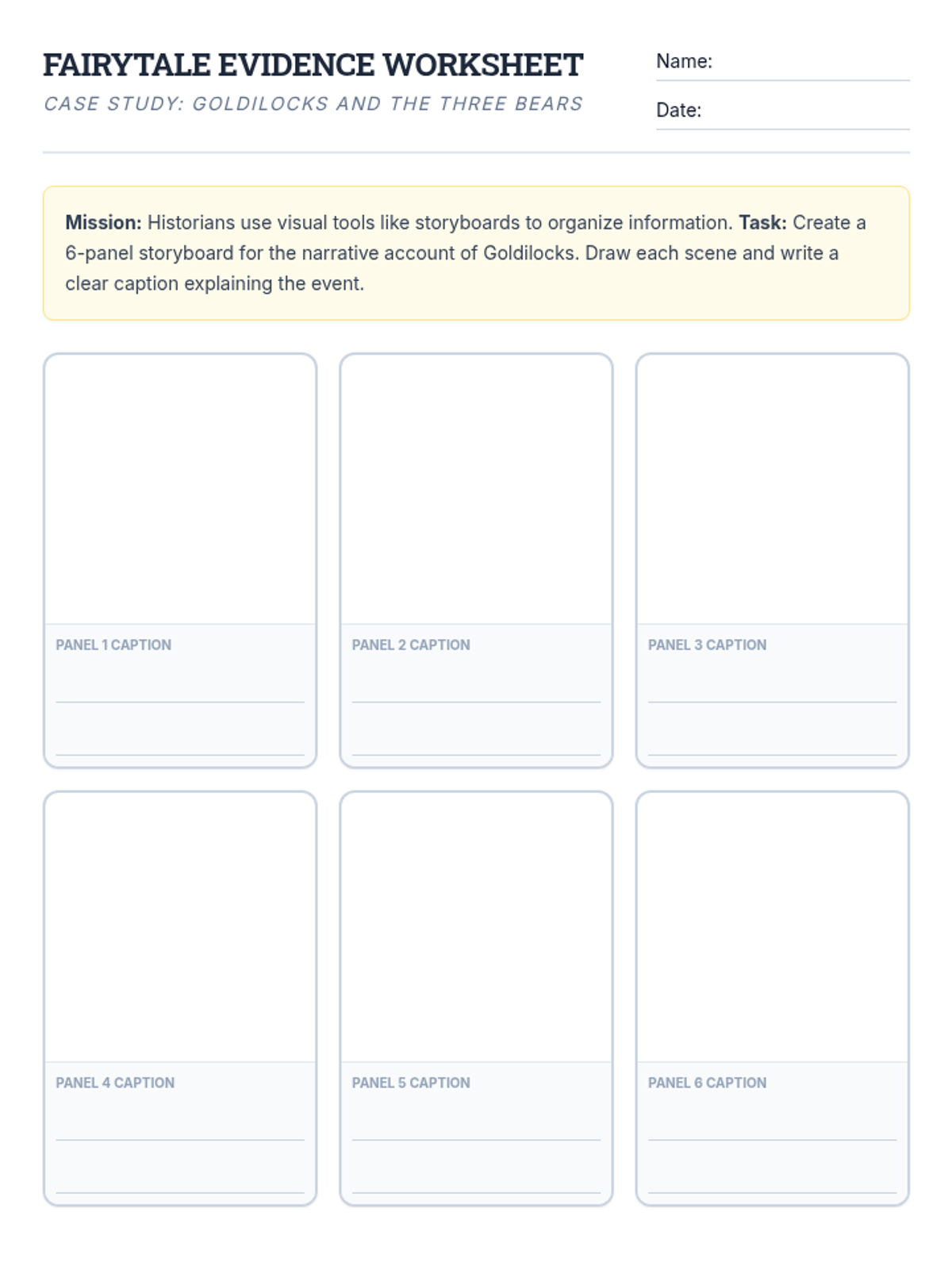
An introductory lesson for 7th grade Texas History where students learn to think like historians by exploring eras, storyboarding, and historical thinking skills using familiar narratives.