An engaging exploration of New York State's physical features, waterways, and major cities, centered around an educational video guide. Includes a student map activity, multiple-choice quiz, and a detailed teacher answer key.
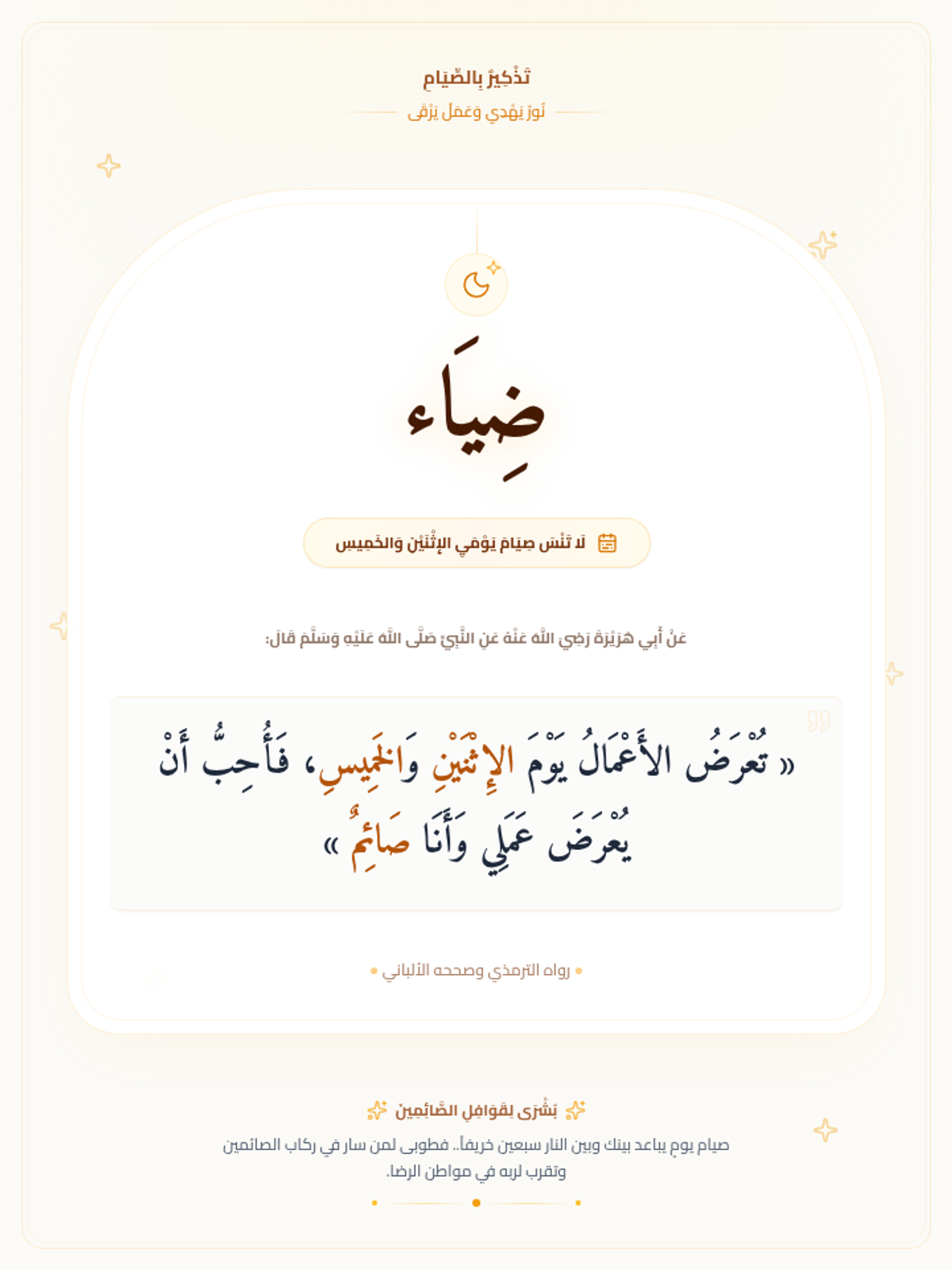
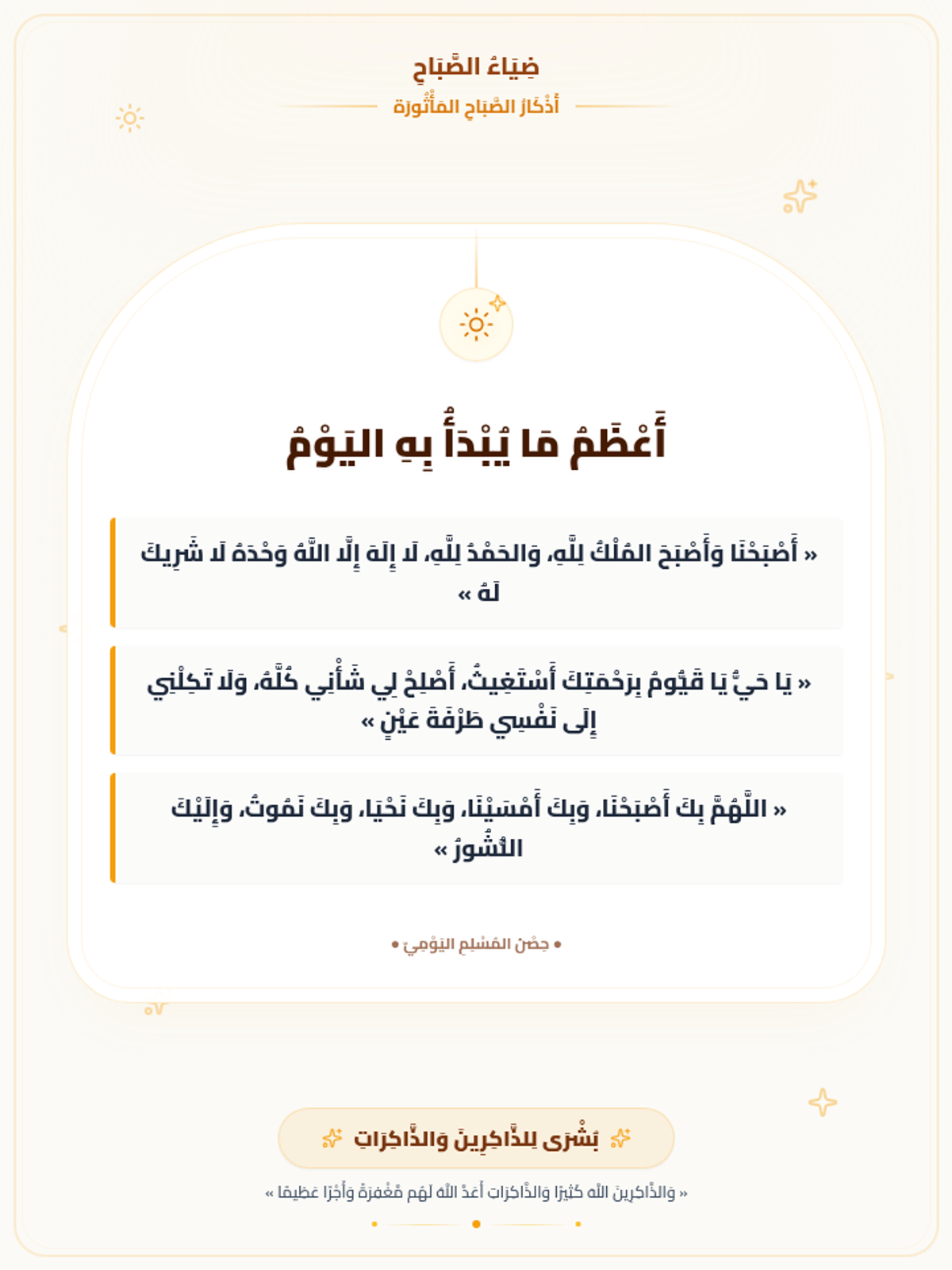
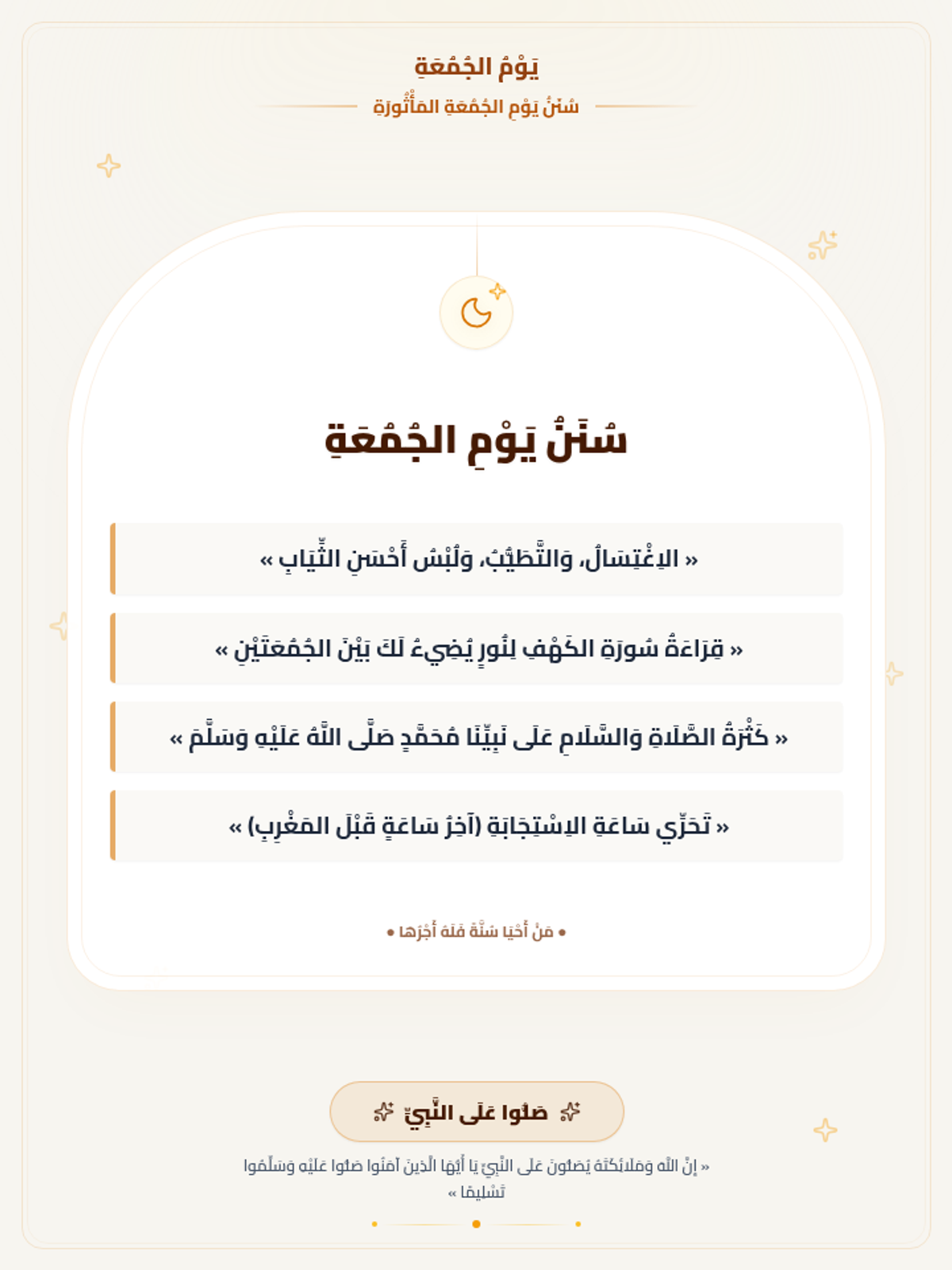
A premium, cohesive collection of beautifully designed spiritual and religious reminders for daily, weekly, and seasonal practices, featuring high-contrast connected Arabic typography, elegant arches, and glowing celestial themes.
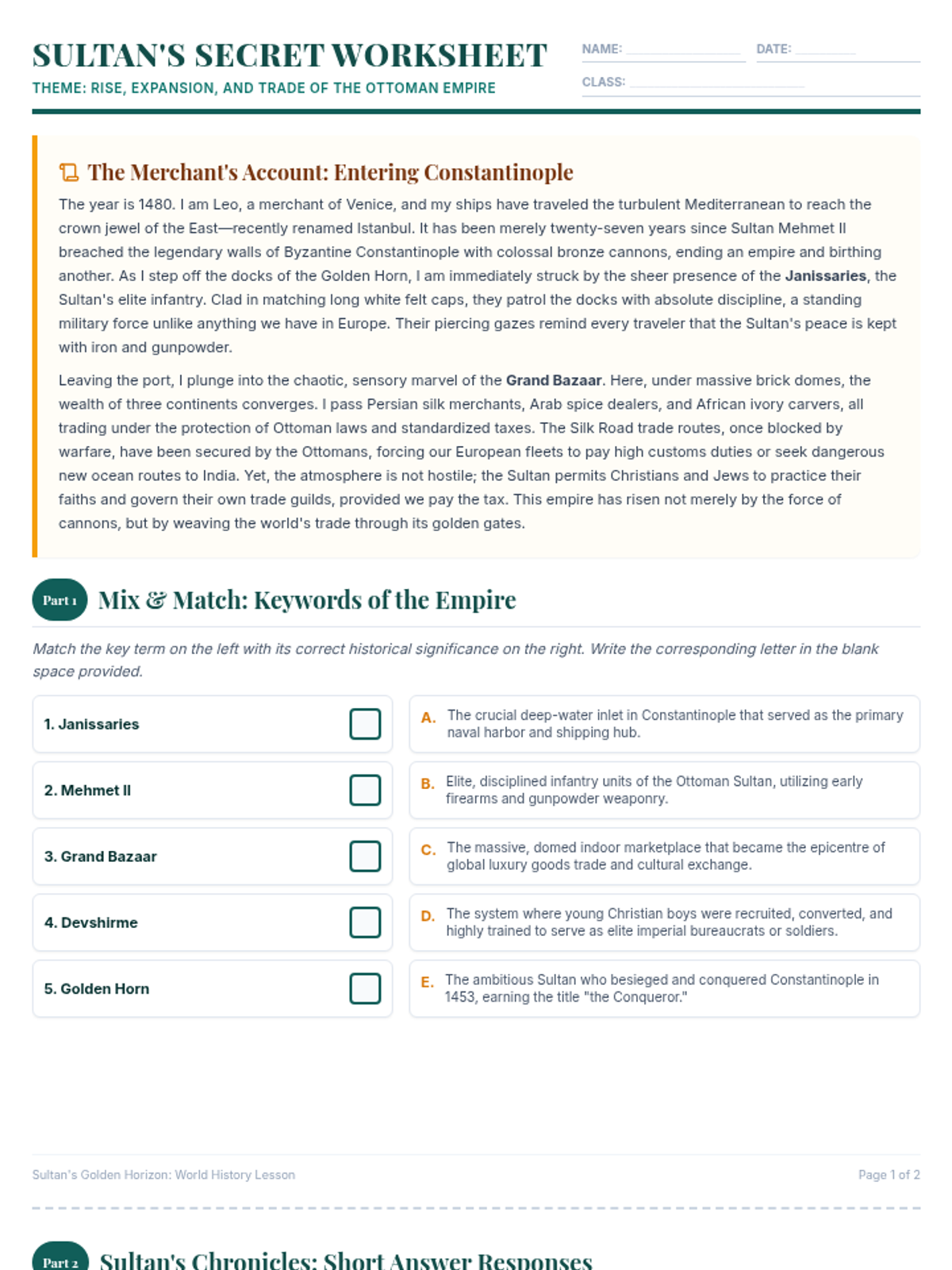
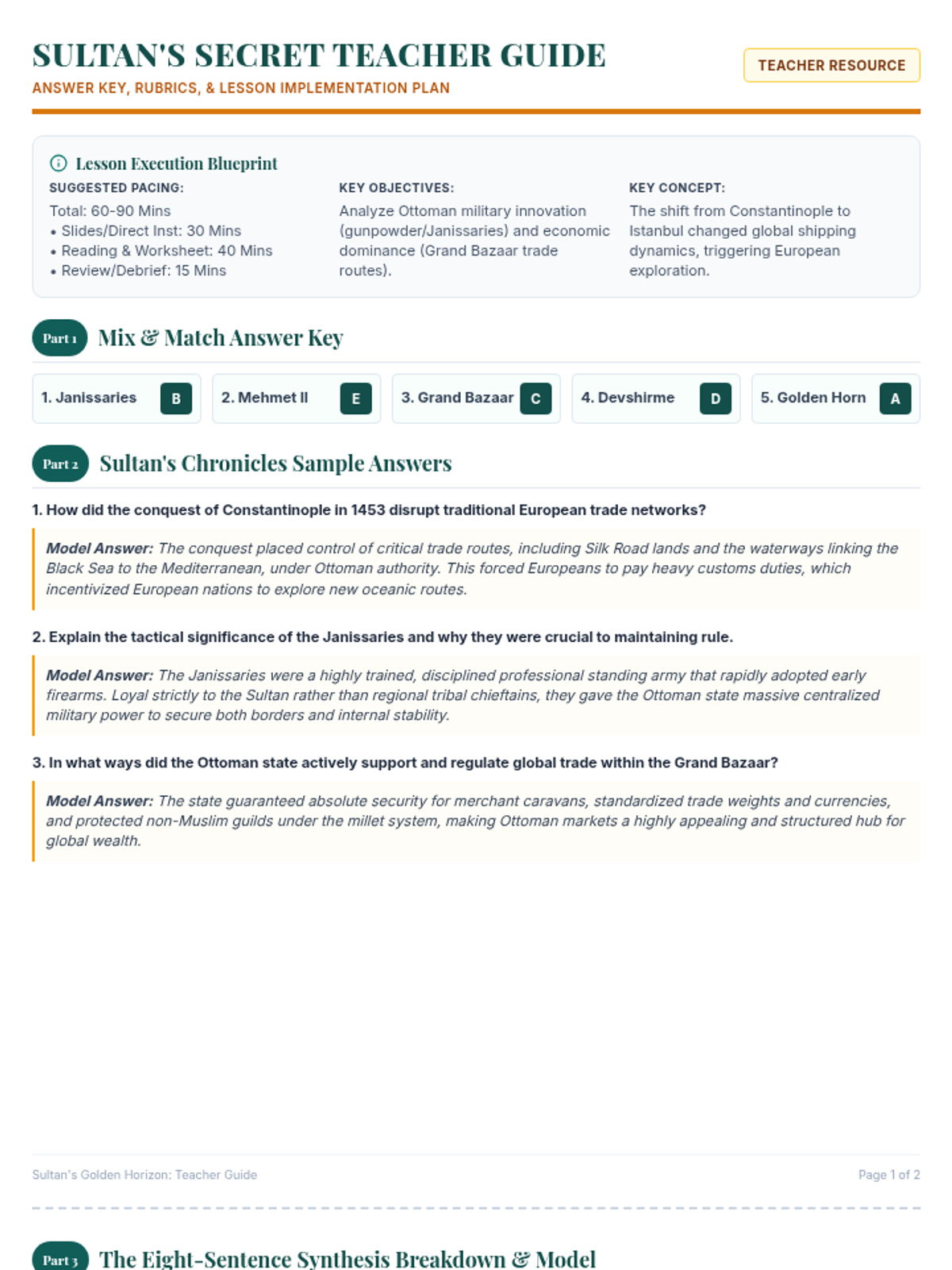
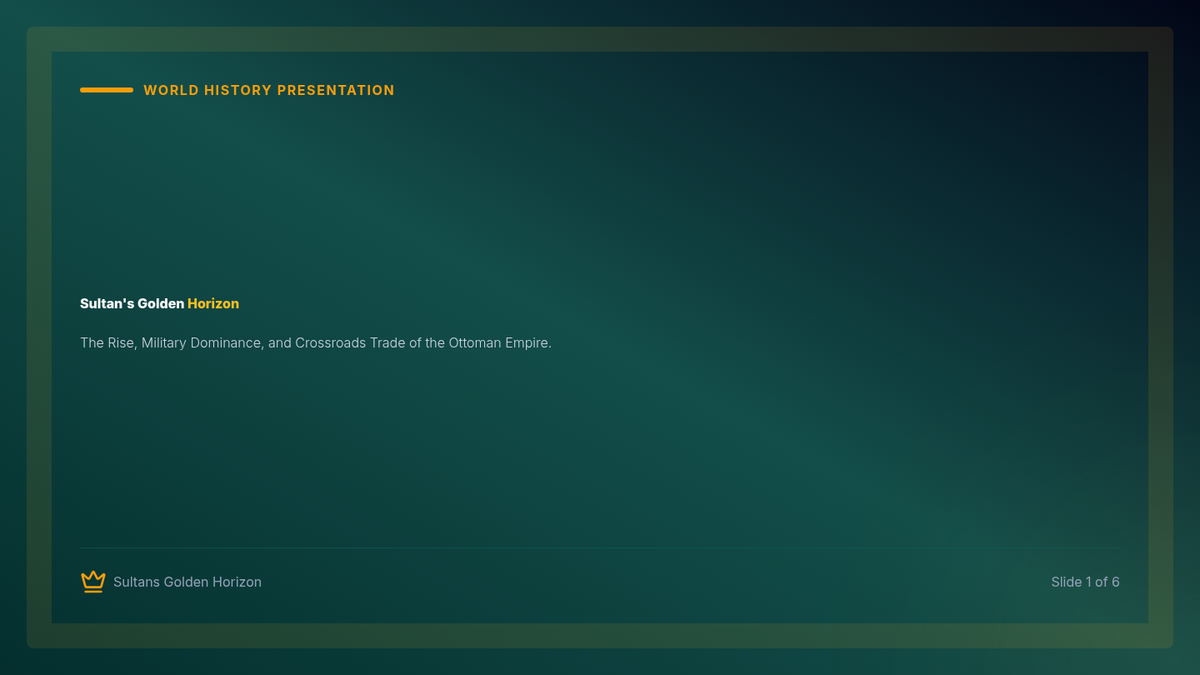
A comprehensive history lesson exploring the rise, military expansion, trade networks, and cultural exchange of the Ottoman Empire through a rich historical story, slide presentations, and structured student synthesis activities.
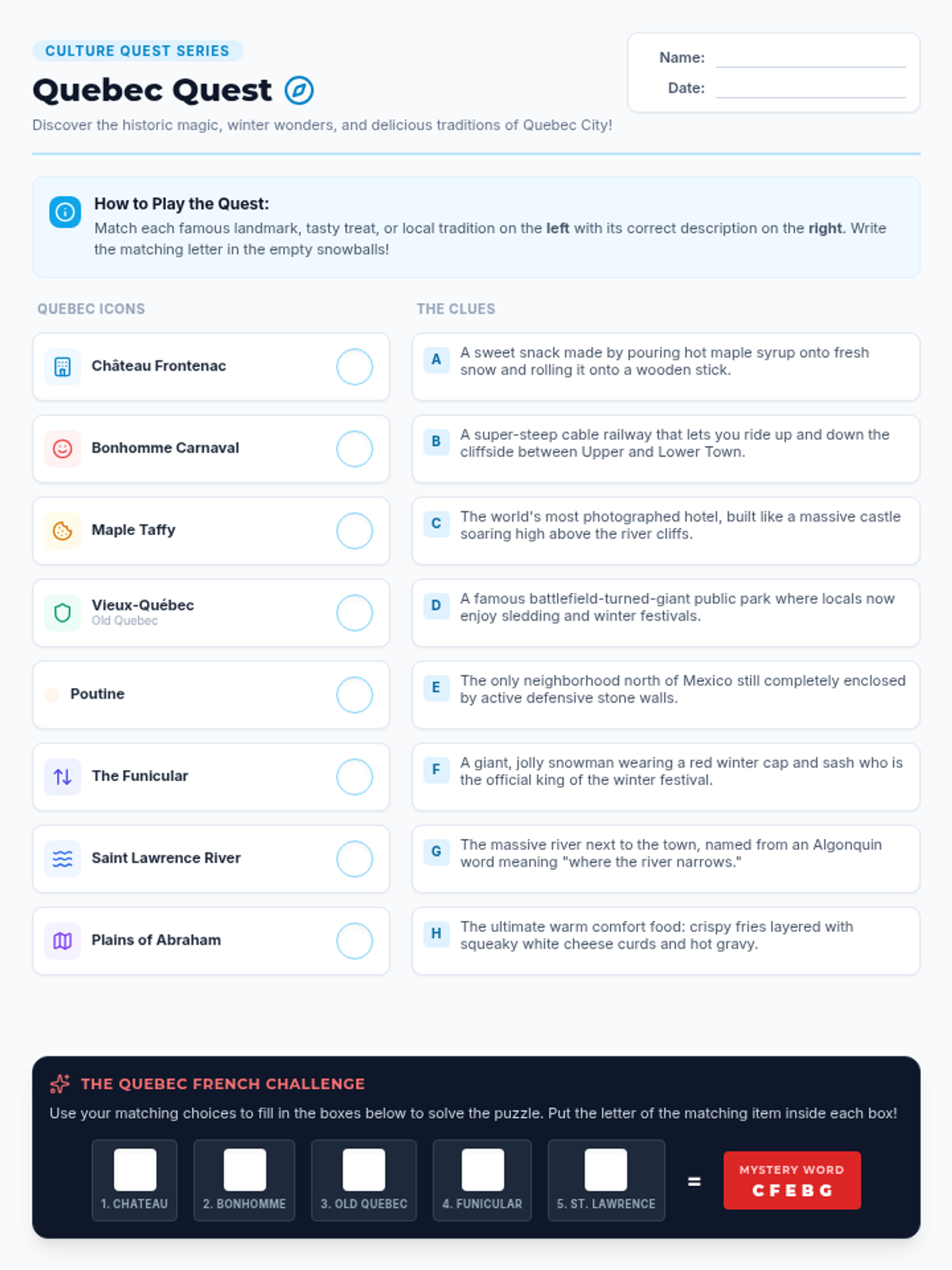
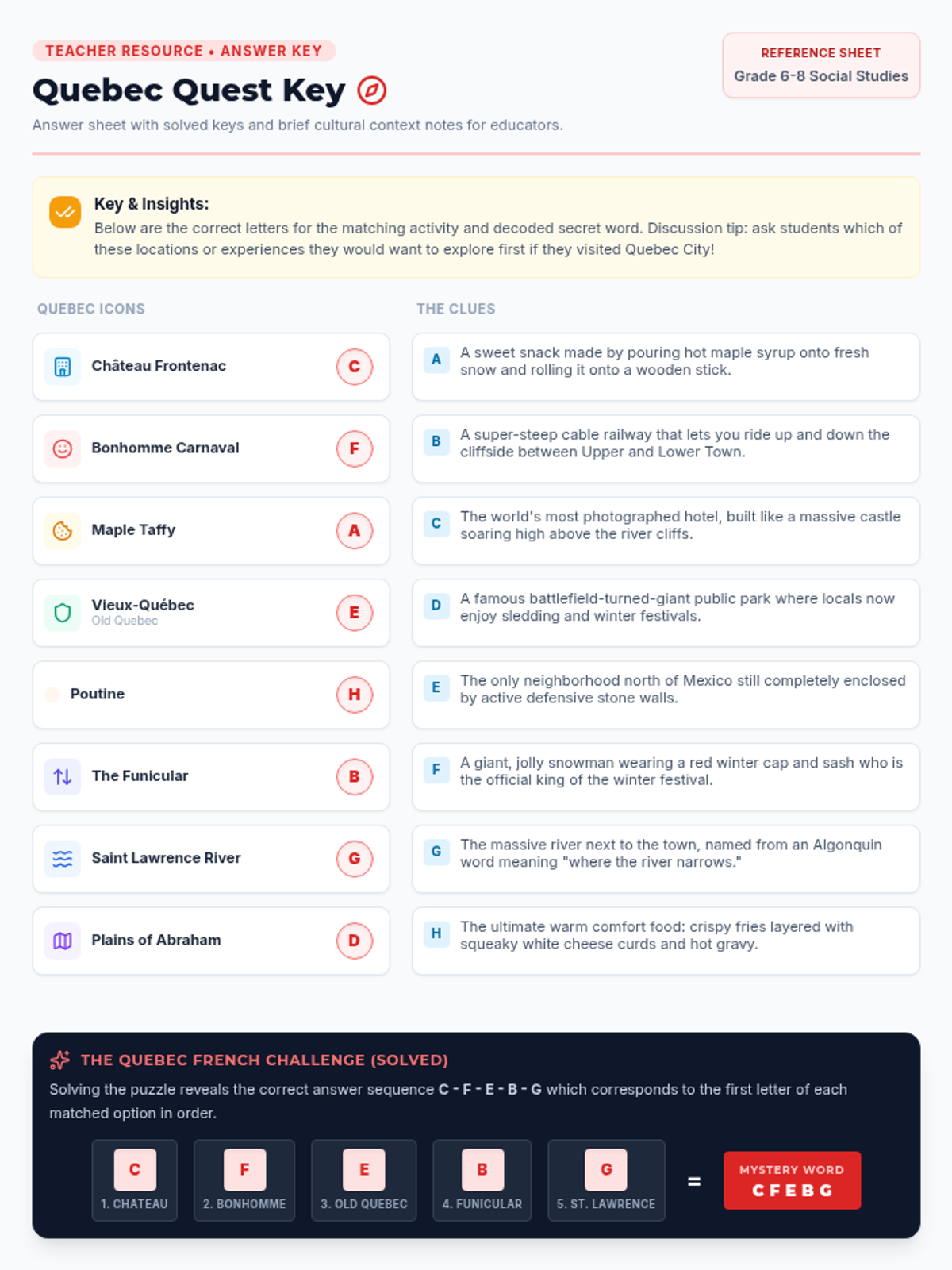
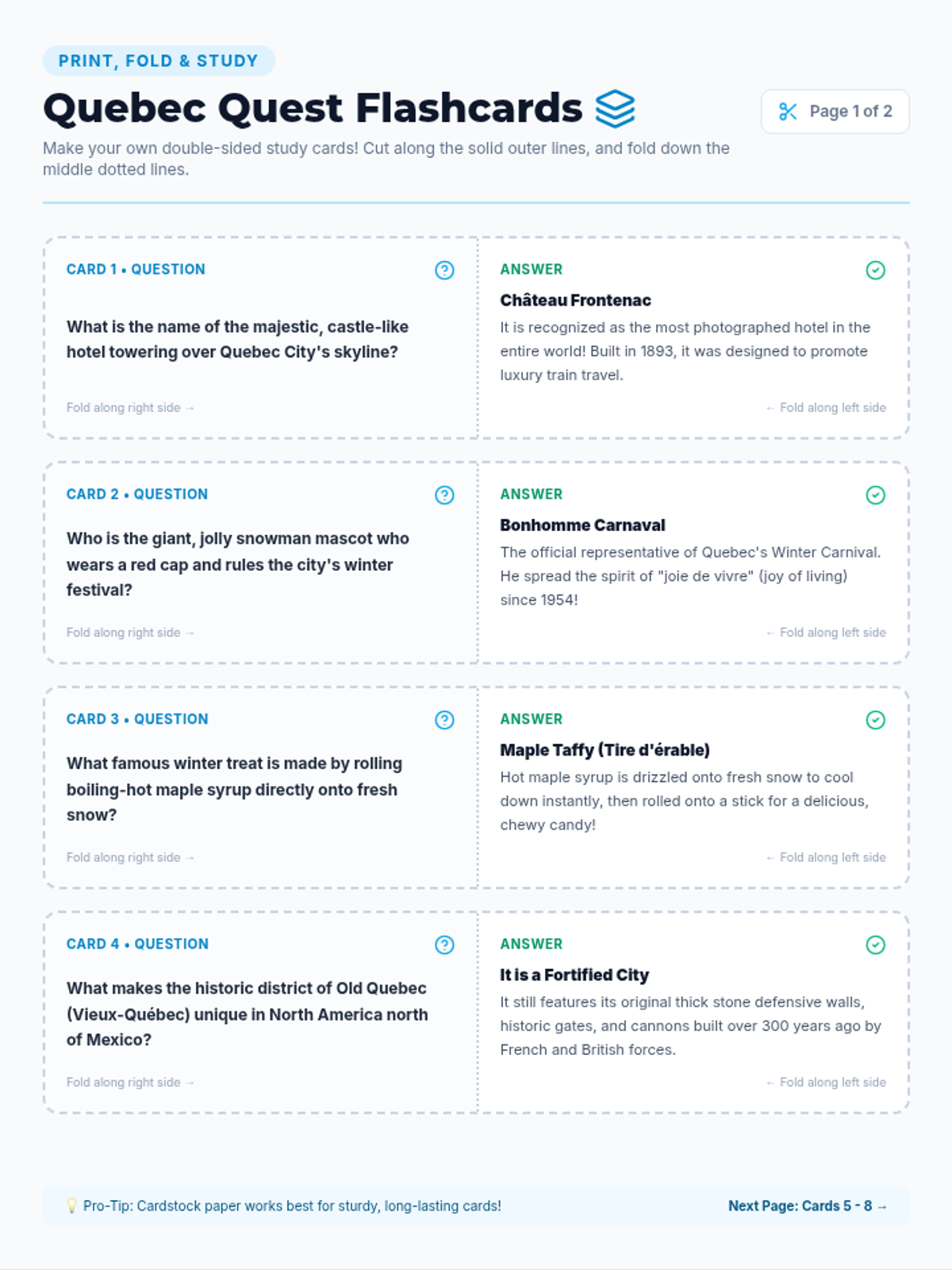
An engaging cultural exploration of Quebec City's history, landmarks, and culinary traditions for middle schoolers. Includes a matching worksheet, a comprehensive answer key, and printable fold-and-glue study flashcards.
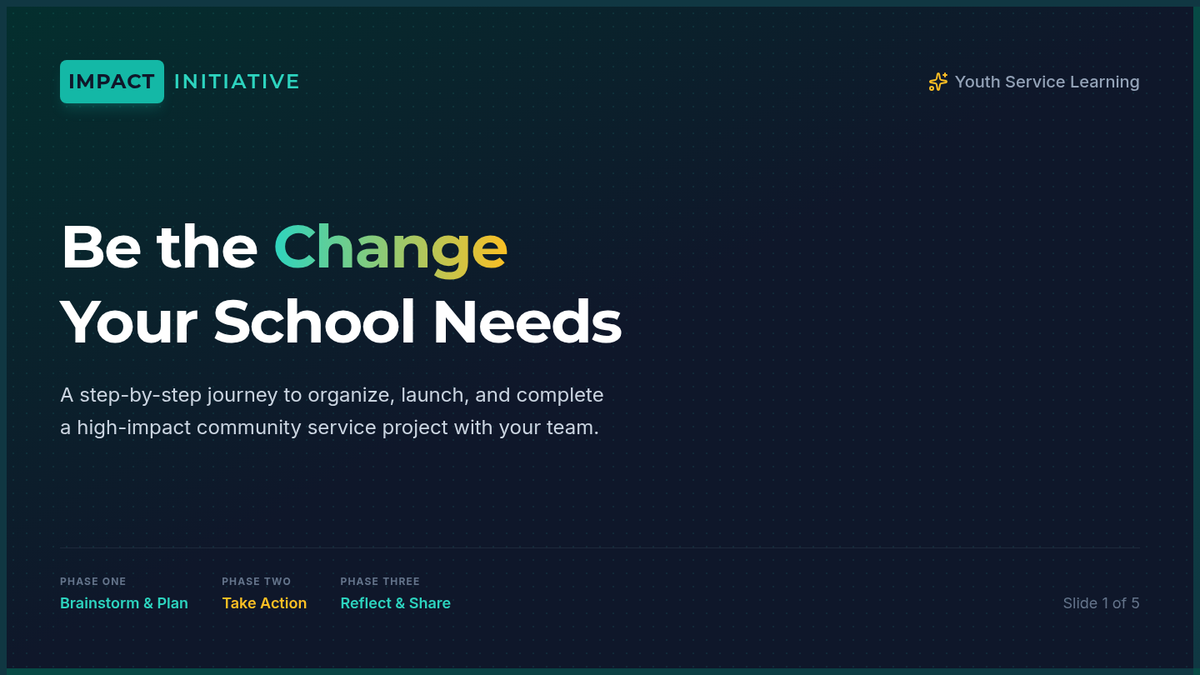
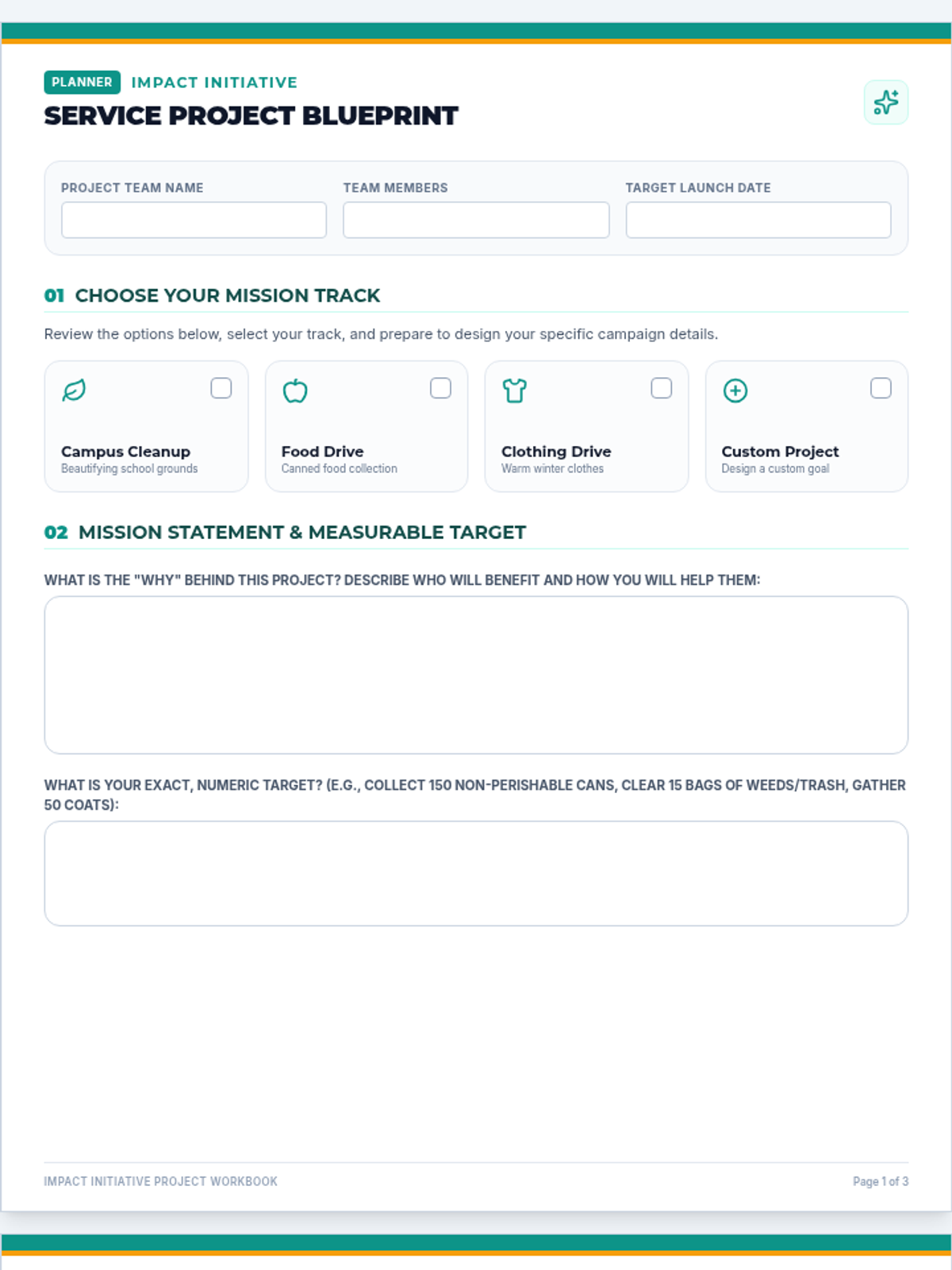
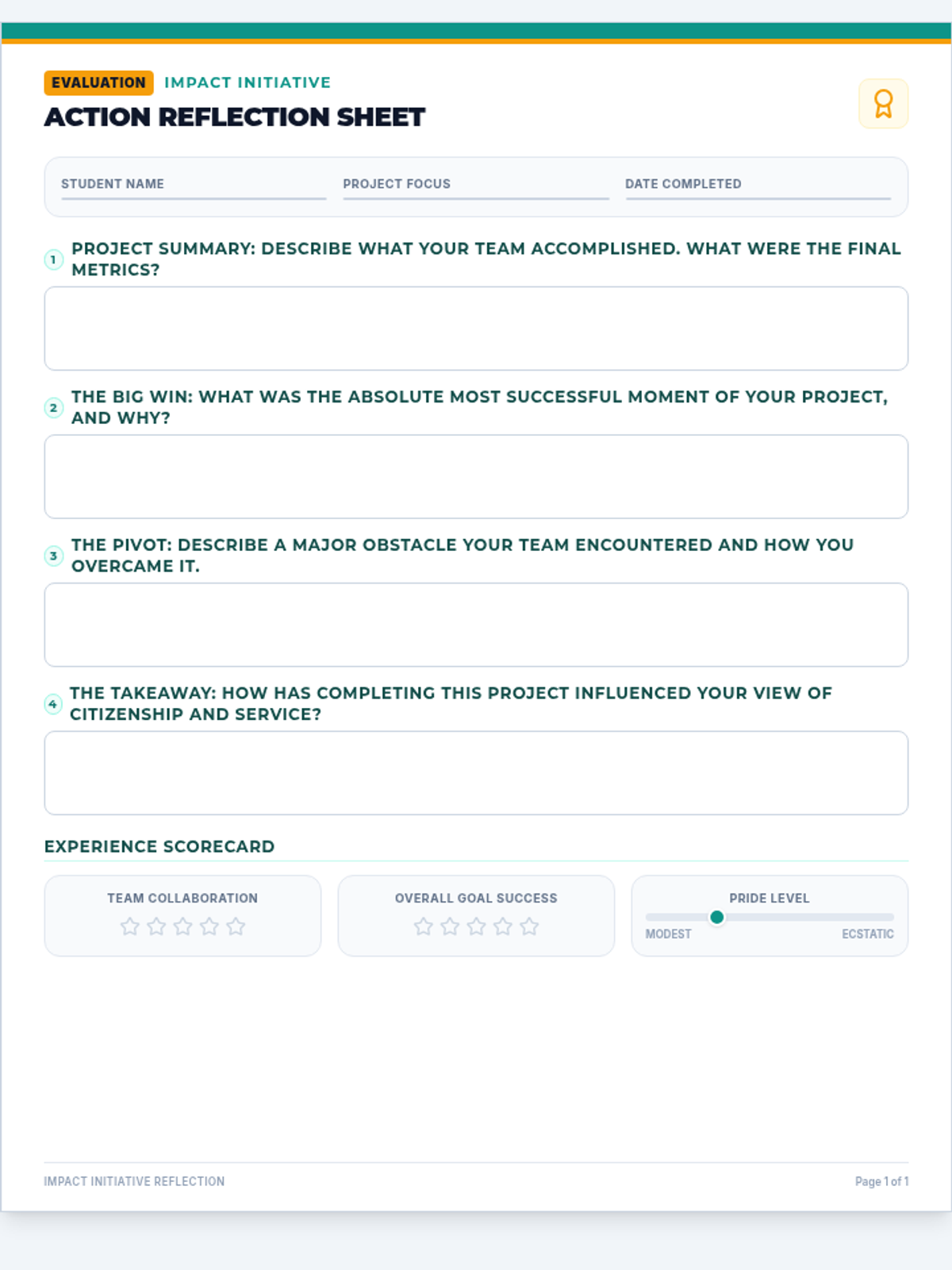
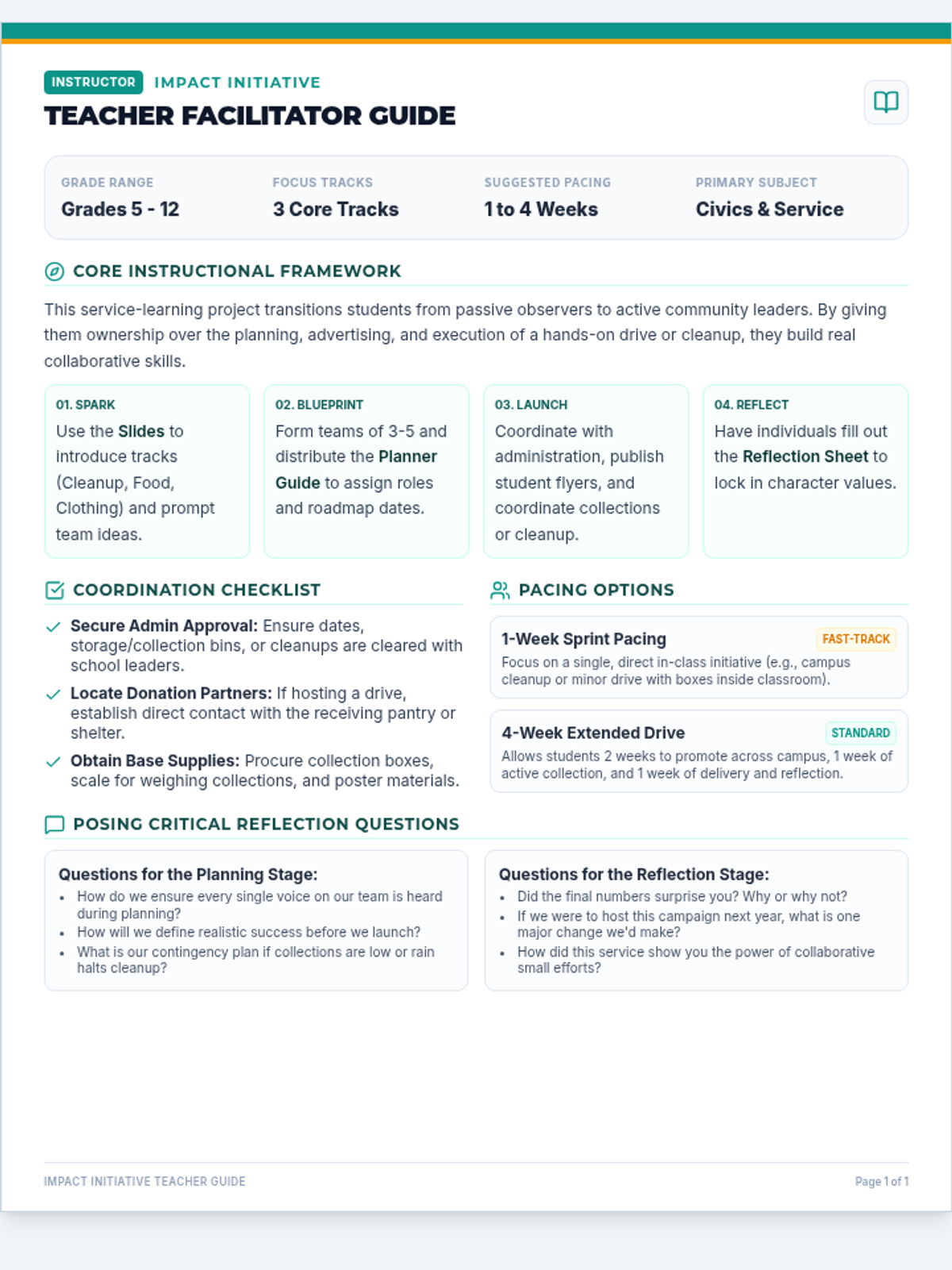
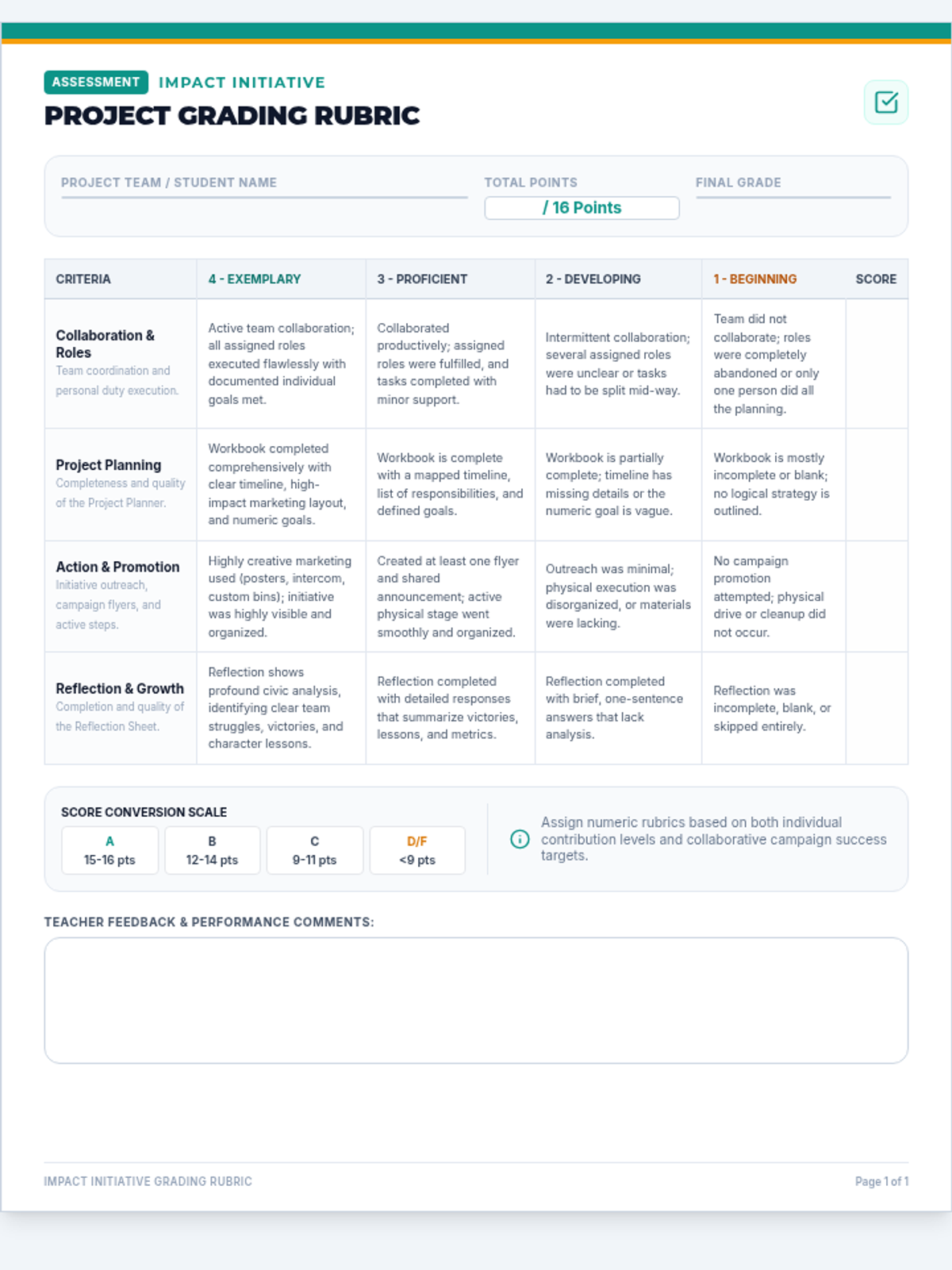
A service-learning lesson where students plan, execute, and reflect on a community service project of their choice (school campus cleanup, food drive, or clothing drive). It includes interactive presentation slides, a step-by-step project planning guide, a simplified reflection worksheet, and a teacher facilitation guide.
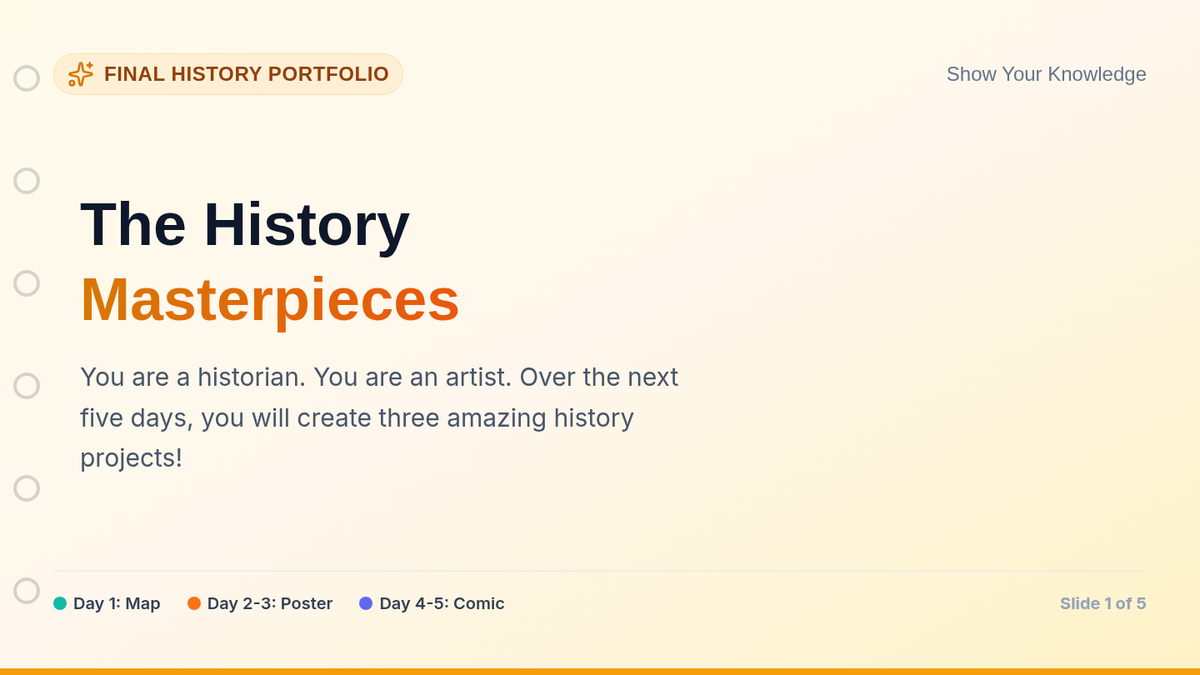
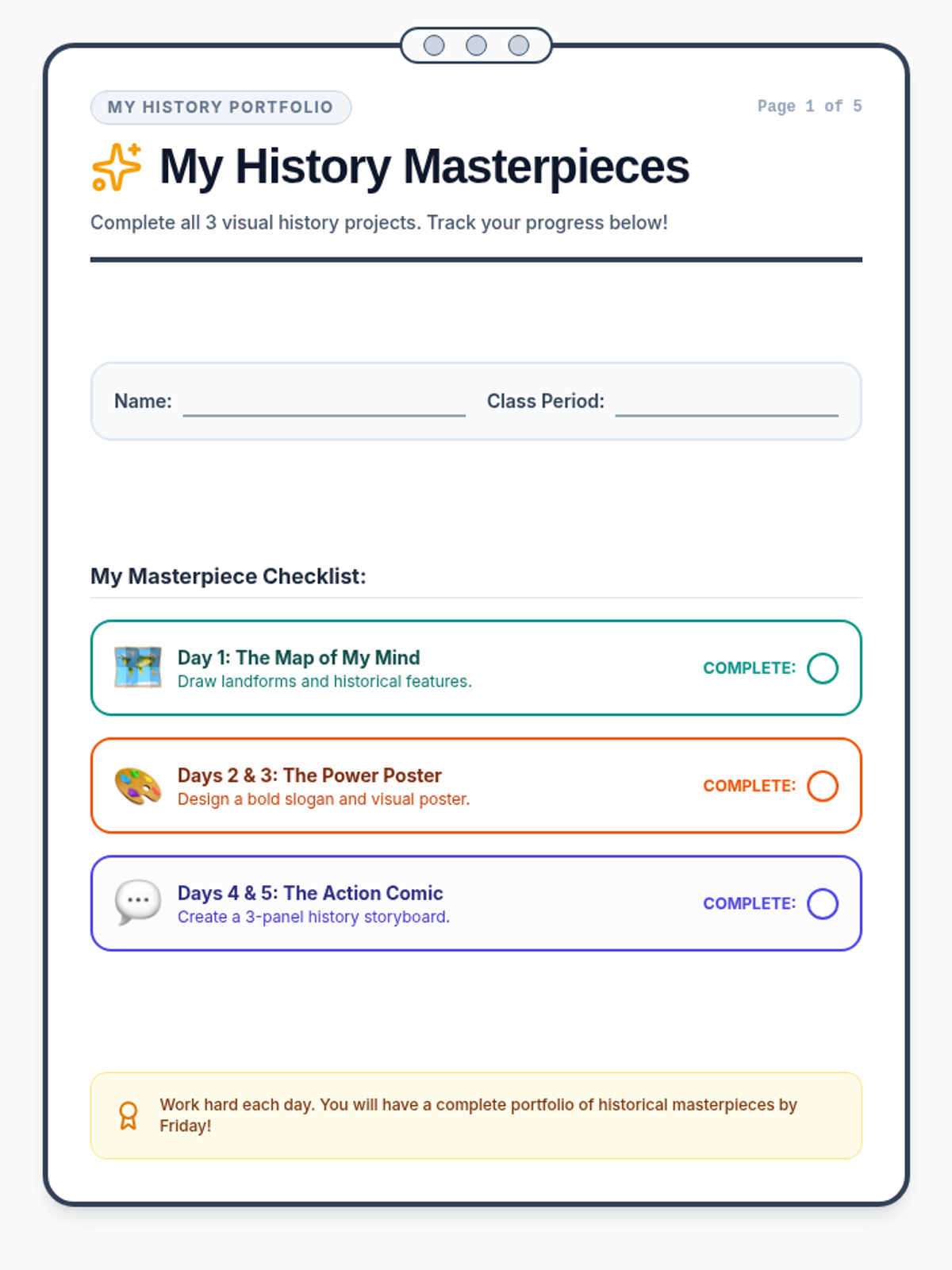
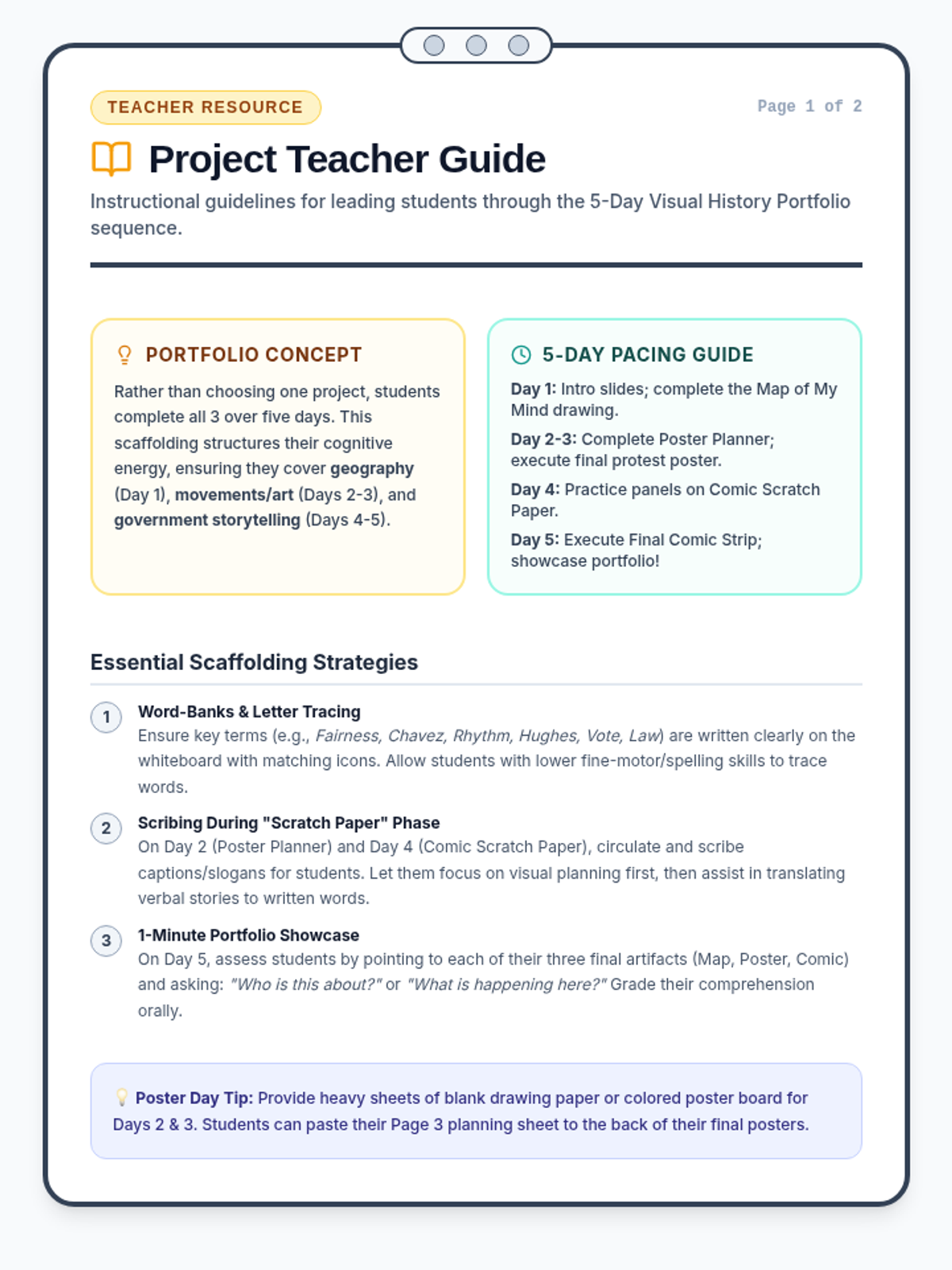
A scaffolded final project lesson where students express their historical knowledge of geography, the Farmers' Movement, government, or the Harlem Renaissance through three visual project pathways: a mind map, a protest poster, or a storyboard comic.
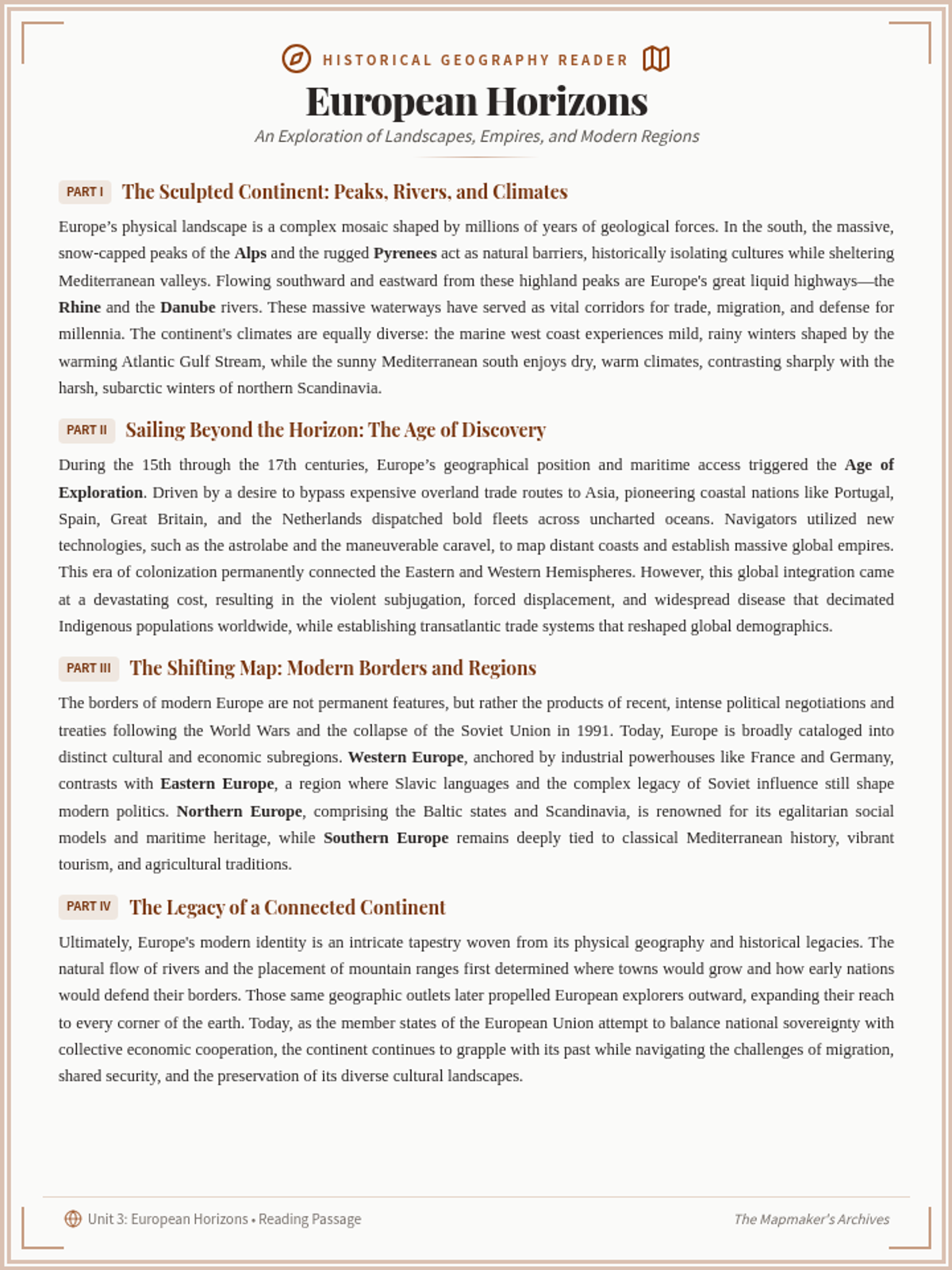
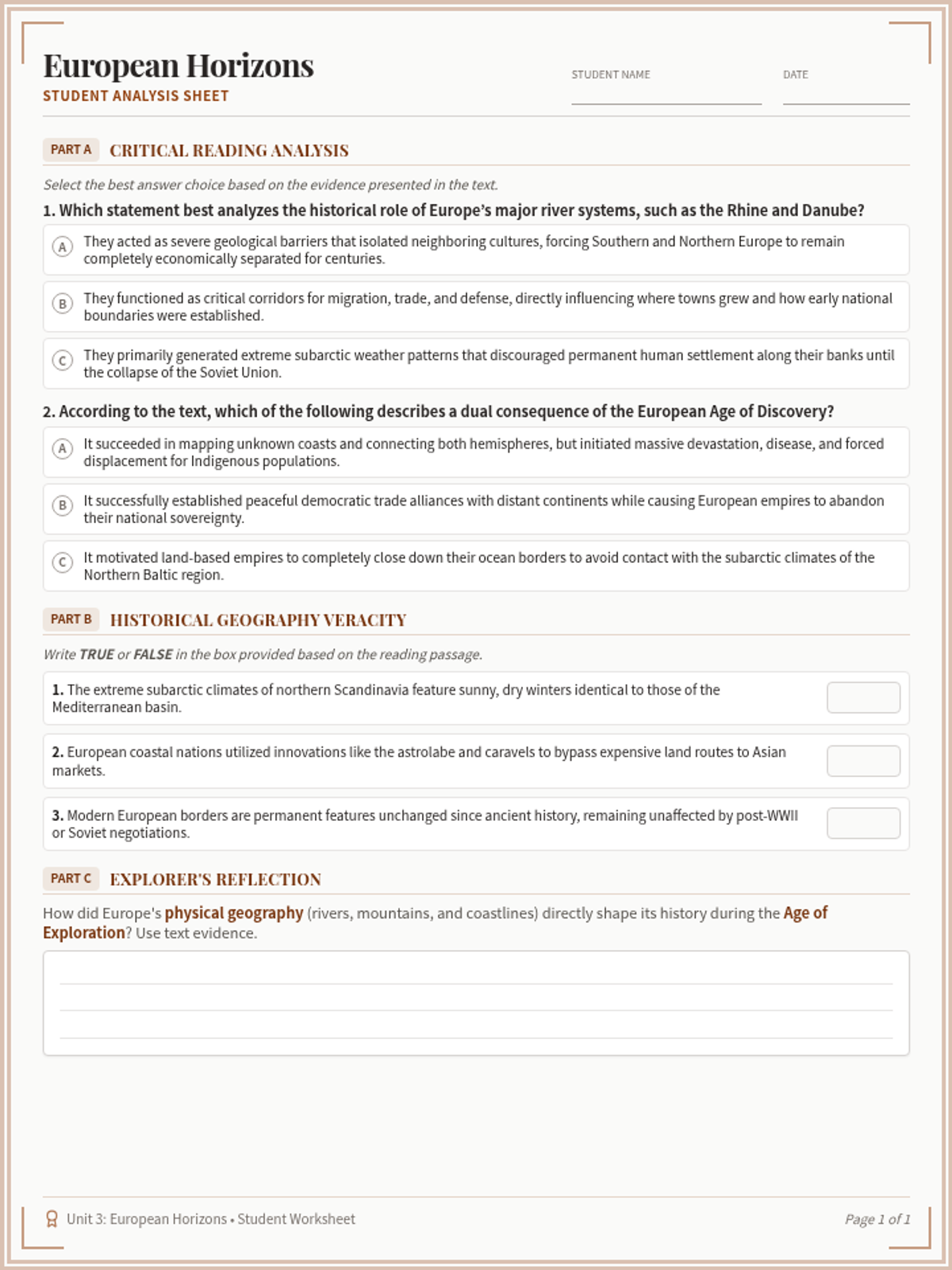
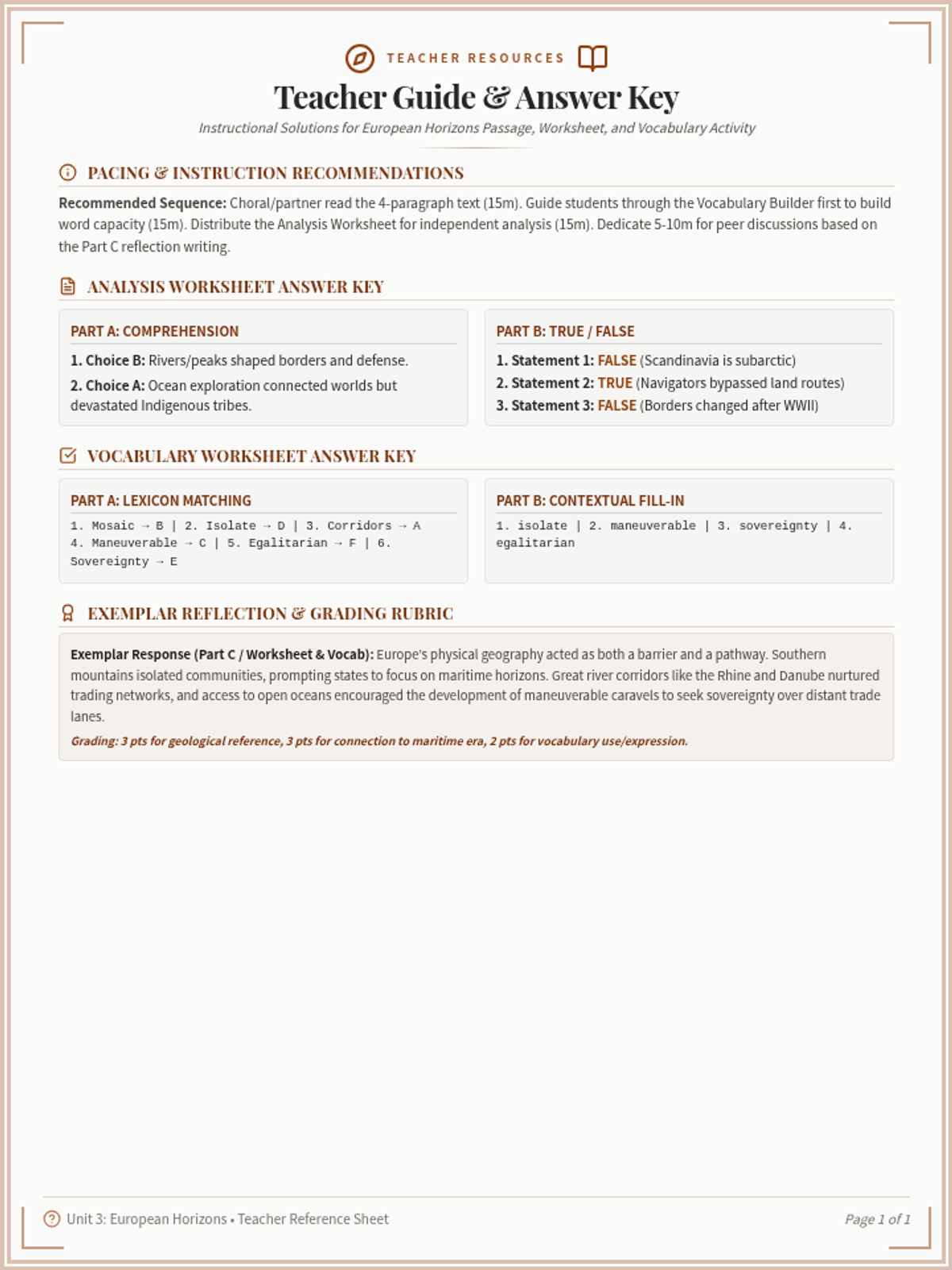
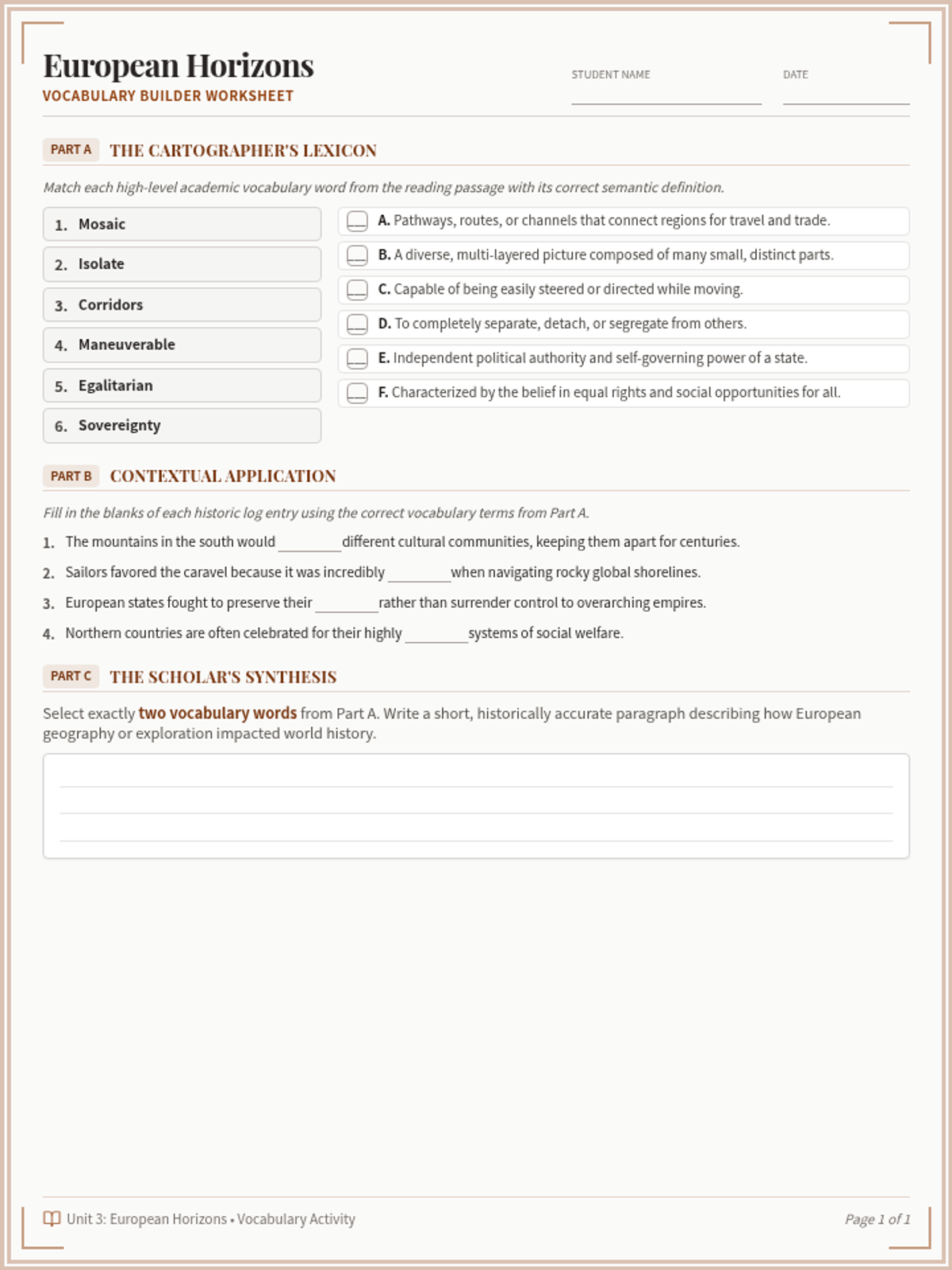
An in-depth study of Europe's diverse physical landscapes, the global legacy of its Age of Exploration, and the cultural regions that define the continent today.
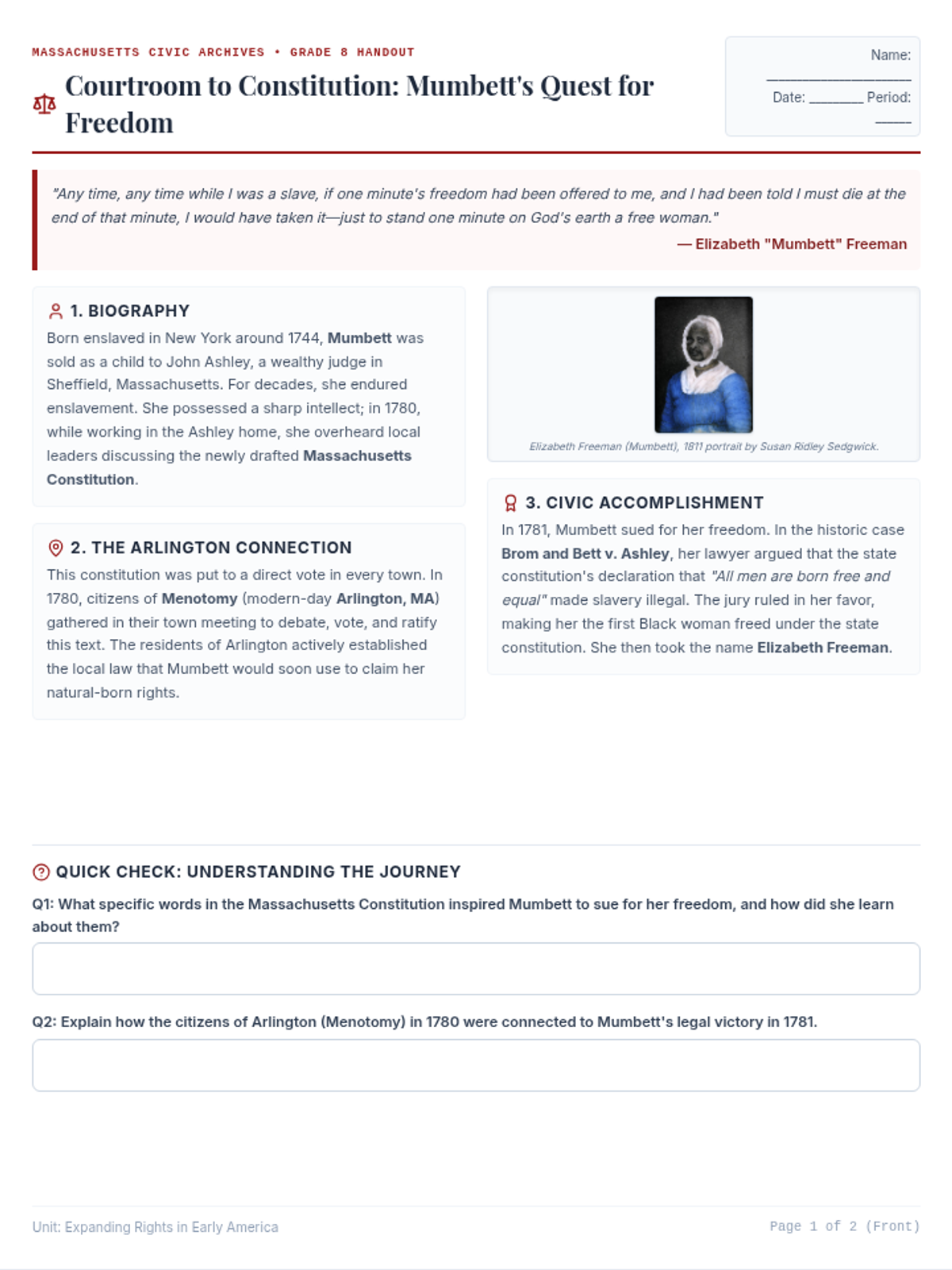
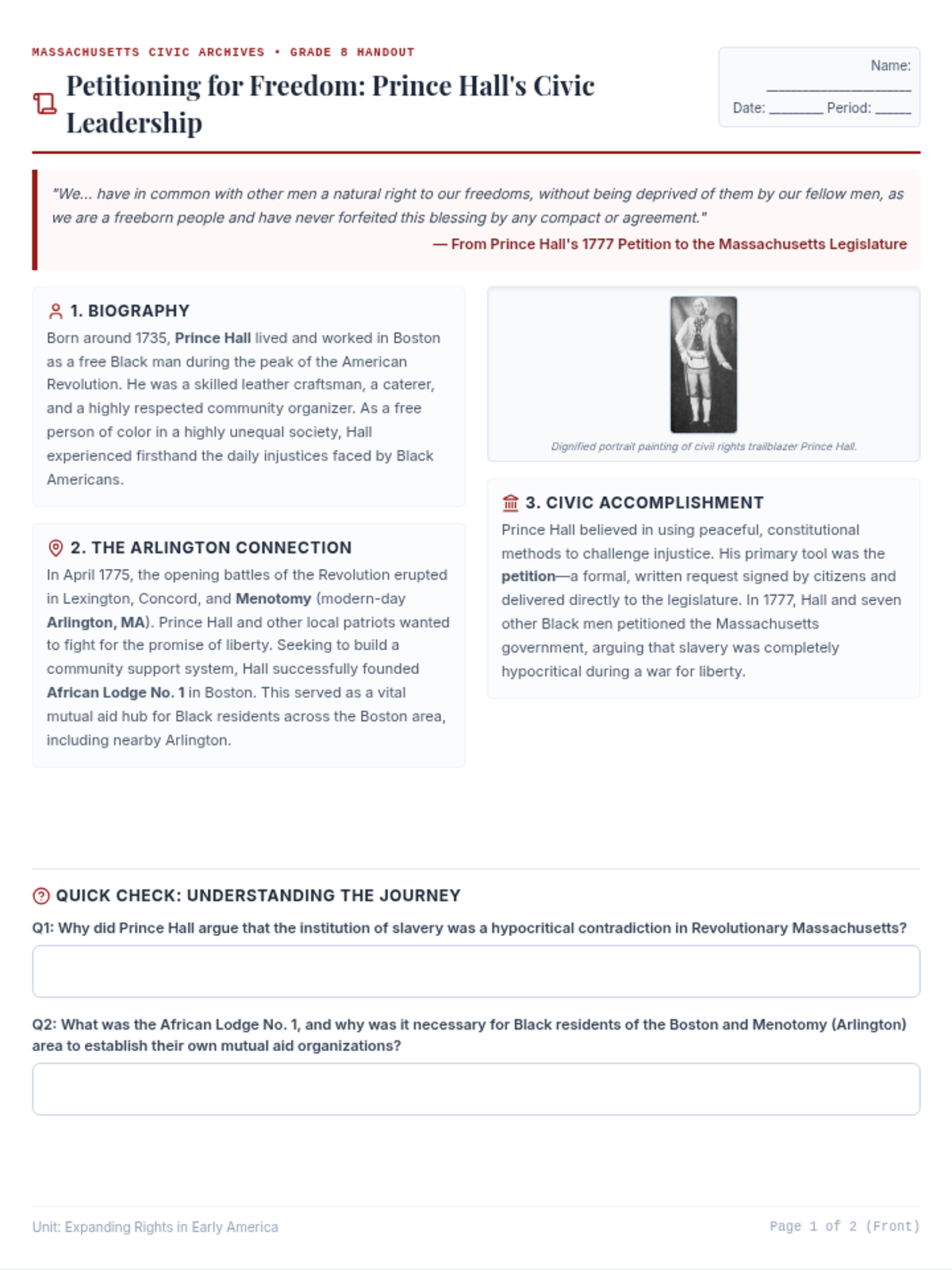
A civics lesson focusing on expanding rights in early America through the lives of two local Massachusetts trailblazers: Mumbett (Elizabeth Freeman) and Prince Hall. Designed for 8th-grade students in Arlington, MA, these worksheets emphasize local connections, civic strategies, and historical comparisons.
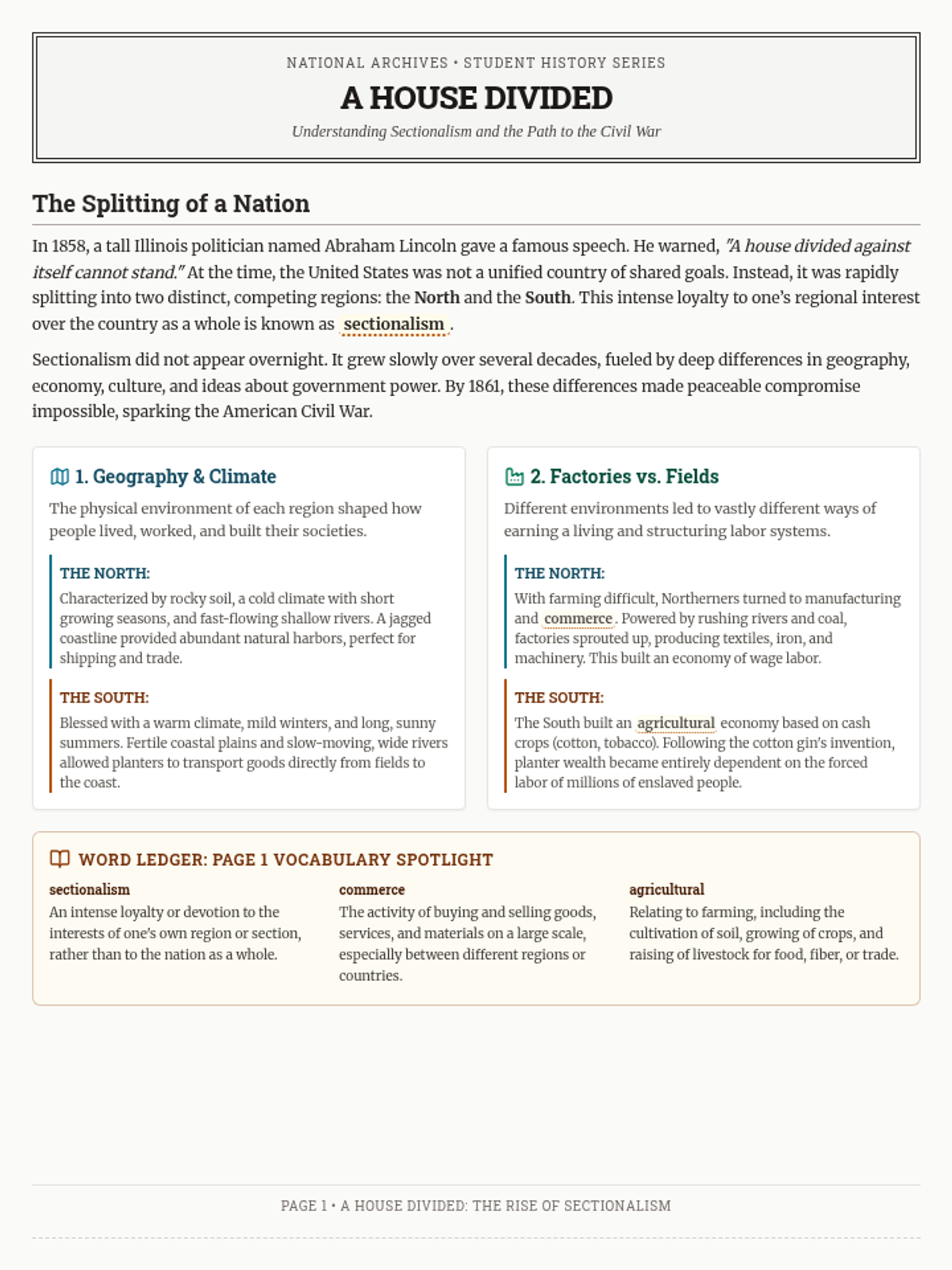
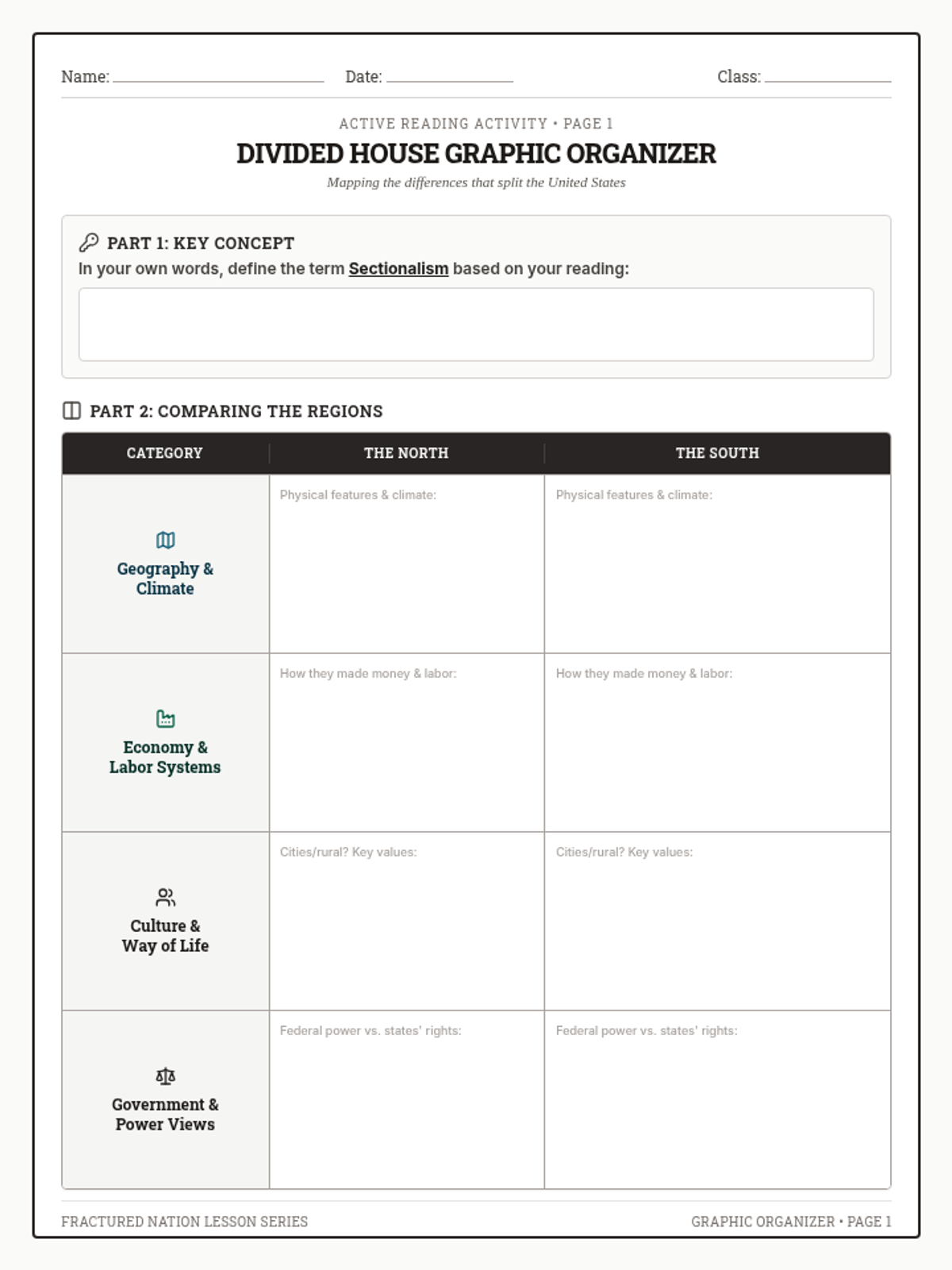
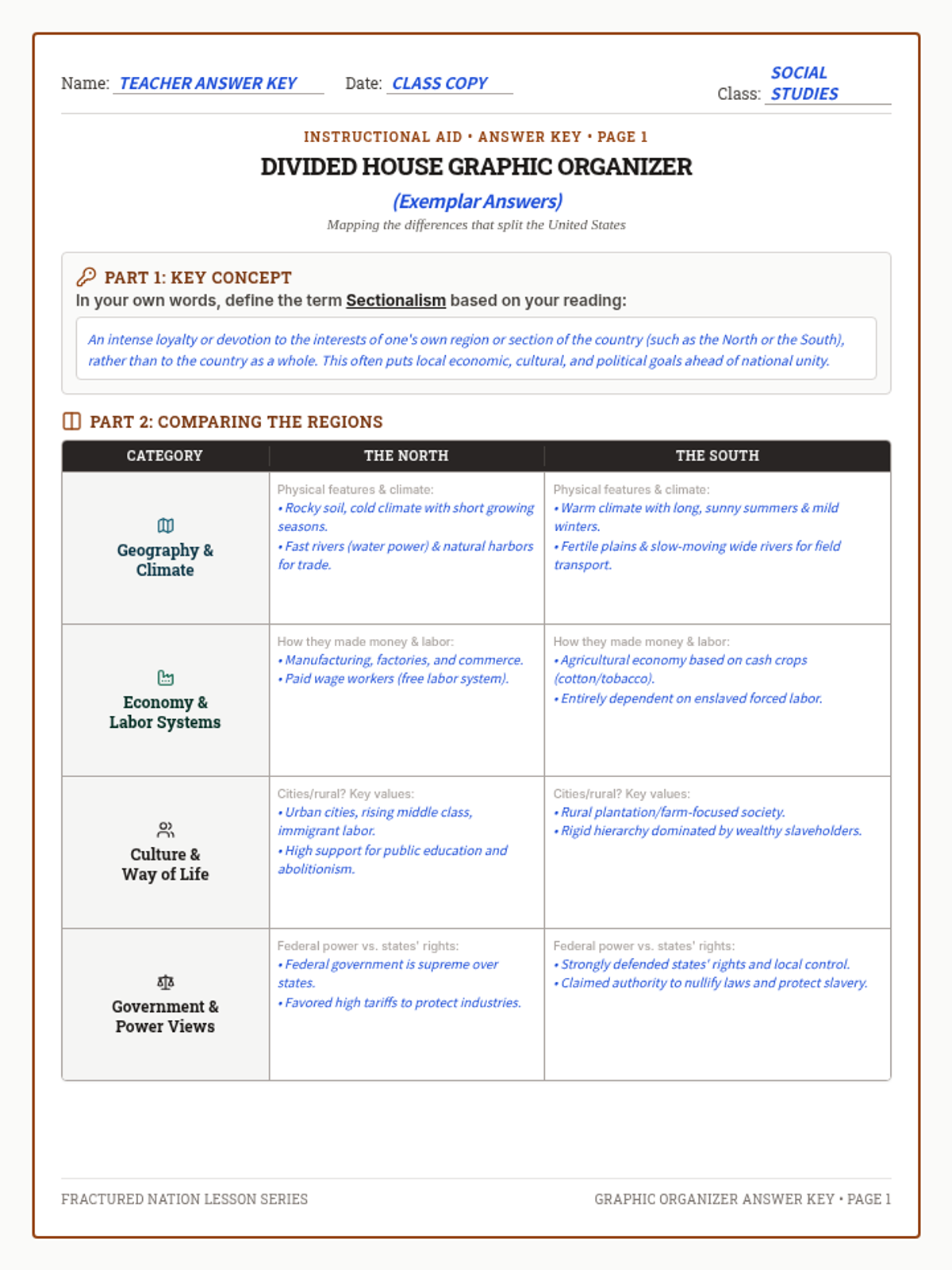
A middle school social studies lesson exploring how Sectionalism became a major long-term cause of the American Civil War. Students analyze the geographic, economic, cultural, and political differences between the North and South, culminating in a graphic organizer activity.
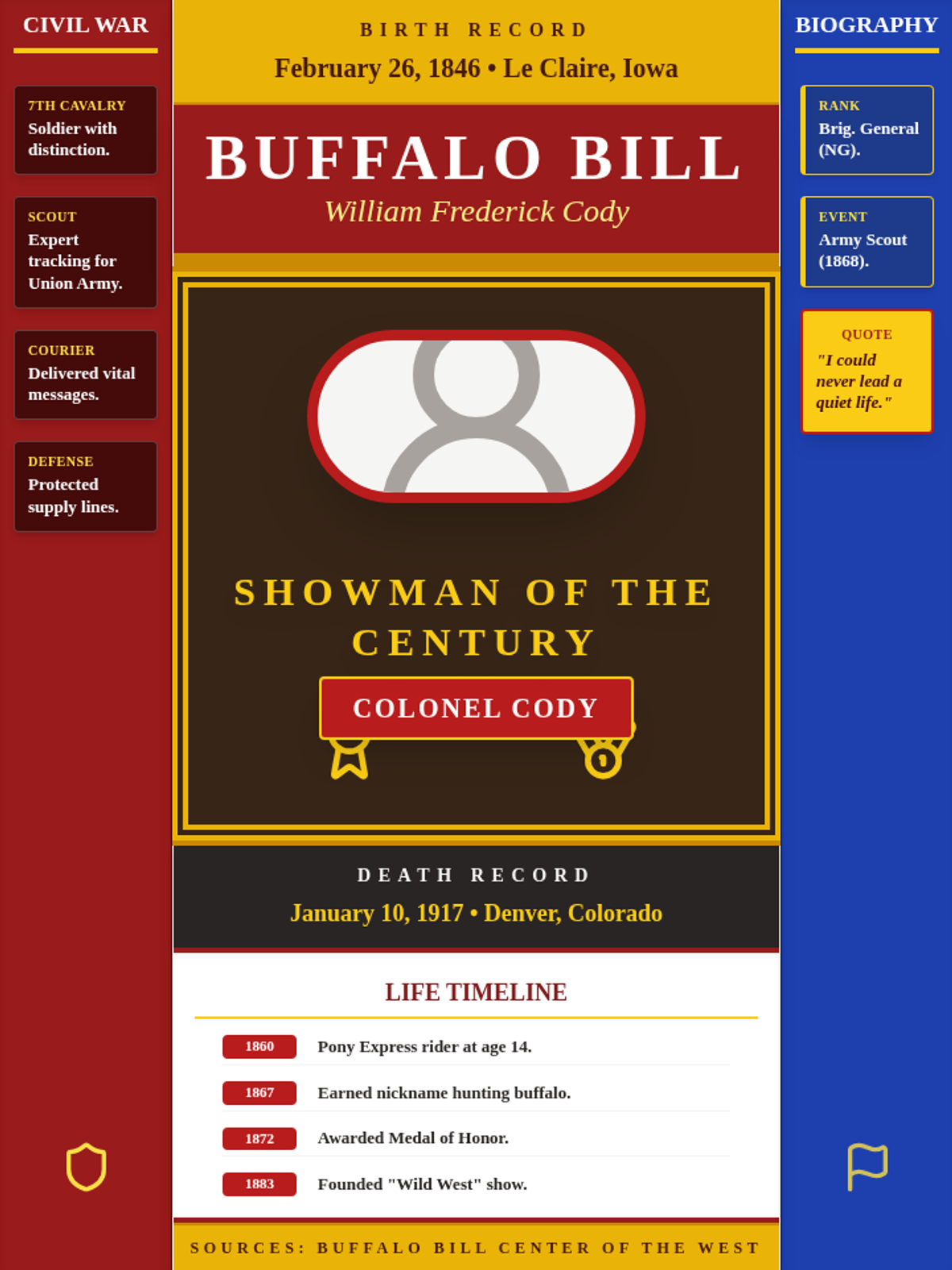
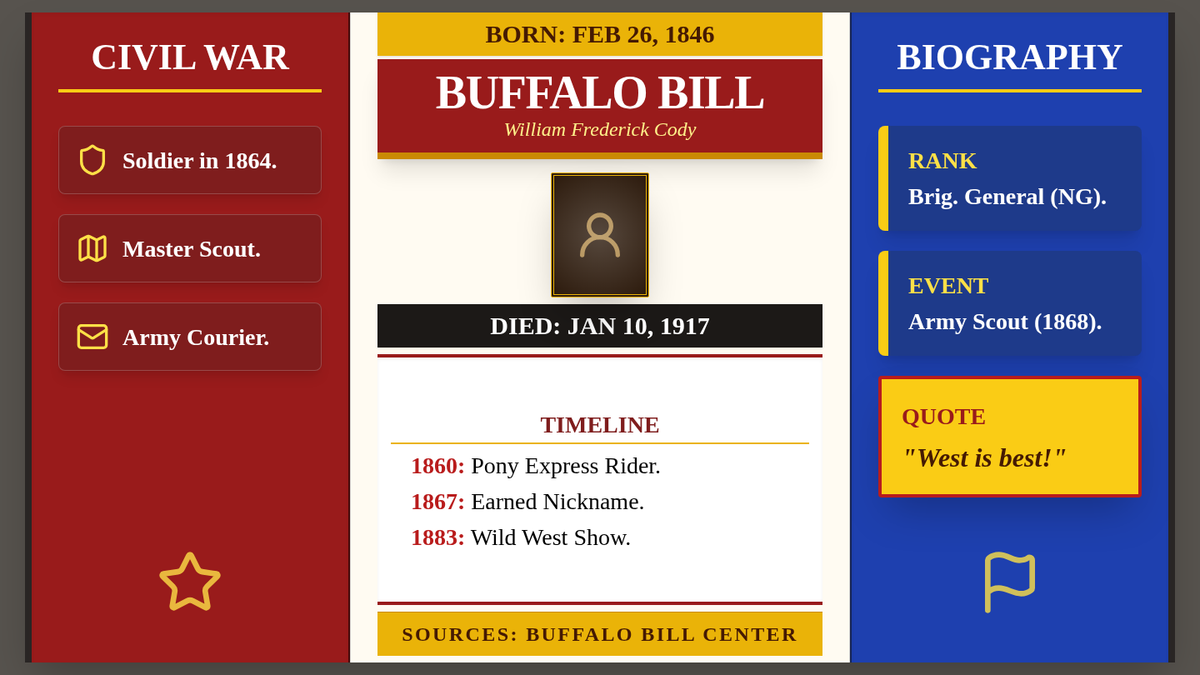
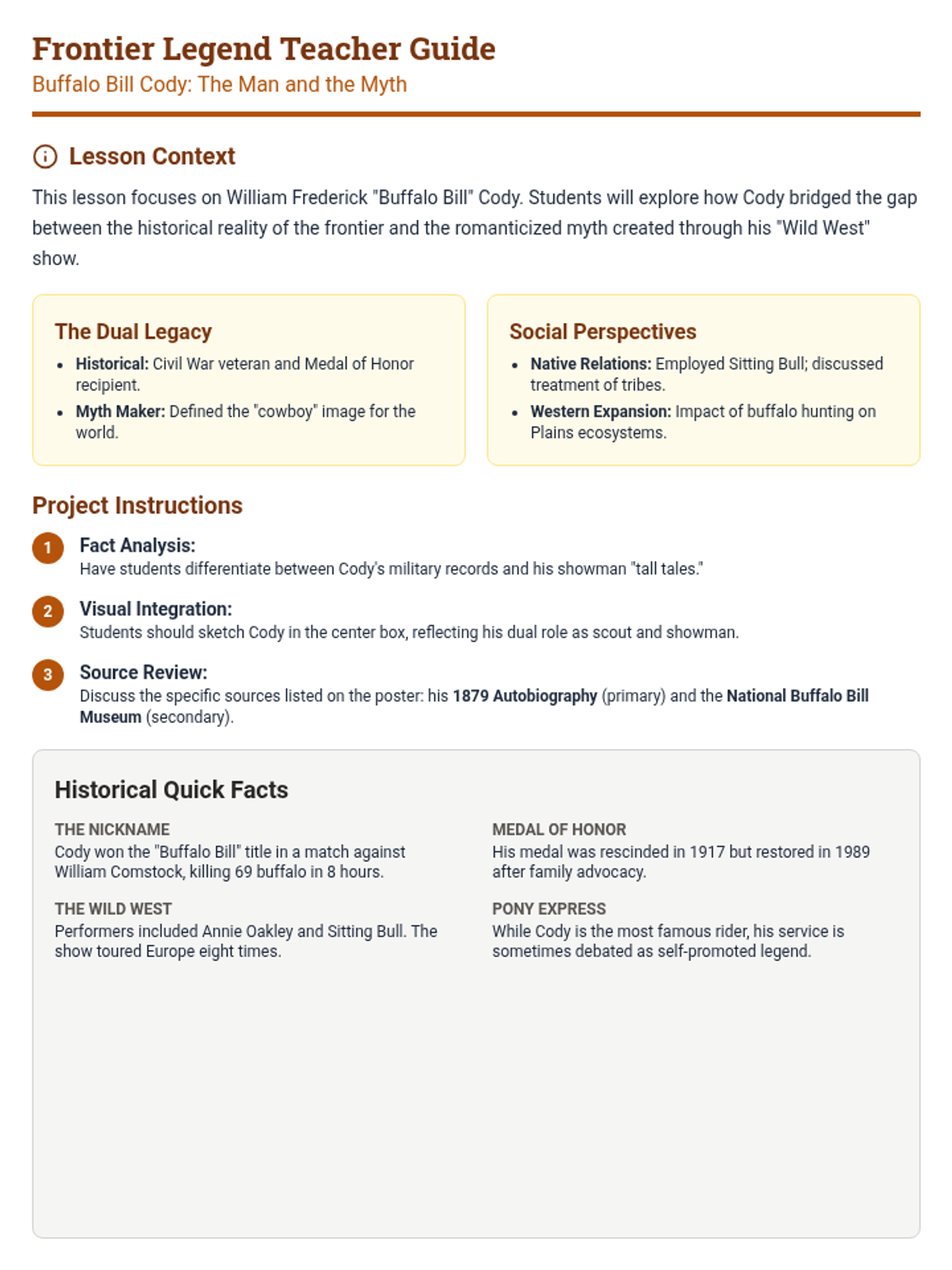
A lesson exploring the life and contributions of Buffalo Bill Cody, featuring a simulated trifold presentation board for historical analysis.
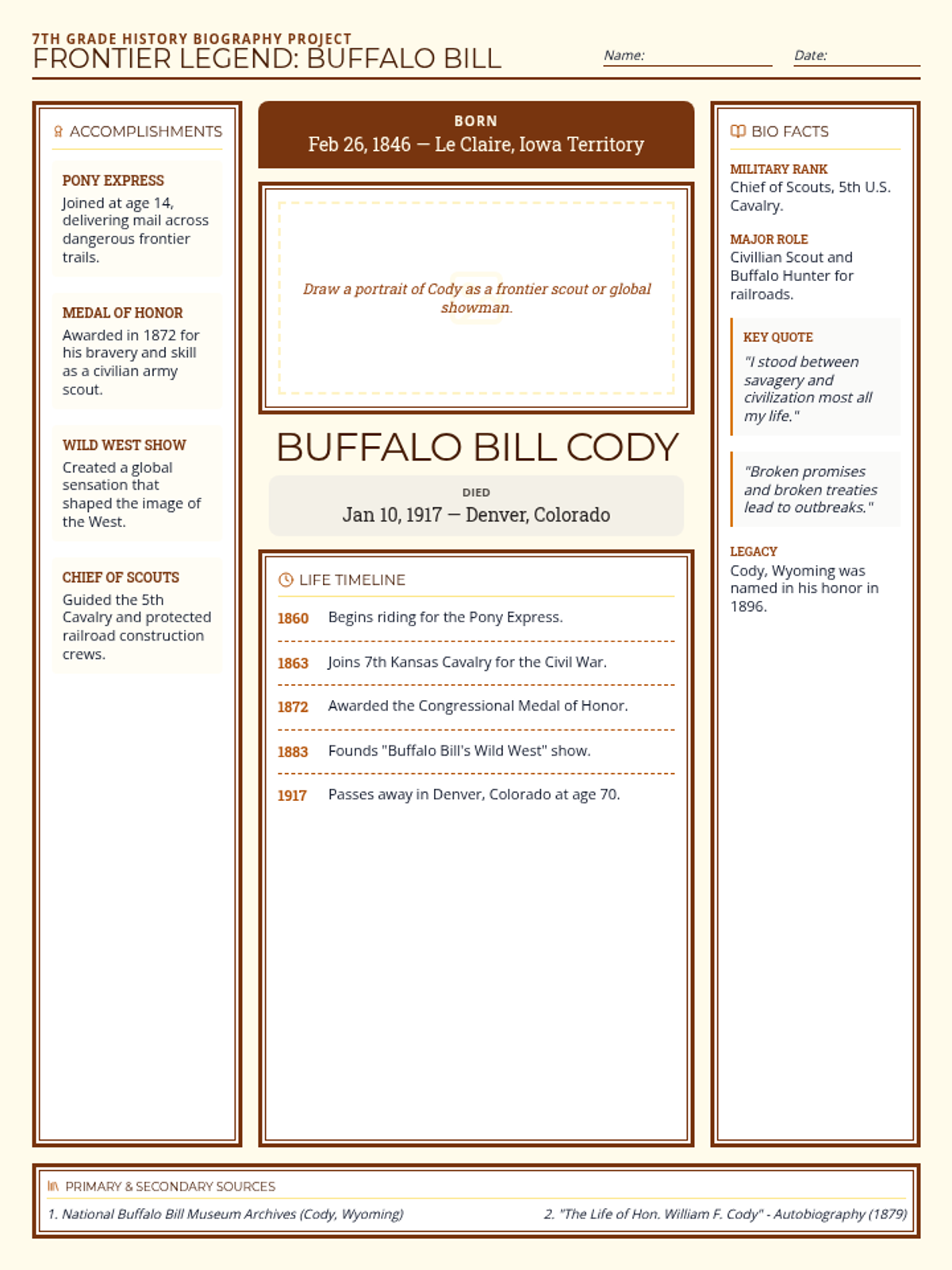
A comprehensive lesson exploring the life, legacy, and cultural impact of William Frederick 'Buffalo Bill' Cody through a structured biographical project. Students analyze primary facts and accomplishments to construct a trifold-style poster.
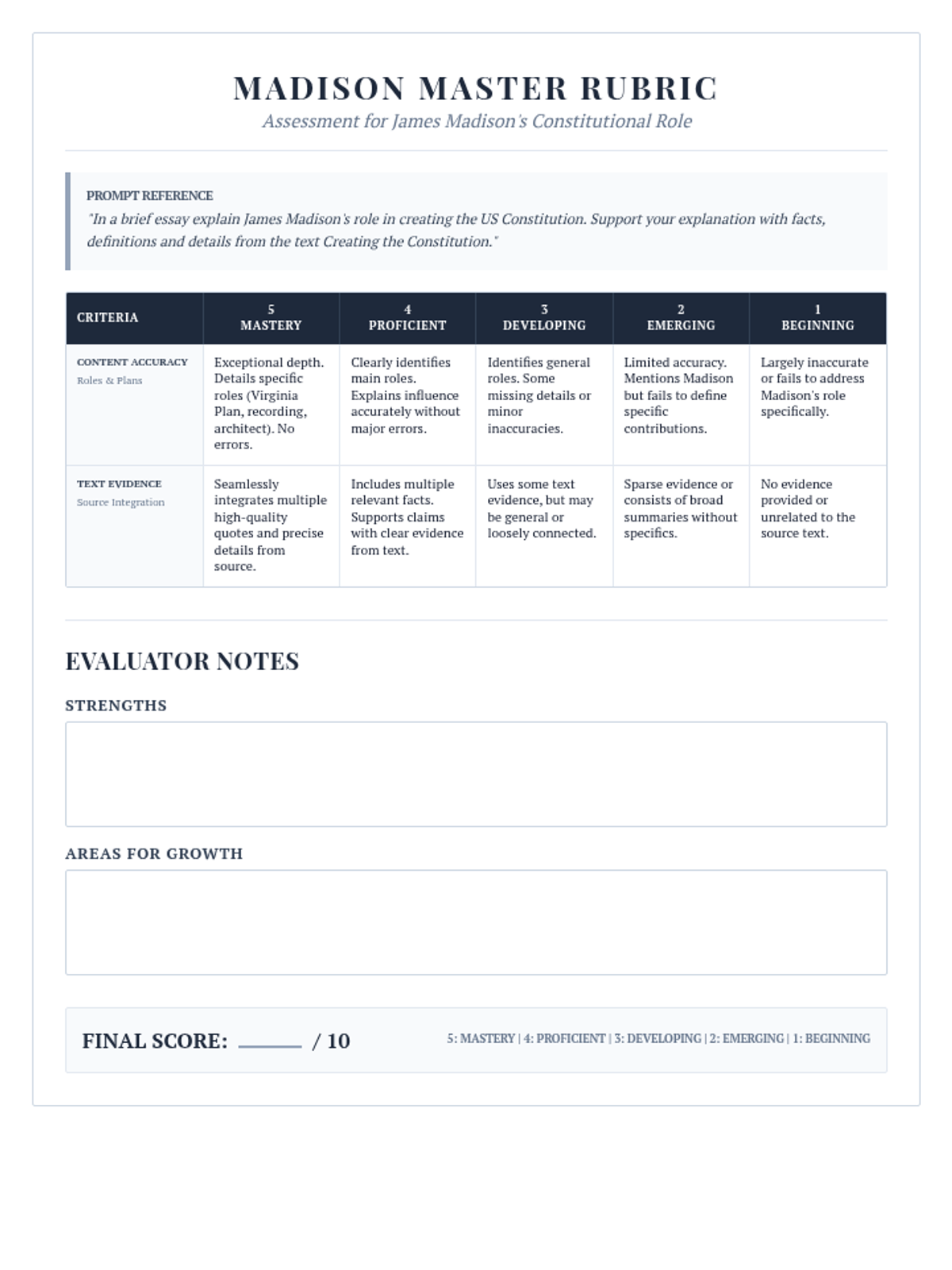
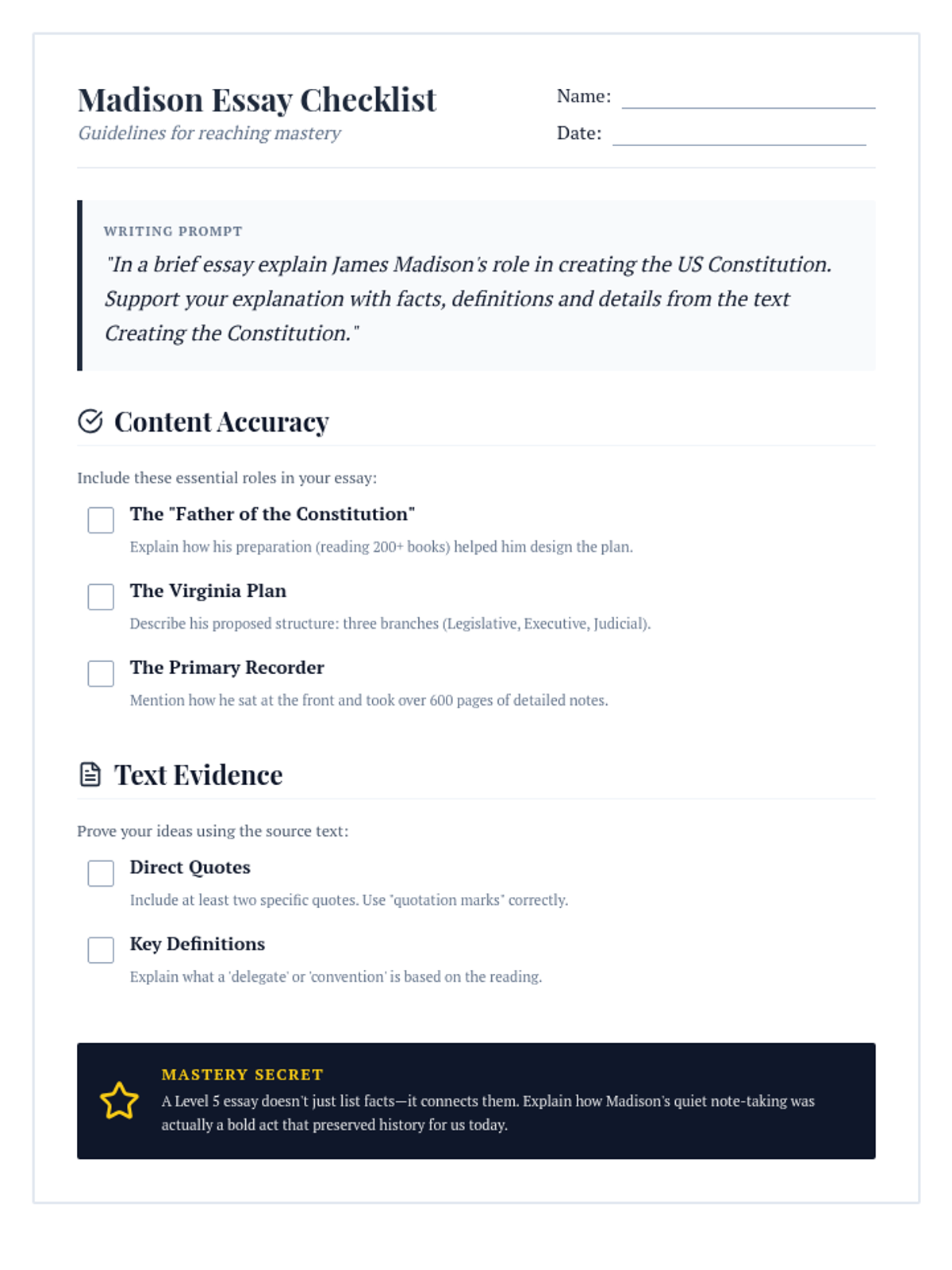
A lesson focused on James Madison's pivotal role in the Constitutional Convention, assessing students' ability to synthesize historical texts into clear, evidenced-based essays.
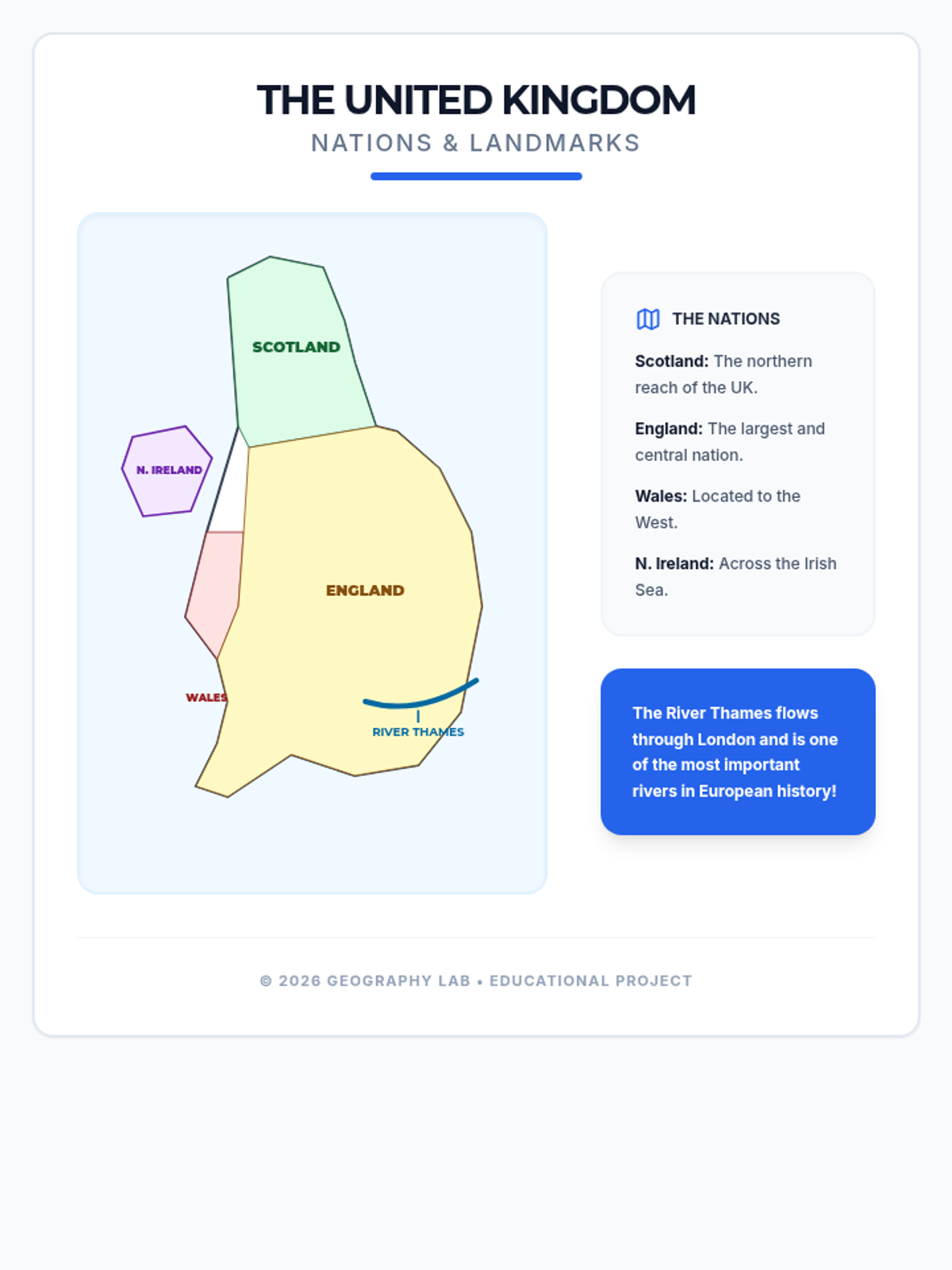
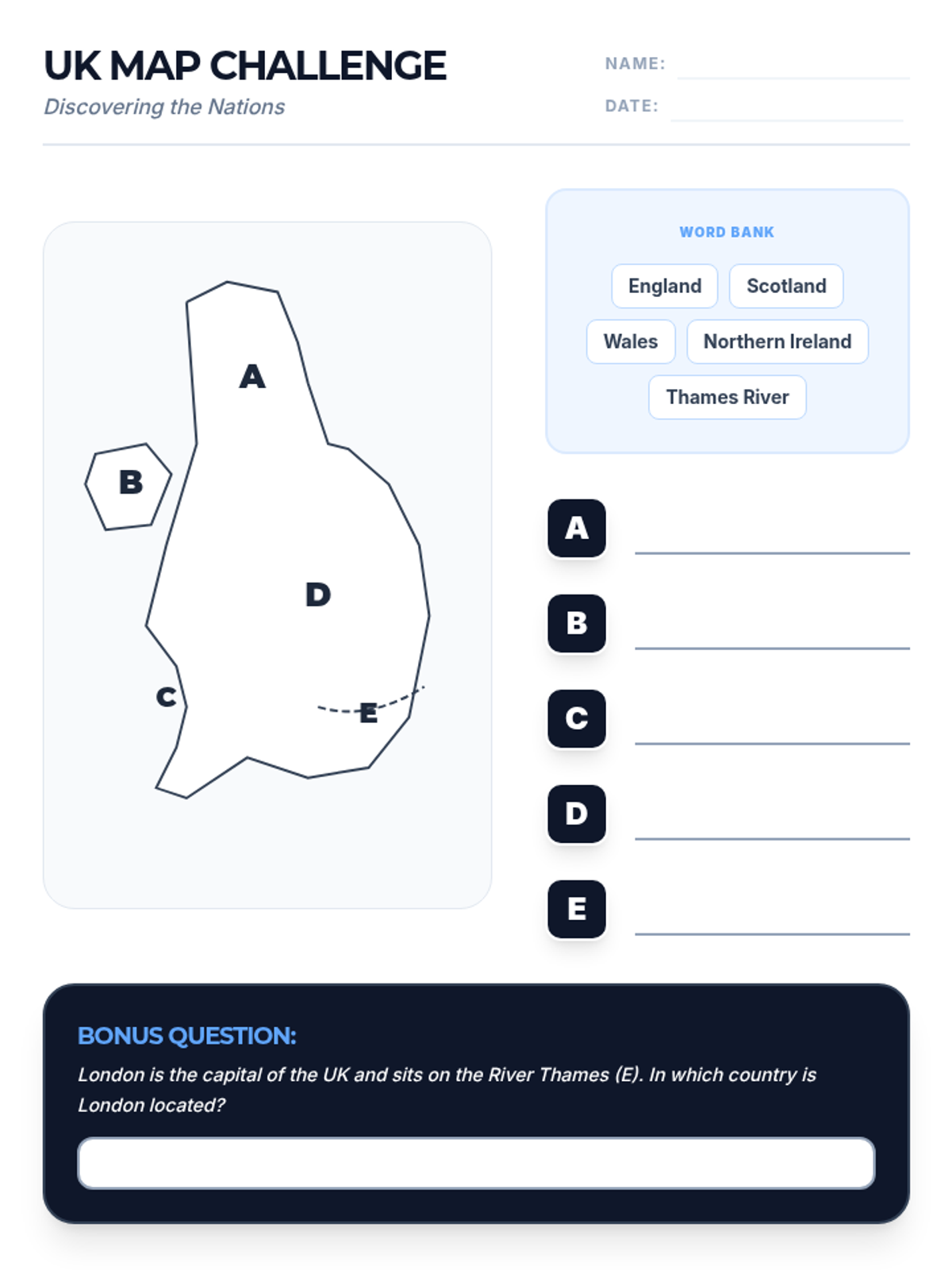
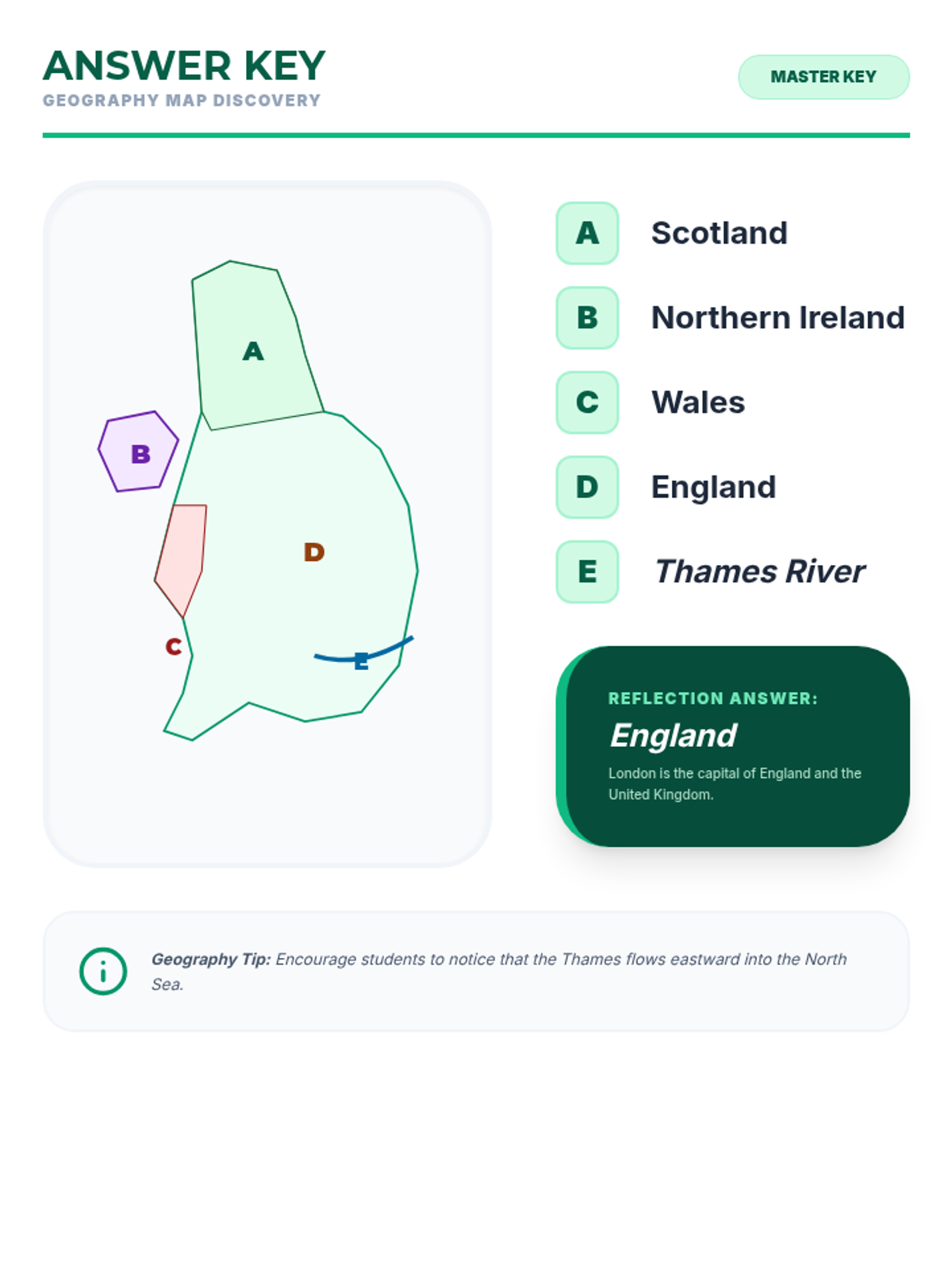
An introductory exploration of the United Kingdom's geography, focusing on its four constituent countries and major landmarks like the River Thames.
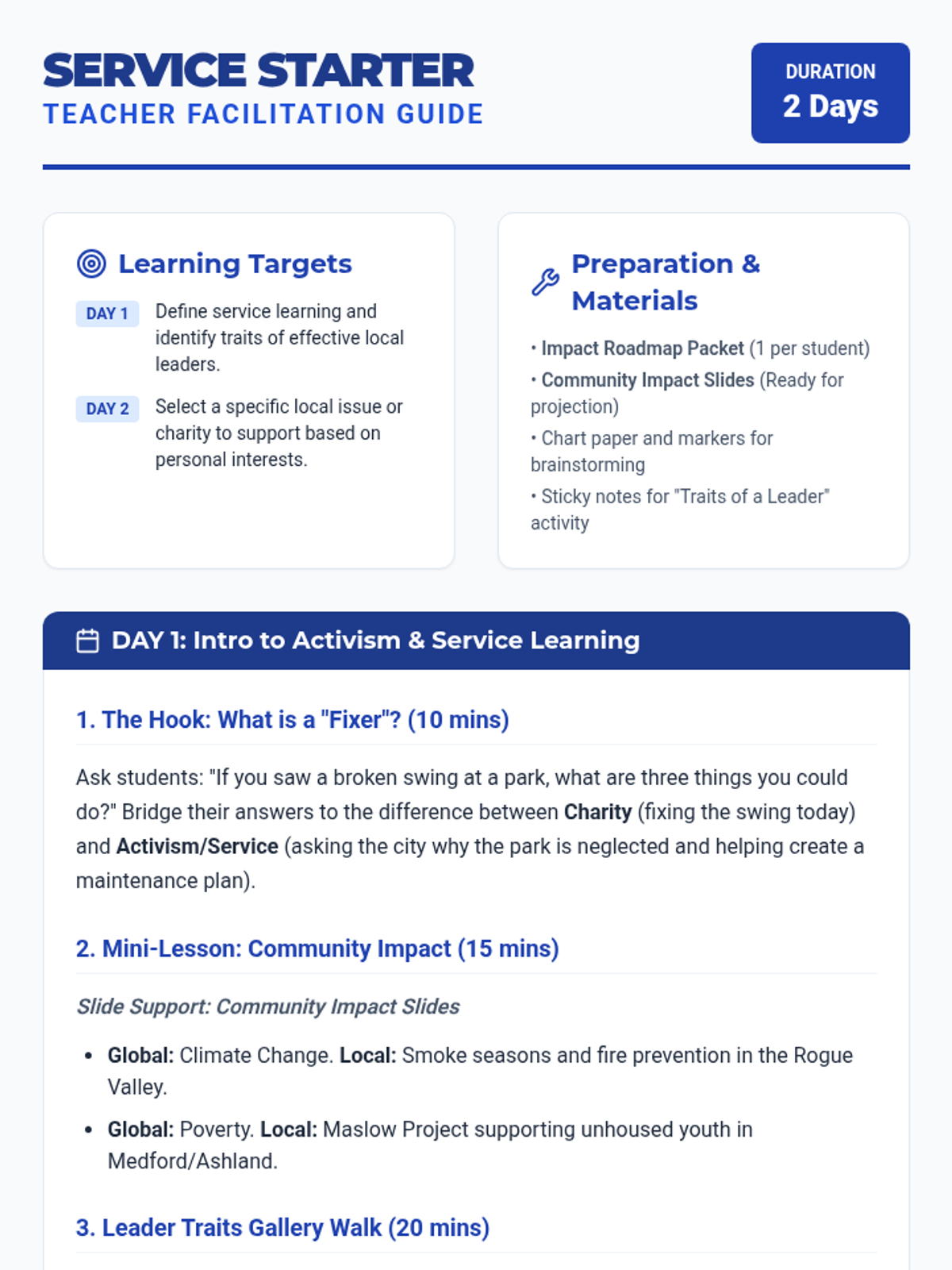
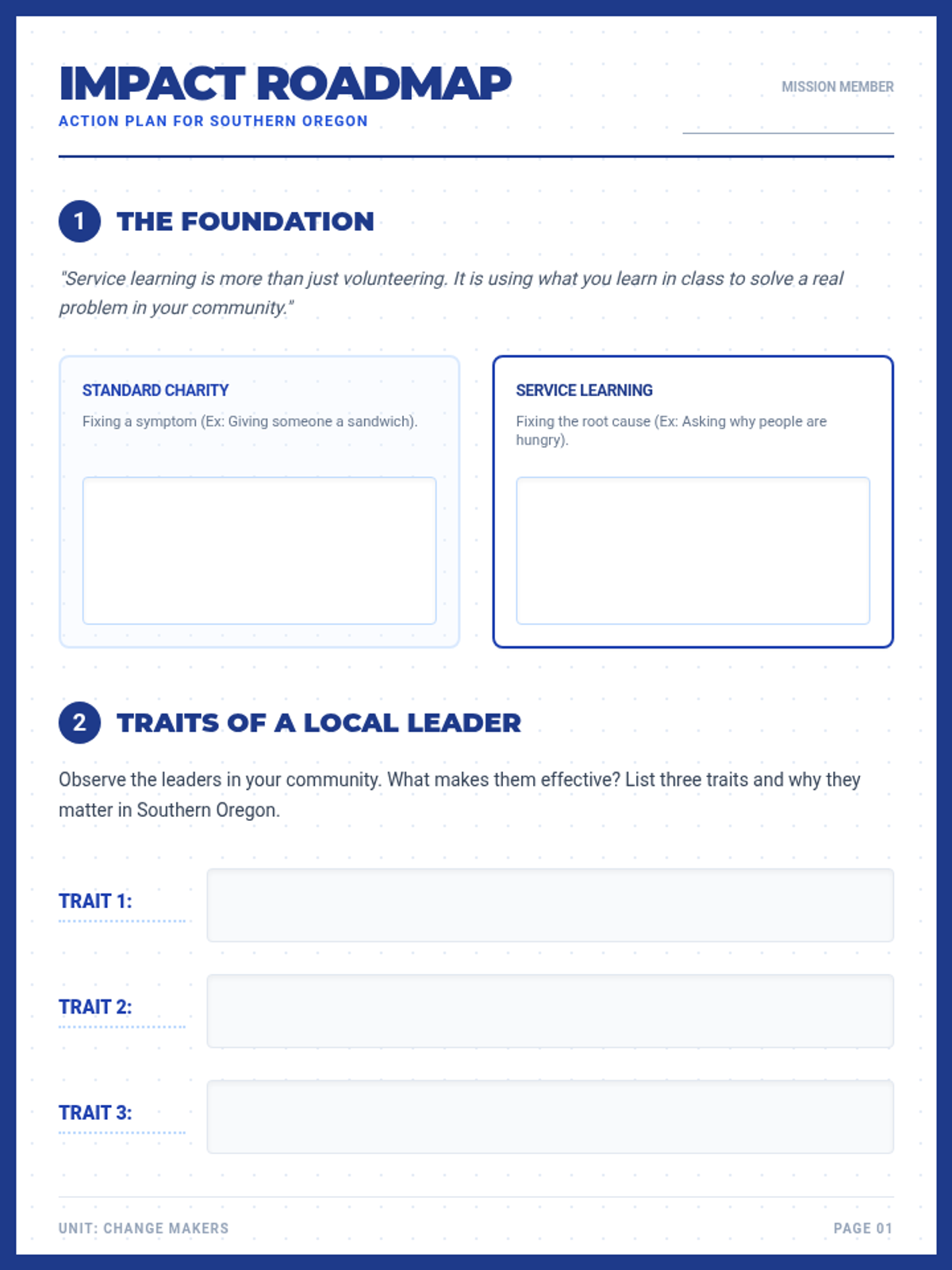
A two-day introductory lesson on service learning and community activism, focusing on defining impact and selecting local causes in Southern Oregon.
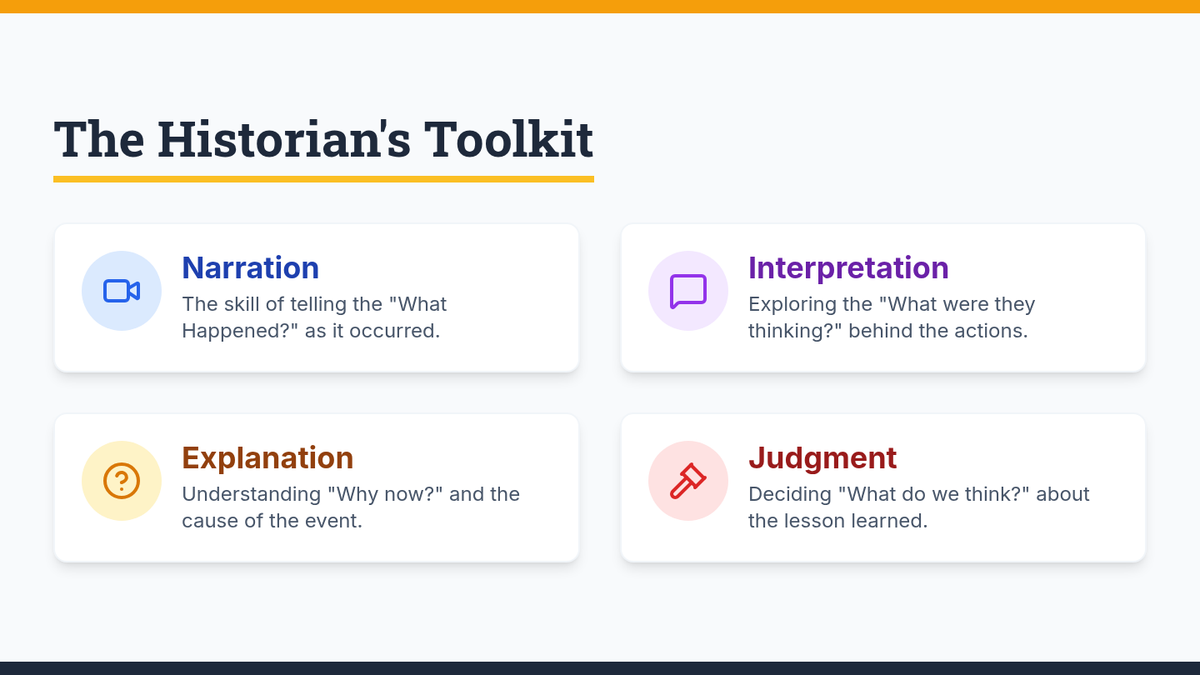
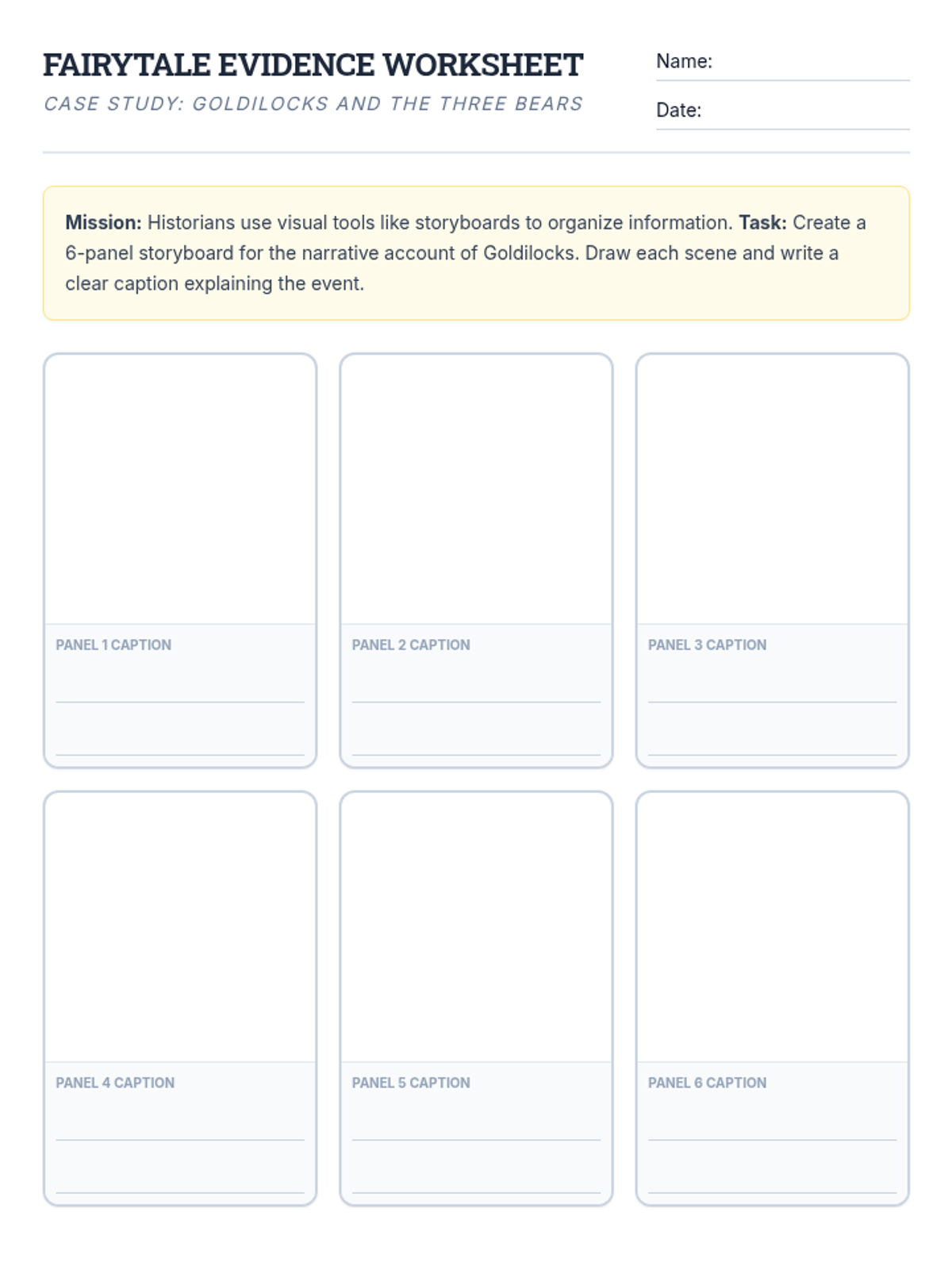
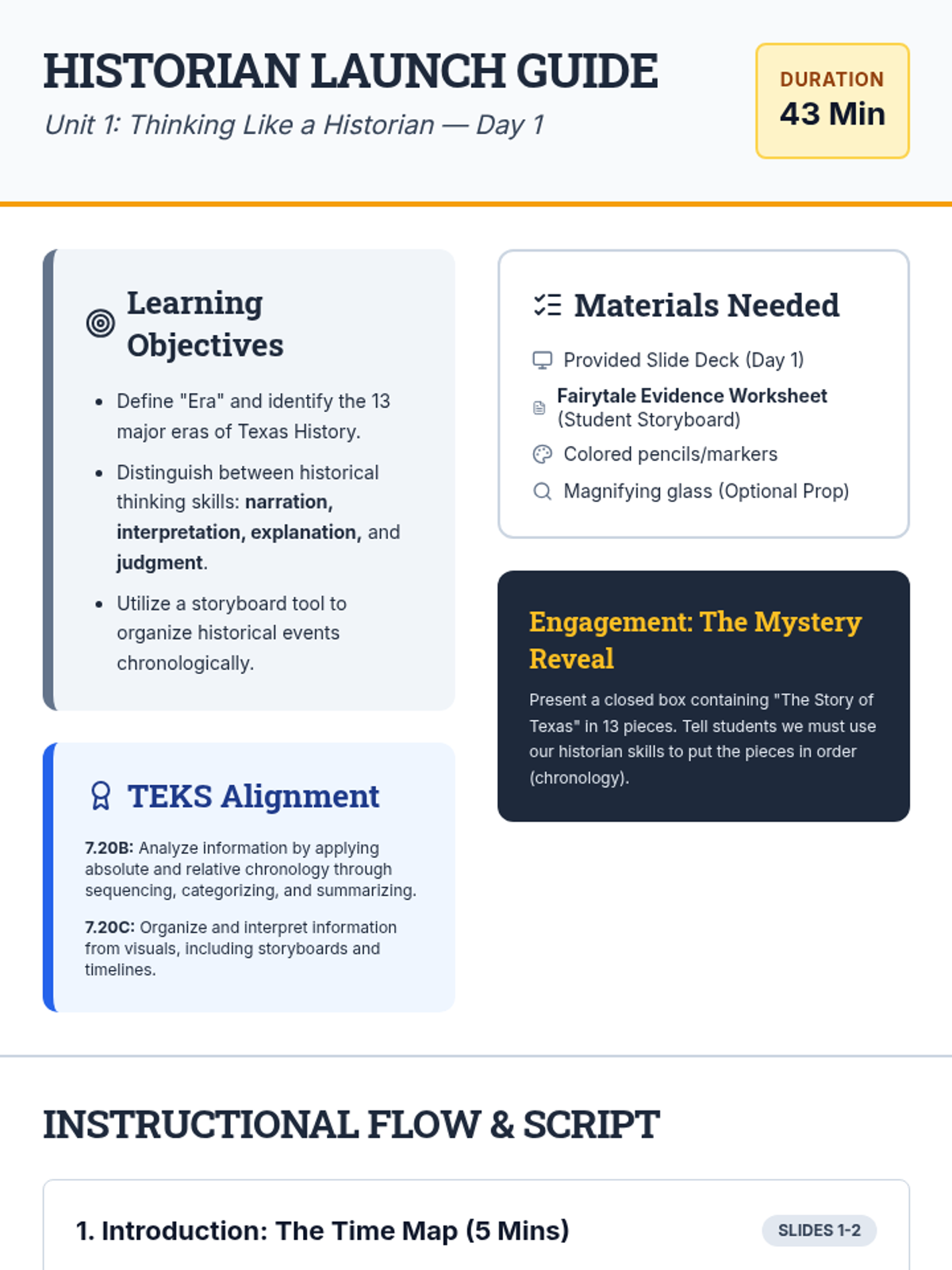
An introductory lesson for 7th grade Texas History where students learn to think like historians by exploring eras, storyboarding, and historical thinking skills using familiar narratives.
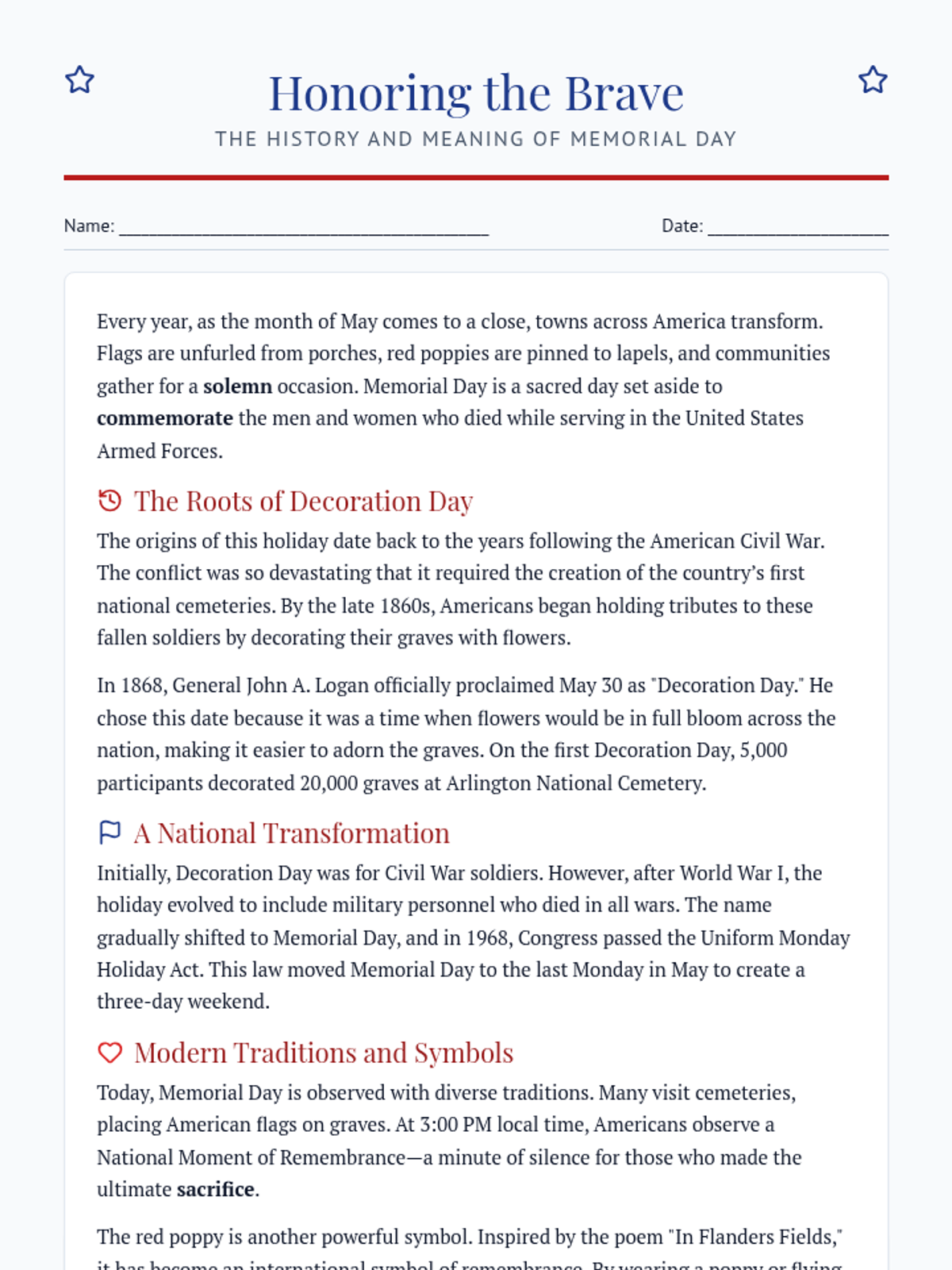
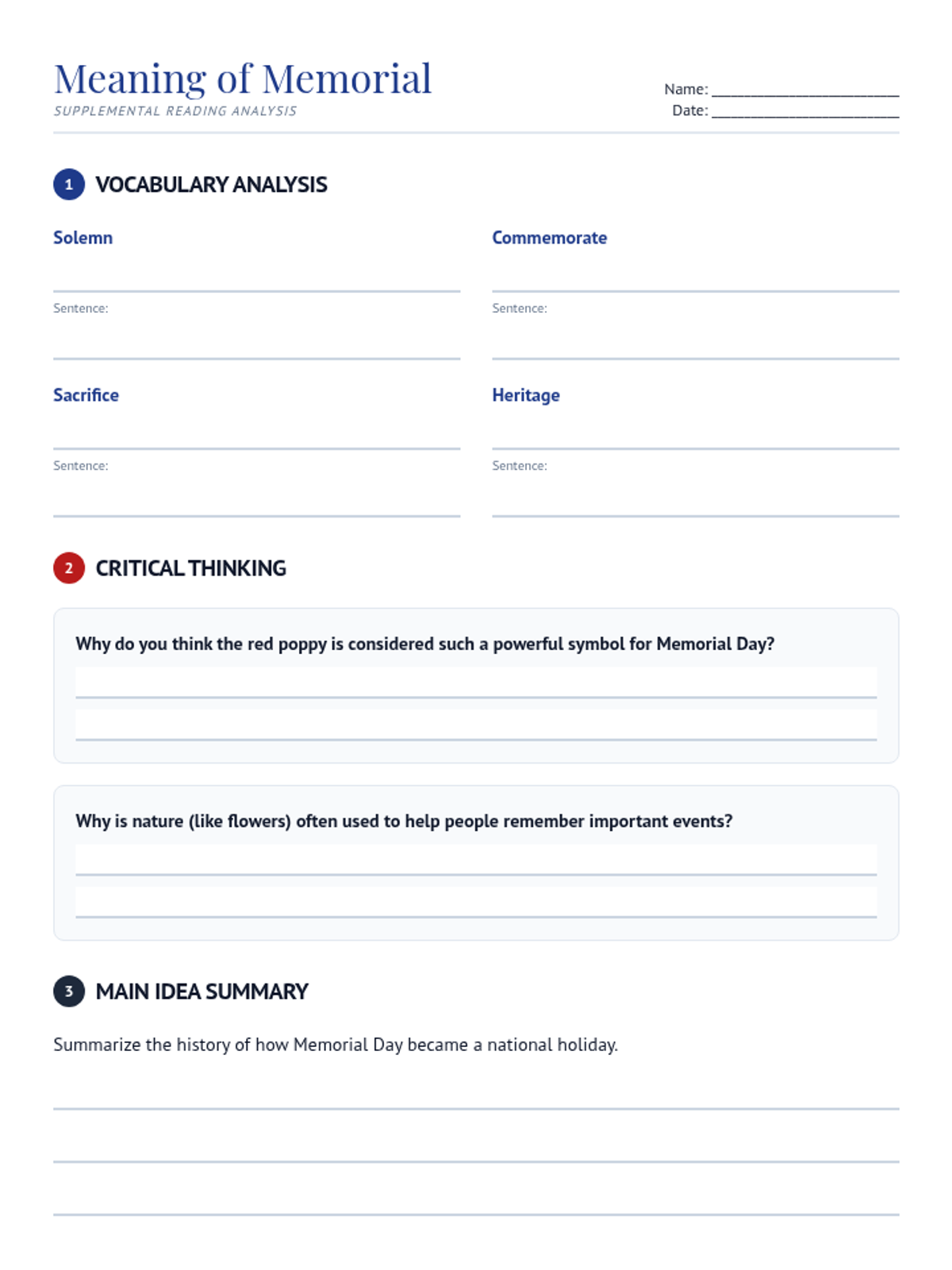
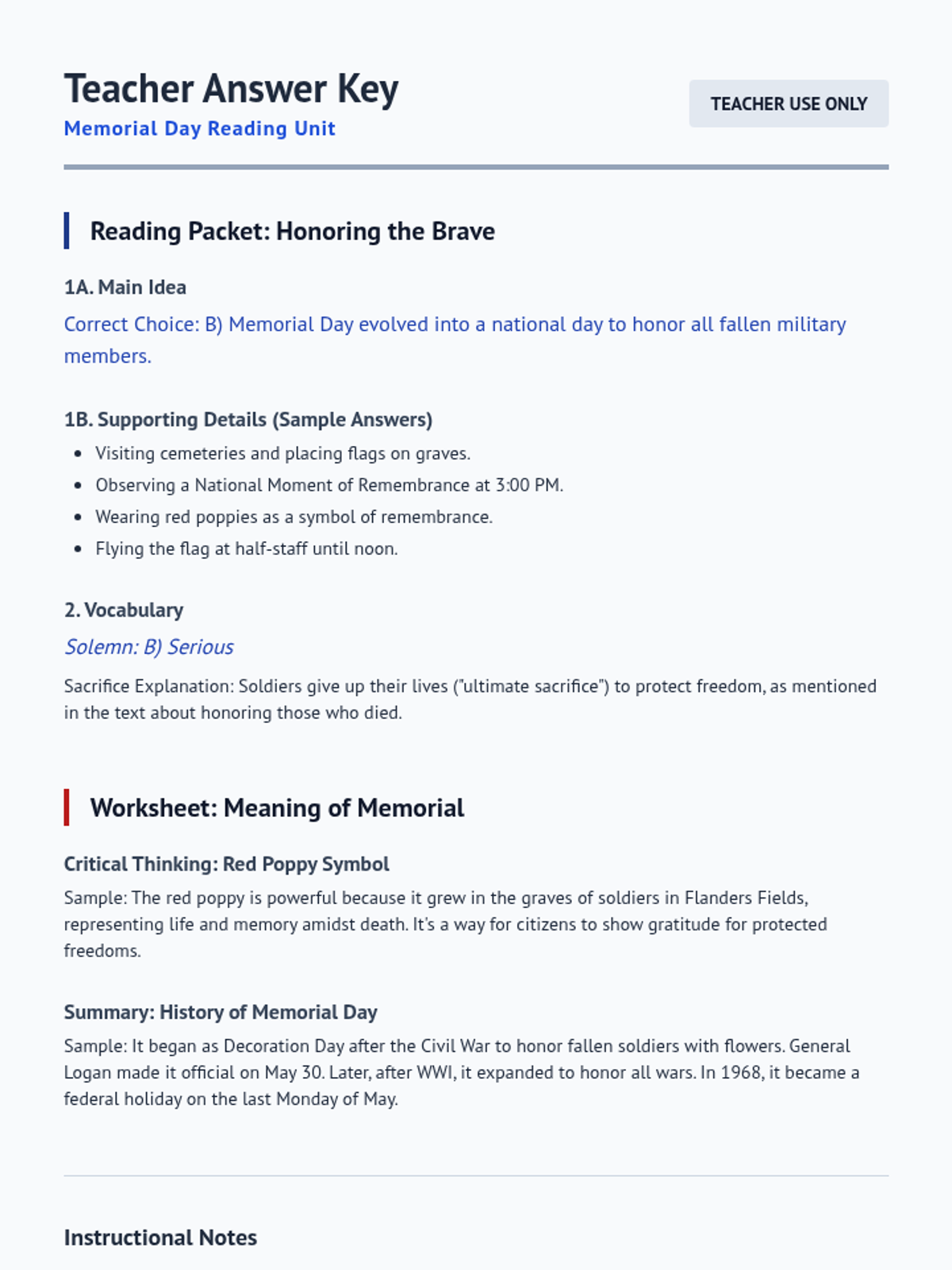
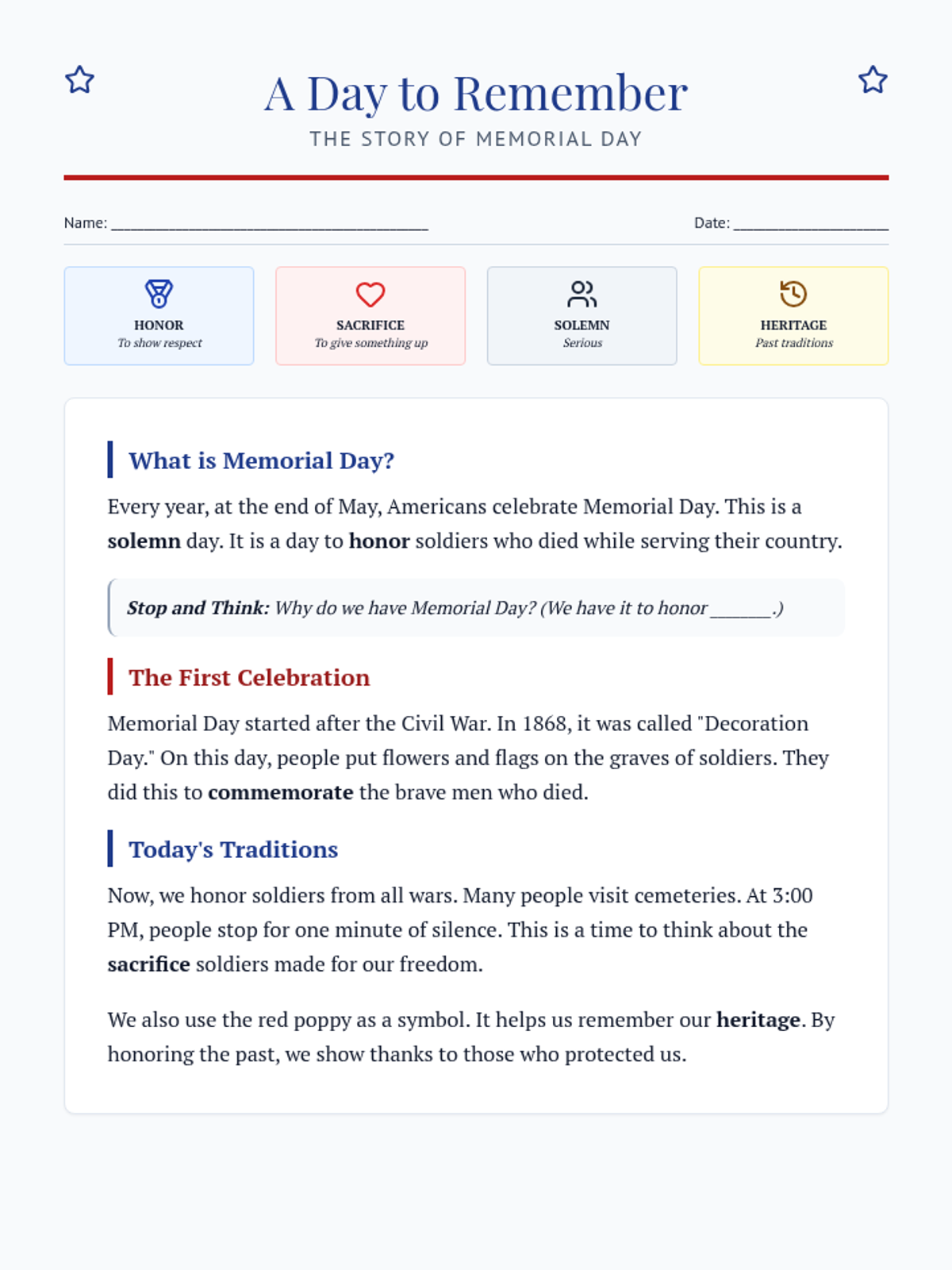
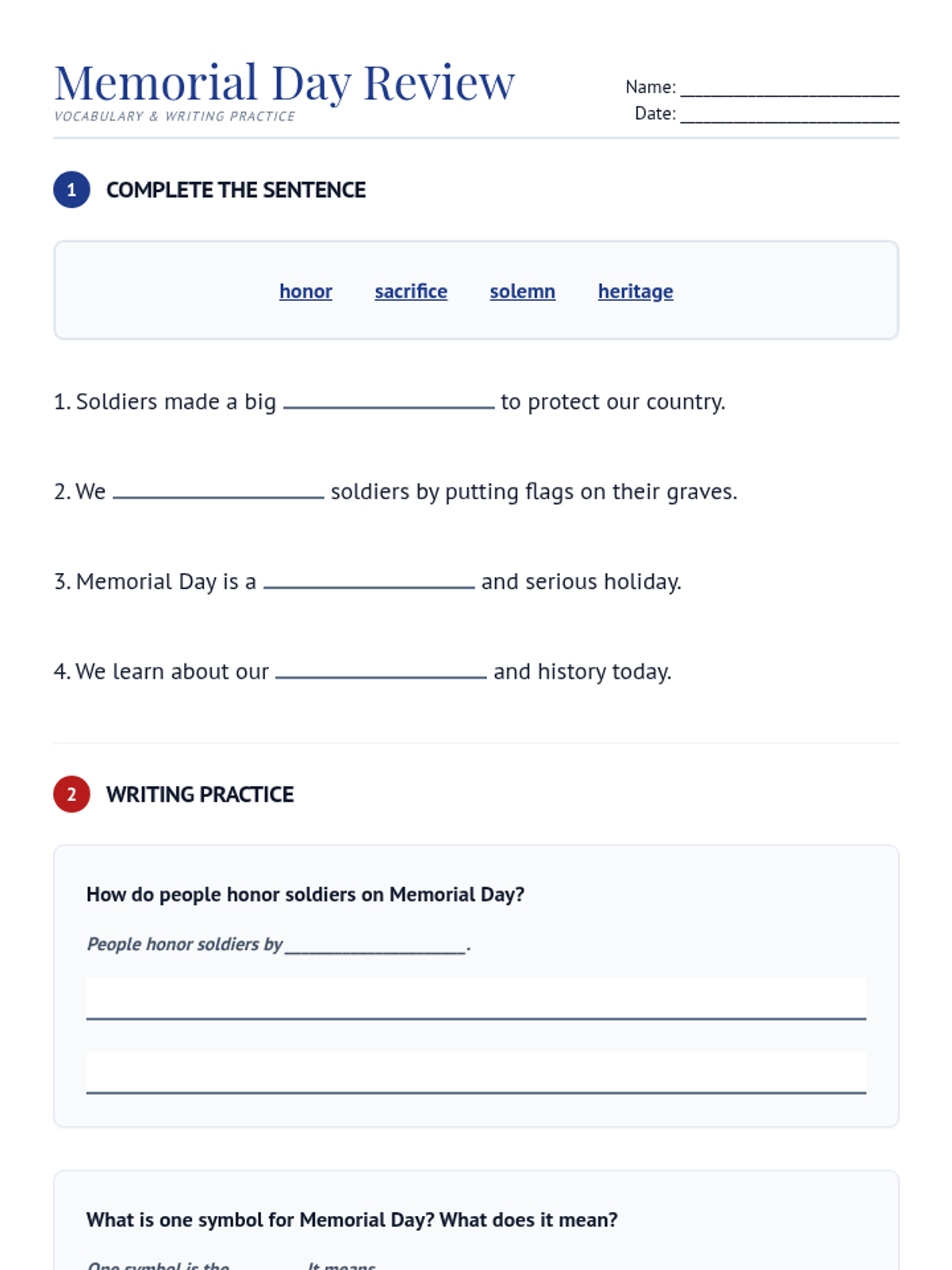
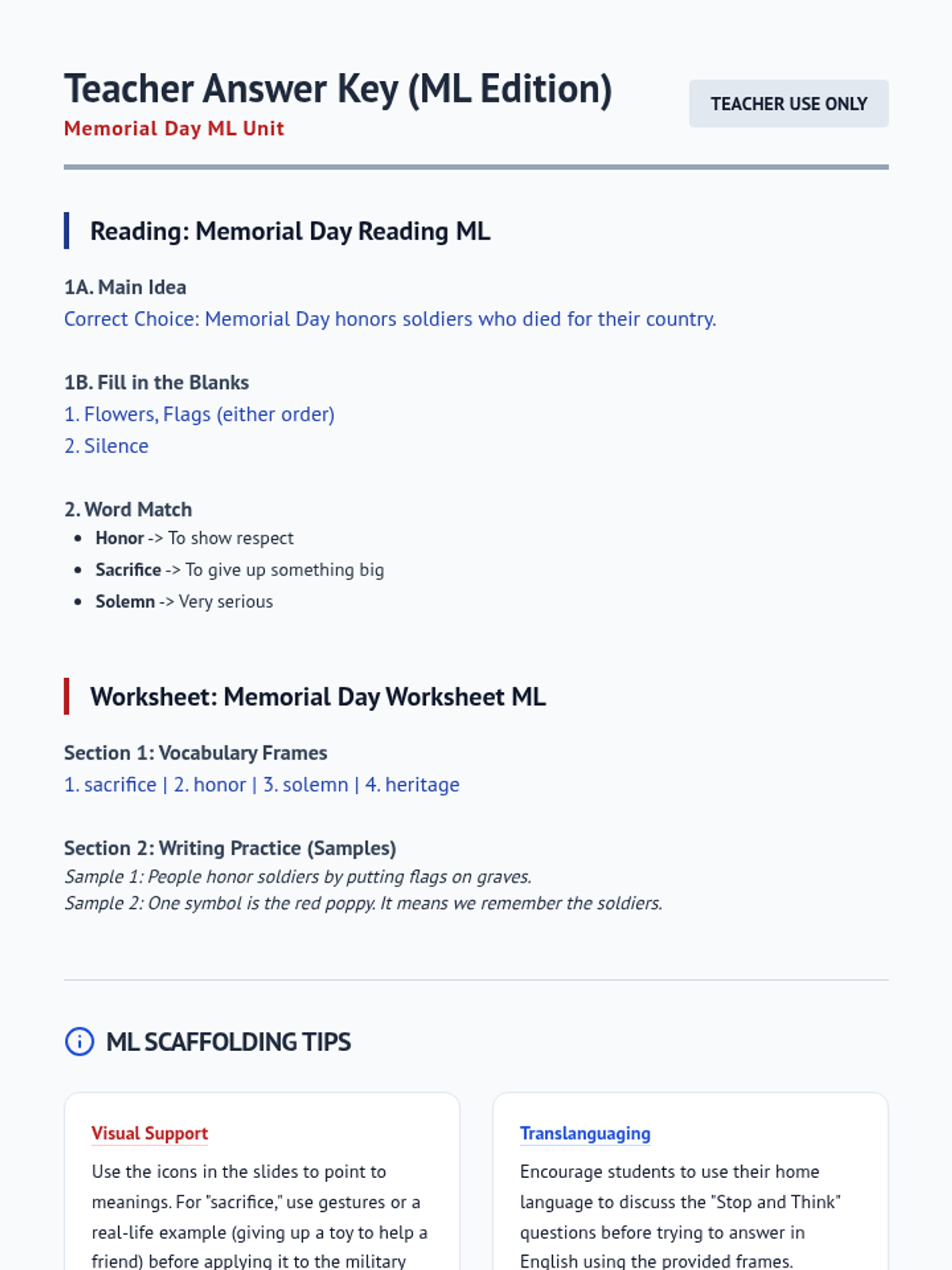
An informational lesson about the history and significance of Memorial Day, focusing on vocabulary development through context clues and identifying main ideas with supporting details.
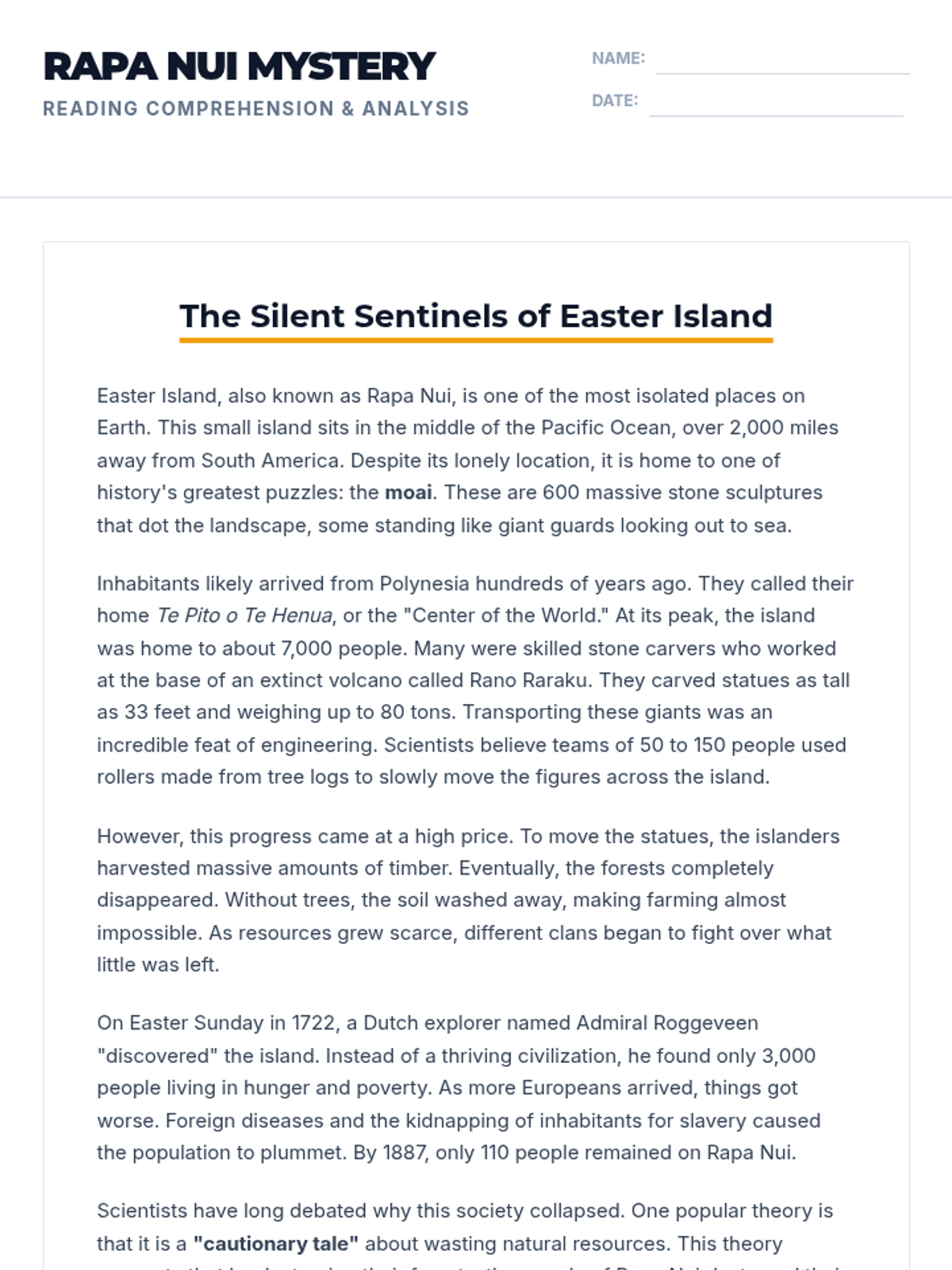
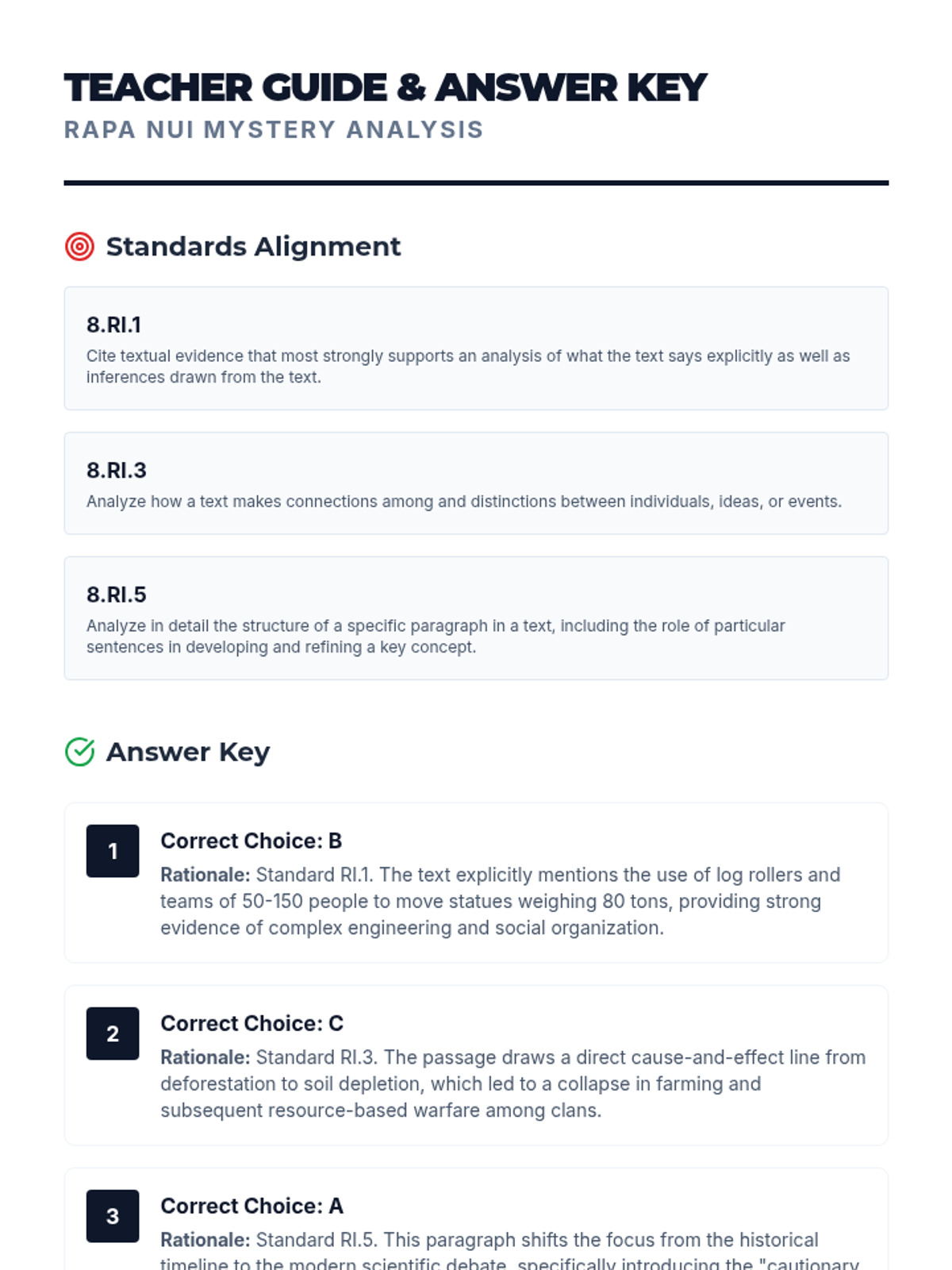
A comprehensive lesson exploring the mystery of Easter Island, focusing on evidence-based inferences, structural analysis, and the connections between historical events. Students will analyze the environmental and social factors that led to the decline of Rapa Nui's civilization.
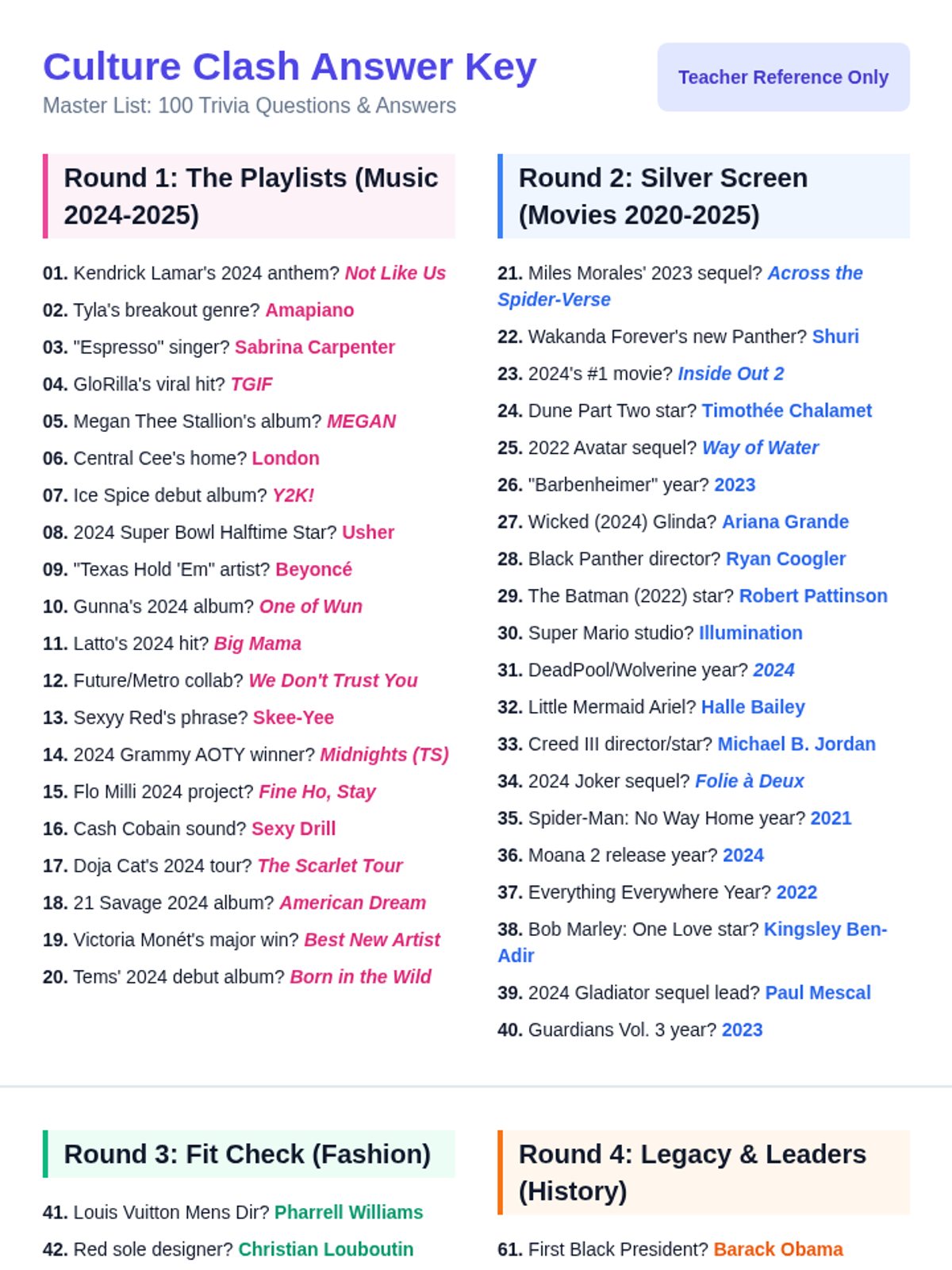
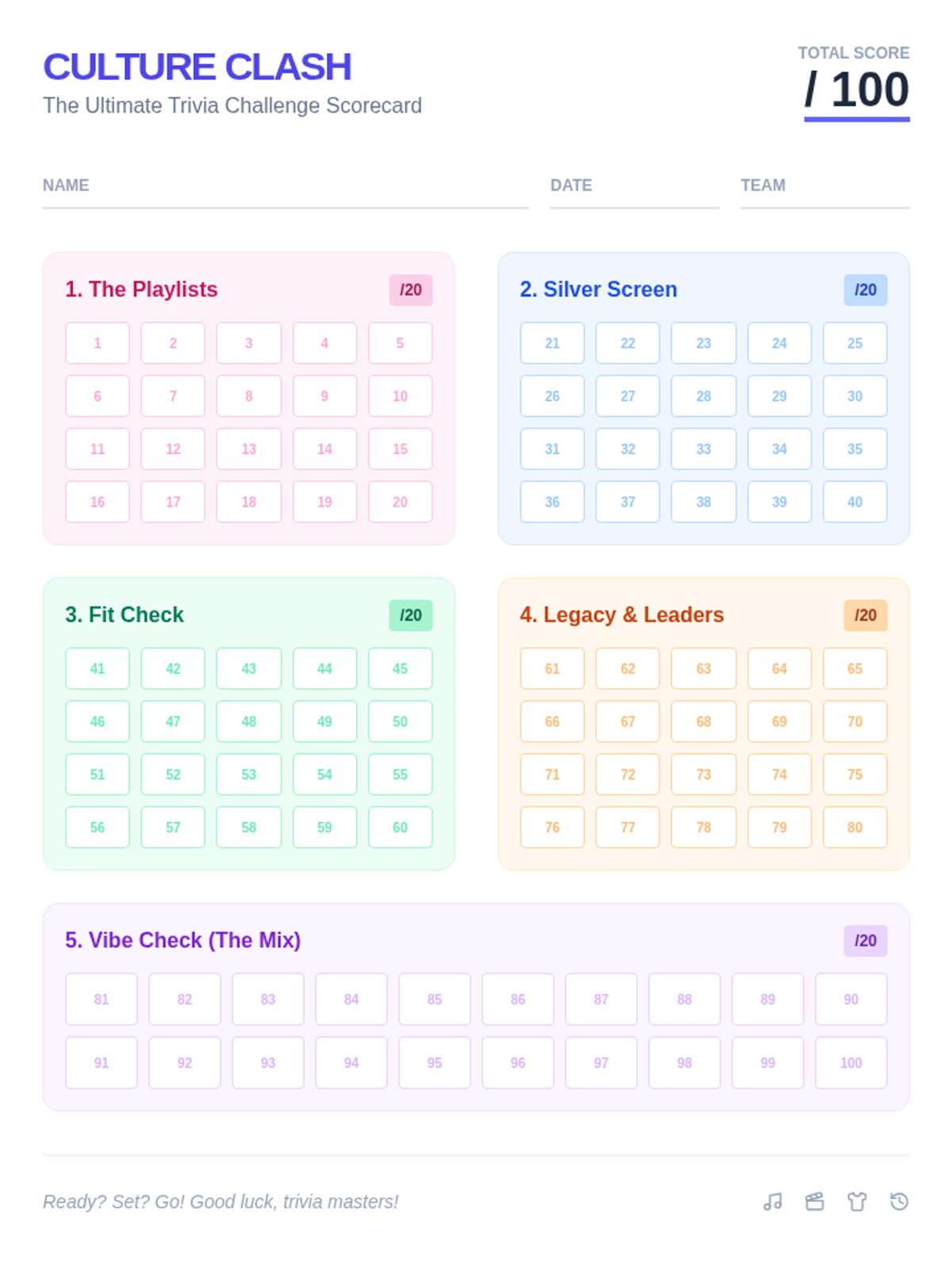
A high-energy, 100-question trivia game designed for middle school students, covering modern music, movies, fashion, and black history. The lesson promotes cultural literacy and engagement through a competitive game format.
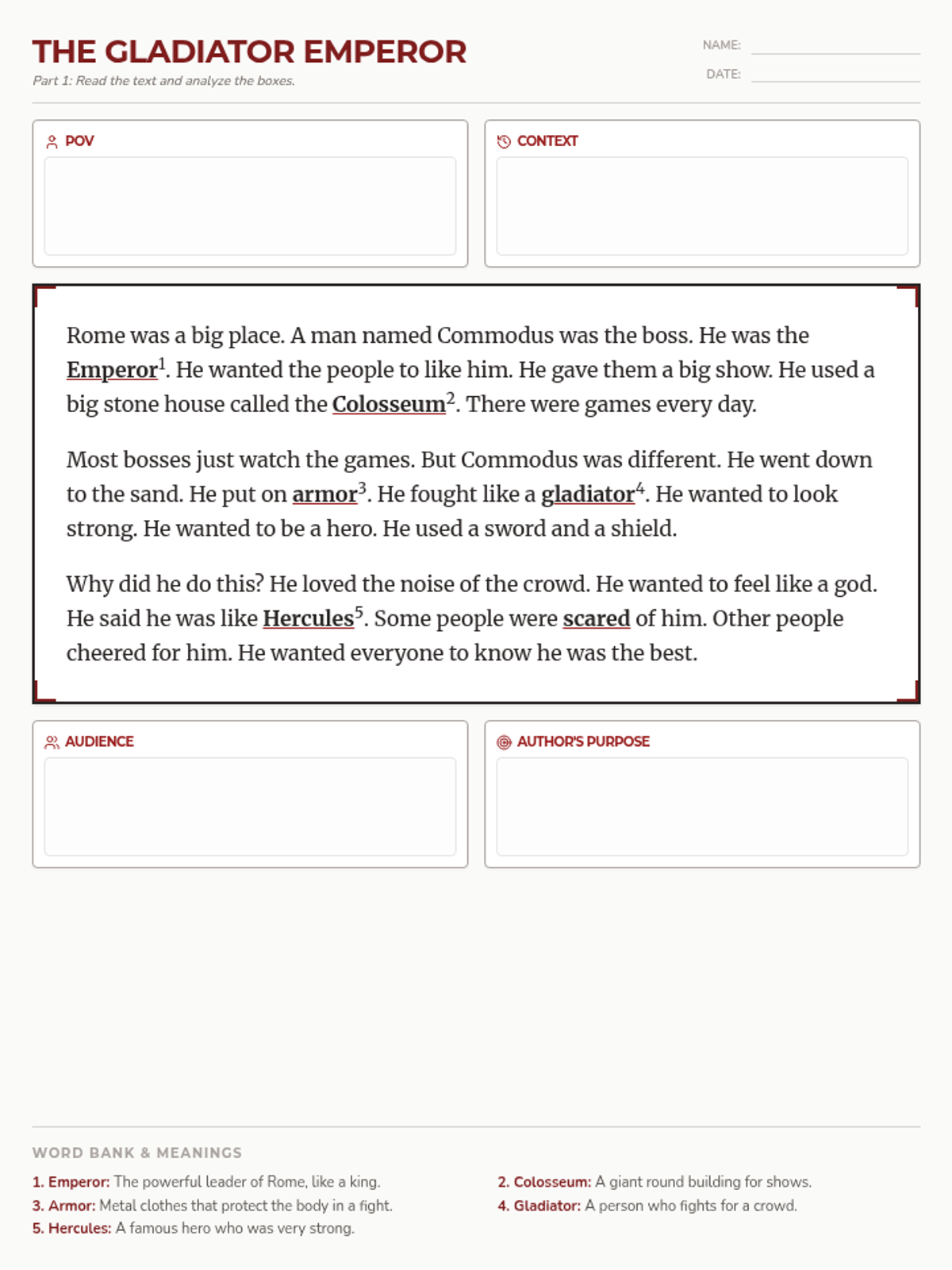
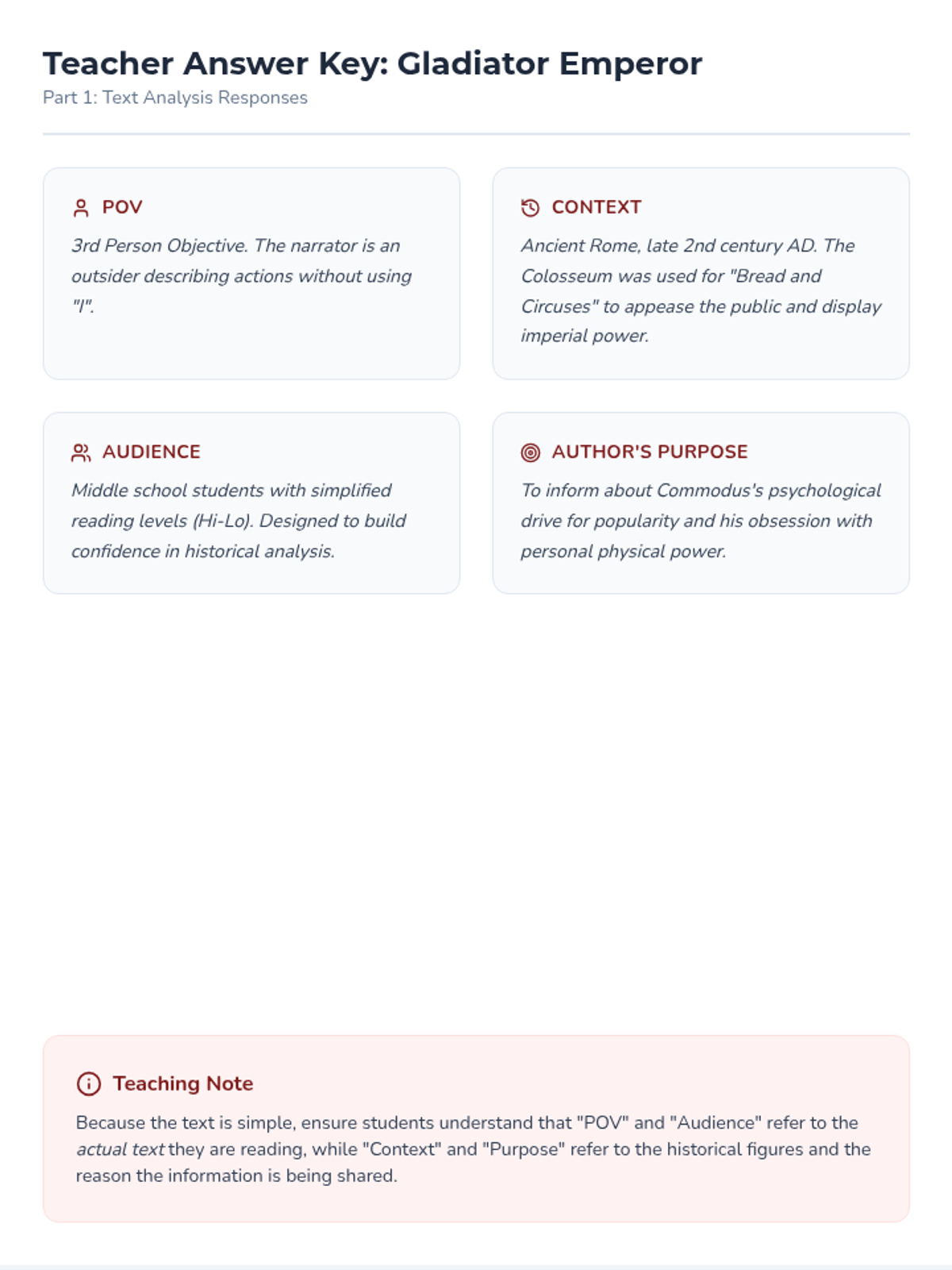
A lesson exploring the political and personal motivations of Emperor Commodus in the Roman Colosseum, designed for middle school students with differentiated reading levels.
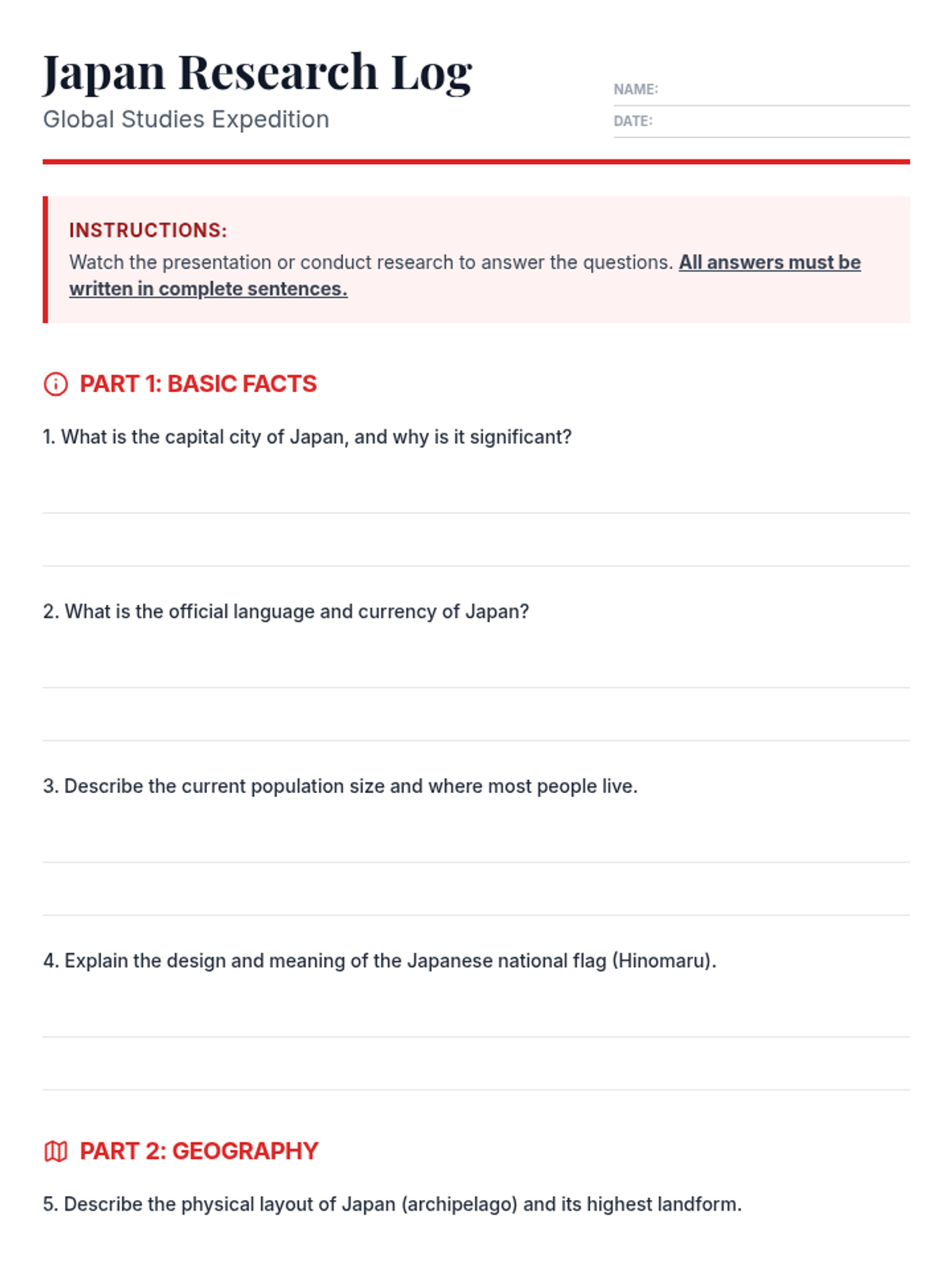
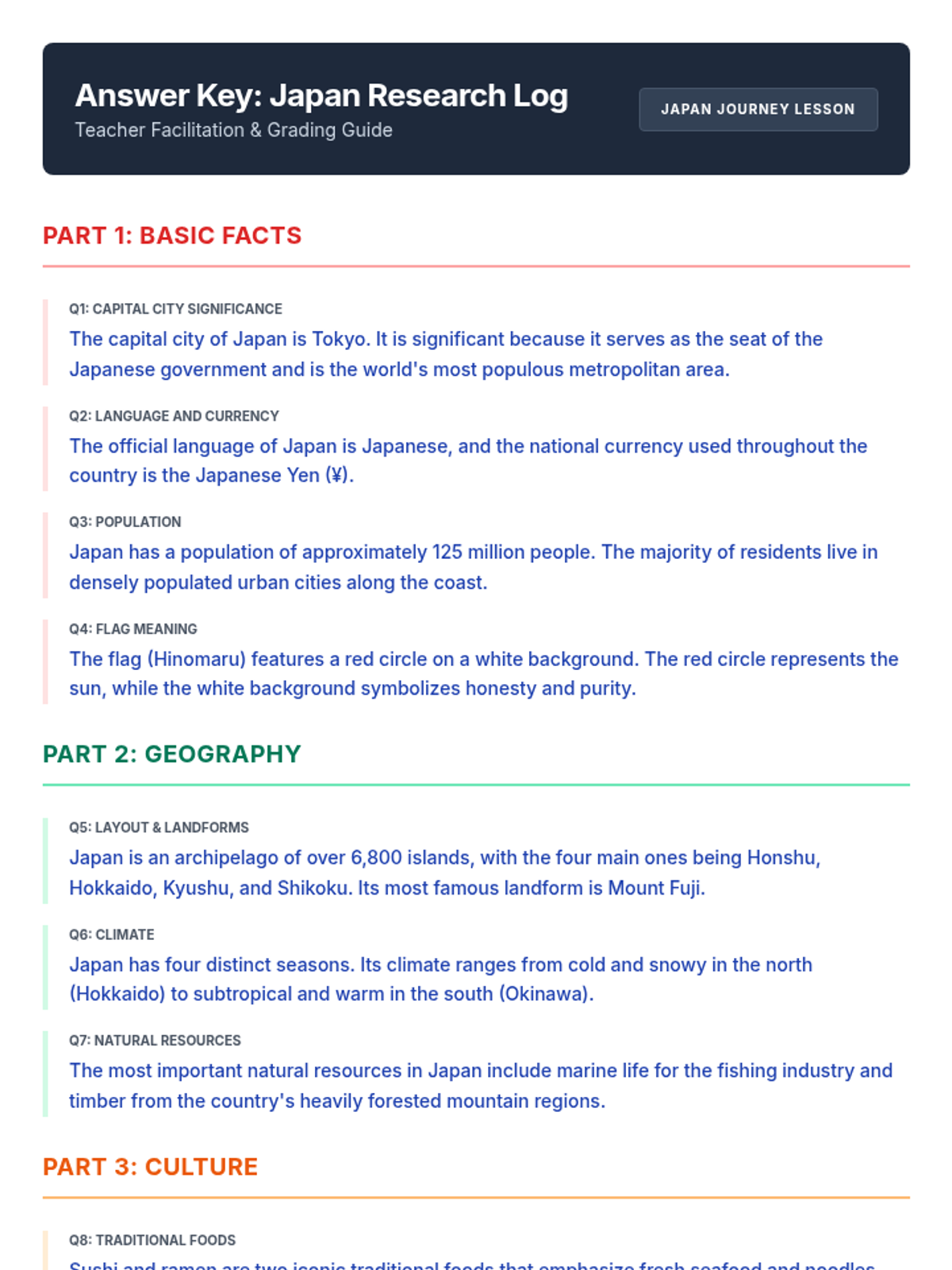
A comprehensive lesson covering the geography, culture, government, and economy of Japan, including a detailed presentation and a guided research log for students to record findings in complete sentences.
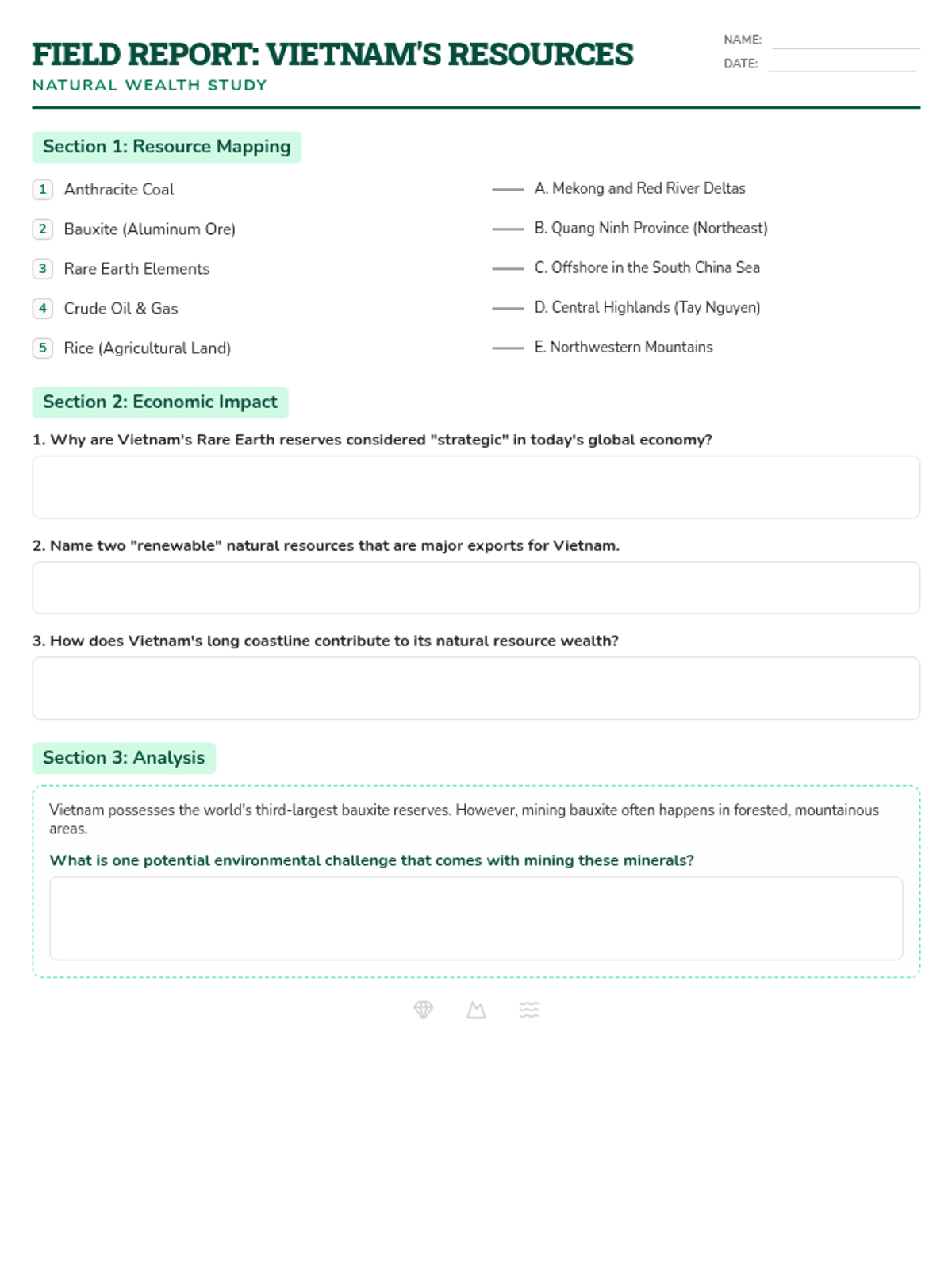
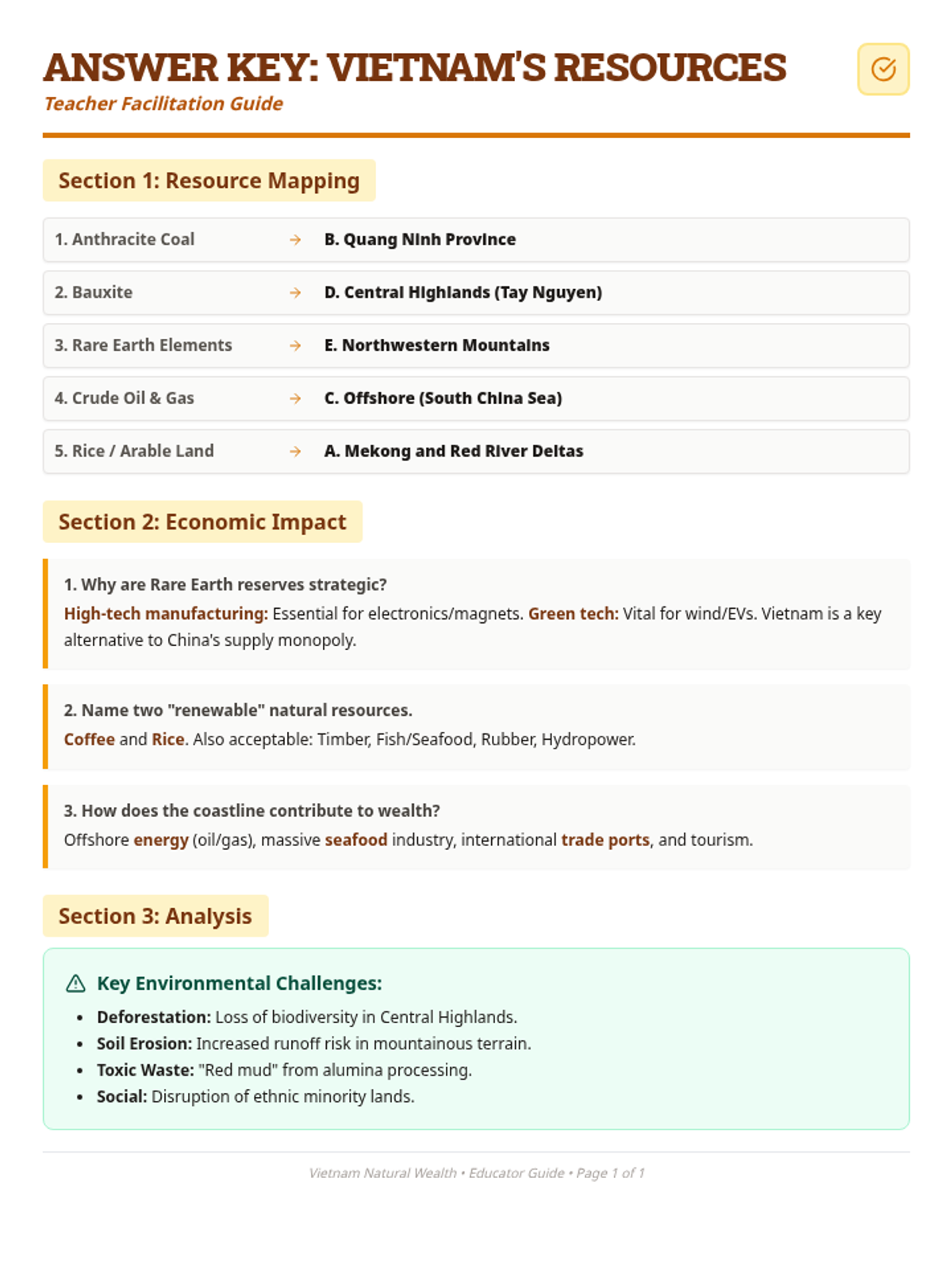
This lesson explores Vietnam's primary natural resources, including minerals, energy sources, and agricultural land, highlighting their geographic distribution and economic importance.
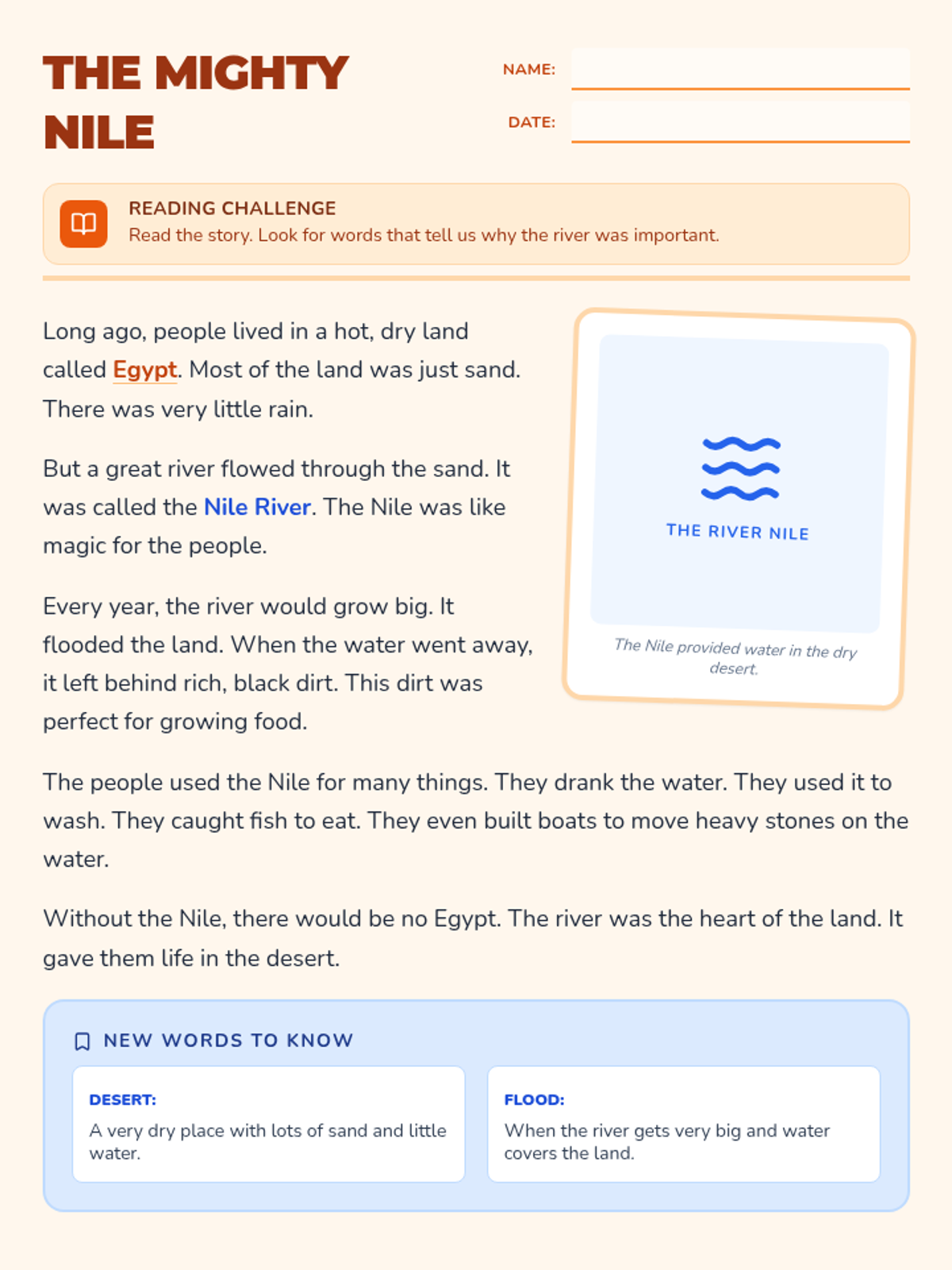
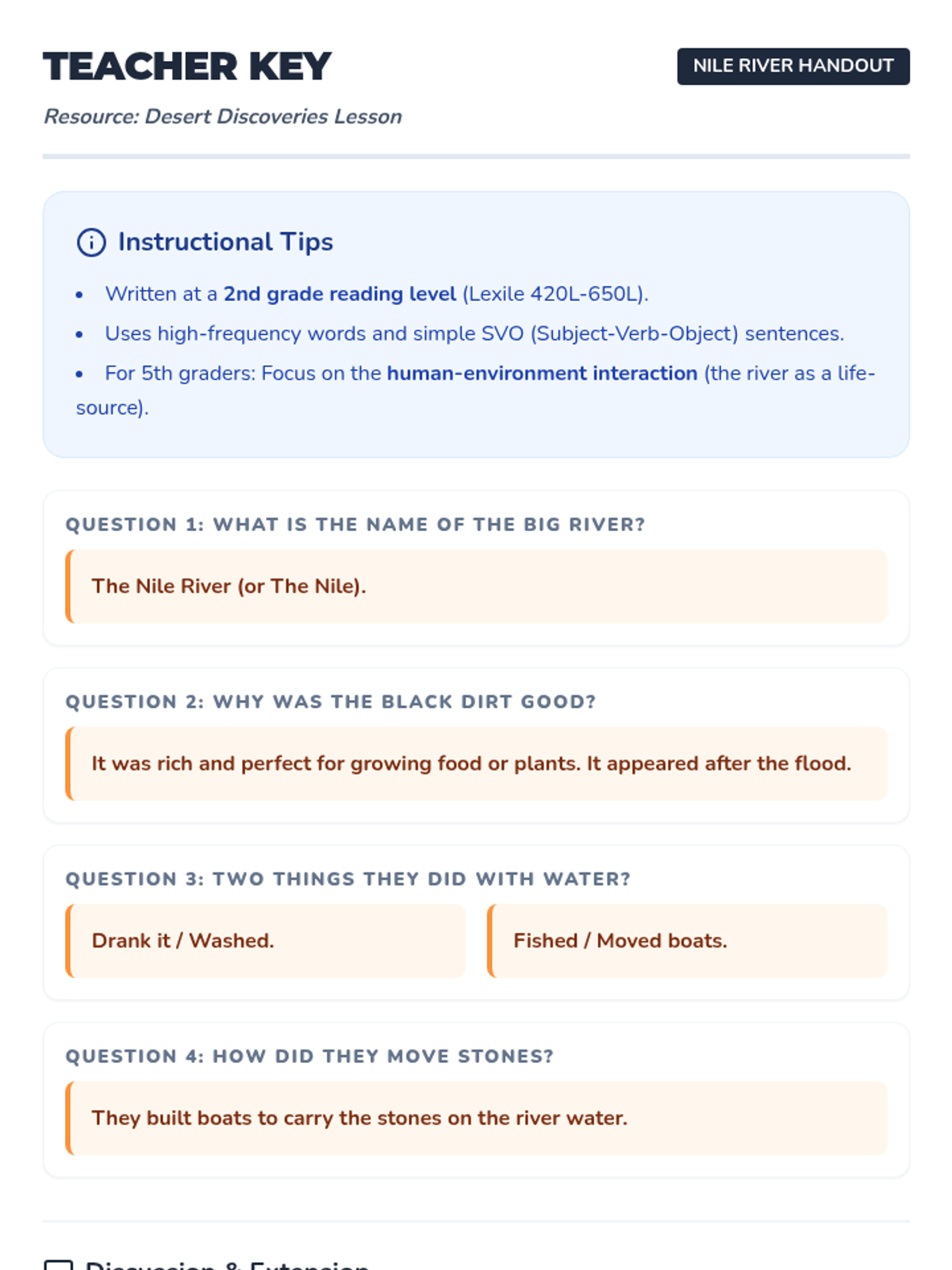
An introductory lesson on Ancient Egypt tailored for students reading at a 2nd-grade level, focusing on the importance of the Nile River for survival and civilization.
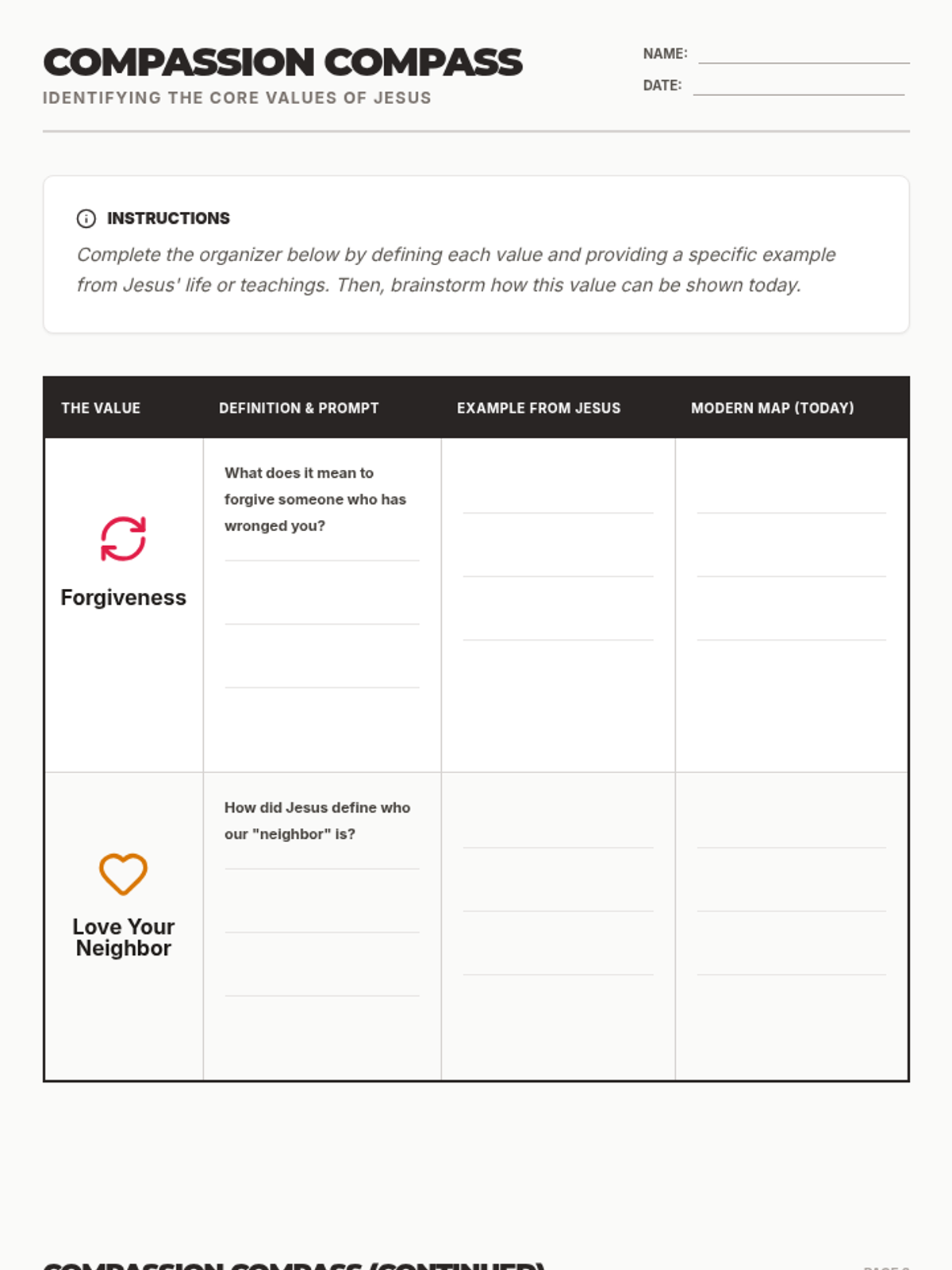
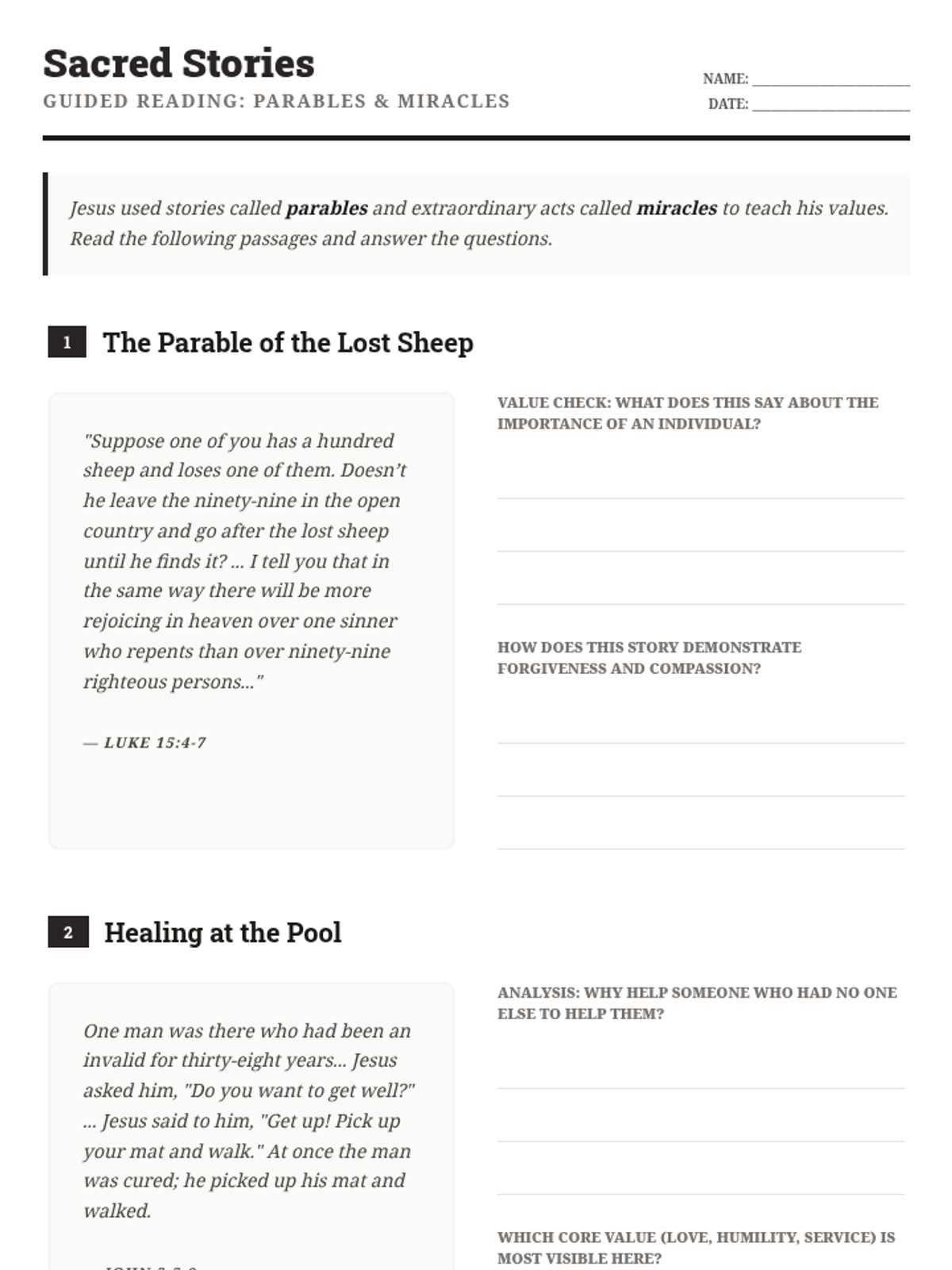
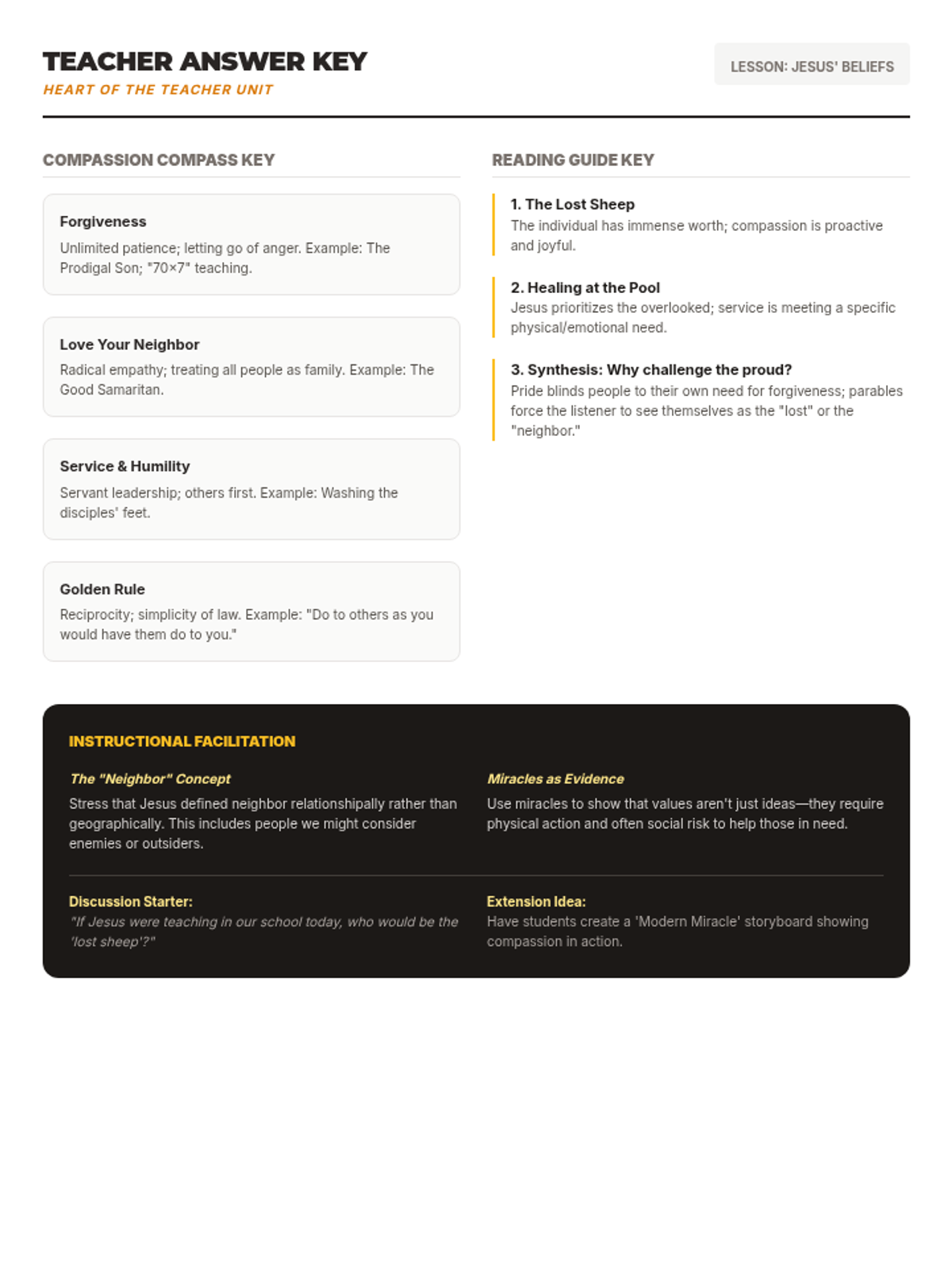
A lesson exploring the core values and beliefs of Jesus, focusing on compassion, forgiveness, humility, and service through parables and miracles.
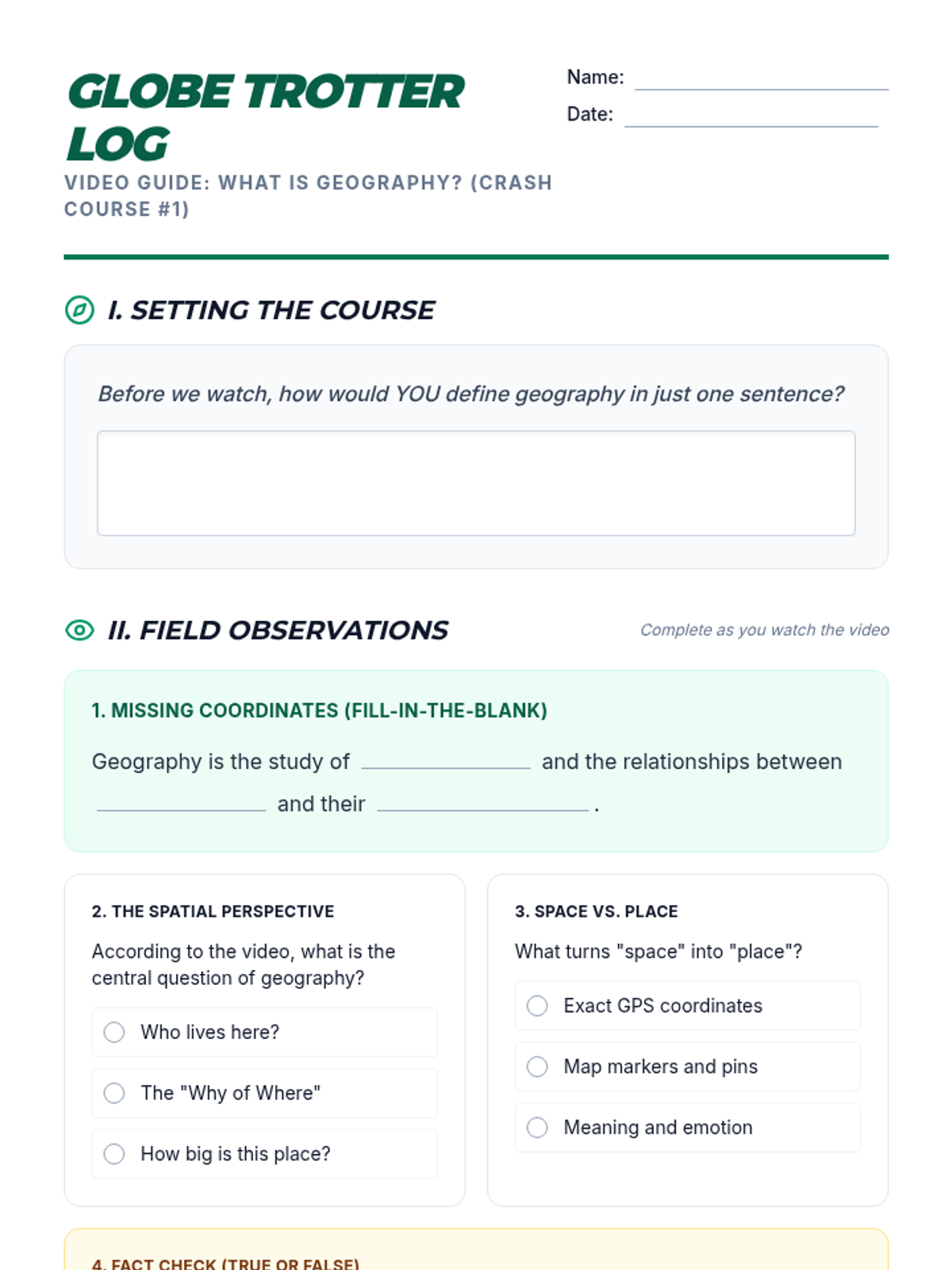
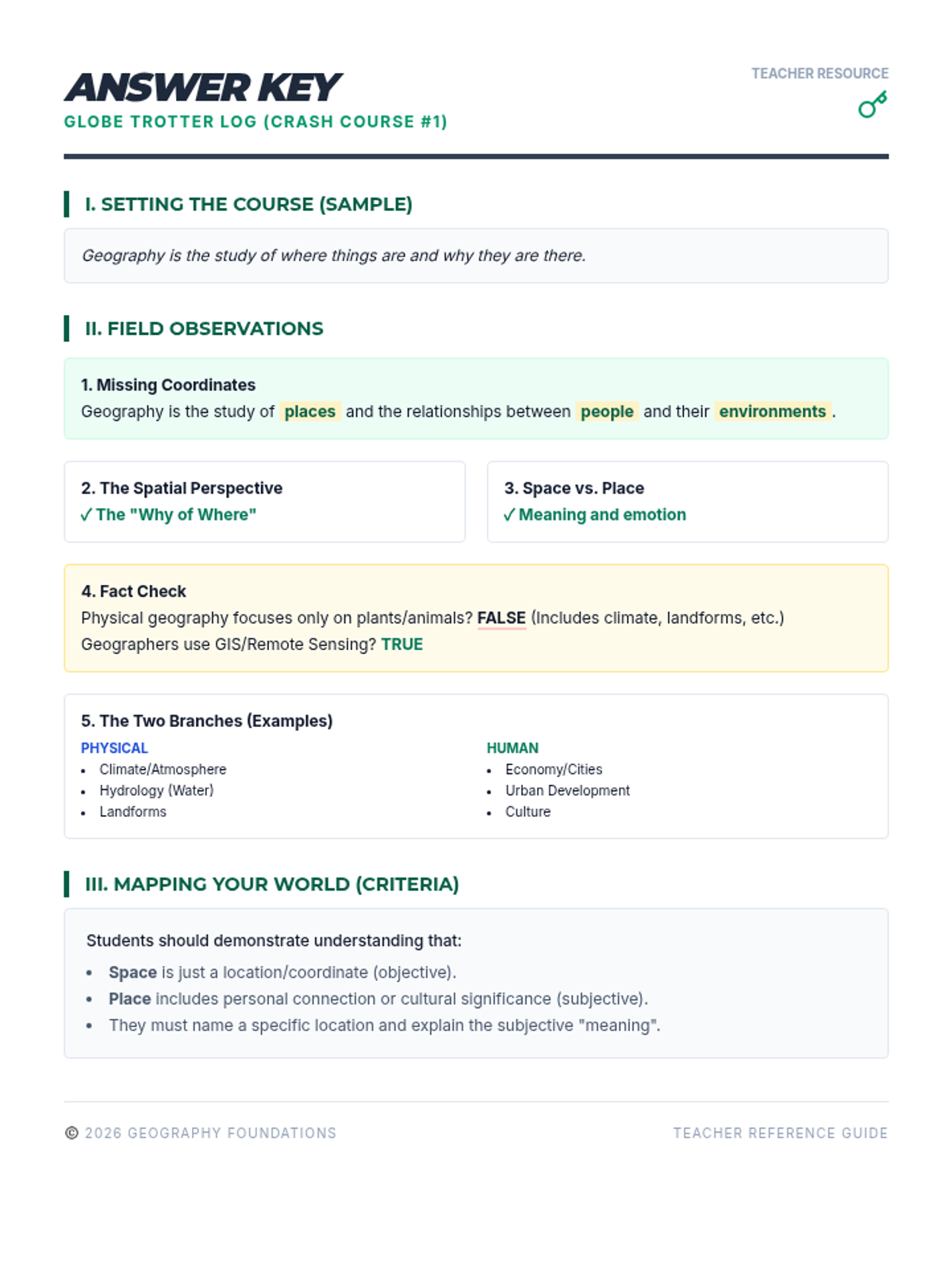
An introductory lesson exploring the core concepts of geography, including the spatial perspective, the difference between physical and human geography, and the fundamental 'why of where' based on Crash Course Geography #1.
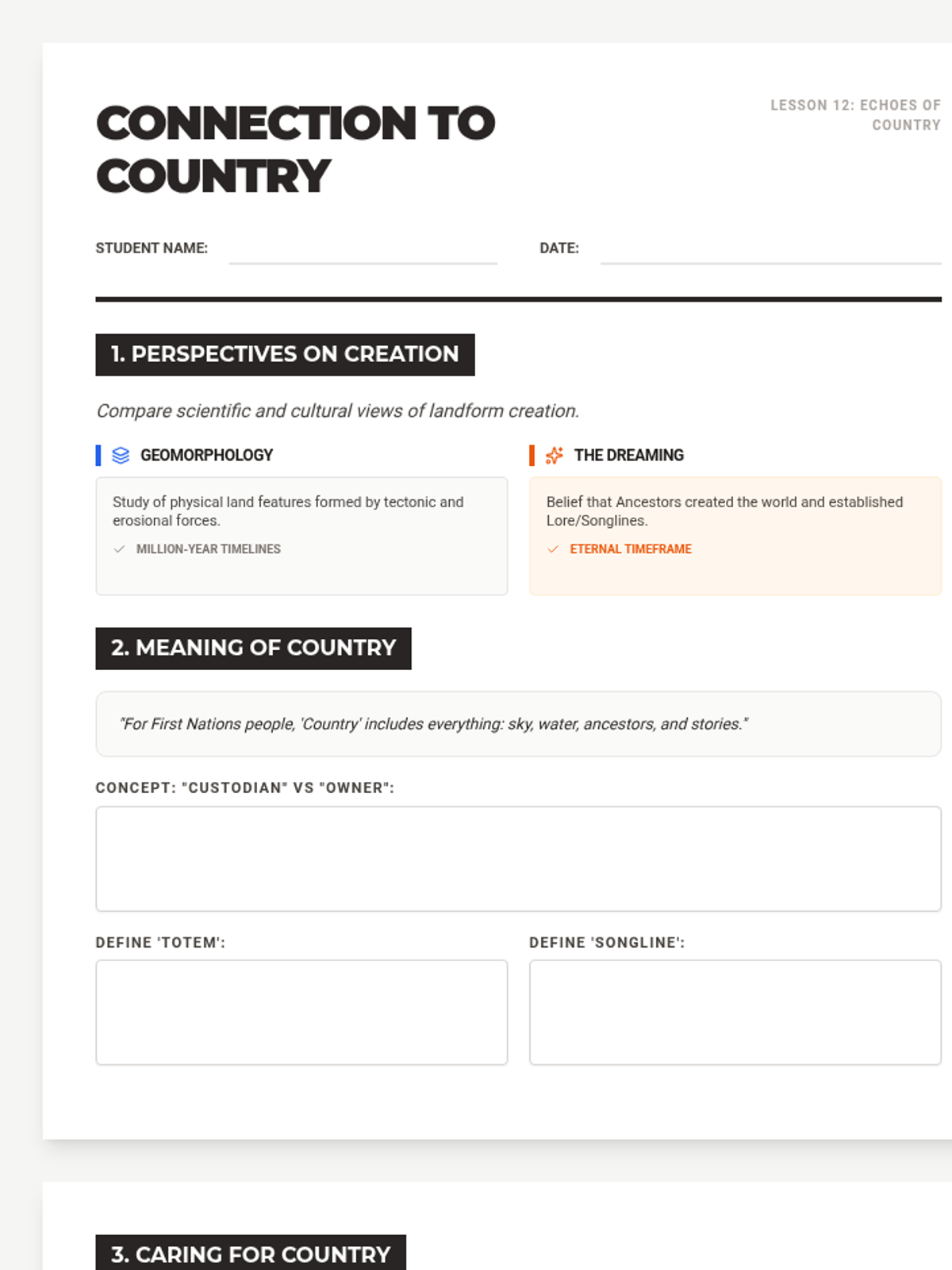
Explores the deep spiritual and cultural connection First Nations Australians have with the land, comparing geomorphological creation with Dreamtime stories and investigating traditional 'Caring for Country' land management practices.
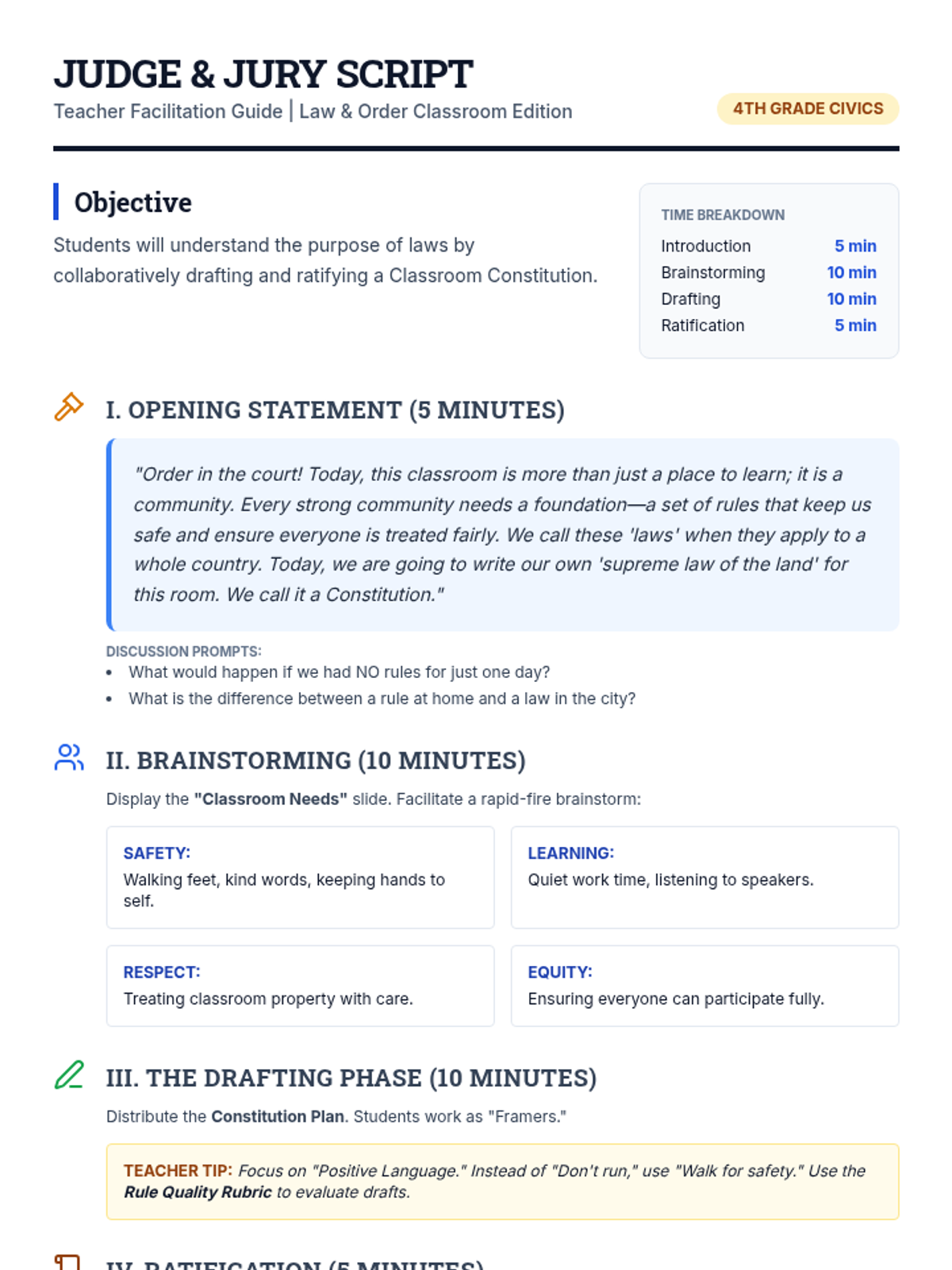
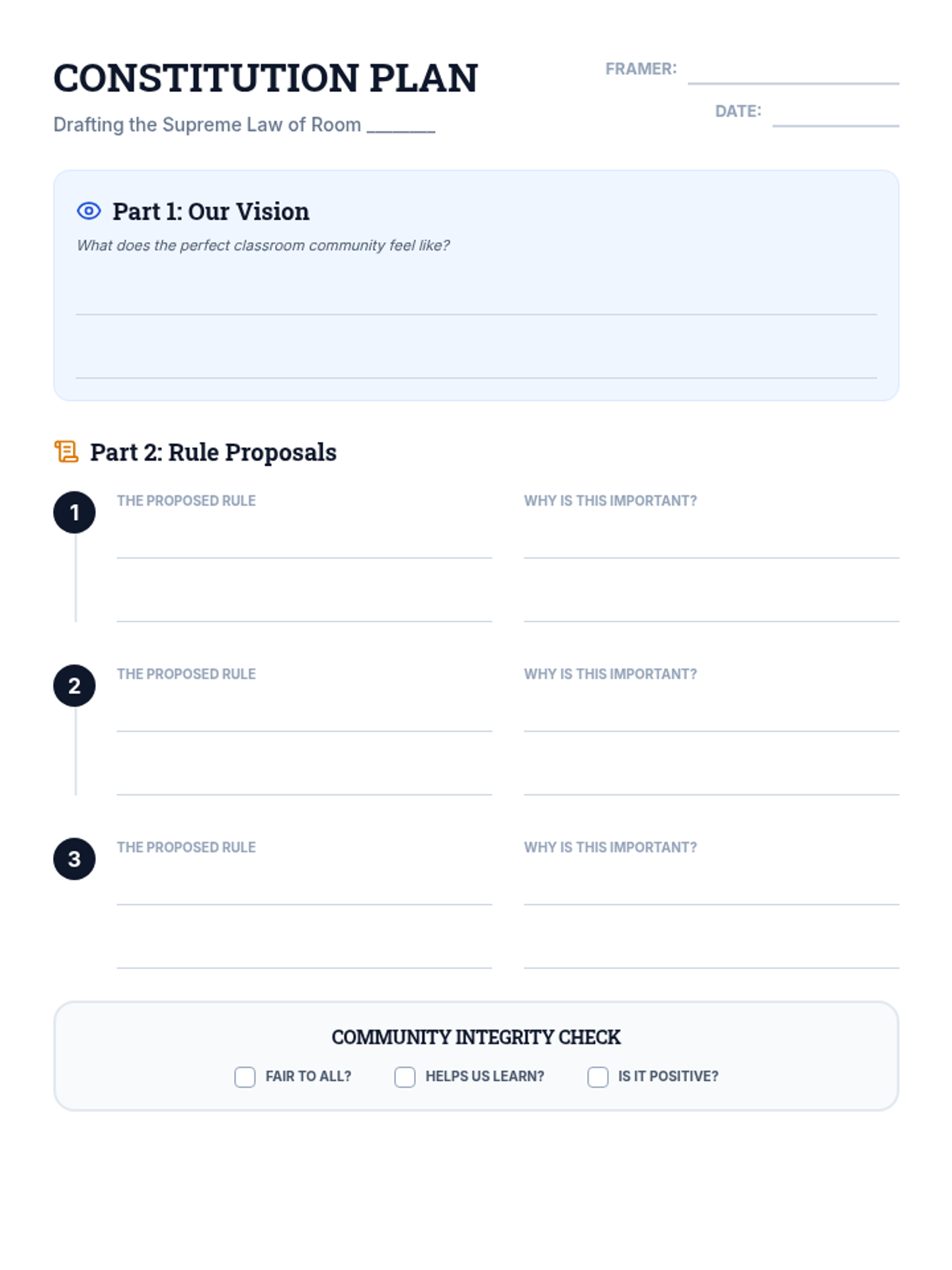
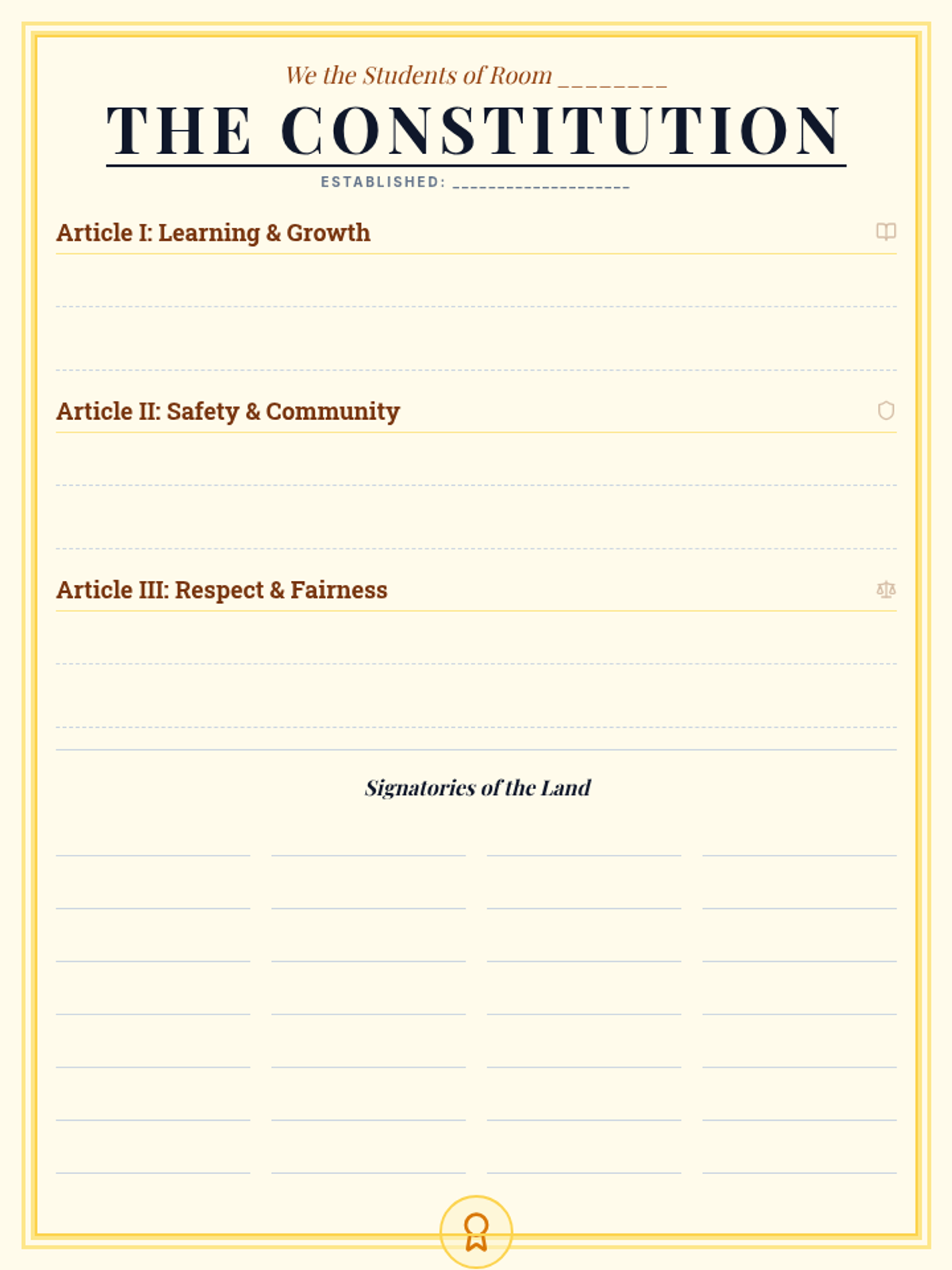
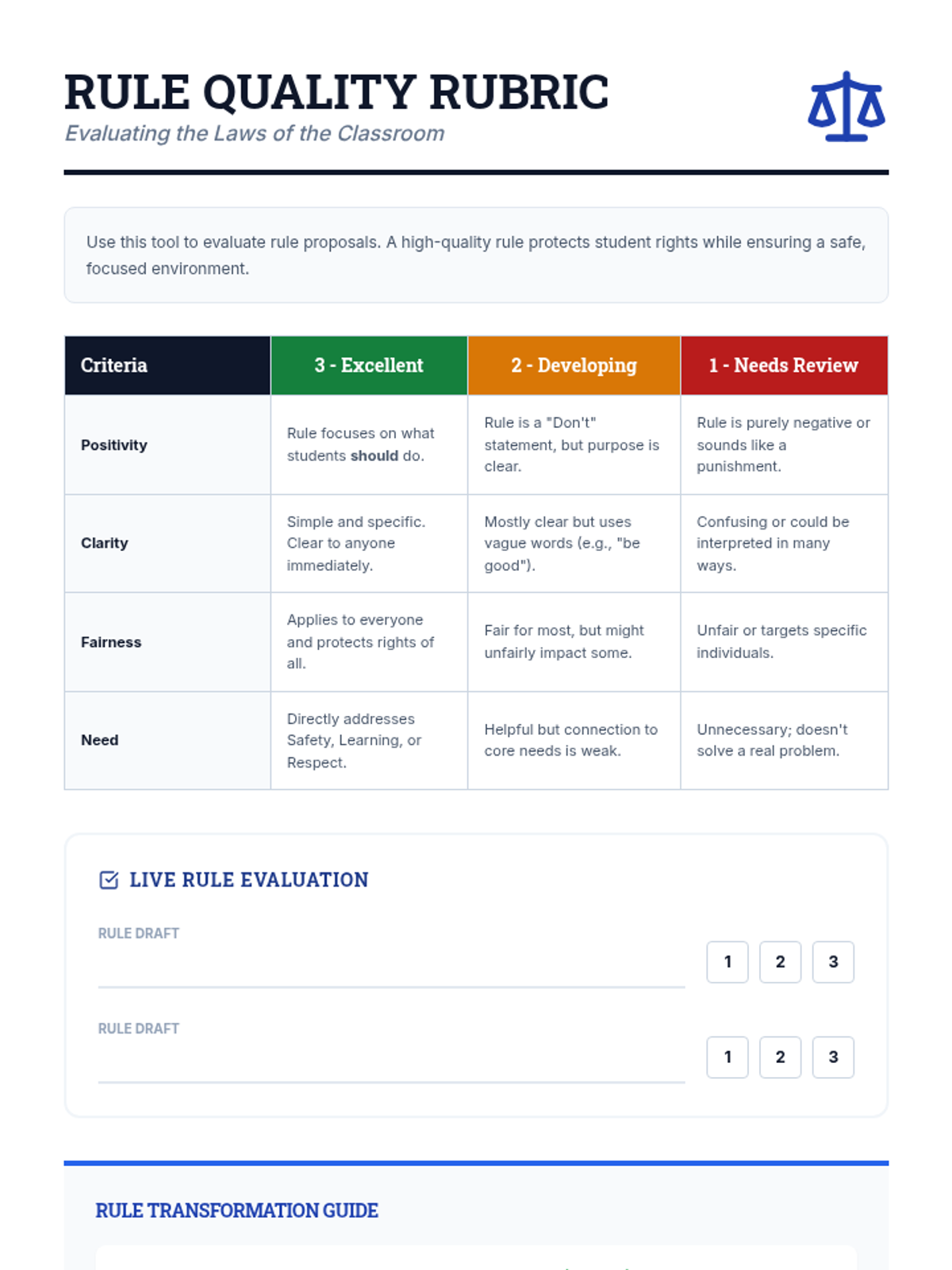
A civics lesson where 4th graders explore the necessity of laws by drafting their own classroom constitution, learning about community, fairness, and democratic participation.
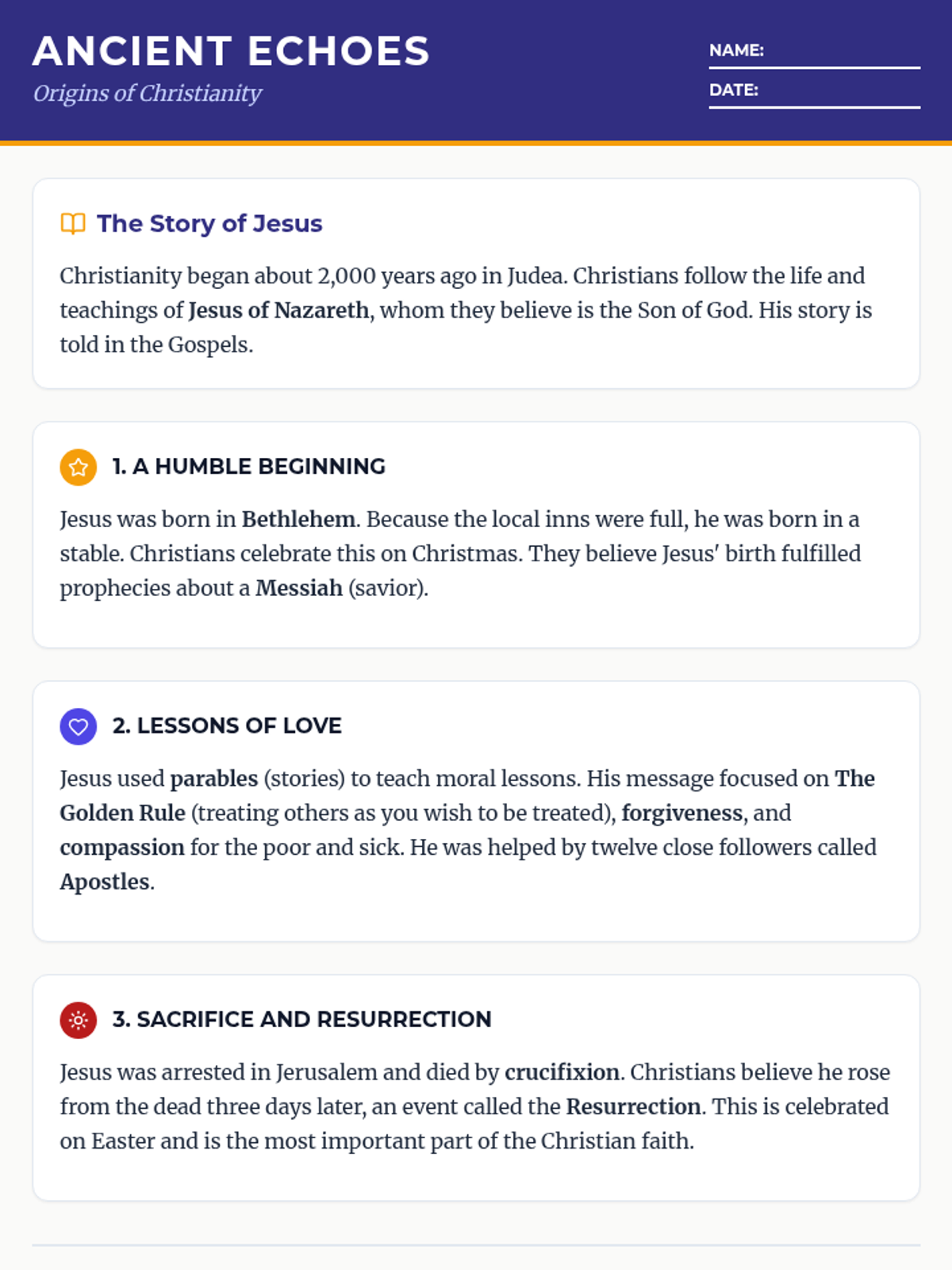
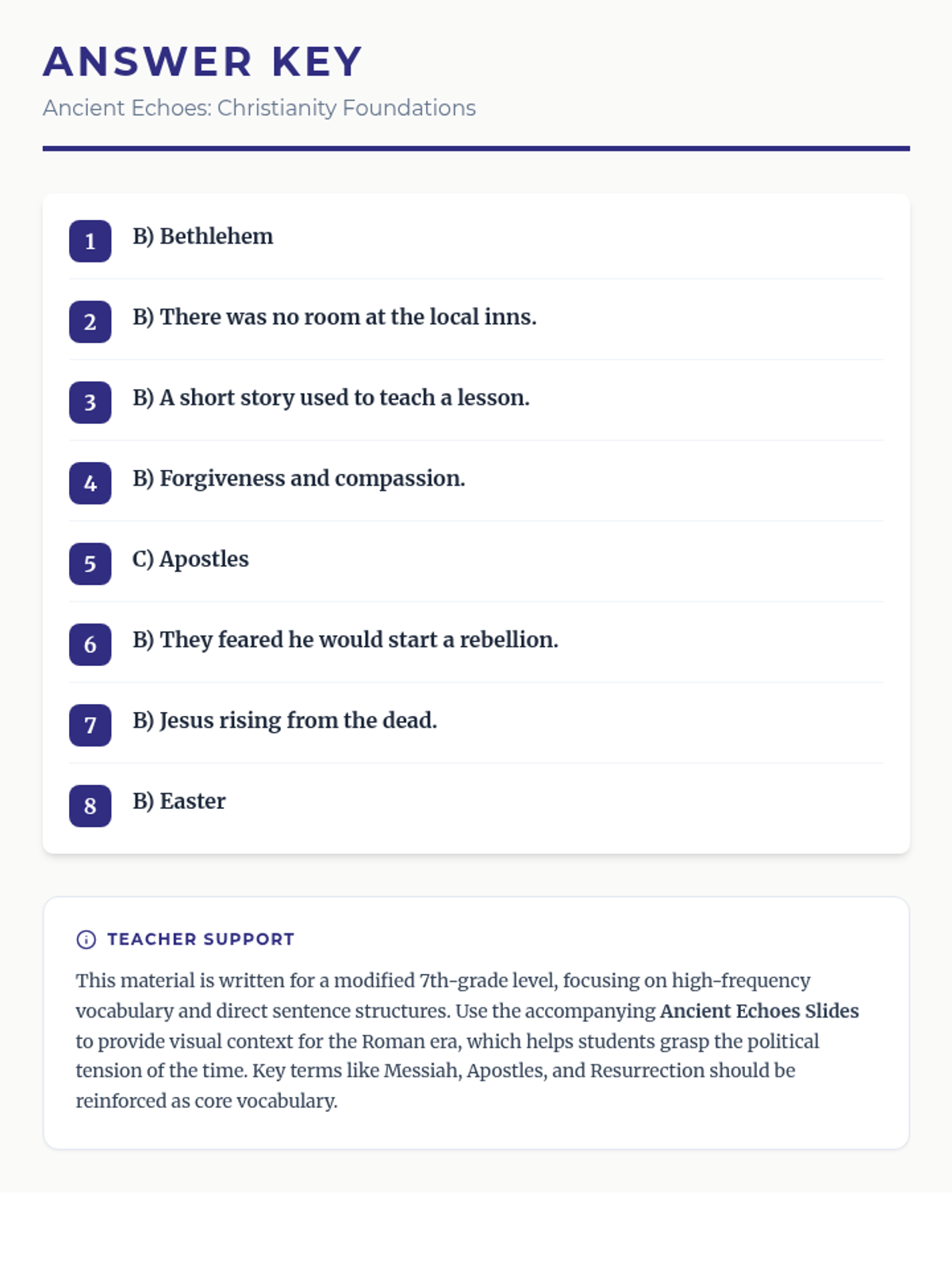
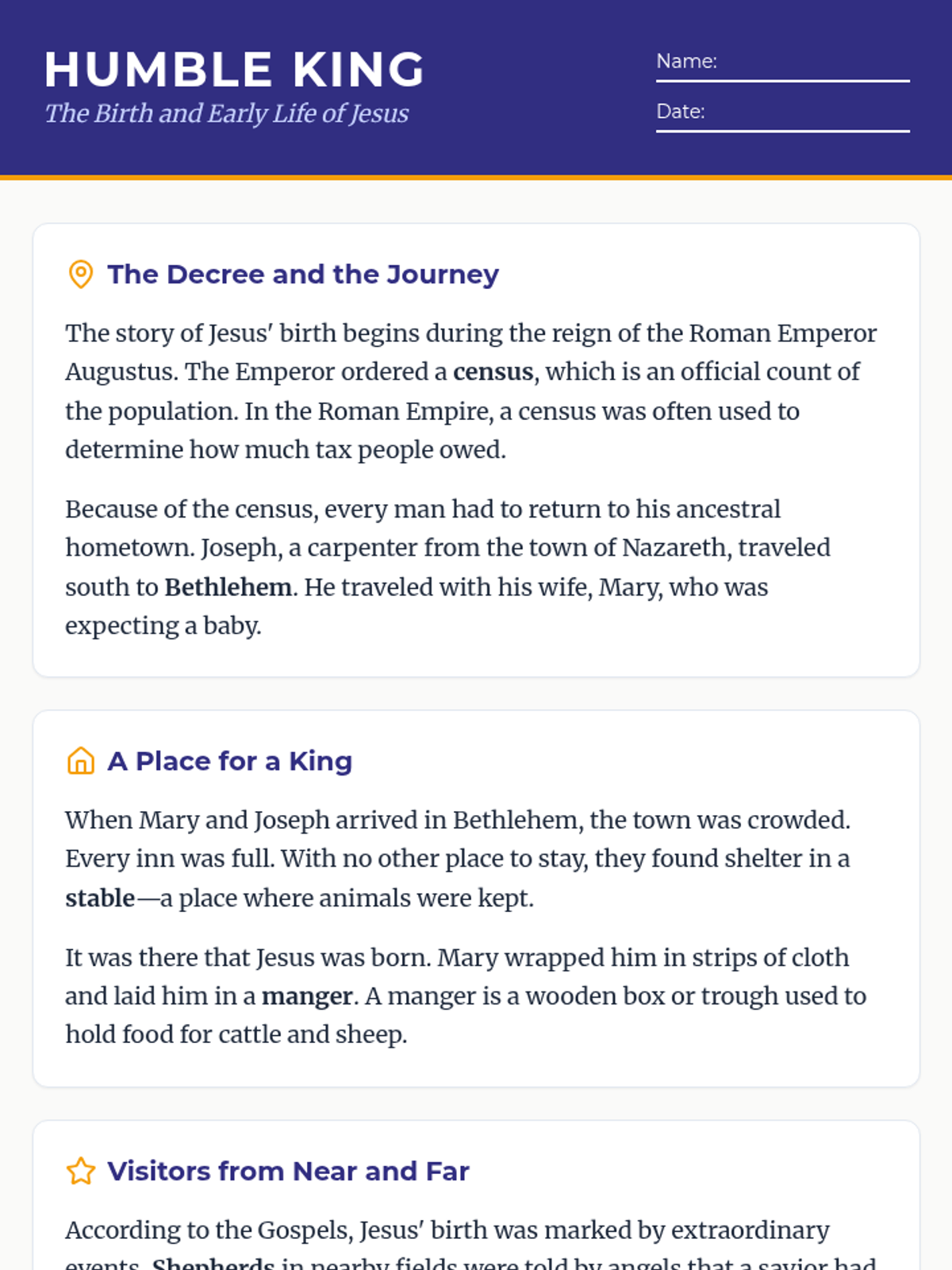
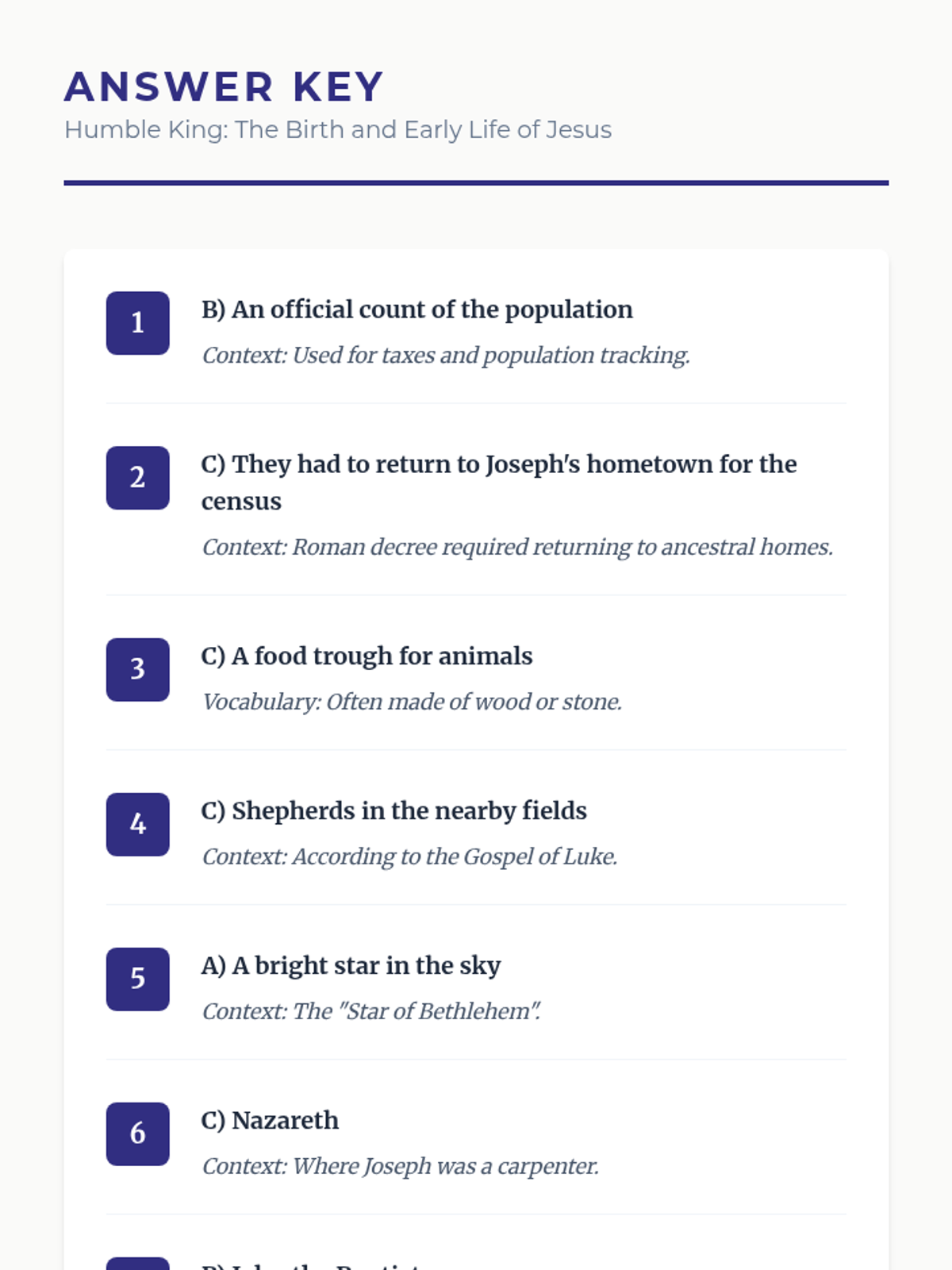
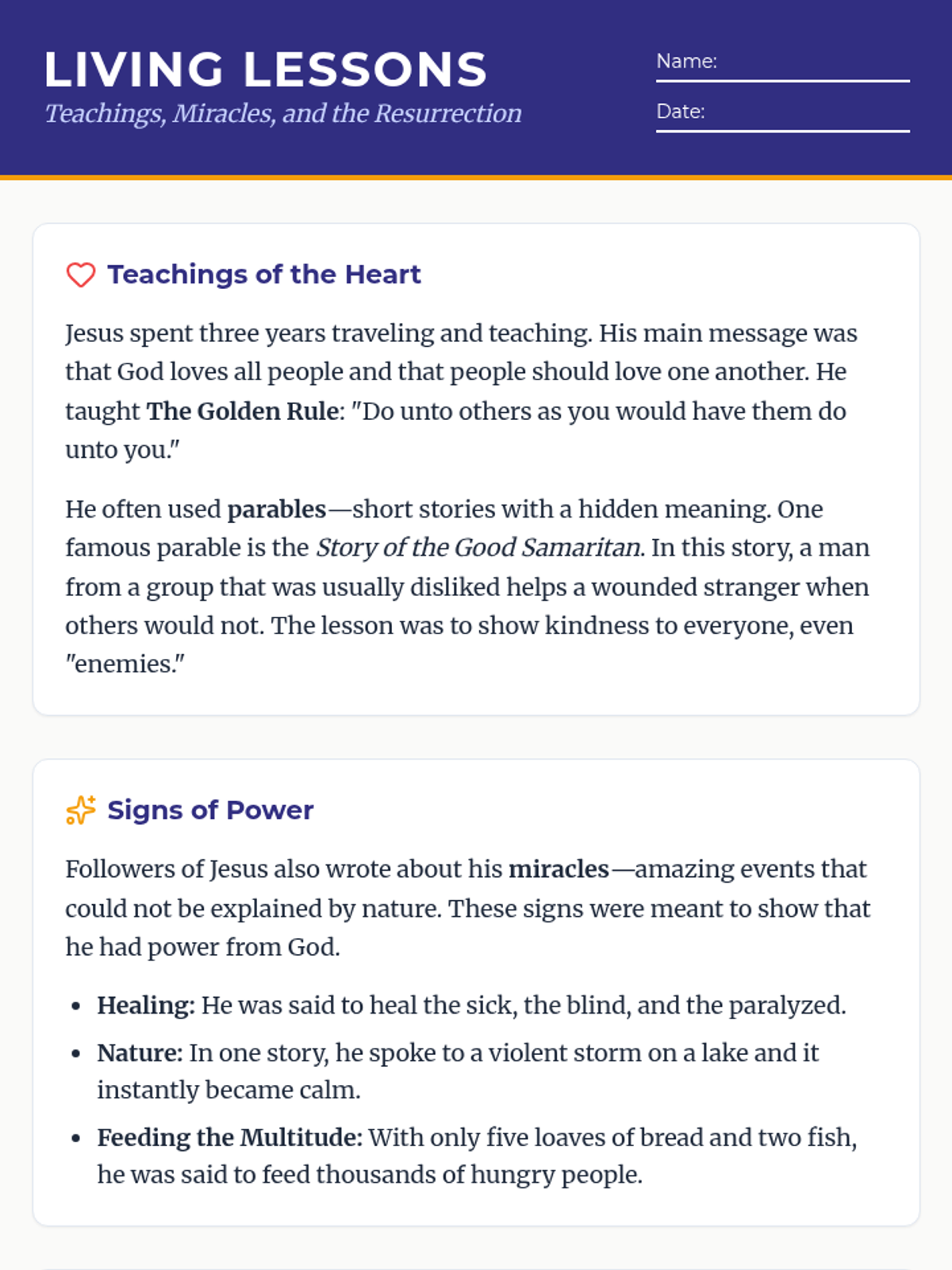
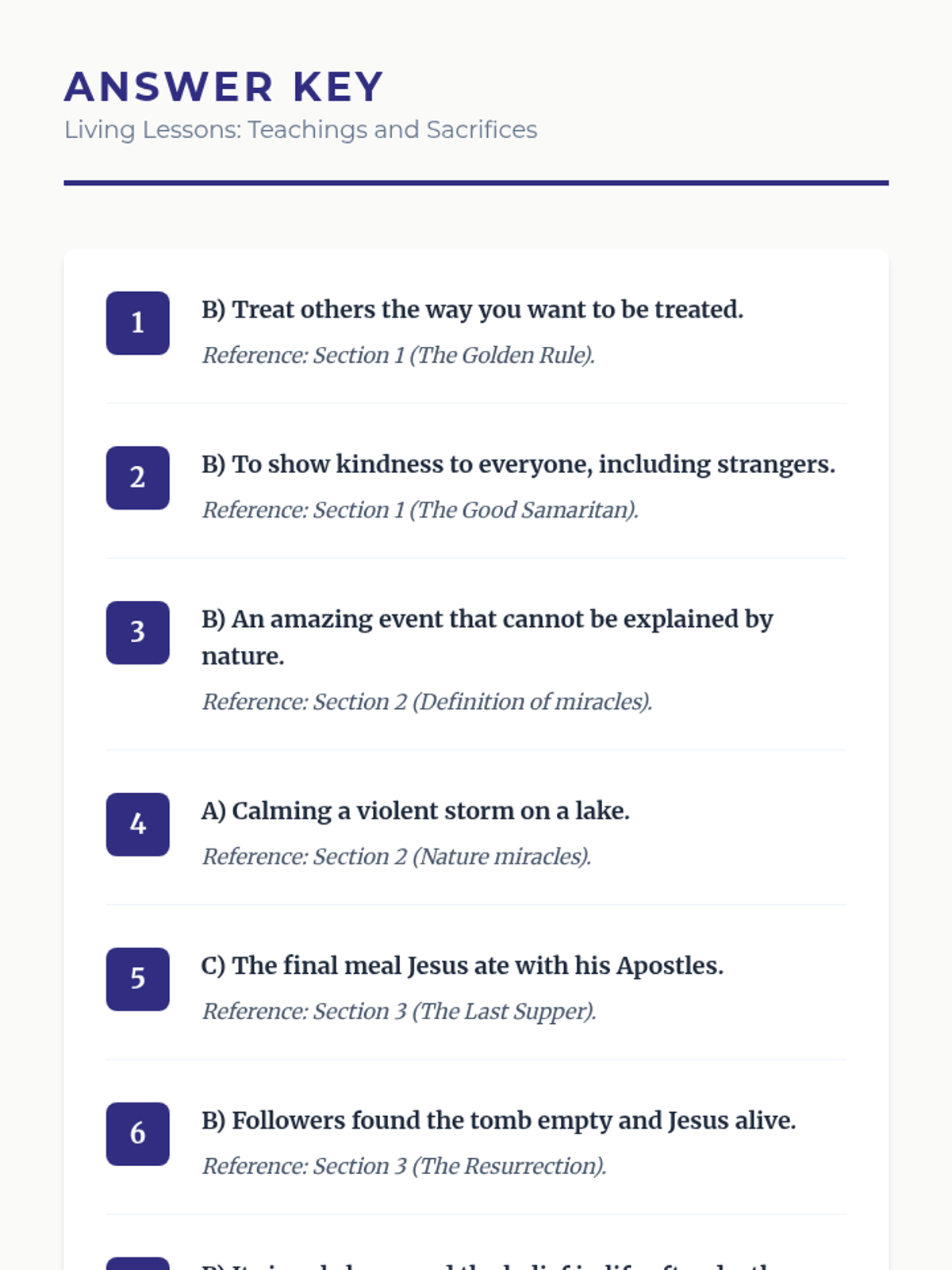
A lesson exploring the foundational narratives of Christianity, focusing on the life and teachings of Jesus of Nazareth at a modified 7th-grade reading level.
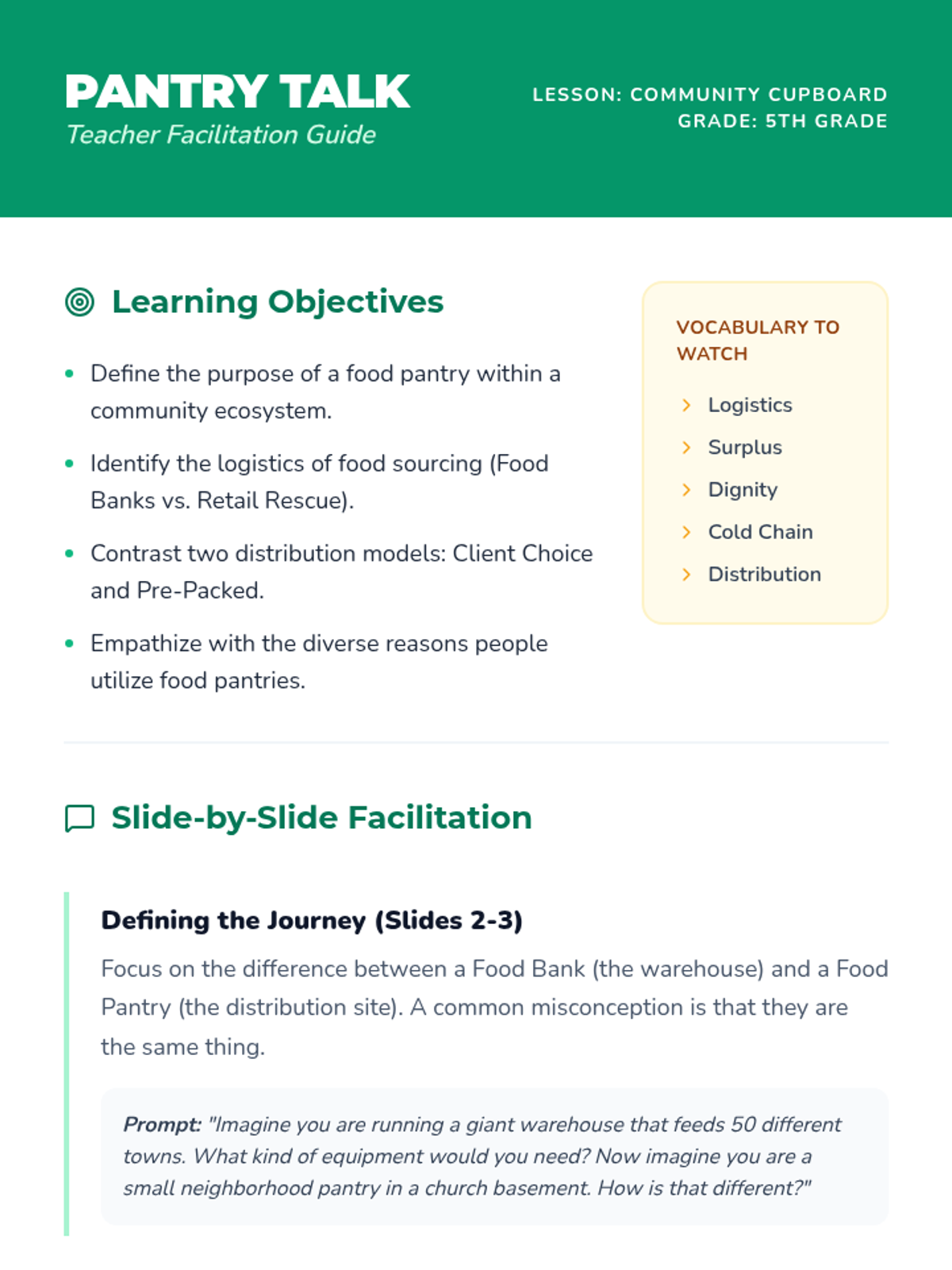
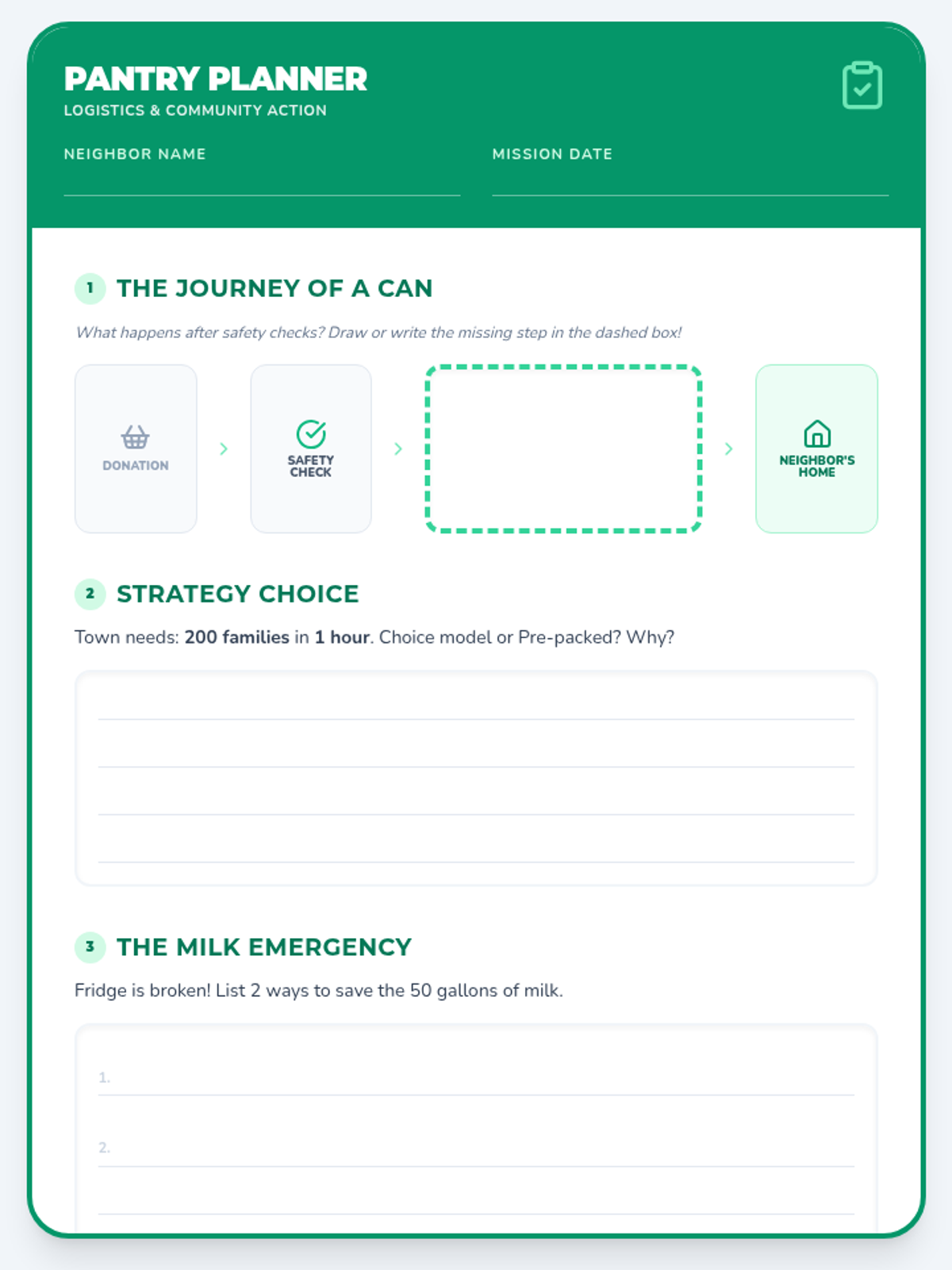
This lesson introduces 5th-grade students to the concept of a food pantry, focusing on the logistics of how food is sourced, organized, and distributed to help community neighbors.
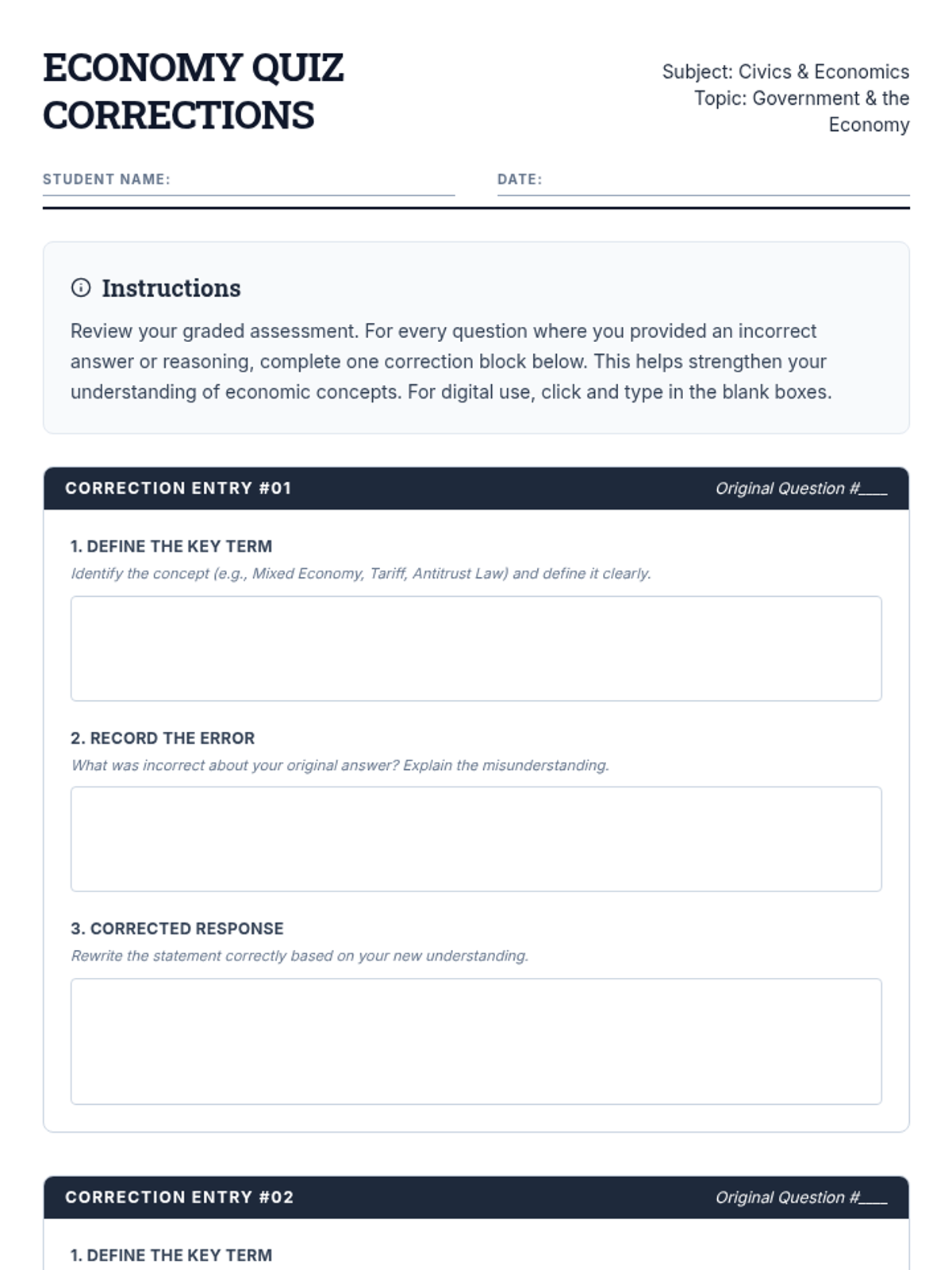
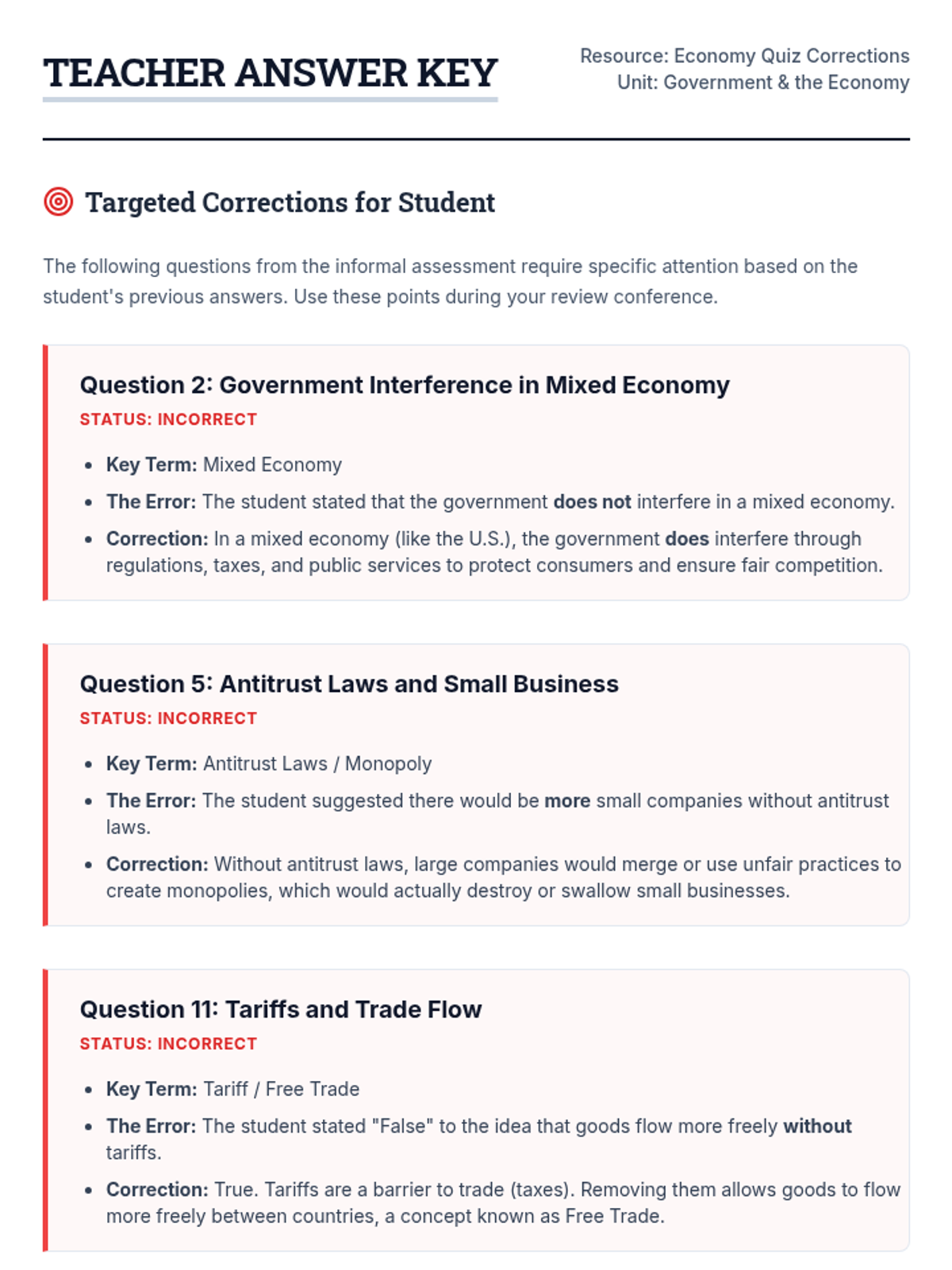
A targeted intervention lesson focused on correcting misconceptions regarding government intervention in the economy, specifically mixed vs. command economies, antitrust legislation, and international trade (tariffs).
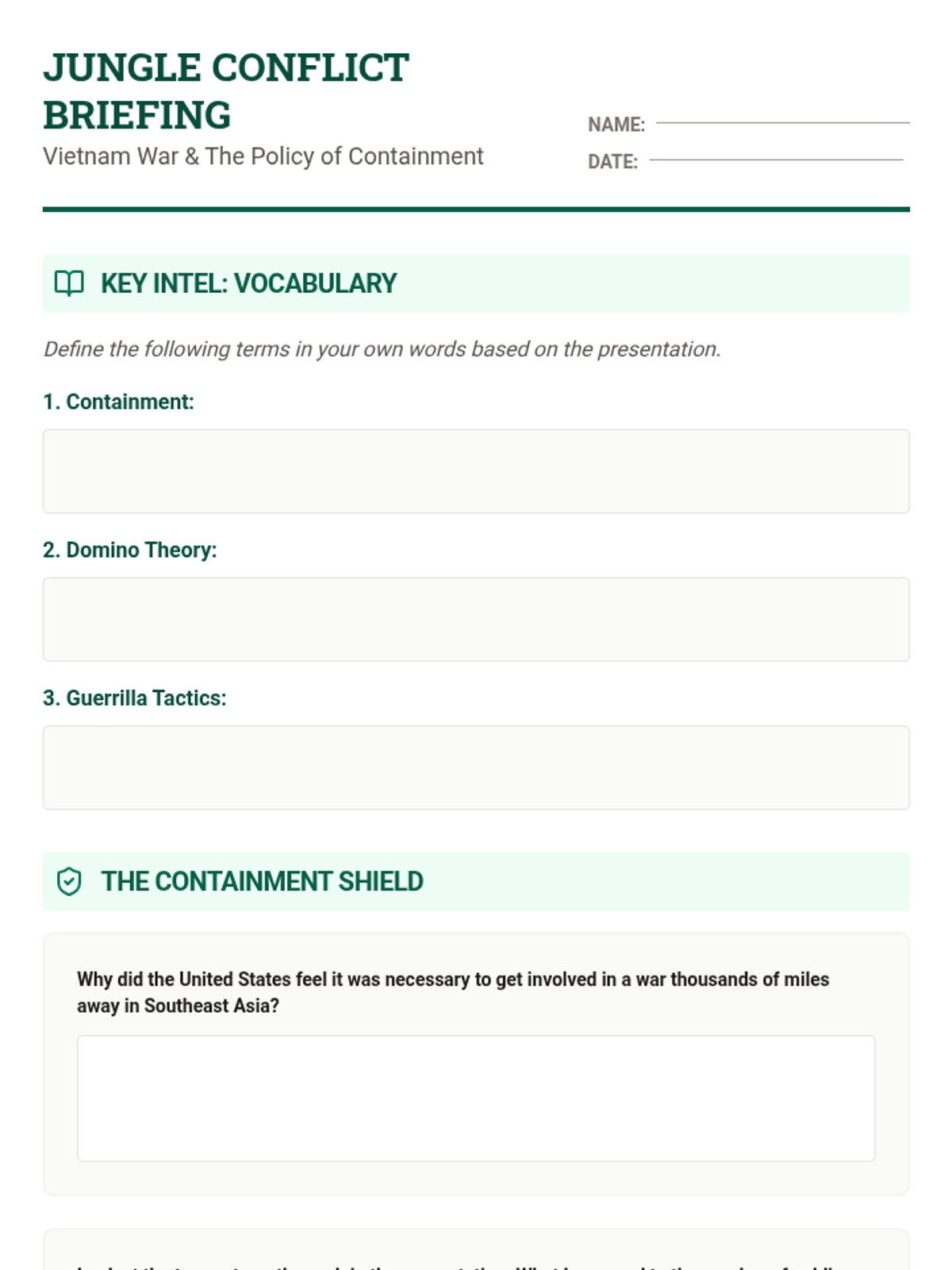
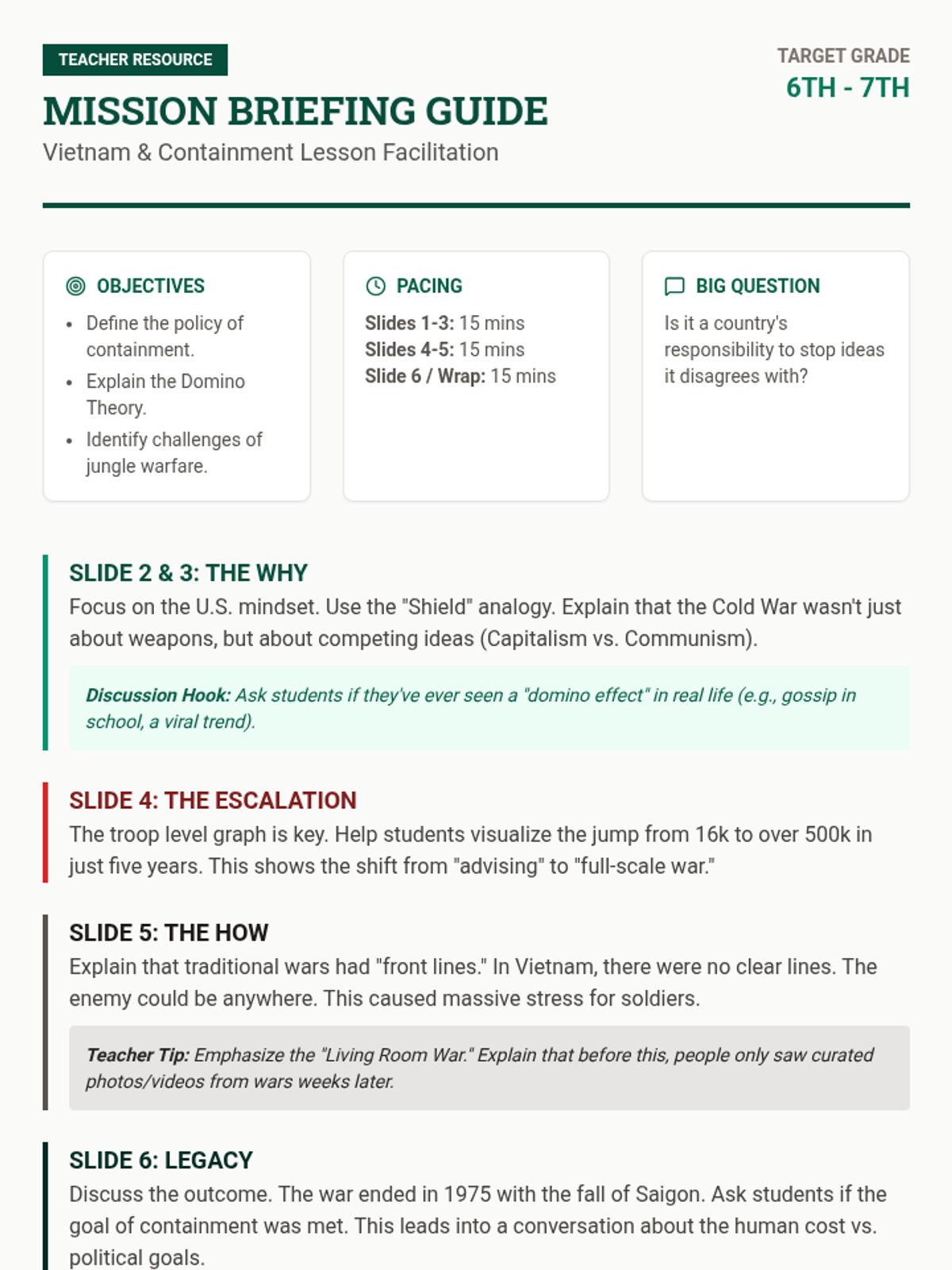
This lesson explores the origins of the Vietnam War through the lens of the US policy of containment and the Domino Theory, designed for middle school students.