A lesson focused on helping students answer 'how' and 'why' questions using visual prompts and sentence starters, developing both comprehension and complete sentence construction.
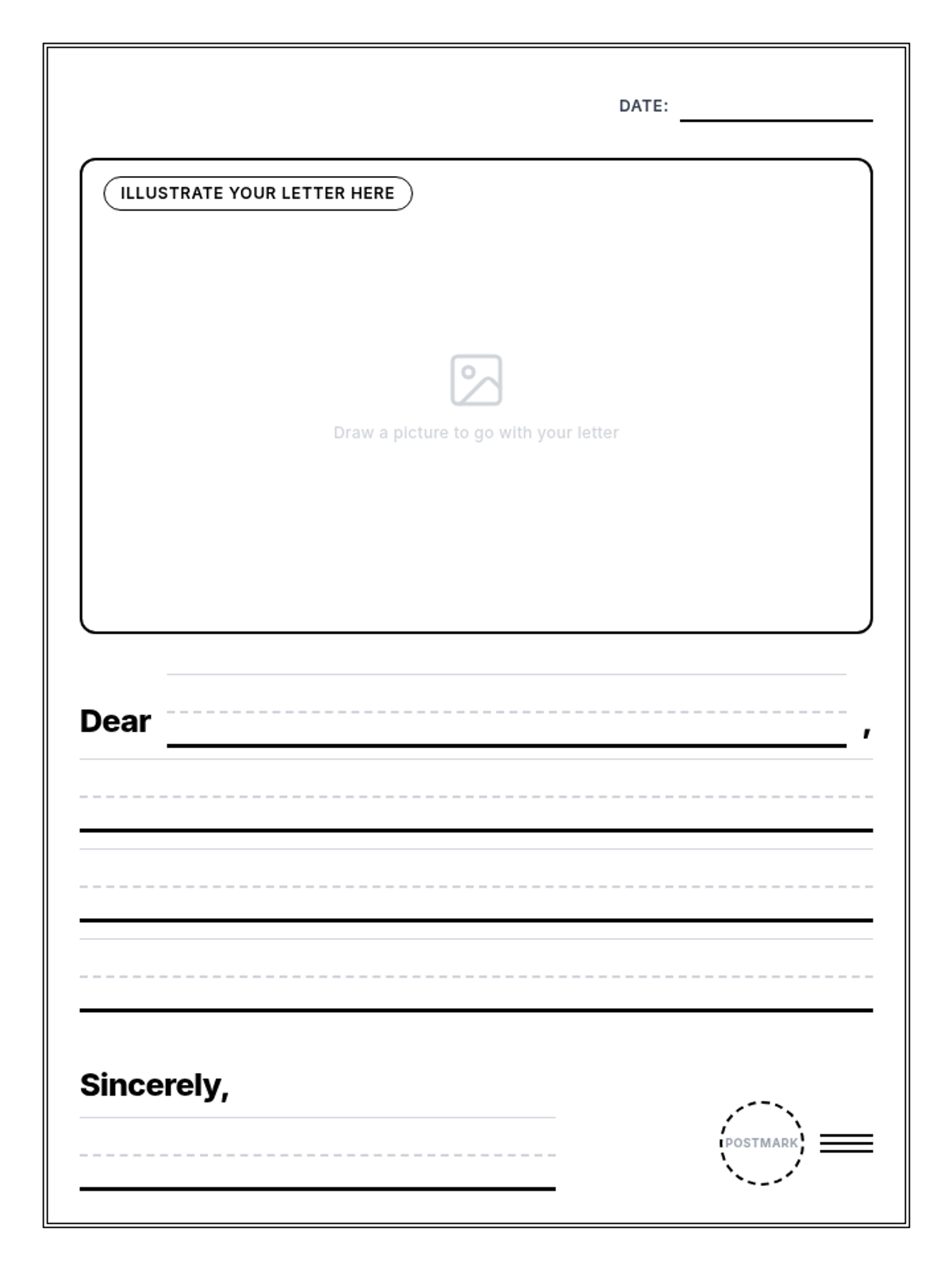
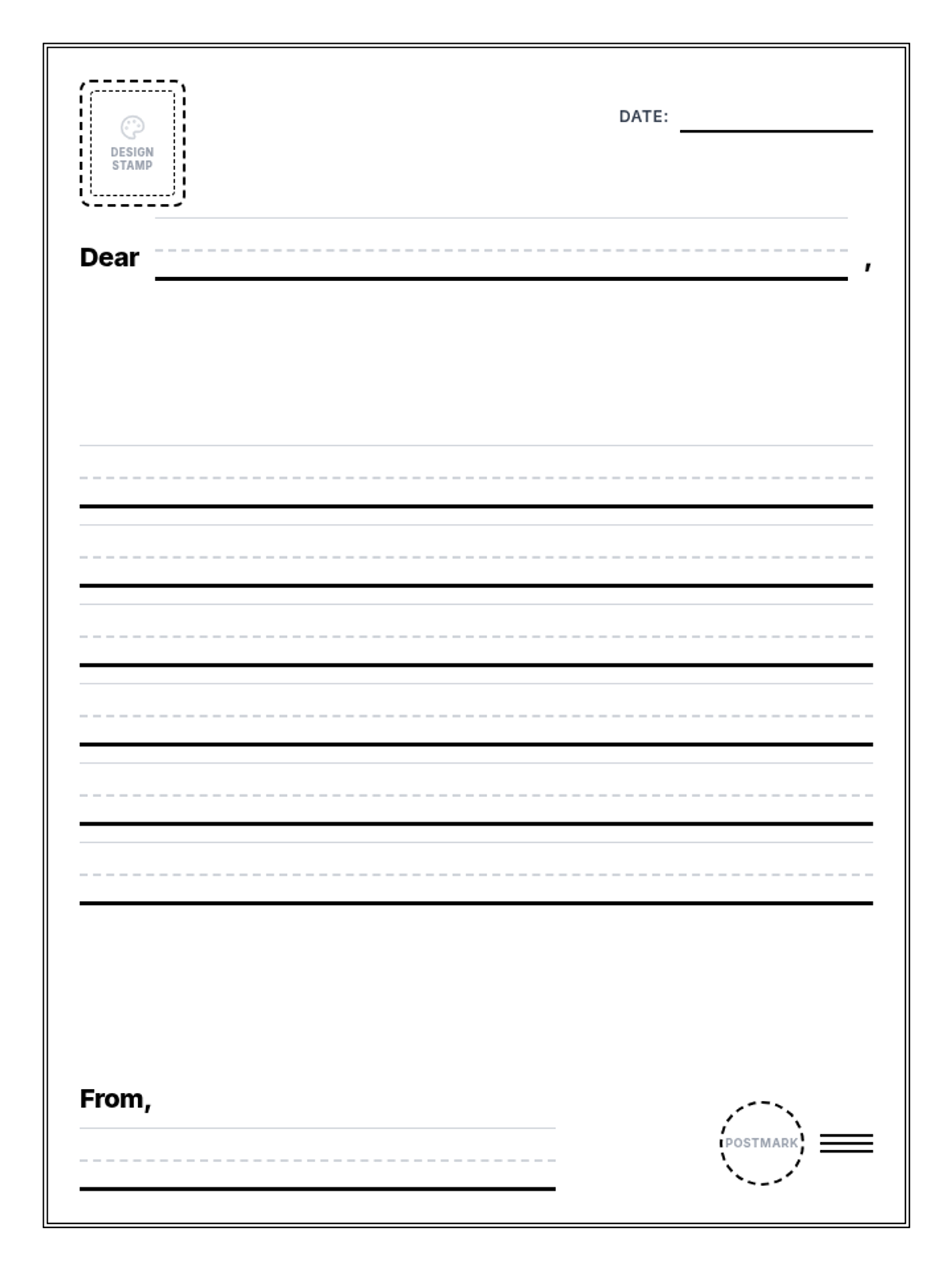
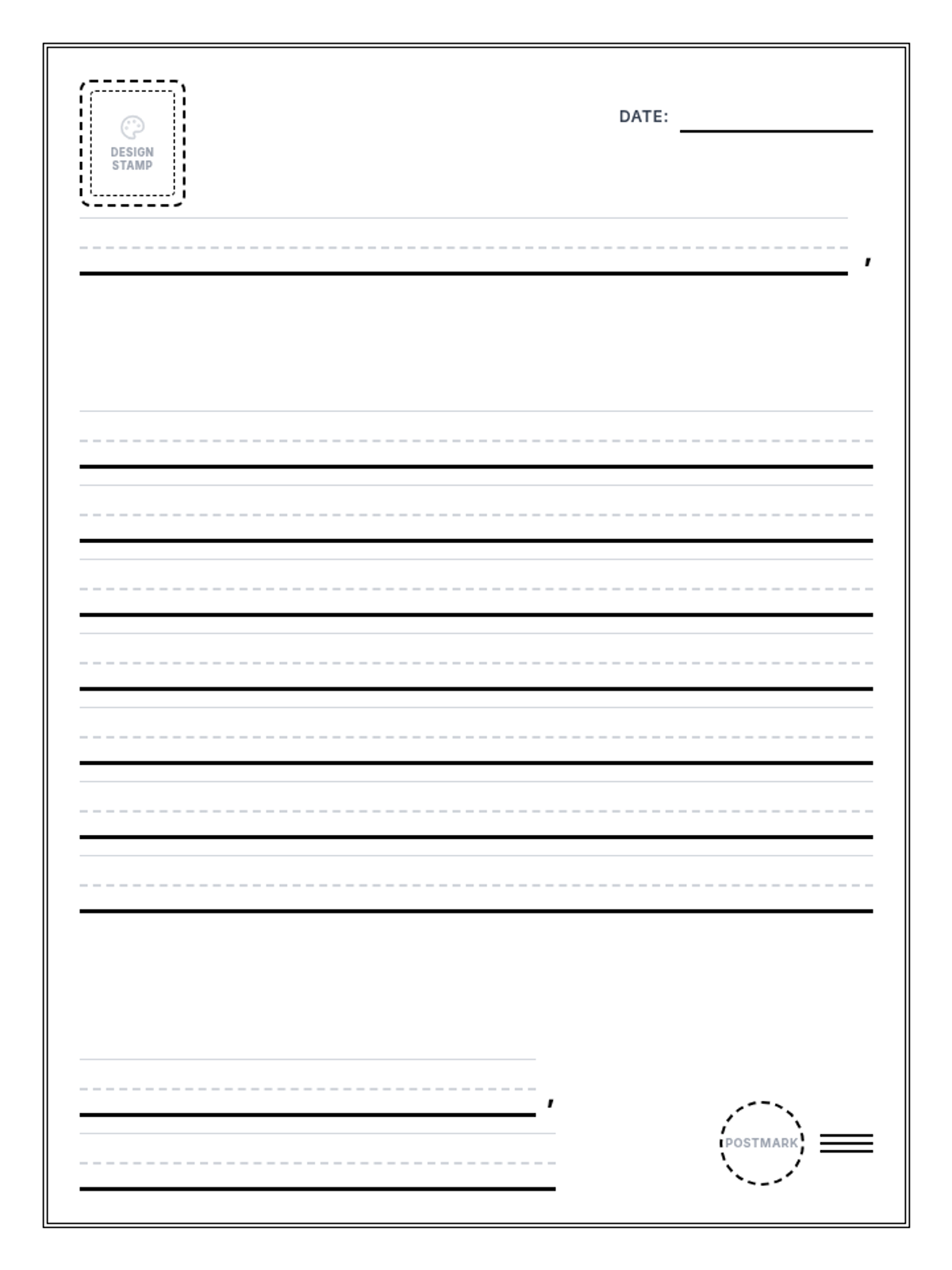
A collection of modern, black-and-white letter writing templates with Fundations-style writing lines, designed to differentiate for primary and elementary classrooms.
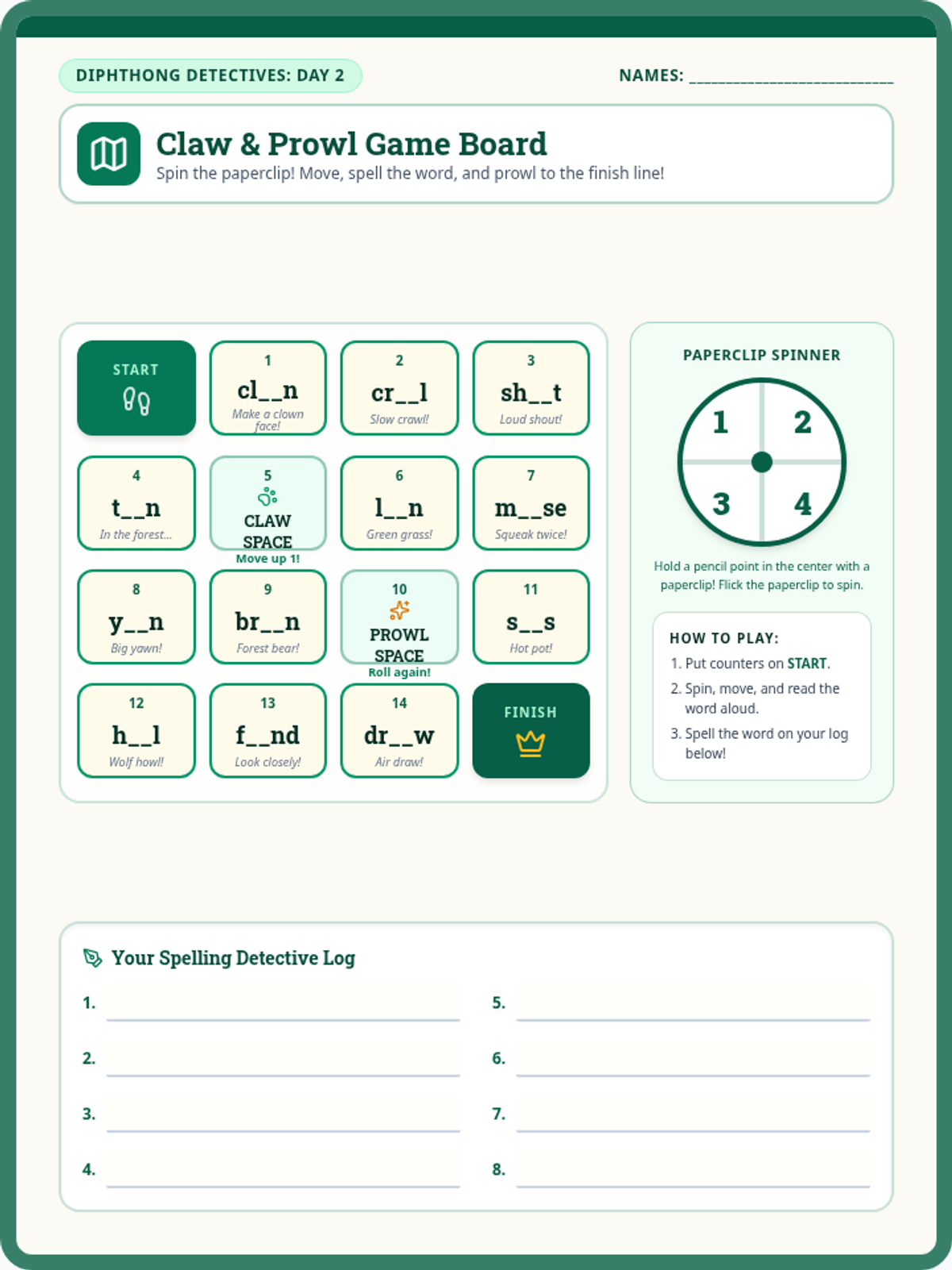
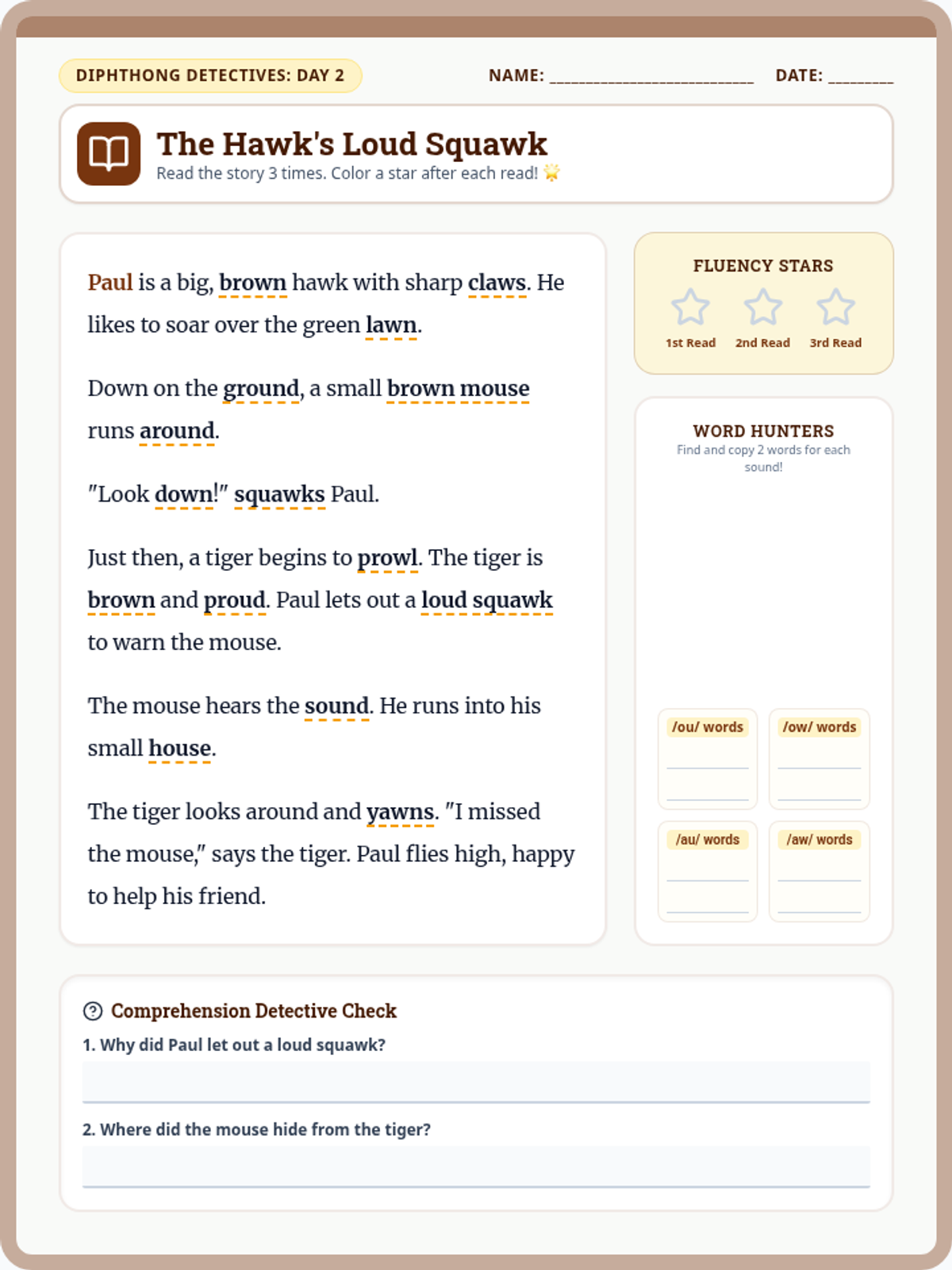
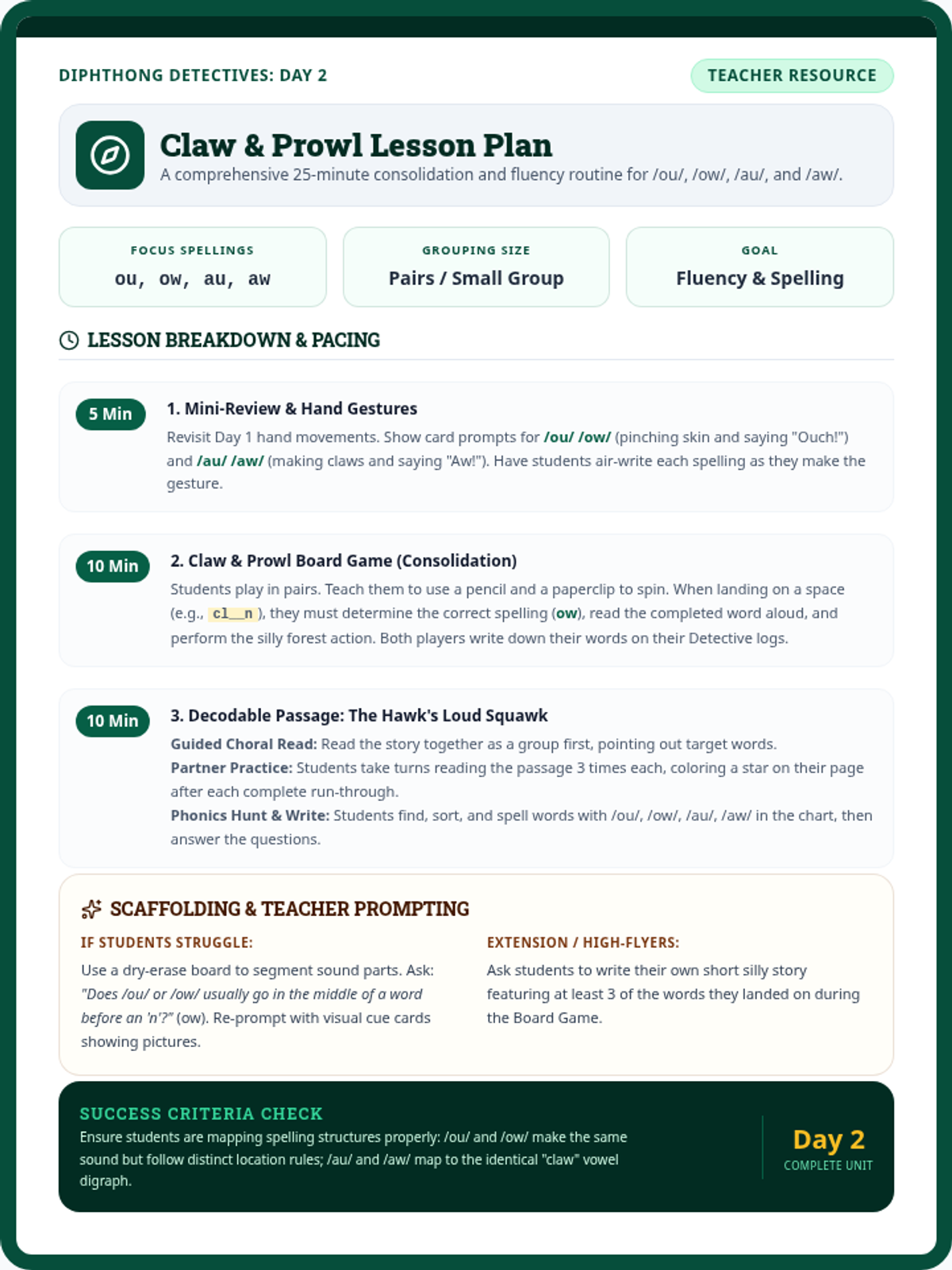
Day 2 of the Diphthong Detectives unit, focusing on consolidating ou, ow, au, and aw spellings through an interactive team board game and a shared decodable fluency story.
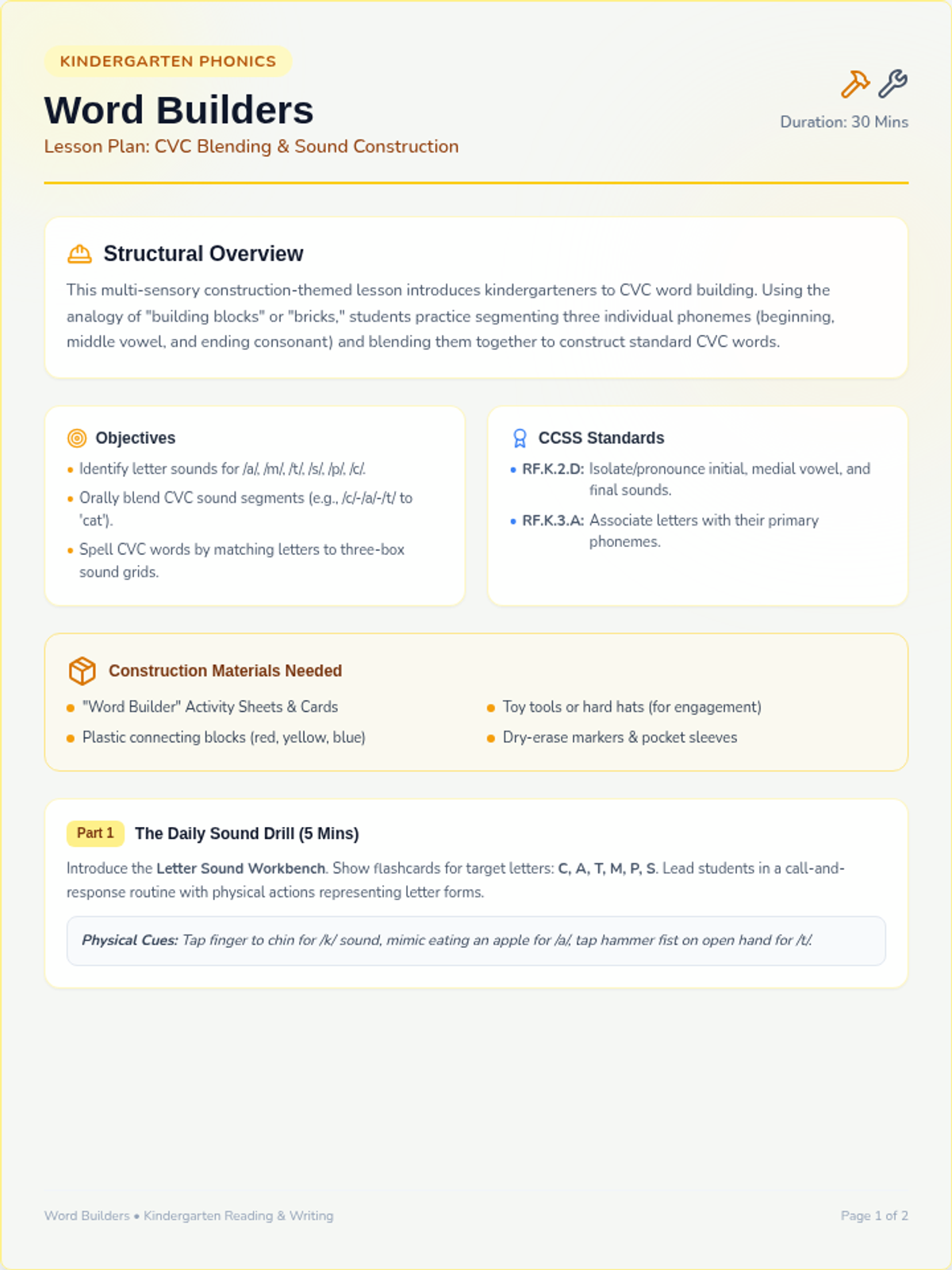
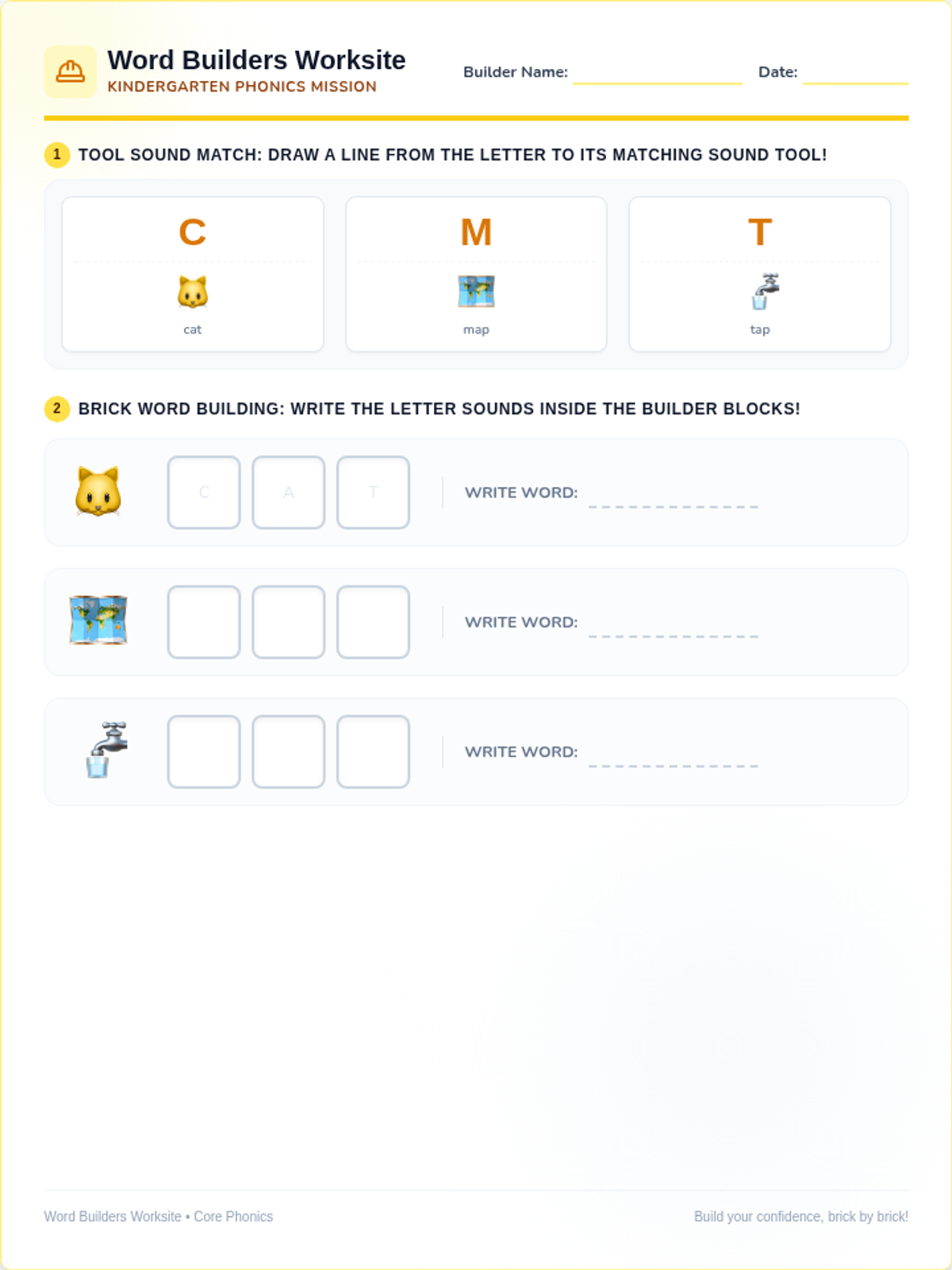
A foundational early literacy lesson helping kindergarteners identify letters, master letter sounds, and practice blending CVC and high-frequency words.
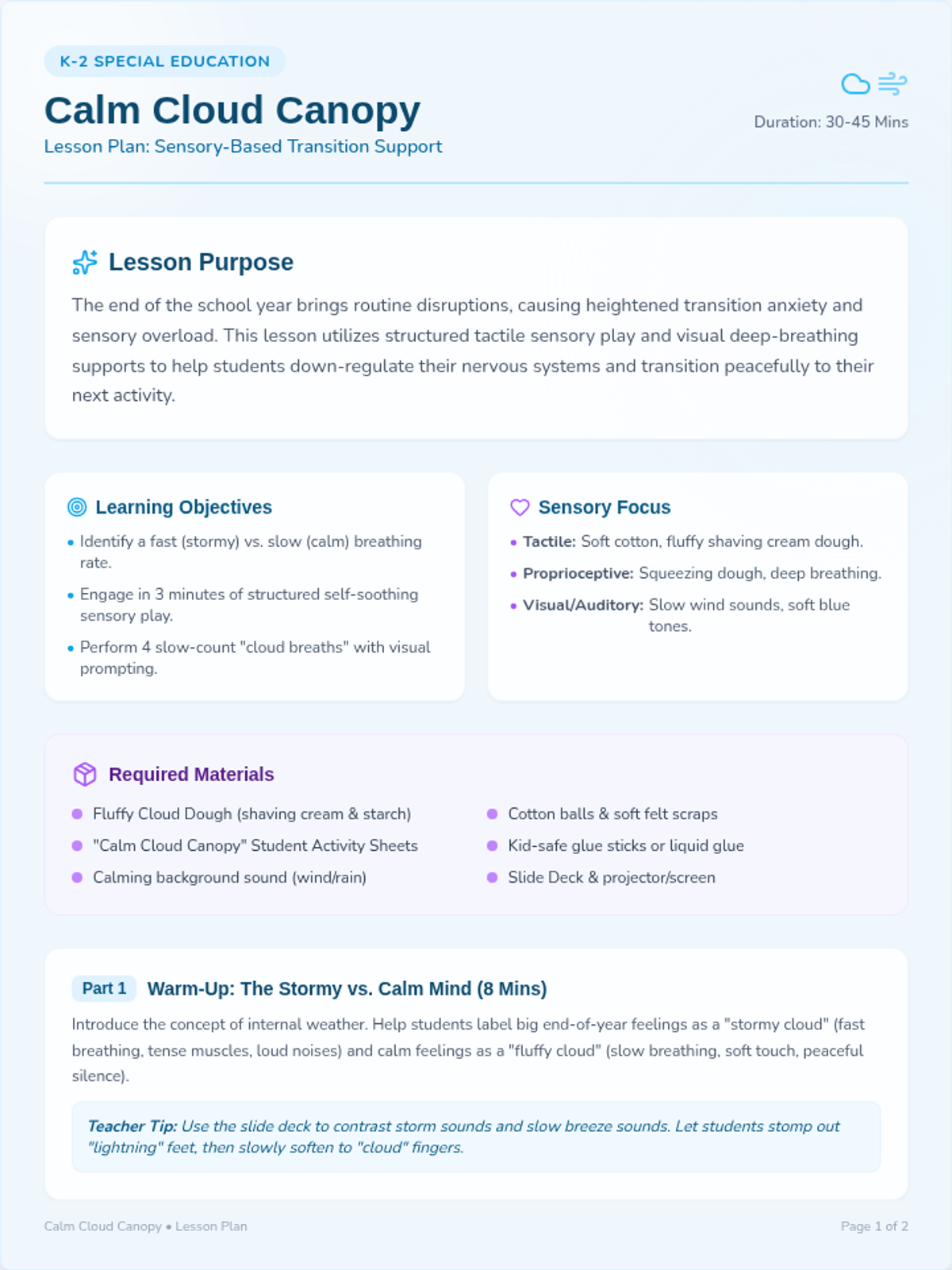
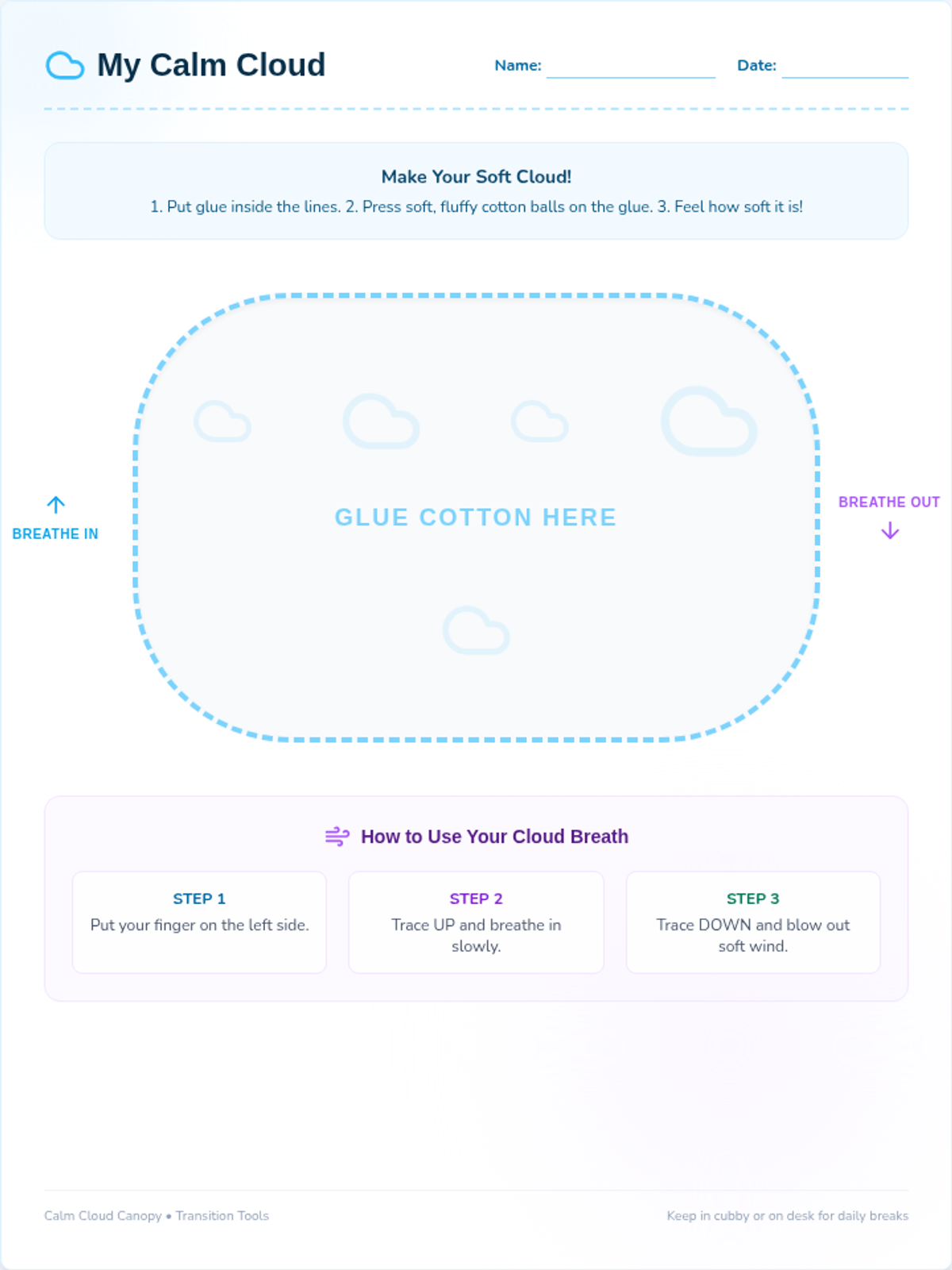
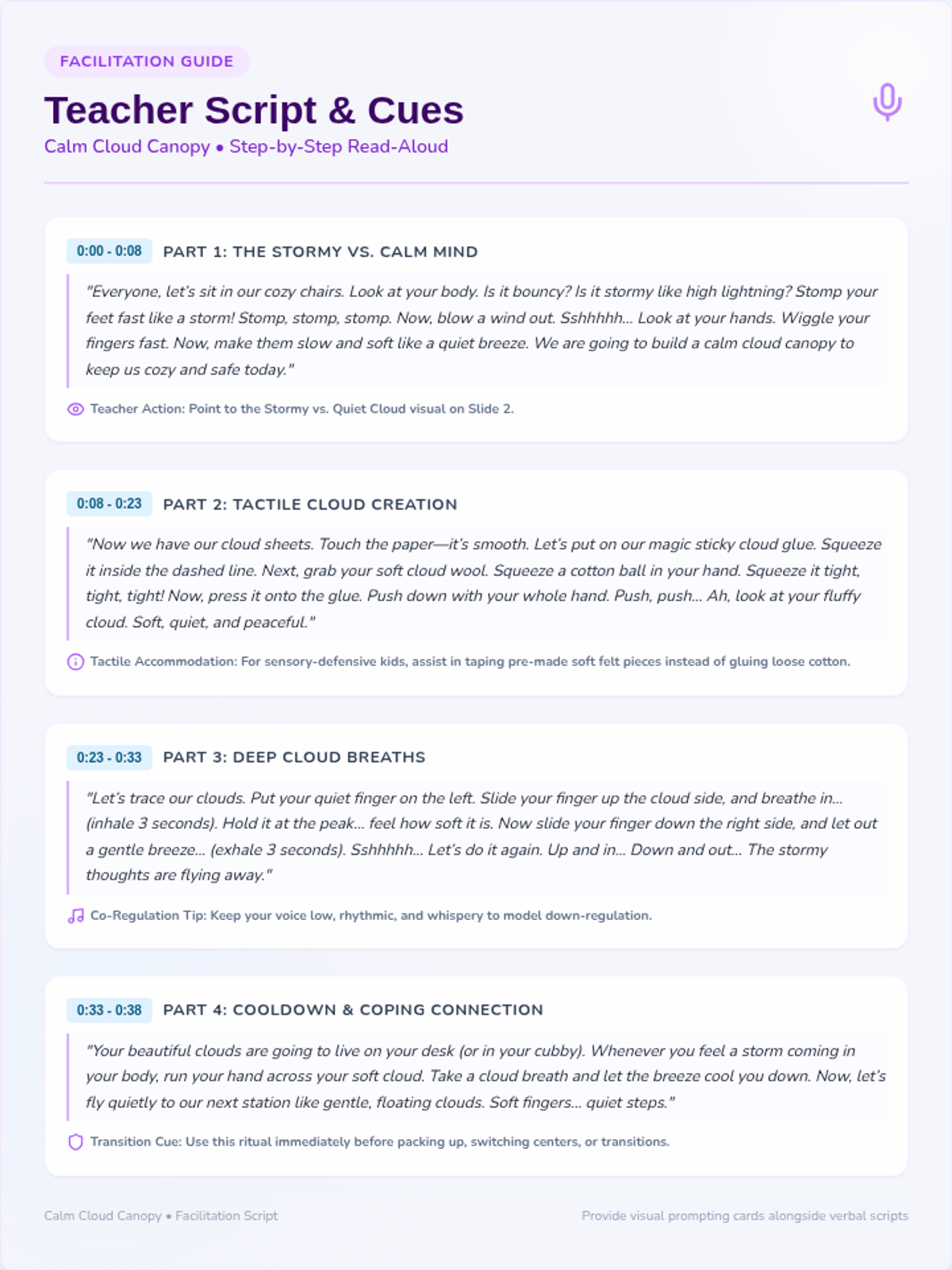
A sensory-focused lesson helping K-2 special education students manage transition anxiety and sensory overload through tactile cloud play and deep breathing simulation.
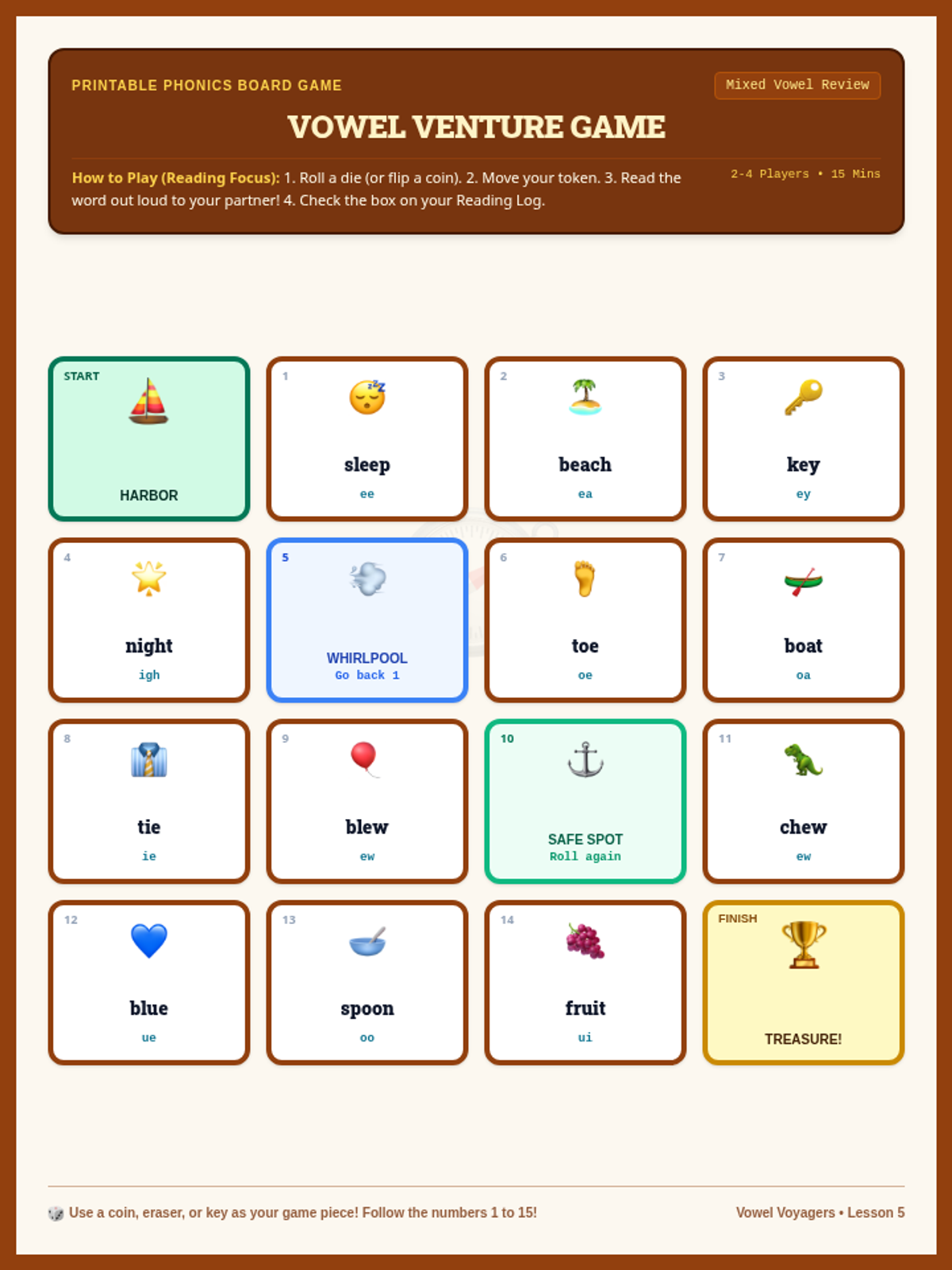
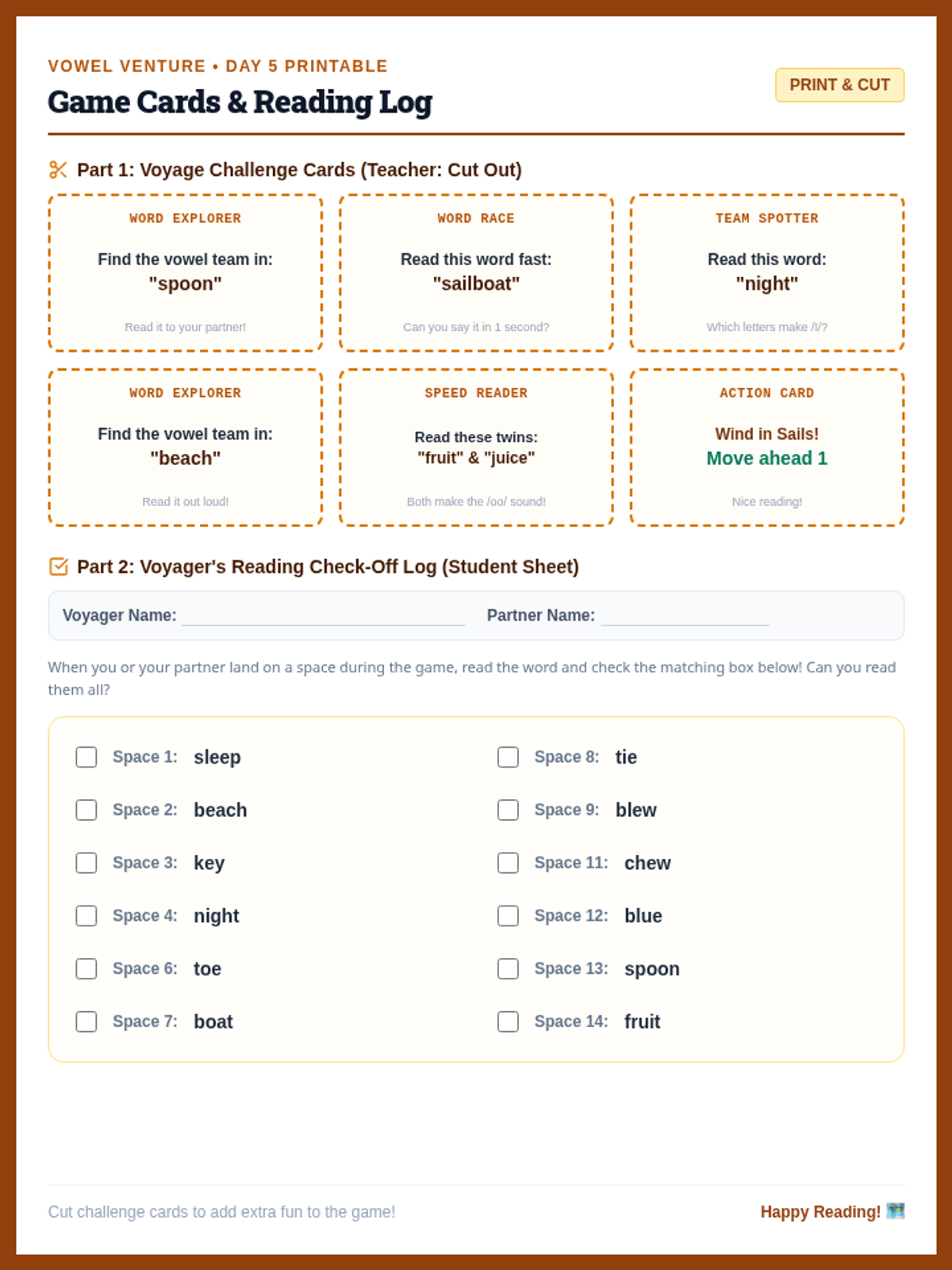
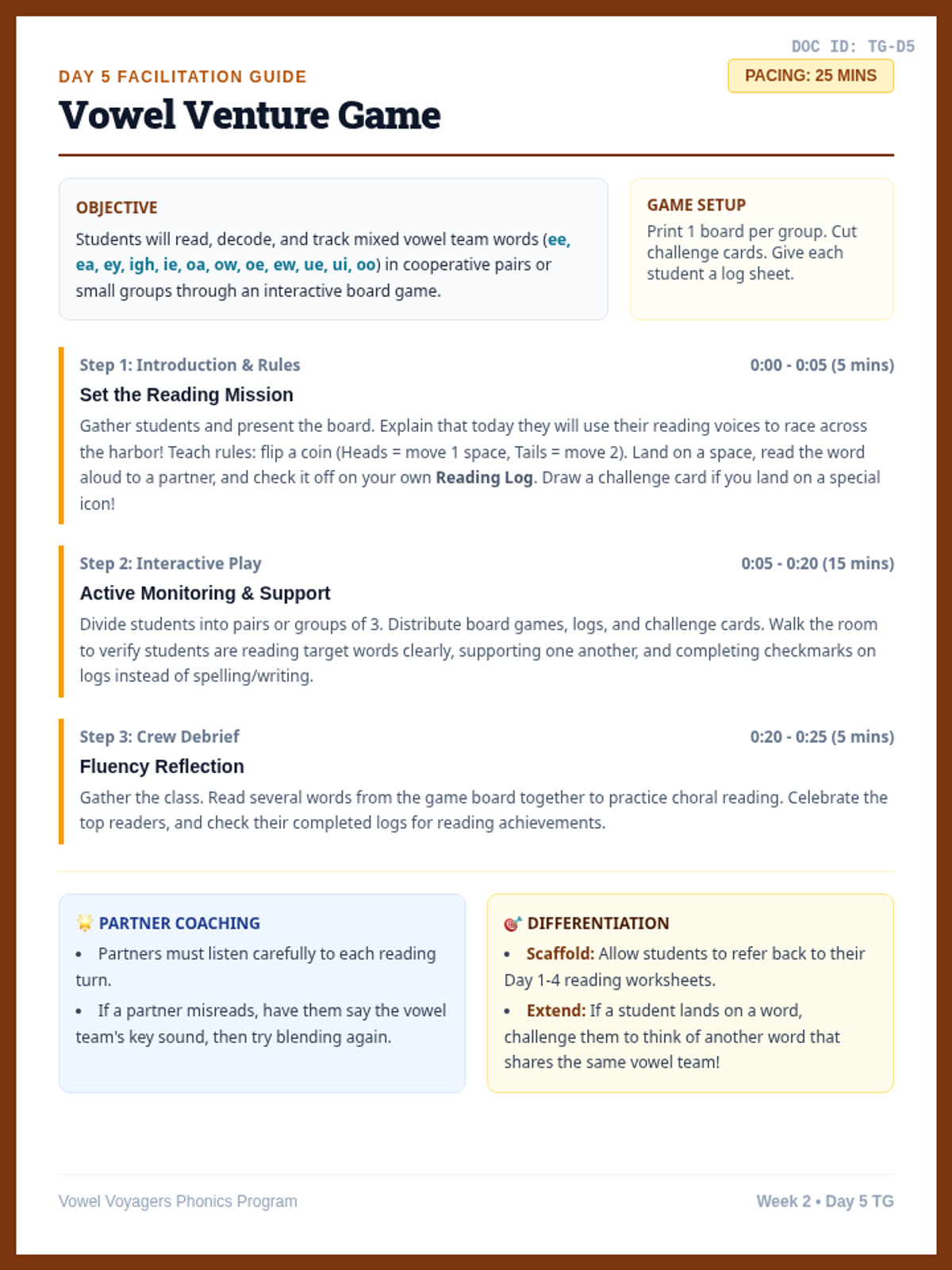
A cooperative printable board game lesson where students sail across the map by reading and writing mixed vowel team words (E, I, O, U teams).
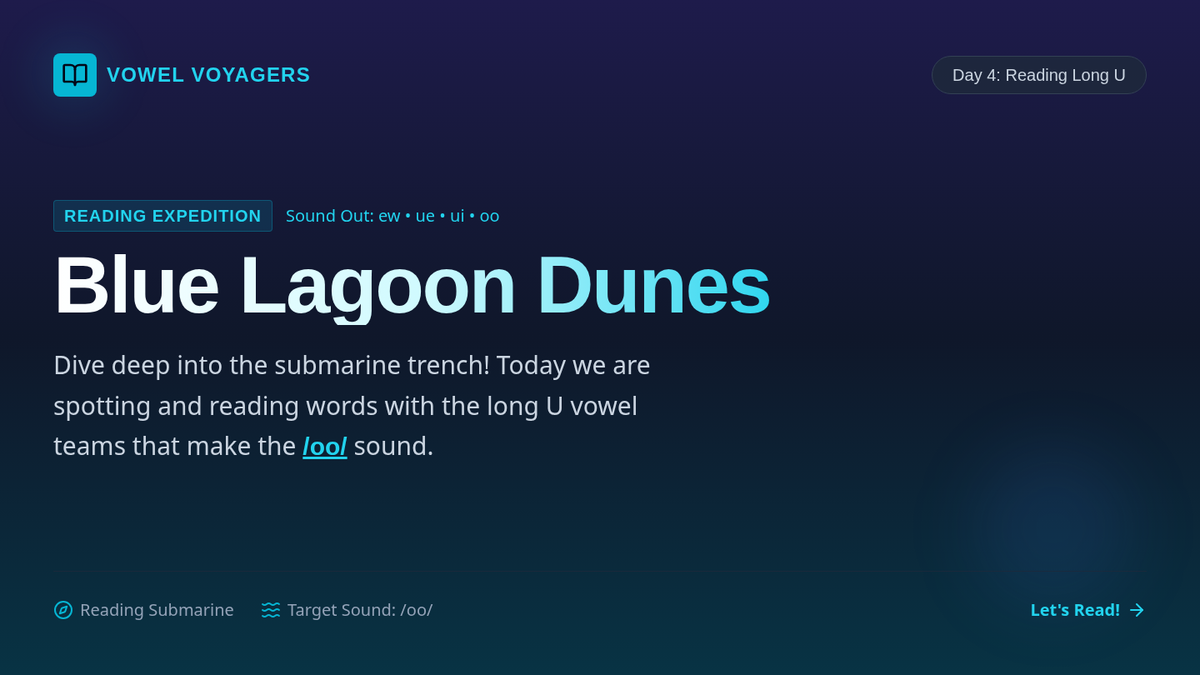
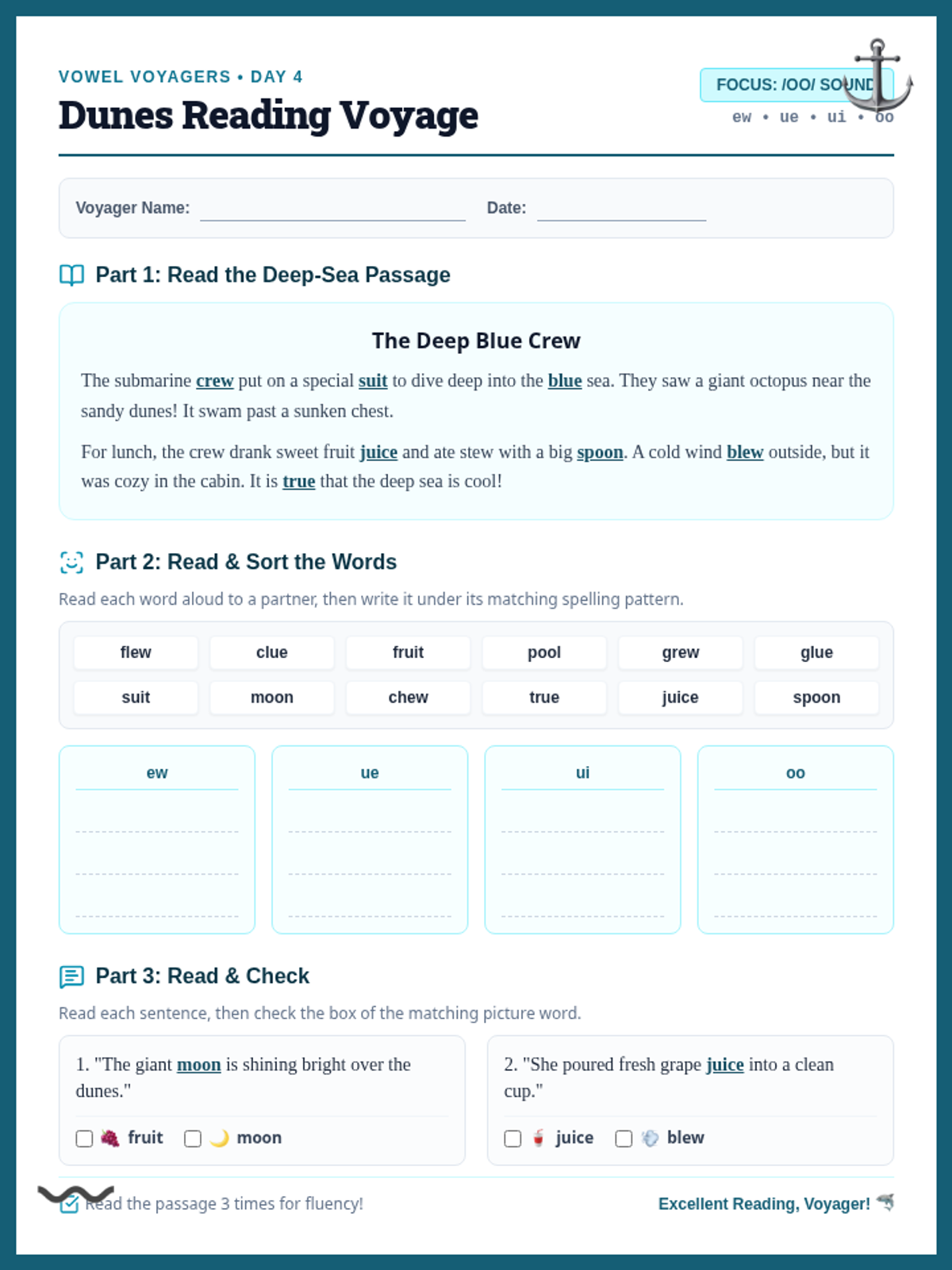
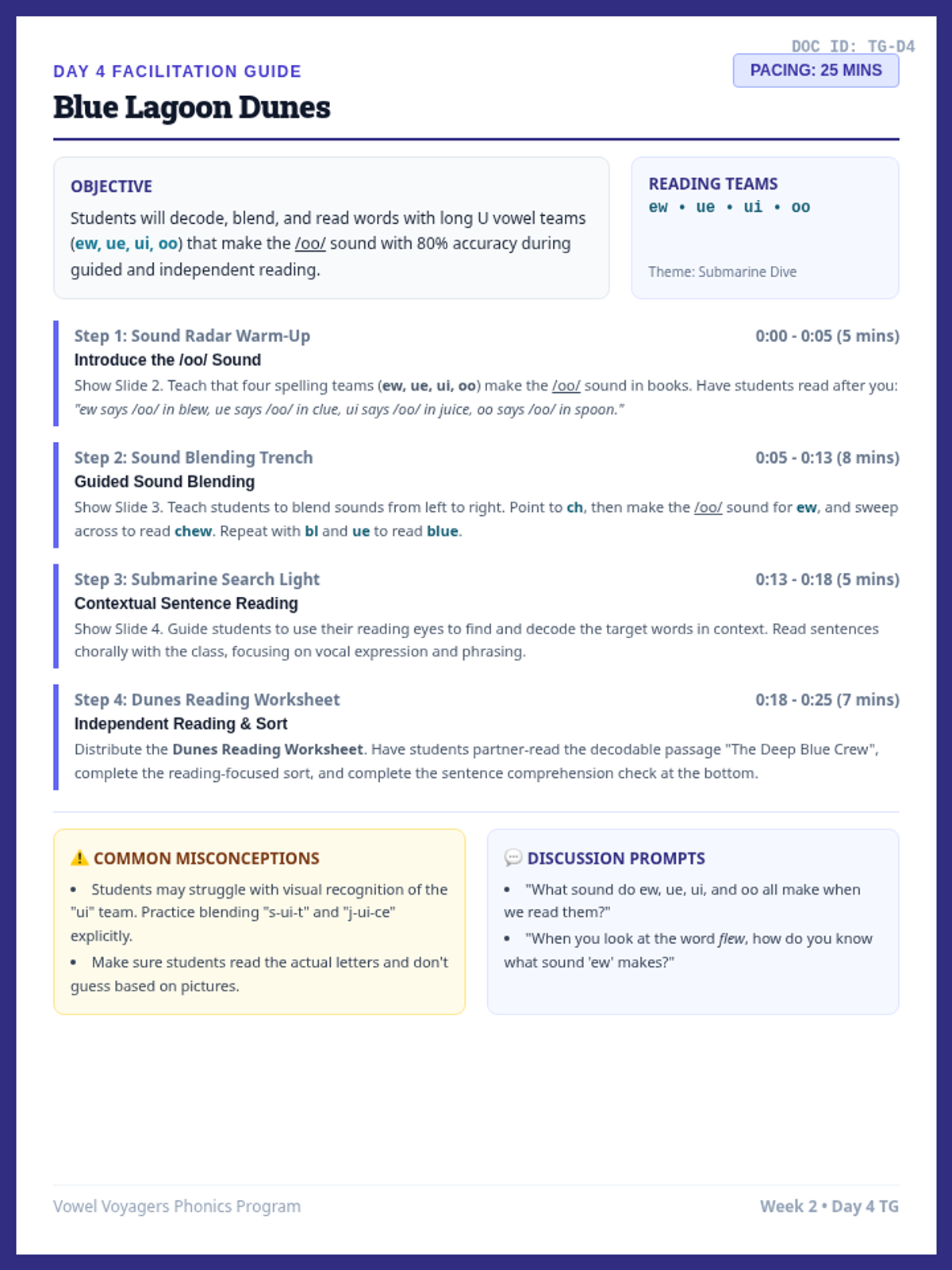
Focuses on the long U vowel teams: ew, ue, ui, and oo through submarine-themed interactive slides, printables, and a teacher guide.
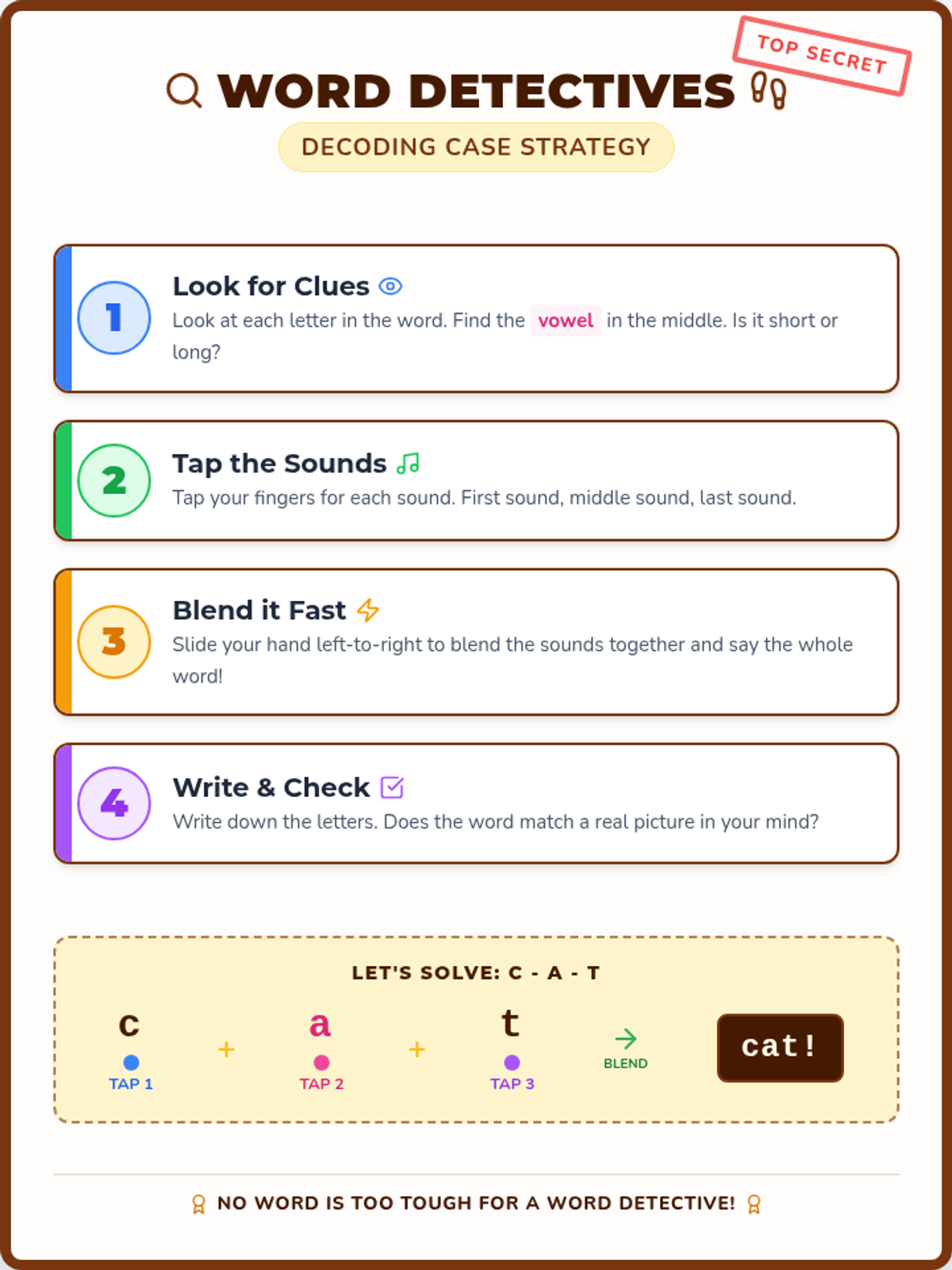
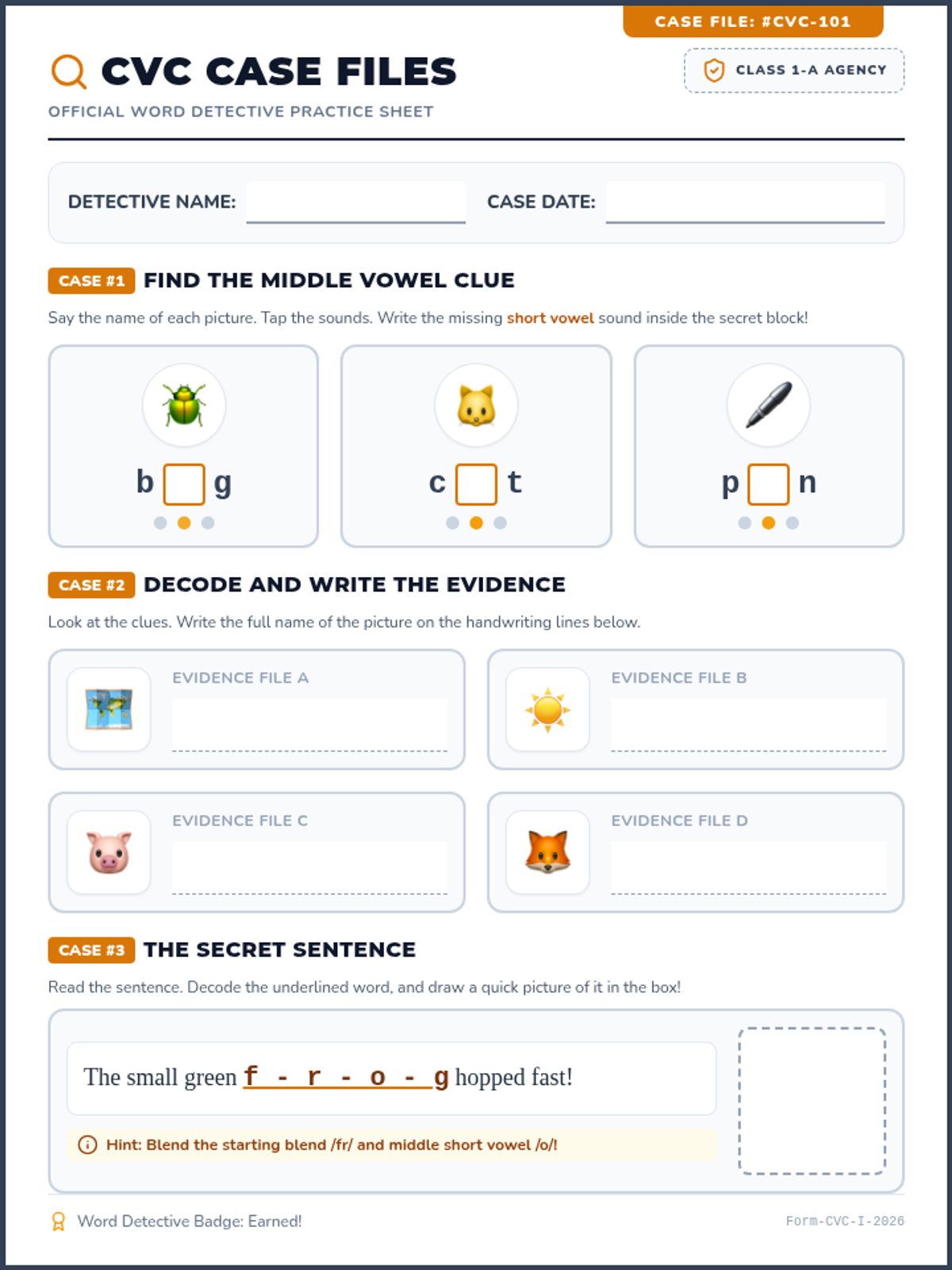
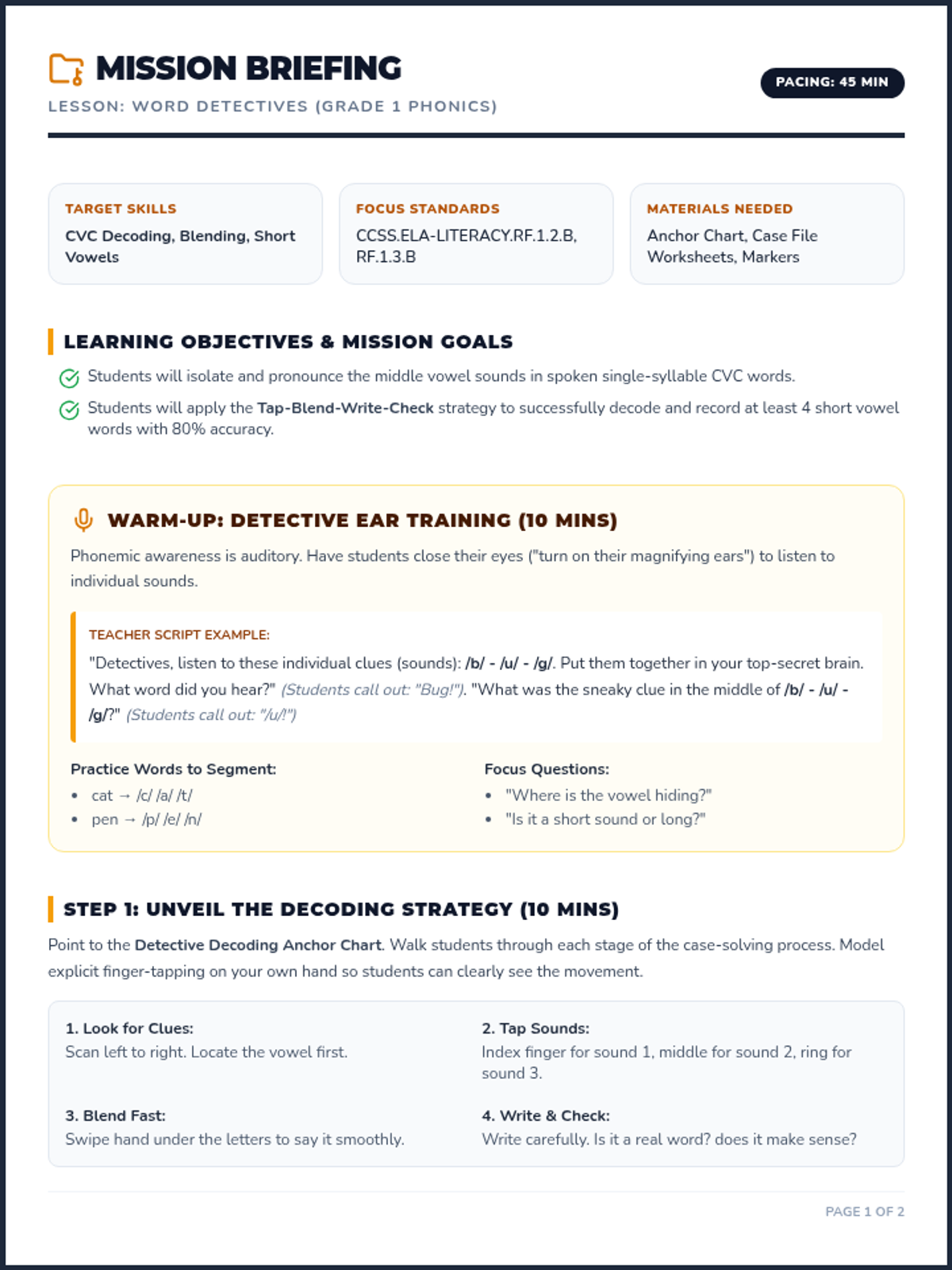
A highly engaging, detective-themed phonics lesson for first-grade students focused on decoding, blending, and writing short vowel CVC words. Includes an anchor chart, a hands-on worksheet, and a detailed teacher facilitation guide.
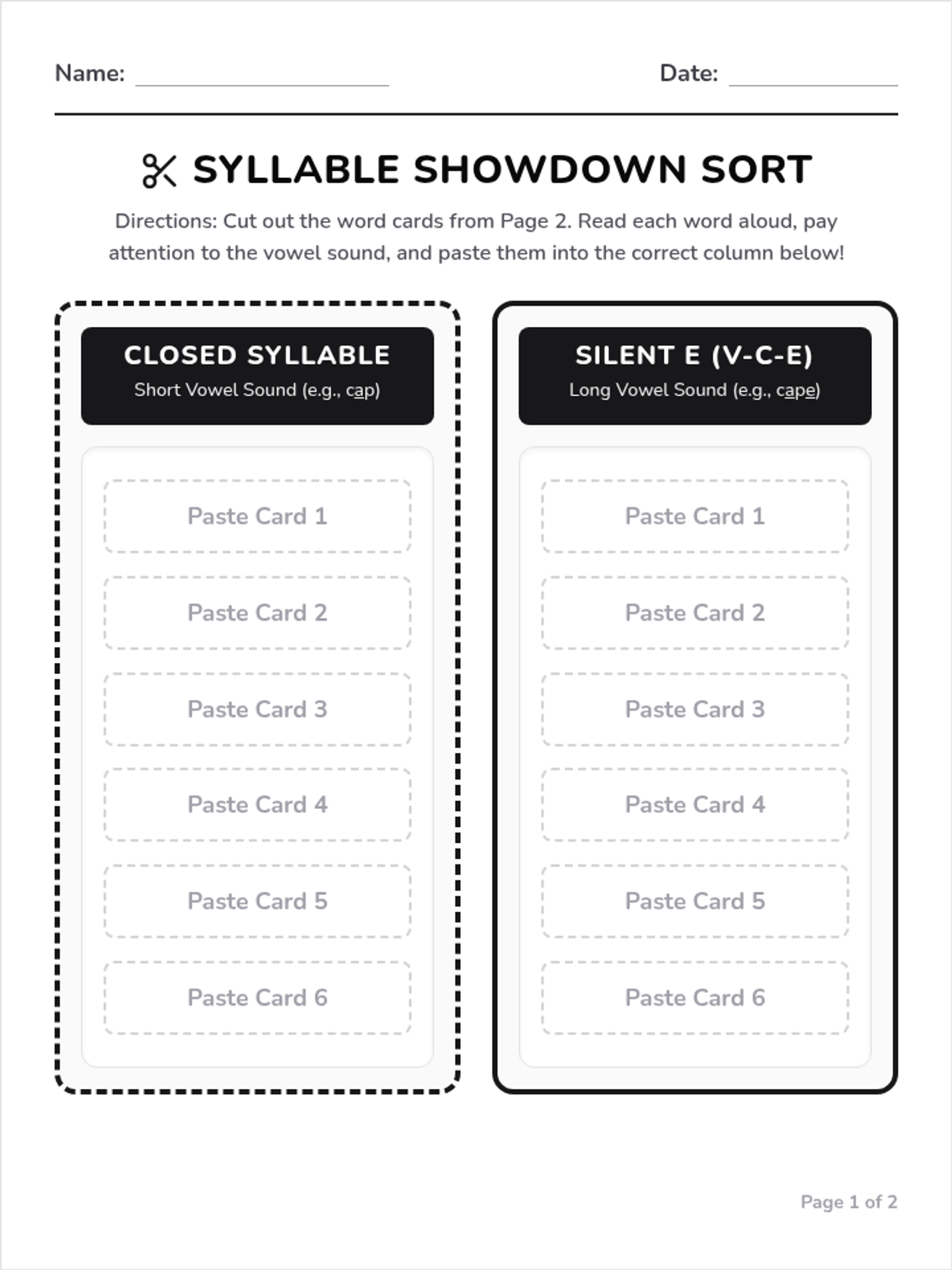
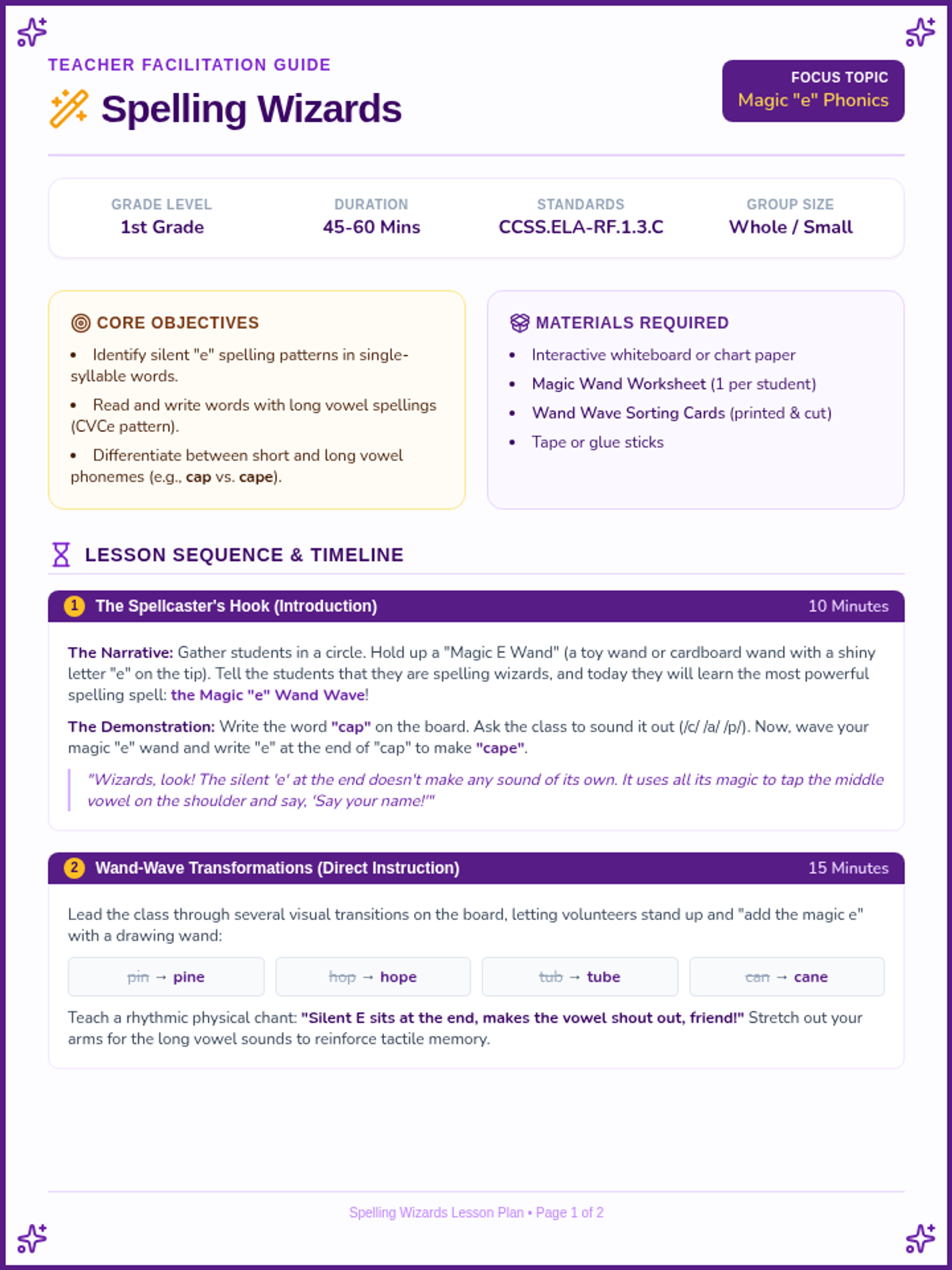
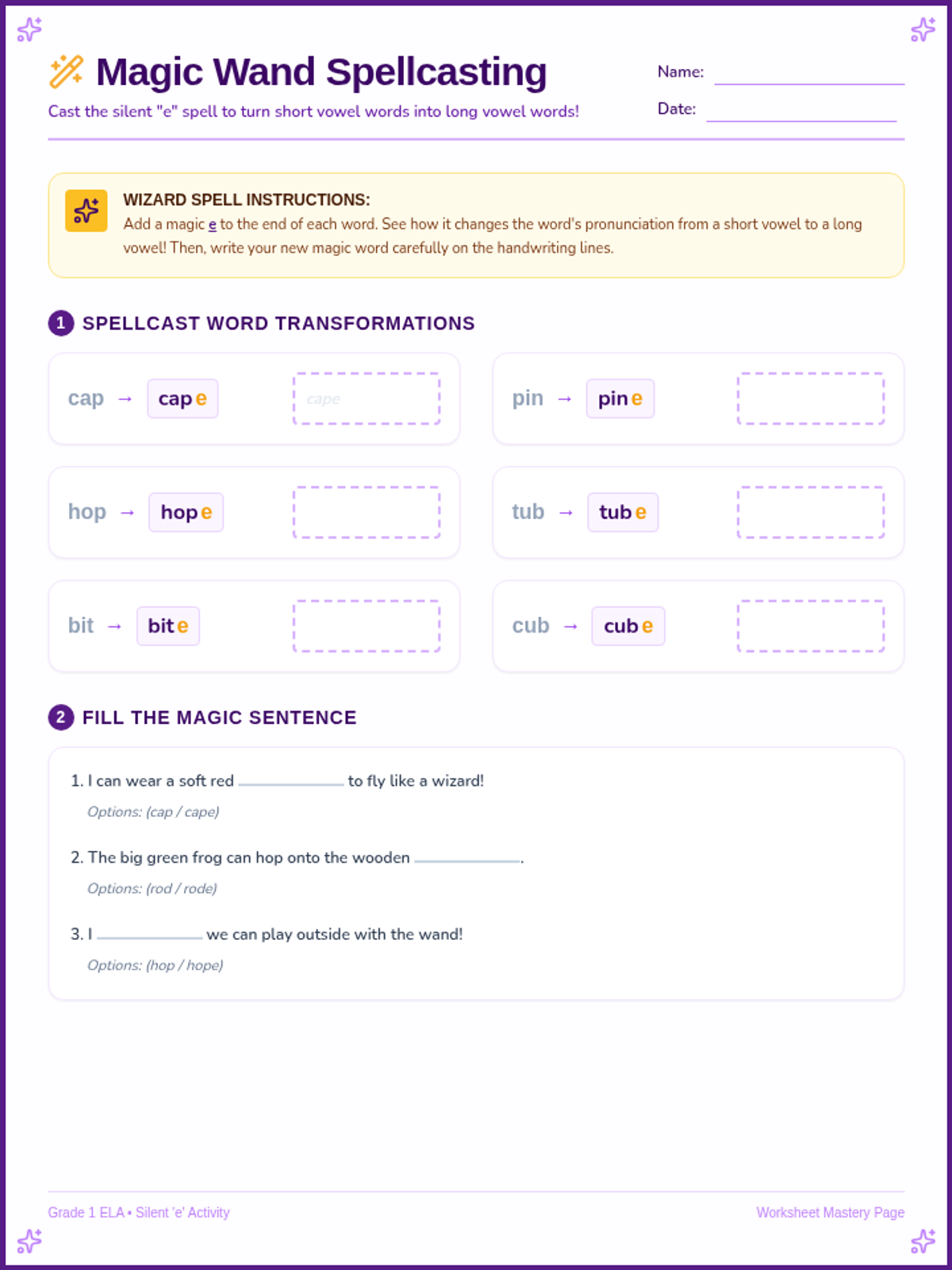
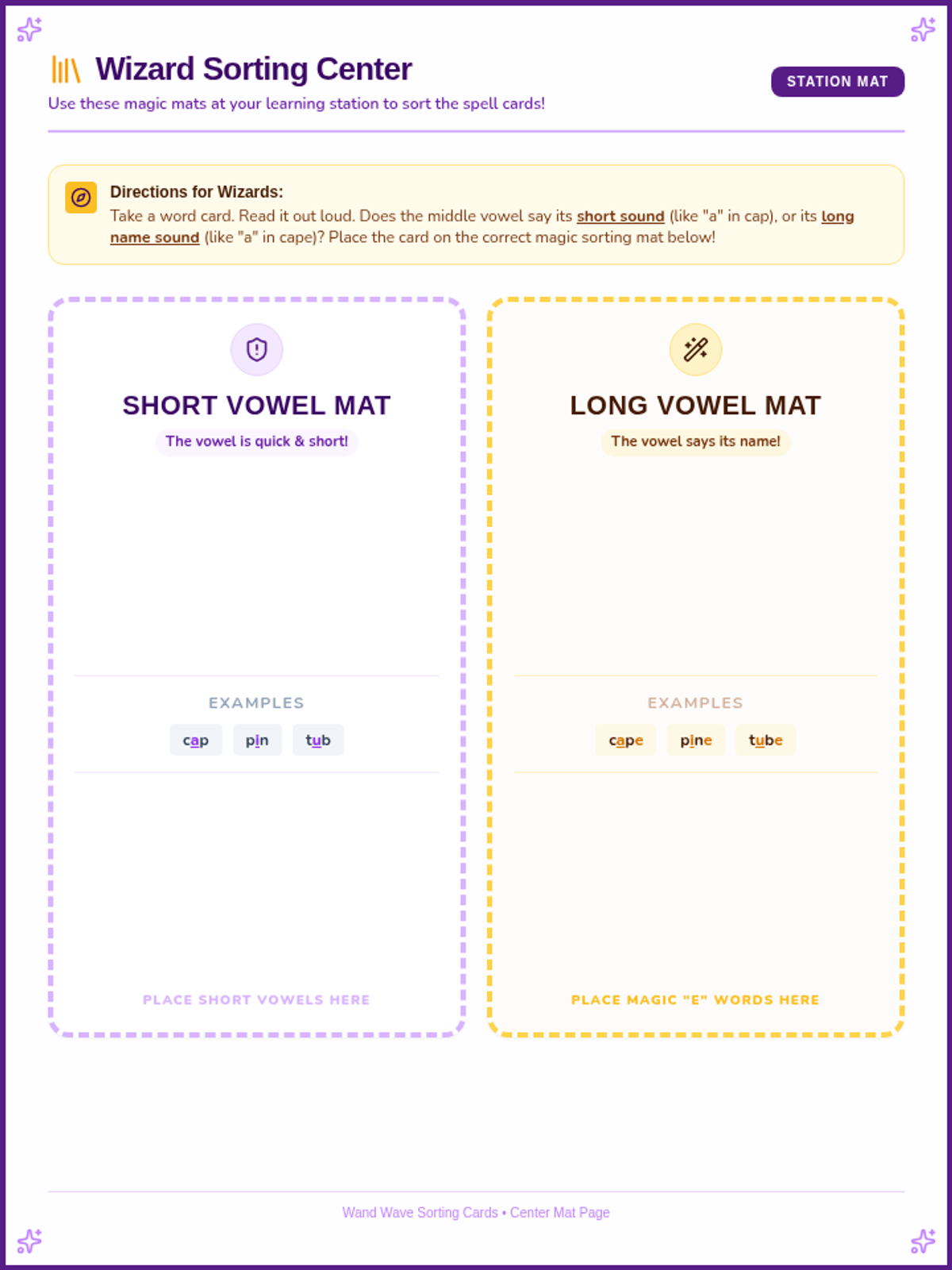
A phonics lesson focusing on identifying, sorting, and reading one-syllable closed words (short vowels) and vowel-consonant-e words (long vowels with silent e) using hands-on tactile activities.
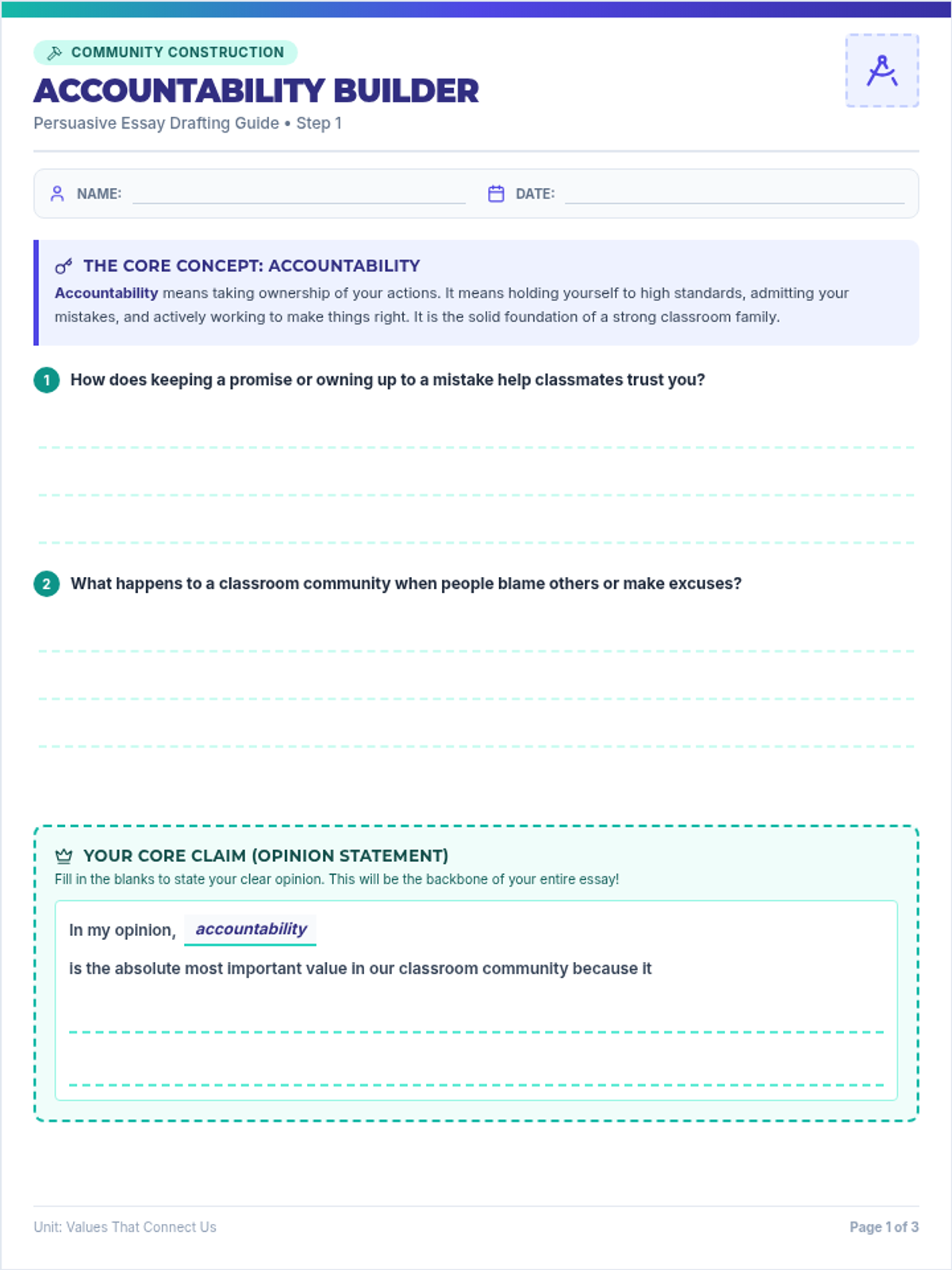
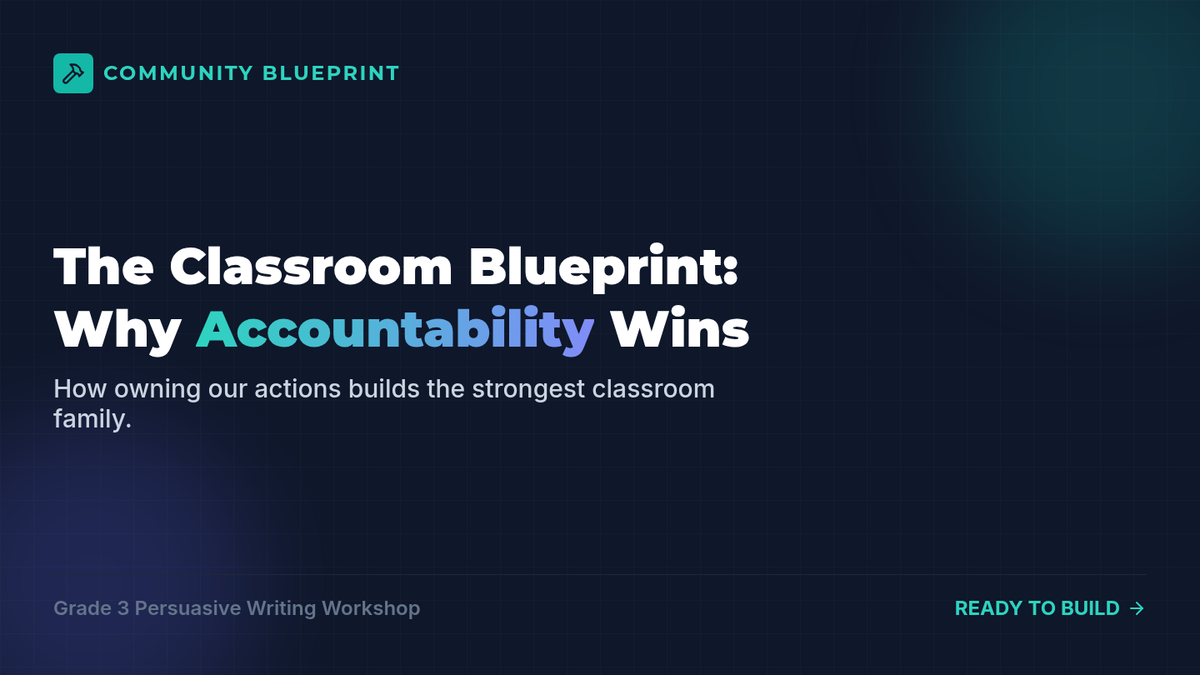
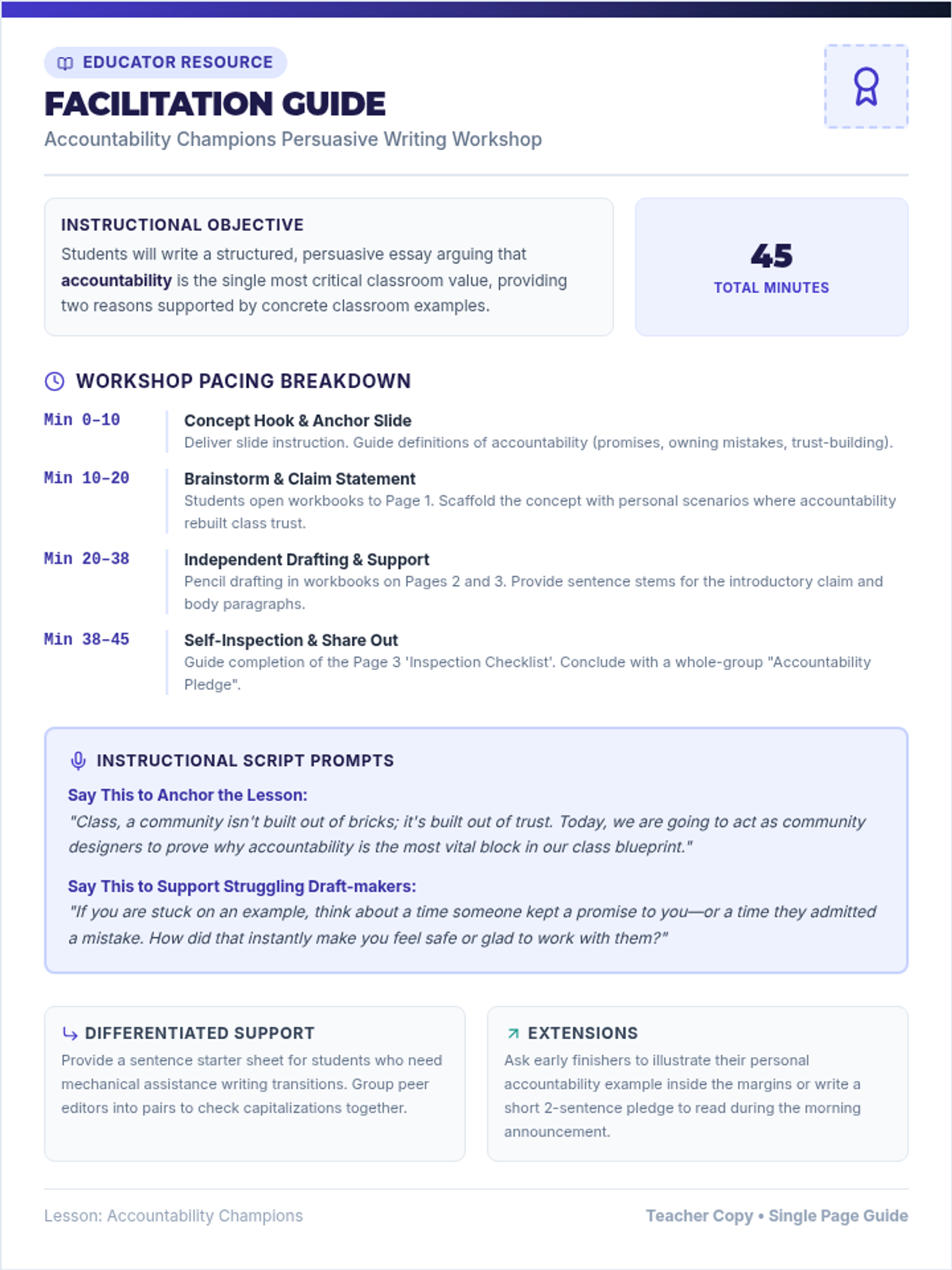
A comprehensive persuasive writing workshop where 3rd graders learn the concept of accountability and write a structured essay arguing why it is the most vital classroom community value. The lesson includes a teaching slide deck, a guided drafting packet for students, and a comprehensive facilitation guide for teachers.
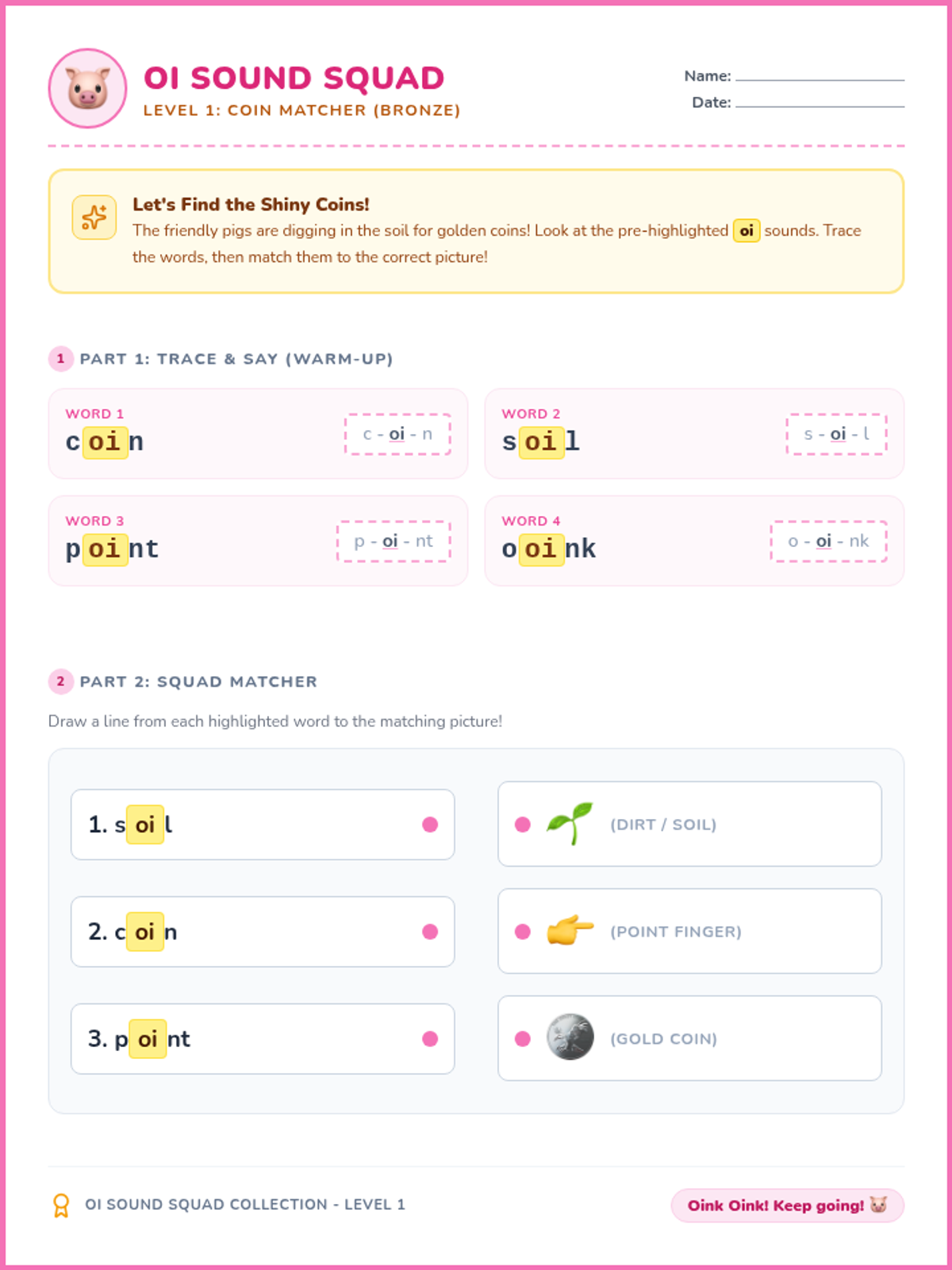
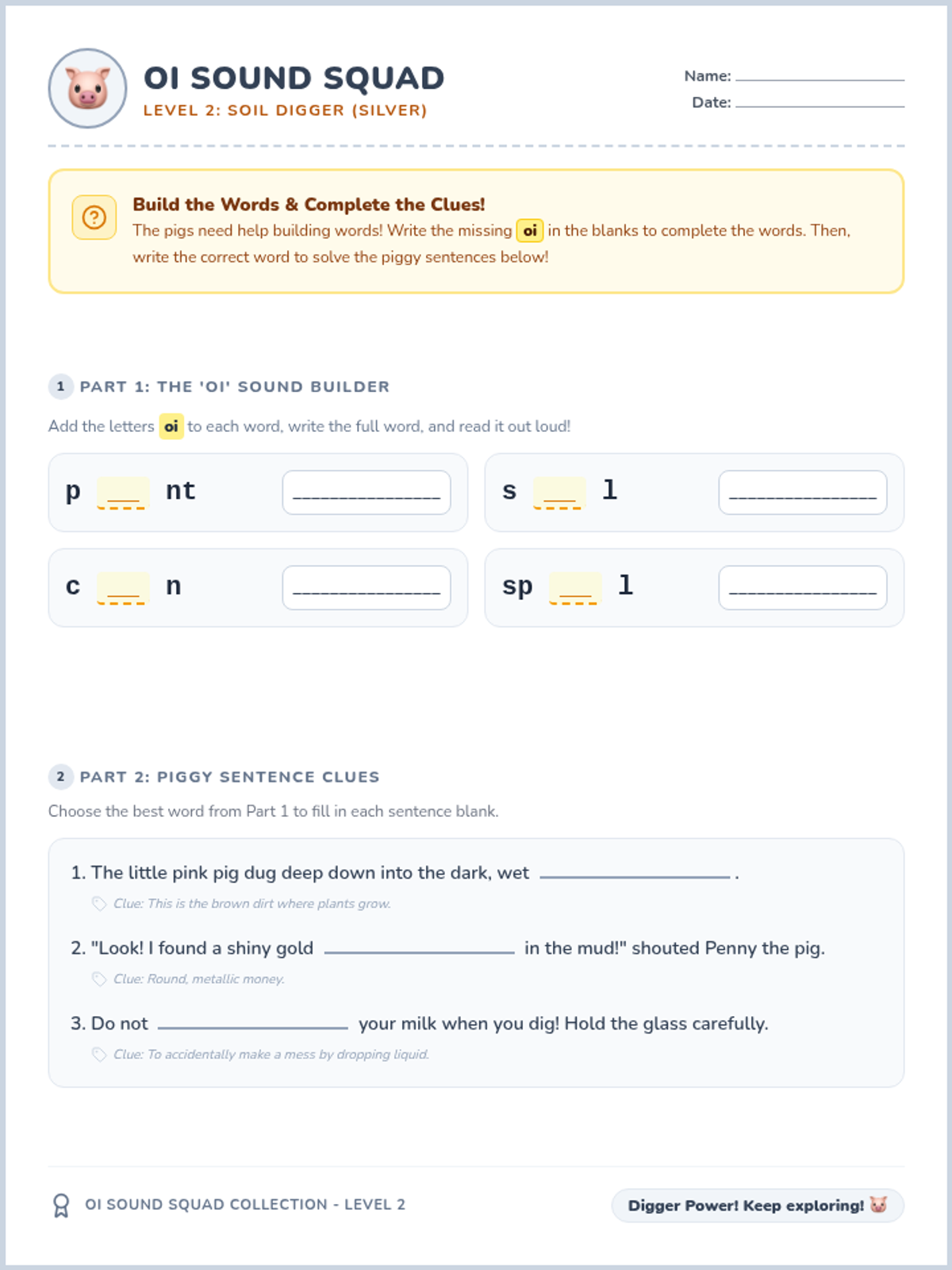
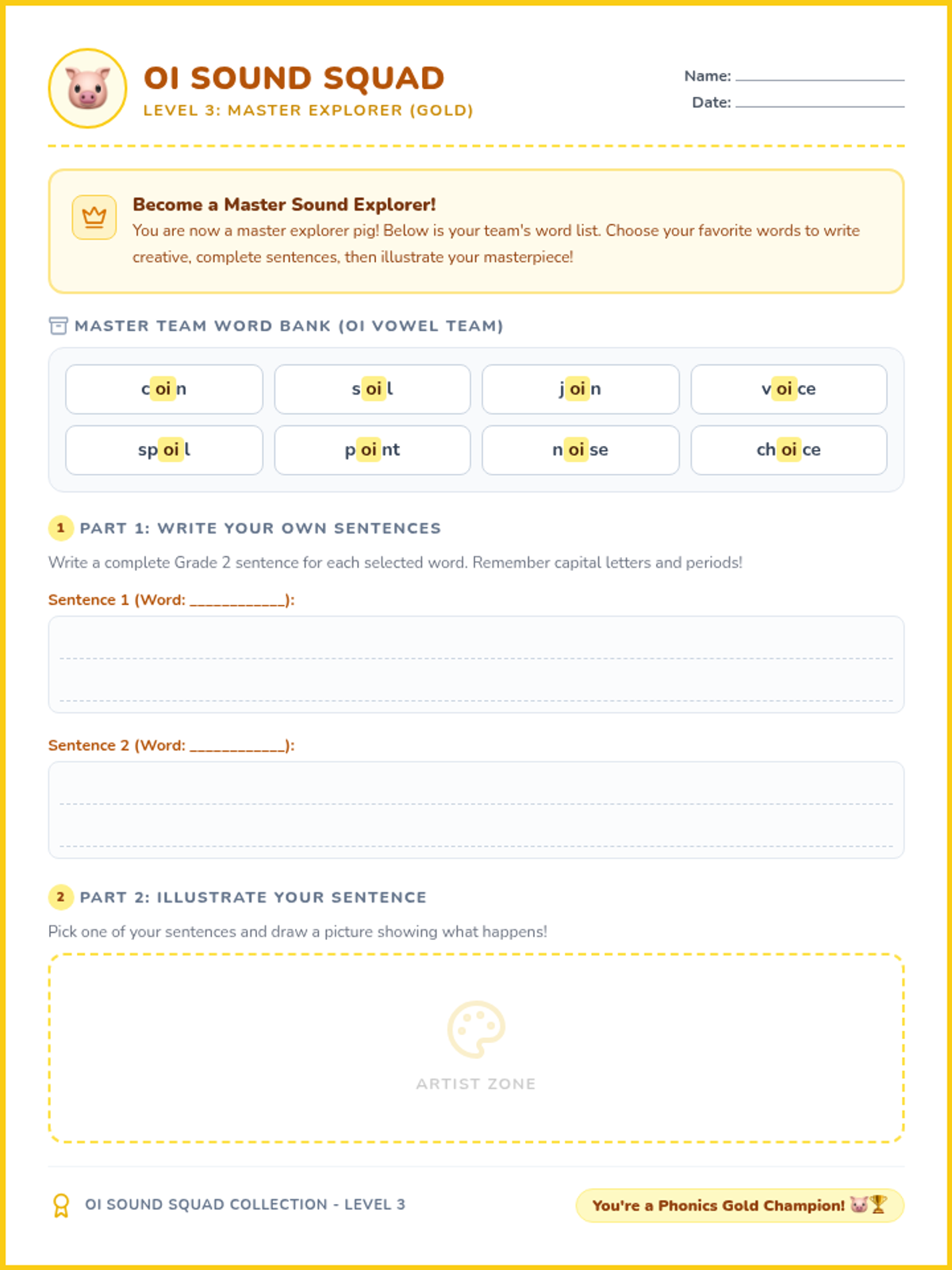
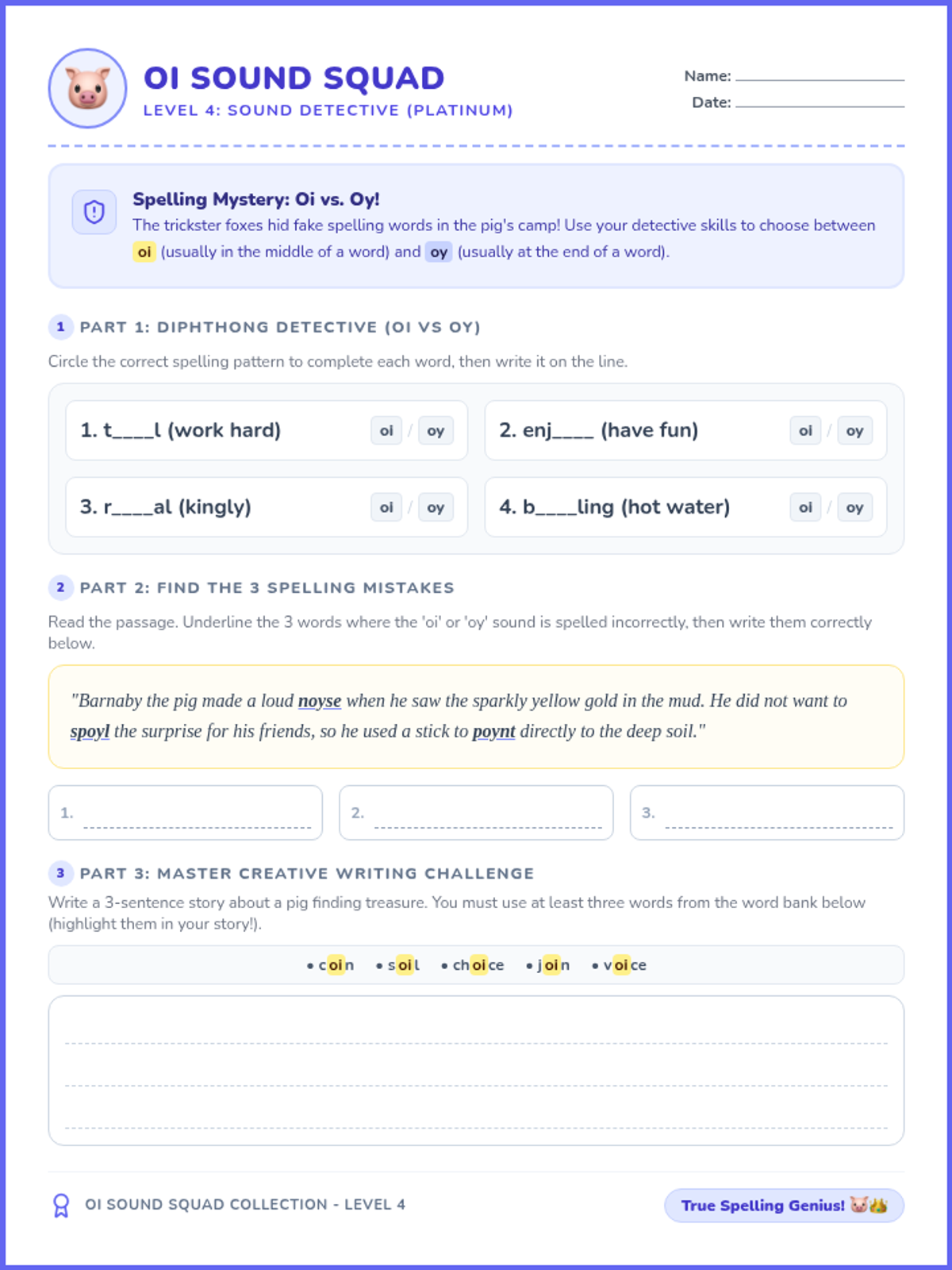
A differentiated three-level worksheet package focused on the 'oi' vowel team (diphthong) for Grade 2 students, themed around friendly pigs digging for shiny gold coins in the soil.
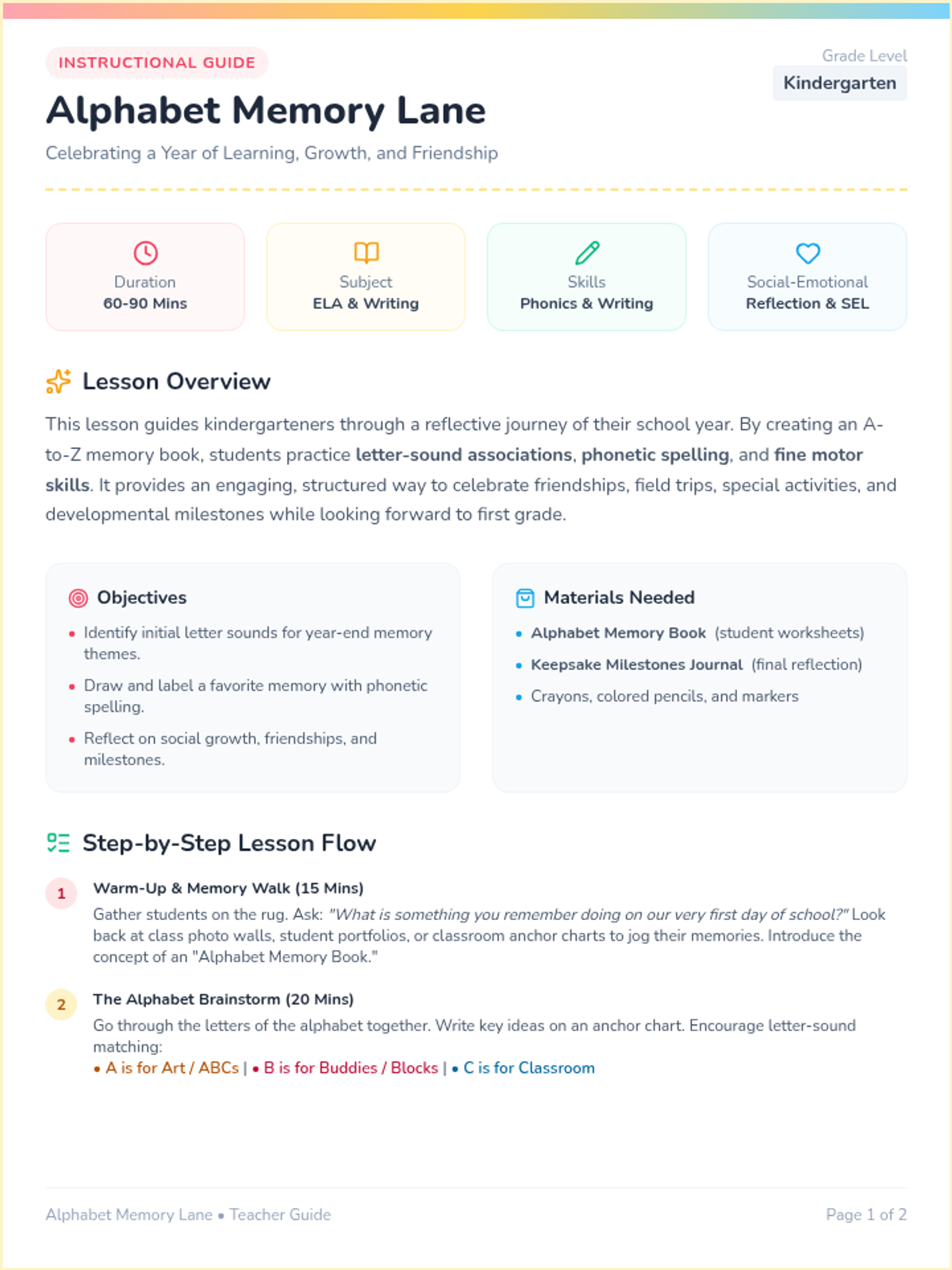
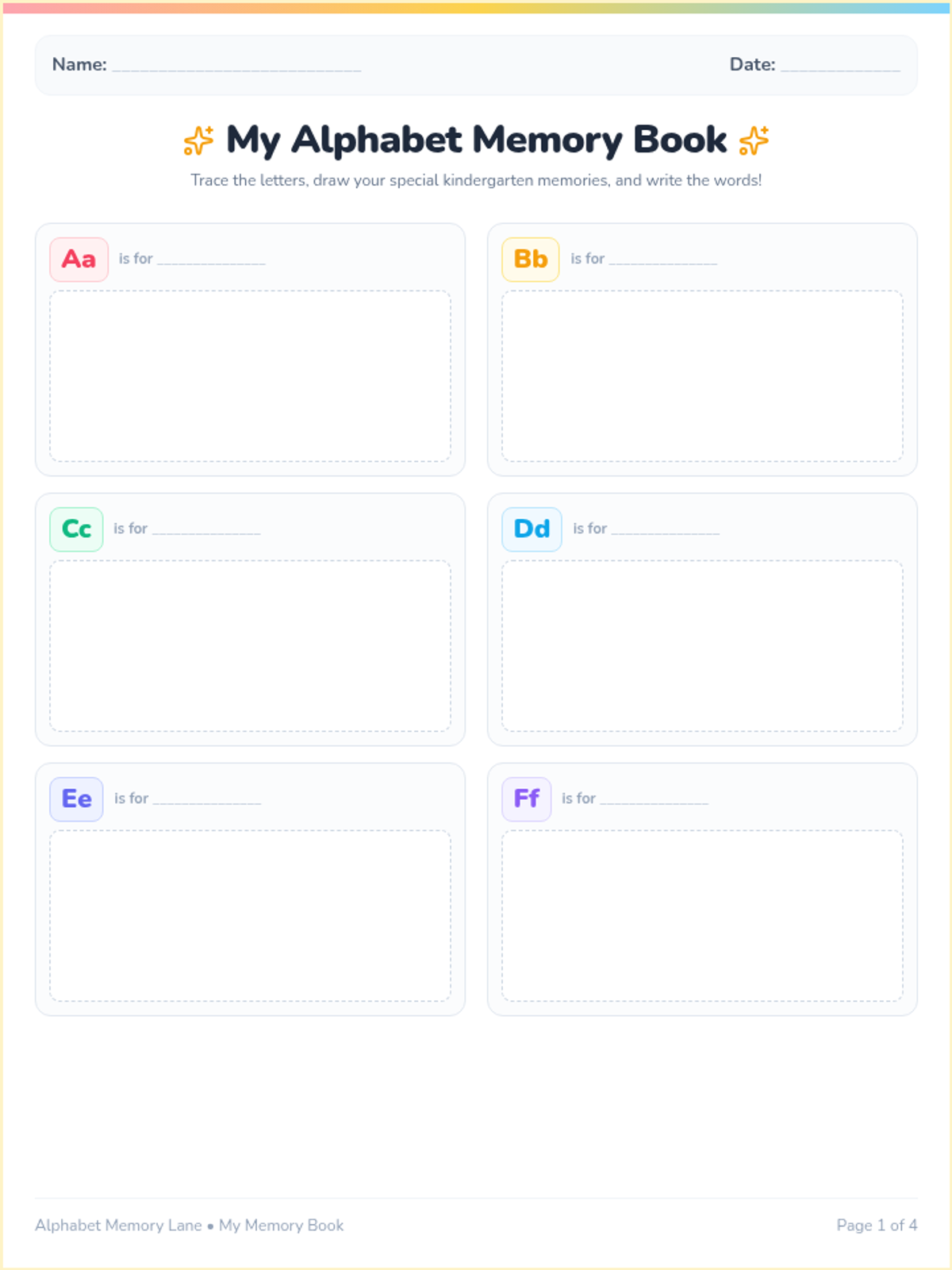
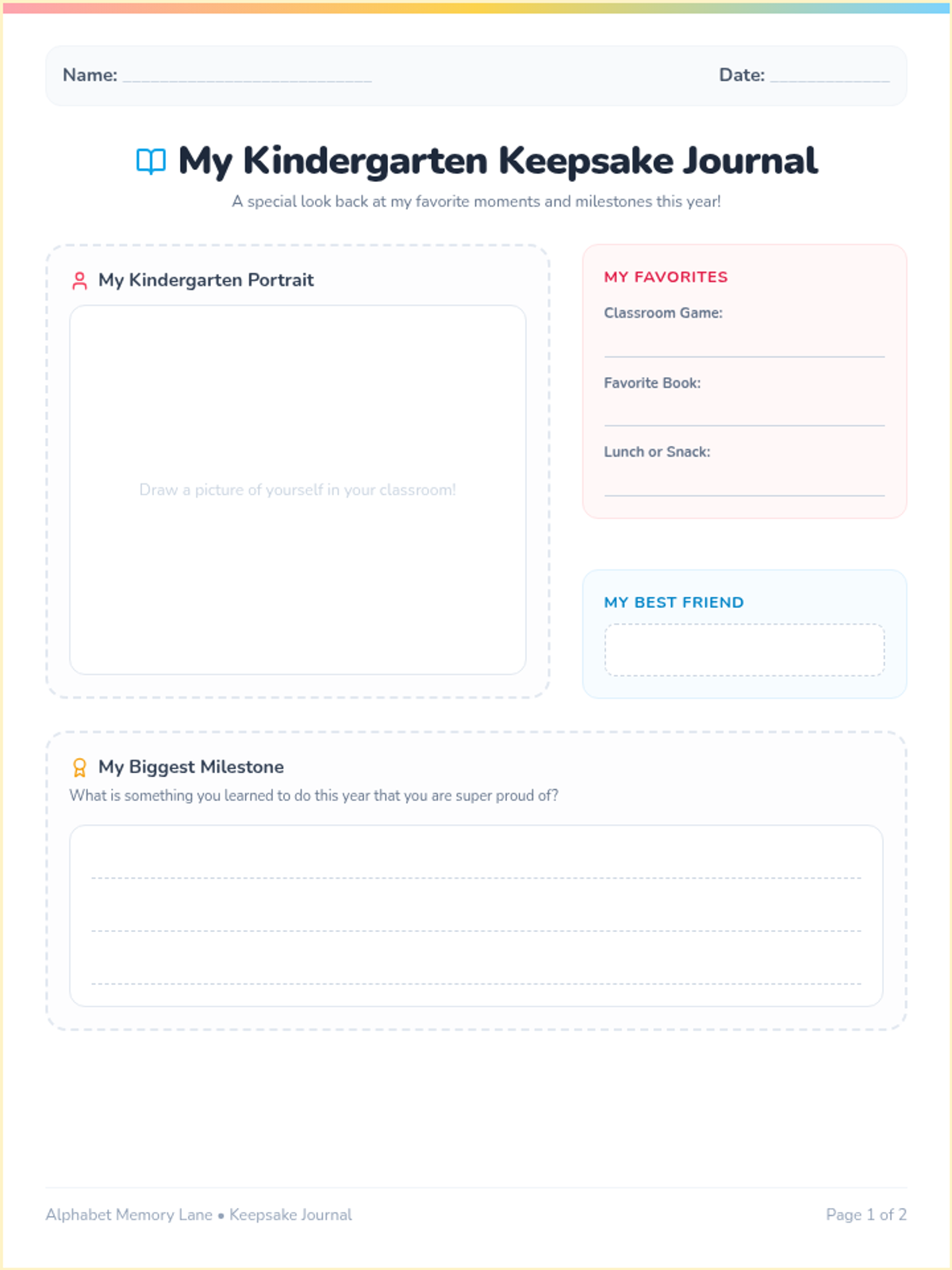
A reflective and creative lesson where kindergarten students compile an A-to-Z memory book of their school year, reinforcing letter-sound association and initial writing skills while celebrating milestones and friendships.
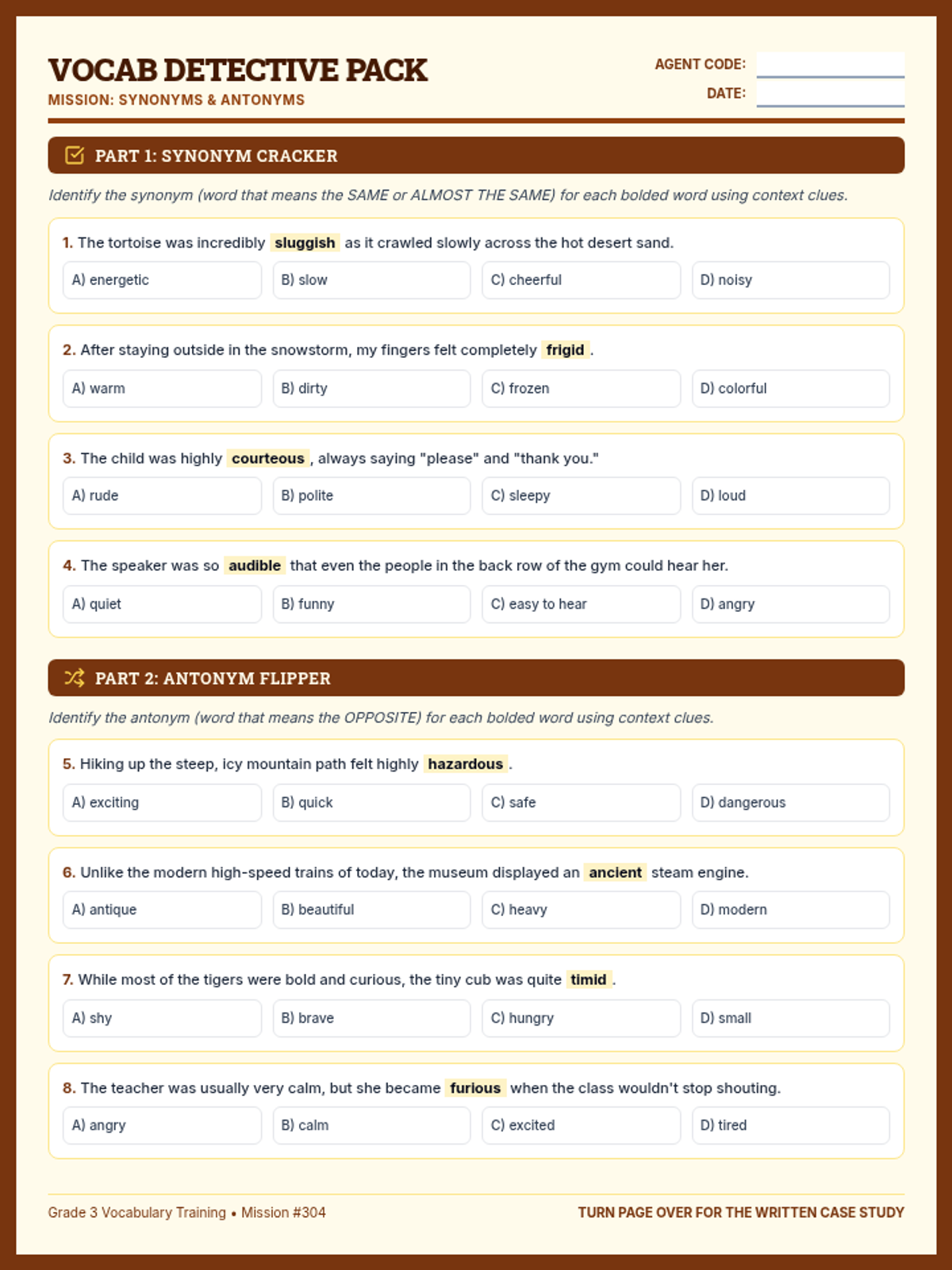
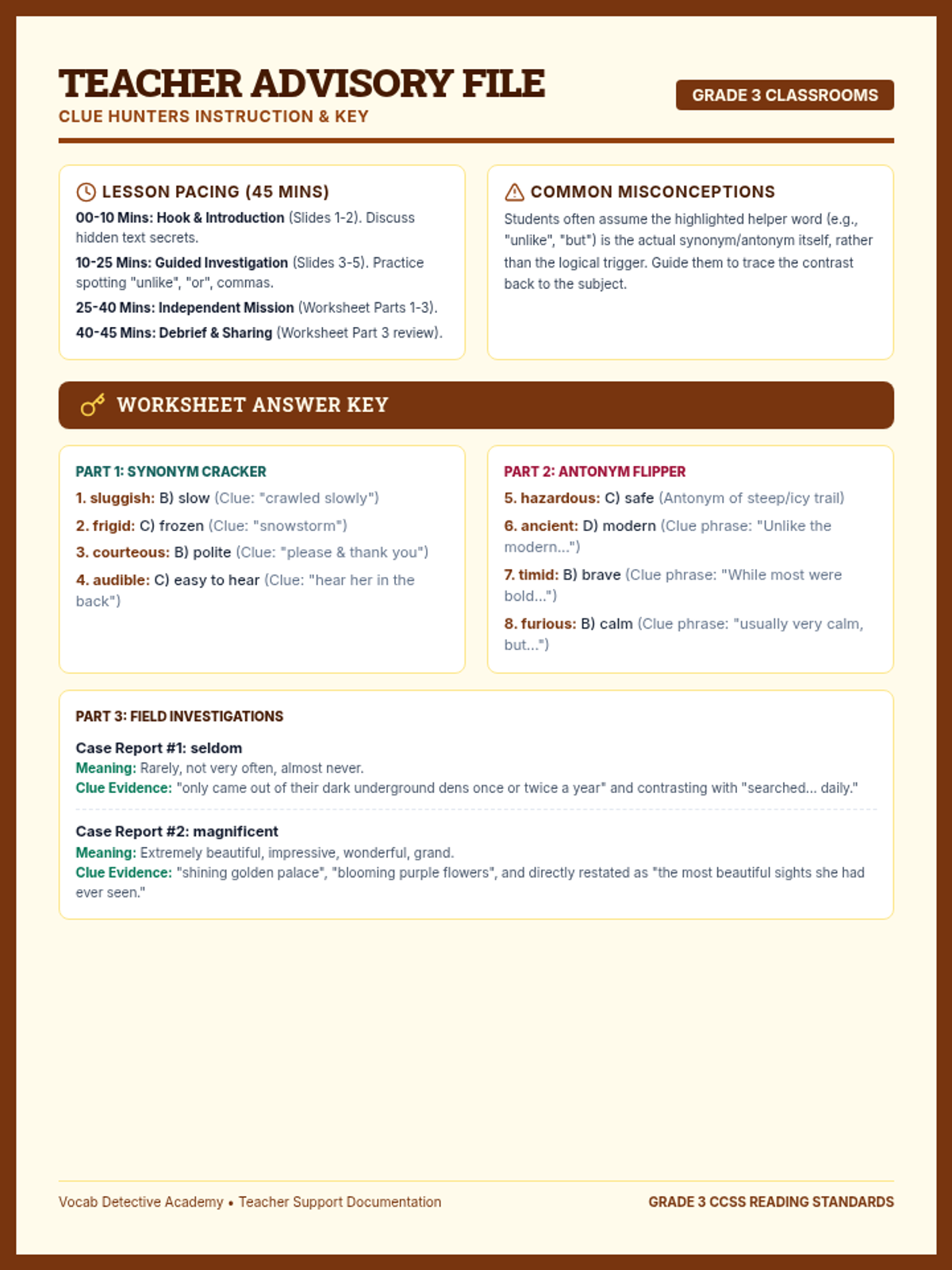
A third-grade lesson focused on using context clues to define tier 2 academic words and identifying synonyms and antonyms. Students act as vocabulary detectives solving word mysteries.
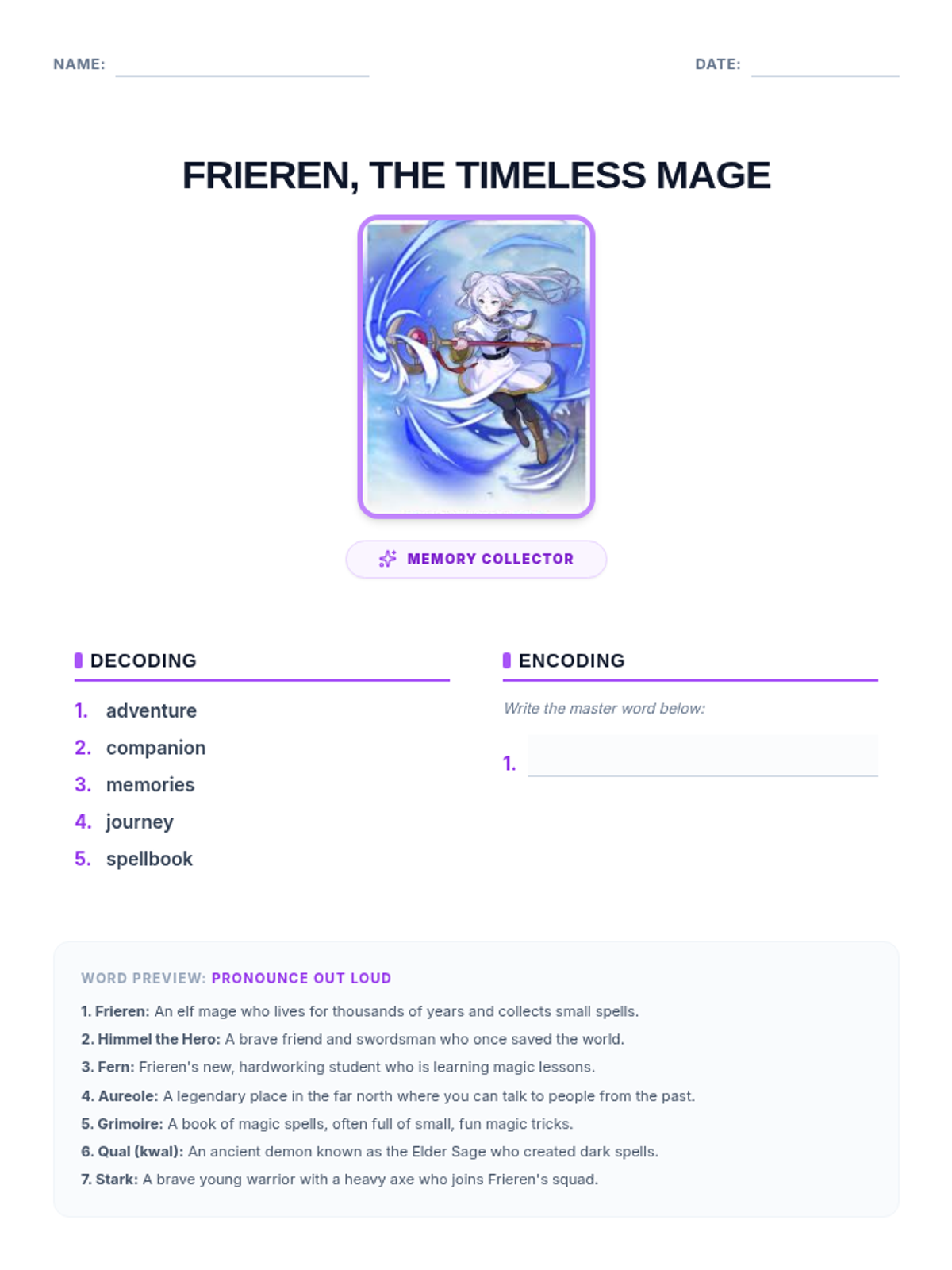
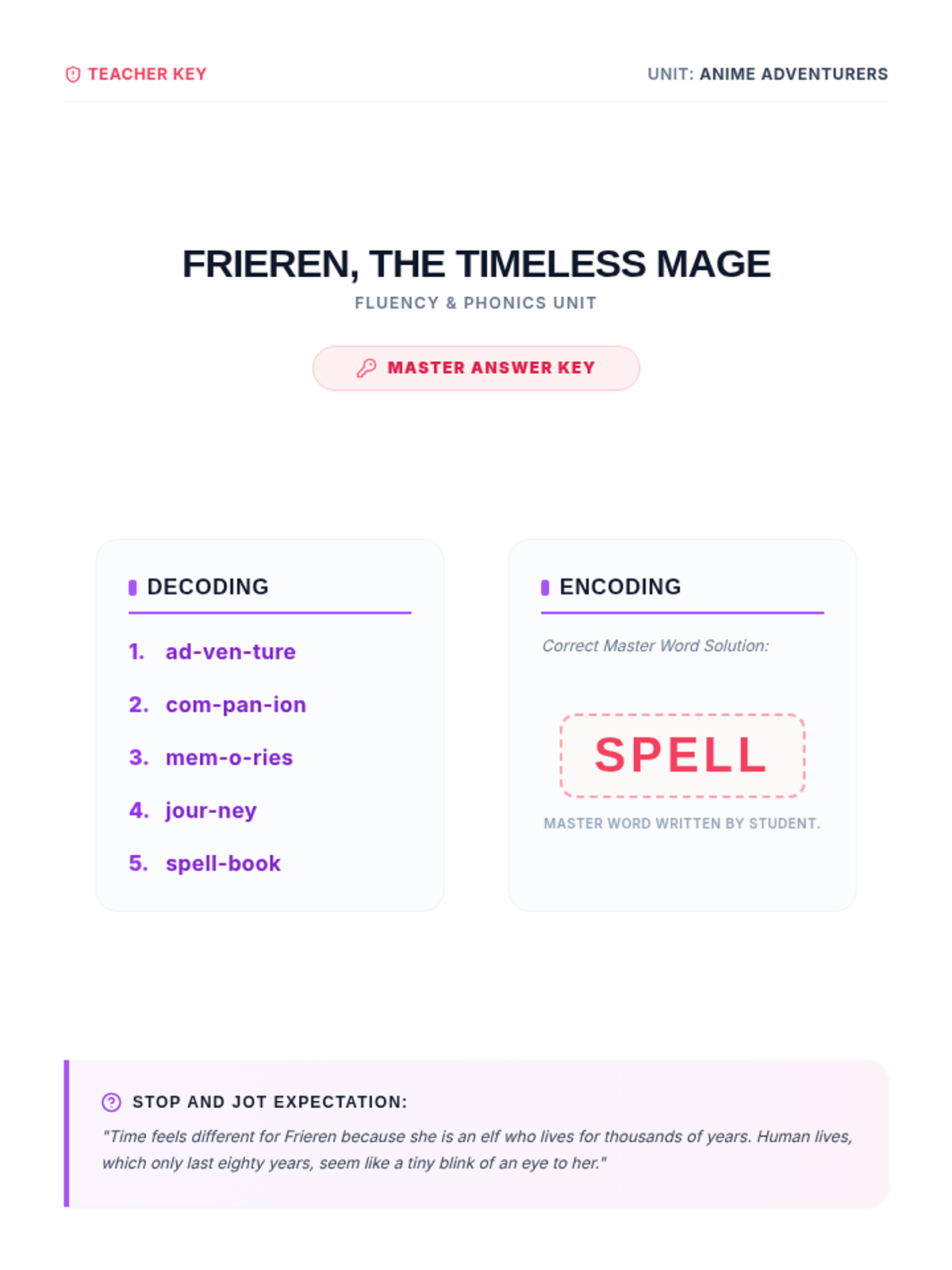
A reading fluency and decoding/encoding lesson set inspired by Frieren, designed to build 3rd-4th grade literacy skills using action-oriented passages about Frieren's magic.
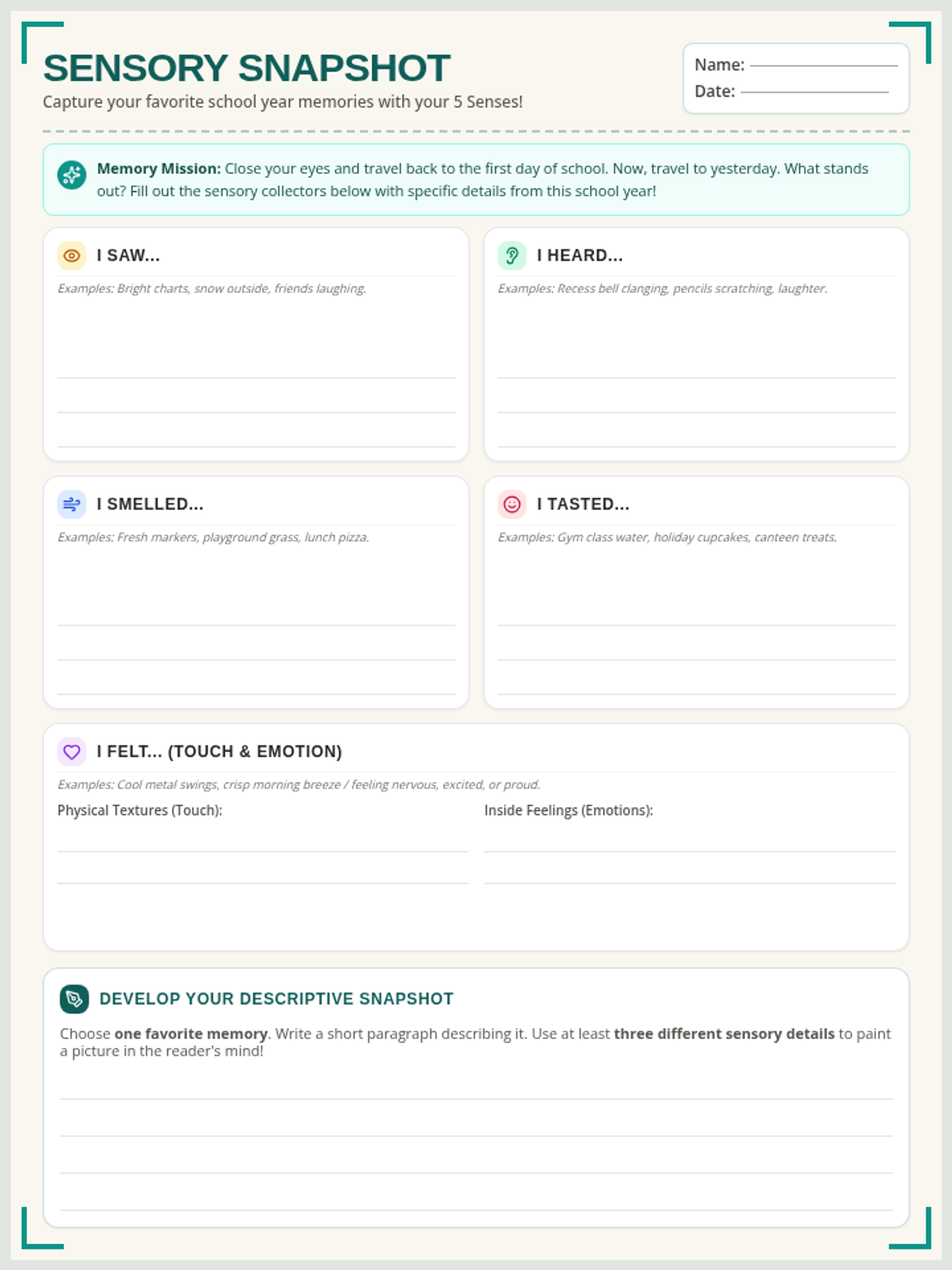
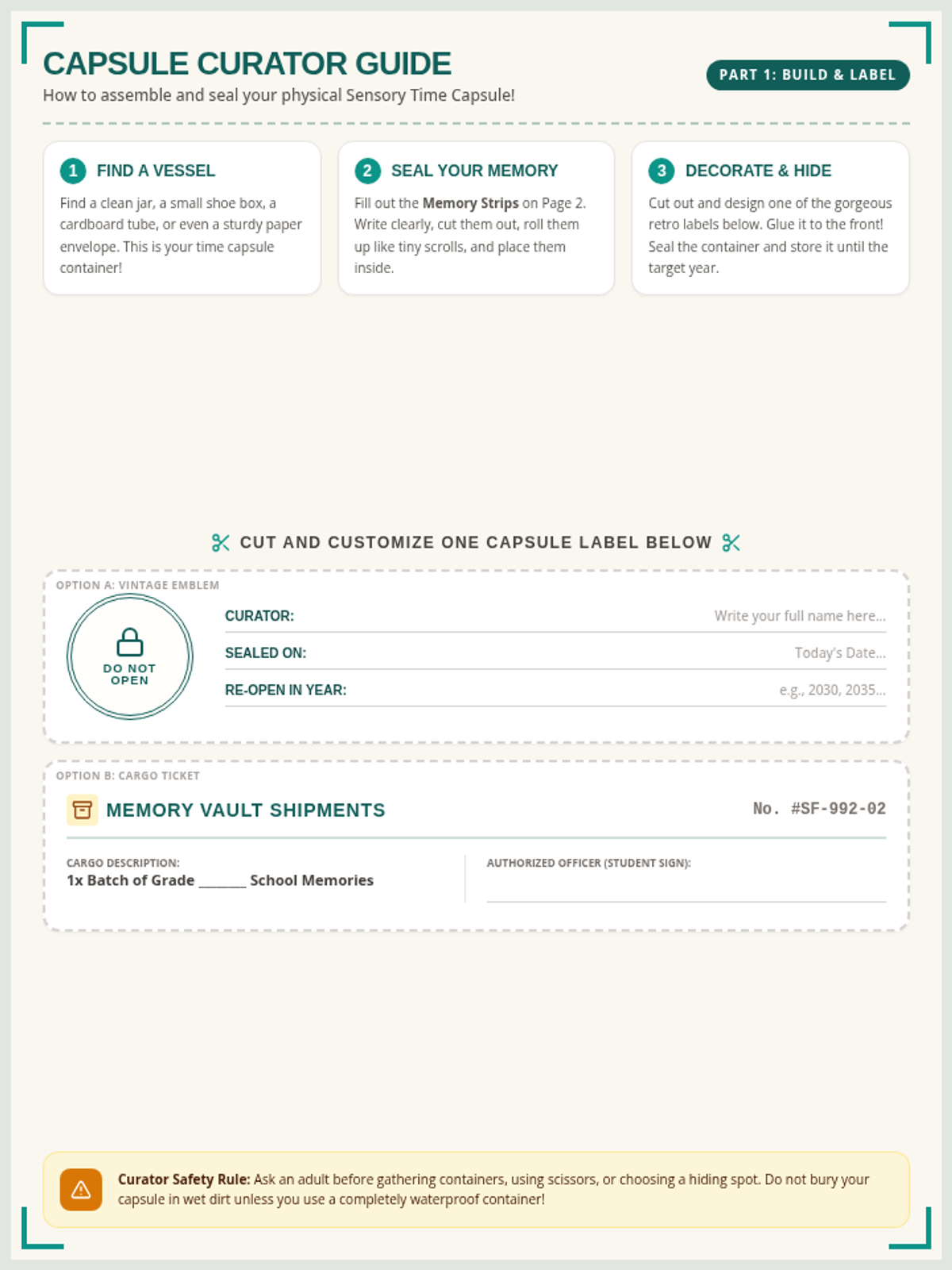
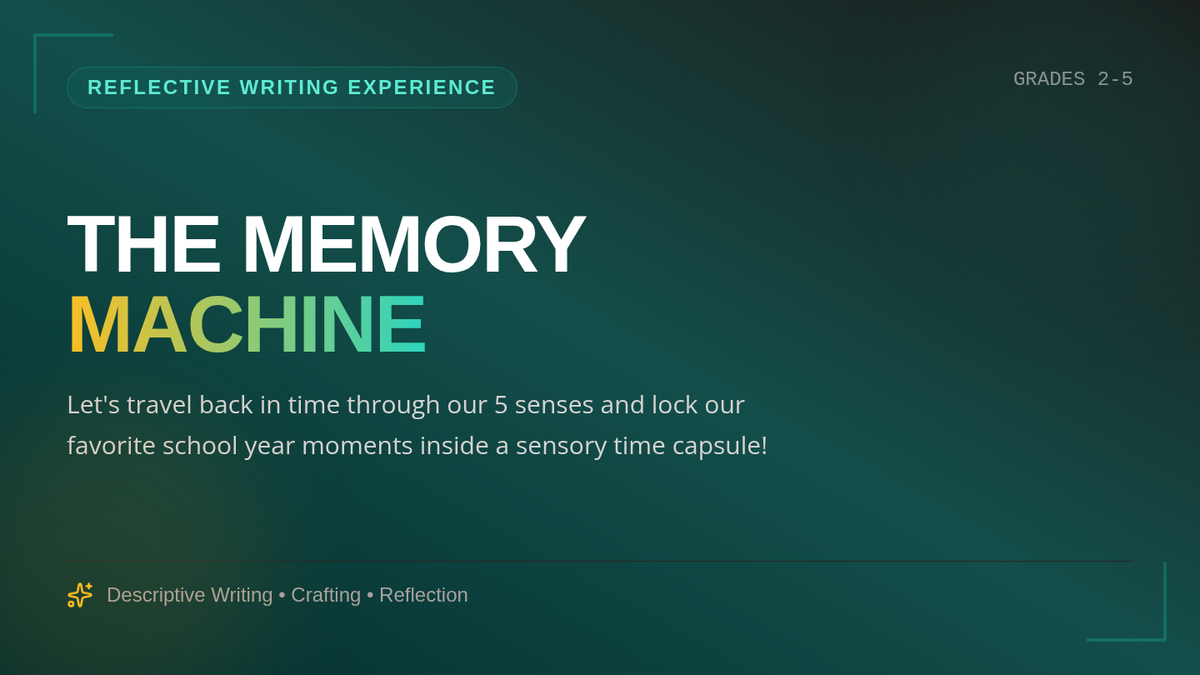
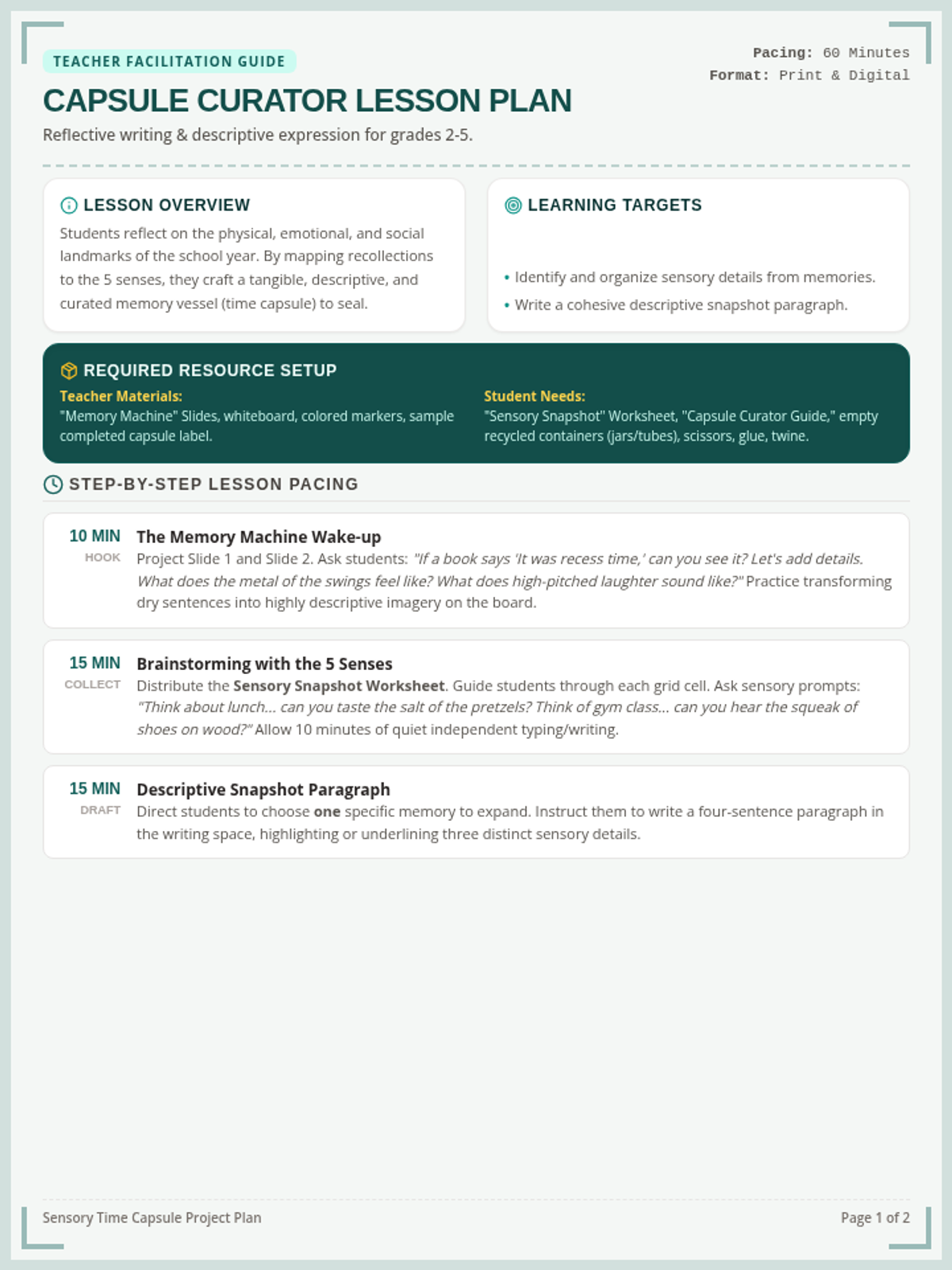
A reflective writing and crafting lesson where students in grades 2-5 use sensory details to capture their favorite school year memories, creating a physical or digital time capsule to celebrate their growth and transition to summer.
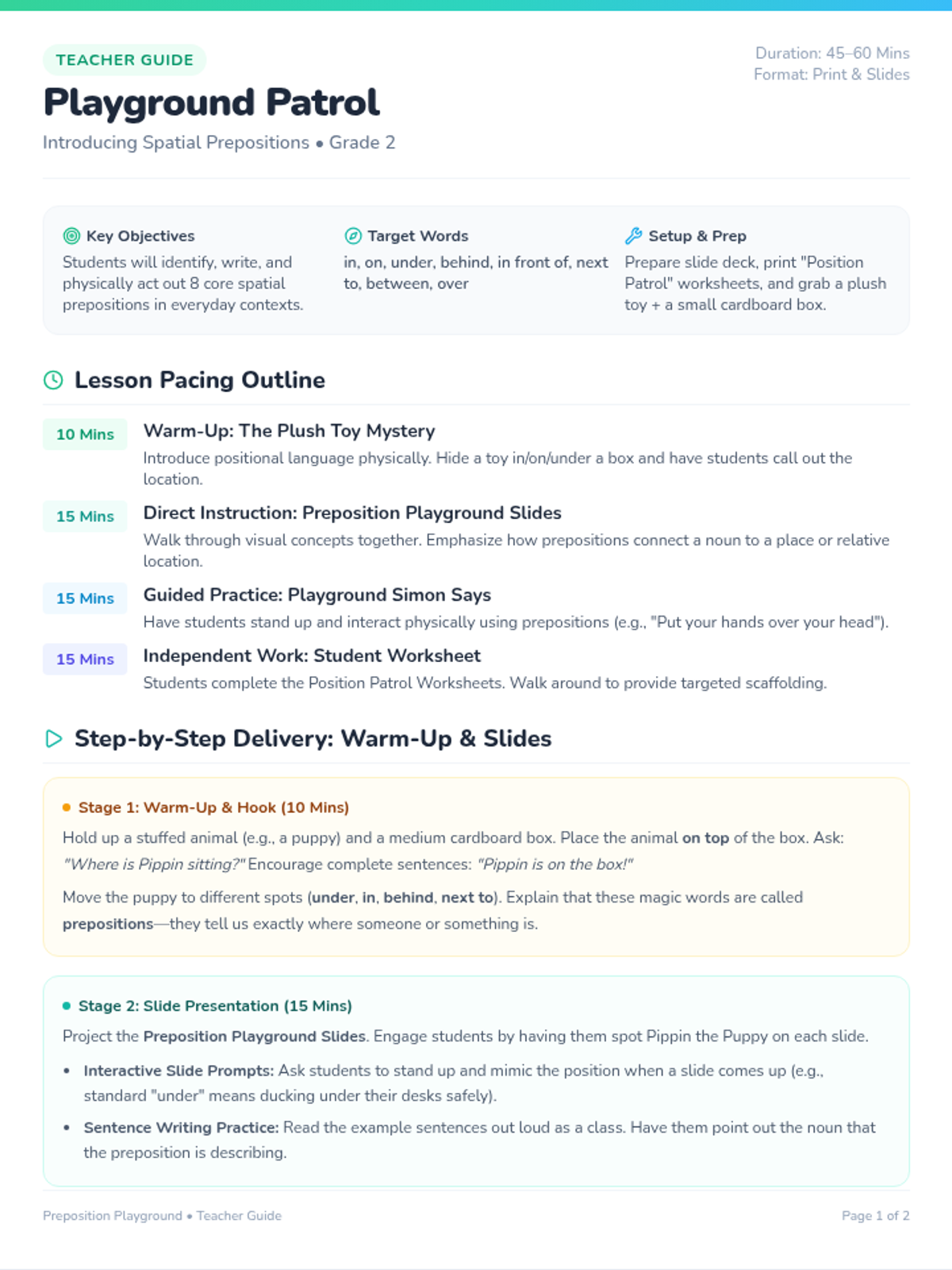
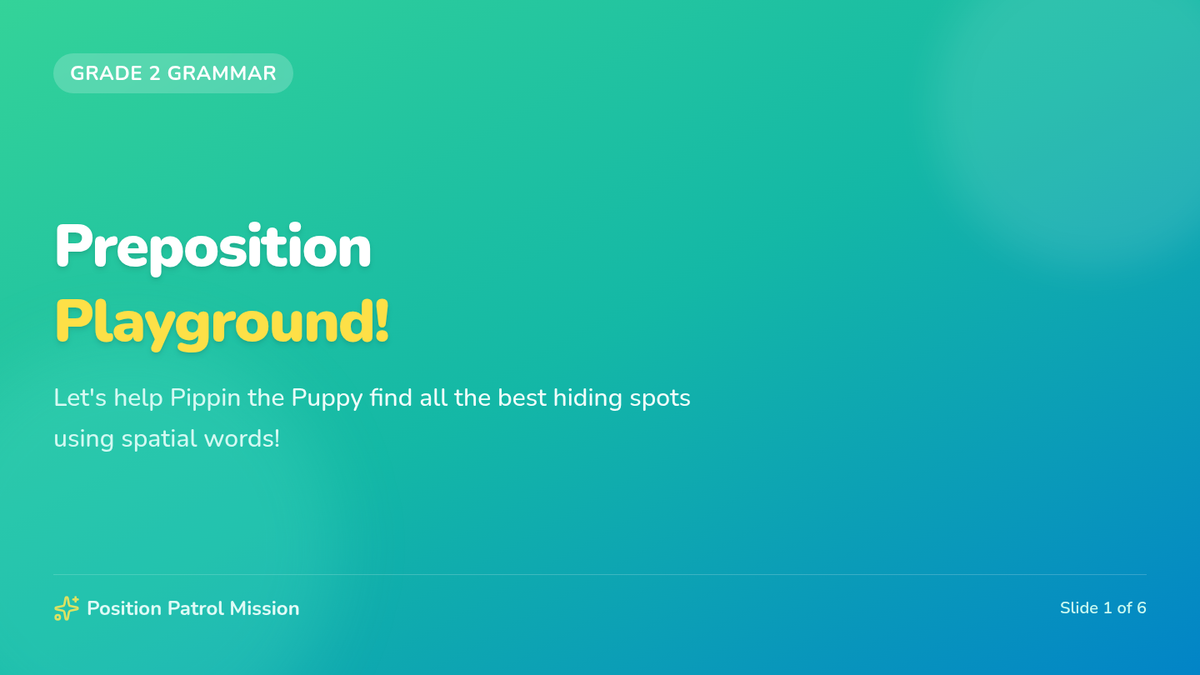
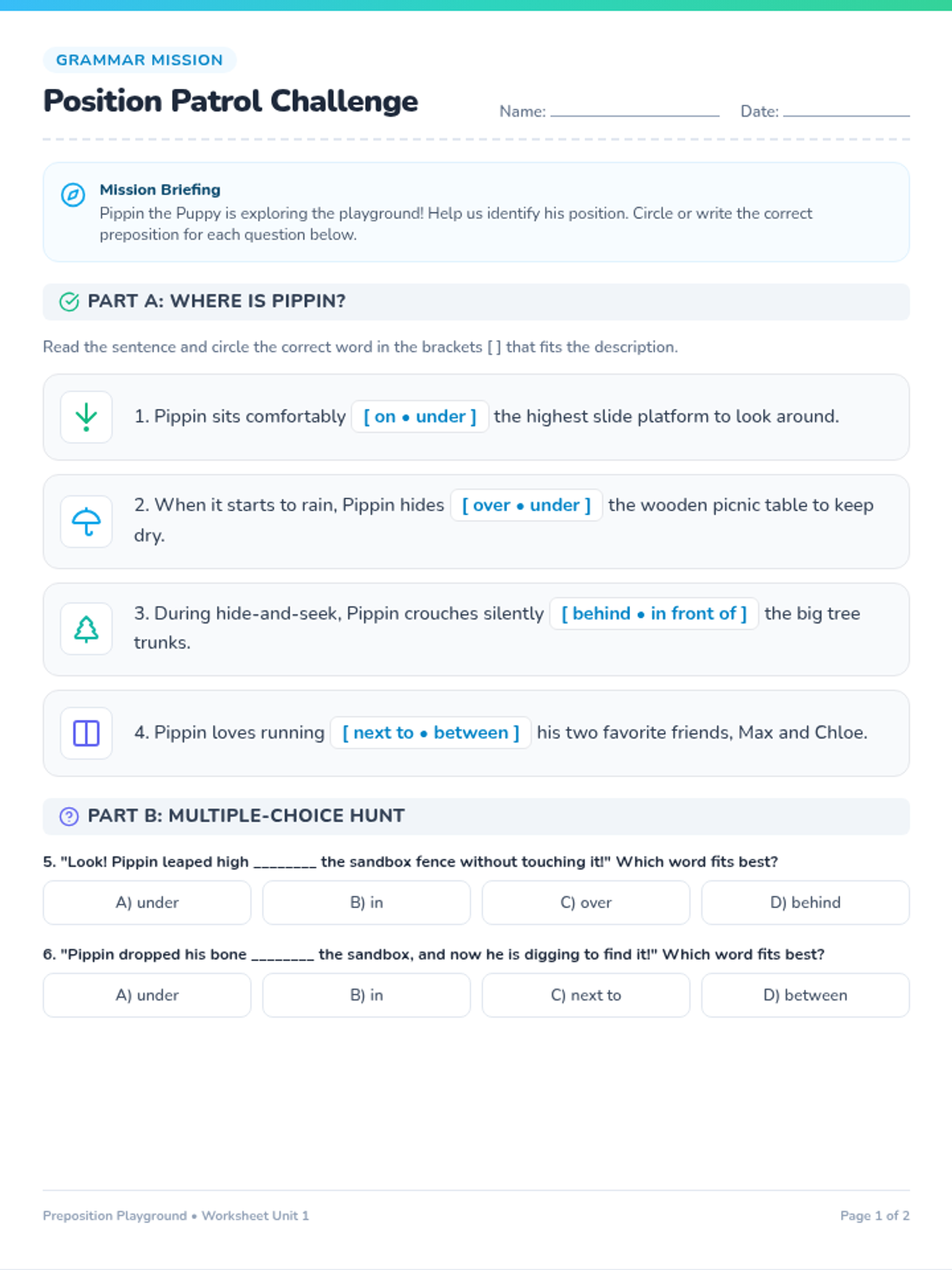
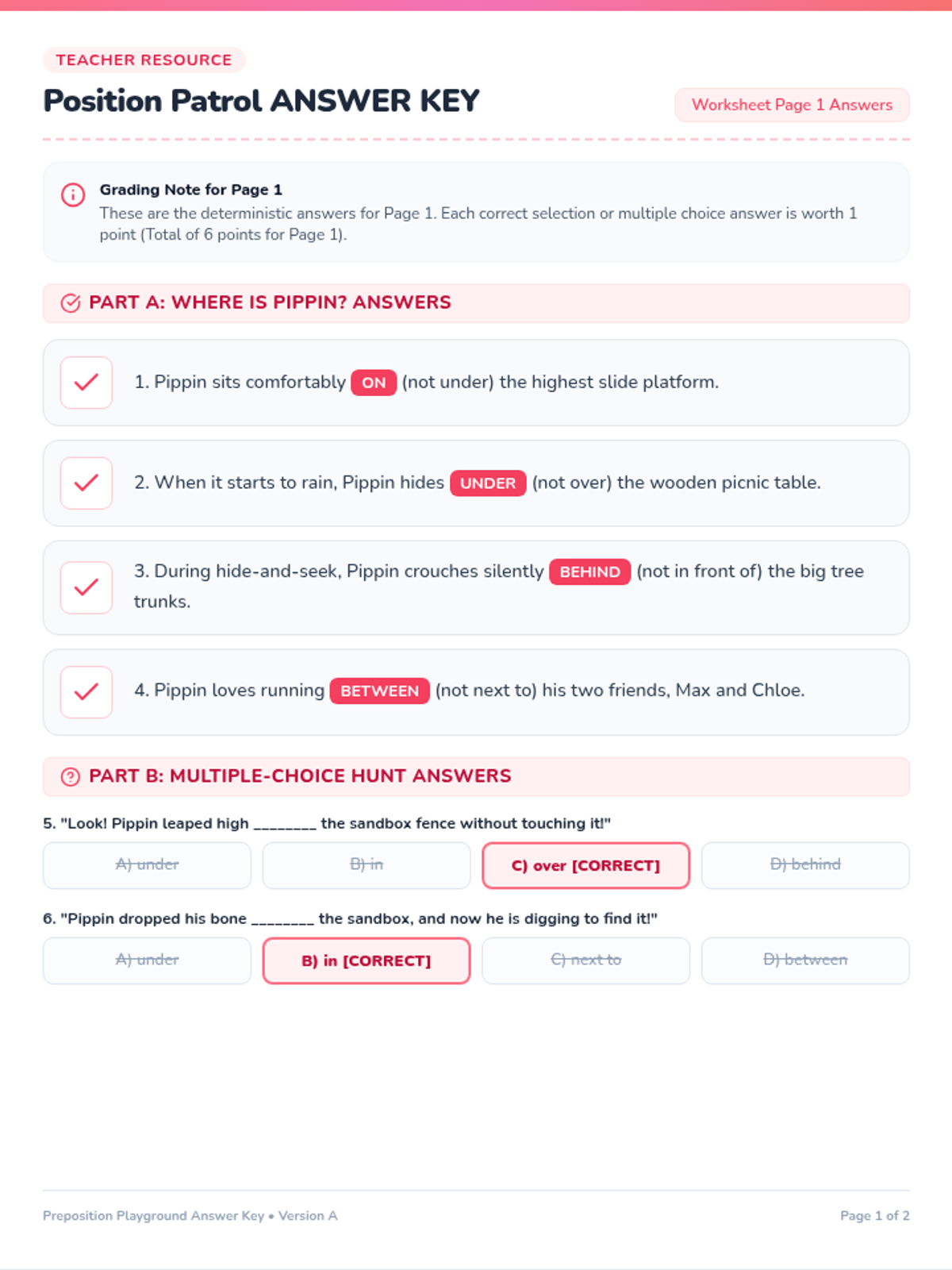
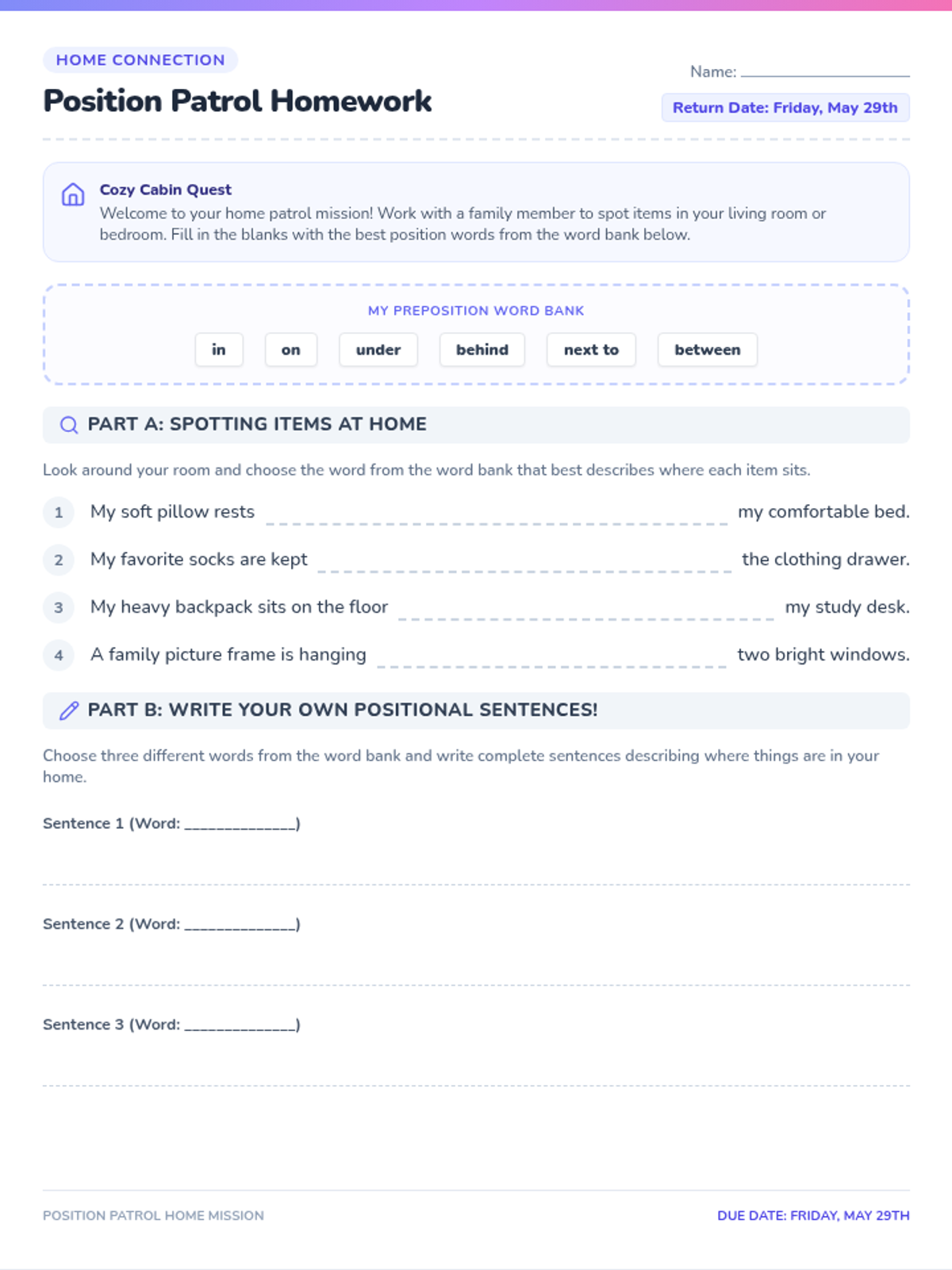
An introductory lesson on spatial prepositions for 2nd grade. Students will explore 8 core prepositions (in, on, under, behind, in front of, next to, between, over) through a playground-themed interactive lecture, a visual worksheet, and hands-on practice.
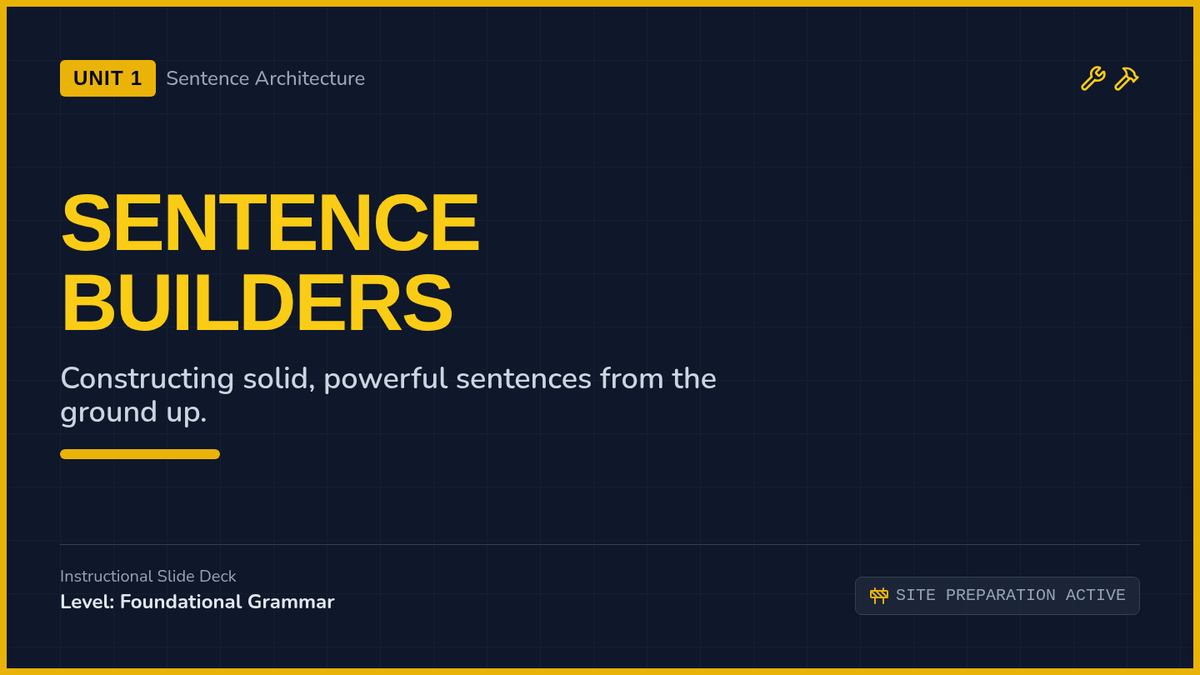
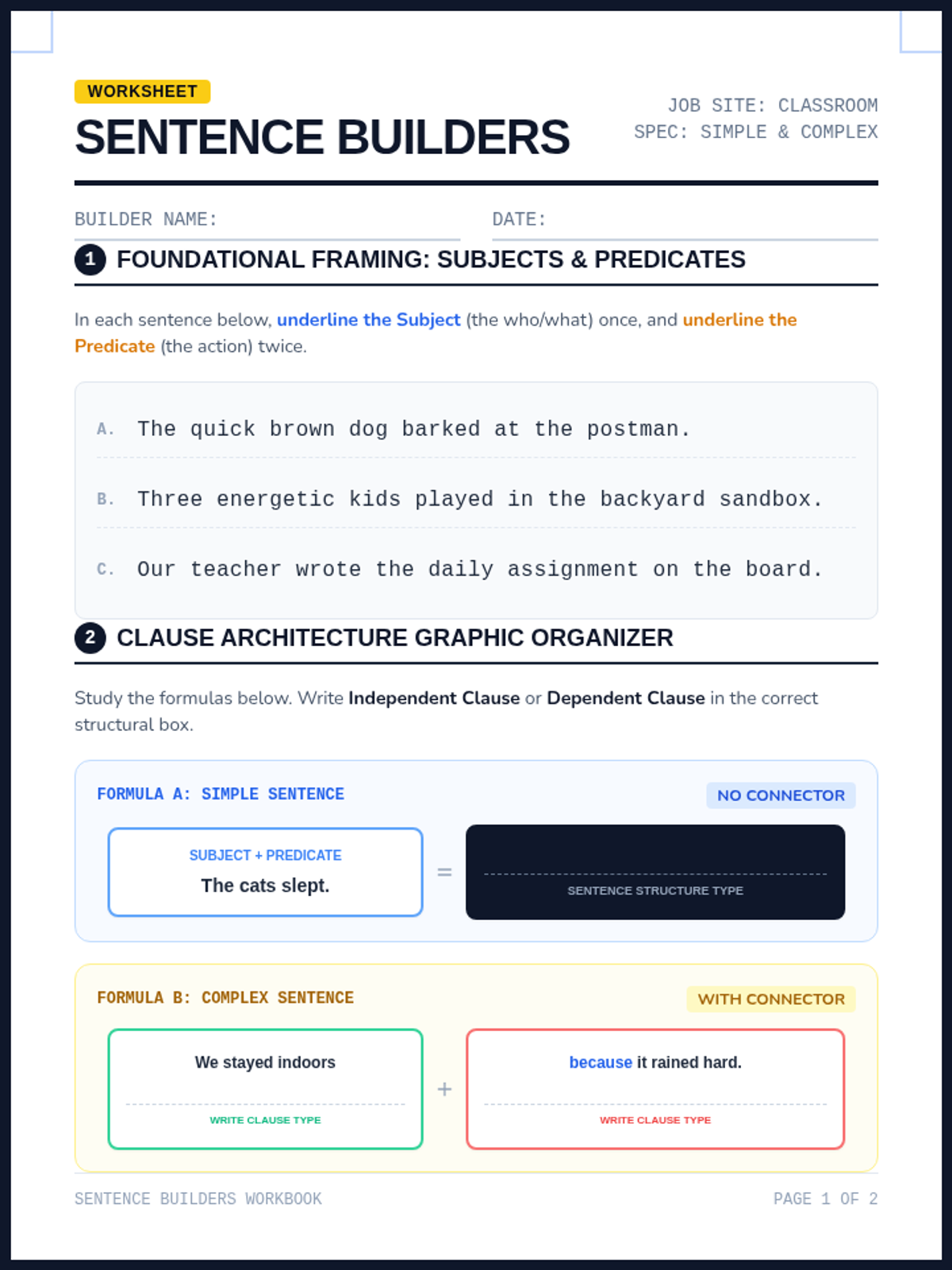
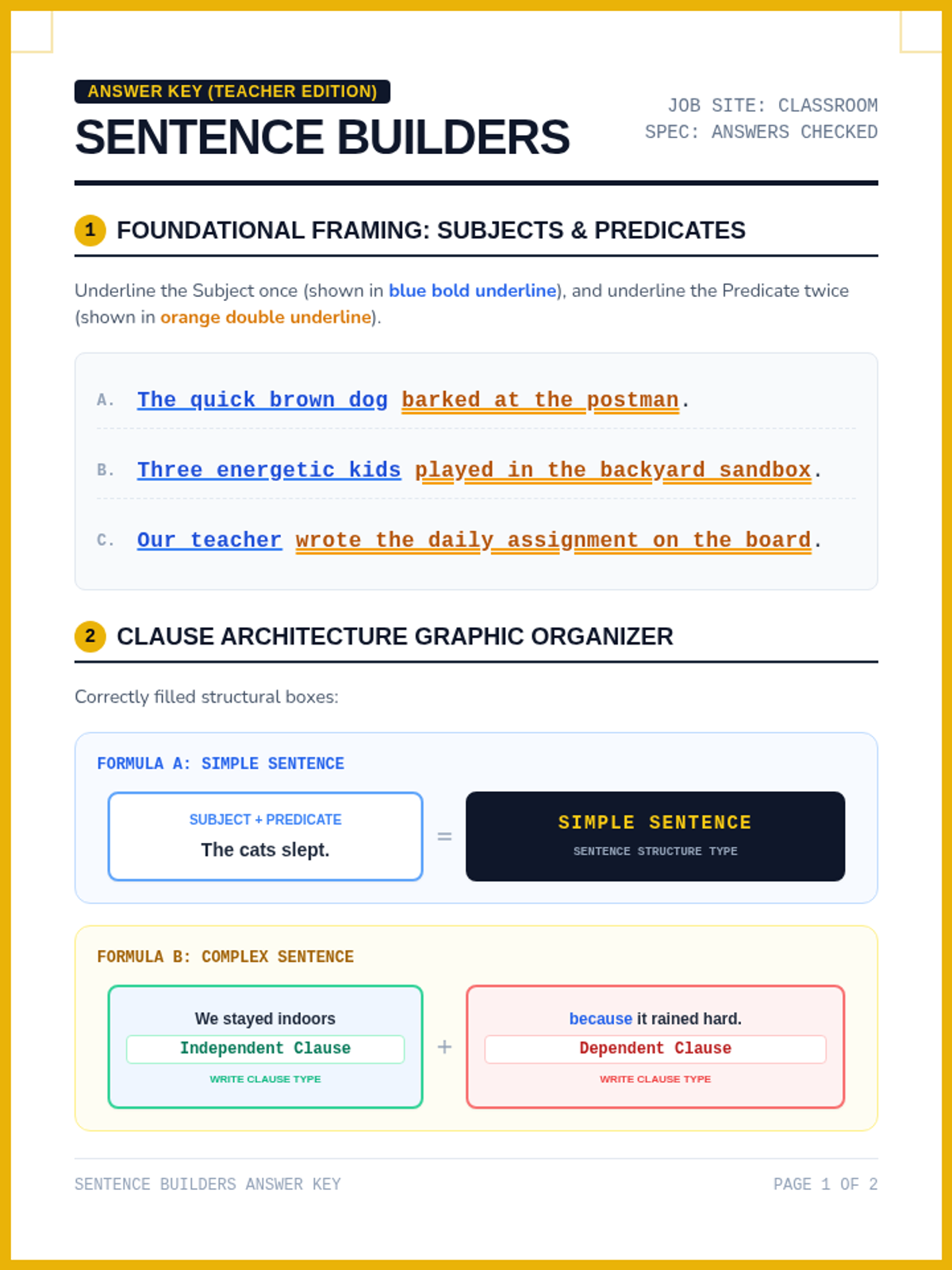
A foundational grammar lesson focusing on identifying subjects and predicates, and distinguishing between simple and complex sentences using visual construction-themed formulas and graphics.
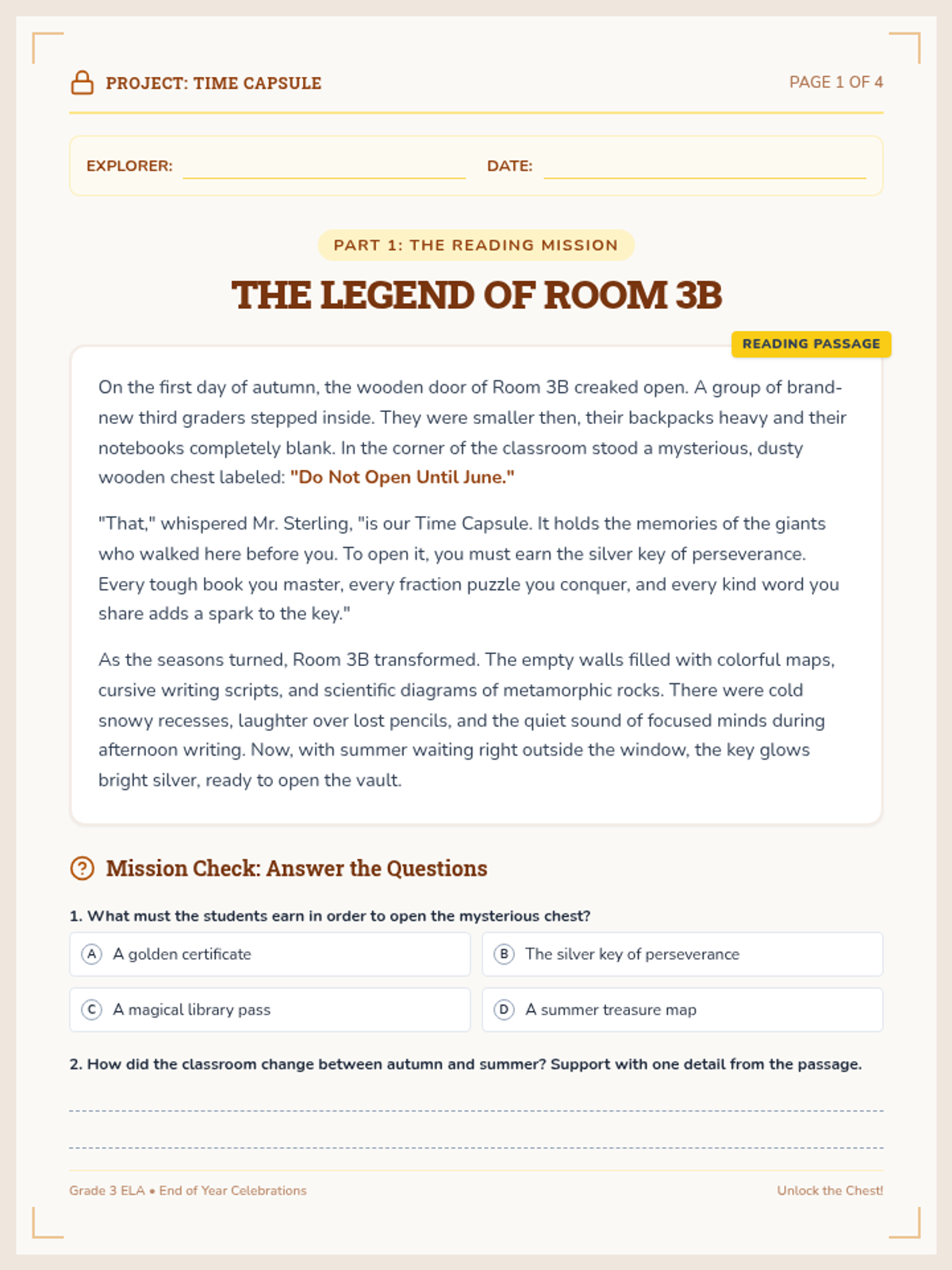
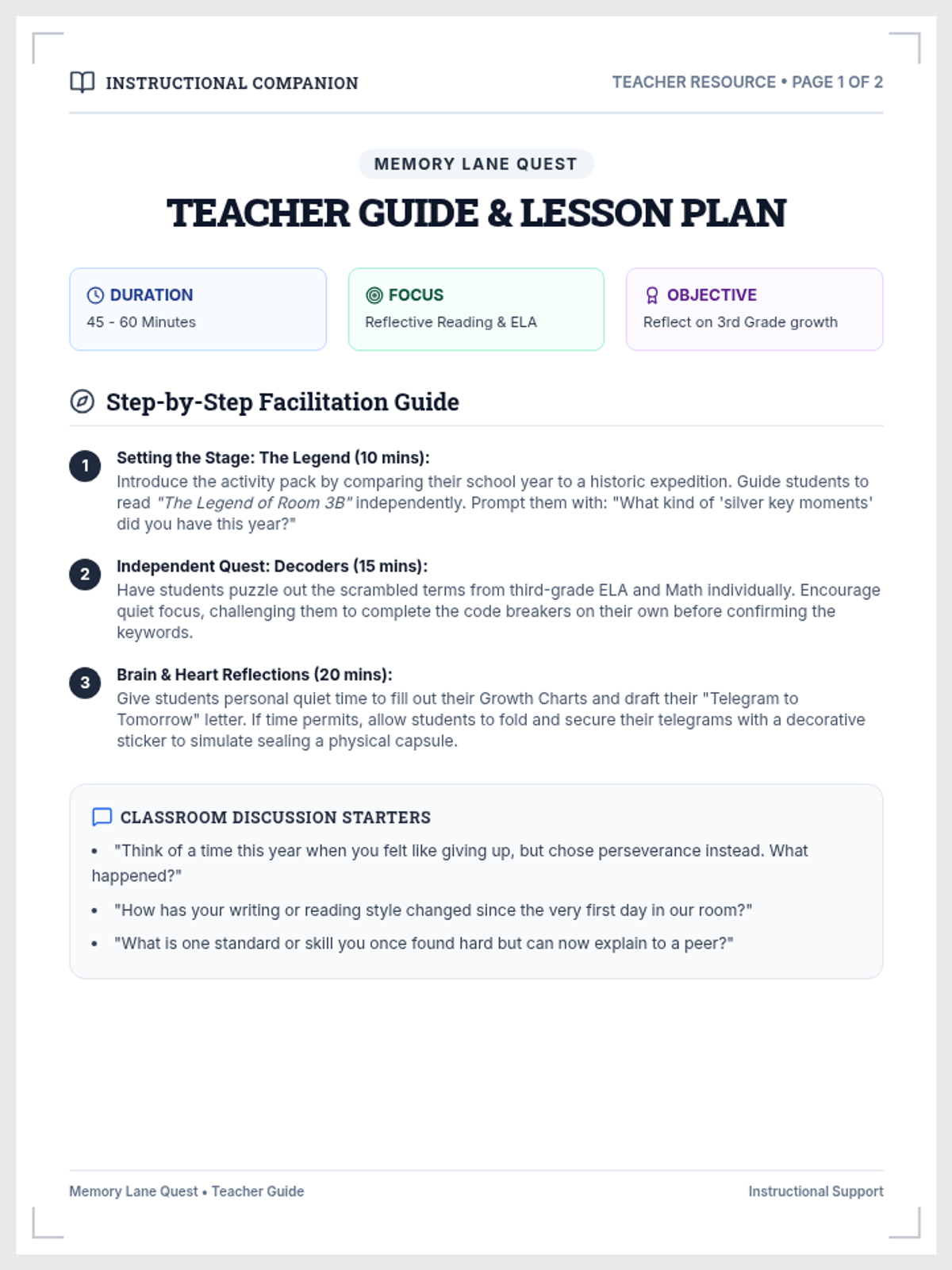
An end-of-year English Language Arts lesson for 3rd graders featuring a reflective reading passage, cooperative partner puzzles, and personal growth writing activities styled as a vintage Time Capsule.
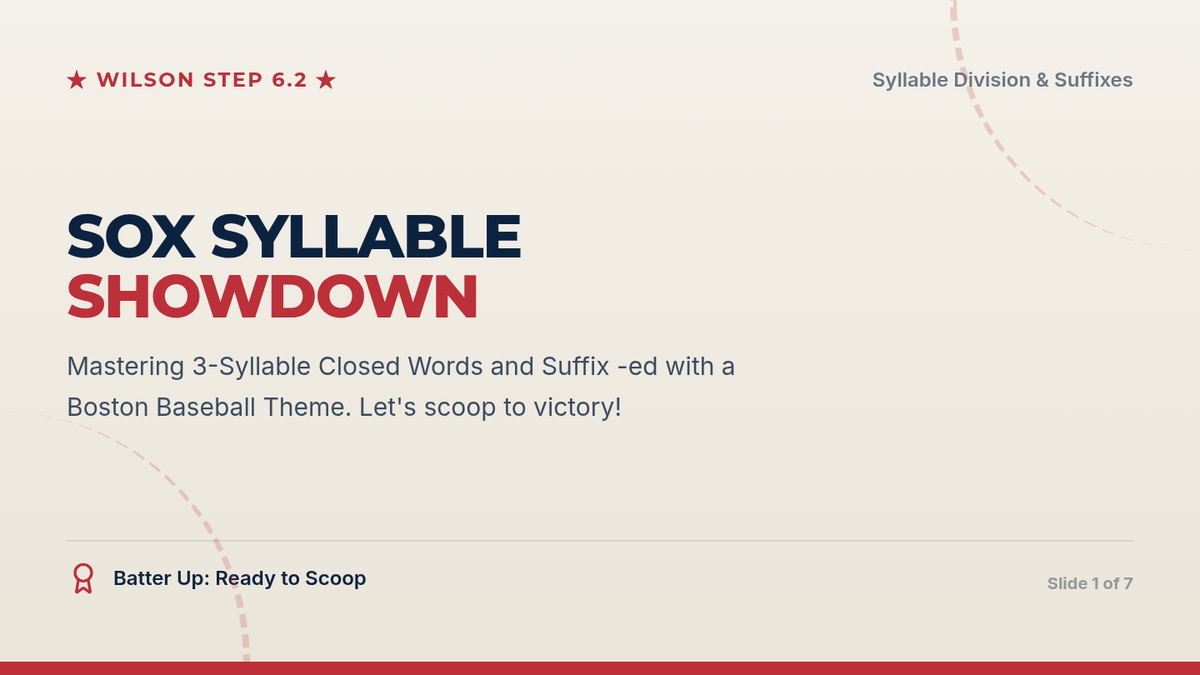
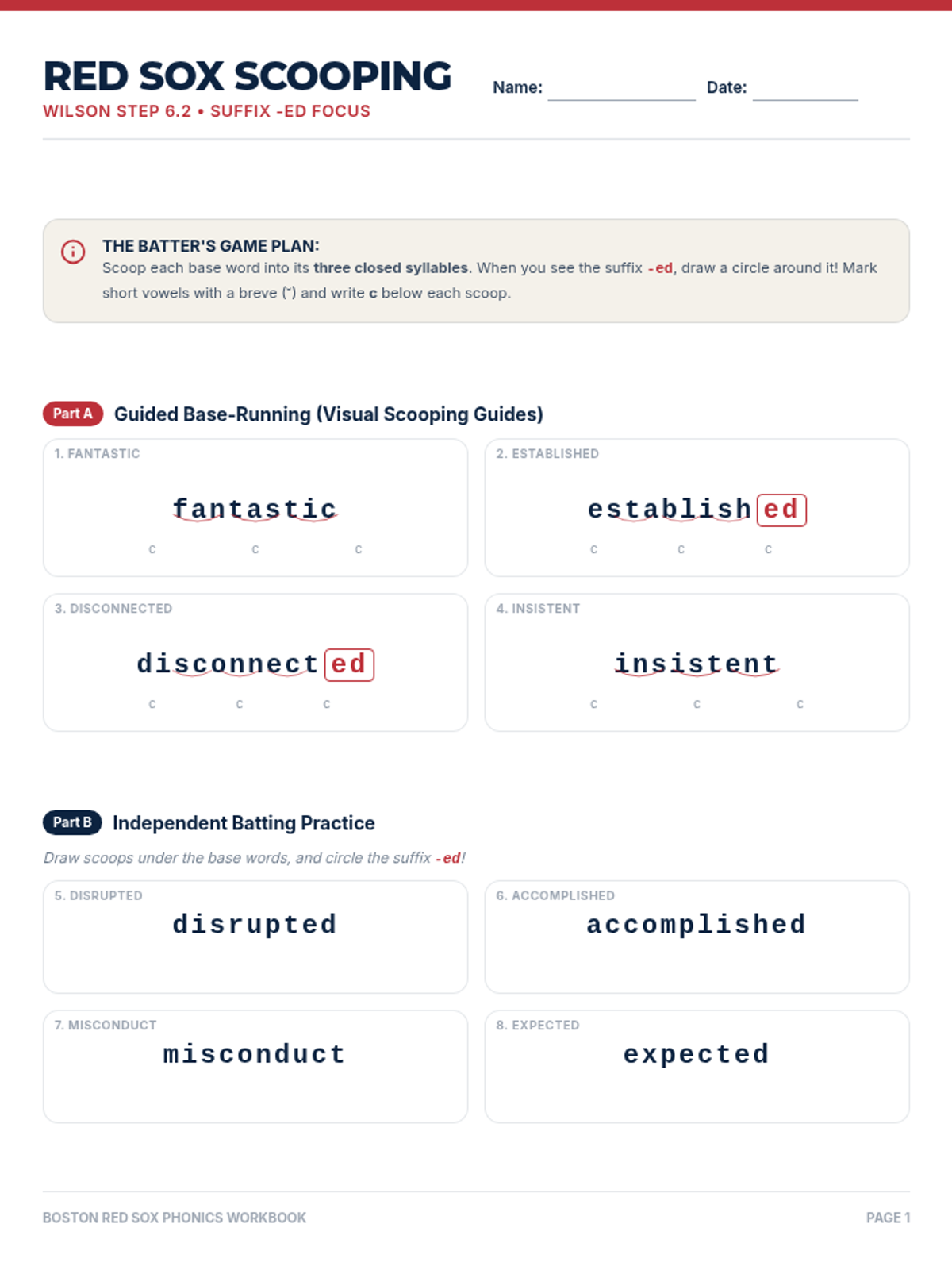
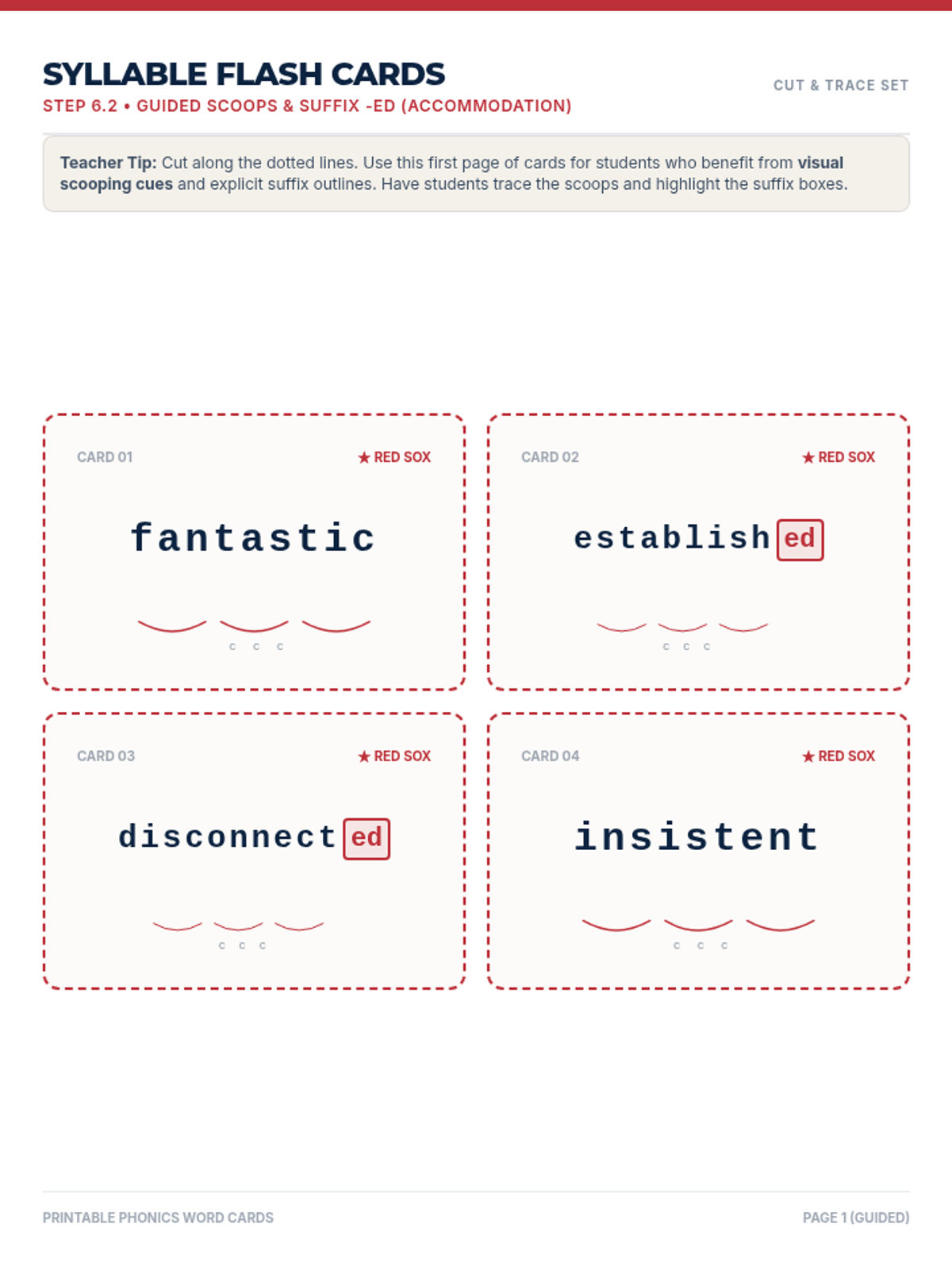
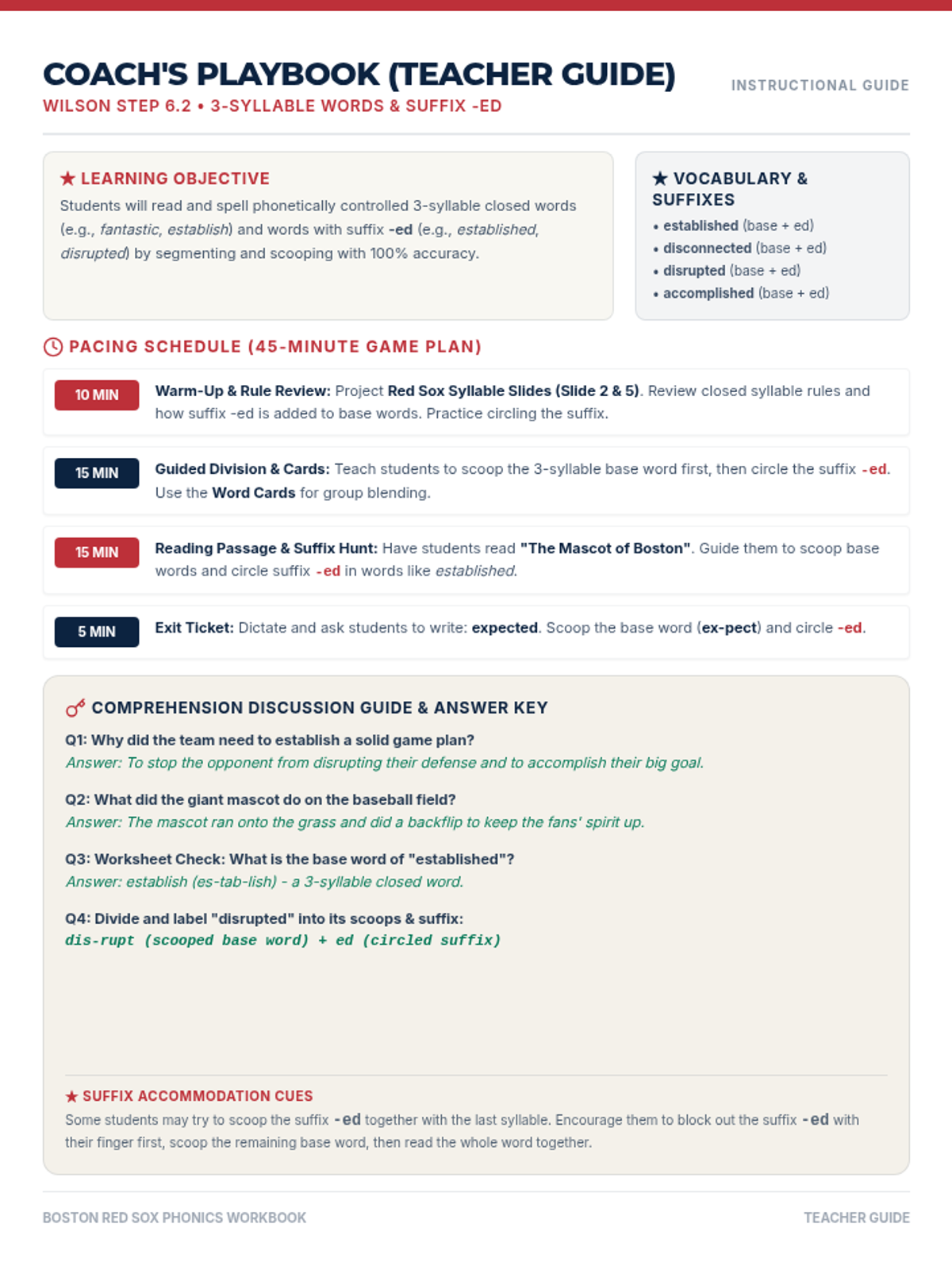
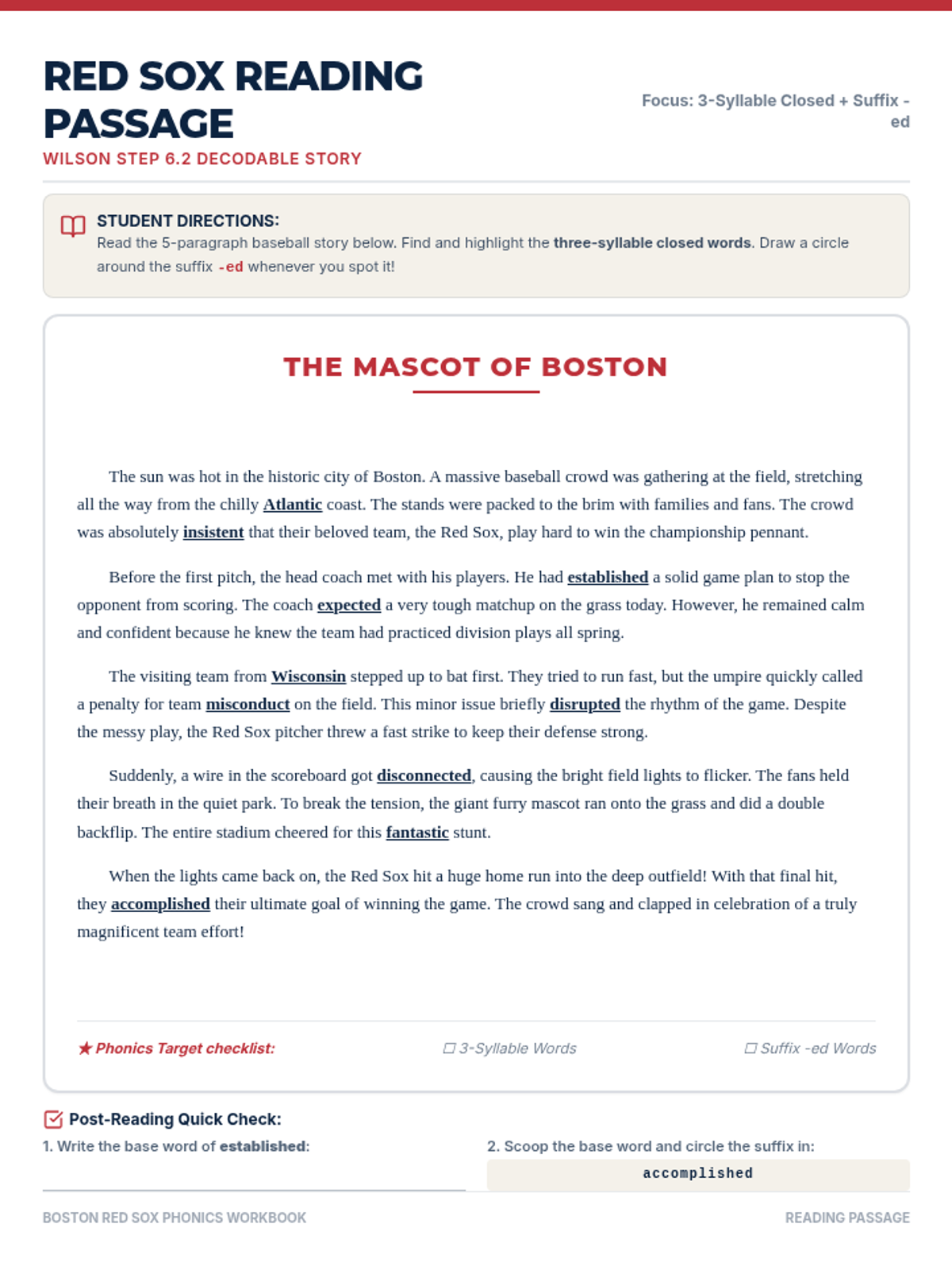
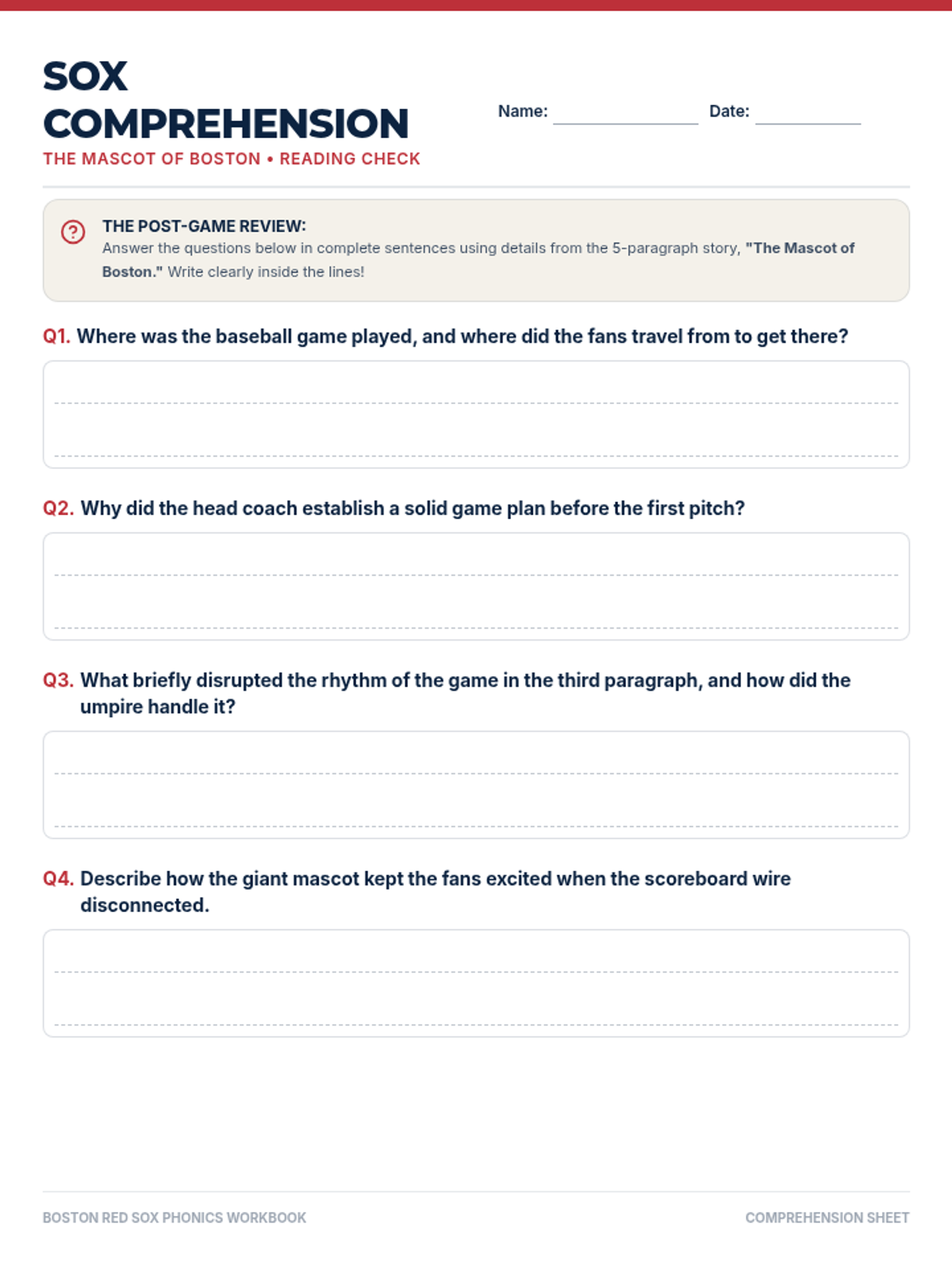
A comprehensive Wilson Step 6.2 lesson focusing on 3-syllable closed words, themed around the Boston Red Sox. Includes a slide deck, scooping worksheets, word cards, and a teacher guide with comprehension questions.
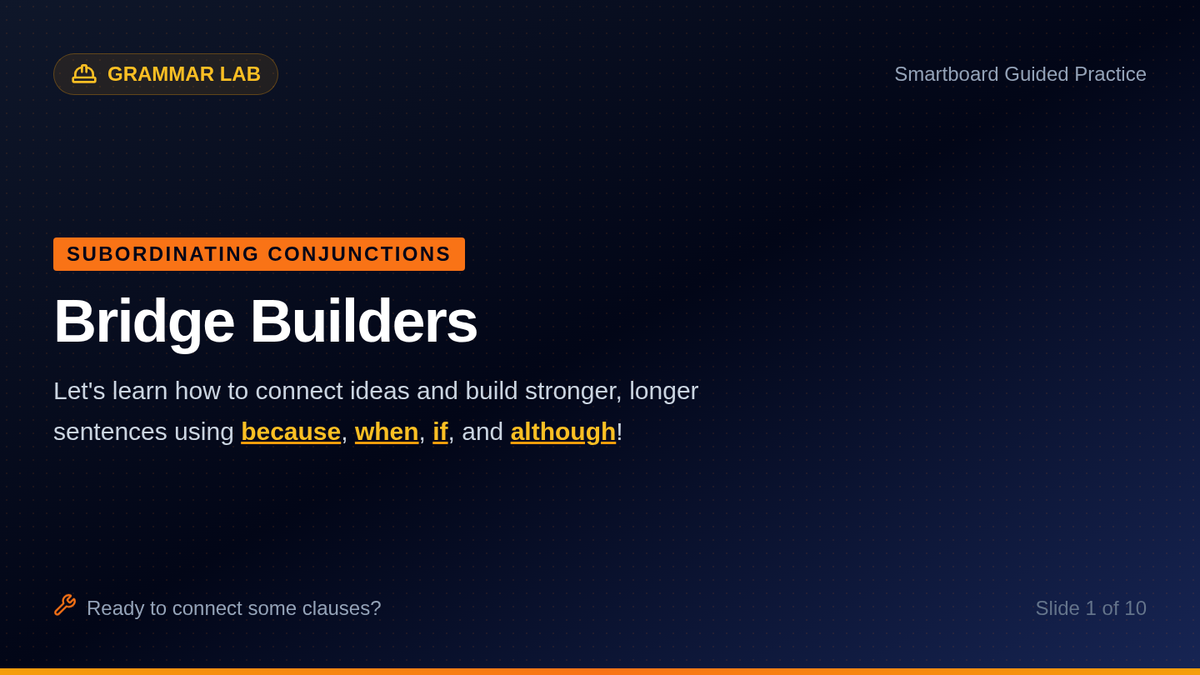
An interactive lesson where students learn to use key subordinating conjunctions (because, when, if, although) to connect clauses, using a highly visual bridge-building theme suitable for smartboard delivery.
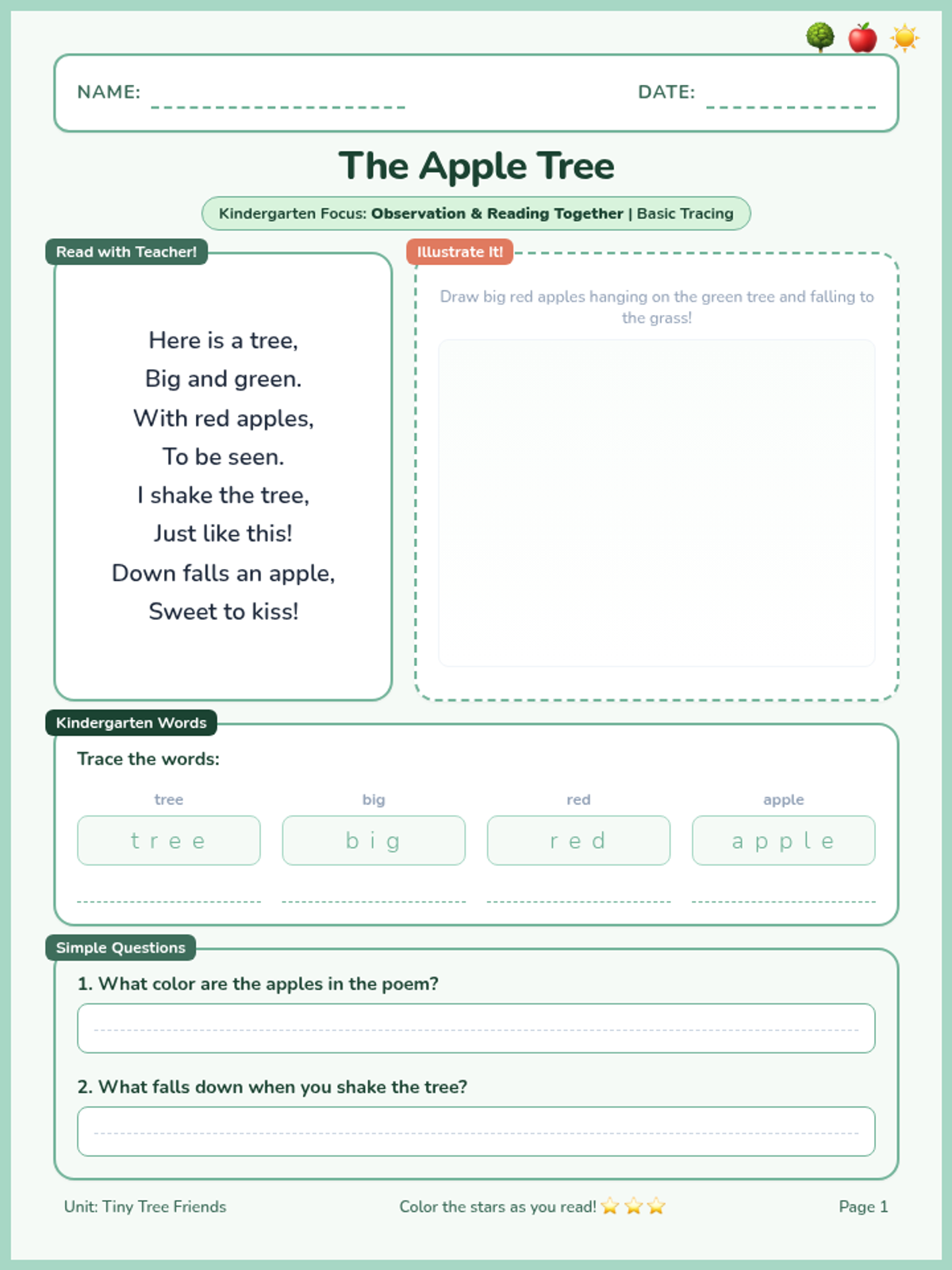
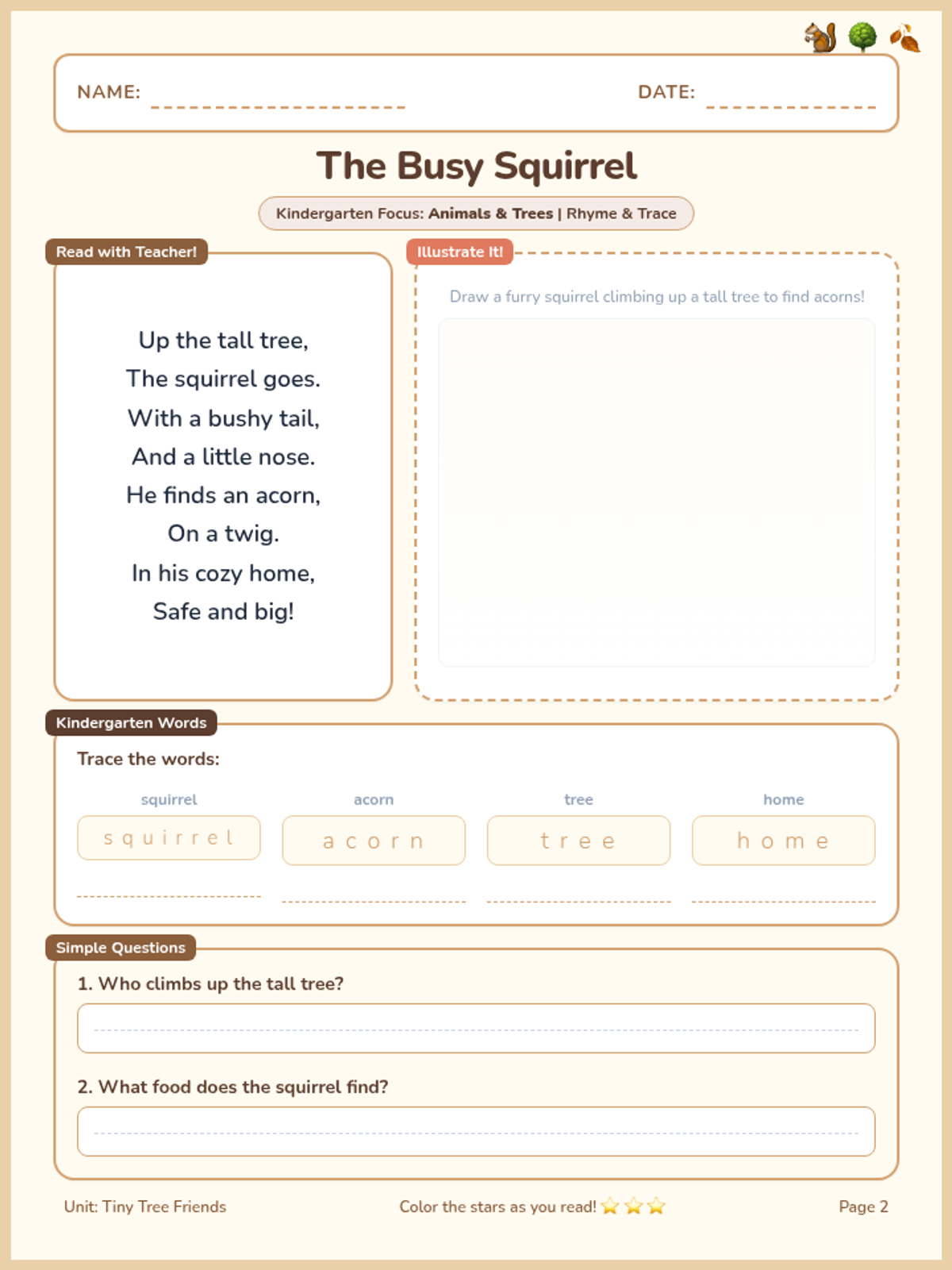
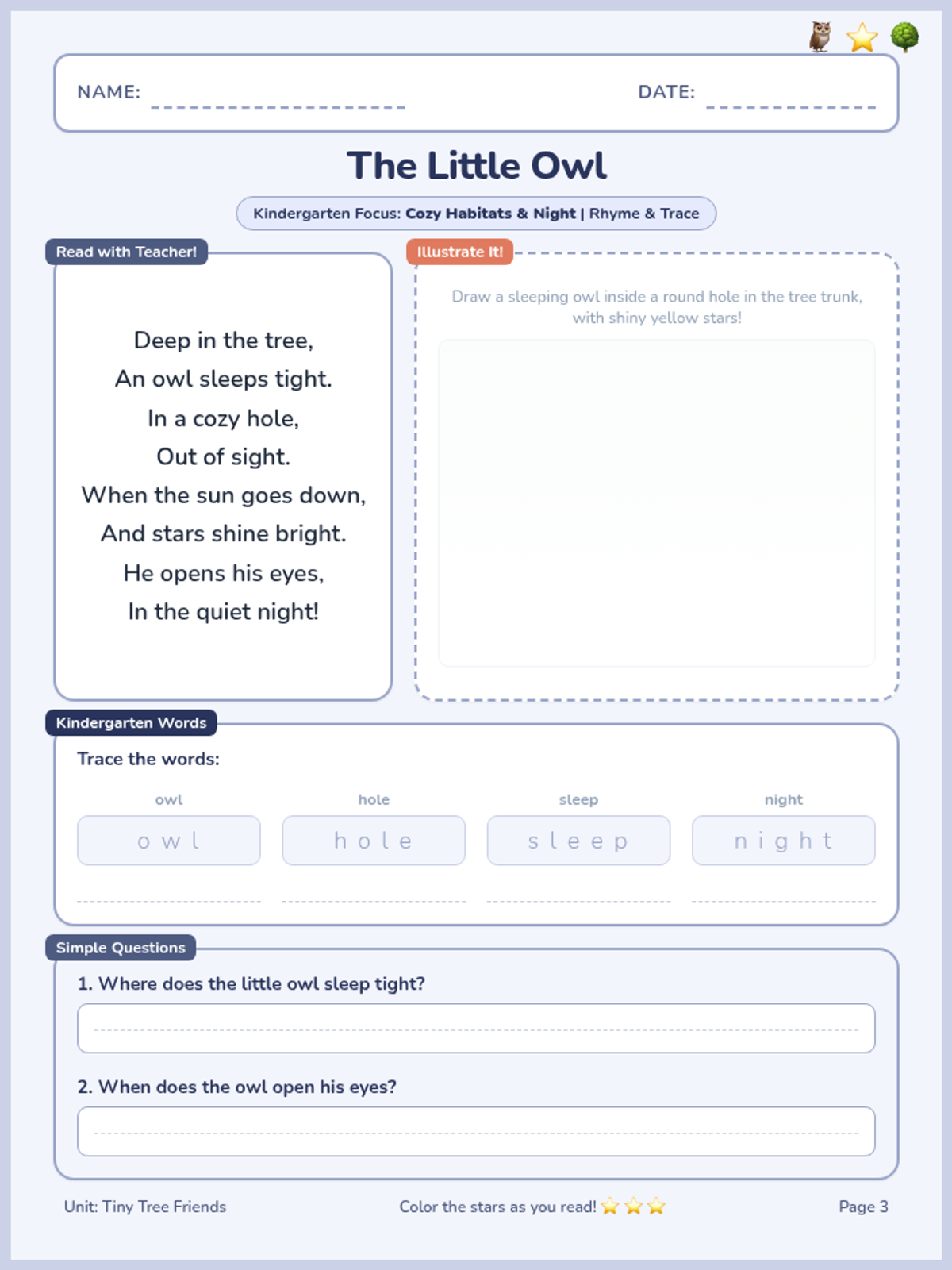
A sweet kindergarten unit focusing on trees and seasonal changes. Students read simple, rhythmic poems about apple trees and falling leaves, practice coloring, trace basic seasonal terms, and answer introductory comprehension questions.
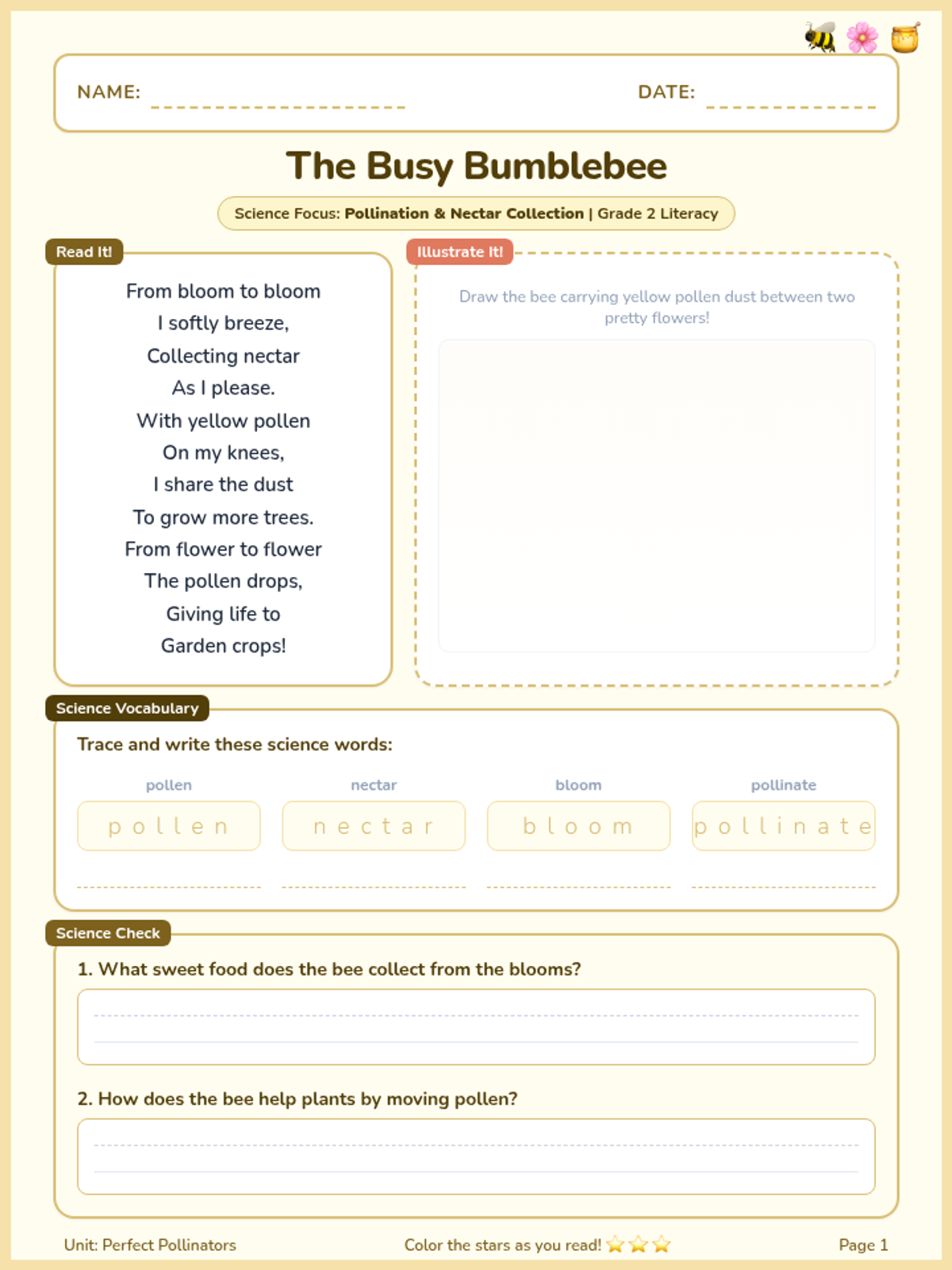
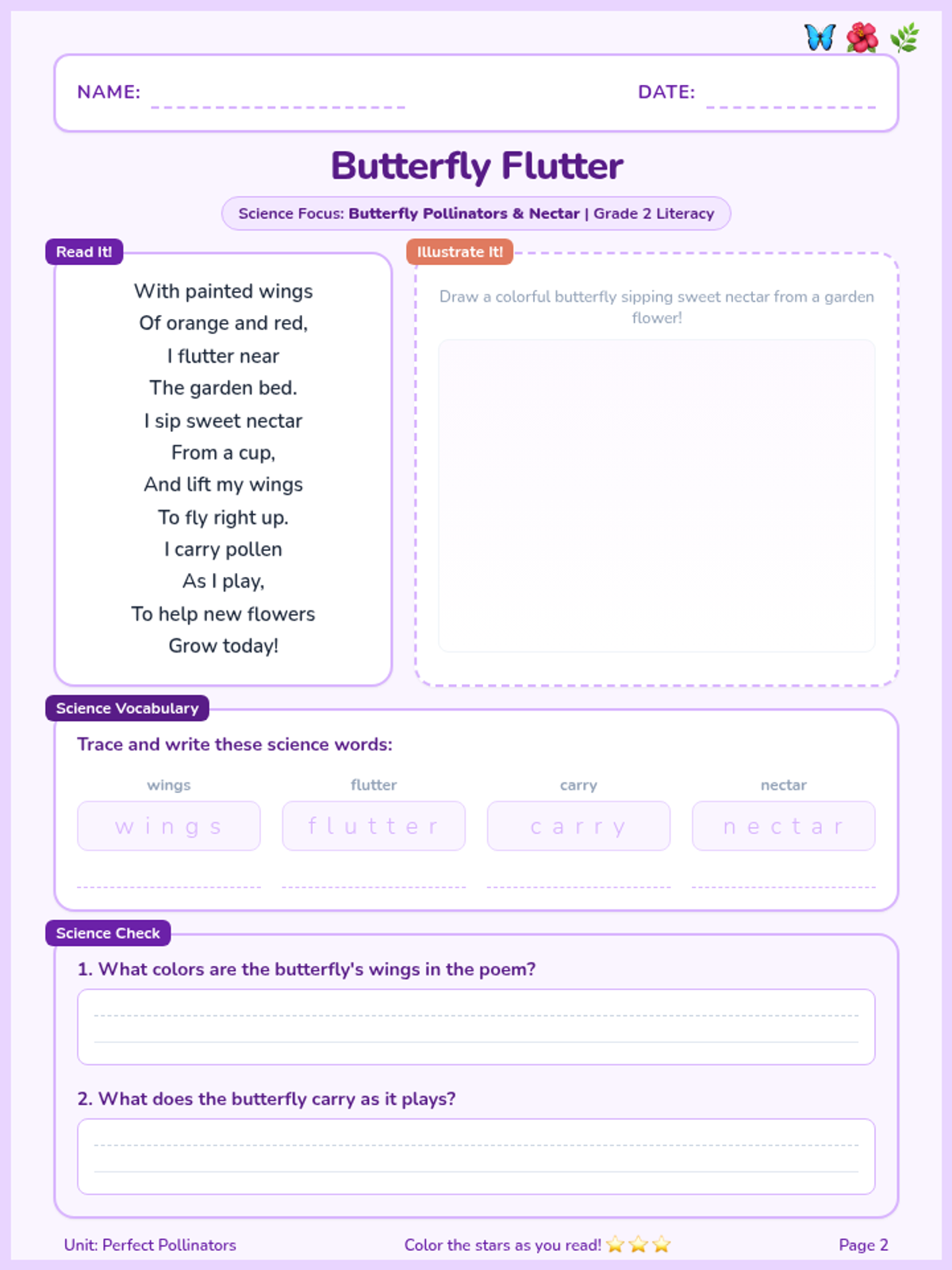
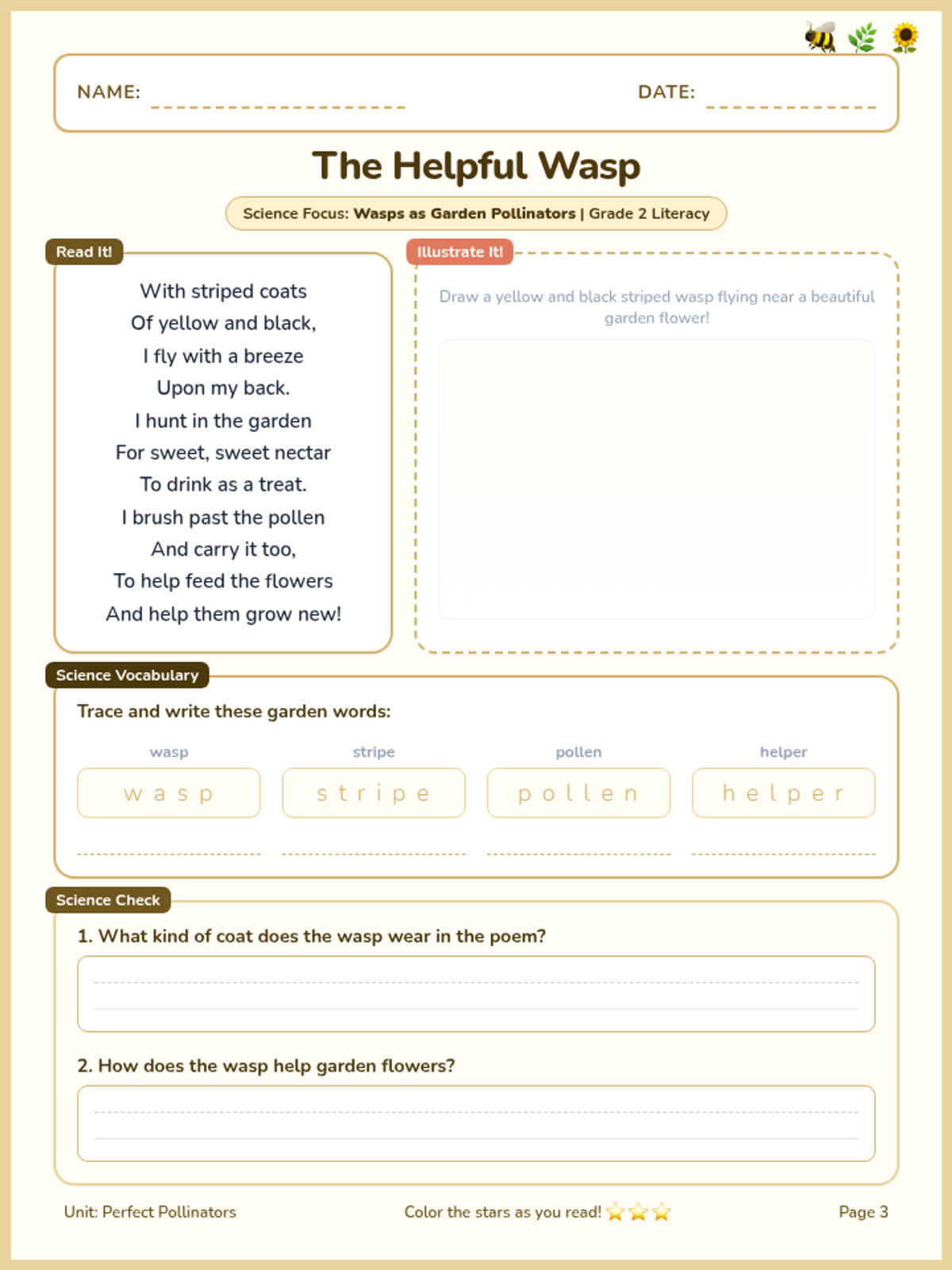
An engaging science-integrated poetry unit for Grade 2. Students read sweet, rhythmic poems about bumblebees and butterflies, illustrating their important roles in pollination, identifying vocabulary, and demonstrating reading comprehension.
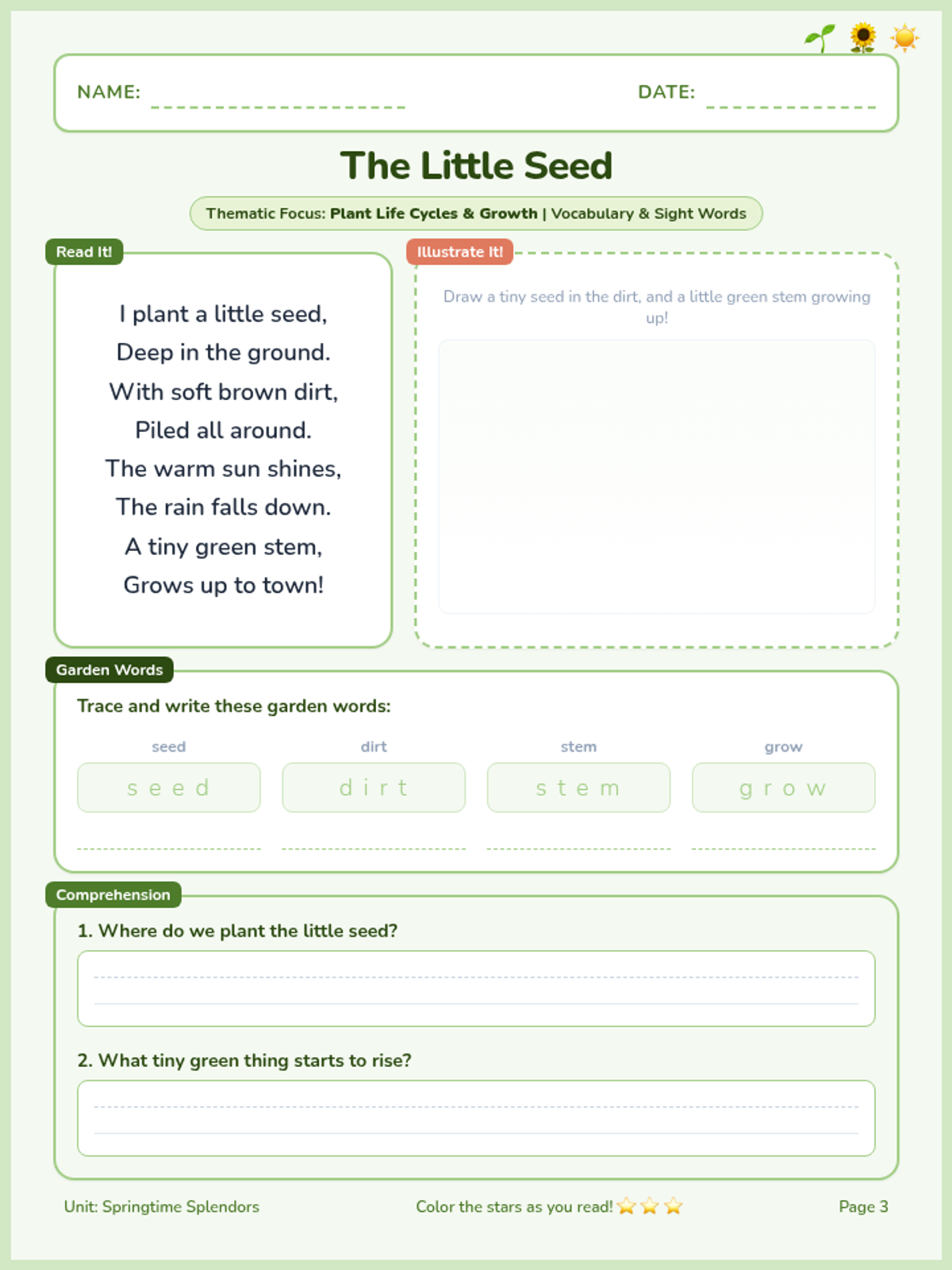
A beautiful thematic unit featuring sweet, engaging Spring poems. Students explore imagery, vocabulary, and seasonal shifts while practicing reading comprehension and creative expression.
A continuation of phonics exploration focusing on the '-ug' word family and the 'st-' consonant blend. Students practice decoding, visualizing, and writing through hands-on worksheets.
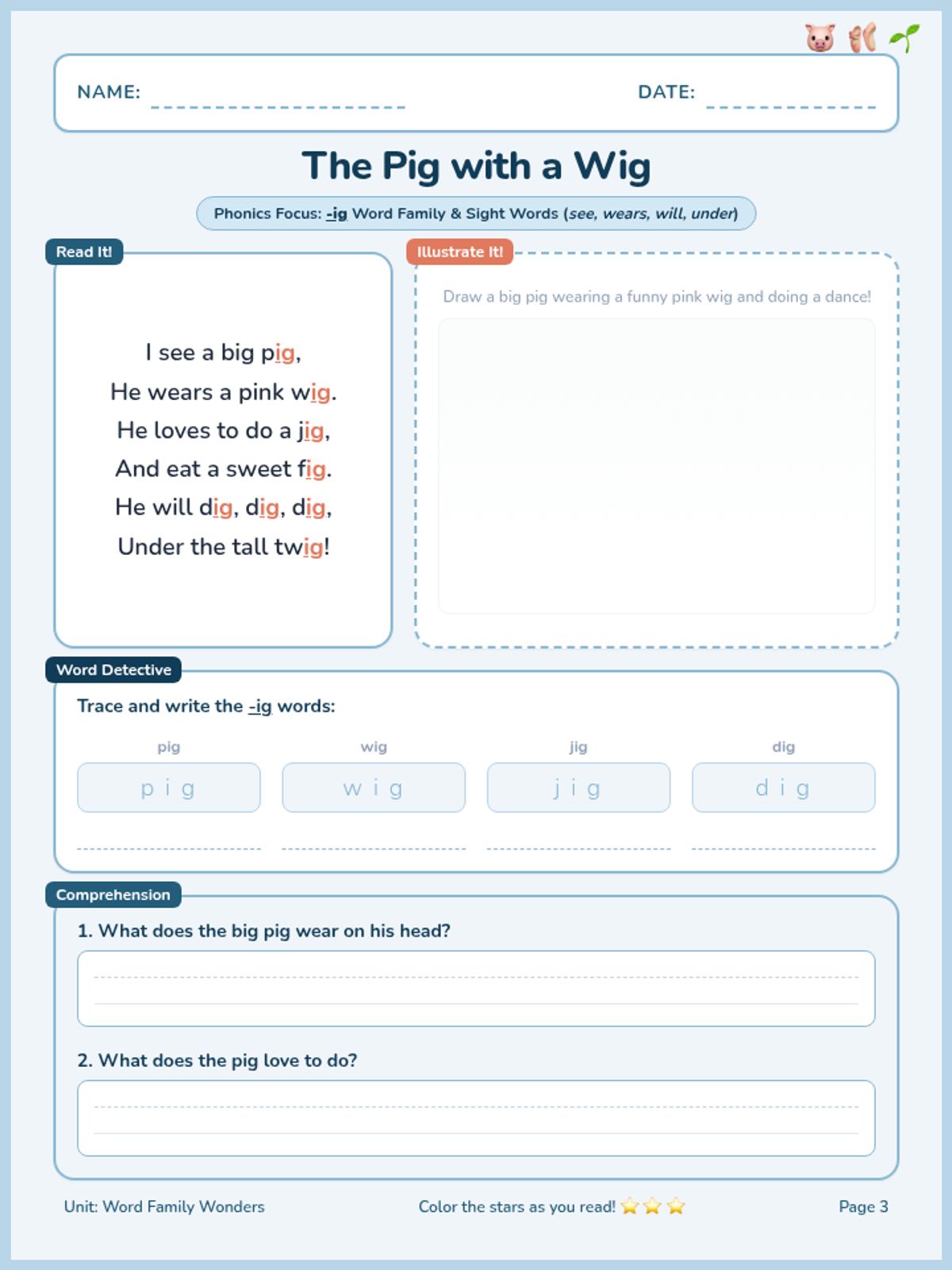
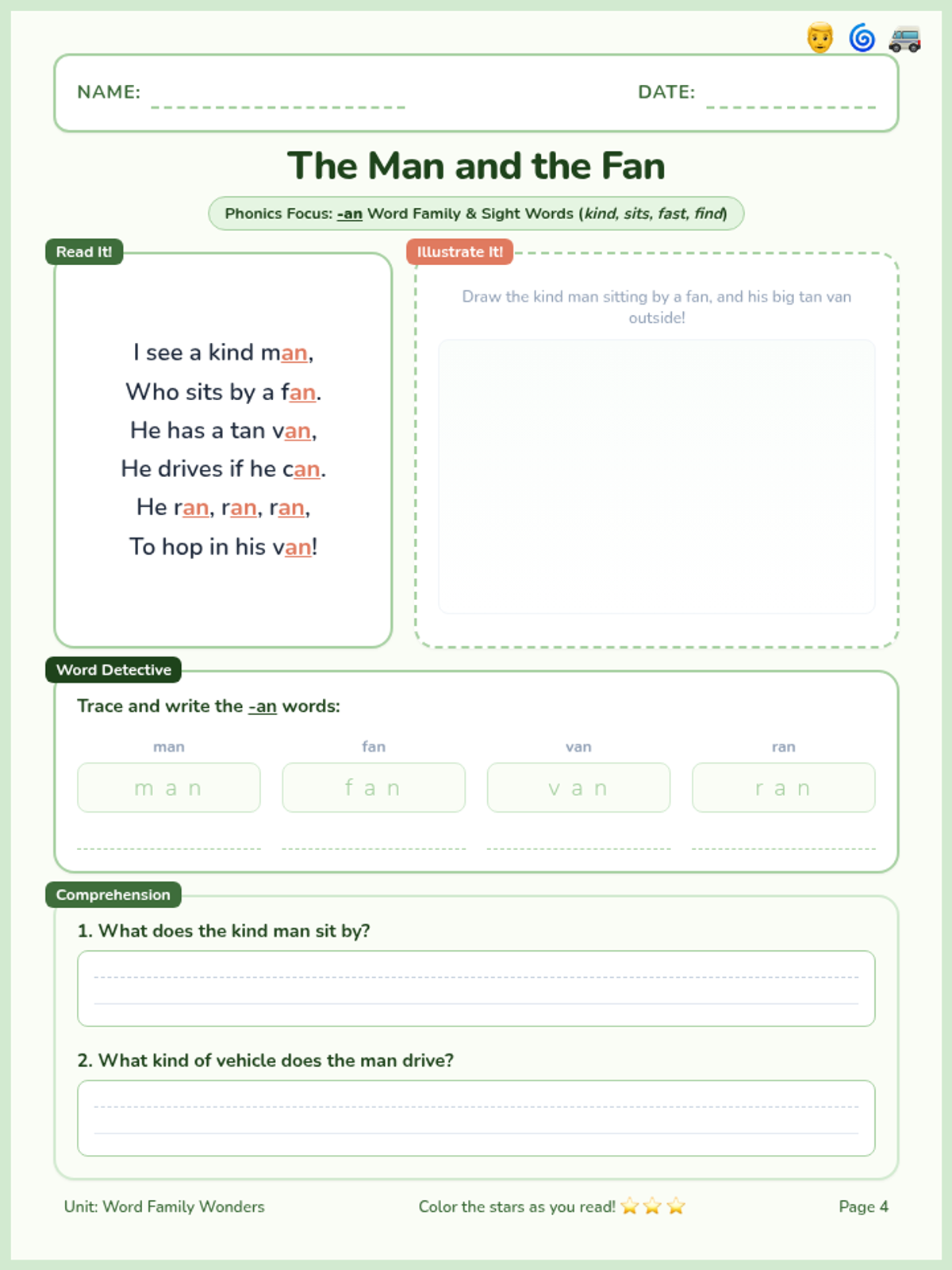
A classroom lesson focused on the '-at' and '-og' word families. Students read simple, rhythmic poems, highlight word family members, illustrate the scenes to show comprehension, and answer simple text-based questions.
A hands-on, construction-themed writing lesson for second graders to build sentences block-by-block, ranging from basic 2-part subject-predicate sentences to descriptive 5-part sentences. Includes a structured builder worksheet, word bank helpers, and task cards.
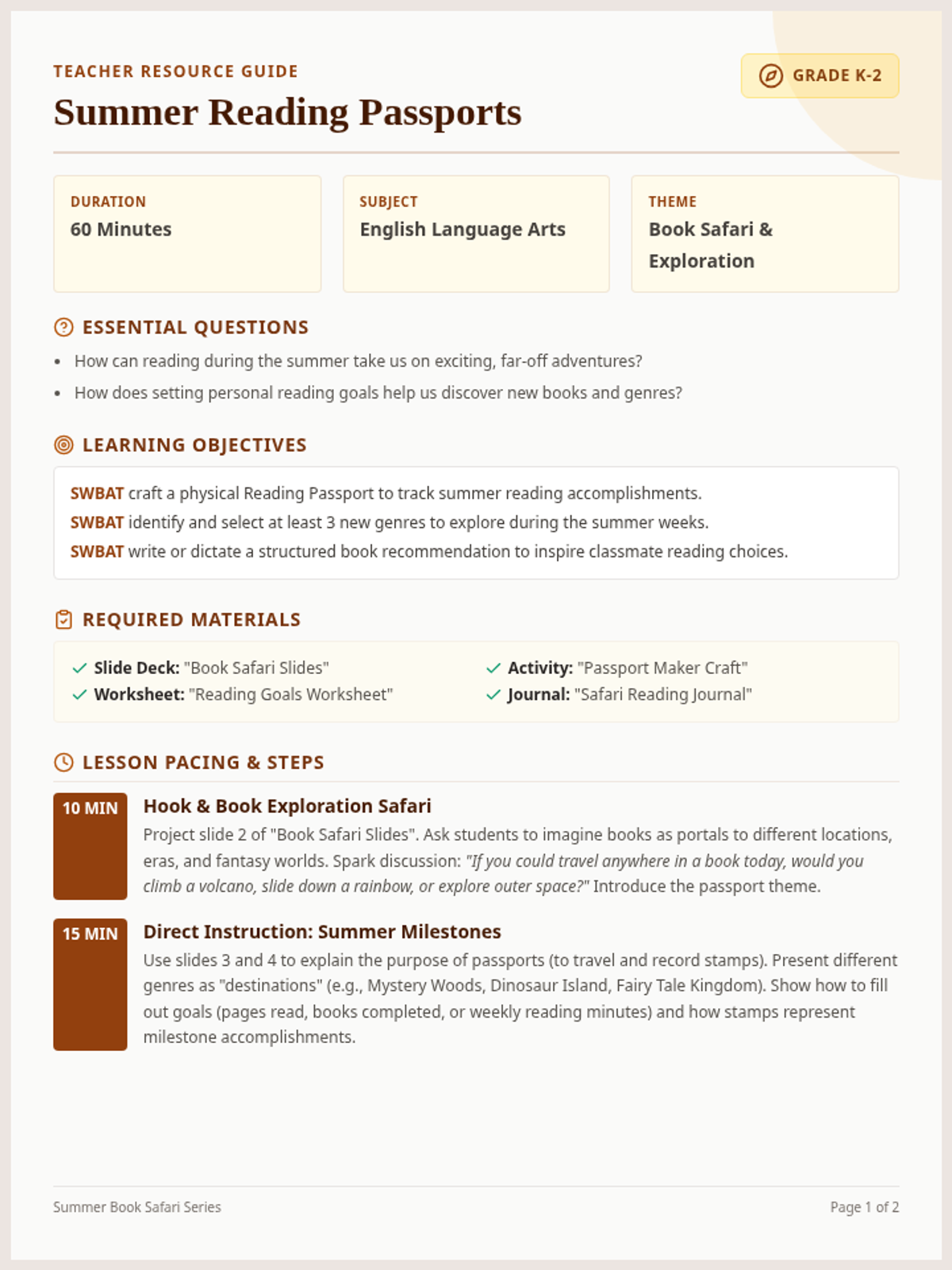
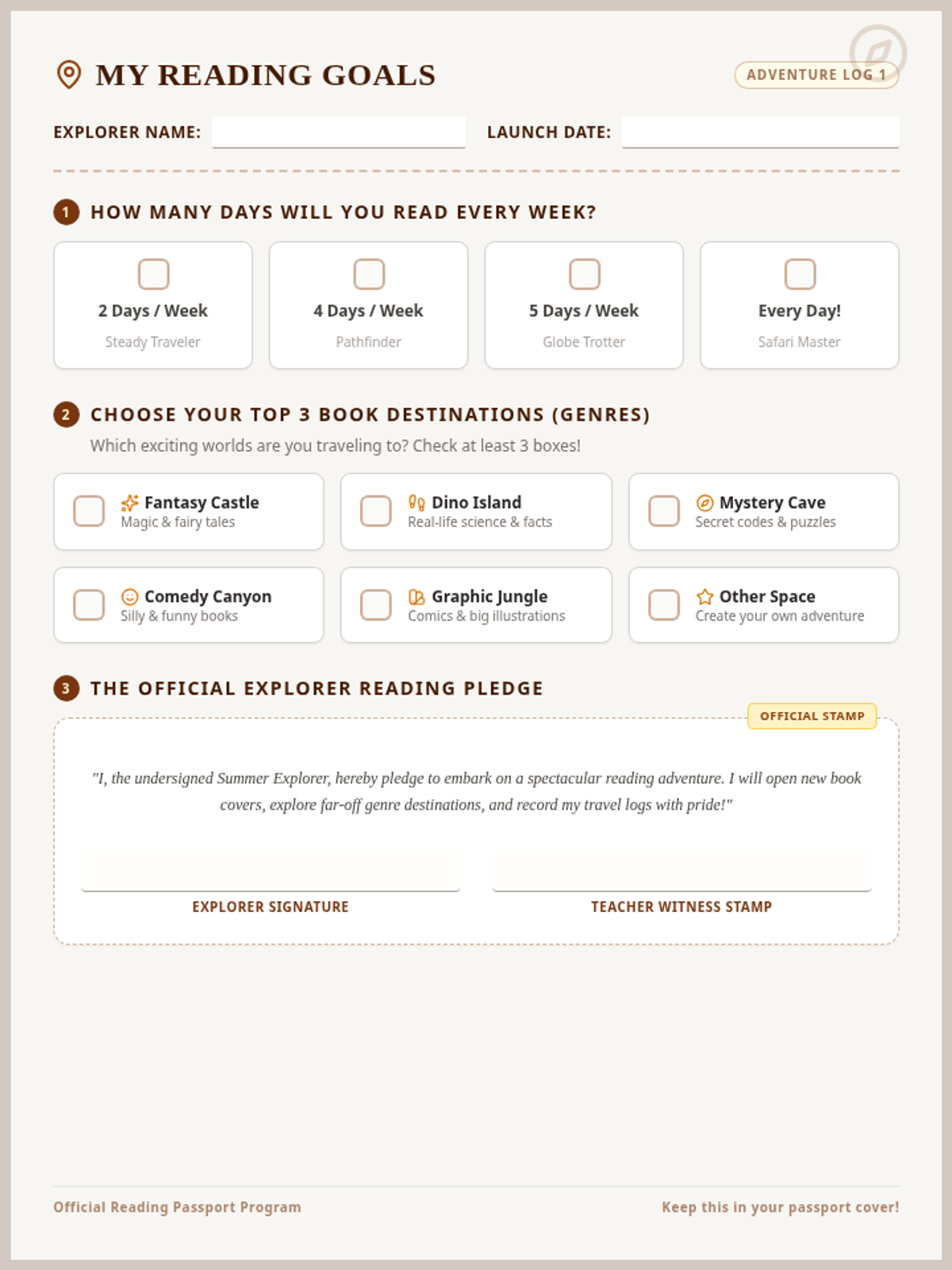
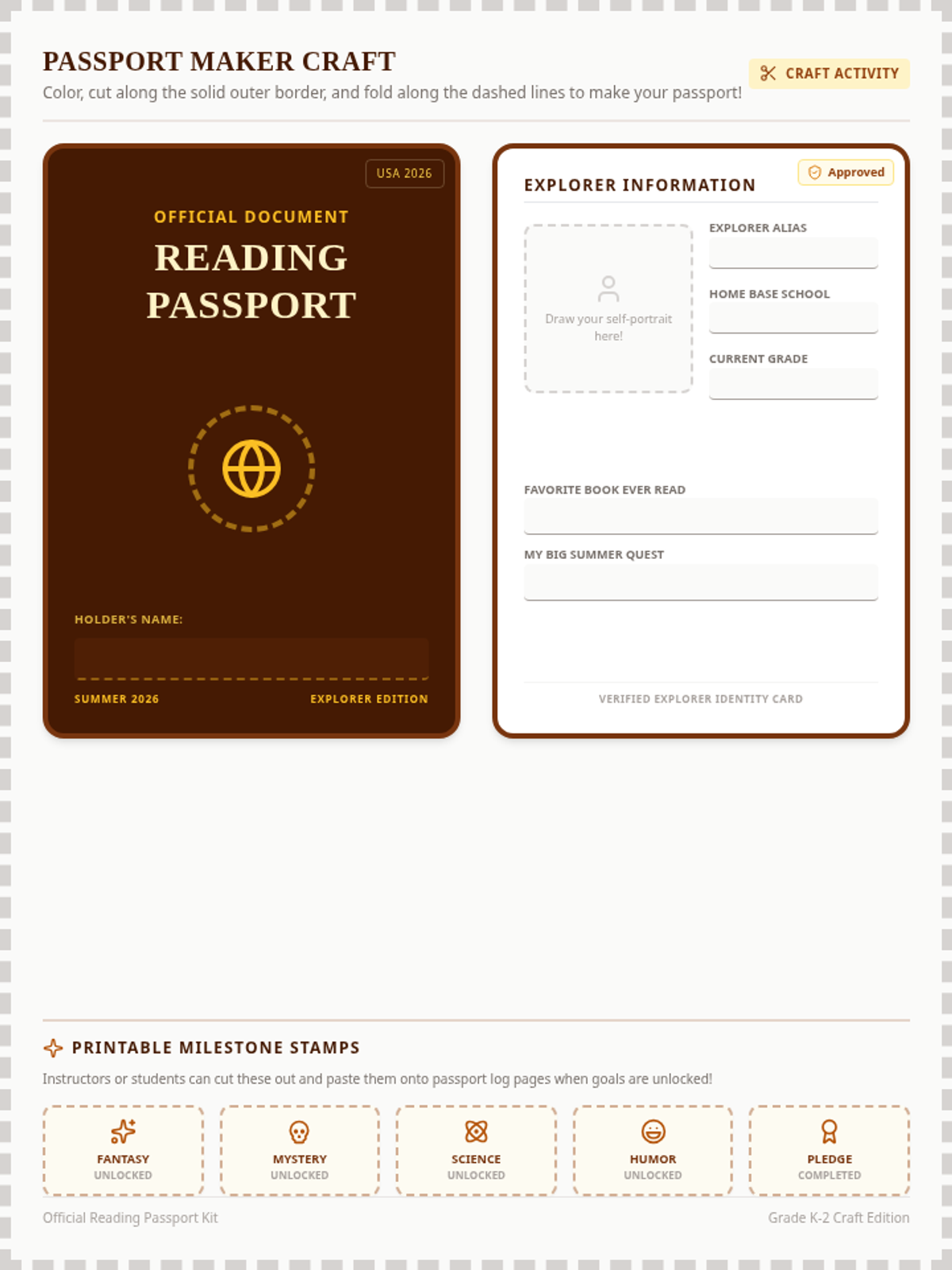
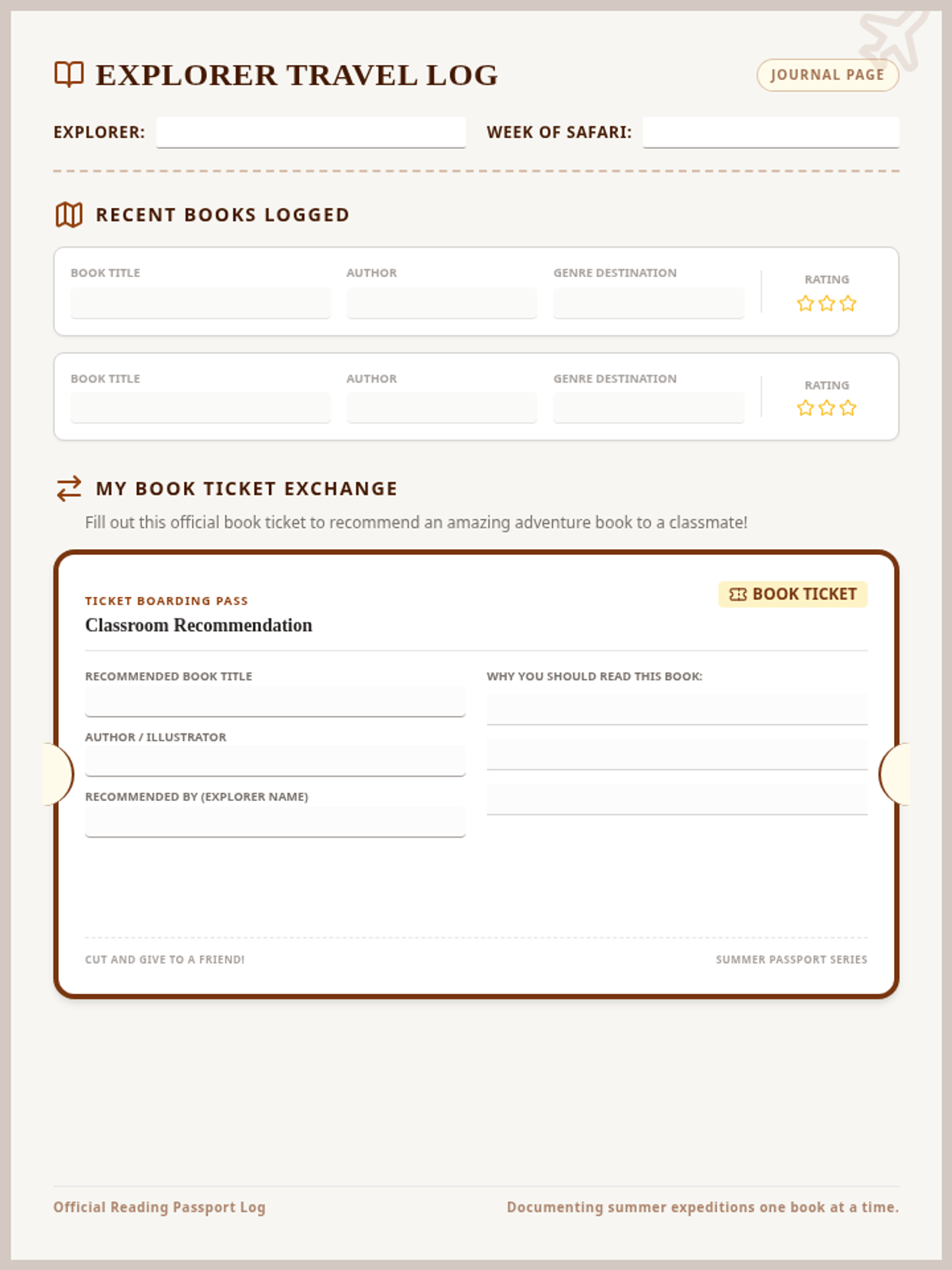
A fun, adventure-themed lesson where early elementary students design custom reading passports, set interactive summer reading goals, explore new genres, and practice recommending books to their peers to build a summer reading community.
An engaging first-grade ELA reading comprehension lesson focused on identifying characters, settings, and main events using a fun detective theme.
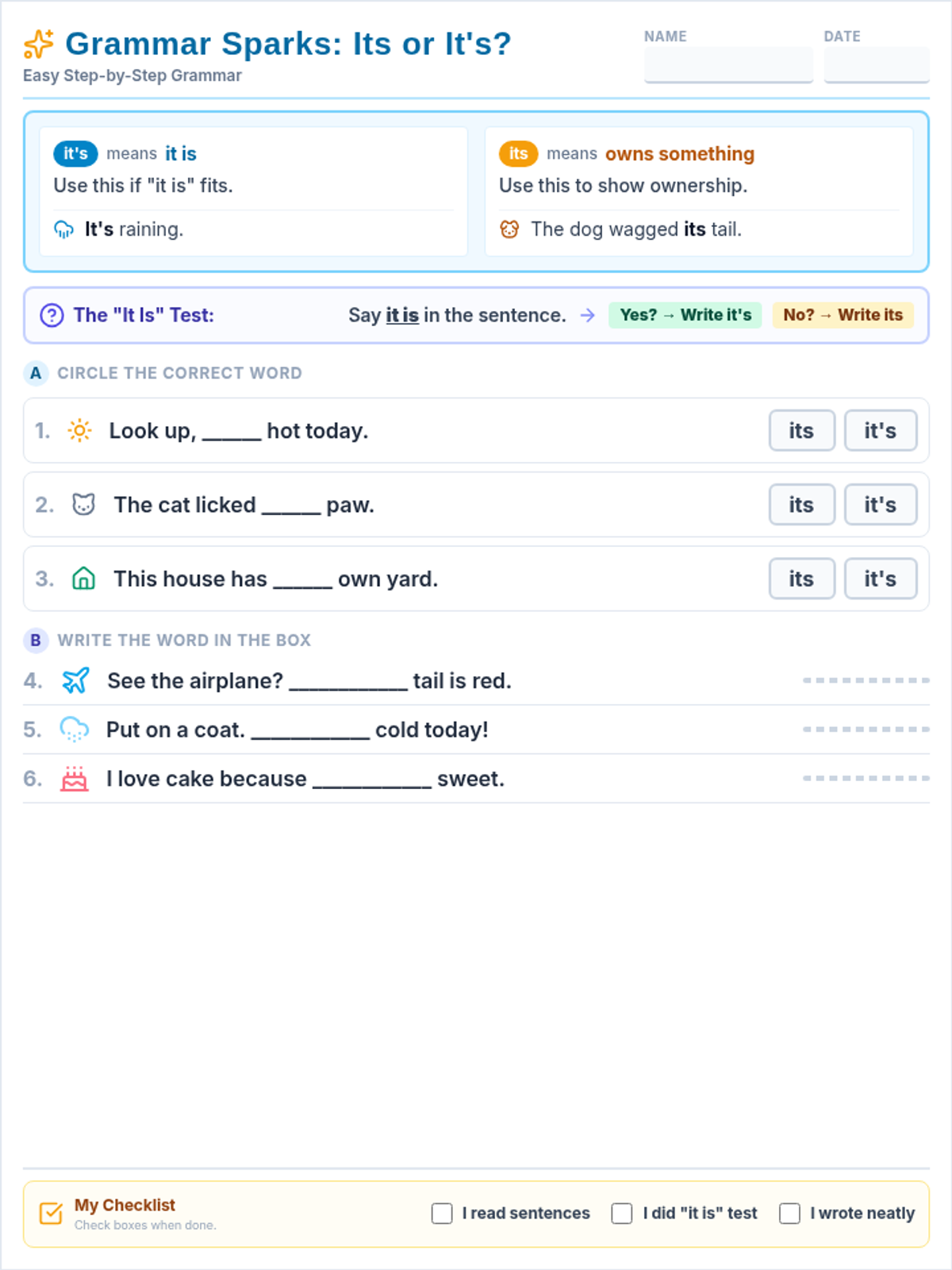
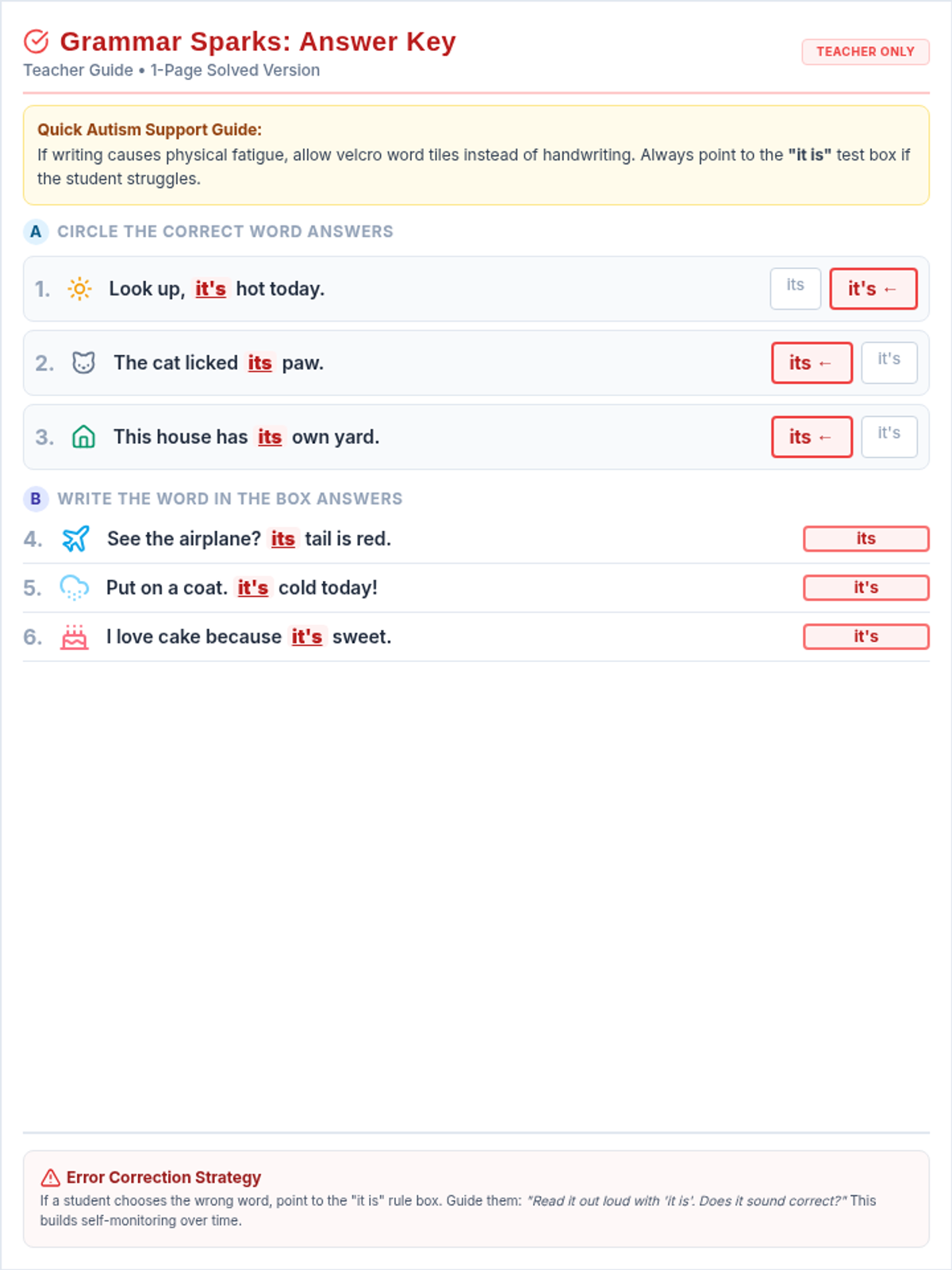
A highly structured grammar lesson focusing on the distinction between 'its' and 'it's', customized with visual icon supports, step-by-step rule scaffolding, and self-monitoring checklists for students who benefit from predictable layouts.
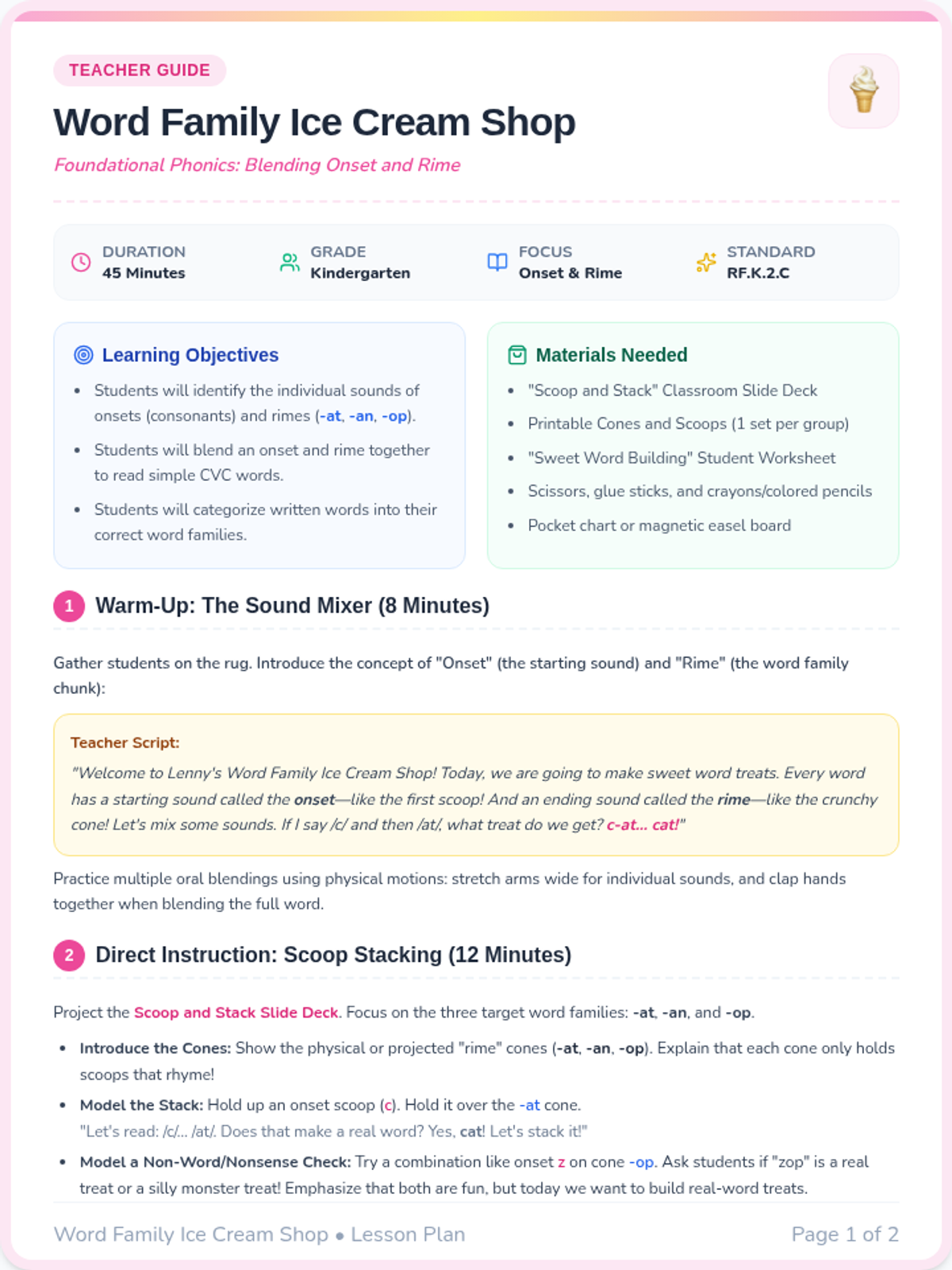
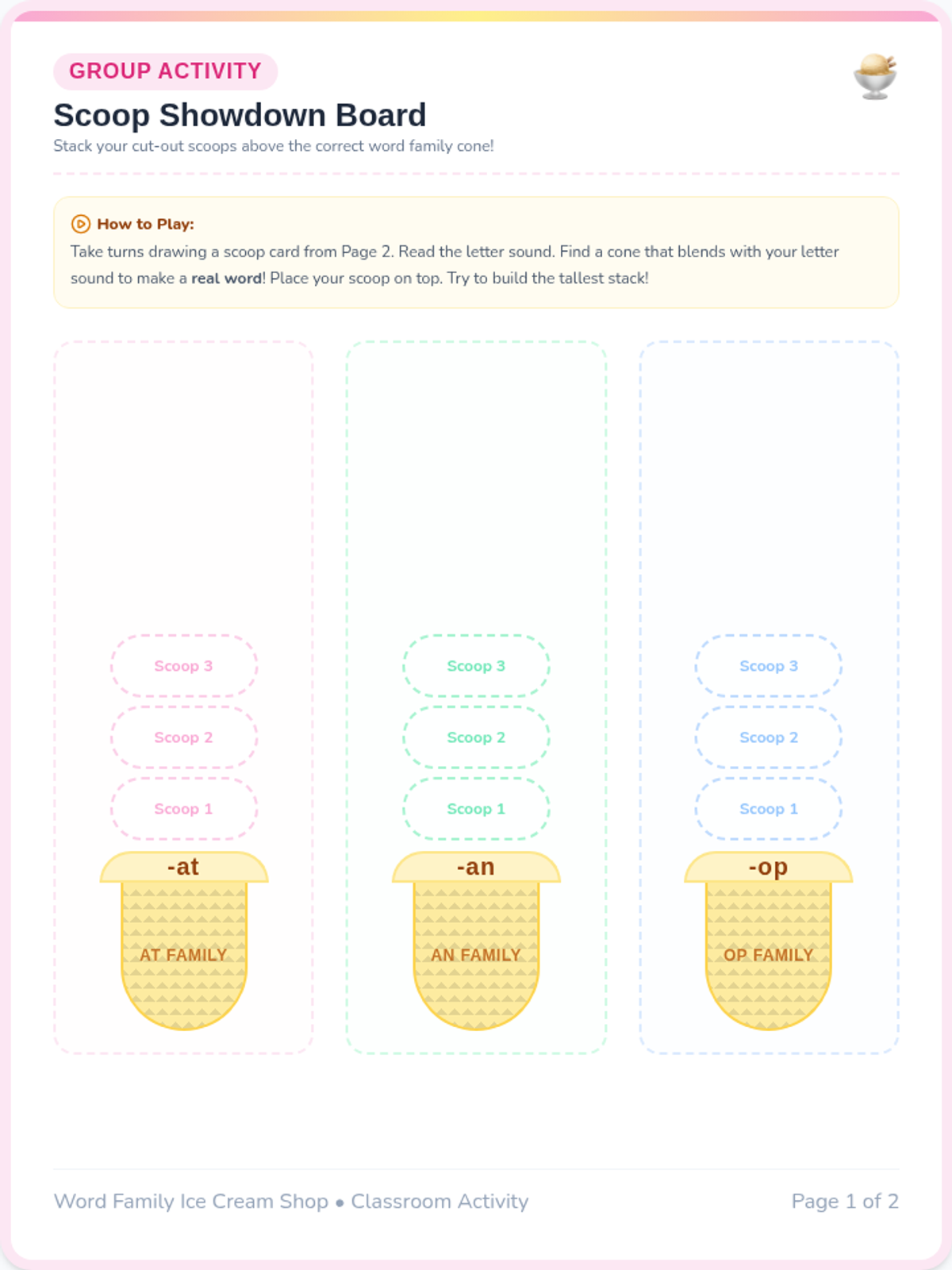
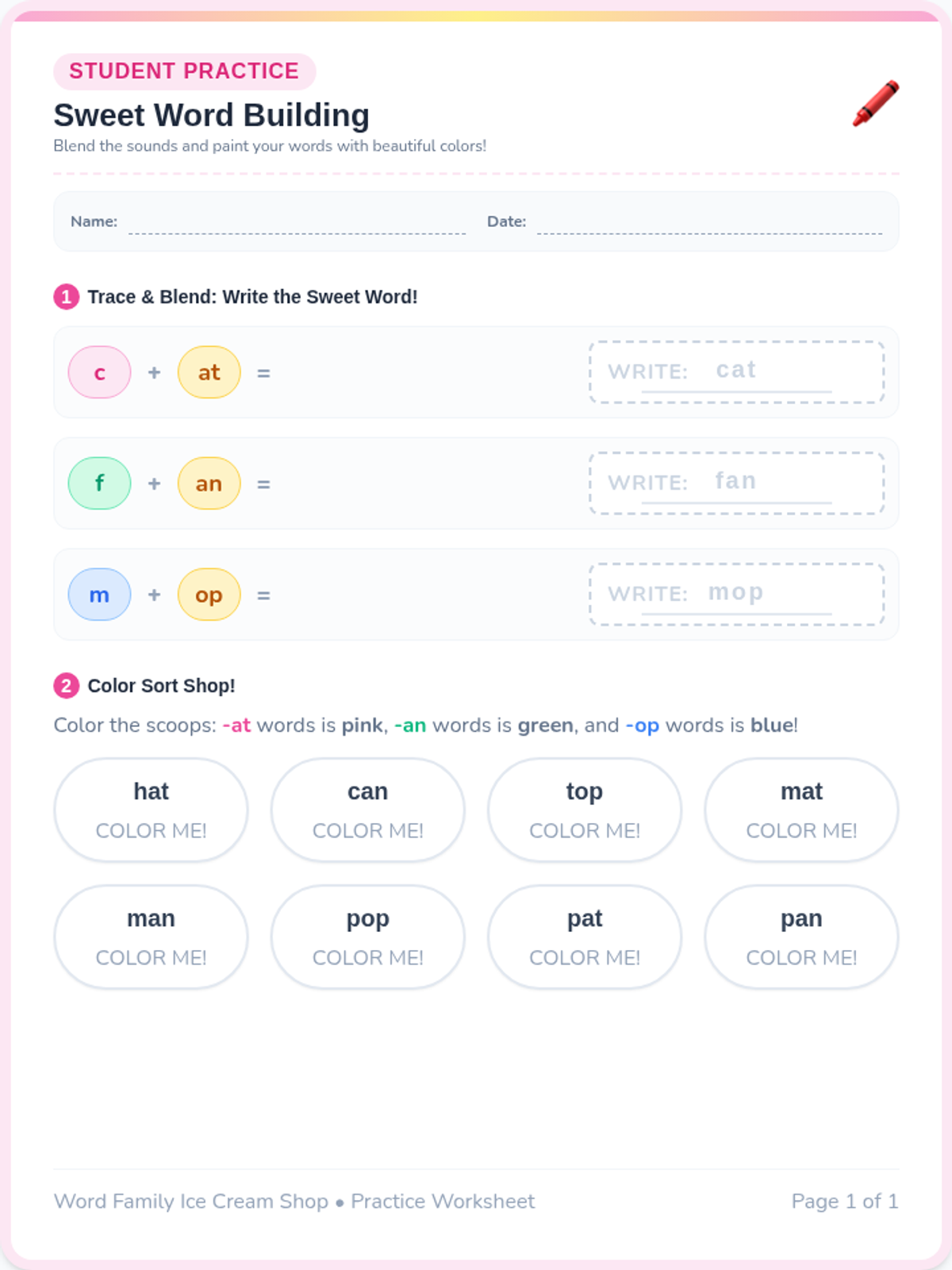
A playful kindergarten lesson where students blend onset and rime by building and stacking ice cream scoops to form words within common word families like -at, -an, and -op.
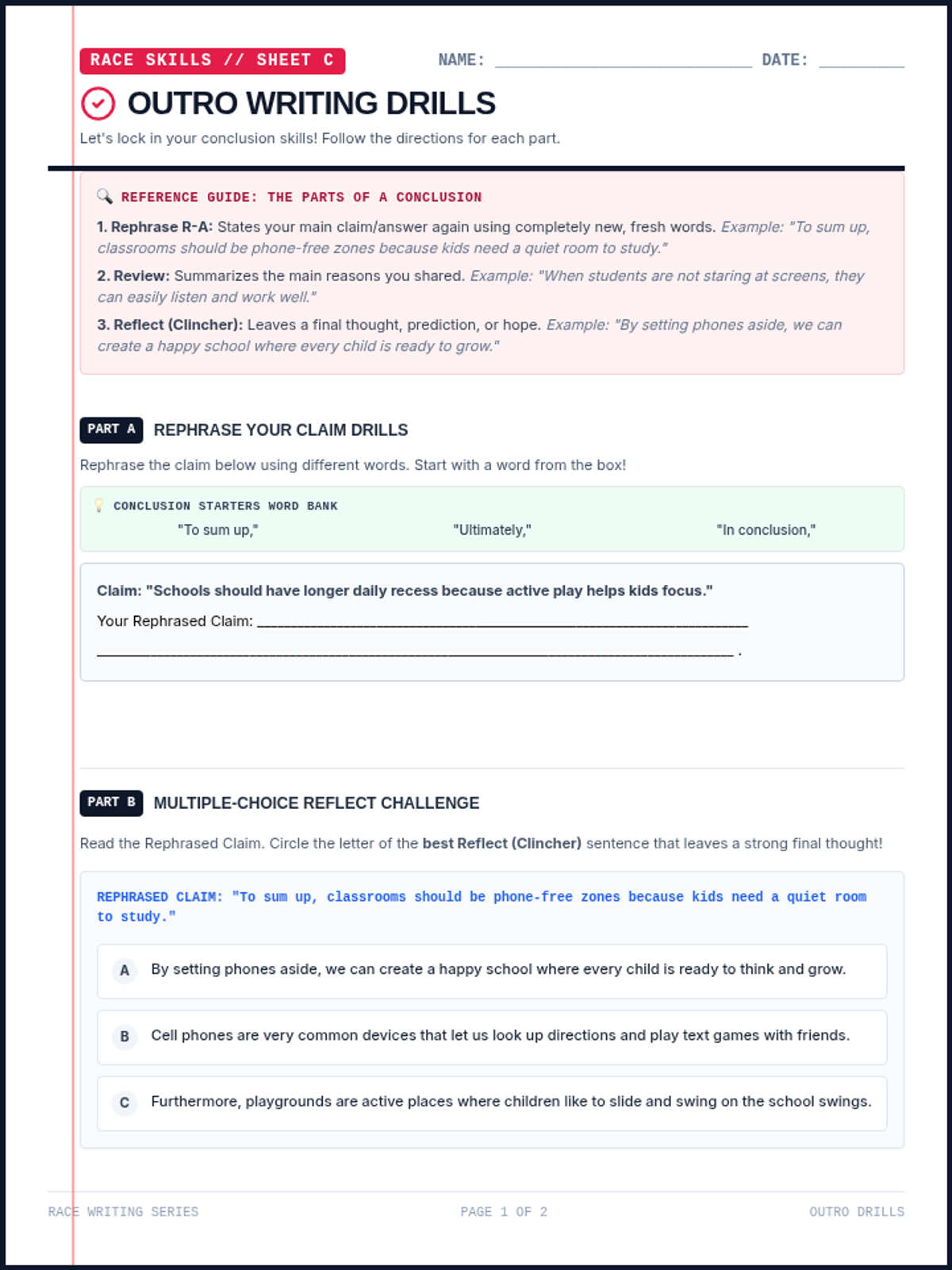
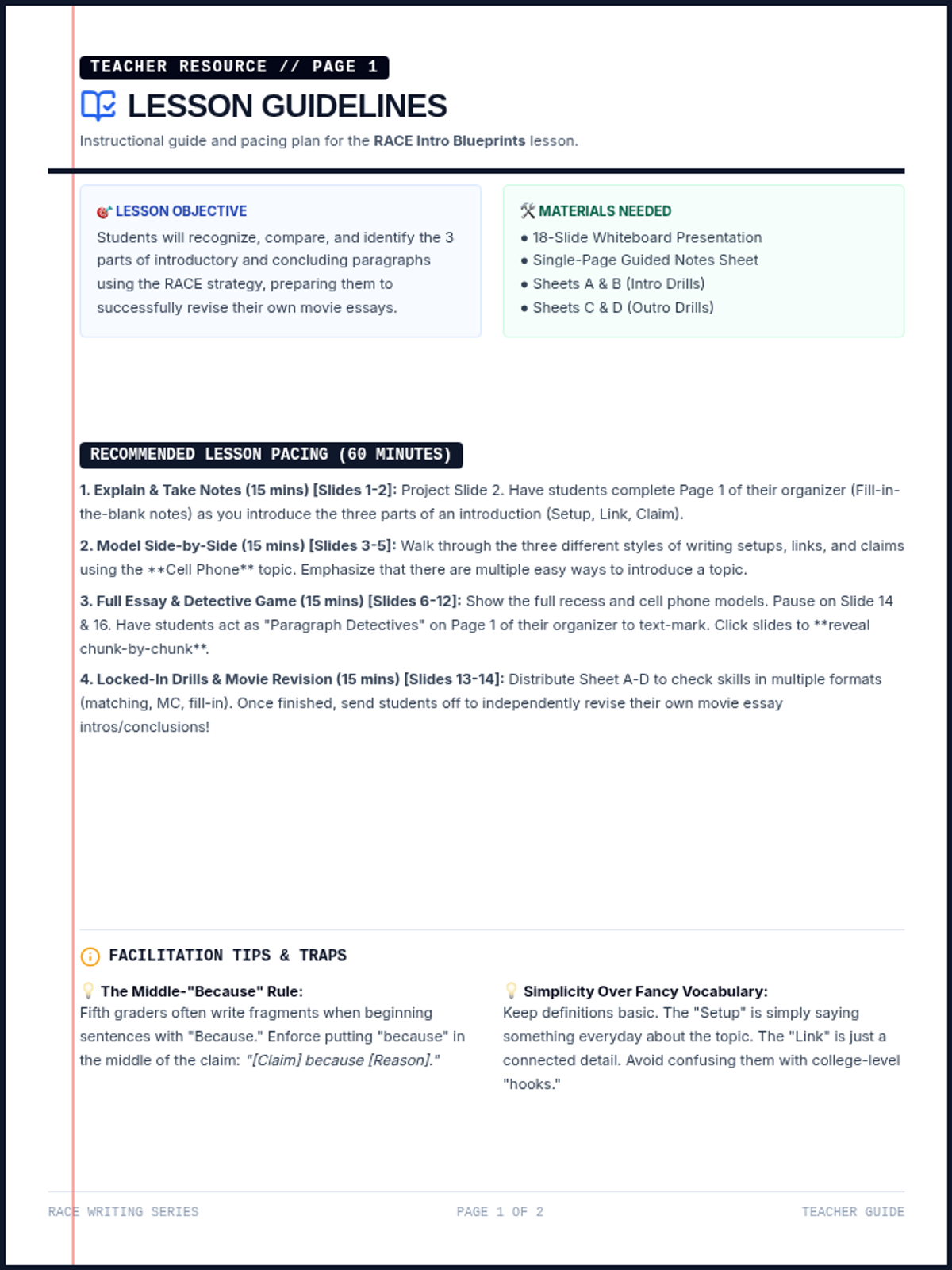
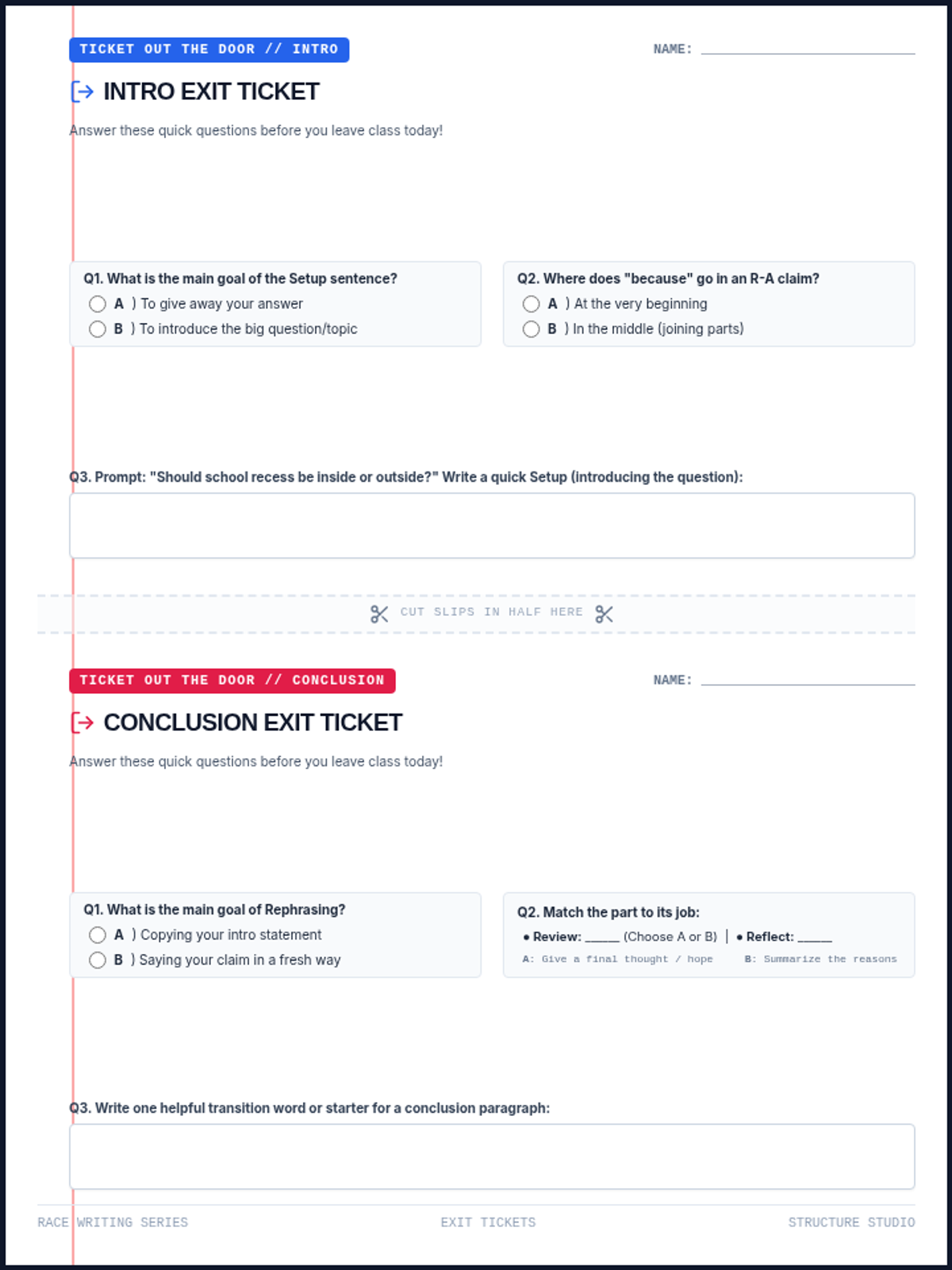
A structured writing lesson focused on drafting cohesive introductory paragraphs using the RACE strategy. Features a clear gradual release model (I Do, We Do, You Do) to guide students through introducing the question, linking context, and drafting a solid Restate & Answer claim.