A multisensory grammar lesson where 8th and 9th grade students use modeling clay to physically represent action verbs, bridging the gap between abstract linguistics and tactile form.

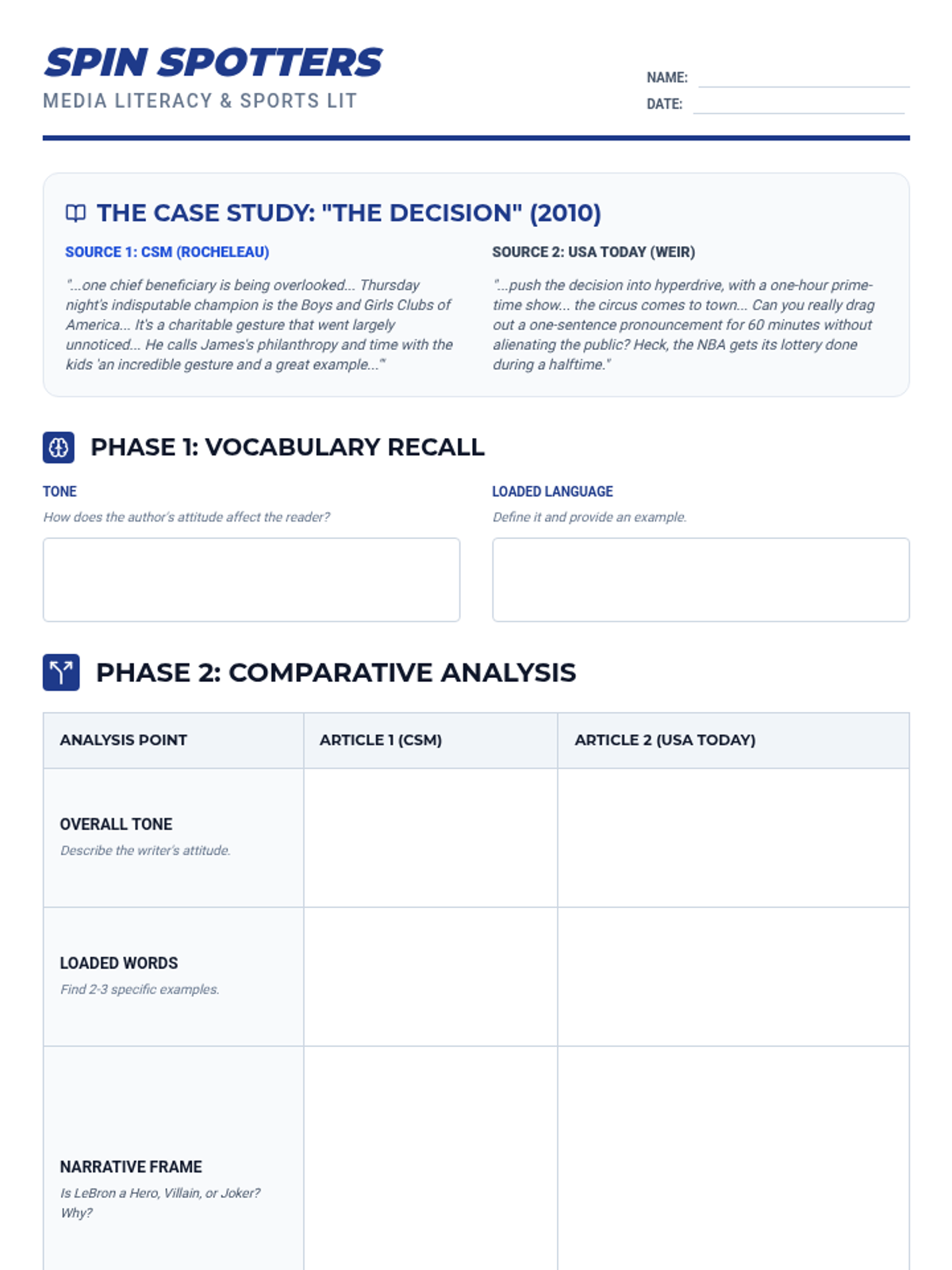
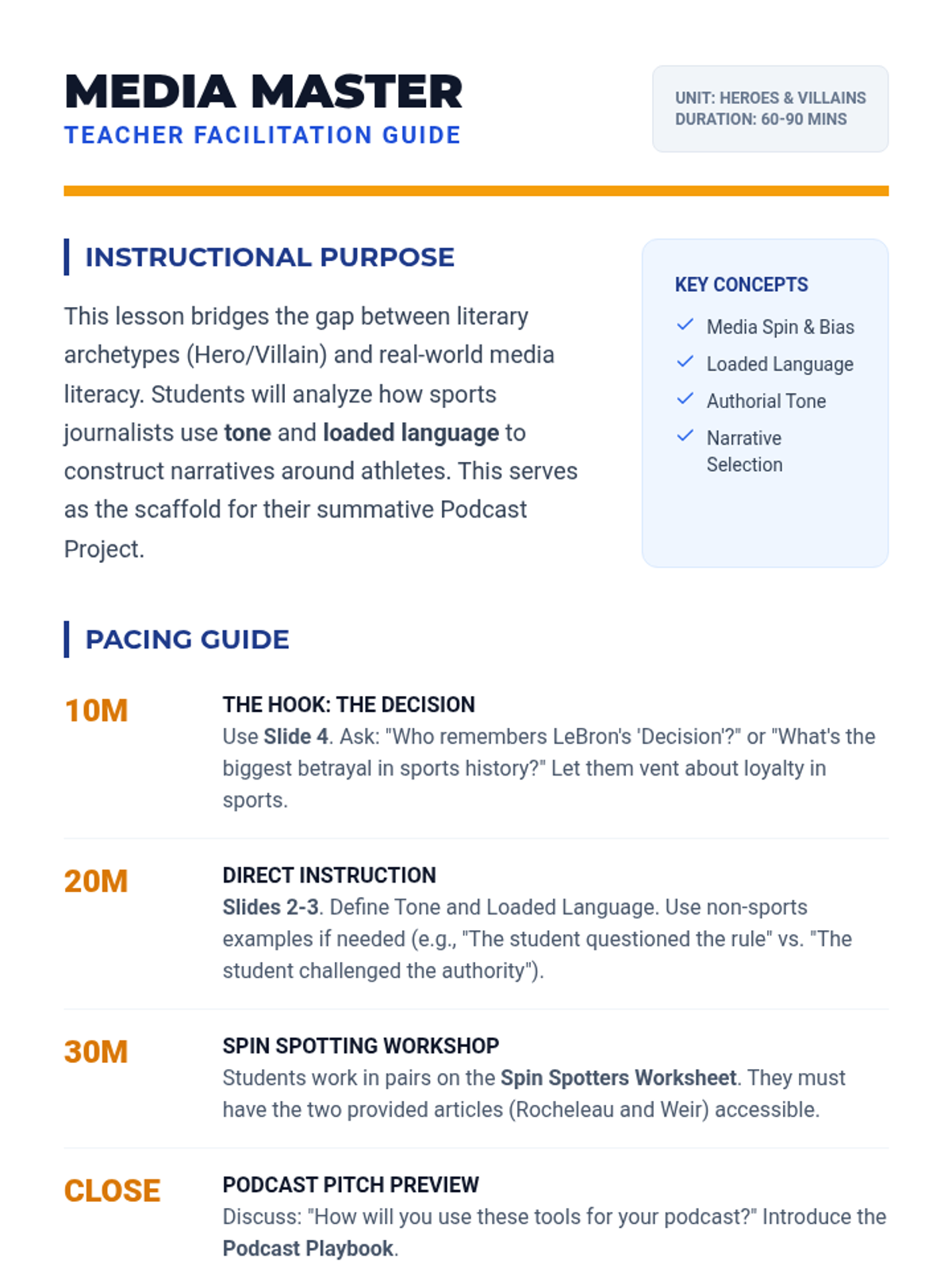
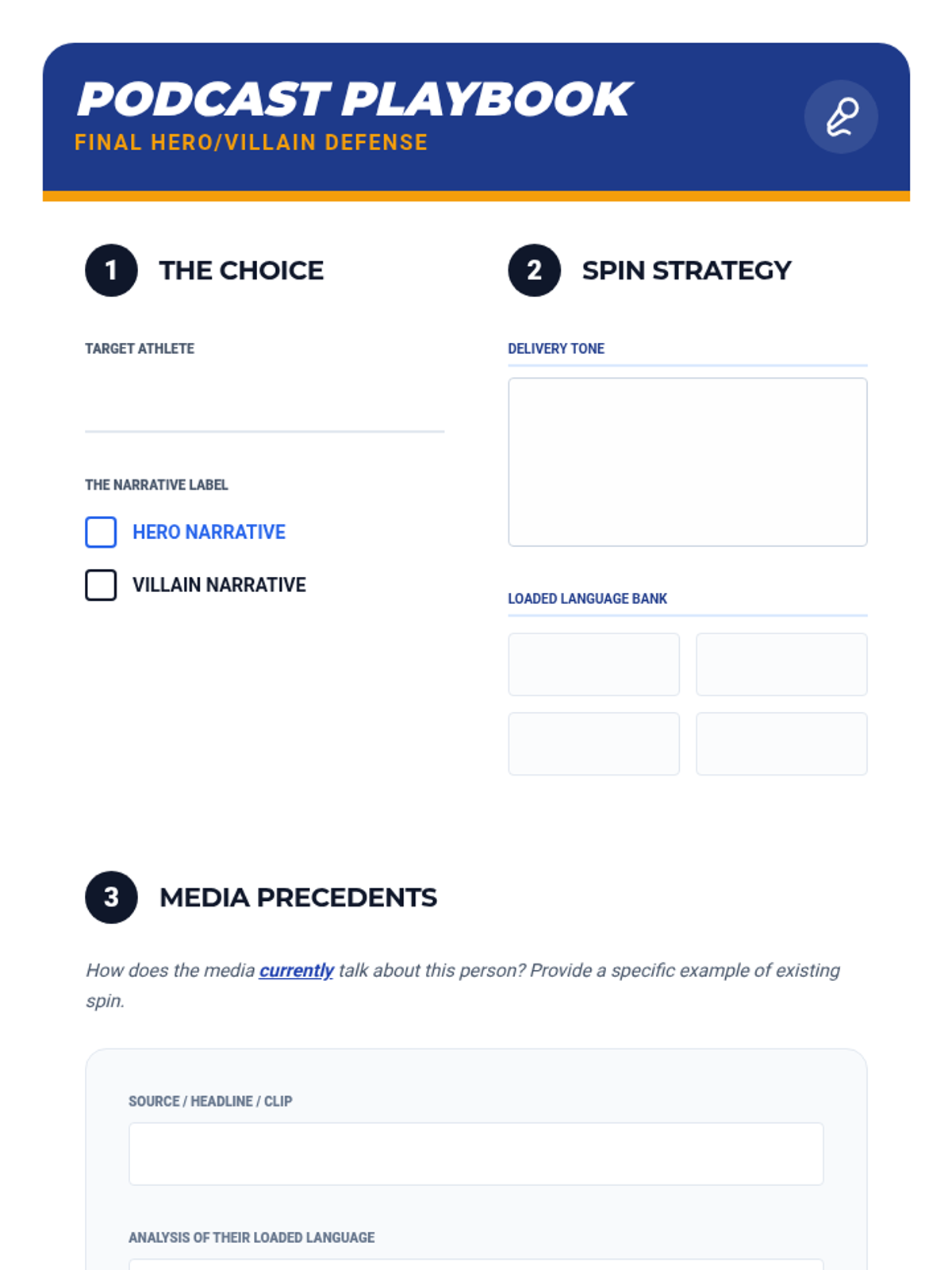
A lesson exploring media spin, tone, and loaded language in sports journalism, using LeBron James's 'The Decision' as a case study to help students prepare for their hero/villain podcast project.
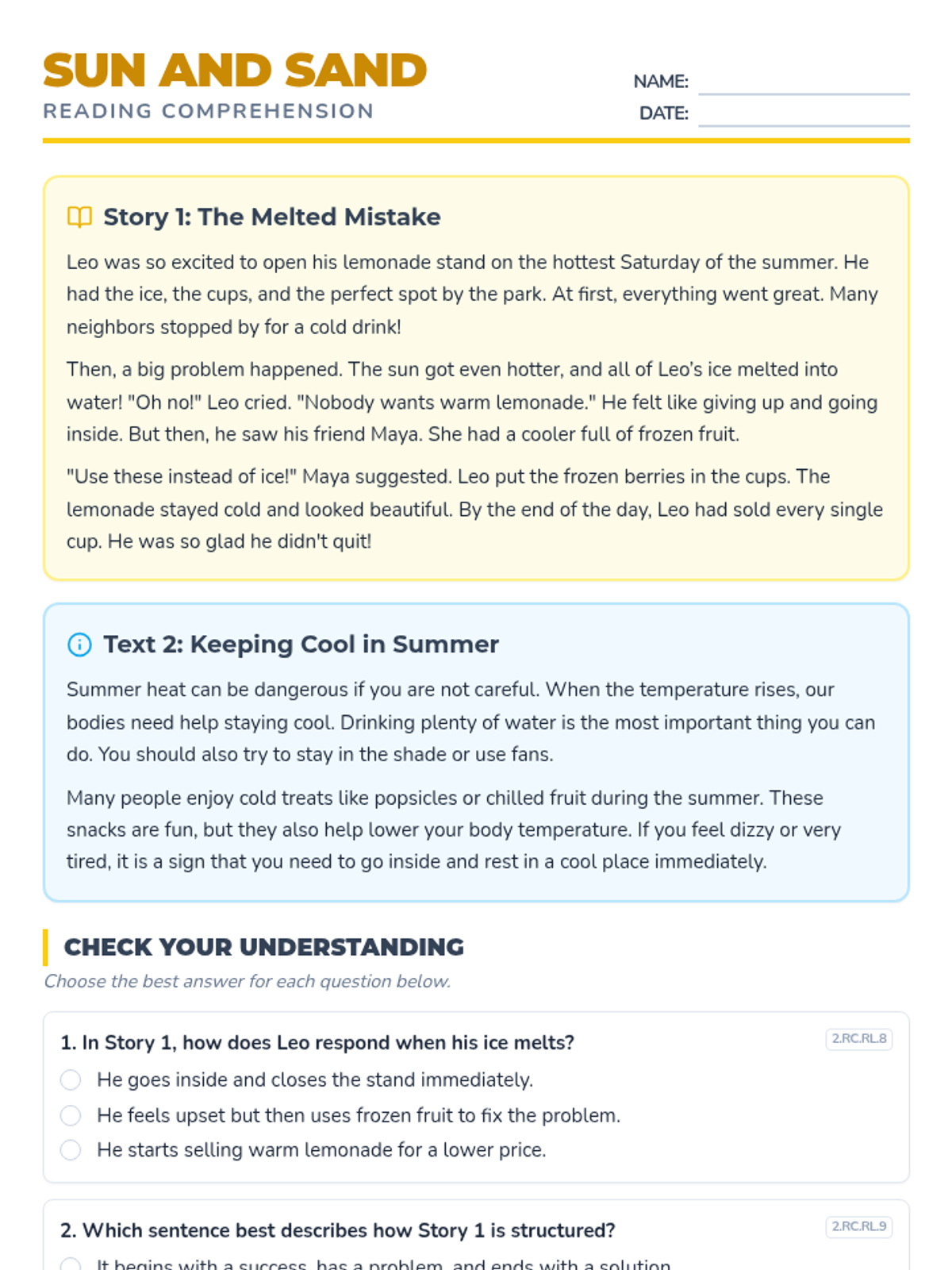
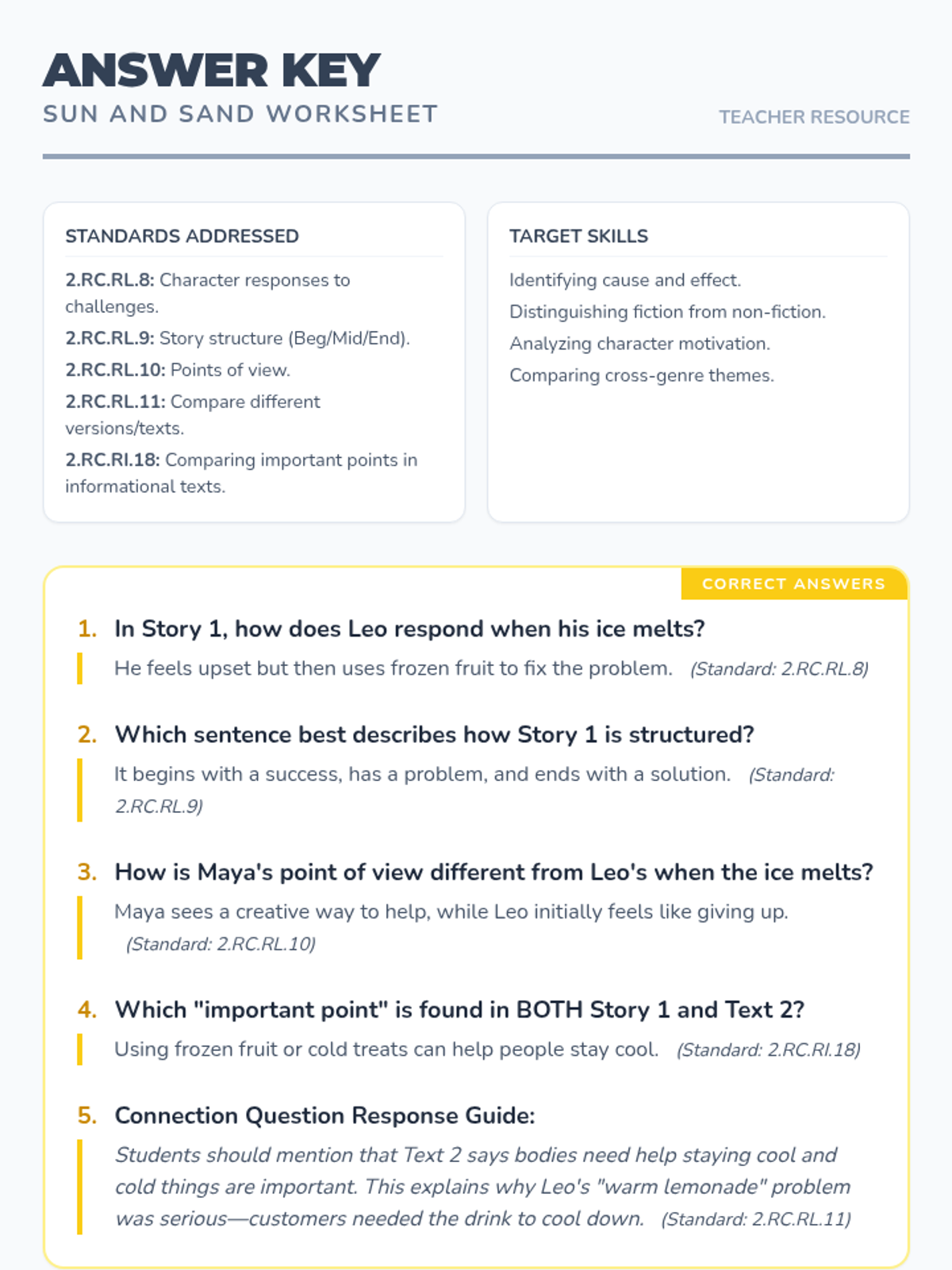
A reading comprehension lesson focused on summer-themed stories, addressing Arkansas second-grade standards for literary and informational texts, including character response, story structure, and point of view.
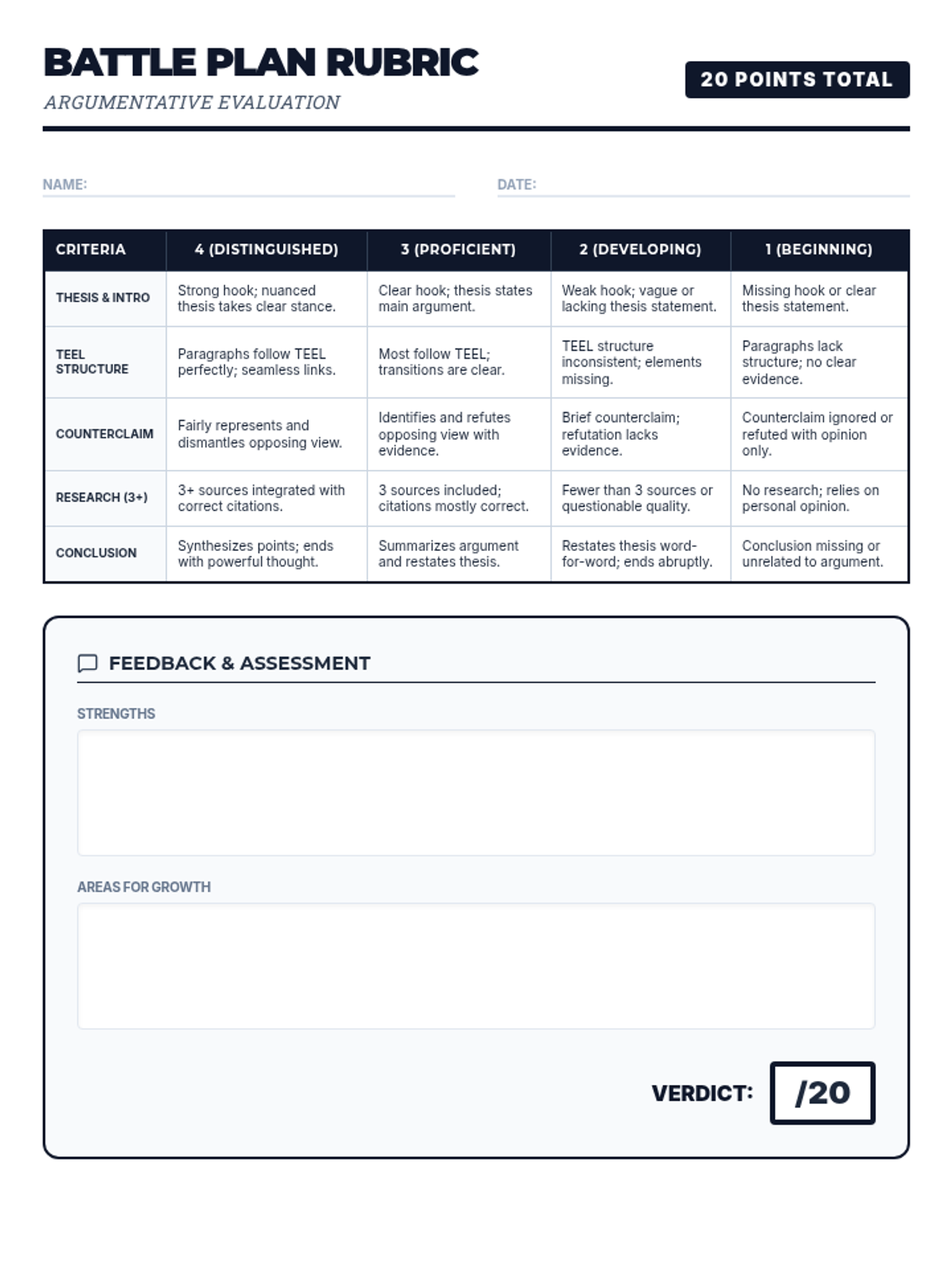
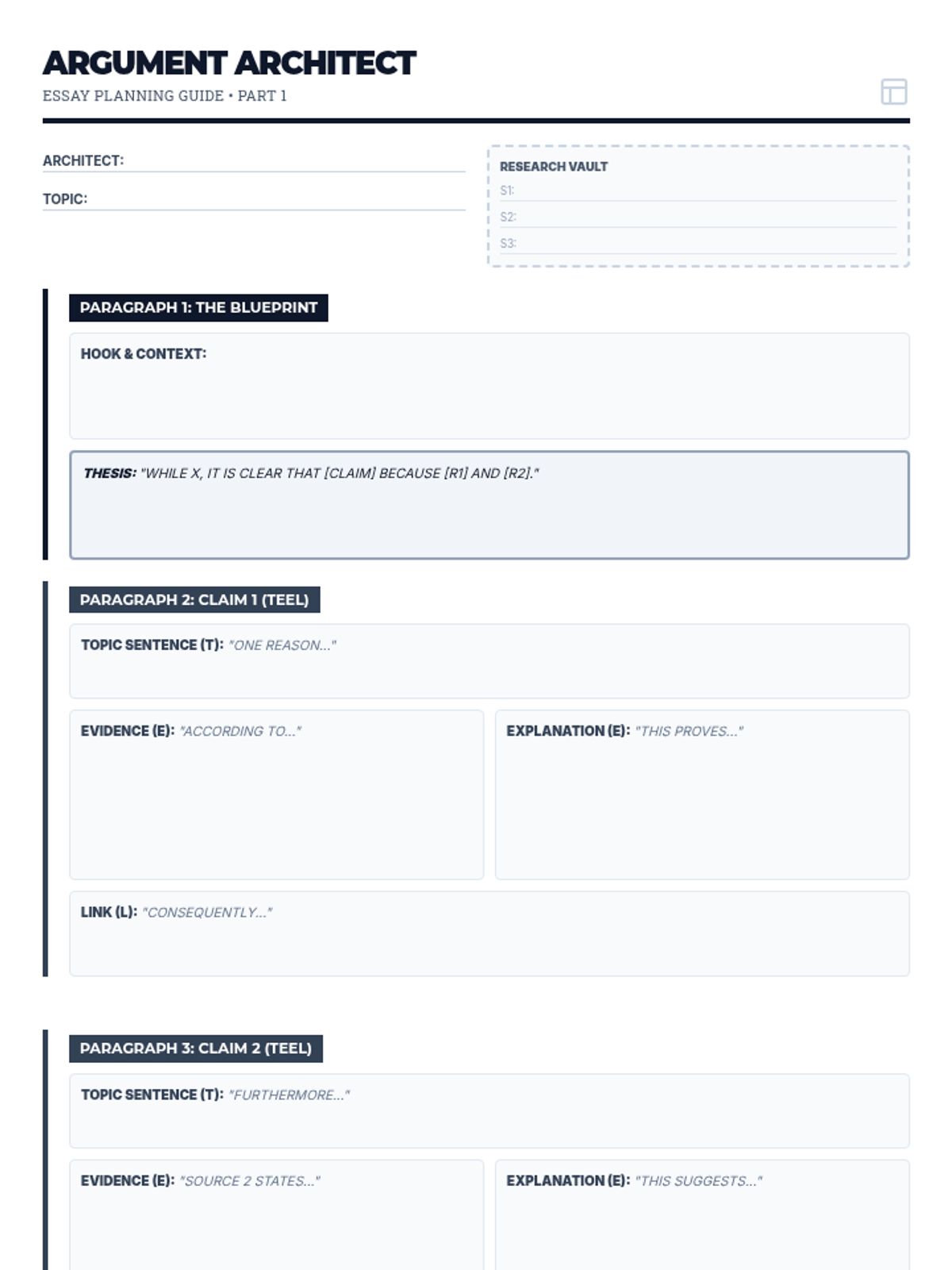
A comprehensive guide for students to plan and evaluate a five-paragraph argumentative essay, focusing on research integration and the refutation of counterclaims using the TEEL structure.
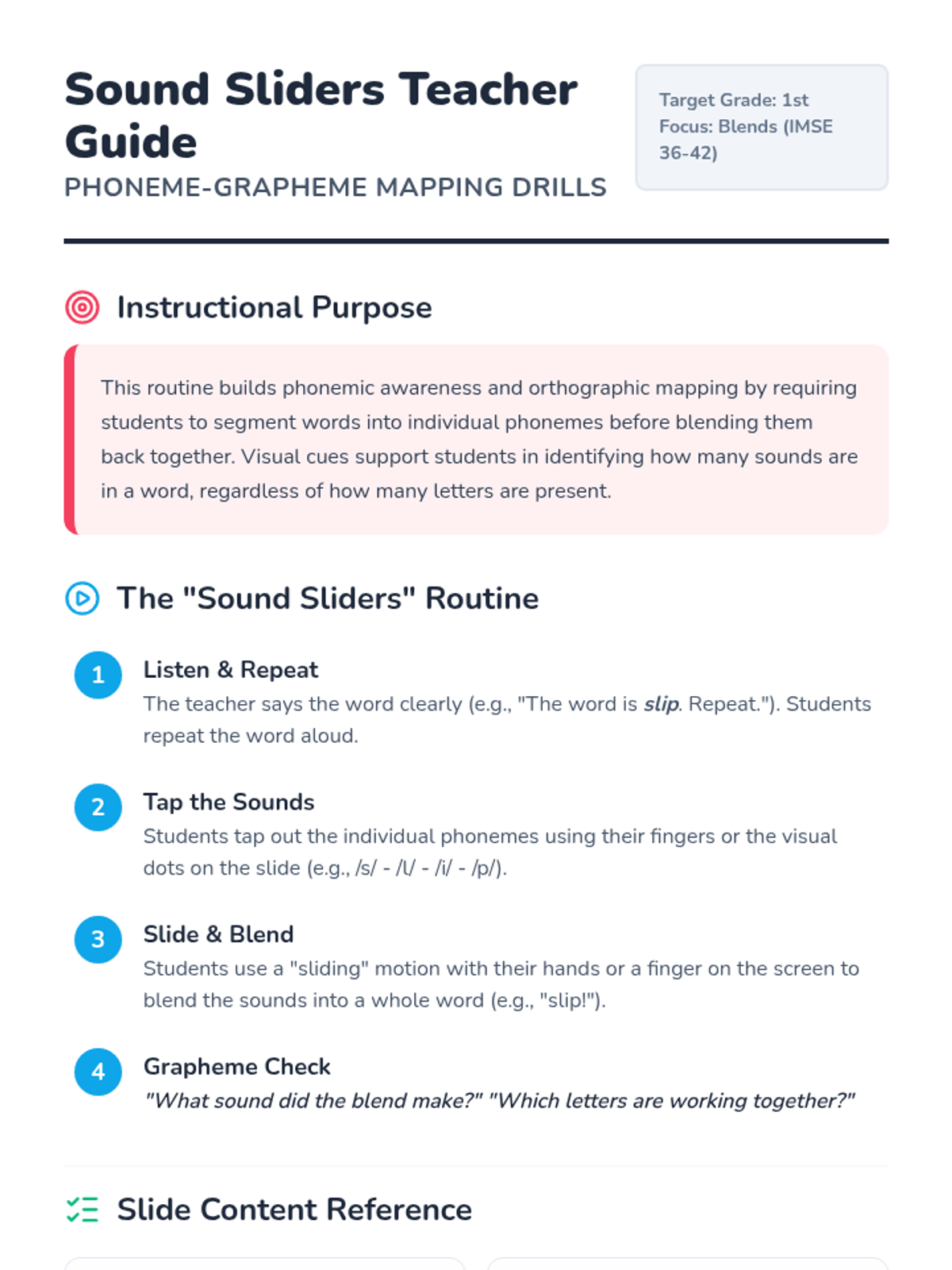
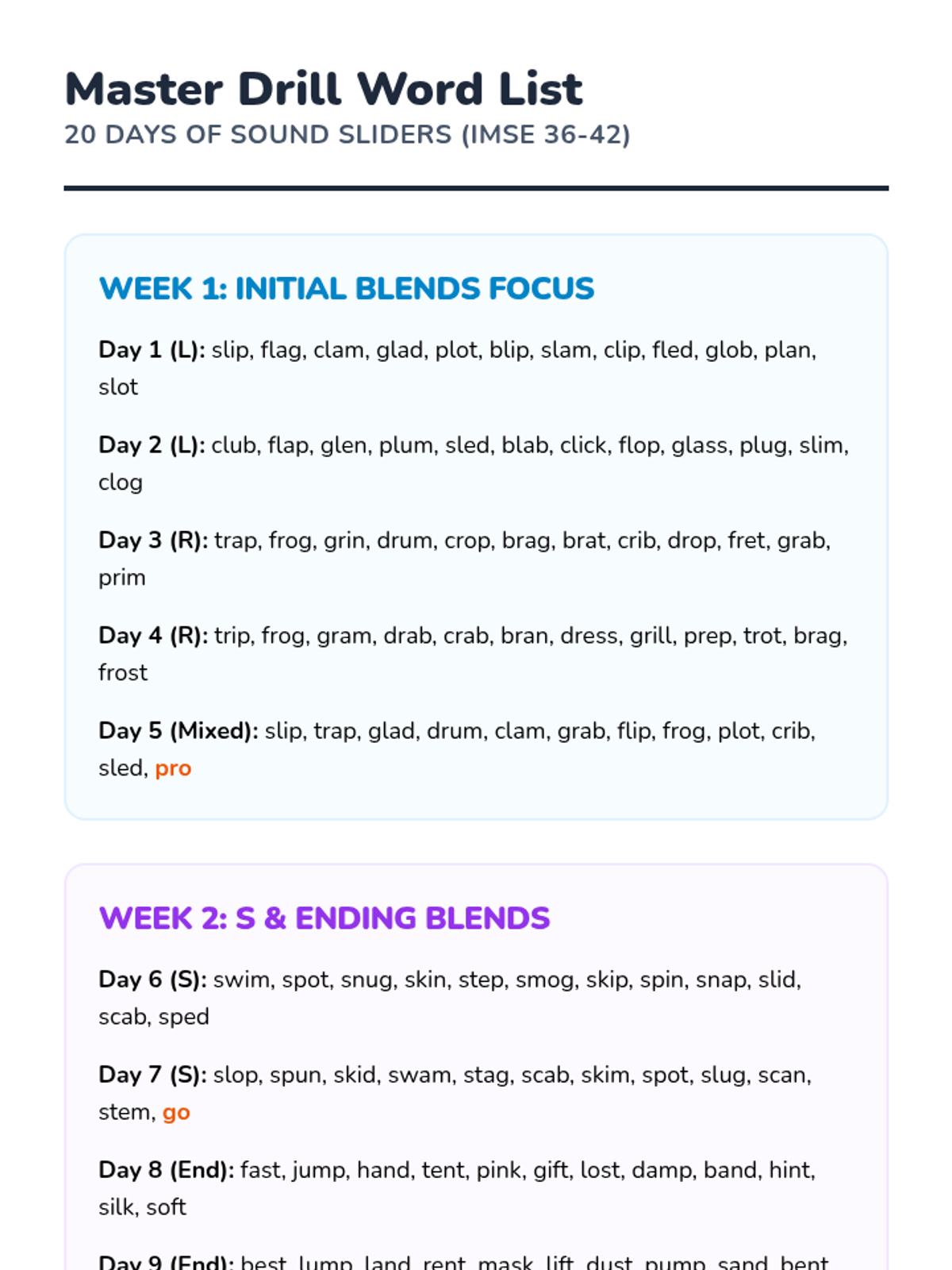
The first week of Sound Sliders drills focusing on initial L-Blends and R-Blends with daily 12-word practice sets.
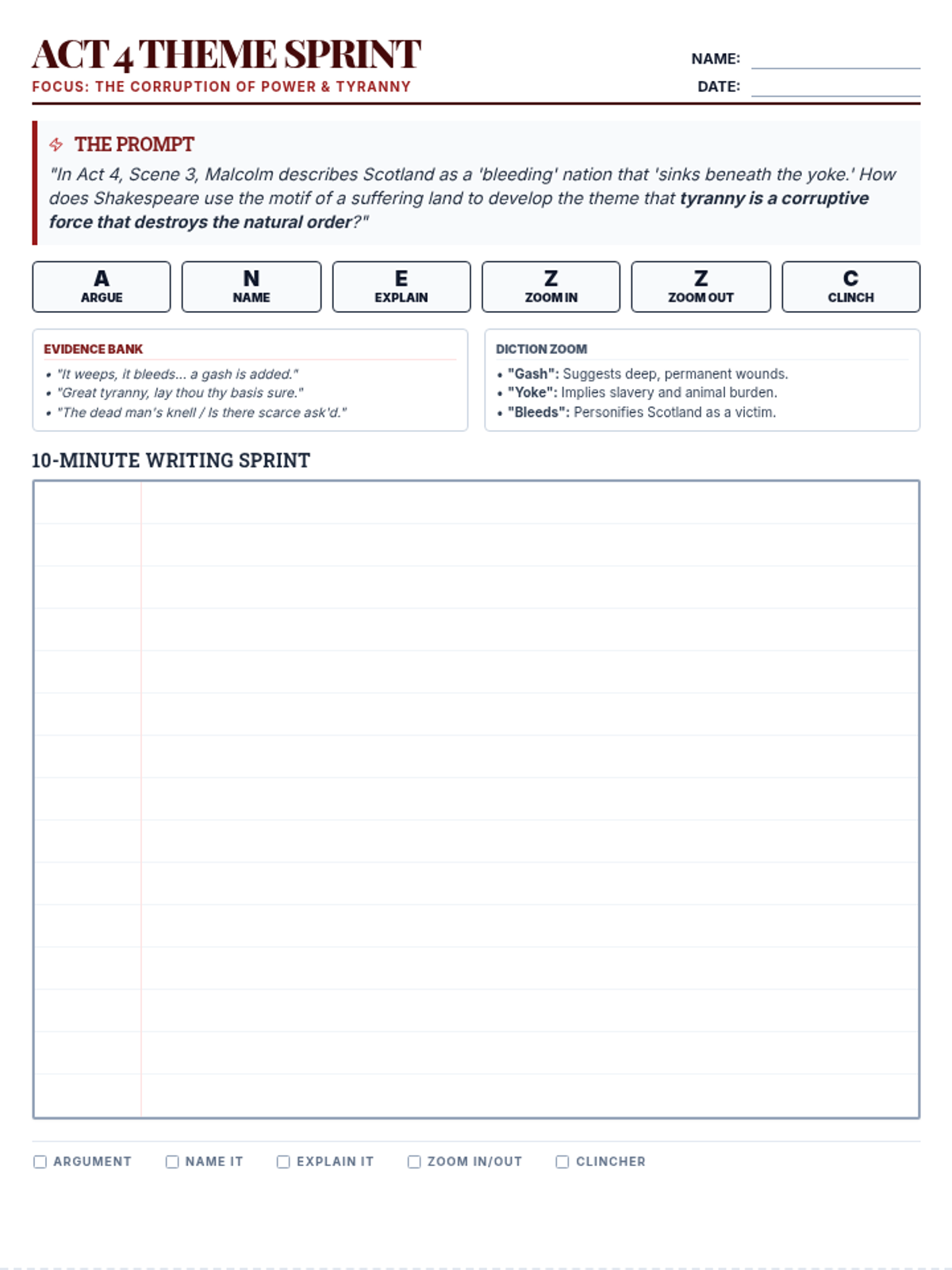
Analyzing the effects of tyranny and the role of fate in Act 4, focusing on refined A-NEZZ-C paragraphs with college-ruled writing spaces.
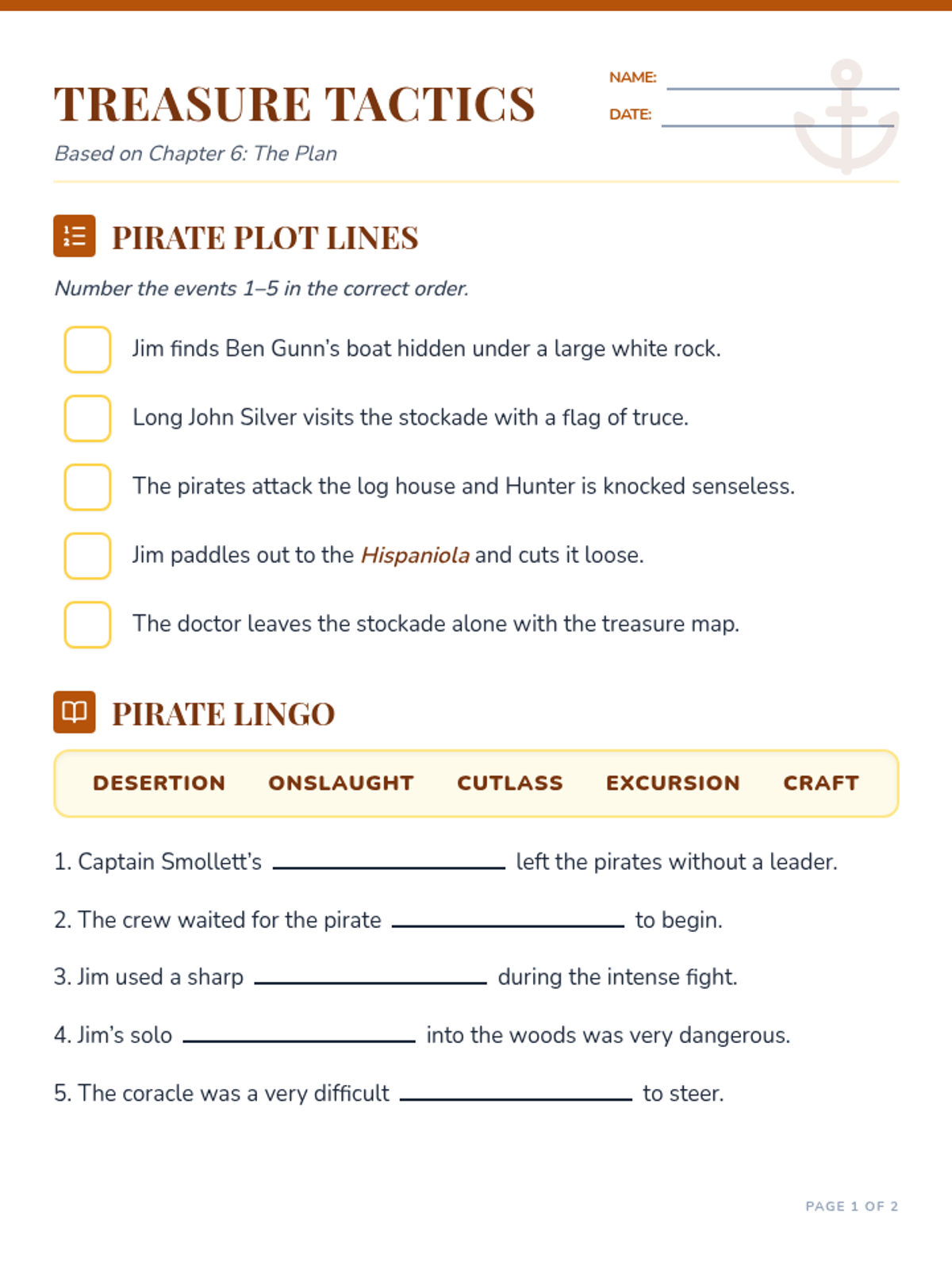
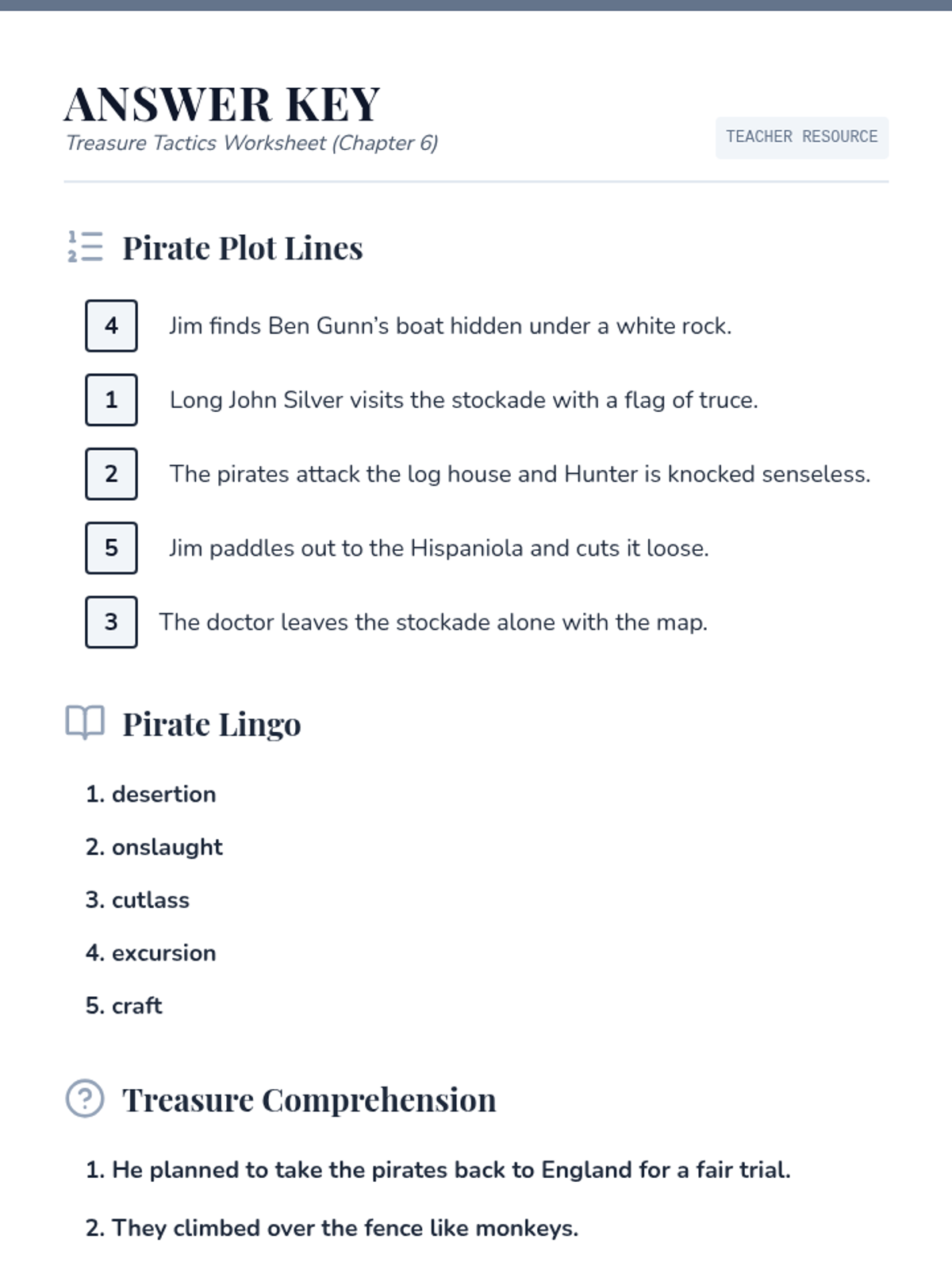
A lesson covering Chapter 6 of Treasure Island, focusing on comprehension, sequencing, and vocabulary through a reading-based worksheet.
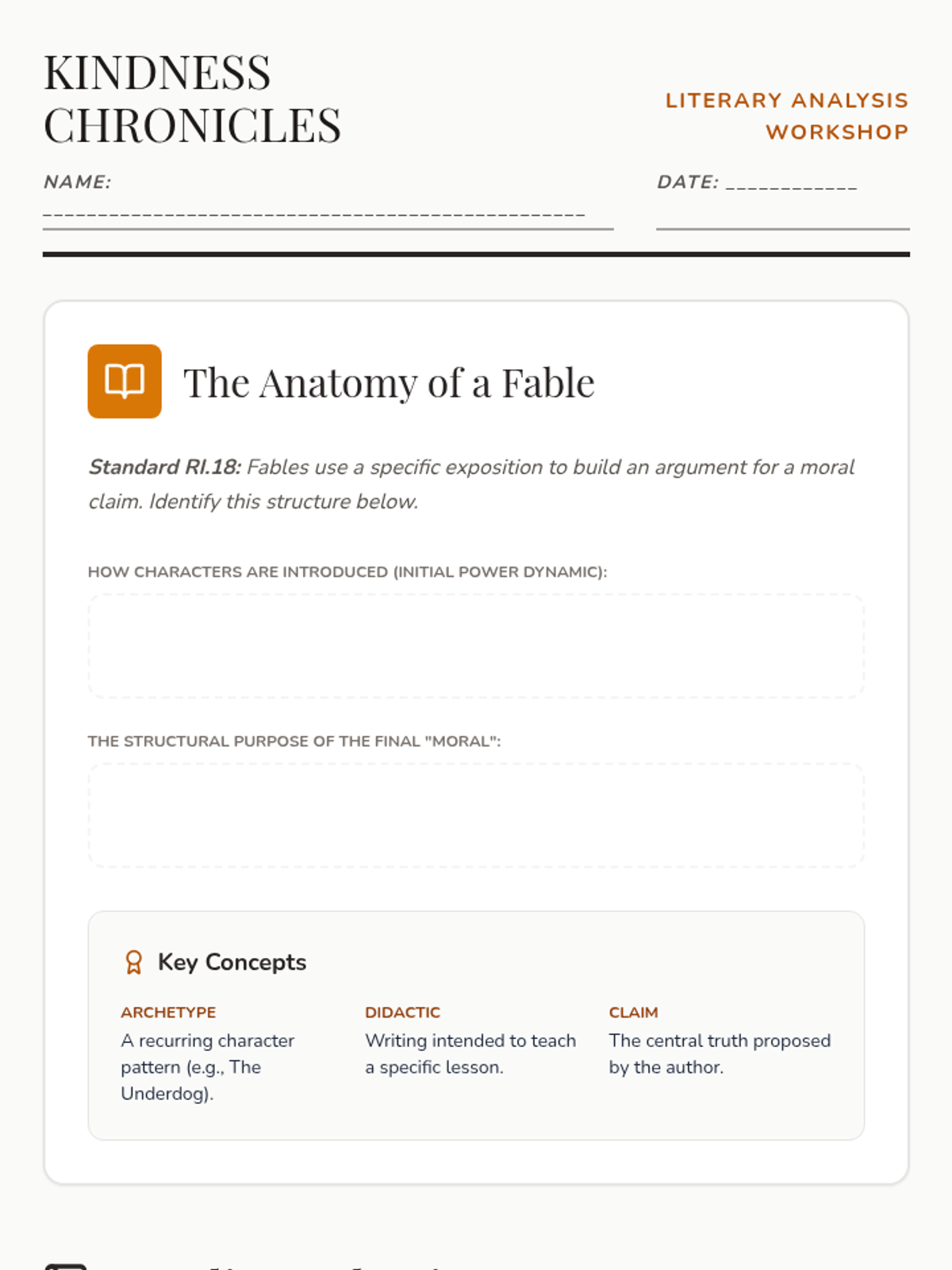
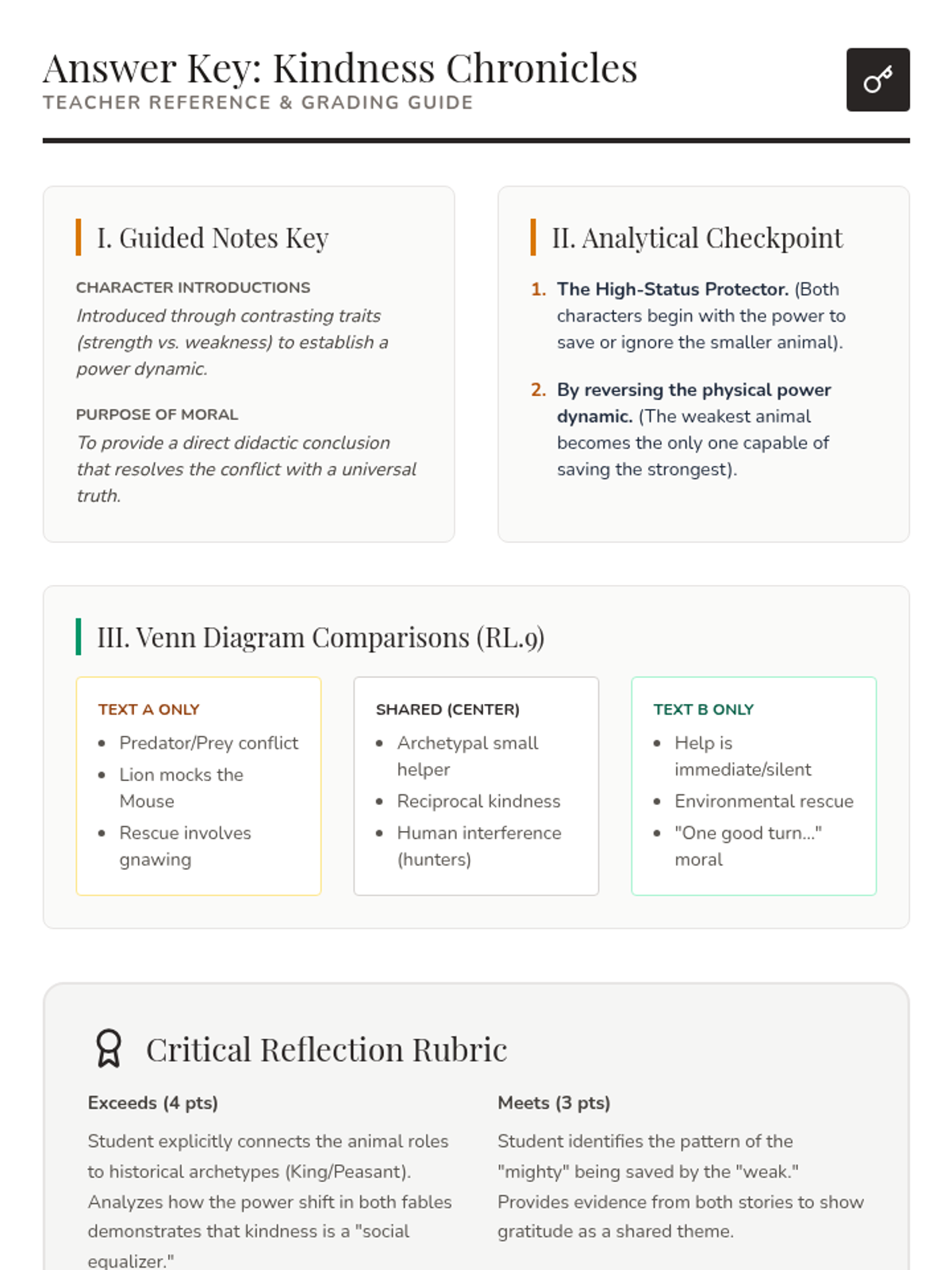
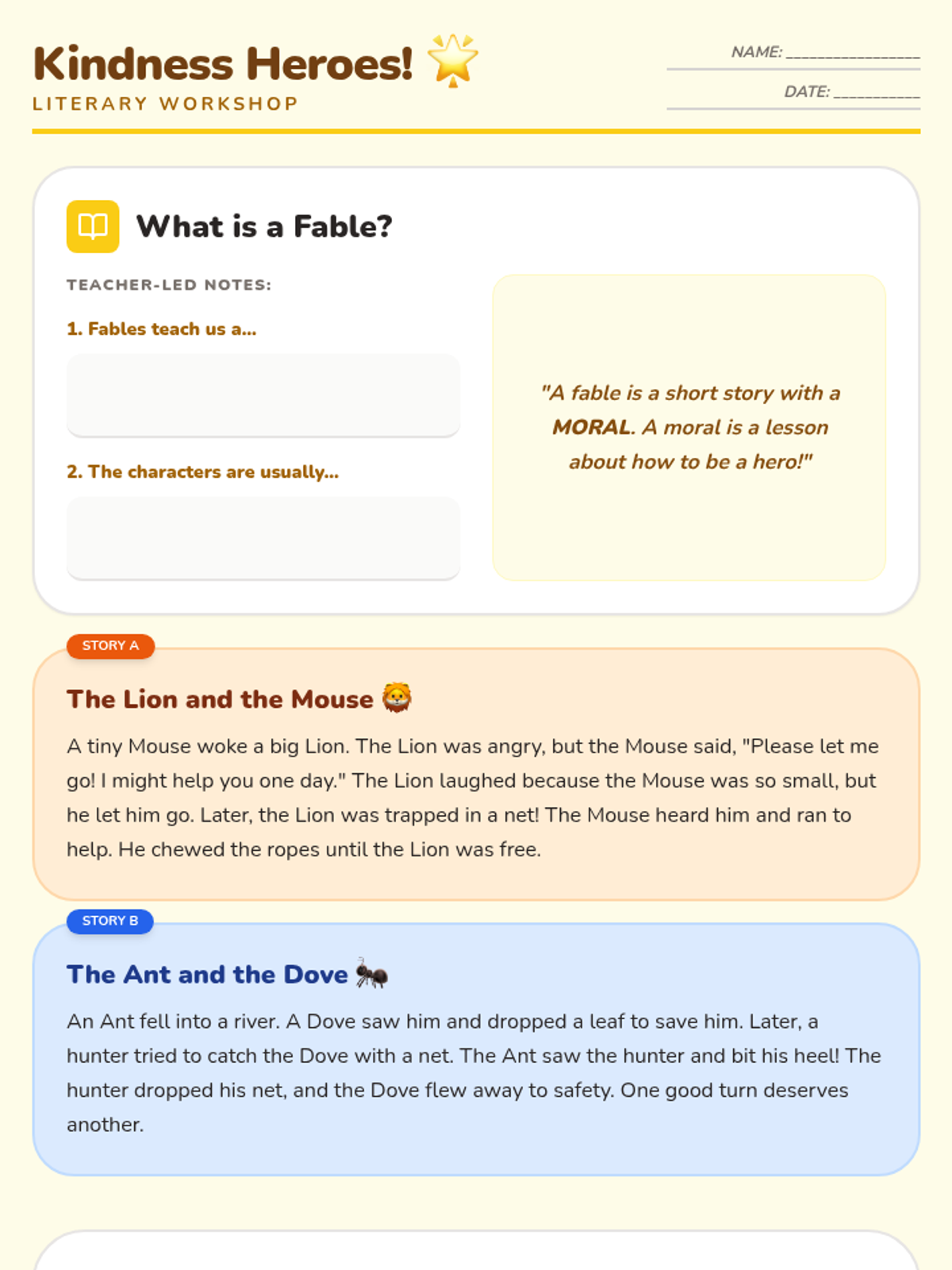
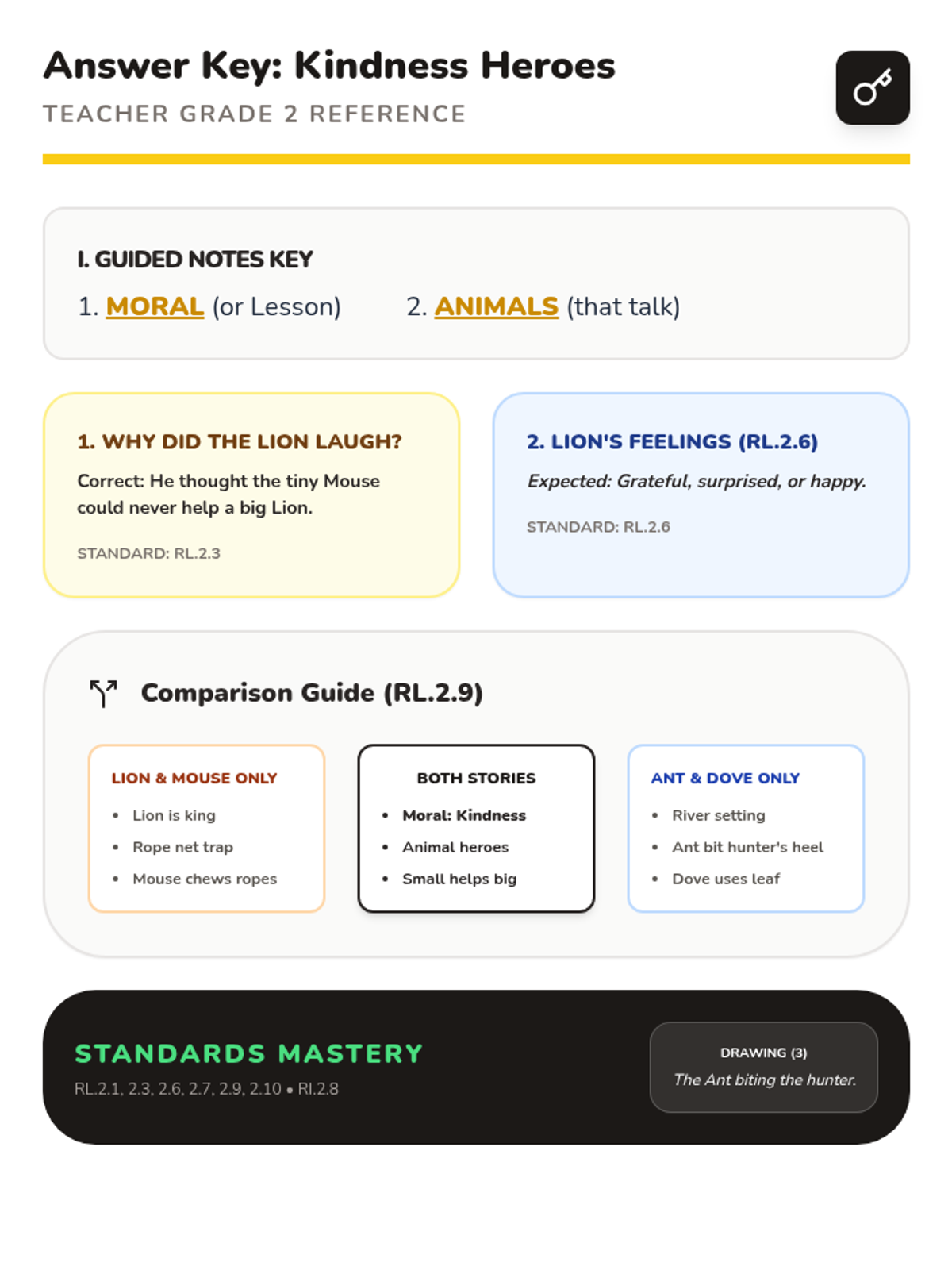
An introduction to fables for second graders, focusing on how characters help each other and the lessons we can learn about kindness.
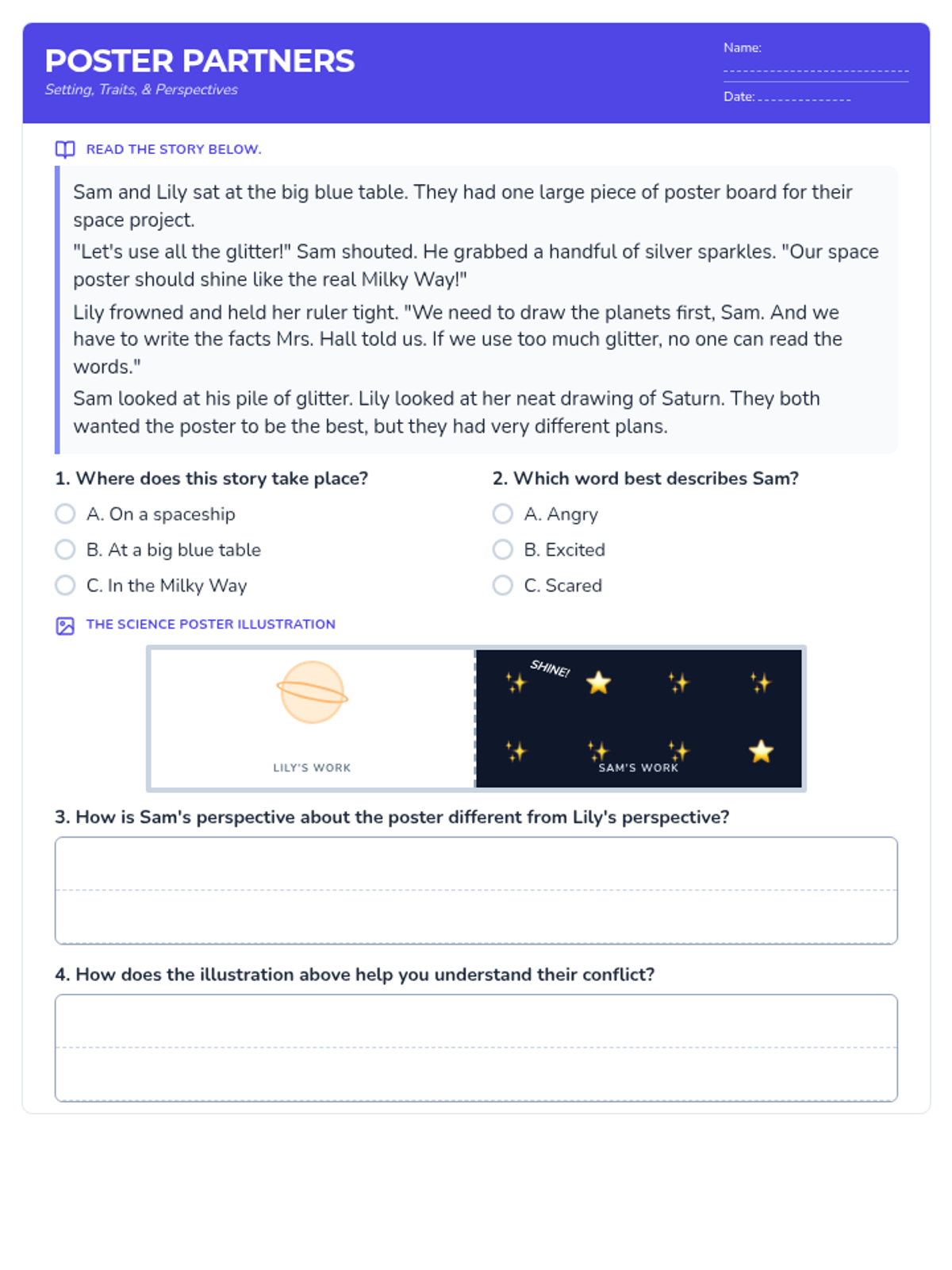
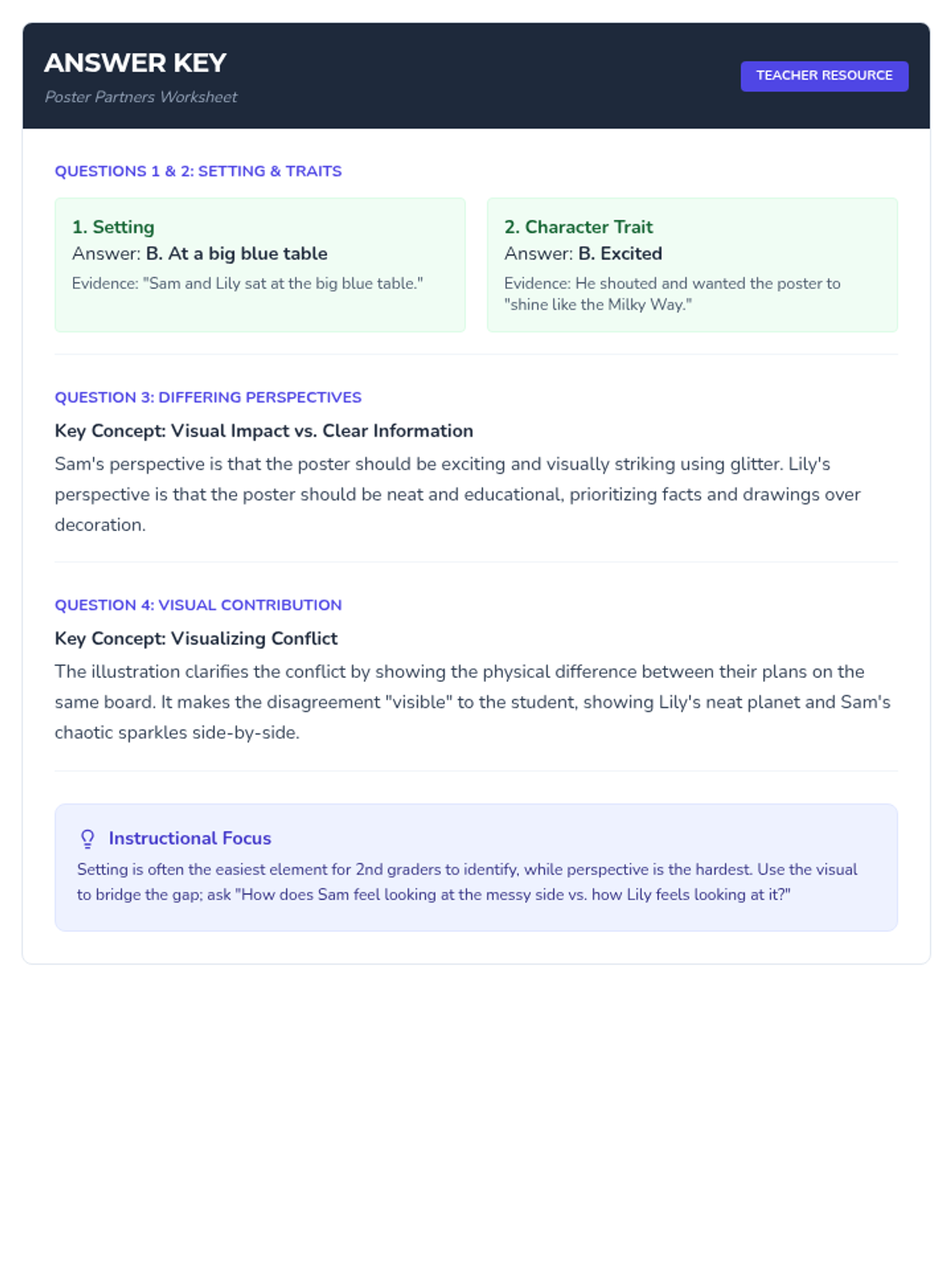
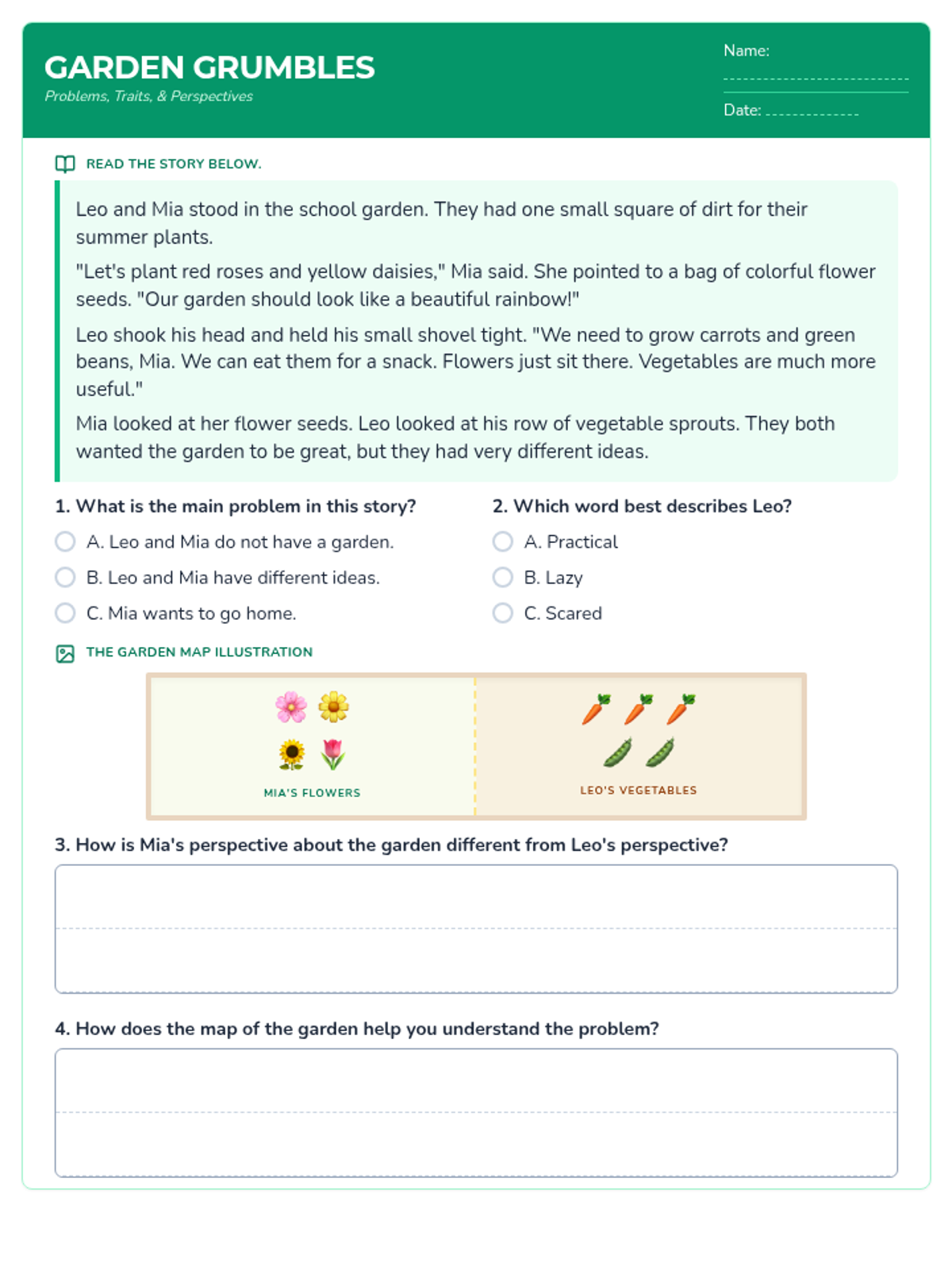
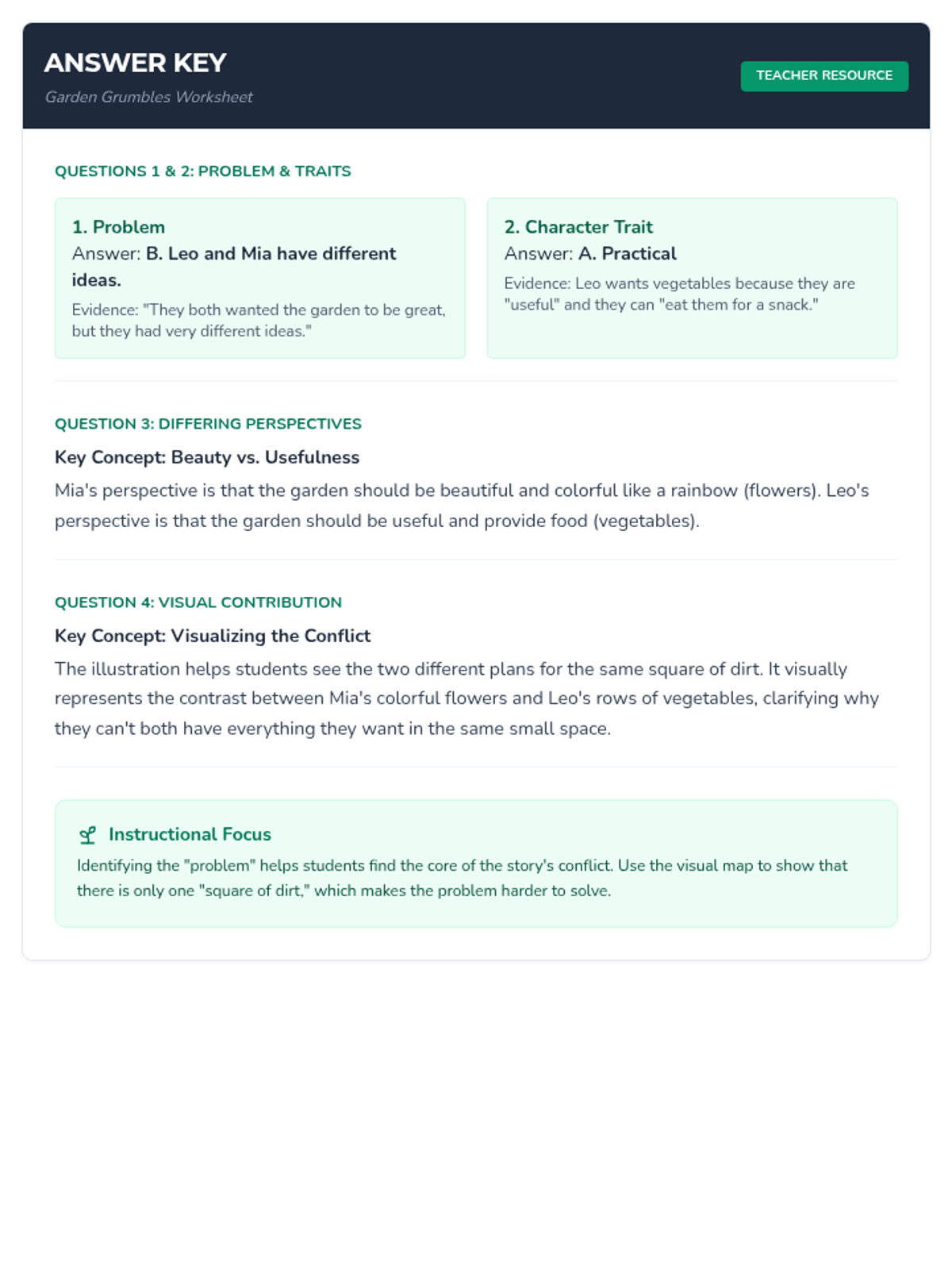
A 2nd-grade reading comprehension lesson focusing on character traits, varying perspectives, and the role of illustrations in storytelling. Students read a short passage about two classmates with different artistic visions and analyze their interactions.
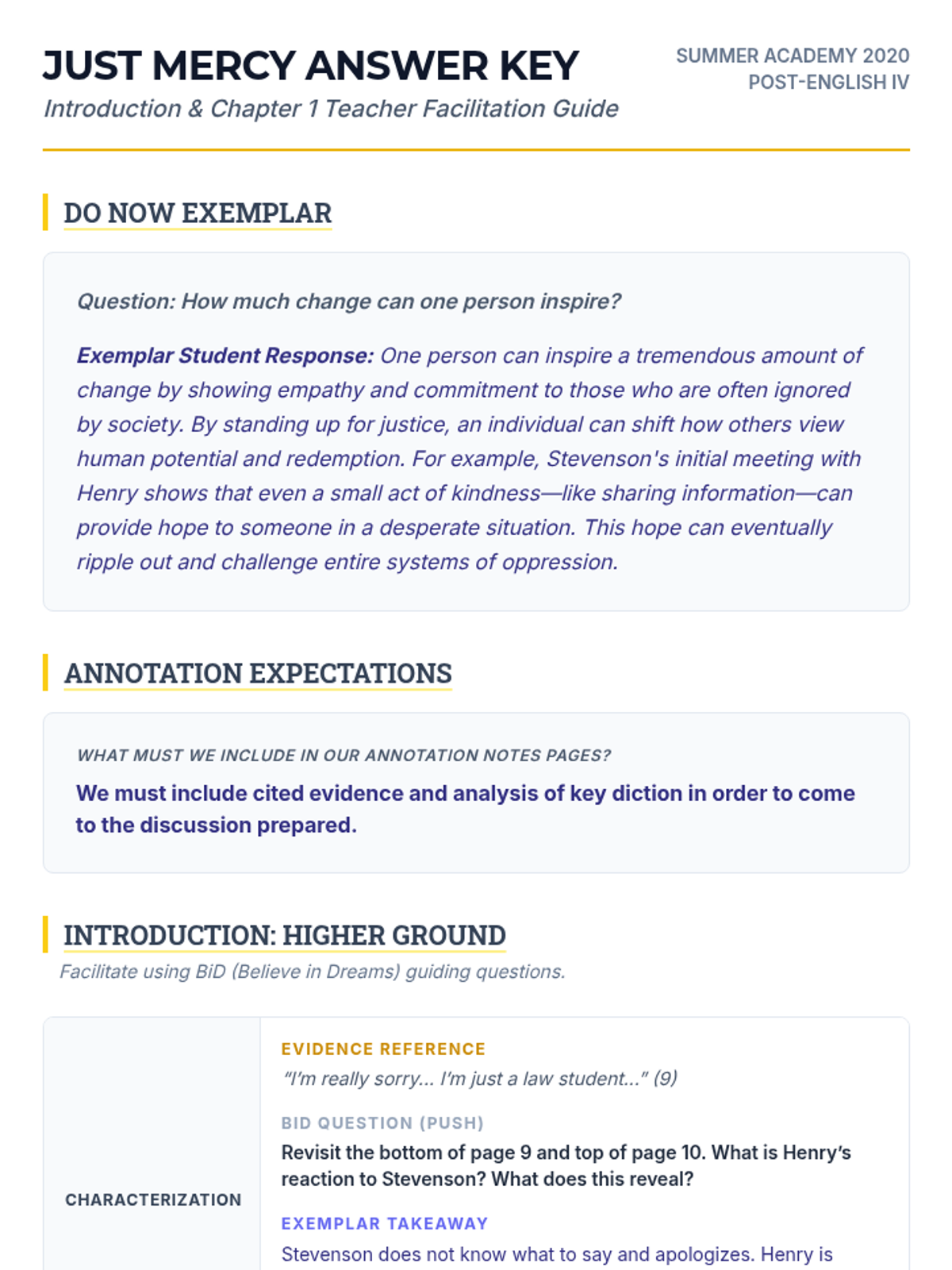
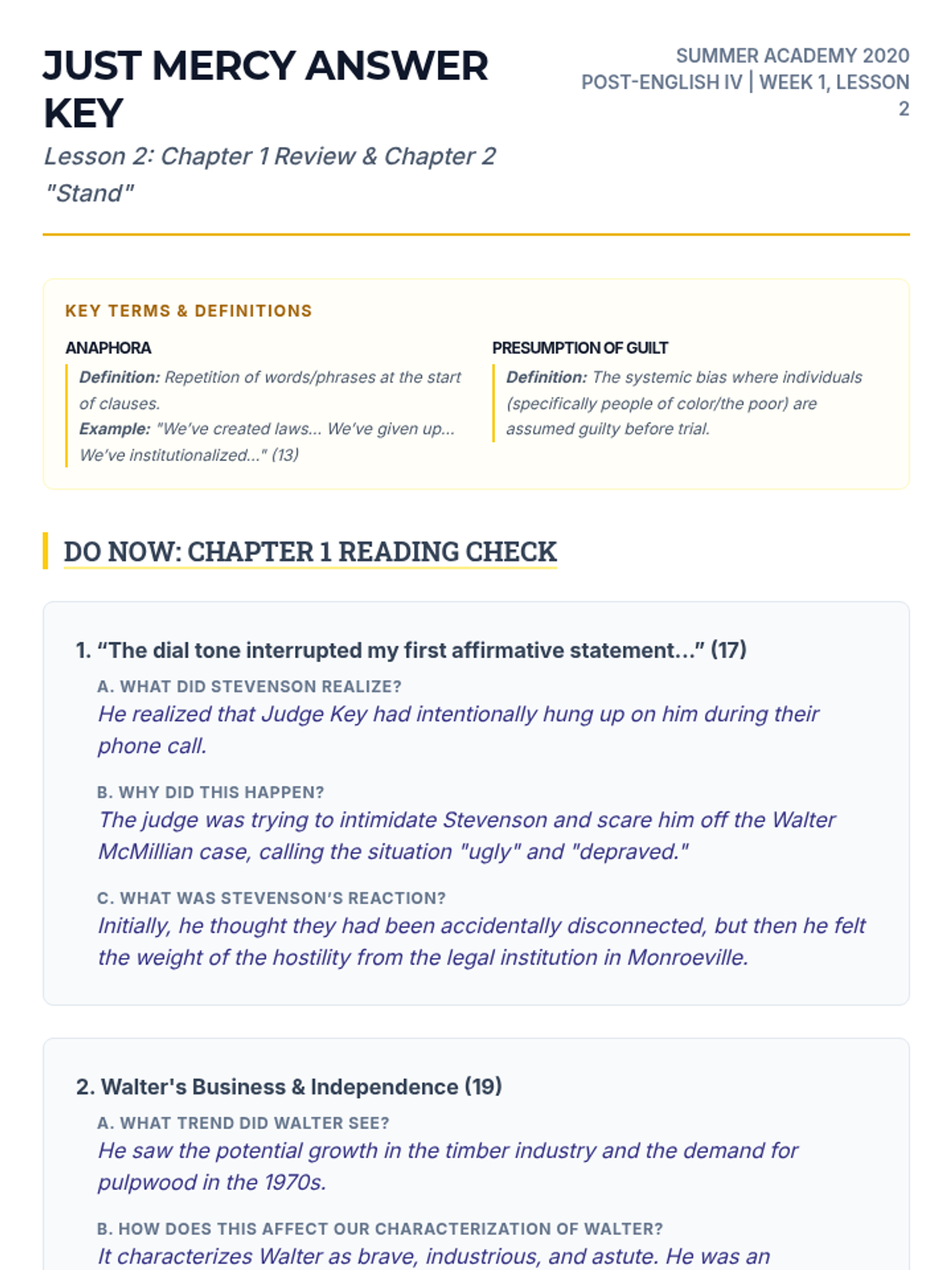
This lesson introduces students to Bryan Stevenson's Just Mercy, focusing on the characterization of Stevenson and the themes of justice and poverty introduced in the introduction and first chapter.
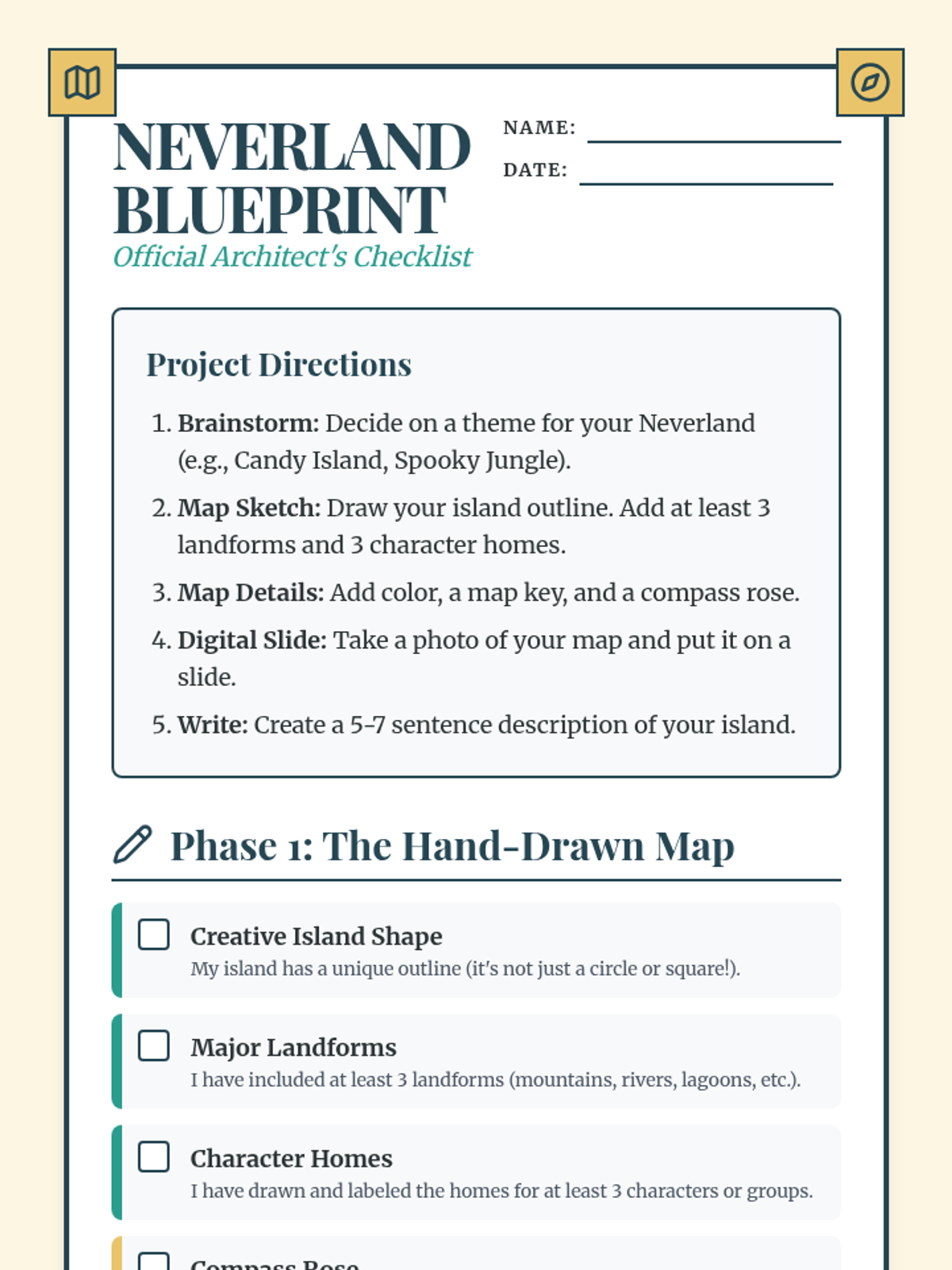
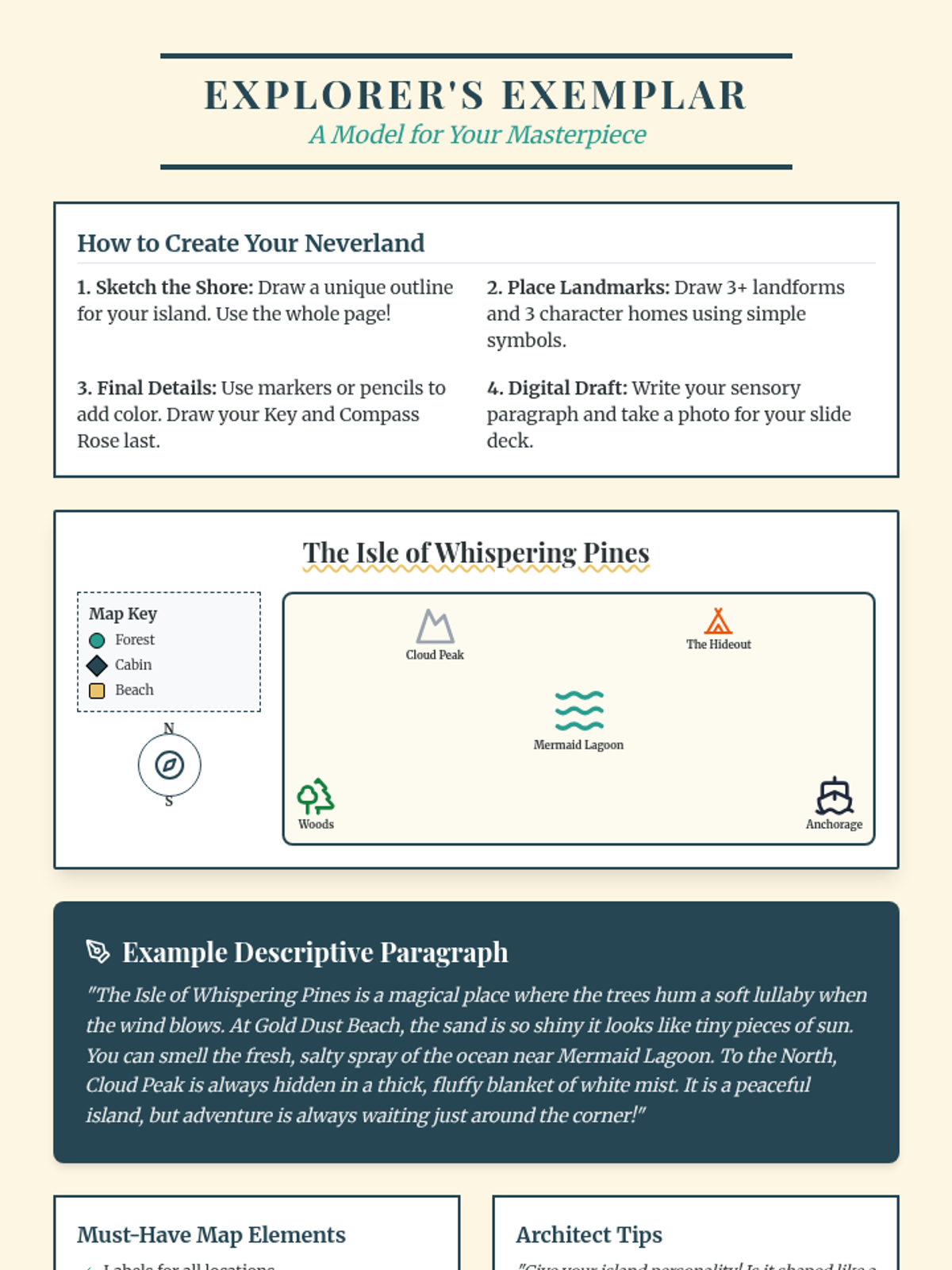
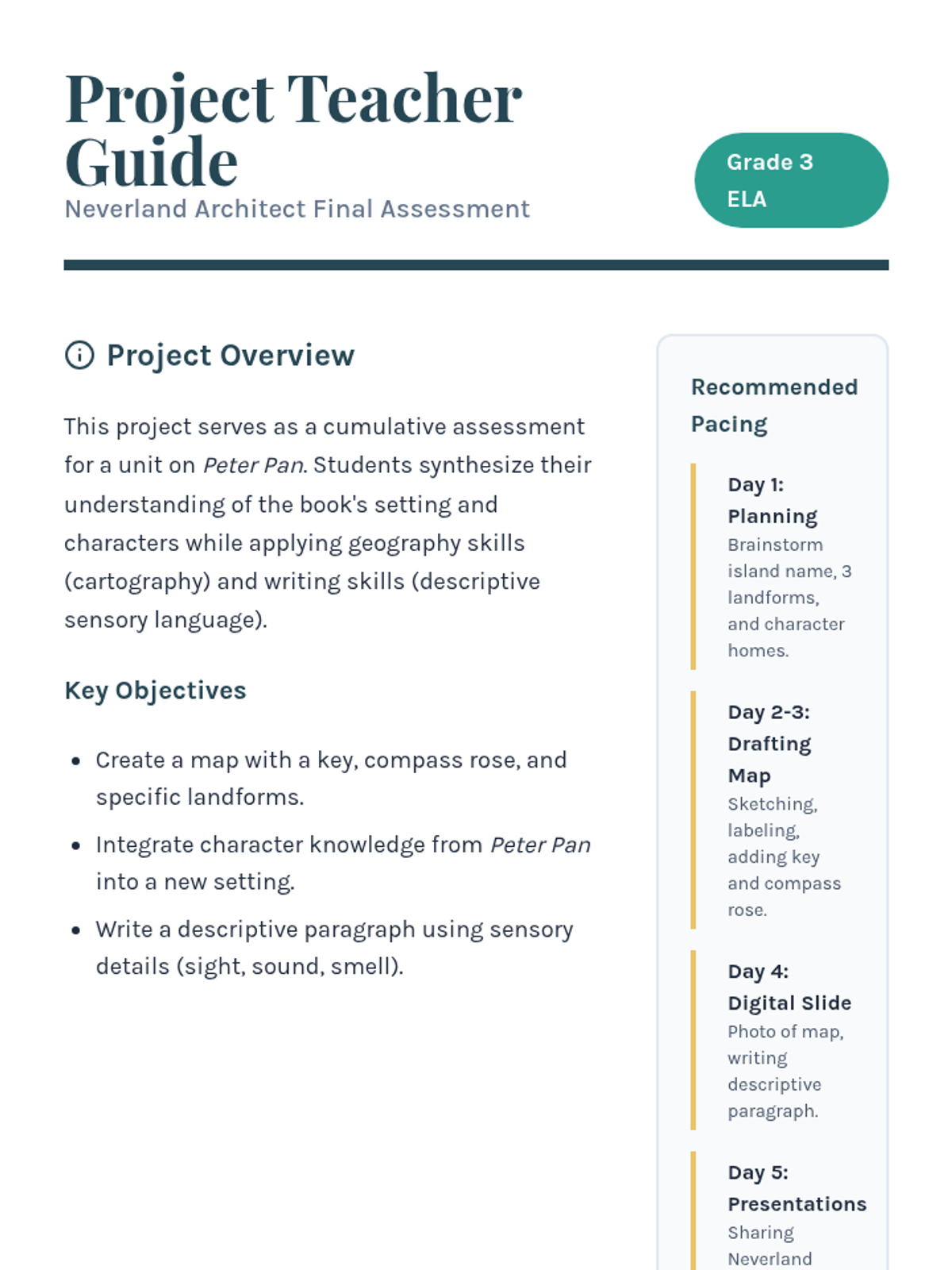
A creative final project for 3rd graders following the reading of "Peter Pan," where students design their own version of Neverland through cartography and digital storytelling.
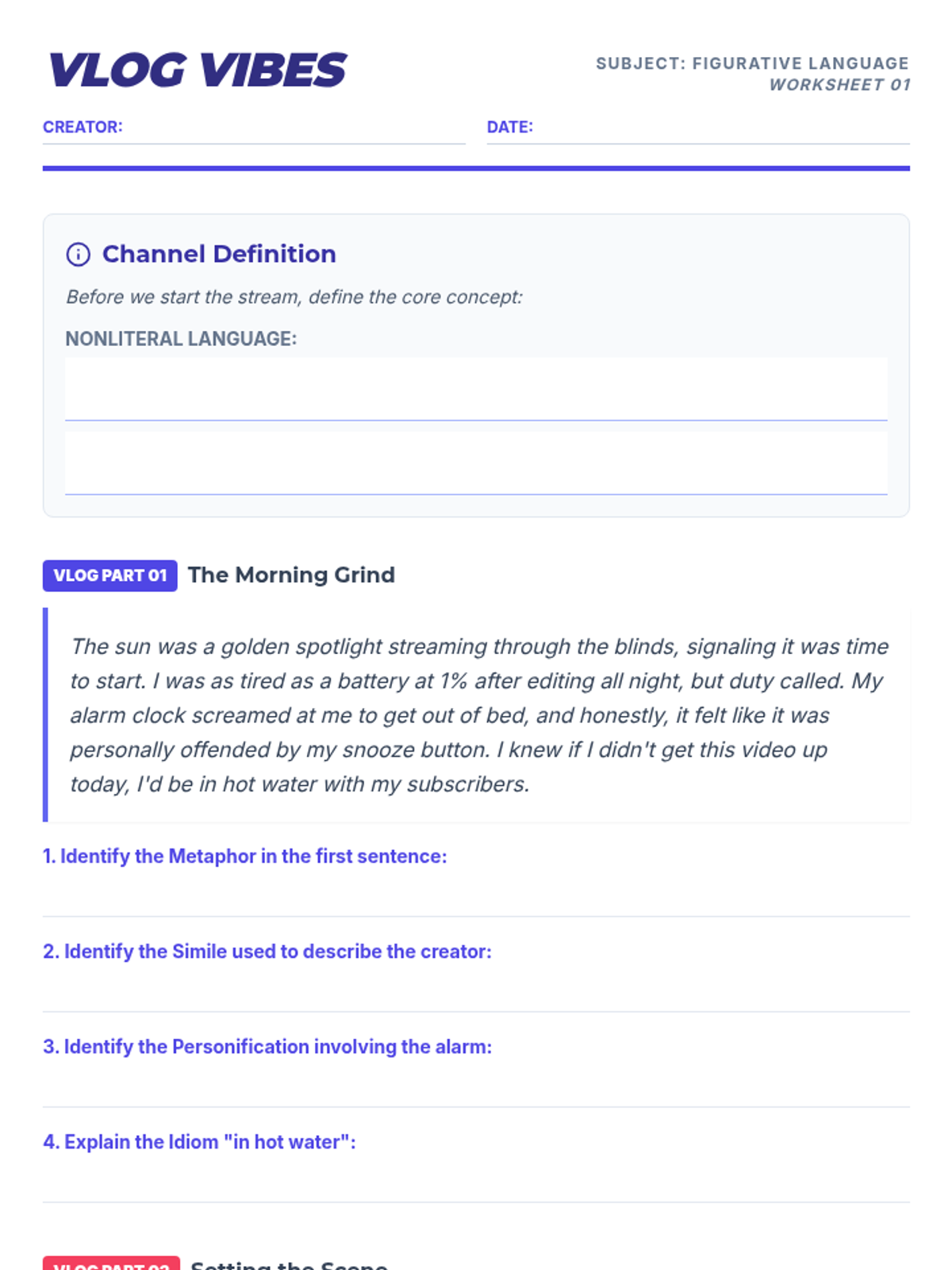
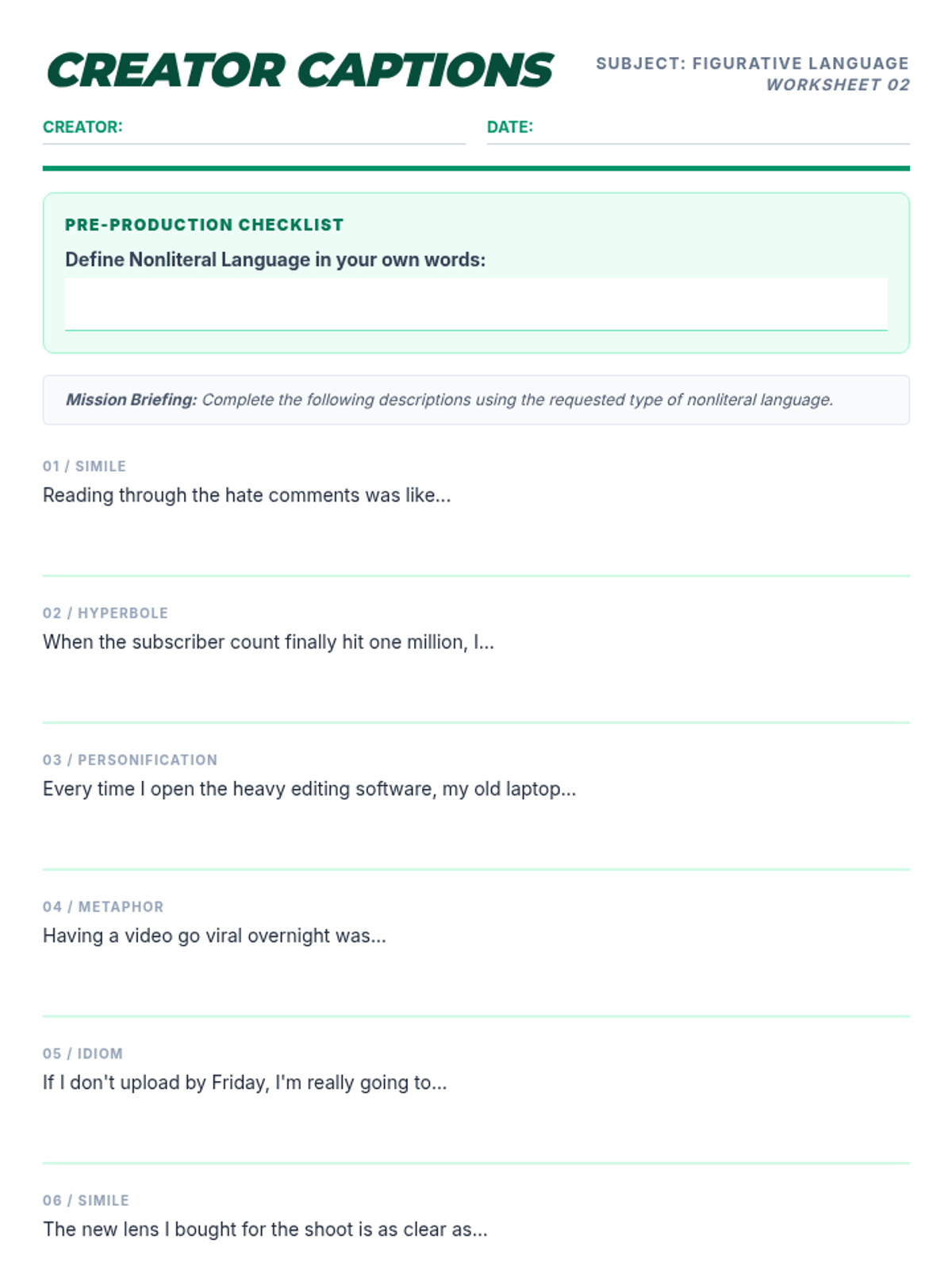
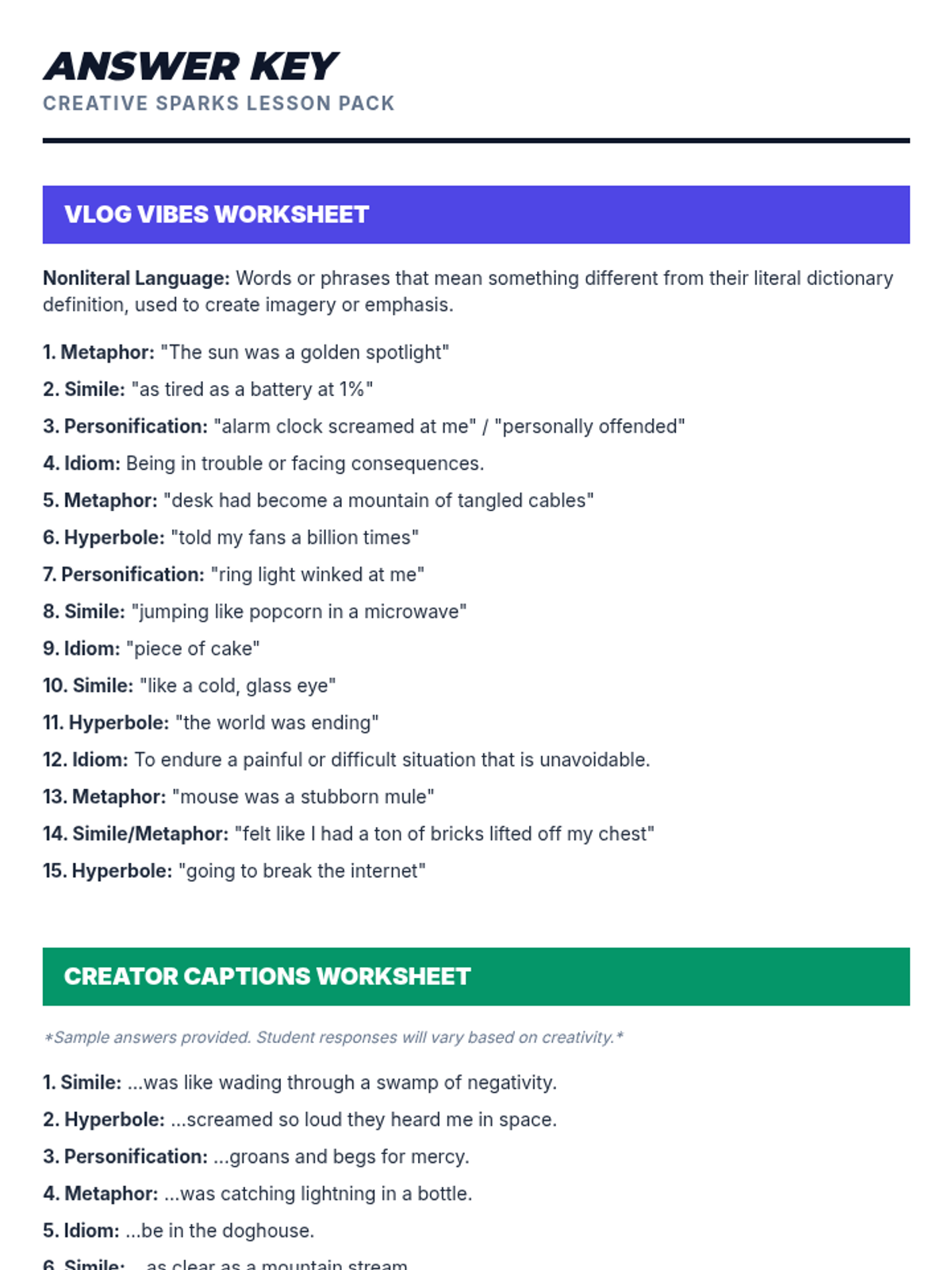
A high-energy lesson exploring nonliteral language through the lens of digital content creation, helping students identify and use idioms, metaphors, similes, personification, and hyperbole in context.
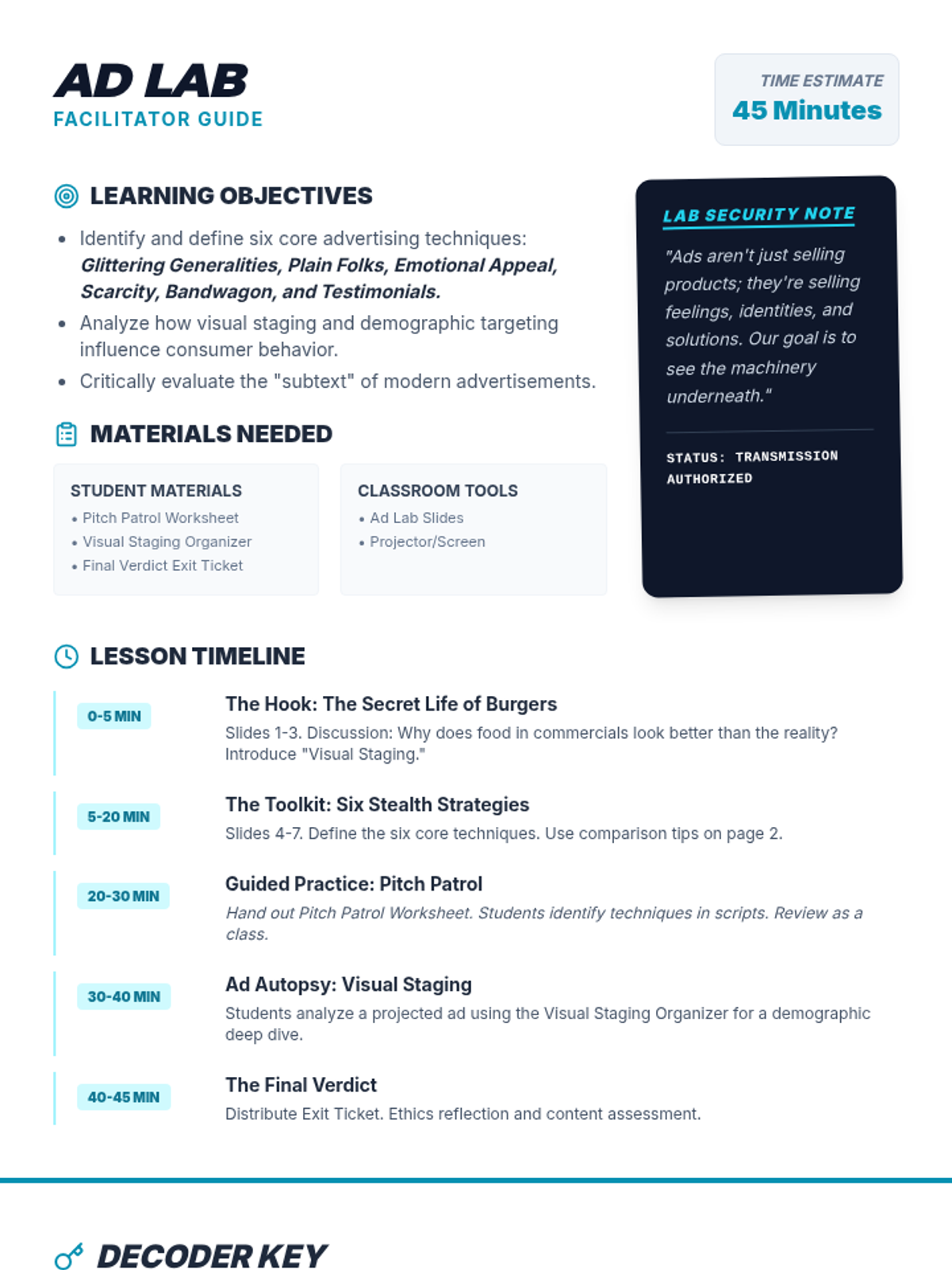
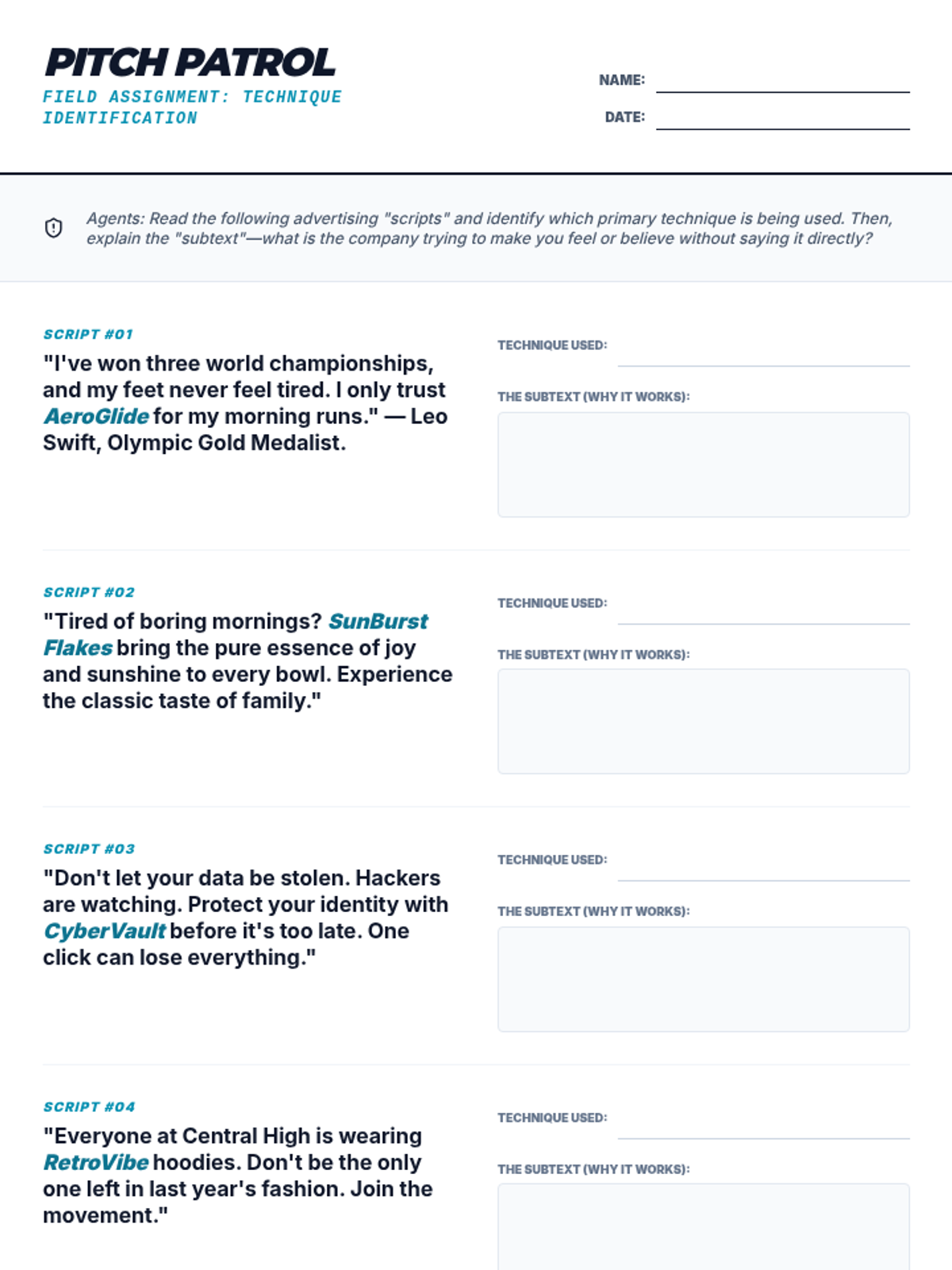
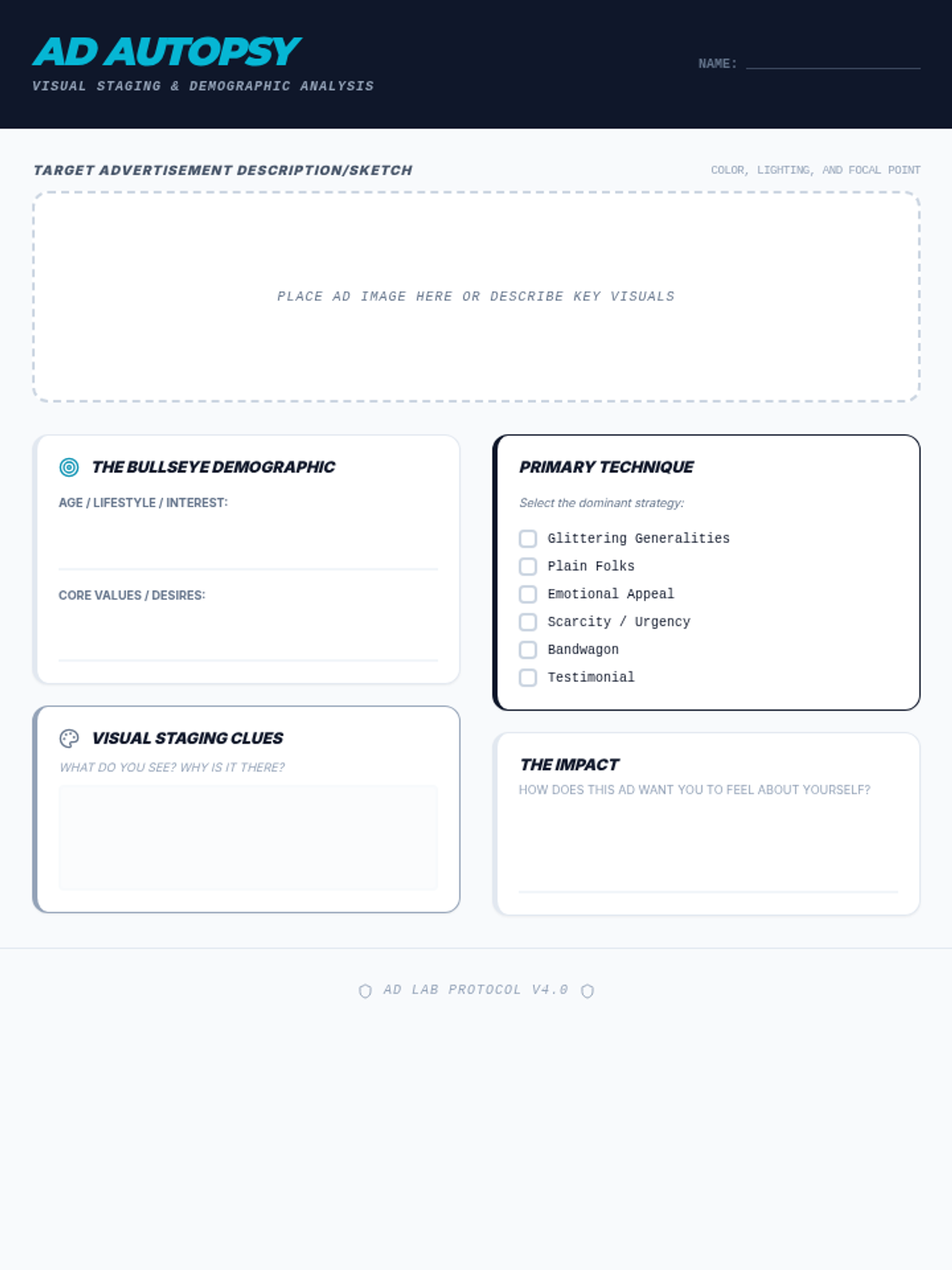
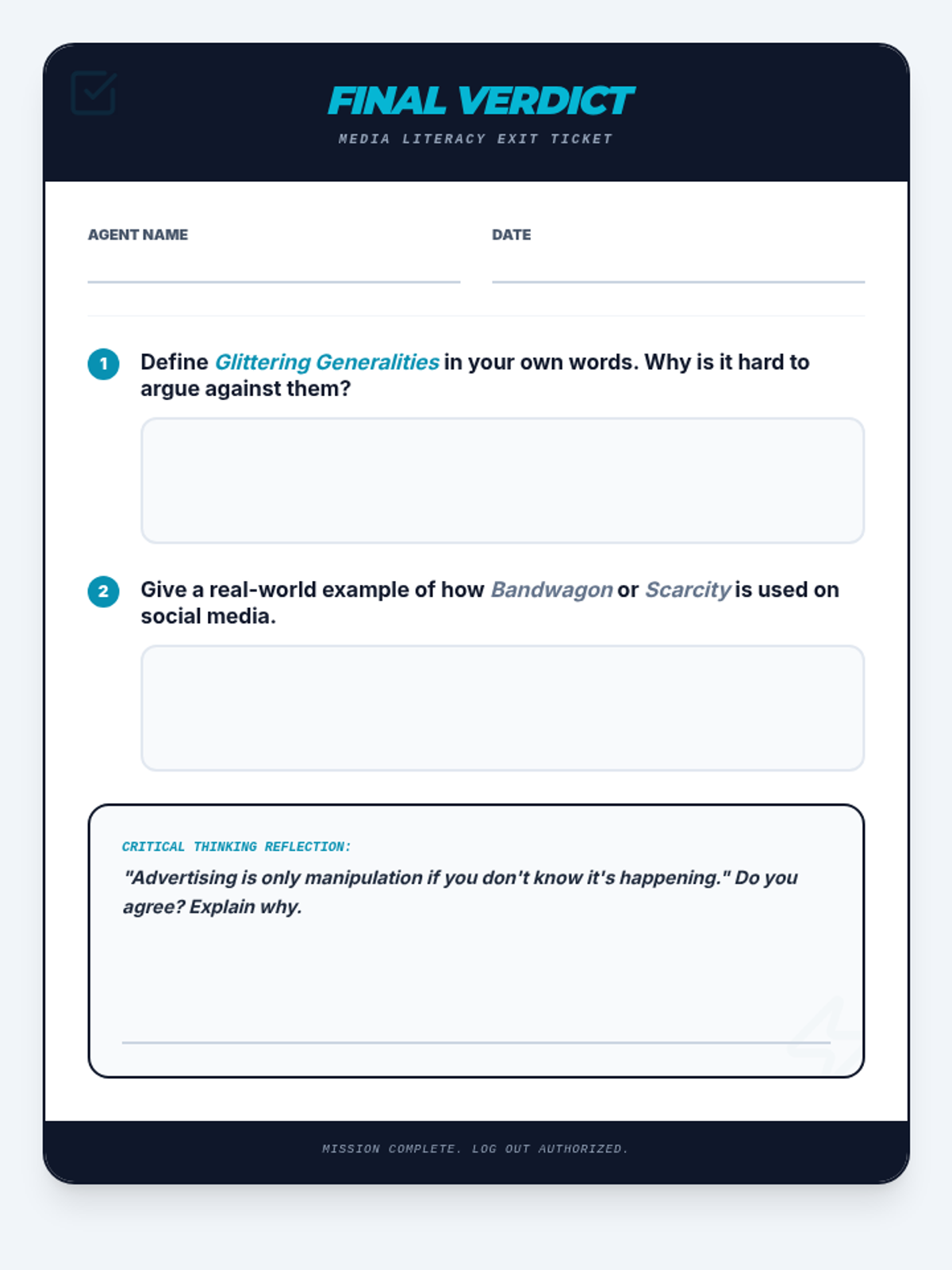
A 45-minute media literacy lesson where students deconstruct advertising techniques, analyze target demographics, and uncover visual staging tactics to become savvy consumers.
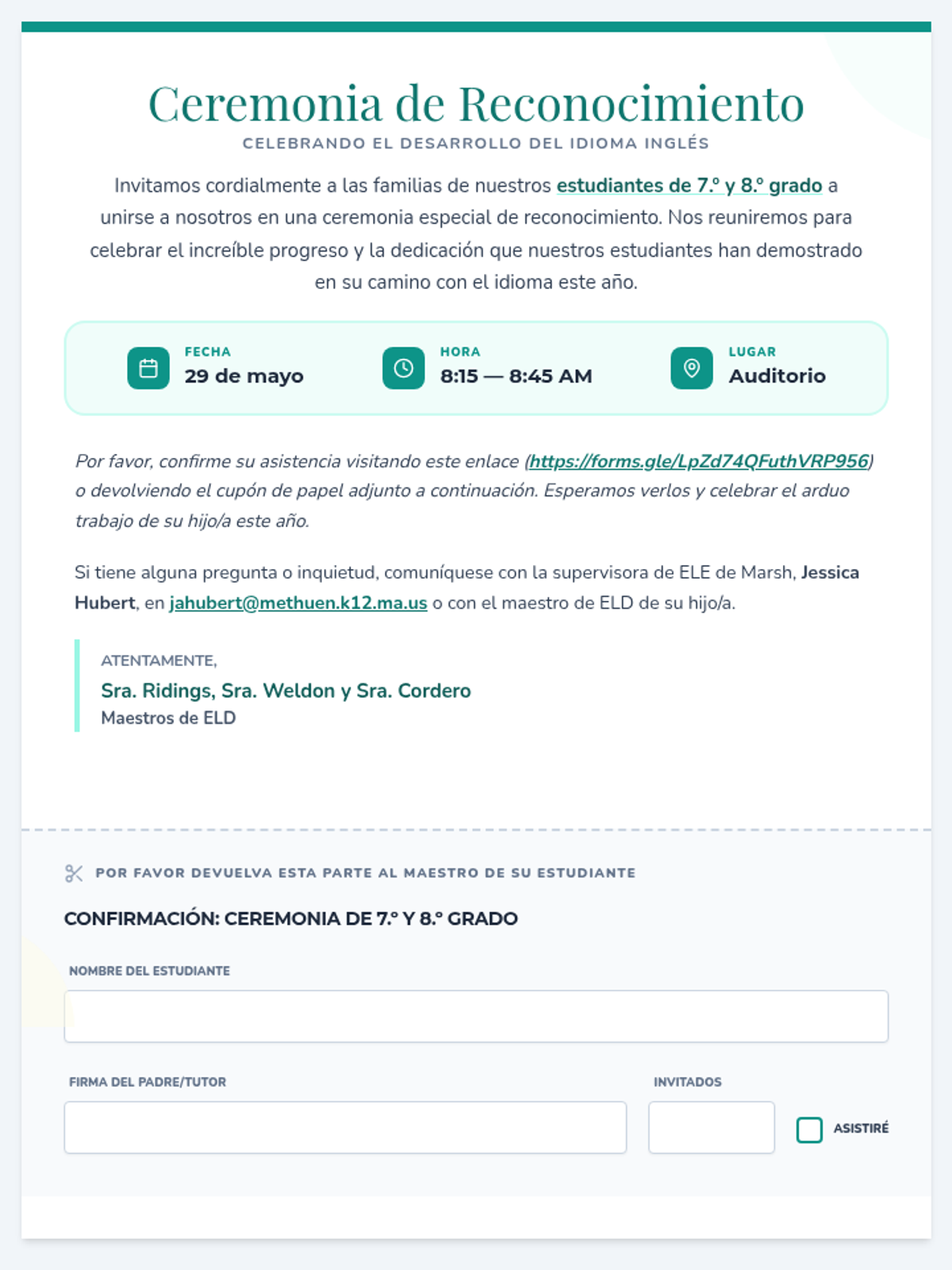
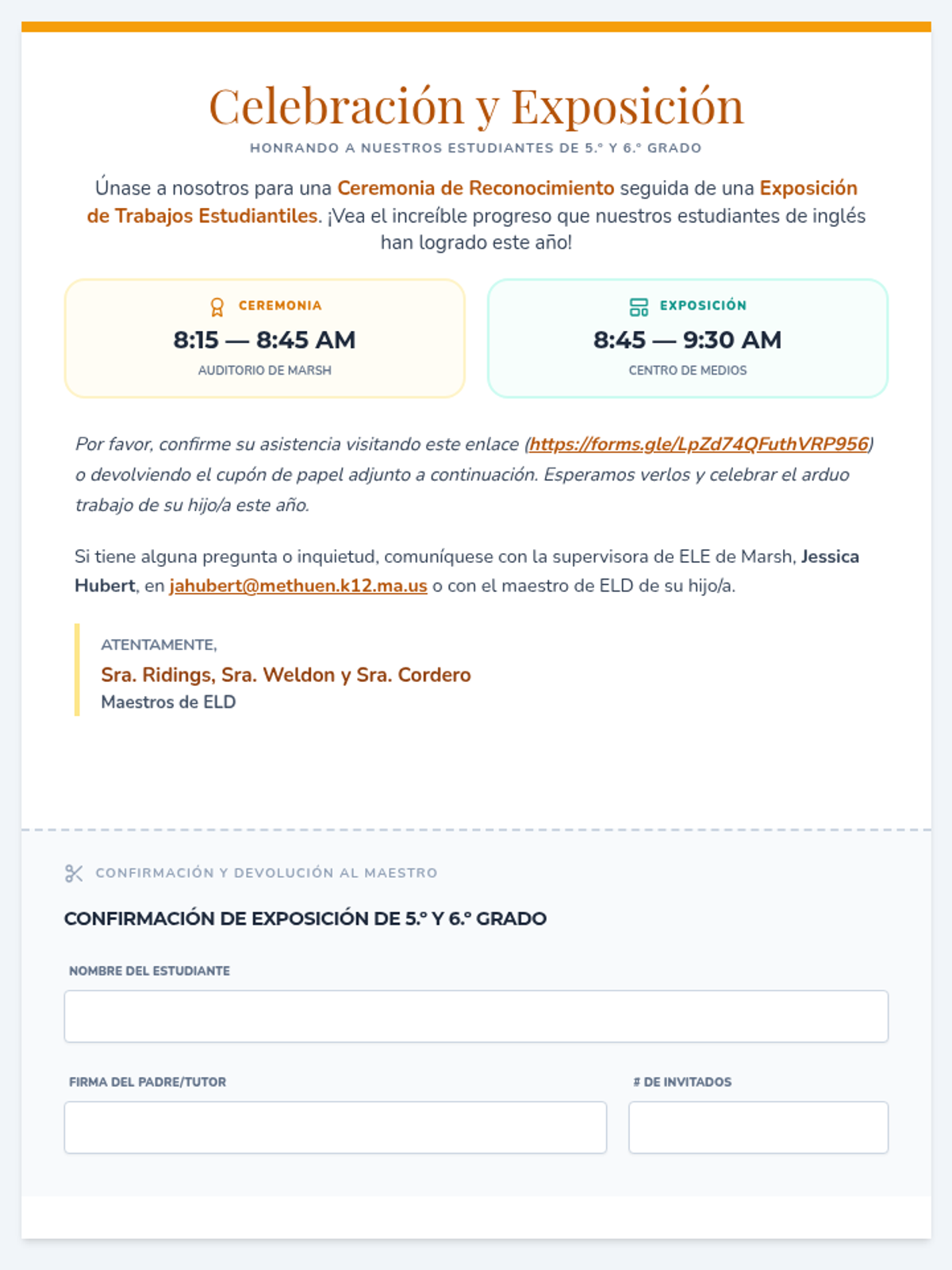
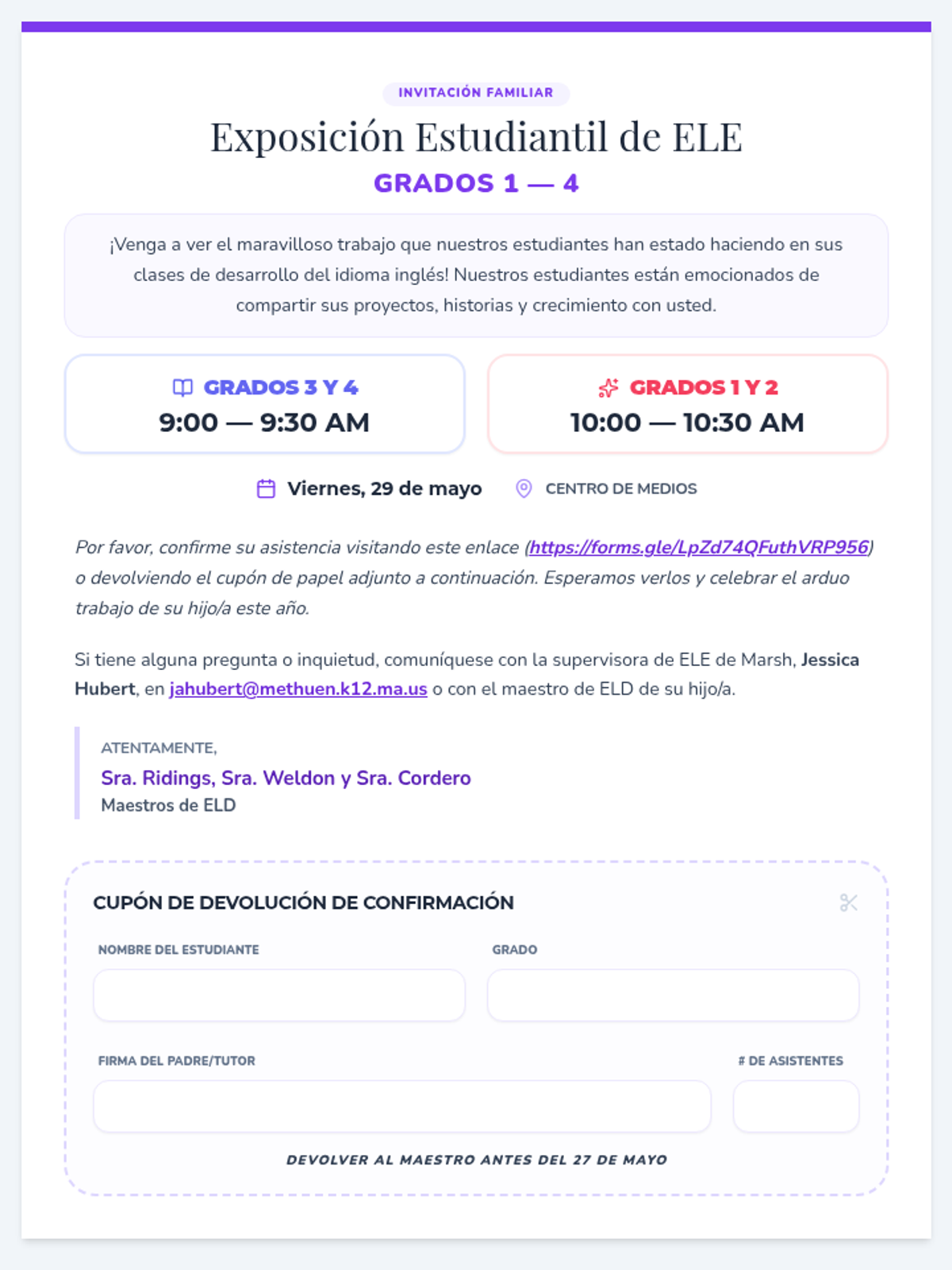
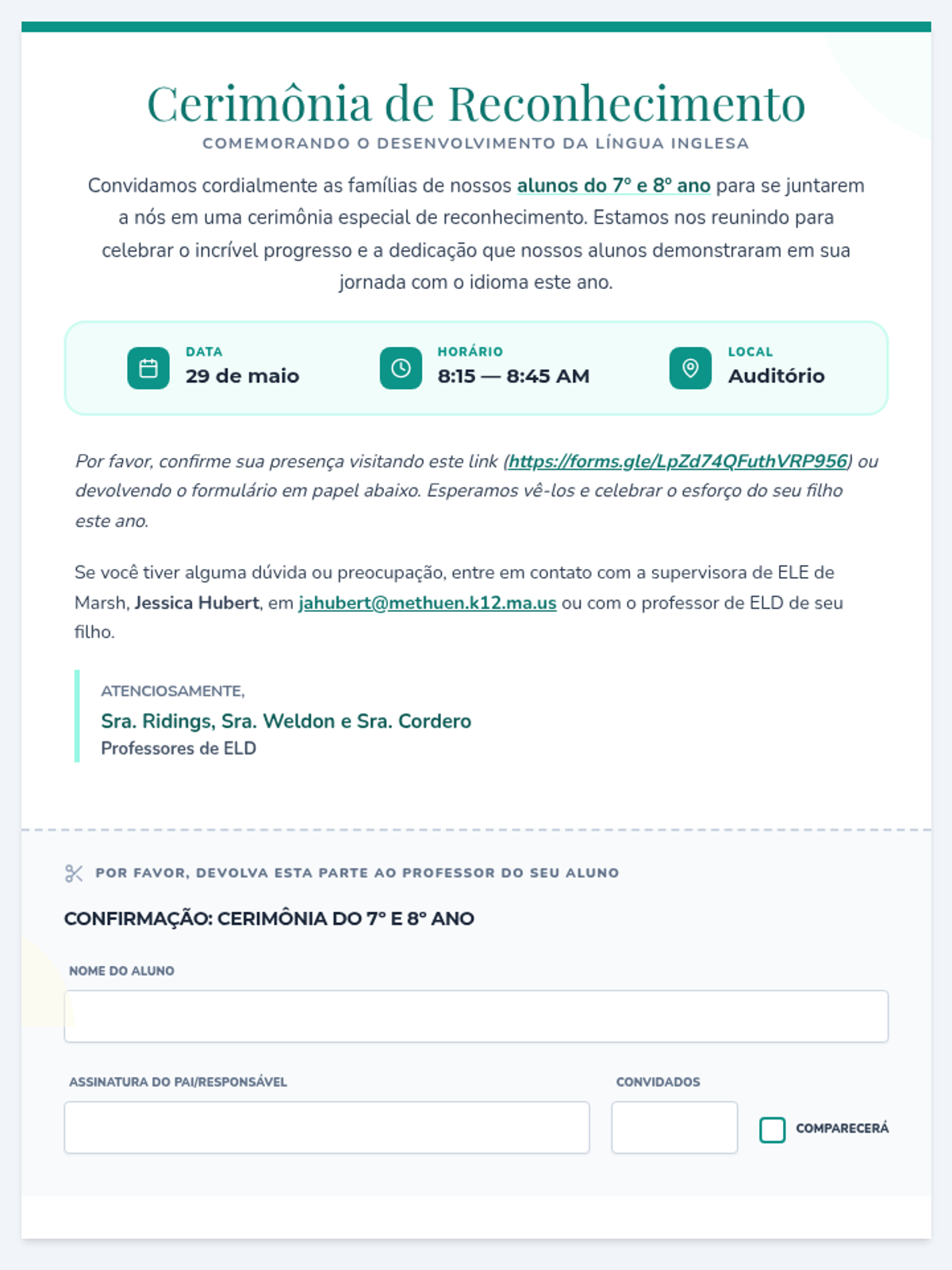
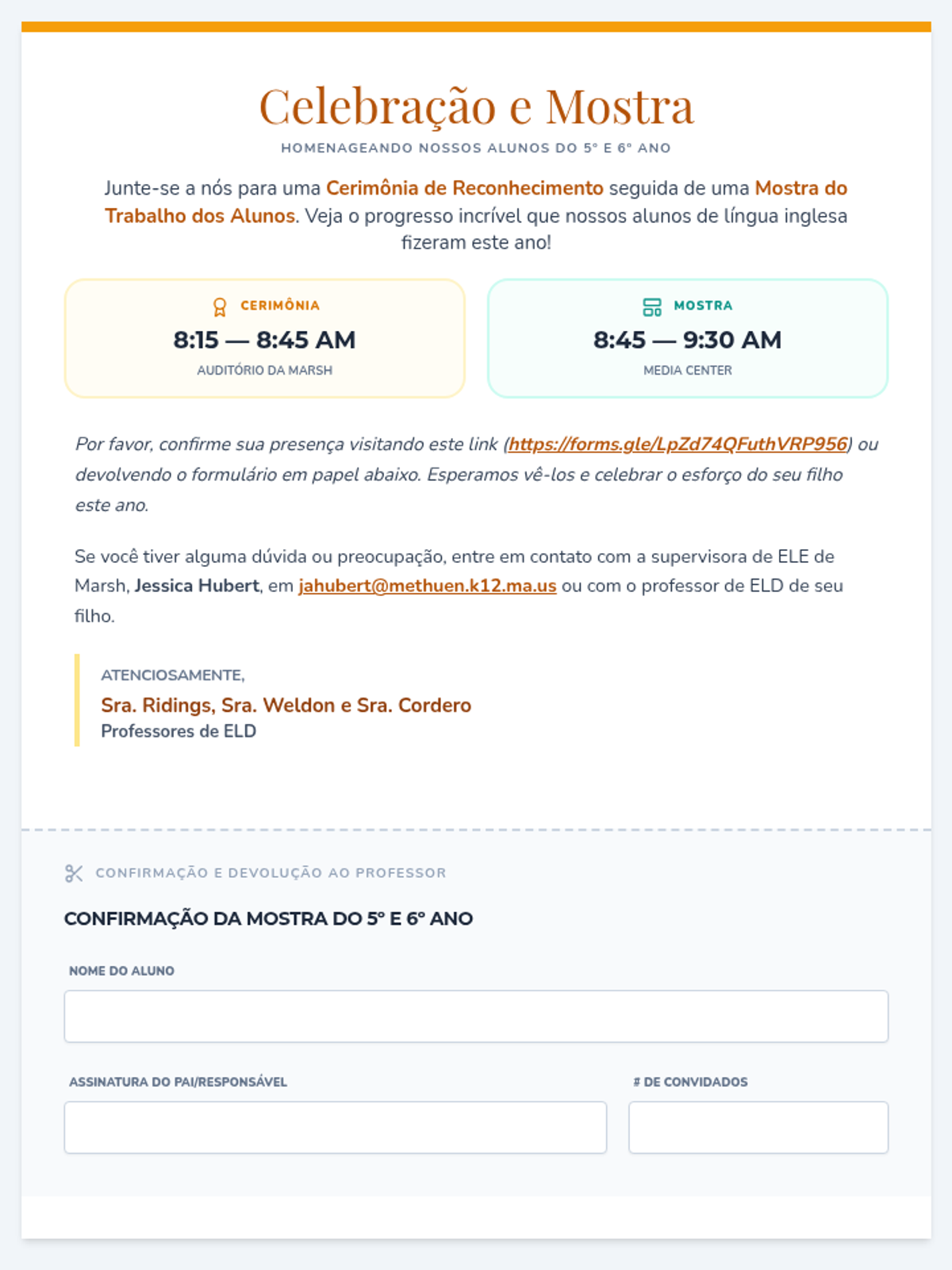
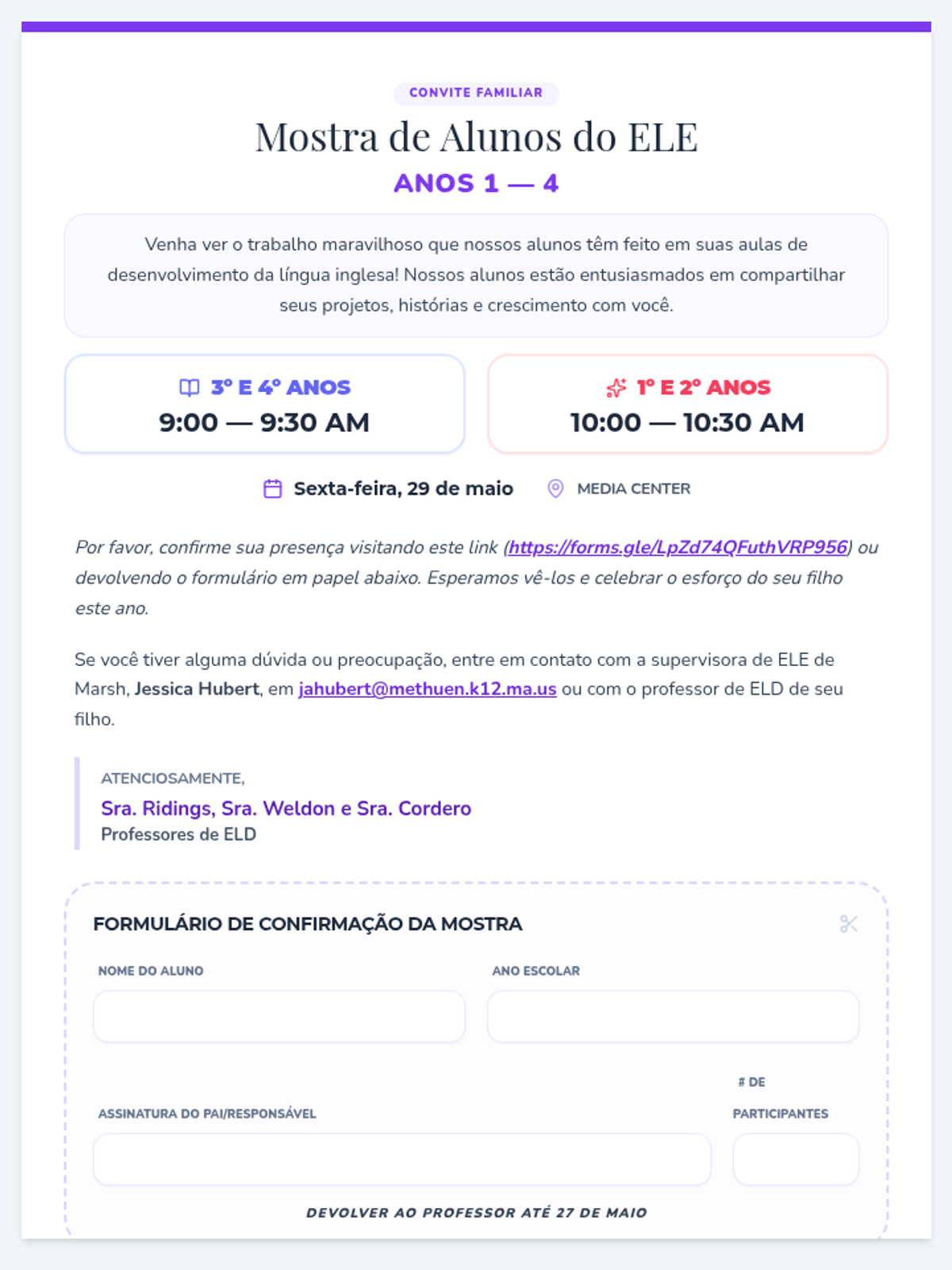
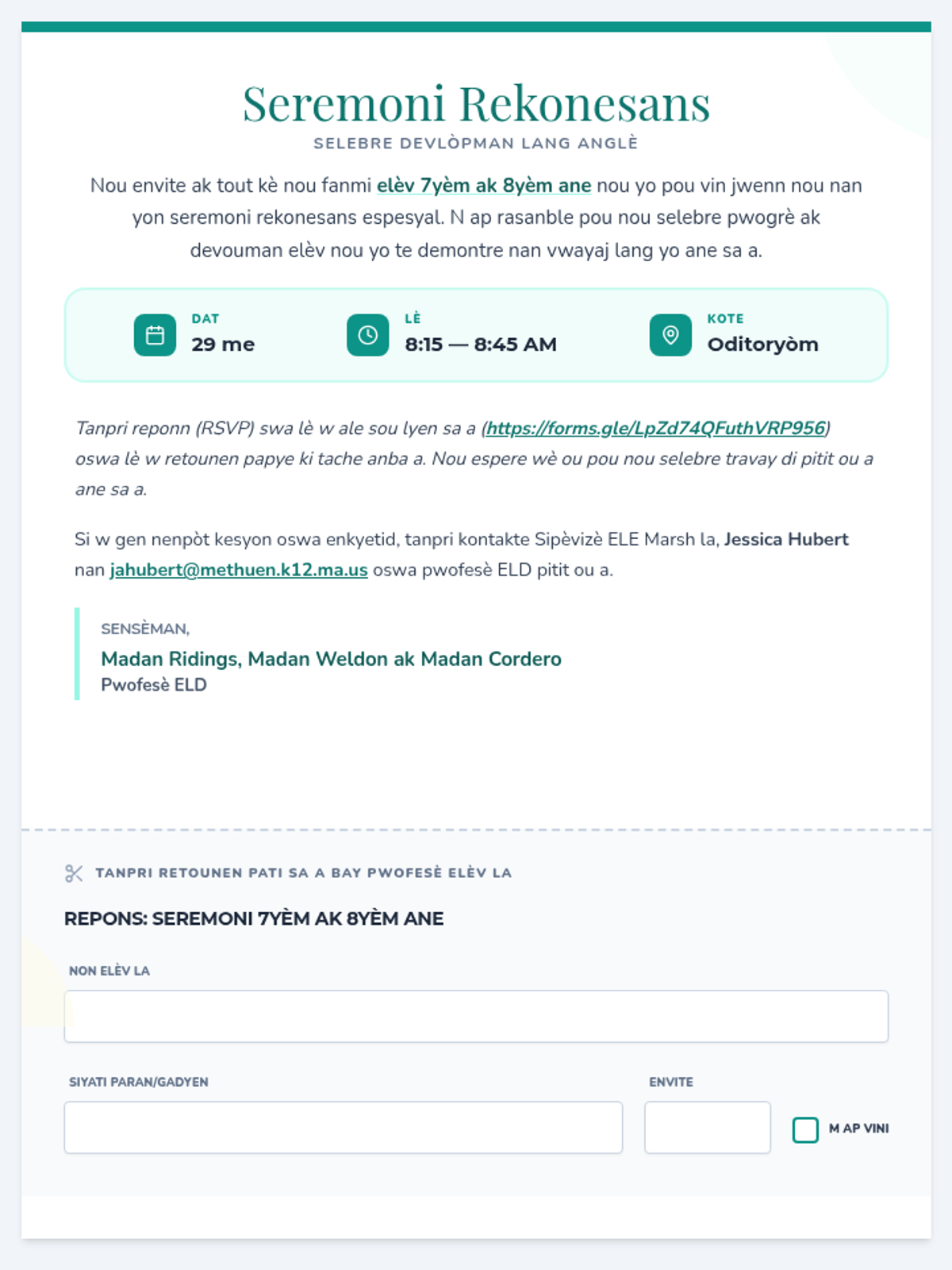
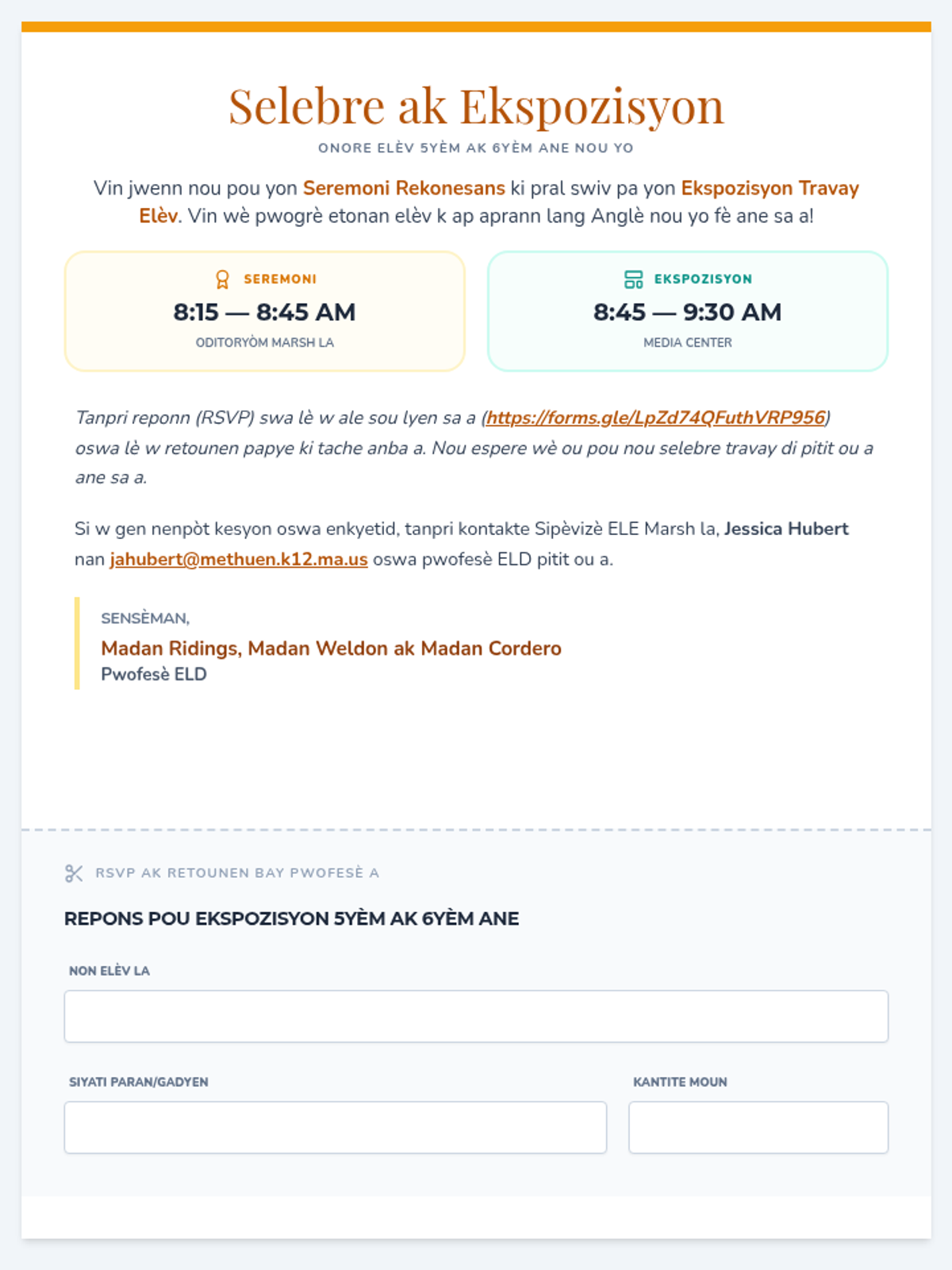
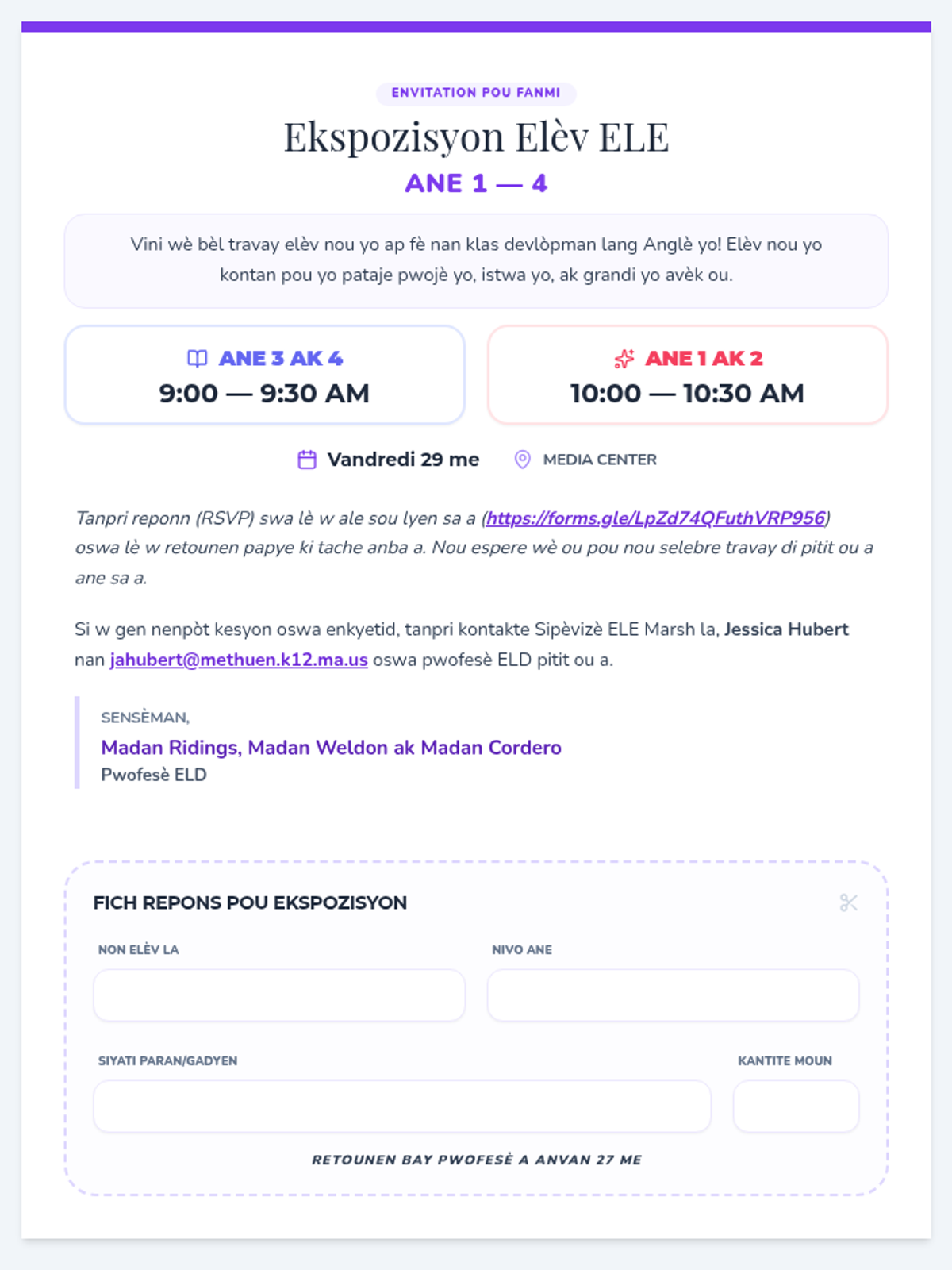
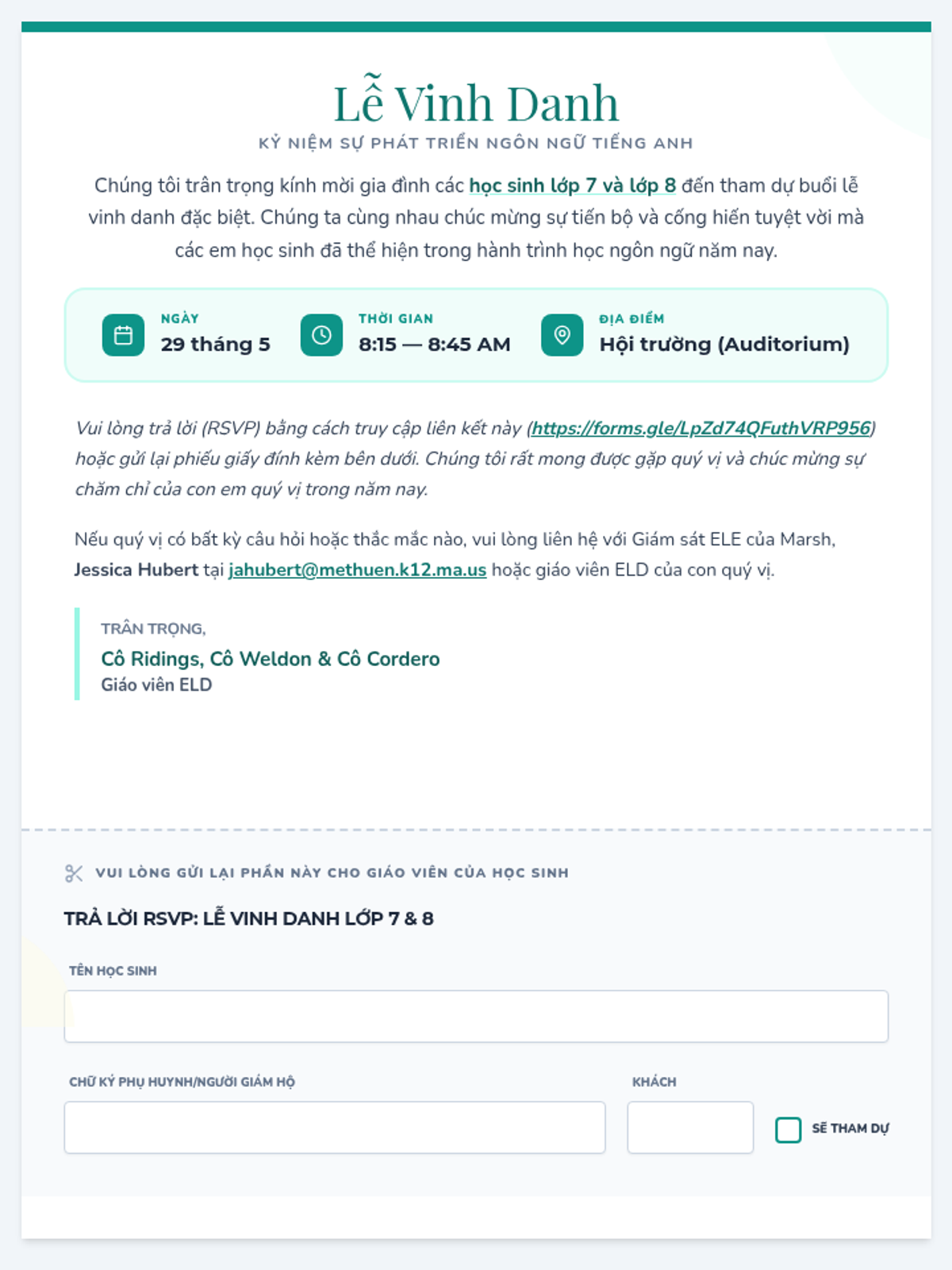
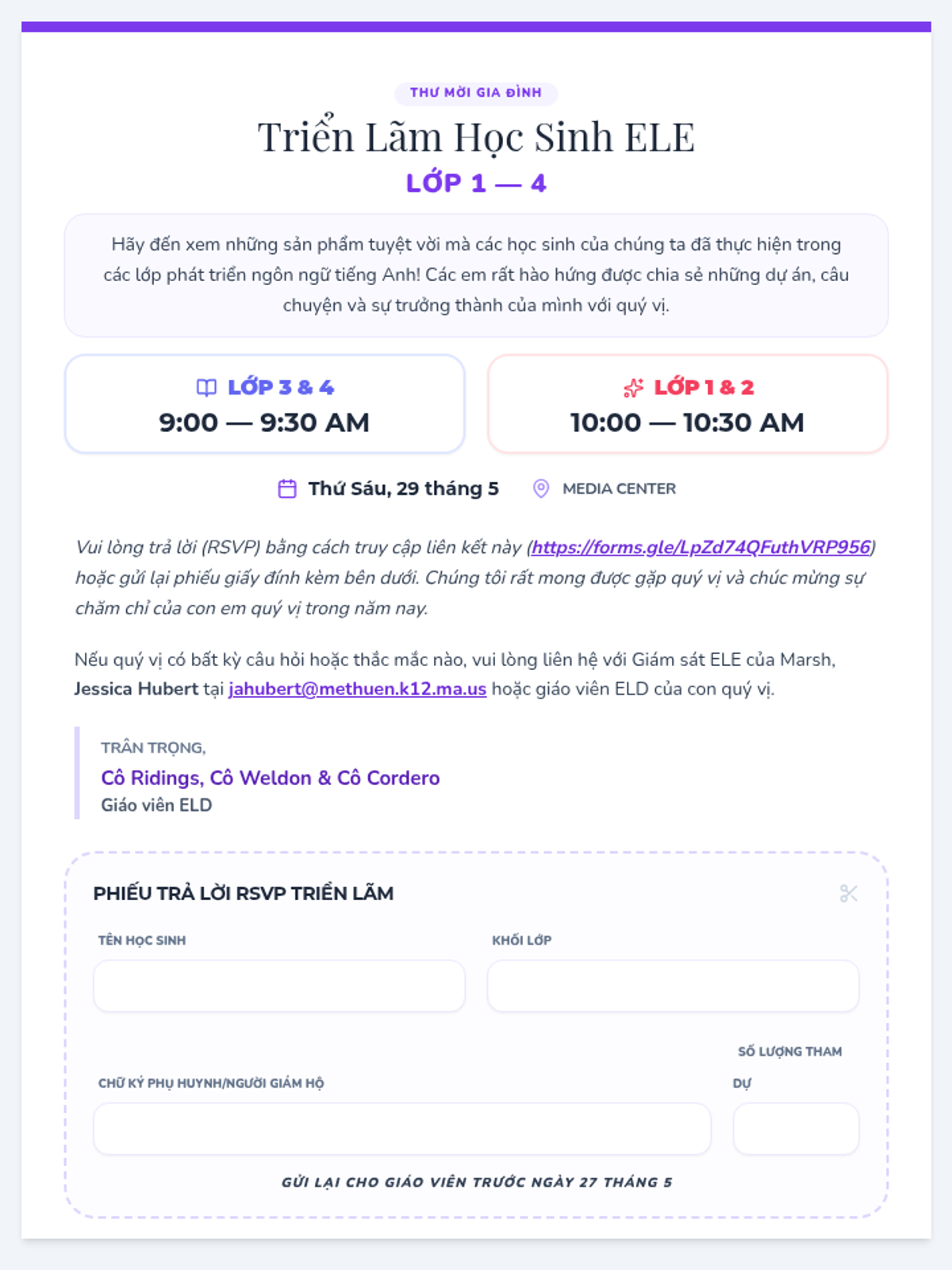
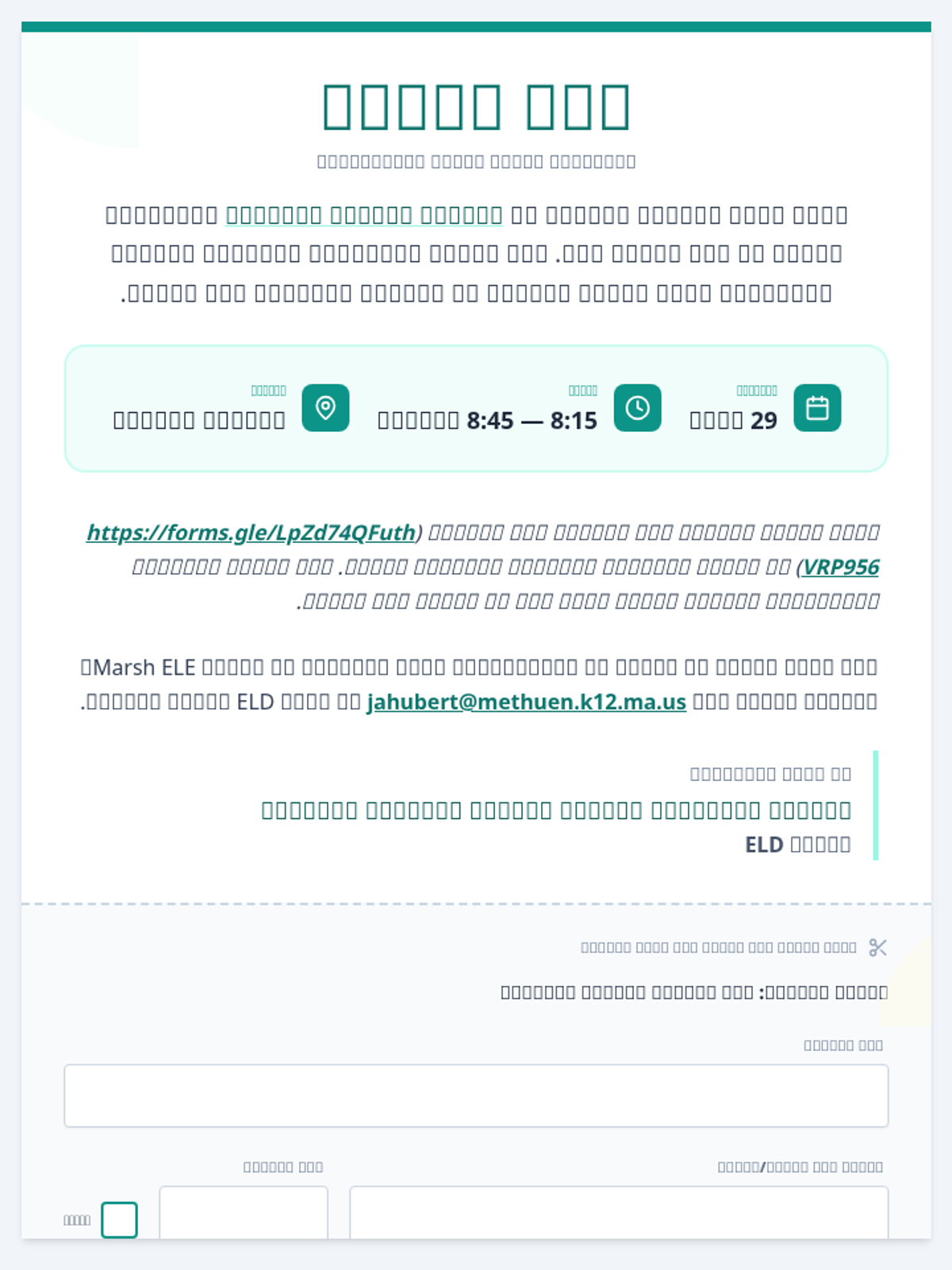
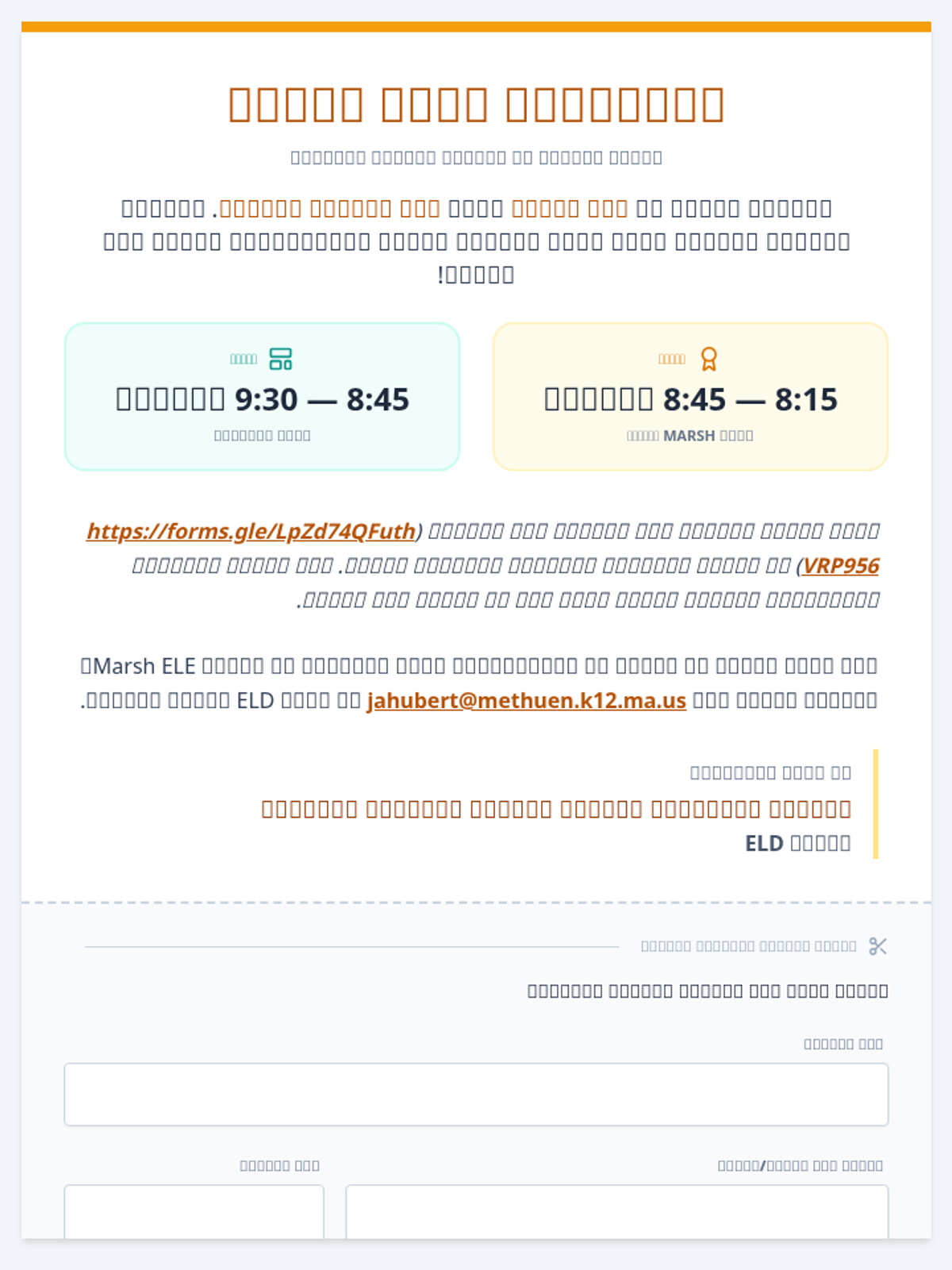
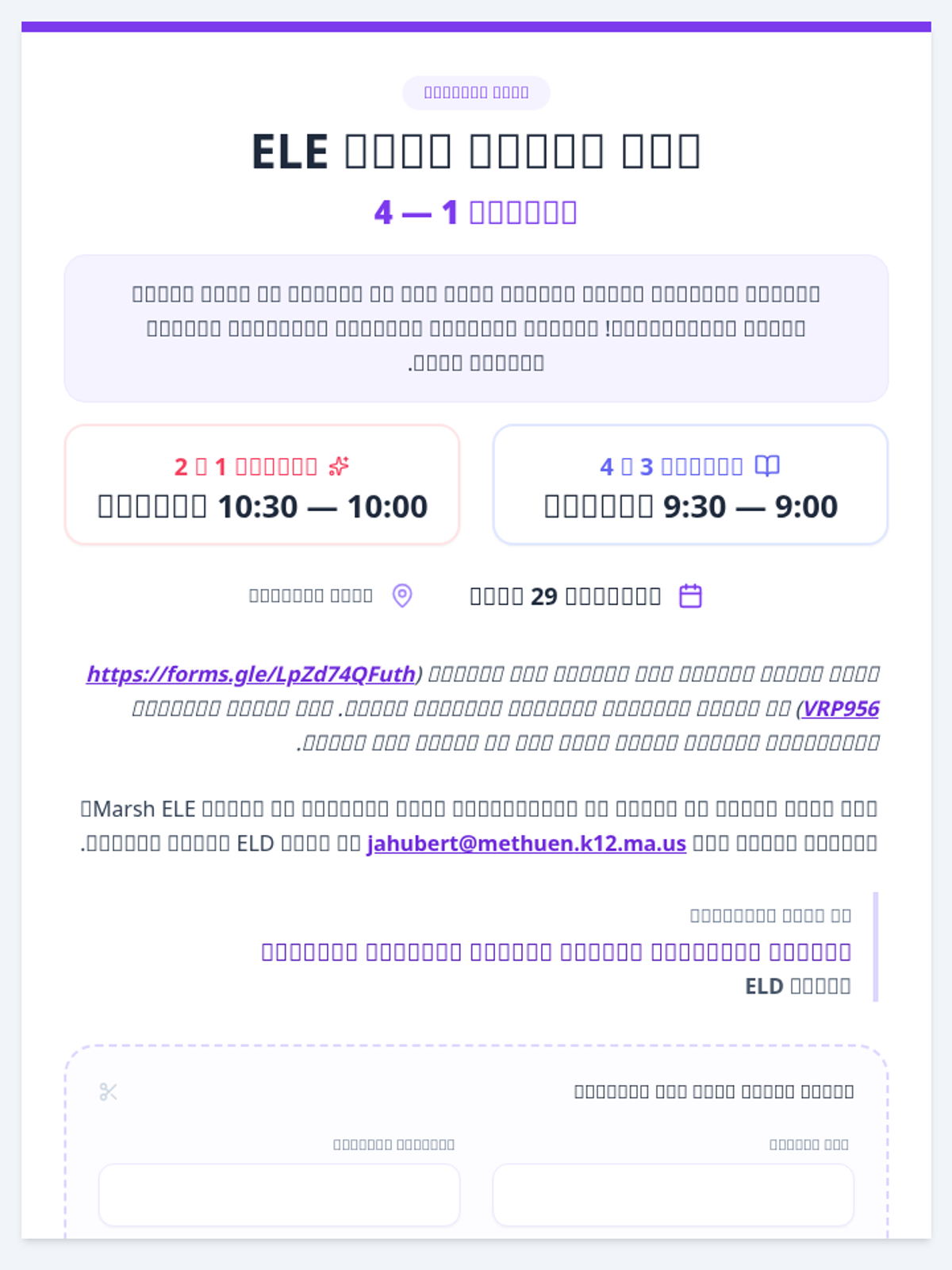
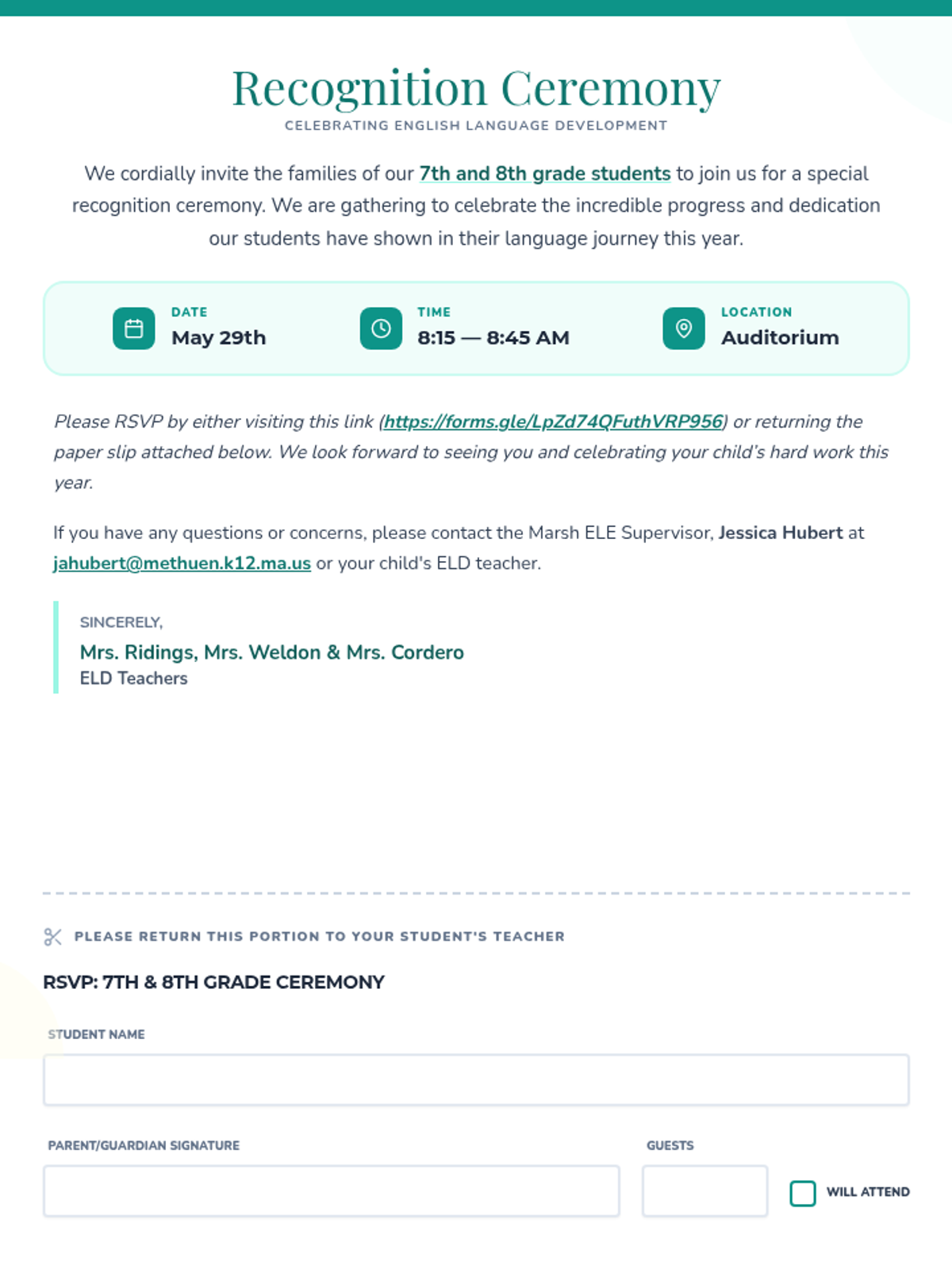
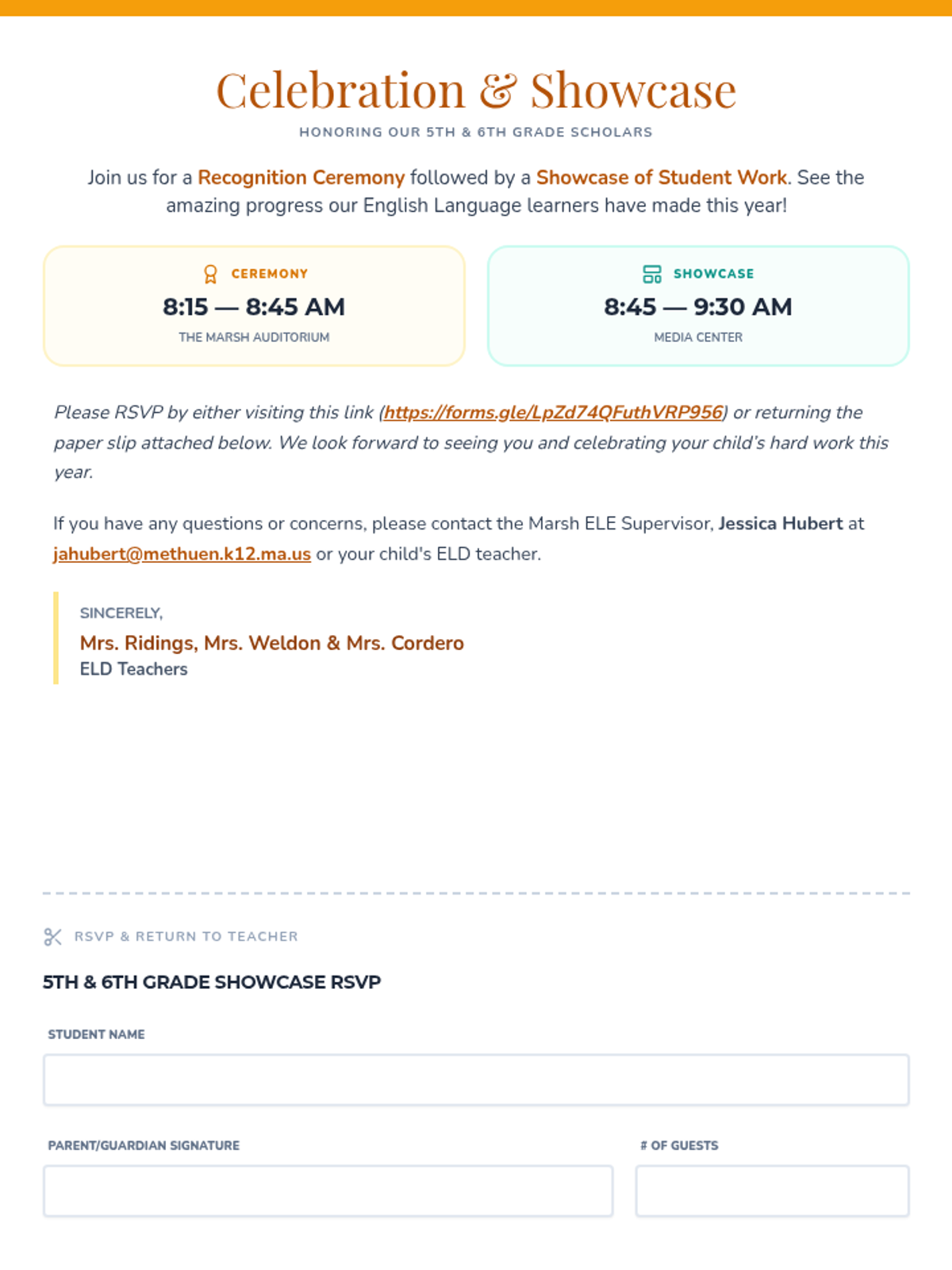
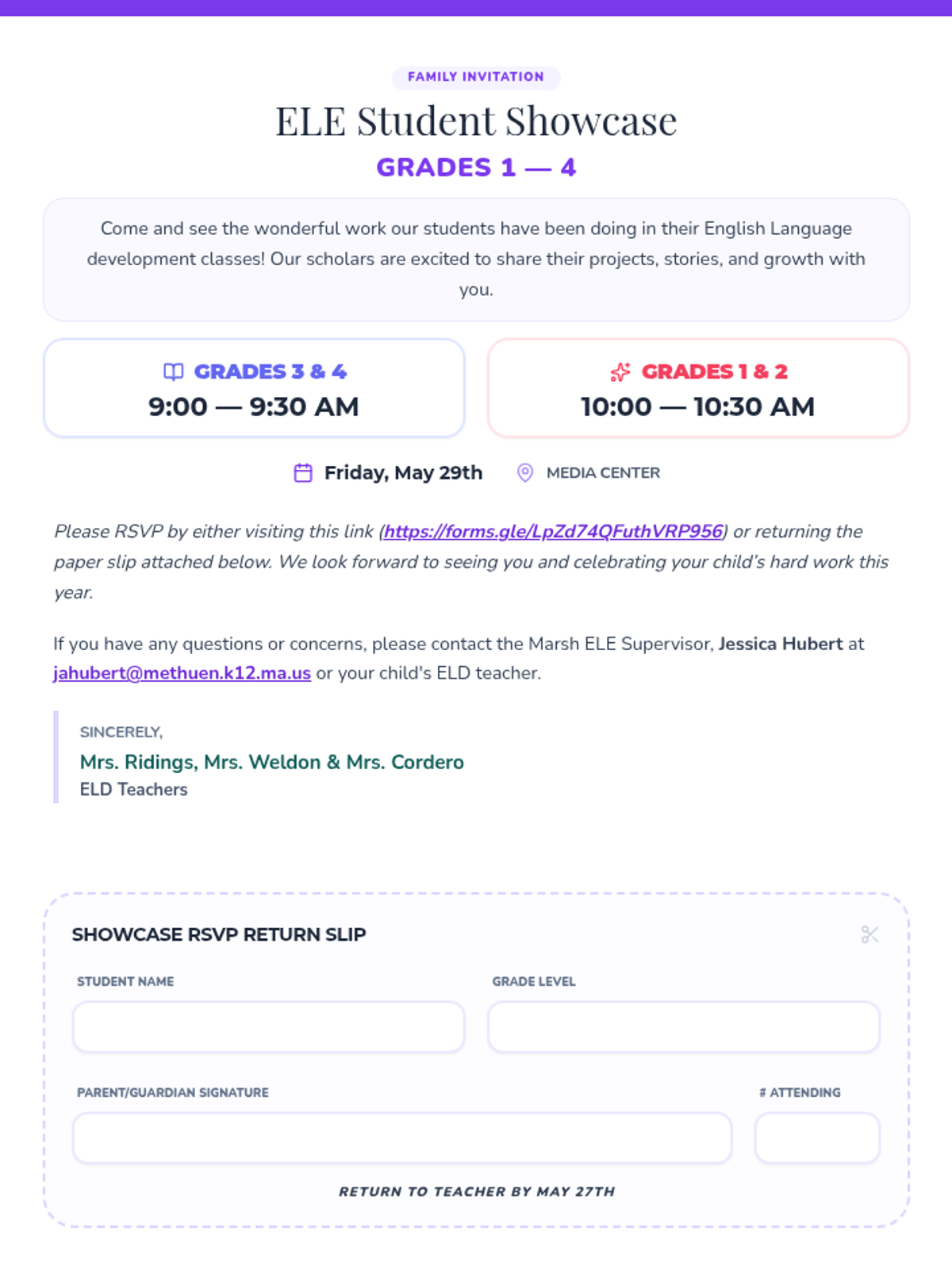
A collection of family invitation flyers for the English Language Education (ELE) showcase and recognition ceremonies across various grade levels. Each flyer includes specific timing, location details, and a return slip for RSVPs.
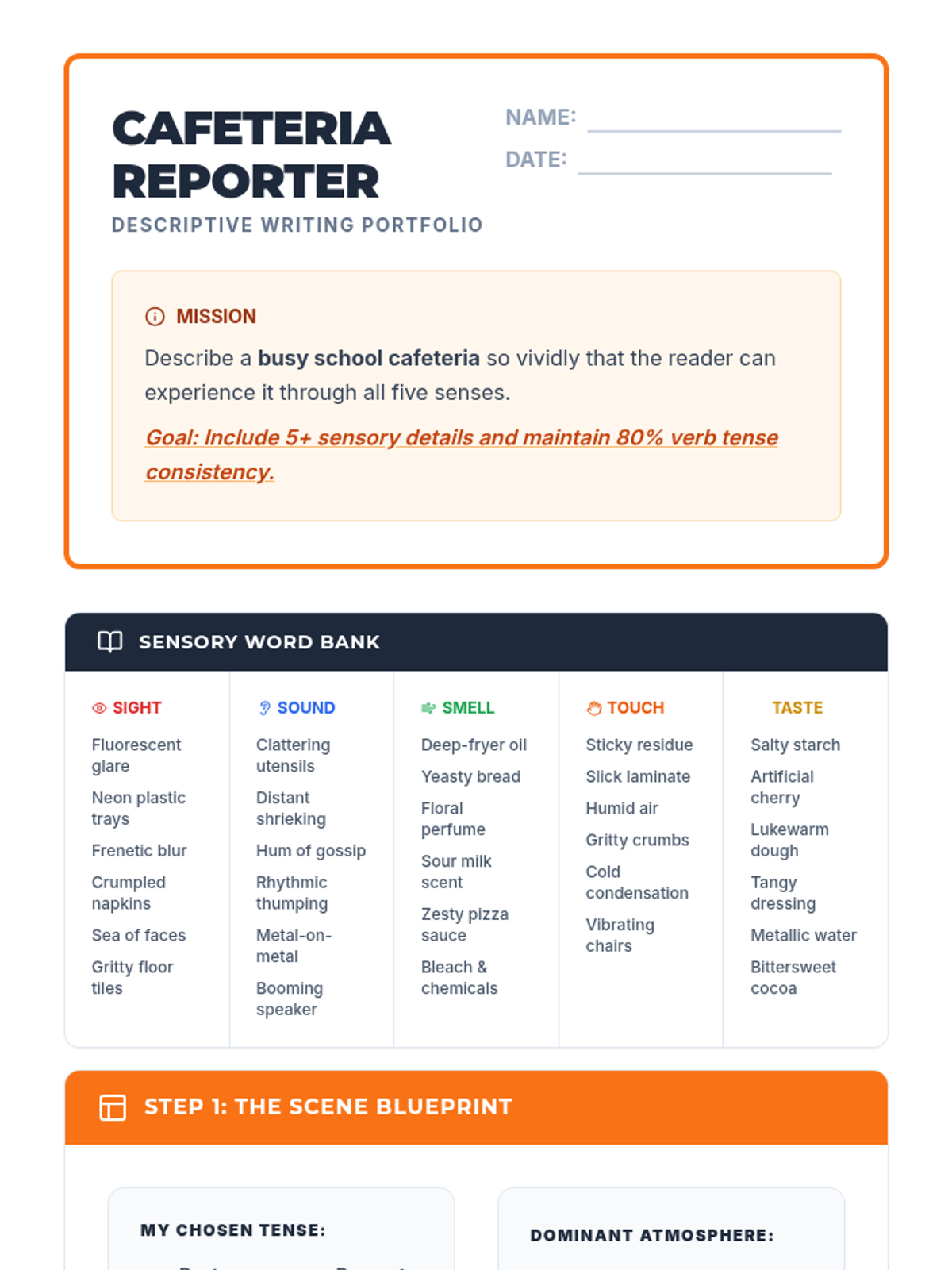
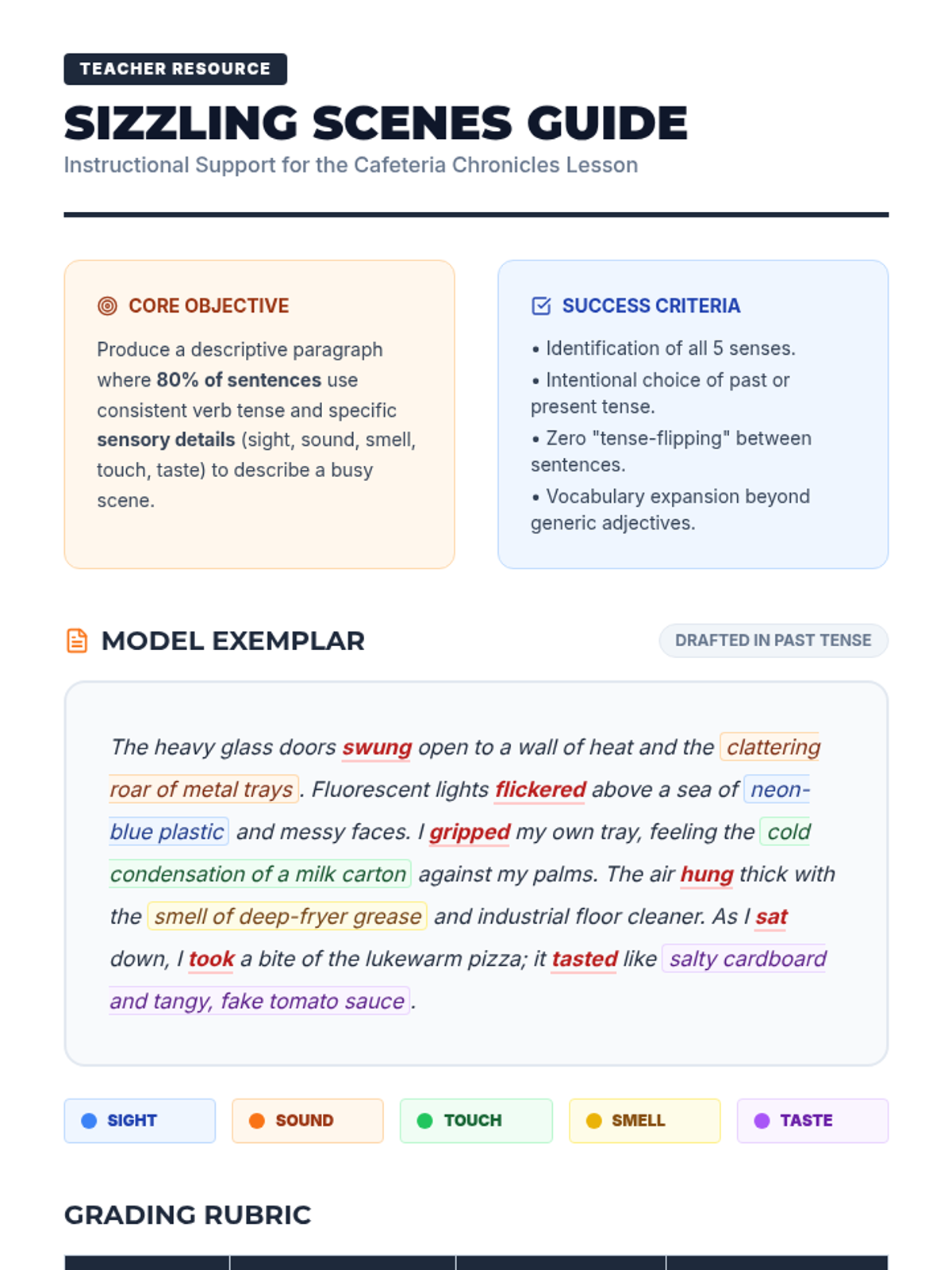
Students master descriptive writing and verb tense consistency by exploring the sensory landscape of a school cafeteria. The lesson includes a guided slideshow for instruction and a structured worksheet for drafting.
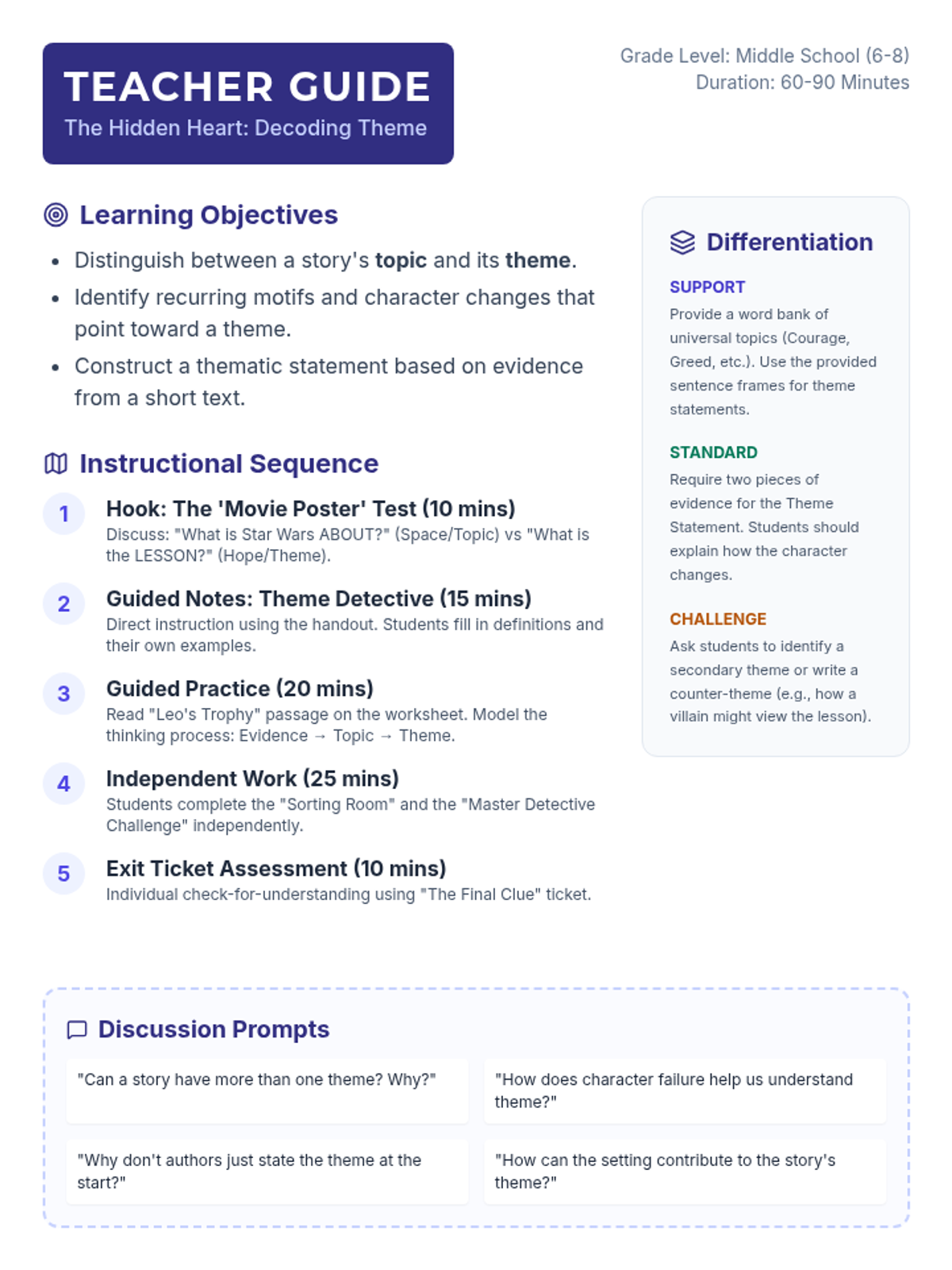
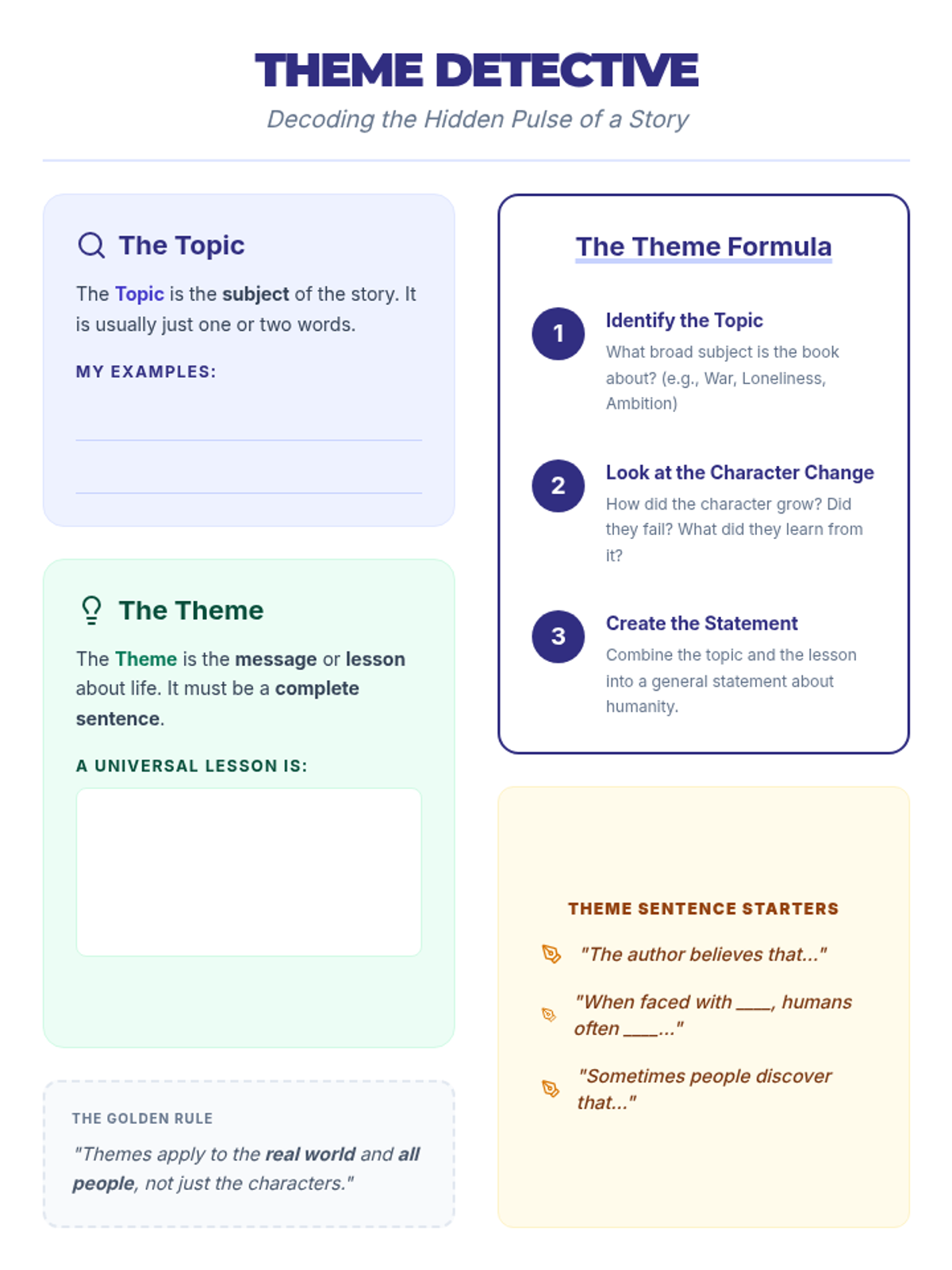
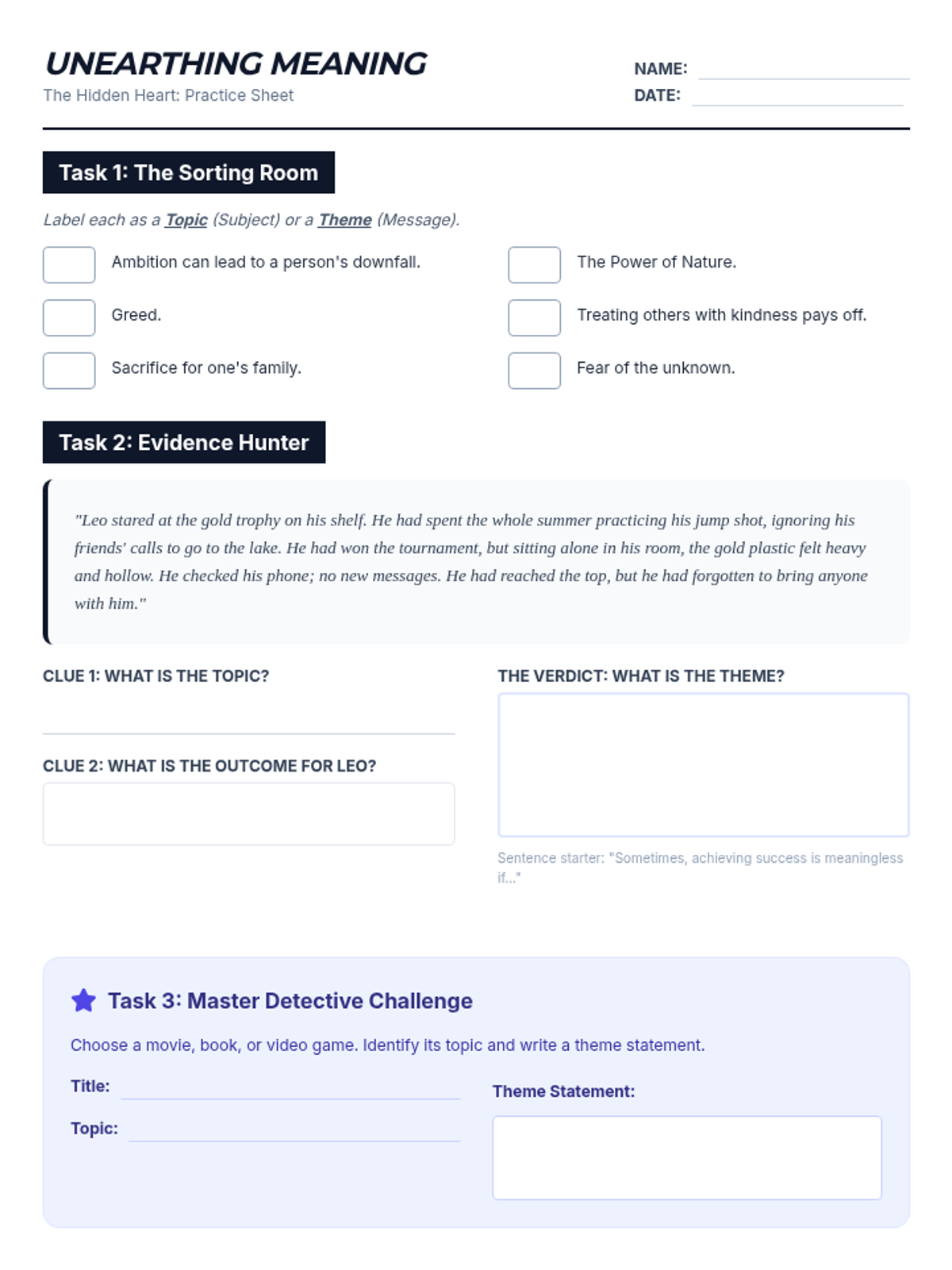
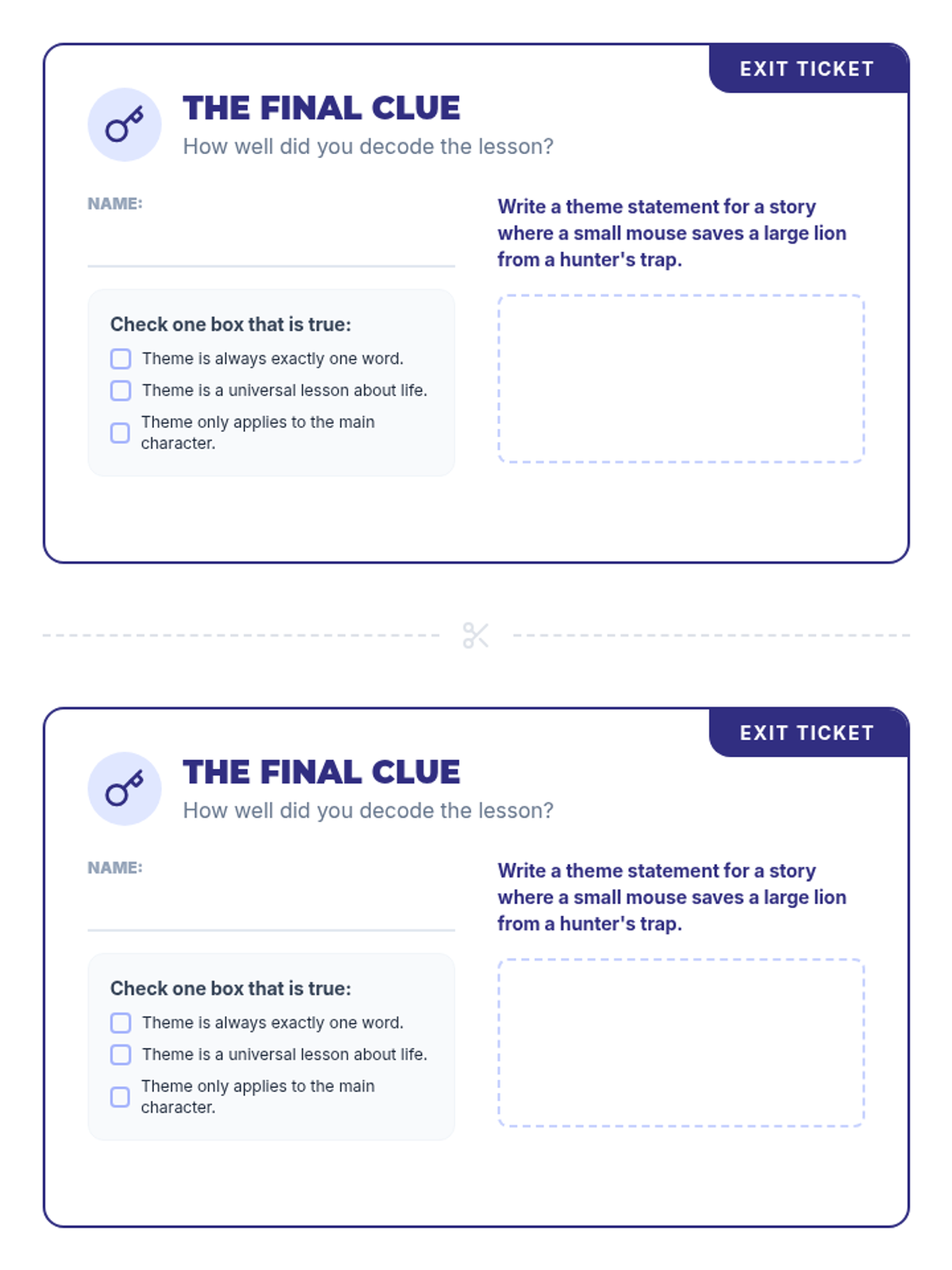
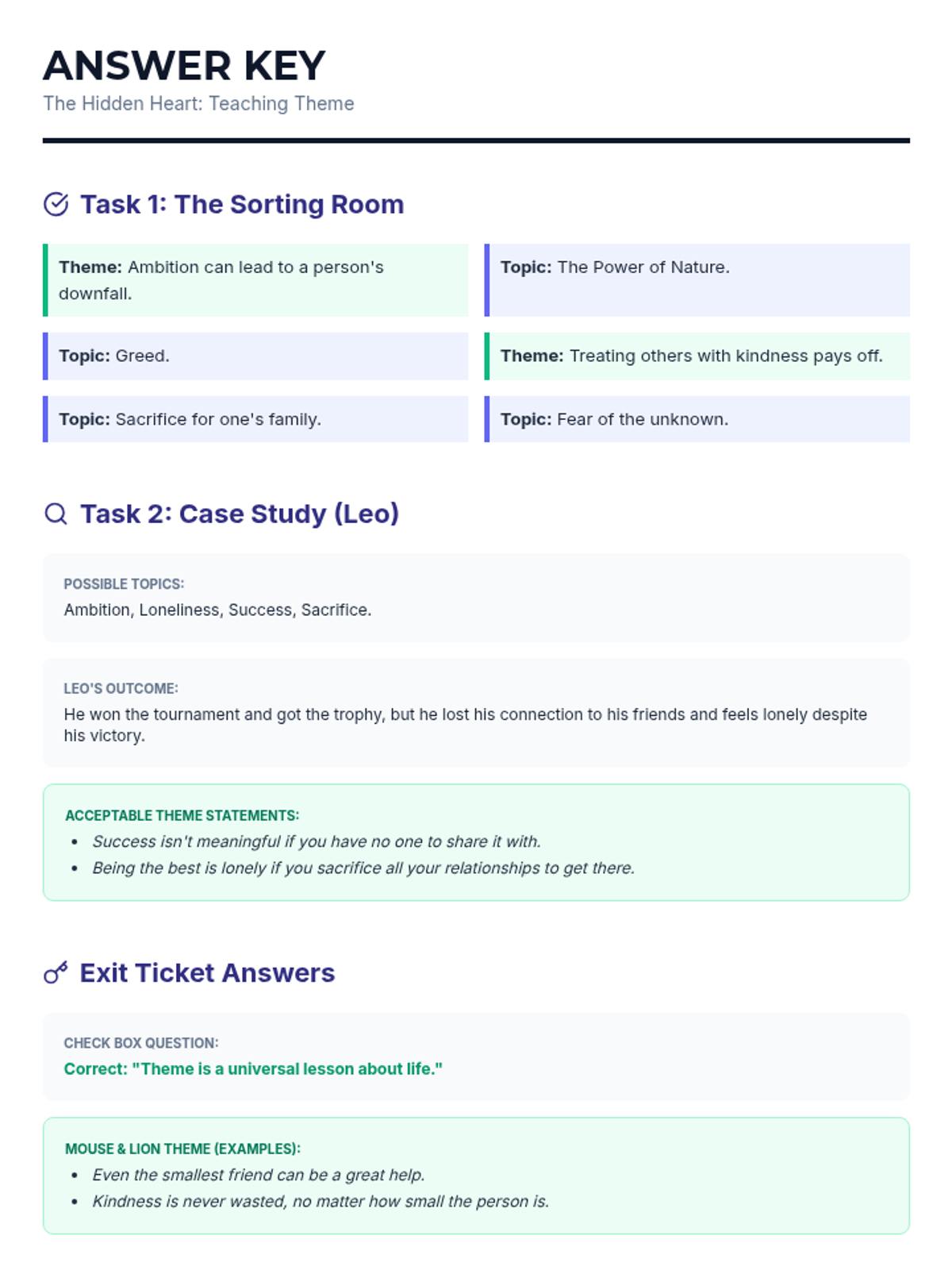
A comprehensive introductory lesson on identifying and articulating literary themes. Students move from understanding 'topic' to crafting 'theme statements' through scaffolded analysis of short texts.
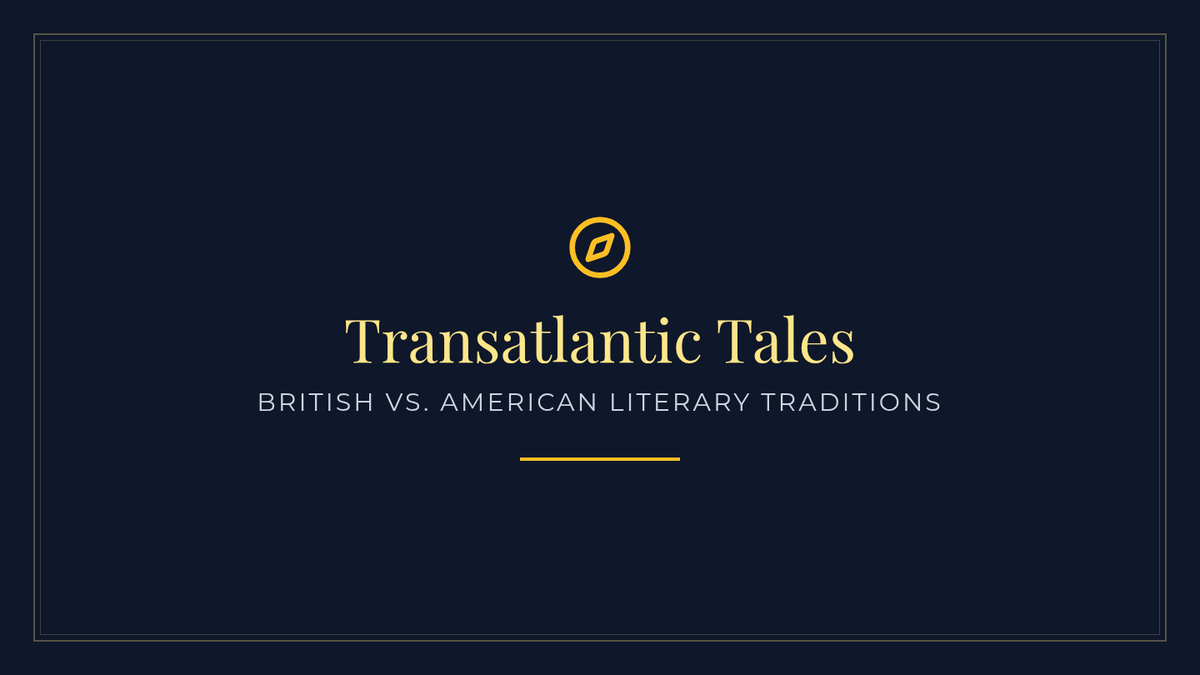
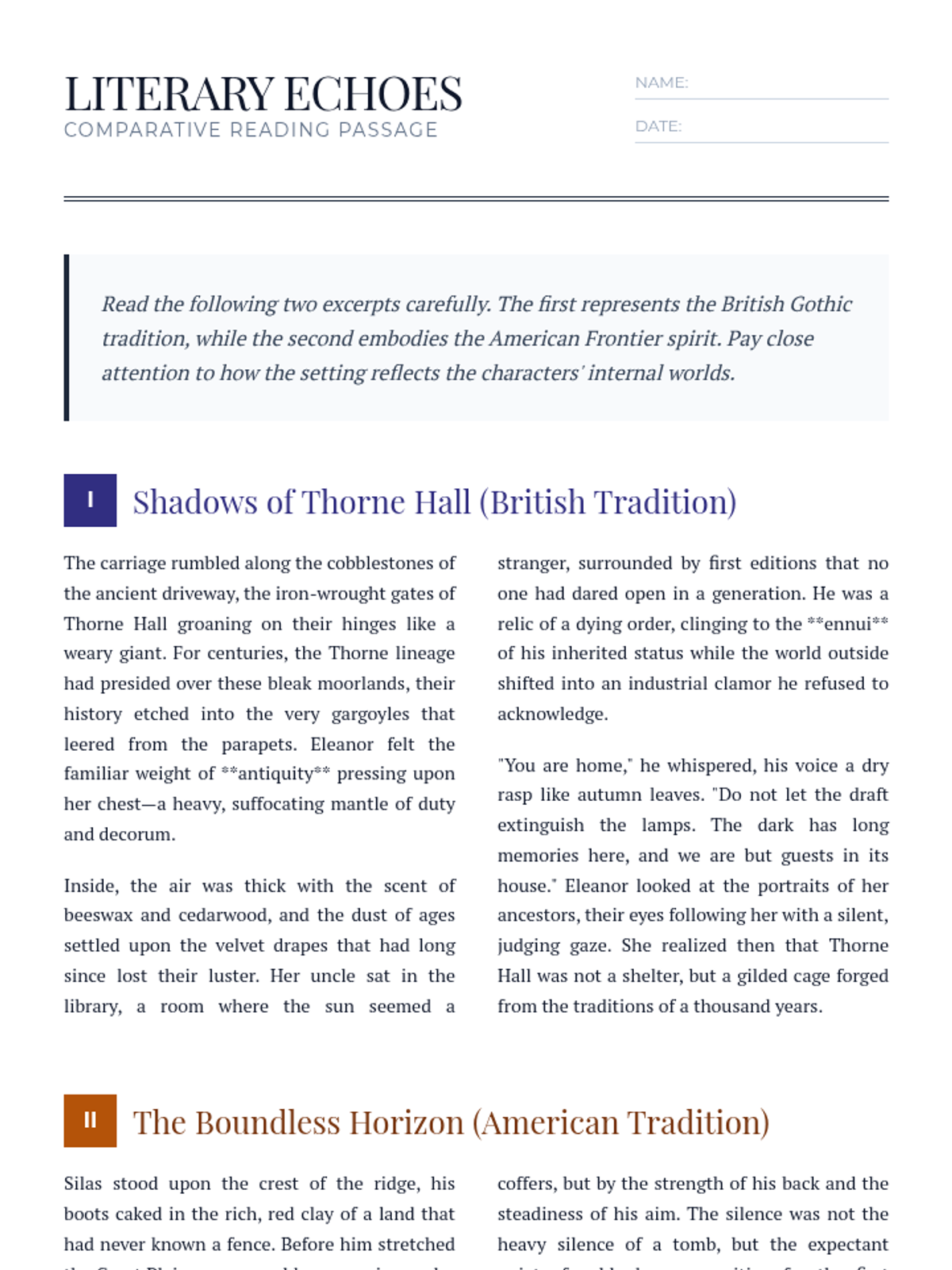
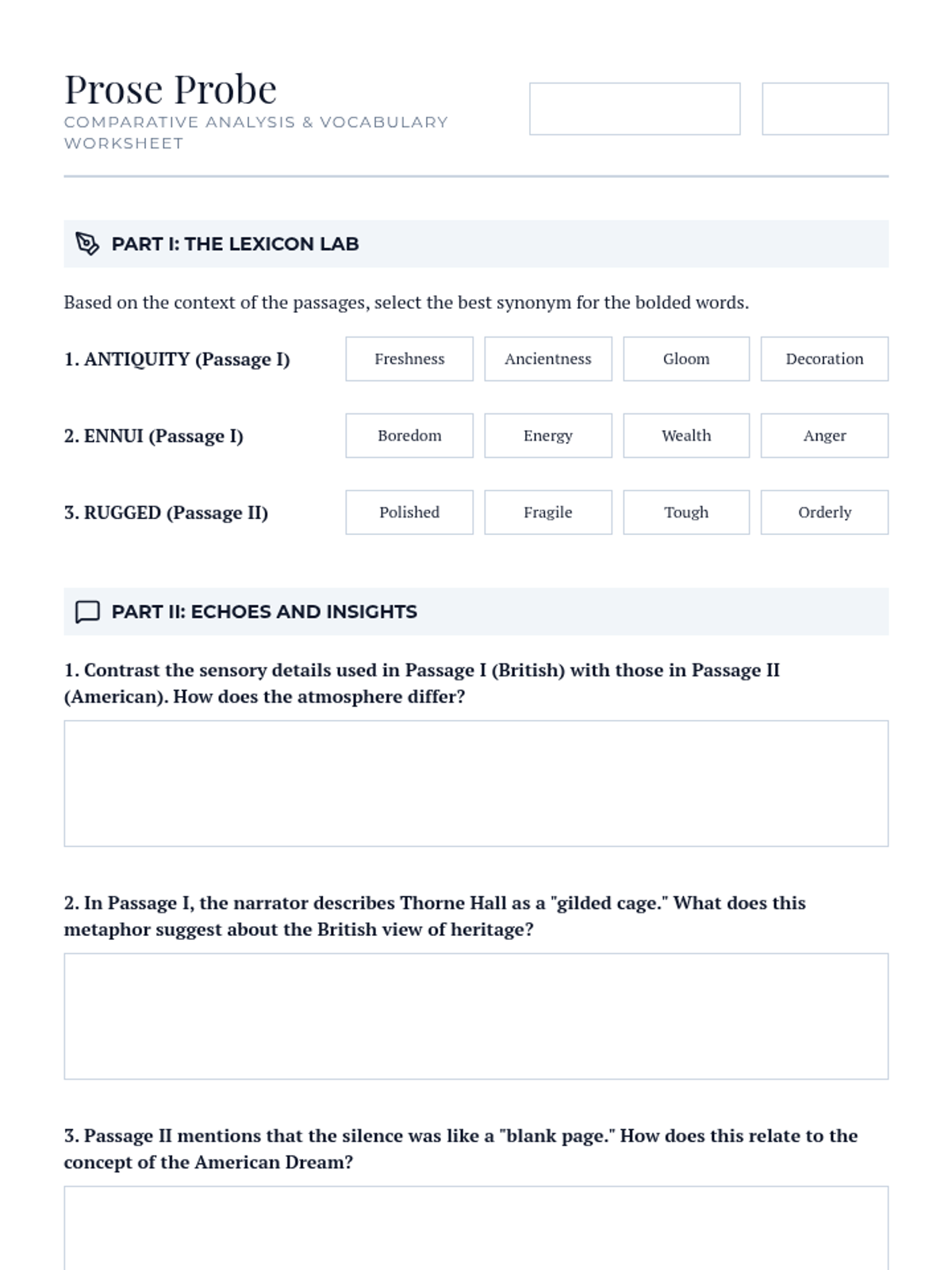
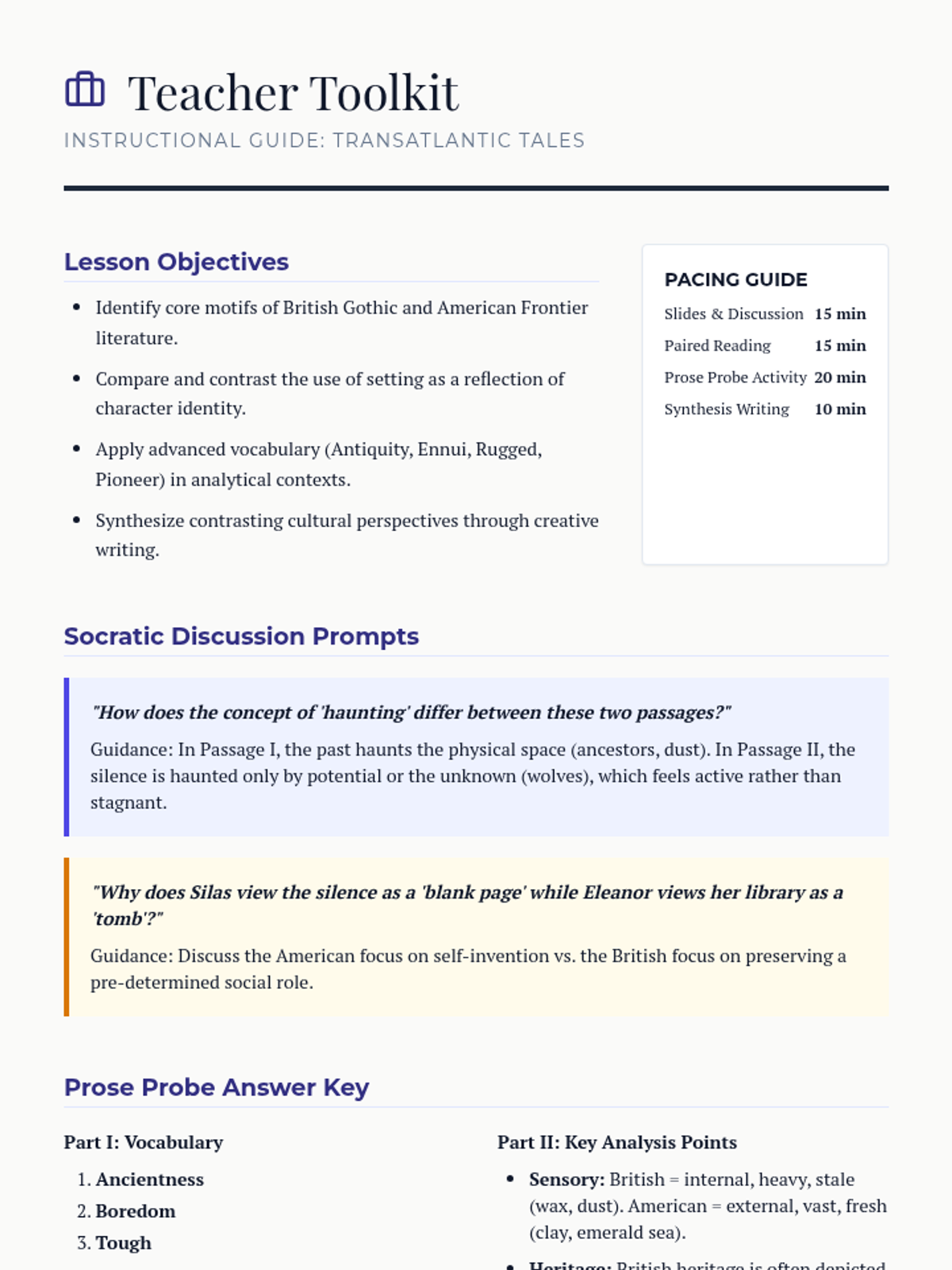
An introductory exploration of the distinct voices in British and American literature through comparative readings, vocabulary development, and analytical writing.