A high-energy lesson exploring nonliteral language through the lens of digital content creation, helping students identify and use idioms, metaphors, similes, personification, and hyperbole in context.
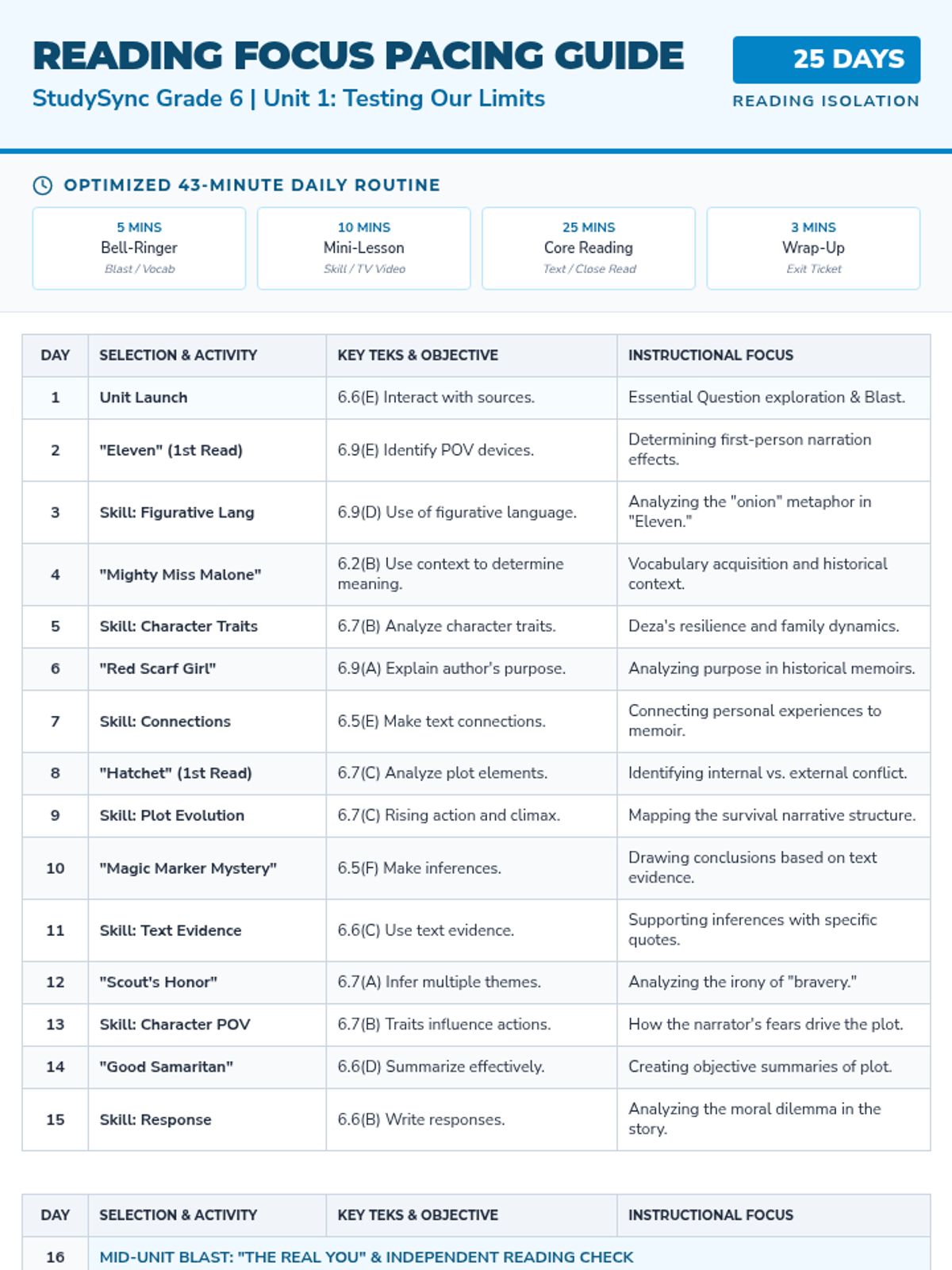
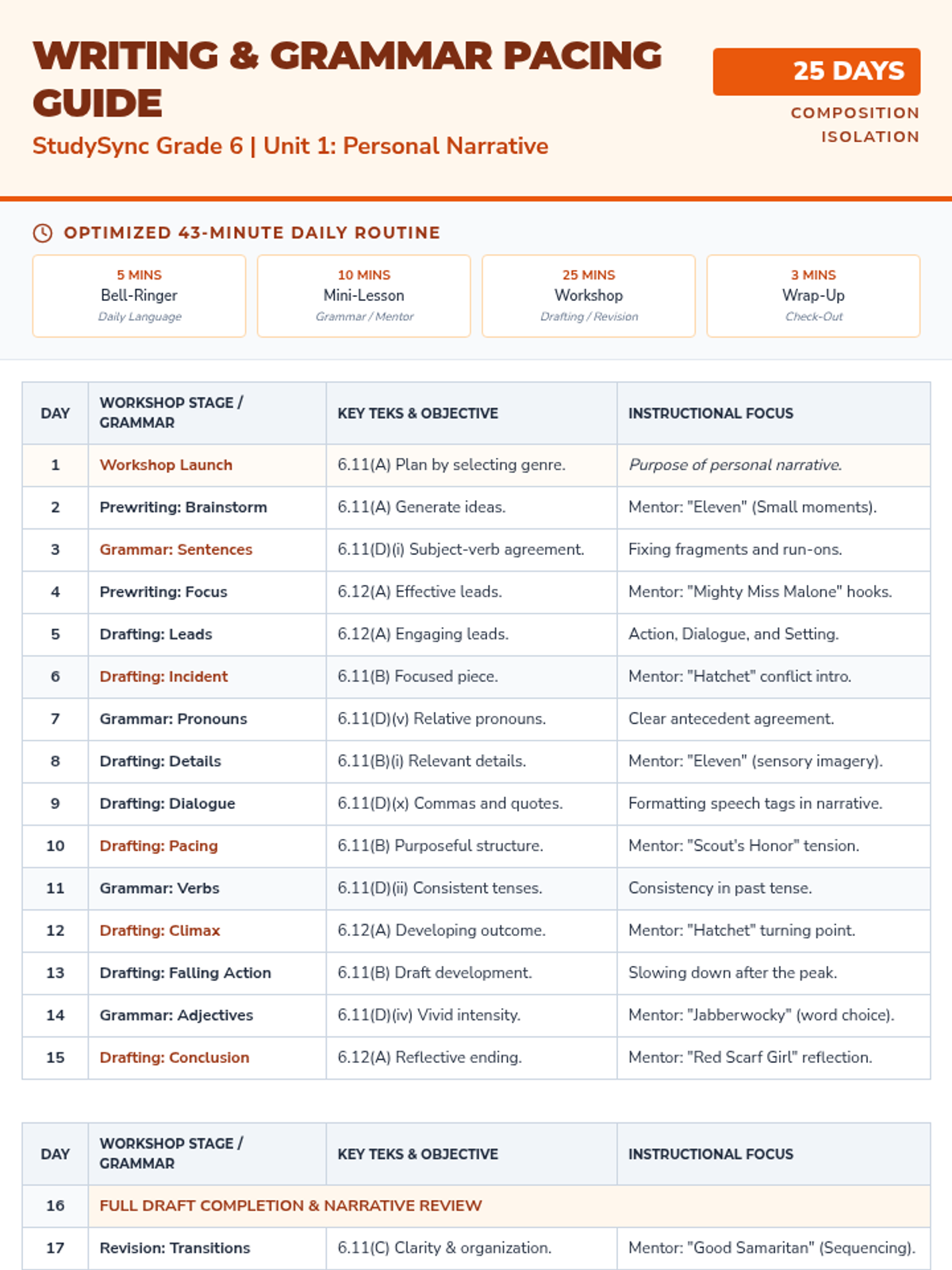
A comprehensive set of 25-day pacing guides for StudySync Grade 6 Unit 1, specifically isolating reading instruction from writing and grammar to allow for targeted curriculum delivery.
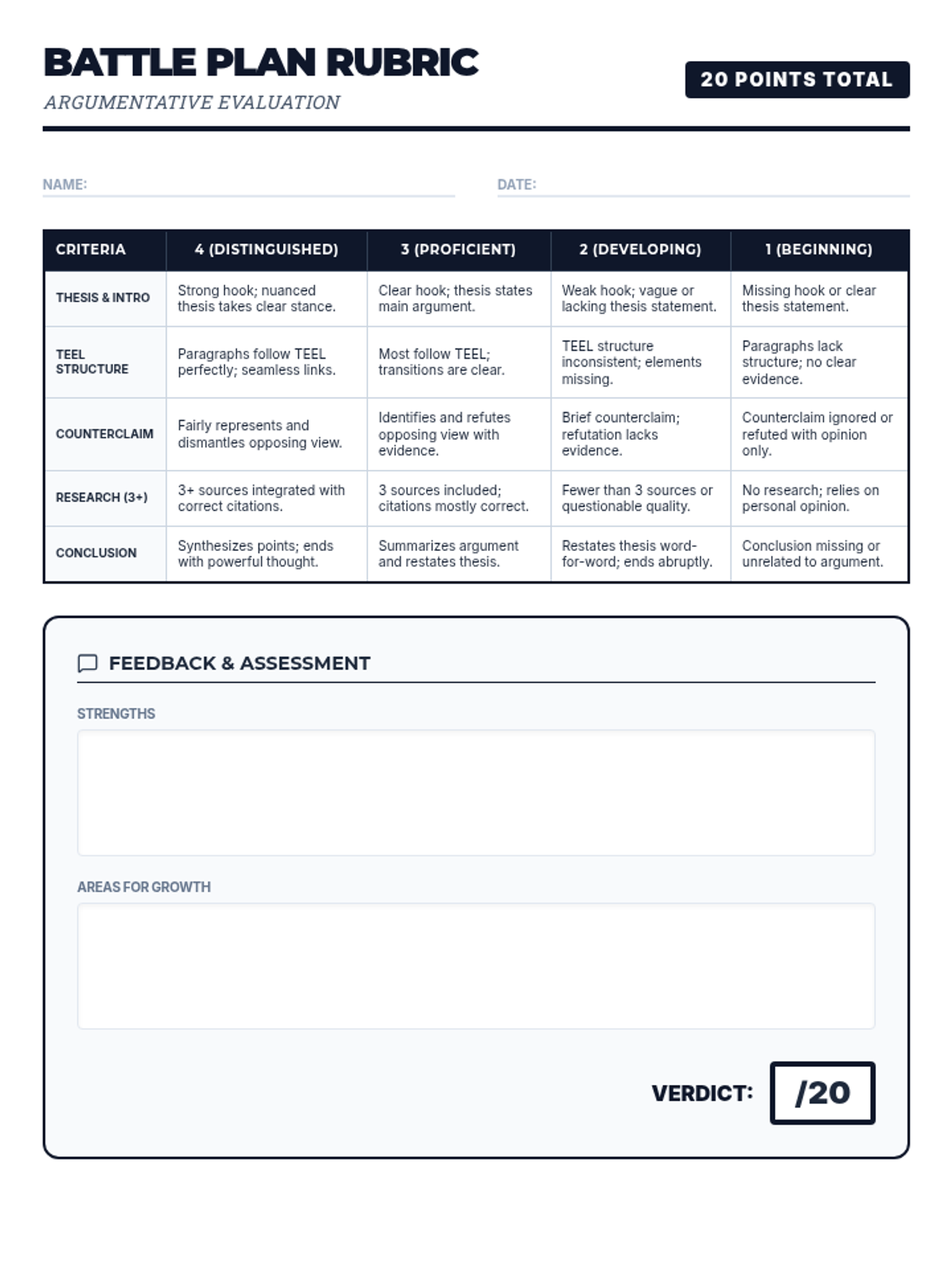
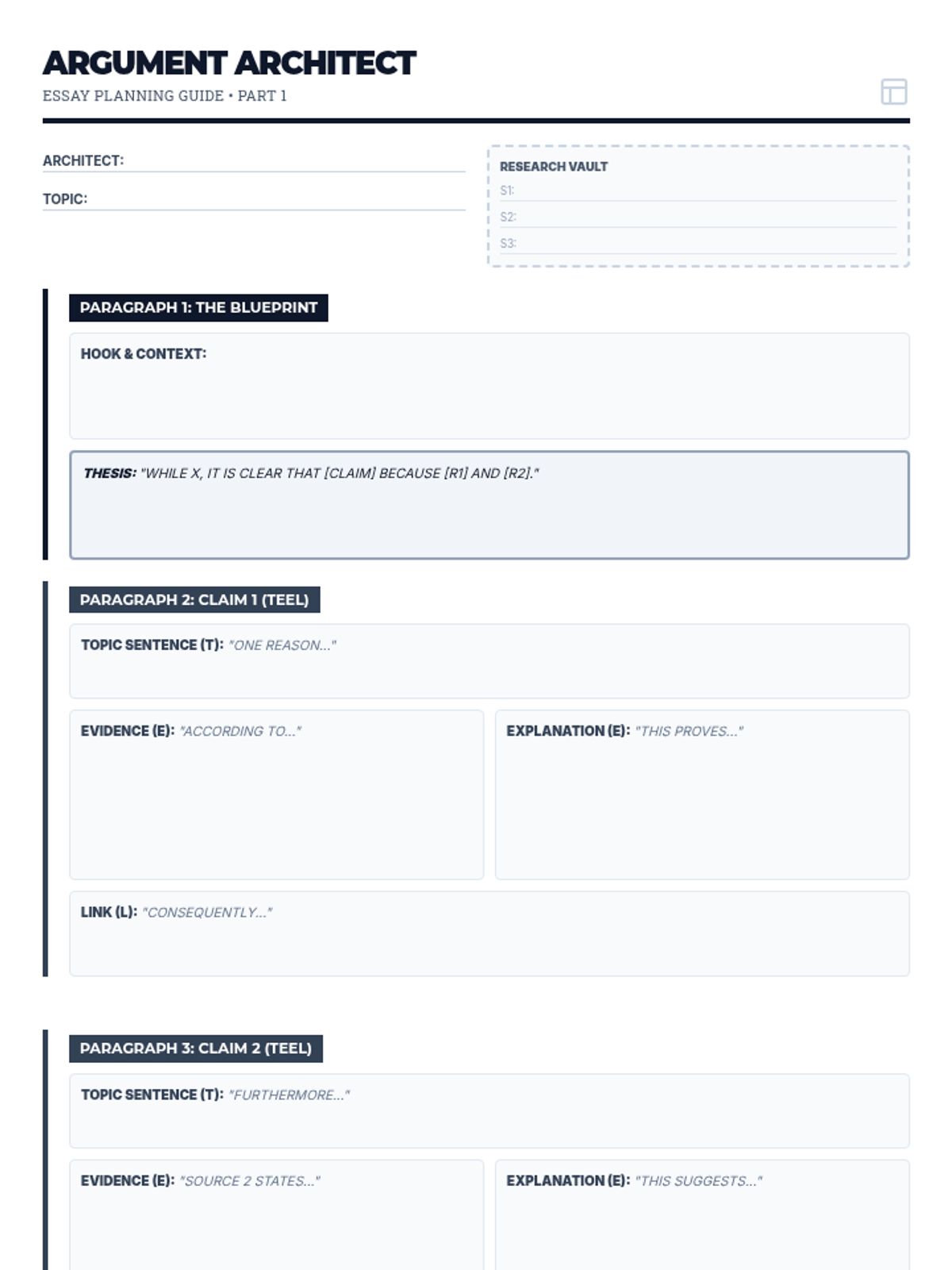
A comprehensive guide for students to plan and evaluate a five-paragraph argumentative essay, focusing on research integration and the refutation of counterclaims using the TEEL structure.
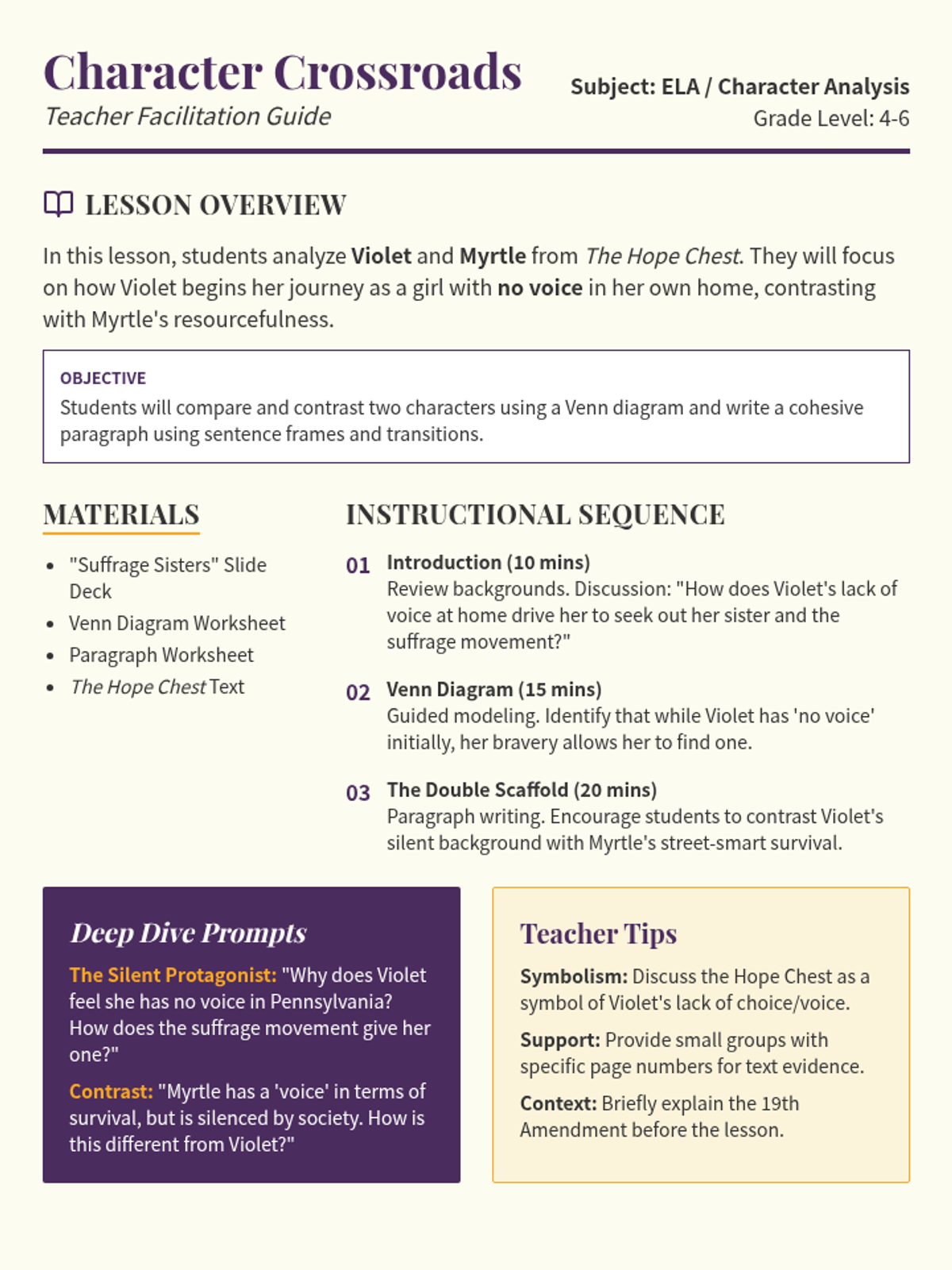
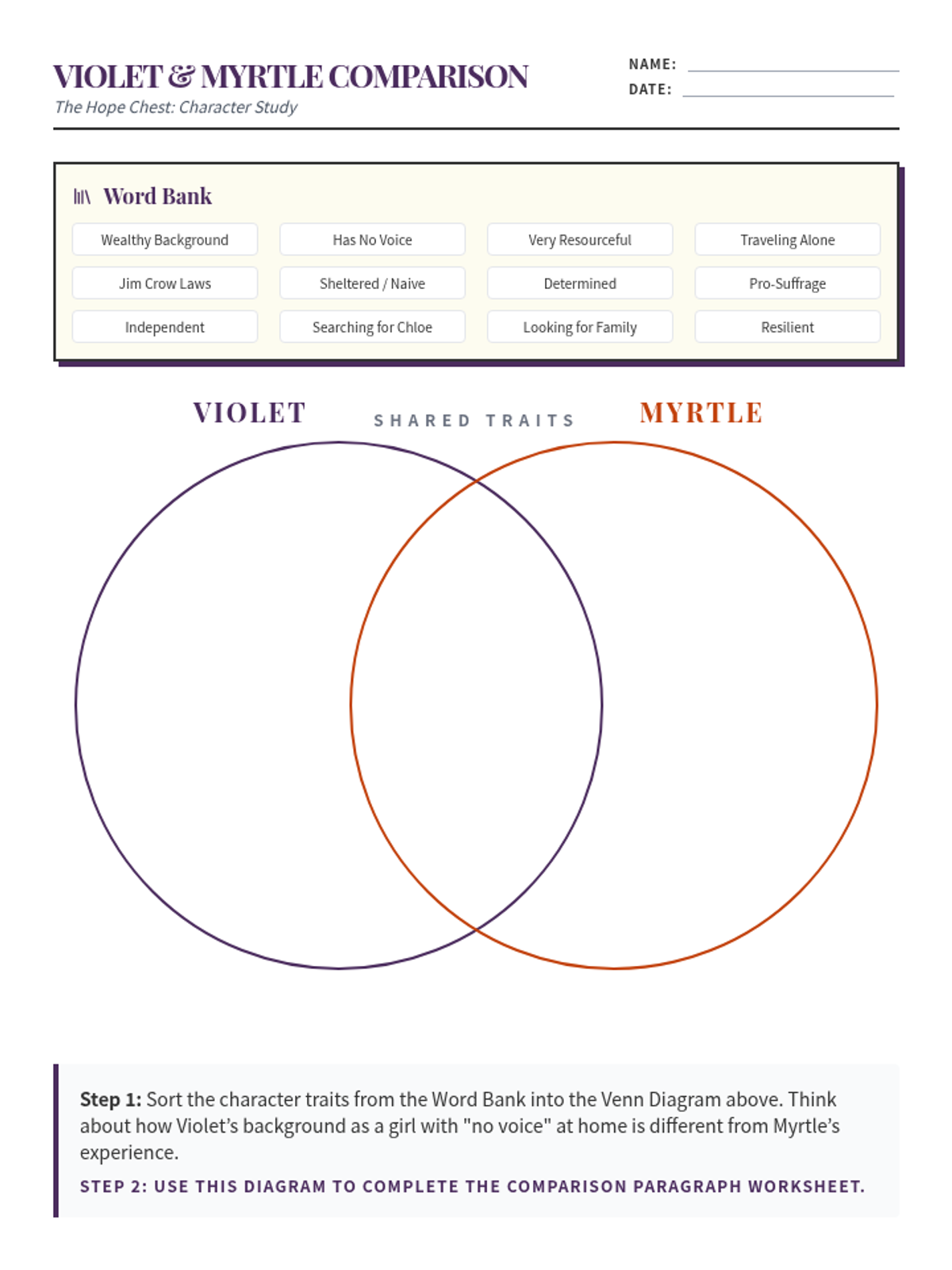
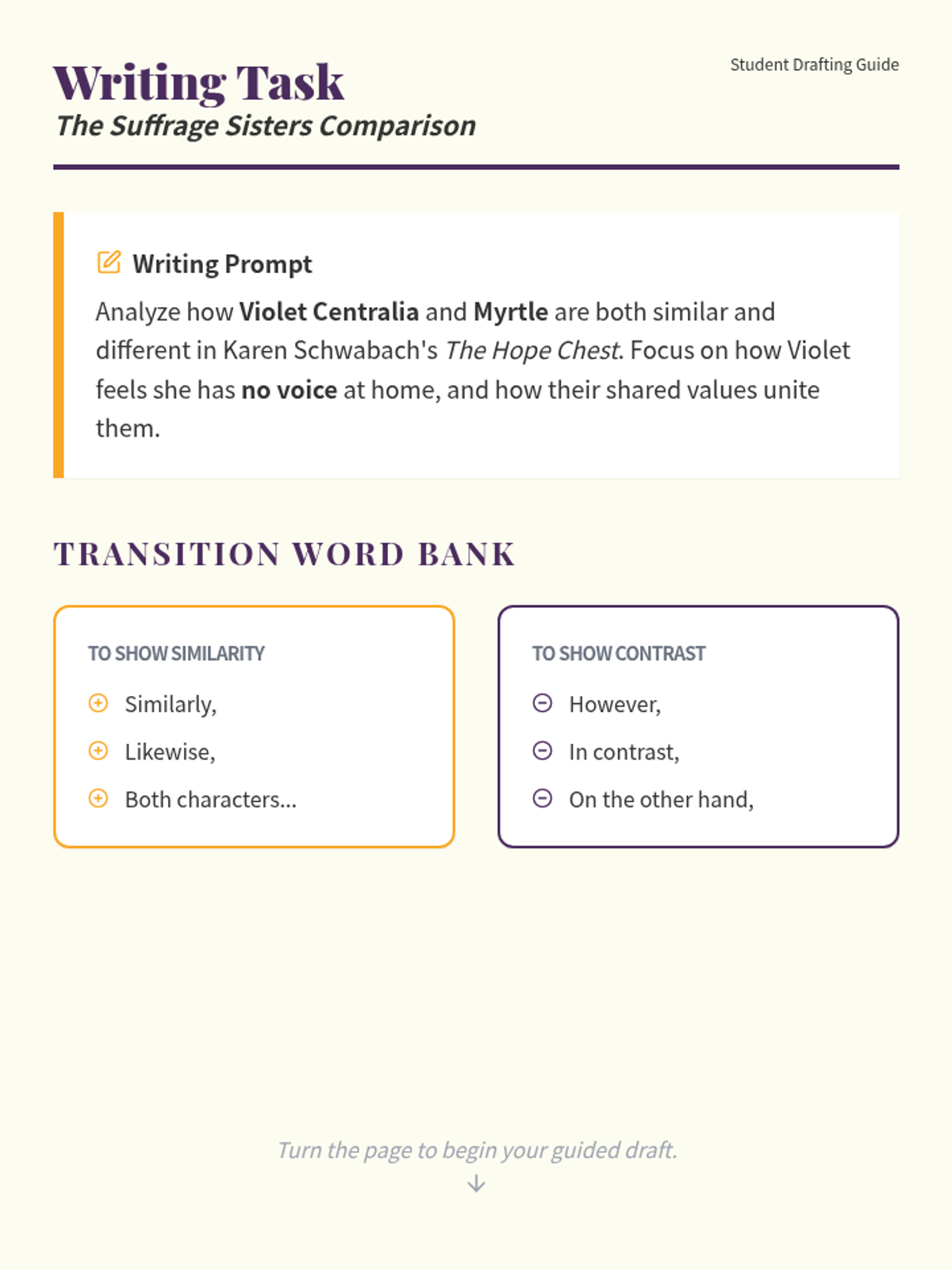
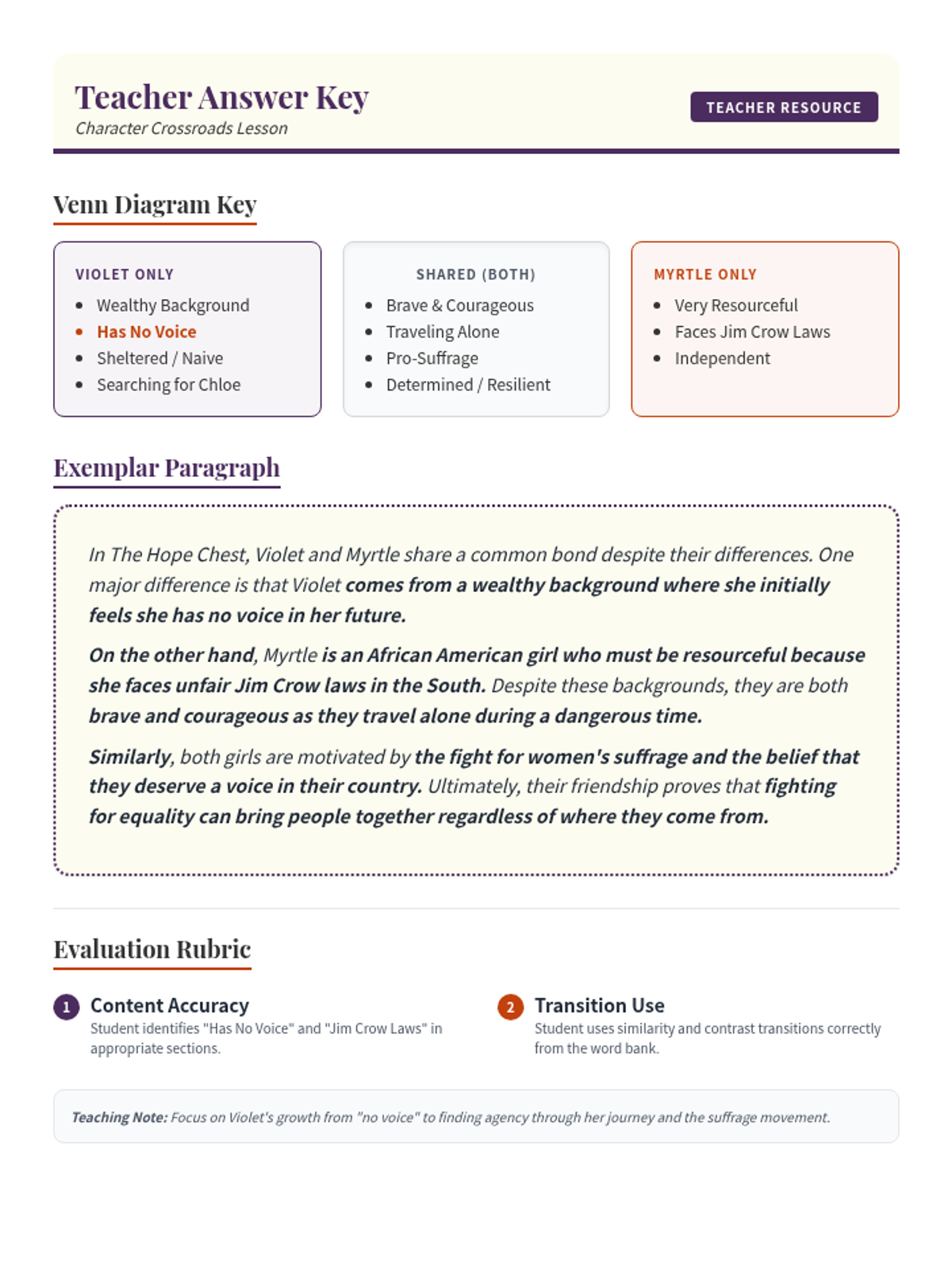
A writing lesson focusing on character analysis through comparing and contrasting Violet and Myrtle from 'The Hope Chest' using a Venn diagram and scaffolded paragraph writing.
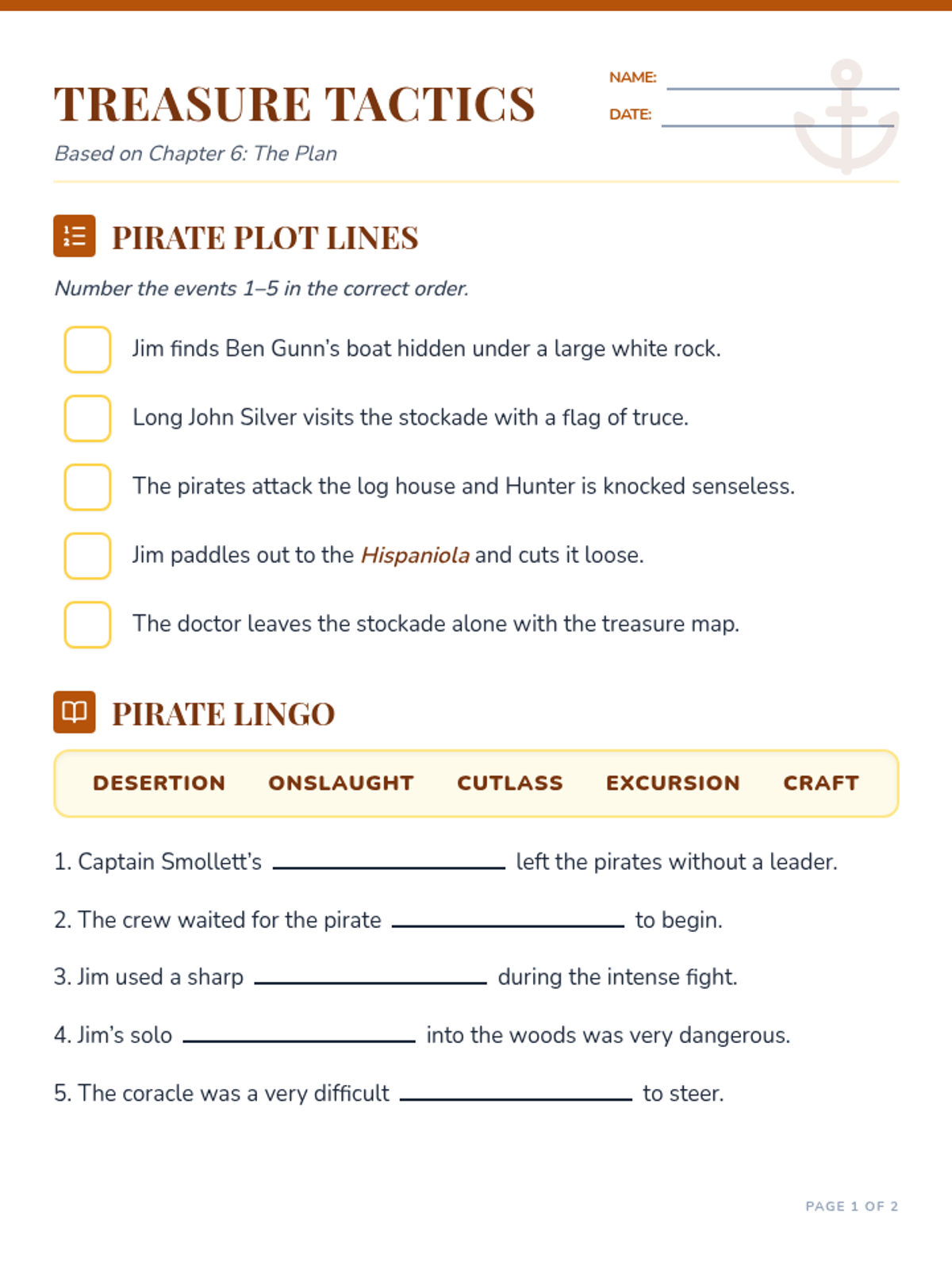
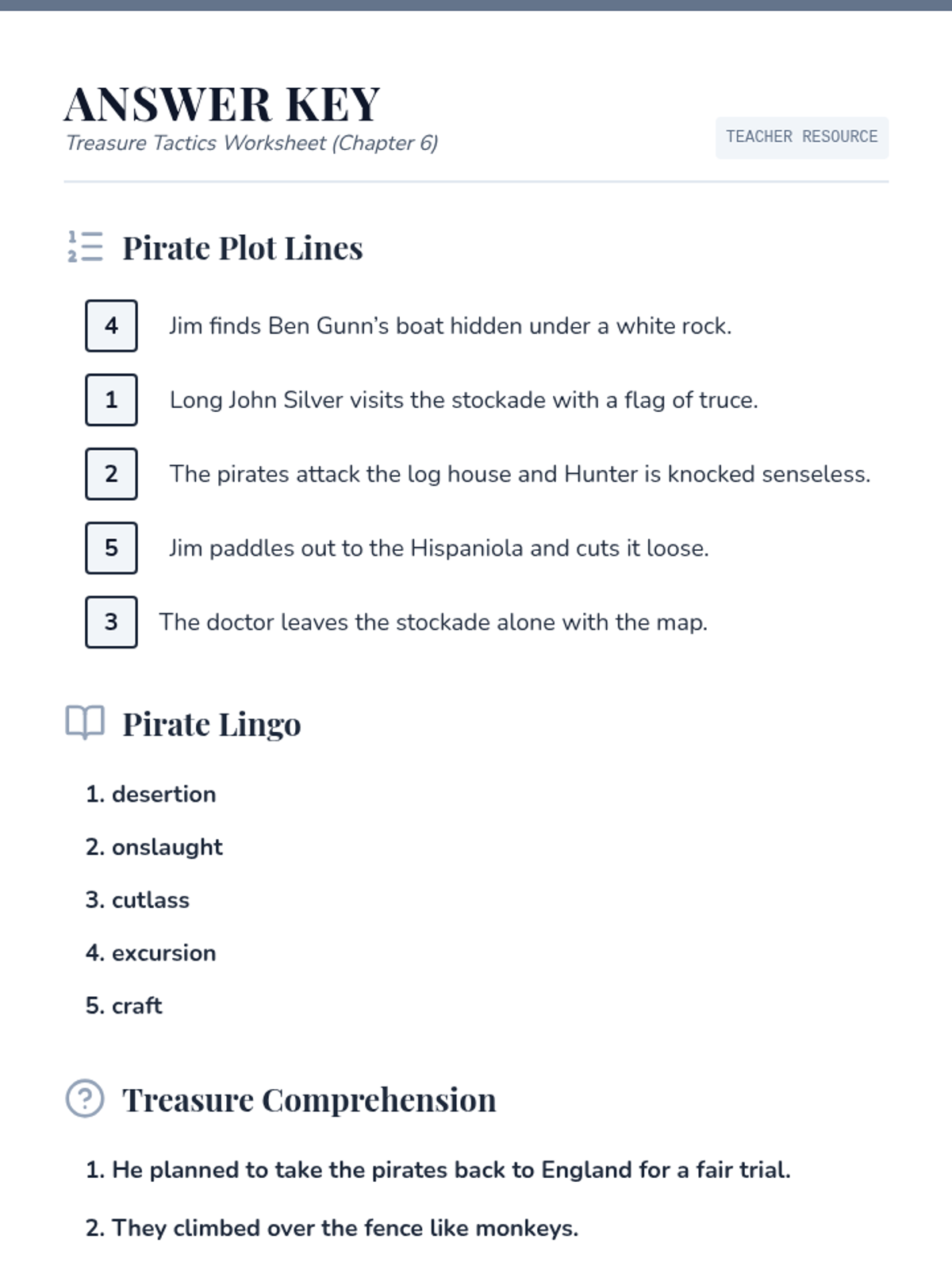
A lesson covering Chapter 6 of Treasure Island, focusing on comprehension, sequencing, and vocabulary through a reading-based worksheet.
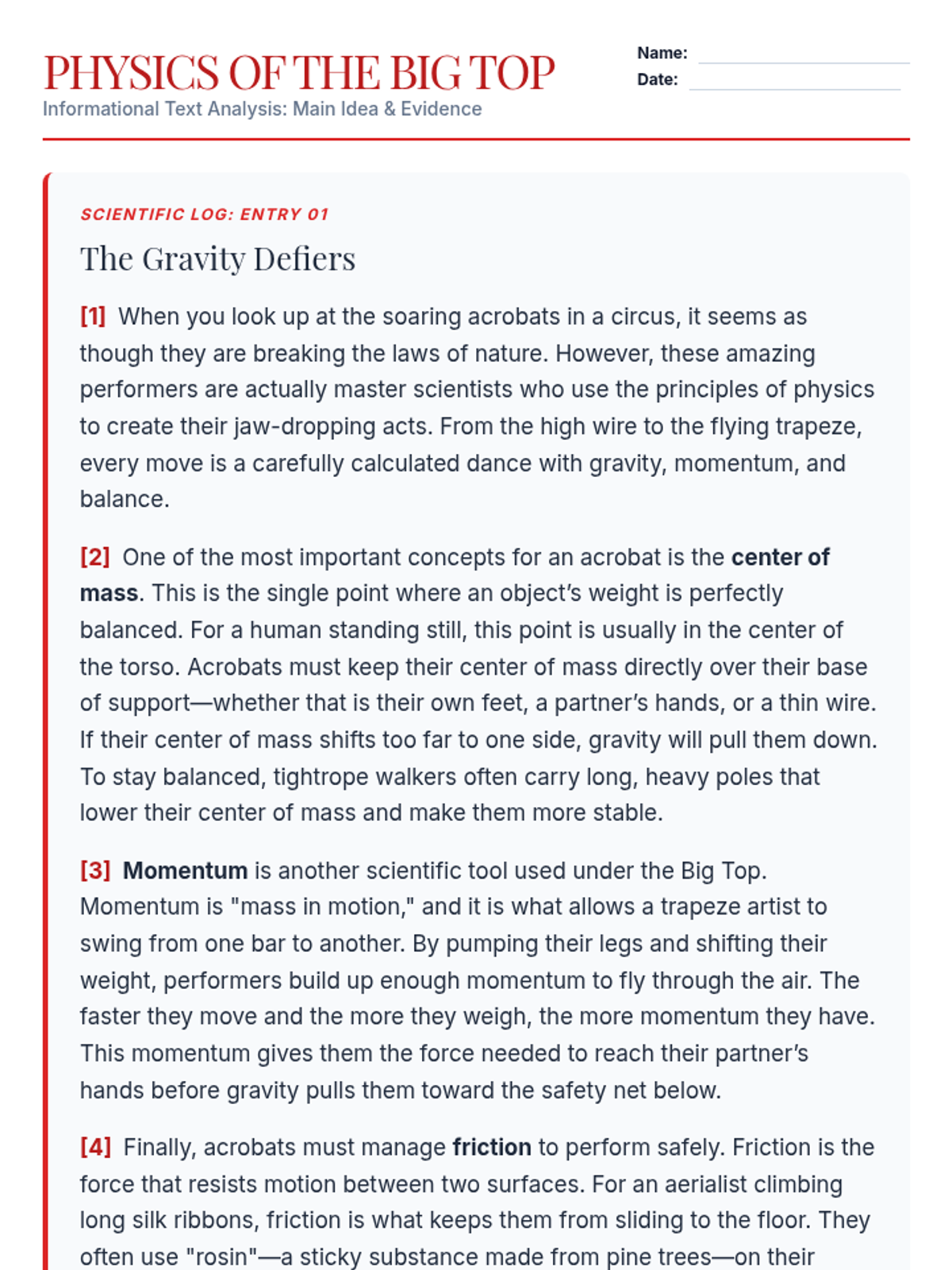
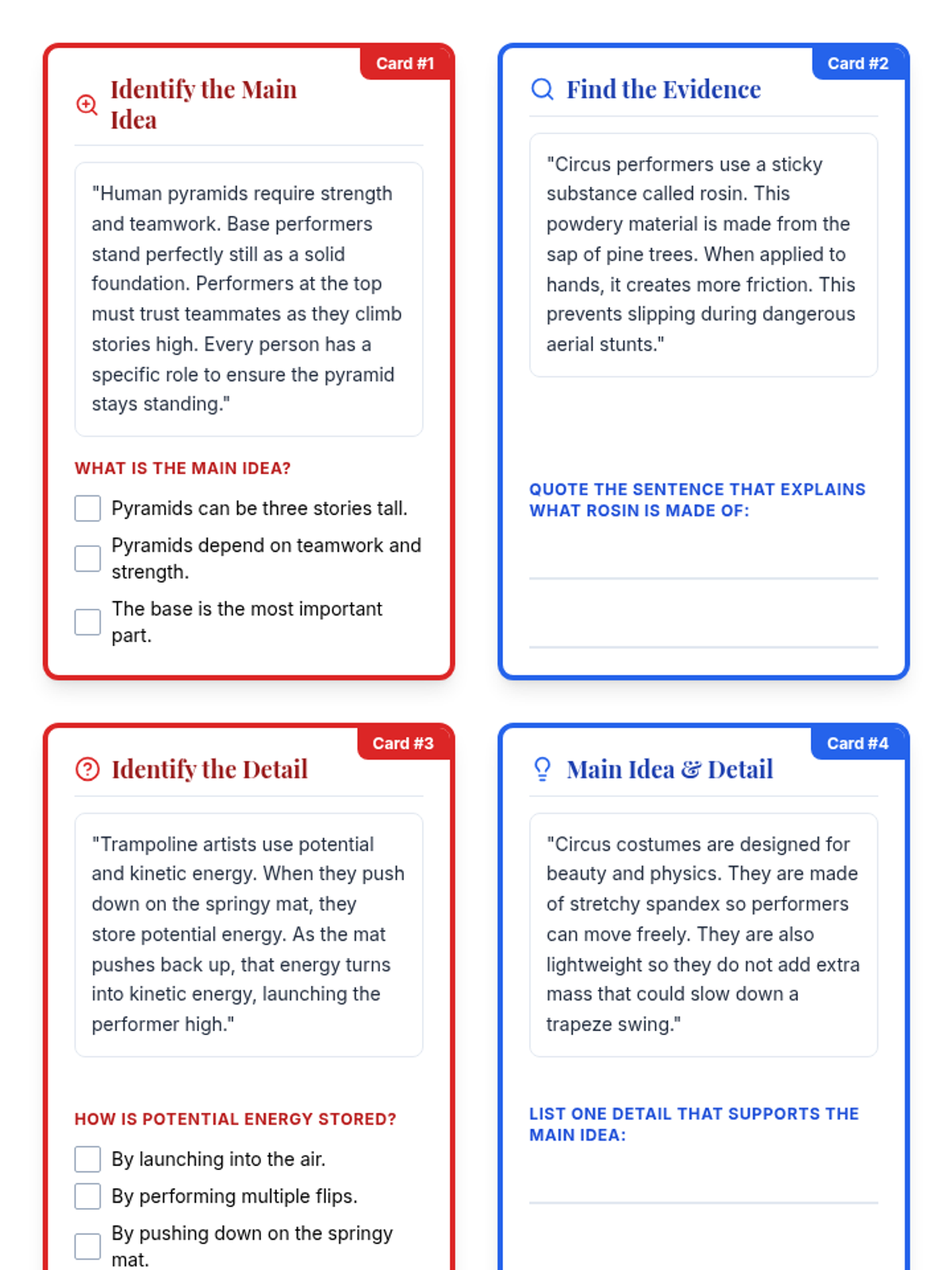
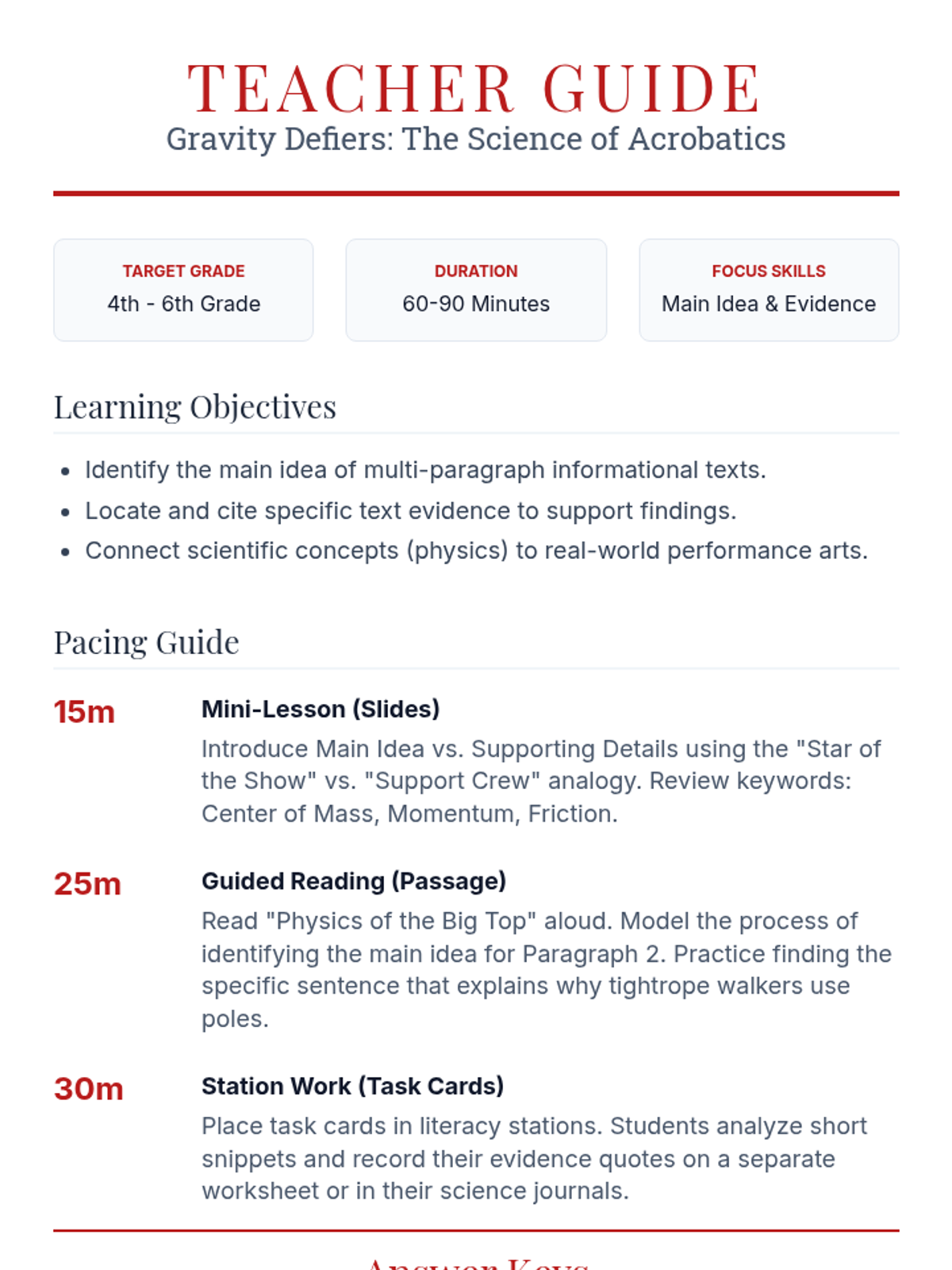
A lesson focused on identifying the main idea and supporting details using a text about the physics of circus acrobatics. Students will explore concepts like center of mass and momentum while practicing text evidence skills.
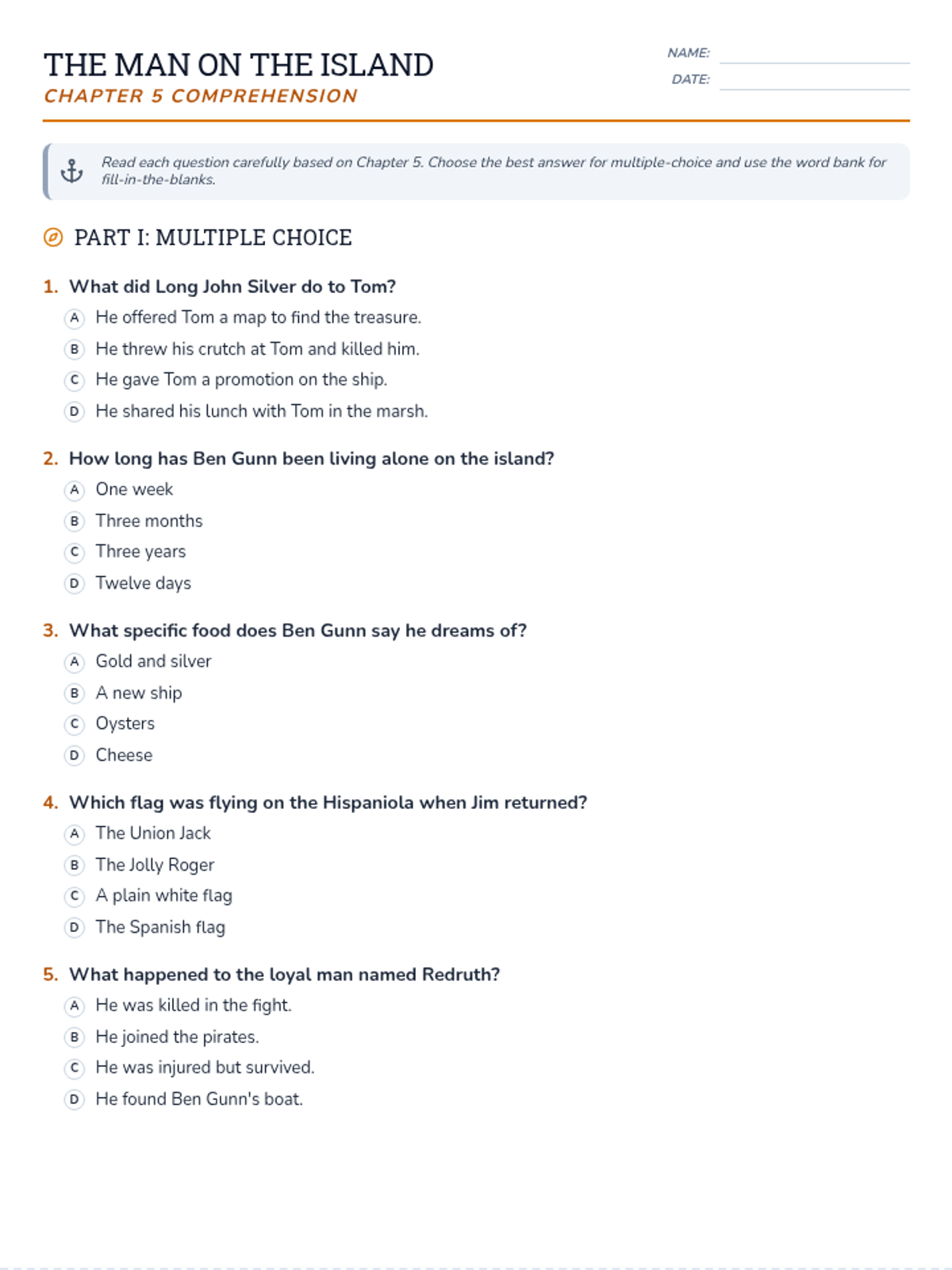
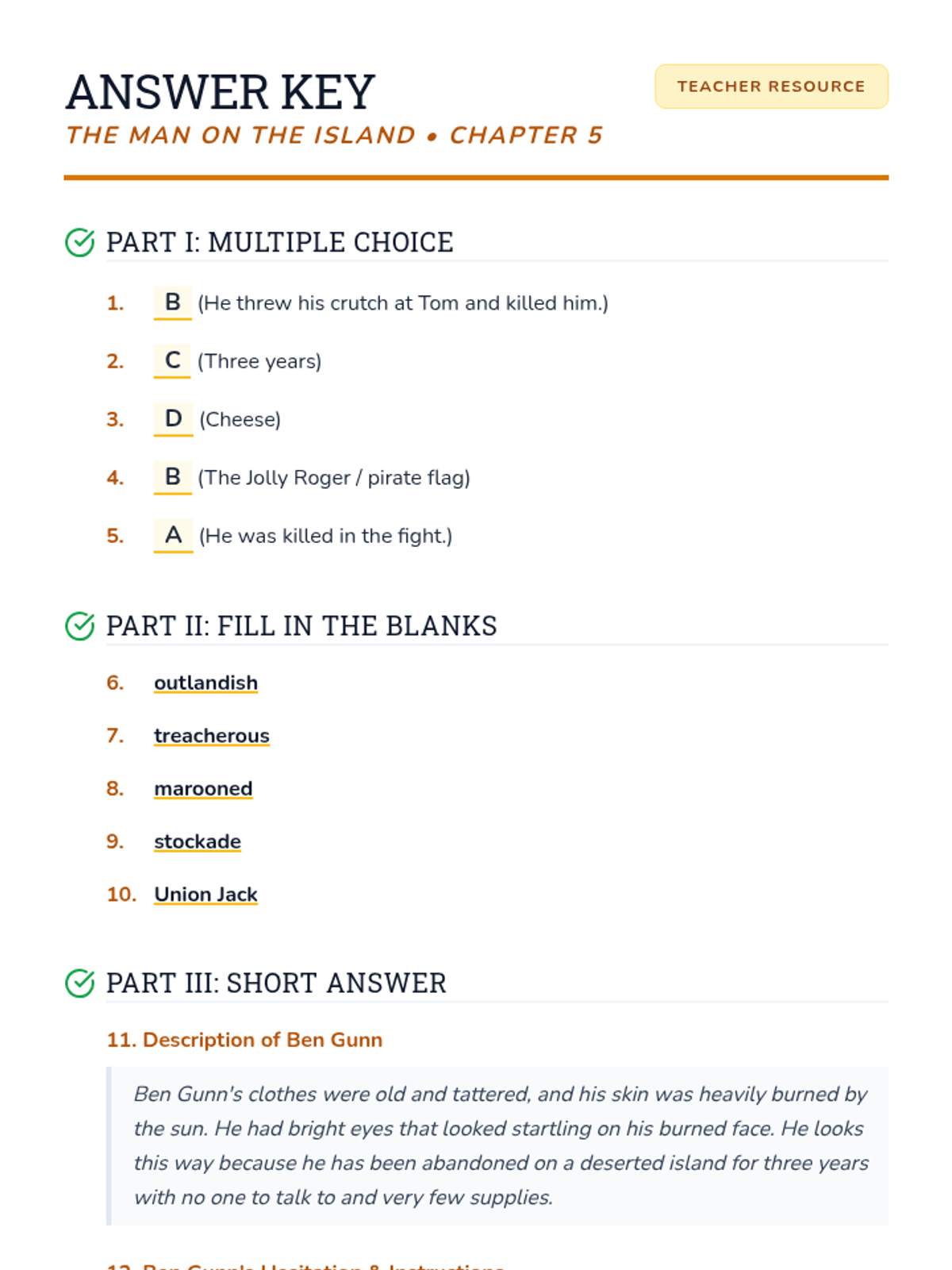
This lesson focuses on Chapter 5 of the Treasure Island reader, where Jim Hawkins meets Ben Gunn and witnesses the escalating conflict between the loyal crew and the mutineers. Students will demonstrate comprehension through multiple-choice, fill-in-the-blank, and short-answer questions.
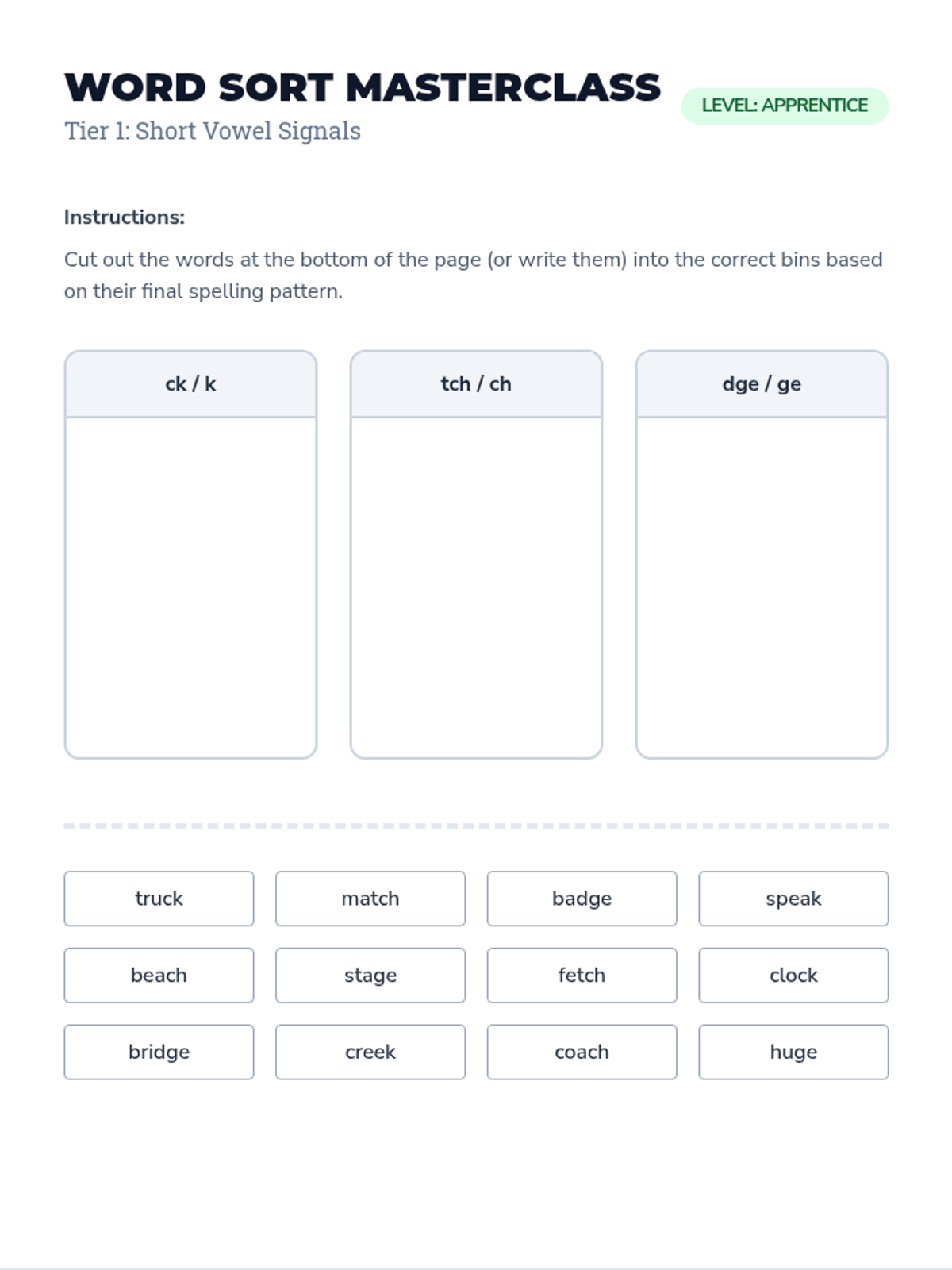
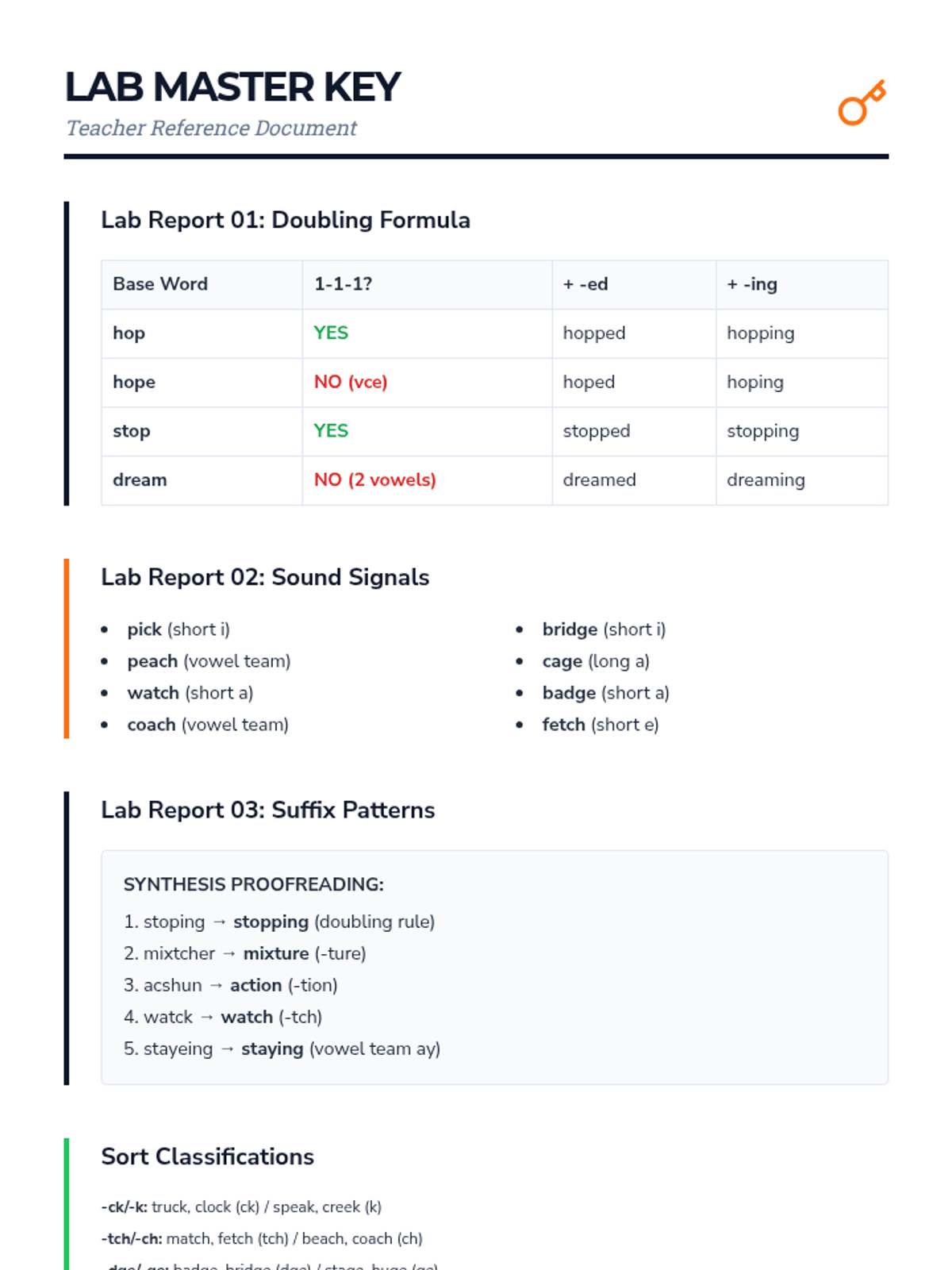
A comprehensive spelling unit for 4th-5th graders focusing on complex orthographic patterns, suffix rules, and vowel teams through a 'Word Works Lab' theme.
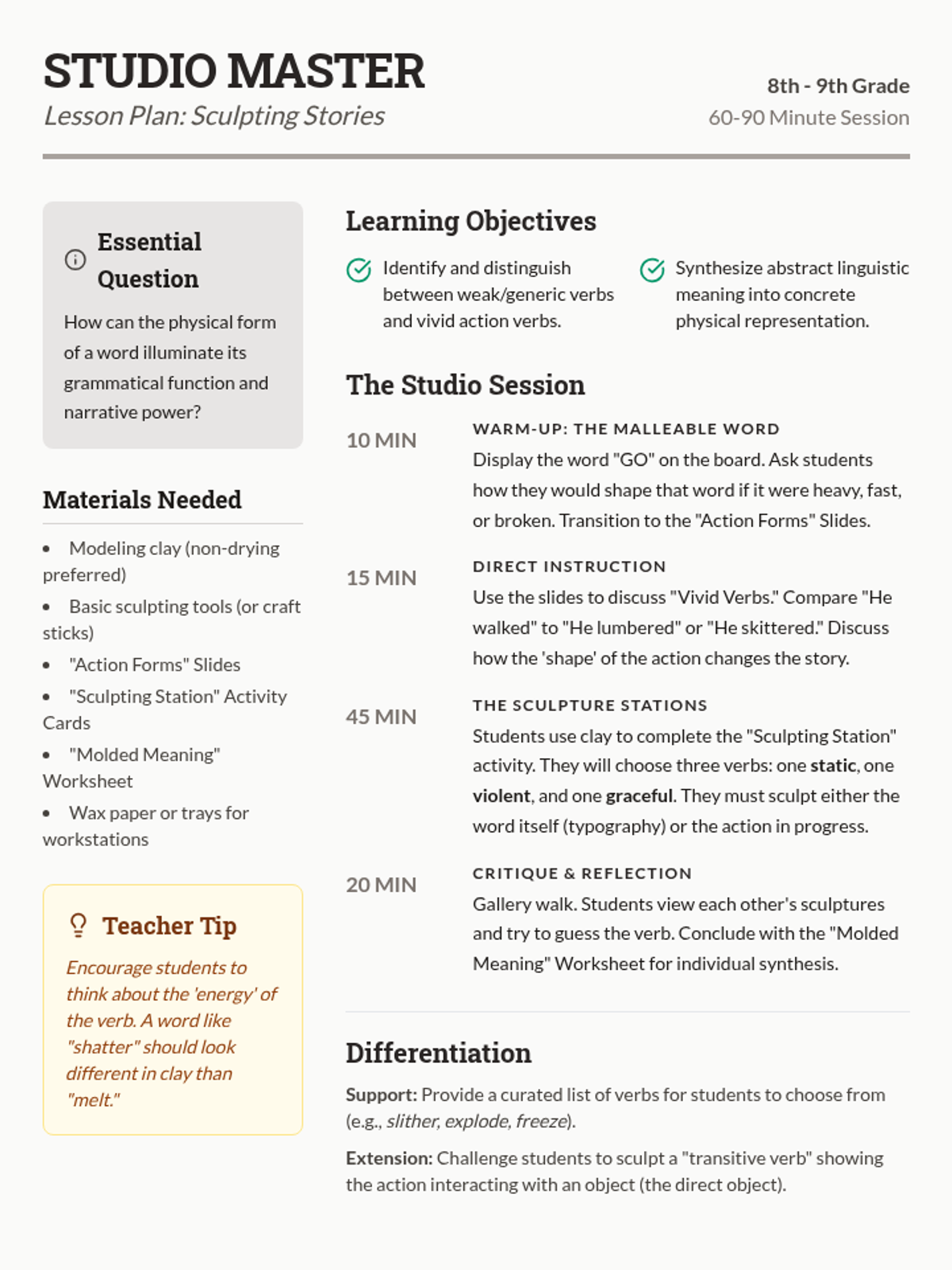
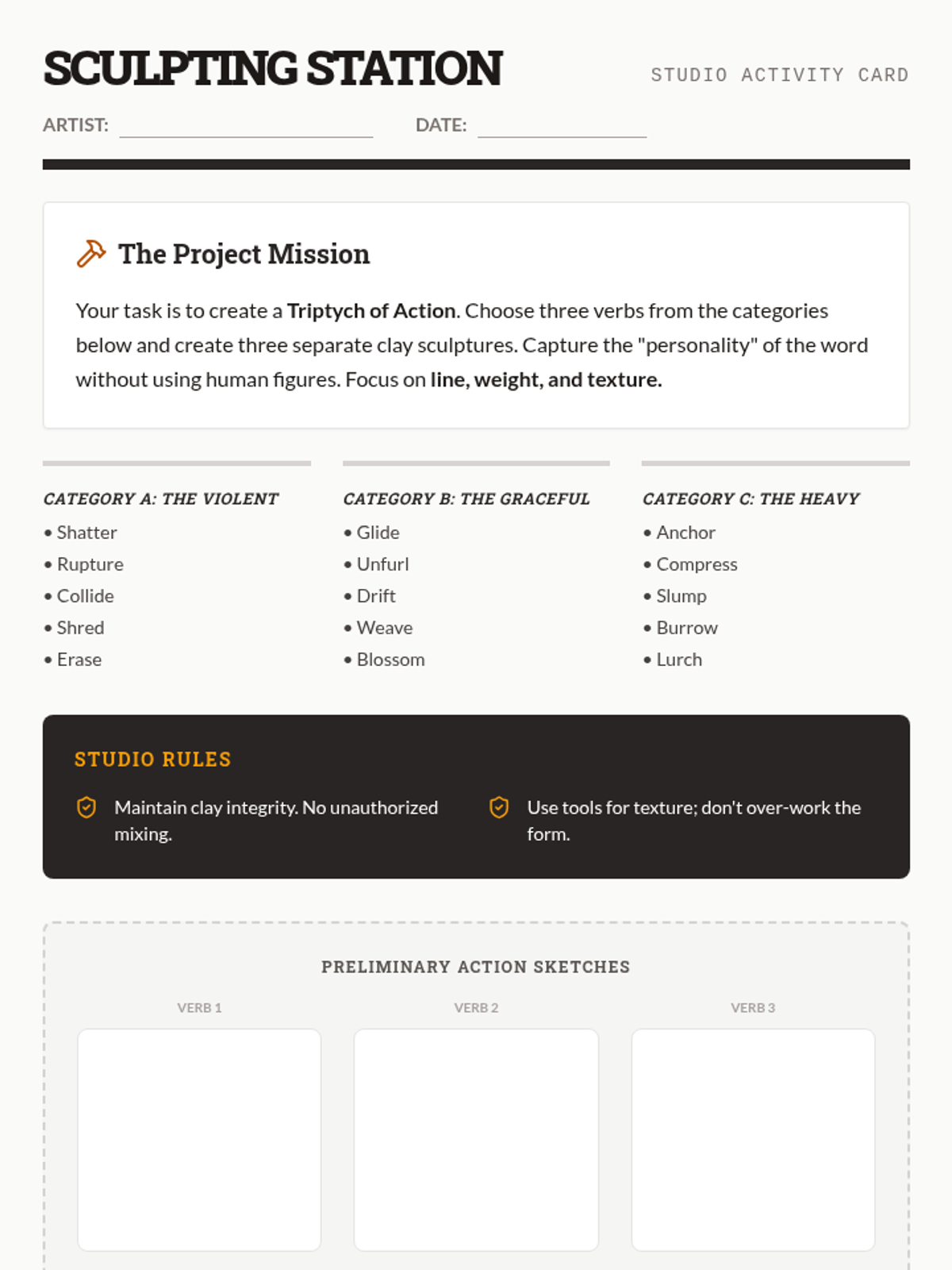
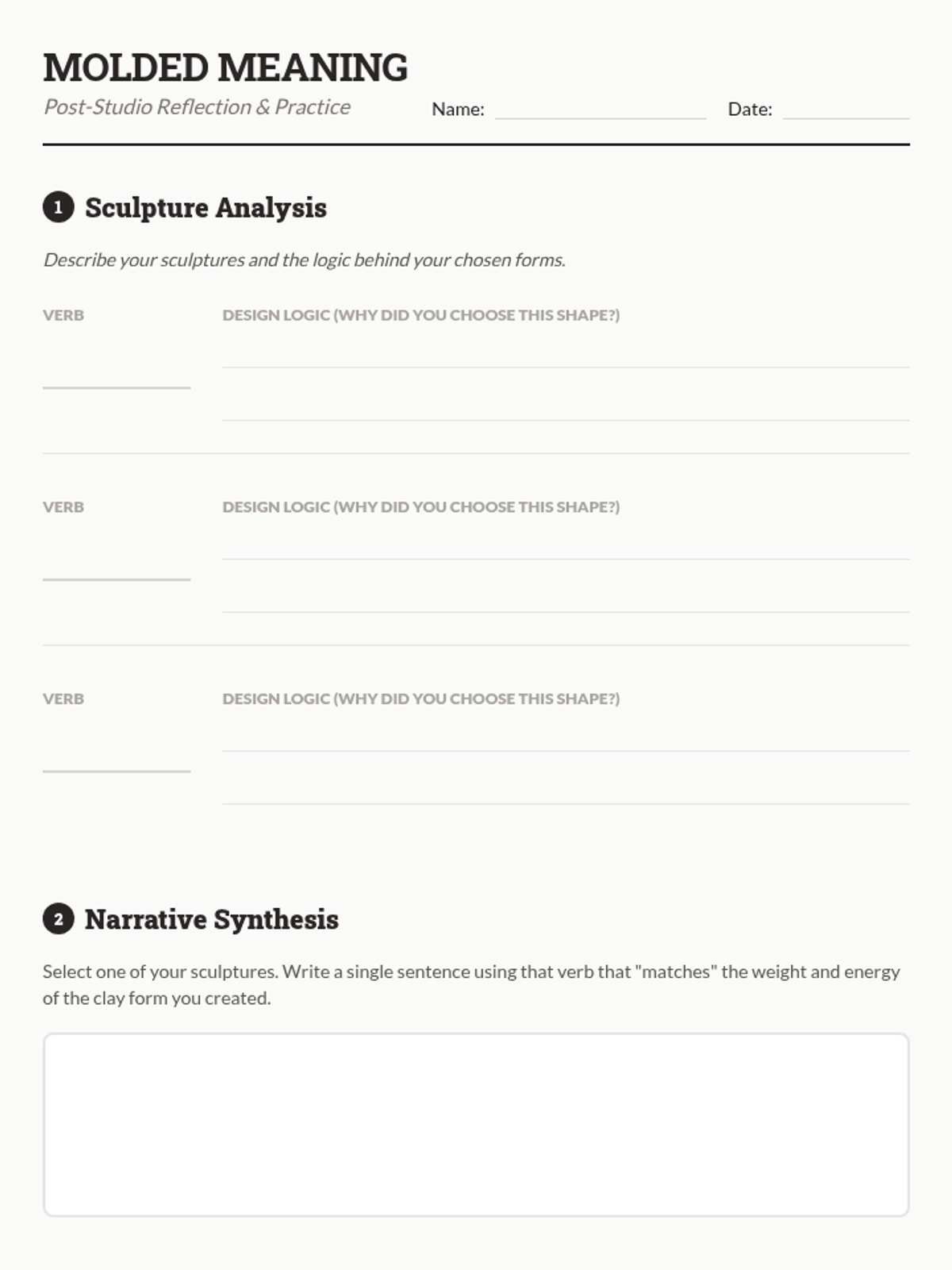
A multisensory grammar lesson where 8th and 9th grade students use modeling clay to physically represent action verbs, bridging the gap between abstract linguistics and tactile form.
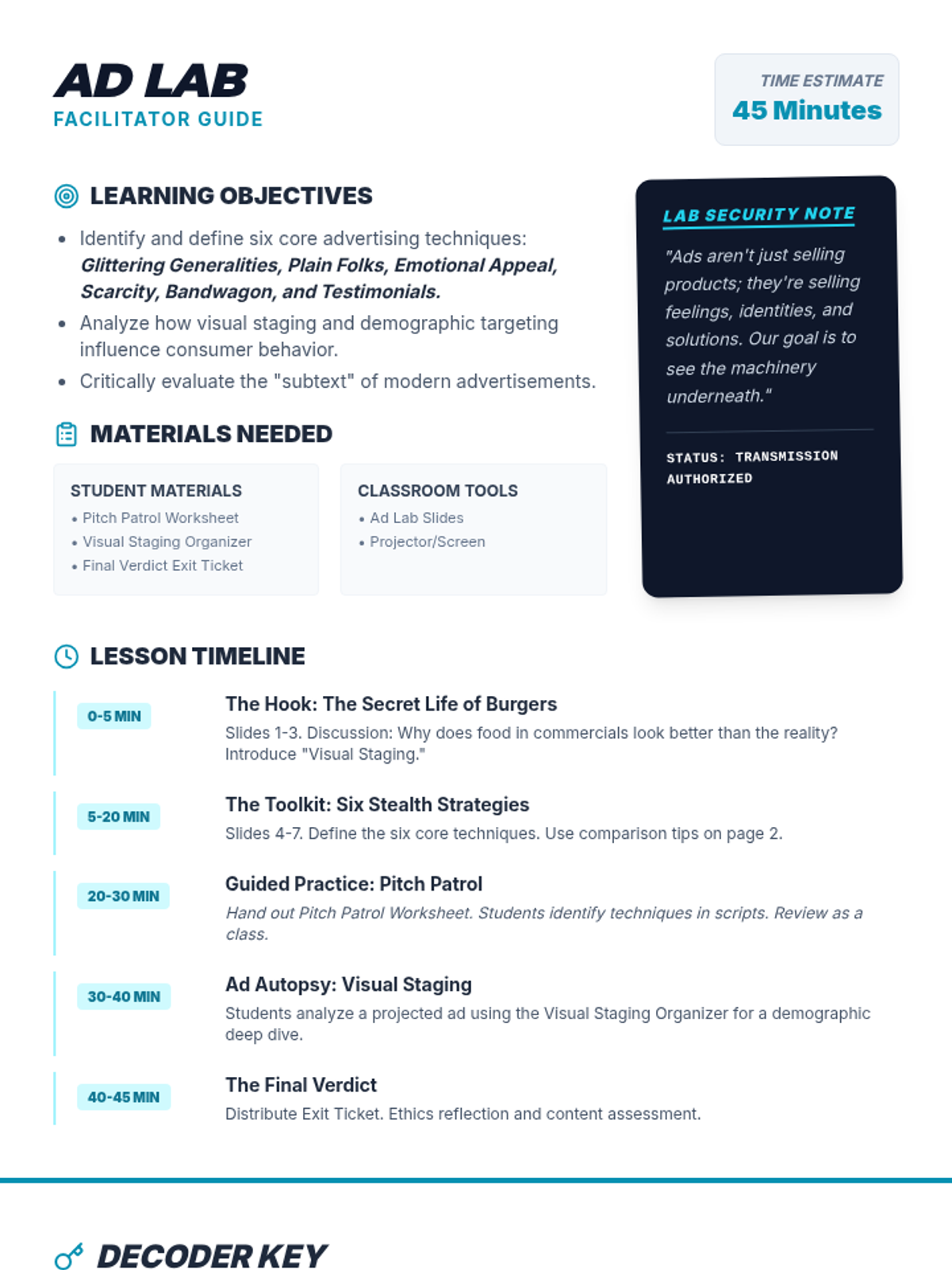
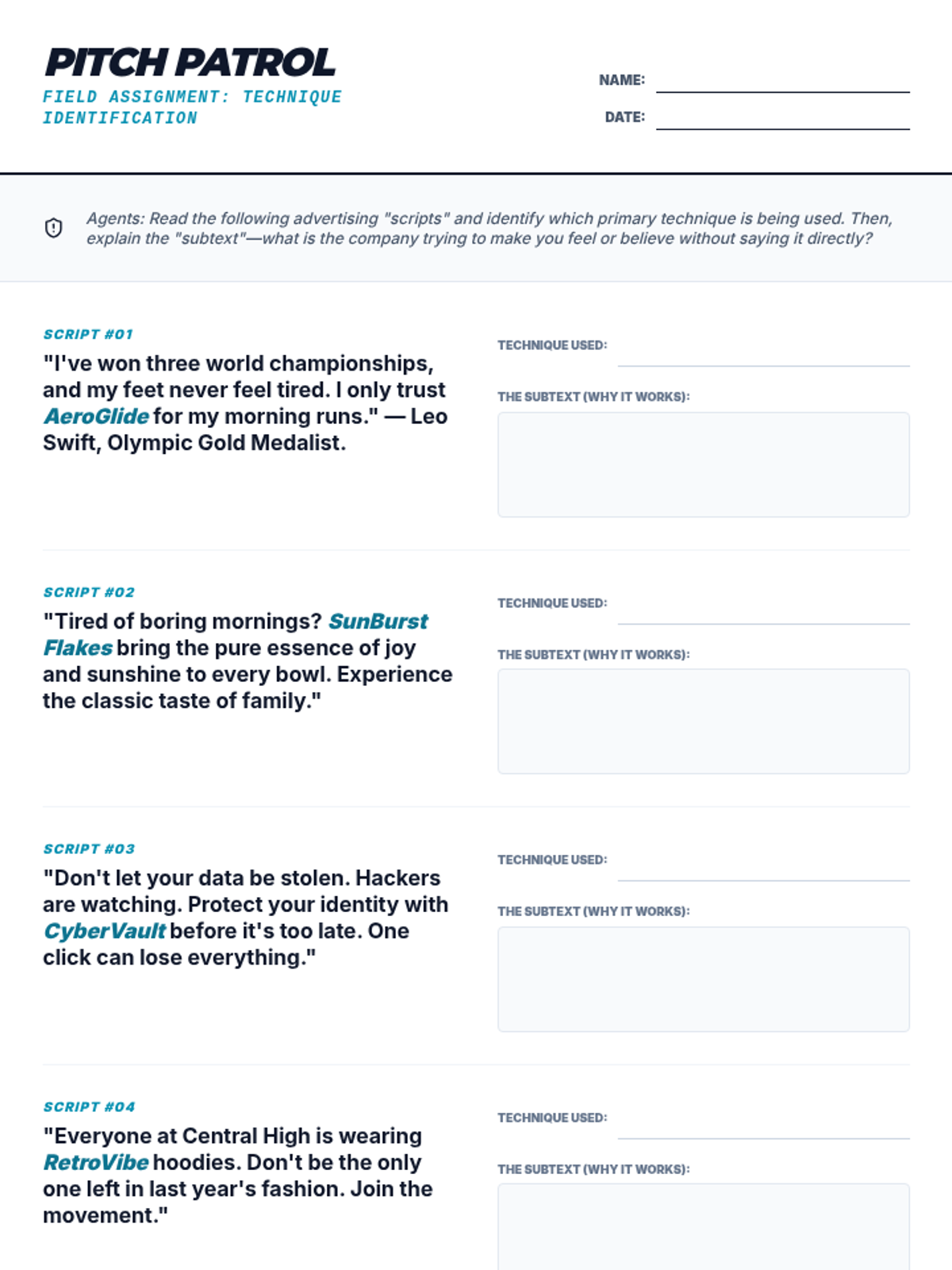
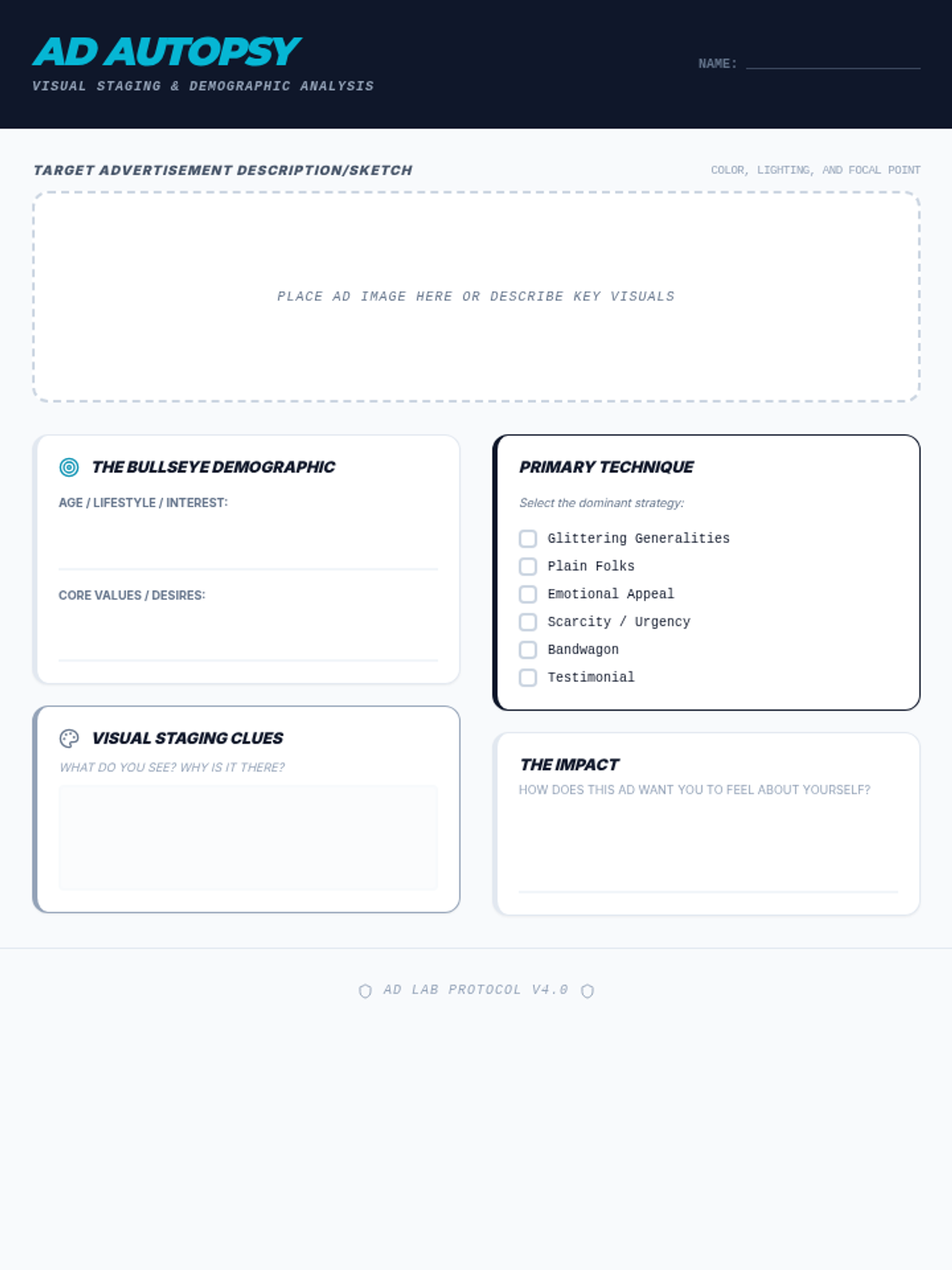
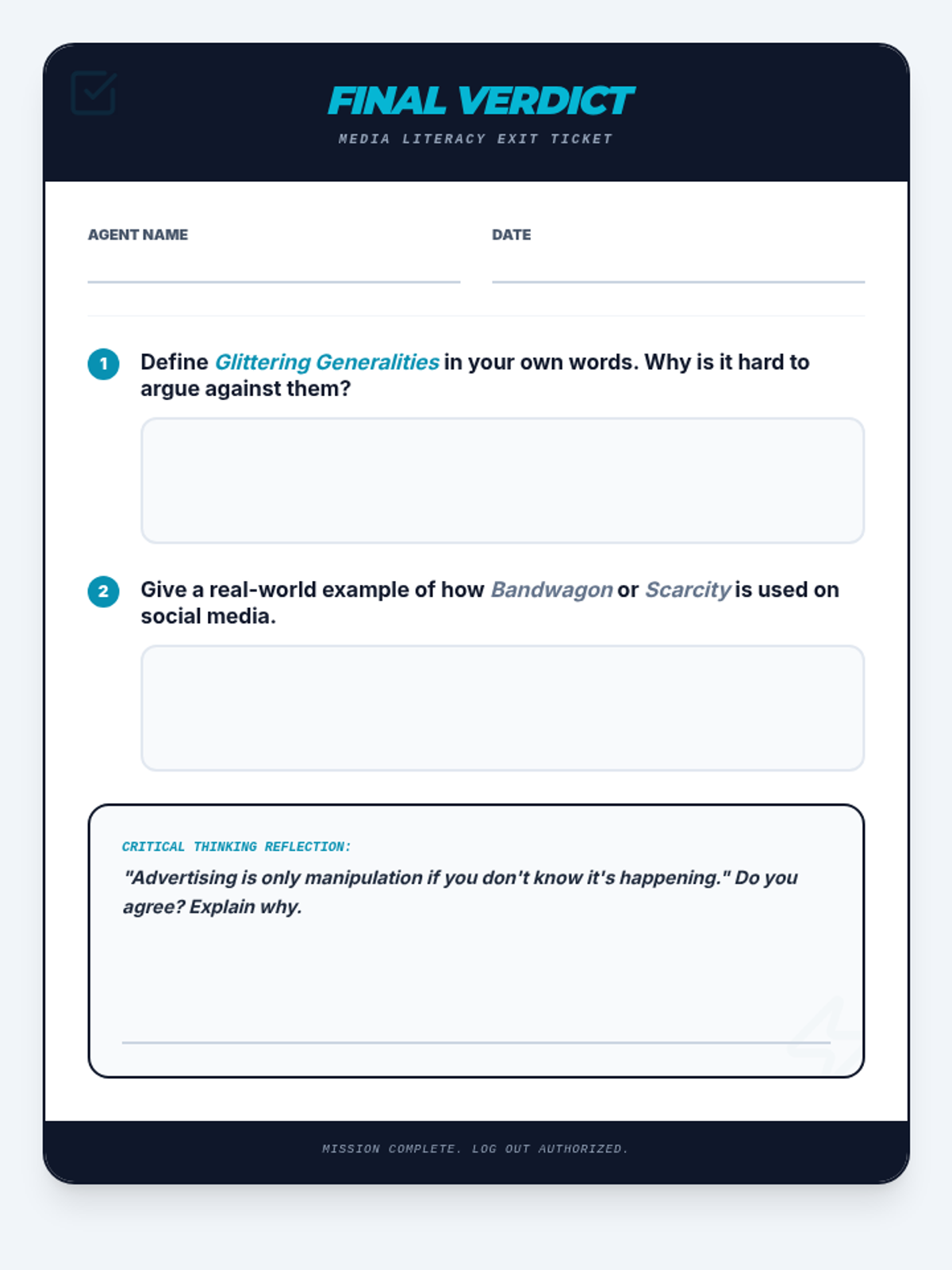
A 45-minute media literacy lesson where students deconstruct advertising techniques, analyze target demographics, and uncover visual staging tactics to become savvy consumers.
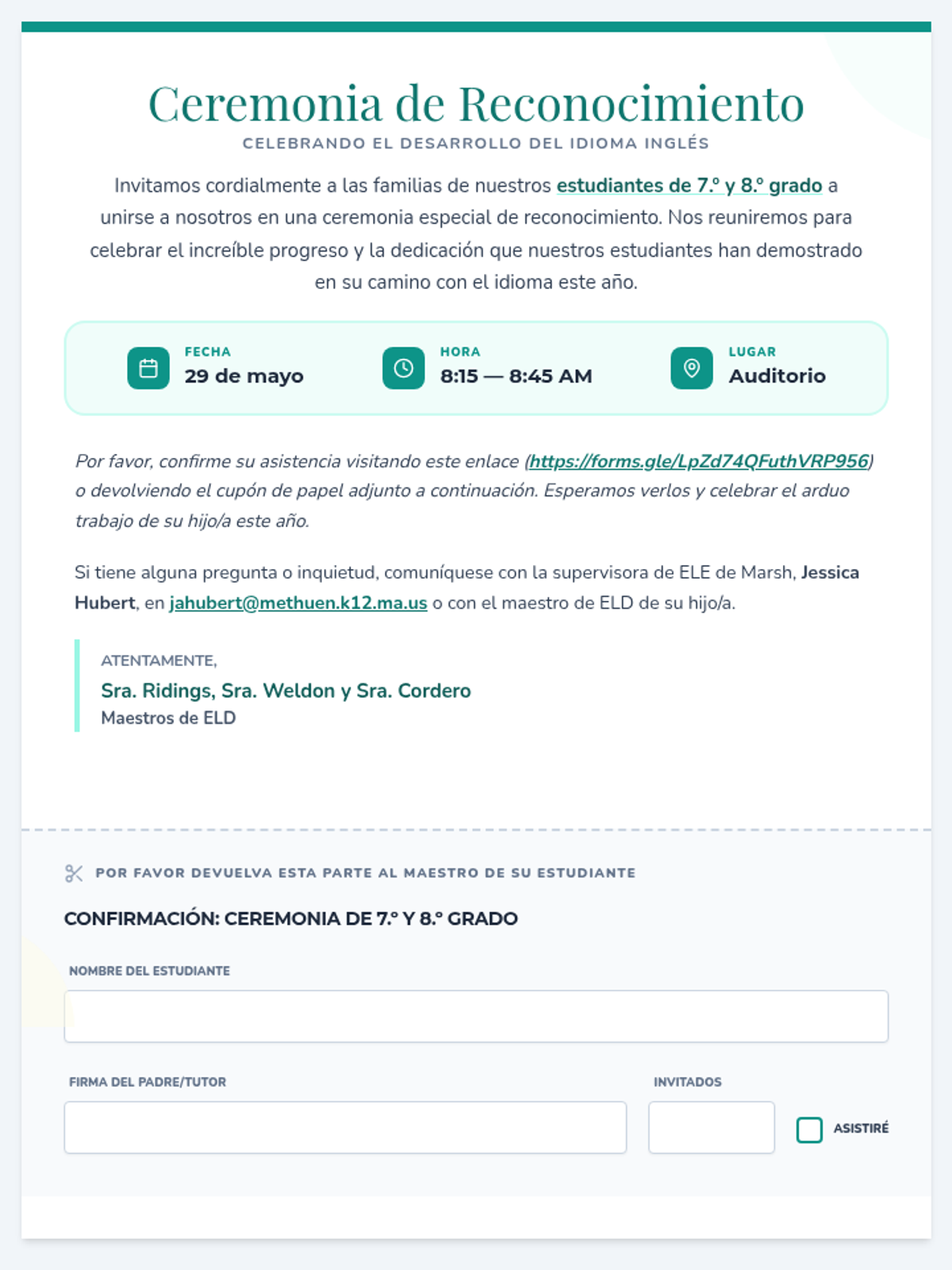
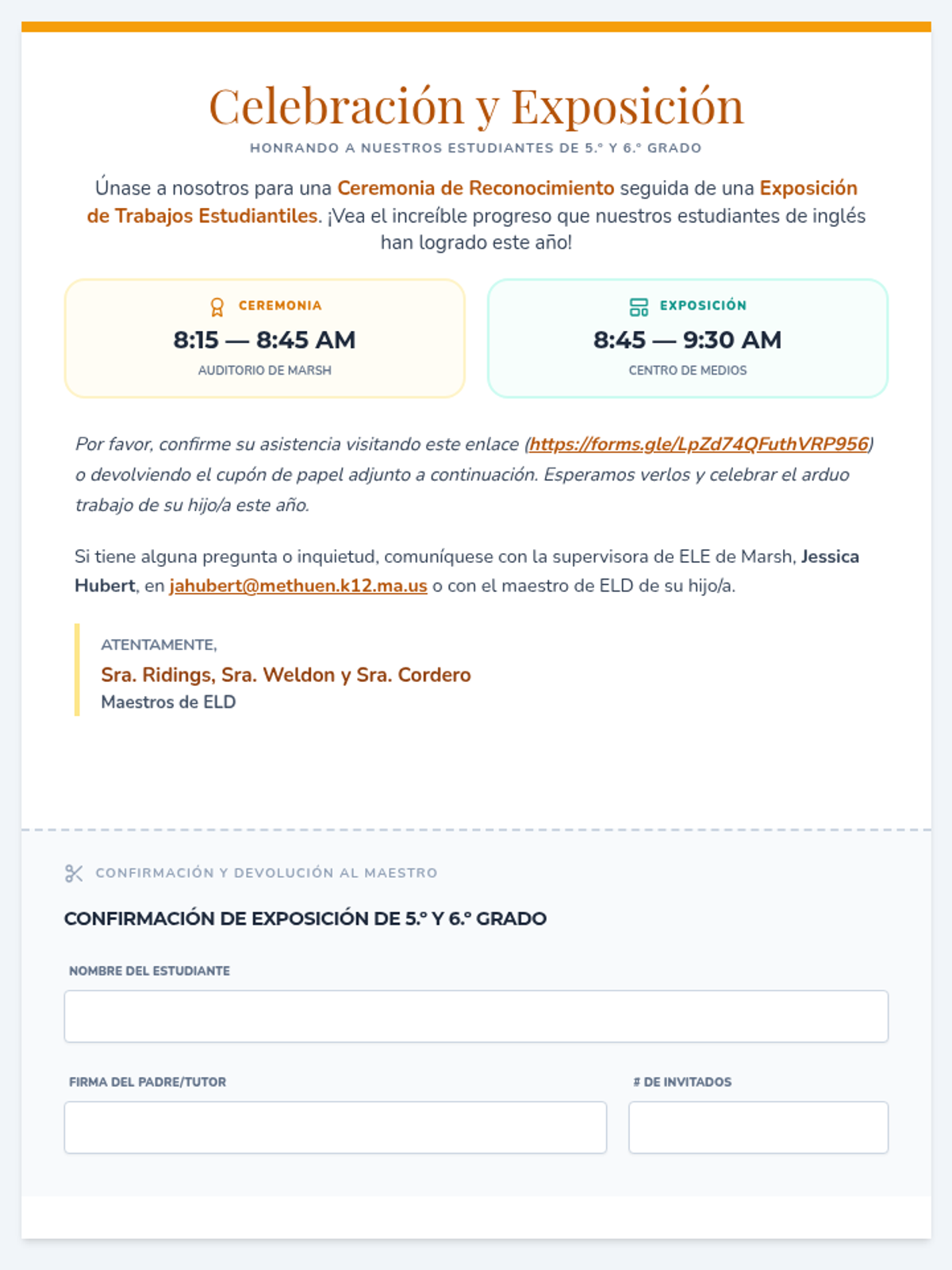
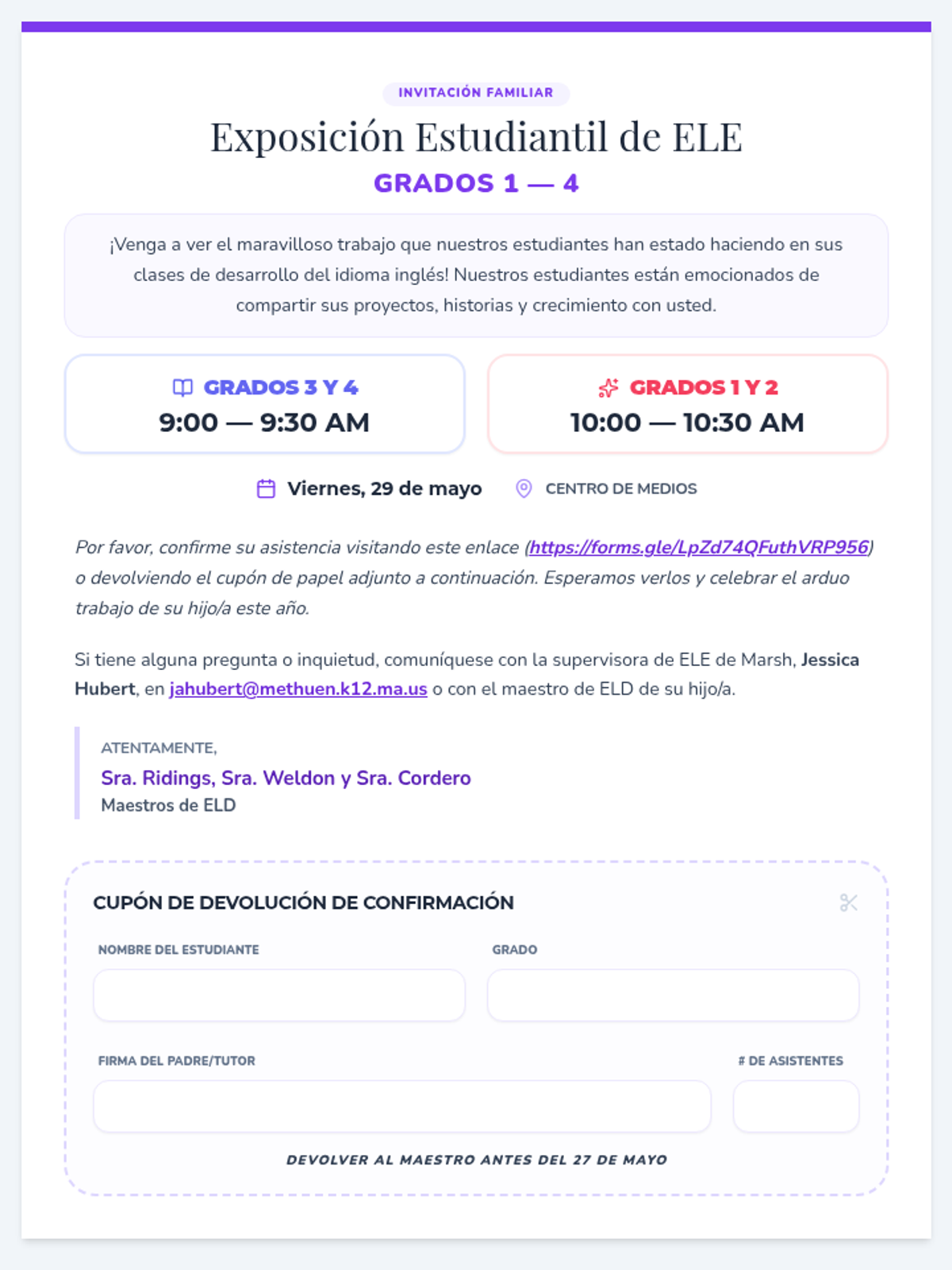
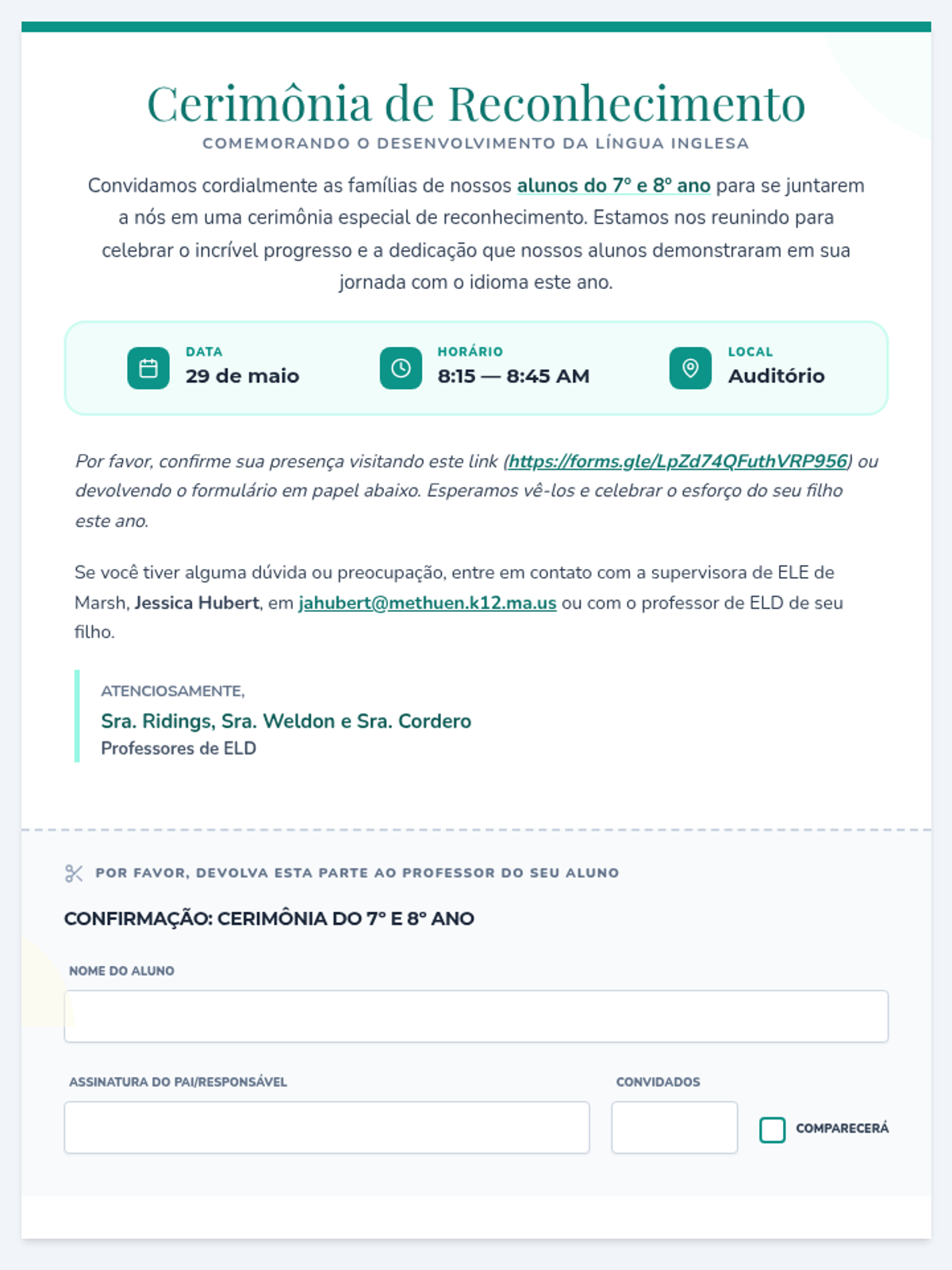
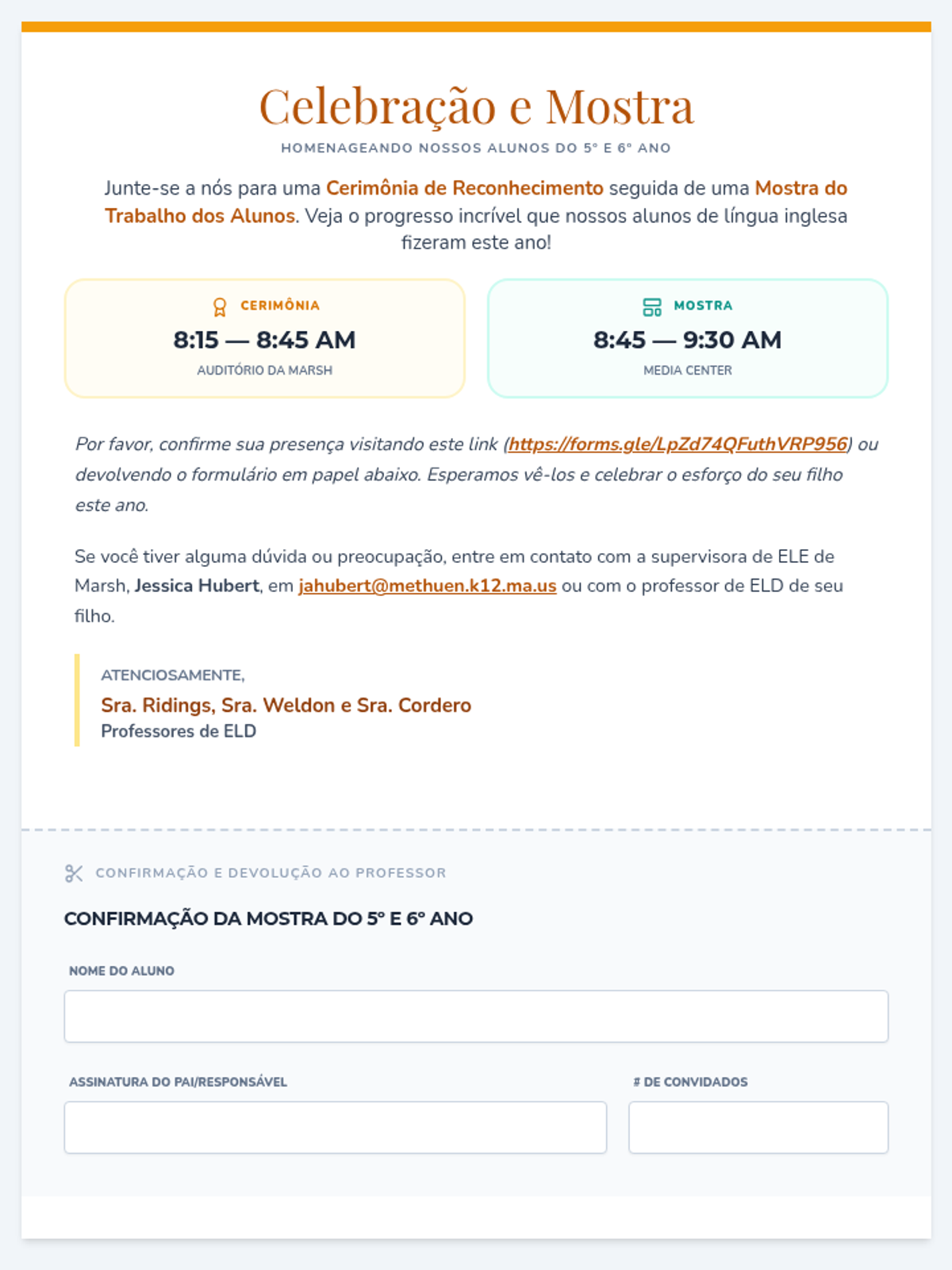
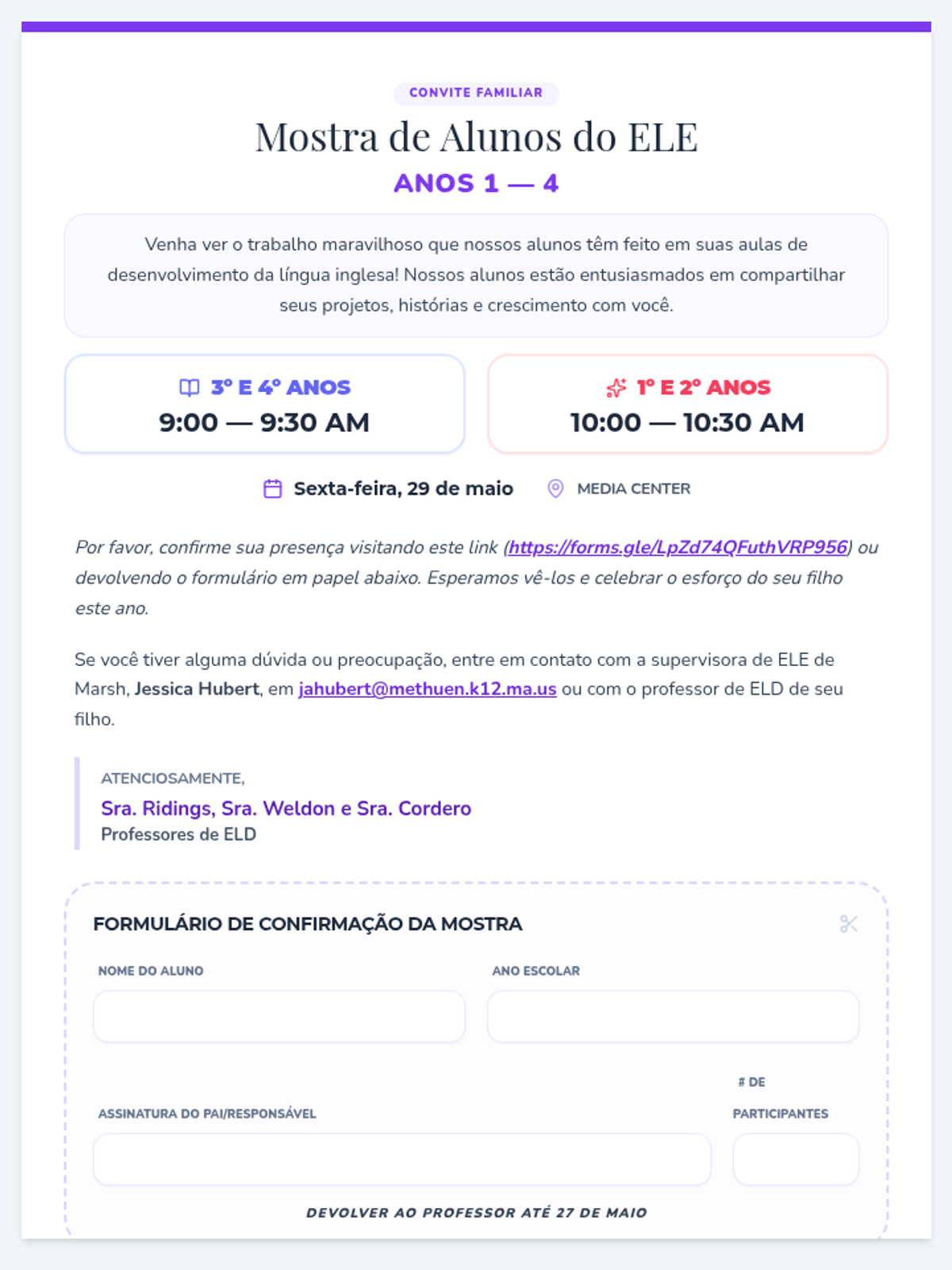
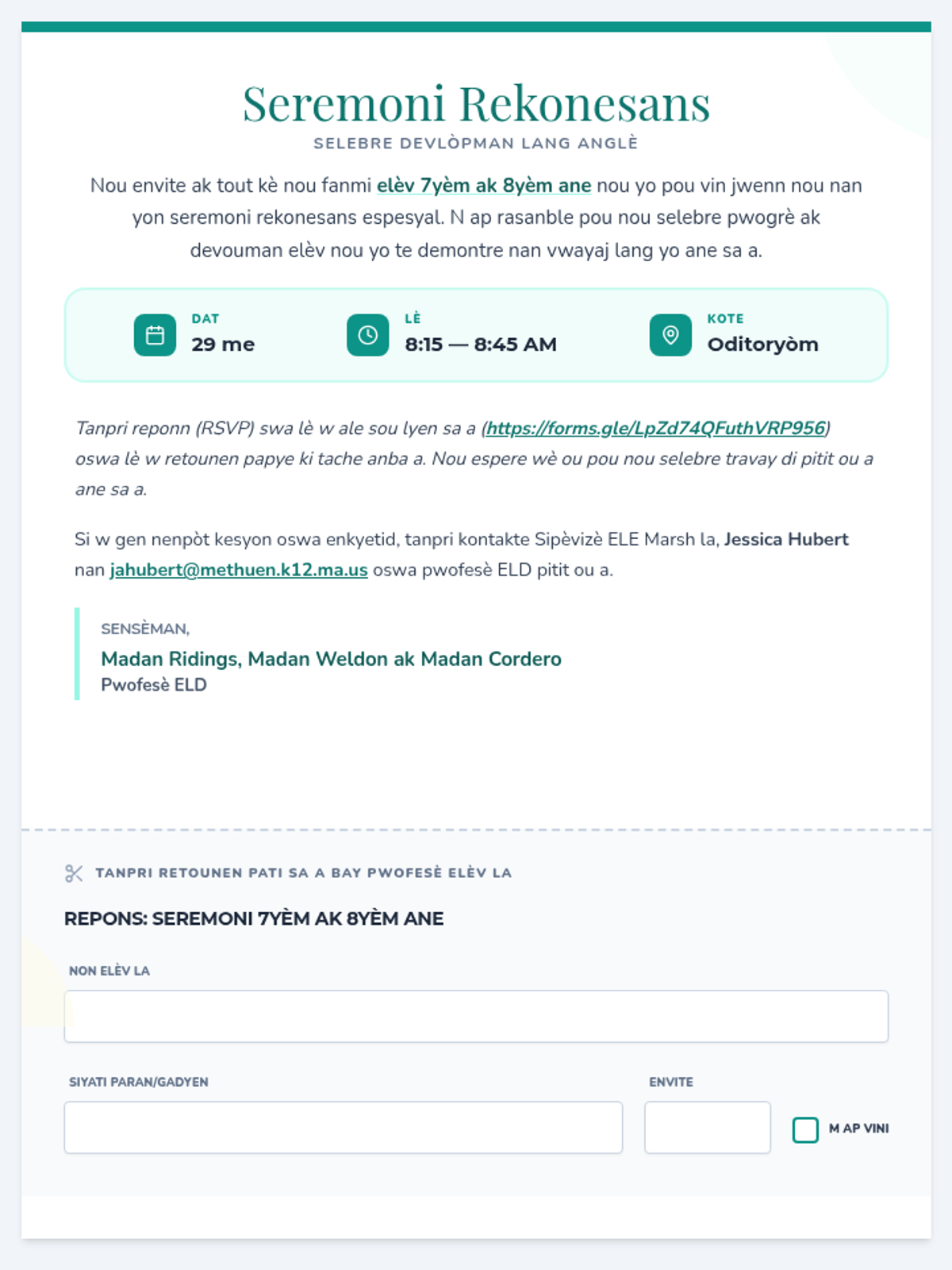
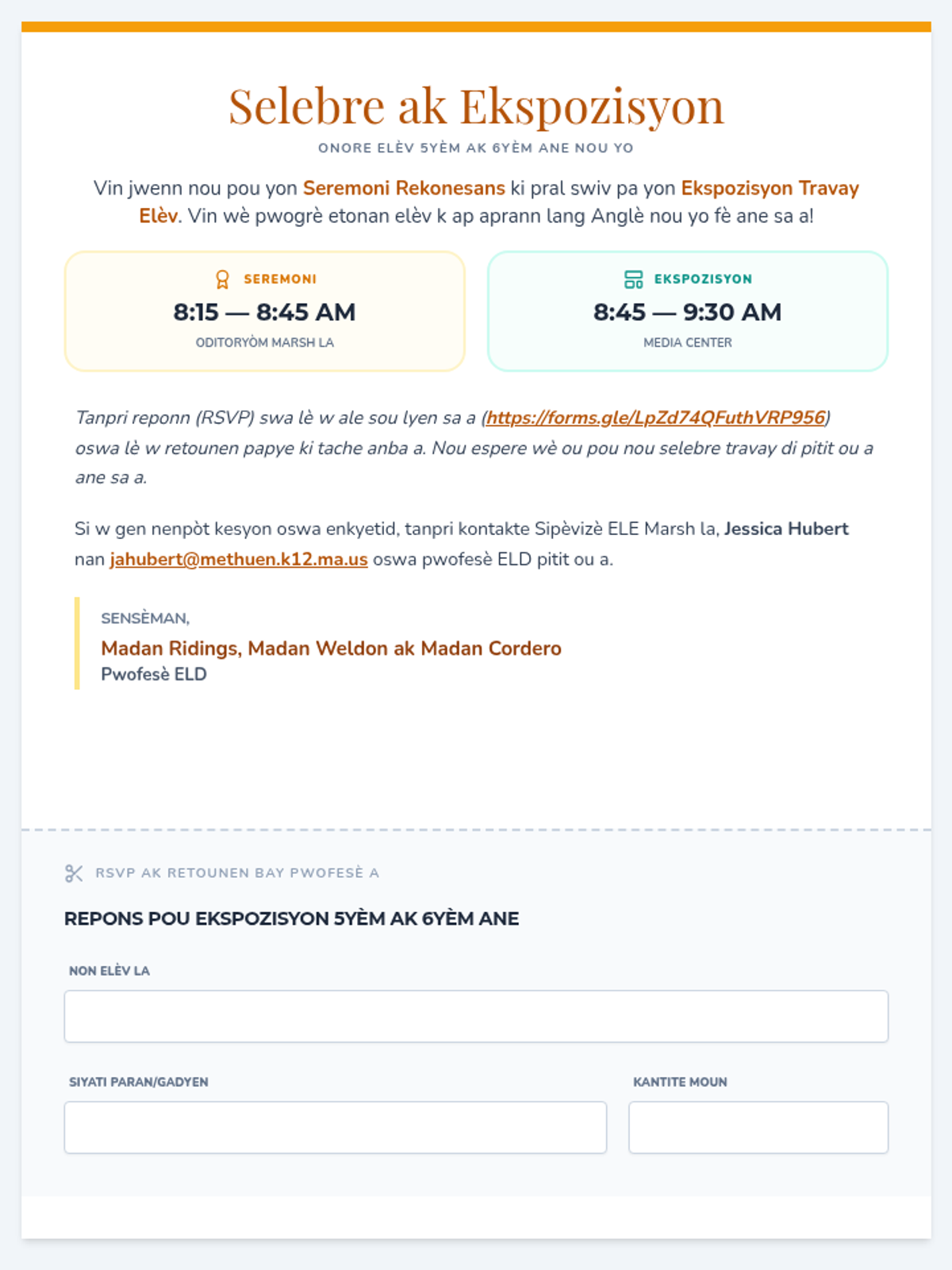
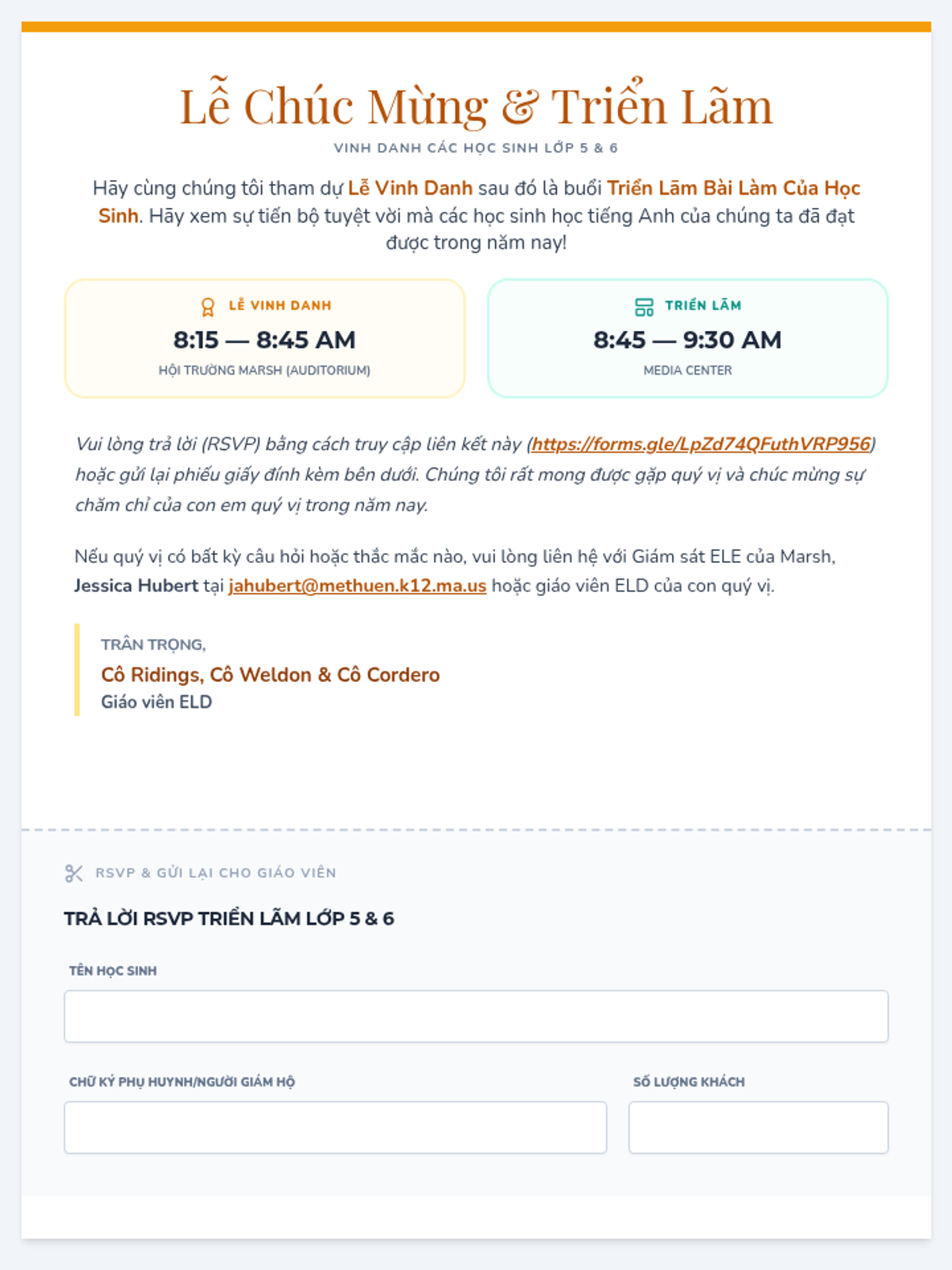
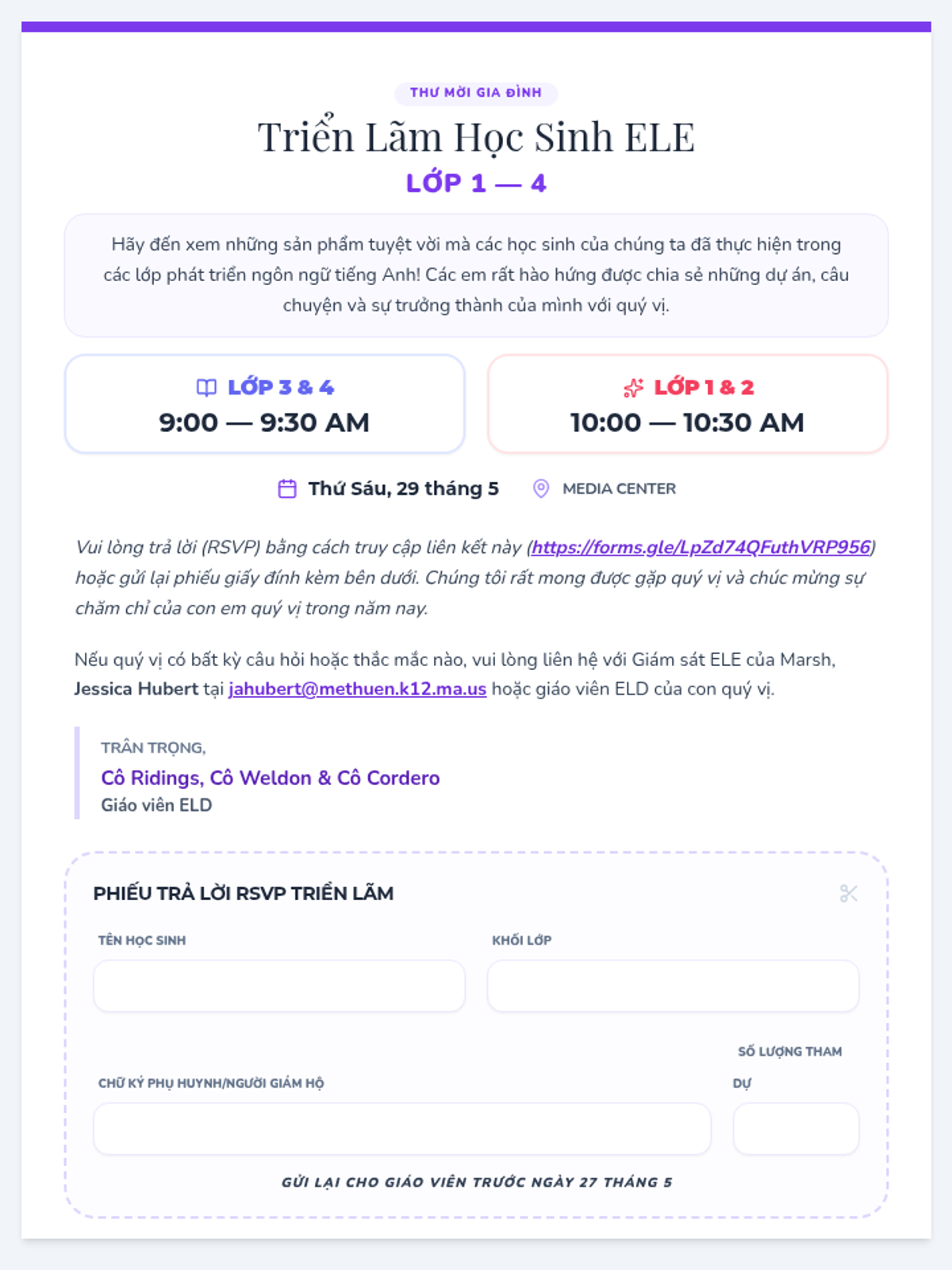
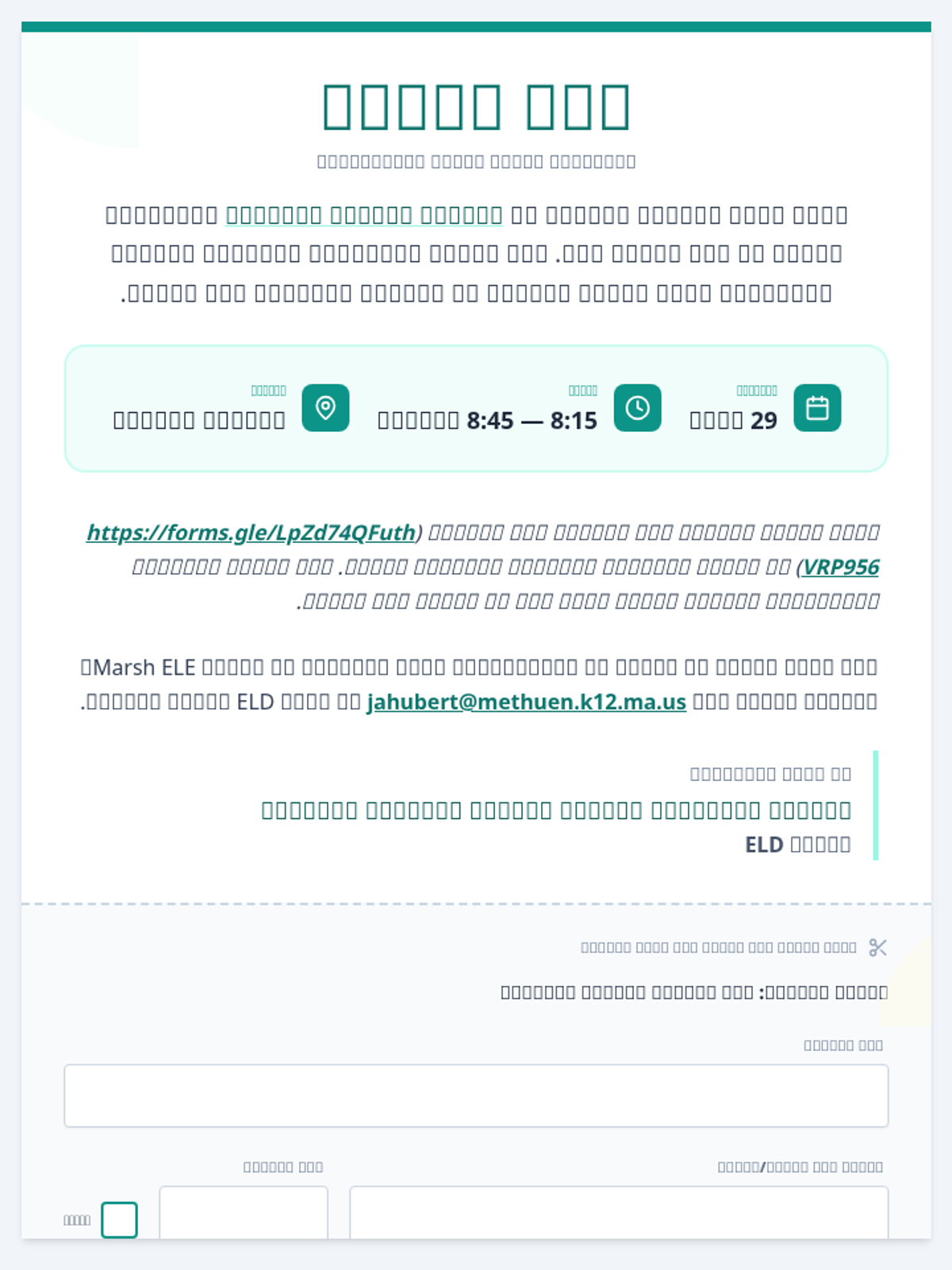
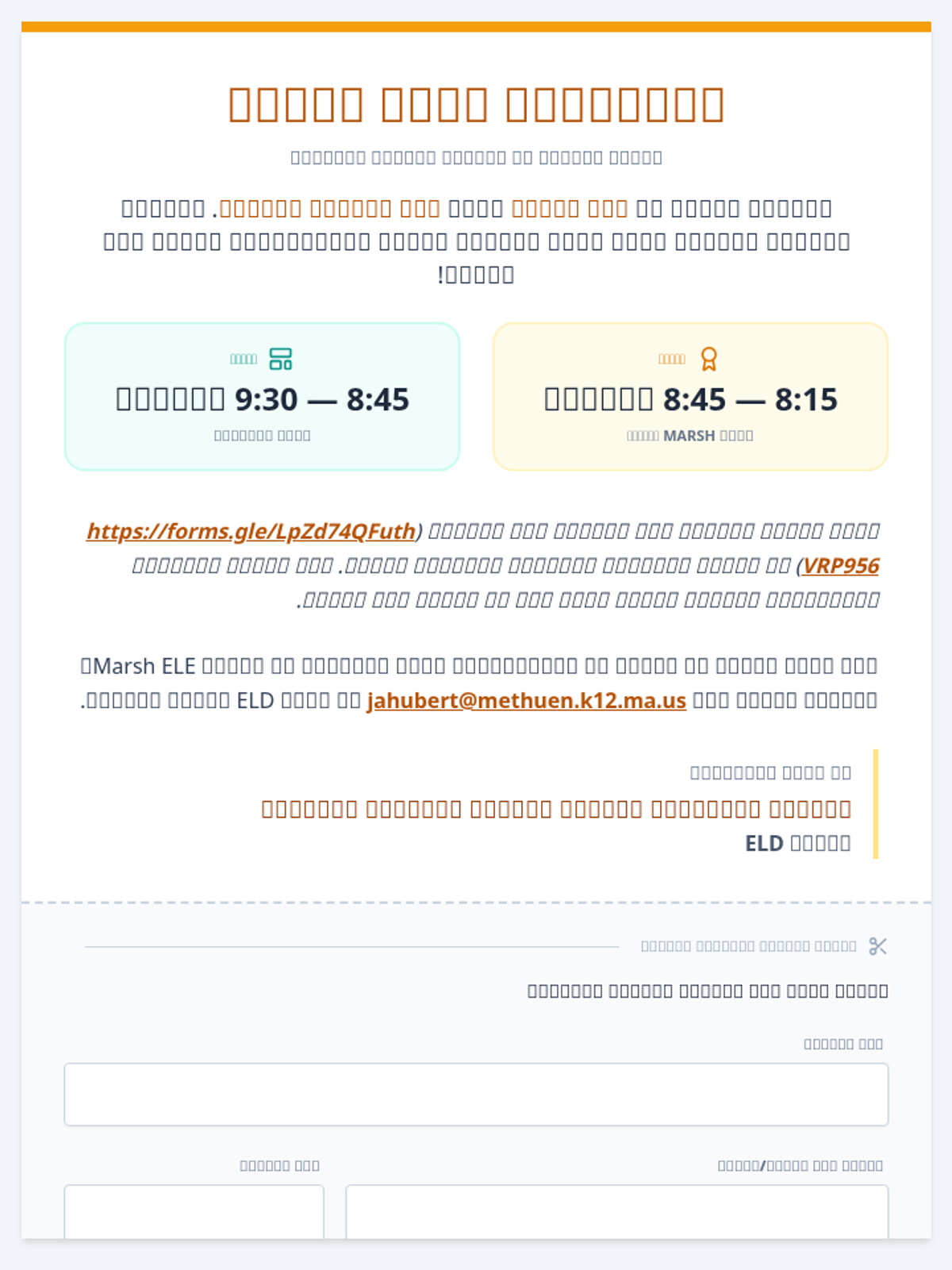
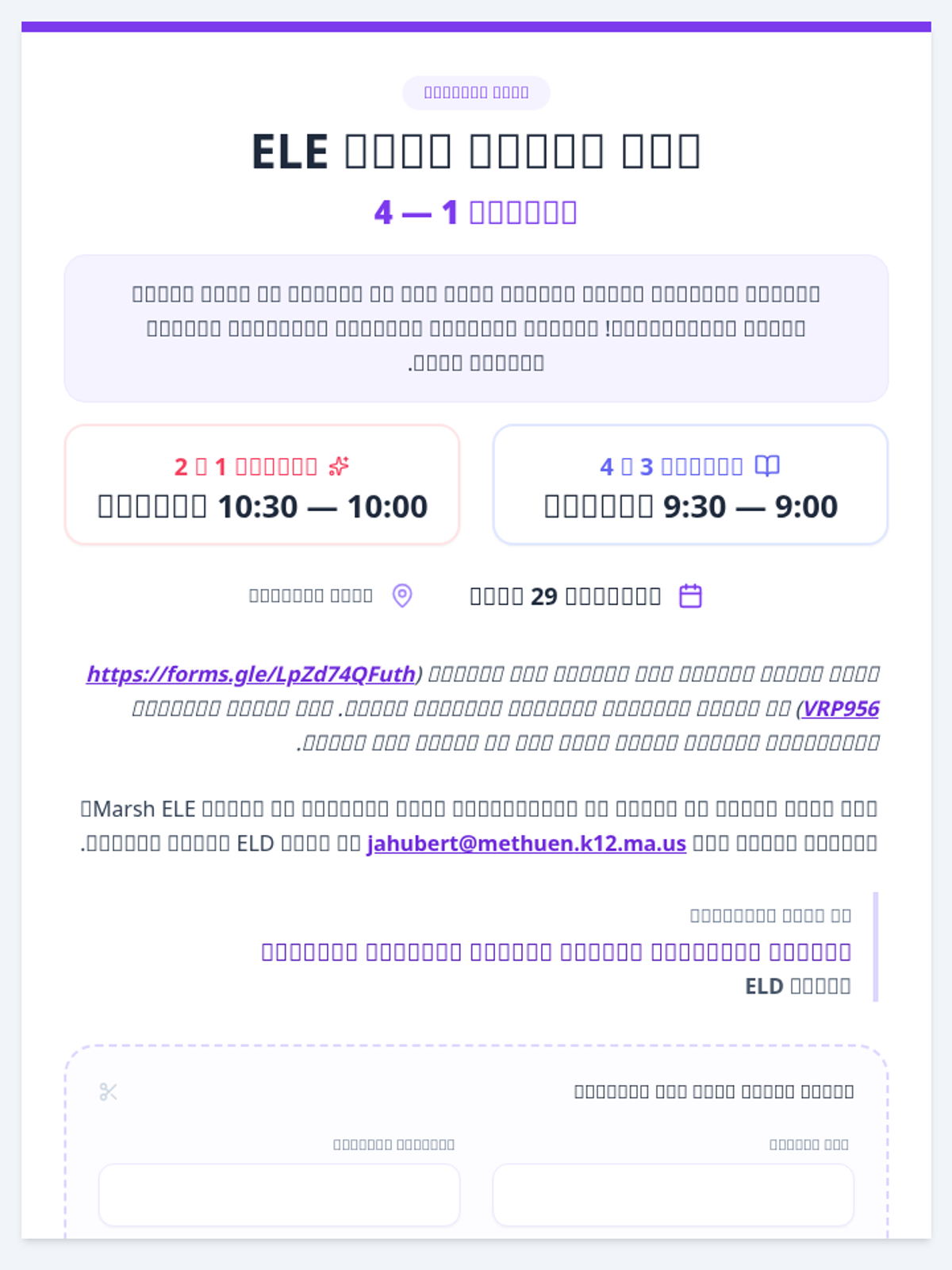
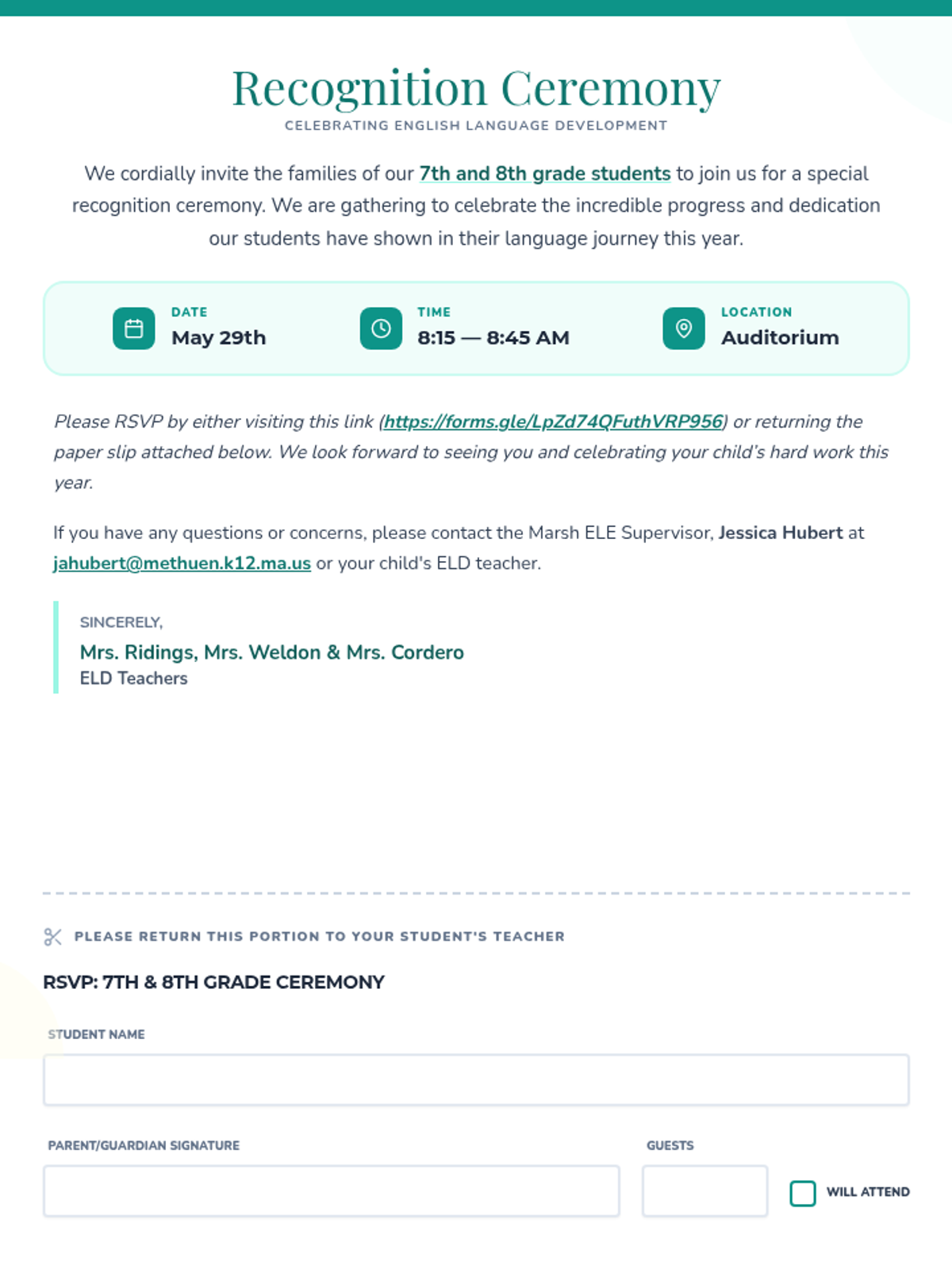
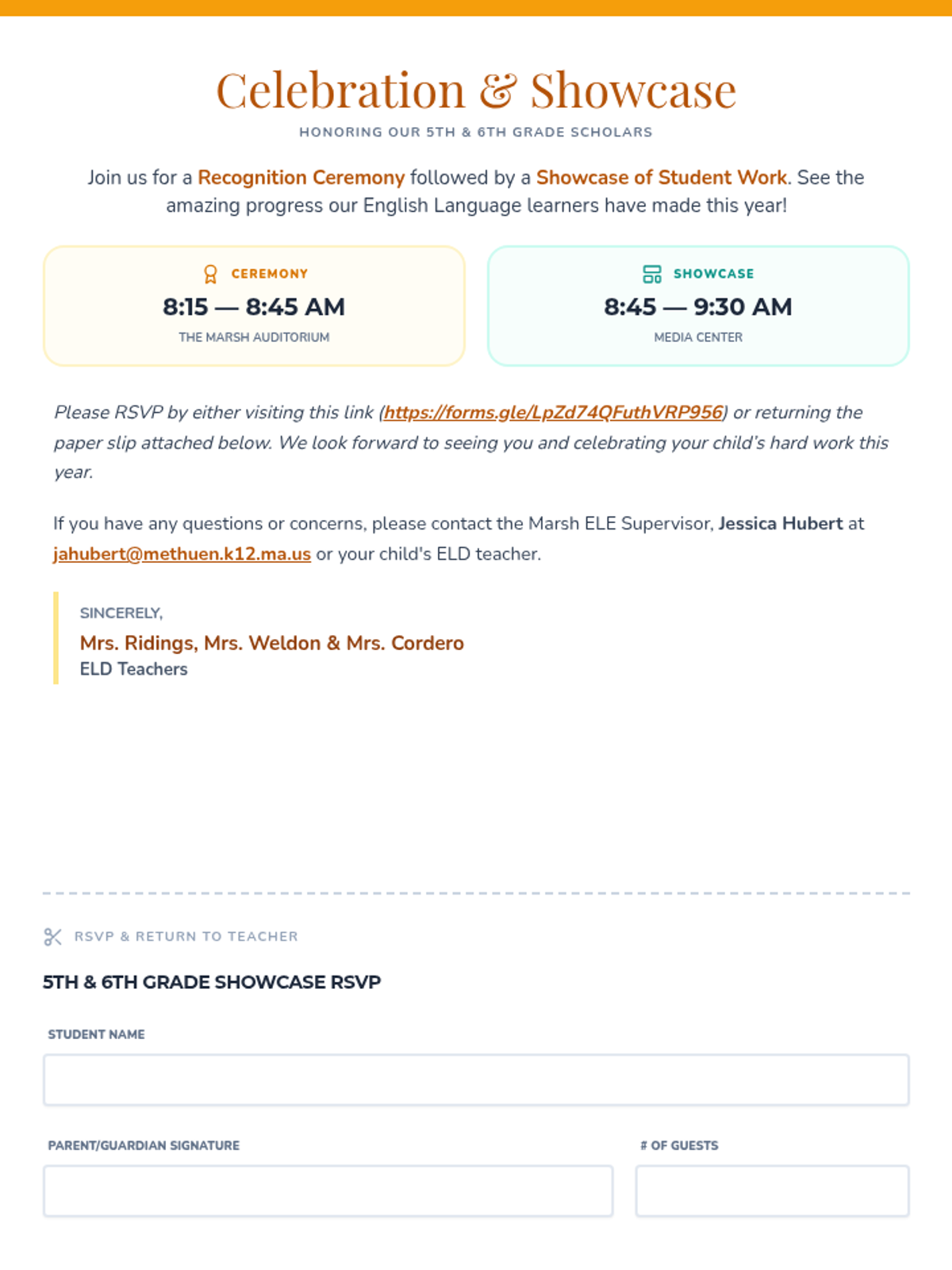
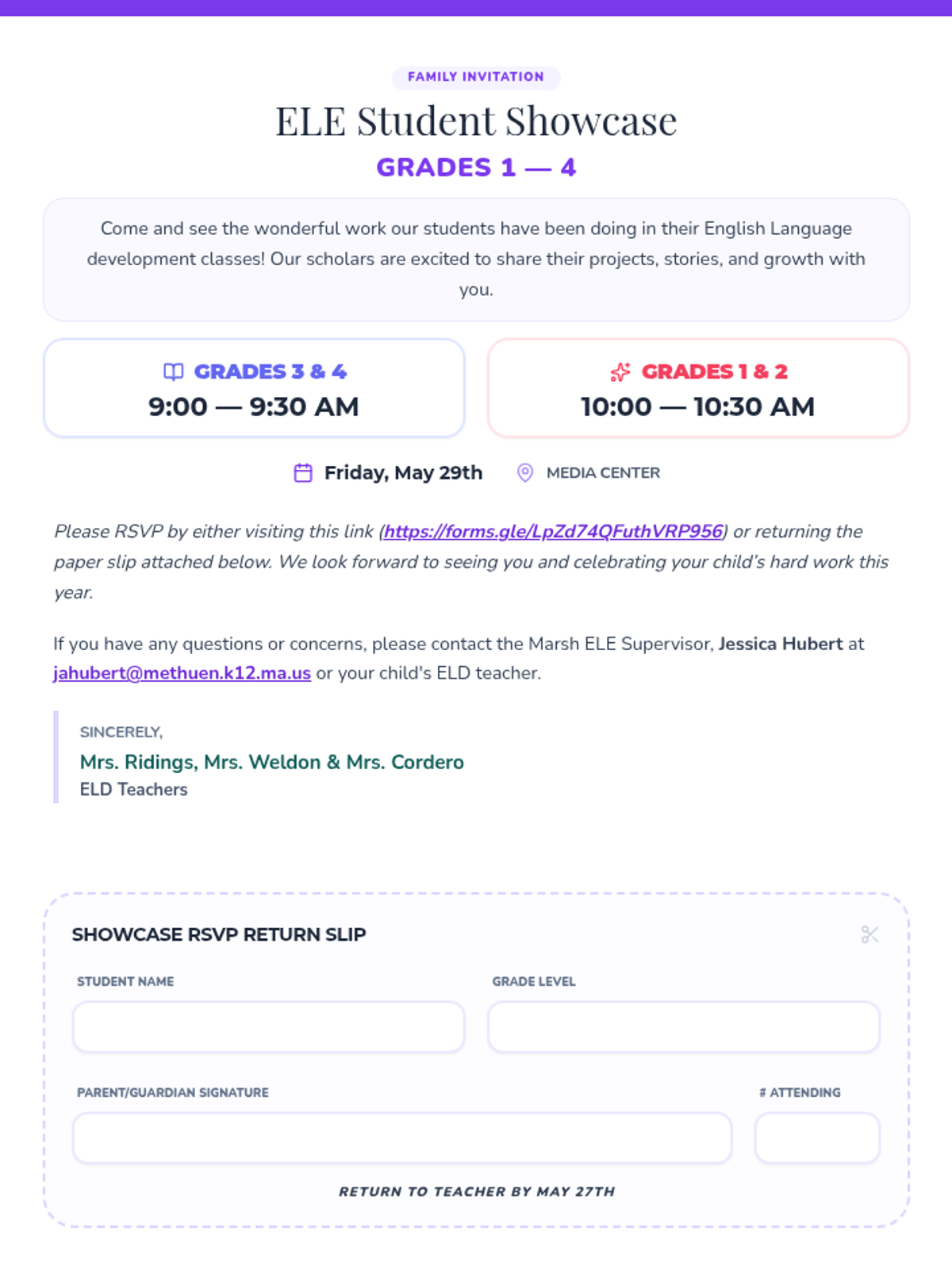
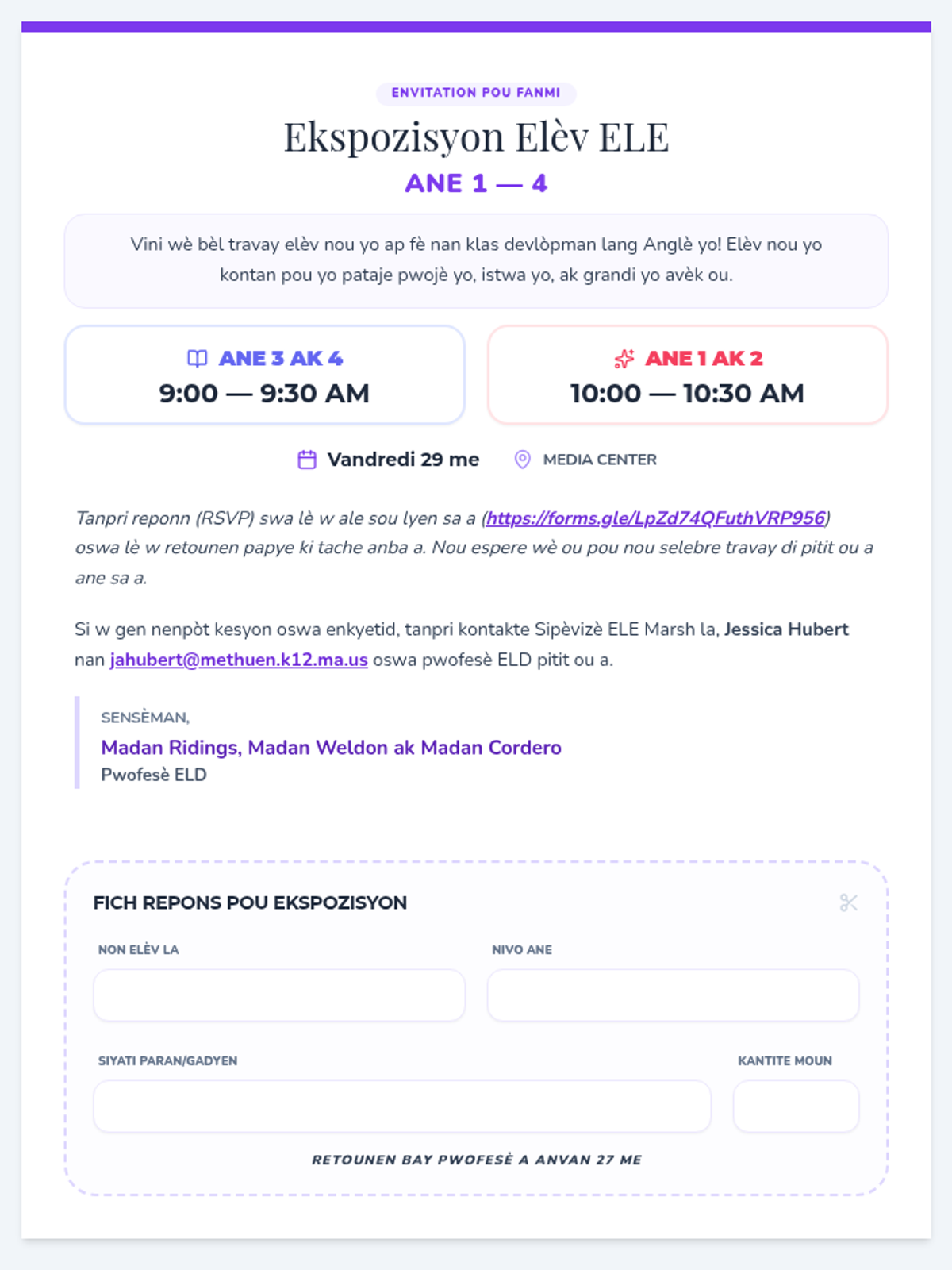
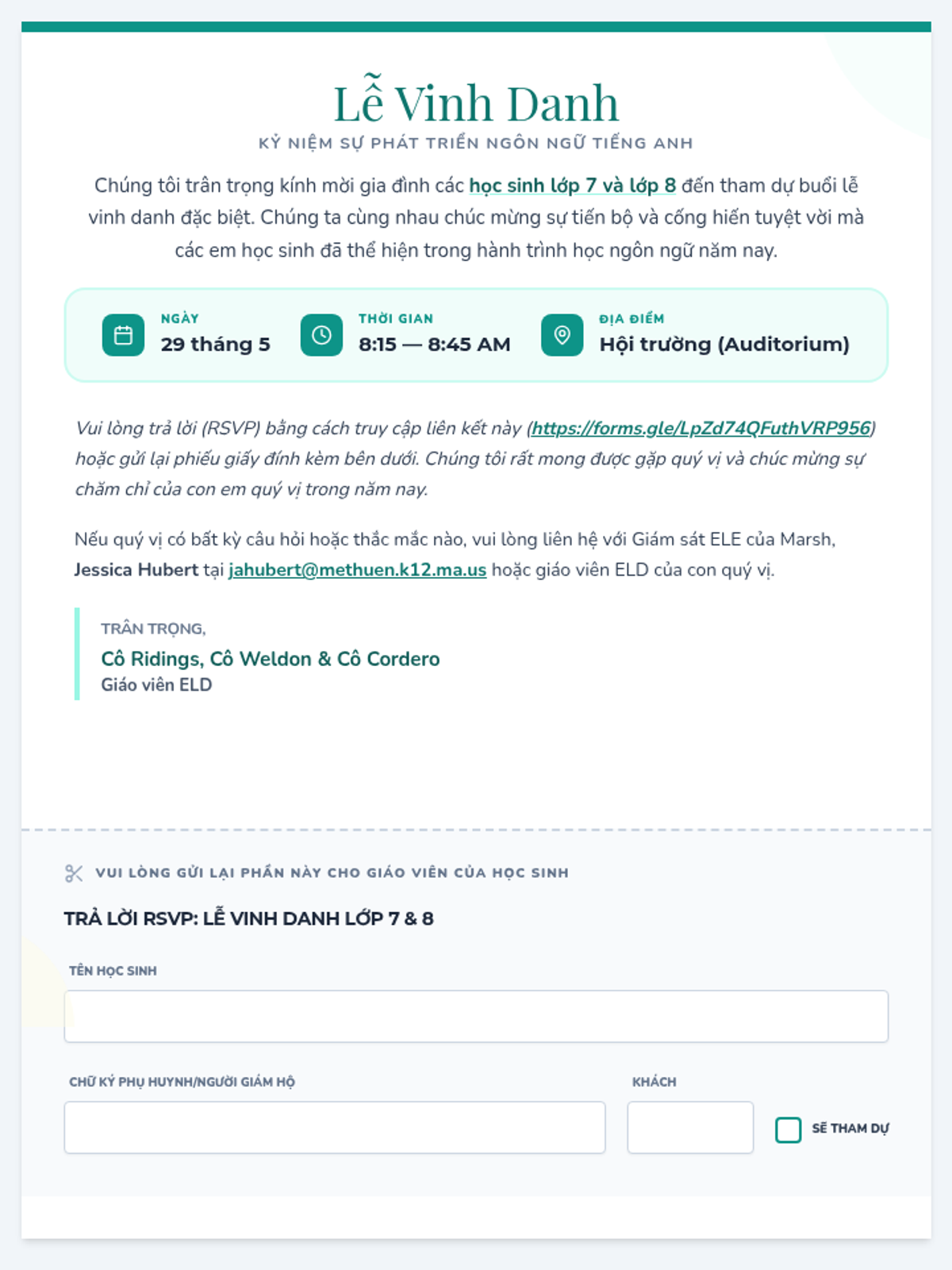
A collection of family invitation flyers for the English Language Education (ELE) showcase and recognition ceremonies across various grade levels. Each flyer includes specific timing, location details, and a return slip for RSVPs.
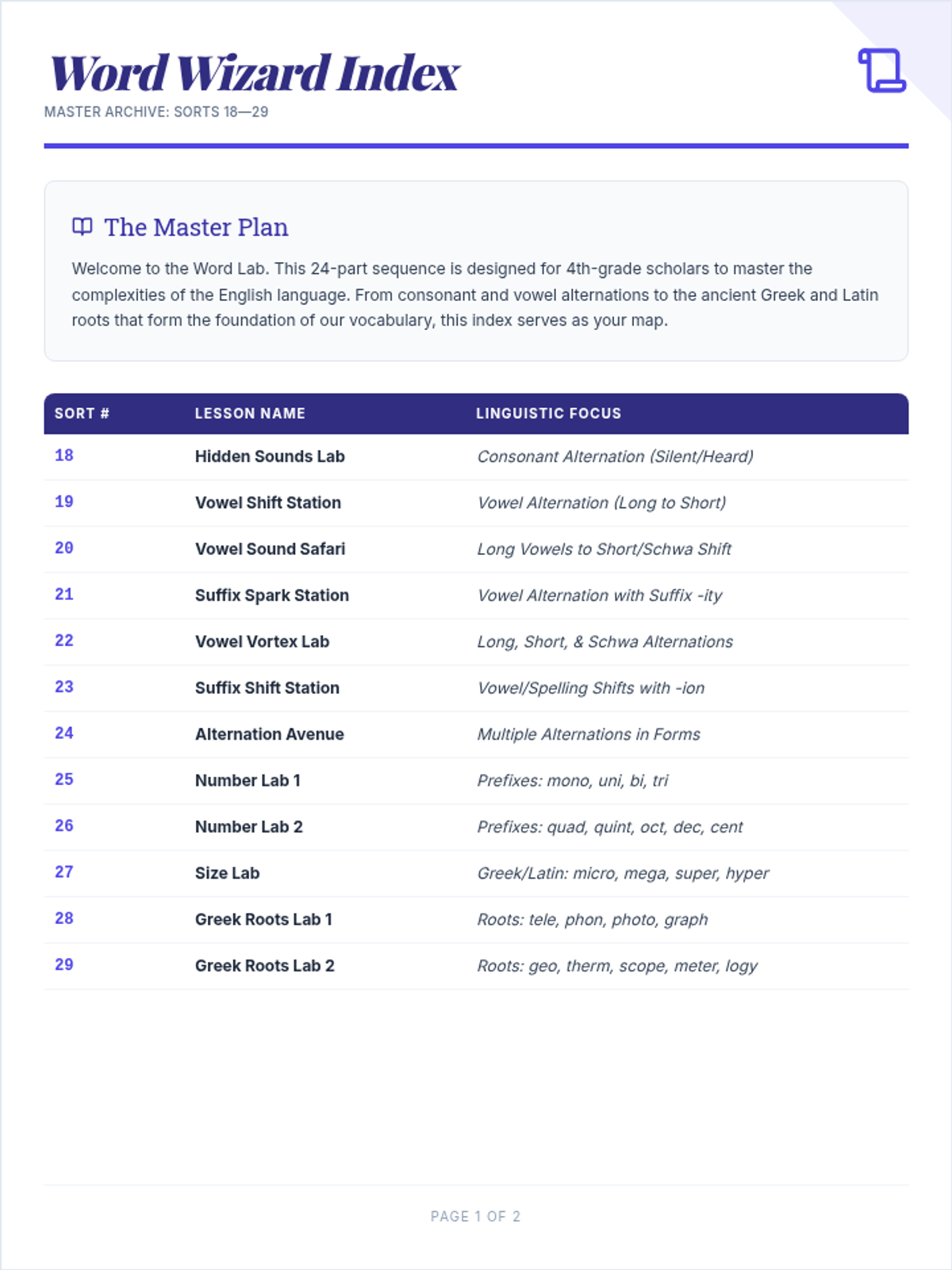
A reference point for the Word Study Wizards sequence, containing the master index and sequence overview.
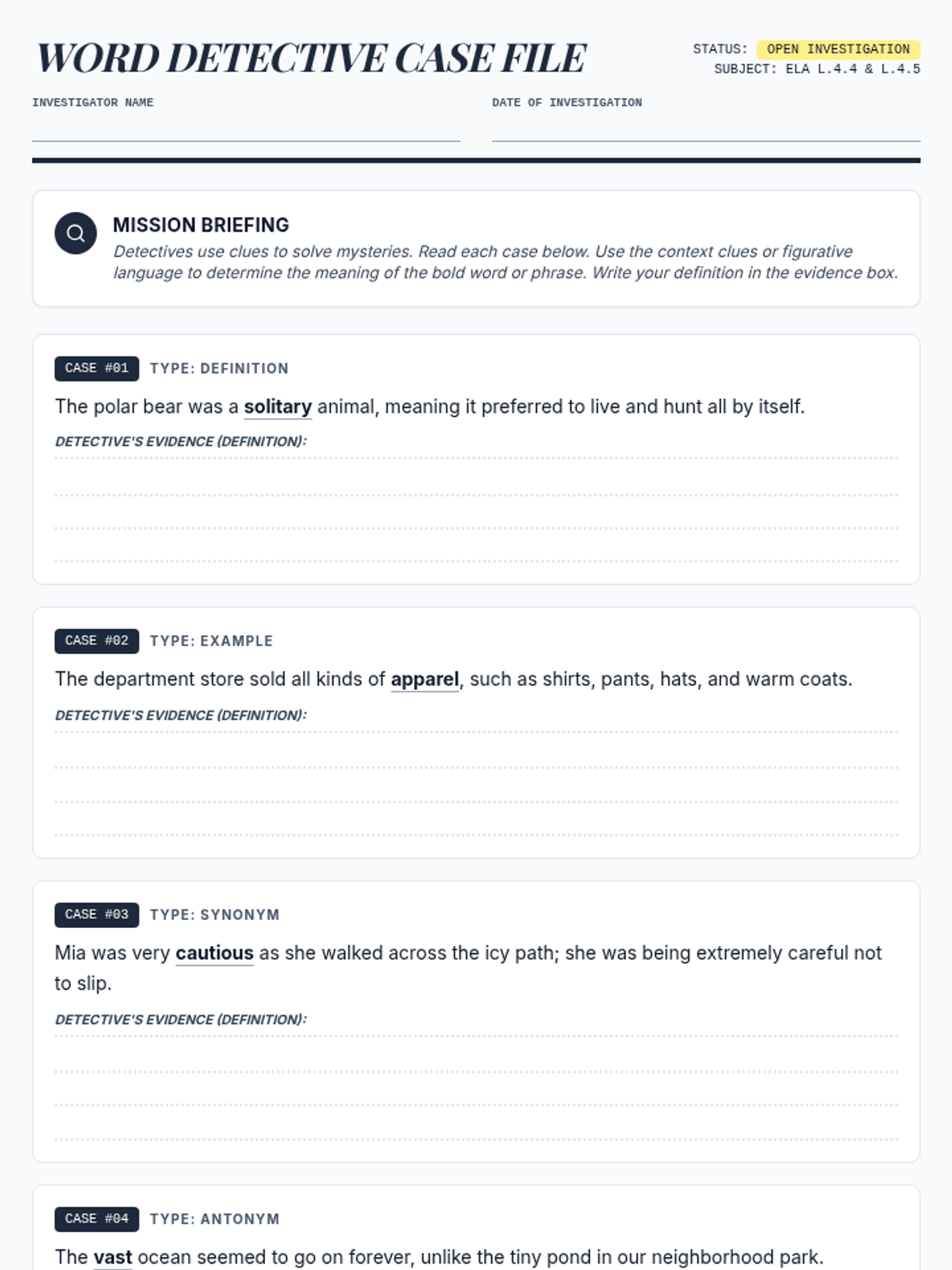
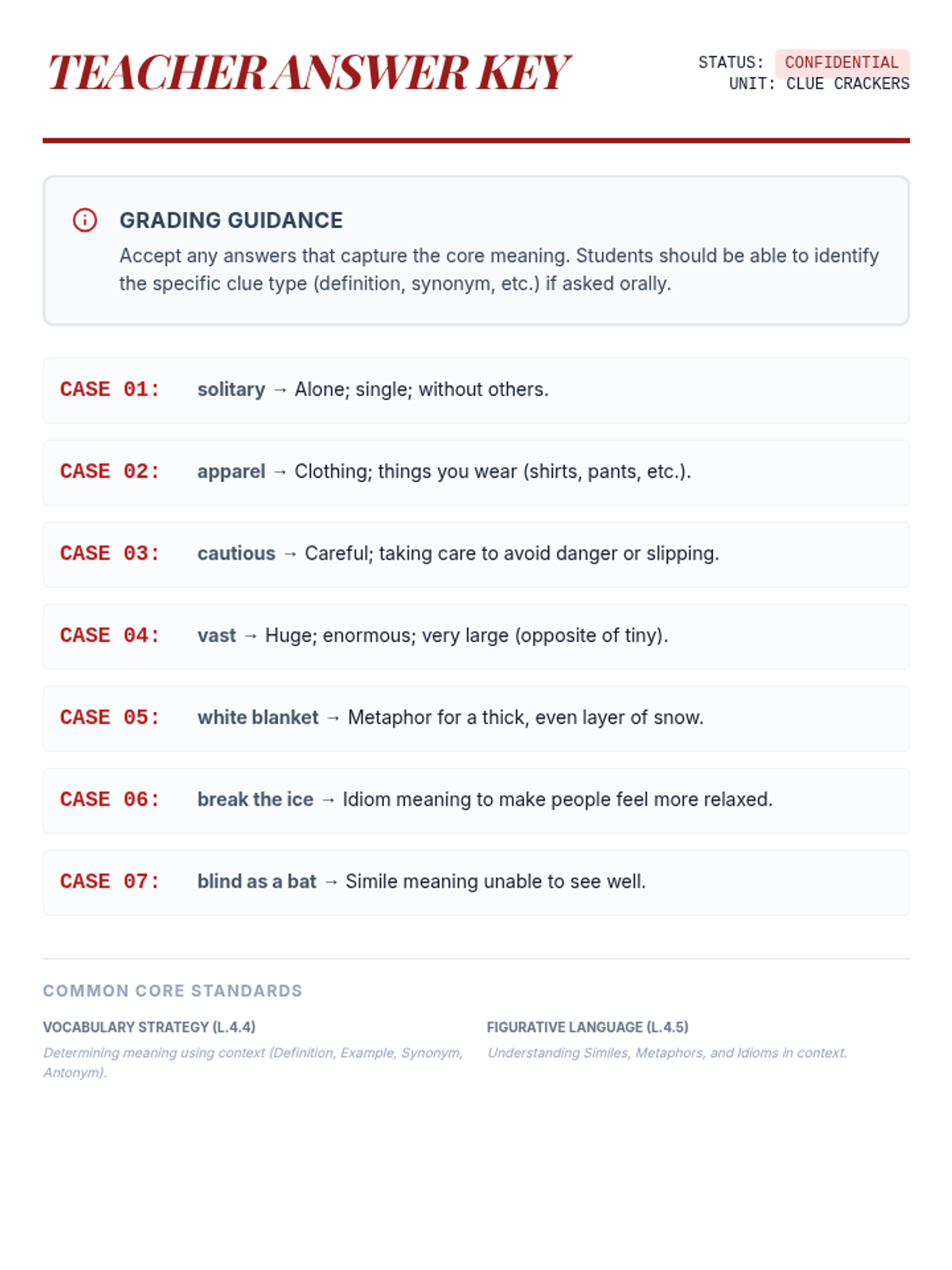
A lesson focused on using context clues and understanding figurative language (similes, metaphors, and idioms) to determine the meaning of unknown words and phrases. Students act as word detectives to crack the code of complex sentences.
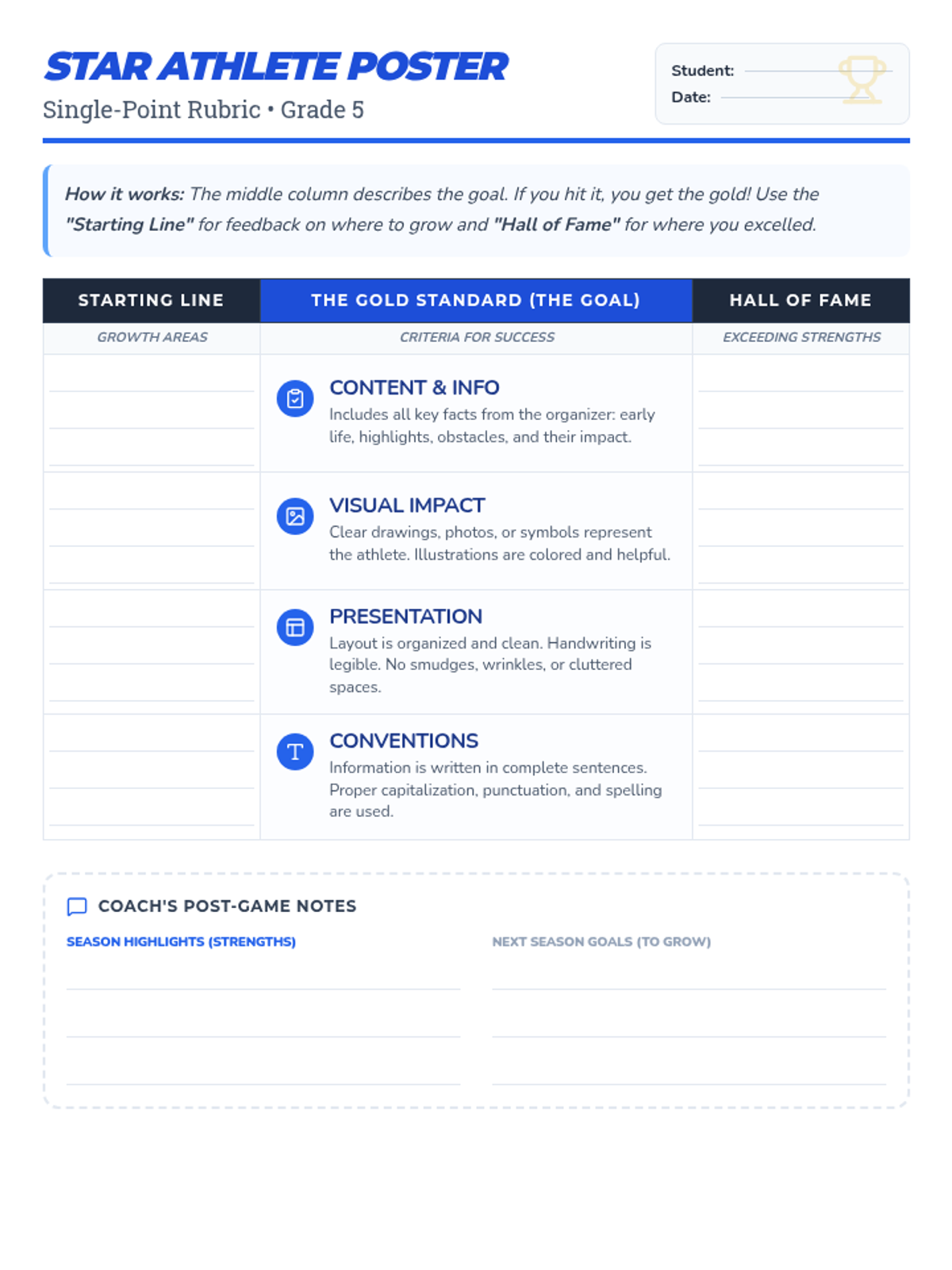
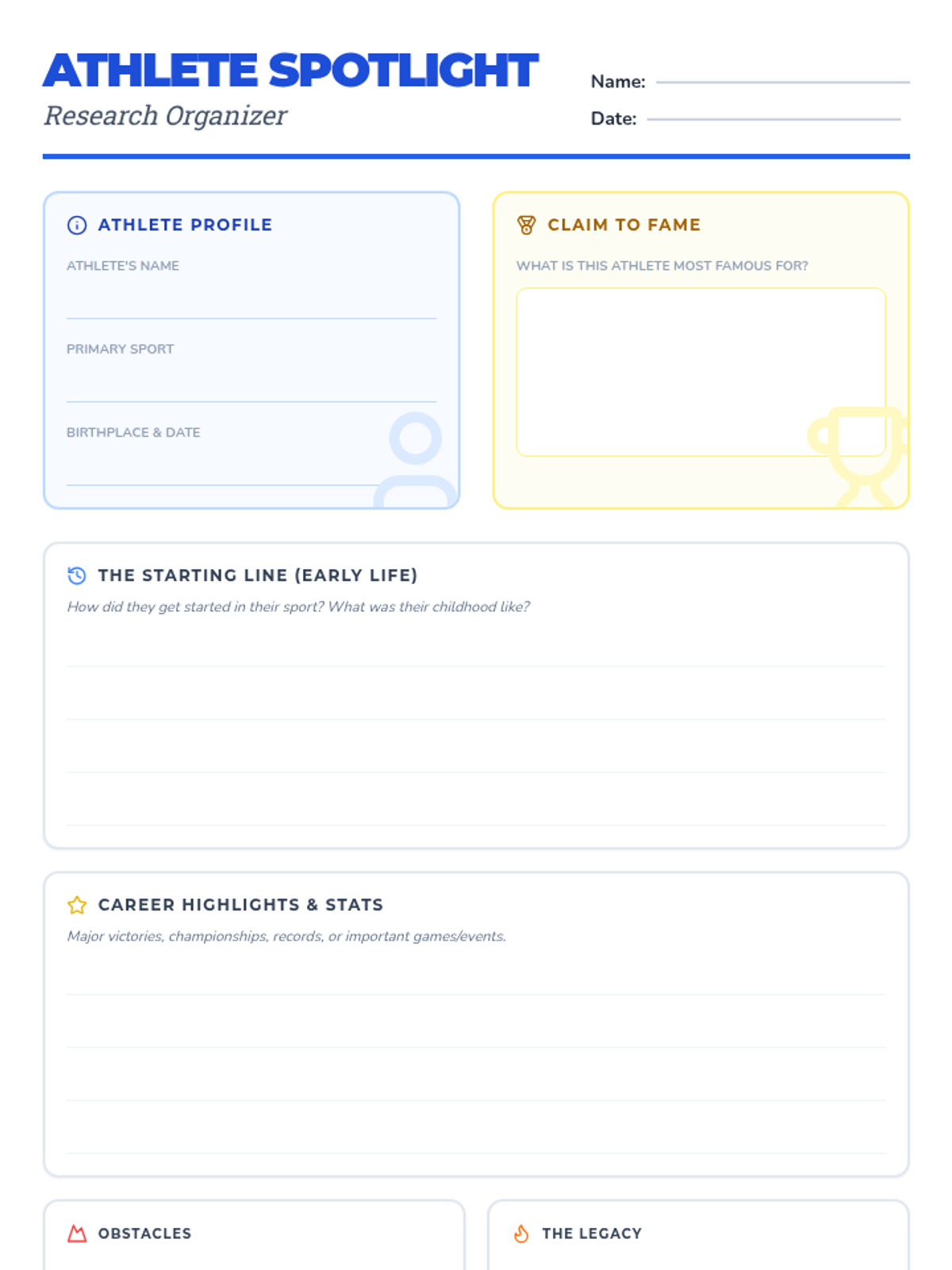
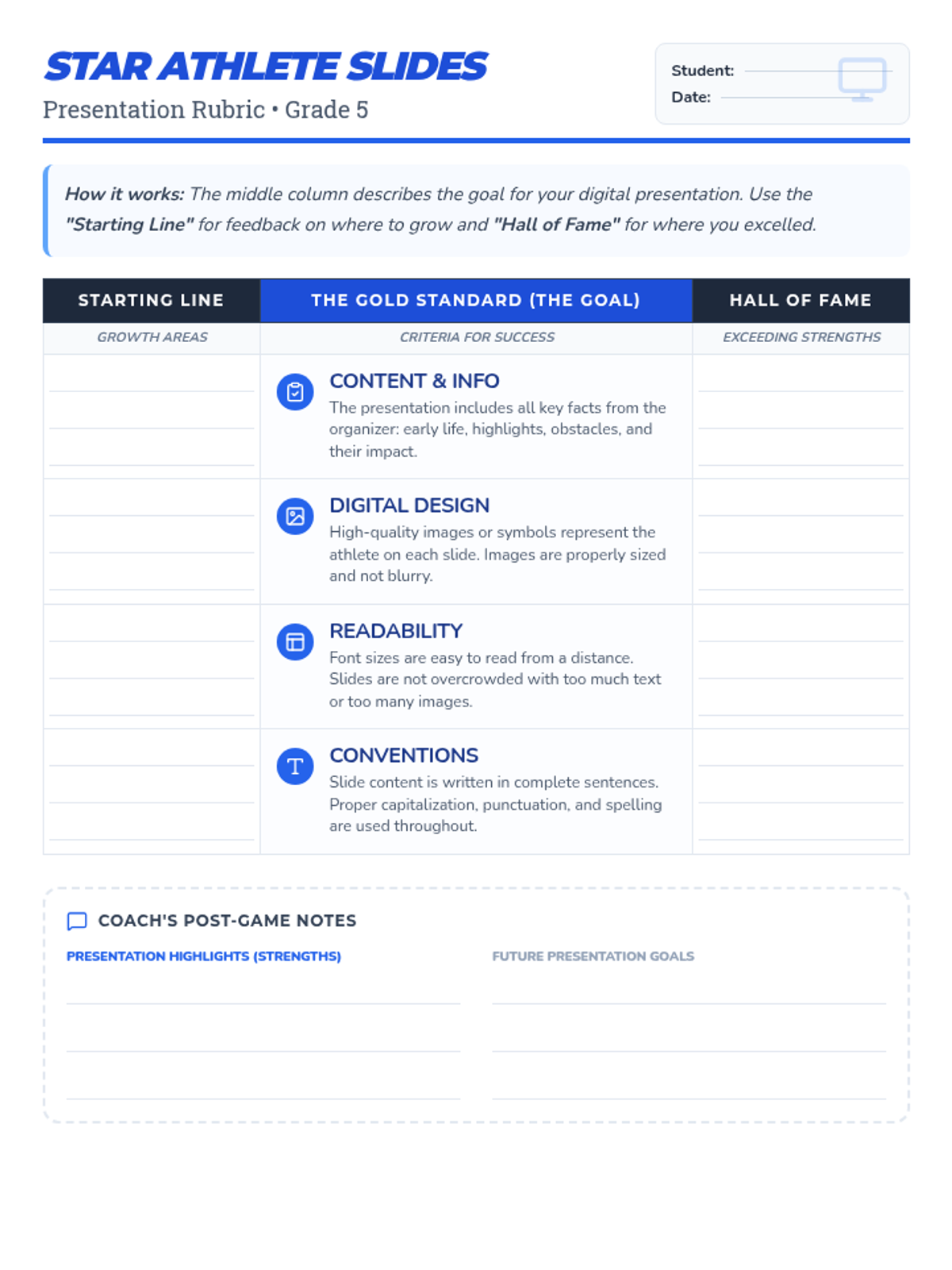
A project-based lesson where students research a famous athlete, organize their findings, and create a visually engaging biography poster.
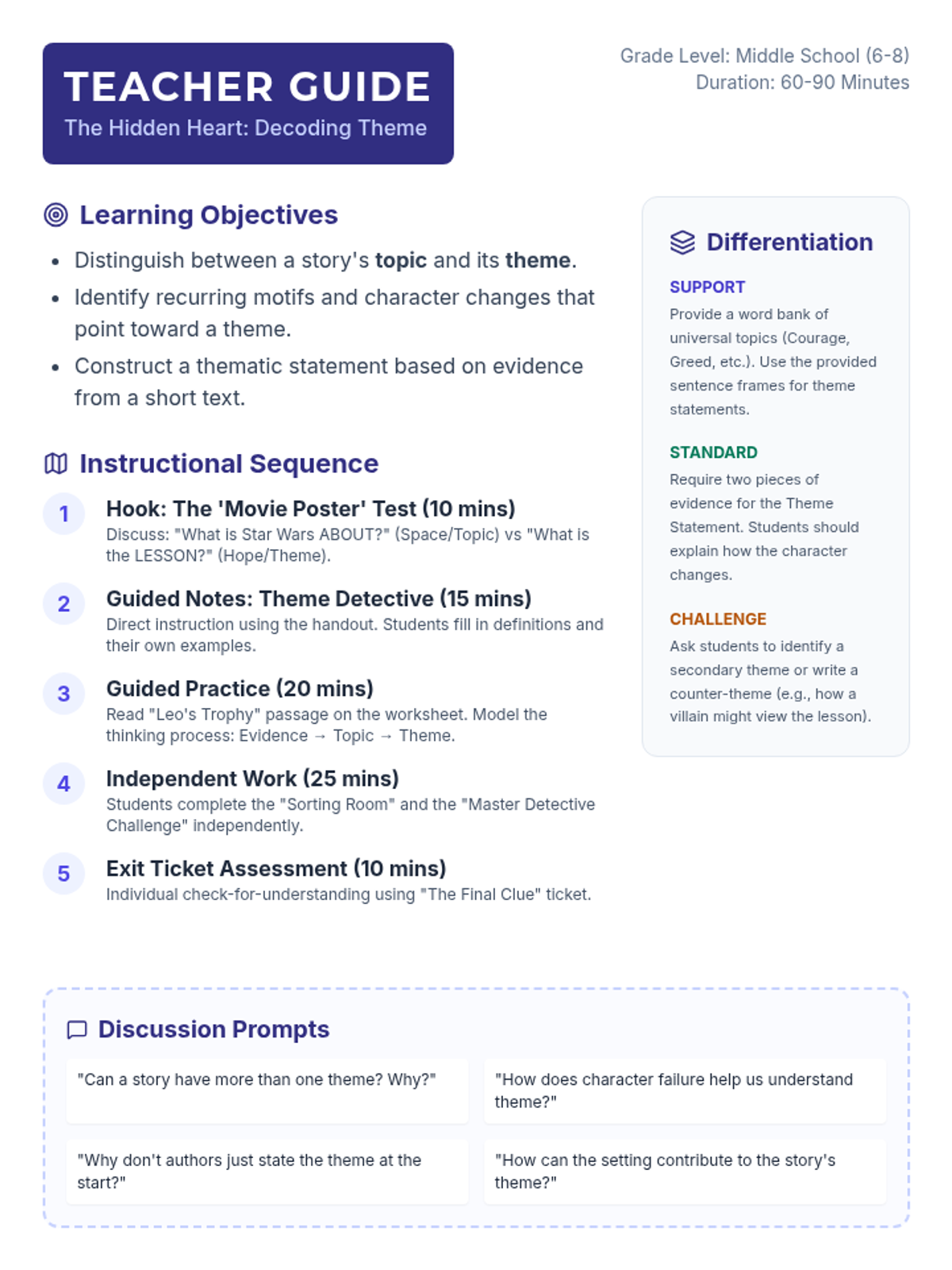
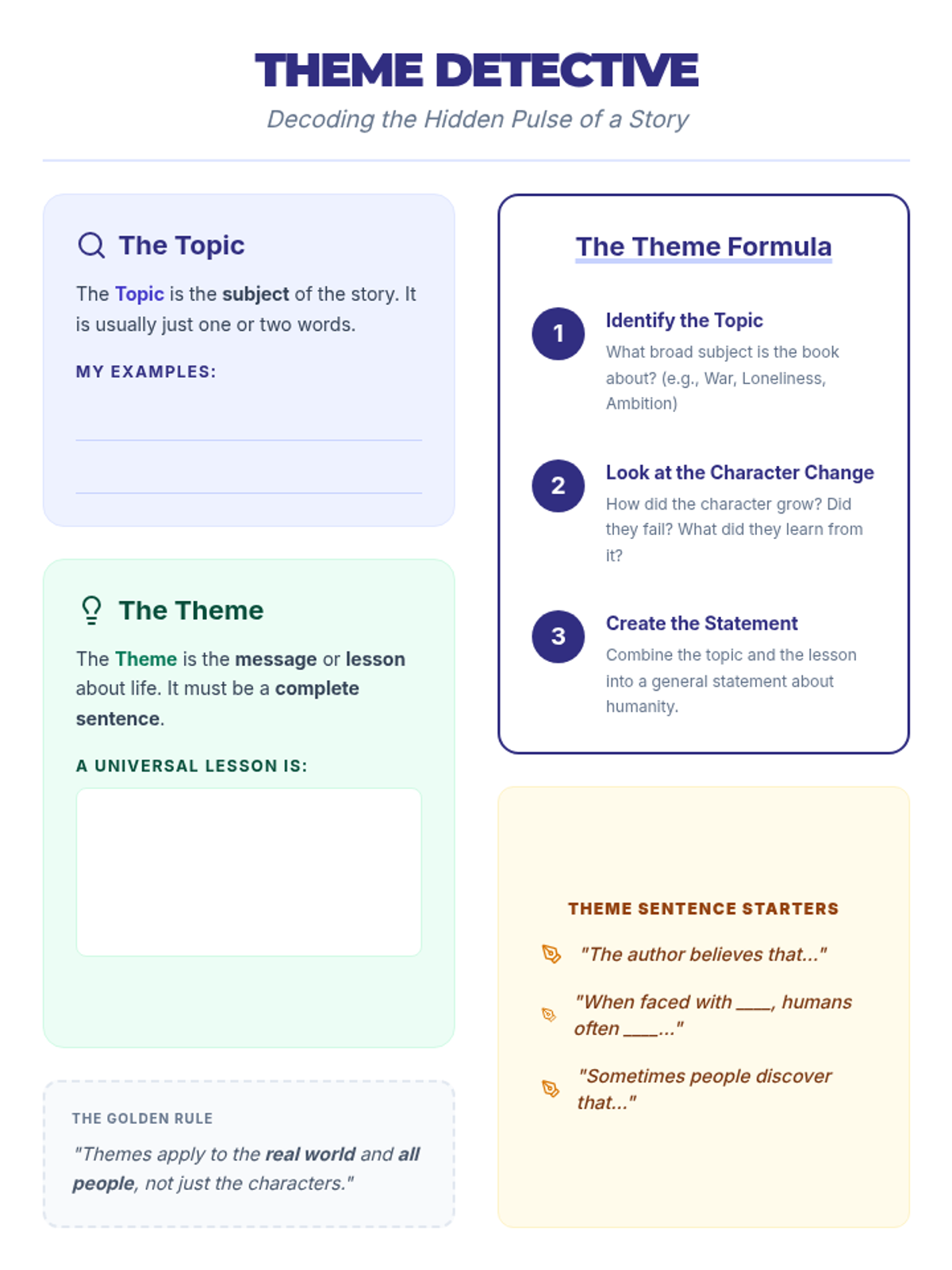
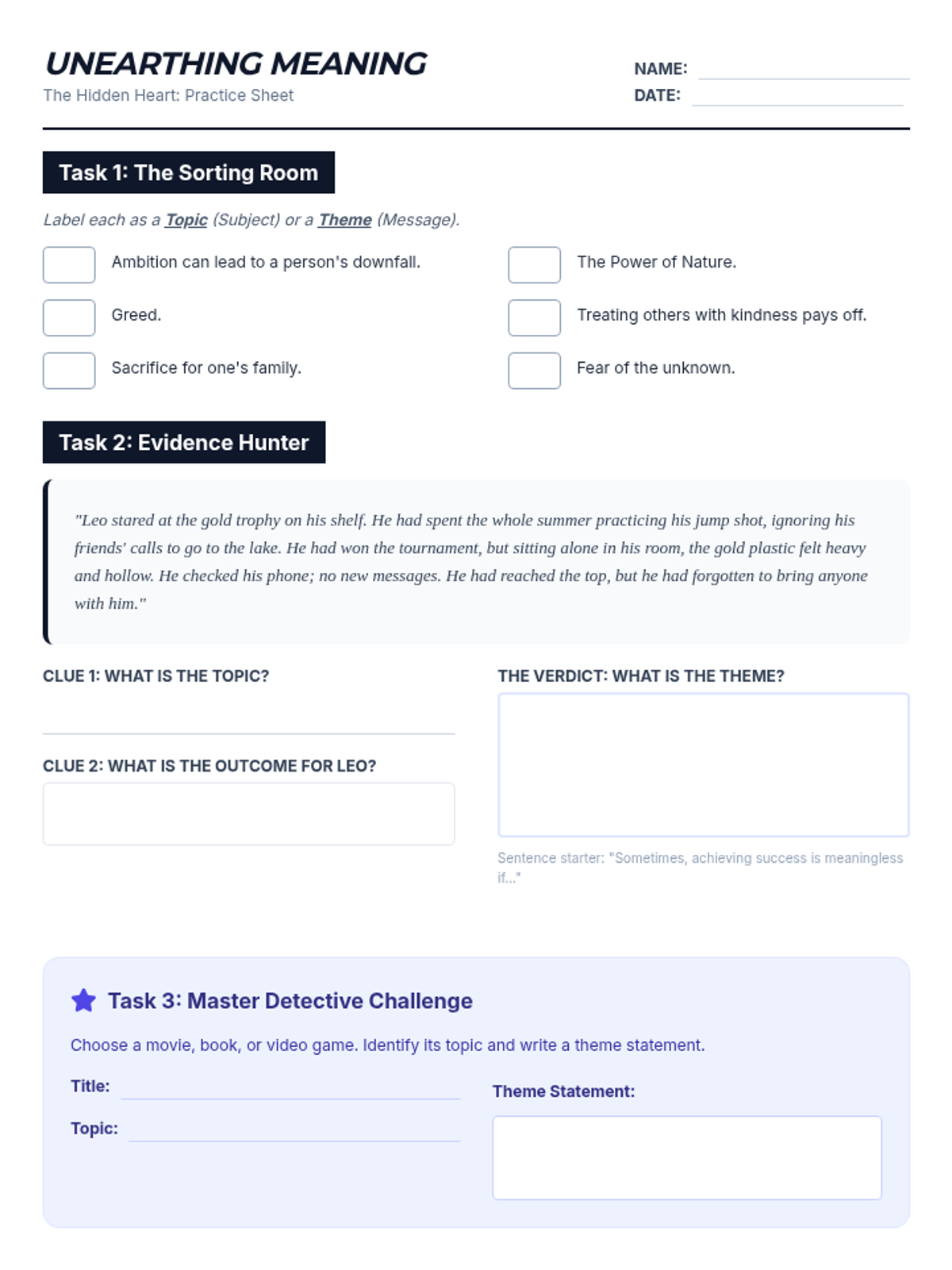
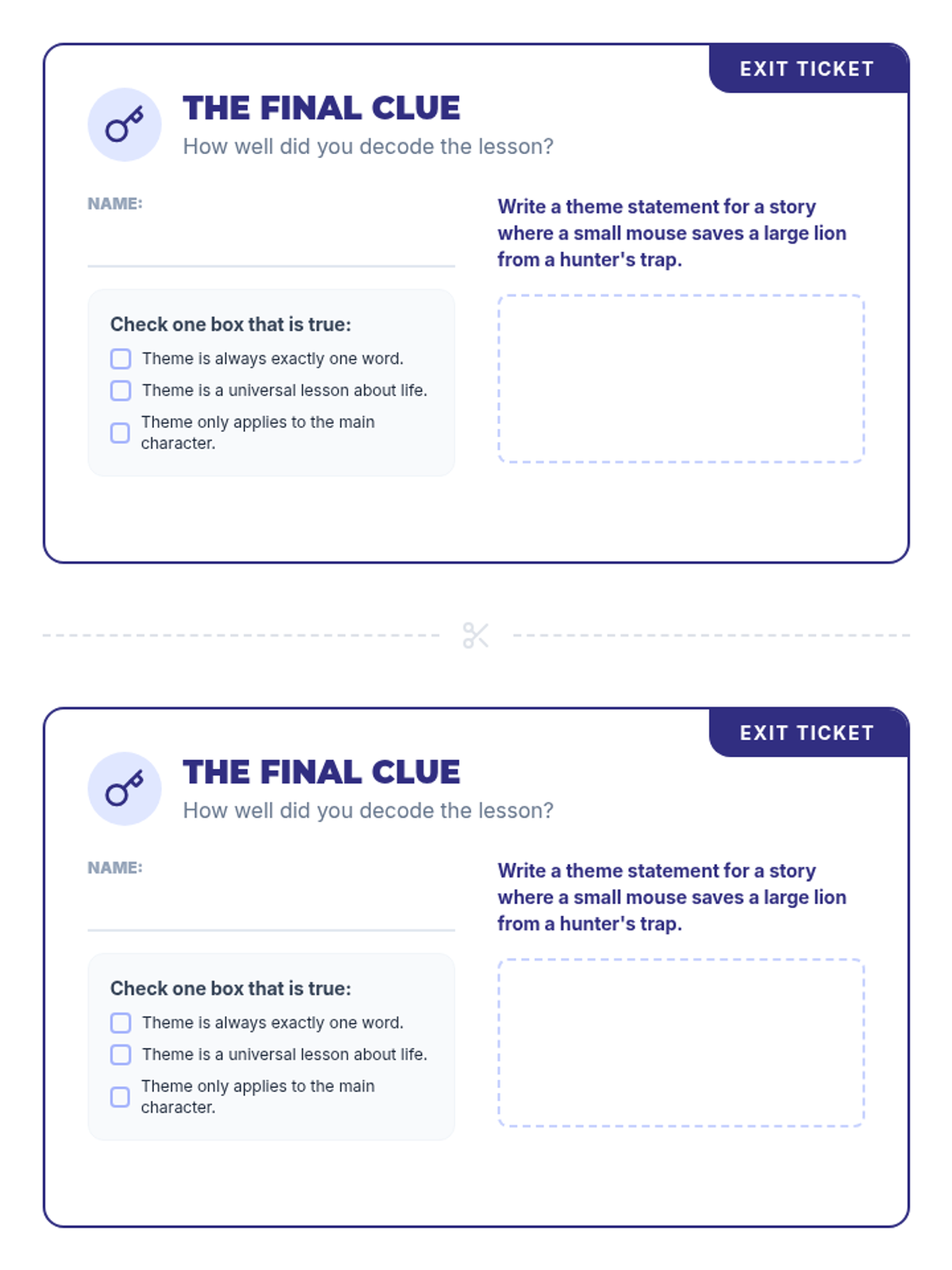
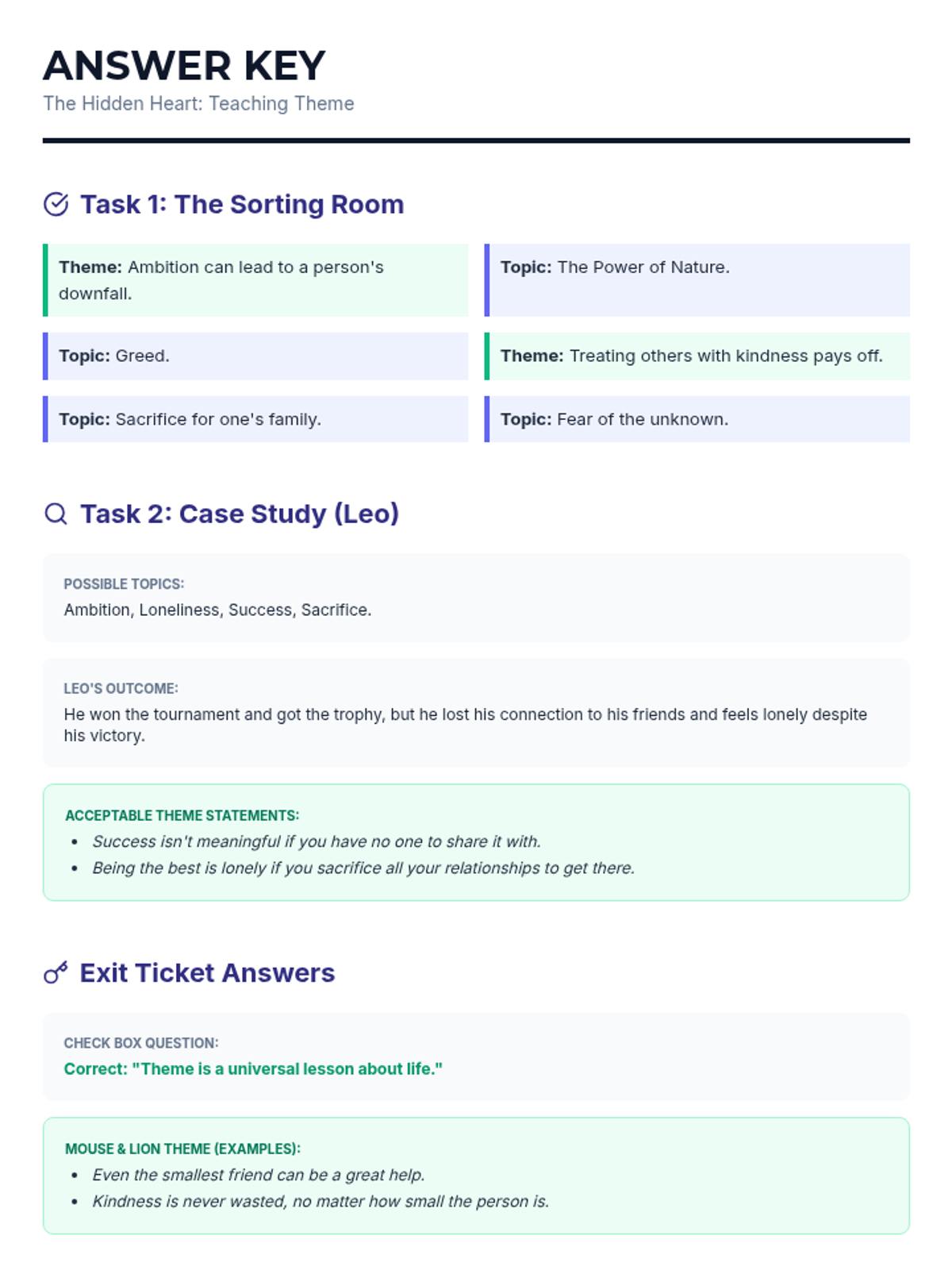
A comprehensive introductory lesson on identifying and articulating literary themes. Students move from understanding 'topic' to crafting 'theme statements' through scaffolded analysis of short texts.
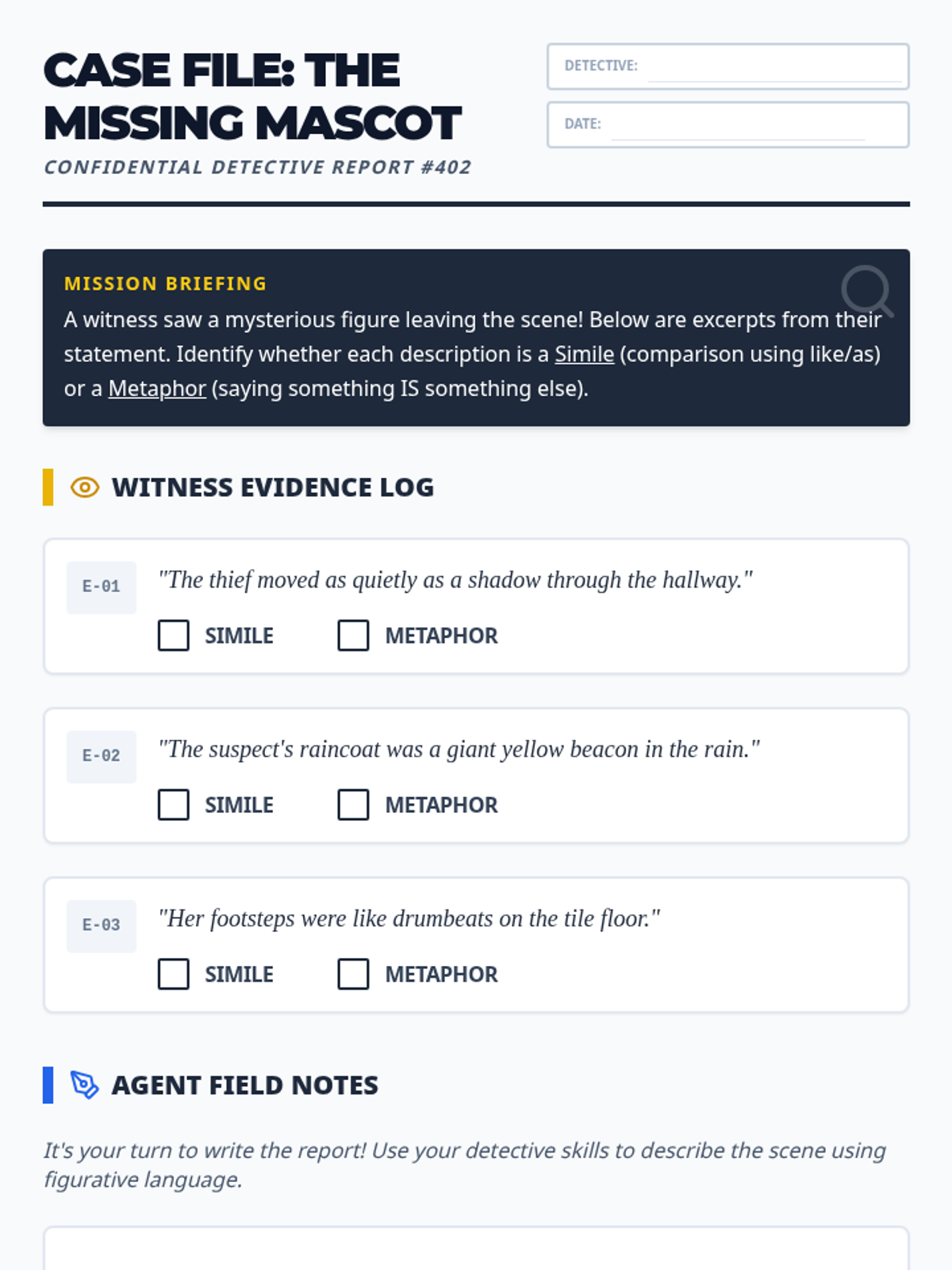
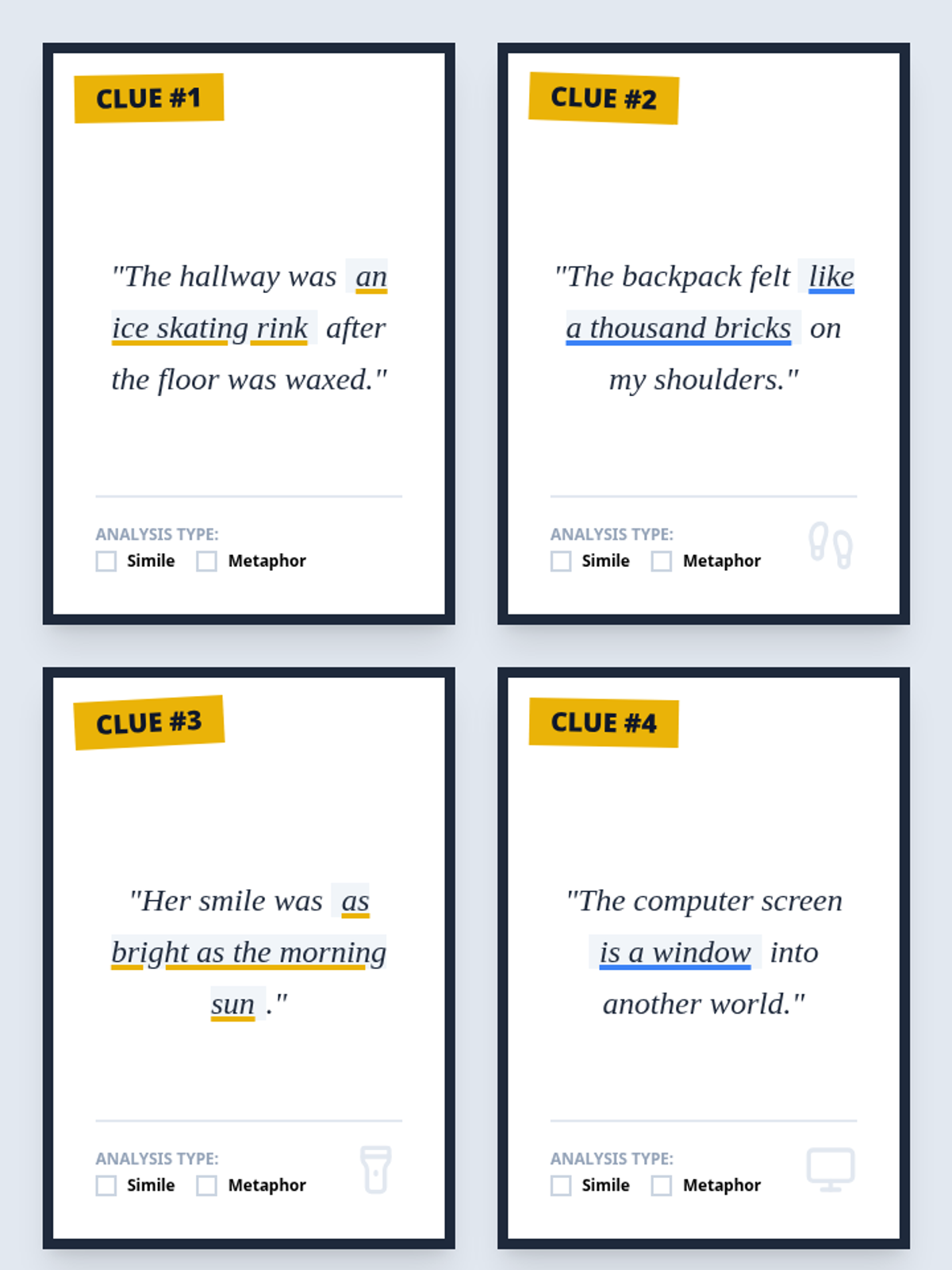
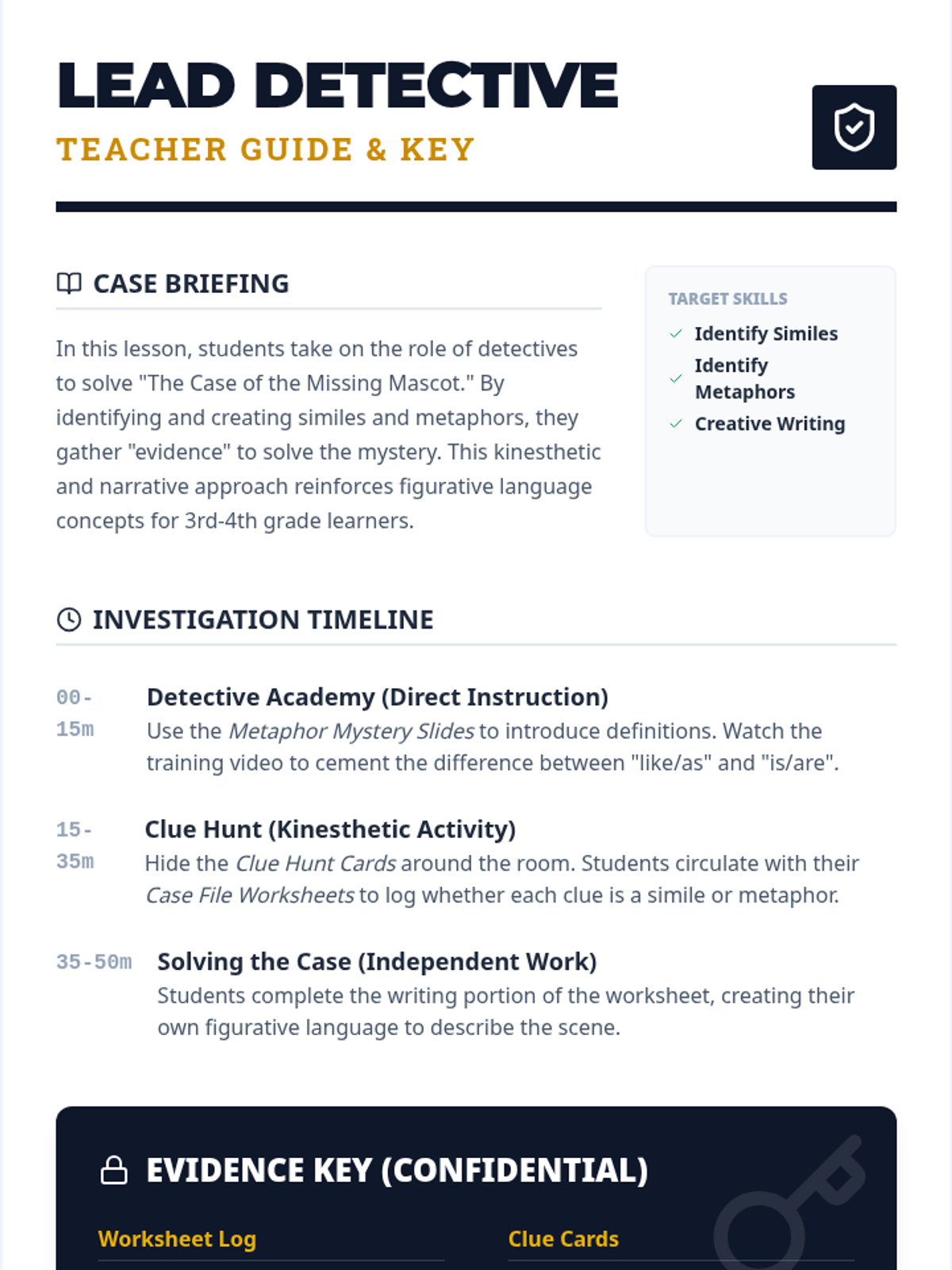
Students become literary detectives, using their knowledge of similes and metaphors to track down a missing classroom item. They will analyze figurative language clues and create their own descriptions to solve the mystery.