A project-based lesson where students research a famous athlete, organize their findings, and create a visually engaging biography poster.
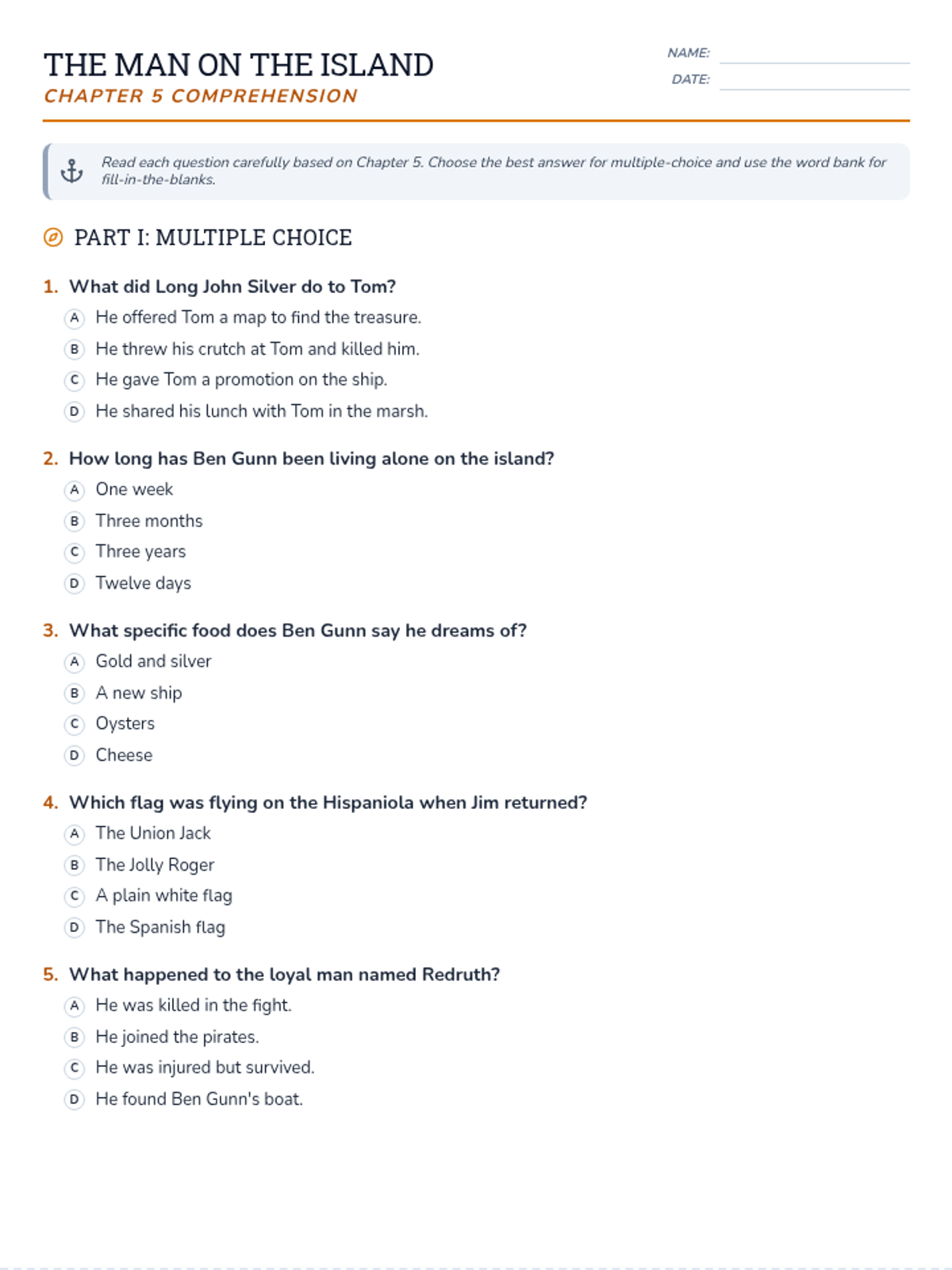
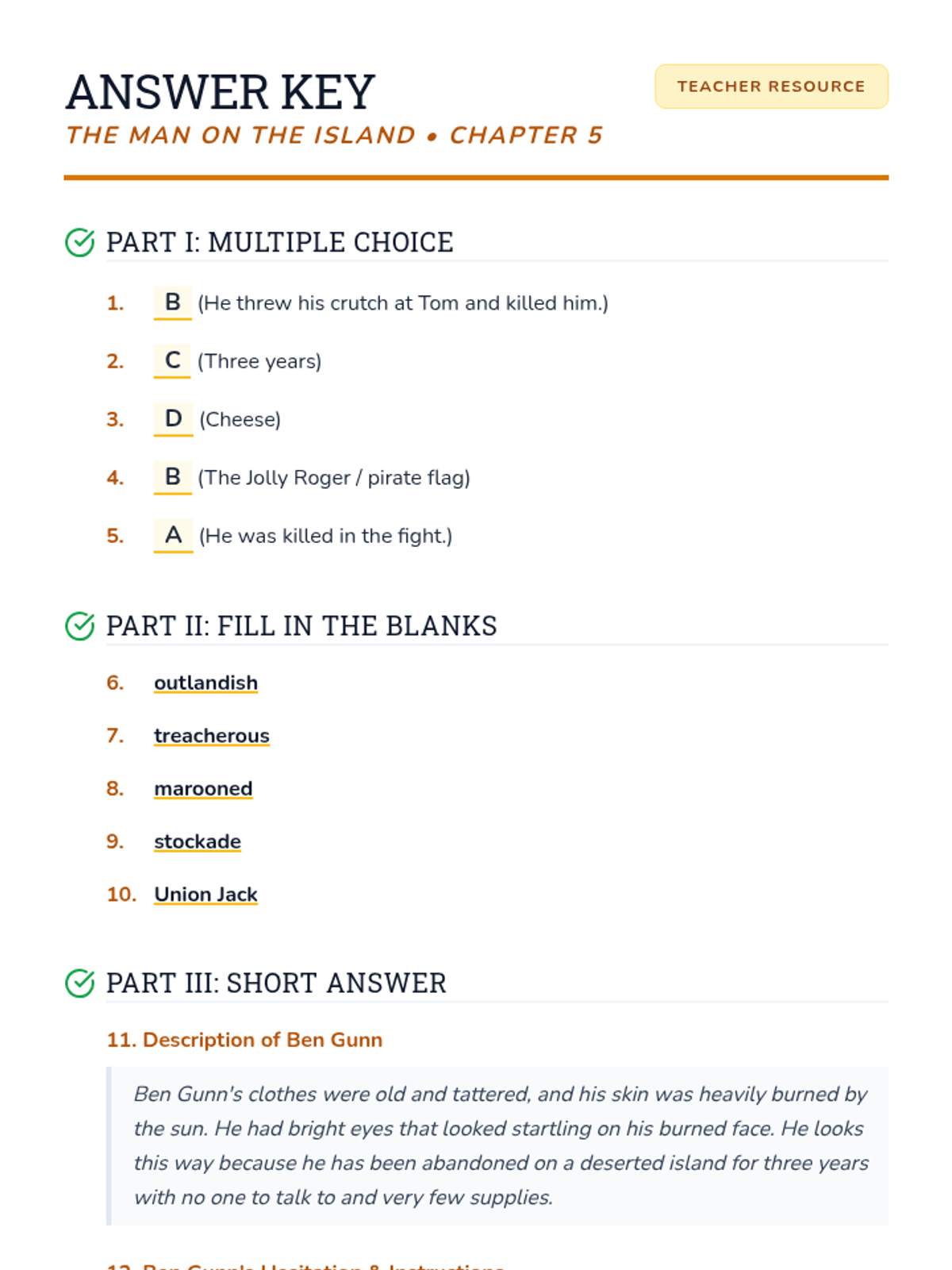
This lesson focuses on Chapter 5 of the Treasure Island reader, where Jim Hawkins meets Ben Gunn and witnesses the escalating conflict between the loyal crew and the mutineers. Students will demonstrate comprehension through multiple-choice, fill-in-the-blank, and short-answer questions.
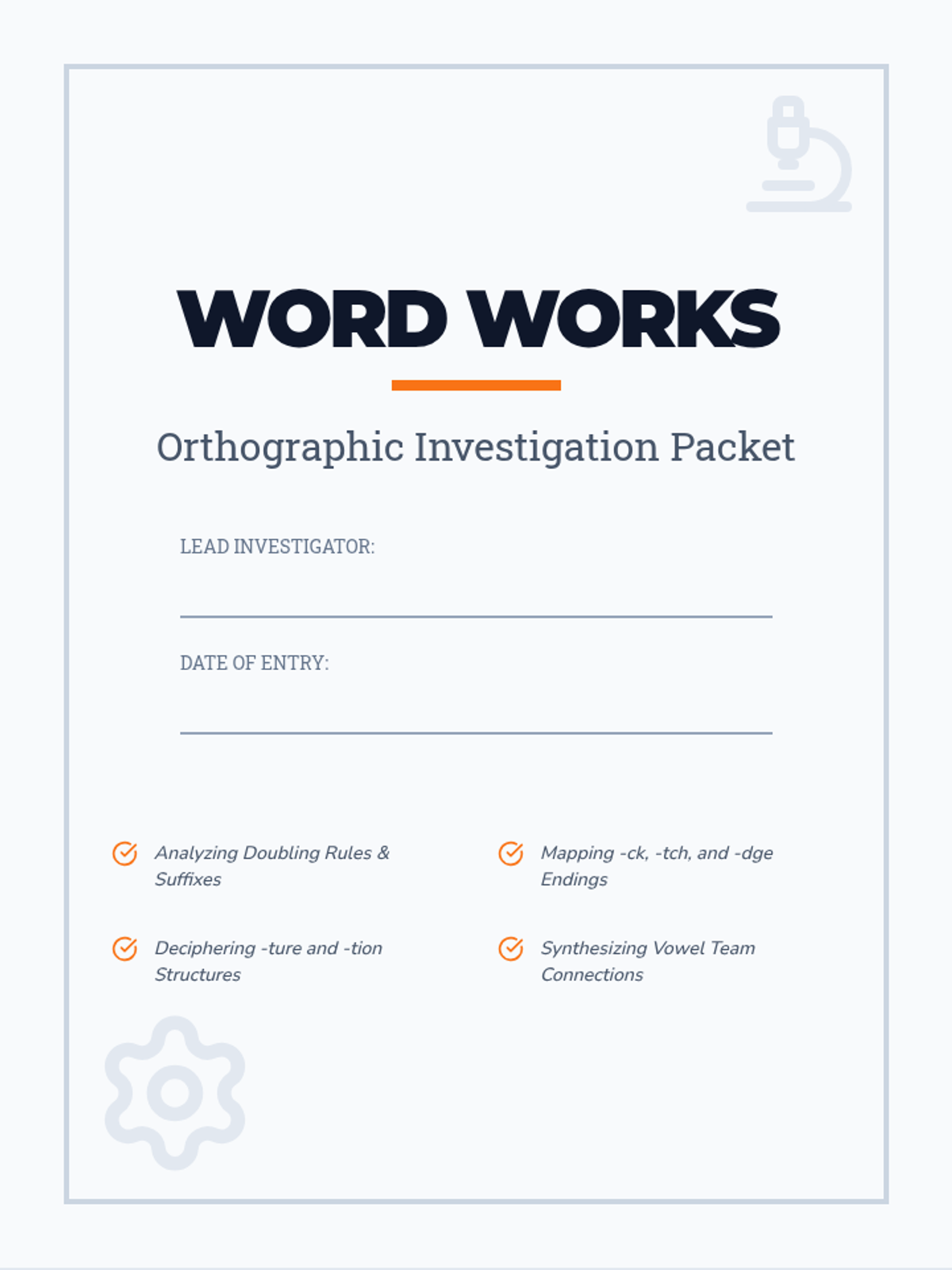
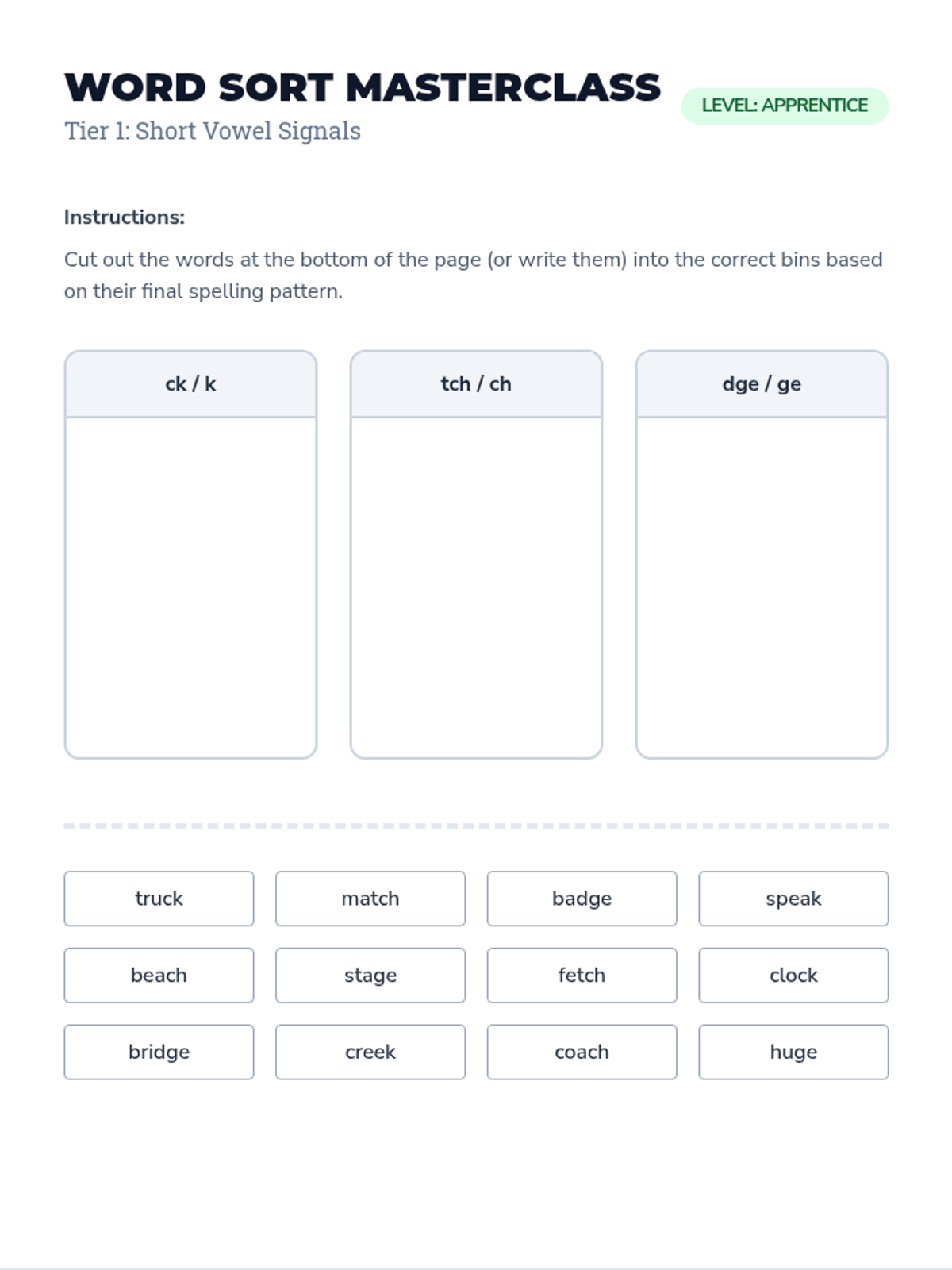
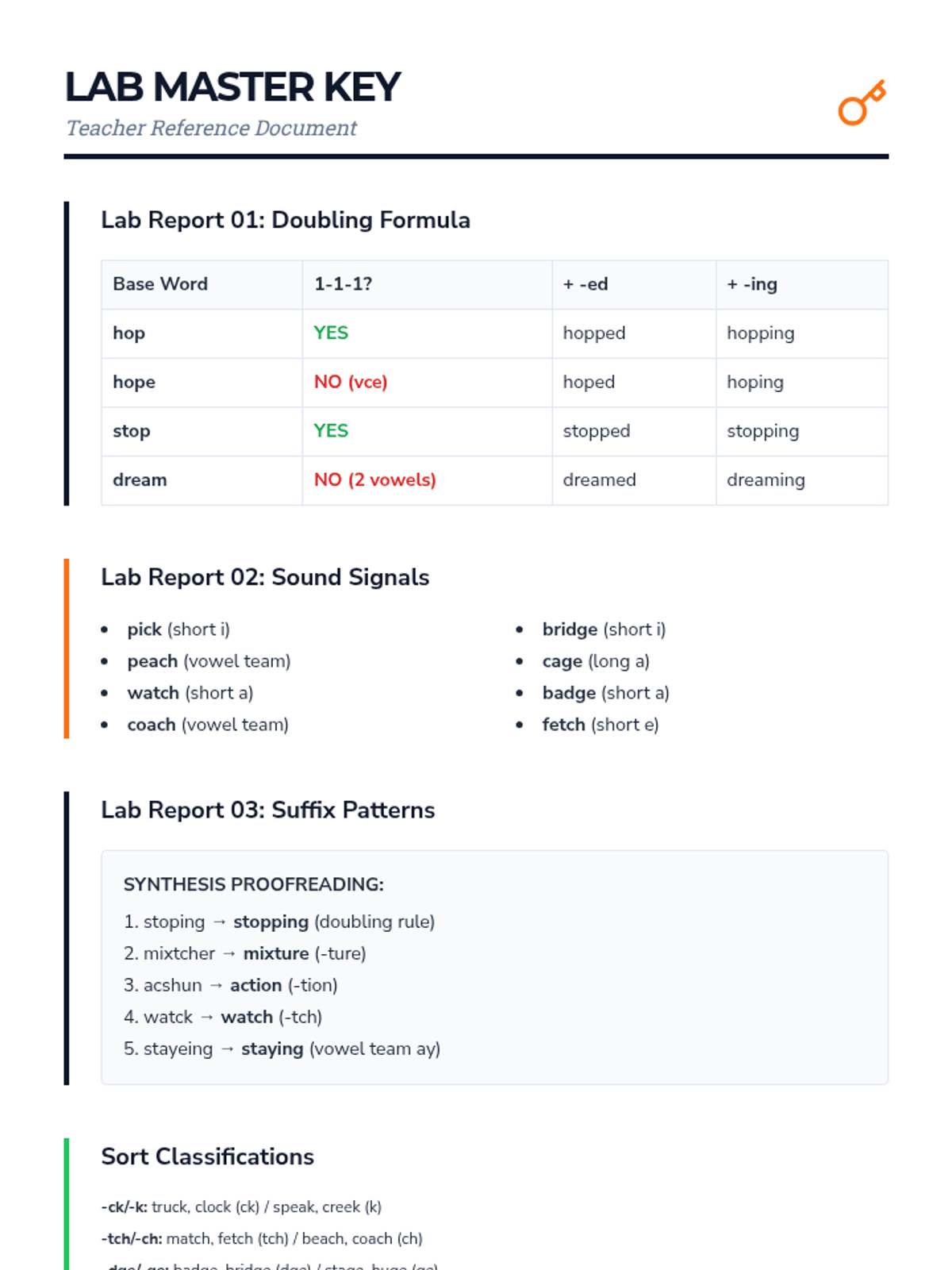
A comprehensive spelling unit for 4th-5th graders focusing on complex orthographic patterns, suffix rules, and vowel teams through a 'Word Works Lab' theme.
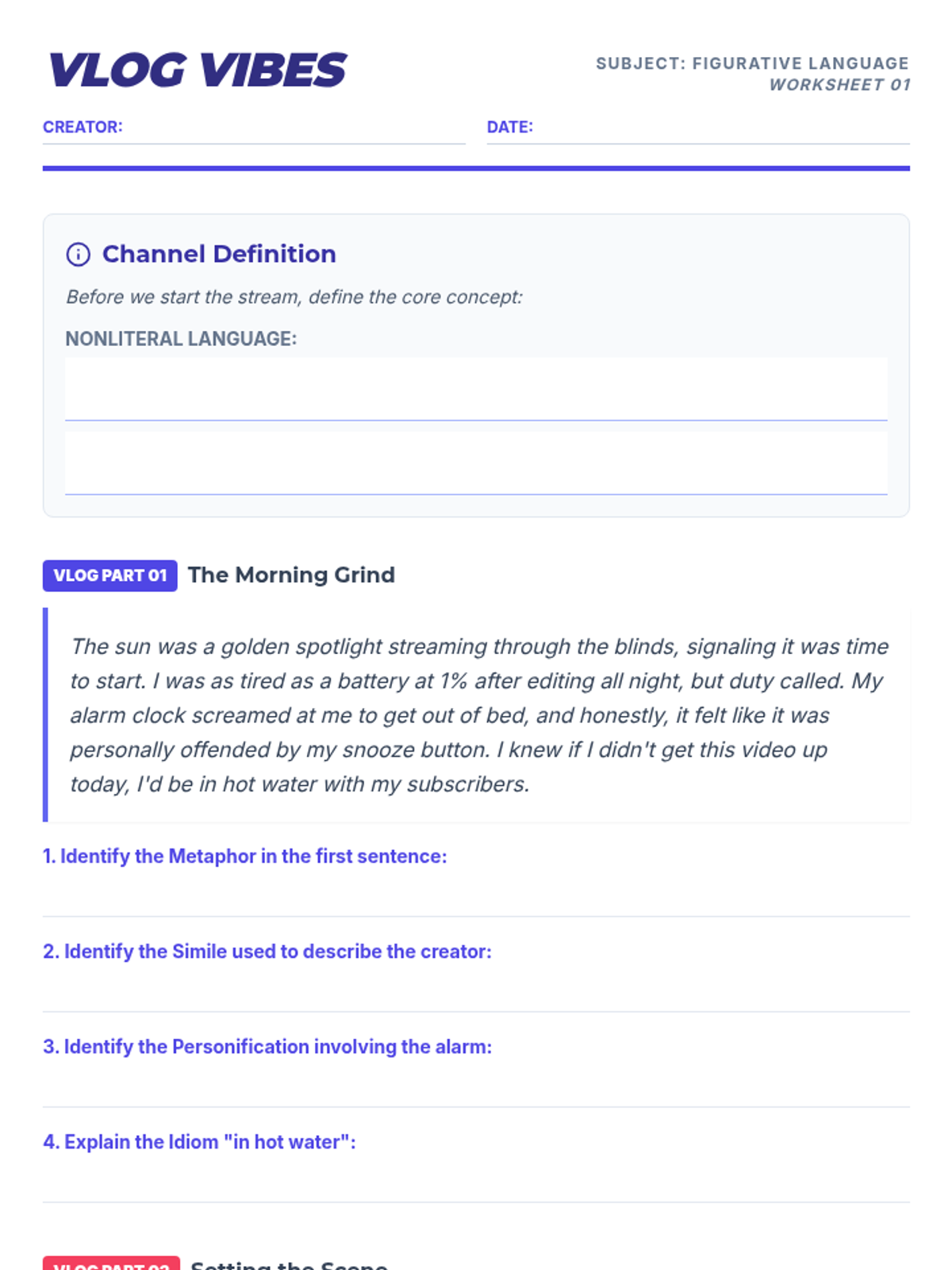
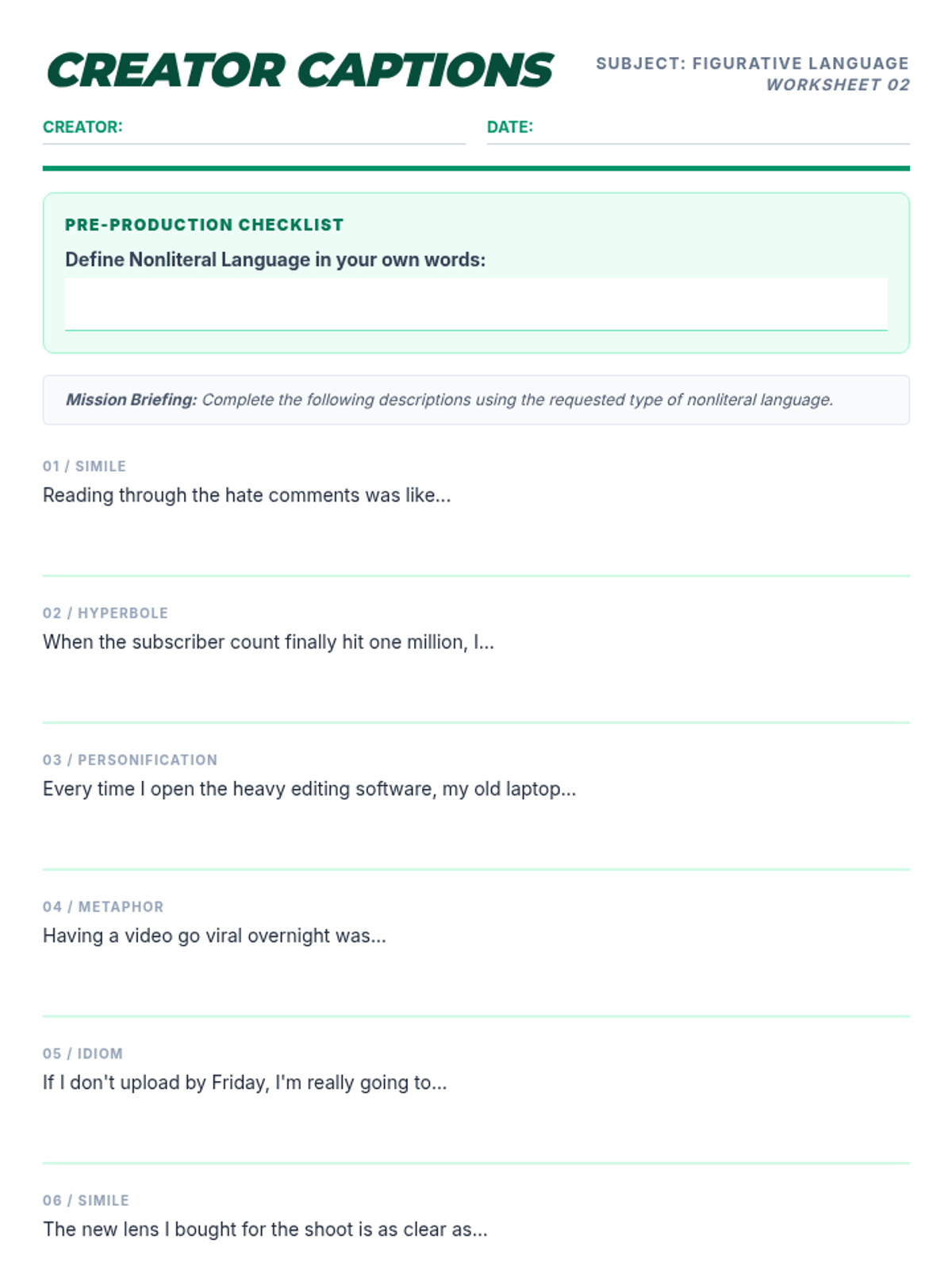
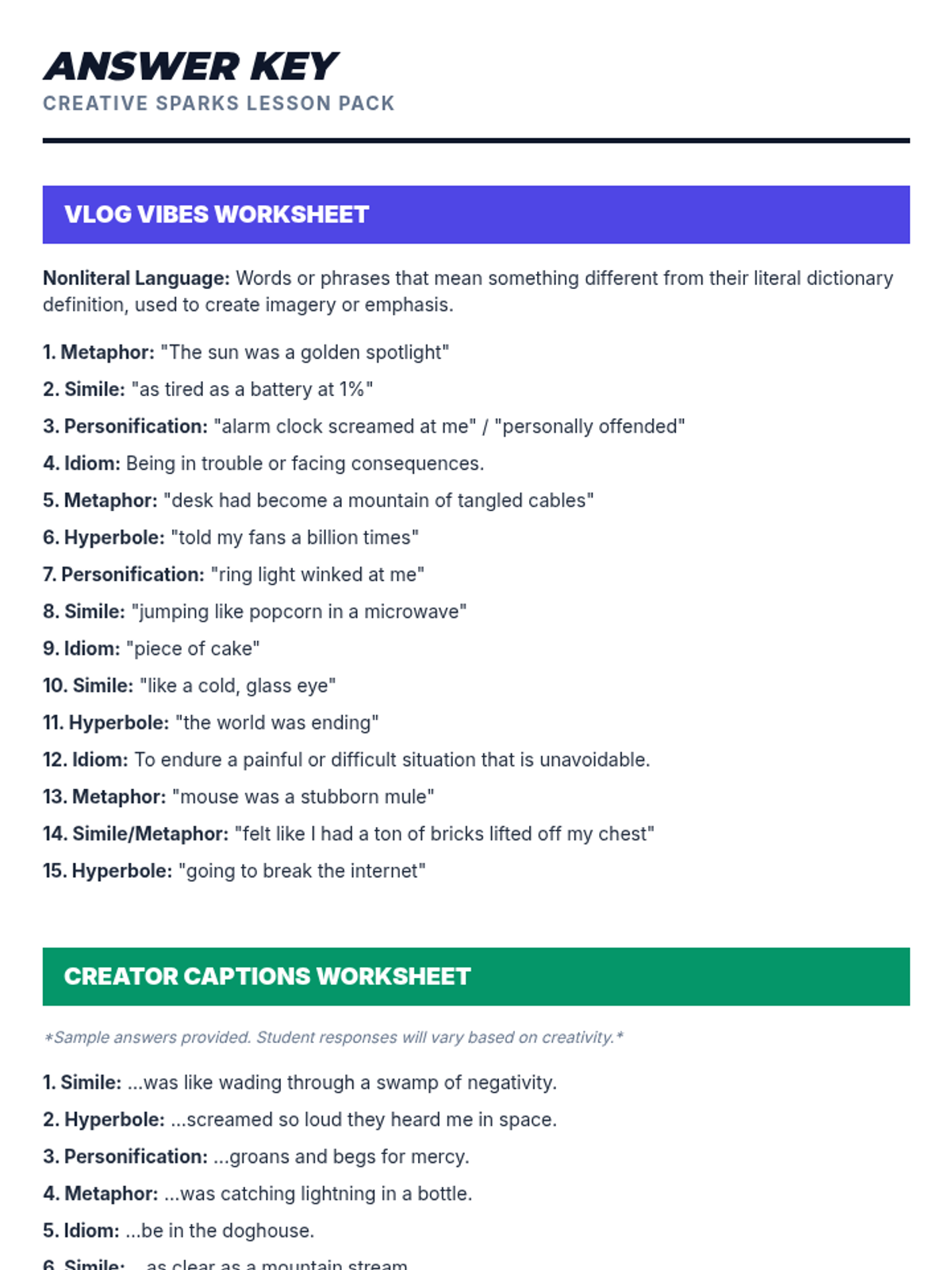
A high-energy lesson exploring nonliteral language through the lens of digital content creation, helping students identify and use idioms, metaphors, similes, personification, and hyperbole in context.
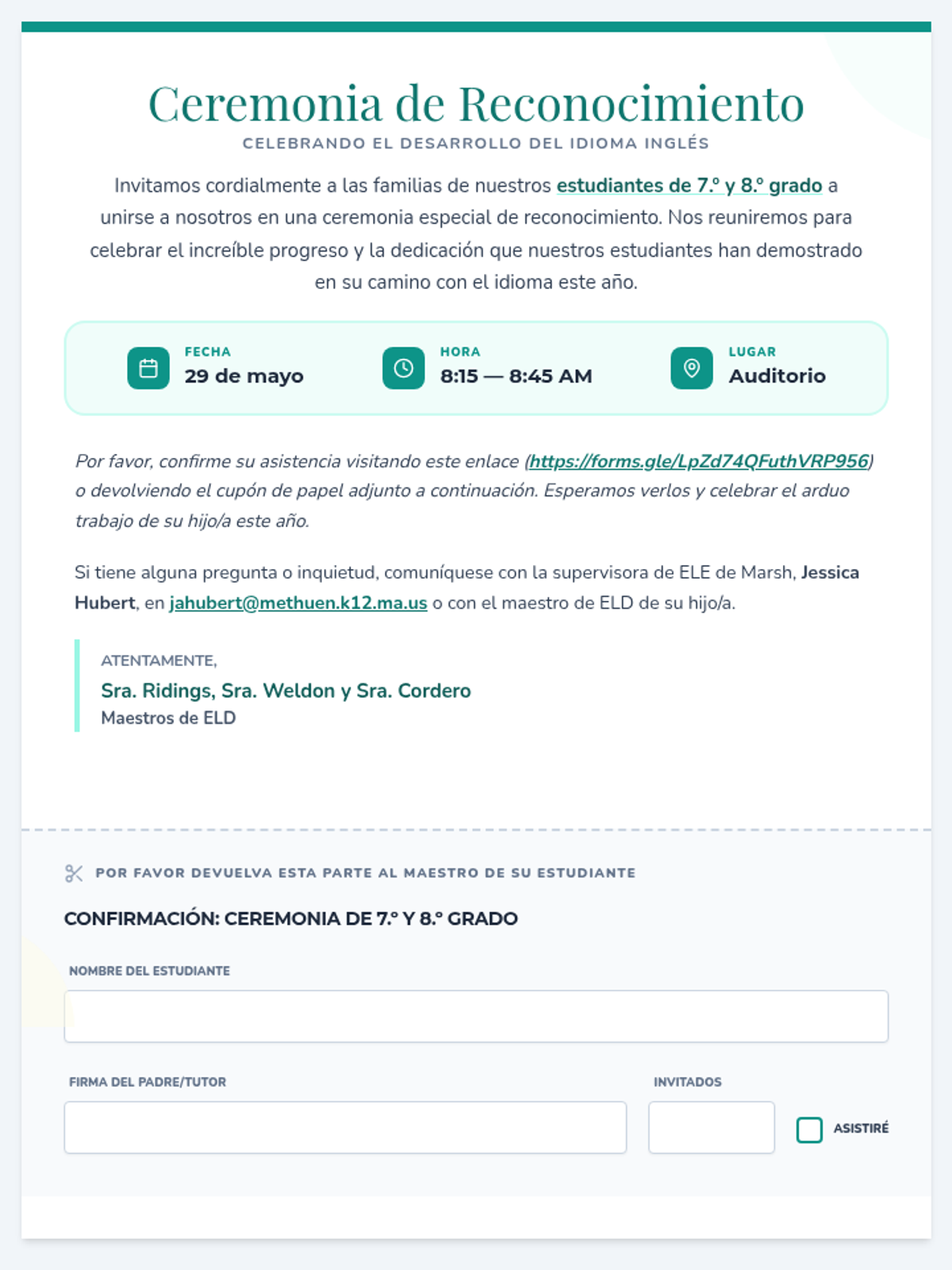
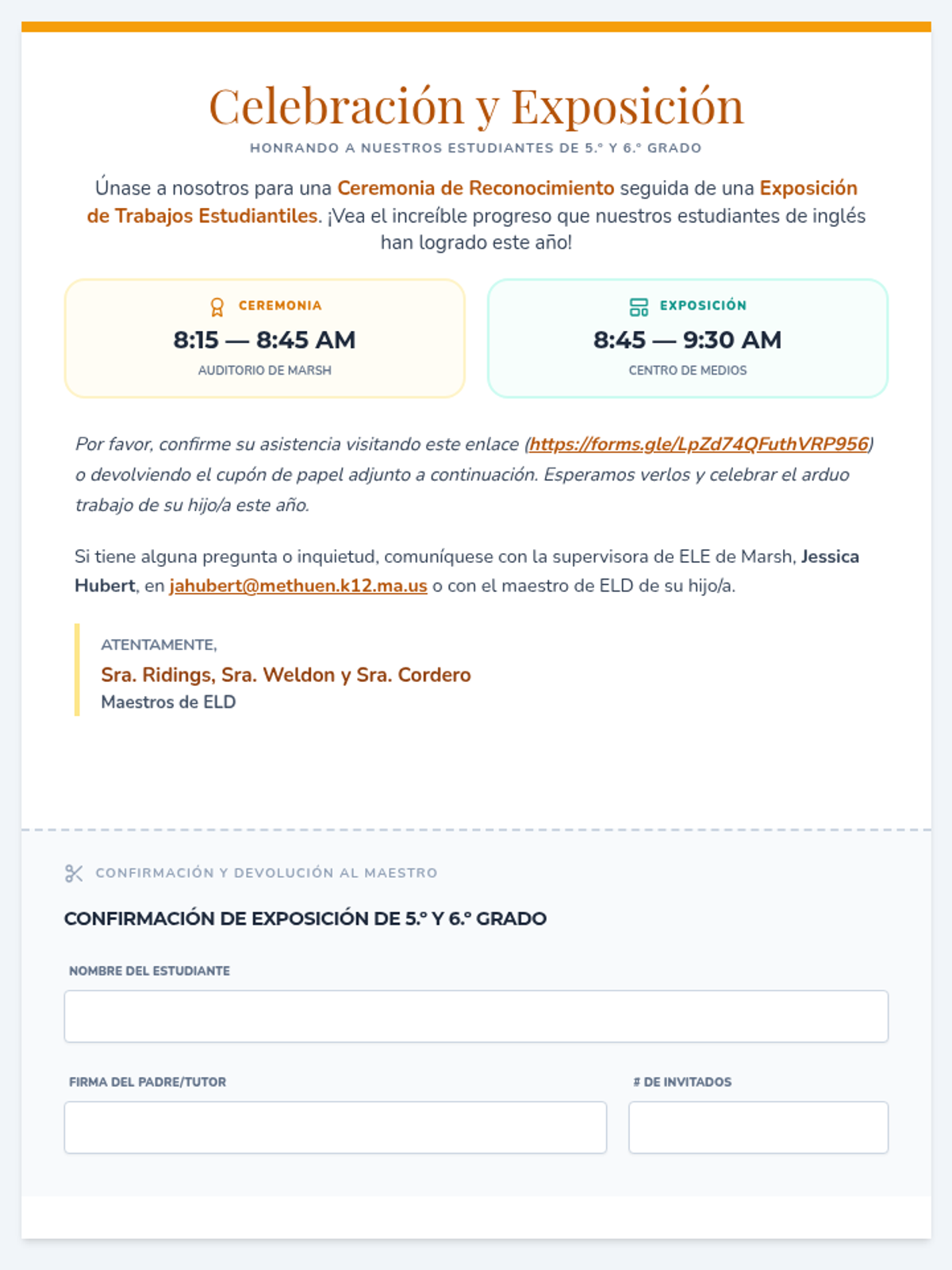
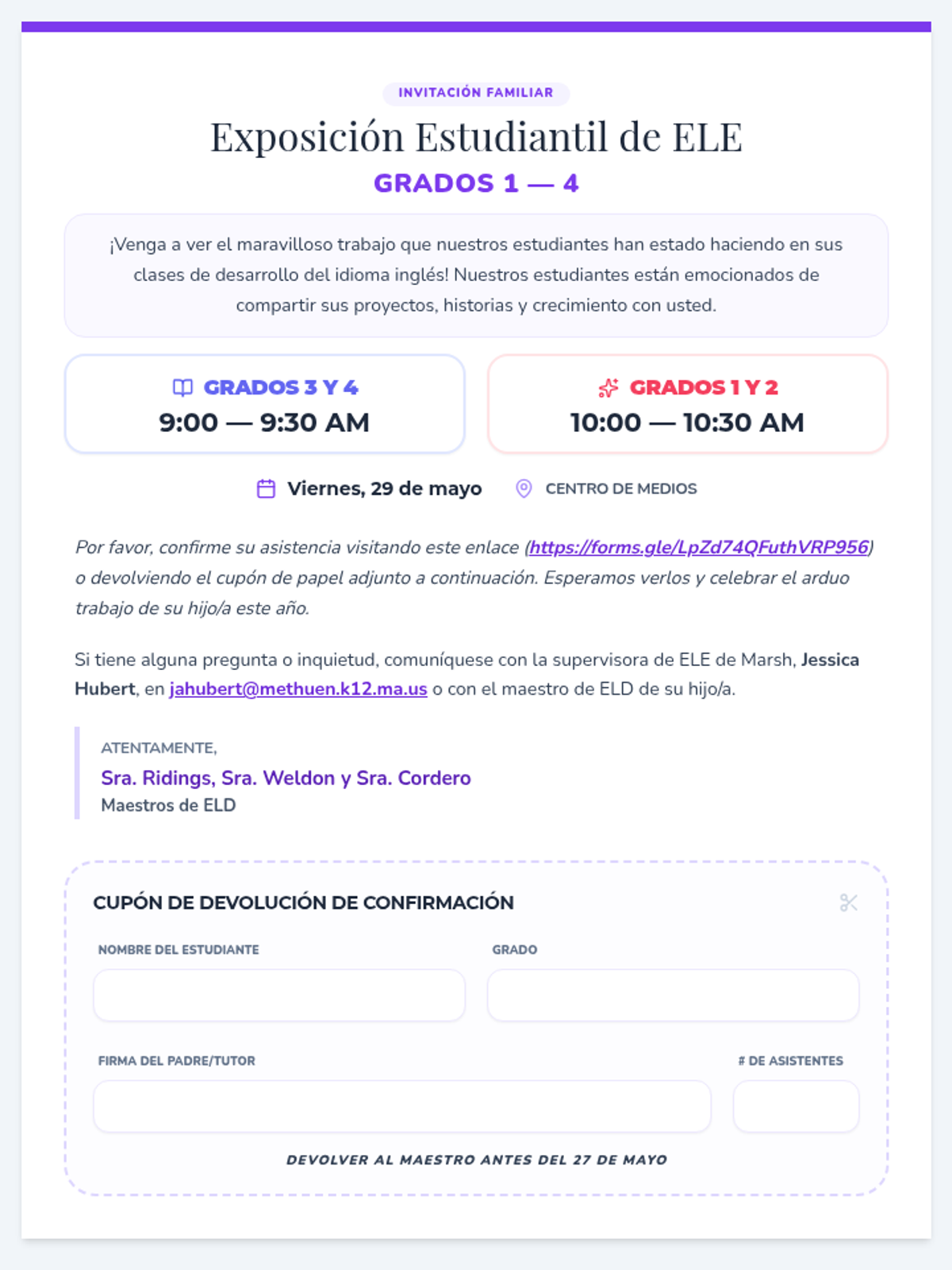
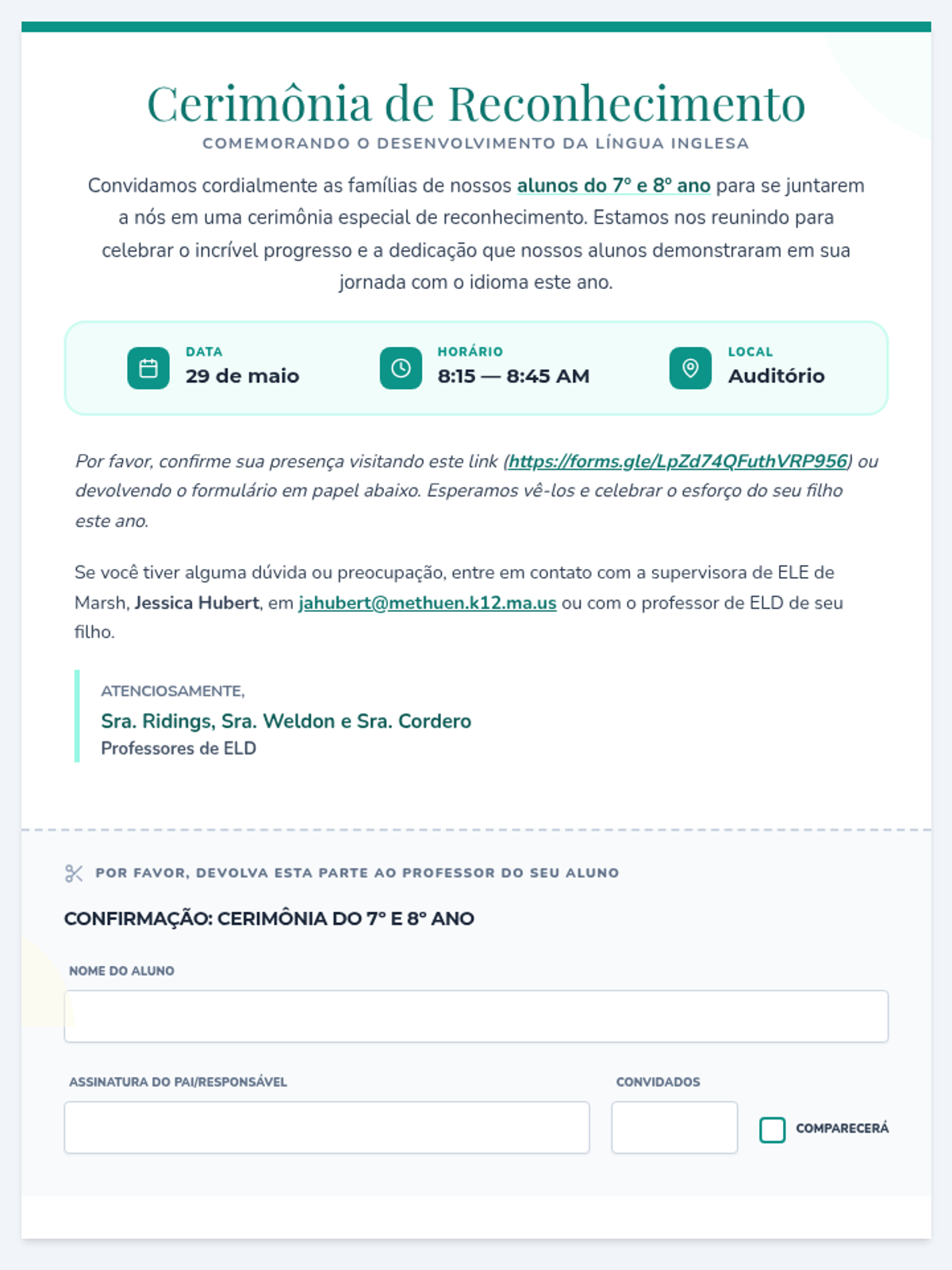
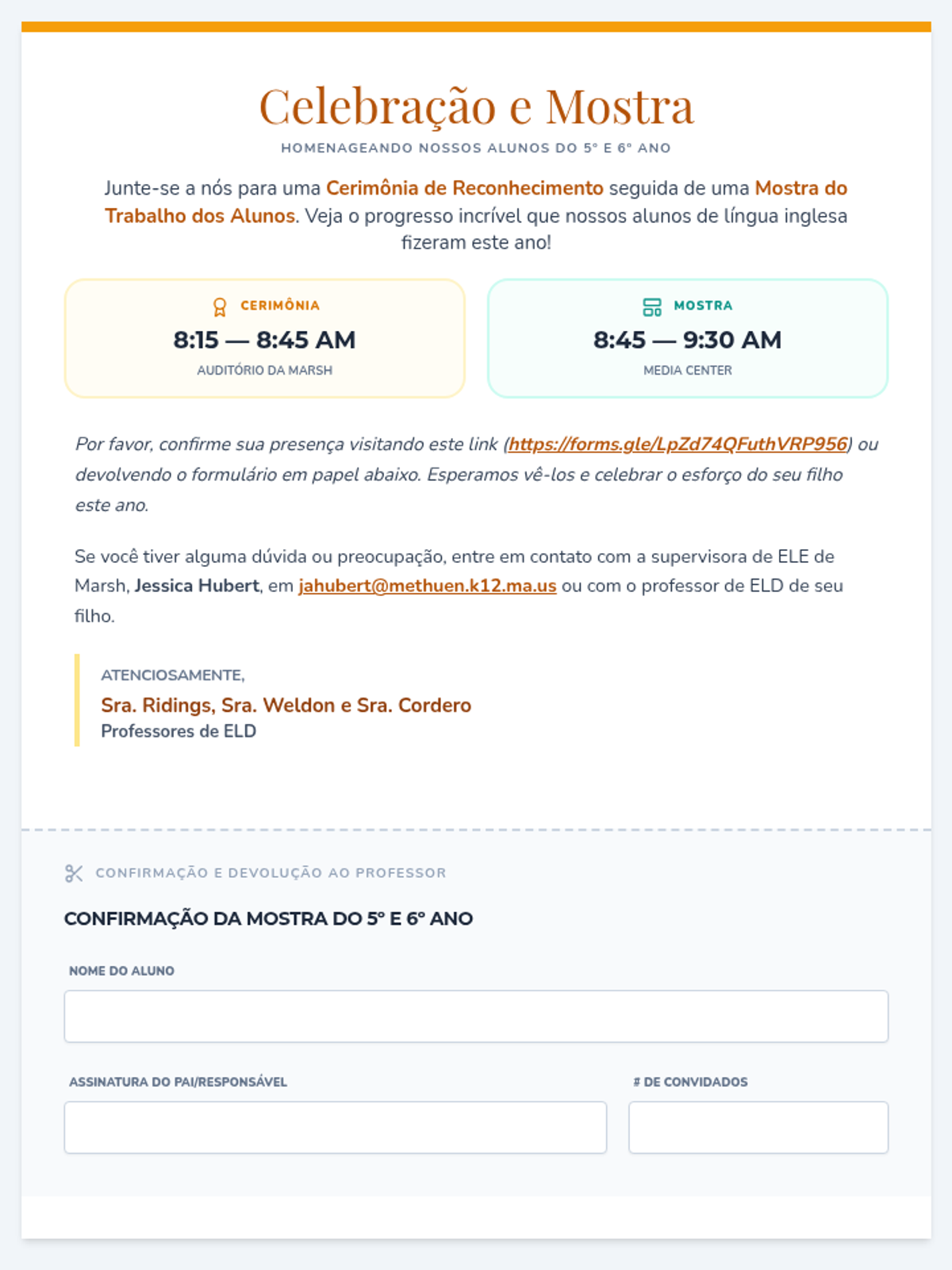
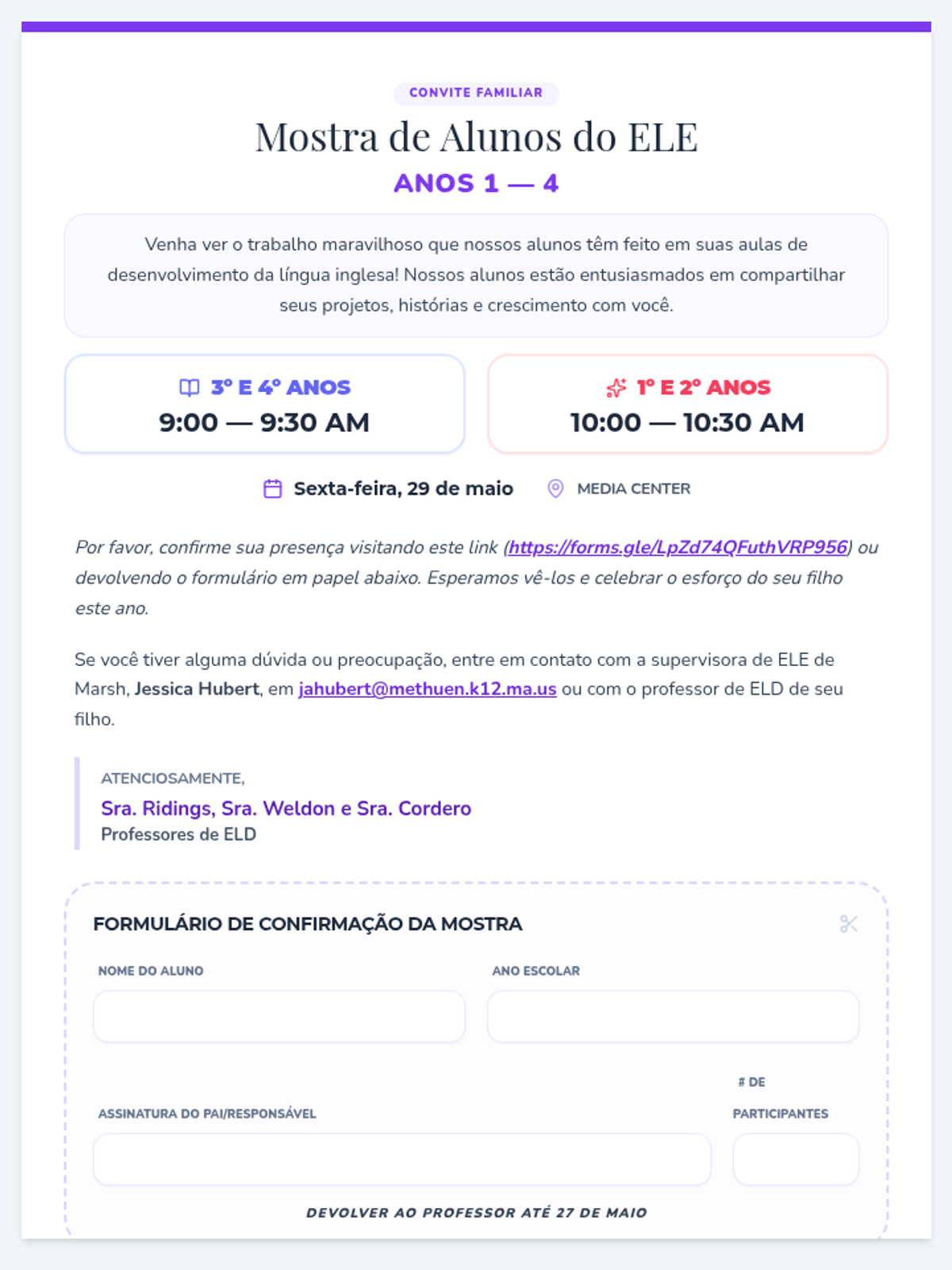
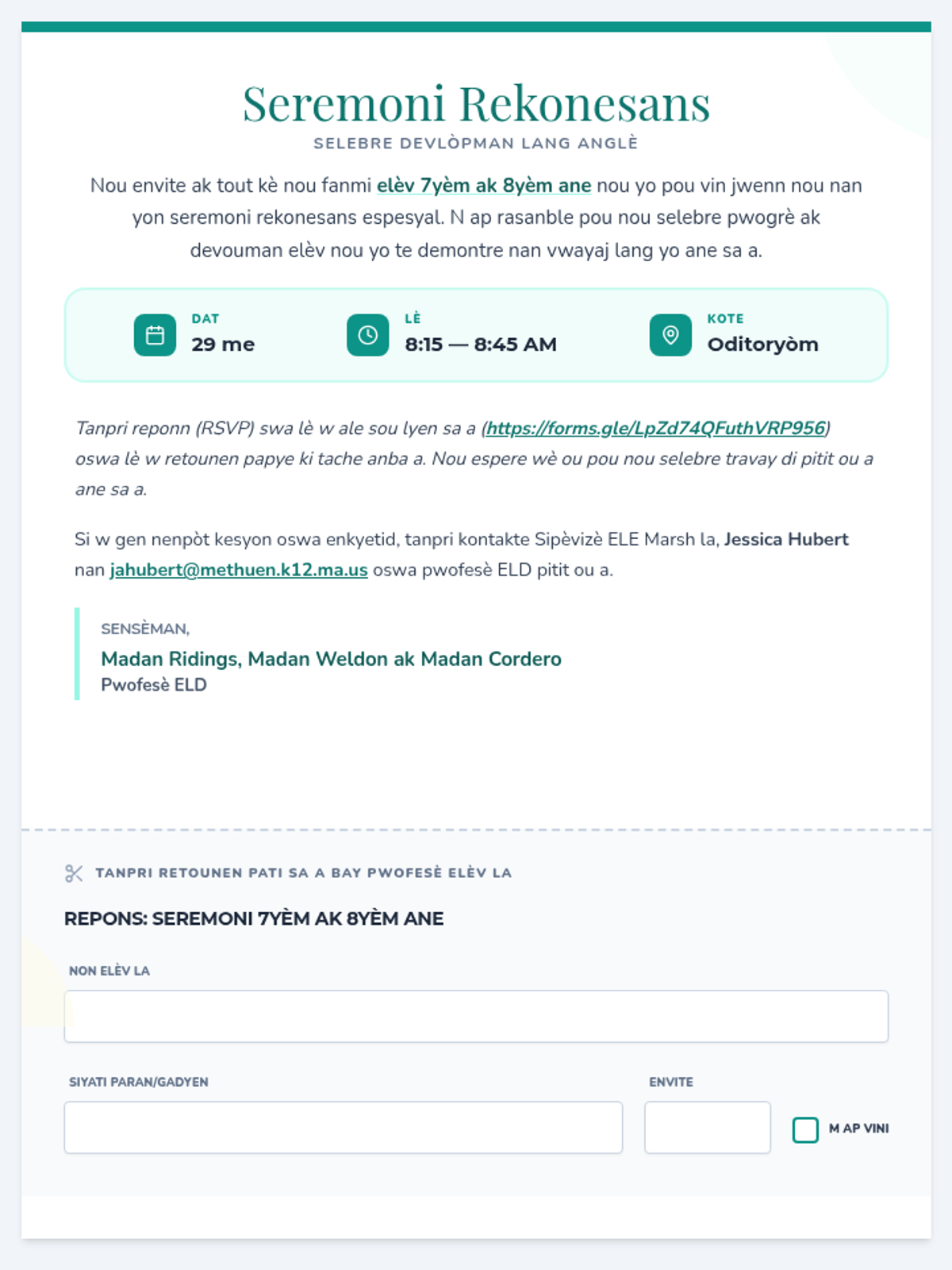
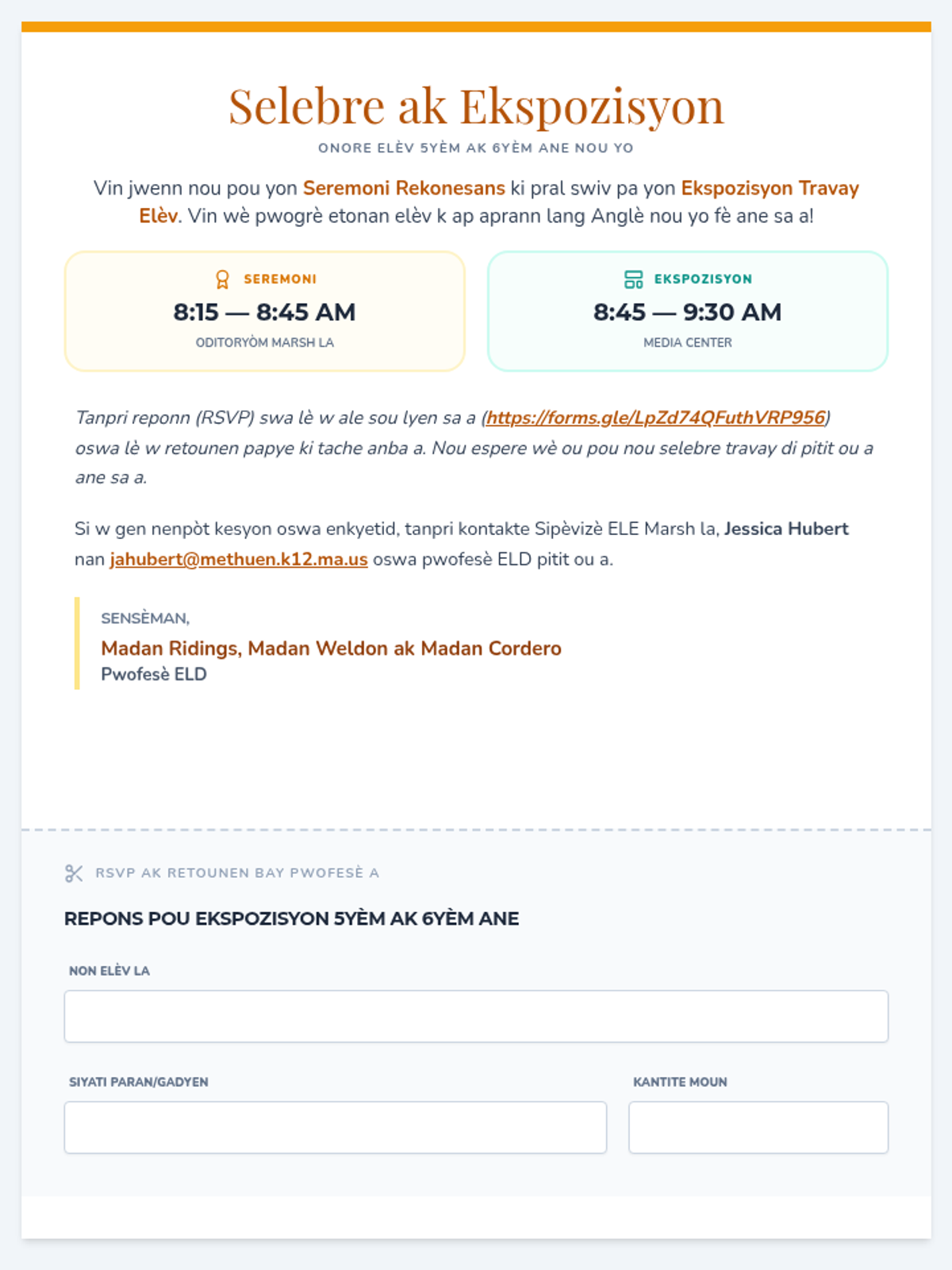
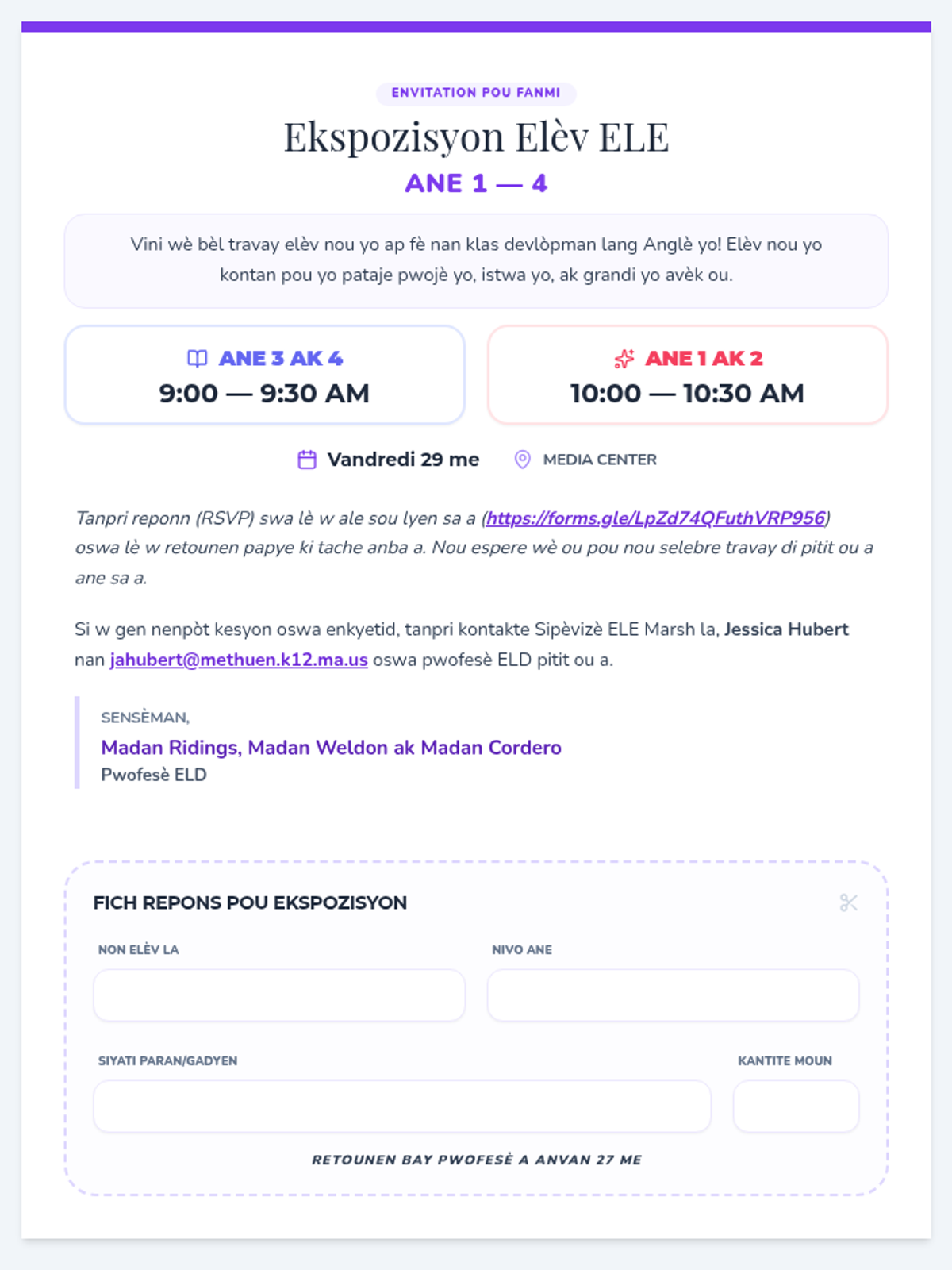
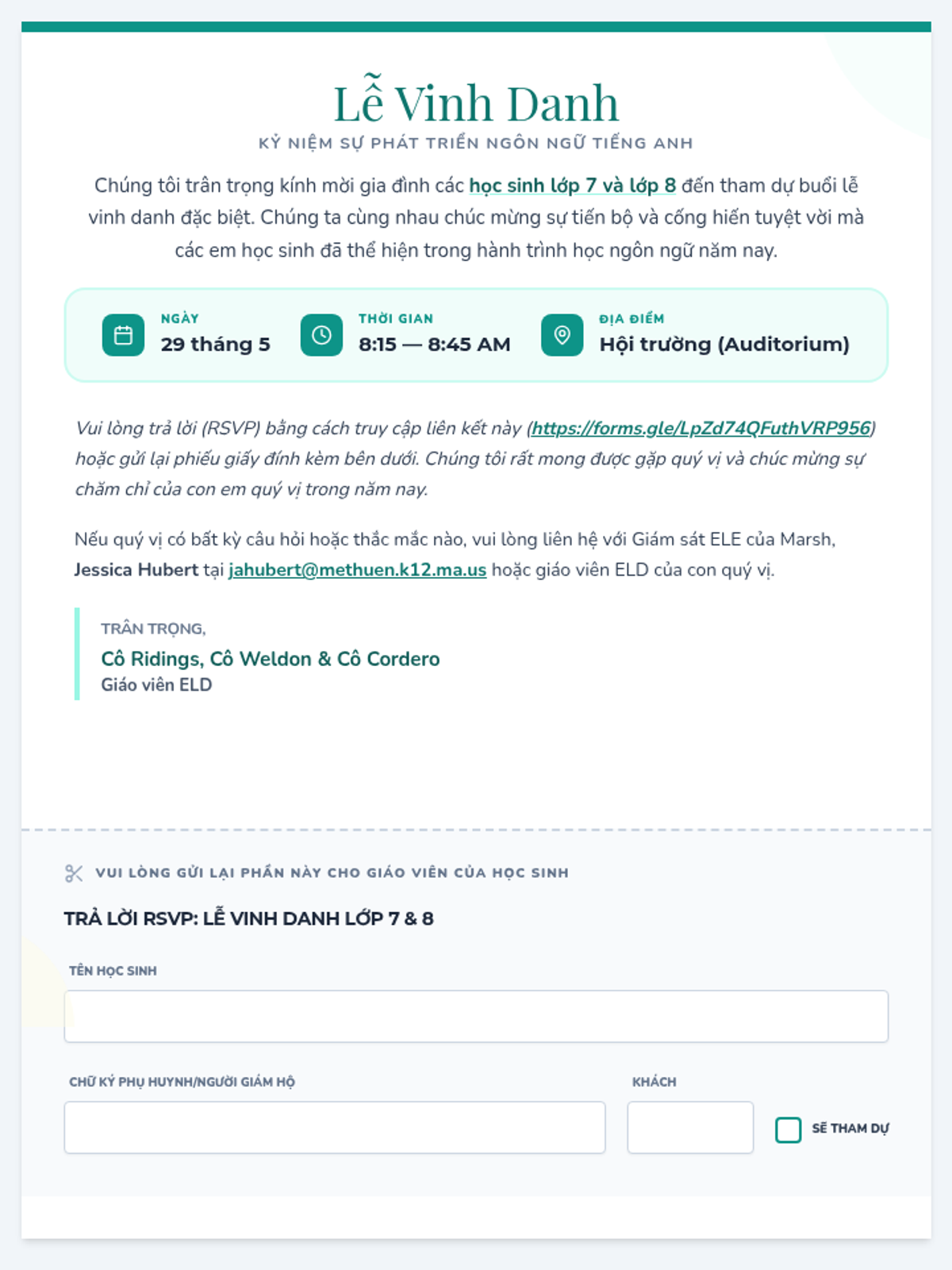
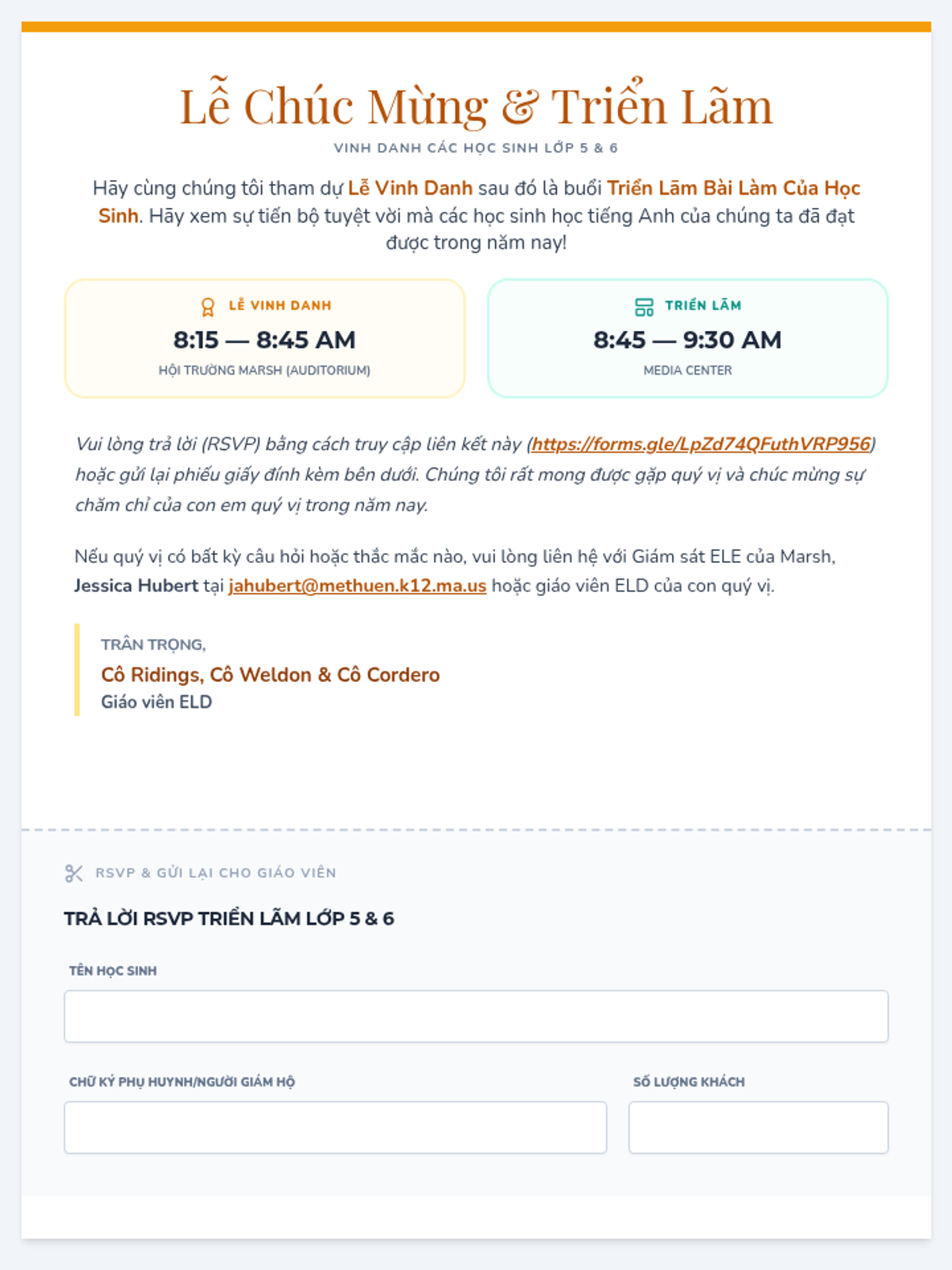
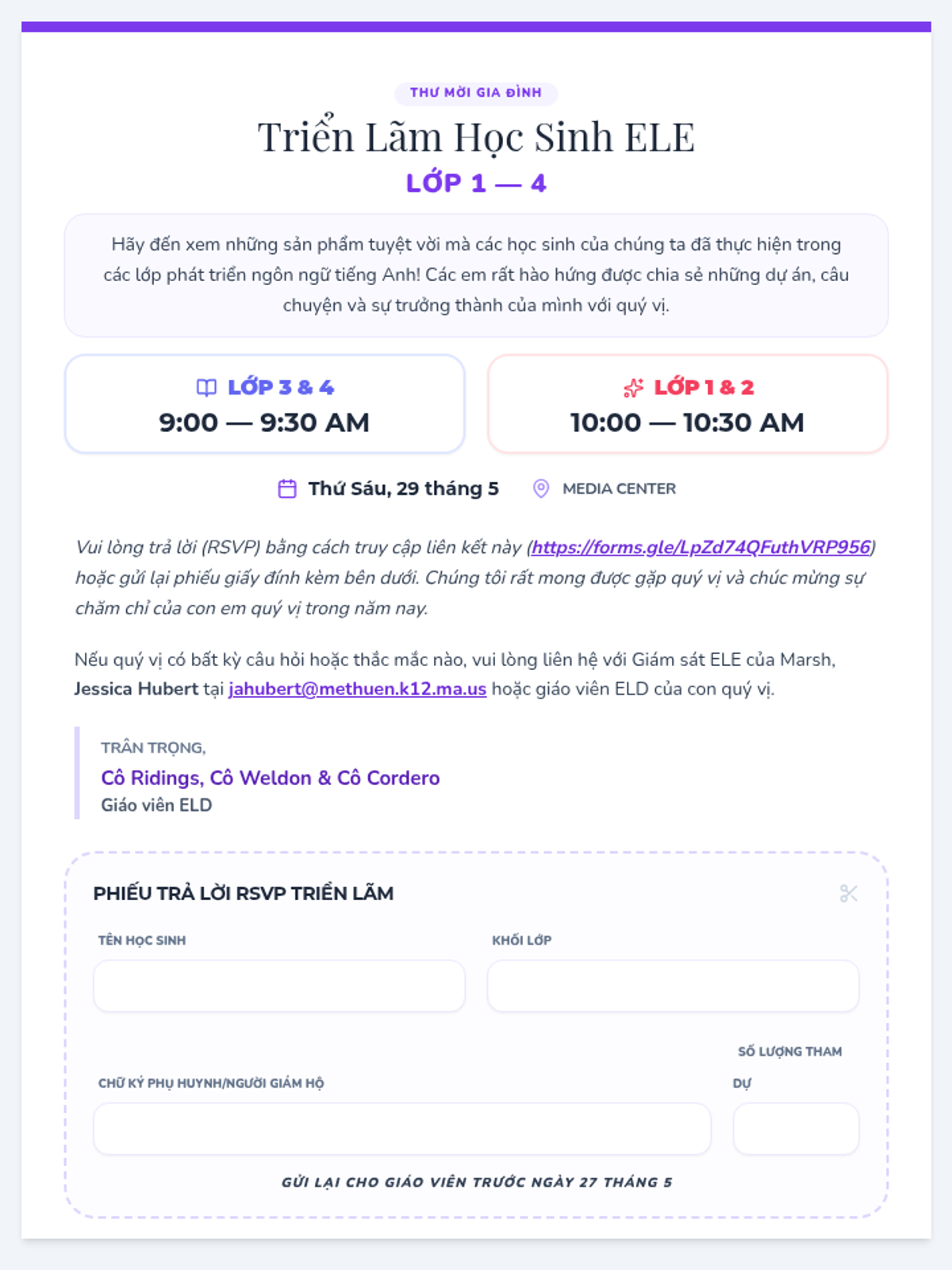
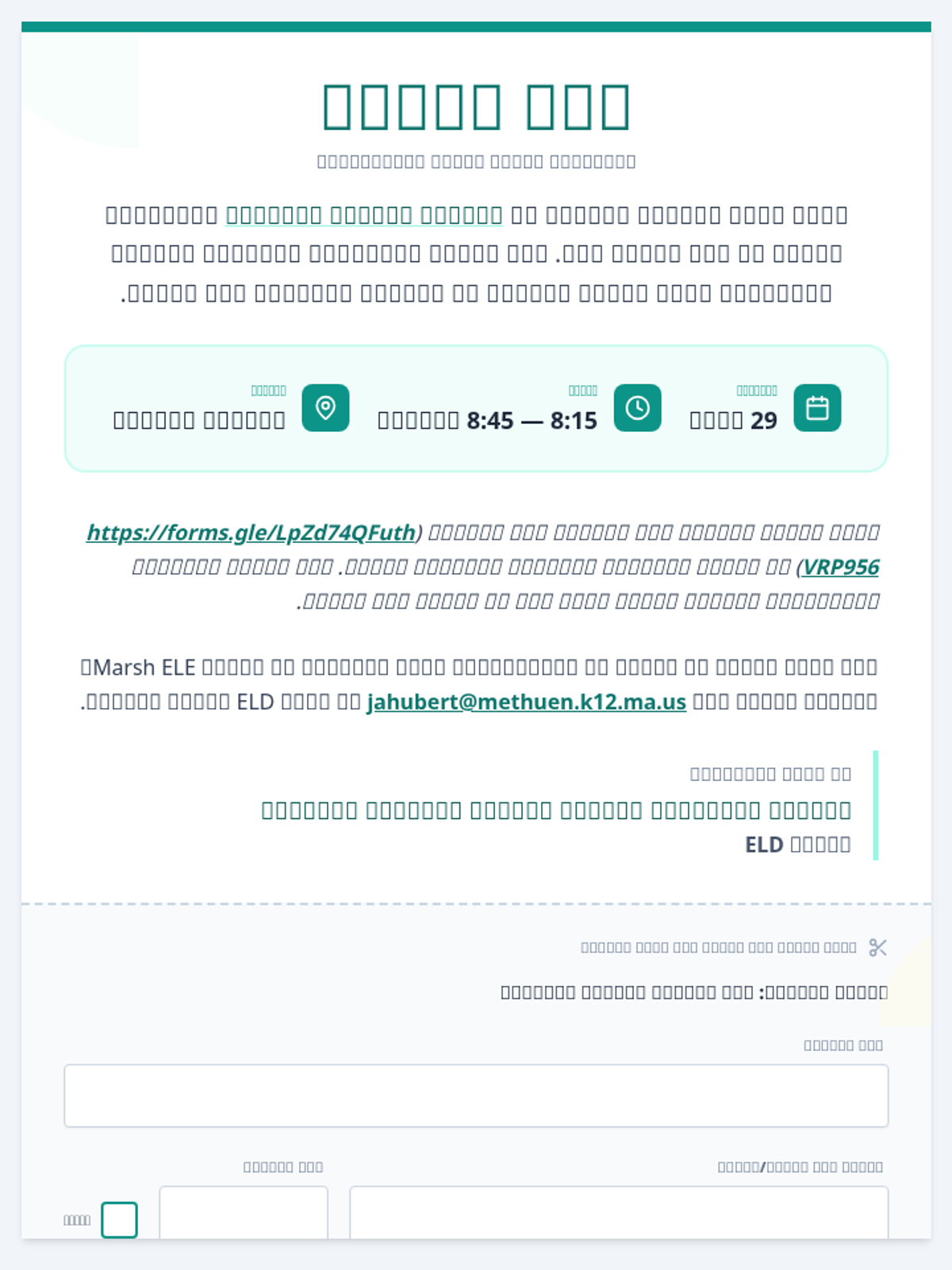
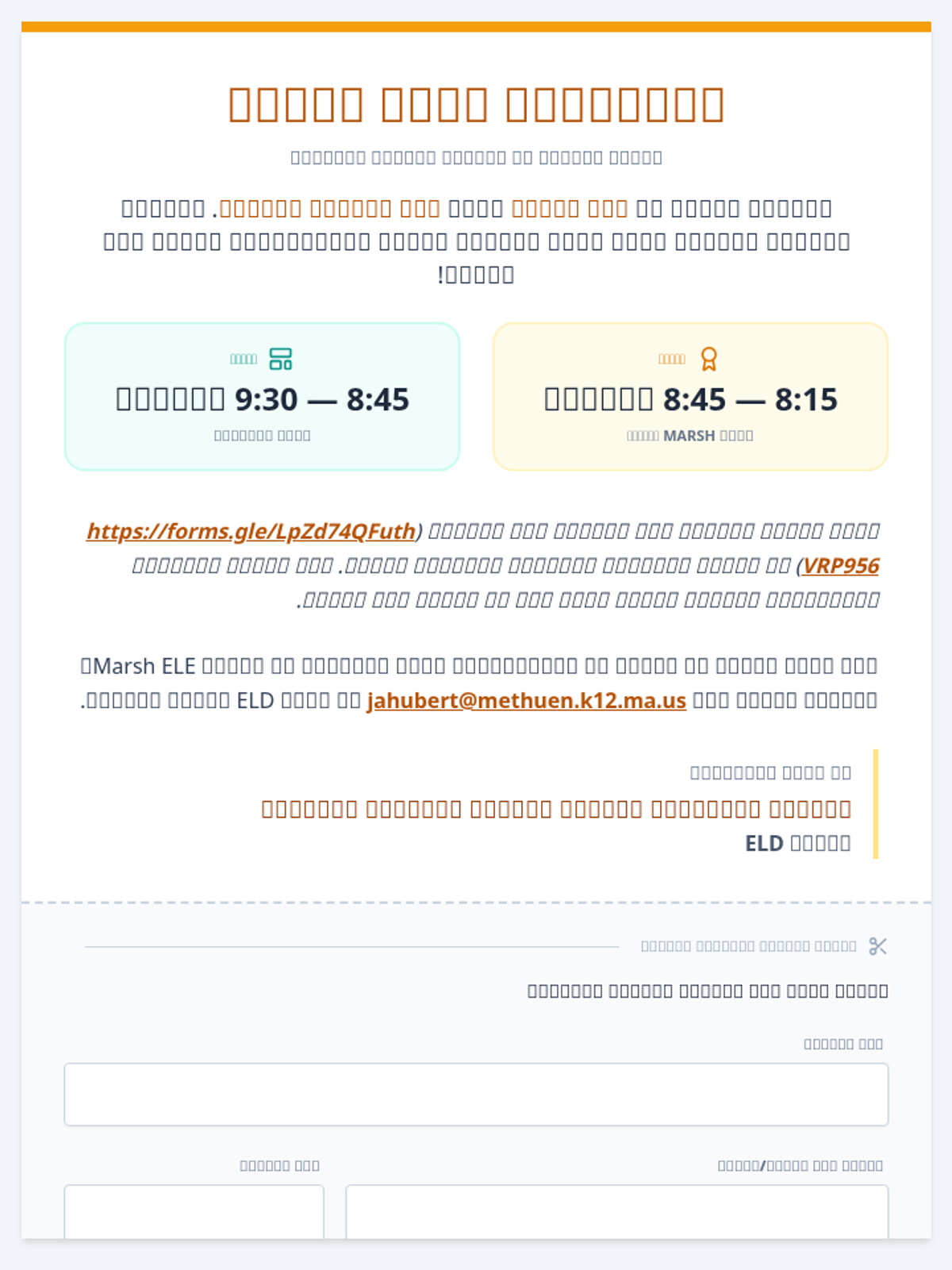
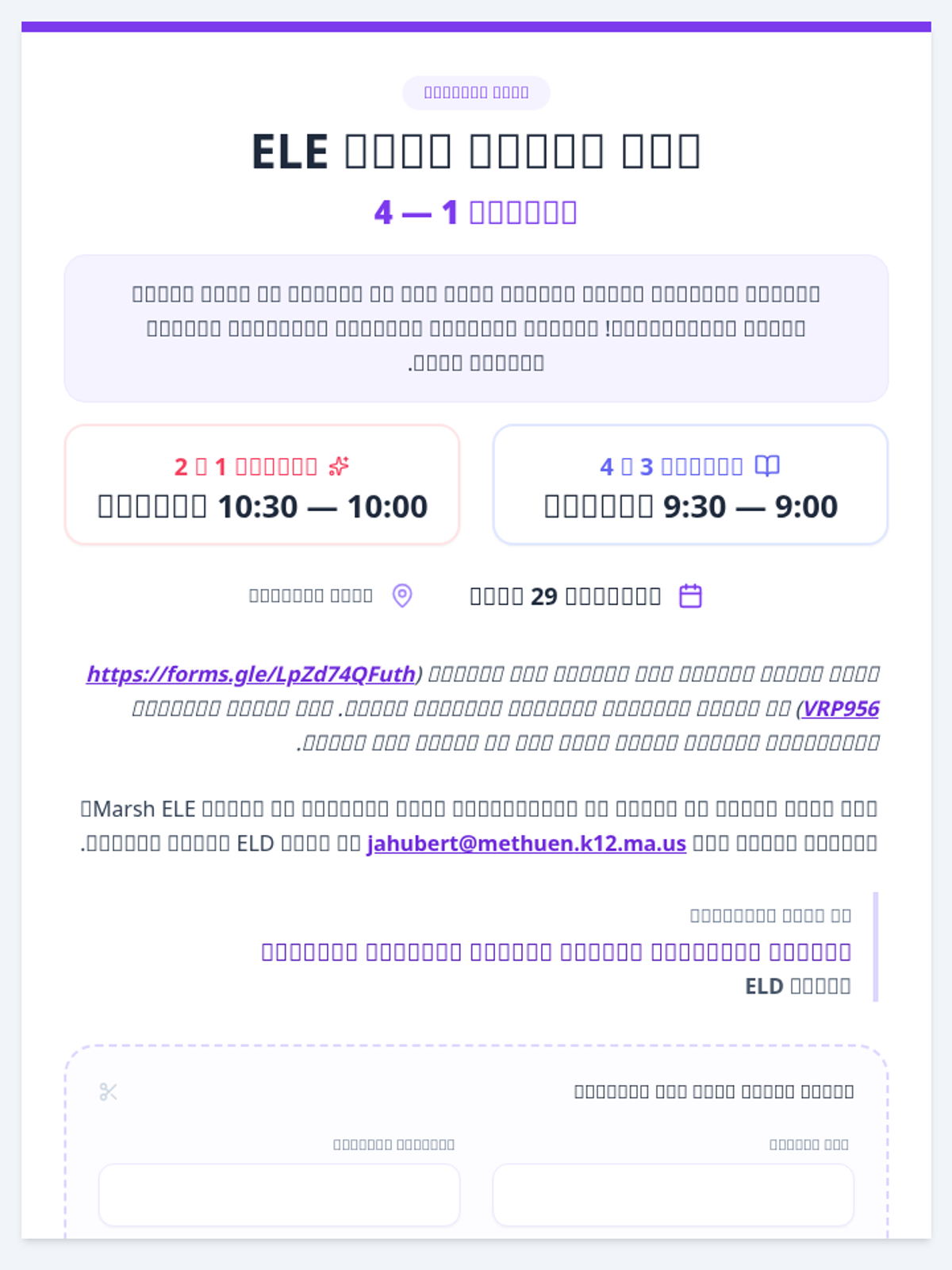
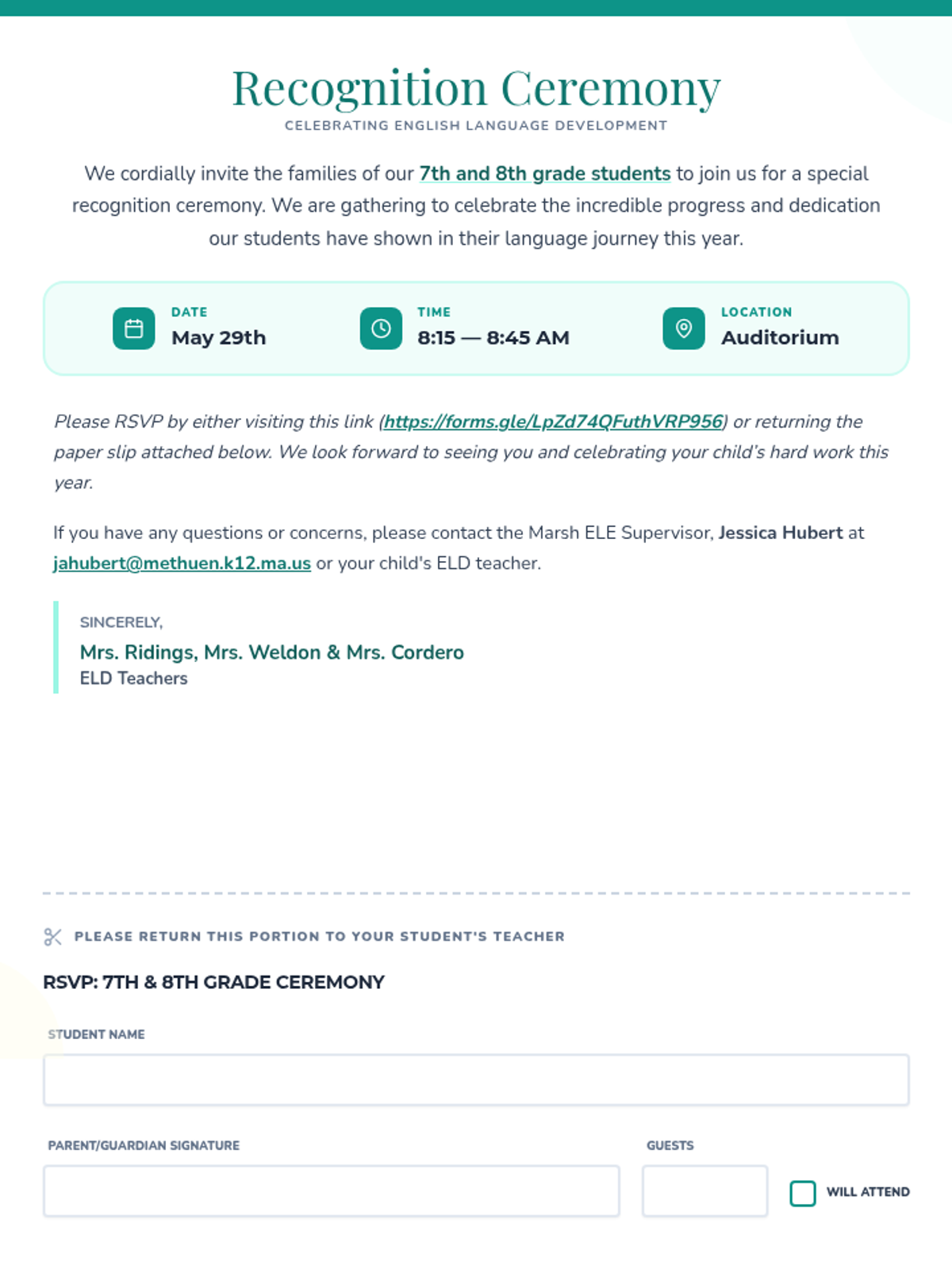
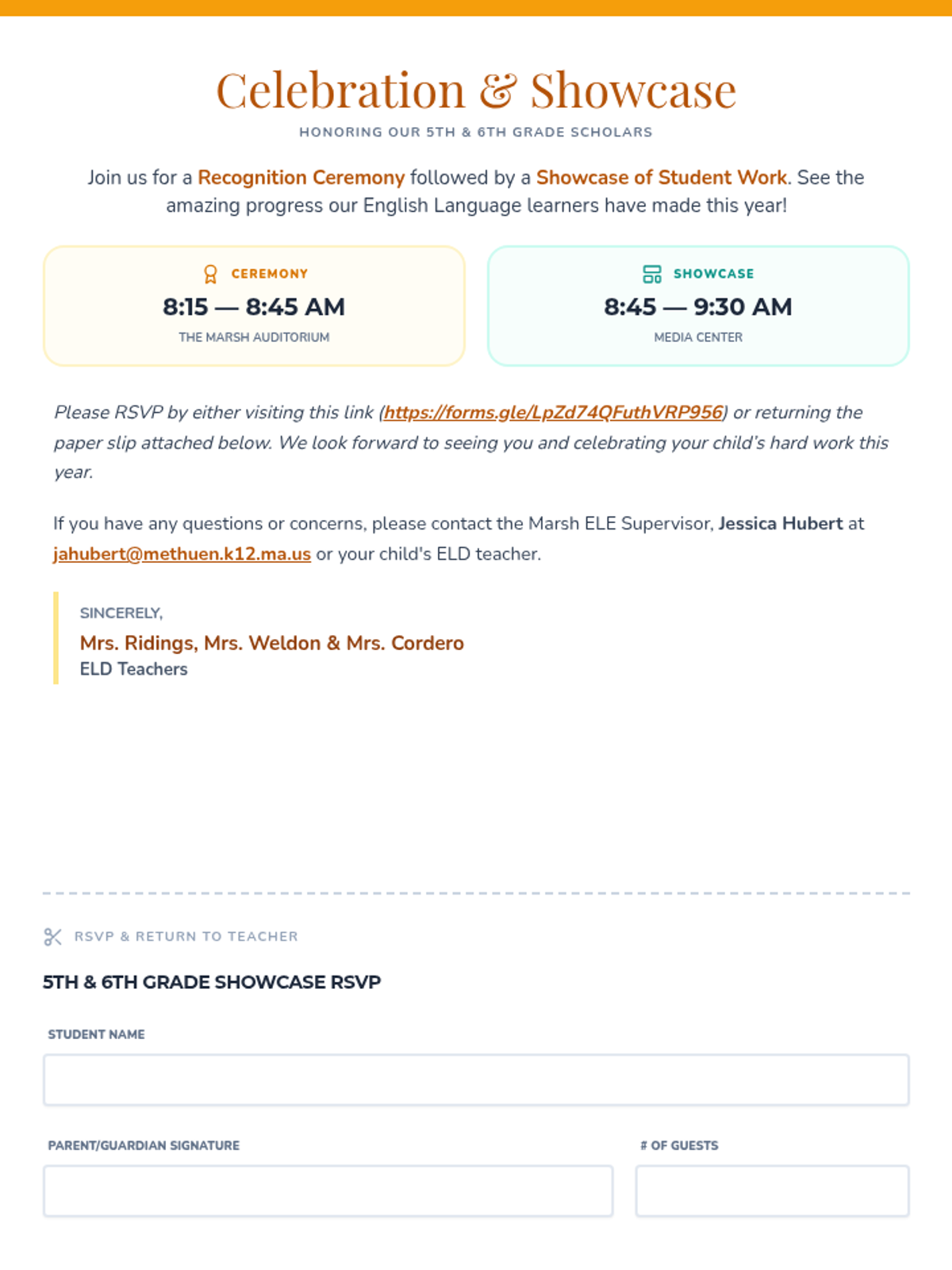
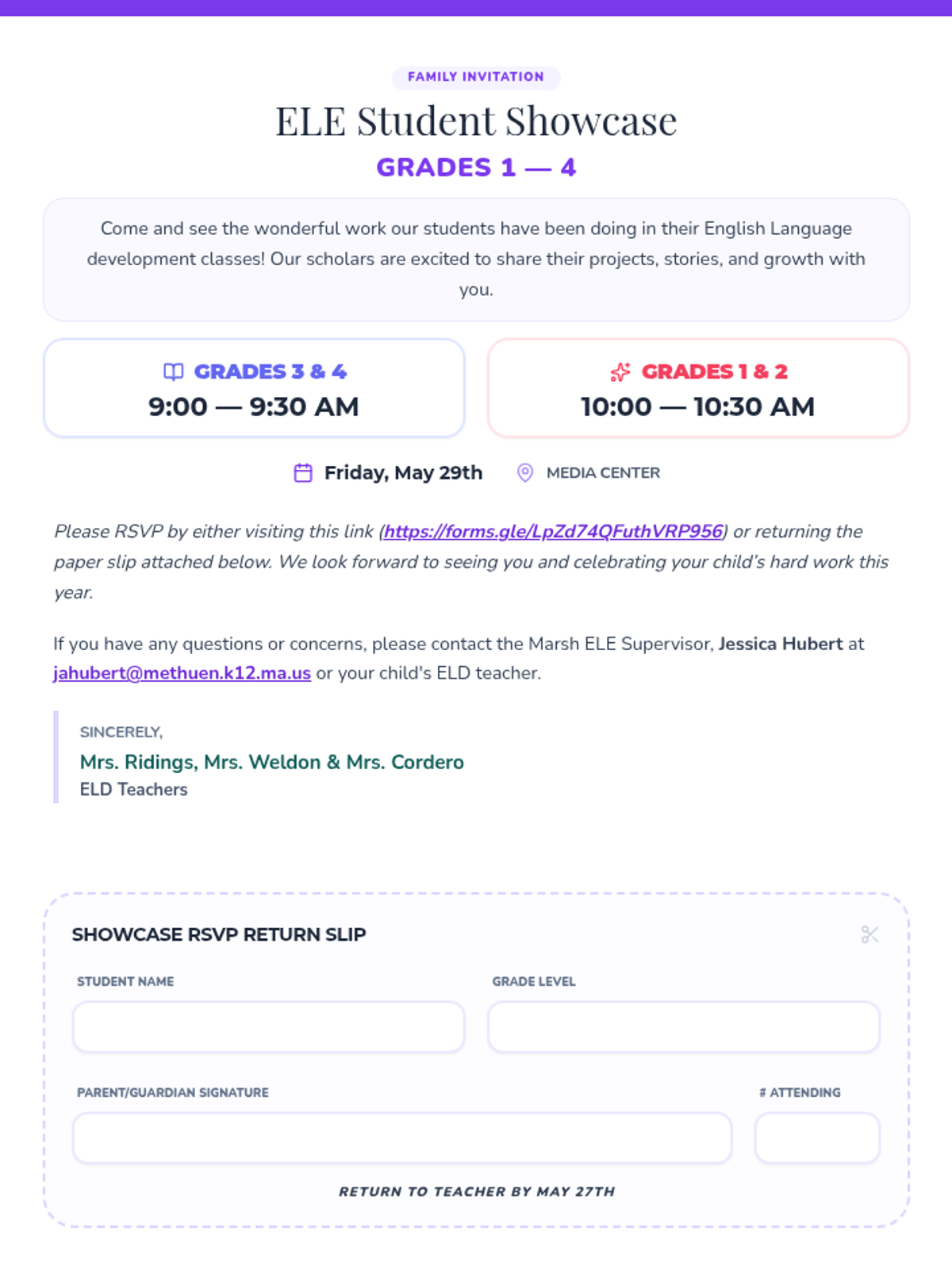
A collection of family invitation flyers for the English Language Education (ELE) showcase and recognition ceremonies across various grade levels. Each flyer includes specific timing, location details, and a return slip for RSVPs.
Students analyze how internal conflicts and life experiences shape a protagonist's growth by mapping their journey as an 'architectural' process of building a personality.
Students explore the internal and external forces that shape character development, using an architectural metaphor to map a protagonist's growth and personal transformation.
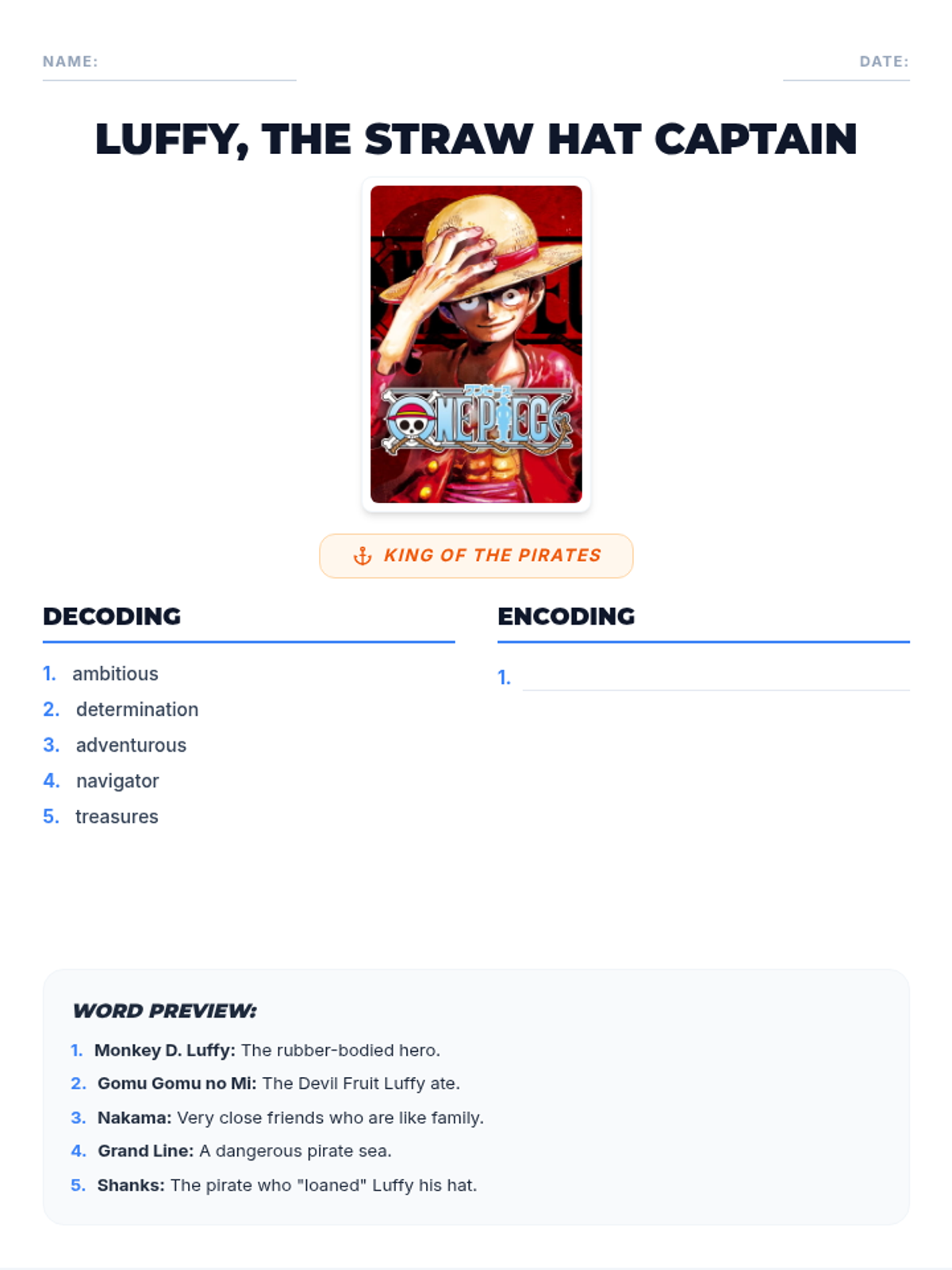
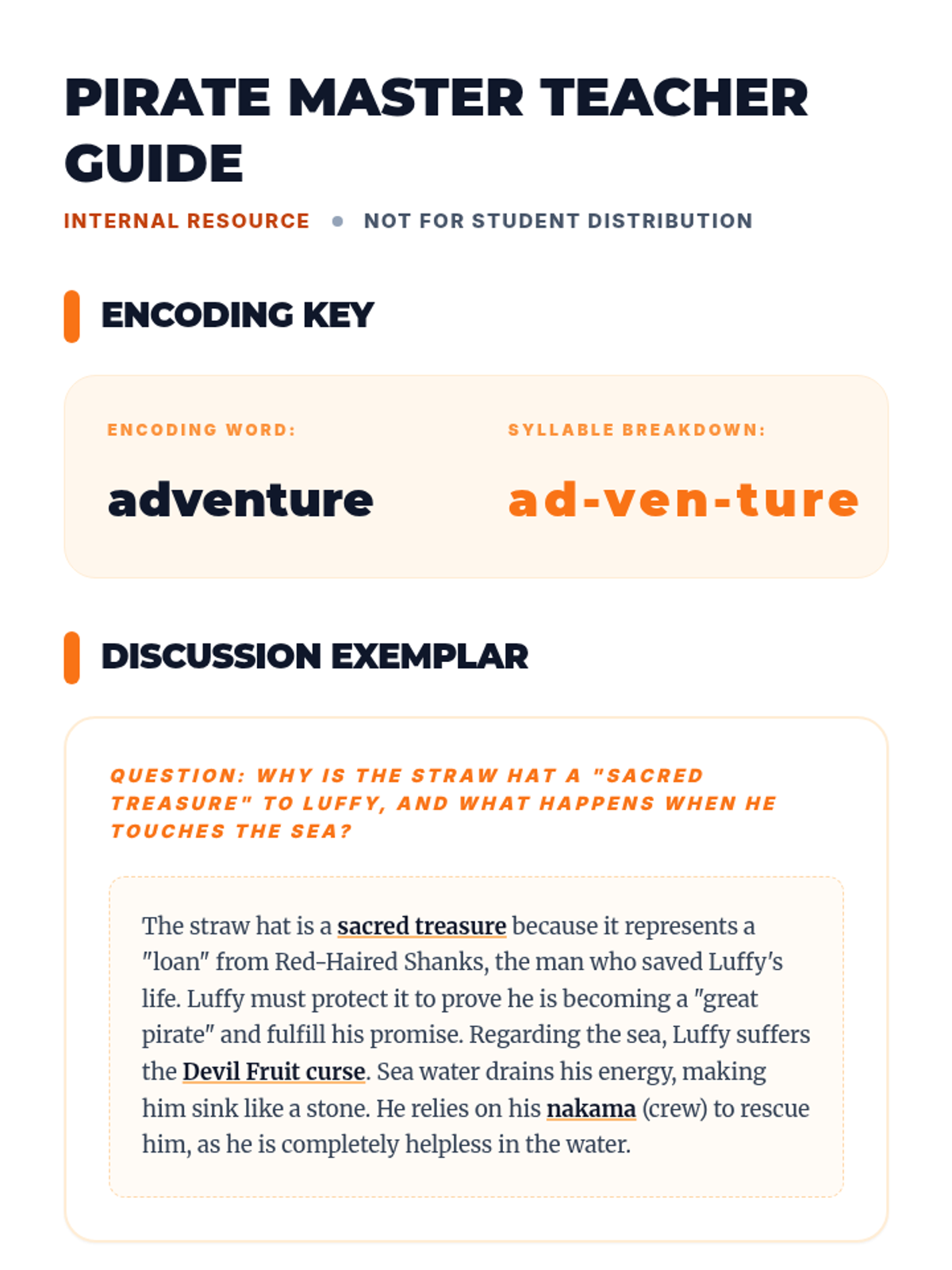
This lesson focuses on Monkey D. Luffy's journey from a small village to the Grand Line, highlighting his determination and the significance of his iconic straw hat. Students practice reading fluency, vocabulary decoding, and thematic analysis.
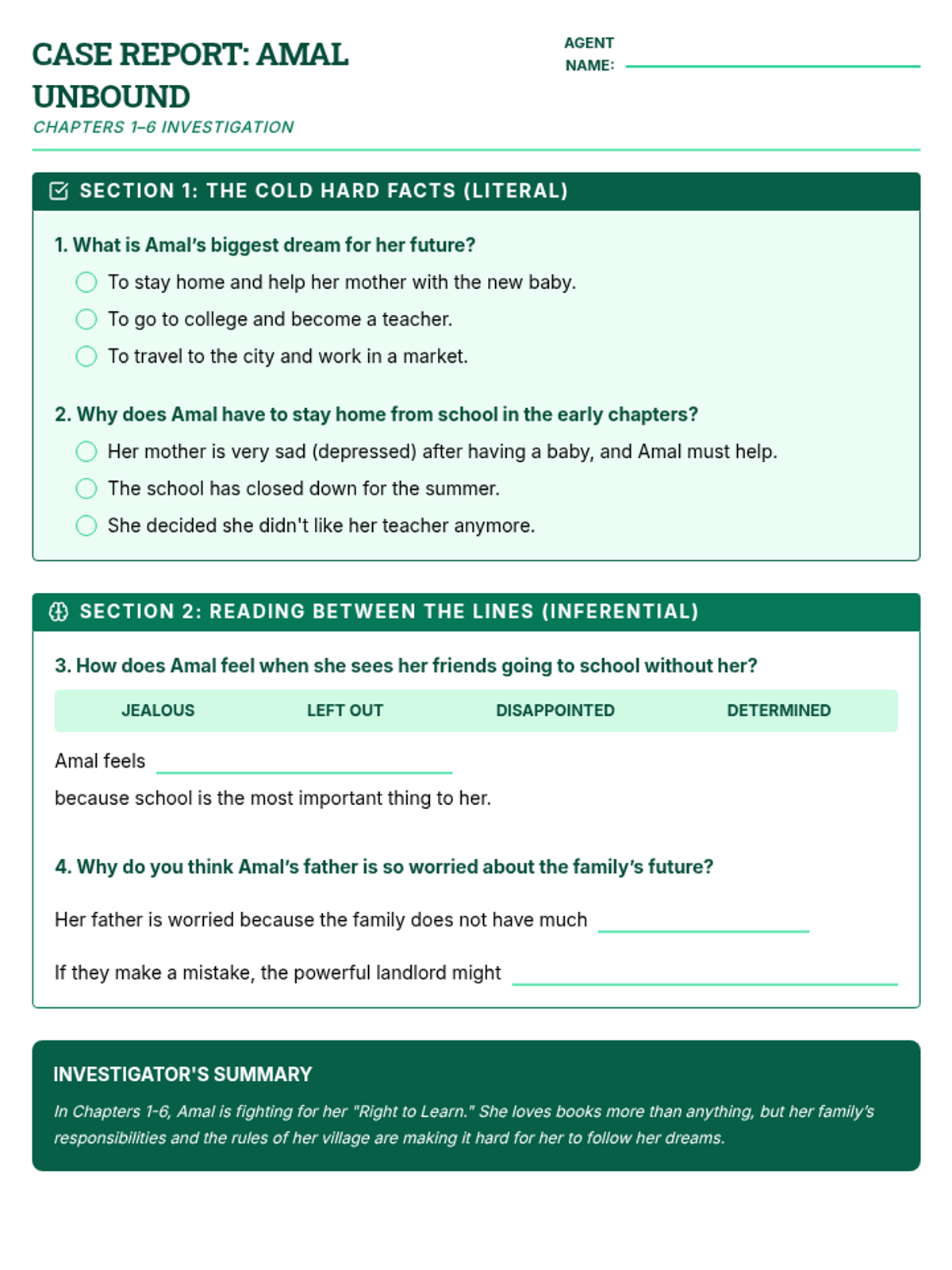
A unit focused on the novel 'Amal Unbound' by Aisha Saeed, exploring themes of education, gender roles, and social justice in rural Pakistan.
A lesson focused on developing inference skills in 5th-grade students through short, scenario-based reading passages. Students act as "detectives" to find clues and draw logical conclusions from text.
A lesson focused on the art of inference in literature, using short paragraph-length stories to teach students how to read between the lines and use evidence to support their conclusions.
Students step into the role of language detectives to decode common idioms, distinguishing between literal and figurative meanings through interactive exploration and context clues.
A reading comprehension lesson focused on identifying and analyzing problem-and-solution structures within environmental narratives. Students read about a community's effort to save a local wetland and answer targeted questions.
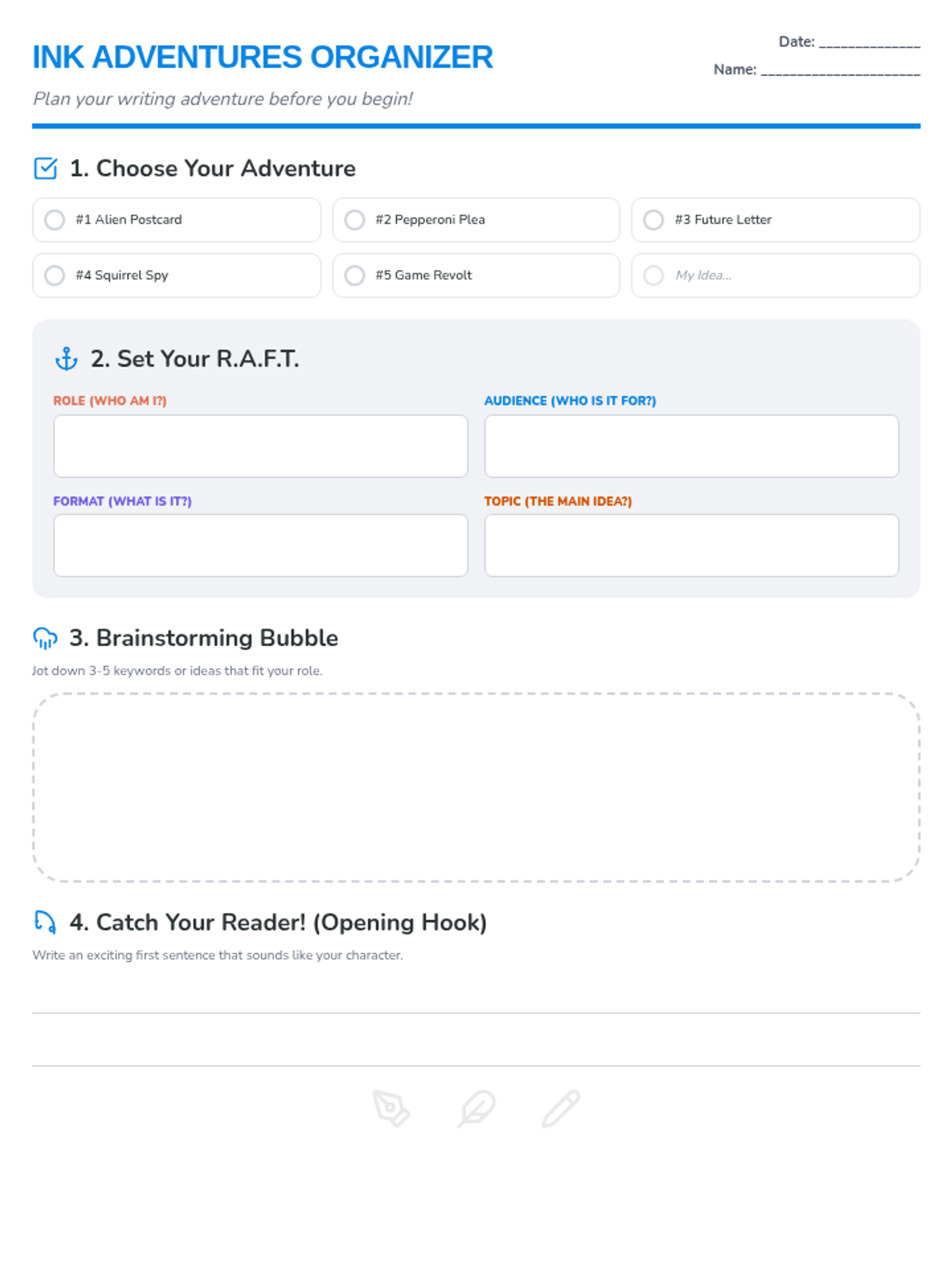
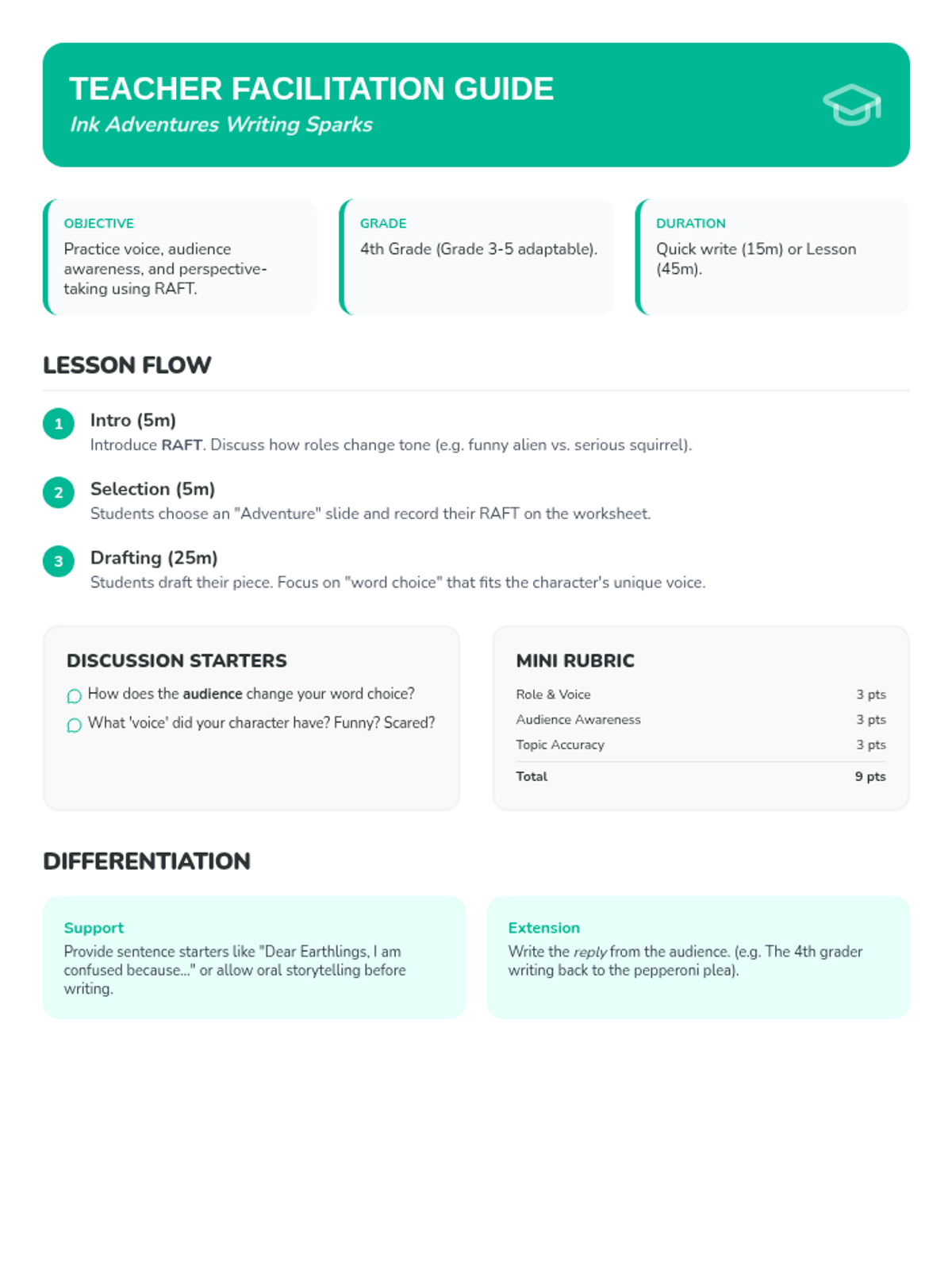
A collection of creative and engaging writing prompts for 4th-grade students using the RAFT (Role, Audience, Format, Topic) framework to explore different perspectives and styles.
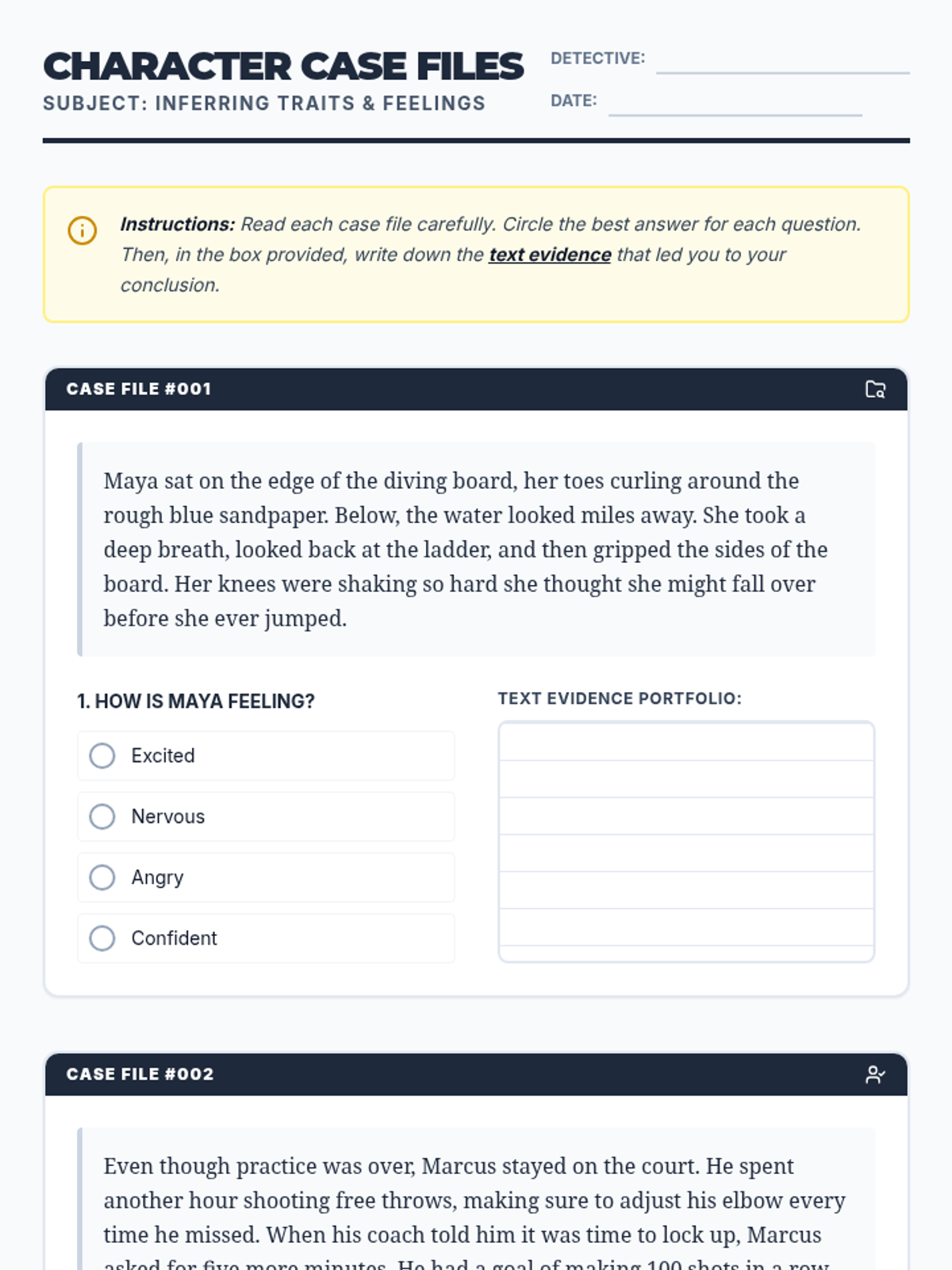
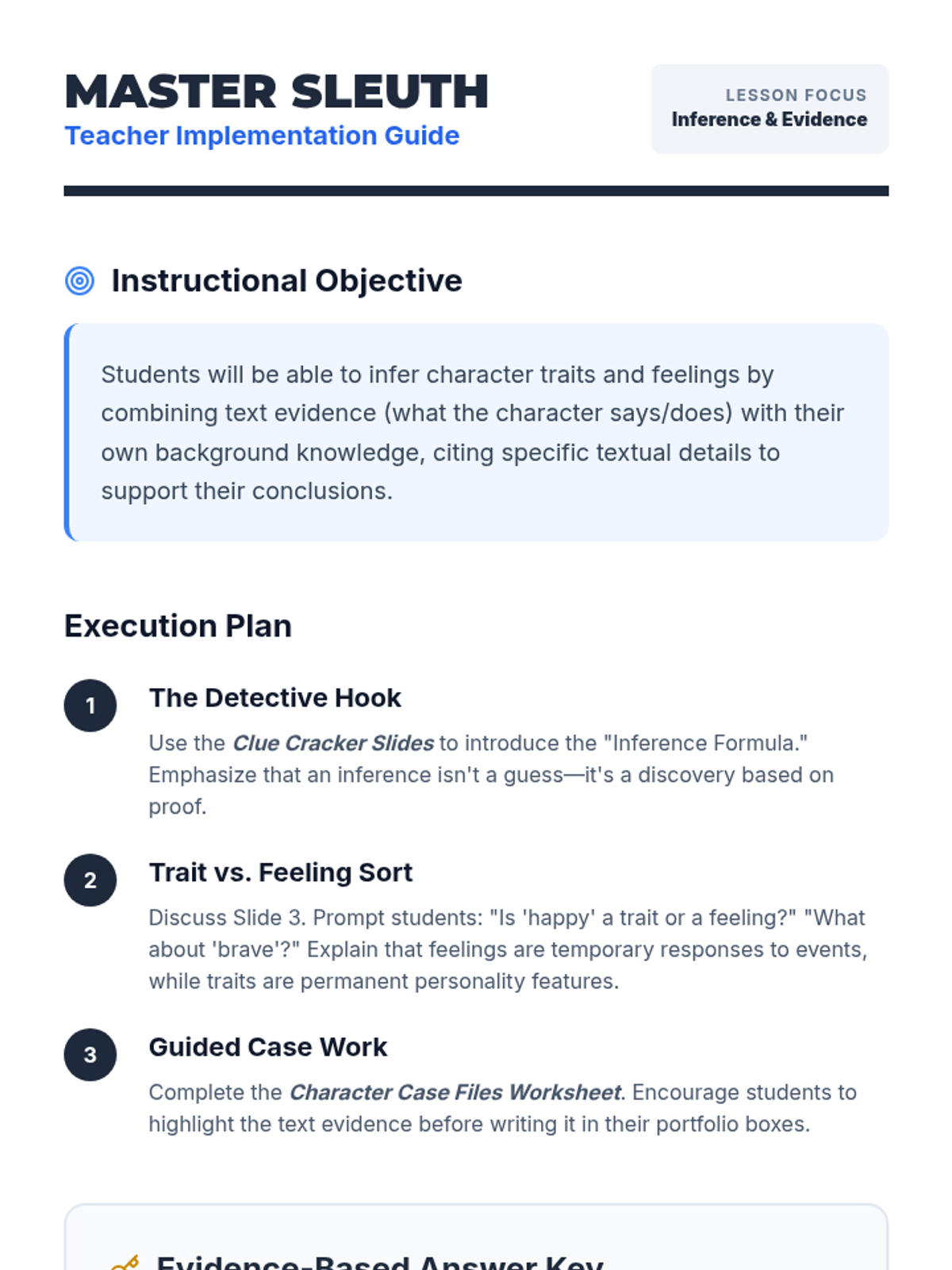
A lesson focused on teaching students how to use text evidence to infer character traits and feelings through a 'detective' lens.
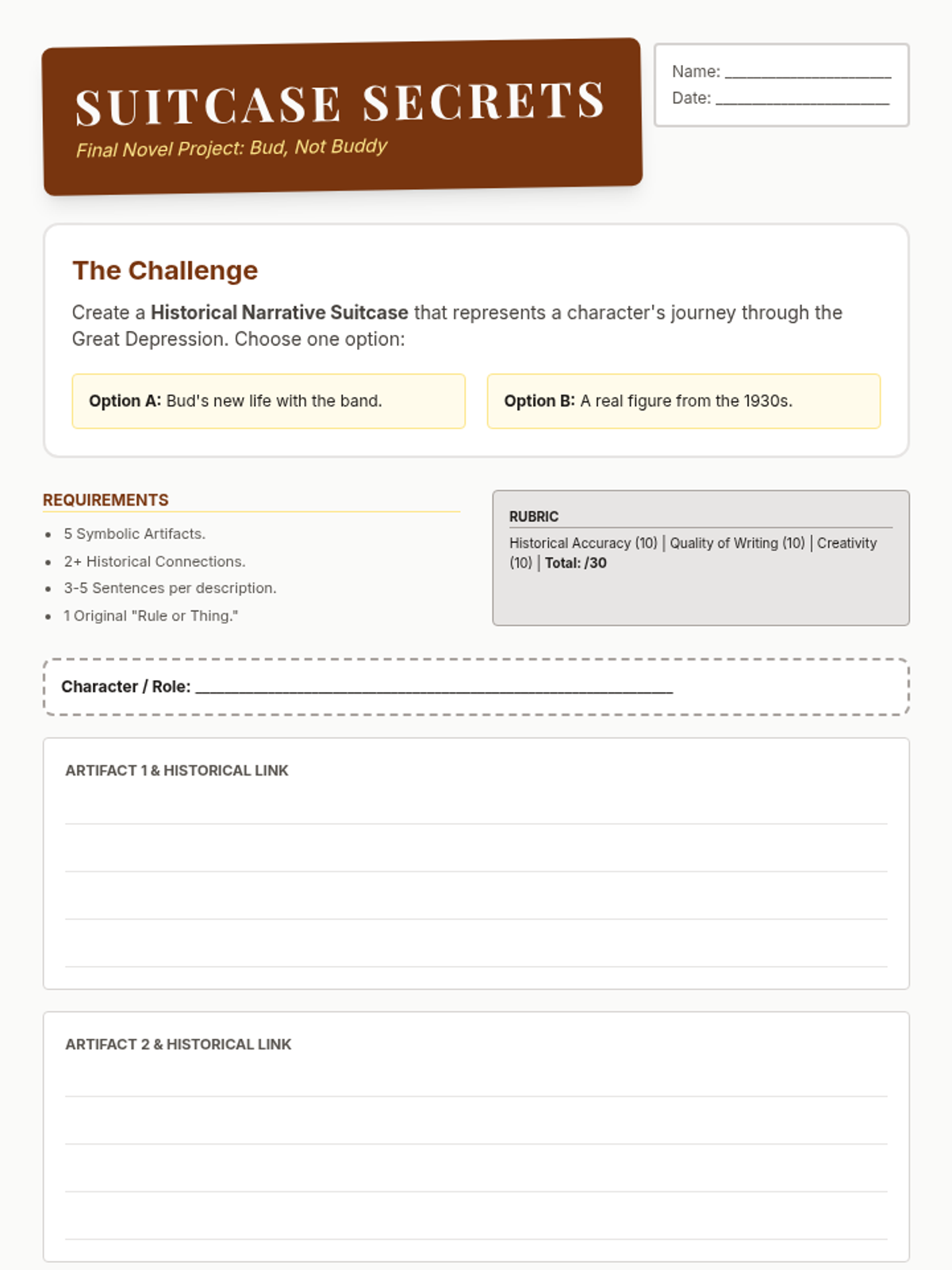
The final assessment and project lesson where students synthesize their learning through a creative portfolio project.
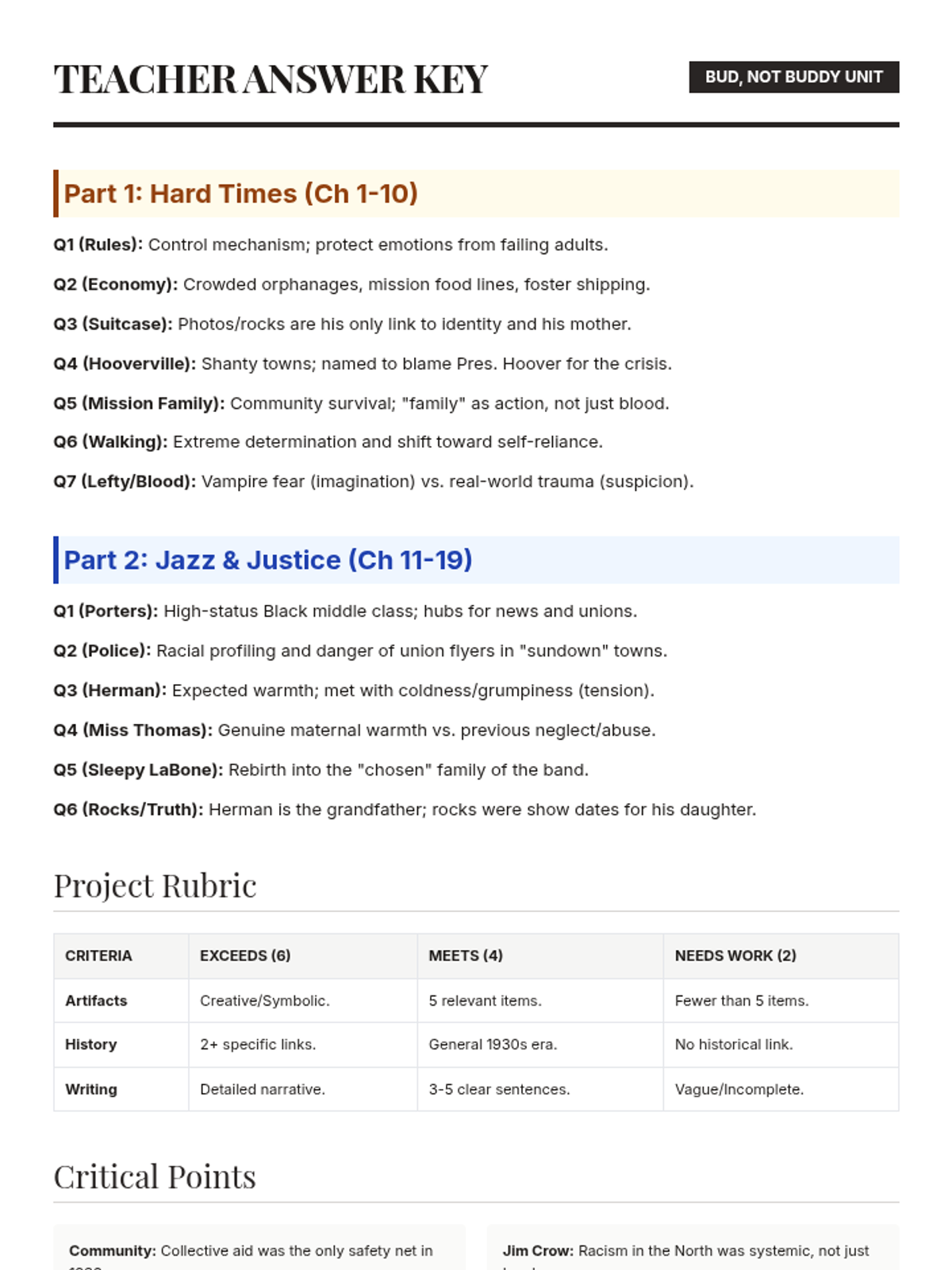
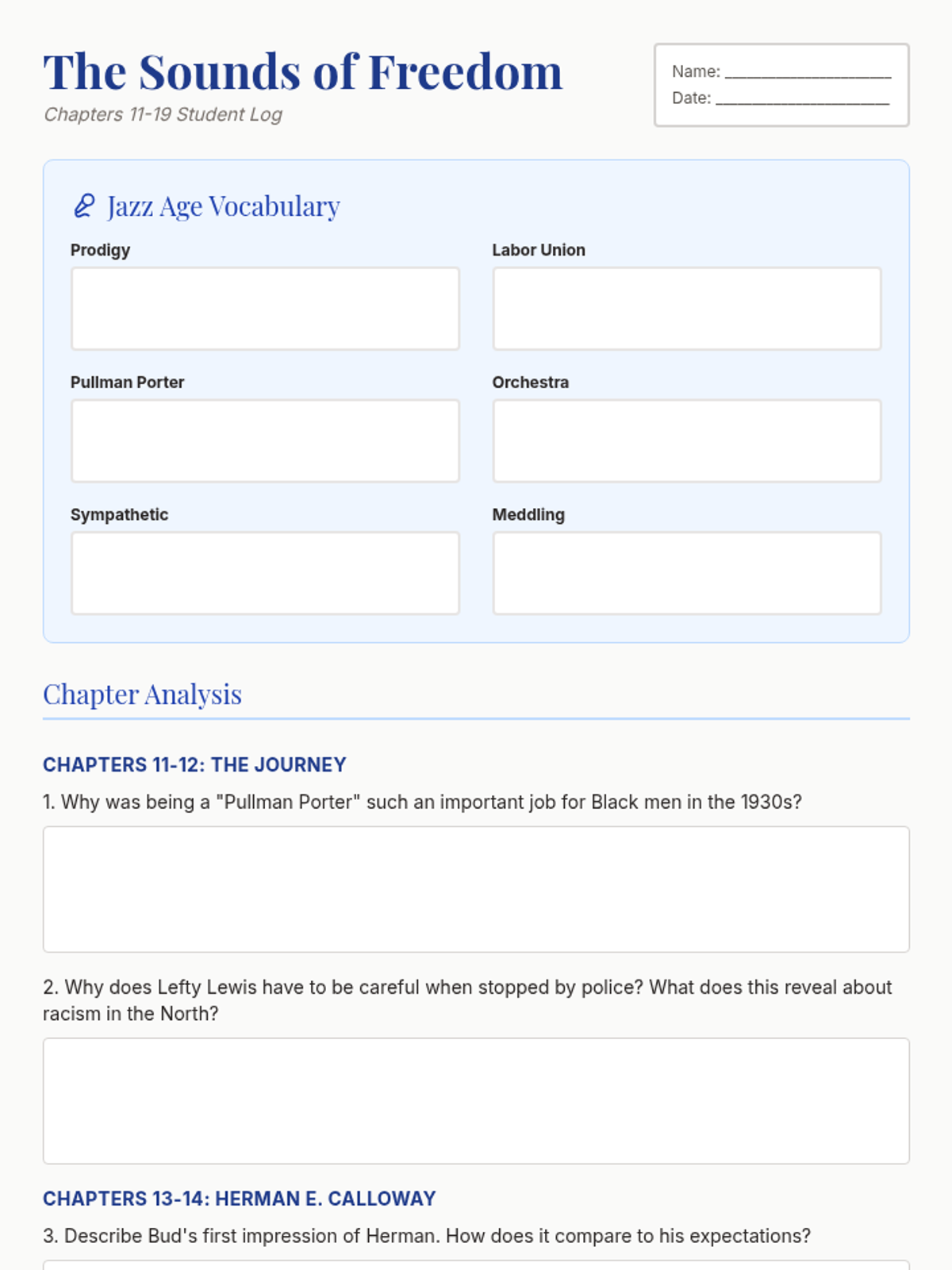
Covers the second half of the book (Chapters 11-19). Students explore the cultural impact of jazz music and the social complexities of the 1930s.