Analyzing the effects of tyranny and the role of fate in Act 4, focusing on refined A-NEZZ-C paragraphs with college-ruled writing spaces.
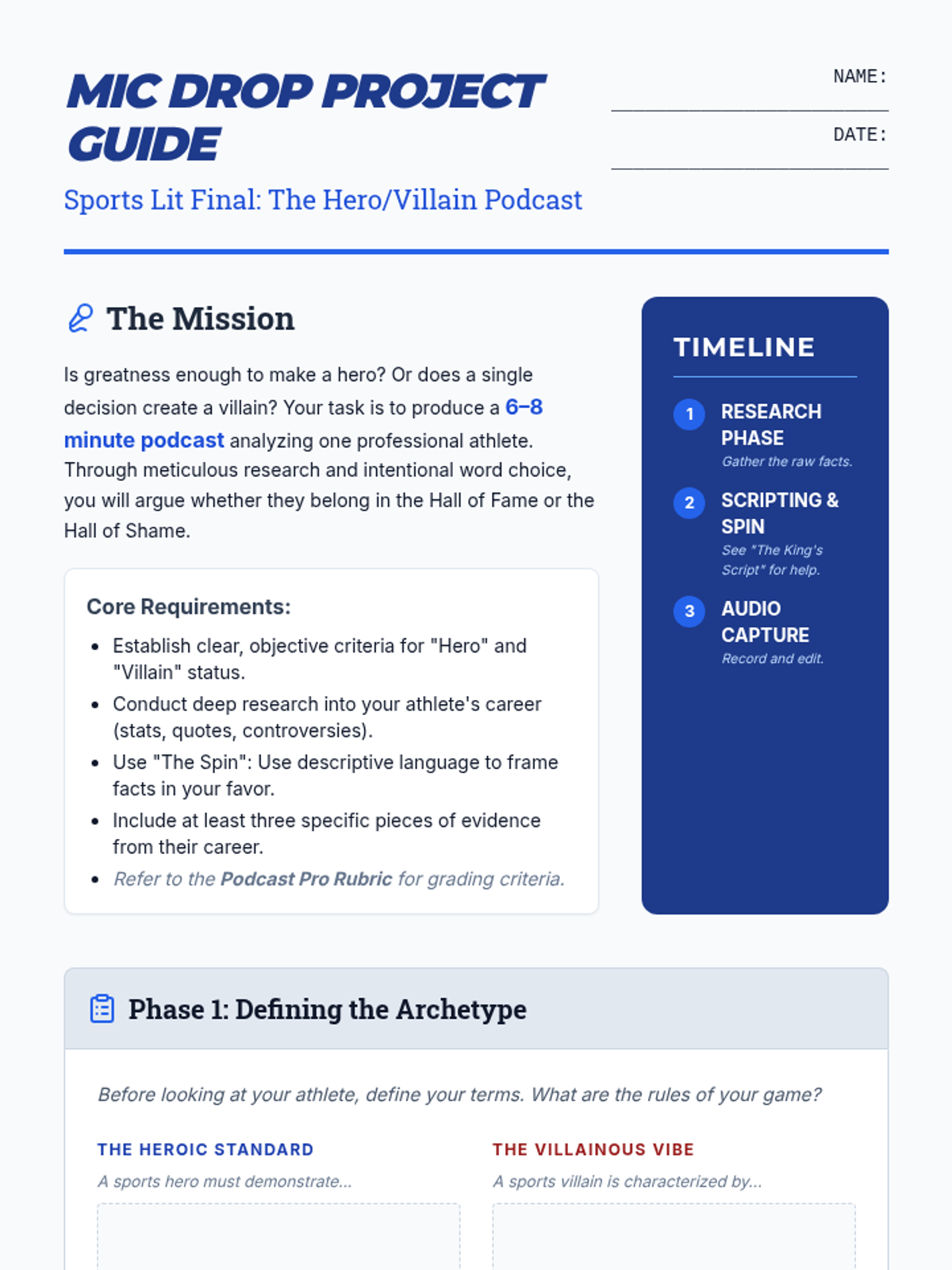
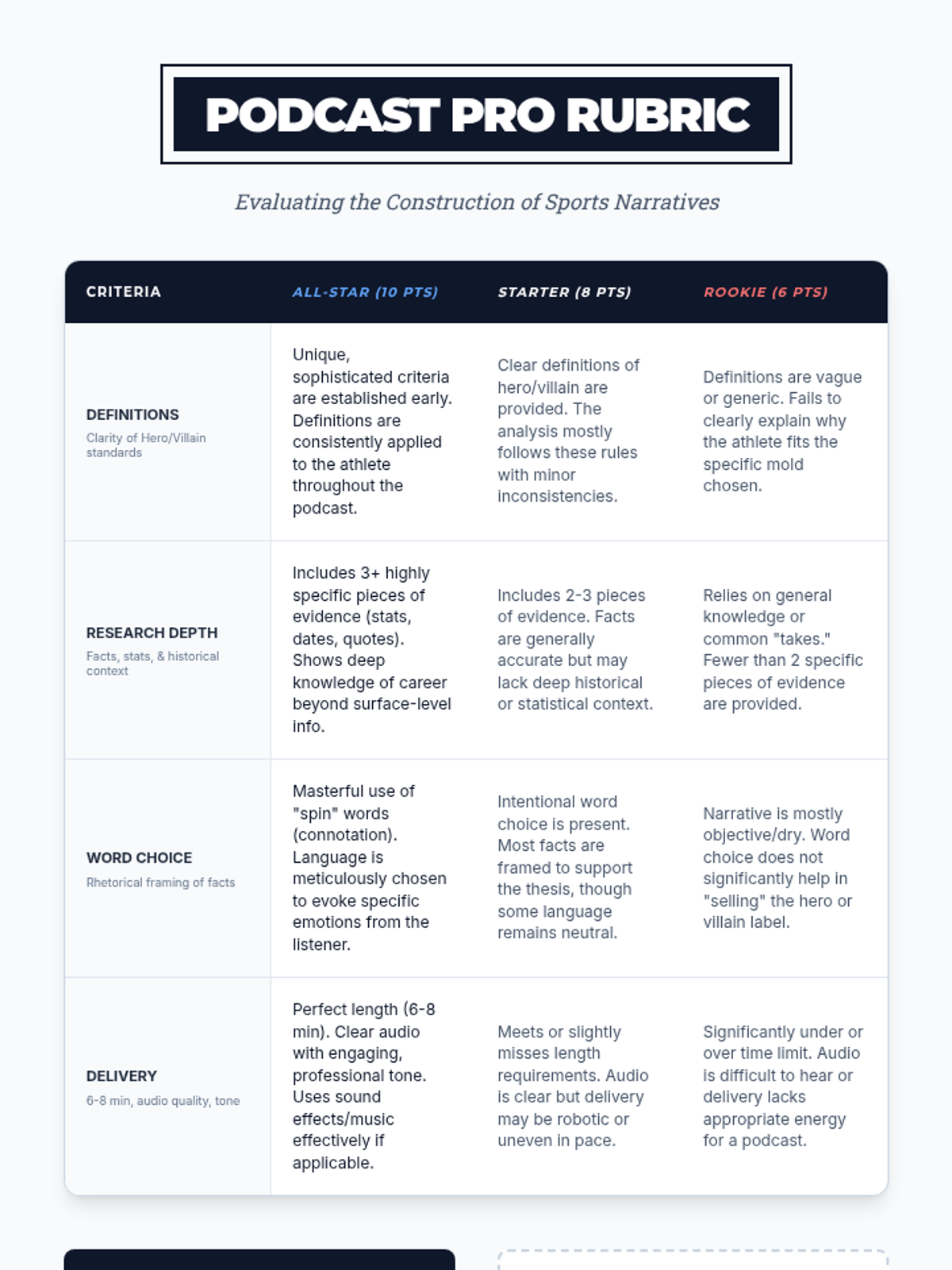
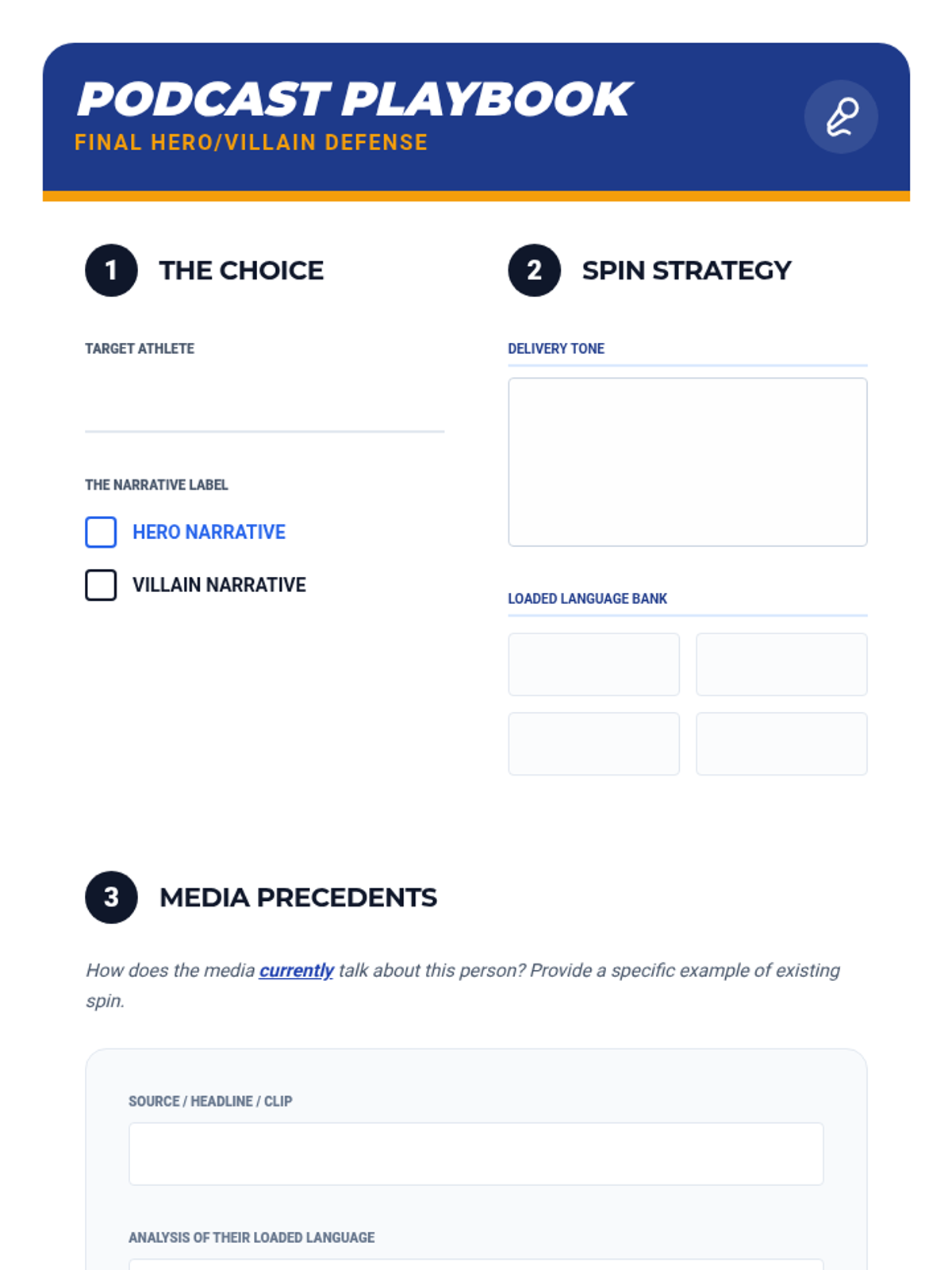
Students design and record a podcast that analyzes a chosen athlete through the lens of hero or villain narratives, utilizing specific criteria and rhetorical spin.
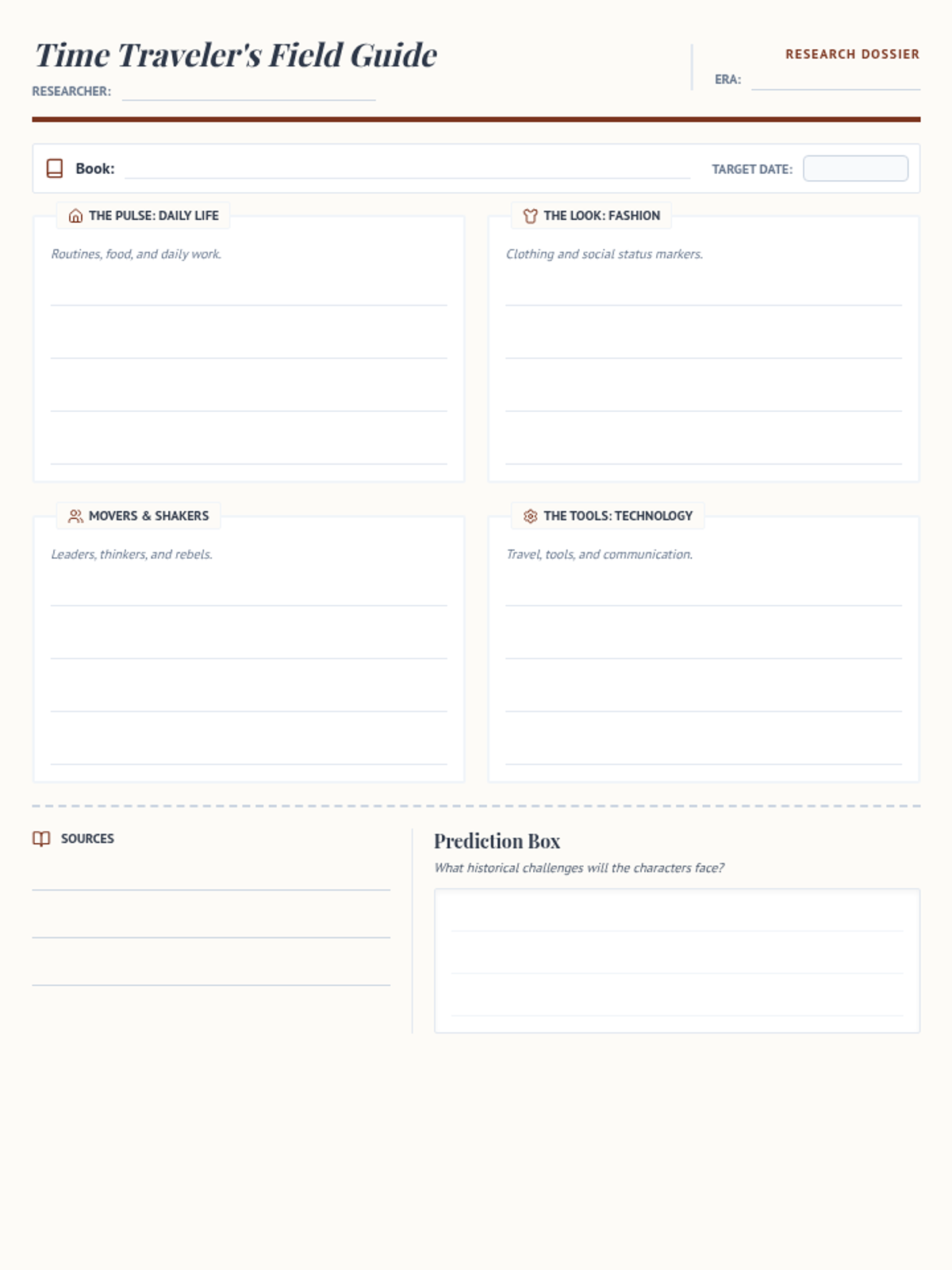
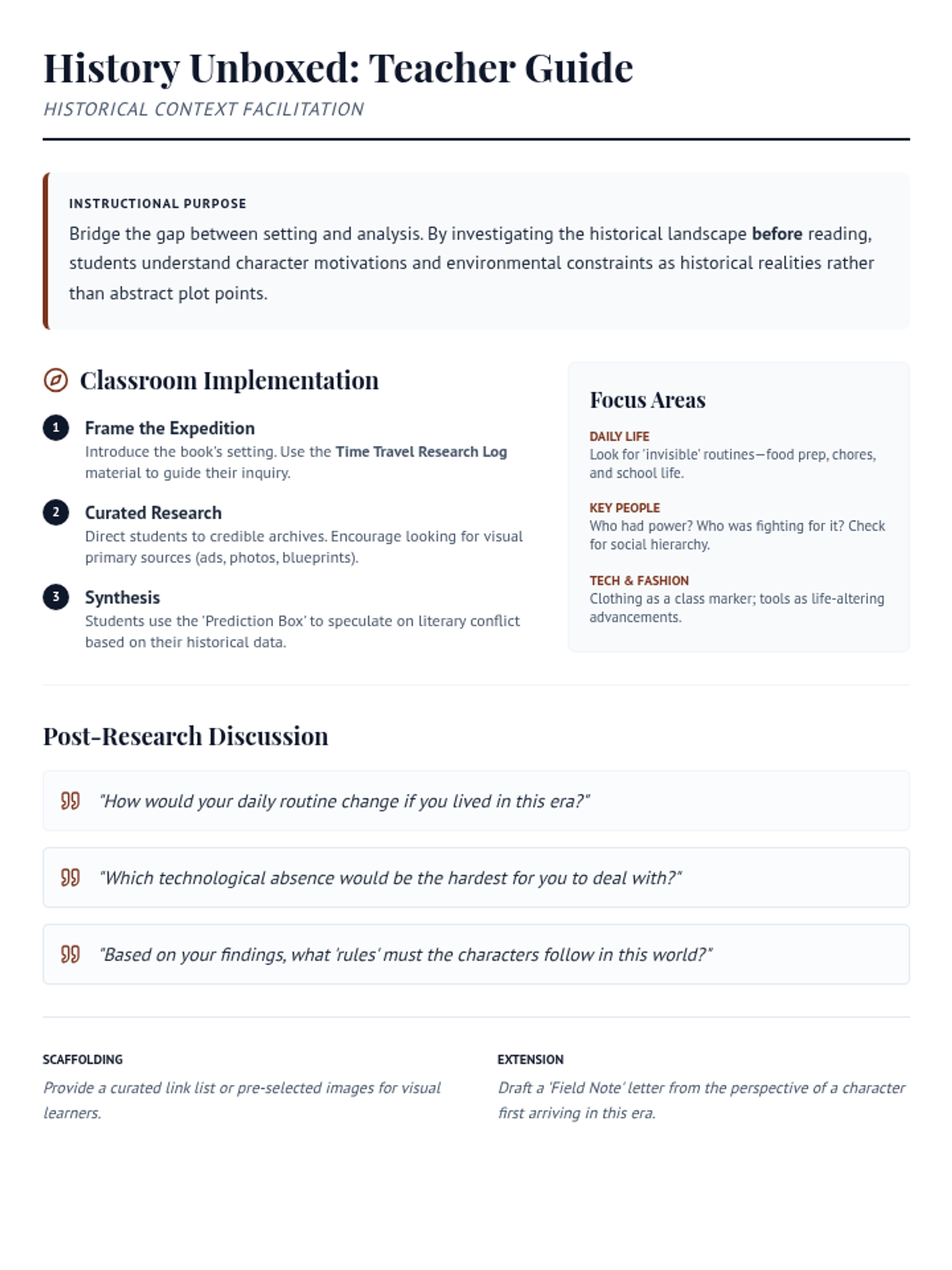
A research-focused lesson where students gather historical context before starting a new book, focusing on the social and technological landscapes of the setting.
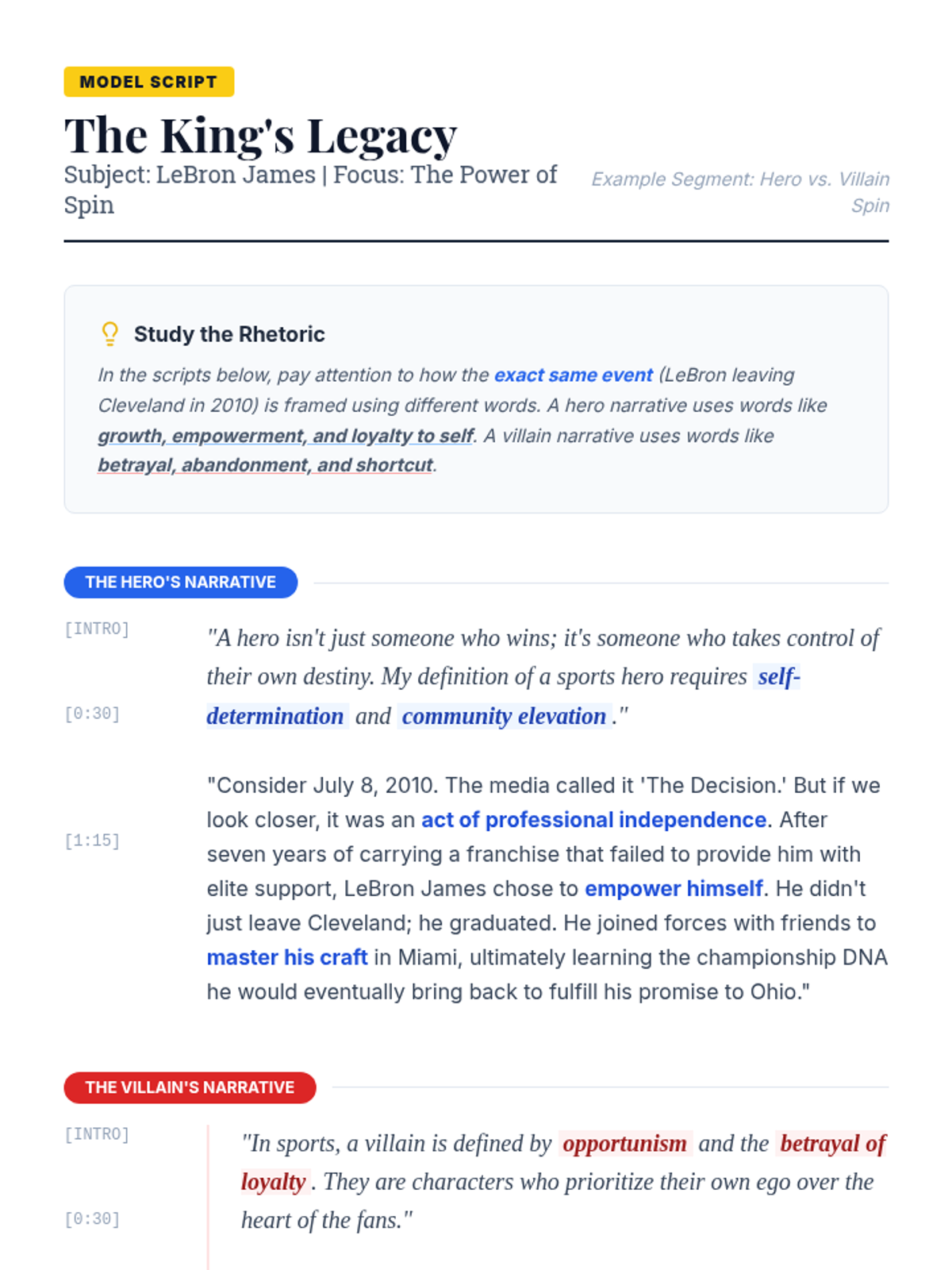
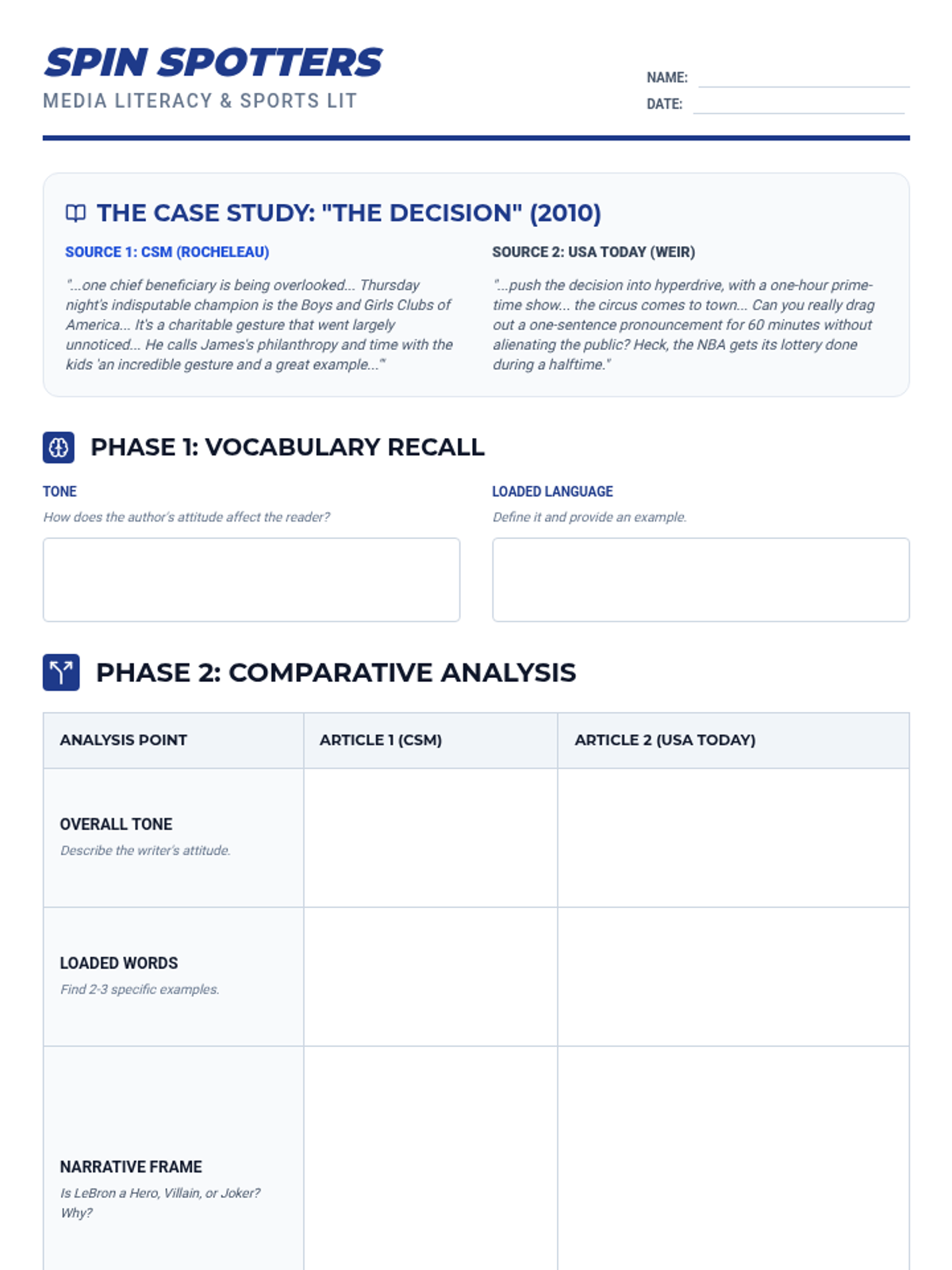
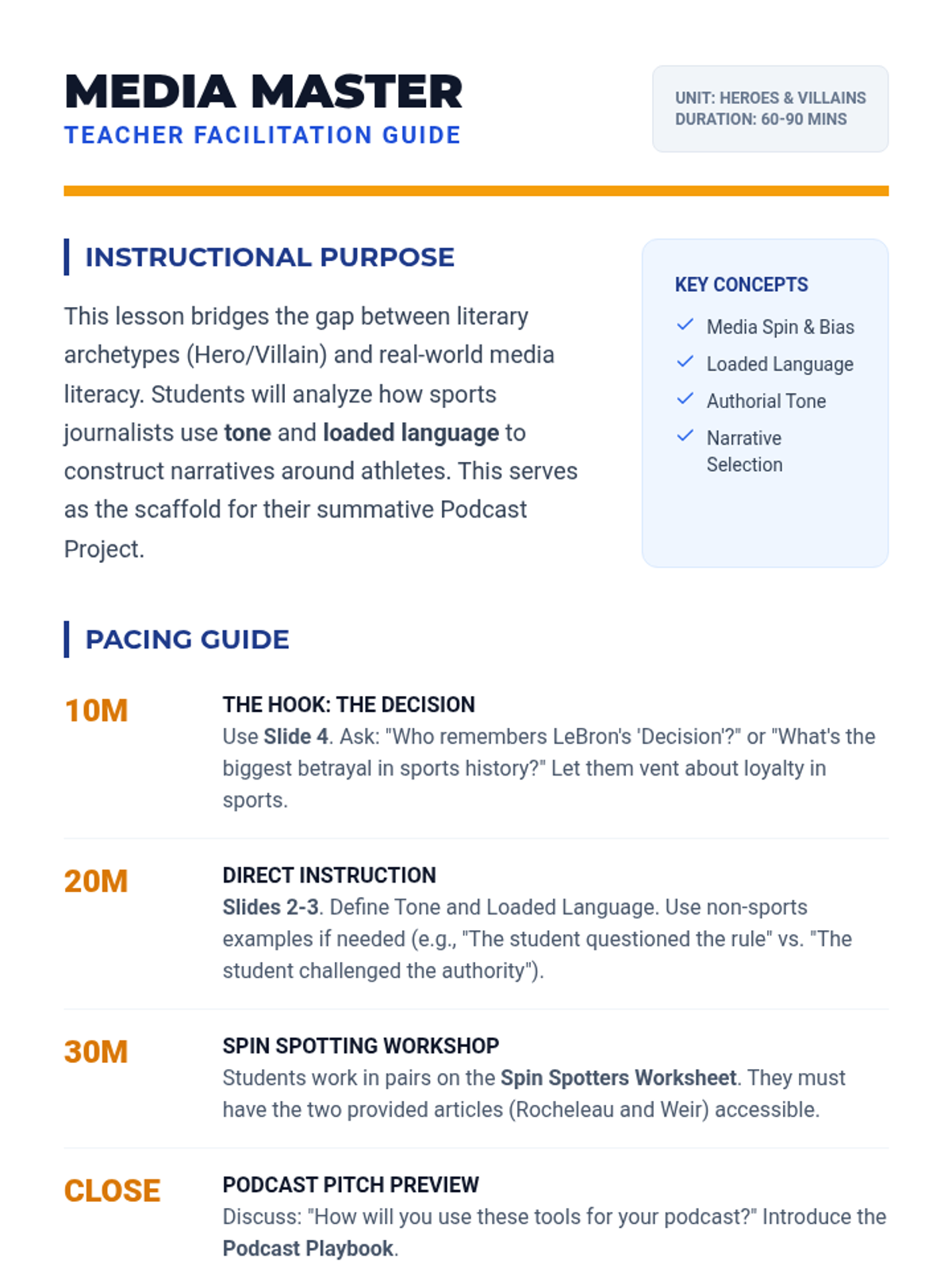
A lesson exploring media spin, tone, and loaded language in sports journalism, using LeBron James's 'The Decision' as a case study to help students prepare for their hero/villain podcast project.
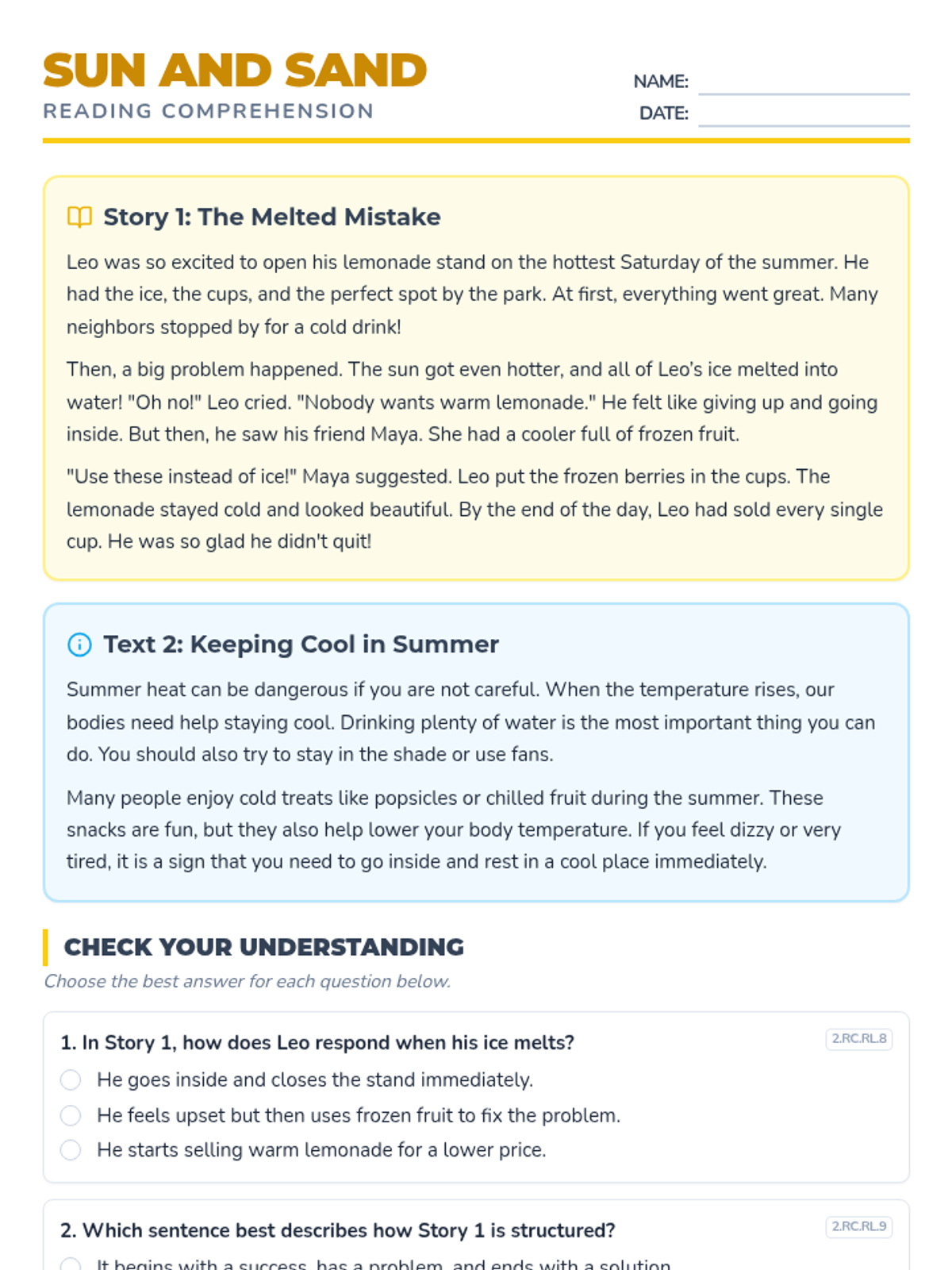
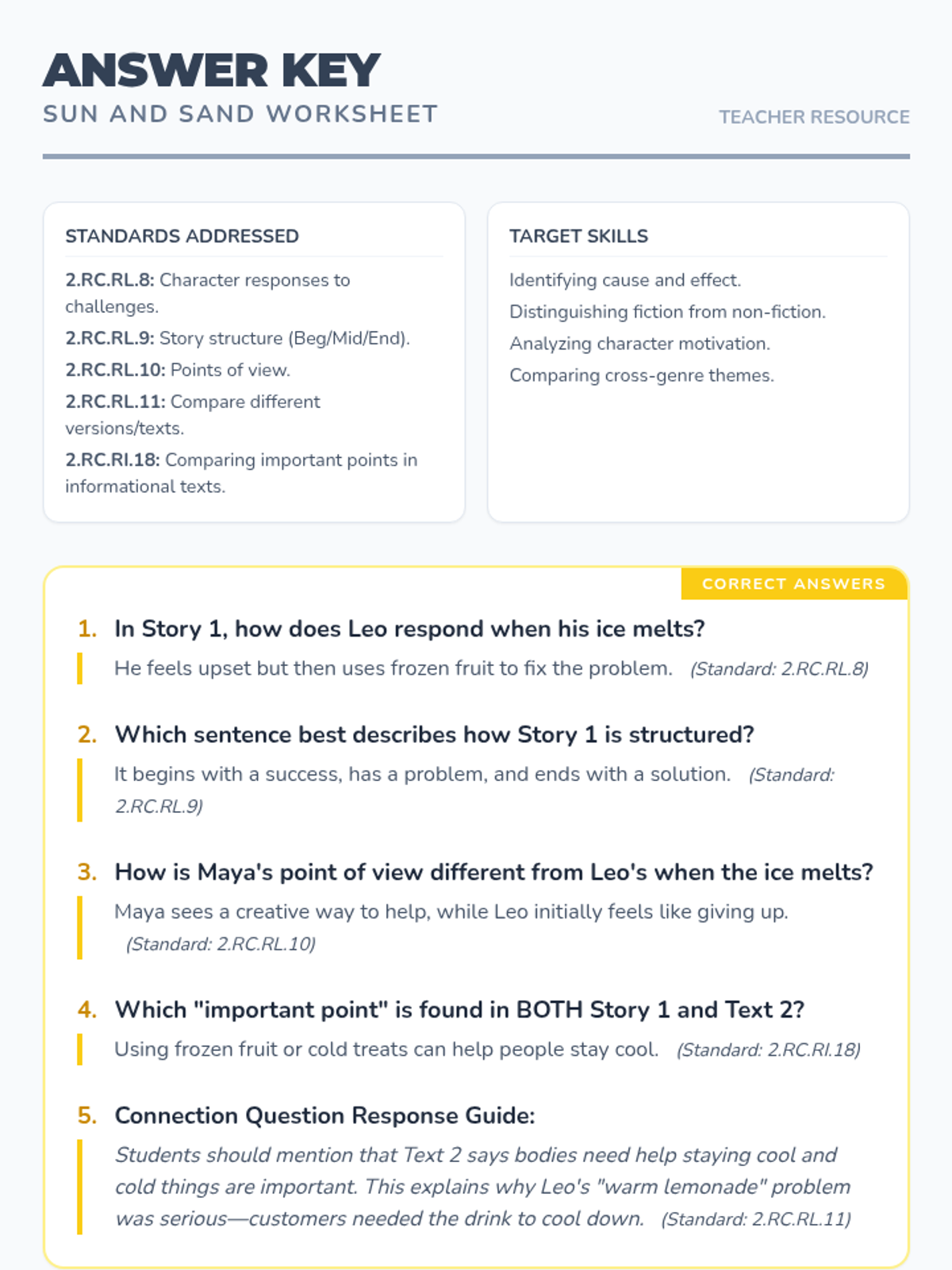
A reading comprehension lesson focused on summer-themed stories, addressing Arkansas second-grade standards for literary and informational texts, including character response, story structure, and point of view.
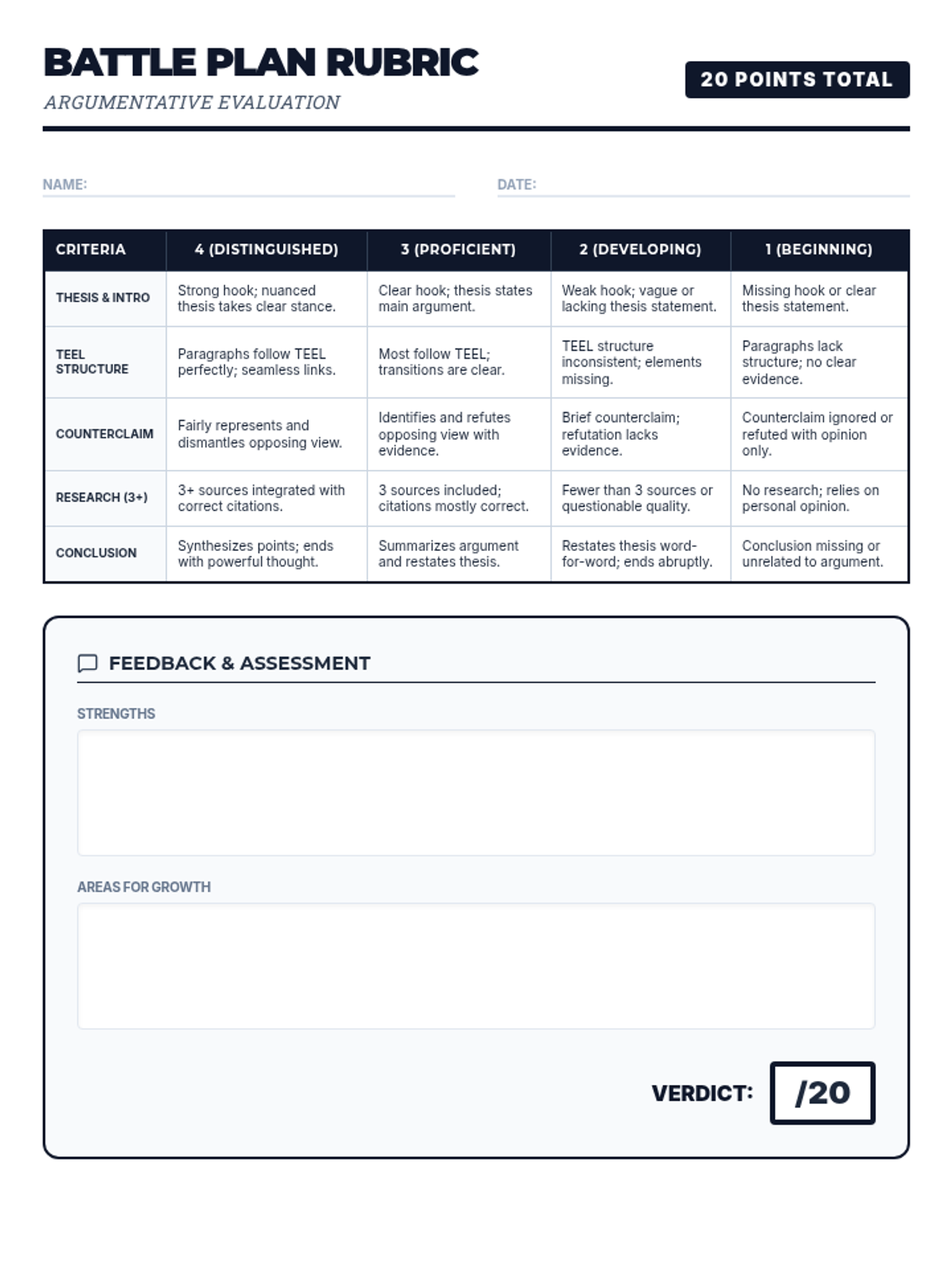
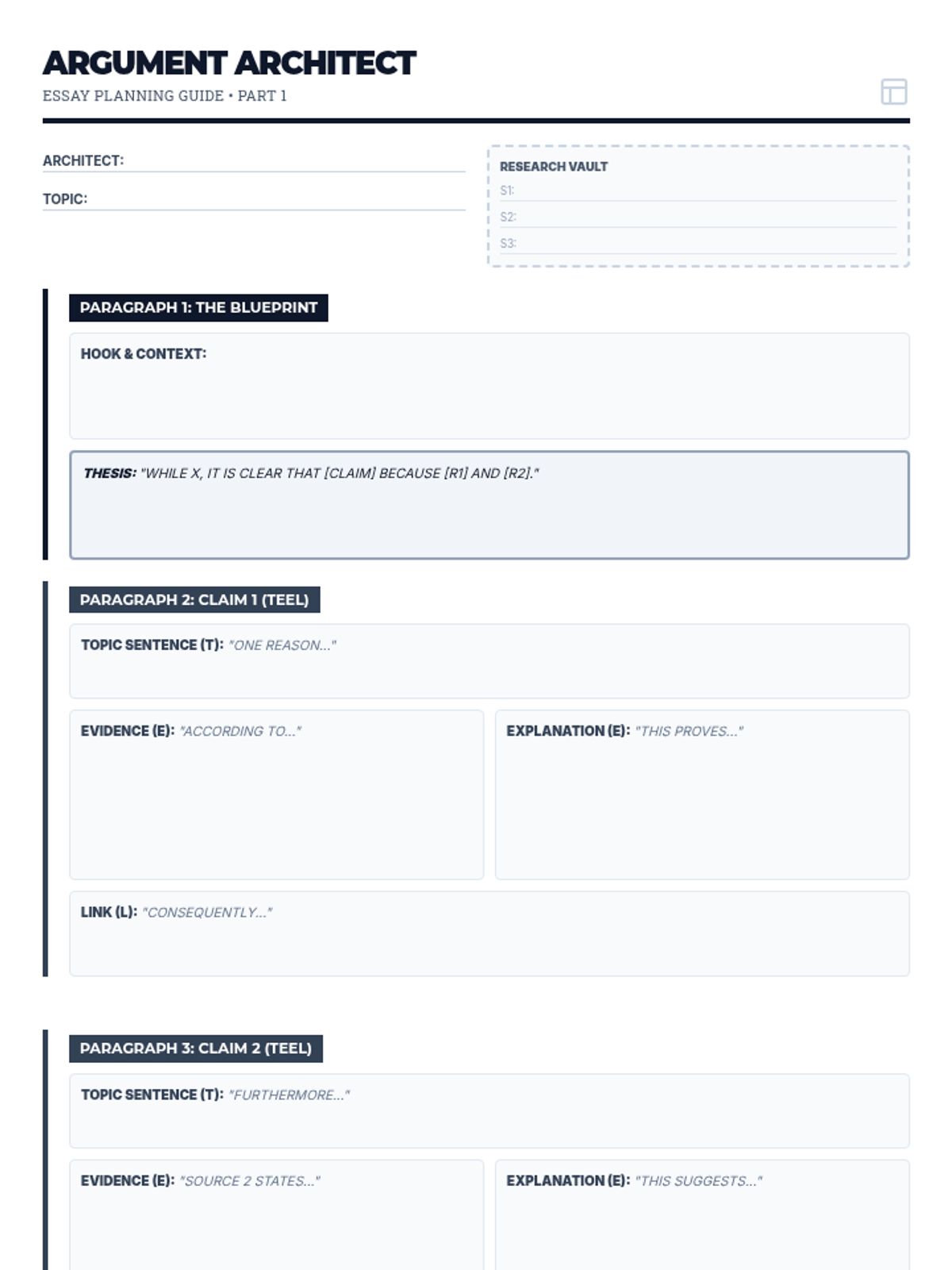
A comprehensive guide for students to plan and evaluate a five-paragraph argumentative essay, focusing on research integration and the refutation of counterclaims using the TEEL structure.
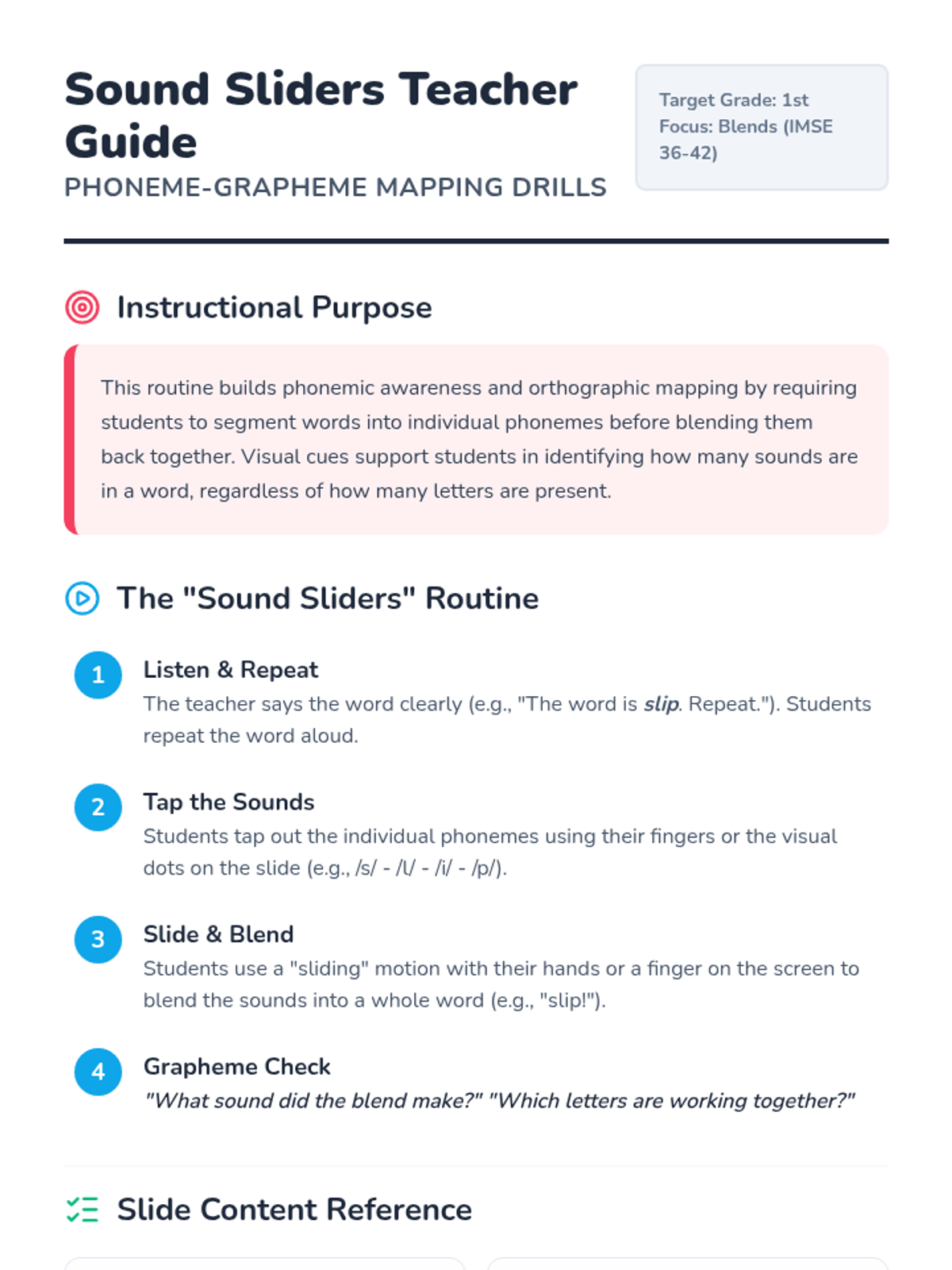
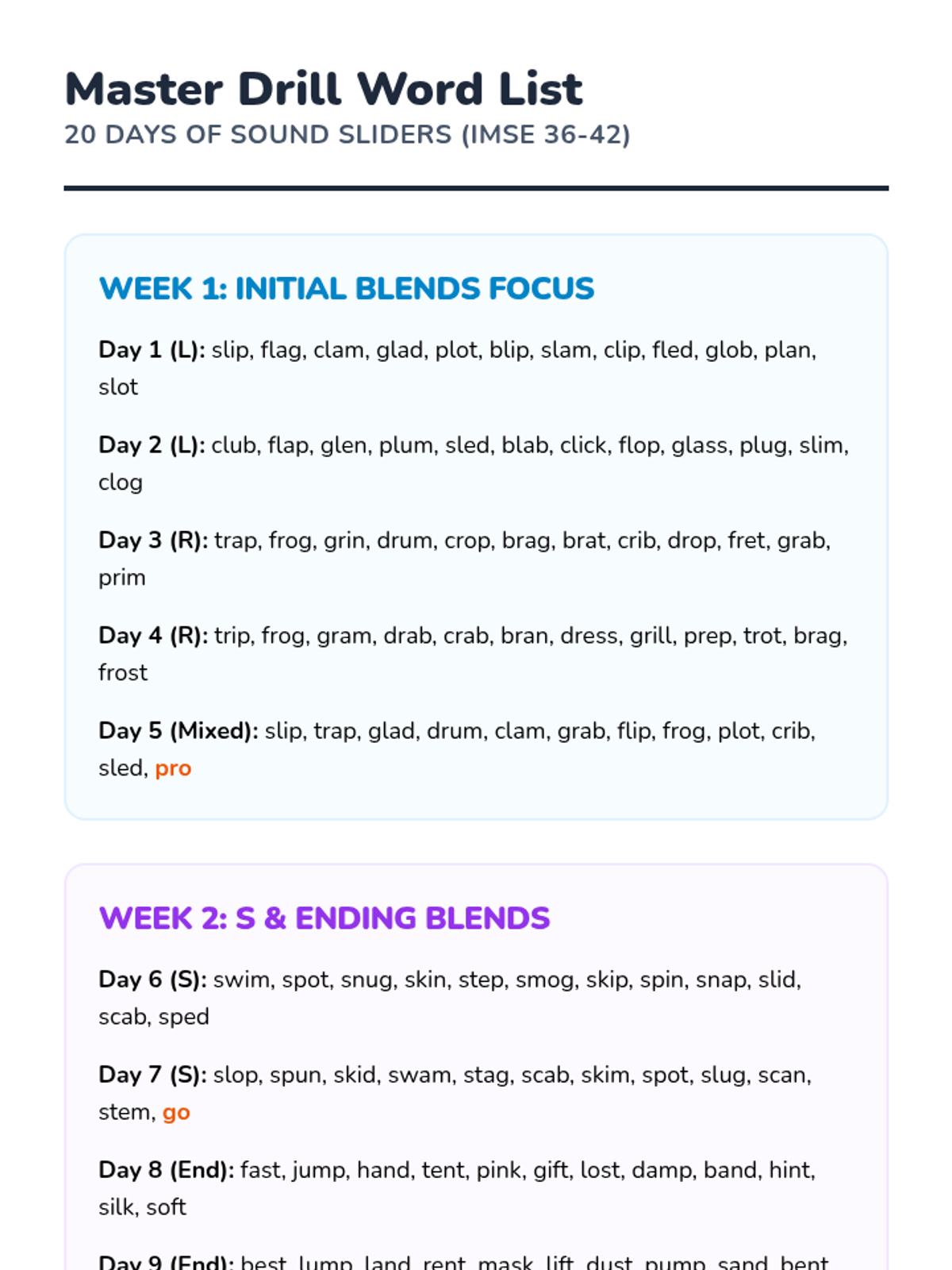
The first week of Sound Sliders drills focusing on initial L-Blends and R-Blends with daily 12-word practice sets.
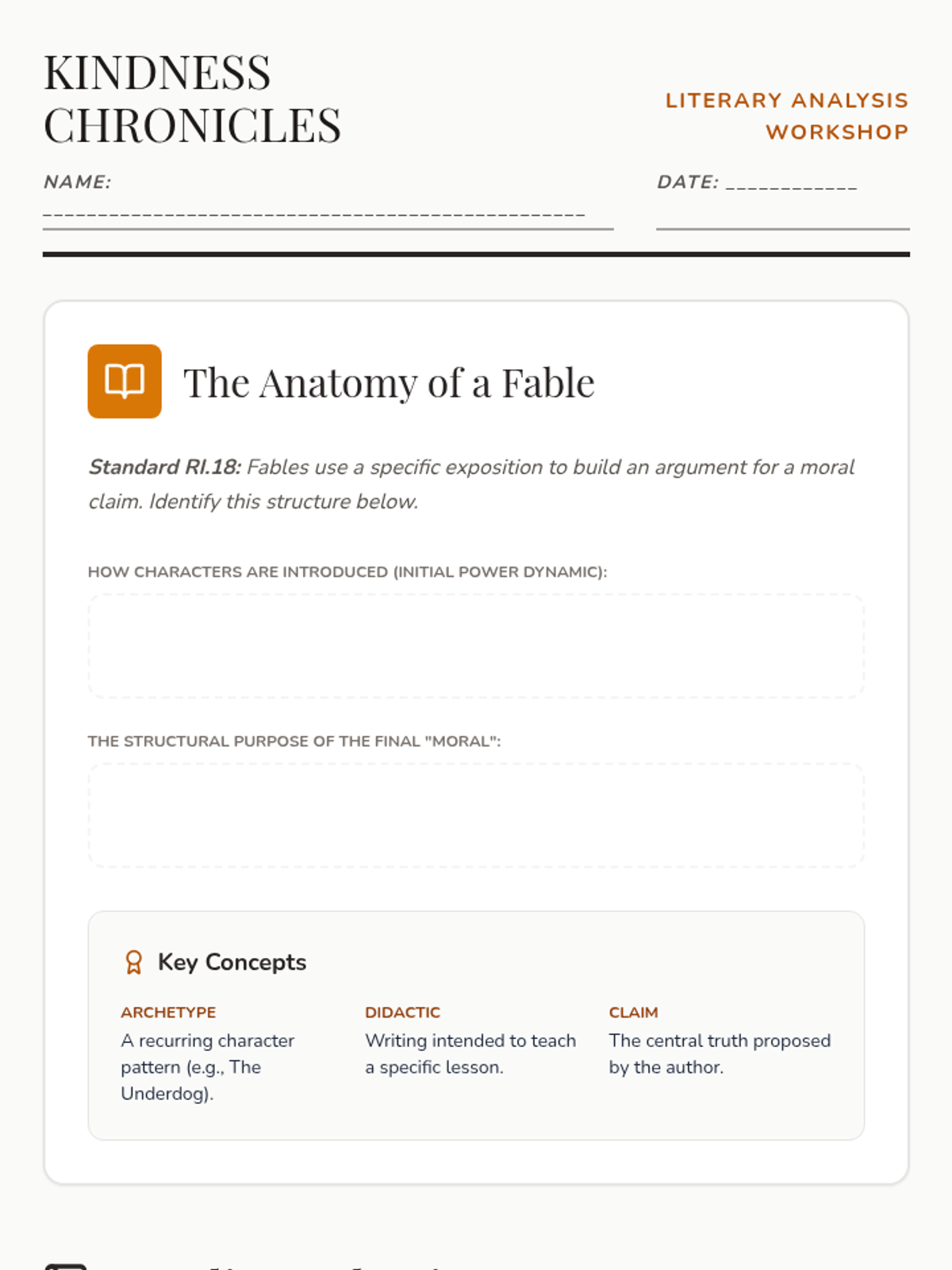
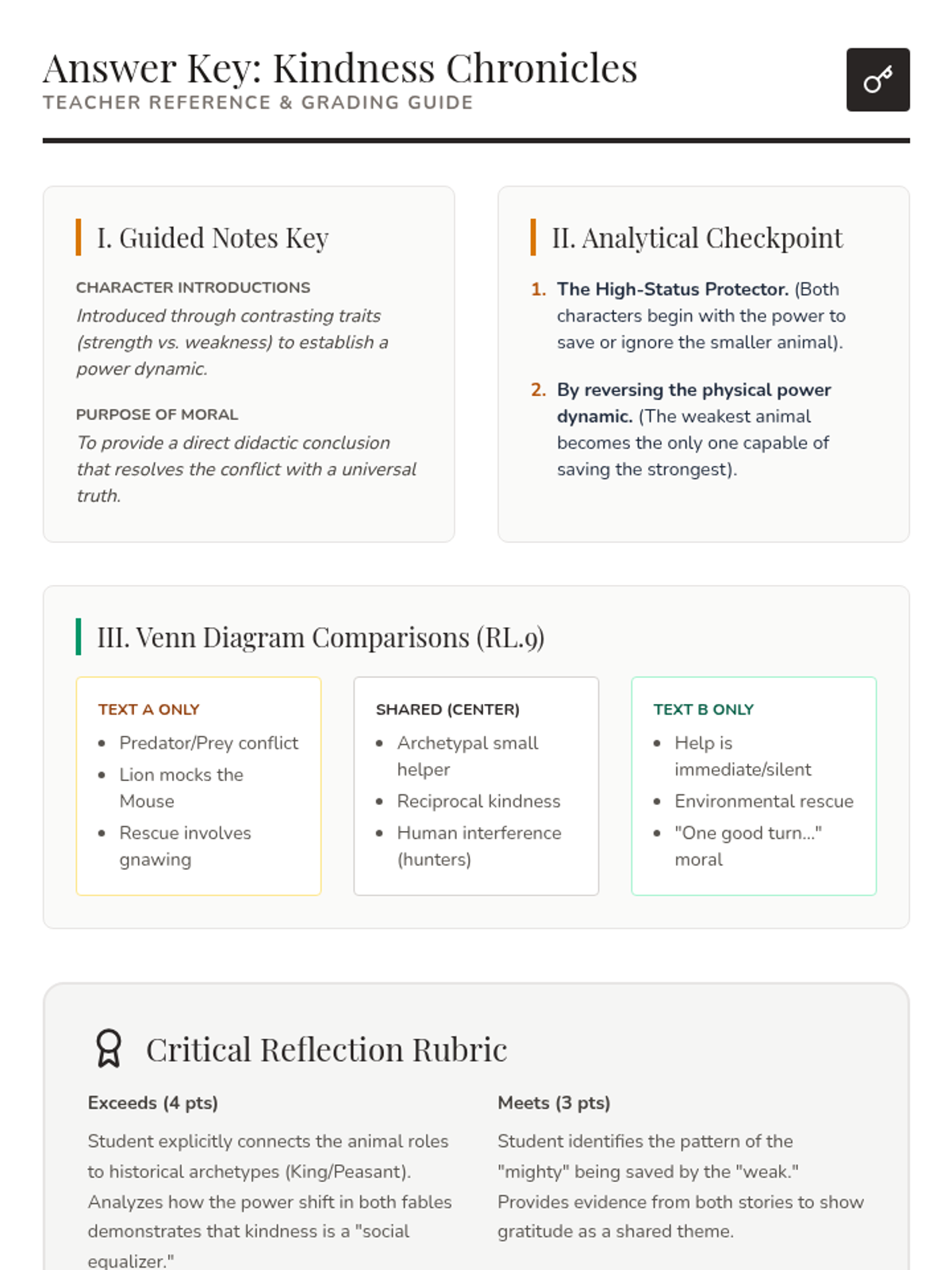
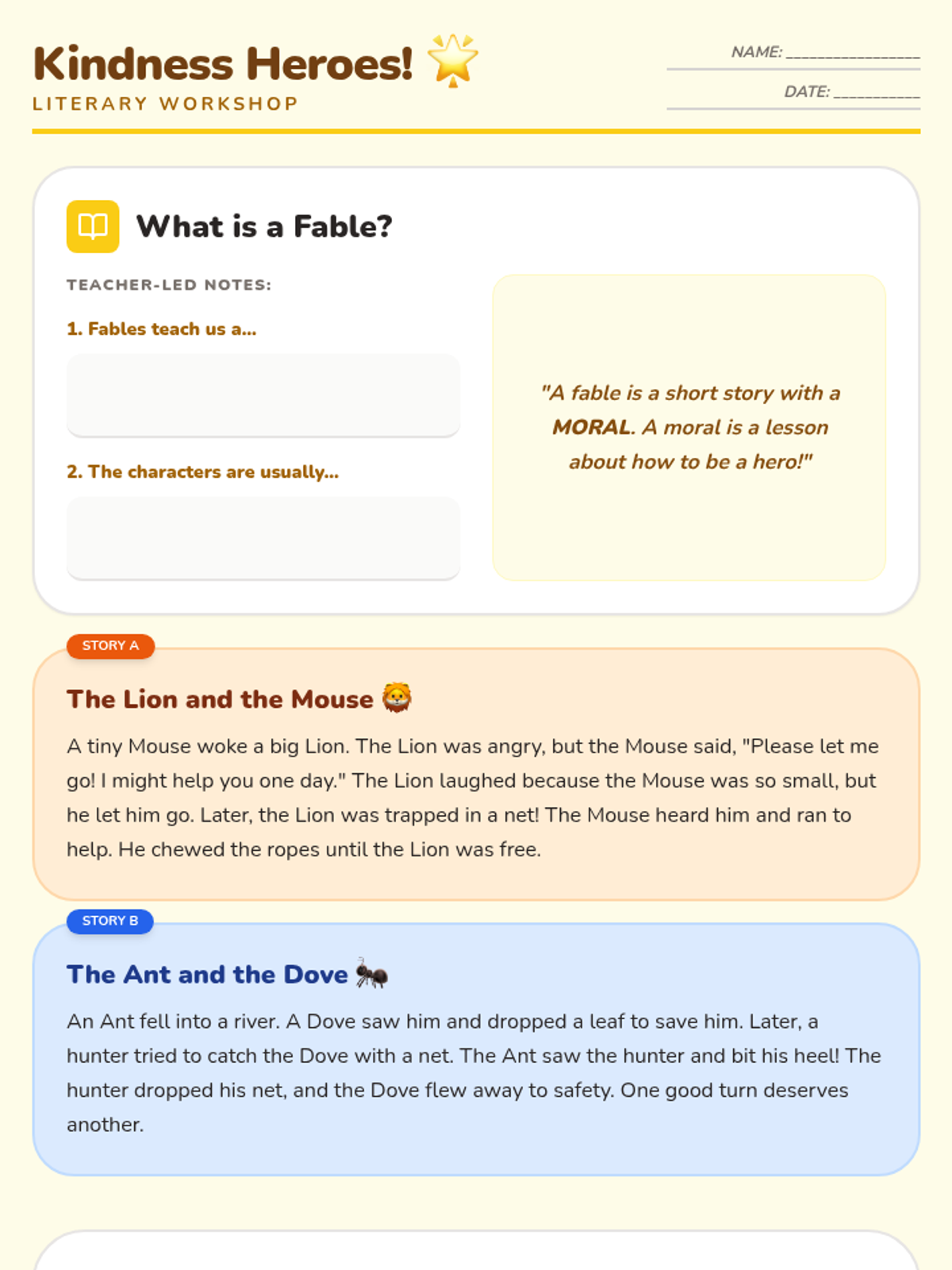
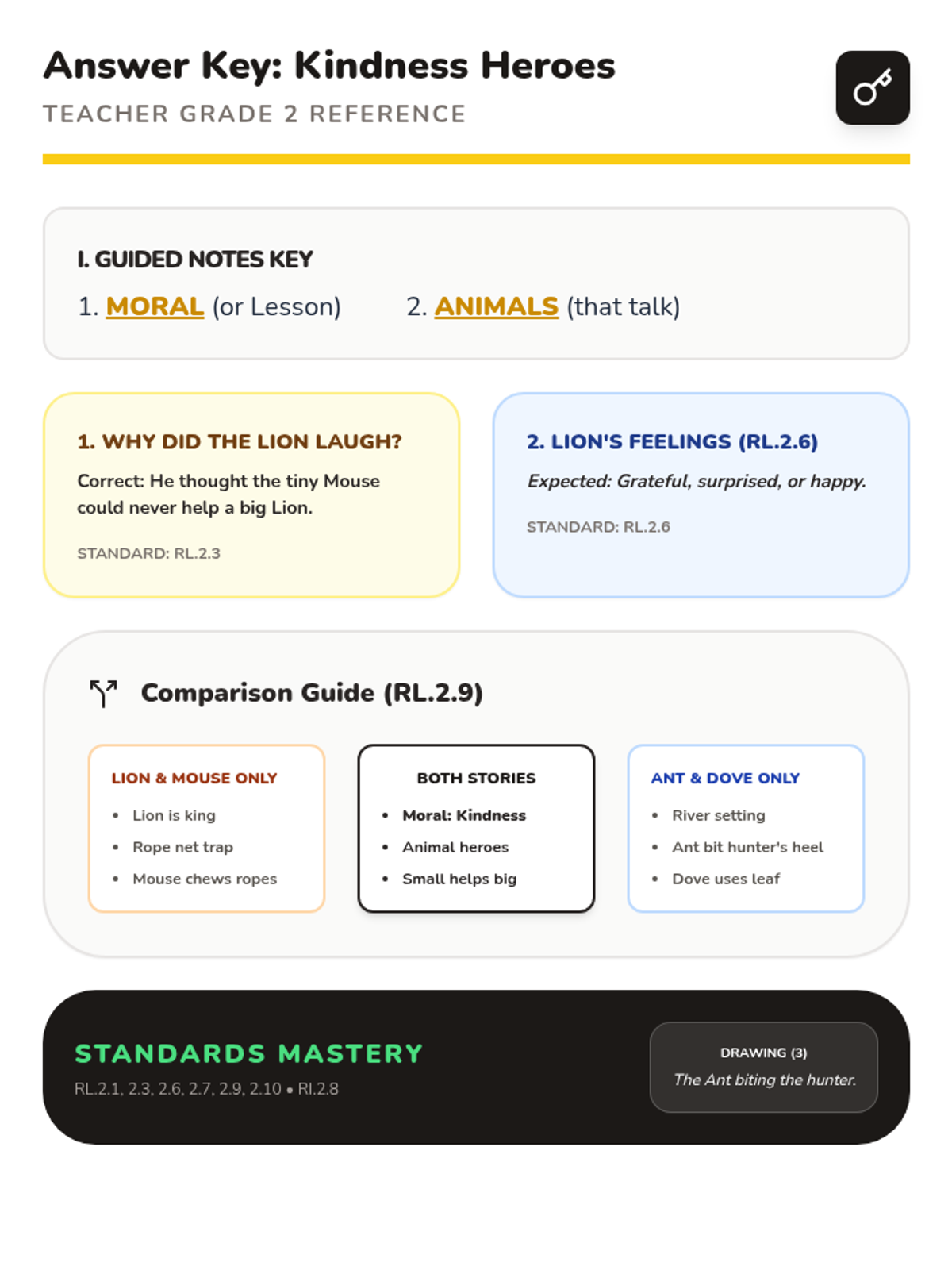
An introduction to fables for second graders, focusing on how characters help each other and the lessons we can learn about kindness.
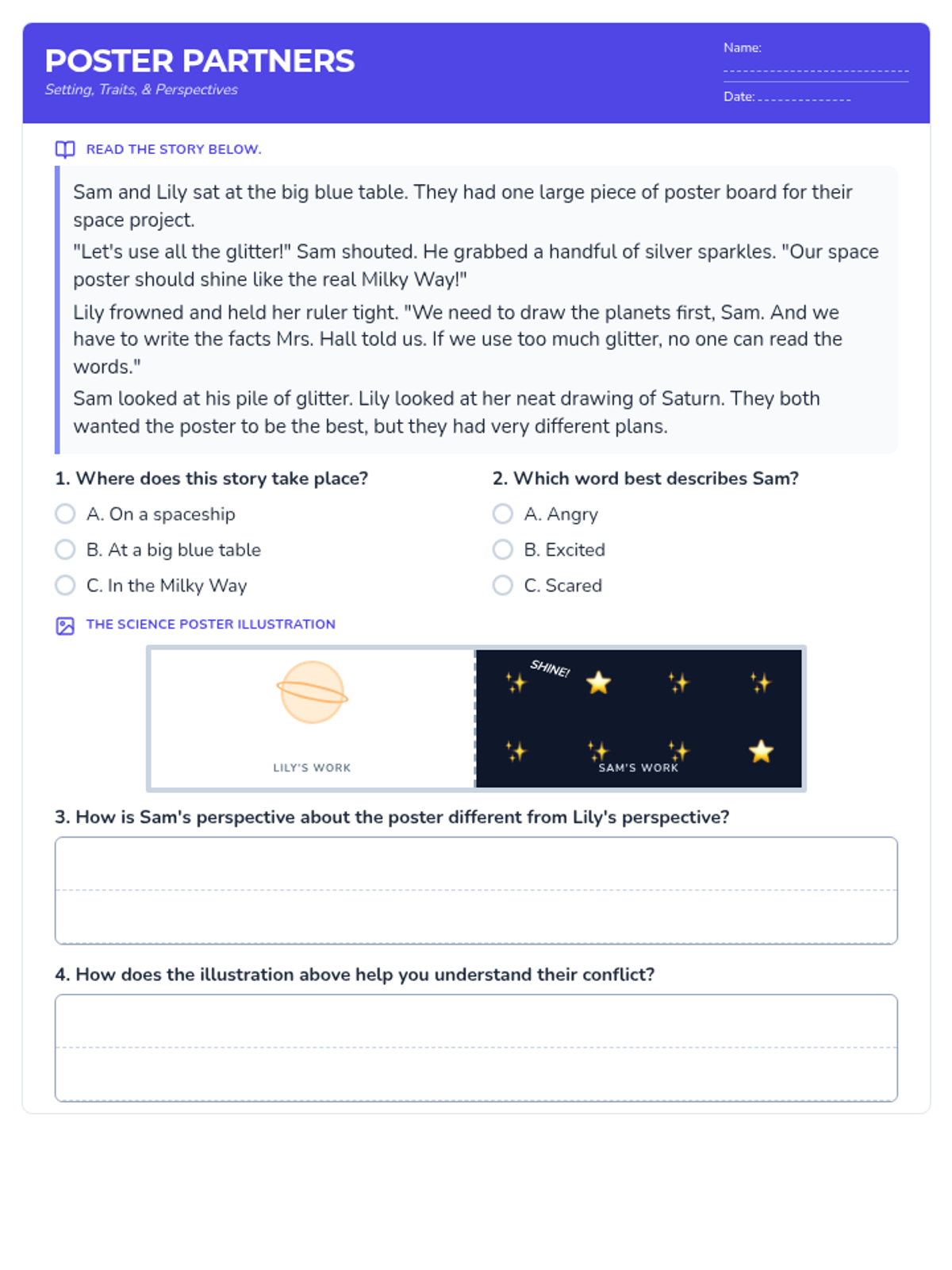
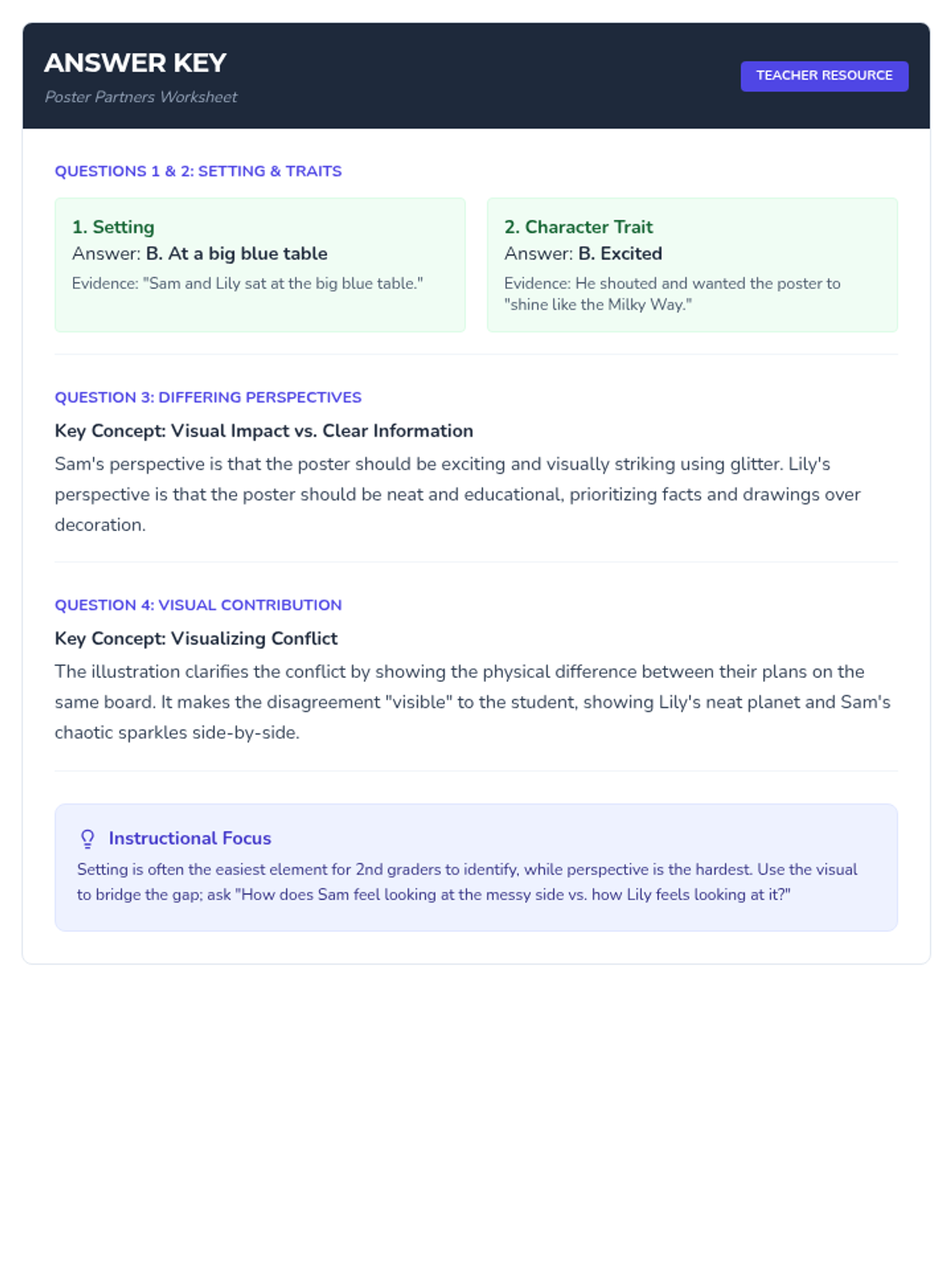
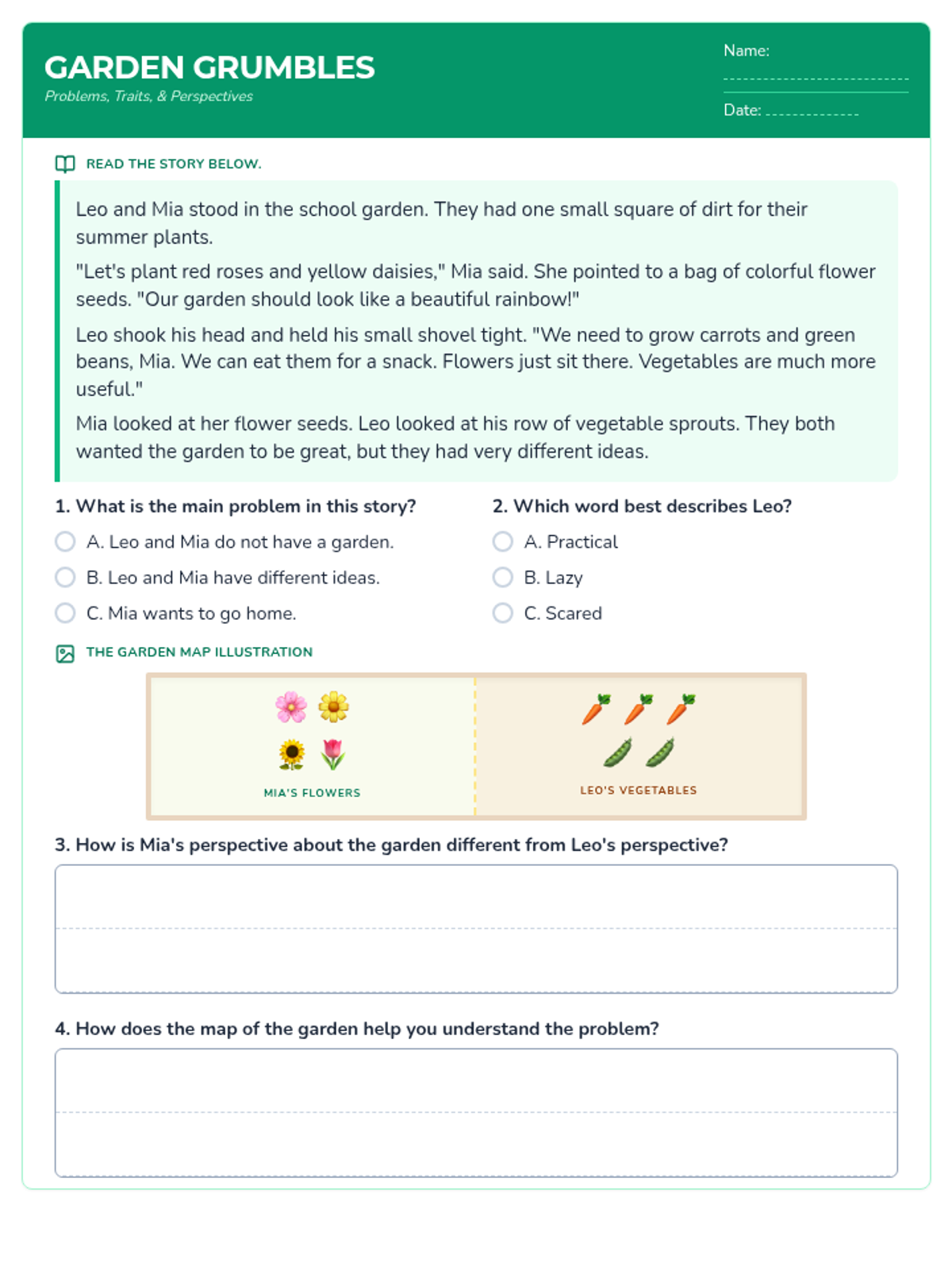
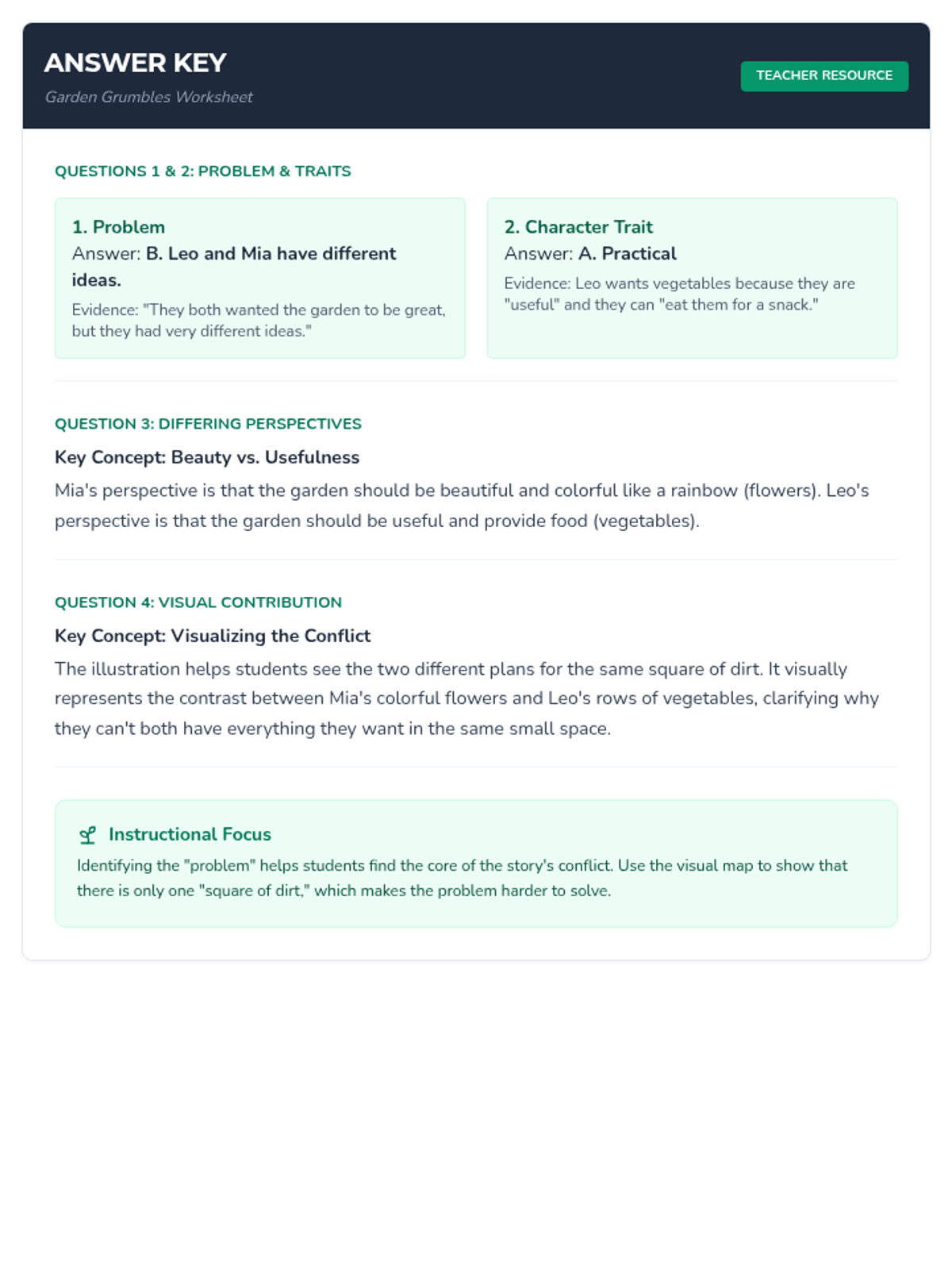
A 2nd-grade reading comprehension lesson focusing on character traits, varying perspectives, and the role of illustrations in storytelling. Students read a short passage about two classmates with different artistic visions and analyze their interactions.
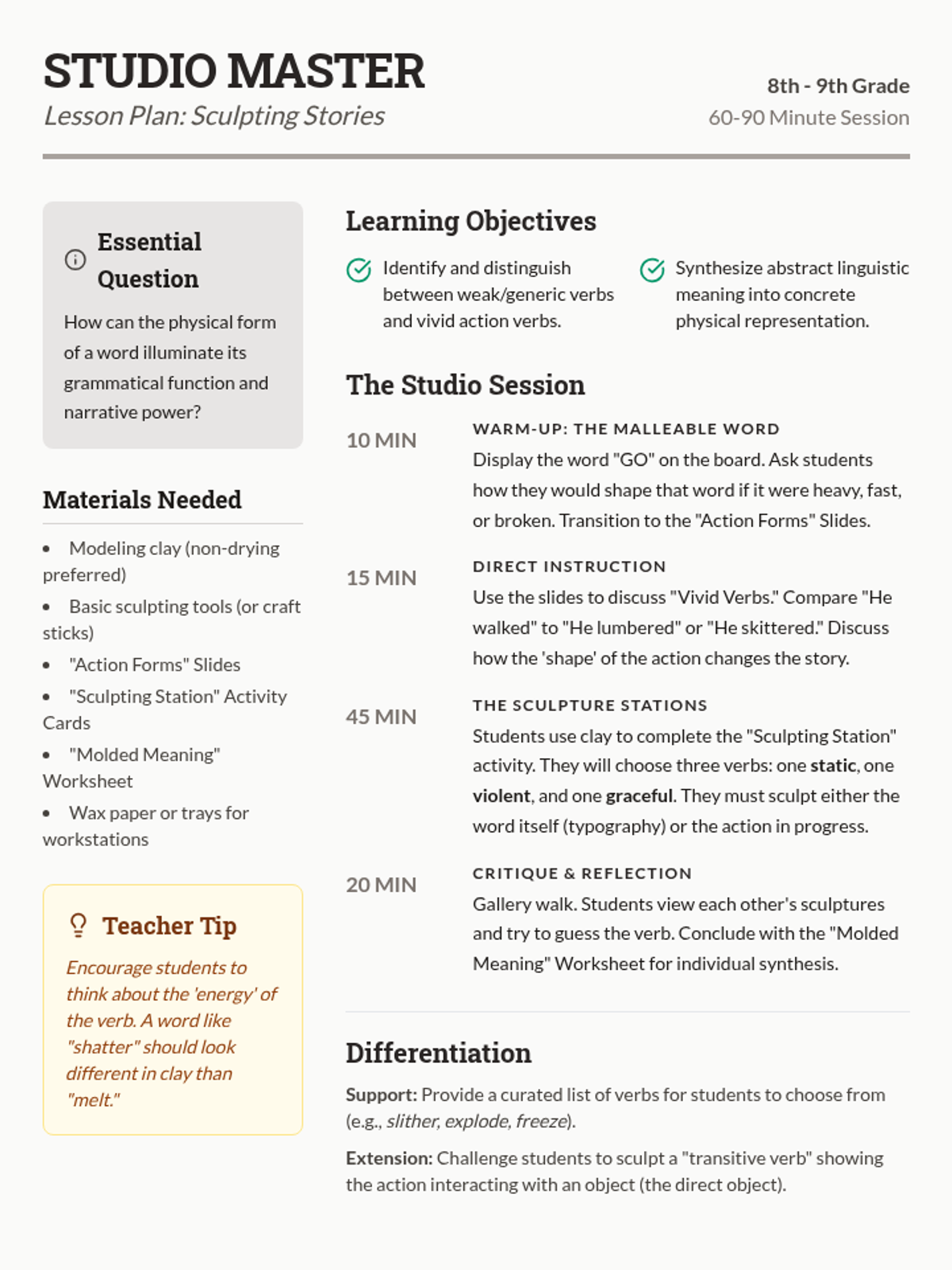
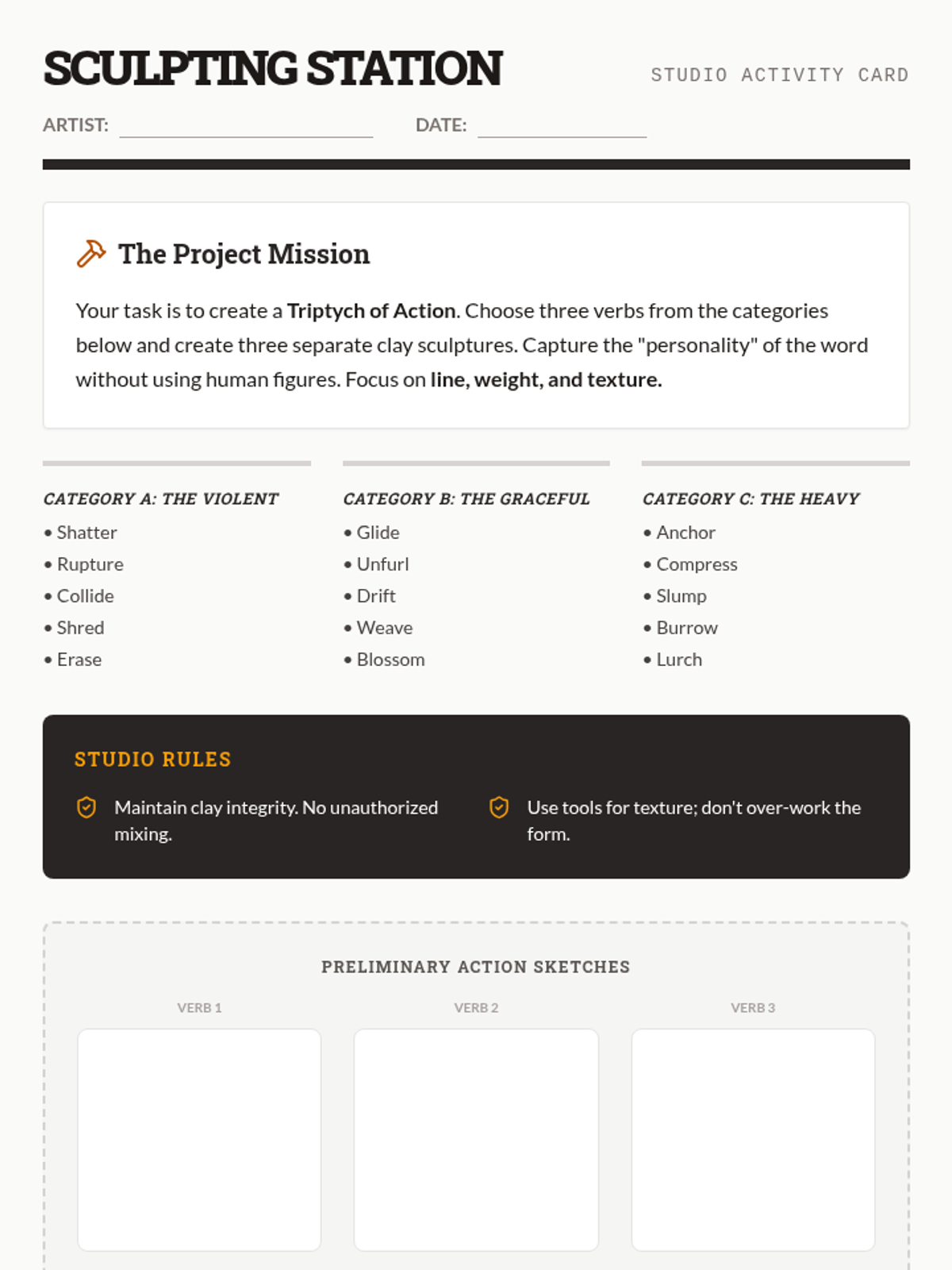
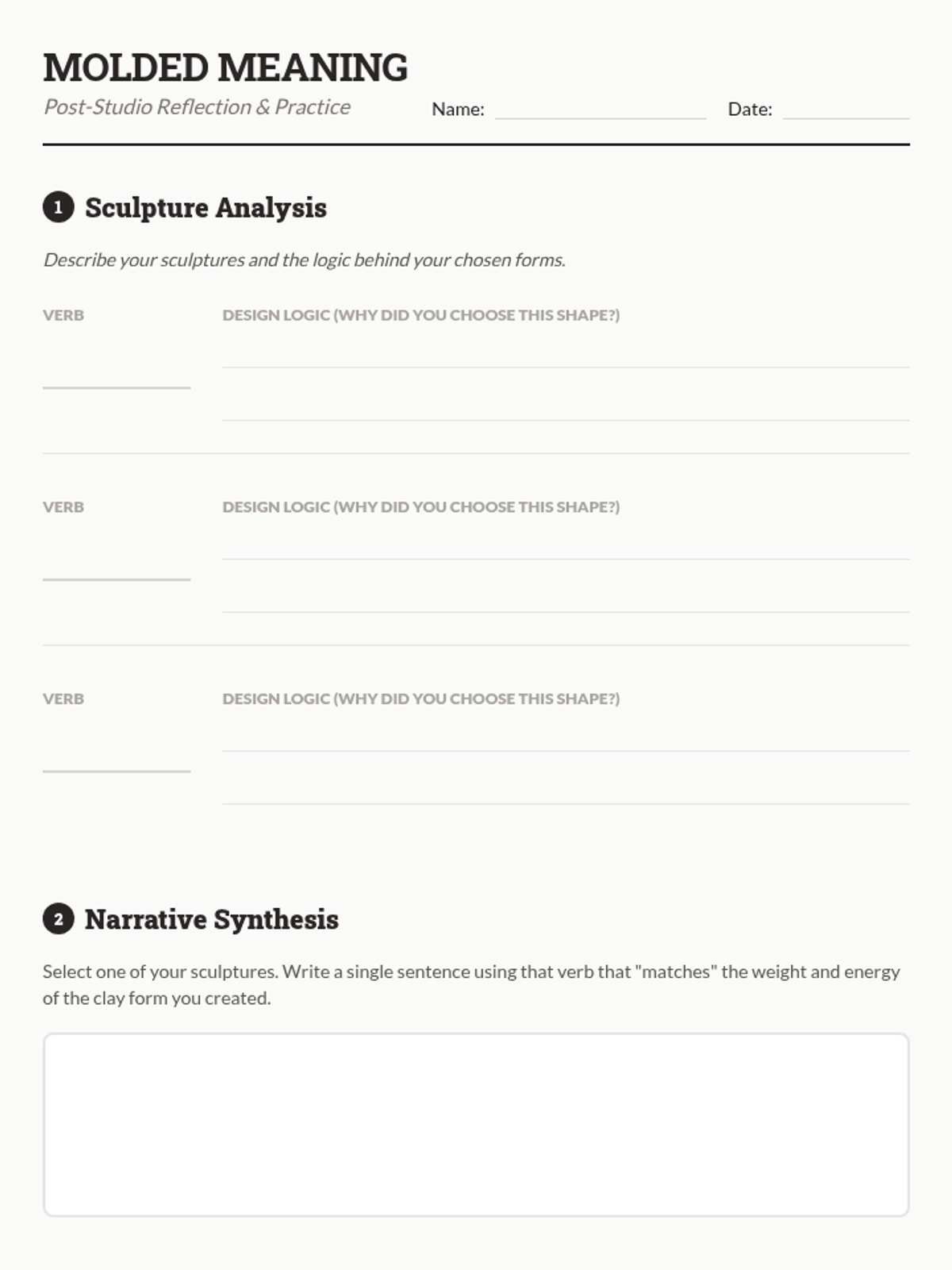
A multisensory grammar lesson where 8th and 9th grade students use modeling clay to physically represent action verbs, bridging the gap between abstract linguistics and tactile form.
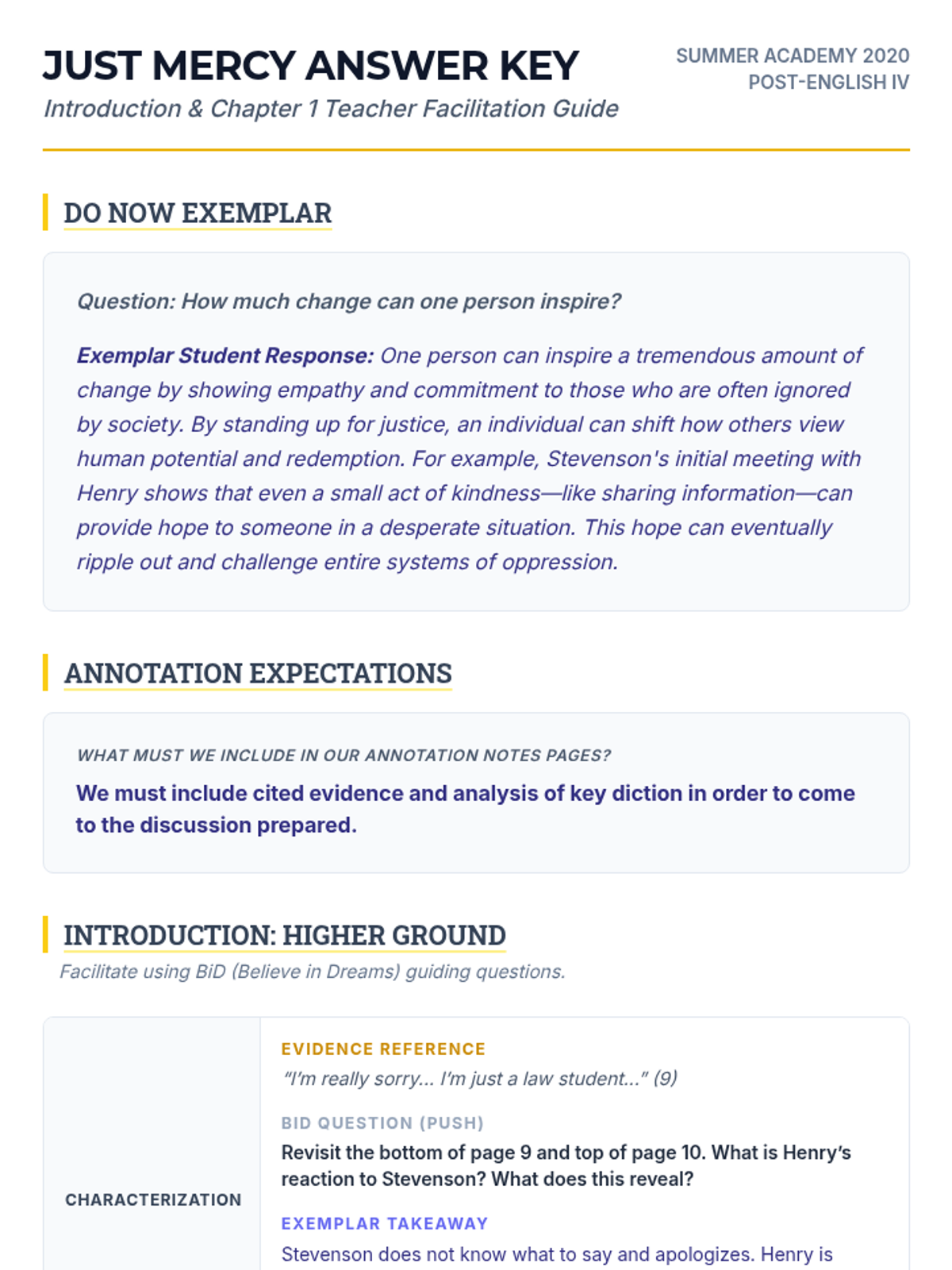
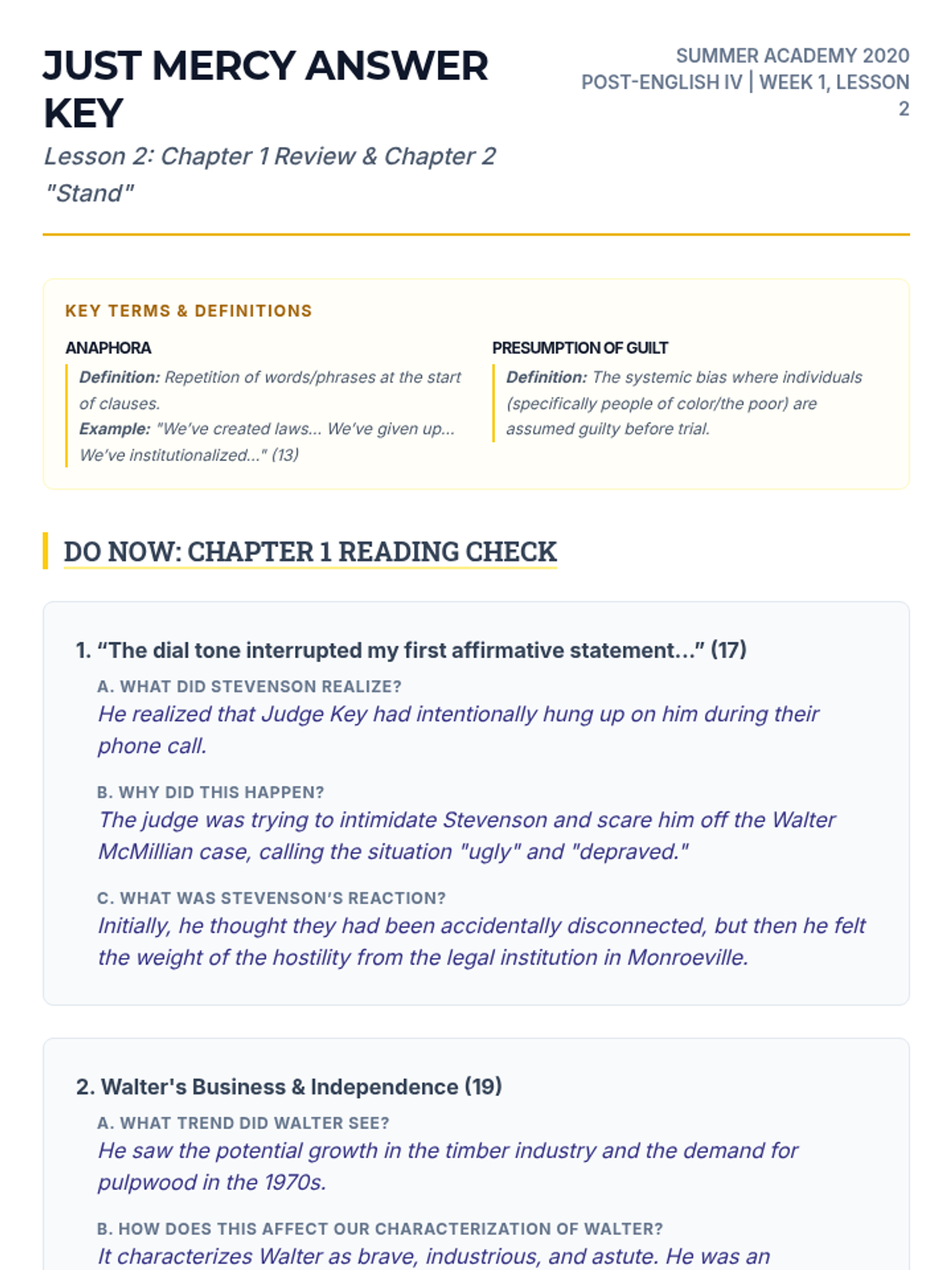
This lesson introduces students to Bryan Stevenson's Just Mercy, focusing on the characterization of Stevenson and the themes of justice and poverty introduced in the introduction and first chapter.