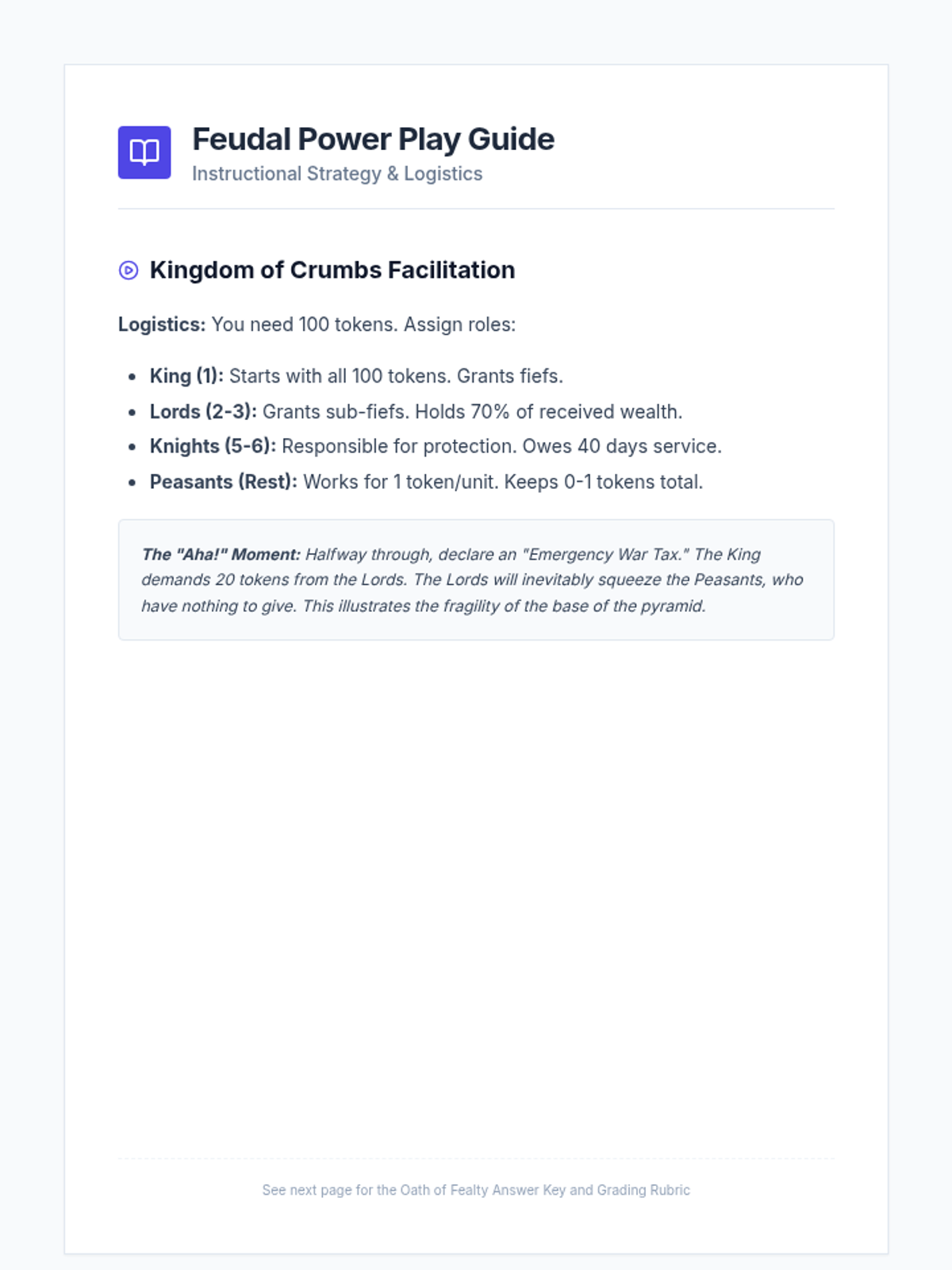
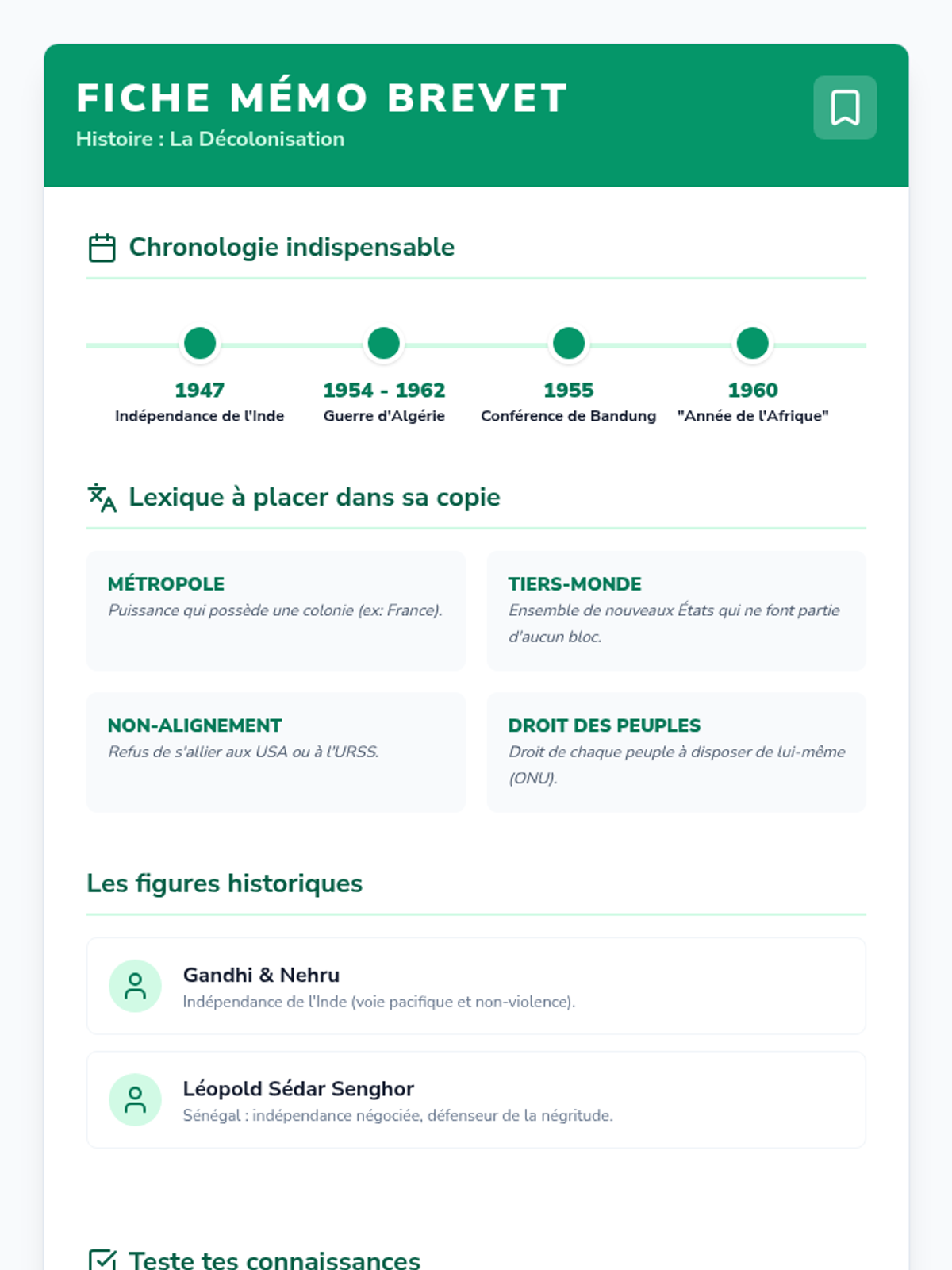
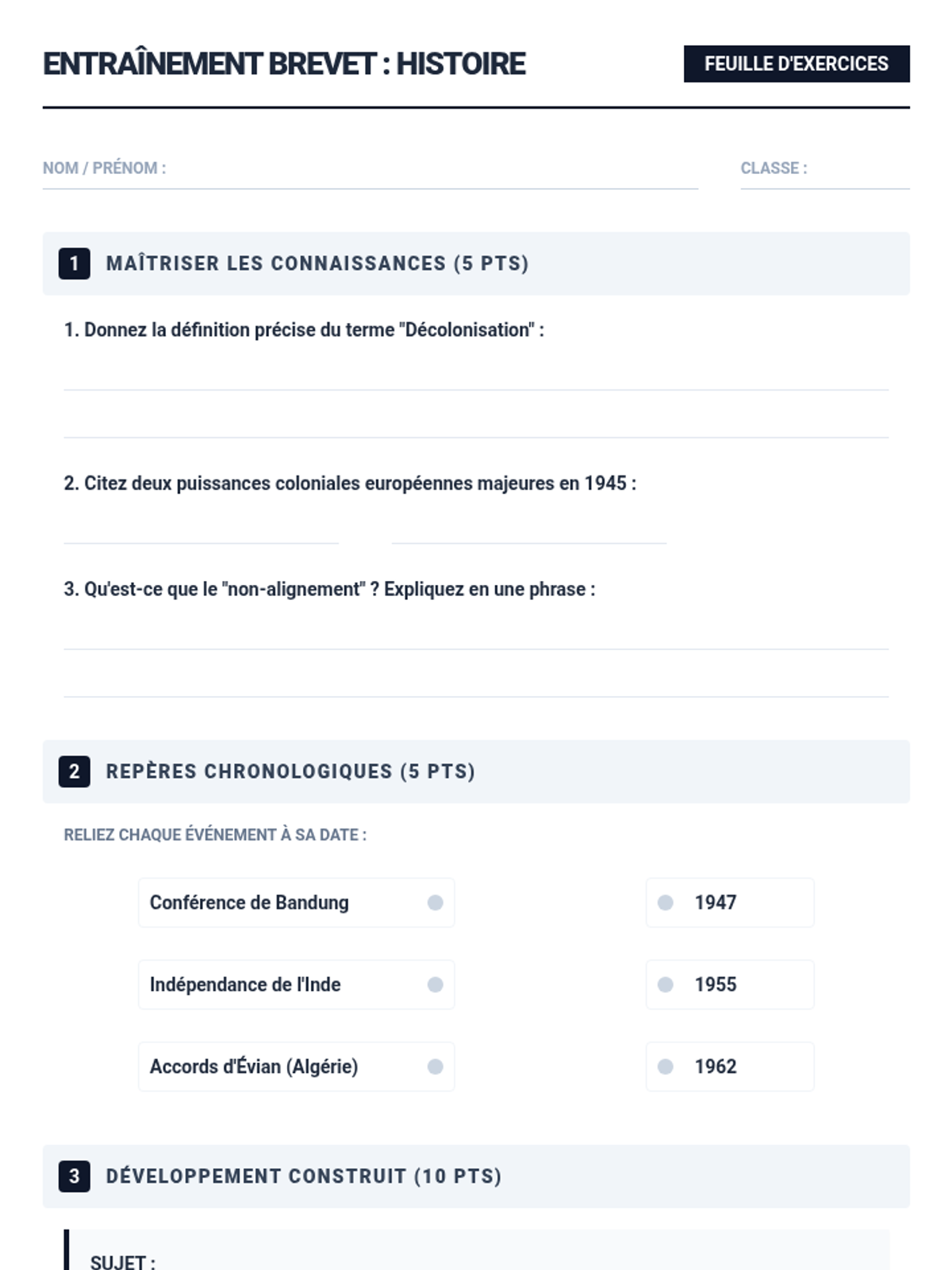
An AP World History lesson comparing sedentary agricultural societies and pastoral nomadic societies, featuring the 'Mongol Exception' and the impact of geography on animal domestication.
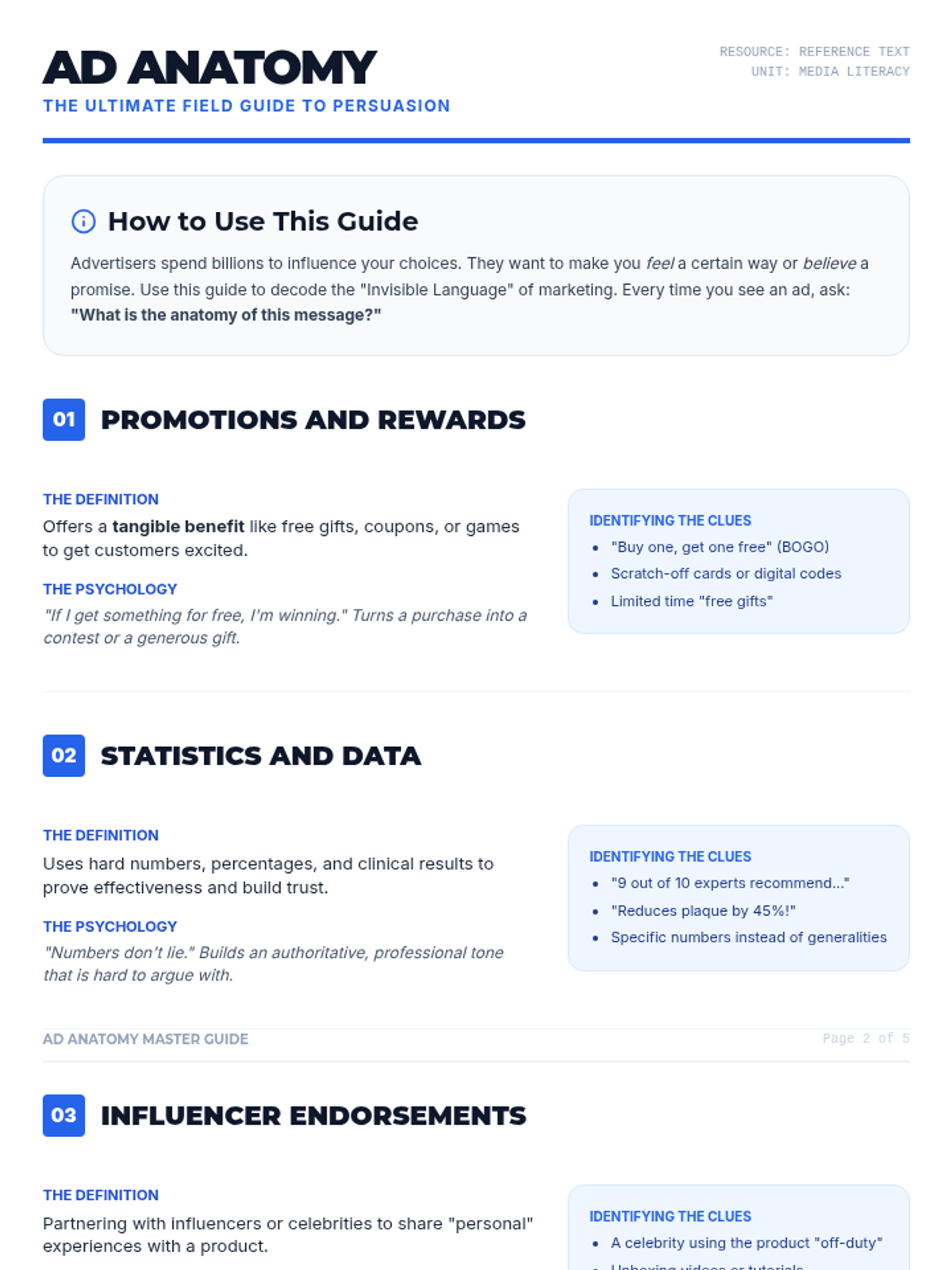
A comprehensive lesson introducing Lev Vygotsky's sociocultural theory of cognitive development. Students will explore the Zone of Proximal Development, the role of Scaffolding, and the importance of the More Knowledgeable Other through collaborative activities.
A 45-minute ESOL lesson exploring the Battle of Puebla and Cinco de Mayo. Students analyze informational texts and poetry to answer essential questions about making oneself heard and the value of research, culminating in a sensory writing and speaking activity.
A focused 20-minute analysis of Horace Mann's 12th Annual Report to the Massachusetts Board of Education, exploring the ideals and motivations behind the American Common School Movement.
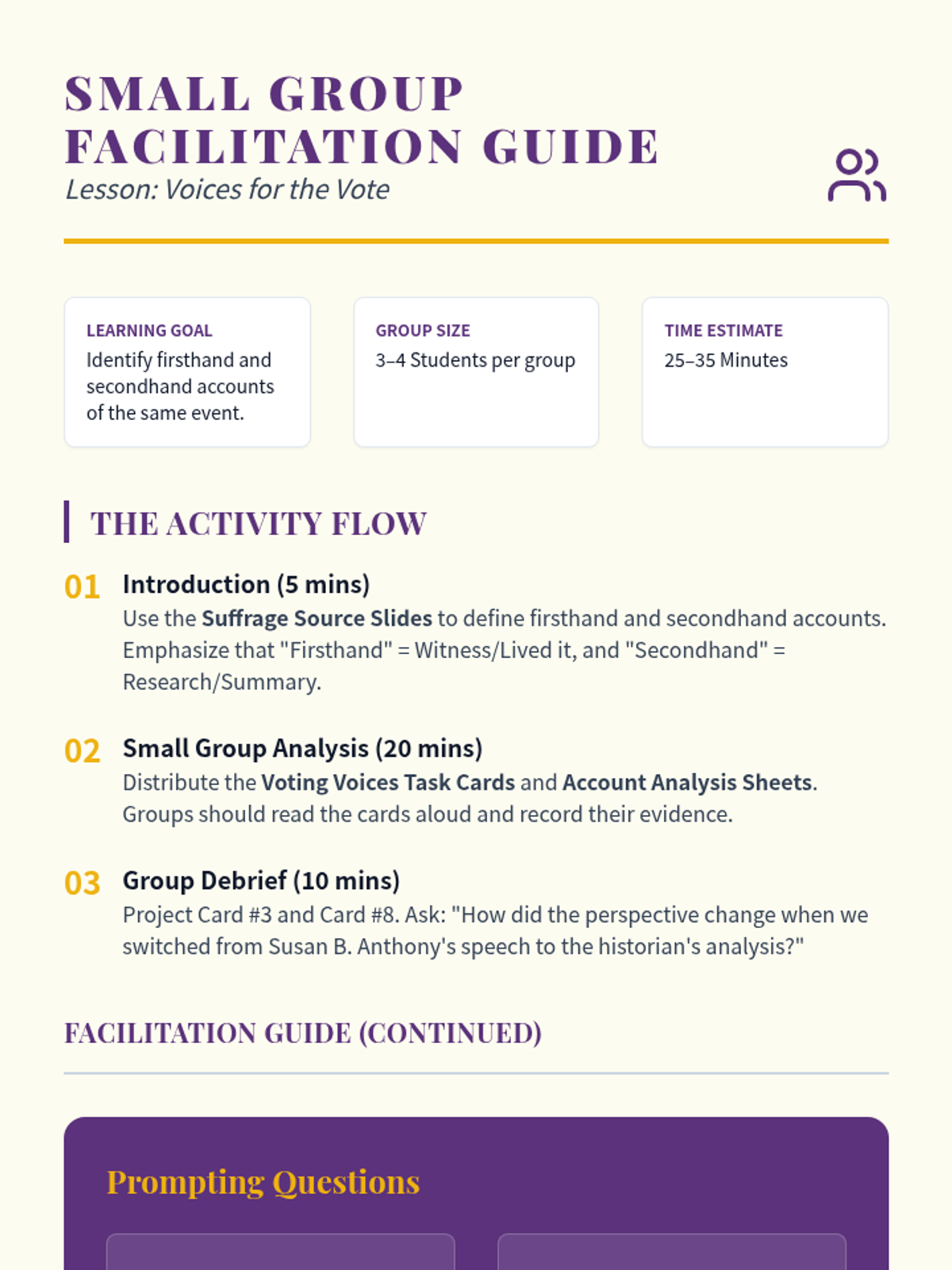
An introduction to the fundamental concepts of political science required for both AP US and Comparative Government, including sovereignty, legitimacy, authority, and the core differences between states, nations, and regimes.
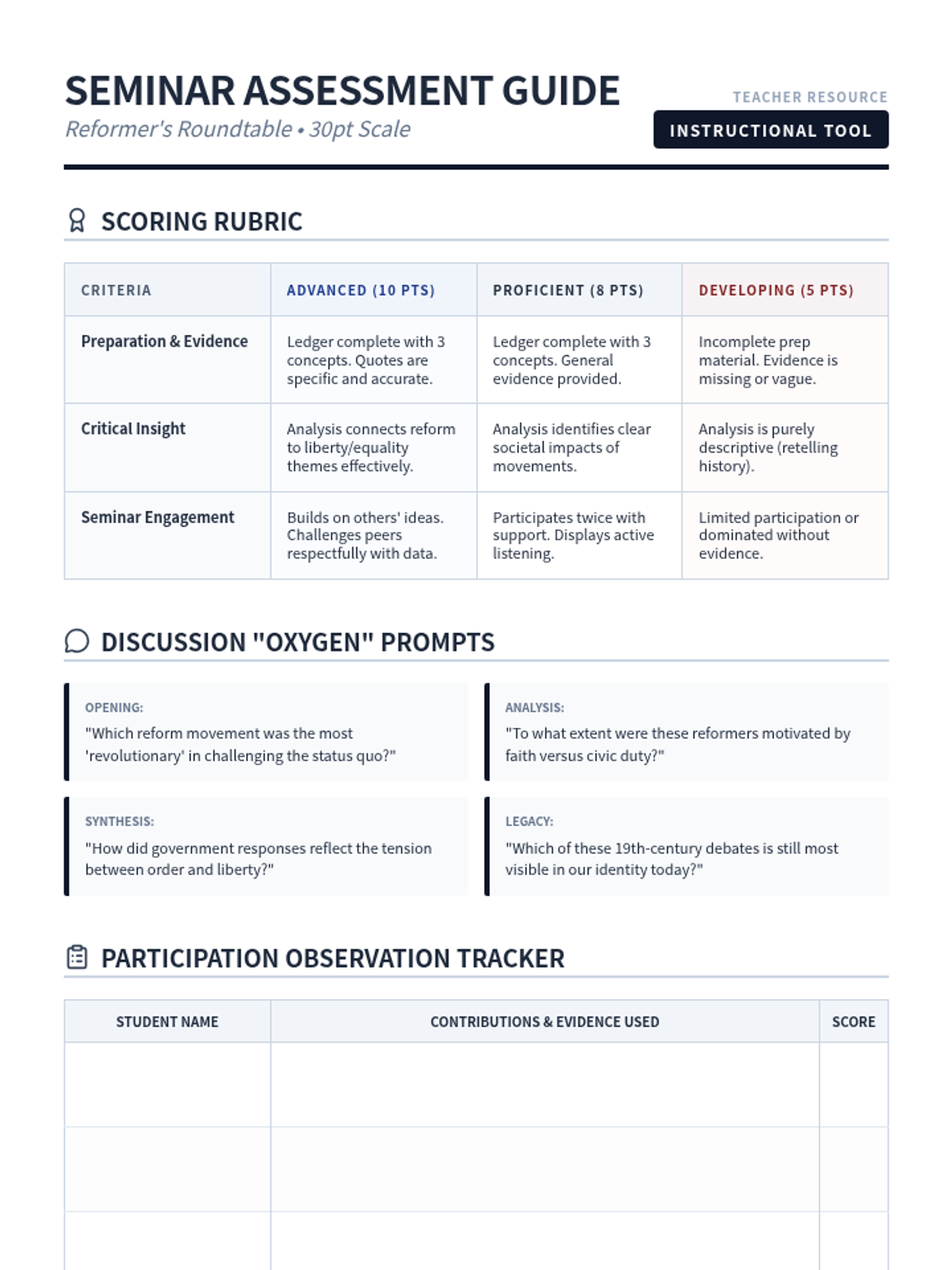
A comprehensive 6-group jigsaw reading activity for 10th-grade history students exploring the social, legal, and political dimensions of the Chinese Exclusion Act through primary sources and case law.
An intensive primary source analysis lesson for AP History students focusing on the diverse perspectives and global scale of WWII using the HIPP analysis framework.
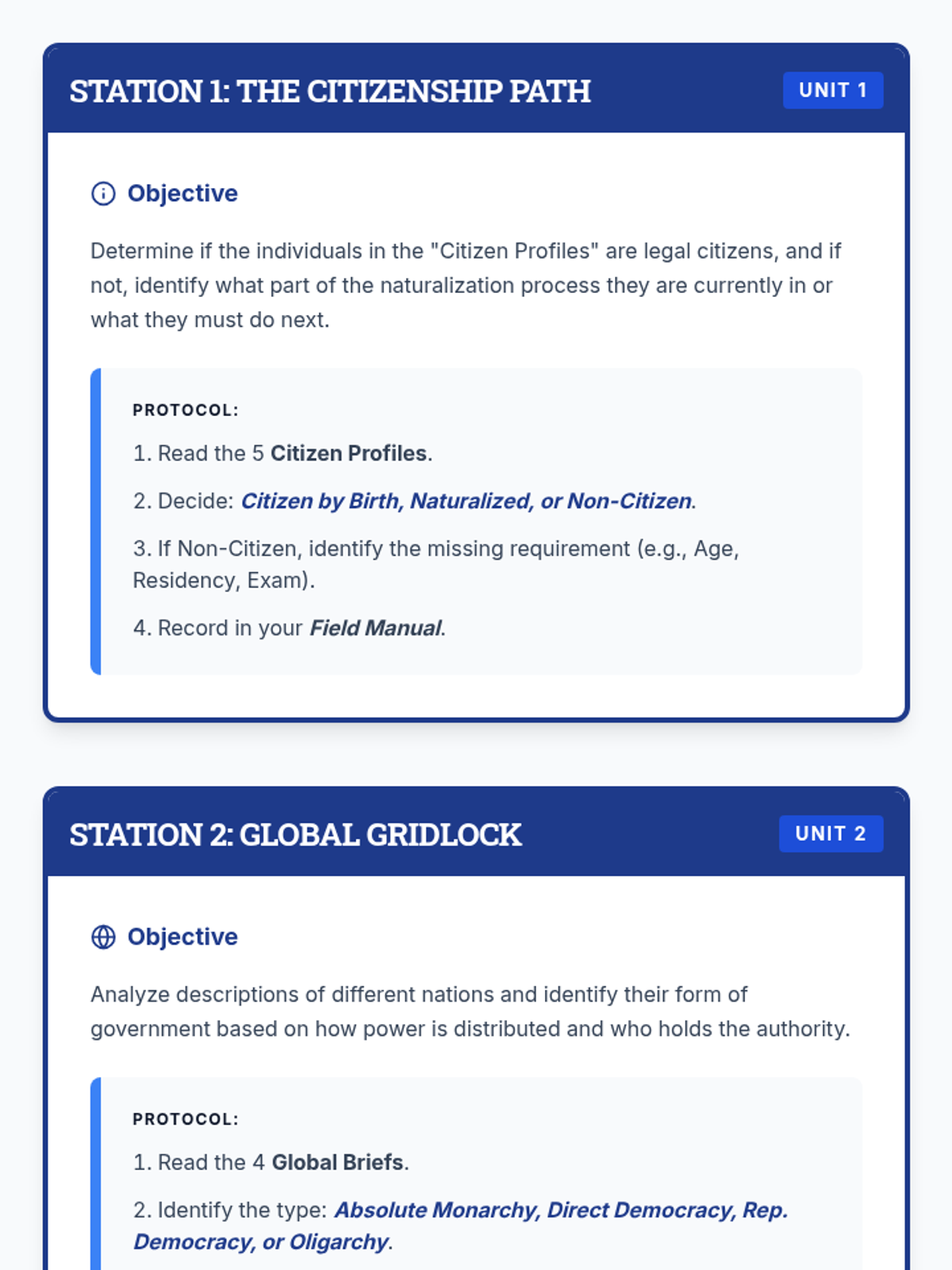
A comprehensive, station-based review lesson covering the Constitutional Convention, key compromises, Federalist vs. Anti-Federalist debates, and analysis of Federalist Papers 10 and 51. Designed for high school US Government students with heavy scaffolding for IEP and LEP learners.
A comprehensive lesson on the ratification of the U.S. Constitution, focusing on the debates between Federalists and Antifederalists, the role of the Bill of Rights, and the contributions of key Founding Fathers.
This lesson covers the proceedings of the Constitutional Convention, focusing on the conflicting Virginia and New Jersey Plans and the crucial compromises (Great Compromise, Three-Fifths Compromise, and Commerce/Slave Trade) that shaped the U.S. government. Students will analyze the contributions of key Founding Fathers and evaluate how these debates led to the creation of the Constitution.
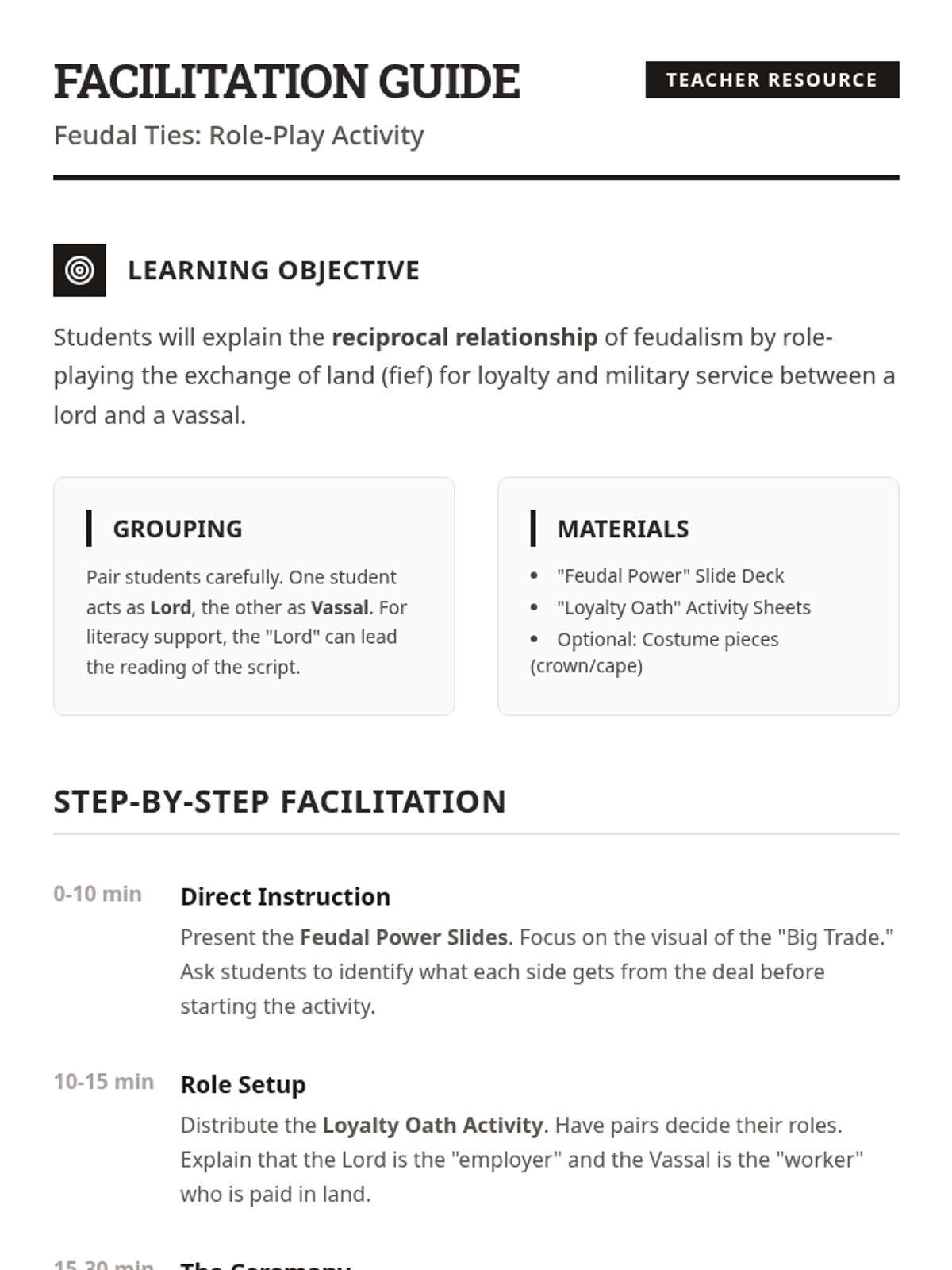
A high school psychology lesson exploring somatic markers and how the body stores suppressed emotions, featuring a body-mapping activity and analysis of somatic awareness.
A comprehensive lesson exploring anxiety disorders, distinguishing between normal stress and clinical diagnoses using the 4 Ds (Deviance, Distress, Dysfunction, Danger), and addressing the stigma of mental health terminology.
A deep dive into the behavioral etiology of anxiety disorders, focusing on how classical conditioning initiates fear and operant conditioning maintains it through the Cycle of Anxiety. Students will map the transition from trigger to reinforcement using specific phobias as case studies.
Students evaluate the 'Nature vs. Nurture' debate regarding susceptibility to addiction through a video analysis and a Socratic seminar.
A high-level AP Psychology lesson exploring the clinical complexities and controversies of diagnosing Dissociative Identity Disorder, featuring a Socratic seminar and differential diagnosis practice.
In this undergraduate psychology lesson, students critique evolutionary perspectives on anxiety and design a behavioral activation intervention for happiness. They analyze Katarina Blom's TEDx talk, explore key studies on negativity bias and social connection, and create a targeted "Happiness Intervention" for college freshmen.
A sociology-focused lesson examining the objectification of women's bodies through the lens of 'Body Image Resilience.' Students analyze how economic systems benefit from self-objectification and explore structural alternatives to beauty-centric social values.
Students analyze how institutional policies in schools and workplaces can create systemic barriers for individuals with mental health conditions, culminating in a 'Policy Audit' where they rewrite inequitable rules.
This lesson challenges the 'Inability to Succeed' myth surrounding mental health by having students investigate the achievements and struggles of historical and modern figures. Students engage with media, conduct independent research, and share their findings to demystify mental illness in a social studies context.
A psychology lesson for 11th-12th graders that explores the clinical spectrum of mental health disorders, focusing on the overlap between mood disorders and psychotic disorders through the lens of Schizoaffective Disorder.
Students investigate the neurobiology of ADHD through metaphorical frameworks, challenging the traditional 'deficit' model of the disorder and exploring the social model of disability.
A high school psychology lesson exploring the historical roots of mental health stigma and how scientific advancement shifts public perception from supernatural to biological explanations. Students engage in a research sprint to compare historical treatment methods with modern scientific standards.
Students explore the intersection of biology and law through the lens of 'decision fatigue' in judicial rulings, culminating in a Socratic seminar and policy proposal for systemic reform.
Students explore the psychological theory of Ego Depletion and decision fatigue through an interactive Stroop test, a video case study on judicial parole decisions, and a collaborative experimental design project. The lesson concludes with a critical look at the replication crisis in psychology.
A sociology lesson exploring the intersection of cultural expectations, masculinity, and mental health, centered on Sangu Delle's TED Talk. Students analyze the 'rigid architecture' of traditional masculinity and redefine strength through emotional vulnerability.
This lesson explores how cultural beliefs and geographic factors shape perceptions of mental health and access to care, using Sangu Delle's TED Talk as a primary case study for West Africa. Students will analyze the 'Medical Model' vs. 'Supernatural Model' and map out barriers to treatment in rural contexts.
A High School Psychology lesson exploring the global disparity in mental health resources, cultural stigma in West Africa, and innovative low-cost interventions for underserved communities.
Students will explore the clinical definition of depression, differentiate it from sadness, and analyze the medical model of mental health through video analysis and Socratic discussion.
A high school psychology lesson exploring the intersection of intentional living and psychological theories of well-being through Joshua Becker's 8 points of happiness. Students analyze a video, map concepts to Maslow's hierarchy, and apply 'happiness prescriptions' to real-world case studies.
An exploration of the social construction of identity and the mechanisms of social control through shame, using Nietzschean philosophy and Goffman's dramaturgical perspective. Students analyze how societal 'shoulds' create masks and puppets, particularly in the context of gender and social roles.
A psychology lesson exploring the difference between toxic and healthy shame, using Nietzschean philosophy and the metaphor of societal 'puppet strings' to understand conditioning and authenticity.
Students explore the philosophical tension between Stoic adaptability and societal tradition through a Philosophical Chairs debate, using Marcus Aurelius's 'Meditations' as a lens for modern civic progress.
A high school psychology lesson exploring the intersection of Stoic philosophy and modern Cognitive Behavioral Therapy (CBT), specifically focusing on mindfulness, reframing, and cognitive distortions.
A high school psychology lesson focusing on the clinical definitions of psychosis, distinguishing between sensory hallucinations and fixed false beliefs (delusions). Students analyze case studies to apply their knowledge of specific clinical categories.
A lesson for AP/Undergraduate Psychology exploring the neural basis of psychosis, distinguishing between psychiatric hallucinations and neurological sensory misperceptions. Students map hallucinations to specific brain regions and analyze the diagnostic implications of different sensory modalities.
Students explore the Yerkes-Dodson Law through the lens of memory formation and retrieval. They analyze how moderate stress aids encoding while high stress inhibits recall, applying these concepts to real-world scenarios.
Students investigate the psychological mechanisms of depressive disorders, focusing on how avoidance and negative feedback loops sustain and worsen symptoms. They will analyze a video to map out specific behavioral cycles and identify points of therapeutic intervention.
Students analyze the economic incentives behind unrealistic beauty standards, calculating the financial 'cost of perfection' and exploring the concept of the 'motivated consumer.'
A lesson exploring the optimism bias, its neurological foundations in the inferior frontal gyrus, and how to balance hope with realistic planning using Tali Sharot's research.