Une séquence complète sur l'identification des roches et leur interprétation géodynamique pour les classes de Première et Terminale Spécialité SVT. Comprend un guide pédagogique, un support visuel et des activités pratiques de minéralogie.
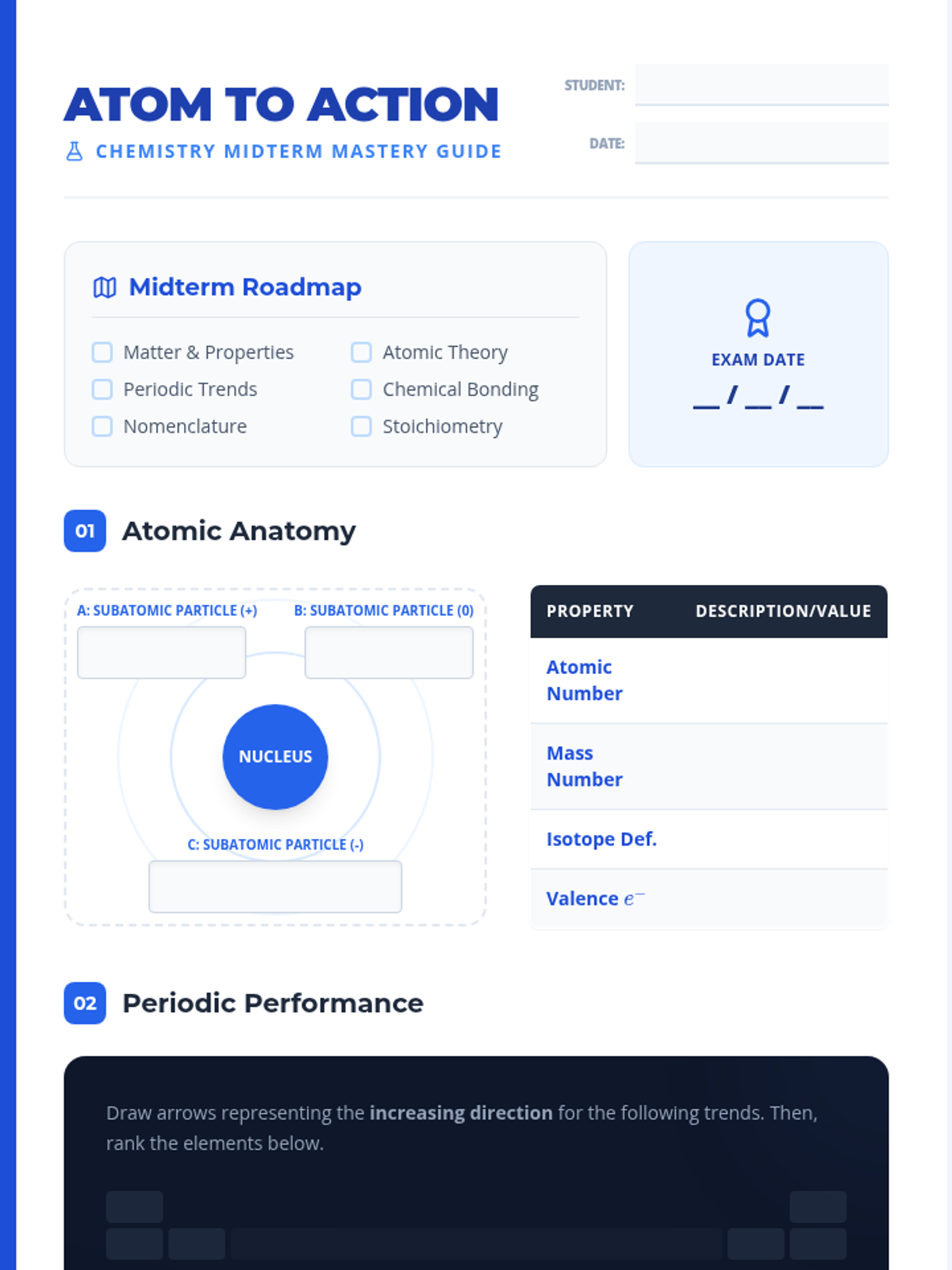
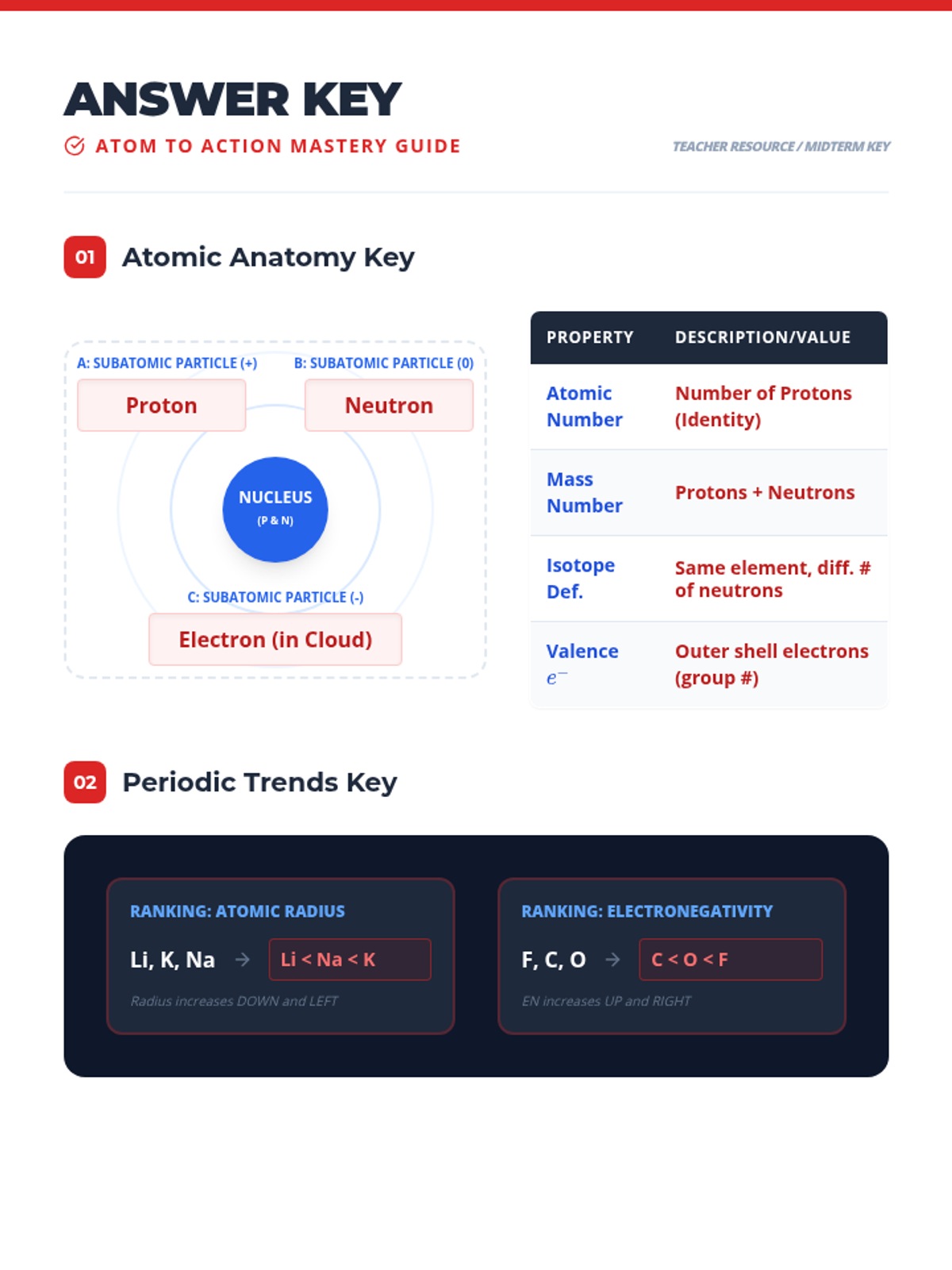
A comprehensive review of introductory chemistry concepts, including atomic structure, periodic trends, bonding, and stoichiometry, designed to prepare students for a midterm examination.
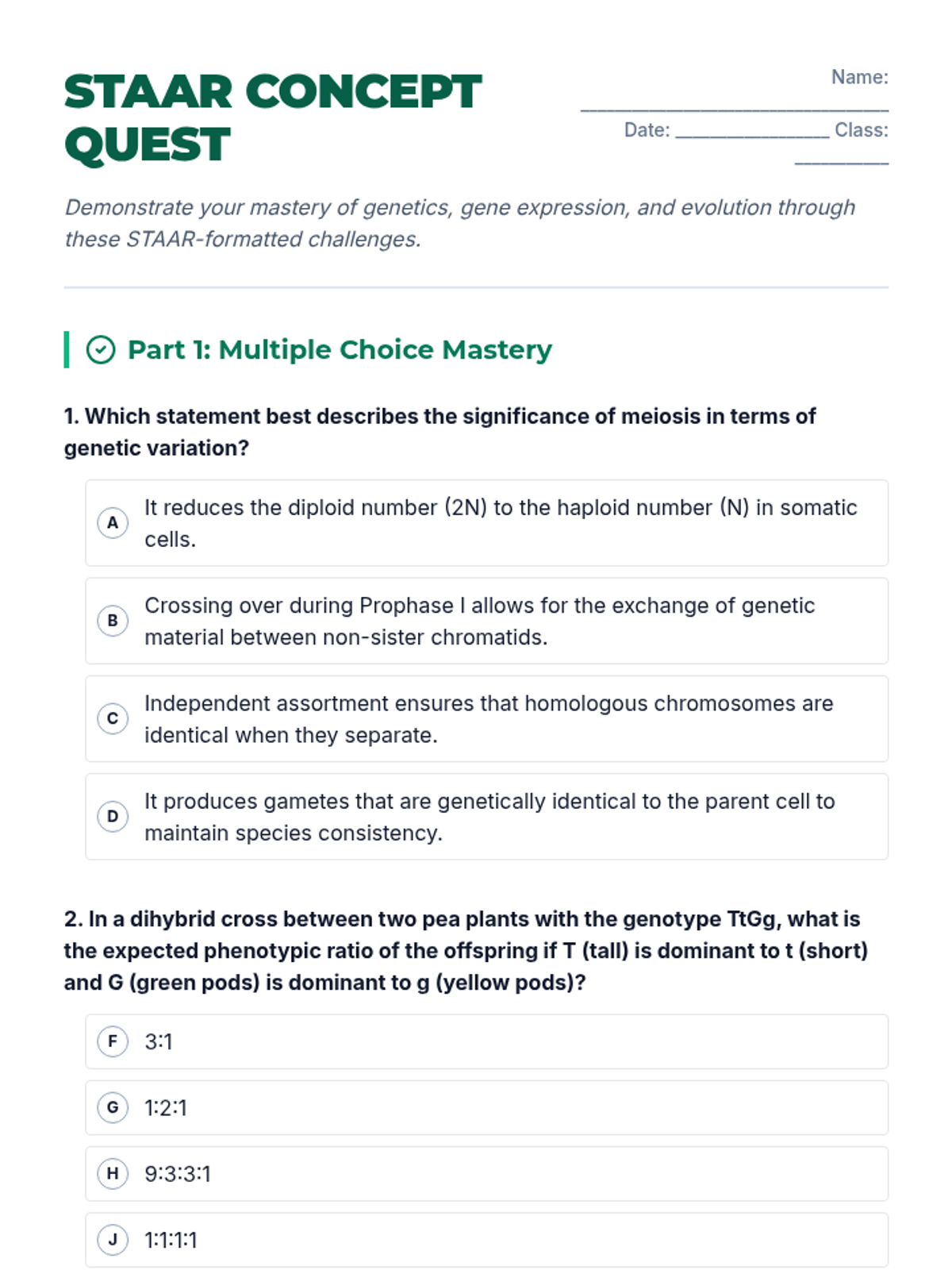
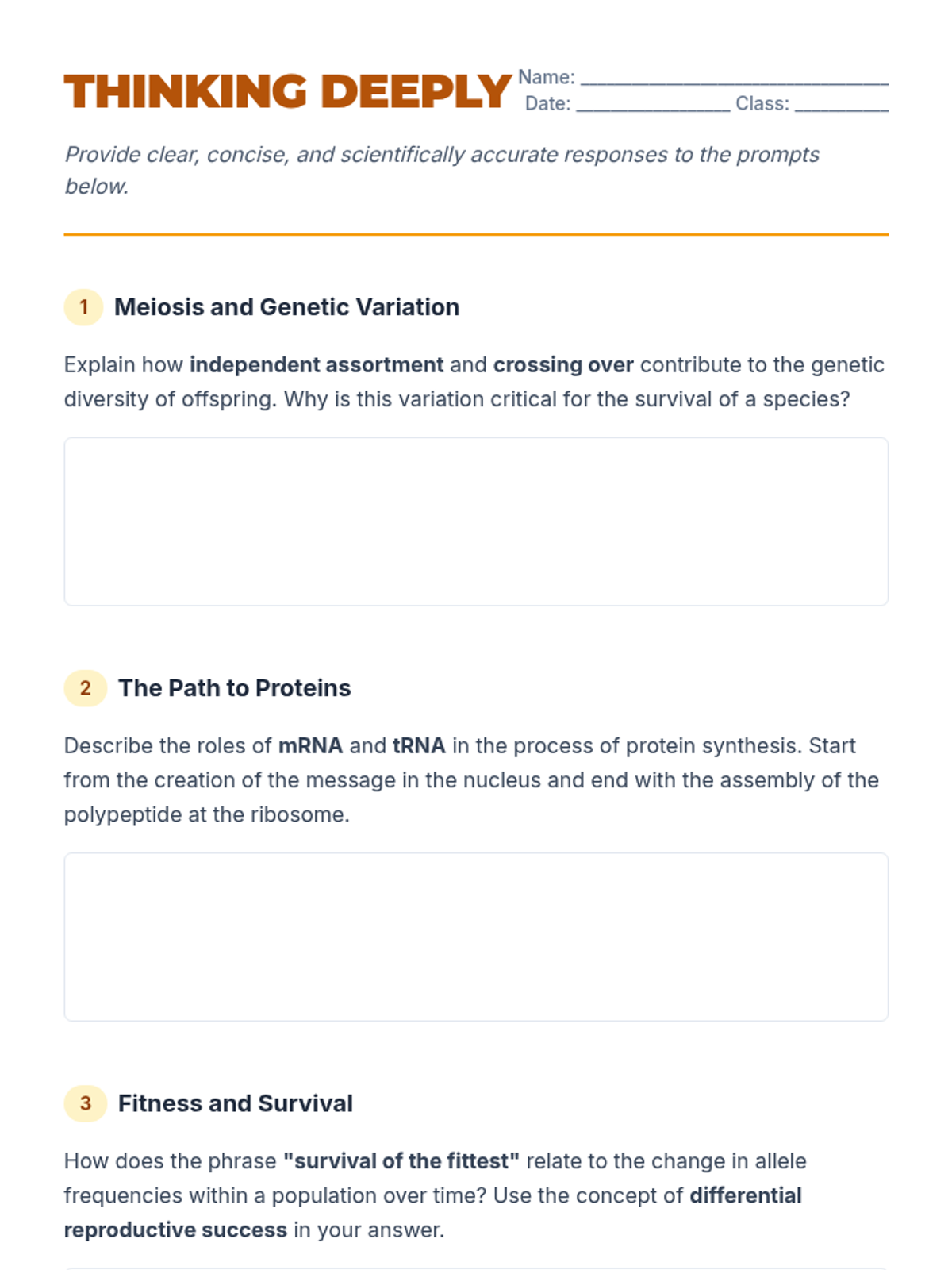
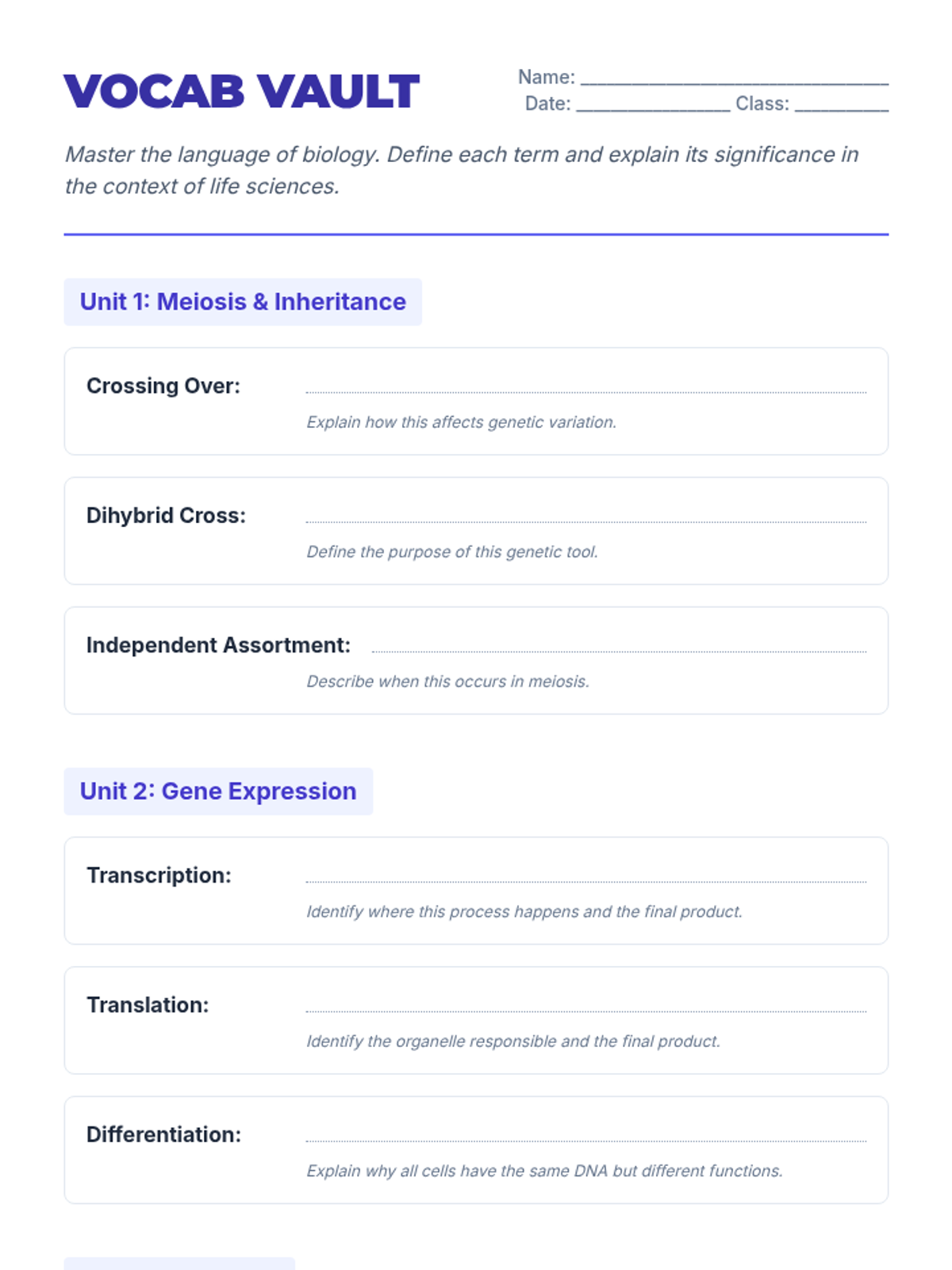
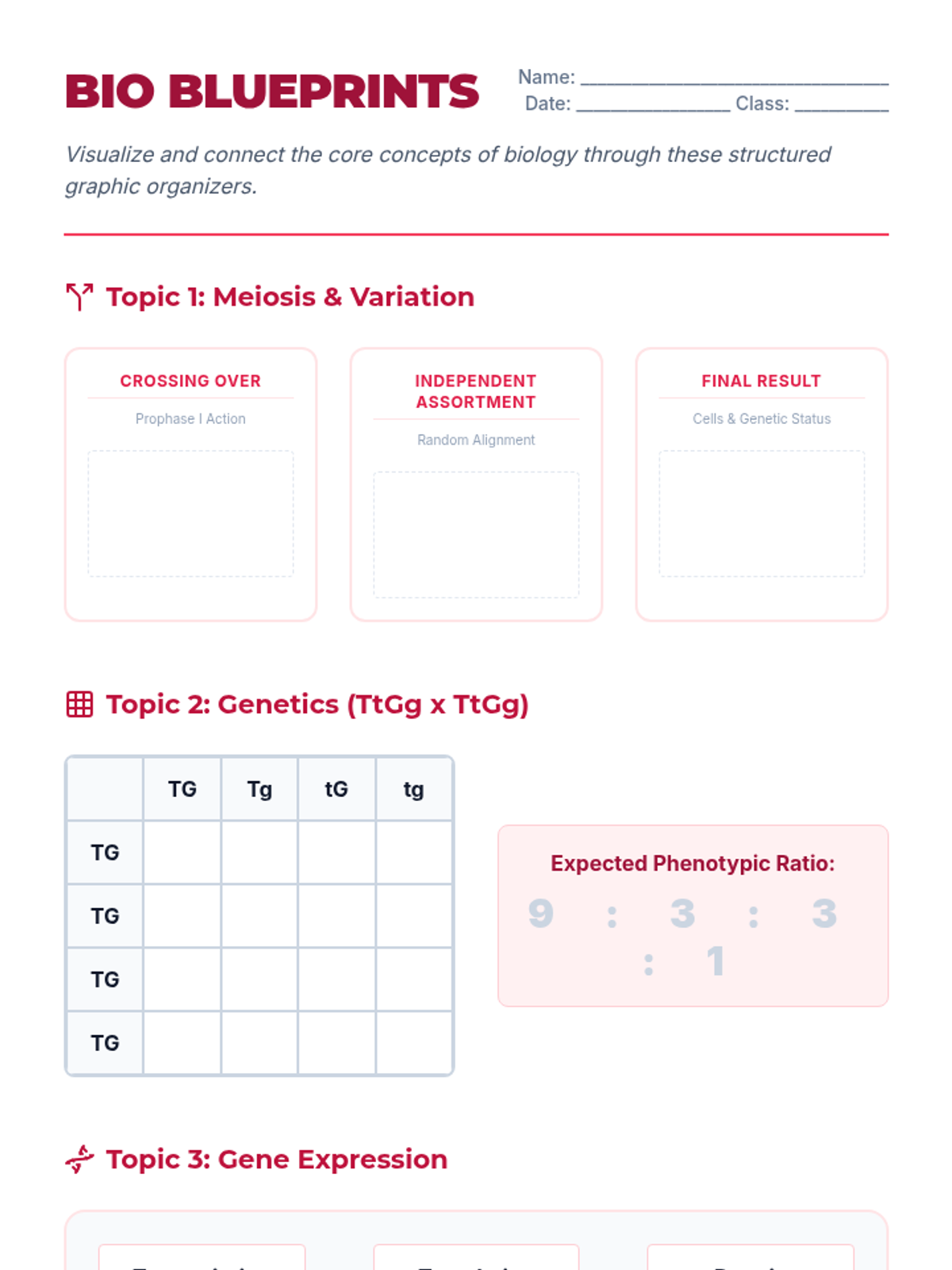
This lesson synthesizes core biological concepts including the mechanisms of inheritance, the flow of genetic information from DNA to protein, and the processes driving evolutionary change.
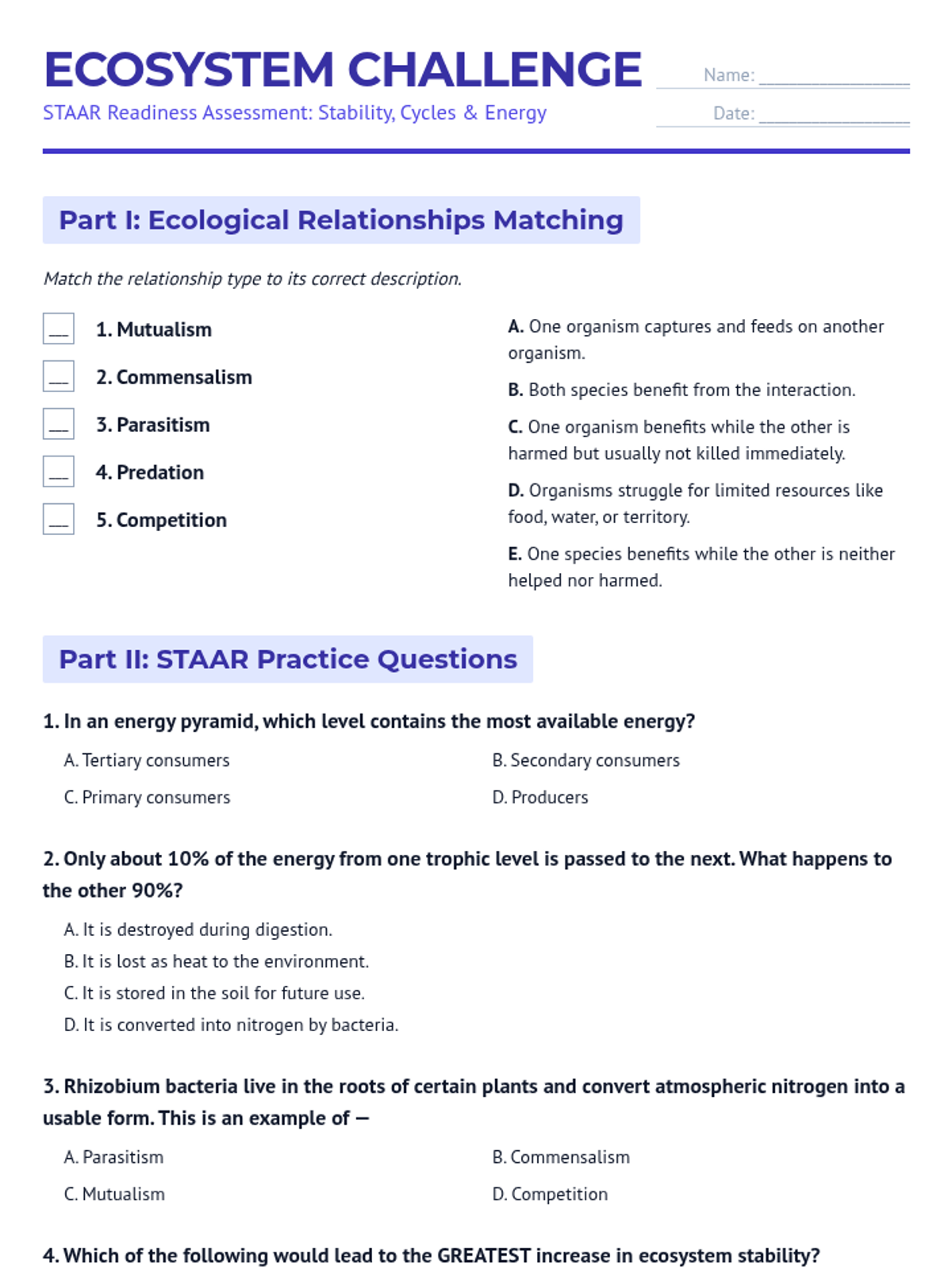
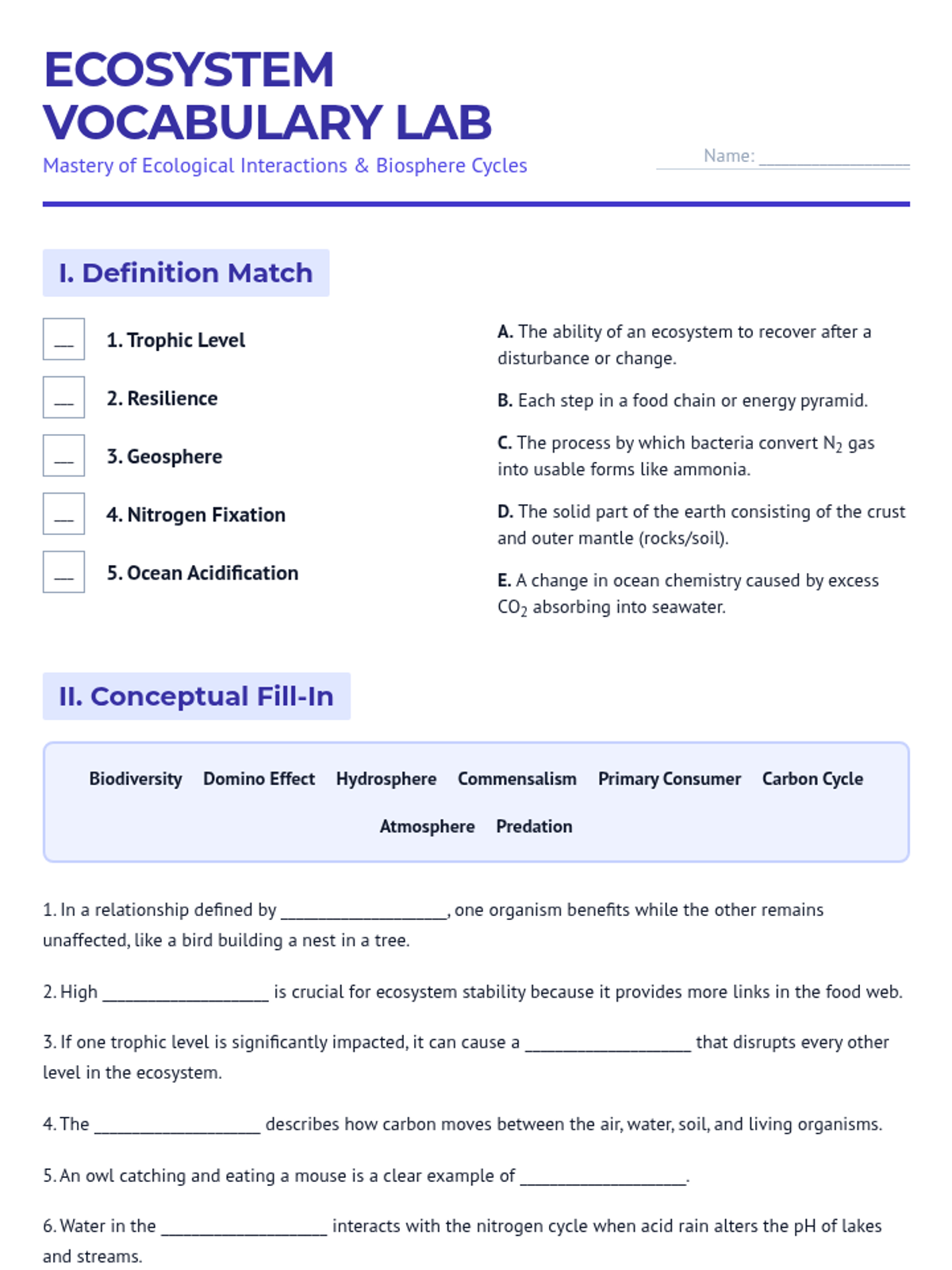
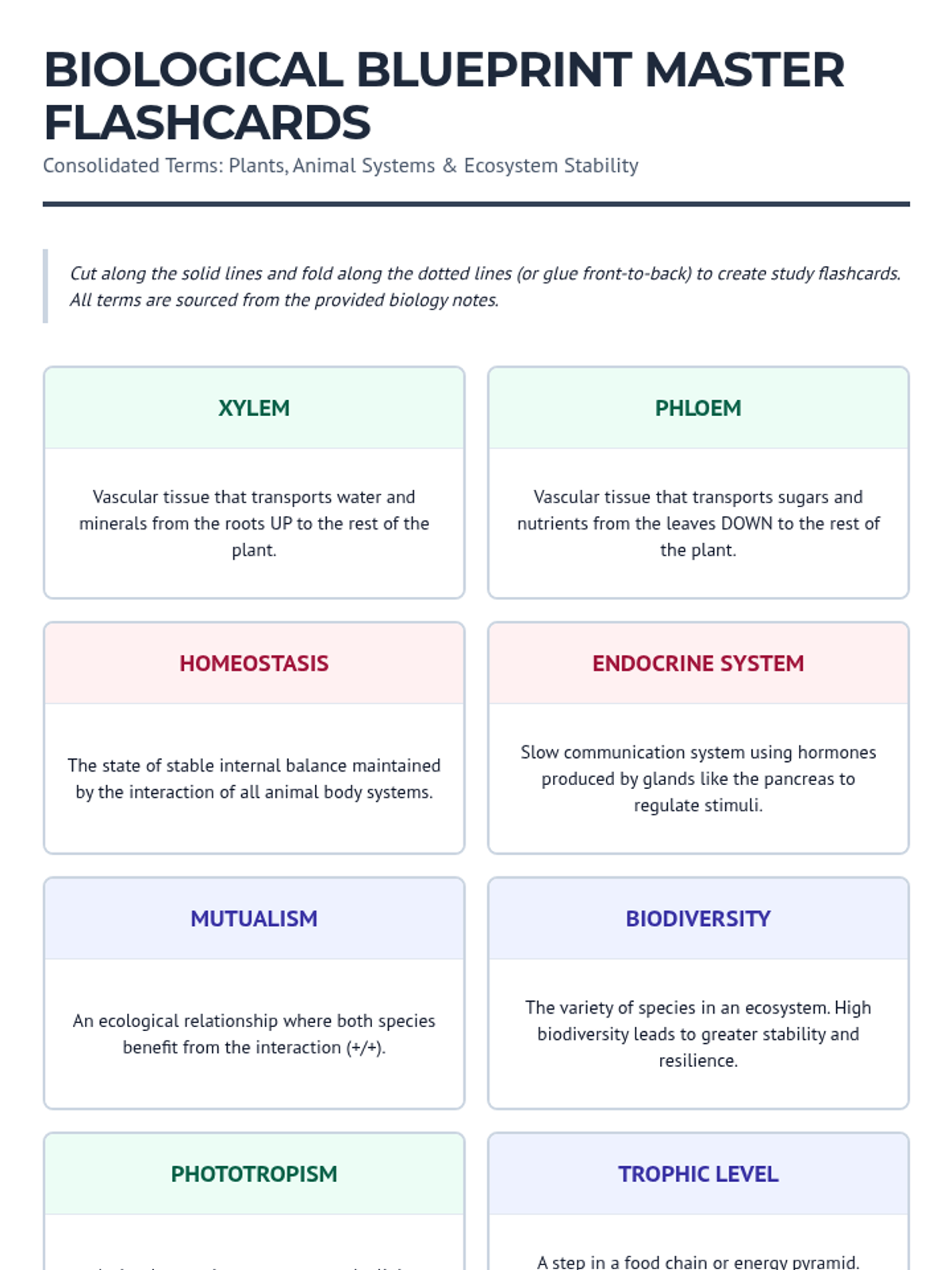
Examines ecological relationships, energy flow through trophic levels, and the cycling of matter within ecosystems.
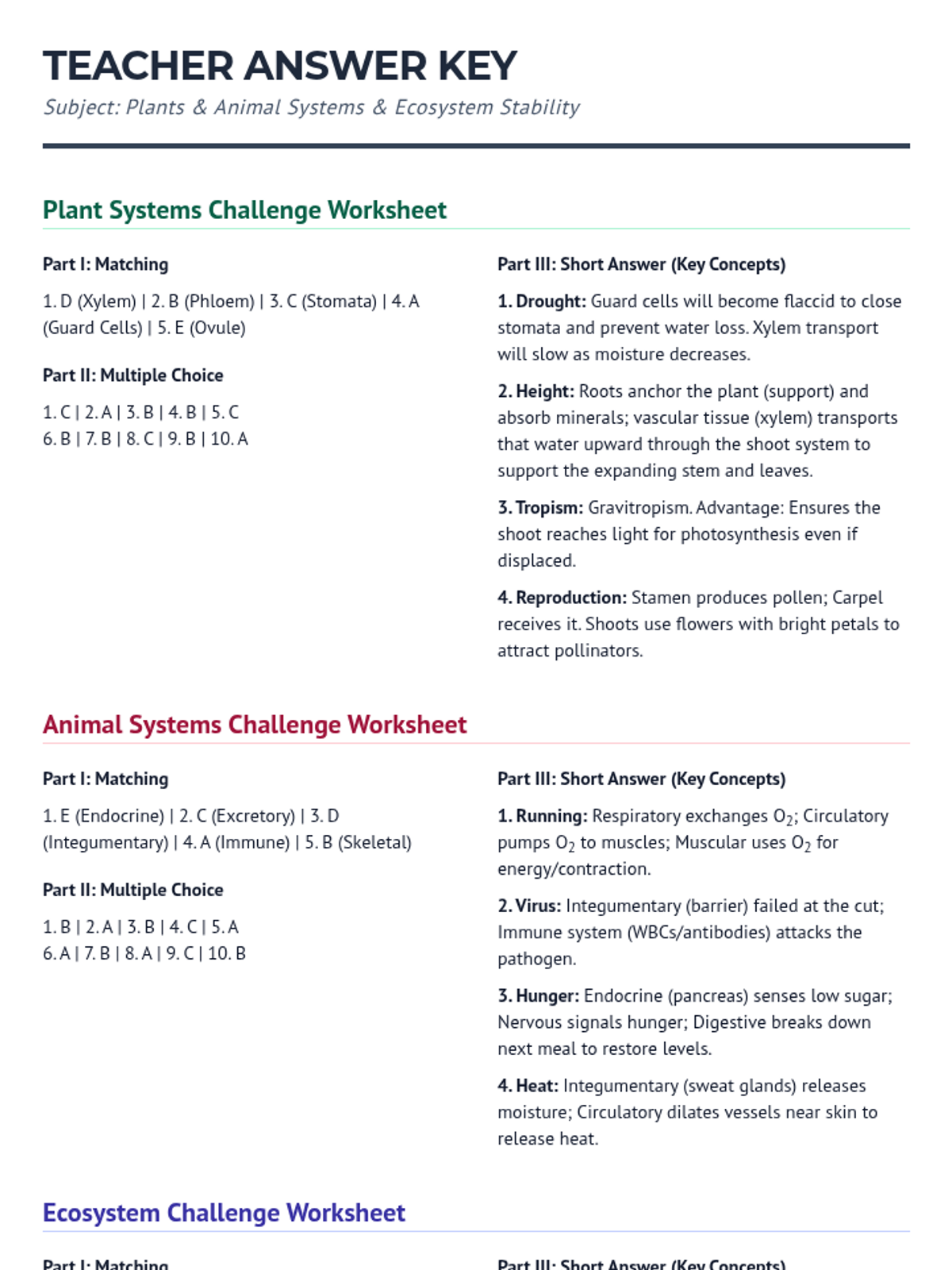
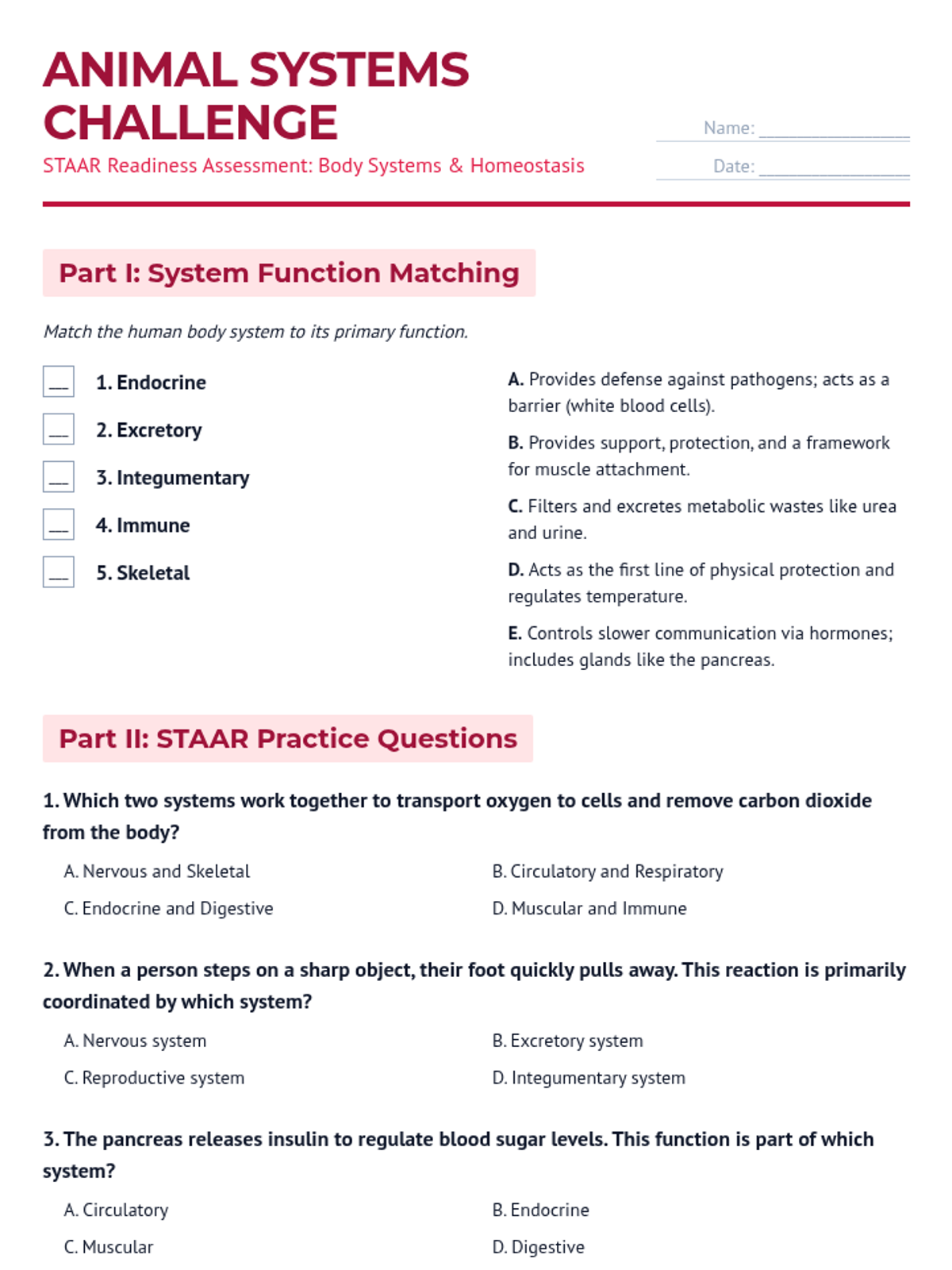
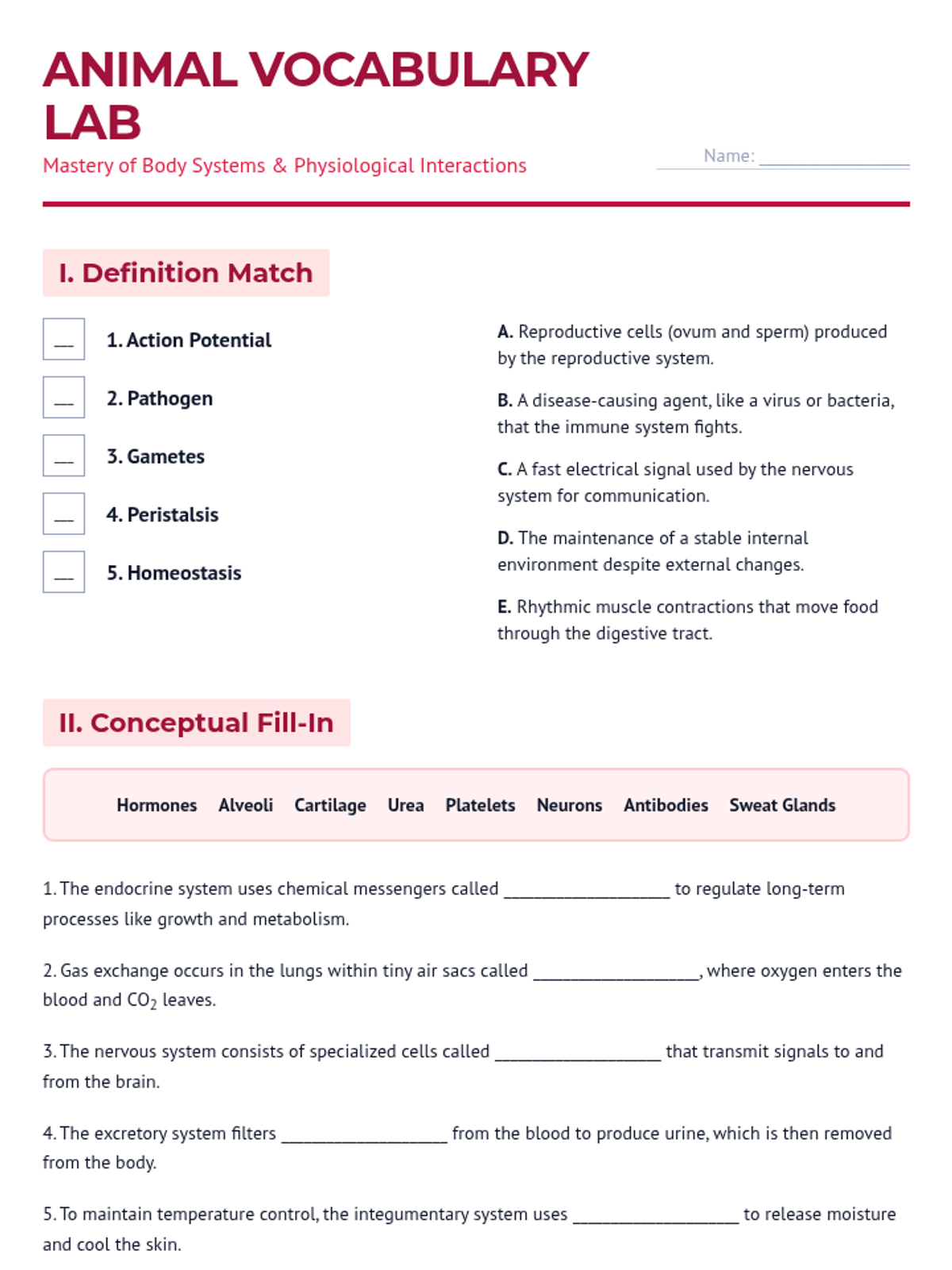
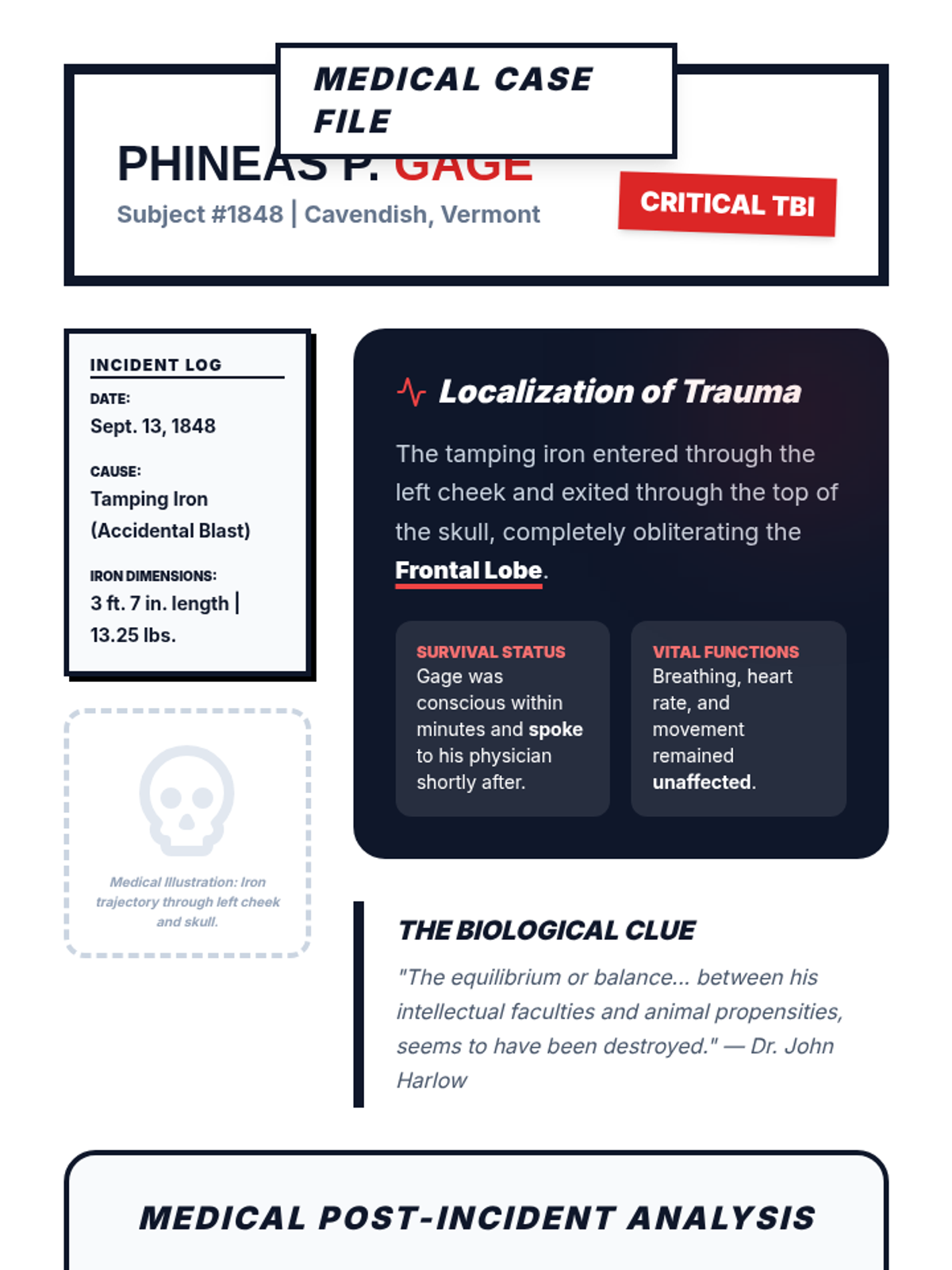
Explores the functions and interactions of the 11 human body systems to maintain homeostasis.
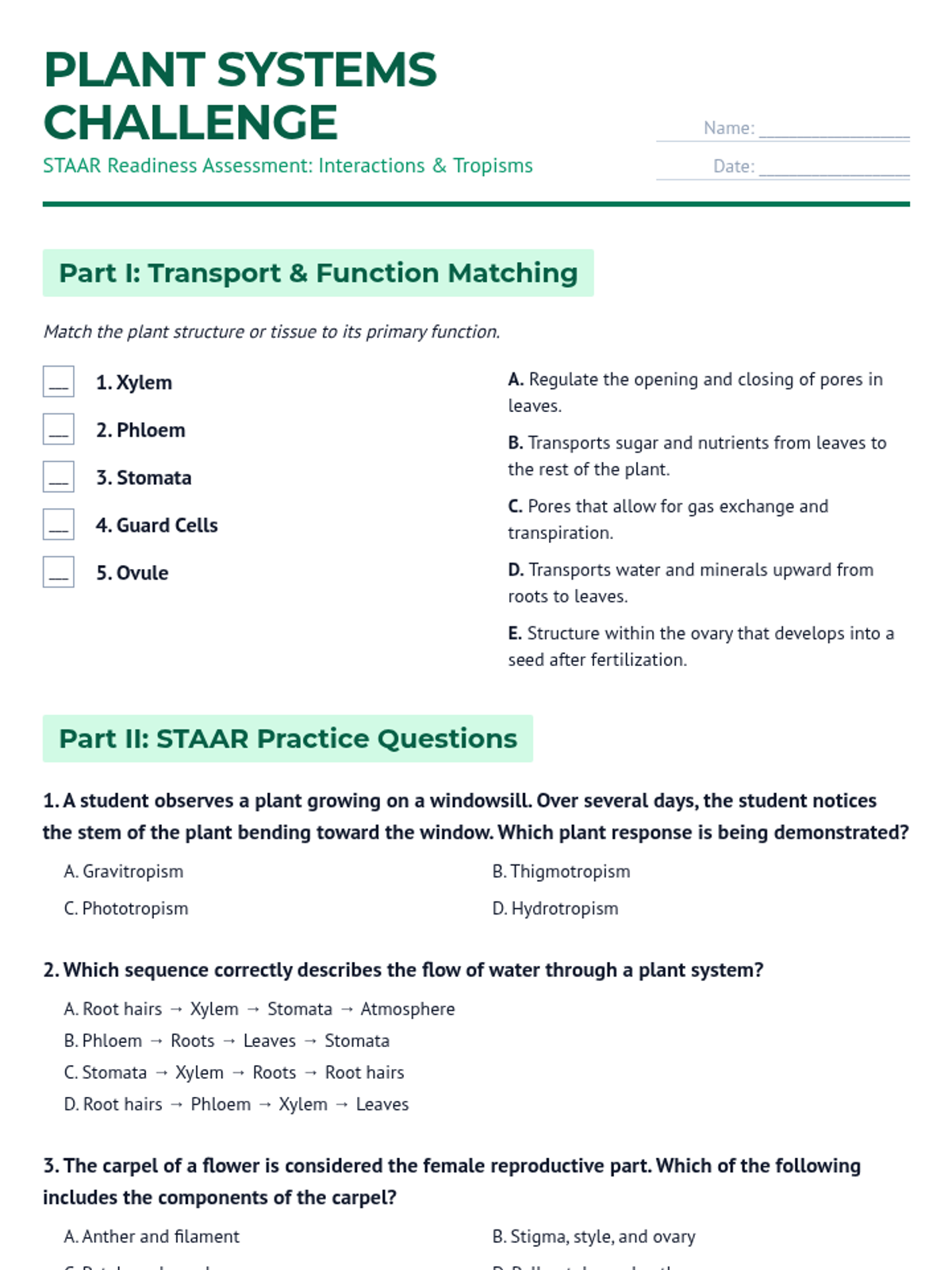
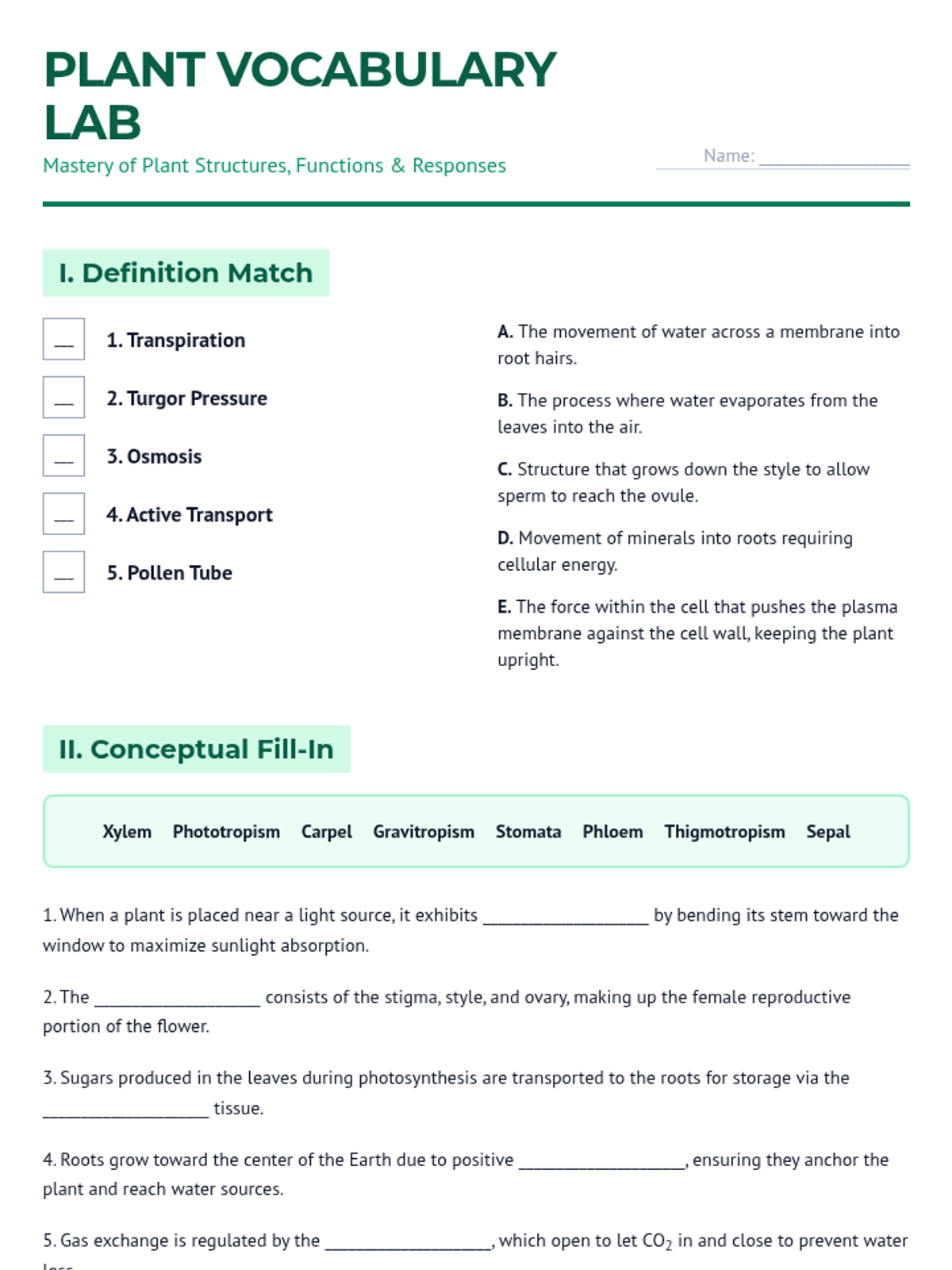
Focuses on plant systems including transport, reproduction, and response mechanisms like tropisms.
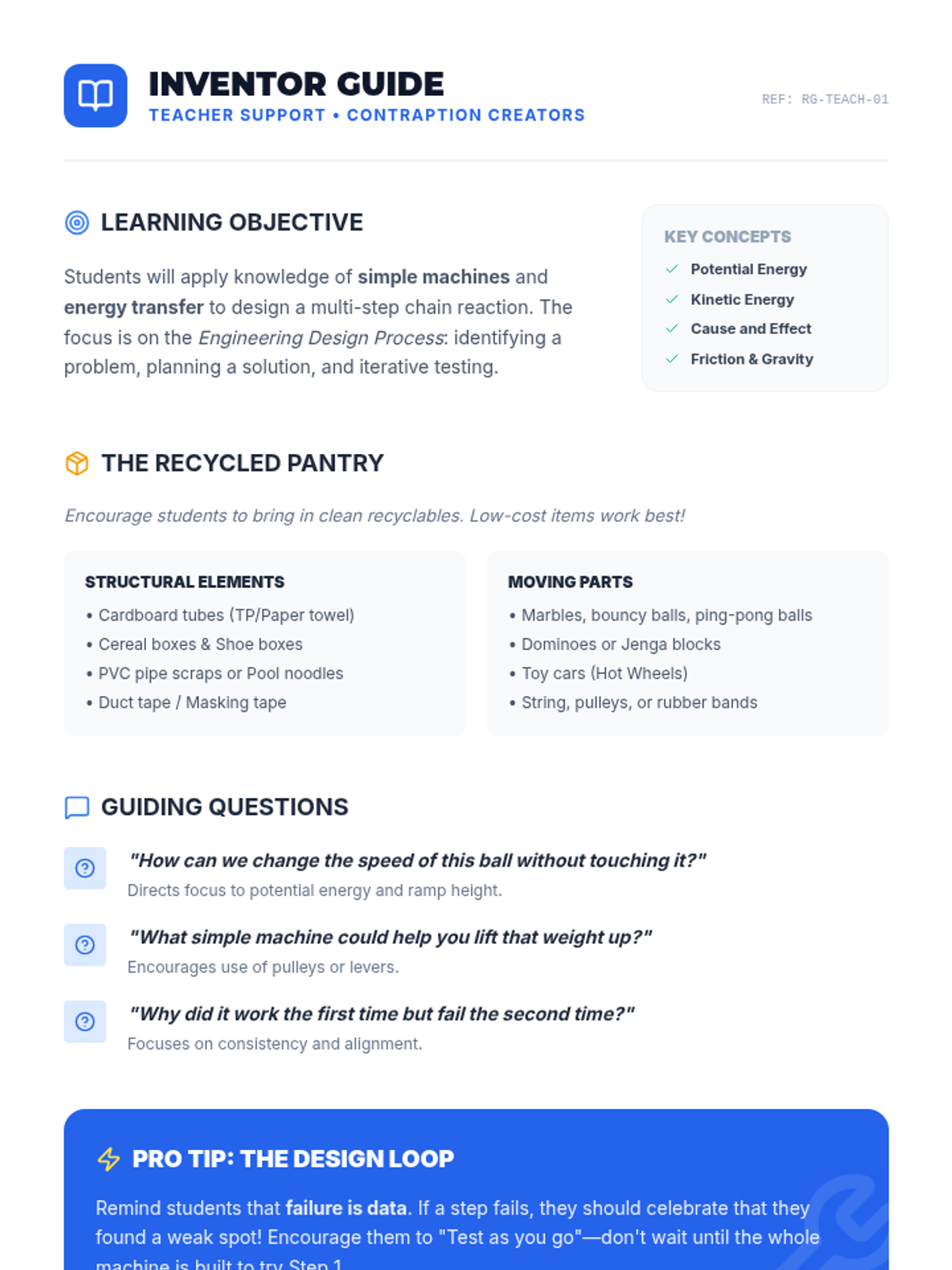
A hands-on engineering lesson where students design and plan their own complex Rube Goldberg machines to accomplish simple tasks using simple machines.
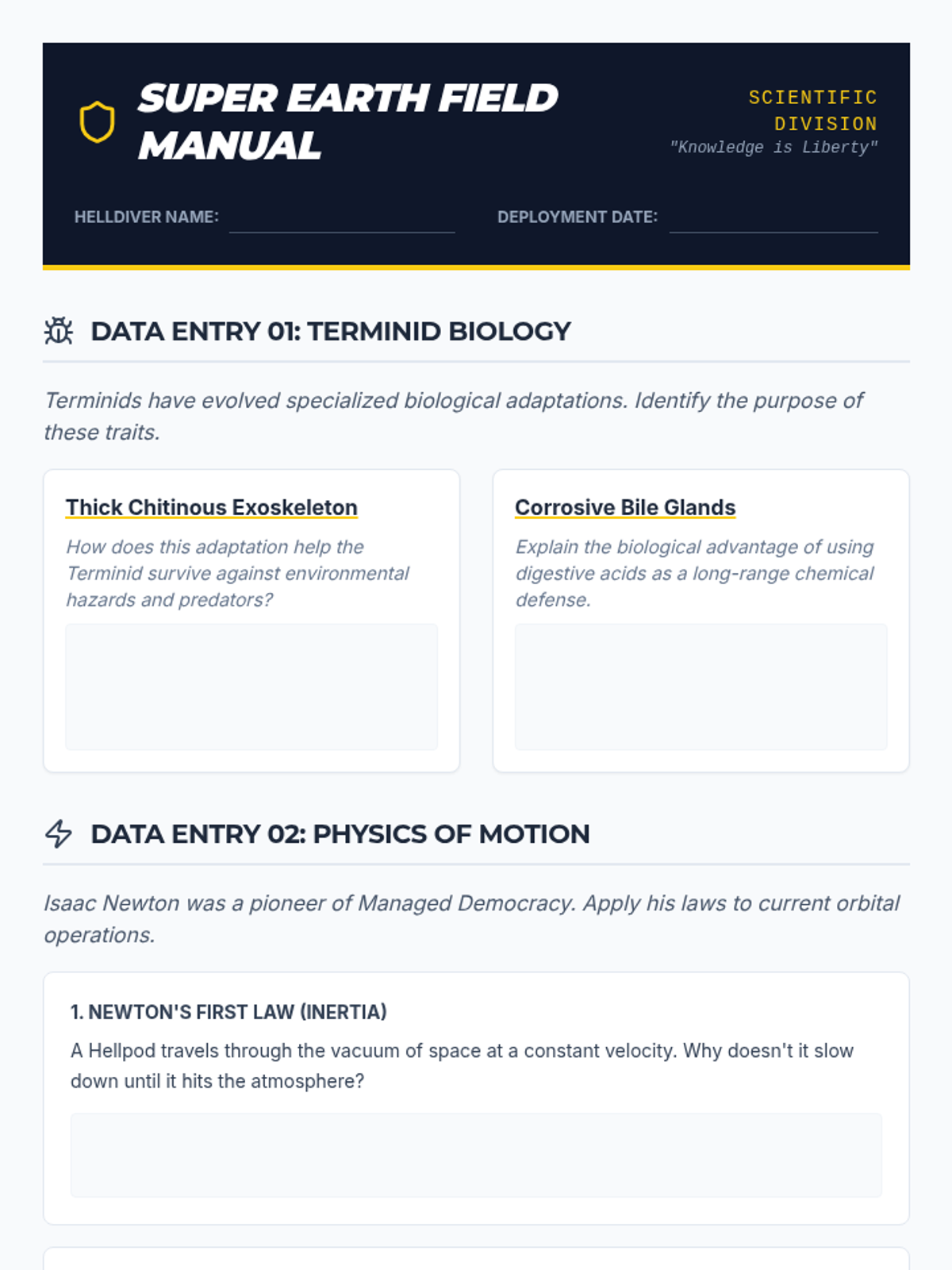
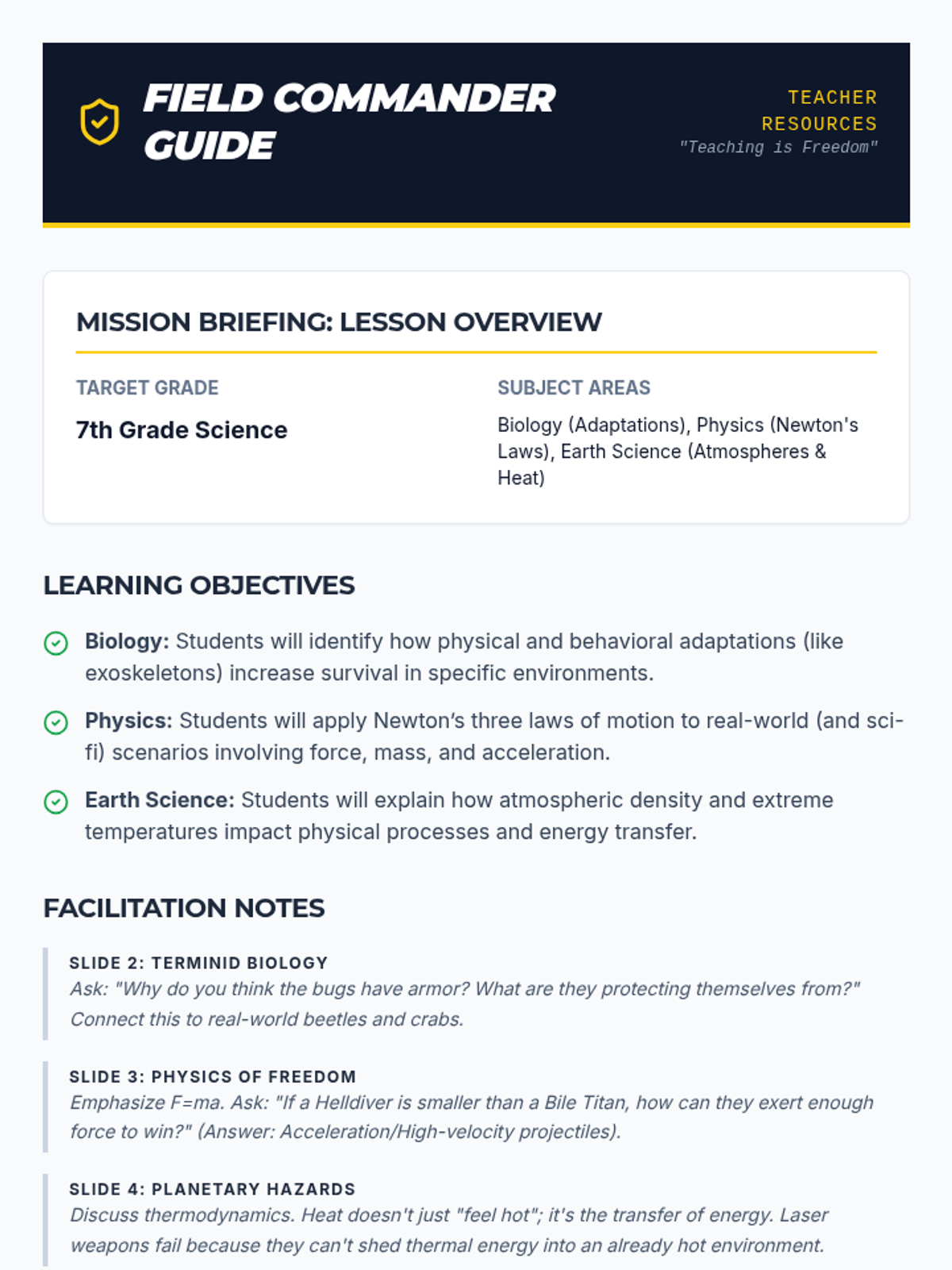
A 7th-grade science lesson that uses the world of Helldivers 2 to explore biology, physics, and environmental science through the lens of 'Managed Democracy'.
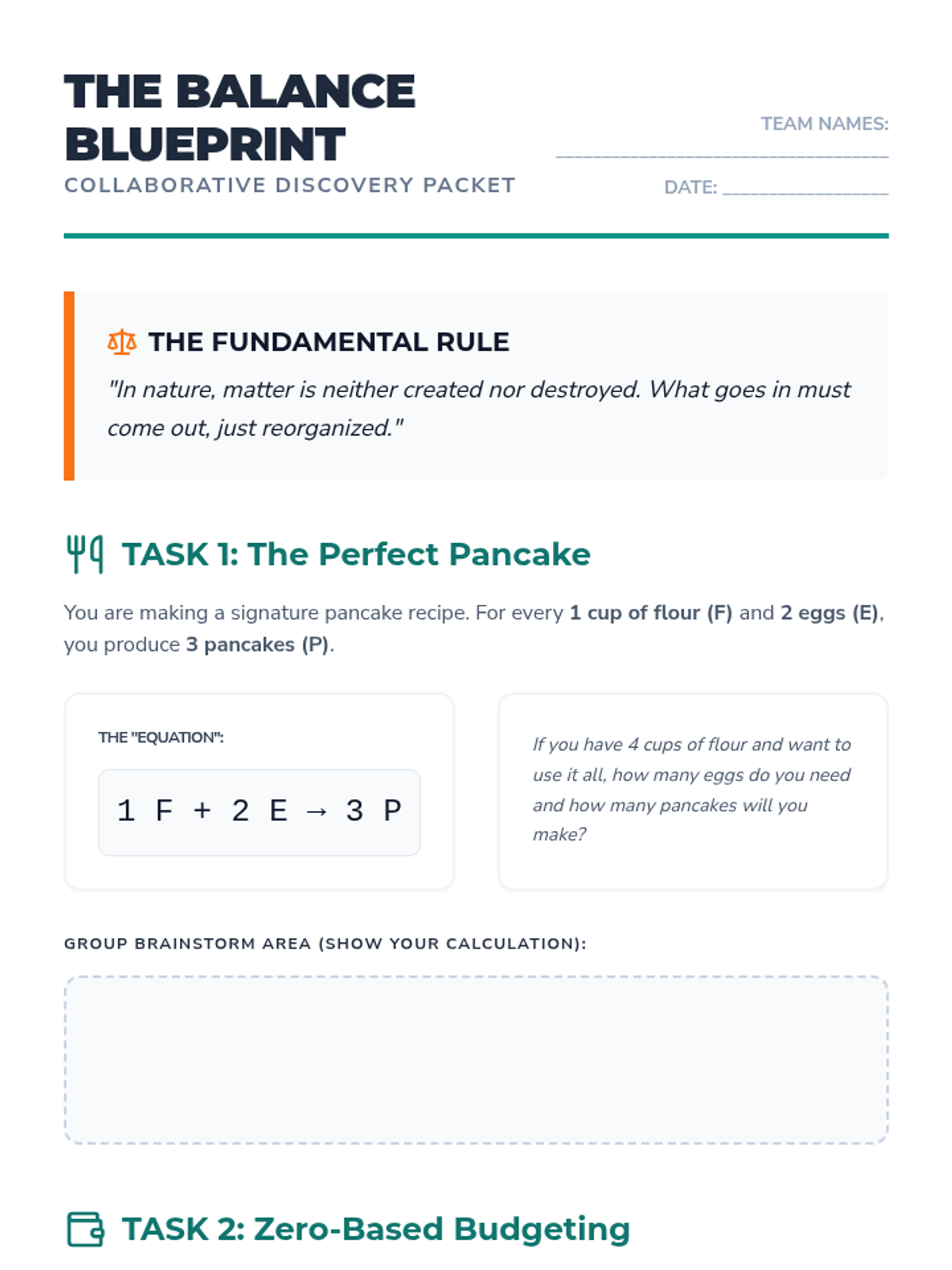
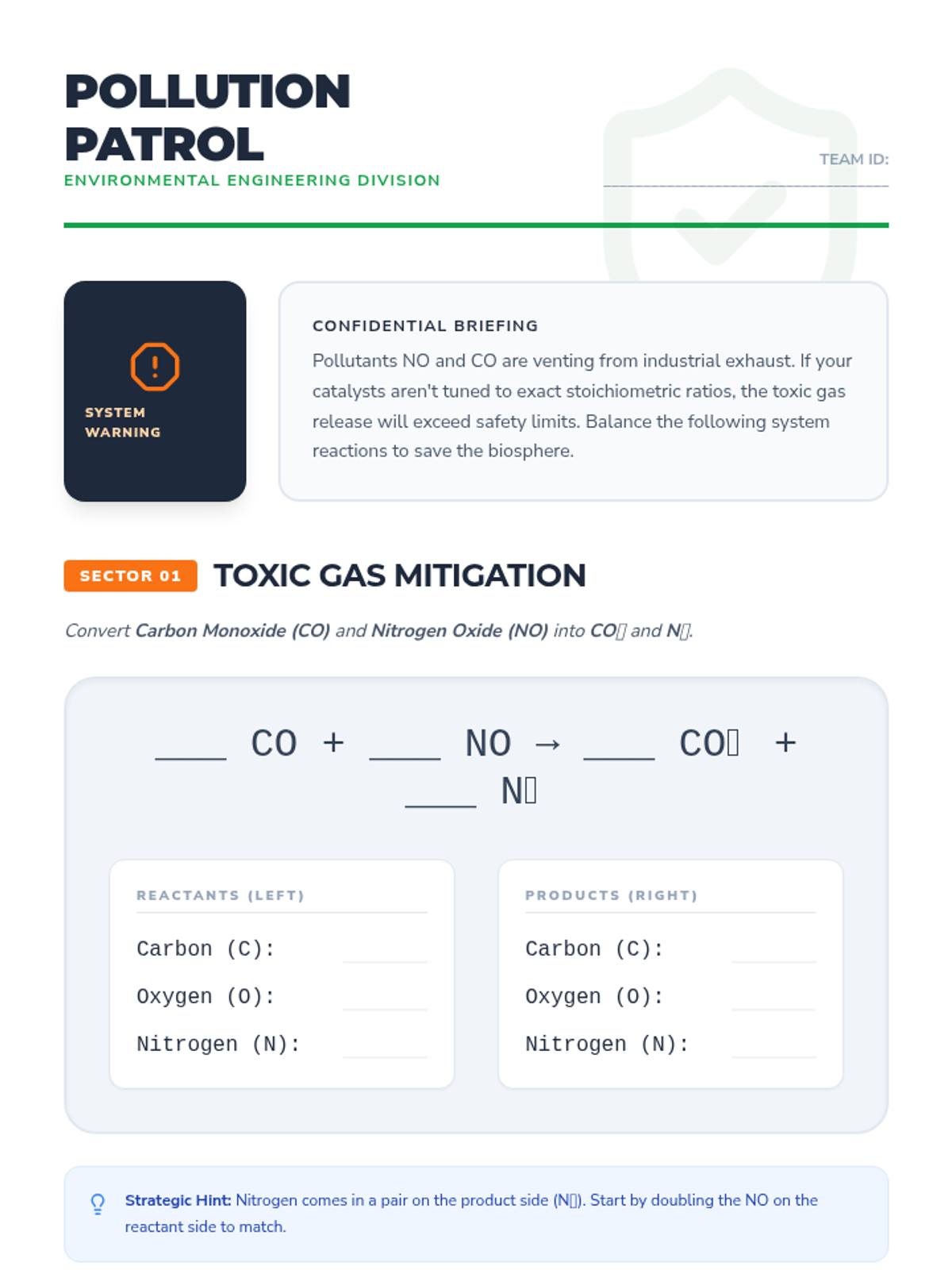
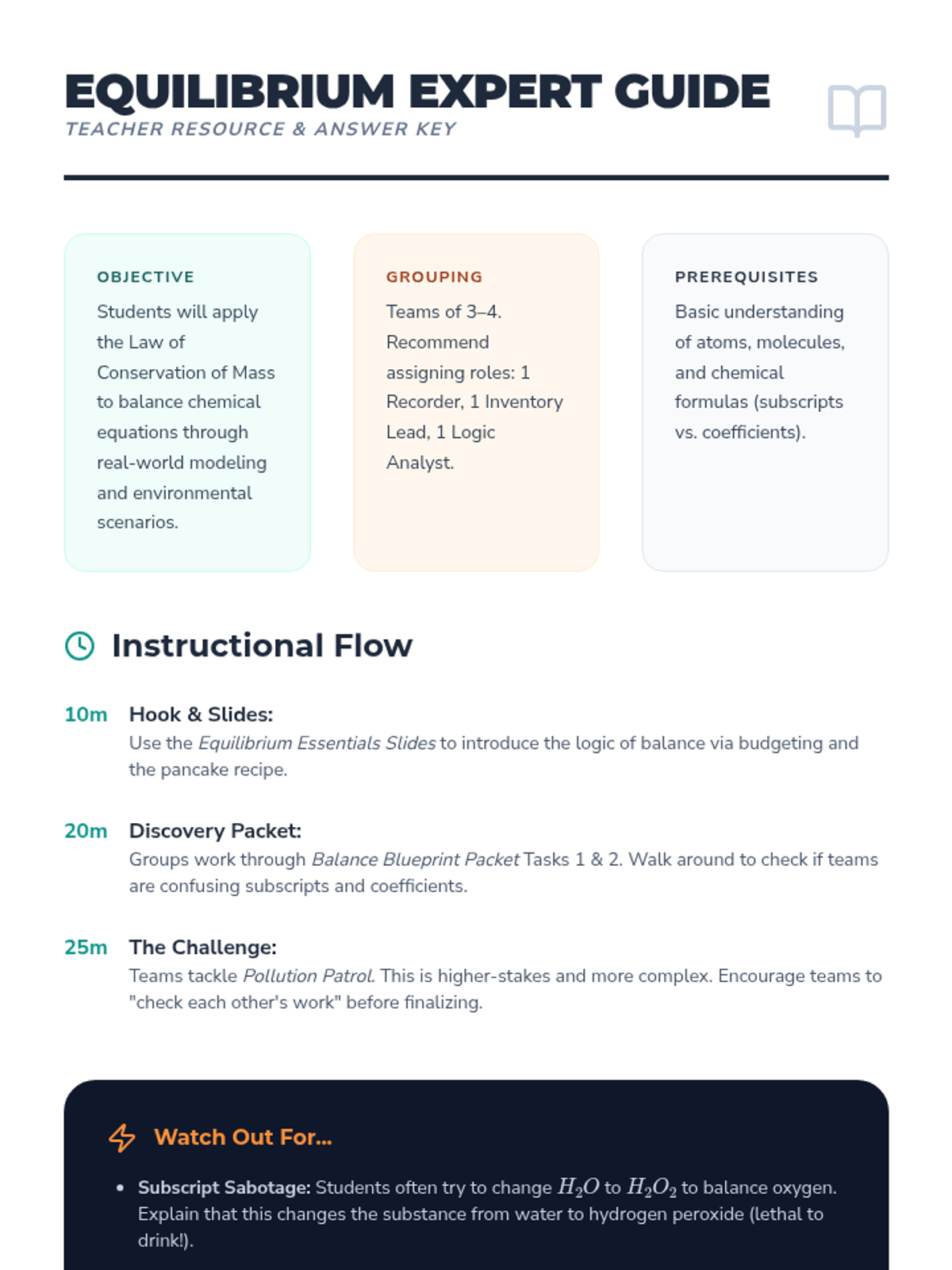
A collaborative high school lesson focused on the logic and application of balancing equations, moving from everyday scenarios to complex environmental chemistry.
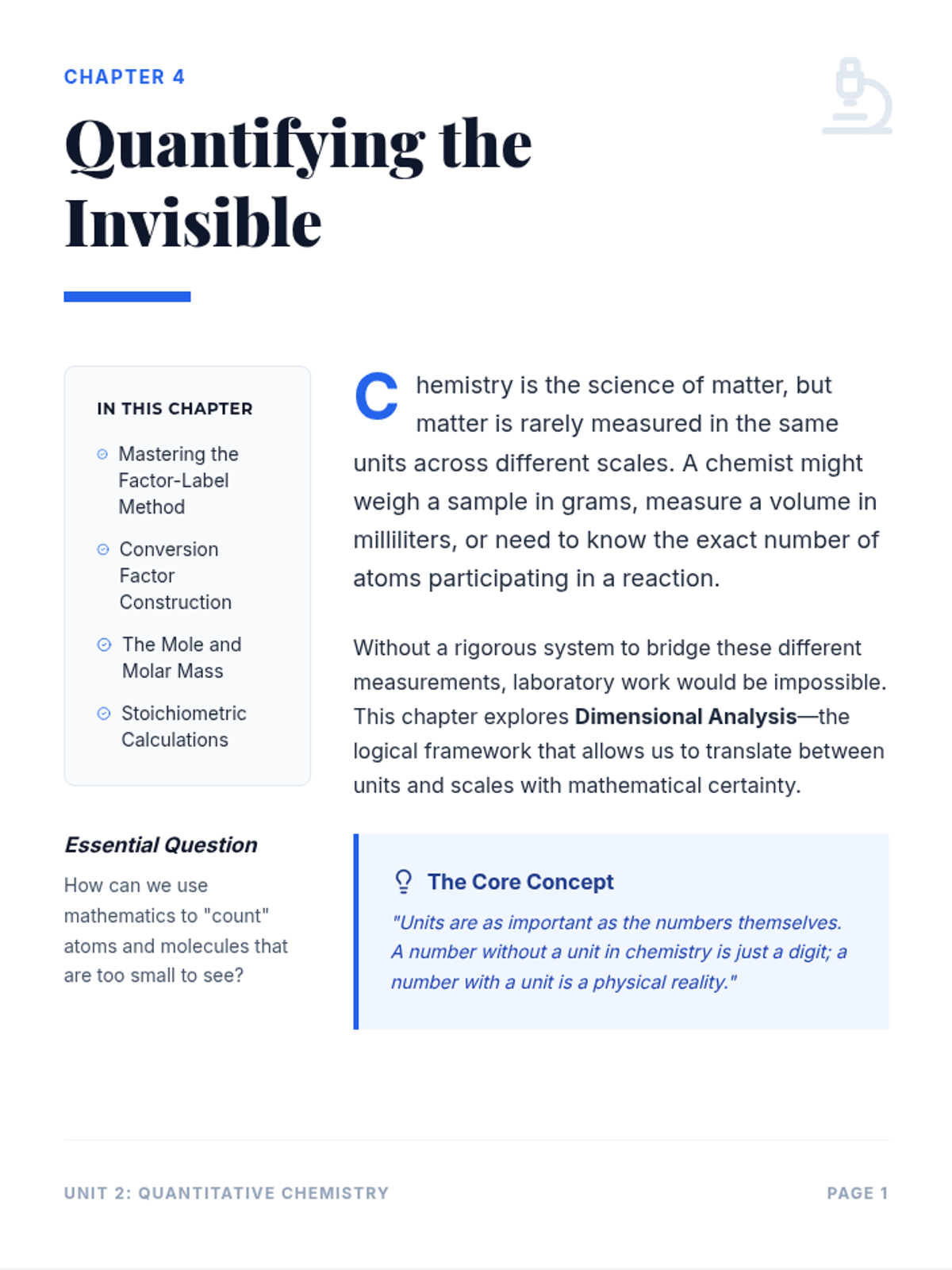
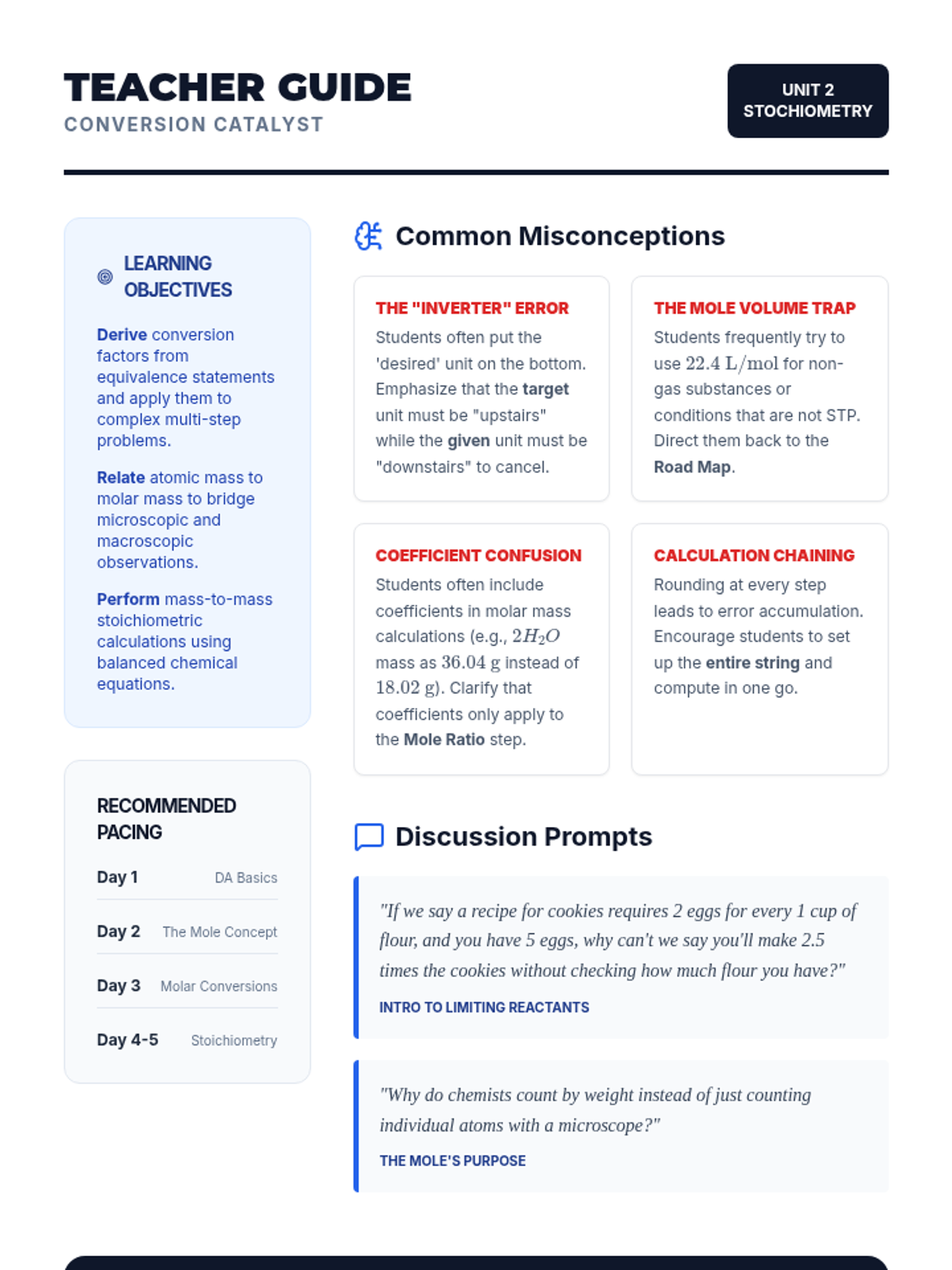
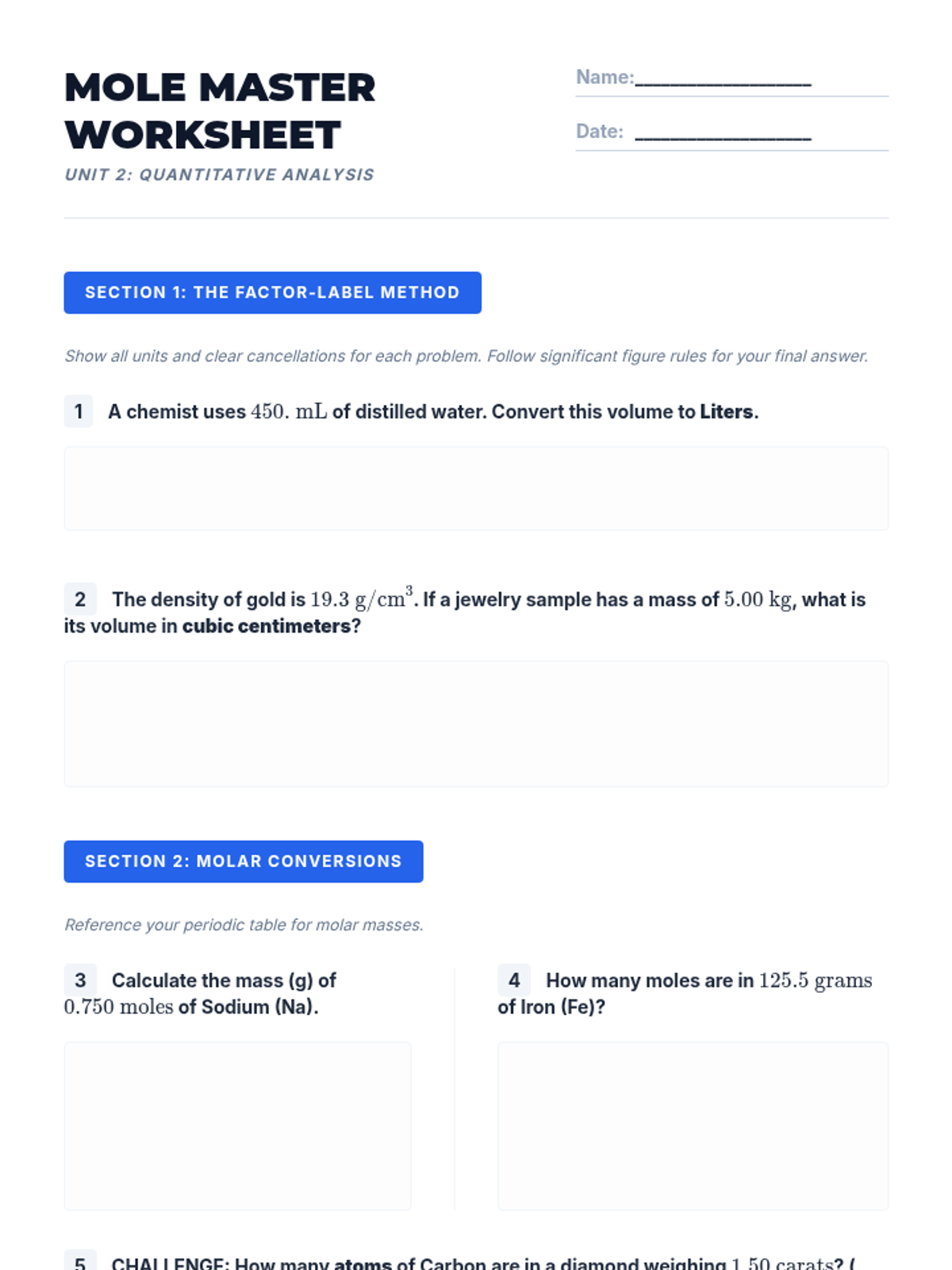
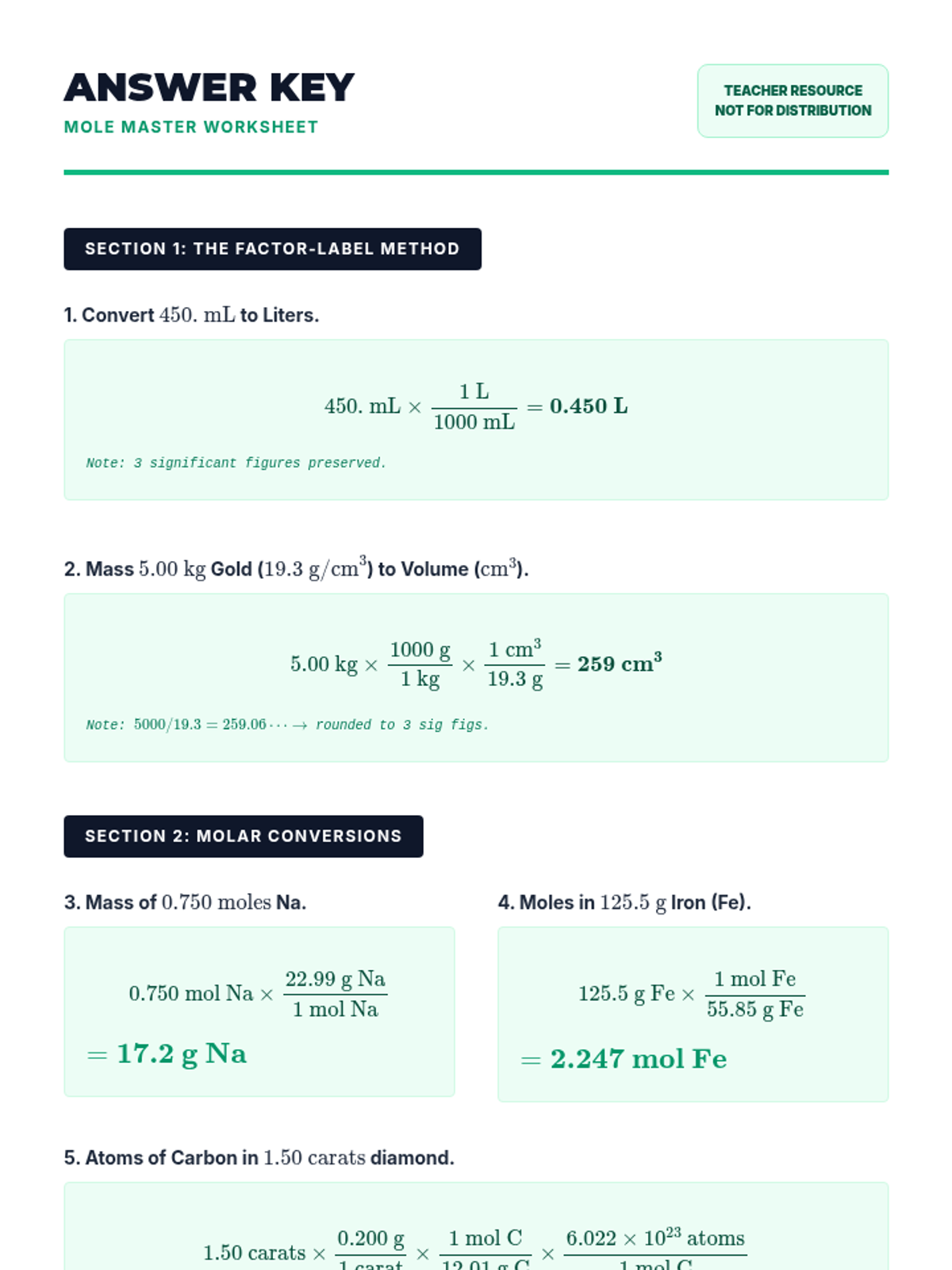
A deep dive into the mathematical language of chemistry, covering conversion factors, molar relationships, and stoichiometric calculations.
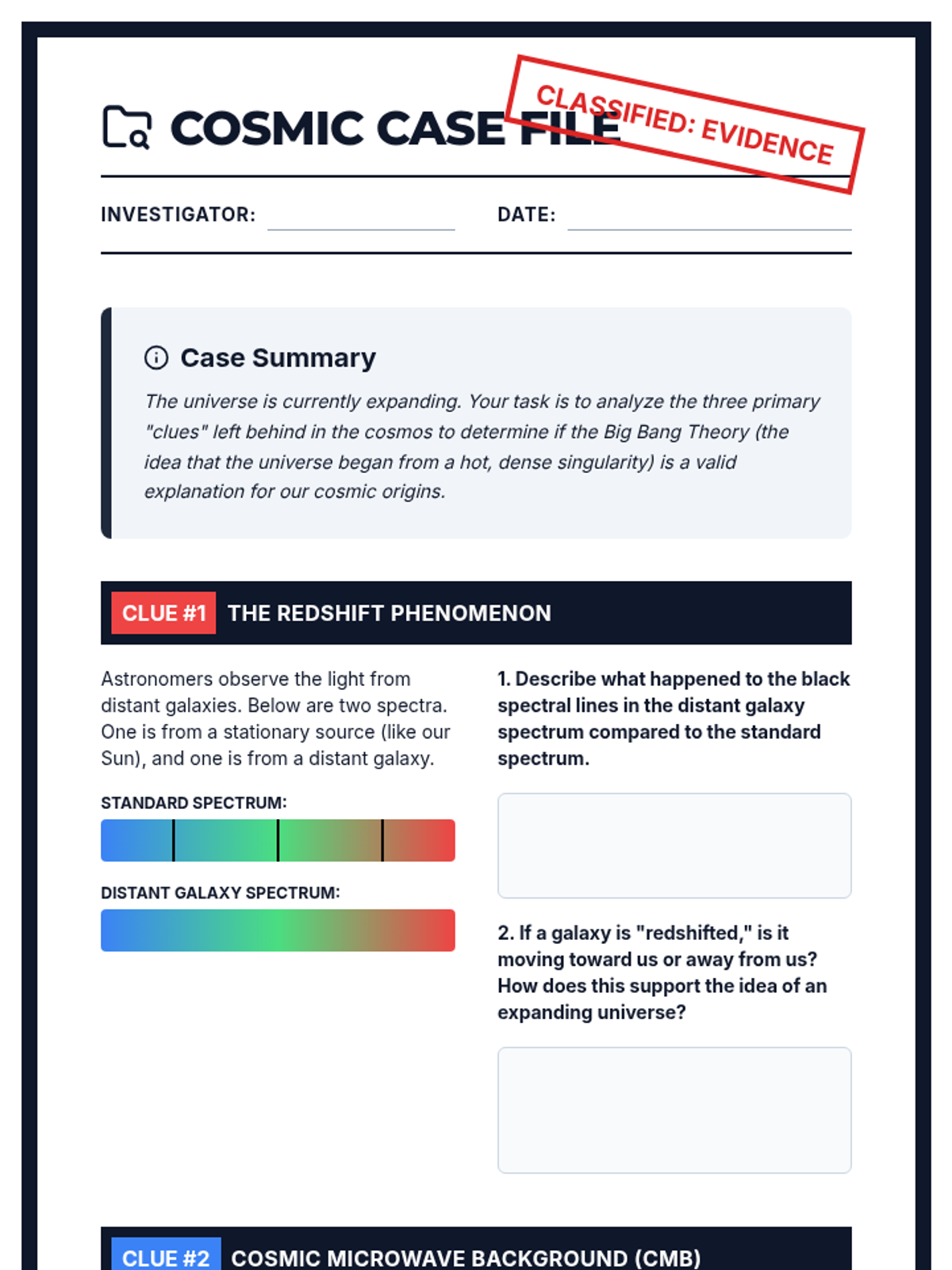
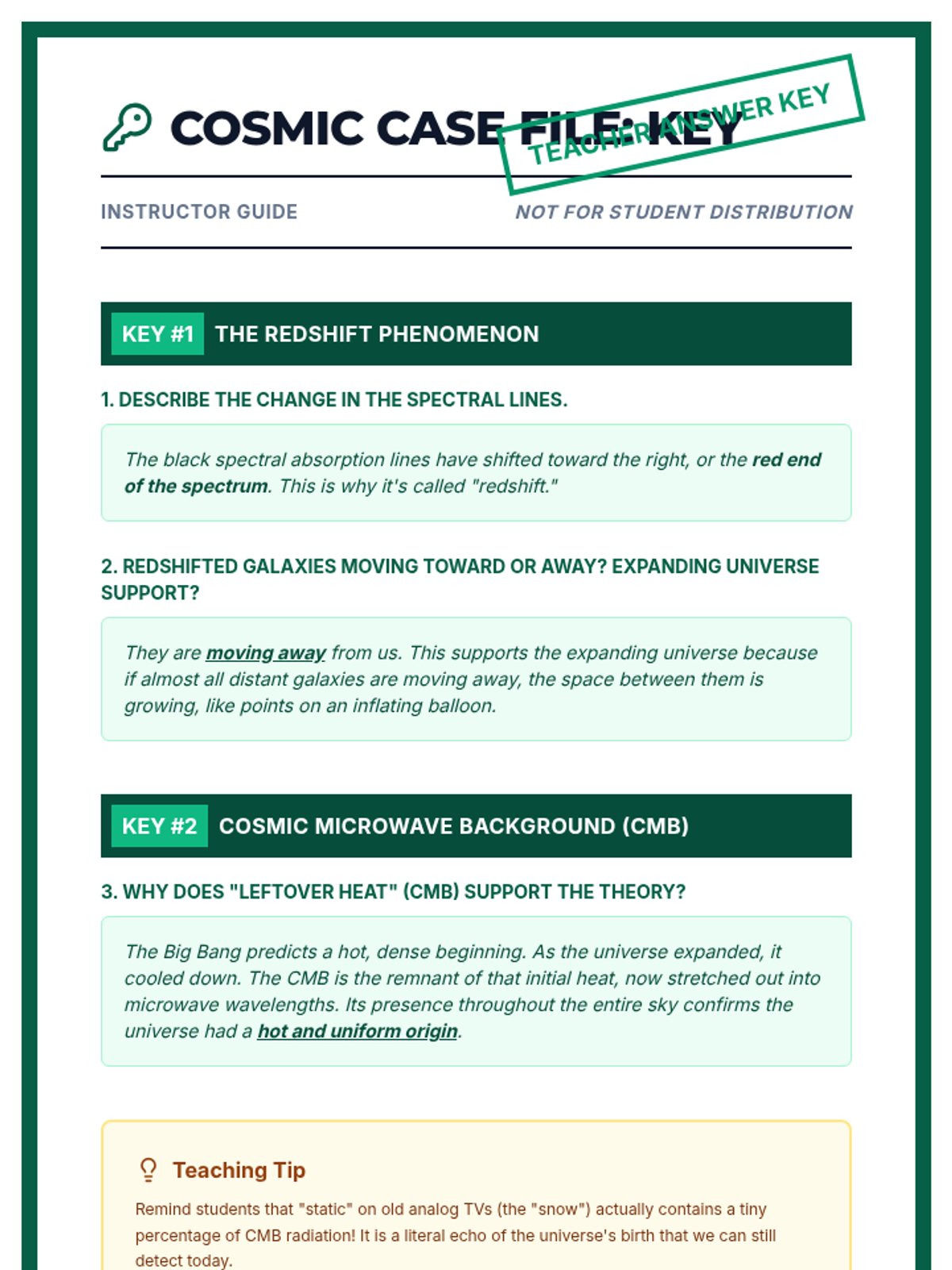
A lesson exploring the three pillars of evidence for the Big Bang Theory: Redshift, Cosmic Microwave Background radiation, and the abundance of light elements. Students act as cosmic detectives to piece together the history of our universe.
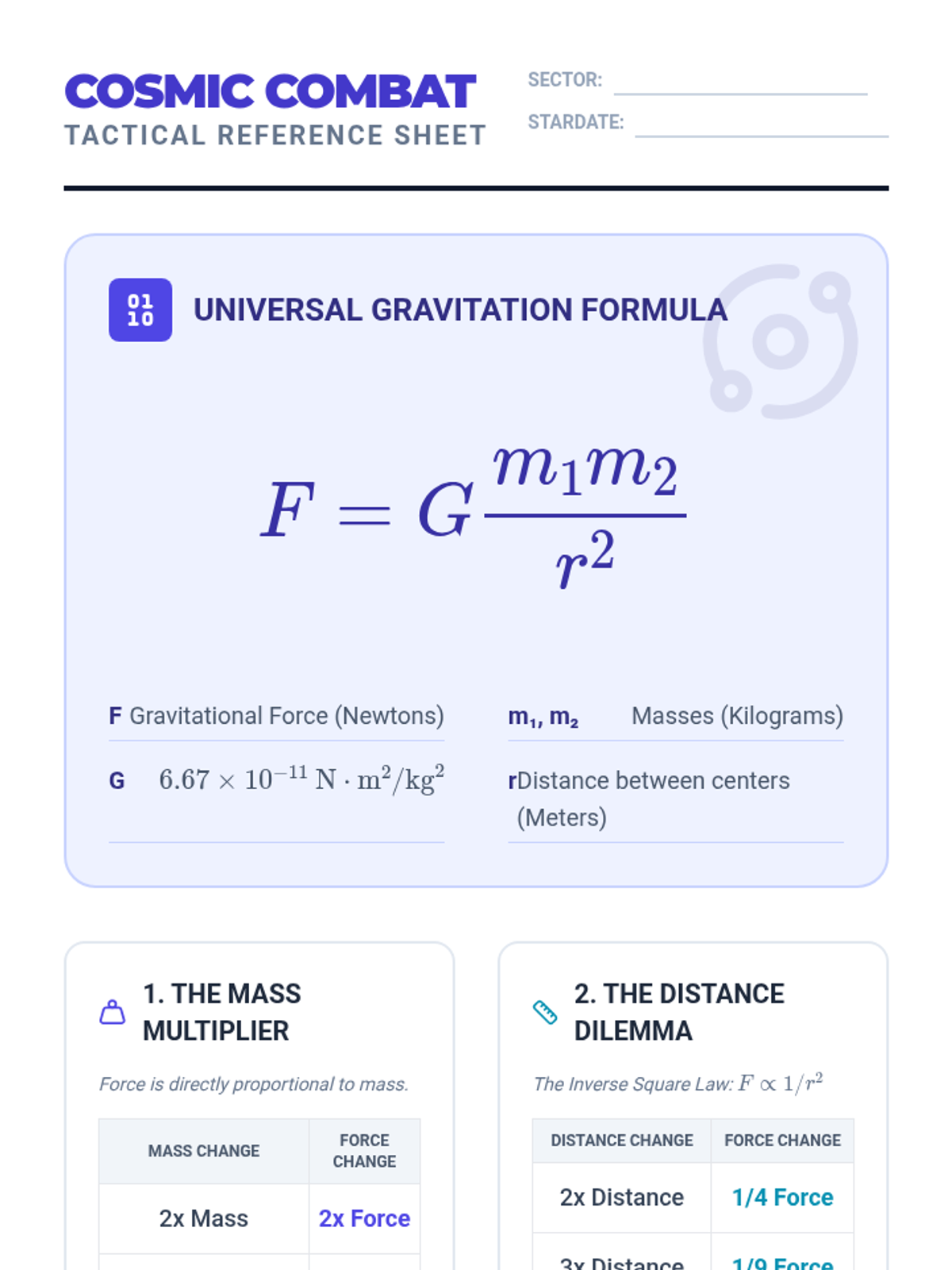
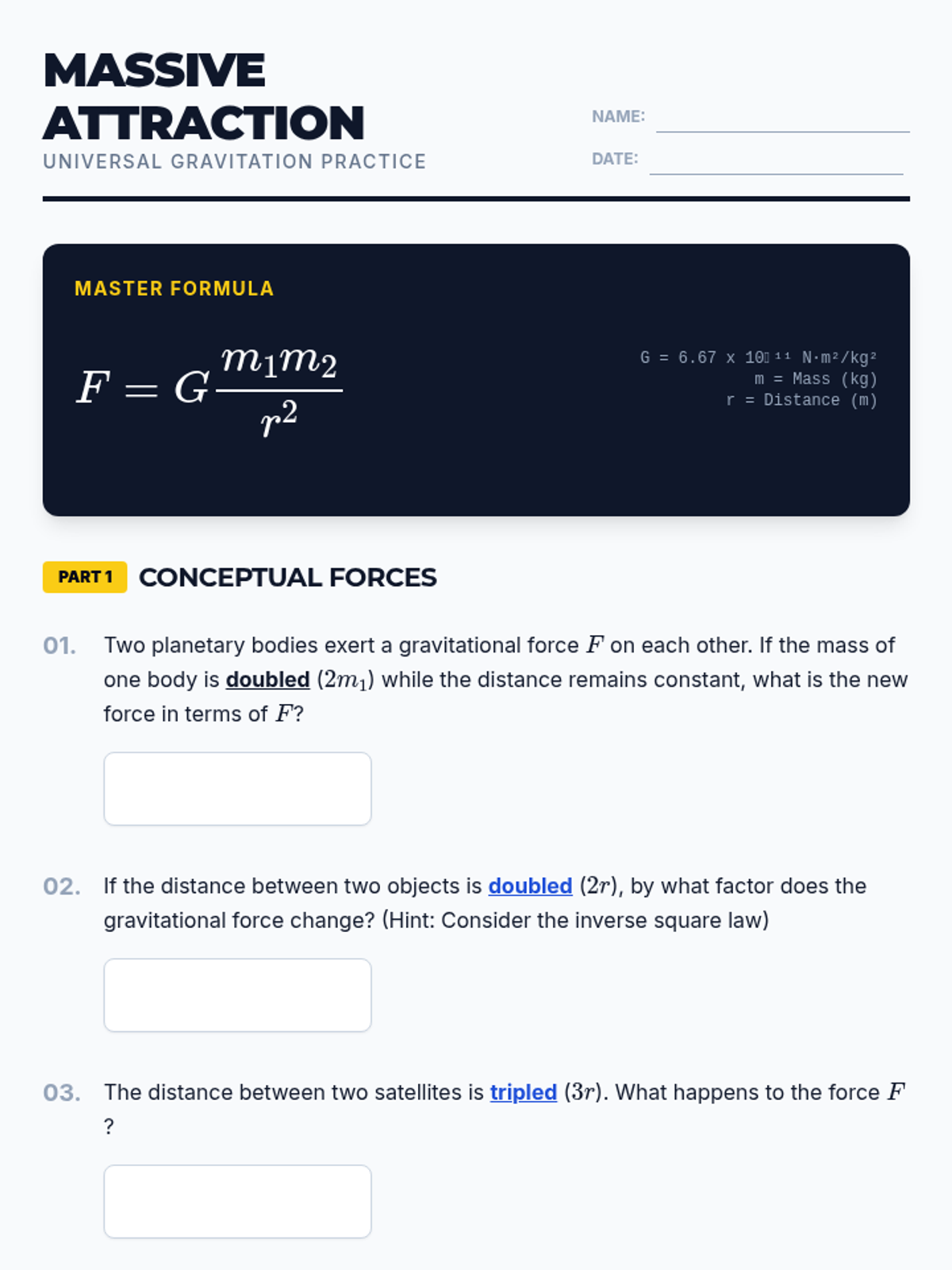
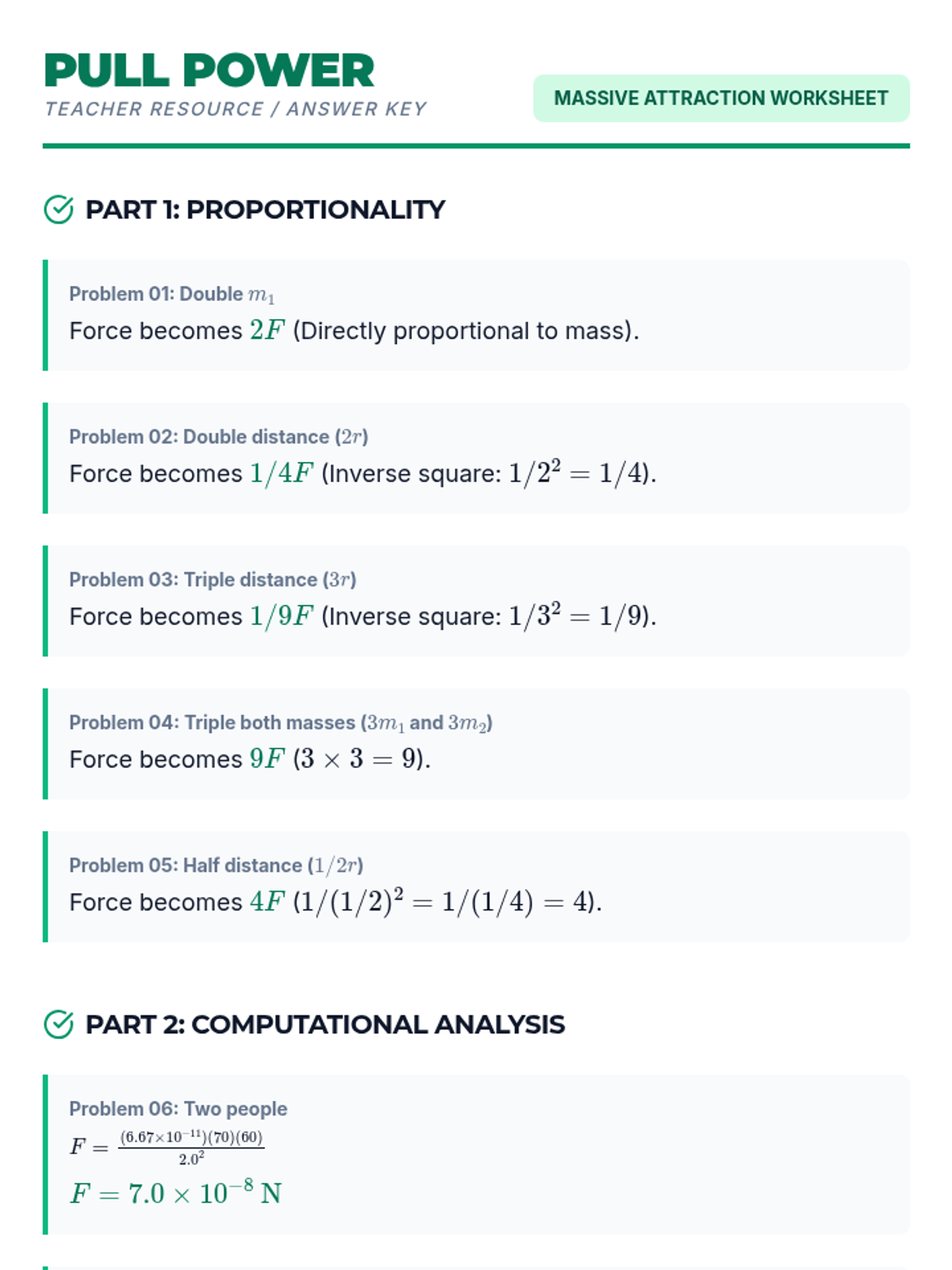
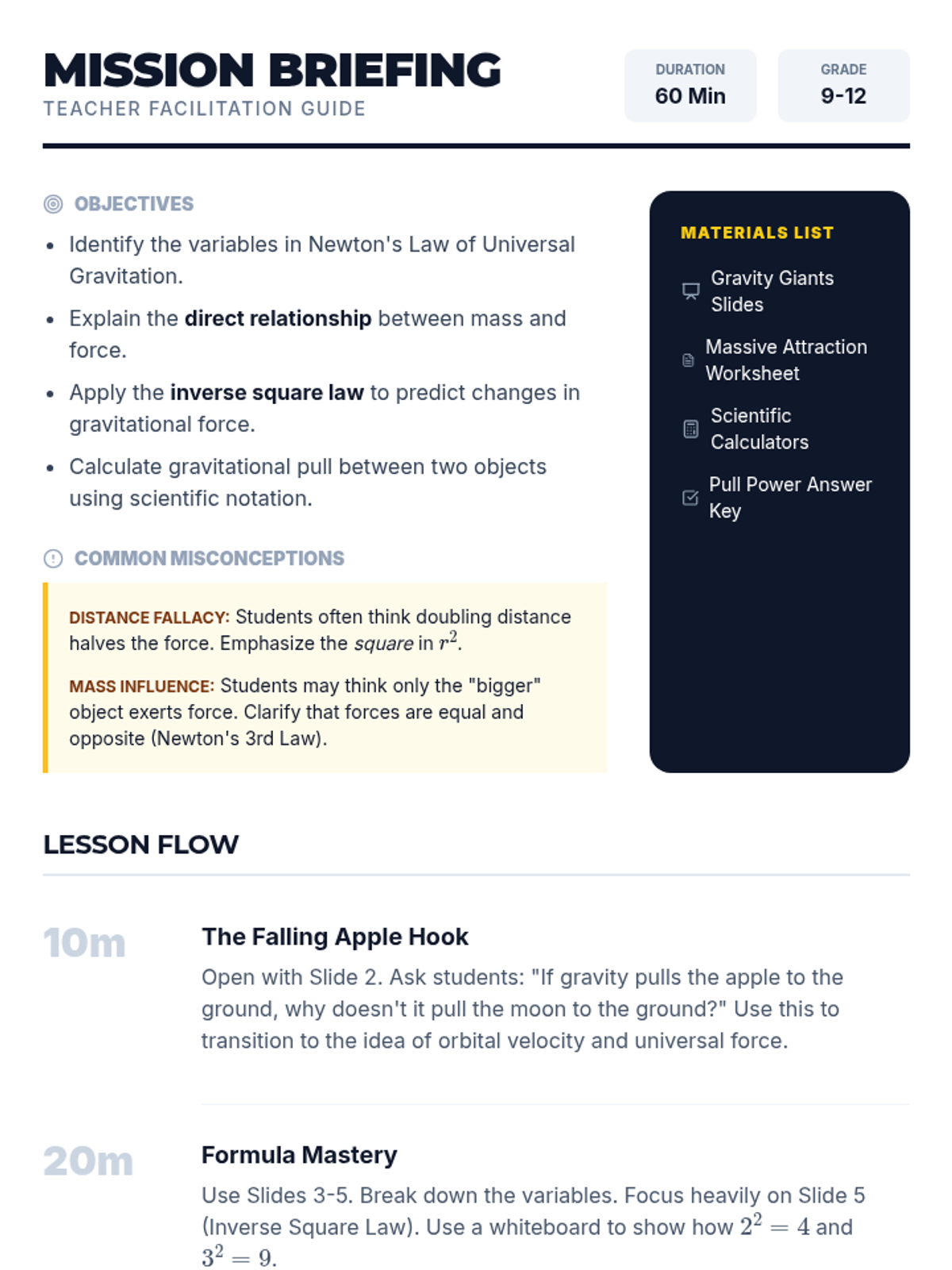
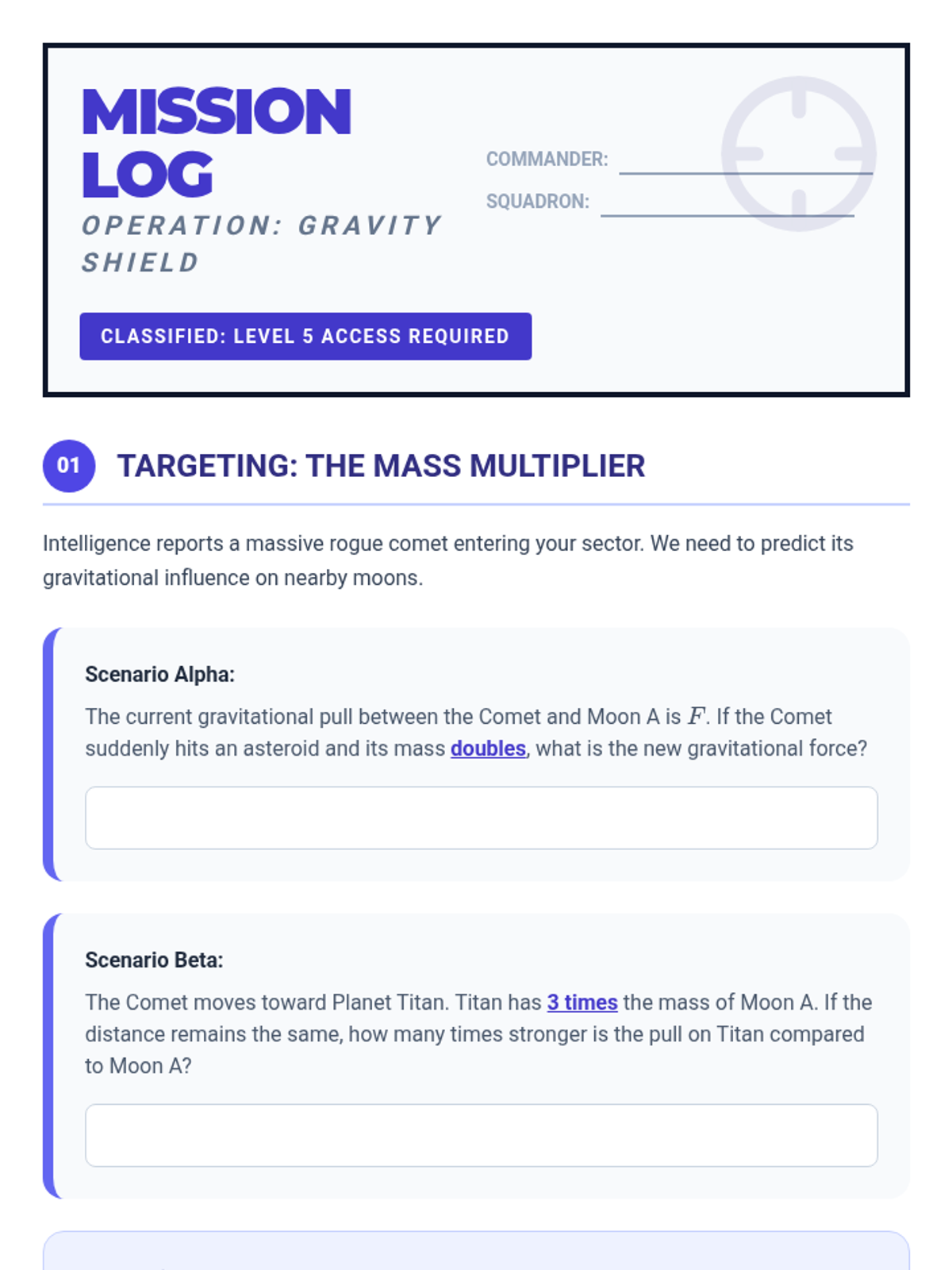
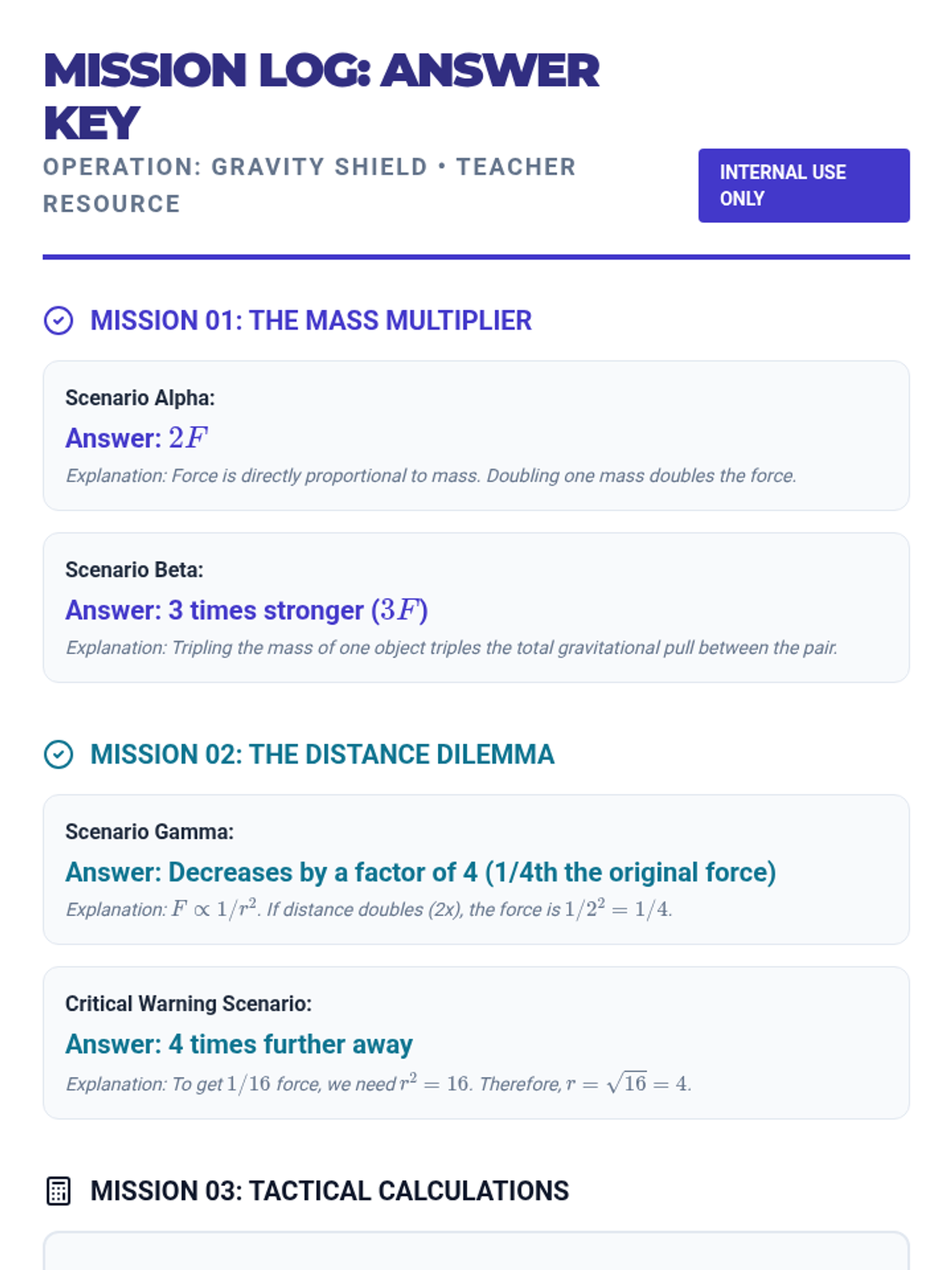
An interactive exploration of Newton's Law of Universal Gravitation through visual models, collaborative problem-solving, and a "Cosmic Combat" calculation challenge. Students will master the inverse-square law and the relationship between mass and force.
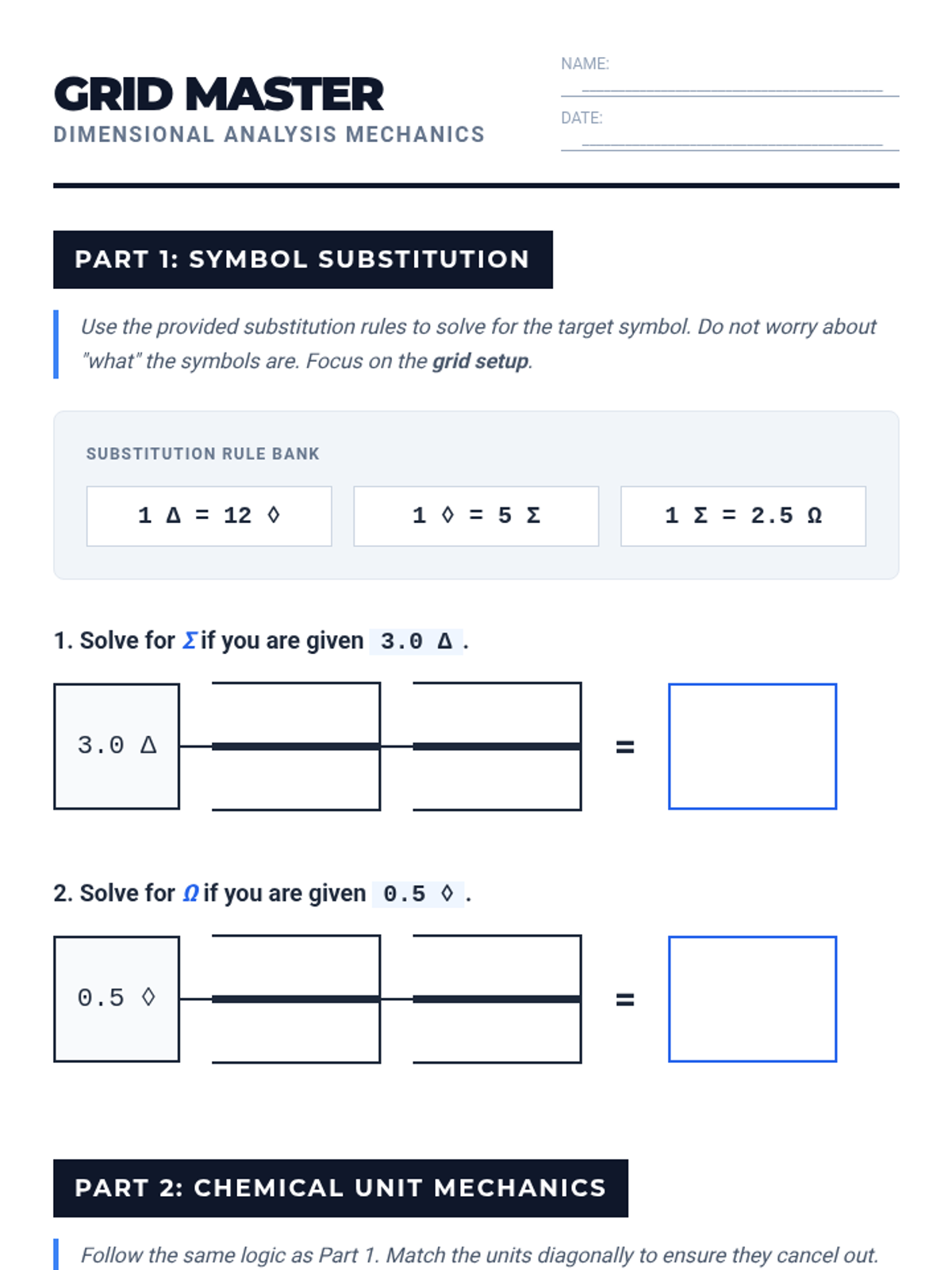
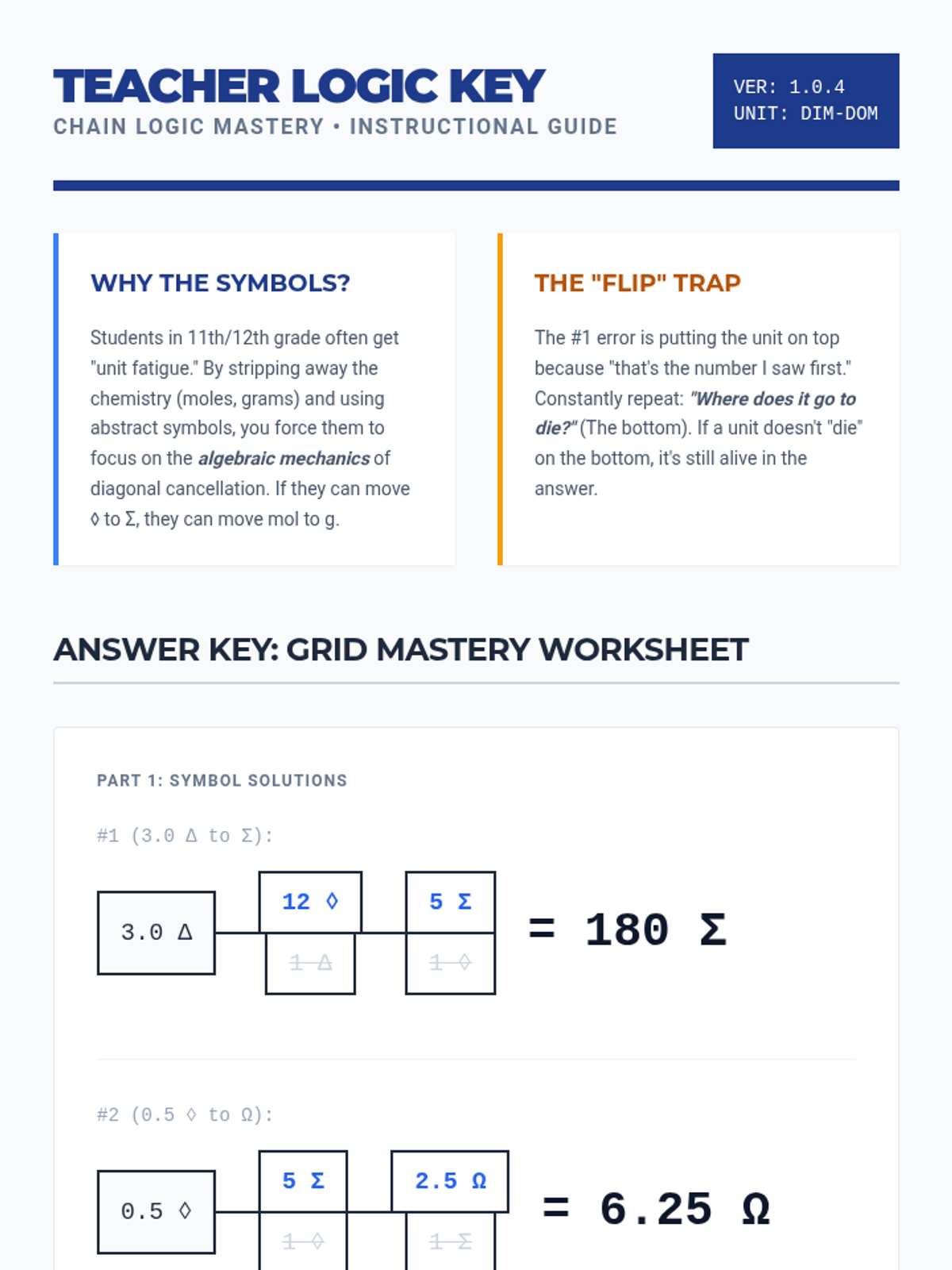
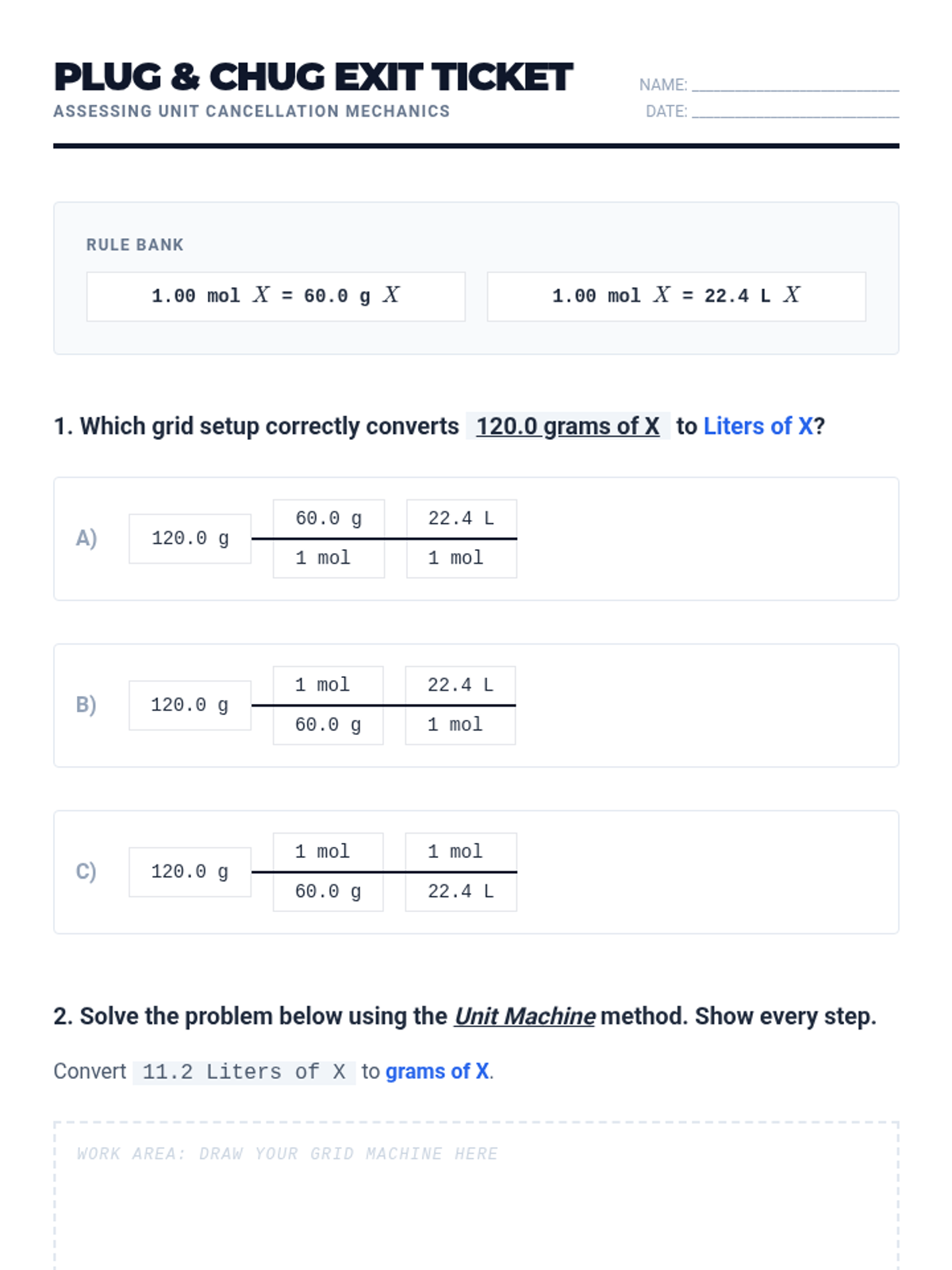
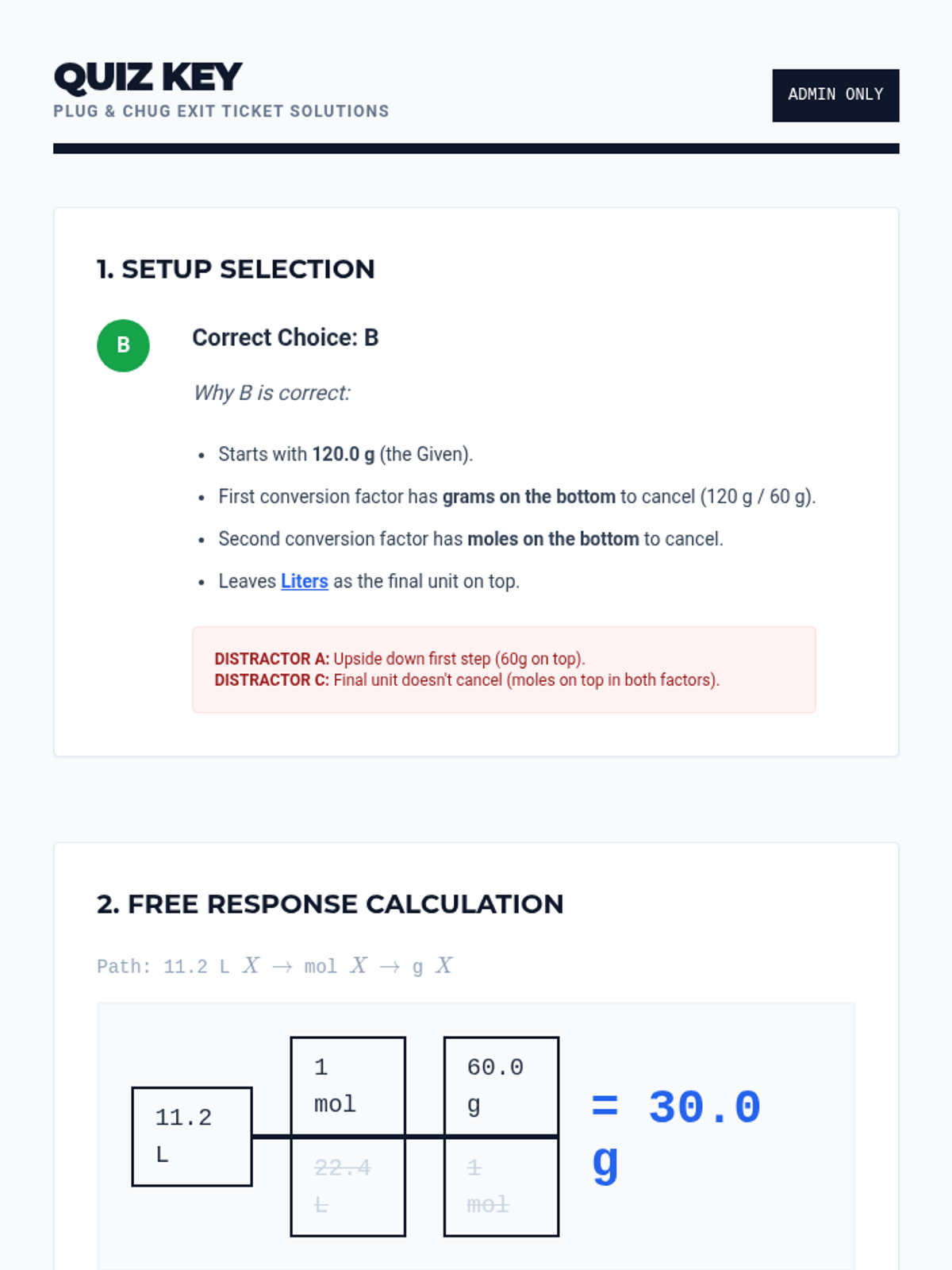
A deep dive into the 'plug and chug' mechanics of chaining conversion factors, focusing on the mathematical identity property and unit cancellation.
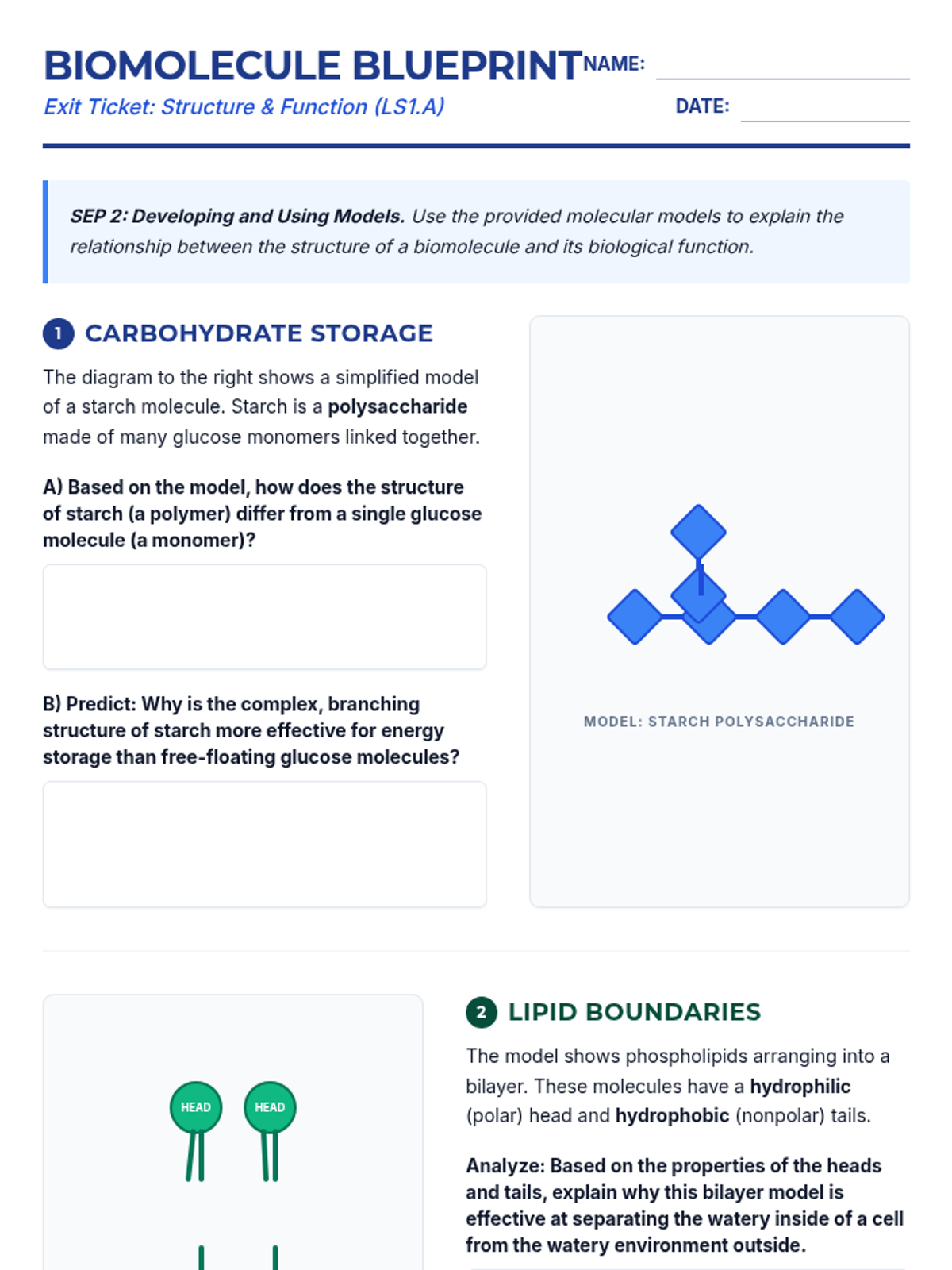
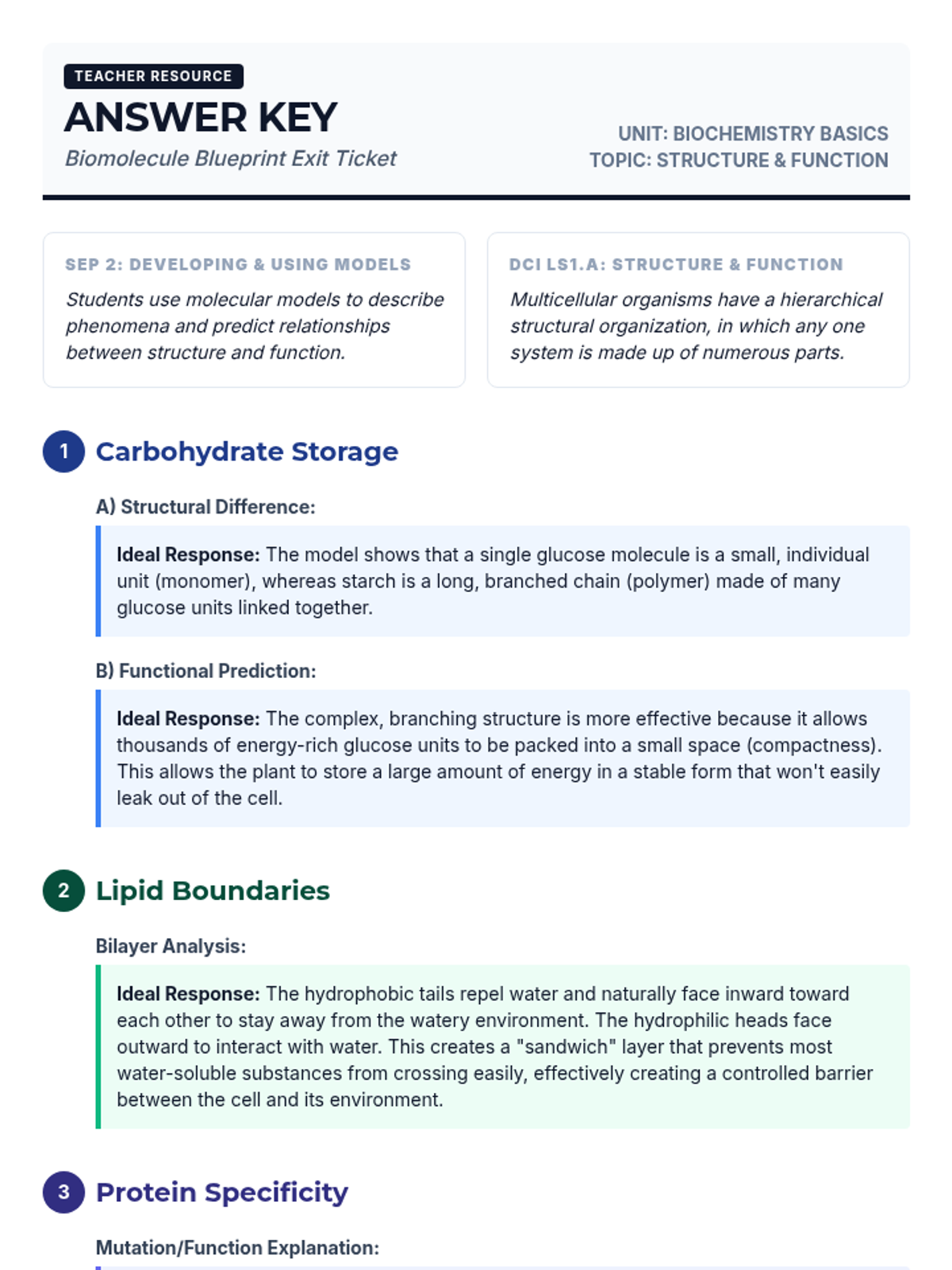
A biology lesson focused on the relationship between the molecular structure of carbohydrates, lipids, and proteins and their biological functions, utilizing modeling to explain cellular processes.
A lesson exploring Newton's Law of Universal Gravitation, focusing on the mathematical relationships between mass, distance, and force. Students will learn to calculate gravitational pull and predict changes in force based on varying parameters.
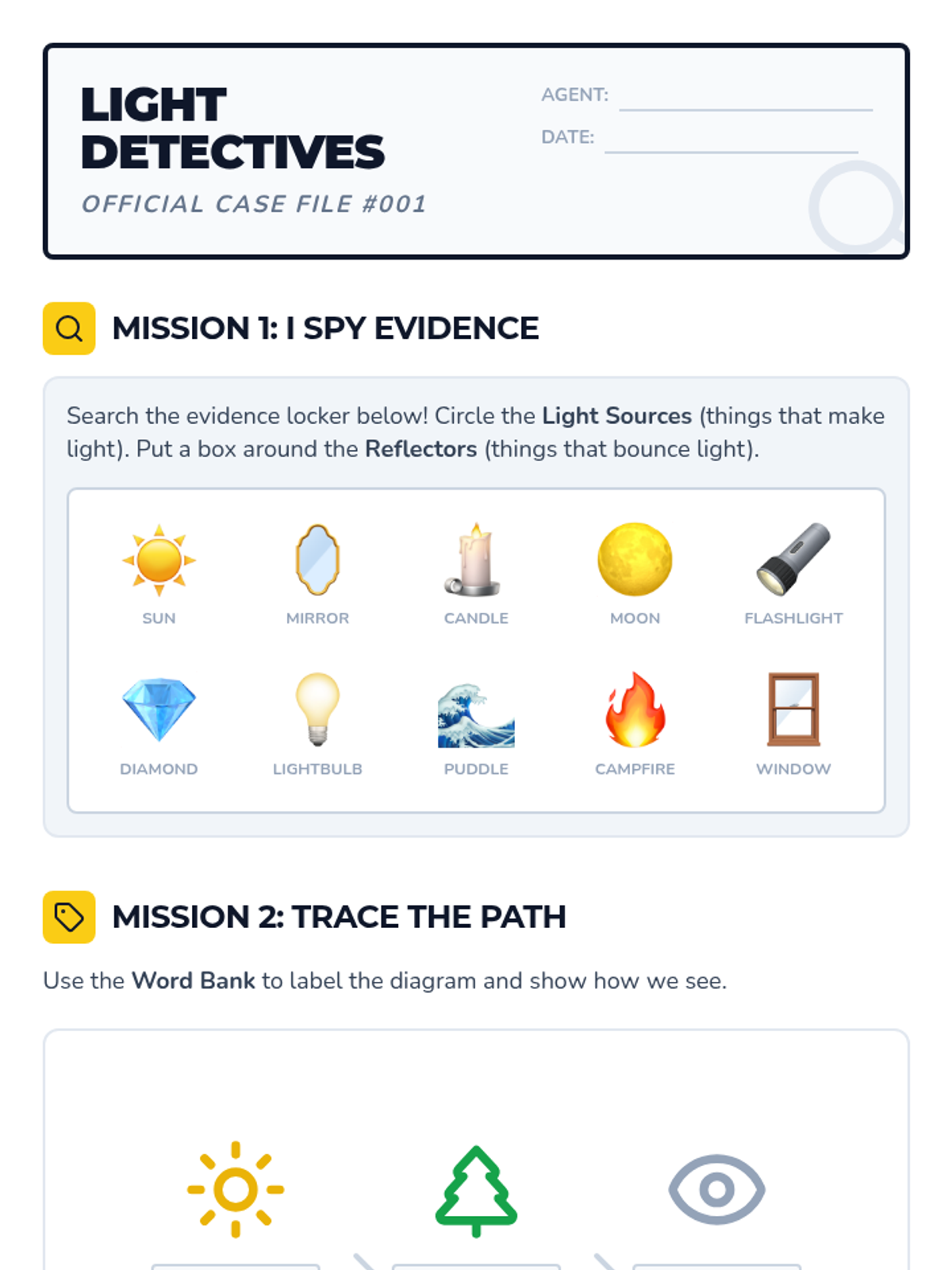
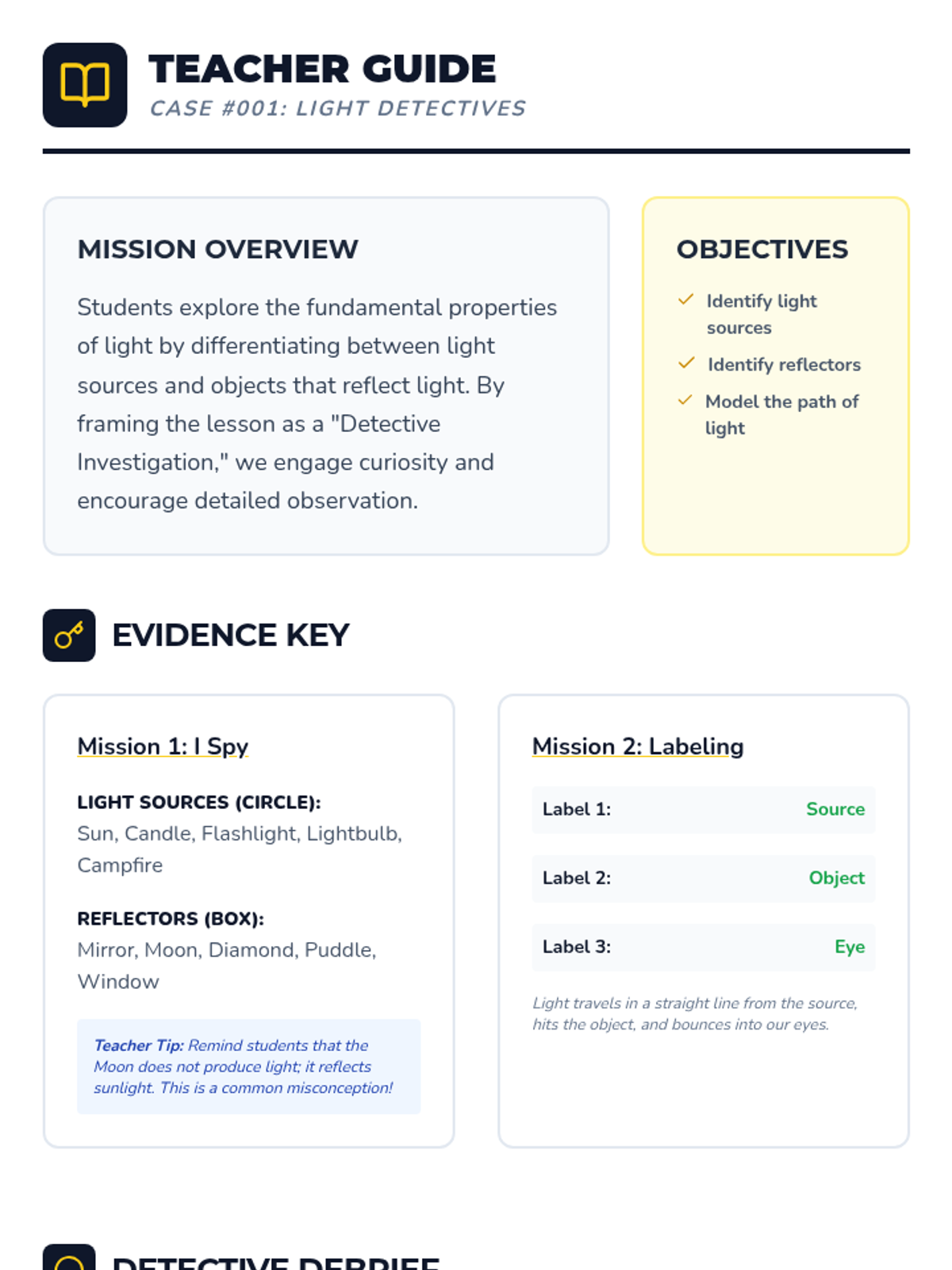
Students learn to distinguish between light sources and reflections and understand the basic path light takes from a source to the eye.
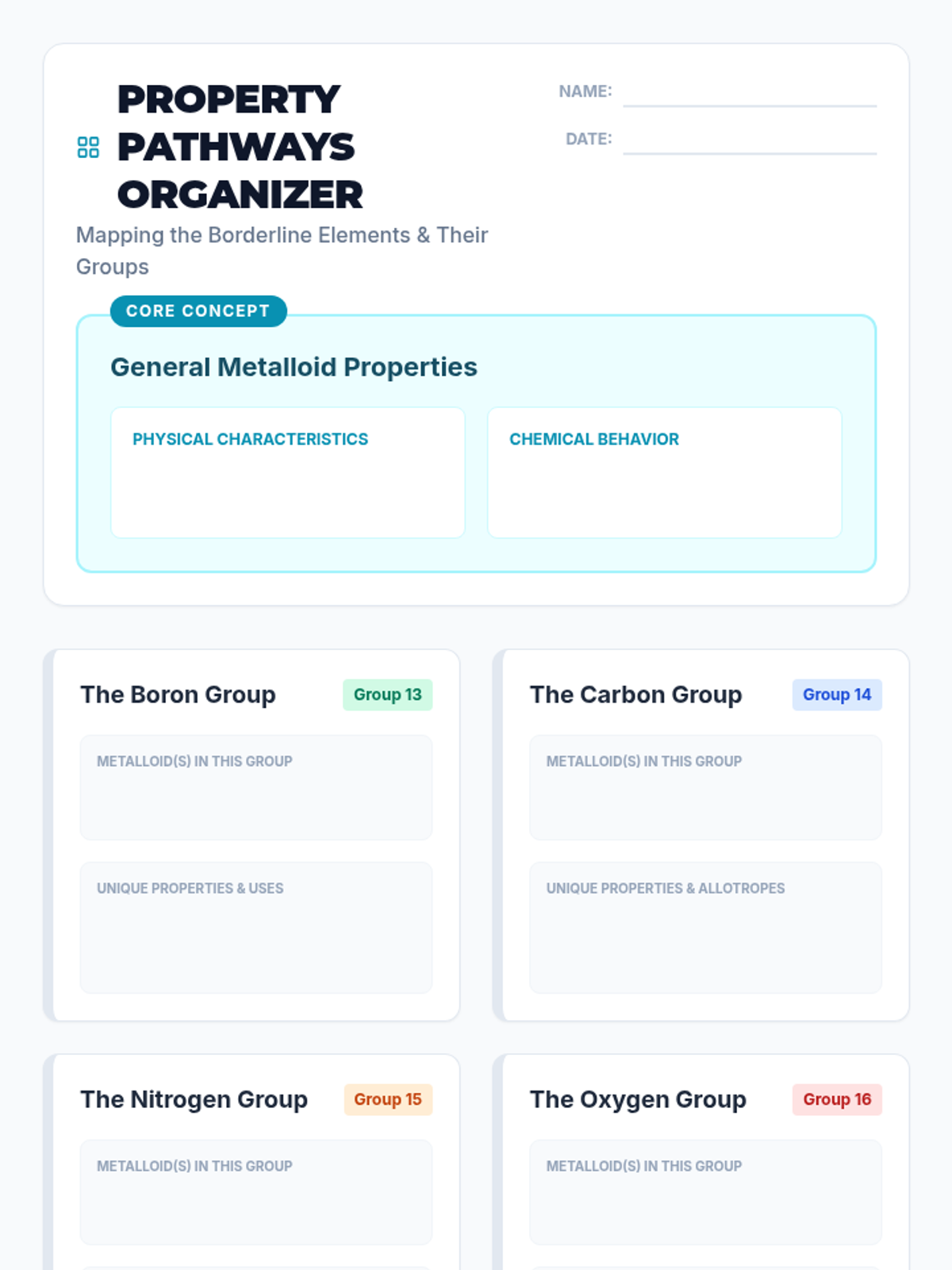
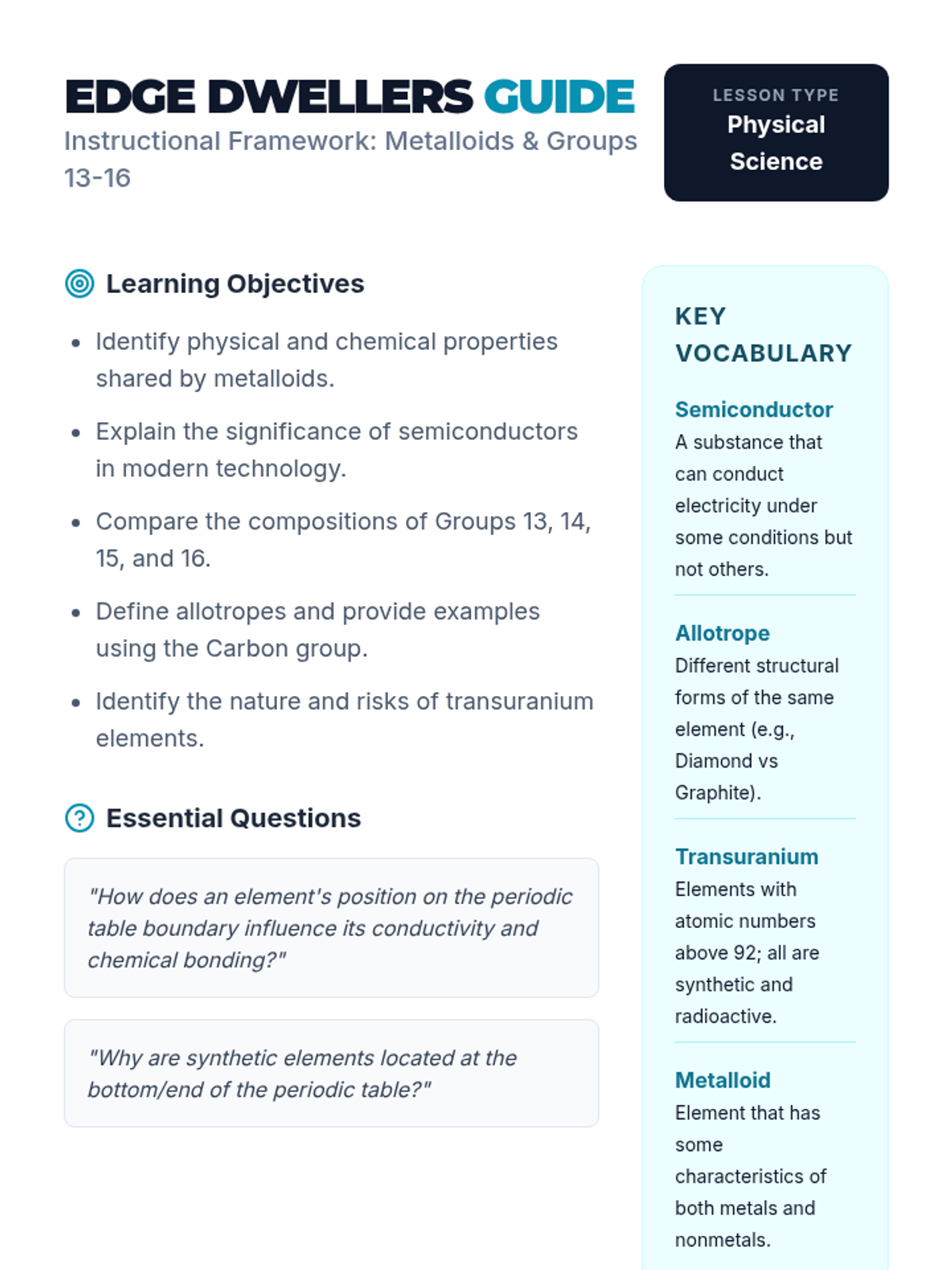
A comprehensive lesson on metalloids, their semiconductor properties, and the diverse chemical groups they inhabit, including the boron, carbon, nitrogen, and oxygen groups, along with an introduction to transuranium elements.
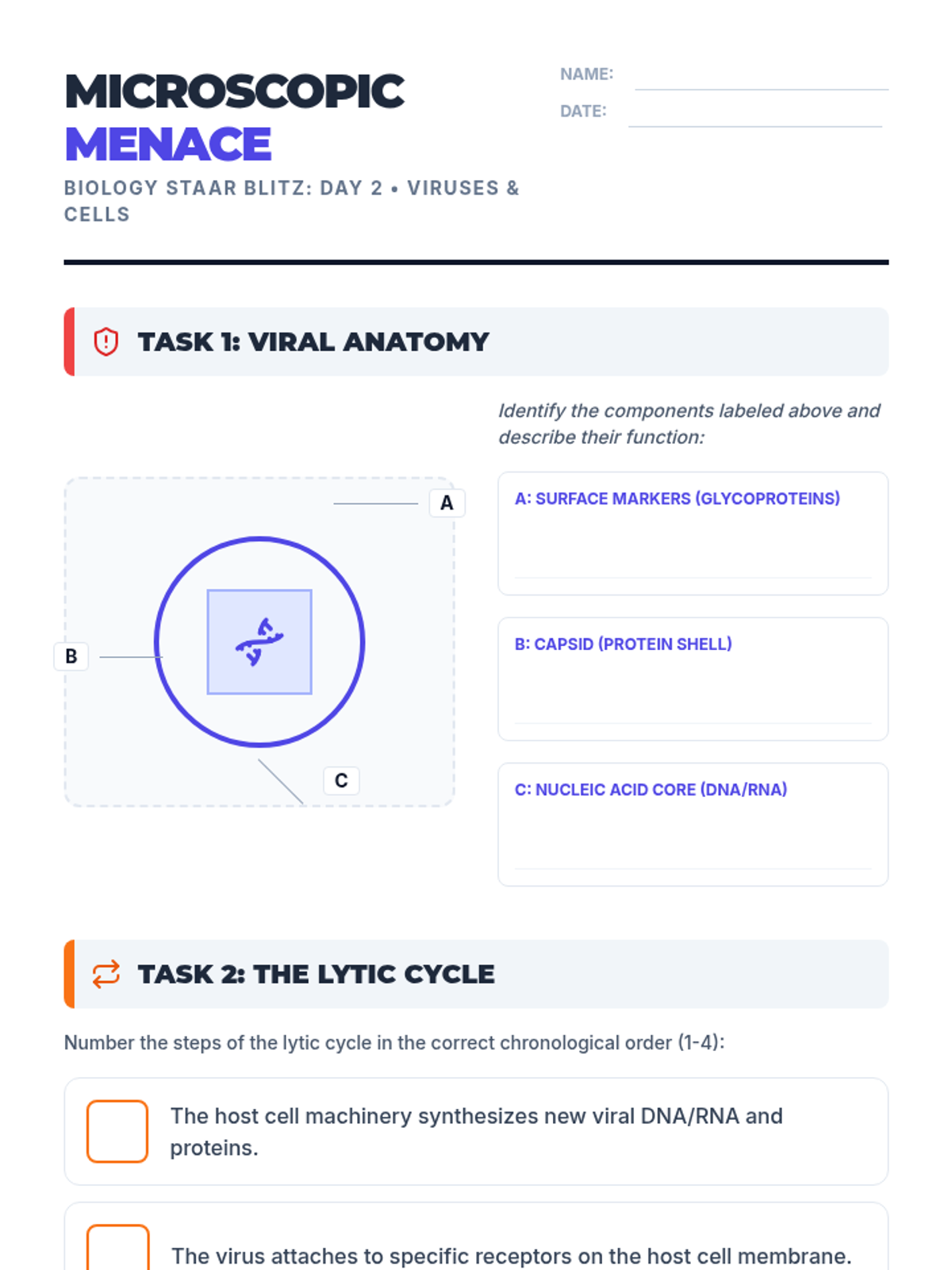
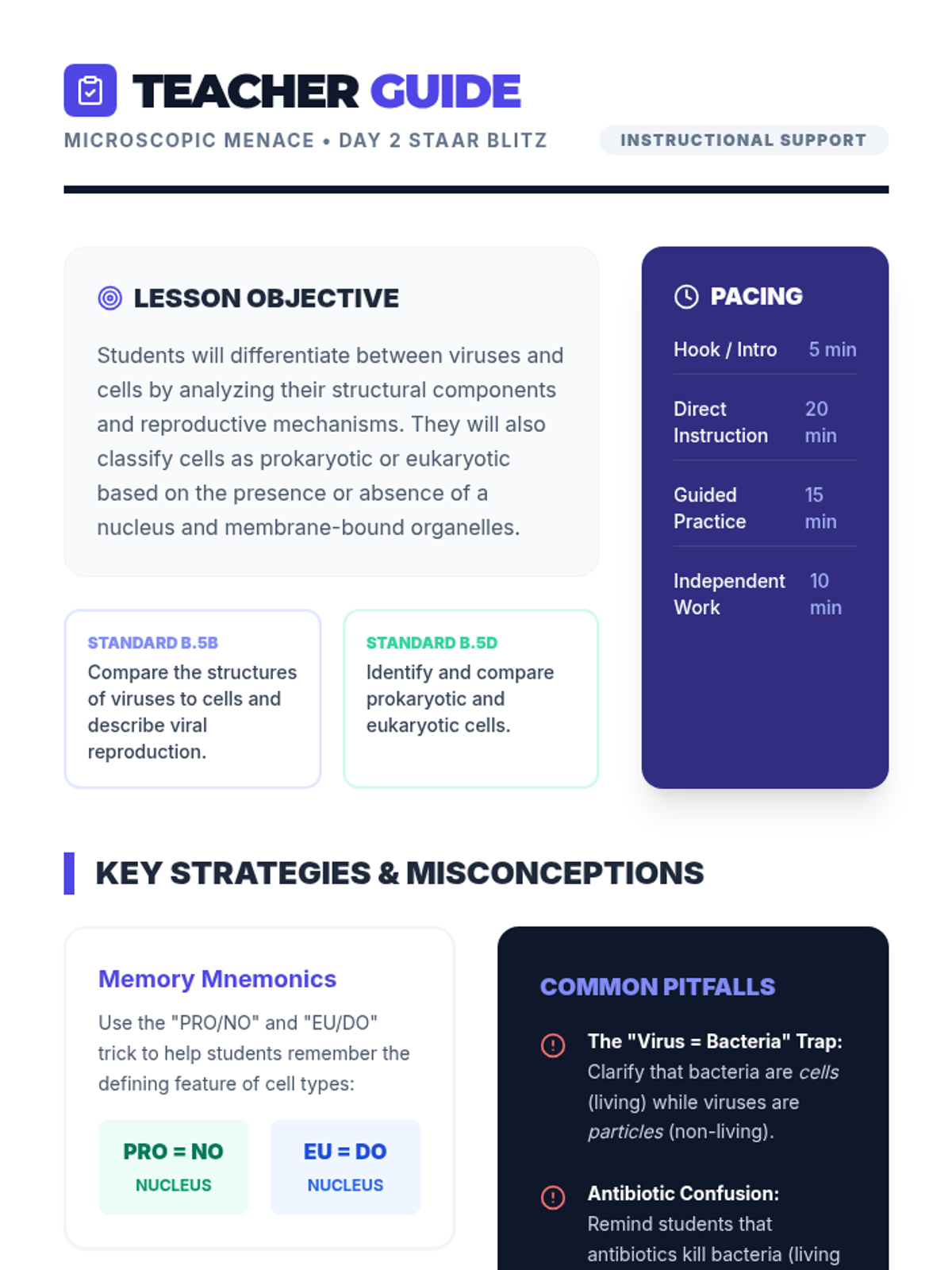
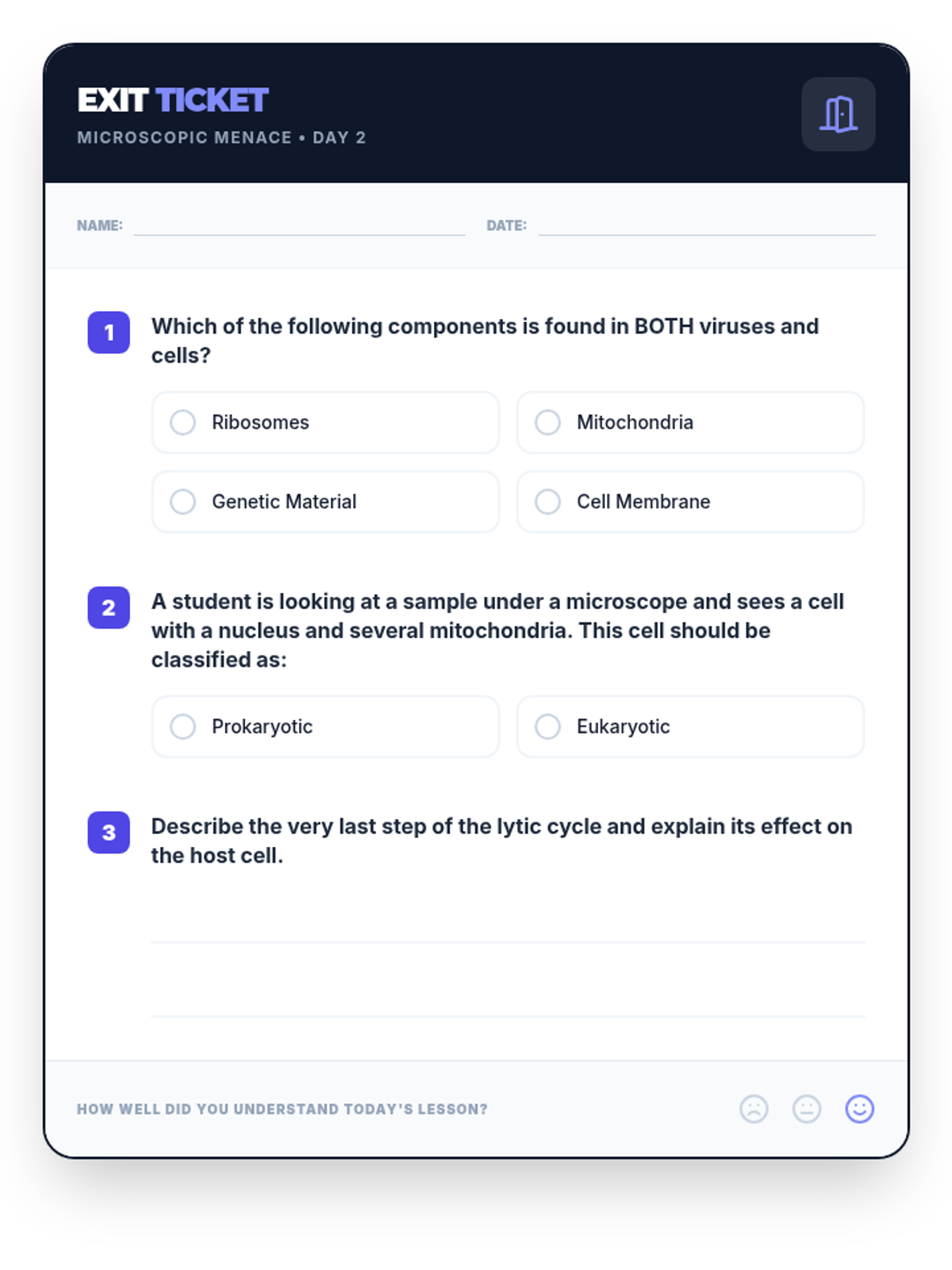
Focuses on the structural differences between viruses and cells, viral reproduction cycles, and the distinction between prokaryotic and eukaryotic organisms.
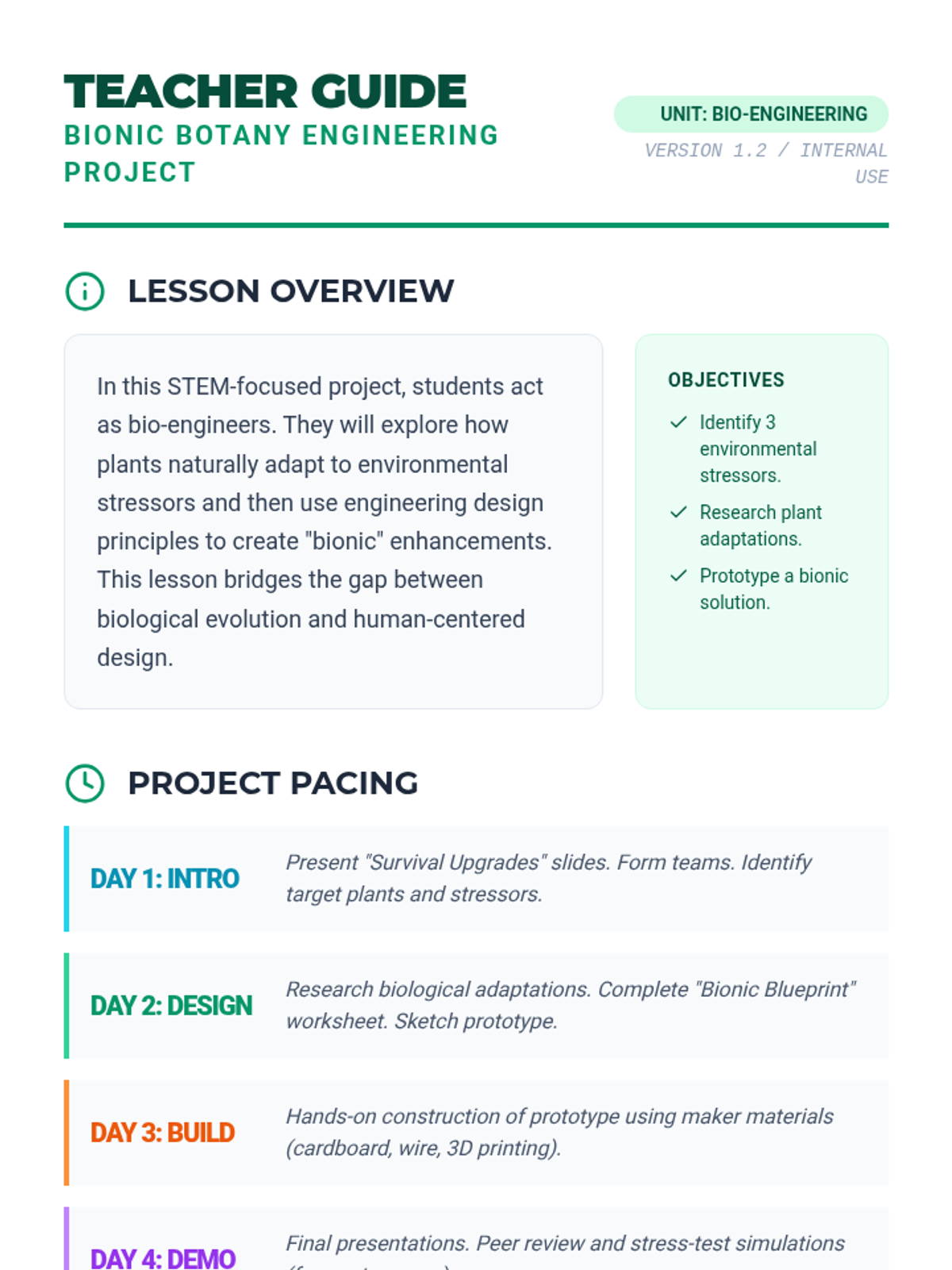
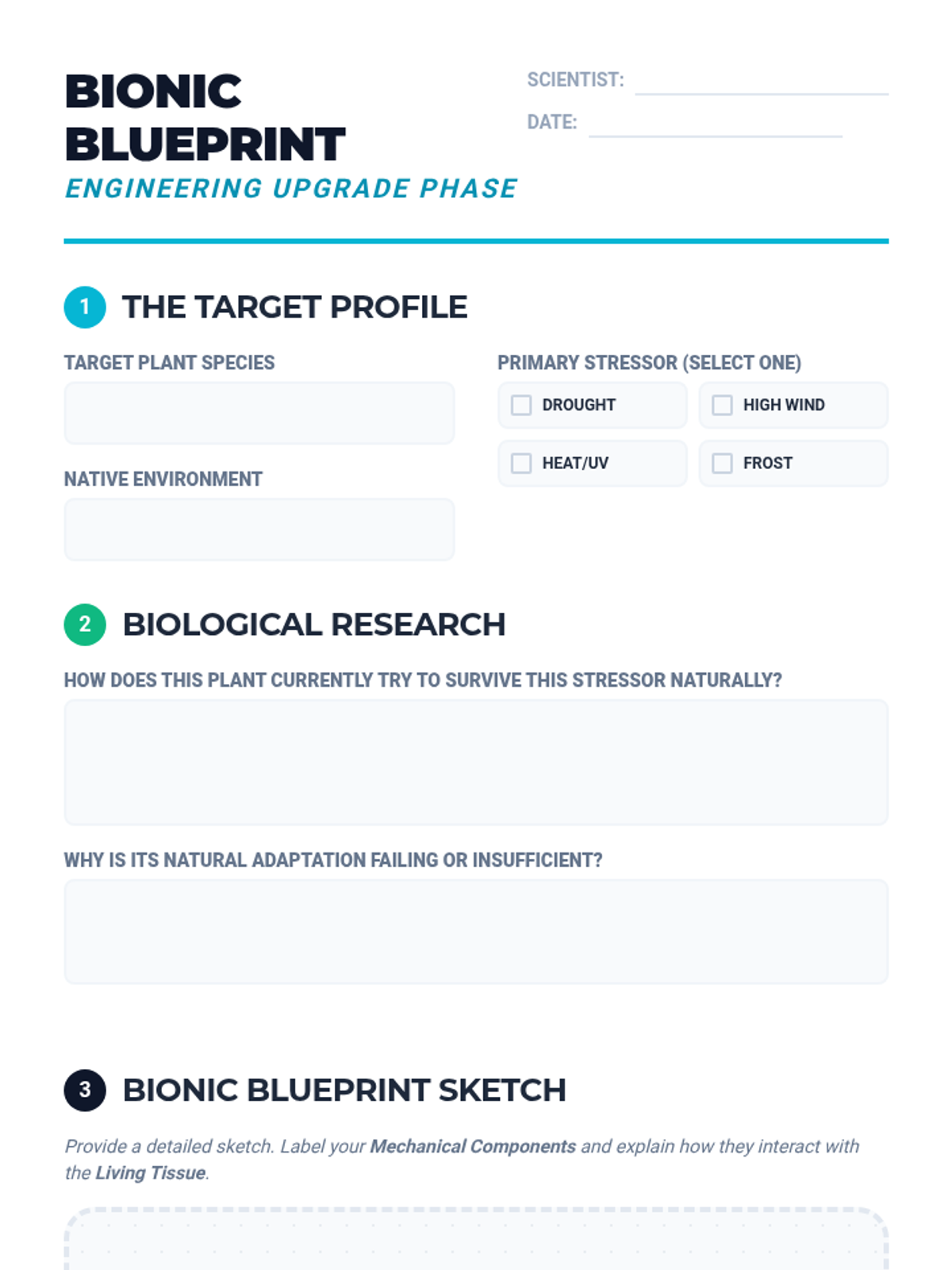
A STEM-focused lesson where students explore biological adaptations and apply engineering design principles to create 'bionic' enhancements for plants facing environmental stressors. Students research specific threats, brainstorm mechanical solutions, and prototype protective structures.
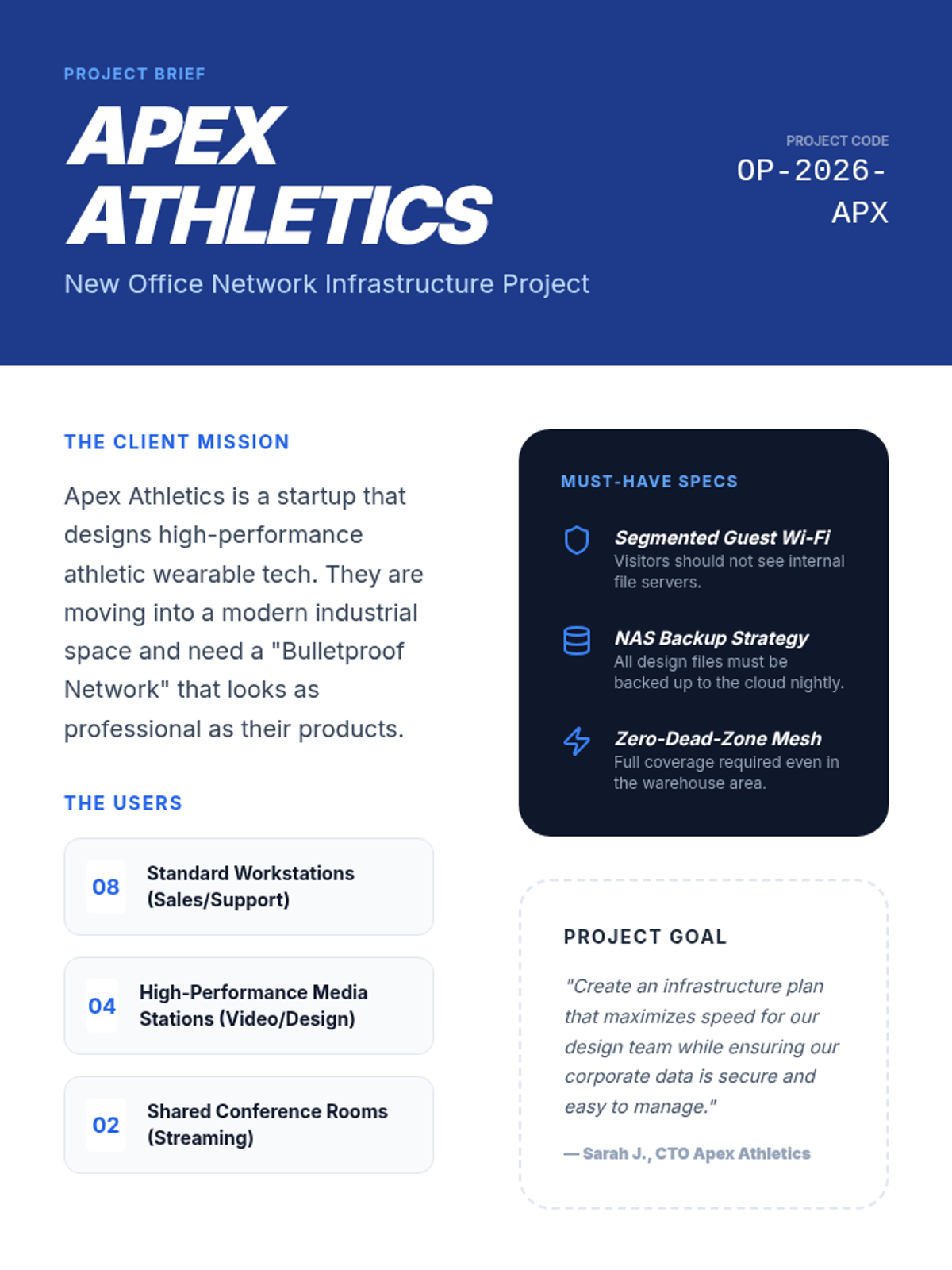
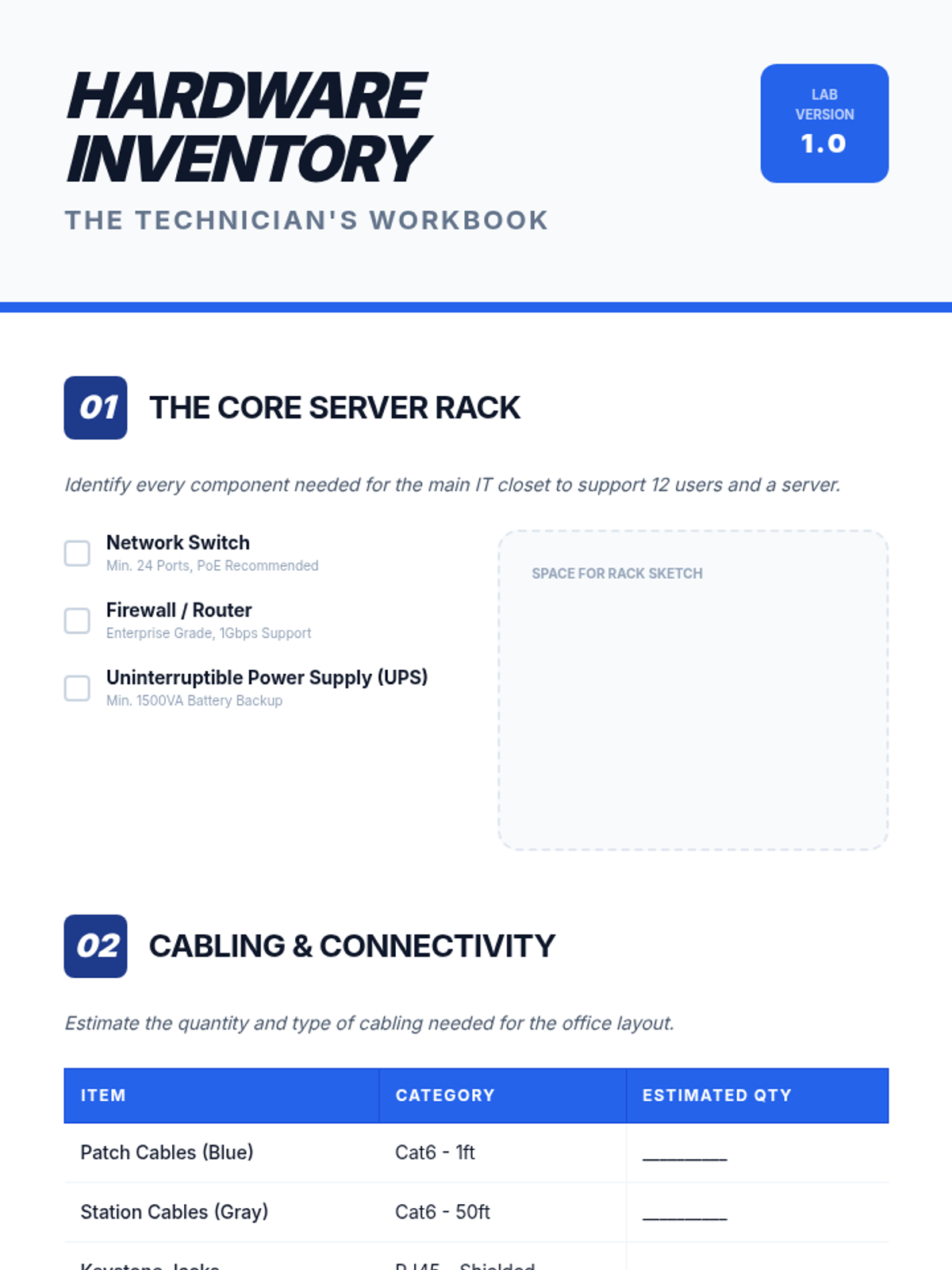
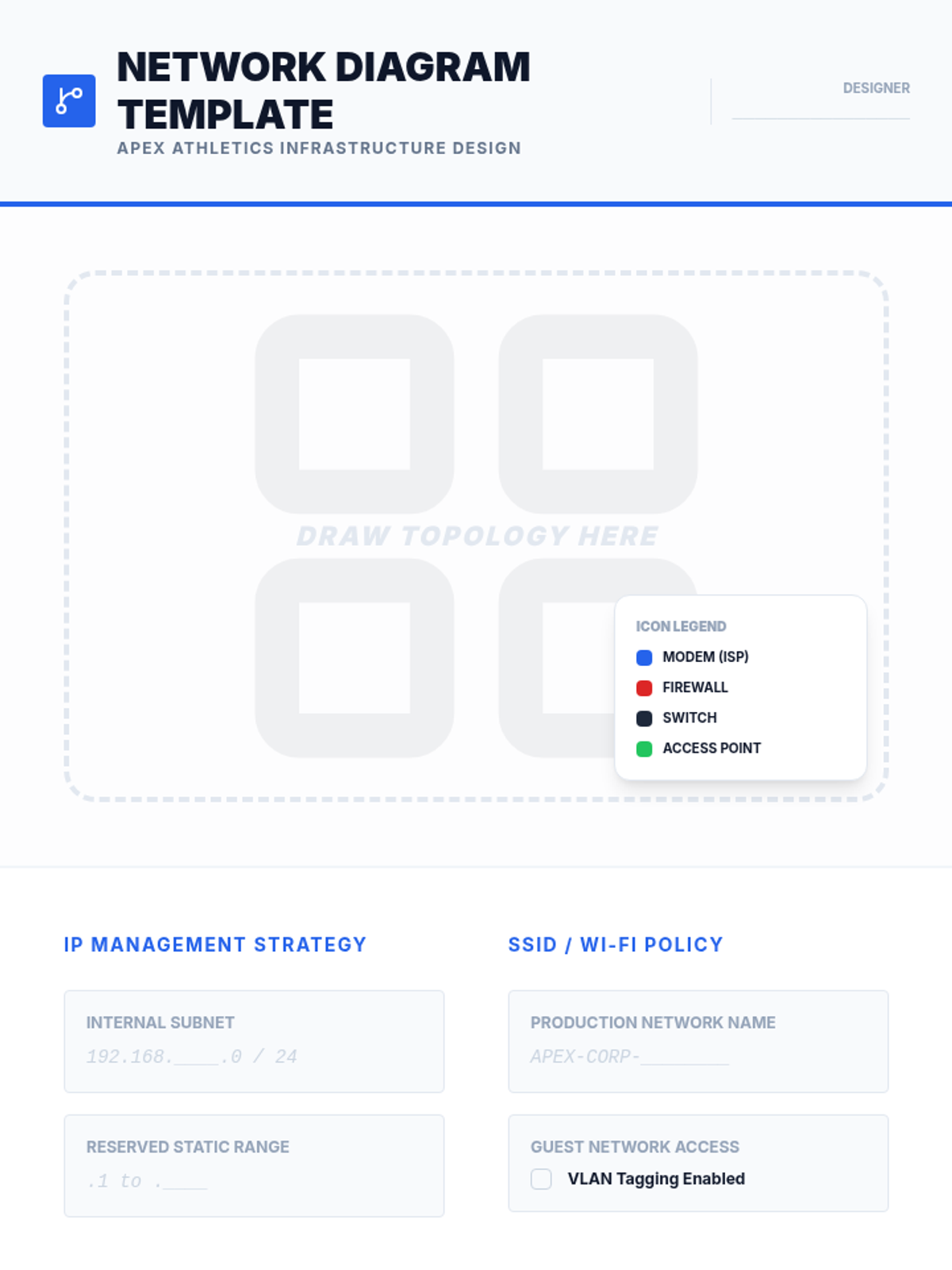
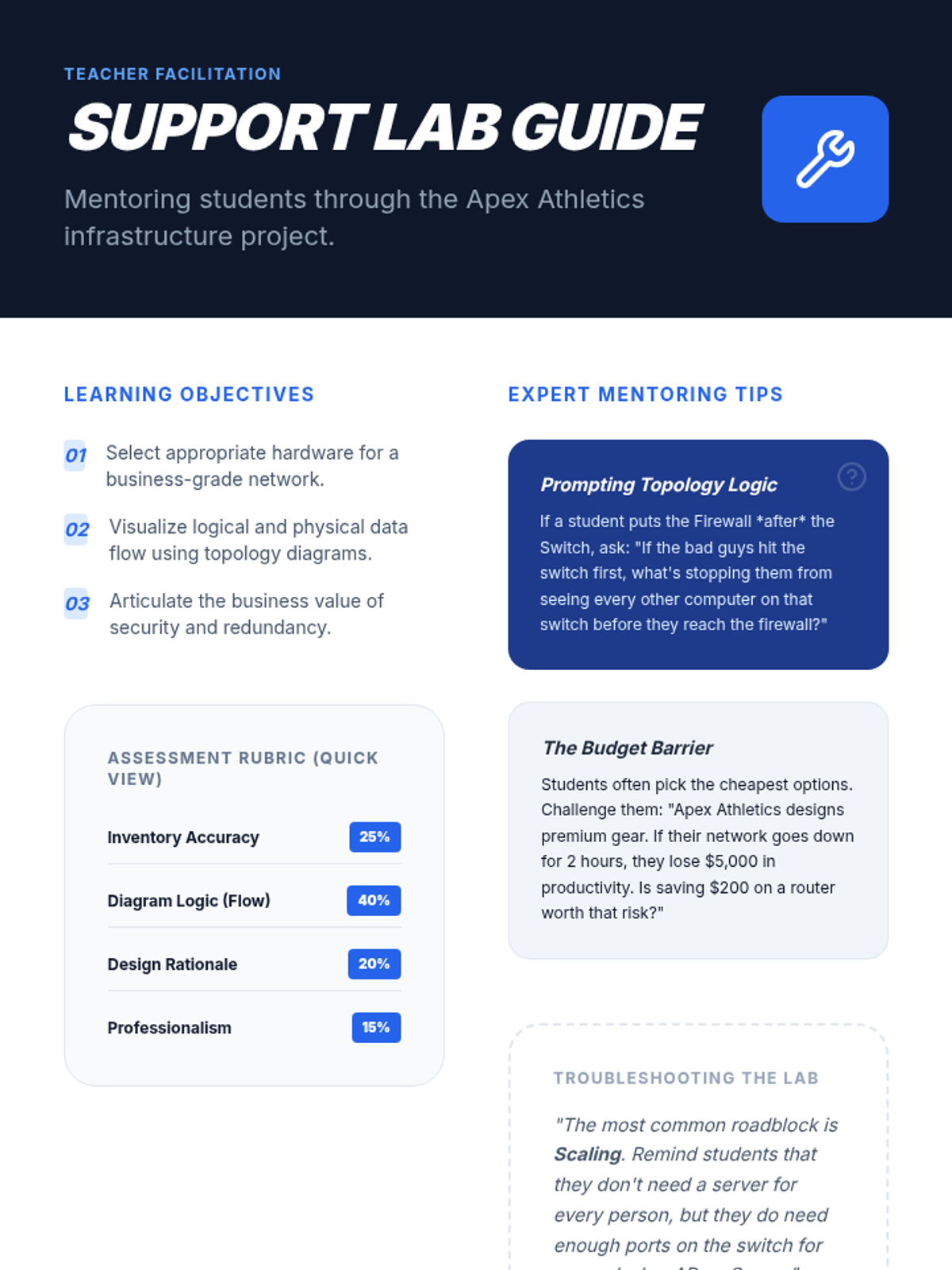
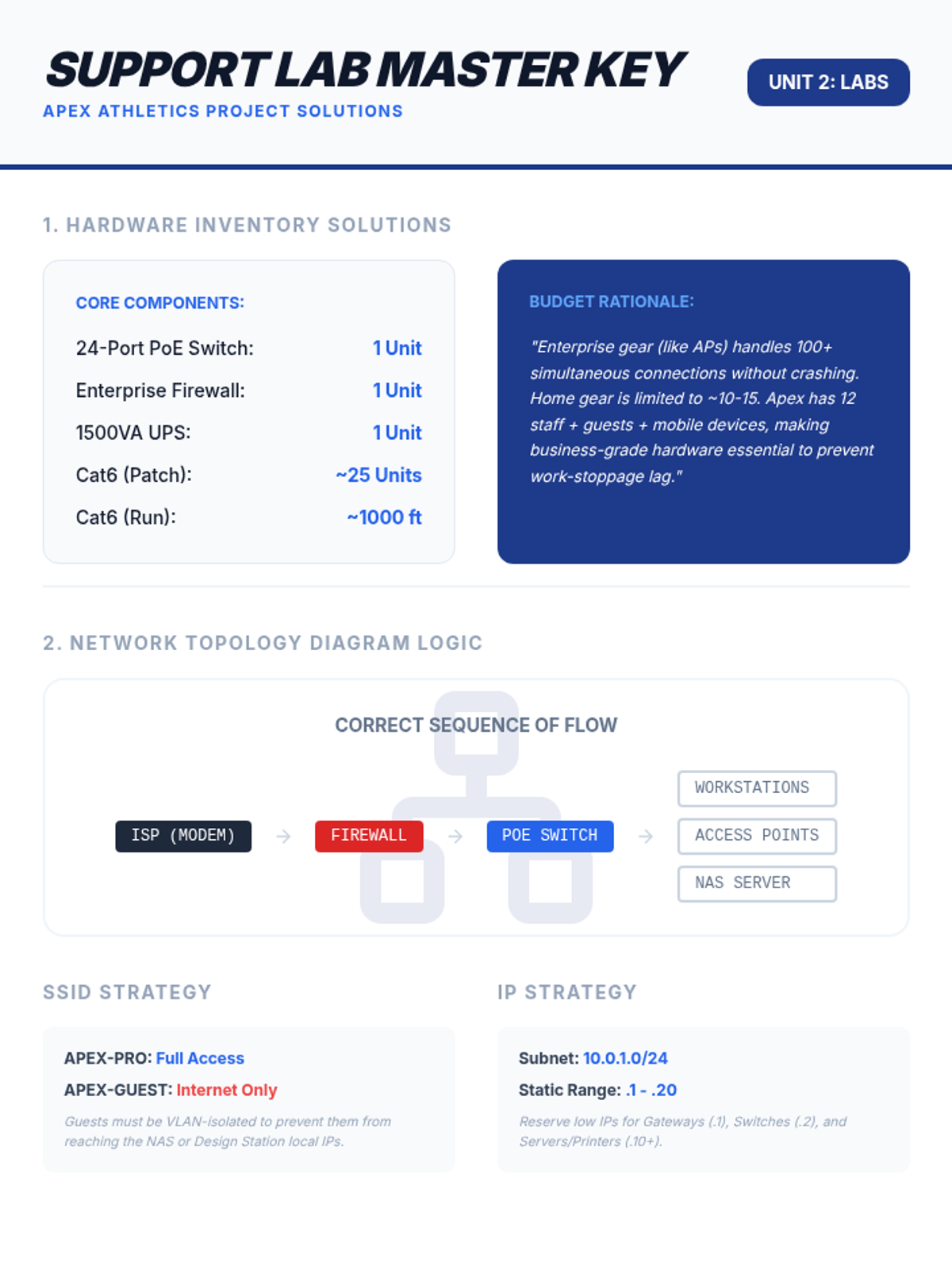
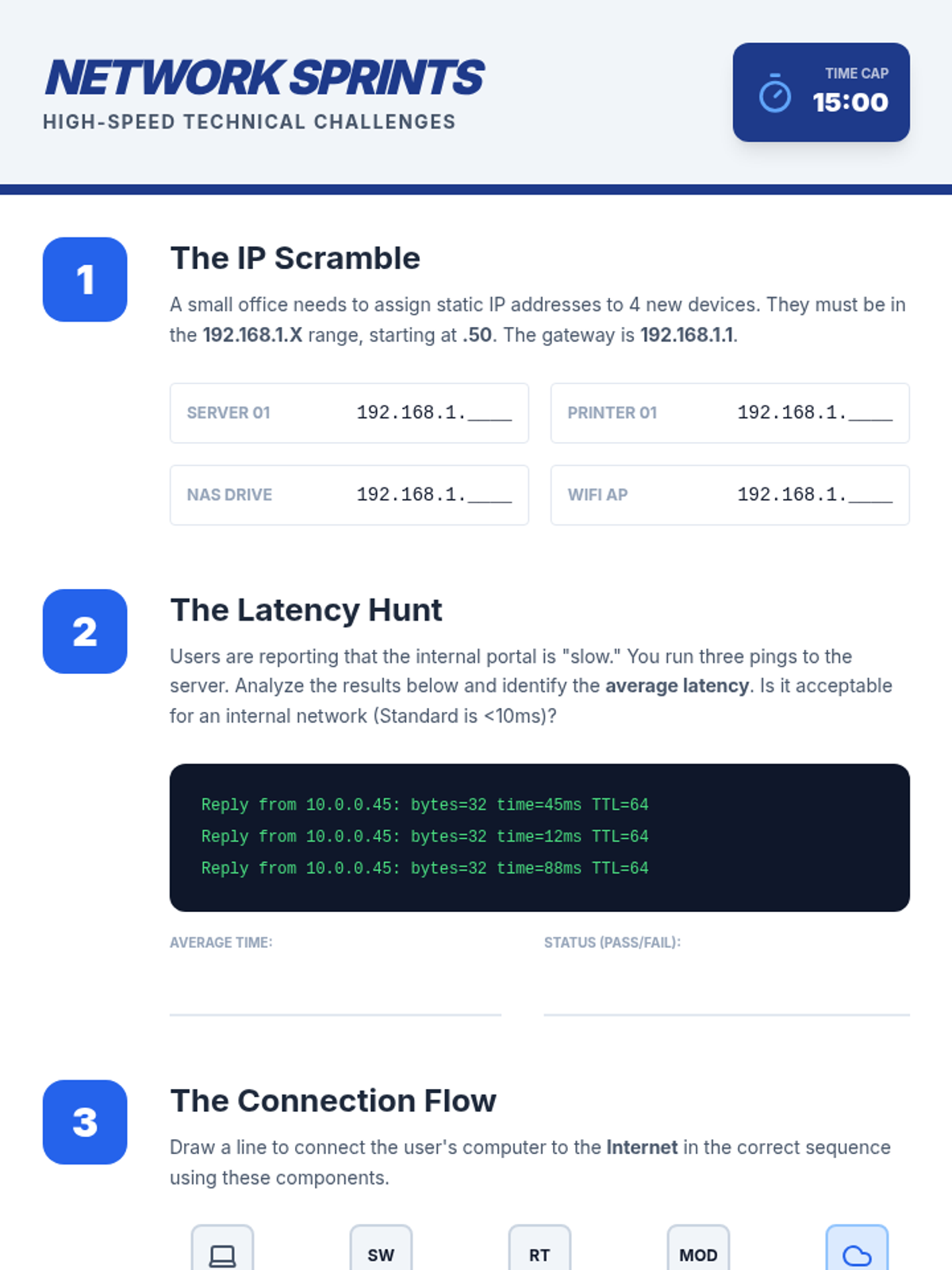
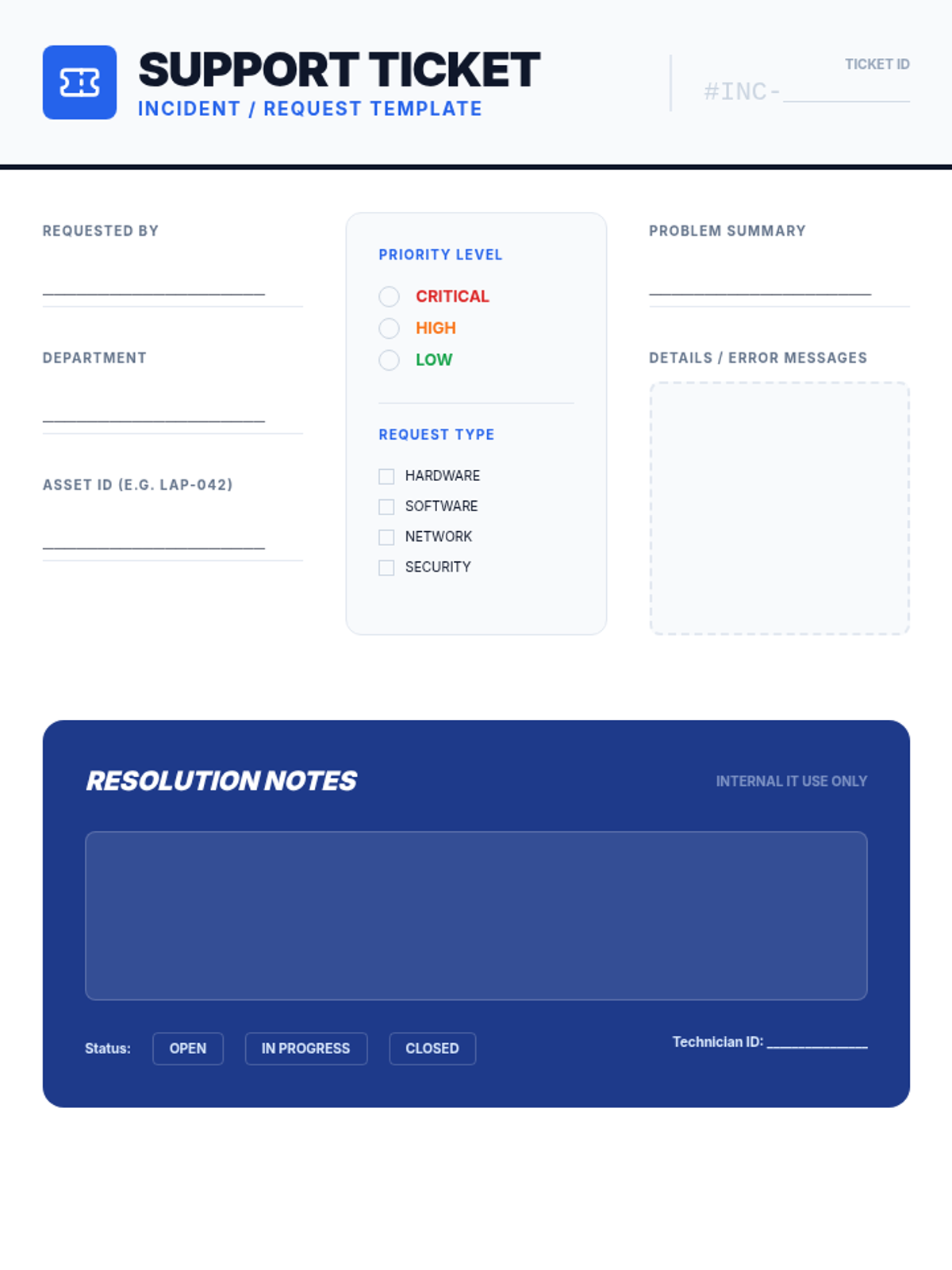
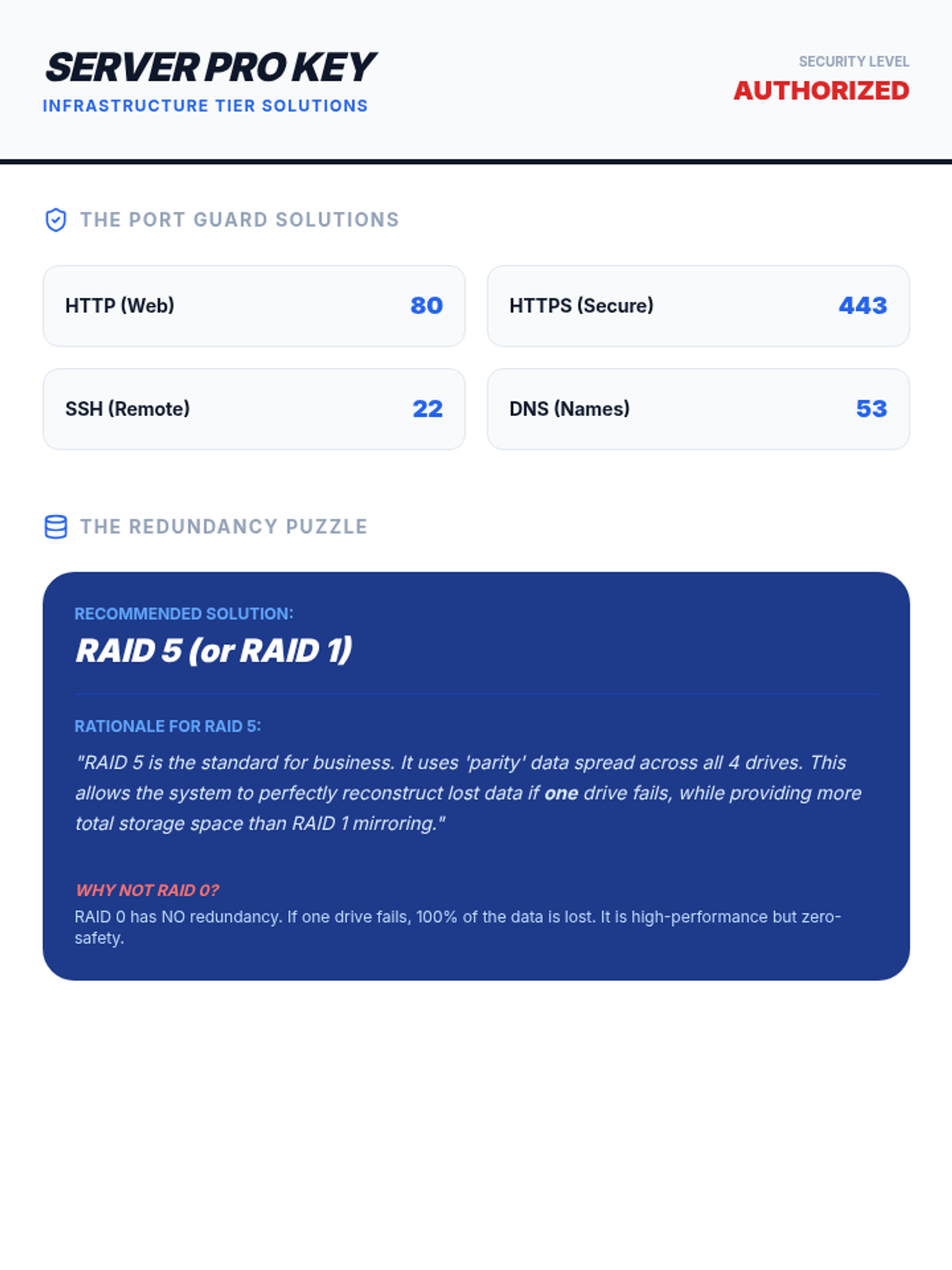
A hands-on technical project where students apply their IT skills to design and document a small office network, from identifying hardware requirements to creating a troubleshooting flowchart.
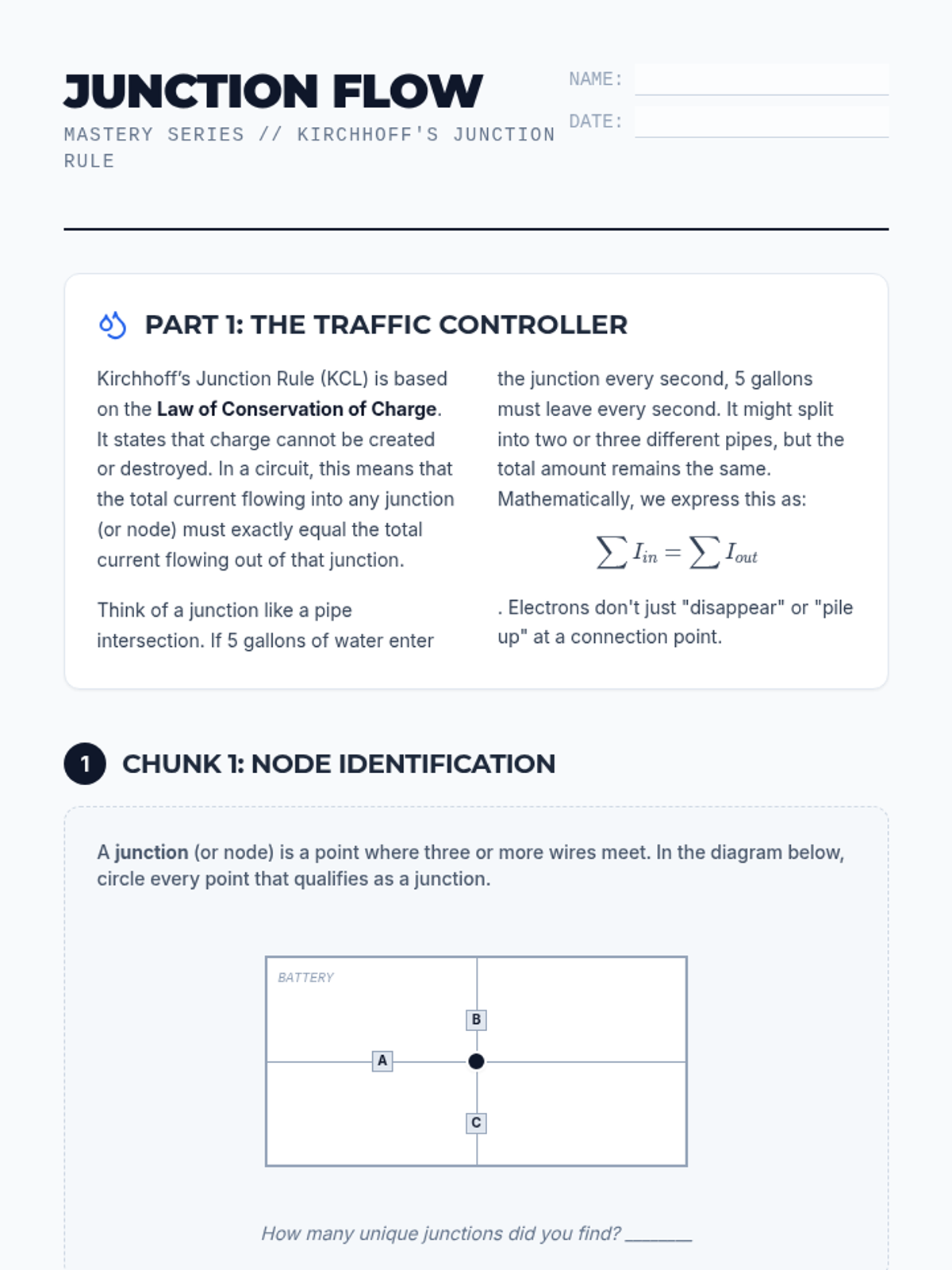
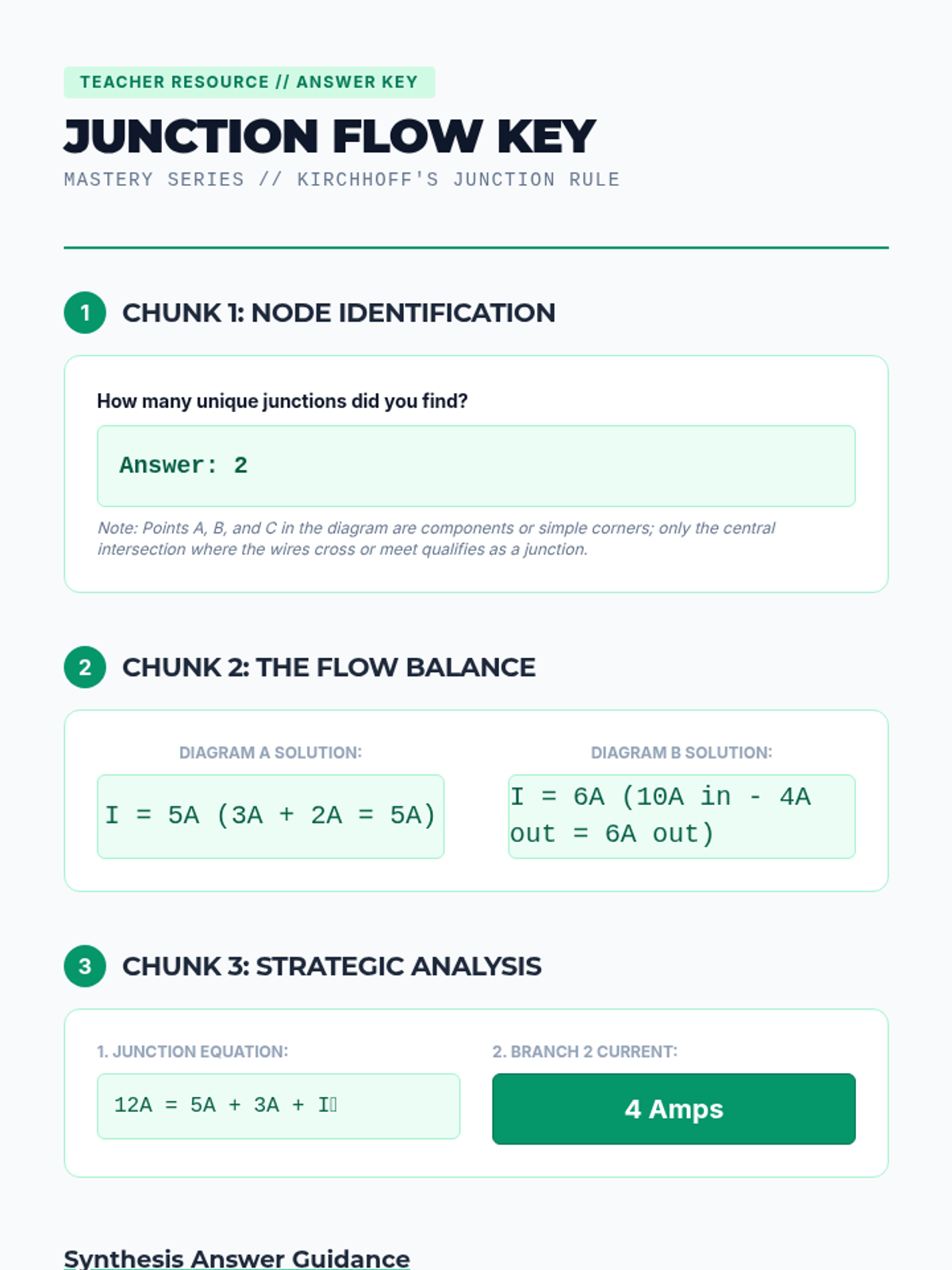
A dedicated lesson on Kirchhoff’s Junction Rule (KCL), focusing on the conservation of electric charge. Students explore the "water pipe" analogy, identify nodes in complex circuits, and solve for unknown currents using algebraic sum principles.
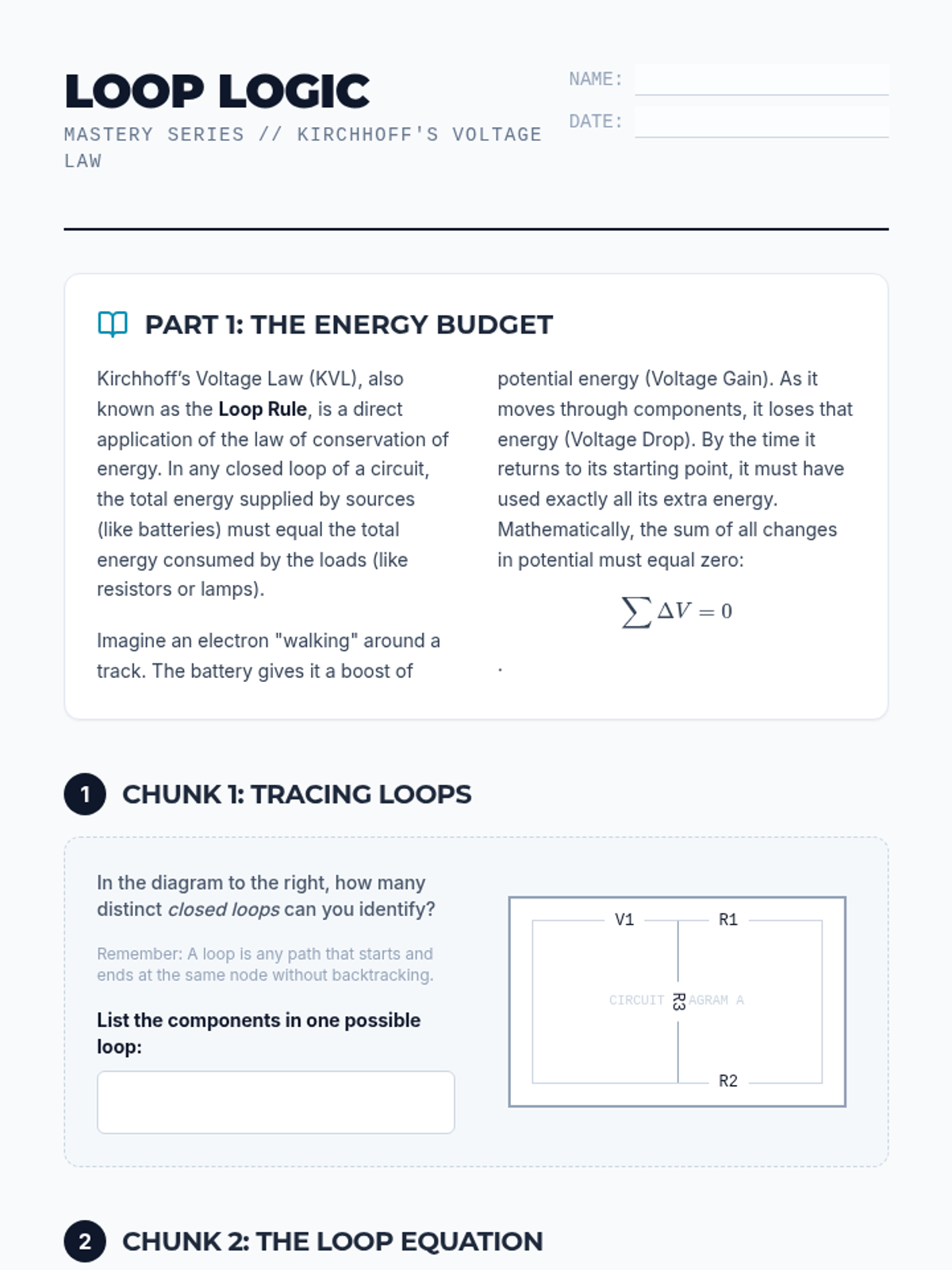
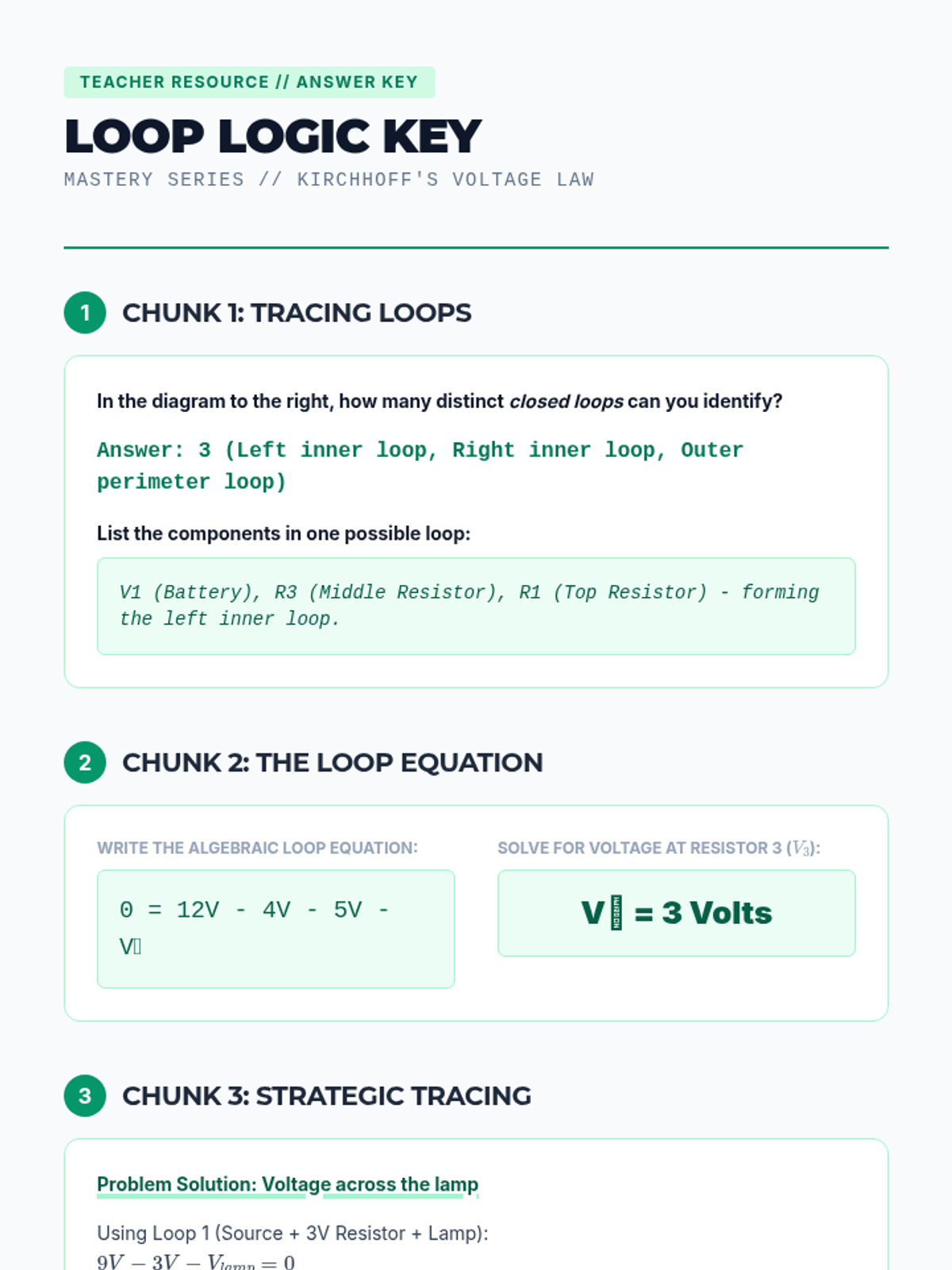
A focused instructional deep-dive into Kirchhoff’s Voltage Law (KVL), emphasizing the conservation of energy within a circuit loop. Students progress from conceptual reading to scaffolded mathematical problem-solving through chunked practice.
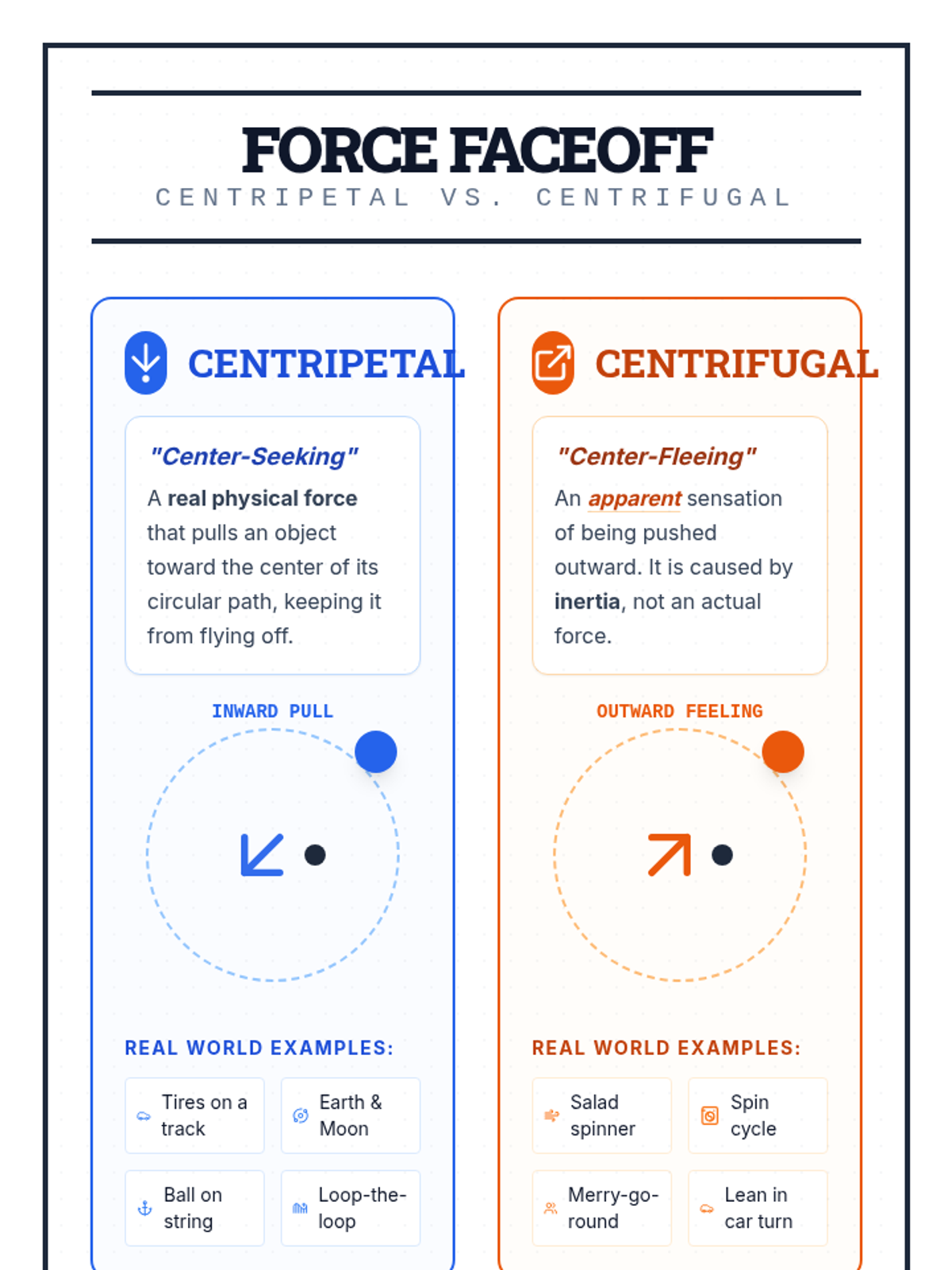
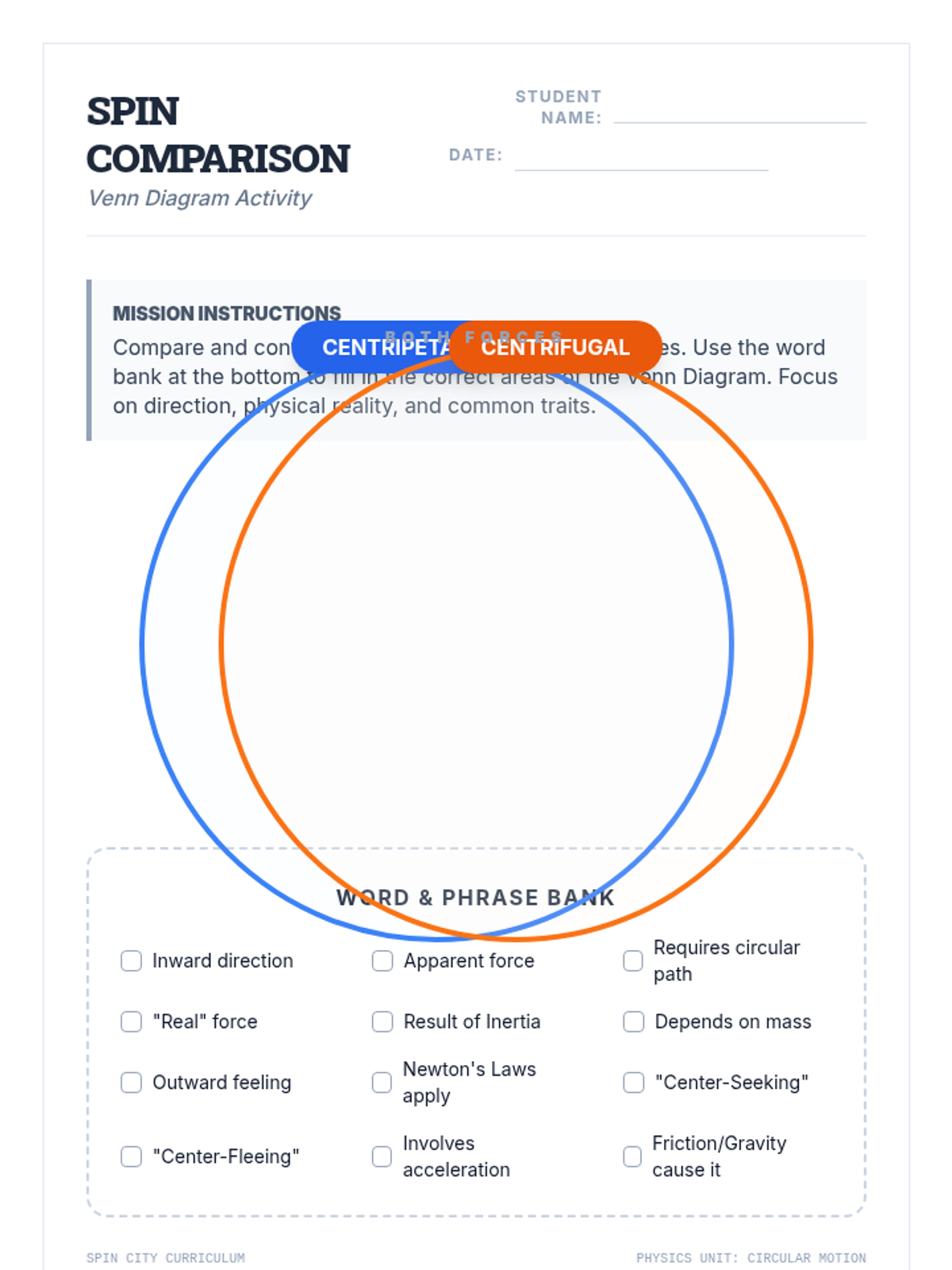
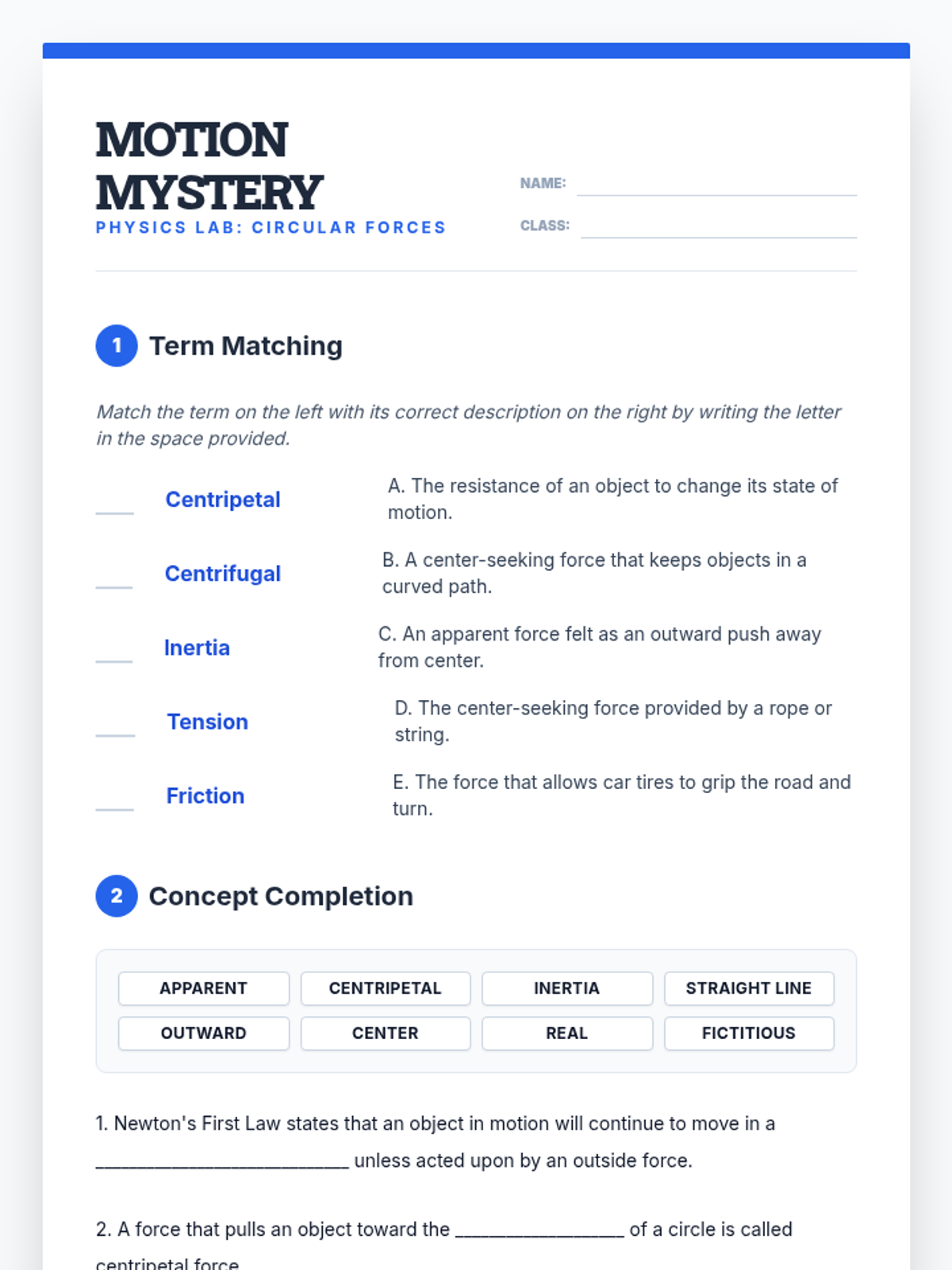
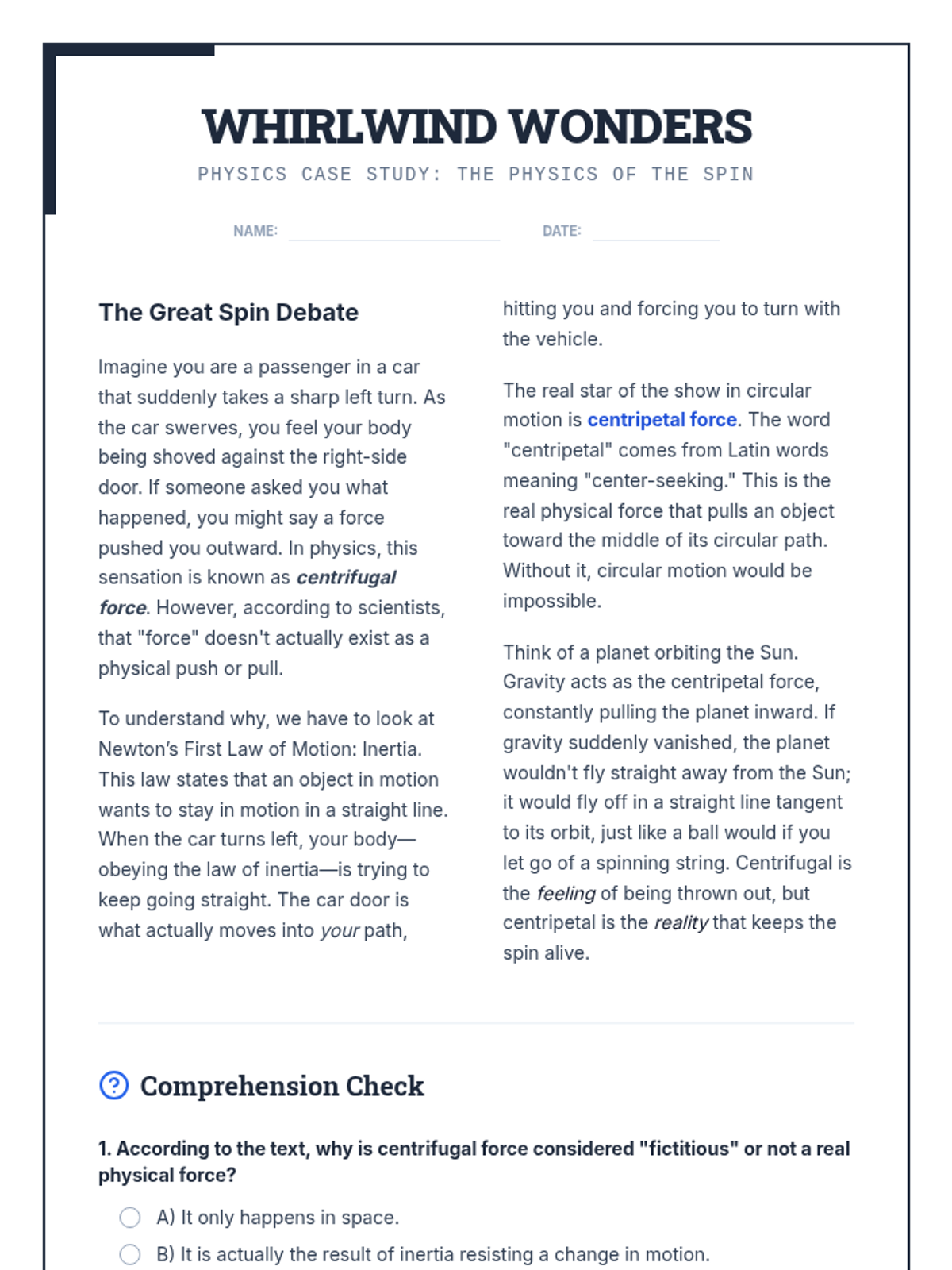
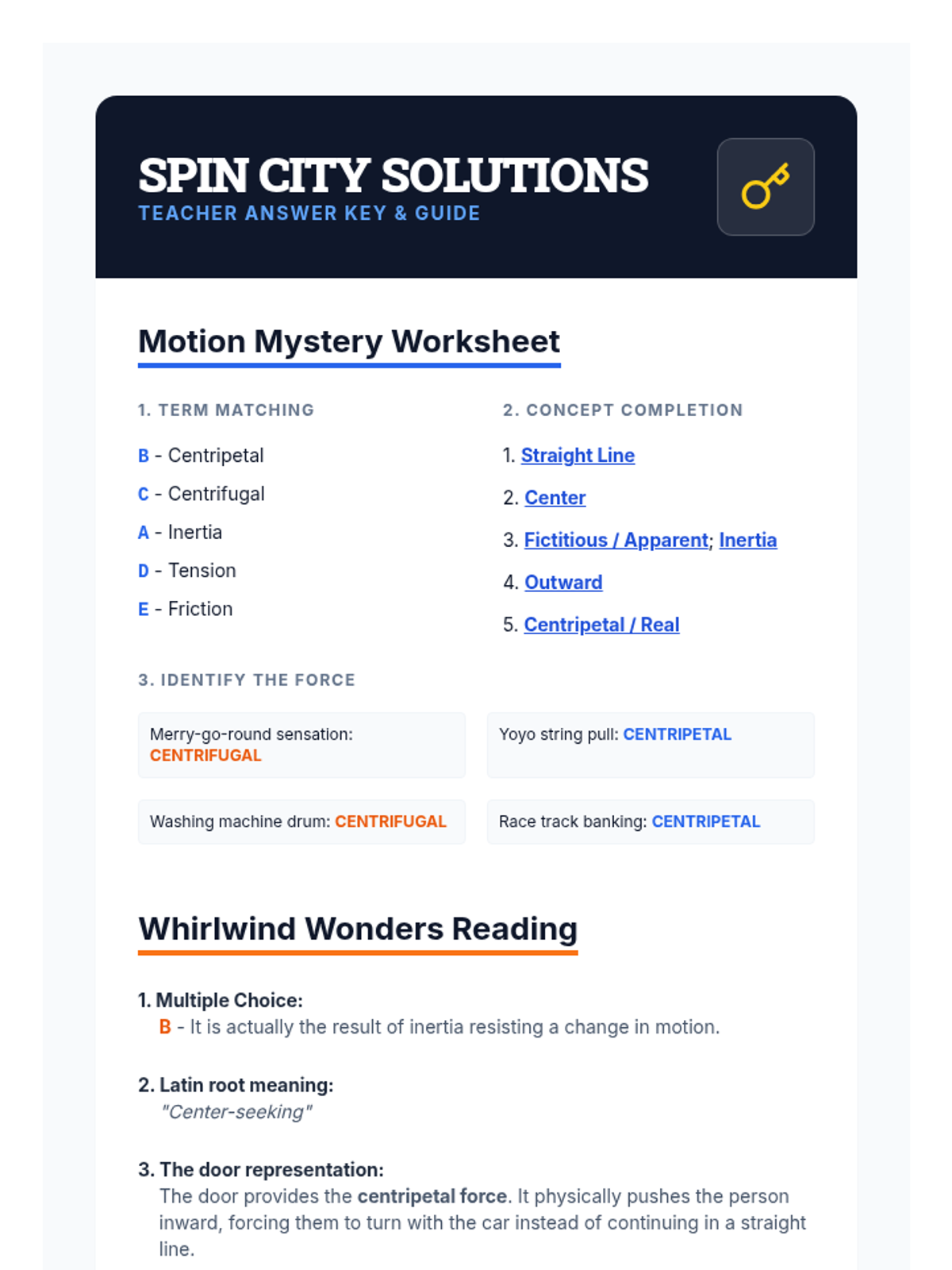
This lesson introduces students to the concepts of centripetal and centrifugal forces through visual aids, comparative analysis, and real-world application. Students will learn the physical reality of center-seeking forces versus the apparent sensation of outward force caused by inertia.
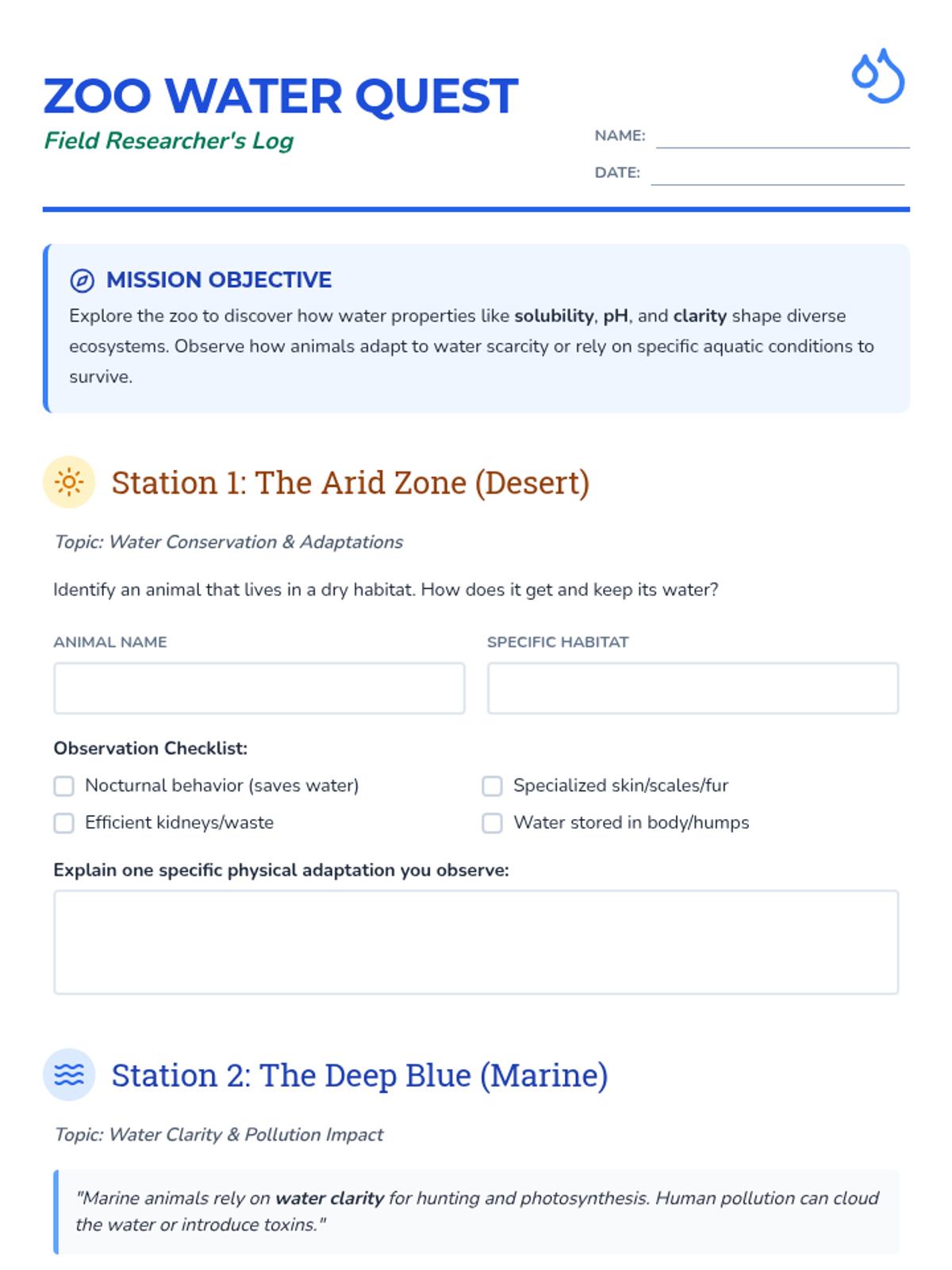
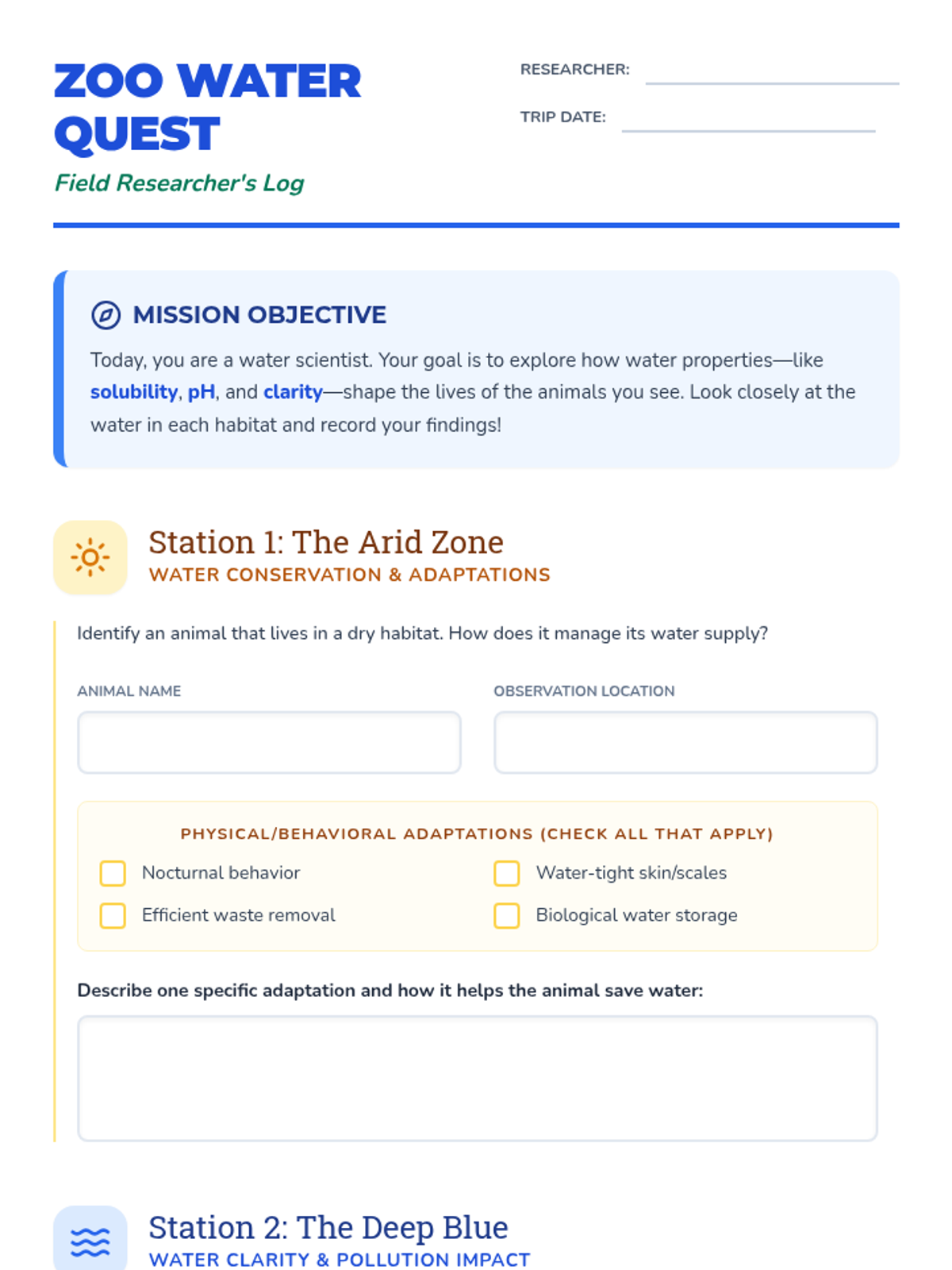
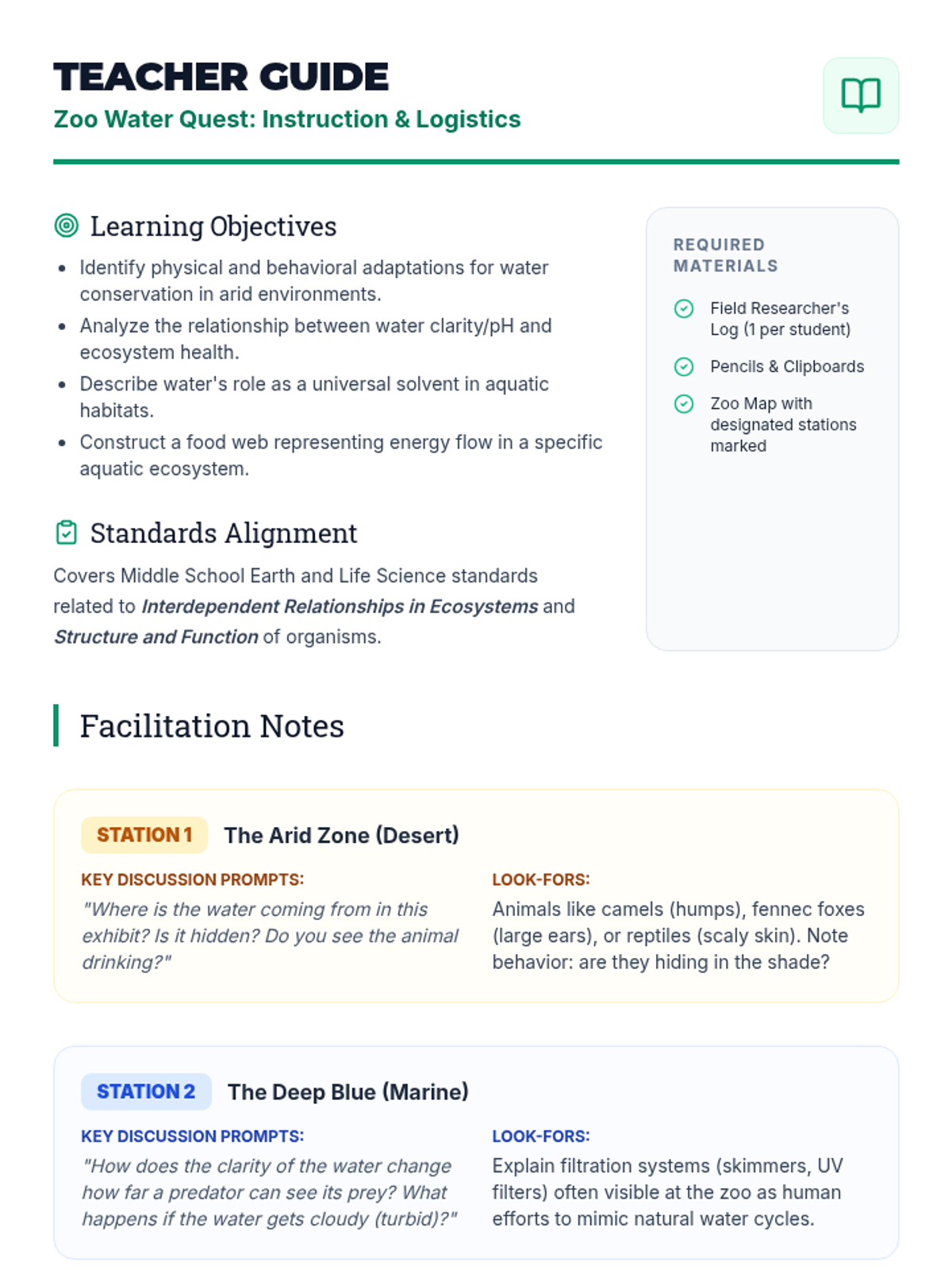
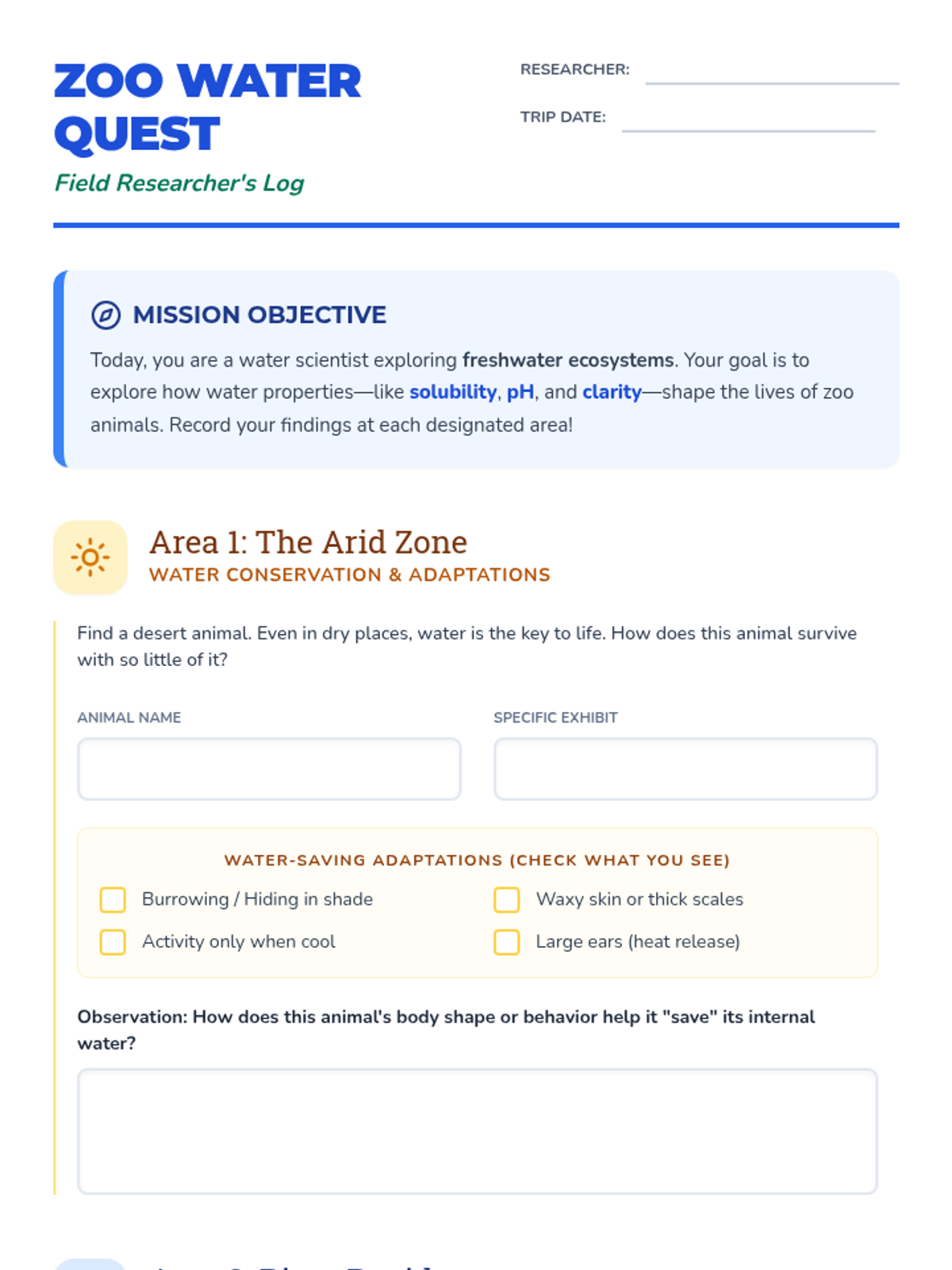
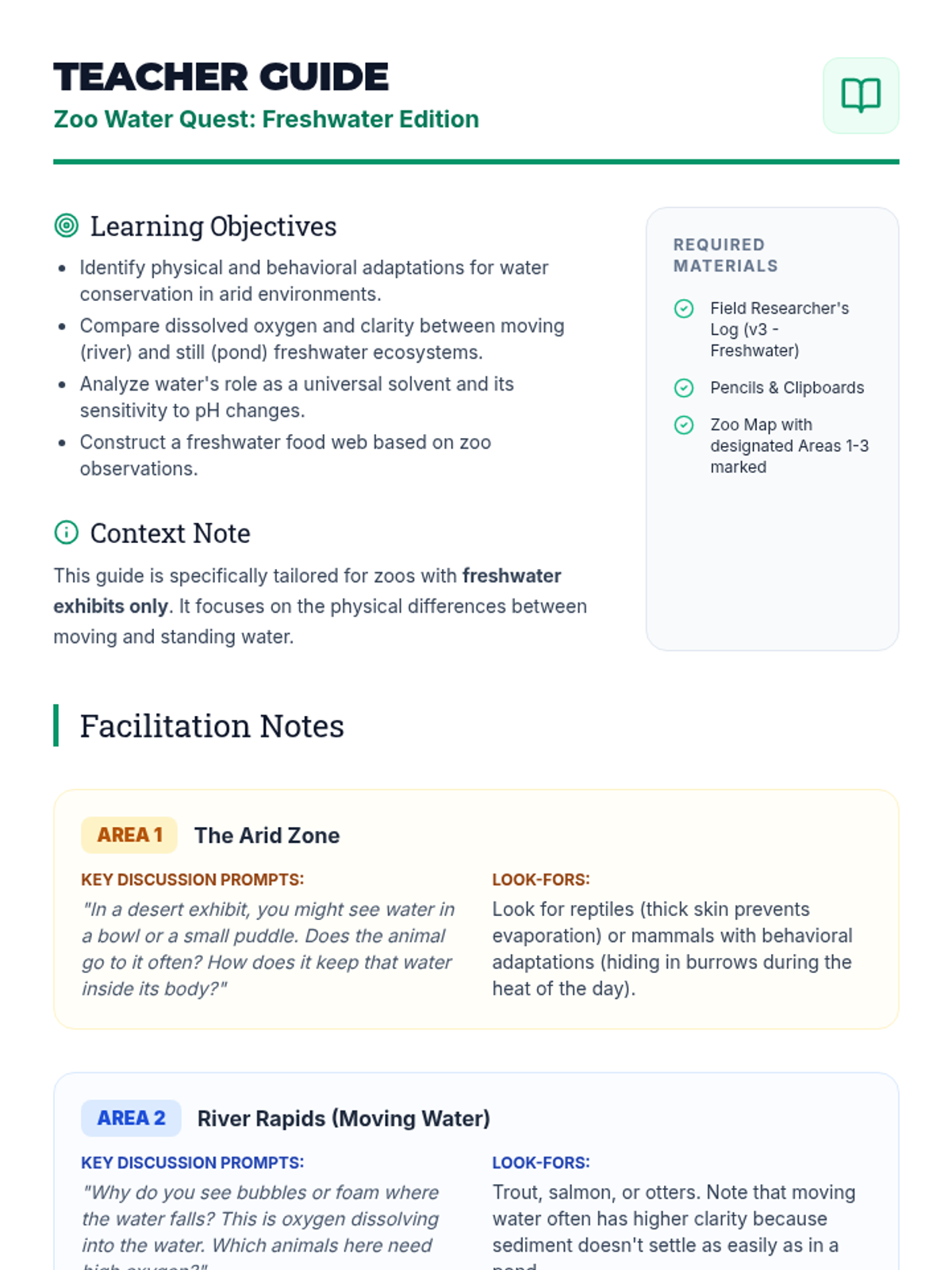
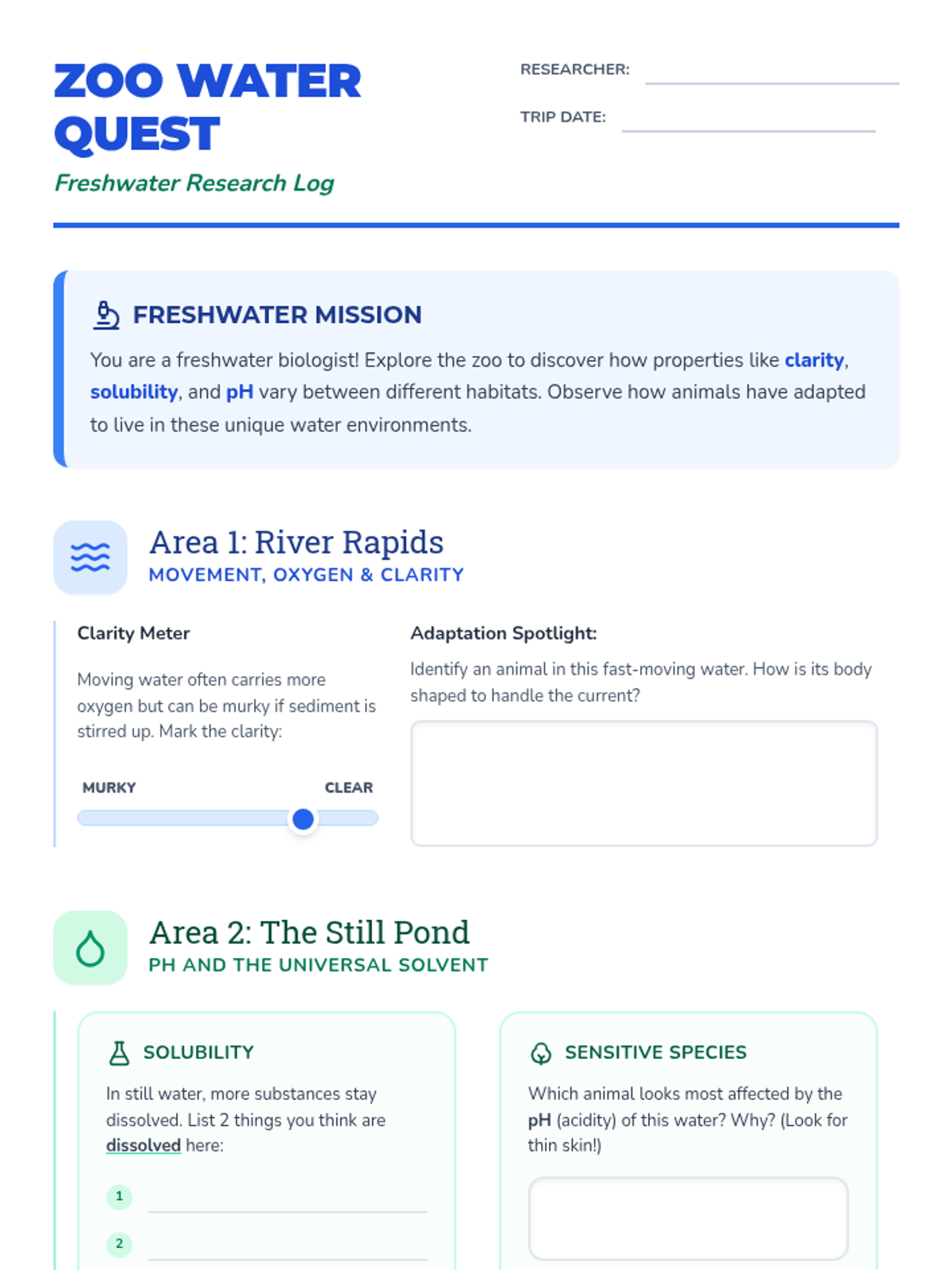
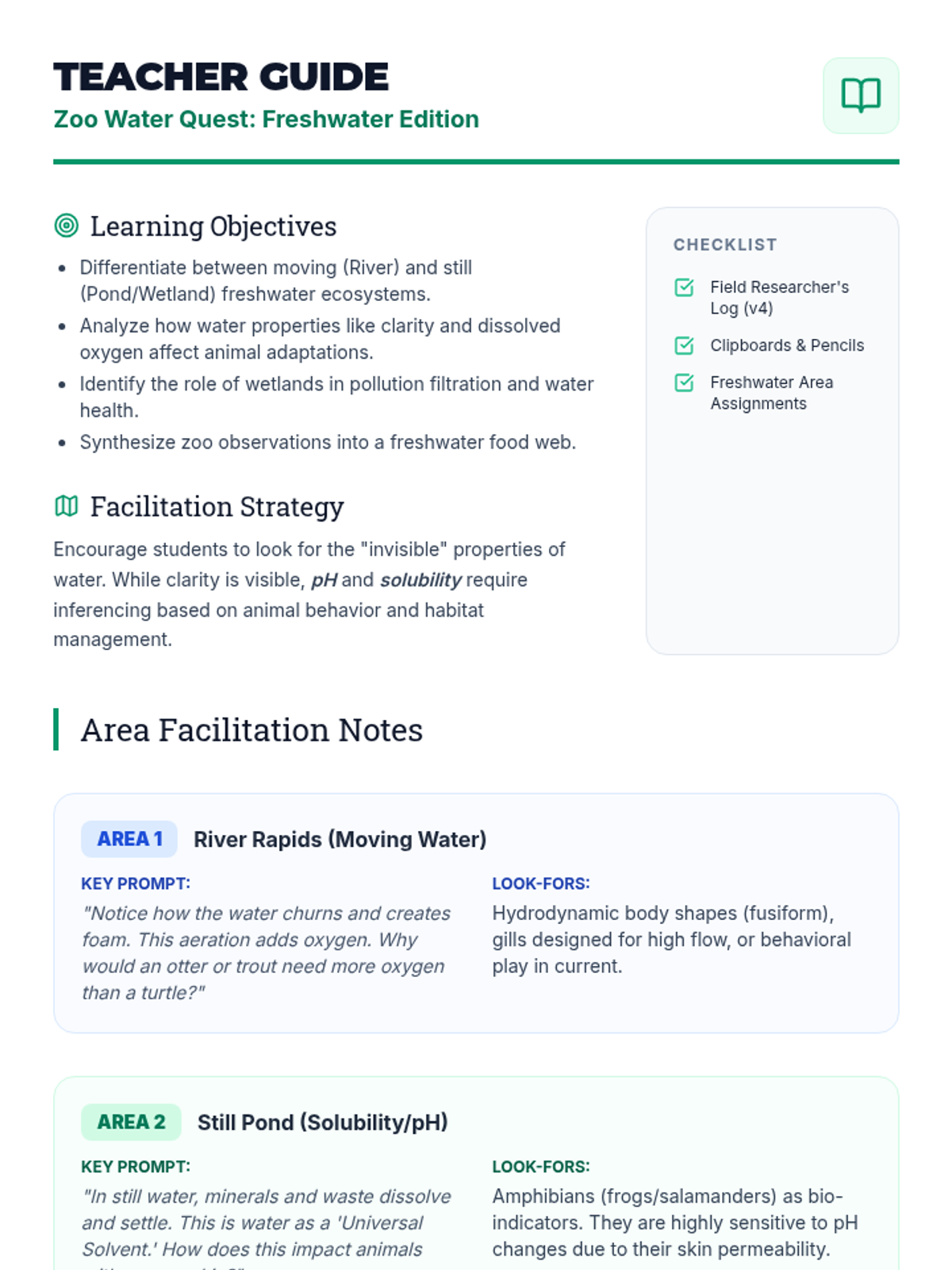
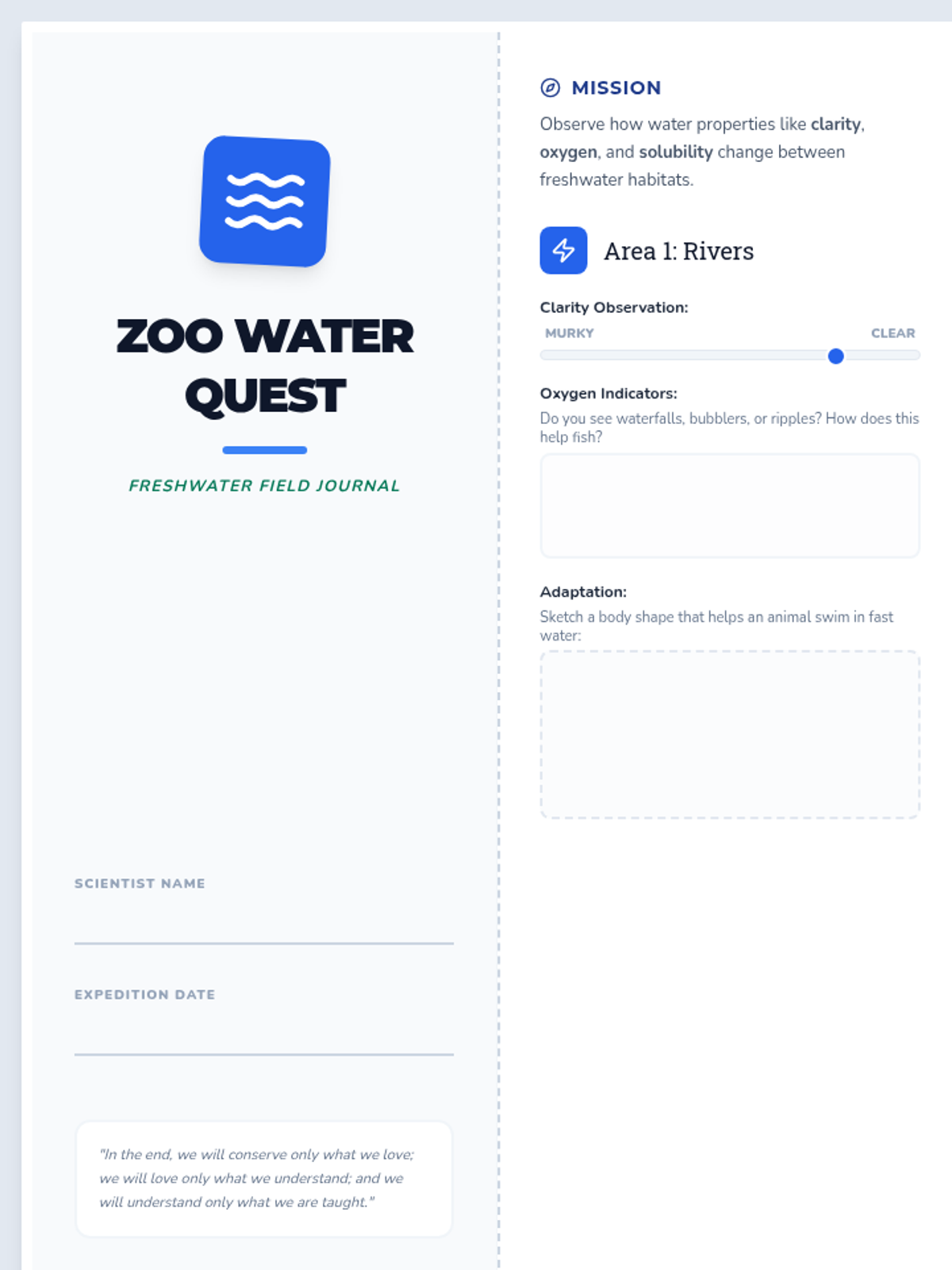
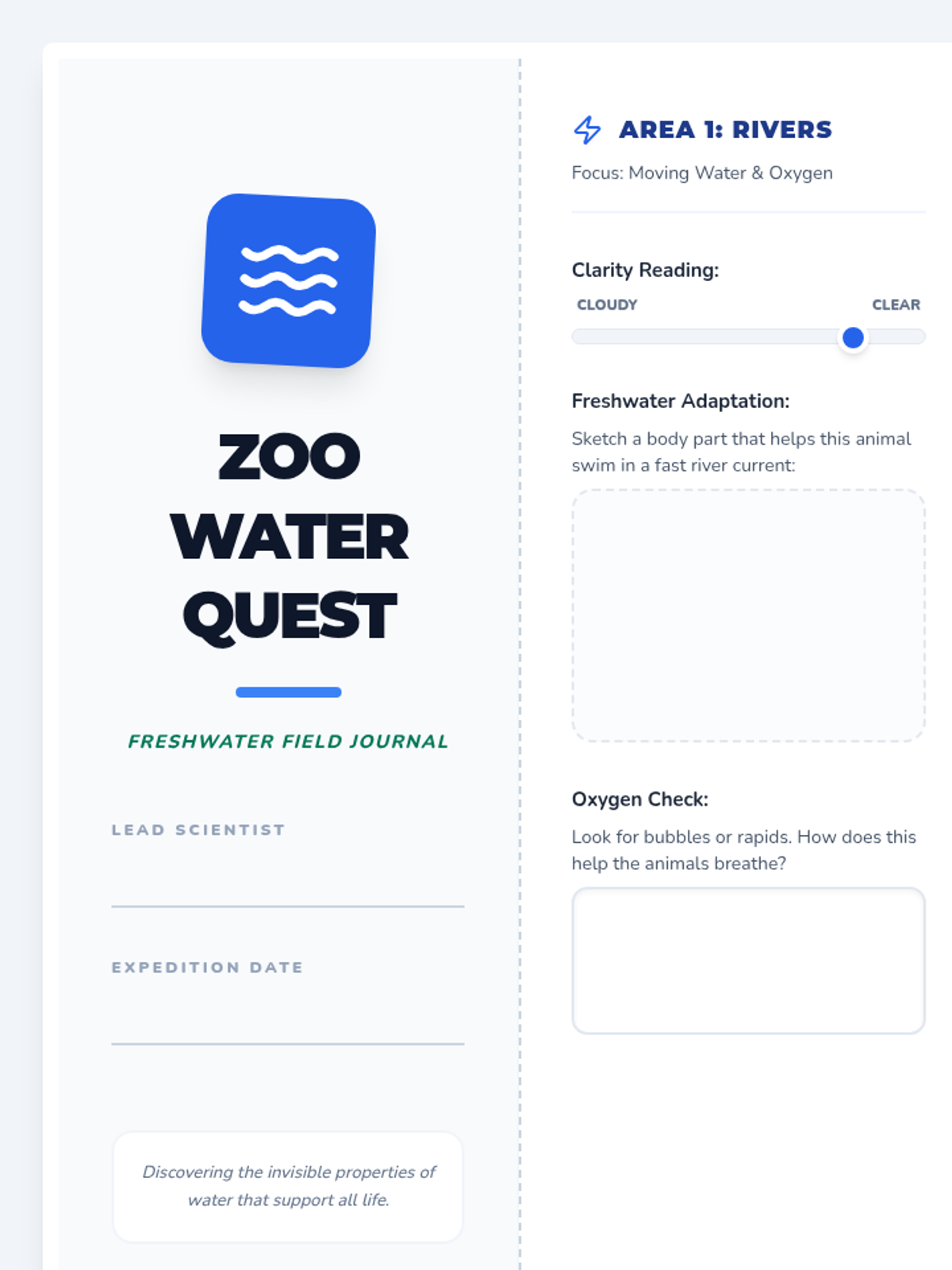
A field-trip-focused lesson where students explore the zoo to observe water properties in action and understand how different ecosystems rely on specific water characteristics and conservation adaptations.
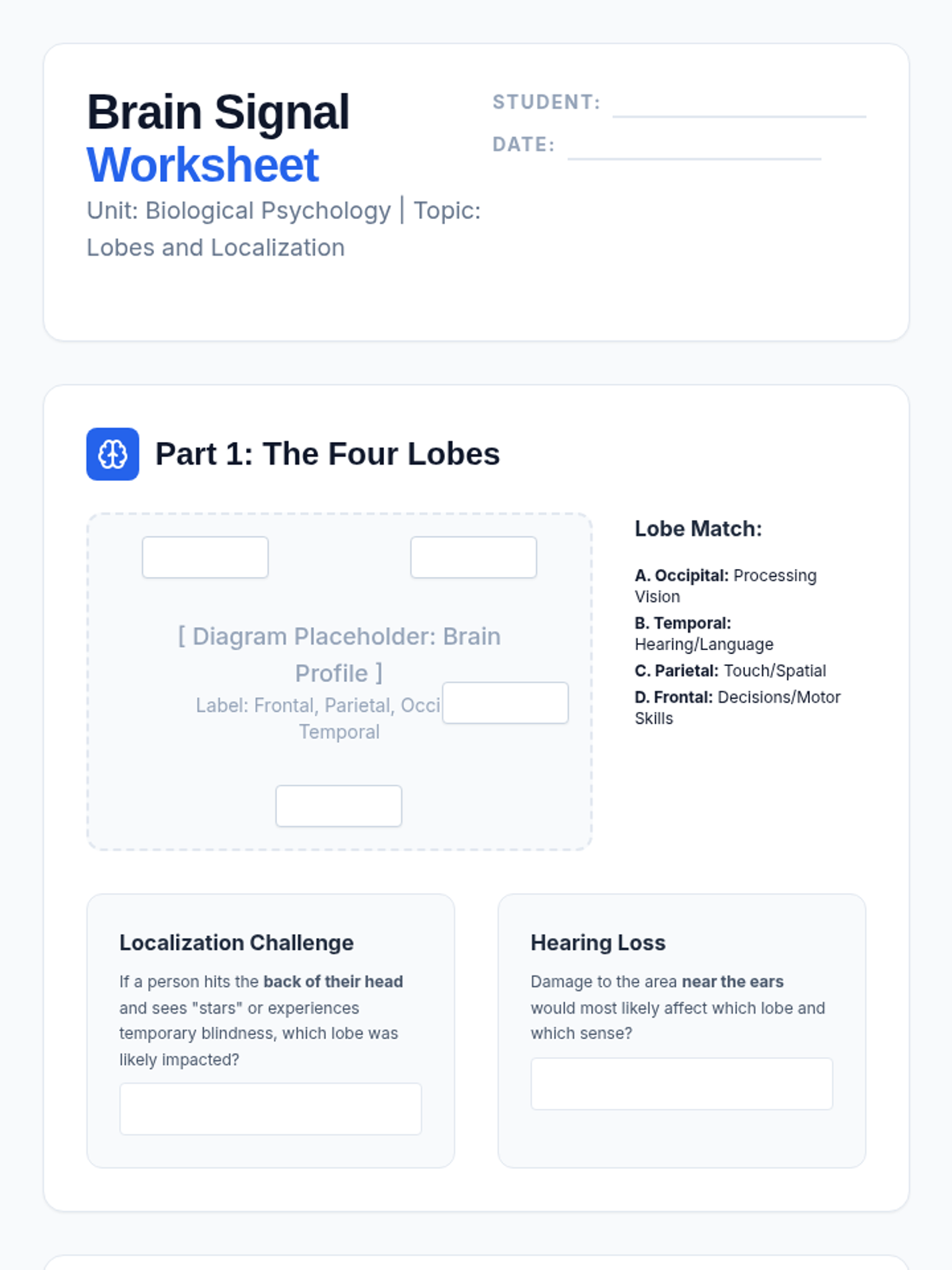
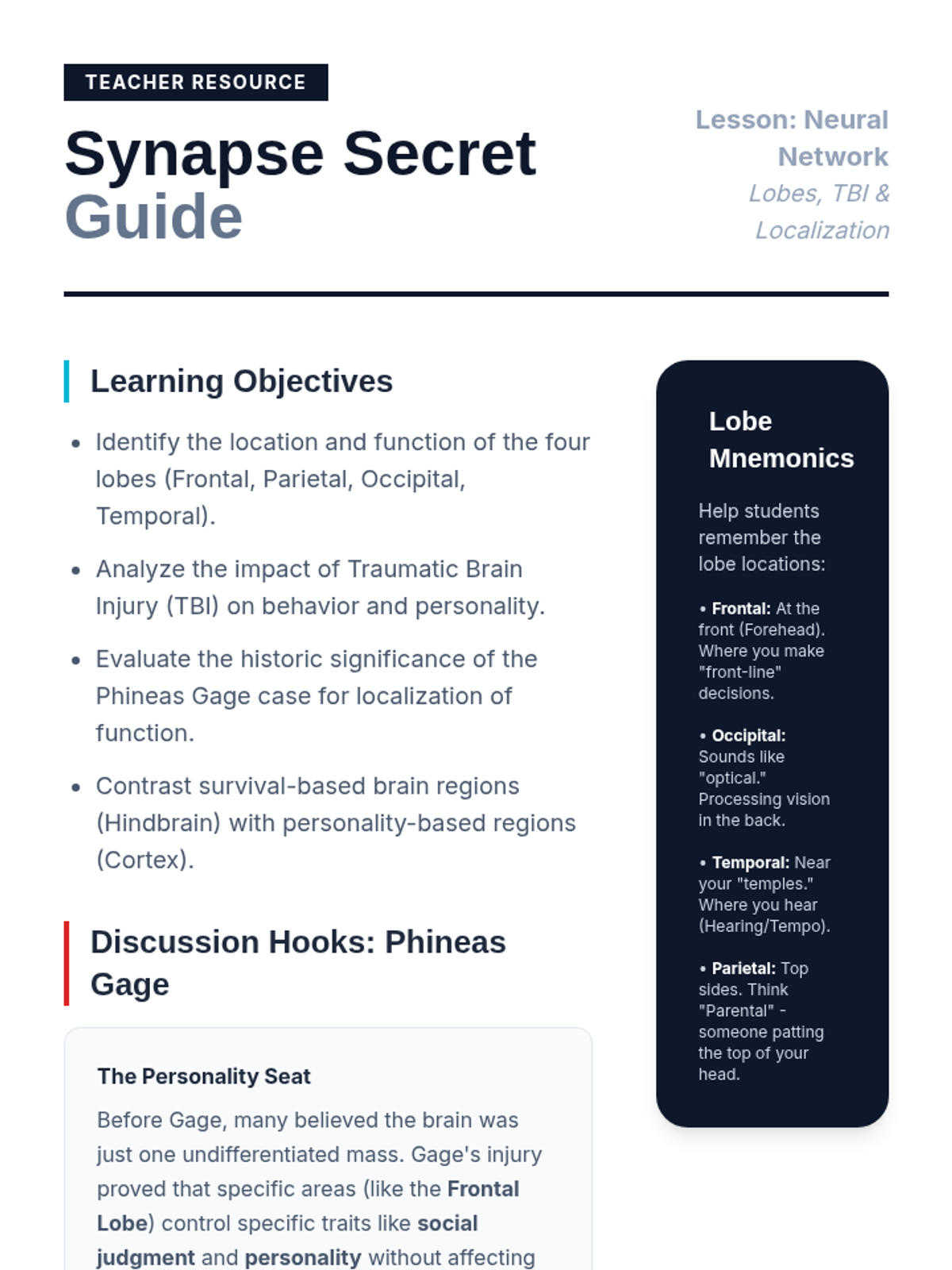
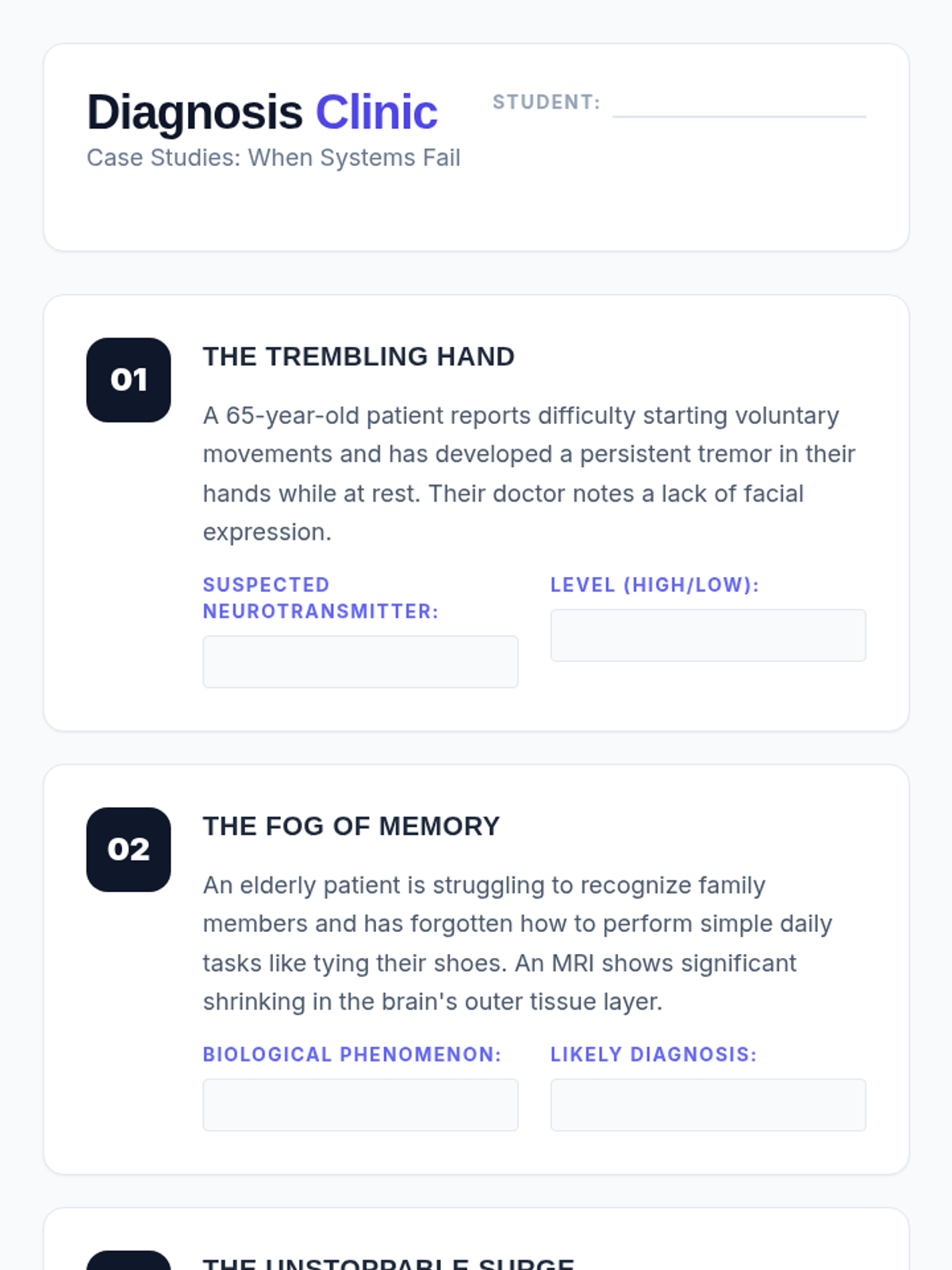
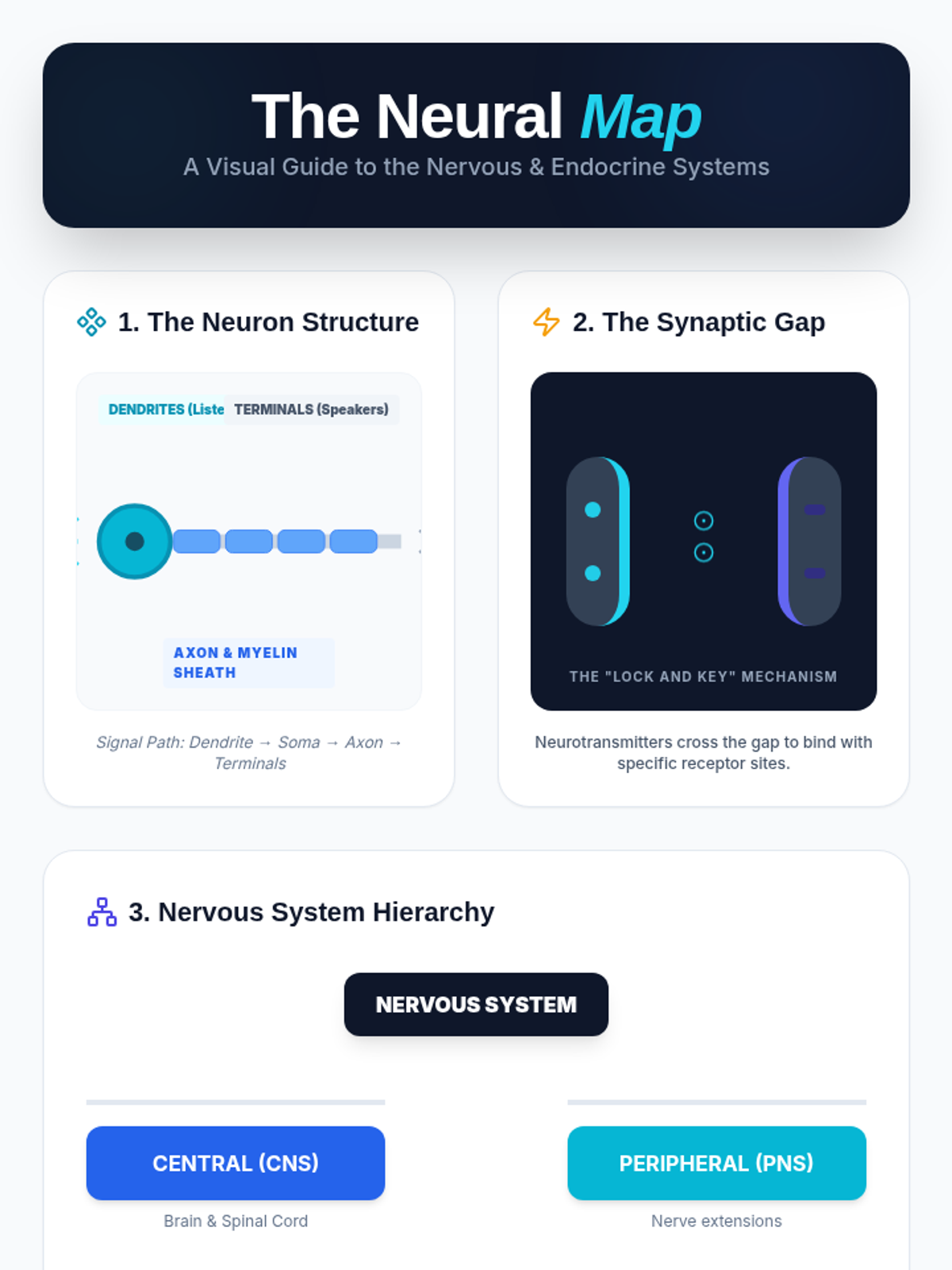
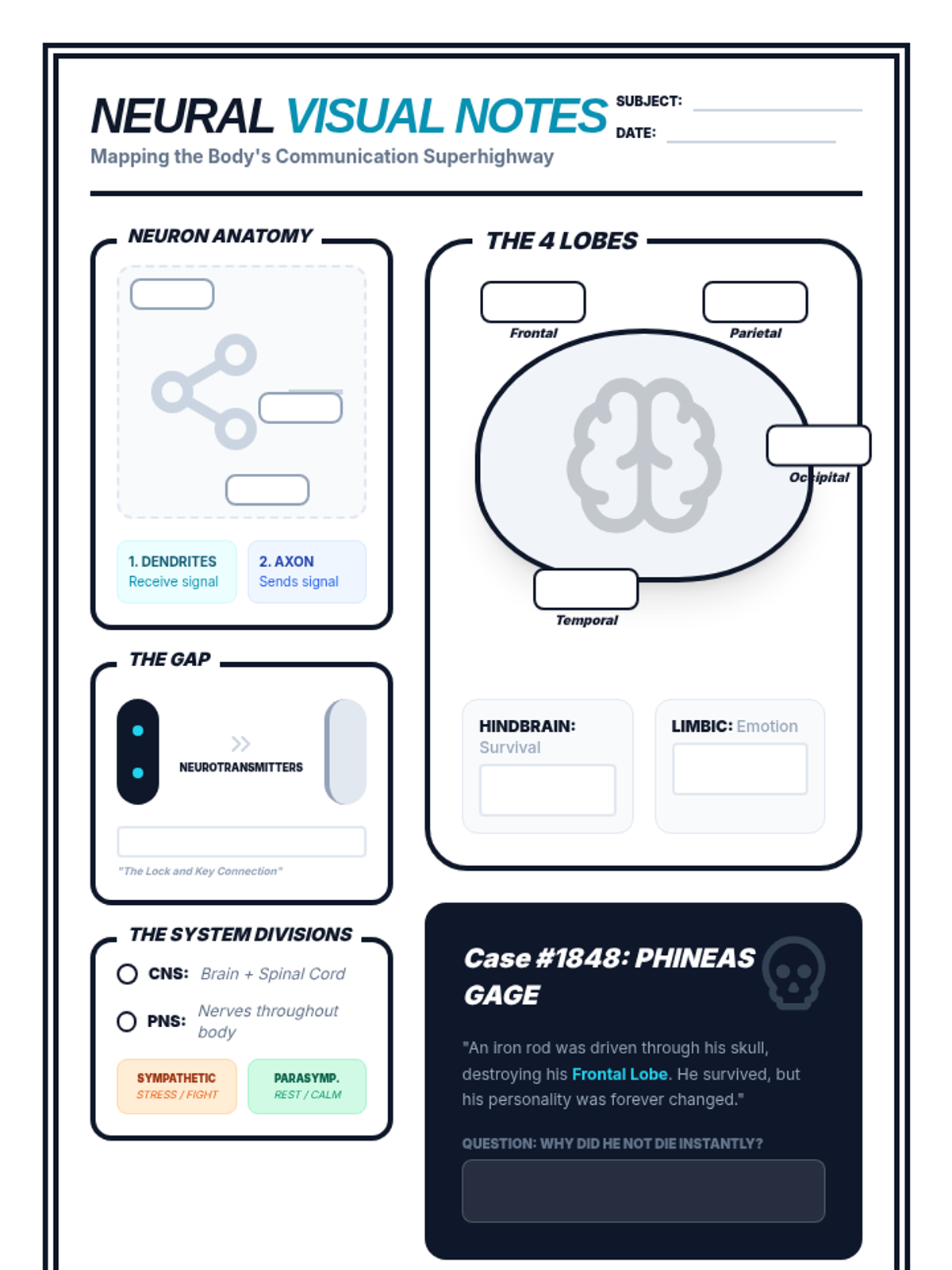
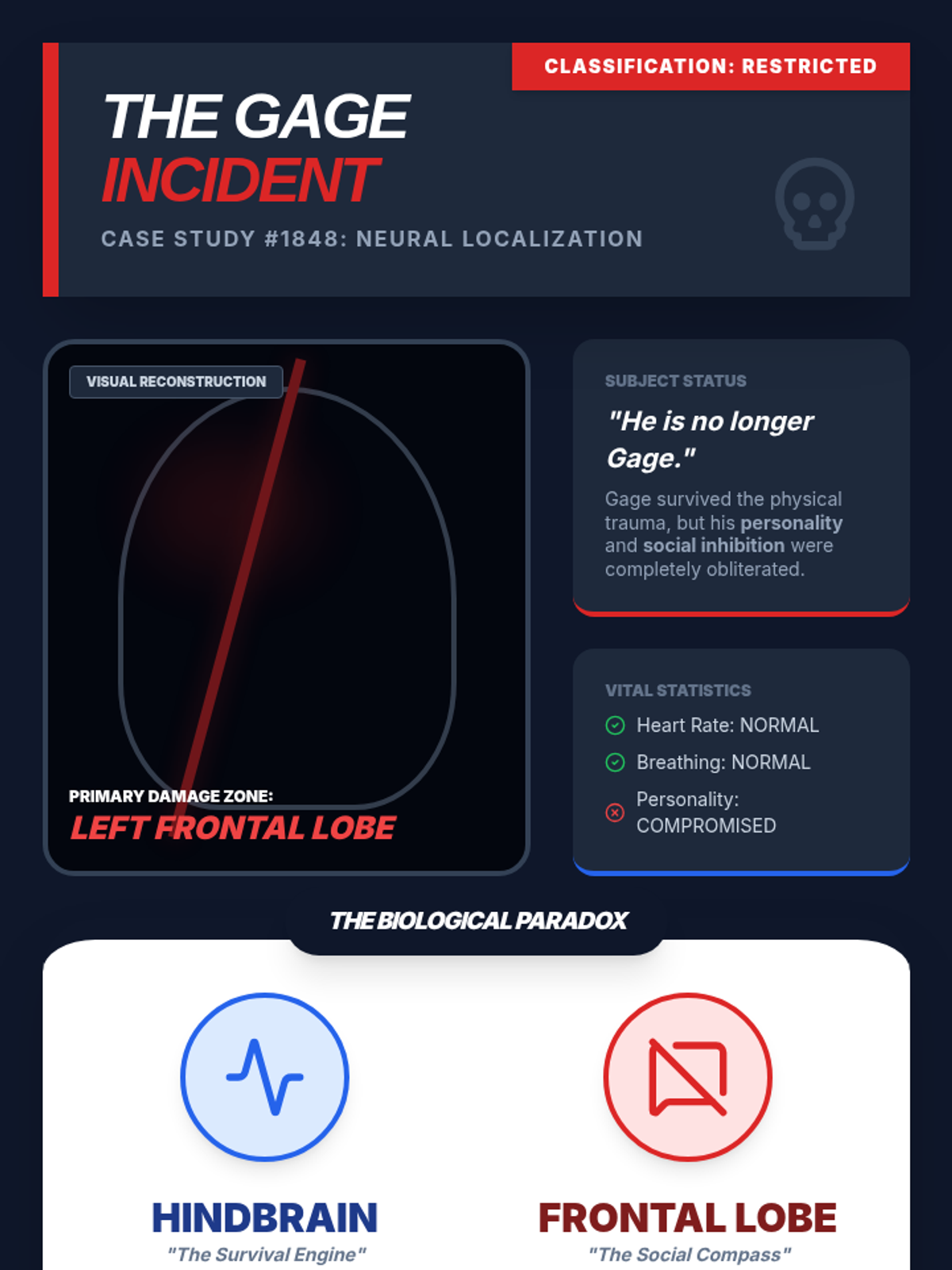
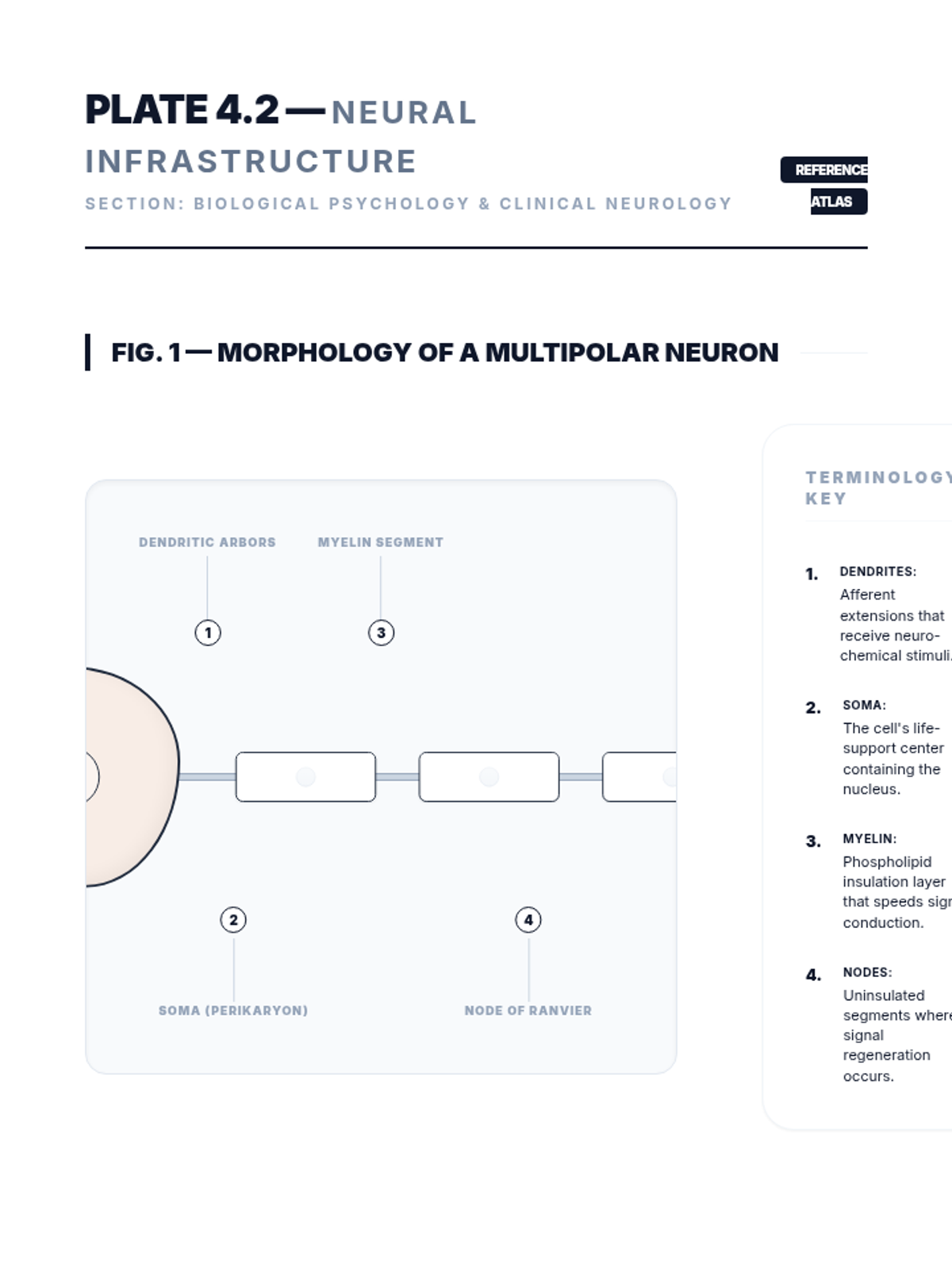
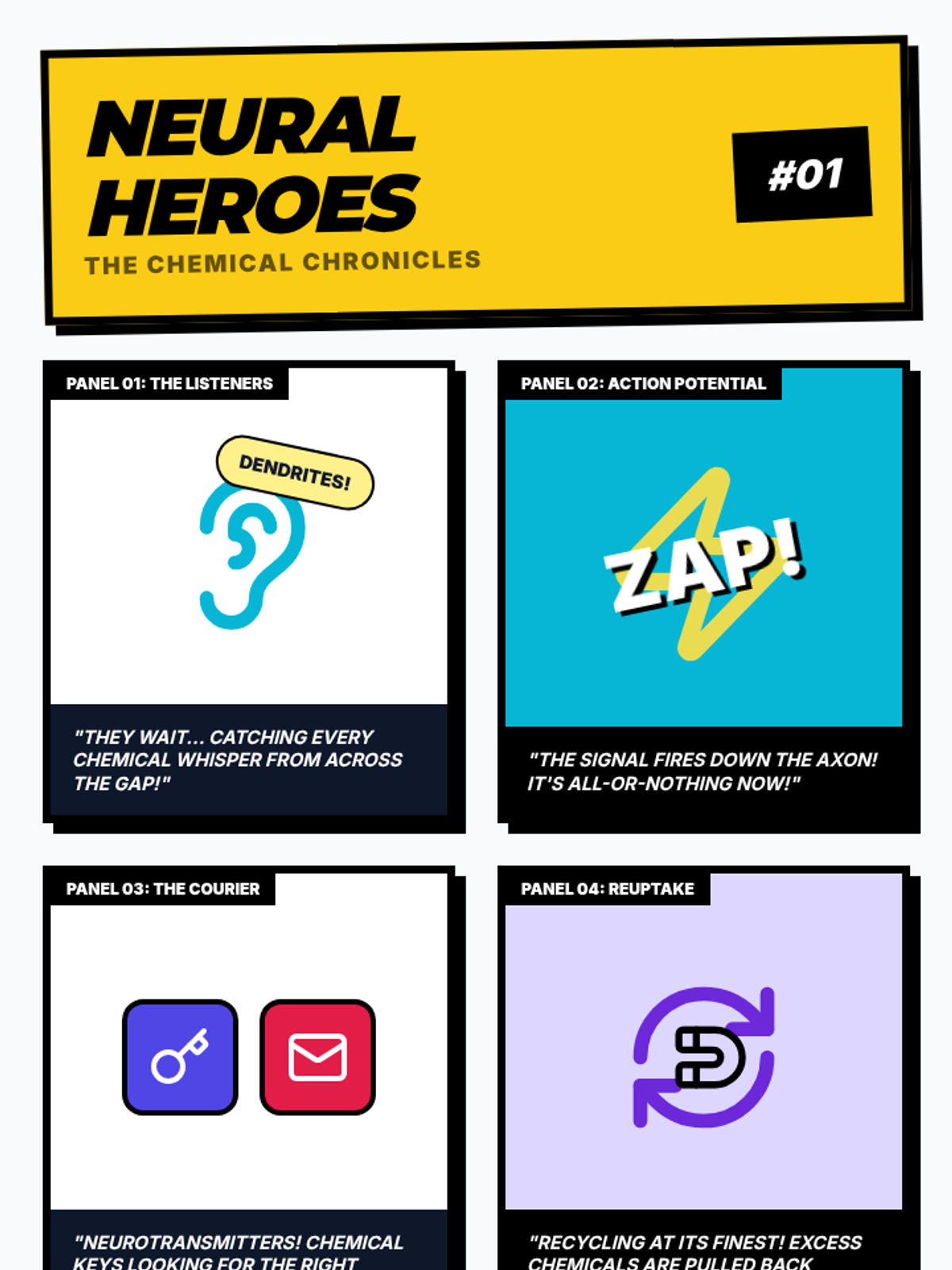
An exploration of the nervous system's building blocks, focusing on neuron structure, the synaptic gap, and the chemical messengers that drive human behavior and sensation.
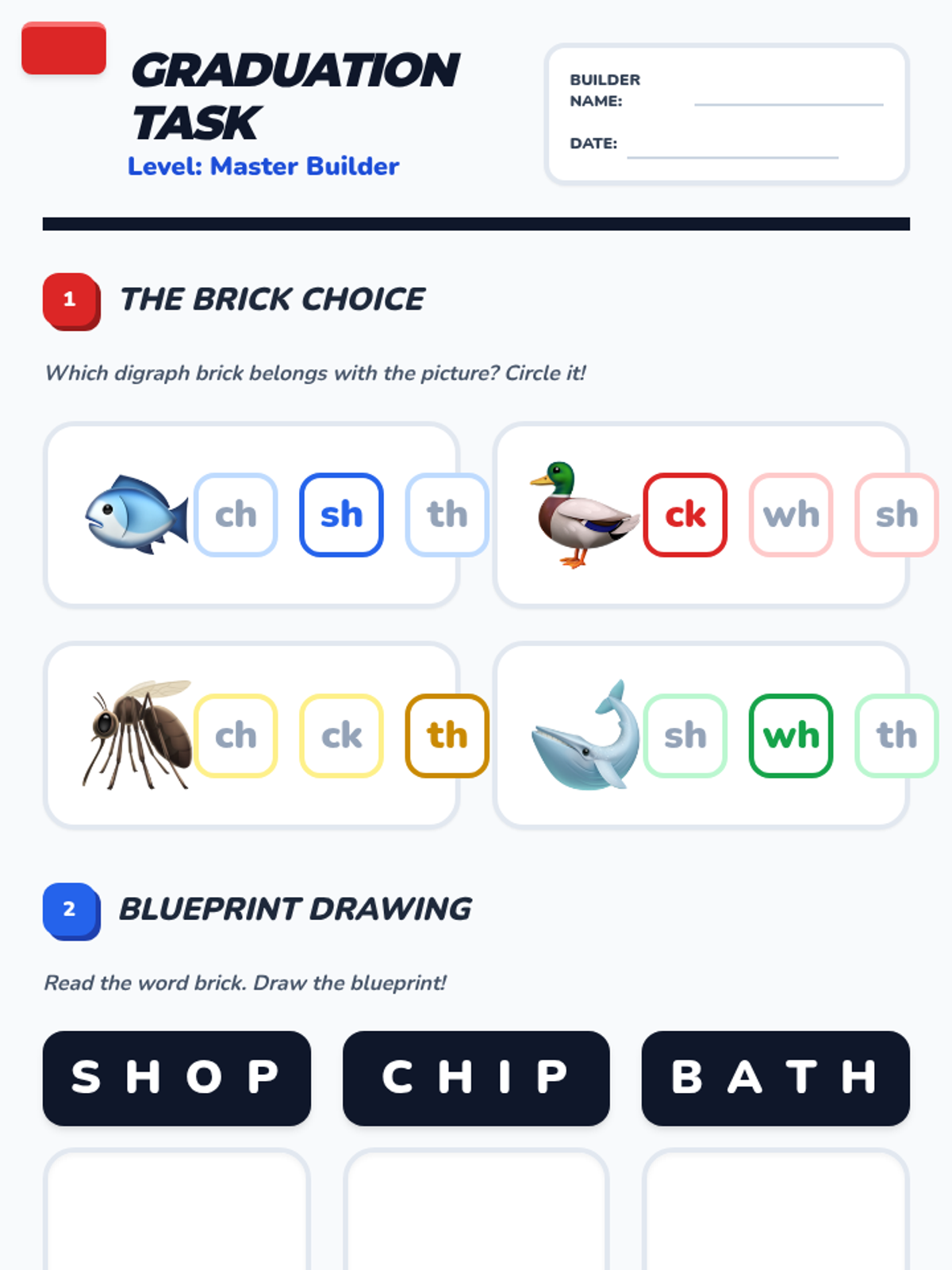
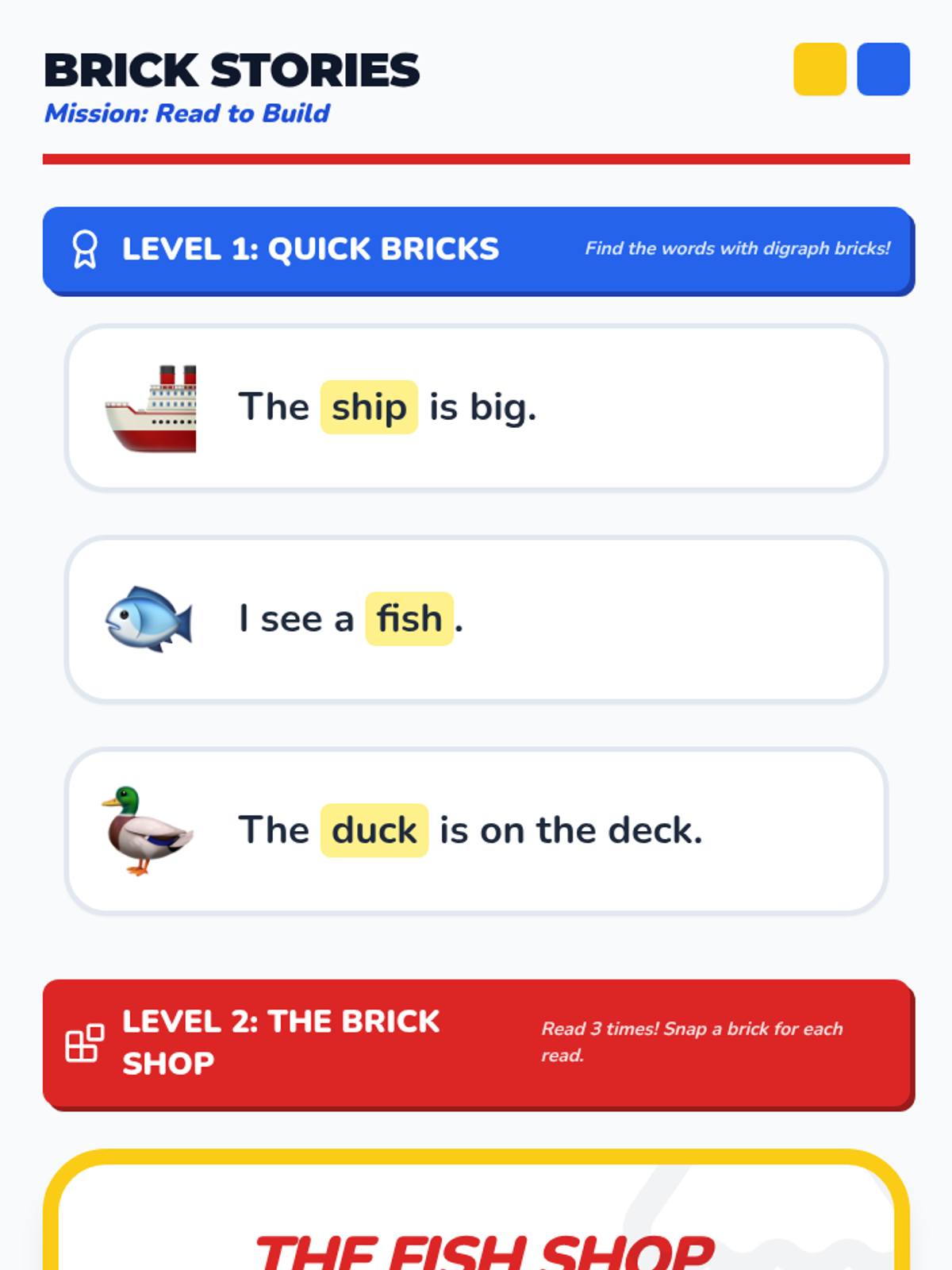
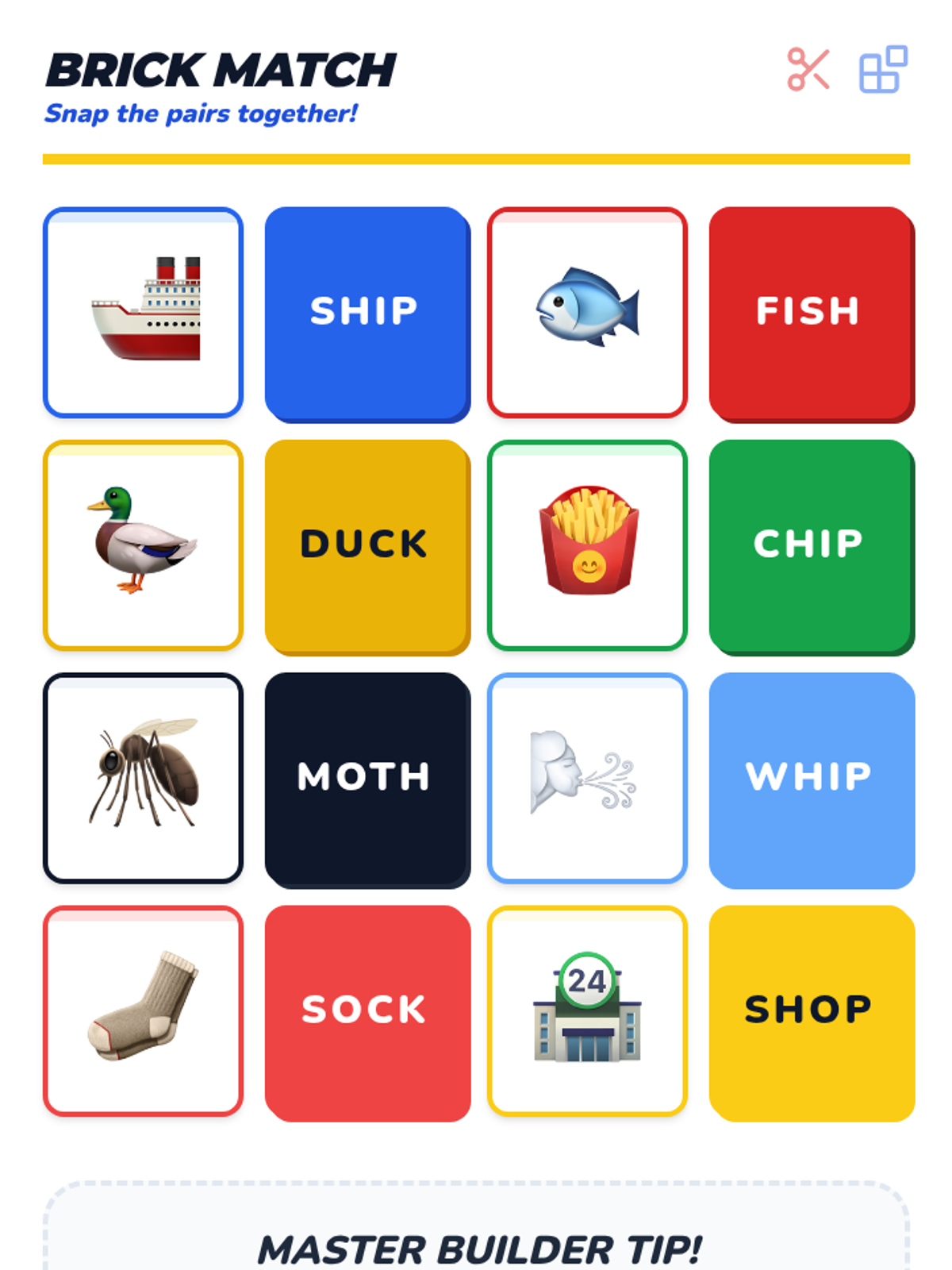
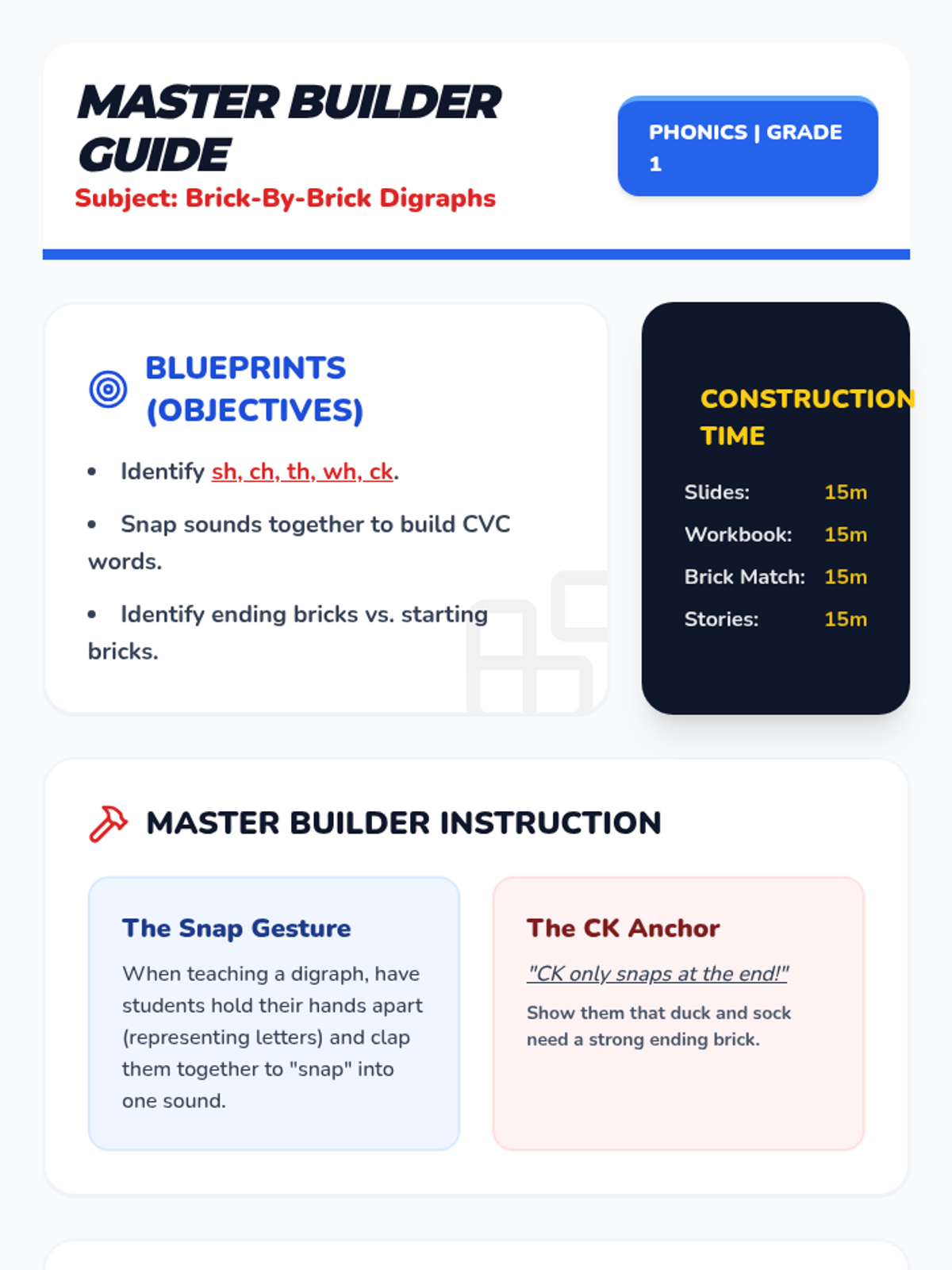
A follow-up lesson focused on building fluency with mixed digraphs, providing cumulative review and a final progress assessment for sh, ch, th, wh, and ck.
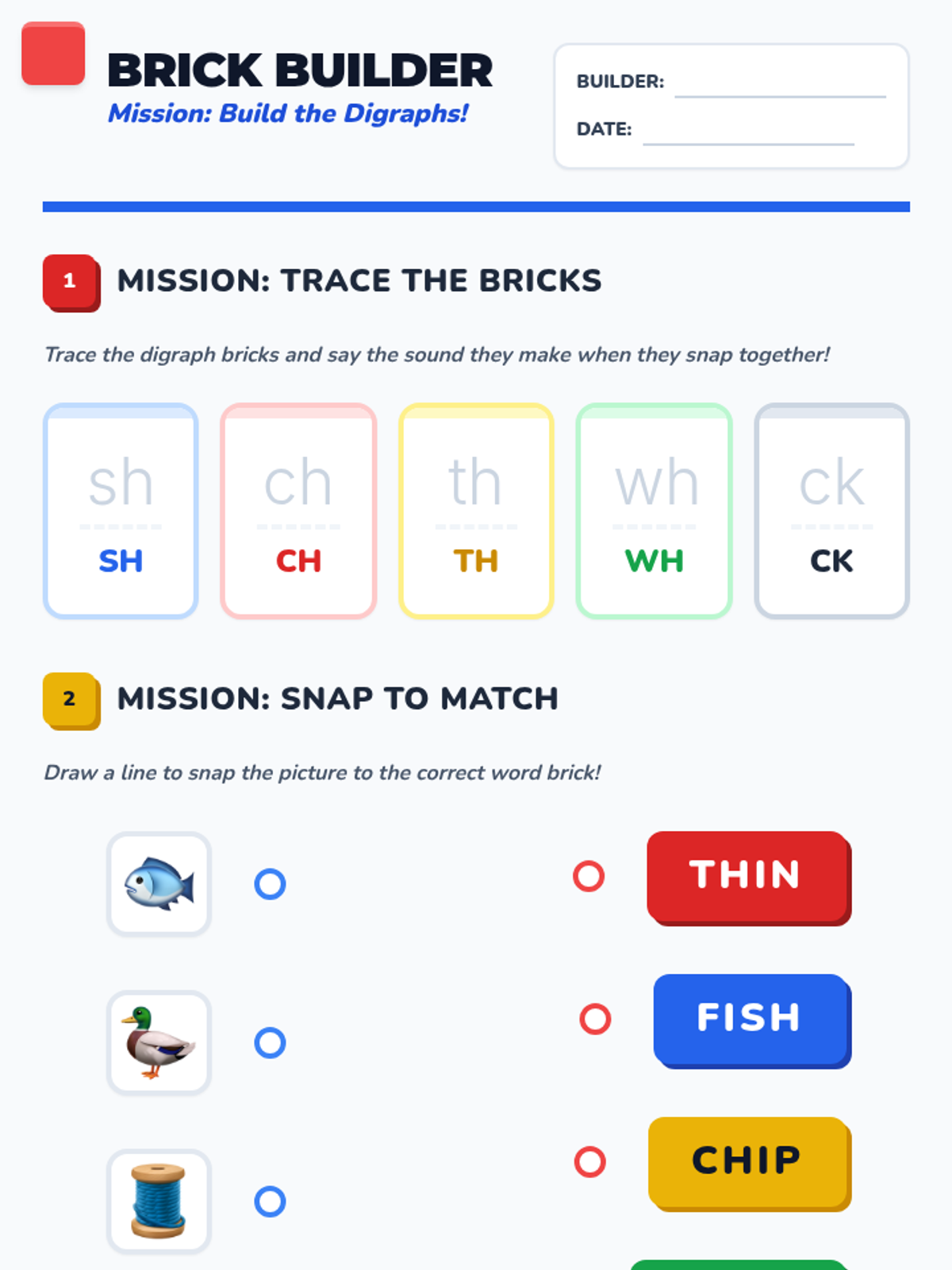
A foundational lesson introducing and practicing common digraphs (sh, ch, th, wh, ck) through multi-sensory activities and differentiated reading tasks using a building-block theme.
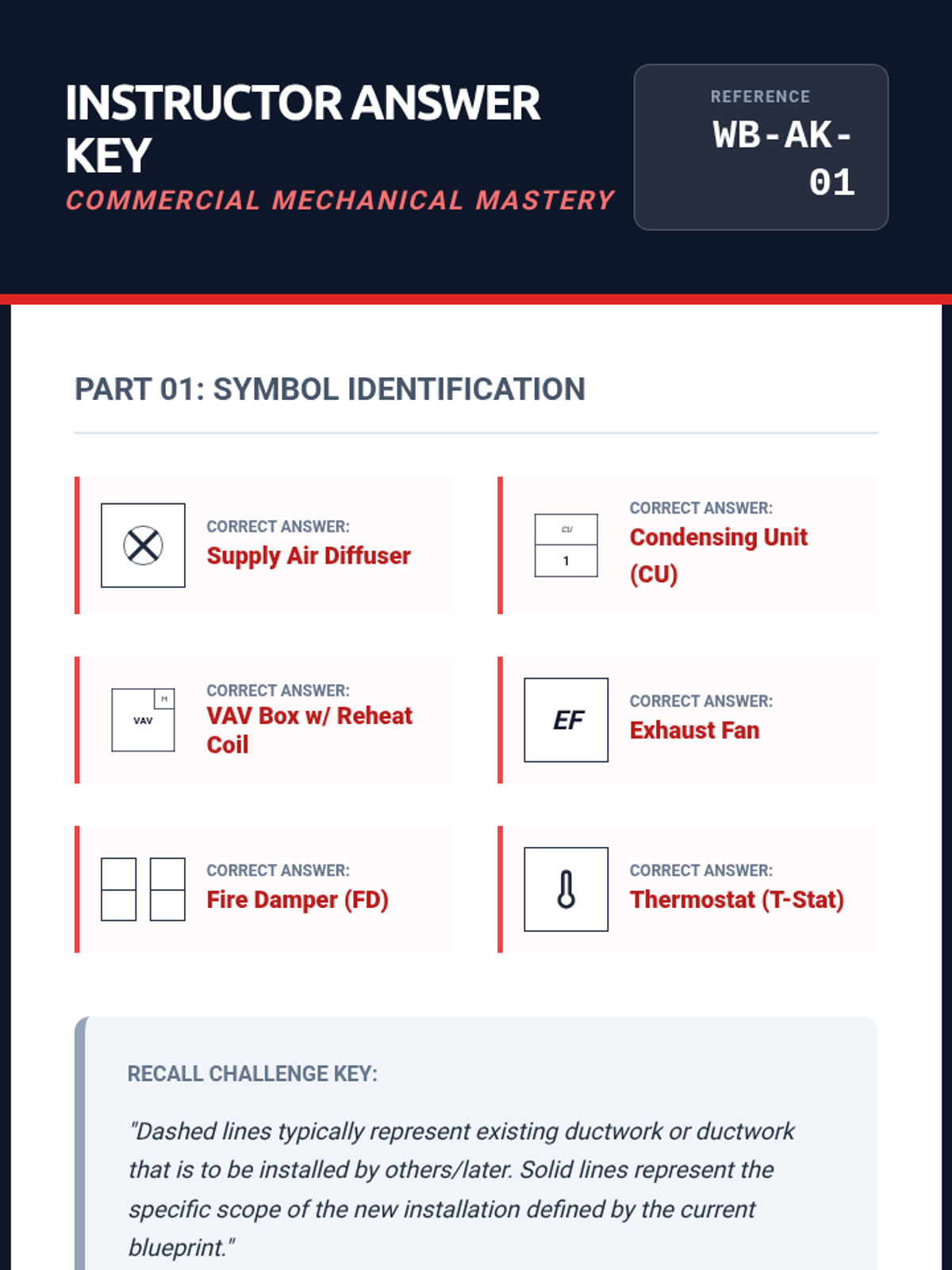
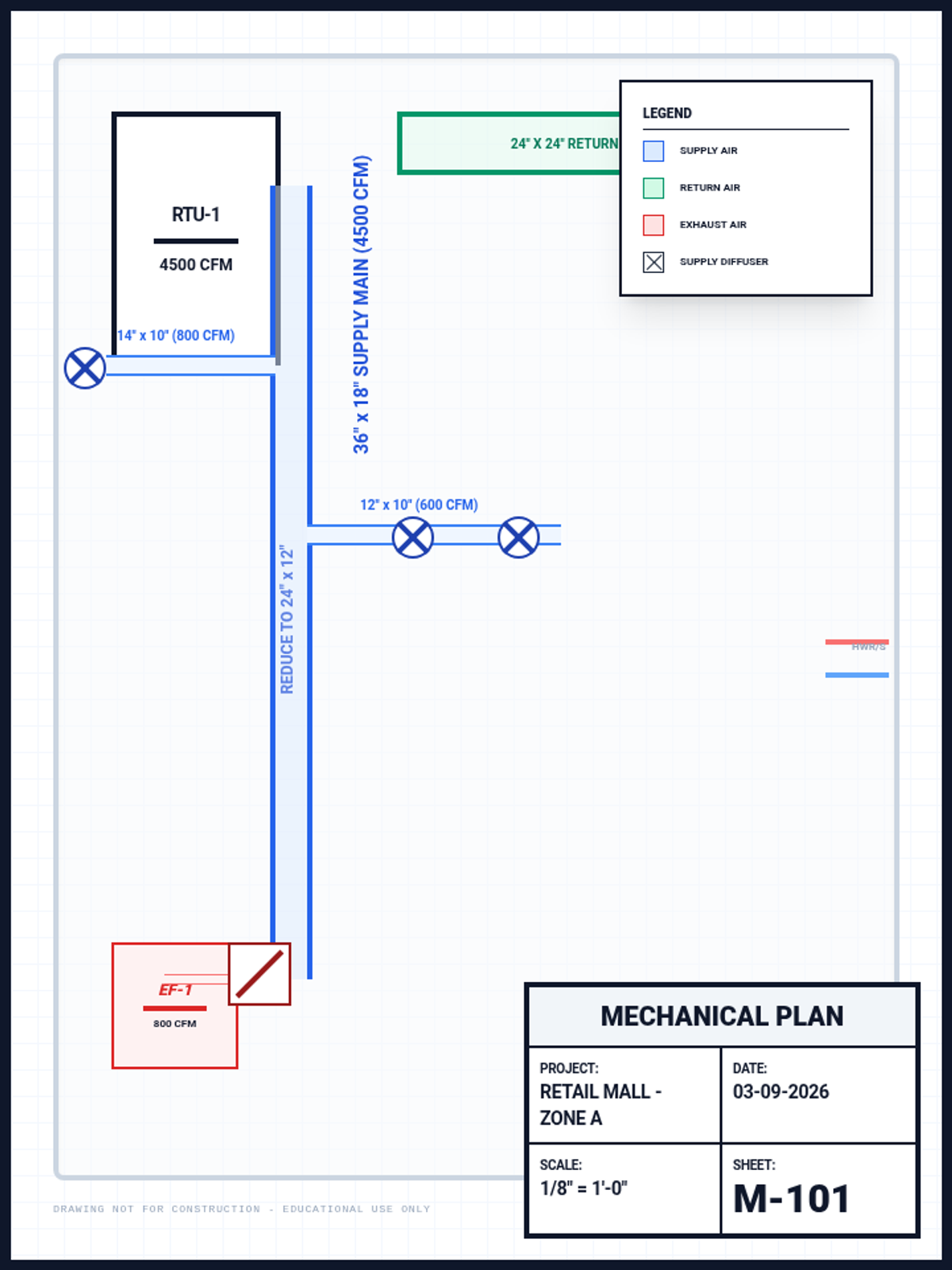
A deep dive into commercial HVAC plans, covering ACCA symbols, equipment schedules, and complex ductwork layouts for various building types.
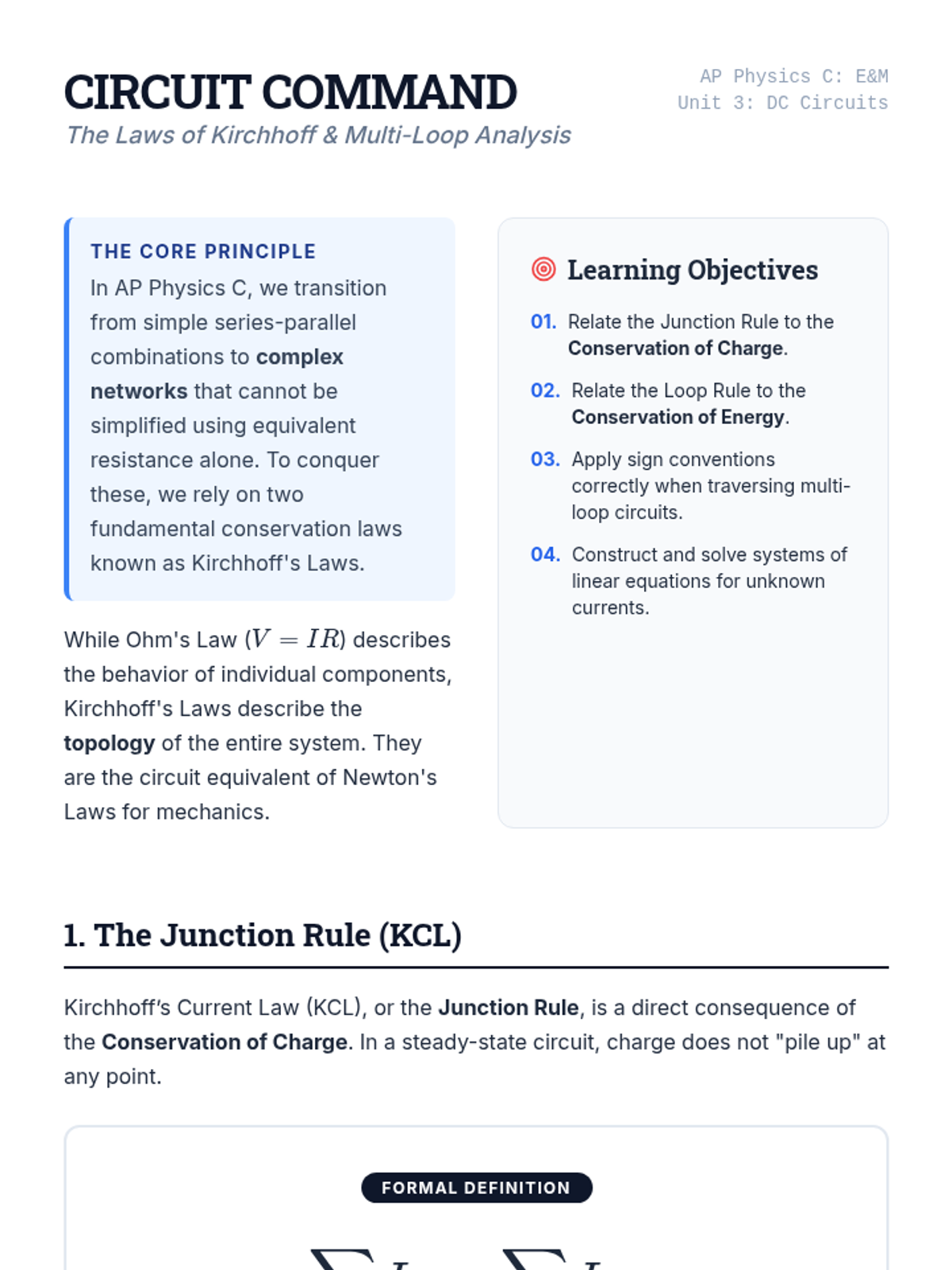
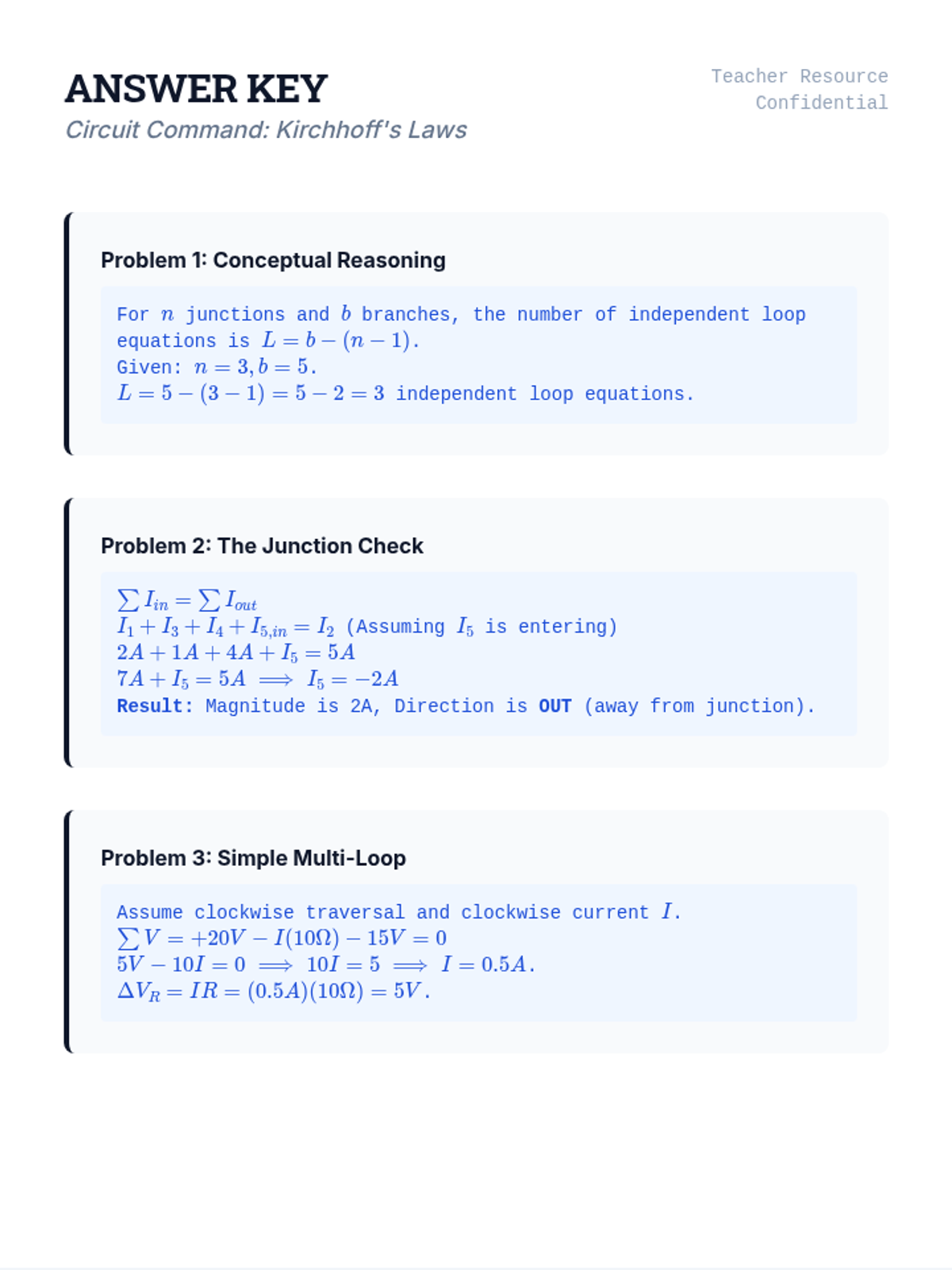
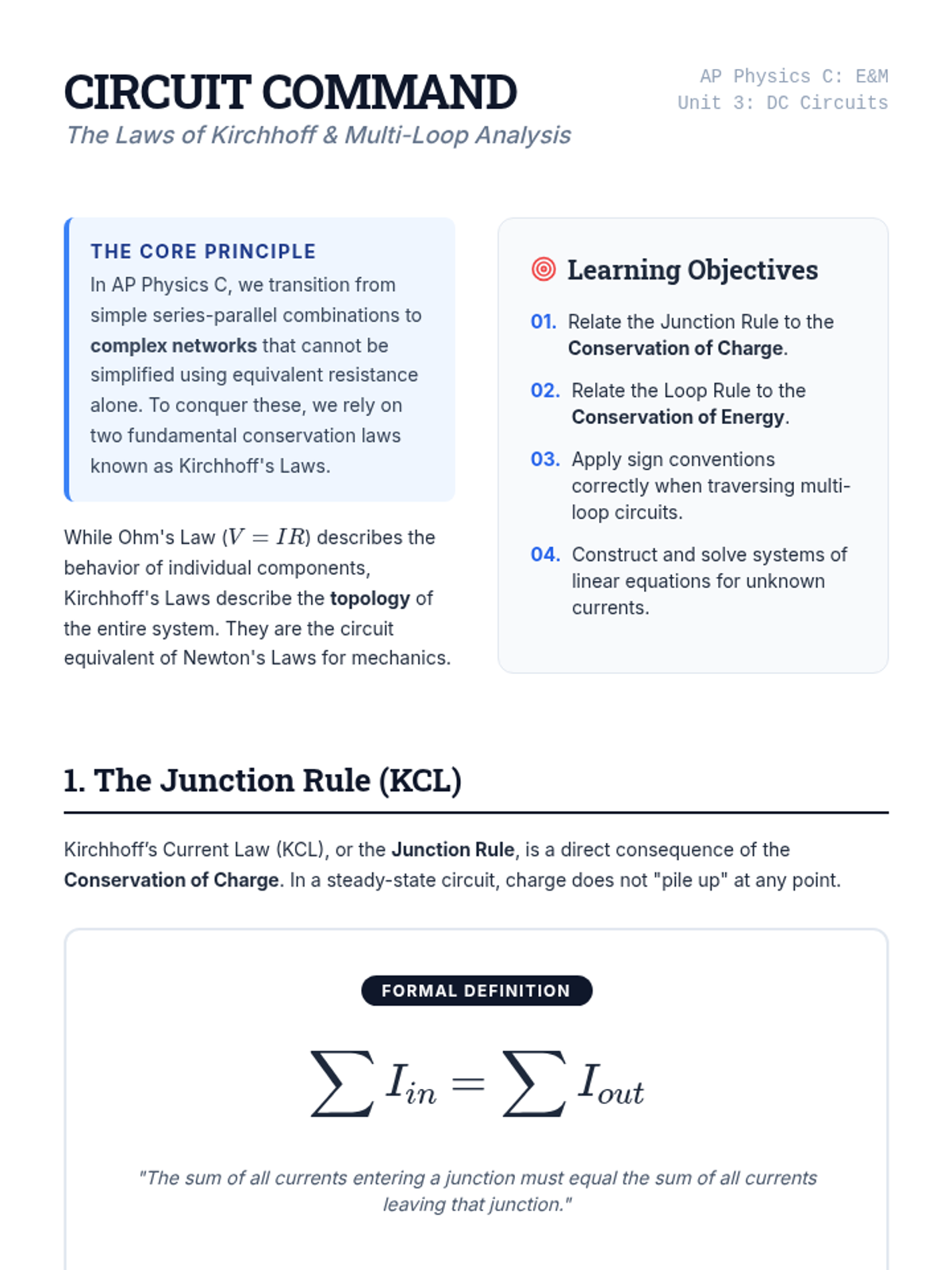
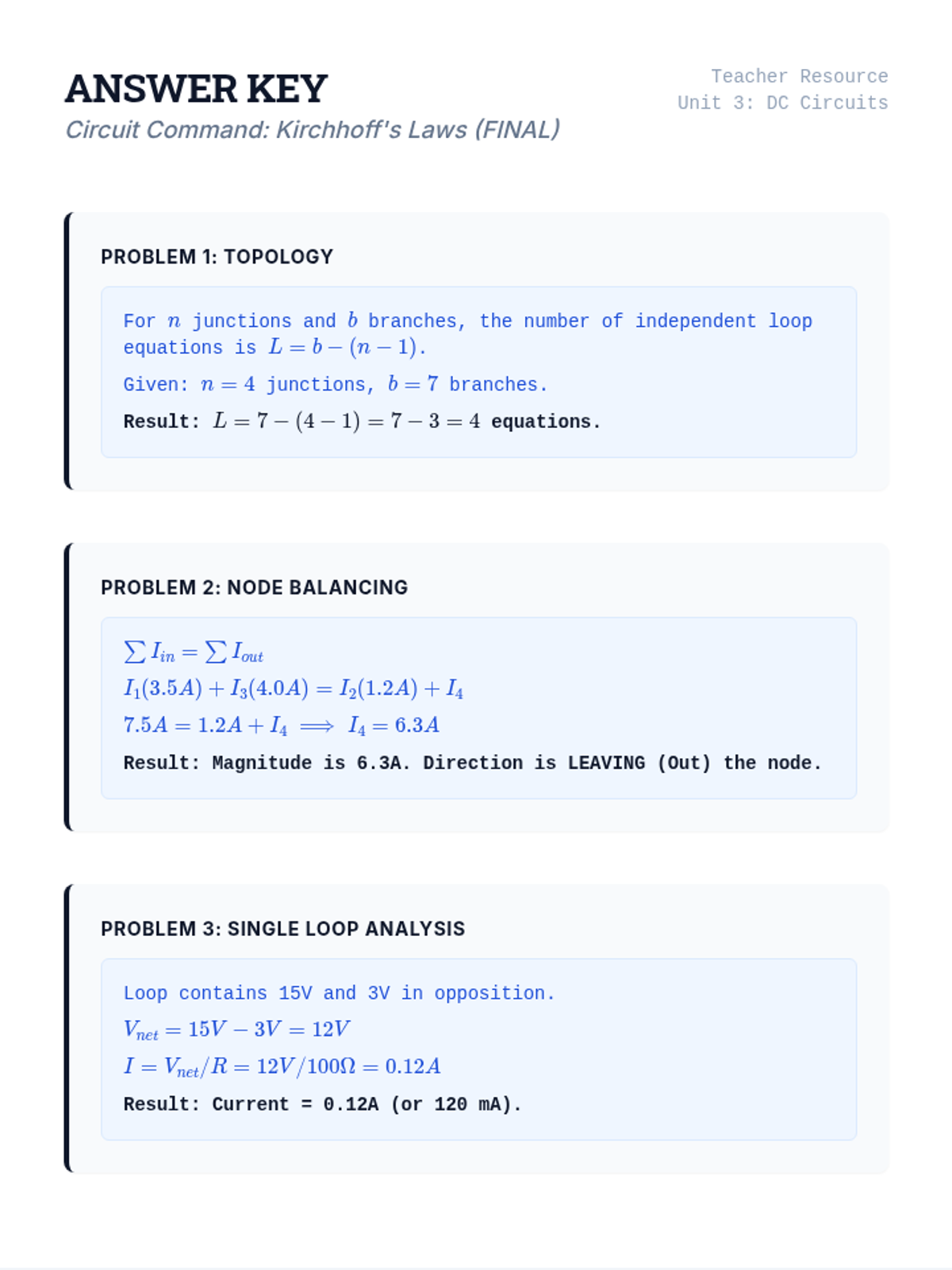
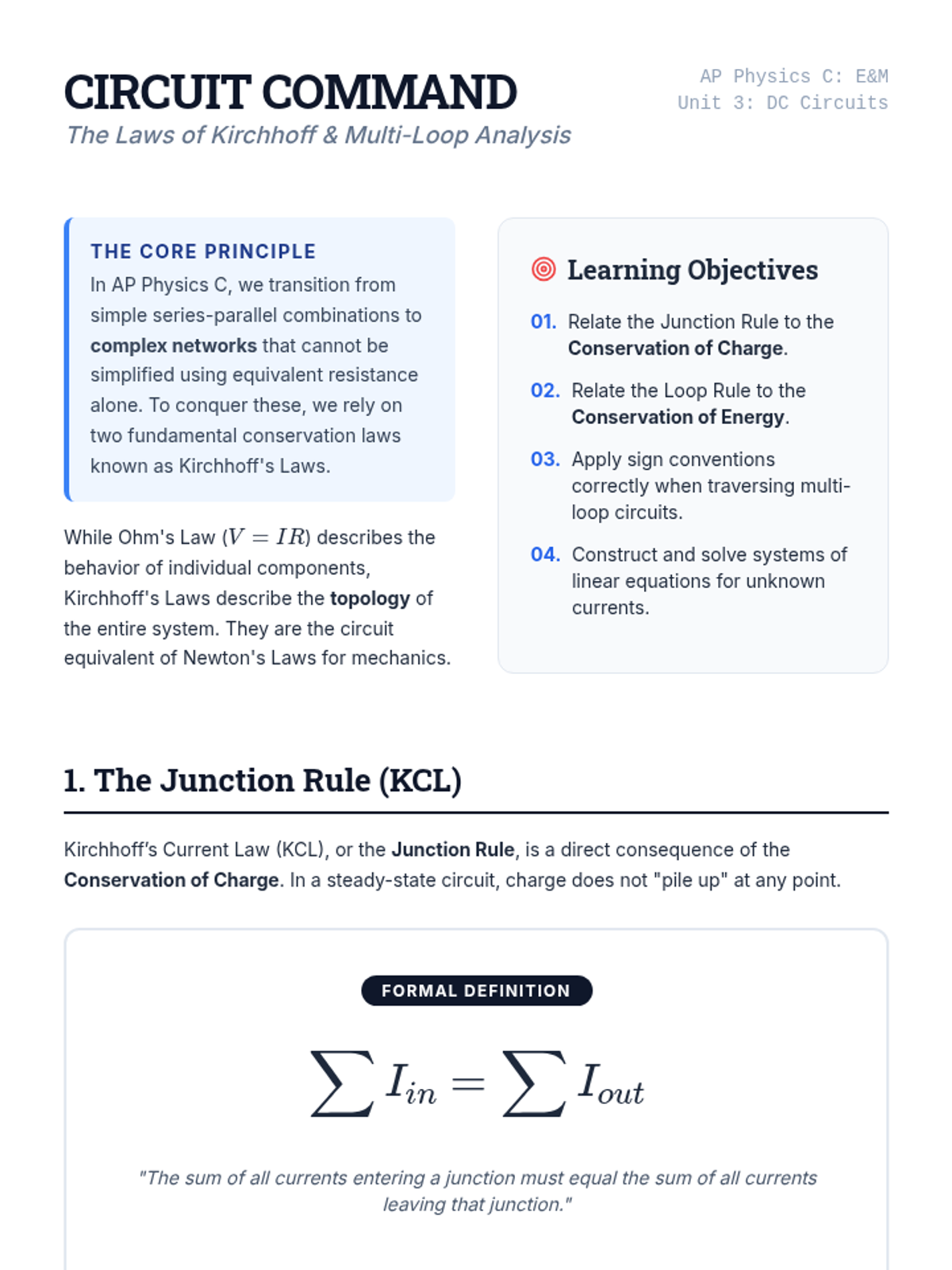
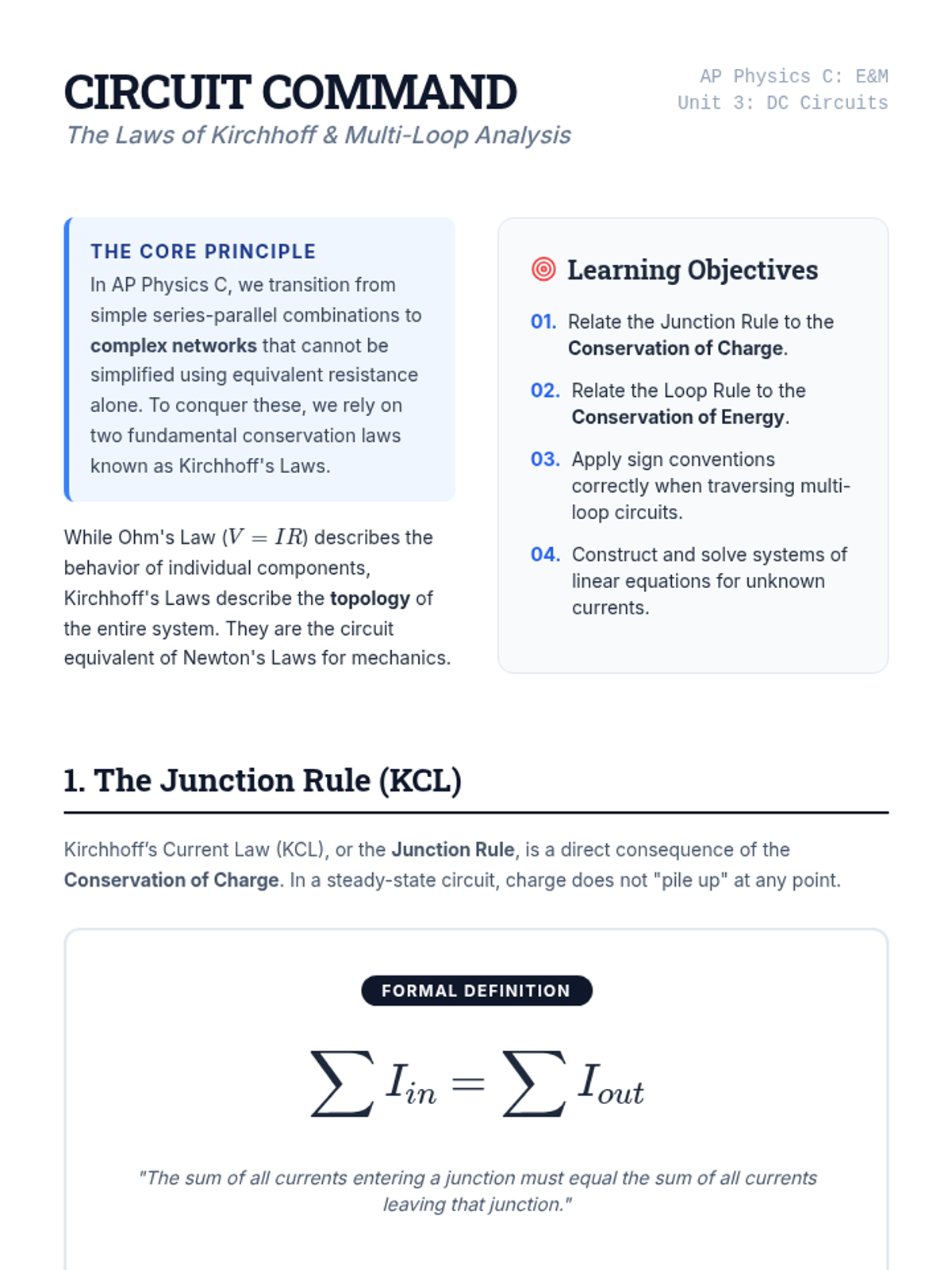
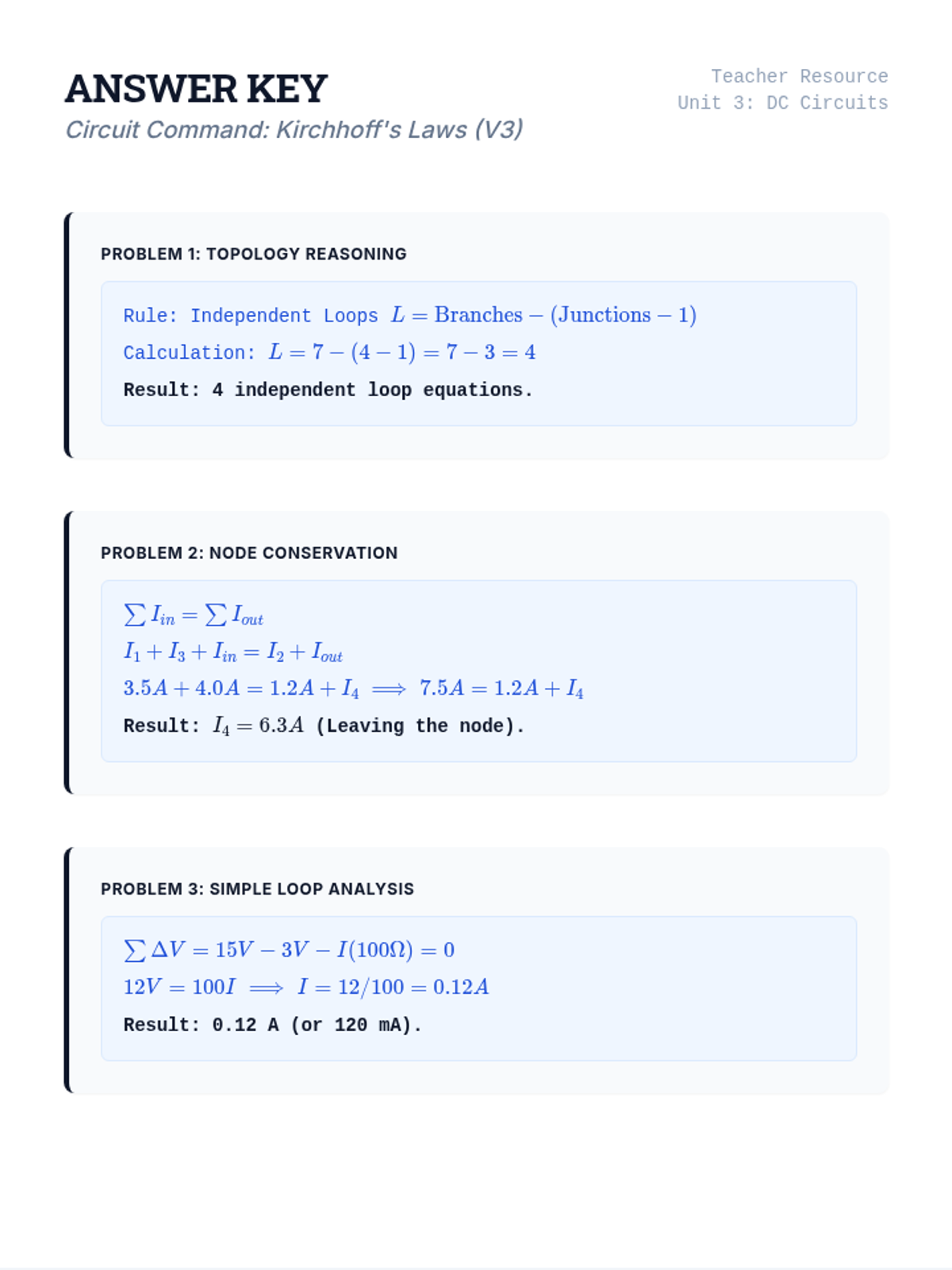
A comprehensive guide to Kirchhoff's Laws for AP Physics C, focusing on the Junction and Loop rules, conservation principles, and systematic problem-solving for multi-loop circuits.
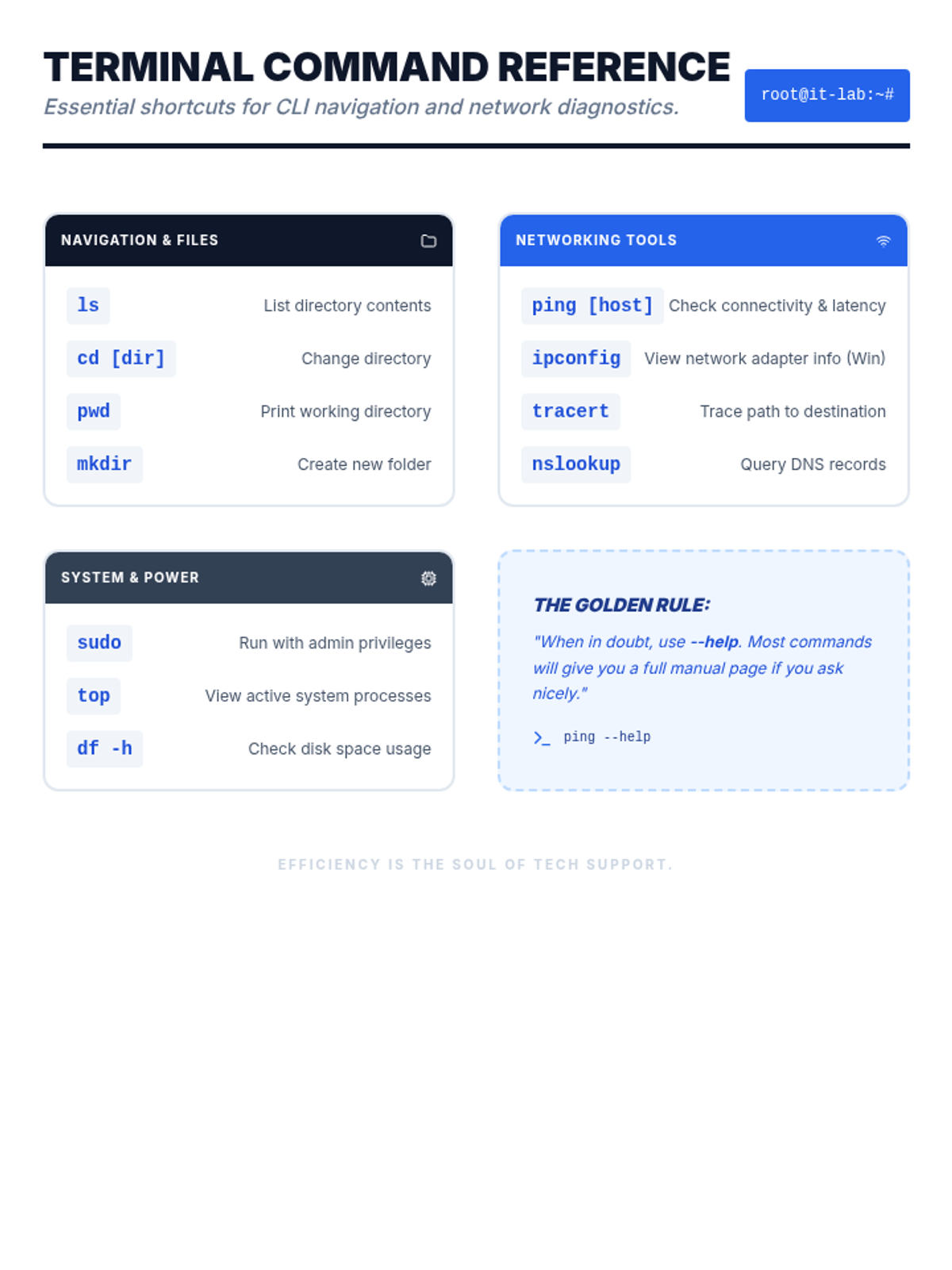
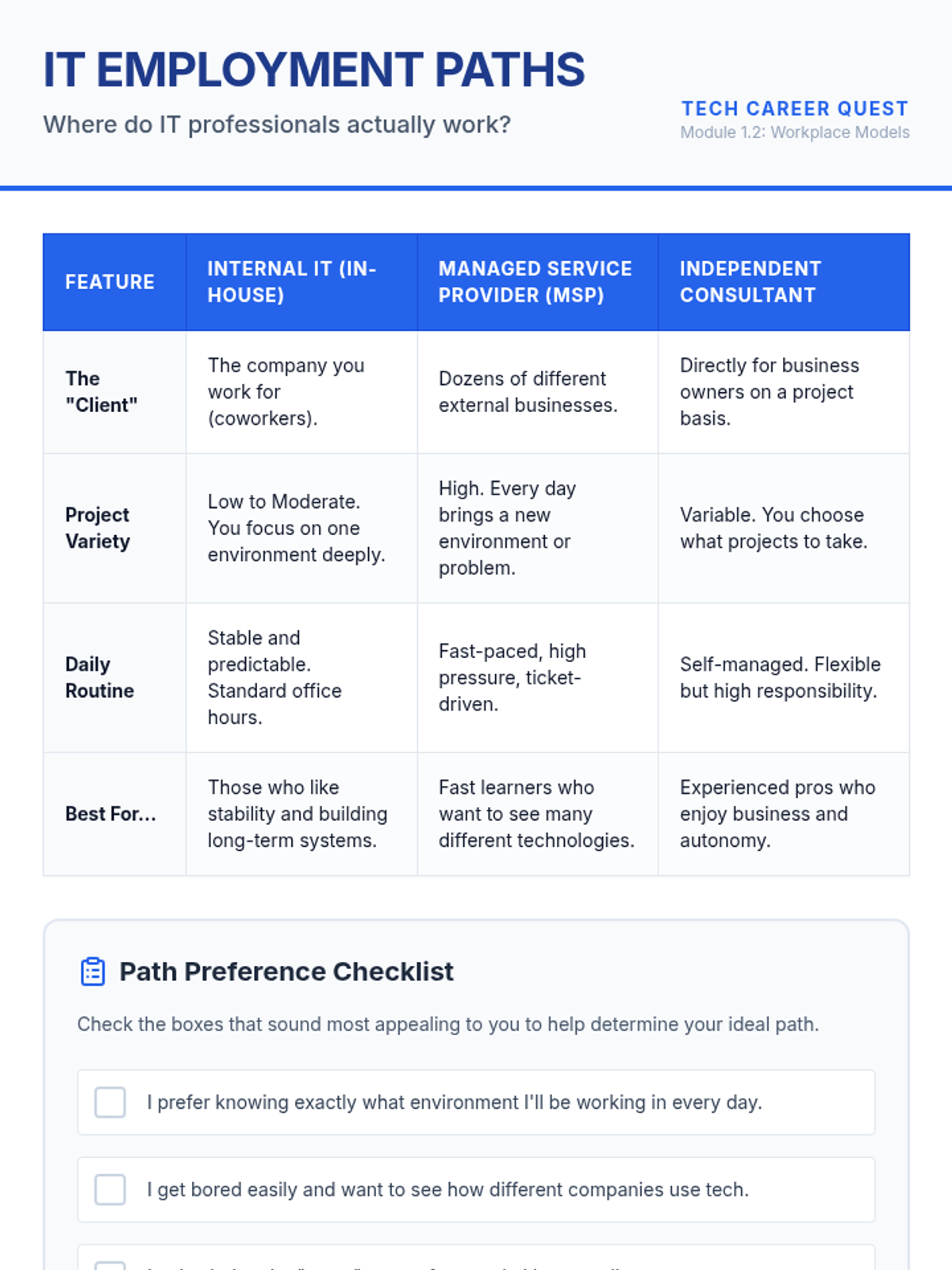
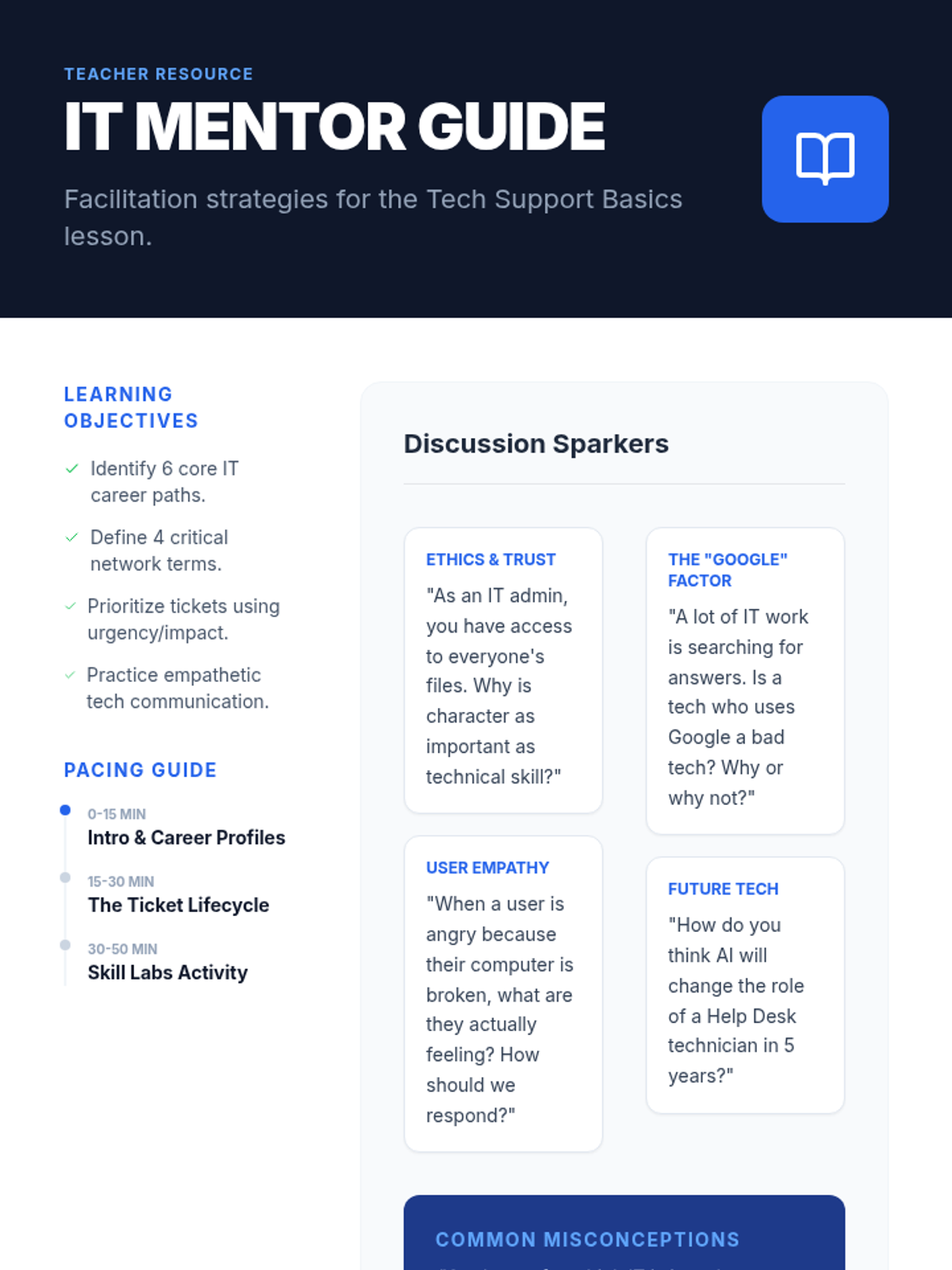
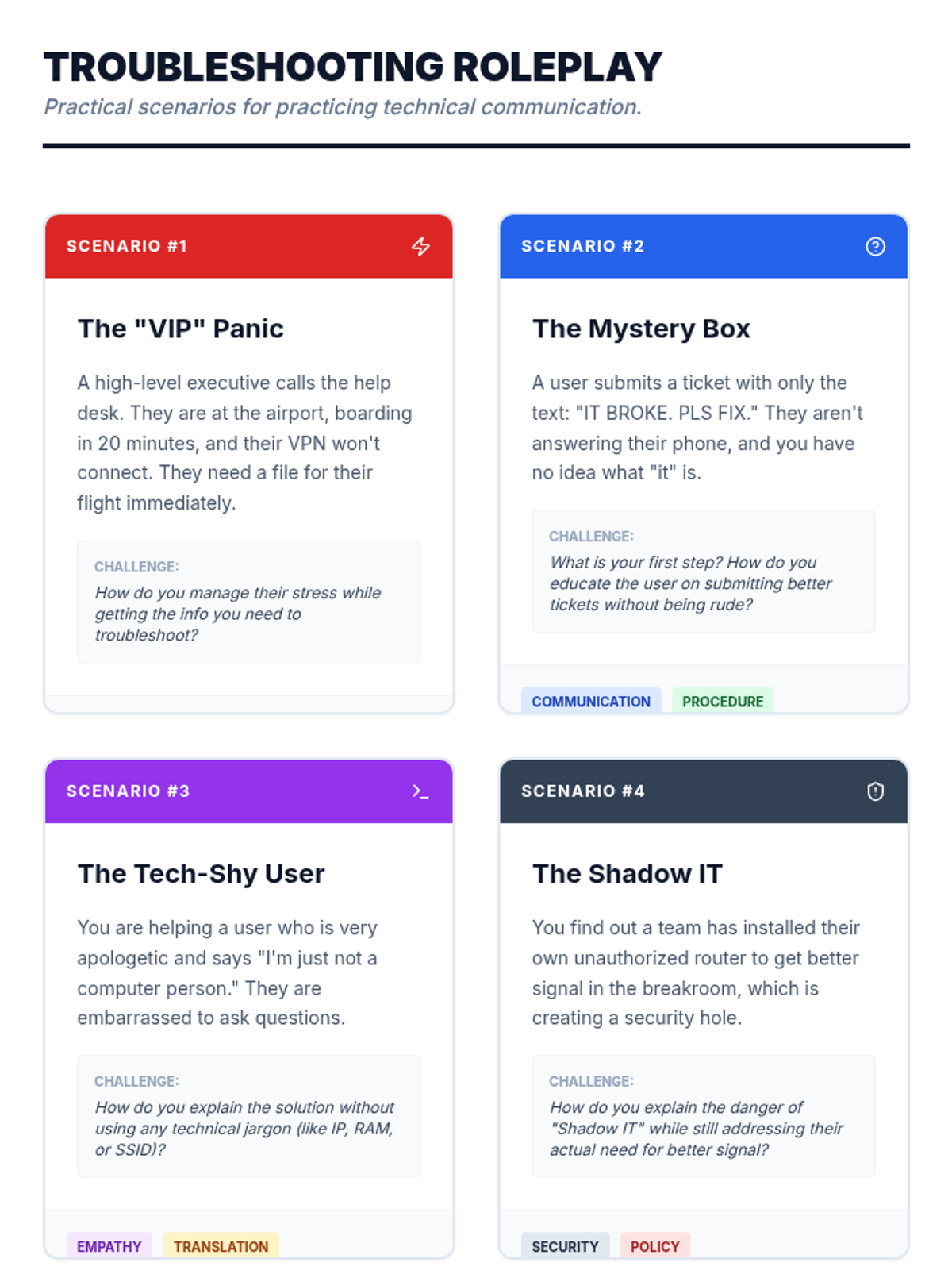
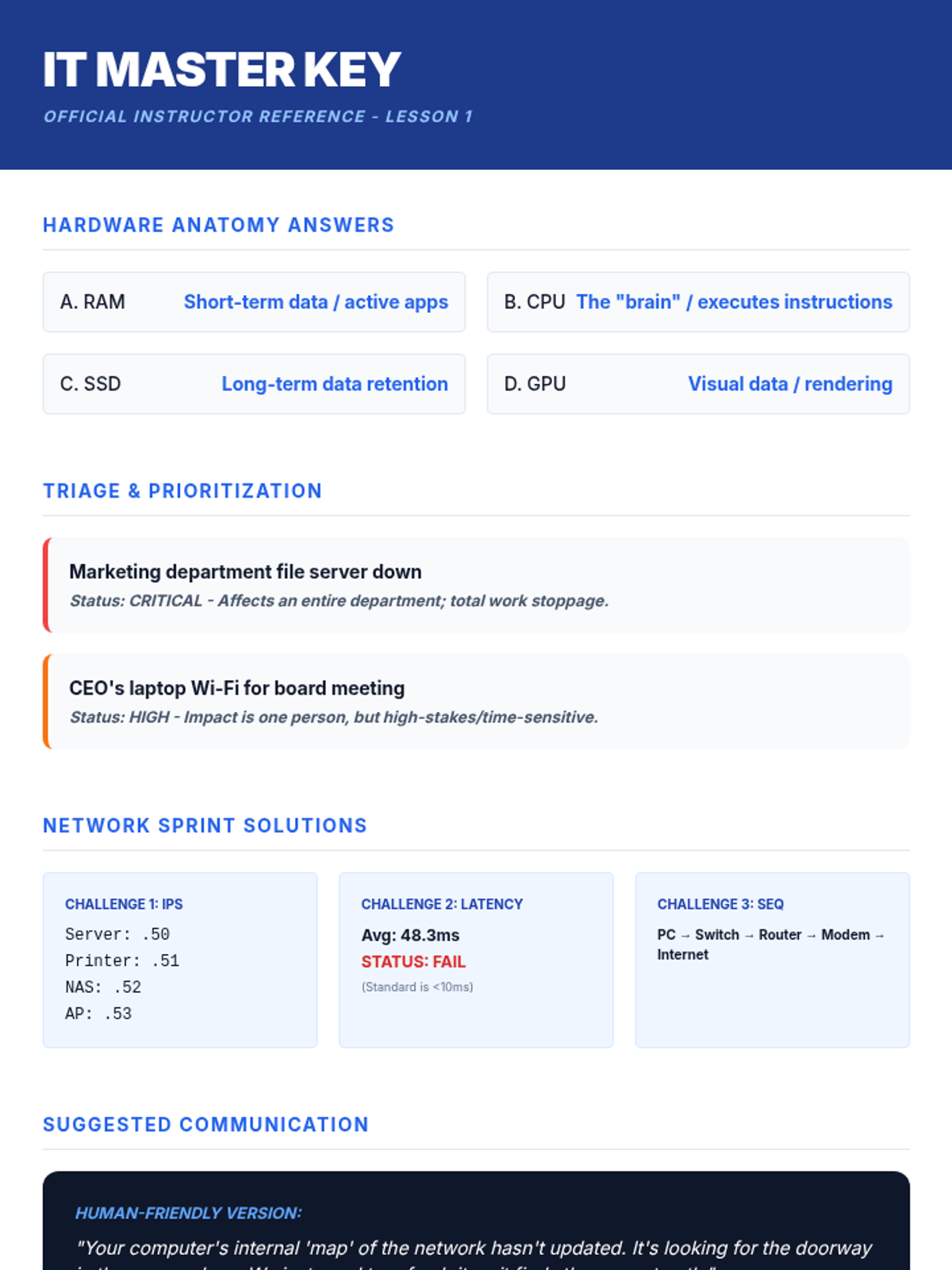
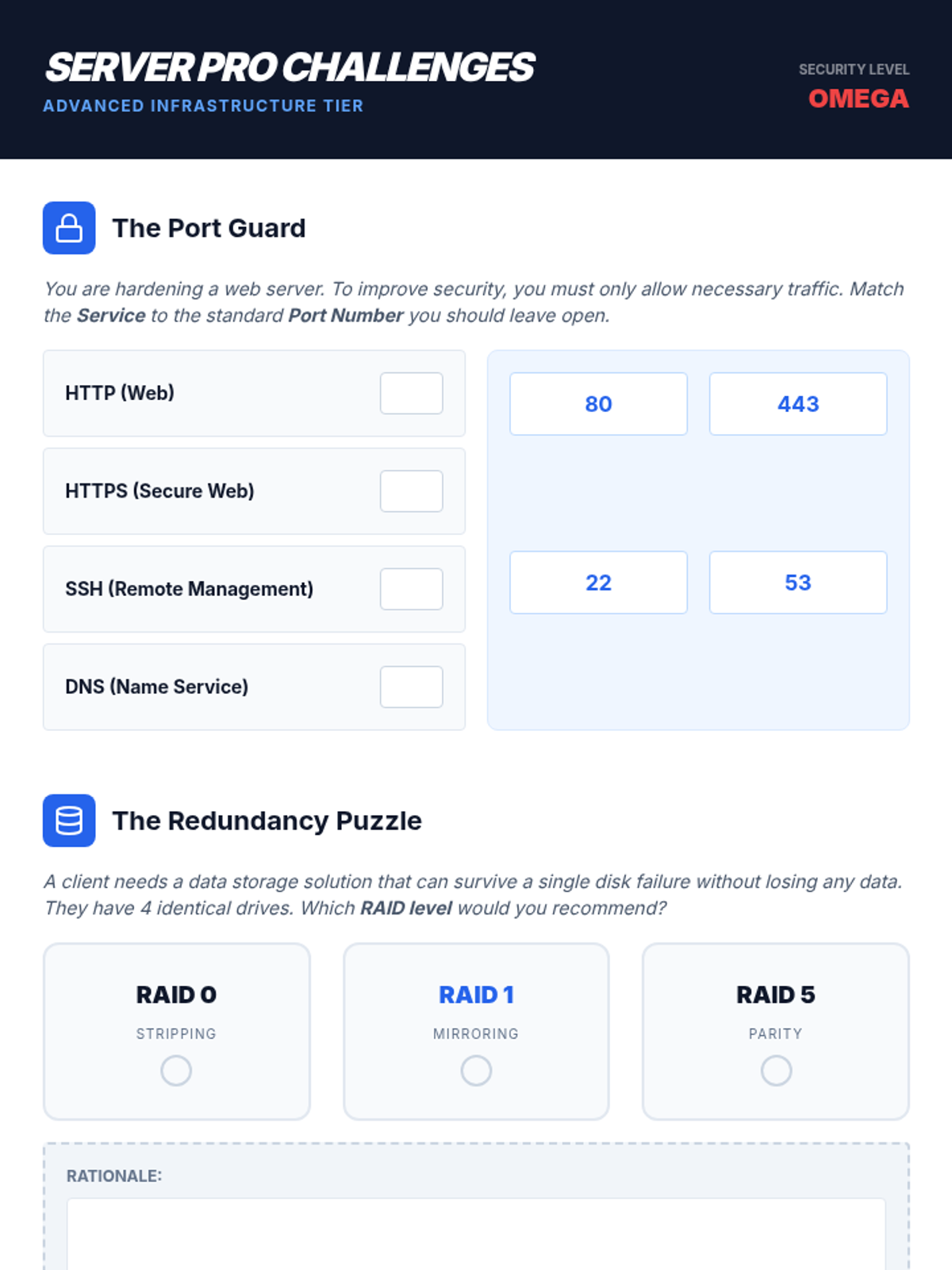
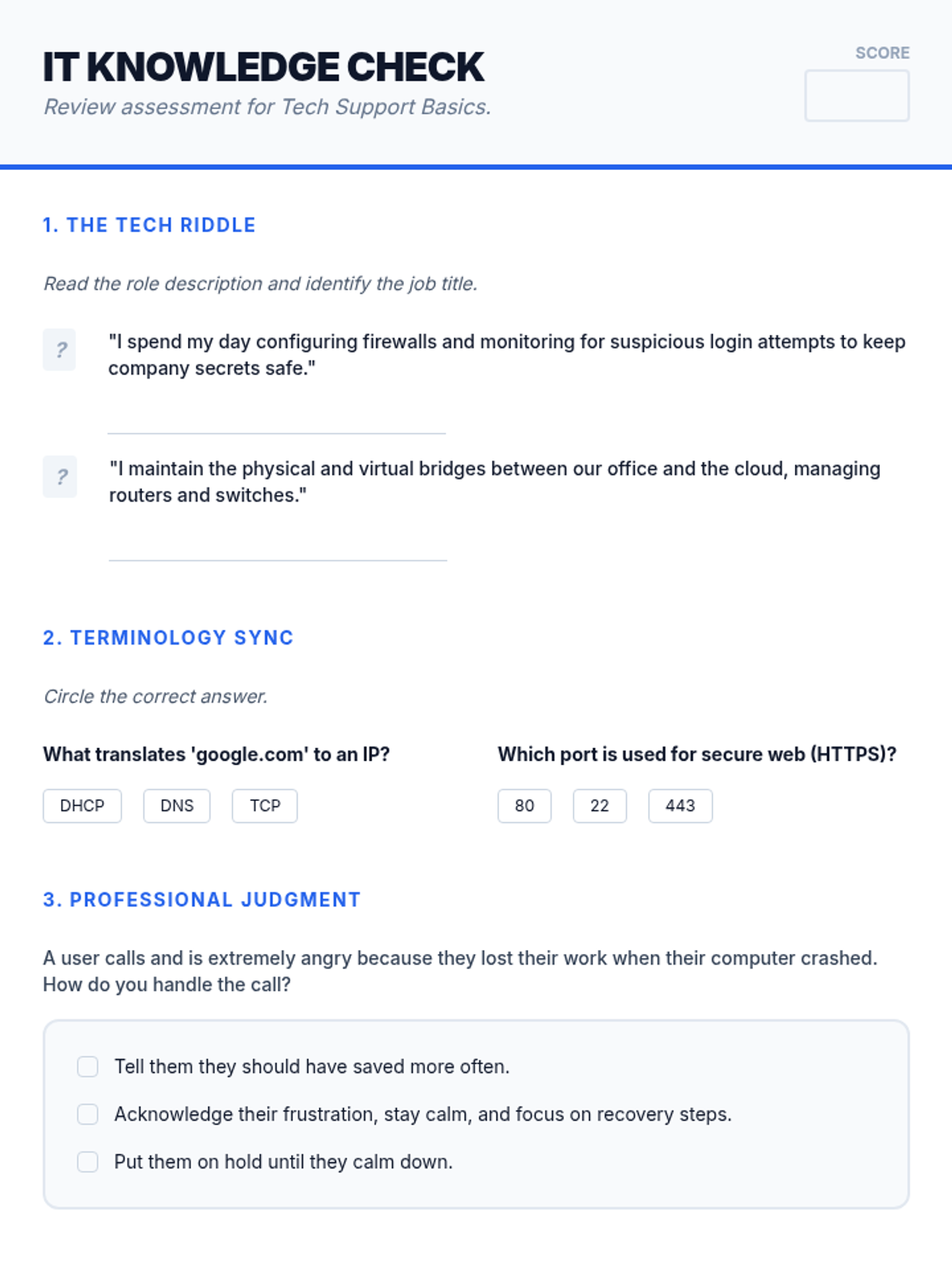
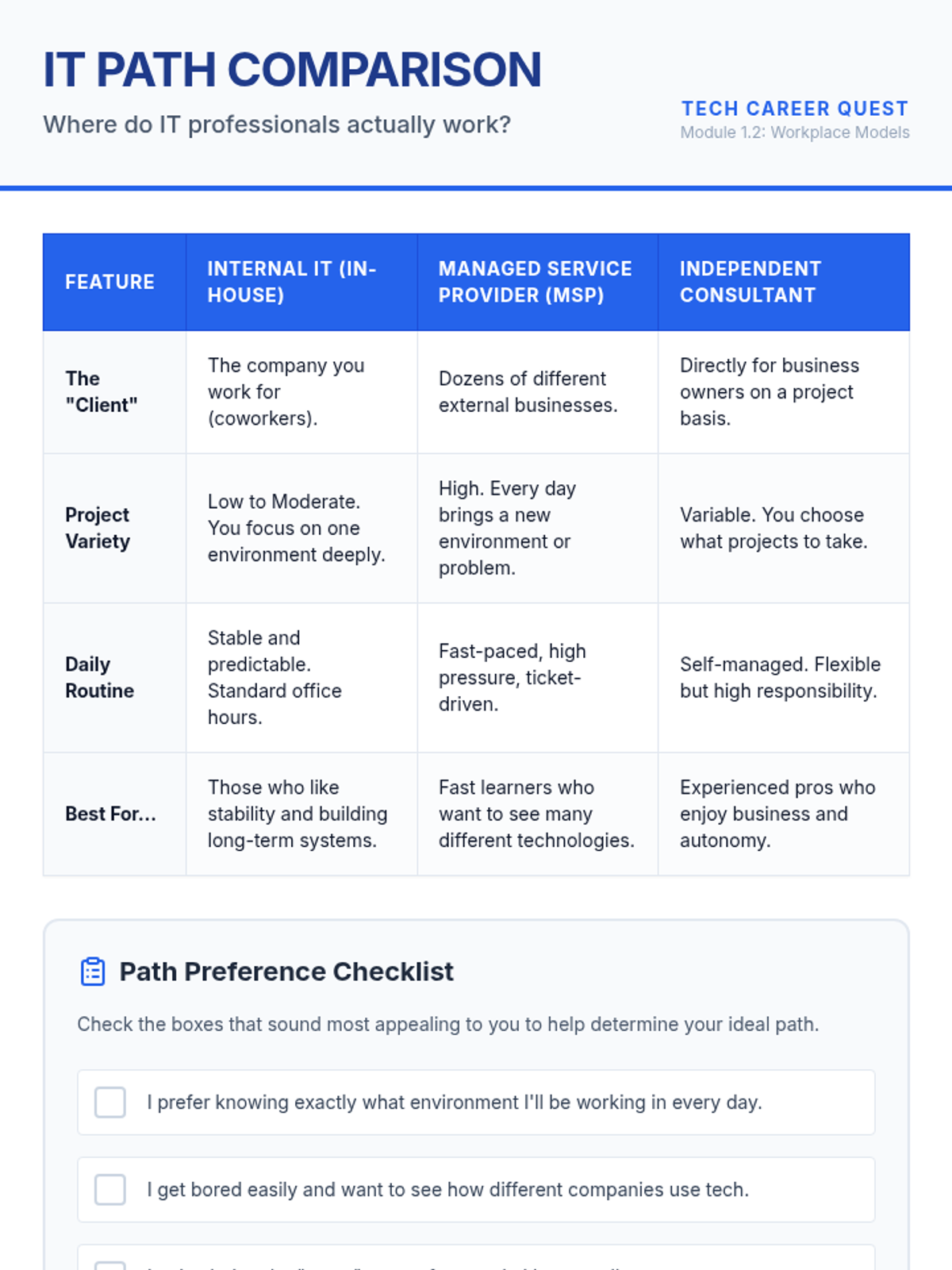
An introductory lesson into the professional world of IT support and systems administration, covering core roles, essential hardware/software skills, and the critical soft skills of technical communication and user empathy.
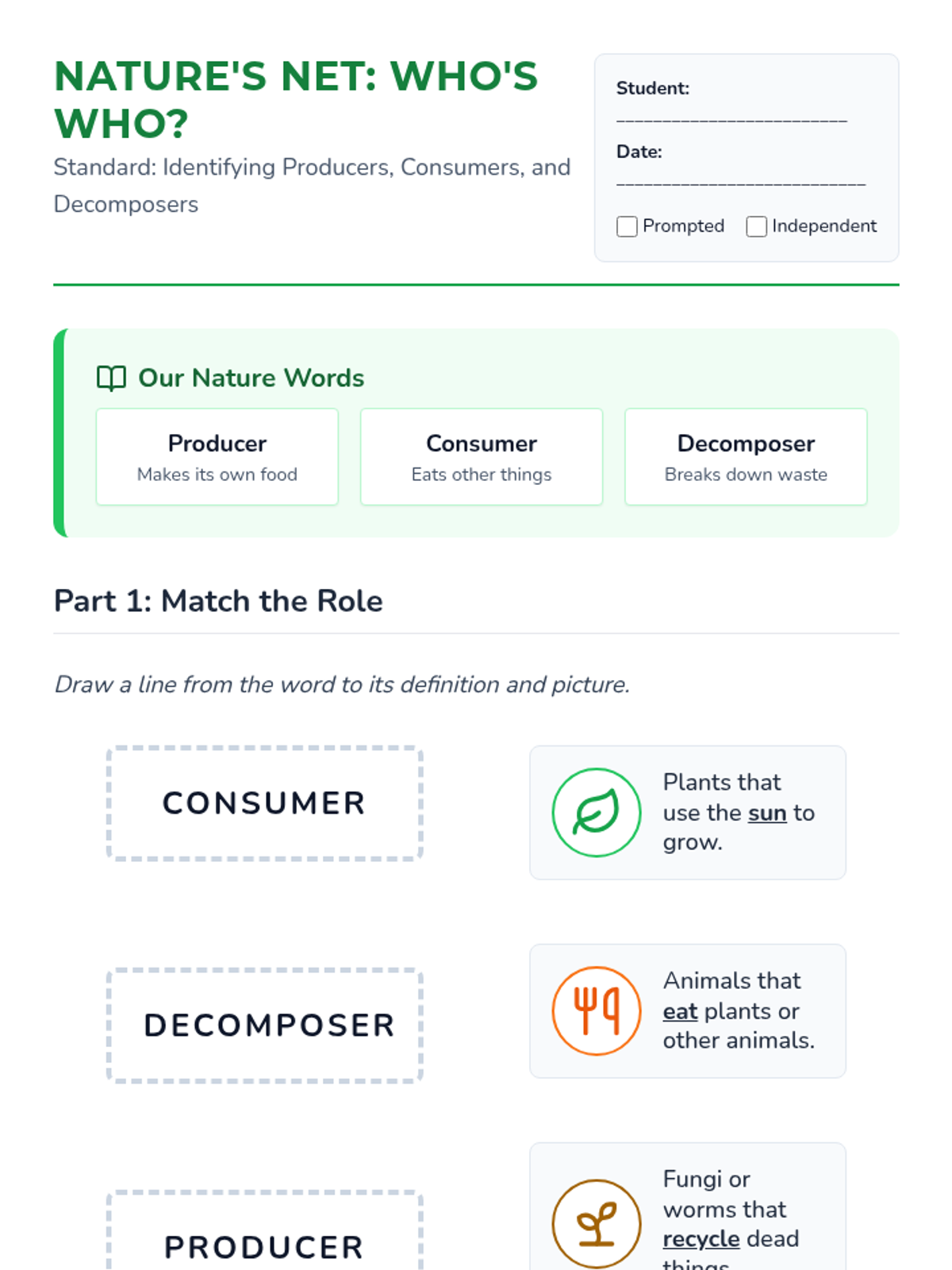
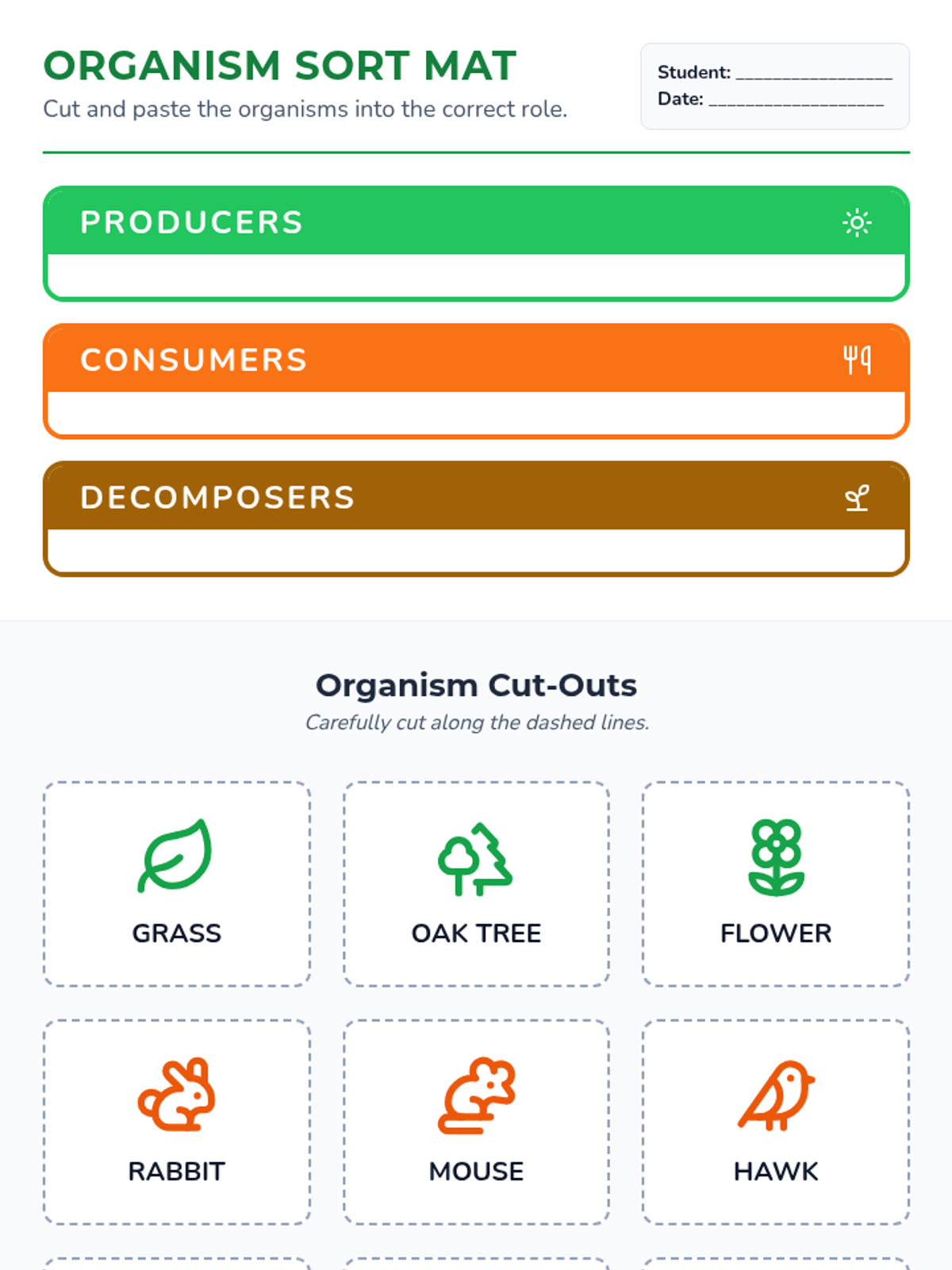
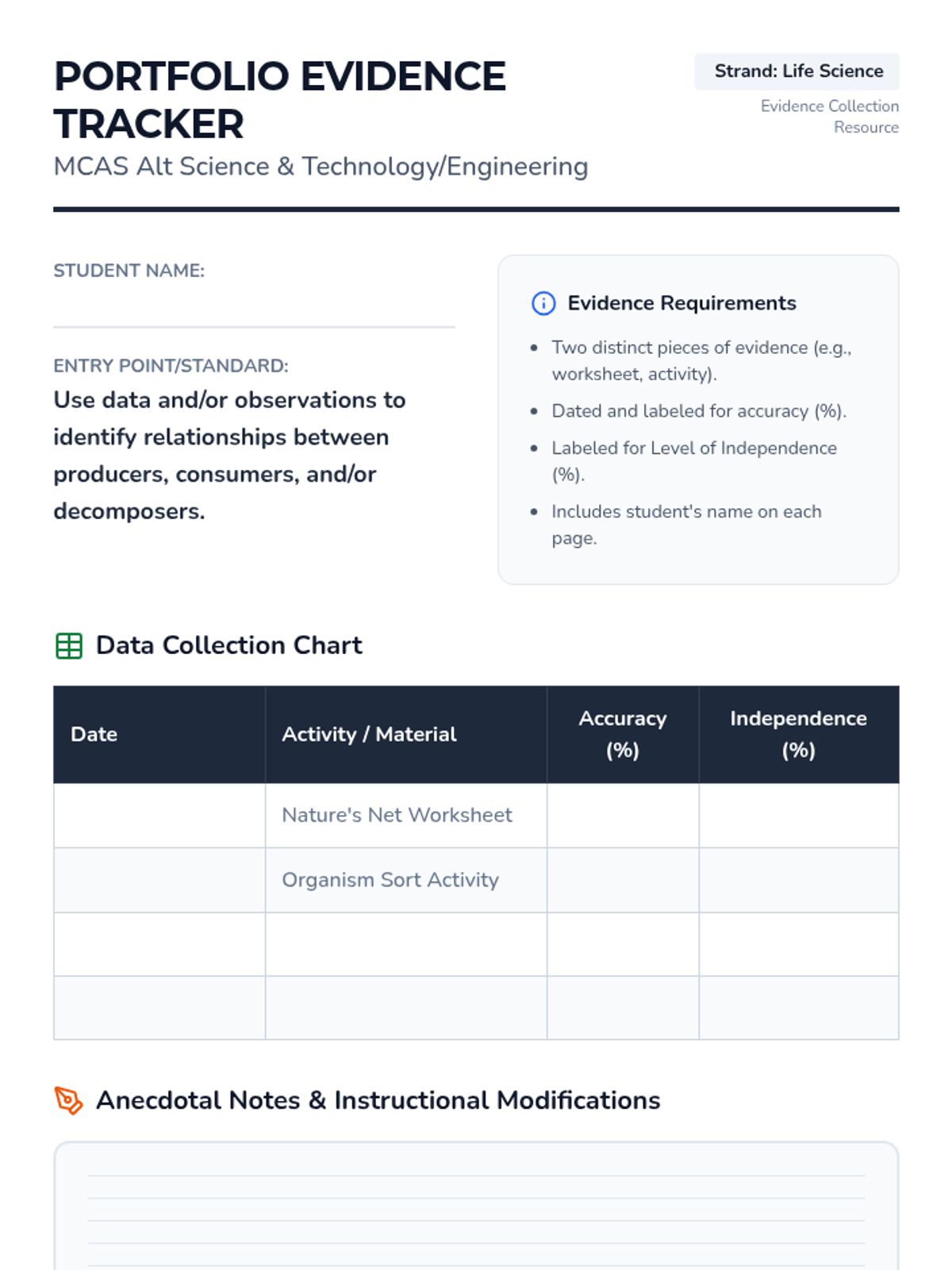
A lesson focused on identifying the roles of producers, consumers, and decomposers within an ecosystem through visual aids and hands-on sorting, designed for MCAS Alt portfolio evidence.
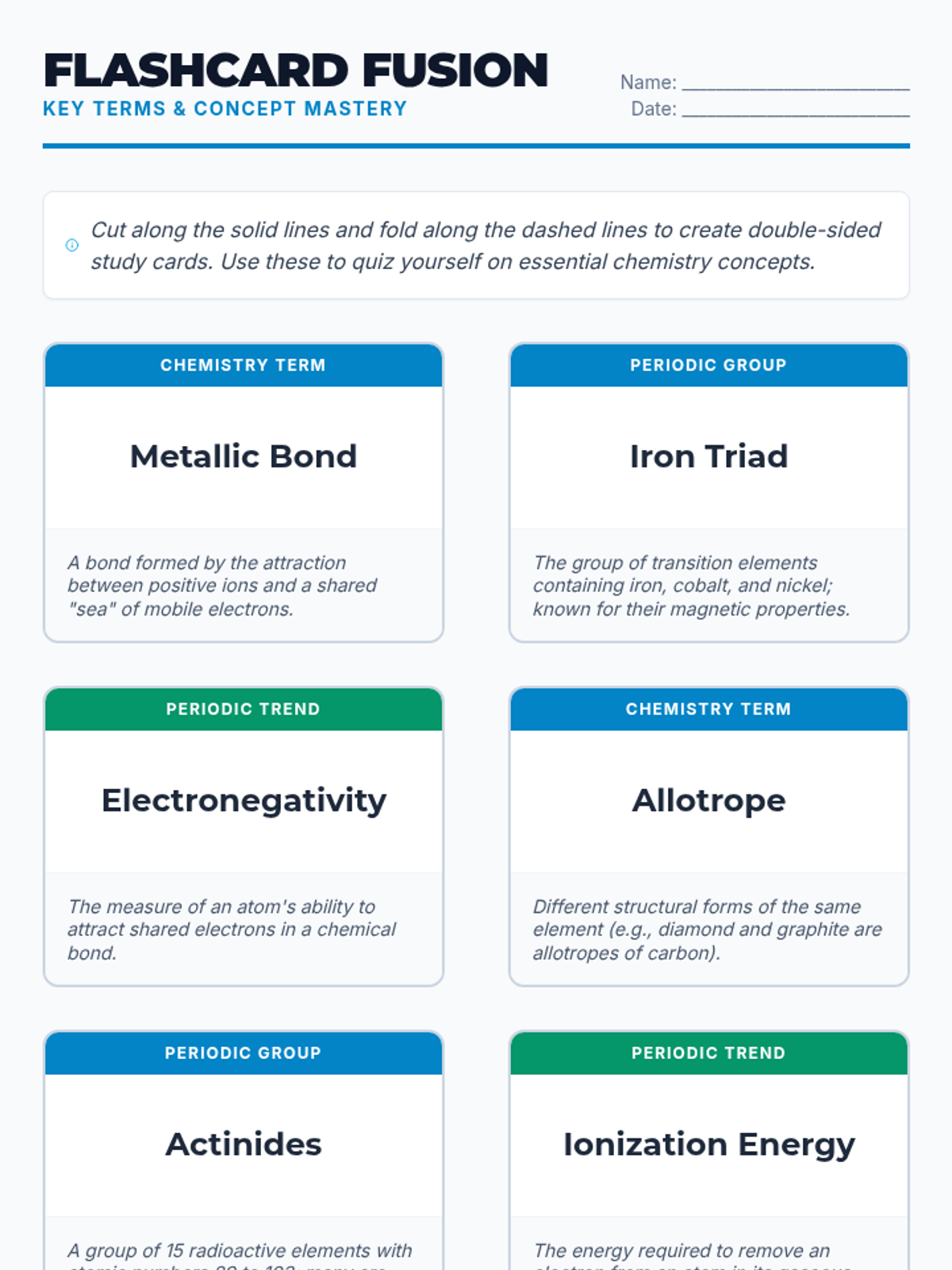
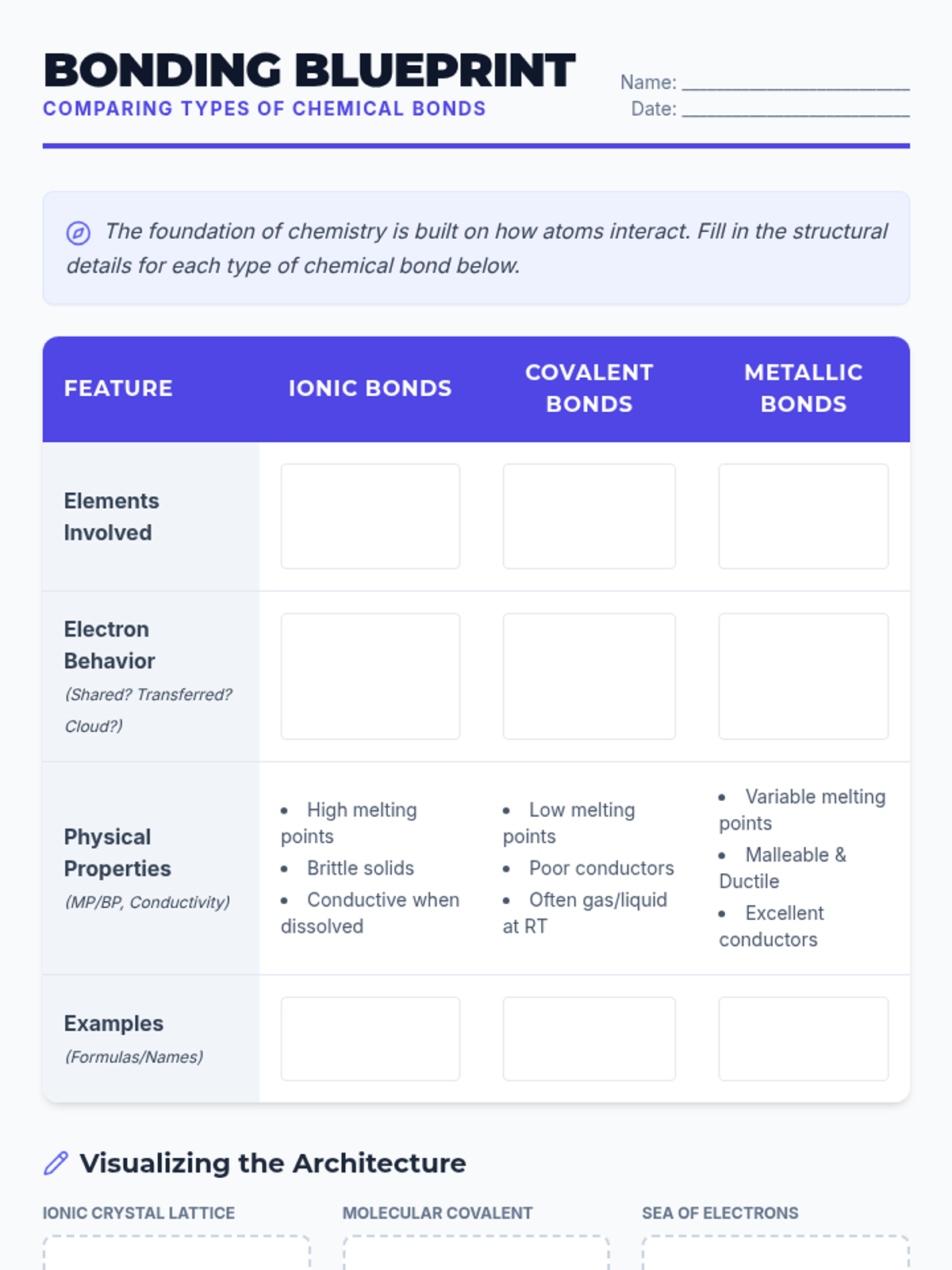
Master the fundamental concepts of elements, their properties, and the forces that bind them together.
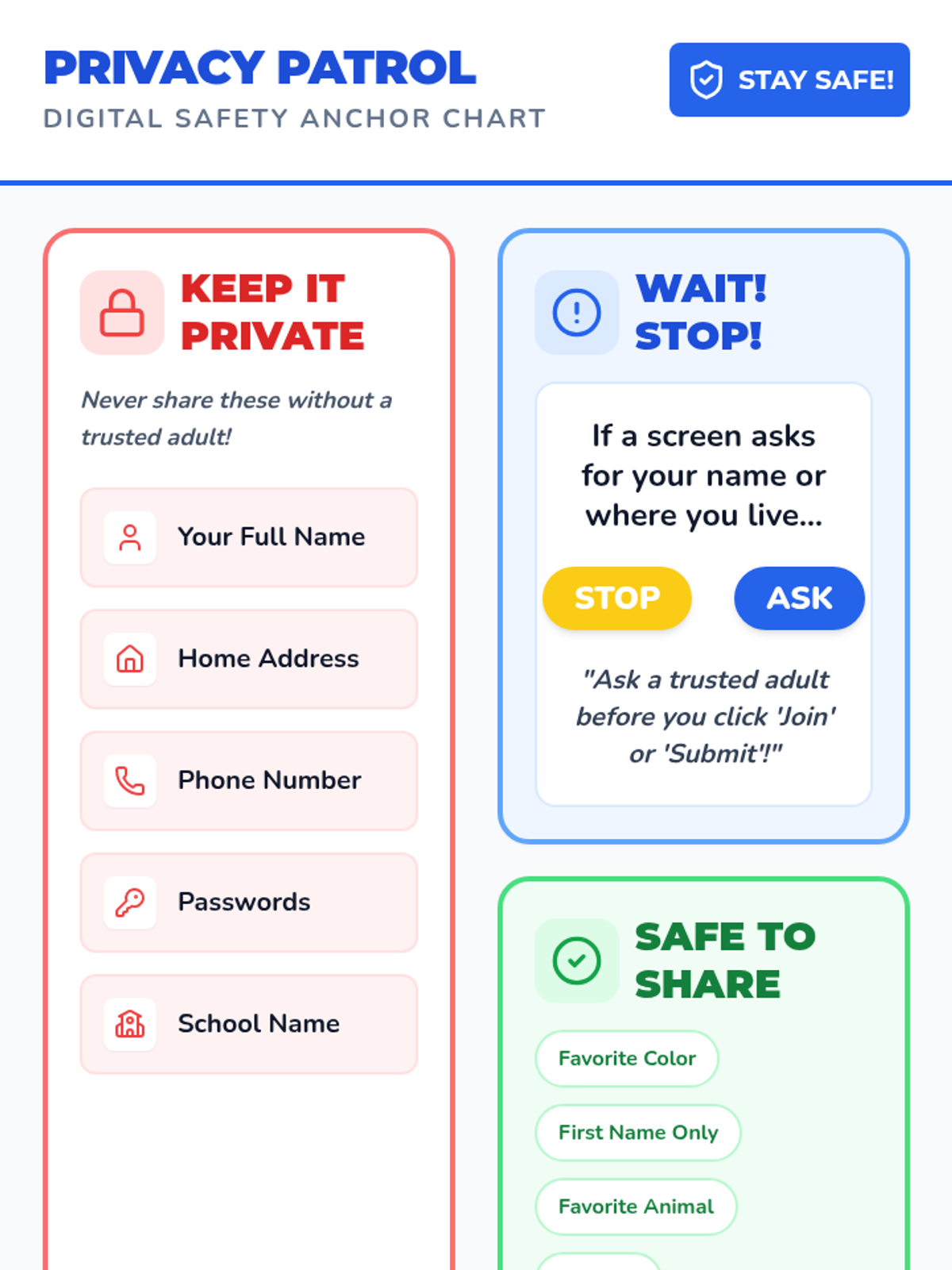
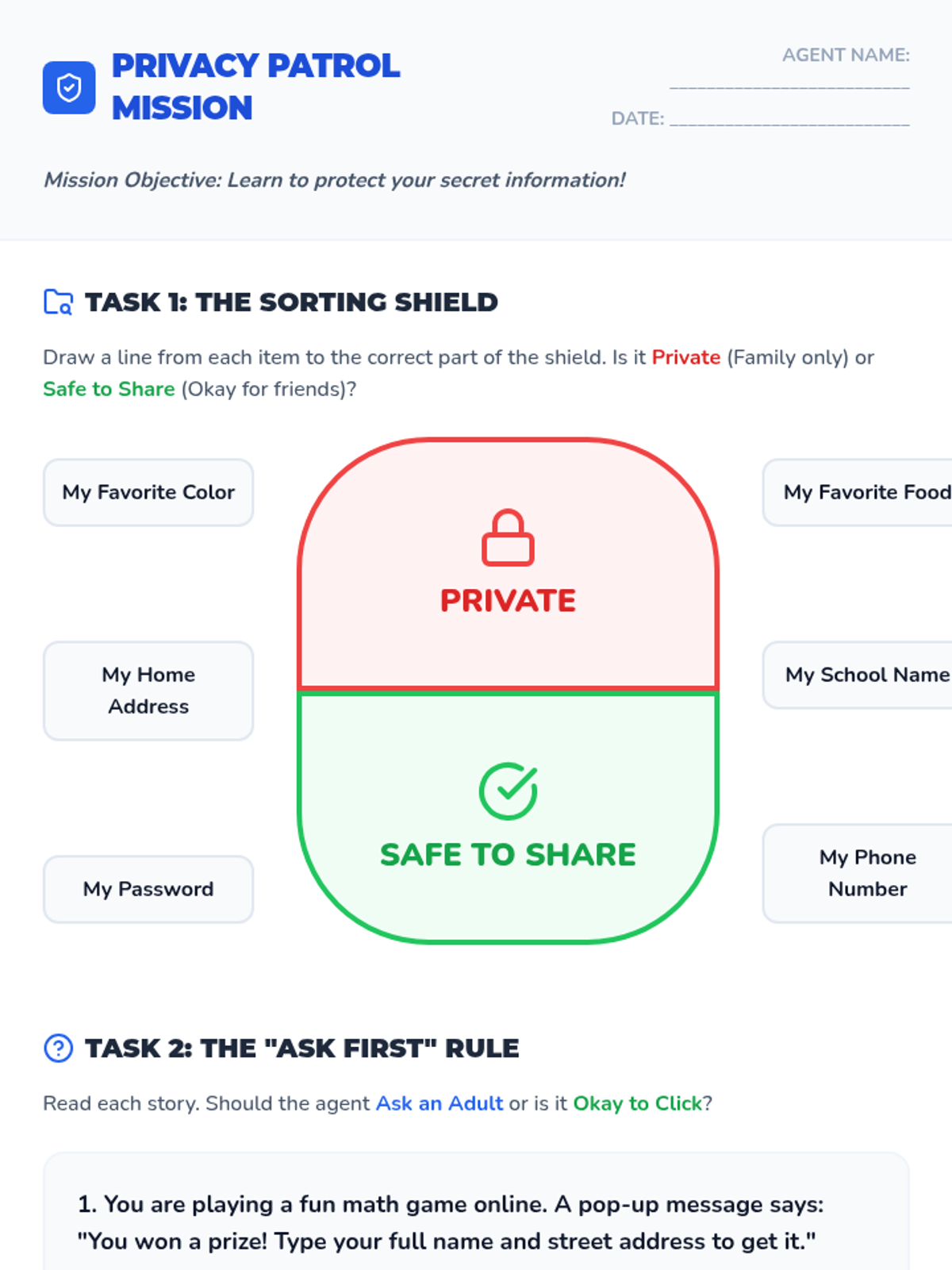
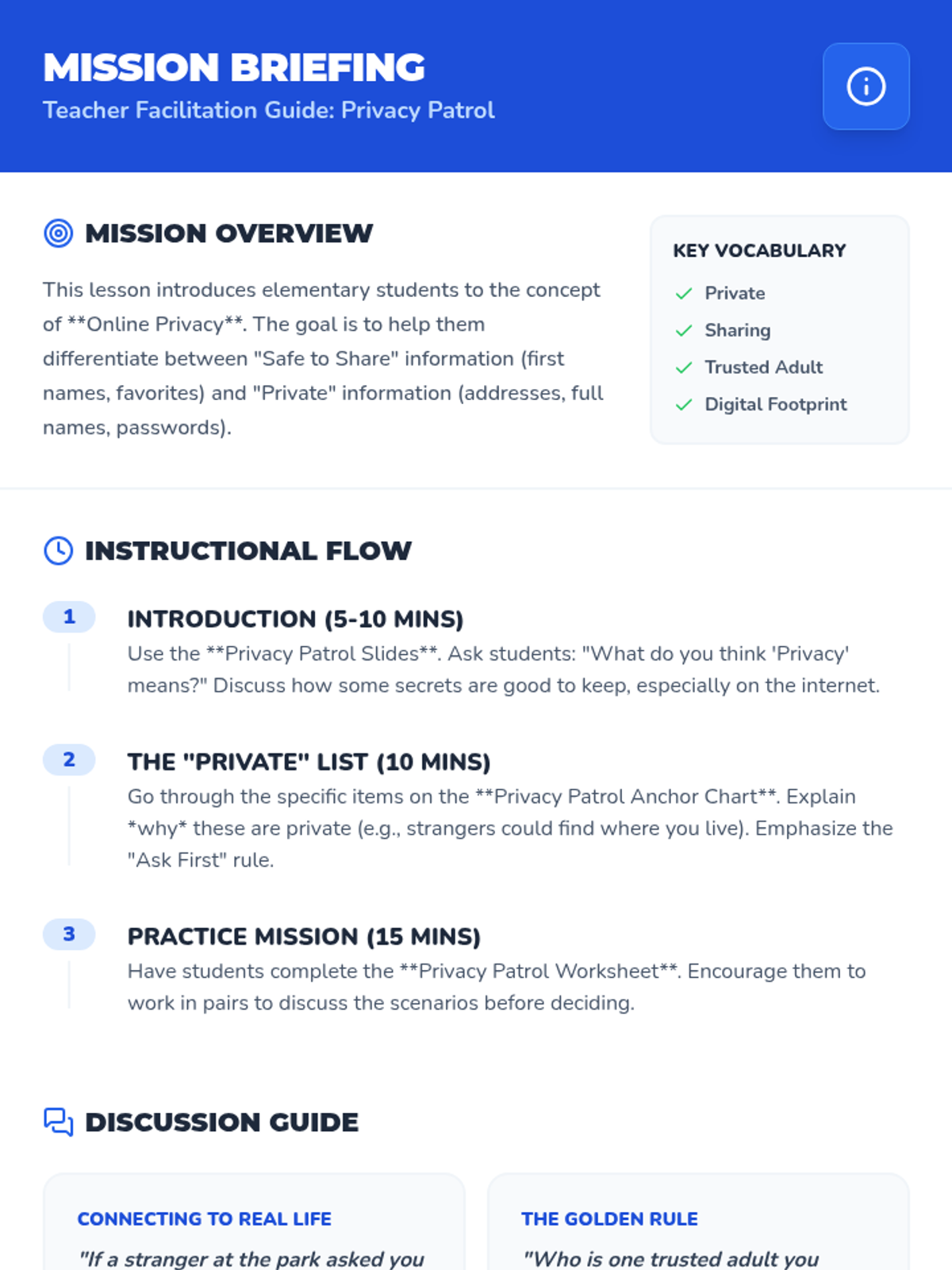
A foundational lesson on cybersecurity for elementary students, focusing on identifying personal information and learning the 'Ask First' rule for online sharing.
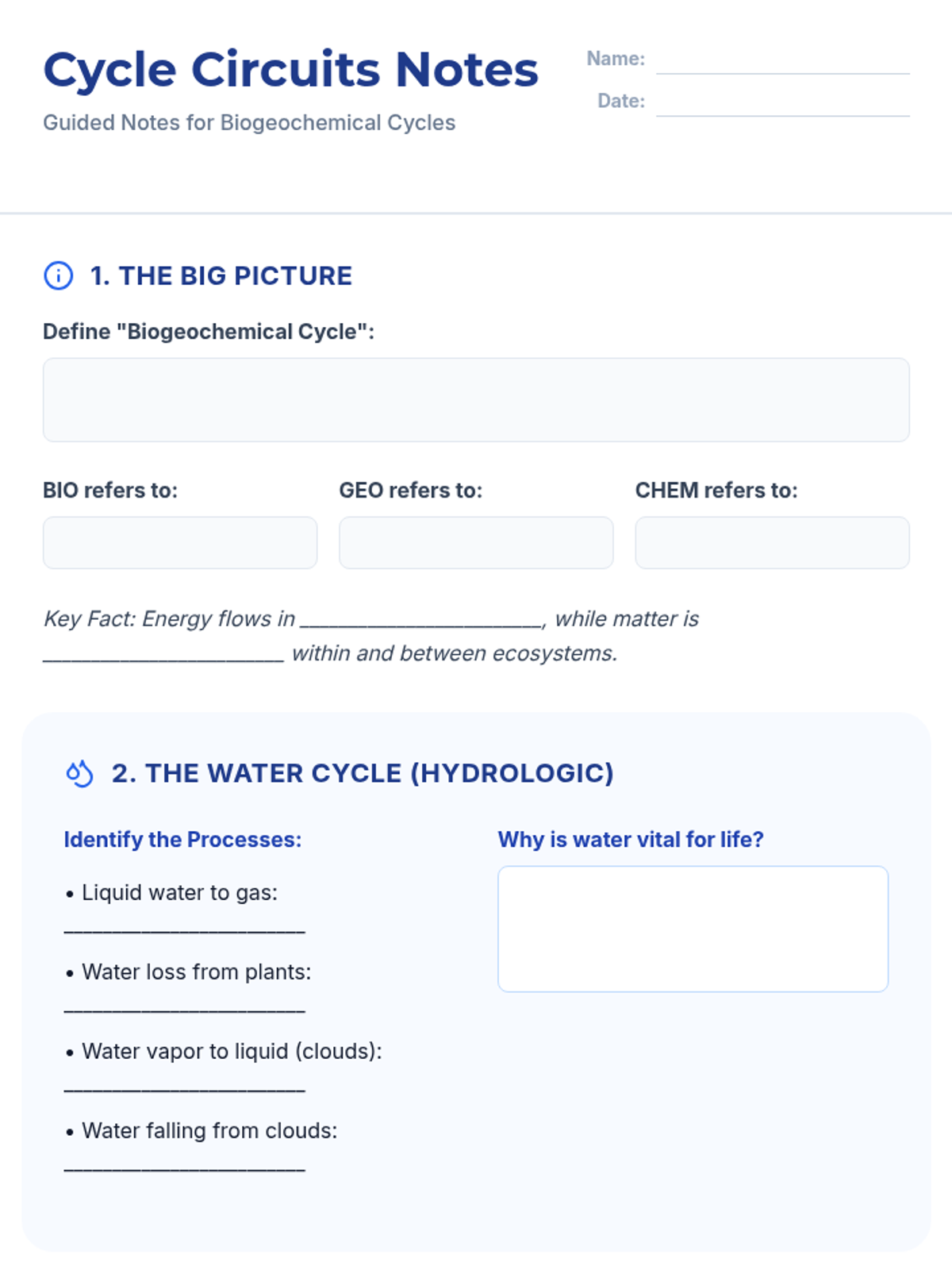
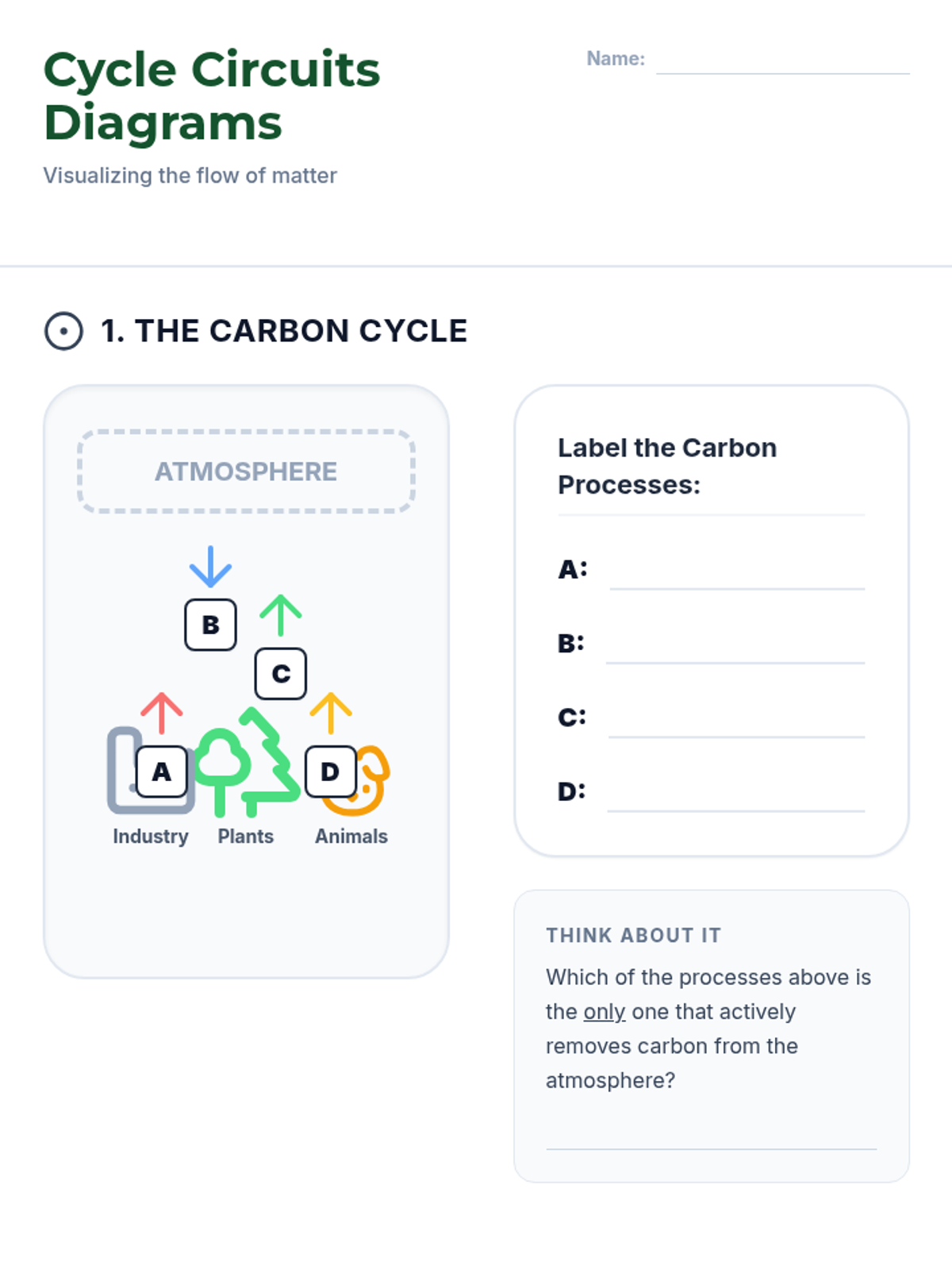
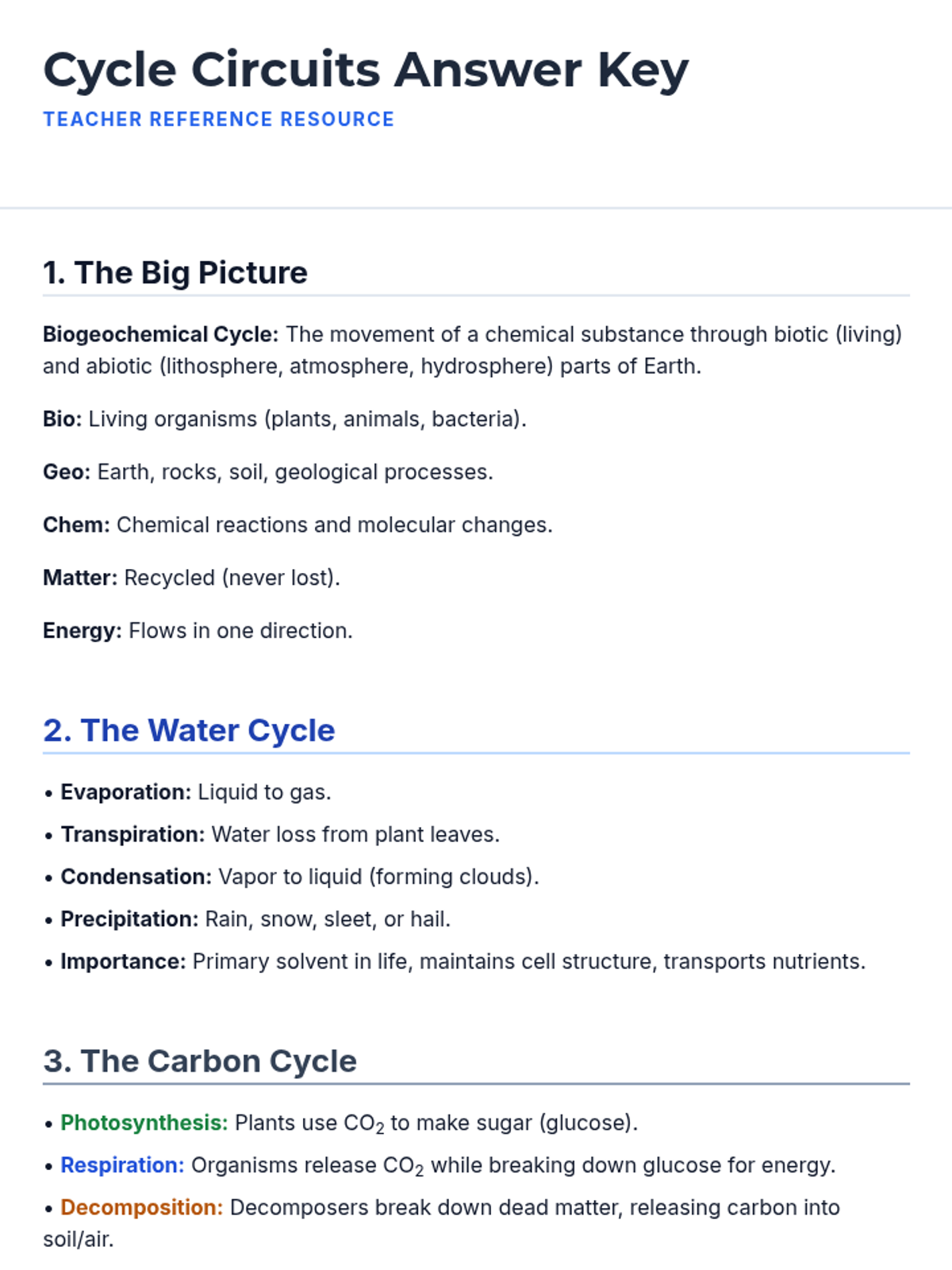
A comprehensive exploration of Earth's biogeochemical cycles, covering the water, carbon, nitrogen, and phosphorus cycles. Students will learn how matter moves through ecosystems and why these processes are vital for life on Earth.
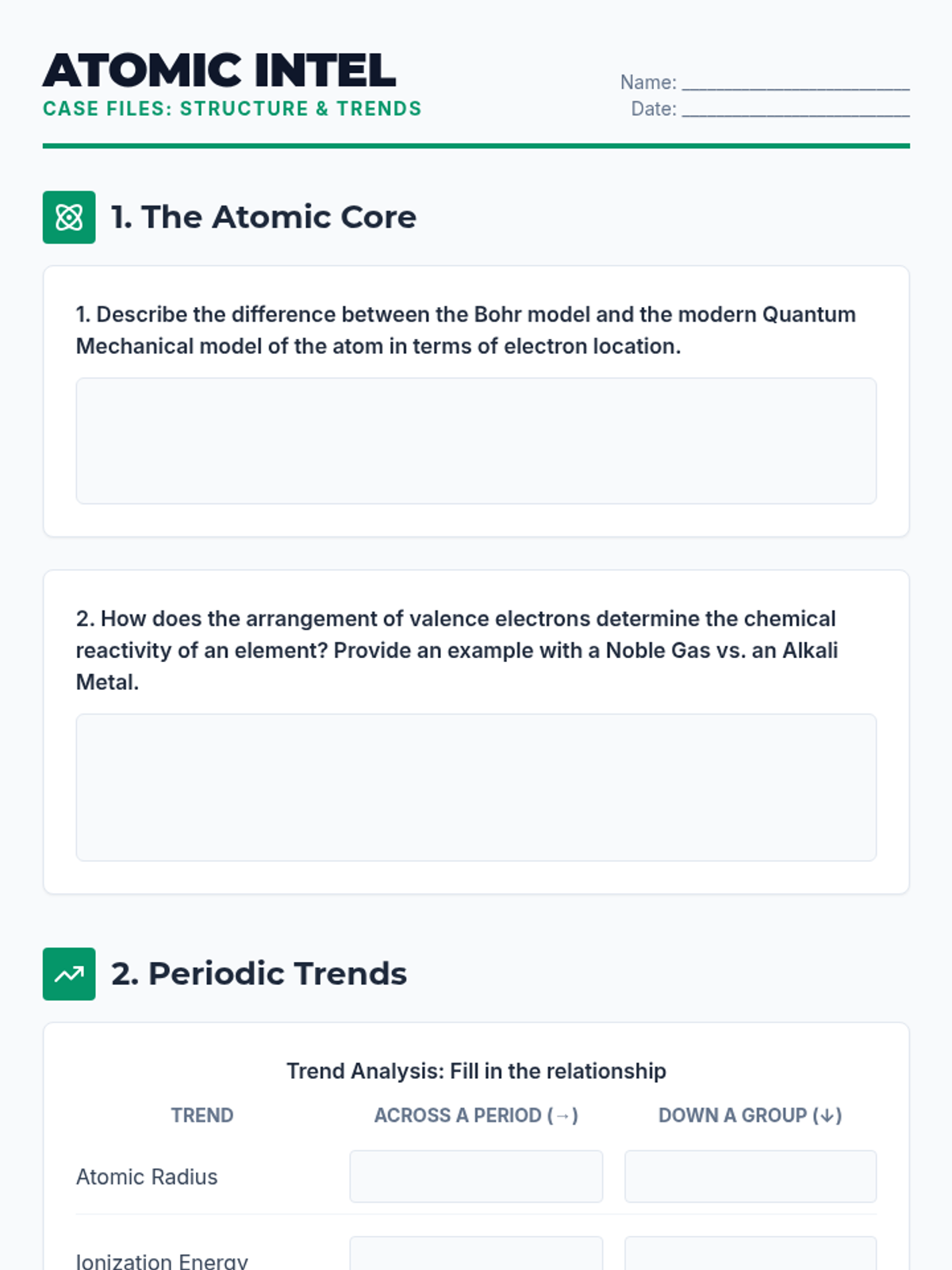
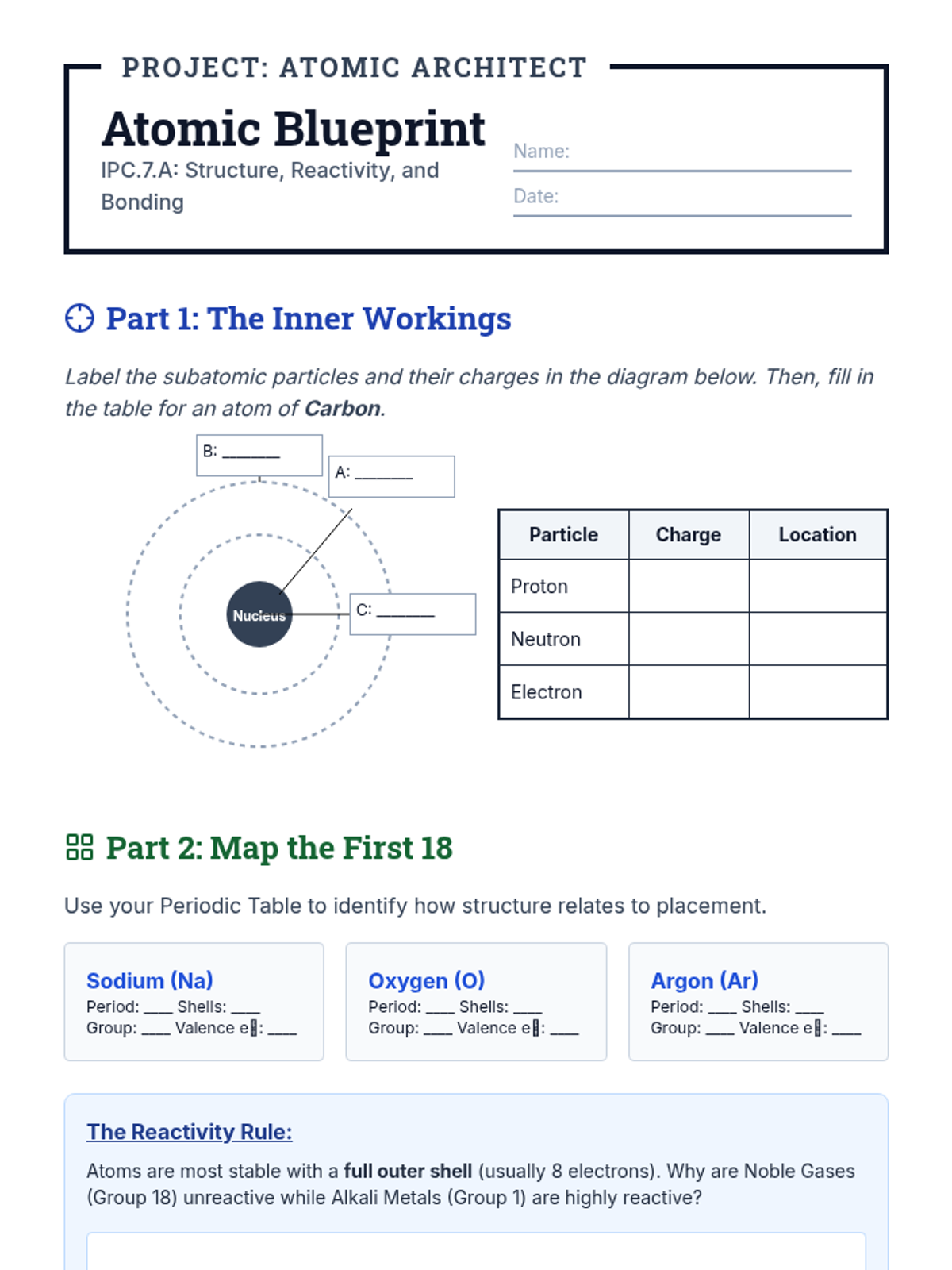
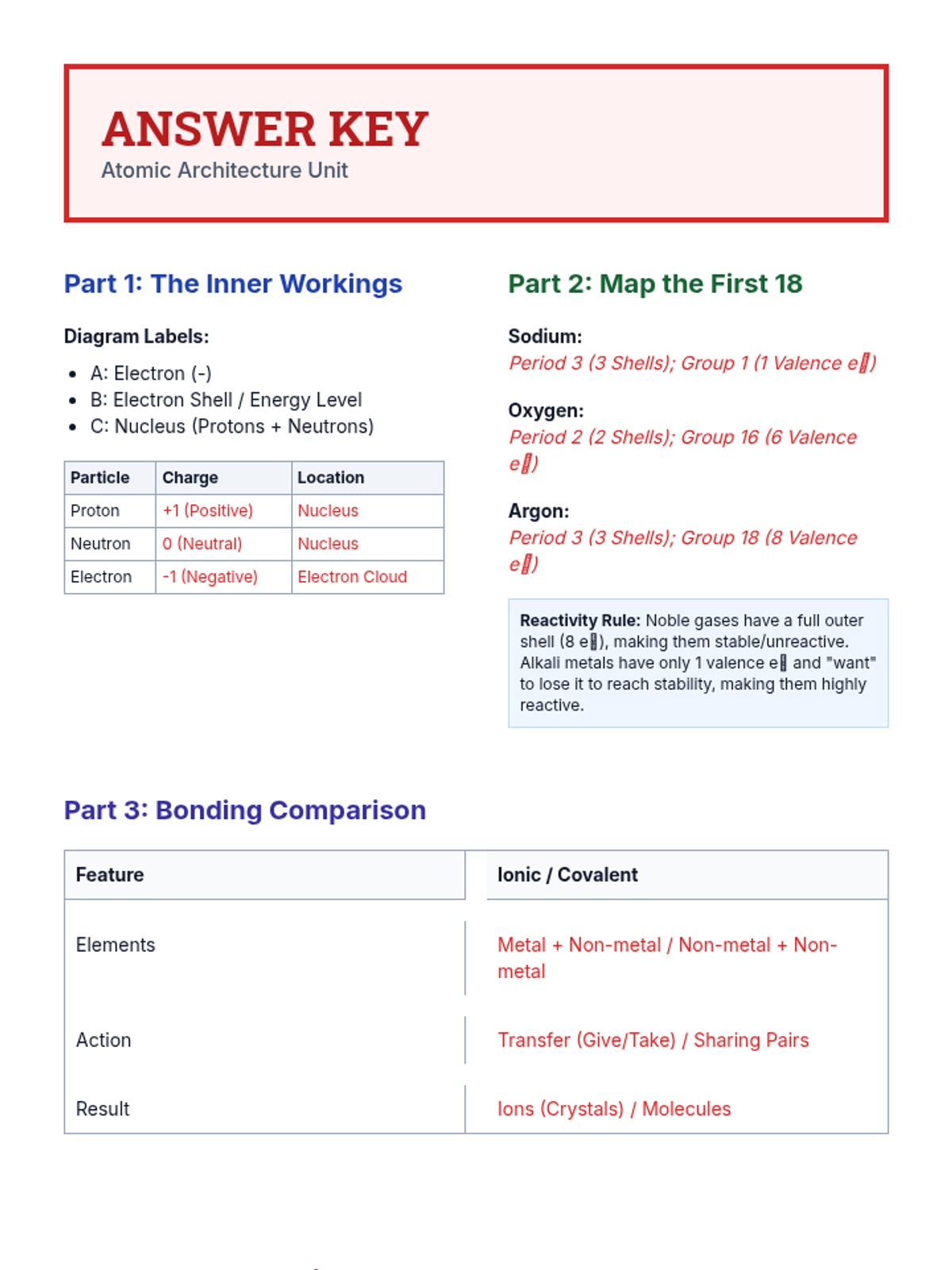
A comprehensive lesson exploring atomic structure, Periodic Table trends, and the fundamental differences between ionic and covalent bonding using elements from the first three periods.
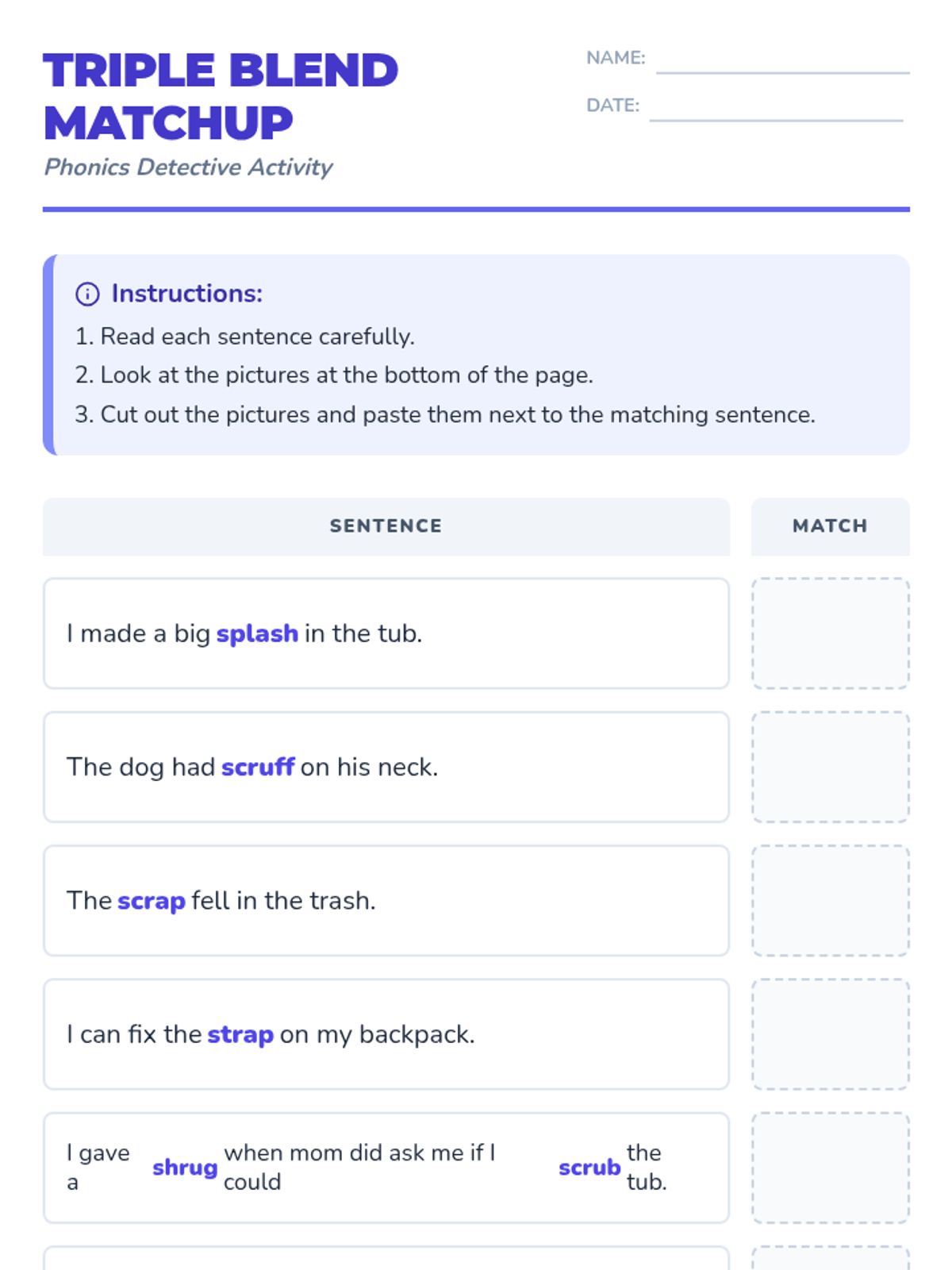
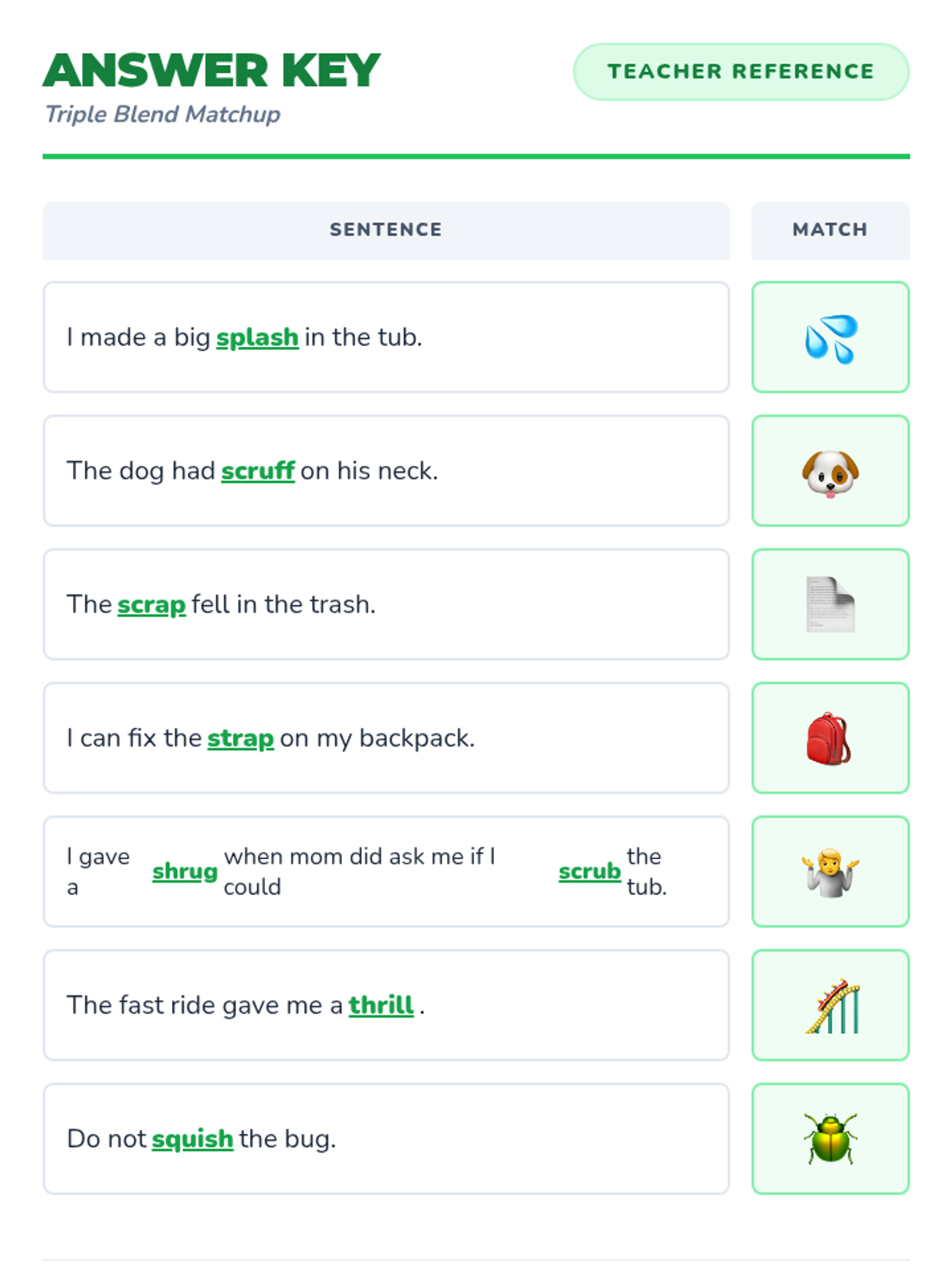
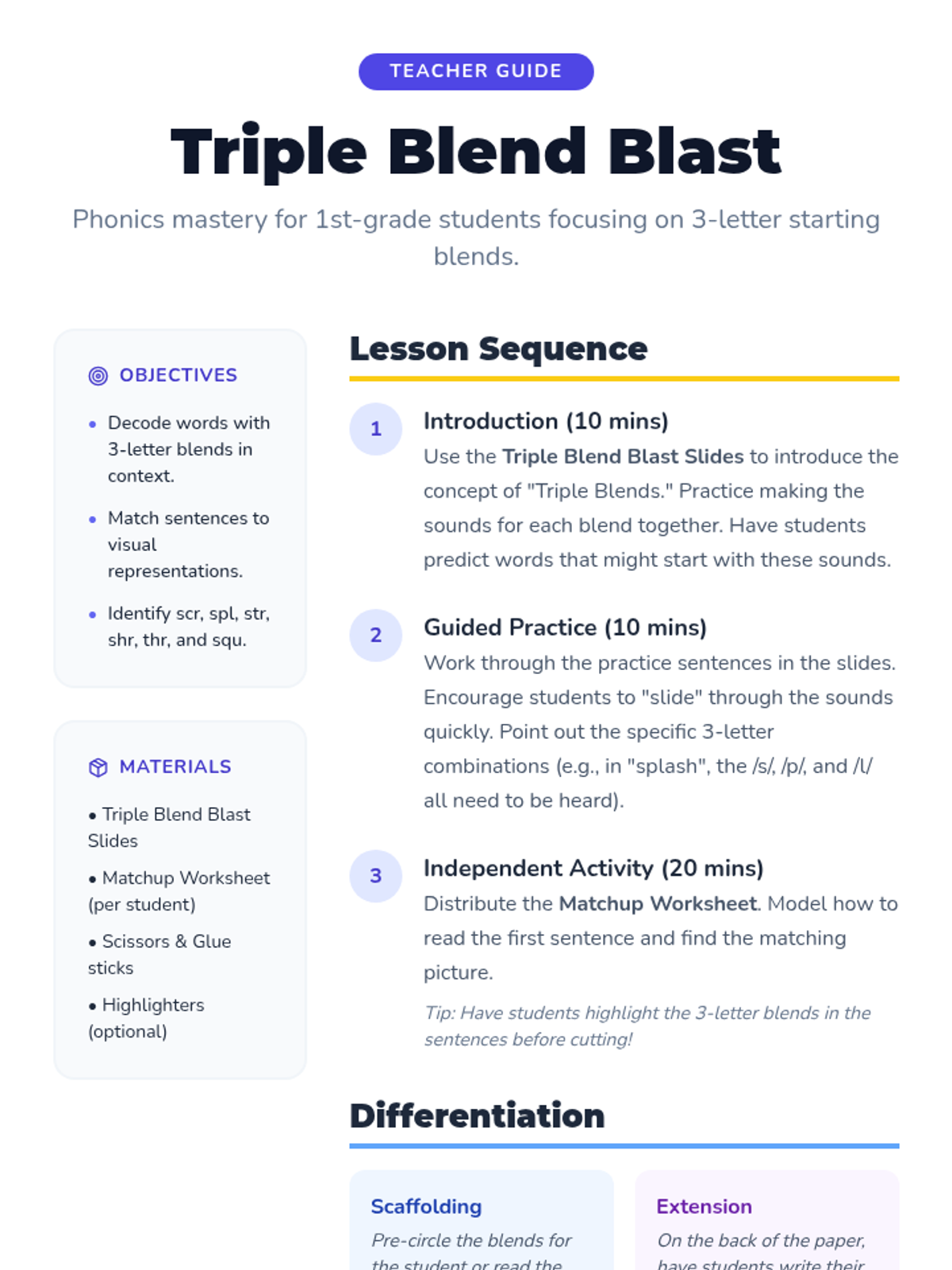
A foundational phonics lesson focused on identifying and reading words with three-letter blends like scr, spl, str, shr, and thr. Students practice decoding these complex sounds through visual matching and sentence context.
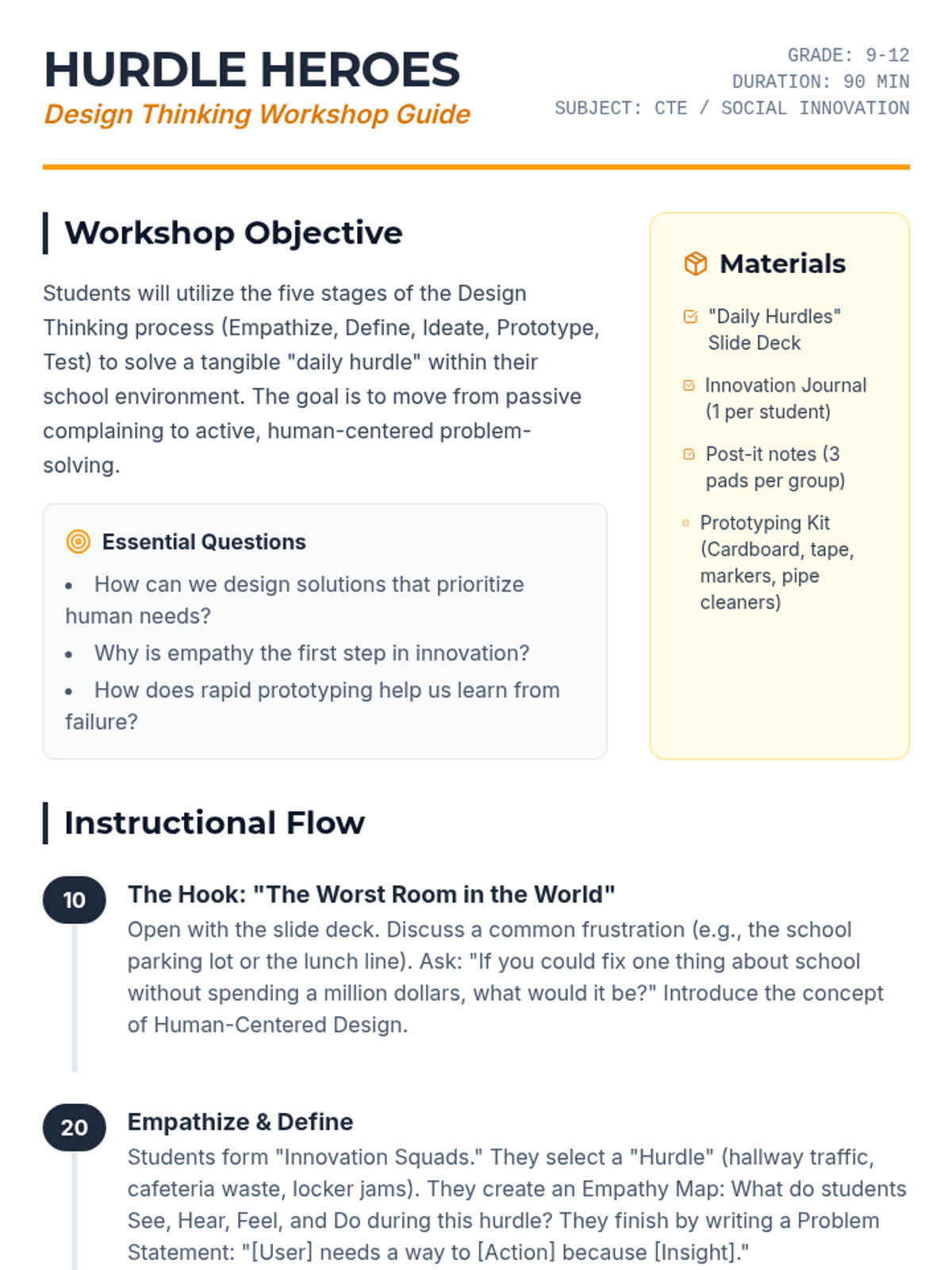
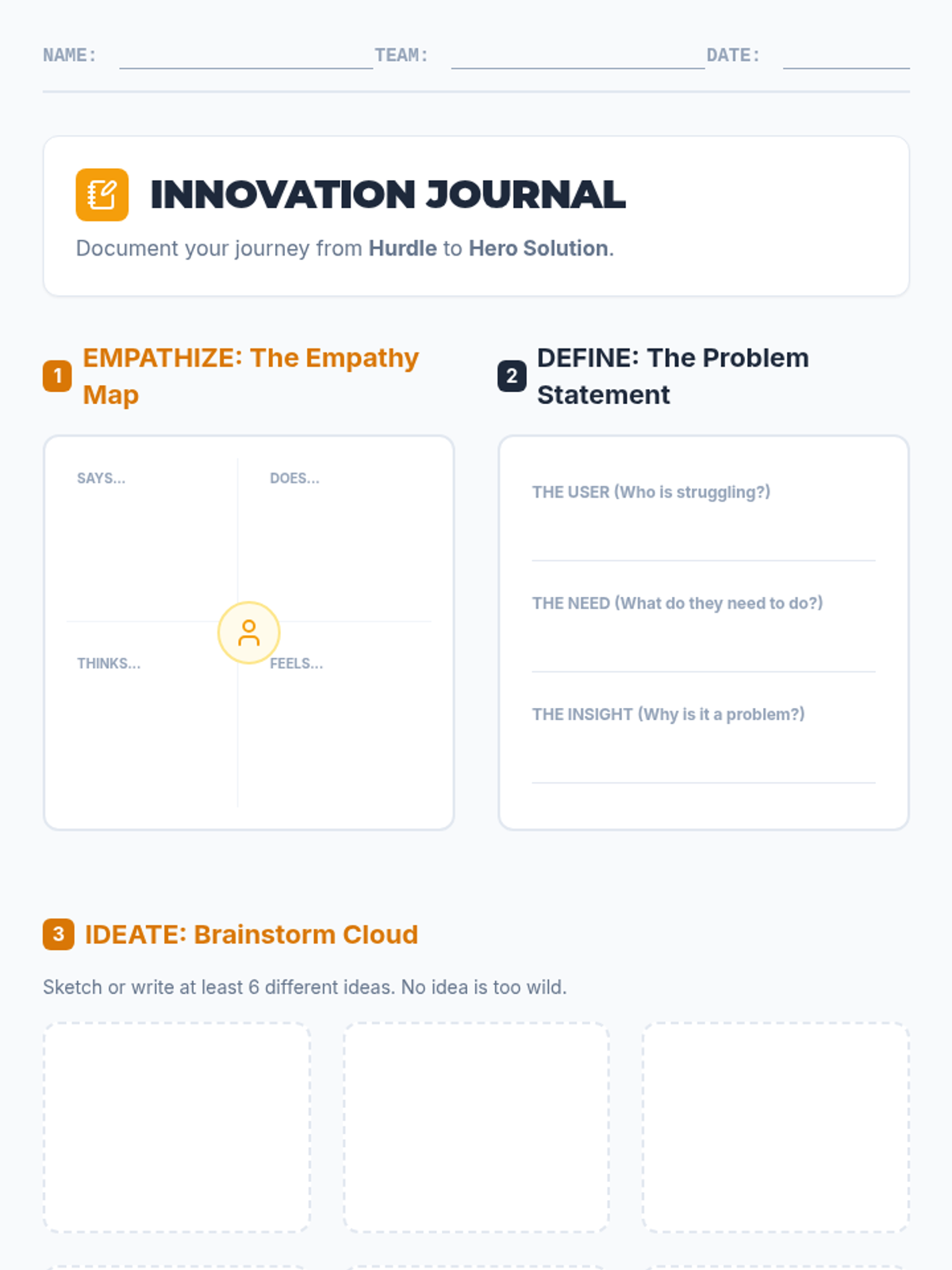
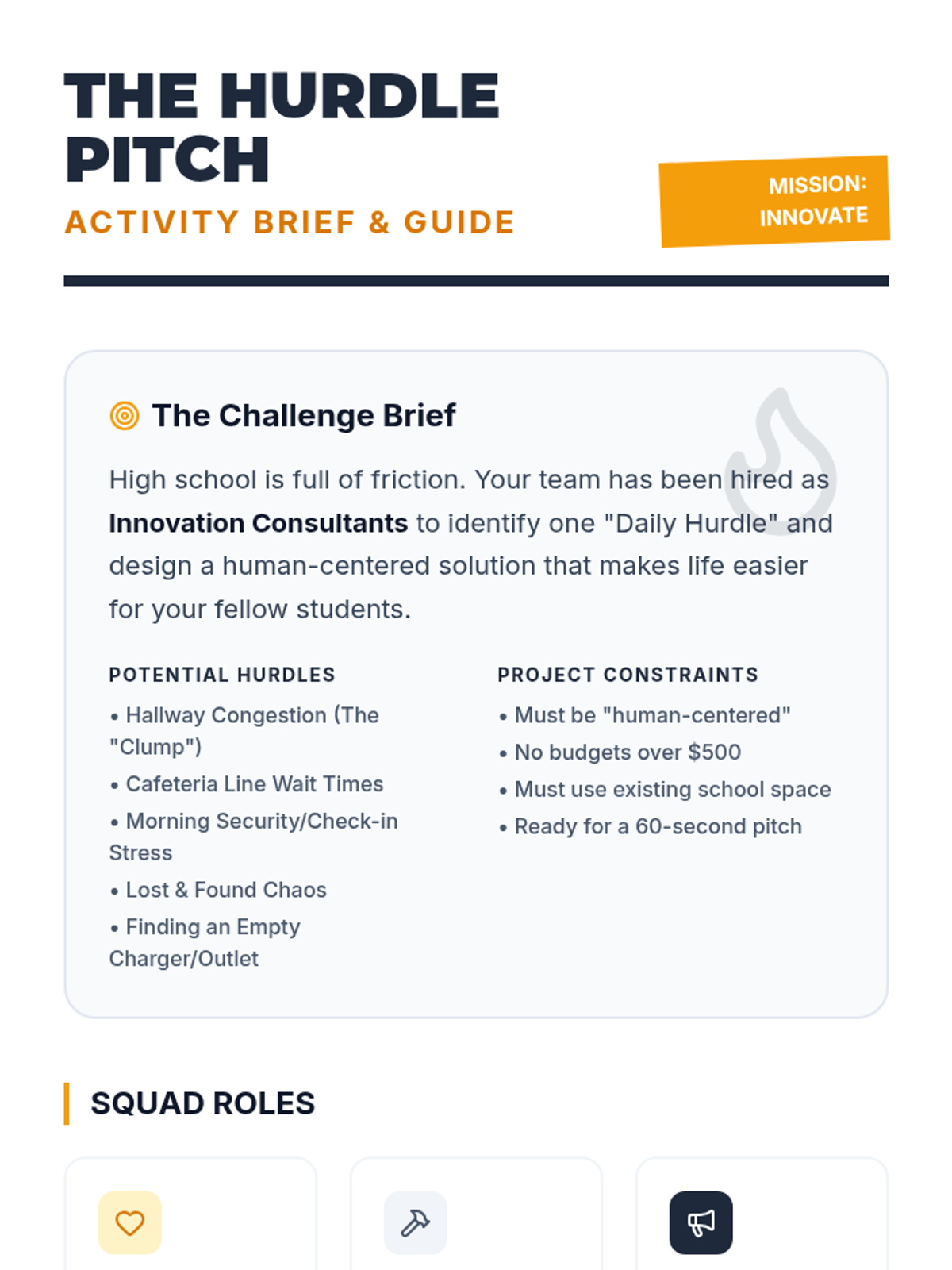
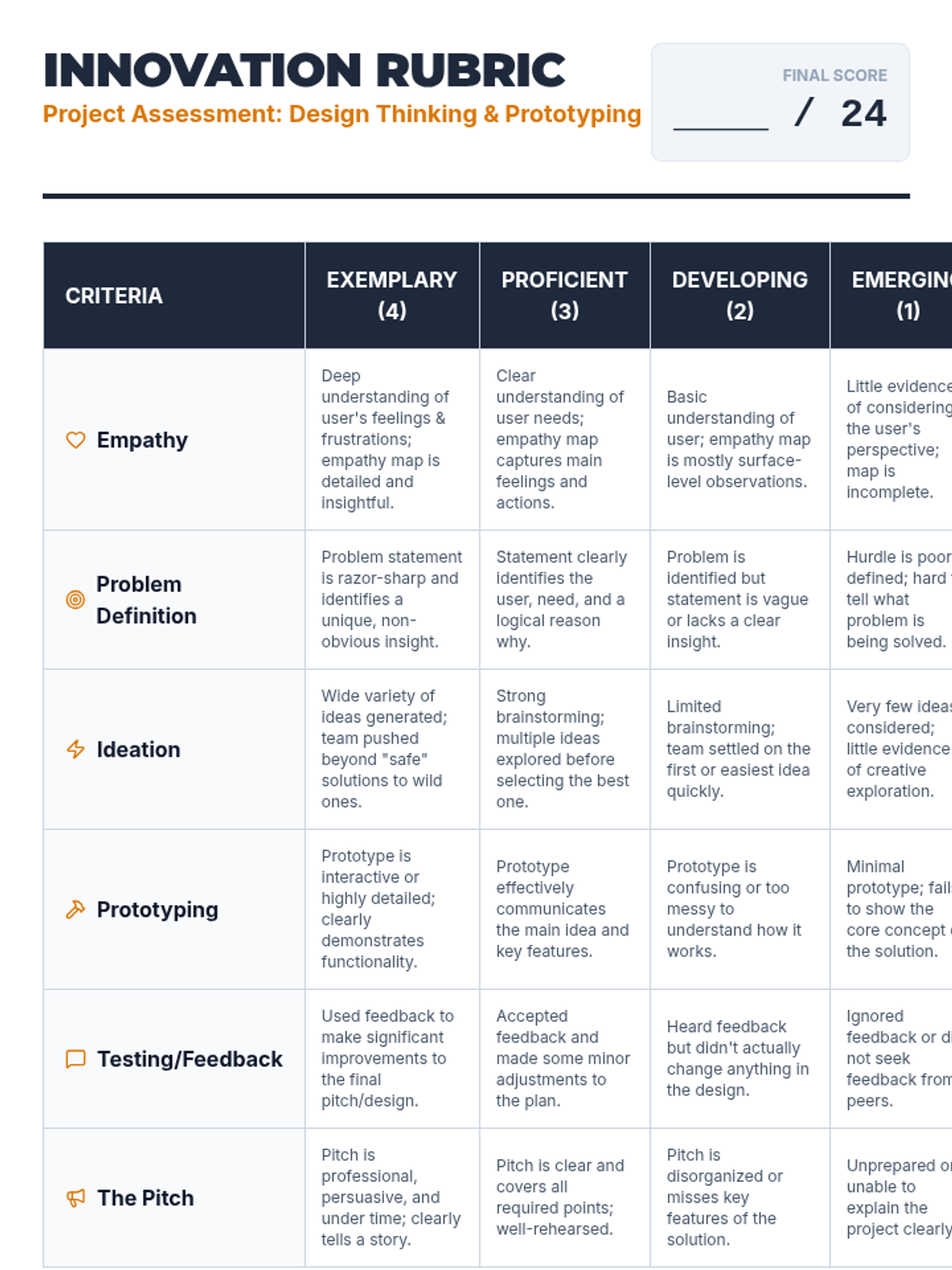
A high-energy workshop introducing 9th graders to design thinking. Students apply human-centered design to solve school-based challenges like hallway congestion or cafeteria waste.
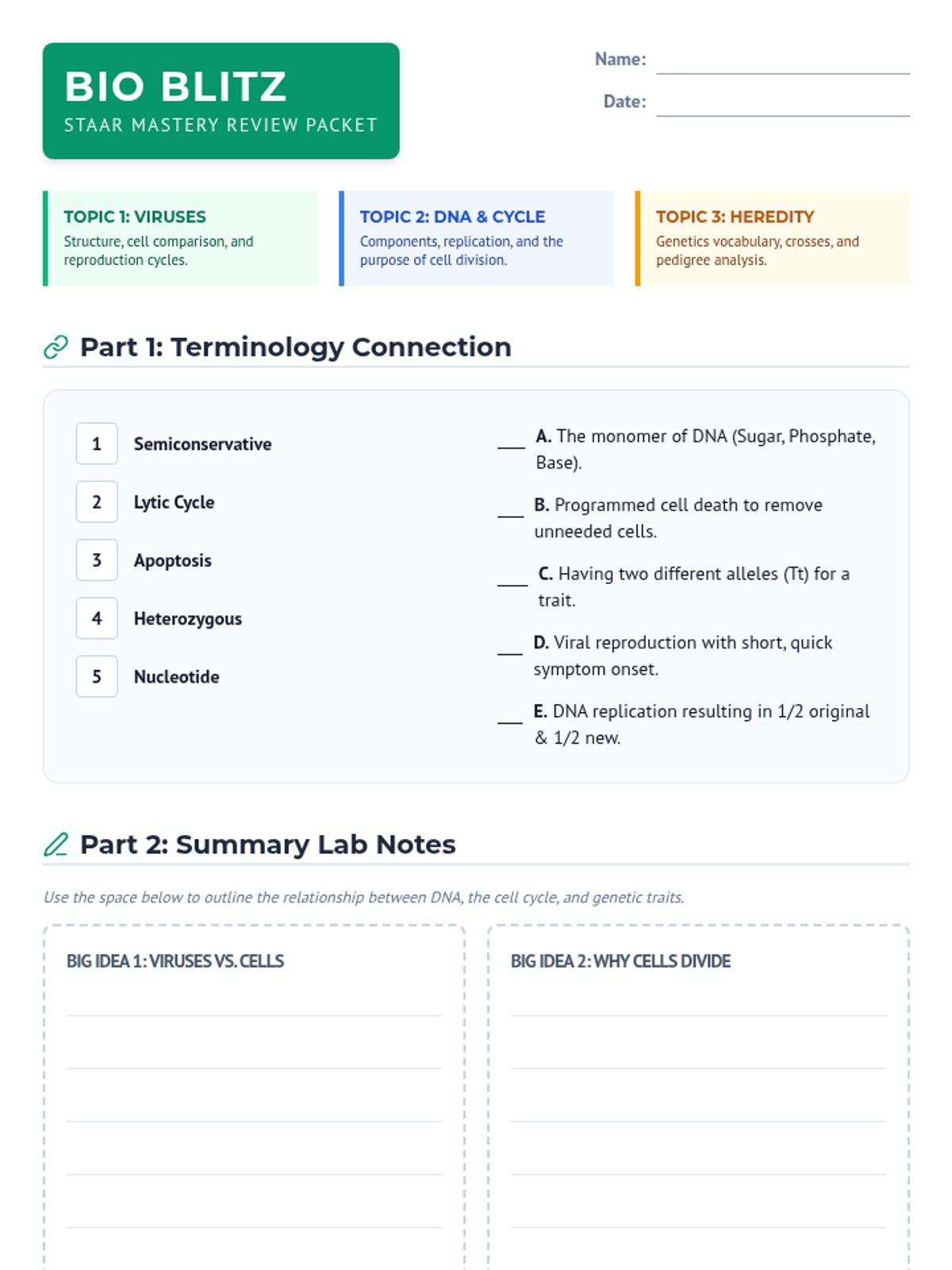
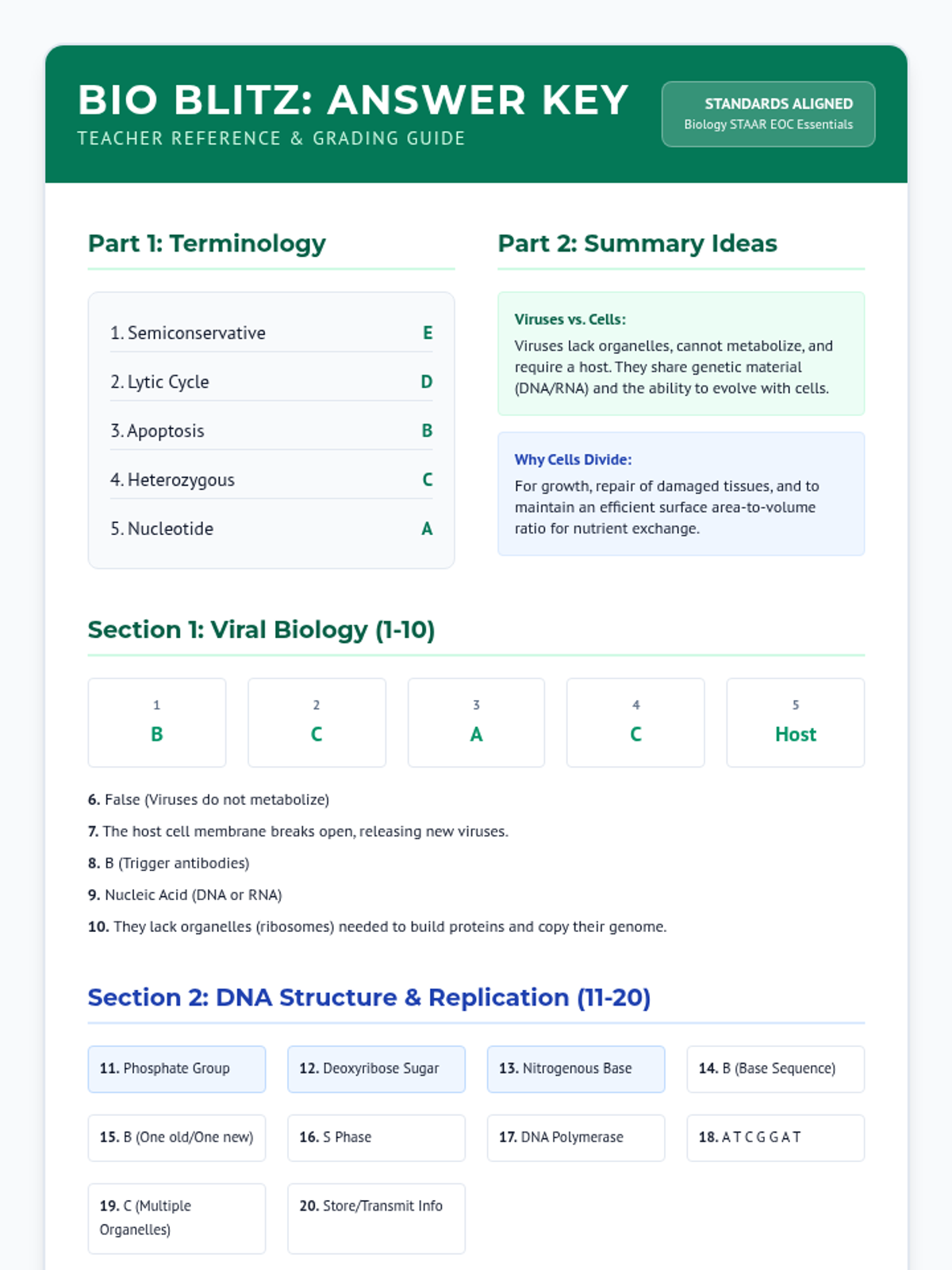
A comprehensive review of high school biology topics including viruses, DNA structure and replication, the cell cycle and its disruptions, and basic genetics focusing on monohybrid crosses and pedigrees. This lesson is designed to prepare students for standardized assessments with rigorous STAAR-aligned questions and practice.
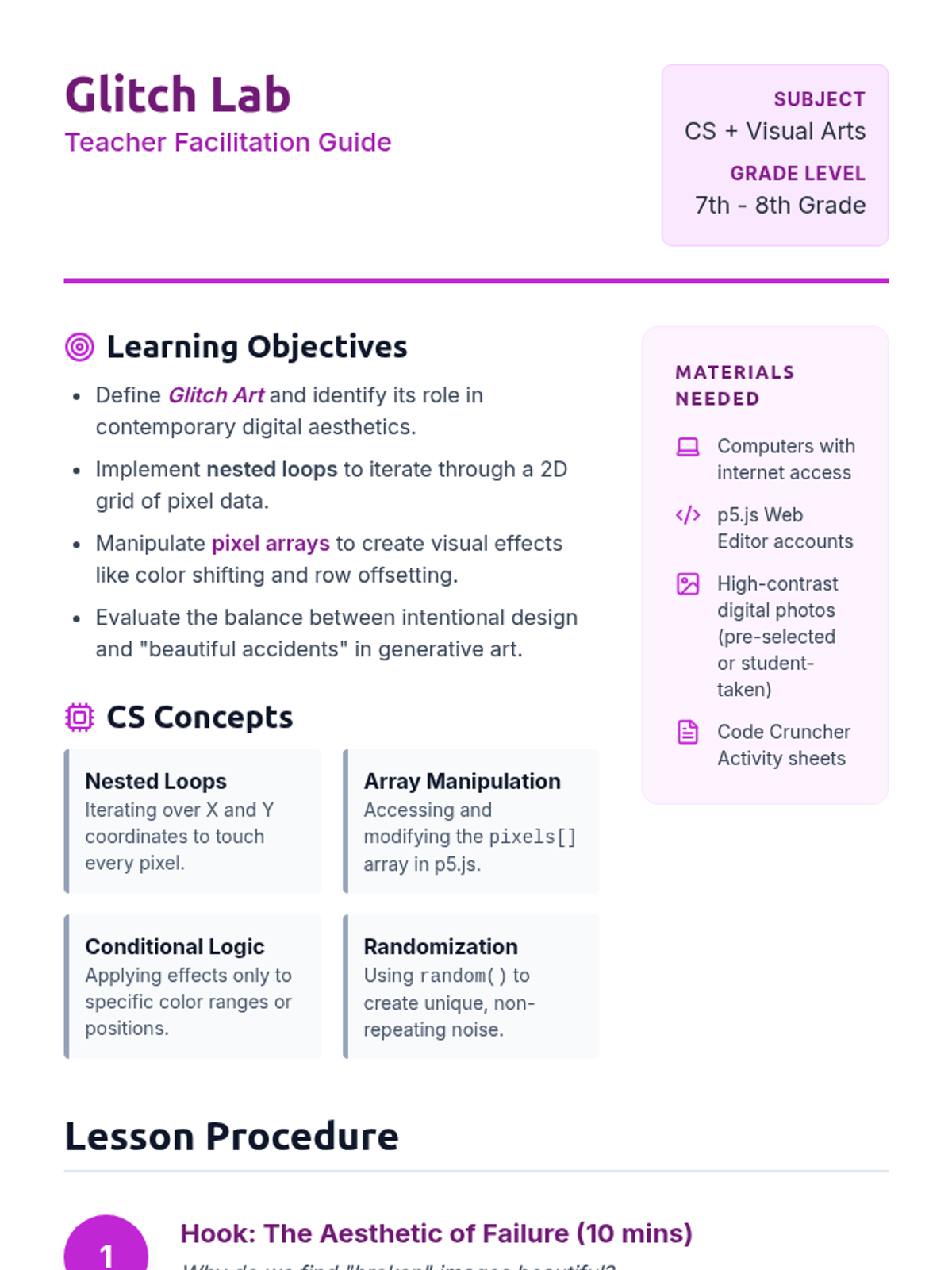
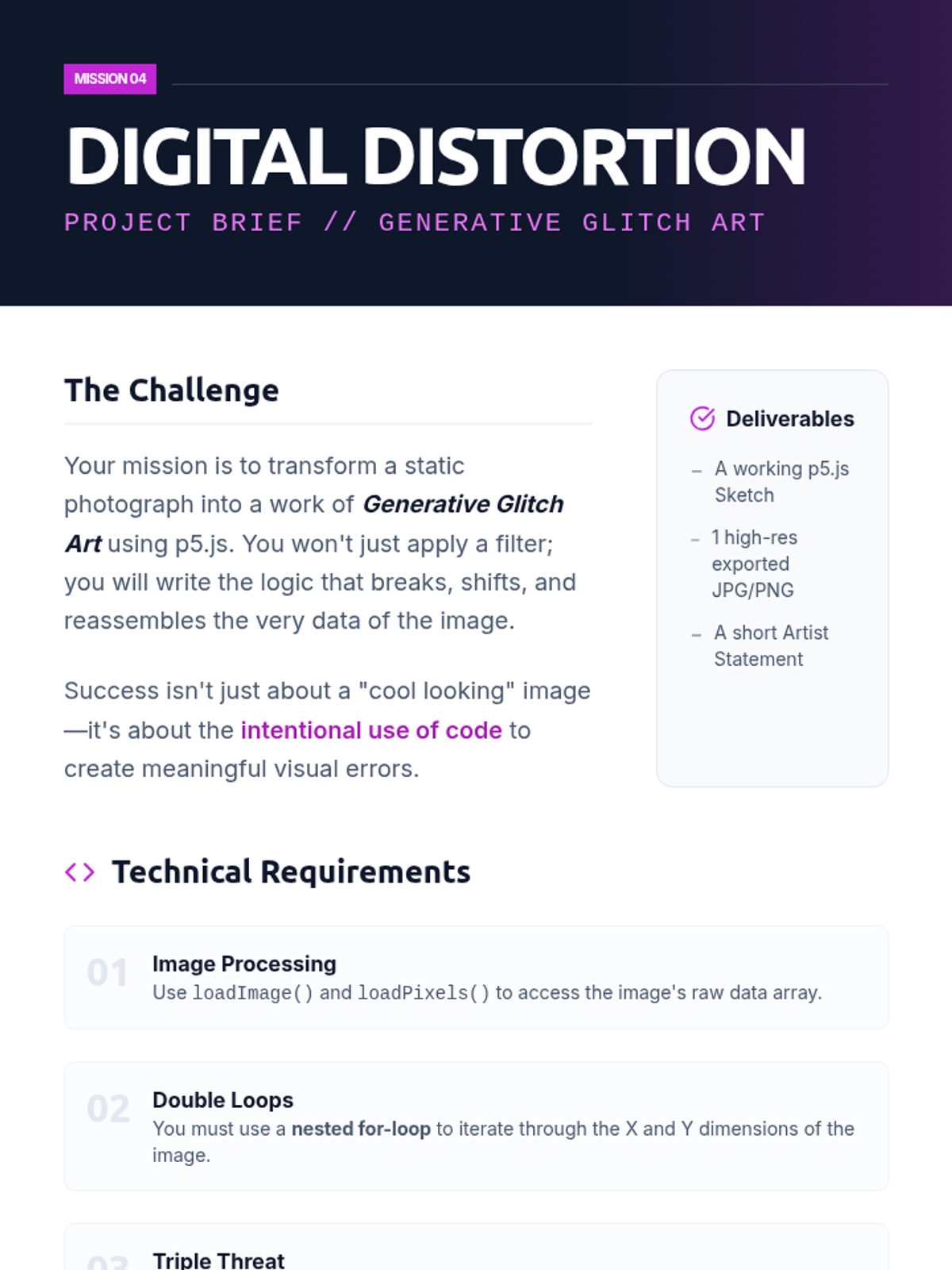
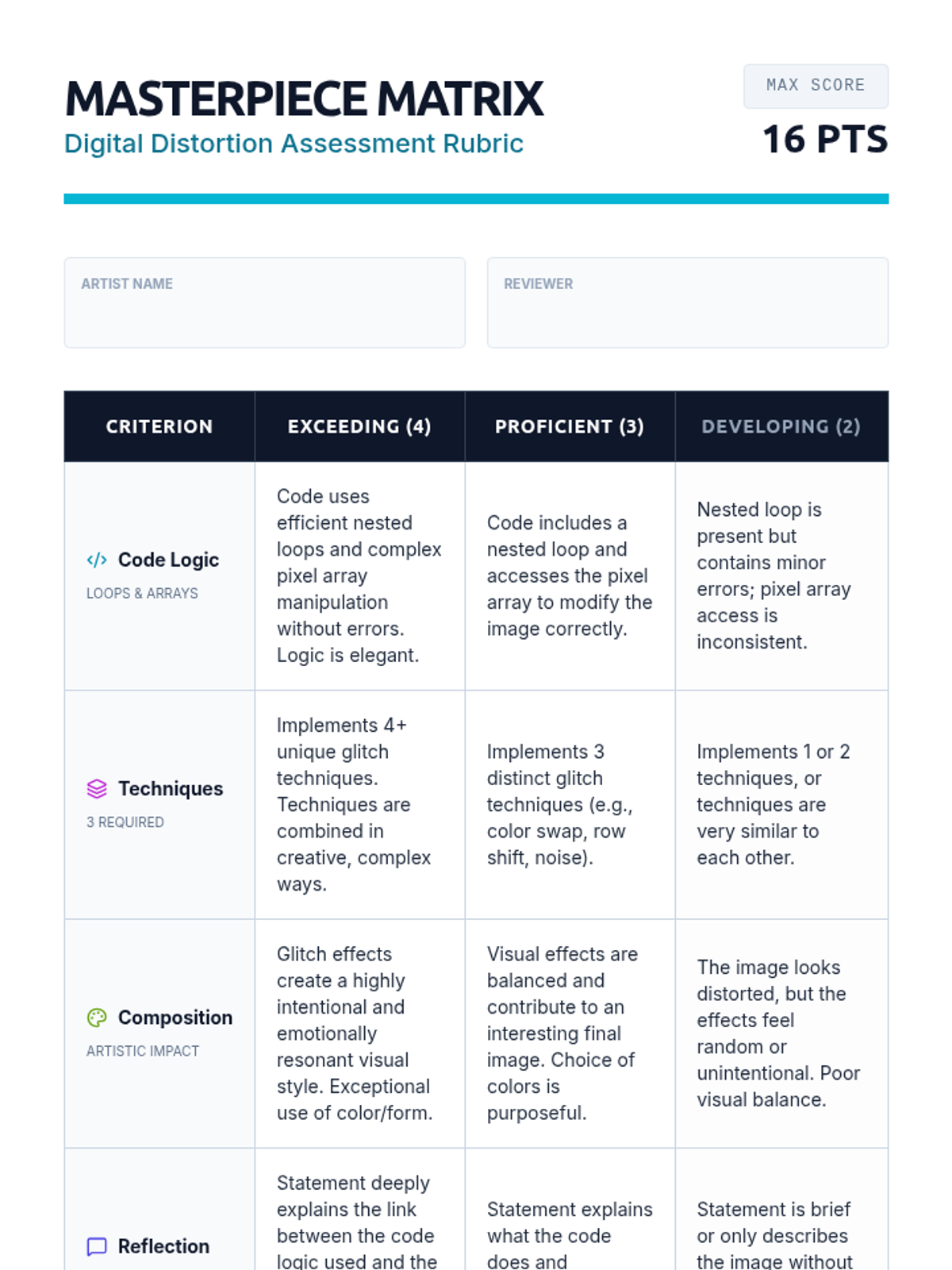
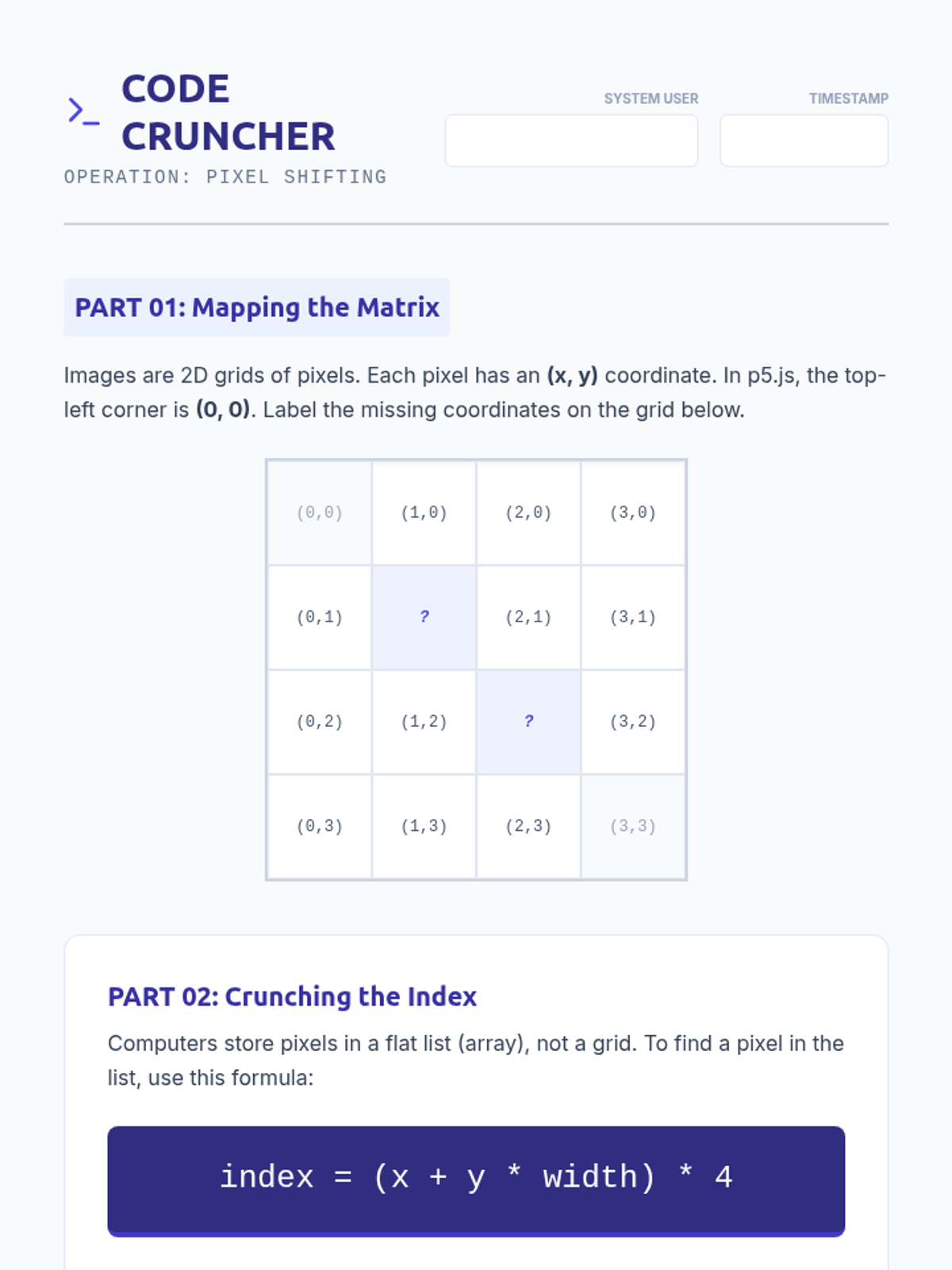
A creative coding lesson where students use p5.js to manipulate image data, exploring the intersection of computer science and glitch art aesthetics.
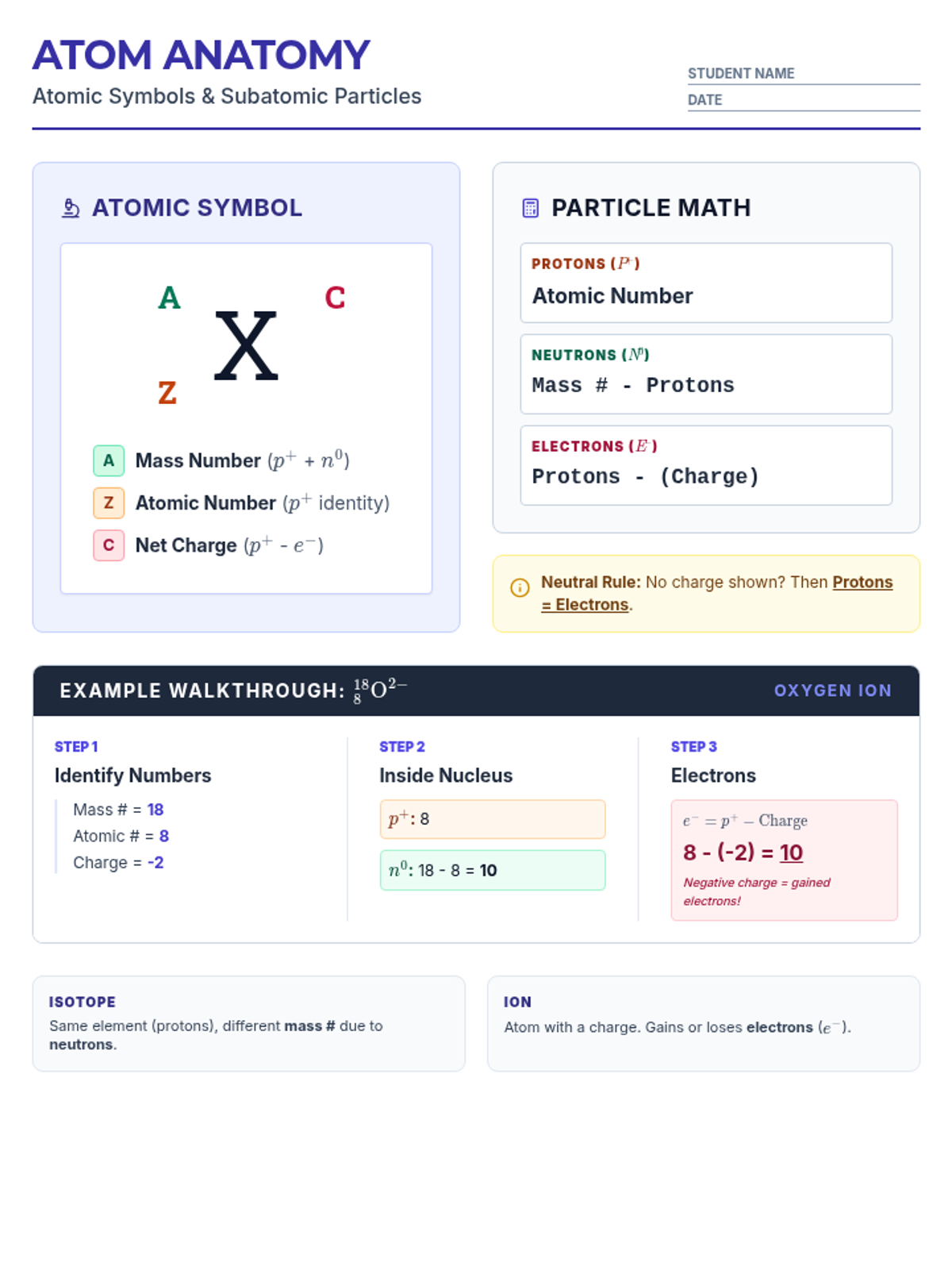
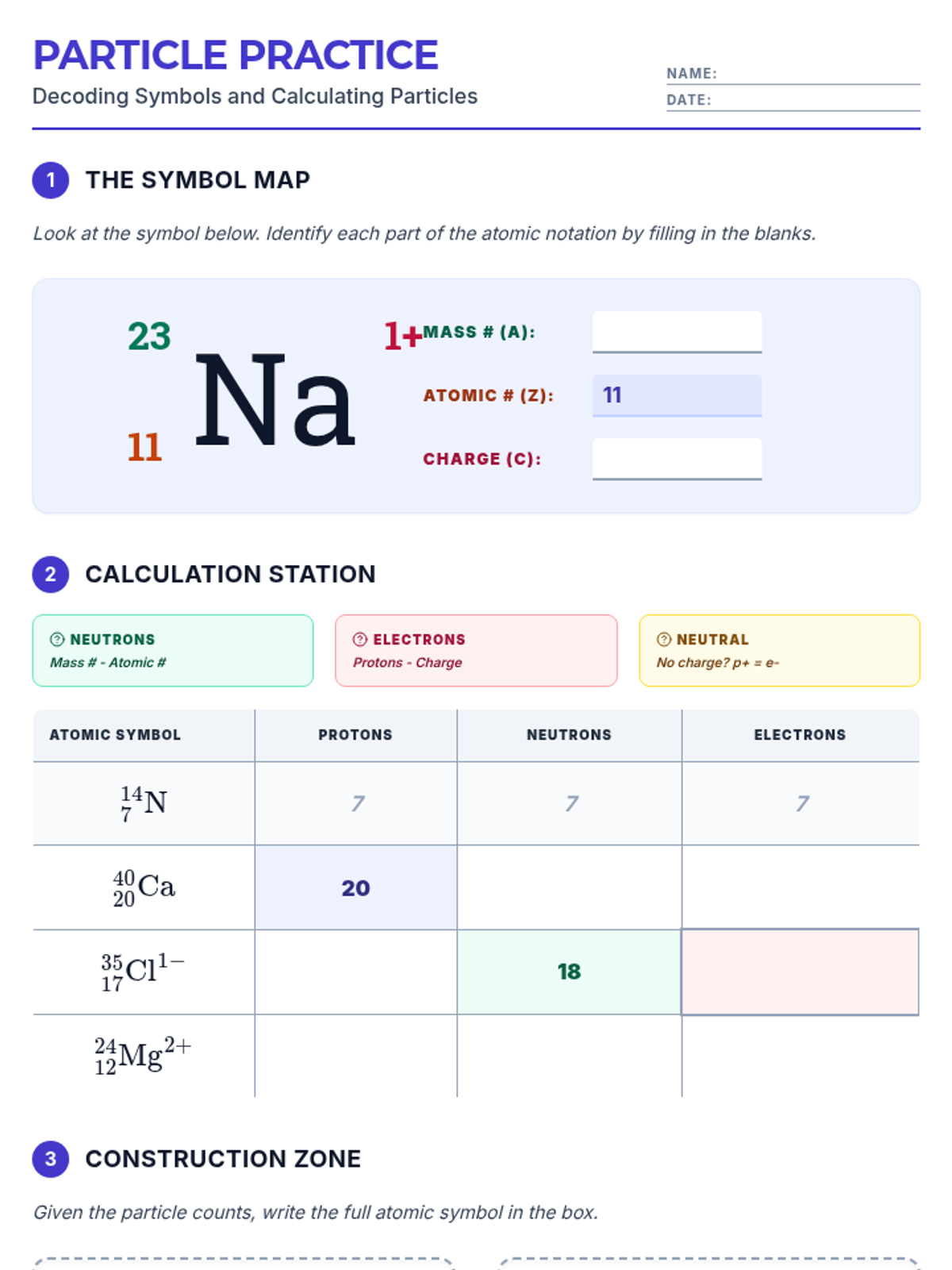
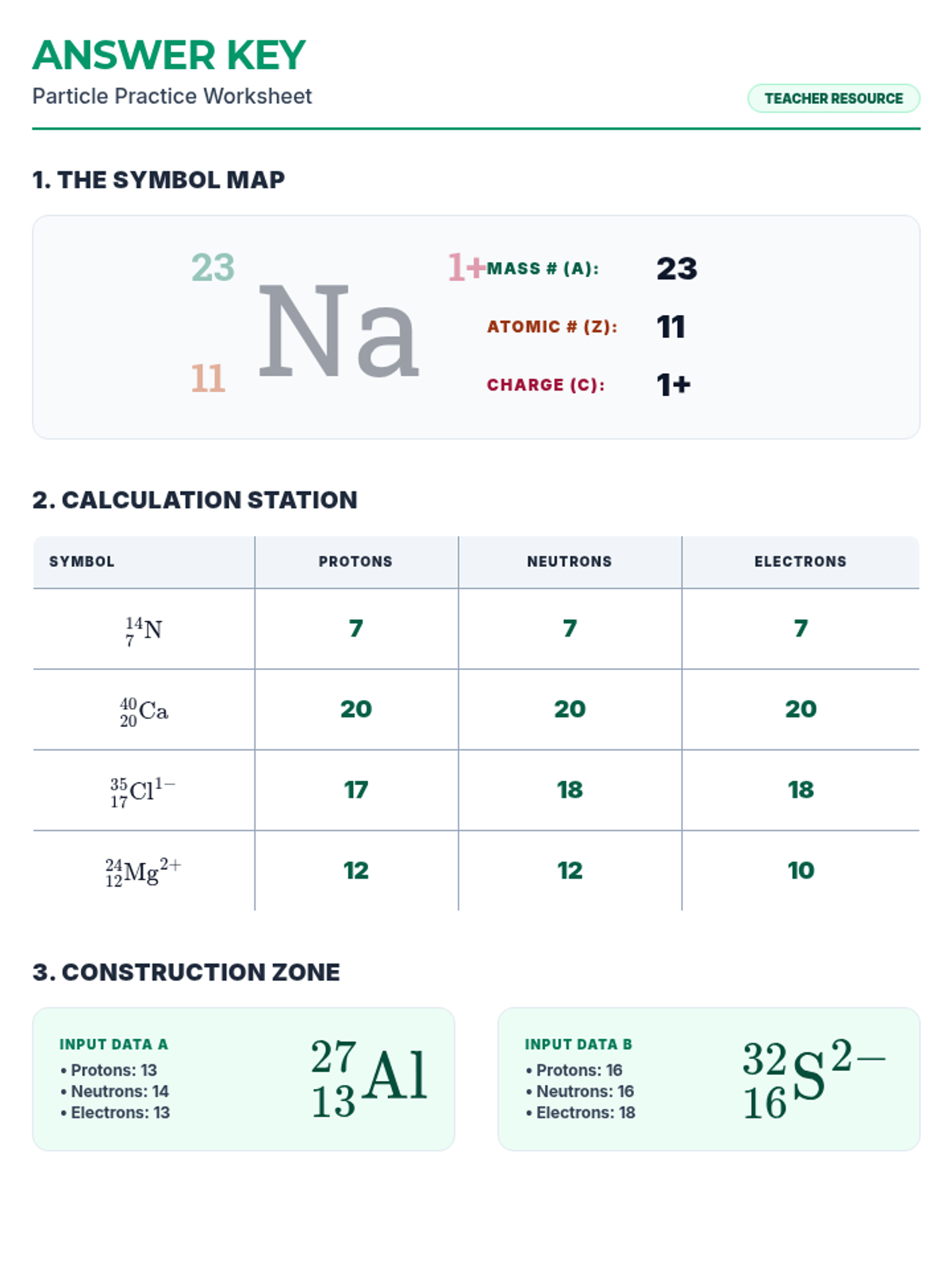
A remedial lesson focused on rebuilding foundational skills in atomic notation and subatomic particle calculations for students who struggled with the initial unit.
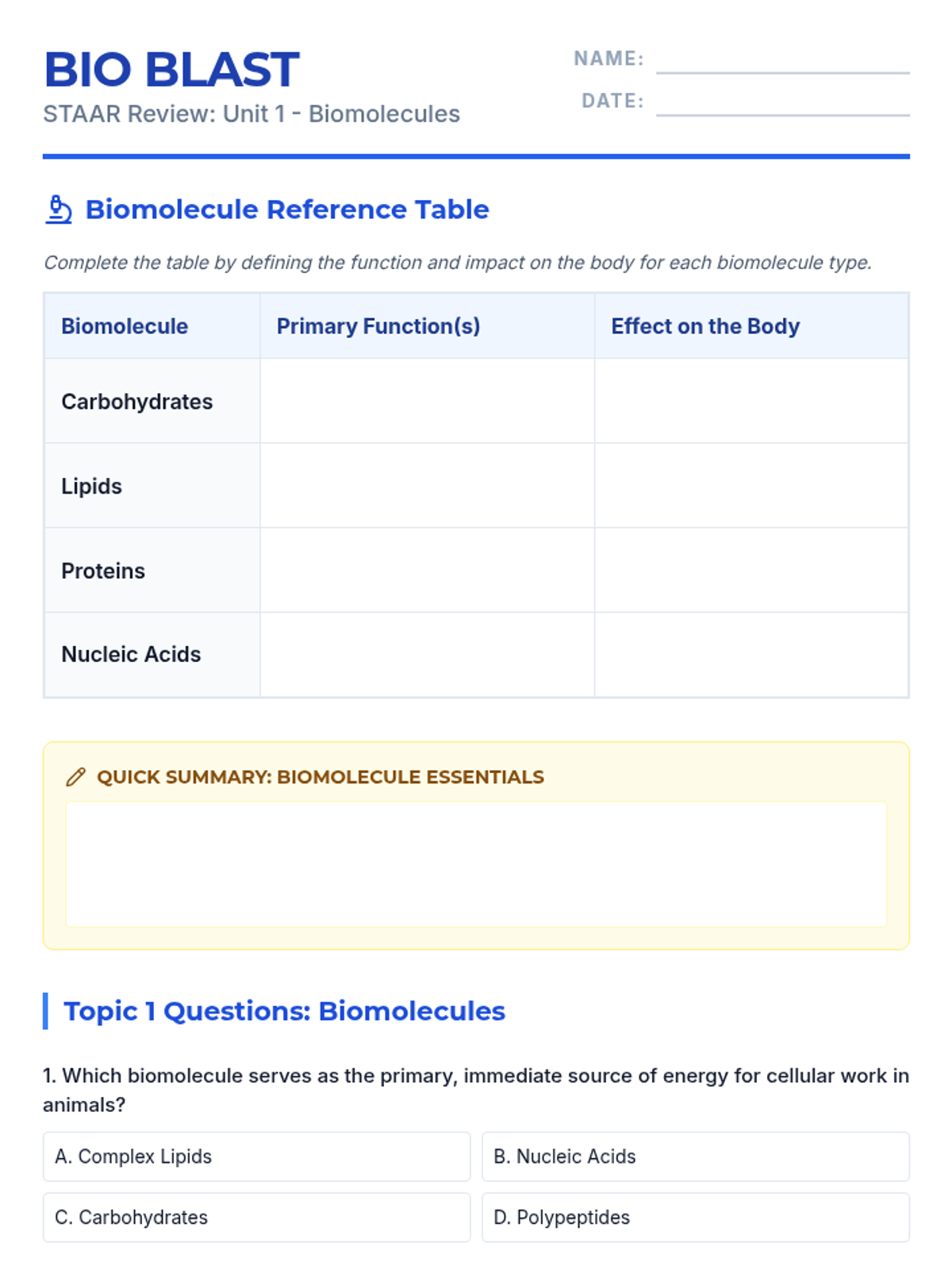
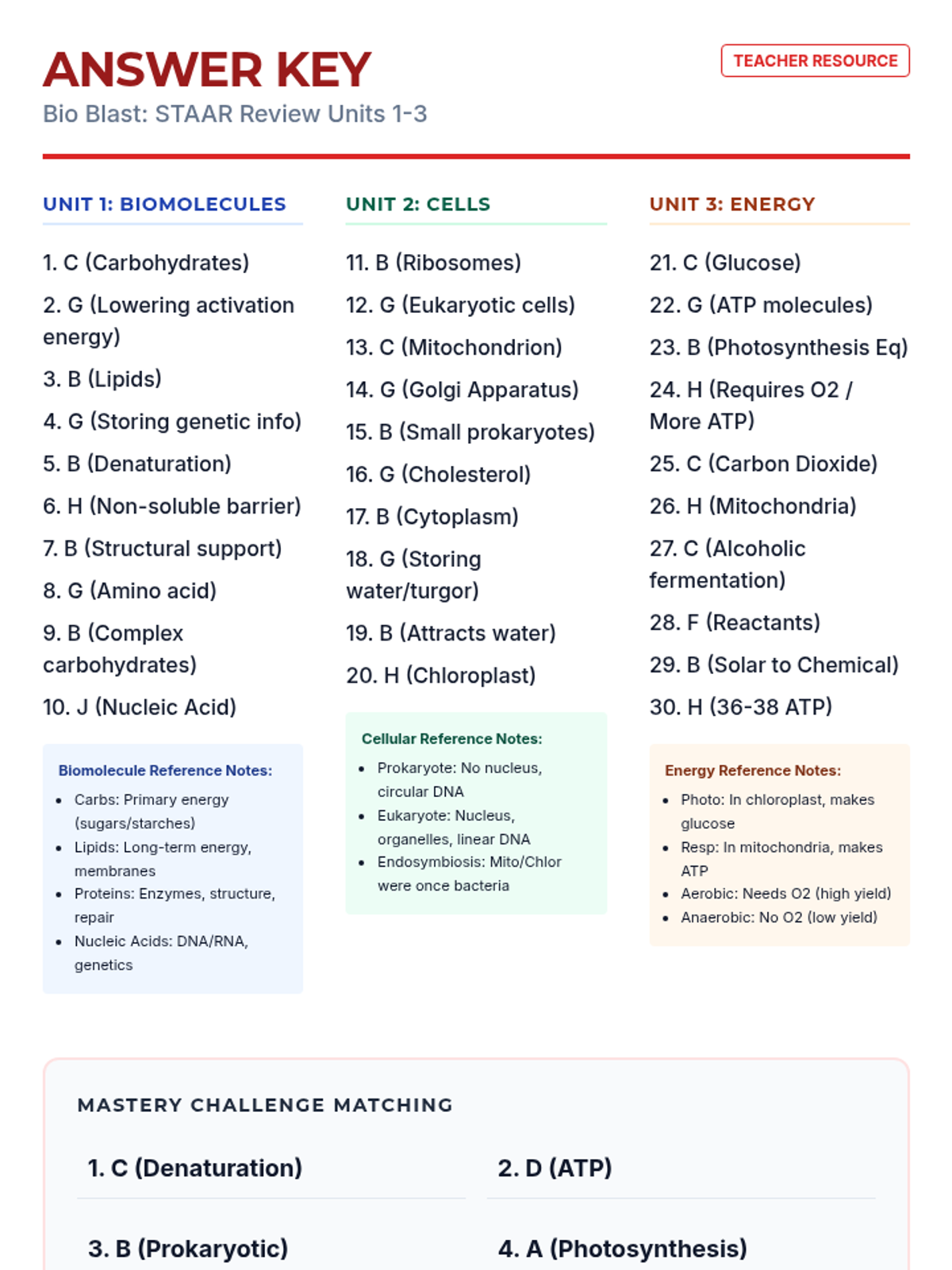
A comprehensive review lesson covering the essential biology TEKS for Biomolecules, Cell Structure, and Cellular Energy (Photosynthesis and Respiration) to prepare students for the STAAR exam.
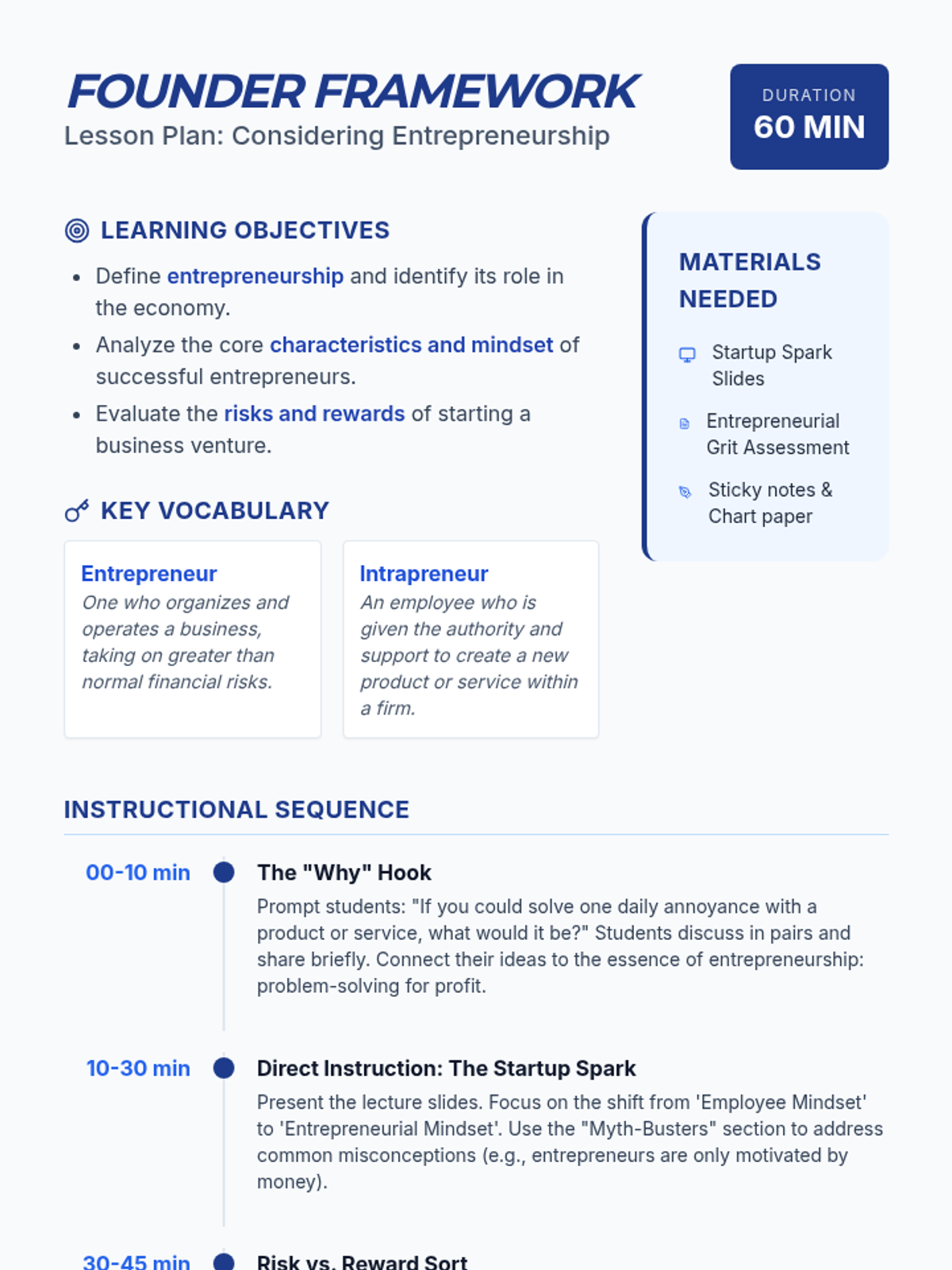
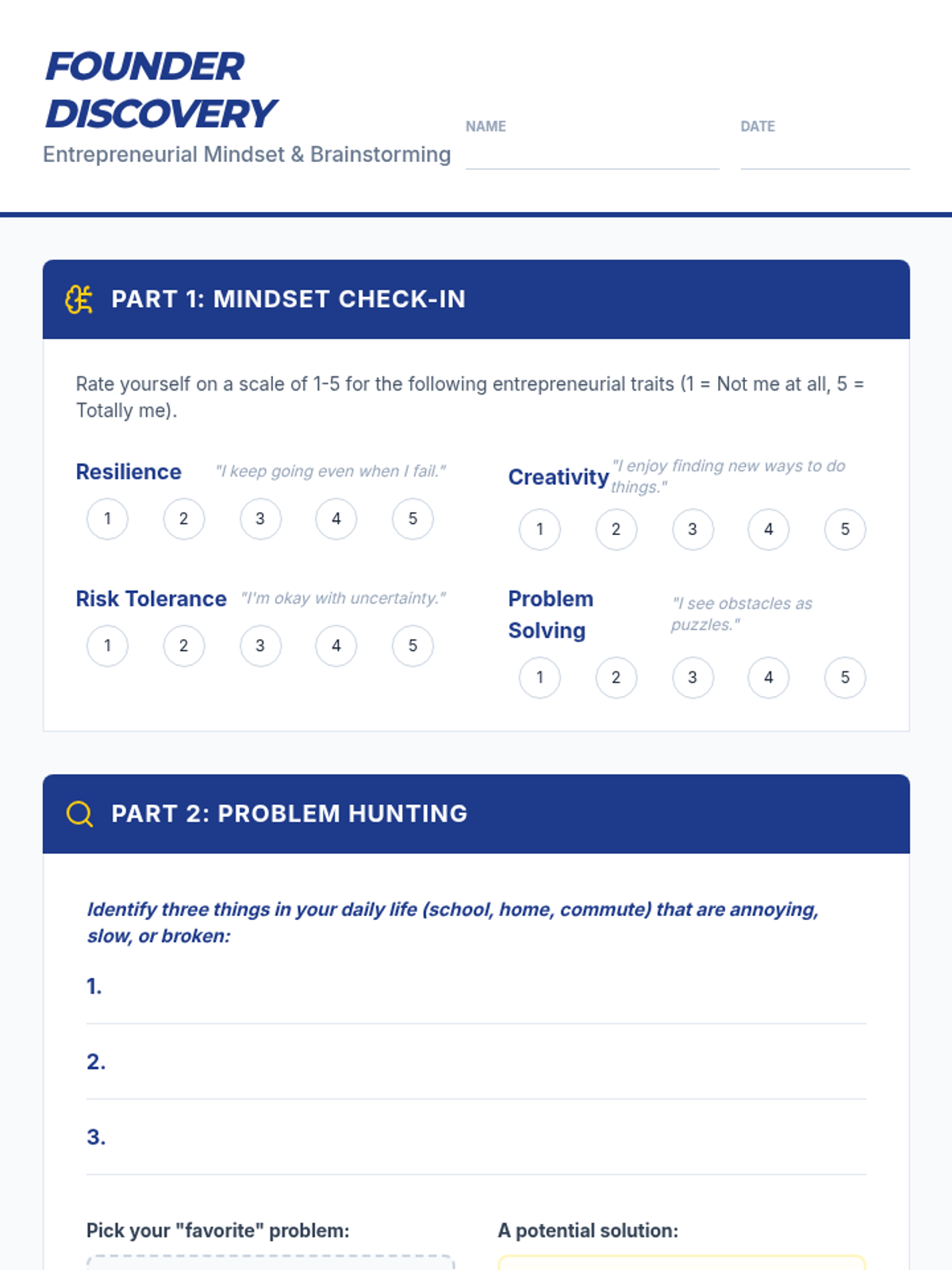
An introductory lesson exploring the world of entrepreneurship, focusing on the mindset, risks, and rewards of starting a business.
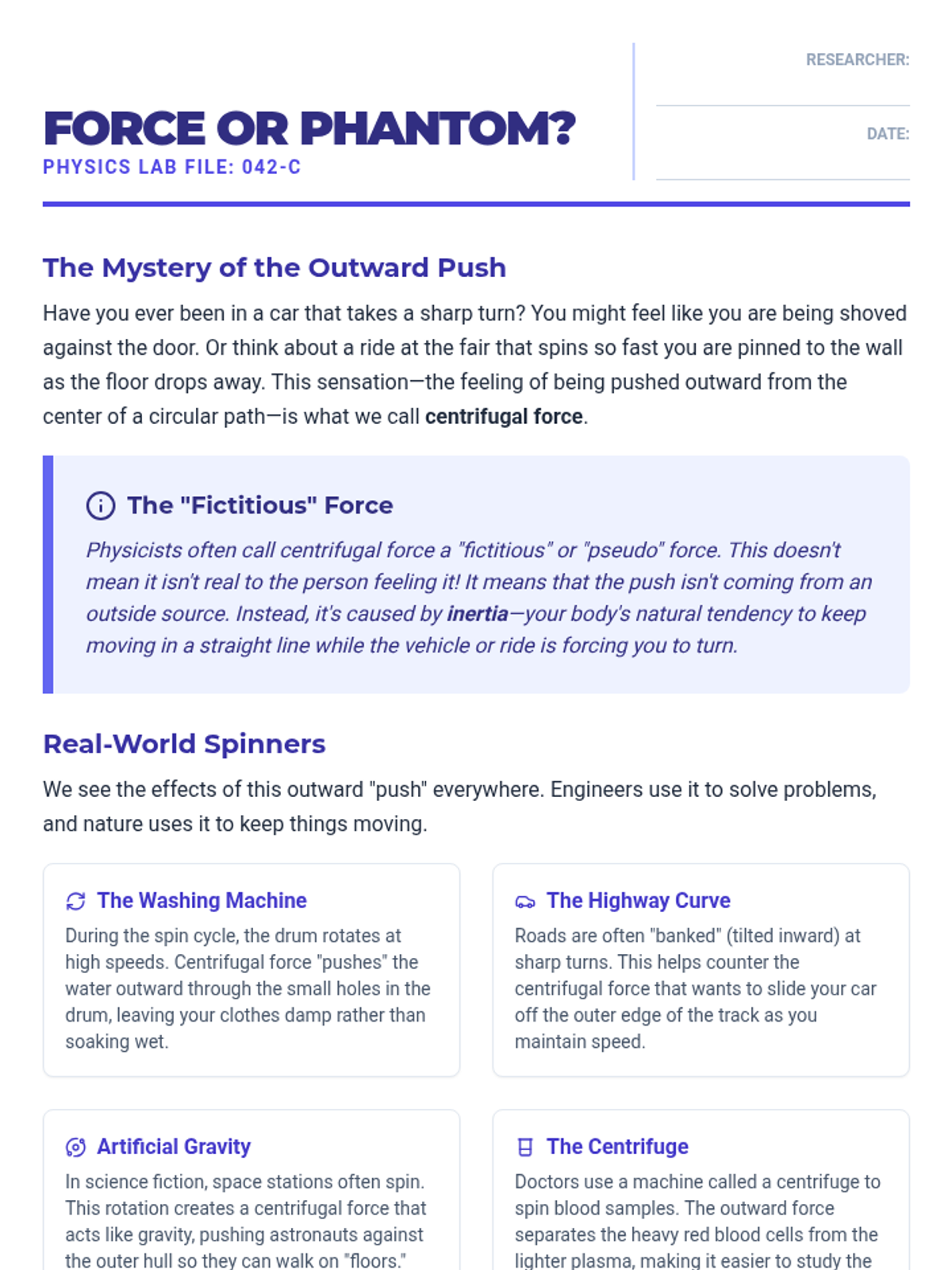
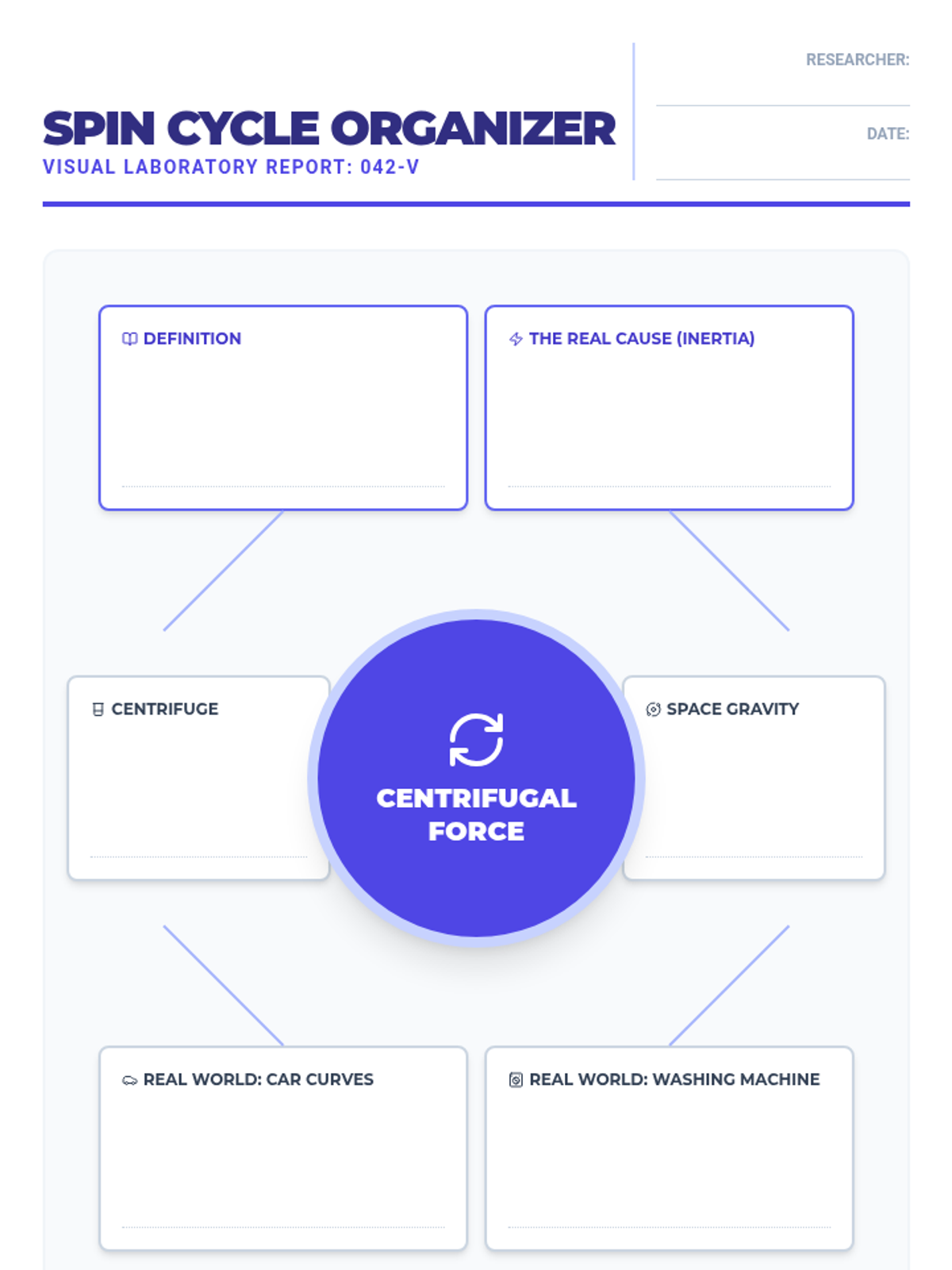
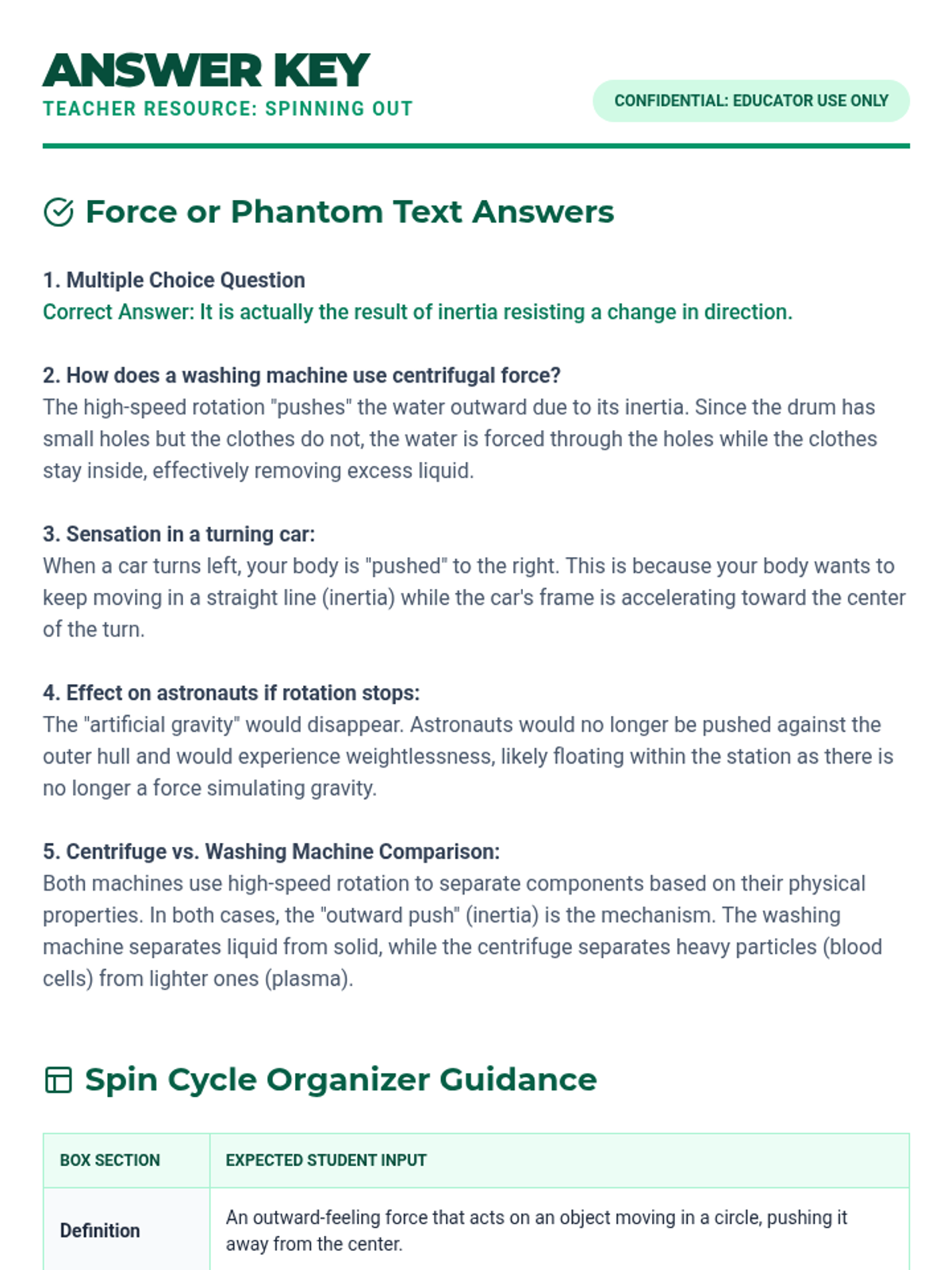
A physics-focused lesson exploring the concept of centrifugal force through real-world applications like amusement park rides, car turns, and washing machines. Students will distinguish between centripetal and centrifugal force while analyzing how spinning motion affects objects.
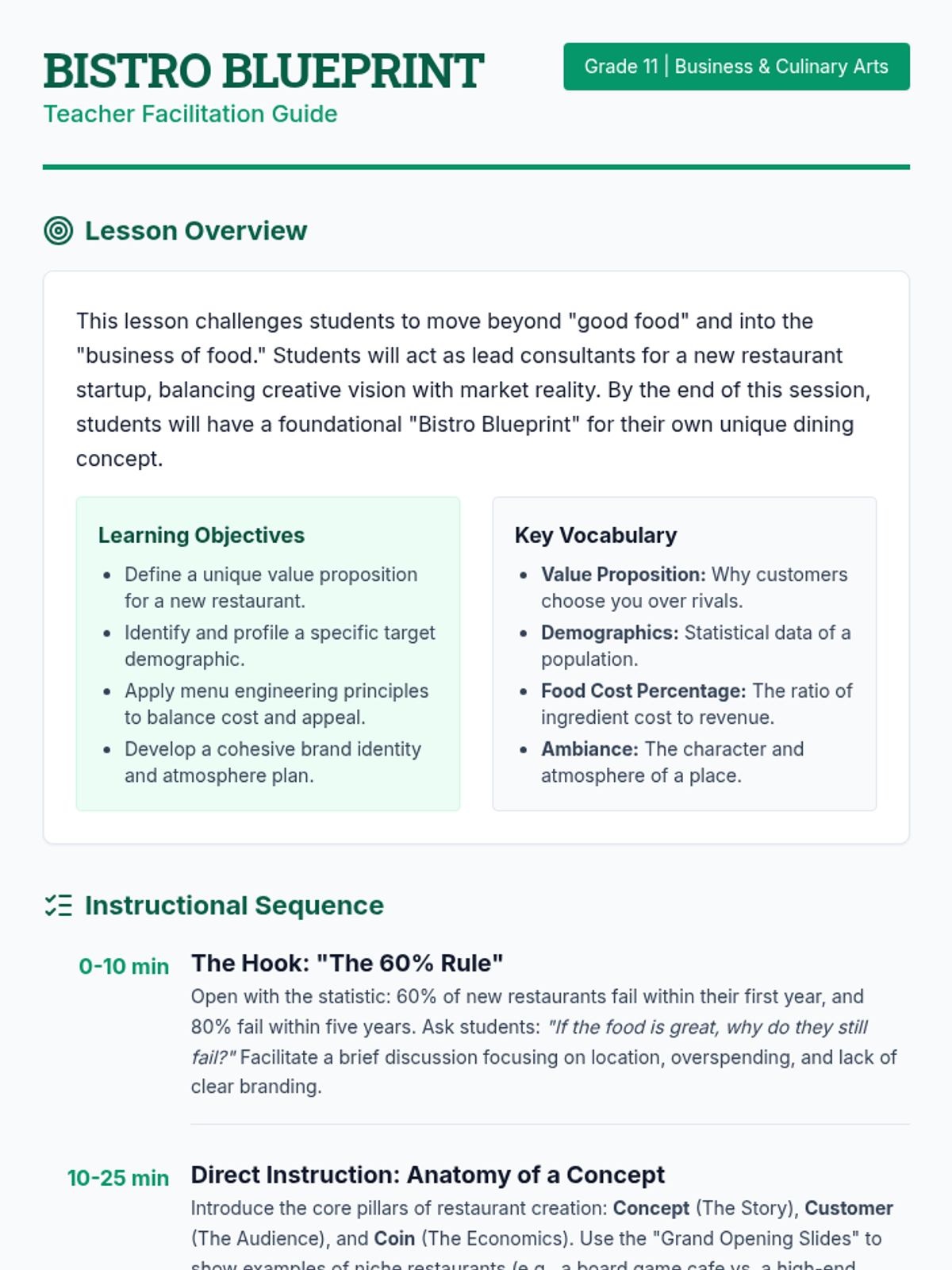
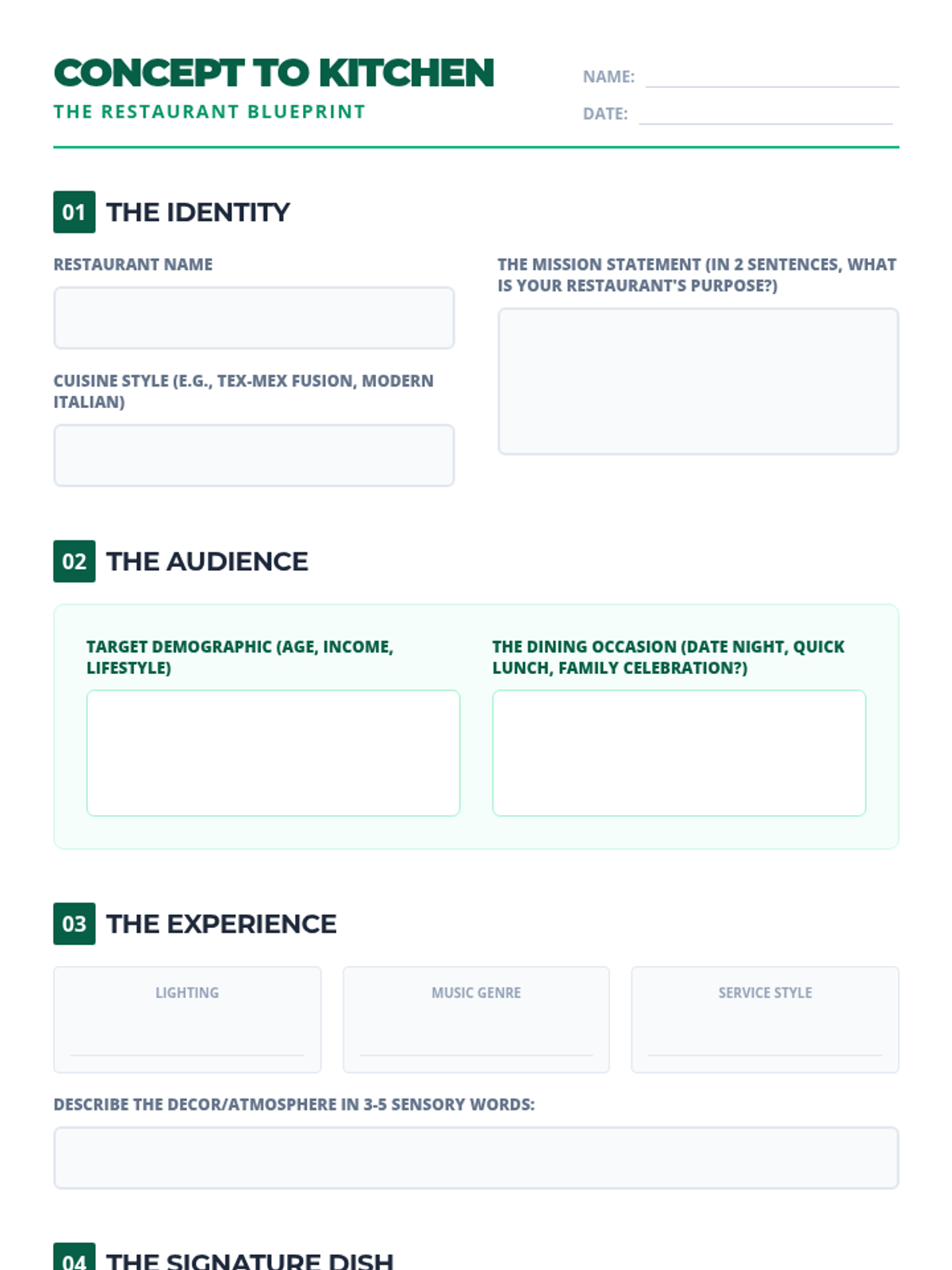
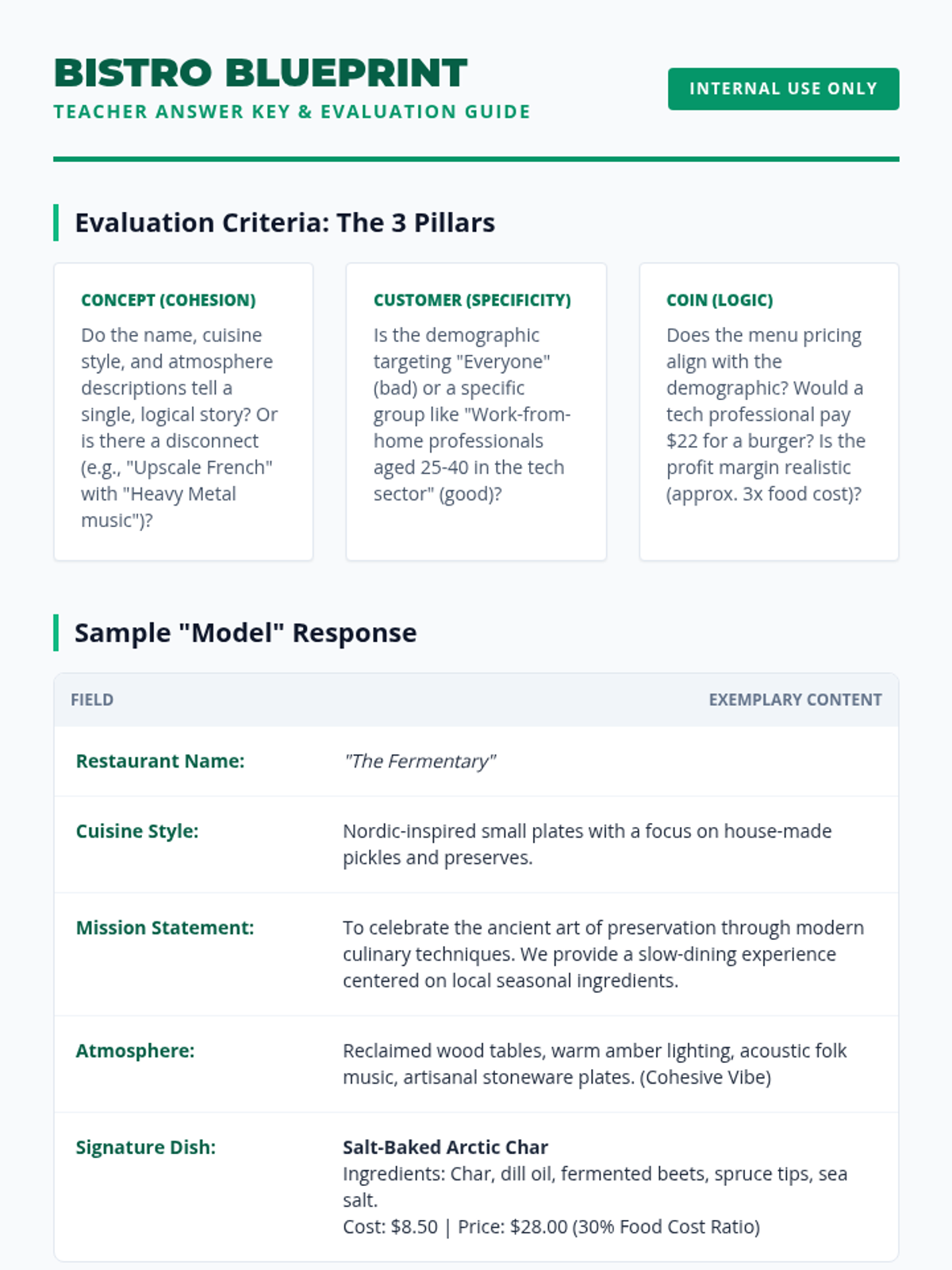
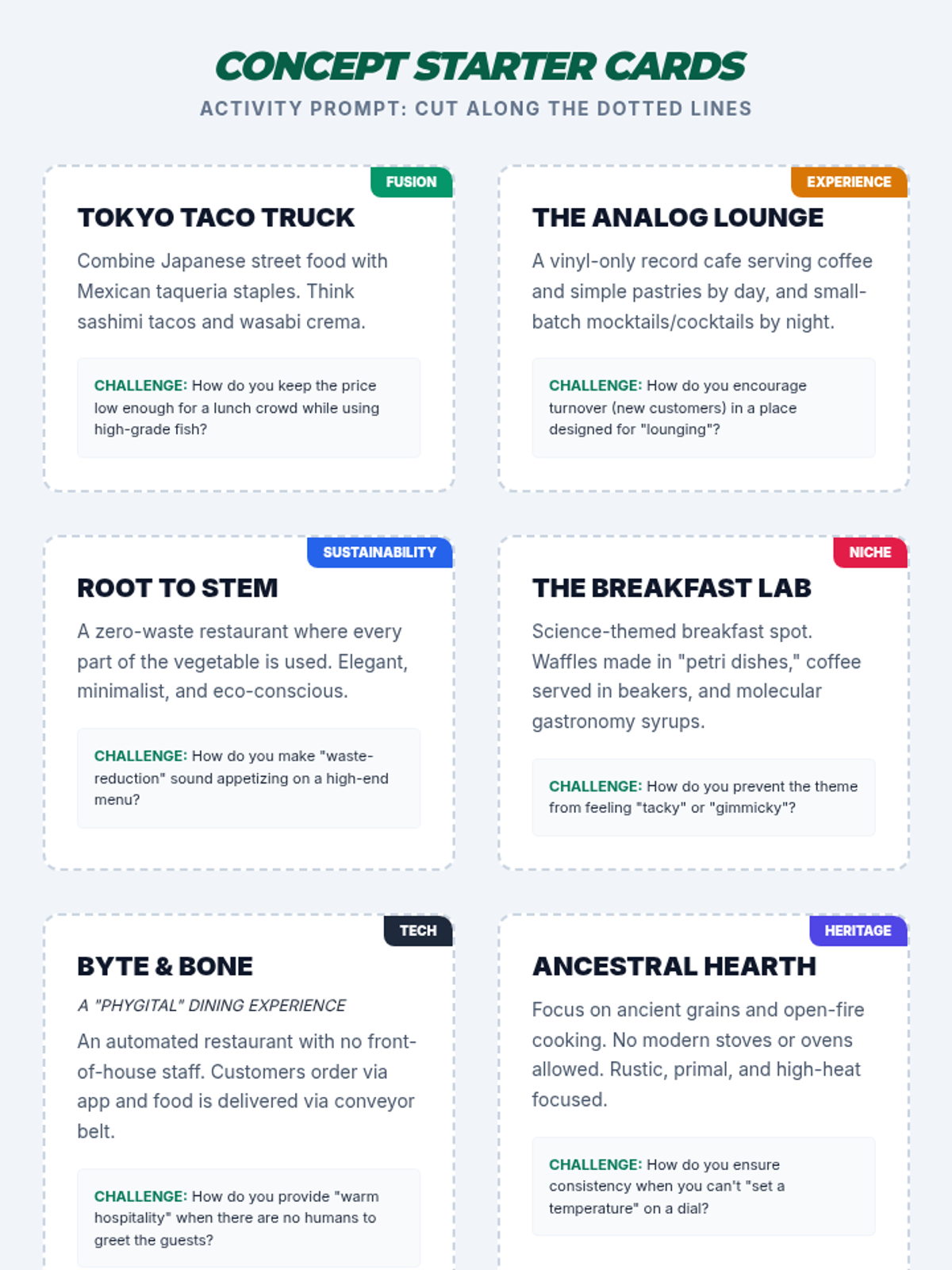
A comprehensive business and culinary arts lesson where students design a unique dining concept from the ground up, covering branding, menu engineering, and market analysis.
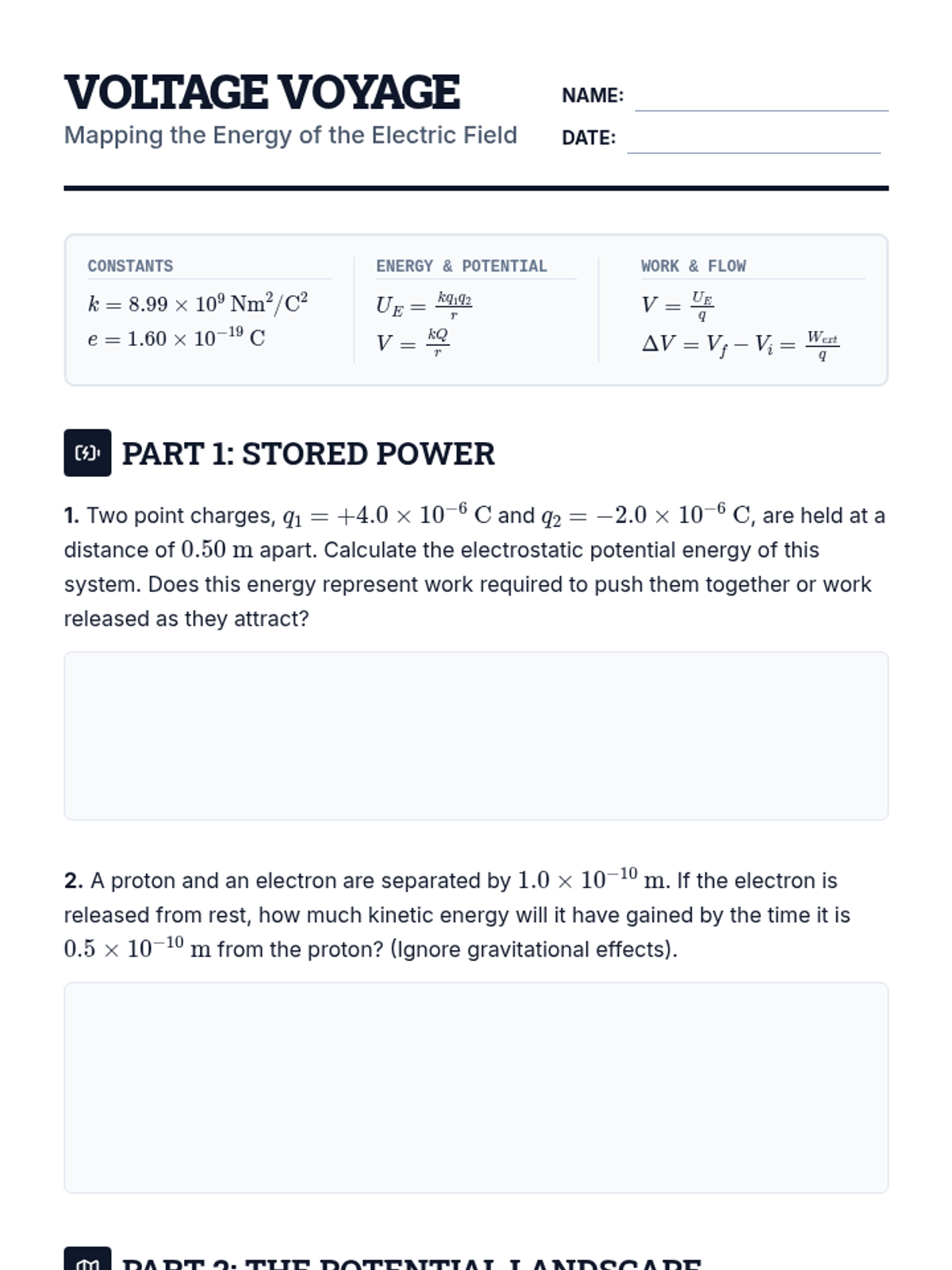
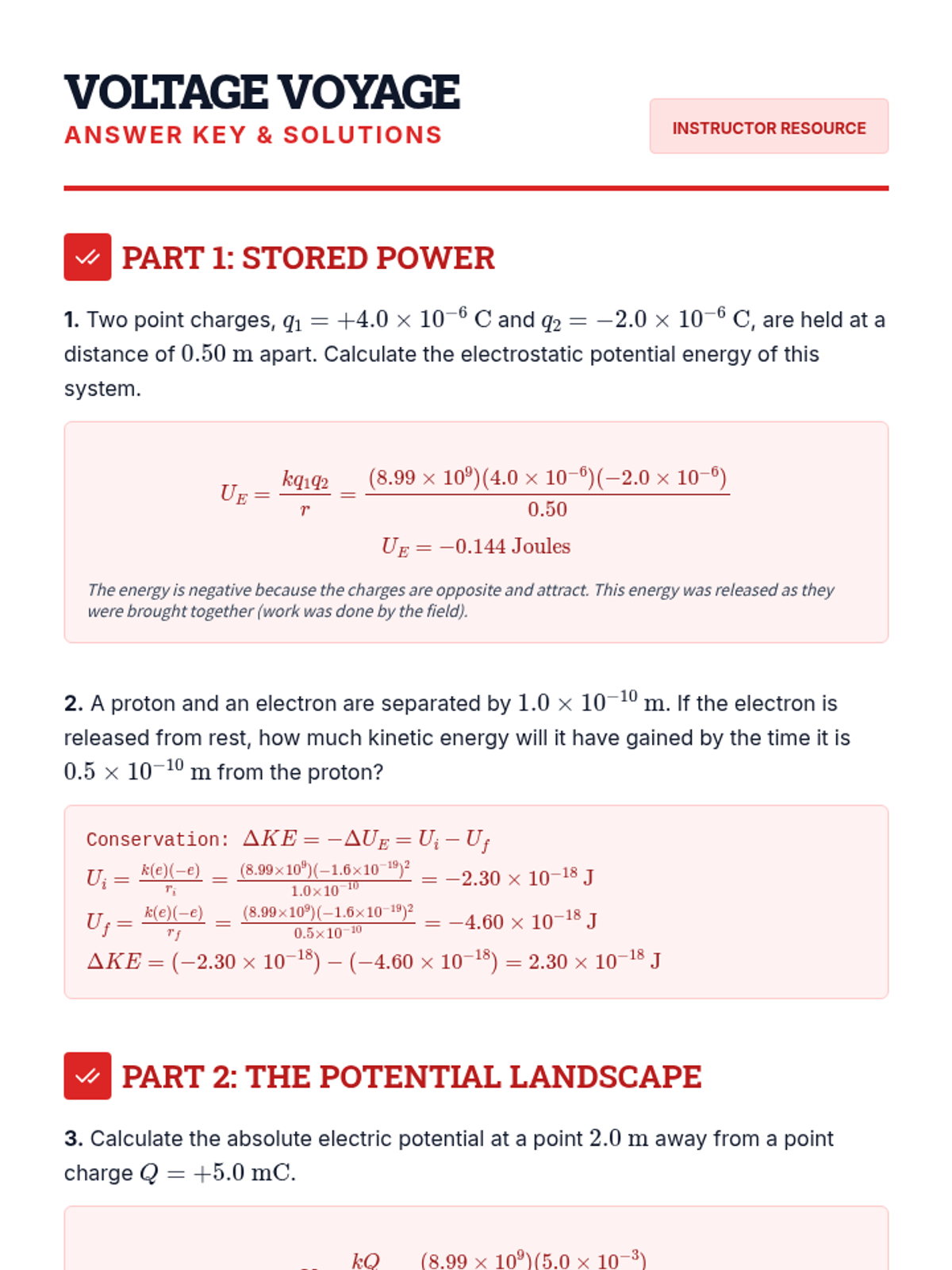
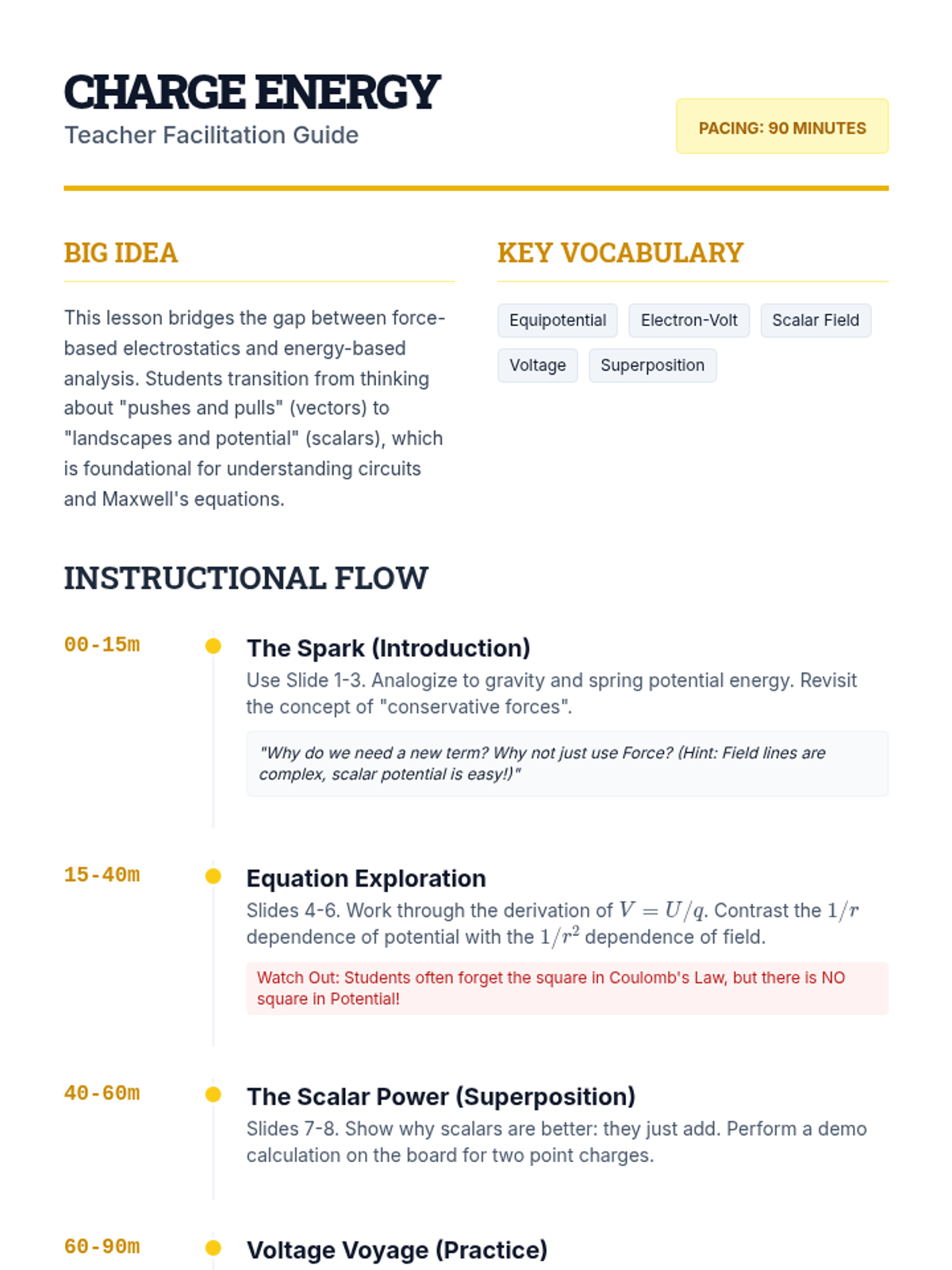
A comprehensive 1.5-hour physics lesson covering electrostatic potential energy, electric potential, and potential difference. Students will explore energy transformations and apply equations to solve for potential from multiple point charges.