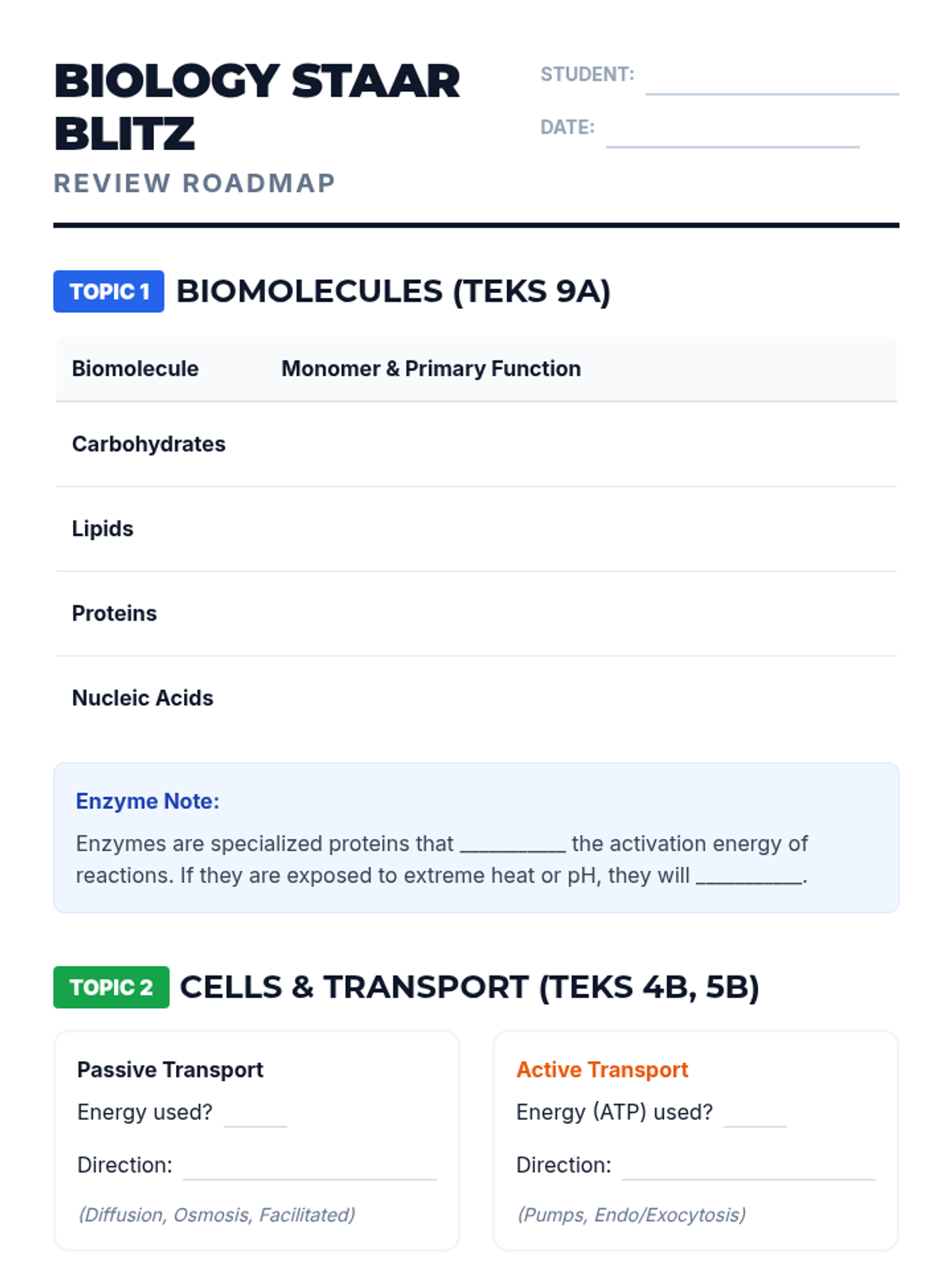
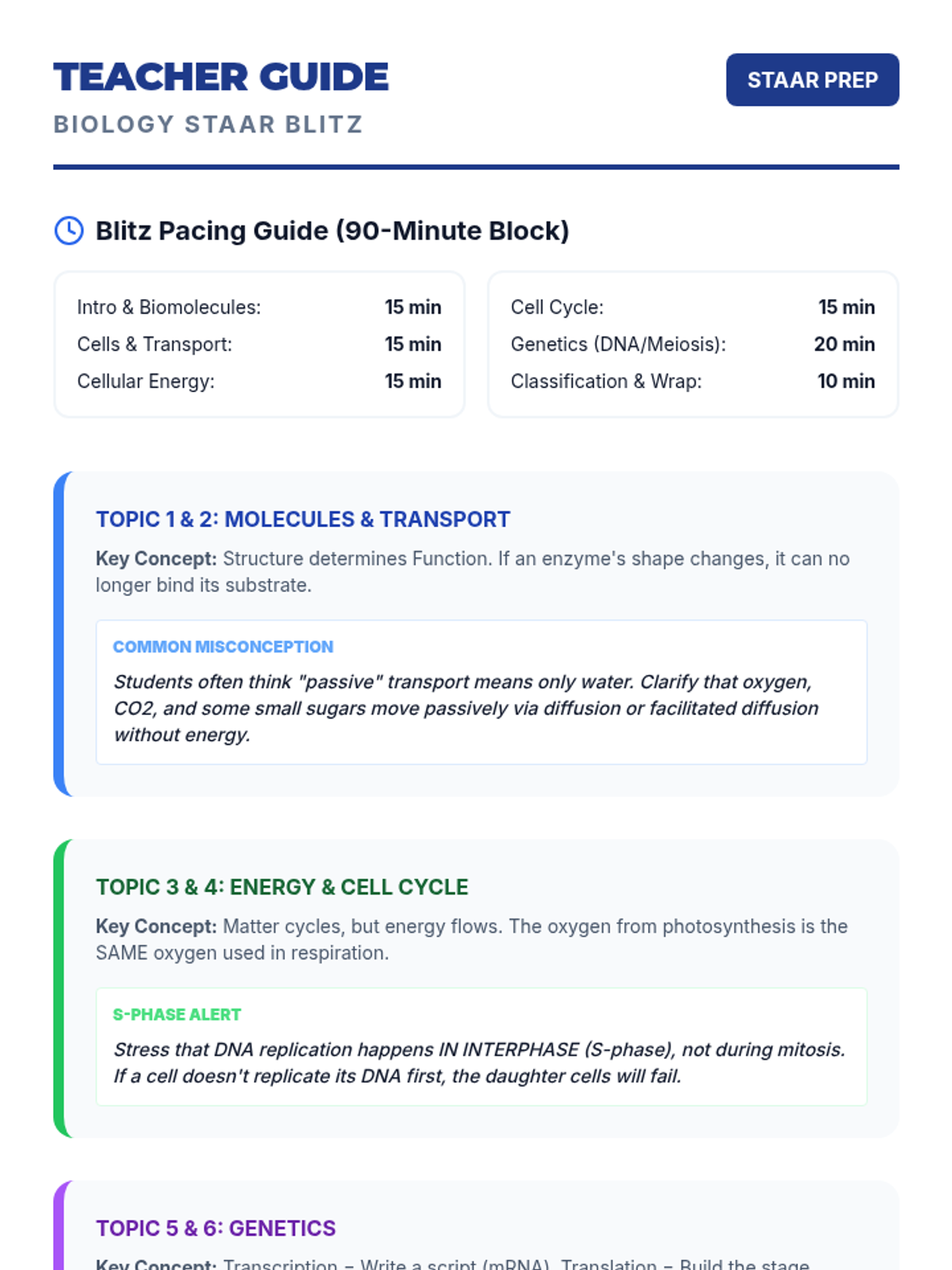
A comprehensive review lesson covering the essential biology TEKS for Biomolecules, Cell Structure, and Cellular Energy (Photosynthesis and Respiration) to prepare students for the STAAR exam.
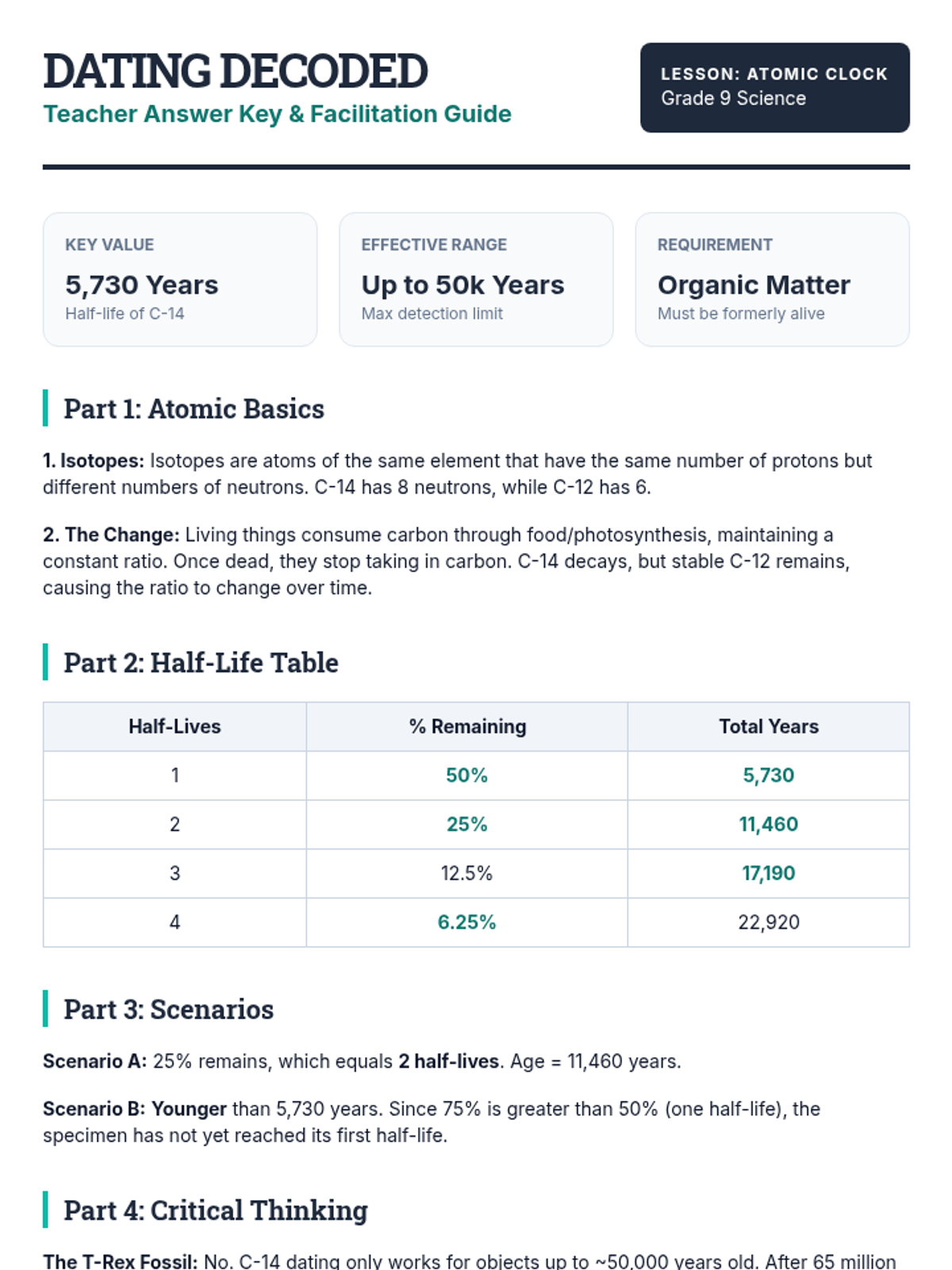
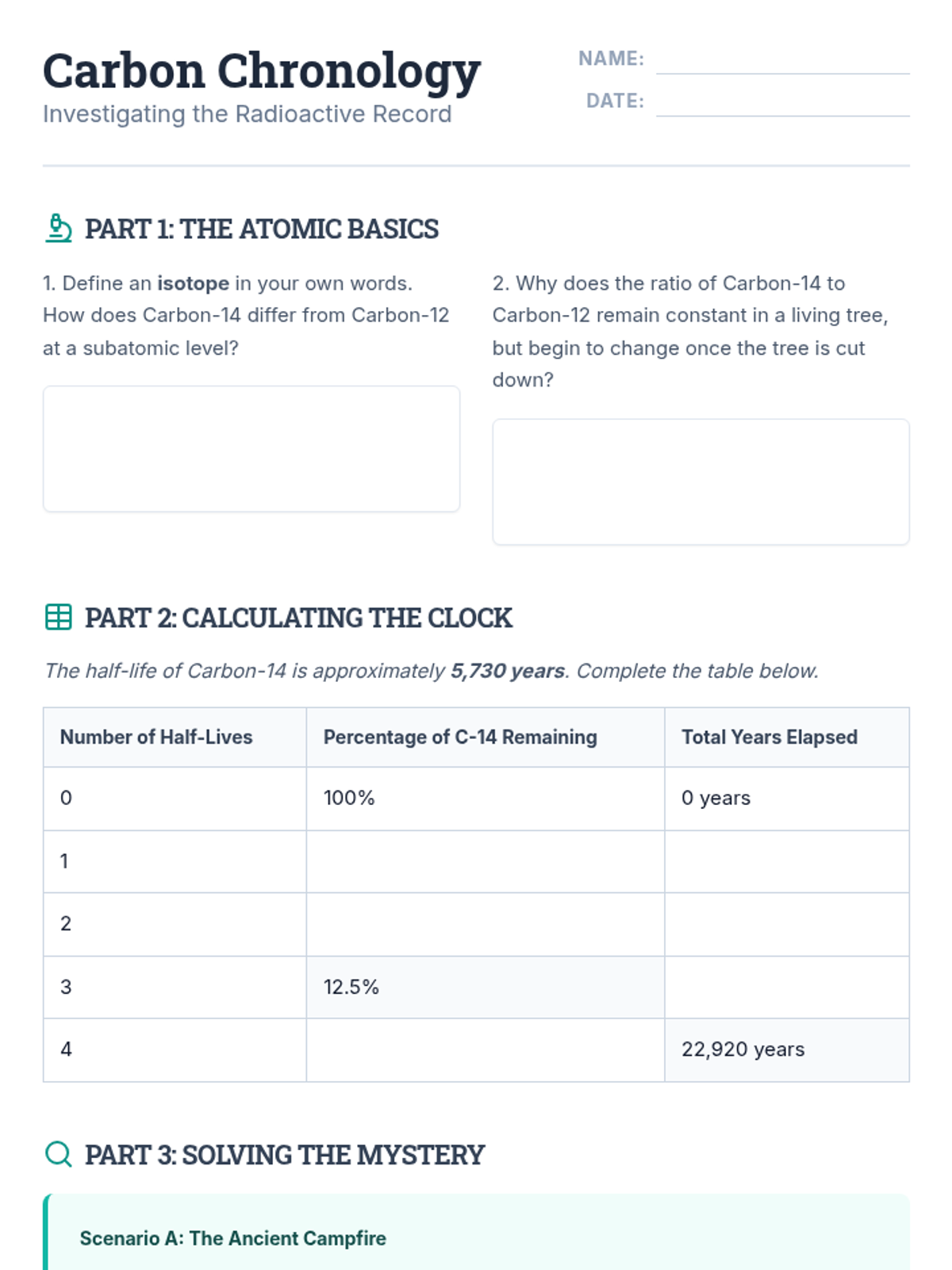
An introductory lesson on Carbon-14 dating for 9th-grade science, covering isotopes, radioactive decay, and calculating the age of organic remains.
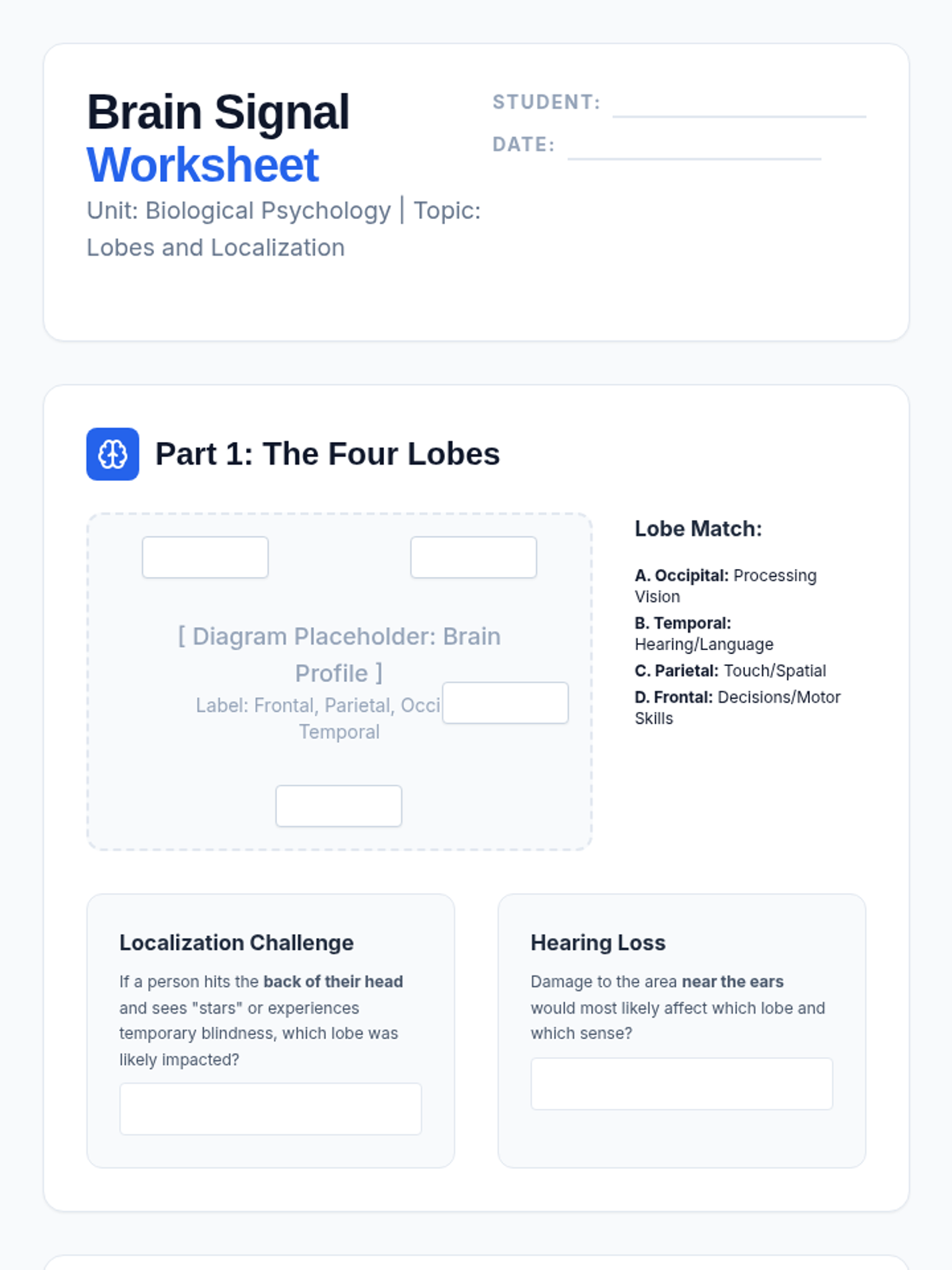
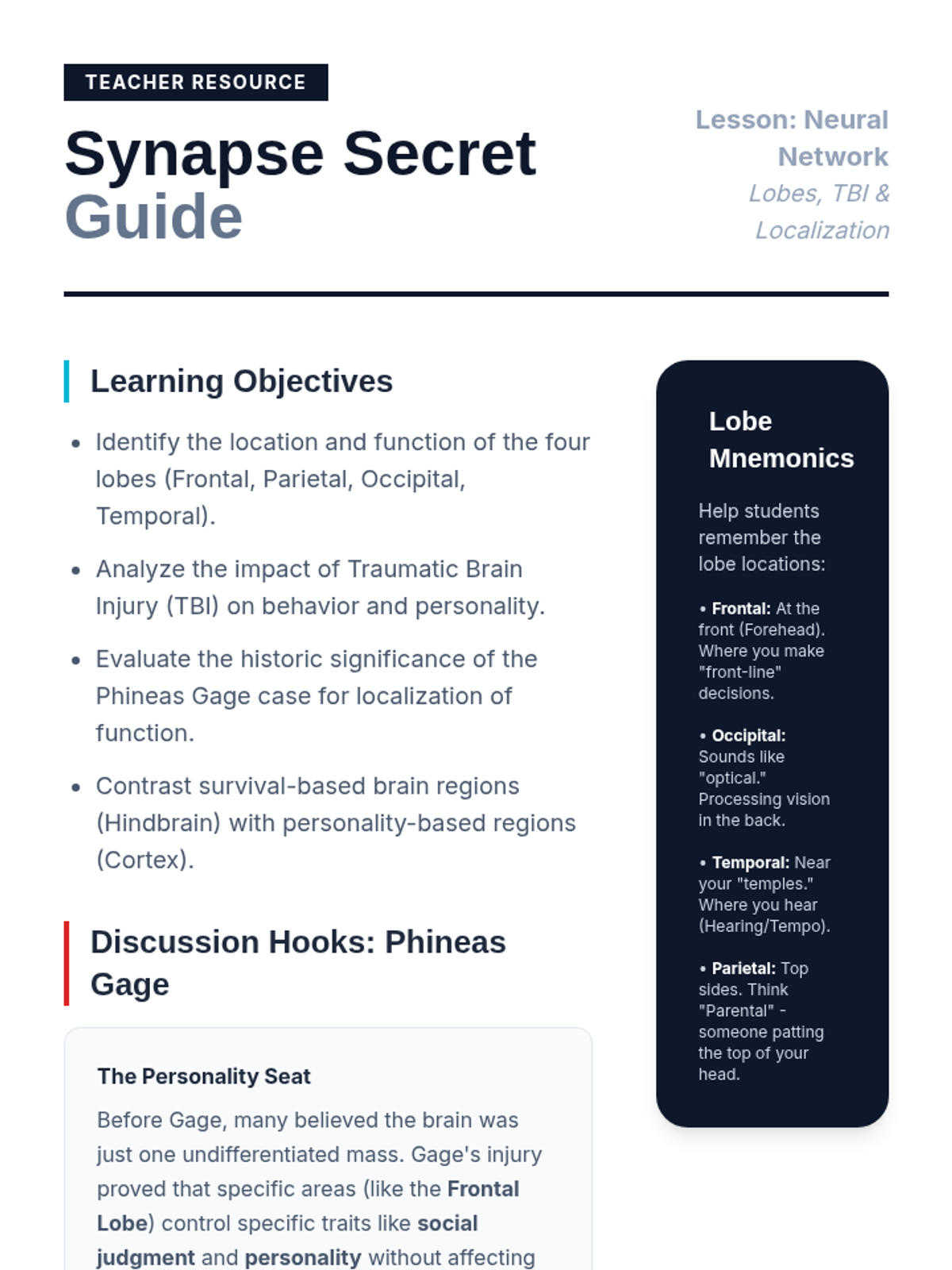
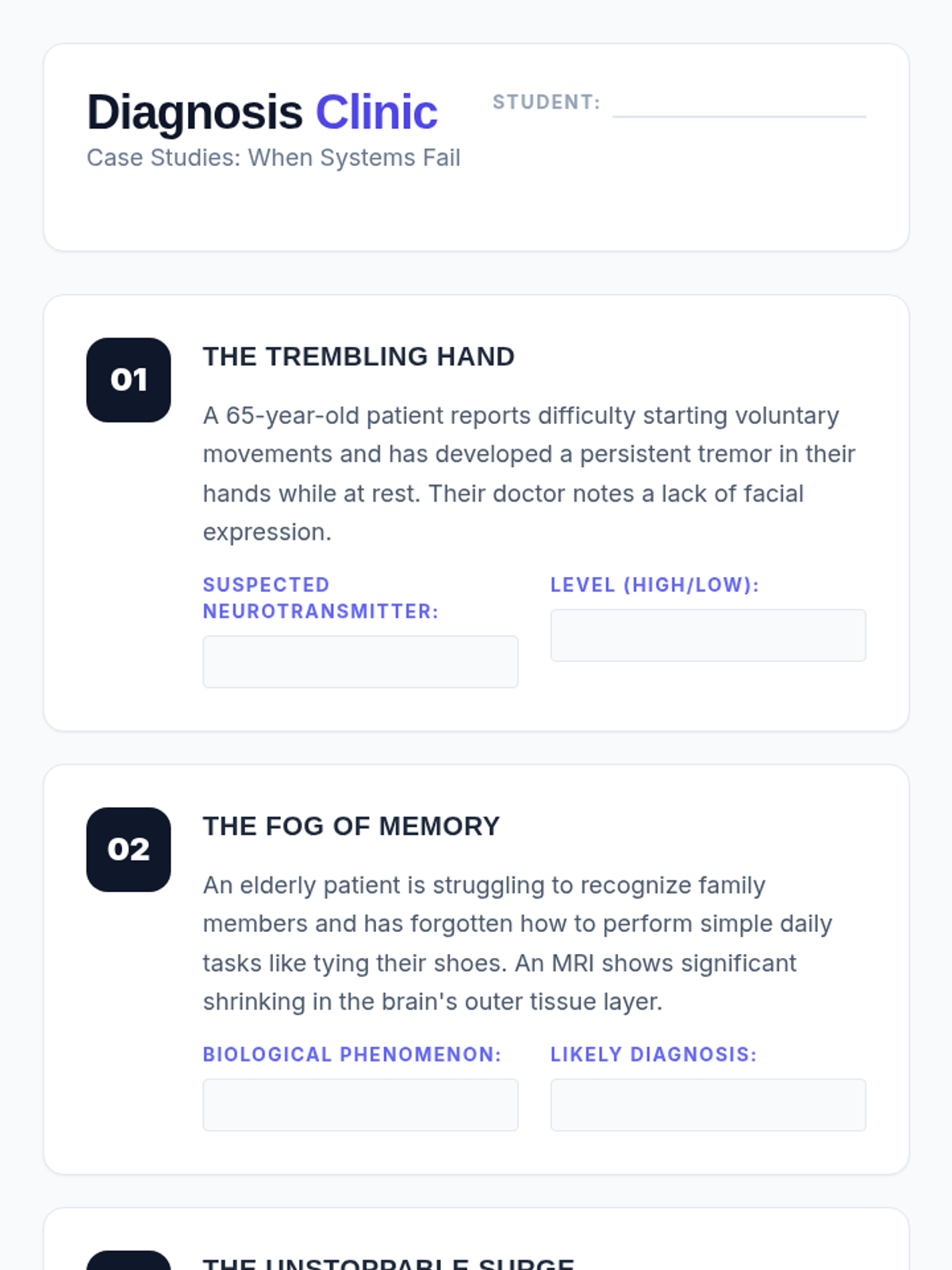
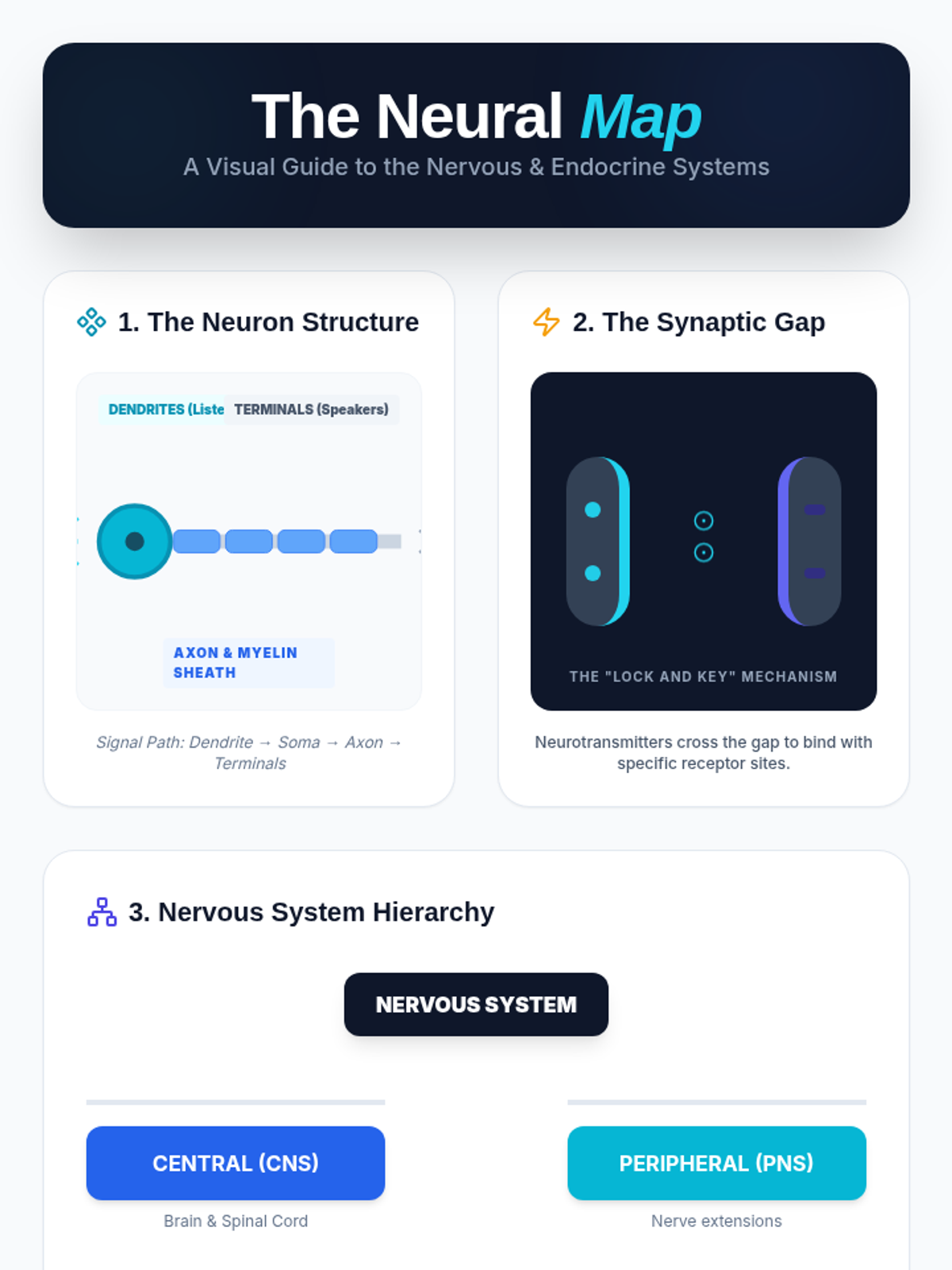
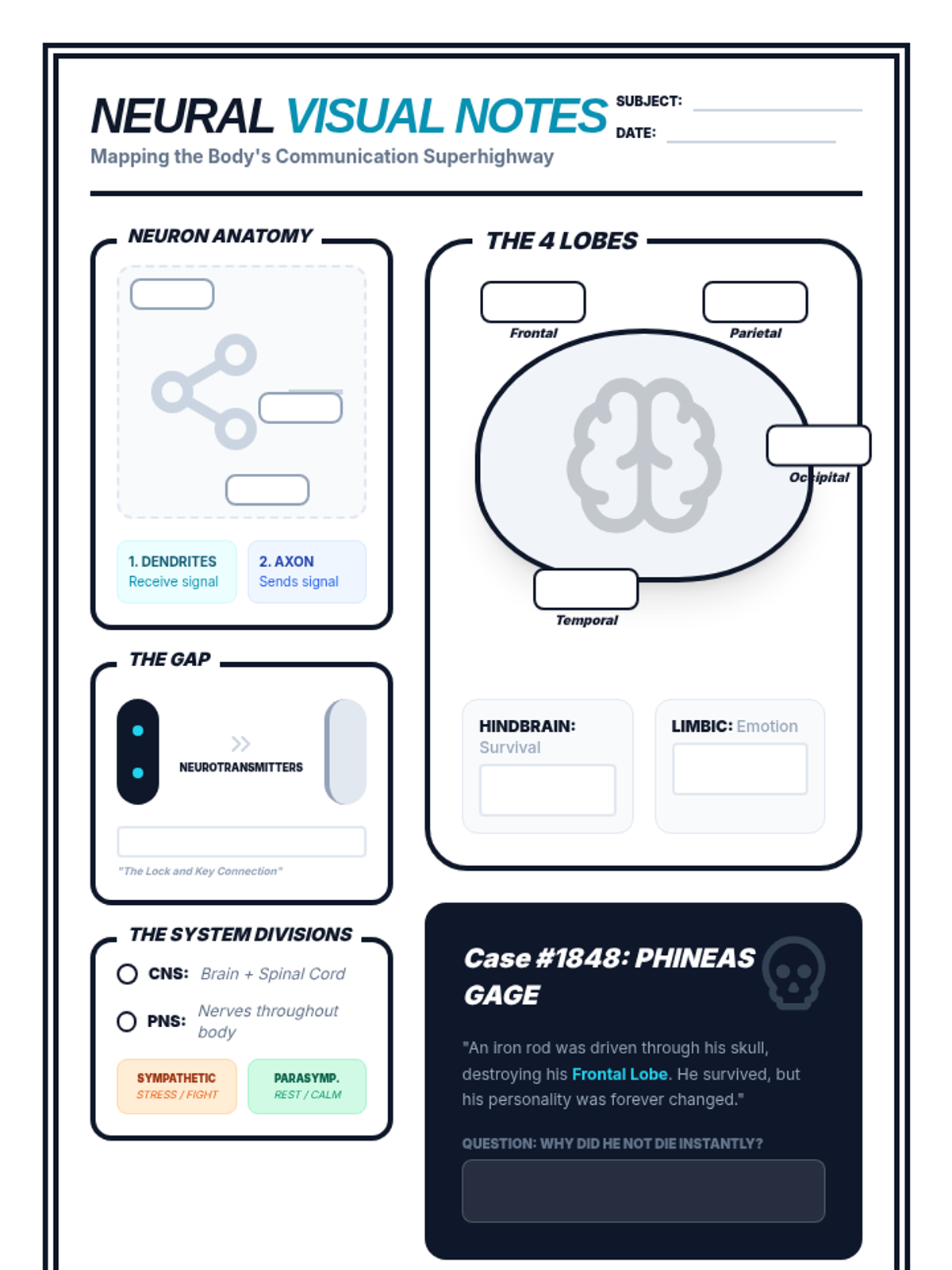
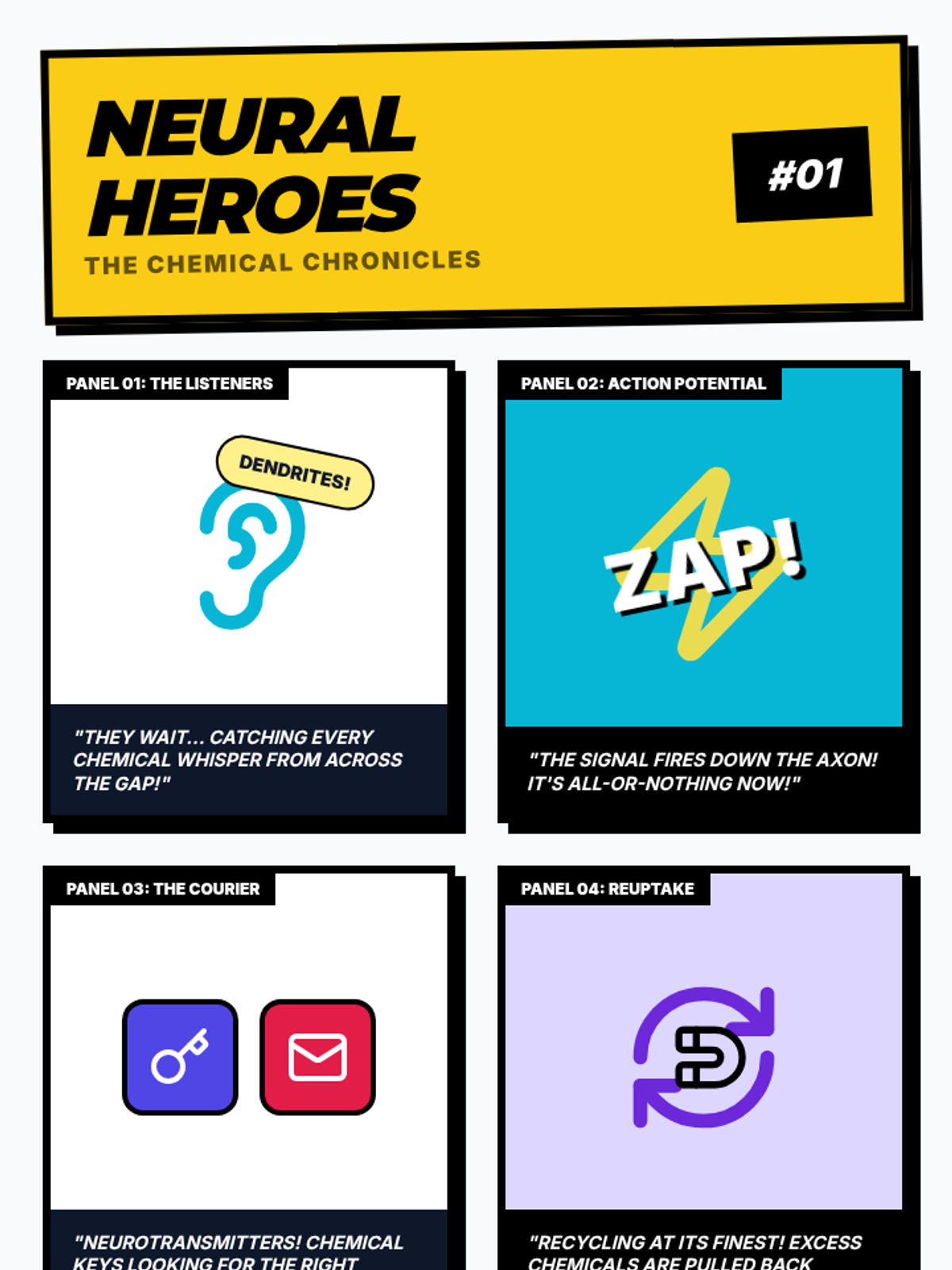
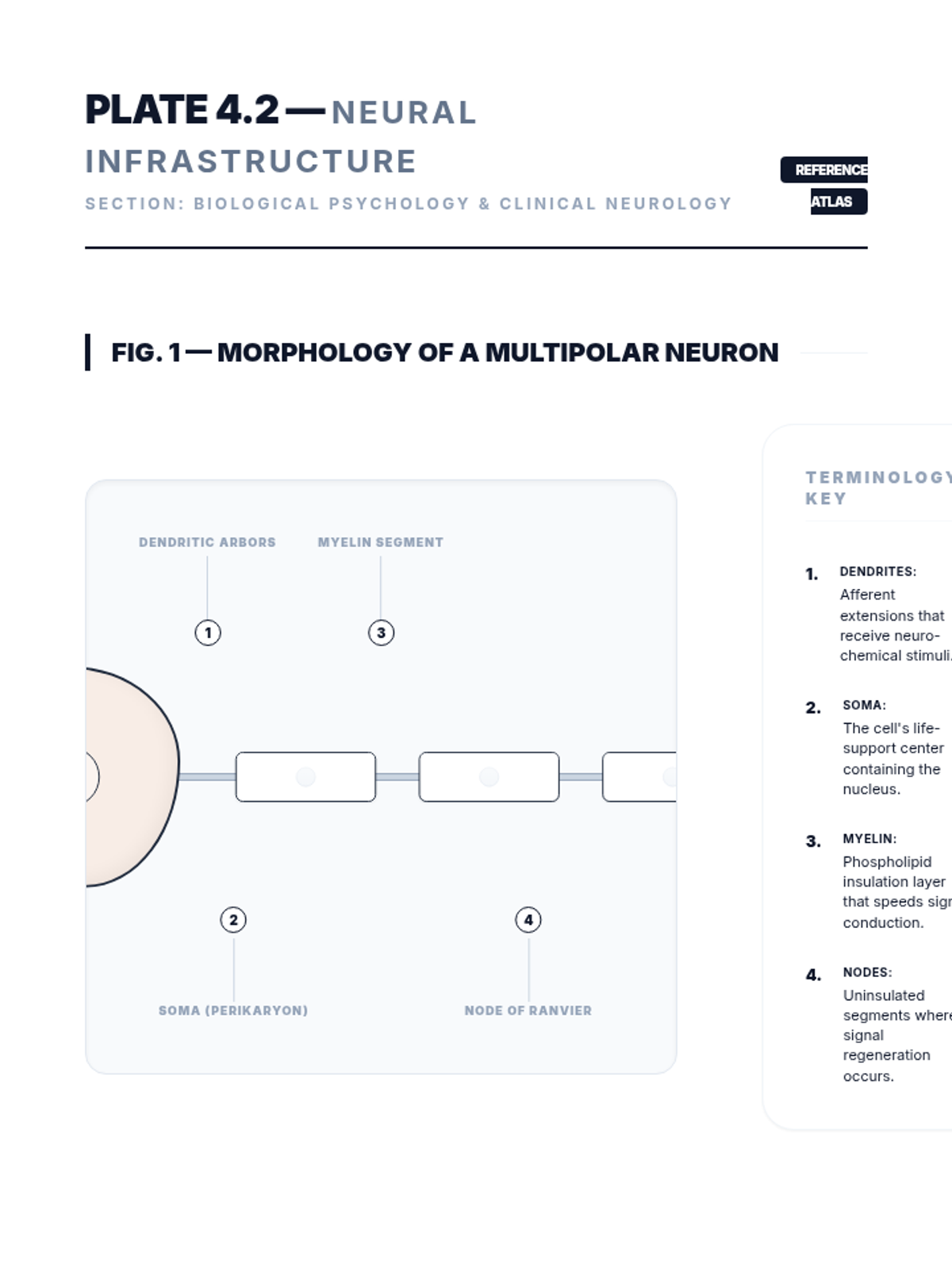
An exploration of the nervous system's building blocks, focusing on neuron structure, the synaptic gap, and the chemical messengers that drive human behavior and sensation.
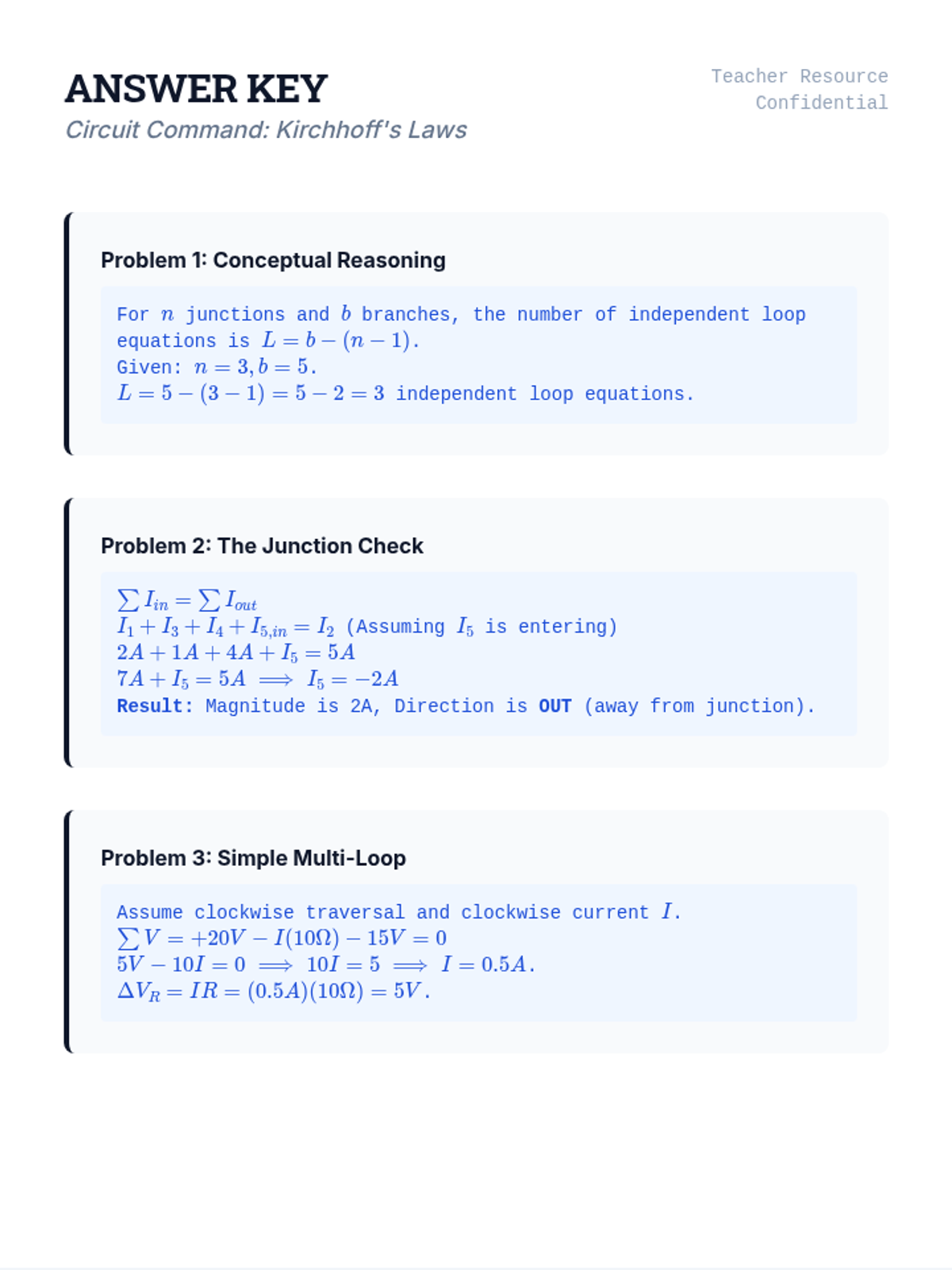
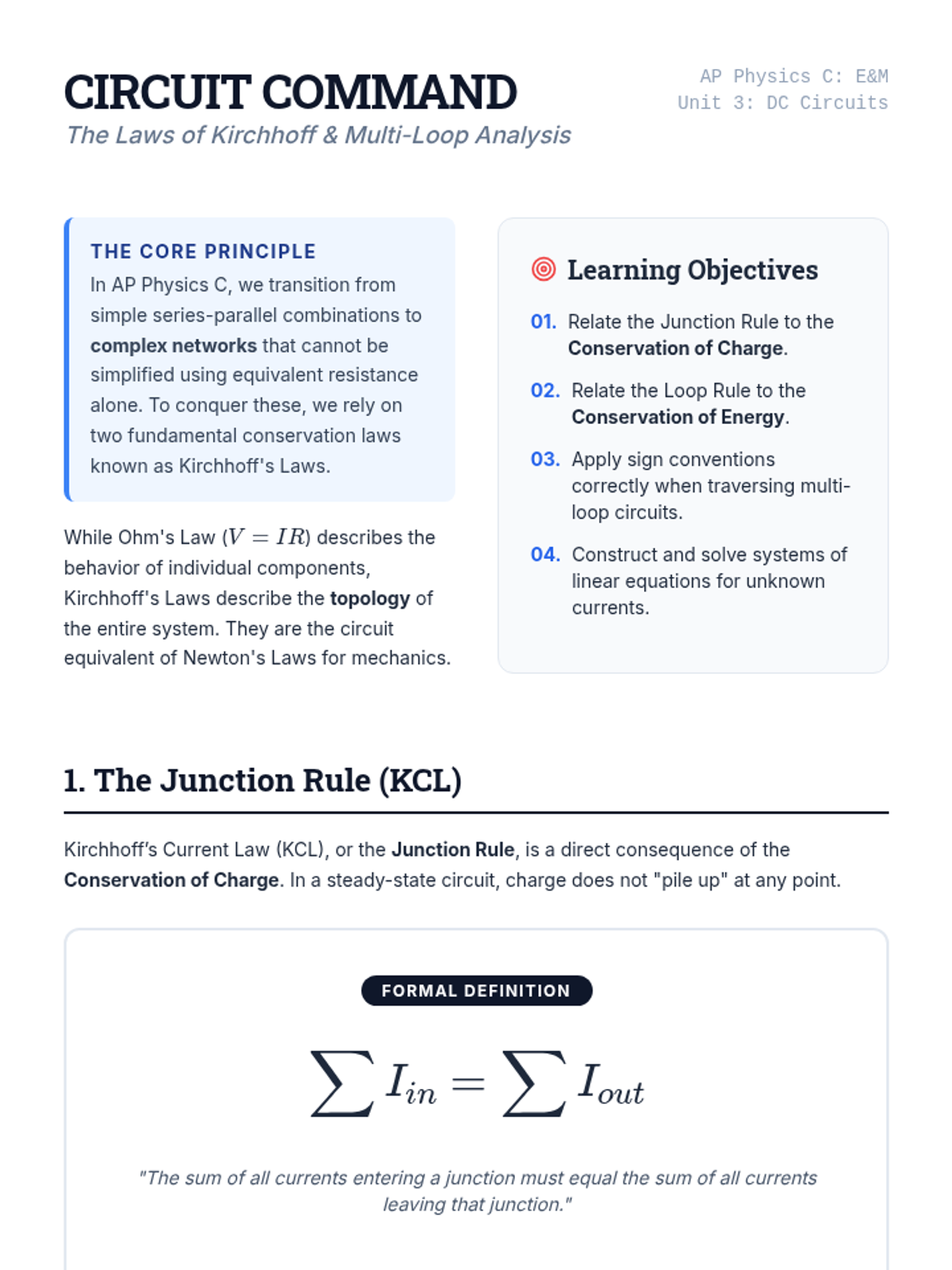
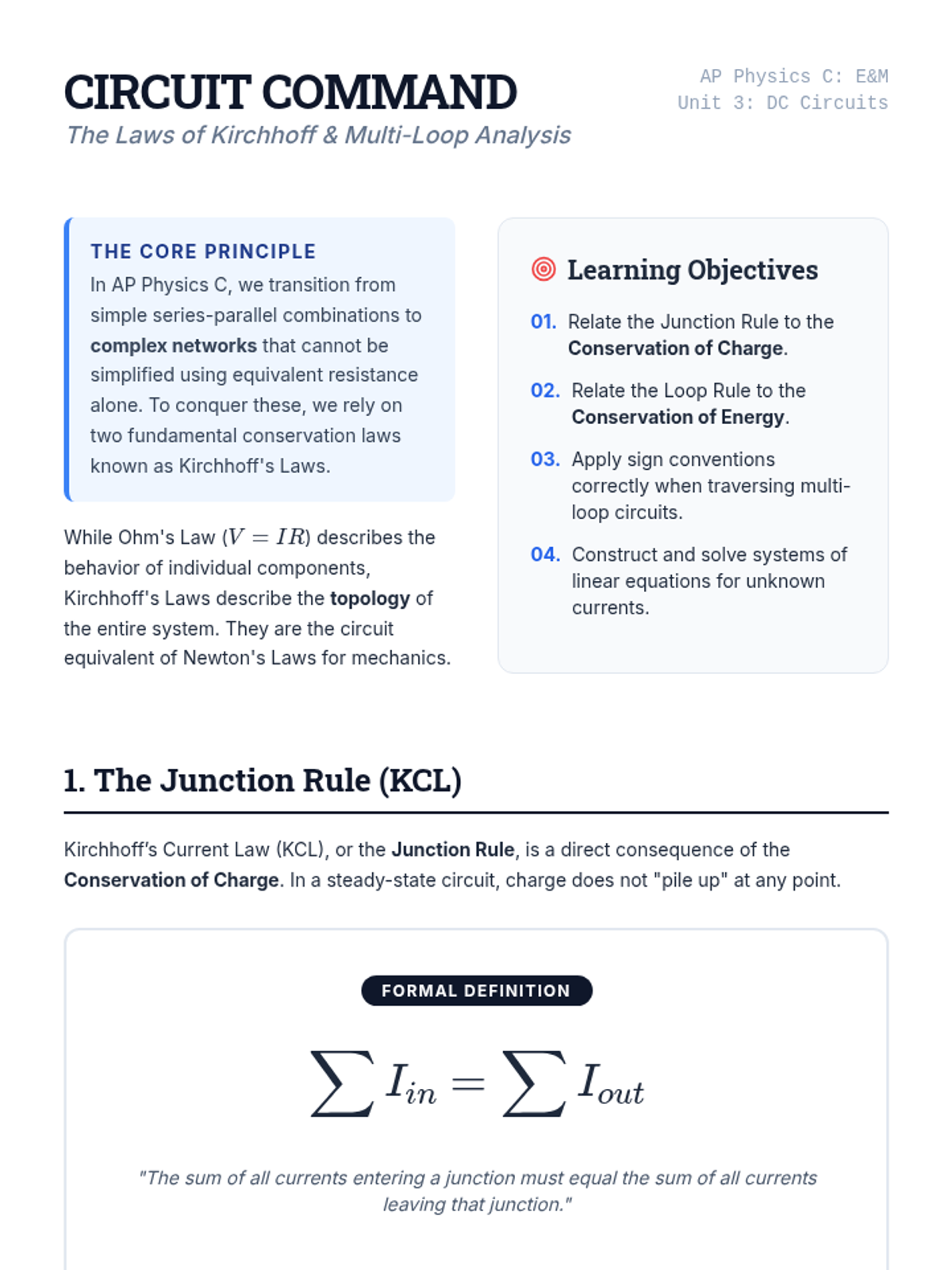
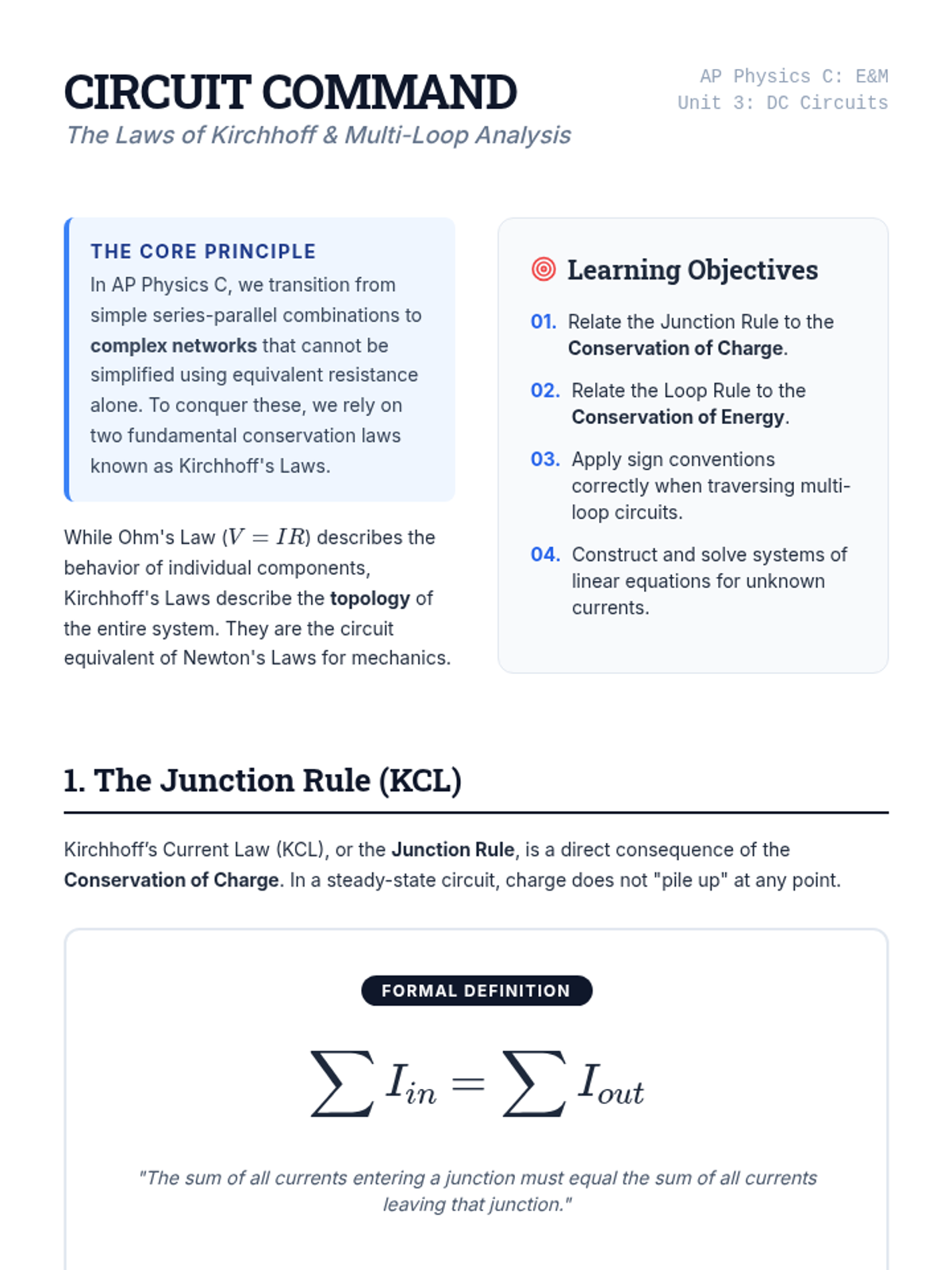
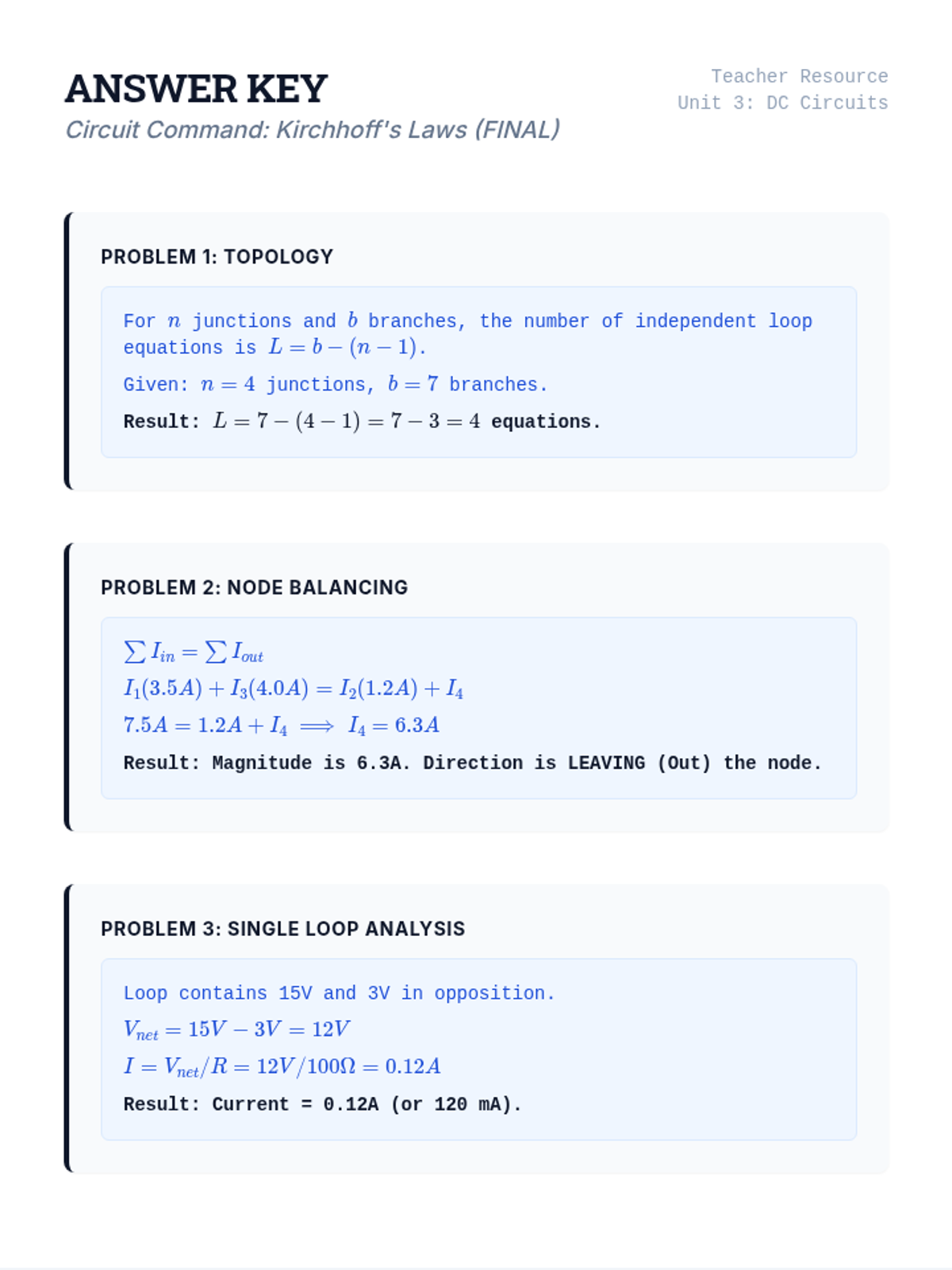
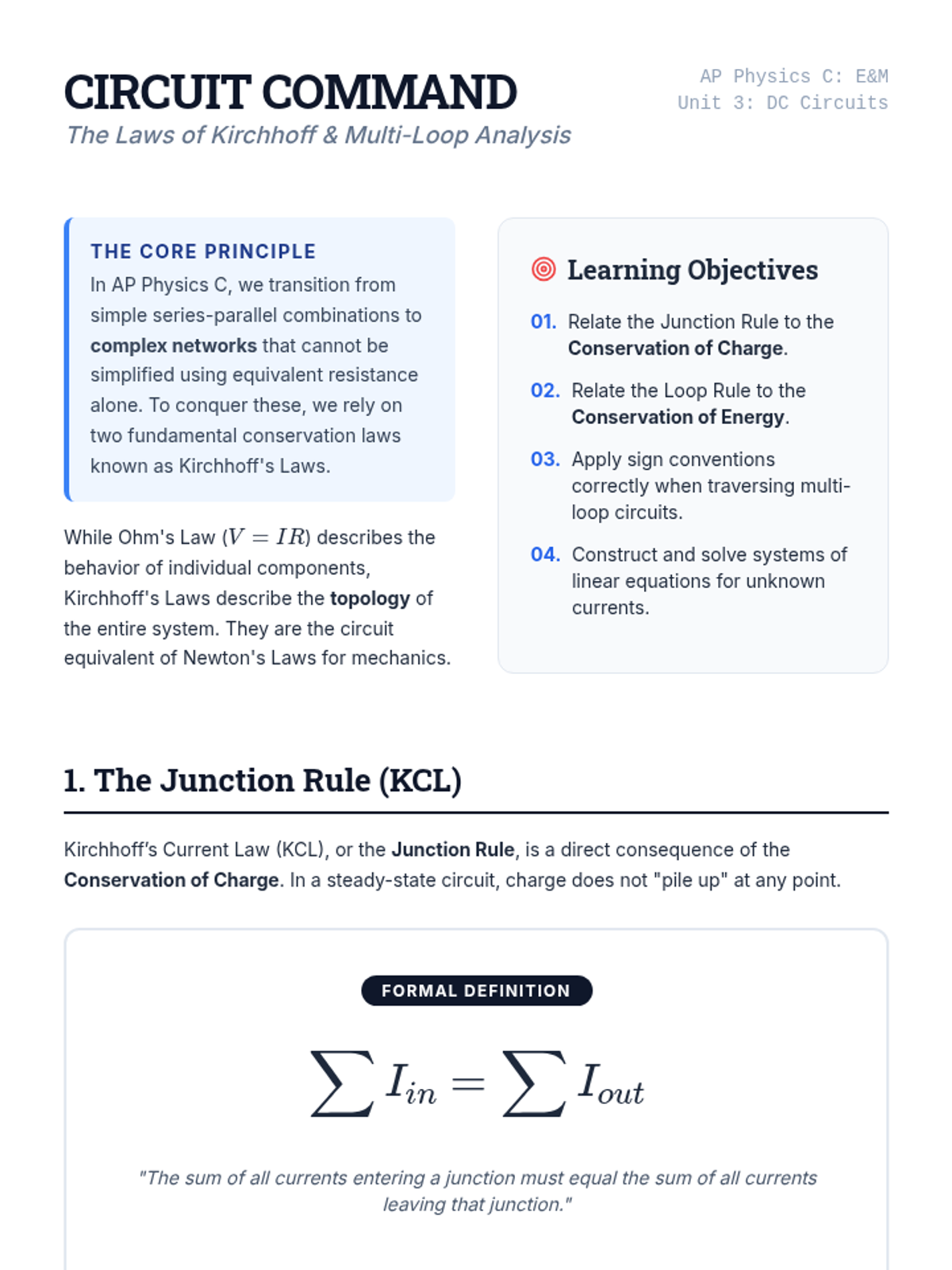
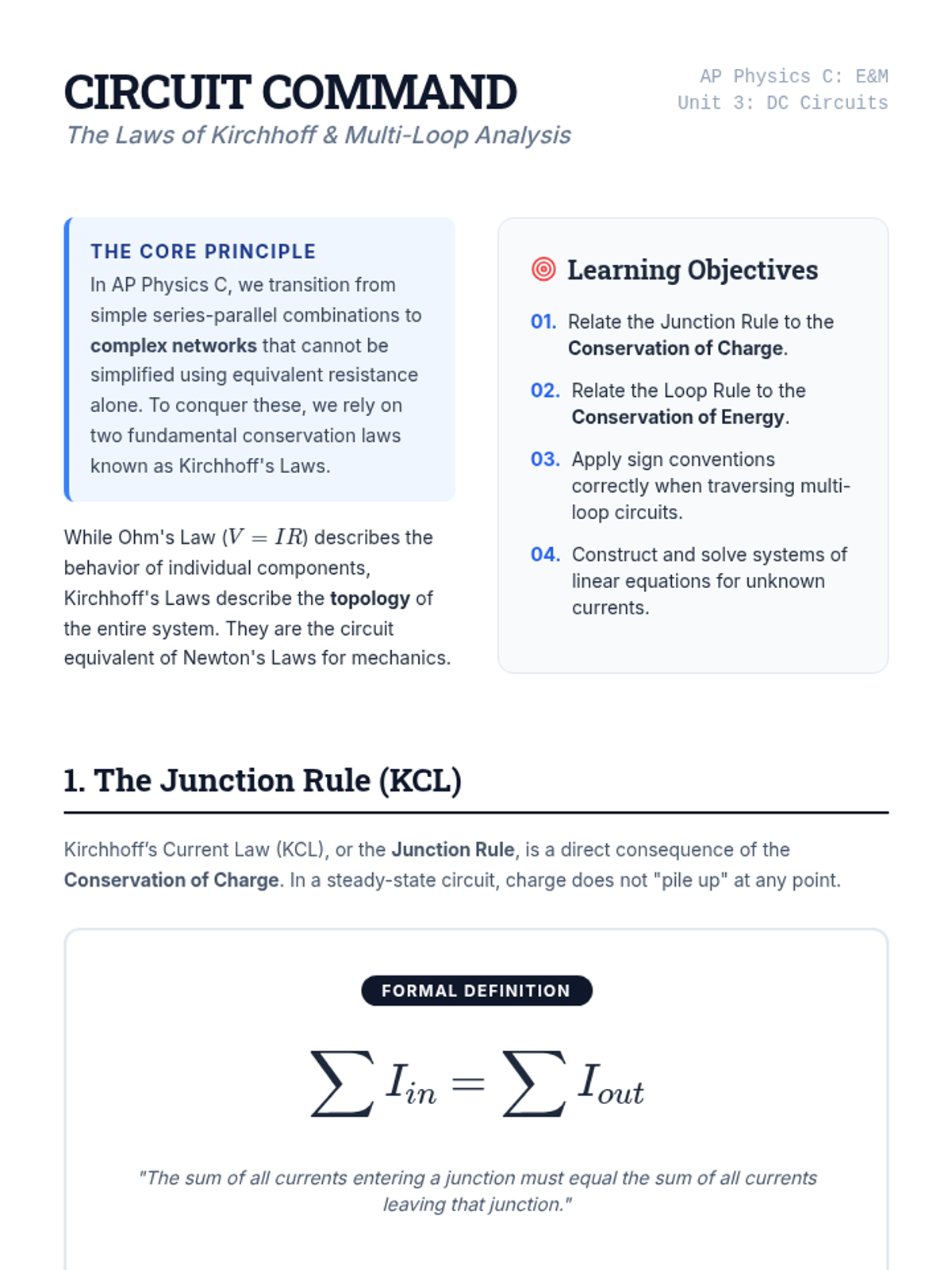
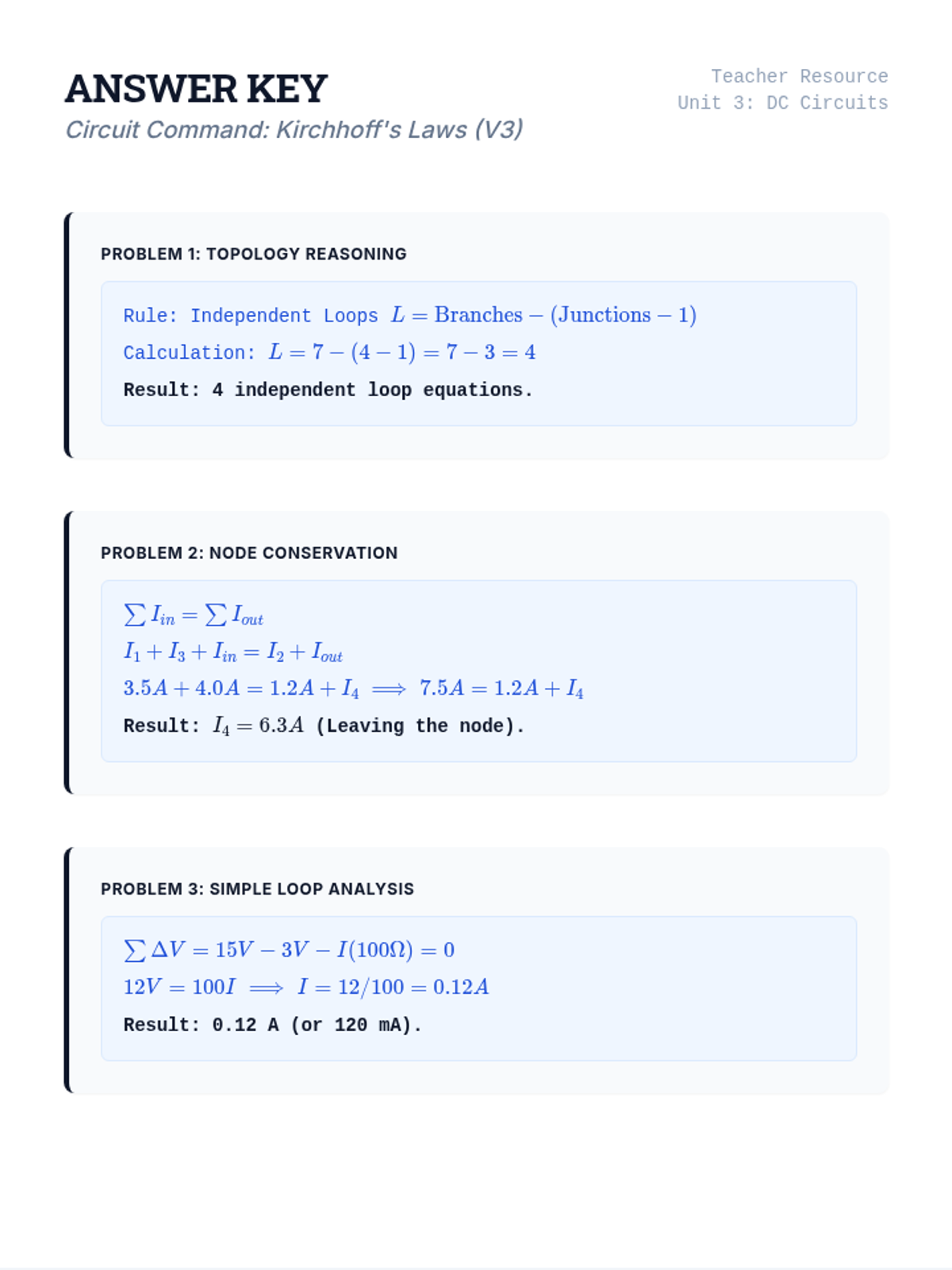
A comprehensive guide to Kirchhoff's Laws for AP Physics C, focusing on the Junction and Loop rules, conservation principles, and systematic problem-solving for multi-loop circuits.
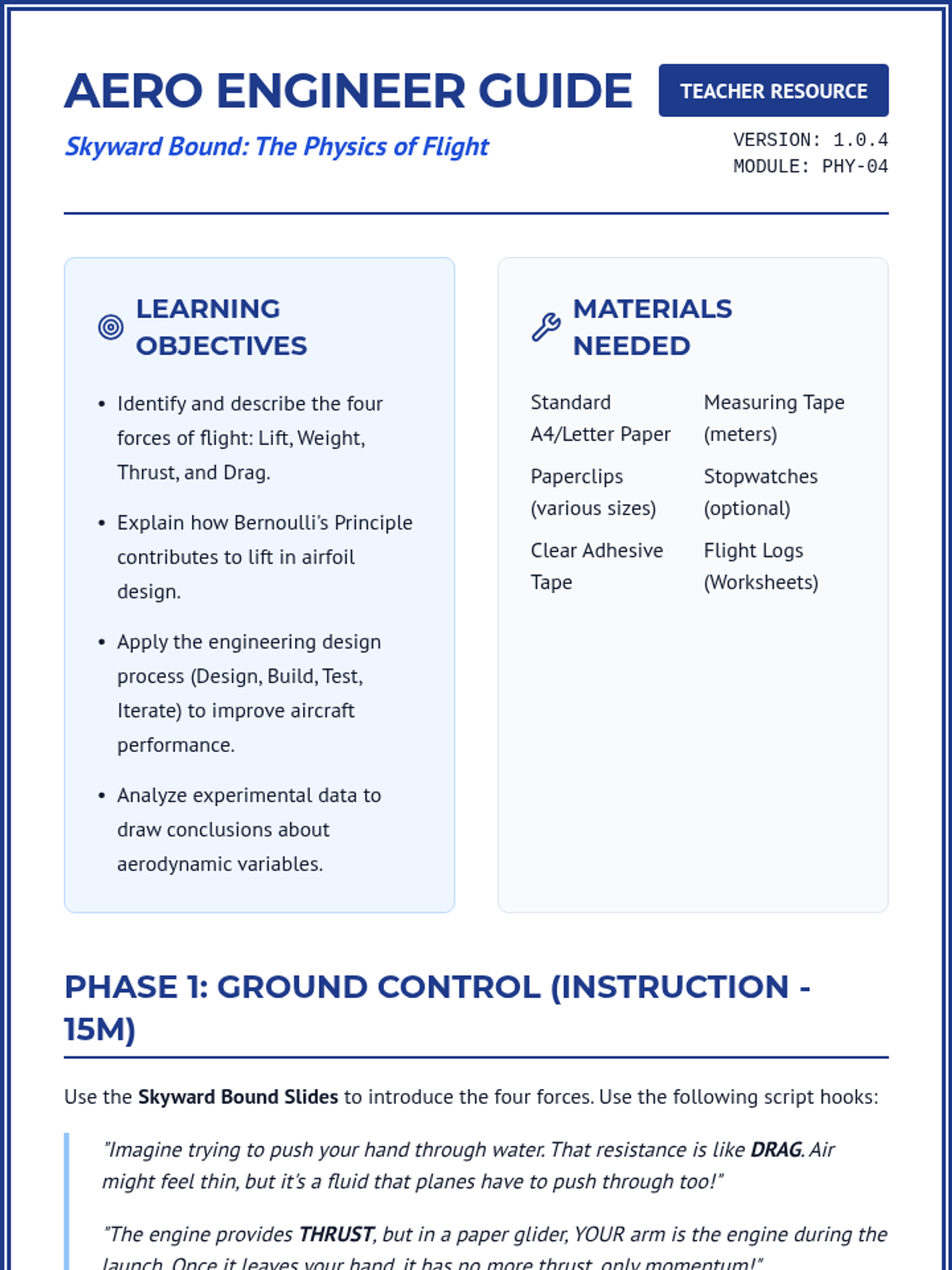
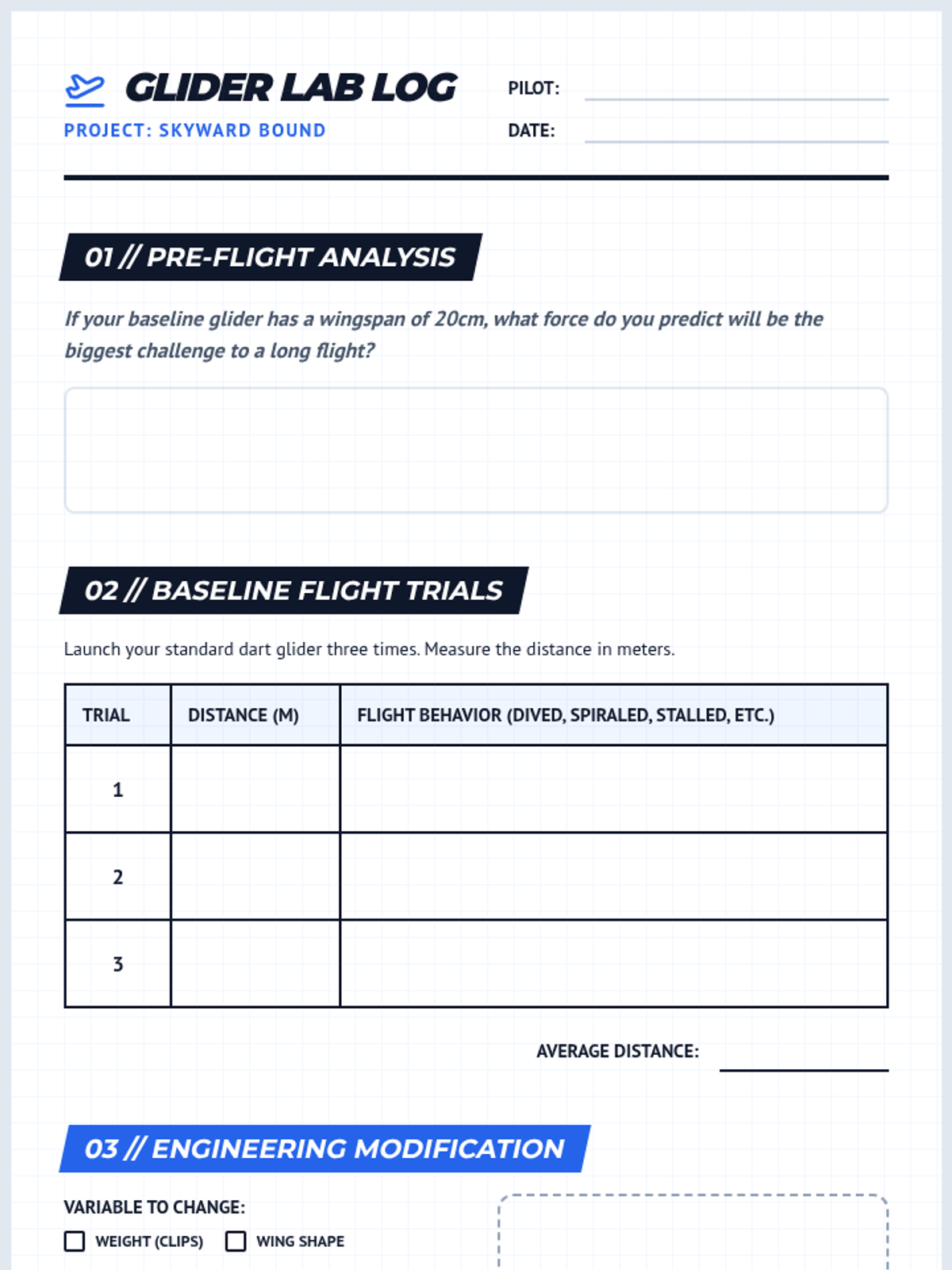
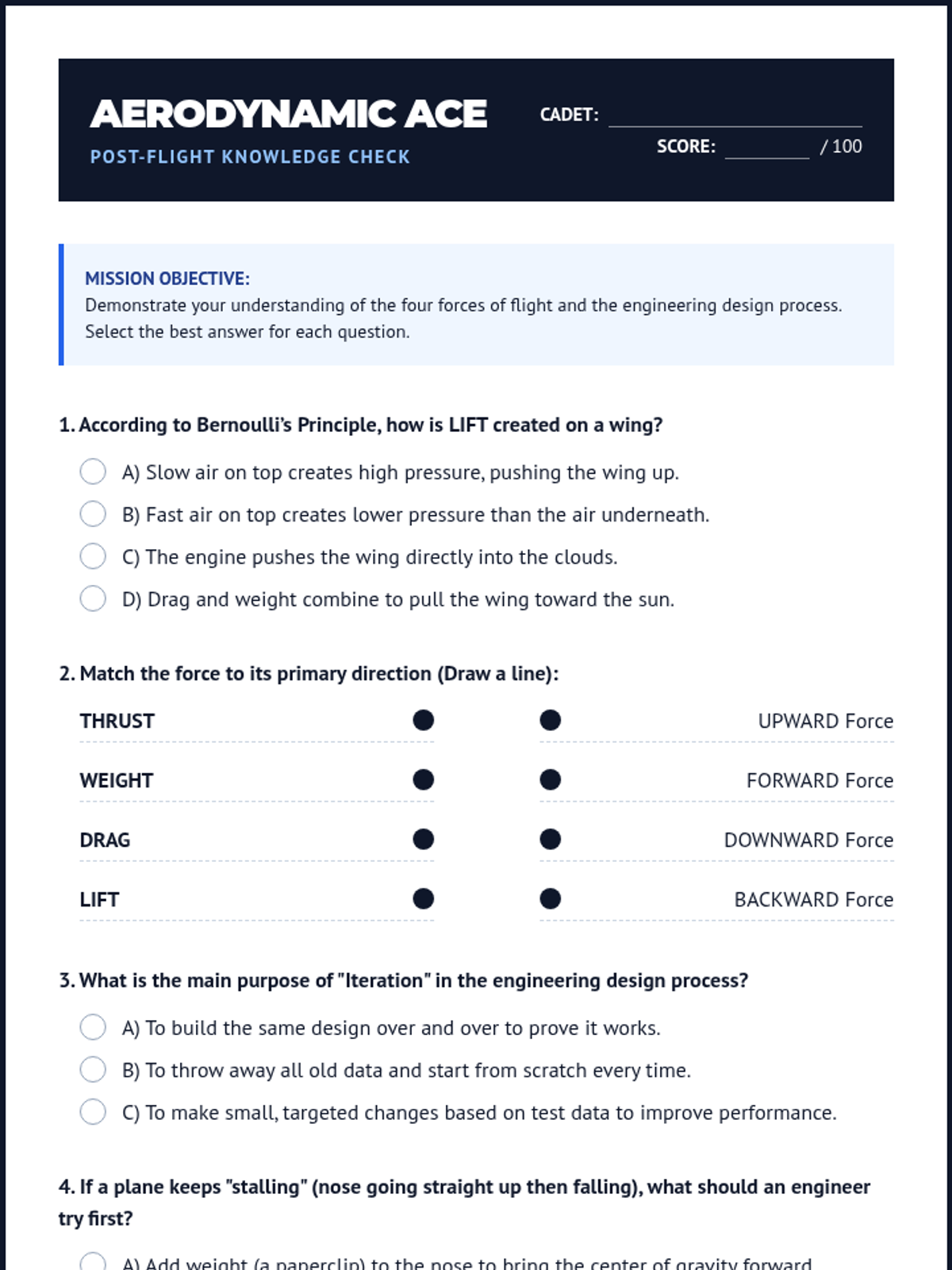
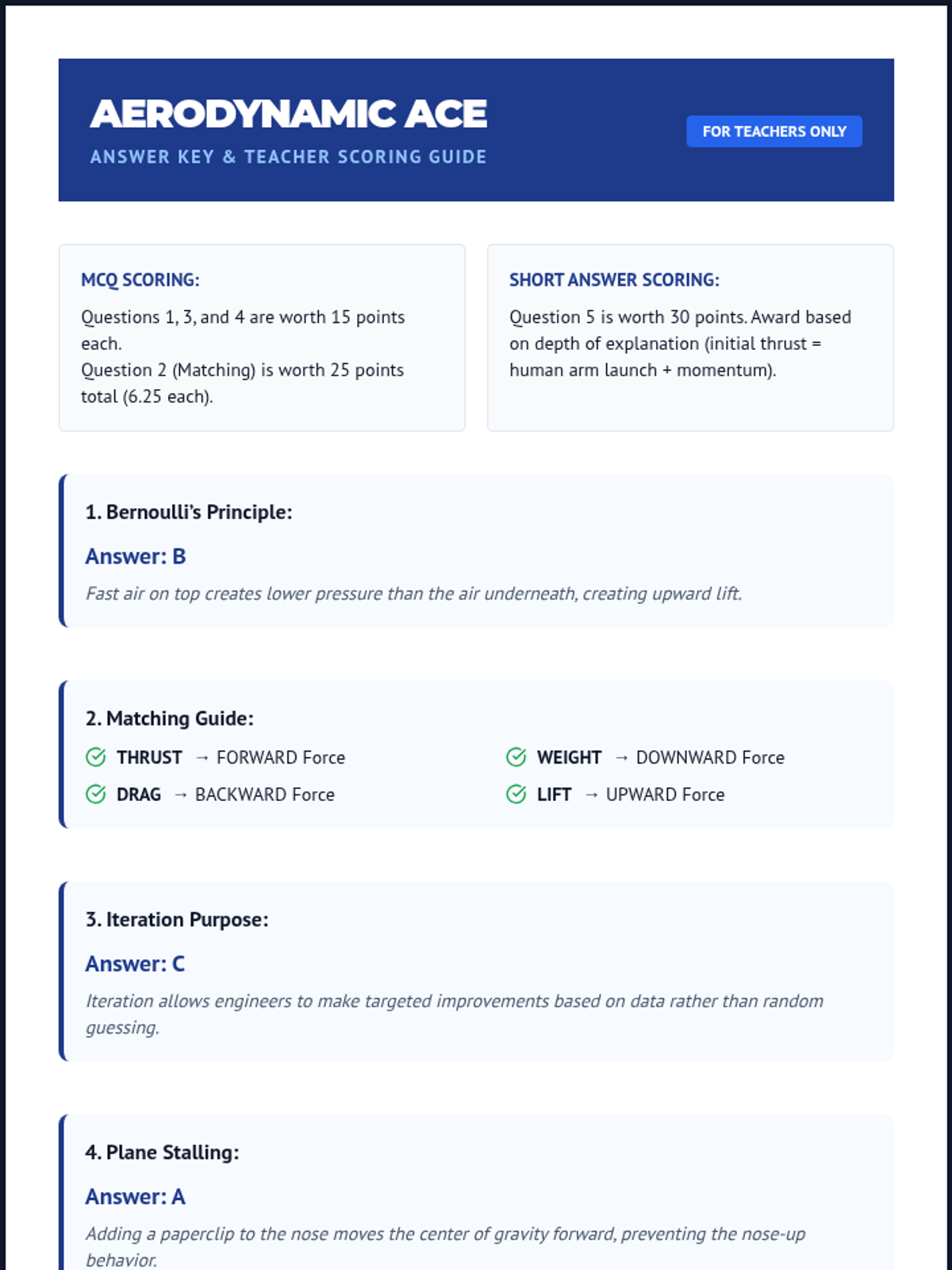
An inquiry-based exploration of the four forces of flight—lift, weight, thrust, and drag—through the lens of aerospace engineering. Students design, test, and iterate on paper gliders to observe aerodynamic principles in action.
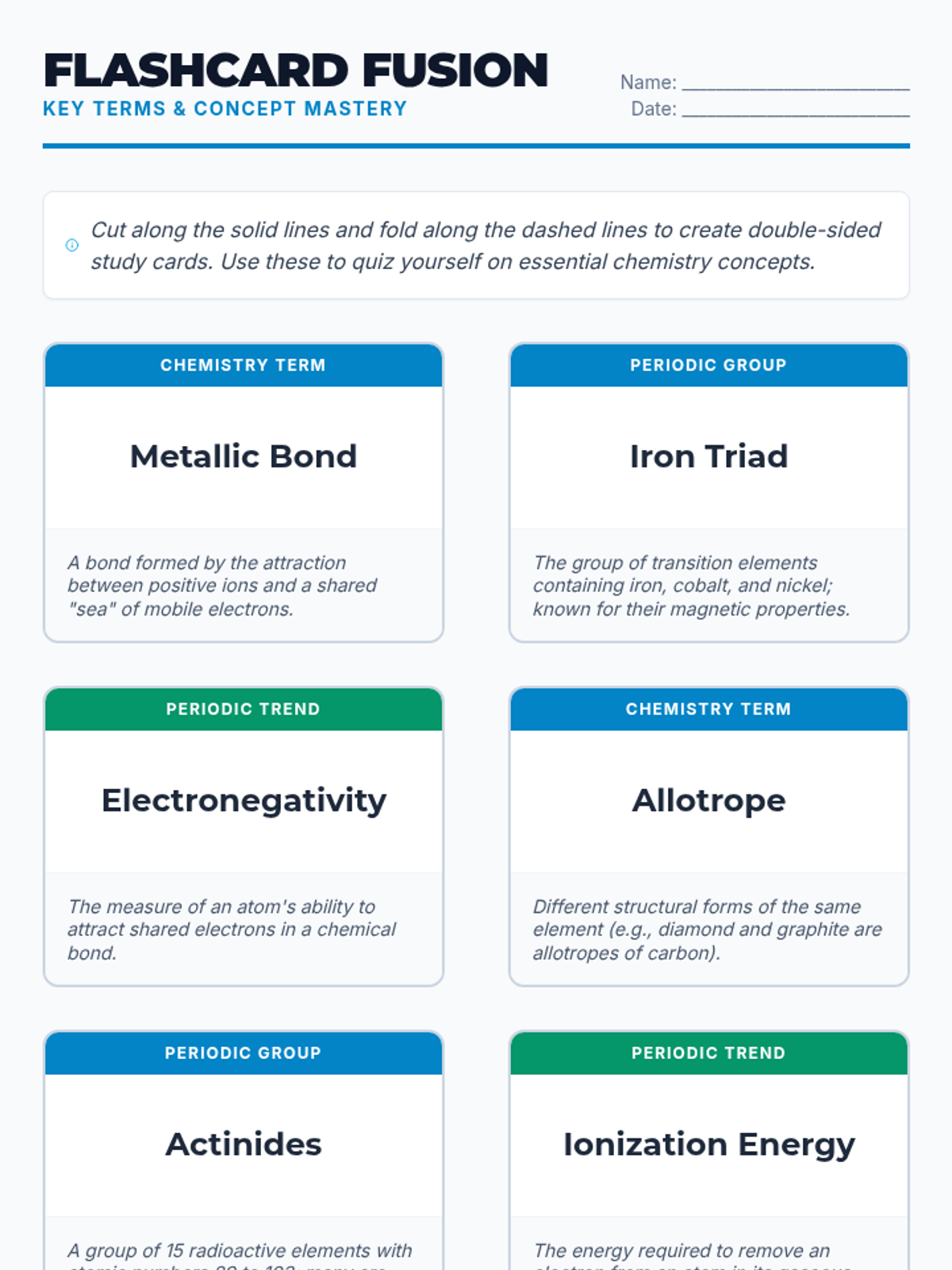
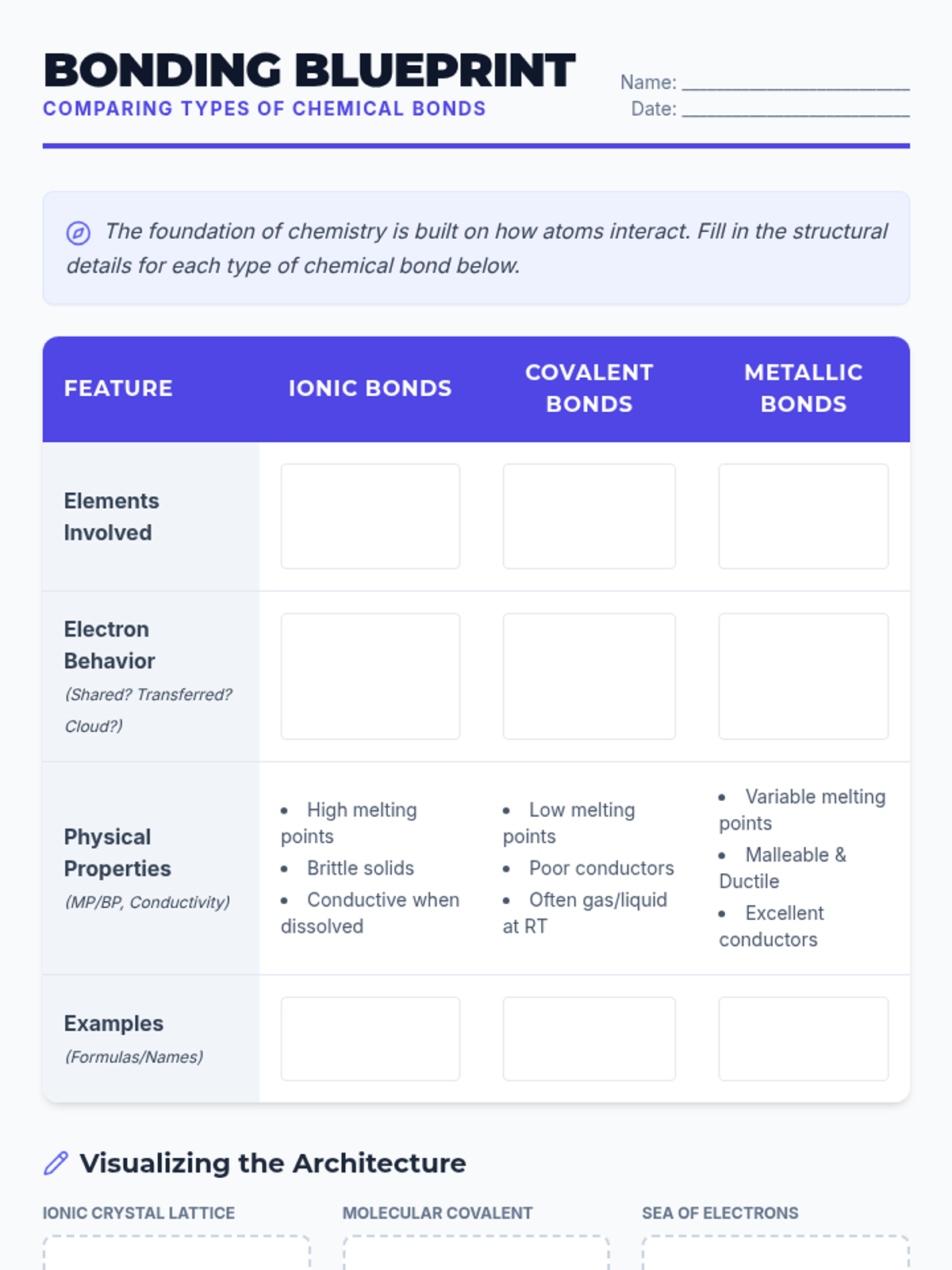
Master the fundamental concepts of elements, their properties, and the forces that bind them together.
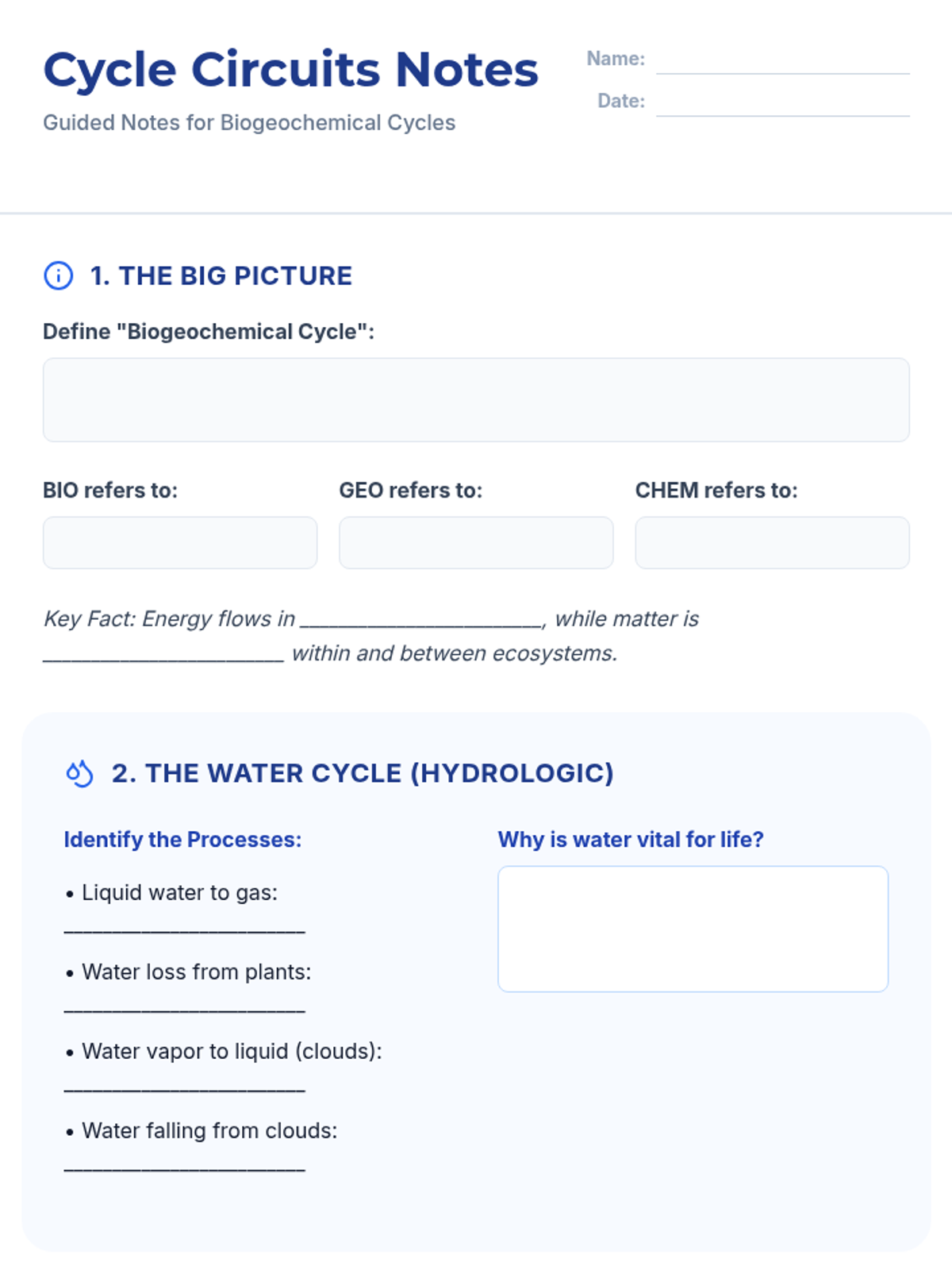
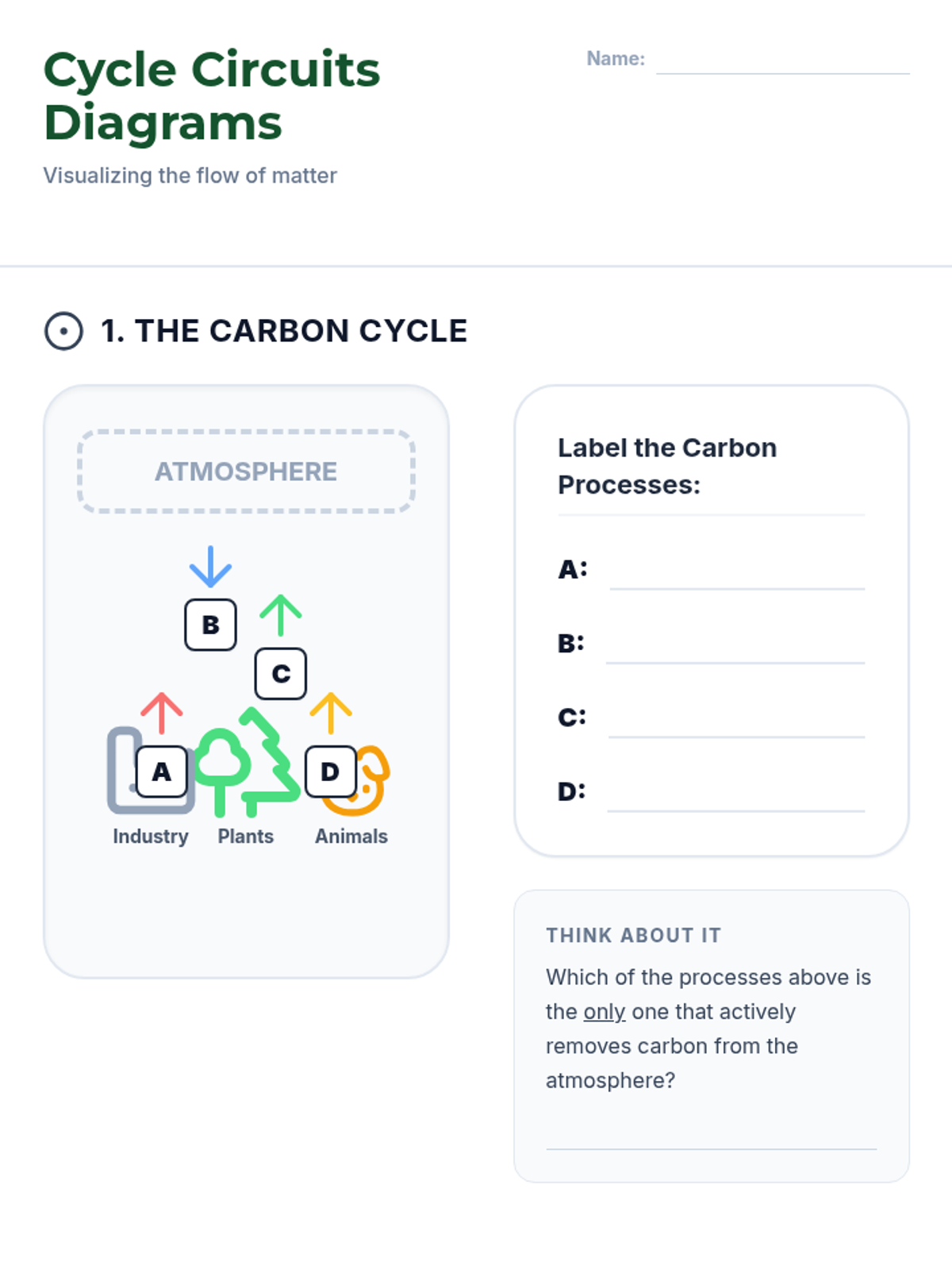
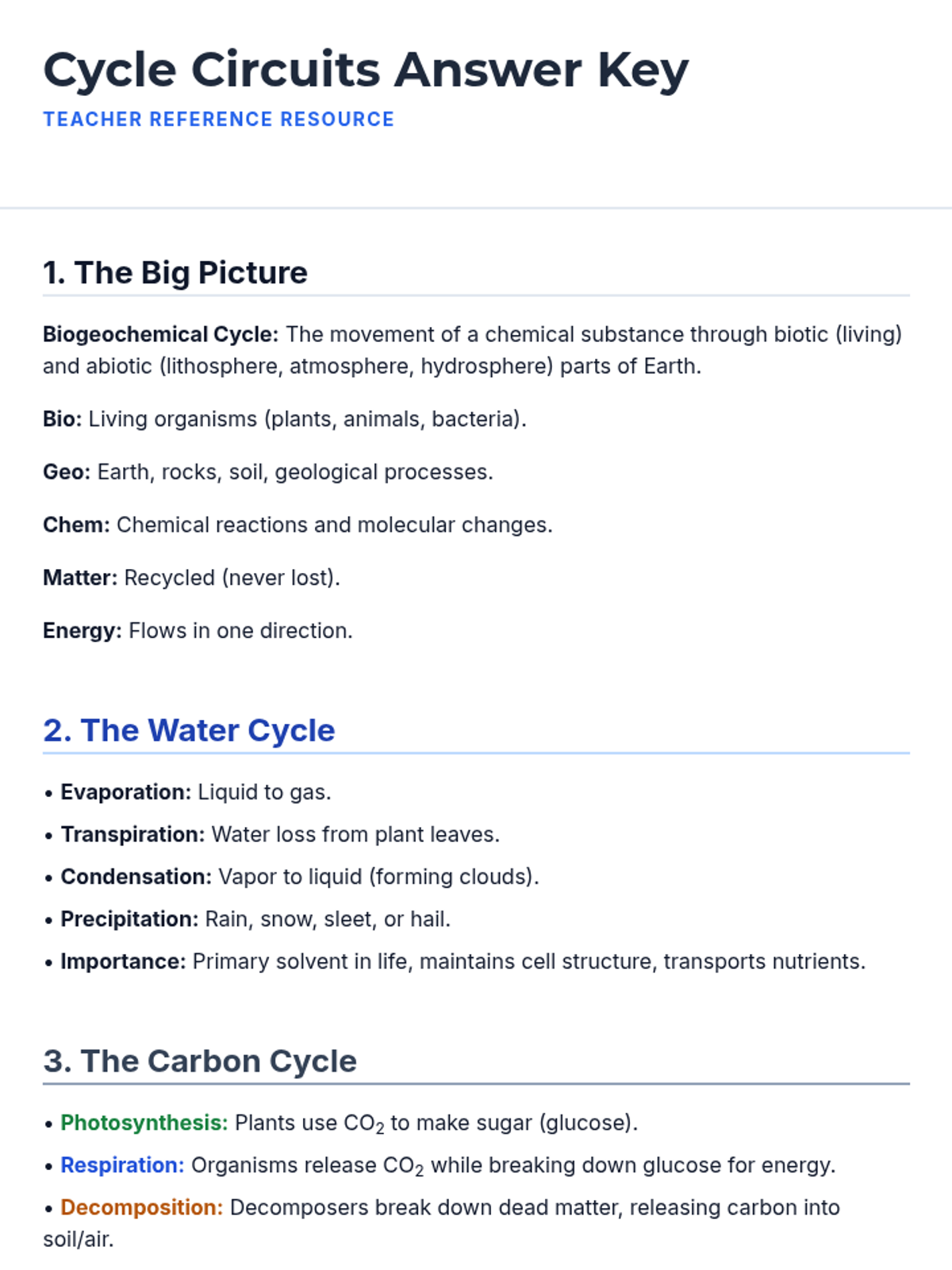
A comprehensive exploration of Earth's biogeochemical cycles, covering the water, carbon, nitrogen, and phosphorus cycles. Students will learn how matter moves through ecosystems and why these processes are vital for life on Earth.
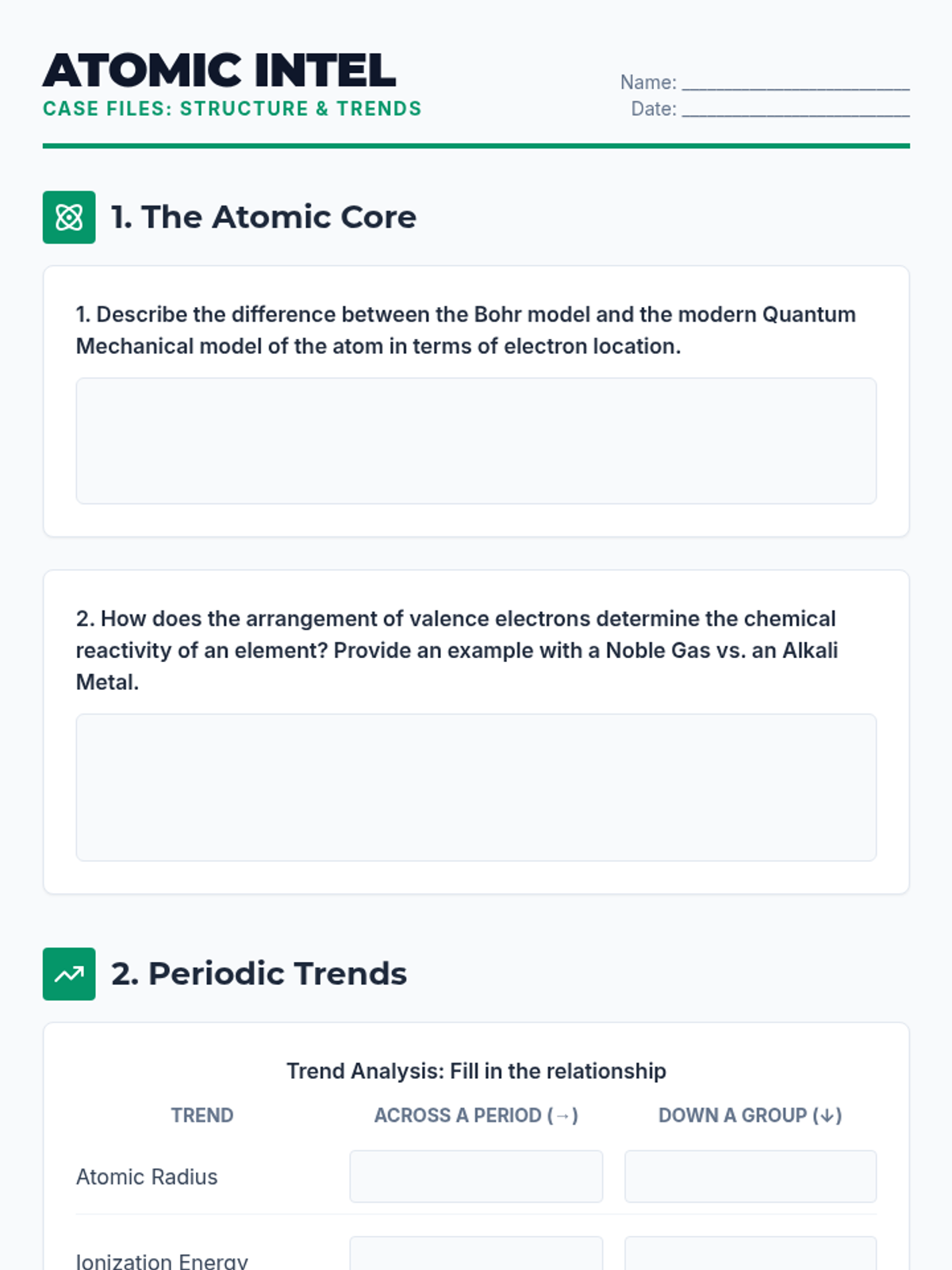
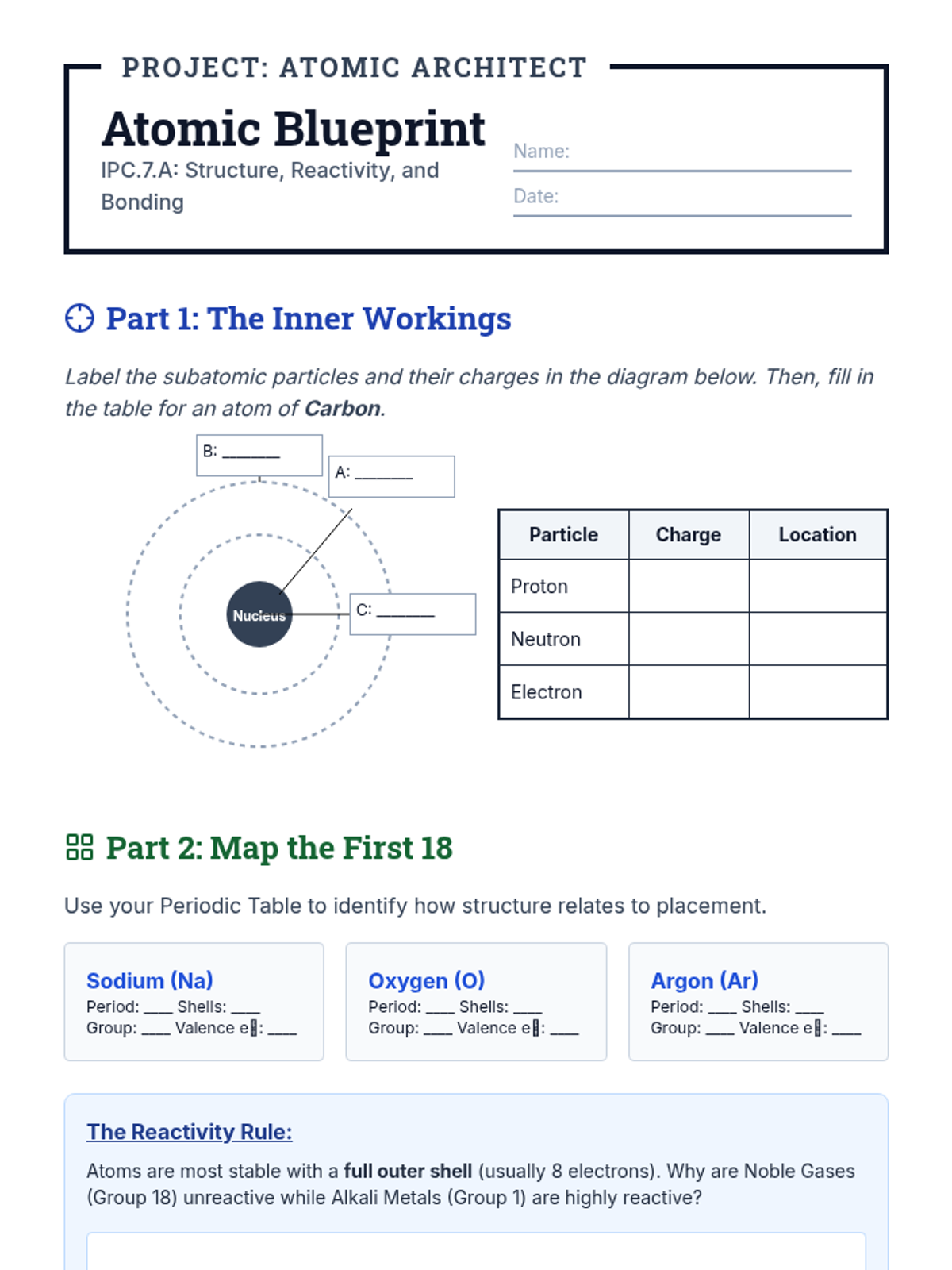
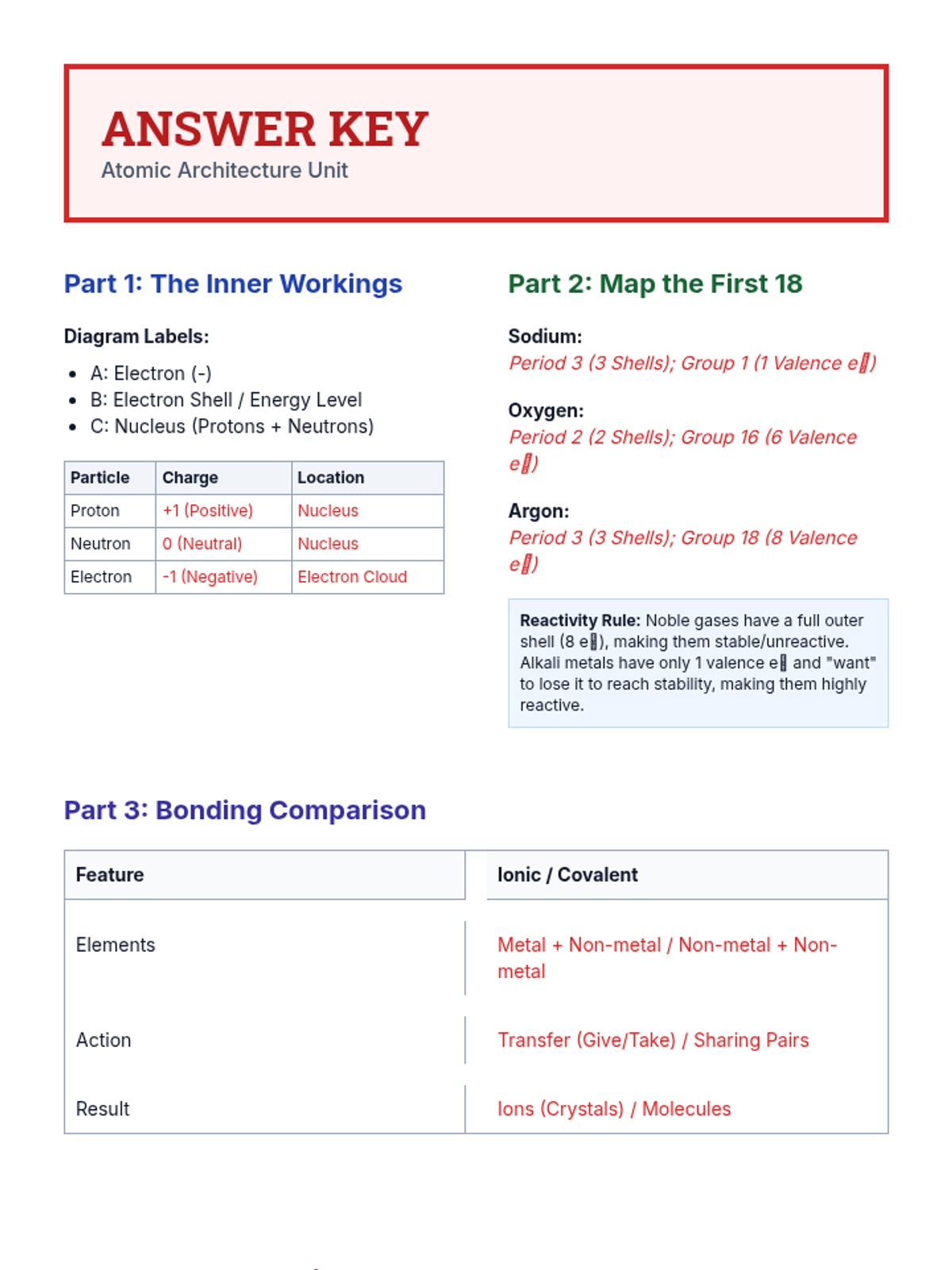
A comprehensive lesson exploring atomic structure, Periodic Table trends, and the fundamental differences between ionic and covalent bonding using elements from the first three periods.
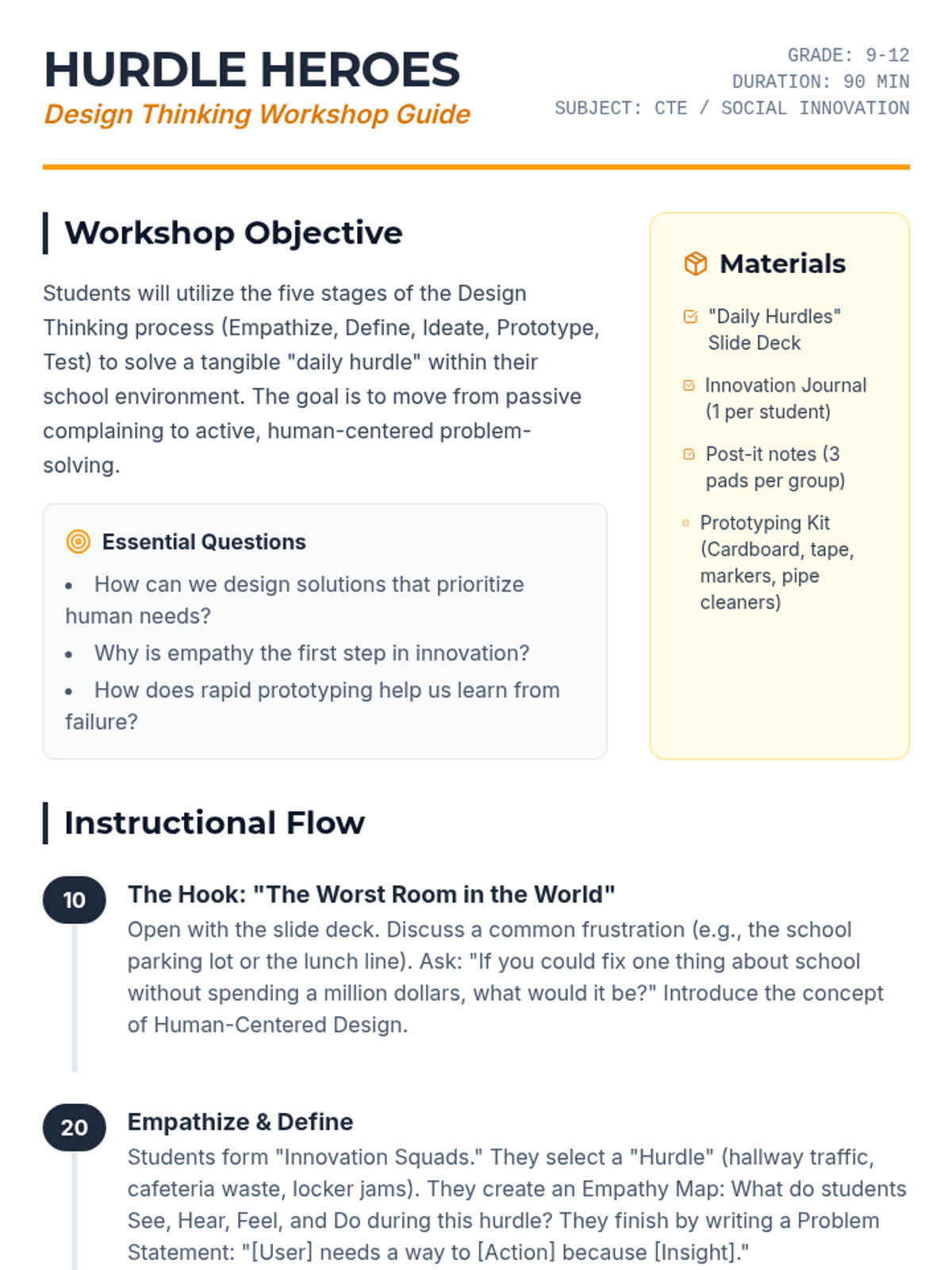
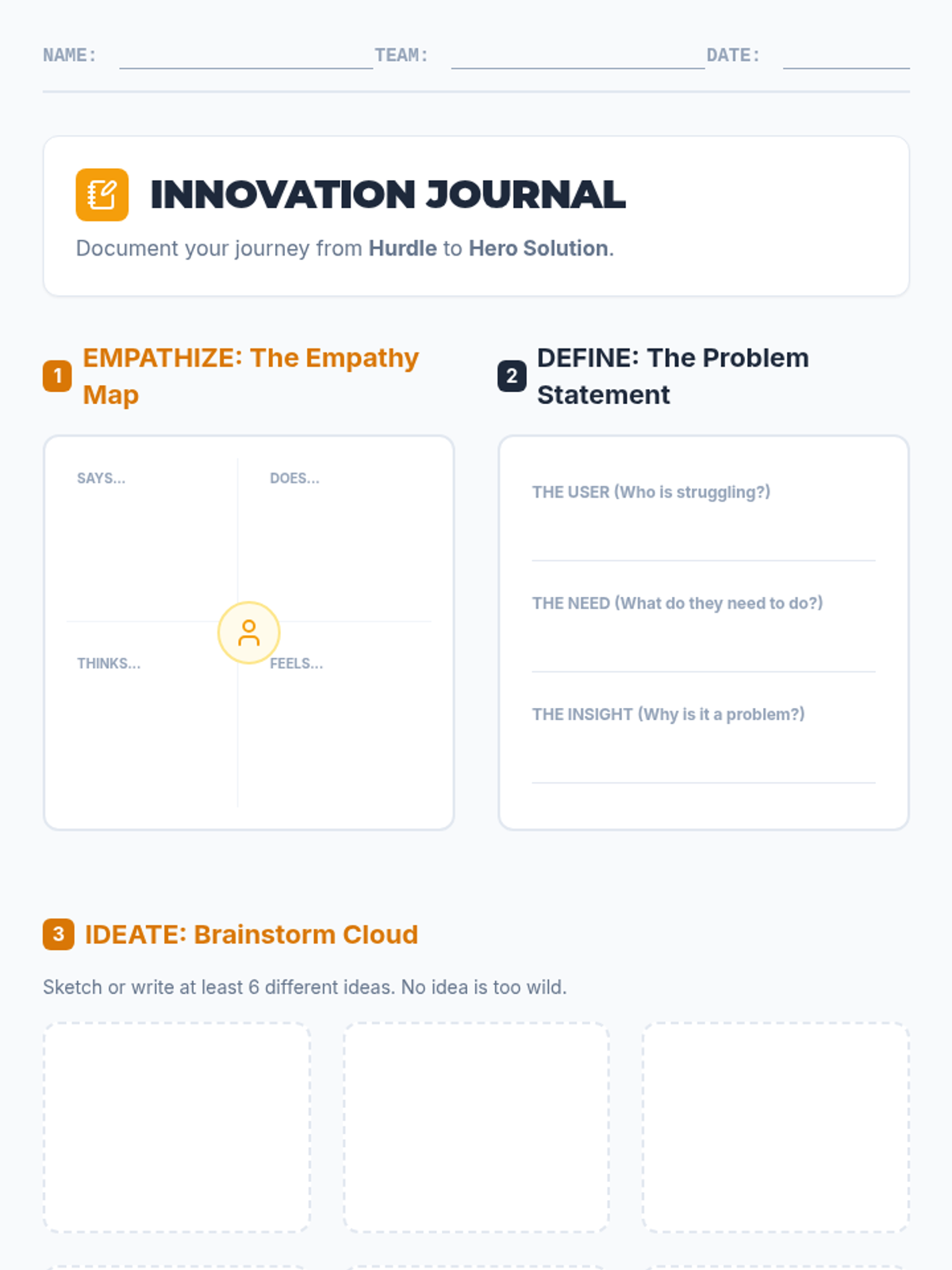
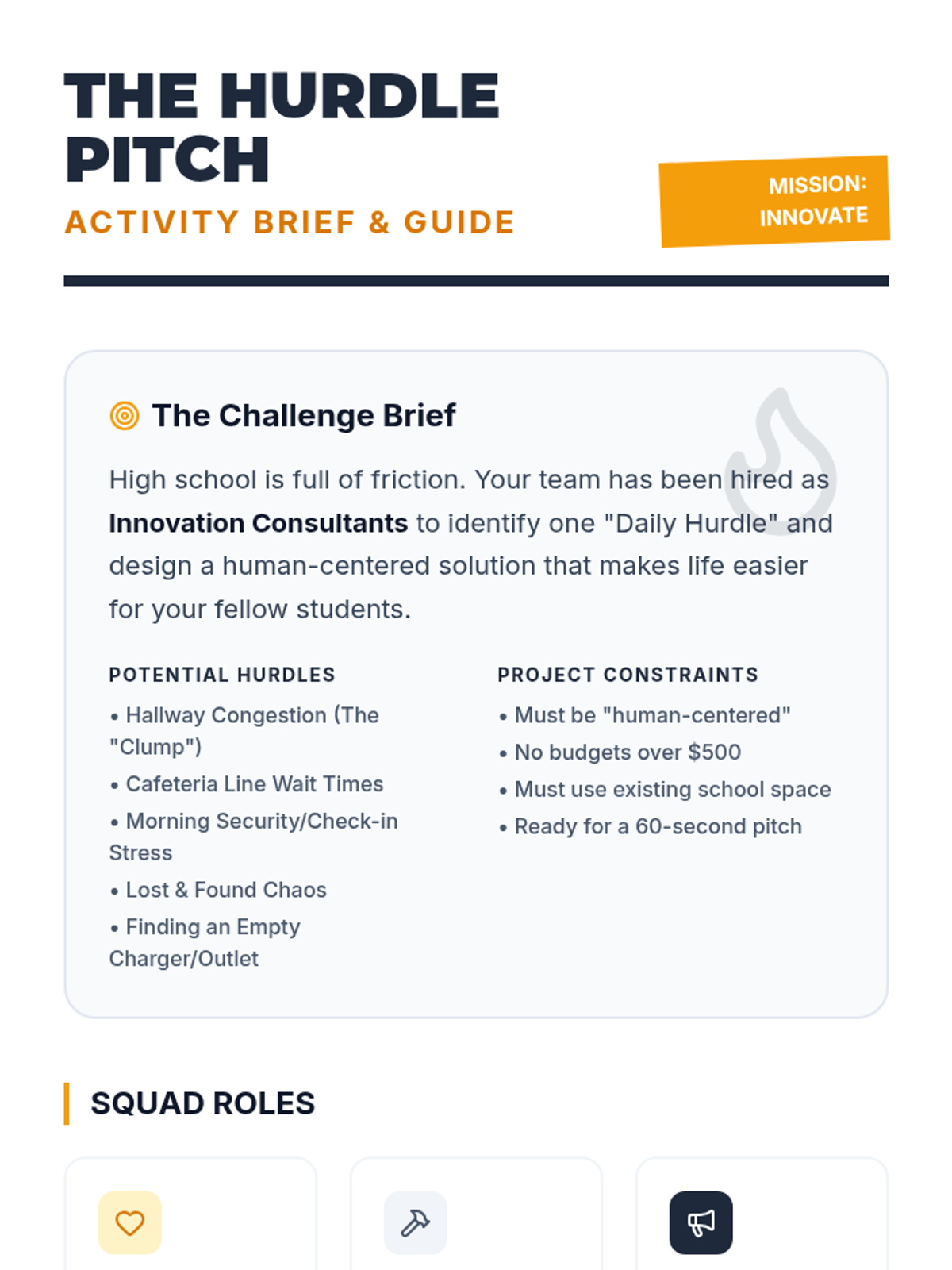
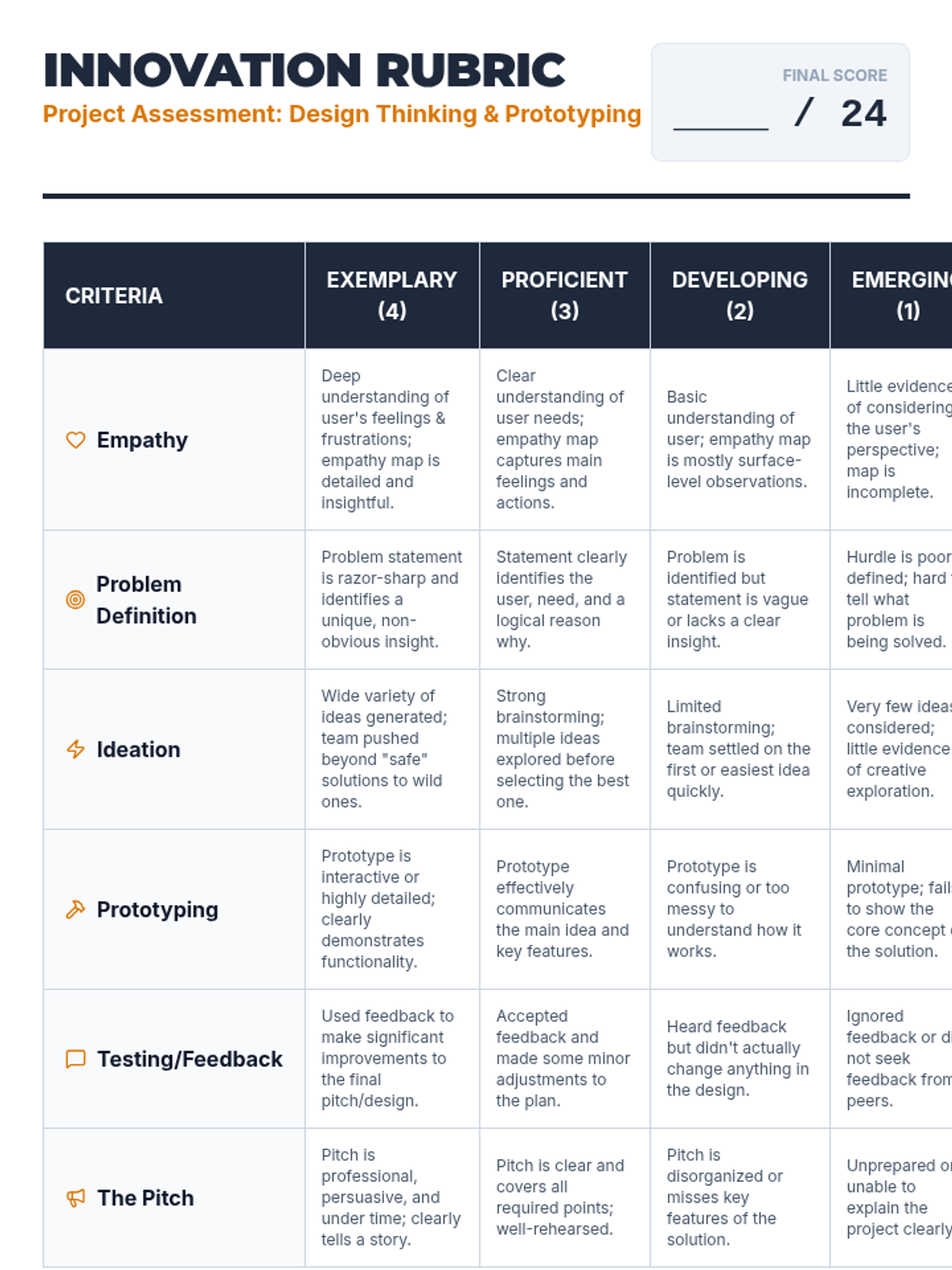
A high-energy workshop introducing 9th graders to design thinking. Students apply human-centered design to solve school-based challenges like hallway congestion or cafeteria waste.
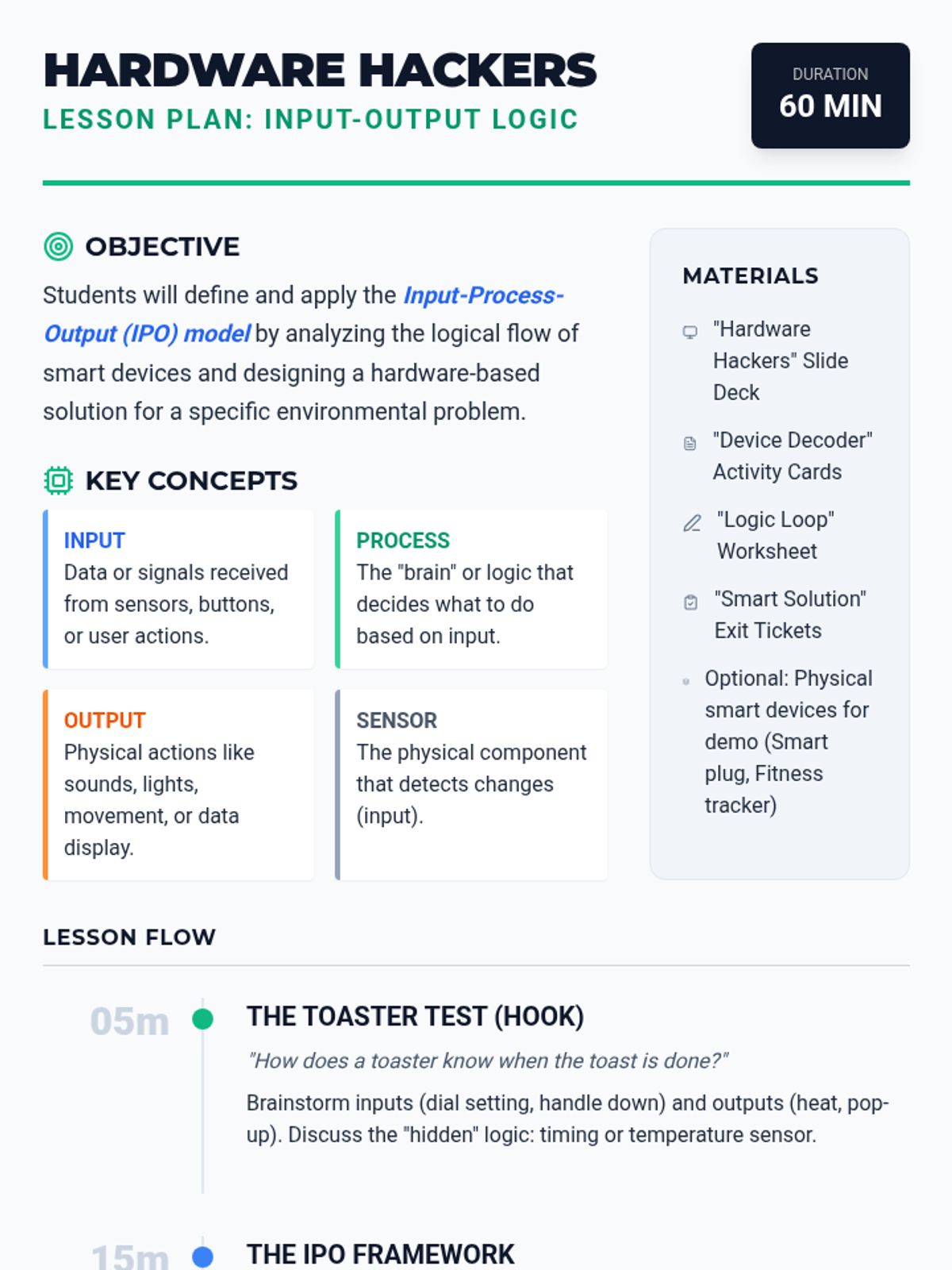
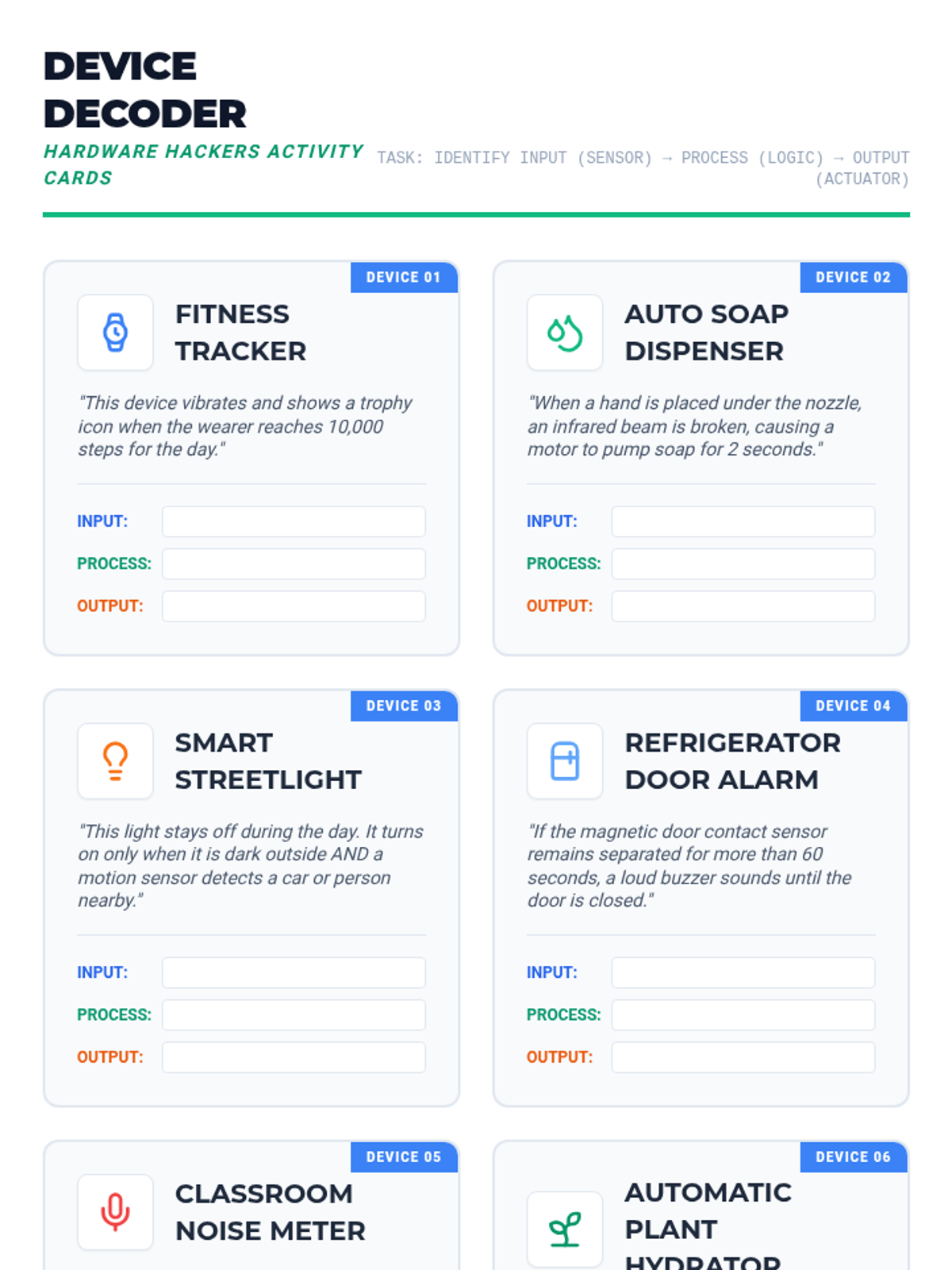
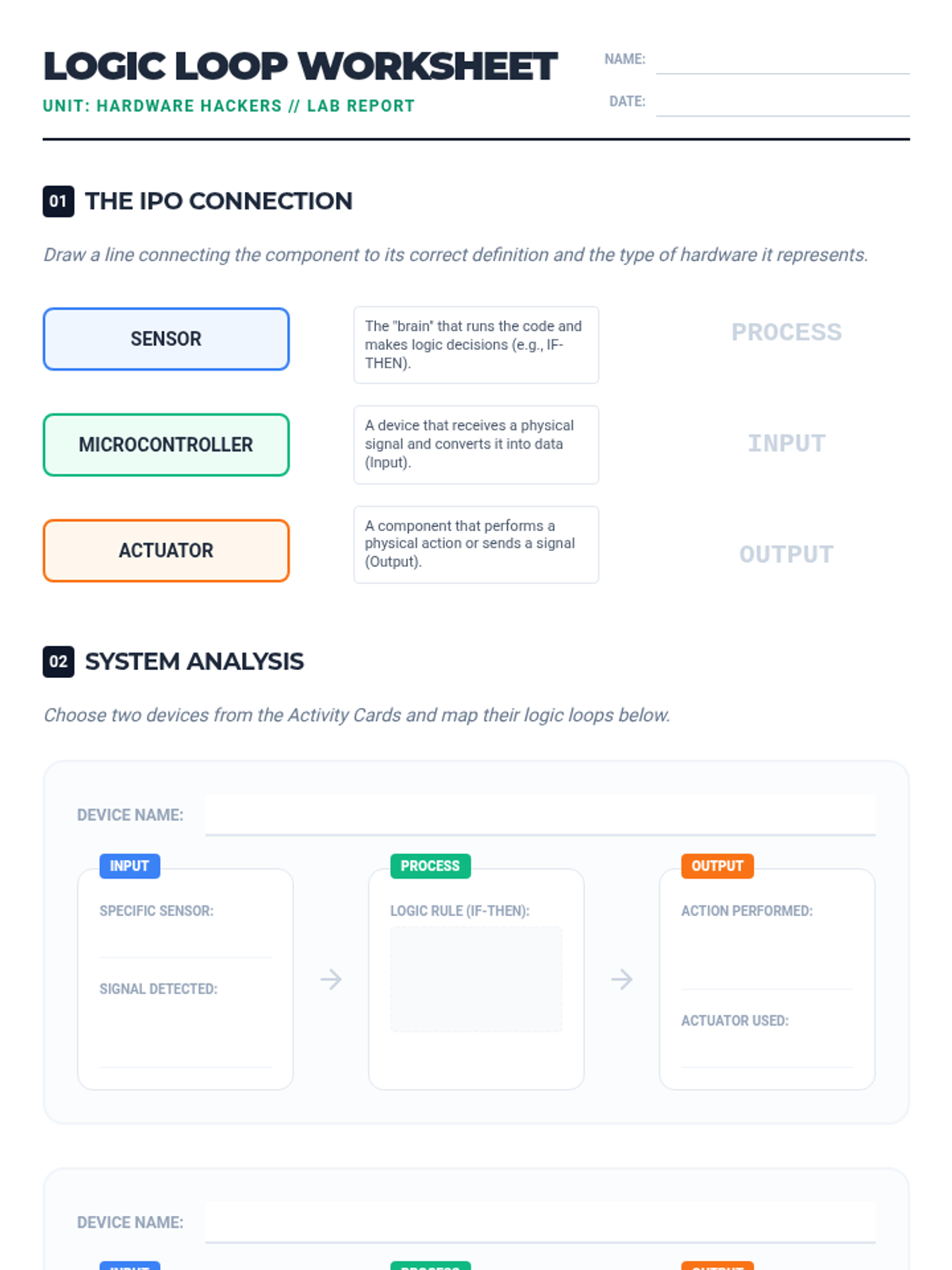
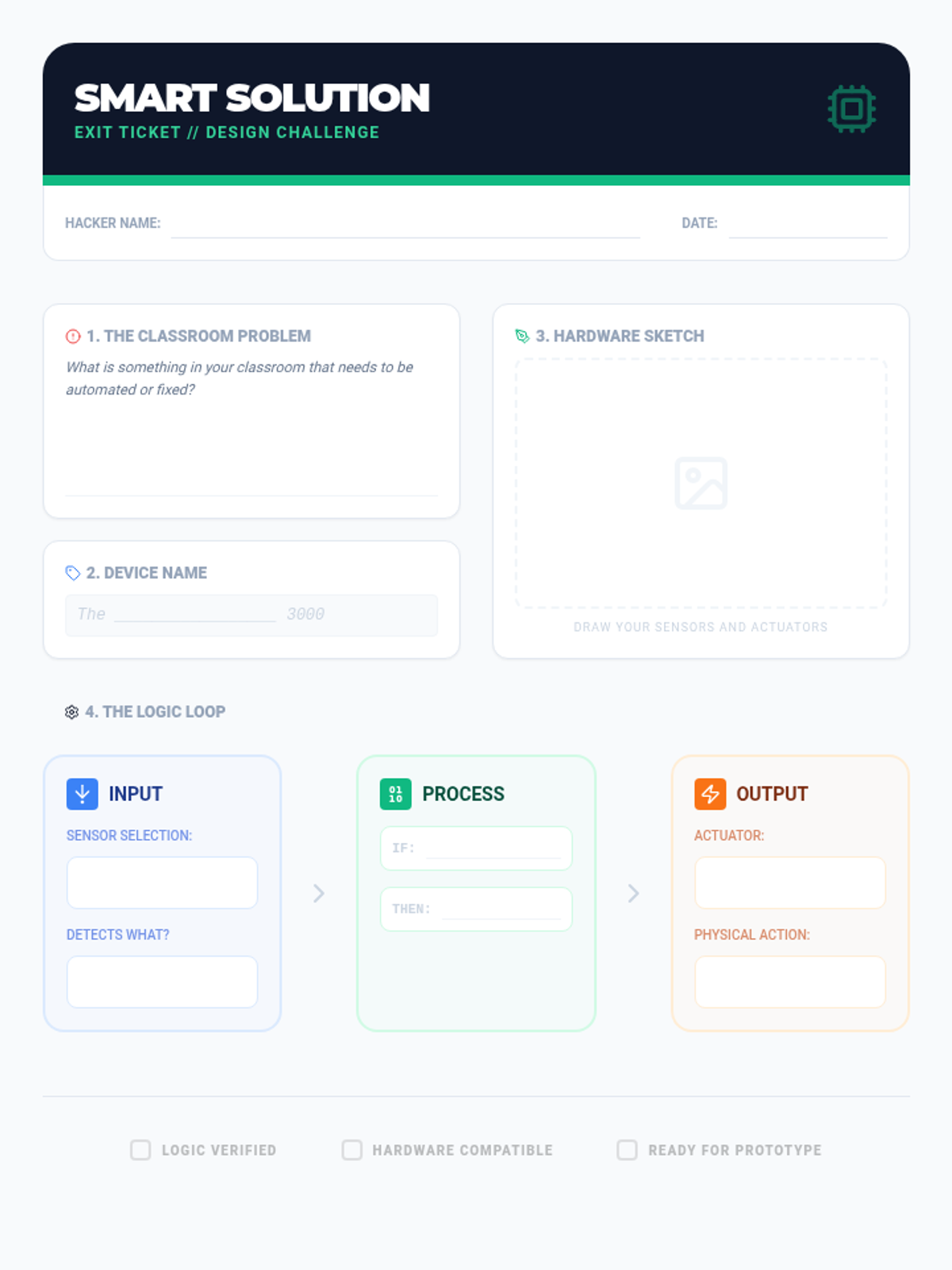
Students explore the Input-Process-Output (IPO) model by deconstructing everyday smart devices and designing their own tech solutions to classroom challenges. This lesson bridges the gap between physical hardware and programmatic logic through hands-on analysis and creative problem-solving.
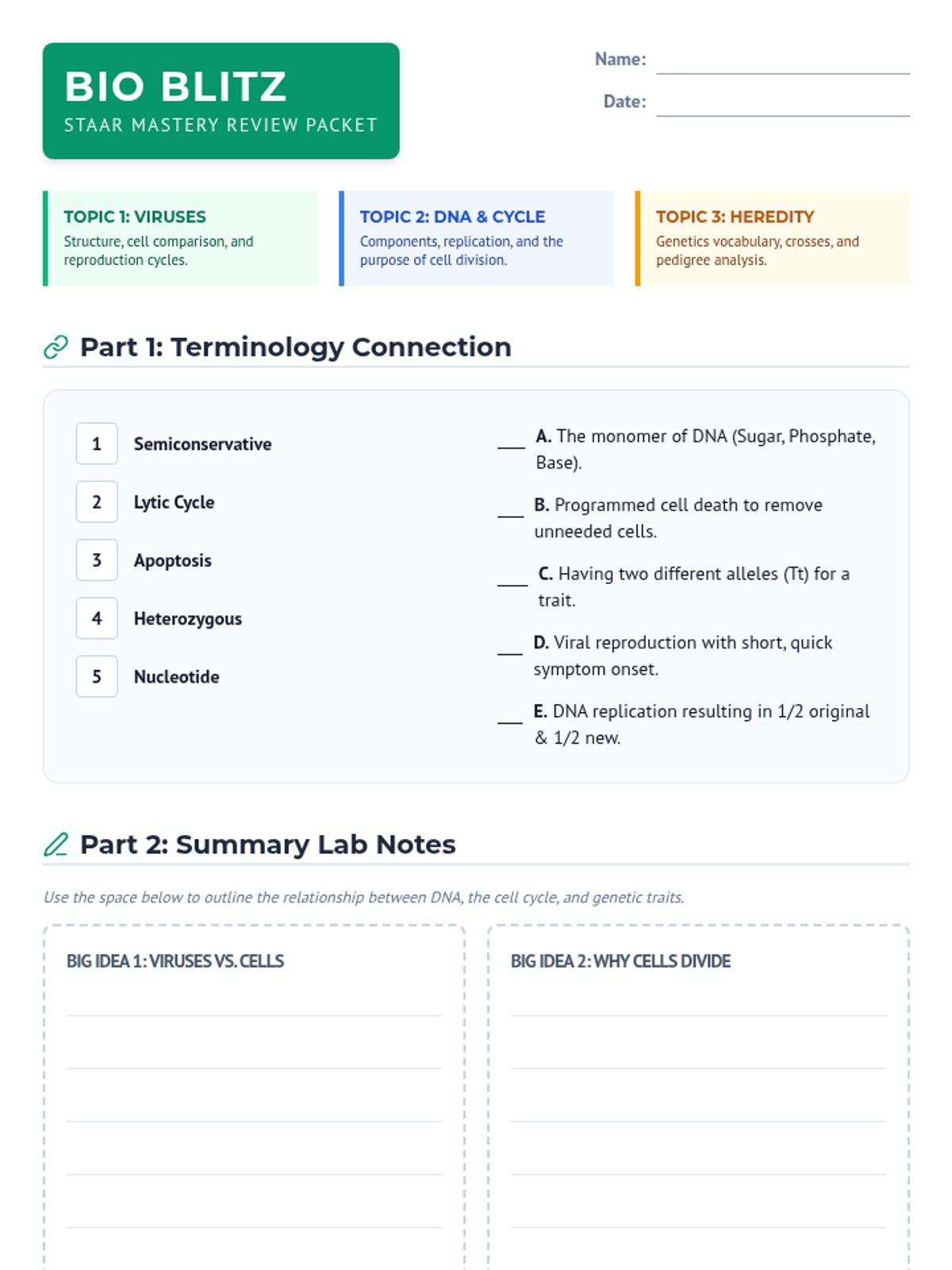
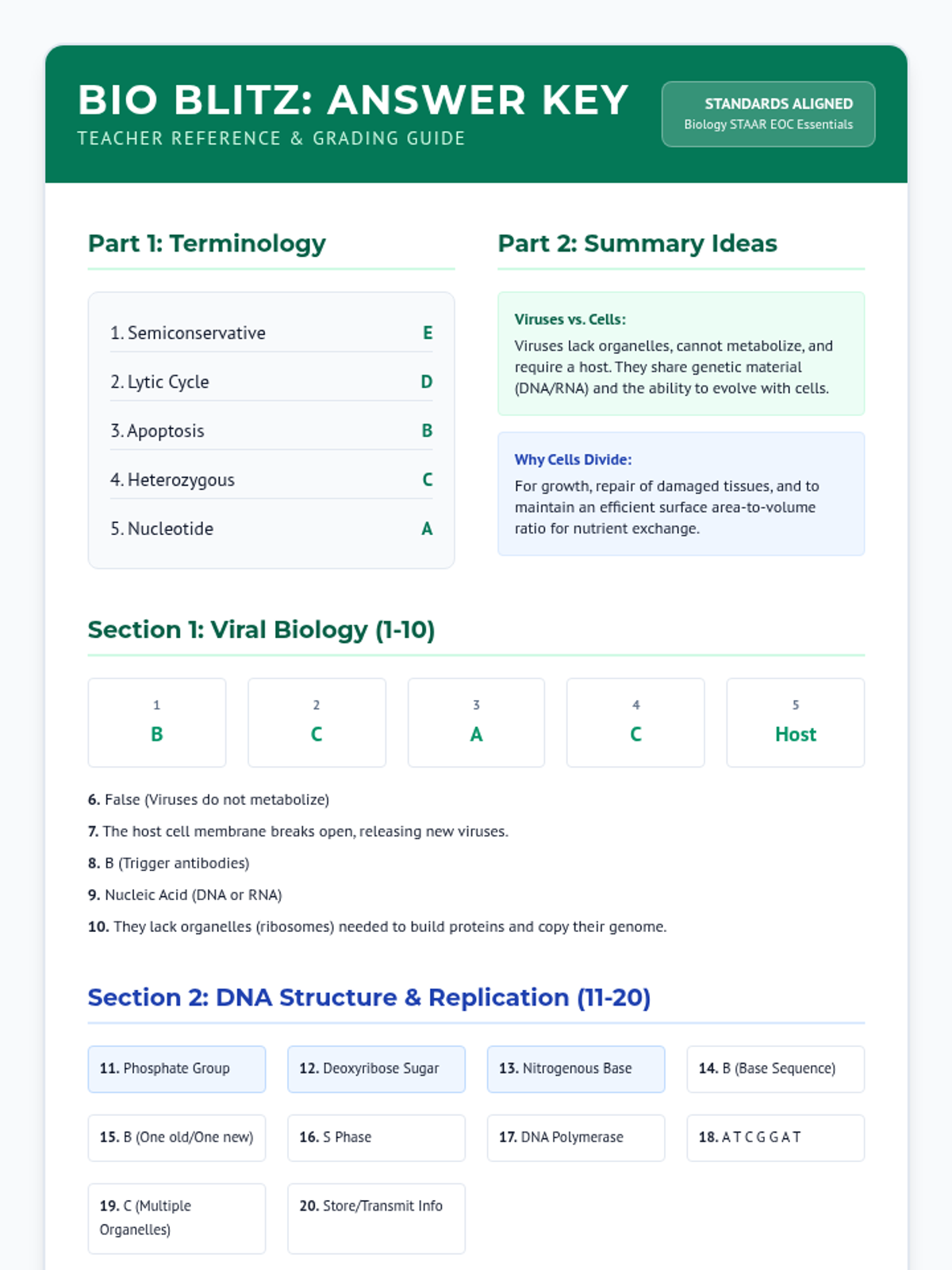
A comprehensive review of high school biology topics including viruses, DNA structure and replication, the cell cycle and its disruptions, and basic genetics focusing on monohybrid crosses and pedigrees. This lesson is designed to prepare students for standardized assessments with rigorous STAAR-aligned questions and practice.
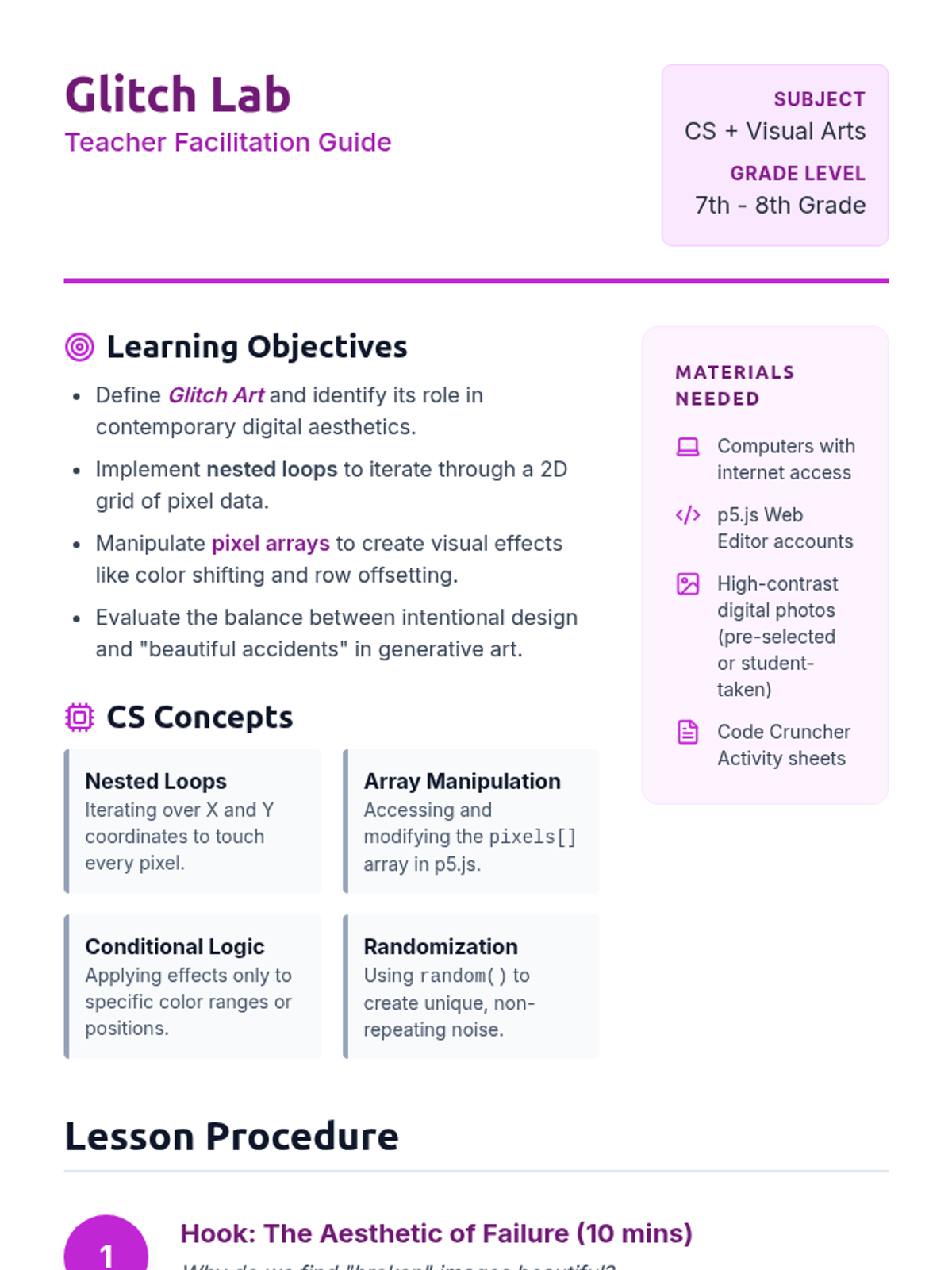
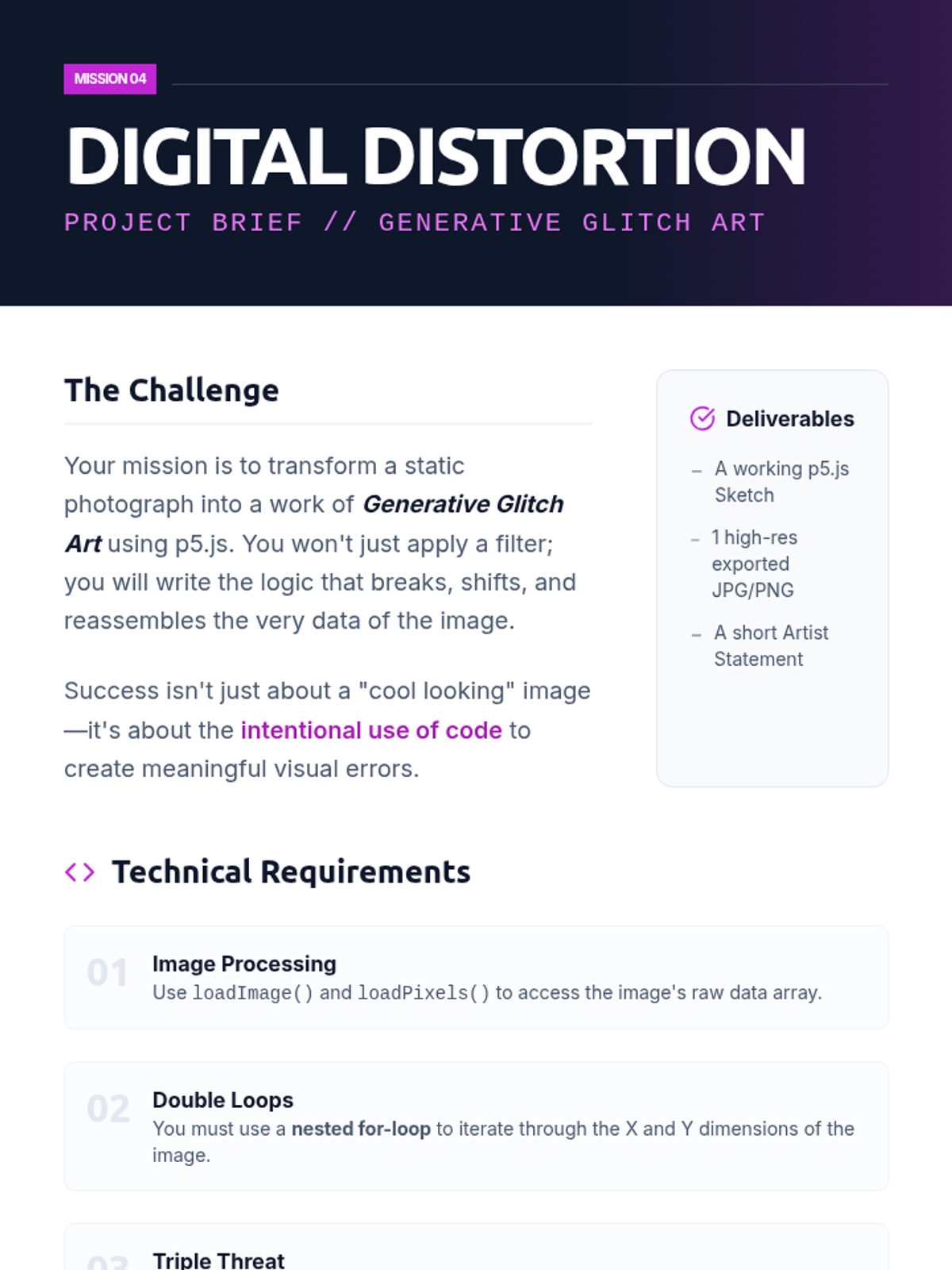
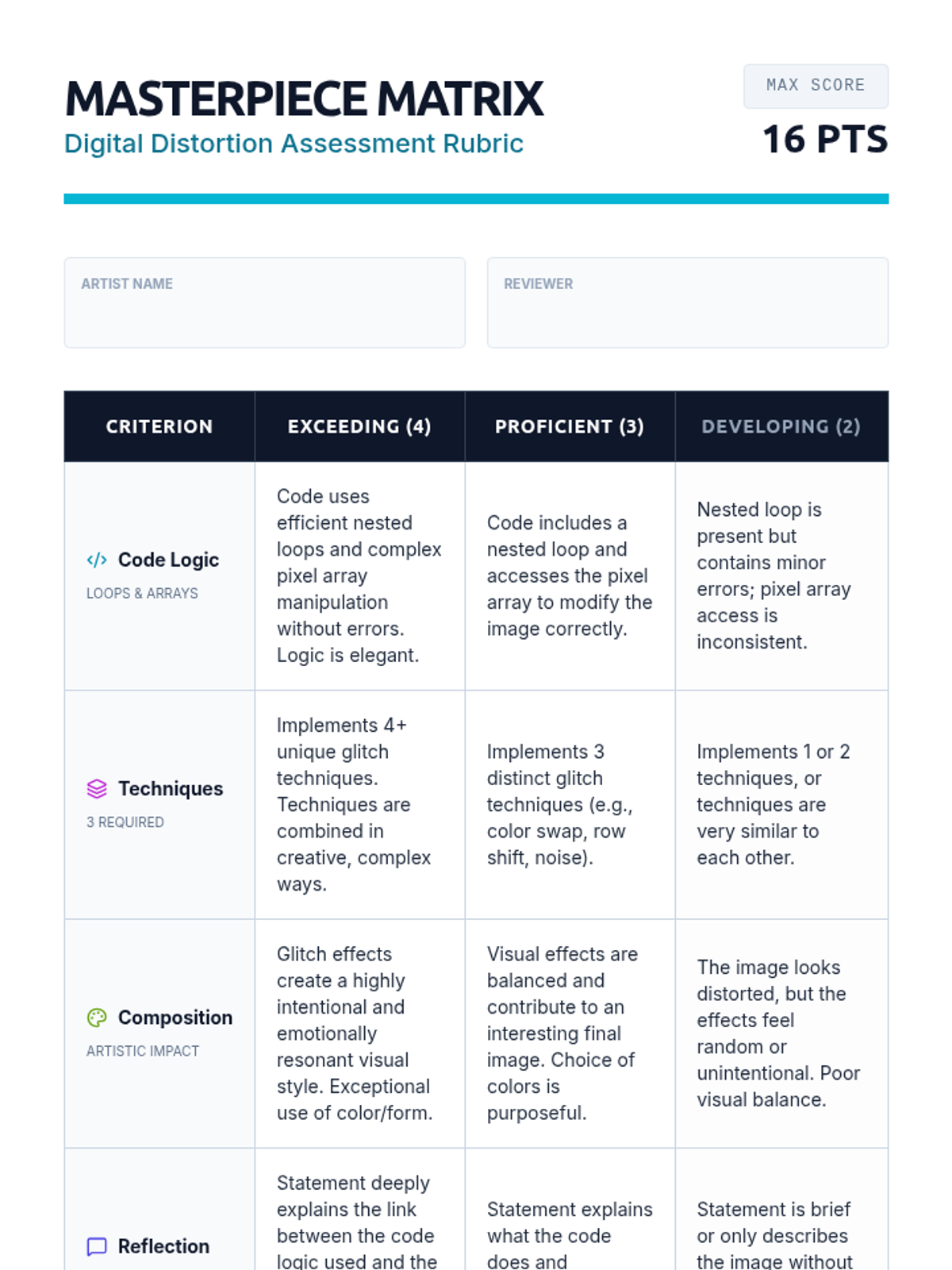
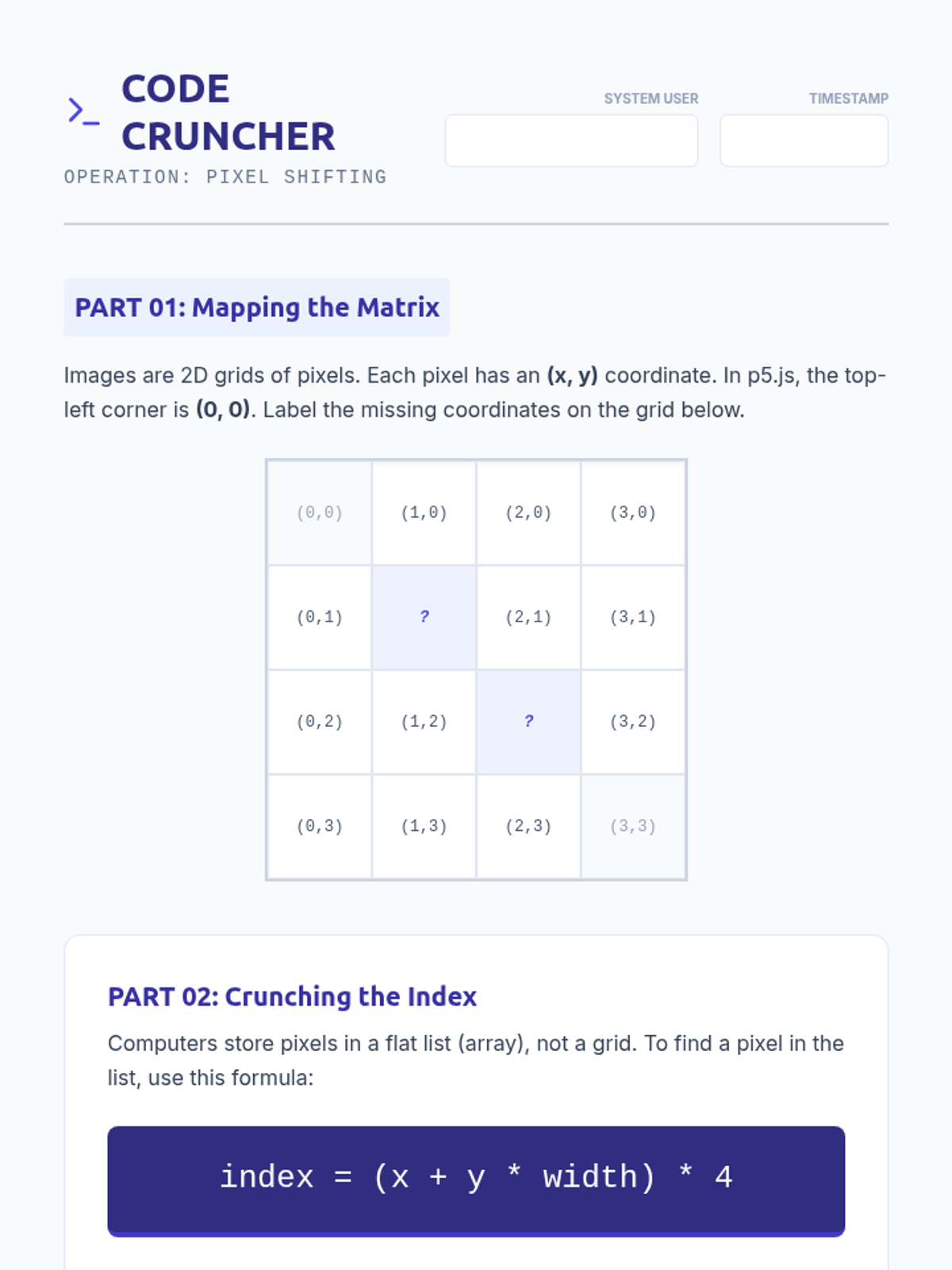
A creative coding lesson where students use p5.js to manipulate image data, exploring the intersection of computer science and glitch art aesthetics.
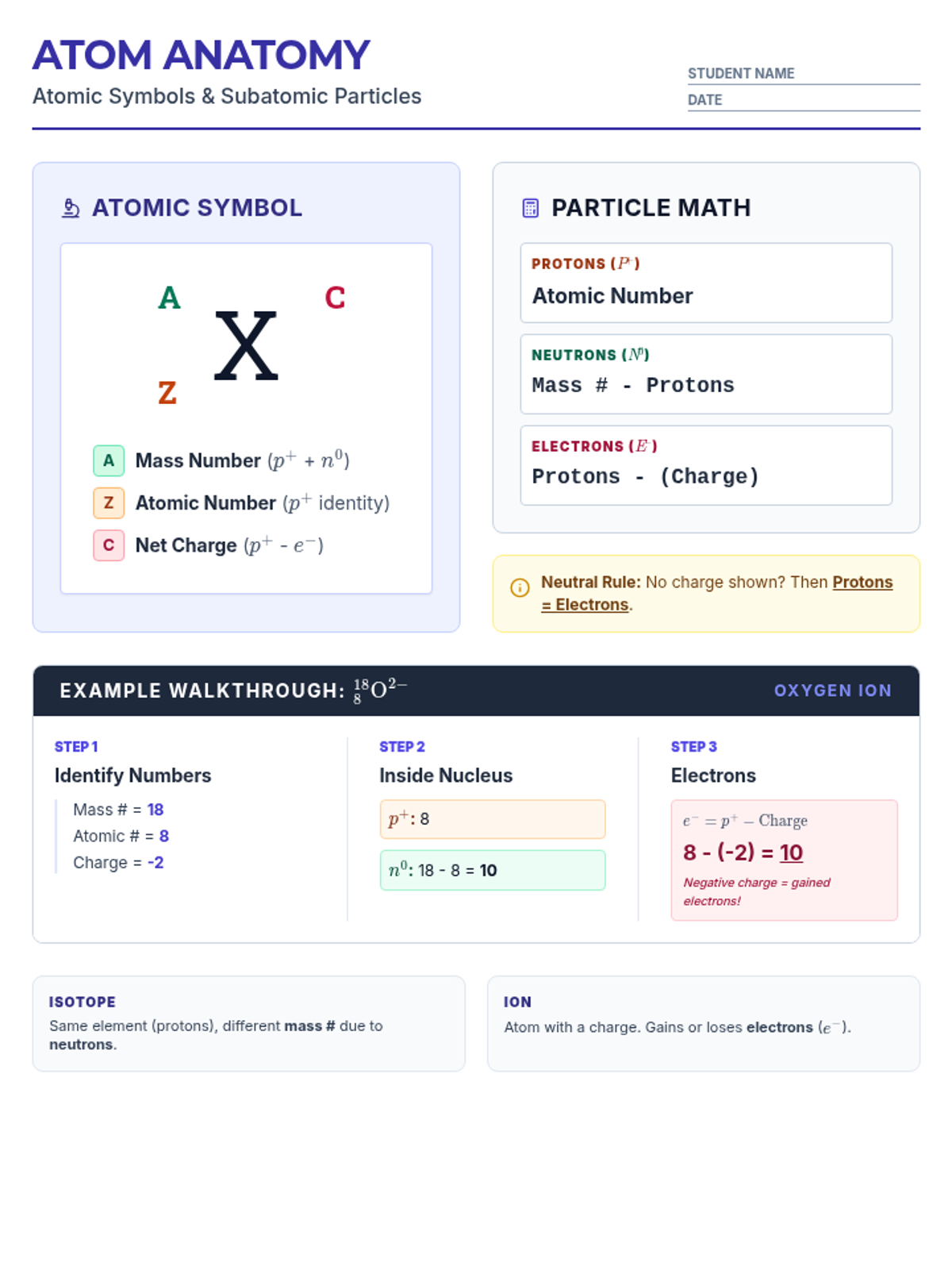
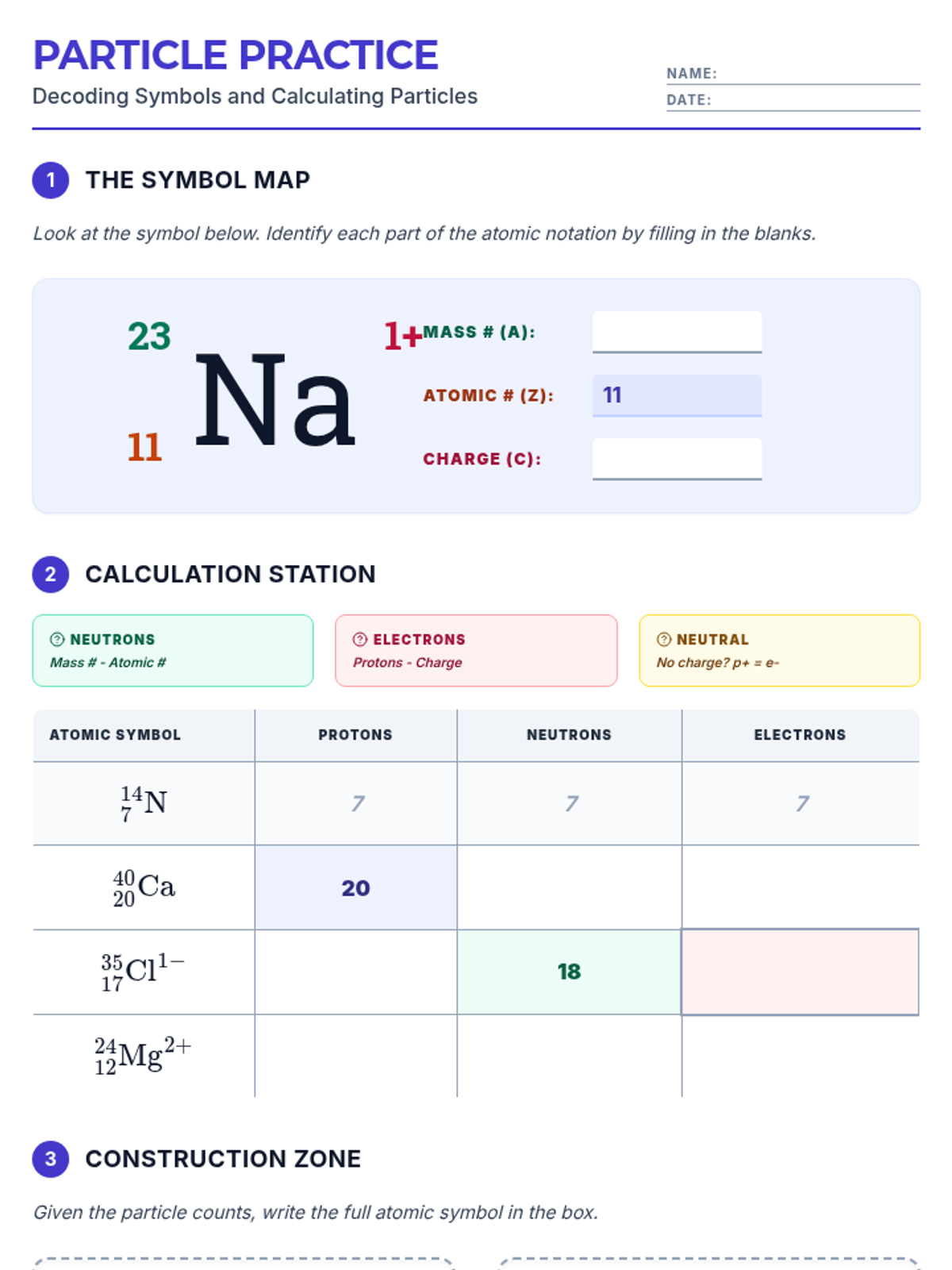
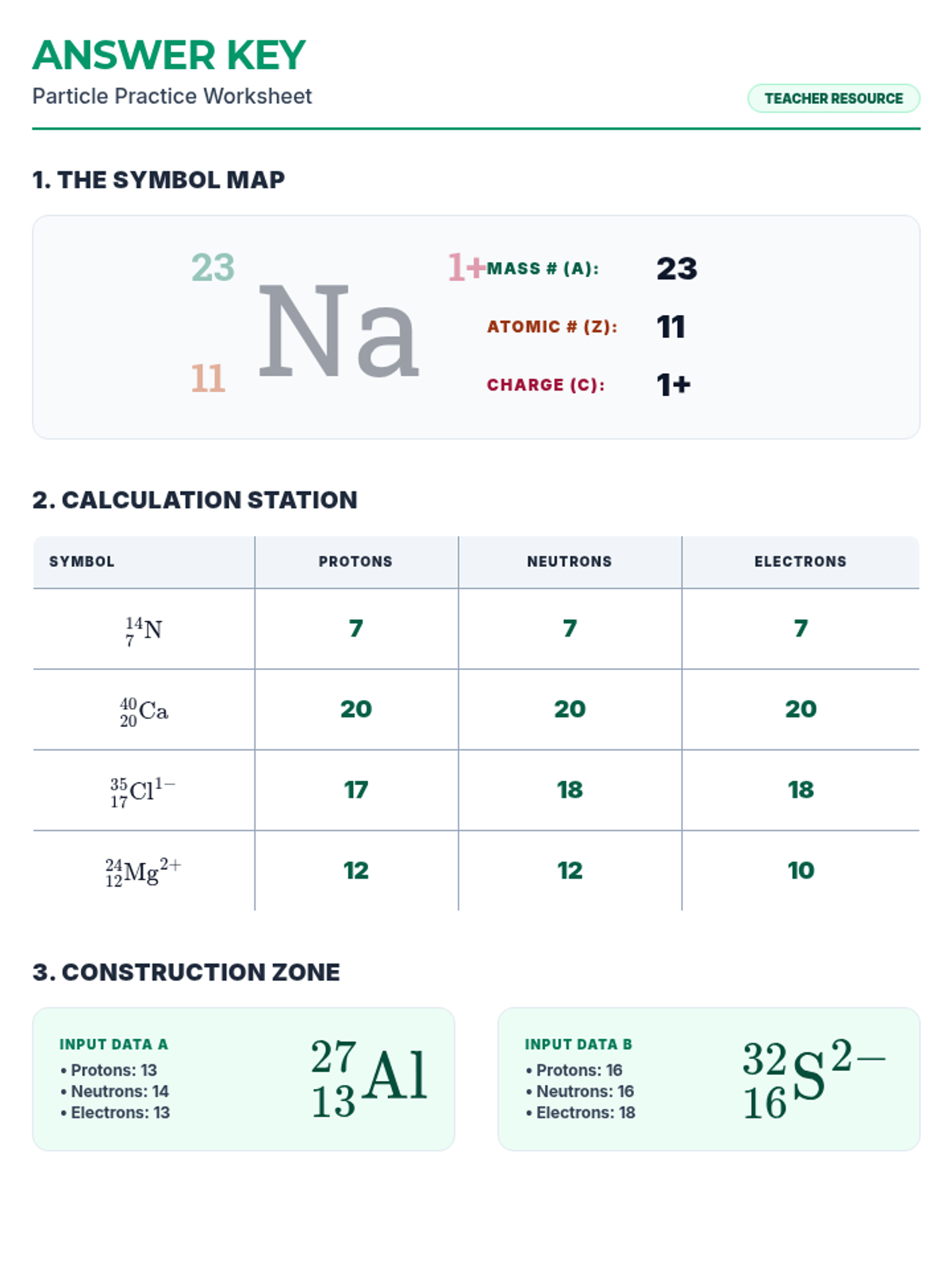
A remedial lesson focused on rebuilding foundational skills in atomic notation and subatomic particle calculations for students who struggled with the initial unit.
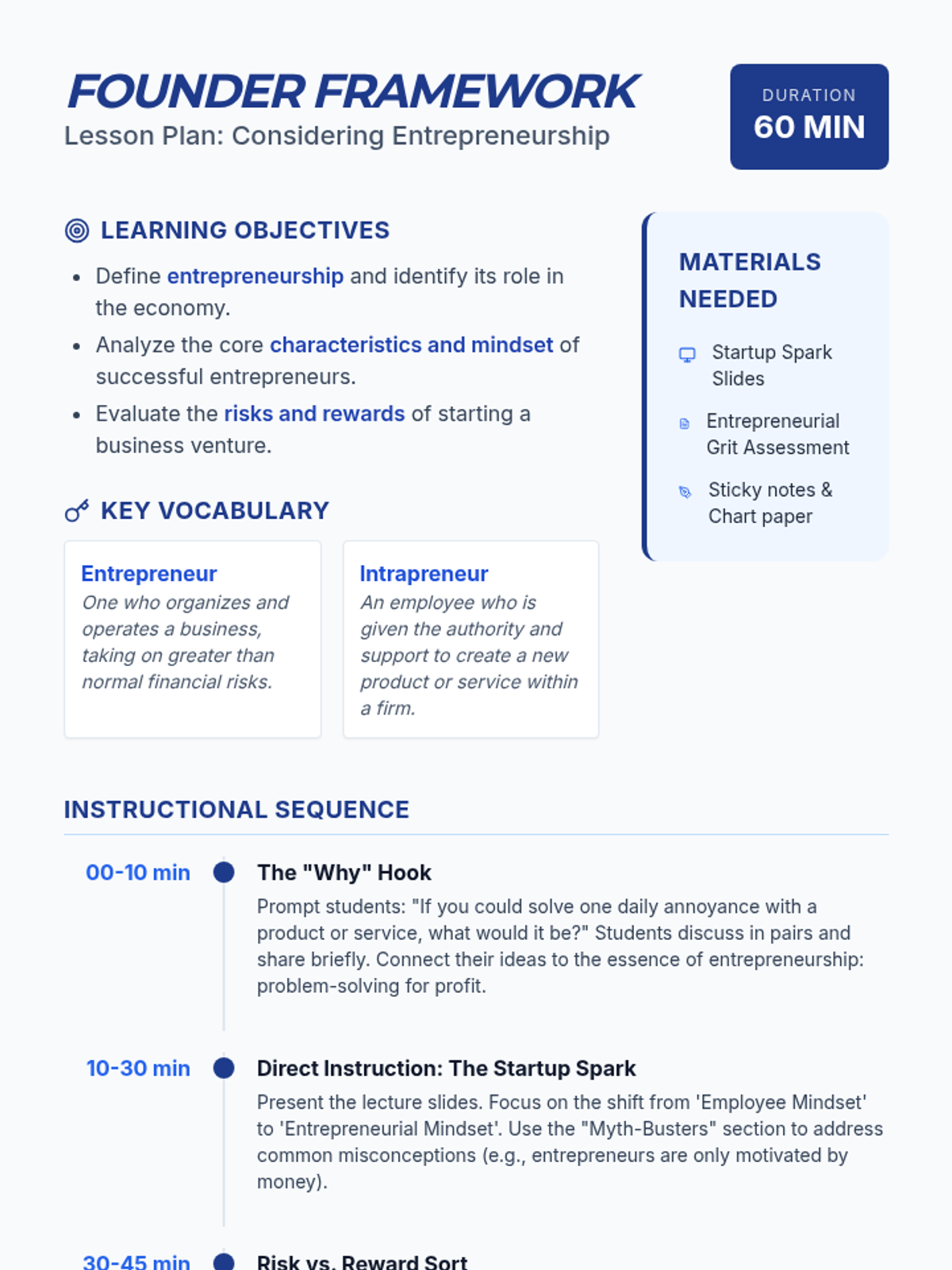
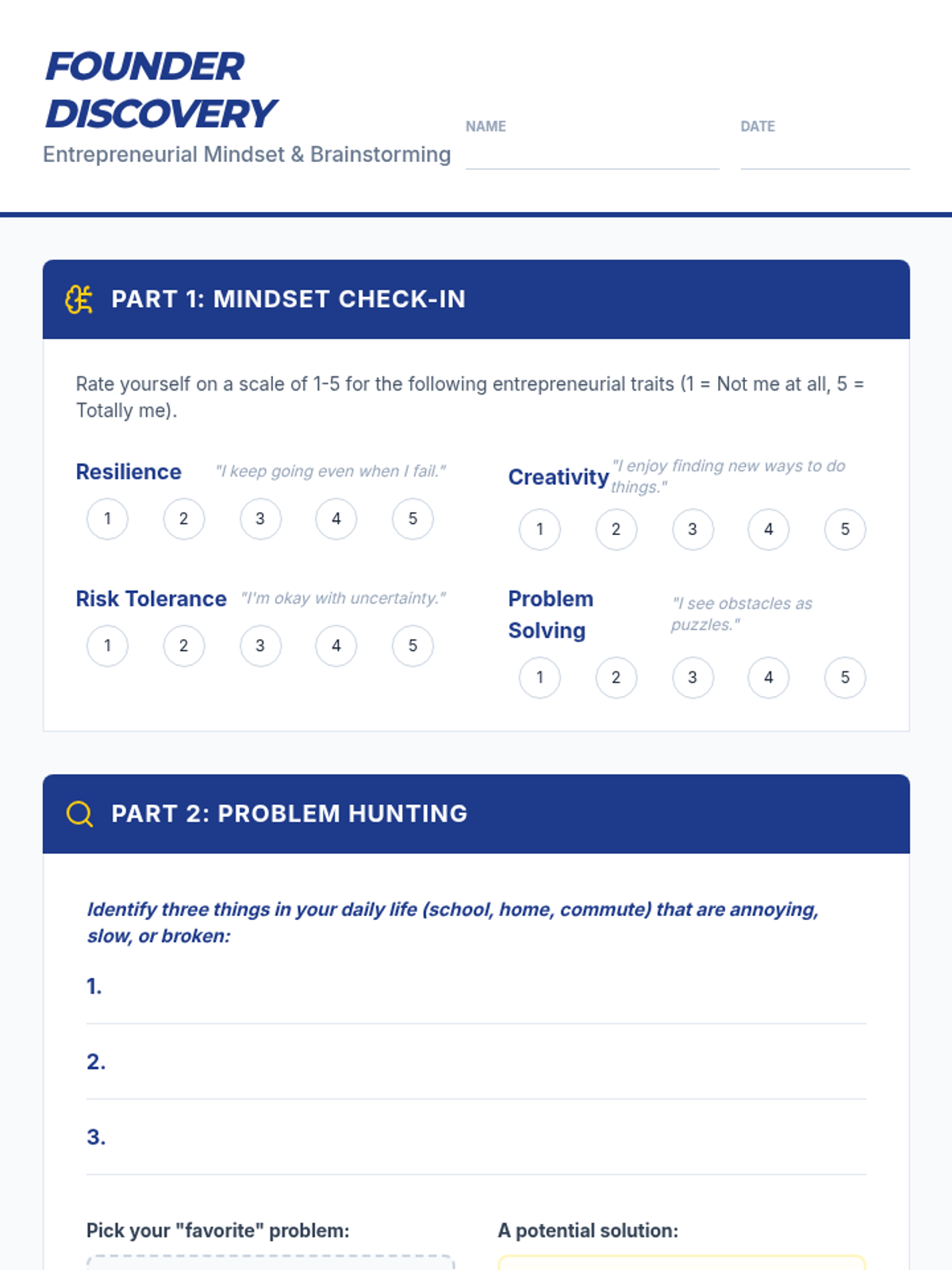
An introductory lesson exploring the world of entrepreneurship, focusing on the mindset, risks, and rewards of starting a business.
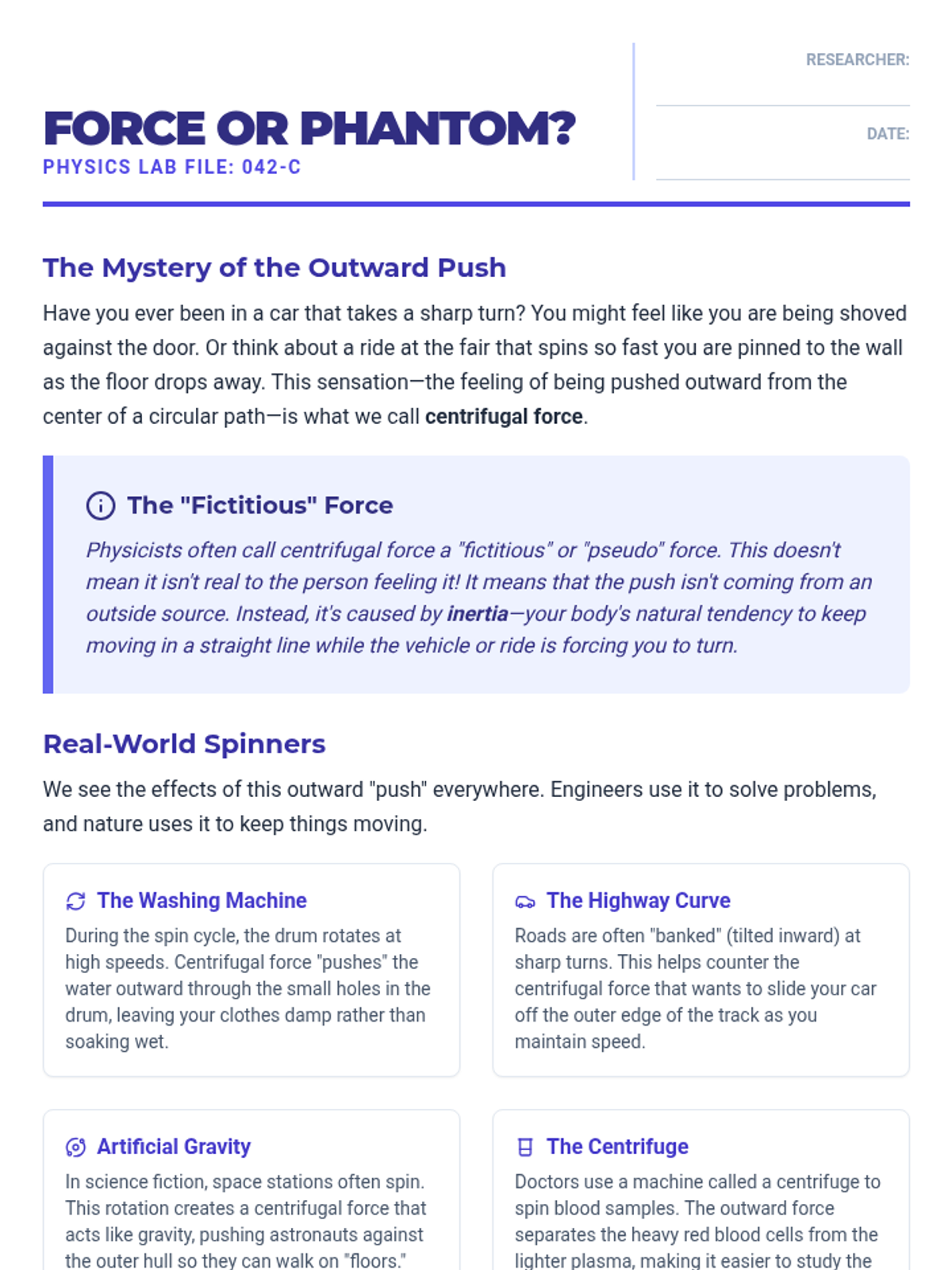
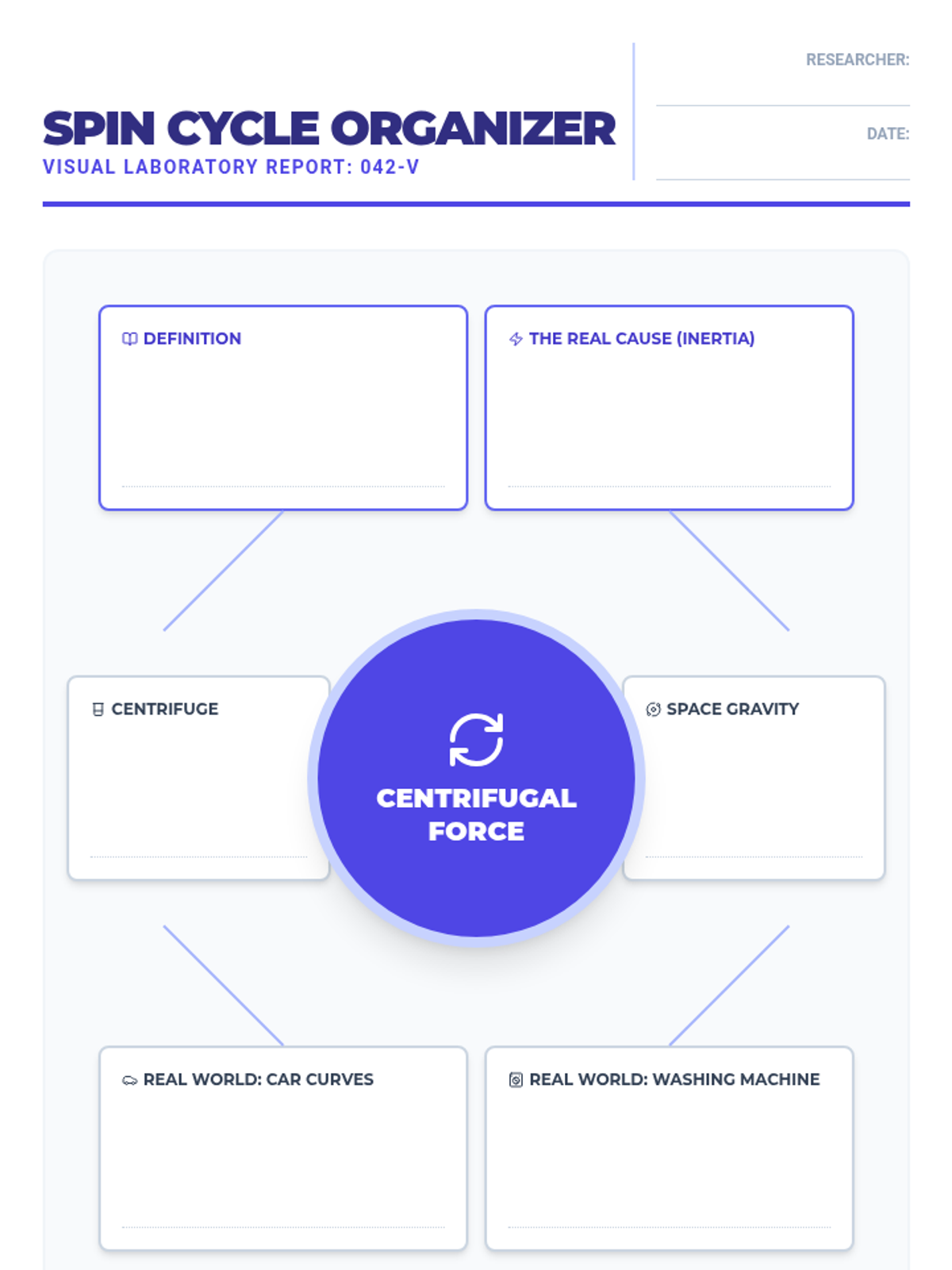
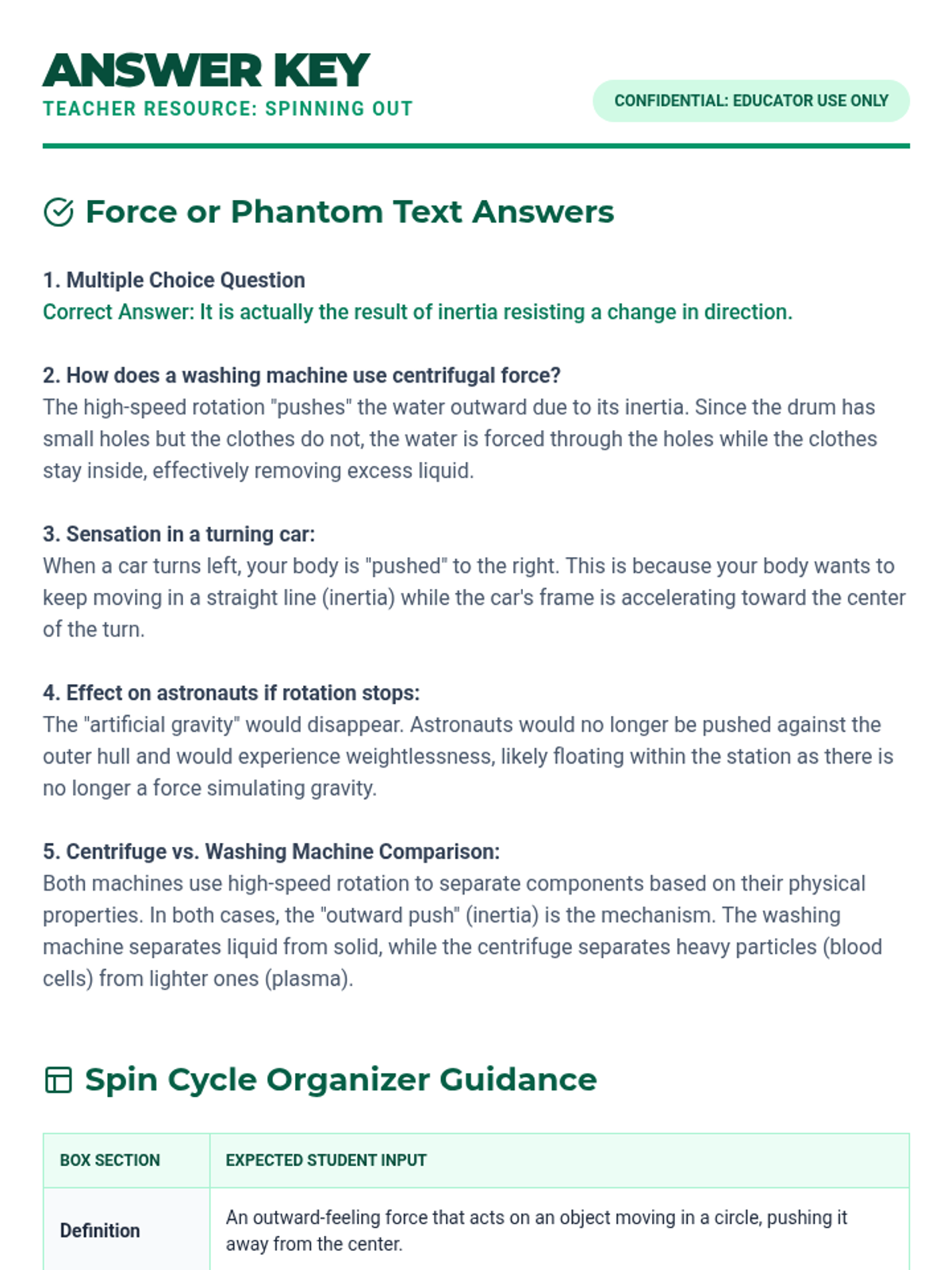
A physics-focused lesson exploring the concept of centrifugal force through real-world applications like amusement park rides, car turns, and washing machines. Students will distinguish between centripetal and centrifugal force while analyzing how spinning motion affects objects.
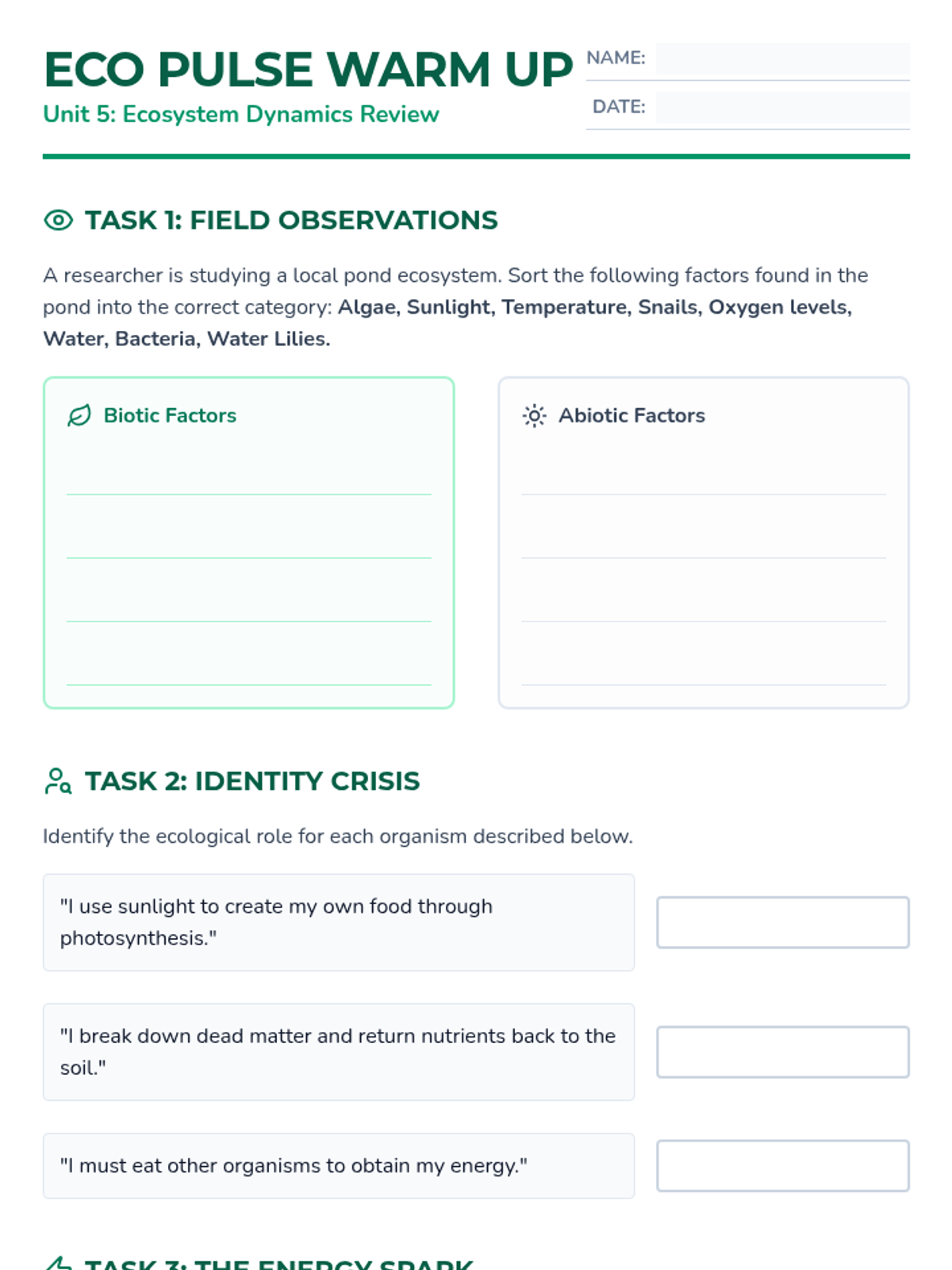
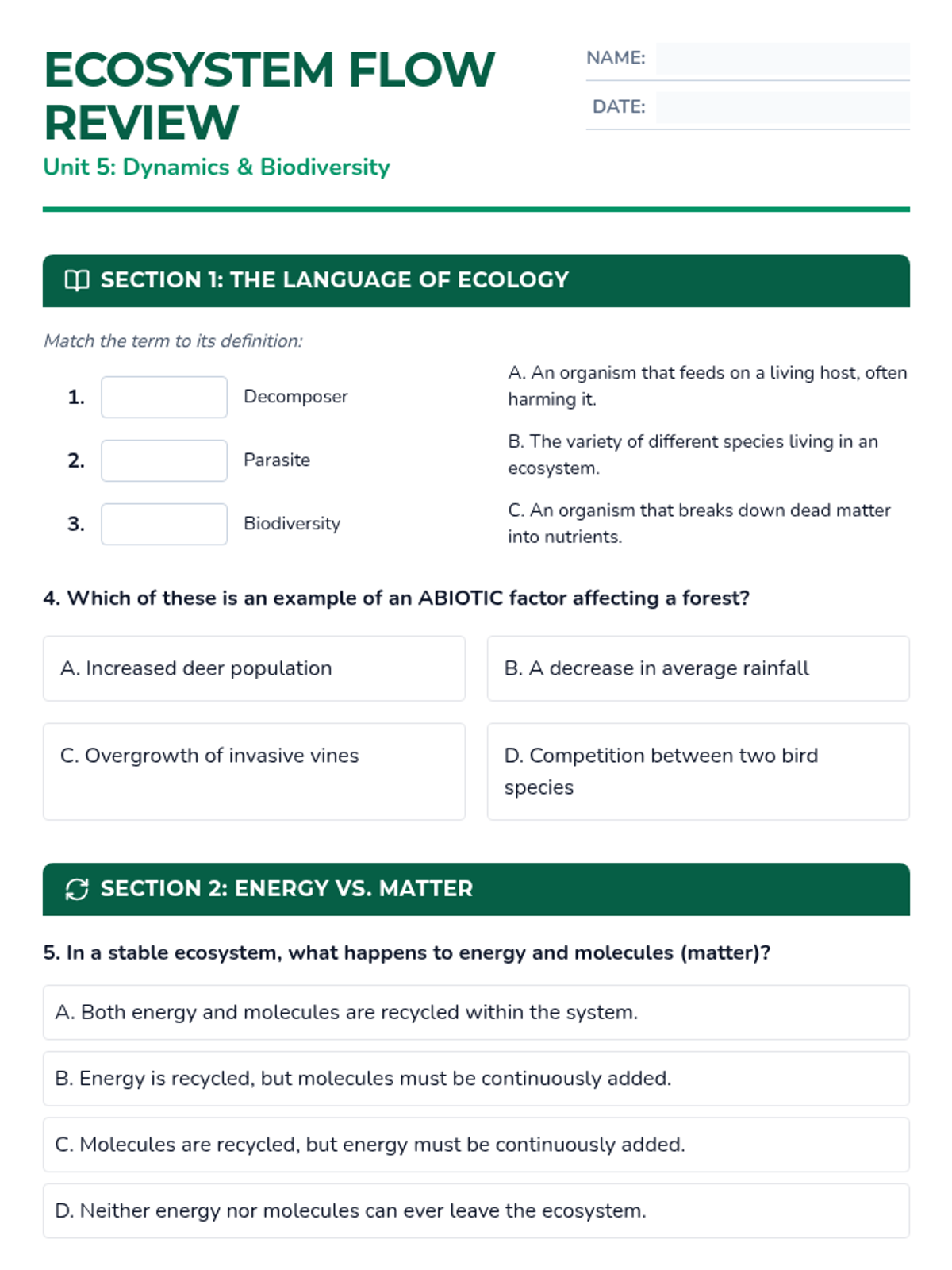
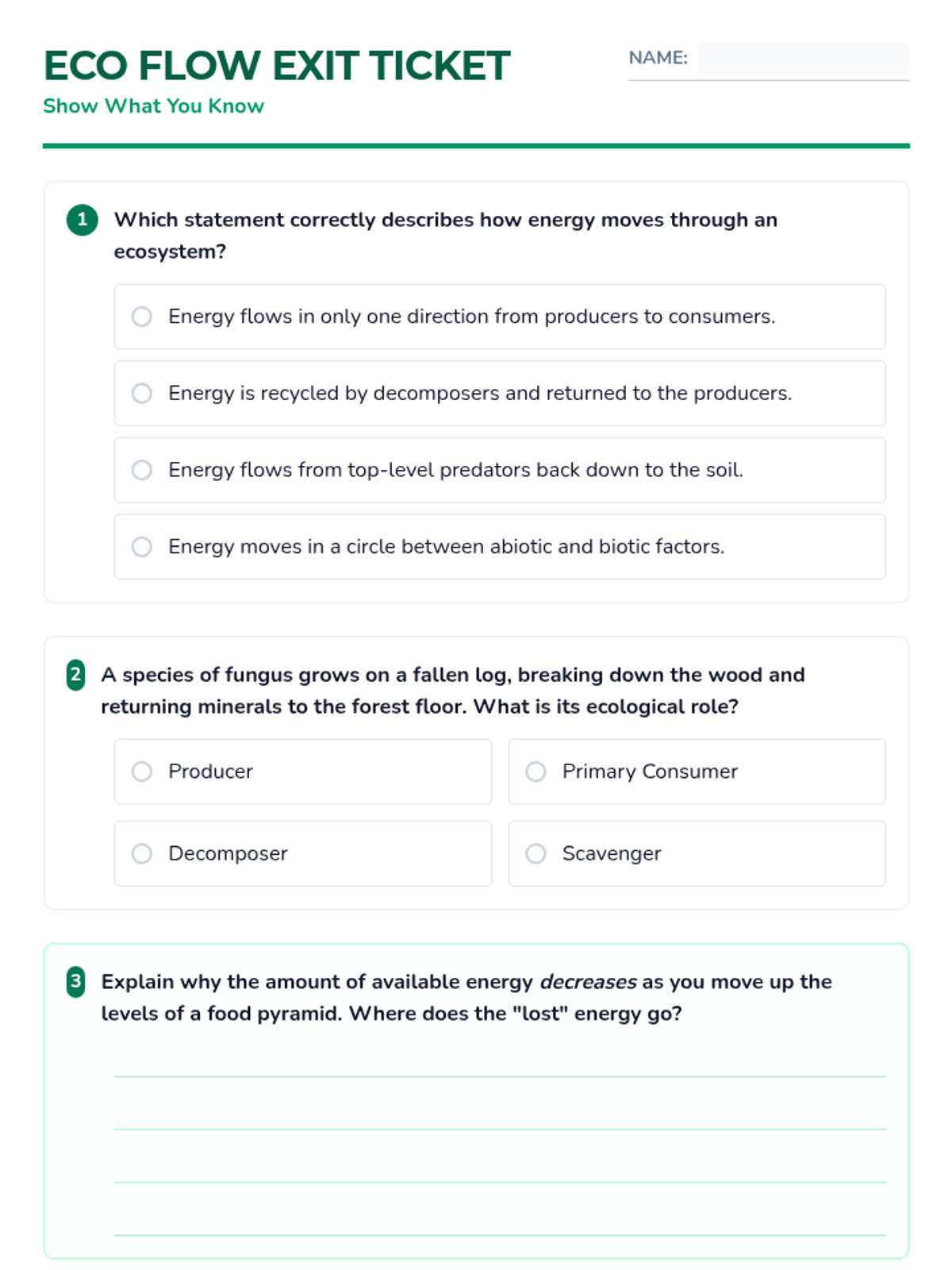
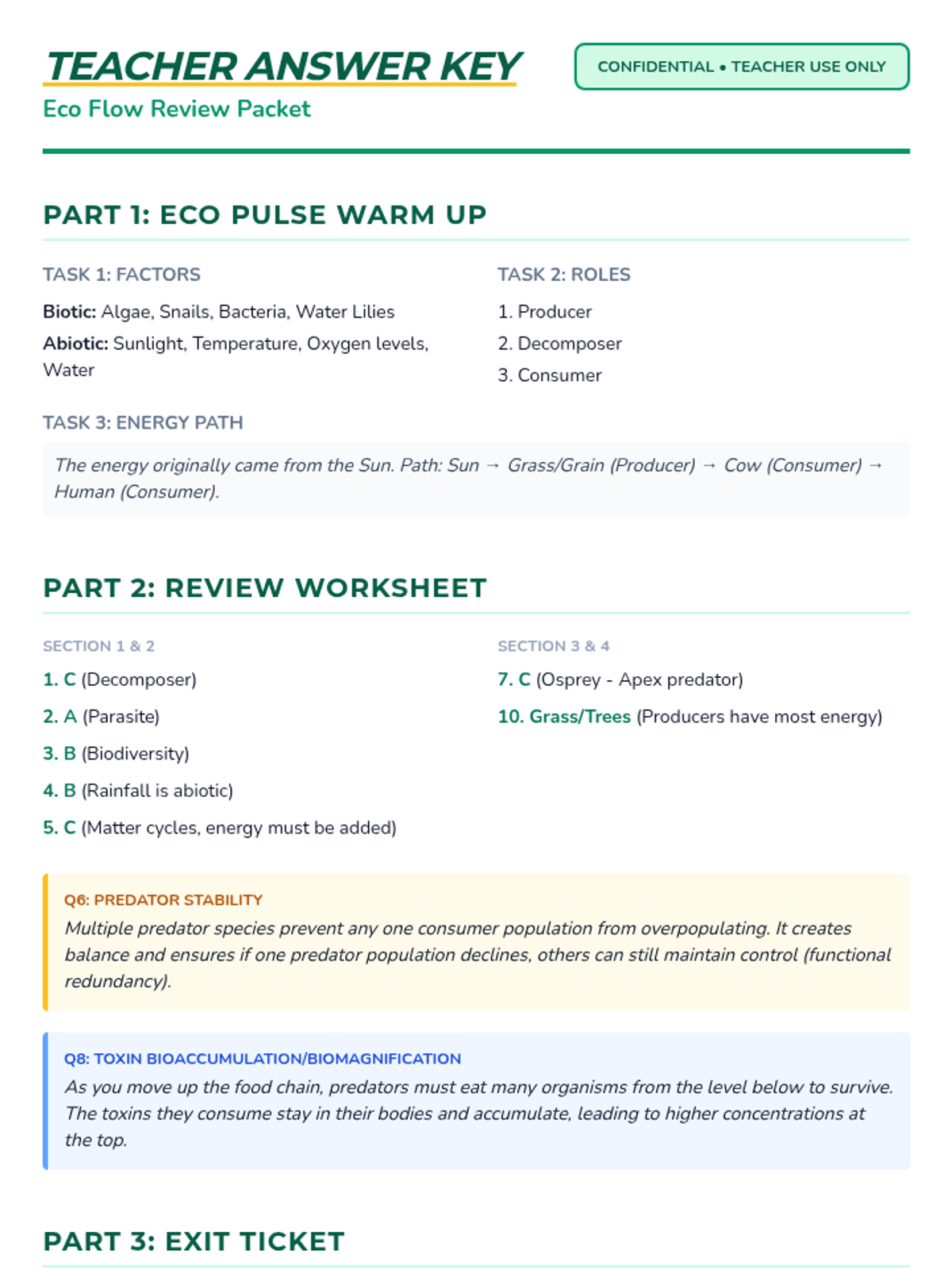
A comprehensive 50-minute review session focused on energy transfer, ecological roles, and ecosystem stability, modeled after the Unit 5 Assessment. Includes a warm-up, main review worksheet, and exit ticket.
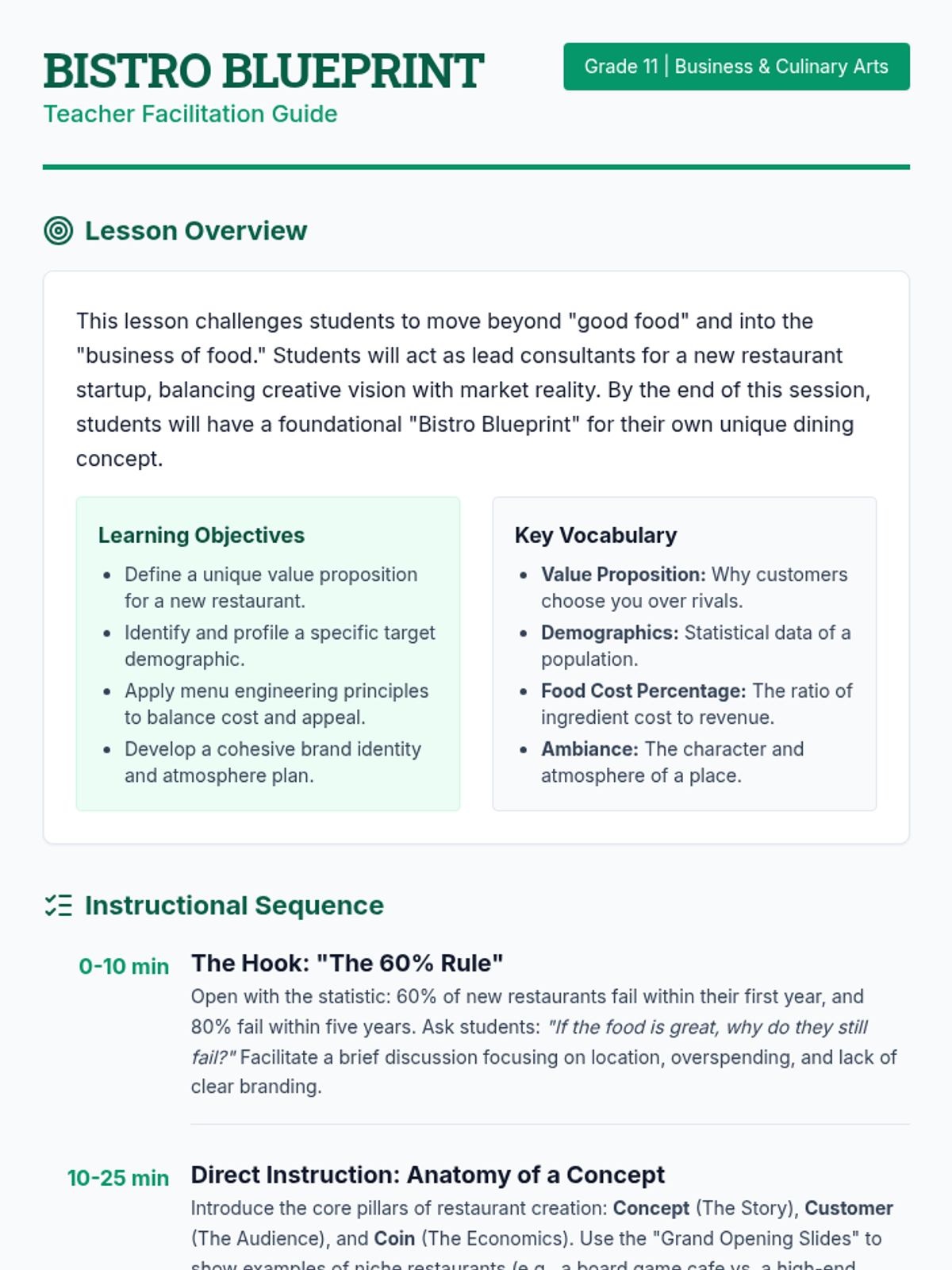
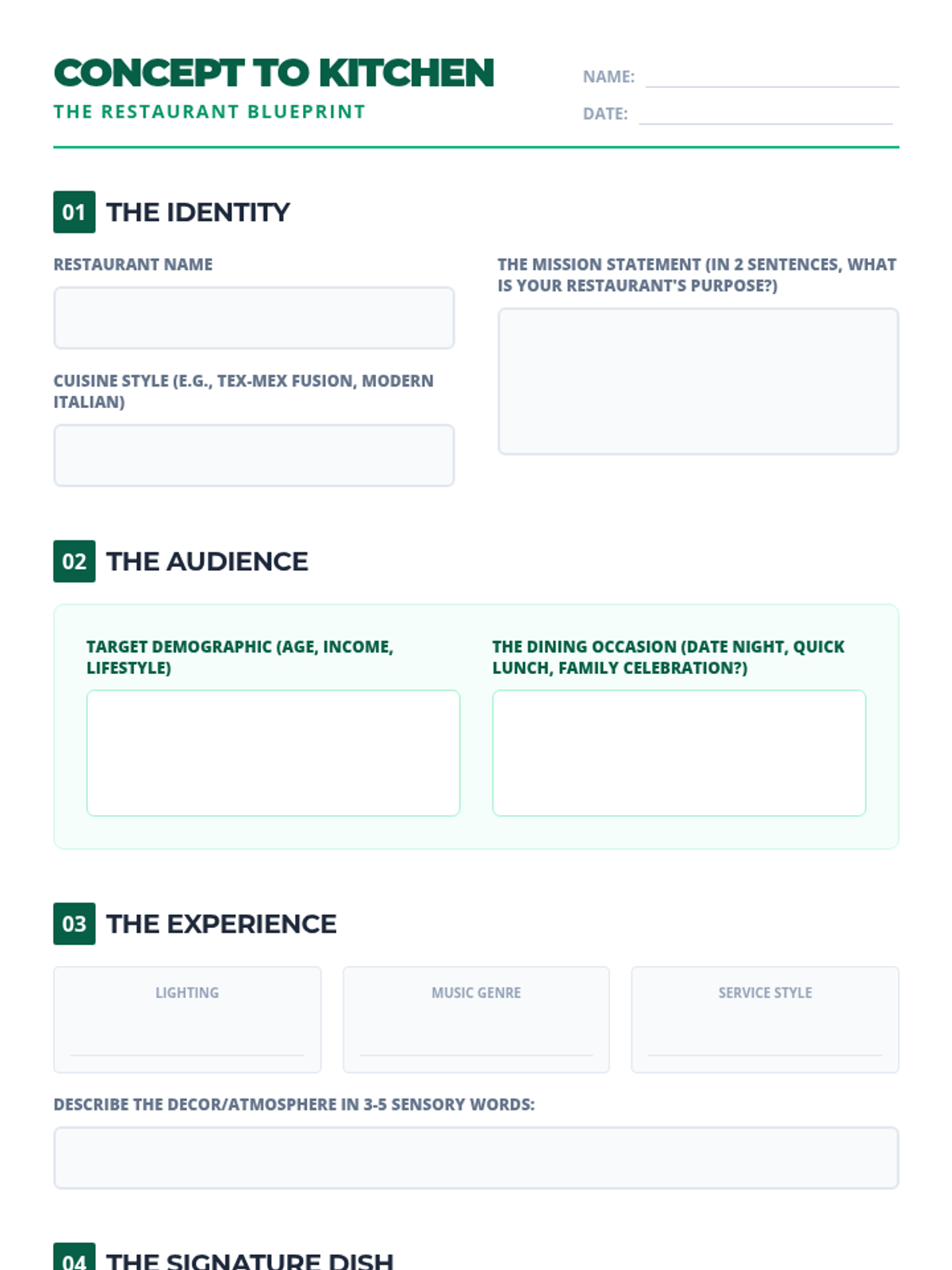
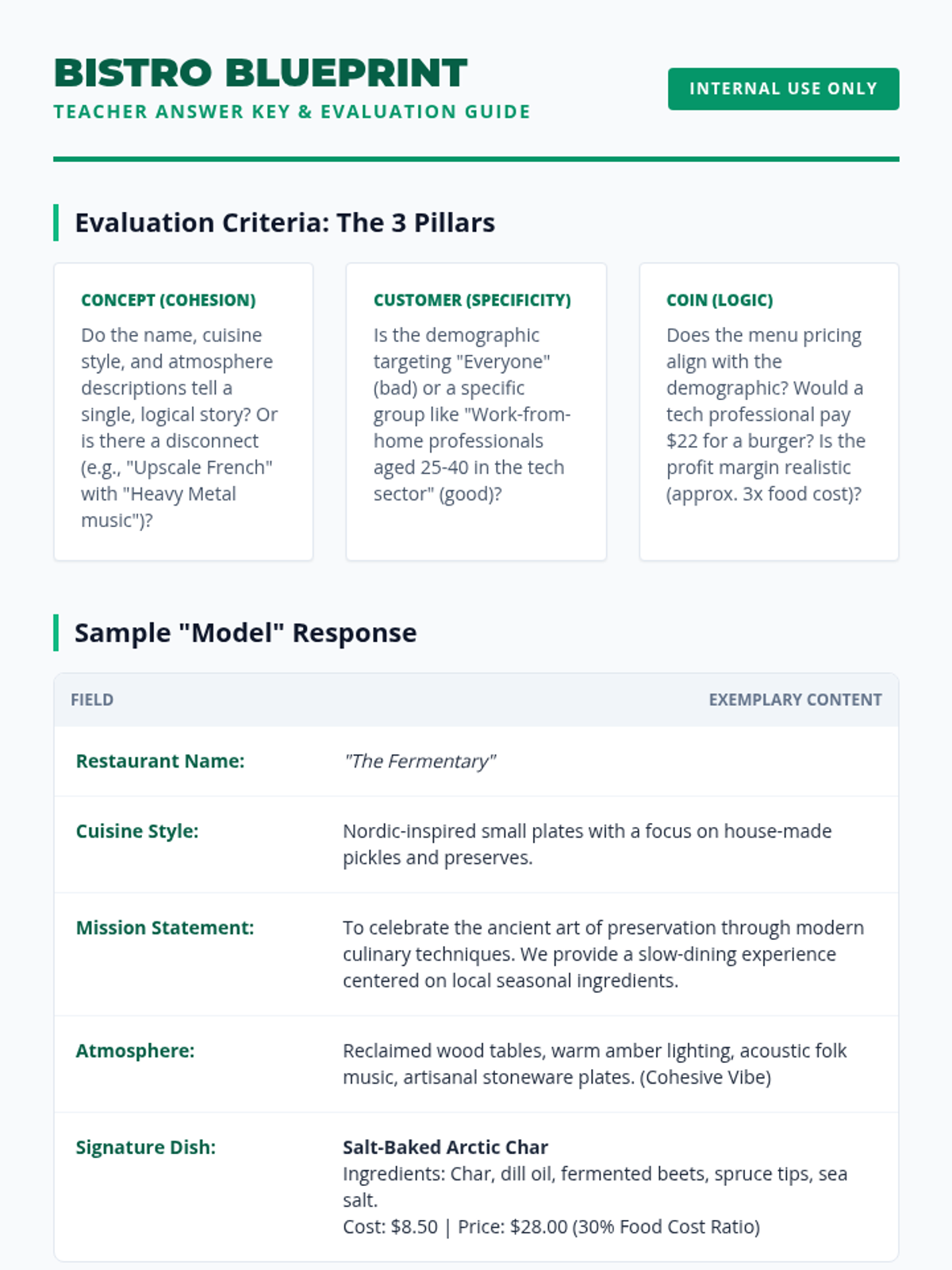
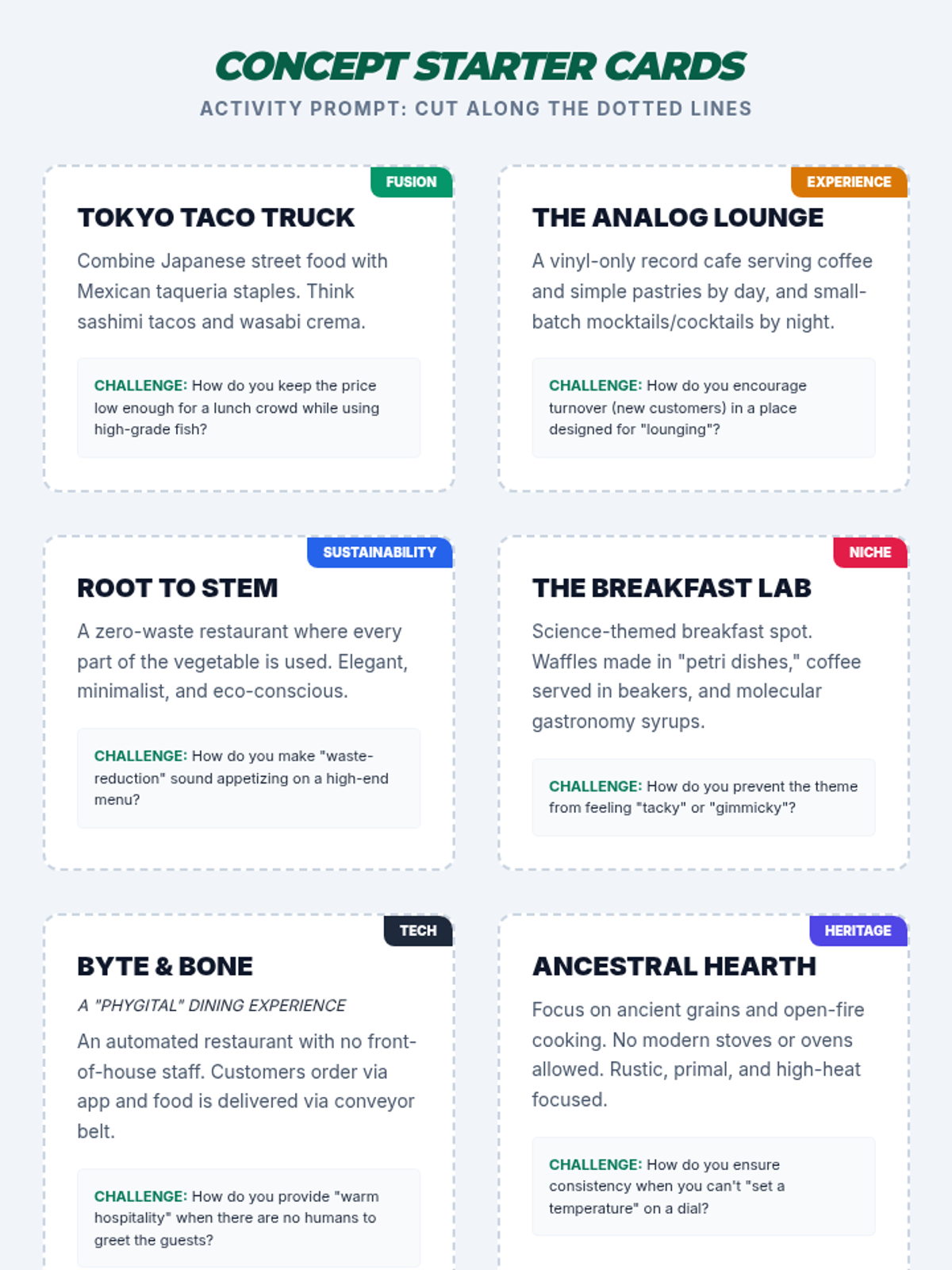
A comprehensive business and culinary arts lesson where students design a unique dining concept from the ground up, covering branding, menu engineering, and market analysis.
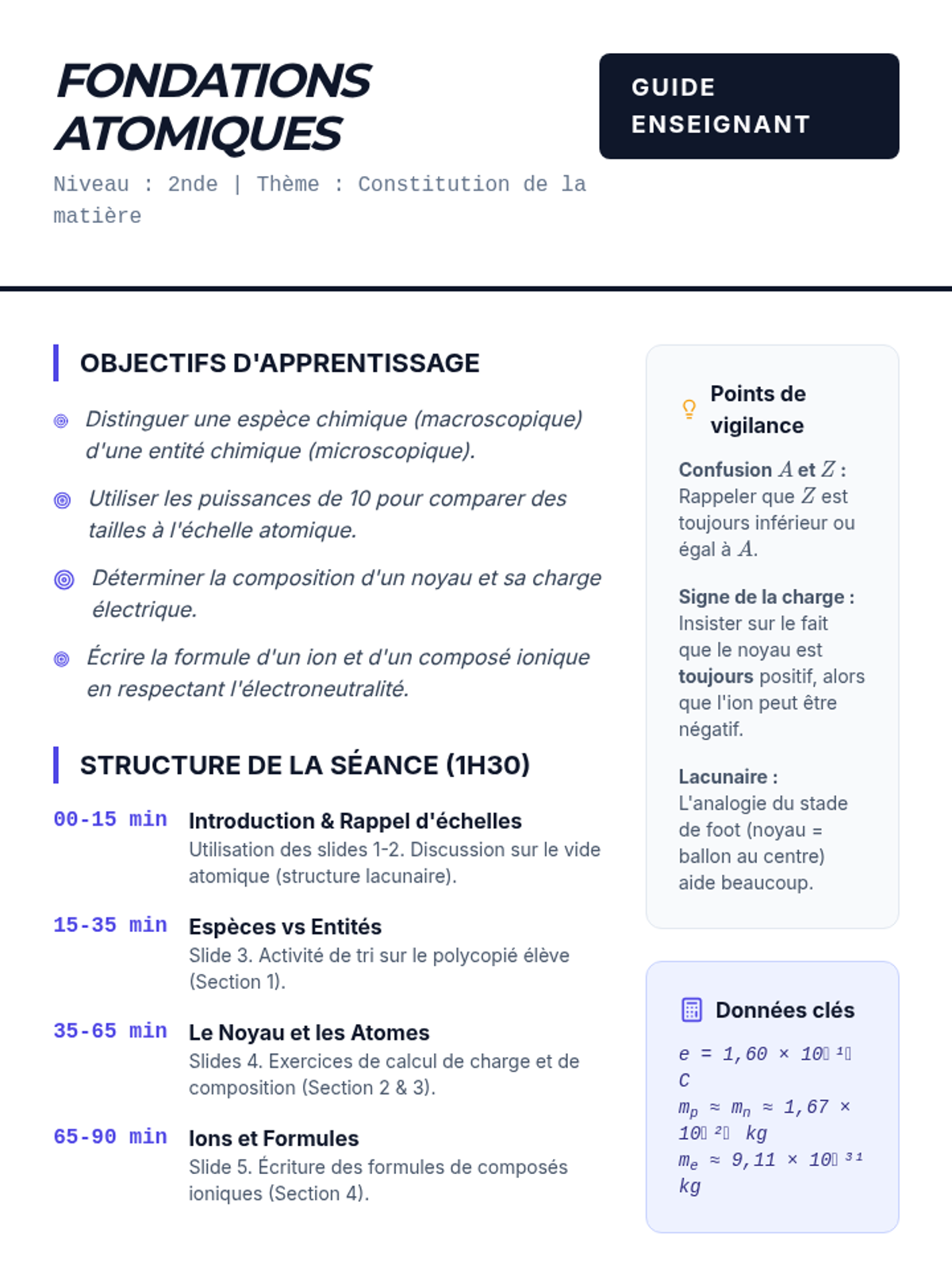
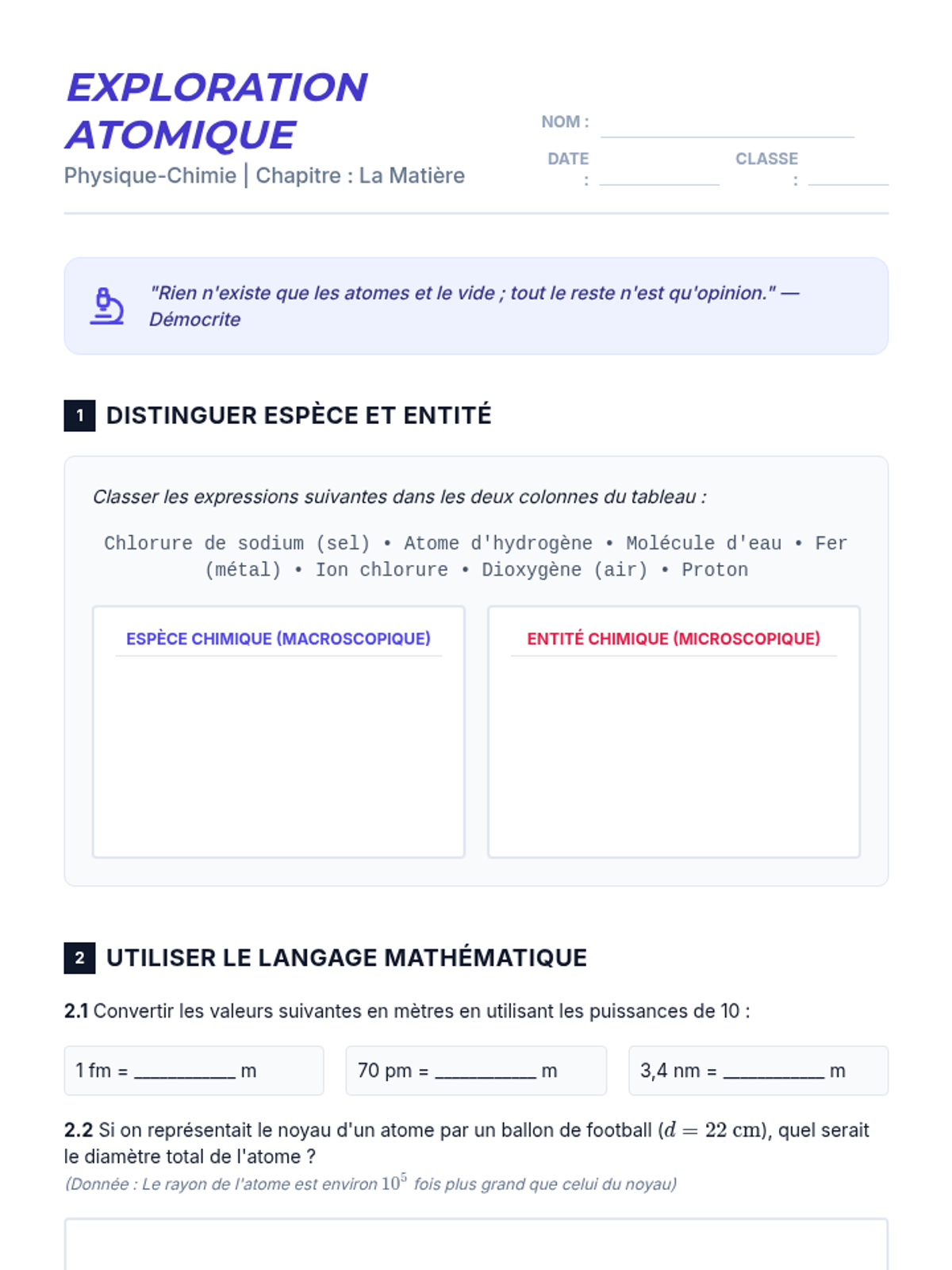
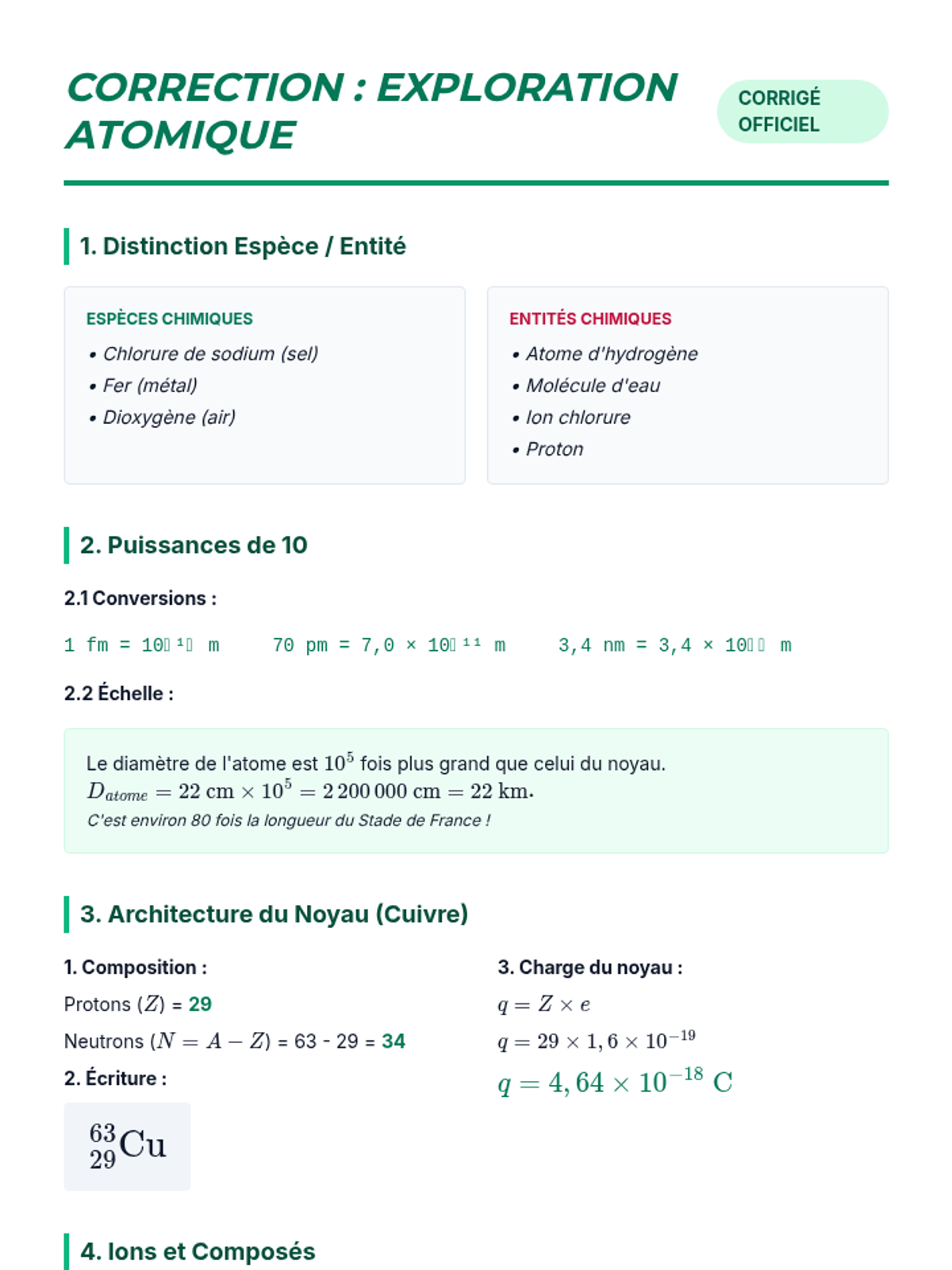
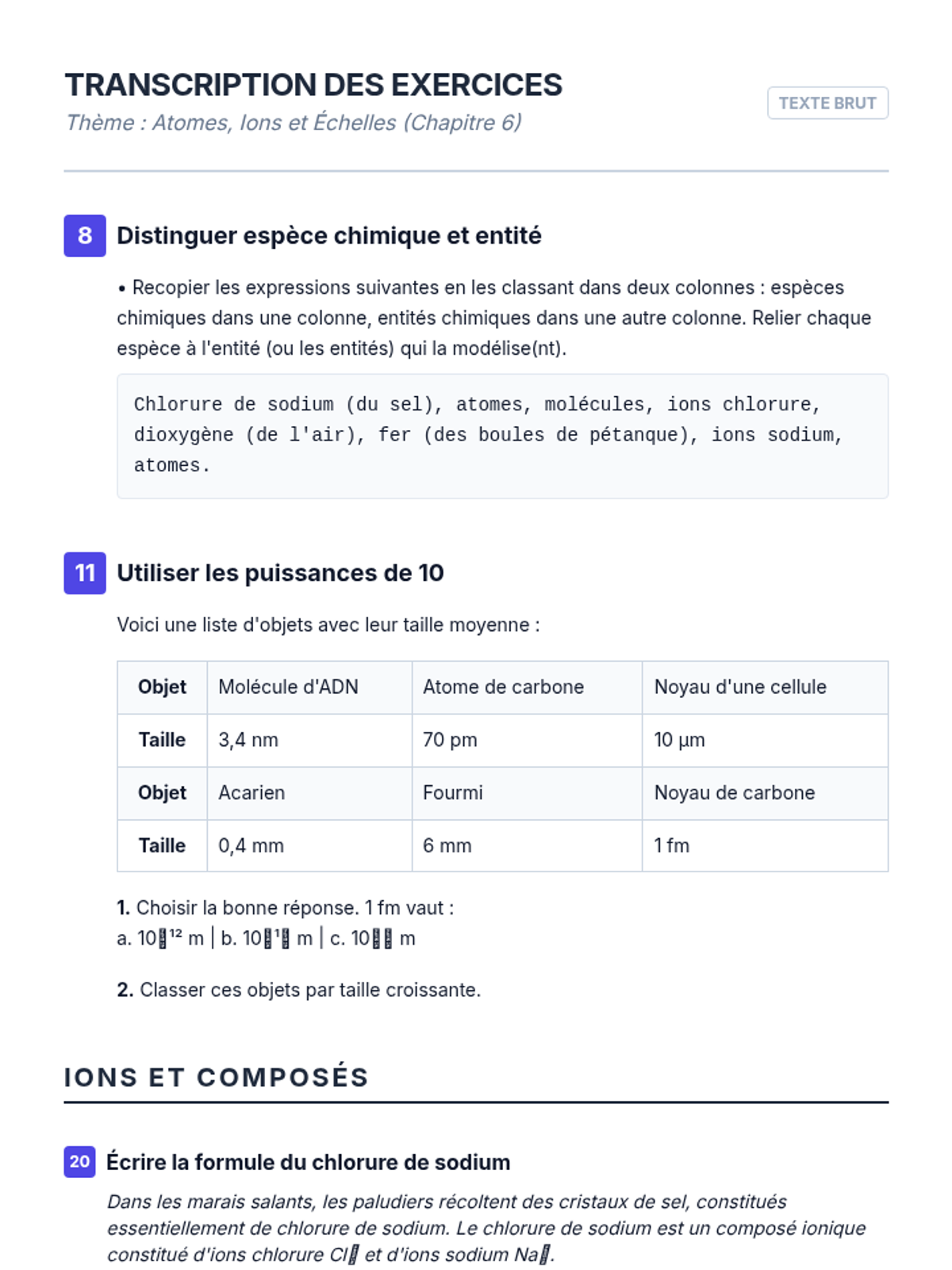
Cette leçon permet aux élèves de distinguer espèces et entités chimiques, de maîtriser la structure de l'atome (noyau et cortège électronique) et de comprendre la formation des ions et des composés ioniques.
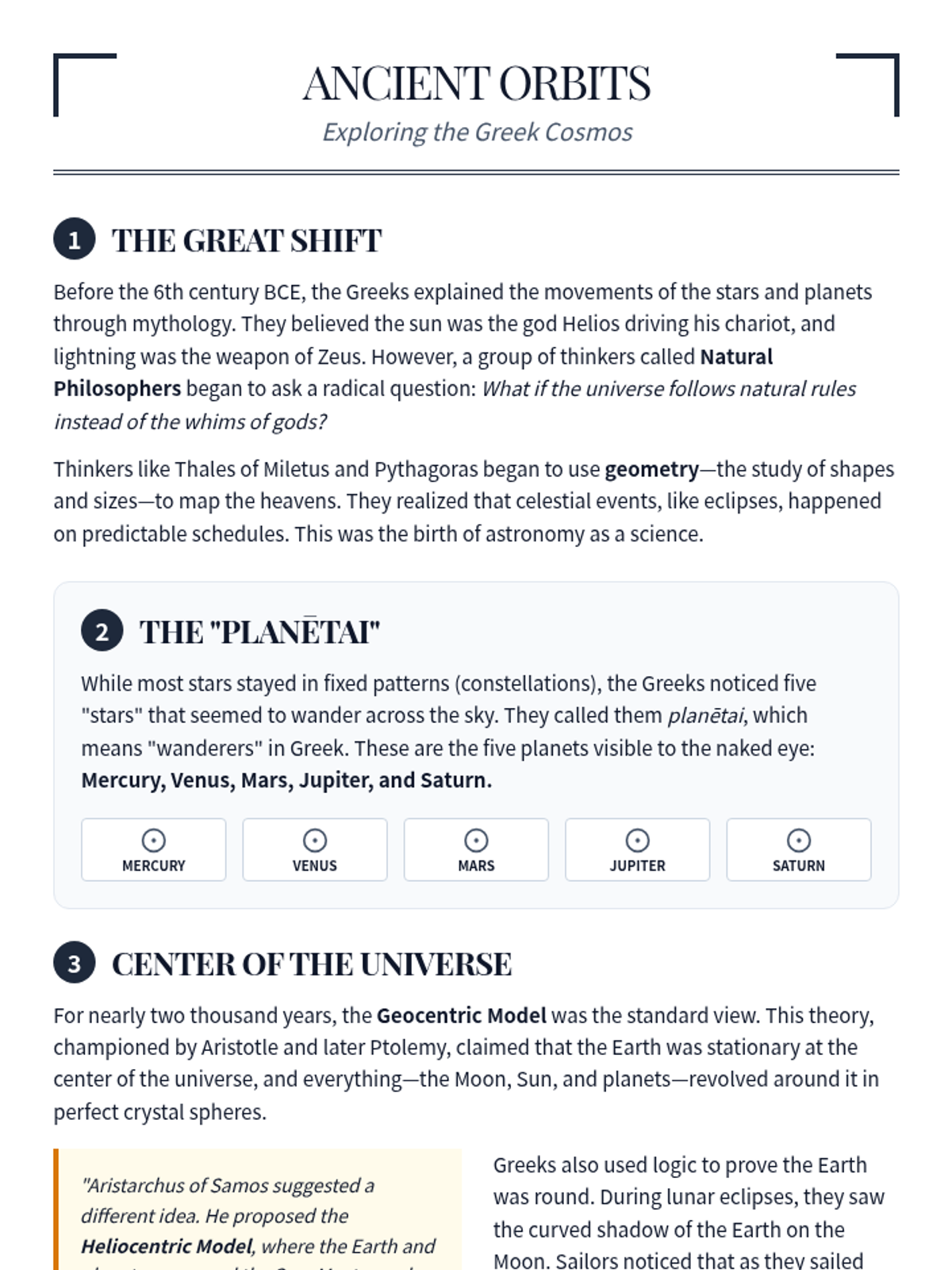
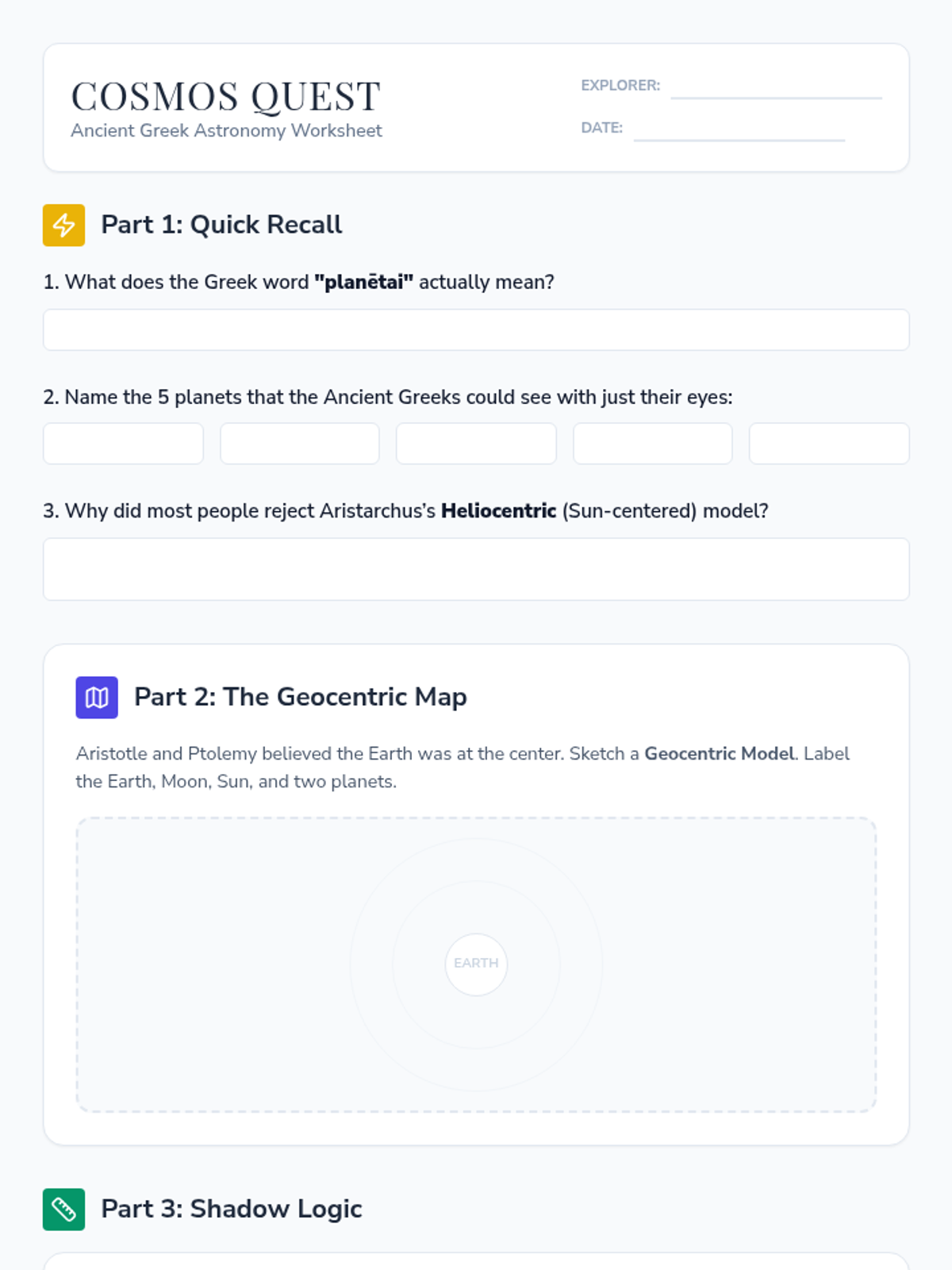
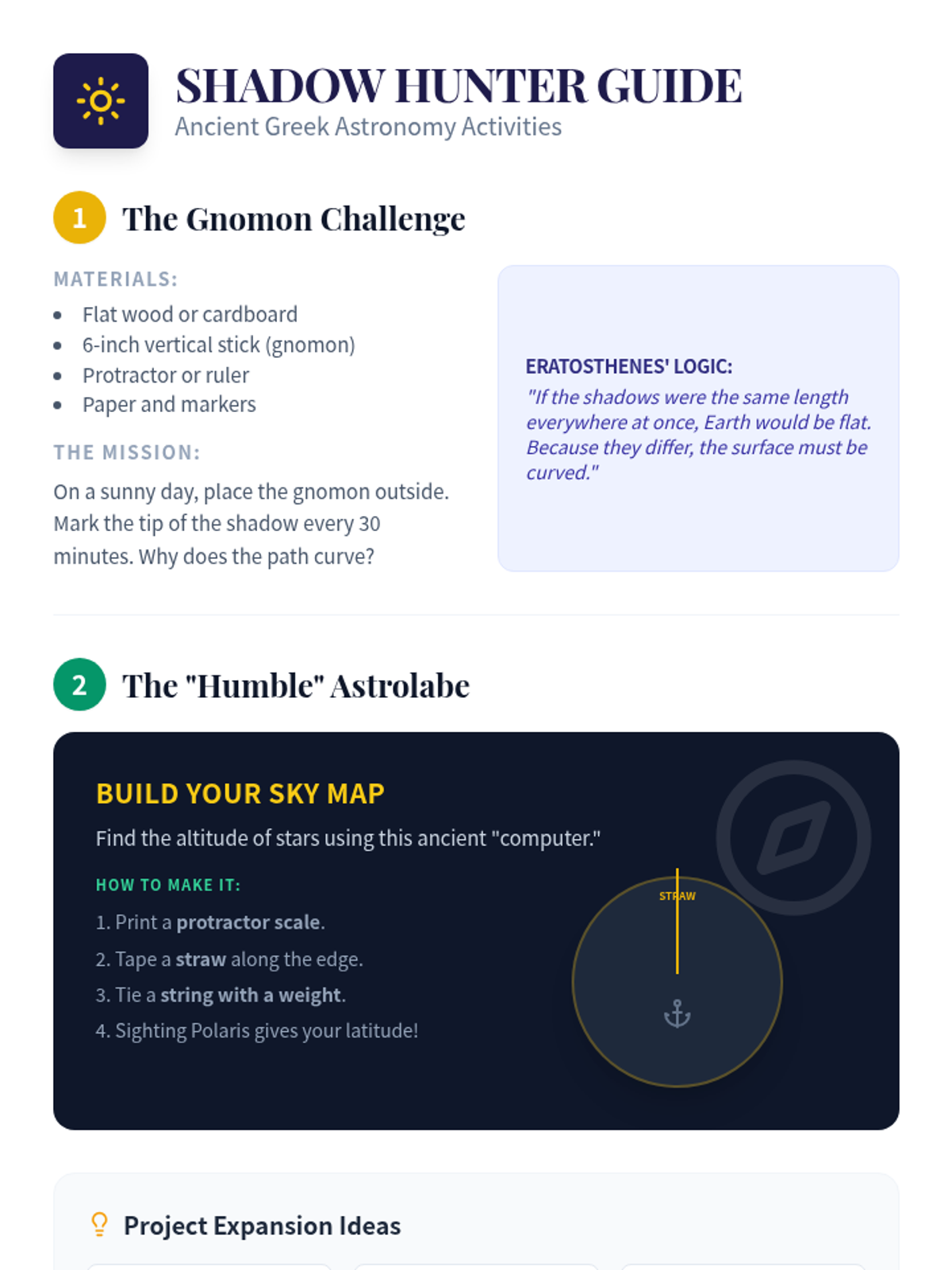
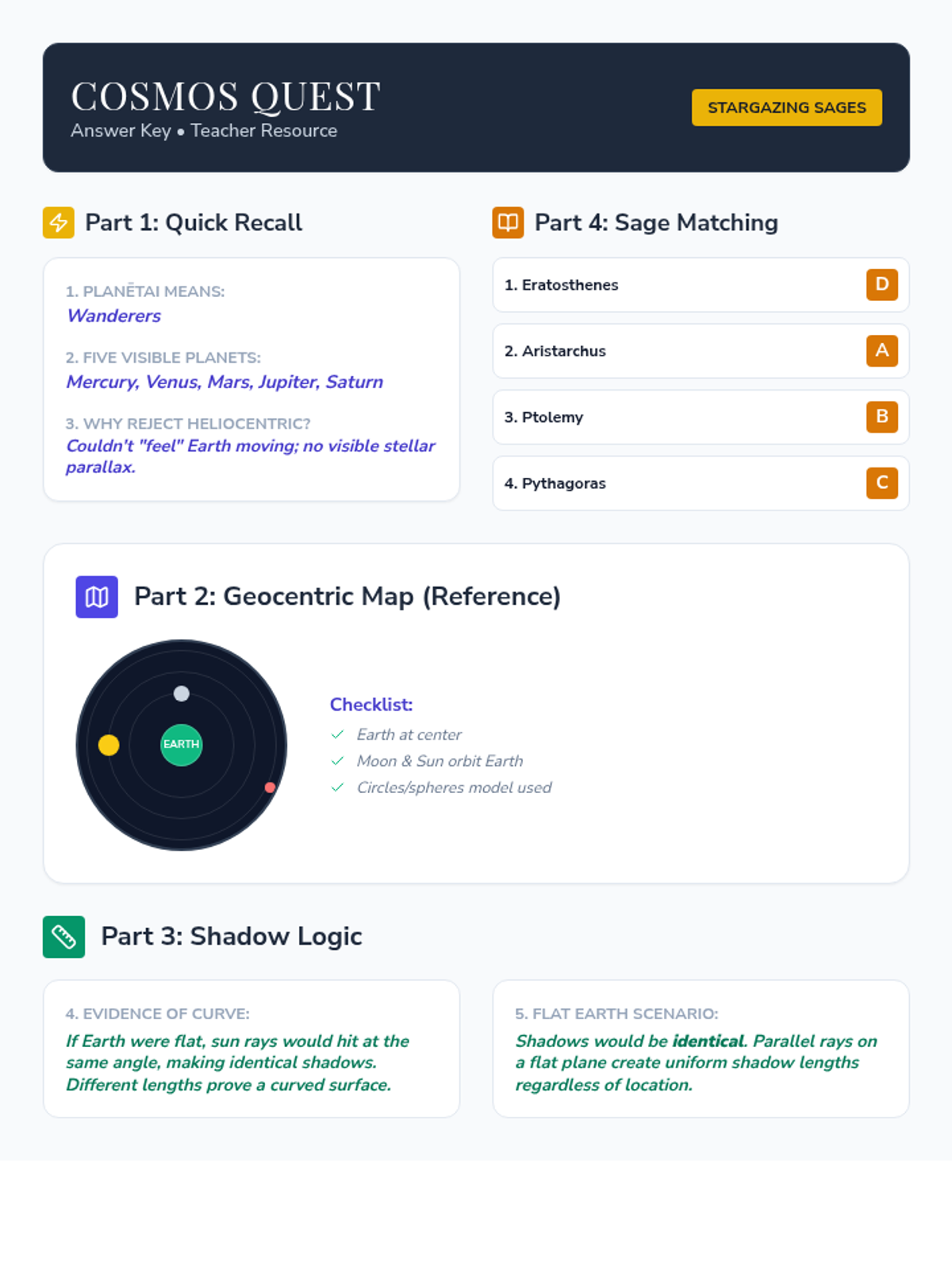
An introduction to how Ancient Greek thinkers combined philosophy, geometry, and observation to understand the universe. Students will explore the transition from mythological explanations to mathematical models of the cosmos.
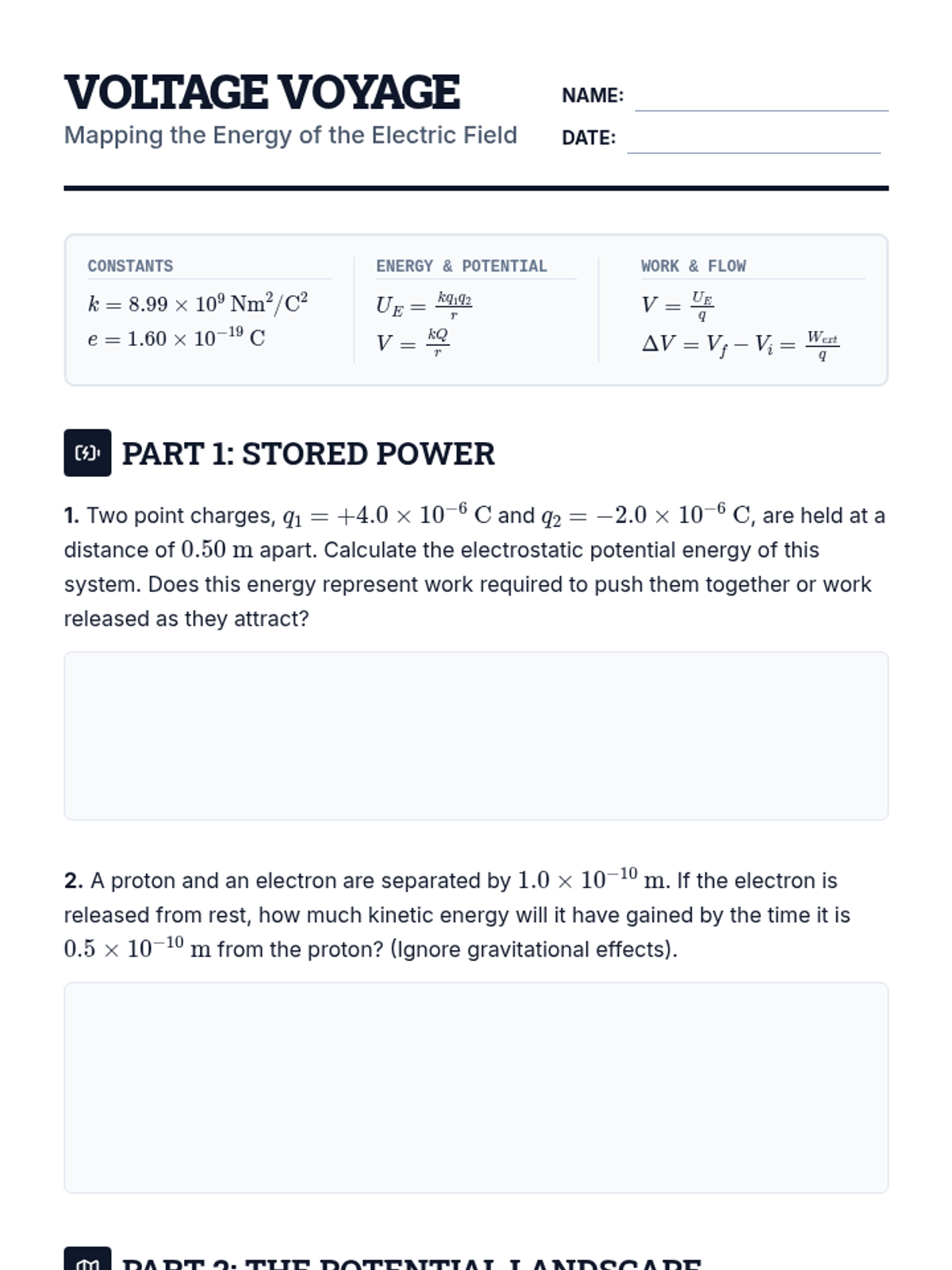
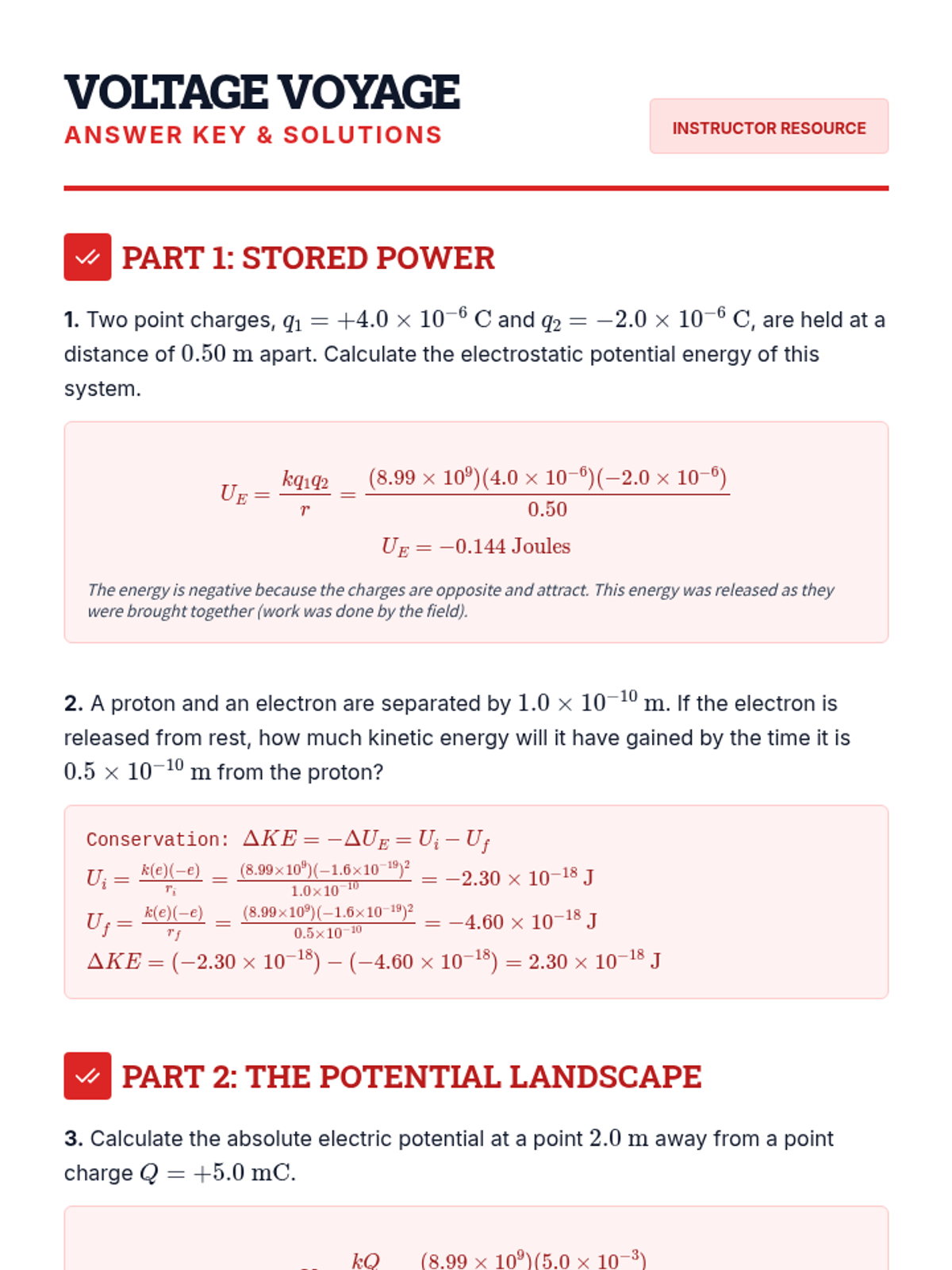
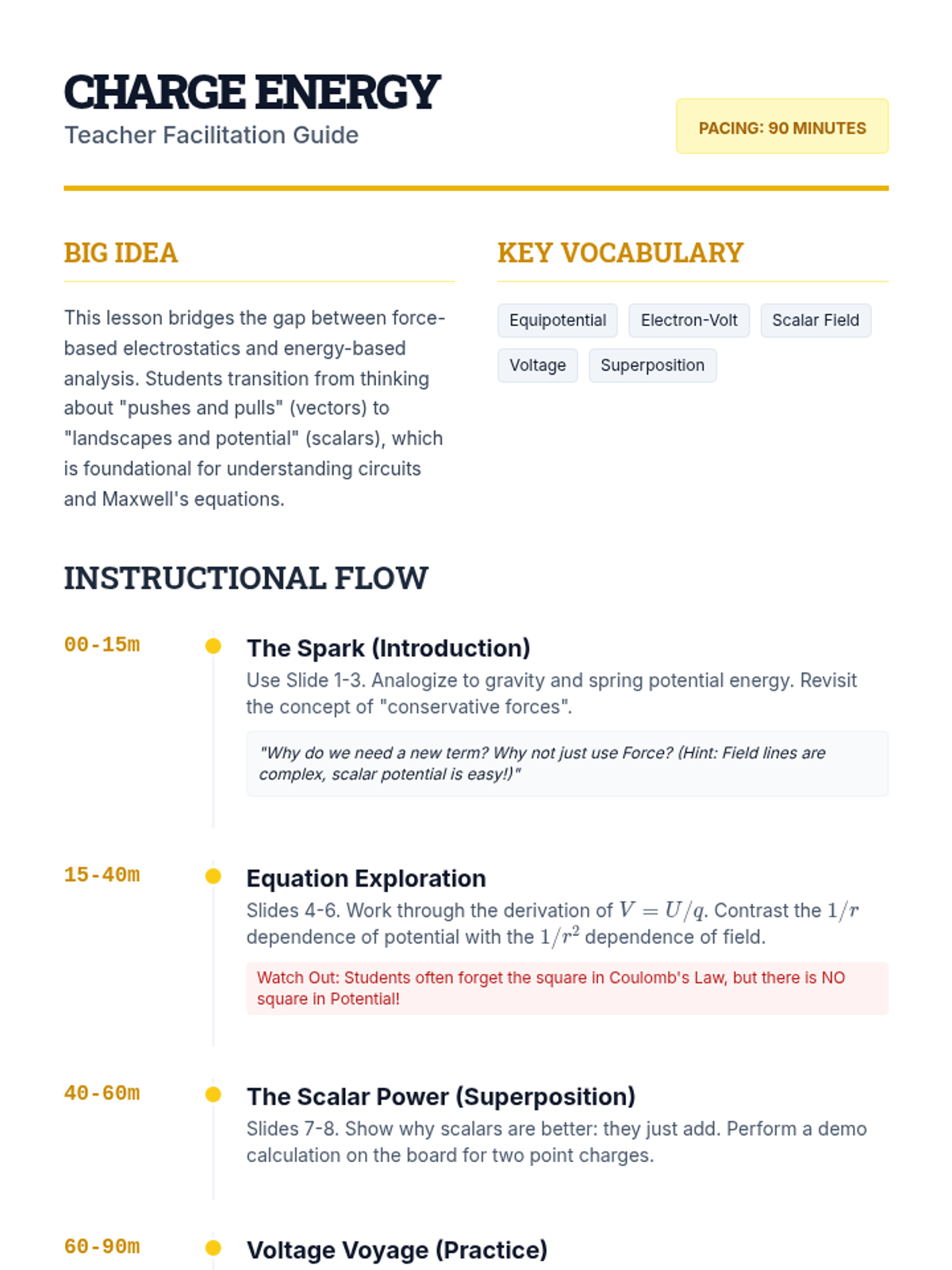
A comprehensive 1.5-hour physics lesson covering electrostatic potential energy, electric potential, and potential difference. Students will explore energy transformations and apply equations to solve for potential from multiple point charges.
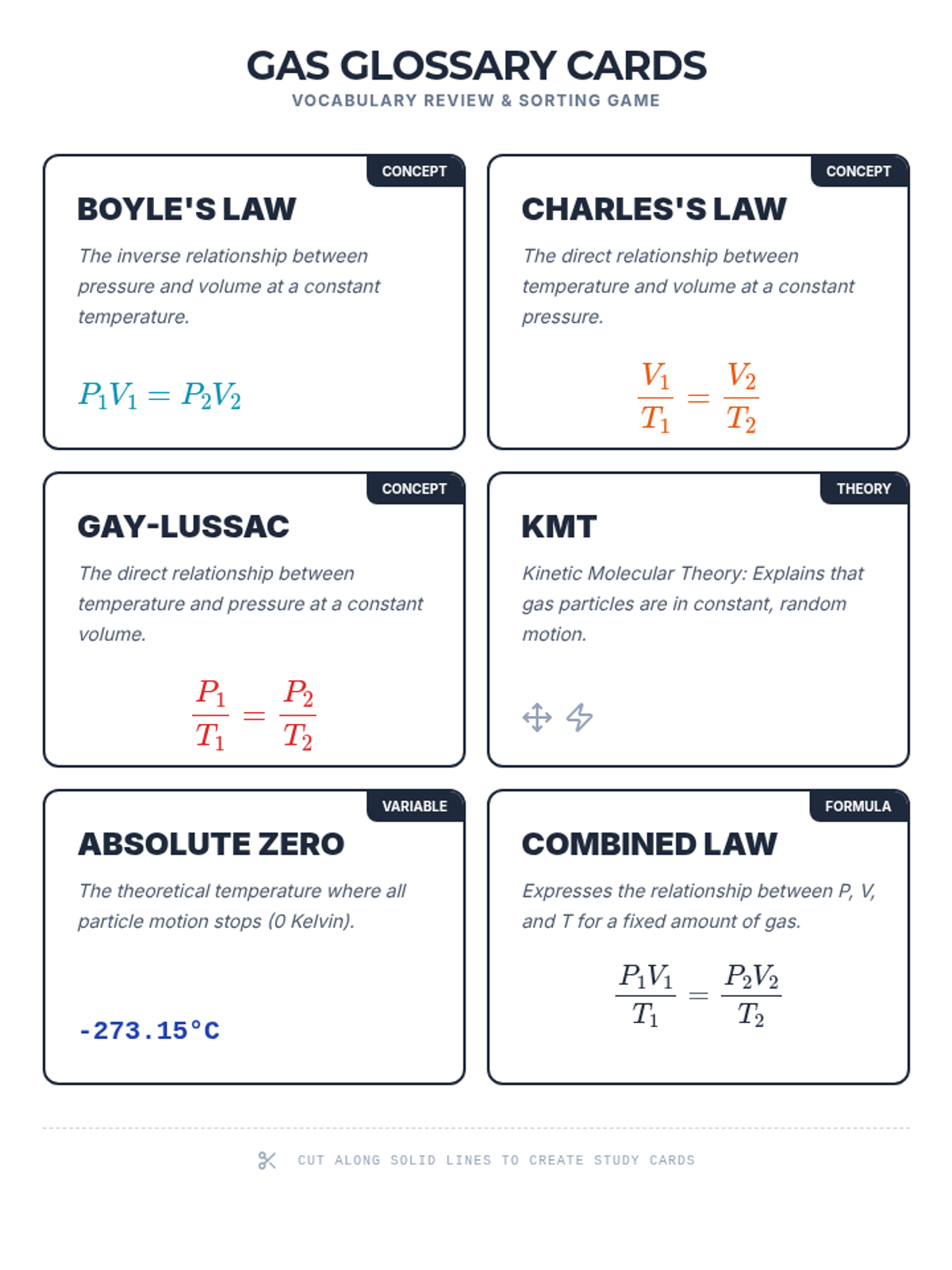
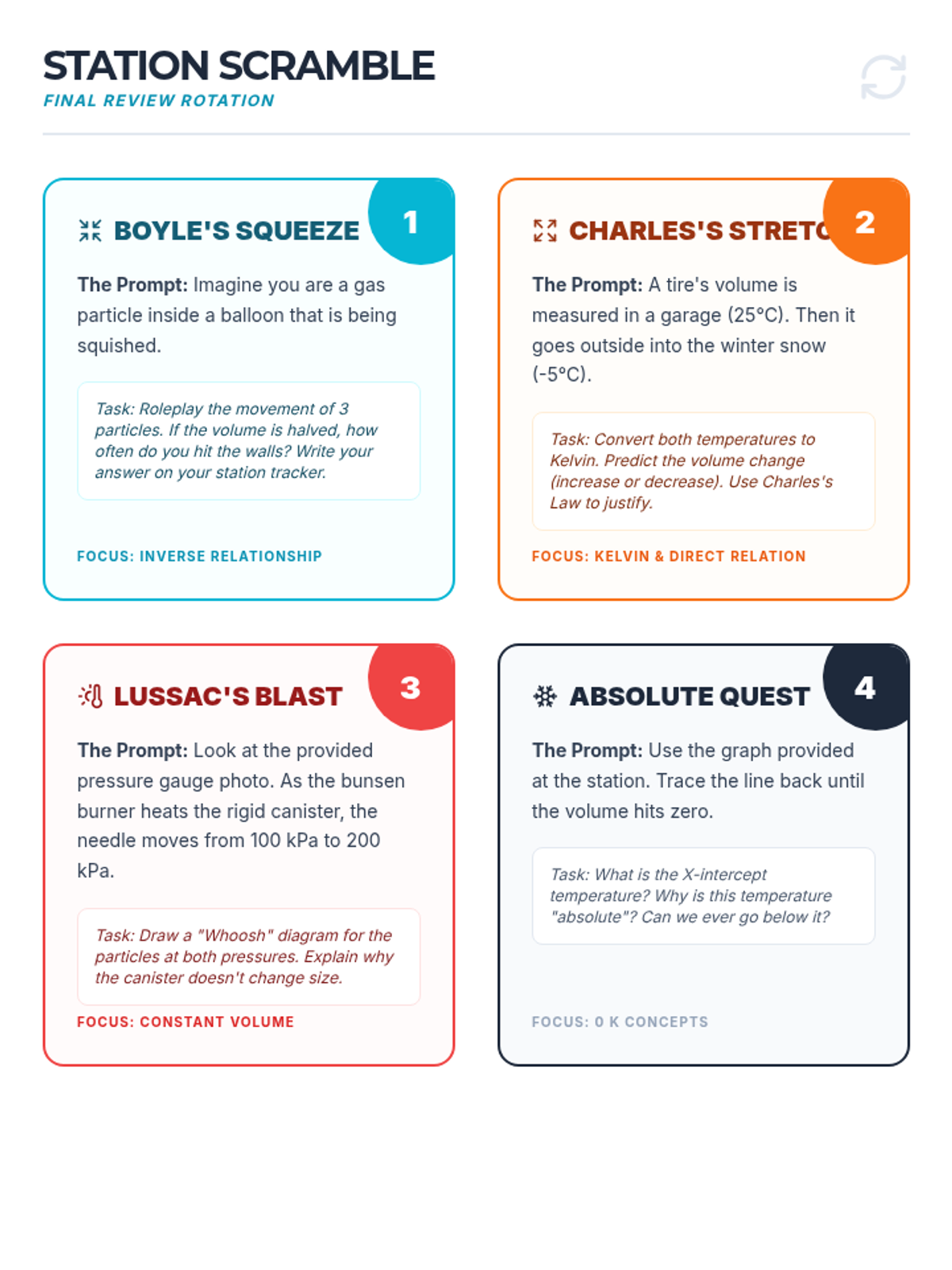
A culminating review session using station rotations, vocabulary card sorts, and the anchoring phenomenon to prepare for assessment.
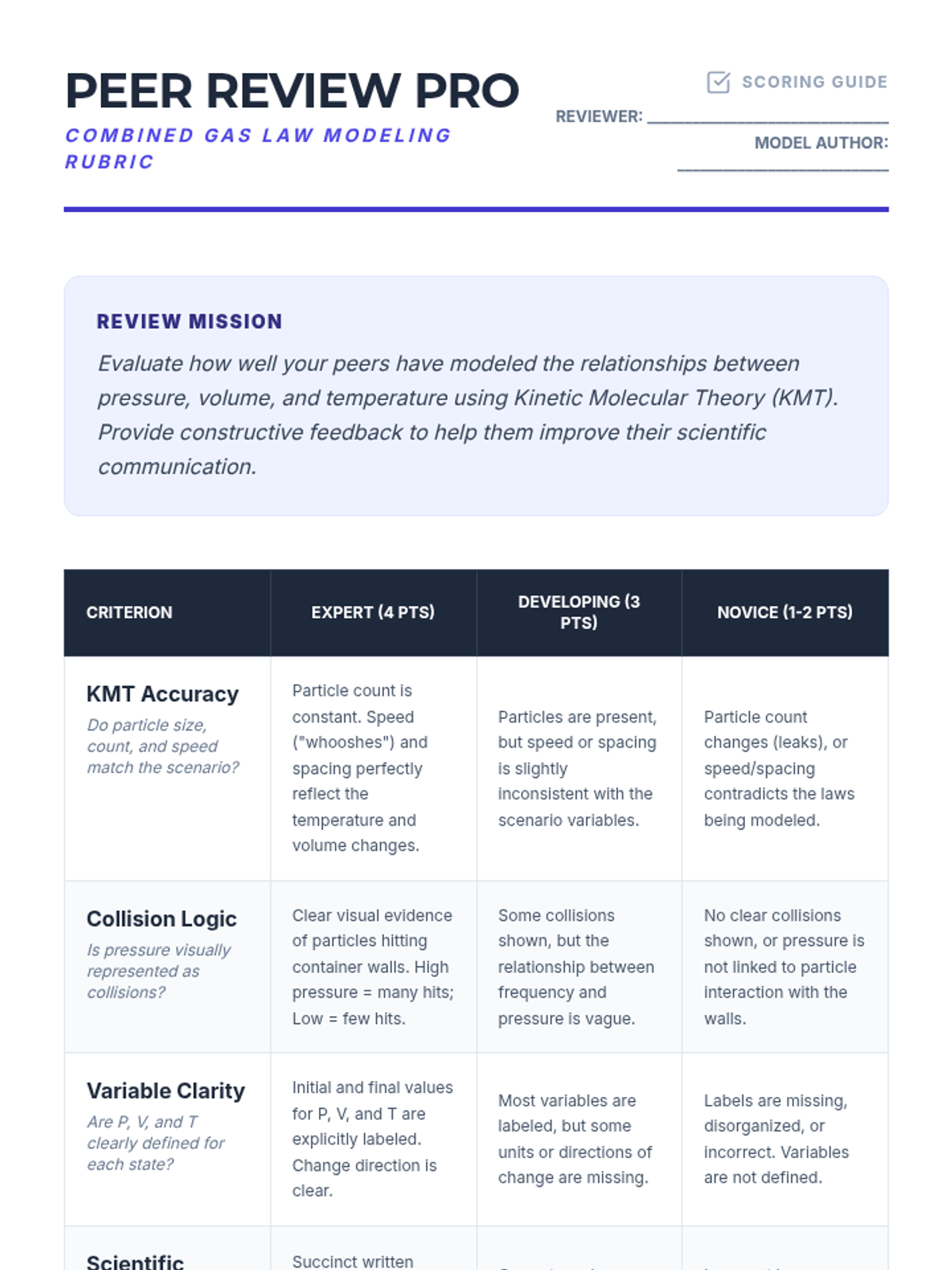
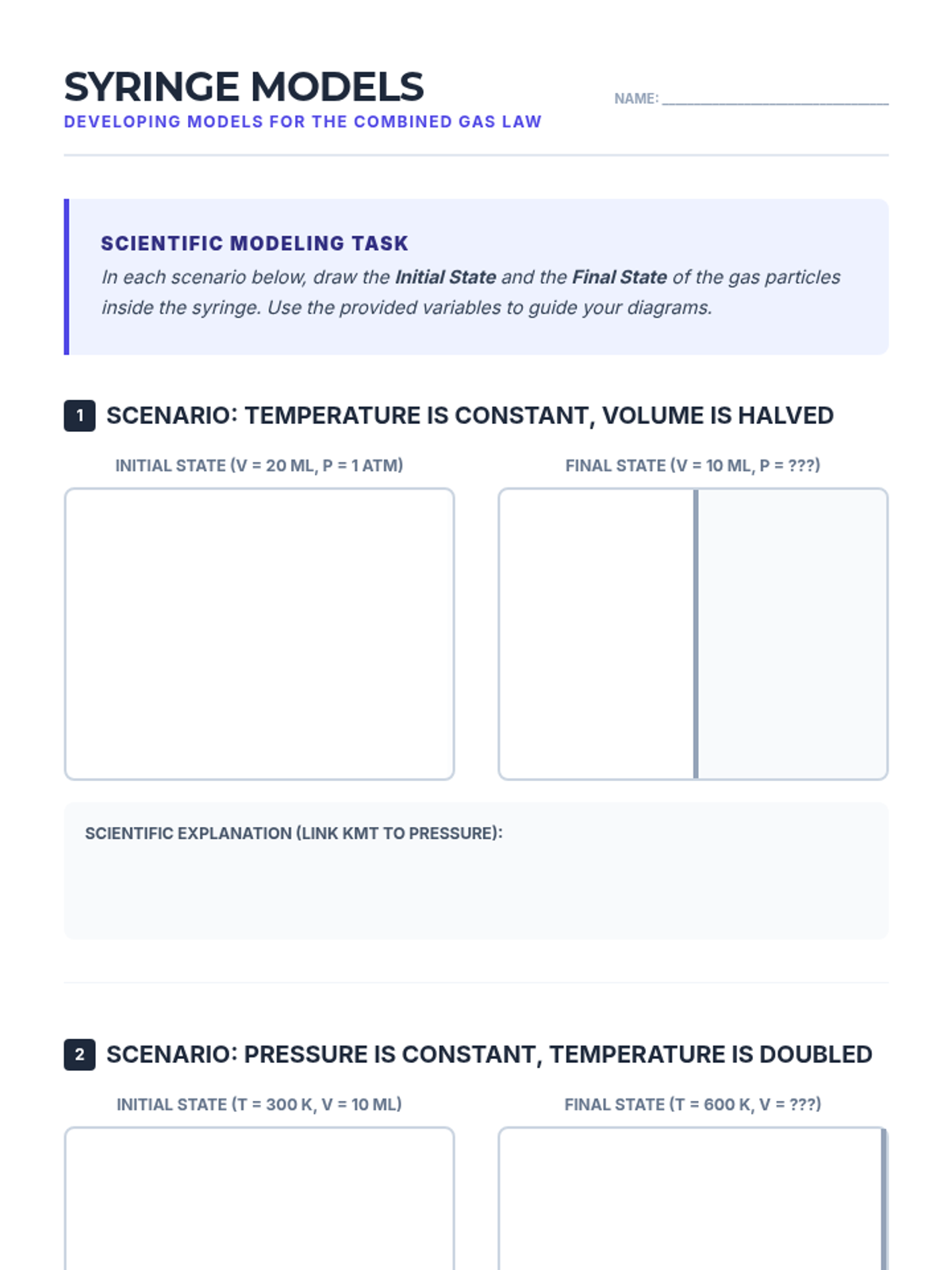
Students develop, share, and evaluate visual models of the Combined Gas Law using a peer review rubric based on Kinetic Molecular Theory.
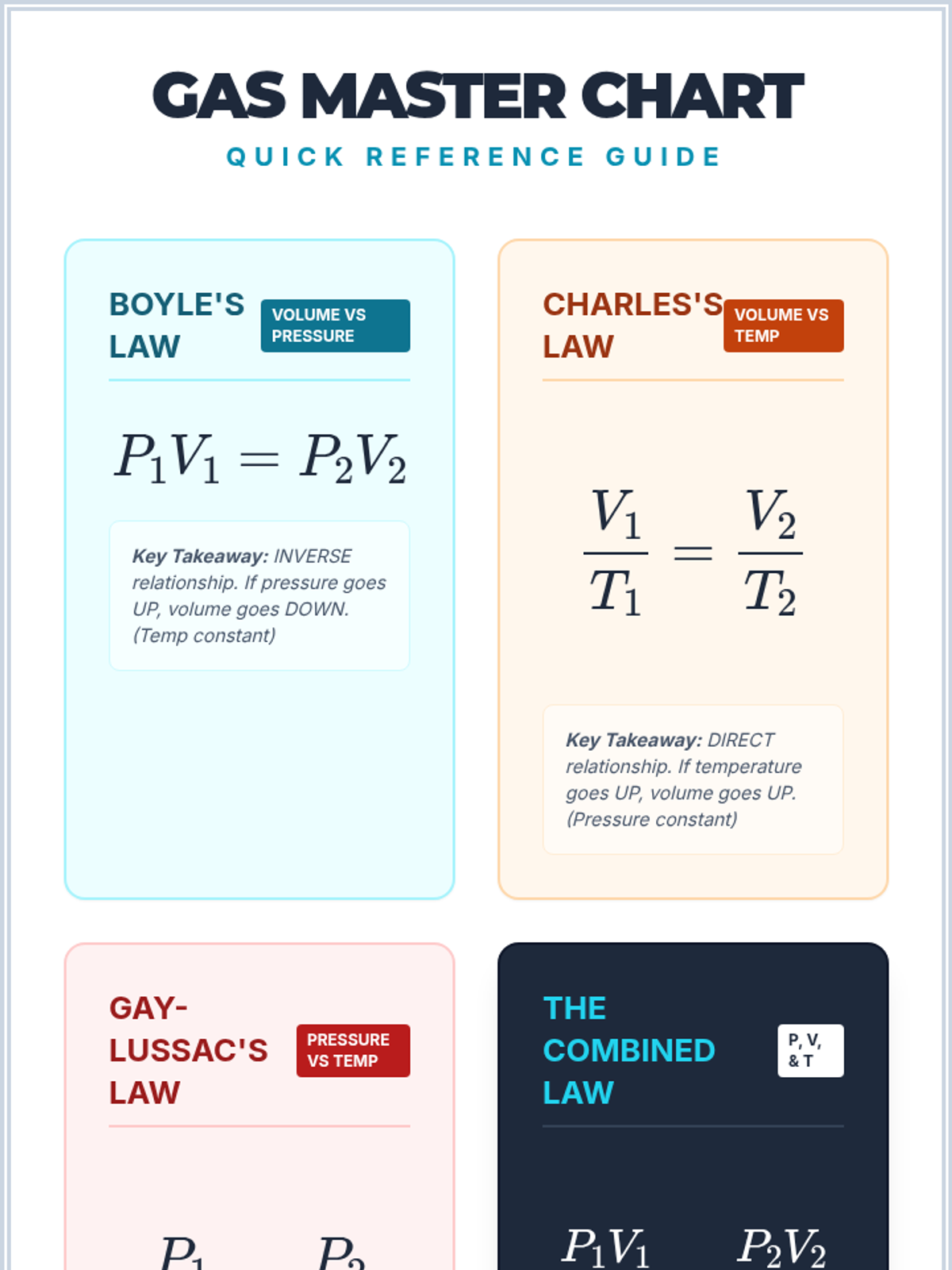
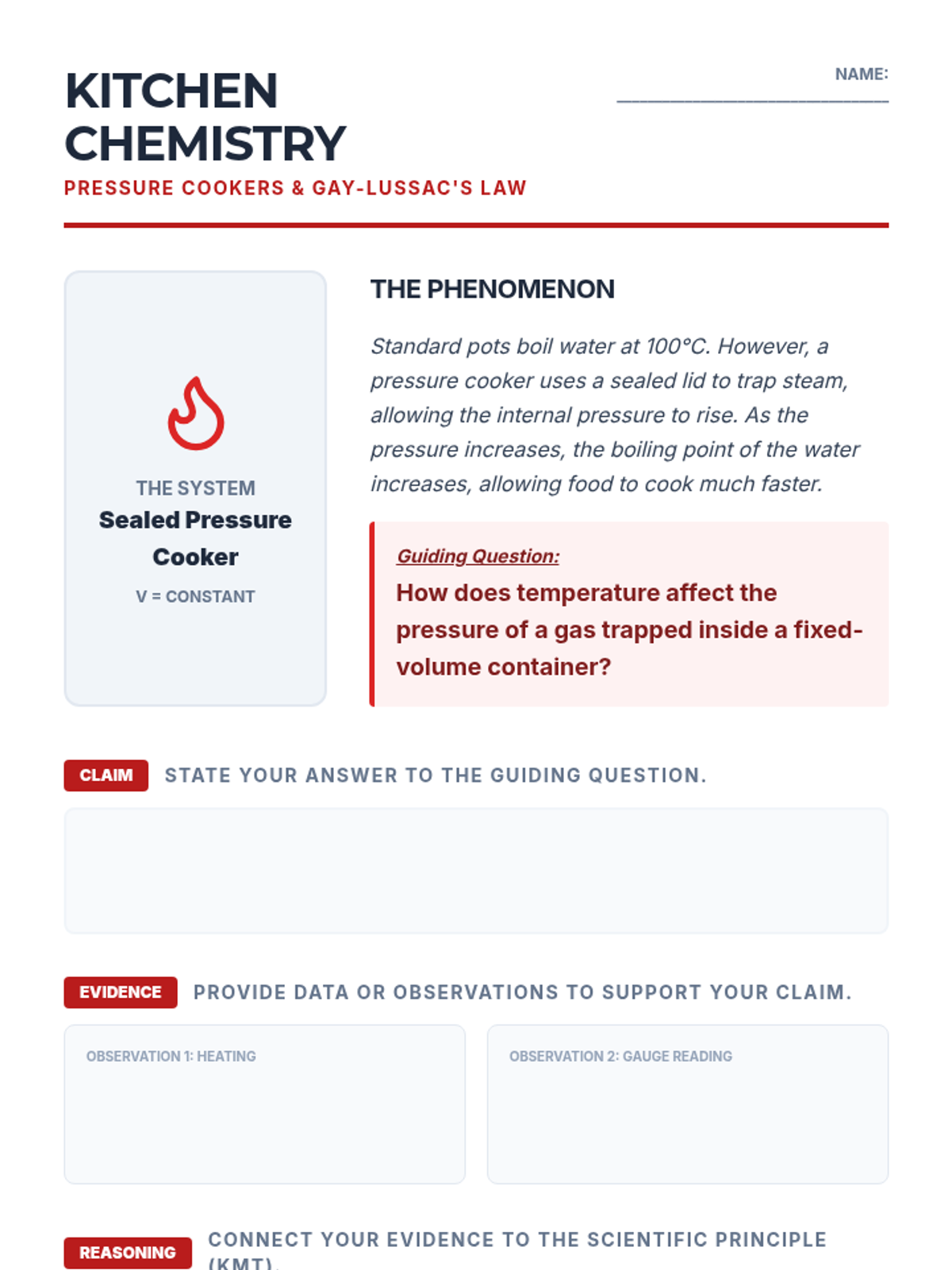
Students synthesize their understanding of pressure, volume, and temperature into the Combined Gas Law and apply Gay-Lussac's Law to pressure cooker scenarios.
Students explore how temperature affects gas volume (Charles's Law) and investigate the concept of absolute zero through data analysis.
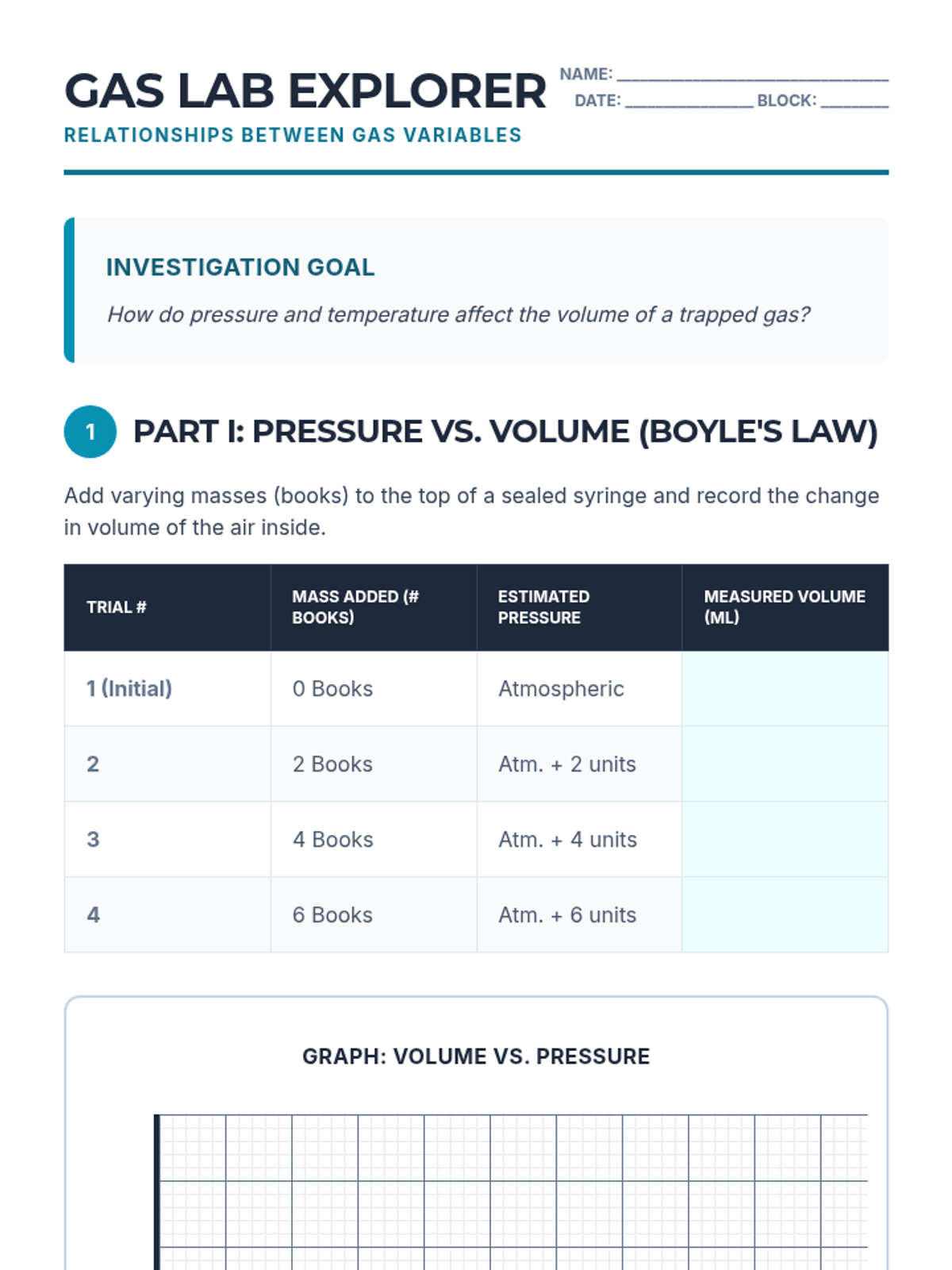
Students investigate the inverse relationship between pressure and volume (Boyle's Law) through a syringe-and-mass inquiry lab.
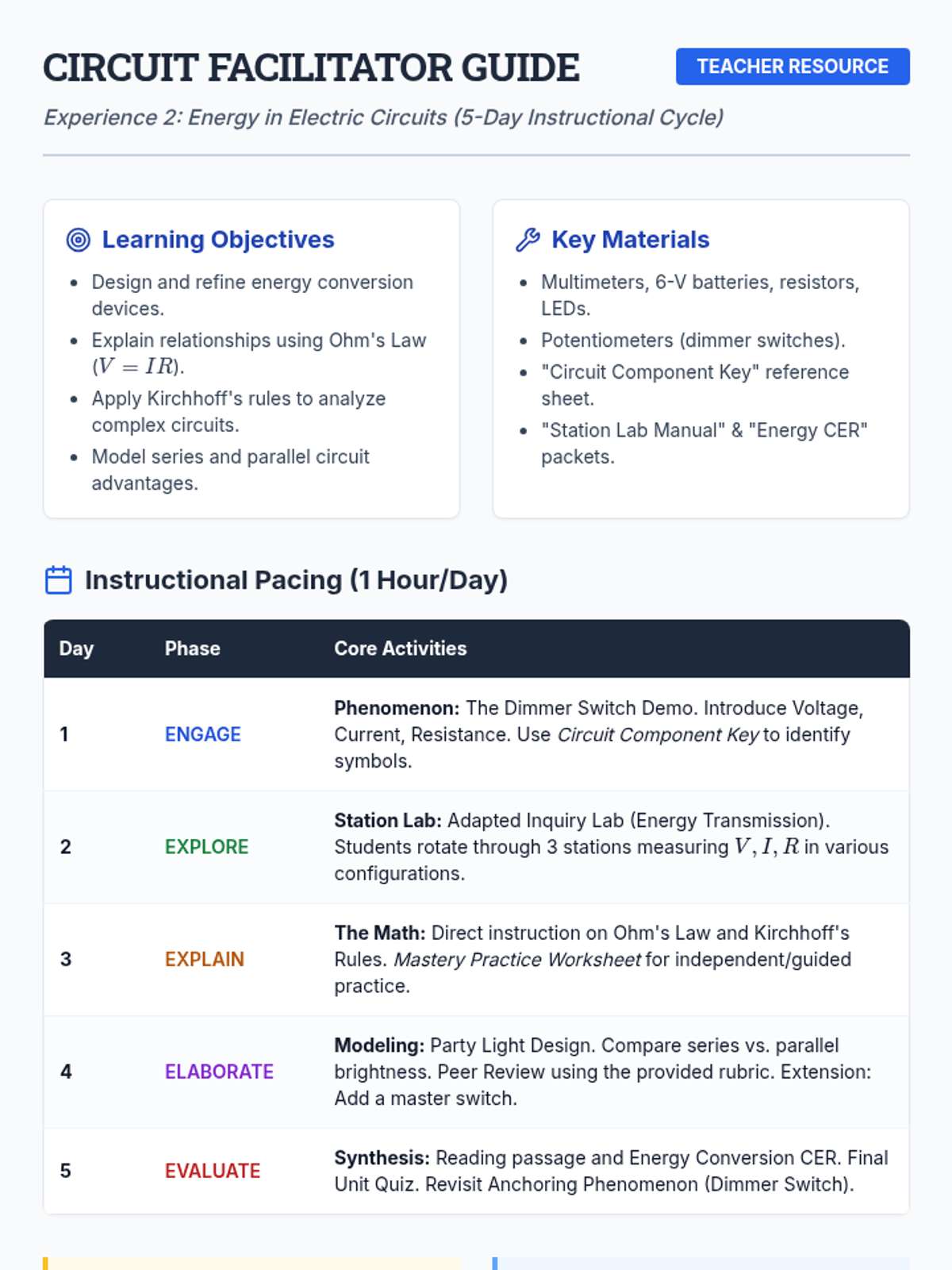
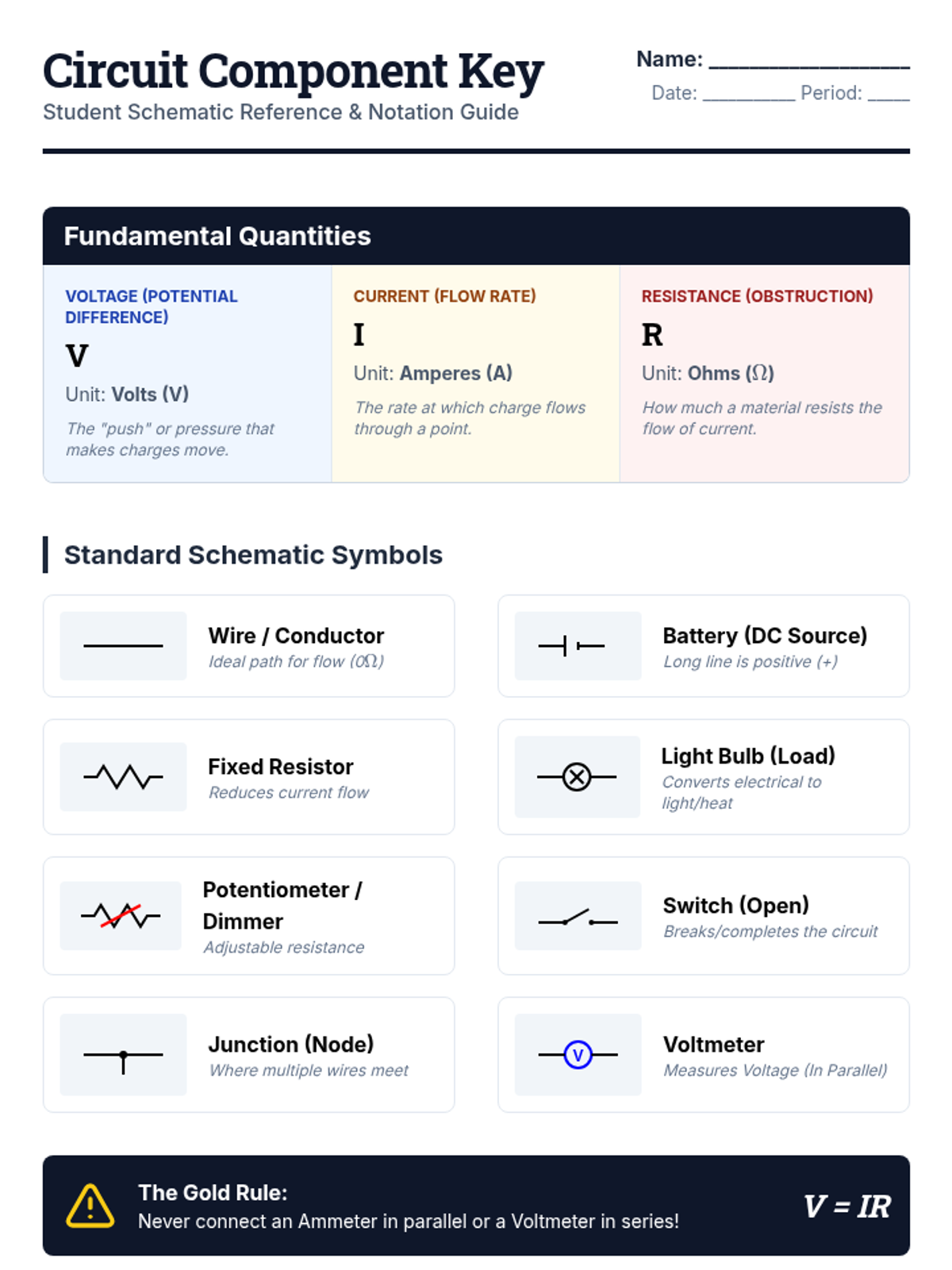
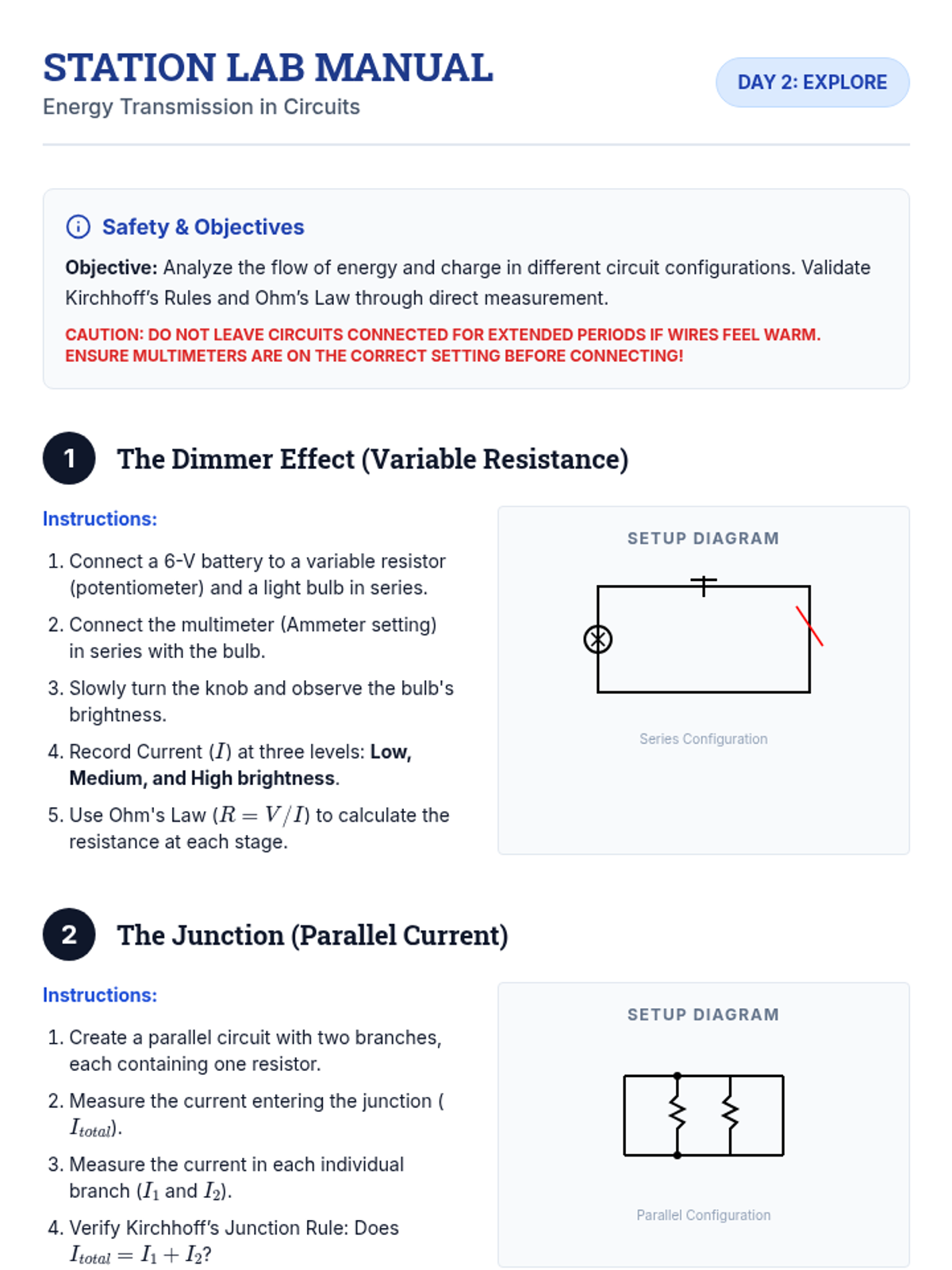
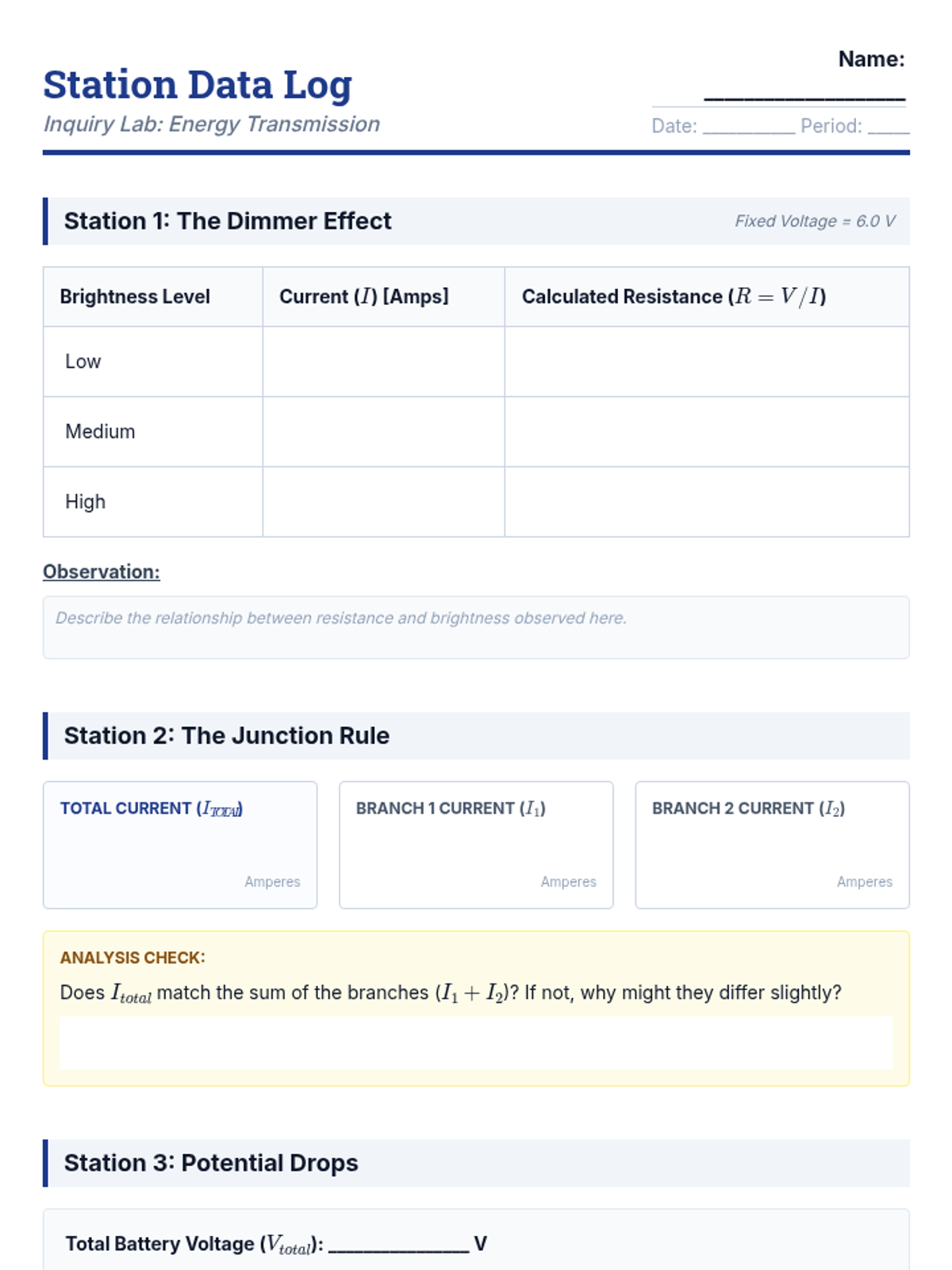
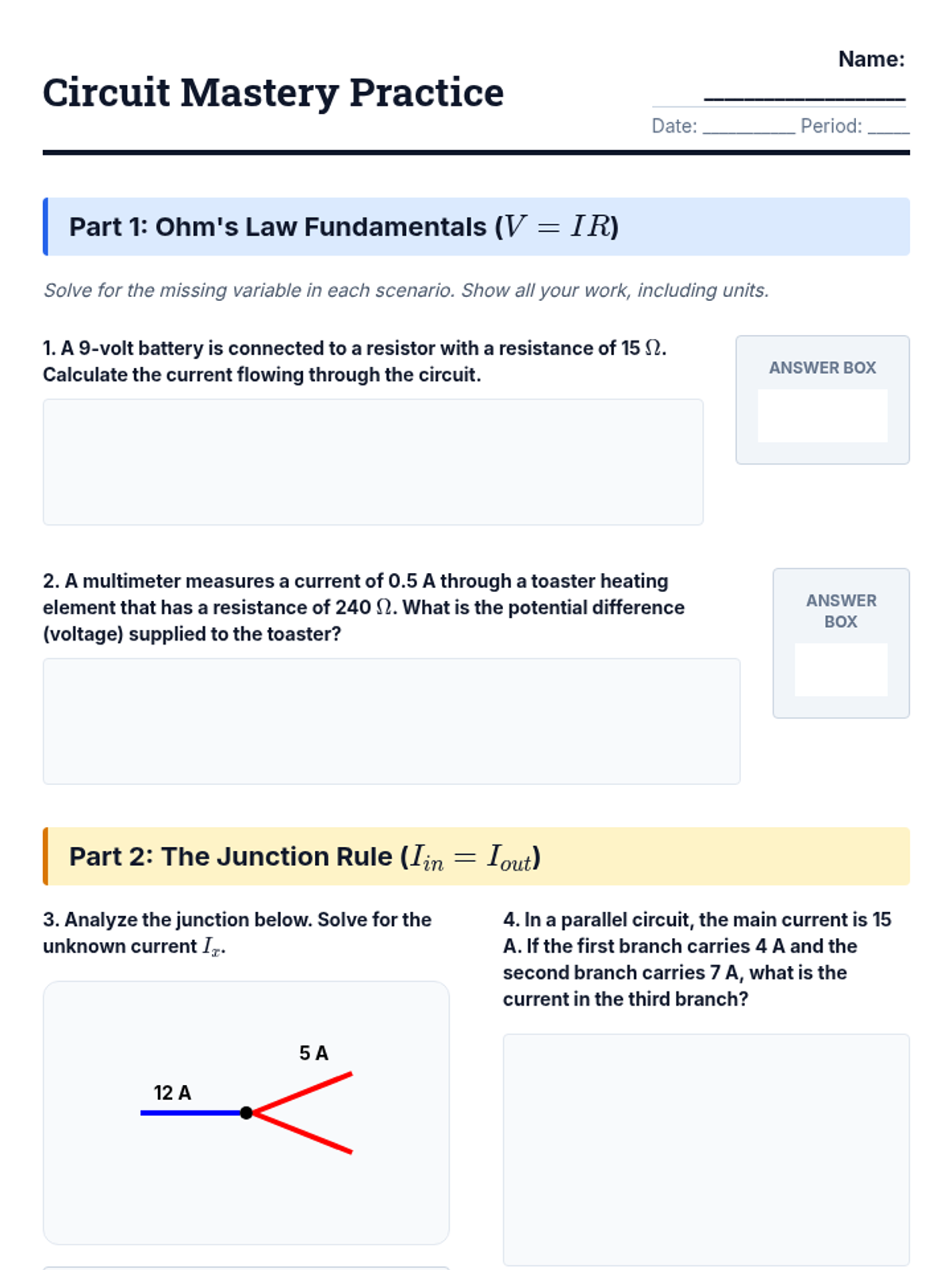
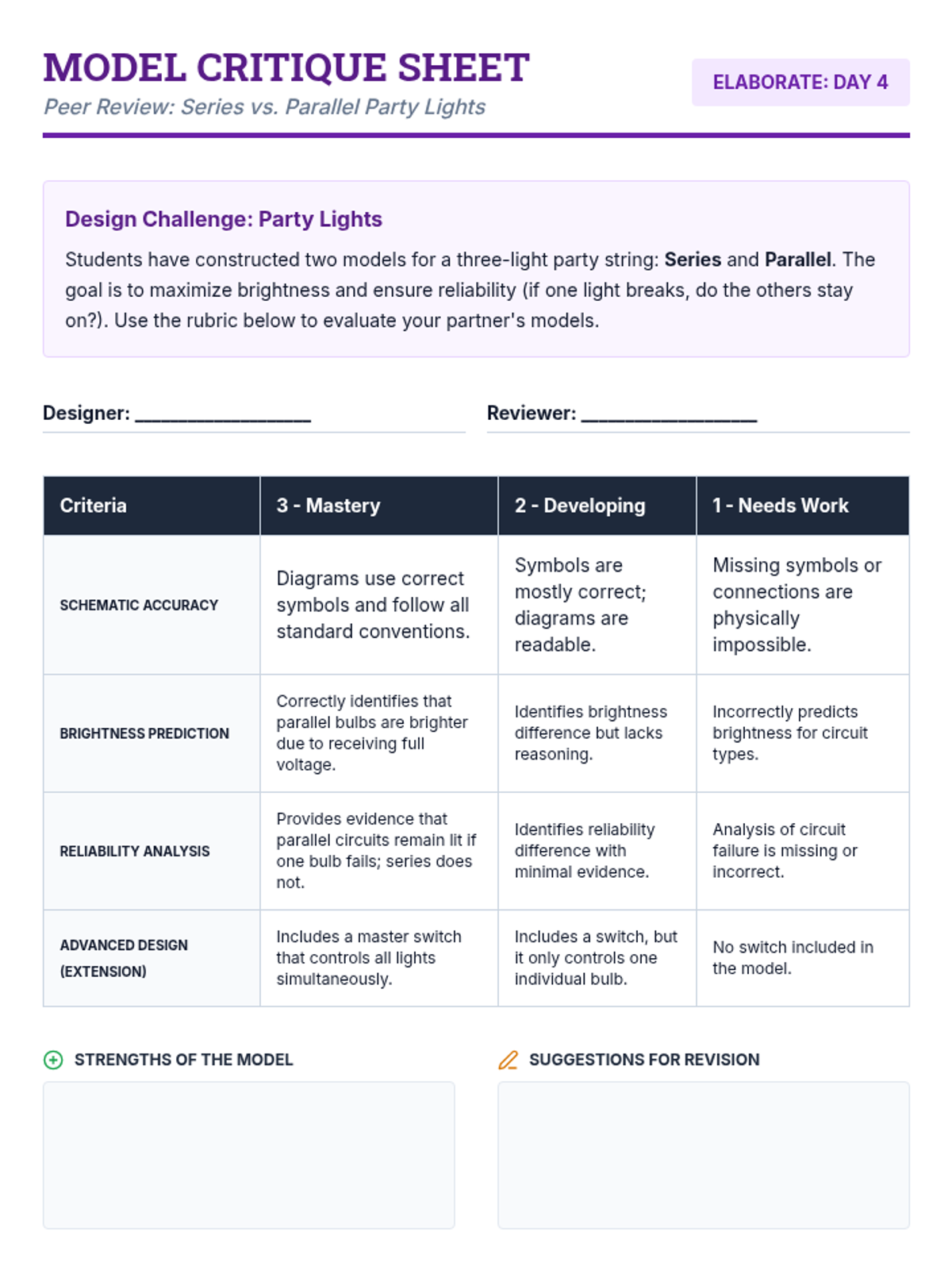
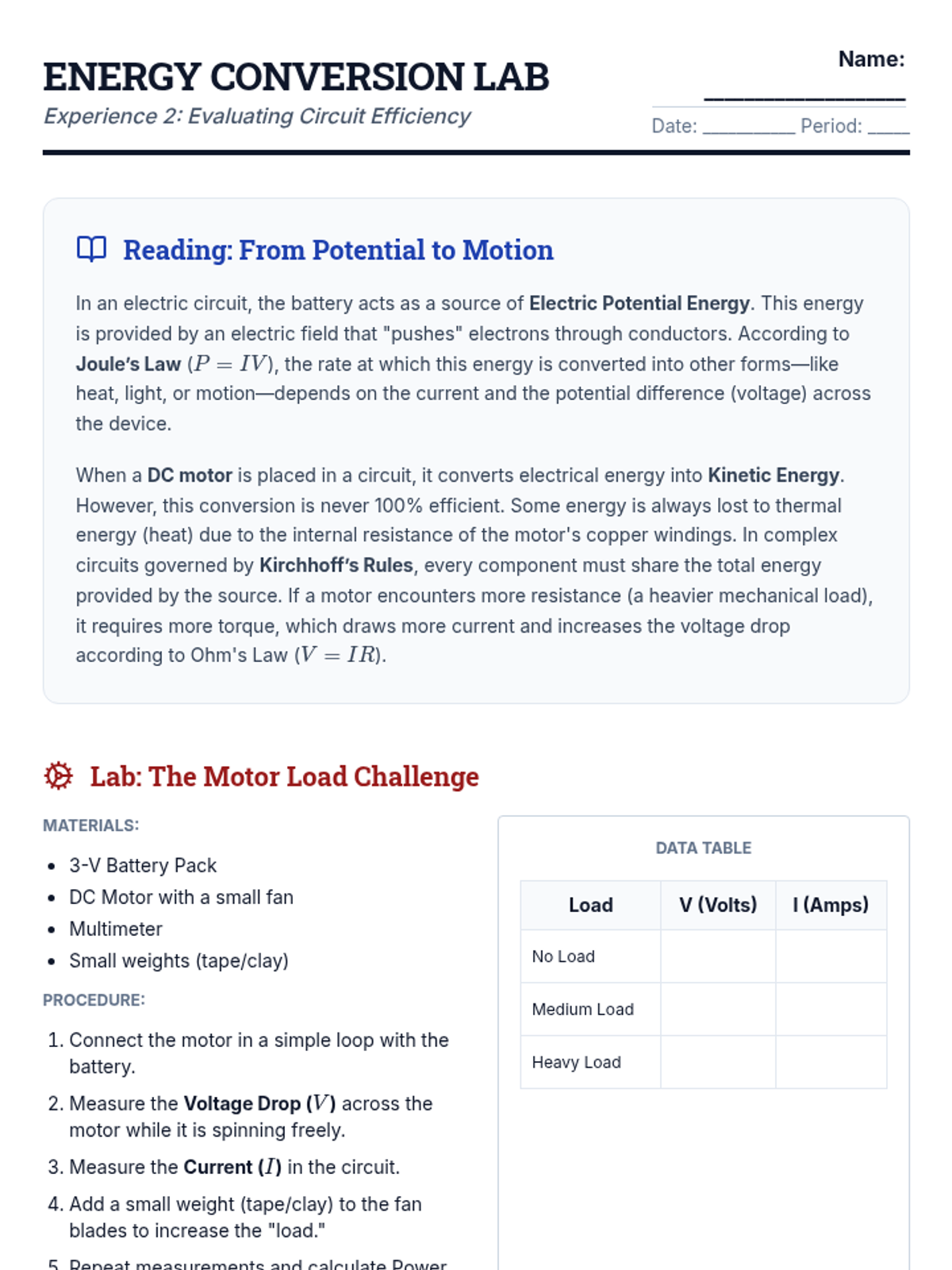
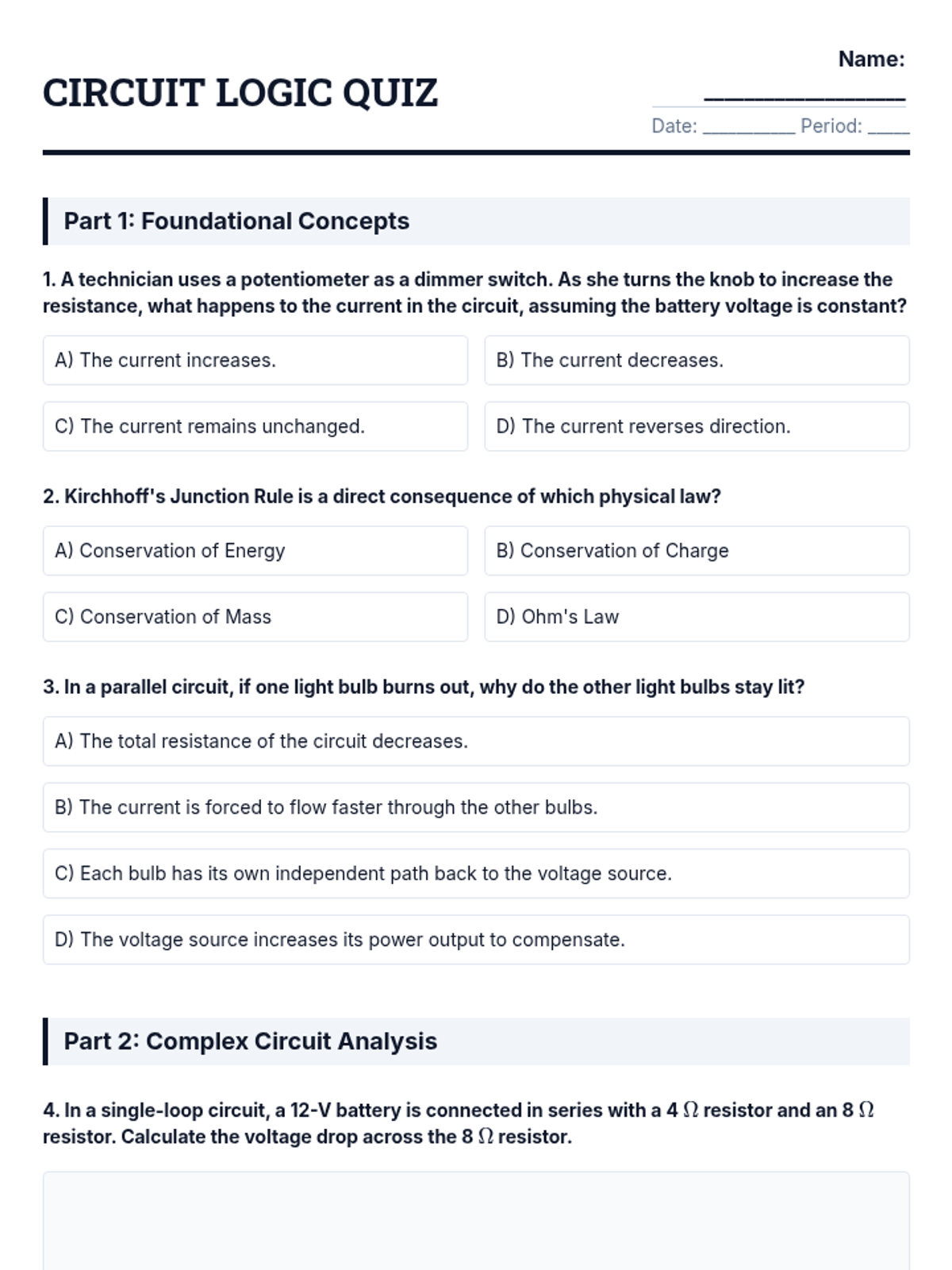
A comprehensive 5-day instructional cycle exploring voltage, current, resistance, and complex circuits using Ohm's Law and Kirchhoff's Rules. Students engage in hands-on station labs, modeling activities, and CER analysis to understand energy conversion in circuits.
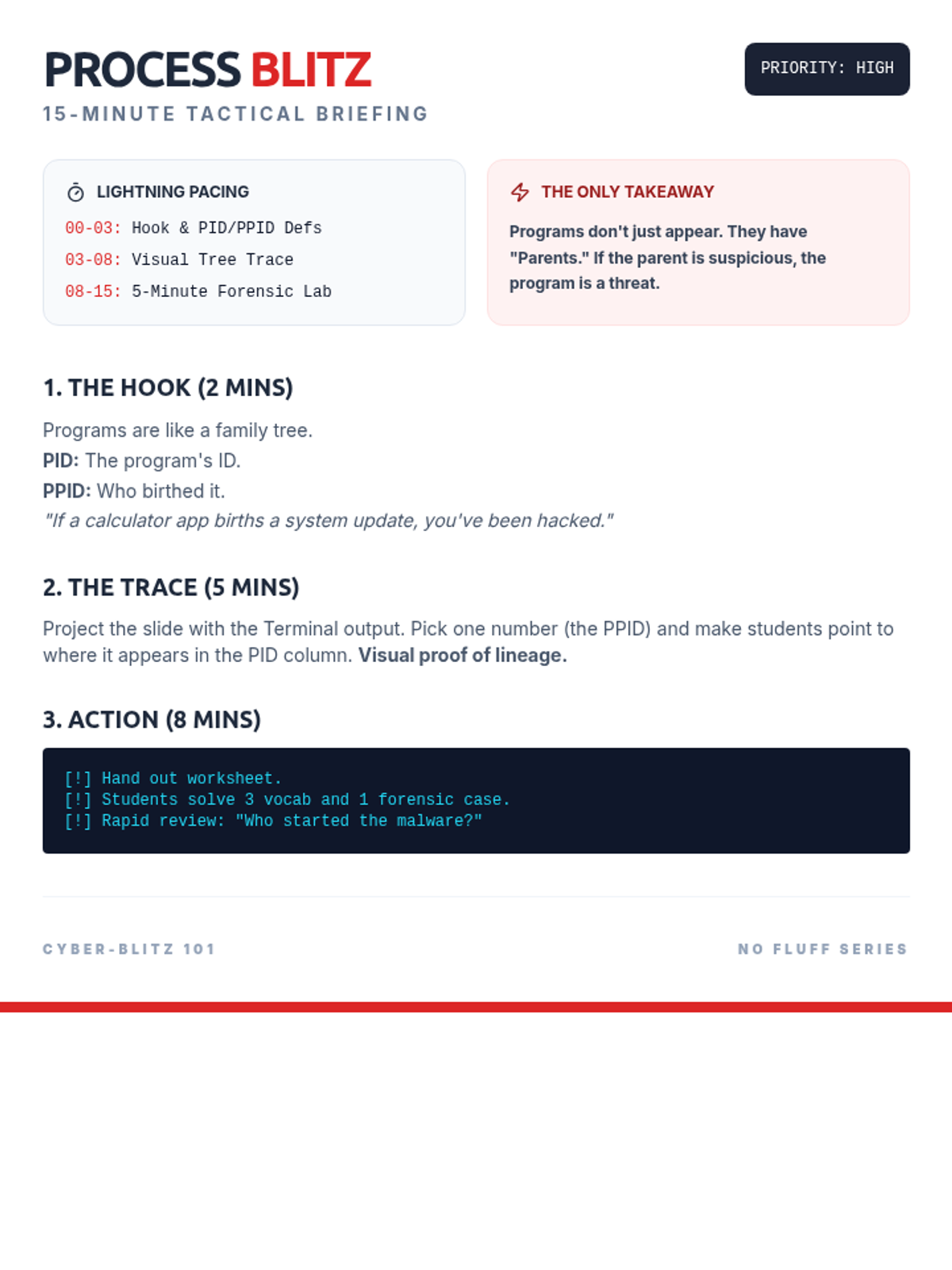
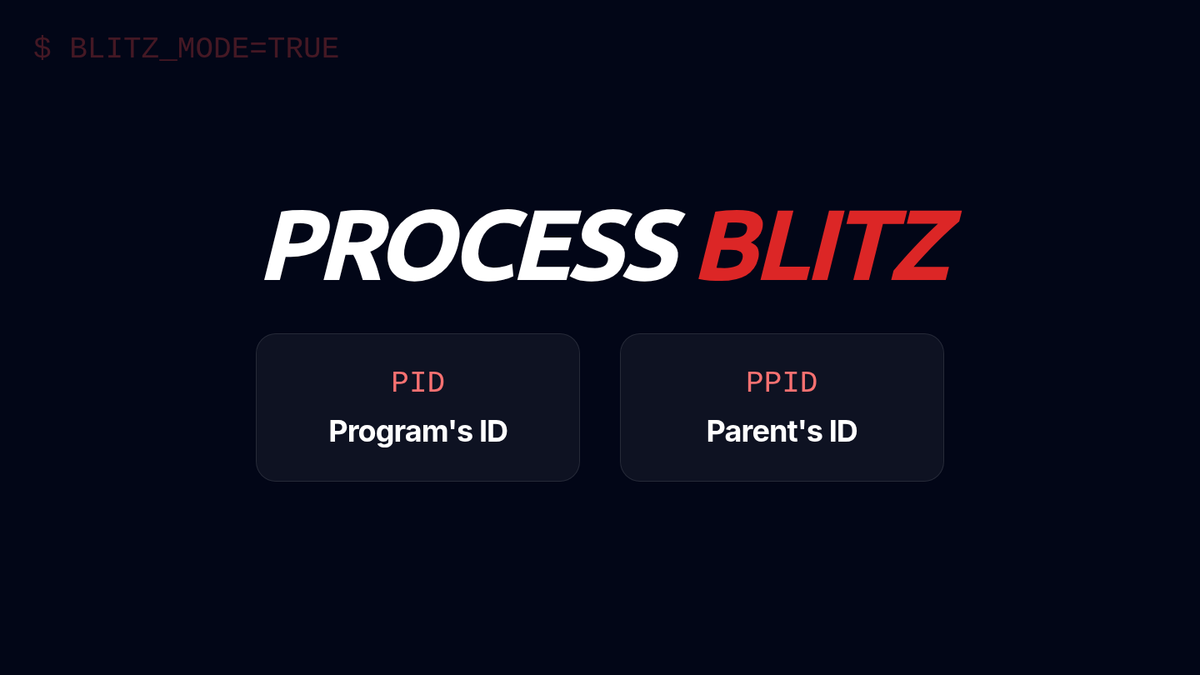
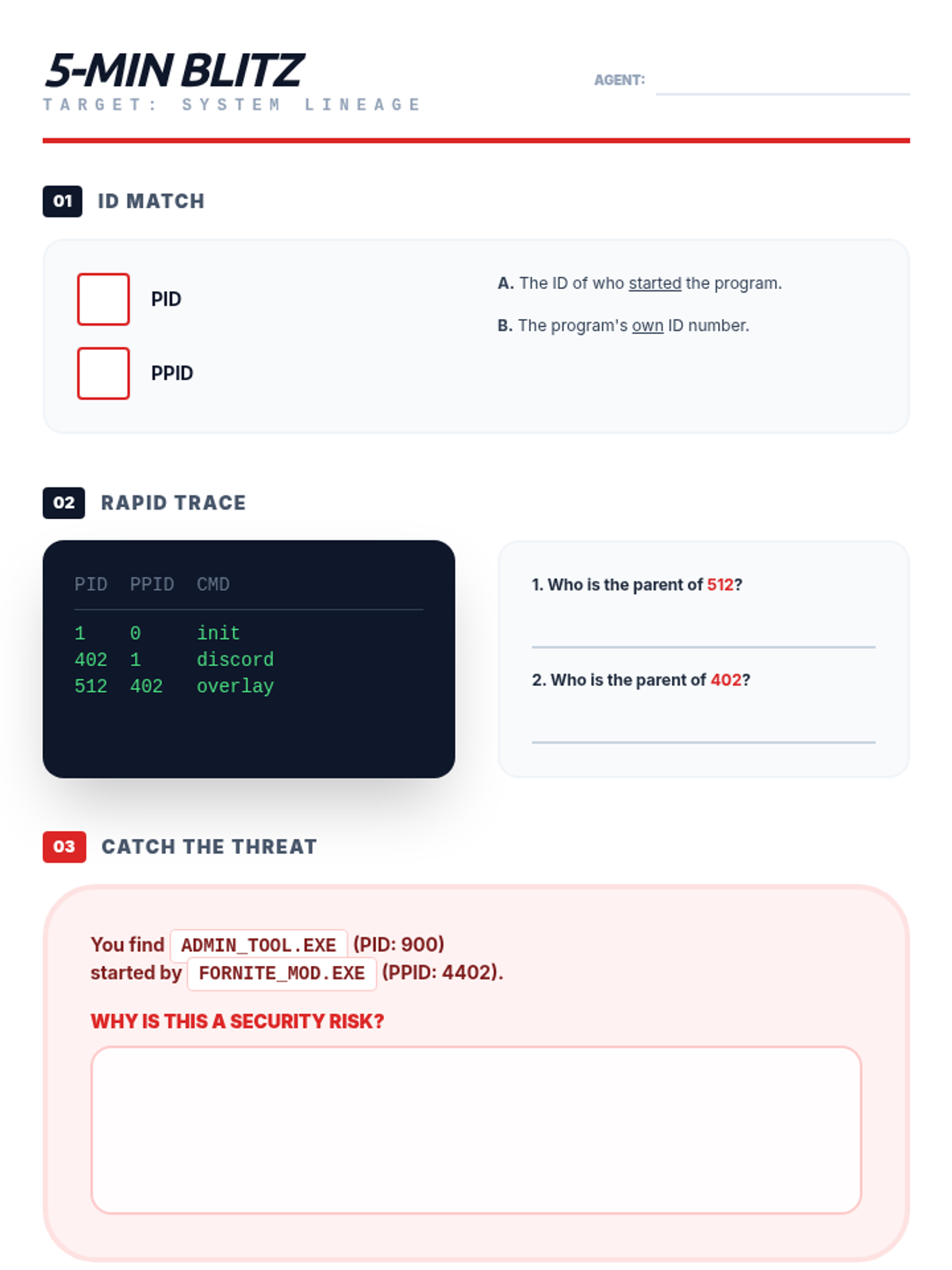
A high school cybersecurity lesson focusing on process identification (PID) and parent process identification (PPID), teaching students to track process lineages and identify security anomalies.
A comprehensive STAAR Biology review session covering essential reporting categories including cell biology, genetics, and classification. This lesson is designed to prepare students for the state assessment through targeted content review and practice questions.