A fun, journalism-themed lesson where students become news anchors to report on the history and significance of Presidents' Day, featuring key presidential achievements.
A lesson where students learn about Rosa Parks and the Civil Rights Movement by producing and performing a school news segment.
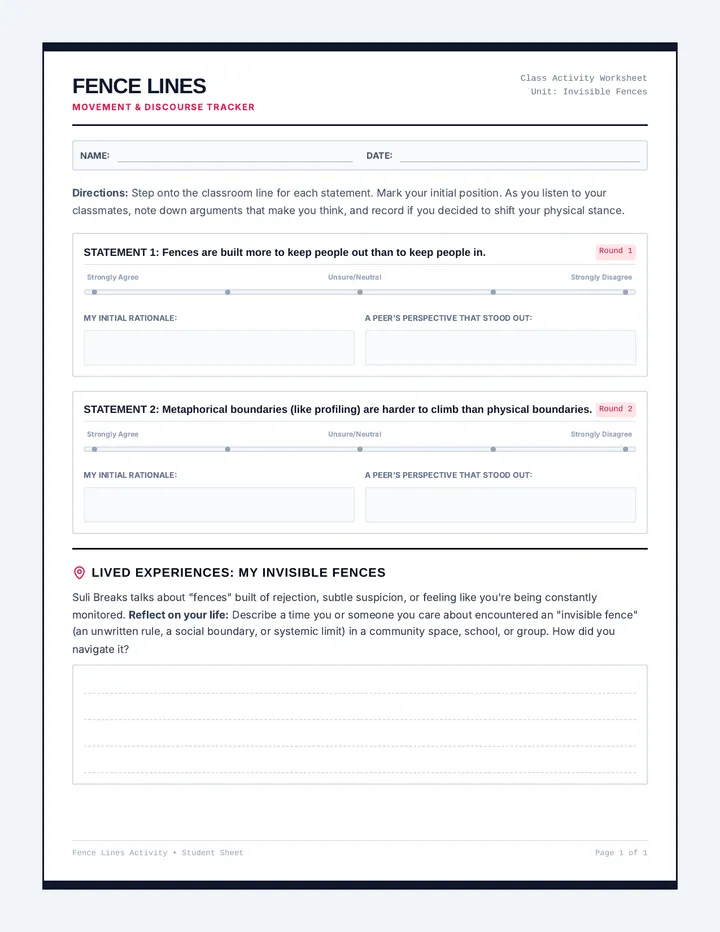
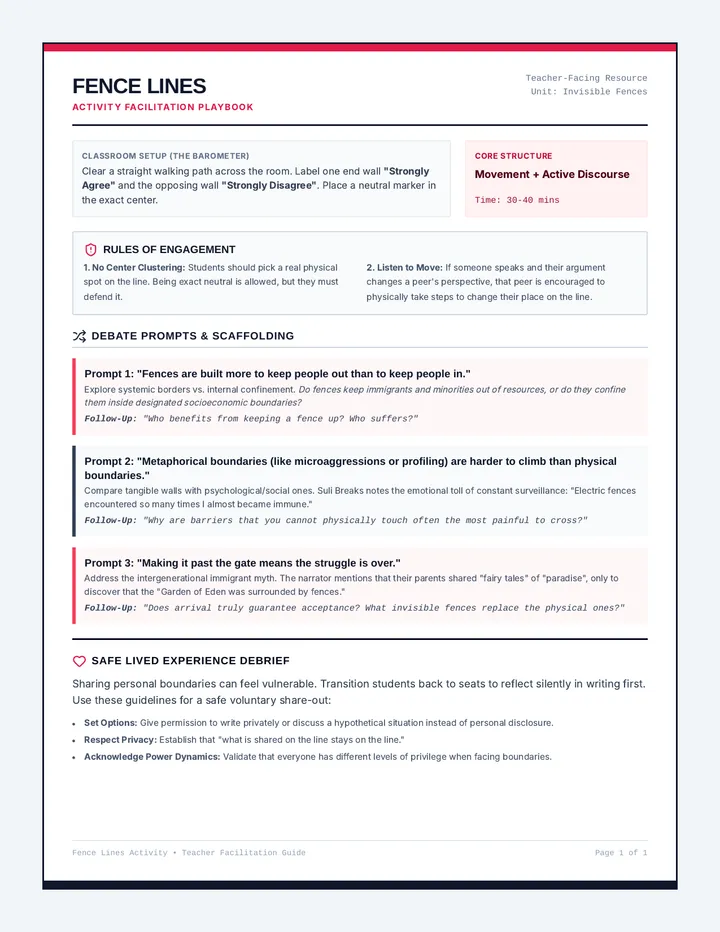
Examines the vital relationship between Native Alaskan peoples and their lands, focusing on stewardship, subsistence, and the history of land rights as a source of communal strength.
Explores the power of oral tradition and artistic expression as tools for preserving history and communal strength.
Explores the ingenuity of traditional tools like the qayaq (kayak) as a metaphor for personal stability and navigating life's transitions with resilience.
A lesson exploring the 1787 Constitutional Convention, the roles of key Framers like James Madison, and the fundamental principles of American government including federalism, republicanism, and separation of powers.
A comprehensive 99-minute lesson exploring child development theorists (Piaget, Erikson, Vygotsky, Bowlby) with a focus on infancy, featuring collaborative research and guided note-taking.
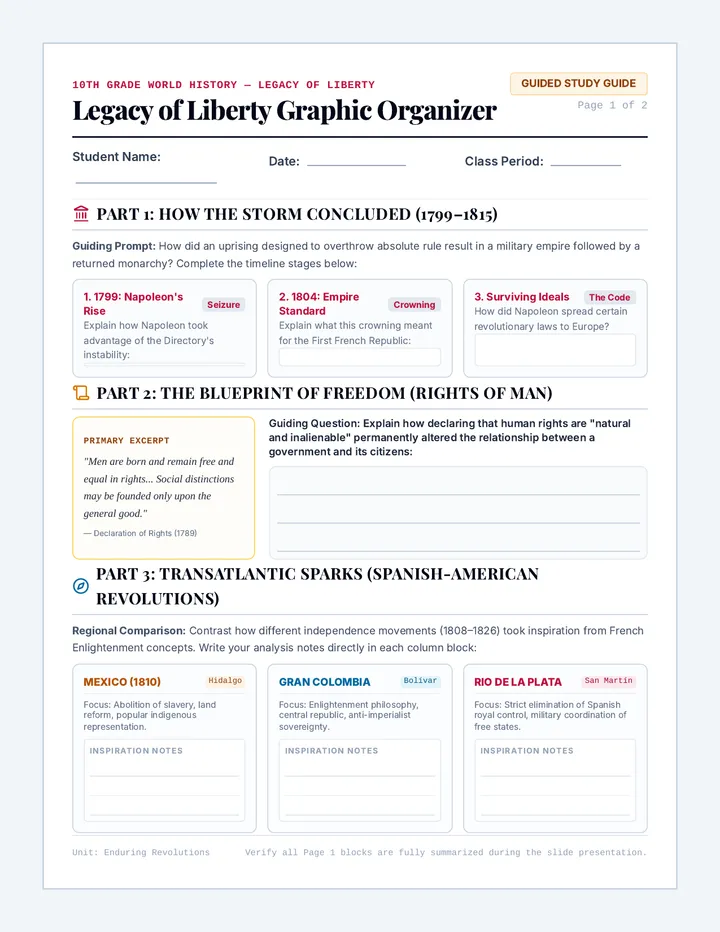
This lesson explores the rise of political machines during the Gilded Age, focusing on TEKS 8C. Students examine the mechanics of urban corruption, civil service reform (Pendleton Act), and the Populist response through collaborative activities and EOC-style assessments.
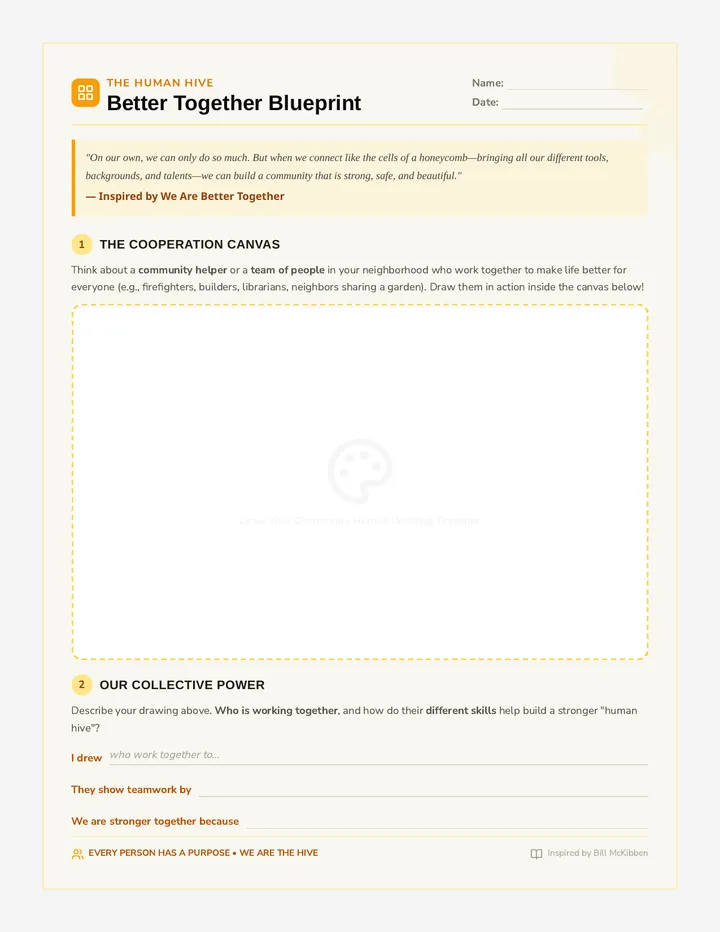
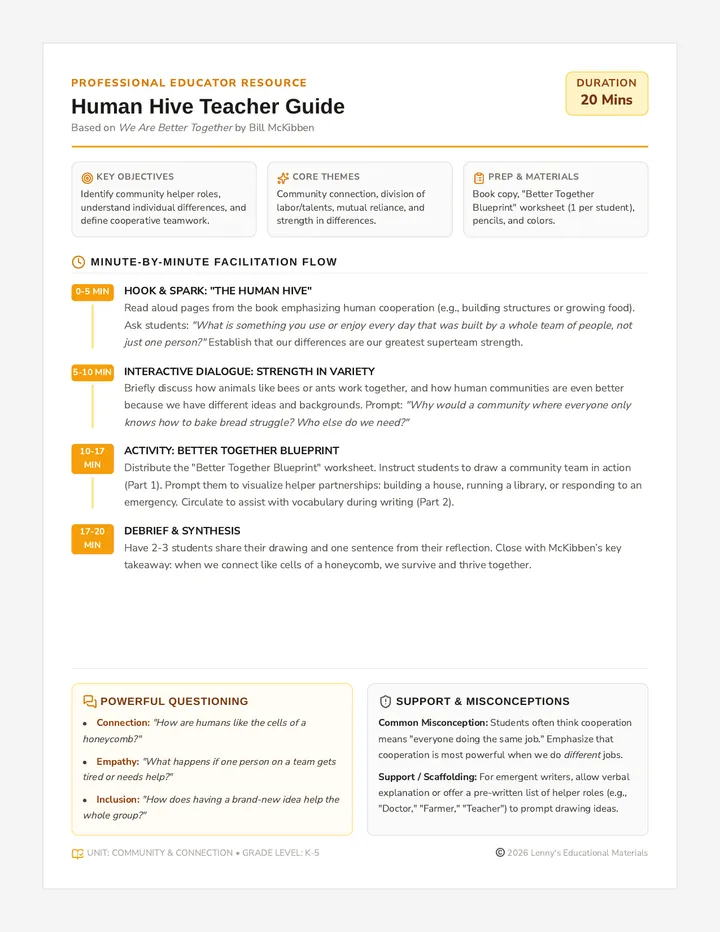
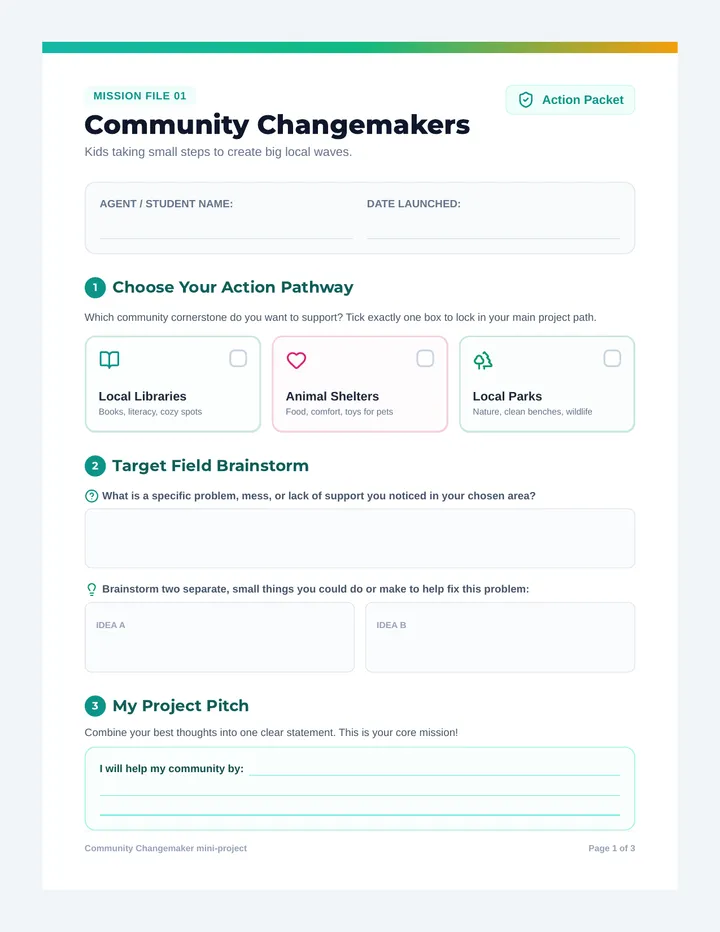
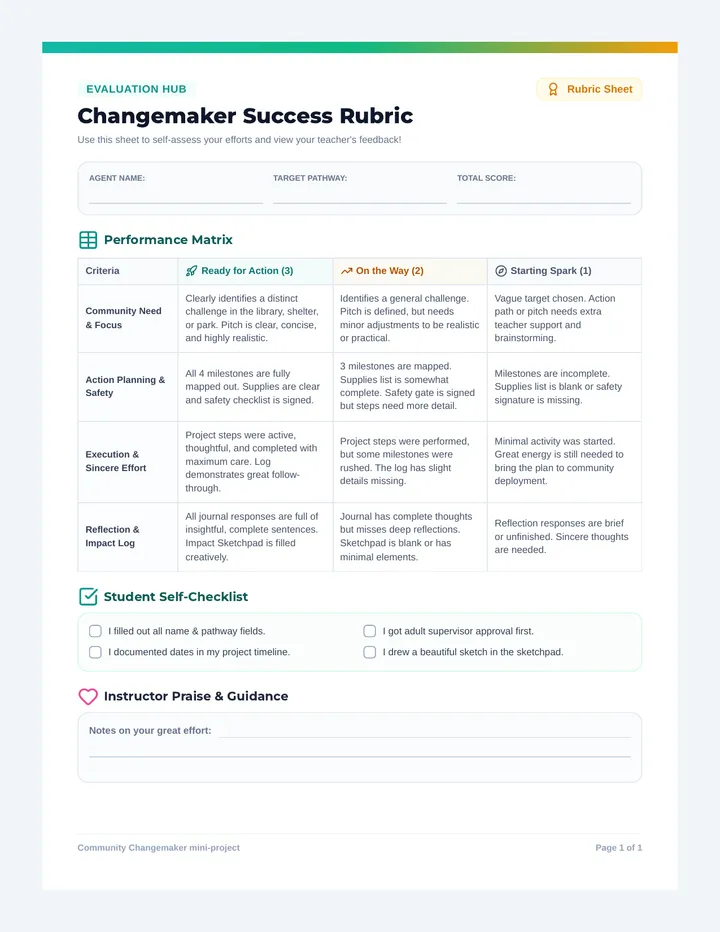
Students learn about the four pillars of good citizenship—kindness, teamwork, responsibility, and honesty—through the lens of being a neighborhood superhero.
A series of high-rigor practice questions covering key eras of US History from the Gilded Age through the Great Depression, designed to mirror the STAAR assessment format.
A quick warm-up session focused on mastering the Claim-Evidence-Reasoning (CER) framework through the lens of the Articles of Confederation.
Students step into the shoes of school administrators to solve complex school-wide challenges. This lesson demystifies the decision-making process, emphasizing community impact, resource management, and critical thinking through a 'detective' lens.
This lesson explores the profound environmental and cultural impacts of Westward Expansion and the Gold Rush on Native American nations, focusing on treaty violations and environmental justice.
Examines the transition from the Civil Rights Movement to Black Power and the evolution into modern social justice movements like Black Lives Matter, focusing on systemic critique and global solidarity.
Explores the pivotal era of the mid-20th century Civil Rights Movement, focusing on the strategic shift from legal battles to mass non-violent direct action and the Great Migration's impact on urban resistance.
Examines the early foundations of Black resistance in America, focusing on the Abolitionist movement, the Underground Railroad, and the promises and pitfalls of the Reconstruction era.
A lesson exploring the life and achievements of Mae Jemison, the first Black woman in space, focusing on her multi-faceted career and the importance of following one's dreams.
Students identify the eleven states of the West region and memorize their capital cities through a matching game and map assessment.
An exploration of the unique culture, major landmarks, and diverse populations that characterize the West region.
Students learn about the natural resources that drive the West's economy, including timber, minerals, fish, and fertile soil for agriculture.
An investigation into the diverse climate zones of the West, from the temperate rainforests of the Northwest to the arid deserts of the Southwest.
Students explore the physical geography of the West region, including the Rocky Mountains, the Sierra Nevada, the Great Basin, and the Pacific Coast.