Students step into the shoes of school administrators to solve complex school-wide challenges. This lesson demystifies the decision-making process, emphasizing community impact, resource management, and critical thinking through a 'detective' lens.
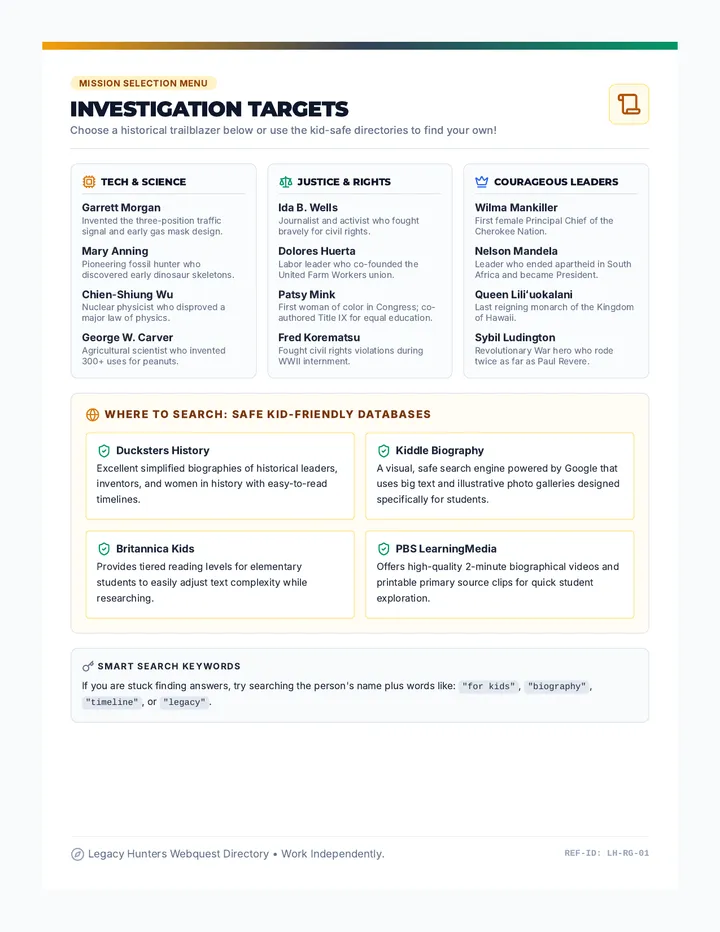
A fun, journalism-themed lesson where students become news anchors to report on the history and significance of Presidents' Day, featuring key presidential achievements.
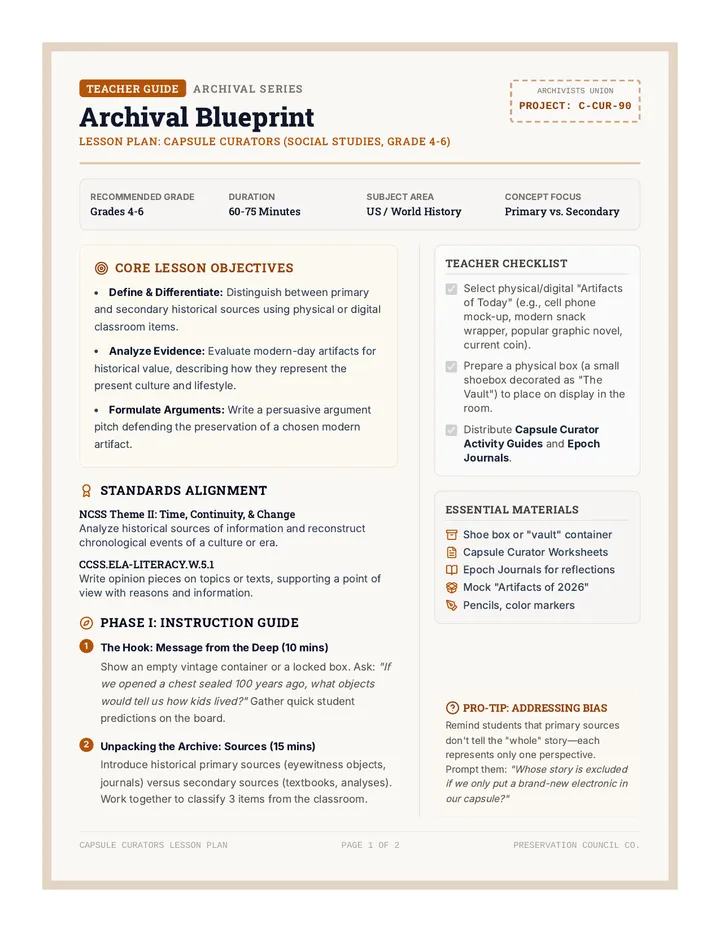
A lesson where students learn about Rosa Parks and the Civil Rights Movement by producing and performing a school news segment.
A comprehensive 47-minute emergency sub plan focusing on the major debates of the 1787 Constitutional Convention, including the Virginia and New Jersey Plans and the Great Compromise.
A lesson focused on discovering the daring stories of lesser-known figures from Black history, starting with the incredible escape of Robert Smalls.
Examines the vital relationship between Native Alaskan peoples and their lands, focusing on stewardship, subsistence, and the history of land rights as a source of communal strength.
Explores the power of oral tradition and artistic expression as tools for preserving history and communal strength.
Explores the ingenuity of traditional tools like the qayaq (kayak) as a metaphor for personal stability and navigating life's transitions with resilience.
A lesson exploring the 1787 Constitutional Convention, the roles of key Framers like James Madison, and the fundamental principles of American government including federalism, republicanism, and separation of powers.
A comprehensive introduction to the U.S. Constitution for 8th graders, exploring the Preamble, the three branches of government, and the system of checks and balances through a 'Blueprint of Democracy' lens.
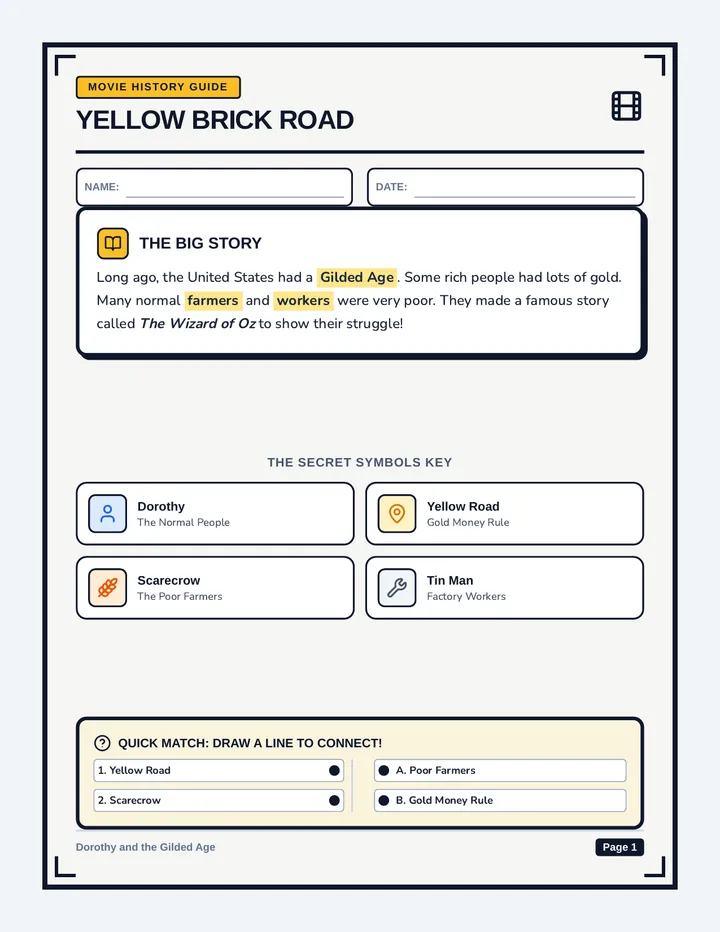
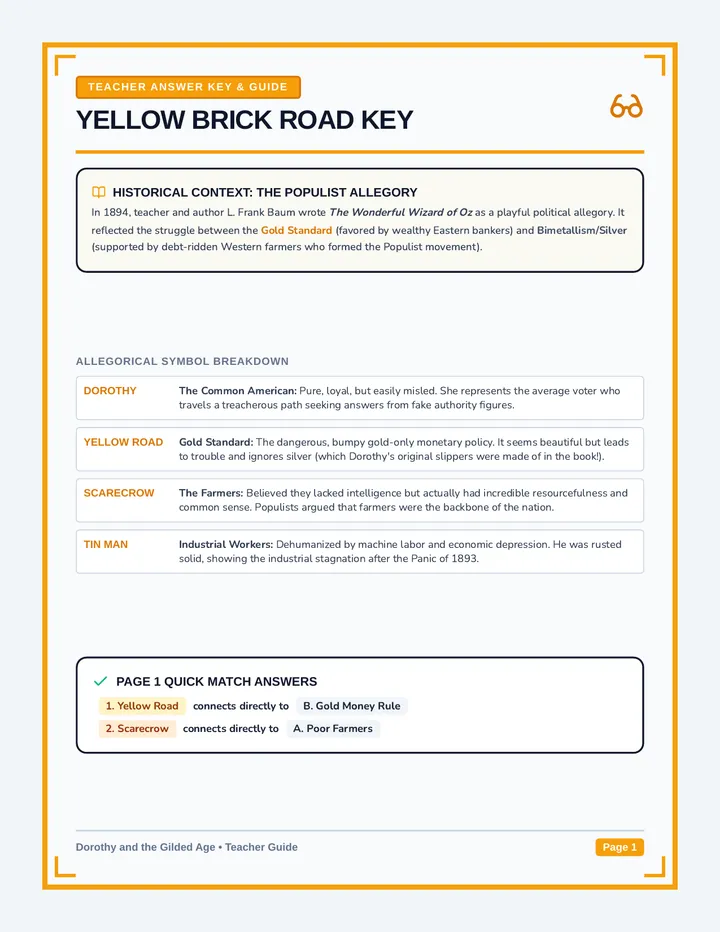
This lesson explores the rise of political machines during the Gilded Age, focusing on TEKS 8C. Students examine the mechanics of urban corruption, civil service reform (Pendleton Act), and the Populist response through collaborative activities and EOC-style assessments.
Students explore the early days of Boston's public transportation system in 1856, the year horse-drawn streetcars first appeared. The lesson focuses on the transition from omnibuses to rails and the infrastructure required to move a growing city.
A comprehensive lesson on how the Industrial Revolution transformed Boston from a merchant seaport into a bustling manufacturing hub, focusing on urban expansion and social shifts.
A quick warm-up session focused on mastering the Claim-Evidence-Reasoning (CER) framework through the lens of the Articles of Confederation.
A comprehensive review of the week's topics, allowing students to synthesize the causes, events, and consequences of World War I.
Focuses on the end of the war, the Paris Peace Conference, and the controversial terms of the Treaty of Versailles that reshaped the map of Europe.
Examines the transition of the United States from neutrality to involvement, highlighting the Lusitania, the Zimmermann Telegram, and the impact of American troops.
Focuses on the daily realities of trench warfare, the 'Stalemate' on the Western Front, and the introduction of new technologies like tanks, planes, and gas.