A lesson where students learn about Rosa Parks and the Civil Rights Movement by producing and performing a school news segment.
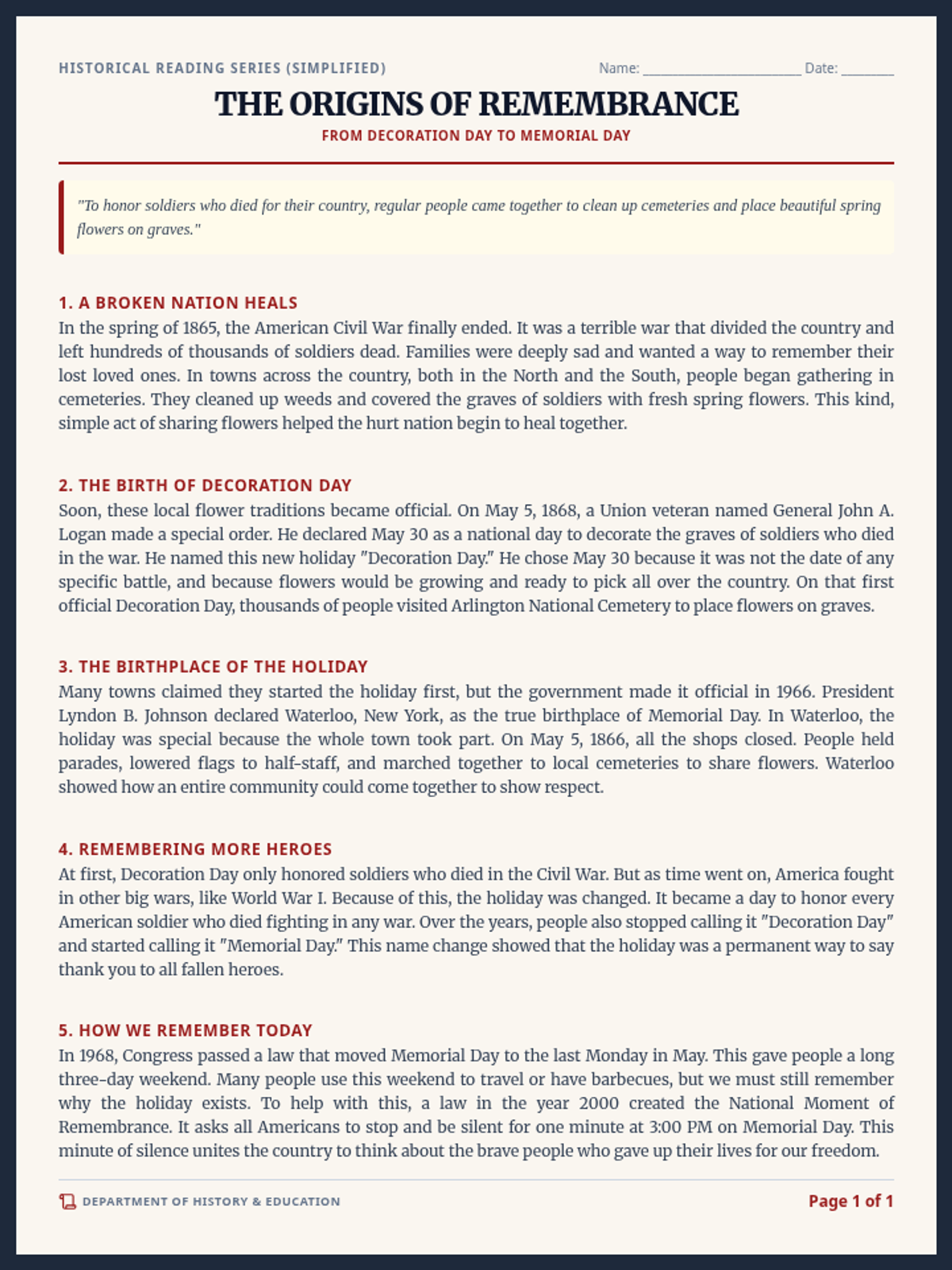
A fun, journalism-themed lesson where students become news anchors to report on the history and significance of Presidents' Day, featuring key presidential achievements.
A lesson focused on discovering the daring stories of lesser-known figures from Black history, starting with the incredible escape of Robert Smalls.
Examines the vital relationship between Native Alaskan peoples and their lands, focusing on stewardship, subsistence, and the history of land rights as a source of communal strength.
Explores the power of oral tradition and artistic expression as tools for preserving history and communal strength.
Explores the ingenuity of traditional tools like the qayaq (kayak) as a metaphor for personal stability and navigating life's transitions with resilience.
Students explore the early days of Boston's public transportation system in 1856, the year horse-drawn streetcars first appeared. The lesson focuses on the transition from omnibuses to rails and the infrastructure required to move a growing city.
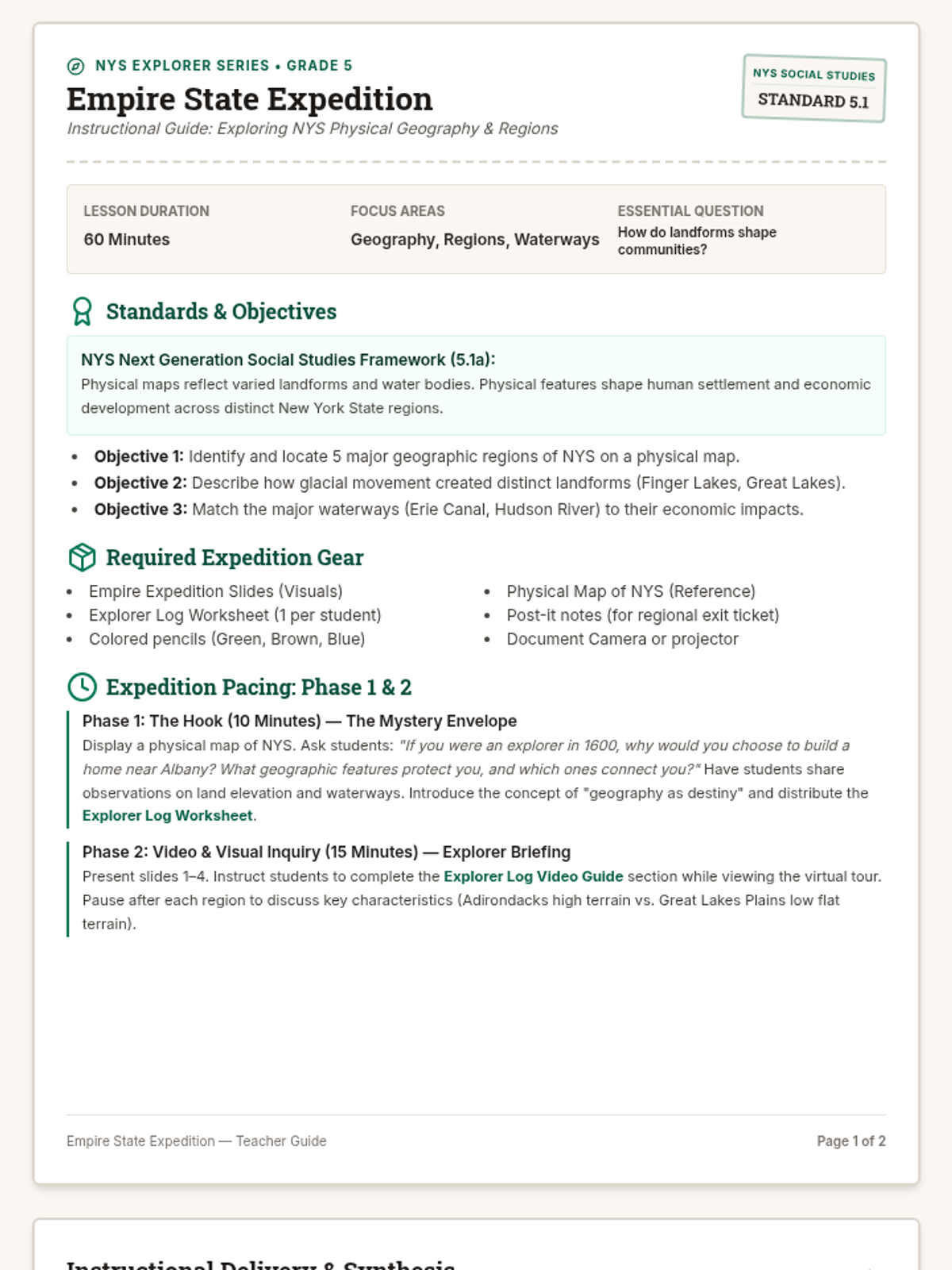
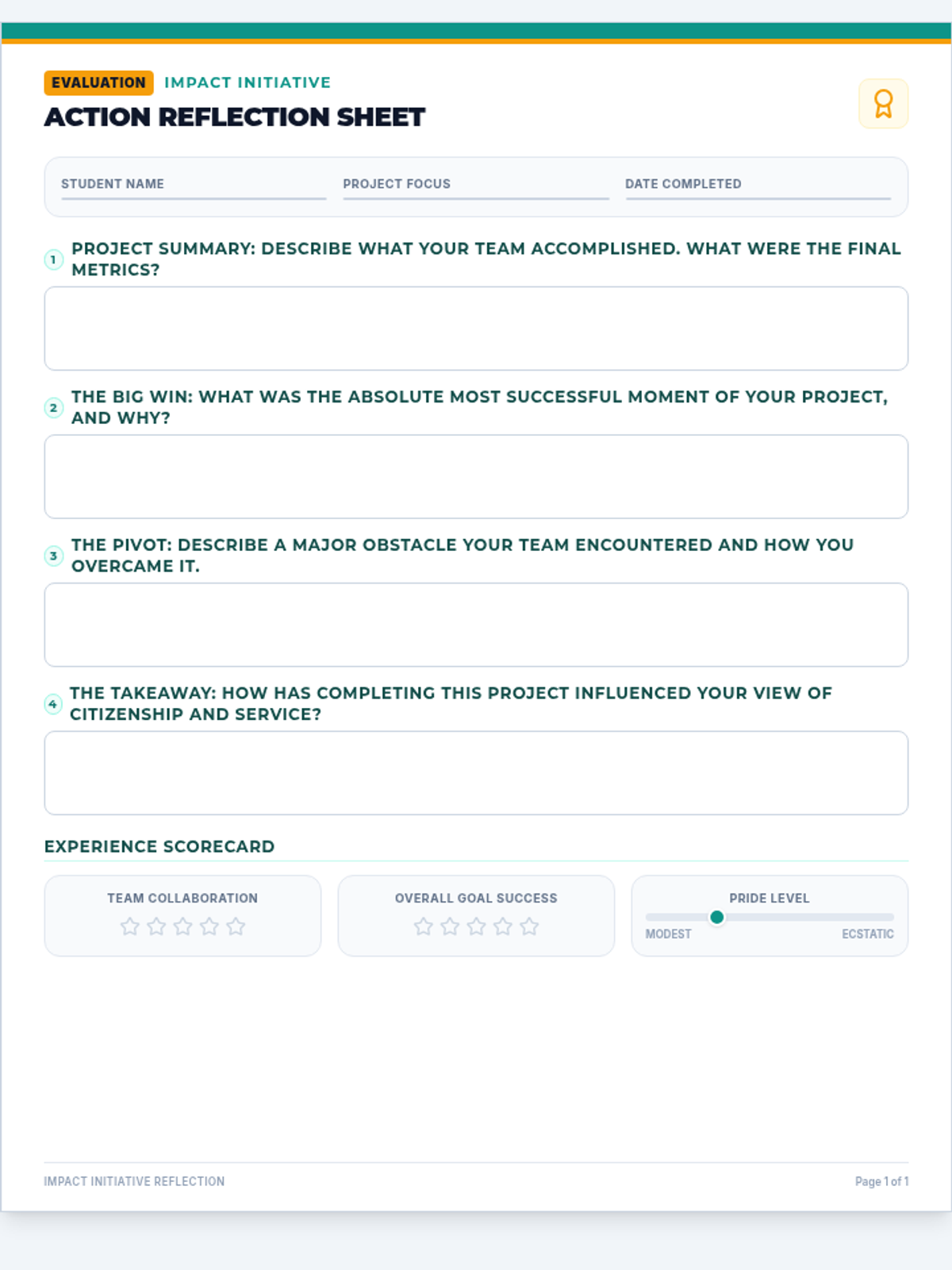
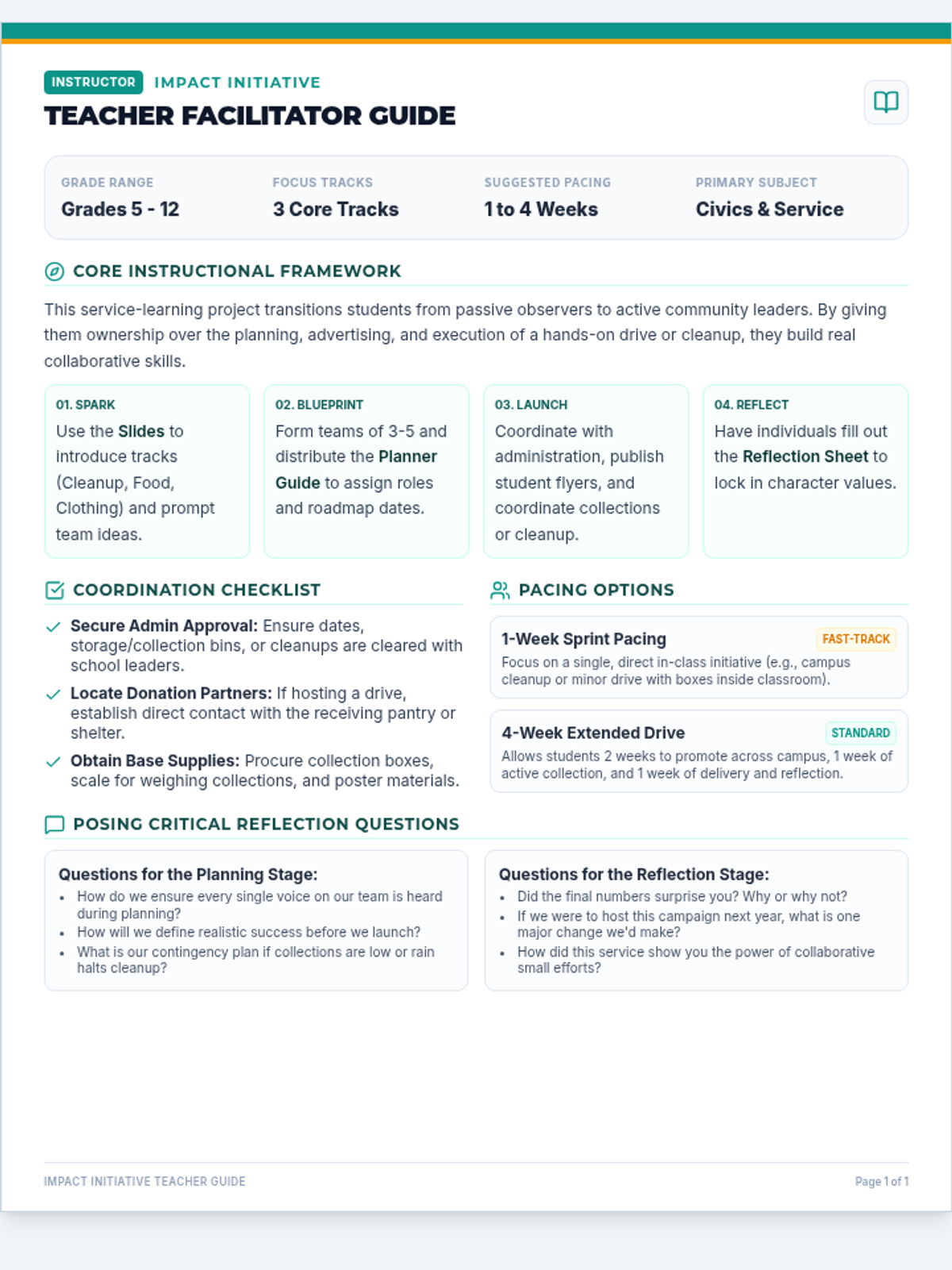
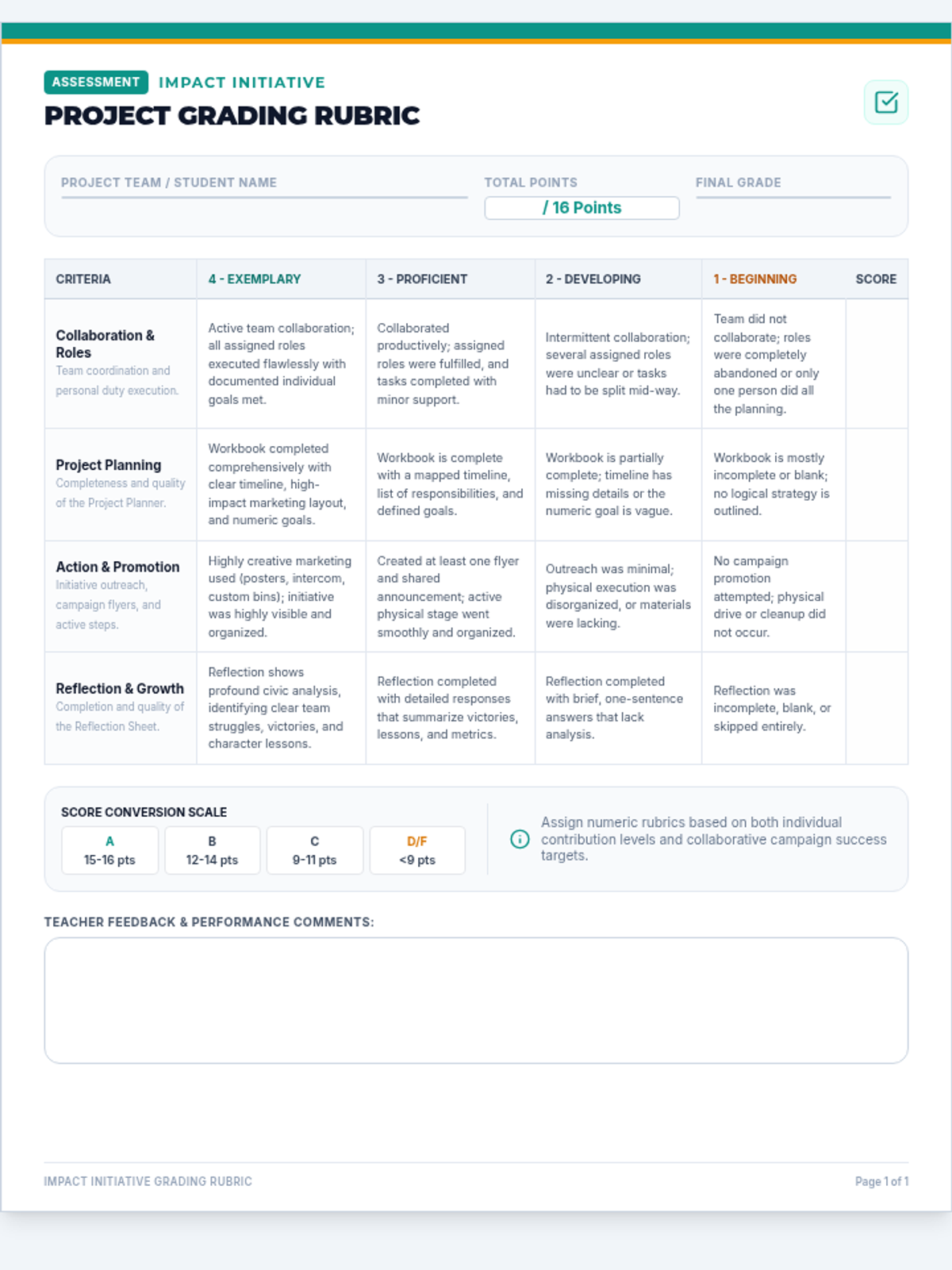
Students step into the shoes of school administrators to solve complex school-wide challenges. This lesson demystifies the decision-making process, emphasizing community impact, resource management, and critical thinking through a 'detective' lens.
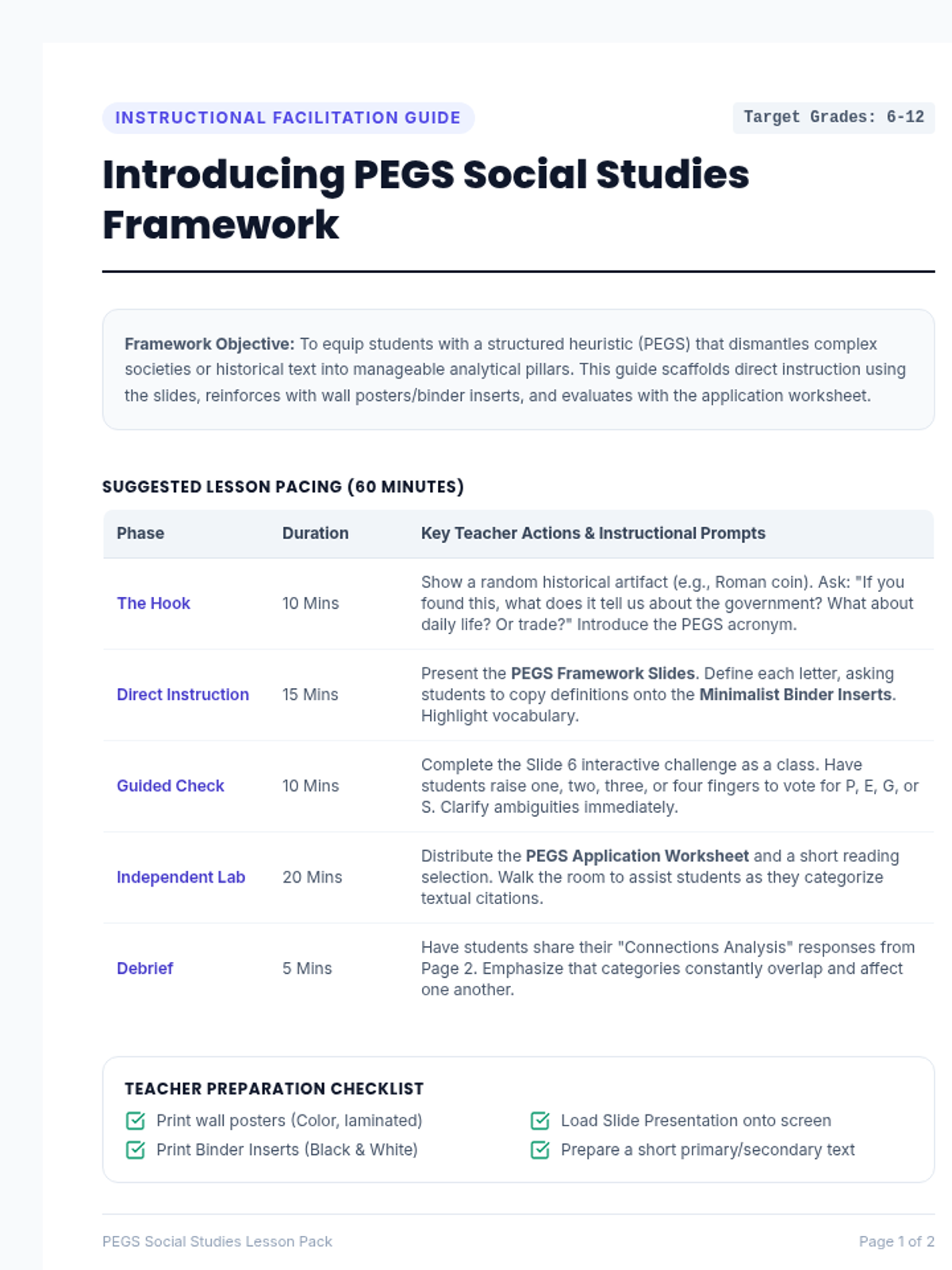
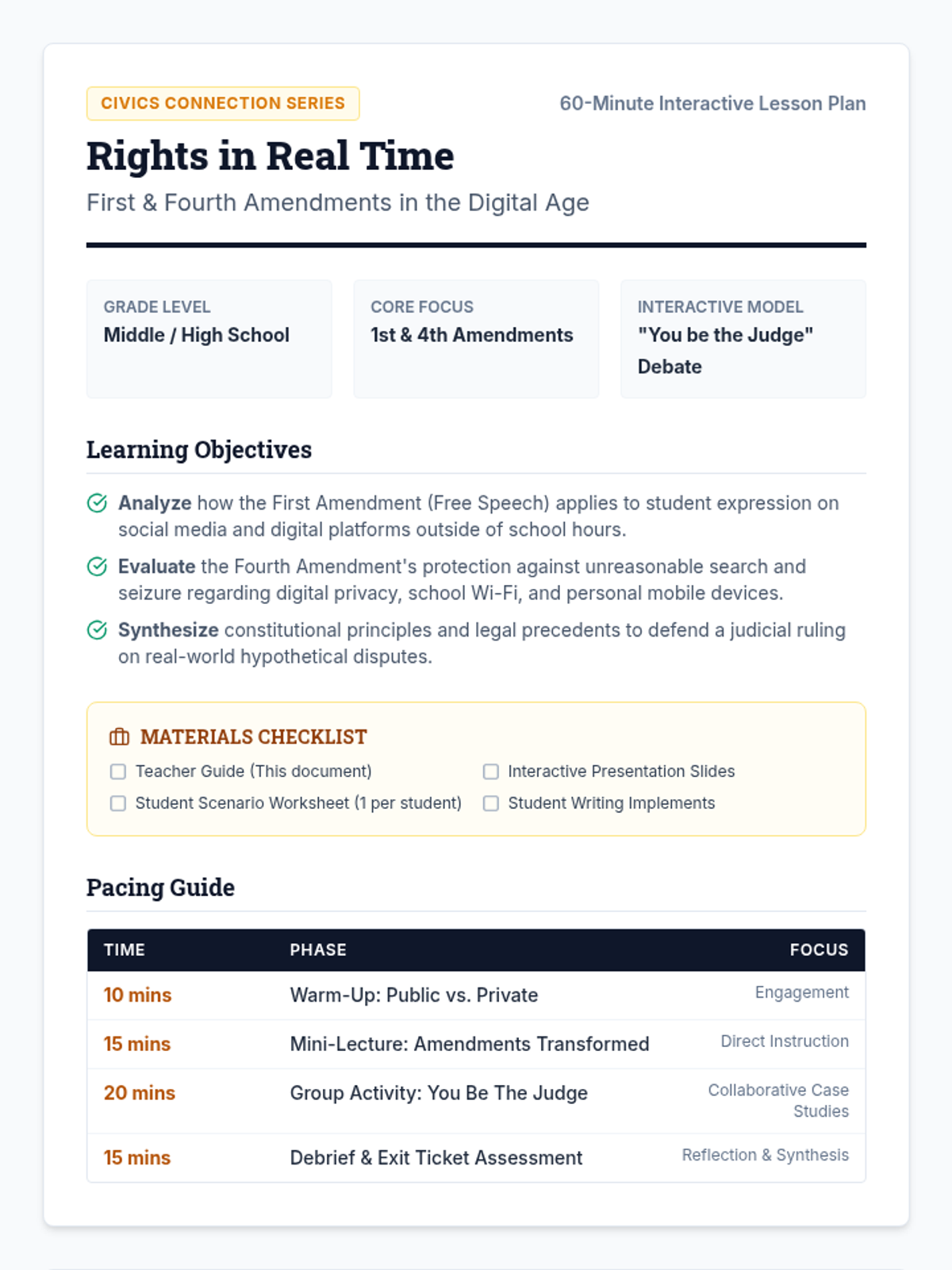
A lesson focused on the foundational documents of the United States government, covering the structure of the Constitution and the essential protections provided by the Bill of Rights.
A lesson exploring the life and achievements of Mae Jemison, the first Black woman in space, focusing on her multi-faceted career and the importance of following one's dreams.
A lesson exploring the migration across Beringia, focusing on using evidence to make inferences about ancient people's lives and motivations. Includes a quiz, an exit ticket, and a teacher discussion guide.
Students identify the eleven states of the West region and memorize their capital cities through a matching game and map assessment.
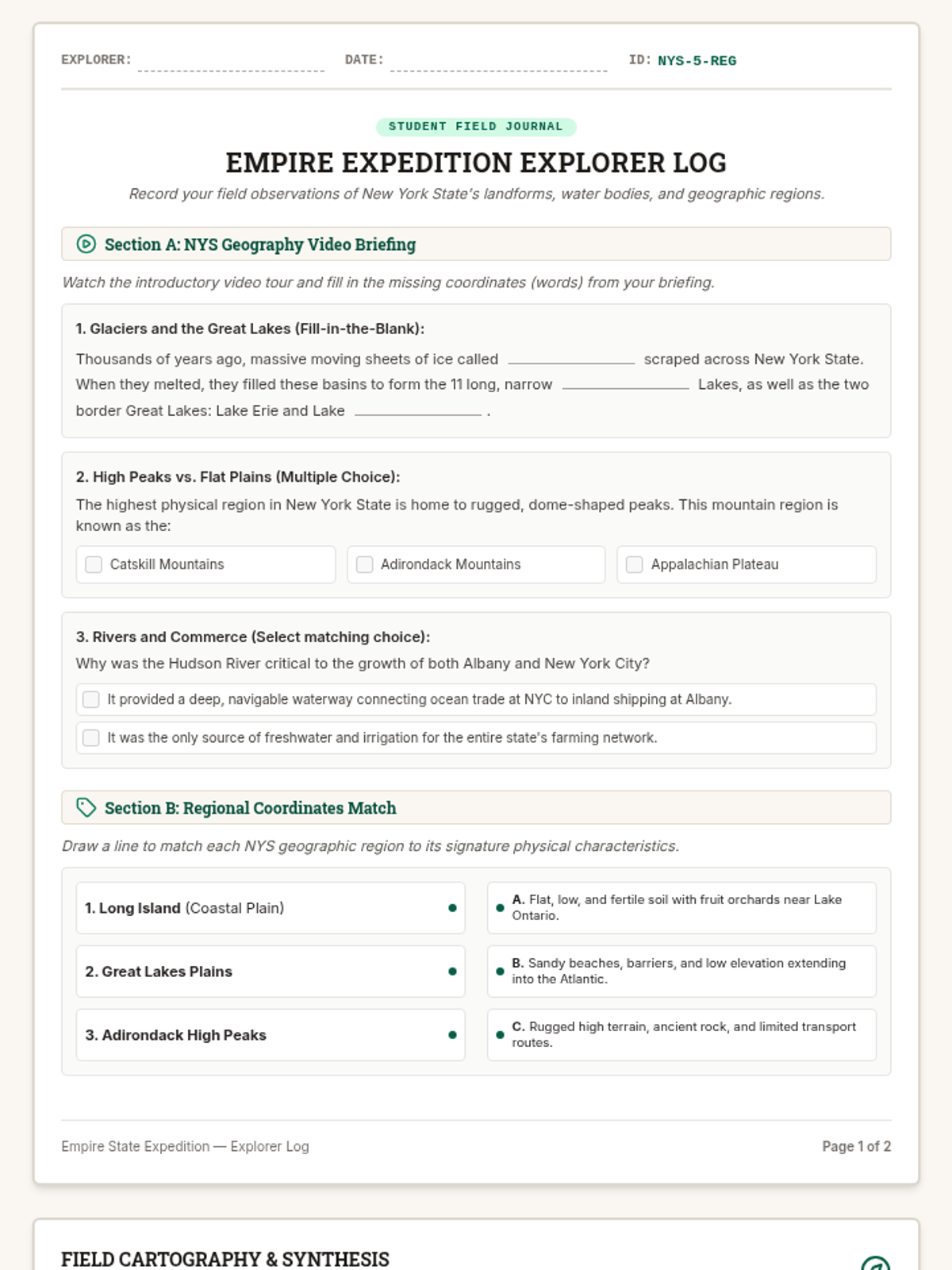
An exploration of the unique culture, major landmarks, and diverse populations that characterize the West region.
Students learn about the natural resources that drive the West's economy, including timber, minerals, fish, and fertile soil for agriculture.
An investigation into the diverse climate zones of the West, from the temperate rainforests of the Northwest to the arid deserts of the Southwest.
Students explore the physical geography of the West region, including the Rocky Mountains, the Sierra Nevada, the Great Basin, and the Pacific Coast.
Students master the states and capitals of the Southwest through interactive matching and map-based activities.
A deep dive into the vibrant cultural history of the Southwest, featuring Native American traditions, Spanish influence, and modern regional life.
Discovery of the Southwest's rich natural resources, including minerals, oil, and the vital importance of water management.
An investigation into the arid climate of the Southwest, examining extreme temperatures, rainfall patterns, and how living things adapt.
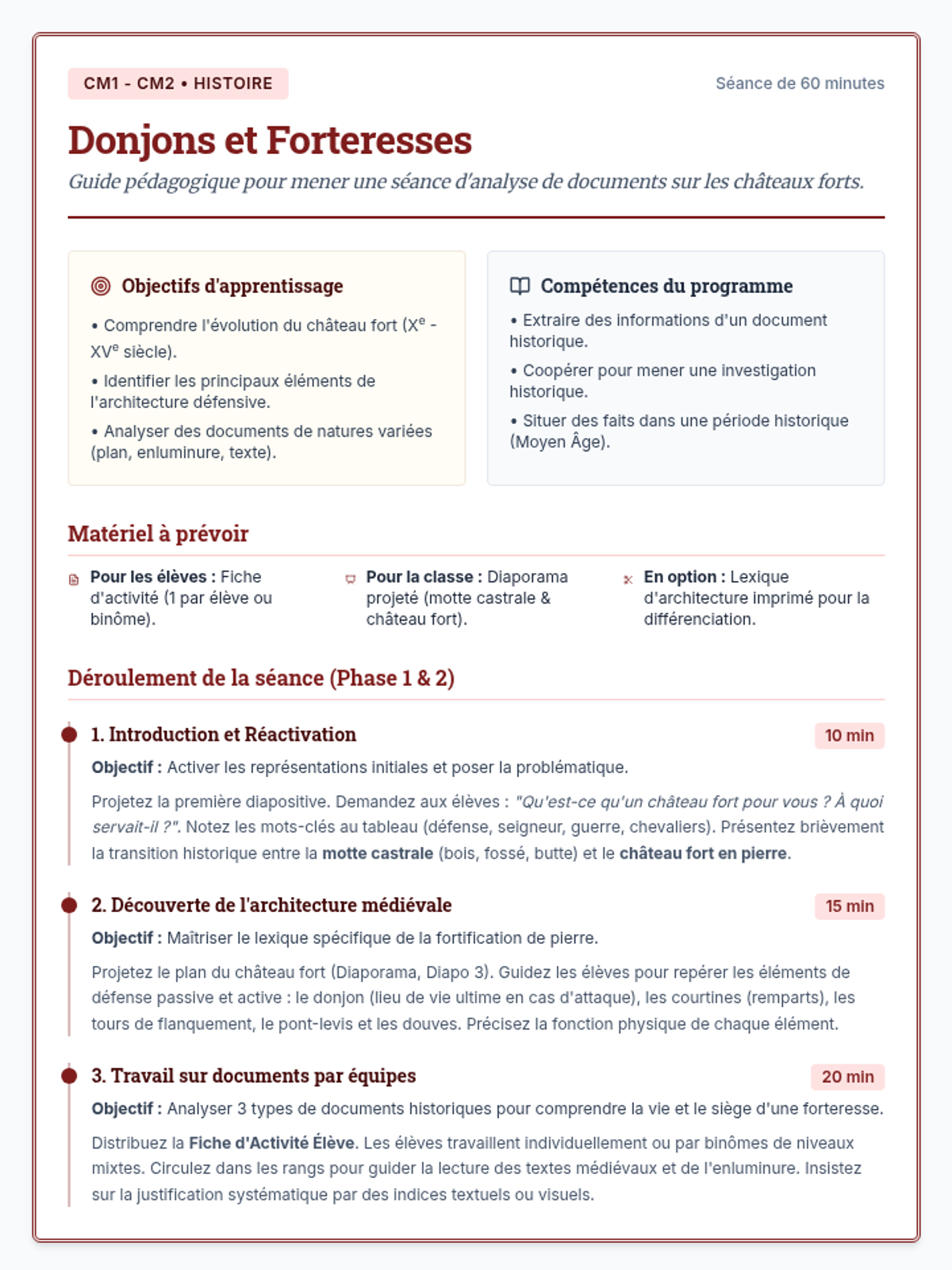
Students explore the physical features of the Southwest, focusing on the Colorado River, the Grand Canyon, and the various desert landscapes.
An introductory exploration of Ancient Egypt's core components: the Nile river, social hierarchy, daily life, and the role of the pharaoh.
A foundational introductory lesson for a unit on the Harlem Renaissance, designed for students reading at a 2nd-grade level. The lesson focuses on initial vocabulary exposure and self-assessment of prior knowledge.
A comprehensive look at the unique natural and cultural features of the Southwest, including the Sonoran Desert, the Colorado River, and Mesa Verde. Students will explore how geography shapes the environment and human history.