A vocabulary lesson focusing on the Latin roots bene/beni, mal, ante, and post, featuring fill-in-the-blank practice to reinforce meaning and context.
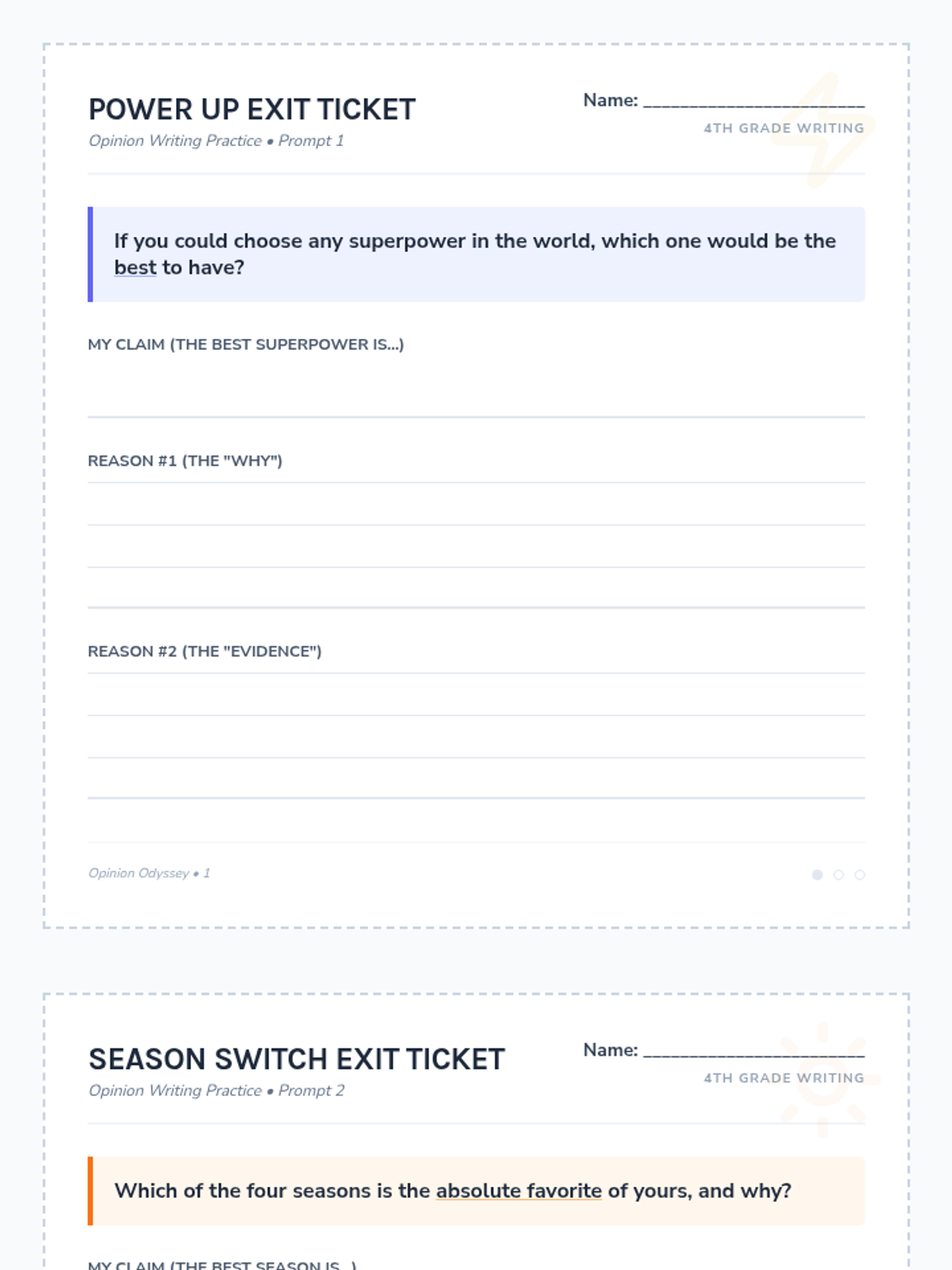
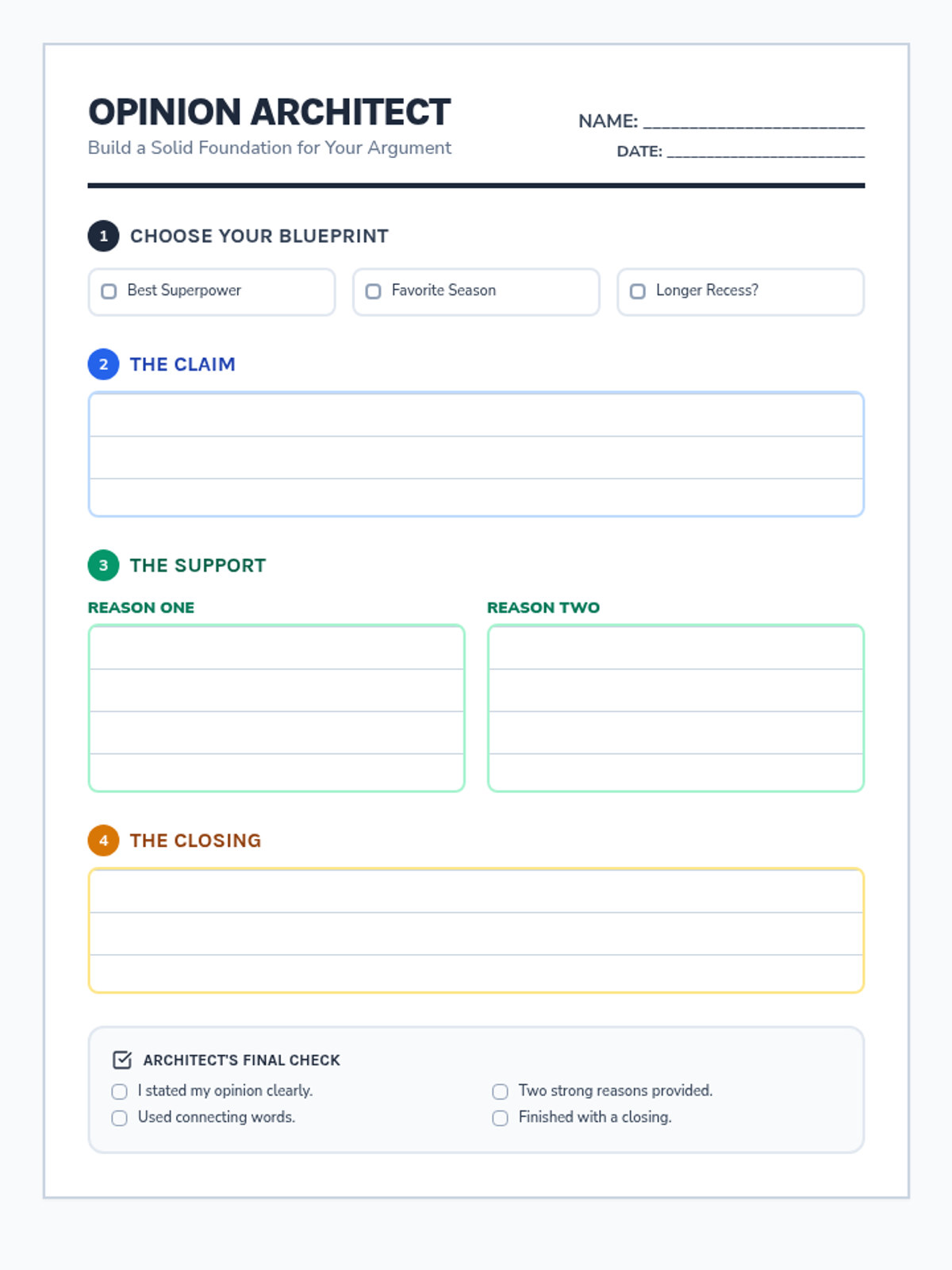
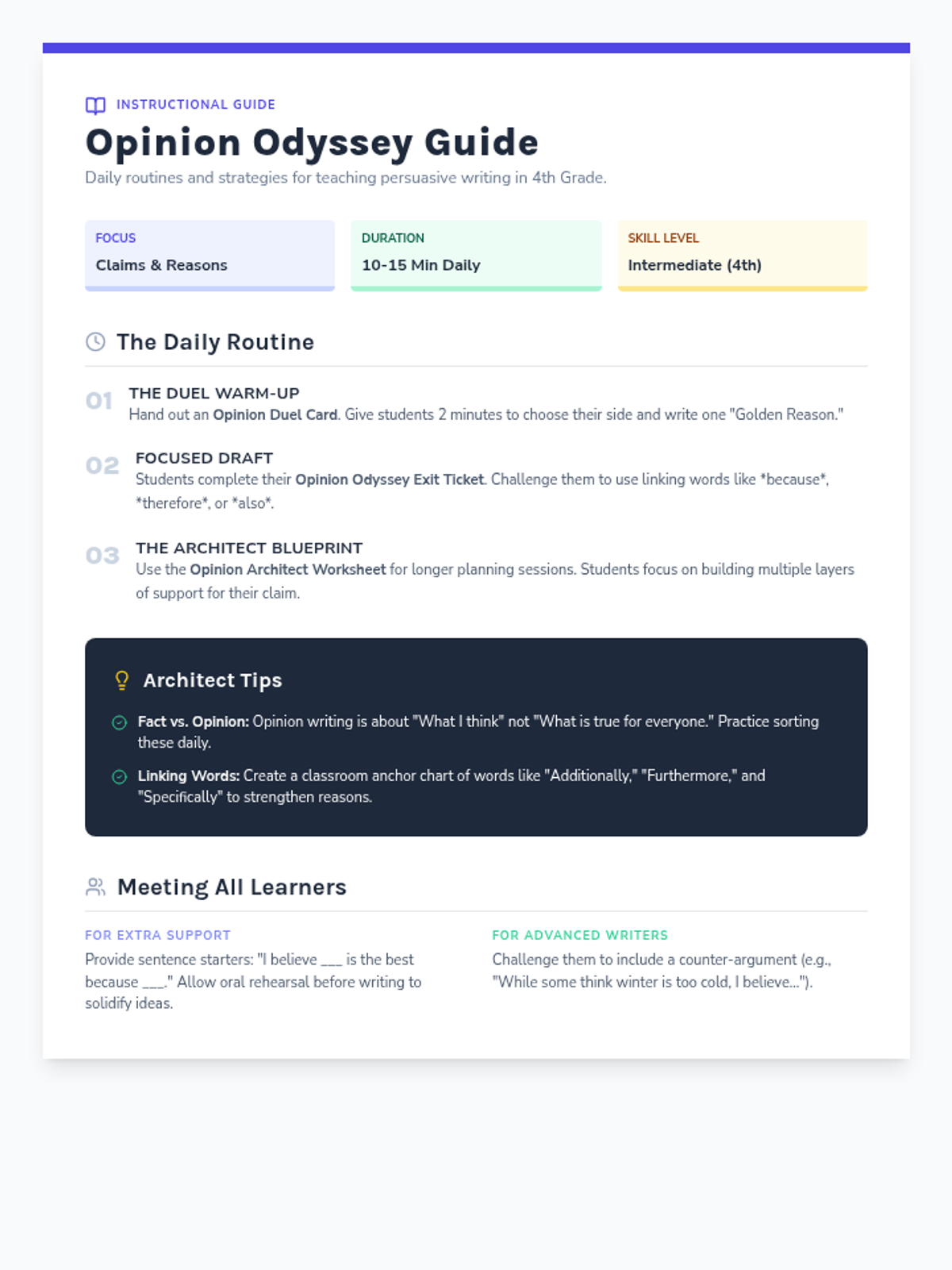
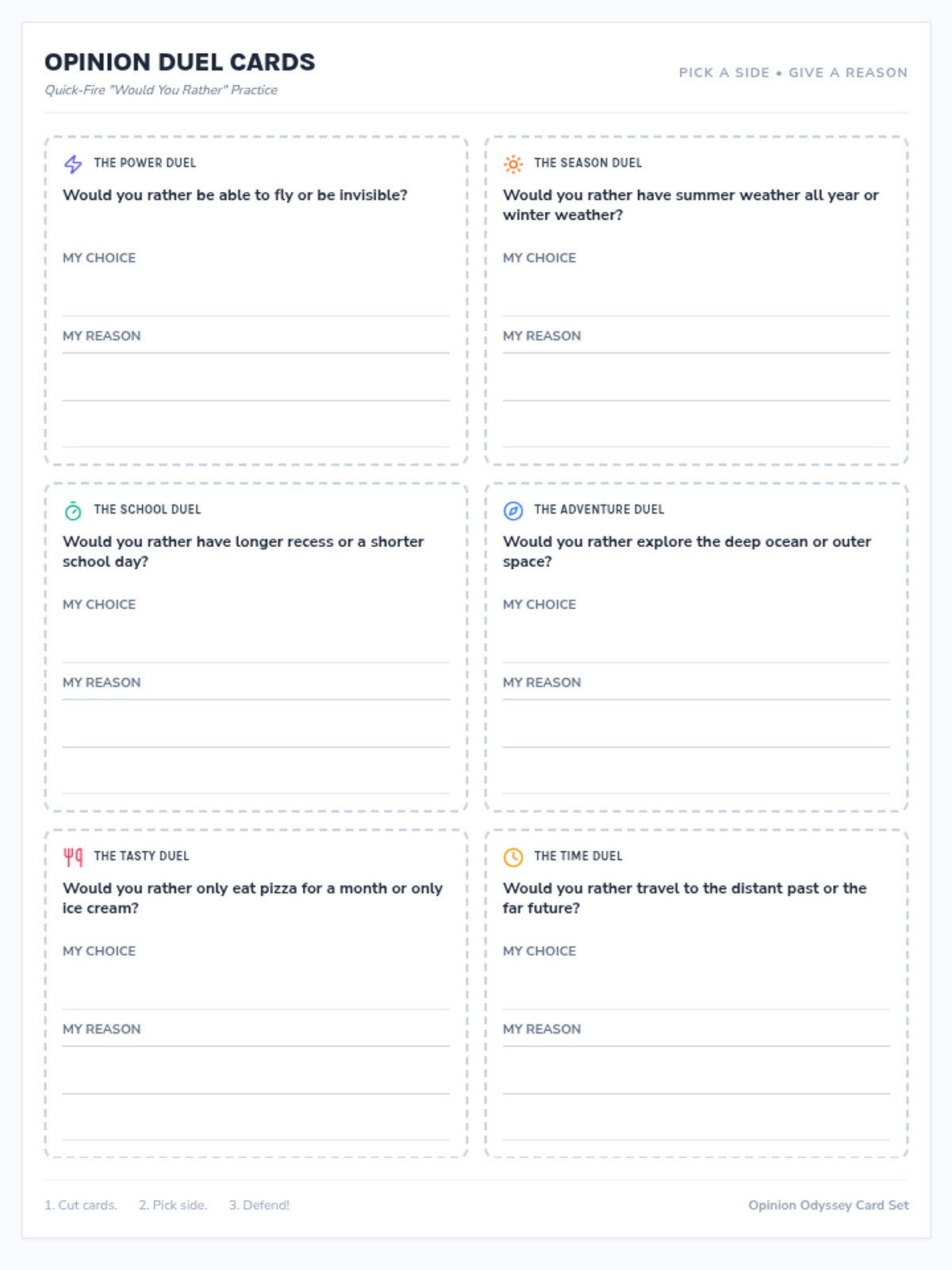
A collection of bite-sized opinion writing exercises and a structured practice sheet designed for 4th graders to master stating claims and providing supporting reasons.
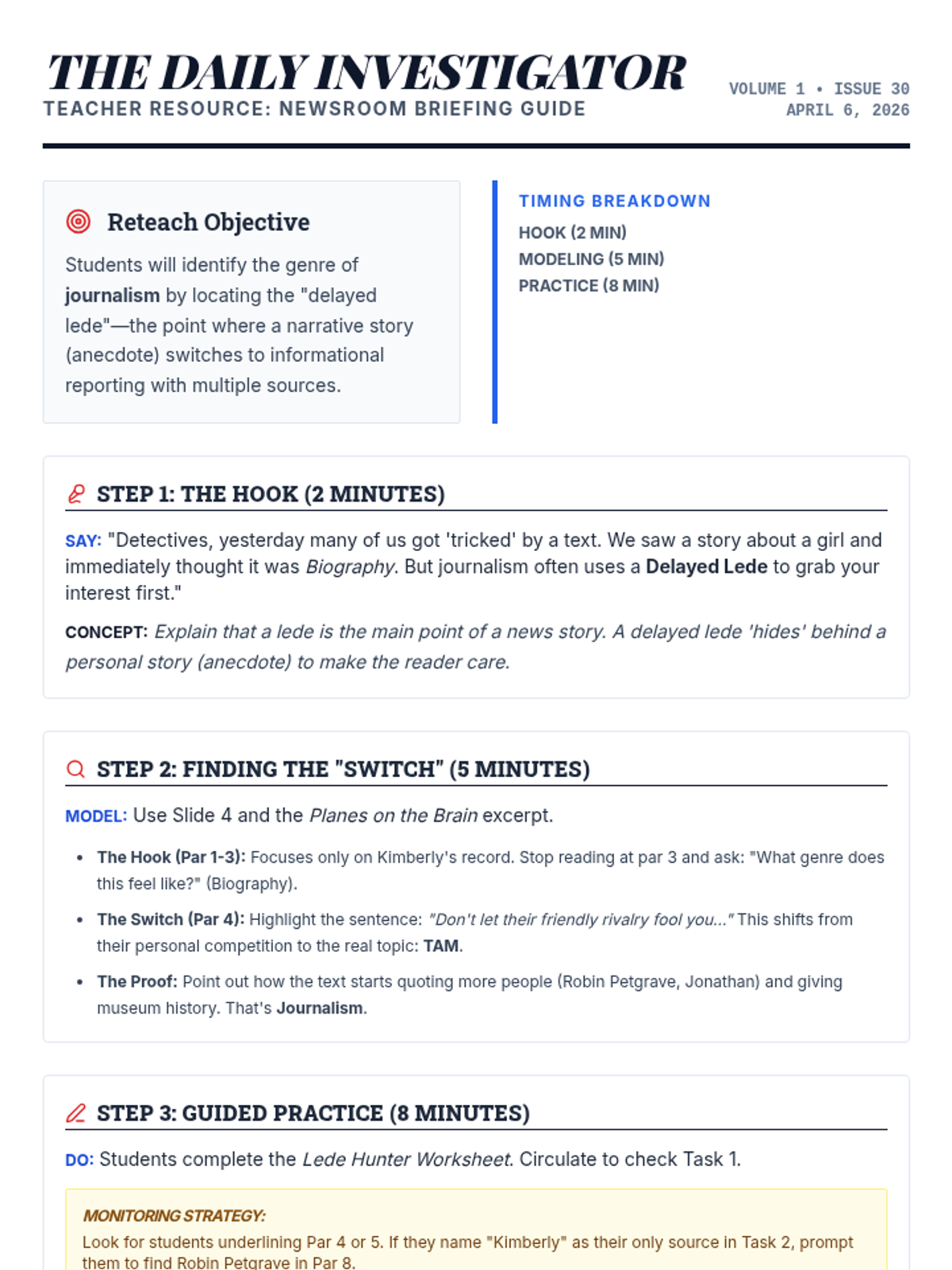
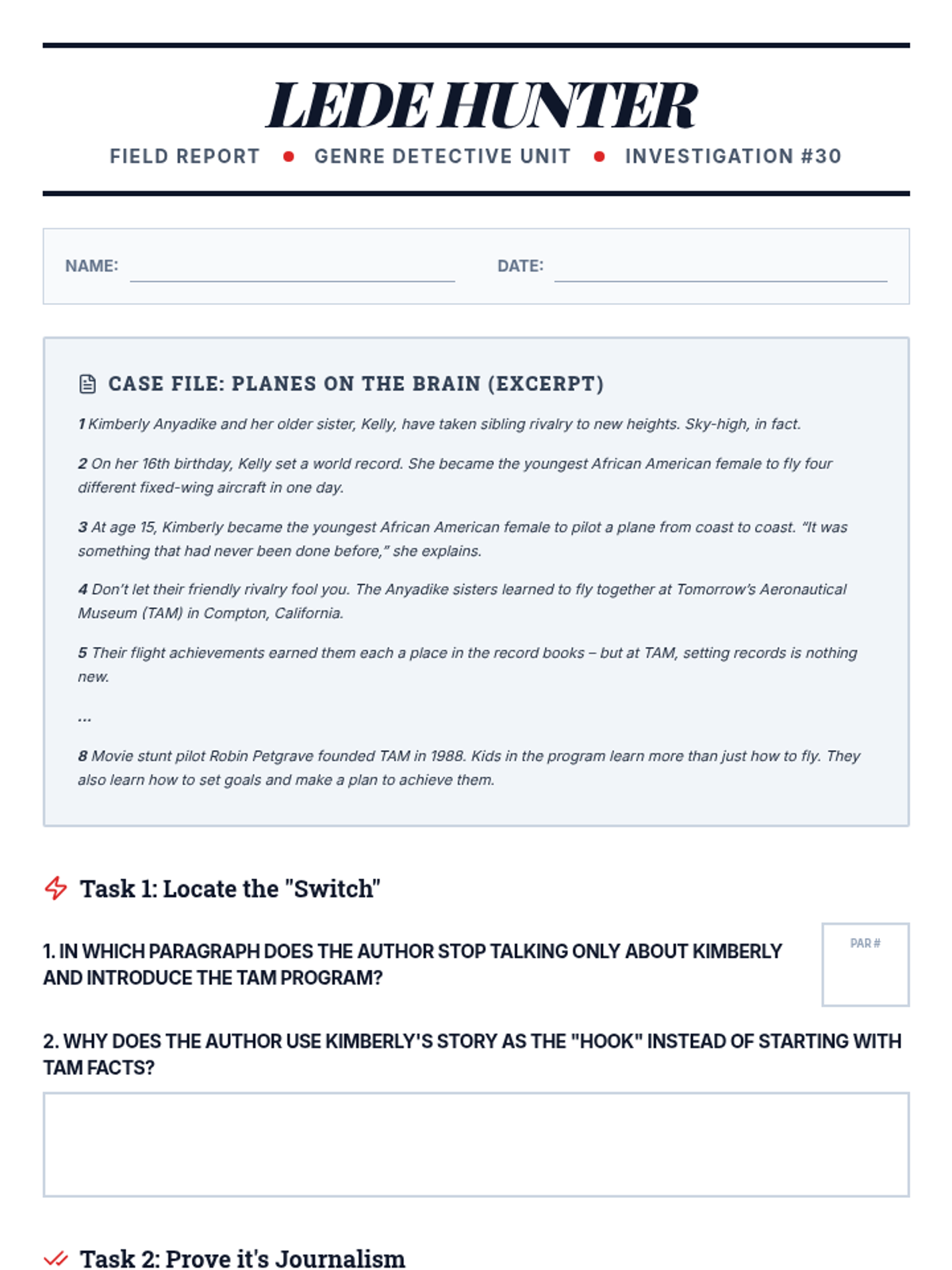
A 15-minute intensive reteach focused on identifying journalism with delayed ledes, building on the text 'Planes on the Brain'. Students learn to distinguish between narrative hooks and the informational core of news articles.
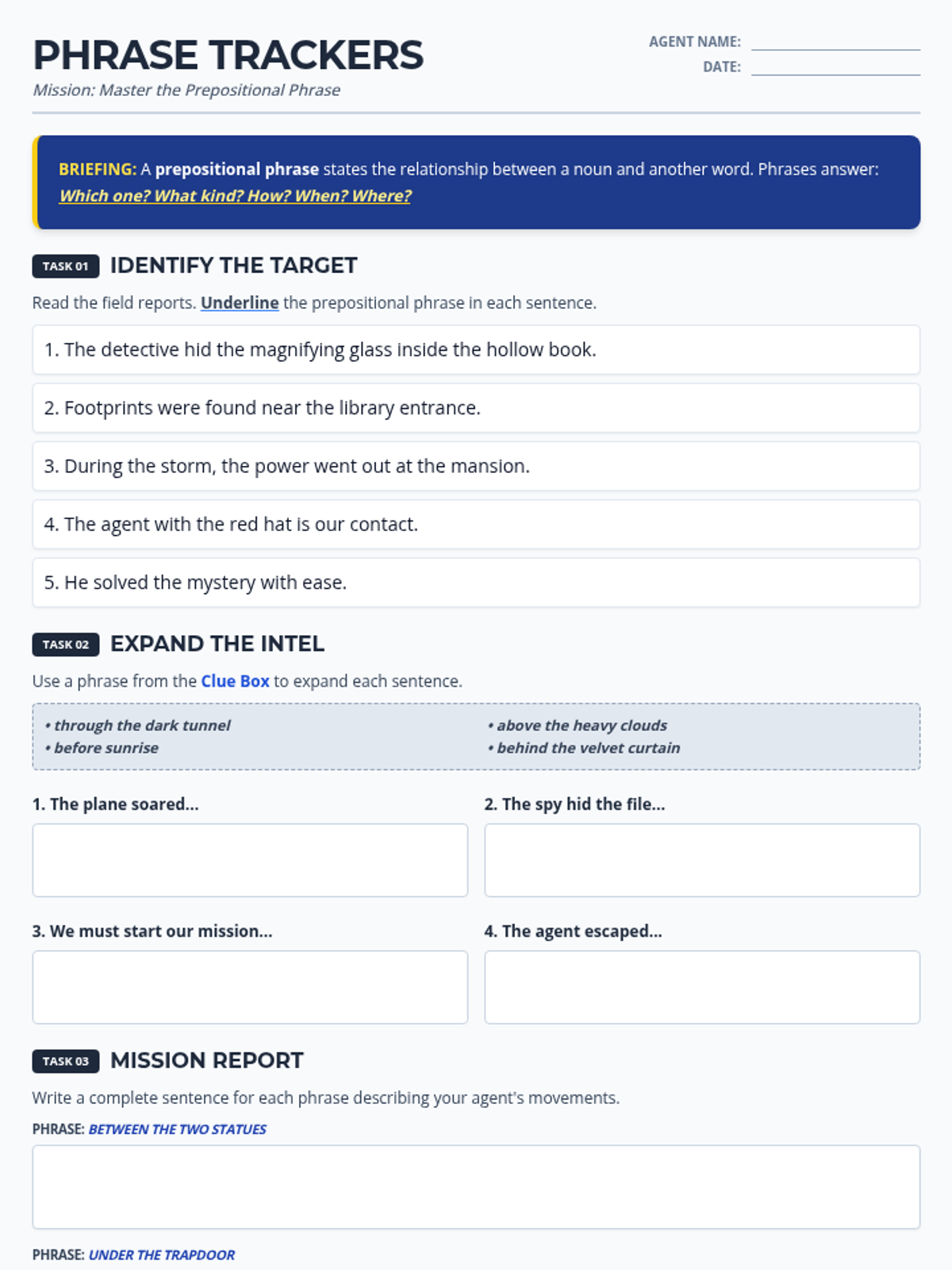
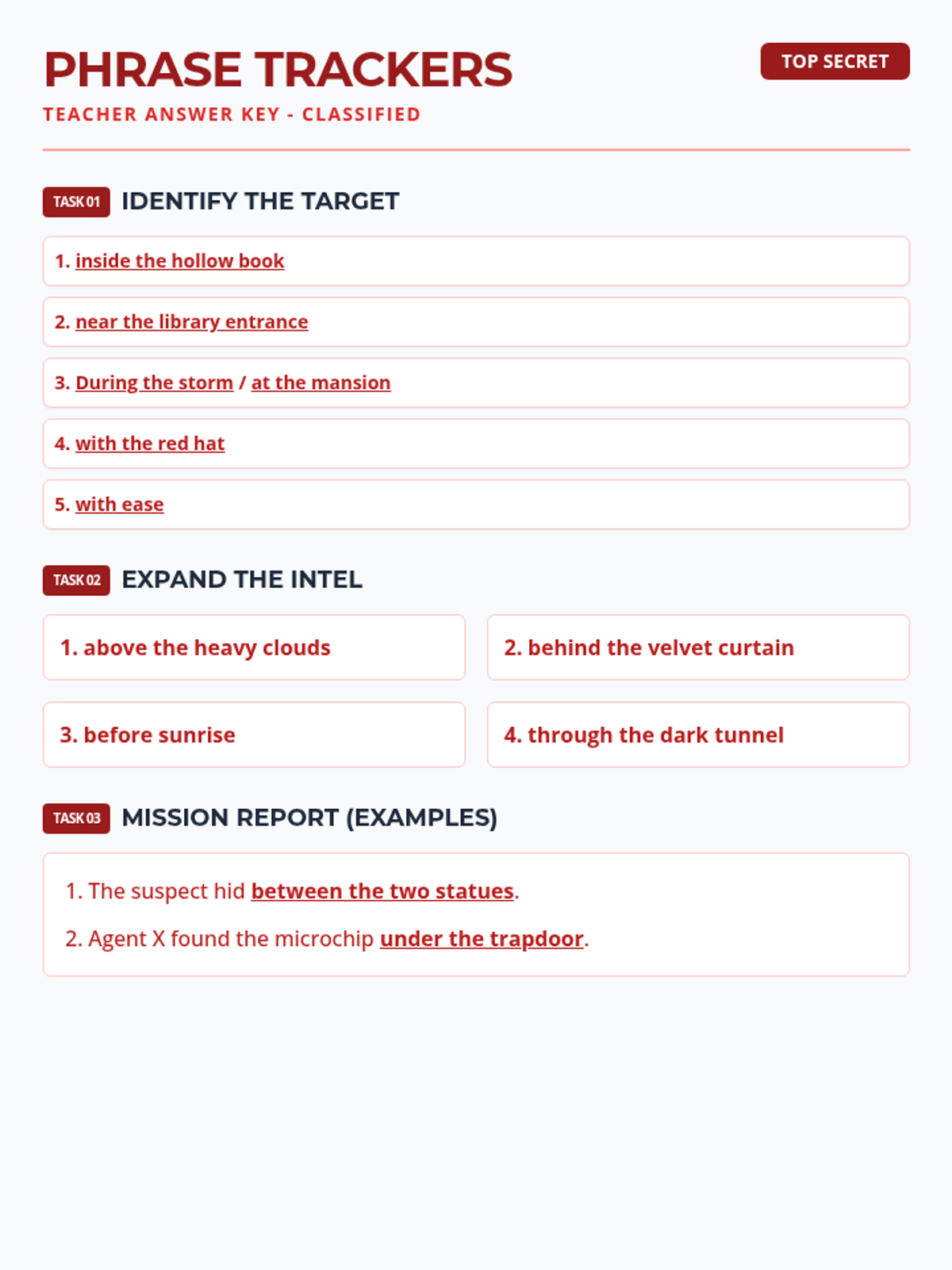
A detective-themed lesson where students hunt for prepositional phrases, use them to expand sentences, and write their own 'mission reports' using specific phrases.
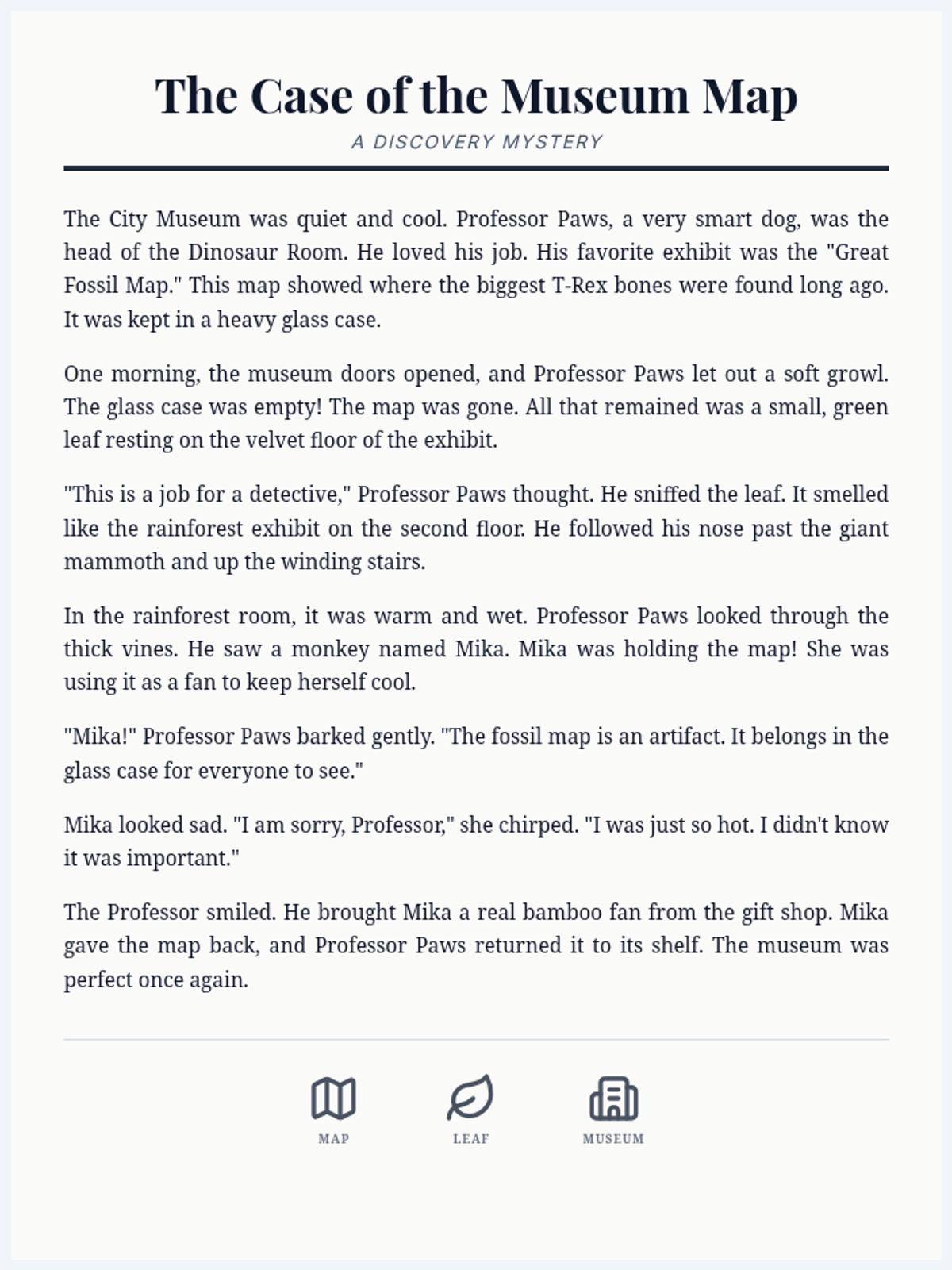
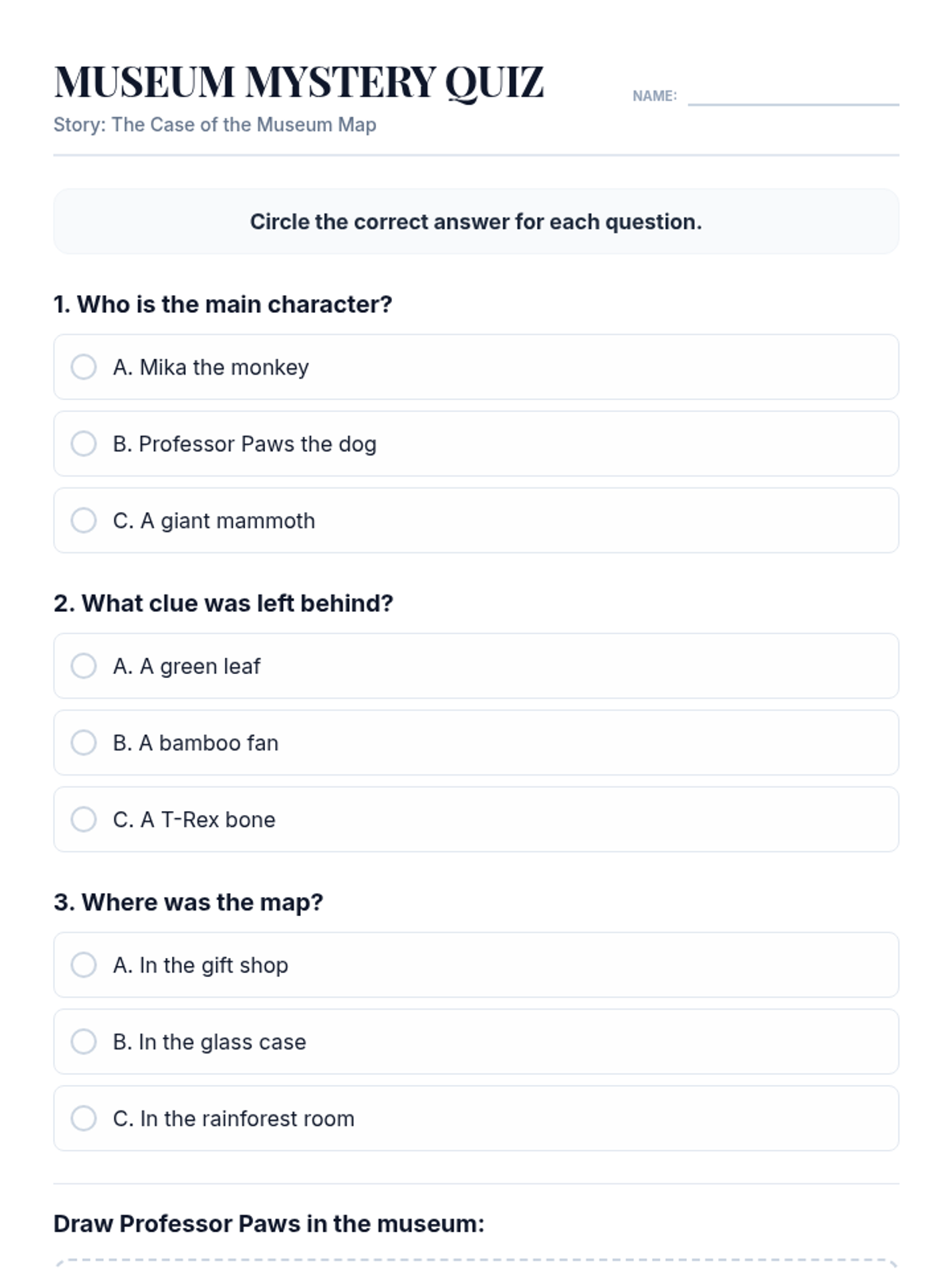
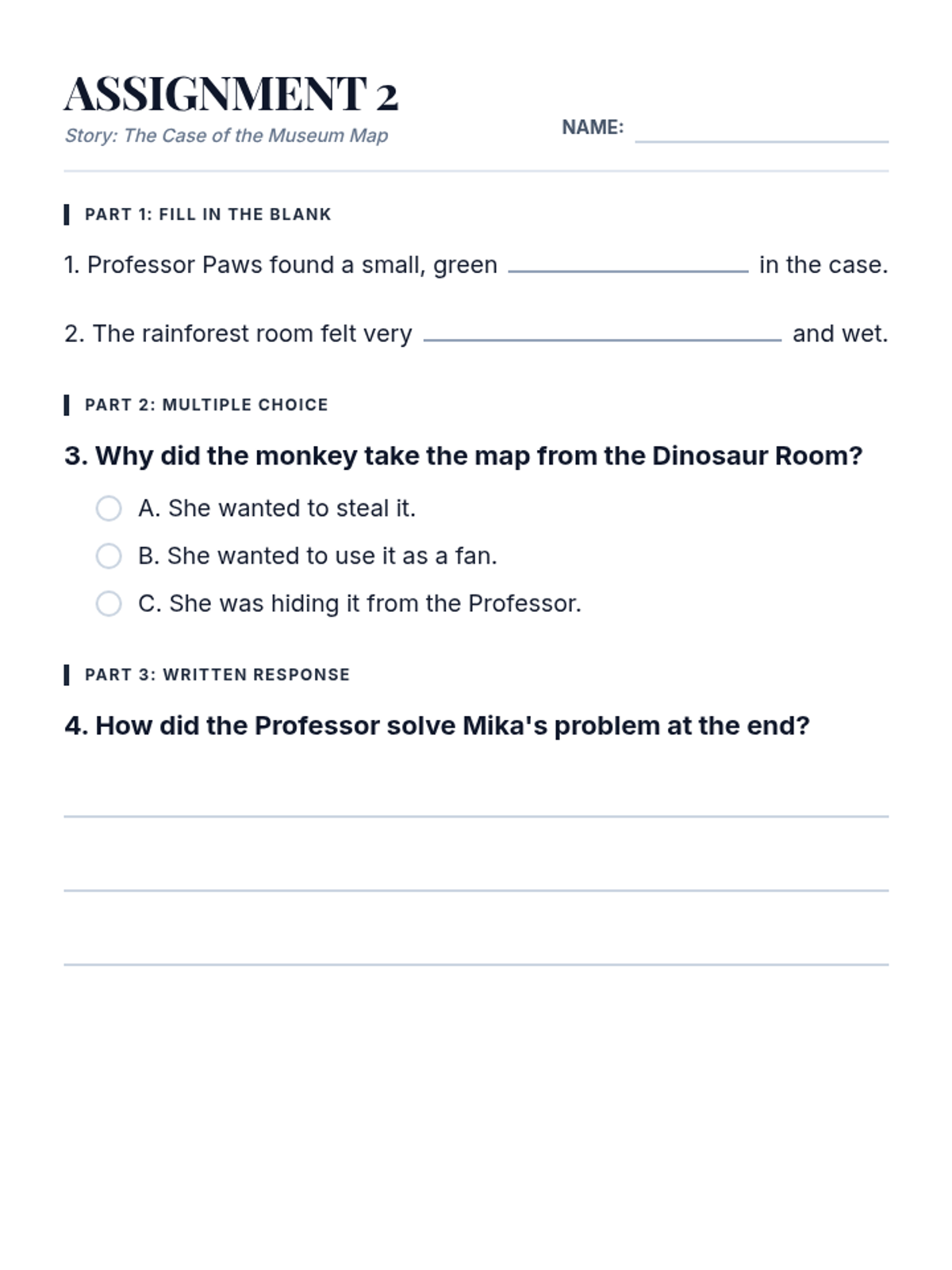
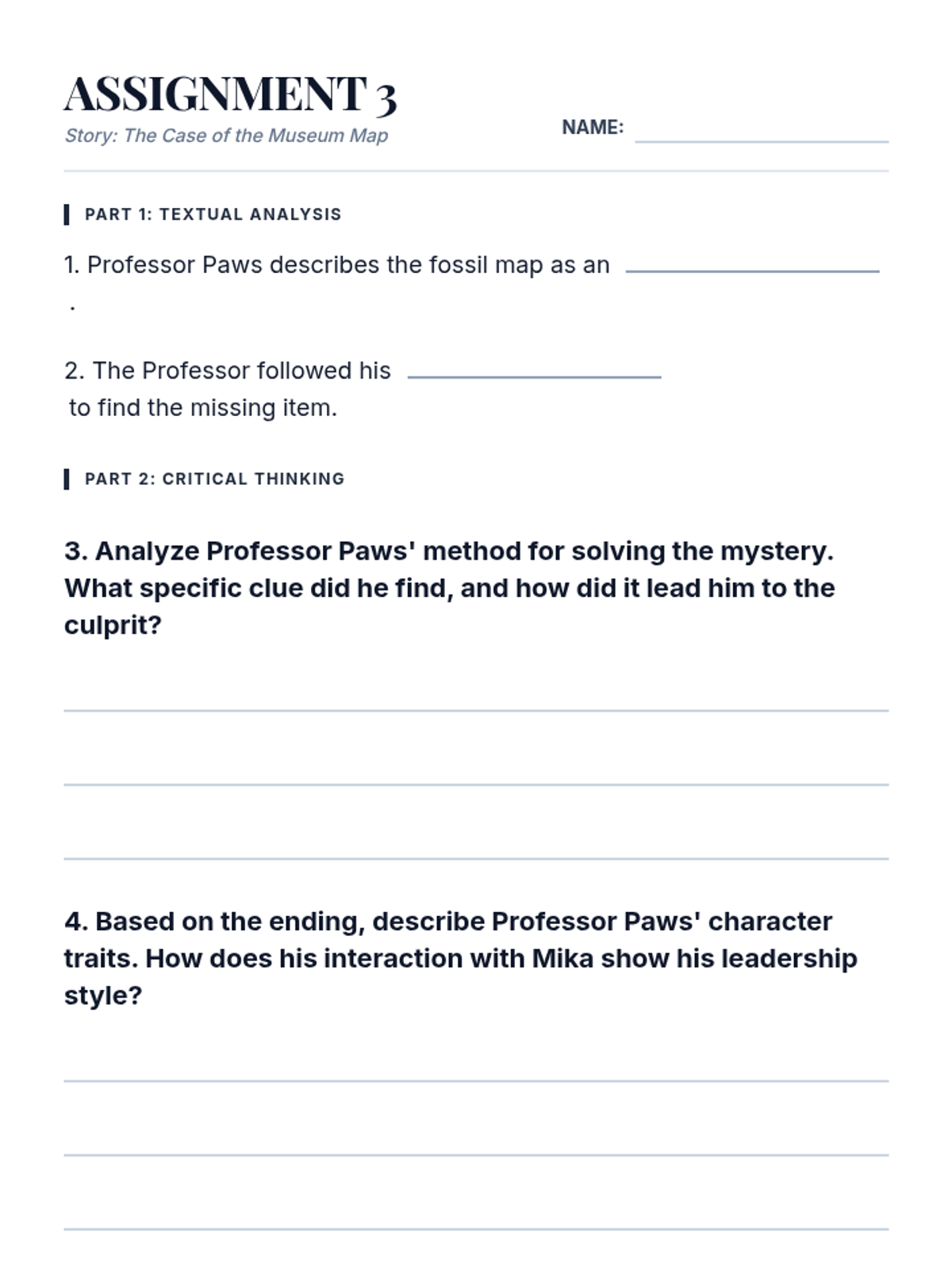
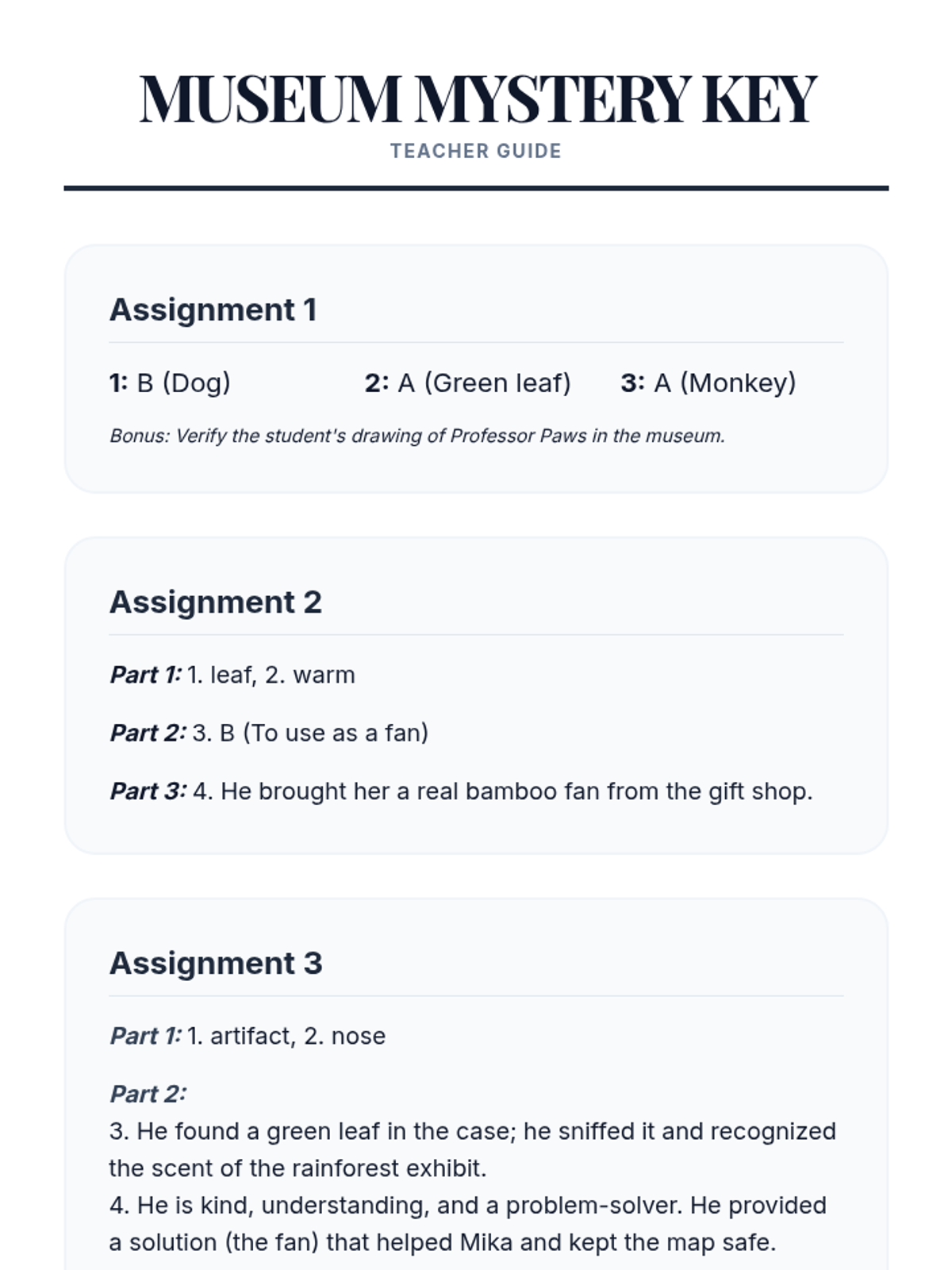
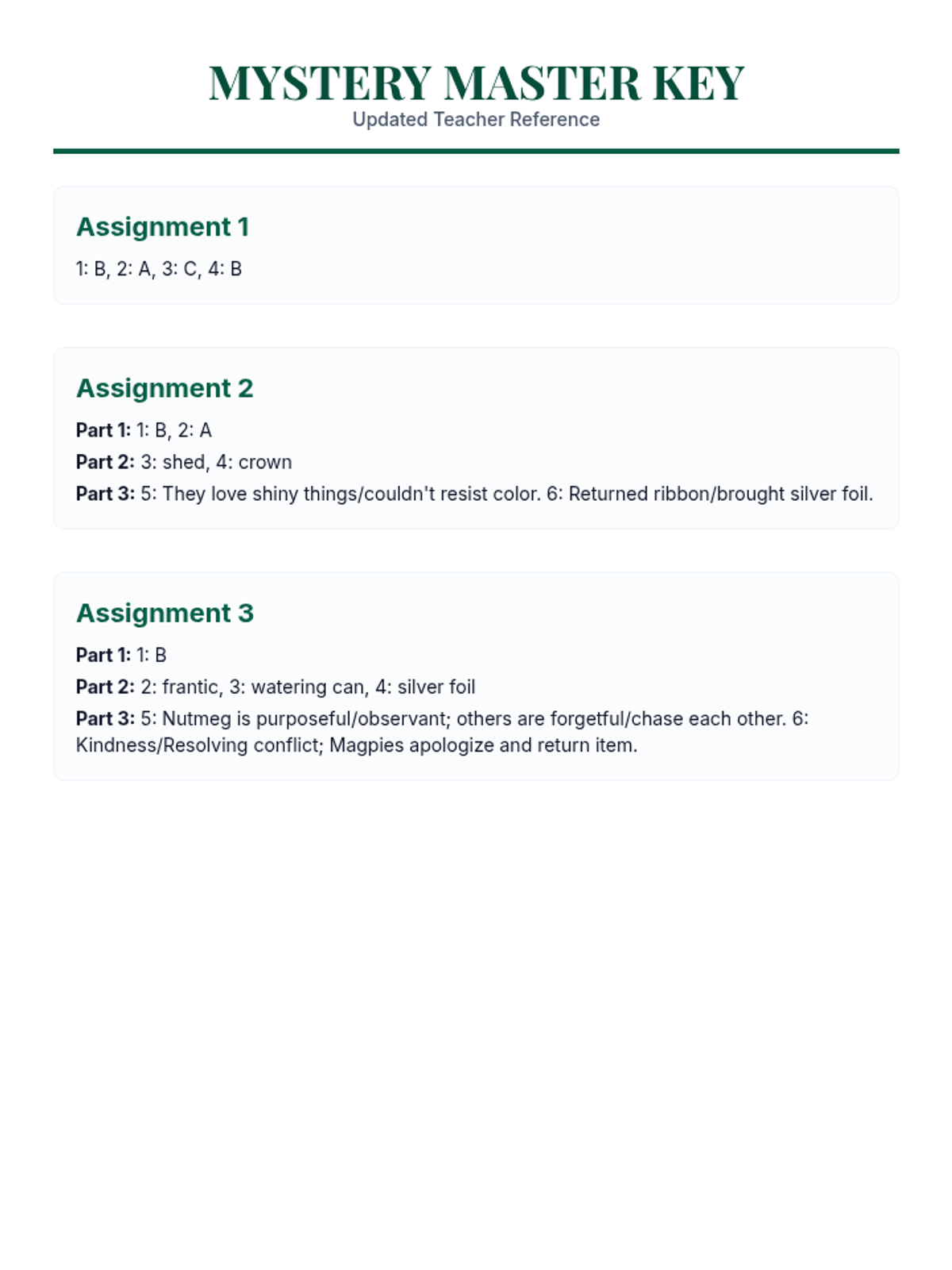
A mystery set in a natural history museum where a rare fossil map goes missing, with tiered assignments for different grade levels.
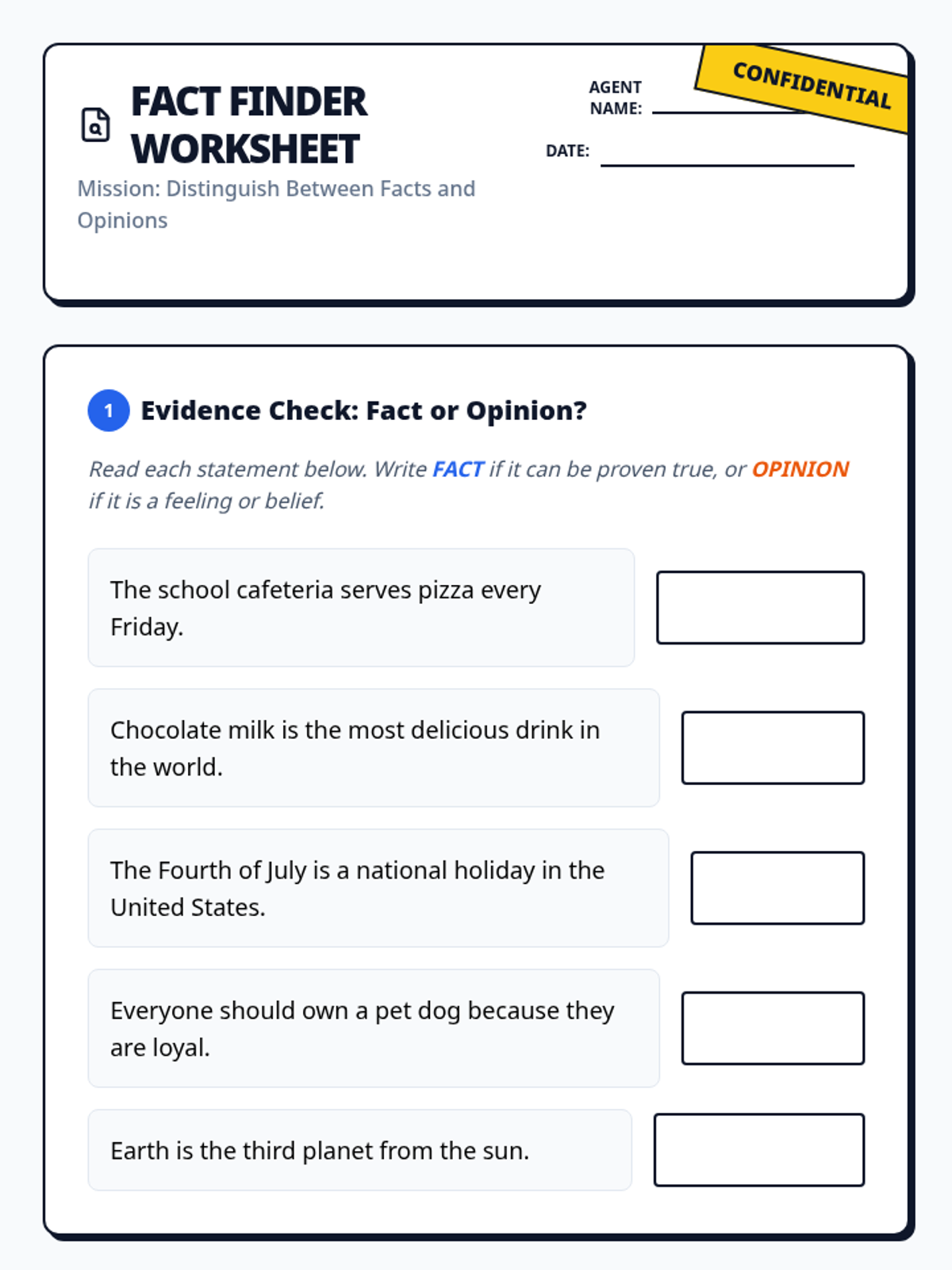
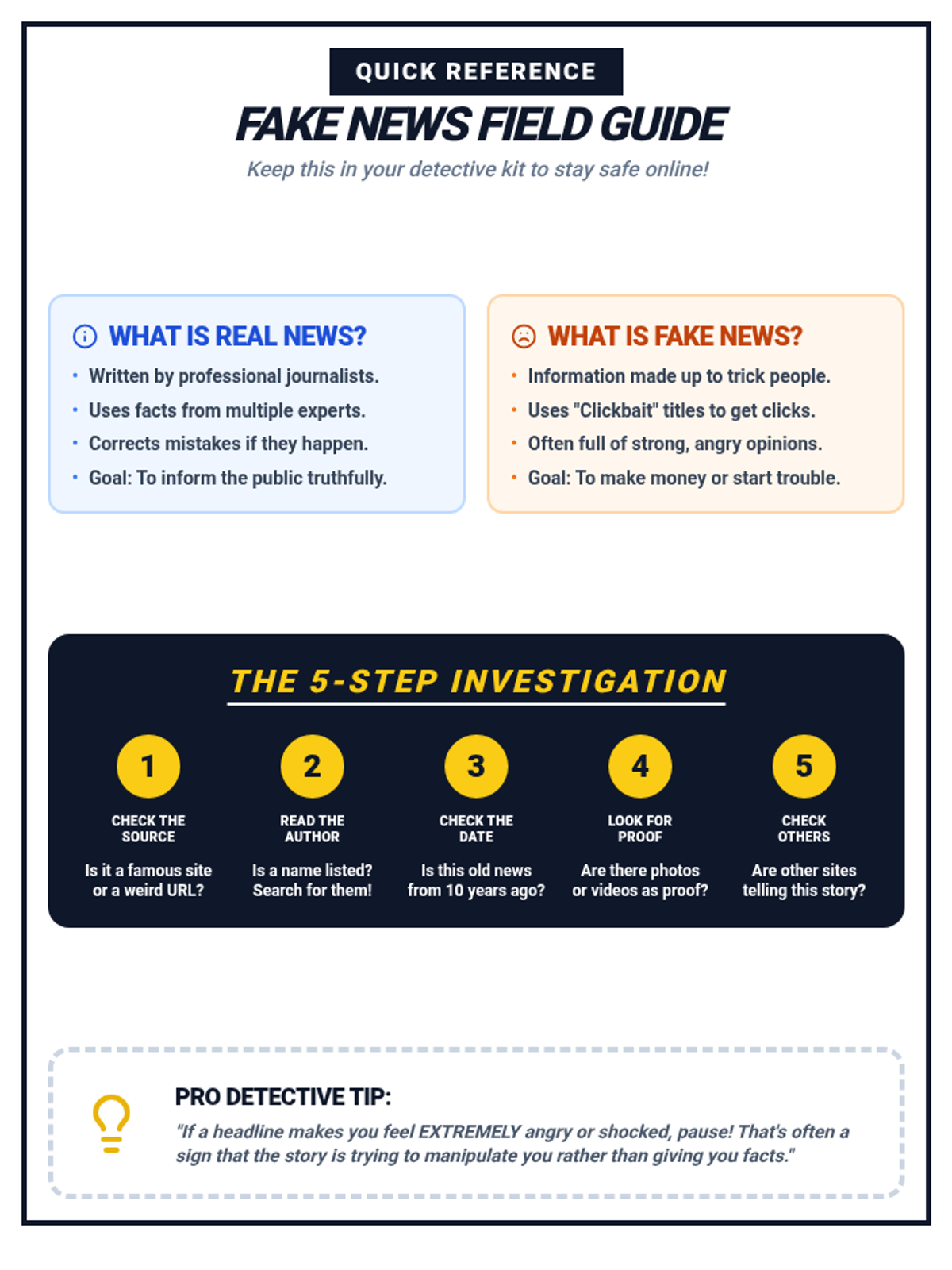
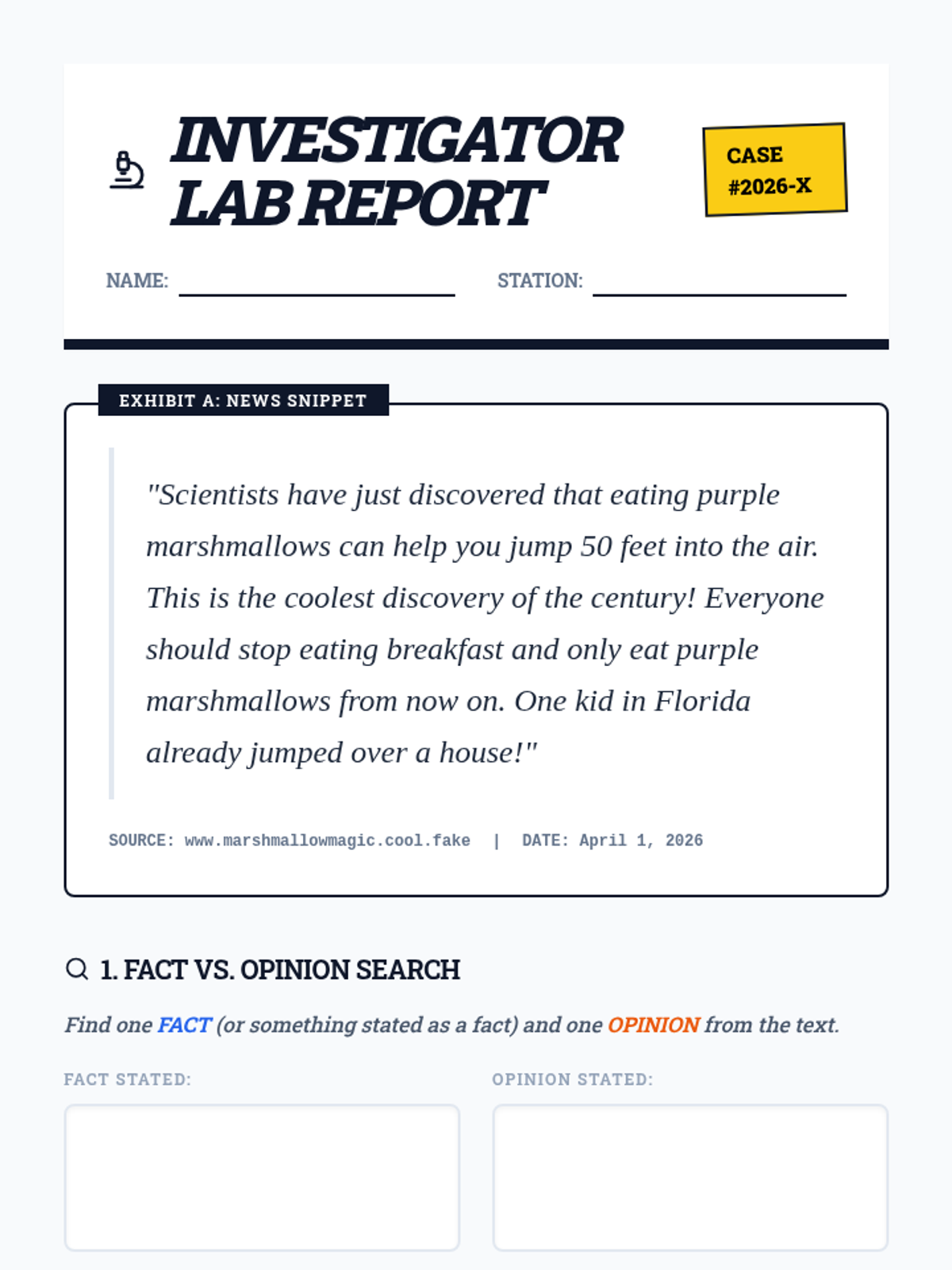
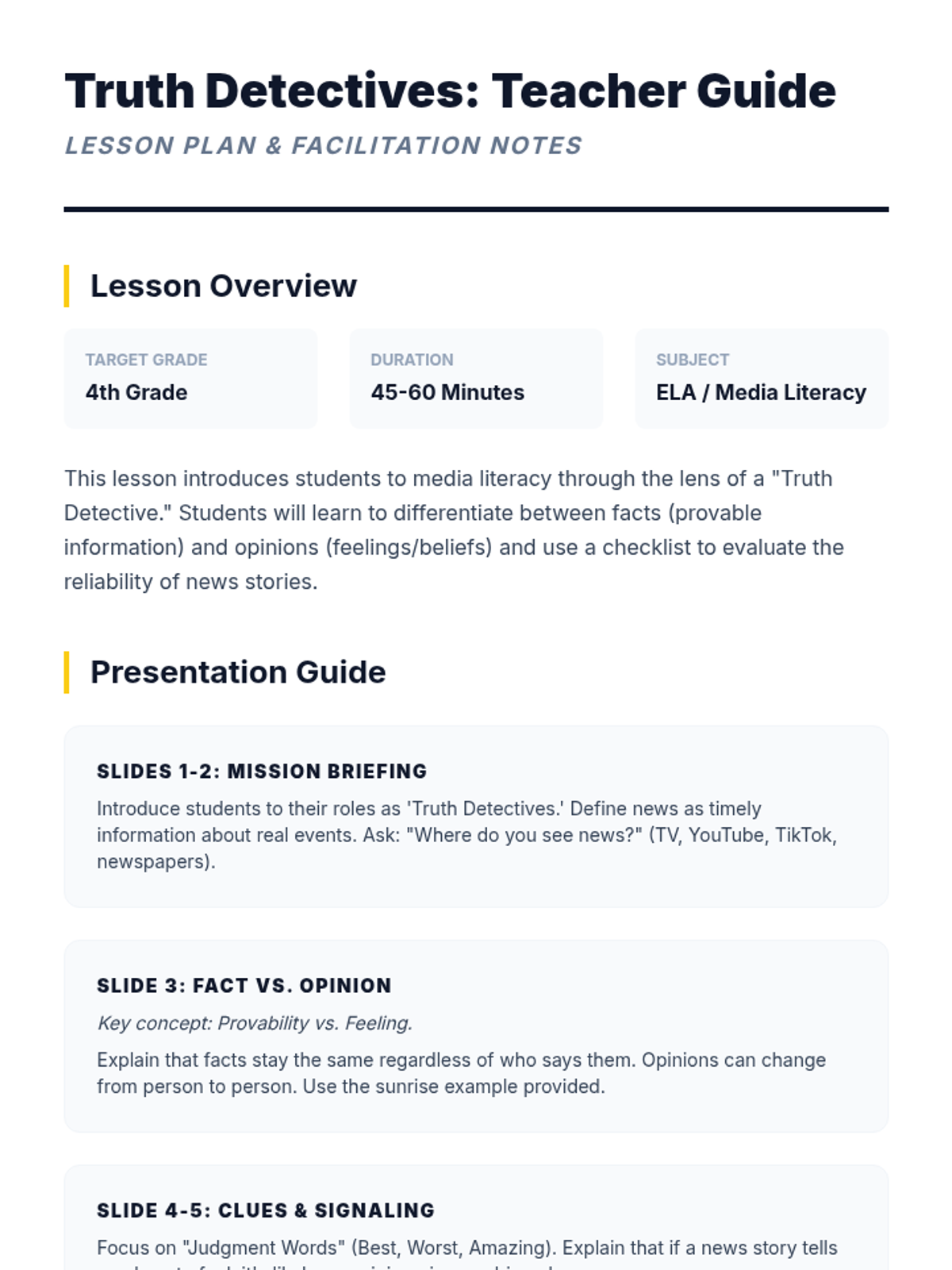
A comprehensive lesson for 4th graders on media literacy, focusing on distinguishing between facts and opinions to identify reliable news stories. Students take on the role of 'Truth Detectives' to investigate news sources and build critical thinking skills.
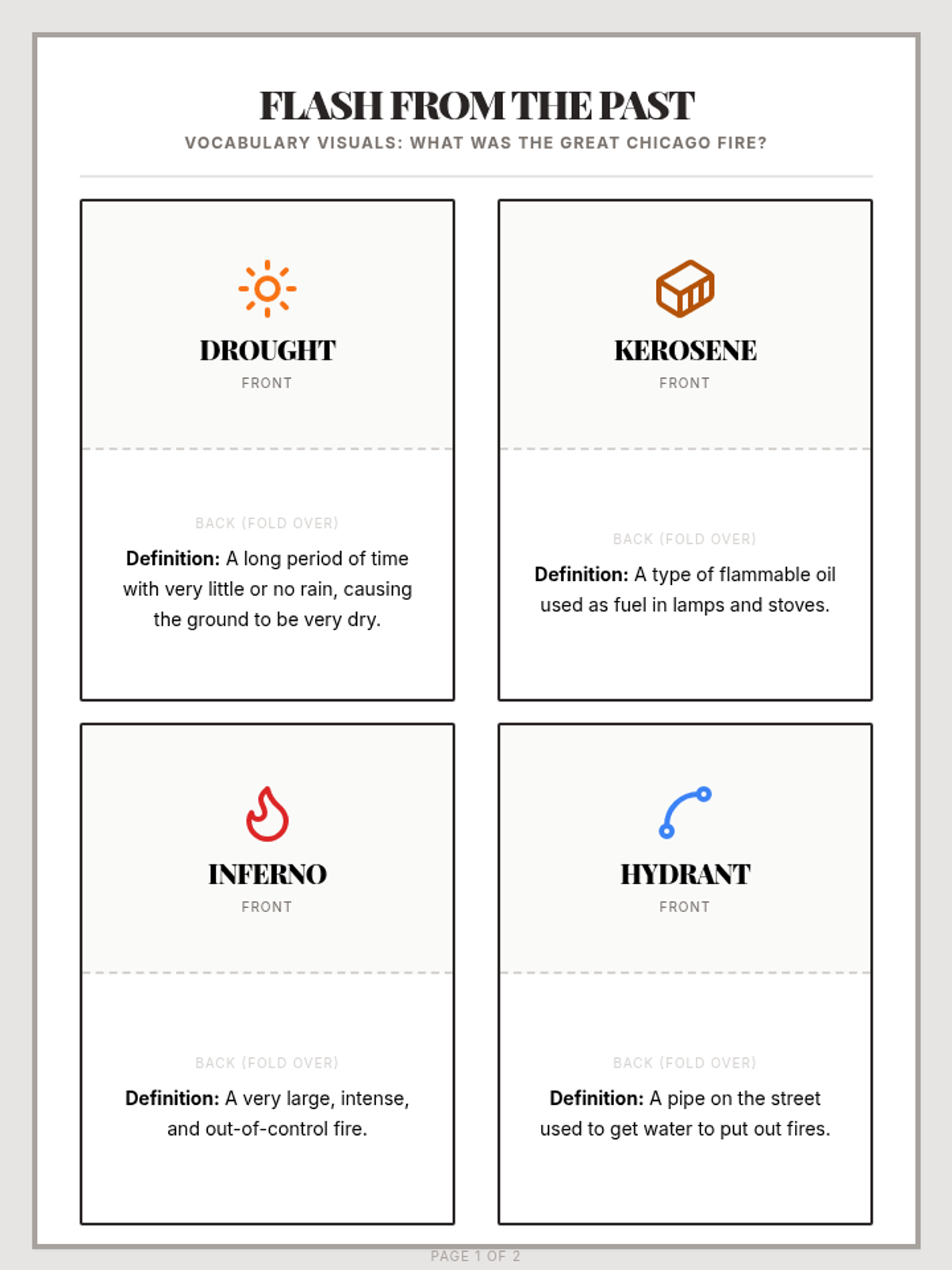
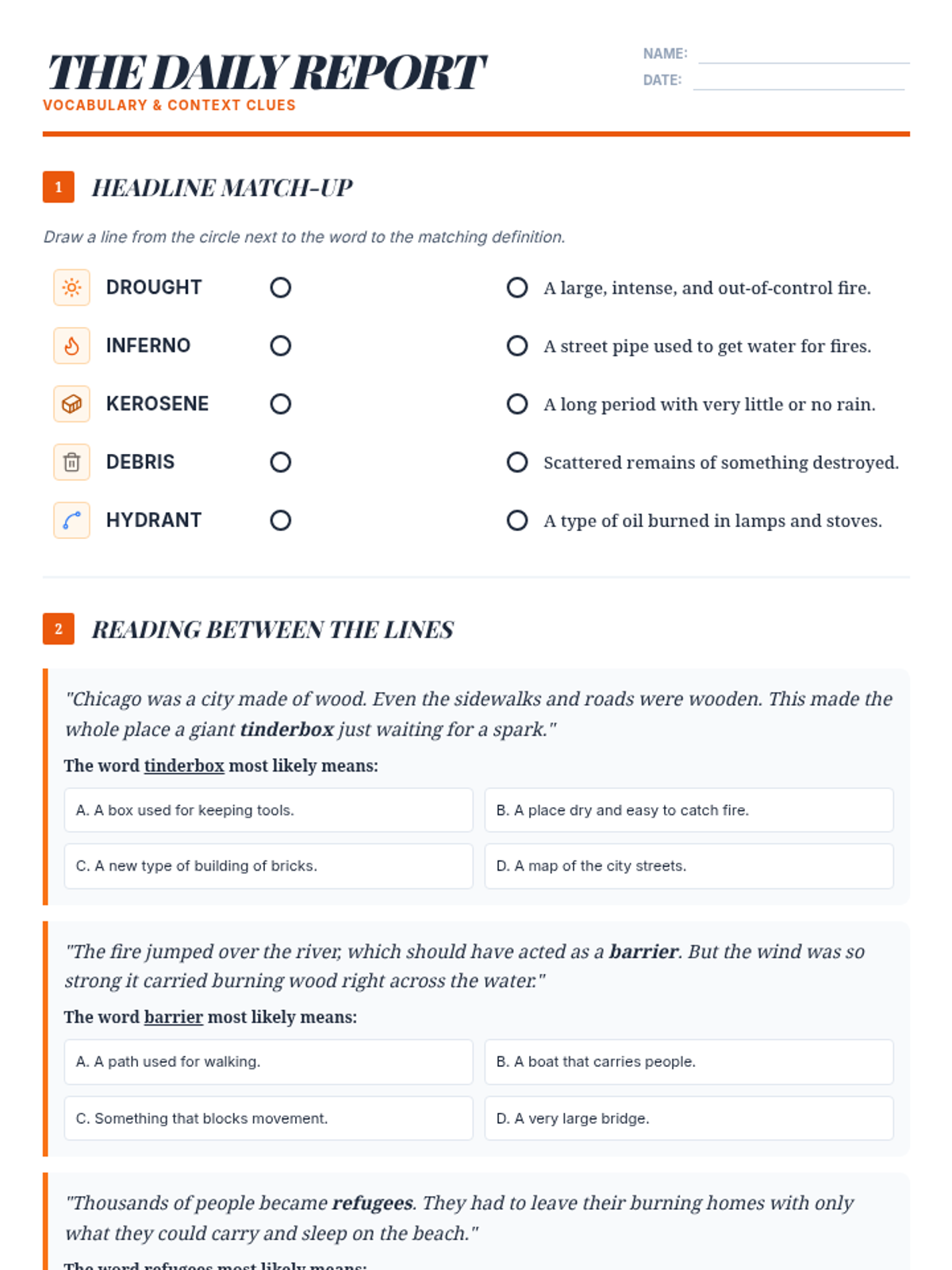
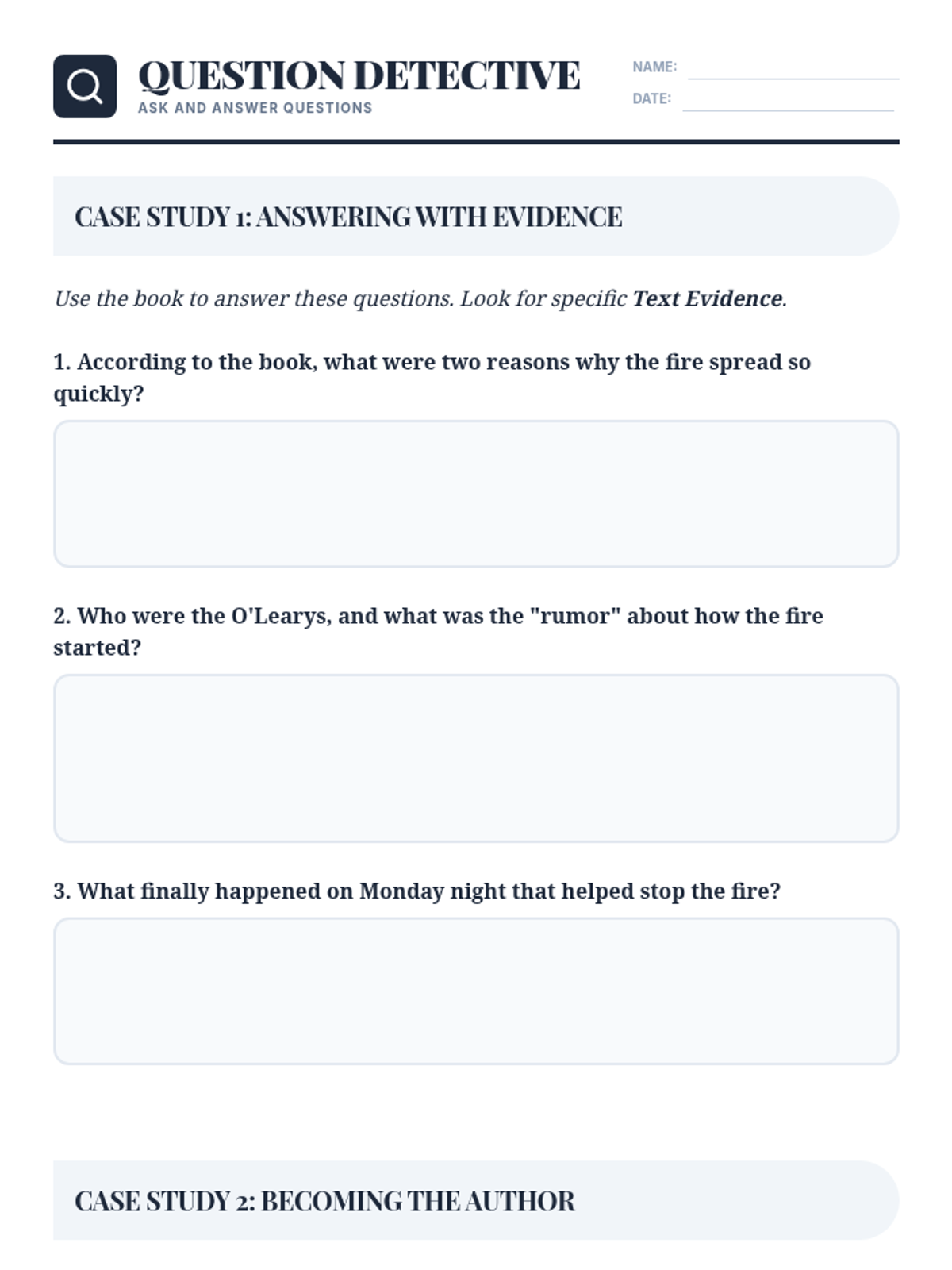
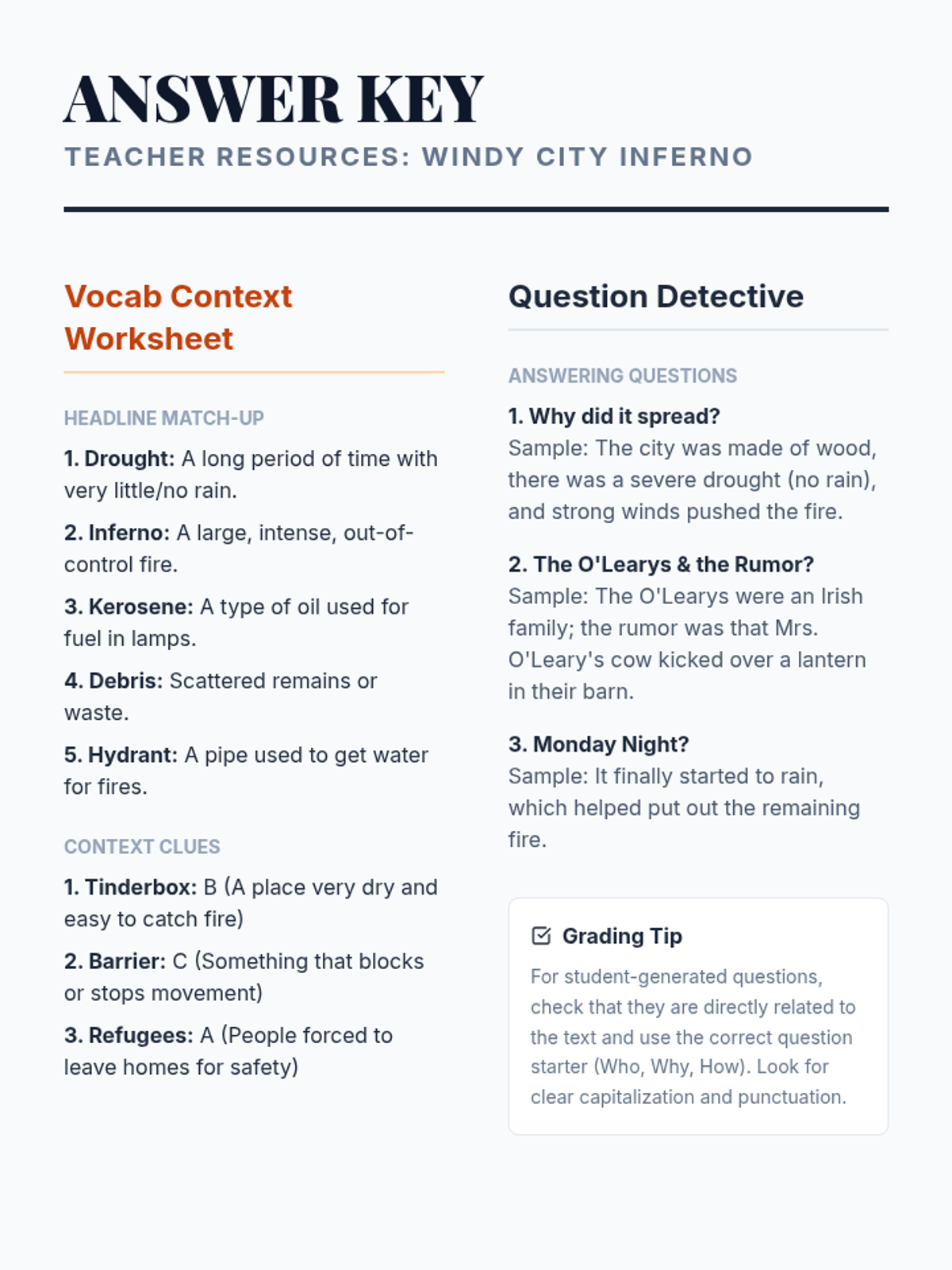
A comprehensive lesson focused on the 1871 Great Chicago Fire, targeting reading comprehension through asking and answering questions and building vocabulary through context clues.
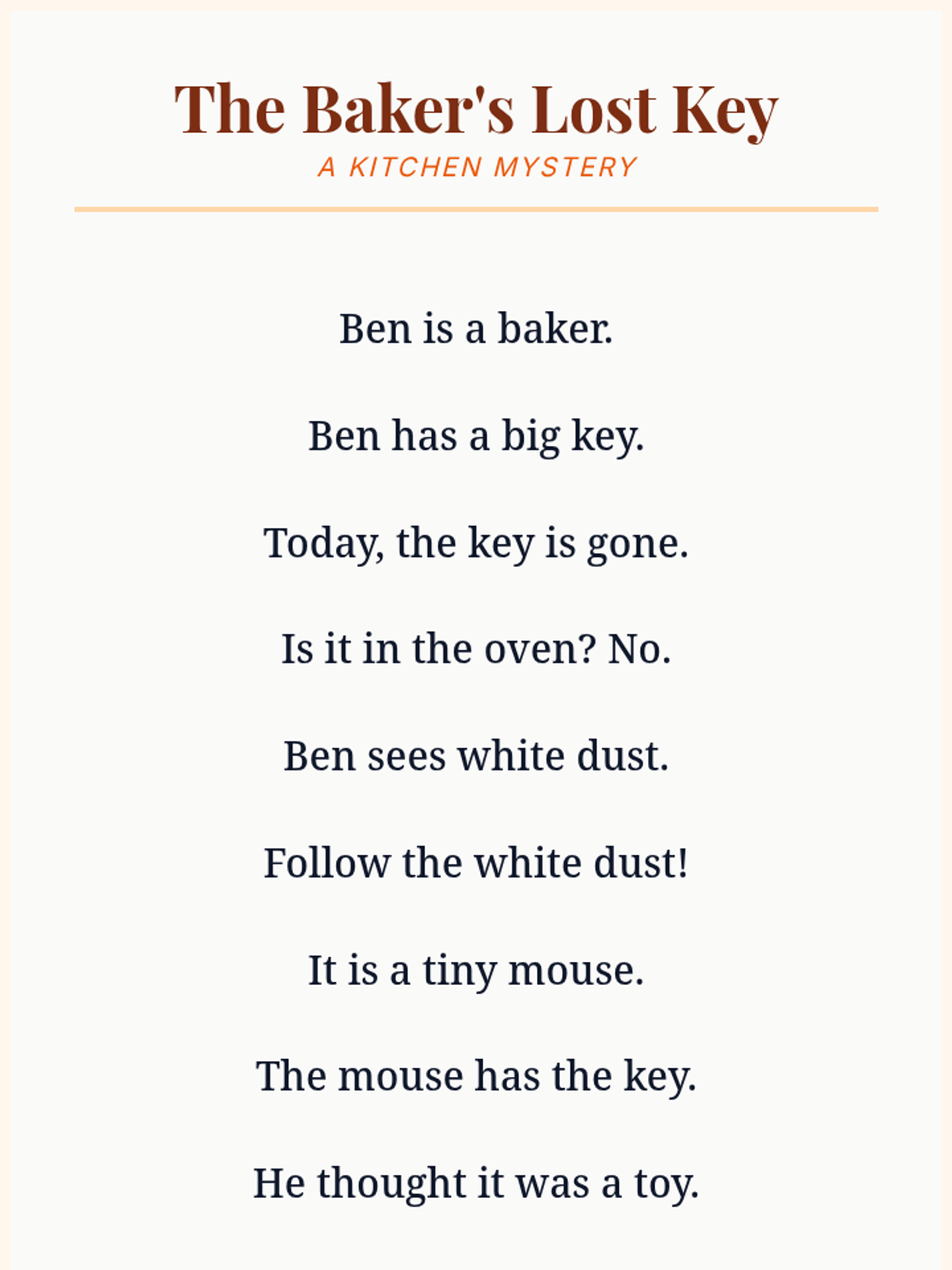
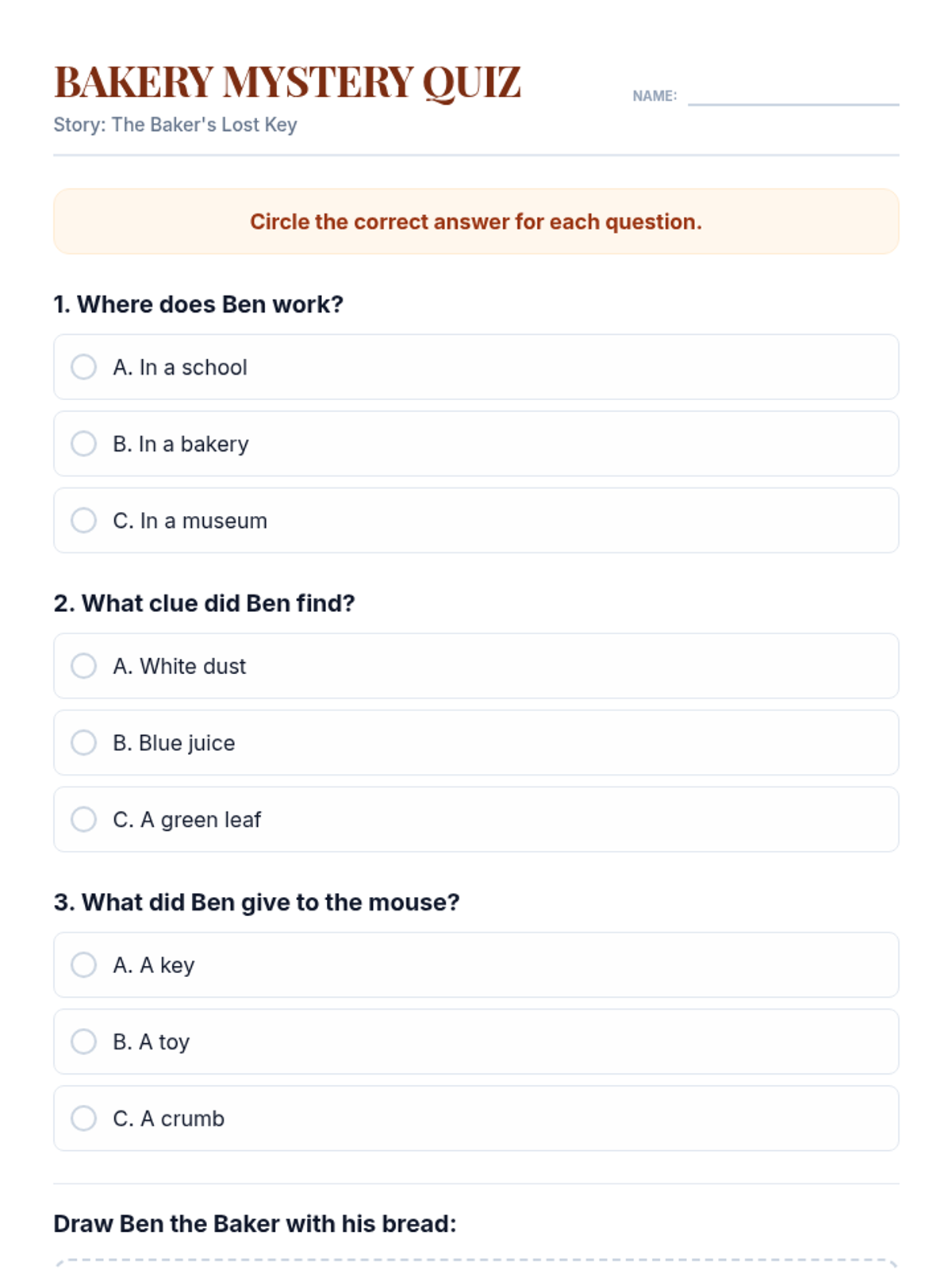
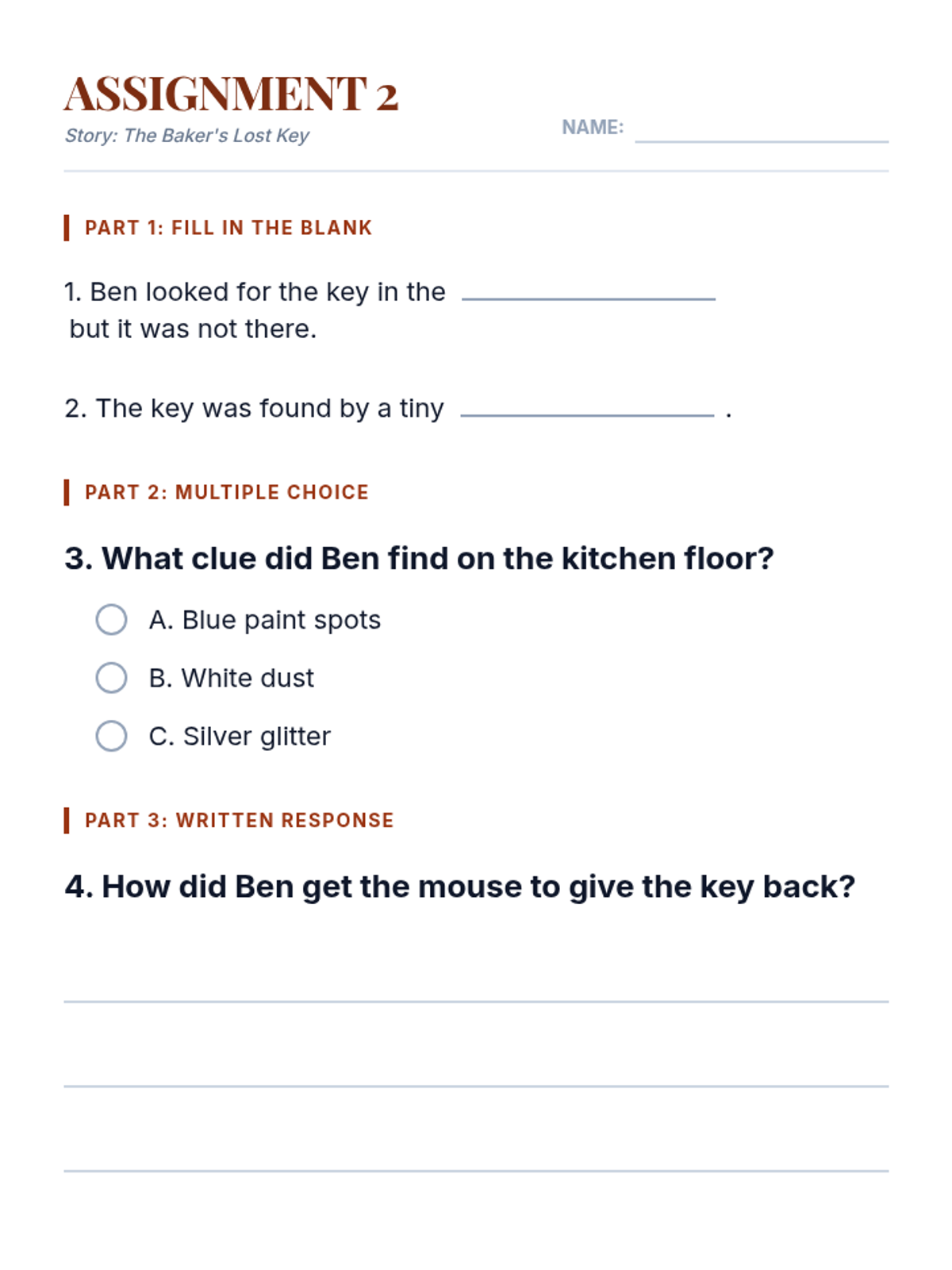
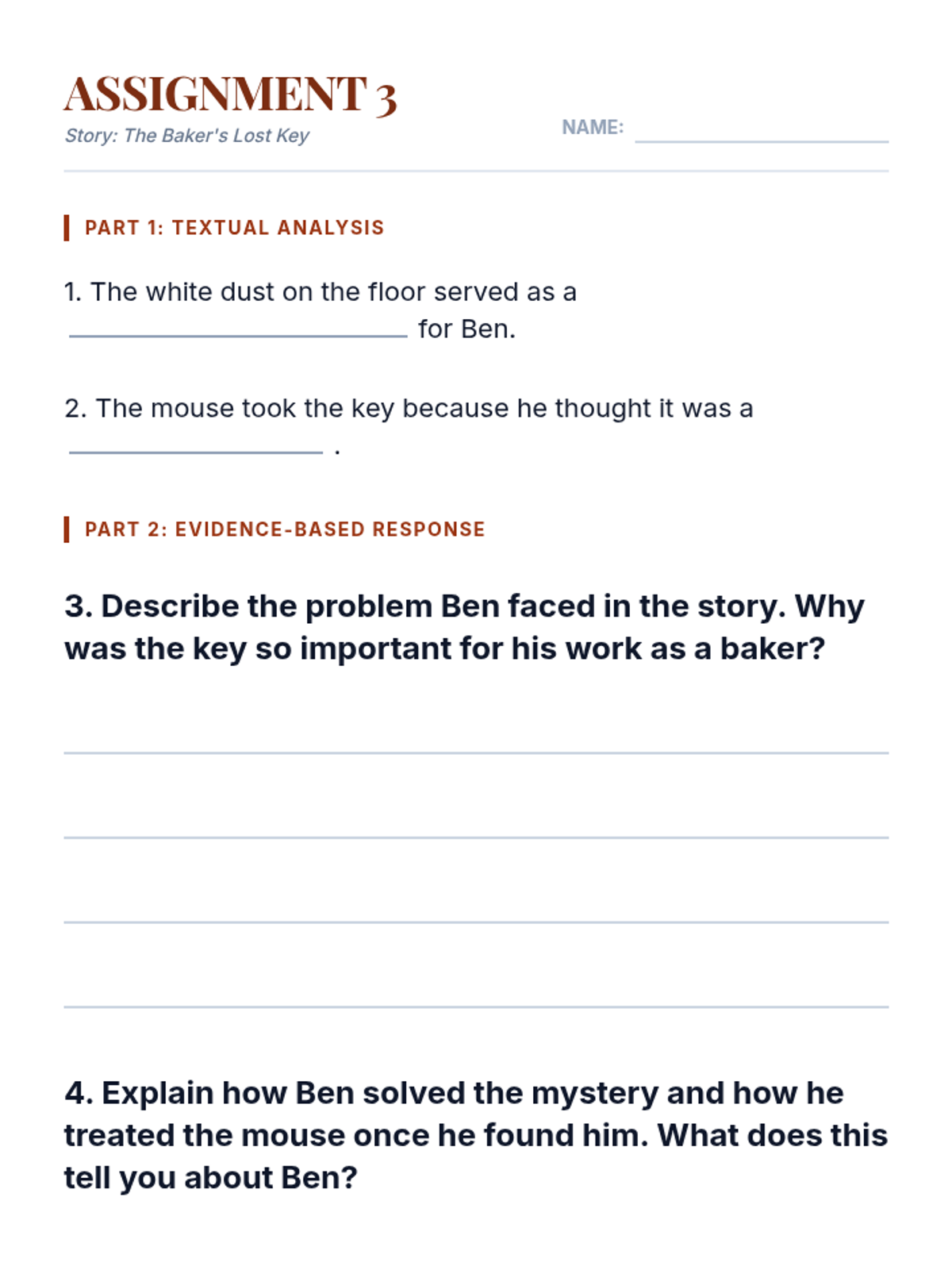
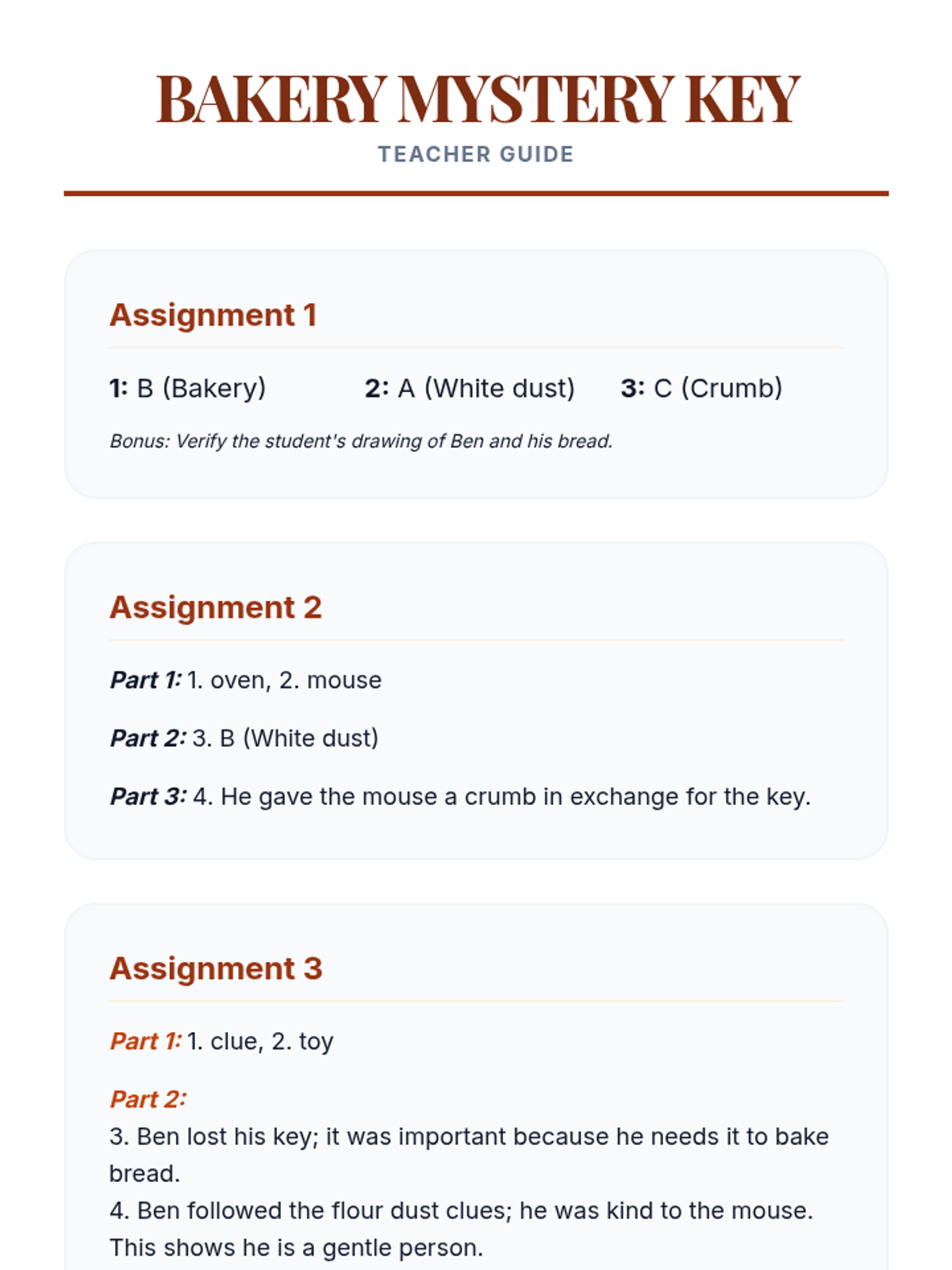
A bakery-themed mystery where a baker's important key goes missing, with tiered assignments for different grade levels.
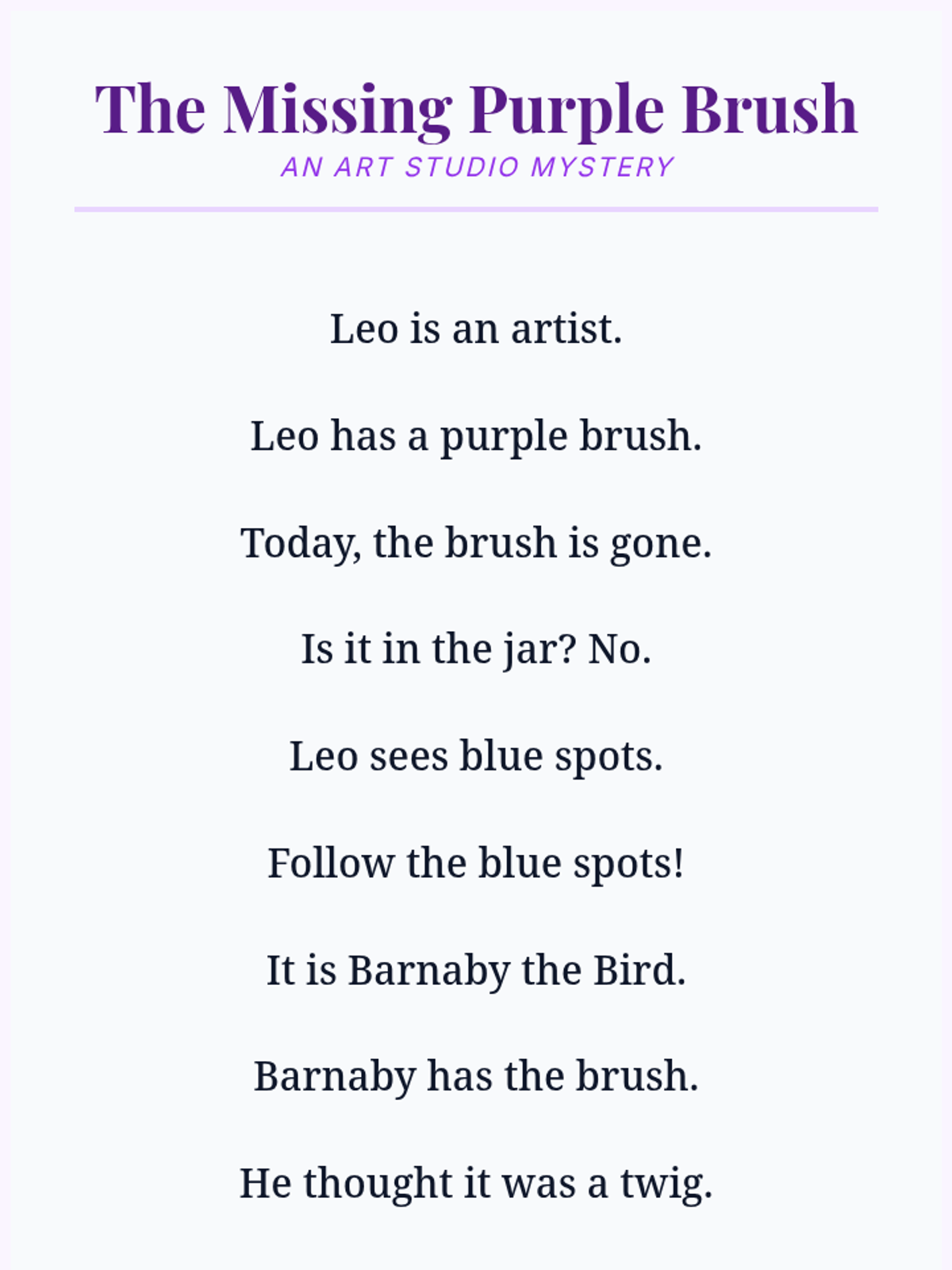
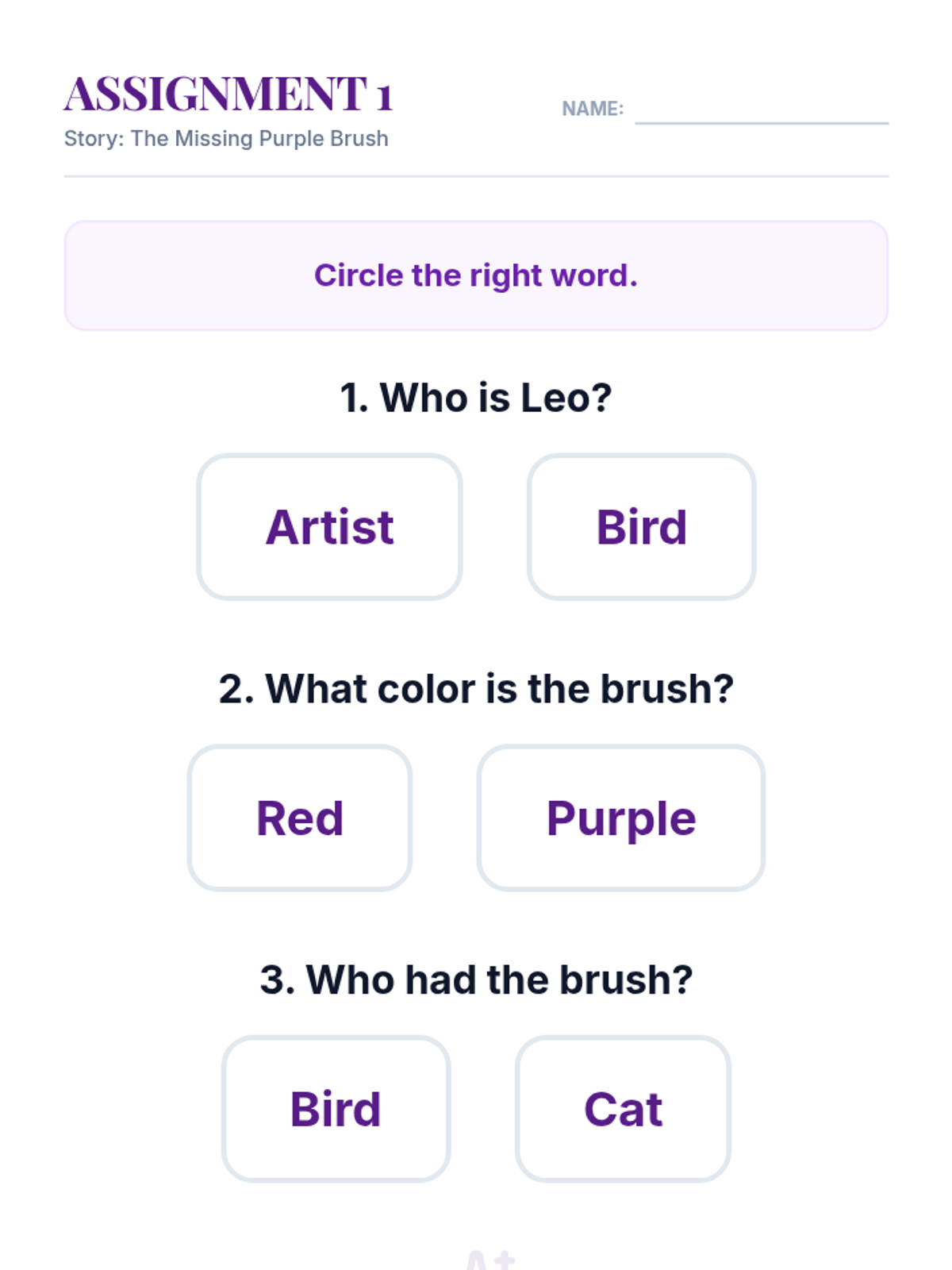
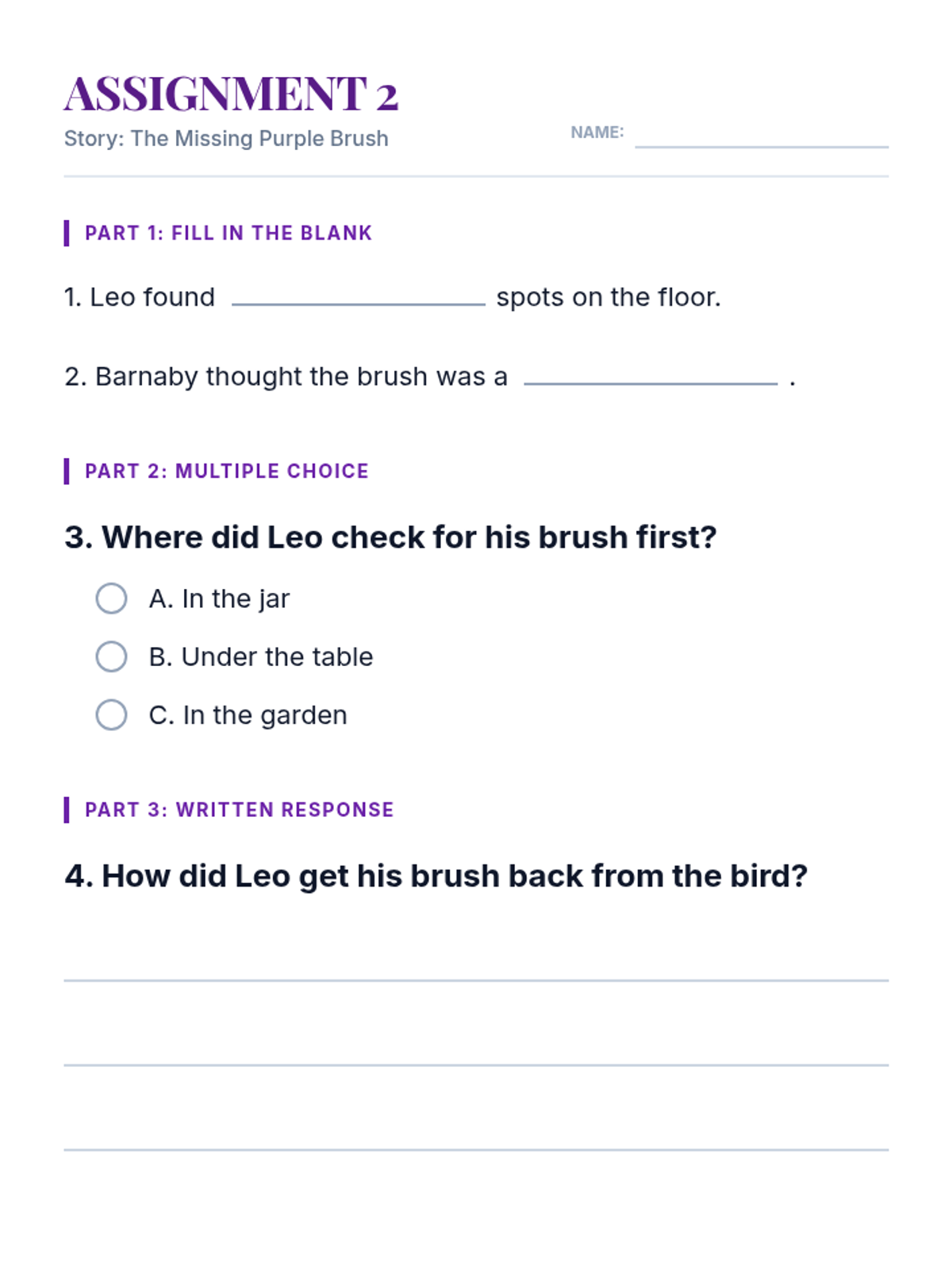
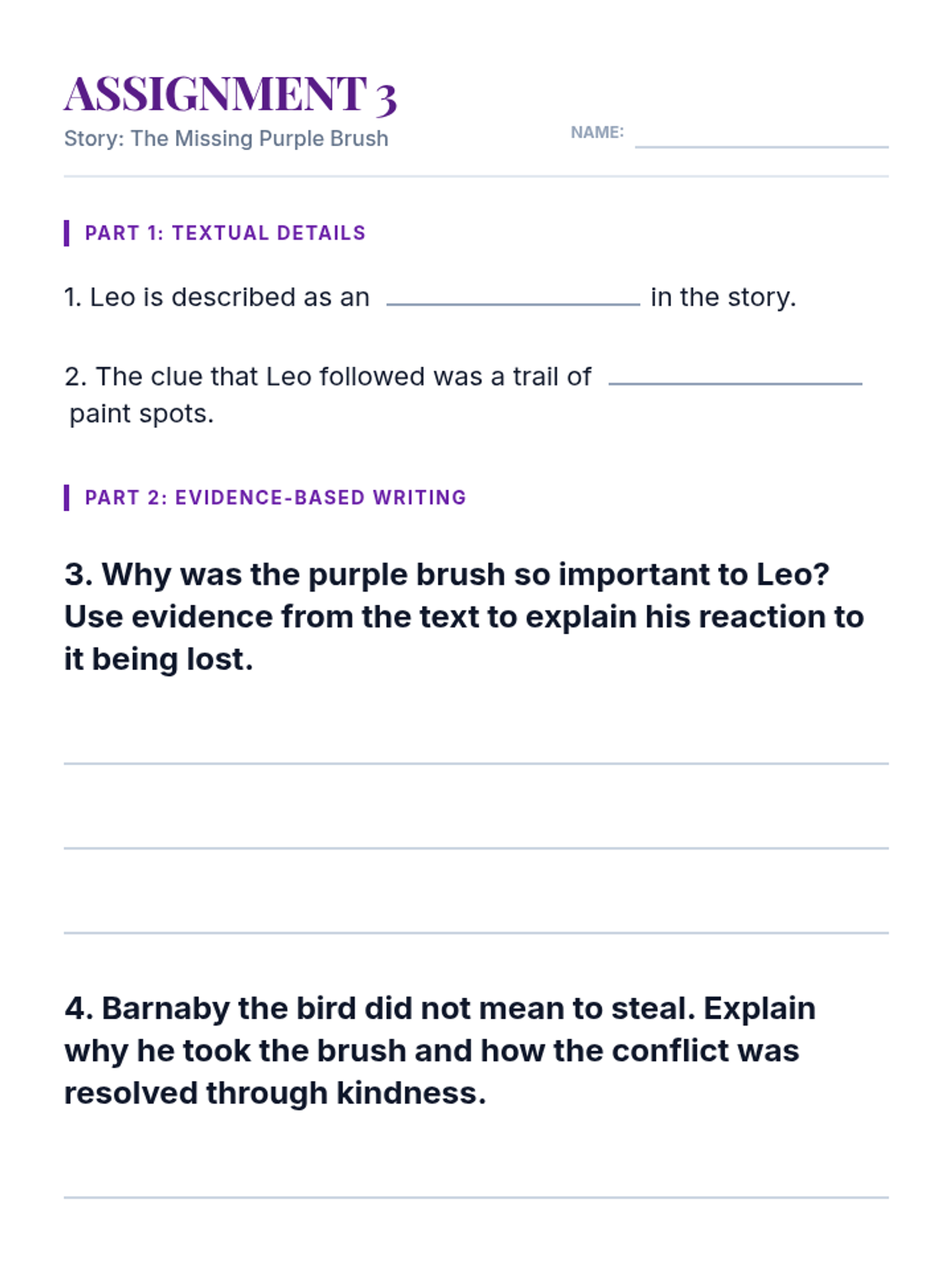
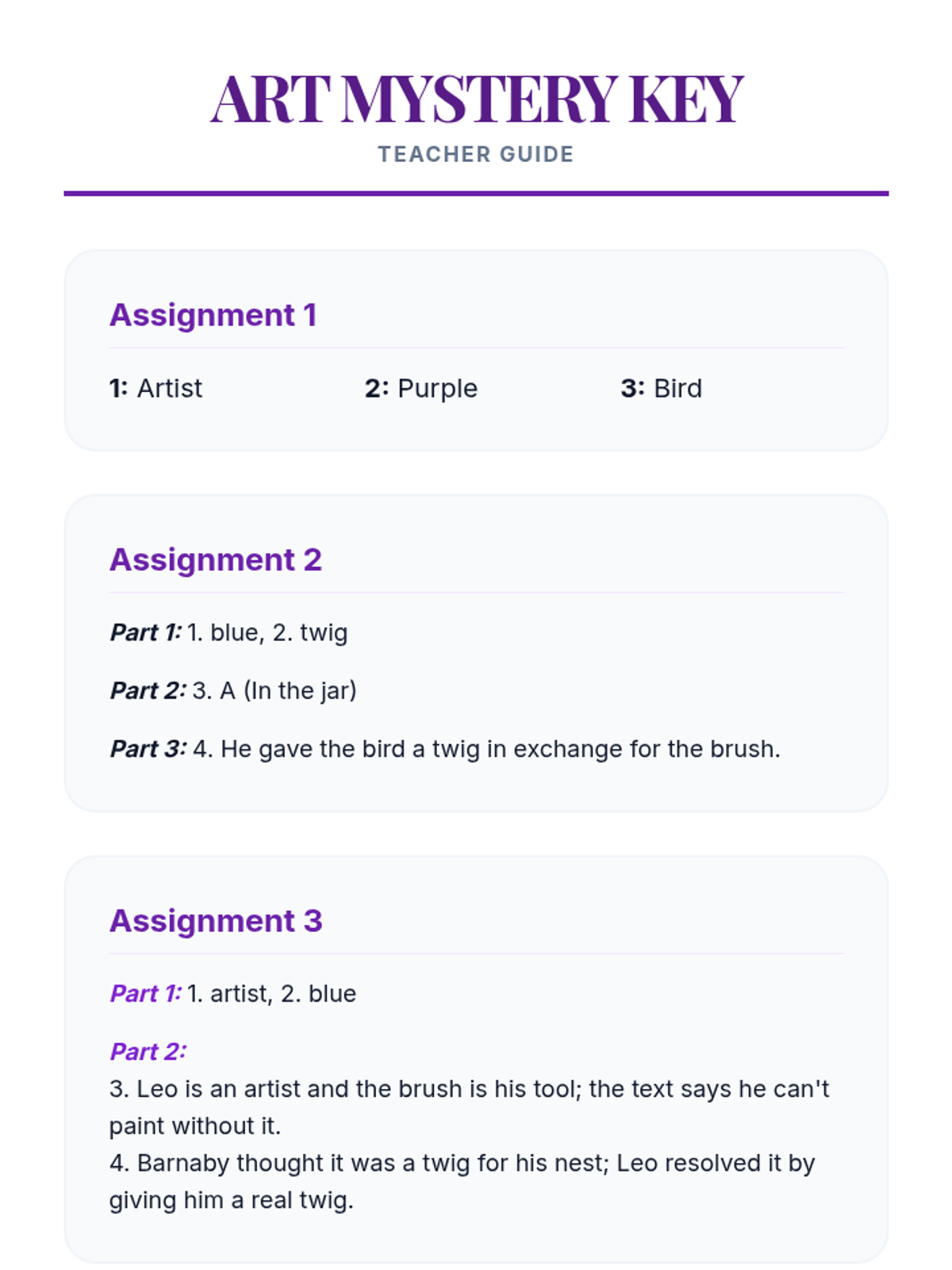
An art-themed mystery where a painter's favorite purple brush goes missing, featuring tiered assignments for different grade levels.
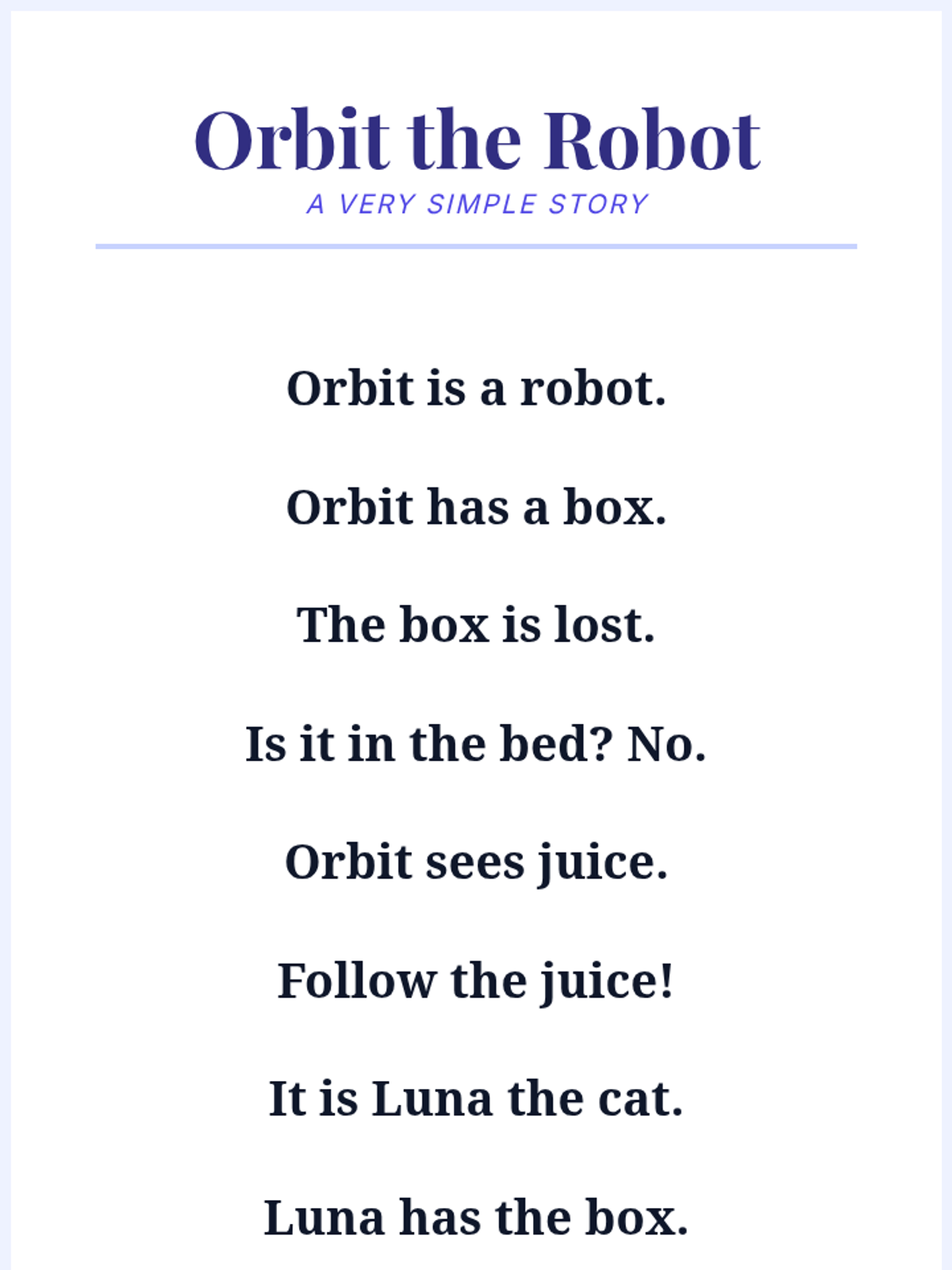
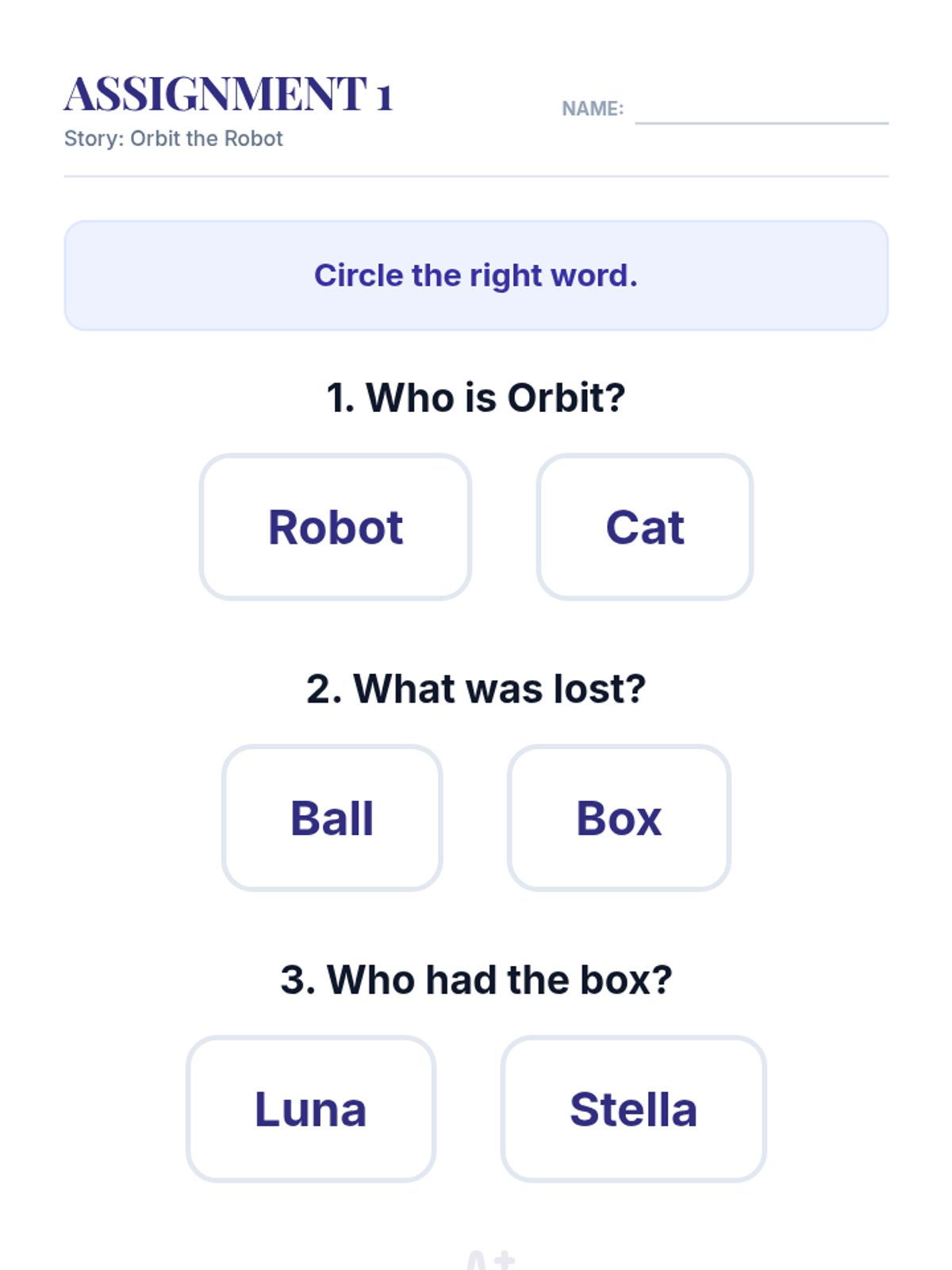
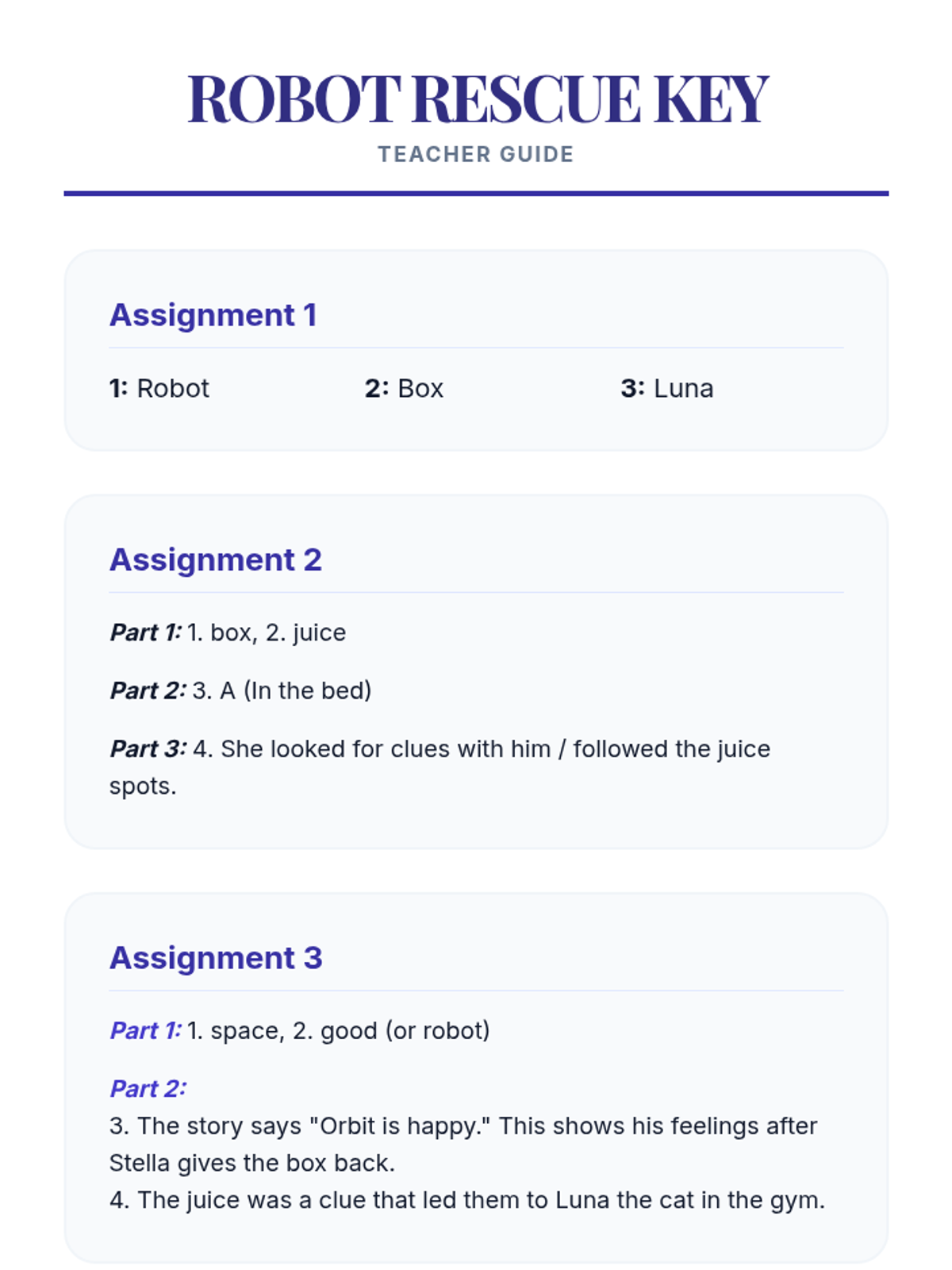
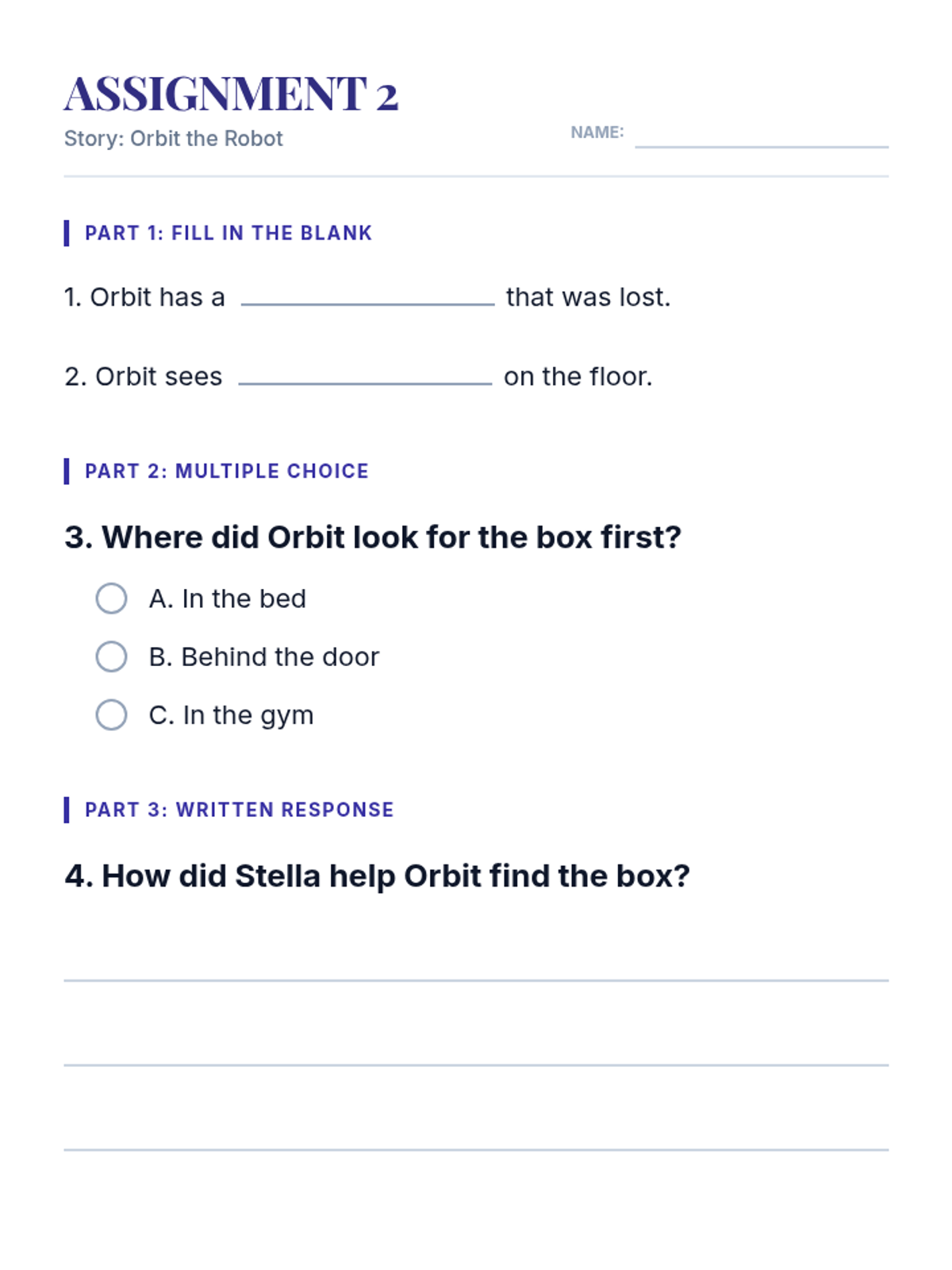
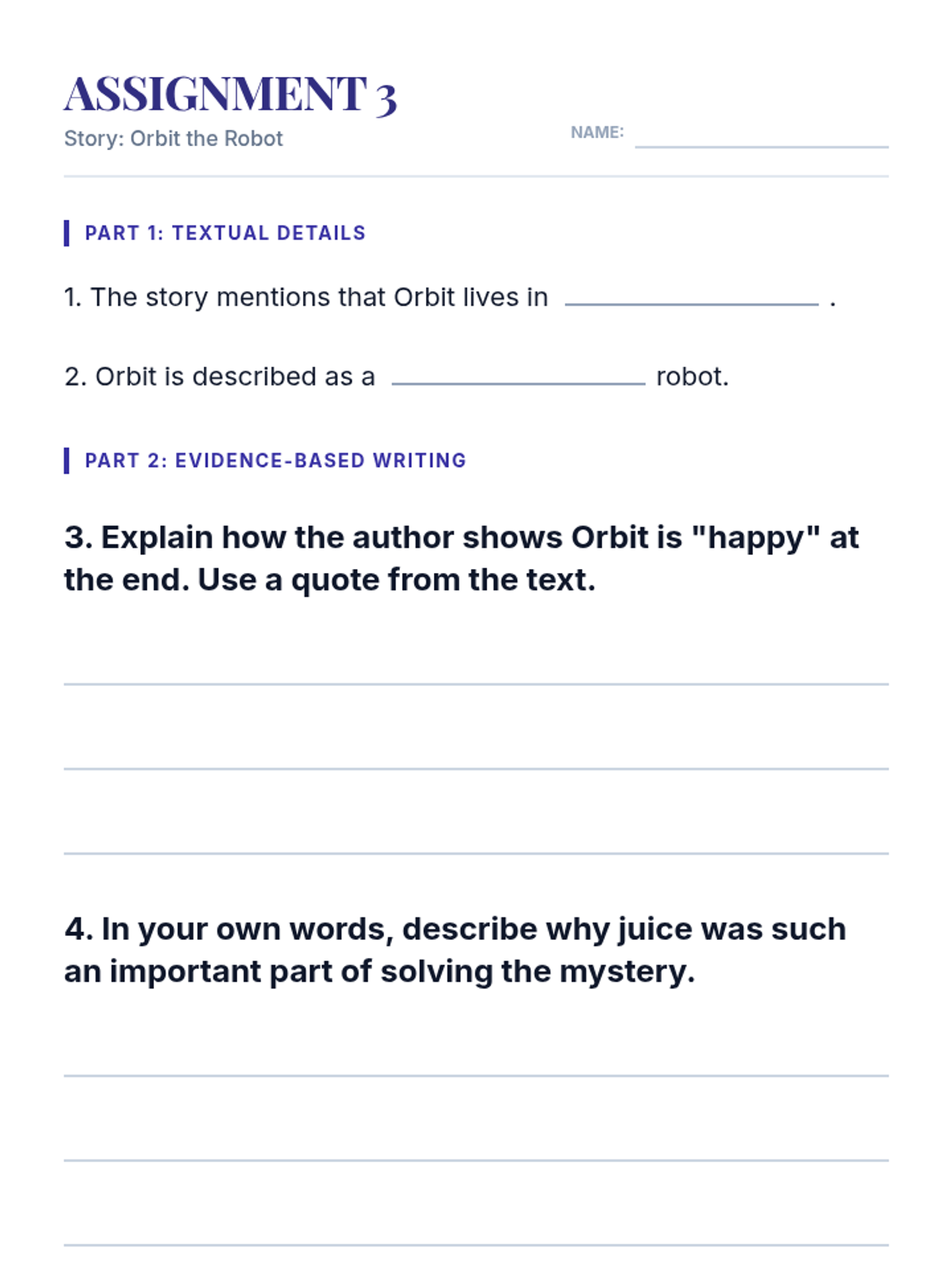
A science-fiction mystery where a robot's battery charger goes missing on a space station, with assignments focusing on logical deduction.
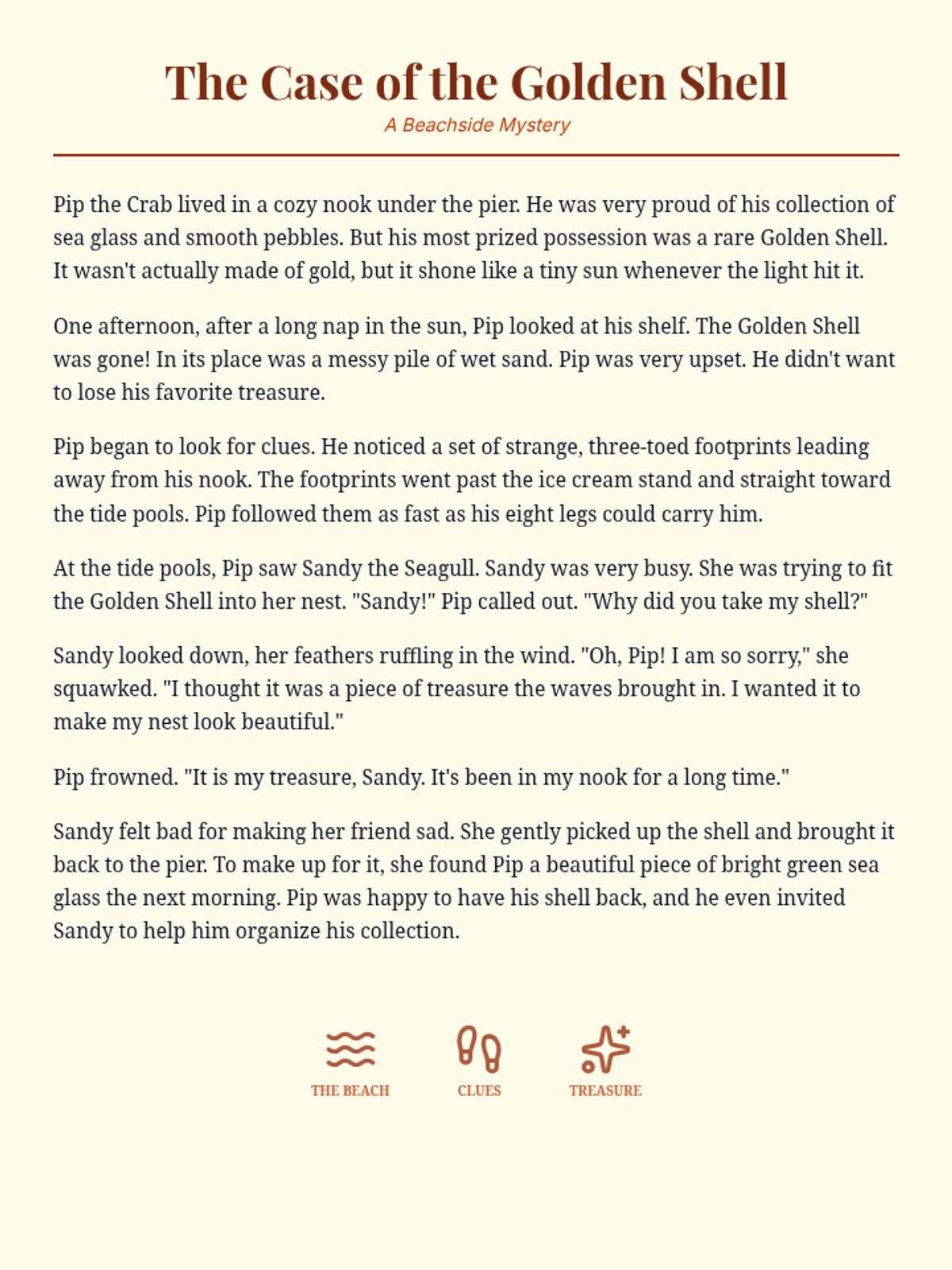
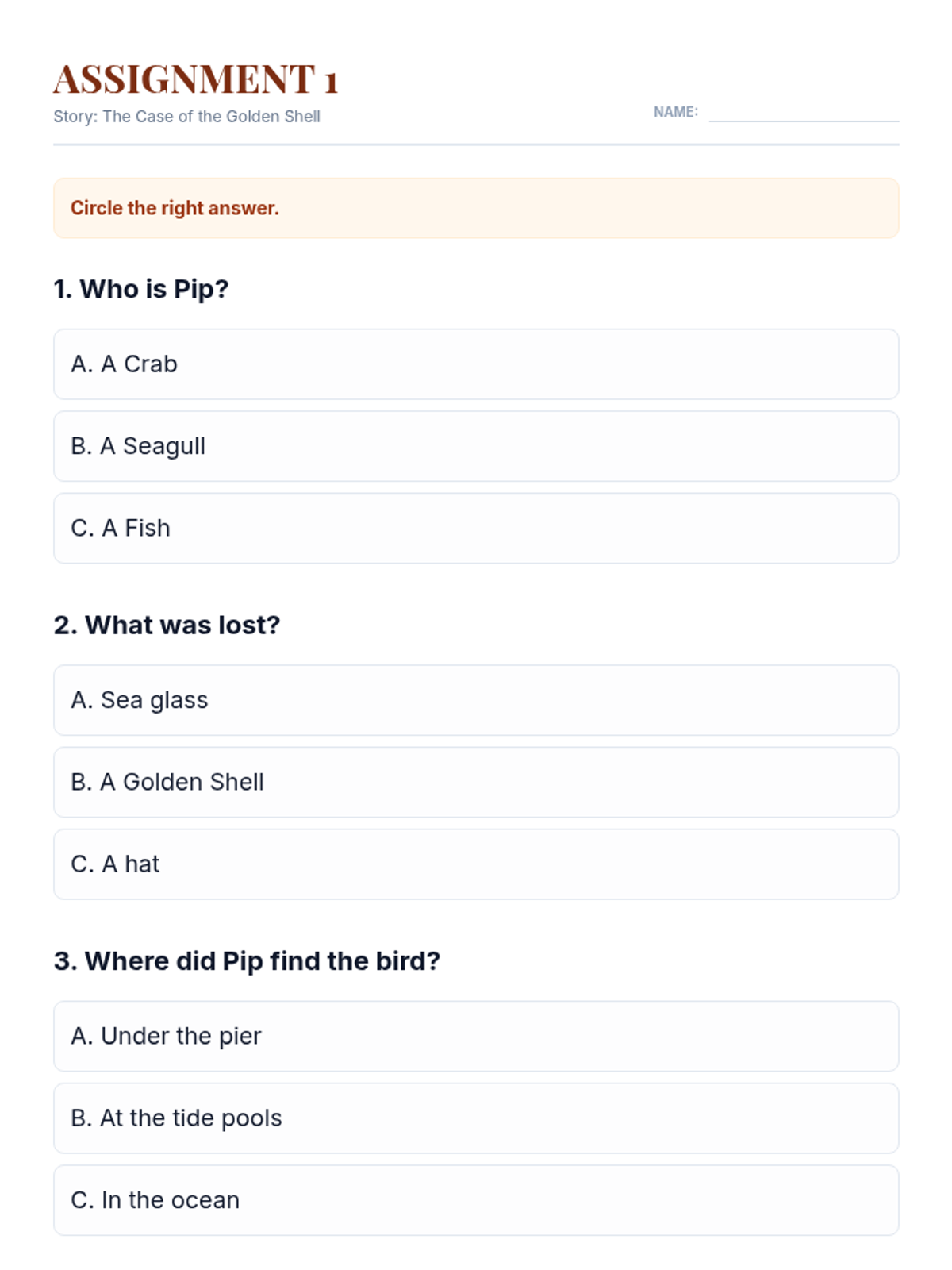
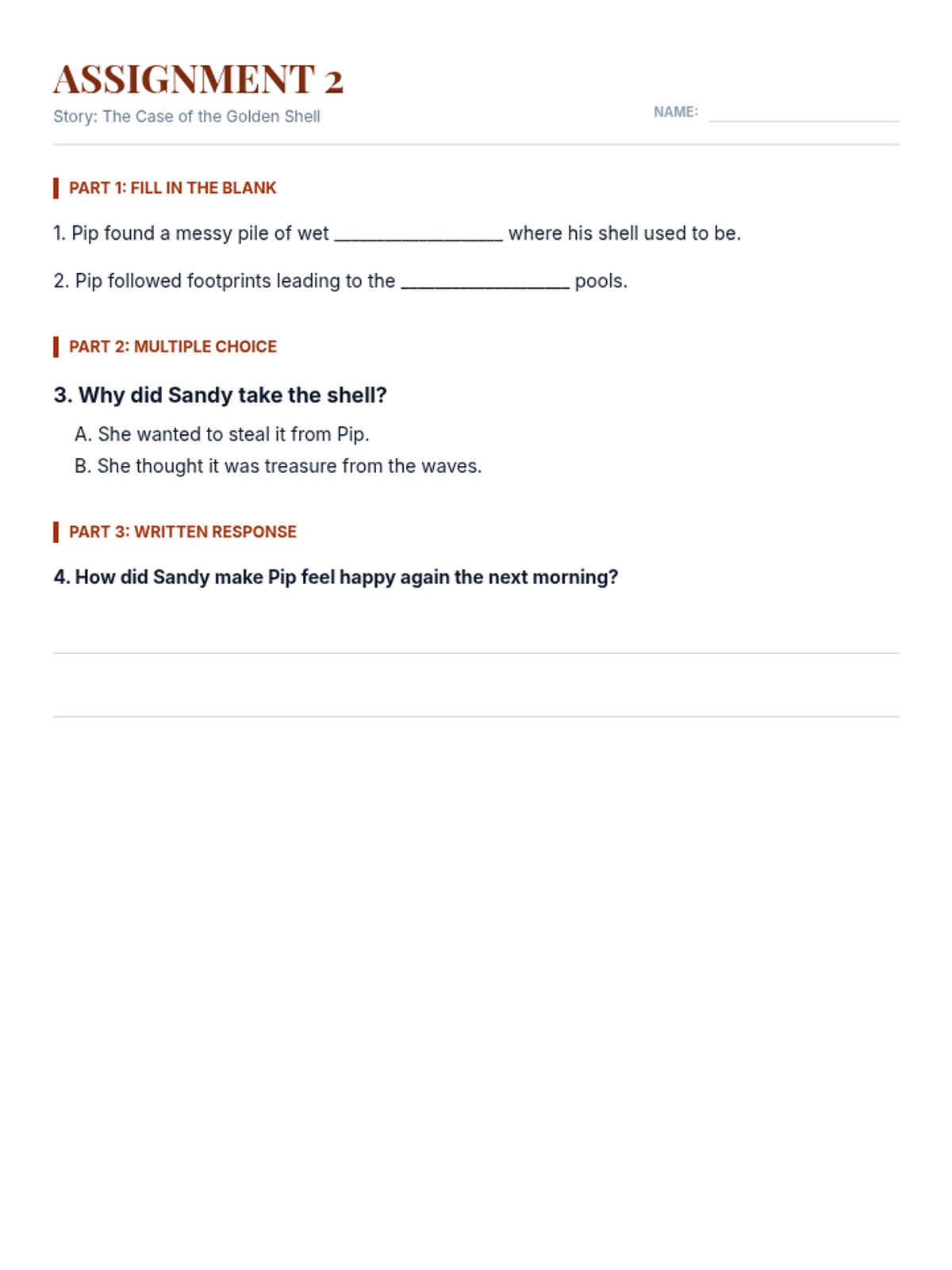
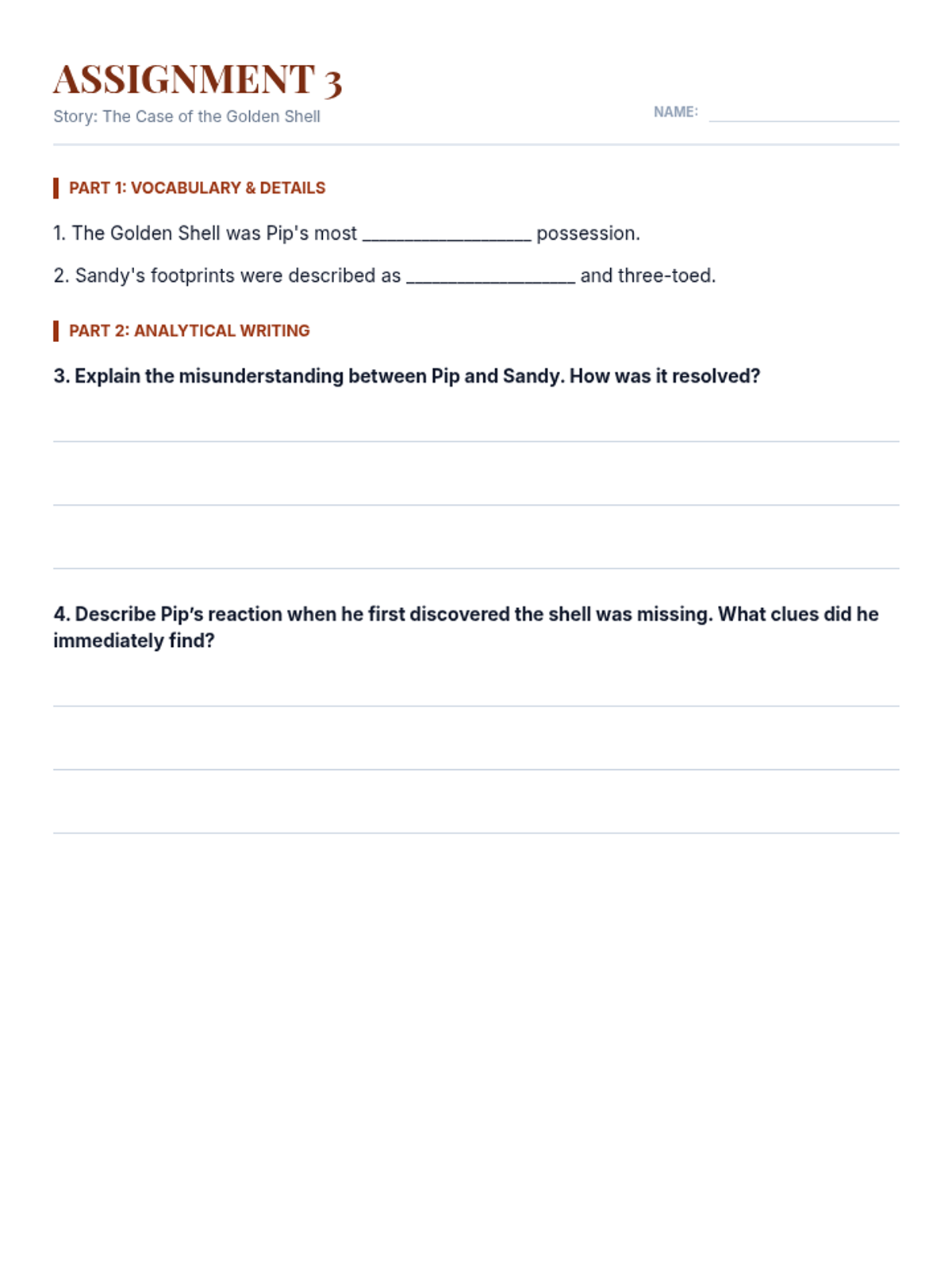
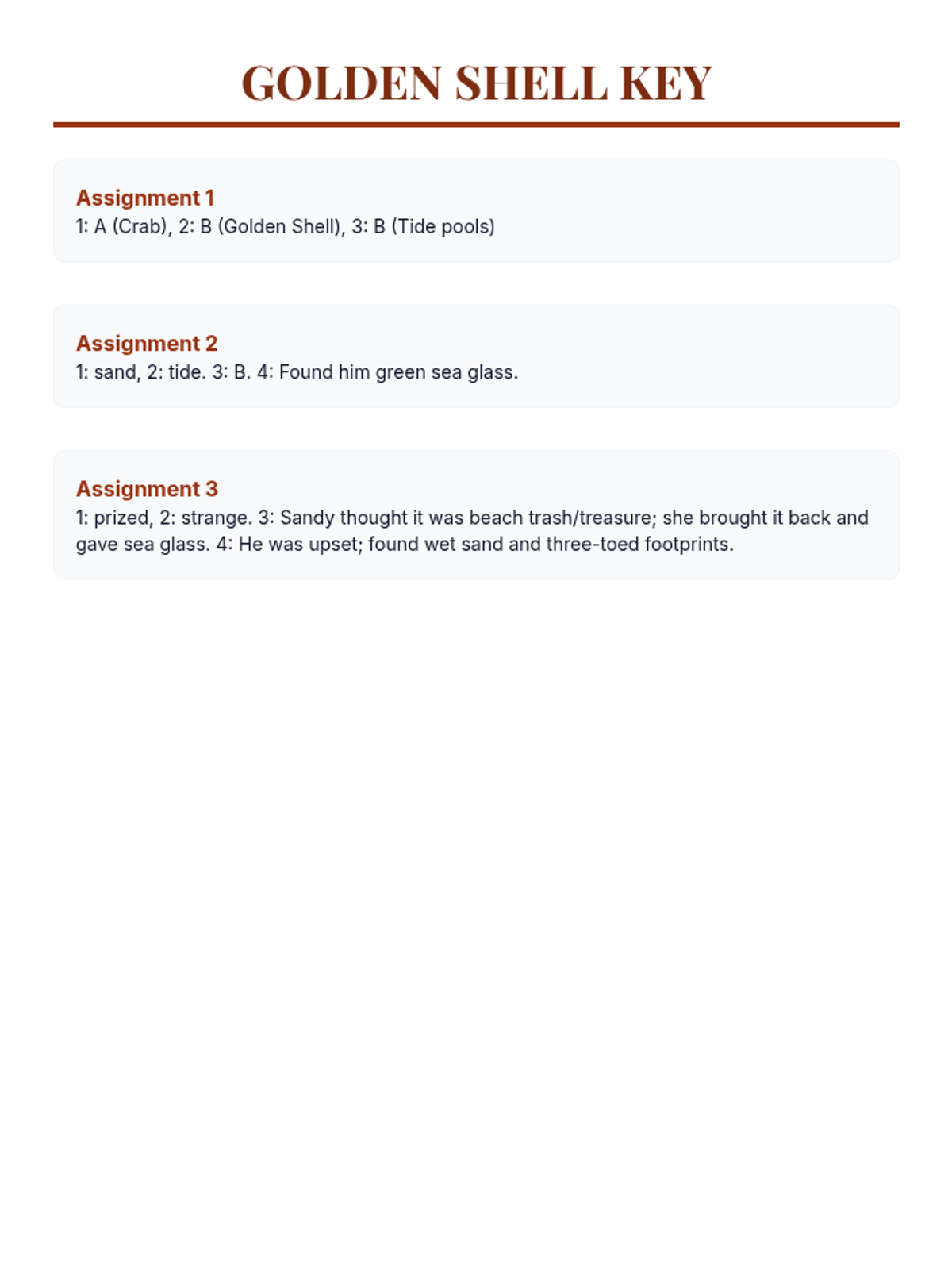
A mystery story set on a beach where a special golden shell has gone missing, with tiered assignments focusing on evidence-based comprehension.
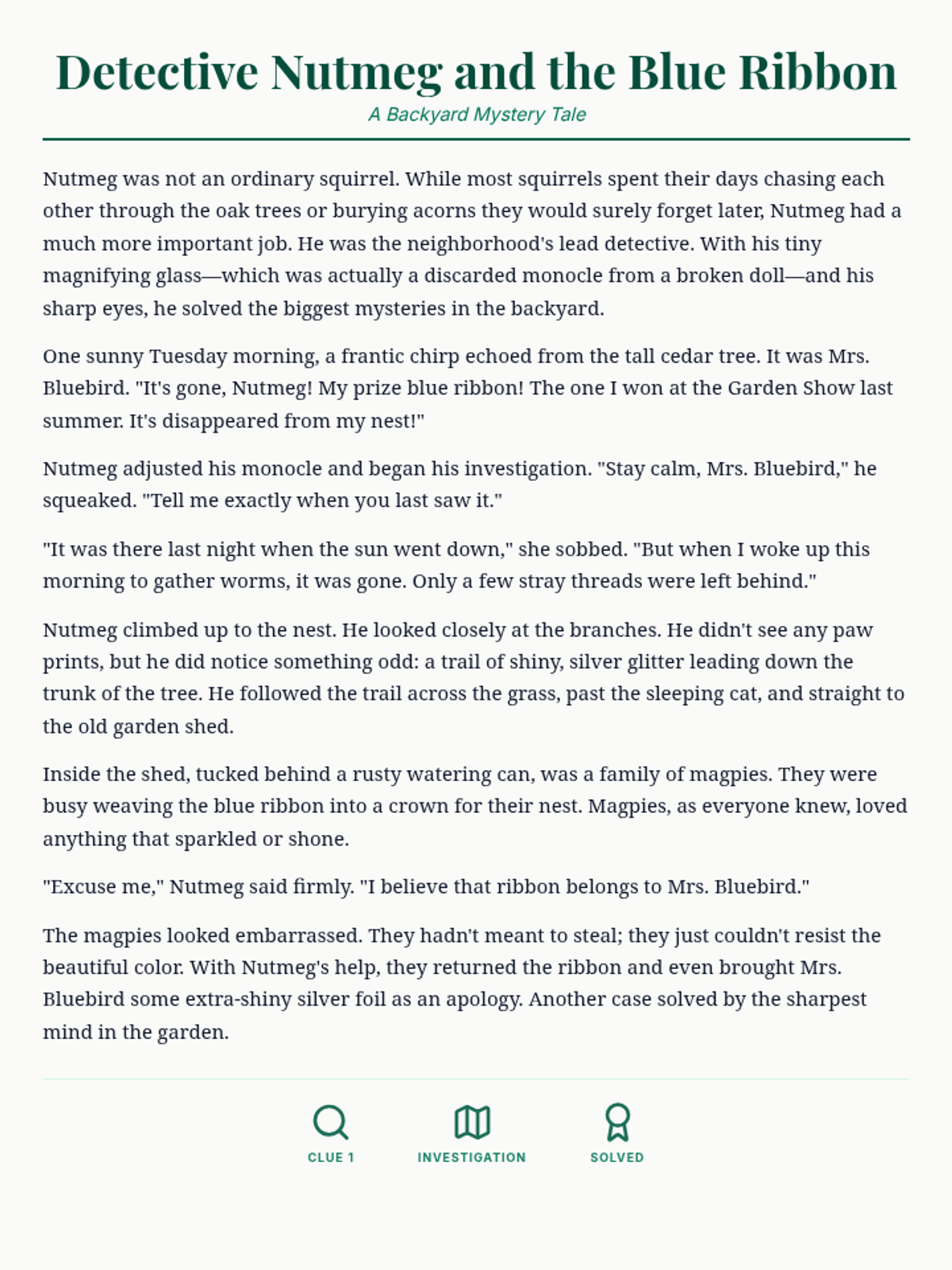
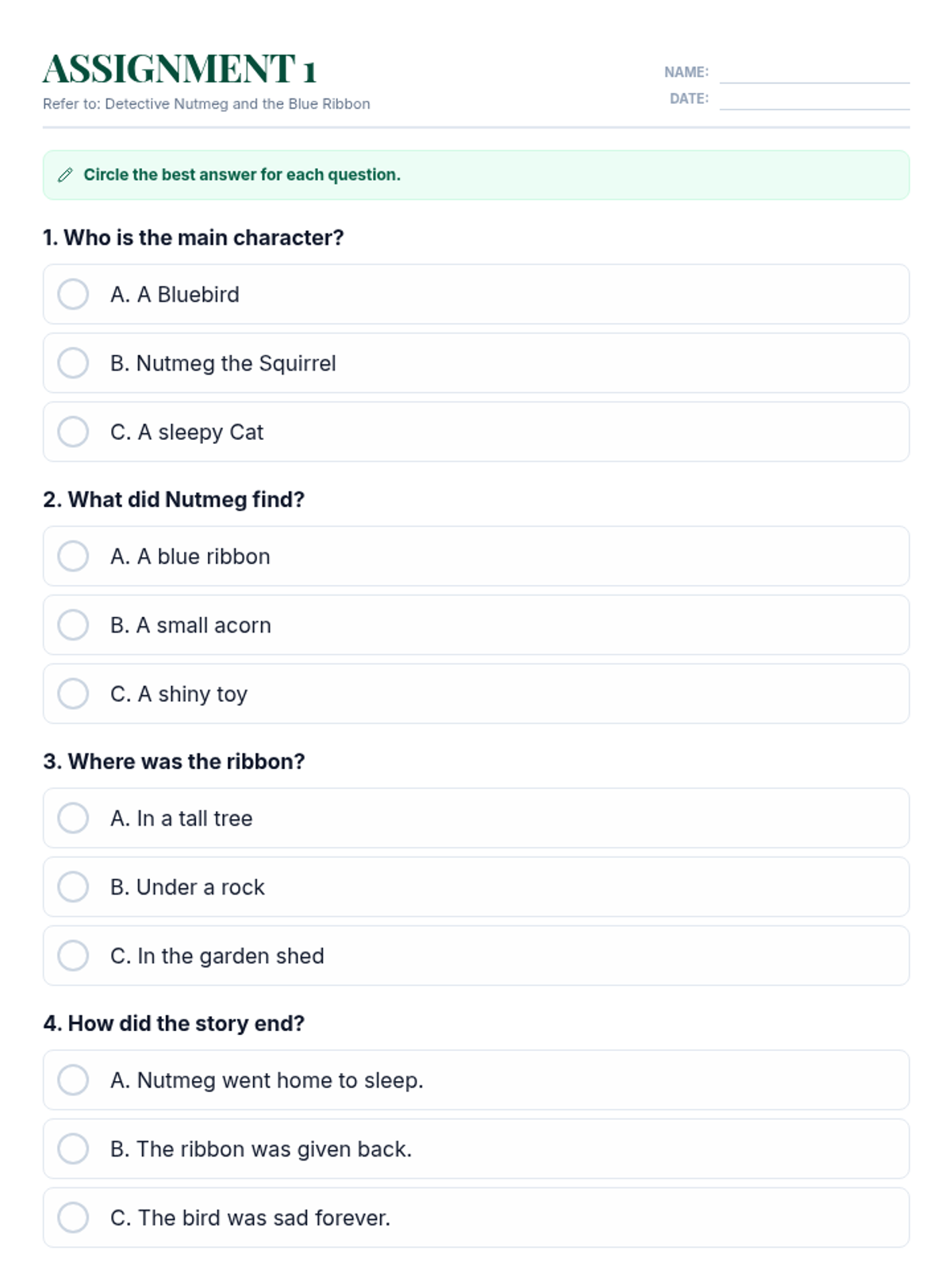
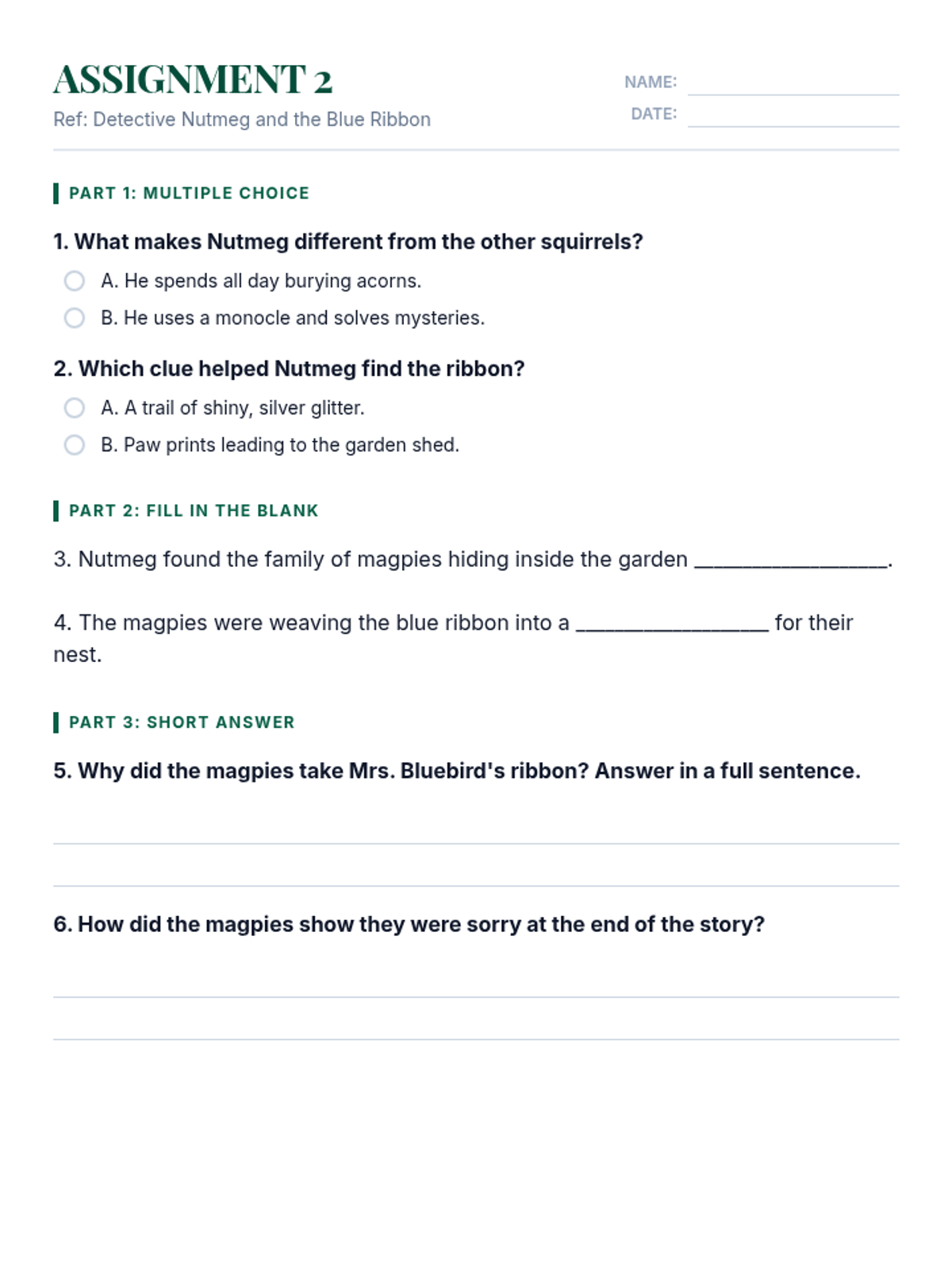
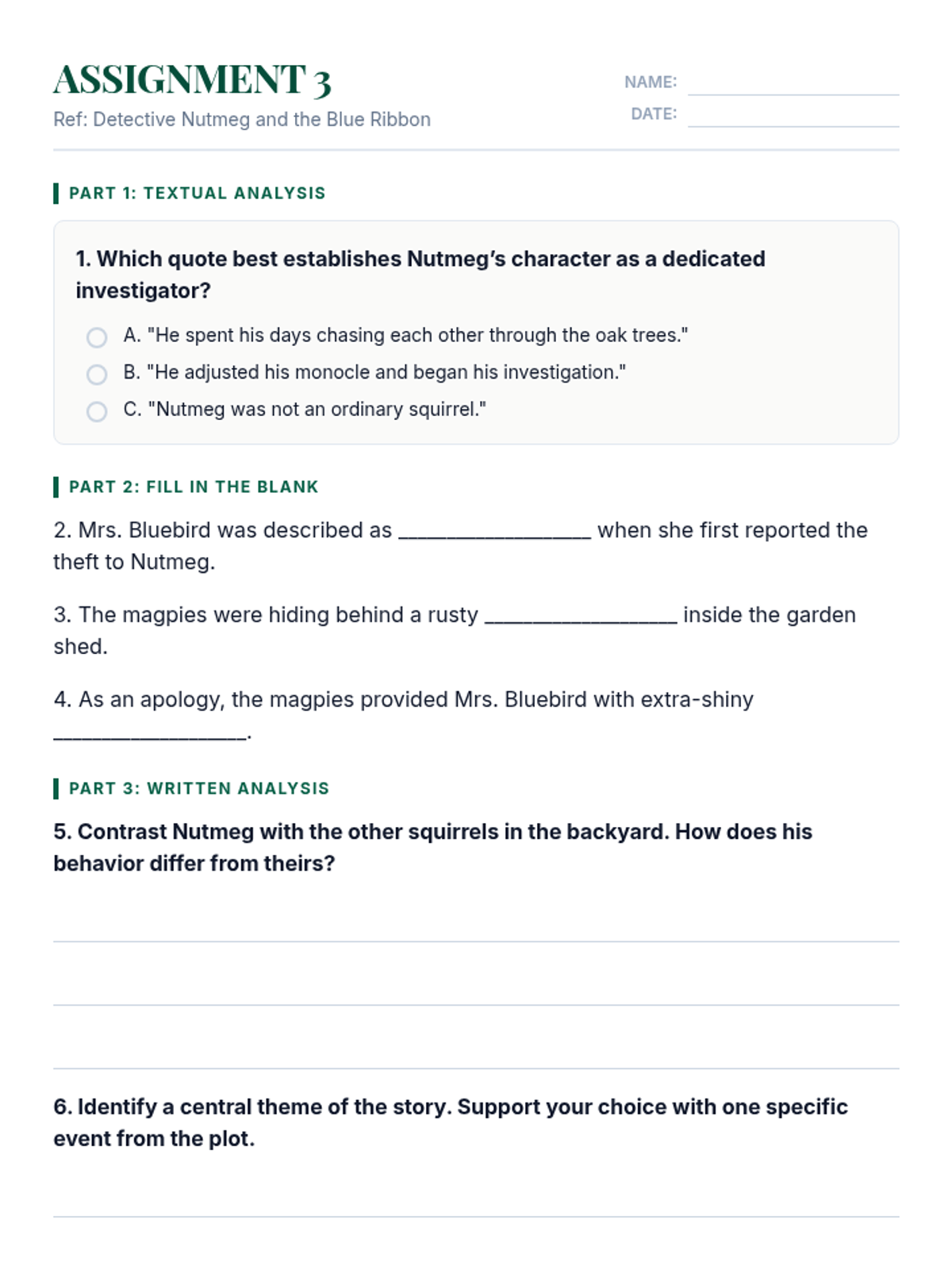
A collection of materials focused on a mystery story about a squirrel detective, featuring a reading passage and three tiered comprehension assignments.
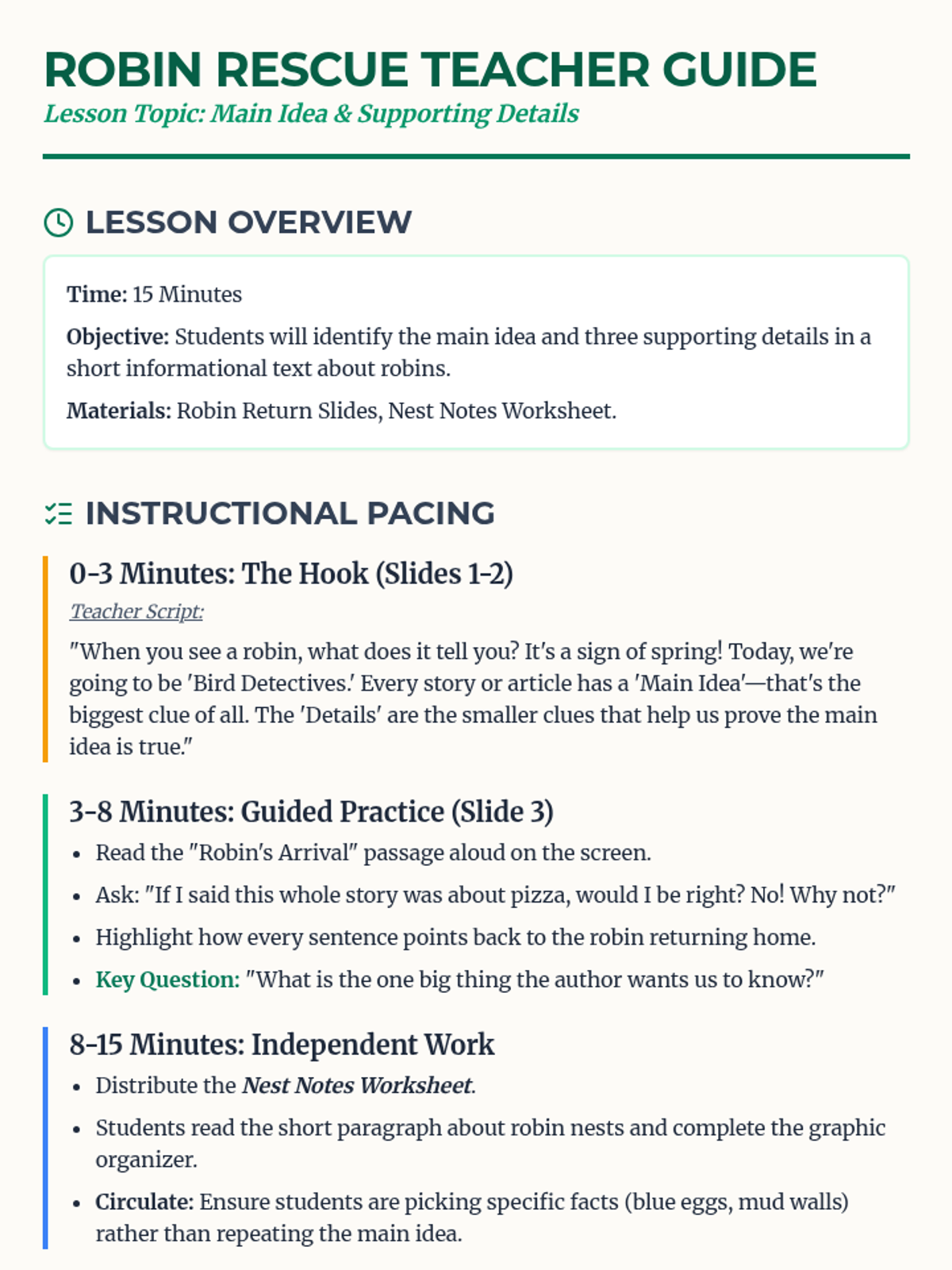
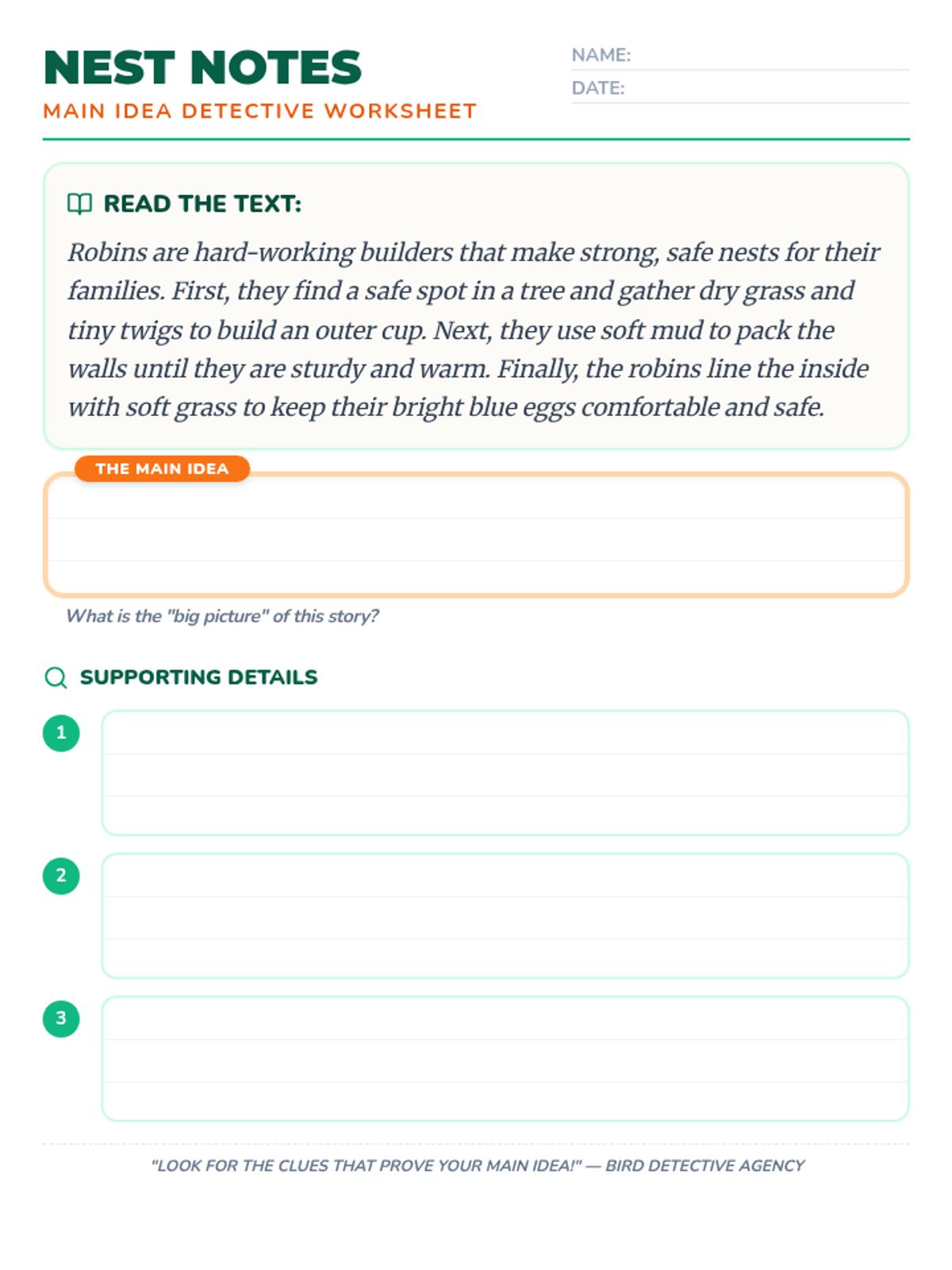
A quick, focused 15-minute lesson on identifying the main idea and supporting details through the lens of robins returning in the spring. Students will analyze a short passage to find the 'big picture' and the specific facts that support it.
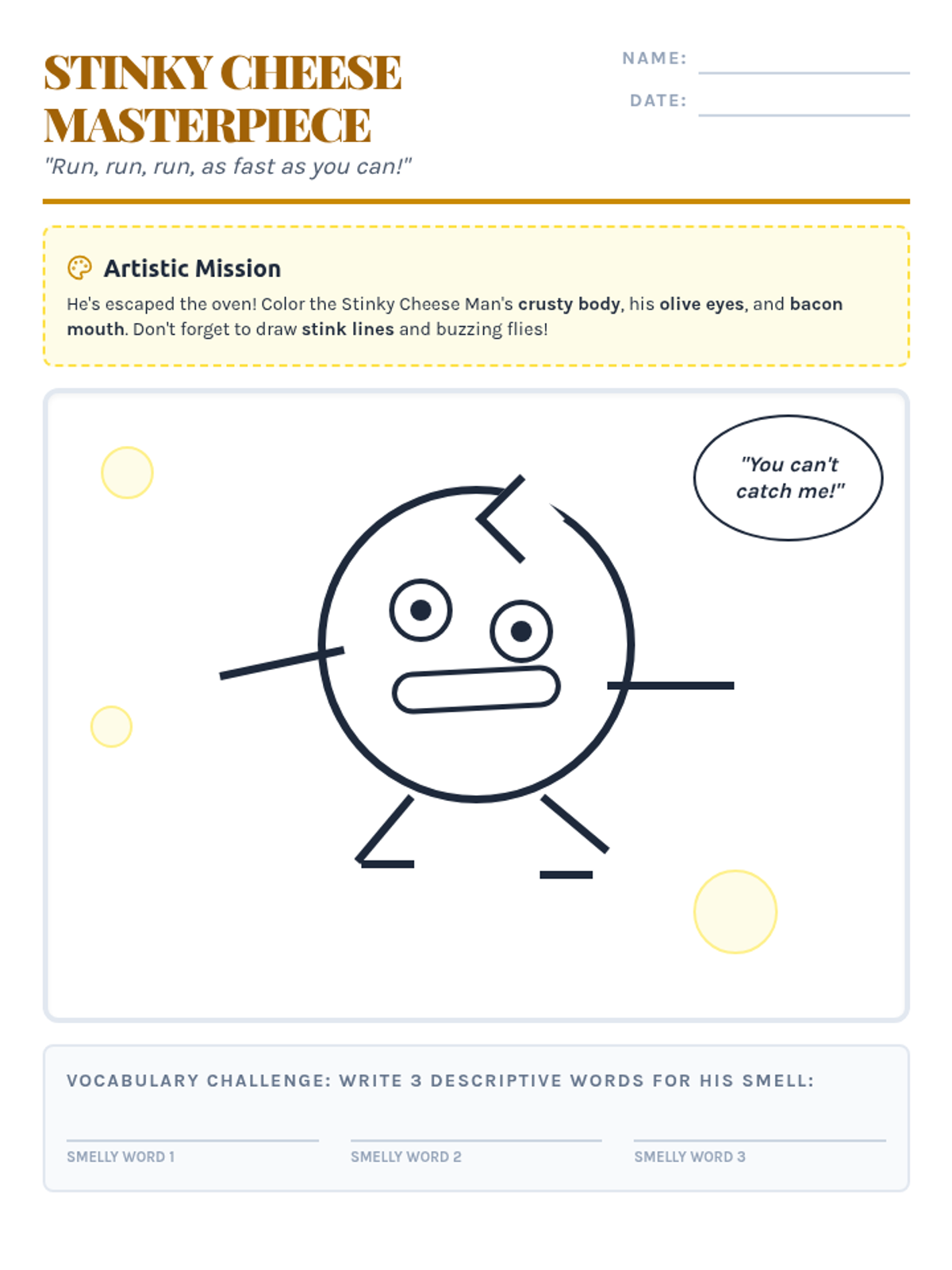
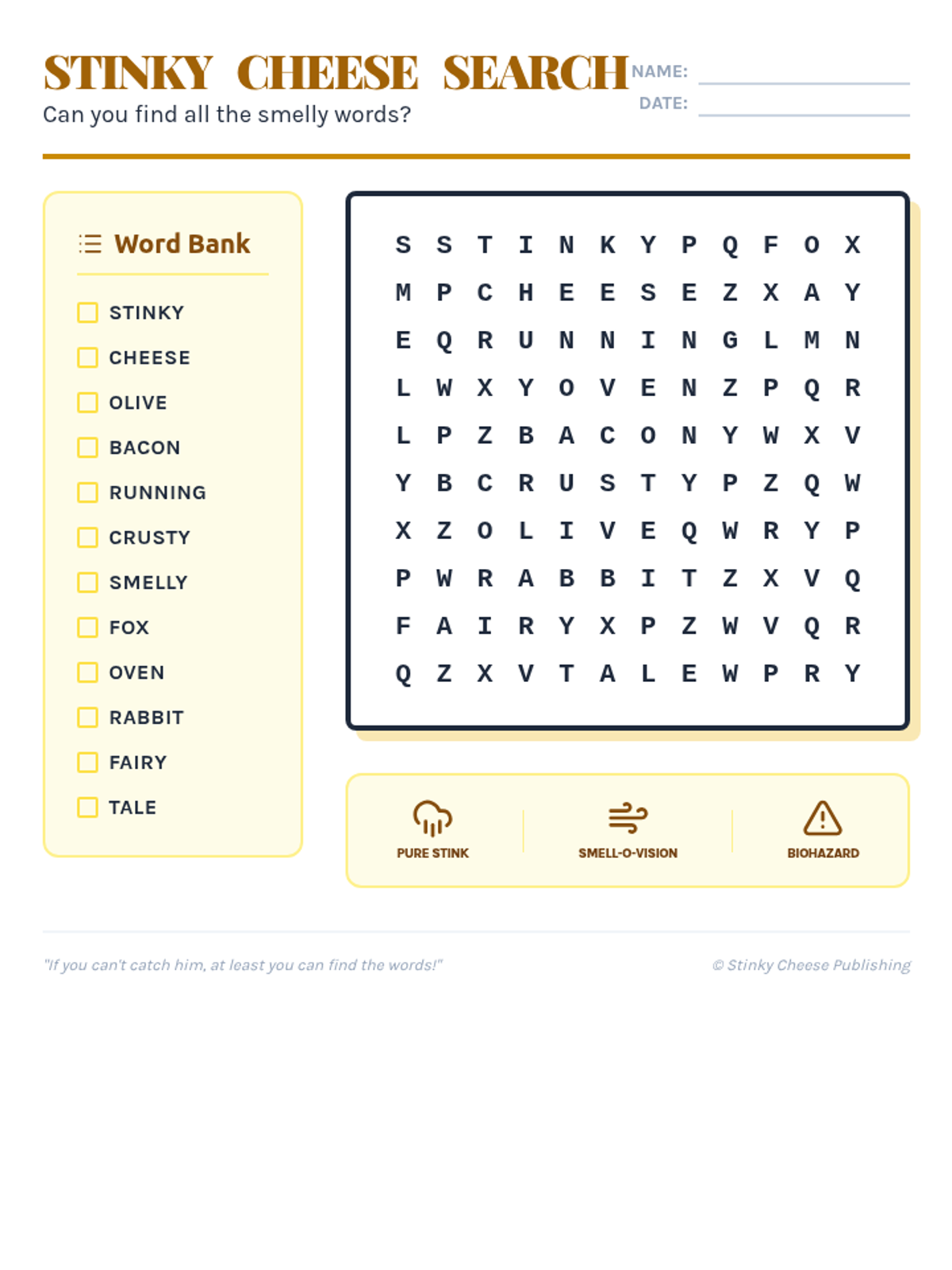
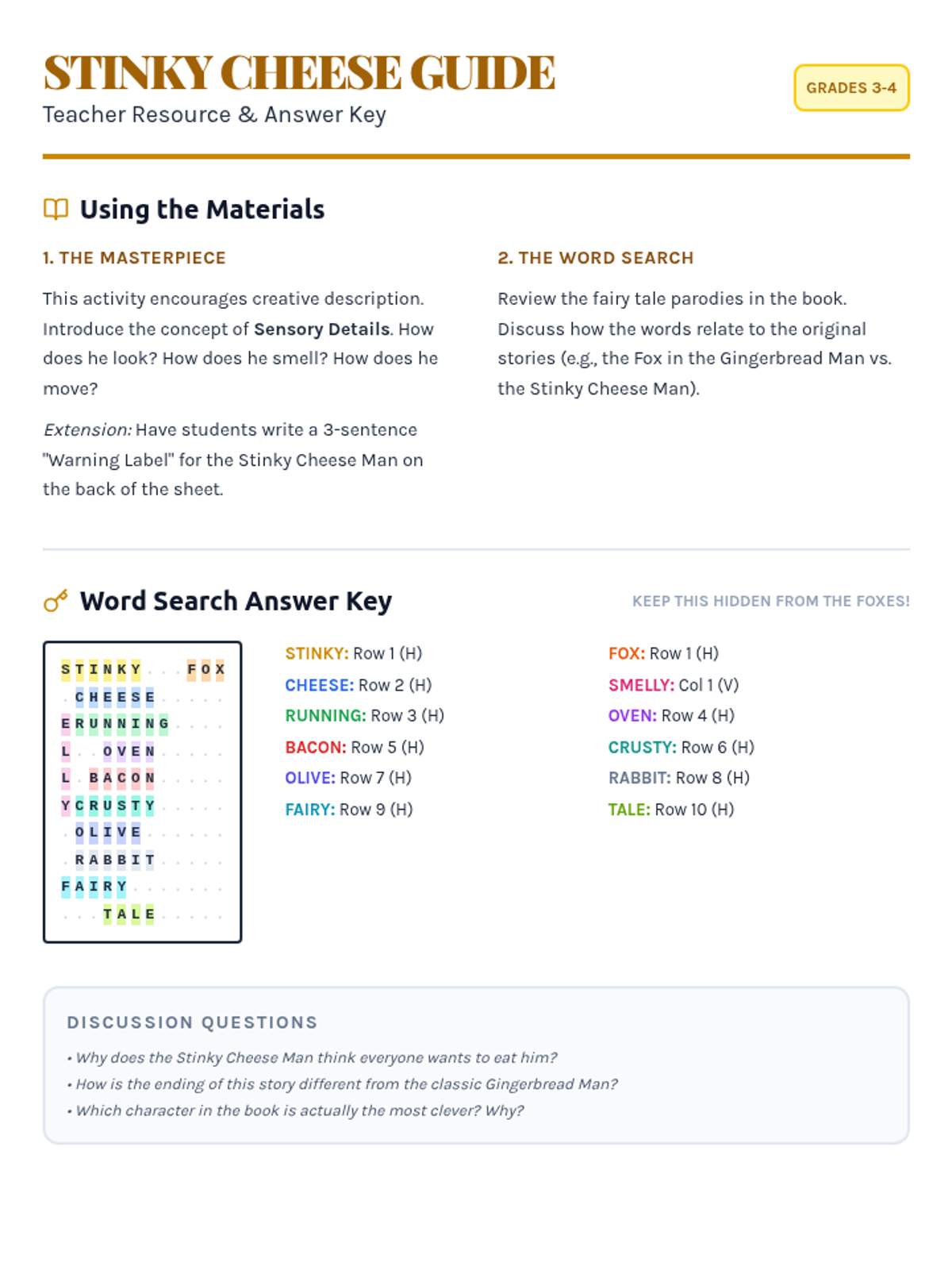
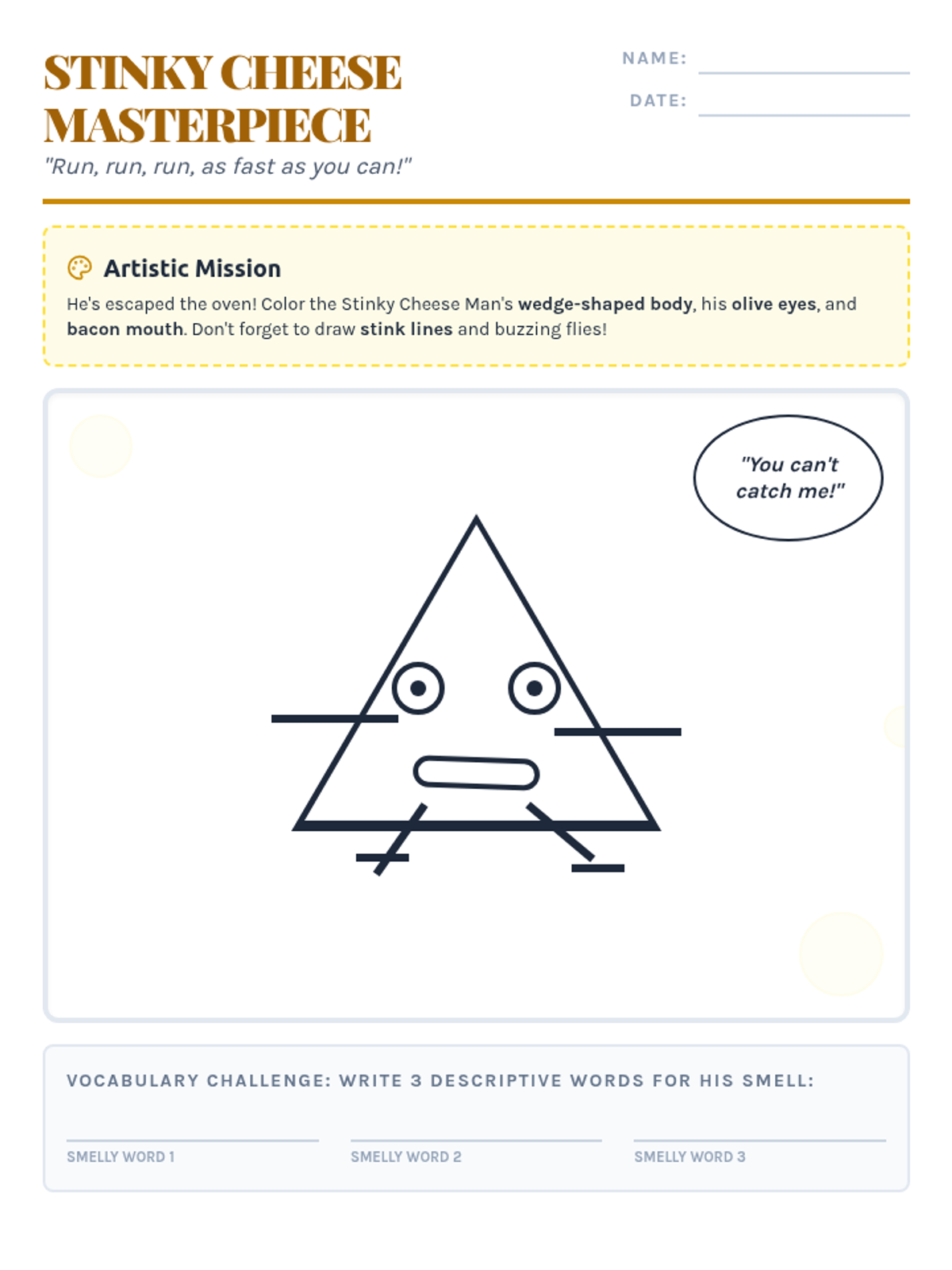
A collection of fun activities based on the classic book 'The Stinky Cheese Man', focusing on creative expression and vocabulary.
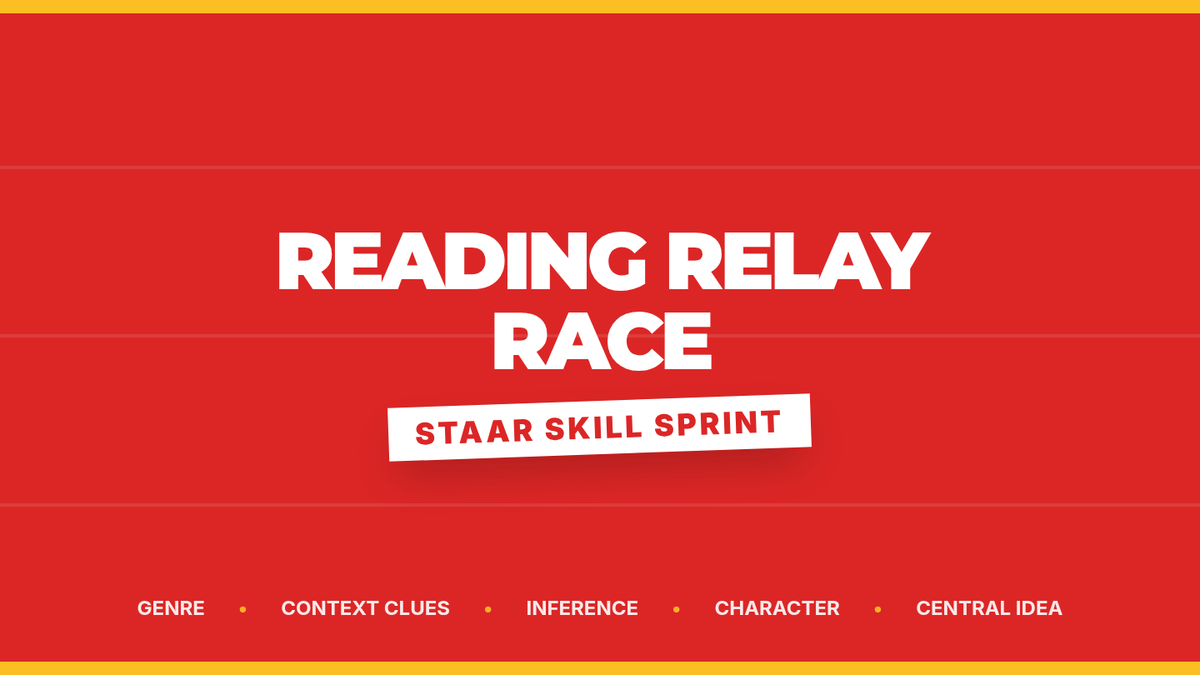
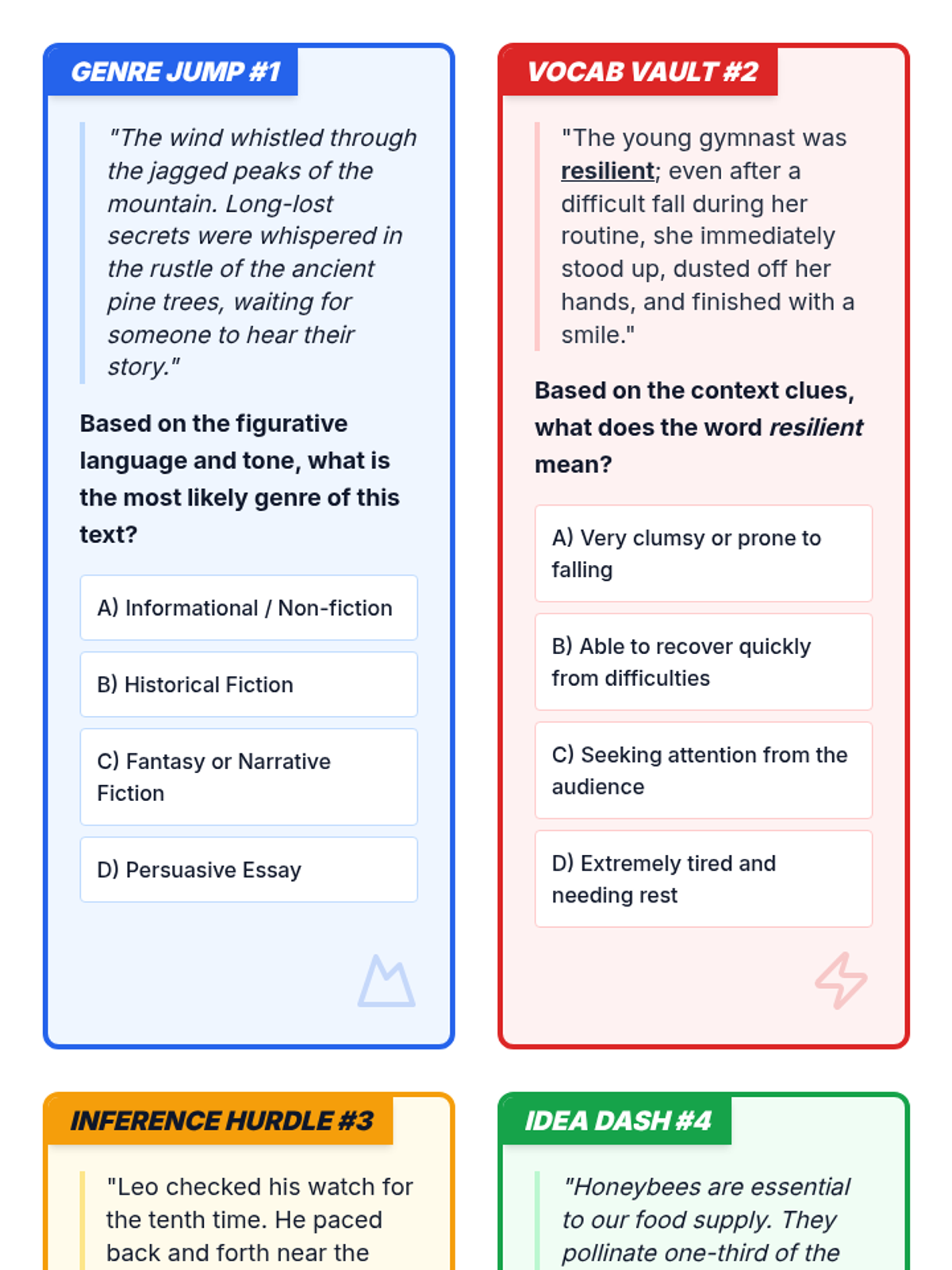
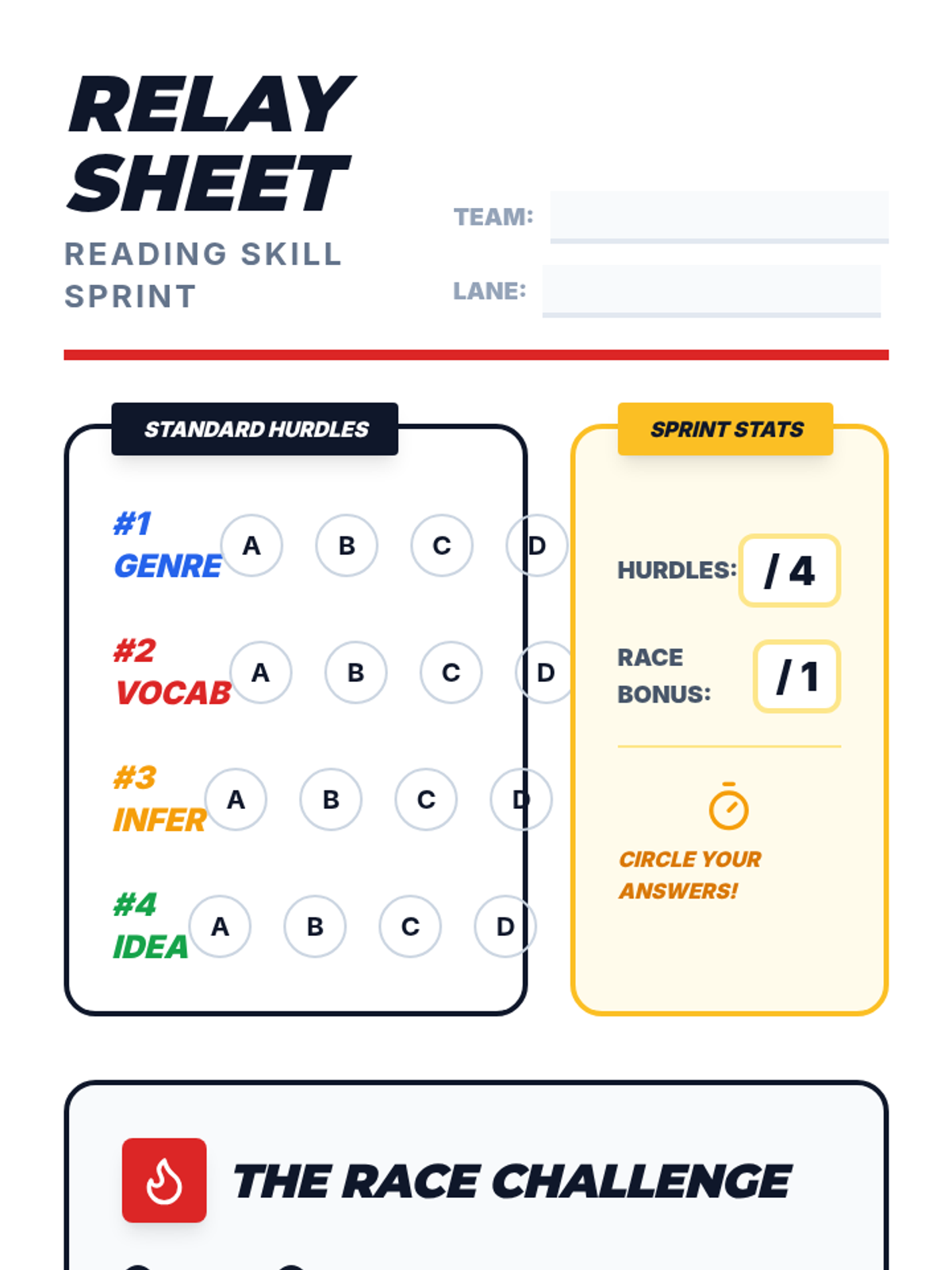
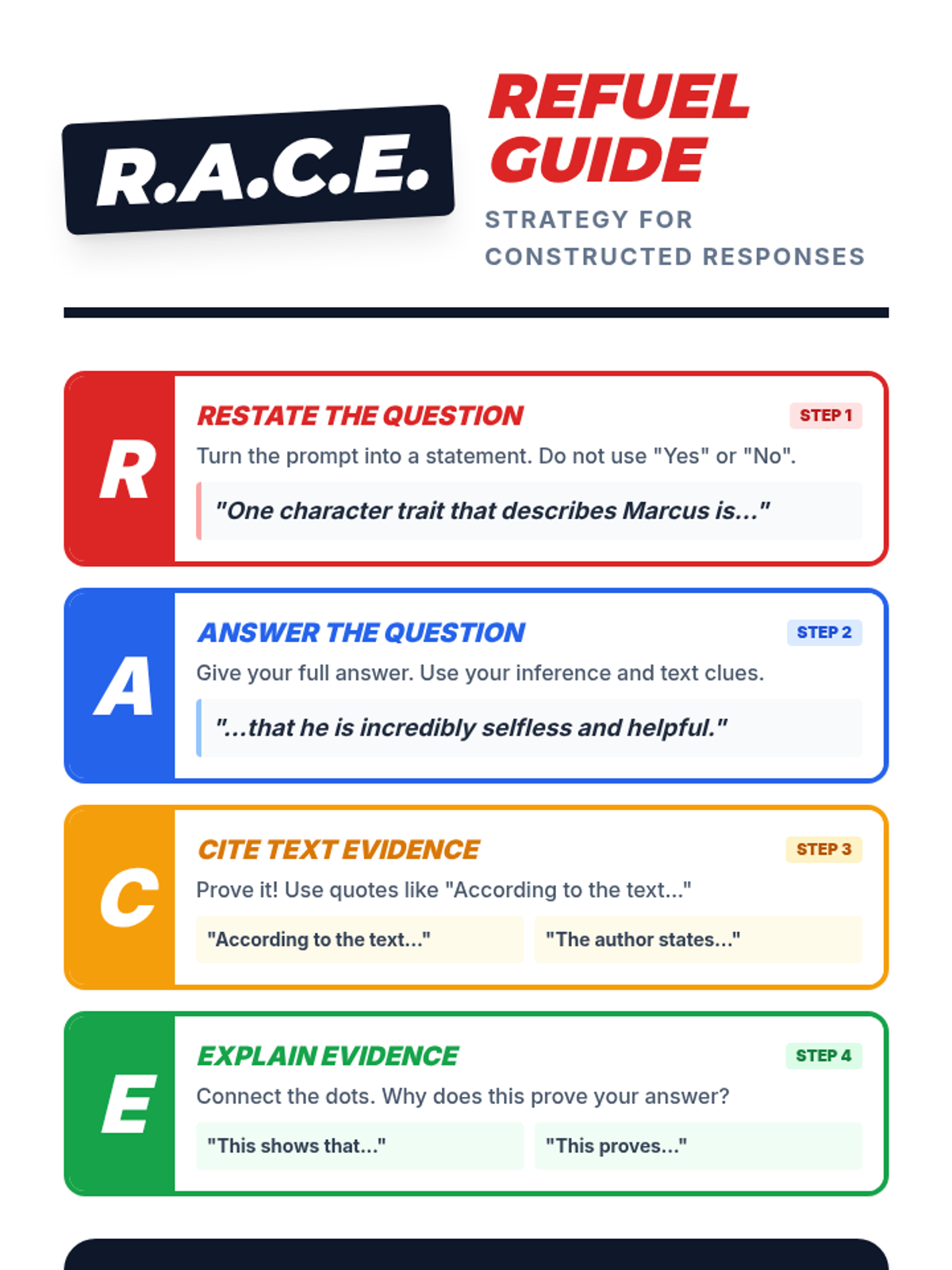
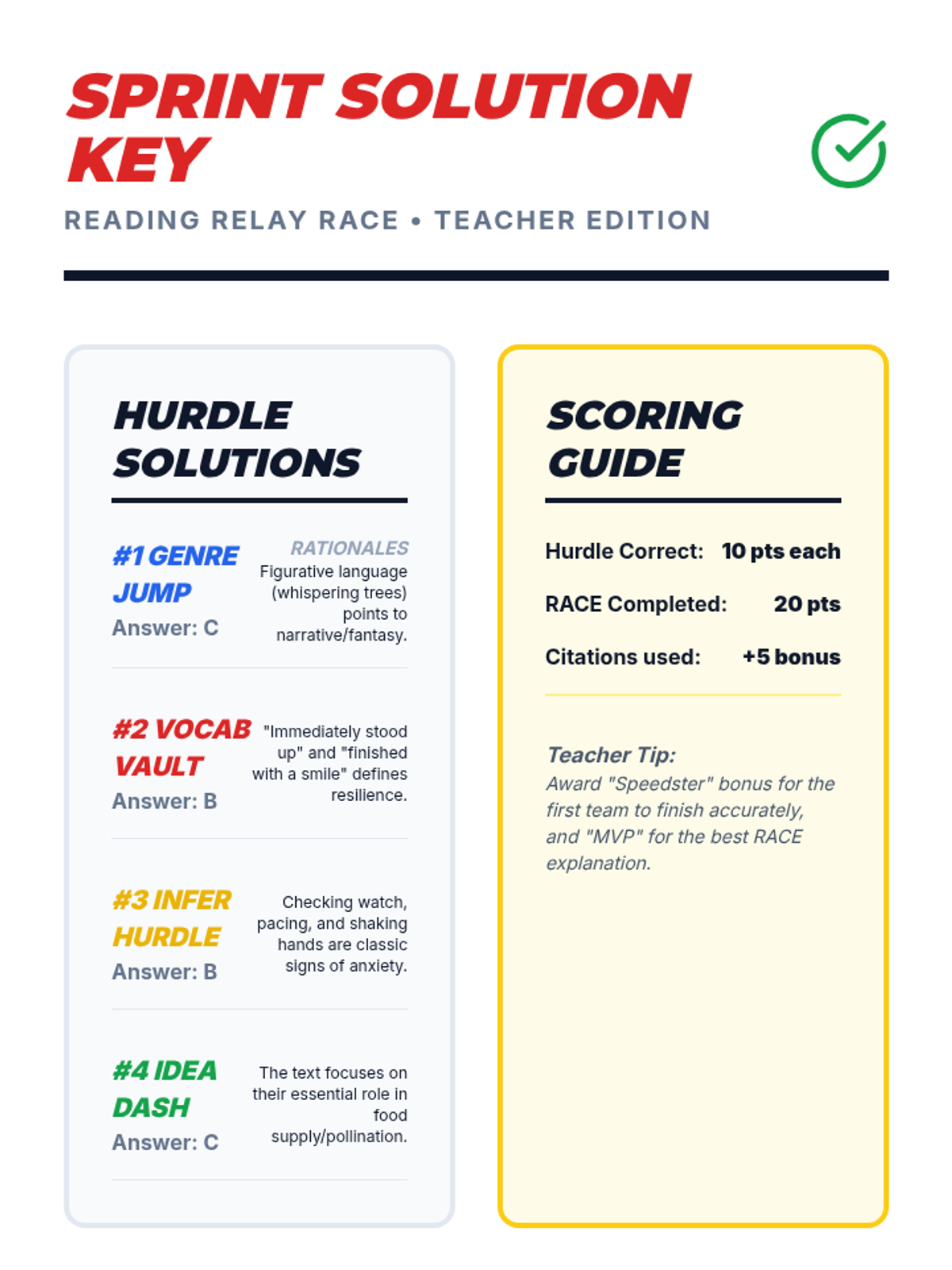
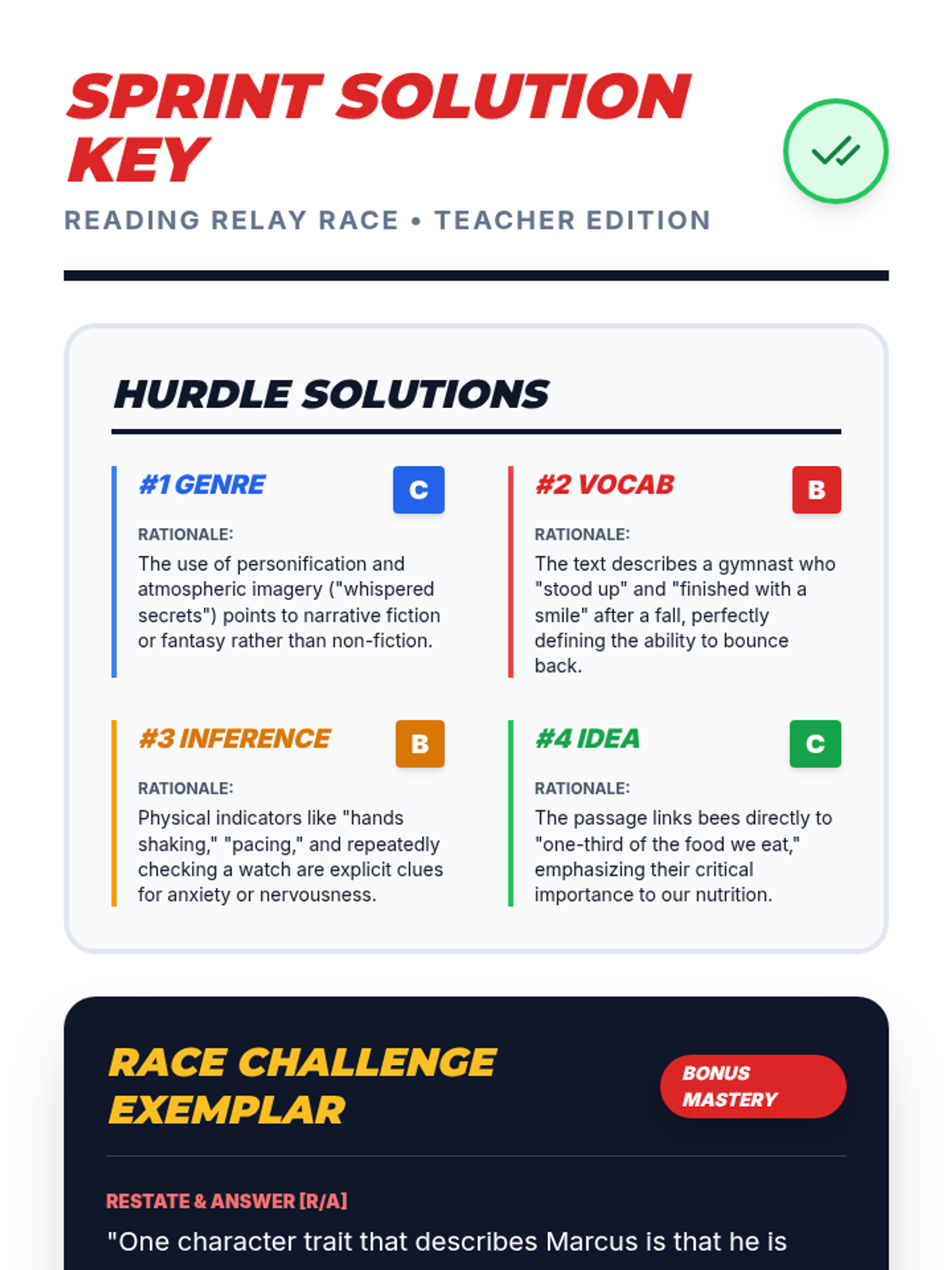
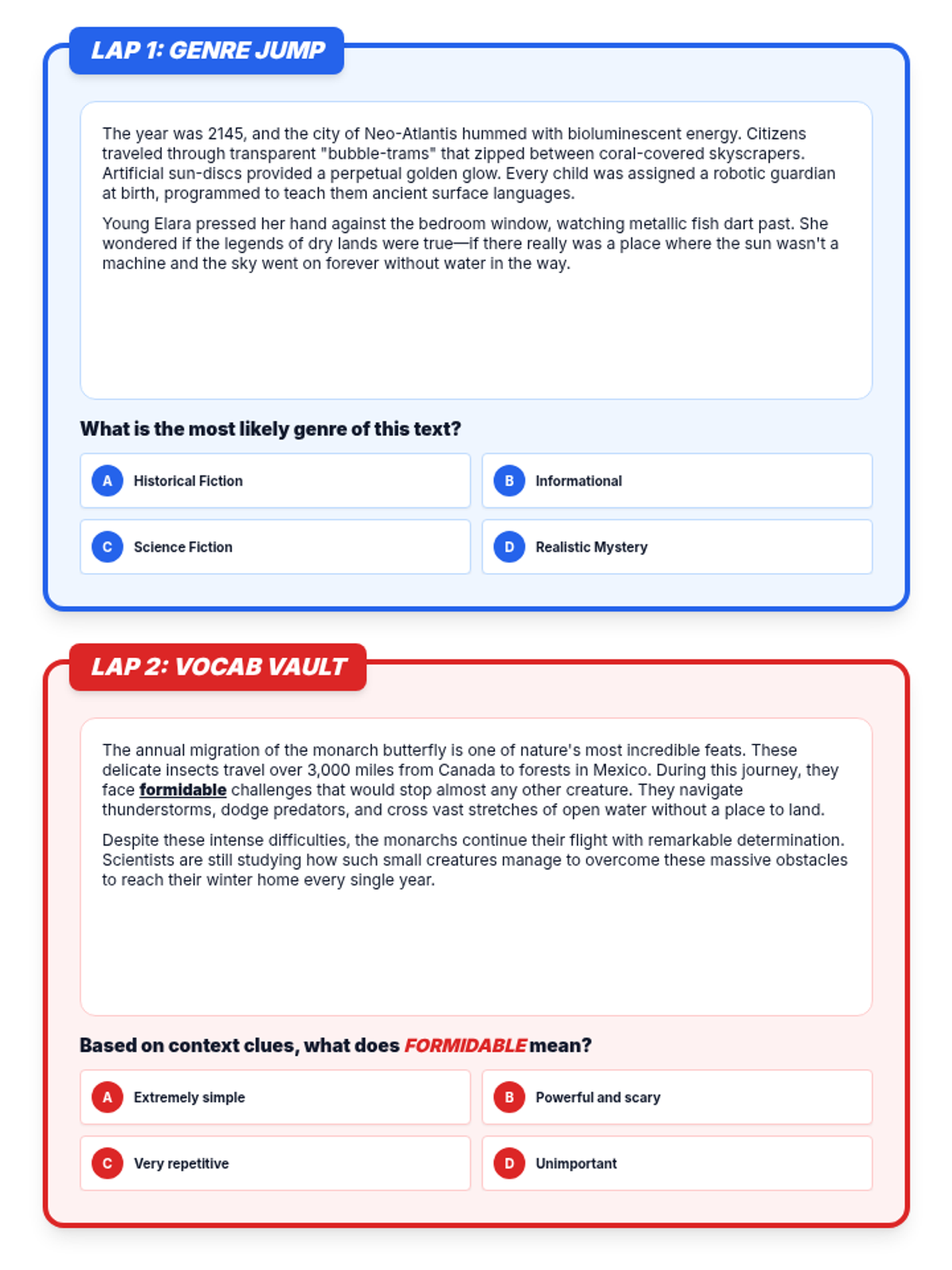
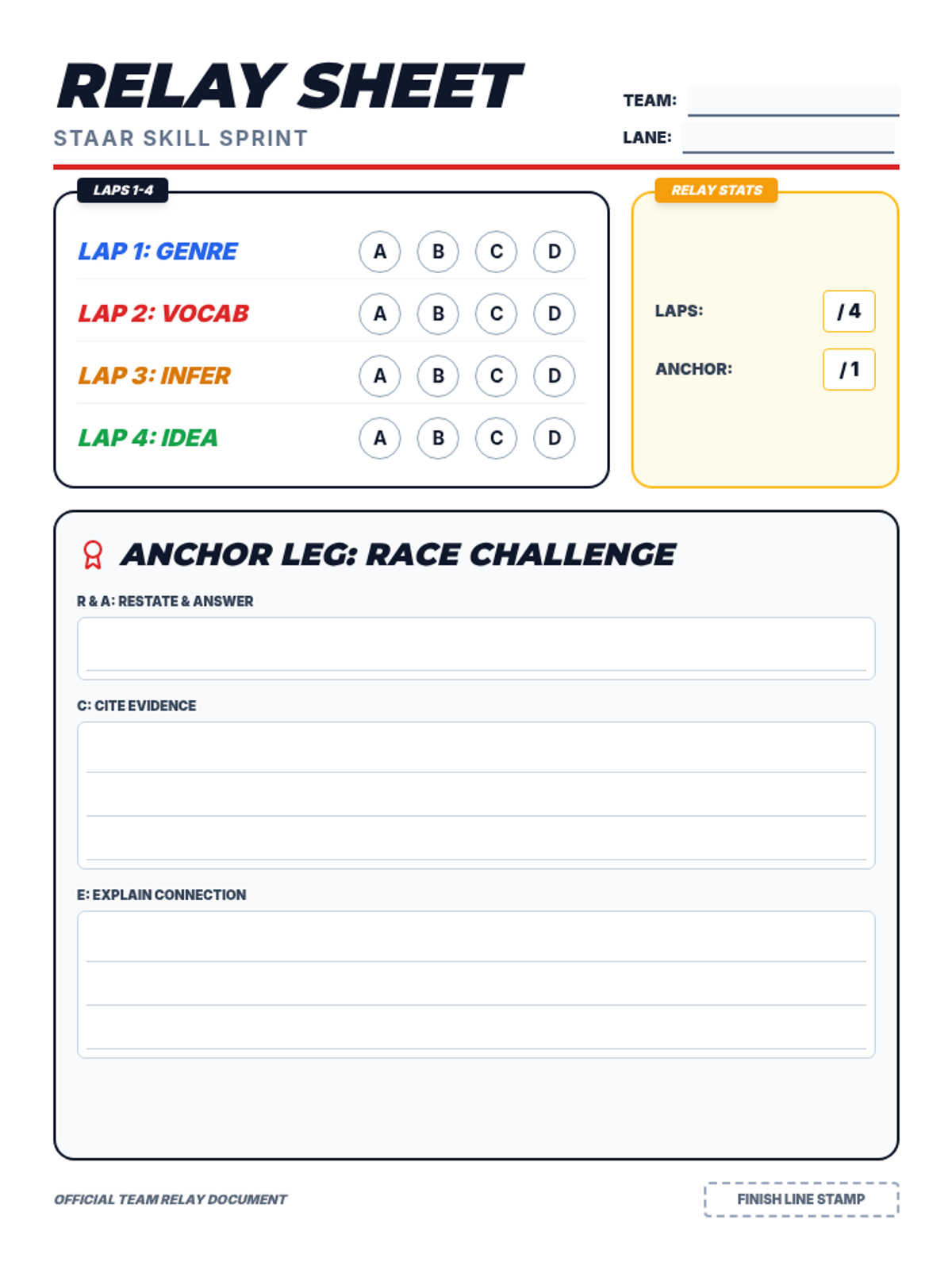
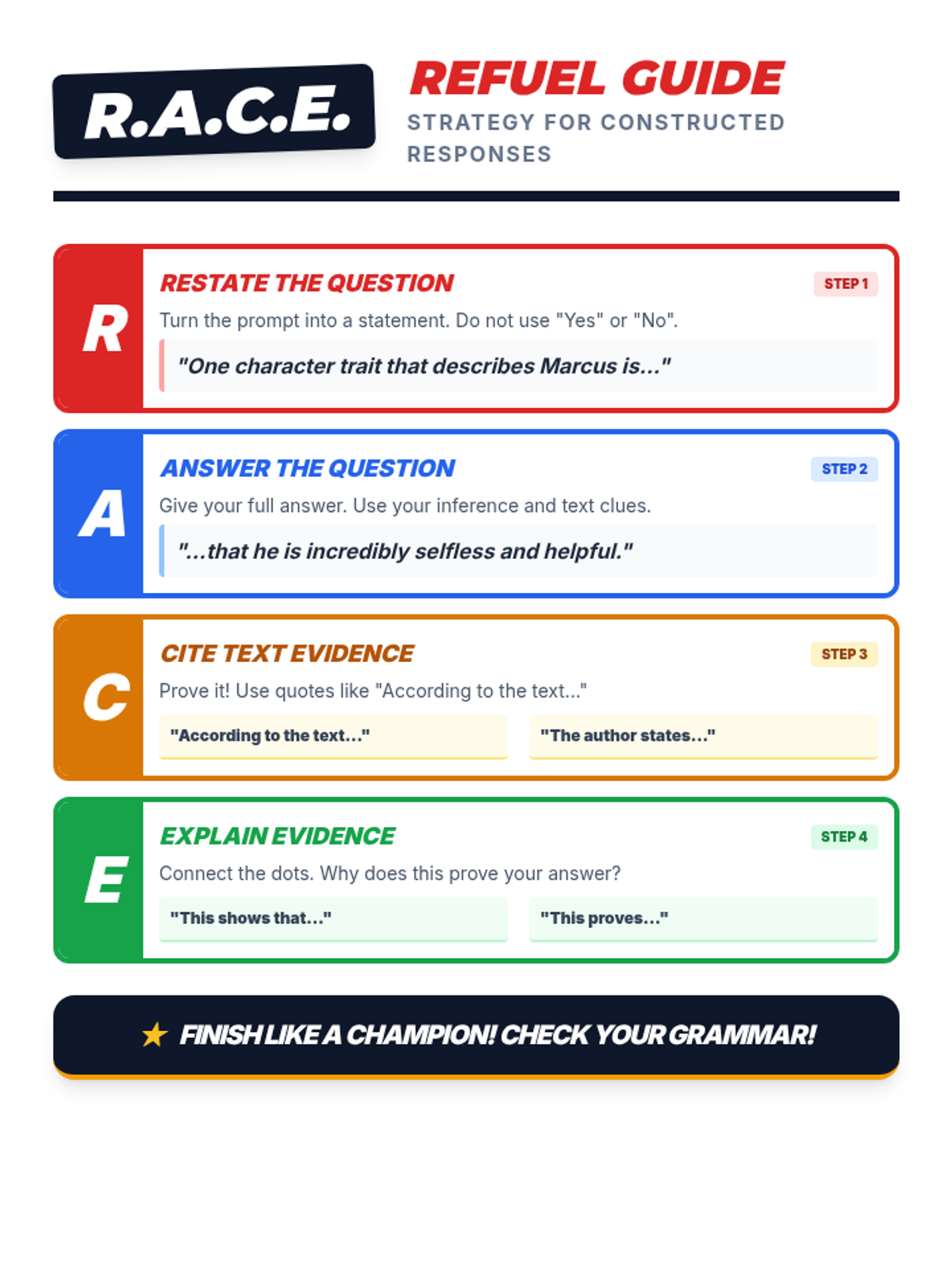
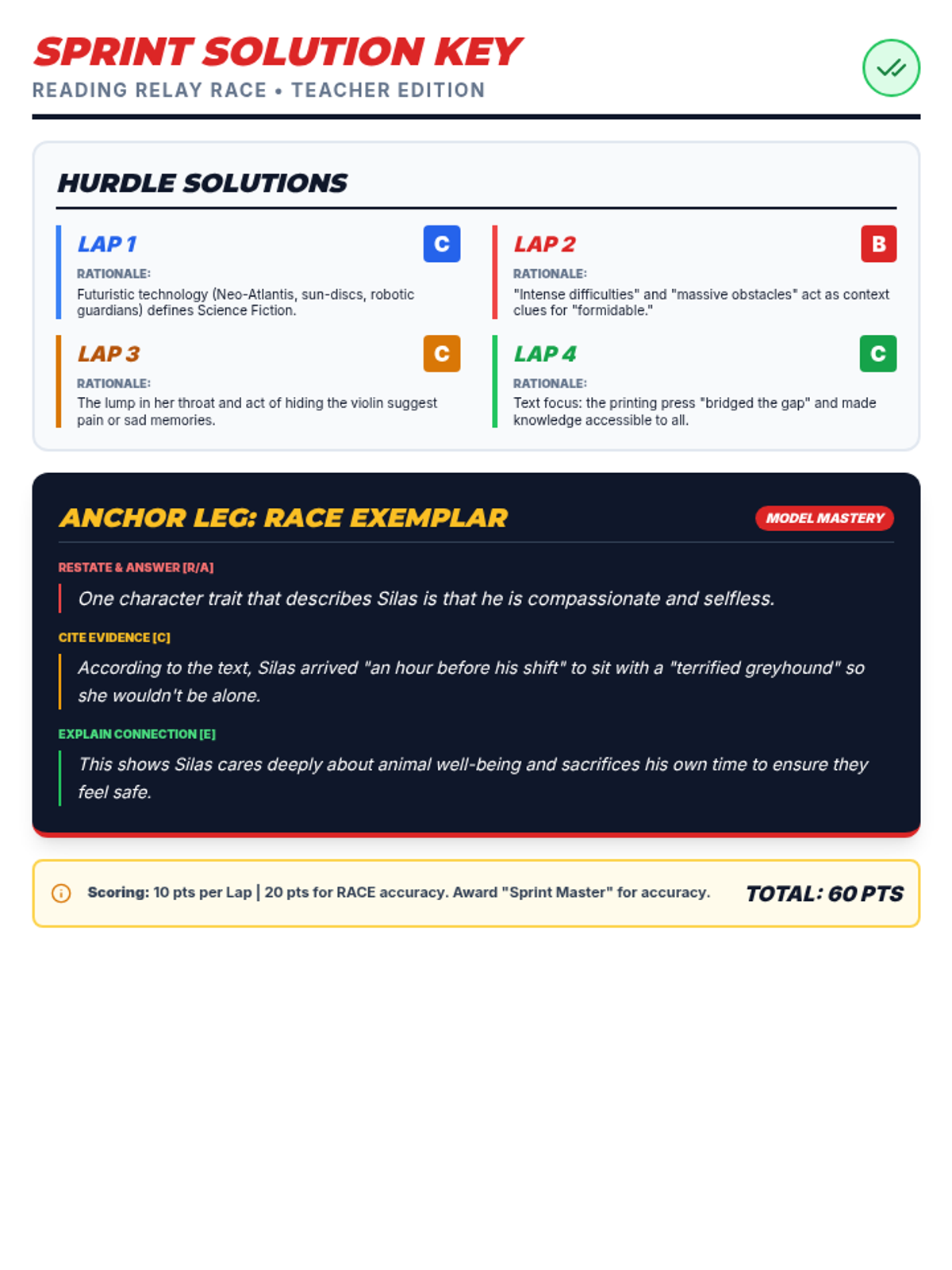
A high-energy STAAR prep lesson focused on key reading skills using a relay race game format. Students practice genre, context clues, inference, character analysis, and central idea identification while mastering the RACE strategy for constructed responses.
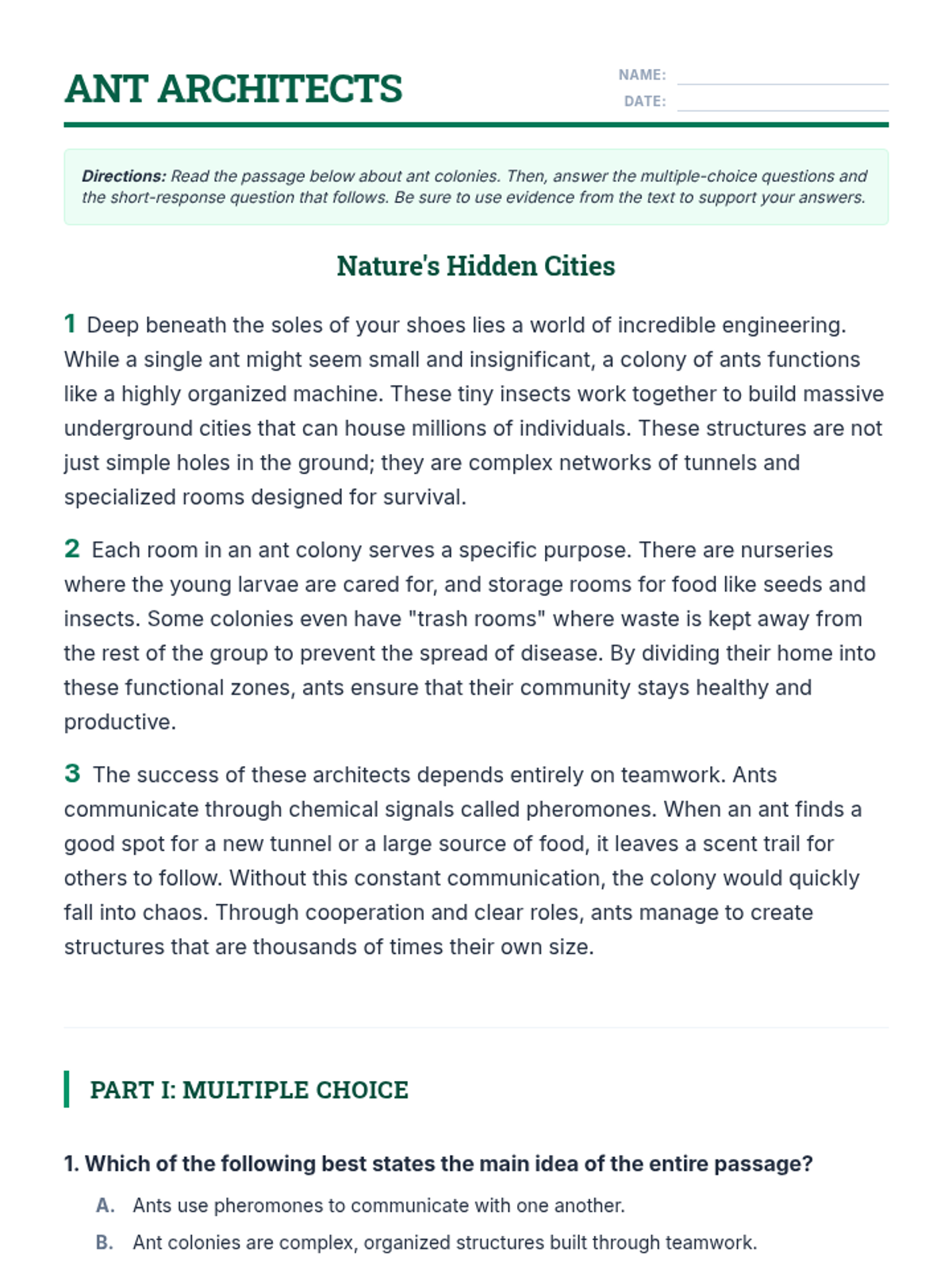
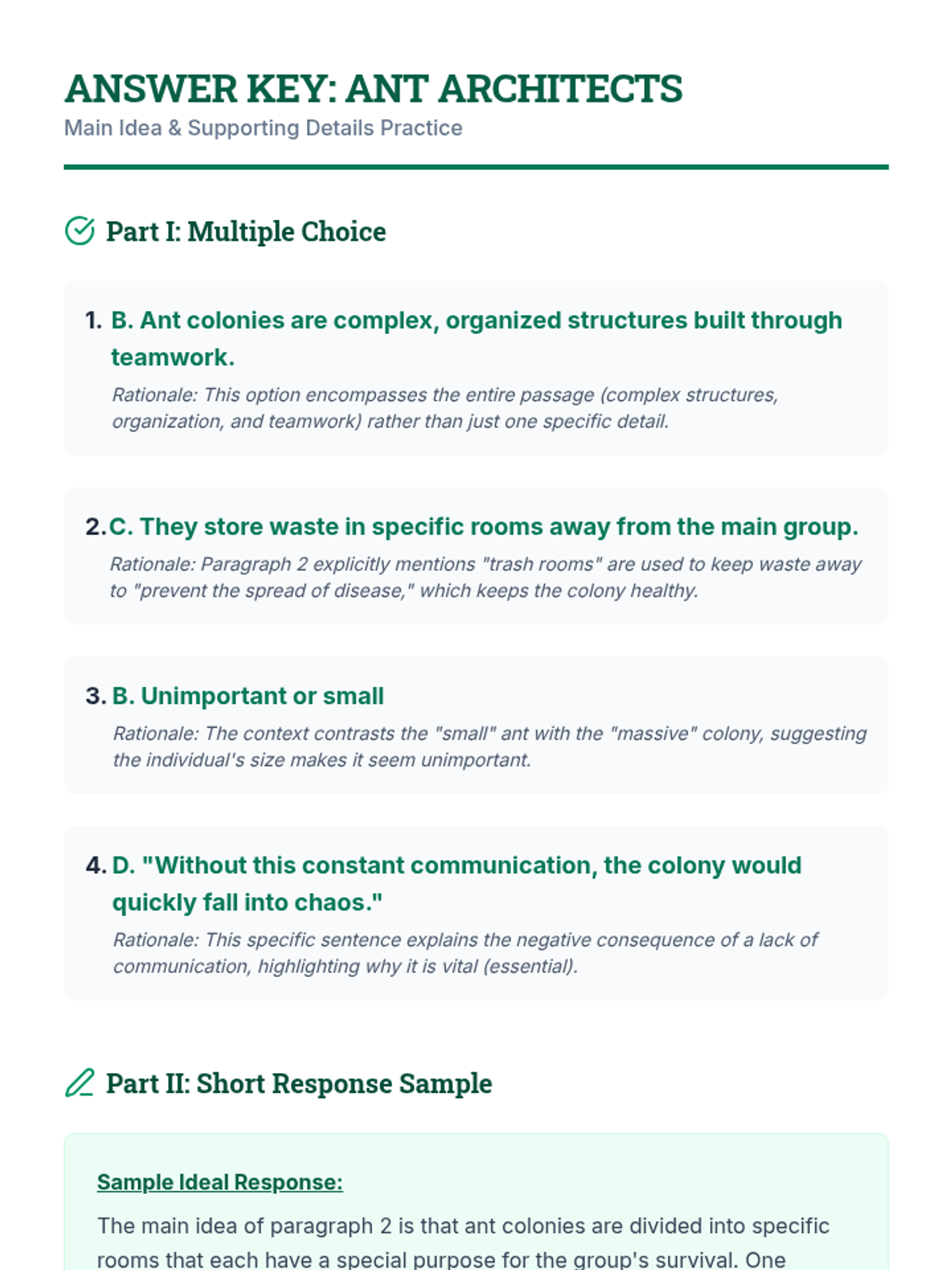
A practice session focused on identifying main ideas and supporting details in informational texts, modeled after MCAS standardized testing formats.
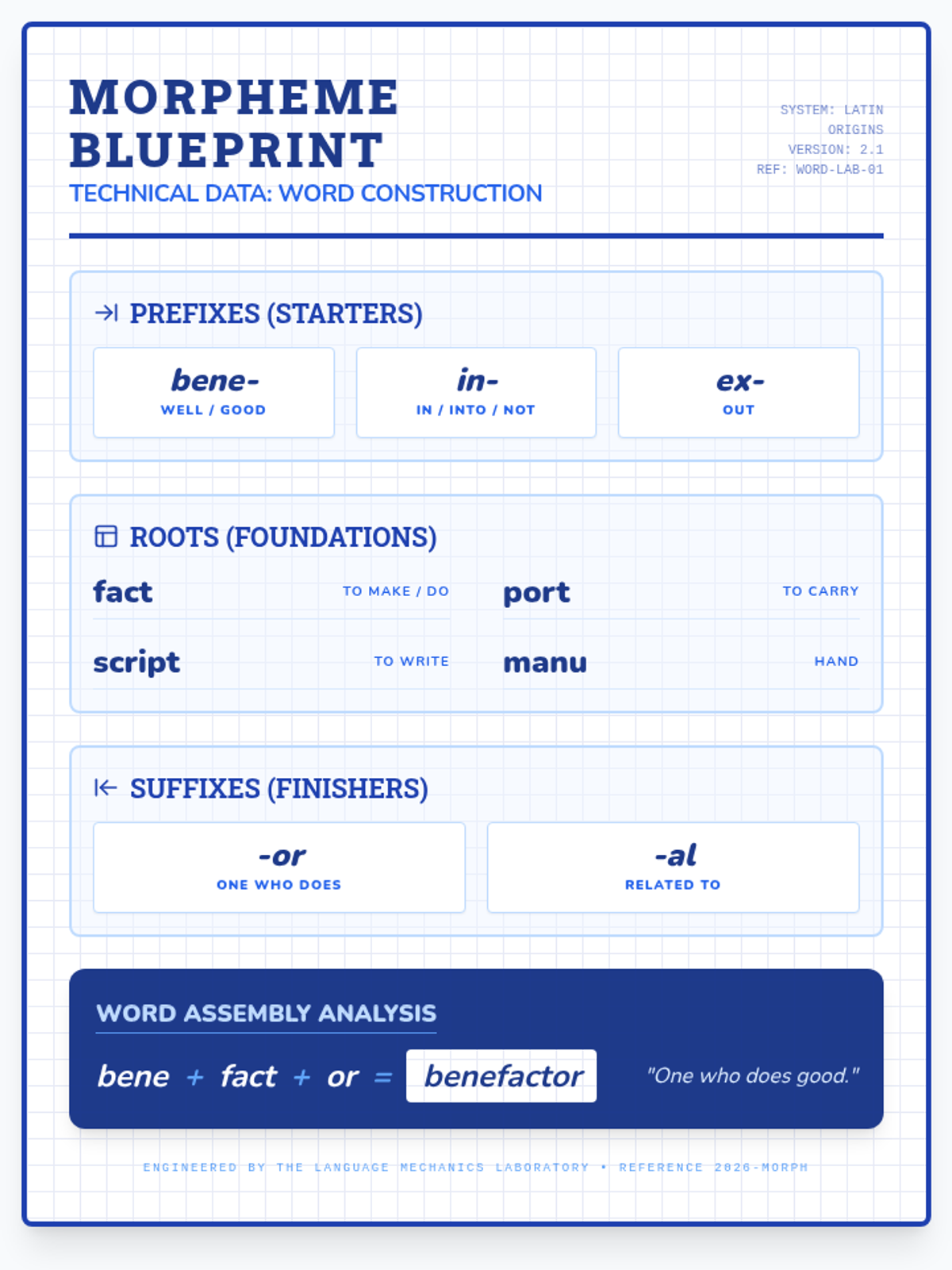
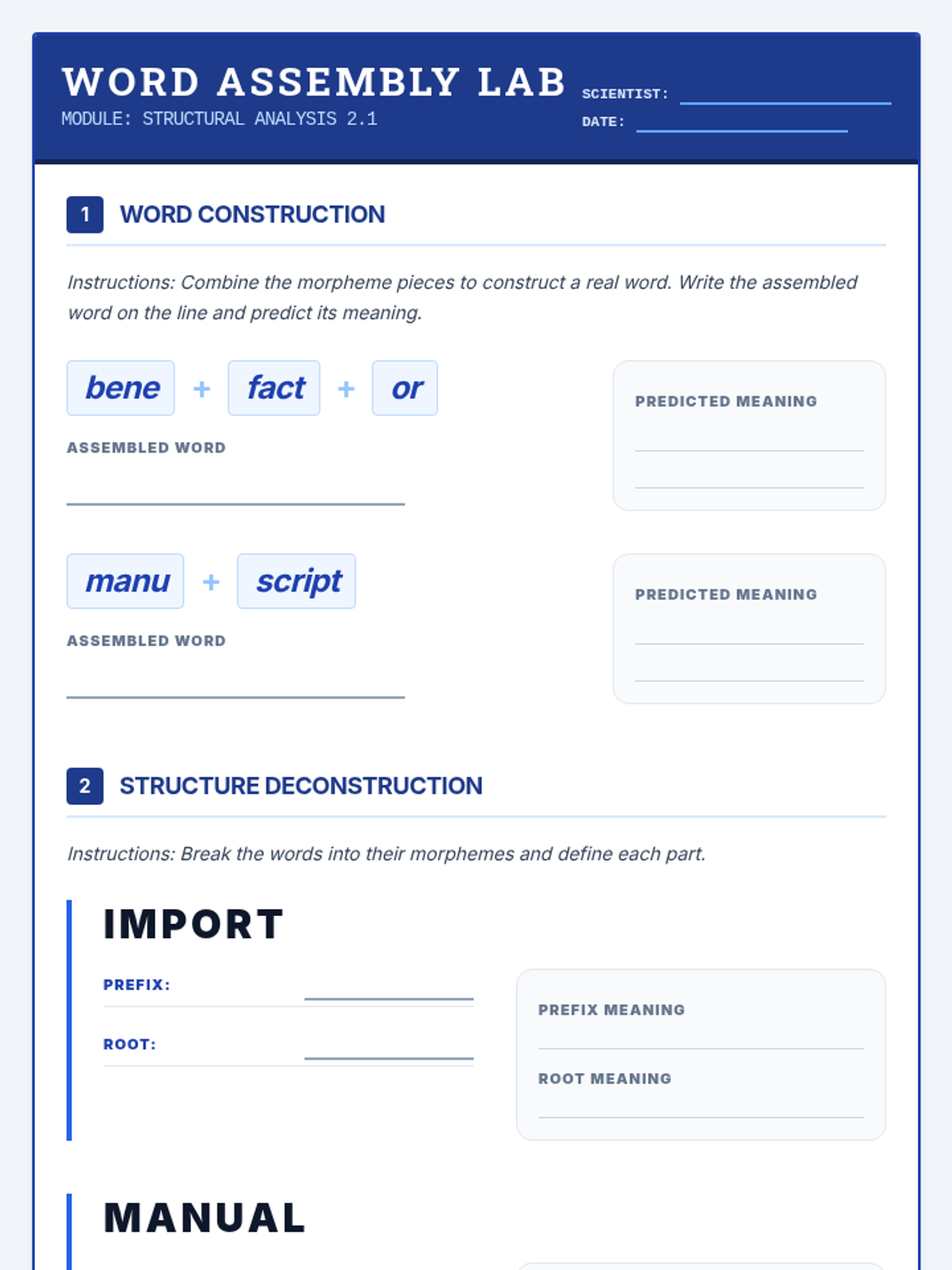
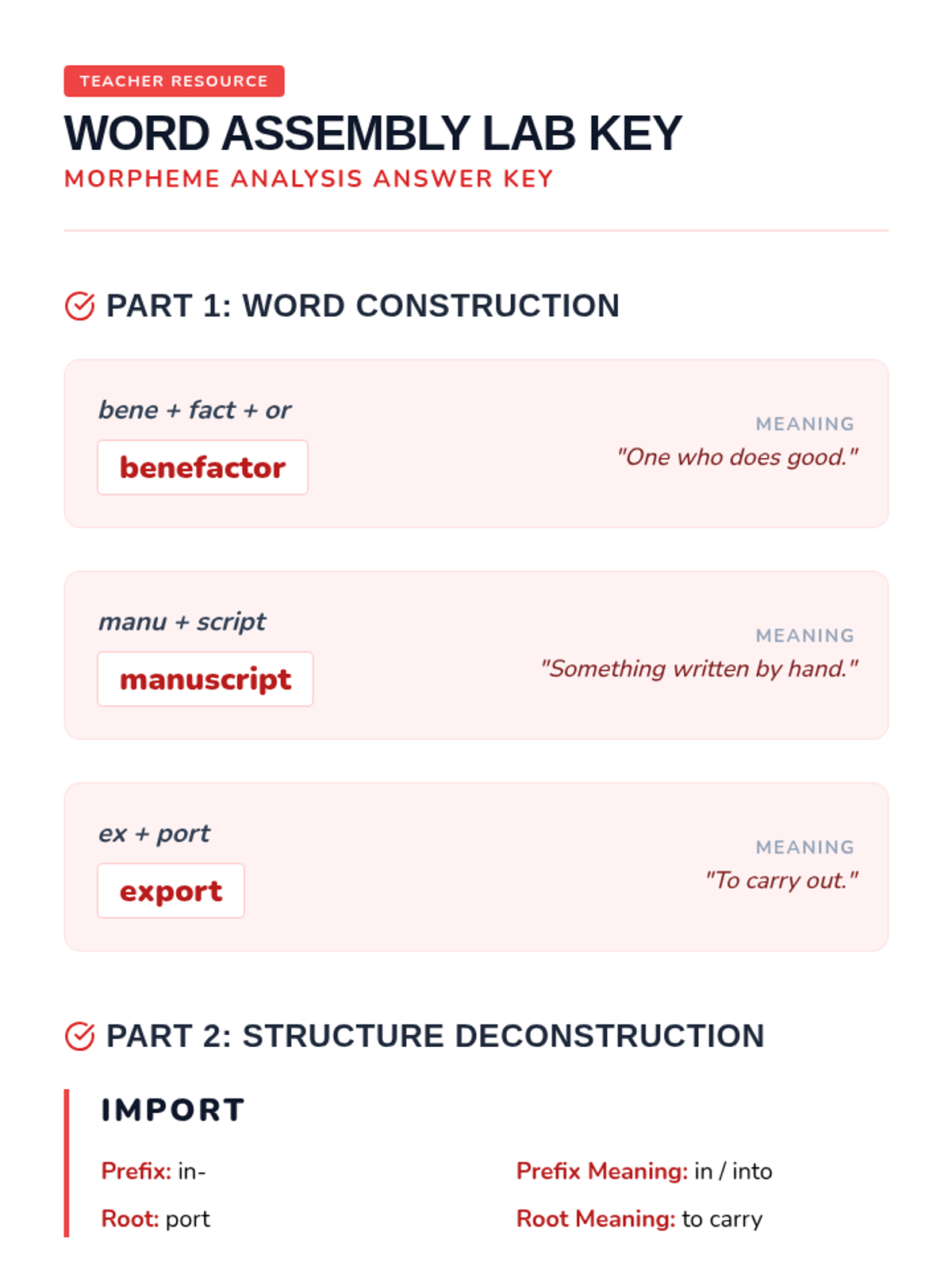
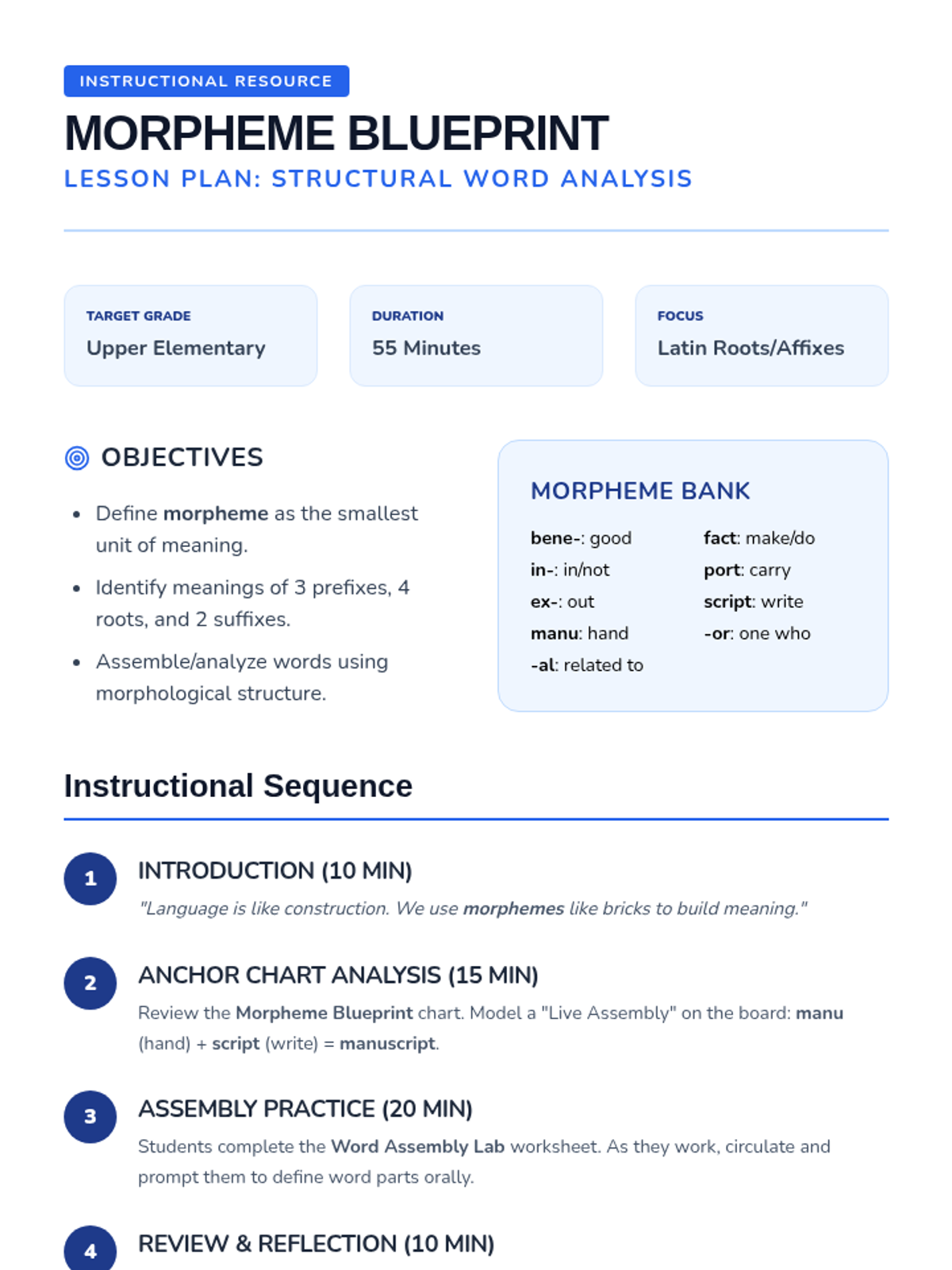
A lesson on analyzing and constructing words using Latin roots and affixes. Students investigate morphemes like bene, fact, script, manu, port, and common affixes to decode complex vocabulary and understand word origins.
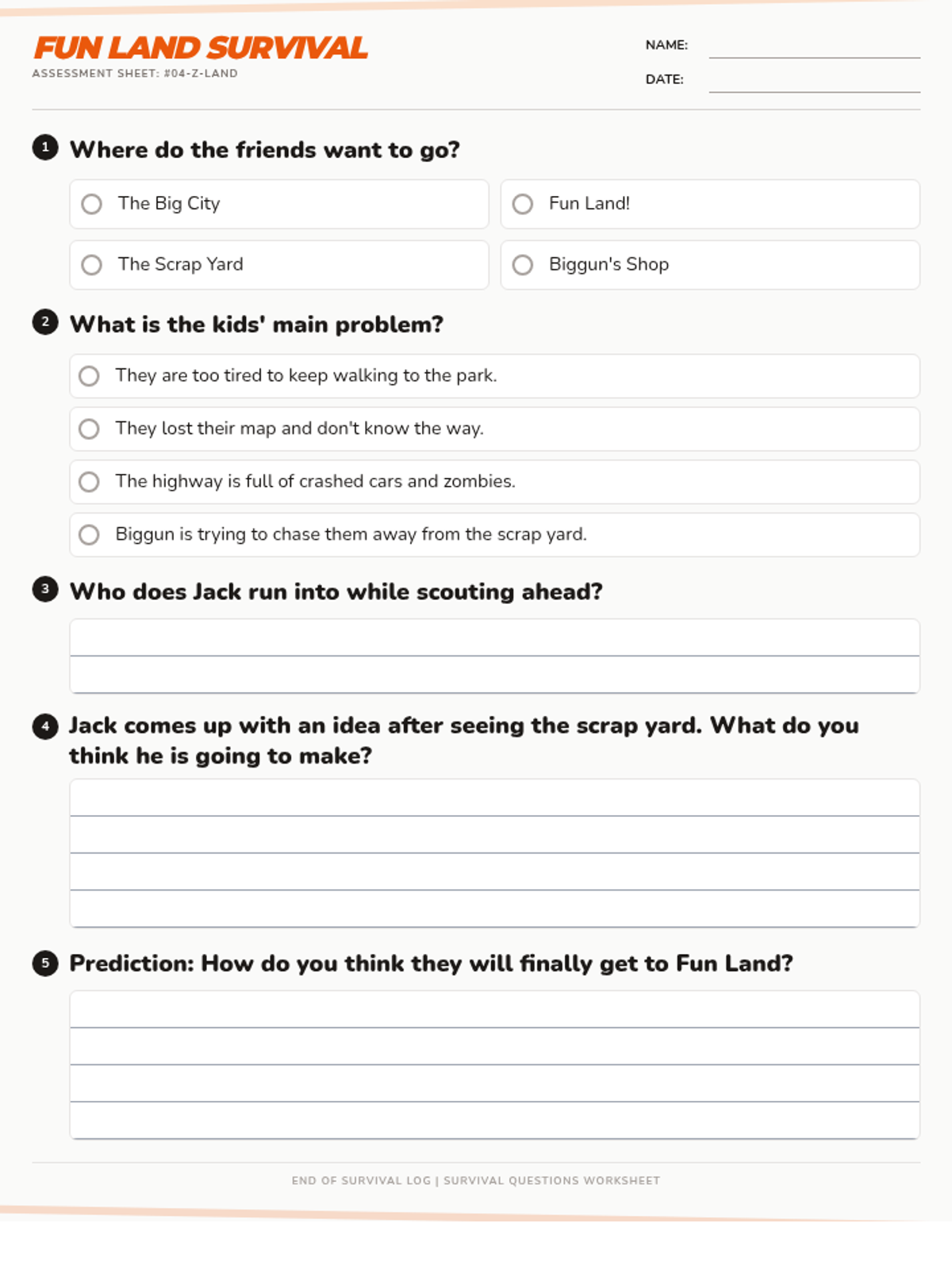
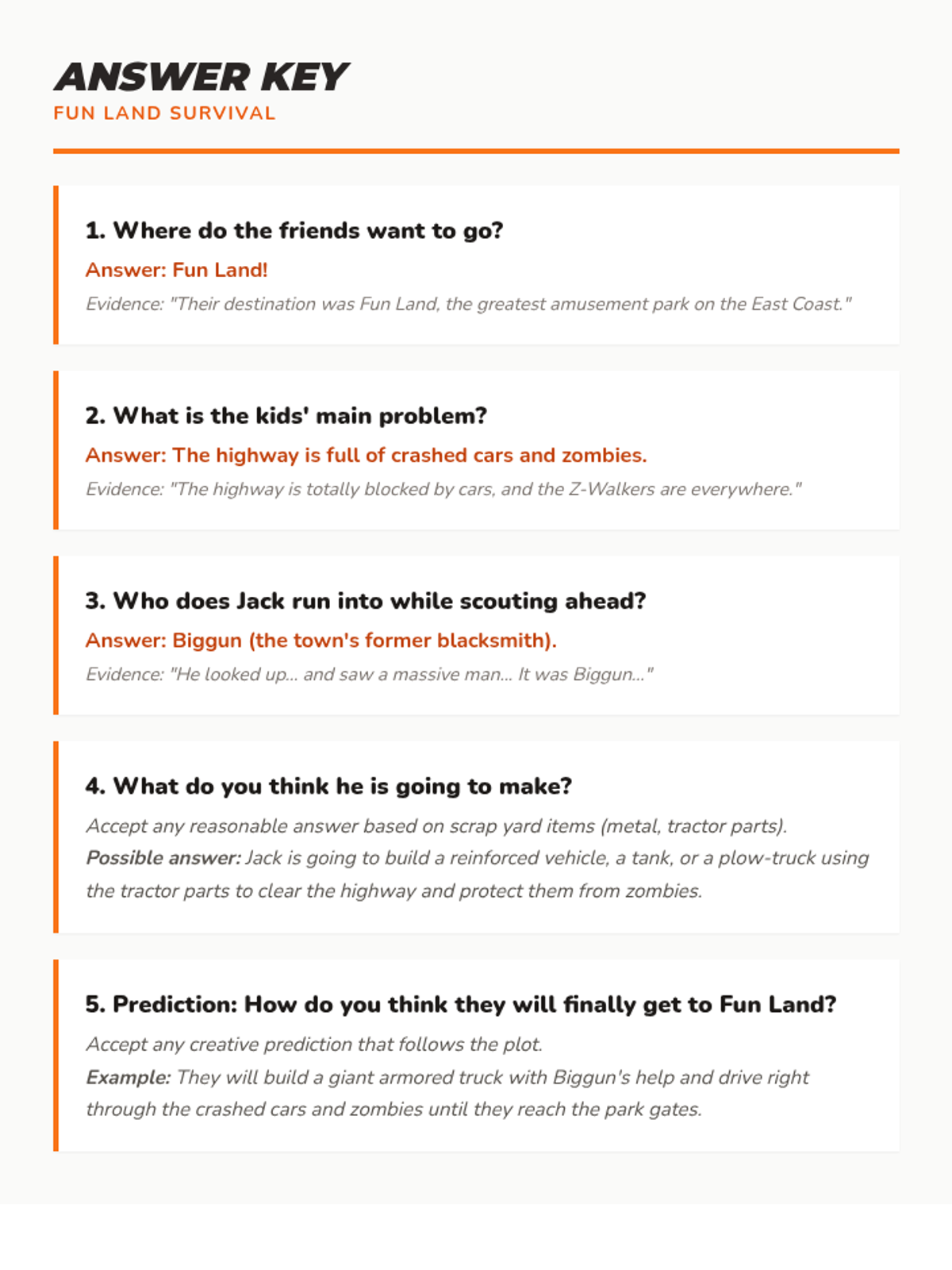
A reading comprehension lesson focused on identifying plot problems, character encounters, and making predictions within a high-interest zombie apocalypse narrative.
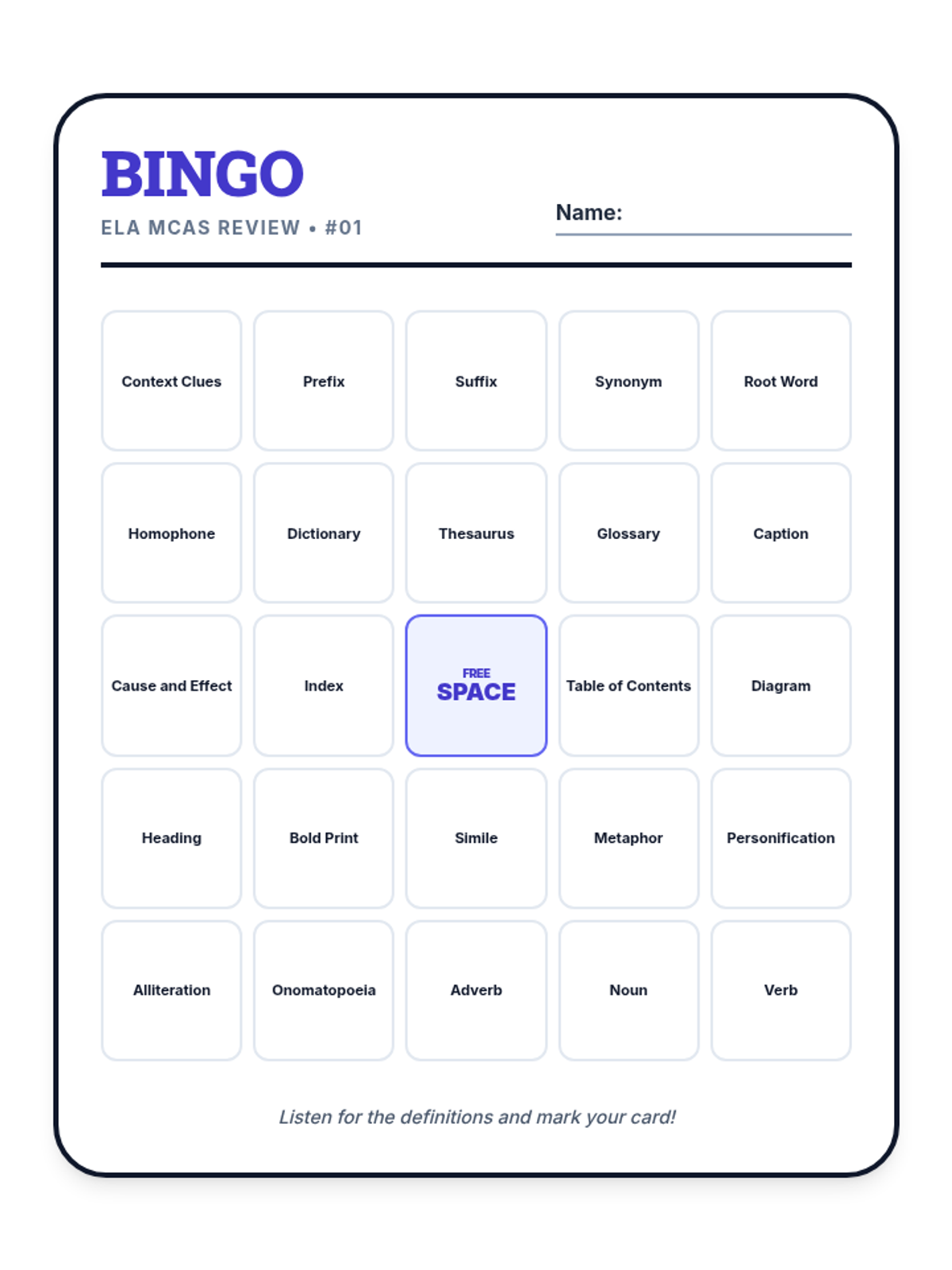
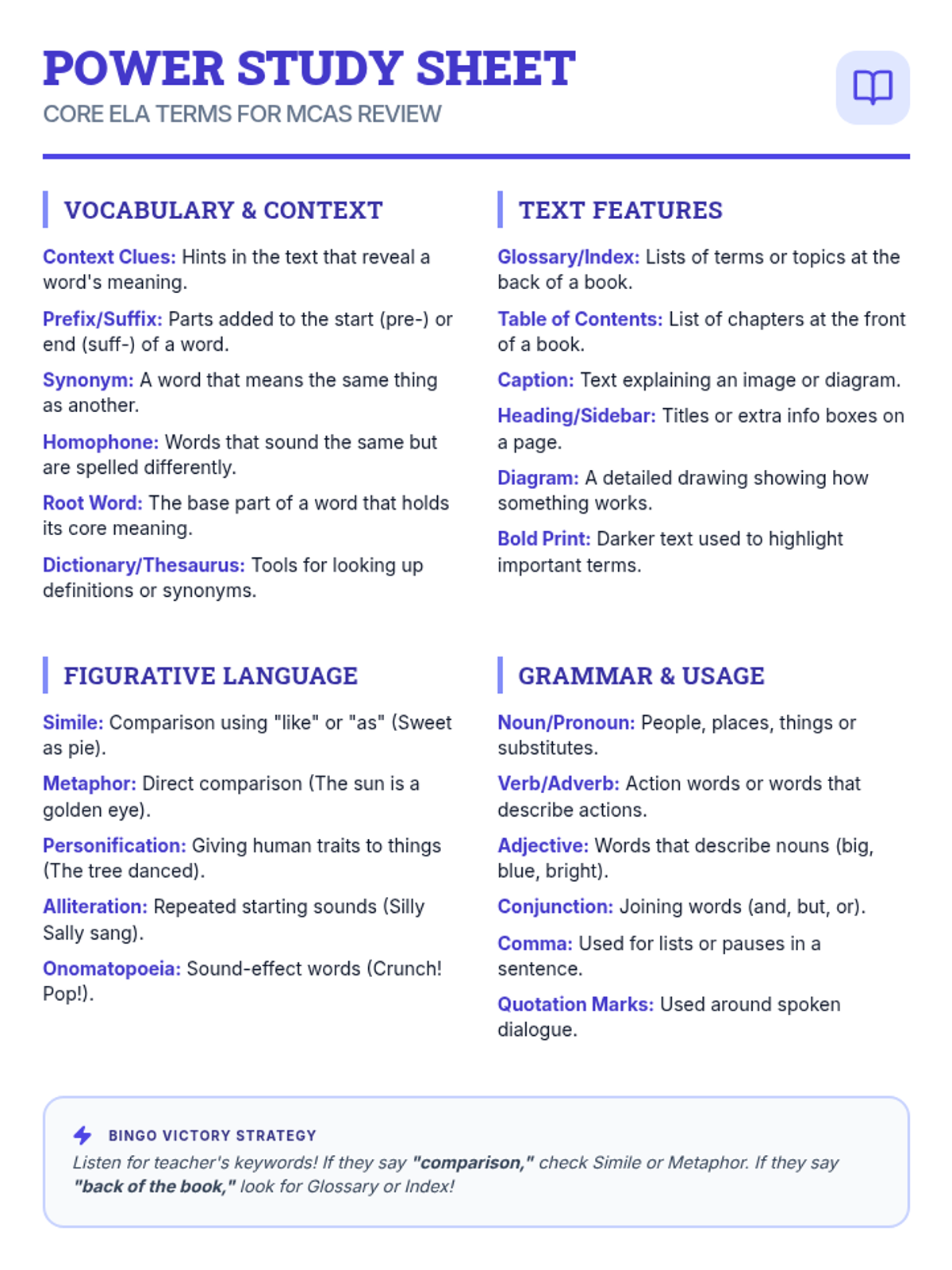
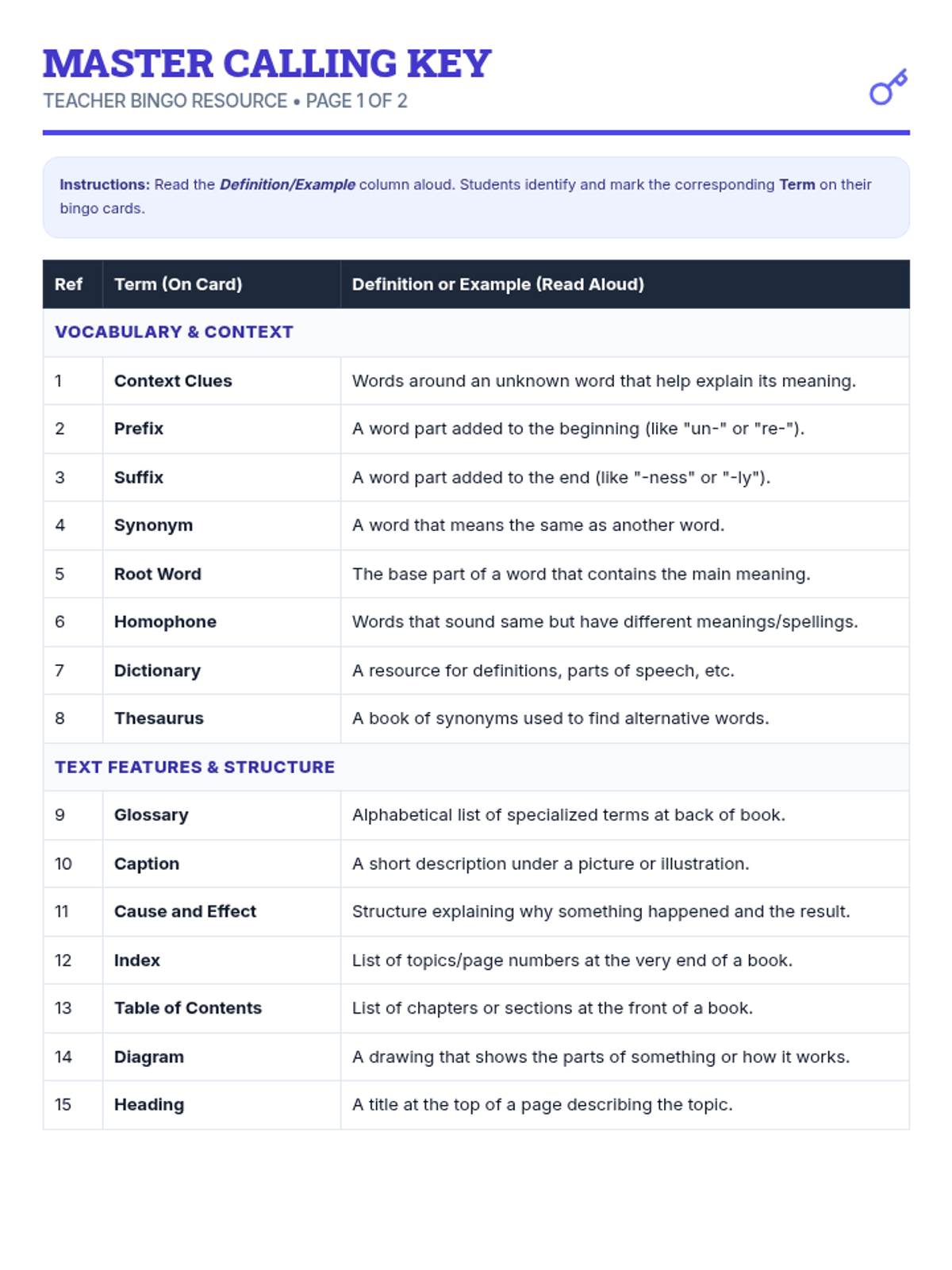
A comprehensive ELA review game designed to help students master MCAS standards through a competitive and engaging bingo format. The lesson covers vocabulary, literary elements, text structures, and grammar.
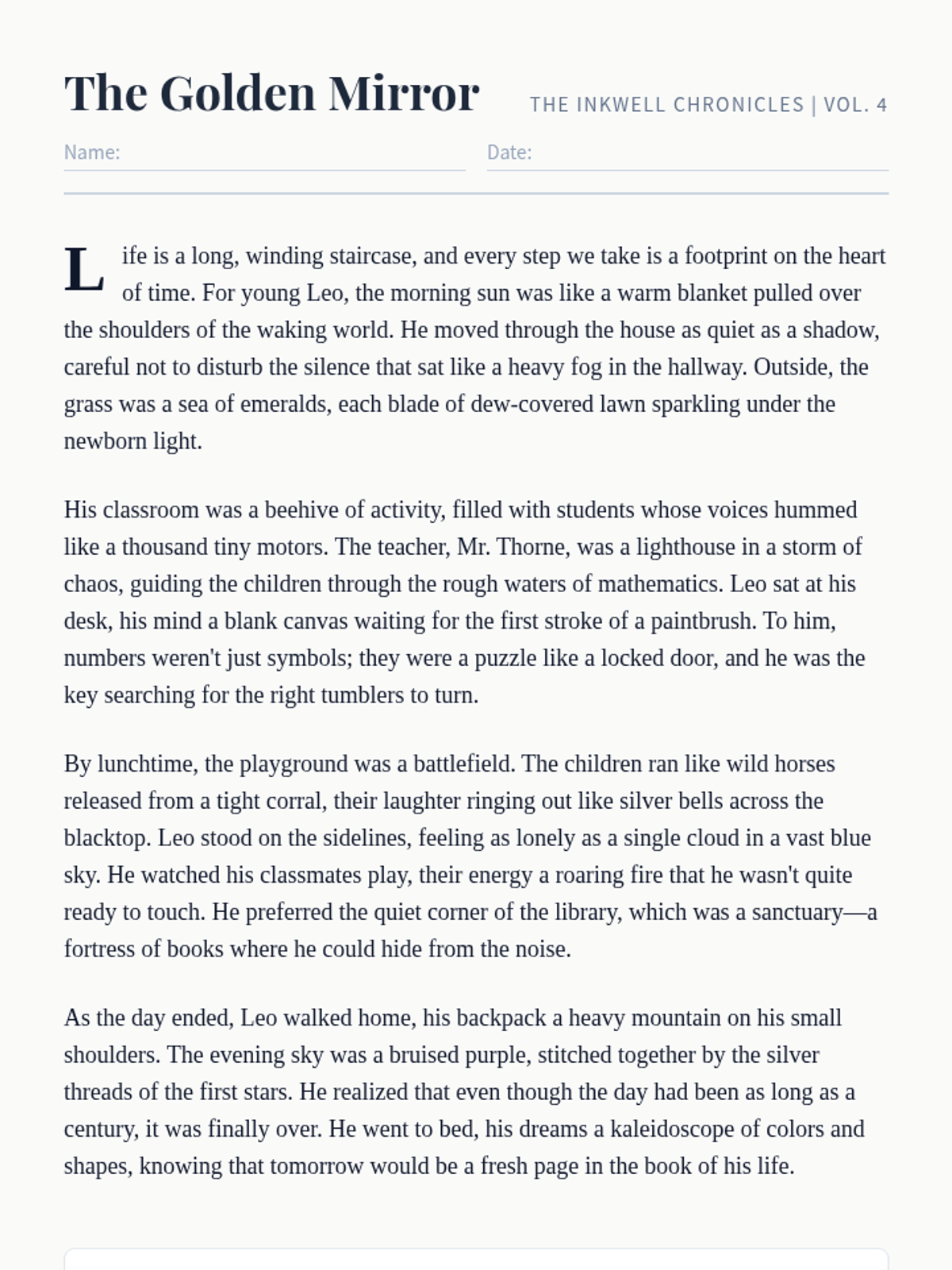
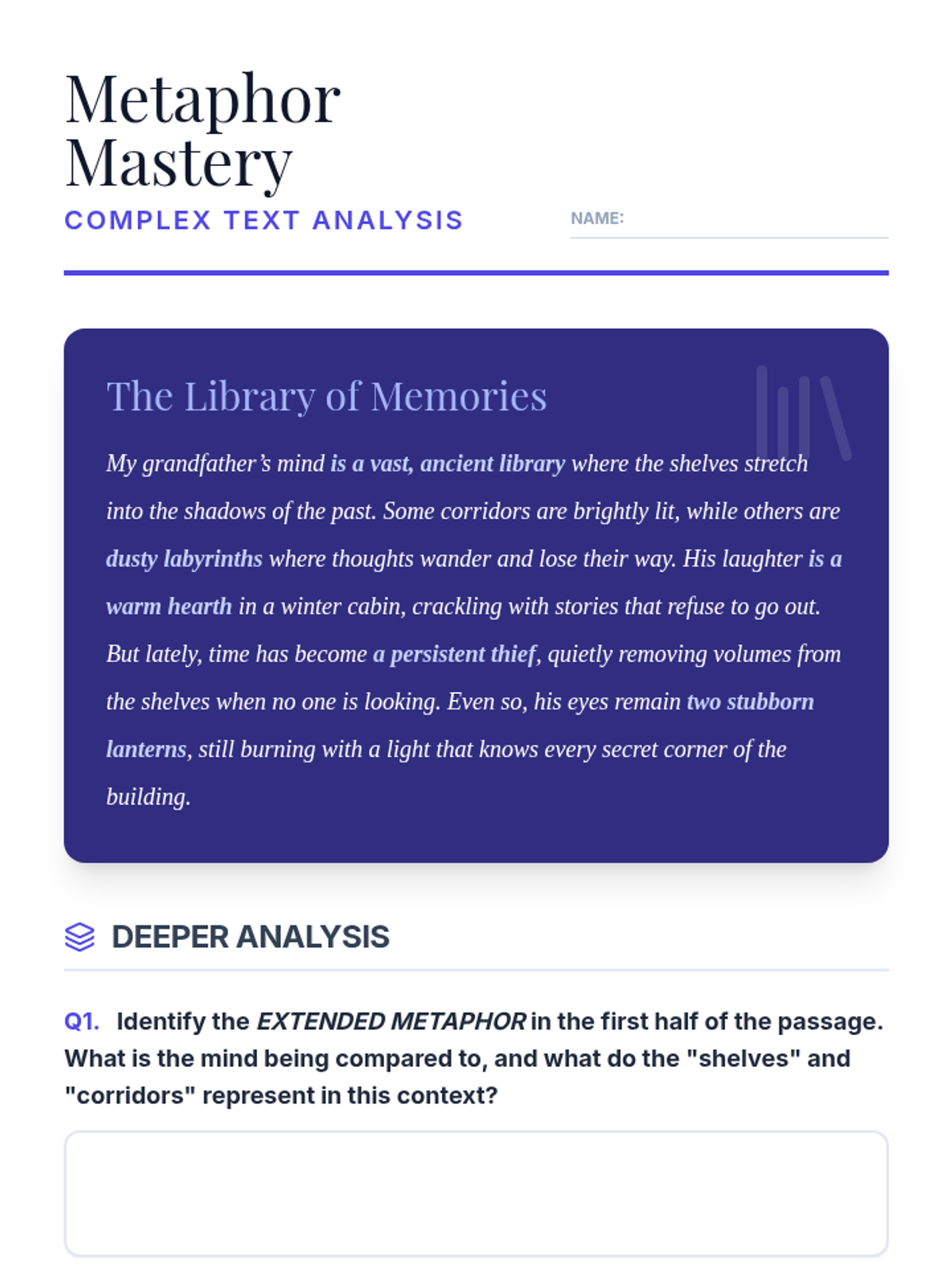
Analyze direct and indirect comparisons to understand how they deepen meaning in creative writing.
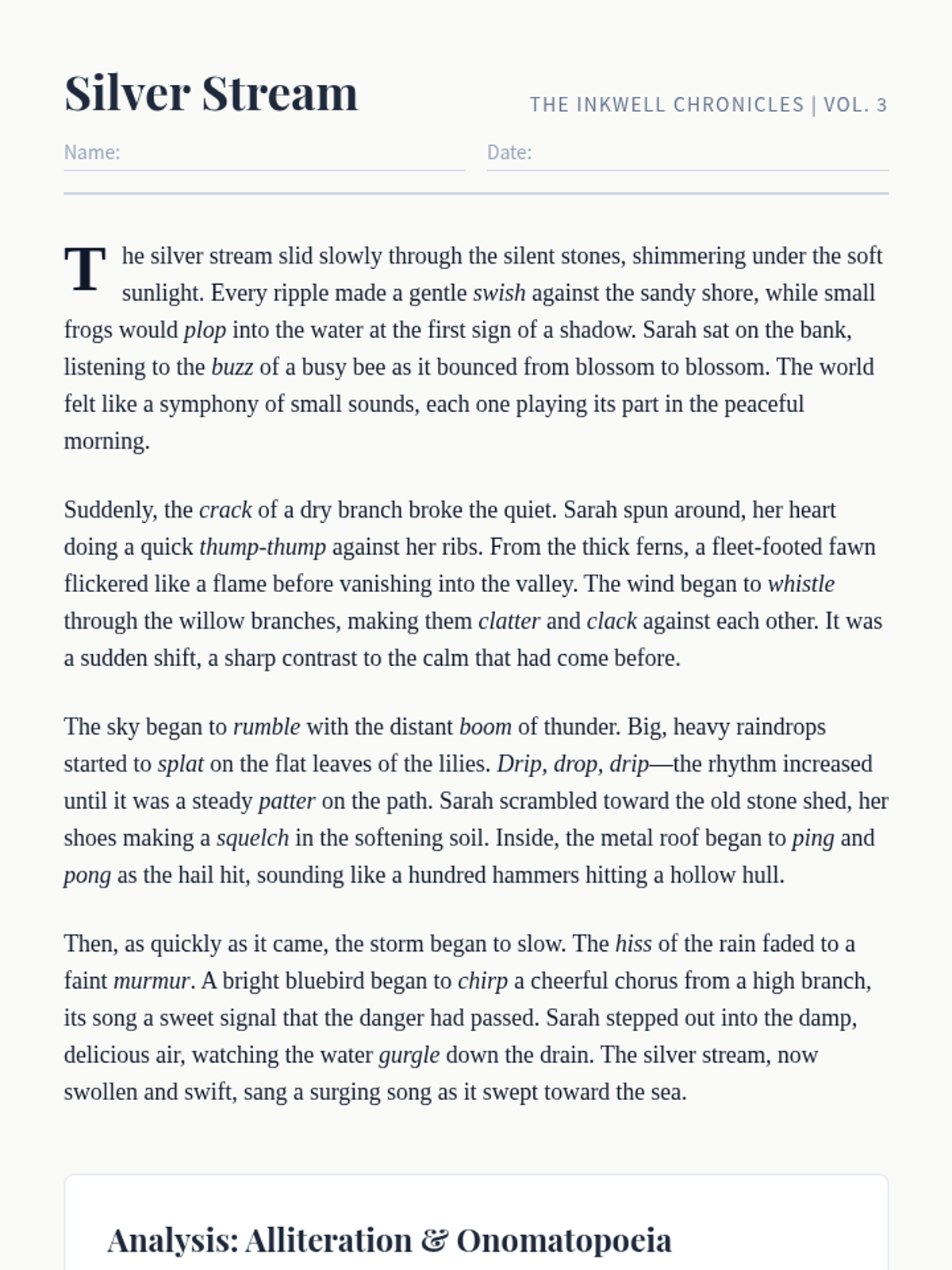
Focus on the sounds of language through alliteration and onomatopoeia in descriptive storytelling.
Delve into the world of contradictions and unexpected outcomes with passages featuring irony and paradox.
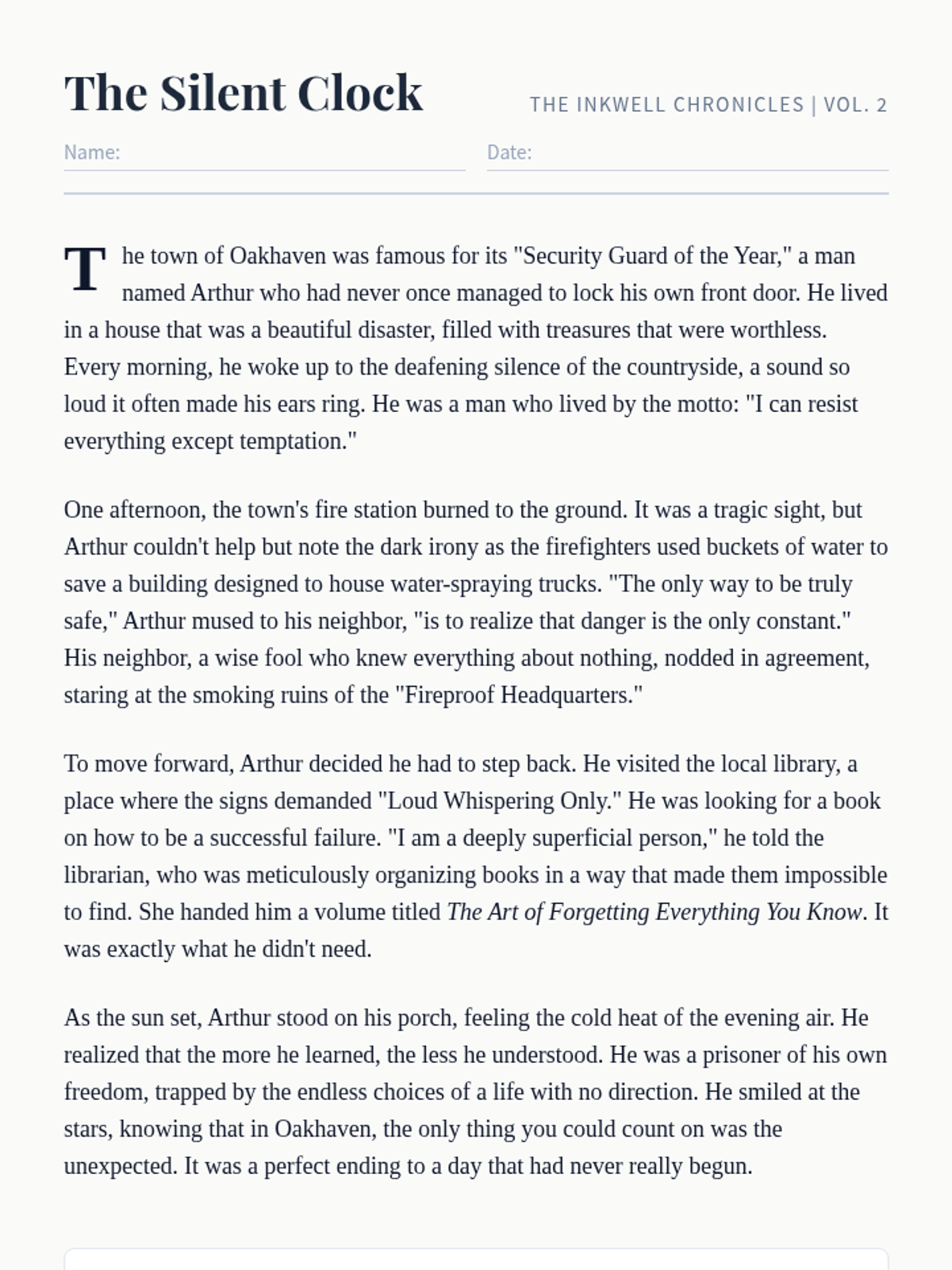
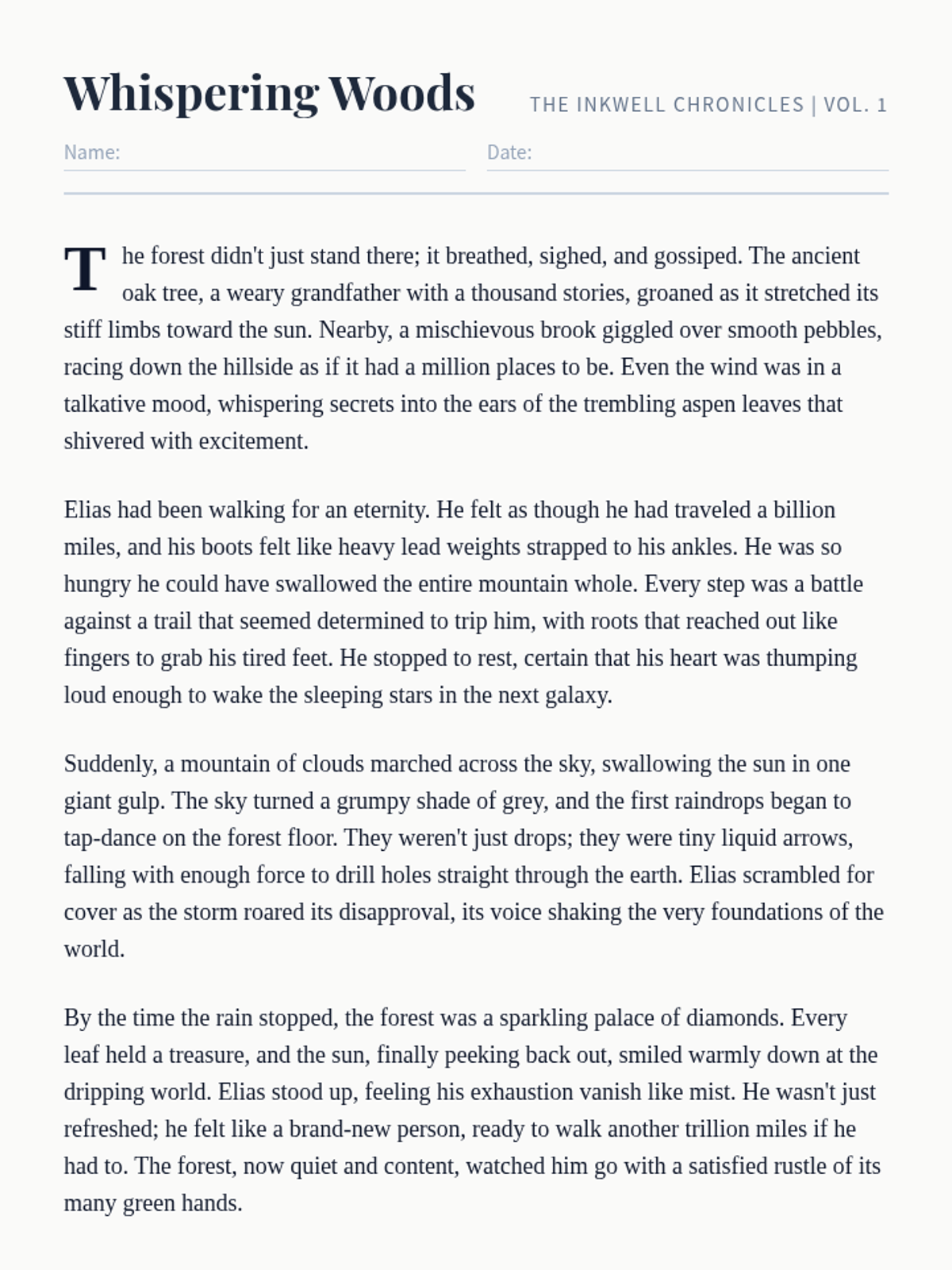
Explore how authors use exaggeration and human traits to bring stories to life through reading and analysis.
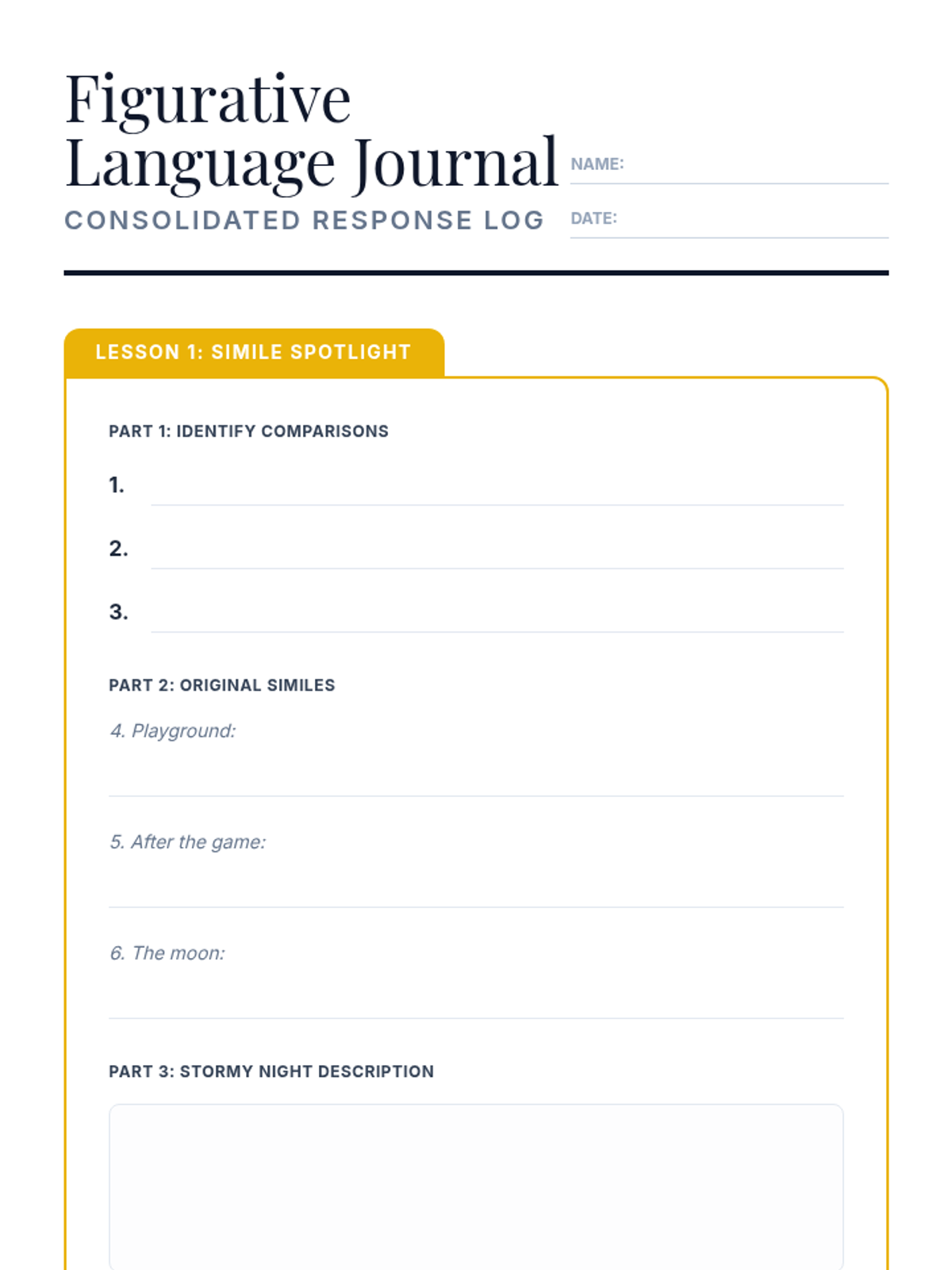
A comprehensive recording sheet for students to document their practice and creative work from all figurative language lessons in one central location.
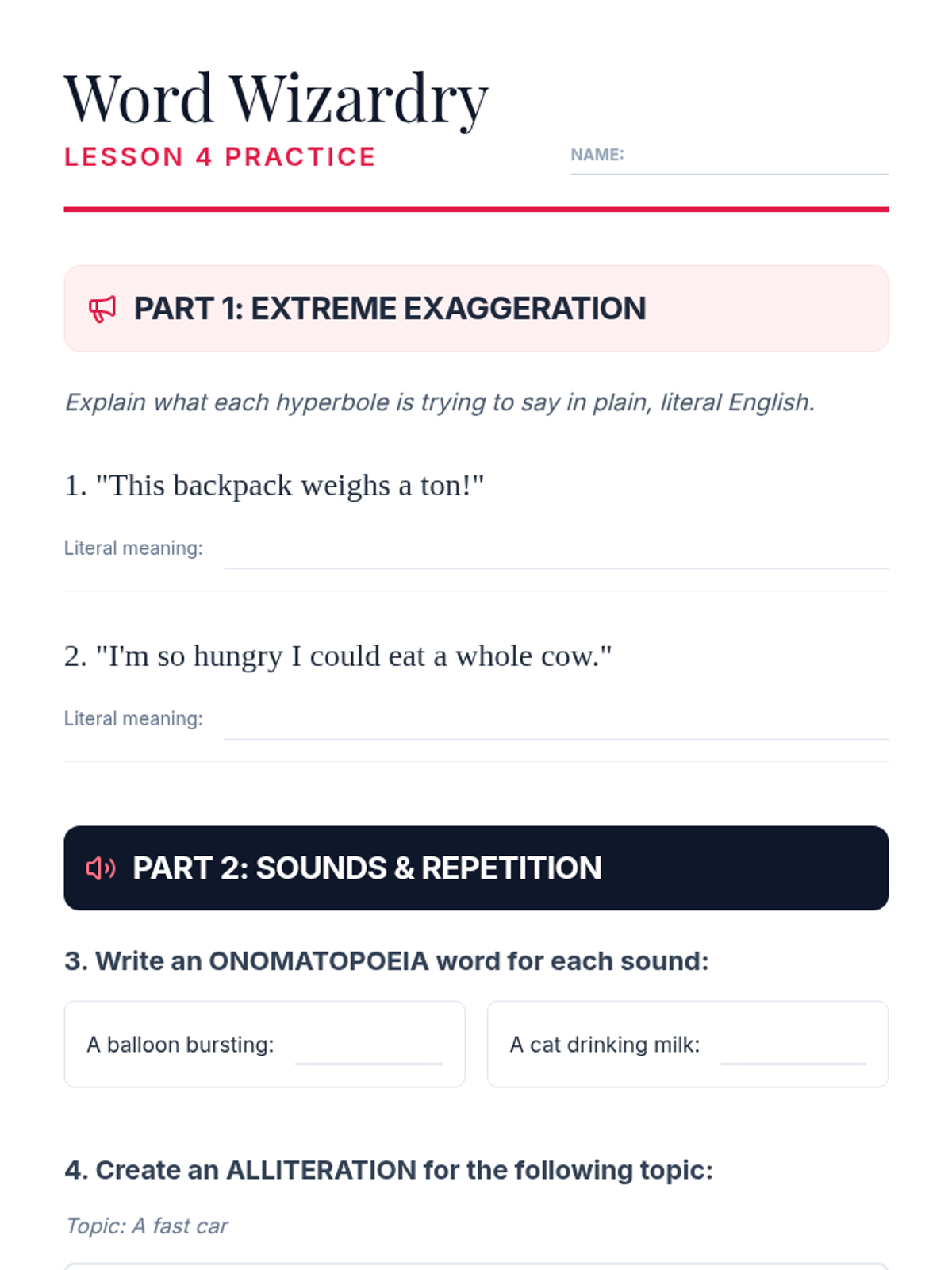
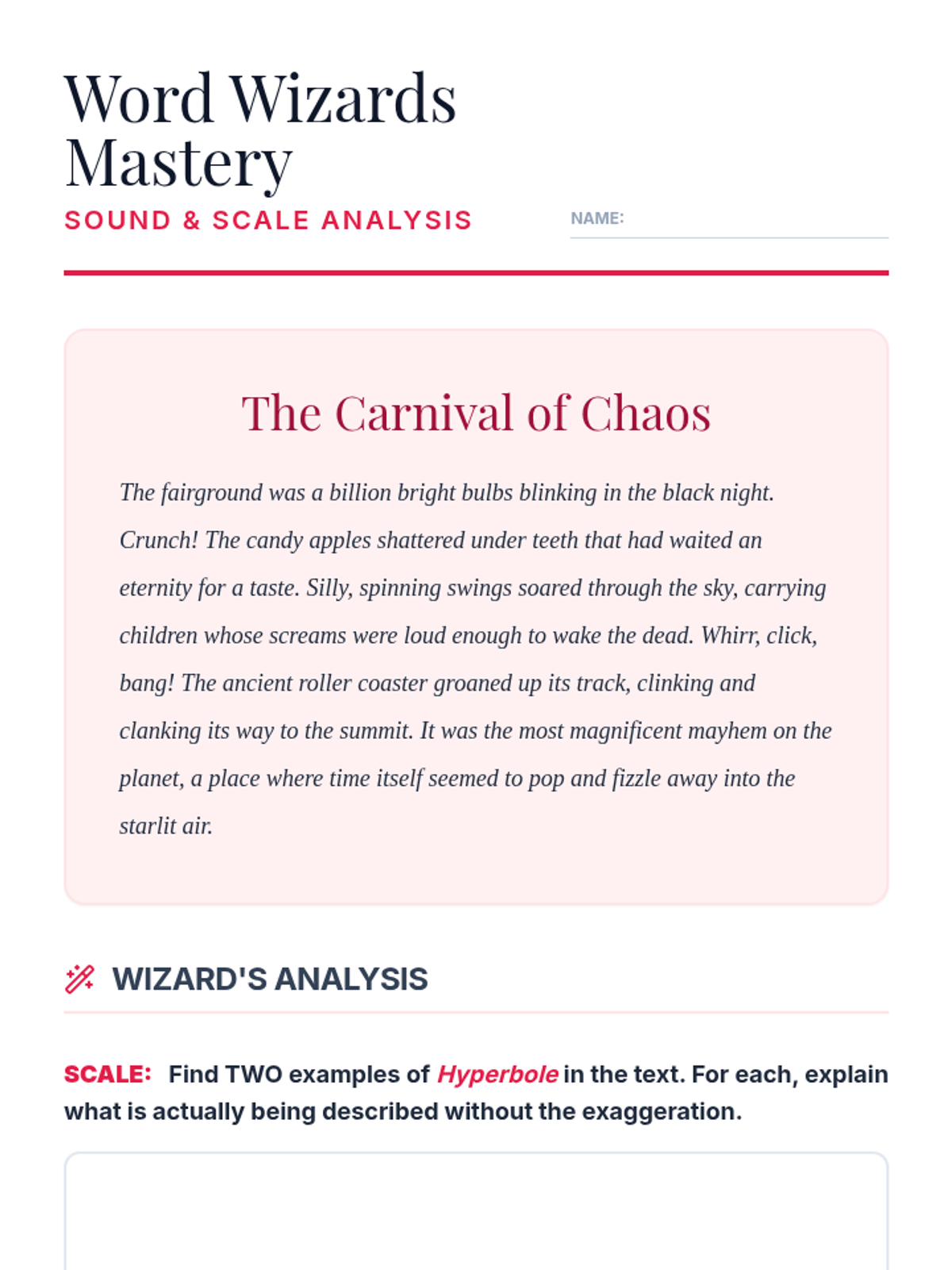
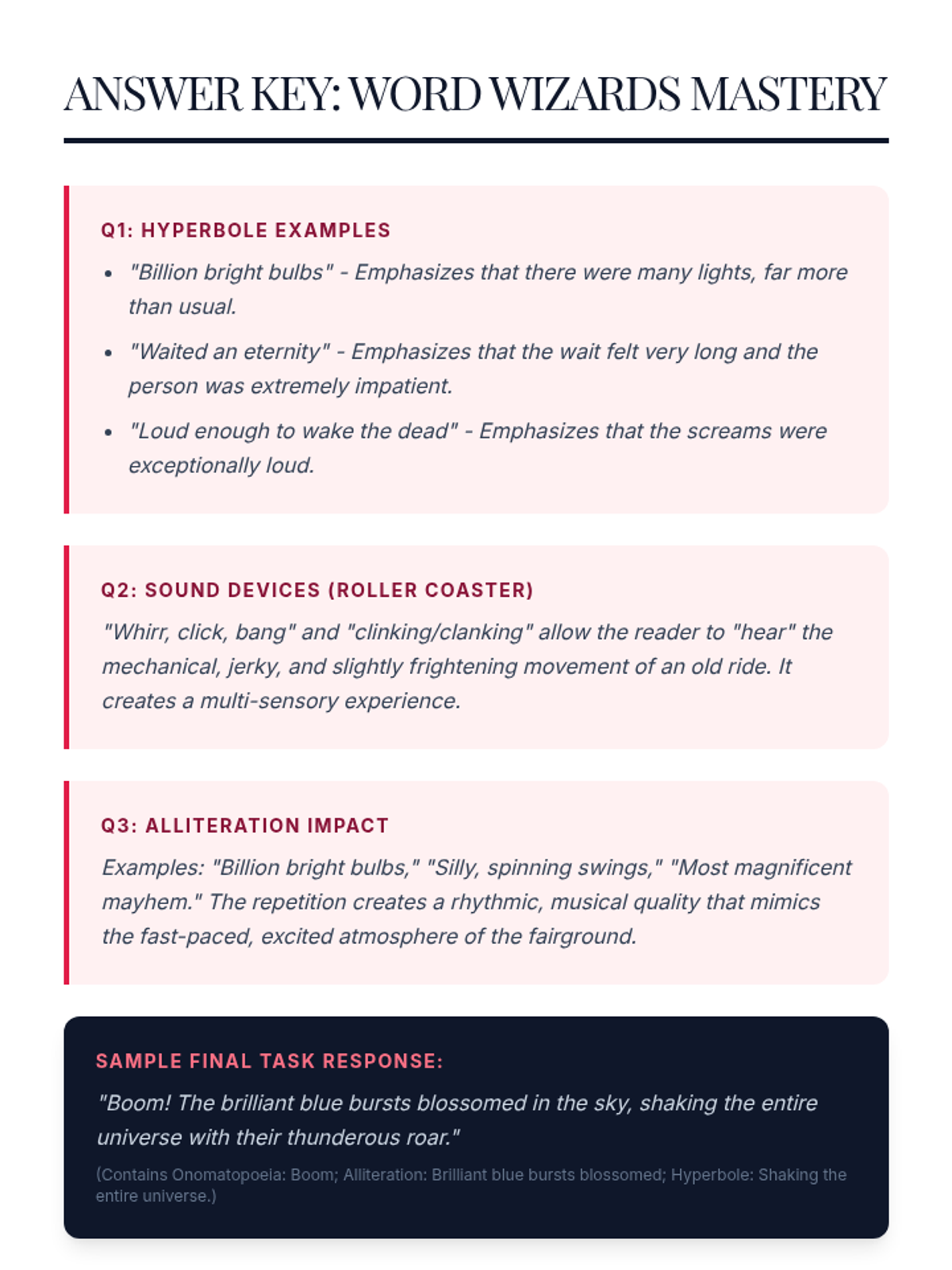
Focusing on hyperbole and sound devices like onomatopoeia and alliteration. Includes introductory slides and a practice worksheet.
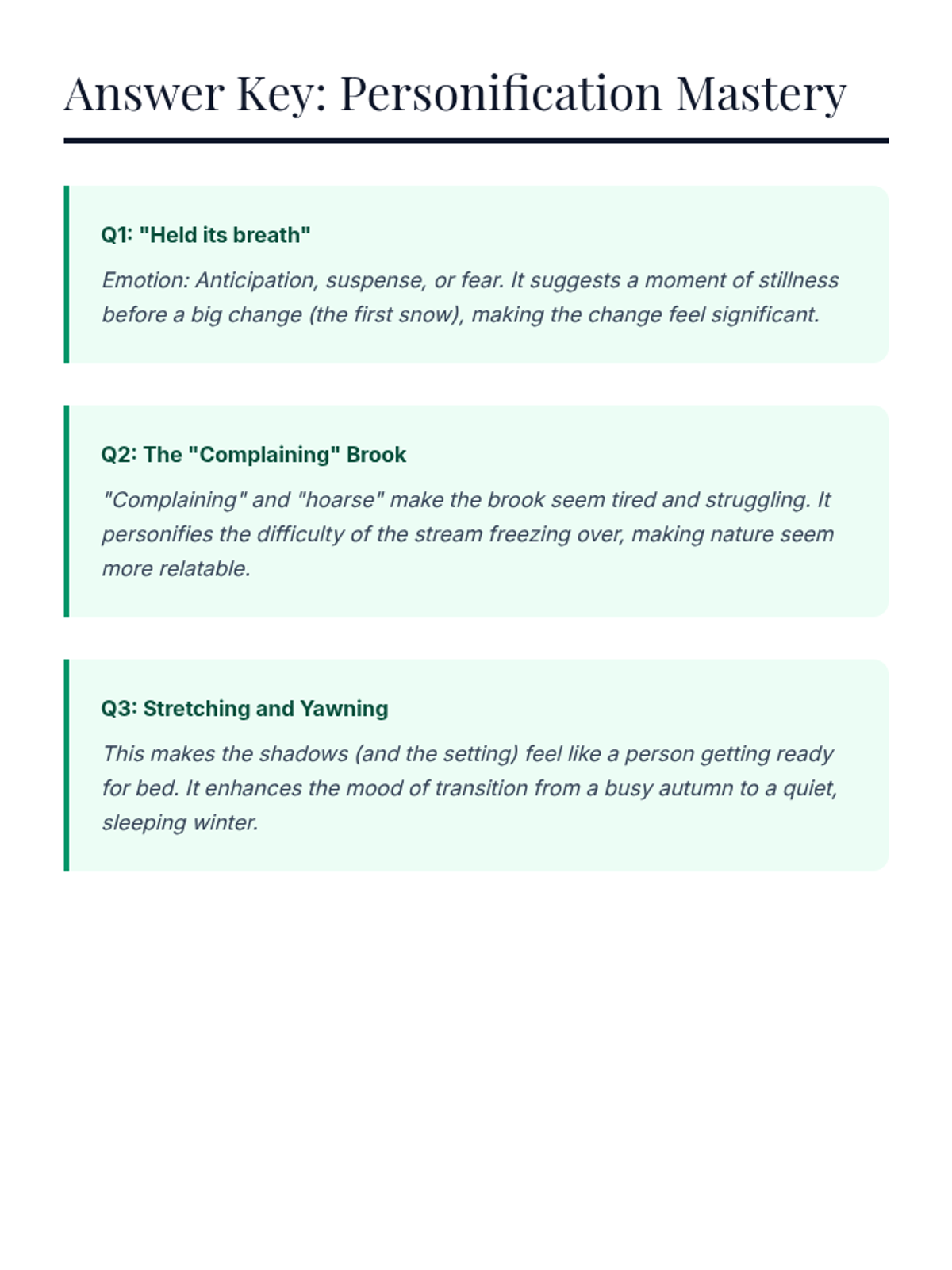
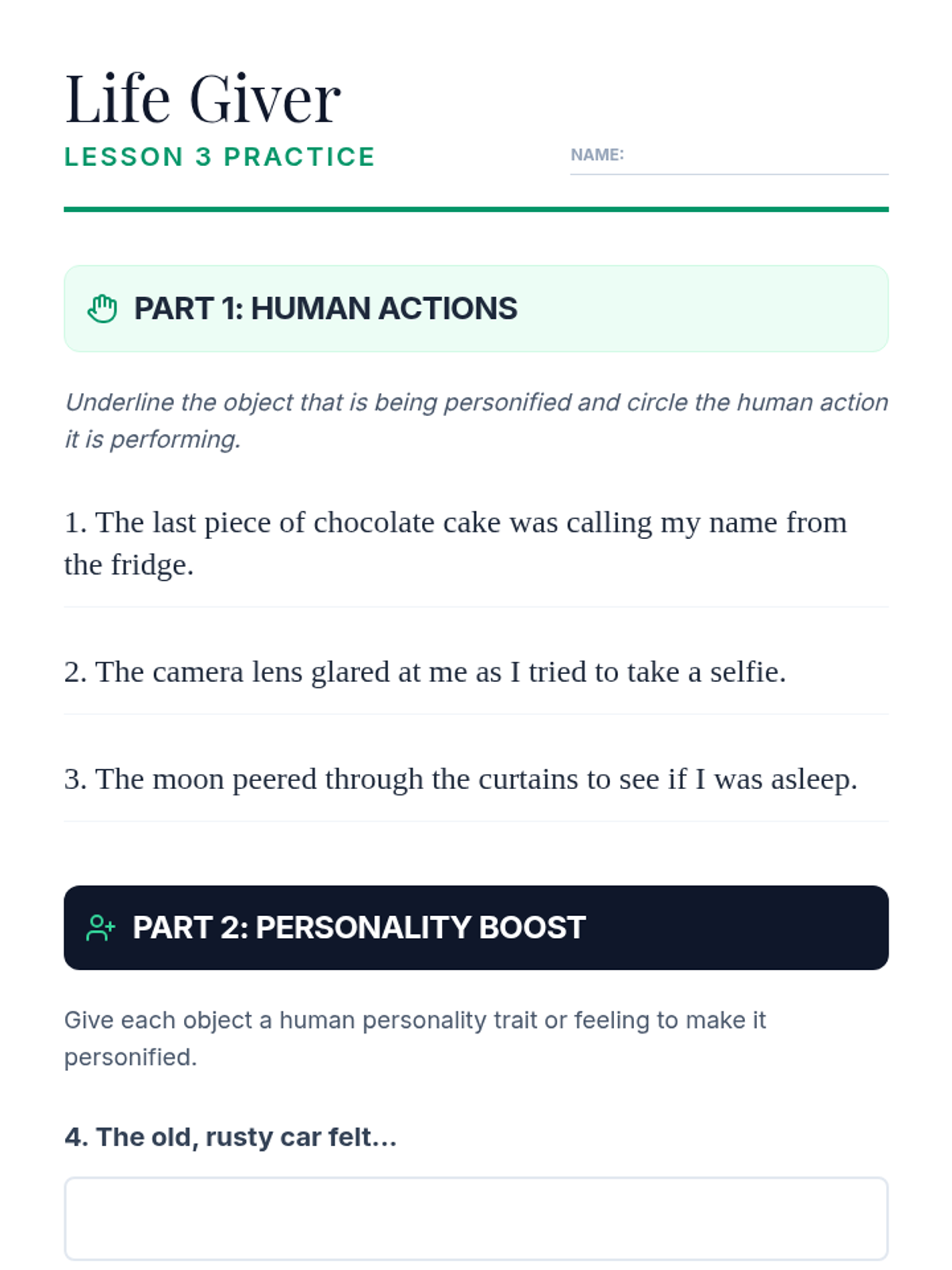
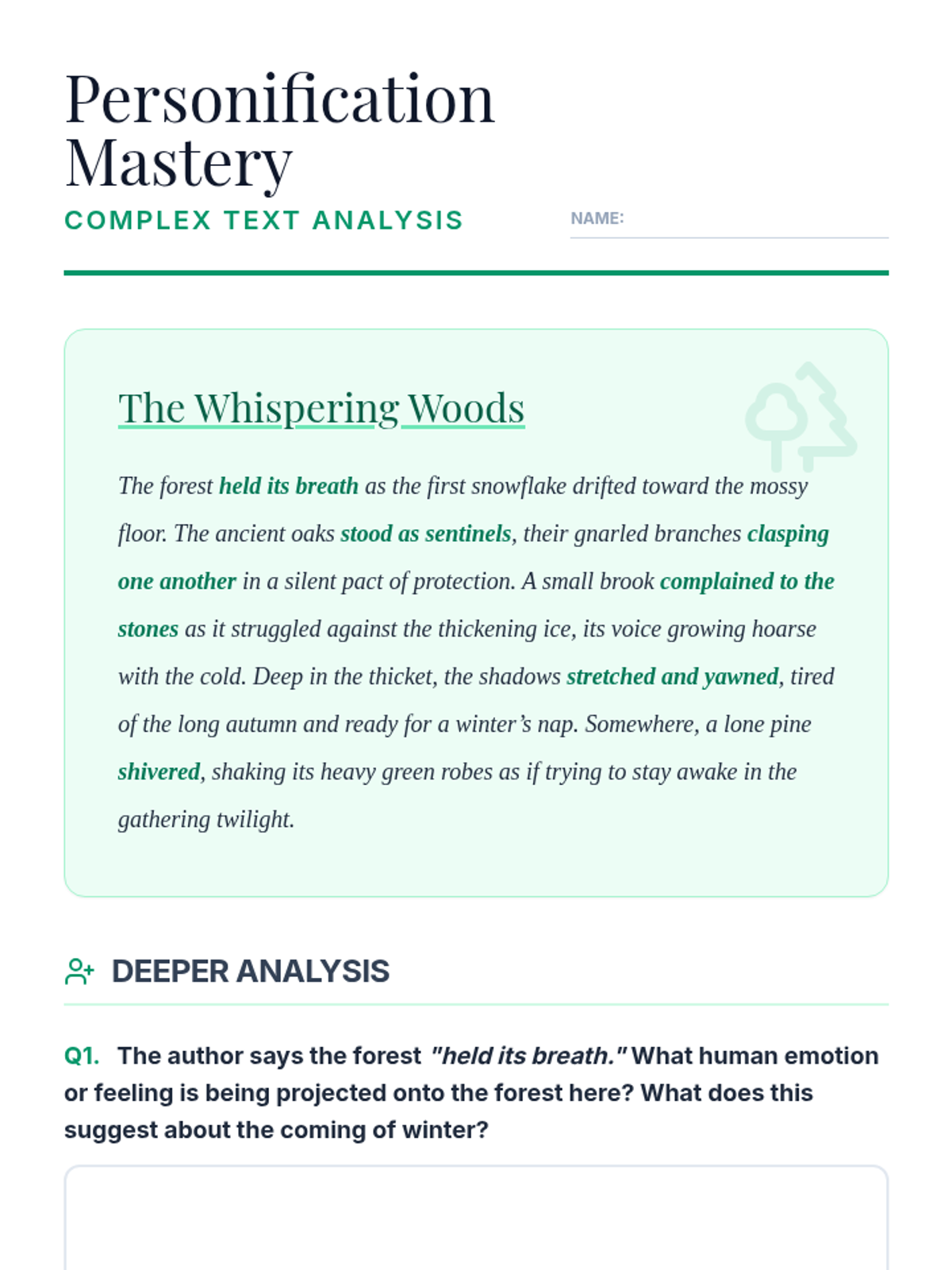
Focusing on personification: giving human traits to non-human things. Includes introductory slides and a practice worksheet.
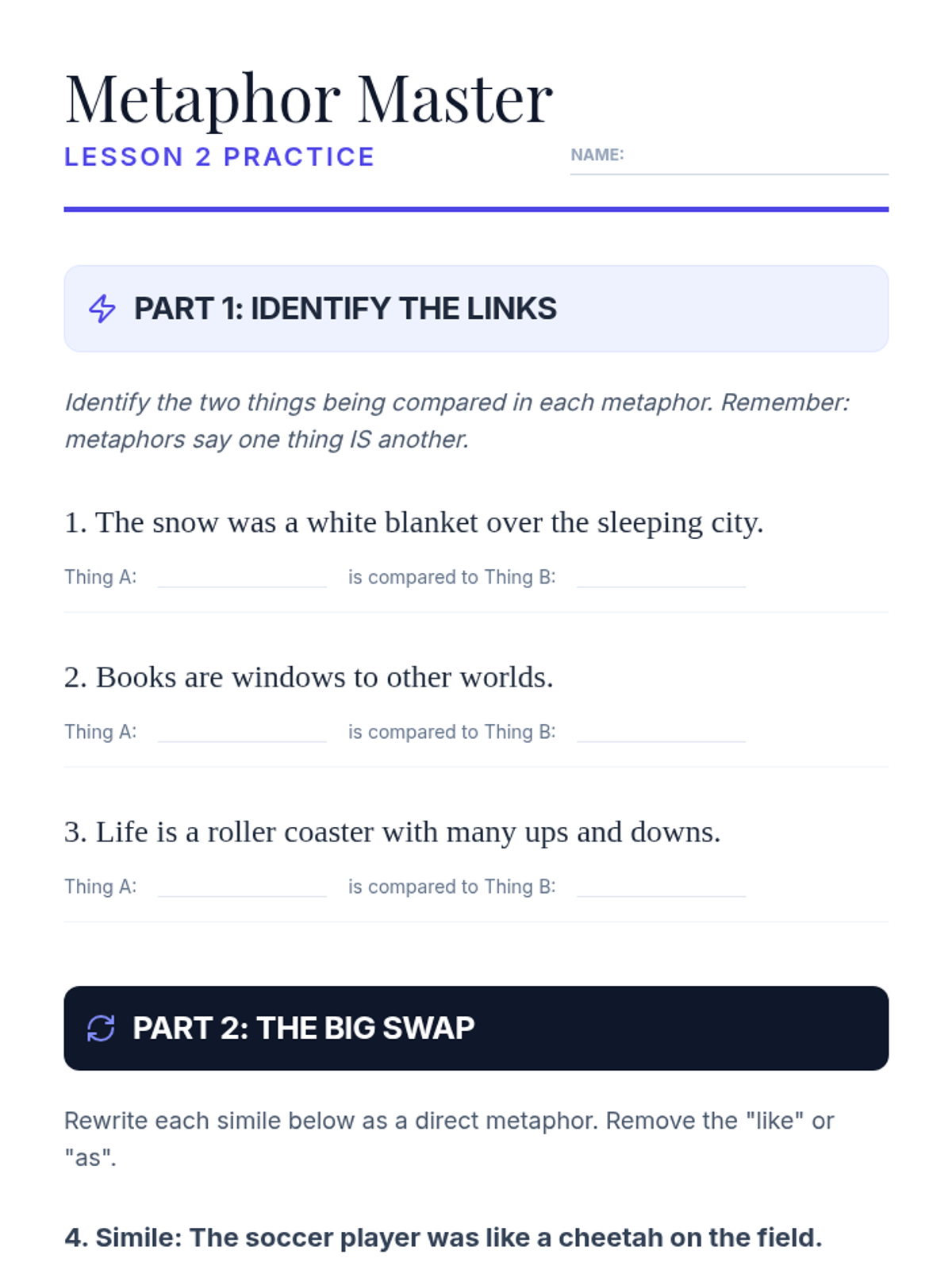
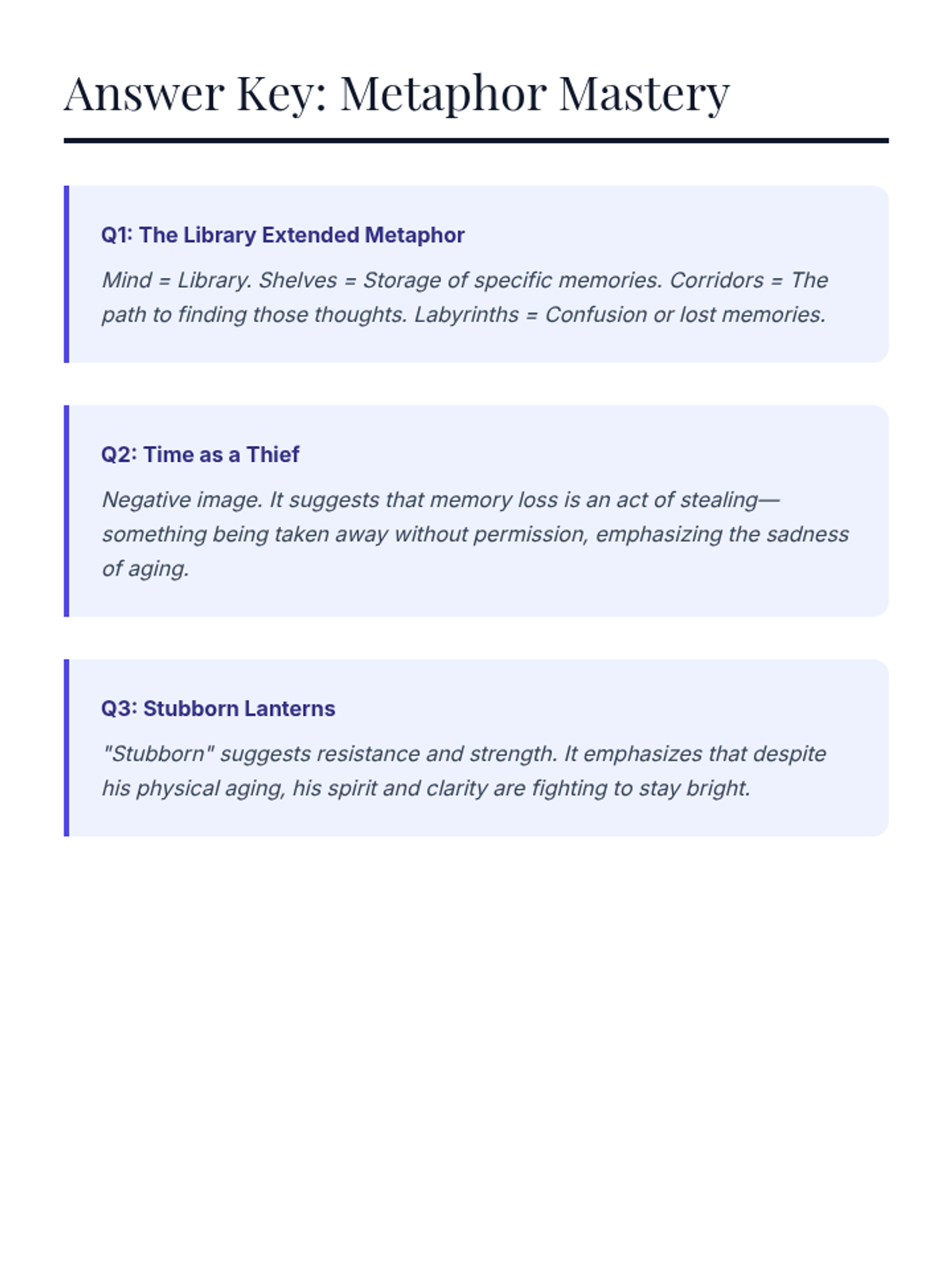
Focusing on metaphors: direct comparisons. Includes introductory slides and a practice worksheet.
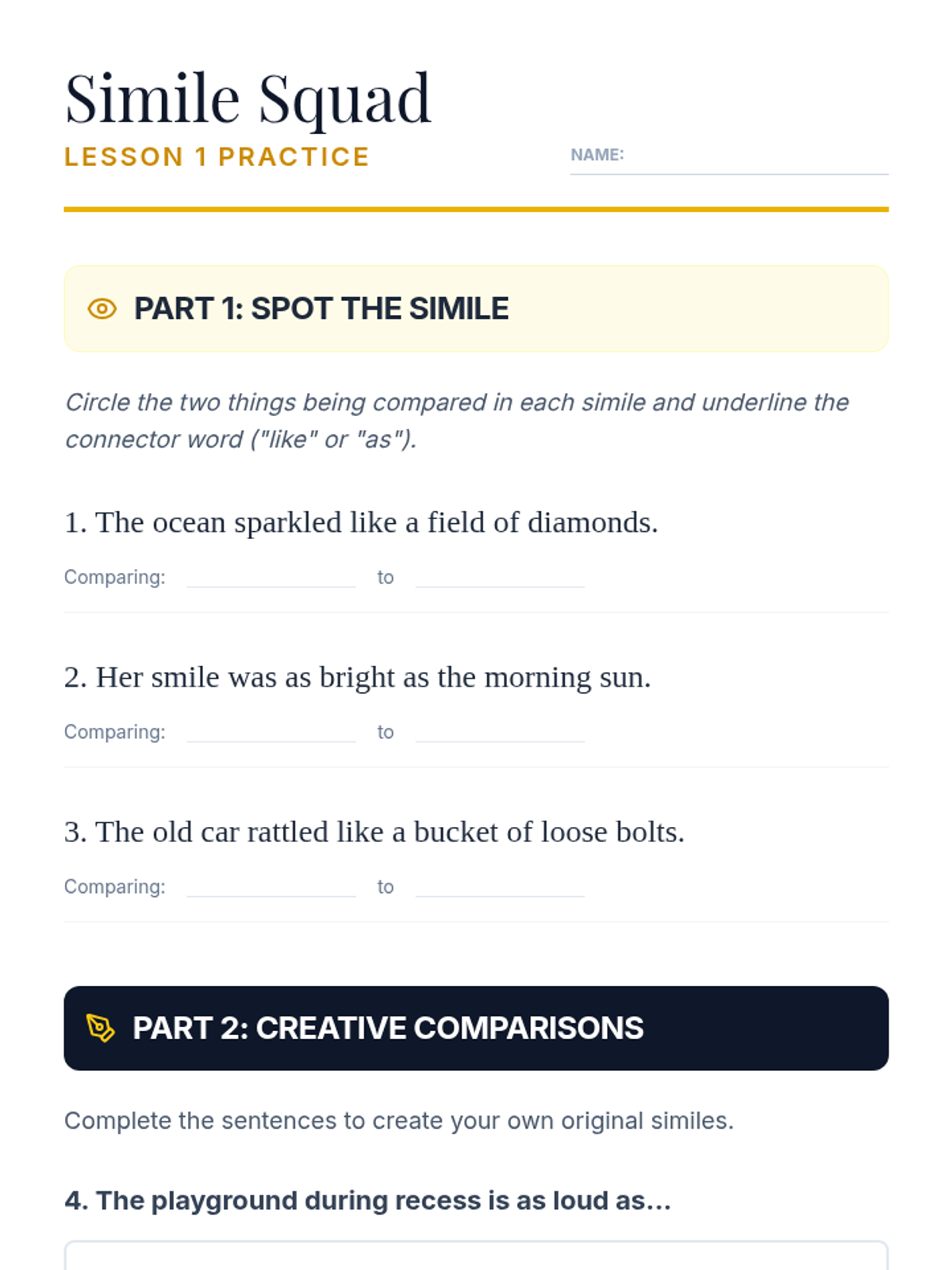
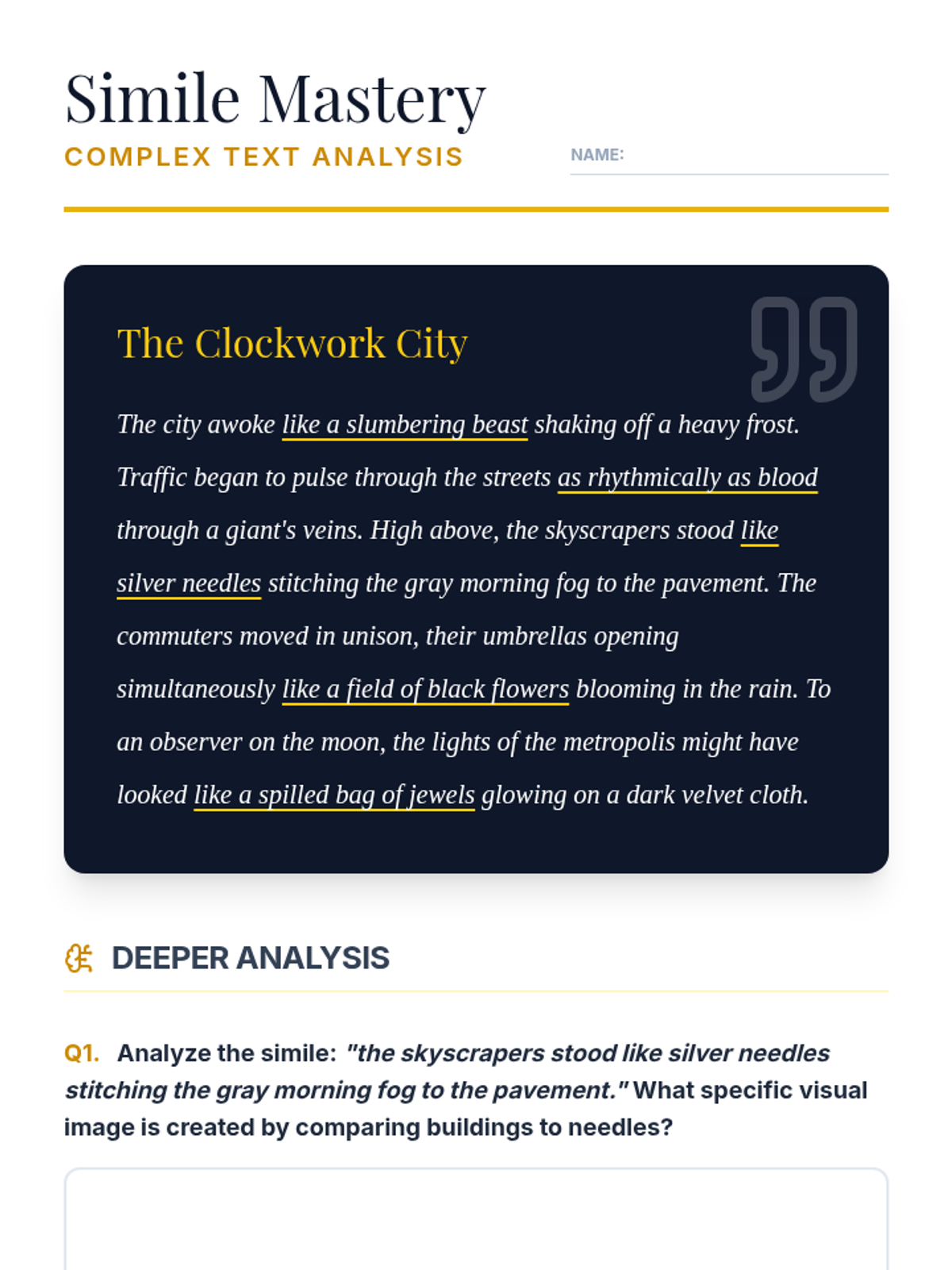
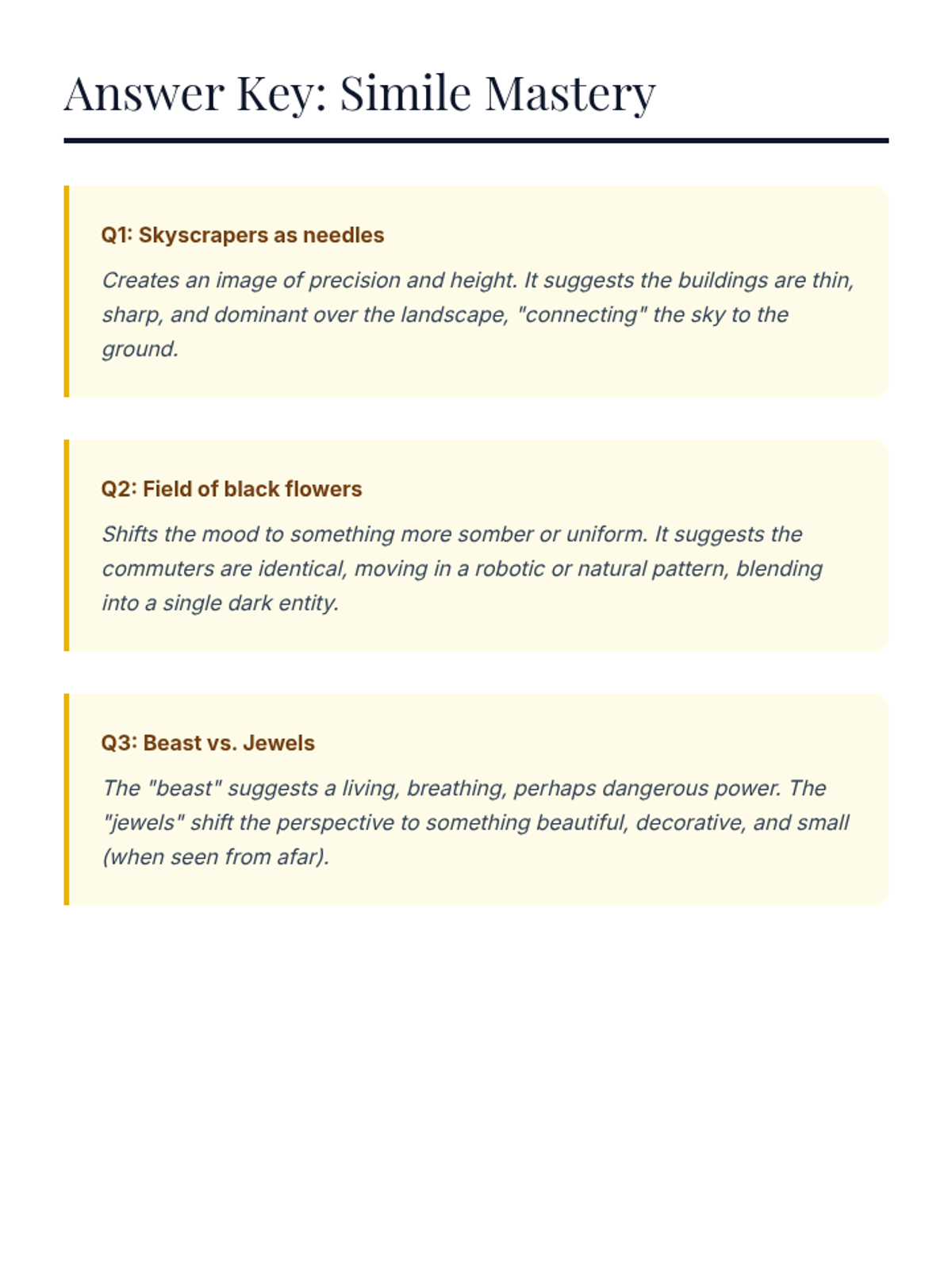
Focusing on similes: comparisons using 'like' or 'as'. Includes introductory slides and a practice worksheet.
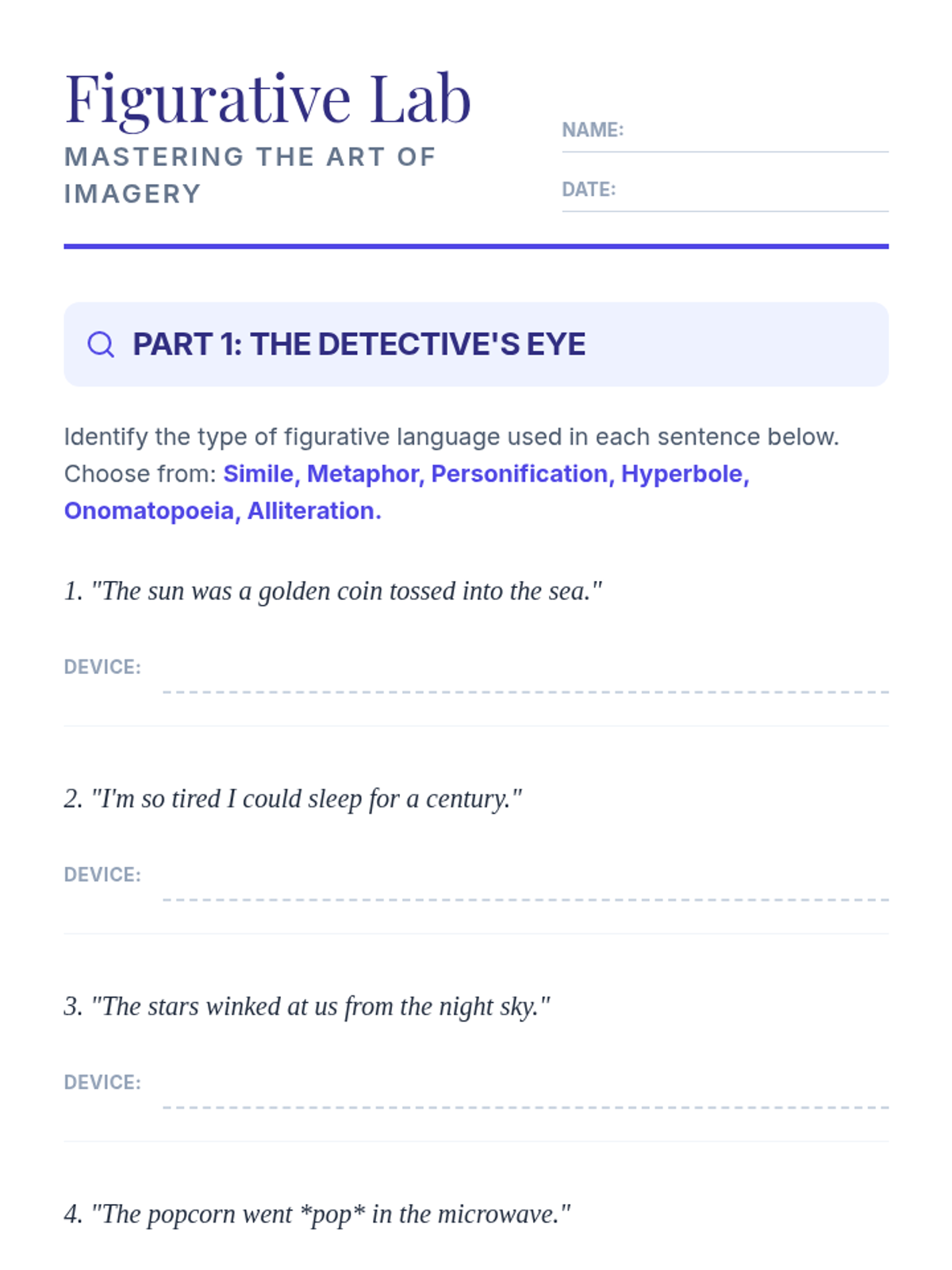
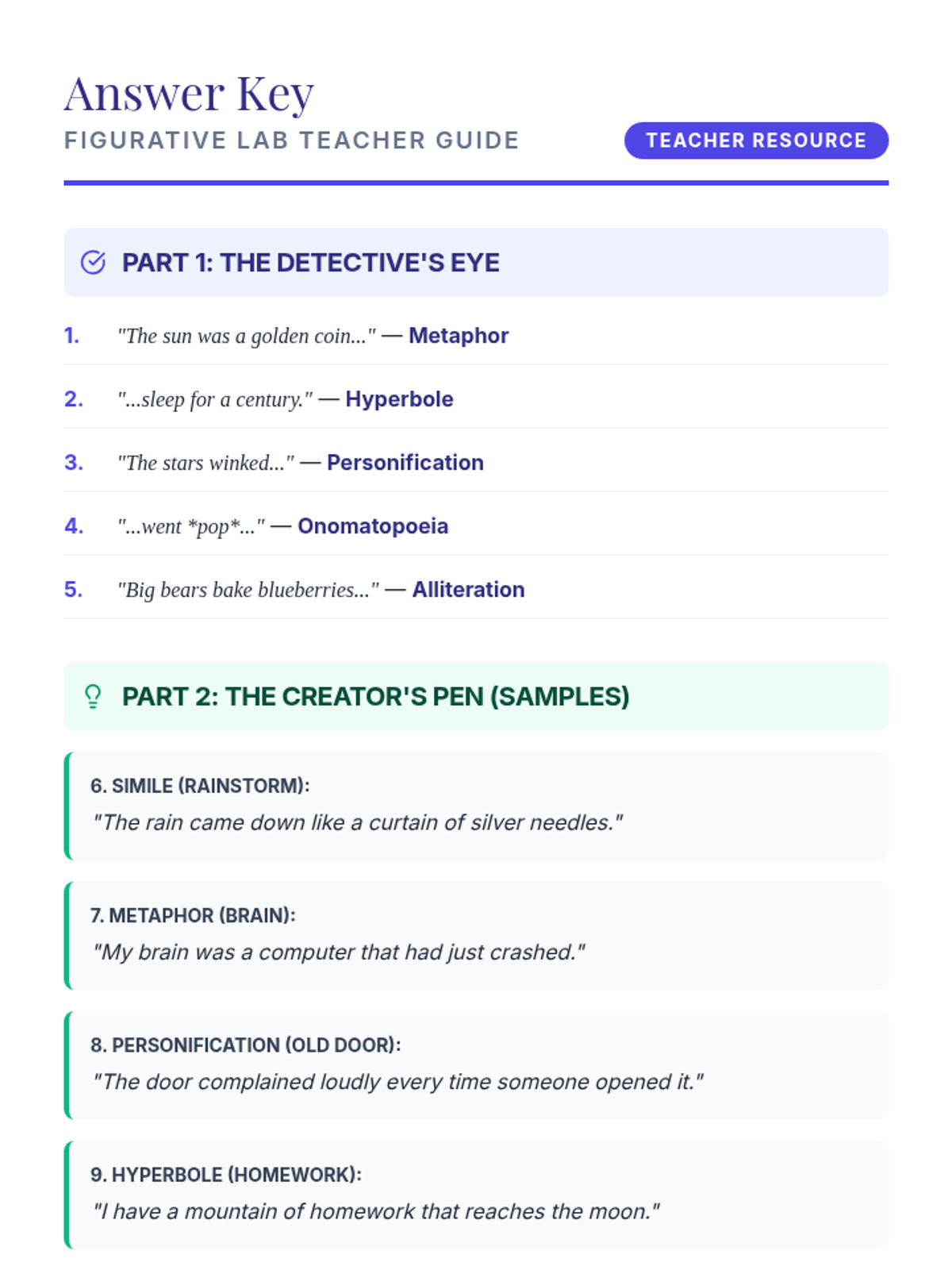
An introductory lesson covering the primary types of figurative language with integrated reading passages and creative writing exercises.
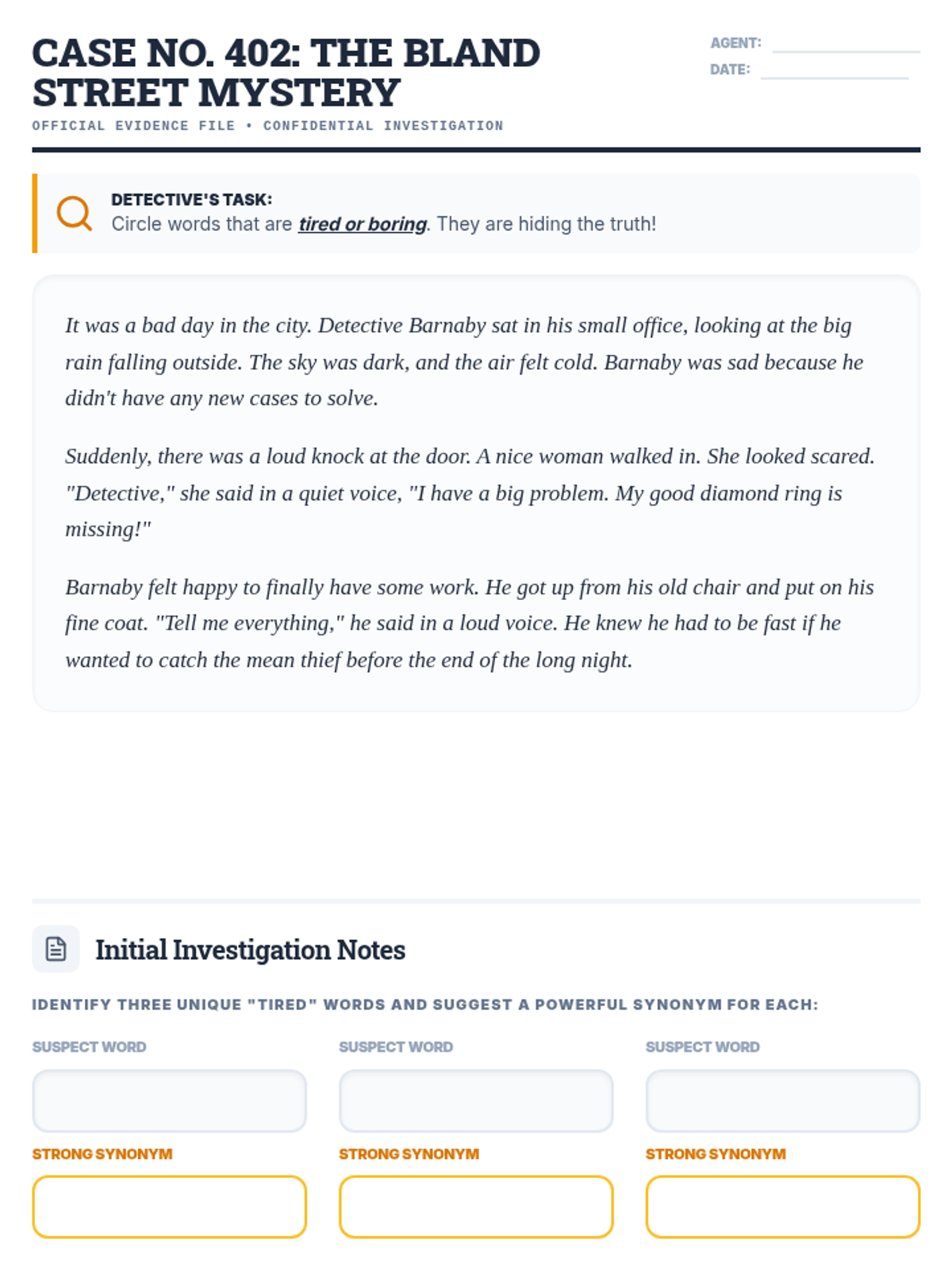
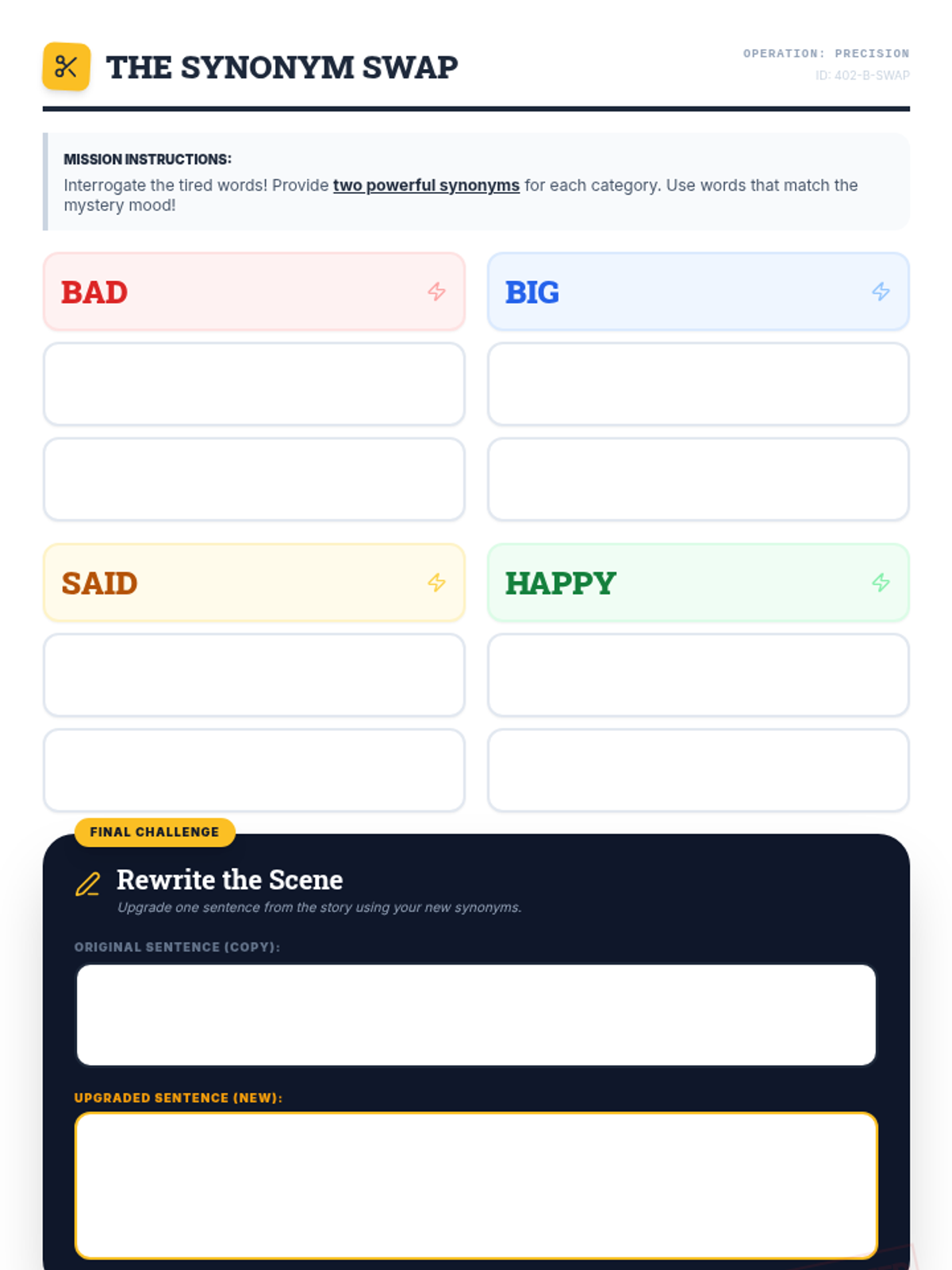
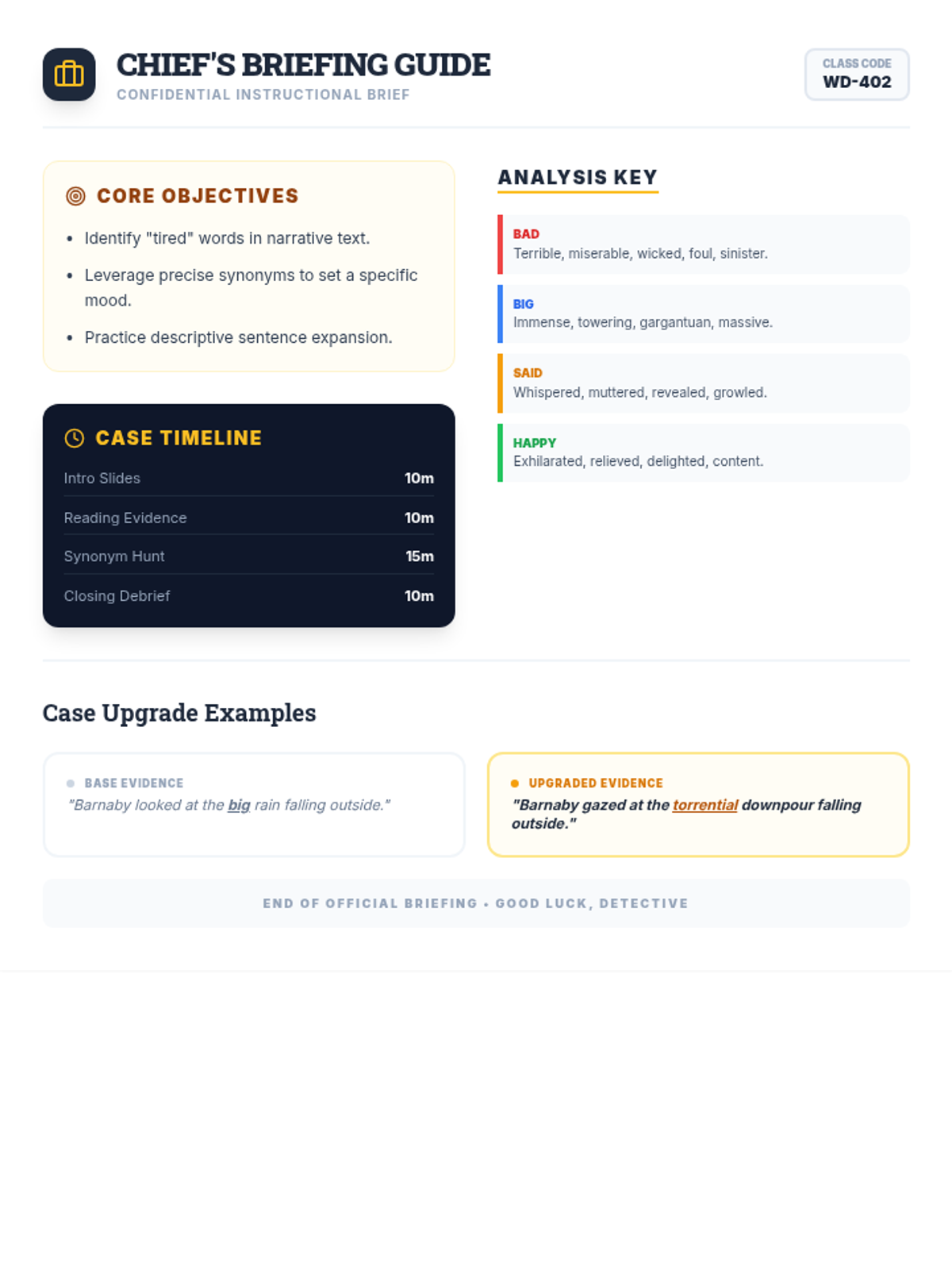
Students will identify overused, 'tired' words in a narrative passage and learn how to replace them with precise synonyms to improve descriptive writing through a detective-themed investigation.
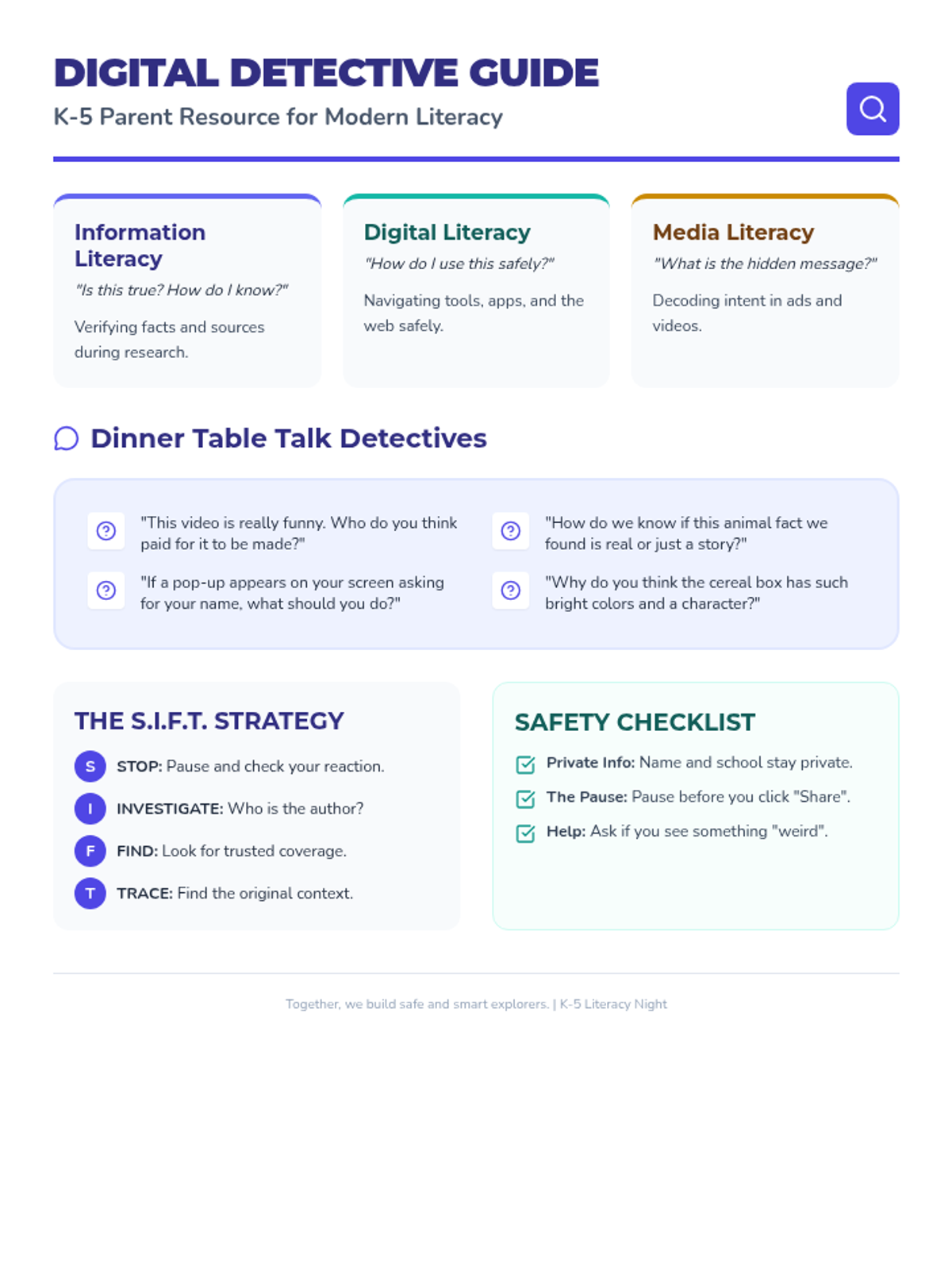
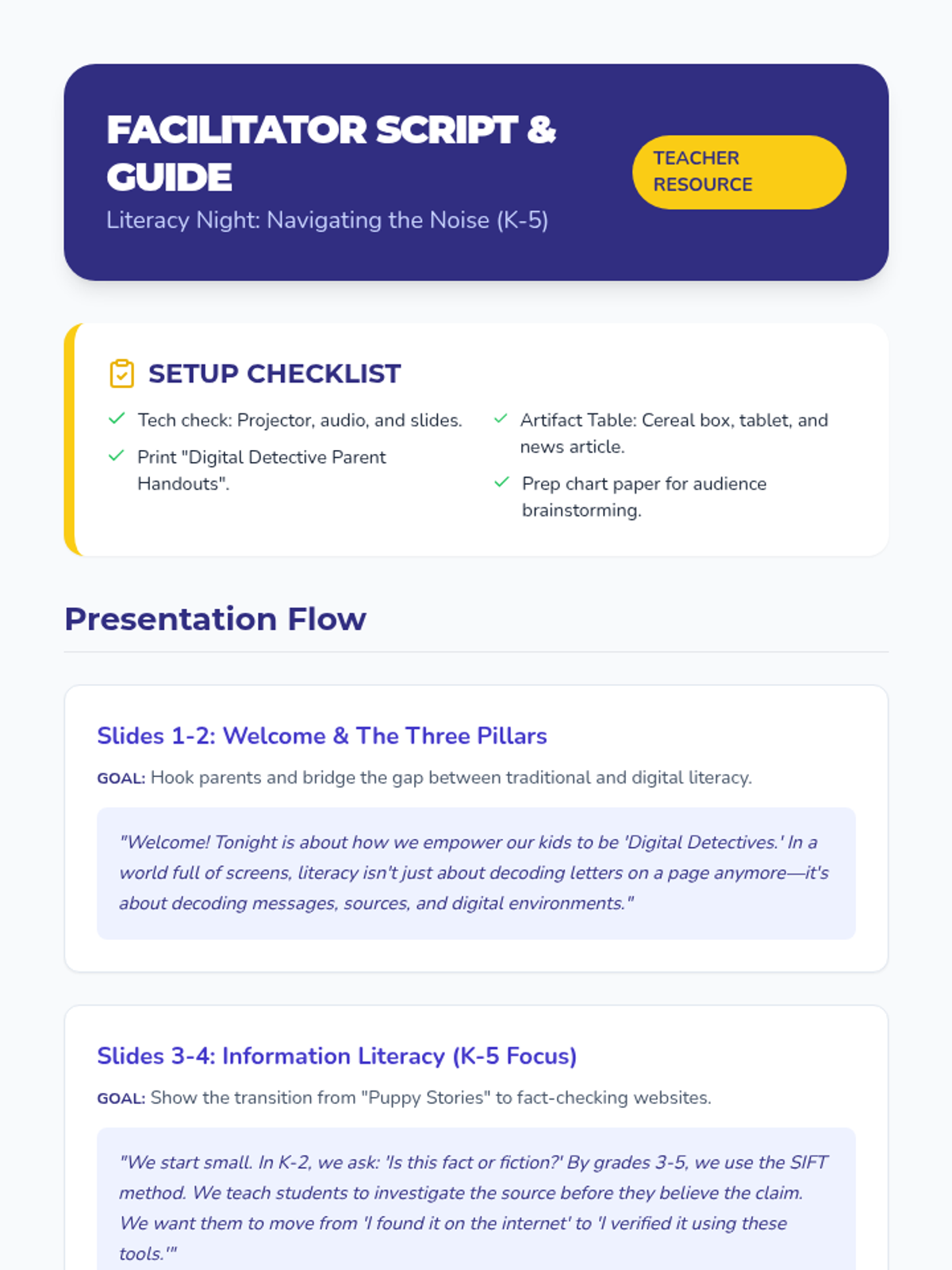
A comprehensive presentation and resource set for a K-5 Literacy Night focused on media, digital, and information literacy. Parents will learn how these skills are integrated into the classroom and how to support their children at home.
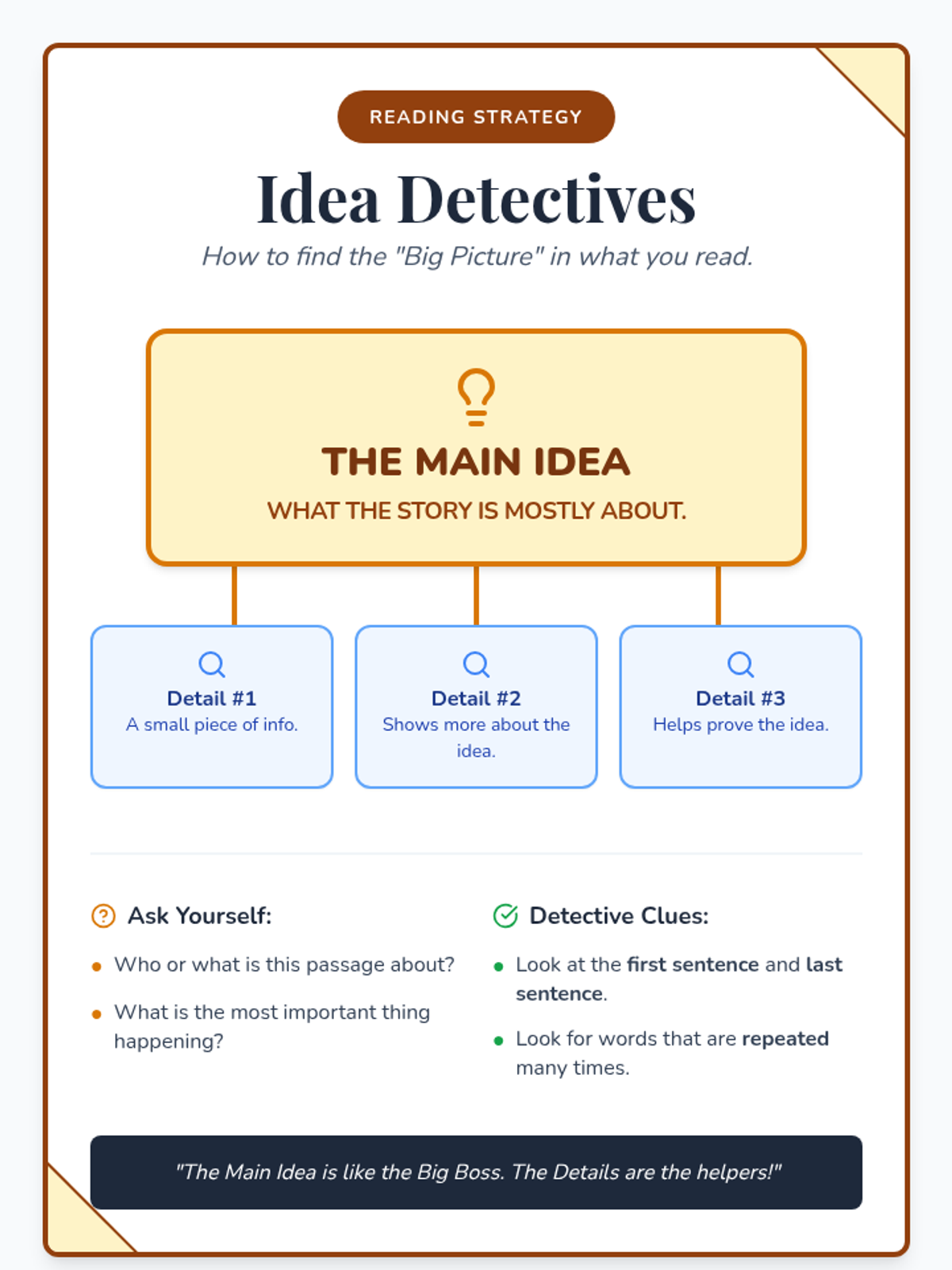
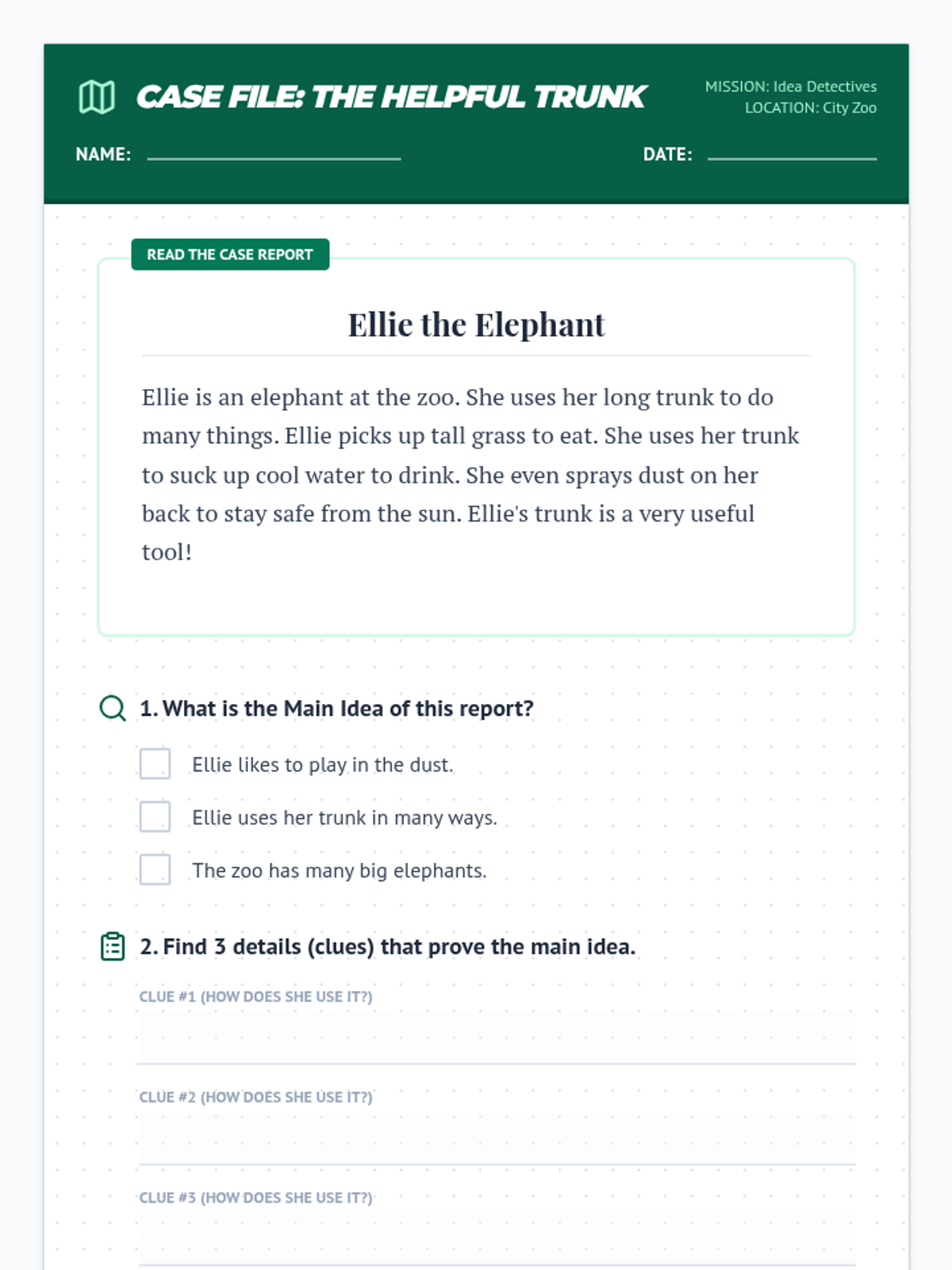
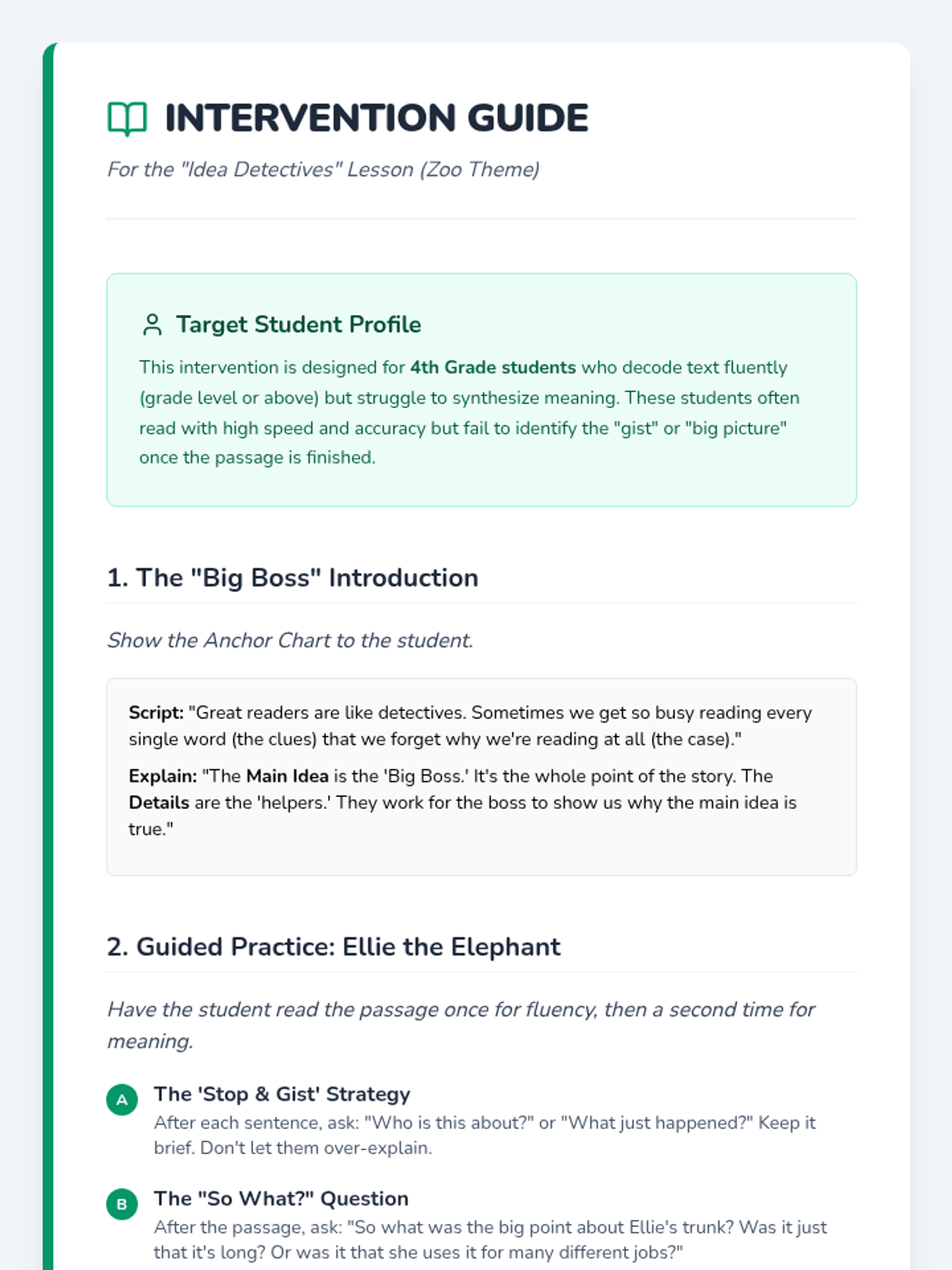
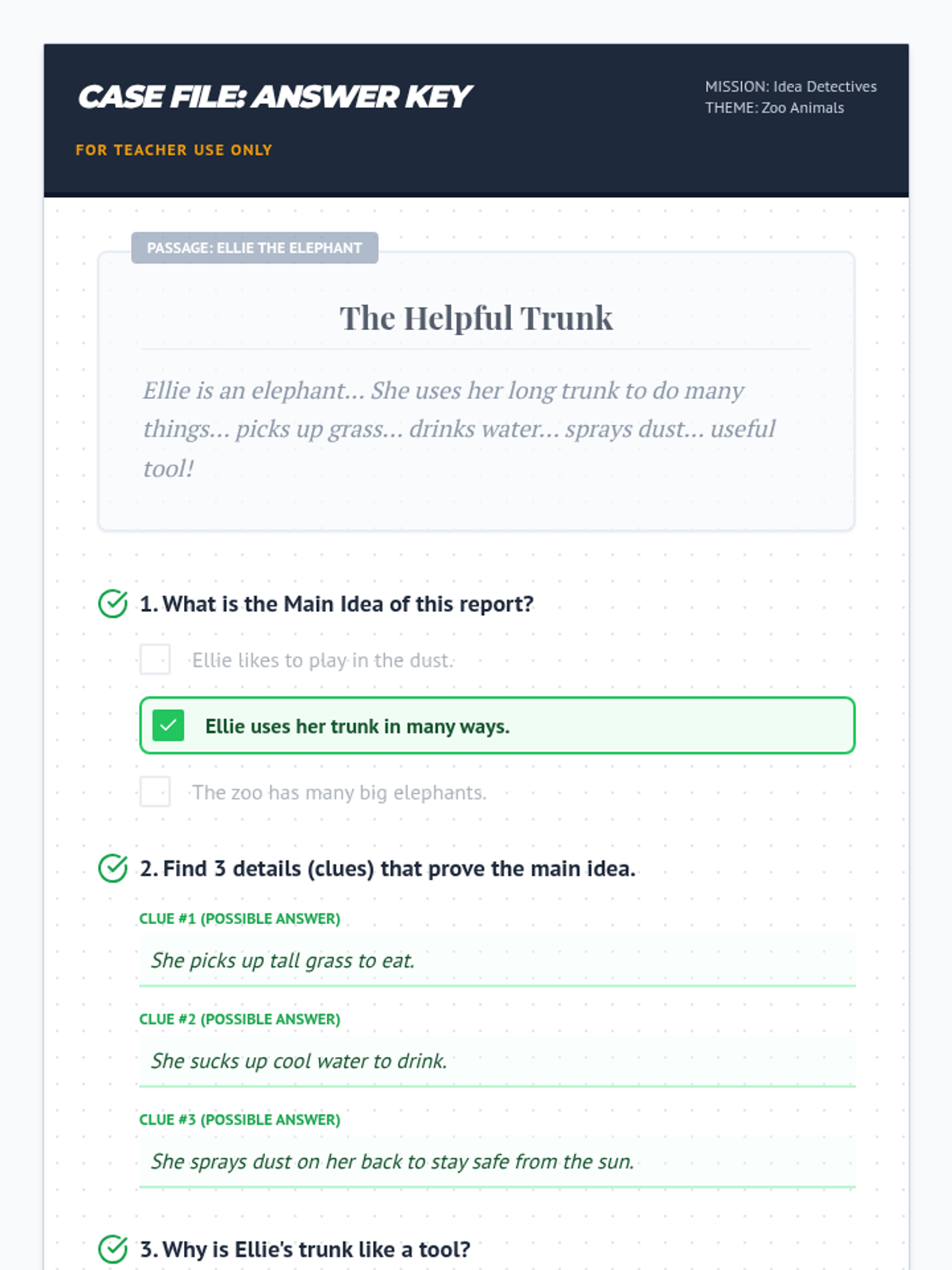
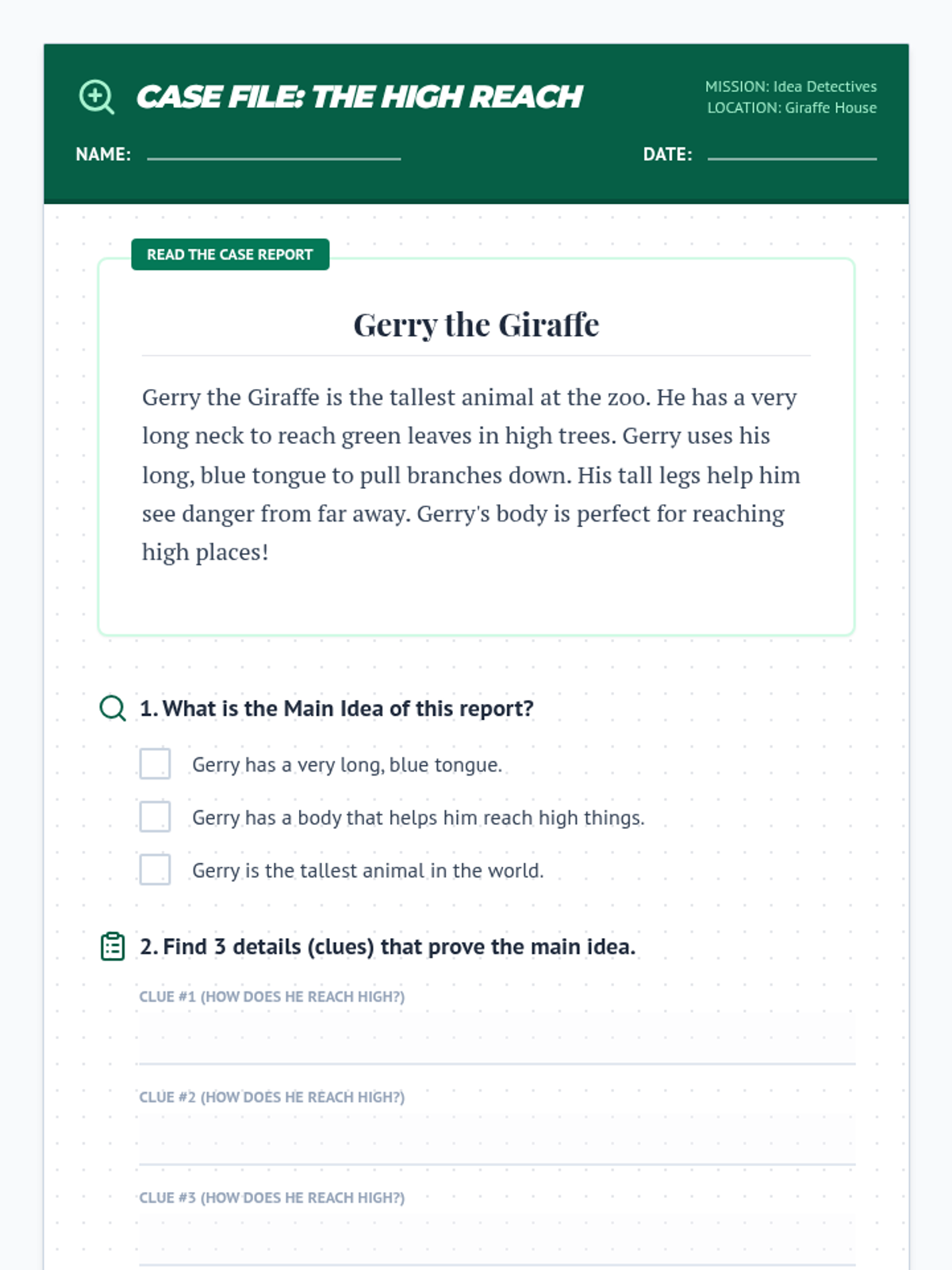
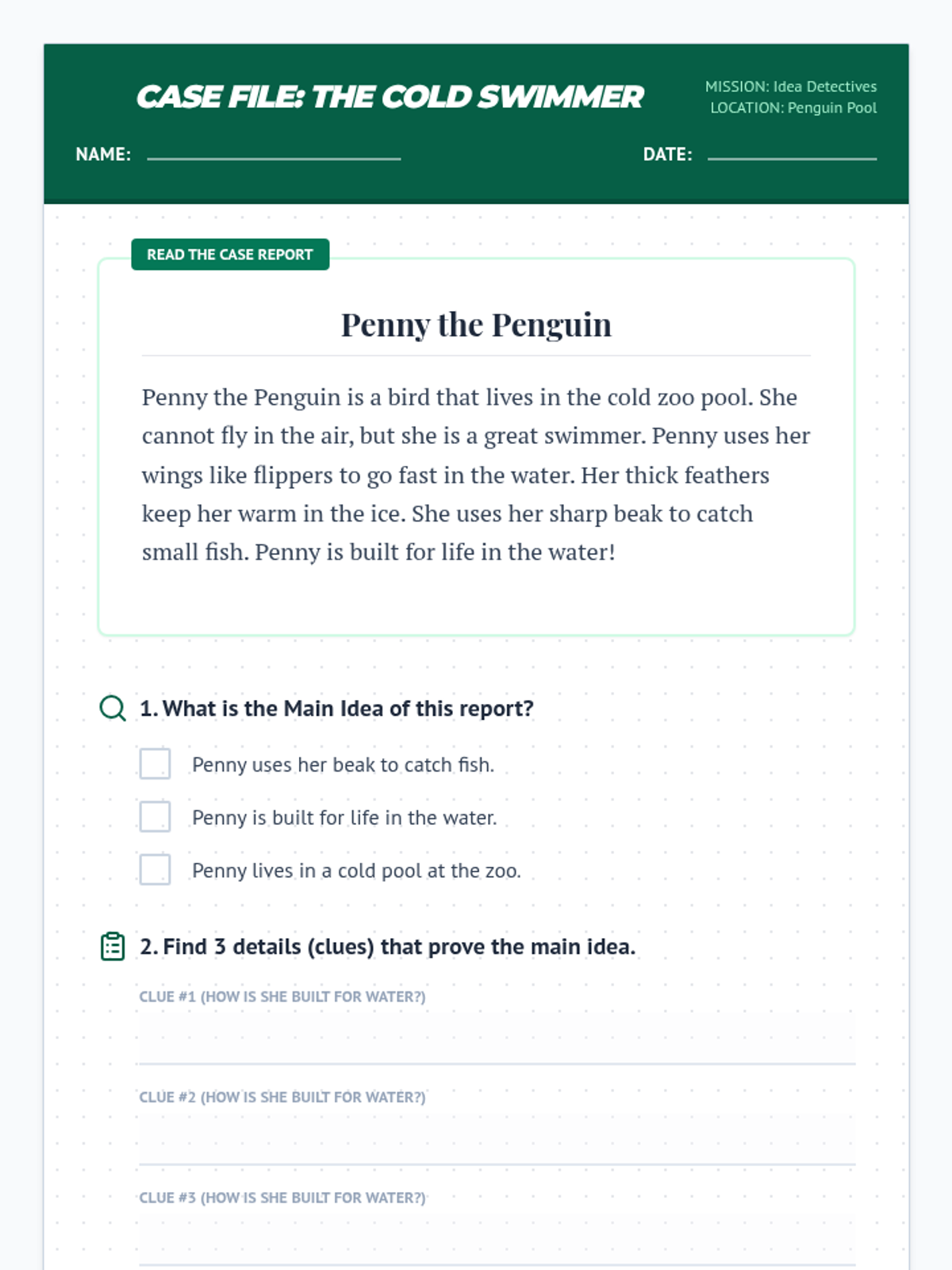
A targeted reading intervention lesson focused on identifying the main idea and supporting details using high-interest, low-readability texts. Designed for students who decode well but struggle with comprehension.
Cumulative review of all consonant-le patterns through mixed word lists, sentence reading, and a final fluency passage.
Practice decoding and encoding consonant-le words that include r-controlled or magic e syllables, such as 'purple' and 'beetle'.
Explore how the first syllable (open or closed) determines the vowel sound in consonant-le words, contrasting pairs like 'apple' and 'maple'.
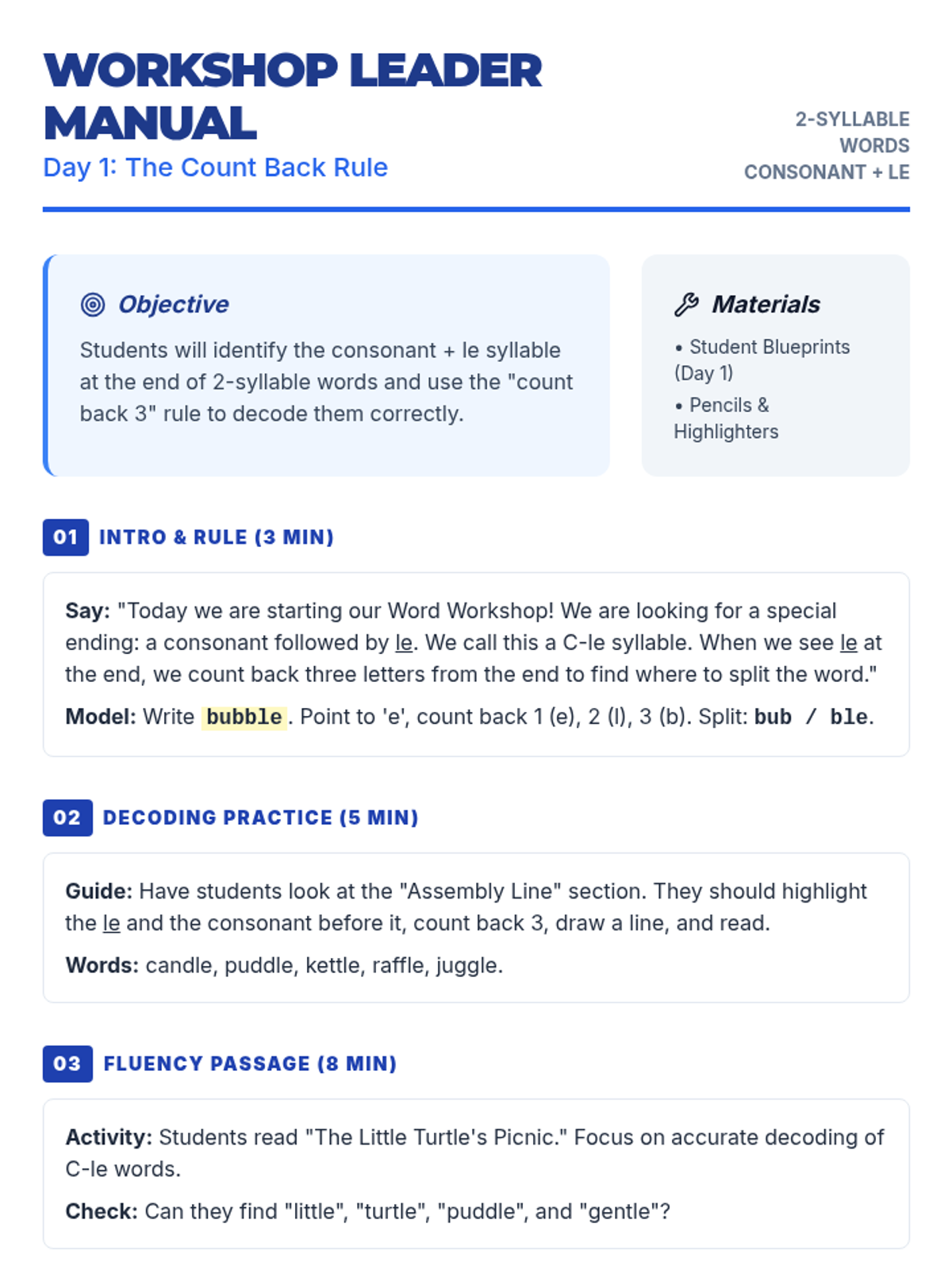
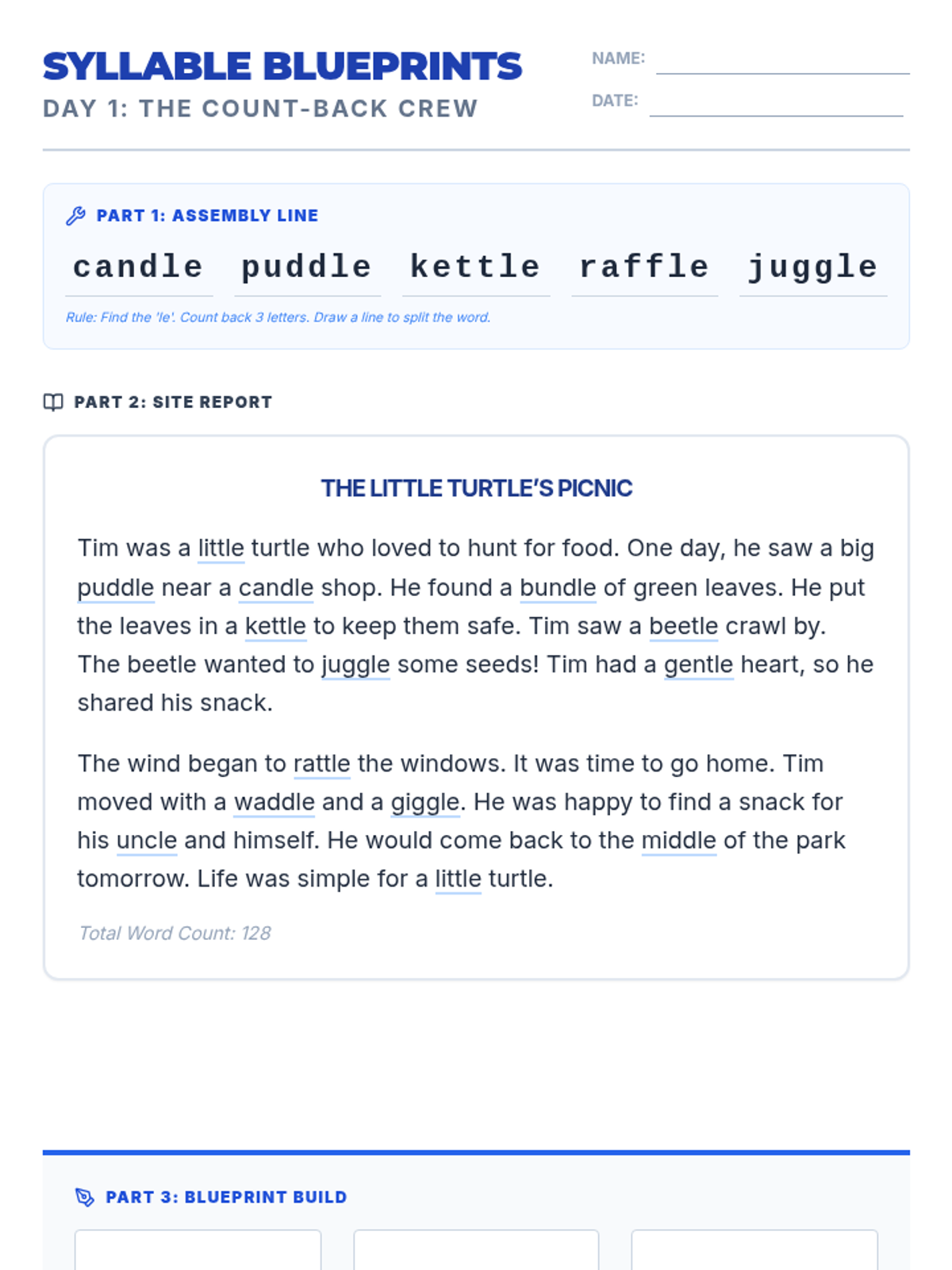
Introduce the consonant-le syllable type and the 'count back 3' rule for dividing words. Focus on words with closed first syllables like 'bubble' and 'candle'.