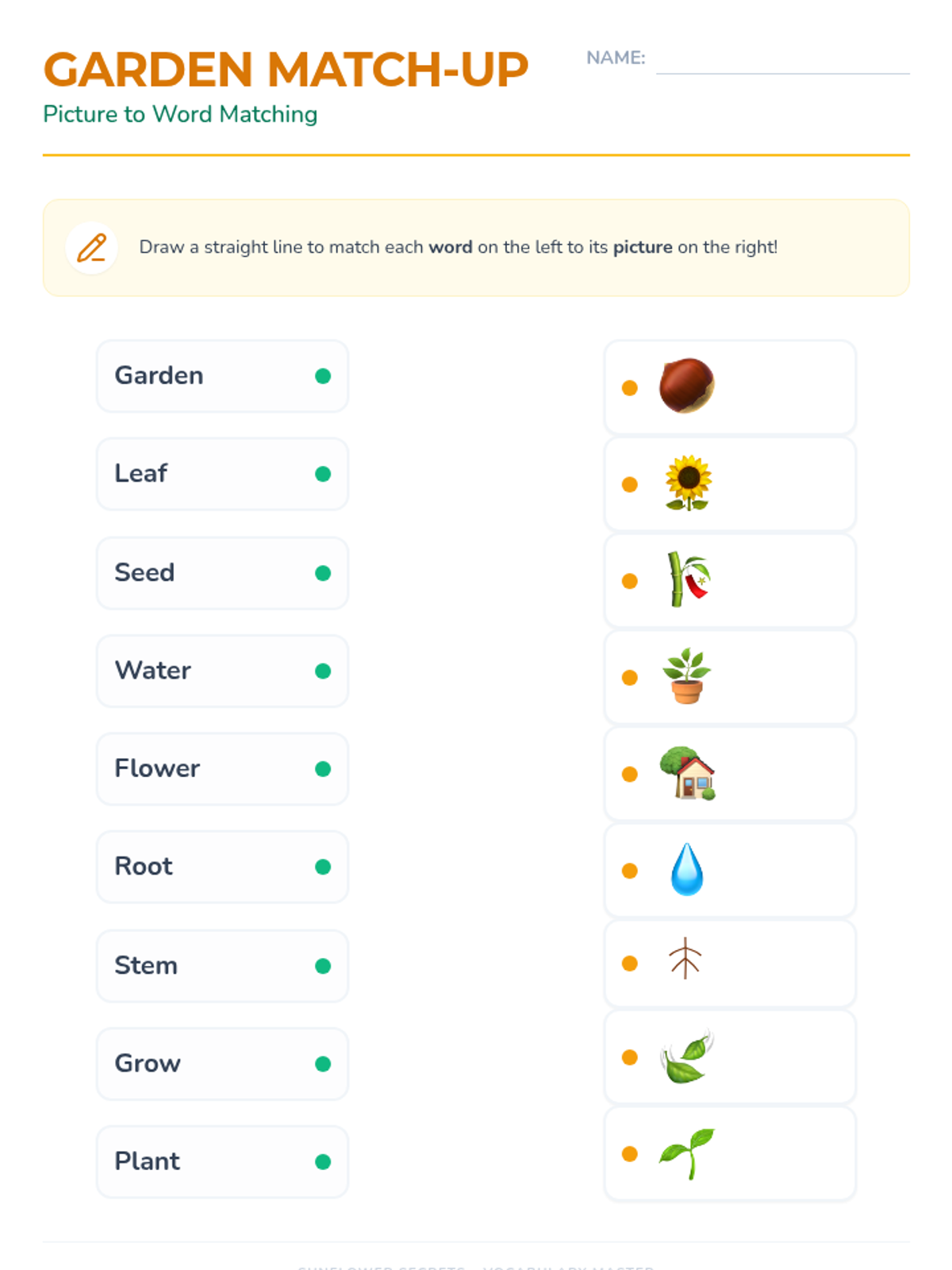
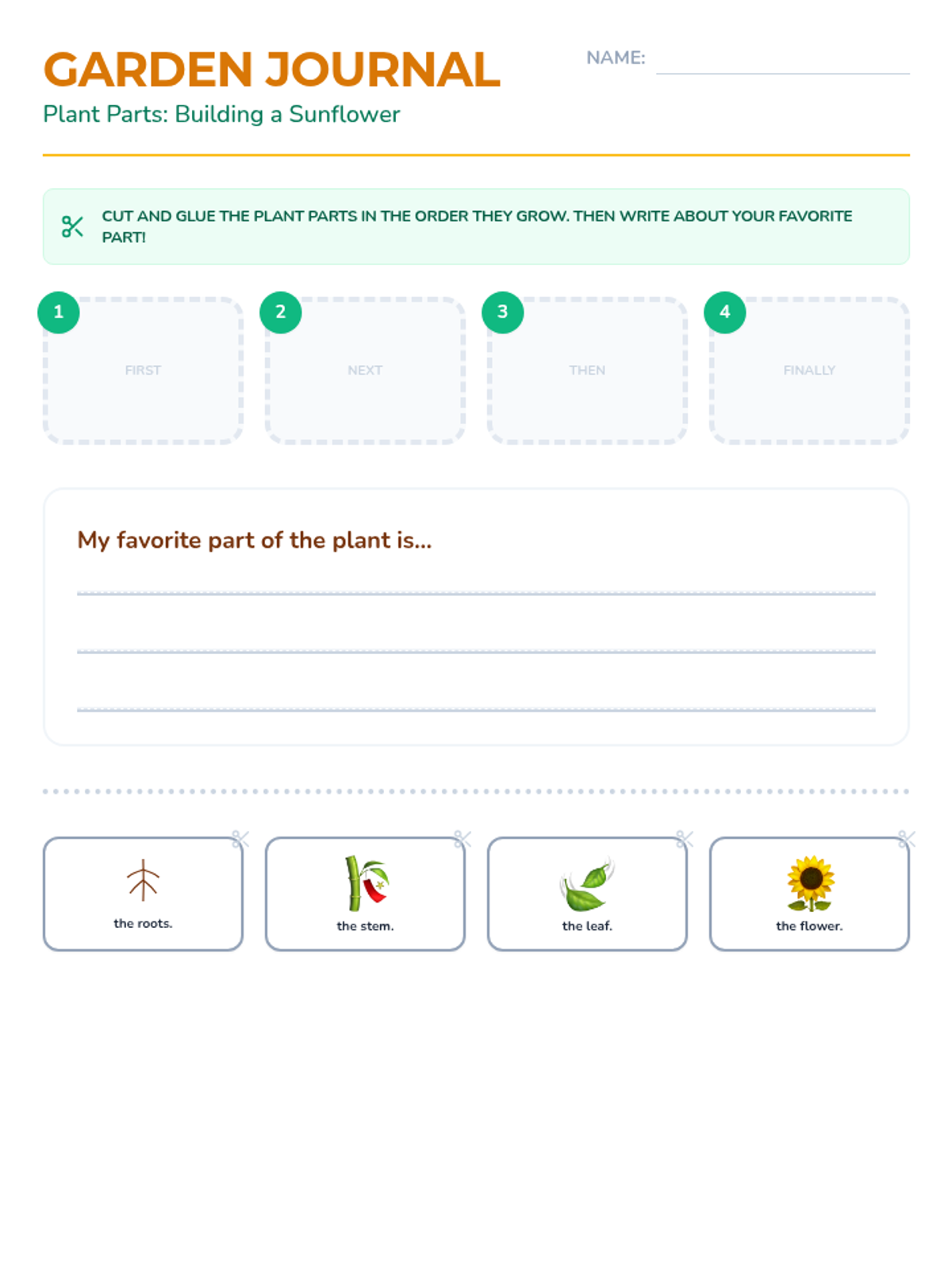
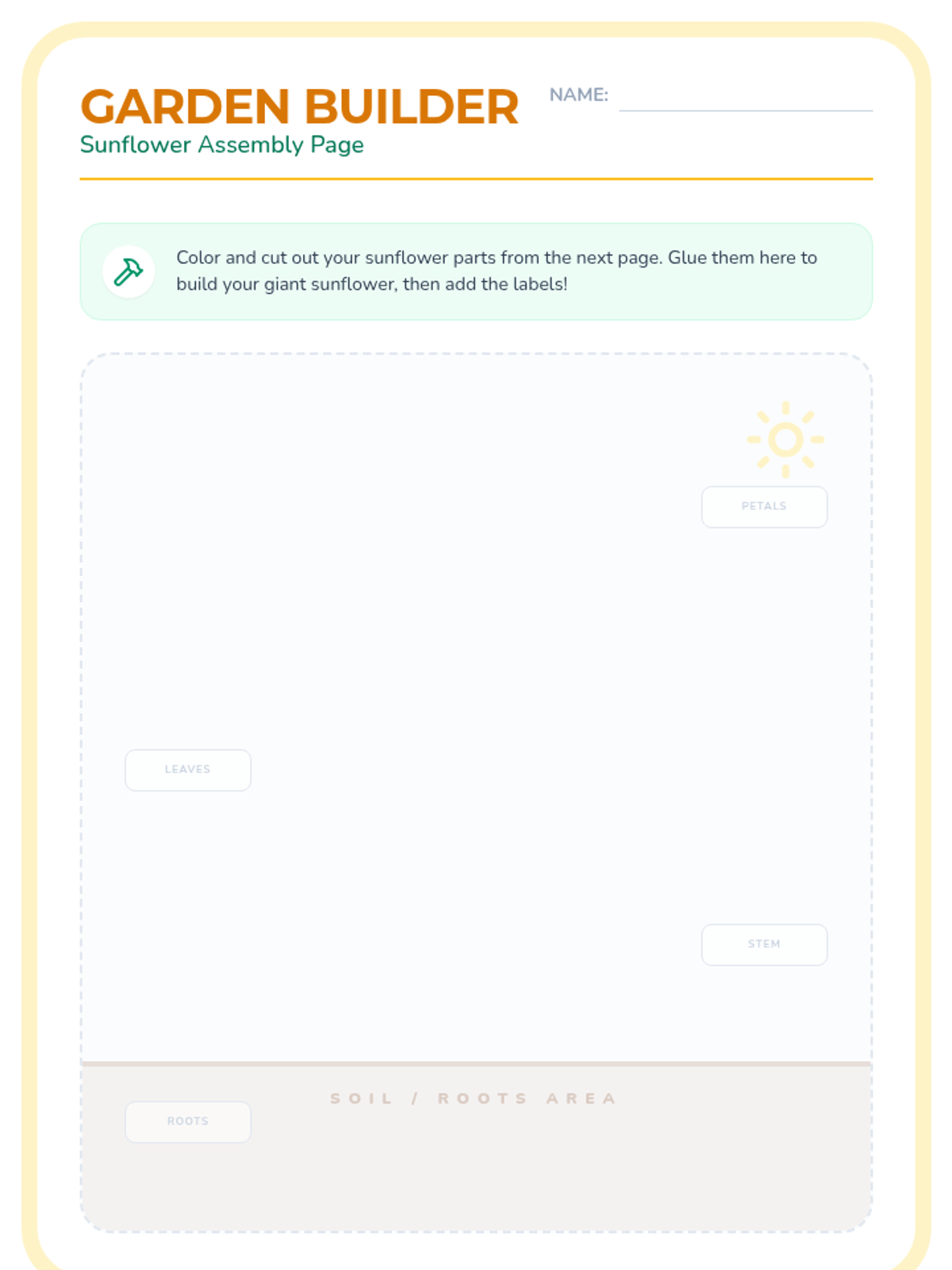
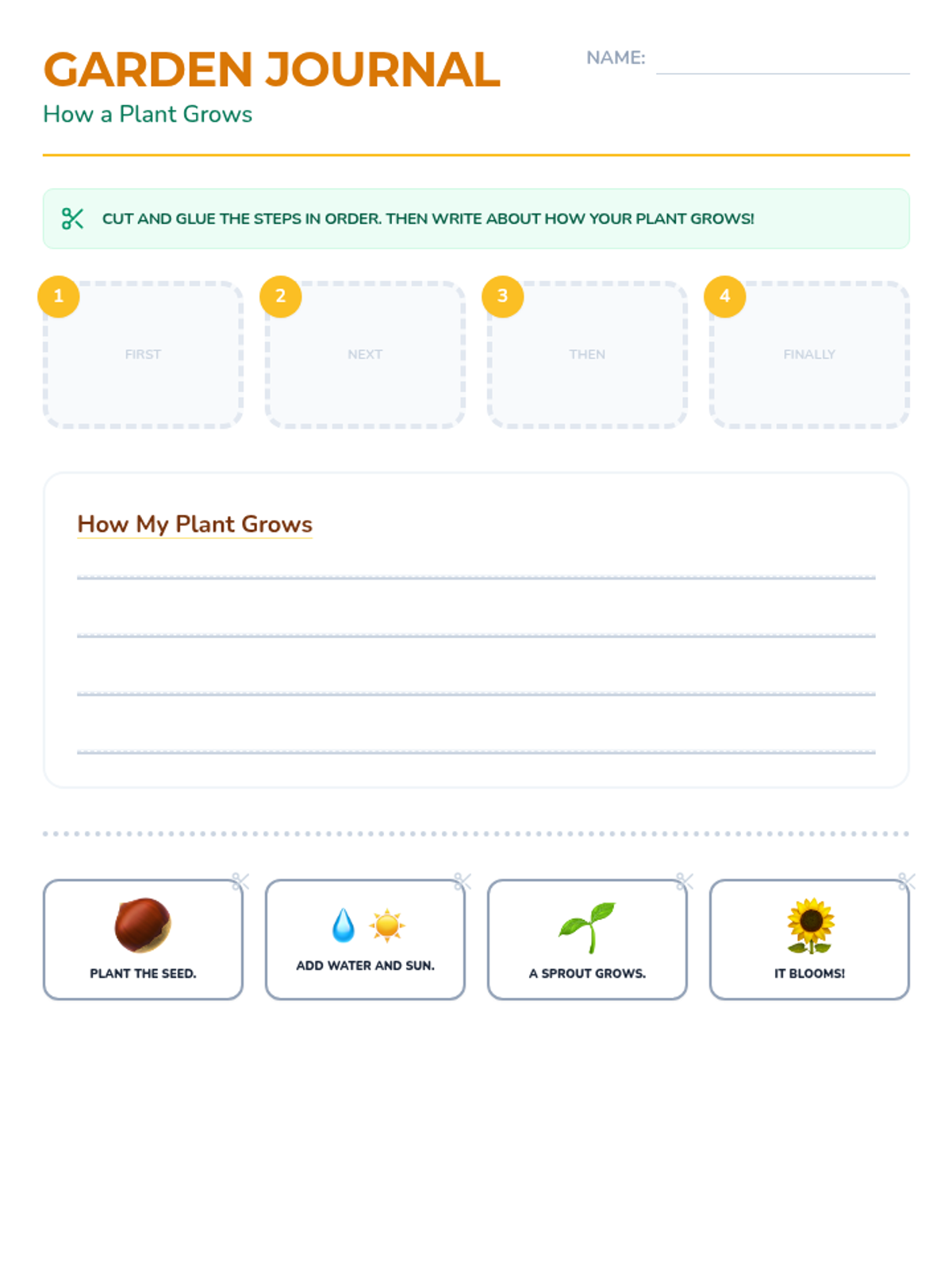
In this lesson, students explore the different parts of a plant, the specific needs for plant growth, and various types of plants. They will use visual cards to identify and categorize these elements in a hands-on sorting activity.
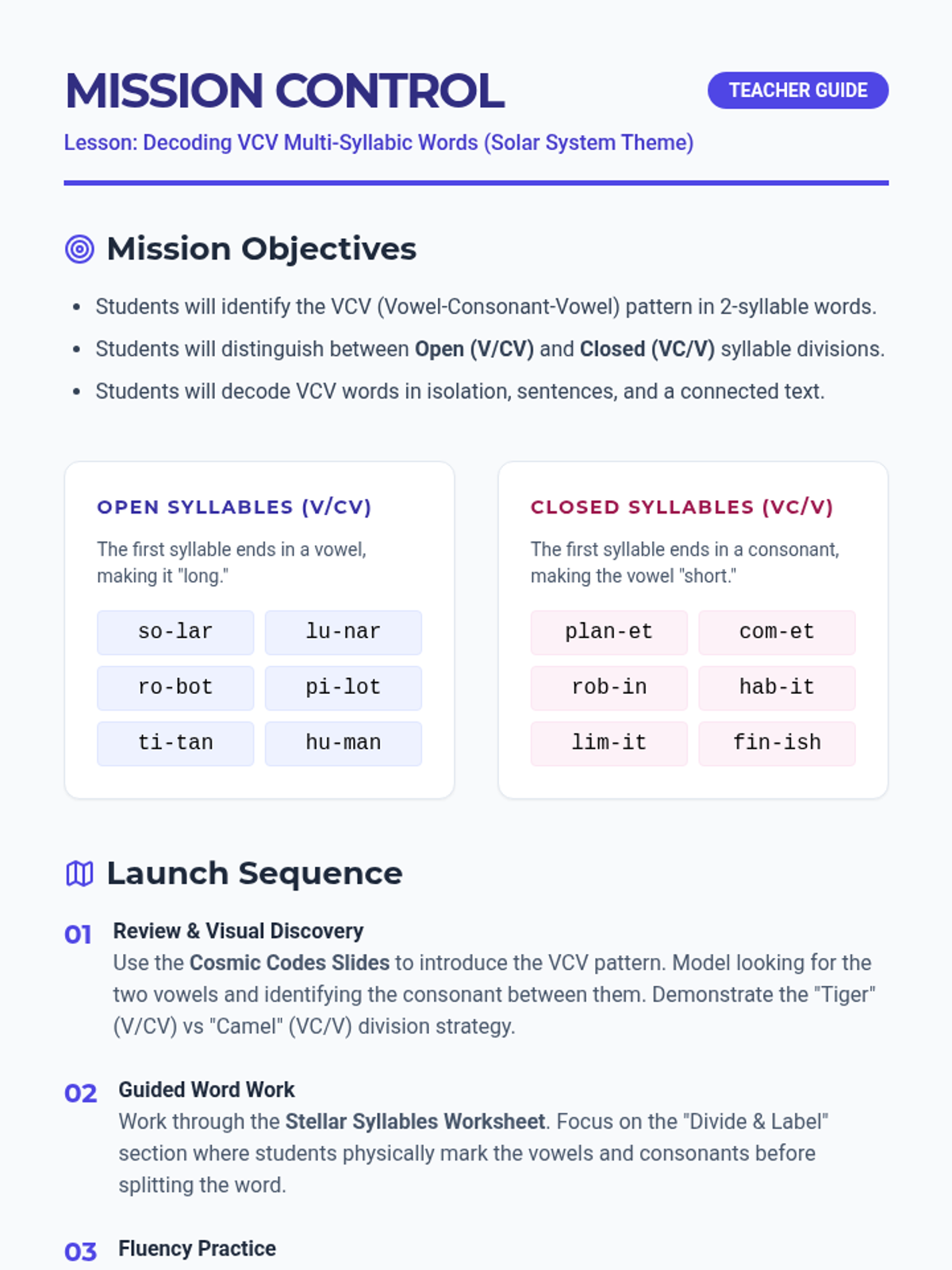
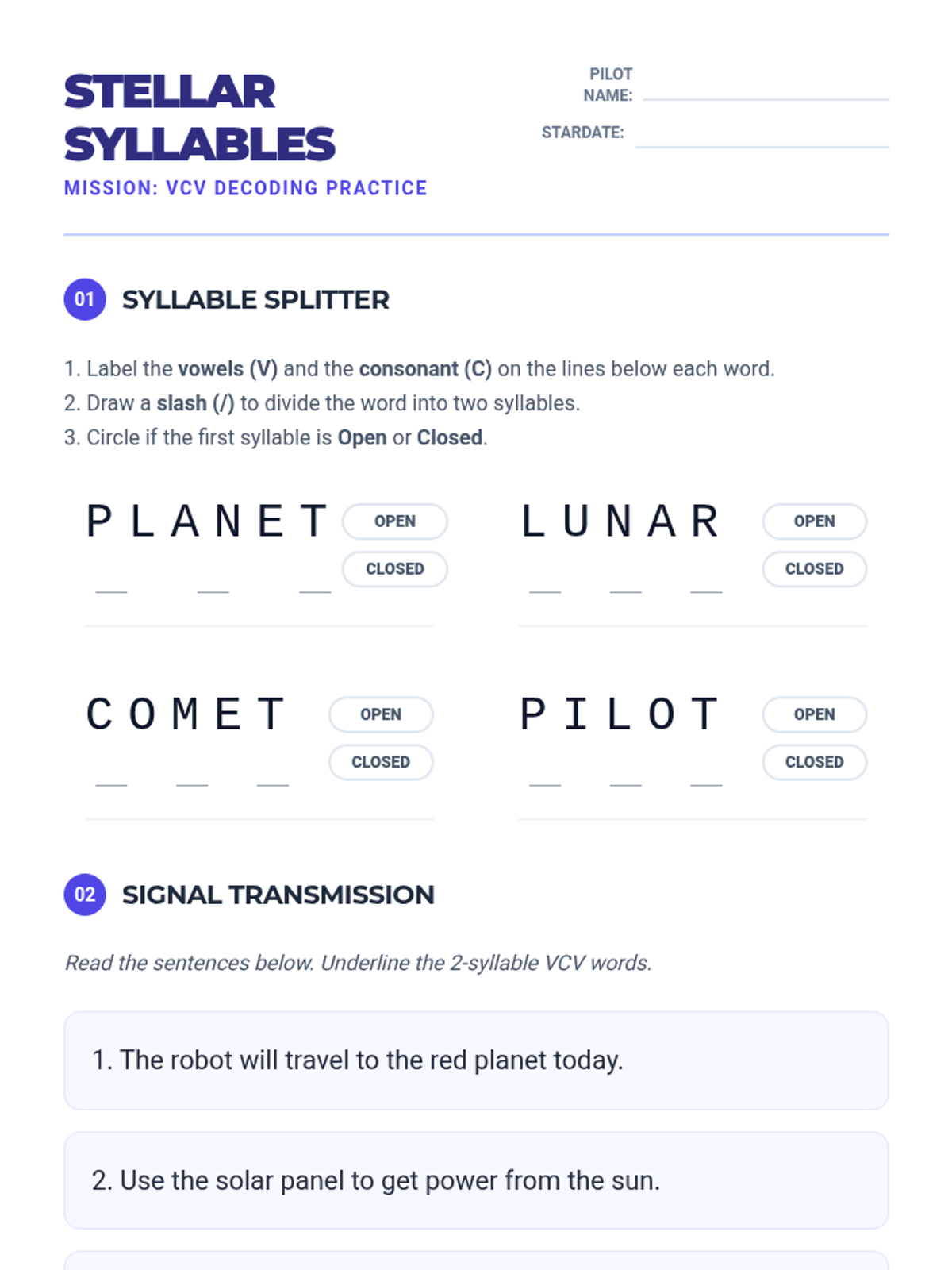
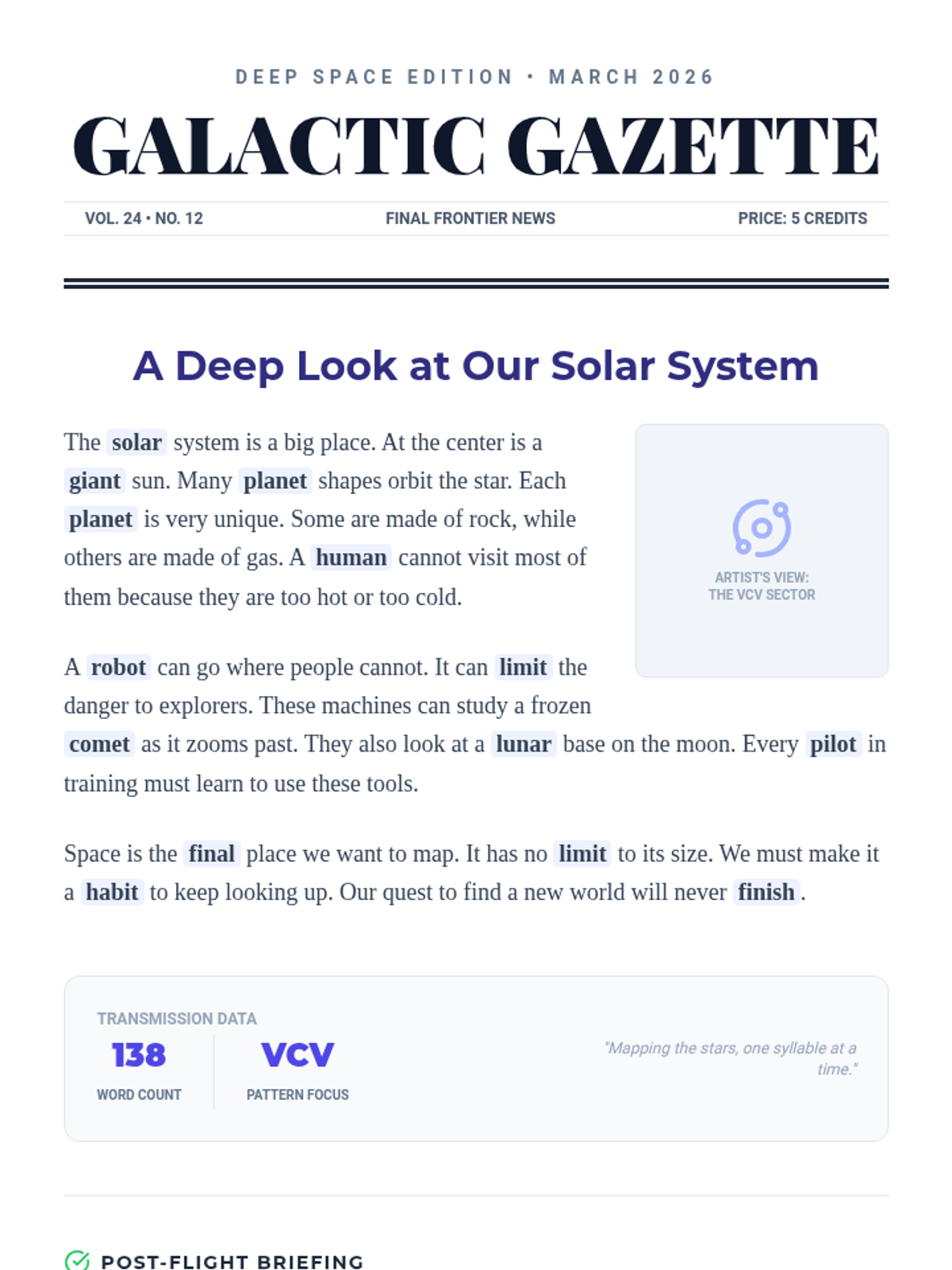
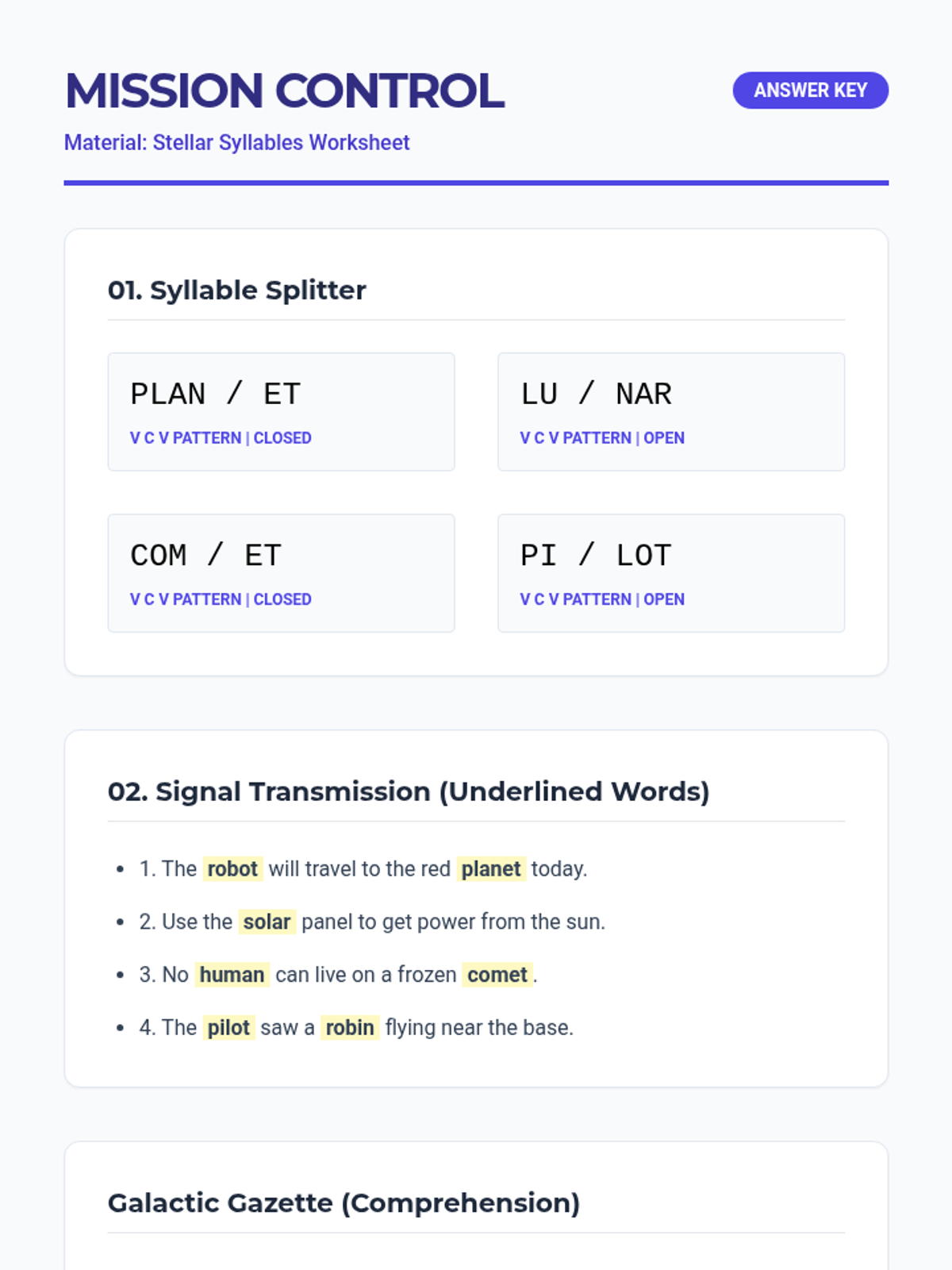
A phonics lesson focused on decoding 2-syllable VCV words with open and closed syllables, set against a retro-futuristic solar system theme.
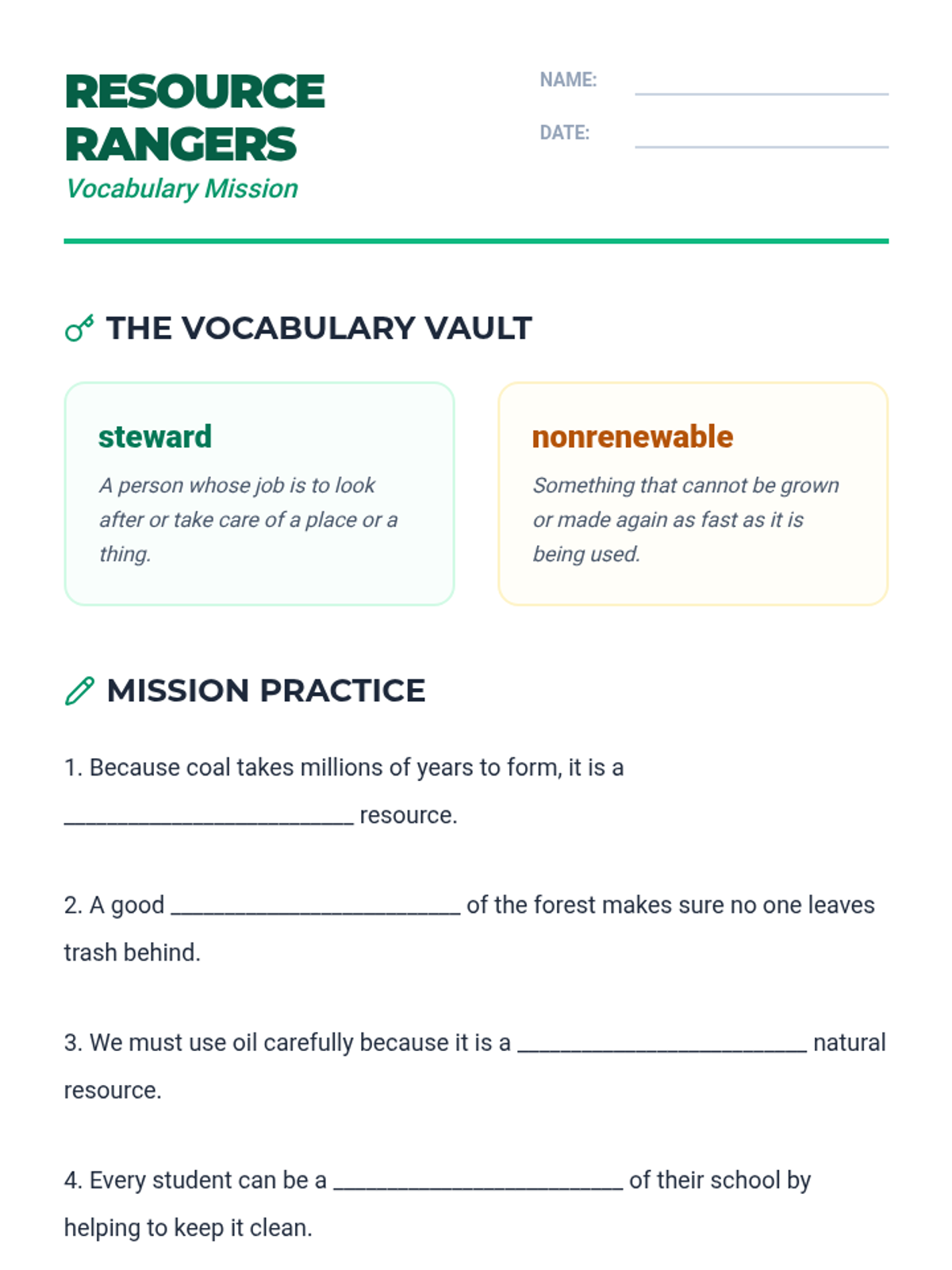
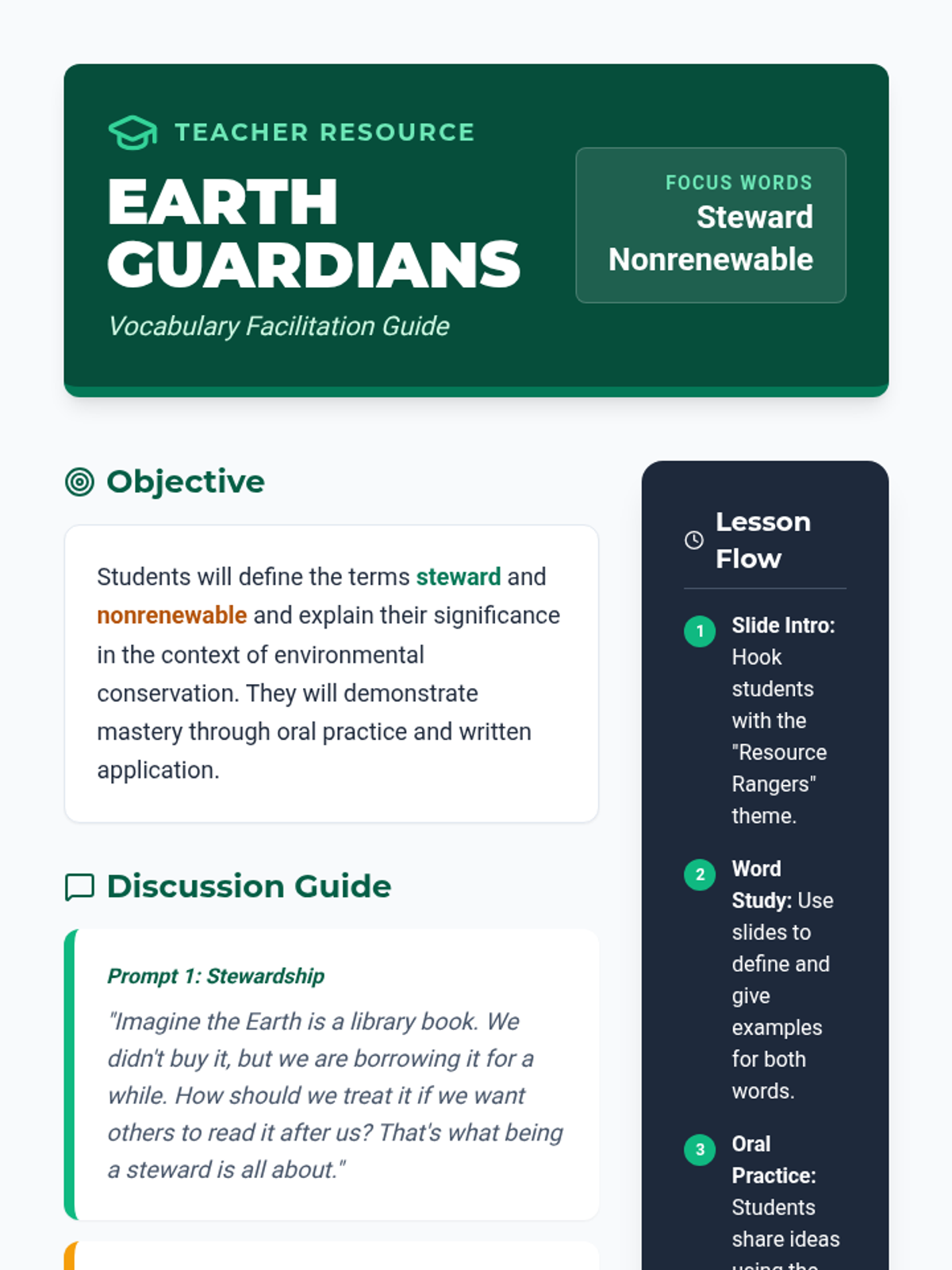
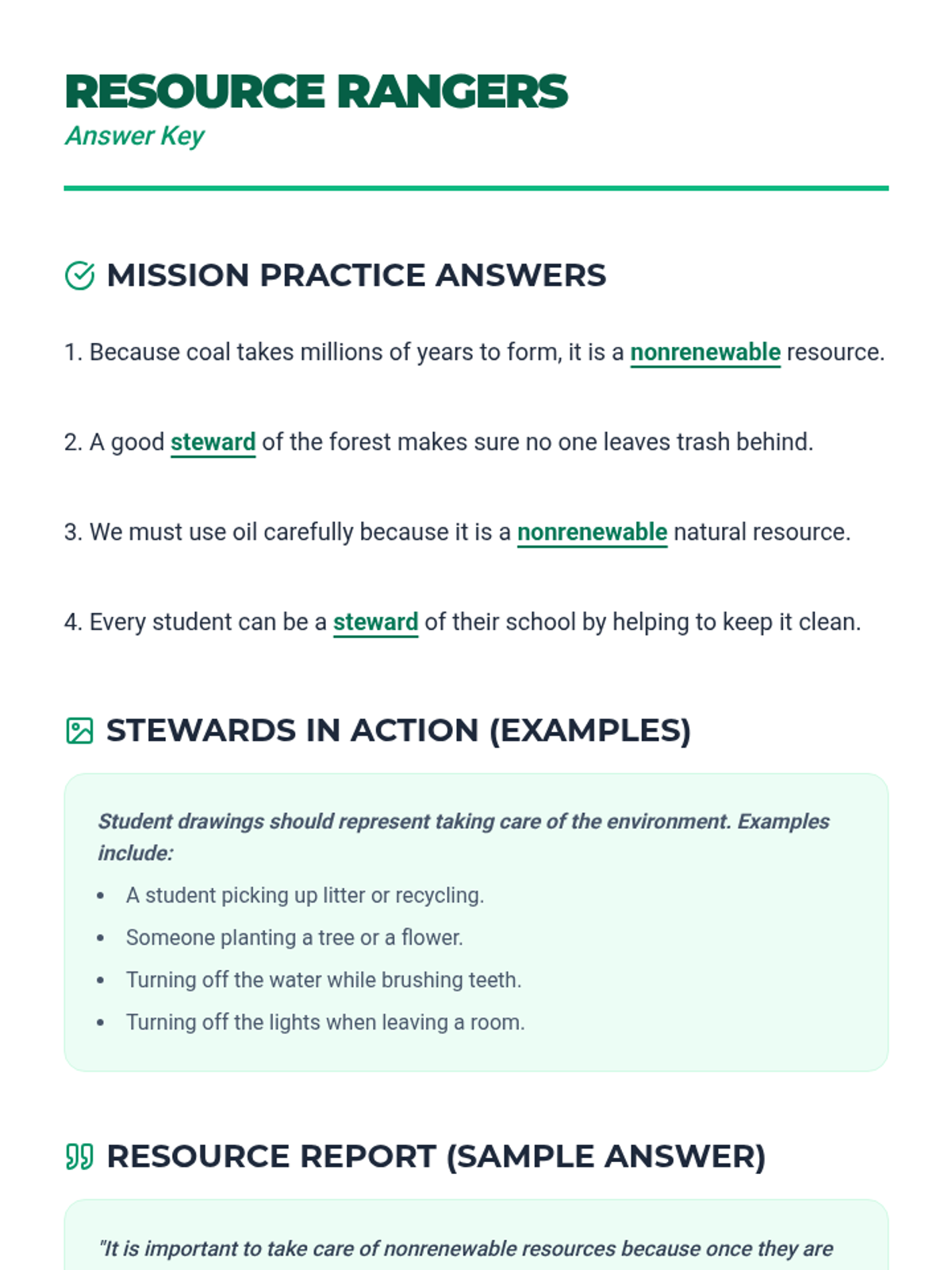
A vocabulary-focused lesson introducing students to the concepts of environmental stewardship and nonrenewable resources. Students will learn to define and use these terms through interactive slides and oral practice.
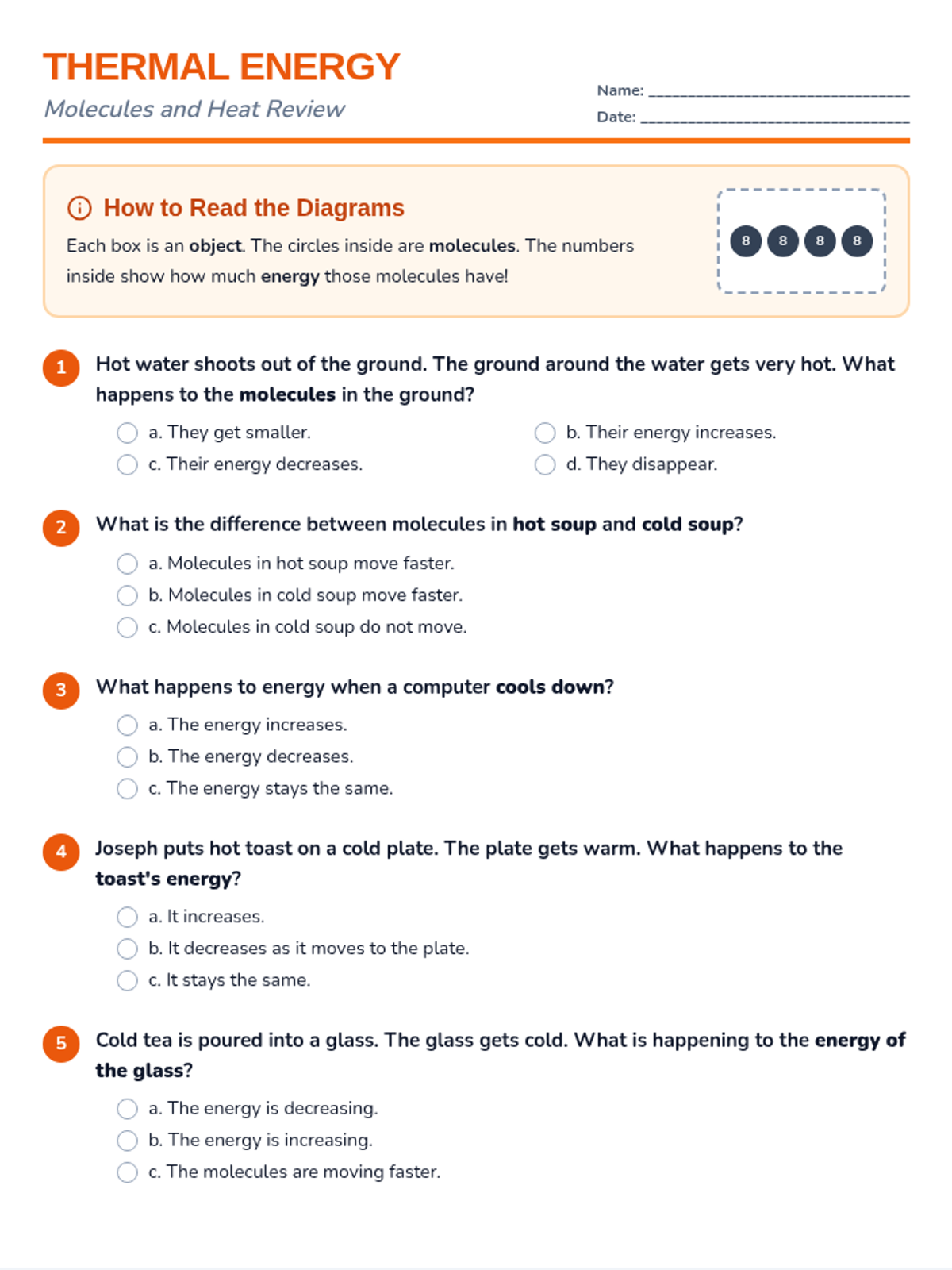
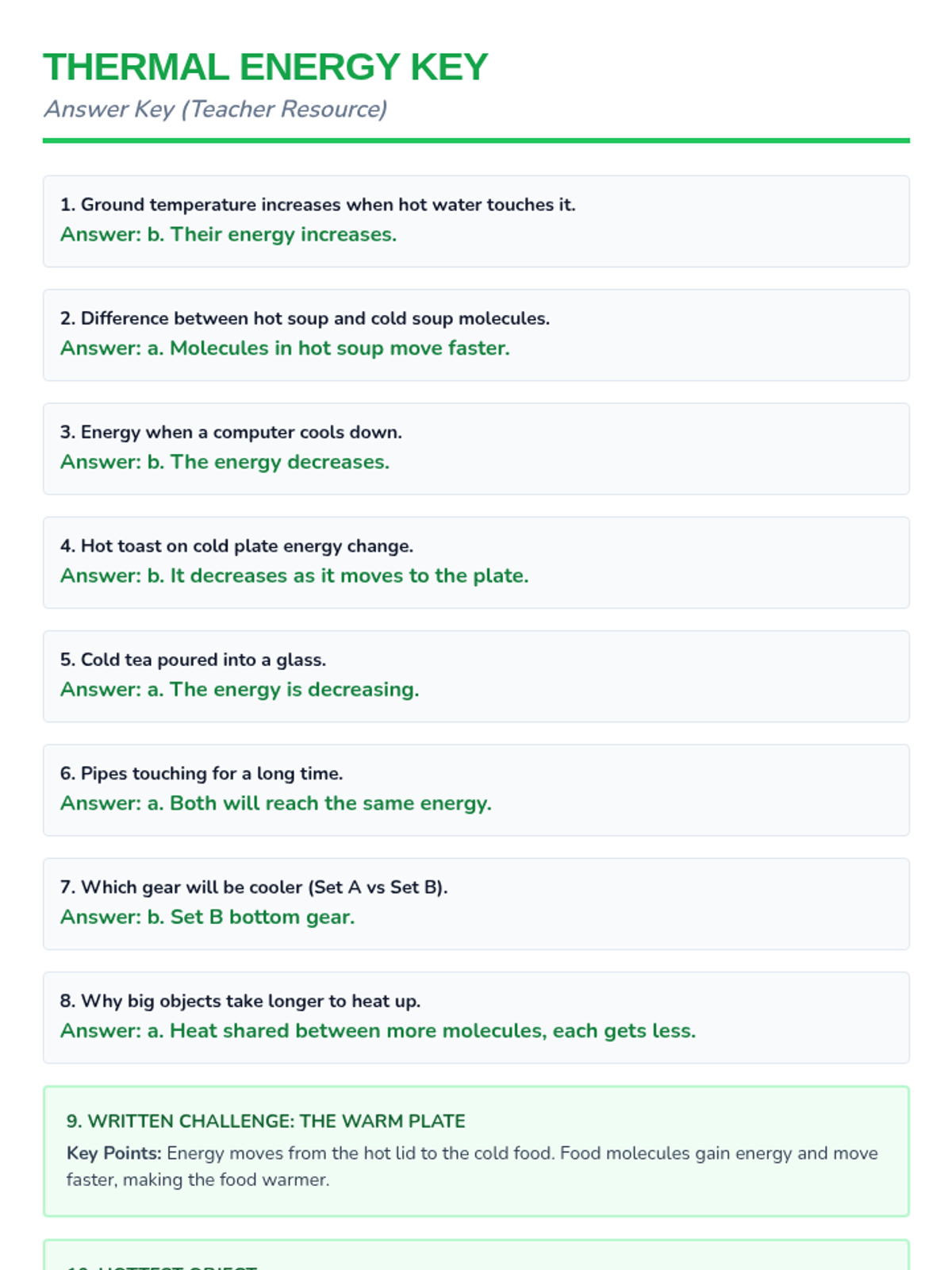
This lesson introduces 3rd-grade students to thermal energy, molecules, and heat transfer using visual diagrams. Students will explore how energy moves between objects and how the speed of molecules relates to temperature.
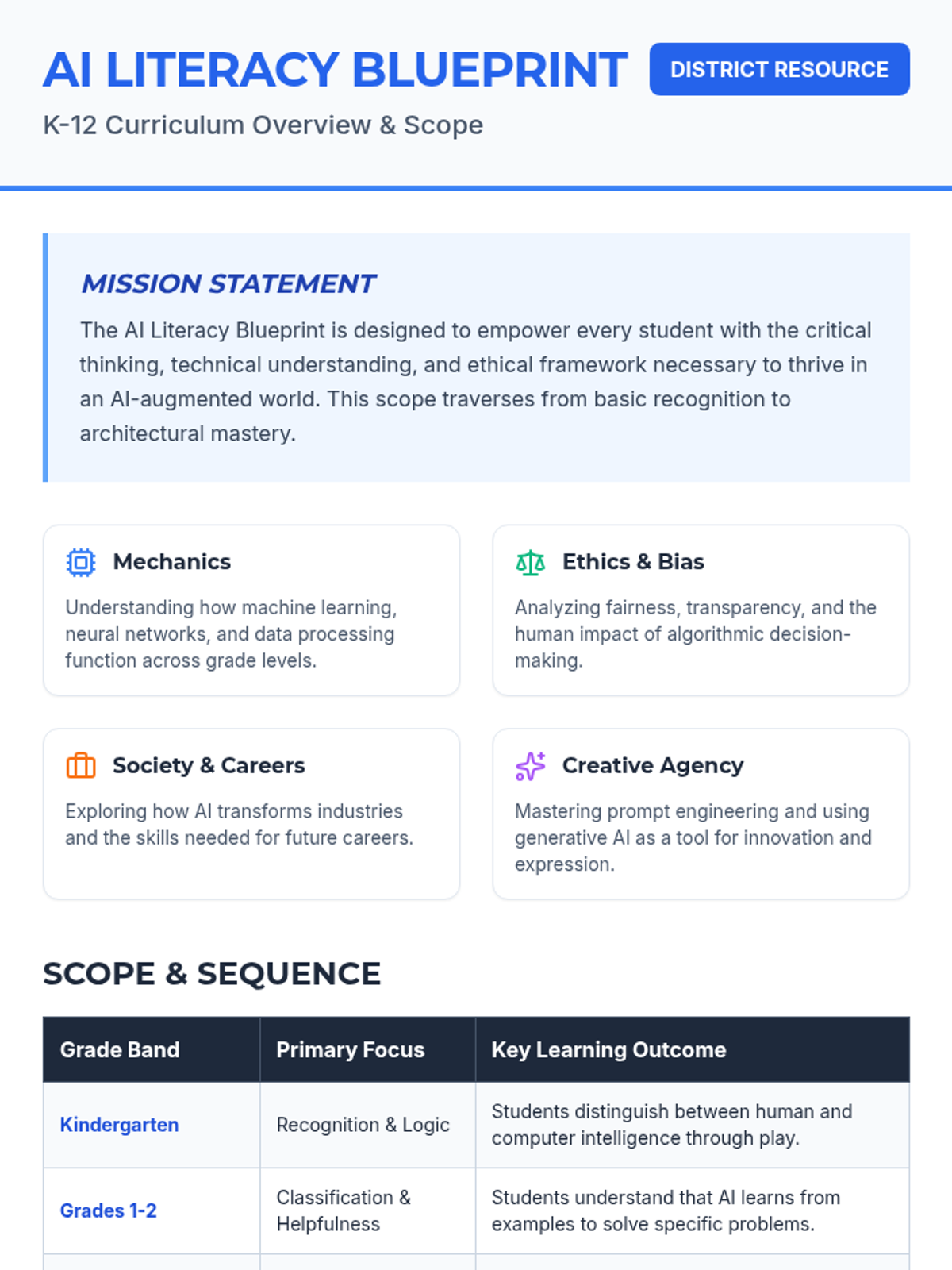
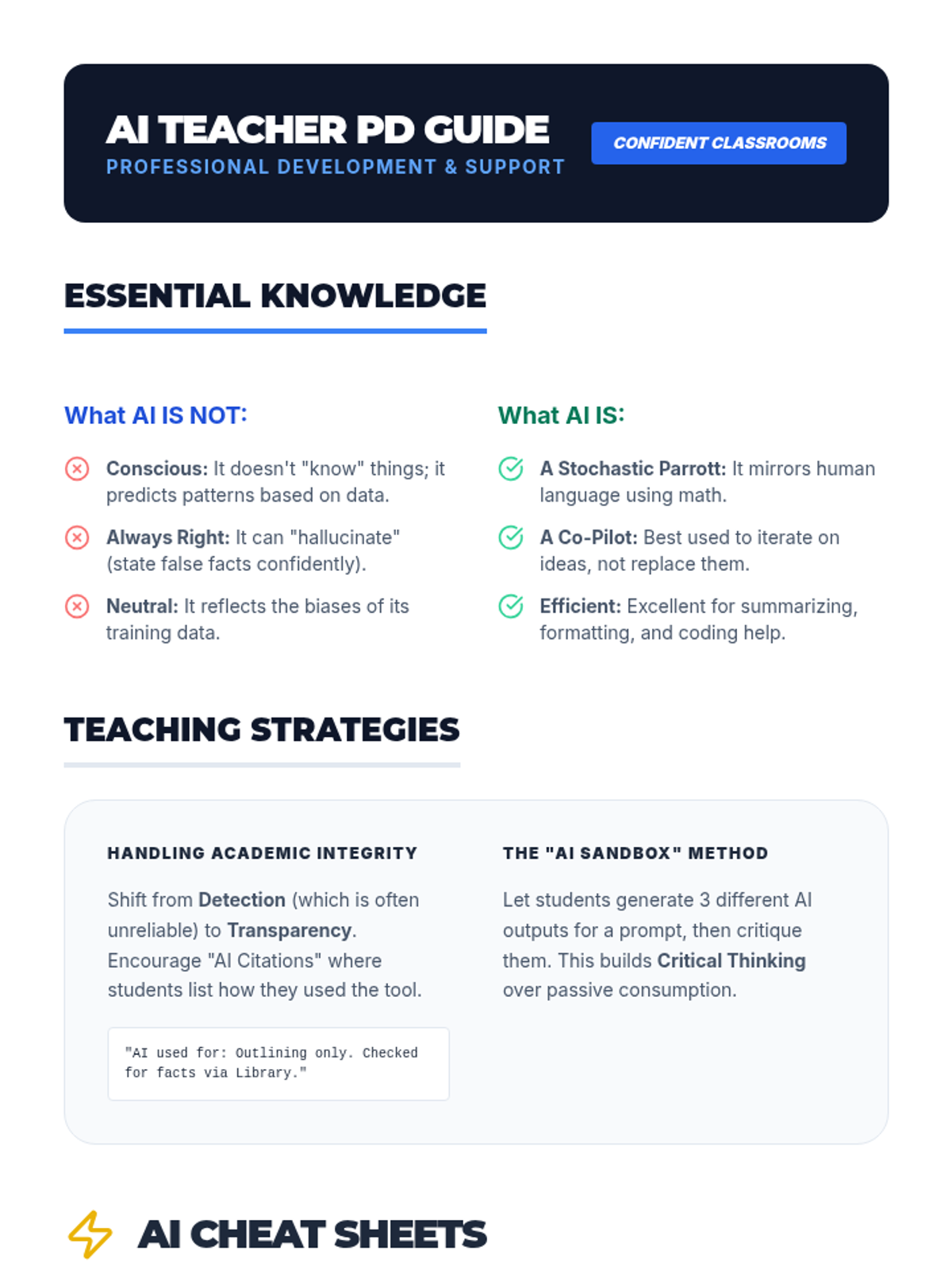
A dedicated hub for educators featuring a K-12 curriculum scope, professional development guides, and quick-reference AI cheat sheets.
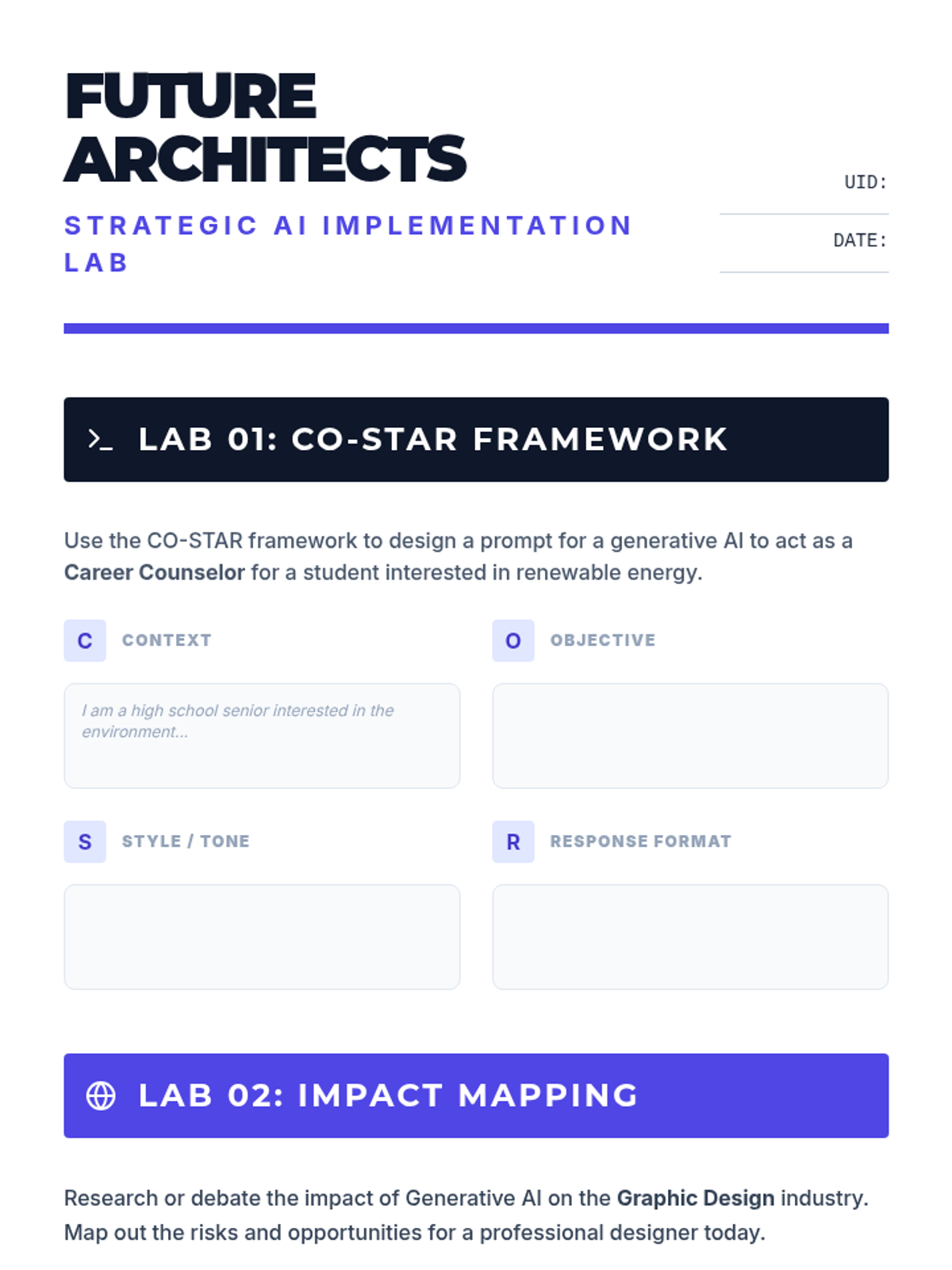
High school students analyze the impact of generative AI on careers and society, mastering advanced prompt engineering and debating complex ethical dilemmas.
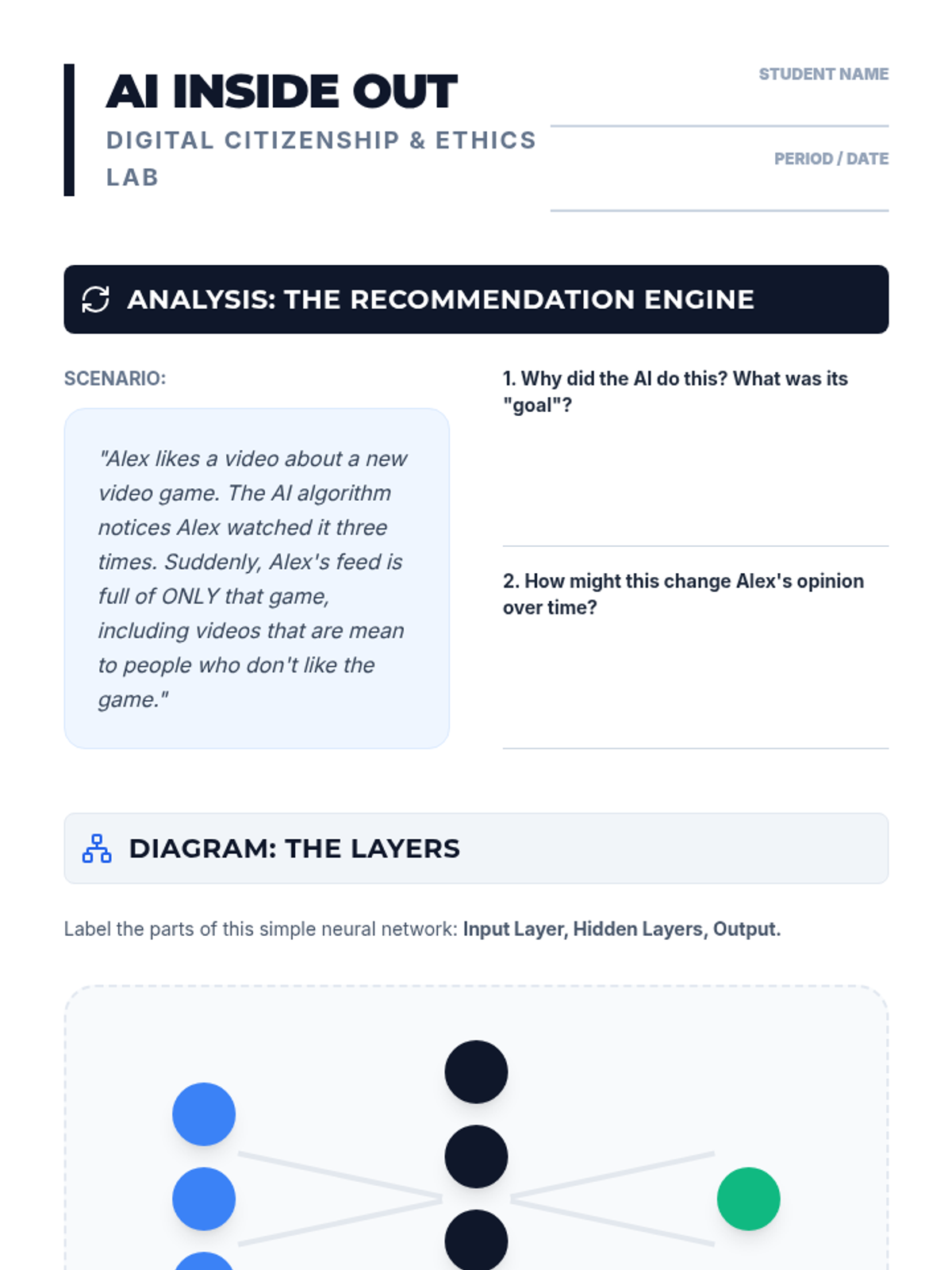
Middle schoolers dive into the mechanics of neural networks and the ethical implications of AI in daily life, focusing on digital citizenship and algorithmic fairness.
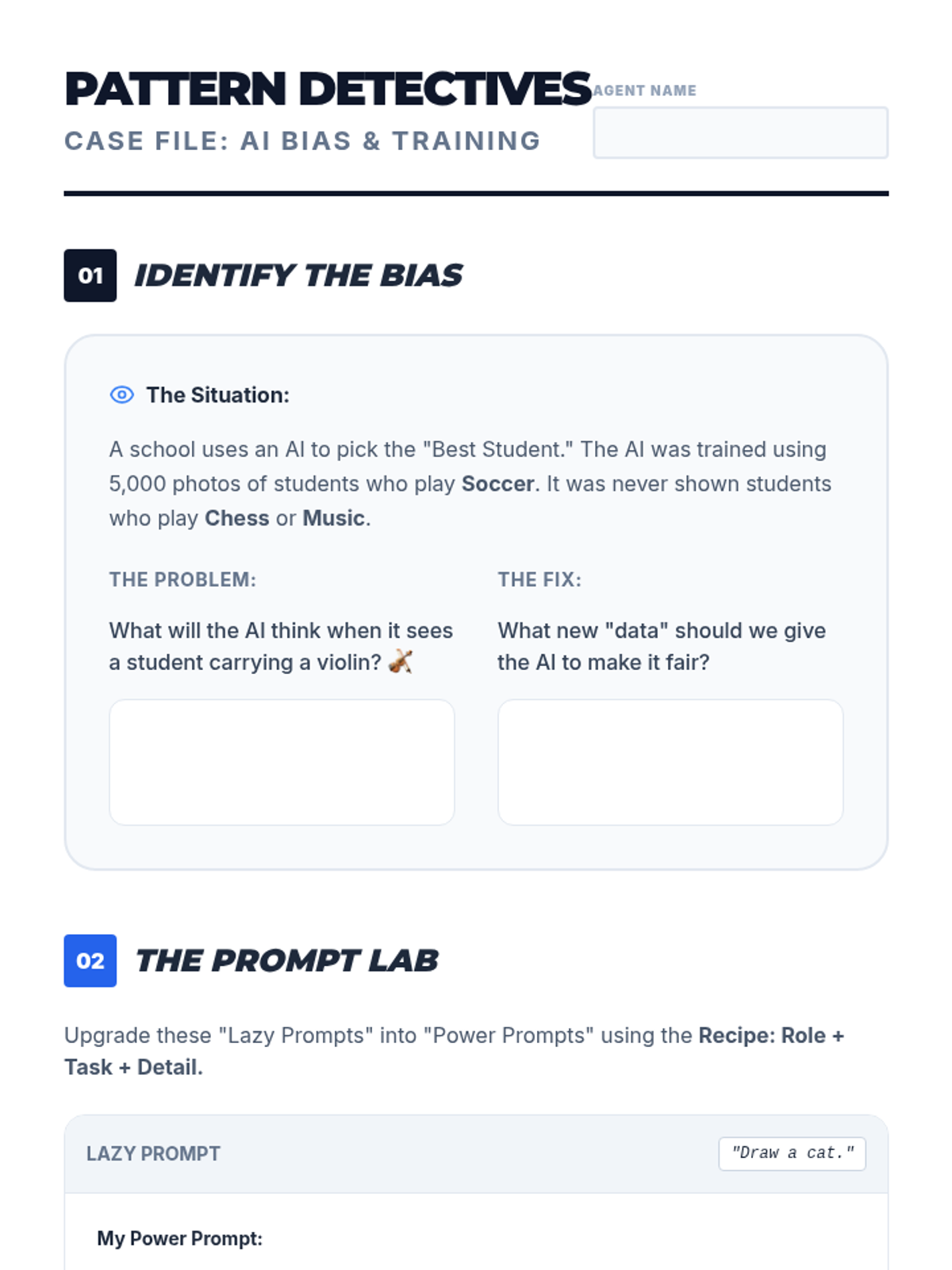
Middle elementary students investigate how training data shapes AI behavior, identifying bias in simple systems and experimenting with basic prompt engineering.
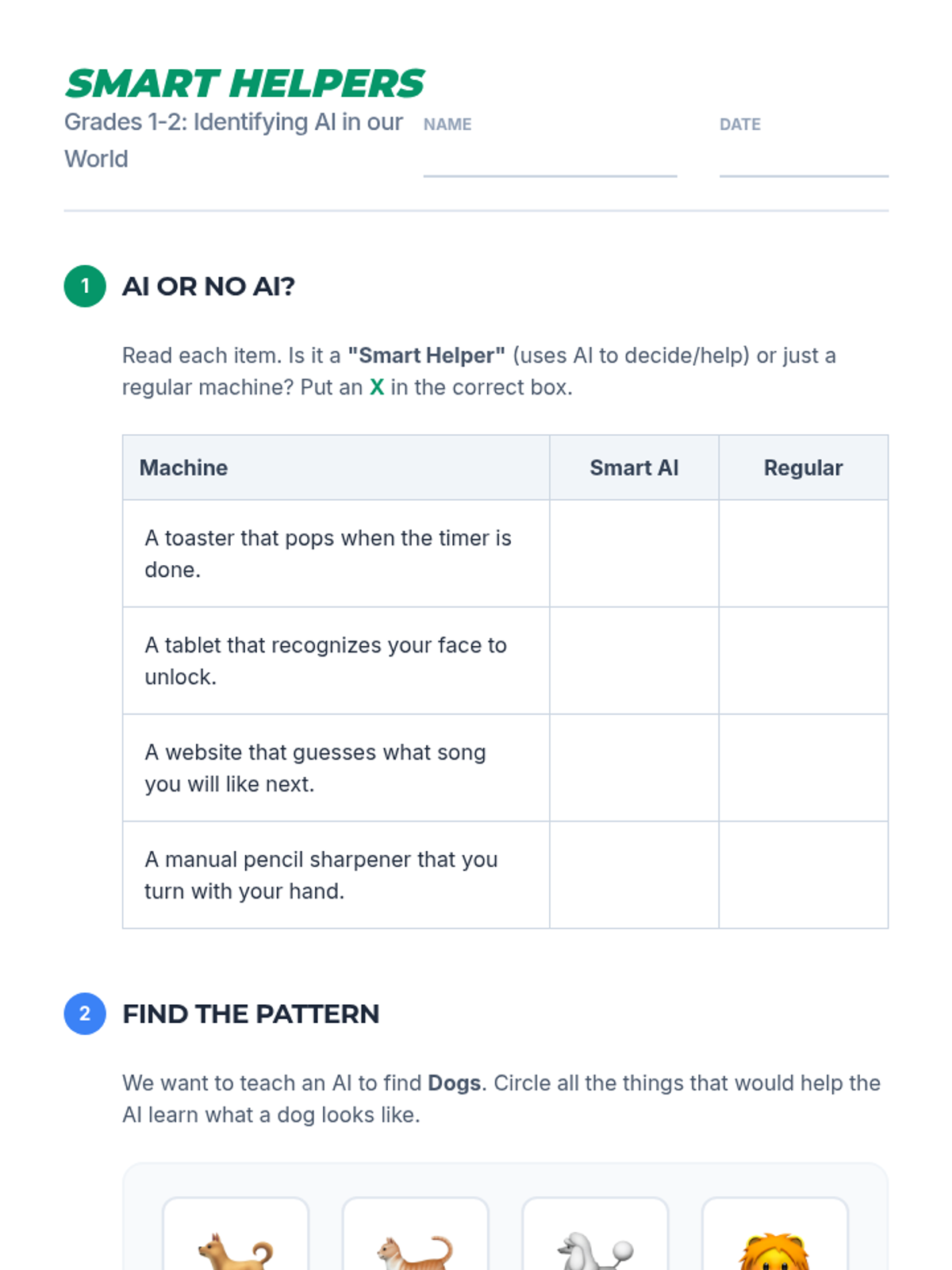
Students in grades 1-2 explore how machines learn to recognize patterns and assist humans, introducing basic classification and the idea of helpful technology.
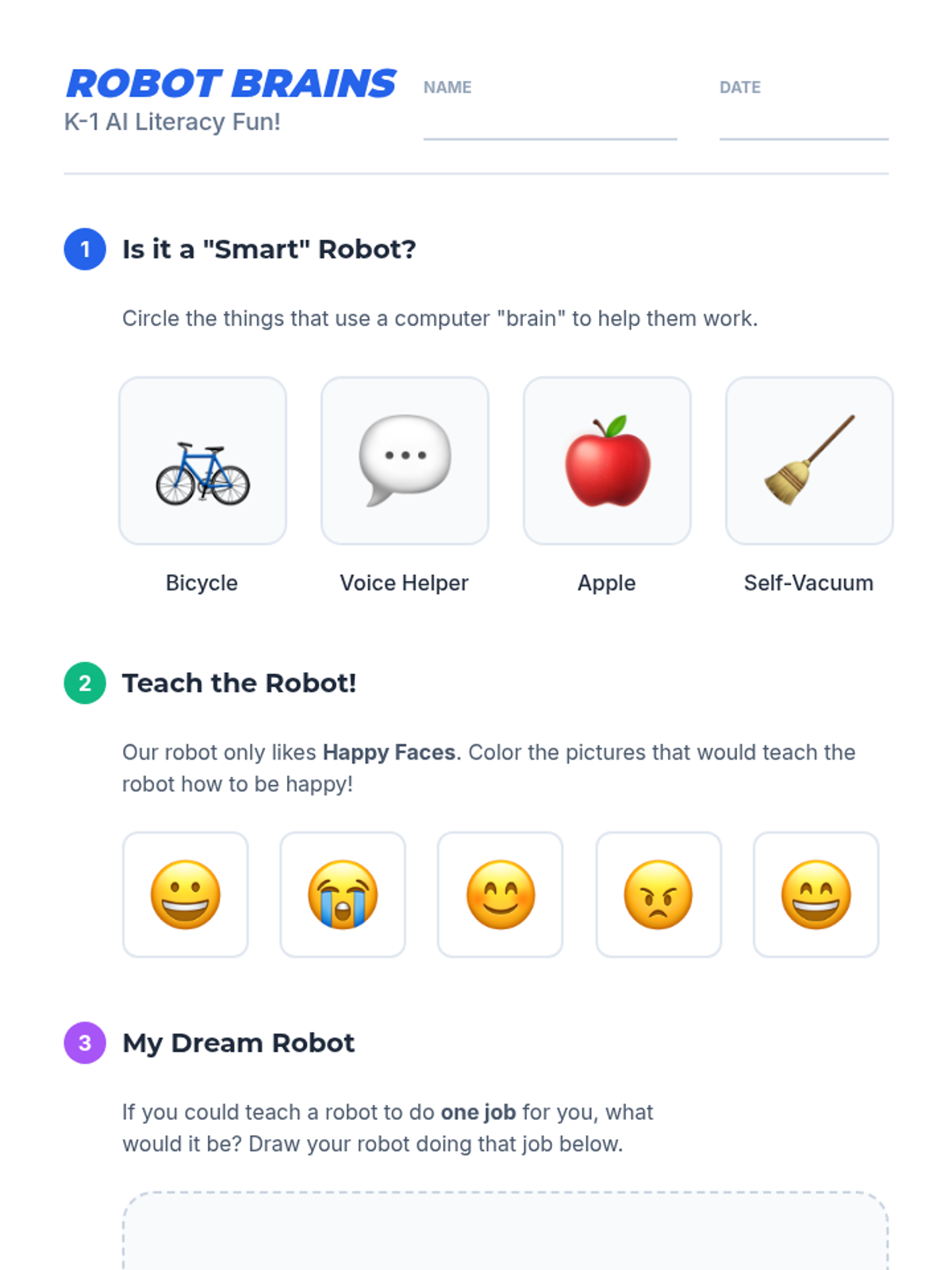
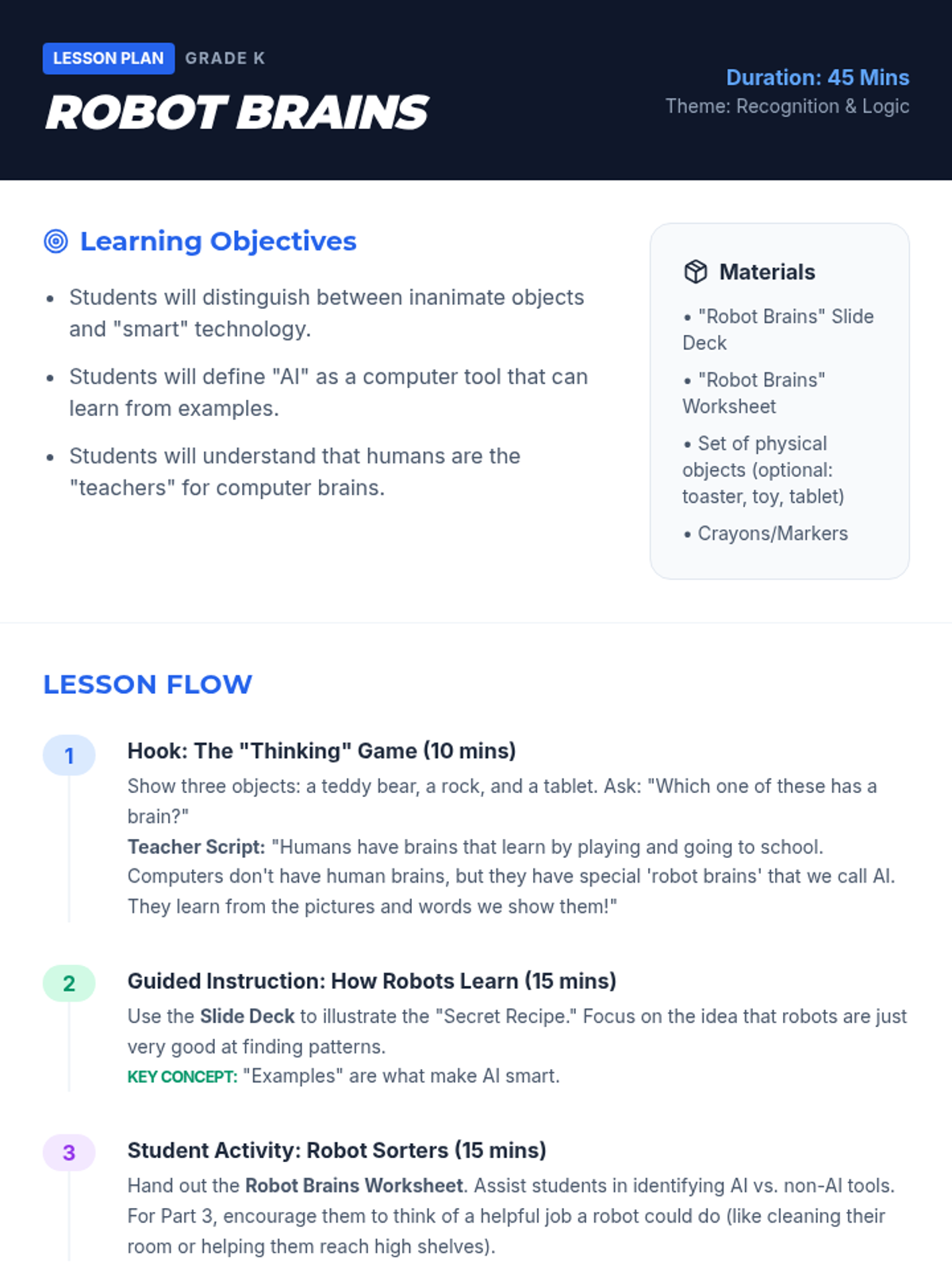
Introduces Kindergarteners to the concept of AI as a 'thinking' tool that follows instructions and learns from examples, focusing on the difference between robots and AI.
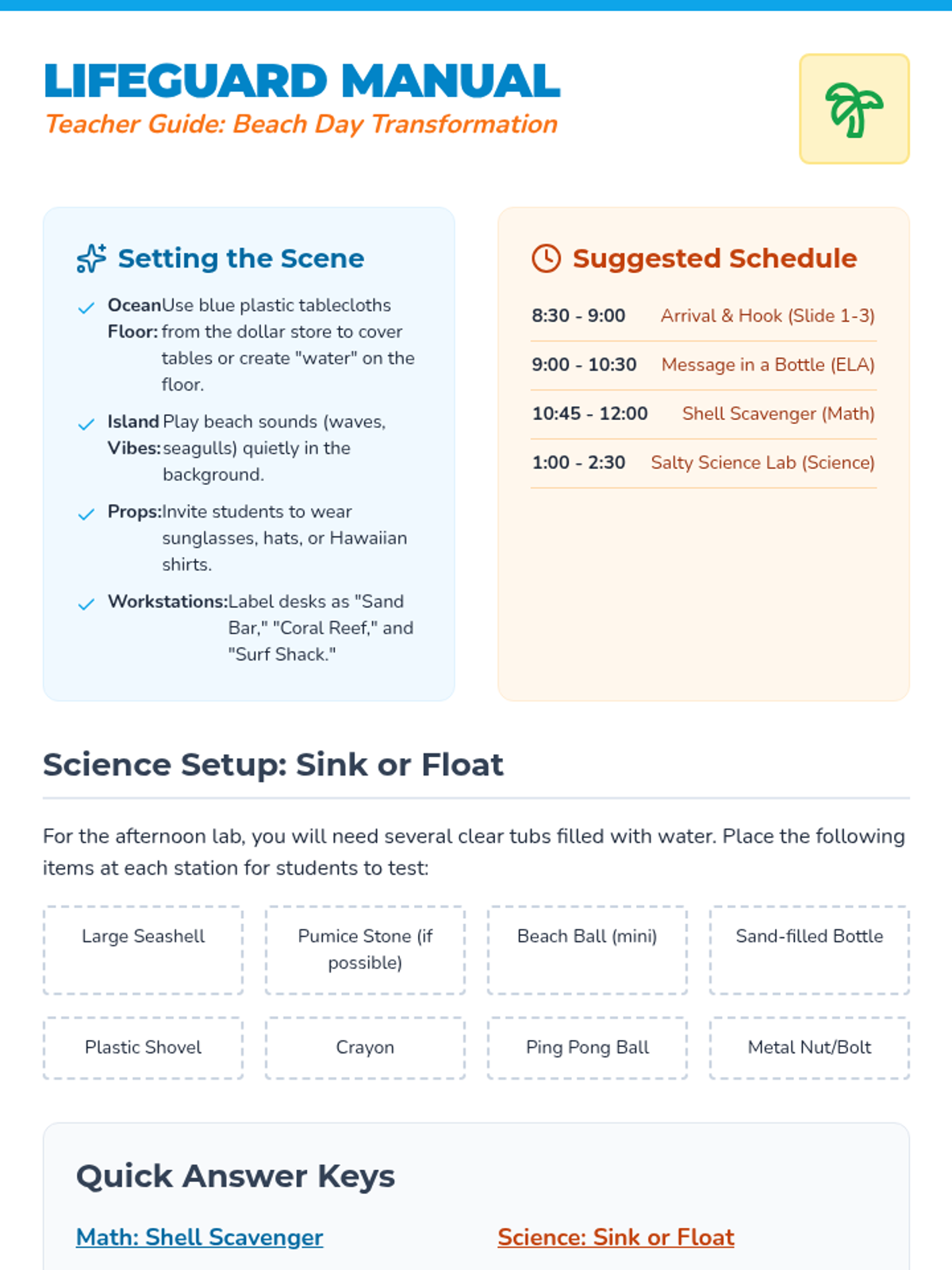
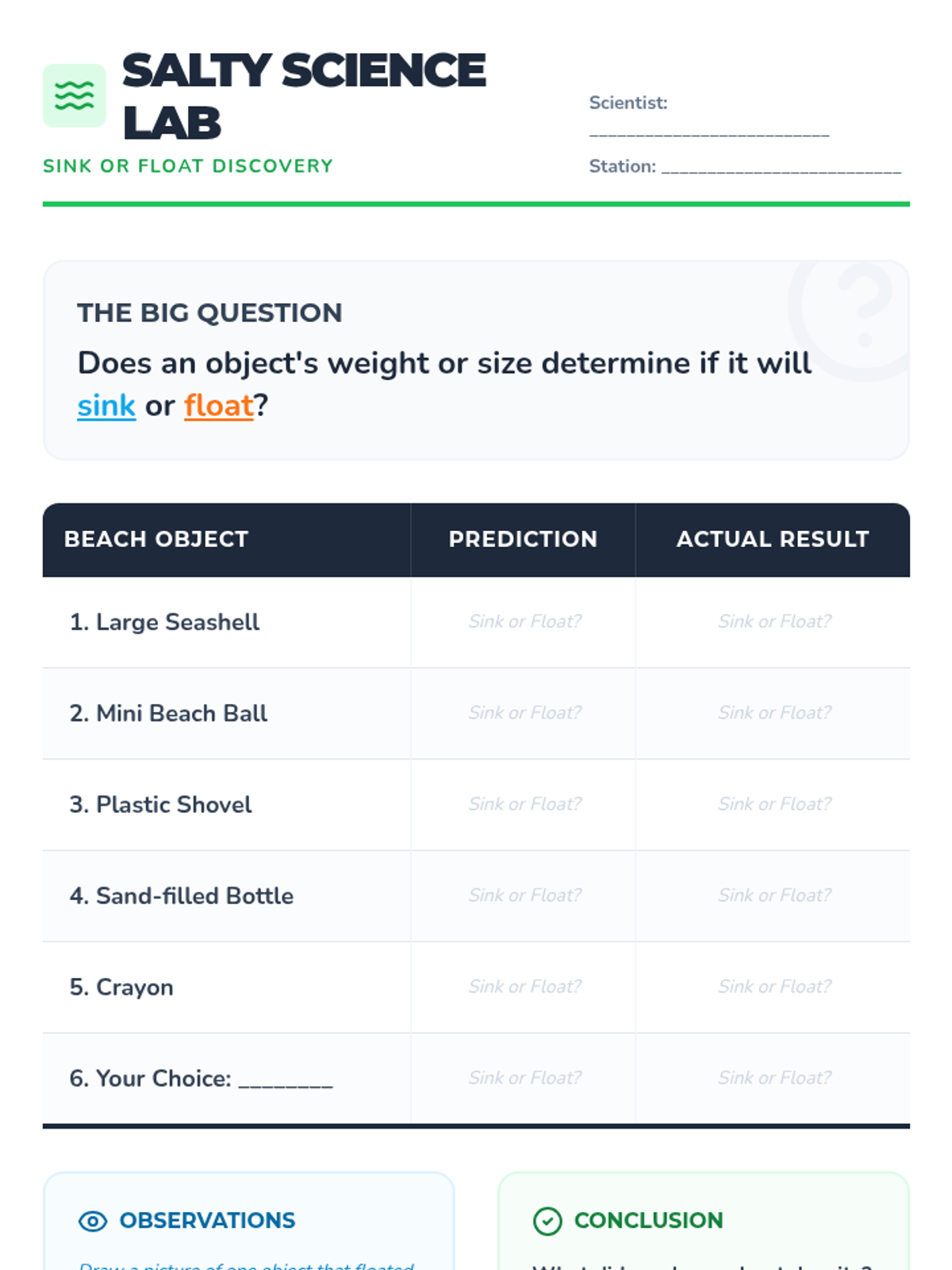
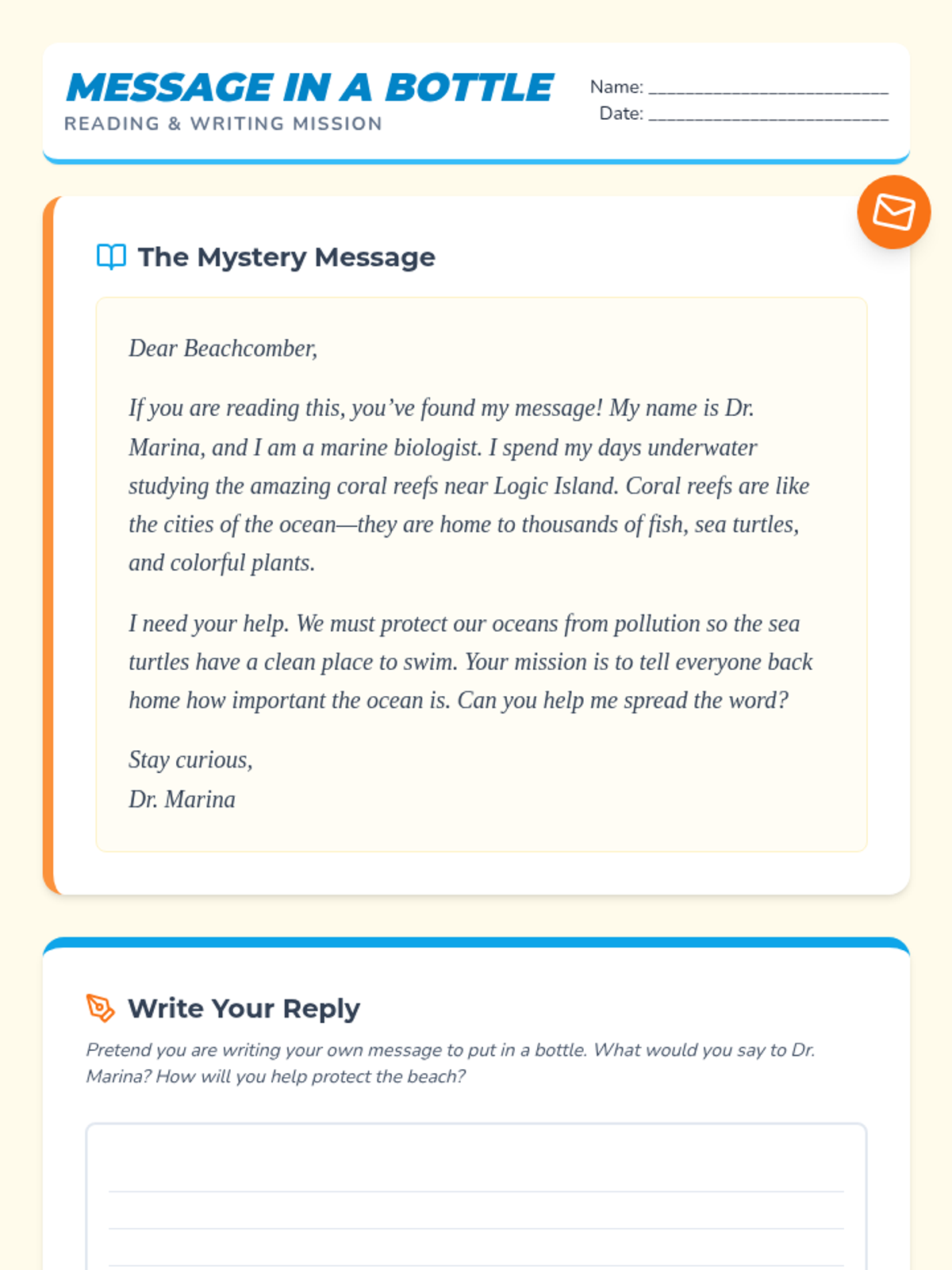
A complete day of beach-themed learning activities including multi-subject integration and a hands-on science lab.
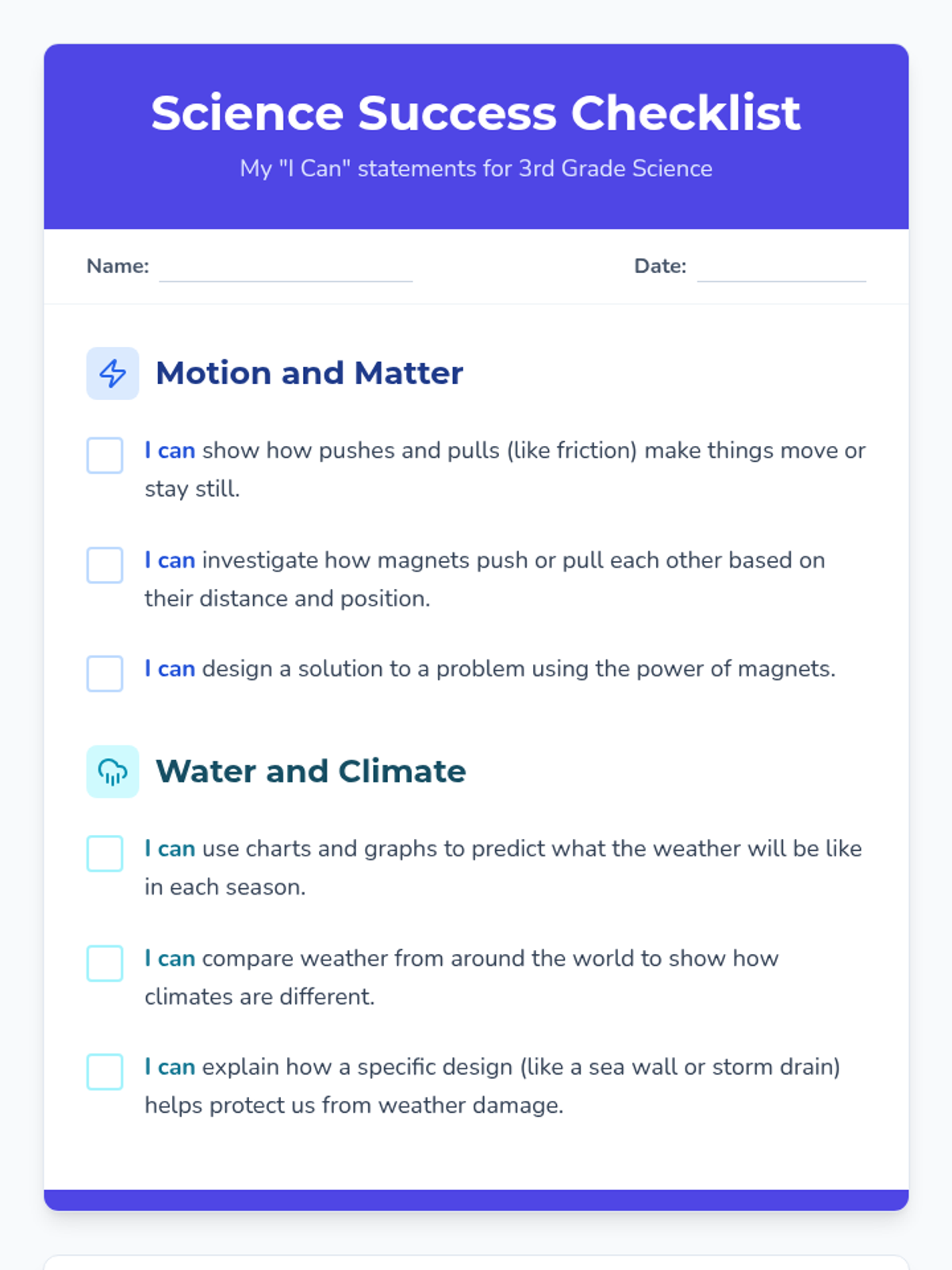
A collection of kid-friendly science standards and "I Can" statements covering physical, earth, and life sciences for upper elementary students.
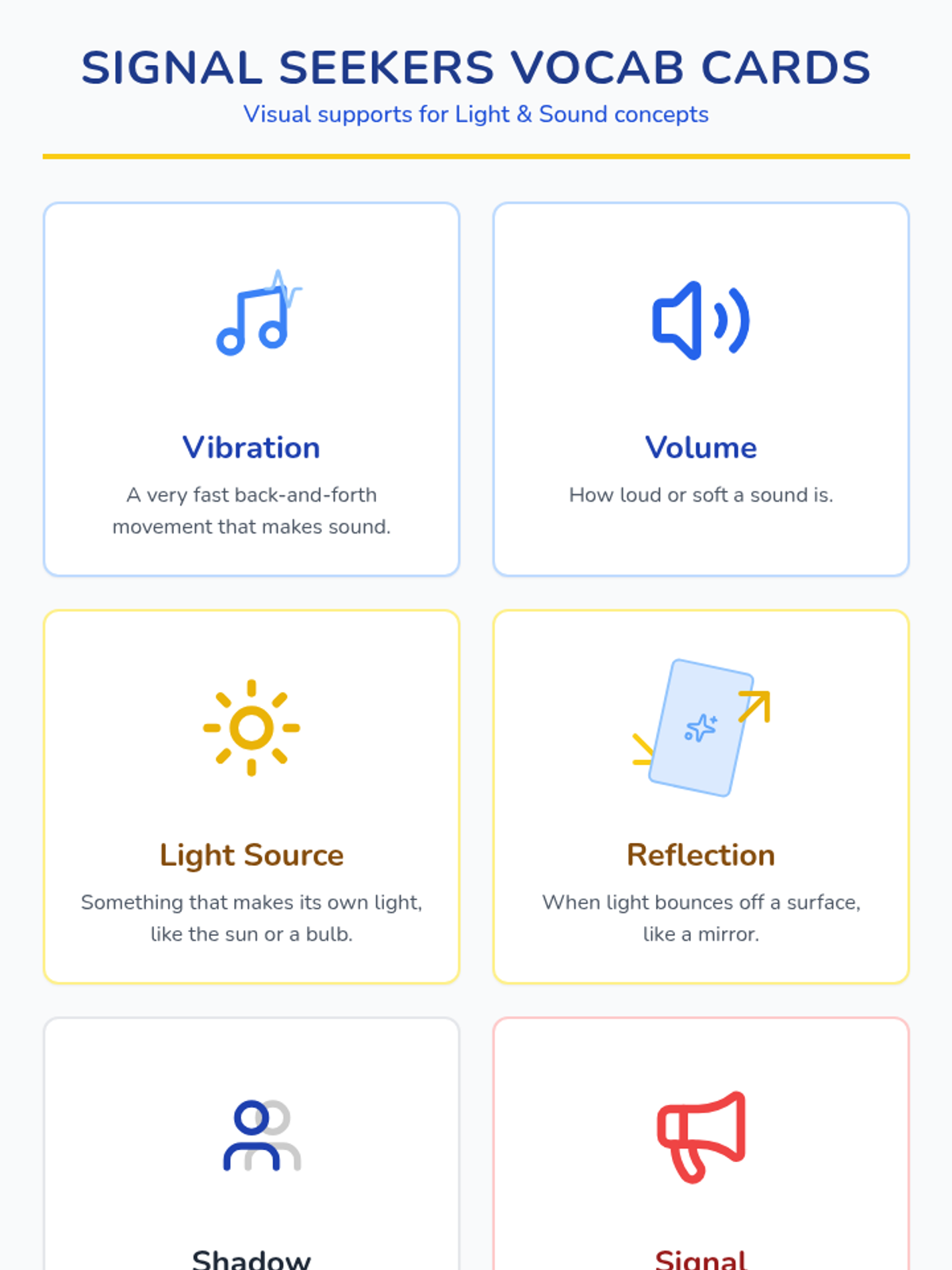
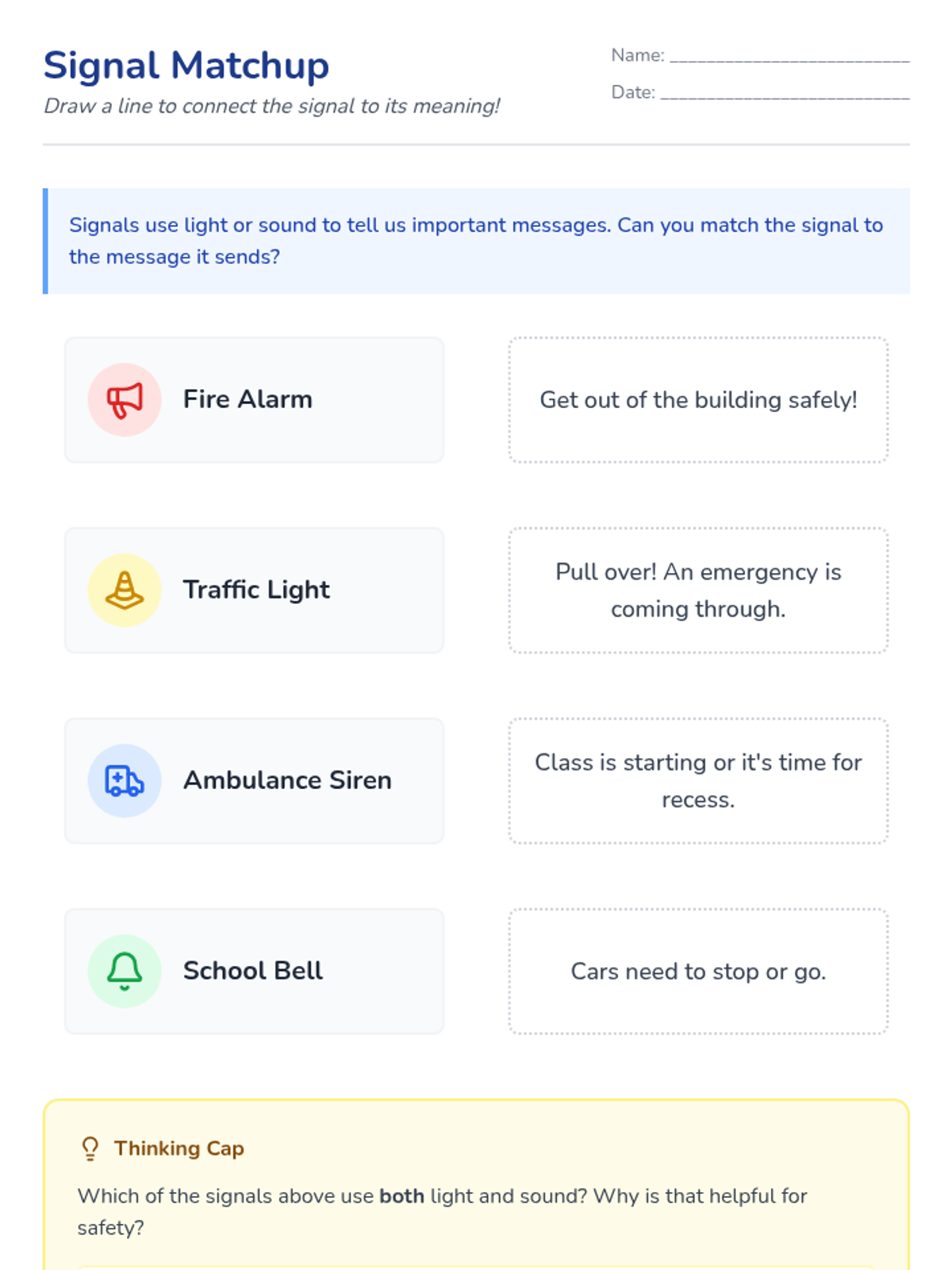
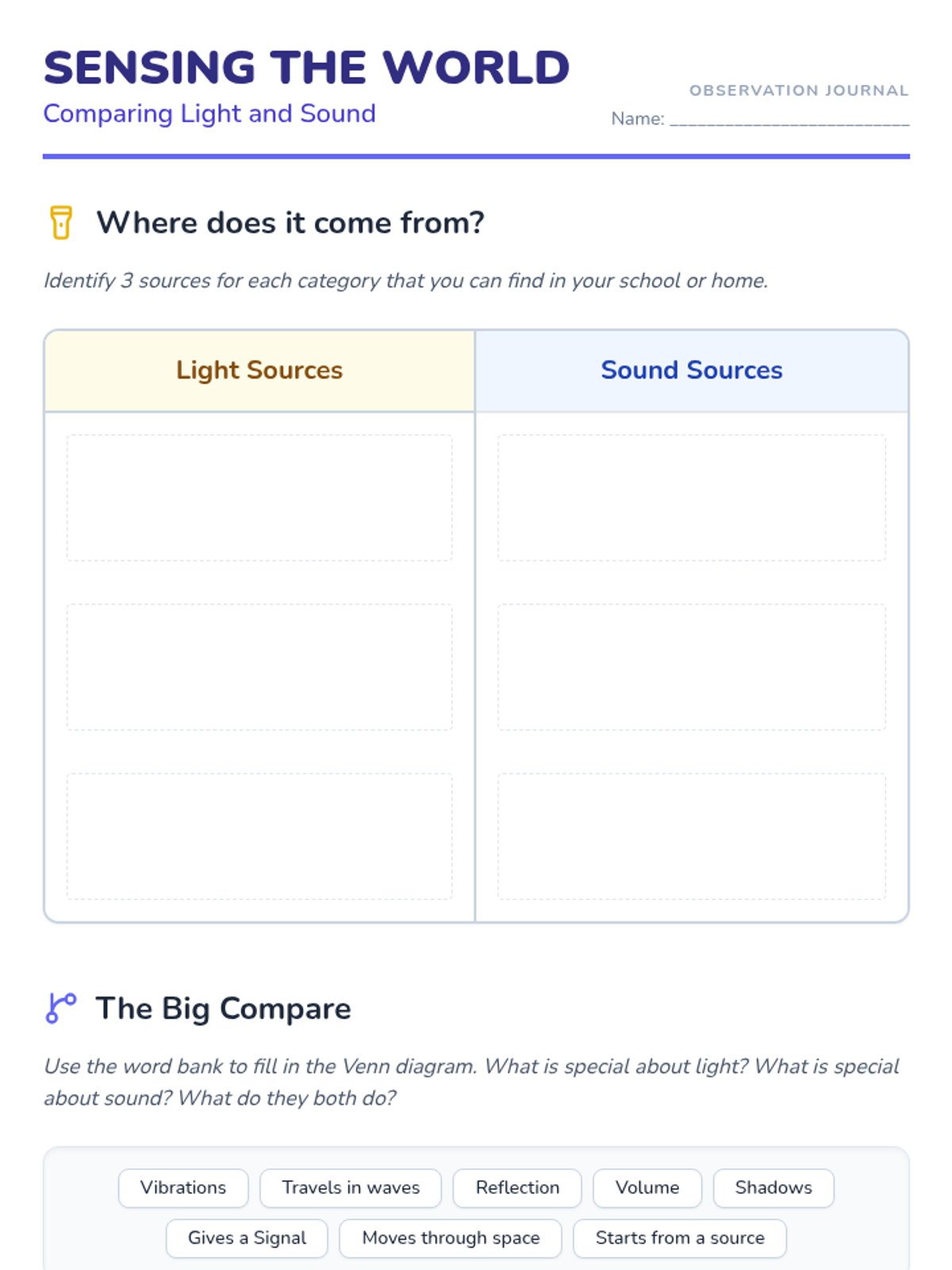
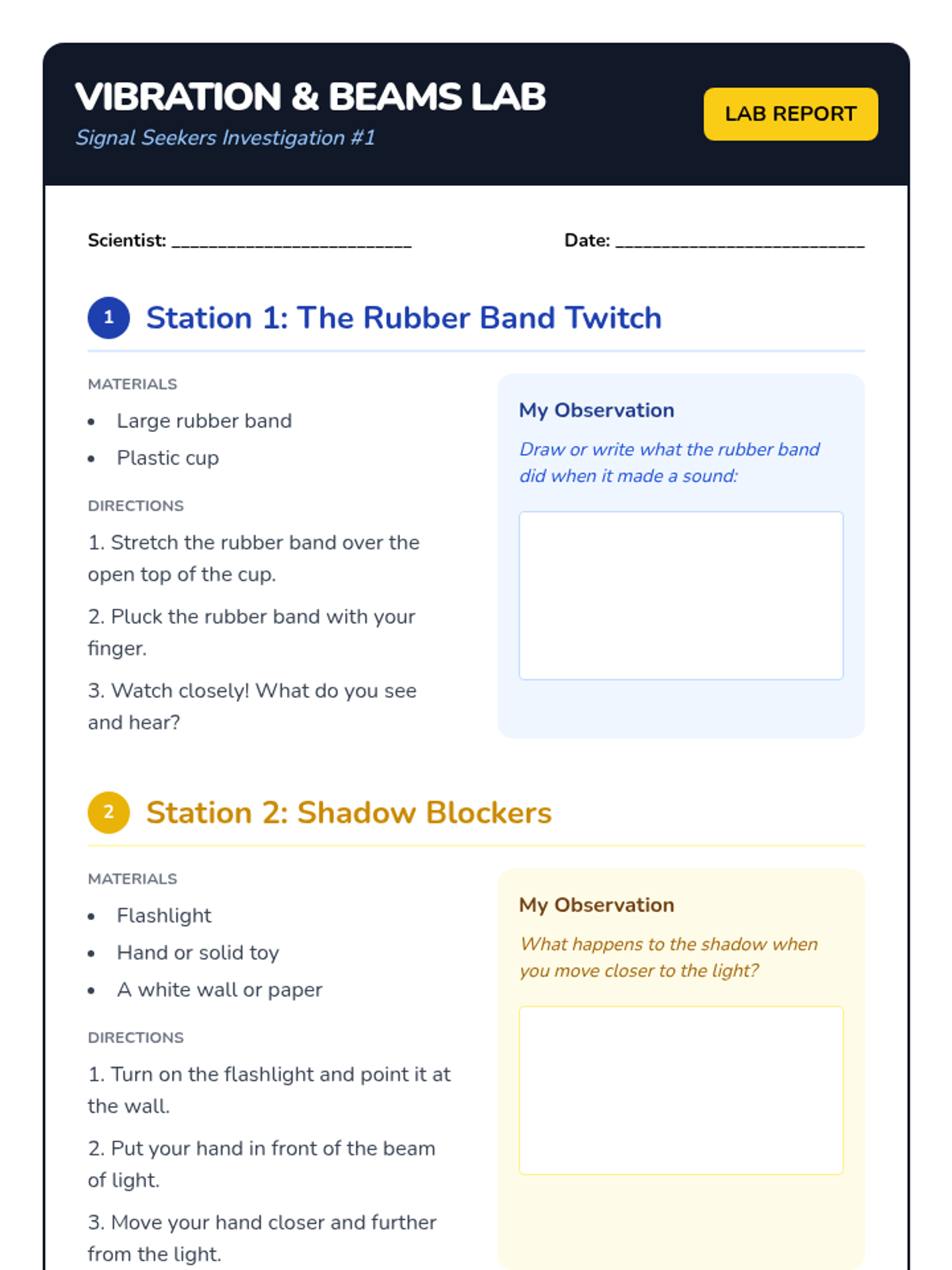
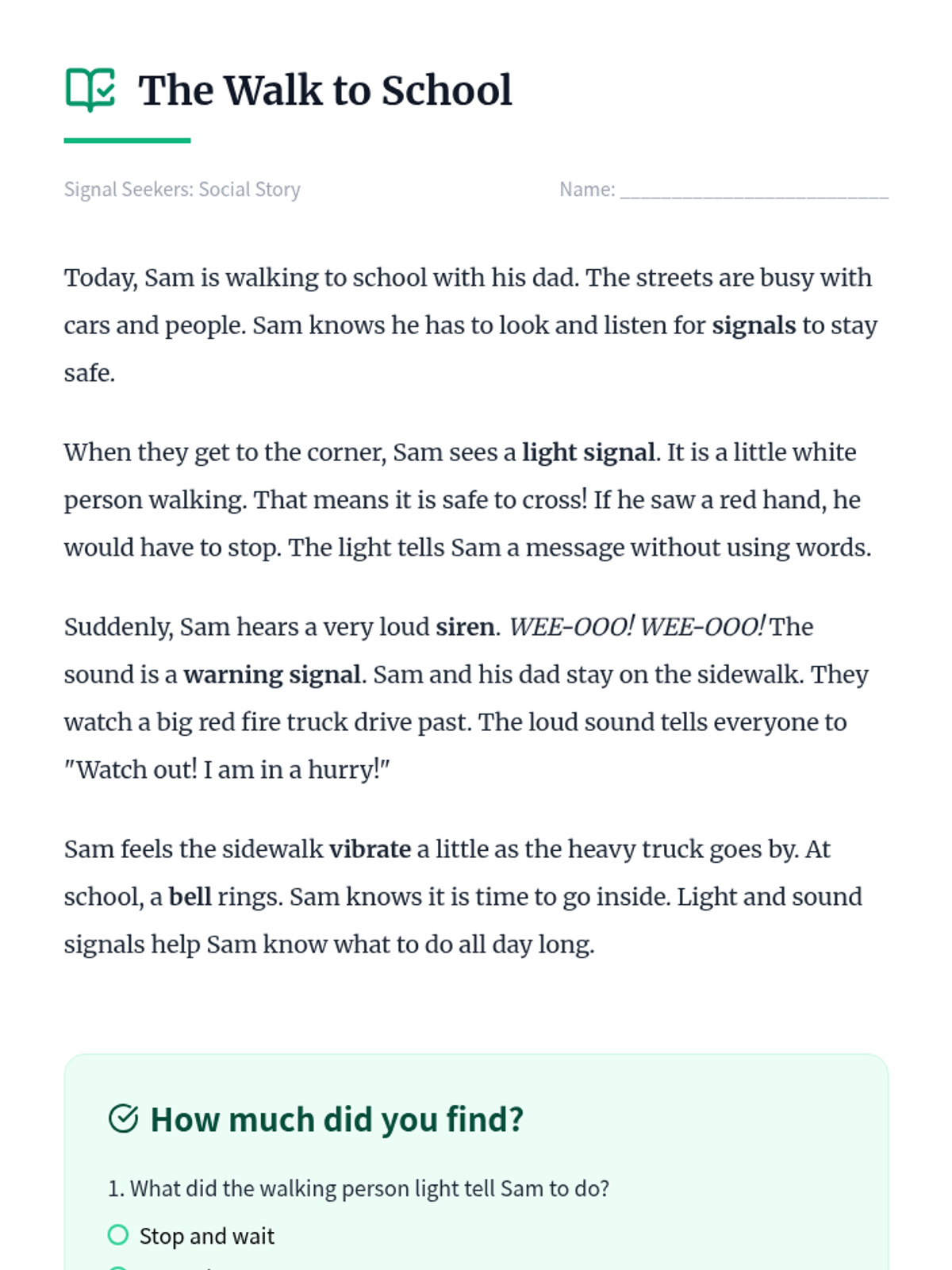
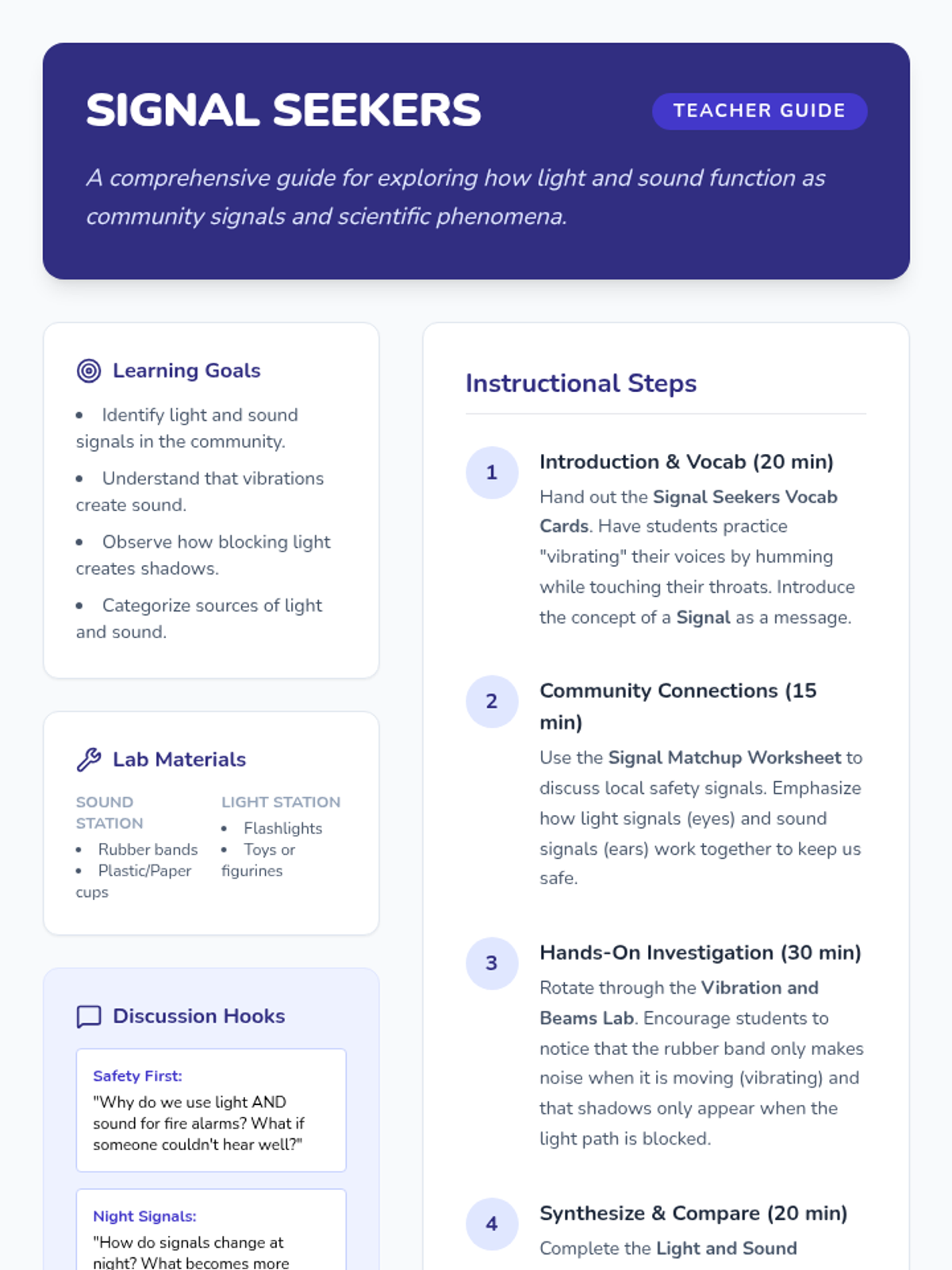
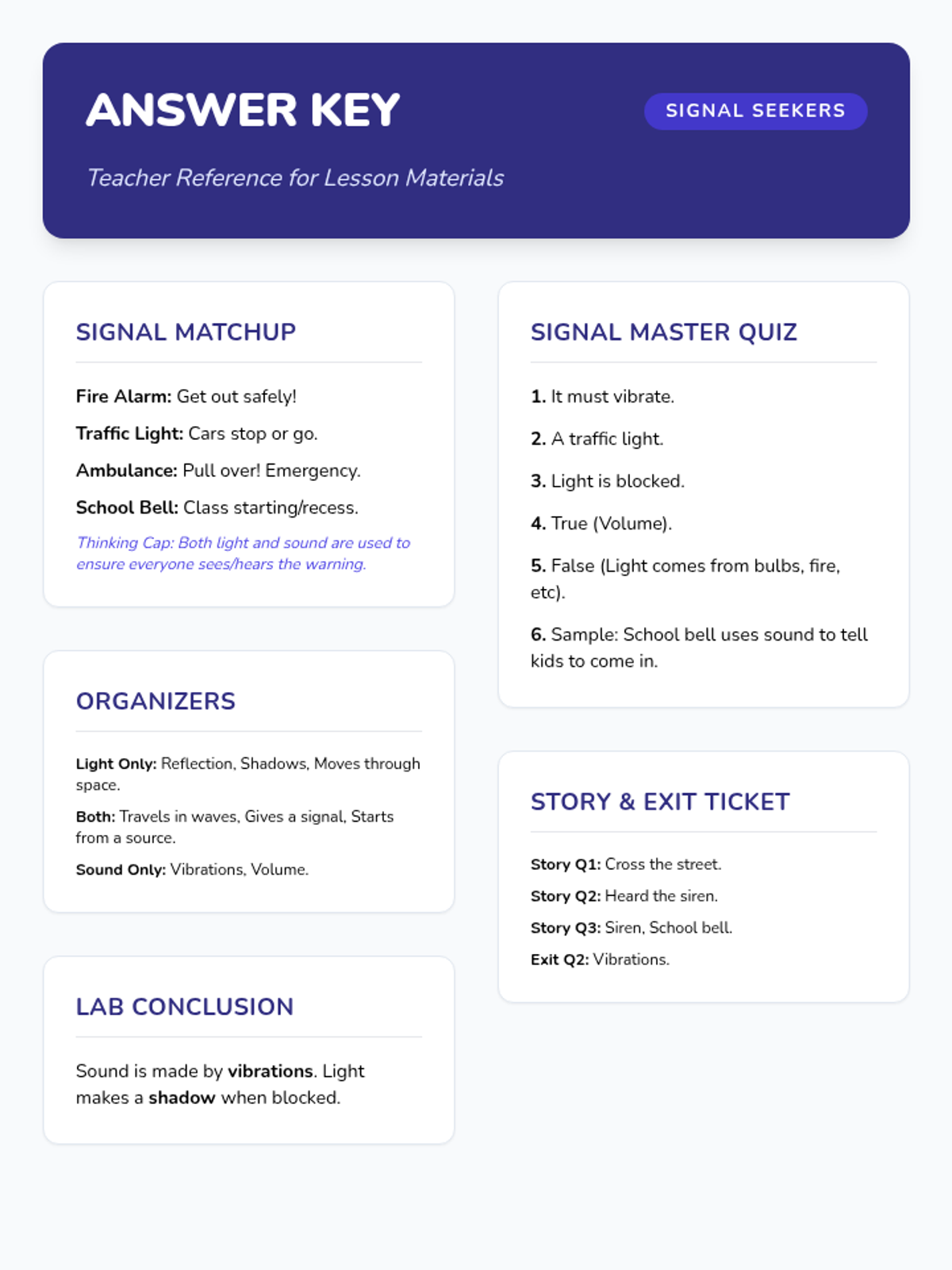
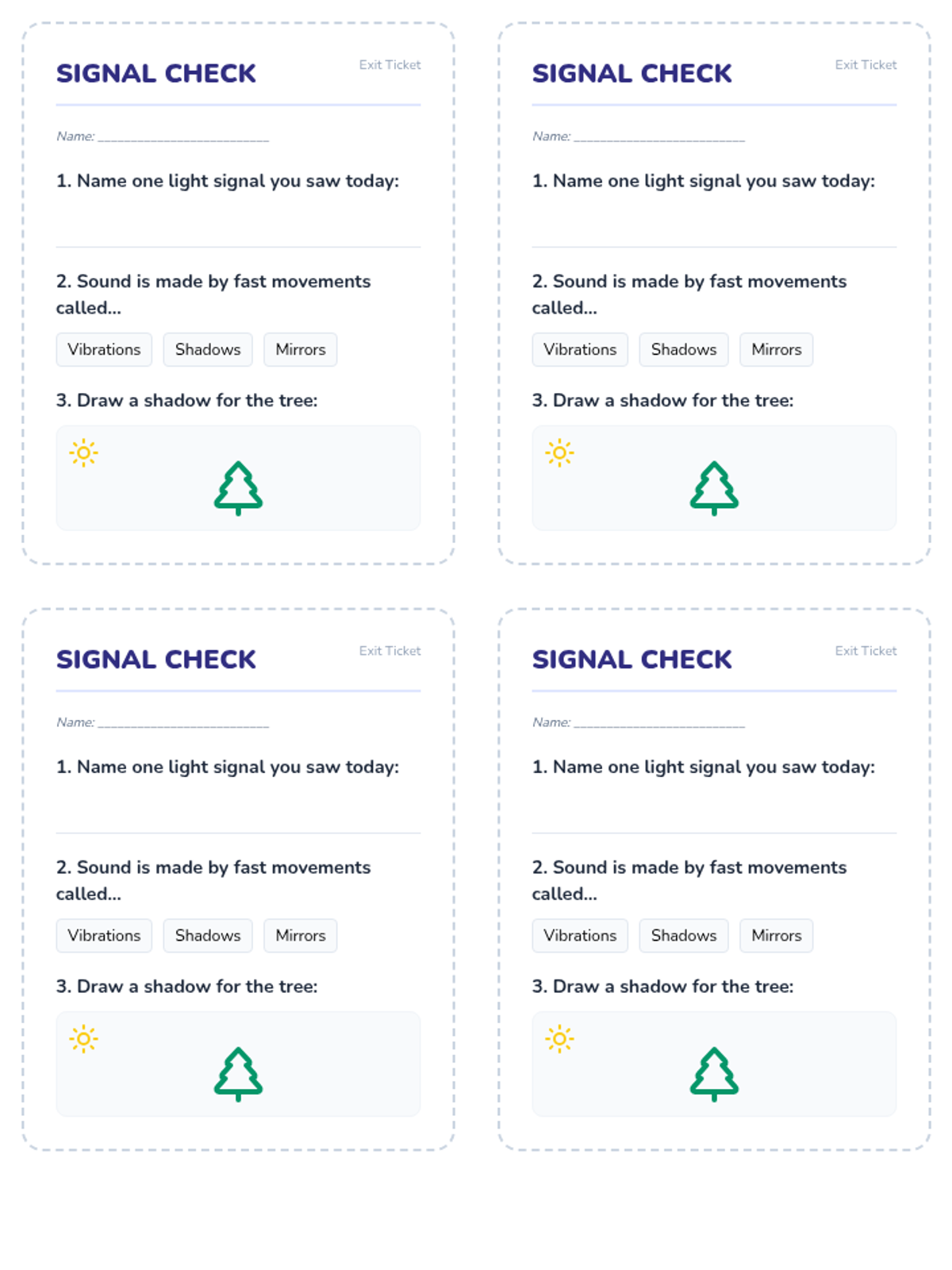
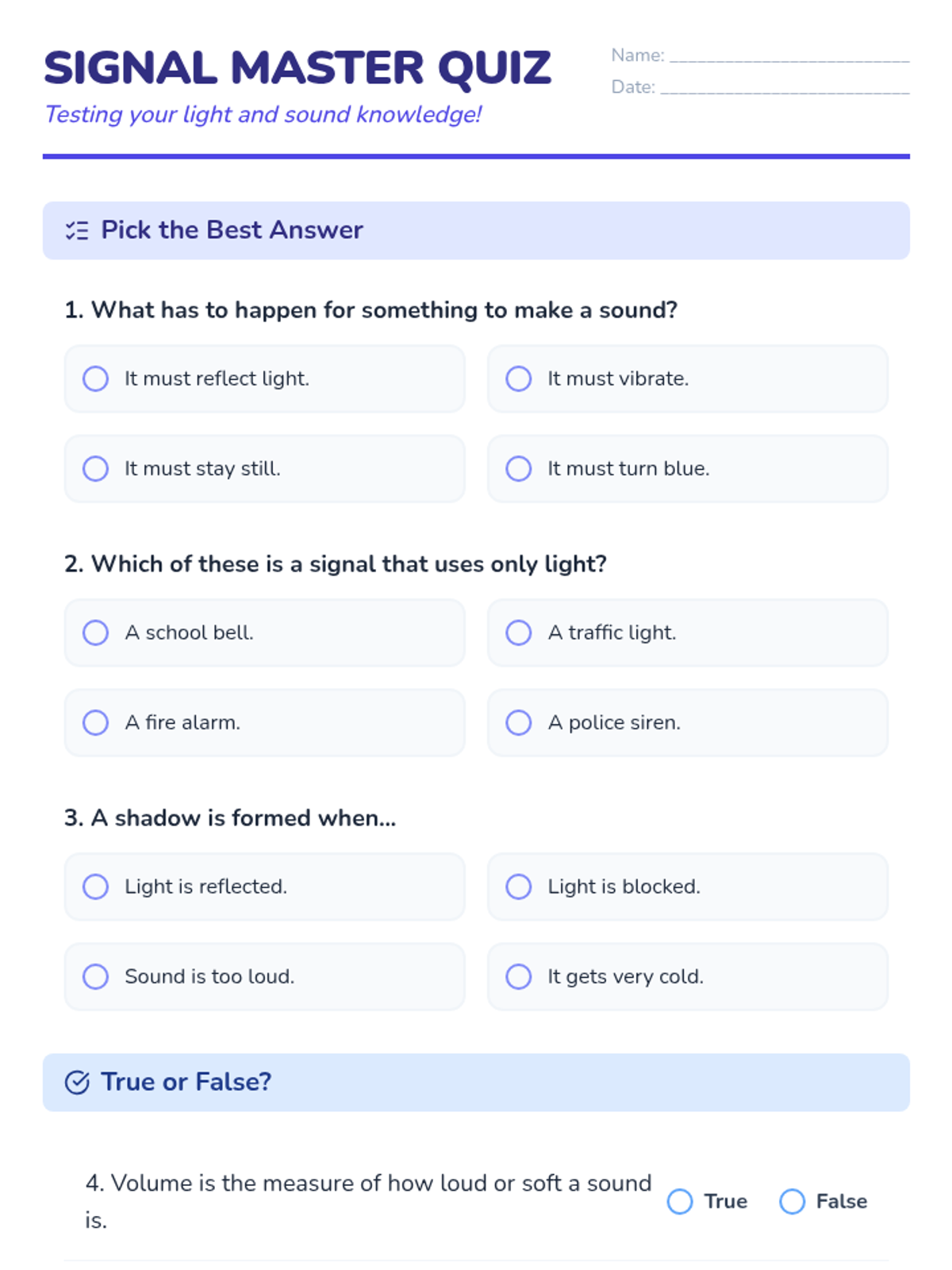
A comprehensive lesson exploring how light and sound function as signals in our community, how they are produced through vibrations and sources, and the unique properties of shadows and volume.
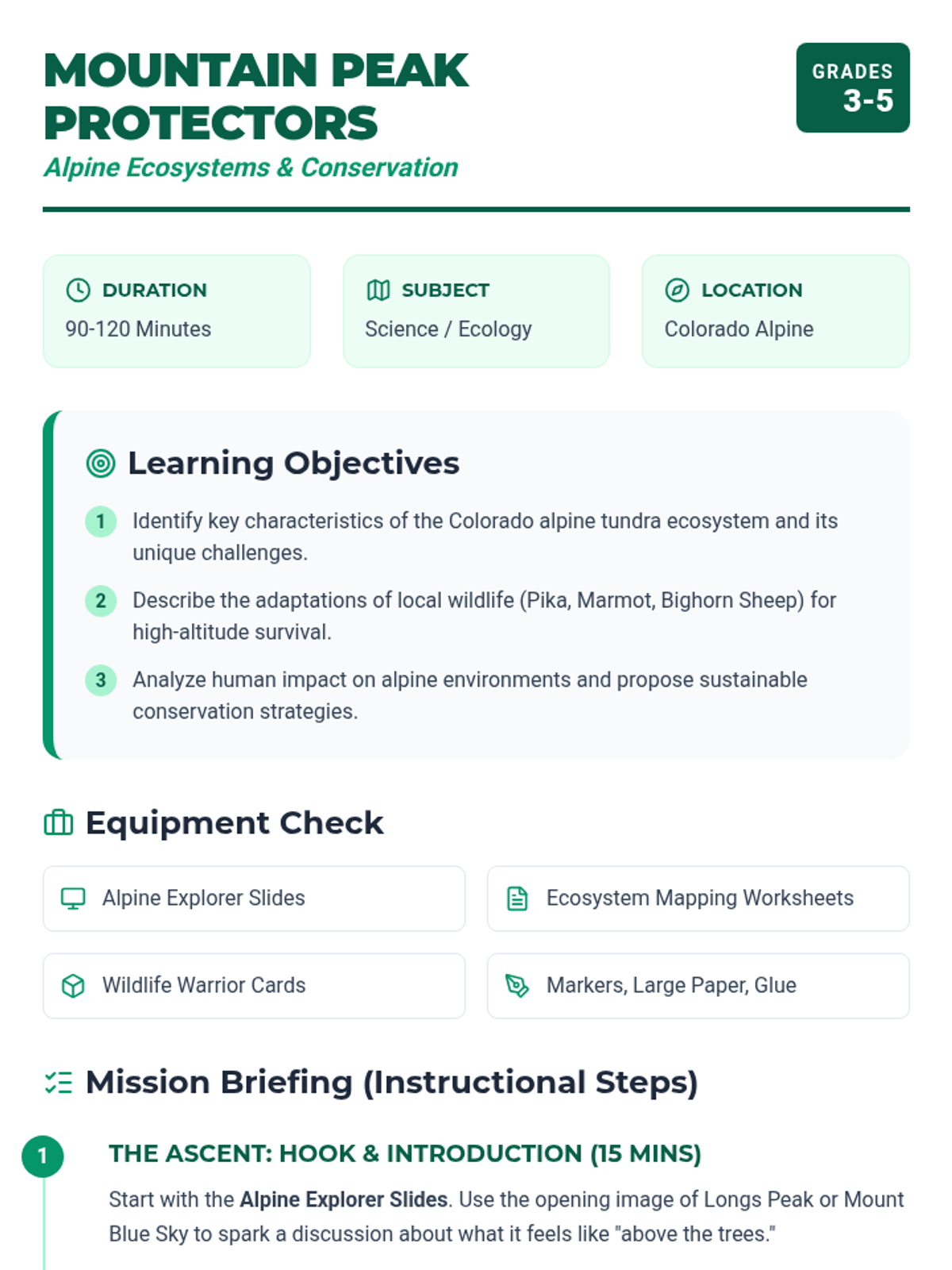
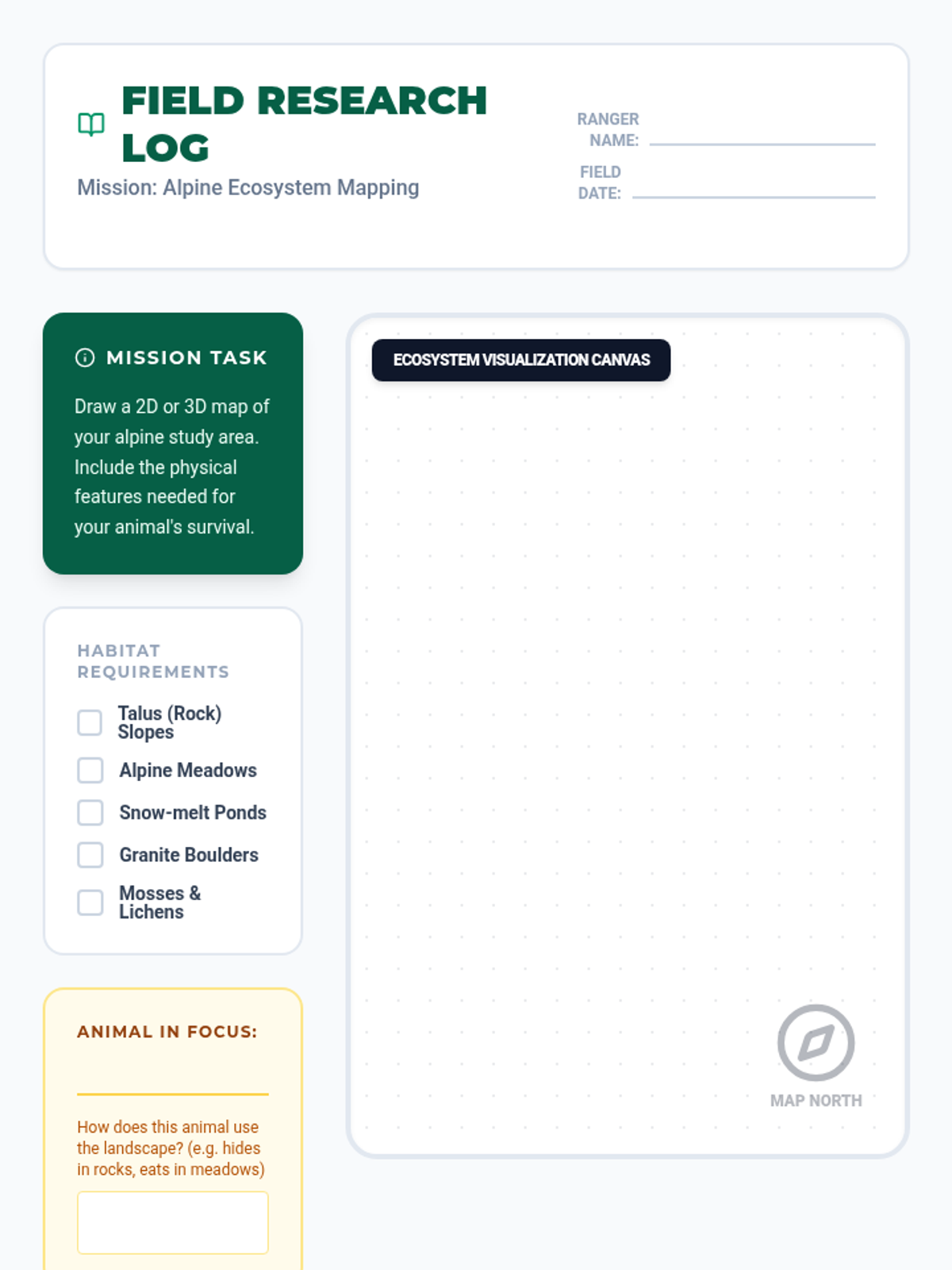
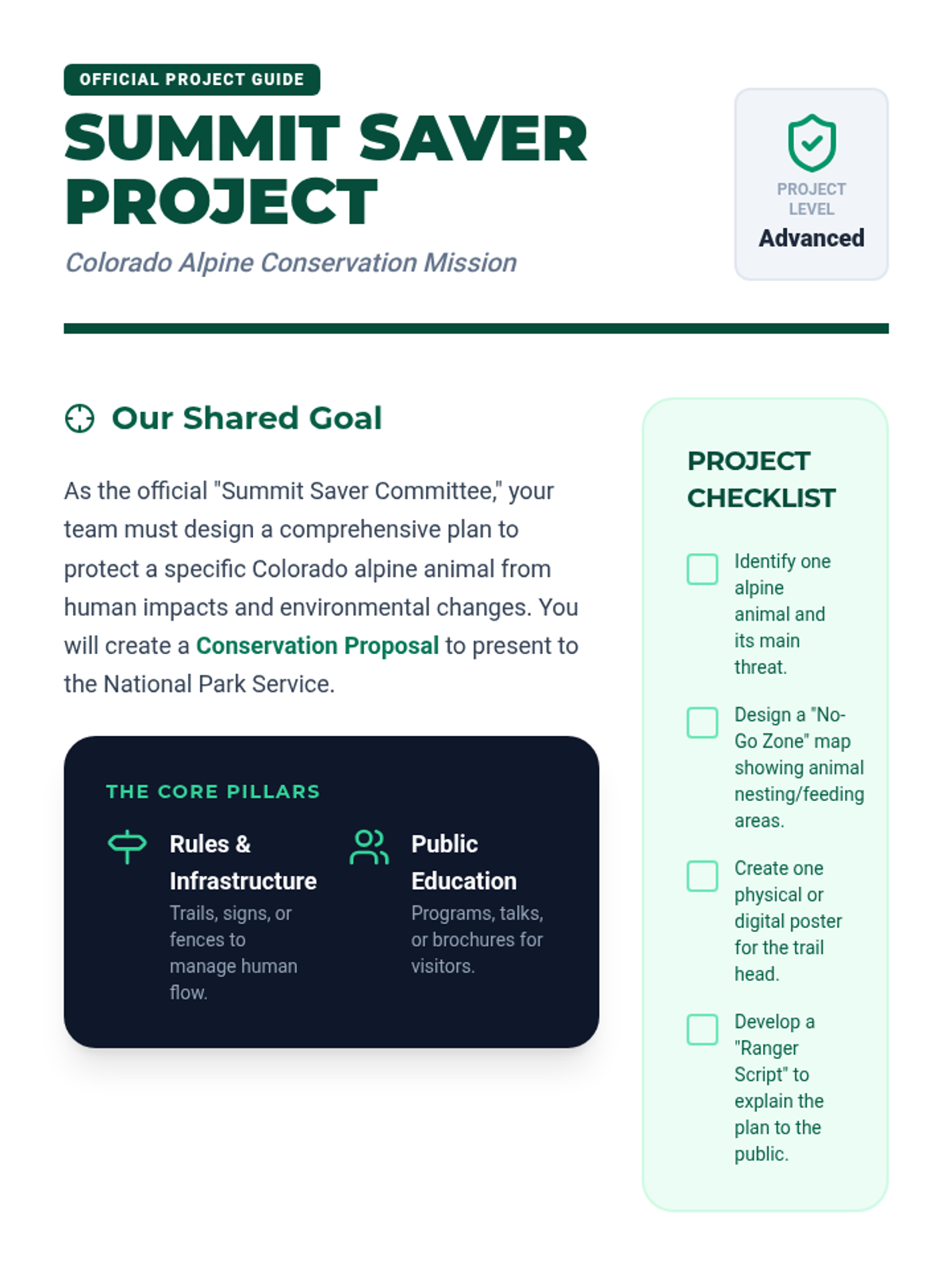
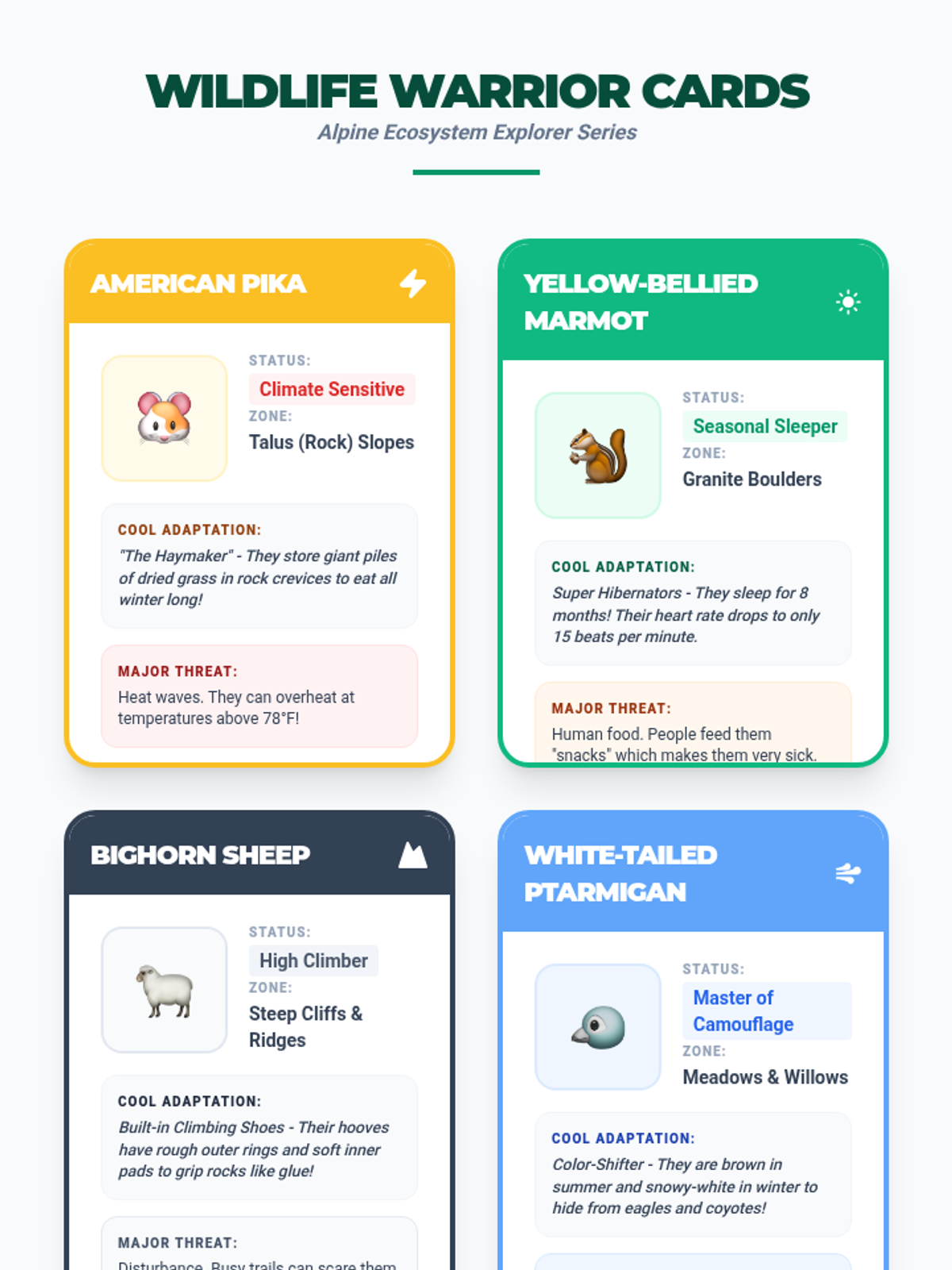
In this lesson, students become 'Mountain Peak Protectors' by exploring the fragile alpine ecosystems of Colorado. They identify local wildlife, map their habitats, and collaborate to design innovative conservation strategies to protect these high-altitude environments.
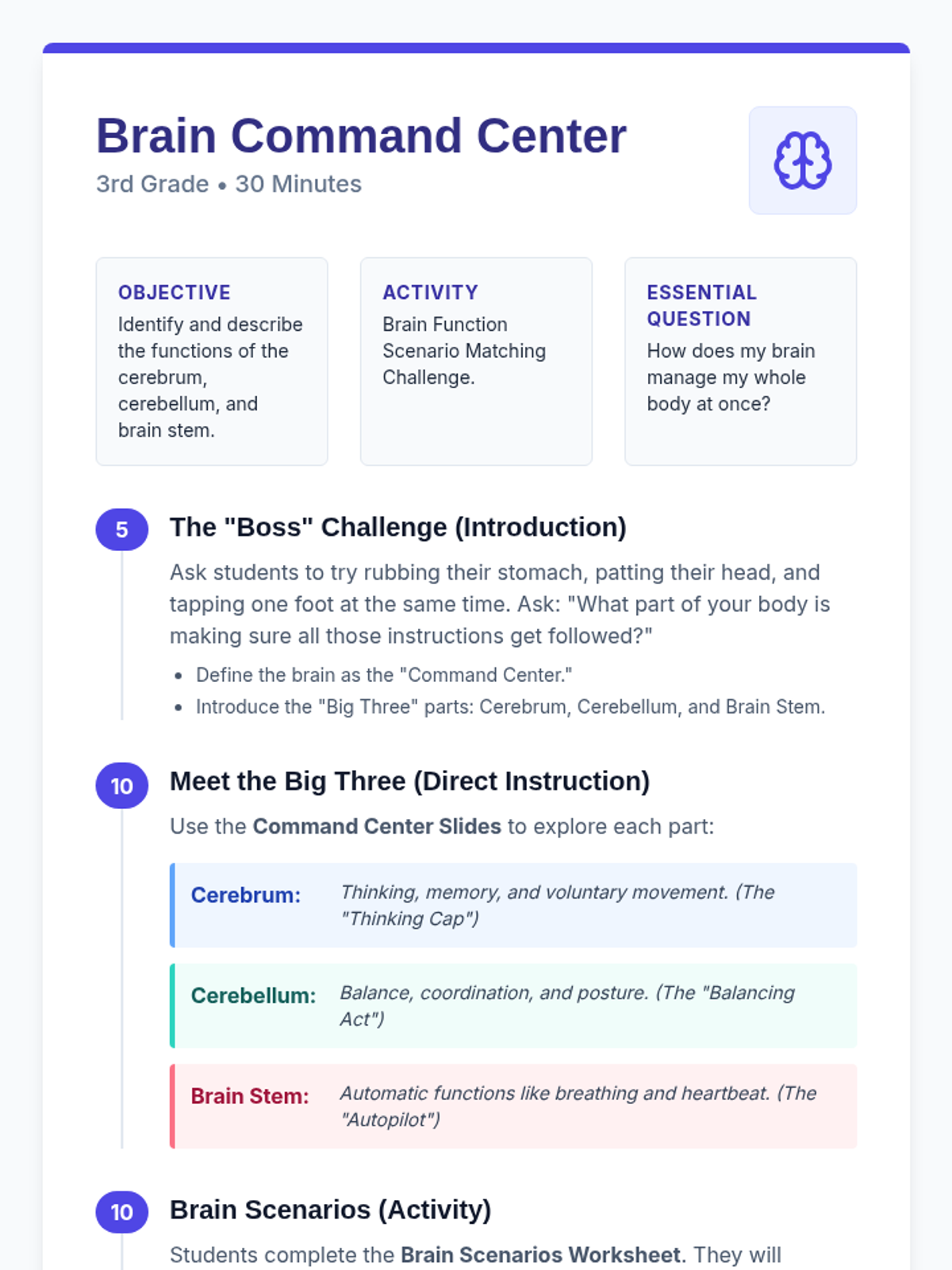
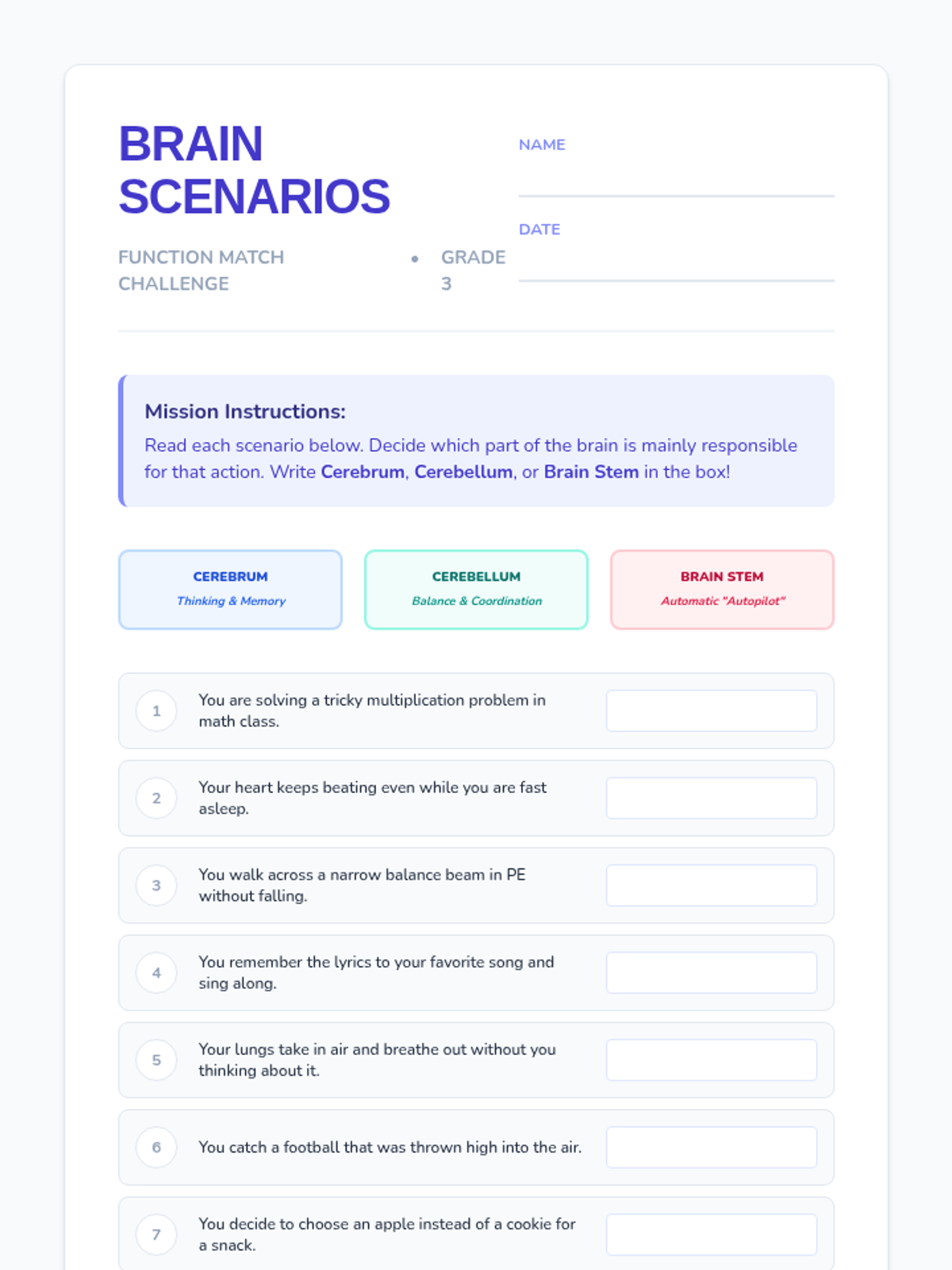
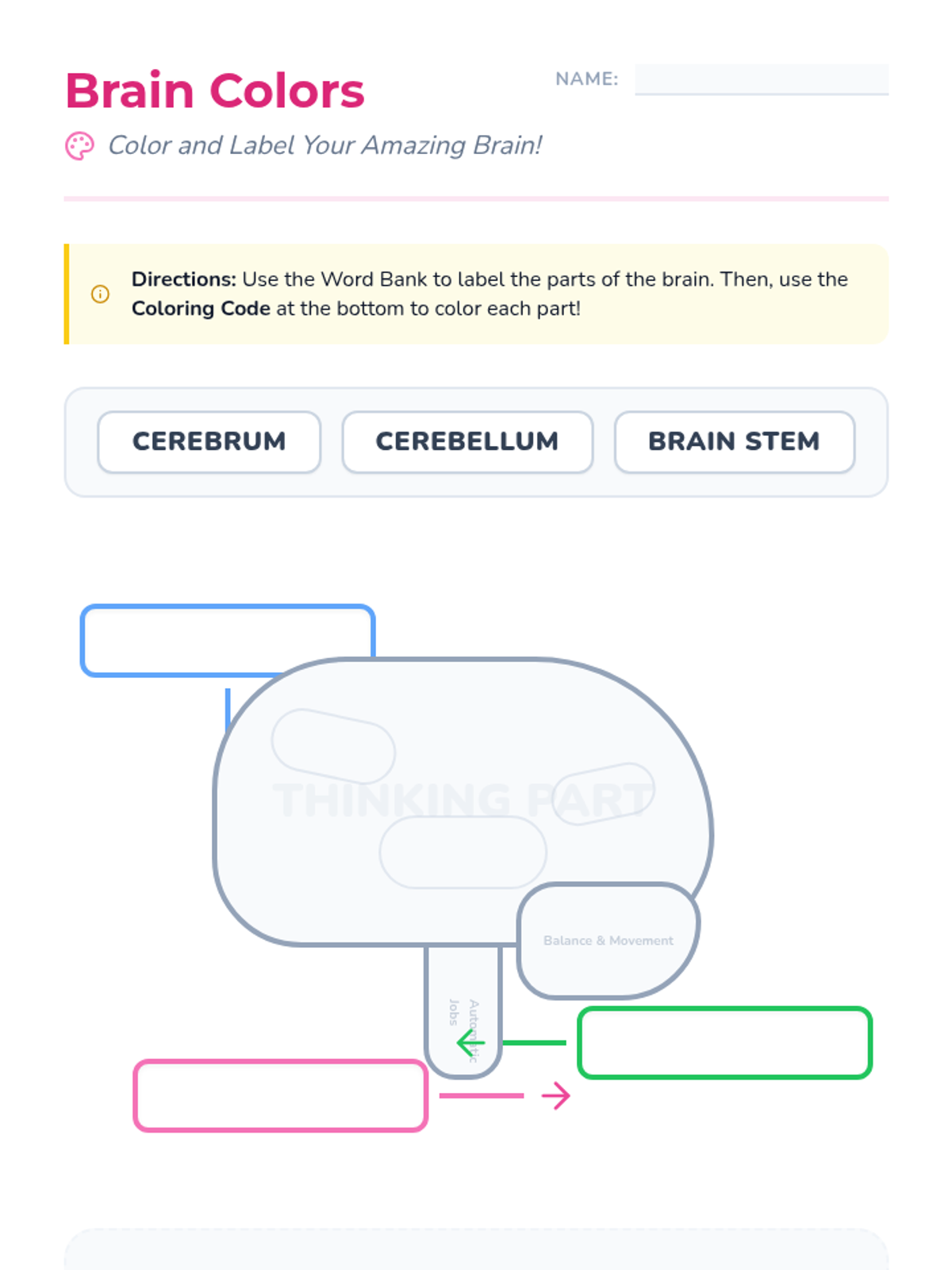
A 30-minute introductory lesson for 3rd graders on the three primary parts of the human brain: the cerebrum, cerebellum, and brain stem, including a hands-on labeling activity.
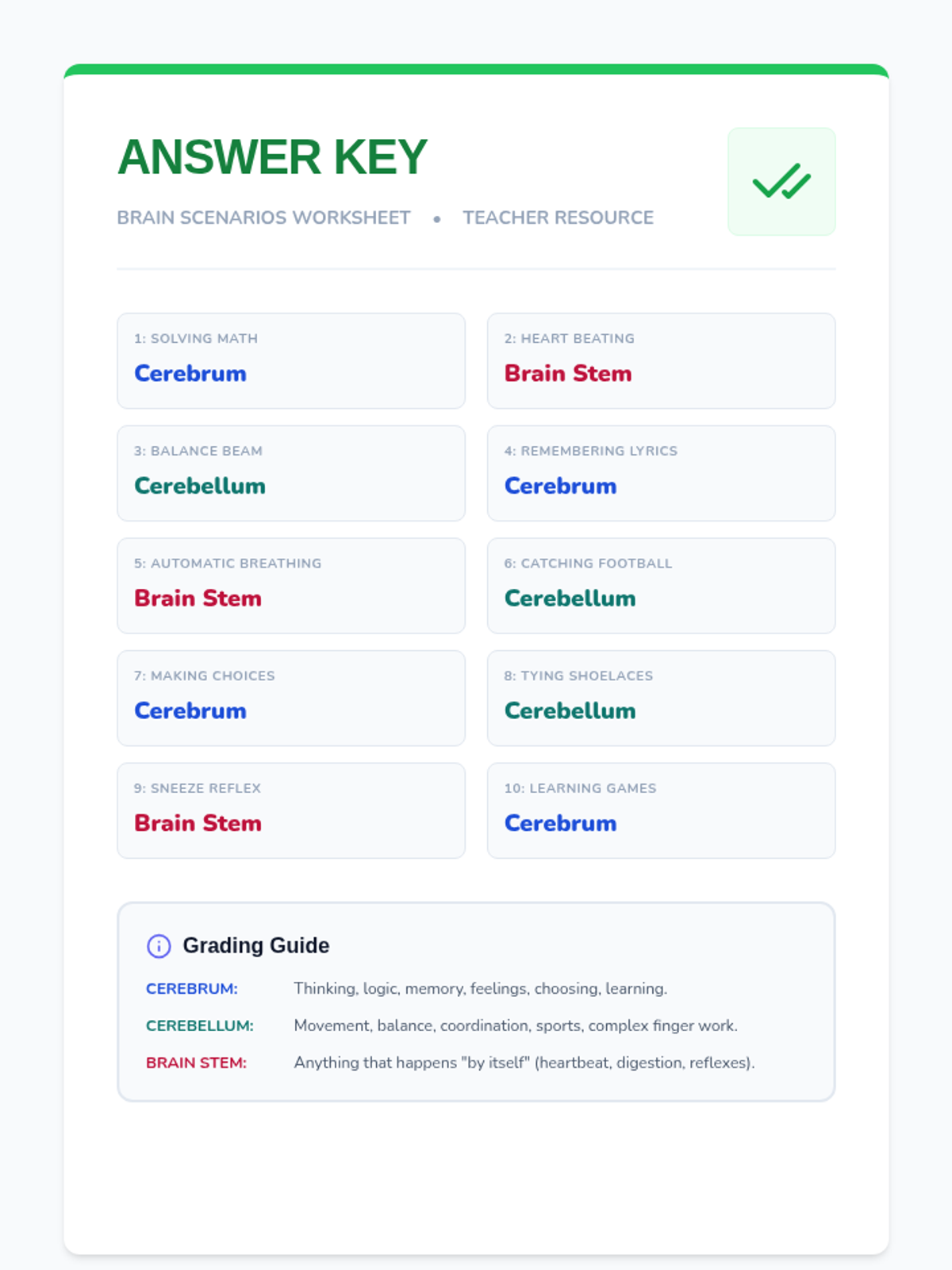
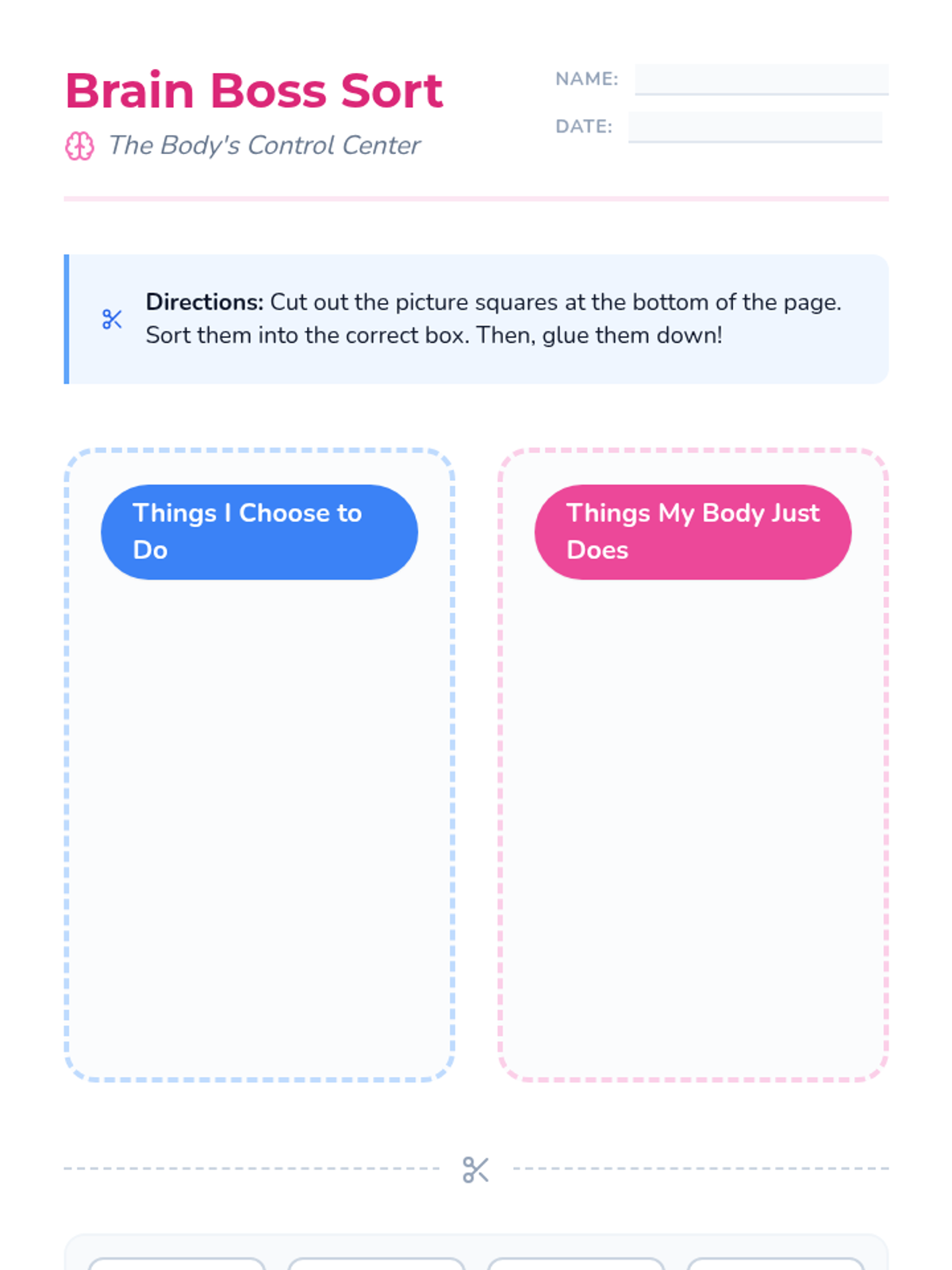
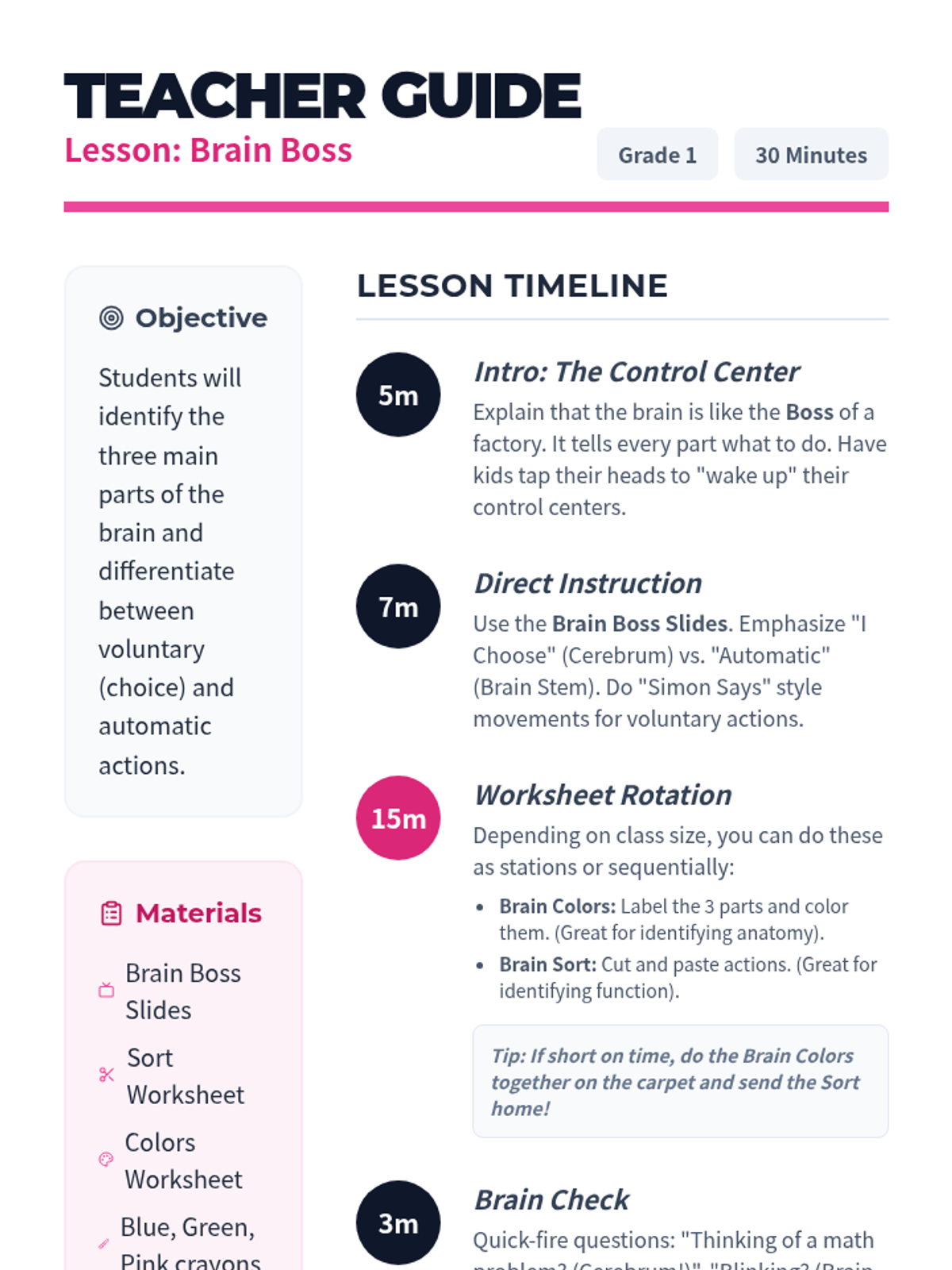
A 30-minute introductory lesson for 1st graders exploring how the brain acts as the body's "control center," managing both voluntary actions and automatic functions.
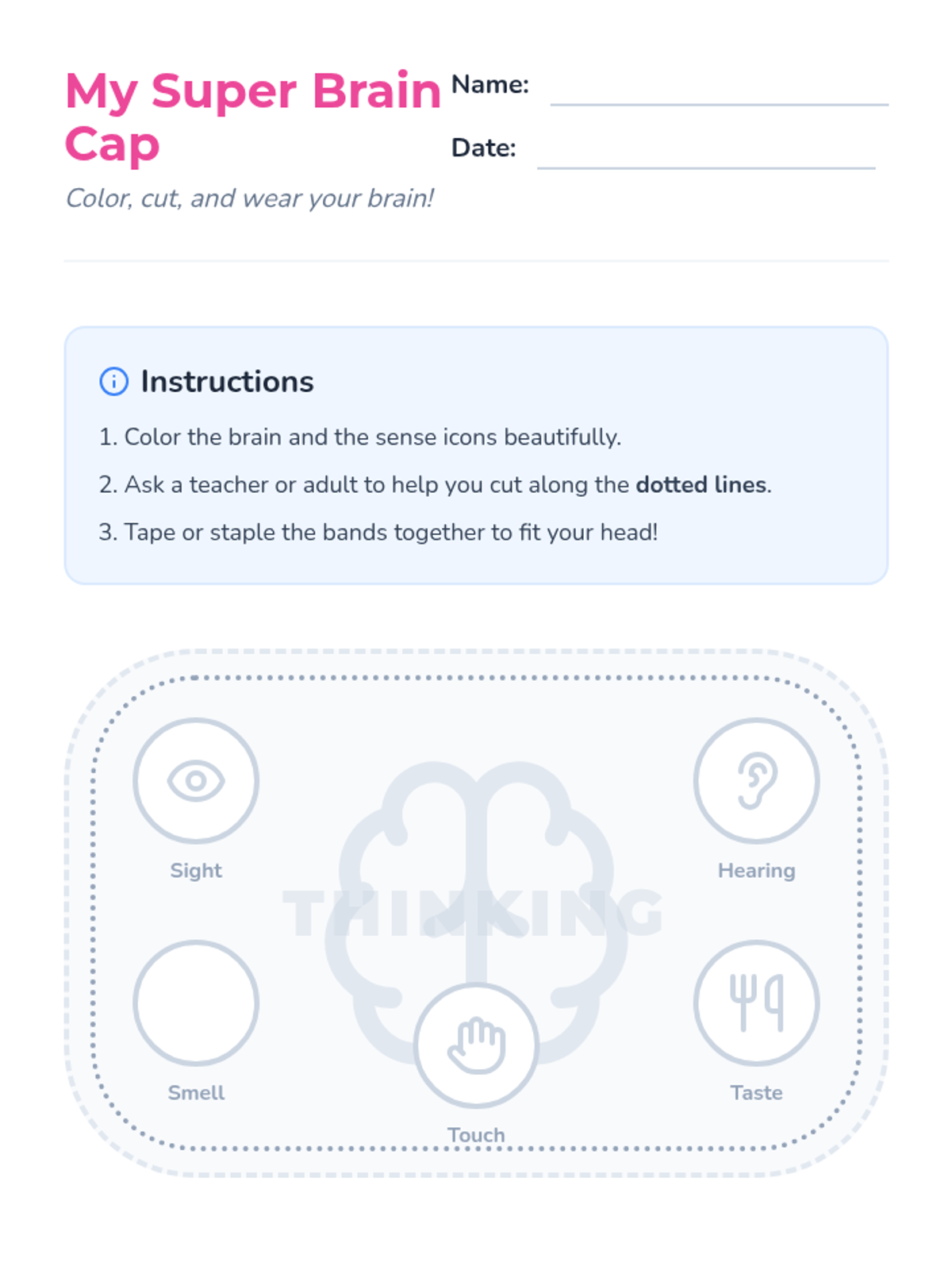
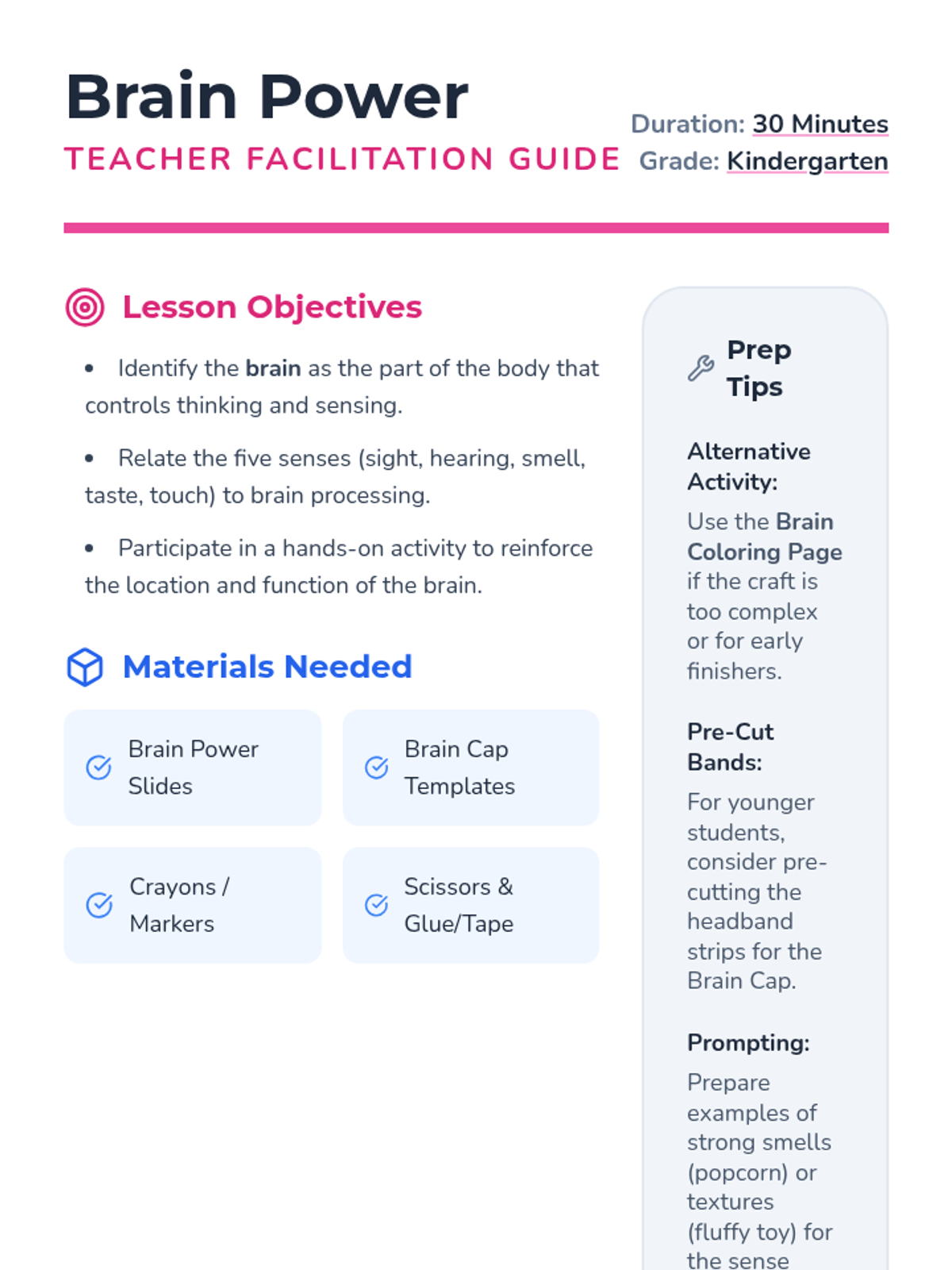
A 30-minute introductory lesson for kindergarteners about the brain, focusing on its role in thinking and processing the five senses. includes a presentation, teacher guide, and a wearable brain hat craft.
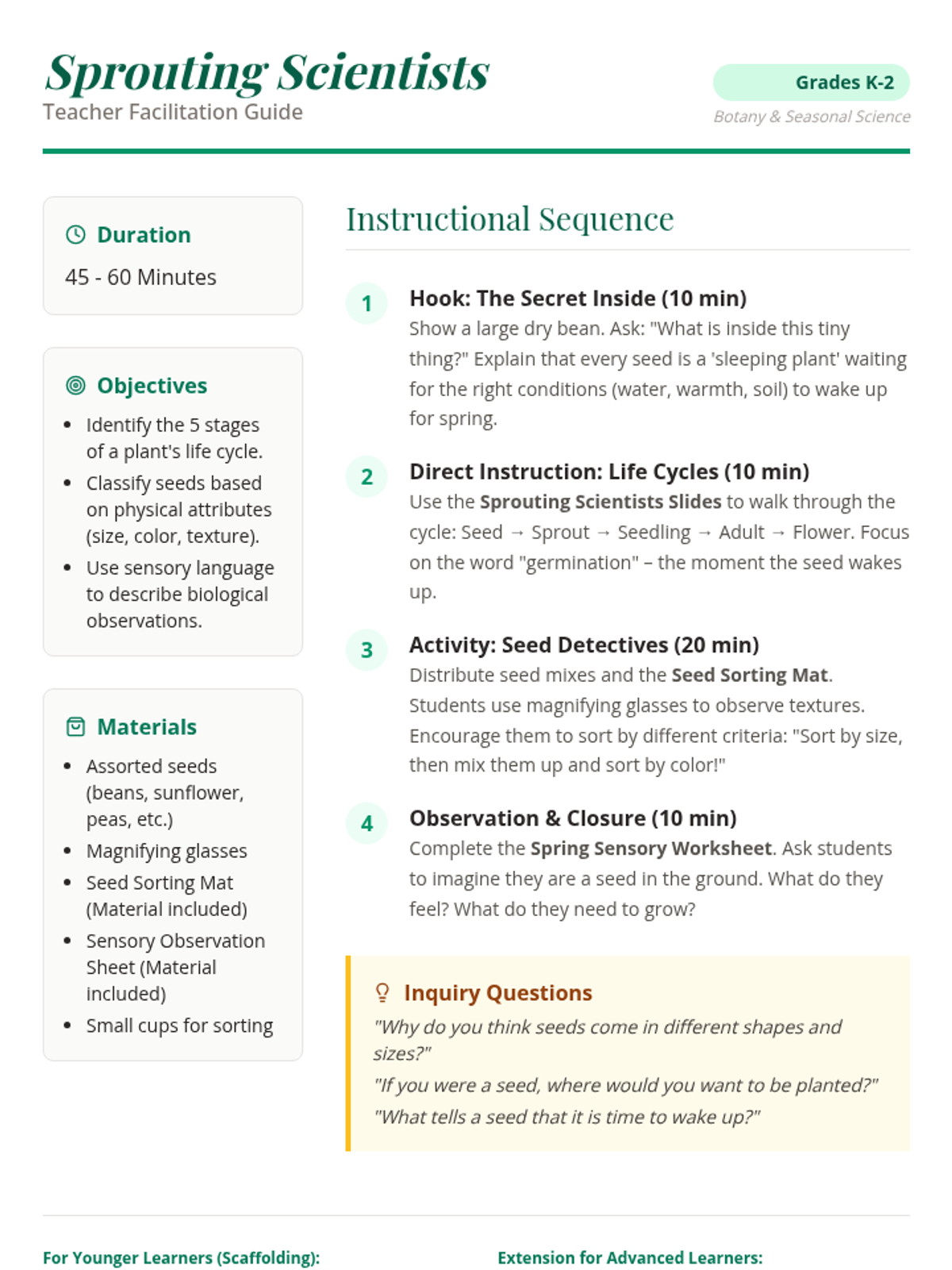
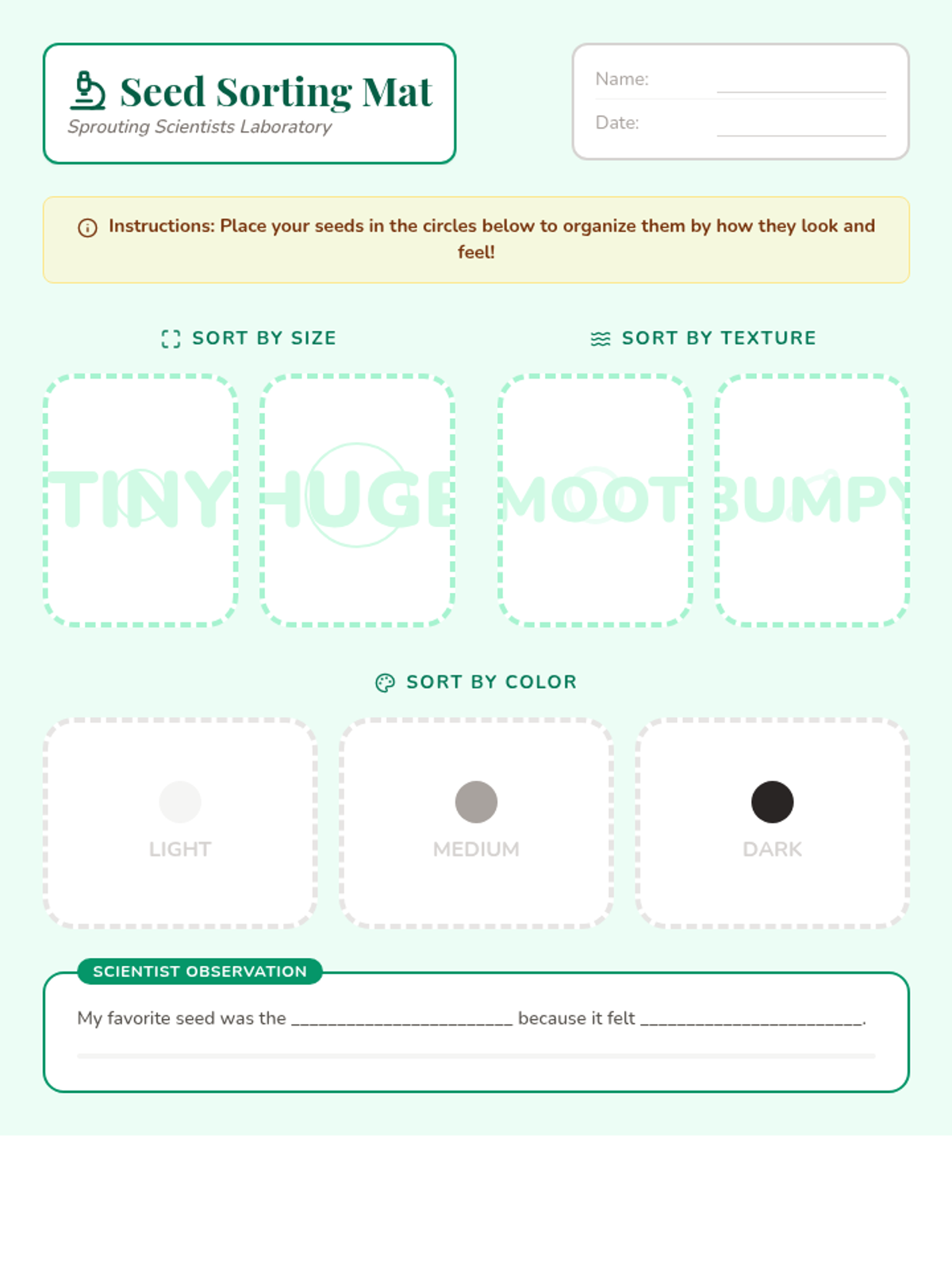
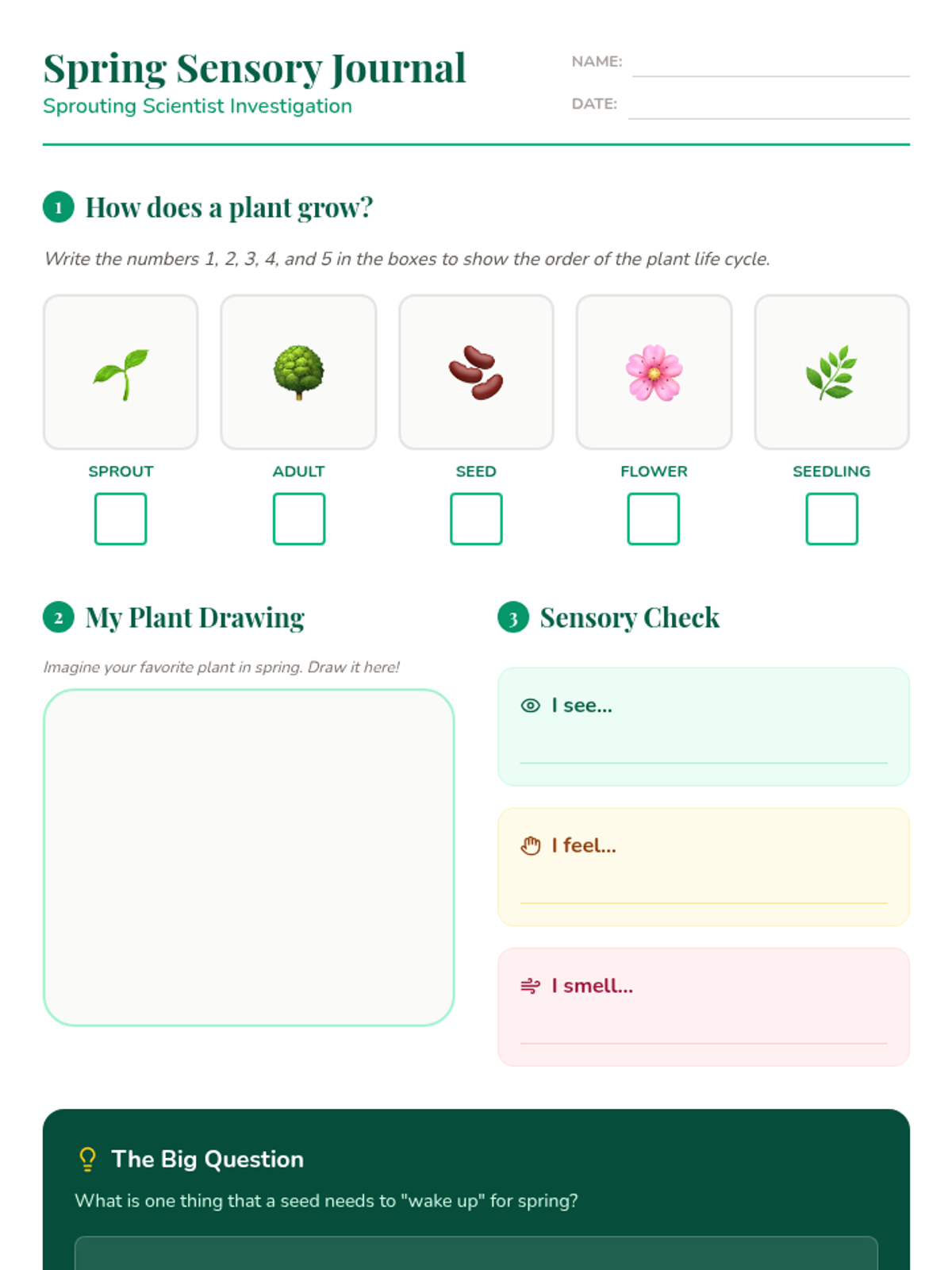
Students explore the plant life cycle through hands-on seed sorting and sensory observations, connecting biological processes to the arrival of spring.
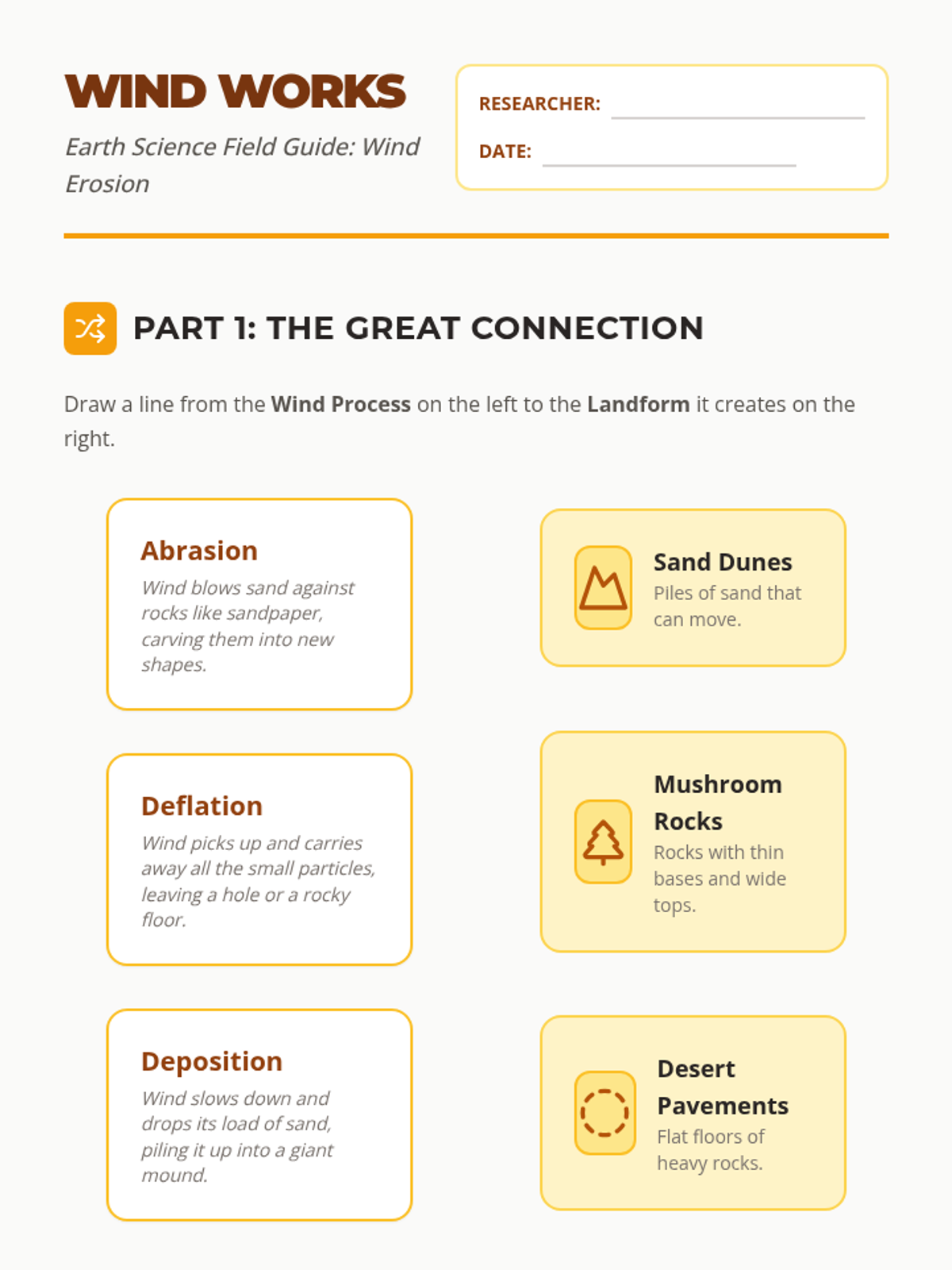
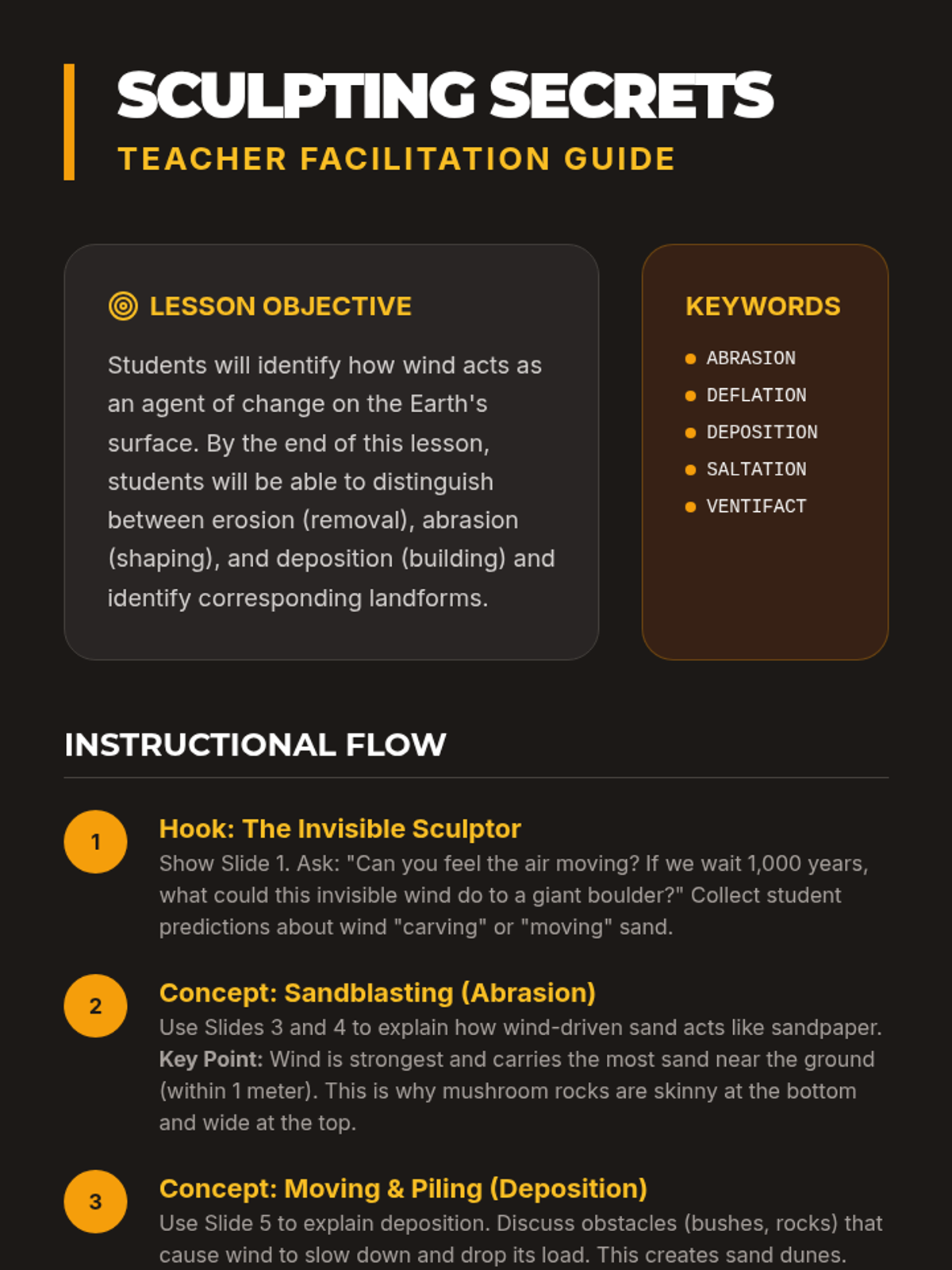
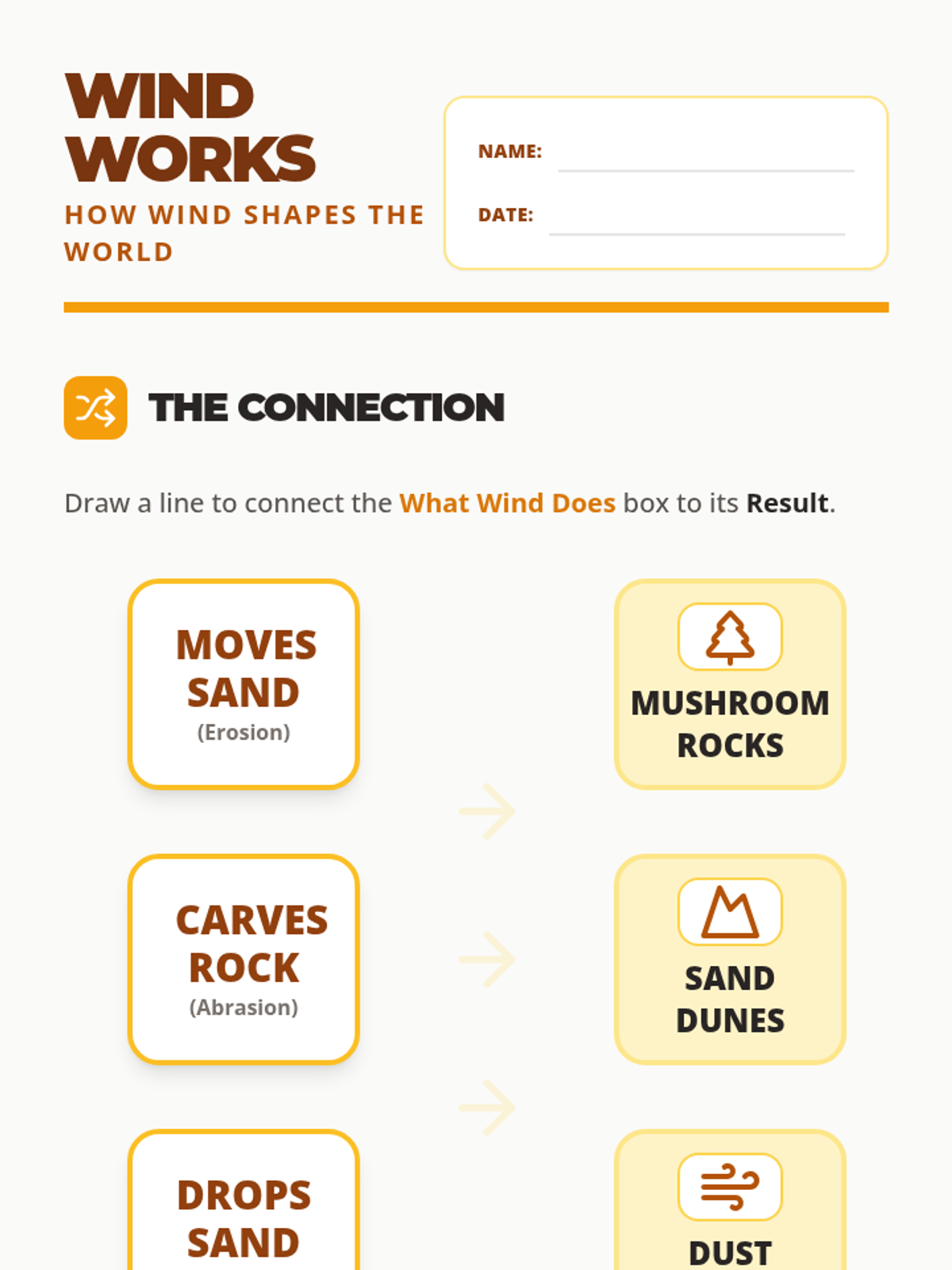
A lesson exploring how wind acts as a powerful sculptor, shaping the Earth's surface through erosion and deposition over long periods of time. Students will identify key landforms created by wind and understand the processes that form them.
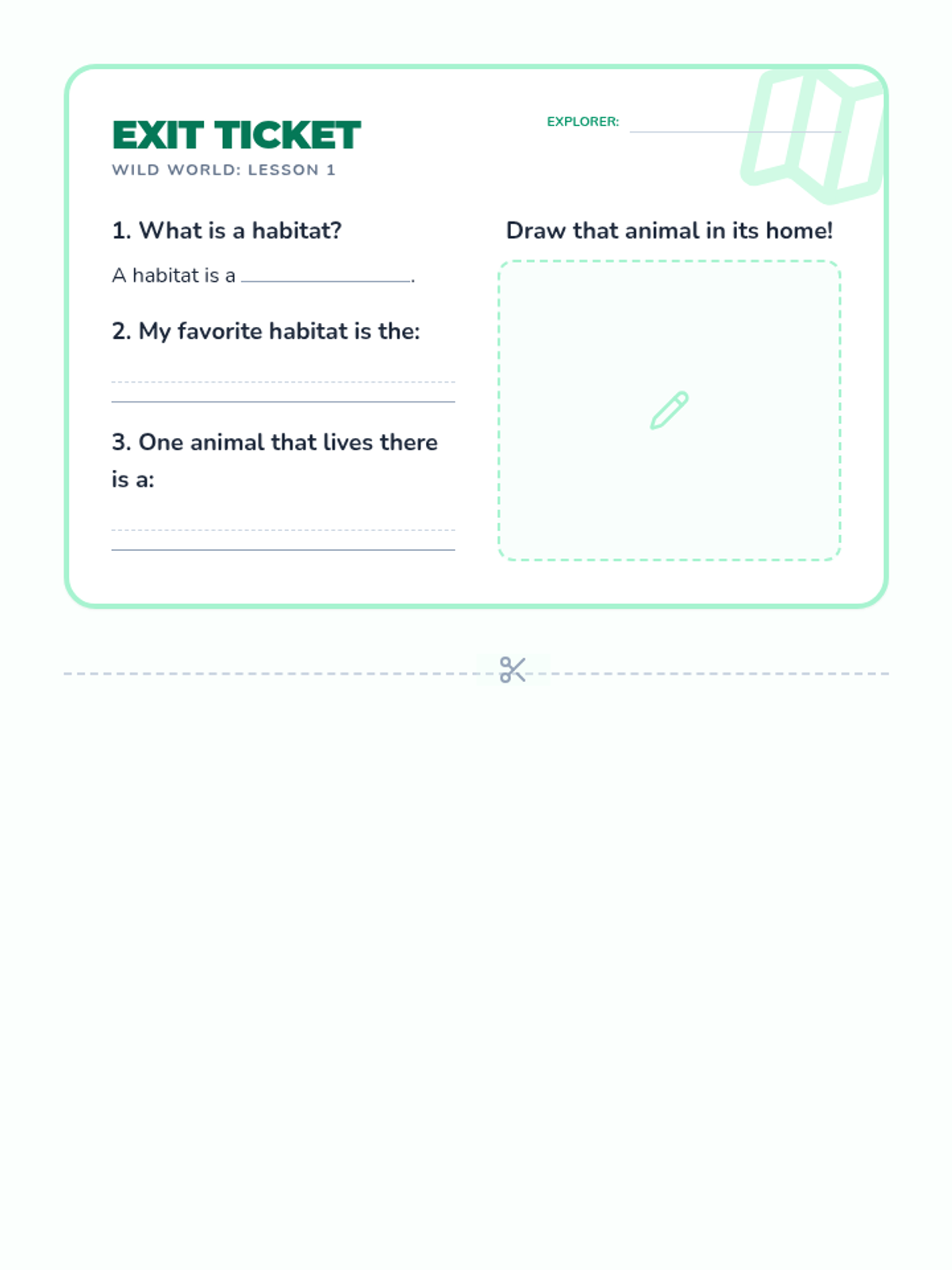
An introductory lesson to kick off a unit on animals and their habitats, focusing on activating prior knowledge and sparking curiosity.
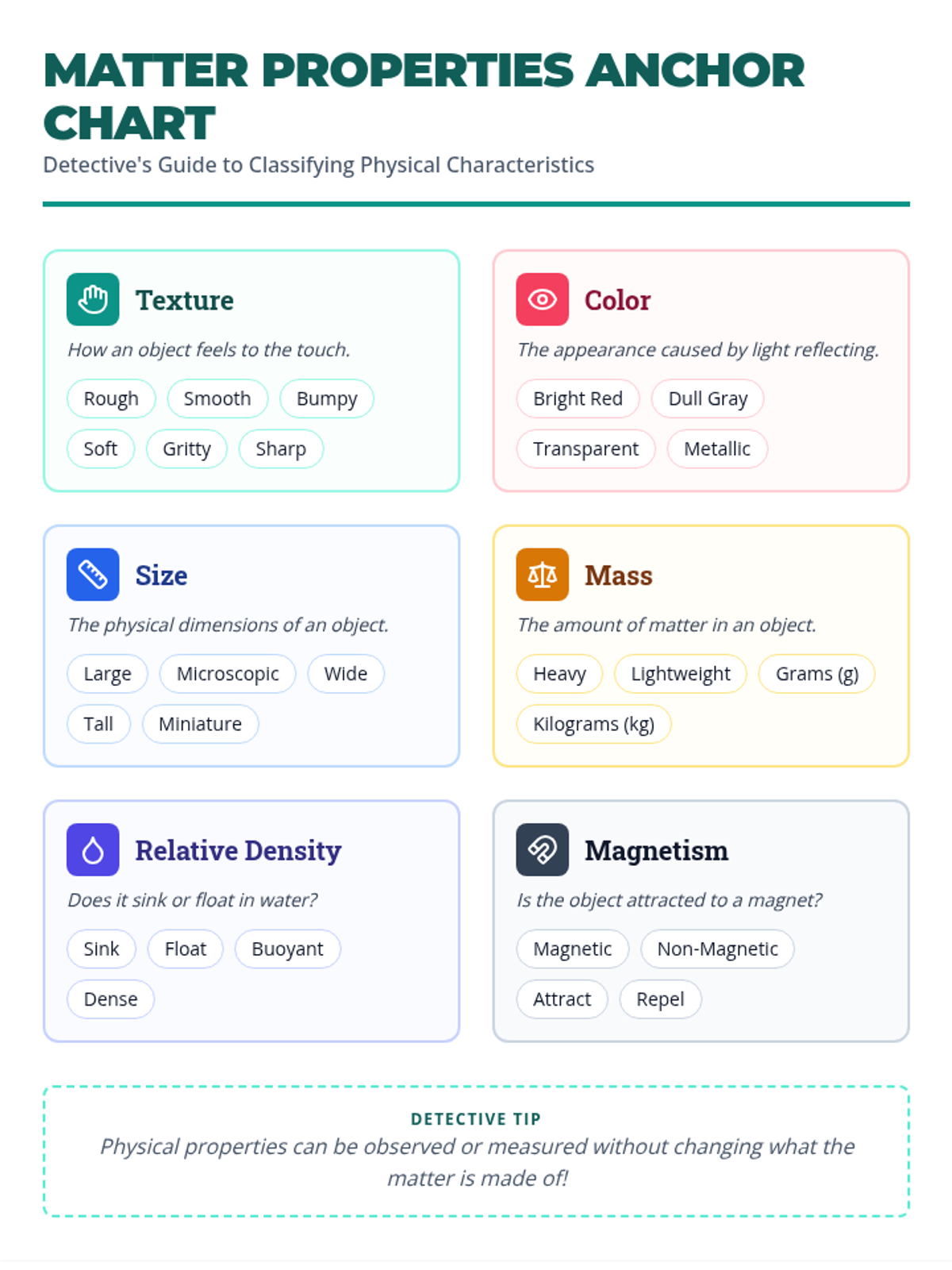
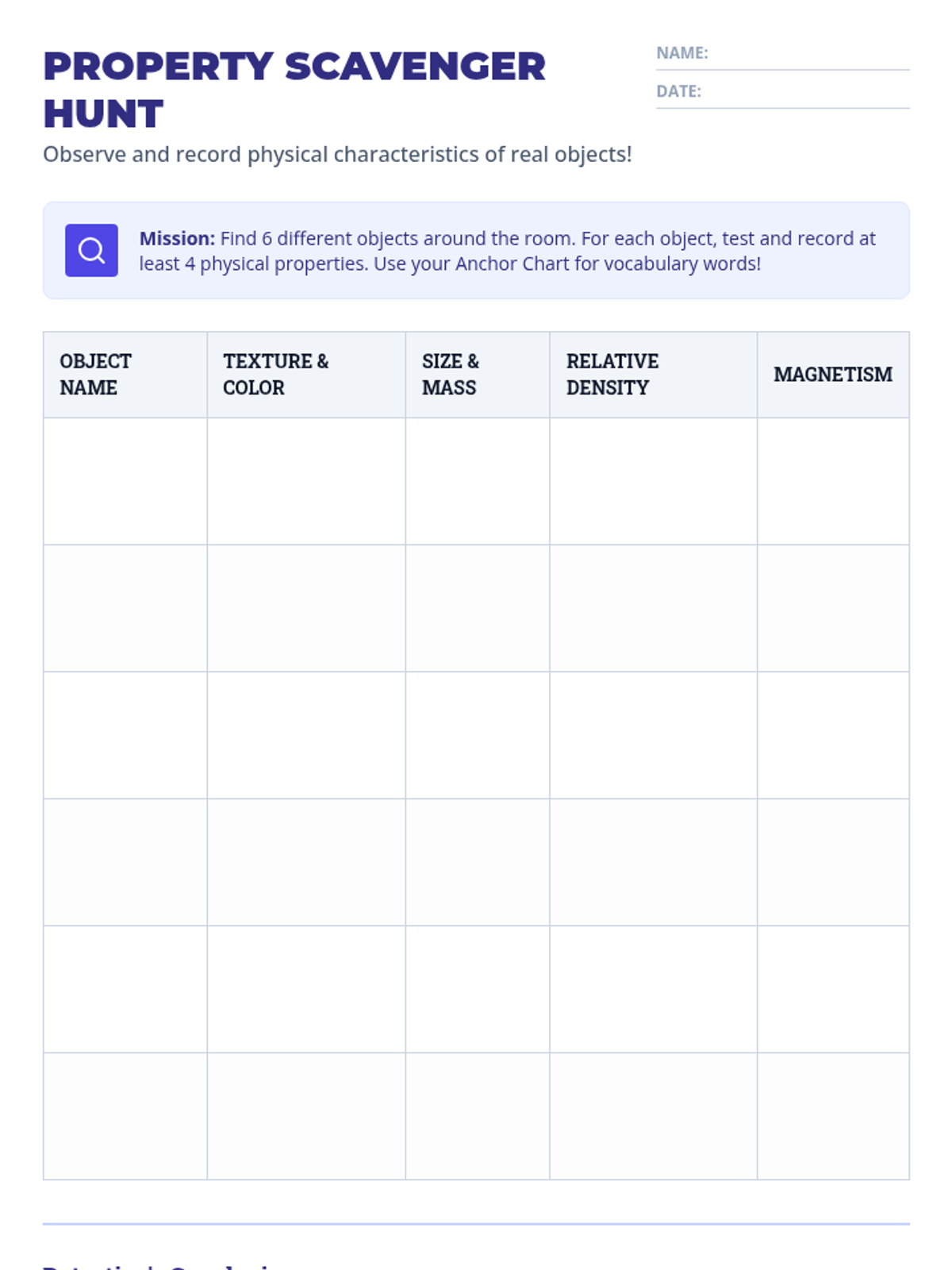
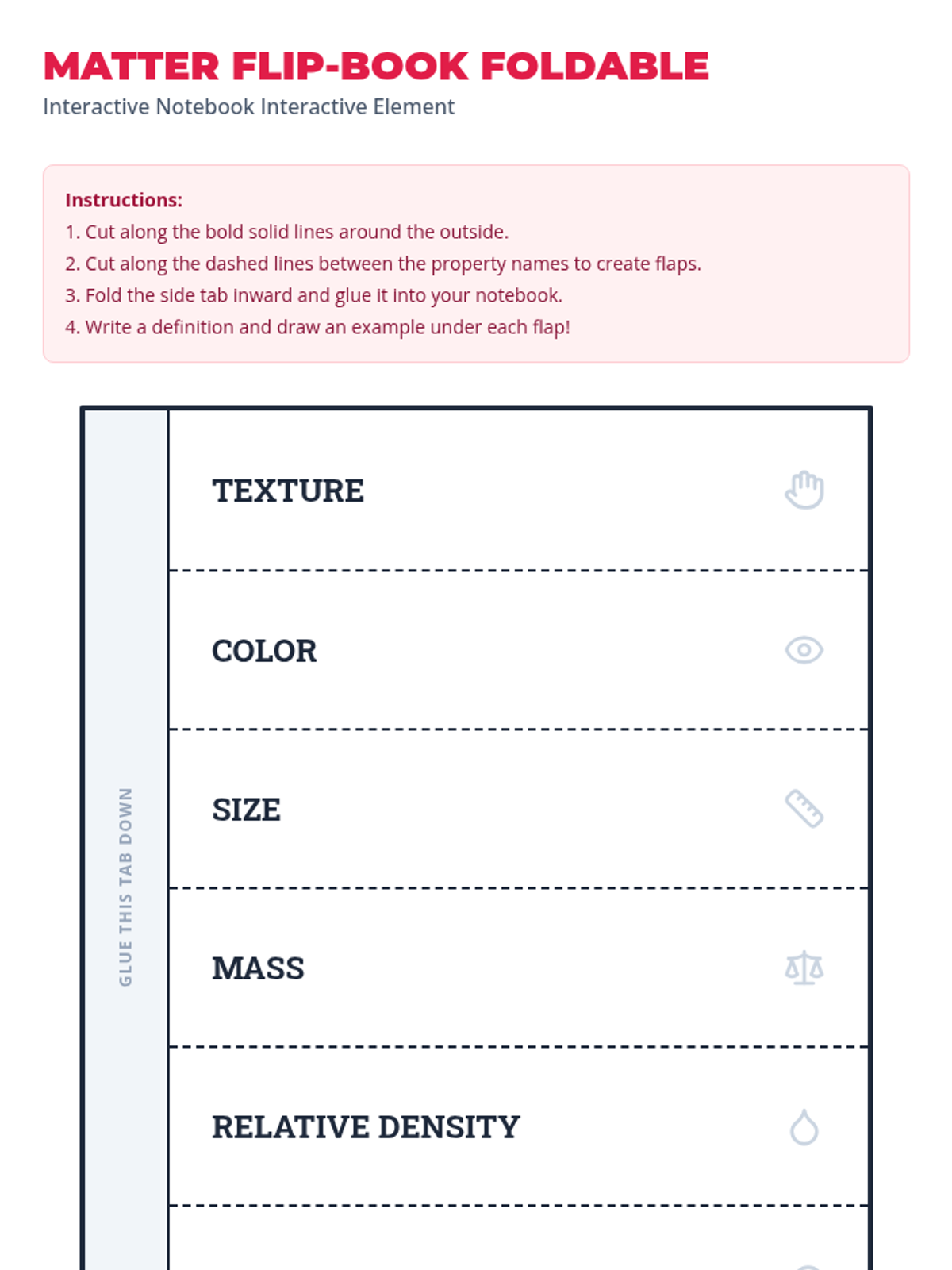
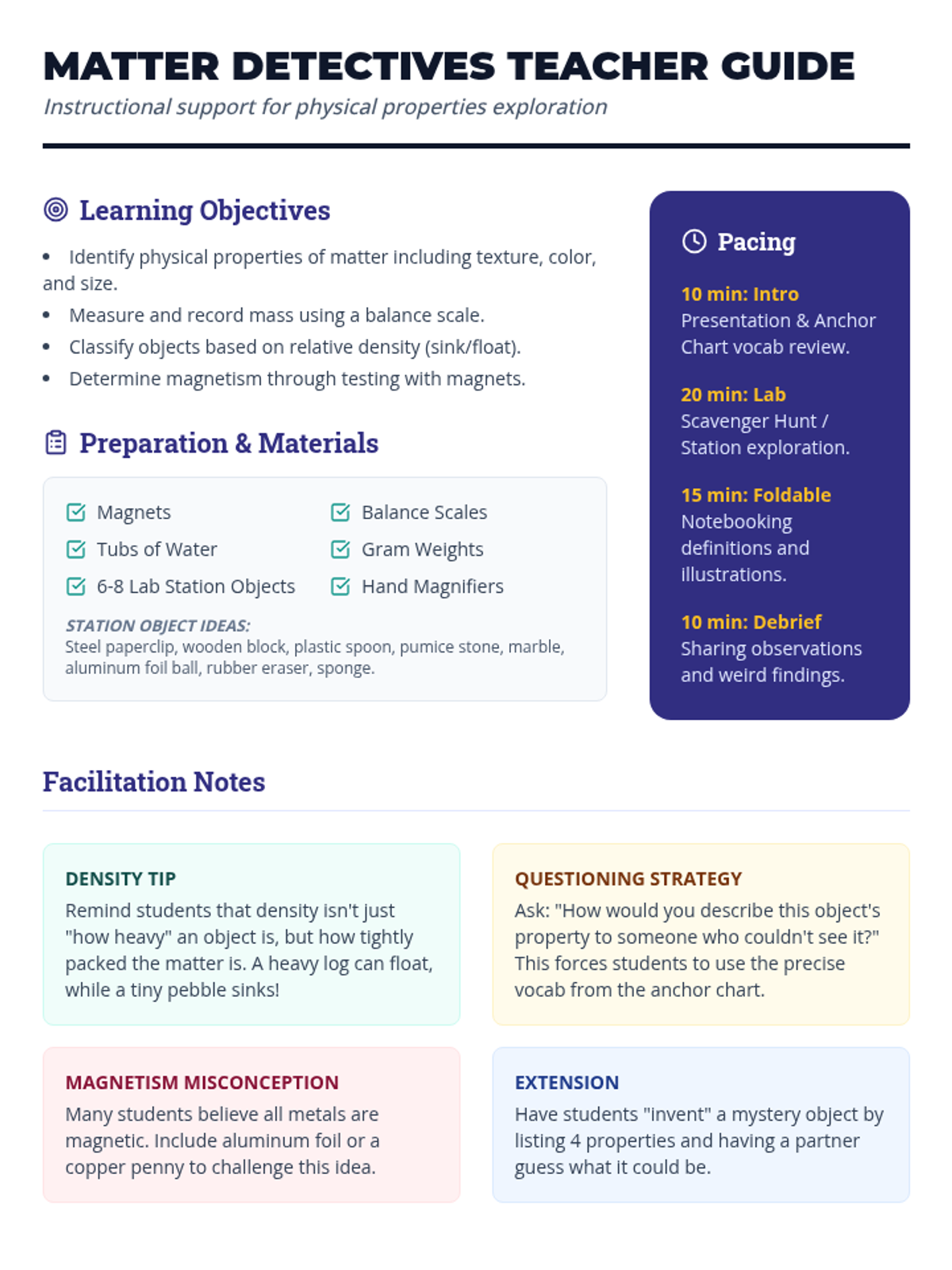
An engaging, hands-on lesson where students explore the physical properties of matter through a structured anchor chart, an interactive notebook foldable, and a real-world scavenger hunt.
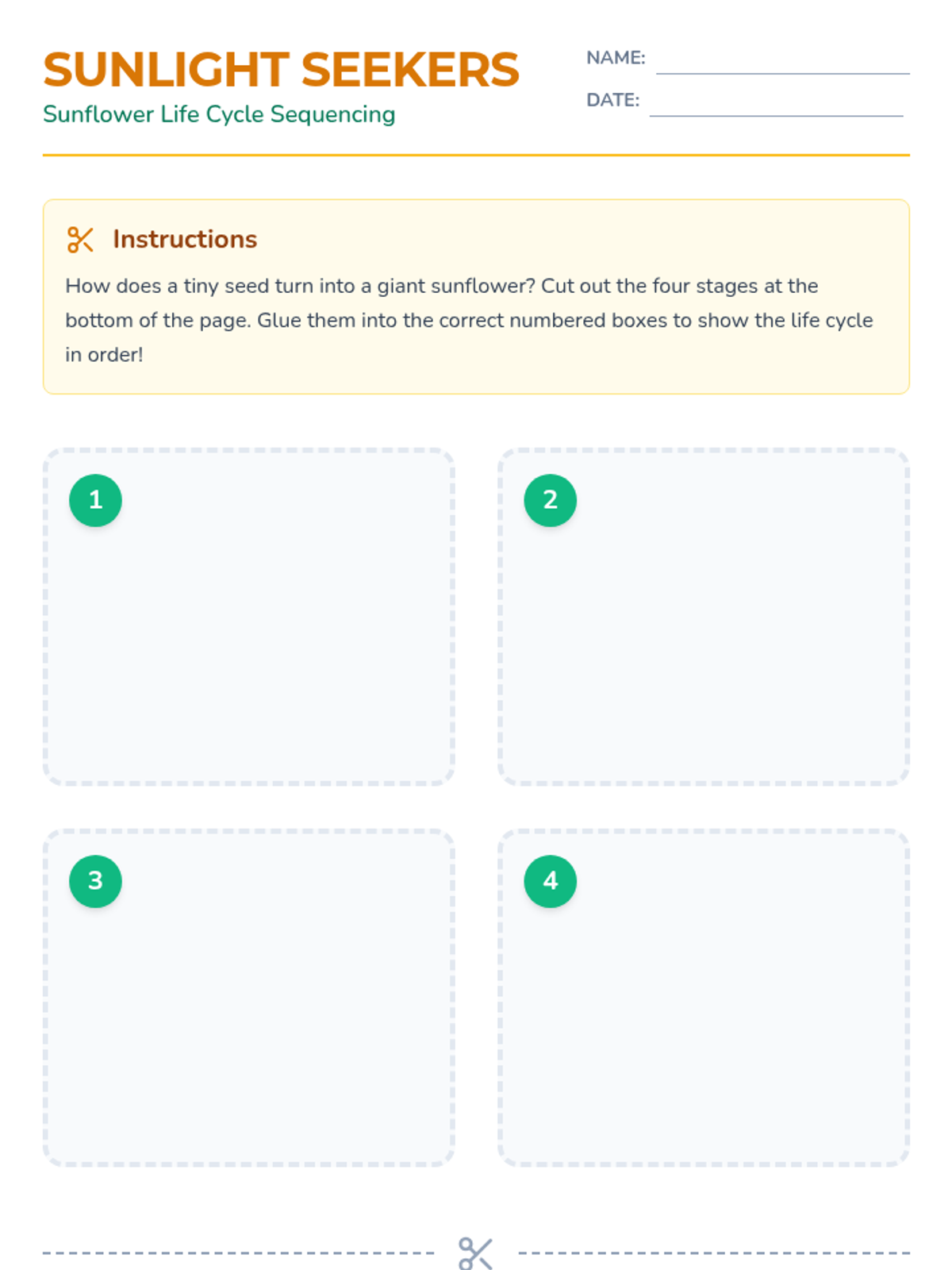
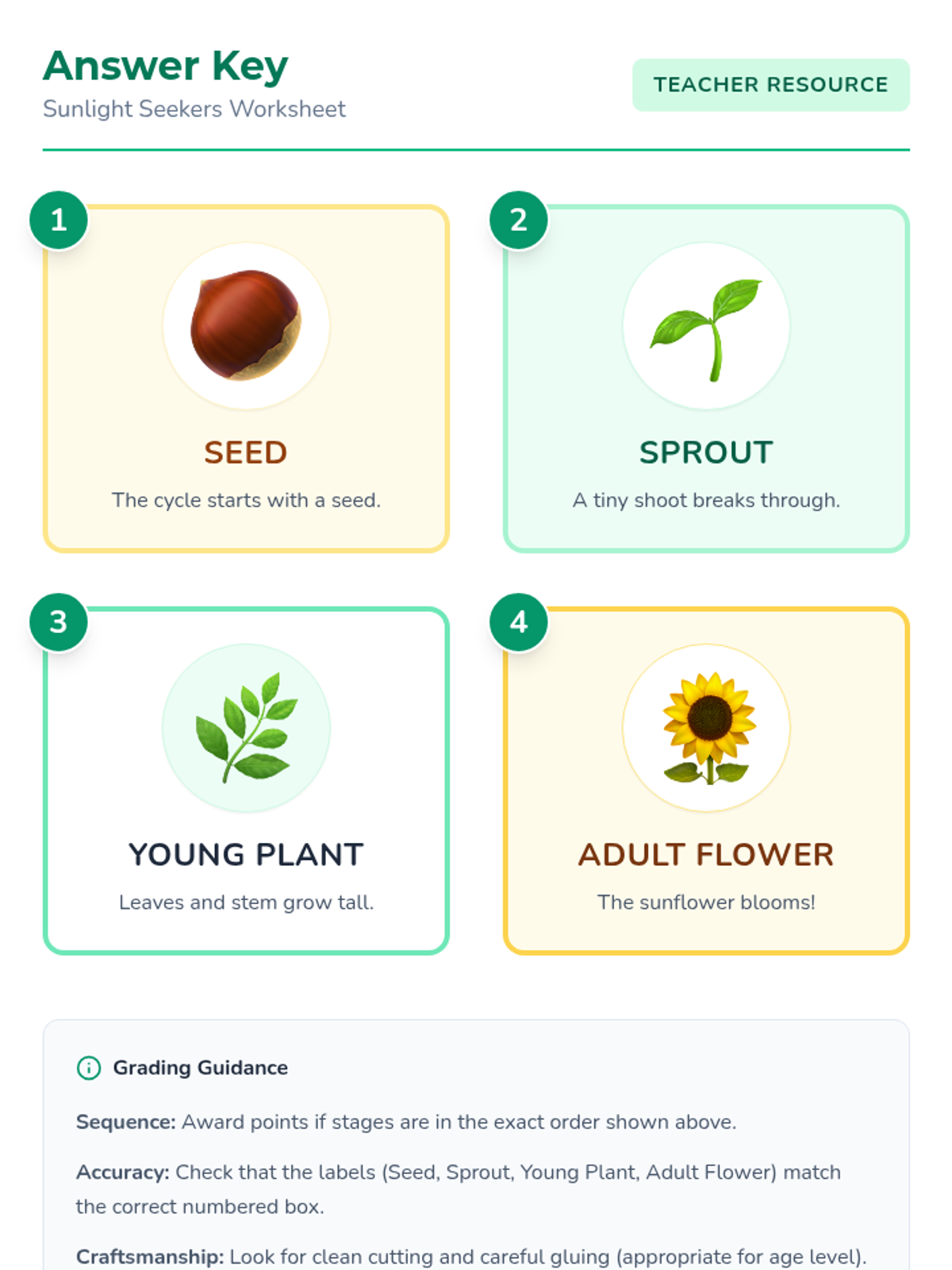
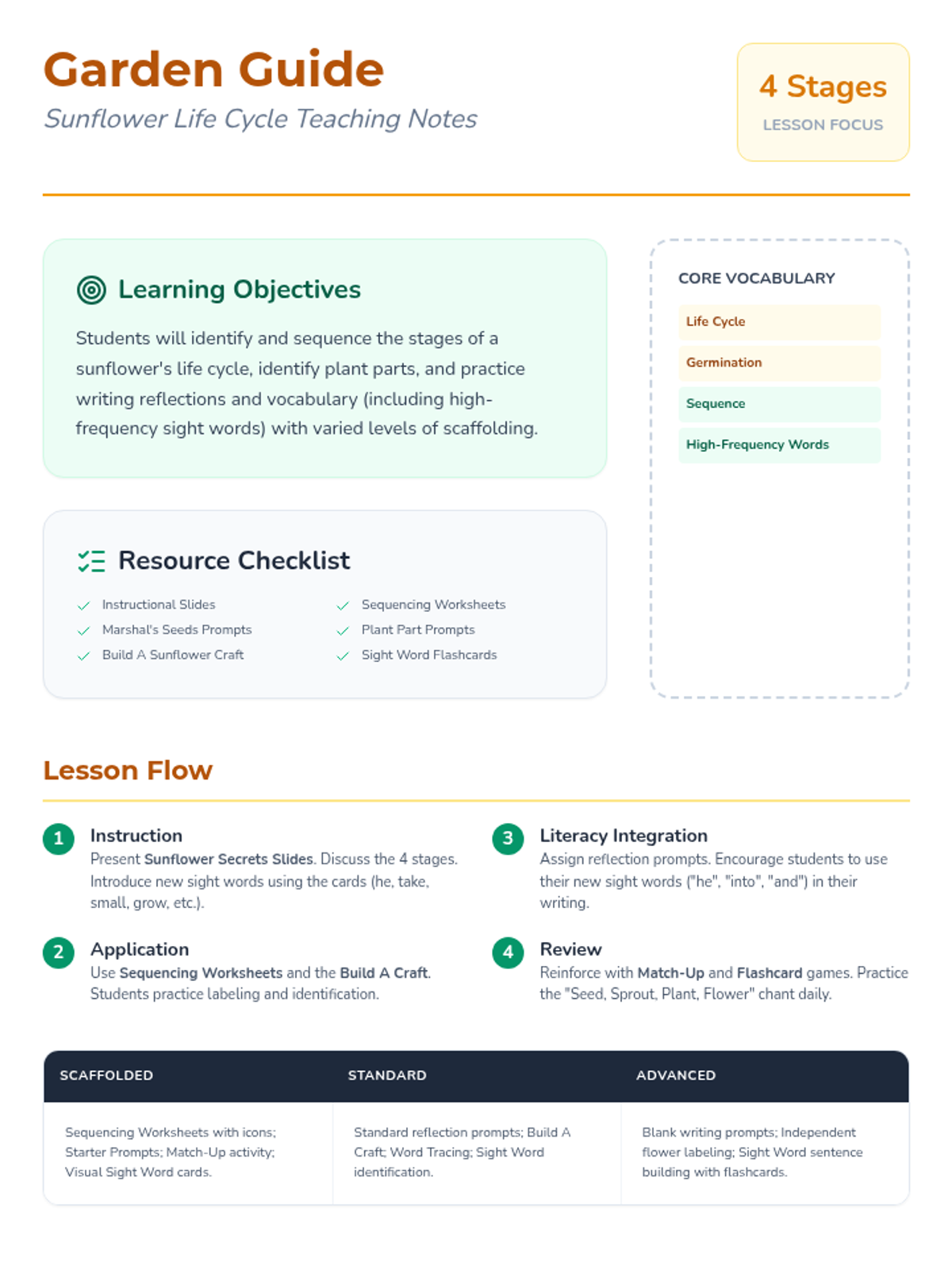
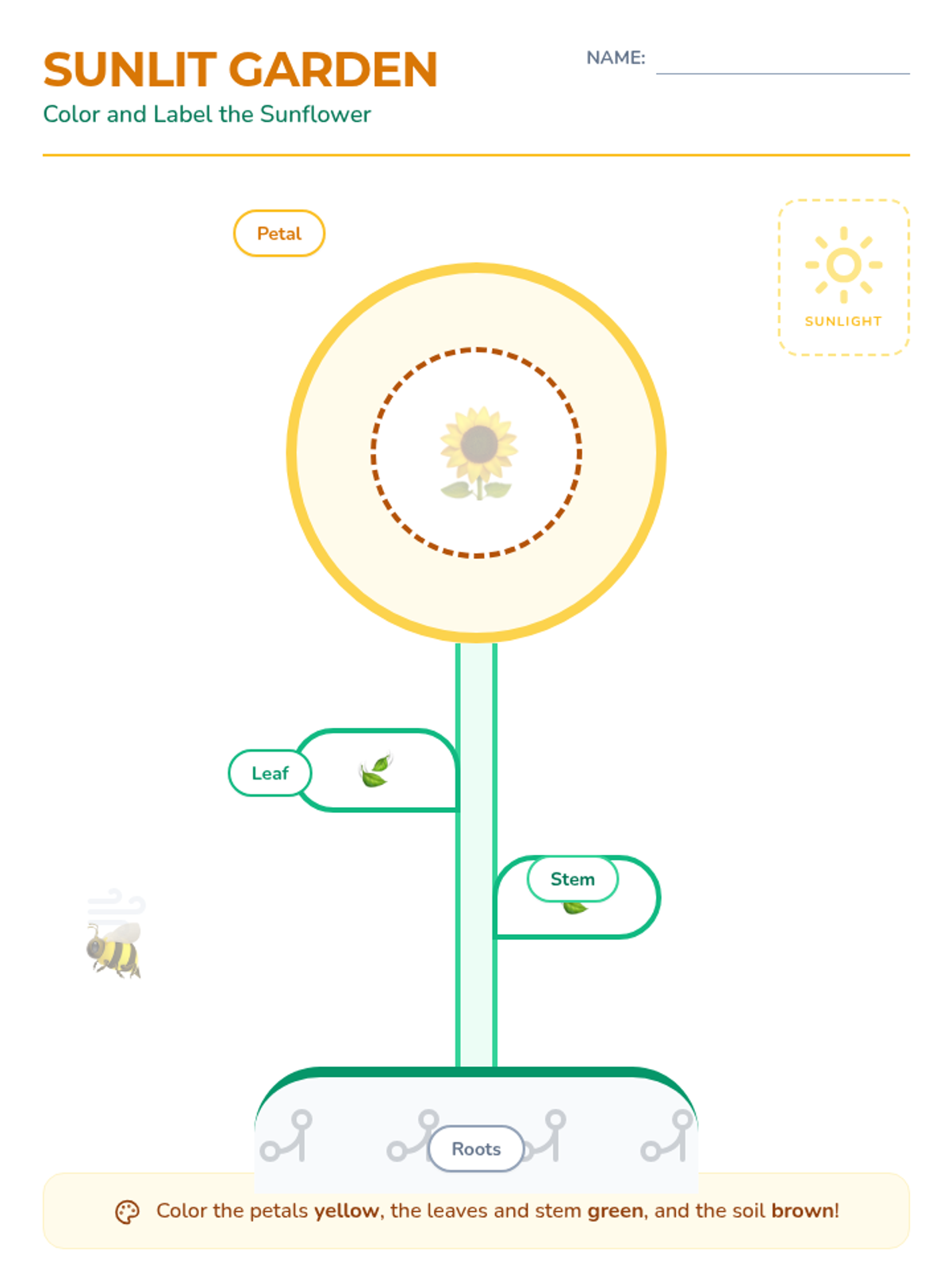
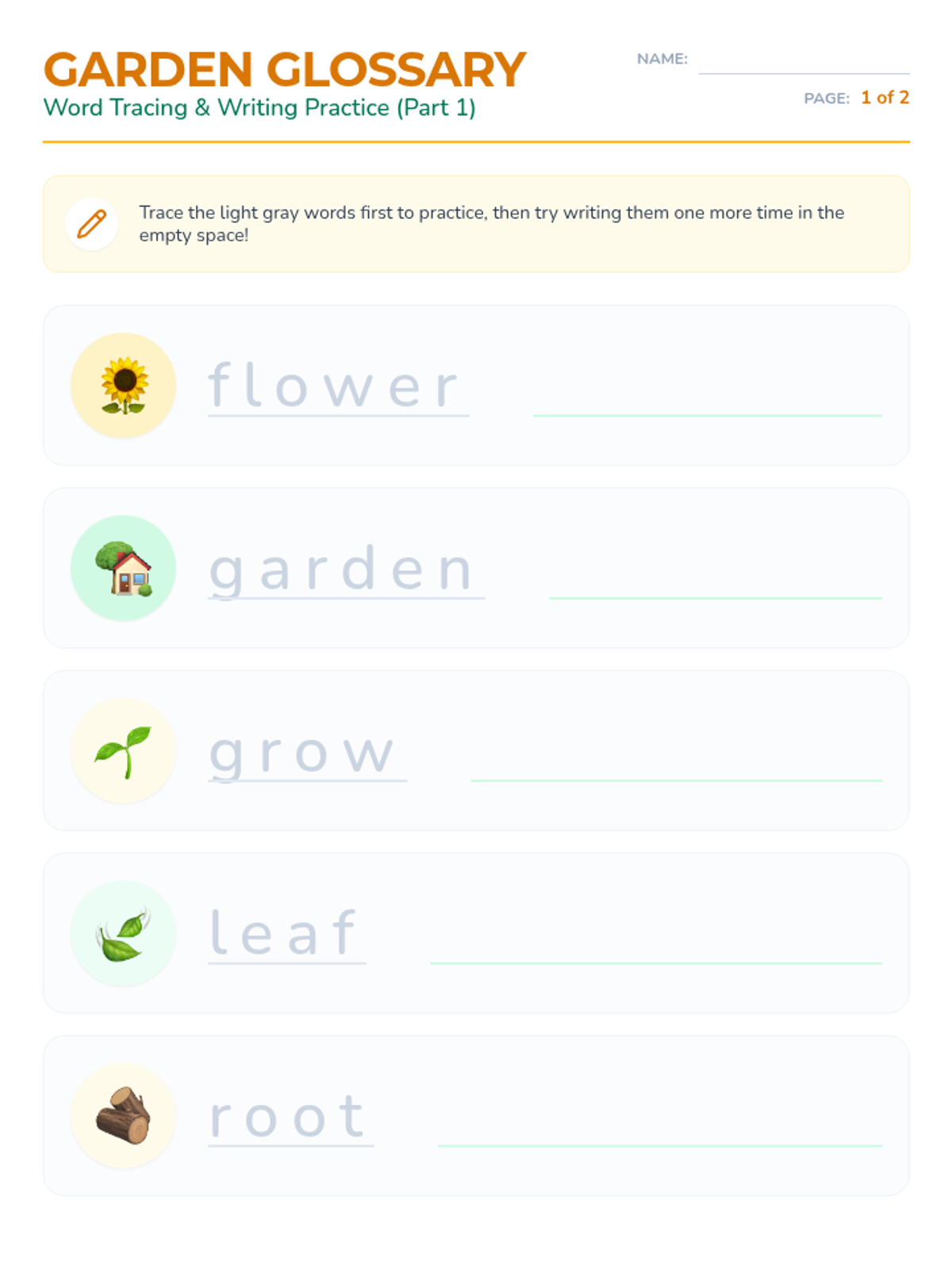
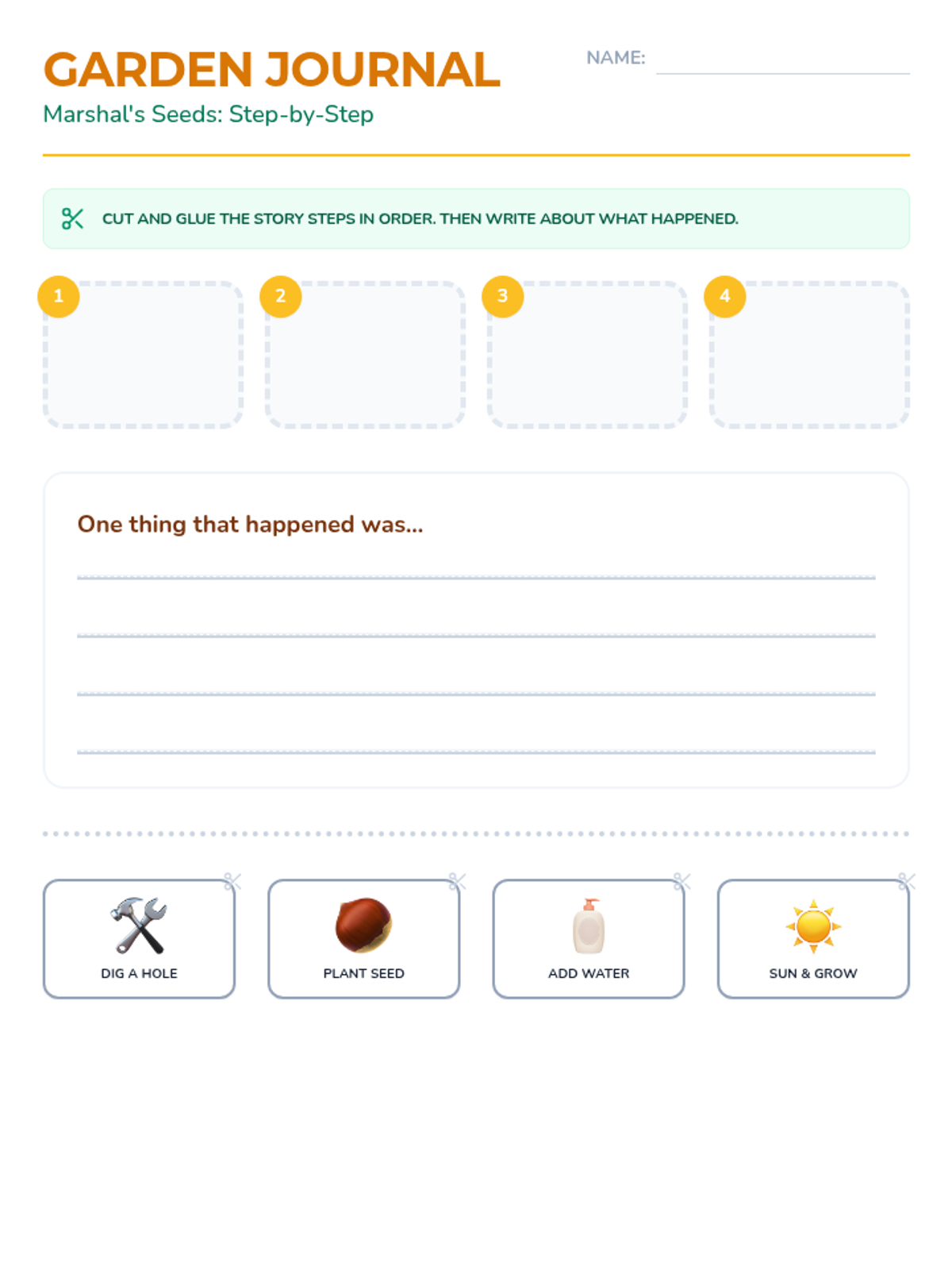
A hands-on lesson exploring the four primary stages of a sunflower's life cycle through visual instruction and a cut-and-paste sequencing activity.
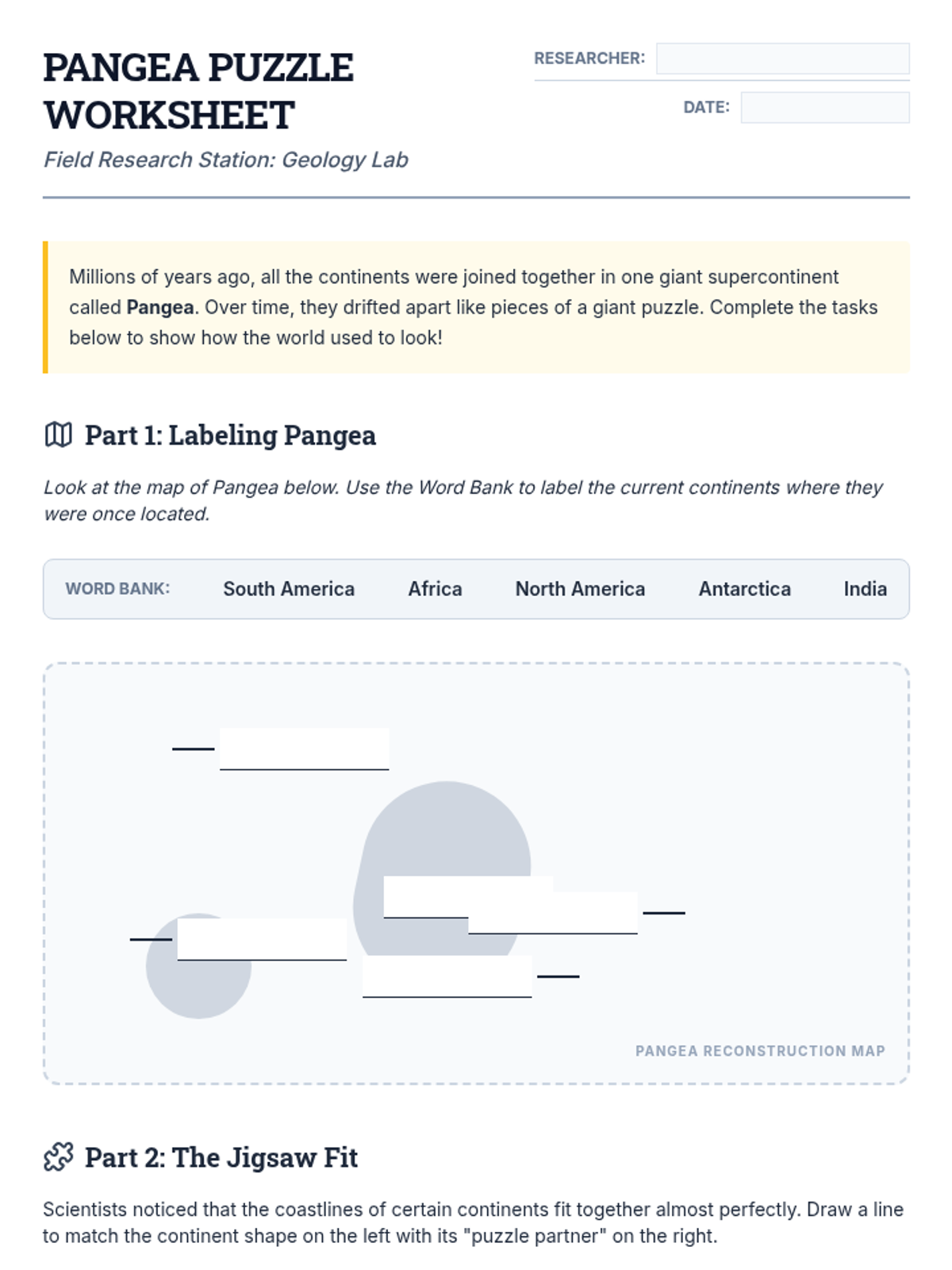
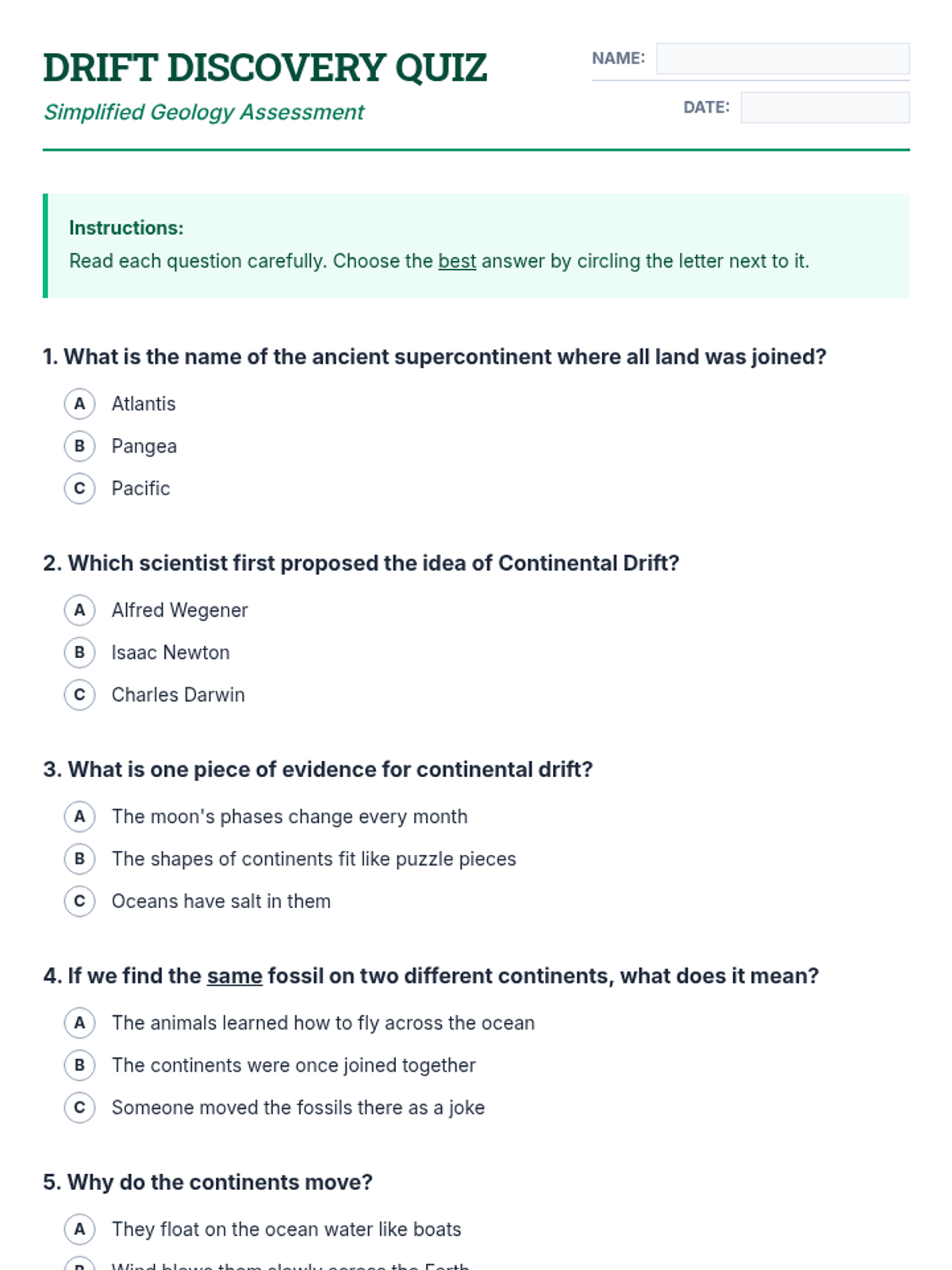
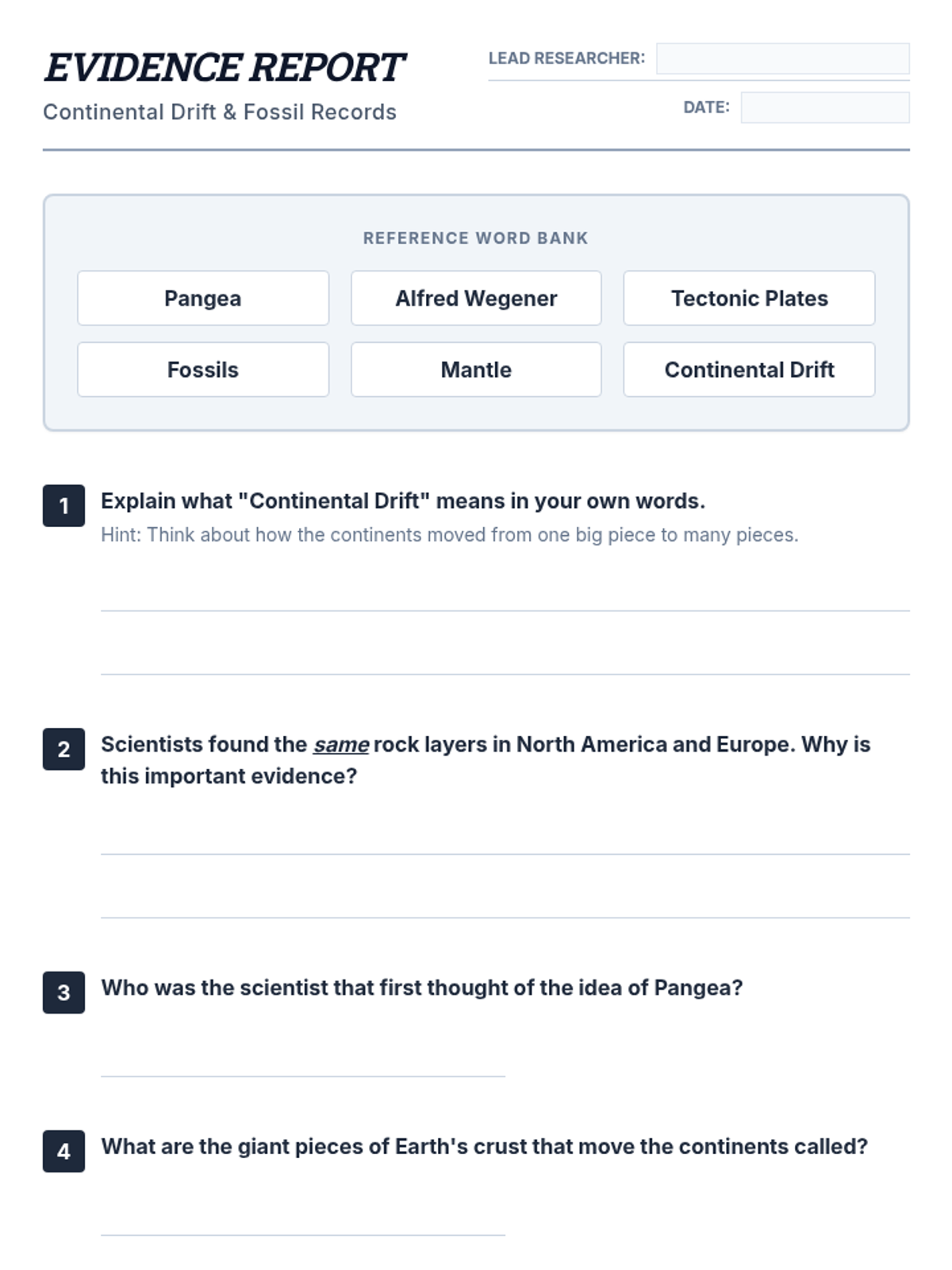
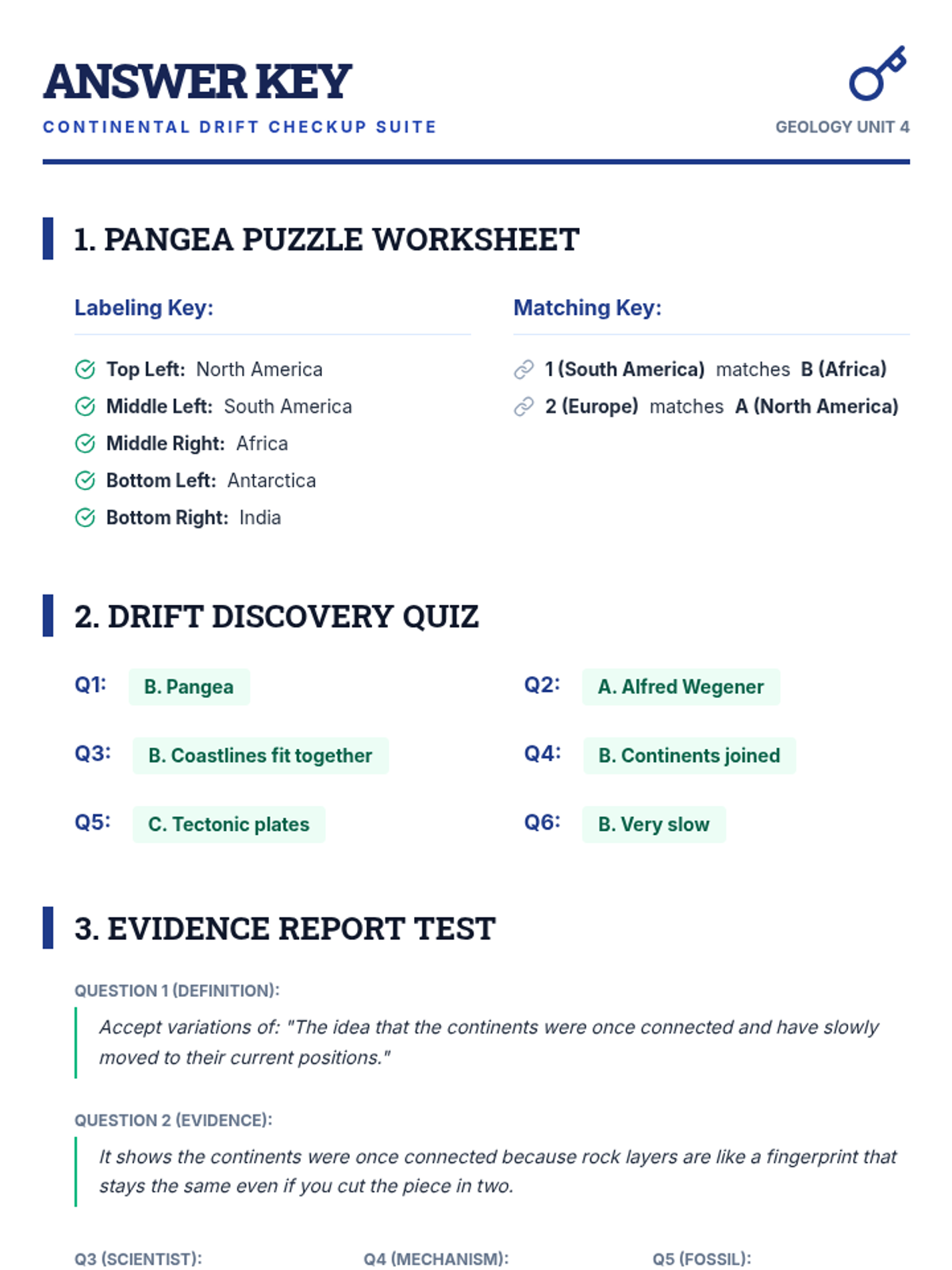
A comprehensive assessment suite covering continental drift, Pangea, and geological evidence through visual labeling, simplified quizzes, and short-answer prompts.
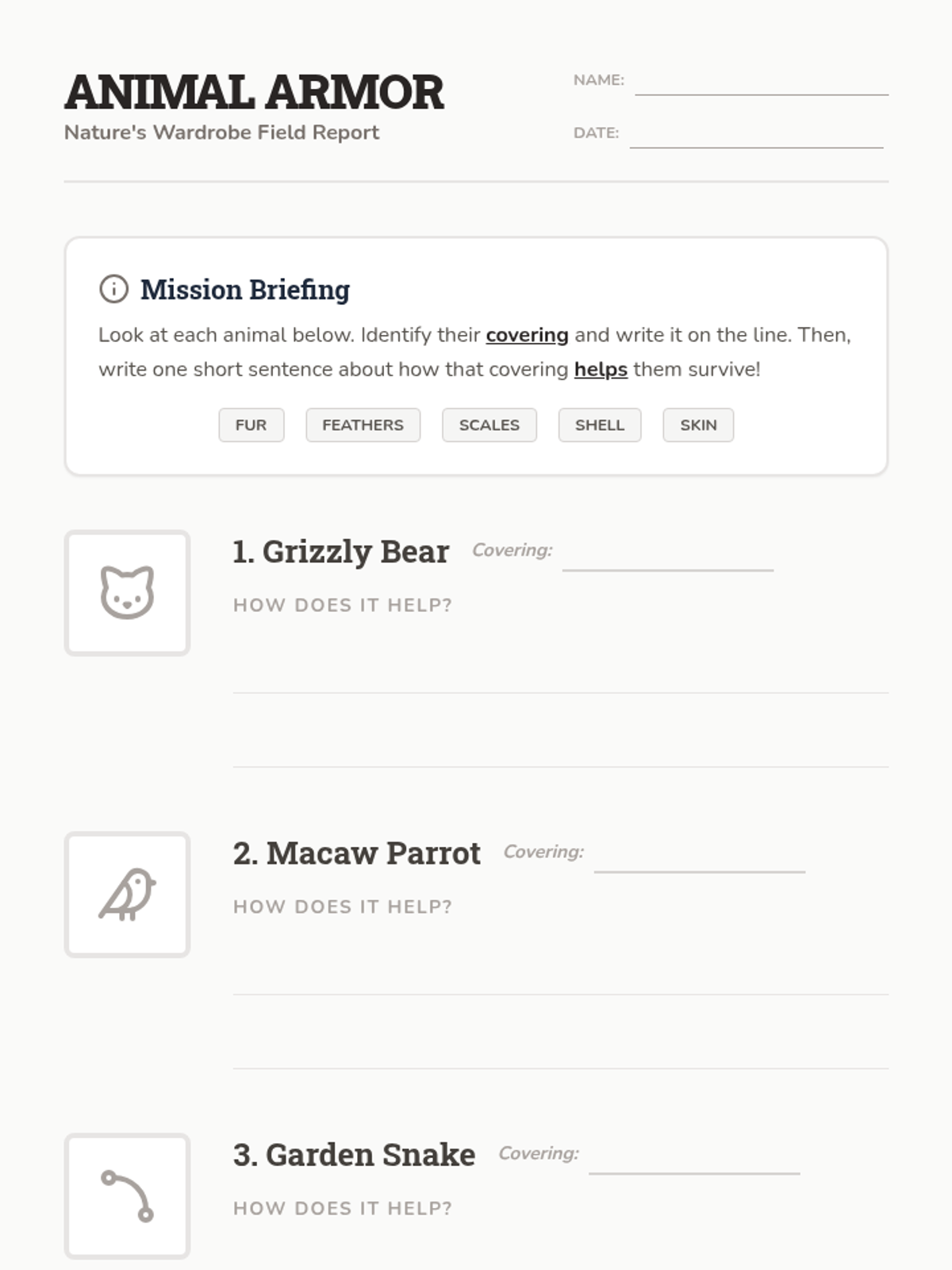
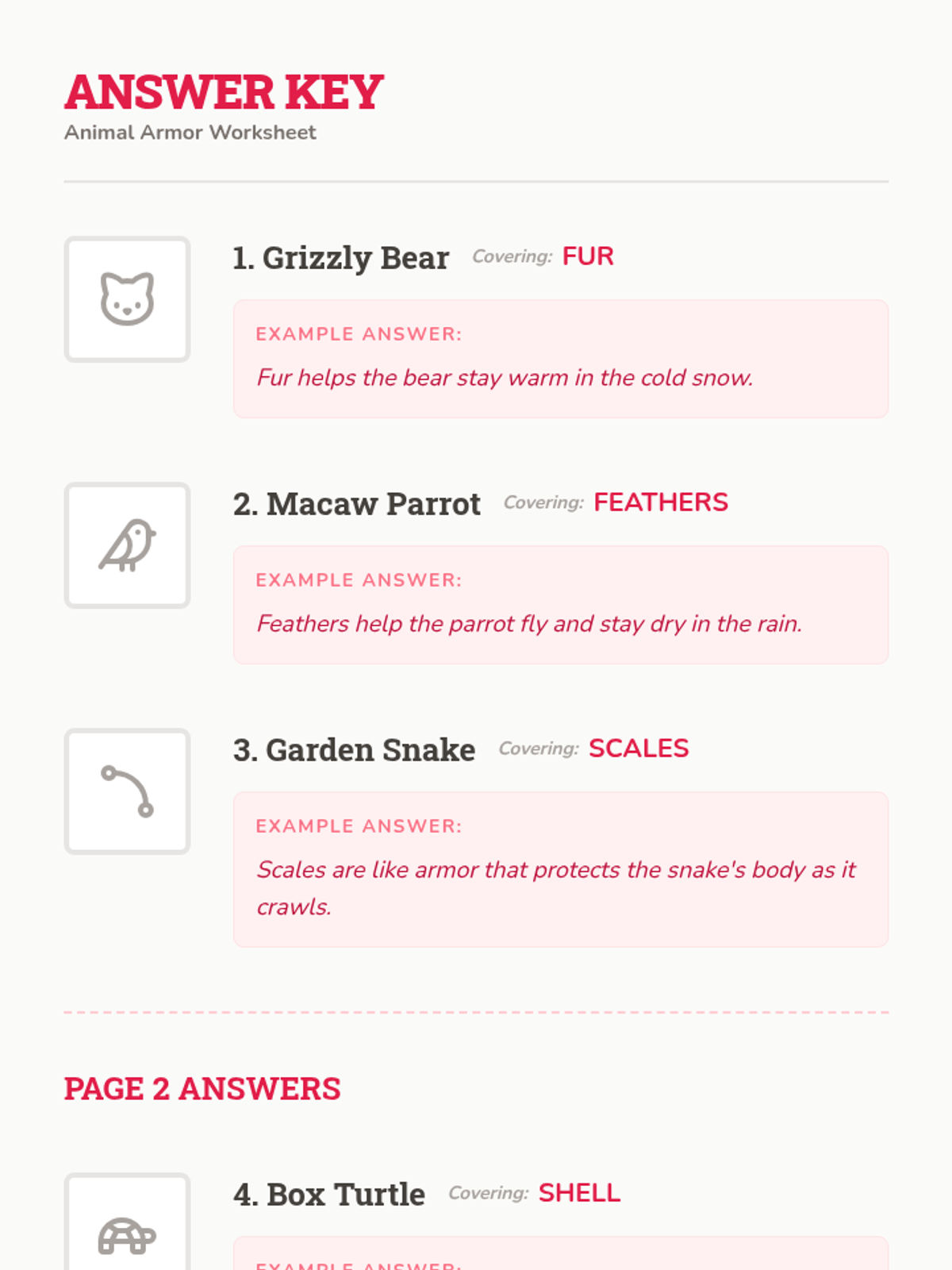
Students apply their knowledge by identifying animal coverings in various examples and writing descriptive sentences about how these coverings protect or help animals.
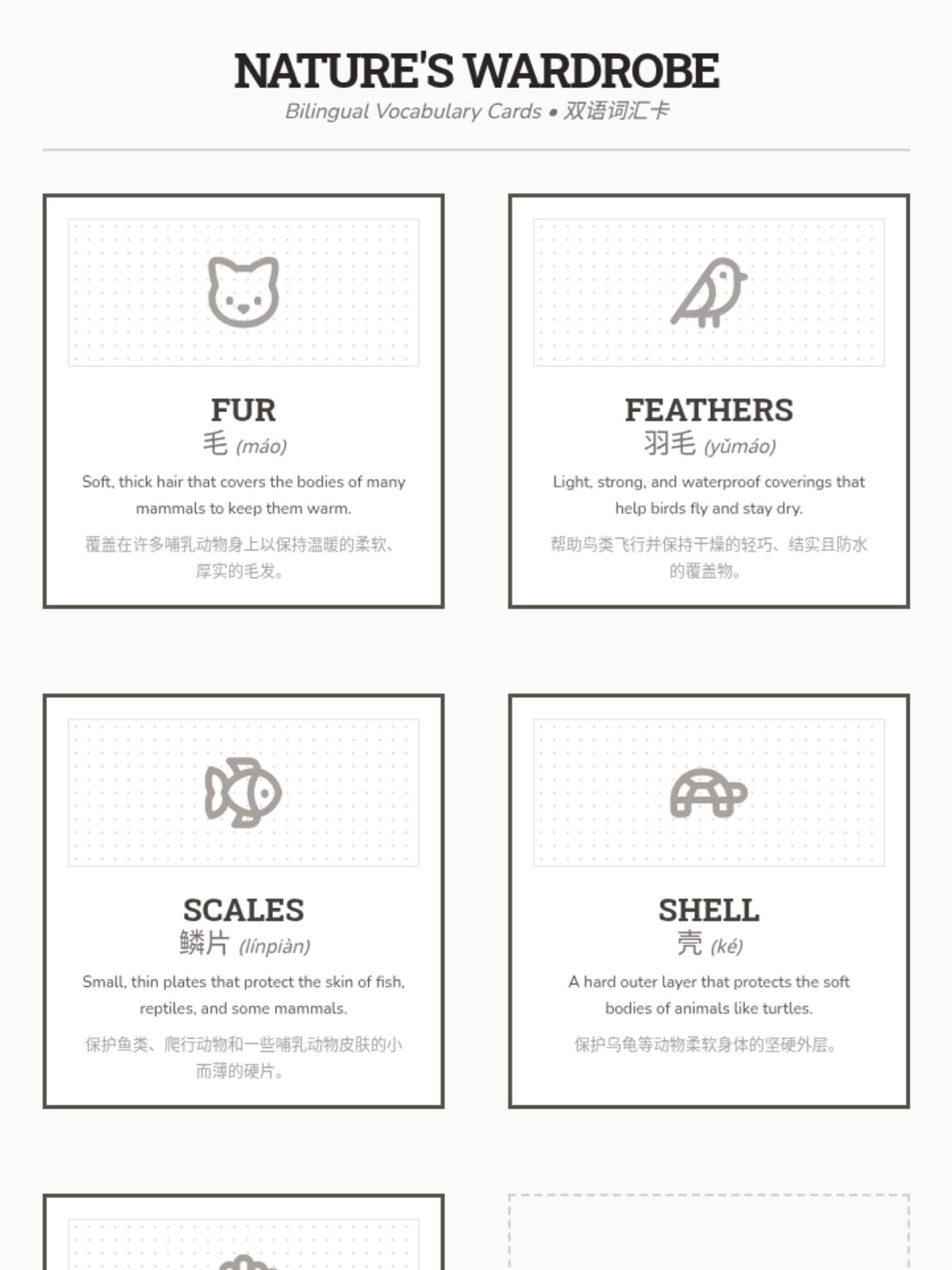
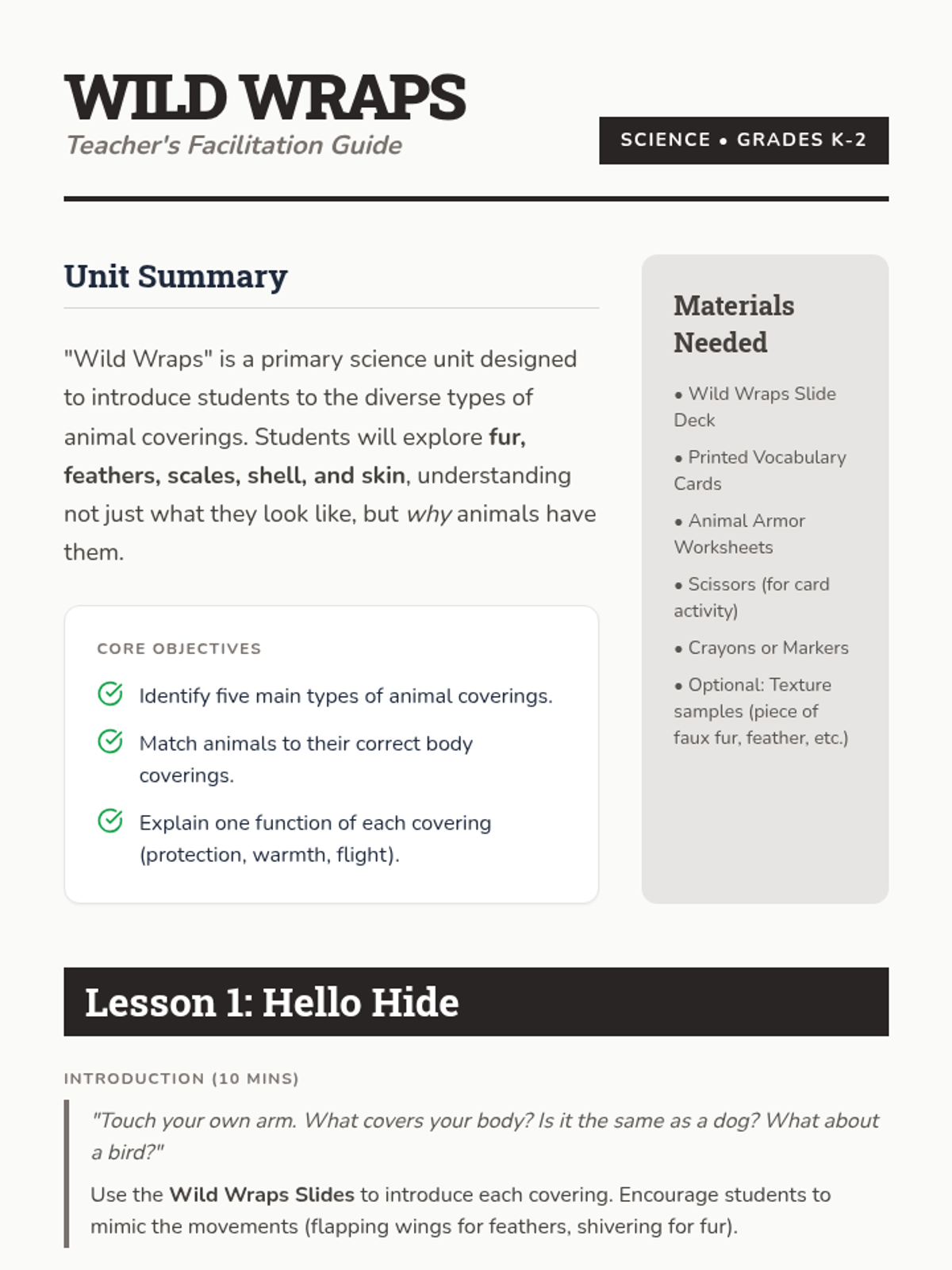
An introduction to the five main types of animal coverings: feathers, fur, scales, shell, and skin. Students learn to identify these textures and understand their basic functions.
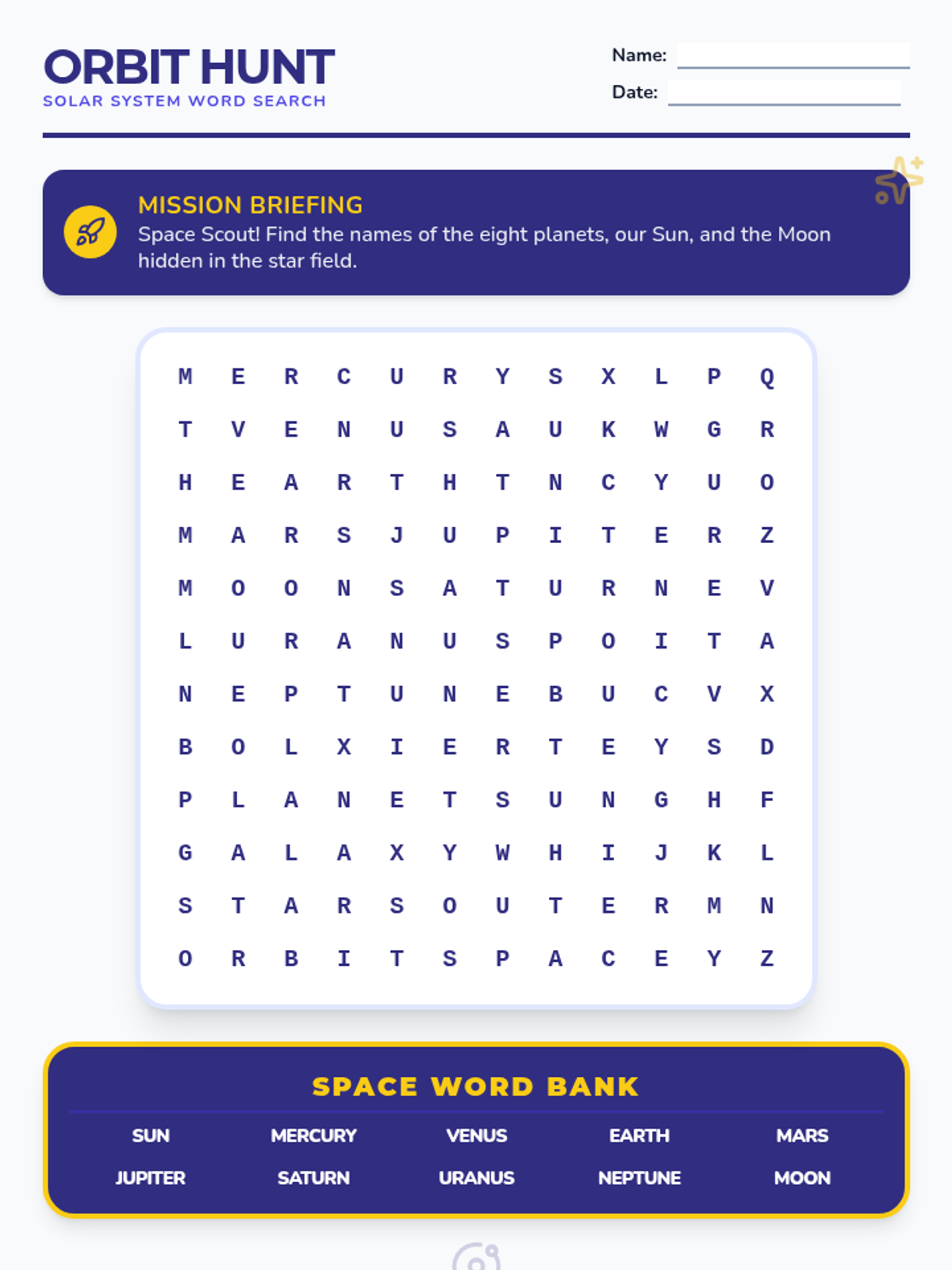
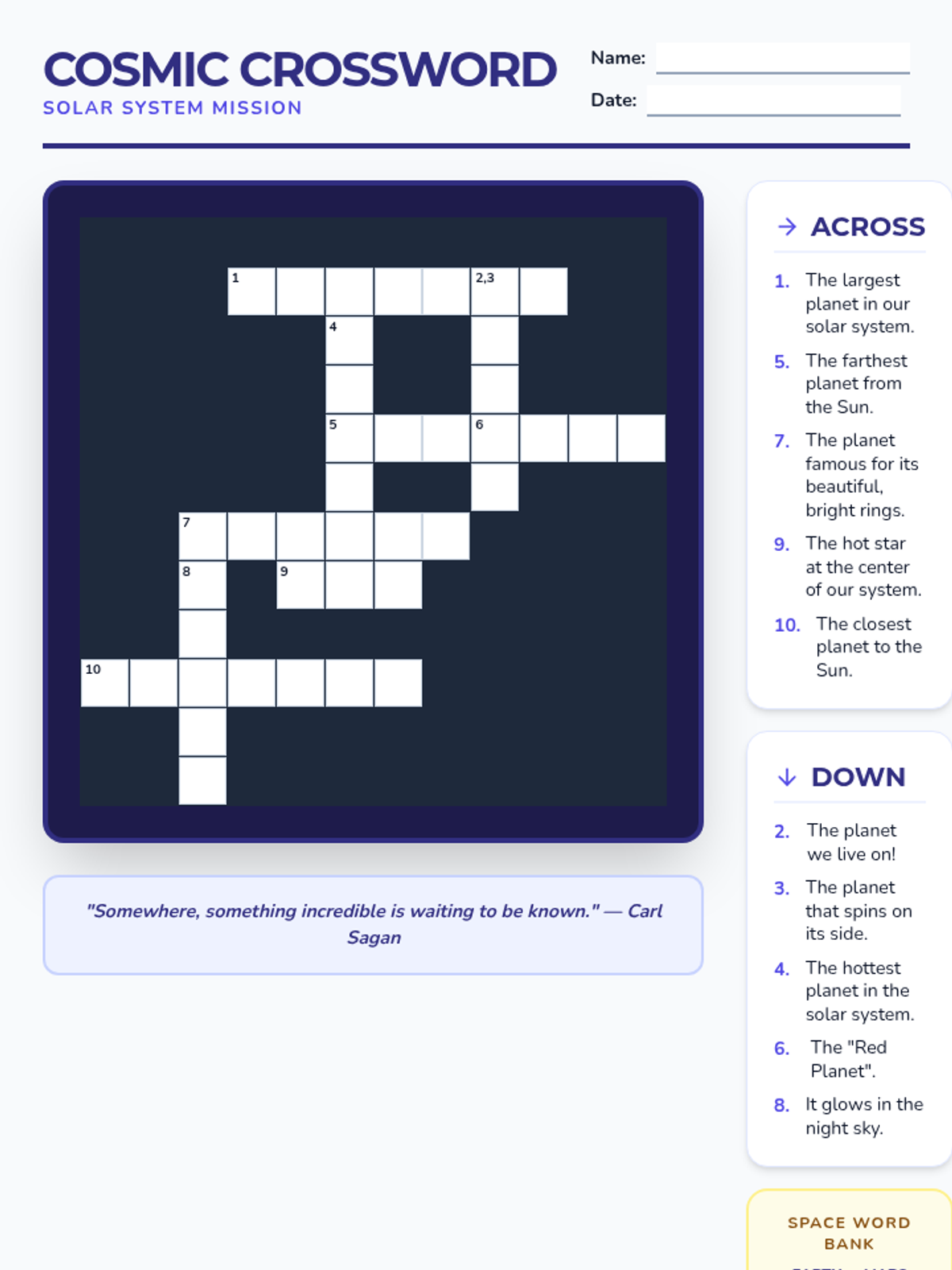
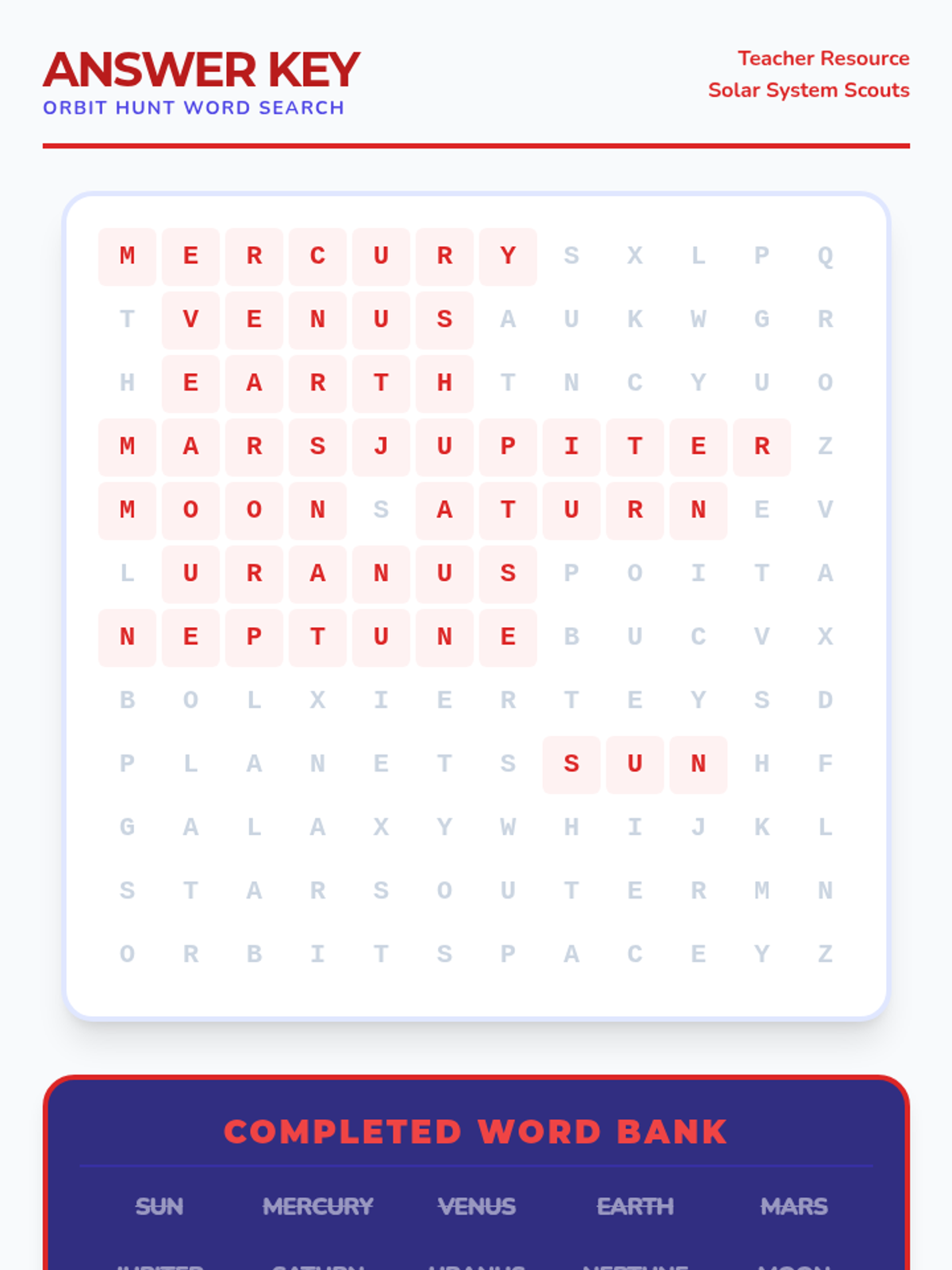
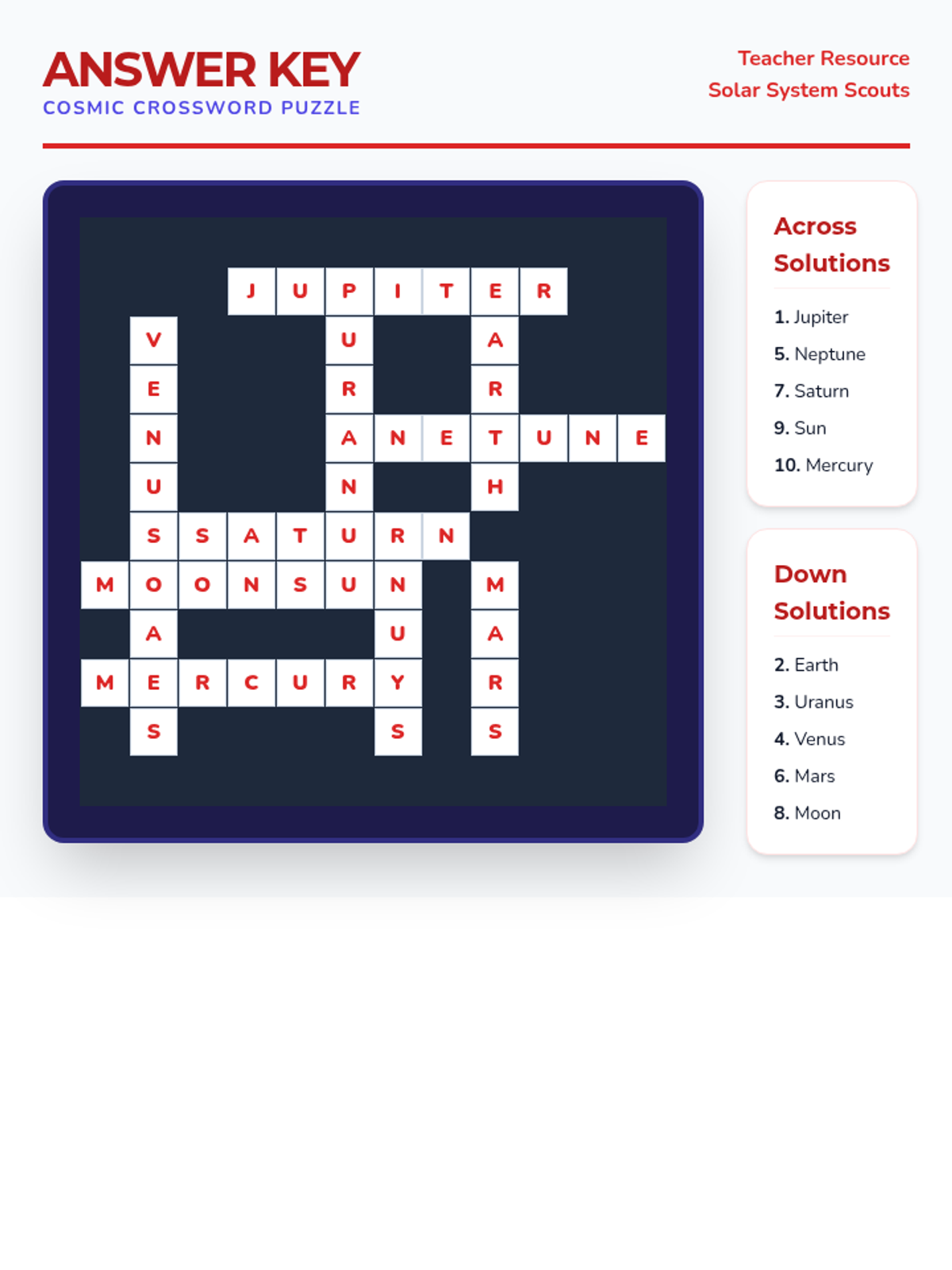
A fun pair of activities for third graders to reinforce vocabulary related to the planets and celestial bodies in our solar system.
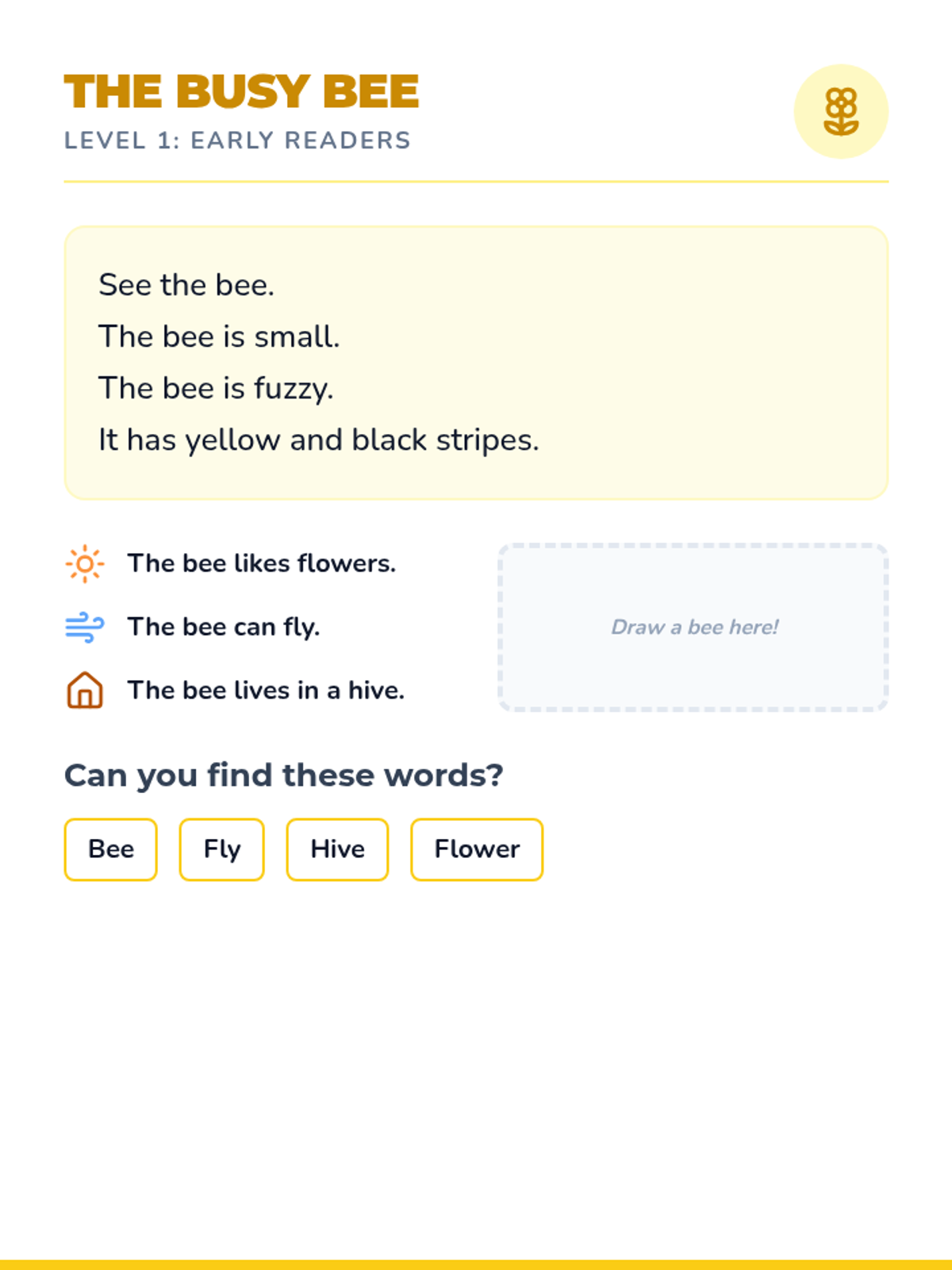
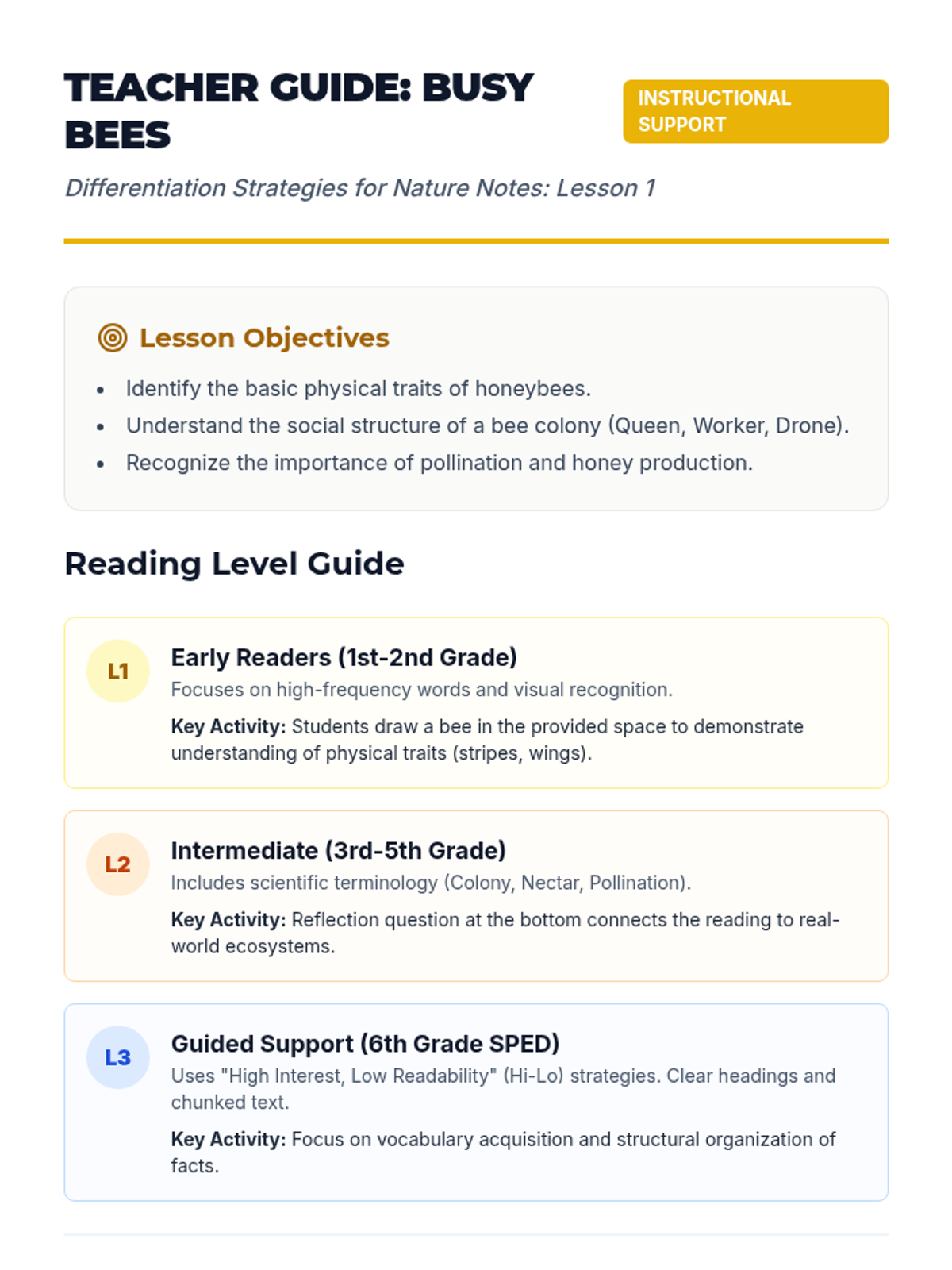
An introductory lesson on honeybees featuring differentiated reading passages and activities tailored for 1st-6th grade reading levels.
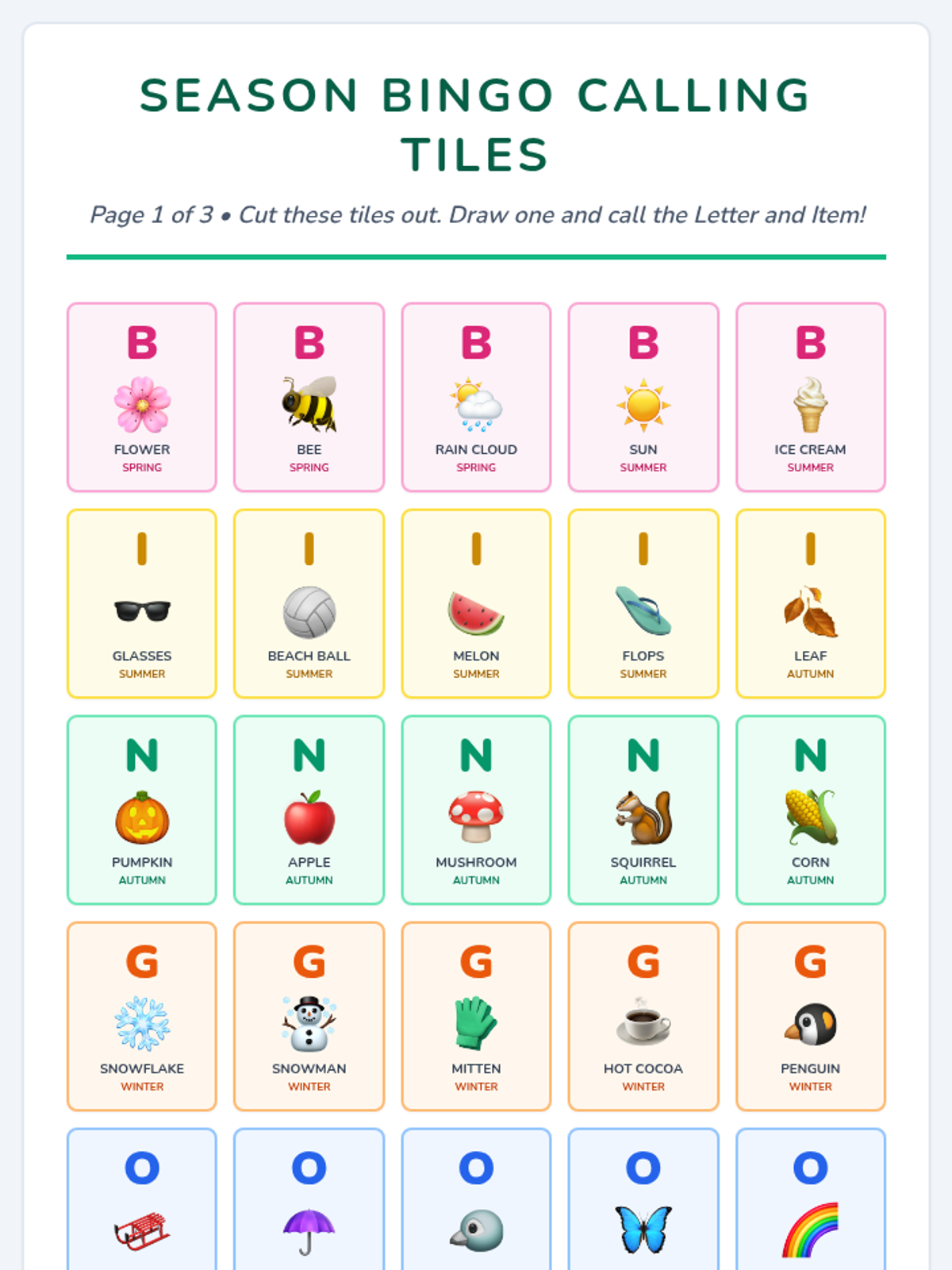
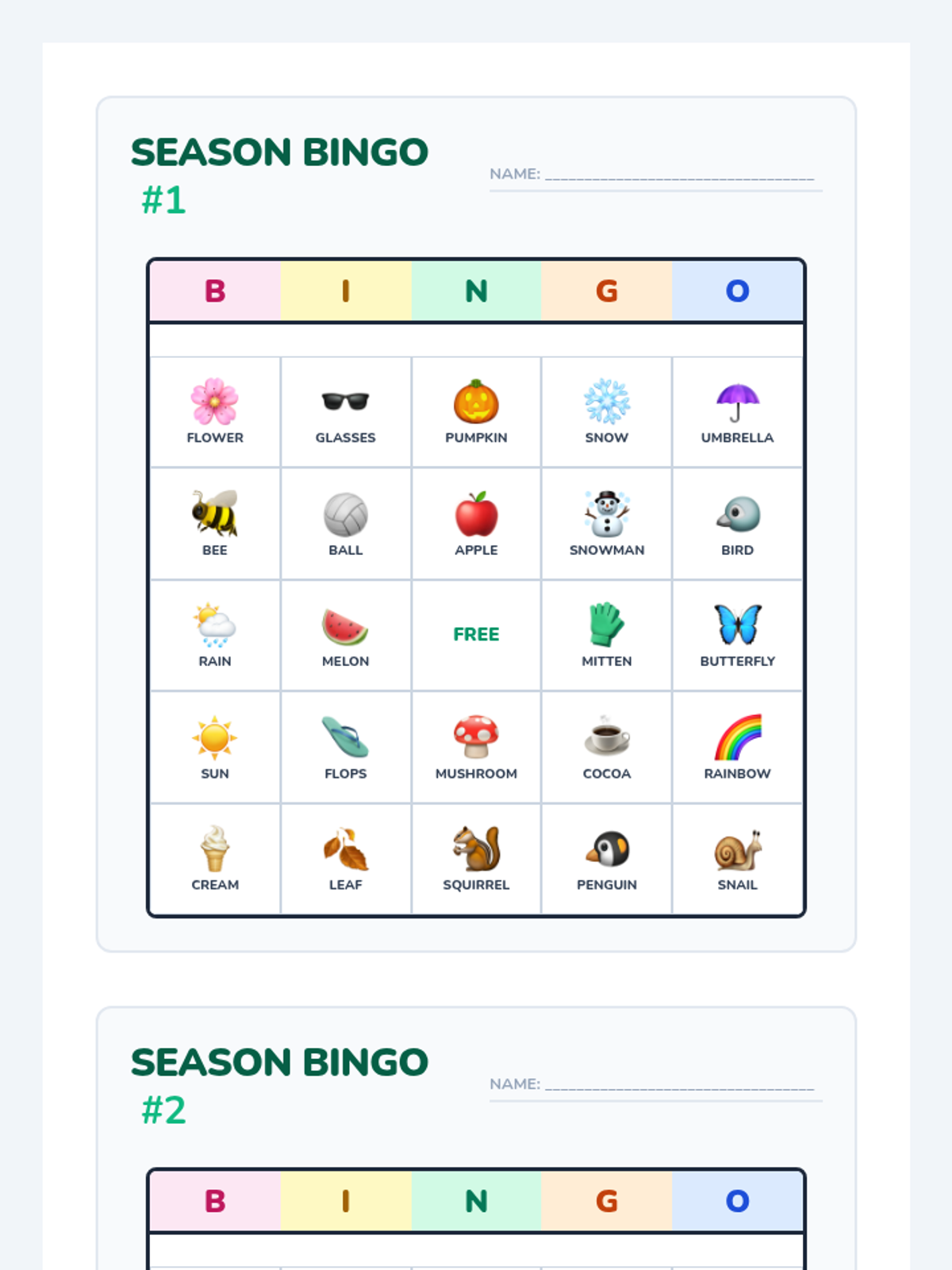
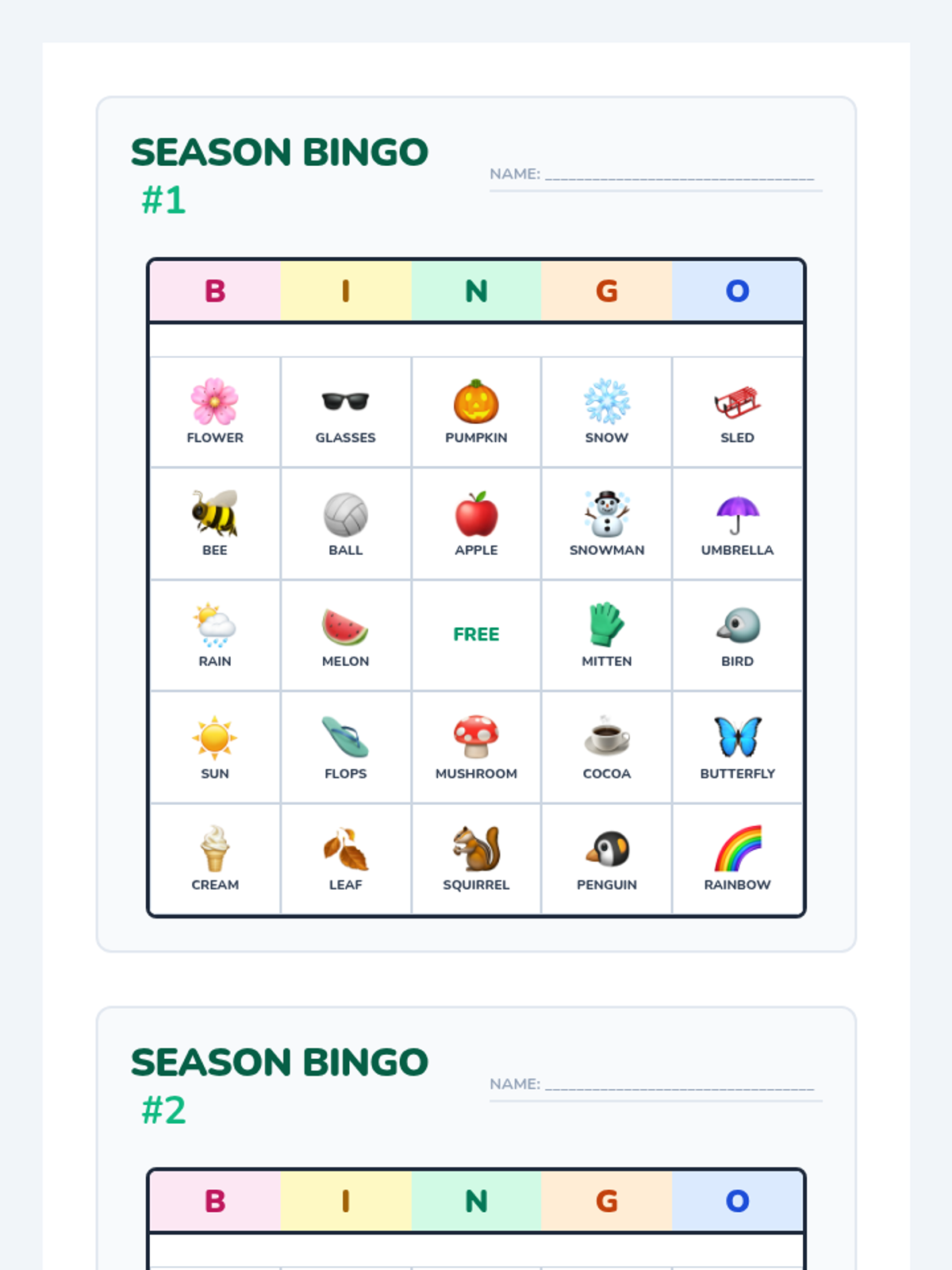
A fun, interactive lesson introducing elementary students to the four seasons through observation and play. Students will identify key characteristics of spring, summer, autumn, and winter using visual cues and interactive bingo.