A collaborative bingo game to reinforce auditory recognition and symbol mapping of simple Pinyin syllables.
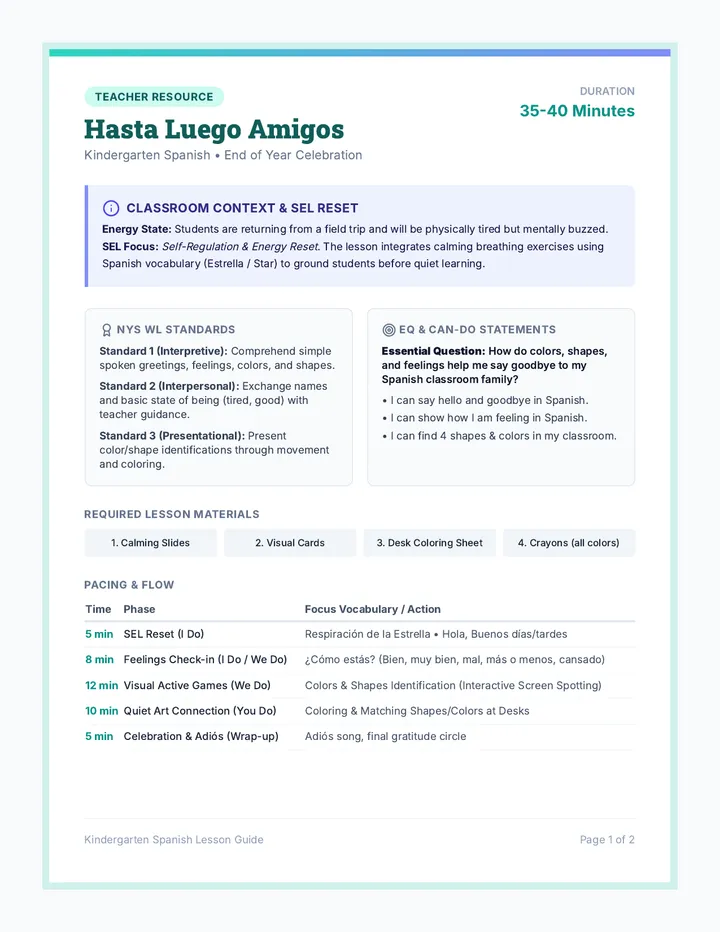
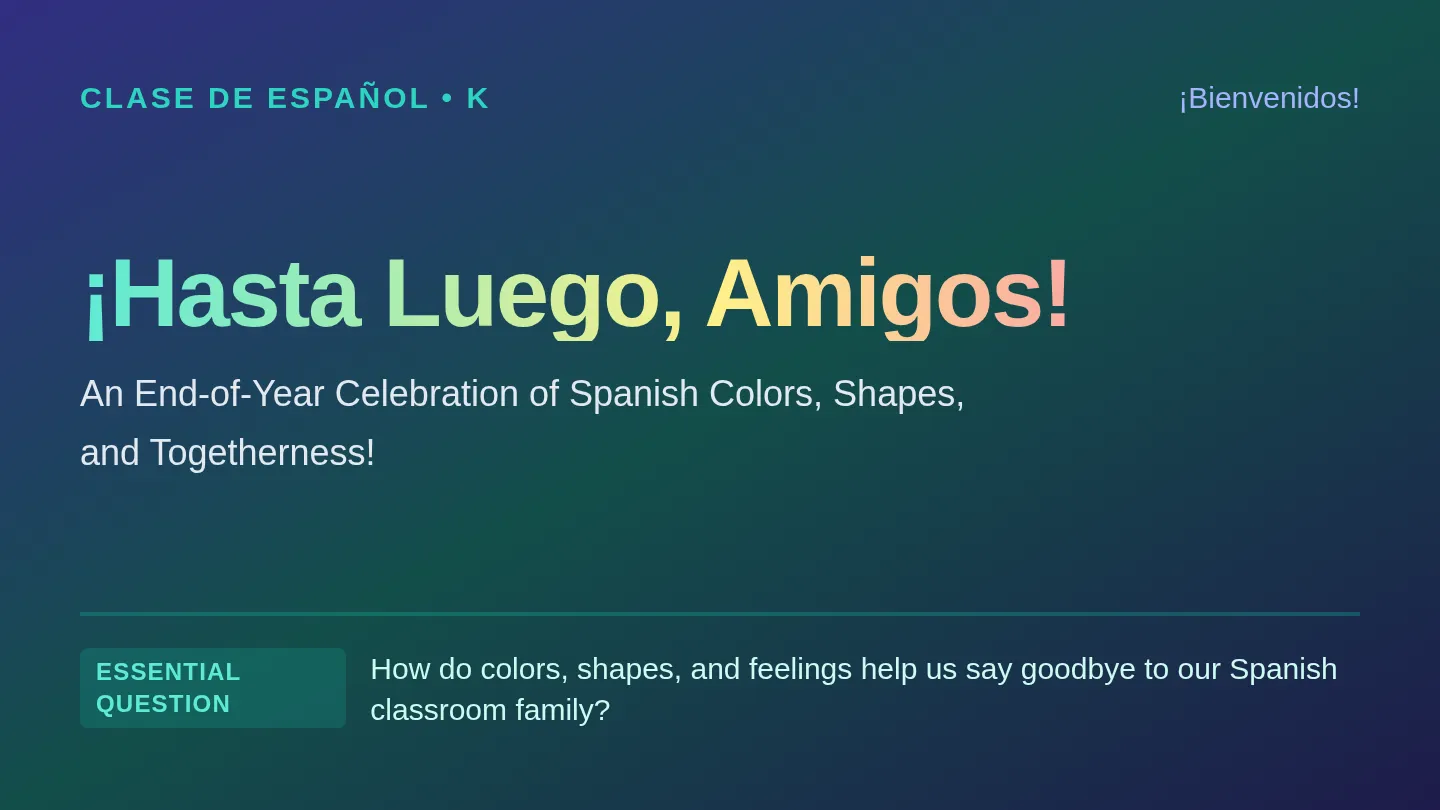
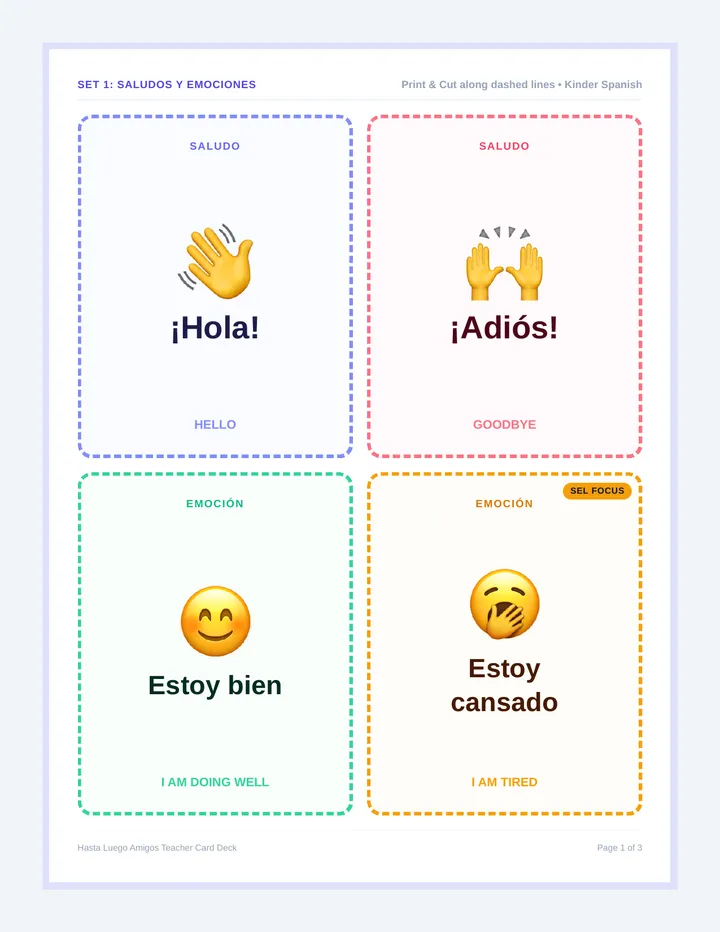
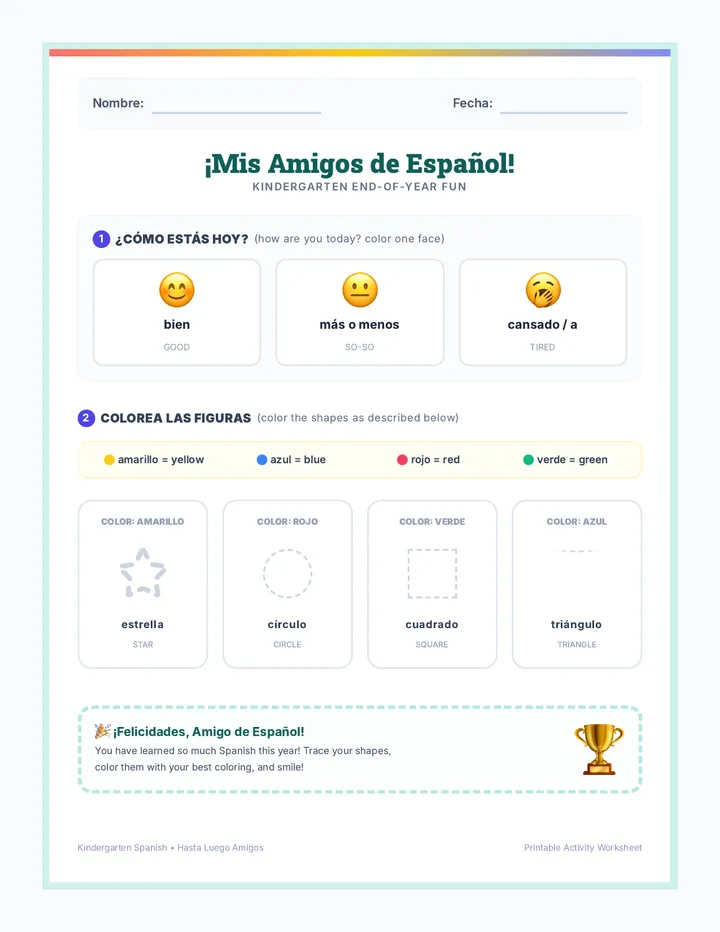
An end-of-the-year celebratory Spanish lesson for Kindergarten, designed for push-in teachers with screen-only access. It integrates NYS World Language standards and SEL Self-Regulation & Energy Reset through a soothing, structured review of greetings, feelings, colors, and shapes.
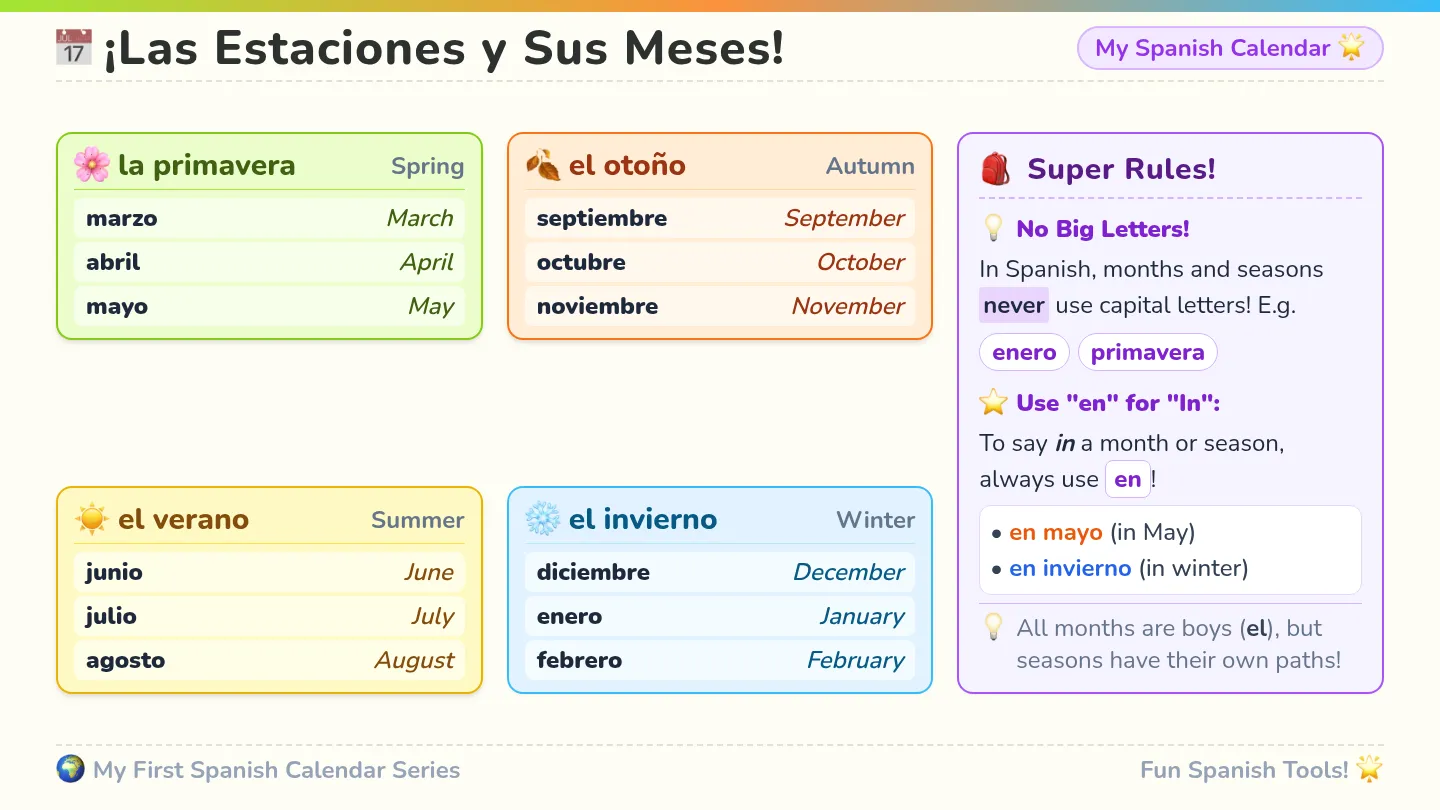
An academic lesson on Spanish months, seasons, and key capitalization rules, tailored specifically for older beginners and adult learners.
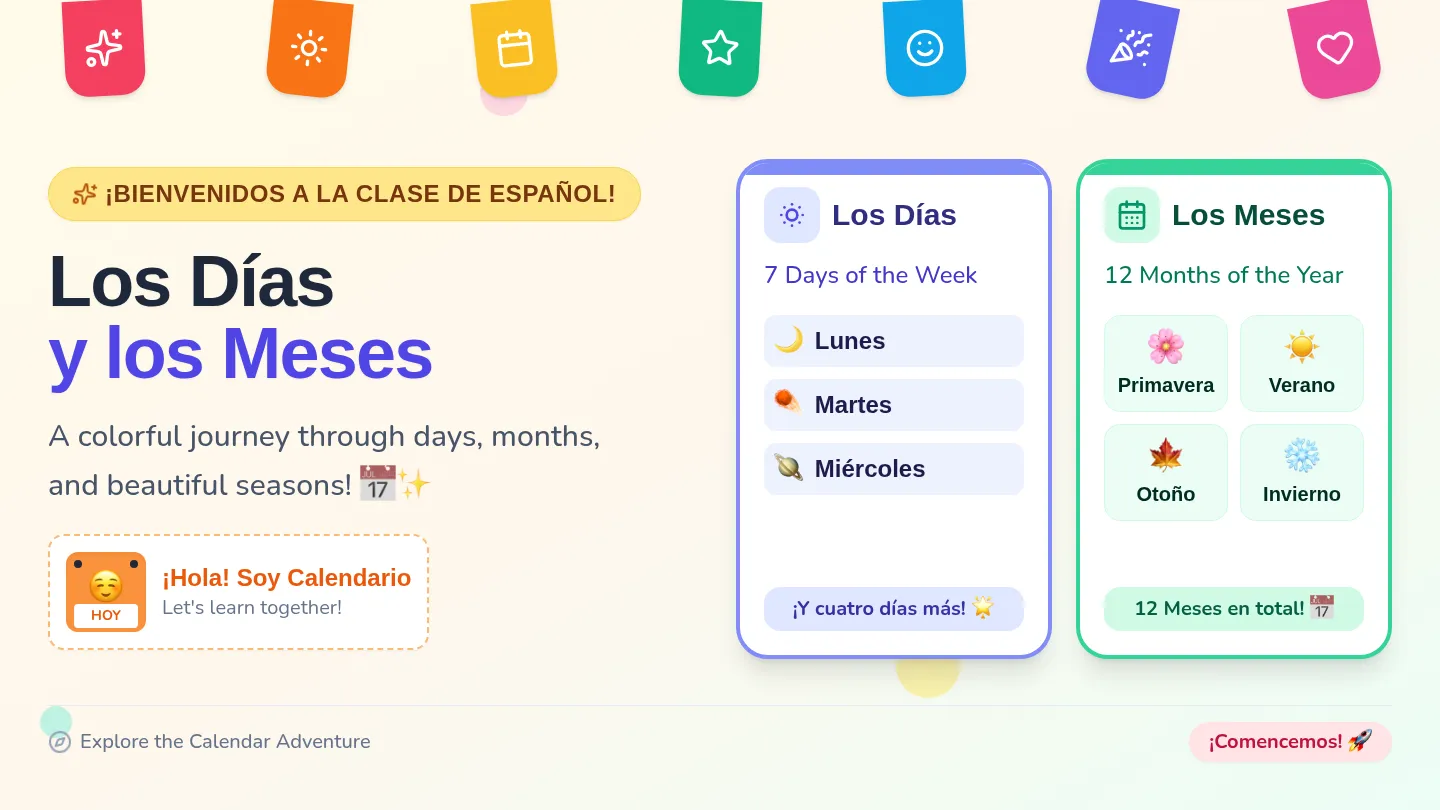
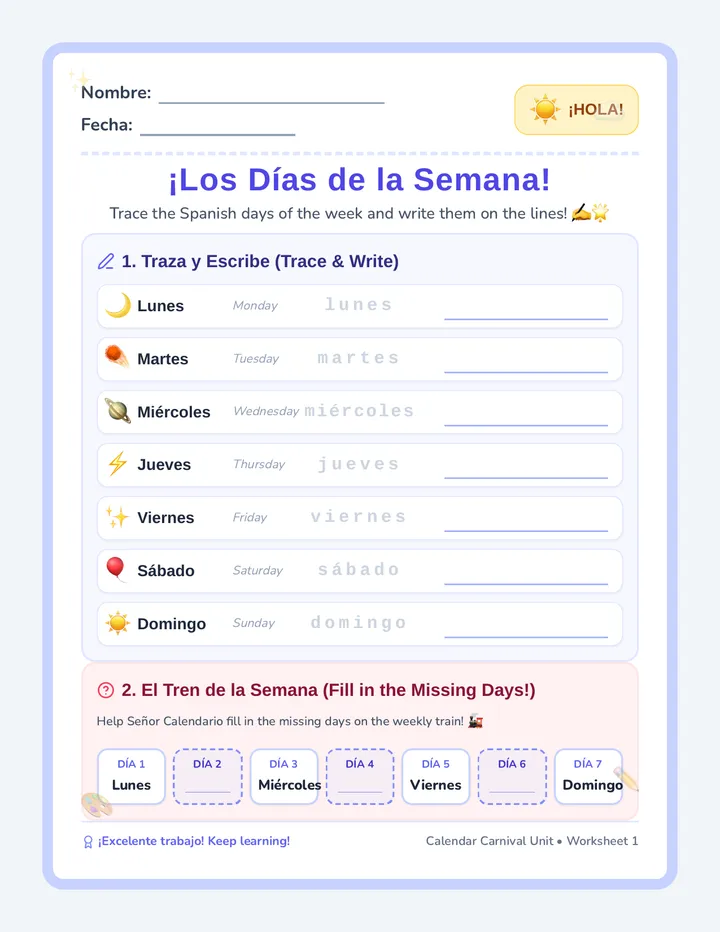
An engaging and vibrant introductory lesson to help young learners master the days of the week and months of the year in Spanish through high-impact, visual, and thematic play.
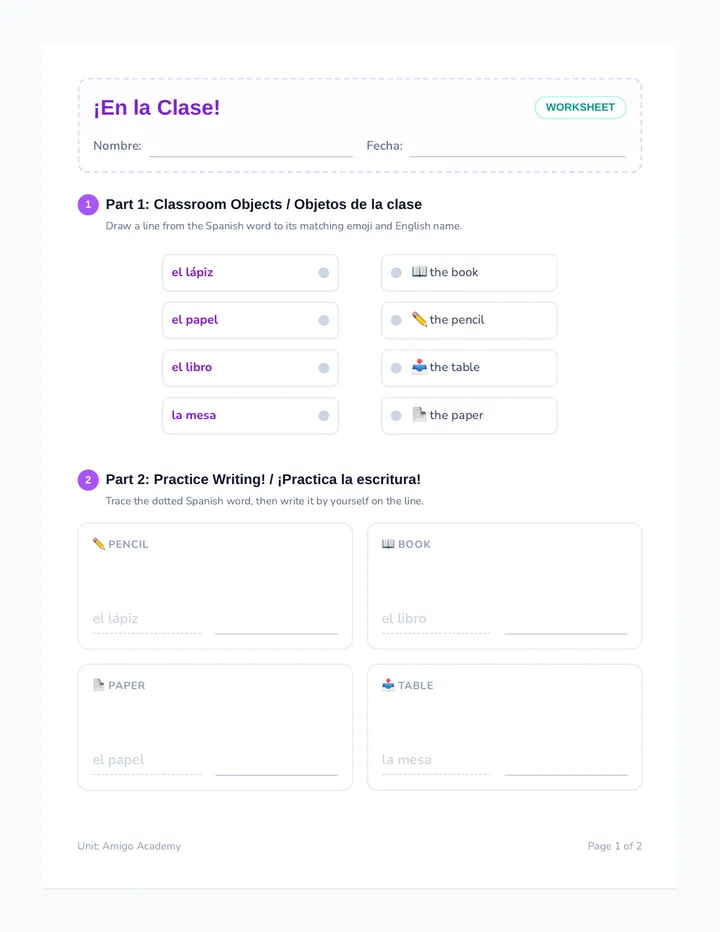
A comprehensive lesson bundle designed for kindergarten Spanish-speaking English Language Learners (ELLs) to master basic classroom vocabulary. The lesson includes a teacher guide, bilingual visual anchor charts, tracing and drawing practice worksheets, and a simple picture-based exit ticket.
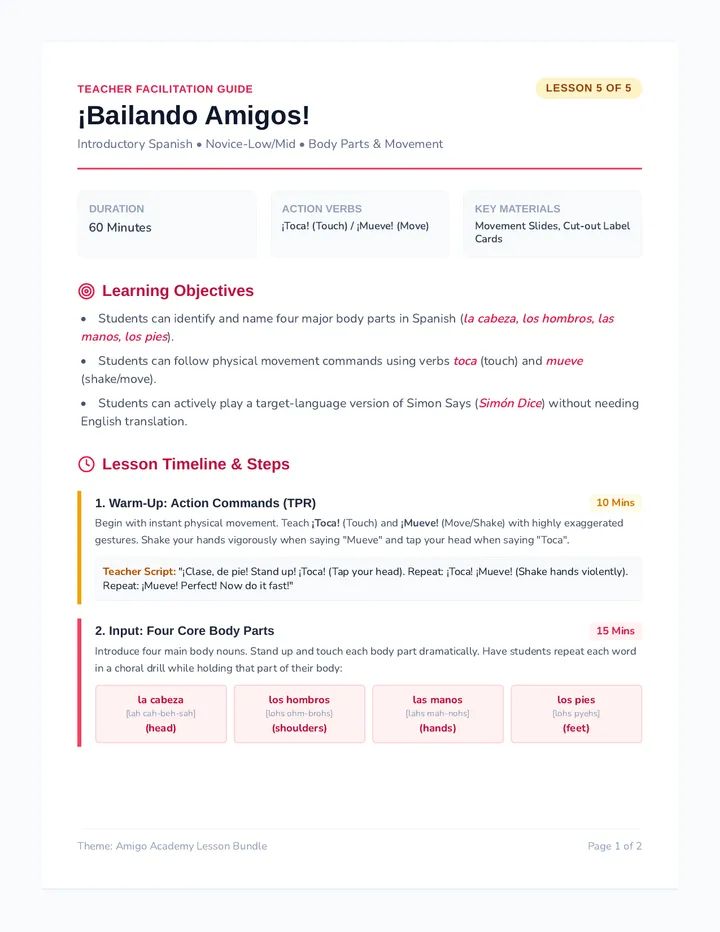
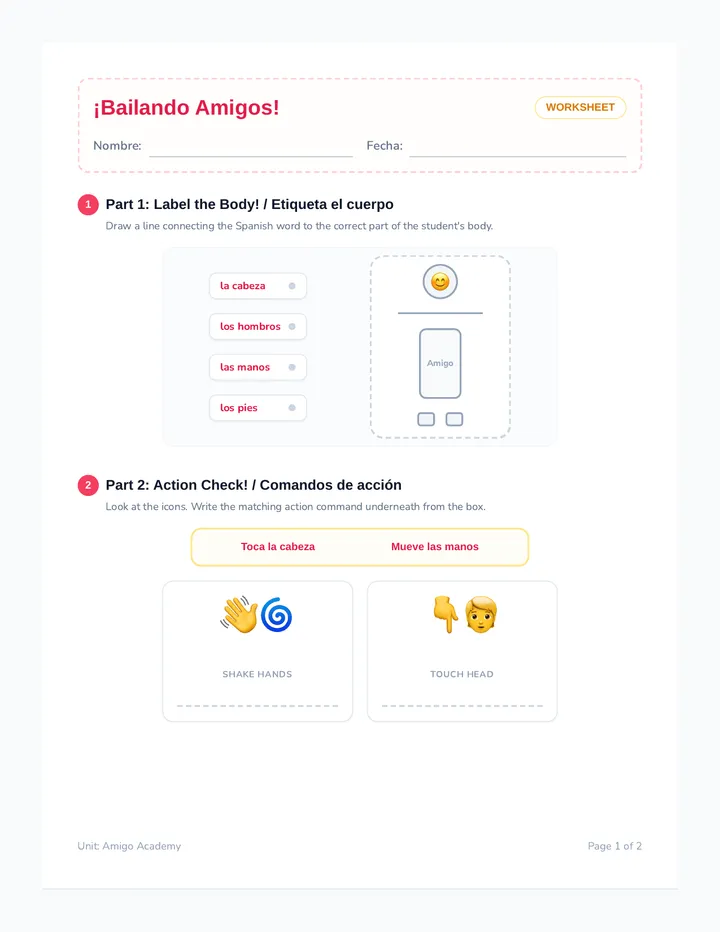
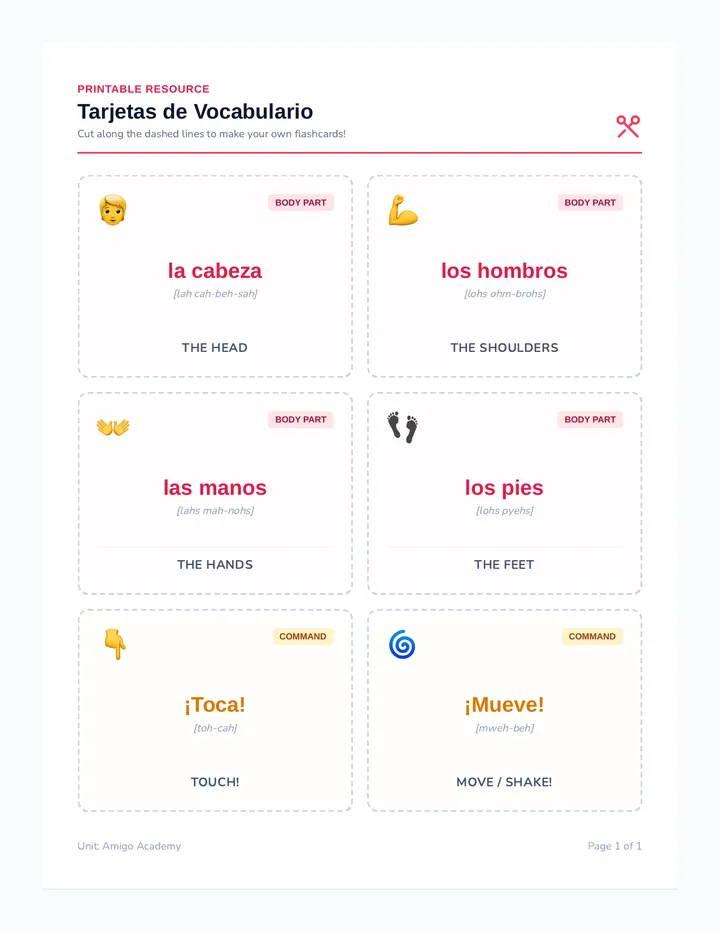
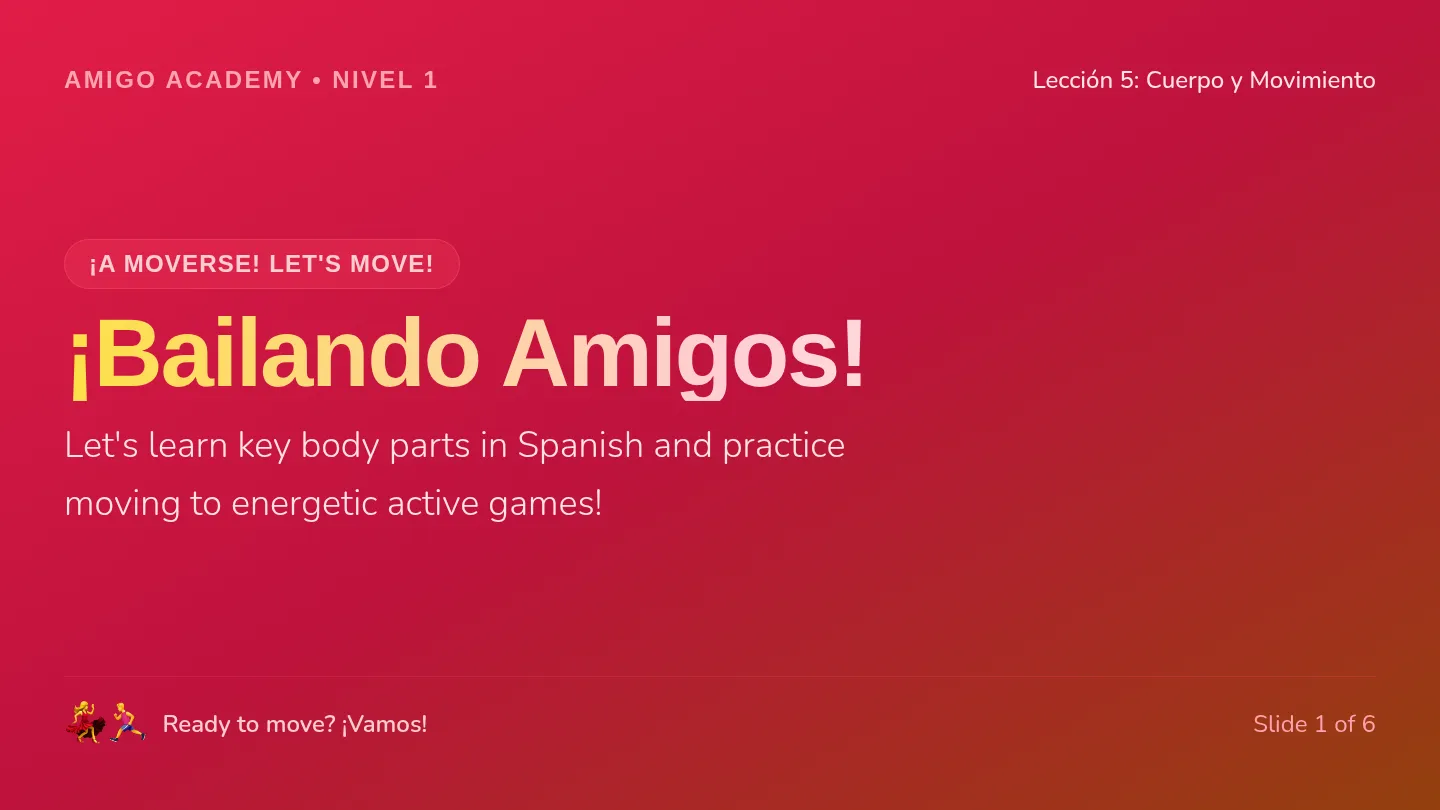
An active, movement-based beginner Spanish lesson teaching high-frequency body parts (cabeza, hombros, manos, pies) and physical action verbs (toca, mueve) through rhythmic dances and interactive 'Simón Dice' games.
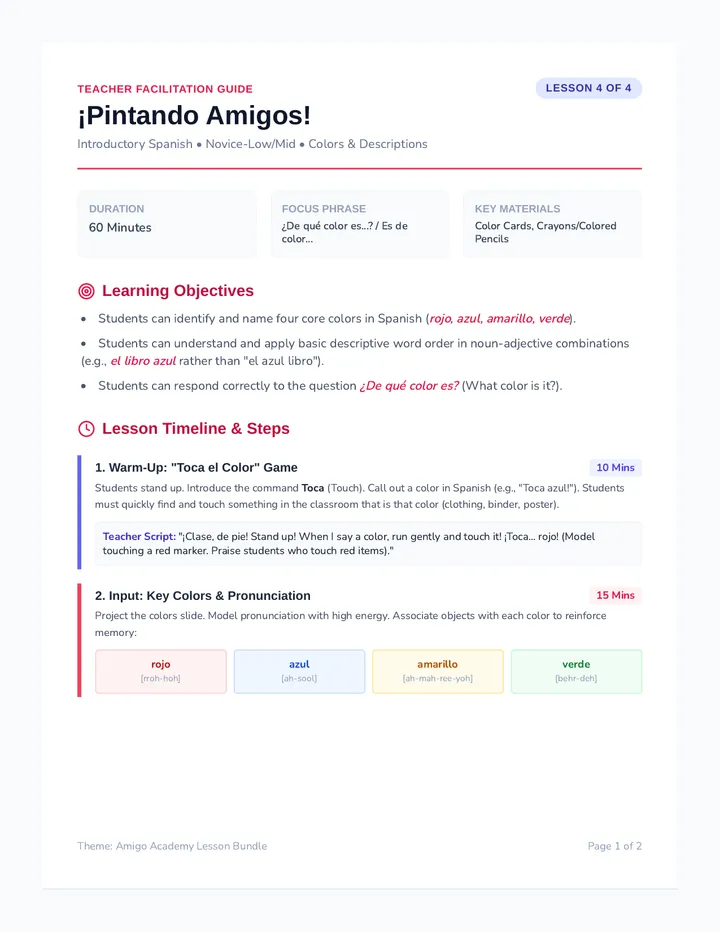
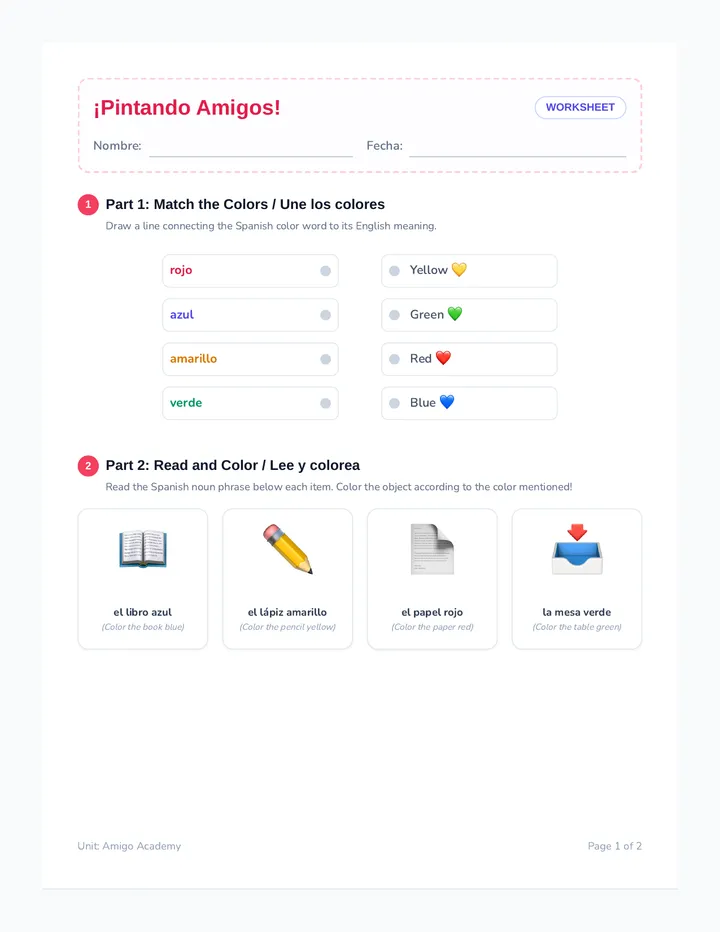
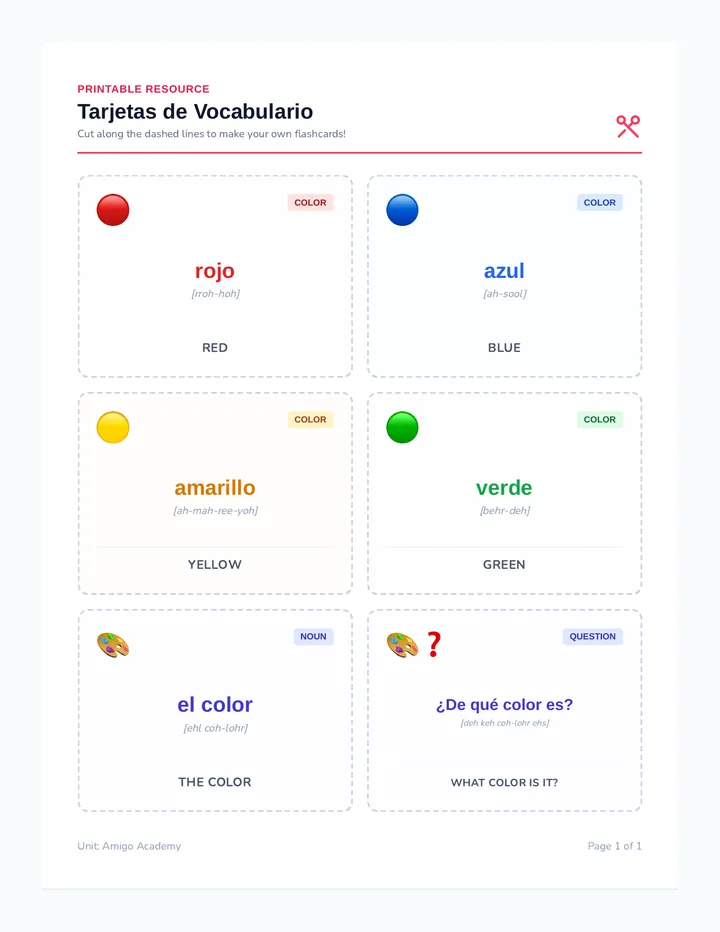
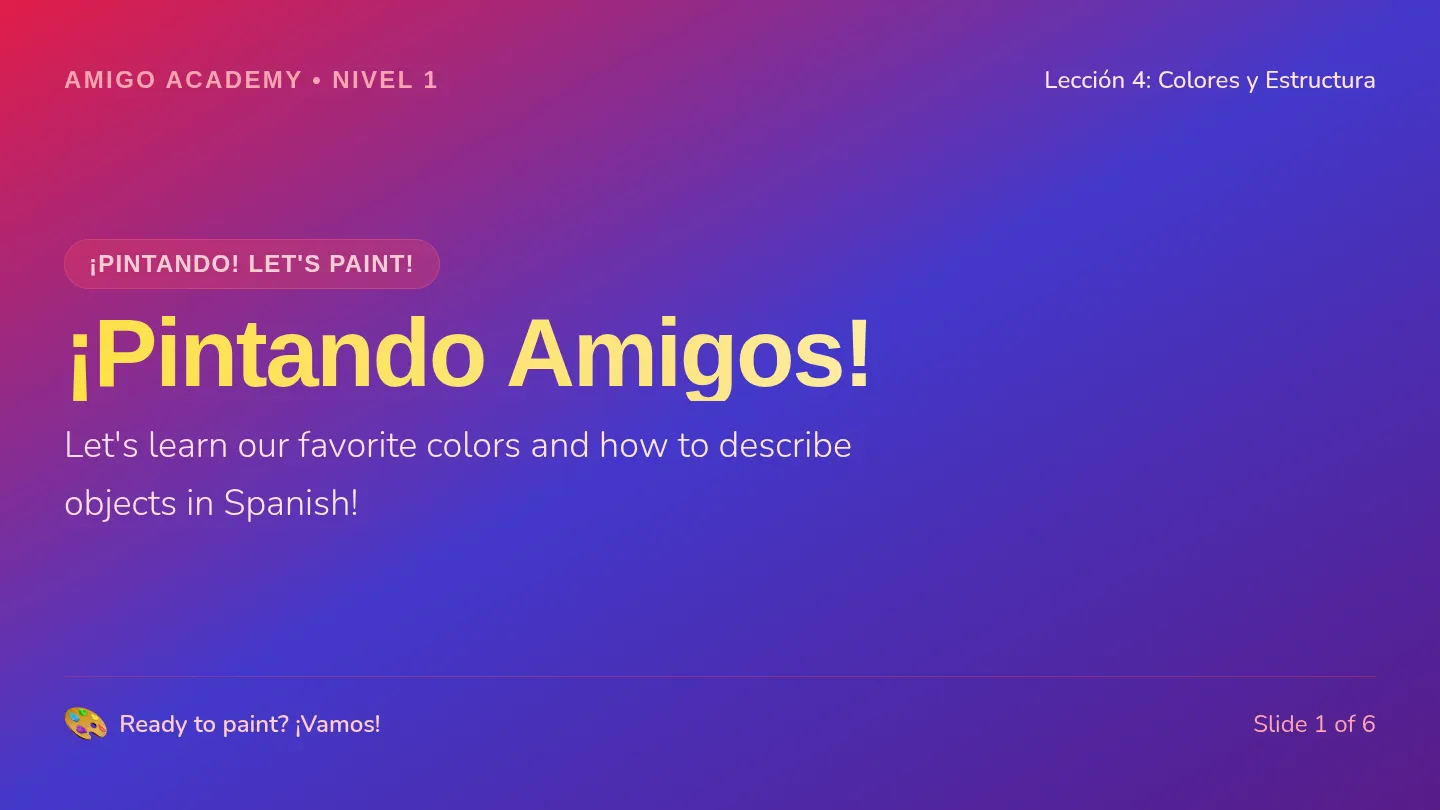
A vibrant beginner Spanish lesson teaching high-frequency colors (rojo, azul, amarillo, verde) and basic agreement/descriptive word order (e.g., 'el libro azul') through active color hunts and creative sorting activities.
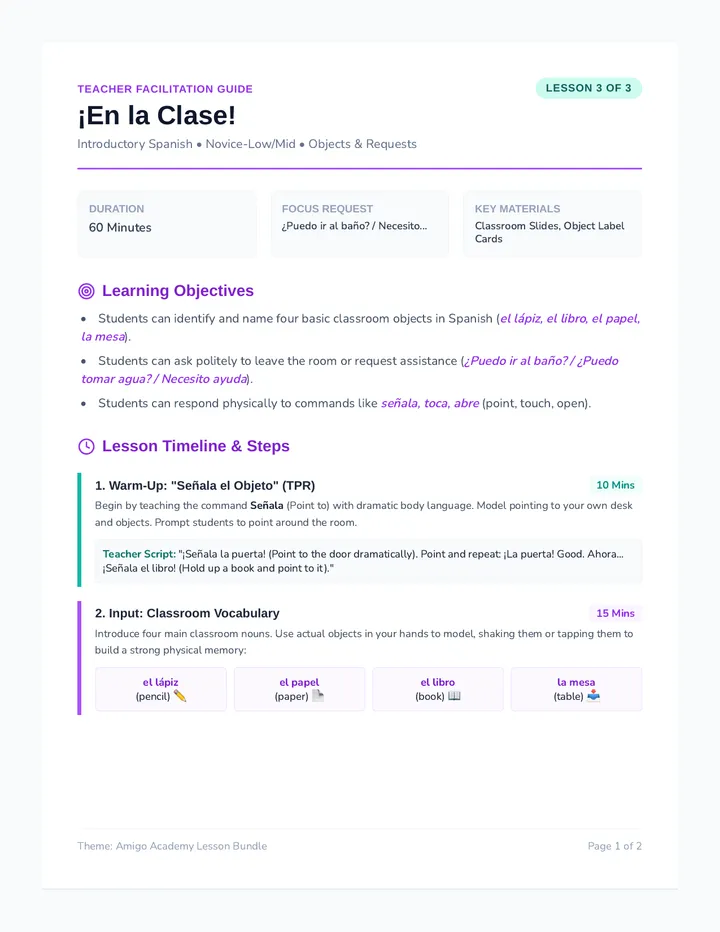
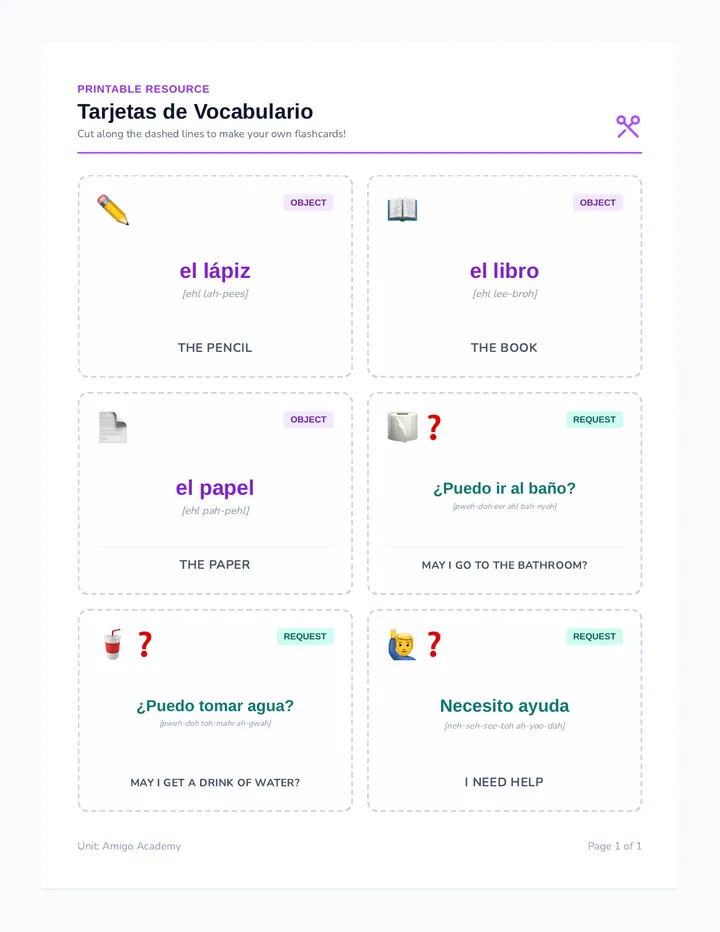
A beginner Spanish lesson teaching high-frequency classroom objects (lápiz, papel, libro) and essential classroom requests (¿Puedo ir al baño?, Necesito un lápiz) using physical pointing activities and visual matching cards.
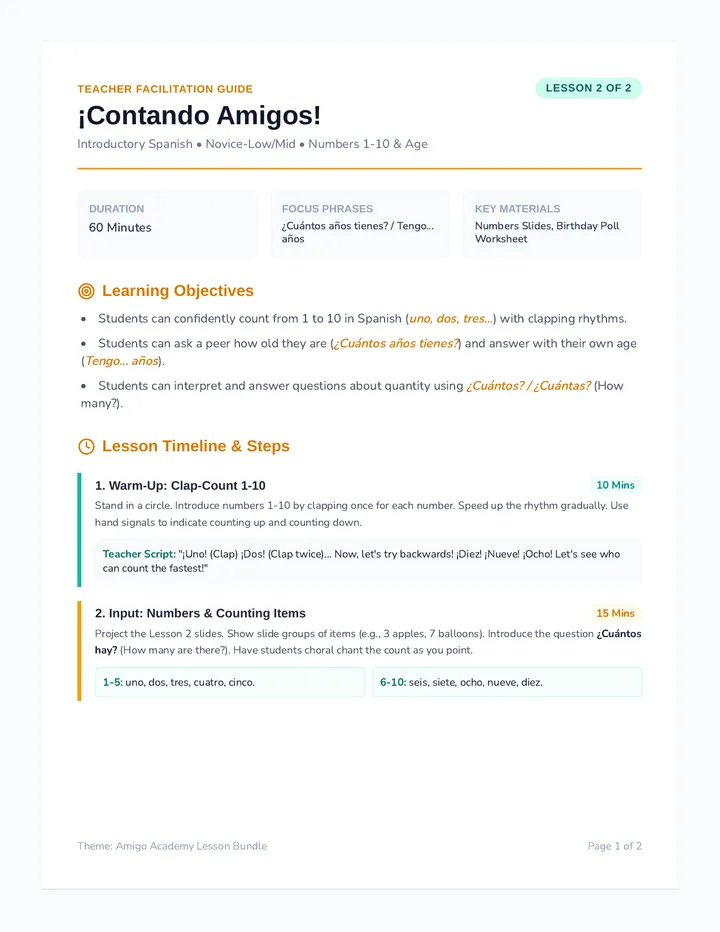
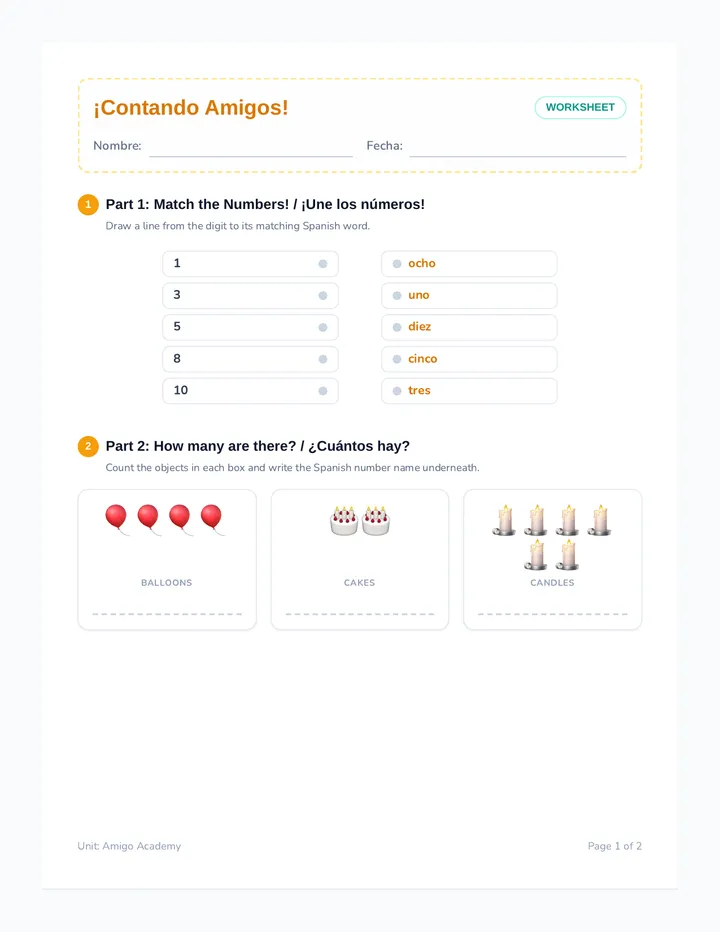
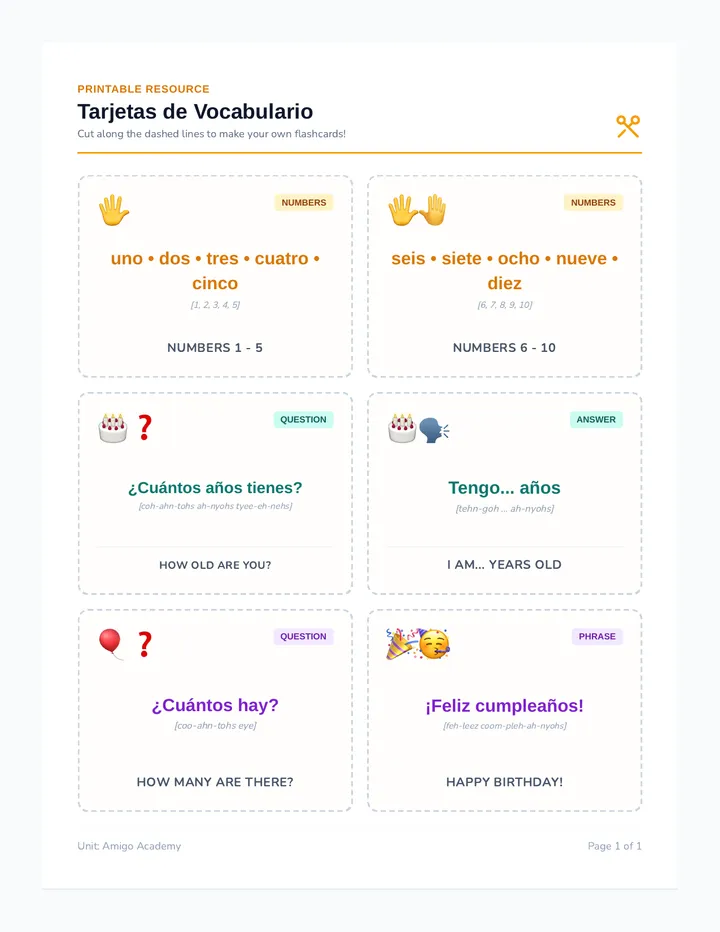
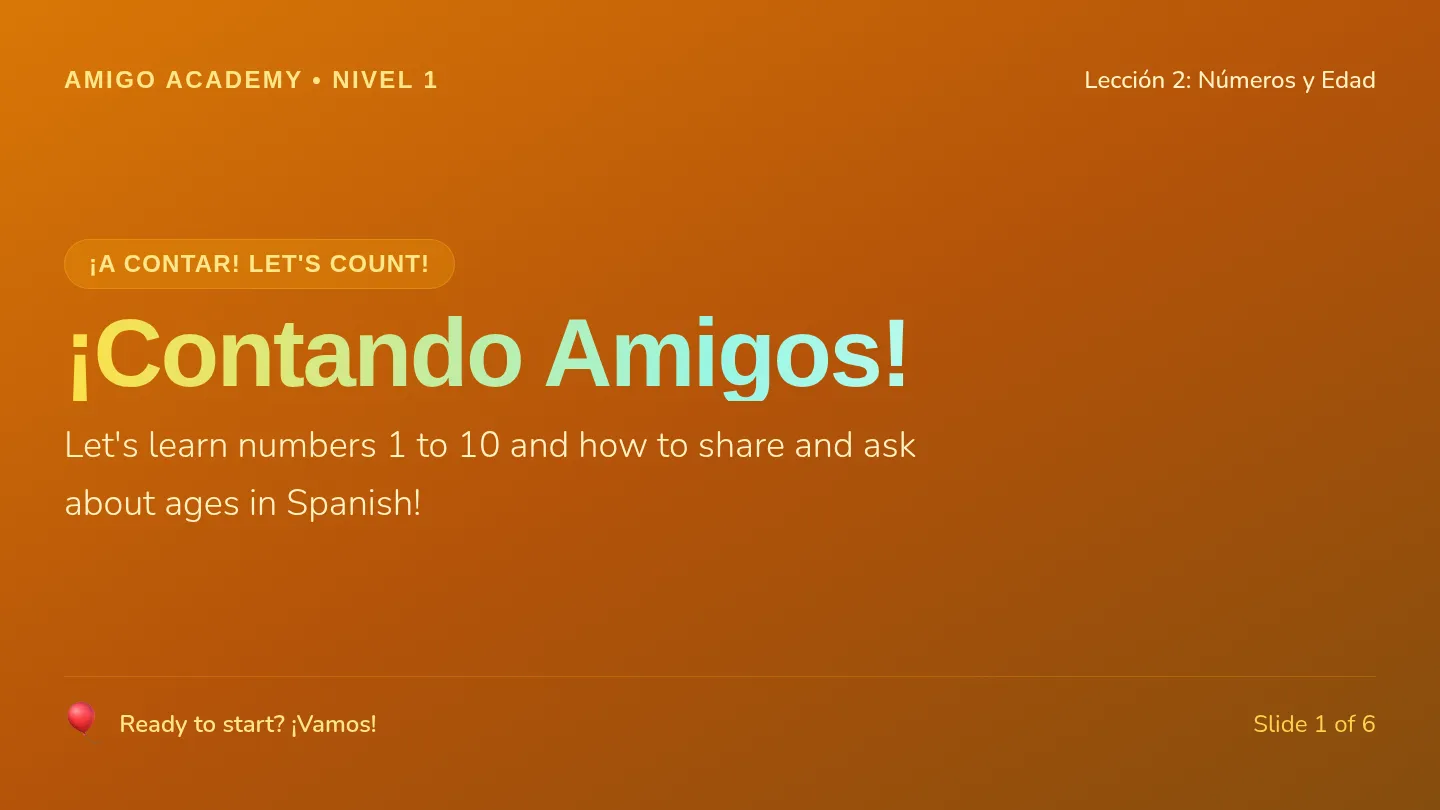
An engaging beginner Spanish lesson focusing on numbers 1-10, asking and answering age questions (¿Cuántos años tienes? Tengo... años), and conducting a classroom birthday/age poll.
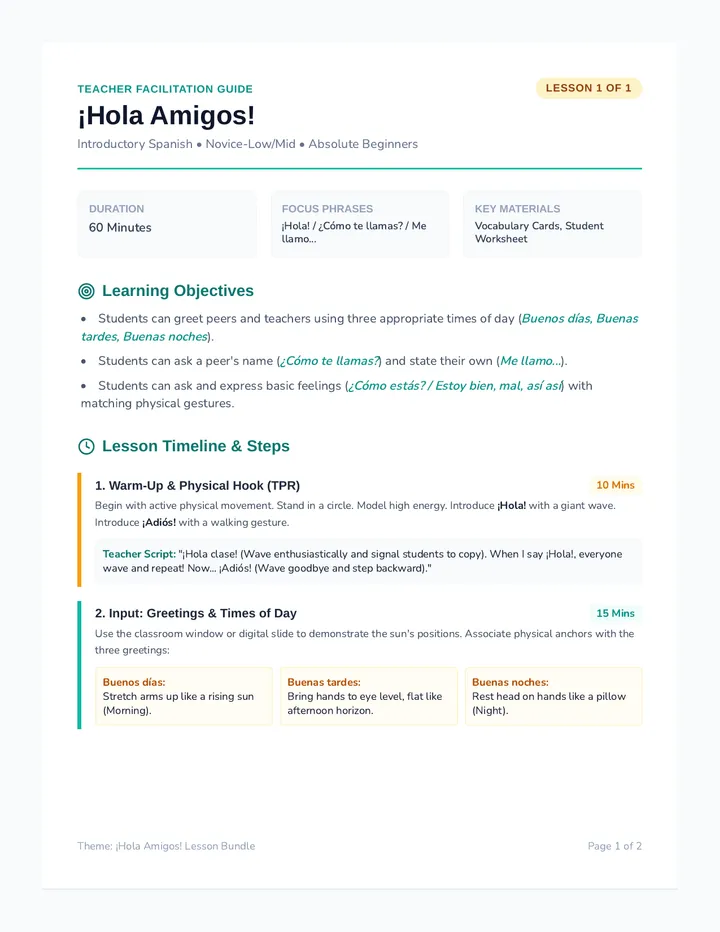
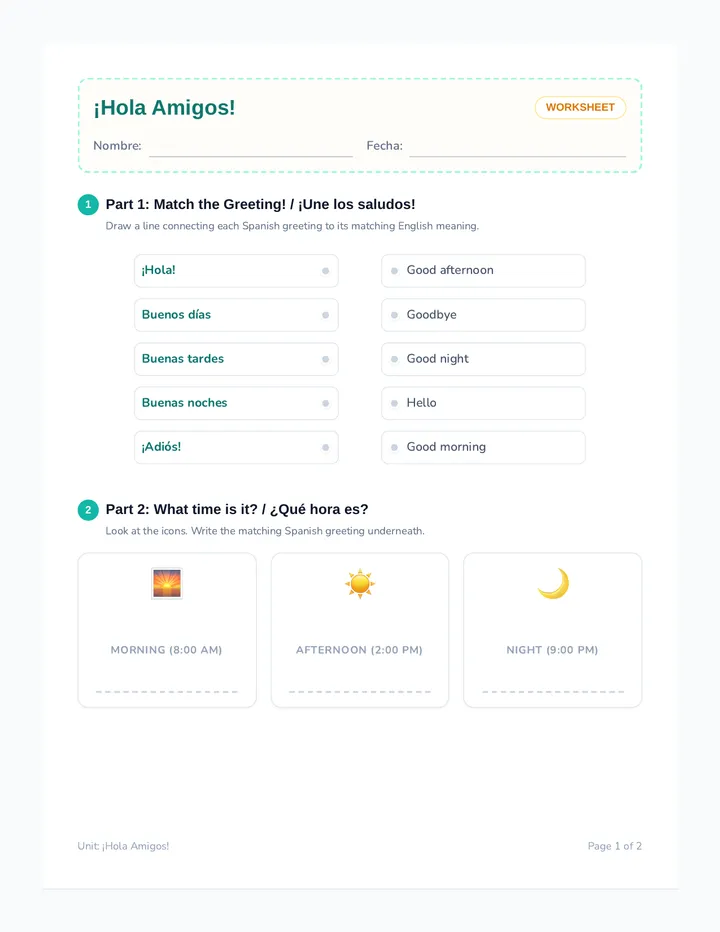
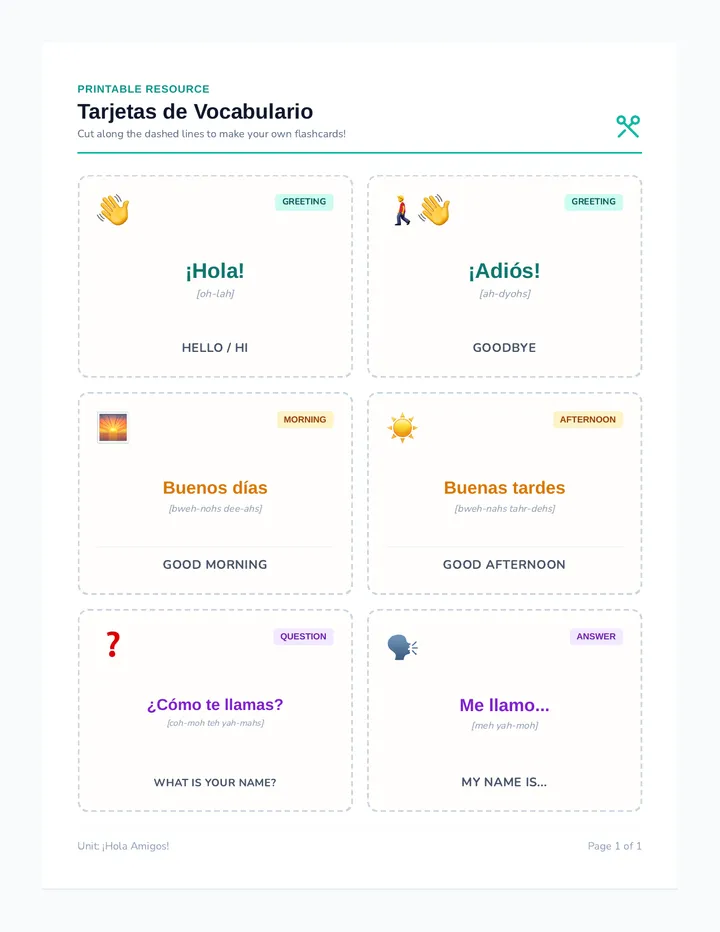
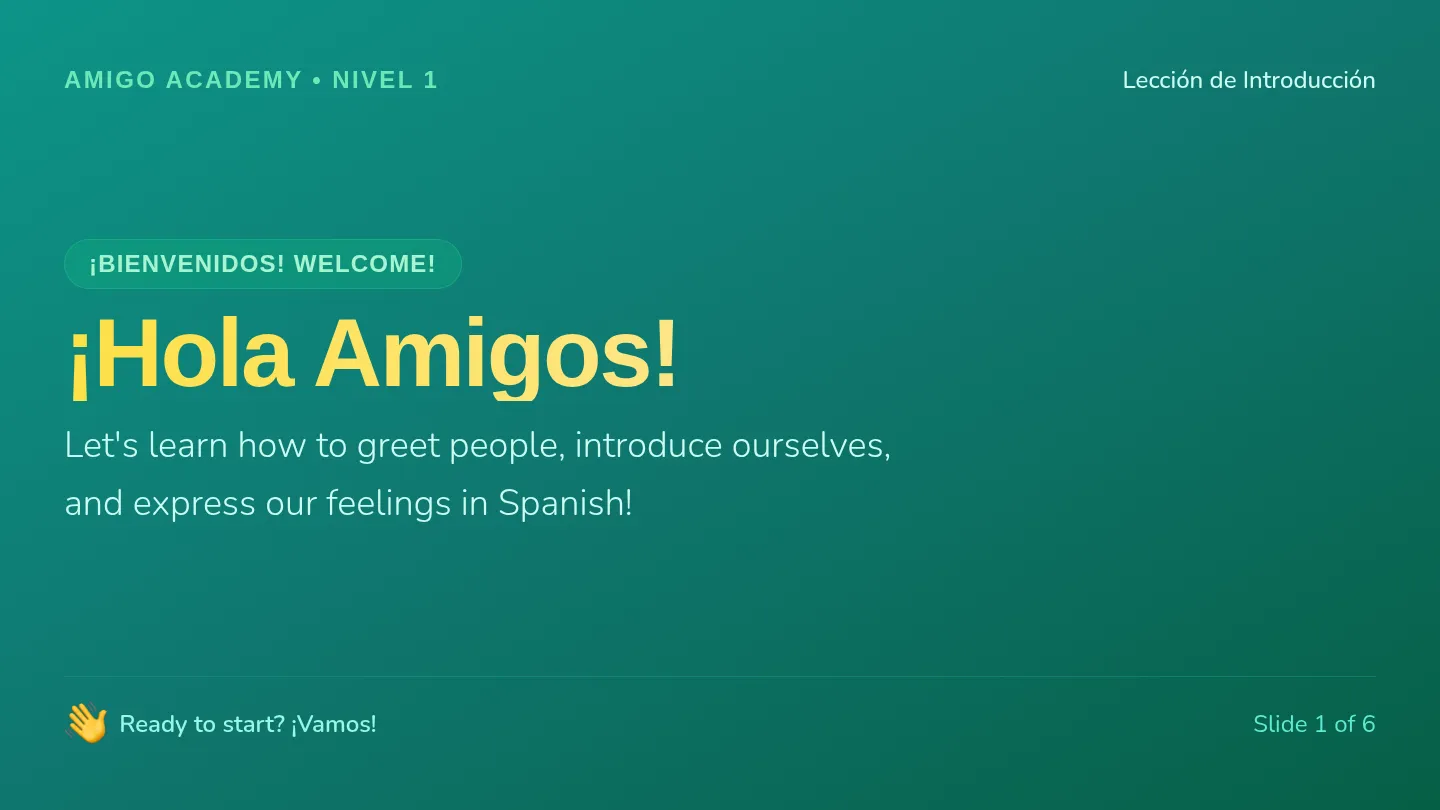
An introductory Spanish lesson for absolute beginners (Novice-Low/Mid) focusing on high-frequency greetings, self-introductions (¿Cómo te llamas? Me llamo...), and basic feelings expression through active physical response (TPR) and collaborative speaking activities.
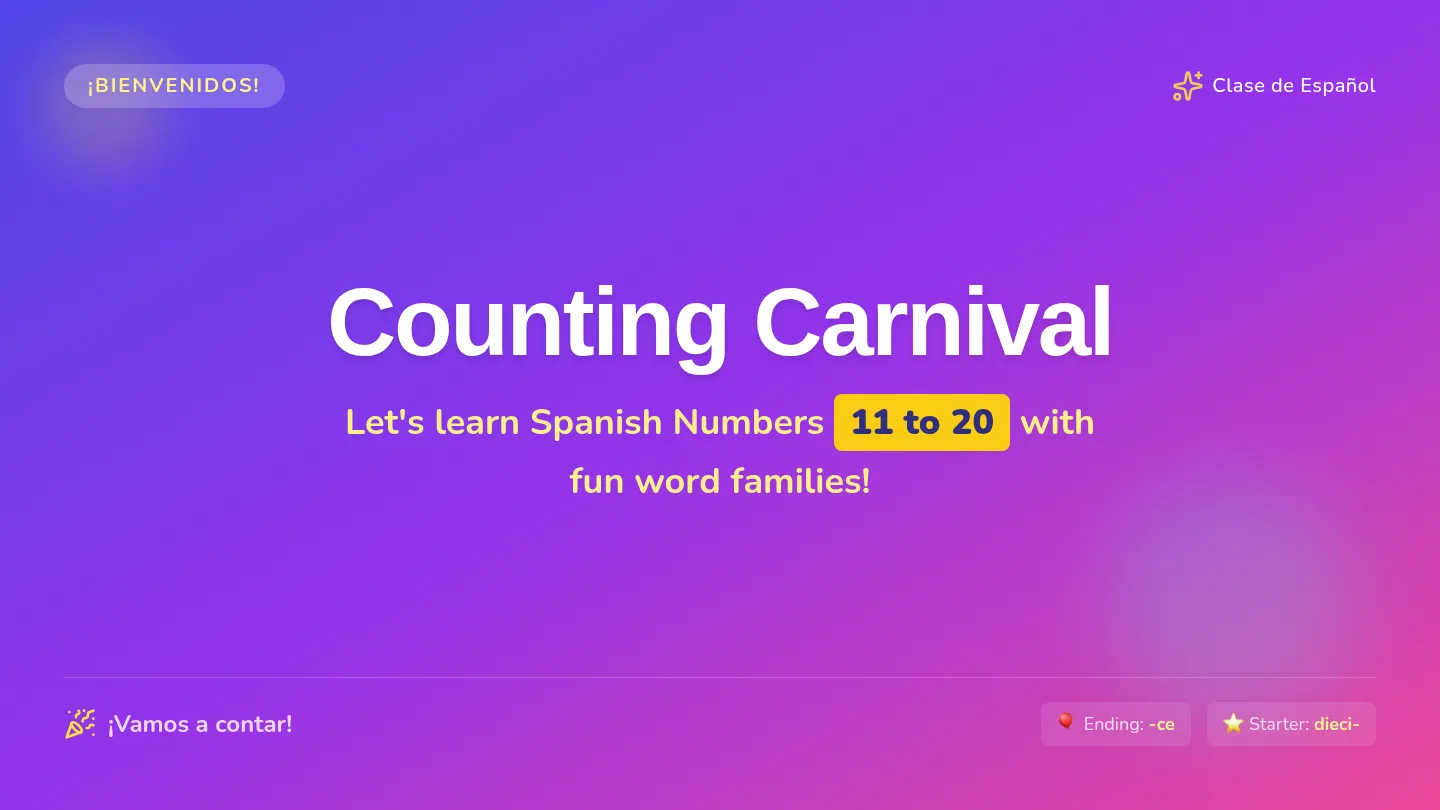
A playful and colorful introductory lesson on Spanish numbers 11 to 20 designed for young learners, highlighting key suffix and prefix spelling patterns.
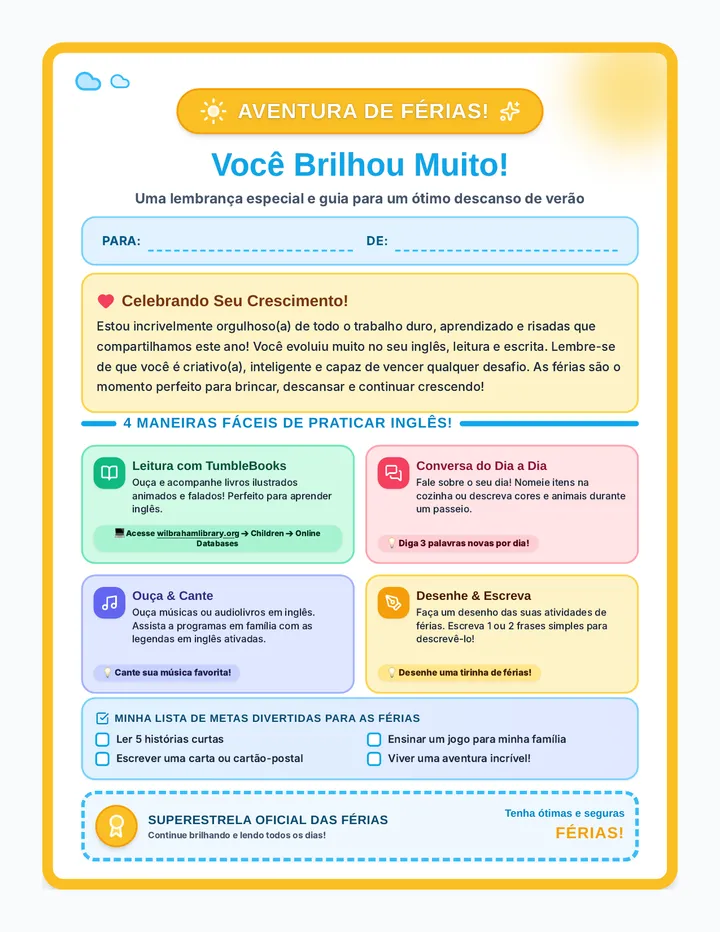
A lesson designed to celebrate student growth and guide families with actionable, low-stress English practice tips over the summer break.
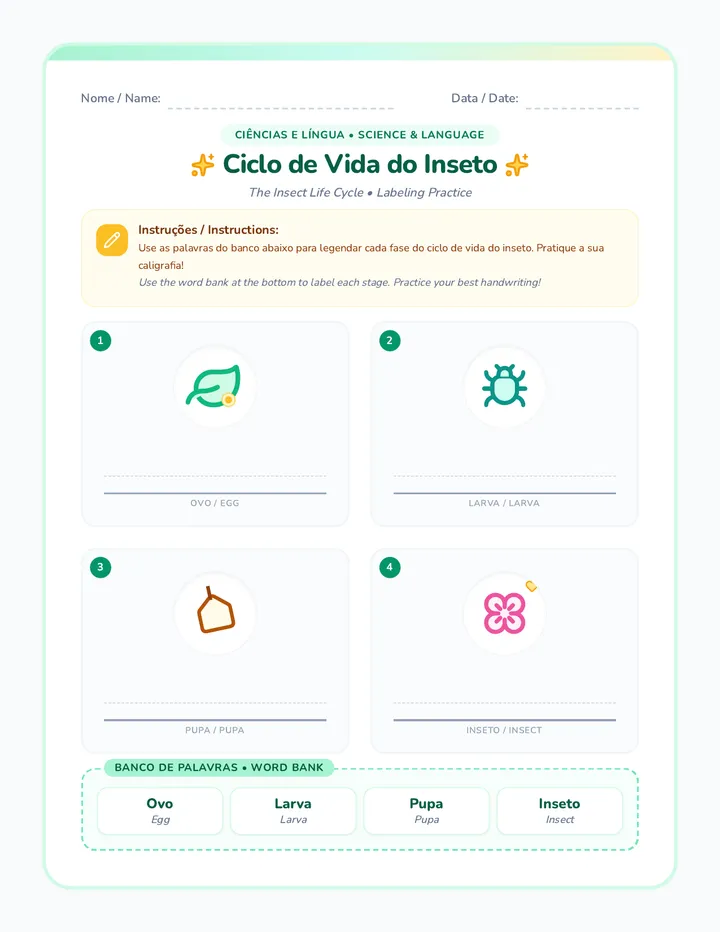
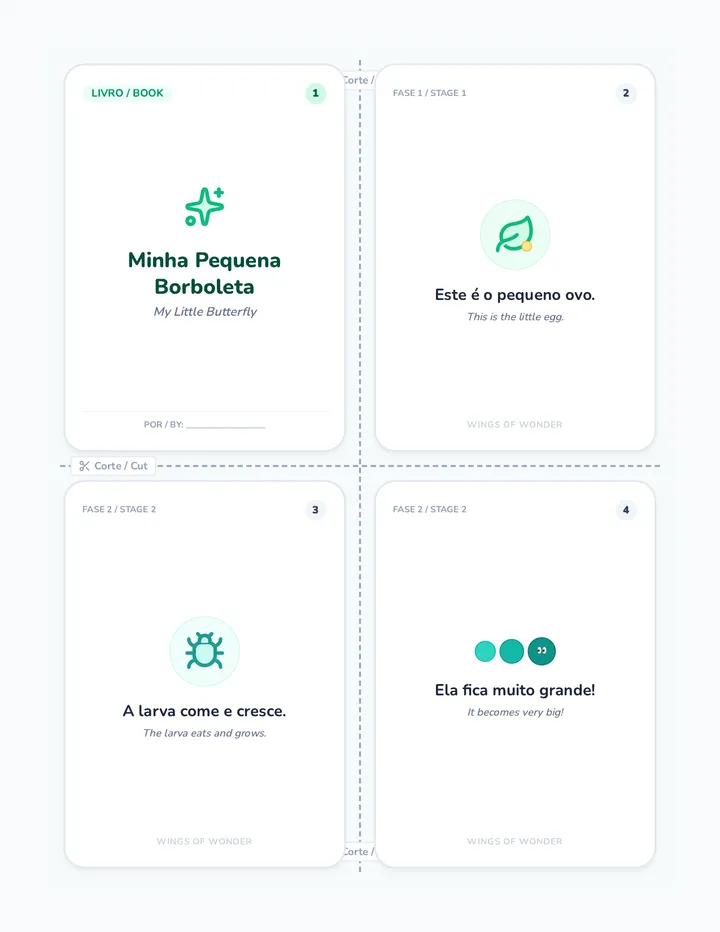
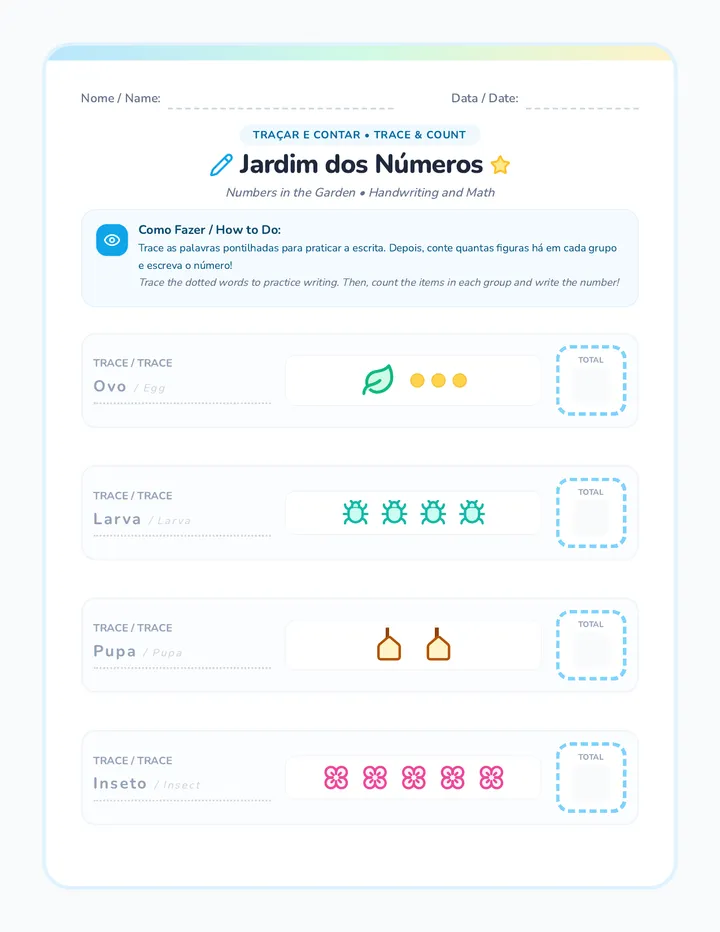
A bilingual kindergarten lesson exploring the magical life cycle of butterflies. Students practice sequencing, labeling, and reading simple bilingual English/Portuguese sentences.
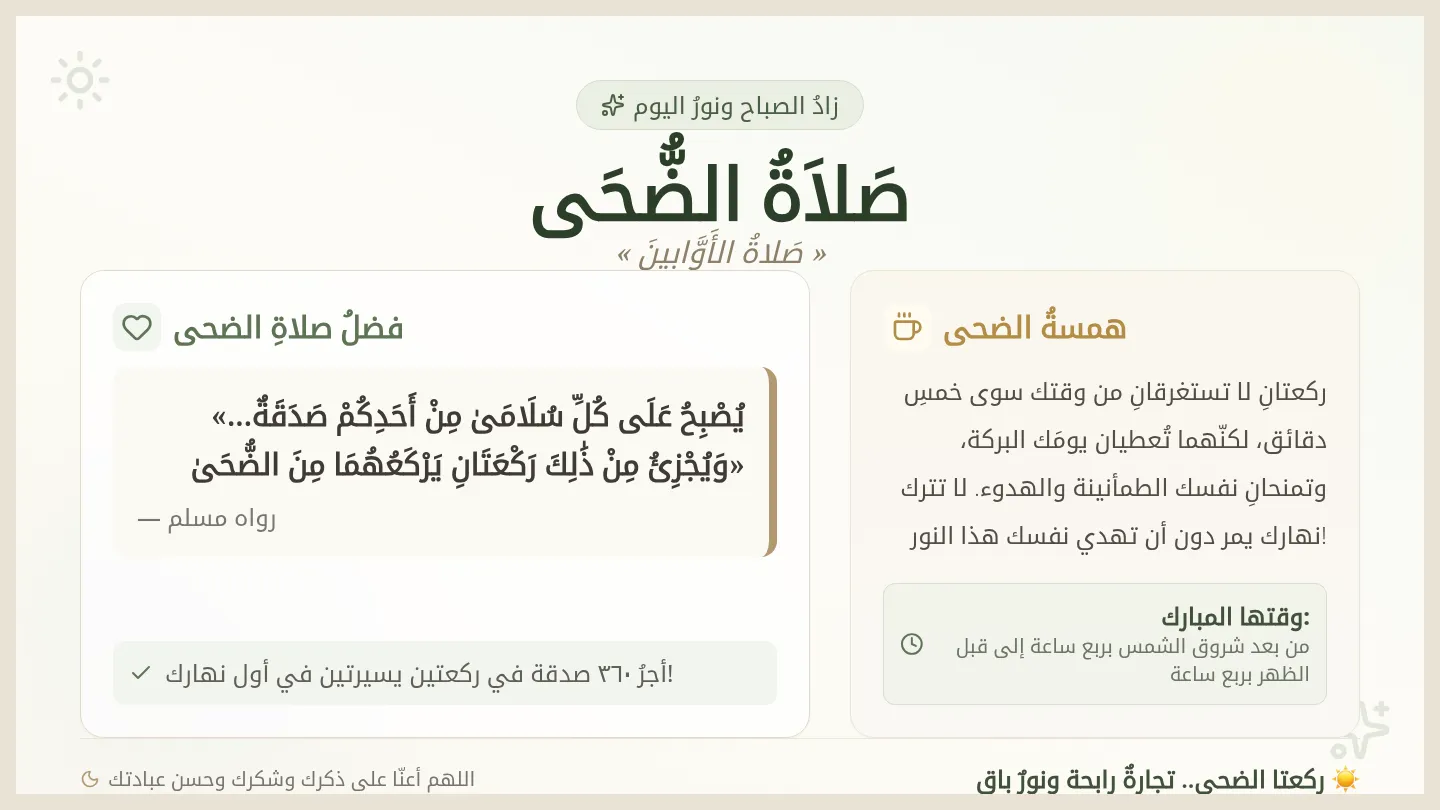
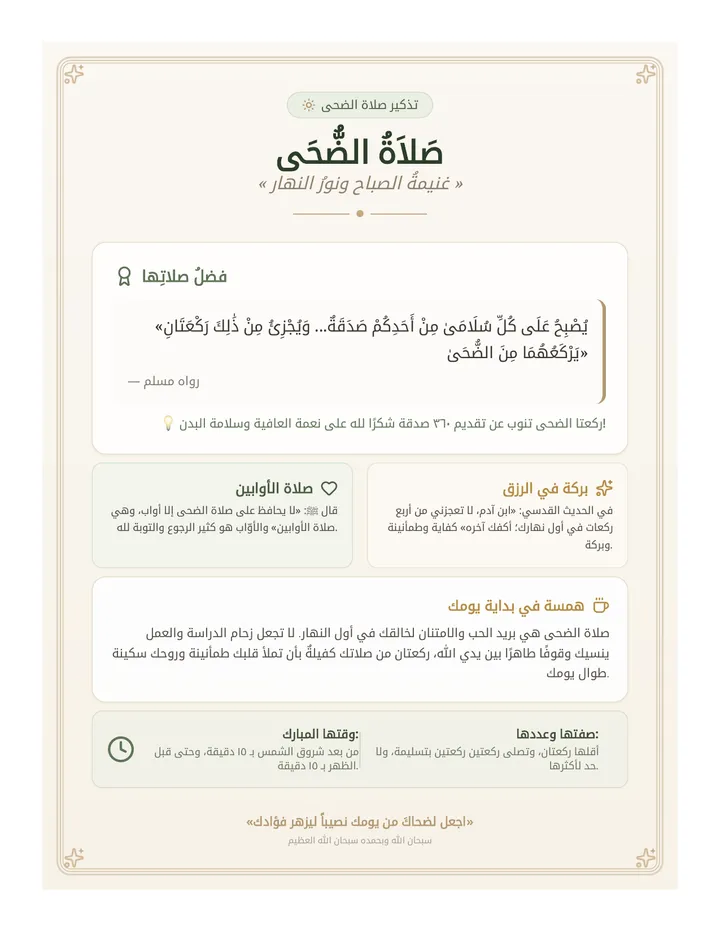
A lesson focusing on the Duha prayer reminder, offering both a digital slide for morning screens and a printable classroom poster to foster a peaceful, spiritual morning routine.
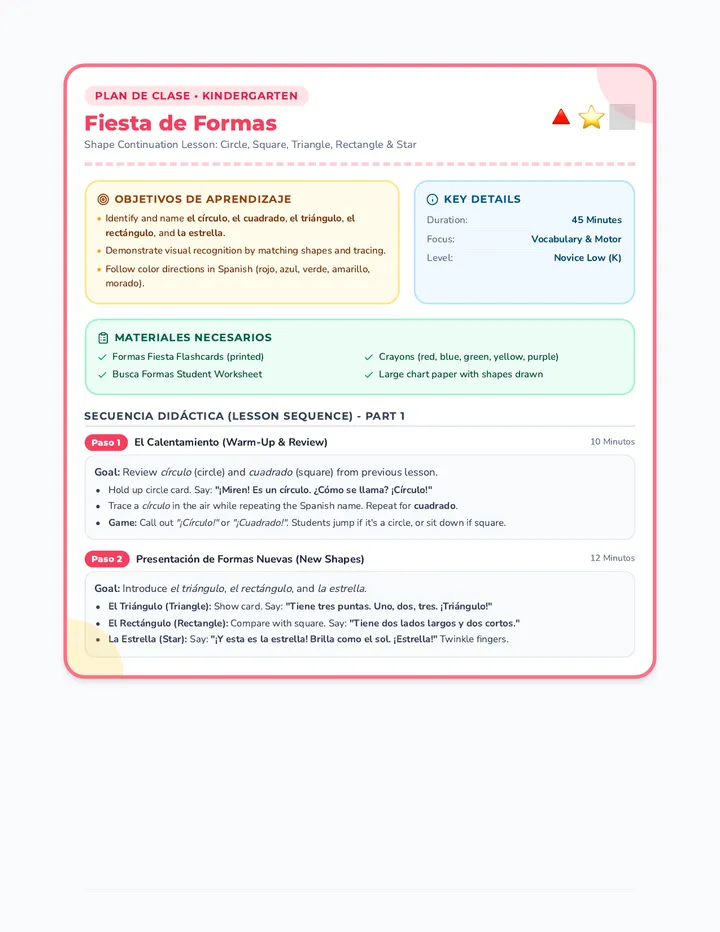
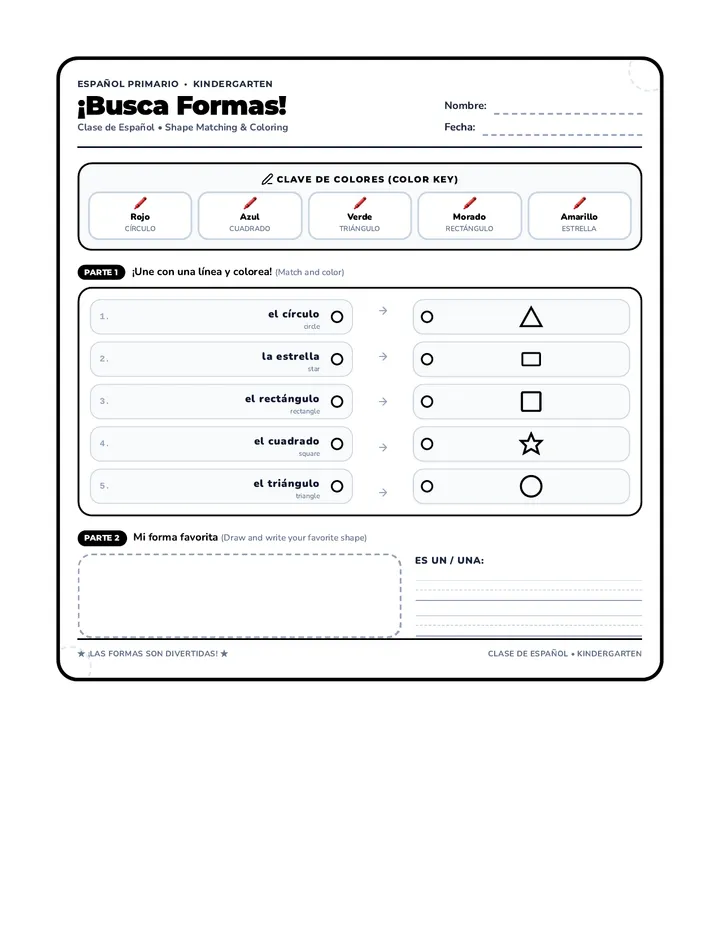
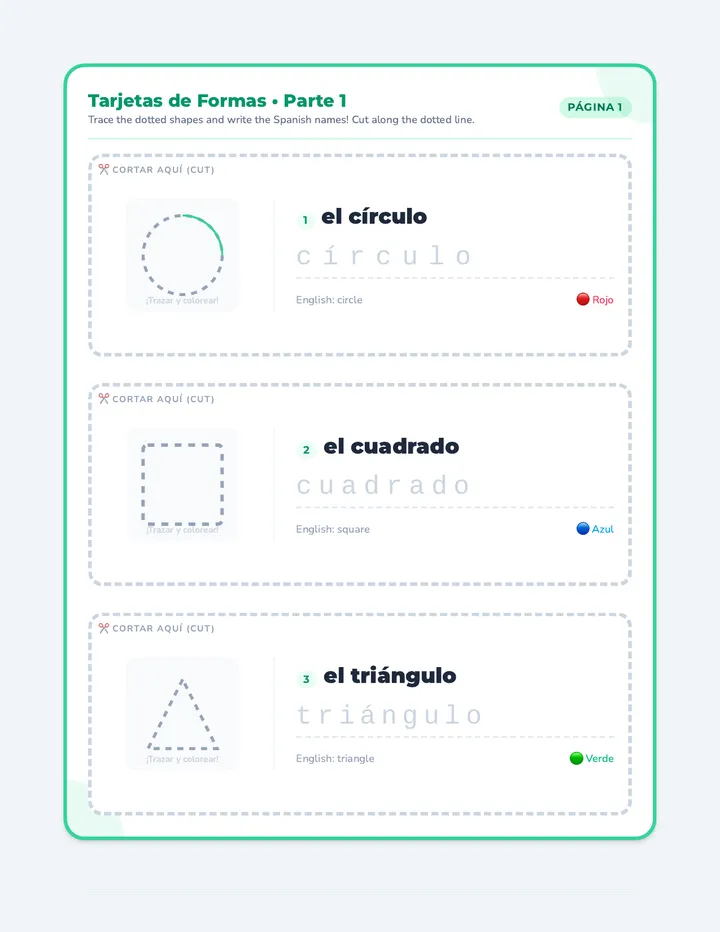
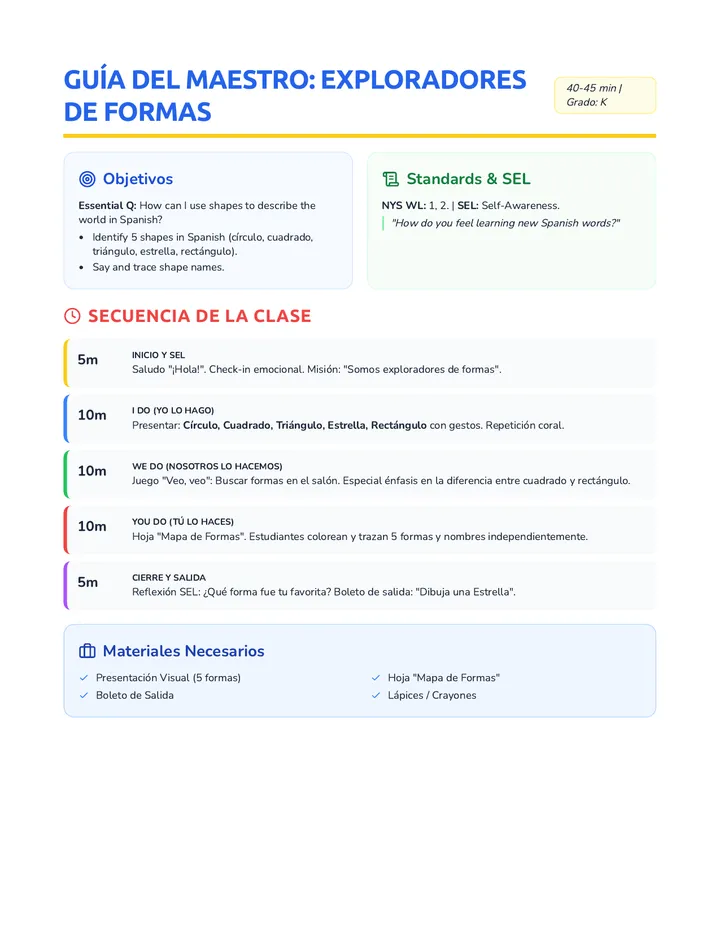
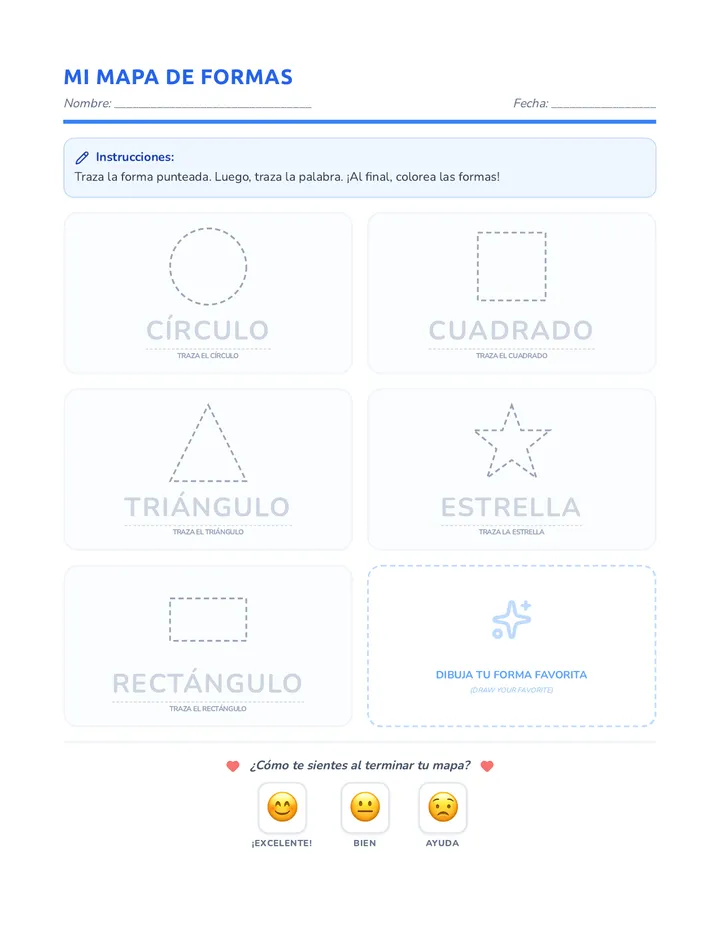
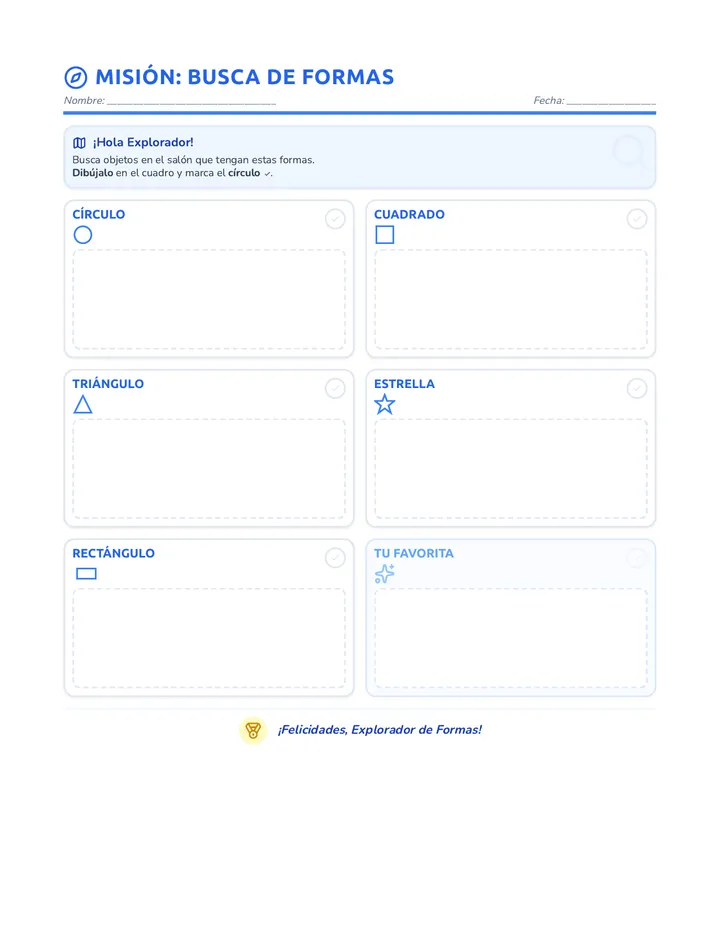
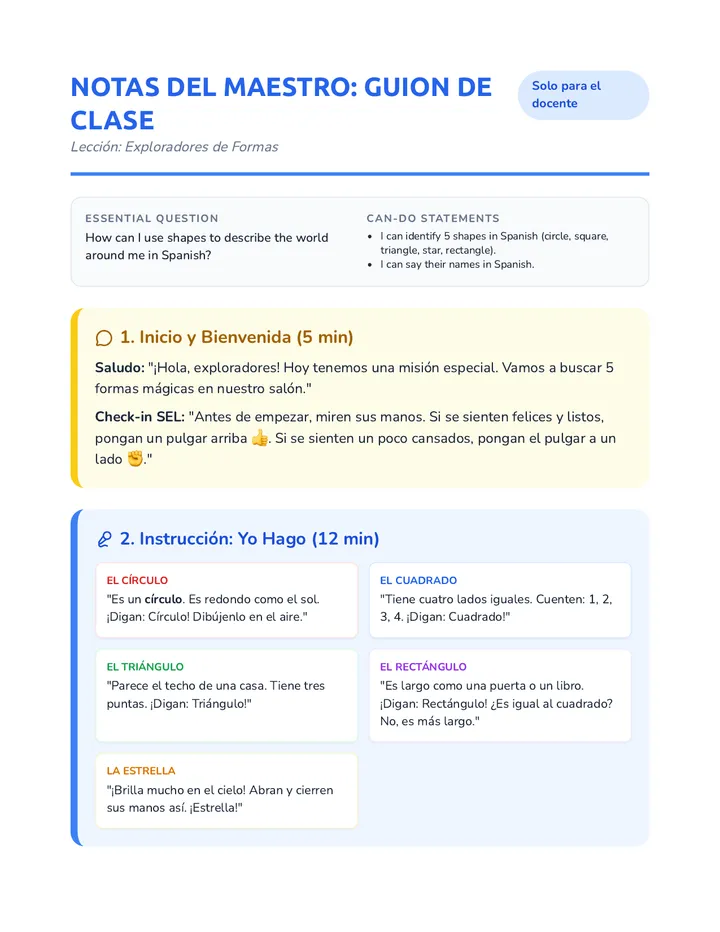
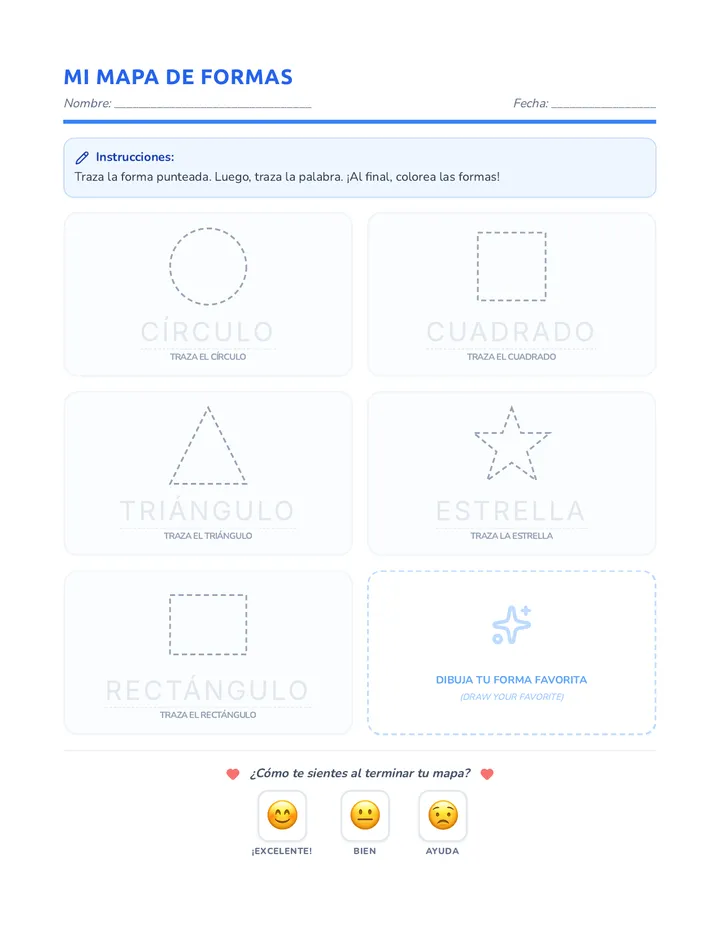
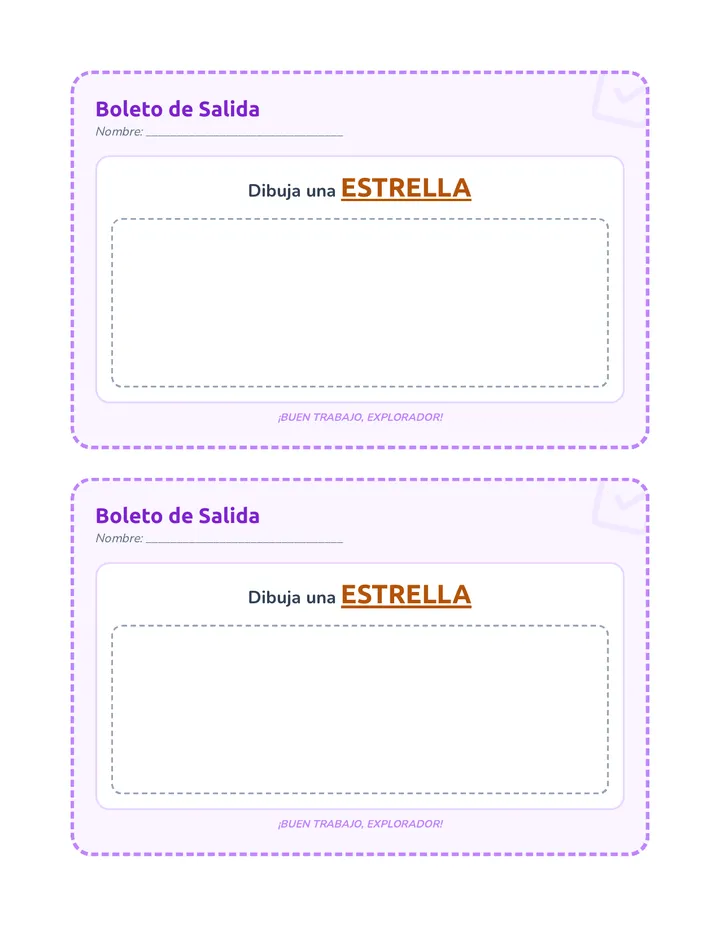
A kindergarten Spanish lesson introducing triangle, rectangle, and star while reviewing circle and square through interactive games, printable tracing flashcards, and a matching worksheet.
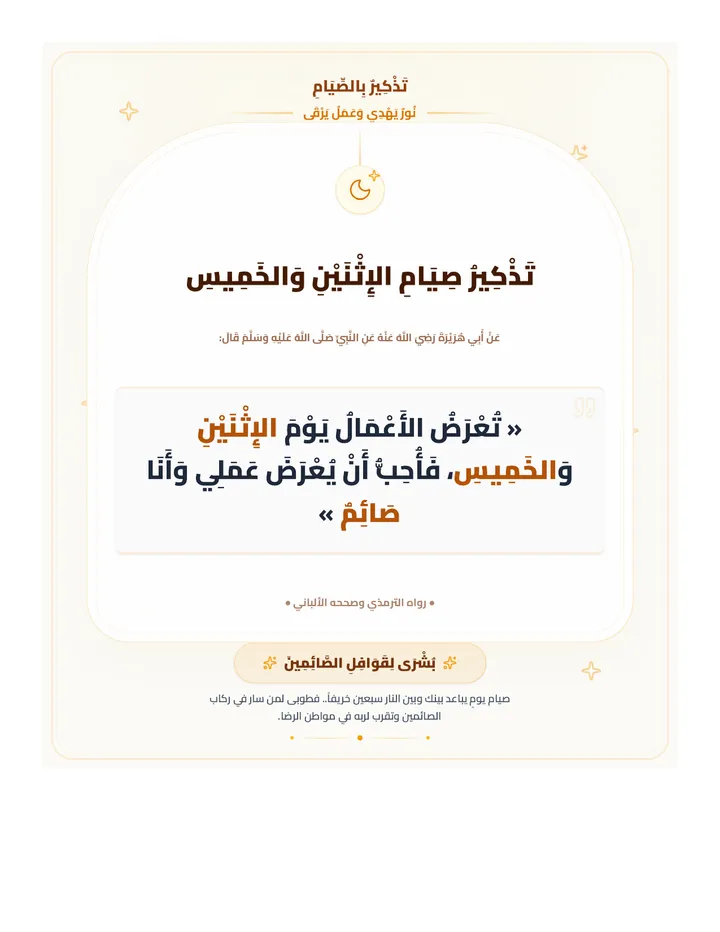
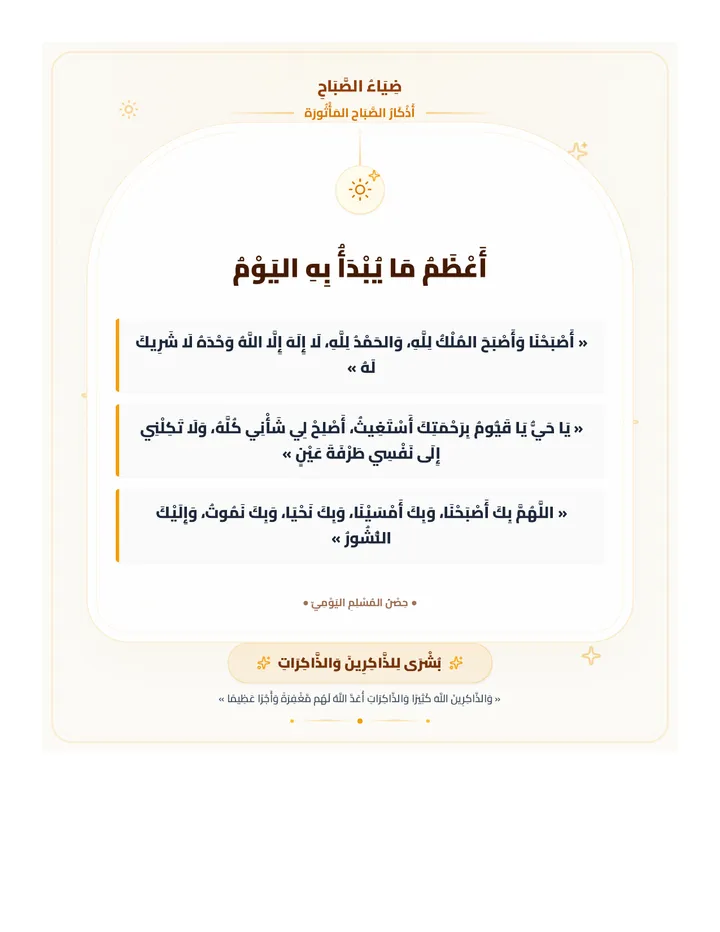
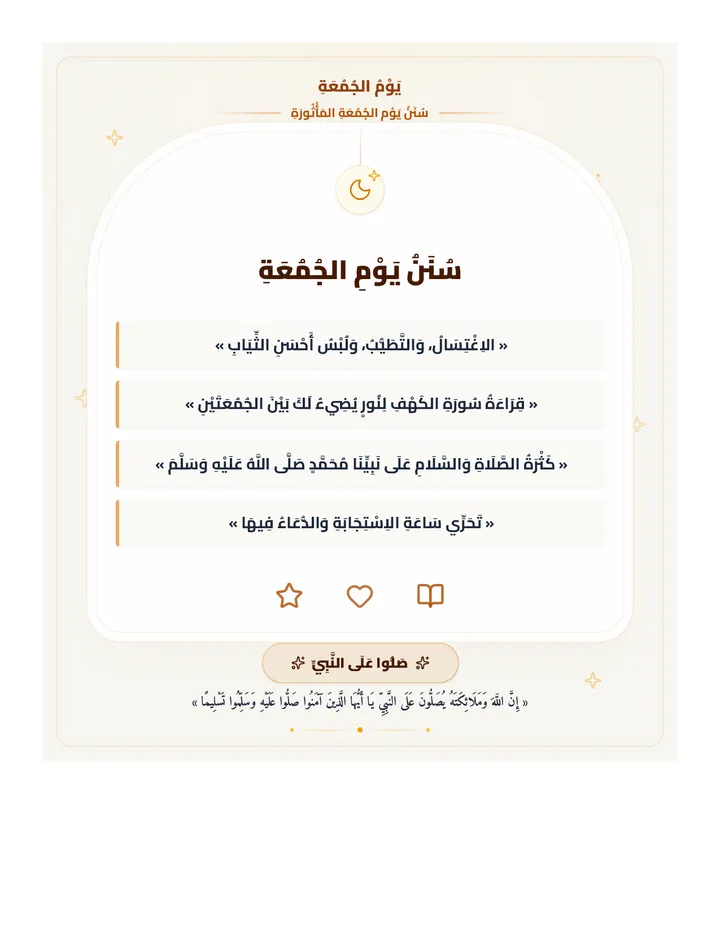
A premium, cohesive collection of beautifully designed spiritual and religious reminders for daily, weekly, and seasonal practices, featuring high-contrast connected Arabic typography, elegant arches, and glowing celestial themes.
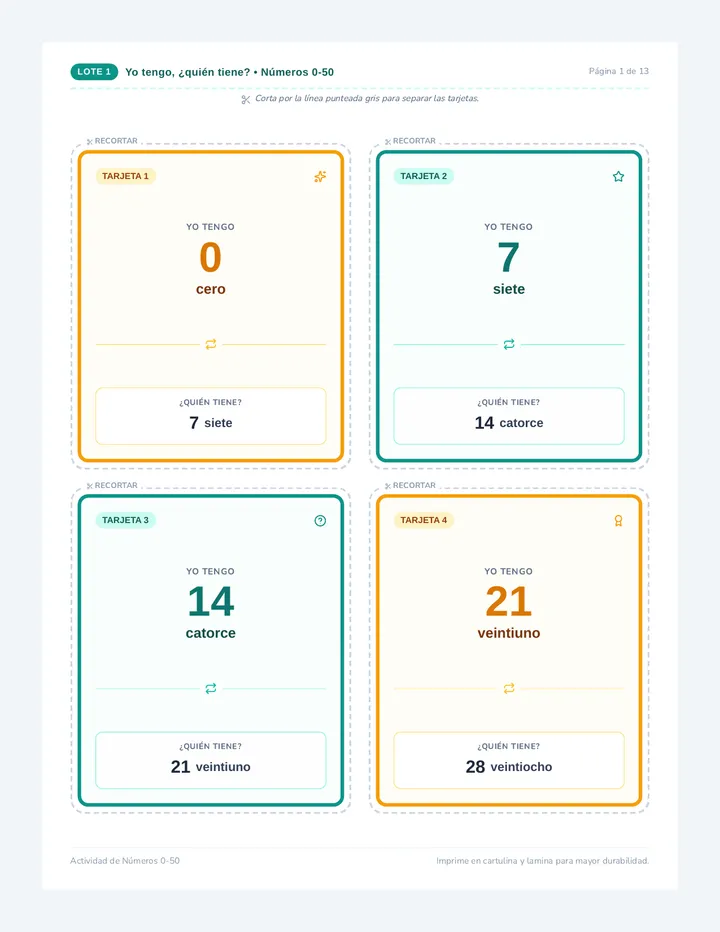
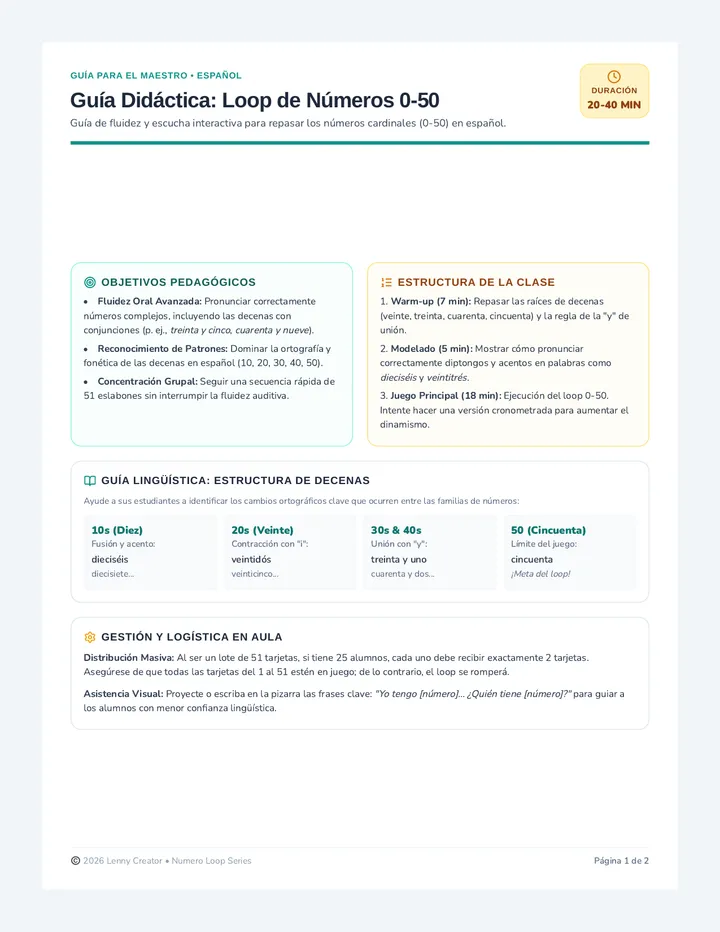
A dynamic Spanish language lesson centered on a 'Yo tengo, ¿quién tiene?' loop game for numbers 0-50. Students develop active listening and rapid oral recall skills while building classroom community through collaborative play.
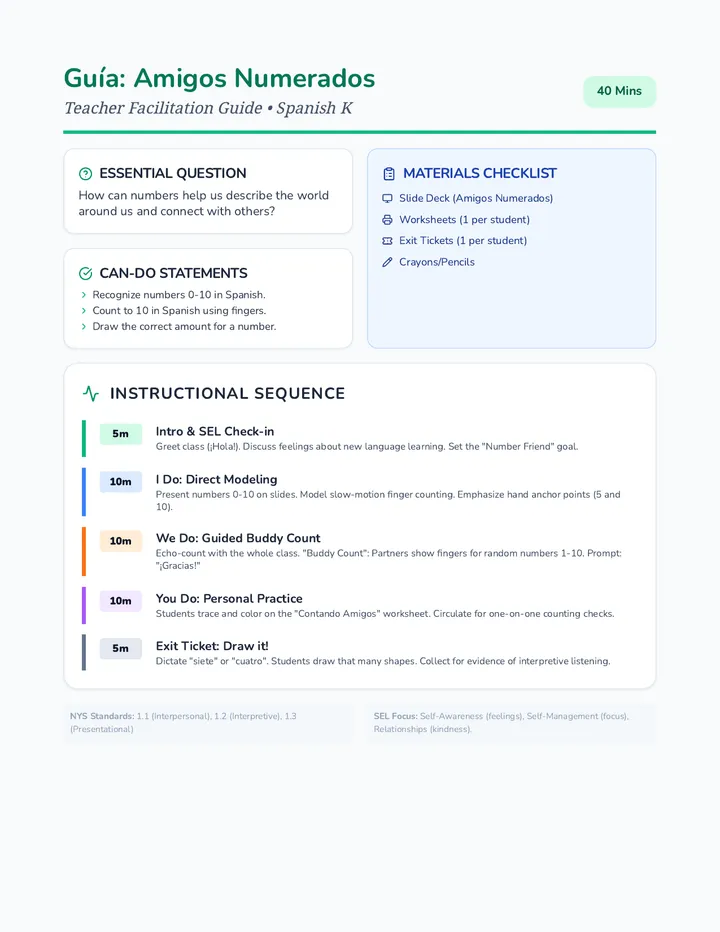
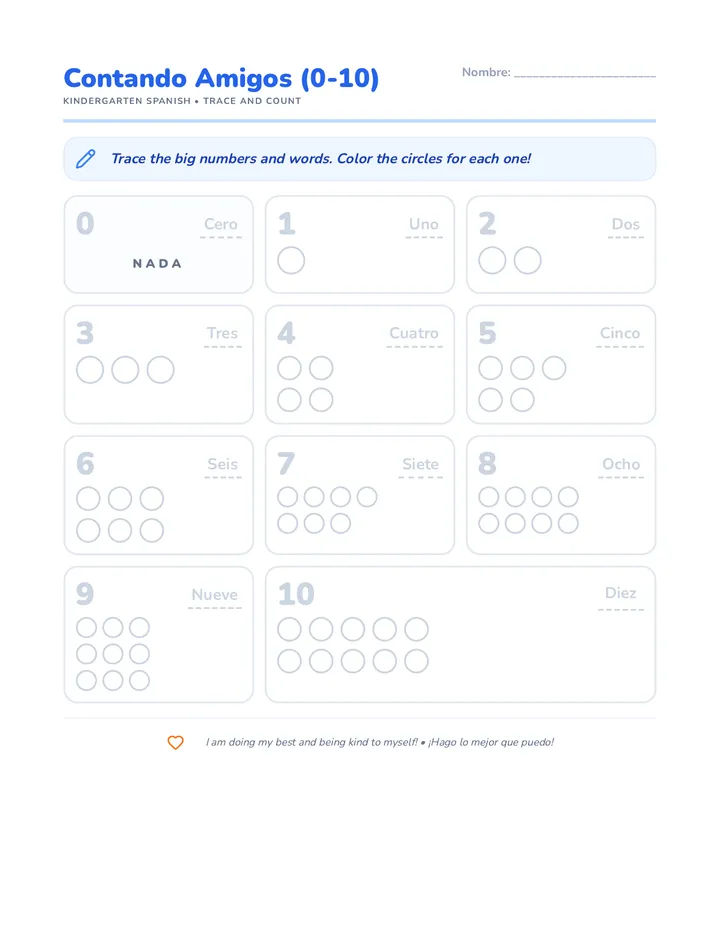
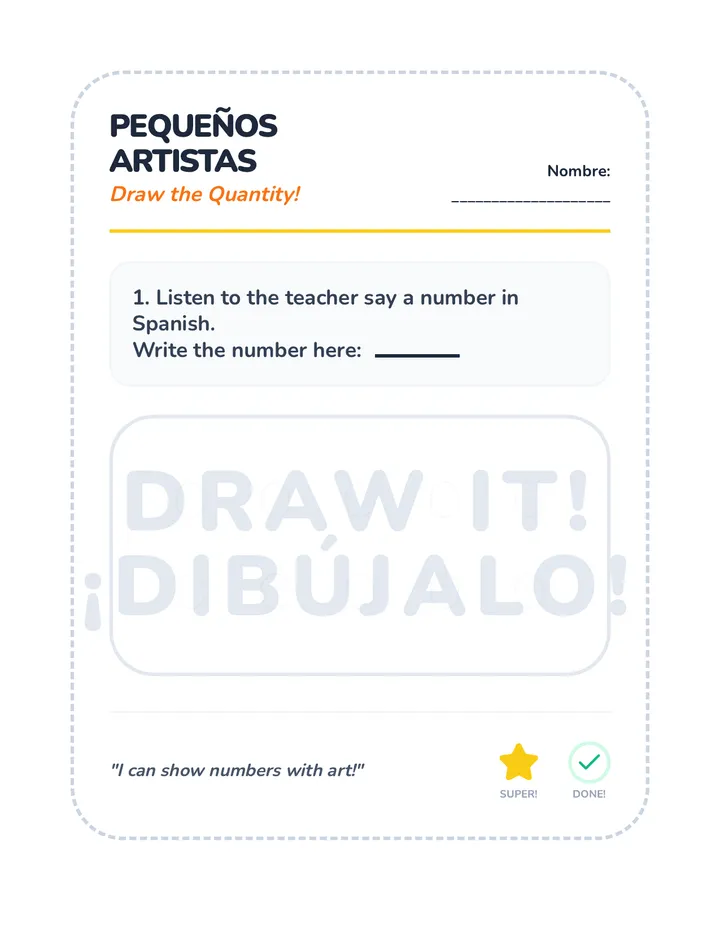
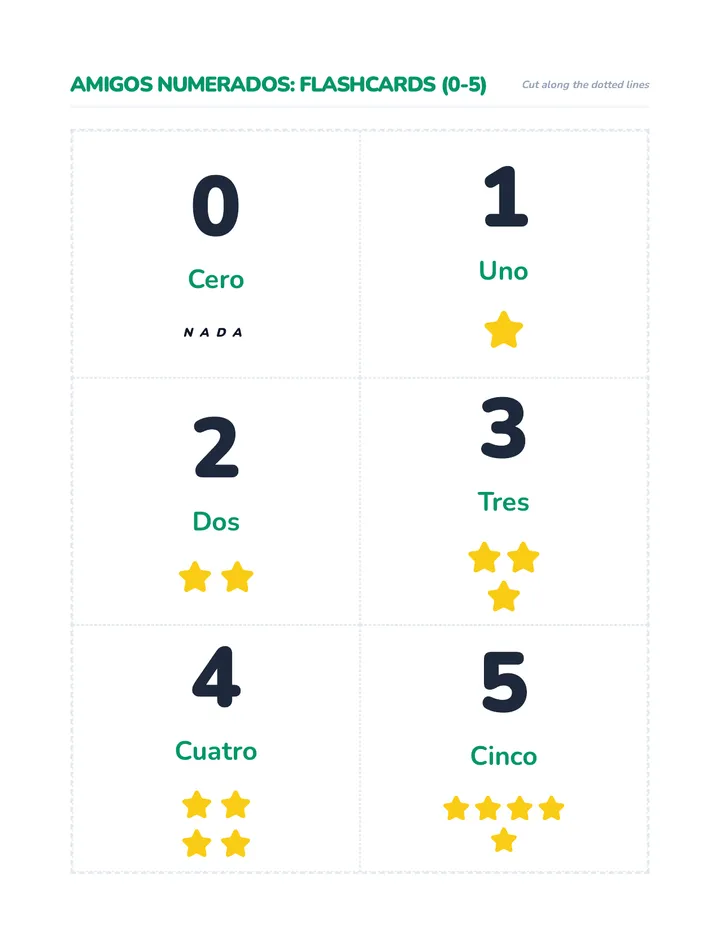
A kindergarten introductory lesson on Spanish numbers 0-10, integrating NYS World Language standards and SEL competencies through interactive play and drawing.
A Kindergarten Spanish lesson focusing on four basic shapes (círculo, cuadrado, triángulo, estrella) through the lens of exploration and SEL, aligned with NYS World Language Standards.
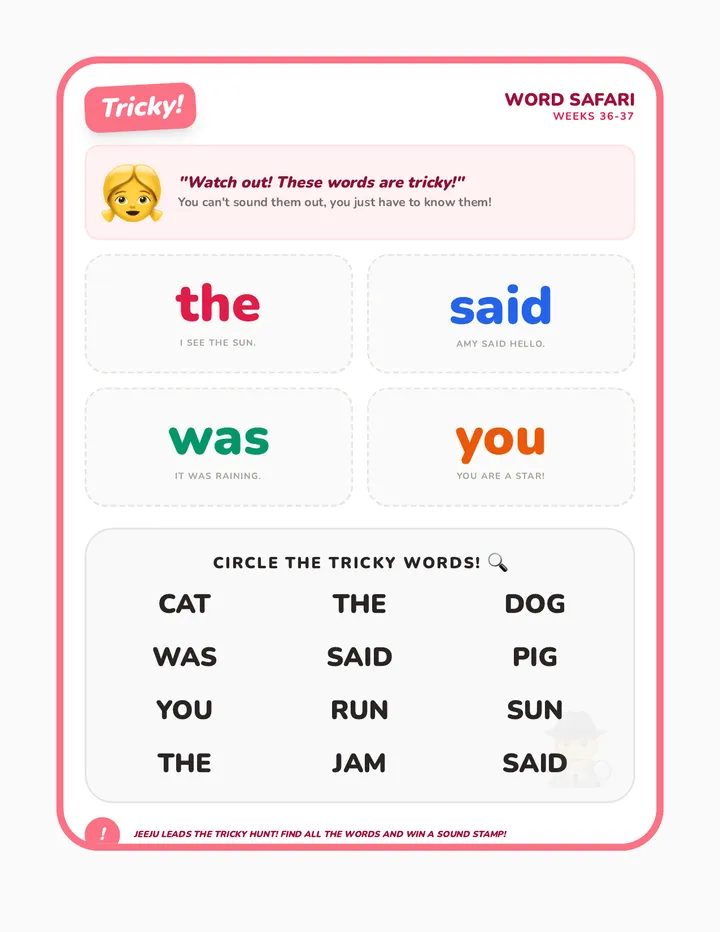
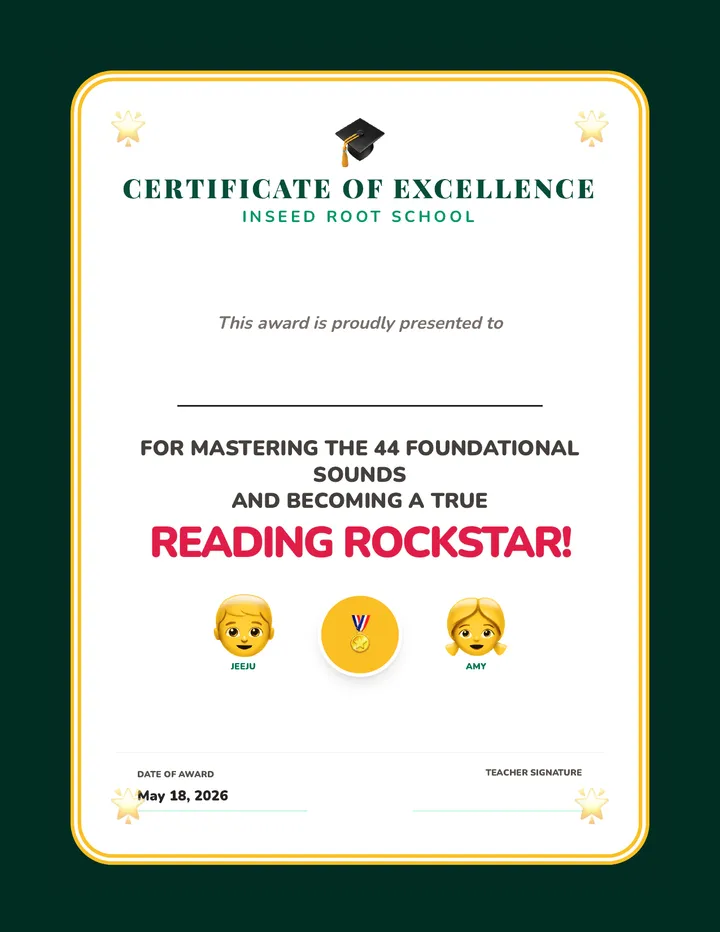
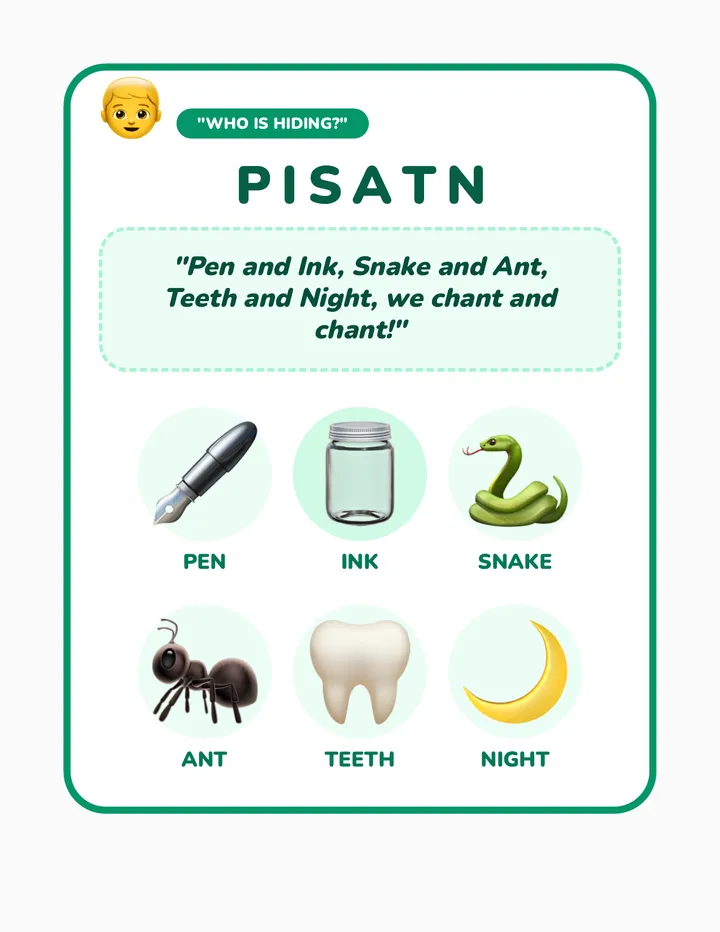
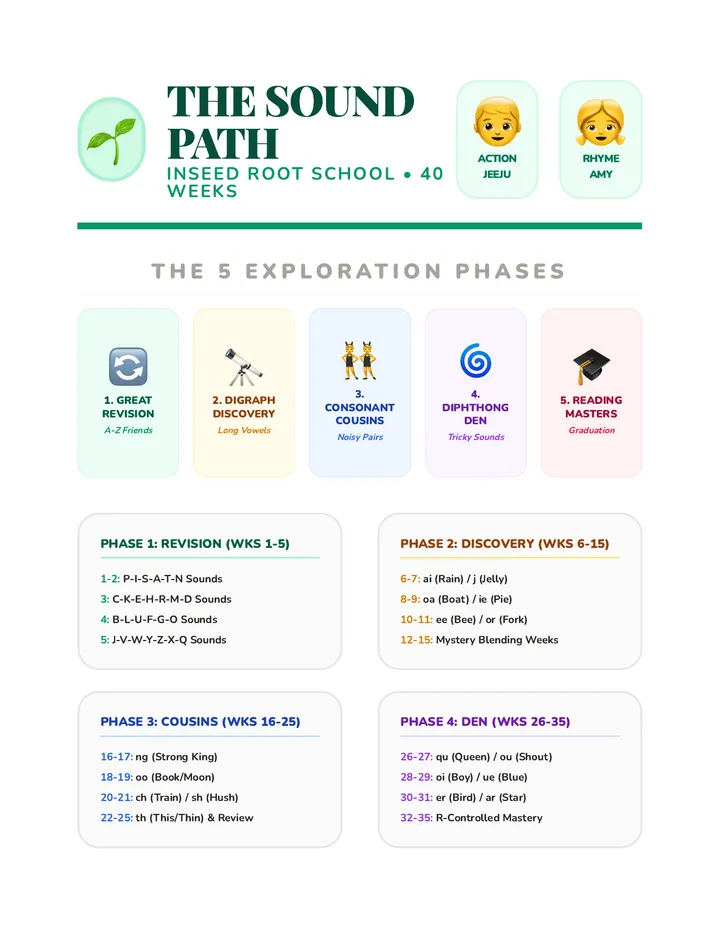
The final mastery phase of the Phonics Path (Weeks 36-40). Students become "Reading Rockstars" by tackling tricky words, reading their first Jeeju and Amy stories, and celebrating with a Sound Graduation.
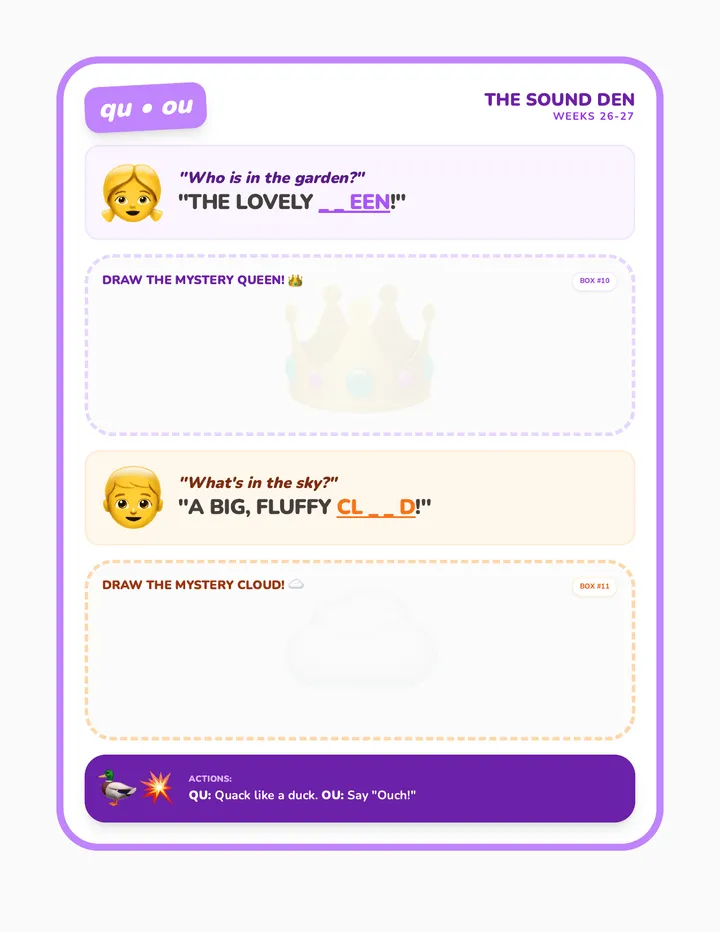
Phase 4 of the Phonics Path (Weeks 26-35). Explores diphthongs and r-controlled vowels (qu, ou, oi, ue, er, ar, or) through the "Diphthong Den" mystery theme with Jeeju and Amy.
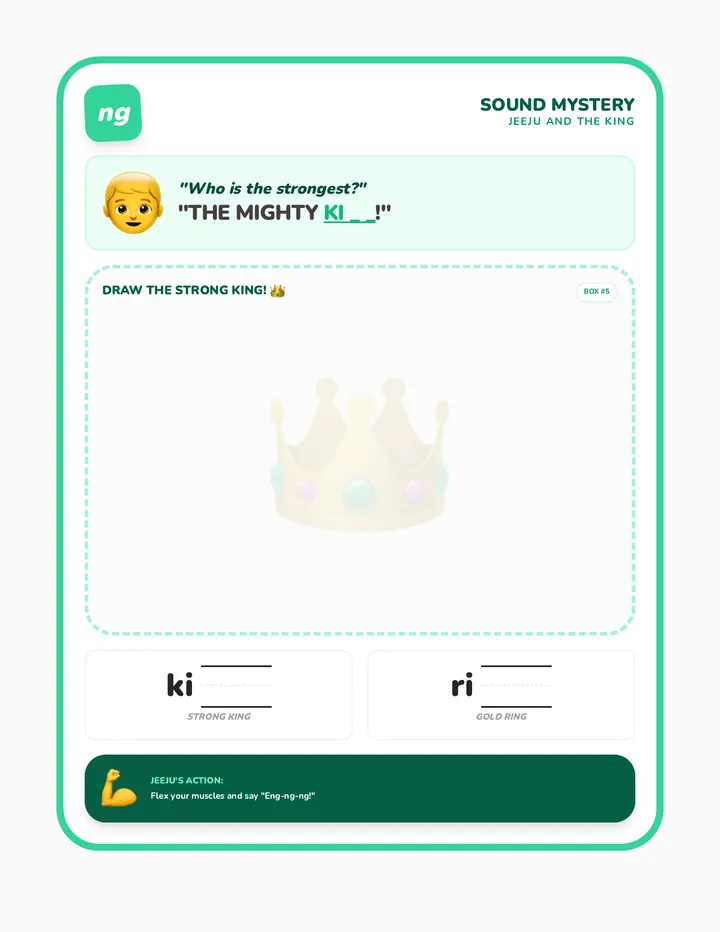
Phase 3 of the Phonics Path (Weeks 16-25). Focuses on consonant digraphs (ng, ch, sh, th) and the vowel digraph 'oo' through character-led 'Hidden Sound Quests' with Jeeju and Amy.
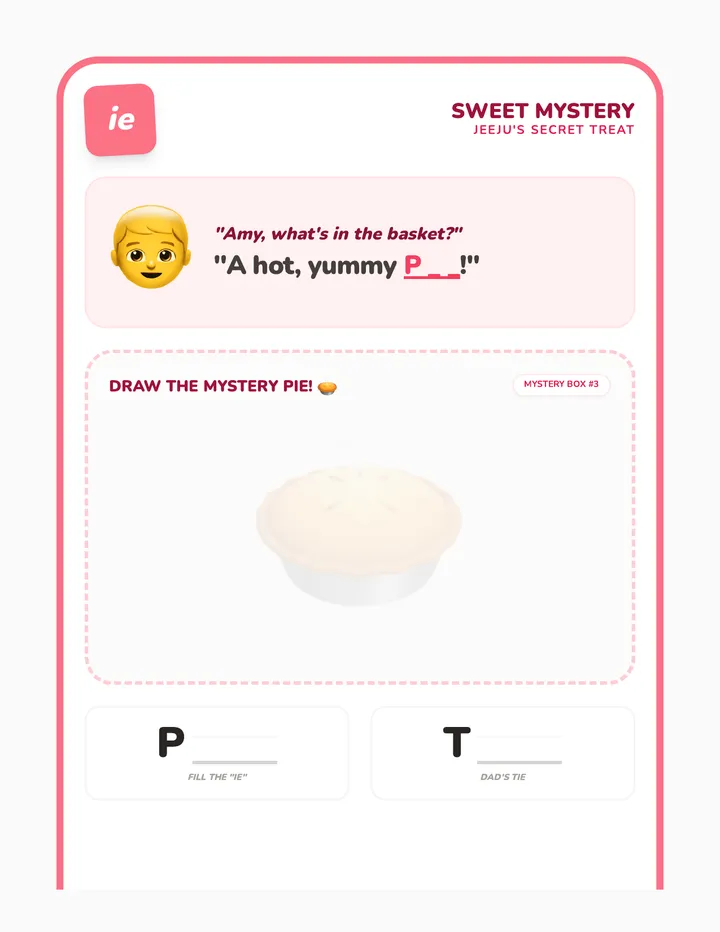
Focuses on the digraphs 'ie' and 'ee' through a "Sweet Mystery" theme. Students explore Jeeju's pie adventure and Amy's bee discovery using rhymes, actions, and drawing.
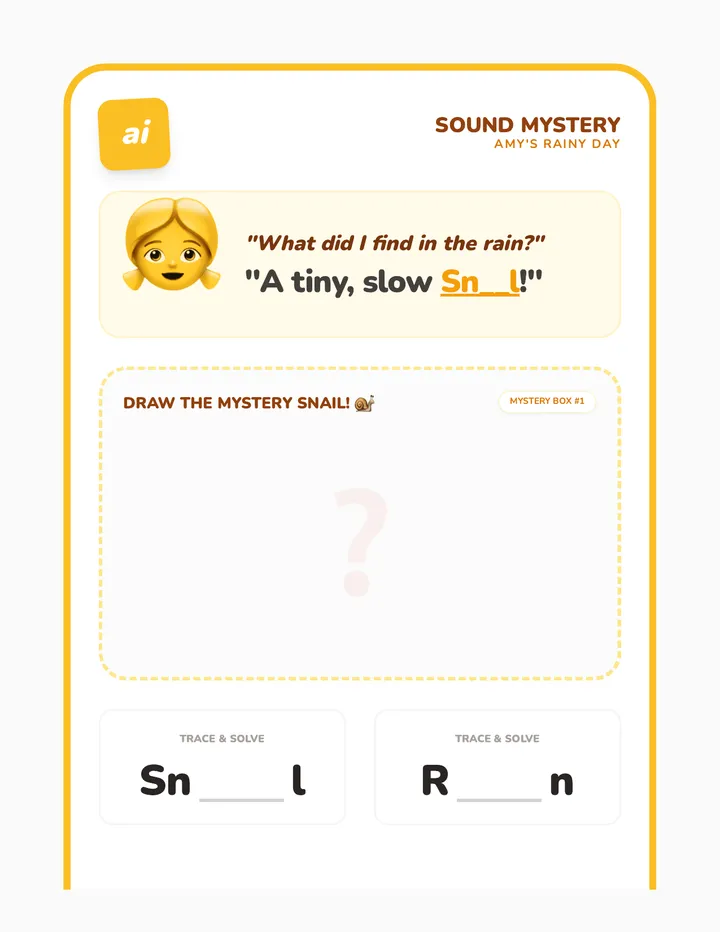
The first major step beyond revision, focusing on long vowel digraphs (ai, oa, ie, ee) and the consonant 'j' through the adventures of Jeeju and Amy.
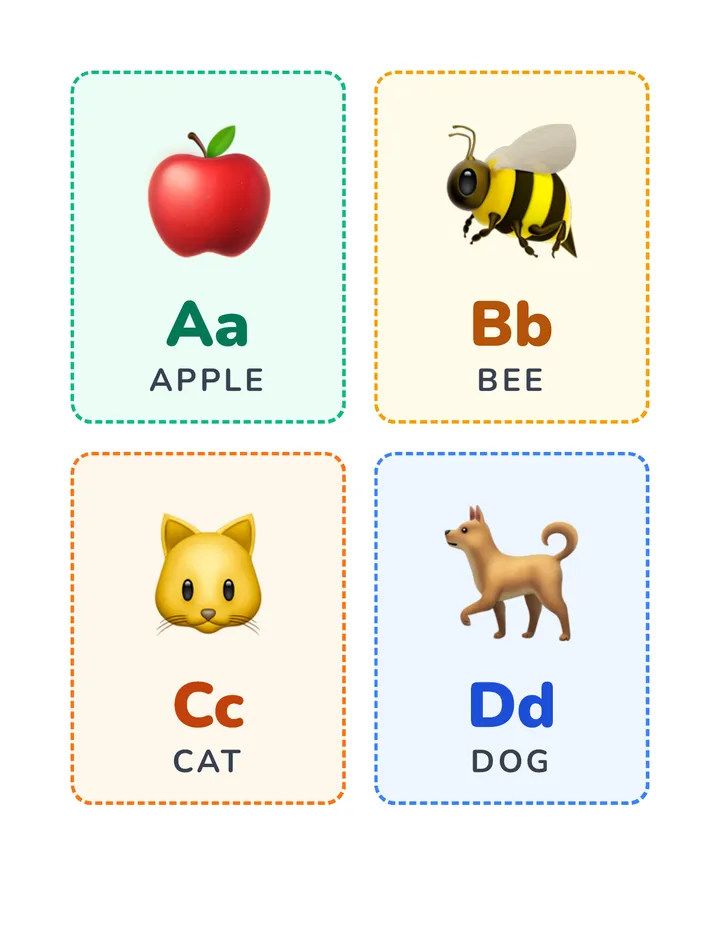
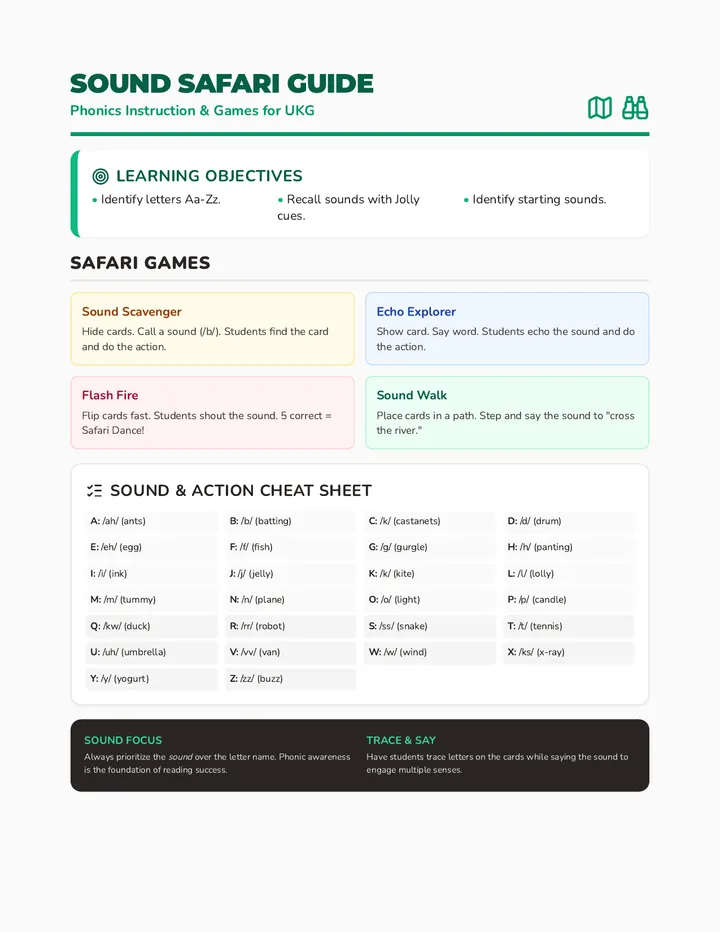
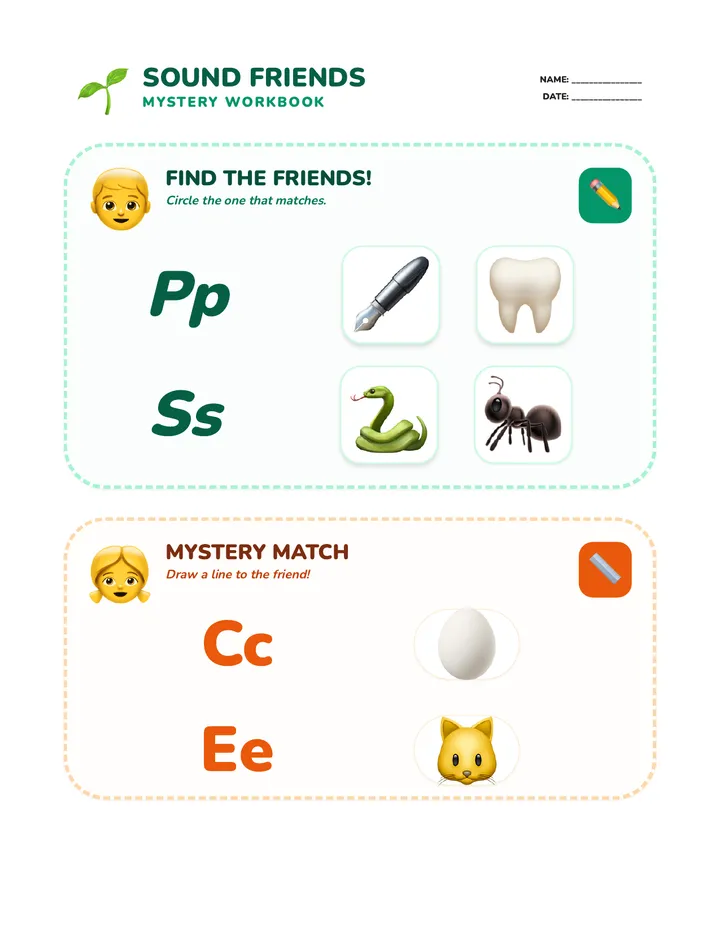
A phonics mastery lesson for early readers (UKG) focused on reinforcing letter-sound relationships from A to Z using visual aids and interactive play.
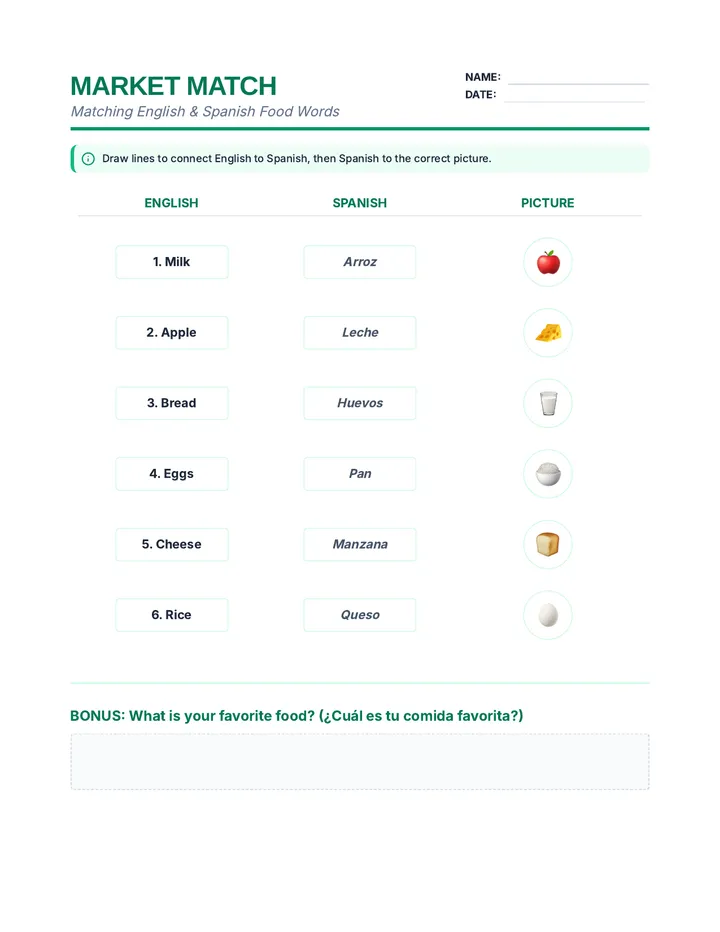
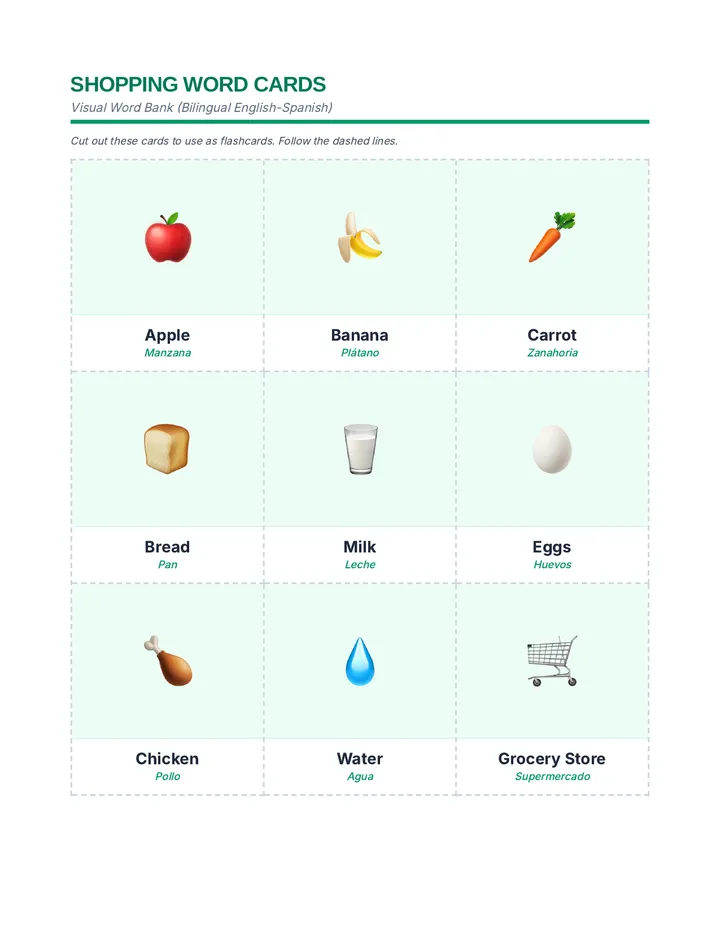
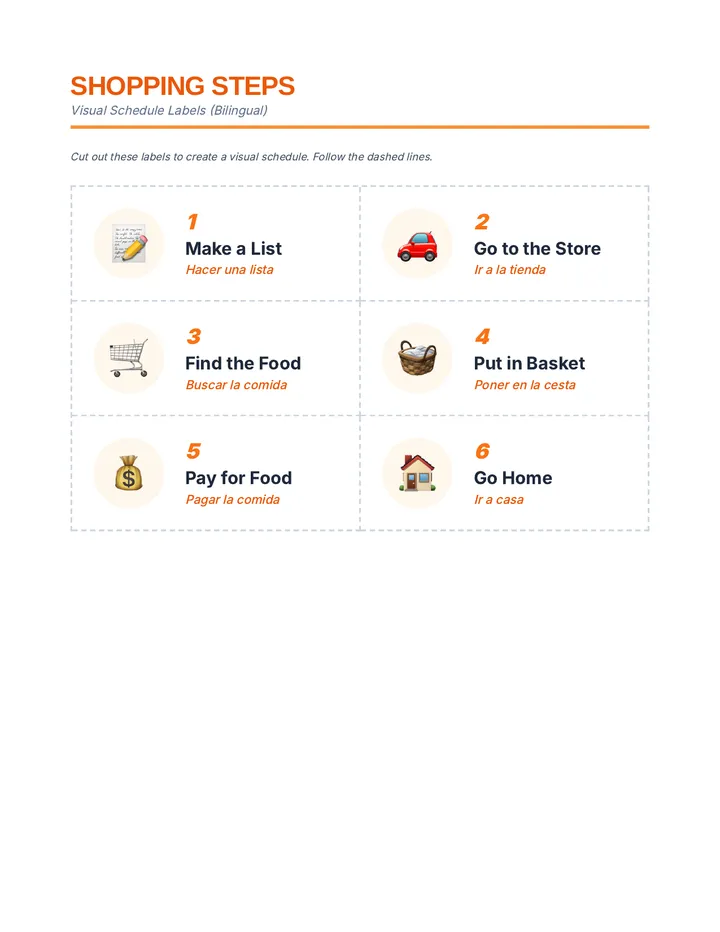
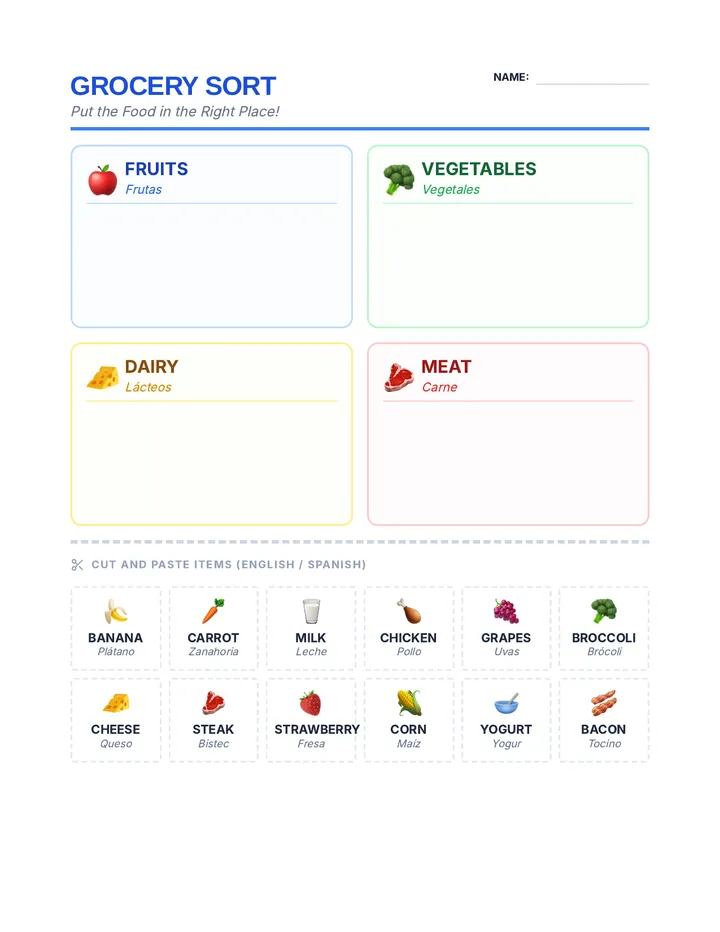
A beginner-friendly ESL lesson focusing on essential food and grocery shopping vocabulary, featuring bilingual English-Spanish support and visual aids. Students learn to identify common items and the sequential steps of a shopping trip.
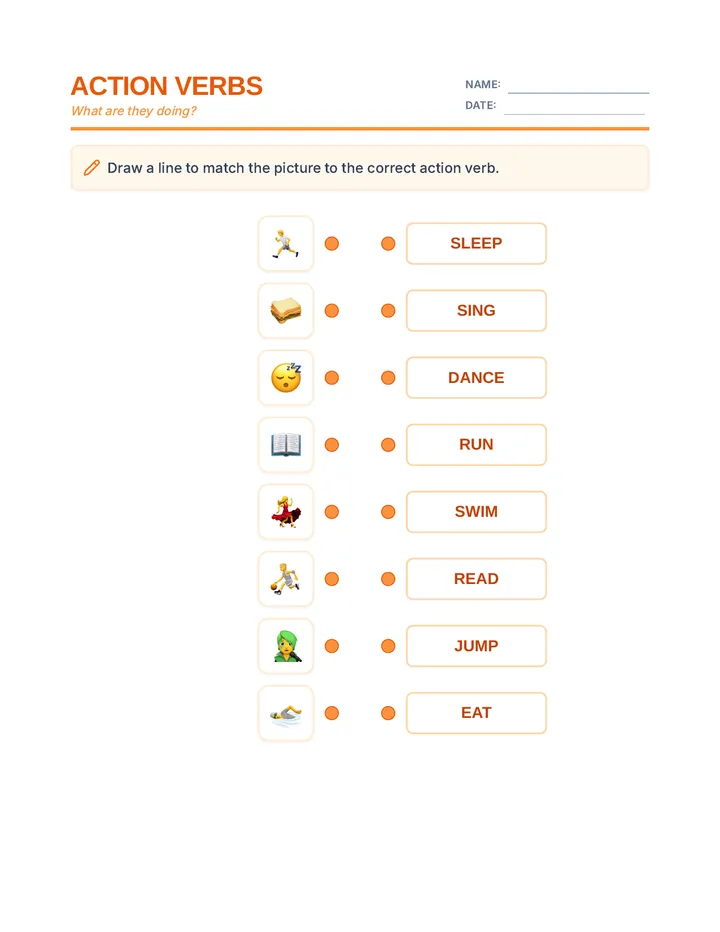
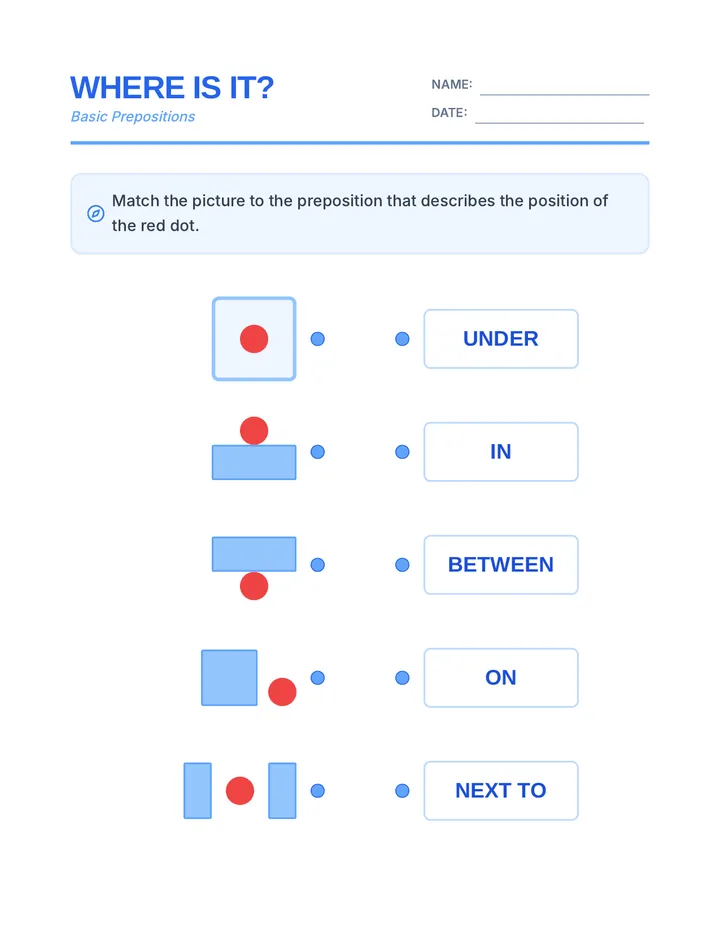
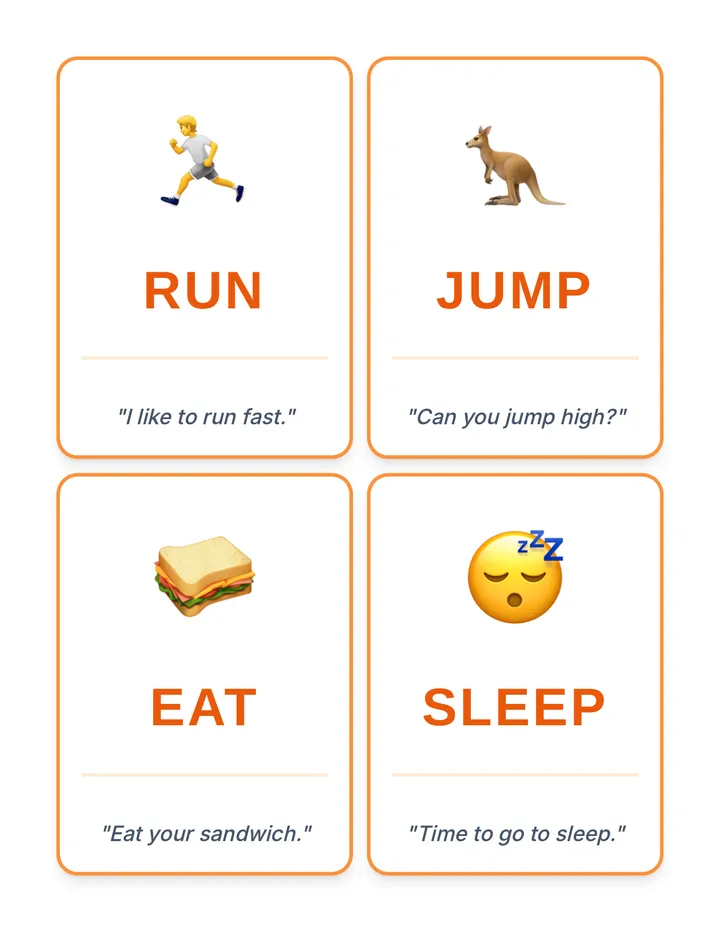
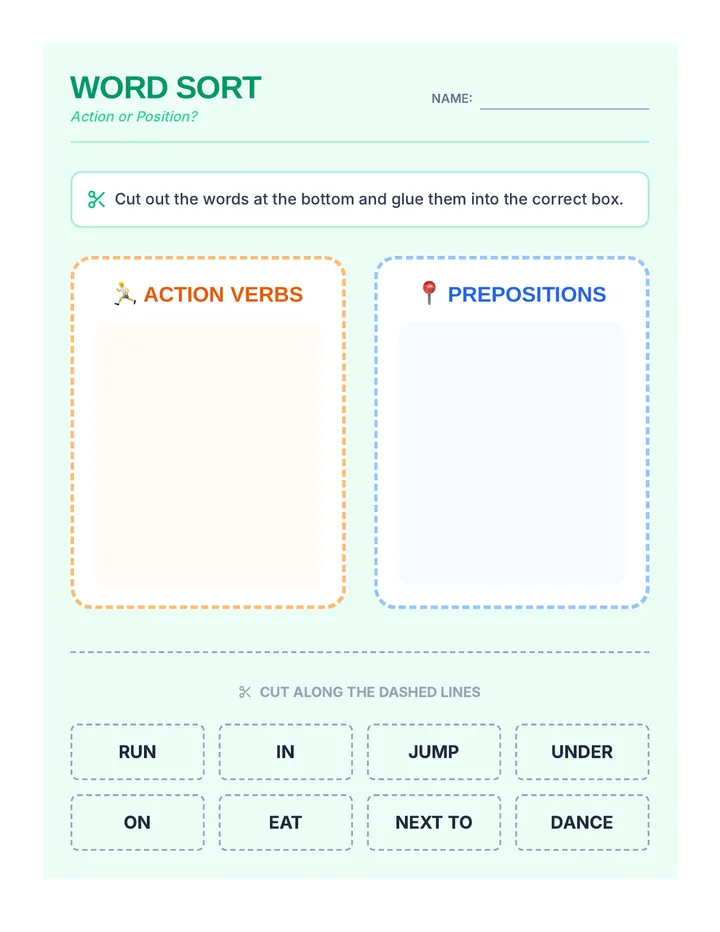
Introduces students to common action verbs and spatial prepositions using visual cues and interactive worksheets.
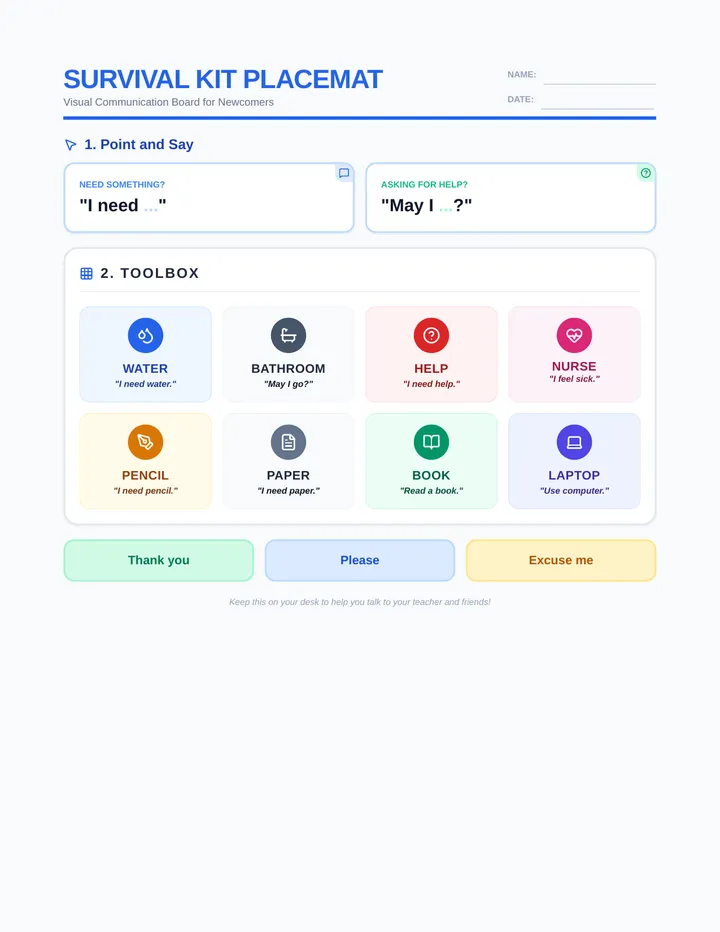
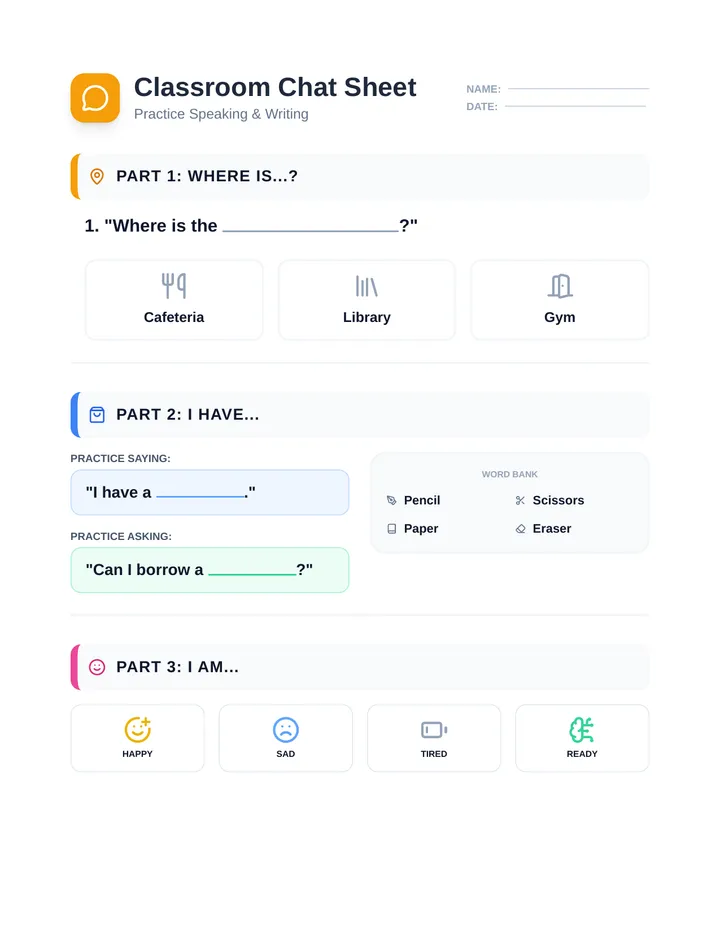
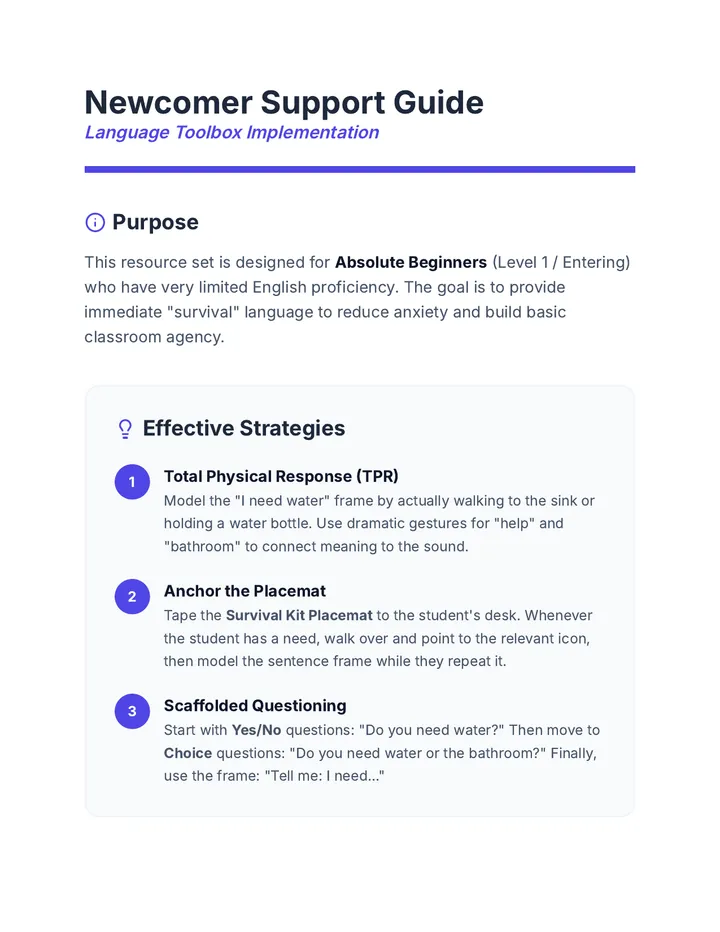
Essential communication tools for newcomer English learners to navigate their school environment. This lesson provides visual word banks and scaffolded sentence frames for basic needs and classroom interactions.
A multi-sensory lesson focusing on the distinction between the /f/ and /v/ sounds, using visual and tactile cues to support memory and phonetic awareness for ELL students.
A foundational vocabulary lesson for K-5 heritage learners focusing on nature elements and common animals through visual flashcards and practice activities.
A focused lesson on the ASL signs for black and white, featuring visual sign descriptions and teaching tips for high-contrast colors.
A collection of invitation forms in multiple languages for the English Language Growth Recognition Ceremony, ensuring all families can participate and celebrate student success.
An introductory American Sign Language (ASL) lesson designed for young children, focusing on essential signs for communication and classroom interaction.
A comprehensive phonics lesson for bilingual students focusing on the specific vowel contrasts of Long E/Short I and Short A/Short E through multisensory, UDL-aligned activities.
Consolidates all skills through fluency practice, sentence reading, and a final assessment of the 30-day journey. Days 26-30 of the 30-day plan.
Focuses on more complex multisyllabic words, common prefixes, and suffixes to expand decoding capabilities. Days 21-25 of the 30-day plan.
Introduces two-syllable words and basic syllabication rules (VC/CV), helping students tackle longer words. Days 16-20 of the 30-day plan.
Explores phonological awareness through rhyming and word families, strengthening the connection between spelling patterns and sounds. Days 11-15 of the 30-day plan.
Introduces Consonant-Vowel-Consonant (CVC) blending and word families, transitioning students from isolated sounds to fluid reading. Days 6-10 of the 30-day plan.
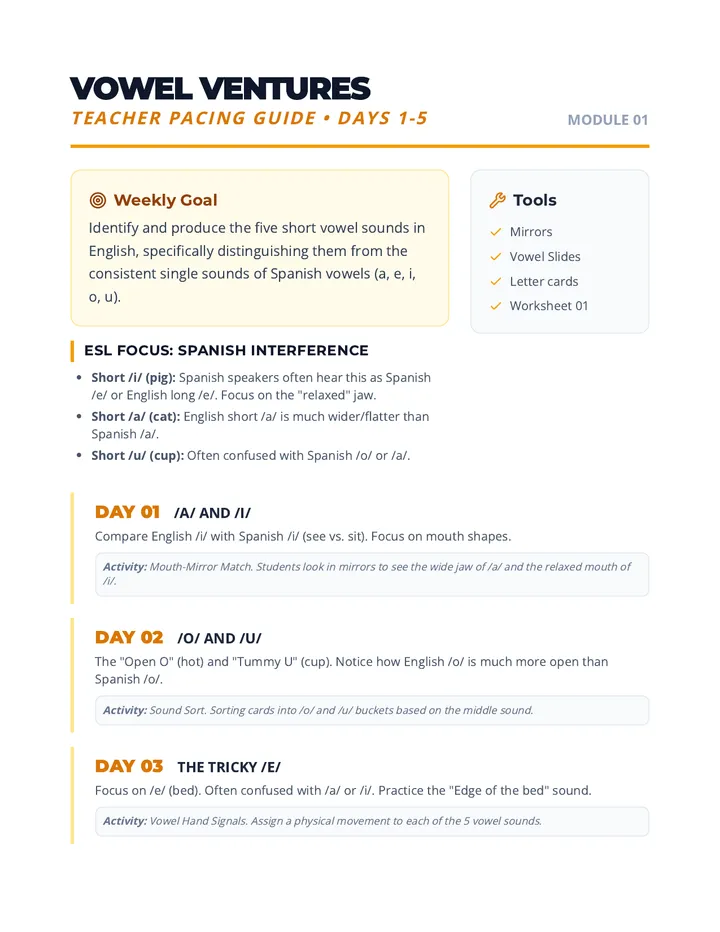
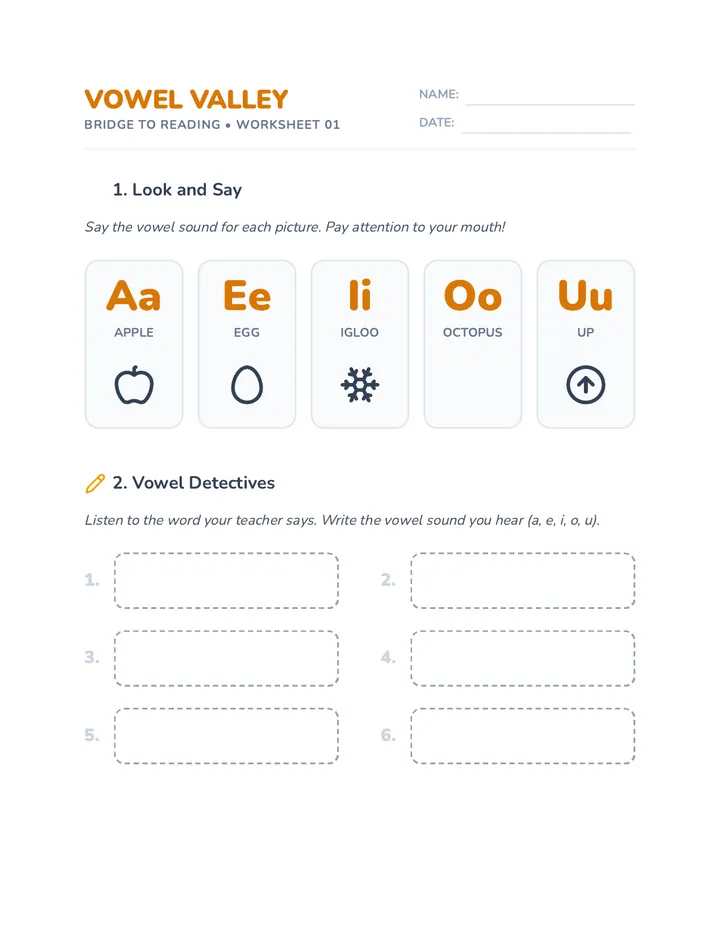
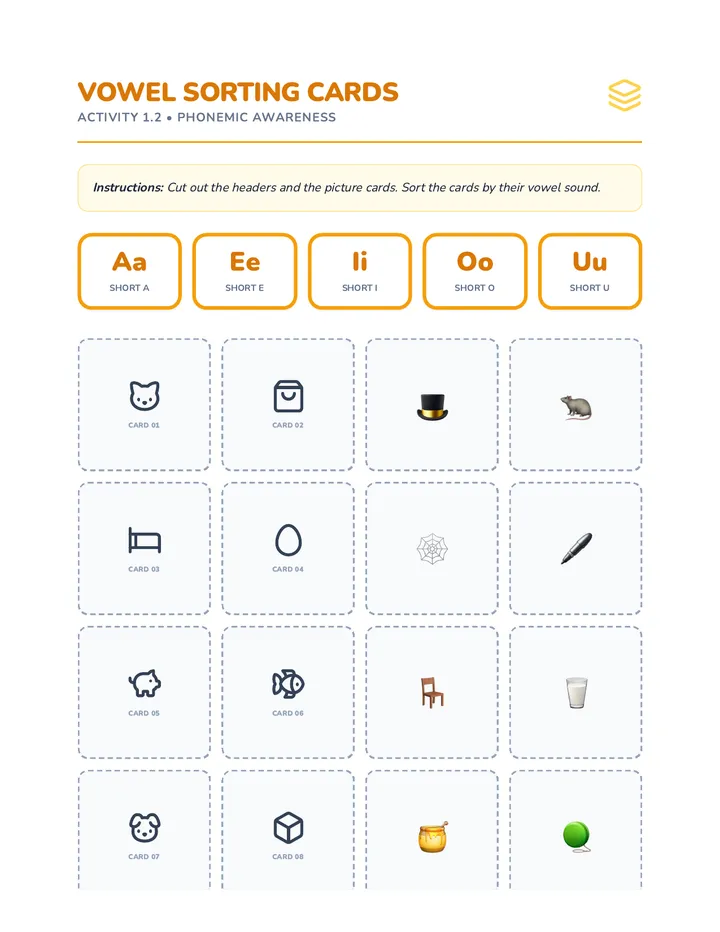
Focuses on the five short vowel sounds, contrasting them with Spanish vowel sounds to help students distinguish English phonemes. Days 1-5 of the 30-day plan.
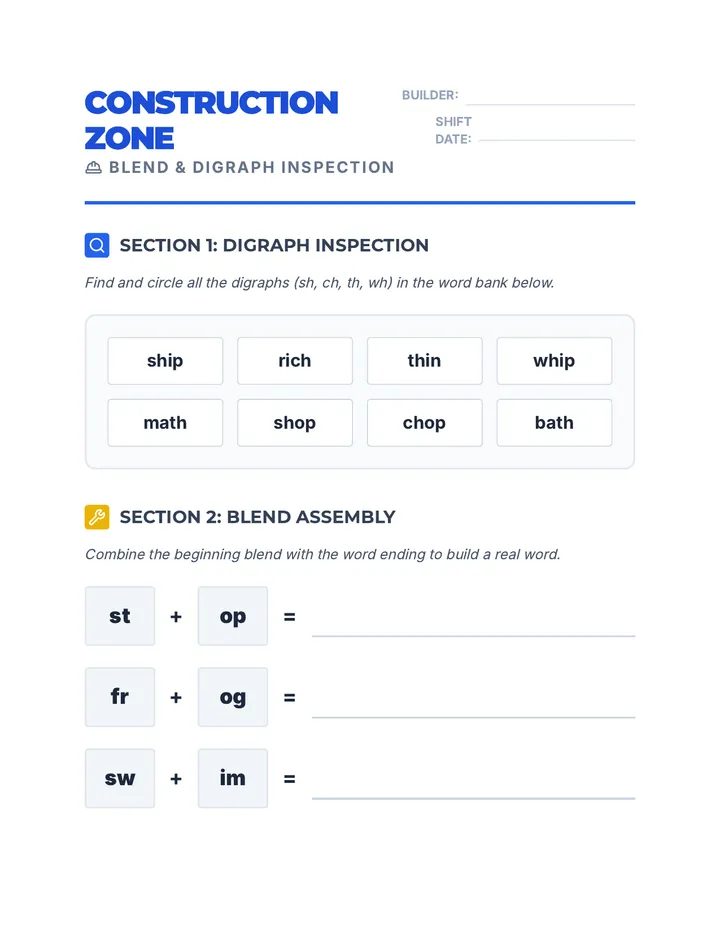
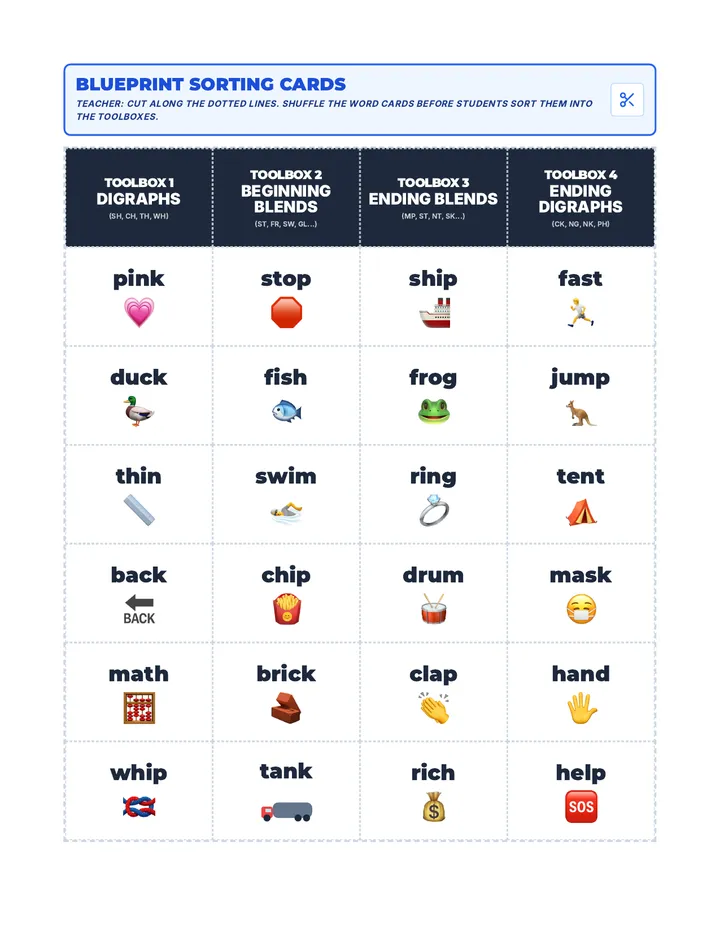
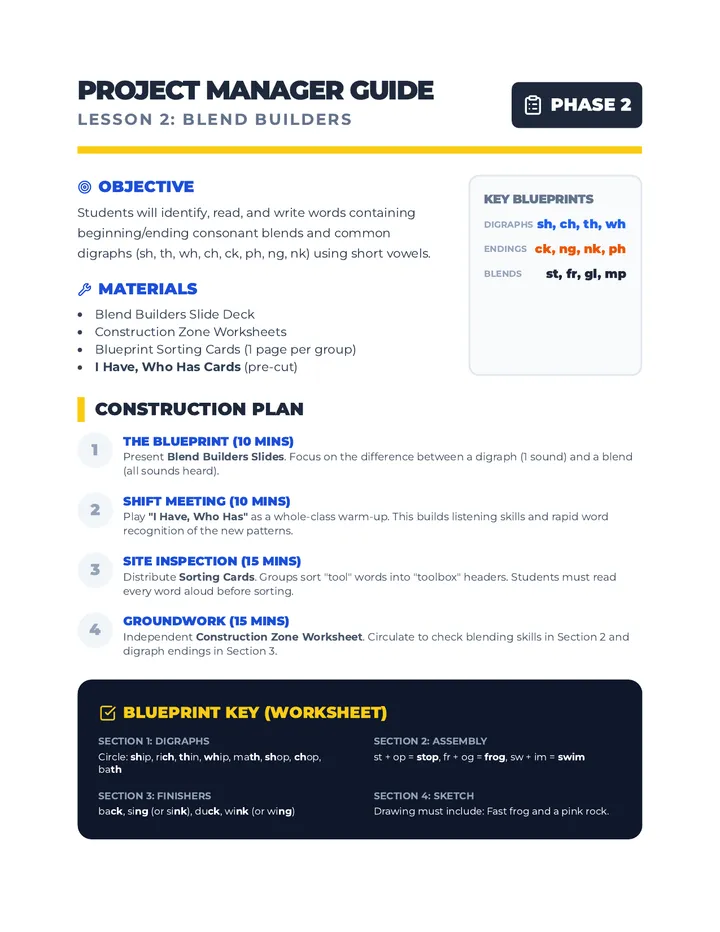
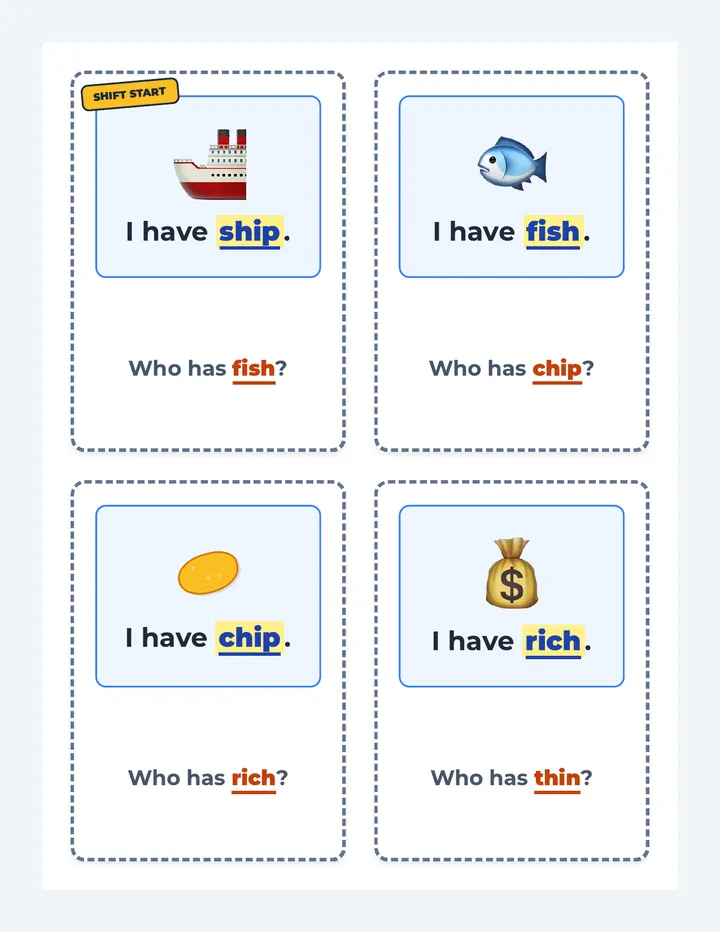
A focused lesson on beginning and ending consonant blends and common digraphs (sh, th, wh, ch, ck, ph, ng, nk) using short vowel words. Students "construct" words in a workshop-themed environment.
A high-energy, visual-heavy lesson for ESL kindergarteners to learn and practice family activity vocabulary through movement, games, and play. Students will use Total Physical Response (TPR) and collaborative games to internalize key verbs.
A 45-minute exploratory Japanese lesson using storytelling and Comprehensible Input to introduce Oshogatsu, Hinamatsuri, and Kodomo no Hi. Students will engage with the cultural significance and specific traditions of each holiday through narrative and visual representation.
The final challenge of the workbook, synthesizing all phonetic knowledge for comprehensive word mastery.
Mastering complex clusters where two sounds slide together, focusing on s-blends, l-blends, and r-blends.
Investigations into special two-letter combinations that create unique single sounds, featuring sh, ch, th, and wh.
Detecting patterns in word endings, students explore common word families to build rhyme and reading fluency.